OLD SOUTHWEST HEALTH AND REHABILITATION
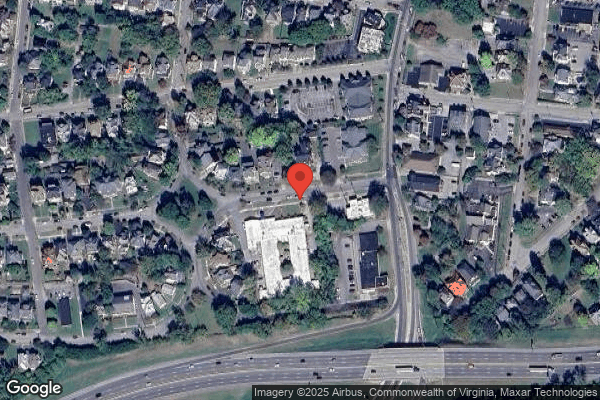
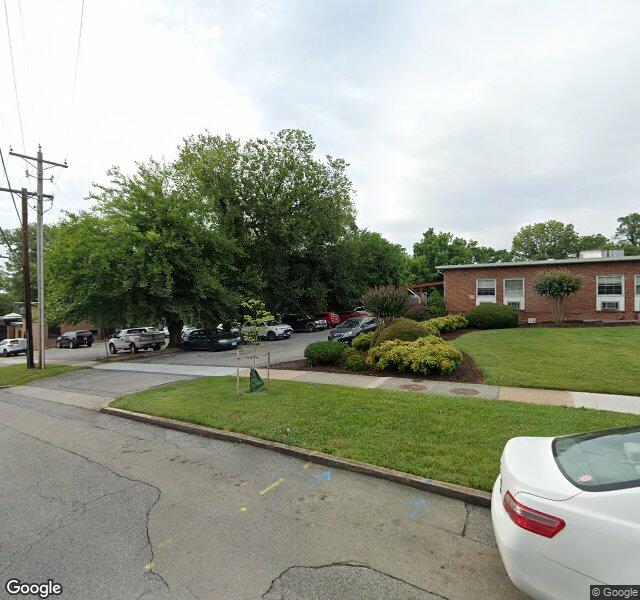
324 KING GEORGE AVE SW, ROANOKE, VA 24016 (540) 345-8139
For profit - Limited Liability company 130 Beds EASTERN HEALTHCARE GROUP Data: November 2025
Trust Grade
0/100
#268 of 285 in VA
Last Inspection: March 2024

Within standard 12-15 month inspection cycle. Federal law requires annual inspections.

Overview

Old Southwest Health and Rehabilitation has received a Trust Grade of F, indicating poor performance with significant concerns about care quality. It ranks #268 out of 285 nursing homes in Virginia, placing it in the bottom half of facilities statewide, and is the last of nine options in Roanoke City County. The facility is worsening, as the number of identified issues increased from 20 in 2023 to 73 in 2024. Staffing is a major concern, with a low rating of 1 out of 5 stars and a turnover rate of 76%, significantly higher than the state average of 48%, meaning many staff members leave quickly. Additionally, the facility has faced $153,312 in fines, indicating compliance issues that are more common than in 97% of Virginia facilities. Specific incidents of concern include a resident being treated with the wrong medication, leading to anaphylactic reactions and hospitalization, and another resident suffering from heat stroke due to inadequate supervision during extreme temperatures. While the facility has some strengths, including its capacity to provide care, these serious deficiencies raise significant concerns about the safety and well-being of potential residents.

Trust Score
F
0/100
In Virginia
#268/285
Bottom 6%
Safety Record
High Risk
Review needed
Inspections
Getting Worse
20 → 73 violations
Staff Stability
⚠ Watch
76% turnover. Very high, 28 points above average. Constant new faces learning your loved one's needs.
Penalties
✓ Good
$153,312 in fines. Lower than most Virginia facilities. Relatively clean record.
Skilled Nurses
⚠ Watch
Each resident gets only 18 minutes of Registered Nurse (RN) attention daily — below average for Virginia. Fewer RN minutes means fewer trained eyes watching for problems.
Violations
⚠ Watch
136 deficiencies on record. Higher than average. Multiple issues found across inspections.
★☆☆☆☆
1.0
Overall Rating
★☆☆☆☆
1.0
Staff Levels
★★☆☆☆
2.0
Care Quality
★☆☆☆☆
1.0
Inspection Score
Stable
2023: 20 issues
2024: 73 issues

The Good

  • Full Sprinkler Coverage · Fire safety systems throughout facility
  • No fines on record

Facility shows strength in fire safety.

The Bad

1-Star Overall Rating

Below Virginia average (3.0)

Significant quality concerns identified by CMS

Staff Turnover: 76%

30pts above Virginia avg (46%)

Frequent staff changes - ask about care continuity

Federal Fines: $153,312

Well above median ($33,413)

Significant penalties indicating serious issues

Chain: EASTERN HEALTHCARE GROUP

Part of a multi-facility chain

Ask about local staffing decisions and management

Staff turnover is very high (76%)

28 points above Virginia average of 48%

The Ugly 136 deficiencies on record

4 actual harm
Jul 2024 24 deficiencies
CONCERN (D) 📢 Someone Reported This

A family member, employee, or ombudsman was alarmed enough to file a formal complaint

Potential for Harm - no one hurt, but risky conditions existed

Safe Environment (Tag F0584)

Could have caused harm · This affected 1 resident

Based on observation, staff interview, and clinical record review, the facility staff failed to maintain a clean, comfortable, homelike environment for 1 of 24 residents, Resident #118. The findings ...

Read full inspector narrative →
Based on observation, staff interview, and clinical record review, the facility staff failed to maintain a clean, comfortable, homelike environment for 1 of 24 residents, Resident #118. The findings include: Resident #118's tube feeding pole was observed to have a dried brown substance on the bottom of the tube feeding pole. Resident #118's diagnoses included, but were not limited to, persistent vegetative state and cognitive communication deficit. Section B (hearing/speech/vision) of Resident #118's minimum data set (MDS) assessment with an assessment reference date (ARD) of 05/23/24 was coded to indicate Resident #118 was in a persistent vegetative state. Section K (swallowing/nutritional status) was coded to indicate this resident received nutrition via a feeding tube. On 07/10/24 at 11:00 a.m., the surveyor observed a brown dried substance on the bottom of this residents tube feeding pole. A second observation was made on 07/10/24 at approximately 2:35 p.m. the brown dried substance remained on the bottom of the tube feeding pole. On 07/11/24 at 4:30 p.m., during an end of the day meeting with the Administrator, Regional Director of Clinical Services, Director of Nursing, and Assistant Director of Nursing/Staff Development Coordinator the issue with Resident #118's tube feeding pole was reviewed. No further information regarding this issue was provided to the survey team prior to the exit conference on 07/16/24.
CONCERN (D) 📢 Someone Reported This

A family member, employee, or ombudsman was alarmed enough to file a formal complaint

Potential for Harm - no one hurt, but risky conditions existed

Deficiency F0657 (Tag F0657)

Could have caused harm · This affected 1 resident

Based on staff interview and clinical record review, the facility staff failed to review and revise a comprehensive care plan (CCP) for 1 of 24 residents, Resident #115. The findings include: For Re...

Read full inspector narrative →
Based on staff interview and clinical record review, the facility staff failed to review and revise a comprehensive care plan (CCP) for 1 of 24 residents, Resident #115. The findings include: For Resident #115, the facility staff failed to review and revise the residents CCP to include their Do Not Resuscitate (DNR). Resident #115's diagnosis included adult failure to thrive. Section C (cognitive patterns) of Resident #115's significant change minimum data set (MDS) assessment with an assessment reference date (ARD) of 06/30/24 included a brief interview for mental status (BIMS) score of 6 out of a possible 15 points. Section O (special treatments and procedures) was coded to indicate this resident was receiving Hospice services. A review of Resident #115's clinical record revealed that the facility staff had not revised the CCP regarding the residents current code status. Under the focus area of Advance Directive, the facility staff documented this resident was a Full Code. Interventions included follow facility guidelines for full code. Resident #115's clinical record included the provider order for DNR dated 05/28/24. The clinical record also included a DDNR (durable do not resuscitate) order form dated 05/28/24 signed by the provider and authorized representative. On 07/11/24 at 9:30 a.m., during an interview with MDS nurse #1 this staff reviewed Resident #115's CCP and acknowledged their DNR status had not been updated on the CCP. MDS nurse #1 stated they would update the CCP today. On 07/11/24 at 4:30 p.m., during an end of the day meeting with the Administrator, Regional Director of Clinical Services, Director of Nursing, and Assistant Director of Nursing/Staff Development Coordinator the issue with Resident #115's CCP not being revised to include their current DNR status was reviewed. On 07/12/24 at 10:00 a.m., the Administrator provided the surveyor with an updated care plan indicating Resident #115's CCP had been revised to include their current DNR status. No further information regarding this issue was provided to the survey team prior to the exit conference.
CONCERN (D) 📢 Someone Reported This

A family member, employee, or ombudsman was alarmed enough to file a formal complaint

Potential for Harm - no one hurt, but risky conditions existed

Deficiency F0658 (Tag F0658)

Could have caused harm · This affected 1 resident

Based on staff interview, clinical record review, facility document review, and a medication pass and pour observation the facility staff failed to follow professional standards of practice for the ad...

Read full inspector narrative →
Based on staff interview, clinical record review, facility document review, and a medication pass and pour observation the facility staff failed to follow professional standards of practice for the administration of medications for 2 of 24 residents, Resident #123, and Resident #110. The findings included: For Resident #123 the facility staff signed a medication as being administered when the medication was unavailable for administration. Resident #123's clinical record listed diagnoses which included but not limited to unspecified asthma, uncomplicated. Resident #123's most recent minimum data set with an assessment reference date of 05/28/24 coded the resident as 3 out of 15 in section C, cognitive patterns. This indicates that the resident is severely cognitively impaired. Resident #123's comprehensive care plan was reviewed and contained a care plan for . is at risk for ineffective breathing d/t (due to) dx (diagnosis) of COPD (chronic obstructive pulmonary disease). Interventions for this care plan include give medications as ordered. Surveyor observed registered nurse (RN) #3 on 07/10/24 at 8:35 am during a medication pass and pour. RN #3 prepared Resident #123's medications, then stated to surveyor that resident's inhaler was not on the cart. RN #3 stated, It was ordered on 07/07/24 and she probably hasn't had it for a few days. Resident #123's clinical record was reviewed on 07/10/24 and contained an order which read in part, Symbicort Aerosol 160-4.5 MCG/ACT (Budesonide-Formoterol Fumarate) 1 puff inhale orally two times a day for SOB (shortness of breath). Rinse mouth after use. Resident #123's electronic medication administration (eMAR) record was reviewed and contained an entry as above. This entry had been initialed for all administrations for the month of July, including 8 am on 07/10/24. Surveyor spoke with licensed practical nurse (LPN) #5 on 07/11/24 regarding Resident #123's Symbicort inhaler. LPN #5 looked in the medication cart, then stated the inhaler was not there, unless it came last night. Surveyor reviewed Resident #123's eMAR and observed that the inhaler had been initialed as administered by LPN #5. Surveyor asked LPN #5 if they had signed the inhaler as administered, and LPN #5 stated, Not sure, I can't remember honestly. Surveyor spoke with the assistant director of nursing (ADON) on 07/12/24 at 10:45 am regarding Resident #123's inhaler, and nursing staff initialing it as administered. ADON stated, they should not sign off if they don't have it. That's just common sense. It also goes to compliance and ethics. Surveyor requested a copy of the facility standards of practice for medication administration and was provided with a copy of a facility policy entitled Medication Administration which read in part, Medications are administered by licensed nurses, or other staff who are legally authorized to do so in this state, as ordered by the physician and in accordance with professional standards of practice, in a manner to prevent contamination or infection. 17. Sign MAR after administered. The concern of not following professional standards of practice was discussed with the administrator, director of nursing, assistant director of nursing, regional director of operations, minimum data set coordinator, director of clinical reimbursement, and regional director of clinical services on 07/16/24 at 2:45 pm. No further information provided prior to exit. 2. For Resident #110 the facility staff signed a medication as being administered when the medication was unavailable for administration. Resident #110's clinical record listed diagnoses which included but not limited to chronic pain syndrome. Resident #110's most recent minimum data set with an assessment reference date of 06/07/24 assigned the resident a brief interview for mental status score of 15 out of 15 in section C, cognitive patterns. This indicates that the resident is cognitively intact. Resident #110's comprehensive care plan was reviewed and contained a care plan for . at risk for pain d/t dx (diagnosis) of chronic pain and Gout. Interventions for this care plan included Administer medications per MD orders and 'Medicate as ordered. Resident #110's clinical record was reviewed and contained a physician's order summary which read in part, gabapentin 300 mg. Give one capsule by mouth three times daily for neuropathy. Resident #110's electronic medication administration record (eMAR) for the month of June 2023 was reviewed and contained an entry as above. This entry was initialed as being administered on 06/27/24 at 1:00 pm and 9:00 pm. Resident #110's nurse's progress notes were reviewed and contained a noted dated 06/27/24 which read in part, 6/27/2024 16:29 Gabapentin Oral Capsule 300 mg. Give 1 capsule by mouth three times a day for neuropathy. Med not available. Surveyor spoke with the assistant director of nursing (ADON) on 07/12/24 at 10:45 am regarding Resident #110's gabapentin and nursing staff initialing it as administered. ADON stated, they should not sign off if they don't have it. That's just common sense. It also goes to compliance and ethics. Surveyor requested a copy of the facility standards of practice for medication administration and was provided with a copy of a facility policy entitled Medication Administration which read in part, Medications are administered by licensed nurses, or other staff who are legally authorized to do so in this state, as ordered by the physician and in accordance with professional standards of practice, in a manner to prevent contamination or infection. 17. Sign MAR after administered. The concern of not following professional standards of practice was discussed with the administrator, director of nursing, assistant director of nursing, regional director of operations, minimum data set coordinator, director of clinical reimbursement, and regional director of clinical services on 07/16/24 at 2:45 pm. No further information provided prior to exit.
CONCERN (D) 📢 Someone Reported This

A family member, employee, or ombudsman was alarmed enough to file a formal complaint

Potential for Harm - no one hurt, but risky conditions existed

Deficiency F0688 (Tag F0688)

Could have caused harm · This affected 1 resident

Based on observation, staff interview, and clinical record review, the facility staff failed to ensure physician ordered equipment (splint) was in place to ensure the resident maintained and/or improv...

Read full inspector narrative →
Based on observation, staff interview, and clinical record review, the facility staff failed to ensure physician ordered equipment (splint) was in place to ensure the resident maintained and/or improved their highest level of range of motion (ROM) and mobility for 1 of 3 current residents in the survey sample. Resident #118. The findings include: The facility staff failed to apply a provider ordered splint to the residents right hand. Resident #118's diagnoses included, but were not limited to, persistent vegetative state, muscle weakness, and cognitive communication deficit. Section B (hearing/speech/vision) of Resident #118's minimum data set (MDS) assessment with an assessment reference date (ARD) of 05/23/24 was coded to indicate Resident #118 was in a persistent vegetative state. Section GG (functional abilities and goals) was coded to indicate this resident had limitations in ROM in the upper and lower extremities. Resident #118's comprehensive care plan included the focus area has limited physical mobility related to neurological deficits. Interventions included apply splint per MD order. On 06/21/24 the provider transcribed an order to apply right and left hand splints during the day. When reviewing the clinical record, the surveyor was unable to find this order on the medication administration record (MAR) or the treatment administration record (TAR). During observations on 07/10/24 at 11:00 a.m. and again at 2:35 p.m. Resident #118 was not observed with a splint in place to their right hand. The clinical record did not include any documentation to indicate why this splint was not in place. On 07/11/24 at 10:55 a.m., Resident #118 was observed with their right-hand splint in place. During an interview with Licensed Practical Nurse (LPN) #4 this nurse was asked who had placed the right-hand splint on Resident #118. LPN #4 stated therapy had placed the splints on this resident. On 07/11/24 at 11:00 a.m., during an interview with therapy staff #1 and #2. These staff stated Resident #118's hand splints were the nursing staff's responsibility. On 07/11/24 at 4:30 p.m., during an end of the day meeting with the Administrator, Regional Director of Clinical Services, Director of Nursing, and Assistant Director of Nursing/Staff Development Coordinator the issue with Resident #118's splint not being in place was reviewed. No further information regarding this issue was provided to the survey team prior to the exit conference.
CONCERN (D) 📢 Someone Reported This

A family member, employee, or ombudsman was alarmed enough to file a formal complaint

Potential for Harm - no one hurt, but risky conditions existed

Pharmacy Services (Tag F0755)

Could have caused harm · This affected 1 resident

Based on staff interview, clinical record review, facility document review and during a medication pass and pour observation the facility staff failed to ensure medications were available for administ...

Read full inspector narrative →
Based on staff interview, clinical record review, facility document review and during a medication pass and pour observation the facility staff failed to ensure medications were available for administration for 2 of 24 residents, Resident #123, #113 and failed to ensure the nursing staff correctly implemented the facility schedule control medication monitoring system for 5 of 5 medication carts. The findings included: 1. For Resident #123 the facility staff failed to ensure the medication Symbicort aerosol inhaler was available for administration. Resident #123's clinical record listed diagnoses which included but not limited to unspecified asthma, uncomplicated. Resident #123's most recent minimum data set with an assessment reference date of 05/28/24 assigned the resident a brief interview for mental status score of 3 out of 15 in section C, cognitive patterns. This indicates that the resident is severely cognitively impaired. Resident #123's comprehensive care plan was reviewed and contained a care plan for . is at risk for ineffective breathing d/t (due to) dx (diagnosis) of COPD (chronic obstructive pulmonary disease). Resident has SOB (shortness of breath) when lying flat. Interventions for this care plan include Give medications as ordered. Surveyor observed registered nurse (RN) #3 on 07/10/24 at 8:35 am during a medication pass and pour. While preparing Resident #123's medications, RN #3 informed surveyor that resident's inhaler was not in the medication cart. RN #3 stated that inhaler had been ordered on 07/07/24, and she probably hasn't had it for a few days. Resident #123's clinical record was reviewed and contained a physician's order summary which read in part, Symbicort Aerosol 160-4.5 MCG/ACT (Budesonide-Formoterol Fumarate). 1 puff inhale orally two times a day for SOB. Rinse mouth after use. Resident #123's electronic medication administration (eMAR) record was reviewed and contained an entry as above. This entry had been initialed for all administrations for the month of July, including 8 am on 07/10/24. Surveyor spoke with an order entry staff at the pharmacy regarding Resident #123's Symbicort inhaler on 07/10/24 at 2:00 pm. Order entry staff stated that they had tried to fill it, but insurance denied payment on 07/07/24. Order entry staff stated that a refill request on 06/29/24 had triggered to switch to generic, but medication was switched to generic on 10/16/23. Surveyor asked order entry staff when medication was last sent to facility, and order entry staff stated that a 30-day supply was sent on 06/06/24. Surveyor spoke with licensed practical nurse (LPN) #5 on 07/11/24 regarding Resident #123's Symbicort inhaler. LPN #5 looked in the medication cart, then stated the inhaler was not there, unless it came last night. Surveyor requested and was provided with a facility policy entitled Unavailable Medication which read in part, 1. The facility maintains a contract with a pharmacy provider to supply the facility with routine, prn, and emergency medications. 3. The facility shall follow established procedures for ensuring residents have a sufficient supply of medications. 5. If a resident misses a scheduled dose of the medication, staff shall follow procedures for medication errors, including physician/family notification, completion of a medication error report, and monitoring the resident for adverse reaction to omission of the medication. Surveyor requested and was provided with a facility policy entitled Medication Reordering which read in part, It is the policy of this facility to accurately and safely provide or obtain pharmaceutical services including the provision of routine and emergency medications and biologicals in a timely manner to meet the needs of each resident. 2. Acquisition of medications should be completed in a timely manner to ensure medications are administered in a timely manner. 3. Each time a nurse is administering medications and observes (6) or less doses left of one kind, that nurse will reorder the medication, time permiting. The concern of not ensuring residents medications were available for administration was discussed with the administrator, director of nursing, assistant director of nursing, regional director of operations, minimum data set coordinator, director of reimbursement, and regional director of clinical services on 07/16/24 at 2:45 pm. No further information was provided prior to exit. 2. For Resident #113 the facility staff failed to ensure the medications atorvastatin and semaglutide were available for administration. Resident #113's clinical record listed diagnoses which included but not limited to type 2 diabetes mellitus with hyperglycemia and morbid obesity due to excess calories. Resident #113 most recent minimum data set with an assessment reference date of 06/27/24 assigned the resident a brief interview for mental status score of 15 out of 15 in section C, cognitive patterns. This indicates that the resident is cognitively intact. Resident #113's comprehensive care plan was reviewed and contained care plans for . has diabetes mellitus and . has nutritional problem d/t (due to) dx (diagnosis) of obesity. Resident has dx of Type 2 diabetes, CHF (congestive heart failure), and anemia. Interventions for these care plans include Diabetes medication as ordered by doctor and Administer medications as ordered. Resident #113's clinical record was reviewed and contained a physician's order summary which read in part, Atorvastatin calcium oral tablet 10 mg (Atorvastatin calcium). Give 10 mg by mouth one time a day for hypercholesterolemia, and Semaglutide-Weight Management Subcutaneous Solution Auto-injector 0.25mg/0.5 ml (Semaglutide (Weight Management)). Inject 0.25 mg subcutaneously one time a day every 7 day(s) for Supramorbid obesity/DM. Resident #113's electronic medication administration records (eMAR) for the months of May, June and July 2024 were reviewed and contained entries as above. For the month of June 2024, the entry for atorvastatin was coded 9 on 06/28/24 at 8:00 am. For the month of July 2024, the entry for semaglutide was coded 9 on 07/01/24 and 07/08/24. Chart code 9 is equivalent to other/see nurses notes. Resident #113's nurses' progress notes were reviewed and contained progress notes which read in part, 6/28/2024 08:24. Atorvastatin Calcium Oral Tablet 10 mg. Give 10 mg by mouth one time a day for hypercholesterolemia. ordered from pharmacy, 7/1/2024 12:43. Semaglutide-Weight Management Subcutaneous Solution Auto-injector 0.25 mg/0.5 ml. Inject 0.25 mg subcutaneously one time a day every 7 day(s) for Supramorbid obesity/DM. Medication not available; MD notified and aware; pharmacy states that the medication delivery is on the way, and 7/8/2024 11:01. Semaglutide-Weight Management Subcutaneous Solution Auto-injector 0.25 mg/0.5 ml. Inject 0.25 mg subcutaneously one time a day every 7 day(s) for Supramorbid obesity/DM. Medication not available; MD notified and aware; Medication delivery on the way per Pharmacy. Surveyor requested and was provided with a facility policy entitled Unavailable Medication which read in part, 1. The facility maintains a contract with a pharmacy provider to supply the facility with routine, prn, and emergency medications. 3. The facility shall follow established procedures for ensuring residents have a sufficient supply of medications. 5. If a resident misses a scheduled dose of the medication, staff shall follow procedures for medication errors, including physician/family notification, completion of a medication error report, and monitoring the resident for adverse reaction to omission of the medication. Surveyor requested and was provided with a facility policy entitled Medication Reordering which read in part, It is the policy of this facility to accurately and safely provide or obtain pharmaceutical services including the provision of routine and emergency medications and biologicals in a timely manner to meet the needs of each resident. 2. Acquisition of medications should be completed in a timely manner to ensure medications are administered in a timely manner. 3. Each time a nurse is administering medications and observes (6) or less doses left of one kind, that nurse will reorder the medication, time permiting. The concern of not ensuring residents medications were available for administration was discussed with the administrator, director of nursing, assistant director of nursing, regional director of operations, minimum data set coordinator, director of reimbursement, and regional director of clinical services on 07/16/24 at 2:45 pm. No further information was provided prior to exit. 3. The facility nursing staff failed to accurately complete the shift change controlled substance inventory count sheets on 5 of 5 medication carts. The facility's shift change controlled substance inventory count sheet forms for 5 of 5 medication carts were noted to have incomplete information. These forms are part of the facility process where licensed nurses document the count of the facility's controlled medication at the time when access to the controlled medications is being transferred from one licensed nurse to another licensed nurse. These forms included the statement: Nurse signatures below denote that the control drug inventory was true and correct at the date and time [sic] shift change or key exchange. On 07/10/24 beginning at approximately 4:00 p.m., the surveyor reviewed the shift change controlled substance inventory count sheets on the narcotic books on each unit. Numerous sheets on each medication cart were observed to contain blanks where the oncoming and/or off going nurse had not signed these sheets. Several sheets were also observed to have no information in the areas designated for the facility name, station, and/or medication cart number. On 07/10/24 at 4:10 p.m., during an interview with the Unit Manager this staff stated the nursing staff had been in-serviced and re-educated on completing these forms. On 07/11/24 at 3:30 p.m., the DON provided the surveyor with a copy of their policy titled, Controlled Substance Administration & Accountability. This policy read in part, It is the policy of this facility to promote safe, high quality patient care, compliant with state and federal regulations regarding monitoring the use of controlled substances. The facility will have safeguards in place in order to prevent loss, diversion or accidental exposure . On 07/11/24 at 4:30 p.m., during an end of the day meeting with the Administrator, Regional Director of Clinical Services, Director of Nursing (DON), and Assistant Director of Nursing/Staff Development Coordinator the issue with the shift change controlled substance inventory count sheets being incomplete was reviewed. No further information regarding this issue was provided to the survey team prior to the exit conference.
CONCERN (D) 📢 Someone Reported This

A family member, employee, or ombudsman was alarmed enough to file a formal complaint

Potential for Harm - no one hurt, but risky conditions existed

Drug Regimen Review (Tag F0756)

Could have caused harm · This affected 1 resident

Based on staff interviews, medical record review and facility document review, the facility staff failed to act on pharmacy recommendations for one of three residents in the survey sample, resident # ...

Read full inspector narrative →
Based on staff interviews, medical record review and facility document review, the facility staff failed to act on pharmacy recommendations for one of three residents in the survey sample, resident # 101. The findings included: For resident # 101 (R101) the facility failed to act upon the pharmacy recommendations from May 27, 2024, and June 26, 2024. Progress notes in the clinical record indicated that medication regimen reviews had been done May 27,2024 and June 26,2024. This surveyor could not locate the Consultant Pharmacist Recommendation to Physician for either month in the record. On 7/11/2024 this surveyor asked the Director of Nursing (DON) for the pharmacy recommendations for May and June. They brought blank copies of each one. The recommendation for May read, Federal guidelines state psychopharmacological drugs should have an attempt at a gradual dose reduction (GDR) twice per year for the first year in two different quarters with 1 month between attempts, then annually thereafter, when used to manage behavior, stabilize mood, or treat psych disorder. This resident has been taking Buspirone 20 mg TID since 5/12/23 without a GDR. Could we attempt a dose reduction at this time to perhaps Buspirone 15 mg TID to verify this resident is on the lowest possible dose? If not, please indicate response below. The June recommendation read, Federal guidelines state psychopharmacological drugs should have an attempt at a gradual dose reduction (GDR) twice per year for the first year in two different quarters with 1 month between attempts, then annually thereafter, when used to manage behavior, stabilize mood, or treat psych disorder. This resident has been taking Hydroxizine 50 mg TID since 12/7/2024 without a GDR. Could we attempt a dose reduction at this time to perhaps 25 mg TID to verify this resident is on the lowest possible dose? If not, please indicate response below. This surveyor clarified with the DON that I needed to see the completed recommendations that had been addressed by the physician. They stated they would return with them. On 7/15/24 this surveyor reminded the DON that I was still waiting to see the pharmacy recommendations for May and June. They provided the June 26, 2024, recommendation signed by the physician and dated 7/9/24. Surveyor asked if they had it on 7/9/24 why did they not provide it on 7/11/24. They stated, I just got it. I sent it to him/her the end of June but I had to call this morning, and this is what I got. Several hours later, they were able to produce the May 27 recommendations after asking their Nurse Practitioner (NP) to review it, as the other provider still had not sent it back. It was dated 7/16/24. They stated they were routinely having trouble getting the recommendations back timely from the psych provider. This concern was reviewed with the Administrator, Regional Director of Operations, Regional Director of Clinical Services, Director of Nursing, Assistant Director of Nursing, MDS Coordinator and Regional [NAME] Specialist on 7/16/24 at 2:44 PM. No further information was provided to the survey team prior to the exit conference.
CONCERN (D) 📢 Someone Reported This

A family member, employee, or ombudsman was alarmed enough to file a formal complaint

Potential for Harm - no one hurt, but risky conditions existed

Deficiency F0757 (Tag F0757)

Could have caused harm · This affected 1 resident

Based on staff interview, clinical record review and facility documentation review the facility staff failed to ensure 1 of 24 residents was free from unnecessary medications, Resident #110. The findi...

Read full inspector narrative →
Based on staff interview, clinical record review and facility documentation review the facility staff failed to ensure 1 of 24 residents was free from unnecessary medications, Resident #110. The findings included: For Resident #110 the facility staff administered the medication metoprolol without checking the residents blood pressure or pulse per the physician's order. Resident #110's clinical record listed diagnoses which included but not limited chronic diastolic (congestive) heart failure, and essential hypertension. Resident #110's most recent minimum data set with an assessment reference date of 06/07/24 assigned the resident a brief interview for mental status score of 15 out of 15 in section C, cognitive patterns. This indicates that the resident is cognitively intact. Resident #110's comprehensive care plan was reviewed and contained care plans for . potential for altered cardiovascular status r/t (related to) hyperlipidemia, and CHF (congestive heart failure) with daily wts (weights) and . has potential fluid deficit/overload r/t (related to) diuretic use r/t CHF, HTN (hypertension). Interventions for these care plan included Monitor vital signs. Notify MD of significant abnormalities and administer medications as ordered. Resident #110's clinical record contained a physician's order summary which read in part, Metoprolol Tartrate Oral Tablet 25 mg. Give 0.5 tablet by mouth two times a day for HTN. Hold if systolic BP (blood pressure) 100 and HR (heart rate) under 60. Resident #110's electronic medication administration record (eMAR) for the month of June 2024 was reviewed and contained and entry as above. From 06/17/24 through 06/28/24, there were no blood pressures or heart rates entered on the eMAR. Surveyor spoke with the director of nursing (DON) on 07/15/24 at 10:30 am regarding Resident #110's medications. DON stated that resident had daily vital signs taken, and if it wasn't recorded on the eMAR, it should be on the vital signs sheet. Surveyor reviewed Resident #110's daily vital signs and could not locate a blood pressure recorded for 06/21/24 and 06/27/24. Surveyor requested and was provided with a facility policy entitled Medication Administration which read in part, Medications are administered by licensed nurses, or other staff who are legally authorized to do so in this state, as ordered by the physician and in accordance with professional standards of practice, in a manner to prevent contamination or infection. 8. Obtain and record vital signs, whin applicable or per physician orders. When applicable, hold medication for those vital signs outside the physician's prescribed parameters. 17. Sign MAR after administered. For those medications requiring vital signs, record the vital signs onto the MAR . Medication requiring vital signs prior to administration: Anti-Hypertensives. The concern of not ensuring a resident was free from unnecessary medication was discussed with the administrator, DON, assistant director of nursing, regional director of operations, and regional director of clinical services on 07/16/24 at 2:45 pm. No further information was provided prior to exit.
CONCERN (D) 📢 Someone Reported This

A family member, employee, or ombudsman was alarmed enough to file a formal complaint

Potential for Harm - no one hurt, but risky conditions existed

Deficiency F0760 (Tag F0760)

Could have caused harm · This affected 1 resident

Based on staff interview, clinical record review and facility document review the facility staff failed to ensure 1 of 24 resident was free of significant medication error, Resident #110. The findings...

Read full inspector narrative →
Based on staff interview, clinical record review and facility document review the facility staff failed to ensure 1 of 24 resident was free of significant medication error, Resident #110. The findings included: For Resident #110 the facility staff failed to administer the medication metoprolol per the physician's order. Resident #110's clinical record listed diagnoses which included but not limited chronic diastolic (congestive) heart failure, and essential hypertension. Resident #110's most recent minimum data set with an assessment reference date of 06/07/24 assigned the resident a brief interview for mental status score of 15 out of 15 in section C, cognitive patterns. This indicates that the resident is cognitively intact. Resident #110's comprehensive care plan was reviewed and contained care plans for . potential for altered cardiovascular status r/t (related to) hyperlipidemia, and CHF (congestive heart failure) with daily wts (weights) and . has potential fluid deficit/overload r/t (related to) diuretic use r/t CHF, HTN (hypertension). Interventions for these care plan included Monitor vital signs. Notify MD of significant abnormalities and administer medications as ordered. Resident #110's clinical record contained a physician's order summary which read in part, Metoprolol Tartrate Oral Tablet 25 mg. Give 0.5 tablet by mouth two times a day for HTN. Hold if systolic BP (blood pressure) is less than 100 and HR (heart rate) under 60. Resident #110's electronic medication record for the month of June 2024 was reviewed and contained an entry as above. This entry was coded 9 on 06/12/24. Chart code 9 is equivalent to other/see nurse's notes. Resident #110's nurse's progress notes were reviewed and contained a note dated 06/12/24 which read in part, 6/12/2024 09:46. Metoprolol Tartrate Oral Tablet 25 mg. Give 0.5 tablet by mouth two times a day for HTN. Hold id systolic BP is less than 100 and HR under 60. Medication reordered through pharmacy. Surveyor spoke with the assistant director of nursing (ADON) on 07/11/24 at 10:45 regarding Resident #110's medications. ADON stated, If the medication is in the Cubex (stat supply), they should have pulled it. Surveyor requested and was provided with a facility policy entitled Unavailable Medications which read in part, 1. The facility maintains a contract with a pharmacy provider to supply the facility with routine, prn (as needed), and emergency medications. 2. A STAT supply of commonly used medications is maintained in-house for timely initiation of medications. Surveyor requested and was provided with a list of medications available in the STAT supply. This list included metoprolol tartrate 25 mg. The concern of not ensuring Resident #110 was free from significant medication error was discussed with the administrator, DON, ADON, Regional Director of Operation, MDS coordinator, Director of Clinical Reimbursement, and Regional Director of Clinical Services on 07/16/24 at 2:45 pm. No further information was provided prior to exit.
CONCERN (D) 📢 Someone Reported This

A family member, employee, or ombudsman was alarmed enough to file a formal complaint

Potential for Harm - no one hurt, but risky conditions existed

Laboratory Services (Tag F0770)

Could have caused harm · This affected 1 resident

Based on staff interview and clinical record review, the facility staff failed to provide laboratory services to meet the needs of the resident for 1 of 4 sampled residents (Resident #122). The findi...

Read full inspector narrative →
Based on staff interview and clinical record review, the facility staff failed to provide laboratory services to meet the needs of the resident for 1 of 4 sampled residents (Resident #122). The findings included: For Resident #122, the facility staff failed to obtain a urinalysis as ordered by the medical provider. The urinalysis was ordered to be obtained between 11/11/22 and 11/12/22; however, it was not obtained until 11/14/22. This was a closed record review. Resident #122's diagnosis list indicated diagnoses, which included, but not limited to Acute and Chronic Respiratory Failure, Obstructive and Reflux Uropathy, Acute Congestive Heart Failure, Dementia, and Chronic Cystitis. The minimum data set (MDS) with an assessment reference date (ARD) of 2/03/23 assigned the resident a brief interview for mental status (BIMS) summary score of 3 out of 15 indicating the resident was severely cognitively impaired. A review of Resident #122's clinical record revealed a medical provider order dated 11/10/22 to obtain a urinalysis with culture and sensitivity (UA C&S) from 11/11/22 through 11/12/22. Surveyor was unable to locate the results of the ordered UA C&S in Resident #122's clinical record. Surveyor spoke with the Administrator, Director of Nursing (DON), Assistant DON, and Regional Director of Clinical Services (RDCS) on 7/11/24 at 4:27 PM and requested the results of the UA C&S. On 7/15/24, the DON provided the lab results for a UA C&S collected on 11/14/22 at 5:00 AM. The UA results were positive for 2+ nitrites, 4+ protein, 1+ urobilinogen, 11-26 red blood cells, 51-100 white blood cells, 5-16 squamous epithelial cells, amorphous crystals, mucus, and triple phosphate crystals. The final culture report revealed greater than 100,000 mixed flora with no predominant microorganisms present. On 7/15/24 at approximately 1:25 PM, surveyor spoke with the DON and inquired why the UA C&S ordered for 11/11/22-11/12/22 was not obtained until 11/14/22. The DON stated they were not sure as the timing did not make sense. Surveyor requested to speak with the medical provider who gave the UA C&S order and the nurse who entered the order on 11/10/22, however, neither were still employed by the facility. The facility was unable to provide the facility lab policy effective in November 2022. On 7/16/24 at 2:45 PM, the survey team met with the facility management team including the Administrator and DON and discussed the concern of the delay in obtaining the UA C&S for Resident #122. No further information regarding this concern was presented to the survey team prior to the exit conference on 7/16/24.
CONCERN (D) 📢 Someone Reported This

A family member, employee, or ombudsman was alarmed enough to file a formal complaint

Potential for Harm - no one hurt, but risky conditions existed

Deficiency F0773 (Tag F0773)

Could have caused harm · This affected 1 resident

Based on staff interviews and clinical record review, the facility staff failed to ensure a medical provider was promptly notified of critical lab values for one (1) of four (4) residents sampled for ...

Read full inspector narrative →
Based on staff interviews and clinical record review, the facility staff failed to ensure a medical provider was promptly notified of critical lab values for one (1) of four (4) residents sampled for laboratory review (Resident #114). The findings include: The facility staff failed to ensure Resident #114's critical laboratory results were promptly reported to a medical provider. Resident #114's Minimum Data Set (MDS) assessment, with an Assessment Reference Date (ARD) of 5/2/24, was signed as completed on 5/19/24. Resident #114 was assessed as usually being able to make self understood and as sometimes being able to understand others. Resident #114's Brief Interview for Mental Status (BIMS) summary score was documented as a six (6) out of 15; this indicated severe cognitive impairment. Resident #114's clinical record included the results of a CBC with auto Differential laboratory test dated 6/1/24. (A Complete Blood Count (CBC) is a laboratory test that measures various components of a blood specimen.) These results indicated the Resident's [NAME] Blood Count (WBC) and Hemoglobin (HGB) Level were critically low. This laboratory result included the following statement: After multiple unsuccessful attempts to notify facility of the critical value by phone, the result was released to be viewed in (system name omitted) and a follow up phone call will be placed in the AM. (WBC, HGB). These laboratory results were reported on 6/1/24 at 9:14 p.m.; the medical provider documented reviewing these results on 6/2/24 at 9:28 a.m. According to a nursing note dated 6/2/24 at 1:03 p.m., Resident #114 was transferred to the local emergency room on 6/2/24 for a blood transfusion. On 7/11/24 at 9:00 a.m., the surveyor interviewed, via telephone, a staff member of the laboratory which obtained and processed Resident #114's aforementioned laboratory test. This staff member reported their protocol is to attempt to notify the facility of a critical laboratory result via telephone three (3) times, after the third unsuccessful attempt to notify the facility, the results are released to be viewed by the facility staff. This laboratory staff member reported the laboratory staff would attempt an additional call during the morning of the next business day. On 7/12/24 at 9:29 a.m., the surveyor interviewed the Director of Nursing (DON) about the laboratory staff being unable to contact the facility with the aforementioned critical laboratory results. The DON reported staff members might be providing resident care and unable to hear the telephone; the DON gave the example of staff administering residents their medications. On 7/12/24 at 10:10 a.m., the DON reported the facility staff is starting to document outstanding diagnostic tests in a 'communication binder' which will allow for reporting of outstanding diagnostic tests between oncoming and outgoing nursing staff at shift change. On 7/16/24 at 2:45 p.m., the survey team met with the facility's Administrator, Director of Nursing (DON), Assistant DON, Regional Director of Operations, MDS Coordinator, Regional MDS Coordinator, and Regional Director of Clinical Services. During this meeting, the delay in medical provider notification of Resident #114's aforementioned critical laboratory results was discussed.
CONCERN (D) 📢 Someone Reported This

A family member, employee, or ombudsman was alarmed enough to file a formal complaint

Potential for Harm - no one hurt, but risky conditions existed

Deficiency F0775 (Tag F0775)

Could have caused harm · This affected 1 resident

Based on staff interview and clinical record review, the facility staff failed to file laboratory results in the clinical record for 1 of 4 sampled residents (Resident #122). The findings included: Fo...

Read full inspector narrative →
Based on staff interview and clinical record review, the facility staff failed to file laboratory results in the clinical record for 1 of 4 sampled residents (Resident #122). The findings included: For Resident #122, the facility staff failed to file the results of a urinalysis and thyroid-stimulating hormone (TSH) blood test in the resident's clinical record. This was a closed record review. Resident #122's diagnosis list indicated diagnoses, which included, but not limited to Acute and Chronic Respiratory Failure, Obstructive and Reflux Uropathy, Hypothyroidism, Acute Congestive Heart Failure, Dementia, and Chronic Cystitis. The minimum data set (MDS) with an assessment reference date (ARD) of 2/03/23 assigned the resident a brief interview for mental status (BIMS) summary score of 3 out of 15 indicating the resident was severely cognitively impaired. A review of Resident #122's clinical record revealed a medical provider order dated 11/10/22 to obtain a urinalysis with culture and sensitivity (UA C&S) and an order dated 1/04/23 to obtain a TSH level. Surveyor was unable to locate the results of the UA C&S or TSH level in Resident #122's clinical record. Surveyor spoke with the Administrator, Director of Nursing (DON), Assistant DON, and Regional Director of Clinical Services (RDCS) on 7/11/24 at 4:27 PM and requested the results of the UA C&S and TSH. On 7/15/24, the DON provided the lab results for a UA C&S collected on 11/14/22 and TSH level obtained on 1/05/23. The DON stated the lab system was not integrated with the clinical record system at that time and they requested and received all of Resident #122's lab results from the lab provider. In addition to the requested UA C&S and TSH results, the DON provided surveyor with eight (8) additional lab test results which were also not included in Resident #122's clinical record. The fax date printed on the top left corner of each lab result was 7/15/24. The facility was unable to provide the facility lab policy effective November 2022 through February 2023. On 7/16/24 at 2:45 PM, the survey team met with the facility management team including the Administrator and DON and discussed the concern of Resident #122's clinical record failing to include all lab results. No further information regarding this concern was presented to the survey team prior to the exit conference on 7/16/24.
CONCERN (D) 📢 Someone Reported This

A family member, employee, or ombudsman was alarmed enough to file a formal complaint

Potential for Harm - no one hurt, but risky conditions existed

Medical Records (Tag F0842)

Could have caused harm · This affected 1 resident

3. For resident # 101 (R101) the facility staff failed to ensure completeness and accuracy of the resident's medication administration record (MAR) for May 2024. R101's May 2024 MAR was noted to have ...

Read full inspector narrative →
3. For resident # 101 (R101) the facility staff failed to ensure completeness and accuracy of the resident's medication administration record (MAR) for May 2024. R101's May 2024 MAR was noted to have blanks on 5/27/24 for a 9:00 PM dose of Depakote, a 9:00 PM dose of Pepcid, a 9:00 PM dose of Simvastatin and a 9:00 PM dose of Buspirone. On May 28, 2024, there were blanks noted for a 9:00 AM dose of Zyprexa, a 2:00 PM dose of Vistaril, a 12:00 PM dose of Lorazepam, a 2:00 PM dose of Lactulose, and holes for vital signs ordered to be done at 12:00 AM and 8:00 AM. For May 29, 2024, there were holes noted for 6:00 AM dose of Oxycontin, a 2:00 PM dose of Lactulose, 6:00 AM dose of Vistaril, a 6:00 AM dose of Lorazepam and a 6:00 AM dose of Methacarbamol. The policy entitled, Documentation in the Medical Record with a revised date of 12/1/22, was reviewed. It read in part, Each resident's medical record shall contain an accurate representation of the actual experiences of the resident and include enough information to provide a picture of the resident's progress through complete, accurate, and timely documentation. During an interview with R101 on 7/11/24 at 9:23 AM they stated that they were not sure if they always get their medications as ordered, I take it when they bring it, I just have to trust them. On 7/11/24 at 9:40 AM this surveyor interviewed Licensed Practical Nurse (LPN) # 6. When asked what it meant when there are holes noted for medications they stated, Probably that somebody didn't sign off the MAR, but you know, if it wasn't documented, it wasn't done. On 7/11/24 at 9:42 AM this surveyor interviewed LPN # 1. When asked about the blanks on the MAR they stated, It means it wasn't documented or maybe not done. On 7/11/10 at 10:00 AM am this surveyor met with the Director of Nursing (DON) and the Administrator. Surveyor asked the DON about the holes on R101's MAR. They stated, It's most likely a documentation issue. The survey team met with the Administrator, Regional Director of Operations, Regional Director of Clinical Services, DON, Assistant DON, MDS Coordinator and Regional [NAME] Specialist at 2:44 PM on 7/16/24. This concern was reviewed at that time. No further information was provided to the survey team prior to the exit conference. 2. For Resident #110 the facility staff failed to ensure an accurate clinical record as evidenced by duplicate physician's order on the medication administration record (eMAR). Resident #110's clinical record listed diagnoses which included but not limited to dry eye syndrome of bilateral lacrimal glands. Resident #110's most recent minimum data set with an assessment reference date of 06/07/24 assigned the resident a brief interview for mental status score of 15 out of 15 in section C, cognitive patterns. This indicates that the resident is cognitively intact. Resident #110's comprehensive care plan was reviewed and contained a care plan for . has chronic pingueculitis (feeling of something in the eye). Interventions for this care plan include Administer medications per MD orders. Resident #110's clinical record was reviewed and contained a physician's order summary which read in part, Muro 128 Ophthalmic Ointment 5% (Sodium Chloride Hypertonic). Instill 1 drop in both eyes at bedtime for dry eye syndrome. Resident #110's eMAR for the month of June 2024 was reviewed and contained an order as above, with a listed administration time of 2200 (10:00 pm). Resident #110's eMAR also contained and entry which read in part, Muro 128 Ophthalmic Ointment 5% (Sodium Chloride Hypertonic). Instill 1 drop in both eyes at bedtime for severe dry eye syndrome. Apply to inside lower cul de sac of both eyes. This entry had an administration time of 2100 (9:00 pm). Both orders had been initialed as administered from 06/01/24-06/28/24. On 06/29/24, the eMAR was coded 9 for the 10:00 pm entry. Chart code 9 is equivalent to other/see nurses notes. Resident #110's clinical contained a nurse's progress note which read in part, 6/29/2024 21:14 Muro 128 ophthalmic Ointment 5%. Instill 1 drop in both eyes at bedtime for dry eye syndrome. Duplicate order. The concern of not ensuring an accurate clinical record of was discussed with the administrator, DON, ADON, Regional Director of Operation, MDS coordinator, Director of Clinical Reimbursement, and Regional Director of Clinical Services on 07/16/24 at 2:45 pm. No further information was provided prior to exit. Based on staff interviews, facility document review, and clinical record reviews, the facility staff failed to maintain a complete and/or accurate clinical record for three (3) of 24 sampled current residents (Resident #114, Resident #110, and Resident #101). The findings include: 1. The facility staff failed to ensure Resident #114's weight was accurately documented in the resident's clinical record. Resident #114's Minimum Data Set (MDS) assessment, with an Assessment Reference Date (ARD) of 5/2/24, was signed as completed on 5/19/24. Resident #114 was assessed as usually being able to make self understood and as sometimes being able to understand others. Resident #114's Brief Interview for Mental Status (BIMS) summary score was documented as a six (6) out of 15; this indicated severe cognitive impairment. The following information was found in a facility policy titled Weight Monitoring (with a reviewed/revised date of 12/1/22): Weight can be a useful indicator of nutritional status. Significant unintended changes in weight (loss or gain) or insidious weight loss (gradual unintended loss over a period of time) may indicate a nutritional problem. Review of Resident #114's clinical documentation indicated the resident had experienced a greater than 30 pound weight gain between 5/27/24 and 6/6/24. Resident #114's weight was documented as the following: - On 5/27/24 - 109.5 pounds, - On 6/6/24 - 140.0 pounds, - On 6/21/24 - 140.0 pounds, and - On 7/2/24 - 141.6 pounds. On 7/11/24, the Director of Nursing (DON) was asked about Resident #114's significate weight gain. On 7/11/24 at 11:18 a.m., the DON reported the weight gain had not occurred. The DON reported Resident #114 had been reweighed and it was determined that the 35 pounds that should have been deducted due to using a wheelchair scale had not been deducted for the following weights: 6/6/24, 6/21/24, and 7/2/24. On 7/16/24 at 2:45 p.m., the survey team met with the facility's Administrator, Director of Nursing (DON), Assistant DON, Regional Director of Operations, MDS Coordinator, Regional MDS Coordinator, and Regional Director of Clinical Services. During this meeting, Resident #114's aforementioned weights that were incorrectly documented was discussed.
CONCERN (D) 📢 Someone Reported This

A family member, employee, or ombudsman was alarmed enough to file a formal complaint

Potential for Harm - no one hurt, but risky conditions existed

Deficiency F0883 (Tag F0883)

Could have caused harm · This affected 1 resident

Based on staff interviews, facility document review, and clinical record review, the facility staff failed to ensure one (1) of three (3) residents sampled for pneumococcal vaccination review were pro...

Read full inspector narrative →
Based on staff interviews, facility document review, and clinical record review, the facility staff failed to ensure one (1) of three (3) residents sampled for pneumococcal vaccination review were provided the pneumococcal vaccine (Resident #119). The findings include: The facility staff failed to provide Resident #119's pneumococcal vaccine. Resident #119's Minimum Data Set (MDS) assessment, with an Assessment Reference Date (ARD) of 4/29/24, was signed as completed on 5/14/24. Resident #119 was assessed as able to make self understood and as able to understand others. Resident #119's Brief Interview for Mental Status (BIMS) summary score was documented as a 15 out of 15; this indicated intact and/or borderline cognition. Review of Resident #119's clinical record failed to provide evidence the resident was up to date on their pneumococcal vaccine. On 7/10/24 at 4:08 p.m., the facility's Assistant Director of Nursing (ADON) provided a copy of a nursing note, dated 4/26/24 at 3:16 p.m., which indicated consent had been obtained for the resident to receive the pneumococcal vaccine. The ADON confirmed no evidence was found to indicate Resident #119 had received the pneumococcal vaccine (after the facility obtained consent on 4/26/24). The following information was found in a facility policy titled Pneumococcal Vaccine (Series) (with a reviewed/revised date of 12/1/2022): - It is our policy to offer our residents and staff immunization against pneumococcal disease in accordance with current CDC guidelines and recommendations. - Each resident will be assessed for pneumococcal immunization upon admission. Self-report of immunization shall be accepted. Any additional efforts to obtain information shall be documented, including efforts to determine date of immunization or type of vaccine received. - Each resident will be offered a pneumococcal immunization unless it is medically contraindicated or the resident has already been immunized. On 7/16/24 at 2:45 p.m., the survey team met with the facility's Administrator, Director of Nursing (DON), Assistant DON, Regional Director of Operations, MDS Coordinator, Regional MDS Coordinator, and Regional Director of Clinical Services. During this meeting, the failure of the facility staff to administer Resident #119's pneumococcal vaccine was discussed.
CONCERN (D) 📢 Someone Reported This

A family member, employee, or ombudsman was alarmed enough to file a formal complaint

Potential for Harm - no one hurt, but risky conditions existed

Deficiency F0887 (Tag F0887)

Could have caused harm · This affected 1 resident

Based on staff interview, clinical record review and facility document review the facility staff failed to ensure 2 of 3 residents was offered a 2023-2024 Covid-19 vaccine, Resident #109, and Resident...

Read full inspector narrative →
Based on staff interview, clinical record review and facility document review the facility staff failed to ensure 2 of 3 residents was offered a 2023-2024 Covid-19 vaccine, Resident #109, and Resident #119. The findings included: 1. For Resident #109, the facility staff failed to offer a 2023-2024 Covid-19 vaccine. Resident #109's clinical record was reviewed, and surveyor could not locate any information that the resident has been offered and/or received an updated Covid-19 vaccine. Surveyor spoke with the assistant director of nursing/infection preventionist (ADON/IP) on 07/10/24 at 4:25 regarding Resident #109's Covid-19 vaccine status. ADON/IP stated, We are out of compliance with her Covid vaccine. Surveyor requested and was provided with a facility policy entitled Coronavirus Prevention and Response which read in part, 11. Vaccination Planning: a. Residents will be assessed for Covid 19 immunization upon admission. Self-report of immunization shall be accepted. Any additional efforts to obtain information shall be documented in the medical record, including efforts to determine date of immunization or type of vaccine received. b. Each resident will be offered a Covid 19 immunization unless it is medically contraindicated, or the resident has already been immunized . c. Prior to offering the Covid 19 immunization, each resident or the resident's representative will receive education regarding the benefits and potential side effects of the immunization .f. The resident's medical record shall include documentation that indicates at a minimum, the following: a. The resident or resident's representative was provided education regarding the benefits and potential side effects of the Covid 19 immunization. b. The resident received the Covid 19 immunization or did not receive it due to medical contraindication or refusal. The concern of facility staff failing to offer Resident #109 a current Covid 19 vaccine was discussed with the administrator, director of nursing, assistant director of nursing, regional director of operations, minimum data set coordinator, director of clinical reimbursement, and regional director of clinical services during a meeting on 07/16/24 at 2:45 pm. No further information was provided prior to exit. 2. The facility staff failed to ensure Resident #119 was offered the 2023-2024 COVID-19 Vaccine. Resident #119's Minimum Data Set (MDS) assessment, with an Assessment Reference Date (ARD) of 4/29/24, was signed as completed on 5/14/24. Resident #119 was assessed as able to make self understood and as able to understand others. Resident #119's Brief Interview for Mental Status (BIMS) summary score was documented as a 15 out of 15; this indicated intact and/or borderline cognition. Resident #119's clinical documentation failed to provide evidence the resident was offered the 2023-2024 COVID-19 Vaccine. On 7/10/24 at 4:08 p.m., the facility's Assistant Director of Nursing (ADON) provided a copy of a nursing note, dated 4/26/24 at 2:32 p.m., which indicated the resident's Covid vaccine complete (2+ booster). The ADON confirmed no evidence was found to indicate Resident #119 had been offered the 2023-2024 COVID-19 Vaccine. The following information was found in a facility policy titled Coronavirus Prevention and Response (with a reviewed/revised date of 10/30/23): - Residents will be assessed for Covid [sic]19 immunization upon admission. Self-report of immunization shall be accepted. Any additional efforts to obtain information shall be documented in the medical record, including efforts to determine date of immunization or type of vaccine received. - Each resident will be offered a Covid [sic] 19 immunization unless it is medically contraindicated, or the resident has already been immunized. Following assessment for any medical contraindications, the immunization may be administered in accordance with physician-approved standing orders. - The type of Covid [sic] 19 vaccine offered will depend upon and, in accordance with current CDC guidelines and recommendations. On 7/16/24 at 2:45 p.m., the survey team met with the facility's Administrator, Director of Nursing (DON), Assistant DON, Regional Director of Operations, MDS Coordinator, Regional MDS Coordinator, and Regional Director of Clinical Services. During this meeting, the failure of facility staff to offer Resident #119 the 2023-2024 COVID-19 Vaccine was discussed.
CONCERN (E) 📢 Someone Reported This

A family member, employee, or ombudsman was alarmed enough to file a formal complaint

Potential for Harm - no one hurt, but risky conditions existed

Deficiency F0578 (Tag F0578)

Could have caused harm · This affected multiple residents

Based on staff interviews, clinical record review and facility document review, the facility staff failed to ensure that a resident and/or resident representative had an opportunity to develop an adva...

Read full inspector narrative →
Based on staff interviews, clinical record review and facility document review, the facility staff failed to ensure that a resident and/or resident representative had an opportunity to develop an advanced directive for three of three residents sampled, resident #101, resident # 103, and resident # 104. The findings included: 1. For resident # 10 (R103), the facility staff failed to provide the resident representative with written information concerning the right to accept or refuse medical or surgical treatment and the option to formulate an advance directive. R103's diagnoses included but were not limited to anoxic brain damage and chronic respiratory failure due to asphyxiation. R103 was not interviewable, and the electronic record indicated there was a parent acting as their representative with a sibling also listed. A progress note written by the social worker with a date of 6/18/24 read, Tried to reach both RP's (responsible party) for the care plan that was unable to leave a message for contact # 1, and left a voice message for contact # 2, waiting on response. On 7/10/24 at 3:33 PM this surveyor met with the Social Worker. When asked if resident #101 has been given the opportunity to develop an advanced directive they stated, During care plan meetings we are asking and reviewing them. They stated that the family did not respond to phone calls/messages and did not attend the care plan meeting, so the IDT (interdisciplinary team) reviewed code status during the most recent meeting. On 7/11/24 the Social Worker provided the surveyor with a copy of a form entitled, Advanced Care Planning Tracking Form with R103's name on it. The form was dated 9/21/22. The document read in part, Residents/patients and/or their responsible health care decision makers should be provided the opportunity to discus advance care planning with appropriate staff members and medical providers within the first few days of admission to the facility, at times of change in condition, and periodically for routine updating of care plans. The purpose of this tool is to document these discussions. Under the heading Describe the key aspects of the discussion the only thing written on was DNR, indicating that the discussion was solely about the resident having a do not resuscitate (DNR) order in place. There was no resident or resident representative signature on the form, the RP's name had been written in by the social worker and they had also written, per care plan conference call. 2. For resident # 101 (R101) the facility staff failed to provide the resident with written information concerning the right to accept or refuse medical or surgical treatment and the option to formulate an advance directive. R101's most recent minimum data set (MDS) assessment with an assessment reference date of 5/18/24 assigned the resident a brief interview for mental status (BIMS) score of 15 out of 15, indicating intact cognition. R101 was interviewed and stated they did not remember being provided with any specific information about advanced directives when they admitted or since then. On 7/11/24 the Social Worker provided this surveyor with the Advanced Care Plan Tracking Form for resident #101 that was dated 9/29/23. There was no resident signature on the form. The section entitled Describe the key aspects of the discussion was blank. A copy of the policy entitled, Advanced Directives with a revised date of 10/1/21 was provided. The policy read in part, Advanced Directive is a written instruction, such as a living will, durable power of attorney for health care, Do Not Resuscitate (DNR), physician orders for scope of treatment (POST) recognized by state law (whether statutory or as recognized by the courts of the state), relating to the provision of health care when the individual is incapacitated. Under the heading, Policy Explanation and Compliance Guidelines the document read in part, The facility will provide the resident or resident representative information, in a manner that is easy to understand, about the right to refuse medical or surgical treatment and formulate an advanced directive. On 7/11/24 at 11:30 AM surveyors met with the Administrator. They stated that the Advanced Care Planning Tracking Form is evidence of a discussion with the resident and/or the resident's RP about advanced directives. They were not able to provide evidence that written information was provided or that anything was discussed other than the resident's code status. This concern was reviewed with the Administrator, Regional Director of Operations, Regional Director of Clinical Services, Director of Nursing, Assistant Director of Nursing and MDS Coordinator on 7/16/24 at 2:40 PM. No further information was provided to the survey team prior to the exit conference. 3. For Resident #104 facility staff failed to provide written evidence the resident or resident representative agreed to or declined to develop an advance directive. Resident #104's admission Record listed diagnoses which included but were not limited to vascular dementia, dependence on respirator (ventilator), and persistent vegetative state. The annual minimum data set with an assessment reference date of 06/24/24 read the resident was in a persistent vegetative state/no discernible consciousness in Section B (Hearing, Speech, and Vision). Resident #104's clinical record was reviewed on 07/10/24 with no evidence of a written advanced directive noted. No written evidence of the resident or resident representative declining the opportunity to provide an advanced directive was found. A form titled; Advance Care Planning Tracking Form dated 09/29/23 was noted in the clinical record. The form, referred to as the tracking form, named the resident's spouse as the resident representative (RR) with the facility's director of social services being the only signature on the form. Under the area titled Advance Directive Documents in Place, only the box beside Full Code was checked. The tracking form indicated the document was to Review existing Advance Care Plan and the discussion was held with the RR. The director of social services (DSS) was interviewed on 07/11/24 at 9:05 a.m. The director reported the facility's form titled, Advanced Care Planning Tracking Form was available during the most recent survey and was presented to the federal surveyor. The DSS reported the facility plan was to review advance directives with residents and RRs at their next scheduled care plan meeting. On 07/11/24 at 11:30 a.m., this writer and another surveyor met the administrator per his request for clarification of the regulation expectation. After discussion, the administrator verbalized understanding that written evidence of the resident or RR being provided written information concerning the right to accept or refuse medical or surgical treatment and if desired, formulate an advance directive was required. The administrator reported the tracking form was evidence of a discussion and acknowledged he could not provide evidence the resident and/or RR had been provided written information regarding advance directives. The policy titled, Advance Directives with a reviewed/revised date of 10/01/21 read in part, Policy: It is the policy of this facility to support and facilitate a resident's right to request, refuse and/or discontinue medical or surgical treatment and to formulate an advance directive . 1. On admission, the facility will determine if the resident has executed an advance directive, and if not, determine whether the resident would like to formulate an advance directive. 2. The facility will provide the resident or resident representative information, in a manner that is easy to understand, about the right to refuse medical or surgical treatment and formulate an advance directive . During a summary meeting with the administrator, regional director of clinical services, director of nursing, and assistant director of nursing on 07/11/24, the concern regarding written evidence of advance directive options was discussed. No further information was provided prior to exit conference.
CONCERN (E) 📢 Someone Reported This

A family member, employee, or ombudsman was alarmed enough to file a formal complaint

Potential for Harm - no one hurt, but risky conditions existed

Transfer Notice (Tag F0623)

Could have caused harm · This affected multiple residents

Based on staff interviews, facility document review, and clinical record review, the facility staff failed to ensure that written transfer notices included the required information when provided to fi...

Read full inspector narrative →
Based on staff interviews, facility document review, and clinical record review, the facility staff failed to ensure that written transfer notices included the required information when provided to five (5) of five (5) residents reviewed for transfers (Resident #109, Resident #116, Resident #121, Resident #125, and Resident #126). The findings include: The transfer notice information documented at the time of Resident #109's, Resident #116's, Resident #121's, Resident #125's, and Resident #126's transfers to a local hospital failed to include the required information. This transfer notice information stated the reason for the transfer was that the facility could not manage the residents' care but did not detail the specific care issues the facility was unable to manage. This transfer notice information failed to provide information about the residents' appeal rights. This transfer notice information failed to include the name, address (mailing and email) and telephone number of the Office of the State Long-Term Care Ombudsman. The following information was found in a facility policy titled Transfer and Discharge (including AMA) (with a reviewed/revised date of 12/1/22): Emergency Transfers/Discharges - initiated by the facility for medical reasons, or for the immediate safety and welfare of a resident . Provide transfer notice as soon as practicable to resident and representative. Resident #109's clinical documentation included a Discharge/Transfers form which was dated 6/20/24 and indicated the resident was transferred to a local hospital. This form was not signed by the staff member who completed the form. This form indicated the reason for the transfer was CANNOT MANAGE CARE AT THE FACILITY. This form did not detail the resident's condition that could not be managed at the facility. This form did not provide information related to the resident's appeal rights. This form did not provide the ombudsman contact information. Resident #116's clinical documentation included a Discharge/Transfers form which was dated 6/19/24 and indicated the resident was transferred to a local hospital. This form was not signed by the staff member who completed the form. This form indicated the reason for the transfer was CANNOT MANAGE CARE AT THE FACILITY. This form did not detail the resident's condition that could not be managed at the facility. This form did not provide information related to the resident's appeal rights. This form did not provide the ombudsman contact information. Resident #121's clinical documentation included a Discharge/Transfers form which was dated 6/27/24 and indicated the resident was transferred to a local hospital. This form was not signed by the staff member who completed the form. This form indicated the reason for the transfer was CANNOT MANAGE CARE AT THE FACILITY. This form did not detail the resident's condition that could not be managed at the facility. This form did not provide information related to the resident's appeal rights. This form did not provide the ombudsman contact information. Resident #125's clinical documentation included a Discharge/Transfers form which was dated 6/12/24 and indicated the resident was transferred to a local hospital. This form was not signed by the staff member who completed the form. This form indicated the reason for the transfer was CANNOT MANAGE CARE AT THE FACILITY. This form did not detail the resident's condition that could not be managed at the facility. This form did not provide information related to the resident's appeal rights. This form did not provide the ombudsman contact information. Resident #126's clinical documentation included a Discharge/Transfers form which was dated 6/17/24 and indicated the resident was transferred to a local hospital. This form was not signed by the staff member who completed the form. This form indicated the reason for the transfer was CANNOT MANAGE CARE AT THE FACILITY. This form did not detail the resident's condition that could not be managed at the facility. This form did not provide information related to the resident's appeal rights. This form did not provide the ombudsman contact information. On 7/15/24 at 3:36 p.m., the Administrator provided the surveyor with a blank copy of a form titled Notice of Transfer/Discharge. This form included sections for the aforementioned information not included in the residents' Discharge/Transfers forms. The Administrator reported they felt as if the required transfer notice information was different for emergency transfers and non-emergency transfers. The Administrator reported this form is not provided with every hospitalization or emergency transfer. On 7/16/24 at 2:45 p.m., the survey team met with the facility's Administrator, Director of Nursing (DON), Assistant DON, Regional Director of Operations, MDS Coordinator, Regional MDS Coordinator, and Regional Director of Clinical Services. During this meeting, the failure of the facility staff to ensure transfer notice information included the required information was discussed.
CONCERN (E) 📢 Someone Reported This

A family member, employee, or ombudsman was alarmed enough to file a formal complaint

Potential for Harm - no one hurt, but risky conditions existed

Deficiency F0625 (Tag F0625)

Could have caused harm · This affected multiple residents

Based on staff interviews, facility document review, and clinical record review, the facility staff failed to have written evidence of providing the bed hold policy to the resident and/or the resident...

Read full inspector narrative →
Based on staff interviews, facility document review, and clinical record review, the facility staff failed to have written evidence of providing the bed hold policy to the resident and/or the resident representative when the resident was transferred for five (5) of five (5) residents reviewed for transfers (Resident #109, Resident #116, Resident #121, Resident #125, and Resident #126). The findings include: The facility staff was unable to provide written documentation to indicate the facility's bed hold policy was provided to the following residents at the time of their transfers to a local hospital: Resident #109, Resident #116, Resident #121, Resident #125, and Resident #126. The following information was found in a facility policy titled Transfer and Discharge (including AMA) (with a reviewed/revised date of 12/1/22): Emergency Transfers/Discharges - initiated by the facility for medical reasons, or for the immediate safety and welfare of a resident . Provide a notice of the resident's bed hold policy to the resident and representative at the time of transfer, as possible, [sic] but no later than 24 hours of the transfer. Resident #109's clinical documentation included a Discharge/Transfers form which was dated 6/20/24 and indicated the resident was transferred to a local hospital. No written evidence was found by or provided to the surveyor to indicate the resident and/or resident representative had been provided with written notice of the facility's bed hold policy. Resident #116's clinical documentation included a Discharge/Transfers form which was dated 6/19/24 and indicated the resident was transferred to a local hospital. No written evidence was found by or provided to the surveyor to indicate the resident and/or resident representative had been provided with written notice of the facility's bed hold policy. Resident #121's clinical documentation included a Discharge/Transfers form which was dated 6/27/24 and indicated the resident was transferred to a local hospital. No written evidence was found by or provided to the surveyor to indicate the resident and/or resident representative had been provided with written notice of the facility's bed hold policy. Resident #121's clinical record included a note, dated 6/29/24, indicating a voice mail had been left asking the resident's representative to call the facility about the bed hold policy. Resident #125's clinical documentation included a Discharge/Transfers form which was dated 6/12/24 and indicated the resident was transferred to a local hospital. No written evidence was found by or provided to the surveyor to indicate the resident and/or resident representative had been provided with written notice of the facility's bed hold policy. Resident #126's clinical documentation included a Discharge/Transfers form which was dated 6/17/24 and indicated the resident was transferred to a local hospital. No written evidence was found by or provided to the surveyor to indicate the resident and/or resident representative had been provided with written notice of the facility's bed hold policy. On 7/15/24 at 3:55 p.m., the Administrator reported they had no additional evidence of written bed hold information being provided; the Administrator indicated the bed hold information was provided verbally. On 7/16/24 at 2:45 p.m., the survey team met with the facility's Administrator, Director of Nursing (DON), Assistant DON, Regional Director of Operations, MDS Coordinator, Regional MDS Coordinator, and Regional Director of Clinical Services. During this meeting, the failure of the facility staff to have evidence of written notice of the facility's bed hold policy being provided, to the resident and/or the resident representative when a resident is transferred, was discussed.
CONCERN (E) 📢 Someone Reported This

A family member, employee, or ombudsman was alarmed enough to file a formal complaint

Potential for Harm - no one hurt, but risky conditions existed

ADL Care (Tag F0677)

Could have caused harm · This affected multiple residents

Based on observations, resident and staff interview, clinical record review and facility document review, the facility staff failed to provide the necessary activities of daily living (ADL) care to ma...

Read full inspector narrative →
Based on observations, resident and staff interview, clinical record review and facility document review, the facility staff failed to provide the necessary activities of daily living (ADL) care to maintain appropriate grooming/bathing for three of 24 residents in the survey sample, resident # 101, resident # 103 and resident # 104. The findings included: 1. For resident # 101 (R101), the facility staff failed to provide adequate baths and/or showers. R101's diagnosis list includes but is not limited to the following: respiratory failure with hypoxia, chronic obstructive pulmonary disease, type II diabetes mellitus, morbid, severe obesity, bipolar disorder unspecified, generalized anxiety disorder, essential hypertension. R101's minimum data set with an assessment reference date (ARD) of 5/18/24 assigns the resident a brief interview for mental status score (BIMS) of 15 out of 15 indicating intact cognition. On 7/9/24 at 4:17 PM this surveyor interviewed R101 about bathing and showering. R101 stated, I guess. When asked if they get enough baths. They could not tell me when they got the last bath, I can't remember. When asked if they would like to have more baths they stated, it'd be okay. On 7/15/24 this surveyor was provided with a print off of R101's bathing records for June and July 2024. The document for June 2024 had bed baths documented for 6/8/24, 6/12/24, 6/13/24, 6/20/24, and 6/26/24 and a partial bath documented 6/16/24. The July record had bed baths documented on 7/2/24, 7/3/24, 7/6/24 and a partial bath on 7/13/24. R101's care plan was reviewed. A focus read, (Resident) has an ADL self-care performance deficit r/t Respiratory failure, COPD, Morbid obesity. One of the interventions read BATHING/SHOWERING: totally dependent 1-2 staff for shower 2x wkly (two times weekly) and prn (as needed). A policy entitled, Activities of Daily Living (ADLs) with a revised date of 12/1/22, read in part, 3. A resident who is unable to carry out activities of daily living will receive the necessary services to maintain good nutrition, grooming, and personal and oral hygiene. On 7/15/24 at 1:38 PM this surveyor interviewed the Director of Nursing (DON). When asked what the expectation was for number of showers to be given to each resident they stated, There is no policy for that, we follow the standard of care for Virginia which is twice a week. When asked to verify the number of bed baths given in June and July, they agreed that R101 had five bed baths in June and three thus far in July. On 7/16/24 at 2:44 PM the survey team met with the Administrator, DON, Regional Director of Operations, Regional Reimbursement Specialist, MDS Coordinator, Assistant Director of Nursing and Regional Director of Clinical Services. This concern was discussed. No further information was provided prior to the exit conference. 2. For R103 the facility staff failed to maintain nail care. The findings included: On 7/10/24 at 8:30 AM this surveyor observed the resident in their bed. Fingernails and toenails noted to be long and jagged. Resident was not interviewable and is dependent on staff for all care. On 7/11/24 at 9:24 AM observed resident in their bed. Fingernails and toenails long and jagged. On 7/12/24 at 11:11 AM observed resident in their bed, fingernails and toenails long and jagged. This surveyor interviewed Licensed Practical Nurse (LPN) # 2. Surveyor asked when staff provides nail care for dependent residents, they stated, it's done as needed on bath days. They cut them a few weeks ago. They stated the certified nursing assistants provide fingernail care, but only the podiatrist can cut toenails. They stated that resident was seen by the podiatrist a month or so ago and they would find that documentation. LPN # 2 disagreed with surveyor that resident's fingernails were long, No, they're not too long. On 7/12/24 at 12:10 PM LPN # 2 stated to surveyor, I talked to my Regional (Director of Clinical Services) he/she said (name omitted) fingernails are too long, so we're going to cut them after lunch. Surveyor asked LPN #2 if they had located the documentation of the podiatrist visit as it was not in the clinical record. They stated, I'm going to bring you something but then you'll need to talk to the social worker, that's who takes care of all that. On 7/15/24 at 10:15 AM surveyor observed resident in their bed. Fingernails and toenails were still long and jagged. Surveyor spoke with the Director of Nursing (DON) about the concern and asked for documentation that resident had been seen by the podiatrist. The documentation provided indicated that resident had been seen by the podiatrist April 8, 2023. On 7/15/24 at 12:15 PM this surveyor interviewed the Social Worker. They stated, He/she was seen in April I gave that to (DON), did you not get it? This surveyor informed them the visit note provided by the DON was dated April 2023. They stated, That's not right, the podiatrist was here in May. I called them and they said he/she was seen last in April 2023 but that can't be right. When asked if they keep a copy of the podiatry list that gets sent to the provider, they stated they just email it and He sees who he wants to I guess. Social Worker did provide a copy of the list they sent to the podiatrist on April 30, 2024, with resident # 103's name included. The social worker could not explain why resident was not seen. They indicated that the podiatrist will be back July 29, 2024, and resident will be seen then. This surveyor met with the DON and confirmed that there is no evidence resident has been seen by podiatry since April 8, 2023. Asked DON if there is a policy that says nurses cannot trim toenails and they stated there was not. Informed DON that LPN # 2 had told surveyor fingernails would be trimmed after lunch on 7/12/24 but nails were still long. They stated, I'll take care of that right now. 7/16/24 9:00 AM, fingernails and toenails were observed to be trimmed. On 7/16/24 at 2:44 PM the survey team met with the Administrator, Regional Director of Operations, Regional Director of Clinical Services, Director of Nursing, Assistant Director of Nursing, MDS Coordinator and Regional Reimbursement Specialist. These concerns were discussed, and no further information was provided to the survey team prior to the exit conference. 3. For Resident #104 facility staff failed to provide bed baths twice a week. Resident #104's admission Record listed diagnoses which included but were not limited to vascular dementia, dependence on respirator (ventilator), and persistent vegetative state. The annual minimum data set with an assessment reference date of 06/24/24 read the resident was in a persistent vegetative state/no discernible consciousness in Section B (Hearing, Speech, and Vision). Resident #104 was observed on 07/09/24 at approximately 8:55 a.m. The resident was clean, lying in bed with clean sheets. The resident's clinical record and bathing sheets indicated that since his last admission, Resident #104 received bed baths on: 1. 06/21/24, 2. 06/26/24, 3. 07/05/24 - (eight days between baths) and, 4. 07/09/24. Partial baths were documented on: 5. 07/11/24 and, 6. 07/13/24. The administrator, regional director of clinical services, assistant director of nursing, and director of nursing (DON) were informed of the bathing frequency concern and request for any bathing documentation during a summary meeting on 07/11/24 at 4:28 p.m. On 07/15/24 at 1:38 p.m., the DON reported the facility had no specific bed bath policy; the DON's expectation was for bed baths to follow the state standard of care which was twice/week. No further information was provided prior to exit conference.
CONCERN (E) 📢 Someone Reported This

A family member, employee, or ombudsman was alarmed enough to file a formal complaint

Potential for Harm - no one hurt, but risky conditions existed

Quality of Care (Tag F0684)

Could have caused harm · This affected multiple residents

Based on staff interview, clinical record review, and facility document review the facility staff failed to follow physician's orders for 4 of 24 residents, Resident #110, Resident #112, Resident #113...

Read full inspector narrative →
Based on staff interview, clinical record review, and facility document review the facility staff failed to follow physician's orders for 4 of 24 residents, Resident #110, Resident #112, Resident #113, and Resident #104. The findings included: 1. For Resident #110 the facility staff failed to follow physician's order for the administration of the medications Gabapentin, Levothyroxine, Metolazone, and artificial tears. Resident #110's clinical record listed diagnoses which included but not limited to chronic pain syndrome, chronic diastolic (congestive) heart failure, essential hypertension, and dry eye syndrome of bilateral lacrimal glands. Resident #110's most recent minimum data set with an assessment reference date of 06/07/24 assigned the resident a brief interview for mental status score of 15 out of 15 in section C, cognitive patterns. This indicates that the resident is cognitively intact. Resident #110's comprehensive care plan was reviewed and contained care plans for . has chronic pingueculitis (feeling of something in the eye), . has potential fluid deficit/overload r/t (related to) Diuretic use d/t (due to) CHF (congestive heart failure), HTN (hypertension), and . at risk for pain d/t dx (diagnosis) of chronic pain and Gout. Interventions for these care plans include Administer medications per MD orders and Medicate as ordered. Resident #110's clinical record was reviewed and contained a physician's order summary which read in part, Artificial Tears Solution 1.4%. Instill 1 drop in both eyes three times a day for dry eyes, metolazone oral tablet 10 mg. Give 2 tablet (20 mg) by mouth one time a day for edema, Levothyroxine Sodium Oral Tablet 125 mcg. Give 0.5 tablet (62.5 mcg) by mouth one time a day for hypothyroidism, dose is 62.5, and gabapentin 300 mg. Give one capsule by mouth three times daily for neuropathy. Resident #110's electronic medication administration record (eMAR) for the month of May 2023 was reviewed and contained entries as above. These entries were not initialed as being administered on 05/29/24 at 6:00 am. Resident #110's eMAR for the month of June 2024 was reviewed and contained an entry for gabapentin 300 mg. Give one capsule by mouth three times daily for neuropathy. This entry was coded 9 on 06/28/24 at 6:00 am and 1:00 pm and coded 5 on 06/29/24 at 9:00 pm. Chart code 9 is equivalent to other/see nurse's notes. Chart code 5 is equivalent to Hold/See nurse's notes. Resident #110's nursing progress notes were reviewed and contained notes which read in part, 6/28/2024 05:10. Gabapentin Oral Capsule 300 mg. Give 1 capsule by mouth three times a day for Neuropathy. Texted MD, need script to pharmacy, 6/28/2024 13:47. Gabapentin Oral Capsule 300 mg. Give 1 capsule by mouth three times a day for Neuropathy. Waiting for drug from pharmacy, and 6/28/2024 20:47. Gabapentin Oral Capsule 300 mg. Give 1 capsule by mouth three times a day for Neuropathy. On hold, awaiting further instructions per pharmacy and MD. Surveyor spoke with Resident #110 on 07/10/24 at 11:30 am. Surveyor asked Resident #110 if there was ever a time when they did not get their medications, and Resident #110 stated, Sometimes, they tell me they don't have them. Surveyor spoke with the assistant director of nursing (ADON) on 07/11/24 at 10:45 regarding Resident #110's medications. ADON stated, Either the nurse didn't document, or didn't give it. But, if it's not documented, it's not done. Surveyor spoke with the director of nursing (DON) on 07/15/24 at 10:30 am regarding Resident #110's medications. DON stated, It's unknown if he got his meds or not. Surveyor requested and was provided with a facility policy entitled Medication Administration which read in part, Medications are administered by licensed nurses, or other staff who are legally authorized to do so in this state, as ordered by the physician and in accordance with professional standards of practice, in a manner to prevent contamination or infection. 17. Sign MAR (medication administration record) after administered. Surveyor requested and was provided with a facility policy entitled Medication Reordering which read in part, It is the policy of this facility to accurately and safely provide or obtain pharmaceutical services including the provision of routine and emergency medications and biologicals in a timely manner to meet the needs of each resident. 2. Acquisition of medications should be completed in a timely manner to ensure medications are administered in a timely manner. 3. Each time a nurse ia administering medications and observes (6) or less doses left of one kind, that nurse will reorder the medicaiton, time permiting. Surveyor requested and was provided with a facility policy entitled Unavailable Medications which read in part, 1. The facility maintains a contract with a pharmacy provider to supply the facility with routine, prn (as needed), and emergency medications. 2. A STAT supply of commonly used medications is maintained in-house for timely initiation of medications. Surveyor requested and was provided with a list of medications available in the STAT supply. This list included gabapentin 300 mg. The concern of not administering Resident #110's medications per the physician's orders was discussed with the administrator, DON, ADON, Regional Director of Operation, MDS coordinator, Director of Clinical Reimbursement, and Regional Director of Clinical Services on 07/16/24 at 2:45 pm. No further information was provided prior to exit. 2. For Resident #112 the facility staff failed to administer the resident's medications donepezil, atorvastatin, Semglee, tizanidine, trazodone, rivastigmine, Xarelto, and Lortab. Resident #112's clinical record listed diagnoses which included but not limited to diabetes mellitus, unspecified dementia, psychotic disturbance, peripheral vascular disease, and other chronic pain. Resident #112's most recent minimum data set assessment with an assessment reference of 06/27/24 assigned the resident a brief interview for mental status score of 12 out of 15 in section C, cognitive patterns. This indicates that the resident is cognitively intact. Resident #112's comprehensive care plan was reviewed and contained care plans which read in part, . has impaired cognitive function/dementia or impaired thought processes r/t (related to), . has peripheral vascular disease (PVD) r/t Diabetes, heart disease, HLD (hyperlipidemia), PAD (peripheral artery disease) with recent bypass surgery, 4th-5th toe amputation rt (right) foot, . has diabetes mellitus, .is at risk for pain d/t (due to) PAD/PVD and chronic pain, . is on anticoagulant therapy d/t hx (history) of bypass surgery, and . takes psychotropic medication d/t dx (diagnosis) of MDD (manic depressive disorder) and insomnia. Resident #112's clinical record was reviewed and contained a physician's order summary which read in part, donepezil HCl oral tablet 5 mg. Give 1 tablet by mouth at bedtime related to unspecified dementia, unspecified severity, with agitation, atorvastatin calcium oral tablet 20 mg. Give 1 tablet by mouth at bedtime for cholesterol, Semglee Solution Pen-Injector 100 unit/ml (insulin glargine). Inject 25 unit subcutaneously one time a day related to Type 2 diabetes mellitus with hyperglycemia, tizanidine HCl 4 mg. Give one tablet by mouth at bedtime for muscle spasms, trazodone HCL oral tablet 150 mg. Give 75 mg by mouth at bedtime for depression, rivastigmine tartrate oral tablet 1.5 mg. Give 1 capsule by mouth two time a day for related to unspecified dementia, unspecified severity, with agitation, Xarelto oral tablet 2.5. Give 1 tablet by mouth two time a day related to peripheral vascular disease, and Lortab tablet 5-325 mg. Give 1 tablet by mouth three times a day for chronic pain. Resident #112's electronic medication administration record (eMAR) for the month of May 2024 was reviewed and contained entries as above. These entries were not initialed as being administered on 05/26/24 at 9:00 pm. Resident #112's eMAR for the month of June 2024 was reviewed and contained an entry for donepezil HCl oral tablet 5 mg. Give 1 tablet by mouth at bedtime related to unspecified dementia, unspecified severity, with agitation. This entry was coded as 9 on 06/07/24. Chart code 9 is equivalent to other/see nurses notes. Resident #112's nurse's progress notes were reviewed, and surveyor could not locate a note related the medication. Surveyor spoke with the assistant director of nursing (ADON) on 07/11/24 at 10:45 regarding Resident #112's medications. ADON stated, Either the nurse didn't document, or didn't give it. But, if it's not documented, it's not done and If the medication is in the Cubex (stat supply), they should have pulled it. Surveyor spoke with the director of nursing (DON) on 07/15/24 at 10:30 am regarding Resident #112's medications. DON stated, It's unknown if he got his meds or not. Surveyor requested and was provided with a facility policy entitled Medication Administration which read in part, Medications are administered by licensed nurses, or other staff who are legally authorized to do so in this state, as ordered by the physician and in accordance with professional standards of practice, in a manner to prevent contamination or infection. 17. Sign MAR (medication administration record) after administered. Surveyor requested and was provided with a facility policy entitled Medication Reordering which read in part, It is the policy of this facility to accurately and safely provide or obtain pharmaceutical services including the provision of routine and emergency medications and biologicals in a timely manner to meet the needs of each resident. 2. Acquisition of medications should be completed in a timely manner to ensure medications are administered in a timely manner. 3. Each time a nurse is administering medications and observes (6) or less doses left of one kind, that nurse will reoder the medication, time permiting. Surveyor requested and was provided with a facility policy entitled Unavailable Medications which read in part, 1. The facility maintains a contract with a pharmacy provider to supply the facility with routine, prn (as needed), and emergency medications. 2. A STAT supply of commonly used medications is maintained in-house for timely initiation of medications. Surveyor requested and was provided with a list of medications available in the STAT supply. This list included the medication donepezil 5 mg. The concern of not administering Resident #112's medications per the physician's orders was discussed with the administrator, DON, ADON, Regional Director of Operation, MDS coordinator, Director of Clinical Reimbursement, and Regional Director of Clinical Services on 07/16/24 at 2:45 pm. No further information was provided prior to exit. 3. For Resident #113 the facility staff failed to administer the medications Lyrica, furosemide, and Levothyroxine were administered per the physician's orders. Resident #113's clinical record listed diagnoses which included but not limited to chronic pain syndrome, edema, and hypertension. Resident #113 most recent minimum data set with an assessment reference date of 06/27/24 assigned the resident a brief interview for mental status score of 15 out of 15 in section C, cognitive patterns. This indicates that the resident is cognitively intact. Resident #113's comprehensive care plan was reviewed and contained care plans for . is at risk for pain d/t (due to) decreased mobility, Resident has a dx (diagnosis) of chronic pain, and The resident is on diuretic therapy d/t hx (history) of edema. Resident #113's clinical record was reviewed and contained a physician order summary which read in part, Lyrica Capsule 100 mg (Pregabalin). Give 1 capsule by mouth three times a day for pain, Furosemide Oral Tablet 40 mg (Furosemide). Give 40 mg by mouth two time a day for edema, and Levothyroxine Sodium 300 mcg tablet. Give 300 mcg by mouth in the morning for thyroid dysfunction. Resident #113's electronic medication administration record (eMAR) for the months of June and July 2024 were reviewed and contained an entry which read in part, Lyrica Capsule 100 mg (Pregabalin). Give 1 capsule by mouth three times a day for pain. This entry was coded 5 on 06/29/24 at 2:00 pm, 07/01/24 and 07/02/24 at 9:00 am, and coded 9 on 07/02/24 at 9:00 pm, and 07/03/24 at 9:00 am, 2:00 pm, and 9:00 pm. Chart code 5 is equal to hold/see nurses notes and chart code 9 is equal to other/see nurses notes. Resident #113's nurse's progress notes were reviewed and contained notes which read in part, 6/29/2024 15:19. Lyrica capsule 100 mg. Give 1 capsule three times a day for pain. Do not exceed maximum daily dose of 300 mg. patient lethargic, 7/2/2024 20:27. Lyrica capsule 100 mg. Give 1 capsule three times a day for pain. Do not exceed maximum daily dose of 300 mg. not available, and 7/3/2024 20:19 Lyrica capsule 100 mg. Give 1 capsule three times a day for pain. Do not exceed daily dose of 300 mg. not available. Surveyor could not locate notes related to 07/01/24 and 07/02/24 for the 9:00 am doses or the 07/03/24 9:00 am or 2:00 pm doses. Surveyor could not locate an order hold the medication if the resident was lethargic. Resident #113's eMAR for the month of June 2024 contained an entry which read in part, Furosemide oral tablet 40 mg (Furosemide). Give 40 mg by mouth two times a day for edema. This entry was coded 9 on 06/29/24 at 6:00 am and 11 on 06/29/24 at 2:00 pm. Chart code 9 is equal to other/see nurses notes and chart code 11 is equal to Held per parameters. Resident #113's nurses progress notes were reviewed and contained a note which read in part, 6/29/2024 07:50. Furosemide oral tablet 40 mg. Give 40 mg by mouth two times a day for edema. Held for low BP (blood pressure). Surveyor could not locate a nurse's note for 06/29/24 at 2:00 pm. The order for this medication did not contain parameters. Resident #113's eMAR for the month of May 2024 contained an entry which read in part, Levothyroxine Sodium Oral Tablet 300 mcg. Give 1 tablet by mouth one time a day for thyroid management. This entry was blank on 05/30/24 at 6:00 am. Surveyor spoke with the assistant director of nursing (ADON) on 07/11/24 at 10:45 regarding Resident #113's medications. ADON stated, Either the nurse didn't document, or didn't give it. But, if it's not documented, it's not done, Medications shouldn't be held without an order, and If it the medication is in the Cubex (stat supply), they should have pulled it. Surveyor spoke with the director of nursing (DON) on 07/15/24 at 11:45 am regarding Resident #113's medications. DON stated the resident's Lyrica was on hold due to needing a new prescription sent to the pharmacy. Surveyor requested and was provided with a facility policy entitled Medication Administration which read in part, Medications are administered by licensed nurses, or other staff who are legally authorized to do so in this state, as ordered by the physician and in accordance with professional standards of practice, in a manner to prevent contamination or infection. 17. Sign MAR (medication administration record) after administered. Surveyor requested and was provided with a facility policy entitled Medication Reordering which read in part, It is the policy of this facility to accurately and safely provide or obtain pharmaceutical services including the provision of routine and emergency medications and biologicals in a timely manner to meet the needs of each resident. 2. Acquisition of medications should be completed in a timely manner to ensure medications are administered in a timely manner. 3. Each time a nurse is administering medications and observes (6) or less doses left of one kind, that nurse will reorder the medication, time permiting. Surveyor requested and was provided with a facility policy entitled Unavailable Medications which read in part, 1. The facility maintains a contract with a pharmacy provider to supply the facility with routine, prn (as needed), and emergency medications. 2. A STAT supply of commonly used medications is maintained in-house for timely initiation of medications. Surveyor requested and was provided with a list of medications available in the STAT supply. This list included the medications Lyrica 50 mg capsules, levothyroxine 100 mcg tablets and furosemide 20 mg tablets. The concern of not administering Resident #113's medications per the physician's orders was discussed with the administrator, DON, ADON, Regional Director of Operation, MDS coordinator, Director of Clinical Reimbursement, and Regional Director of Clinical Services on 07/16/24 at 2:45 pm. No further information was provided prior to exit. 4. For Resident #109, facility staff failed to adhere to the provider ordered maximum dose of 200mg in 24 hours for Imitrex (Sumatriptan Succinate), a medication to treat migraines. The resident received 400mg in 24 hours on 07/04/24 into 07/05/24 and 300mg in 24 hours on 07/10/24. Resident #109's minimum data set with an assessment reference date of 06/09/24 coded the brief interview for mental status summary score a 15 out of 15. The resident was coded as not having behaviors to include inattention, disorganized thinking, or altered level of consciousness. On 07/10/24 at 3:00 p.m. Resident #109 was observed and interviewed. The resident was clean, dressed and lying in her bed complaining of a migraine. The resident reported the staff were not giving her Imitrex for migraines as often as needed. Resident #109's clinical record contained a provider order dated 06/21/24 for Imitrex 100mg give one tablet by mouth every 2 hours as needed for migraine max dose 200mg in 24 hours. On 07/10/24 at approximately 6:40 p.m., Resident #109's July 2024 Medication Administration Record (MAR) was reviewed. The MAR revealed Imitrex 100mg was documented as administered four times for a total of 400mg in 24 hours starting on 07/04/24 into 07/05/24: 1. 07/04/24 at 12:49 p.m. 2. 07/04/24 at 15:14 (3:14 p.m.) 3. 07/04/24 at 19:35 (7:35 p.m.) 4. 07/05/24 at 09:51 (9:51 a.m.) The MAR revealed Imitrex 100mg was documented as administered three times for a total of 300mg in 24 hours on 07/10/24: 1. 07/10/24 at 04:43 a.m. 2. 07/10/24 at 08:24 a.m. 3. 07/10/23 at 13:47 (1:47 p.m.) On 07/10/24 at 7:05 p.m., the director of nursing (DON) was informed of the identified Imitrex doses that exceeded 200mg in 24 hours. The DON acknowledged Resident #109 received more than the ordered amount/dose of the as needed Imitrex. The DON notified the nurse practitioner (NP) via phone with new orders received. On 07/11/24 at 4:20 p.m., the facility's pharmacy returned the surveyor's call and acknowledged 200mg in 24 hours is the maximum dose of Imitrex. The pharmacist suggested contacting the resident's provider for further guidance. At the summary meeting on 07/11/24, the administrator and DON were informed of the Imitrex administration that exceeded the maximum dose in 24 hours. The administrator reported the concern will be taken to Risk/QA meeting. The DON reported putting in a new order (100mg every 2 hours for a maximum of two doses in 24 hours) and stated this was a unique case; the 100mg being ordered every 2 hours as needed. Attempted to interview Resident #109 on 07/12/24 at approximately 9:30 a.m. The resident was not in her room and staff reported she was out of the facility at an appointment. The NP was interviewed via phone on 7/12/24 at approximately 12:30 p.m. She reported being notified of the extra doses of Imitrex and stated she ordered bloodwork (CMP - comprehensive metabolic panel) and vital signs since the extra doses of Imitrex could cause bradycardia (low heart rate) and there had not been issues with bradycardia. The NP stated she was aware of some literature that said 300mg was the maximum dose in 24 hours. The NP's progress note dated 07/11/24 read the NP met with Resident #109 and discussed limiting the Imitrex to two doses per day and no more than 10 days/month. The resident acknowledged she had not known of that limited dose per day or per month prior to now and she would track the days on her phone. A different NP (NP #2) wrote a progress note dated 07/12/24 which read the NP's reason for visit was Drug GDR (gradual drug reduction) and allergy reconciliation. The note read, in part, the resident's allergy list included Zolmitriptan. She has been taking Imitrax [sic - Imitrex] for migraine headache, which has been tolerated well. The medication is effective and therapeutic, which is verified as not being a true allergy. Therefore, after discussing the issue with the patient, I preferred to keep the medication in her active medication list . After briefly speaking to Resident #109 in the hall in her wheelchair on 07/15/24 at approximately 11:00 a.m., this surveyor attempted to interview Resident #109 regarding her medications and migraines, but the resident was not in the facility. According to a progress note dated 07/15/24 at 1:52 p.m. the resident had been transferred to the hospital for right flank pain with dysuria (painful urination). A progress note dated 07/16/24 read the resident remained at the hospital. Registered Nurse (RN #4) was interviewed in person on 07/16/24 at 11:35 a.m. regarding the 07/05/24 as needed dose of Imitrex she administered to Resident #109 at 9:51 a.m. The nurse explained prior to administering the Imitrex dose, she would check the resident's allergies and make sure it had been two hours since the resident's last dose. After reading the order to include the maximum 200mg in 24 hours limit, RN #4 acknowledged the dose she had administered on 07/05/24 provided more than 200mg in 24 hours. RN #4 stated, I feel real bad about that, I try to pay close attention. The nurse stated she planned to speak with the DON to see what she needed to do now. These concerns were discussed with the administrator, regional director of clinical services (RDCS), assistant director of nursing (ADON) and DON on 07/11/24 at 4:28 p.m. during a summary meeting. The administrator, ADON, DON, regional director of operations, MDS coordinator, regional MDS coordinator, and RDCS #2 were informed of these concerns during a summary meeting on 07/16/24 at 2:46 p.m. No further information was provided prior to the exit conference.
CONCERN (E) 📢 Someone Reported This

A family member, employee, or ombudsman was alarmed enough to file a formal complaint

Potential for Harm - no one hurt, but risky conditions existed

Accident Prevention (Tag F0689)

Could have caused harm · This affected multiple residents

**NOTE- TERMS IN BRACKETS HAVE BEEN EDITED TO PROTECT CONFIDENTIALITY** Based on observations, resident interviews, staff interviews, and facility document review, the facility staff failed to ensure ...

Read full inspector narrative →
**NOTE- TERMS IN BRACKETS HAVE BEEN EDITED TO PROTECT CONFIDENTIALITY** Based on observations, resident interviews, staff interviews, and facility document review, the facility staff failed to ensure water temperatures were maintained at a level to decrease the risk for injuries. The findings include: The facility staff failed to ensure water temperatures were maintained at a level that would decrease the risk for injuries. On 7/10/24 at 11:30 a.m., a surveyor checked the water in the sinks of resident room [ROOM NUMBER] and #309; the water in both rooms was hot to the point that the surveyor could not hold their hand under the stream for more that 2-3 seconds. On 7/10/24 at approximately 11:45, this surveyor checked the water temperature in the sink of room [ROOM NUMBER]. This surveyor was unable to hold their hand under the stream without feeling discomfort from the hot water. On 7/10/24 at 12:05 p.m., this surveyor checked facility water temperatures with the facility's Maintenance Director in three (3) resident rooms. Only one (1) of the (3) resident rooms had a water temperature greater than 120 degrees Fahrenheit. At this time, a resident reported the water temperature in their room had been hotter prior to when the water temperature was checked; this resident also reported the water pressure was greater prior to when the water temperature was checked. Water temperatures checked, on 7/10/24 by the facility staff, indicated water temperatures in eight (8) resident rooms ranged between 121 - 125 degrees Fahrenheit. The facility staff provided the survey team with documentation to indicated they had the facility's plumbing checked and adjusted on 7/10/24. On 7/16/24 at 2:45 p.m., the survey team met with the facility's Administrator, Director of Nursing (DON), Assistant DON, Regional Director of Operations, MDS Coordinator, Regional MDS Coordinator, and Regional Director of Clinical Services. During this meeting, elevated water temperatures in residents' rooms were discussed.
CONCERN (E) 📢 Someone Reported This

A family member, employee, or ombudsman was alarmed enough to file a formal complaint

Potential for Harm - no one hurt, but risky conditions existed

Infection Control (Tag F0880)

Could have caused harm · This affected multiple residents

Based on staff interview, facility document review and during a medication pass and pour observation the facility staff failed to follow established infection control procedures during finger stick bl...

Read full inspector narrative →
Based on staff interview, facility document review and during a medication pass and pour observation the facility staff failed to follow established infection control procedures during finger stick blood glucose monitoring for 1 of 4 observations. The findings included: For Resident #124 the facility staff failed to properly clean and disinfect a blood glucometer. Resident #124's face sheet listed diagnoses which included but not limited to type II diabetes mellitus without complications. Resident #124's comprehensive care plan was reviewed and contained a care plan for . has diabetes mellitus. On 07/10/24 at 11:15, surveyor observed registered nurse (RN) #3 during a medication pass and pour. RN #3 removed a plastic zip lock bag containing Resident #124's glucometer and placed it on top of the medication cart, then removed a glucometer test strip, opened the bag, and placed the strip in the glucometer. RN #3 removed a plastic container of Sani-wipes from the medication cart and placed them of top of the cart. RN #3 removed a wipe from the container, entered Resident #124's room, and wiped the overbed table. RN #3 returned to the medication cart, gathered an alcohol pad, cotton ball, lancet and glucometer in one hand and placed the plastic container of wipes under opposite arm. RN #3 returned to resident's room, placed all items on the overbed table, donned gloves, cleaned resident's finger with alcohol pad, wiped finger with cotton ball, pricked resident's finger with lancet, then applied a drop of resident's blood to test strip in glucometer, only removing part of the glucometer from the plastic bag. After checking resident's blood sugar, RN #3 removed test strip from the glucometer and slid glucometer back into the bag and placed it back onto overbed table. RN #3 picked up used lancet and removed gloves with lancet and used test strip inside. RN #3 then placed gloves in trash in resident's room, washed her hands, gathered the glucometer and container of wipes, and returned to the medication cart. RN #3 placed the plastic bag containing the glucometer on top of the medication cart, donned gloves, removed the glucometer, cleaned it with a wipe and placed it on a tissue to dry. RN #3 removed gloves and once glucometer was dry, returned it to the plastic bag, placed the bagged glucometer back into the medication cart, where it came in contact with three other bagged glucometers. Surveyor spoke with RN #3 on 07/10/24 at 4:25 pm regarding checking a resident's blood sugar. RN #3 stated, I clean surface of med cart, take bagged glucometer out of cart and place on top of cart. I then assemble my supplies (lancet, test strip, alcohol pad, cotton ball), knock on resident's door, wash my hands, put on gloves, clean resident's finger with alcohol, dry with cotton, stick with lancet, check blood sugar, take gloves off with strip inside, place lancet in sharps container. I then clean the glucometer and put back in bag. Surveyor asked RN #3 if they take the bagged glucometer into a resident room, and RN #3 stated, I take the whole thing in there, and place the bag on the bedside table. Surveyor asked RN #3 if they removed the glucometer from the bag when they checked Resident #124's blood sugar, and RN #3 stated, I shouldn't have checked his blood sugar with the glucometer in the bag. Surveyor spoke with the assistant director of nursing (ADON), who is also the facility infection preventionist (IP) on 07/10/24 at 6:55 pm regarding the handling of glucometers. ADON/IP stated, They should clean and disinfect it prior to and after using. Surveyor asked ADON/IP if the glucometer should be removed from the plastic bag prior to entering a resident room, and ADON/IP stated, They shouldn't take Ziploc bag into residents' rooms, and the wipes should stay on the cart. Surveyor asked ADON/IP what would happen if a glucometer were used while still partially inside the bag, and ADON/IP stated, They would have to get a new bag, because that one is considered contaminated. If it is returned to the cart, everything in the cart area is considered contaminated. They would have to clean the cart. Surveyor requested and was provided with a facility policy entitled Blood Glucose Monitoring which read in part, 3. The nurse will abide by the infection control practices of cleaning and disinfection of the glucometer as per the manufacturer's instructions and in accordance with the facility's glucometer disinfection policy. 4. Individual glucometers for residents, will be maintained in a separate plastic bag in the medication cart, and must have proper identification to distinguish between residents and these should not be shared between residents . Procedure: 6. Provide a clean surface for the glucometer to sit if needed (i.e. paper towel). 14. Discard the lancet in a puncture resistant sharps container. 15. Remove the strip and dispose of it properly. 18. Clean and disinfect the glucometer as per manufacturer's instructions. Surveyor spoke with ADON/IP on 07/11/24 at 1:23 pm regarding the disposal of glucometer test strips, and ADON/IP stated, Blood glucose strips should be placed in the sharps container. Surveyor requested and was provided with the manufacturer's instructions for cleaning the glucometer, which read in part, Cleaning and disinfecting can be completed by using a commercially available EPA-registered disinfectant detergent or germicide wipe. Many wipes act as both a cleaner and disinfectant, though if blood is visibly present on the meter, two wipes must be used; use one wipe to clean and a second to disinfect. Surveyor requested and was provided with a facility policy entitled Glucometer Disinfection which read in part, 1. The facility will ensure blood glucometers will be cleaned and disinfected after each use and according to manufacturer's instructions for multi-resident use. 3. The glucometers should be disinfected with a wipe pre-saturated with an EPA registered healthcare disinfectant that is effective against HIV, Hepatitis C, and Hepatitis B virus. Surveyor requested information on the disinfectant used to clean the glucometers and was provided with a copy of the label from a container of Super Sani-Cloth gemicidal disposable wipes. This container listed a dwell time of 2 minutes, and indicated the product was bactericidal, tuberculocidal, and virucidal. Surveyor requested and was provided with an Education In-Service Attendance Record dated 05/22/24 with a topic of glucometer use. This in-service covered the areas of glucometer usage/storage and cleaning, dwell time, purple sanitizer wipes, and infection control. RN #3 had signed this in-service form. ADON/IP provided the surveyor with a glucometer cleaning observation form dated 07/02/24 and signed by both ADON and RN #3. This form indicated that RN #3 demonstrated proficiency in glucometer cleaning. The concern of the facility staff failing to follow established infection control procedures during finger stick blood glucose monitoring was discussed with the administrator, director of nursing, ADON/IP, regional director of operations and regional director of clinical services on 07/16/24 at 2:45 pm. No further information was provided prior to exit.
CONCERN (E) 📢 Someone Reported This

A family member, employee, or ombudsman was alarmed enough to file a formal complaint

Potential for Harm - no one hurt, but risky conditions existed

Deficiency F0940 (Tag F0940)

Could have caused harm · This affected multiple residents

Based on staff interview and facility document review, the facility staff failed to maintain an effective training program for existing staff consistent with their expected roles. The findings includ...

Read full inspector narrative →
Based on staff interview and facility document review, the facility staff failed to maintain an effective training program for existing staff consistent with their expected roles. The findings include: The facility staff failed to provide evidence of staff training for all their existing facility staff. On 07/11/24 at 3:10 p.m., during an interview with the current Staff Development Coordinator (SDC) this staff stated they had not started any competencies for current staff, they were waiting on Health Care Academy, and they did not know when the start date would be. On 07/11/24 at 4:30 p.m., during an end of the day meeting with the Administrator, Director of Nursing (DON), SDC, and Regional Director of Clinical Services (RDCS) the issue with the missing education/competencies was reviewed. The SDC stated they did not have any evidence of competencies for existing staff. The Administrator stated a training tool (Health Care Academy) was to be implemented in July 2024, the RDCS stated there was a delay in receiving supplies and they have been ordered. On 07/12/24 at 11:45 a.m., the SDC stated they did not have a policy on training requirements. The SDC provided the survey team with a copy of their policy titled, Competency Evaluation this policy read in part, It is the policy of this facility to evaluate each employee to assure appropriate competencies and skills for performing his or her job and to meet the needs of facility residents . On 07/16/24 at 2:45 p.m., during a meeting that included the survey team, Administrator, Registered Nurse #1, DON, SDC, Regional Director of Operations, RDCS, and Director of Clinical Reimbursement the issue regarding education for staff was reviewed. The DON stated the third week of July 2024 they would be having their first skills fair. The RDCS stated they had started competencies with staff and then stopped. The RDCS stated they had a lot of education to do with staff and they were going to start from scratch as some employees were no longer employed at the facility. When asked if they had a list of staff that had completed competencies the RDCS stated they did not. No further information regarding this issue was provided to the survey team prior to the exit conference.
CONCERN (F) 📢 Someone Reported This

A family member, employee, or ombudsman was alarmed enough to file a formal complaint

Potential for Harm - no one hurt, but risky conditions existed

Deficiency F0726 (Tag F0726)

Could have caused harm · This affected most or all residents

Based on observation, staff interview and facility document review the facility staff failed to ensure licensed nursing staff have the competencies and skill sets necessary to provide care for the res...

Read full inspector narrative →
Based on observation, staff interview and facility document review the facility staff failed to ensure licensed nursing staff have the competencies and skill sets necessary to provide care for the residents. The findings included: Surveyor observed registered nursing (RN) #3 on 07/10/24 at 11:15 am performing a blood sugar check for a resident via glucometer. RN #3 did not fully remove the glucometer from the plastic storage bag while checking the residents blood sugar, then returned the glucometer to the bag without cleaning or disinfecting the glucometer. Surveyor spoke with the assistant director of nursing (ADON), who is also the facility staff development coordinator, on 07/11/24 at 1:40 pm regarding RN #3. Surveyor asked ADON if RN #3 had received training on infection control and specifically on cleaning/disinfecting glucometer. ADON stated, We don't have nurse competencies. We don't have a program for that but will be starting one soon. I do have education/in-service training on infection control, glucometer cleaning and others. ADON provided surveyor with a copy of RN #3's job description, signed and dated by RN #3 on 05/22/24. This job description read in part, Administer professional services such as: catheterization, tube feedings, suction, applying and changing dressings/bandages, packs, colostomy, and drainage bags, taking blood, giving massages and range of motion exercises, care for the dead/dying, etc., as required. ADON also provided a copy of an Education In-service Attendance Record for infection control dated 05/22/24, which RN #3 had signed. ADON provided surveyor with a New Hire Orientation form, which included a section for skills checklists and core competencies. These competencies included clean glucometer/PT-INR machine. Surveyor asked ADON to provide RN #3's checklist, and ADON stated, They get their competencies on the floor, and we do not have checklists for competencies. Surveyor requested and was provided with a facility policy entitled Competency Evaluation which read in part, It is the policy of this facility to evaluate each employee to assure appropriate competencies and skills for performing his or her job and to meet the needs of facility residents. 'Competency' is a measurable pattern of knowledge, skills abilities, behaviors, and other characteristics that an individual needs to perform work roles or occupational functions successfully. 3. Initial competency is evaluated during the orientation process. 4. Subsequent and/or annual competency is evaluated at a frequency determined by the facility assessment, evaluation of the training program, and/or job performance evaluations. 6. Checklists are used to document training and competency evaluations. 8. Employee competency forms are maintained in the Staff Development Coordinator's office for current training year, then forwarded to the Human Resources Director for placing into the employee's personnel file. The concern of not ensuring licensed nursing staff have the competencies and skill sets necessary to provide care for the residents was discussed with the administrator, director of nursing, ADON, minimum data set coordinator, regional director of operations, director of clinical reimbursement, and regional director of clinical services on 07/16/24 at 2:45 pm. No further information was provided prior to exit.
CONCERN (F) 📢 Someone Reported This

A family member, employee, or ombudsman was alarmed enough to file a formal complaint

Potential for Harm - no one hurt, but risky conditions existed

Deficiency F0865 (Tag F0865)

Could have caused harm · This affected most or all residents

Based on staff interviews, clinical record reviews, and facility document reviews, the facility staff failed to ensure the Quality Assurance and Performance Improvement (QAPI) Program met the needs of...

Read full inspector narrative →
Based on staff interviews, clinical record reviews, and facility document reviews, the facility staff failed to ensure the Quality Assurance and Performance Improvement (QAPI) Program met the needs of the facility as evidenced by repeated deficiencies in the areas of: Resident Rights, Resident Transfers, Quality of Life, Quality of Care, Pharmacy Services, Infection Control, and Staff Training Requirements. The findings include: The facility's Quality Assurance and Performance Improvement (QAPI) program failed to implement measures/actions that corrected deficient practices cited in the previous surveys which resulted in deficient practices being cited during this revisit survey in the same areas of care. The facility's QAPI program failed to ensure residents and/or residents' responsible parties had an opportunity to develop advanced directives as evidenced by deficient practice in the area of Resident Rights. The facility's QAPI program failed to ensure that transferred residents were provided the required transfer and/or bed hold information as evidenced by deficient practice in the area of Admission, Transfer, and Discharge. The facility's QAPI program failed to ensure that residents' bathing needs were met as evidenced by deficient practice in the area of Quality of Life. The facility's QAPI program failed to ensure that residents received their medications as prescribed as evidenced by deficient practice in the areas of Quality of Care and Pharmacy Services. The facility's QAPI program failed to ensure (a) appropriate use and cleaning of a resident's glucometer and (b) residents were offered and/or received vaccinations as evidenced by deficient practices in the area of Infection Control. The facility's QAPI program failed to ensure an effective training program for its staff members as evidence by deficient practice in the area of Training Requirements. On 7/16/24 at 2:45 p.m., the survey team met with the facility's Administrator, Director of Nursing (DON), Assistant DON, Regional Director of Operations, MDS Coordinator, Regional MDS Coordinator, and Regional Director of Clinical Services. During this meeting, the failure of the facility's QAPI program to develop and/or implement action plans to prevent the aforementioned repeat deficiencies was discussed.
Mar 2024 49 deficiencies 2 Harm
SERIOUS (G)

Actual Harm - a resident was hurt due to facility failures

Deficiency F0760 (Tag F0760)

A resident was harmed · This affected 1 resident

Based on resident interview, staff interviews, clinical record review, and facility document review the facility staff failed to ensure 1 resident (Resident #9) was free of significant medication erro...

Read full inspector narrative →
Based on resident interview, staff interviews, clinical record review, and facility document review the facility staff failed to ensure 1 resident (Resident #9) was free of significant medication errors. For Resident #9, the significant medication error resulted in a transfer to a higher level of care for an anaphylactic reaction on two separate occasions, two months apart. The findings were: 1. For Resident #9, the facility staff applied Biofreeze gel (which contained aloe) instead of the ordered Voltaren ointment on two separate occasions, the first time in December 2023 and again in February 2024. Aloe was listed as one of Resident #9's allergies in the clinical record upon admission. Resident #9 required transfer to an acute care hospital for treatment of an anaphylactic reaction resulting in intubation with ventilator support after both medication errors. Resident #9's clinical record listed diagnoses to include, but not limited to, chronic obstructive pulmonary disease, fibromyalgia, chronic pain syndrome, COVID positive, Left Kidney Neprectomy (kidney removal) , anxiety disorder, asthma, recurrent major depressive disorder, and cognitive communication deficit. According to Resident #9's Clinical Profile document, the initial admission date was 12/6/23. The minimum data set assessment with an assessment reference date of 01/29/24, coded the resident's brief interview for mental status as 15 out of 15, indicating intact cognition. During an interview with Resident #9 on 03/25/24, the resident reported having an allergy to aloe and facility staff had applied Biofreeze (contains aloe) to the resident on two separate occasions. Resident #9 was aware Biofreeze would cause a severe allergic reaction and insisted on treatment and a shower. The resident was admitted to a hospital for treatment which included ventilator support for multiple days after both medication errors. Resident #9's clinical record contained a list of the resident's allergies which included aloe. The aloe allergy was dated the same day as the resident's admission to the facility. The admission order was for Voltaren External Gel 1%, apply to affected joints topically four times a day for pain with a discontinue date of 12/11/23. There was no admission order for Biofreeze. On 03/28/24, the surveyor observed the generic Biofreeze ointment tube located in the facility's medication room (a white bottle with green writing). Aloe was listed as an inactive ingredient. The regional director of clinical services (RDCS) recalled the December 2023 medication error and provided an email she sent two facility administrative employees, dated 12/11/23, which described how to develop and implement a plan of correction (POC). The RDCS acknowledged not having evidence that POC was completed. Neither of the two facility administrative employees currently worked at the facility and was not interviewed. Resident #9's clinical record was reviewed. The Respiratory Therapist's note was dated 12/9/23 at 5:41 A.M. It referred to an incident regarding Resident #9 earlier that shift at 8:35 P.M. It read, Approached by nurse for a nebulizer machine for resident post suspected allergic reaction. Delivered equipment to room and assessed her. Pt SpO2 99% on 6 L nasal cannula, RR 22, lungs clear, a small to moderate amount of upper airway wheezing/stridor. Resident stated she could feel blisters forming in her mouth and her throat was feeling a little tight, but at that time she could still swallow and breath ok. I looked in her mouth and saw some edema and redness in the back of the throat with some slight tongue swelling. I suggested racemic epi nebulized if we had any on hand at this facility. We did not have this medication. Nurse and I spoke to DON and AON about the situation and possibility of sending resident out to the hospital for assessment and steroids, especially in the setting of potential airway compromise. They agreed. While waiting for EMS to arrive, I was alerted by nurse that resident was having SOB and trouble swallowing. I gave resident a duo-neb to try to get her to take deep breaths and slow her breathing down. At that time vitals were still stable although she was slightly tachycardic and tachypneic with a HR of about 118 and RR of about 28. When EMS arrived, her breathing was more labored, she was SOB when trying to talk, her upper airway wheezing/stridor had increased, and she had some tongue swelling. I told them what I had observed and what I had done. I was present in the room until EMS took the resident to the hospital. The clinical record contained an SBAR (Change of Condition form). It read. Pt. (Resident #9) having an allergic reaction to aloe, epinephrine, benadryl not effective completely. Pt. received pain ointment on shoulders, knees and neck that contained aloe. Pt c/o [complains of burning where ointment was applied. Pt received shower, epinephrine and benadryl for difficulty breathing, blisters in mouth and wheezing. Pt still feeling sx.(signs/symptoms). MD notified, order to send to ER {emergency room} for further tx. Resident #9's clinical record contained an LPN (licensed practical nurse - LPN #12) progress note for 02/09/24 at 1:45 p.m. which read that the resident complained of pain in back and both legs. While the nurse applied bio freeze the resident started yelling, I cant [sic] have that The nurse checked the chart and did not see that the resident could not have Biofreeze but later noticed the resident was allergic to one ingredient (aloe) this is [sic] bio freeze. The resident was taken to shower to wash off the gel and received epinephrine for anaphylaxis. The resident was sent to the emergency room for observation. LPN #12 was interviewed via phone on 03/27/24 at 10:50 a.m. in the director of nursing's (DON) office. The nurse reported Resident #9 was complaining of muscle pain and the nurse could not find any Voltaren after checking the medication cart, the supply closet, and the medication room. When asked why she applied Biofreeze when Biofreeze was not ordered, LPN #12 stated, I didn't know . I thought they were same thing or next best thing since couldn't find Voltaren. LPN #12 was aware of allergies listed in red in the MAR (medication administration record) but said it did not list Biofreeze and the nurse was not aware aloe was an ingredient in Biofreeze. LPN #12 stated I'm aware now that Biofreeze and Voltaren are not the same. The nurse stated the facility had provided education in the form of inservices on medication administration, specifically Biofreeze vs Voltaren, and to administer medications per provider order. Resident #9's clinical record included a Voltaren External Gel 1% order to apply to affected joints topically four times a day for pain to start on 01/25/24 and was discontinued 02/20/24. The hospital discharge summary for the discharge date of 02/20/24 listed the discharge diagnoses to include but were not limited to, anaphylactic reactions s/p [status post] mechanical ventilation. On 02/20/24, upon Resident #9 returning to the facility following the second medication error and subsequent hospital stay, the assistant director of nursing (ADON) added Biofreeze to Resident #9's allergy list. The facility's nurse practitioner at the time wrote on 02/21/24, History of Present Illness: Resident recently readmitted after hospitalization for allergic anaphylaxis reaction to Biofreeze (again) and seen today for evaluation of medications, and treatments for accuracy and plan of care. Resident evaluated and assessed for any problems, concerns or needs. Resident denies pain or discomfort at this time and verbalizeds [sic]understanding of diagnosis and treatment plan. The RDCS acknowledged that the facility staff administered the same medication (Biofreeze) to Resident #9 in February 2024 as had been applied to Resident #9 in December 2023. This second medication error had again resulted in an acute hospital admission for treatment of anaphylactic shock. The RDCS provided evidence of the facility's completed plan of correction for the February 2024 medication error. On 03/27/24 at 4:30 p.m., an end of day meeting was conducted with the regional director of operations, regional director of clinical services, and the director of nursing. We discussed the medication errors that resulted in harm to Resident #9.
SERIOUS (G)

Actual Harm - a resident was hurt due to facility failures

QAPI Program (Tag F0867)

A resident was harmed · This affected 1 resident

Based on staff interview, clinical record review, and facility document review, the facility staff failed to ensure that their quality program implemented a corrective action plan following an initial...

Read full inspector narrative →
Based on staff interview, clinical record review, and facility document review, the facility staff failed to ensure that their quality program implemented a corrective action plan following an initial medication error which resulted in a resident (Resident #9) requiring transfer and treatment at an acute care hospital. After the failure of the facility's quality program to adequately address the initial medication error, Resident #9 was subsequently provided the same incorrect medication which resulted in the resident again requiring transfer and treatment at an acute care hospital. The findings include: For Resident #9, the facility staff applied Biofreeze gel (which contained aloe) instead of the ordered Voltaren ointment on two separate occasions, once in December 2023 and again in February 2024. Aloe was listed as one of Resident #9's allergies in the clinical record upon admission. Resident #9 required transfer to an acute care hospital for treatment of an anaphylactic reaction resulting in intubation with ventilator support after both medication errors. During an interview with the regional director of clinical services (RDCS - regional nurse) on 03/29/24, the nurse was unable to provide written evidence of the facility's plan of correction implemented in response to the first medication error in December 2023. The RDCS said that although the current administrative team had searched everywhere throughout this survey, documents which included evidence of implementing and/or completing their QAPI (quality assurance performance improvement) plan had not been found. The regional nurse acknowledged facility staff administered the same medication (Biofreeze) to Resident #9 in February 2024 which again resulted in an acute hospital admission for treatment of anaphylactic shock. The facility's 4-point plan of correction for the February 2024 medication error with supporting documentation was provided and reviewed. On 02/20/24, upon Resident #9 returning to the facility following the second medication error and subsequent hospital stay, the assistant director of nursing (ADON) added Biofreeze to Resident #9's allergy list. On 03/22/24, the current nurse practitioner (NP) wrote an order for Biofreeze External Gel 4% (topical analgesic), apply to affected leg area topically three times a day for leg pain. The order was discontinued on 03/23/24. A licensed practical nurse (LPN #11) documented on the MAR (medication administration record) that Biofreeze was administered on 03/22/24 at 9:00 p.m. Resident #9 was interviewed on 03/27/24 at approximately 11:30 a.m. The resident stated she had not received Biofreeze since February, If I had, I wouldn't be here. I've told everybody Biofreeze has aloe in it and I'm allergic. LPN #11 was interviewed via phone on 03/28/24 at 10:00 a.m. and reported knowing Resident #9 was allergic to Biofreeze and had anaphylactic reactions to it twice, therefore he knew not to administer it. After her first and second instances, she talks about her allergies. The nurse stated clicking on Biofreeze in the computer to indicate it was applied, was a mistake. The quality program failed to effectively implement a corrective action plan after the initial medication error. Subsequently, the facility staff repeated the same medication error. In addition, a recent provider order for that medication which Resident #9 had a documented allergy to, was shared with the regional director of operations, regional director of clinical services, director of nursing, and administrator during an end of day meeting on 03/28/24 at 3:22 p.m. No further information was provided prior to the exit conference. The identified deficient practice is detailed under the appropriate citation in this report.
CONCERN (D)

Potential for Harm - no one hurt, but risky conditions existed

Resident Rights (Tag F0550)

Could have caused harm · This affected 1 resident

Based on observation, resident interview, staff interview, and clinical record review, the facility staff failed to treat 1 of 21 residents with dignity and respect, Resident #10. The findings includ...

Read full inspector narrative →
Based on observation, resident interview, staff interview, and clinical record review, the facility staff failed to treat 1 of 21 residents with dignity and respect, Resident #10. The findings included: The facility staff failed to treat Resident #10 with dignity and respect. Resident #10 was observed by the surveyor to ask 2 nurses if it was their day to attend an off campus program. Neither of these nurses answered or acknowledged this resident. Resident #10's diagnoses included but were not limited to, chronic obstructive pulmonary disease, diabetes, and hypertension. Section C (cognitive patterns) of Resident #10's admission Minimum Data Set (MDS) assessment with an Assessment Reference Date (ARD) of 03/08/24 included a Brief Interview for Mental Status (BIMS) score of 11 out of a possible 15 points. On the morning of 03/26/24, Resident #10 was observed by the surveyor to be up in their wheelchair at the nurses station. Two nurses were observed to be at this nurses station one was observed to be typing on the computer and the other was observed sitting in a chair with their head lying on the counter. The surveyor observed Resident #10 ask these nurses twice if they would be attending PACE (Program of All-Inclusive Care for the Elderly) today. Neither of these nurses answered or acknowledged the resident. The surveyor asked both these nurses if the resident would be going to PACE today. Licensed Practical Nurse #6 stated they did not know as they worked third shift. LPN #3 stated they did not feel well and needed to go home. The Director of Nursing (DON) was notified of the residents question and informed the resident that they did have PACE. On 03/26/24 at 5:30 p.m., Resident #10 was asked about their interaction in the morning where they asked the facility nursing staff if they had PACE. When asked if it bothered them when no one answered their question regarding PACE this resident stated, yes that upset me a little bit. Resident #10 also stated they were use to it they (the staff) don't answer you. When asked if it happened often this resident stated sometimes. On 03/26/24 at 4:30 p.m., during a meeting with the survey team the DON, Regional Director of Operations, Regional Director of Clinical Services, and Administrator were notified that 2 nurses failed to answer or acknowledge Resident #10's questions regarding their attendance at PACE. No further information regarding this issue was provided to the survey team prior to the exit conference.
CONCERN (D)

Potential for Harm - no one hurt, but risky conditions existed

Deficiency F0561 (Tag F0561)

Could have caused harm · This affected 1 resident

Based on resident interview and staff interview, facility staff failed to promote the resident's right right to make choices about aspects of his or her life in the facility that are significant to th...

Read full inspector narrative →
Based on resident interview and staff interview, facility staff failed to promote the resident's right right to make choices about aspects of his or her life in the facility that are significant to the resident as evidenced by the resident and staff reports that the resident's right to leave the building is restricted for 1 of 21 residents in the survey sample.(Resident #1). Resident #1 was admitted to the facility with diagnoses which include, but are not limited to, acute and chronic respiratory failure, dysphagia, quadriplegia, chronic decubitus ulcer, and more. The resident utilizes a mechanical chair to ambulate. On the most recent Minimum Data Set assessment, the resident scored 15/15 on the Brief interview for mental status and was assessed as without signs of delirium, psychosis, or behaviors affecting care. During initial tour on 03/26/24 at 03:04 PM, the resident reported he has been restricted from going out of the building. Resident #1 (R1) stated the reason given is there is no automatic handicap access door in the building and staff say R1 must be able to open the two doors himself if he wants to sign out to go out unaccompanied. R1 stated he has been going out around the neighborhood and to the park at the end of the block for the last 24 years without issue. R1 states he has never fallen out of wheelchair and has never failed to return to the facility. During a summary meeting on 3/26/2024 at 5:00 PM, the director of nursing (DON) denied the resident has been told he can't go outside. DON stated she saw him go past her office window within the last couple of days. On 3/28/24, the DON provided the surveyor with 2 sign out sheets covering 3/25 through 3/27. The resident's name was written on 3/25 and 3/27. No residents were signed out on 3/26. On 3/27/24 at approximately 9:15 AM, the surveyor spoke with the resident in the resident's room. The surveyor informed the resident the DON denied he had been restricted from going outside. Resident #1 stated it was untrue. On several occasions, the receptionist refused to open the door for him to go out, stating he had to be able to open the doors himself and sign the logout sheet in order to go outside. Neither is possible for the quadriplegic resident. The entrance consists of a series of 2 doors. The outer door is unlocked. The inner door must be unlocked by a buzzer behind the reception desk. Someone must buzz in/out staff, residents, and visitors. No additional information was received prior to the end of the survey. The surveyor interviewed staff working within sight of the front door about residents signing out of the facility. Two employees who asked to remain anonymous reported there was no policy, but the DON had instructed staff not to allow residents to leave the building alone unless they were able to sign out and open the doors themselves. The instruction dated back to the most recent revision of the smoking policy. During a Resident Council meeting on 3/27/2024, residents informed surveyors that the facility changed the residents' curfew from 9 PM to 7 PM without notice. Residents stated they were no longer allowed to leave after 7 PM. During a summary meeting later that day, the surveyor reported residents' comments concerning the change in the curfew. The DON stated there was no curfew. No policy addressed times the residents were allowed to leave and re-enter the building. Surveyors determined that residents and staff interviews support R1's assertion that the right to leave the building has been restricted.
CONCERN (D)

Potential for Harm - no one hurt, but risky conditions existed

Notification of Changes (Tag F0580)

Could have caused harm · This affected 1 resident

Based on resident representative interview, staff interview, clinical record review, and facility document review, the facility staff failed to notify the resident representative of a change in condit...

Read full inspector narrative →
Based on resident representative interview, staff interview, clinical record review, and facility document review, the facility staff failed to notify the resident representative of a change in condition requiring treatment for 1 of 21 residents (Resident #13) and failed to notify the medical provider of unavailable medications for 1 of 21 residents (Resident #72). The findings included: 1. For Resident #13, the facility staff failed to notify the resident representative of a urinary tract infection requiring antibiotic medication. Resident #13's diagnosis list indicated diagnoses, which included, but not limited to Demyelinating Disease of Central Nervous System, Epilepsy, Bilateral Vitreous Degeneration, and Bipolar Disorder. The most recent minimum data set (MDS) with an assessment reference date (ARD) of 3/06/24 coded the resident as rarely/never understood and rarely/never understands others. On 3/25/24 at approximately 2:00 PM, surveyor spoke with Resident #13's resident representative (RR) who stated the facility staff were good at notifying them when tests such as urine tests and x-rays were ordered but then no one notified them of the test results. A review of Resident #13's clinical record revealed the resident was seen by the family nurse practitioner (FNP) on 11/16/23. The progress note read in part .Seen today for review of labs, + [positive] UTI [urinary tract infection] with C&S [culture and sensitivity] pending .Plan: Ciprofloxacin 250 mg tabs; 1 tab via PEG [percutaneous endoscopic gastrostomy] every 12 hours x 7 days for UTI . Surveyor reviewed Resident #13's clinical record and was unable to locate evidence of the resident representative being notified of the UTI and subsequent order for Ciprofloxacin. Surveyor requested and received the facility policy titled Notification of Changes which read in part .The facility must inform the resident, consult with the resident's physician and/or notify the resident's family member or legal representative when there is a change requiring such notification. Circumstances requiring notification include .3. Circumstances that require a need to alter treatment. This may include: a. New treatment .7. Documentation of Notification: Record of the date, time, name of individual who received the notification and any pertinent response to the notice will be made in the clinical record in the resident's clinical record. On 3/26/24 at 4:33 PM, the survey team met with the Administrator, Director of Nursing, Regional Director of Clinical Services, and Regional Director of Operations and discussed the concern of Resident #13's representative not being notified of a UTI requiring antibiotic treatment. On 3/29/24 at 9:13 AM, surveyor spoke with the Director of Nursing who stated they had no additional information regarding this concern. No further information regarding this concern was presented to the survey team prior to the exit conference on 3/29/24. 2. The facility staff failed to notify Resident #72's medical provider of an ordered medication not being available for administration. Resident #72's Minimum Data Set (MDS) assessment, with an Assessment Reference Date (ARD) of 1/29/24, was signed as completed on 1/31/24. Resident #72 was assessed as being able to make self understood and as able to understand others. Resident #72's Brief Interview for Mental Status (BIMS) summary score was documented as a 15 out of 15; this indicated intact and/or borderline cognition. Resident #72 was assessed as being independent with eating, oral hygiene, toileting hygiene, dressing, personal hygiene, and bathing. Resident #72's clinical record included an order for three (3) capsules of Pancrelipase 24000 Unit to be given with meals for pancreatitis. This order had a start date of 1/23/24. Resident #72's medication administration record (MAR) included multiple entries which indicated the medication was not administered as ordered. On 3/26/24 at 1:45 p.m., the Director of Nursing (DON) reported Resident #72's Pancrelipase was delivered once to the facility on 2/6/24; the DON agreed this delivery would have provided the medication for only approximately 11 - 12 days. The DON reported no evidence was found to indicate a medical provider was notified when the medication was not available. The following information was found in a facility policy titled Unavailable Medications (with a reviewed/revised date of 12/1/22): Notify physician of inability to obtain medication upon notification or awareness that medication is not available. Obtain alternative treatment orders and/or specific orders for monitoring resident while medication is on hold. On 3/26/24 at 4:33 p.m., the survey team met with the facility's Administrator, DON, Regional Director of Operations, and Regional Director of Clinical Services. The failure of facility staff to notify a medical provider that Resident #72's Pancrelipase was not available was discussed. The DON confirmed a medical provider should have been notified.
CONCERN (D)

Potential for Harm - no one hurt, but risky conditions existed

Safe Environment (Tag F0584)

Could have caused harm · This affected 1 resident

**NOTE- TERMS IN BRACKETS HAVE BEEN EDITED TO PROTECT CONFIDENTIALITY** 2. For Resident #52 (R52), the facility staff failed to ensure a clean, comfortable, home-like environment. R52 diagnoses includ...

Read full inspector narrative →
**NOTE- TERMS IN BRACKETS HAVE BEEN EDITED TO PROTECT CONFIDENTIALITY** 2. For Resident #52 (R52), the facility staff failed to ensure a clean, comfortable, home-like environment. R52 diagnoses included, but were not limited to, asphyxiation, chronic respiratory failure with hypoxia or hypercapnia, anoxic brain damage, functional quadriplegia, persistent vegetative state, contracture of muscle-multiple sites and cognitive communication deficit. The most recent minimum data set (MDS) dated [DATE], coded the resident as being in a persistent vegetative state. On 03/25/24 at 3:30 PM, surveyor observed resident's room and the nightstand beside the bed was observed to be very dusty with brown, sticky spots on the front of the drawers and on the top. The floor surrounding the bed was visibly dirty and a paper napkin was observed on the floor under the right side of the bed. On 03/25/24 at 3:40 PM, surveyor interviewed registered nurse #3 (RN#3) and showed her the nightstand beside R52's bed. RN#3 agreed the nightstand was dirty and stated she could clean it off with a wipe. On 03/26/24 at 10:14 AM, surveyor observed R52's tube feeding pole and it was visibly soiled with a beige substance all over the base of the pole and a moderate amount of dust was visible on the base of the pole. The floor was visibly dirty, and a napkin continued to be under the right side of the bed that had been observed the day before. The nightstand continued to have a moderate amount of dust and brown, sticky spots on the front of the drawers and on the top. Several dead bugs were observed in the ceiling light. On 03/27/24 at 9:39 AM, surveyor interviewed director of nursing (DON) and licensed practical nurse #8 and showed them the nightstand, tube feeding pole, ceiling light and floor in R52's room. DON agreed the items were dirty. On 3/28/24 at 9:15 AM, surveyor observed R52's room and the tube feeding pole was observed to be free of dust and only a small spot of beige substance was observed on the base of the pole. The floor surrounding the bed was observed to be clean and there was no napkin on the floor under the bed. The nightstand was observed to be dusty and continued to have sticky substances and spots on it. Housekeeper #10 (HSK#10) entered the room and surveyor asked her the process for cleaning nightstands. HSK#10 observed the nightstand and she stated she would clean it. Surveyor requested the Housekeeping Policy for cleaning resident rooms and received a document titled, Daily Resident/Patient Room Cleaning. The document revealed the following, .The room cleaning tasks should be performed in the following order: 1. Straighten up the resident's room; 2. Dust all flat surfaces with a cloth .and spot clean all necessary areas; 3. Dust mop the floor and sweep all trash and debris .5. Wet mop the room . This concern was discussed with the Regional Director of Operations, Regional Director Clinical Services, DON, and Administrator and the end of day meetings on 03/27/24 and 03/28/24. No further information was provided to the survey team prior to exit. Based on observation and staff interview, the facility staff failed to ensure a safe, clean, sanitary, and comfortable homelike environment for 2 of 21 current residents in the survey sample, Resident #14 and #52. The findings included: 1. For Resident #14, on two separate days of the survey, multiple areas of dried dark brown, spots and smears were observed on the wall next to the resident's bed. The corner of the resident's overbed table was broken on one corner leaving jagged and sharp edges. The overbed light was dim and flickering continuously. Resident #14's diagnosis list indicated diagnoses, which included, but not limited to Paranoid Schizophrenia, Heart Failure, Alzheimer's Disease, and Muscle Wasting and Atrophy. The most recent minimum data set (MDS) with an assessment reference date (ARD) of 2/03/24 assigned the resident a brief interview for mental status (BIMS) summary score of 1 out of 15 indicating the resident was severely cognitively impaired. On 3/25/24 at 3:15 PM, surveyor observed Resident #14 in bed with the left side of the bed positioned against the wall. There were multiple dark brown, dried spots and smears observed on the wall next to the bed. The overbed table was located to the right side of the bed within the resident's reach, one corner of the overbed table was broken leaving uneven, jagged, and sharp edges. The overbed light was on and the bulb was dim and flickering continuously. On 3/26/24 at 11:54 AM, surveyor entered Resident #14's room and the same multiple dark brown, dried spots and smears remained on the wall next to the bed. The broken overbed table was positioned with the broken, jagged, sharp edges next to the resident's right side. The overbed light continued to [NAME]. On 3/26/24 at 4:33 PM, the survey team met with the Administrator, Director of Nursing, Regional Director of Clinical Services, and the Regional Director of Operations and discussed the concern of the conditions in Resident #14's room. On 3/28/24 at 2:52 PM, surveyor spoke with the Housekeeping Director (HD) regarding Resident #14's room. HD stated resident rooms were cleaned daily and stated Resident #14's room was constantly being monitored and feces had to be removed from the wall. HD indicated the resident was cognitively impaired and rubbed feces on the wall at times. No further information regarding this concern was presented to the survey team prior to the exit conference on 3/29/24.
CONCERN (D)

Potential for Harm - no one hurt, but risky conditions existed

Comprehensive Assessments (Tag F0636)

Could have caused harm · This affected 1 resident

Based on staff interview, clinical record review, and facility document review, the facility staff failed to conduct a comprehensive assessment in accordance with the timeframe of not less than once e...

Read full inspector narrative →
Based on staff interview, clinical record review, and facility document review, the facility staff failed to conduct a comprehensive assessment in accordance with the timeframe of not less than once every twelve (12) months for 1 of 21 residents in the current survey sample, Resident #57 (R57). The findings include: The facility staff failed to complete a Comprehensive Minimum Data Set (MDS) assessment within 12 months or three-hundred sixty-six (366) days of the previous comprehensive assessment. R57's diagnoses included, but were not limited to, hypertension, type two diabetes mellitus with hyperglycemia, unspecified dementia, chronic obstructive pulmonary disease (COPD), history of diabetic foot ulcer and chronic pain. A review of the clinical record revealed: The most recent quarterly MDS assessment with an Assessment Reference Date (ARD) of 02/14/24 included a Brief Interview for Mental Status (BIMS) summary score of 7 out of a possible 15 points, indicating severe cognitive impairment. R57's clinical record included an initial (admission) MDS assessment with an ARD of 03/01/23. The most recent MDS was a quarterly MDS completed on 02/14/24, indicating the annual comprehensive assessment was not completed within 12 months or 366 days of the previous comprehensive assessment. On 03/27/24 at 10:16 AM, surveyor interviewed traveling MDS nurse (MDS#1) and facility MDS coordinator (MDS#2). MDS#1 agreed R57 should have had an annual MDS on 3/1/24. MDS#1 provided surveyor with a report titled, Clinical-MDS Scheduler that revealed a comprehensive assessment with an ARD of 03/27/24 was in progress for R57. On 03/28/24 at 03:22 PM, this concern was discussed during an end of day meeting with the regional director of operations, regional director of clinical services, director of nursing, and administrator. A review of a facility policy titled, MDS 3.0 Completion with a revision date of 12/01/2022, revealed; .2 .c. Annual Assessment-a comprehensive assessment completed using an ARD no > (less than) 366 days from the most recent prior comprehensive assessment . No further information regarding this issue was provided to the survey team prior to the exit.
CONCERN (D) 📢 Someone Reported This

A family member, employee, or ombudsman was alarmed enough to file a formal complaint

Potential for Harm - no one hurt, but risky conditions existed

Assessment Accuracy (Tag F0641)

Could have caused harm · This affected 1 resident

Based on staff interviews, clinical record review, and facility document review, the facility staff failed to accurately complete Minimum Data Set (MDS) assessments for one (1) of 21 sampled residents...

Read full inspector narrative →
Based on staff interviews, clinical record review, and facility document review, the facility staff failed to accurately complete Minimum Data Set (MDS) assessments for one (1) of 21 sampled residents (Resident #62). The findings include: The facility staff failed to correctly assess Resident #62's extremities for functional limitation in range of motion for two (2) MDS assessments. Resident #62's Minimum Data Set (MDS) assessment, with an Assessment Reference Date (ARD) of 3/2/24, was signed as completed on 3/18/24. Resident #62 was assessed as being in a persistent vegetative state and/or having no discernible consciousness. Resident #62 was assessed as being dependent on others for oral hygiene, toileting hygiene, dressing, personal hygiene, and bathing. Resident #62's MDS assessment with an ARD of 12/3/23 had the resident assessed as no impairment with upper extremity and lower extremity functional range of motion. Resident #62's MDS assessment with an ARD of 3/2/24 had the resident assessed as no impairment with upper extremity functional range of motion. The accuracy of these MDS assessment components was discussed with the facility's Regional Director of Clinical Services (RDofCS) on 3/28/24 at 11:40 a.m. On 3/28/24 at 12:50 p.m., the RDofCS reported the two (2) aforementioned MDS assessment will need to be modified to show functional range of motion limitations in both the upper and lower extremities. The following information was found in a facility policy titled MDS 3.0 Completion (with a reviewed/revised date of 12/1/22): Residents are assessed, using a comprehensive assessment process, in order to identify care needs, strengths and preference to develop an interdisciplinary care plan, and ensure appropriate reimbursement. On 3/28/24 at 3:30 p.m., the survey team met with the facility's Administrator, Director of Nursing, RDofCS, and Regional Director of Operations. During the meeting, Resident #62's aforementioned incorrect MDS assessment items were discussed.
CONCERN (D)

Potential for Harm - no one hurt, but risky conditions existed

Comprehensive Care Plan (Tag F0656)

Could have caused harm · This affected 1 resident

**NOTE- TERMS IN BRACKETS HAVE BEEN EDITED TO PROTECT CONFIDENTIALITY** 3. For Resident #52 (R52) the facility staff failed to implement a comprehensive person-centered activity care plan to provide s...

Read full inspector narrative →
**NOTE- TERMS IN BRACKETS HAVE BEEN EDITED TO PROTECT CONFIDENTIALITY** 3. For Resident #52 (R52) the facility staff failed to implement a comprehensive person-centered activity care plan to provide sensory stimulation one to two times per week. R52's diagnosis list indicated diagnoses that included, but were not limited to, asphyxiation, chronic respiratory failure with hypoxia or hypercapnia, anoxic brain damage, functional quadriplegia, persistent vegetative state, contracture of muscle-multiple sites and cognitive communication deficit. The most recent minimum data set (MDS) dated [DATE], coded the resident as being in a persistent vegetative state. On 03/26/24 at 2:57 PM, surveyor interviewed activity director (AD) and asked her what activities are provided for R52. AD stated he is on one-to-one visits, and they (activity staff) turn TV on for him or do sensory stimulation activities. AD stated R52 does not get up in a chair and does not attend group activities. AD presented surveyor with a copy of Section F Preferences for Customary Routine and Activities with a hand-written date of 5/13/23 and it revealed two hand-written preferences of rap music and sports. AD stated she completed the assessment with R52's father over the phone after he was admitted . A review of the clinical record revealed the following: A review of the current care plan revealed a Focus of, At risk for participation related to depends on staff for stimulation as he is only able to respond minimally with a Goal of, Provide sensory stimulation 1-2x weekly. There was one intervention assigned to the Focus and Goal, Assist to and from a group for sensory stimulation such as outside time, spiritual programs, special events. Hand over hand massages, read out aloud sensory oil diffuser The care plan revealed an initiated date of 08/17/2022 with revision dates of 01/21/2023 and 05/19/2023 and no changes were identified for this Focus, Goal or Intervention during these revisions. Surveyor requested and received R52's activity participation records for the months of January 2024 through March 2024. The January 2024 activity participation records revealed that R52 received one-to-one visits on 01/01/2024 and 01/23/2024. There were no one-to-one visits documented for R52 in February 2024. A review of March 2024 activity participation records revealed a one-to-one visit on 03/04/24. On 03/27/24 at 9:30 AM, the director of nursing presented surveyor with a copy of an Activity Progress Note dated, 03/26/24, that revealed, Resident had a 1:1 (one-to-one) today at 5:30pm-6:00pm. Played music, comb [sic] hair and talk [sic] to him. The director of nursing also presented surveyor with a facility document titled Activity Department Daily one on one visit log that revealed an entry, 5:35pm, 3/26/24, Resident: [name omitted] .Service Provided: comb hair & played music 5:30-6:00pm. Surveyor requested and received a facility policy titled, Care Planning-Resident and/or Resident Representative participation that revealed, .6. The care planning process will include an assessment of the resident's strengths and needs, and will incorporate the resident's personal and cultural preferences in developing goals of care . This concern was discussed with the Regional Director of Operations, Regional Director Clinical Services, DON, and Administrator and the end of day meetings on 03/26/24 and 03/27/24. No further information was provided to the survey team prior to exit. Based on staff interview and clinical record review, the facility staff failed to develop a comprehensive care plan for 3 of 21 residents, Resident #10, #79, and #52. The findings included: 1. For Resident #10, the facility staff failed to develop a comprehensive care plan (CCP) to include an out of facility Program of All-Inclusive Care for the Elderly (PACE) that the resident attended weekly. Resident #10's diagnoses included but were not limited to, chronic obstructive pulmonary disease, diabetes, and hypertension. Section C (cognitive patterns) of Resident #10's admission Minimum Data Set (MDS) assessment with an Assessment Reference Date (ARD) of 03/08/24 included a Brief Interview for Mental Status (BIMS) score of 11 out of a possible 15 points. Resident #10 attended the PACE program off the facility grounds weekly. During a review of Resident #10's clinical record the surveyor was unable to locate a care plan for the residents PACE program. On 03/27/24 at 9:30 a.m., the Regional Director of Clinical Services (RDCS) and Director of Nursing (DON) were notified that PACE was not on the residents CCP. The DON confirmed that the residents PACE participation should have been care planned. The MDS nurse was not available for interview. On 03/27/24 at 4:30 p.m., during an end of the day meeting with the Administrator, RDCS, DON, and Regional Director of Operations these staff were made aware that a care plan was not developed to address Resident #10's PACE participation. No further information regarding this issue was provided to the survey team prior to the exit conference. 2. For Resident #79, the facility staff failed to develop a comprehensive care plan (CCP) to include nutrition. Resident #79 had a feeding tube. Resident #79's diagnoses included, but were not limited to metabolic encephalopathy, persistent vegetative state, and cognitive communication deficit. Section B (hearing/speech/vision) of Resident #79's admission Minimum Data Set (MDS) assessment with an Assessment Reference Date (ARD) of 02/21/24 was coded to indicate Resident #79 was comatose. Section K (swallowing/nutritional status) was coded to indicate Resident #79 had a feeding tube. Section V (Care Area Assessment (CAA) Summary) was coded to indicate the facility staff would care plan the area of nutrition. During a review of Resident #79's CCP the surveyor was unable to locate a care plan for nutrition. On 03/26/24 at 9:30 a.m., during an interview with Registered Nurse (RN) #1 (MDS nurse) this staff confirmed there was not a care plan for nutrition and stated they would complete one. On 03/26/24 at 4:30 p.m., during an end of the day meeting with the Director of Nursing, Regional Director of Operations, Regional Director of Clinical Services, and Administrator the issue with the missing care plan on nutrition was reviewed. No further information regarding this issue was provided to the survey team prior to the exit conference.
CONCERN (D) 📢 Someone Reported This

A family member, employee, or ombudsman was alarmed enough to file a formal complaint

Potential for Harm - no one hurt, but risky conditions existed

Deficiency F0657 (Tag F0657)

Could have caused harm · This affected 1 resident

2. The facility staff failed to include Resident #15 (R15) as part of the interdisciplinary team for the development of the resident's care plan. R15's diagnoses included but were not limited to, mult...

Read full inspector narrative →
2. The facility staff failed to include Resident #15 (R15) as part of the interdisciplinary team for the development of the resident's care plan. R15's diagnoses included but were not limited to, multiple sclerosis, history of falling, major depressive disorder, anxiety disorder and lymphedema. On the most recent Minimum Data Set (MDS) assessment, with an Assessment Reference Date (ARD) of 1/17/24, R15 was assessed as able to make self understood and able to understand others. R15's Brief Interview for Mental Status (BIMS) summary score was documented as a 15 out of 15; this indicated she was cognitively intact to make decisions. On 03/25/24 at 5:36 PM, surveyor interviewed R15, and she stated she has never attended a care plan meeting and does not know if they (facility) have them. Surveyor requested care plan meeting invitations/notifications and/or care plan meeting attendance sheets for R15. On 03/28/24 at approximately 8:20 AM, the director of nursing (DON) informed surveyor there was no documentation that R15 was ever invited to or attended any care plan meetings since being admitted to the facility. DON stated R15's next care plan review is not due until April, but they (facility) will have a meeting with her today. A facility policy titled Care Planning-Resident and/or Resident Representative participation revealed .7. The facility will honor the resident's choice in individuals to be included in the care planning process .9. The facility will discuss the plan of care with the resident .at regularly scheduled care plan conferences . This concern was discussed during an end of day meeting on 03/28/24 at 3:22 PM with the DON, Administrator, Regional Director of Clinical Services, and Regional Director of Operations. During this meeting, the absence of documentation to show Resident #15's involvement or choice to not be involved in the IDT (interdisciplinary team) care plan development and participation was discussed. No further information was provided to the survey team prior to exit. Based on observations, staff interviews, clinical record review, and facility document review, the facility staff failed to revise resident care plans and/or failed to include the resident in the care plan process for two (2) of 21 sampled residents (Resident #15 and Resident #62). The findings include: 1. The facility staff failed to review and revised Resident #62's comprehensive care plan to address a fall and to address the implementation of hand-splints. Resident #62's Minimum Data Set (MDS) assessment, with an Assessment Reference Date (ARD) of 3/2/24, was signed as completed on 3/18/24. Resident #62 was assessed as being in a persistent vegetative state and/or having no discernible consciousness. Resident #62 was assessed as being dependent on others for oral hygiene, toileting hygiene, dressing, personal hygiene, and bathing. The following information was found in a facility policy titled Care Plan Revisions Upon Status Change (with a reviewed/revised date of 12/1/22): The comprehensive care plan will be reviewed, and revised as necessary, when a resident experiences a status change. On 3/27/24 at 11:53 a.m., the Director of Rehab provided a Functional Maintenance Program (FMP) document dated 2/27/24 by therapy staff and dated 2/28/24 by nursing staff. This document indicated Resident #62 was to receive passive range of motion to their upper extremities and was to receive bilateral hand splints and a left elbow pillow daily. On 3/28/24 at 8:55 a.m., the Director of Rehab provided an FMP document dated 8/18/23 by therapy staff and dated 8/21/23 by nursing staff. This document indicated Resident #62 was to receive passive range of motion and was to receive bilateral hand splints applied daily. On 3/27/24 at 3:11 p.m., the Director of Nursing (DON) reported Resident #62's splints were updated on the care plan on 3/19/24. Resident #62 was care planned for being (a)t risk for falls (related to) impaired mobility, anoxic brain injury. The interventions associated with this section of the care plan were all dated as being initiated on 2/28/23. None of the fall interventions specifically addressed the positioning of Resident #62 in bed. Resident #62 had an unwitnessed fall documented on 10/11/23 at 10:45 a.m. This documentation included the following statement: (Resident) observed face down on belly on floor next to bed in resident room. Multiple staff in to assess. (Respiratory Therapist) placed back onto (ventilator) and (resident) log rolled onto back and blood suctioned from mouth. On 3/26/24 at 9:25 a.m., the Director of Respiratory reported Resident #62 had no purposeful movement. The Director of Respiratory reported Resident #62 was known to move themself with coughing. On 3/26/24 at 9:40 a.m., Licensed Practical Nurse (LPN) #2 reported Resident #62 had been noted to move themself with coughing or vomiting. LPN #2 reported that resident positioning with a wedge device could have resulted in the resident falling from the bed when coughing. The following statement was found on a form titled QRM (dated as completed on 10/13/23): Patient in PVS (persistent vegetative state) - Staff (educated) (not) to place (resident) too close to edge of bed . No evidence was found to indicate Resident #62's fall risk care plan was reviewed and revised after the resident experienced a fall on 10/11/23. On 3/27/24 at 4:30 p.m., the survey team met with the facility's Director of Nursing, Regional Director of Clinical Services, and Regional Director of Operations. During this meeting, the failure to review and revise Resident #62's care plan after the resident experienced a fall was discussed.
CONCERN (D)

Potential for Harm - no one hurt, but risky conditions existed

Deficiency F0658 (Tag F0658)

Could have caused harm · This affected 1 resident

Based on staff interview, clinical record review, facility document review, and a medication pass and pour observation the facility staff failed to follow professional standards of practice for the ad...

Read full inspector narrative →
Based on staff interview, clinical record review, facility document review, and a medication pass and pour observation the facility staff failed to follow professional standards of practice for the administration of medications for 2 of 24 residents, Resident #123, and Resident #110. The findings included: For Resident #123 the facility staff signed a medication as being administered when the medication was unavailable for administration. Resident #123's clinical record listed diagnoses which included but not limited to unspecified asthma, uncomplicated. Resident #123's most recent minimum data set with an assessment reference date of 05/28/24 coded the resident as 3 out of 15 in section C, cognitive patterns. This indicates that the resident is severely cognitively impaired. Resident #123's comprehensive care plan was reviewed and contained a care plan for . is at risk for ineffective breathing d/t (due to) dx (diagnosis) of COPD (chronic obstructive pulmonary disease). Interventions for this care plan include give medications as ordered. Surveyor observed registered nurse (RN) #3 on 07/10/24 at 8:35 am during a medication pass and pour. RN #3 prepared Resident #123's medications, then stated to surveyor that resident's inhaler was not on the cart. RN #3 stated, It was ordered on 07/07/24 and she probably hasn't had it for a few days. Resident #123's clinical record was reviewed on 07/10/24 and contained an order which read in part, Symbicort Aerosol 160-4.5 MCG/ACT (Budesonide-Formoterol Fumarate) 1 puff inhale orally two times a day for SOB (shortness of breath). Rinse mouth after use. Resident #123's electronic medication administration (eMAR) record was reviewed and contained an entry as above. This entry had been initialed for all administrations for the month of July, including 8 am on 07/10/24. Surveyor spoke with licensed practical nurse (LPN) #5 on 07/11/24 regarding Resident #123's Symbicort inhaler. LPN #5 looked in the medication cart, then stated the inhaler was not there, unless it came last night. Surveyor reviewed Resident #123's eMAR and observed that the inhaler had been initialed as administered by LPN #5. Surveyor asked LPN #5 if they had signed the inhaler as administered, and LPN #5 stated, Not sure, I can't remember honestly. Surveyor spoke with the assistant director of nursing (ADON) on 07/12/24 at 10:45 am regarding Resident #123's inhaler, and nursing staff initialing it as administered. ADON stated, they should not sign off if they don't have it. That's just common sense. It also goes to compliance and ethics. Surveyor requested a copy of the facility standards of practice for medication administration and was provided with a copy of a facility policy entitled Medication Administration which read in part, Medications are administered by licensed nurses, or other staff who are legally authorized to do so in this state, as ordered by the physician and in accordance with professional standards of practice, in a manner to prevent contamination or infection. 17. Sign MAR after administered. The concern of not following professional standards of practice was discussed with the administrator, director of nursing, assistant director of nursing, regional director of operations, minimum data set coordinator, director of clinical reimbursement, and regional director of clinical services on 07/16/24 at 2:45 pm. No further information provided prior to exit. 2. For Resident #110 the facility staff signed a medication as being administered when the medication was unavailable for administration. Resident #110's clinical record listed diagnoses which included but not limited to chronic pain syndrome. Resident #110's most recent minimum data set with an assessment reference date of 06/07/24 assigned the resident a brief interview for mental status score of 15 out of 15 in section C, cognitive patterns. This indicates that the resident is cognitively intact. Resident #110's comprehensive care plan was reviewed and contained a care plan for . at risk for pain d/t dx (diagnosis) of chronic pain and Gout. Interventions for this care plan included Administer medications per MD orders and 'Medicate as ordered. Resident #110's clinical record was reviewed and contained a physician's order summary which read in part, gabapentin 300 mg. Give one capsule by mouth three times daily for neuropathy. Resident #110's electronic medication administration record (eMAR) for the month of June 2023 was reviewed and contained an entry as above. This entry was initialed as being administered on 06/27/24 at 1:00 pm and 9:00 pm. Resident #110's nurse's progress notes were reviewed and contained a noted dated 06/27/24 which read in part, 6/27/2024 16:29 Gabapentin Oral Capsule 300 mg. Give 1 capsule by mouth three times a day for neuropathy. Med not available. Surveyor spoke with the assistant director of nursing (ADON) on 07/12/24 at 10:45 am regarding Resident #110's gabapentin and nursing staff initialing it as administered. ADON stated, they should not sign off if they don't have it. That's just common sense. It also goes to compliance and ethics. Surveyor requested a copy of the facility standards of practice for medication administration and was provided with a copy of a facility policy entitled Medication Administration which read in part, Medications are administered by licensed nurses, or other staff who are legally authorized to do so in this state, as ordered by the physician and in accordance with professional standards of practice, in a manner to prevent contamination or infection. 17. Sign MAR after administered. The concern of not following professional standards of practice was discussed with the administrator, director of nursing, assistant director of nursing, regional director of operations, minimum data set coordinator, director of clinical reimbursement, and regional director of clinical services on 07/16/24 at 2:45 pm. No further information provided prior to exit.
CONCERN (D) 📢 Someone Reported This

A family member, employee, or ombudsman was alarmed enough to file a formal complaint

Potential for Harm - no one hurt, but risky conditions existed

Deficiency F0676 (Tag F0676)

Could have caused harm · This affected 1 resident

Based on interviews, facility document review, and clinical record review, the facility staff failed to provide splints for one (1) of 21 sampled residents (Resident #62). The findings include: The fa...

Read full inspector narrative →
Based on interviews, facility document review, and clinical record review, the facility staff failed to provide splints for one (1) of 21 sampled residents (Resident #62). The findings include: The facility staff failed to implement Resident #62's upper extremity splints as directed by the facility's therapy department. Resident #62's Minimum Data Set (MDS) assessment, with an Assessment Reference Date (ARD) of 3/2/24, was signed as completed on 3/18/24. Resident #62 was assessed as being in a persistent vegetative state and/or having no discernible consciousness. Resident #62 was assessed as being dependent on others for oral hygiene, toileting hygiene, dressing, personal hygiene, and bathing. The following information was found in a facility policy titled Activities of Daily Living (ADLs) (with a reviewed/revised date of 12/1/22): The facility will provide a maintenance and restorative program to assist the resident in achieving and maintaining the highest practicable outcome based on the comprehensive assessment. The following information was found in an Occupation Therapy Discharge Summary document dated 8/30/23: - FMP (Functional Maintenance Program) will be established and executed on ROM (Range of Motion) ex's [sic], proper splint application, wearing time, and proper skin checks . - Splint / Orthotic Recommendations: It is recommended the patient wear a resting hand splint on right hand and on left hand up to 8 hours daily to maintain joint mobility and manage edema. On 3/27/24 at 11:53 a.m., the Director of Rehab provided a Functional Maintenance Program (FMP) document dated 2/27/24 dated by therapy staff and dated 2/28/24 by nursing staff. This document indicated Resident #62 was to receive passive range of motion to their upper extremities and was to receive bilateral hand splints and a left elbow pillow daily. On 3/27/24 at 3:11 p.m., the Director of Nursing (DON) provided a copy of an order for right- and left-hand splints dated 3/27/24 at 2:59 p.m. On 3/27/24 at 4:30 p.m., the survey team met with the facility's Director of Nursing, Regional Director of Clinical Services, and Regional Director of Operations. During this meeting, the failure to implement Resident #62's upper extremity splints was discussed. On 3/28/24 at 8:55 a.m., the Director of Rehab provided an FMP document dated 8/18/23 by therapy staff and dated 8/21/23 by nursing staff. This document indicated Resident #62 was to receive passive range of motion and was to receive bilateral hand splints applied daily. On 3/28/24 at 9:42 a.m., the DON reported they could find no evidence that the aforementioned hand splints, detailed in the FMP documents, had been implemented.
CONCERN (D)

Potential for Harm - no one hurt, but risky conditions existed

Deficiency F0679 (Tag F0679)

Could have caused harm · This affected 1 resident

**NOTE- TERMS IN BRACKETS HAVE BEEN EDITED TO PROTECT CONFIDENTIALITY** Based on observations, staff interview, clinical record review, and facility document review, the facility staff failed to provi...

Read full inspector narrative →
**NOTE- TERMS IN BRACKETS HAVE BEEN EDITED TO PROTECT CONFIDENTIALITY** Based on observations, staff interview, clinical record review, and facility document review, the facility staff failed to provide an ongoing program of activities designed to meet the interests, and the physical, mental, and psychosocial well-being for 1 of 21 current residents in the survey sample. Resident #52 (R52). The findings included: For R52, the facility staff failed to provide the resident with sensory stimulation activities. R52's diagnosis list indicated diagnoses that included, but not limited to, asphyxiation, chronic respiratory failure with hypoxia or hypercapnia, anoxic brain damage, functional quadriplegia, persistent vegetative state, contracture of muscle-multiple sites and cognitive communication deficit. The most recent minimum data set (MDS) dated [DATE], coded the resident as being in a persistent vegetative state. On 03/25/24 at 3:30 PM, surveyor observed R52 lying in bed, and the TV was not on in the room. On 03/25/24 at 3:40 PM, surveyor interviewed registered nurse #3 (RN#3) and asked if R52 ever goes to group activities. RN#3 stated, No, he gets up in a chair, but doesn't talk. On 03/26/24 at 9:27 AM, surveyor observed R52 lying in the bed, and TV was not on. Surveyor interviewed certified nursing assistant #4 (CNA#4) and she stated he (R52) gets up for showers but does not go to group activities and she has not seen activity staff in his room. CNA#4 stated she has worked at the facility for about four weeks. On 03/26/24 at 2:57 PM, surveyor interviewed activity director (AD) and asked her what activities are provided for R52. AD stated he is on one-to-one visits, and they (activity staff) turn TV on for him or do sensory stimulation activities. AD stated R52 does not get up in a chair and does not attend group activities. Surveyor asked AD the process for identifying residents on one-to-one visits and AD stated, they (activity staff) visit residents every day. On 03/27/24 at 12:14 PM, surveyor interviewed AD and asked to her to describe the process for completing activity assessments and she stated she does them on paper and she presented surveyor with a paper copy of, Section F from the MDS for R52. AD stated she did not have any formal activity assessments to provide to surveyor. AD stated she did not complete an actual activity assessment on admission, quarterly or upon a significant change until recently. She stated she now completes the assessment with the MDS (minimum data set) and stated it's a new process for her. A review of the clinical record revealed the following: An assessment titled, Activity Participation Assessment-Quarterly-V2 dated, 6/26/2023, revealed, A. Attendance and Participation Summary .2. Interests/Desires .a. TV .3. Attends out of room group activities a. Yes .Current group activity interests 3b. Current interests: a. Entertainment .4. Is the resident receiving 1:1 leisure visits ? .b. No .B. Sensory/Cognition/Mobility Review .1a. Do activities need to be modified to accommodate a cognitive deficit: .b. No .1b. Comments: Include specific cognitive limitations/need for modifications and any other pertinent information n/a .4a. Do activities need to be modified to accommodate a communication deficit? .No .7. Adaptive Needs .e. None of the Above. 8. Transportation to Activities .f. Gerichair .C. Activity Plan review .2. Progress Towards Residents Activity goals .d. Goals were unsuitable and have been revised. 3. Activity-Related Interdisciplinary Interventions/Approaches: a. Interventions have been effective in reaching goals . A review of the current care plan revealed a Focus of, At risk for participation related to depends on staff for stimulation as he is only able to respond minimally with a Goal of, Provide sensory stimulation 1-2x weekly. There was one intervention assigned to the Focus and Goal, Assist to and from a group for sensory stimulation such as outside time, spiritual programs, special events. Hand over hand massages, read out aloud sensory oil diffuser The care plan revealed an initiated date of 08/17/2022 with revision dates of 01/21/2023 and 05/19/2023 and no changes were identified for this Focus, Goal or Intervention during these revisions. Surveyor requested and received R52's activity participation records for the months of January 2024 through March 2024. The January 2024 activity participation records revealed that R52 received one-to-one visits on 01/01/2024 and 01/23/2024. There were no one-to-one visits documented for R52 in February 2024. A review of March 2024 activity participation records revealed a one-to-one visit on 03/04/24. There was no evidence of group activity attendance in January, February or March of 2024 for R52. On 03/27/24 at 9:30 AM, the director of nursing presented surveyor with a copy of an Activity Progress Note dated, 03/26/24, that revealed, Resident had a 1:1 (one-to-one) today at 5:30pm-6:00pm. Played music, comb [sic] hair and talk [sic] to him. The director of nursing also presented surveyor with a facility document titled Activity Department Daily one on one visit log that revealed an entry, 5:35pm, 3/26/24, Resident: [name omitted] .Service Provided: comb hair & played music 5:30-6:00pm. Surveyor requested and received a facility policy titled, Activities dated, 11/01/2020 with a revision date of 12/1/2022 that revealed, Policy: It is the policy of this facility to provide an ongoing program to support the residents in their choice of activities based on their comprehensive assessment, care plan, and preferences .Facility-sponsored group and individual activities .will be designed to meet the interests of and support the physical, mental, and psychosocial well-being of each resident .1. Each resident's interests and needs will be assessed on a routine basis .a. RAI Process: MDS/CAA (Care Assessment Area)/Care Plan. b. Activity assessment to include resident's interests, preferences and needed adaptations. c. Social History .2. Activities will be designed with the intent to: a. Enhance the resident's sense of well-being, belonging and usefulness. b. Promote or enhance physical activity. c. Promote or enhance cognition. d. Promote or enhance emotional health. e. Promote self-esteem, dignity, pleasure, comfort .f. Reflect resident's interests and age .g. Reflect choices of the residents .4. Activities may be conducted in different ways: a. One-to-One Programs. b. Person Appropriate-activities relevant to specific needs, interests, culture, background, etc. for the resident they are developed for. c. Program of Activities-to include a combination of large and small groups, one-to-one .9. Special considerations will be made for developing meaningful activities for residents with .and/or special needs .e. Residents who have withdrawn from previous activity interests/customary routines, and isolates self in room/bed most of the day .13. The facility will consider accommodations in schedules, supplies and timing in order to optimize a resident's ability to participate in activities . Surveyor requested and received copies of the activity calendars for January 2024 through March 2024 and there were no sensory programs identified on any of the activity calendars. The February 2024 calendar revealed one-to-one activities scheduled on Thursday, February 1st, 15th, 22nd and 29th at 3:30 PM, but no evidence was presented to the surveyor that R52 received one-to-one visits on these dates. This concern was discussed with the Regional Director of Operations, Regional Director Clinical Services, DON, and Administrator and the end of day meetings on 03/26/24 and 03/27/24. No further information was provided to the survey team prior to exit.
CONCERN (D) 📢 Someone Reported This

A family member, employee, or ombudsman was alarmed enough to file a formal complaint

Potential for Harm - no one hurt, but risky conditions existed

Pressure Ulcer Prevention (Tag F0686)

Could have caused harm · This affected 1 resident

**NOTE- TERMS IN BRACKETS HAVE BEEN EDITED TO PROTECT CONFIDENTIALITY** Based on interviews, facility document review, and clinical record review, the facility staff failed to provide care and/or trea...

Read full inspector narrative →
**NOTE- TERMS IN BRACKETS HAVE BEEN EDITED TO PROTECT CONFIDENTIALITY** Based on interviews, facility document review, and clinical record review, the facility staff failed to provide care and/or treatment to address and/or prevent pressure wounds/area for one (1) of 21 sampled residents (Resident #62). The findings include: The facility staff failed to provide Resident #62's medical provider ordered wound treatments. The facility staff failed to consistently complete skin assessments related to Resident #62's wounds. Resident #62's Minimum Data Set (MDS) assessment, with an Assessment Reference Date (ARD) of 3/2/24, was signed as completed on 3/18/24. Resident #62 was assessed as being in a persistent vegetative state and/or having no discernible consciousness. Resident #62 was assessed as being dependent on others for oral hygiene, toileting hygiene, dressing, personal hygiene, and bathing. The following information was found in a facility policy titled Skin Assessment (with a revised date of 12/1/22): - It is our policy to perform a full body skin assessment as part of our systematic approach to pressure injury prevention and management. - A full body, or head to toe, skin assessment will be conducted by a licensed or registered nurse upon admission/re-admission, daily for three days, and weekly thereafter. The assessment may also be performed after a change of condition or after any newly identified pressure injury. - Documentation of skin assessment: Weekly Skin Review in (the facility's electronic clinical record name omitted) a. Include date and time of the assessment, your name, and position title. b. Document observations (e.g. skin conditions, how the resident tolerated the procedure, etc.). c. Document type of wound. d. Describe wound (measurements, color, type of tissue in wound bed, drainage, odor, pain) (Pressure and Non-pressure Wound Log). e. Document if resident refused assessment and why. f. Document other information as indicated or appropriate. Resident #62 had the following skin orders documented in their clinical record at the facility: - On 3/6/23 - (right) buttock: (wound cleaner) spray, pat dry, apply xeroform and cover (with) silicone bordered foam dressing. - On 3/9/23 - Mid-back: (wound cleaner) spray, pat dry, apply xeroform then cover (with) silicone bordered foam dressing as needed for wound healing. Resident #62 was transferred to a local hospital on 3/8/24. Review of Resident #62's clinical documentation failed to include evidence of a skin assessment related to skin care orders obtained for skin issues identified prior to the transfer and failed to include evidence of a weekly skin assessment for four (4) weeks after the resident returned to the facility on 3/23/24. Resident #62's admission history and physical at the local hospital documented the resident's skin as No rash or scars. No abnormal or suspicious lesions. When Resident #62 was readmitted to the facility on [DATE], they were documented as having four (4) wounds (one (1) on the sacrum, one (1) on the right buttocks, one (1) on the left buttock, and one (1) on the back). The facility staff failed to consistently provide daily wound care as ordered by Resident #62's medical provider after readmission to the facility. - The facility staff failed to provide wound care to the resident's left buttocks on the following dates: 4/4/23; 4/5/23; 4/7/23; 4/10/23; 4/12/23; 4/13/23; 4/14/23; 4/19/23; 4/22/23; 4/25/23; and 4/28/23. - The facility staff failed to provide wound care to the resident's mid-back on the following dates: 4/4/23; 4/5/23; 4/7/23; 4/10/23; 4/12/23; 4/13/23; 4/14/23; 4/19/23; 4/22/23; 4/25/23; and 4/28/23. - The facility staff failed to provide wound care to the resident's right buttocks on the following dates: 4/4/23; 4/5/23; 4/7/23; 4/10/23; 4/12/23; 4/13/23; 4/14/23; and 4/19/23. On 3/28/24 at 3:30 p.m., the survey team met with the facility's Director of Nursing (DON), Regional Director of Clinical Services (RDofSC), and Regional Director of Operations. During this meeting, the failure of the facility staff to provide wound care as ordered after Resident #62 returned from the hospital admission was discussed. On 3/29/24 at 2:48 p.m., the survey team met with the facility's Administrator, DON, and RDofCS. During this meeting, the absence of skin assessments related to the need for the aforementioned 3/6/23 and 3/9/23 wound care orders was discussed.
CONCERN (D)

Potential for Harm - no one hurt, but risky conditions existed

Deficiency F0688 (Tag F0688)

Could have caused harm · This affected 1 resident

**NOTE- TERMS IN BRACKETS HAVE BEEN EDITED TO PROTECT CONFIDENTIALITY** Based on observations, staff interview, clinical record review, and facility document review, the facility staff failed to provi...

Read full inspector narrative →
**NOTE- TERMS IN BRACKETS HAVE BEEN EDITED TO PROTECT CONFIDENTIALITY** Based on observations, staff interview, clinical record review, and facility document review, the facility staff failed to provide services and/or treatment to prevent further decrease in range of motion, including the provision of equipment for limited range of motion for 1 of 21 current residents in the survey sample. Resident #52 (R52). The findings included: R52's diagnosis list included diagnoses that included, but were not limited to, asphyxiation, chronic respiratory failure with hypoxia or hypercapnia, anoxic brain damage, functional quadriplegia, persistent vegetative state, contracture of muscle-multiple sites and cognitive communication deficit. The most recent minimum data set (MDS) dated [DATE], coded the resident as being in a persistent vegetative state. On 03/25/24 at 3:30PM, surveyor observed R52 lying in bed and his right hand was visible and moderately contracted. At 3:40PM, surveyor interviewed registered nurse #3 (RN#3) and she agreed his hands were contracted and denied that he had an order for hand splints. On 03/26/24 at 9:27 AM, surveyor interviewed certified nursing assistant #4 (CNA#4) and she uncovered R52's left hand and it was observed to be moderately contracted. On 03/27/24 at 9:39 AM surveyor interviewed director of nursing (DON) and licensed practical nurse #8 and DON stated she did not think R52 had an order for hand splints, but she would look into it. A review of the clinical record revealed the following: An occupational therapy (OT) progress note dated, 10/2/2023 revealed the following, .donned 4 splints for 7 hours without issue .COTA (certified occupational therapy assistant) hung picture of correct splint position in closet. A therapy progress noted dated, 10/4/2023, revealed the following, .OT will d/c (discharge) after treatment session today-FMP (Functional Maintenance Program) in place and all training complete with visual aids in place on splint application, wearing time . An OT Discharge summary dated [DATE], revealed the following, .Splint/Orthotic Recommendations: B (bilateral) elbow splints and right-hand carrot splint, and left palmar guard tolerated for up to 8 (eight) hours daily . On 03/28/24 at 12:15 PM, surveyor interviewed certified occupational therapy assistant (COTA) and she stated she wanted R52 to have hand splints because of the contractures of his elbows and wrists for management, so the contractures did not get worse because of the natural curvature of his hands and to protect the skin and for positioning. On 03/27/24 at 10:53 AM, DON presented surveyor with a copy of a physician's order dated 03/27/24, that revealed the following, .Apply splints to left and right wrists. Every day shift for contractures. Surveyor requested and received a facility policy titled, Therapy Treatment Procedures for Therapeutic Exercise dated 11/1/2022 with a revision date of 12/1/2022 that revealed, .1. The therapist will determine .whether or not therapeutic exercise is indicated to develop strength .range of motion and flexibility . This concern was discussed with the Regional Director of Operations, Regional Director Clinical Services, DON, and Administrator and the end of day meeting on 03/27/24 at 4:30 PM. No further information regarding this issue was provided to the survey team prior to exit.
CONCERN (D)

Potential for Harm - no one hurt, but risky conditions existed

Deficiency F0692 (Tag F0692)

Could have caused harm · This affected 1 resident

Based on staff interview and clinical record review, facility staff failed to provide nutrition services to ensure the resident could maintain the highest practicable well-being for 1 of 21 residents ...

Read full inspector narrative →
Based on staff interview and clinical record review, facility staff failed to provide nutrition services to ensure the resident could maintain the highest practicable well-being for 1 of 21 residents in the survey sample (Resident #46). Resident #46 was admitted to the facility with diagnoses including, but not limited to, hypertension, gastroesophageal reflux, bacteremia, sepsis, gangrene of right foot, other disorders of the circulatory system, deep vein thrombosis, acquired absence of right leg above the knee, surgical aftercare. On the most recent Minimum Data Set assessment, the resident scored 12/15 on the Brief Interview for Mental Status and was assessed as without signs of delirium, psychosis, or behaviors affecting care. Clinical record review on 3/27/2024 revealed weights upon return were 121.0 on 2/13 and 2/16, 124.8 on 2/16 and 2/23. Facility staff recorded exactly the same weight of 144.0 pounds on 3/1, 3/2, 3/3, 3/5. and 3/8. The weight on 3/8/2024 was the most recent in the clinical record. The surveyor interviewed the assistant director of nursing on 3/27/2024 and reviewed the weights. The surveyor stated that it was unlikely the recorded weights were accurate. The ADON stated there had been issues with the hoyer (a mechanical lift with built in scales). On 3/28/2024, the resident was weighed again. The current weight was 137.0 pounds. The resident was hospitalized for a right above the knee amputation. The 2/14/2024 dietary assessment upon readmission determined the resident was under weight after accounting for the weight loss after amputation. The dietician ordered a regular diet with double protein portions and a supplement to promote weight gain. On 3/20/2024, the dietician wrote that the resident had gained into normal weight range based on the recorded weights of 144.0 pounds and wrote that the supplement could be discontinued if wounds had healed. The surveyor was unable to determine whether the current weight of 137 pounds was within the normal range for the resident. The surveyor was unable to interview the registered dietician as facility staff was only able to contact through email. The dietician did not answer the director of nursing's email prior to the end of the survey. The director of nursing, assistant director of nursing, and regional director of clinical services were aware of the issue through individual interviews and daily summary meetings.
CONCERN (D)

Potential for Harm - no one hurt, but risky conditions existed

Deficiency F0697 (Tag F0697)

Could have caused harm · This affected 1 resident

Based on resident interview, staff interview, clinical record review, and facility document review facility staff failed to ensure residents' pain was managed according to goals and preferences for 1 ...

Read full inspector narrative →
Based on resident interview, staff interview, clinical record review, and facility document review facility staff failed to ensure residents' pain was managed according to goals and preferences for 1 of 21 residents. Resident #77. The findings were: For Resident #77, facility staff failed to ensure the oxycodone prescription was available for treatment of pain between 3/13/24 through 3/22/24. Oxycodone tablets were available in the Cubex stock onsite. Resident #77 was admitted to the facility with a diagnosis of cauda equina syndrome which occurs when there is dysfunction of multiple lumbar and sacral nerve roots of the cauda equina (the collection of nerves at the end of the spinal cord). Other diagnoses included but were not limited to disruption of external surgical wound, and type 2 diabetes mellitus. On the minimum data set assessment with an assessment reference date of 01/11/24, the resident scored a 15 out of 15 on the brief interview for mental status in Section C (cognitive patterns). Section J (Health Conditions) coded Resident #77 frequently experienced pain which frequently interfered with therapy and day-to-day activities and occasionally interfered with sleep. The resident received both scheduled and as needed pain medication. The care plan included a focus area for Resident #77 being at risk for pain with a goal being the resident's pain will be managed to the greatest extent possible so it does not effect [sic] day-to-day activities. During an interview on 03/25/24, Resident #77 reported that between 3/12/24 and 3/24/24, the resident's oxycodone was not available. The resident stated during those days, he stopped reporting his pain number to facility staff since they continued saying the oxycodone was not available. The resident reported the facility staff provided Tylenol but that did not alleviate the pain like oxycodone. A review of the medication administration review (MAR) for March 2024 revealed an order for oxycodone oral tablet 10mg. Give 10mg by mouth every 4 hours as needed for Pain 7-10 with a start date of 01/05/24 and no discontinue date. The oxycodone was administered on 03/12/24 at 7:35 a.m. and not again until 03/24/24 at 9:21 p.m. Tylenol was administered four (4) times between those dates. The licensed practical nurse unit manager (LPN #10, UM) was interviewed and provided the resident's last two medication monitoring/control records, referred to as the narc cards. The narc cards revealed Resident #77 received the last oxycodone dose from one narc card on 03/13/24 at 3:00 a.m. The next oxycodone narc card was received on 03/22/24 and revealed Resident #77 received the first dose on 03/24/24 at 9:00 p.m. On 03/29/24 during a telephone interview, the facility's offsite pharmacist reported there was no refill request for Resident #77's oxycodone between 03/12/24 and 03/21/24. The policy titled, Medication Reordering with a reviewed/revised date of 12/01/22 read in part, Policy Explanation and Compliance Guidelines: . 3. Each time a nurse is administering medications and observes (6) or less doses left of one kind, that nurse will reorder the medication, time permitting. The list of medications available in the Cubex dispensing system revealed oxycodone tab 5mg was available. During an end of day meeting on 03/26/24 at 4:34 p.m., the regional director of operations, regional director of clinical services (regional nurse), director of nursing (DON) and administrator were made aware of the pain management concern. The regional nurse stated the expectation was to notify the provider that the medication was not available, obtain an order to hold and/or change the prescription and document the outcome. No further information was provided prior to the exit conference.
CONCERN (D)

Potential for Harm - no one hurt, but risky conditions existed

Deficiency F0757 (Tag F0757)

Could have caused harm · This affected 1 resident

Based on staff interview, clinical record review and facility documentation review the facility staff failed to ensure 1 of 24 residents was free from unnecessary medications, Resident #110. The findi...

Read full inspector narrative →
Based on staff interview, clinical record review and facility documentation review the facility staff failed to ensure 1 of 24 residents was free from unnecessary medications, Resident #110. The findings included: For Resident #110 the facility staff administered the medication metoprolol without checking the residents blood pressure or pulse per the physician's order. Resident #110's clinical record listed diagnoses which included but not limited chronic diastolic (congestive) heart failure, and essential hypertension. Resident #110's most recent minimum data set with an assessment reference date of 06/07/24 assigned the resident a brief interview for mental status score of 15 out of 15 in section C, cognitive patterns. This indicates that the resident is cognitively intact. Resident #110's comprehensive care plan was reviewed and contained care plans for . potential for altered cardiovascular status r/t (related to) hyperlipidemia, and CHF (congestive heart failure) with daily wts (weights) and . has potential fluid deficit/overload r/t (related to) diuretic use r/t CHF, HTN (hypertension). Interventions for these care plan included Monitor vital signs. Notify MD of significant abnormalities and administer medications as ordered. Resident #110's clinical record contained a physician's order summary which read in part, Metoprolol Tartrate Oral Tablet 25 mg. Give 0.5 tablet by mouth two times a day for HTN. Hold if systolic BP (blood pressure) 100 and HR (heart rate) under 60. Resident #110's electronic medication administration record (eMAR) for the month of June 2024 was reviewed and contained and entry as above. From 06/17/24 through 06/28/24, there were no blood pressures or heart rates entered on the eMAR. Surveyor spoke with the director of nursing (DON) on 07/15/24 at 10:30 am regarding Resident #110's medications. DON stated that resident had daily vital signs taken, and if it wasn't recorded on the eMAR, it should be on the vital signs sheet. Surveyor reviewed Resident #110's daily vital signs and could not locate a blood pressure recorded for 06/21/24 and 06/27/24. Surveyor requested and was provided with a facility policy entitled Medication Administration which read in part, Medications are administered by licensed nurses, or other staff who are legally authorized to do so in this state, as ordered by the physician and in accordance with professional standards of practice, in a manner to prevent contamination or infection. 8. Obtain and record vital signs, whin applicable or per physician orders. When applicable, hold medication for those vital signs outside the physician's prescribed parameters. 17. Sign MAR after administered. For those medications requiring vital signs, record the vital signs onto the MAR . Medication requiring vital signs prior to administration: Anti-Hypertensives. The concern of not ensuring a resident was free from unnecessary medication was discussed with the administrator, DON, assistant director of nursing, regional director of operations, and regional director of clinical services on 07/16/24 at 2:45 pm. No further information was provided prior to exit.
CONCERN (D) 📢 Someone Reported This

A family member, employee, or ombudsman was alarmed enough to file a formal complaint

Potential for Harm - no one hurt, but risky conditions existed

Laboratory Services (Tag F0770)

Could have caused harm · This affected 1 resident

Based on staff interview and clinical record review, the facility staff failed to provide laboratory services to meet the needs of the resident for 1 of 4 sampled residents (Resident #122). The findi...

Read full inspector narrative →
Based on staff interview and clinical record review, the facility staff failed to provide laboratory services to meet the needs of the resident for 1 of 4 sampled residents (Resident #122). The findings included: For Resident #122, the facility staff failed to obtain a urinalysis as ordered by the medical provider. The urinalysis was ordered to be obtained between 11/11/22 and 11/12/22; however, it was not obtained until 11/14/22. This was a closed record review. Resident #122's diagnosis list indicated diagnoses, which included, but not limited to Acute and Chronic Respiratory Failure, Obstructive and Reflux Uropathy, Acute Congestive Heart Failure, Dementia, and Chronic Cystitis. The minimum data set (MDS) with an assessment reference date (ARD) of 2/03/23 assigned the resident a brief interview for mental status (BIMS) summary score of 3 out of 15 indicating the resident was severely cognitively impaired. A review of Resident #122's clinical record revealed a medical provider order dated 11/10/22 to obtain a urinalysis with culture and sensitivity (UA C&S) from 11/11/22 through 11/12/22. Surveyor was unable to locate the results of the ordered UA C&S in Resident #122's clinical record. Surveyor spoke with the Administrator, Director of Nursing (DON), Assistant DON, and Regional Director of Clinical Services (RDCS) on 7/11/24 at 4:27 PM and requested the results of the UA C&S. On 7/15/24, the DON provided the lab results for a UA C&S collected on 11/14/22 at 5:00 AM. The UA results were positive for 2+ nitrites, 4+ protein, 1+ urobilinogen, 11-26 red blood cells, 51-100 white blood cells, 5-16 squamous epithelial cells, amorphous crystals, mucus, and triple phosphate crystals. The final culture report revealed greater than 100,000 mixed flora with no predominant microorganisms present. On 7/15/24 at approximately 1:25 PM, surveyor spoke with the DON and inquired why the UA C&S ordered for 11/11/22-11/12/22 was not obtained until 11/14/22. The DON stated they were not sure as the timing did not make sense. Surveyor requested to speak with the medical provider who gave the UA C&S order and the nurse who entered the order on 11/10/22, however, neither were still employed by the facility. The facility was unable to provide the facility lab policy effective in November 2022. On 7/16/24 at 2:45 PM, the survey team met with the facility management team including the Administrator and DON and discussed the concern of the delay in obtaining the UA C&S for Resident #122. No further information regarding this concern was presented to the survey team prior to the exit conference on 7/16/24.
CONCERN (D)

Potential for Harm - no one hurt, but risky conditions existed

Deficiency F0773 (Tag F0773)

Could have caused harm · This affected 1 resident

Based on staff interview and clinical record review, the facility staff failed to ensure the provider reviewed the residents laboratory results for 1 of 21 residents, Resident #79. The findings inclu...

Read full inspector narrative →
Based on staff interview and clinical record review, the facility staff failed to ensure the provider reviewed the residents laboratory results for 1 of 21 residents, Resident #79. The findings included: The provider had ordered the following laboratory tests on 03/07/24 thyroid-stimulating hormone (TSH), triiodothyronine (T3), and thyroxine (T4). The surveyor was unable to find any documentation to indicate these laboratory tests had been reviewed by the provider. Resident #79's diagnoses included, but were not limited to metabolic encephalopathy, persistent vegetative state, and cognitive communication deficit. Section B (hearing/speech/vision) of Resident #79's admission Minimum Data Set (MDS) assessment with an Assessment Reference Date (ARD) of 02/21/24 was coded to indicate Resident #79 was comatose. Resident #79's clinical record included the results of the following laboratory tests dated 03/08/24 TSH (high at 5.39), T3 (9.8), and T4 (low at 0.63). During the clinical record review, the surveyor was unable to find any information to indicate as of 03/26/24 the laboratory results had been reviewed by the provider. The documentation beside of this lab in the clinical record read To Be Reviewed. On 03/26/24 at 4:30 p.m., during an end of the day meeting with the Administrator, Regional Director of Operations, Regional Director of Clinical Services, and Director of Nursing the issue regarding the laboratory results was reviewed. On 03/27/24 at 9:30 a.m., the facility staff provided the surveyor with a copy of an order dated 03/26/24 at 6:40 p.m. indicating the current Medical Director had given the facility staff a verbal order to recheck the same labs in 6 weeks. No further information regarding this issue was provided to the survey team prior to the exit conference.
CONCERN (D) 📢 Someone Reported This

A family member, employee, or ombudsman was alarmed enough to file a formal complaint

Potential for Harm - no one hurt, but risky conditions existed

Deficiency F0775 (Tag F0775)

Could have caused harm · This affected 1 resident

Based on staff interview and clinical record review, the facility staff failed to file laboratory results in the clinical record for 1 of 4 sampled residents (Resident #122). The findings included: Fo...

Read full inspector narrative →
Based on staff interview and clinical record review, the facility staff failed to file laboratory results in the clinical record for 1 of 4 sampled residents (Resident #122). The findings included: For Resident #122, the facility staff failed to file the results of a urinalysis and thyroid-stimulating hormone (TSH) blood test in the resident's clinical record. This was a closed record review. Resident #122's diagnosis list indicated diagnoses, which included, but not limited to Acute and Chronic Respiratory Failure, Obstructive and Reflux Uropathy, Hypothyroidism, Acute Congestive Heart Failure, Dementia, and Chronic Cystitis. The minimum data set (MDS) with an assessment reference date (ARD) of 2/03/23 assigned the resident a brief interview for mental status (BIMS) summary score of 3 out of 15 indicating the resident was severely cognitively impaired. A review of Resident #122's clinical record revealed a medical provider order dated 11/10/22 to obtain a urinalysis with culture and sensitivity (UA C&S) and an order dated 1/04/23 to obtain a TSH level. Surveyor was unable to locate the results of the UA C&S or TSH level in Resident #122's clinical record. Surveyor spoke with the Administrator, Director of Nursing (DON), Assistant DON, and Regional Director of Clinical Services (RDCS) on 7/11/24 at 4:27 PM and requested the results of the UA C&S and TSH. On 7/15/24, the DON provided the lab results for a UA C&S collected on 11/14/22 and TSH level obtained on 1/05/23. The DON stated the lab system was not integrated with the clinical record system at that time and they requested and received all of Resident #122's lab results from the lab provider. In addition to the requested UA C&S and TSH results, the DON provided surveyor with eight (8) additional lab test results which were also not included in Resident #122's clinical record. The fax date printed on the top left corner of each lab result was 7/15/24. The facility was unable to provide the facility lab policy effective November 2022 through February 2023. On 7/16/24 at 2:45 PM, the survey team met with the facility management team including the Administrator and DON and discussed the concern of Resident #122's clinical record failing to include all lab results. No further information regarding this concern was presented to the survey team prior to the exit conference on 7/16/24.
CONCERN (D)

Potential for Harm - no one hurt, but risky conditions existed

Medical Records (Tag F0842)

Could have caused harm · This affected 1 resident

3. For Resident #46, facility staff failed to document accurate weights as ordered. Resident #46 was admitted to the facility with diagnoses including, but not limited to, hypertension, gastroesophage...

Read full inspector narrative →
3. For Resident #46, facility staff failed to document accurate weights as ordered. Resident #46 was admitted to the facility with diagnoses including, but not limited to, hypertension, gastroesophageal reflux, bacteremia, sepsis, gangrene of right foot, other disorders of the circulatory system, deep vein thrombosis, acquired absence of right leg above the knee, surgical aftercare. On the most recent Minimum Data Set assessment, the resident scored 12/15 on the Brief Interview for Mental Status and was assessed as without signs of delirium, psychosis, or behaviors affecting care. The resident was hospitalized for a right above the knee amputation. Clinical record review on 3/27/2024 revealed weights upon return were 121.0 on 2/13 and 2/16, 124.8 on 2/16 and 2/23. Facility staff recorded exactly the same weight of 144.0 pounds on 3/1, 3/2, 3/3, 3/5. and 3/8. The weight on 3/8/2024 was the most recent in the clinical record. The surveyor interviewed the assistant director of nursing on 3/27/2024 and reviewed the weights. The surveyor stated that it was unlikely the recorded weights were accurate. The ADON stated there had been issues with the hoyer (a mechanical lift with built in scales). On 3/28/2024, the resident was weighed again. The current weight was 137.0 pounds. The registered dietician determined the resident was within normal weight range on 3/20/2024 based on the inaccurate weights. The director of nursing, assistant director of nursing, and regional director of clinical services were aware of the issue through individual interviews and daily summary meetings. Based on staff interview and clinical record review the facility staff failed to ensure complete and/or accurate clinical records for three (3) of 21 sampled residents (Resident #46, Resident #59, and Resident #72). The findings included: 1. Resident #72's clinical documentation indicated the resident was provided a medication (Pancrelipase) during times when the medication was not available. Resident #72's Minimum Data Set (MDS) assessment, with an Assessment Reference Date (ARD) of 1/29/24, was signed as completed on 1/31/24. Resident #72 was assessed as being able to make self understood and as able to understand others. Resident #72's Brief Interview for Mental Status (BIMS) summary score was documented as a 15 out of 15; this indicated intact and/or borderline cognition. Resident #72 was assessed as being independent with eating, oral hygiene, toileting hygiene, dressing, personal hygiene, and bathing. Resident #72's clinical record included an order for three (3) capsules of Pancrelipase 24000 Unit to be given with meals for pancreatitis. This order had a start date of 1/23/24. On 3/26/24 at 1:45 p.m., the Director of Nursing (DON) reported Resident #72's Pancrelipase was delivered once to the facility on 2/6/24; the DON agreed this delivery would have provided the medication for only approximately 11 - 12 days. Review of Resident #72's medication administration record (MAR) revealed documentation that indicated the Pancrelipase had been documented as being administered at least 12 times prior to the medication being delivered to the facility. Review of Resident #72's medication administration record (MAR) revealed documentation that indicated the Pancrelipase had been administered at least 15 times after the amount of the medication delivered to the facility would have been exhausted. On 3/26/24 at 1:45 p.m., the Director of Nursing (DON) reported documentation of Resident #72 receiving the Pancrelipase prior to it being delivered on 2/6/24 and after the delivered medication was used was probably incorrect due to the medication not being available. The following information was found in a facility policy titled Documentation in Medical Record (with a reviewed/revised date of 12/1/22): - Each resident's medical record shall contain an accurate representation of the actual experiences of the resident . - Documentation shall be accurate, relevant, and complete . On 3/26/24 at 4:33 p.m., the survey team met with the facility's Administrator, DON, Regional Director of Operations, and Regional Director of Clinical Services. During this meeting, Resident #72's clinical record including documentation to indicate a medication was administered when the medication was not available was discussed. 2. The facility staff failed to enter a hold order provided by a nurse practitioner (NP) for Resident #59's Vancomycin. (Vancomycin is used to treat bacterial infections.) Resident #59's Minimum Data Set (MDS) assessment, with an Assessment Reference Date (ARD) of 3/7/24, was signed as completed on 3/21/24. Resident #59 was assessed as being in a persistent vegetative state and/or having no discernible consciousness. Resident #59's clinical record included an order for 750mg of Vancomycin to be administered daily starting on 3/6/24. Resident #59's clinical record included a nursing note dated 3/19/24 at 7:58 a.m. indicating the 3/19/24 dose of Vancomycin was being held per NP orders. No hold order for Resident #59's 3/19/24 Vancomycin dose was found in the clinical record. Staff Member (SM) #9 (the nurse practitioner) was interviewed via telephone on the morning of 3/26/24. SM #9 reported they could not recall the specific medication hold order; SM #9 reported antibiotic monitoring was usually coordinated with the pharmacy. The facility's Director of Nursing (DON) confirmed that Resident #59 had had a laboratory test collected (related to the Vancomycin administration) on 3/18/24.
CONCERN (D)

Potential for Harm - no one hurt, but risky conditions existed

Deficiency F0865 (Tag F0865)

Could have caused harm · This affected 1 resident

Based on observations, resident interviews, staff interviews, clinical record reviews and facility document reviews, the facility staff failed to ensure a Quality Assurance and Performance Improvement...

Read full inspector narrative →
Based on observations, resident interviews, staff interviews, clinical record reviews and facility document reviews, the facility staff failed to ensure a Quality Assurance and Performance Improvement (QAPI) Program to meet the needs of the facility and failed to monitor and revise as needed the plan of corrections for the standard recertification and abbreviated surveys dated 8/05/21 through 11/01/23, in order to maintain compliance as evidenced by repeated deficiencies in the areas of Resident Assessments, Quality of Care, Pharmacy Services, and Administration. The findings included: The area of Resident Assessments was previously cited with the 8/05/21 and 7/19/22 standard and the 4/28/22 abbreviated surveys due to inaccurate MDS (minimum data set) coding. This deficiency was cited again on the current standard survey dated 3/29/24 due to facility staff failing to accurately code an MDS assessment for 1 of 21 sampled residents. The area of Quality of care was previously cited with the 8/05/21 and 7/19/22 standard and the 2/10/22 and 10/12/23 abbreviated surveys for failure to follow medical provider orders. This deficiency was cited again on the current standard survey dated 3/29/24 due to facility staff failing to follow medical provider orders for 10 of 21 sampled residents. The area of Pharmacy Services was previously cited with the 7/19/22 standard survey and the 2/10/22 and the 11/01/23 abbreviated surveys due to failure to ensure provider ordered medications were available. Pharmacy Services was also cited with the 2/23/23 abbreviated survey due to staff failure to implement the facility's scheduled/controlled medication monitoring system to accurately account for the facility's scheduled/controlled medications. This deficiency was cited again on the current standard survey dated 3/29/24 due to medications being unavailable as ordered for 4 of 21 sampled residents and staff failed to implement the facility's scheduled/controlled medication monitoring system for 3 of 4 medication carts. The area of Administration was previously cited with the 8/05/21 and 7/19/22 standard surveys and the 2/10/22, 11/07/22 and 11/01/23 abbreviated surveys due to failure to maintain a complete and accurate clinical record. This deficiency was cited again on the current standard survey dated 3/29/24 due to inaccurate and/or incomplete clinical records for 3 of 21 sampled residents. On 3/29/24 at 1:09 PM, surveyor met with the Administrator to review the facility QAPI Program. The Administrator stated they became the interim administrator on 3/18/24. The Administrator stated they walked into this building cold and could not speak about anything that happened in the facility prior to their arrival. The Administrator stated QAPI Meetings were held quarterly with the Medical Director, Director of Nursing, Assistant Director of Nursing/Infection Preventionist, MDS Coordinator, Rehab Director, Social Worker, and Dietary. They stated the annual policy and procedure review would be conducted in April. When asked if they were previously aware of the concerns identified regarding scheduled/controlled medications and the unavailability of medications, the Administrator stated they had not been informed of that when the previous administrator left. The Administrator stated that since their arrival they had been working on getting the building cleaned up, painted, floors waxed, and unpacking/sorting resident clothing. They stated they plan to focus on education, staff accountability, and staff morale. Surveyor requested and received the facility policy titled Quality Assurance and Performance Improvement (QAPI) which read in part It is the policy of this facility to develop, implement, and maintain an effective, comprehensive, data driven QAPI program that focuses on indicators of the outcomes of care and quality of life .The QAA [Quality Assessment and Assurance] Committee shall be interdisciplinary and shall .c. Develop and implement appropriate plans of action to correct identified quality deficiencies .5 .b. To ensure improvements are sustained, the effectiveness of performance improvement activities will be monitored in QAA Committee meetings in accordance with the QAPI plan, but no less than annually. No further information regarding this concern was presented to the survey team prior to the exit conference on 3/29/24.
CONCERN (D)

Potential for Harm - no one hurt, but risky conditions existed

Deficiency F0883 (Tag F0883)

Could have caused harm · This affected 1 resident

Based on staff interview, clinical record review, and facility document review, facility staff failed to ensure that each resident was offered the influenza and pneumococcal vaccinations for 3 of 5 re...

Read full inspector narrative →
Based on staff interview, clinical record review, and facility document review, facility staff failed to ensure that each resident was offered the influenza and pneumococcal vaccinations for 3 of 5 residents reviewed (Residents #25, #46, and #32). The surveyor reviewed infection control policies and records with the assistant director of nursing on 3/26/2024. The surveyor chose 5 current residents from the initial pool for review. Per clinical records, 1 resident refused the influenza and pneumococcal vaccines. One resident received the influenza vaccine, and the other three residents had no vaccination information in the clinical record. Facility employees were unable to locate records that vaccines were offered to the three residents without records. The issue was reported to administrative staff during a summary meeting on 3/26/2024.
CONCERN (E)

Potential for Harm - no one hurt, but risky conditions existed

Deficiency F0558 (Tag F0558)

Could have caused harm · This affected multiple residents

Based on observation, resident interview, and staff interview, facility staff failed to ensure residents received services according to expressed preferences as evidenced by resident reports that the ...

Read full inspector narrative →
Based on observation, resident interview, and staff interview, facility staff failed to ensure residents received services according to expressed preferences as evidenced by resident reports that the dining room is open only 1 meal per day, showers and bathing services are not provided per expectation, and staff is enforcing a curfew. During a Resident Council meeting on 3/27/2024, residents informed surveyors that the only meal served in the Dining Room was lunch. Breakfast and dinner were served in resident rooms. Residents stated that many would prefer to eat in the dining room for those meals. One resident stated that there were not enough chairs for ambulatory residents to eat in the dining room when they wanted to do so. During a summary meeting on 3/27/2024 surveyors informed a management group which included the director of nursing (DON) and a corporate regional director of clinical services (DCS) and regional director for operations, the surveyor asked if the dining room was only open for lunch. The DON stated that the dining room was only open for lunch when she started with the company. There was no policy addressing dining room food service. On 3/29/2024, the management team reported a plan to order more chairs and tables and phase in dining room service for breakfast and dinner. During a Resident Council meeting on 3/27/2024, residents informed surveyors that they do not routinely receive showers or baths at least twice per week. One resident reported staff were supposed to provide daily bed baths but rarely even receives 2 per week. During a summary meeting later that day, the surveyor asked for the bathing policy. On 3/28/2024, the DCS informed the surveyor that the bathing policy addressed the steps taken to bathe a resident, but did not address the frequency of bathing. During a Resident Council meeting on 3/27/2024, residents informed surveyors that the facility changed the residents' curfew from 9 PM to 7 PM without notice. During a summary meeting later that day, the surveyor reported residents' comments concerning the change in the curfew. The DON stated there was no curfew. No policy addressed times the residents were allowed to leave and re-enter the building. No additional information was received prior to the end of the survey.
CONCERN (E) 📢 Someone Reported This

A family member, employee, or ombudsman was alarmed enough to file a formal complaint

Potential for Harm - no one hurt, but risky conditions existed

Deficiency F0578 (Tag F0578)

Could have caused harm · This affected multiple residents

Based on staff interviews, clinical record review and facility document review, the facility staff failed to ensure that a resident and/or resident representative had an opportunity to develop an adva...

Read full inspector narrative →
Based on staff interviews, clinical record review and facility document review, the facility staff failed to ensure that a resident and/or resident representative had an opportunity to develop an advanced directive for three of three residents sampled, resident #101, resident # 103, and resident # 104. The findings included: 1. For resident # 10 (R103), the facility staff failed to provide the resident representative with written information concerning the right to accept or refuse medical or surgical treatment and the option to formulate an advance directive. R103's diagnoses included but were not limited to anoxic brain damage and chronic respiratory failure due to asphyxiation. R103 was not interviewable, and the electronic record indicated there was a parent acting as their representative with a sibling also listed. A progress note written by the social worker with a date of 6/18/24 read, Tried to reach both RP's (responsible party) for the care plan that was unable to leave a message for contact # 1, and left a voice message for contact # 2, waiting on response. On 7/10/24 at 3:33 PM this surveyor met with the Social Worker. When asked if resident #101 has been given the opportunity to develop an advanced directive they stated, During care plan meetings we are asking and reviewing them. They stated that the family did not respond to phone calls/messages and did not attend the care plan meeting, so the IDT (interdisciplinary team) reviewed code status during the most recent meeting. On 7/11/24 the Social Worker provided the surveyor with a copy of a form entitled, Advanced Care Planning Tracking Form with R103's name on it. The form was dated 9/21/22. The document read in part, Residents/patients and/or their responsible health care decision makers should be provided the opportunity to discus advance care planning with appropriate staff members and medical providers within the first few days of admission to the facility, at times of change in condition, and periodically for routine updating of care plans. The purpose of this tool is to document these discussions. Under the heading Describe the key aspects of the discussion the only thing written on was DNR, indicating that the discussion was solely about the resident having a do not resuscitate (DNR) order in place. There was no resident or resident representative signature on the form, the RP's name had been written in by the social worker and they had also written, per care plan conference call. 2. For resident # 101 (R101) the facility staff failed to provide the resident with written information concerning the right to accept or refuse medical or surgical treatment and the option to formulate an advance directive. R101's most recent minimum data set (MDS) assessment with an assessment reference date of 5/18/24 assigned the resident a brief interview for mental status (BIMS) score of 15 out of 15, indicating intact cognition. R101 was interviewed and stated they did not remember being provided with any specific information about advanced directives when they admitted or since then. On 7/11/24 the Social Worker provided this surveyor with the Advanced Care Plan Tracking Form for resident #101 that was dated 9/29/23. There was no resident signature on the form. The section entitled Describe the key aspects of the discussion was blank. A copy of the policy entitled, Advanced Directives with a revised date of 10/1/21 was provided. The policy read in part, Advanced Directive is a written instruction, such as a living will, durable power of attorney for health care, Do Not Resuscitate (DNR), physician orders for scope of treatment (POST) recognized by state law (whether statutory or as recognized by the courts of the state), relating to the provision of health care when the individual is incapacitated. Under the heading, Policy Explanation and Compliance Guidelines the document read in part, The facility will provide the resident or resident representative information, in a manner that is easy to understand, about the right to refuse medical or surgical treatment and formulate an advanced directive. On 7/11/24 at 11:30 AM surveyors met with the Administrator. They stated that the Advanced Care Planning Tracking Form is evidence of a discussion with the resident and/or the resident's RP about advanced directives. They were not able to provide evidence that written information was provided or that anything was discussed other than the resident's code status. This concern was reviewed with the Administrator, Regional Director of Operations, Regional Director of Clinical Services, Director of Nursing, Assistant Director of Nursing and MDS Coordinator on 7/16/24 at 2:40 PM. No further information was provided to the survey team prior to the exit conference. 3. For Resident #104 facility staff failed to provide written evidence the resident or resident representative agreed to or declined to develop an advance directive. Resident #104's admission Record listed diagnoses which included but were not limited to vascular dementia, dependence on respirator (ventilator), and persistent vegetative state. The annual minimum data set with an assessment reference date of 06/24/24 read the resident was in a persistent vegetative state/no discernible consciousness in Section B (Hearing, Speech, and Vision). Resident #104's clinical record was reviewed on 07/10/24 with no evidence of a written advanced directive noted. No written evidence of the resident or resident representative declining the opportunity to provide an advanced directive was found. A form titled; Advance Care Planning Tracking Form dated 09/29/23 was noted in the clinical record. The form, referred to as the tracking form, named the resident's spouse as the resident representative (RR) with the facility's director of social services being the only signature on the form. Under the area titled Advance Directive Documents in Place, only the box beside Full Code was checked. The tracking form indicated the document was to Review existing Advance Care Plan and the discussion was held with the RR. The director of social services (DSS) was interviewed on 07/11/24 at 9:05 a.m. The director reported the facility's form titled, Advanced Care Planning Tracking Form was available during the most recent survey and was presented to the federal surveyor. The DSS reported the facility plan was to review advance directives with residents and RRs at their next scheduled care plan meeting. On 07/11/24 at 11:30 a.m., this writer and another surveyor met the administrator per his request for clarification of the regulation expectation. After discussion, the administrator verbalized understanding that written evidence of the resident or RR being provided written information concerning the right to accept or refuse medical or surgical treatment and if desired, formulate an advance directive was required. The administrator reported the tracking form was evidence of a discussion and acknowledged he could not provide evidence the resident and/or RR had been provided written information regarding advance directives. The policy titled, Advance Directives with a reviewed/revised date of 10/01/21 read in part, Policy: It is the policy of this facility to support and facilitate a resident's right to request, refuse and/or discontinue medical or surgical treatment and to formulate an advance directive . 1. On admission, the facility will determine if the resident has executed an advance directive, and if not, determine whether the resident would like to formulate an advance directive. 2. The facility will provide the resident or resident representative information, in a manner that is easy to understand, about the right to refuse medical or surgical treatment and formulate an advance directive . During a summary meeting with the administrator, regional director of clinical services, director of nursing, and assistant director of nursing on 07/11/24, the concern regarding written evidence of advance directive options was discussed. No further information was provided prior to exit conference.
CONCERN (E)

Potential for Harm - no one hurt, but risky conditions existed

Free from Abuse/Neglect (Tag F0600)

Could have caused harm · This affected multiple residents

Based on observation, staff interview, resident interview, clinical record review, and facility document review, facility staff failed to provide goods and services to residents that are necessary to ...

Read full inspector narrative →
Based on observation, staff interview, resident interview, clinical record review, and facility document review, facility staff failed to provide goods and services to residents that are necessary to avoid physical harm, pain, mental anguish or emotional distress as evidenced by discovery of multiple deficient care areas at a pattern level scope. During an on-site standard and complaint survey, surveyors discovered patterns of deficient practice in multiple care areas. In the area of Resident Rights, surveyors cited seven deficient practices. In the area of quality of life, surveyors found three deficient practices including a pattern of failure to provide ADL care (activity of daily life care) to dependent residents. In the area of Quality of Care, surveyors found three deficient practices including in pain management and a pattern of failure to provide quality of care. In the area of Nursing Services surveyors found a pattern scope of deficient practice in staffing and nurse aid training. In Pharmacy services, there were three citations including one harm level and two with pattern level scope of deficient practice. In the QAPI (Quality Assurance Performance Improvement) area, surveyors cited all potential areas of deficient practice, one at harm level and two at a pattern scope. In the area of training, surveyors cited 8 of 10 required training topics. During the decision-making process, surveyors determined that the scope and severity of deficient practice over a number of care areas rose to the level of a pattern of resident neglect.
CONCERN (E)

Potential for Harm - no one hurt, but risky conditions existed

Abuse Prevention Policies (Tag F0607)

Could have caused harm · This affected multiple residents

Based on staff interview, employee record review, and facility document review, the facility staff failed to implement their policy regarding new hires for 5 of 5 new hires. New hire #1, 2, 3, 4, and ...

Read full inspector narrative →
Based on staff interview, employee record review, and facility document review, the facility staff failed to implement their policy regarding new hires for 5 of 5 new hires. New hire #1, 2, 3, 4, and 5. The findings included: The facility staff failed to follow their abuse and neglect policy regarding screening of new hires. On 03/26/24 at approximately 11:00 a.m., the surveyor completed the employee record reviews with the Regional Business Office Manager and Business Office Manager. New hire #1 was a Registered Nurse (RN), the facility staff provided the surveyor with a hire date of 05/30/23. The criminal background check was not completed until 09/19/23. The facility failed to provide the surveyor any evidence of a license verification or attempts to obtain reference checks. New hire #2 was a RN, the facility staff provided the surveyor with a hire date of 03/21/23. The criminal background check was not obtained until 09/19/23. New hire #3 was a RN, the facility staff failed to provide any evidence of attempts to obtain reference checks for this employee. New hire #4 was an Occupational Therapist (OT), the facility staff provided the surveyor with a hire date of 06/15/23. The criminal background check was not completed until 09/19/23. The facility staff failed to provide any evidence of attempts to obtain reference checks for this employee. New hire #5 was a RN, the facility staff provided the surveyor with a hire date of 09/17/23. The facility staff failed to provide the surveyor with any evidence of a criminal background check or any evidence of attempts to obtain reference checks for this employee. The facility provided the survey team with a copy of their policy titled, Abuse Neglect and Exploitation. This policy read in part, .Screening-Potential employees will be screened for a history of abuse, neglect, exploitation .Background, reference, and credentials' shall be conducted on potential employees, contracted temporary staff, students affiliated with academic institutions, volunteers, and consultants .the facility will maintain documentation of proof that the screening occurred . On 03/26/24 at 4:30 p.m., during an end of the day meeting that included the Director of Nursing (DON), Regional Director of Operations, and Regional Director of Clinical Services, the issue with the missing screenings of new employees was reviewed. The Regional Director of Clinical Services stated that in September 2023 they had identified that background checks were not being completed. On 03/28/24 at 3:20 p.m., during a meeting with the Administrator, DON, Regional Director of Clinical Services, and Regional Director of Operations. These staff were asked who was responsible for obtaining background checks. The consensus of the group was that the Human Resource (HR) personnel was responsible. The HR person responsible for the background checks had left early the day the surveyors entered the building (03/25/24) and had not returned. No further information regarding this issue was provided to the survey team prior to the exit conference.
CONCERN (E)

Potential for Harm - no one hurt, but risky conditions existed

Transfer Notice (Tag F0623)

Could have caused harm · This affected multiple residents

Based on staff interviews, facility document review, and clinical record review, the facility staff failed to ensure that written transfer notices included the required information when provided to fi...

Read full inspector narrative →
Based on staff interviews, facility document review, and clinical record review, the facility staff failed to ensure that written transfer notices included the required information when provided to five (5) of five (5) residents reviewed for transfers (Resident #109, Resident #116, Resident #121, Resident #125, and Resident #126). The findings include: The transfer notice information documented at the time of Resident #109's, Resident #116's, Resident #121's, Resident #125's, and Resident #126's transfers to a local hospital failed to include the required information. This transfer notice information stated the reason for the transfer was that the facility could not manage the residents' care but did not detail the specific care issues the facility was unable to manage. This transfer notice information failed to provide information about the residents' appeal rights. This transfer notice information failed to include the name, address (mailing and email) and telephone number of the Office of the State Long-Term Care Ombudsman. The following information was found in a facility policy titled Transfer and Discharge (including AMA) (with a reviewed/revised date of 12/1/22): Emergency Transfers/Discharges - initiated by the facility for medical reasons, or for the immediate safety and welfare of a resident . Provide transfer notice as soon as practicable to resident and representative. Resident #109's clinical documentation included a Discharge/Transfers form which was dated 6/20/24 and indicated the resident was transferred to a local hospital. This form was not signed by the staff member who completed the form. This form indicated the reason for the transfer was CANNOT MANAGE CARE AT THE FACILITY. This form did not detail the resident's condition that could not be managed at the facility. This form did not provide information related to the resident's appeal rights. This form did not provide the ombudsman contact information. Resident #116's clinical documentation included a Discharge/Transfers form which was dated 6/19/24 and indicated the resident was transferred to a local hospital. This form was not signed by the staff member who completed the form. This form indicated the reason for the transfer was CANNOT MANAGE CARE AT THE FACILITY. This form did not detail the resident's condition that could not be managed at the facility. This form did not provide information related to the resident's appeal rights. This form did not provide the ombudsman contact information. Resident #121's clinical documentation included a Discharge/Transfers form which was dated 6/27/24 and indicated the resident was transferred to a local hospital. This form was not signed by the staff member who completed the form. This form indicated the reason for the transfer was CANNOT MANAGE CARE AT THE FACILITY. This form did not detail the resident's condition that could not be managed at the facility. This form did not provide information related to the resident's appeal rights. This form did not provide the ombudsman contact information. Resident #125's clinical documentation included a Discharge/Transfers form which was dated 6/12/24 and indicated the resident was transferred to a local hospital. This form was not signed by the staff member who completed the form. This form indicated the reason for the transfer was CANNOT MANAGE CARE AT THE FACILITY. This form did not detail the resident's condition that could not be managed at the facility. This form did not provide information related to the resident's appeal rights. This form did not provide the ombudsman contact information. Resident #126's clinical documentation included a Discharge/Transfers form which was dated 6/17/24 and indicated the resident was transferred to a local hospital. This form was not signed by the staff member who completed the form. This form indicated the reason for the transfer was CANNOT MANAGE CARE AT THE FACILITY. This form did not detail the resident's condition that could not be managed at the facility. This form did not provide information related to the resident's appeal rights. This form did not provide the ombudsman contact information. On 7/15/24 at 3:36 p.m., the Administrator provided the surveyor with a blank copy of a form titled Notice of Transfer/Discharge. This form included sections for the aforementioned information not included in the residents' Discharge/Transfers forms. The Administrator reported they felt as if the required transfer notice information was different for emergency transfers and non-emergency transfers. The Administrator reported this form is not provided with every hospitalization or emergency transfer. On 7/16/24 at 2:45 p.m., the survey team met with the facility's Administrator, Director of Nursing (DON), Assistant DON, Regional Director of Operations, MDS Coordinator, Regional MDS Coordinator, and Regional Director of Clinical Services. During this meeting, the failure of the facility staff to ensure transfer notice information included the required information was discussed.
CONCERN (E)

Potential for Harm - no one hurt, but risky conditions existed

Deficiency F0625 (Tag F0625)

Could have caused harm · This affected multiple residents

Based on staff interviews, facility document review, and clinical record review, the facility staff failed to have written evidence of providing the bed hold policy to the resident and/or the resident...

Read full inspector narrative →
Based on staff interviews, facility document review, and clinical record review, the facility staff failed to have written evidence of providing the bed hold policy to the resident and/or the resident representative when the resident was transferred for five (5) of five (5) residents reviewed for transfers (Resident #109, Resident #116, Resident #121, Resident #125, and Resident #126). The findings include: The facility staff was unable to provide written documentation to indicate the facility's bed hold policy was provided to the following residents at the time of their transfers to a local hospital: Resident #109, Resident #116, Resident #121, Resident #125, and Resident #126. The following information was found in a facility policy titled Transfer and Discharge (including AMA) (with a reviewed/revised date of 12/1/22): Emergency Transfers/Discharges - initiated by the facility for medical reasons, or for the immediate safety and welfare of a resident . Provide a notice of the resident's bed hold policy to the resident and representative at the time of transfer, as possible, [sic] but no later than 24 hours of the transfer. Resident #109's clinical documentation included a Discharge/Transfers form which was dated 6/20/24 and indicated the resident was transferred to a local hospital. No written evidence was found by or provided to the surveyor to indicate the resident and/or resident representative had been provided with written notice of the facility's bed hold policy. Resident #116's clinical documentation included a Discharge/Transfers form which was dated 6/19/24 and indicated the resident was transferred to a local hospital. No written evidence was found by or provided to the surveyor to indicate the resident and/or resident representative had been provided with written notice of the facility's bed hold policy. Resident #121's clinical documentation included a Discharge/Transfers form which was dated 6/27/24 and indicated the resident was transferred to a local hospital. No written evidence was found by or provided to the surveyor to indicate the resident and/or resident representative had been provided with written notice of the facility's bed hold policy. Resident #121's clinical record included a note, dated 6/29/24, indicating a voice mail had been left asking the resident's representative to call the facility about the bed hold policy. Resident #125's clinical documentation included a Discharge/Transfers form which was dated 6/12/24 and indicated the resident was transferred to a local hospital. No written evidence was found by or provided to the surveyor to indicate the resident and/or resident representative had been provided with written notice of the facility's bed hold policy. Resident #126's clinical documentation included a Discharge/Transfers form which was dated 6/17/24 and indicated the resident was transferred to a local hospital. No written evidence was found by or provided to the surveyor to indicate the resident and/or resident representative had been provided with written notice of the facility's bed hold policy. On 7/15/24 at 3:55 p.m., the Administrator reported they had no additional evidence of written bed hold information being provided; the Administrator indicated the bed hold information was provided verbally. On 7/16/24 at 2:45 p.m., the survey team met with the facility's Administrator, Director of Nursing (DON), Assistant DON, Regional Director of Operations, MDS Coordinator, Regional MDS Coordinator, and Regional Director of Clinical Services. During this meeting, the failure of the facility staff to have evidence of written notice of the facility's bed hold policy being provided, to the resident and/or the resident representative when a resident is transferred, was discussed.
CONCERN (E) 📢 Someone Reported This

A family member, employee, or ombudsman was alarmed enough to file a formal complaint

Potential for Harm - no one hurt, but risky conditions existed

ADL Care (Tag F0677)

Could have caused harm · This affected multiple residents

**NOTE- TERMS IN BRACKETS HAVE BEEN EDITED TO PROTECT CONFIDENTIALITY** 5. For Resident #52 (R52) the facility staff failed to maintain toenail care. The findings included: R52's diagnosis list indi...

Read full inspector narrative →
**NOTE- TERMS IN BRACKETS HAVE BEEN EDITED TO PROTECT CONFIDENTIALITY** 5. For Resident #52 (R52) the facility staff failed to maintain toenail care. The findings included: R52's diagnosis list indicated diagnoses that included, but were not limited to, asphyxiation, chronic respiratory failure with hypoxia or hypercapnia, anoxic brain damage, functional quadriplegia, persistent vegetative state, contracture of muscle-multiple sites and cognitive communication deficit. The most recent minimum data set (MDS) dated [DATE], coded the resident as being in a persistent vegetative state. On 03/26/24 at 9:15 AM, surveyor and certified nursing assistant #5 (CNA#5) observed R52's feet. R52's toenails were observed to be very long on both feet and CNA#5 agreed the toenails were too long. On 03/27/24 at 9:39 AM, surveyor observed R52's feet with the director of nursing (DON) and licensed practical nurse # 8 and DON agreed toenails were long and needed cut. DON stated podiatry would do toenails. On 03/28/24 at 8:47 AM, DON informed surveyor R52 had not seen podiatrist since 04/2023 because he owed a balance of $125. DON stated R52 is not diabetic, and nursing can trim his toenails. At 9:07 AM, DON presented surveyor with a progress note from the social worker dated 3/28/24, that revealed, .talked to the billing department .left an outstanding balance .This has been corrected .going forward the resident will be seen by the podiatrist . DON stated R52 was placed on podiatry list for May 2024, but she would go ahead and do his toenails. A review of the clinical record revealed the following: A review of R52's care plan included the focus area of, .ADL self-care performance deficit r/t ABI (anoxic brain injury) Persistent vegetative state .BATHING/SHOWERING: Check nail length and trim and clean on bath day and as necessary. Report any changes to the nurse . Surveyor requested and received a facility policy titled, Activities of Daily Living (ADLs) and the document revealed, .2. The facility will provide a maintenance and restorative program to assist the resident .3. A resident who is unable to carry out activities of daily living will receive the necessary services to maintain .grooming .6. Nursing staff will record care as it is provided .and advise the charge nurse of any issues or concerns . This concern was discussed with the Regional Director of Operations, Regional Director Clinical Services, DON, and Administrator and the end of day meeting on 03/27/24 at 4:30 PM. No further information regarding this issue was provided to the survey team prior to exit. 4. For Resident #1, facility staff failed to provide daily bed baths. Resident #1 was admitted to the facility with diagnoses which include, but are not limited to, acute and chronic respiratory failure, dysphagia, quadriplegia, chronic decubitus ulcer, and more. The resident utilizes a mechanical chair to ambulate. On the most recent Minimum Data Set assessment, the resident scored 15/15 on the Brief interview for mental status and was assessed as without signs of delirium, psychosis, or behaviors affecting care. During an interview, the resident reported requiring daily bed baths, which were often not done. The surveyor obtained bathing records covering January-March 2024. Staff had charted daily. Per the bathing records, the resident received bed baths on January 1, 18, 20, 26, and 29, leaving a 16 day gap between bed baths. In February, the resident received bed baths on [DATE], 17, 20, and 23, leaving an 8 day gap between baths. In March, the resident received bed baths on [DATE], 15, and 16, 18, 19, and 26 leaving a 10 day gap between baths. There was 1 refusal on 3/5. The administrator, director of nursing, assistant director of nursing, and regional director of clinical services were notified of the concern during a summary meeting on 3/27/2024. The surveyor asked for the bathing policy. The regional director for clinical services reported that the bathing policy addressed the steps staff take to bathe a resident, but did not address frequency of baths. Based on observations, interviews, clinical record review, and facility document review, the facility staff failed to provide the necessary activities of daily living (ADL) care to maintain appropriate grooming/bathing for five (5) of 21 sampled residents (Resident #1, Resident #52, Resident #59, Resident #62, and Resident #66). The findings include: 1. The facility staff failed to provide appropriate bathing and/or showers for Resident #66. Resident #66's Minimum Data Set (MDS) assessment, with an Assessment Reference Date (ARD) of 2/29/24, was signed as completed on 3/5/24. Resident #66 was assessed as being able to make self understood and as able to understand others. Resident #66's Brief Interview for Mental Status (BIMS) summary score was documented as a 15 out of 15; this indicated intact and/or borderline cognition. Resident #66 was assessed as being depended on others for bathing and personal hygiene. Resident #66 was assessed as requiring assistance with toileting hygiene and dressing. The following information was found in a facility policy titled Activities of Daily Living (ADLs) (with a reviewed/revised date of 12/1/22): A resident who is unable to carry out activities of daily living will receive the necessary services to maintain good nutrition, grooming, and personal and oral hygiene. The following intervention (initiated on 5/31/23) was found as part of Resident #66's ADL (activities of daily living) self-care performance deficit care plan: BATHING/SHOWERING: totally dependent (on) 1-2 staff for showers 2x wkly (two times weekly) and PRN (as needed). Resident #66's bathing documentation included the following information: - For the week of 2/4/24 - 2/10/24, Resident #66 was documented as having received (a) two (2) partial baths (2/9 and 2/10) and (b) one (1) shower (2/8). - For the week of 2/11/24 - 2/17/24, Resident #66 was documented as having received (a) one (1) partial bath (2/11) and (b) two (2) bed-baths (2/12 and 2/15). - For the week of 2/18/24 - 2/24/24, Resident #66 was documented as having received (a) one (1) partial bath (2/24) and (b) two (2) bed-baths (2/20 and 2/22). - For the week of 2/25/24 - 3/2/24, Resident #66 was documented as having received (a) two (2) partial baths (2/28 and 2/29) and (b) one (1) bed-bath (2/26). - For the week of 3/10/24 - 3/16/24, Resident #66 was documented as having received (a) three (3) partial baths (3/10, 3/14, and 3/15) and (b) one (1) bed-bath (3/12). On 3/28/24 at 3:30 p.m., the survey team met with the facility's Director of Nursing, Regional Director of Clinical Services (RDofCS), and Regional Director of Operations. During this meeting, the surveyor discussed Resident #66 bathing documentation. The absence of a written facility policy to detail the frequency of resident baths and/or showers was also discussed. The facility's RDofCS stated a resident should have a full shower/bath at least twice a week but also at the frequency of the resident's preference. 2. The facility staff failed to provide appropriate bathing and/or showers for Resident #62. The review of Resident #62's bathing documentation failed to provide evidence of the resident being provided a shower between 2/4/24 through 3/23/24. Resident #62's Minimum Data Set (MDS) assessment, with an Assessment Reference Date (ARD) of 3/2/24, was signed as completed on 3/18/24. Resident #62 was assessed as being in a persistent vegetative state and/or having no discernible consciousness. Resident #62 was assessed as being dependent on others for oral hygiene, toileting hygiene, dressing, personal hygiene, and bathing. The following information was found in a facility policy titled Activities of Daily Living (ADLs) (with a reviewed/revised date of 12/1/22): A resident who is unable to carry out activities of daily living will receive the necessary services to maintain good nutrition, grooming, and personal and oral hygiene. The following interventions (initiated on 2/28/23) were found as part of Resident #62's ADL (activities of daily living) self-care performance deficit care plan: - BATHING/SHOWERING: is totally dependent on 1-2 staff to provide shower 2xwkly (two times weekly) and as necessary. - BATHING/SHOWERING: Provide sponge bath when a full bath or shower cannot be tolerated. Resident #62's bathing documentation included the following information: - For the week of 2/4/24 - 2/10/24, Resident #62 was documented as having received (a) four (4) partial baths (2/6, 2/8, 2/9, and 2/10) and (b) one (1) bed-bath (2/7). - For the week of 2/11/24 - 2/17/24, Resident #62 was documented as having received (a) two (2) partial baths (2/11 and 2/15) and (b) one (1) bed-bath (2/15). (One of the partial baths and the bed-bath both occurred on 2/15.) - For the week of 2/18/24 - 2/24/24, Resident #62 was documented as having received (a) two (2) partial baths (2/21 and 2/24) and (b) two (2) bed-baths (2/20 and 2/22). - For the week of 2/25/24 - 3/2/24, Resident #62 was documented as having received (a) two (2) partial baths (2/28 and 2/29) and (b) one (1) bed-bath (2/29). (One of the partial baths and the bed-bath both occurred on 2/29.) - For the week of 3/3/24 - 3/9/24, Resident #62 was documented as having received (a) three (3) partial baths (3/4, 3/8, and 3/9) and (b) two (2) bed-baths (3/7 and 3/9). (One of the partial baths and one of the bed-baths both occurred on 3/9.) - For the week of 3/10/24 - 3/16/24, Resident #62 was documented as having received (a) three (3) partial baths (3/10, 3/12, and 3/15) and (b) two (2) bed-baths (3/12 and 3/16). (One of the partial baths and one of the bed-baths both occurred on 3/12.) - For the week of 3/17/24 - 3/23/24, Resident #62 was documented as having received (a) three (3) partial baths (3/18, 3/19, and 3/23) and (b) two (2) bed-baths (3/20 and 3/22). On 3/28/24 at 3:30 p.m., the survey team met with the facility's Director of Nursing, Regional Director of Clinical Services (RDofCS), and Regional Director of Operations. During this meeting, the surveyor discussed the absences of documented evidence to indicate Resident #62 was provided with full baths and/or showers every week. The absence of a written facility policy to detail the frequency of resident baths and/or showers was also discussed. The facility's RDofCS stated a resident should have a full shower/bath at least twice a week but also at the frequency of the resident's preference. 3. The facility staff failed to provide appropriate bathing and/or showers for Resident #59. Resident #59's Minimum Data Set (MDS) assessment, with an Assessment Reference Date (ARD) of 3/7/24, was signed as completed on 3/21/24. Resident #59 was assessed as being in a persistent vegetative state and/or having no discernible consciousness. The following information was found in a facility policy titled Activities of Daily Living (ADLs) (with a reviewed/revised date of 12/1/22): A resident who is unable to carry out activities of daily living will receive the necessary services to maintain good nutrition, grooming, and personal and oral hygiene. The following interventions (initiated on 1/13/23) were found as part of Resident #59's Functional/ADL (activities of daily living) self-care performance deficit care plan: - BATHING/SHOWERING: [sic] totally dependent on 1-2 staff to provide shower 2xwkly (two times weekly) and as necessary. - BATHING/SHOWERING: Provide sponge bath when a full bath or shower cannot be tolerated. Resident #59's bathing documentation included the following information: - For the week of 3/3/24 - 3/9/24, Resident #59 was documented as having received (a) two (2) partial baths (both documented on 3/7) and (b) one (1) tub-bath (3/5). - For the week of 3/10/24 - 3/16/24, Resident #59 was documented as having received (a) three (3) partial baths (3/10, 3/14, and 3/15) and (b) one (1) bed-bath (3/12). On 3/28/24 at 3:30 p.m., the survey team met with the facility's Director of Nursing, Regional Director of Clinical Services (RDofCS), and Regional Director of Operations. During this meeting, the surveyor discussed Resident #59's ADL care (bathing). The absence of a written facility policy to detail the frequency of resident baths and/or showers was also discussed. The facility's RDofCS stated a resident should have a full shower/bath at least twice a week but also at the frequency of the resident's preference.
CONCERN (E)

Potential for Harm - no one hurt, but risky conditions existed

Quality of Care (Tag F0684)

Could have caused harm · This affected multiple residents

7. For Resident #13, the facility staff failed to administer the narcotic pain medication, Hydrocodone-Acetaminophen 5-325 mg as ordered on two separate occasions on 2/29/24. Resident #13's diagnosis...

Read full inspector narrative →
7. For Resident #13, the facility staff failed to administer the narcotic pain medication, Hydrocodone-Acetaminophen 5-325 mg as ordered on two separate occasions on 2/29/24. Resident #13's diagnosis list indicated diagnoses, which included, but not limited to Demyelinating Disease of Central Nervous System, Epilepsy, Bilateral Vitreous Degeneration, and Bipolar Disorder. The most recent minimum data set (MDS) with an assessment reference date (ARD) of 3/06/24 coded the resident as rarely/never understood and rarely/never understands others. Resident #13's comprehensive person-centered care plan included a focus area stating [Resident #13] has a history of exhibiting non-verbal signs of pain: facial grimacing, guarding, combative with care. [He/She] is at risk for pain with an intervention to Administer medication as per orders. Resident #13's provider orders included an order with a start date of 10/30/20 to administer Hydrocodone-Acetaminophen 5-325 mg ½ tablet via g-tube two times a day for pain with administrations scheduled for 9:00 AM and 9:00 PM. According to Resident #13's February 2024 Medication Administration Record (MAR), the Hydrocodone-Acetaminophen was not administered on 2/29/24 at 9:00 AM or 9:00 PM. A 2/29/24 8:14 AM nursing progress note documented the reason for the medication not being given as .meds not on hand. reordered. A nursing progress note dated 2/29/24 8:10 PM documented Held MD/RP [responsible party] aware as the reason for the Hydrocodone-Acetaminophen not being administered as ordered for the 9:00 PM dose. On 3/26/24 at 10:15 AM, surveyor spoke with the pharmacist regarding Resident #13's Hydrocodone-Acetaminophen unavailability on 2/29/24. The pharmacist stated a refill of 30 tablets was sent to the facility on 1/22/24 and the facility did not send in another refill request until 2/29/24. The pharmacist stated the medication was available in the Cubex, the onsite medication supply system, to be given but they did not see where it had been removed from the Cubex for Resident #13. The facility staff provided an inventory list of medications available in the Cubex. The list indicated Hydrocodone-Acetaminophen 5-325 mg was maintained in the Cubex supply. Surveyor requested and received the facility policy titled Unavailable Medications which read in part .2. A STAT supply of commonly used medications is maintained in-house for timely initiation of medications. 3. The facility shall follow established procedures for ensuring residents have a sufficient supply of medications . On 3/26/24 at 4:33 PM, the survey team met with the Administrator, Director of Nursing, Regional Director of Clinical Services, and the Regional Director of Operations and discussed the concern of staff failing to administer Resident #13's Hydrocodone-Acetaminophen as ordered. No further information regarding this concern was presented to the survey team prior to the exit conference on 3/29/24. 4. For Resident #28, the facility staff failed to administer Guaifenesin per the providers orders. This medication was available in the back up supply in the medication room. Resident #28's diagnoses included, but were not limited to, chronic respiratory failure, tracheostomy, dependence on respirator, and obstructive sleep apnea. Section C (cognitive patterns) of Resident #28's admission Minimum Data Set (MDS) assessment with an Assessment Reference Date (ARD) of 02/02/24 included a Brief Interview for Mental Status summary score of 15 out of a possible 15 points. Resident #28's order summary report included a provider order for Guaifenesin oral tablet 400 mg give 1 tablet by mouth two times a day for cough for 14 days. The order date and start date were both documented as 03/14/24. A review of Resident #28's Medication Administration Record (MAR) revealed that the nursing staff had documented a 9 on 03/18/24 at 9:00 a.m. Per the preprinted code on the MAR a 9=Other/See Nurse Notes. Resident #28's clinical record included a progress note documented on 03/18/24 that read in part Guaifenesin oral tablet 400 mg, medication on order, not given. On 03/26/24 at 3:15 p.m., the Director of Nursing (DON) provided the survey team with a list of over-the-counter medications kept in the medication room. A review of the list revealed that this medication was available onsite at the facility for administration. On 03/27/24 at 4:30 p.m., during an end of the day meeting with the Administrator, DON, Regional Director of Clinical Services, and Regional Director of Operations the issue with Resident #28's Guaifenesin not being administered was reviewed. During the survey this surveyor observed several unopened bottles of generic Guaifenesin in the medication storage room. The facility staff provided the survey team with a copy of a policy titled, Medication Administration. This policy read in part, Medications are administered .as ordered by the physician . No further information regarding this issue was provided to the survey team prior to the exit conference. 5. For Resident #79, the facility staff failed to administer the provider ordered eye drops (Systane). This medication was available in the back up supply in the medication room. Resident #79's diagnoses included, but were not limited to metabolic encephalopathy, persistent vegetative state, and cognitive communication deficit. Section B (hearing/speech/vision) of Resident #79's admission Minimum Data Set (MDS) assessment with an Assessment Reference Date (ARD) of 02/21/24 was coded to indicate Resident #79 was comatose. Resident #79's comprehensive care plan included the intervention administer medications as ordered. Resident #79's clinical record included an order for Systane eye drops instill 1 drop in both eyes three times a day for dry eyes. The date of the order was documented as 02/14/24. A review of Resident #79's March 2024 Medication Administration Records (MARs) revealed on March 8 at 9:00 p.m. the administration block for the Systane eye drops was blank, on March 20 and 21 at 9:00 a.m. and 2:00 p.m. the facility nursing staff documented a 9 in the administration blocks. At 9:00 p.m. on both days the Systane eye drops were signed for as administered. On March 23 at 2:00 p.m. and on March 24 at 9:00 a.m. the nursing staff had documented a 9 in the administration blocks. For all other administration times on March 23 and 24 the facility nursing staff had documented the medication was administered. Per the MAR a 9=Other/See Nurse Notes. The clinical record included a progress note documented on 03/24/24 that read to hold the Systane eye drops. During an interview with Licensed Practical Nurse (LPN) #2 on 03/26/24 at 12:50 p.m., this nurse stated a 9 would mean the medication was not available for administration. A review of the over the counter (OTC) medication list provided by the Director of Nursing (DON) indicated this medication would have been available onsite for administration. On 03/26/24 at 4:30 p.m., during an end of the day meeting with the Administrator, Regional Director of Clinical Services (RDCS), DON, and Regional Director of Operations the issue with the medication was reviewed. On 03/28/24 at 3:20 p.m., the RDCS was asked what it would mean if there was a hole on the MAR. This staff stated they would have to assume the medication was not administered. The facility staff provided the survey team with a copy of a policy titled, Medication Administration. This policy read in part, Medications are administered .as ordered by the physician . No further information regarding this issue was provided to the survey team prior to the exit conference. 6. For Resident #235, the facility staff failed to administer numerous medications per the provider orders. Resident #235's diagnoses included but were not limited to, hypertension, diabetes, atrial fibrillation, and peripheral vascular disease. There was no completed Minimum Data Set (MDS) assessment for this resident. Resident #235 was alert and orientated. On 03/25/24 during initial tour Resident #235 stated it took a while to get their medications when they were admitted . Resident #235's clinical record included orders for the following medications, the order date for all these medications was documented as 03/23/24 and had a documented start date of 03/24/24. Amiodarone 200 mg one tab one time a day, Aspirin 81 mg 1 tablet by mouth one time a day, Eliquis 5 mg one tablet two times a day, Escitalopram 20 mg 1 tablet one time a day, Gabapentin 400 mg 1 capsule two times a day, Humalog Insulin 2 units three times a day, Insulin Glargine 6 units at bedtime, Metoprolol 25 mg 1 tablet two times a day, Oxycodone 5 mg 3 tablets by mouth three times a day (on 03/25/24 this order was updated to four times a day), and Rosuvastatin Calcium 10 mg 1 tablet by mouth at bedtime. A review of Resident #235's Medication Administration Record (MAR) for March 2024 revealed that the facility nursing staff had either documented a 9 or a 5 on 03/24/24 for the administration of the medications Amiodarone, Aspirin, Escitalopram, Insulin Glargine, Rosuvastatin, Eliquis, Gabapentin, Metoprolol, Humalog Insulin, and Oxycodone. Per the preprinted code on the MAR a 5=Hold/See Nurse Notes a 9=Other/See Nurse Notes. On 03/24/24, the nursing staff had documented hold one dose per Nurse Practitioner, will administer next dose for the medications Amiodarone, Aspirin, Eliquis, Gabapentin, Humalog Insulin (two notes for different administration times), Metoprolol, Oxycodone, and Escitalopram. On 03/25/24, the nursing staff documented the following progress notes for the medications Metoprolol, dose held pending pharmacy delivery. Rosuvastatin, dose held pending delivery, unable to access on site. Oxycodone, dose held pending pharmacy delivery, unable to access on site. Eliquis, dose held pending delivery. Gabapentin, dose held pending delivery, unable to access on site. Insulin Glargine, dose held pending delivery. On 03/25/24 at 5:45 p.m., during an end of the day meeting with the Administrator, Director of Nursing (DON), Regional Director of Operations, and Regional Director of Clinical Services the issue with Resident #235 not receiving their medications was reviewed. A copy of the facility back up supply of medications was requested. On 03/26/24 at 12:40 p.m., during an interview with Licensed Practical Nurse (LPN) #9 this nurse was asked the procedure when medications were not available. This nurse stated they check for any over the counter medications, check the Cubex, call pharmacy if they need something that was not available. LPN #9 stated to get something from the Cubex someone would have to have credentials fingerprint and stated medications are prescribed for a reason. On 03/26/24 at 3:15 p.m. the DON provided the surveyor with a copy of what was available in their over-the-counter medication supply, fridge kit, and Cubex. A review of these documents revealed the medications Amiodarone, Aspirin, Eliquis, Escitalopram, Gabapentin, Humalog Insulin, Insulin Glargine, Metoprolol, Oxycodone, and Rosuvastatin were available onsite for administration. Further review of the clinical record revealed that on 03/26/24 for the morning medication administration (9:00 a.m.) the administration blocks on the MAR were blank for the medications Amiodarone, Aspirin, Eliquis, Gabapentin, Metoprolol, Humalog Insulin (2 units), and Oxycodone. On 03/28/24 at 11:50 a.m., during an interview with Licensed Practical Nurse (LPN) #10 this nurse was asked if LPN #3 had administered Resident #235's morning medications on 03/26/24. LPN #10 had relieved LPN #3 prior to the end of their shift. LPN #10 stated no they did not, they left me in a bind. I have never experienced that. On 03/28/24 at 1:25 p.m., the DON stated they were not aware of Resident #235's medications not being administered on 03/26/24 and stated they were in the process of making notifications. The facility staff provided the survey team with a copy of a policy titled, Medication Administration. This policy read in part, Medications are administered .as ordered by the physician . No further information regarding this issue was provided to the survey team prior to the exit conference. 10. For Resident #8, the facility staff failed to administer Lyrica as ordered. Lyrica is used for pain caused by nerve damage from diabetes or a spinal cord injury. Lyrica (pregabalin) was available in the Cubex dispensing system. Resident #8's diagnoses included but were not limited to, hydronephrosis (swelling of one or both kidneys) with renal and ureteral calculous obstruction, atrial fibrillation, polyneuropathy, stage 3 chronic kidney disease, type 2 diabetes mellitus, and atherosclerotic heart disease. The minimum data set assessment with an assessment reference date of 03/03/24 assigned a brief interview for mental status a 15 out of 15 in Section C (cognitive patterns). During an interview on 03/25/24, Resident #8 reported the staff did not administer the resident's pain medication because it was not available earlier in March. A review of the medication administration record (MAR) for March 2024 revealed there was an order for Lyrica (pregabalin) oral capsule 100 mg. Give 1 capsule by mouth three times a day for neuropathy to start on 03/01/24 at 9:00 p.m. and discontinue 03/21/24 at 10:43 a.m. Out of the first 21 doses, 18 doses had progress notes which indicated the medication had not been administered for multiple reasons; the medication was on order, the medication was unavailable, or the provider's office was aware the pharmacy needed a script. A review of medications available in the Cubex dispensing system revealed Lyrica (pregabalin) 75 mg was available. A policy titled, Medication Reordering with a reviewed/revised date of 12/01/22 read in part, It is the policy of this facility to accurately and safely provide or obtain pharmaceutical services including the provision of routine and emergency medications and biologicals in a timely manner to meet the needs of each resident. Under Policy Explanation and Compliance Guidelines, #4 read, In the event of new orders, the facility is allowed (24) hours to begin a medication unless otherwise specified by the physician. A policy titled, Unavailable Medications with a reviewed revised date of 12/01/22 read in part, 2. A STAT supply of commonly used medication is maintained in-house for timely initiation of medications. and 5. If a resident misses a scheduled dose of the medication, staff shall follow procedures for medication errors, including physician/family notification, completion of a medication error report, and monitoring the resident for adverse reactions to omission of the medication. The concern about Resident #8 not receiving ordered Lyrica for multiple doses was discussed during a meeting with the regional director of clinical services, administrator, and director of nursing on 03/29/24. The director of nursing (DON) was asked what the expectation was when the medication was available in the Cubex at a different dose than what was ordered. The DON reported expecting staff to contact the provider to ask whether to give the dose available or provide another order. No further information was provided prior to the exit conference. 8. For Resident #44, facility staff failed to ensure medications were administered only for the ordered indication Resident #44 was admitted to the facility with diagnoses including, but not limited to, acute and chronic respiratory failure, cerebral artery infarction, other seizure disorder, and dysphagia. On the most recent Minimum Data Set assessment, the resident scored 3/15 on the Brief Interview for Mental status and was assessed as without signs of delirium, psychosis, or behaviors affecting care. During clinical record review on 3/26/2024, the surveyor noted a physician/provider order for Tylenol 325 milligrams give 2 tablets every 4 hours as needed for fever greater than 101. The medication administration record indicated the resident received the medication at 00:37 AM on 3/25/2024. The surveyor could find no evidence the resident had a fever, or a temperature measurement, on that date. During a summary meeting on 3/26/2024, the surveyor questioned the administration of Tylenol in absence of evidence of fever. No additional information was offered prior to the end of the survey. 9. For Resident #46, facility staff failed to administer intravenous (IV) antibiotics as ordered. Resident #46 was admitted to the facility with diagnoses including, but not limited to, hypertension, gastroesophageal reflux, bacteremia, sepsis, gangrene of right foot, other disorders of the circulatory system, deep vein thrombosis, acquired absence of right leg above the knee, surgical aftercare. On the most recent Minimum Data Set assessment, the resident scored 12/15 on the Brief Interview for Mental Status and was assessed as without signs of delirium, psychosis, or behaviors affecting care. Clinical record review revealed a physician/provider order dated 1/24/2024 for Cefazolin Sodium Intravenous Solution Reconstituted 2 grams Use 2 gram intravenously every 8 hours for MSSA bacteremia for 19 days. The Medication Administration Record on 1/27/2024 was blank for the 6 AM dose, coded 9/see nurses notes for the 2 PM dose, and 11/hold per parameters for the 10 PM dose. During a summary meeting on 3/26/2024, the surveyor asked the Director of Nursing (DON) to research the omission of 2-3 doses of the intravenous antibiotic on 1/27/2014. On 3/29/2024, the surveyor and DON discussed the issue. A nurse's medication administration note dated 1/27/2024 at 13:44 recorded hold X 1 per NP. The DON stated neither the nurse who recorded the order nor the nurse practitioner who wrote the order are still with the facility. Nothing in the record indicated the resident's condition would prohibit administration of the antibiotic. The facility offered no additional information prior to the end of the survey. Based on resident interviews, staff interviews, clinical records review, and facility documents review, the facility staff failed to follow medical provider orders for 10 of 21 sampled residents (Resident #8, Resident #13, Resident #28, Resident #44, Resident #46, Resident #59, Resident #66, Resident #72, Resident #79, and Resident #235). 1. The facility staff failed to provide Resident #72's medication (Pancrelipase) as ordered by the medical provider. Resident #72's Minimum Data Set (MDS) assessment, with an Assessment Reference Date (ARD) of 1/29/24, was signed as completed on 1/31/24. Resident #72 was assessed as being able to make self understood and as able to understand others. Resident #72's Brief Interview for Mental Status (BIMS) summary score was documented as a 15 out of 15; this indicated intact and/or borderline cognition. Resident #72 was assessed as being independent with eating, oral hygiene, toileting hygiene, dressing, personal hygiene, and bathing. Resident #72's clinical record included an order for three (3) capsules of Pancrelipase 24000 Unit to be given with meals for pancreatitis. This order had a start date of 1/23/24. This order was still active on 3/25/24. On 3/26/24 at 1:45 p.m., the Director of Nursing (DON) reported Resident #72's Pancrelipase was delivered once to the facility on 2/6/24; the DON agreed this delivery would have provided the medication for only approximately 11 - 12 days. The DON reported no evidence was found to indicate a medical provider was notified when the medication was not available. The following information was found in a facility policy titled Unavailable Medications (with a reviewed/revised date of 12/1/22): Notify physician of inability to obtain medication upon notification or awareness that medication is not available. Obtain alternative treatment orders and/or specific orders for monitoring resident while medication is on hold. On 3/26/24 at 4:33 p.m., the survey team met with the facility's Administrator, DON, Regional Director of Operations, and Regional Director of Clinical Services. During this meeting, the failure of facility staff to administer Resident #72's Pancrelipase as order by the medical provider was discussed. 2. Resident #66's medical provider ordered Gabapentin doses (the 9:00 a.m. and the 2:00 p.m. doses on 3/25/24) were administered too close to one another. Resident #66's Minimum Data Set (MDS) assessment, with an Assessment Reference Date (ARD) of 2/29/24, was signed as completed on 3/5/24. Resident #66 was assessed as being able to make self understood and as able to understand others. Resident #66's Brief Interview for Mental Status (BIMS) summary score was documented as a 15 out of 15; this indicated intact and/or borderline cognition. Resident #66 was assessed as being depended on others for bathing and personal hygiene. Resident #66 was assessed as requiring assistance with toileting hygiene and dressing. Resident #66's clinical record contained an order for Gabapentin 300mg to be administered three times a day. This medication was scheduled to be provided at 9:00 a.m., 2:00 p.m., and 9:00 p.m. The following information was found in a facility policy titled Medication Administration (with a reviewed/revised date of 12/1/22): Administer within 60 minutes prior to or after scheduled time unless otherwise ordered by the physician. On 3/26/24 at 3:45 p.m., the surveyor reviewed Resident #66's 3/25/24 medication administration documentation with the facility's Regional Director of Clinical Services (RDofCS). The documentation revealed that Resident #66's 9:00 a.m. Gabapentin dose on 3/25/24 was administered at 11:45 a.m. and that Resident #66's 2:00 p.m. Gabapentin was administered at 1:13 p.m. The RDofCS reported the medical provider should have been contacted for guidance related to the timing of the 2:00 p.m. Gabapentin dose. 3. The facility staff failed to administer Resident #59's medication as ordered by the medical provider. Resident #59's Minimum Data Set (MDS) assessment, with an Assessment Reference Date (ARD) of 3/7/24, was signed as completed on 3/21/24. Resident #59 was assessed as being in a persistent vegetative state and/or having no discernible consciousness. Resident #59's clinical record included an order for 1 GM of Rocephin to be administered two times a day dated to start on 3/14/24. Resident #59's 8:00 a.m. Rocephin dose on 3/18/24 was documented as not given due to it not being on hand. Resident #59's prior Rocephin dose and the next Rocephin dose were both documented as being administered. (Rocephin is used to treat bacterial infections.) On 3/27/24 at 3:35 p.m., the Director of Nursing (DON) reported the Rocephin should have been available since the doses before and after the aforementioned held dose was available and given. On 3/27/24, the DON reported the Rocephin was available as part of the commonly used medications the facility maintains (the STAT medications). On 3/27/24 at 4:30 p.m., the survey team met with the facility's Director of Nursing, Regional Director of Clinical Services, and Regional Director of Operations. During this meeting, the surveyor discussed Resident #59 not receiving the Rocephin dose.
CONCERN (E)

Potential for Harm - no one hurt, but risky conditions existed

Accident Prevention (Tag F0689)

Could have caused harm · This affected multiple residents

**NOTE- TERMS IN BRACKETS HAVE BEEN EDITED TO PROTECT CONFIDENTIALITY** Based on observations, resident interviews, staff interviews, and facility document review, the facility staff failed to ensure ...

Read full inspector narrative →
**NOTE- TERMS IN BRACKETS HAVE BEEN EDITED TO PROTECT CONFIDENTIALITY** Based on observations, resident interviews, staff interviews, and facility document review, the facility staff failed to ensure water temperatures were maintained at a level to decrease the risk for injuries. The findings include: The facility staff failed to ensure water temperatures were maintained at a level that would decrease the risk for injuries. On 7/10/24 at 11:30 a.m., a surveyor checked the water in the sinks of resident room [ROOM NUMBER] and #309; the water in both rooms was hot to the point that the surveyor could not hold their hand under the stream for more that 2-3 seconds. On 7/10/24 at approximately 11:45, this surveyor checked the water temperature in the sink of room [ROOM NUMBER]. This surveyor was unable to hold their hand under the stream without feeling discomfort from the hot water. On 7/10/24 at 12:05 p.m., this surveyor checked facility water temperatures with the facility's Maintenance Director in three (3) resident rooms. Only one (1) of the (3) resident rooms had a water temperature greater than 120 degrees Fahrenheit. At this time, a resident reported the water temperature in their room had been hotter prior to when the water temperature was checked; this resident also reported the water pressure was greater prior to when the water temperature was checked. Water temperatures checked, on 7/10/24 by the facility staff, indicated water temperatures in eight (8) resident rooms ranged between 121 - 125 degrees Fahrenheit. The facility staff provided the survey team with documentation to indicated they had the facility's plumbing checked and adjusted on 7/10/24. On 7/16/24 at 2:45 p.m., the survey team met with the facility's Administrator, Director of Nursing (DON), Assistant DON, Regional Director of Operations, MDS Coordinator, Regional MDS Coordinator, and Regional Director of Clinical Services. During this meeting, elevated water temperatures in residents' rooms were discussed.
CONCERN (E)

Potential for Harm - no one hurt, but risky conditions existed

Deficiency F0725 (Tag F0725)

Could have caused harm · This affected multiple residents

Based on resident interviews, staff interviews, facility document review, and clinical record review, the facility staff failed to ensure sufficient nursing staff as evidenced by (a) on the morning of...

Read full inspector narrative →
Based on resident interviews, staff interviews, facility document review, and clinical record review, the facility staff failed to ensure sufficient nursing staff as evidenced by (a) on the morning of 3/25/24 there was a delay in medication administration for one (1) of four (4) resident medication carts and (b) on 3/26/24 some medications were not administered when a nurse allegedly left their shift early. The findings include: On the afternoon of 3/25/24, a resident reported to the surveyor that the morning medications had been administered late due to a nursing staff member showing up late for work. The Unit Manager (Licensed Practical Nurse (LPN) #7) confirmed that a staff member was late arriving to work on the morning of 3/25/24. On 3/25/24 at 5:20 p.m., the surveyor observed the DON and the Assistant DON while they were counting Medication Cart #4's controlled medications. During this observation, it was noted that multiple resident medications had been documented as being administered late during the morning of 3/25/24. On 3/25/24 at 5:48 p.m., the survey team met with the facility's Administrator, DON, Regional Director of Operations, and Regional Director of Clinical Services. During this meeting, the late administration of medications on the morning of 3/25/24 was discussed. On 3/26/24 at 3:45 p.m., the surveyor reviewed 3/25/24 medication administration documentation with the facility's Regional Director of Clinical Services. The documentation revealed that fifteen (15) residents had been administered multiple medications greater than one (1) hour after the medications were scheduled to be administered. The following information was found in a facility policy titled Medication Administration (with a reviewed/revised date of 12/1/22): Administer within 60 minutes prior to or after scheduled time unless otherwise ordered by the physician. On 3/26/24 at 7:53 a.m., a surveyor interviewed Licensed Practical Nurse (LPN) #3 regarding observing medication pass on Unit 2. LPN #3 reported they had 30 patients, who were mostly diabetics, and stated, It will take me until 11 a.m. to get these morning medications passed. LPN #3 also stated the other units did not have anywhere near 30 residents to pass medications. LPN #3 reported working at the facility prn (as needed) since February and guessed at today being their 4th time working at the facility. LPN #3 was observed holding their head in their hands. On 3/28/24 at 3:23 p.m. the survey team met with the facility's Administrator, Director of Nursing (DON), and Regional Director of Clinical Services. The survey team discussed the failure of facility staff to provide all the scheduled medications when LPN #3 left early on 3/26/24. The DON stated the Medical Director was notified of the event and that medication errors had been completed. The DON stated this late medication administration was still being investigated.
CONCERN (E)

Potential for Harm - no one hurt, but risky conditions existed

Deficiency F0730 (Tag F0730)

Could have caused harm · This affected multiple residents

Based on staff interview and facility document review, the facility staff failed to complete a performance review of every nurse aide at least every 12 months and failed to provide regular in-service ...

Read full inspector narrative →
Based on staff interview and facility document review, the facility staff failed to complete a performance review of every nurse aide at least every 12 months and failed to provide regular in-service education based on the outcome of these reviews. The findings included: The facility administrative staff failed to complete performance reviews of every nurse aide at least every 12 months and failed to provide regular in-service education based on the outcomes of reviews/evaluations. On 03/26/24 at 1:00 p.m., the Assistant Director of Nursing (ADON) was given the names of Certified Nursing Assistants (C.N.A.'s) that would be reviewed for performance reviews/evaluations. The ADON was unable to provide performance review/evaluation for any of these employees. The ADON stated they had started a new process, and the previous process was a little broken. On 03/26/24 at 2:35 p.m., the Director of Nursing (DON) provided the surveyor with a copy of a policy titled, Evaluation Process. This policy read in part, It is the policy of our facility to review the work performance of employees with a formal written evaluation annually . On 03/26/24 at 4:30 p.m., during a meeting with the Administrator, DON, Regional Director of Clinical Services (RDCS), and Regional Director of Operations these staff were asked who was responsible for completing evaluations. The RDCS stated the department heads were responsible and they were not completing them consistently. On 03/29/24 at 7:45 a.m., C.N.A. #8 stated they had worked at the facility for over a year and had never had an evaluation. C.N.A. #9 identified themselves as being employed at the facility for several years and stated they had not had an evaluation. No further information regarding this issue was provided to the survey team prior to the exit conference.
CONCERN (E)

Potential for Harm - no one hurt, but risky conditions existed

Pharmacy Services (Tag F0755)

Could have caused harm · This affected multiple residents

3. For Resident #57 (R57) the facility staff failed to ensure the medication Lortab (Hydrocodone-Acetaminophen), was available for administration resulting in the resident not receiving the medication...

Read full inspector narrative →
3. For Resident #57 (R57) the facility staff failed to ensure the medication Lortab (Hydrocodone-Acetaminophen), was available for administration resulting in the resident not receiving the medication as ordered on two separate occasions on 3/25/24. R57's diagnoses included, but were not limited to, hypertension, type two diabetes mellitus with hyperglycemia, unspecified dementia, chronic obstructive pulmonary disease (COPD), history of diabetic foot ulcer and chronic pain. The most recent quarterly MDS assessment with an Assessment Reference Date (ARD) of 02/14/24 included a Brief Interview for Mental Status (BIMS) summary score of 7 out of a possible 15 points, indicating severe cognitive impairment. On 03/25/24 at 4:02 PM, surveyor interviewed R57, and he stated he has constant pain every day, especially in his back. A review of the clinical record revealed the following: A Care Plan with a revision date of 10/03/23 revealed the following, R57 (name omitted) is on pain medication therapy r/t .will be free of any discomfort .Administer ANALGESIC (pain) medications as ordered by physician . A physician's order dated 03/25/2024 read in part: Order Summary: Lortab (Hydrocodone-Acetaminophen) Tablet 5-325 (five MG Hydrocodone and three-hundred twenty-five MG Acetaminophen) MG (milligrams) .Give 1 (one) tablet by mouth every 8 (eight) hours for chronic pain . A review of the Medication Administration Record (MAR) revealed entries on 03/25/24 at 1400 (2:00 PM) and 2200 (10:00 PM), and an entry on 03/26/24 at 1400 (2:00 PM) with a code of 9 which indicated to see the eMar (electronic medication administration record) Progress Note. A review of the eMar Progress Notes dated 03/25/24 at 1:19 PM, 1:27 PM, and 9:33 PM revealed, Lortab Tablet 5-325 MG .Medication not available. The eMar also revealed R57 did not receive Lortab on 03/26/24 at 0600 (6:00 AM) as well. A surveyor requested and received a facility document called the Cubex (a form that includes inventory tracking, counting, and supply of facility medications) that revealed one 5/325mg Lortab was available in the OMNICELL (a fully automated, digital, medication and supply management delivery system). On 03/26/24 at 11:25 AM, surveyor asked licensed practical nurse # 2 (LPN#2) to check the OMNICELL for Lortab 5/325mg. LPN#2 stated none were available in the OMNICELL. On 03/26/24 at 3:19 PM, surveyor asked the director of nursing (DON) the process for getting medications when not available in OMNICELL and she stated, the nurses are to call the pharmacy and the medication could be in the OMNICELL, but the nurses have to assign a resident profile in order to check. The DON then checked OMNICELL and came back and reported to surveyor none of the medication (Lortab 5/325 mg) was in OMNICELL. The DON stated R57 received Lortab twice today (03/26/24). The DON gave surveyor a document titled, Medication Monitoring Control Record that revealed R57 had received a dose of Lortab on 03/26/24 at 0700 (7:00 AM) and a dose at 1400 (2:00 PM). Surveyor asked DON what she would have liked nurses to do, and she stated they (nurses) should have called the doctor and held off before discontinuing the previous pain medication or have gotten an order to give the 10/325 mg Lortab that was available in OMNICELL or received an order to hold the medication. Surveyor requested and received a facility policy titled, Unavailable Medications with a revision date of 12/01/2022 that revealed, 4 .staff shall take immediate action when it is known that the medication is unavailable: a. Determine the reason for unavailability, length of time medication is unavailable, and what efforts have been attempted by the facility or pharmacy provider to obtain the medication. b. Notify the physician of inability to obtain medication .Obtain alternative treatment orders and/or specific orders for monitoring resident while medication is on hold . 5. If a resident misses a scheduled dose of the medication, staff shall follow procedures for medication errors, including physician/family notification, completion of a medication error report . This concern was discussed on 03/27/24 at 4:30 PM at the End of Day Meeting with Regional Director of Operations, Regional Director Clinical Services, DON, and Administrator. No further information was provided to the survey team prior to exit. Based on resident interview, staff interview, clinical record review, and facility document review, the facility staff failed to ensure medications were available for administration for 4 of 21 residents. (Residents #11, #28) and failed to ensure the nursing staff correctly implemented the facility's scheduled/controlled medication monitoring system for 3 of 4 medication carts. The findings included: 1. For Resident #11, the facility staff failed to ensure the medications Prednisolone Ophthalmic Suspension and Suboxone were available for administration. Resident #11's diagnoses included, but were not limited to, chronic obstructive pulmonary disease, diabetes, hypertension, and systemic lupus. Section C (cognitive patterns) of Resident #11's quarterly Minimum Data Set (MDS) assessment with an Assessment Reference Date (ARD) of 01/05/24 included a Brief Interview for Mental Status (BIMS) summary score of 15 out of a possible 15 points. On 03/25/24, during initial tour of the facility Resident #11 stated they were not receiving their Prednisolone eye drops. Resident #11's clinical record included provider orders for Prednisolone Ophthalmic Suspension 1 drop in both eyes every 4 hours for redness/itching. The order and start date were both documented as 03/20/24. A review of Resident #11's Medication Administration Record (MAR) revealed that the nursing staff had documented a 9 in the administration blocks for the Prednisolone Ophthalmic Suspension for the following dates and times. Per the preprinted codes on the MAR a 9=Other/See Nurse Notes. On 03/25/24 at 8:00 a.m., 12:00 p.m., 4:00 p.m., and 8:00 p.m. On 03/26/24 at 12:00 a.m., 4:00 a.m., 8:00 a.m., 4:00 p.m., and 8:00 p.m., the facility nursing staff documented the eye drops had been administered at 12:00 p.m. On 03/27/24 at 8:00 a.m. On 03/27/24 the nursing staff had documented a 5 for the administration times of 12:00 a.m. and 4:00 a.m. Per the preprinted code on the MAR a 5=Hold/See Nurse Notes. The nursing staff documented on 03/25/24 at 9:45 a.m. that the medication was not on hand. At 3:12 p.m. the nursing staff documented the medication was held. On 03/26/24 the staff documented the medication was not administered, no med available, awaiting pharmacy, provider/pharmacy aware. On 03/27/24 at 4:00 a.m., the nursing staff documented the medication was ordered, at 10:21 a.m. in route from pharmacy, and at 10:51 a.m., Nurse Practitioner (NP) notified resume when eye drops arrive at facility. Resident #11's clinical record also included provider orders for Suboxone sublingual 1 two times a day for opioid dependence order date 10/04/23. The review of Resident #11's MARs for March 2024 revealed that for the medication Suboxone the nursing staff documented a 9 in the administration blocks for 03/02/24 at 9:00 a.m. and 9:00 p.m. The nursing staff had transcribed the following regarding the Suboxone. 03/02/2024 at 2:44 p.m., Suboxone two times a day for opioid dependence hold one dose per NP order. Will administer next dose. 03/02/2024 at 11:14 p.m., Suboxone two times a day awaiting arrival from pharmacy. On 03/27/24 at 10:40 a.m., during a phone interview with the Pharmacist, this staff stated the Prednisolone eye drops were delivered on 03/21/24. The Pharmacist stated the facility had tried to refill the medication, but it was too early. On 03/27/24 at 10:50 a.m., Resident #11 stated they had a doctor's appointment tomorrow and it would need to be changed as they were not receiving the eye drops the doctor had ordered. On 03/28/24 at 8:30 a.m., the surveyor and LPN #4 checked the medication cart for the Prednisolone eye drops. LPN #4 stated they were delivered yesterday, and that Resident #11 had canceled their eye appointment as they had not been receiving their eye drops. On 03/29/24 at 10:15 a.m., the surveyor spoke with Resident #11 this resident stated they had changed their eye appointment and confirmed they were receiving their eye drops. A review of the Cubex and Over the Counter Medication list provided by the Director of Nursing (DON) revealed neither of these medications would have been available for administration. The facility staff provided the survey team with a copy of a policy titled, Unavailable Medications. This policy read in part, .If a resident misses a scheduled dose of the medication, staff shall follow procedures for medication errors . On 03/27/24 at 4:30 p.m., during an end of the day meeting with the Administrator, DON, Regional Director of Clinical Services (RDCS), and Regional Director of Operations the issue with the unavailability of medications was reviewed. When asked if the facility had a backup pharmacy in the RDCS stated they did have a backup pharmacy in town that they could use. No further information regarding this issue was provided to the survey team prior to the exit conference. 2. For Resident #28, the facility staff failed to ensure the provider ordered medications Topamax and Sertraline were available for administration. Resident #28's diagnoses included, but were not limited to, chronic respiratory failure, tracheostomy, dependence on respirator, and obstructive sleep apnea. Section C (cognitive patterns) of Resident #28's admission Minimum Data Set (MDS) assessment with an Assessment Reference Date (ARD) of 02/02/24 included a Brief Interview for Mental Status summary score of 15 out of a possible 15 points. Resident #28's clinical record included provider orders for Topamax 100 mg 1 tablet two times a day for nerve pain/anticonvulsant. Sertraline 25 mg one time a day for depression the order date for both medications was documented as 11/04/23. A review of Resident #28's clinical record revealed that on 03/18/24 the nursing staff documented the medication Sertraline was not on hand, reordered as of 03/18/24. The nursing staff had coded the Medication Administration Record (MAR) with a 9 for this medication on 03/18/24 at 8:00 a.m. Per the preprinted code on the MAR a 9=Other/See Nurse Notes. For the Medication Topamax the facility nursing staff had documented a 9 on the MAR on 03/11/24 and 03/12/24 at 8:00 p.m. The nursing staff had documented on 03/11/24 the Topamax medication was not available. On 3/12/2024 the nursing staff documented the medication was on a one time hold and the Medical Doctor was aware. The nursing staff had documented the medication was administered at 8:00 a.m. on 03/12/24. A review of the Cubex list and Over the Counter Medication list provided by the Director of Nursing (DON) revealed that these medications would not have been available for administration. The facility staff provided the survey team with a copy of a policy titled, Unavailable Medications. This policy read in part, .If a resident misses a scheduled dose of the medication, staff shall follow procedures for medication errors . On 03/27/24 at 4:30 p.m., during an end of the day meeting with the Administrator, DON, Regional Director of Clinical Services (RDCS), and Regional Director of Operations the issue with the unavailability of medications was reviewed. When asked if the facility had a backup pharmacy the RDCS stated they did have a backup pharmacy in town that they could use. No further information regarding this issue was provided to the survey team prior to the exit conference. 4. For Resident #44, facility staff failed to ensure seizure medications were available for administration. Resident #44 was admitted to the facility with diagnoses including, but not limited to, acute and chronic respiratory failure, cerebral artery infarction, other seizure disorder, and dysphagia. On the most recent Minimum Data Set assessment, the resident scored 3/15 on the Brief Interview for Mental status and was assessed as without signs of delirium, psychosis, or behaviors affecting care. During clinical record review on 3/26/2024, the surveyor noted a physician/provider order for lacosamide 150 milligrams 2 tablets twice per day for other seizures and for Gabapentin 100 milligrams 3 times per day for neuropathy. The medication administration record indicated the medications were not administered as ordered in March 2024: Lacosamide was not administered 6 of 10 doses ordered from 3/17-3/21/2024. The only nursing progress note during that time period was dated 3/20/2024 [pharmacy] needs scripts MD aware. Gabapentin was not administered 9 of 15 doses ordered from 3/17-3/21/2024. The only nursing progress note during that time period was dated 3/20/2024 [pharmacy] needs scripts MD aware. During a summary meeting on 3/26/2024, the director of nursing stated that several residents missed medications during that period as the facility acquired a new Medical Director requiring the new physician/providers to re-write all prescriptions. The surveyor spoke with the pharmacist by phone on 3/27/2024. The pharmacist stated that the pharmacy had filled both prescriptions on 2/6/2024. Both had 2 refills remaining. The pharmacy did not receive a request for refill until new prescriptions were received on 3/21/2024. The medications were delivered to the facility on 3/22/2024. The pharmacist stated nothing would have prevented the pharmacy from filling the prescriptions already on file prior to 3/21/2024. 5. The facility's SHIFT CHANGE CONTROLLED SUBSTANCE INVENTORY COUNT SHEET forms for three (3) of the facility's four (4) medication carts were noted to have incomplete information. The SHIFT CHANGE CONTROLLED SUBSTANCE INVENTORY COUNT SHEET forms are part of the process where licensed nurses document the count of the facility's controlled medication at the time access to the controlled medications is being transferred from one licensed nurse to a different licensed nurse.) The SHIFT CHANGE CONTROLLED SUBSTANCE INVENTORY COUNT SHEET form included the following statement: Nurse signatures below denote that the control drug inventory was true and correct at the date and time [sic] shift change or key exchange. On the afternoon of 3/25/24, the surveyor reviewed the SHIFT CHANGE CONTROLLED SUBSTANCE INVENTORY COUNT SHEET forms for the four (4) facility medication carts. It was noted that Medication Cart #2, Medication Cart #3, and Medication Cart #4 had incomplete documentation of the medication count. - Medication Cart #4's SHIFT CHANGE CONTROLLED SUBSTANCE INVENTORY COUNT SHEET form had only one signature for the 3/25/24 medication count for the beginning of the 3/25/24 7 a.m. - 3 p.m. shift. - Medication Cart #3's SHIFT CHANGE CONTROLLED SUBSTANCE INVENTORY COUNT SHEET form had only one signature for the 3/25/24 medication count for the end of the 7 a.m. - 3 p.m. shift and the beginning of the 3 p.m. shift. - Medication Cart #2's SHIFT CHANGE CONTROLLED SUBSTANCE INVENTORY COUNT SHEET form had only one signature for the 3/24/24 medication count for the end of the 3 p.m. - 11 p.m. shift and the beginning of the 11 p.m. shift. On the afternoon of 3/25/24, the surveyor interviewed the facility's Director of Nursing (DON) about the missing information on the aforementioned SHIFT CHANGE CONTROLLED SUBSTANCE INVENTORY COUNT SHEET forms. The DON confirmed the forms were incomplete. The DON reported they would be performing a count of the controlled medications on the aforementioned medication carts. On 3/25/24 at 5:20 p.m., the surveyor observed the DON and the Assistant DON while they were counting Medication Cart #4's controlled medications. It was noted that thirteen (13) medications had been administered to residents but had not yet been signed out on the MEDICATION MONITORING/CONTROL RECORD forms. Registered Nurse (RN) #2 reported they had administered the medications but had not yet signed them out on the MEDICATION MONITORING/CONTROL RECORD forms. (These medications had been documented as being administered in the facility's electronic clinical documentation.) The DON reported the medications should have been signed out when they were given. RN #2 reported they had completed Medication Cart #4's count with Licensed Practical Nurse (LPN) #7 when RN #2 reported to work at approximately 11:00 a.m. on 3/25/24; Medication Cart #4's SHIFT CHANGE CONTROLLED SUBSTANCE INVENTORY COUNT SHEET form did not include evidence of RN #2 and LPN #7 completing Medication Cart #4's count on 3/25/24 at approximately 11:00 a.m. On 3/25/24 at 5:48 p.m., the survey team met with the facility's Administrator, DON, Regional Director of Operations, and Regional Director of Clinical Services. During this meeting, (a) the failure of the facility staff to correctly complete and/or document controlled medication counts on the aforementioned three (3) medication carts was discussed and (b) the failure of a nurse to sign out control medications when given was also discussed. On the morning of 3/29/24 at approximately 8:45 a.m., the surveyor reviewed Medication Cart #4's SHIFT CHANGE CONTROLLED SUBSTANCE INVENTORY COUNT SHEET form with the ADON. It was noted the form had only one signature for the 3/29/24 medication count for the 7 a.m. shift change. This incomplete count documentation was shared with the facility's Administrator, DON, and Regional Director of Clinical Services on 3/29/24 at 2:48 p.m.
CONCERN (E)

Potential for Harm - no one hurt, but risky conditions existed

Drug Regimen Review (Tag F0756)

Could have caused harm · This affected multiple residents

3. For Resident #57, the facility staff failed to provide evidence of the 11/27/23 and 2/27/24 drug regimen reviews being reported to and acted upon by the medical provider. Resident #57's diagnosis ...

Read full inspector narrative →
3. For Resident #57, the facility staff failed to provide evidence of the 11/27/23 and 2/27/24 drug regimen reviews being reported to and acted upon by the medical provider. Resident #57's diagnosis list indicated diagnoses, which included, but not limited to Type 2 Diabetes Mellitus, Chronic Obstructive Pulmonary Disease, Dementia with Agitation, and Peripheral Vascular Disease. The most recent minimum data set (MDS) with an assessment reference date (ARD) of 2/14/24 assigned the resident a brief interview for mental status (BIMS) summary score of 7 out of 15 indicating the resident was severely cognitively impaired. Progress notes within Resident #57's clinical record indicated drug regimen reviews were completed on 11/27/23 and 2/27/24, each with recommendations. Surveyor was unable to locate the recommendation reports in the resident's clinical record. On 3/27/24 at 3:31 PM, surveyor spoke with the Director of Nursing (DON) and requested the drug regimen review recommendation reports completed by the pharmacist on 11/27/23 and 2/27/24. On 3/28/24 at 8:00 AM, the DON provided copies of the requested drug regimen reviews. The 11/27/23 Consultant Pharmacist Recommendation to Nursing Staff and the 2/27/24 Consultant Pharmacist Recommendation to Physician reports had not been signed by the medical provider indicating review. The 11/27/23 Consultant Pharmacist Recommendations to Nursing Staff read in part .Please verify that the following PRN [as needed] order is still required and NOT considered for routine therapy .albuterol inhaler PRN not used in 30+ days . The DON provided a copy of a provider order dated 3/27/24 at 4:37 PM to discontinue the Albuterol inhaler due to not being used in 30 plus days, indicating the November recommendation was not addressed until 3/27/24. The 2/27/24 Consultant Pharmacist Recommendation to Physician read in part .The resident has been taking Trazodone 100 mg since 8/09/2023 without a GDR [gradual dose reduction]. Could we attempt a dose reduction at this time to verify this resident is on the lowest possible dose? If not, please indicate response below . The DON provided a copy of a provider order dated 3/27/24 at 4:43 PM to decrease Trazodone to 75 mg at bedtime, indicating the February recommendation was not address until 3/27/24. On 3/28/24 at 3:22 PM, the survey team met with the Administrator, DON, Regional Director of Clinical Services, and the Regional Director of Operations and discussed the concern of staff failing to address Resident #57's November and February drug regimen reviews. On 3/29/24 at 9:11 AM, surveyor spoke with the DON and asked why the recommendations had not been addressed prior to 3/27/24. The DON stated they were not sure what happened with the November recommendation but in February, they had to log into the pharmacy system to obtain the recommendations and they did not have a log-in until the middle of February. Surveyor asked the DON had the February recommendation been printed out prior to this week and they stated it had not. Surveyor requested and received the facility policy titled Medication Regimen Review which read in part The drug regimen of each resident is reviewed at least once a month by a licensed pharmacist and includes a review of the resident's medical chart .f. Facility staff shall act upon all recommendations according to procedures for addressing medication regimen review irregularities. No further information regarding this concern was presented to the survey team prior to the exit conference on 3/29/24. 4. For Resident #11, the facility staff failed to follow up on pharmacy recommendations for December 2023 and February 2024. Resident #11's diagnoses included, but were not limited to, chronic obstructive pulmonary disease, diabetes, hypertension, systemic lupus, and functional Quadriplegia. Section C (cognitive patterns) of Resident #11's quarterly Minimum Data Set (MDS) assessment with an Assessment Reference Date (ARD) of 01/05/24 included a Brief Interview for Mental Status (BIMS) summary score of 15 out of a possible 15 points. Resident #11's clinical record included progress notes from the pharmacist indicating during the monthly medication review for December 2023 and February 2024 they had made pharmacy recommendations. During the clinical record review, the surveyor was unable to locate any recommendations for this resident. On 03/27/24 at 10:05 a.m., the surveyor requested from the Regional Director of Clinical Services (RDCS) and Assistant Director of Nursing (ADON) information regarding the missing pharmacy recommendations. On 03/27/24 the facility staff provided the surveyor with copies of two pharmacy recommendations. 1. Recommendation dated 12/27/23 regarding the medication Breo inhaler Reminder that the resident's mouth should be rinsed out after use to avoid oral thrush from developing. 2. Recommendation dated 02/27/24 second recommendation regarding Breo inhaler Reminder that the resident's mouth should be rinsed out after use to avoid oral thrush from developing. The facility staff also provided the surveyor with copies of provider orders dated 03/27/24 at 2:16 p.m. indicating Resident #11's orders had been updated to include rinsing the mouth to avoid oral thrush. On 03/27/24 at 4:30 p.m., during an end of the day meeting with the Administrator, RDCS, Director of Nursing, and Regional Director of Operations the issue regarding the pharmacy recommendations not being followed up on was reviewed. No further information regarding this issue was provided to the survey team prior to the exit conference. 5. For Resident #32, the facility staff failed to follow up on pharmacy recommendations for January and February 2024. Resident #32's diagnoses included, but were not limited to, schizoaffective disorder, vascular dementia, depressive disorder, and autistic disorder. Section C (cognitive patterns) of Resident #32's admission Minimum Data Set (MDS) assessment with an Assessment Reference Date (ARD) of 01/03/24 included a Brief Interview for Mental Status (BIMS) score of 6 out of a possible 15 points. Resident #32's clinical record included progress notes from the pharmacist indicating during the monthly medication review for January and February 2024 the pharmacist had made pharmacy recommendations. The surveyor was unable to locate any recommendations for this resident in the clinical record. On 03/27/24 at 10:05 a.m., the surveyor requested from the Regional Director of Clinical Services (RDCS) and Assistant Director of Nursing (ADON) information regarding the missing pharmacy recommendations. On 03/27/24 the facility staff provided the surveyor with copies of two pharmacy recommendations. 1. Recommendation dated 01/30/24 regarding a diagnosis for the medication Risperidone. 2. Recommendation dated 02/27/24 regarding the medication Finasteride. The facility staff also provided the surveyor with copies of provider orders dated 03/27/24 at 2:04 p.m. and 2:08 p.m. indicating the provider had added the diagnosis of schizoaffective disorder to the Risperidone medication and a warning to the medication Finasteride that women who are pregnant or may become pregnant should not handle crushed or broken tablets. On 03/27/24 at 4:30 p.m., during an end of the day meeting with the RDCS, Director of Nursing, Administrator, and Regional Director of Operations the issue regarding the pharmacy recommendations was reviewed. No further information regarding this issue was provided to the survey team prior to the exit conference. Based on staff interviews, clinical record review, and facility document review, the facility staff failed to act on pharmacist recommendations for five (5) of five (5) residents selected for medication regimen view (Resident #11, Resident #32, Resident #36, Resident #57, and Resident #62). The findings included: 1. The facility staff failed to ensure Resident #36's medication regimen review (MRR) recommendations were addressed by a medical provider. Resident #36's Minimum Data Set (MDS) assessment, with an Assessment Reference Date (ARD) of 2/18/24, was signed as completed on 2/26/24. Resident #36 was assessed as being able to make self understood and as able to understand others. Resident #36's Brief Interview for Mental Status (BIMS) summary score was documented as a 14 out of 15; this indicated intact and/or borderline cognition. Resident #36 was assessed as being dependent on others for toileting hygiene, bathing, dressing, and personal hygiene. Resident #36's MRR dated 11/27/23 included the following recommendation: Federal guidelines state antipsychotic drugs should have an attempt at a gradual dose reduction (GDR) twice per year for the first year in 2 different quarters with at least 1 month between attempts, then annually thereafter. This resident has been taking Olanzapine 5 mg Q12 since 5/11/2023 without a GDR. Could we attempt a dose reduction at this time to perhaps Olanzapine 2.5 mg Q12 to verify this resident is on the lowest possible dose? If not, please indicate response below: . A medical provider had not documented a response to the aforementioned recommendation. On 3/27/24 at 1:51 p.m., the Assistant Director of Nursing (ADON) reported no evidence was found to indicate this MRR recommendation had been addressed by a medical provider. Resident #36's MRR dated 1/30/24 included the following recommendation: Federal guidelines state psychopharmacological drugs should have an attempt at a gradual dose reduction (GDR) twice per year for the first year in 2 different quarters with 1 month between attempts, then annually thereafter, when used to manage behavior, stabilize mood or treat psych disorder. This resident has been taking Buspirone 20 mg TID since 5/12/2023 without a GDR. Could we attempt a dose reduction at this time to perhaps Buspirone 15 mg TID to verify this resident is on the lowest possible dose? If not, please indicate response below: . A medical provider had not documented a response to the aforementioned recommendation. On 3/27/24 at 1:48 p.m., the Assistant Director of Nursing (ADON) reported no evidence was found to indicate this MRR recommendation had been addressed by a medical provider. The following information was found in a facility policy titled Medication Regimen Review (with a reviewed/revised date of 12/1/22): - The drug regimen of each resident is reviewed at least once a month by a licensed pharmacist and includes a review of the resident's medical chart. - Facility staff shall act upon all recommendations according to procedures for addressing medication regimen review irregularities. On 3/27/24 at 4:30 p.m., the survey team met with the facility's Director of Nursing, Regional Director of Clinical Services, and Regional Director of Operations. During this meeting, the surveyor discussed the failure of facility staff to ensure Resident #36's MRR recommendations were addressed. 2. The facility staff failed to ensure Resident #62's medication regimen review (MRR) recommendation was addressed by a medical provider. Resident #62's Minimum Data Set (MDS) assessment, with an Assessment Reference Date (ARD) of 3/2/24, was signed as completed on 3/18/24. Resident #62 was assessed as being in a persistent vegetative state and/or having no discernible consciousness. Resident #62 was assessed as being dependent on others for oral hygiene, toileting hygiene, dressing, personal hygiene, and bathing. Resident #62's MRR dated 11/27/23 included the following recommendation: Please verify that the following PRN order is still required and NOT considered for routine therapy. Discontinuing unnecessary PRN medications may save costs, reduce nursing time to maintain drug storage and decrease the possibility of expired drugs. Discontinuing PRN medications may also help reduce the risk of exposure of contagious diseases (bacterial and viral) to residents and staff. Albuterol inhaler PRN not used in 30+ days. RESPONSE: . A medical provider had not documented a response to the aforementioned recommendation. The following information was found in a facility policy titled Medication Regimen Review (with a reviewed/revised date of 12/1/22): - The drug regimen of each resident is reviewed at least once a month by a licensed pharmacist and includes a review of the resident's medical chart. - Facility staff shall act upon all recommendations according to procedures for addressing medication regimen review irregularities. On 3/27/24 at 4:30 p.m., the survey team met with the facility's Director of Nursing, Regional Director of Clinical Services, and Regional Director of Operations. During this meeting, the surveyor discussed the failure of facility staff to ensure Resident #62's MRR recommendation was addressed.
CONCERN (E)

Potential for Harm - no one hurt, but risky conditions existed

Infection Control (Tag F0880)

Could have caused harm · This affected multiple residents

Based on observation and staff interview, the facility staff failed to follow established infection control guidelines, the surveyor observed dirty linen in the floor for 1 of 21 residents, Resident #...

Read full inspector narrative →
Based on observation and staff interview, the facility staff failed to follow established infection control guidelines, the surveyor observed dirty linen in the floor for 1 of 21 residents, Resident #11. The findings included: The surveyor observed dirty linen in the floor of Resident #11's room. Resident #11's diagnoses included, but were not limited to, chronic obstructive pulmonary disease, diabetes, hypertension, systemic lupus, and functional Quadriplegia. Section C (cognitive patterns) of Resident #11's quarterly Minimum Data Set (MDS) assessment with an Assessment Reference Date (ARD) of 01/05/24 included a Brief Interview for Mental Status (BIMS) summary score of 15 out of a possible 15 points. On 03/28/24 at 8:25 a.m., the surveyor observed dirty linen in the floor of Resident #11's room. Certified Nursing Assistant (C.N.A.) #7 observed the surveyor in the resident room and stated, I'll get it. When asked how they usually took care of the linen this staff stated they usually use a bag. Resident #11 was not in the room at this time. On 03/28/24 at 3:20 p.m., during a meeting with the Administrator, Director of Nursing (DON), Regional Director of Clinical Services, and Regional Director of Operations the issue with the dirty linen being in the floor of Resident# 11's room was reviewed. On 03/29/24 at 5:10 p.m., during an interview with the designated infection control nurse, this staff stated the linen should not have been in the floor. On 03/29/24 at 5:15 p.m., the DON provided the surveyor with a copy of their policy titled, Handling Soiled Linen. This policy read in part, It is the policy of this facility to handle, store, process, and transport linen in a safe and sanitary method to prevent the spread of infection .Linen should not be allowed to touch the .floor .Used or soiled linen shall be collected at the bedside .and placed in a linen bag or designated linen receptacle . No further information regarding this issue was provided to the survey team prior to the exit conference.
CONCERN (E)

Potential for Harm - no one hurt, but risky conditions existed

Deficiency F0887 (Tag F0887)

Could have caused harm · This affected multiple residents

Based on staff interview, clinical record review, and facility document review, facility staff failed to ensure that each resident was offered Covid-19 vaccinations for 5 of 5 residents reviewed (Resi...

Read full inspector narrative →
Based on staff interview, clinical record review, and facility document review, facility staff failed to ensure that each resident was offered Covid-19 vaccinations for 5 of 5 residents reviewed (Residents #1, #11, #25, #46, and #32). The surveyor reviewed infection control policies and records with the assistant director of nursing on 3/26/2024. The surveyor chose 5 current residents from the initial pool for review. Per clinical records, none of the records contained information about offering or receiving Covid-19 vaccination for the current (2023-2024) or vaccination information in the clinical record. Facility employees were unable to locate records that vaccines were offered to the 5 residents. The issue was reported to administrative staff during a summary meeting on 3/26/2024.
CONCERN (E)

Potential for Harm - no one hurt, but risky conditions existed

Deficiency F0940 (Tag F0940)

Could have caused harm · This affected multiple residents

Based on staff interview and facility document review, the facility staff failed to maintain an effective training program for new and existing staff consistent with their expected roles. The finding...

Read full inspector narrative →
Based on staff interview and facility document review, the facility staff failed to maintain an effective training program for new and existing staff consistent with their expected roles. The findings included: The facility staff failed to provide evidence of staff trainings being offered and/or provided. On 3/28/24 at 4:06 PM, surveyor spoke with the Regional Director of Clinical Services (RDCS) who stated the company rolled out Healthcare Academy (an online training system) back in the fall but did not get it up and running. RDCS stated due to changes in leadership, the training system had not been fully implemented. RDCS stated previous training records were on paper and all the binders were missing. Surveyor spoke with the Regional Director of Operations on 3/29/24 at 10:57 AM who stated Healthcare Academy started approximately 3/01/24 and not all staff have been provided log-in information. On 3/29/24 at 12:05 PM, a surveyor spoke with Certified Nursing Assistant (CNA) #11 who stated they had been employed by the facility for about six to seven months. CNA #11 stated when they had received trainings by the facility, they never signed anything stating they had received the training. CNA #11 stated during orientation they received abuse training, when asked if dementia care training was provided during orientation, CNA #11 stated maybe on the first day. CNA #11 further stated that the first day of training was supposed to last until 3:00 PM but they were let go around 11:00 AM. On 3/29/24 at 2:49 PM, the survey team met with the Administrator, Director of Nursing, and RDCS and discussed the concern of staff failing to provide evidence of staff trainings. The RDCS stated the Assistant Director of Nursing (ADON) will also serve as the Staff Development Coordinator (SDC) once trained and the previous ADON also served as the SDC. Surveyor requested and received the facility policy titled Training Requirements which read in part It is the policy of this facility to develop, implement, and maintain an effective training program for all new and existing staff, individuals providing services under a contractual arrangement, and volunteers, consistent with their expected roles .6. The Staff Development Coordinator maintains a training schedule and documentation system for completed training by all staff, contracted staff, and volunteers . No further information regarding this concern was presented to the survey team prior to the exit conference on 3/29/24.
CONCERN (E)

Potential for Harm - no one hurt, but risky conditions existed

Deficiency F0941 (Tag F0941)

Could have caused harm · This affected multiple residents

Based on staff interview and facility document review, the facility staff failed to provide evidence of effective communication training for direct care staff. The findings included: The facility sta...

Read full inspector narrative →
Based on staff interview and facility document review, the facility staff failed to provide evidence of effective communication training for direct care staff. The findings included: The facility staff failed to provide evidence of effective communication training for direct care staff. On 3/29/24 at 9:05 AM, surveyor spoke with the Director of Nursing (DON) and requested evidence of the most recent effective communication staff training. The Assistant DON (ADON) returned to the surveyor at 9:23 AM and stated they had no evidence of staff trainings regarding effective communication. Surveyor spoke with the Regional Director of Operations on 3/29/24 at 10:57 AM who stated the on-line training system, Healthcare Academy, started approximately 3/01/24 and not all staff have been provided log-in information. Surveyor requested and received the facility policy titled Training Requirements which read in part It is the policy of this facility to develop, implement, and maintain an effective training program for all new and existing staff, individuals providing services under a contractual arrangement, and volunteers, consistent with their expected roles .3. Training content includes, at a minimum: a. Effective communication for direct care staff . On 3/29/24 at 2:49 PM, the survey team met with the Administrator, DON, and Regional Director of Clinical Services and discussed the concern of facility staff failing to provide evidence of effective communication training for direct care staff. No further information regarding this concern was presented to the survey team prior to the exit conference on 3/29/24.
CONCERN (E)

Potential for Harm - no one hurt, but risky conditions existed

Deficiency F0942 (Tag F0942)

Could have caused harm · This affected multiple residents

Based on staff interview and facility document review, the facility staff failed to provide evidence of staff education on the rights of the resident for 4 of 4 staff members reviewed, Certified Nursi...

Read full inspector narrative →
Based on staff interview and facility document review, the facility staff failed to provide evidence of staff education on the rights of the resident for 4 of 4 staff members reviewed, Certified Nursing Assistant (CNA) #1, CNA #3, CNA #6, and Licensed Practical Nurse (LPN) #7. The findings included: The facility staff were unable to provide evidence of staff education regarding resident rights for three (3) CNAs and one (1) LPN. On 3/28/24 at 3:12 PM, surveyor spoke with the Assistant Director of Nursing (ADON) and requested evidence of staff education regarding resident rights for CNAs #1, #3, #6 and LPN #7. The ADON stated they did not think they had evidence of the education being provided and stated previous staff trainings were documented on paper and they could not find any of the previous records. On 3/28/24 at 4:06 PM, surveyor spoke with the Regional Director of Clinical Services (RDCS) who stated the company rolled out Healthcare Academy (an online training system) back in the fall but did not get it up and running. RDCS stated due to changes in leadership, the training system had not been fully implemented. RDCS stated previous training records were on paper and all the binders were missing. Surveyor spoke with the Regional Director of Operations on 3/29/24 at 10:57 AM who stated Healthcare Academy started approximately 3/01/24 and not all staff have been provided log-in information. On 3/29/24 at 2:49 PM, the survey team met with the Administrator, Director of Nursing, and RDCS and discussed the concern of staff failing to receive education regarding resident rights. Surveyor requested and received the facility policy titled Training Requirements which read in part It is the policy of this facility to develop, implement, and maintain an effective training program for all new and existing staff, individuals providing services under a contractual arrangement, and volunteers, consistent with their expected roles .3. Training content included, at a minimum . b. The rights of the residents and the responsibilities of the facility to properly care for its residents .6. The Staff Development Coordinator maintains a training schedule and documentation system for completed training by all staff, contracted staff, and volunteers . No further information regarding this concern was presented to the survey team prior to the exit conference on 3/29/24.
CONCERN (E)

Potential for Harm - no one hurt, but risky conditions existed

Deficiency F0943 (Tag F0943)

Could have caused harm · This affected multiple residents

Based on staff interview and facility document review, the facility staff failed to provide evidence of staff education regarding activities that constitute abuse, neglect, exploitation, and misapprop...

Read full inspector narrative →
Based on staff interview and facility document review, the facility staff failed to provide evidence of staff education regarding activities that constitute abuse, neglect, exploitation, and misappropriation of resident property, abuse prevention, procedures for reporting abuse, and dementia management for 4 of 4 staff members reviewed, Certified Nursing Assistant (CNA) #1, CNA #3, CNA #6, and Licensed Practical Nurse (LPN) #7. The findings included: The facility staff was unable to provide evidence of staff education regarding prevention, identification and procedures for reporting resident abuse and dementia management for three (3) CNAs and one (1) LPN. On 3/28/24 at 12:15 PM, surveyor spoke with the Assistant Director of Nursing (ADON) and requested evidence of staff education regarding resident abuse and dementia management for CNAs #1, #3, #6 and LPN #7. The ADON returned at 2:25 PM and stated they had no evidence of the requested staff members receiving the requested training. On 3/28/24 at 4:06 PM, surveyor spoke with the Regional Director of Clinical Services (RDCS) who stated the company rolled out Healthcare Academy (an online training system) back in the fall but did not get it up and running. RDCS stated due to changes in leadership, the training system had not been fully implemented. RDCS stated previous training records were on paper and all the binders were missing. Surveyor spoke with the Regional Director of Operations on 3/29/24 at 10:57 AM who stated Healthcare Academy started approximately 3/01/24 and not all staff have been provided log-in information. On 3/29/24 at 2:49 PM, the survey team met with the Administrator, Director of Nursing, and RDCS and discussed the concern of staff failing to receive education regarding resident abuse and dementia management. Surveyor requested and received the facility policy titled Training Requirements which read in part It is the policy of this facility to develop, implement, and maintain an effective training program for all new and existing staff, individuals providing services under a contractual arrangement, and volunteers, consistent with their expected roles .3. Training content includes, at a minimum .g. Dementia management and care of the cognitively impaired. h. Abuse, neglect, and exploitation prevention .6. The Staff Development Coordinator maintains a training schedule and documentation system for completed training by all staff, contracted staff, and volunteers . Surveyor requested and received the facility policy titled Abuse, Neglect and Exploitation which read in part .Employee Training A. New employees will be educated on abuse, neglect, exploitation, and misappropriation of resident property during initial orientation. B. Existing staff will receive annual education through planned inservices and as needed . No further information regarding this concern was presented to the survey team prior to the exit conference on 3/29/24.
CONCERN (E)

Potential for Harm - no one hurt, but risky conditions existed

Deficiency F0944 (Tag F0944)

Could have caused harm · This affected multiple residents

Based on staff interview and facility document review, the facility staff failed to provide evidence of staff training that outlines and informs staff of the elements and goals of the facility's Quali...

Read full inspector narrative →
Based on staff interview and facility document review, the facility staff failed to provide evidence of staff training that outlines and informs staff of the elements and goals of the facility's Quality Assurance and Performance Improvement (QAPI) program for 4 of 4 staff members reviewed, Certified Nursing Assistant (CNA) #1, CNA #3, CNA #6, and Licensed Practical Nurse (LPN) #7. The findings included: The facility staff were unable to provide evidence of staff training regarding the facility's QAPI program for three (3) CNAs and one (1) LPN. On 3/28/24 at 12:15 PM, surveyor spoke with the Assistant Director of Nursing (ADON) and requested evidence of staff education regarding the facility's QAPI program for CNAs #1, #3, #6 and LPN #7. The ADON returned at 2:25 PM and stated they had no evidence of the requested staff members receiving training regarding the QAPI program. On 3/28/24 at 4:06 PM, surveyor spoke with the Regional Director of Clinical Services (RDCS) who stated the company rolled out Healthcare Academy (an online training system) back in the fall but did not get it up and running. RDCS stated due to changes in leadership, the training system had not been fully implemented. RDCS stated previous training records were on paper and all the binders were missing. Surveyor spoke with the Regional Director of Operations on 3/29/24 at 10:57 AM who stated Healthcare Academy started approximately 3/01/24 and not all staff have been provided log-in information. On 3/29/24 at 2:49 PM, the survey team met with the Administrator, Director of Nursing, and RDCS and discussed the concern of staff failing to receive education regarding the facility QAPI program. Surveyor requested and received the facility policy titled Training Requirements which read in part It is the policy of this facility to develop, implement, and maintain an effective training program for all new and existing staff, individuals providing services under a contractual arrangement, and volunteers, consistent with their expected roles .3. Training content includes, at a minimum . c. Elements and goals of the facility's QAPI program .6. The Staff Development Coordinator maintains a training schedule and documentation system for completed trainings by all staff, contracted staff, and volunteers . Surveyor requested and received the facility policy titled Quality Assurance and Performance Improvement (QAPI) which read in part .e. QAPI training that outlines and informs staff of the elements of QAPI and goals of the facility will be mandatory for all staff . No further information regarding this concern was presented to the survey team prior to the exit conference on 3/29/24.
CONCERN (E)

Potential for Harm - no one hurt, but risky conditions existed

Deficiency F0947 (Tag F0947)

Could have caused harm · This affected multiple residents

Based on staff interview and facility document review, the facility staff failed to provide evidence of 12 hours of in-service training for nurse aides. The findings included: The facility staff fai...

Read full inspector narrative →
Based on staff interview and facility document review, the facility staff failed to provide evidence of 12 hours of in-service training for nurse aides. The findings included: The facility staff failed to provide evidence of at least 12 hours of in-service training. During the task sufficient and competent nurse staffing the surveyor requested information regarding in-service training for Certified Nursing Assistant (C.N.A.) #1, #3, #4, #5 and #6. On 03/26/24 at 1:00 p.m., the Assistant Director of Nursing (ADON) stated the facility process regarding Education/Evaluations was a little broken and they had started a new process. On 03/26/24 at 1:50 p.m., the ADON stated they were unable to find any education for these employees. On 03/26/24 at 4:30 p.m., during an end of the day meeting with the Administrator, Director of Nursing (DON), Regional Director of Clinical Services (RDCS), and Regional Director of Operations these staff were made aware of the issue regarding the 12 hours of training for nurse aides. The RDCS stated they had recently rolled out training on Health Care Academy. On 03/28/24 at 10:35 a.m., the DON provided the surveyor with a copy of a policy titled, Training Requirements. This policy read in part, .It is the policy of this facility to develop, implement, and maintain an effective training program for all new and existing staff, individuals providing services under a contractual arrangement, and volunteers consistent with their expected roles .Documentation of required training will be forwarded to the HR [Human Resources] department to be placed into the individual's personnel file, in accordance with facility policy for retention of training records . On 03/28/24 at 3:20 p.m., during a meeting with the Administrator, DON, RDCS, and Regional Director of Operations, the RDCS stated they had changes in leadership in the fall. Prior to the Health Care Academy being rolled out the education was on paper in binders and those were missing. On 03/29/24 at 7:45 a.m., C.N.A. #9 identified themselves as being employed at the facility for several years. C.N.A. #9 stated they had received in-services on abuse and neglect. That sometimes these were held in the conference room, sometimes at the nurses station. During a second interview with C.N.A. #9 on 03/29/24 11:10 a.m., this staff stated they had no idea if they had received 12 hours of in-services annually. No further information regarding this issue was provide to the survey team prior to the exit conference.
CONCERN (E)

Potential for Harm - no one hurt, but risky conditions existed

Deficiency F0949 (Tag F0949)

Could have caused harm · This affected multiple residents

**NOTE- TERMS IN BRACKETS HAVE BEEN EDITED TO PROTECT CONFIDENTIALITY** Based on staff interview and facility document review, the facility staff failed to provide evidence of behavioral health traini...

Read full inspector narrative →
**NOTE- TERMS IN BRACKETS HAVE BEEN EDITED TO PROTECT CONFIDENTIALITY** Based on staff interview and facility document review, the facility staff failed to provide evidence of behavioral health training for staff. The findings included: The facility staff failed to provide evidence of behavioral health training for facility staff. On 3/29/24 at 9:05 AM, surveyor spoke with the Director of Nursing (DON) and requested evidence of the most recent staff behavioral health training. The Assistant DON (ADON) returned to the surveyor at 9:23 AM and stated they had no evidence of any staff trainings regarding behavioral health. Surveyor spoke with the Regional Director of Operations on 3/29/24 at 10:57 AM who stated the on-line training system, Healthcare Academy, started approximately 3/01/24 and not all staff have been provided log-in information. Surveyor reviewed the facility assessment dated [DATE] which indicated at the time of completion, the facility had a total of ten (10) residents with behavioral healthcare needs including trauma and/or PTSD (post-traumatic stress disorder). Upon survey entrance on 3/25/24, the facility Resident Matrix identified one resident with PTSD/Trauma. Surveyor requested and received the facility policy titled Training Requirements which read in part It is the policy of this facility to develop, implement, and maintain an effective training program for all new and existing staff, individuals providing services under a contractual arrangement, and volunteers, consistent with their expected roles .3. Training content includes, at a minimum: f. Behavioral Health . On 3/29/24 at 2:49 PM, the survey team met with the Administrator, DON, and Regional Director of Clinical Services and discussed the concern of facility staff failing to provide evidence of behavioral health training. No further information regarding this concern was presented to the survey team prior to the exit conference on 3/29/24.
CONCERN (F)

Potential for Harm - no one hurt, but risky conditions existed

Deficiency F0726 (Tag F0726)

Could have caused harm · This affected most or all residents

Based on observation, staff interview and facility document review the facility staff failed to ensure licensed nursing staff have the competencies and skill sets necessary to provide care for the res...

Read full inspector narrative →
Based on observation, staff interview and facility document review the facility staff failed to ensure licensed nursing staff have the competencies and skill sets necessary to provide care for the residents. The findings included: Surveyor observed registered nursing (RN) #3 on 07/10/24 at 11:15 am performing a blood sugar check for a resident via glucometer. RN #3 did not fully remove the glucometer from the plastic storage bag while checking the residents blood sugar, then returned the glucometer to the bag without cleaning or disinfecting the glucometer. Surveyor spoke with the assistant director of nursing (ADON), who is also the facility staff development coordinator, on 07/11/24 at 1:40 pm regarding RN #3. Surveyor asked ADON if RN #3 had received training on infection control and specifically on cleaning/disinfecting glucometer. ADON stated, We don't have nurse competencies. We don't have a program for that but will be starting one soon. I do have education/in-service training on infection control, glucometer cleaning and others. ADON provided surveyor with a copy of RN #3's job description, signed and dated by RN #3 on 05/22/24. This job description read in part, Administer professional services such as: catheterization, tube feedings, suction, applying and changing dressings/bandages, packs, colostomy, and drainage bags, taking blood, giving massages and range of motion exercises, care for the dead/dying, etc., as required. ADON also provided a copy of an Education In-service Attendance Record for infection control dated 05/22/24, which RN #3 had signed. ADON provided surveyor with a New Hire Orientation form, which included a section for skills checklists and core competencies. These competencies included clean glucometer/PT-INR machine. Surveyor asked ADON to provide RN #3's checklist, and ADON stated, They get their competencies on the floor, and we do not have checklists for competencies. Surveyor requested and was provided with a facility policy entitled Competency Evaluation which read in part, It is the policy of this facility to evaluate each employee to assure appropriate competencies and skills for performing his or her job and to meet the needs of facility residents. 'Competency' is a measurable pattern of knowledge, skills abilities, behaviors, and other characteristics that an individual needs to perform work roles or occupational functions successfully. 3. Initial competency is evaluated during the orientation process. 4. Subsequent and/or annual competency is evaluated at a frequency determined by the facility assessment, evaluation of the training program, and/or job performance evaluations. 6. Checklists are used to document training and competency evaluations. 8. Employee competency forms are maintained in the Staff Development Coordinator's office for current training year, then forwarded to the Human Resources Director for placing into the employee's personnel file. The concern of not ensuring licensed nursing staff have the competencies and skill sets necessary to provide care for the residents was discussed with the administrator, director of nursing, ADON, minimum data set coordinator, regional director of operations, director of clinical reimbursement, and regional director of clinical services on 07/16/24 at 2:45 pm. No further information was provided prior to exit.
MINOR (C)

Minor Issue - procedural, no safety impact

Deficiency F0575 (Tag F0575)

Minor procedural issue · This affected most or all residents

Based on observation and staff interview, the facility staff failed to post, in a form and manner accessible to residents and resident representatives the mailing address and telephone number of the S...

Read full inspector narrative →
Based on observation and staff interview, the facility staff failed to post, in a form and manner accessible to residents and resident representatives the mailing address and telephone number of the State Survey Agency. The findings included: On 3/28/24 at 9:10 AM and 3/29/24 at 8:15 AM, surveyor observed the Resident Rights posting which included required contact information, however, the mailing address and telephone number for the State Survey Agency was obscured by a fire prevention code permit. The bulletin board was located within a locked glass case in the front hall. On 3/29/24 at 1:30 PM, surveyor notified the Administrator of the contact information for the State Survey Agency being partially covered obscuring the address and telephone number. The Administrator stated they did not realize they had covered the information. The Administrator obtained the key to the glass case and uncovered the contact information. On 3/29/24 at 2:49 PM, the survey team met with the Administrator, Director of Nursing, and Regional Director of Clinical Services and discussed the concern of the mailing address and telephone number of the State Survey Agency being inaccessible. No further information regarding this concern was presented to the survey team prior to the exit conference on 3/29/24.
MINOR (C)

Minor Issue - procedural, no safety impact

Deficiency F0577 (Tag F0577)

Minor procedural issue · This affected most or all residents

Based on observation and staff interview, the facility staff failed to have readily accessible to residents, family members, and legal representatives of residents, the results of the most recent surv...

Read full inspector narrative →
Based on observation and staff interview, the facility staff failed to have readily accessible to residents, family members, and legal representatives of residents, the results of the most recent survey of the facility and failed to post a notice of the availability of such reports in areas of the facility that were prominent and accessible to the public. The findings included: The facility staff failed to post the survey results for an abbreviated survey conducted at the facility from 10/30/23-11/01/23 and failed to post a notice of the availability of such reports in an area that was prominent and accessible to the public. On 03/26/24 8:20 a.m., the surveyor checked the survey book in the lobby for the results of the most recent survey conducted onsite at the facility on 10/30/23-11/01/23. The date of the last survey in this book was for a survey completed 08/14/23-08/16/23. The Director of Nursing and Administrator were in the lobby and made aware of the missing survey results. Throughout the course of the survey the surveyor did not observe any notice regarding the availability of current and/or previous survey results. On 03/27/24 at 4:30 p.m., during an end of the day meeting with the Regional Director of Clinical Services, Director of Nursing, Regional Director of Operations and Administrator the issue with the most recent survey results not being posted was reviewed. No further information regarding this issue was provided to the survey team prior to the exit conference.
Nov 2023 15 deficiencies
CONCERN (D) 📢 Someone Reported This

A family member, employee, or ombudsman was alarmed enough to file a formal complaint

Potential for Harm - no one hurt, but risky conditions existed

Deficiency F0655 (Tag F0655)

Could have caused harm · This affected 1 resident

Based on staff interview and clinical record review, the facility staff failed to develop a baseline care plan for 1 of 33 Residents, Resident #21. The findings included: The facility staff failed t...

Read full inspector narrative →
Based on staff interview and clinical record review, the facility staff failed to develop a baseline care plan for 1 of 33 Residents, Resident #21. The findings included: The facility staff failed to develop a baseline care plan when the resident was admitted to the facility. This was a closed record review. Resident #21's diagnoses included, but were not limited to, bacteremia, pyogenic arthritis, diabetes, severe sepsis, and cutaneous abscess. Section C (cognitive patterns) of Resident #21's admission minimum data (MDS) assessment with an assessment reference date (ARD) of 09/25/23 included a brief interview for mental status (BIMS) summary score of 15 out of a possible 15 points. During a review of the clinical record the surveyor was unable to locate a baseline care plan. On 10/31/23 at 8:36 a.m., during an interview with the MDS nurse this nurse stated the baseline care plan was in progress but it was never completed. On 10/31/23 at 4:00 p.m., during an end of the day meeting with the Administrator and Regional Nurse Consultant the issue with the missing baseline care plan was reviewed. No further information regarding this issue was provided to the survey team prior to the exit conference.
CONCERN (D) 📢 Someone Reported This

A family member, employee, or ombudsman was alarmed enough to file a formal complaint

Potential for Harm - no one hurt, but risky conditions existed

Comprehensive Care Plan (Tag F0656)

Could have caused harm · This affected 1 resident

Based on staff interview and clinical record review, the facility staff failed to develop and implement a comprehensive care plan (CCP) for 1 of 33 Residents, Resident #21. The findings included: Th...

Read full inspector narrative →
Based on staff interview and clinical record review, the facility staff failed to develop and implement a comprehensive care plan (CCP) for 1 of 33 Residents, Resident #21. The findings included: The facility staff failed to develop and implement a CCP. This was a closed record review. Resident #21's diagnoses included, but were not limited to, bacteremia, pyogenic arthritis, diabetes, severe sepsis, and cutaneous abscess. Section C (cognitive patterns) of Resident #21's admission minimum data (MDS) assessment with an assessment reference date (ARD) of 09/25/23 included a brief interview for mental status (BIMS) summary score of 15 out of a possible 15 points. During a review of the clinical record the surveyor was unable to locate a CCP. On 10/31/23 at 8:36 a.m., during an interview with the MDS nurse this nurse stated there was not a CCP for Resident #21. On 10/31/23 at 4:00 p.m., during an end of the day meeting with the Administrator and Regional Nurse Consultant the issue regarding the missing CCP was reviewed. No further information regarding this issue was provided to the survey team prior to the exit conference.
CONCERN (D) 📢 Someone Reported This

A family member, employee, or ombudsman was alarmed enough to file a formal complaint

Potential for Harm - no one hurt, but risky conditions existed

Deficiency F0657 (Tag F0657)

Could have caused harm · This affected 1 resident

Based on observation, staff interview, and clinical record review, the facility staff failed to review and revise the residents care plan for 1 of 33 Residents, Resident #26. The findings included: T...

Read full inspector narrative →
Based on observation, staff interview, and clinical record review, the facility staff failed to review and revise the residents care plan for 1 of 33 Residents, Resident #26. The findings included: The facility staff failed to review and revise Resident #26's care plan. Resident #26 was on contact isolation. Resident #26's diagnoses included, but were not limited to, severe sepsis, ventilator associated pneumonia, chronic respiratory failure, and diabetes. Section C (cognitive patterns) of Resident #26's admission minimum data set (MDS) assessment with an assessment reference date (ARD) of 10/14/23 included a brief interview for mental status (BIMS) summary score of 00 out of a possible 15 points. Resident #26's clinical record included a provider order dated 10/30/23 for contact isolation for candida auris fungemia. During a review of Resident #26's care plan the surveyor was unable to locate any information to indicate this resident was on contact isolation. There was no signage posted on the door to indicate this resident was on isolation. The surveyor did observe a cart outside the door that contained personal protective equipment (PPE). On 10/31/23 at 4:00 p.m., during an end of the day meeting with the Administrator and Regional Nurse Consultant the missing information regarding Resident #26's isolation status on the care plan was reviewed. A review of Resident #26's care plan on 11/01/23 at 10:40 a.m. revealed the care plan had still not been updated to include the residents isolation status. No further information regarding this issue was provided to the survey team prior to the exit conference.
CONCERN (D) 📢 Someone Reported This

A family member, employee, or ombudsman was alarmed enough to file a formal complaint

Potential for Harm - no one hurt, but risky conditions existed

Deficiency F0658 (Tag F0658)

Could have caused harm · This affected 1 resident

**NOTE- TERMS IN BRACKETS HAVE BEEN EDITED TO PROTECT CONFIDENTIALITY** Based on staff interview, facility document review, clinical record review, and during a medication pass and pour observation th...

Read full inspector narrative →
**NOTE- TERMS IN BRACKETS HAVE BEEN EDITED TO PROTECT CONFIDENTIALITY** Based on staff interview, facility document review, clinical record review, and during a medication pass and pour observation the facility staff failed to follow standards of practice in regards to medication administration for 2 of 33 residents, Resident #19, and Resident #33. The findings included: 1. For Resident #19 the facility staff documented vital signs, enteral feedings, and medications as administered when the resident was not in the facility. Resident #19's face sheet listed diagnoses which included but not limited to malignant neoplasm of right lung, malignant neoplasm of oropharynx, tracheostomy, and anxiety. Resident #19's most recent minimum data set with an assessment reference date of 09/17/23 assigned the resident a brief interview for mental status score of 13 out of 15 in section C, cognitive patterns. This indicates that the resident is cognitively intact. Resident #19's clinical record was reviewed and contained a census report which indicated that the resident was discharged on 09/02/11 and readmitted on [DATE]. Resident #19's electronic medication administration record for the month of September 2023 was reviewed and revealed that the residents enteral feed was initialed as being administered on 09/04/23, night shift and 09/05/23, day shift. Resident #19 had a set of vital signs (blood pressure, temperature, pulse, respirations, oxygen saturation) recorded on 09/04/23, night shift. Resident #19's medications were initialed as being administered on 09/05/23 at 8 am. Surveyor requested and was provided with a facility policy entitled Documentation in Medical Record, which read in part Policy: Each resident's medical record shall contain and accurate representation of the actual experiences of the resident and include enough information to provide a picture of the resident's progress through complete, accurate, and timely documentation. Policy Explanation and Compliance Guideline: 3. Principles of documentation include but are not limited to: a. Documentation shall be factual, objective, and resident centered. i. False information shall not be documented. The concern of documenting the resident's clinical record when the resident was not in the facility was discussed with the administrator and regional nurse consultant on 11/01/23 at 12:10 pm. No further information was provided prior to exit. 2. For Resident #33 the facility staff borrowed medications from another resident to administer to Resident #33. Resident #33's face sheet listed diagnoses which included but not limited to acute and chronic respiratory failure, end stage renal disease, and atrial fibrillation. Resident #33's most recent minimum data set with an assessment reference date of 10/09/23 coded the resident as 10 out of 15 in section C, cognitive patterns. This indicates that the resident is moderately cognitively intact. Resident #33's physician's order summary was reviewed and contained an order for Eliquis Oral Tablet 5 mg. Give one tablet by mouth twice a day for non-valvular atrial fibrillation. On 10/31/23 at 10:05 am, surveyor observed registered nurse (RN) #2 during a medication pass and pour. While preparing Resident #33's medications, RN #1 was observed removing an Eliquis tablet from another resident's medication stock, and administering it to Resident #33, stating, She has to have her Eliquis. Surveyor spoke with RN #2 on 10/31/23 at 1:55 pm. Surveyor asked RN #2 if they were supposed to borrow meds from one resident to give to another, and RN #2 stated, Not supposed to do that, but I wanted to make sure she got it. Her's is still on order. Eliquis is an important medication. Surveyor asked RN #1 if the medication was in the facility's emergency supply, and RN #1 stated, Not sure if it's in the stat box, might be in the Cubex. Surveyor was provided with a facility document entitled Medication Administration which read in part, Policy: Medications are administered by licensed nurses, or other staff who are legally authorized to do so in this state, as ordered by the physician and in accordance with professional standards of practice, in a manner to prevent contamination of infection. During a meeting with the administrator and regional nurse consultant (RNC) on 11/01/23 at 11:30 am, surveyor asked if medications should be borrowed from one resident to administer to another resident, and the RNC stated that medications should not be borrowed. No further information was provided prior to exit.
CONCERN (D) 📢 Someone Reported This

A family member, employee, or ombudsman was alarmed enough to file a formal complaint

Potential for Harm - no one hurt, but risky conditions existed

Pressure Ulcer Prevention (Tag F0686)

Could have caused harm · This affected 1 resident

Based on resident interview, staff interview, clinical record review and facility document review, the facility staff failed to provided pressure ulcer treatment for two of 33 residents in the survey ...

Read full inspector narrative →
Based on resident interview, staff interview, clinical record review and facility document review, the facility staff failed to provided pressure ulcer treatment for two of 33 residents in the survey sample, Resident # 18 and Resident # 25. The findings included: 1. For Resident # 18, the facility staff failed to perform wound care as ordered by the physician multiple days in the months of September 2023 and October 2023. Resident # 18's clinical record was reviewed and indicated that they have a diagnosis of quadriplegia. The most recent minimum data set (MDS) assessment with an assessment reference date of 8/18/23 indicated that resident is dependent on staff for most activities of daily living (ADL's) including bed mobility, transfers, and toileting. Resident is non-ambulatory, has contractures of both upper and lower extremities, and uses an electric wheelchair to self-propel on and off unit independently. The resident was coded as being at risk of developing pressure ulcers and as having pressure ulcers. The care plan for resident # 18 was reviewed and a problem statement that read, (name omitted) has a hx (history) of impaired skin breakdown. (they) is at risk for further pressure ulcer development quadriplegia. Once (name omitted) is up in w/c will not allow staff to put back in bed. Education has been provided about the continued pressure. (they) has an air mattress and heel protectors in place. (Name omitted) has two acquired pressure wounds with treatments in place. - Stage 3 on L (left) lateral back - Stage 4 on R (right) Gluteal fold. Other portions of the care plan stated that resident # 18 has been non-compliant with many aspects of care including turning and positioning for pressure reduction. Resident # 18's physician's orders were reviewed. An order read, L (left) lateral back: Cleanse with w.c. (wound cleanser), pat dry, apply honey fiber and cover with bordered foam dressing every day shift. The TAR for this wound treatment had holes for 9/8, 9/11, 9/12, 9/21, 9/23, 10/12, 10/15, 10/18. An order for the right gluteal fold order with a start date of 9/6/23 and an end date of 9/19/23 read, Cleanse with Dakin's, pat dry, apply santyl followed by calcium alginate then cover with foam bordered dressing every day shift. There were holes on the TAR for this order on 9/18, 9/11, and 9/12. An order for the right gluteal fold with a start date of 10/12/23 read, Cleanse with w.c., pat dry, apply collagen particles followed by honey fiber then cover with foam bordered dressing every day shift. The TAR had holes for this treatment on 10/12, 10/15, 10/18, 10/28. On 10/31/23 at 10:25 AM this surveyor interviewed LPN # 7. When asked who does wound care, they stated that the wound nurse does most of the wound care, but they were on vacation, so the floor nurses were doing their own treatments. When asked why there would be holes on the TAR for a particular resident, they stated, Well, if there's holes, it wasn't done, right? When I do my treatments, just like passing medicine, I sign off I did it so if it isn't signed, chances are it wasn't done. On 10/31/23 at 10:31 AM surveyor interviewed the regional Nurse Consultant. They explained that the expectation for wound care is that the assigned nurse is to do wound care if the wound nurse isn't there. Whoever does the treatment is who should be signing off the TAR. The surveyor requested and received the policy entitled, Wound Treatment Management with a revised date of 12/1/22. The policy read in part, 1. Wound treatments will be provided in accordance with physician's orders, including the cleansing method, type of dressing, frequency of dressing change. And 7. Treatments will be documented on the Treatment Administration Record. On 11/1/23 at 11:30 AM the survey team met with the Administrator and the Regional Nurse Consultant and this concern was discussed. No further information was provided to the survey team prior to the exit conference. 2. For Resident # 25, the facility staff failed to provide wound care as ordered by the physician on multiple days in September and October 2023. This surveyor interviewed resident # 25 on 10/30/23 at 3:51 PM. They stated that they had a pressure area on their thigh and that the staff were putting cream and a patch on it. When asked if the treatment was done every day, they stated, no, not every day. I don't know how often they are supposed to do it, but they do it a few times a week usually. If the wound nurse isn't here, it doesn't get done, only days that she's here. When asked if the wound is getting better, they stated, yes I think so, it feels better anyway. The clinical record for resident # 25 was reviewed. The most recent MDS assessment assigned the resident a brief interview for T status (BIMS) score of 15 indicating resident is cognitively intact. The were coded as being at risk for pressure ulcers and being admitted with a stage 3 pressure ulcer. They are incontinent of bowel and bladder and require extensive assistance of staff for bed mobility and transfers, they are not ambulatory. The care plan was reviewed with a problem statement that read, (name omitted) has a potential for pressure ulcer development r/t impaired mobility, incontinent of bowel/bladder, impaired circulation, T2DM (Diabetes). Has 3 stage 3 PU with yeast to abdominal folds and hips. One of the interventions was, administer treatment as ordered and monitor for effectiveness. On 10/31/23 at 10:25 AM this surveyor interviewed LPN # 7. When asked who does wound care, they stated that the wound nurse does most of the wound care, but they were on vacation, so the floor nurses were doing their own treatments. When asked why there would be holes on the TAR for a particular resident, they stated, Well, if there's holes, it wasn't done, right? When I do my treatments, just like passing medicine, I sign off I did it so if it isn't signed, chances are it wasn't done. On 10/31/23 at 10:31 AM surveyor interviewed the regional Nurse Consultant. They explained that the expectation for wound care is that the assigned nurse is to do wound care if the wound nurse isn't there. Whoever does the treatment is who should be signing off the TAR. The surveyor requested and received the policy entitled, Wound Treatment Management with a revised date of 12/1/22. The policy read in part, 1. Wound treatments will be provided in accordance with physician's orders, including the cleansing method, type of dressing, frequency of dressing change. And 7. Treatments will be documented on the Treatment Administration Record. On 11/1/23 at 11:30 AM the survey team met with the Administrator and the Regional Nurse Consultant and this concern was discussed. No further information was provided to the survey team prior to the exit conference.
CONCERN (D) 📢 Someone Reported This

A family member, employee, or ombudsman was alarmed enough to file a formal complaint

Potential for Harm - no one hurt, but risky conditions existed

Deficiency F0687 (Tag F0687)

Could have caused harm · This affected 1 resident

Based on observation, staff interview, and clinical record review, the facility staff failed to provide foot care for a dependent care resident for 1 of 33 Residents, Resident #23. The findings inclu...

Read full inspector narrative →
Based on observation, staff interview, and clinical record review, the facility staff failed to provide foot care for a dependent care resident for 1 of 33 Residents, Resident #23. The findings included: Resident #23's toenails were observed to be long, thick, and jagged. The residents feet were observed to be dry and flaky. Resident #23's diagnoses included, but were not limited to, diabetes and acute respiratory failure with hypoxia. Resident #23's quarterly minimum data set (MDS) assessment with an assessment reference date (ARD) of 09/02/23 was coded to indicate Resident #23 was in a persistent vegetative state/no discernible consciousness. Section G (functional status) was coded (4/2) for personal hygiene to indicate the resident was totally dependent on 1 staff for this task. Resident #23's comprehensive care plan included the focus areas activity of daily living self-care performance deficit and has diabetes mellitus. Interventions included but were not limited to, refer to podiatrist/foot care nurse to monitor/document foot care needs and to cut long nails. On 10/31/23 at 3:30 p.m., the surveyor observed Resident #23's toenails to be long, thick, and jagged. Resident #23's feet were observed to be dry with flaky skin. The Unit Manager was in room and made aware of the issue regarding Resident #23's toenails and feet. The Unit Manager acknowledged the residents toenails were long and thick and stated Other Employee #8 made the appointments for podiatry. On 10/31/23 at 3:35 p.m., during an interview with Other Employee #8 this staff stated the podiatrist would be at the facility on 11/16/23. On 10/31/23 at 4:00 p.m., during an end of the day meeting with the Administrator and Regional Nurse Consultant the issue with Resident #23's foot care was reviewed. On 11/01/23 at 9:20 a.m., during an interview with Other Employee #8 this staff stated Resident #23 had not been seen by podiatry since their admission to the facility (March 2023), but they were on the list to be seen 11/16/23. No further information regarding this issue was provided to the survey team prior to the exit conference.
CONCERN (D) 📢 Someone Reported This

A family member, employee, or ombudsman was alarmed enough to file a formal complaint

Potential for Harm - no one hurt, but risky conditions existed

Deficiency F0692 (Tag F0692)

Could have caused harm · This affected 1 resident

Based on observation, staff interview, clinical record review, and facility document review the facility staff failed to ensure 1 of 33 residents (Resident #23) tube feeding was set on the rate that w...

Read full inspector narrative →
Based on observation, staff interview, clinical record review, and facility document review the facility staff failed to ensure 1 of 33 residents (Resident #23) tube feeding was set on the rate that was ordered by the provider. The findings included: Resident #23's tube feeding rate was set at the incorrect amount. The provider order read 50 ml/hour when the tube feeding was set to run at 65 ml/hour. Resident #23's diagnoses included respiratory failure and diabetes. Section B (hearing/speech/vision) of Resident #23's quarterly minimum data set (MDS) assessment with an ARD of 09/02/23 was coded to indicate this resident was in a persistent vegetative state. Section K (swallowing/nutrition) was coded to indicate this resident had a feeding tube. Resident #23's comprehensive care plan included the focus area all nutritional support is via tube feeding. Interventions included registered dietician to evaluate quarterly and as needed and make changes to tube feeding as needed. Resident #23's clinical record included the following order in reference to their tube feeding. Enteral Feed-Glucerna 1.5 administer via peg tube at 50 ml/hour until Glucerna 1.2 available. Administer Glucerna 1.2 (65ml) per hour via G-Tube continuously. On 10/30/23 at 2:10 p.m., the surveyor entered Resident #23's room and observed Glucerna 1.5 running at 65 ml/hour. On 10/30/23 at 2:37 p.m., the surveyor interviewed Licensed Practical Nurse (LPN) #2 regarding Resident #23's tube feeding. LPN #23 entered Resident #23's room and confirmed the rate was set at 65 ml/hour and that the formula was Glucerna 1.5. LPN #2 called the Nurse Practitioner (NP) in the presence of the surveyor and confirmed the tube feeding should have been set to run at 50 ml/hour when the Glucerna 1.5 ml/hour was in use. On 10/30/23 at 2:45 p.m., after speaking with the NP LPN #2 called the Registered Dietician (RD). After the phone call LPN #2 stated the RD instructed them to change the rate of Glucerna that was currently running (1.5) to 50 ml/hour. On 10/30/23 at 3:19 p.m., LPN #2 documented the following in Resident #23's clinical record. Clarification to Glucerna 1.5 tube feeding. RD and NP clarified that Glucerna 1.5 is to run at 50 ml/hour and continue order if needed to use Glucerna 1.2 to run at 65 ml/hour. Pump corrected. Responsible party made aware. On 10/31/23 at 4:00 p.m., during an end of the day meeting with the Administrator and Regional Nurse Consultant the issue regarding Resident #23's tube feeding rate was reviewed. No further information regarding this issue was provided by the survey team prior to the exit conference.
CONCERN (D) 📢 Someone Reported This

A family member, employee, or ombudsman was alarmed enough to file a formal complaint

Potential for Harm - no one hurt, but risky conditions existed

Unnecessary Medications (Tag F0759)

Could have caused harm · This affected 1 resident

Based on staff interview, facility document review, clinical record review and a medication pass and pour observation the facility staff failed to ensure a medication error rate of less than 5 %. Ther...

Read full inspector narrative →
Based on staff interview, facility document review, clinical record review and a medication pass and pour observation the facility staff failed to ensure a medication error rate of less than 5 %. There were 6 errors in 34 opportunities for a medication error rate of 17.6 %. These errors affected Resident #30, Resident #32, and Resident #33. The findings included. 1. For Resident #30 the facility staff administered incorrect doses of docusate sodium and sertraline HCl and failed to administer the resident's insulin with meals as ordered by the physician. Resident #30's face sheet listed diagnoses which included but not limited to type II diabetes mellitus, depression, anxiety, and constipation. Resident #30's most recent minimum data set with an assessment reference date of 09/30/23 assigned the resident a brief interview for mental status score of 14 out of 15 in section C, cognitive patterns. This indicates that the resident is cognitively intact. Surveyor observed licensed practical nurse (LPN) #5 during a medication pass and pour on 10/31/23 at 7:30 am. Surveyor observed LPN #4 check the resident's blood sugar. LPN #4 then returned to the medication cart and surveyor observed them prepare docusate 100 mg, one capsule and sertraline 25 mg, 1/2 tablet. LPN #4 then found a discrepancy with one of Resident #30's medications, and stated, I'll have to get this clarified before I can give it. LPN #4 labeled Resident #30's medications and secured them in the medication cart at this time. At 10:35 am, LPN #4 informed surveyor they were ready to administer Resident #30's medications at this time. Surveyor observed LPN #4 prepared and administer the resident's insulin injection and other medications. Surveyor reconciled Resident #30's medications with the clinical record. Resident #30's physician's order summary contained orders which read in part, Docusate sodium Oral Tablet 100 mg (Docusate Sodium). Give 2 tablets by mouth two times a day related to constipation, Sertraline HCL Oral Tablet 25 mg (Sertraline HCl). Give 1 tablet by mouth one time a day related to mood and Humalog KwikPen Solution Pen-injector 100 unit/ml (Insulin Lispro (Human)). Inject 5 units subcutaneously three times a day with meals. Surveyor spoke with LPN #4 on 10/31/23 at 3 pm. Surveyor asked LPN #4 how many docusate tablets they had administered to Resident #30, and LPN #4 looked at the medication administration record and stated, I gave him two. Surveyor then asked LPN #4 if they had administered 1/2 of a sertraline tablet and LPN #4 again looked at the medication administration record and stated, I gave him a whole one. Surveyor asked LPN #4 to see the medication card for the sertraline, and LPN #4 retrieved it from the medication cart. The card for sertraline contained 1/2 tablets. LPN #4 then stated, I guess I gave him 1/2 tablet. Surveyor requested and was provided with a facility policy entitled Medication Administration which read in part, 11. Compare medication source (bubble pack, vial, etc.) with MAR [medication administration record] to verify resident name, medication name, form, dose, route, and time. b. Administer within 60 minutes prior to or after scheduled time unless otherwise ordered by physician. Surveyor was also provided with a policy entitled Timely Administration of Insulin which read in part, 1. All insulin will be administered in accordance with physician's orders. 4. Insulin administration will be coordinated with meal times and bedtime snacks unless otherwise specified in the physician order. 5e. Administer insulin at appropriate times. 2. For Resident #32 the facility staff failed to administer the medication Baclofen. Resident #32's face sheet listed diagnoses which included but not limited to spinal stenosis, low back pain and other chronic pain. Resident #32's most recent minimum data set with an assessment reference date of 10/23/23 assigned the resident a brief interview for mental status score of 15 out of 15 in section C, cognitive patterns. This indicates that the resident is cognitively intact. Surveyor observed LPN #4 on 10/31/23 at 8:00 am during a medication pass and pour. Surveyor observed LPN #4 prepared Resident #32's medications for administration. LPN #4 informed the surveyor that the resident's baclofen was not in the medication cart, and that they would pull it from the Cubex (emergency supply). LPN #4 went to the medication room and attempted to retrieve the baclofen from the Cubex. The Cubex was not operational at this time. LPN #4 then stated they would get someone else to check the Cubex, to see if they could pull the medication. LPN #4 then administered Resident #32's other medications. Surveyor asked LPN #4 to inform them when they were ready to prepare the baclofen for administration. Surveyor reconciled Resident #32's medications with the clinical record. Resident #32's clinical record contained a physician's order summary which read in part, Baclofen Oral Tablet 10 mg (Baclofen). Give 1 tablet by mouth three times a day for muscle spasms. Surveyor spoke with LPN #4 on 10/31/23 at 3 pm regarding Resident #4's baclofen, and LPN #4 stated they had just got the Cubex fixed so they could retrieve the baclofen. LPN #4 stated, I just got it, and I will give it with his 4 pm meds. 3. For Resident #33 the facility staff administered Nephro-Vite instead of Nepro. Resident #33's face sheet listed diagnoses which included but not limited to acute and chronic respiratory failure, end stage renal disease, and atrial fibrillation. Resident #33's most recent minimum data set with an assessment reference date of 10/09/23 coded the resident as 10 out of 15 in section C, cognitive patterns. This indicates that the resident is moderately cognitively intact. Surveyor observed registered nurse (RN) # 2 on 10/31/23 at 10:05 am during a medication pass and pour. RN #2 prepared Resident #33 medications including Nephro-Vite. Surveyor reconciled Resident #33's medications with the clinical record. Resident #33's clinical record contained a physician's order summary which read in part, Nepro 1 can supplement PO [by mouth] BID [twice daily] two times a day for supplement and Nephro-Vite Oral Tablet 0.8MG (B-Complex w/ C and Folic Acid). Give 1 tablet by mouth one time a day for supplement. Resident #33's electronic medication administration record was reviewed and listed entries as above. The entry for Nepro was listed for administration times of 9 am and 9 pm. The entry for Nephro-Vite was listed for administration at 9 pm. Surveyor spoke with RN #2 on 10/31/23 at 1:55 pm regarding the resident's medications. Surveyor asked RN #2 to review the medications with the surveyor. Surveyor asked RN #2 if they had administered the resident's Nepro, and RN #1 stated they had, and pulled the bottle of Nephro-Vite from the medication cart and showed to surveyor. Surveyor asked RN #1 to review the resident's medication administration record, and RN #1 did so, then stated, What is Nepro? I've never even heard of that. Surveyor then asked RN #1 at what time did Resident #33 get Nephro-Vite, and RN #2 stated, She doesn't, I looked at it wrong. Surveyor requested and was provided with a facility policy entitled Medication Administration which read in part, 11. Compare medication source (bubble pack, vial etc.) with MAR [medication administration record] to verify resident name, medication name, form, dose, route, and time. a. Refer to drug reference material if unfamiliar with the medication, including its mechanism of action or common side effects. The concern of not ensuring a medication error rate of less than 5 % was discussed with the administrator and regional nurse consultant on 11/0123 at 11:30 am. No further information was provided prior to exit.
CONCERN (D) 📢 Someone Reported This

A family member, employee, or ombudsman was alarmed enough to file a formal complaint

Potential for Harm - no one hurt, but risky conditions existed

Deficiency F0760 (Tag F0760)

Could have caused harm · This affected 1 resident

Based on observation, staff interview, facility document review and clinical record review the facility staff failed to ensure 2 of 33 residents were free of significant medication errors, Resident #3...

Read full inspector narrative →
Based on observation, staff interview, facility document review and clinical record review the facility staff failed to ensure 2 of 33 residents were free of significant medication errors, Resident #30, and Resident #21. The findings included: 1. For Resident #30 the facility staff failed to administered insulin within the physician ordered timeframe. Resident #30's face sheet listed diagnoses which included but not limited to type II diabetes mellitus, depression, anxiety, and constipation. Resident #30's most recent minimum data set with an assessment reference date of 09/30/23 assigned the resident a brief interview for mental status score of 14 out of 15 in section C, cognitive patterns. This indicates that the resident is cognitively intact. Surveyor observed licensed practical nurse (LPN) #5 during a medication pass and pour on 10/31/23 at 7:30 am. Surveyor observed LPN #4 check the resident's blood sugar. LPN #4 then returned to the medication cart and surveyor observed them prepare docusate 100 mg, one capsule and sertraline 25 mg, 1/2 tablet. LPN #4 then found a discrepancy with one of Resident #30's medications, and stated, I'll have to get this clarified before I can give it. LPN #4 labeled Resident #30's medications and secured them in the medication cart at this time. At 10:35 am, LPN #4 informed surveyor they were ready to administer Resident #30's medications at this time. Surveyor observed LPN #4 prepared and administer the resident's insulin injection and other medications. Surveyor reconciled Resident #30's medications with the clinical record. Resident #30's physician's order summary contained an order which read in part, Humalog KwikPen Solution Pen-injector 100 unit/ml (Insulin Lispro (Human)). Inject 5 units subcutaneously three times a day with meals. Surveyor requested and was provided with a policy entitled Timely Administration of Insulin which read in part, 1. All insulin will be administered in accordance with physician's orders. 4. Insulin administration will be coordinated with meal times and bedtime snacks unless otherwise specified in the physician order. 5e. Administer insulin at appropriate times. The concern of not administering the resident's insulin within the ordered timeframe was discussed with the administrator and regional nurse consultant on 11/01/23 at 11:30 am. No further information was provided prior to exit. 2. For Resident #21, the facility staff failed to administer insulin as ordered by the provider. This was a closed record review. Resident #21's clinical record included the diagnosis type 2 diabetes. Section C (cognitive patterns) of Resident #21's admission minimum data set (MDS) assessment with an assessment reference date (ARD) of 09/25/23 included a brief interview for mental status (BIMS) summary score of 15 out of a possible 15 points. The facility did not complete a baseline care plan or a comprehensive care plan for this resident. The clinical record included the following provider orders. 09/19/23-Insulin Glargine 45 units at bedtime. This order was changed to 50 units on 09/27/23. 09/19/23-Humalog insulin 24 units with meals. A review of Resident #21's clinical record revealed the following. On 09/19/23 at 5:00 p.m., Licensed Practical Nurse (LPN) # 8 documented a 9 for the administration of Resident #21's insulin. Per the preprinted code on the medication administration record (MAR) a 9=Other/see nurses note. LPN #8 had documented a progress note that read this drug was unavailable. A review of the stat box list revealed this insulin was available in the stat box for administration. On 09/19/23 at 10:00 p.m., 10/02/23 and 10/13/23 at 5:00 p.m. no nursing staff had signed for the administration of Resident #21's insulin the administration blocks were blank. The facility staff provided the survey team with a copy of their policy titled, Timely Administration of Insulin. This policy read in part, It is the policy of this facility to provide timely administration of insulin in order to meet the needs of each resident and to prevent adverse effects on a residents condition .All insulin will be administered in accordance with physician's orders . On 10/30/23 at 12:20 p.m., during an interview with LPN #3 this nurse stated if a medication was not signed for it didn't happen. On 10/30/23, during an interview with LPN #1 this nurse stated if a medication was not signed for it either didn't get done or it was missed. On 10/31/23 at 4:00 p.m., during a meeting with the Administrator and Regional Nurse Consultant (RNC) the issue with Resident #21's insulin not being administered per the providers orders was reviewed. On 10/31/23 at 12:00 p.m., the RNC provided the survey team a copy of a policy titled, Medication Administration. This policy read in part, Medications are administered as ordered by the physician . No further information regarding the insulin was provided to the survey team prior to the exit conference.
CONCERN (D) 📢 Someone Reported This

A family member, employee, or ombudsman was alarmed enough to file a formal complaint

Potential for Harm - no one hurt, but risky conditions existed

Medical Records (Tag F0842)

Could have caused harm · This affected 1 resident

Based on staff interview, clinical record review and facility document review the facility staff failed to maintain a complete and accurate clinical record for 2 of 33 residents, Resident #20, and Res...

Read full inspector narrative →
Based on staff interview, clinical record review and facility document review the facility staff failed to maintain a complete and accurate clinical record for 2 of 33 residents, Resident #20, and Resident #21. The findings included: 1. For Resident #20 the facility staff documented that medications were administered when the resident was not in the facility. Resident #20's face sheet listed diagnoses which included but not limited to acute respiratory failure with hypoxia, gastrostomy status, hypertension, and anxiety. Resident #20 was admitted and discharged on the same day; therefore, no minimum data set was completed. Resident #20's electronic medication administration record (eMAR) for the month of September 2023 was reviewed and contained entries which read in part, Losartan Potassium Oral Tablet 50 mg (Losartan Potassium). Give 1 tablet via PEG [percutaneous endoscopic gastrostomy)-Tube one time a day related to essential (primary) hypertension, Sertraline HCl Oral Tablet 100 mg (Sertraline HCl). Give 1 tablet via PEG-Tube one time a day for depression, and Vitamin B-1 Tablet 100 mg (Thiamine HCl). Give 1 tablet via PEG-Tube one time a day for supplement. Each of the entries had been initialed as being administered on 09/11/23 at 8 am. Resident #20's eMAR also contained enteral feed orders including amount, rate, residuals, and placement. These orders were initialed as administered/completed on 09/09/23 on day shift. Surveyor requested and was provided with a facility policy entitled Documentation in Medical Record, which read in part Policy: Each resident's medical record shall contain and accurate representation of the actual experiences of the resident and include enough information to provide a picture of the resident's progress through complete, accurate, and timely documentation. Policy Explanation and Compliance Guideline: 3. Principles of documentation include but are not limited to: a. Documentation shall be factual, objective, and resident centered. i. False information shall not be documented. The concern of not ensuring an accurate clinical record for Resident #20 was discussed with the administrator and regional nurse consultant during a meeting on 11/01/23 at 11:30 am. No further information was provided prior to exit. 2. For Resident #21, the facility staff failed to document they had obtained blood sugars (BS) per the providers orders. This was a closed record review. Resident #21's clinical record included the diagnosis type 2 diabetes. Section C (cognitive patterns) of Resident #21's admission minimum data set (MDS) assessment with an assessment reference date (ARD) of 09/25/23 included a brief interview for mental status (BIMS) summary score of 15 out of a possible 15 points. The facility did not complete a baseline care plan or a comprehensive care plan for this resident. The clinical record included an order for BS's before meals and at bedtime. The start date was documented as 09/19/23. A review of the clinical record revealed the facility staff did not document the results of the BS's on 09/26/23 at 6:30 a.m., 10/02/23 at 6:30 a.m., 10/13/23 at 4:30 p.m. and again on 10/15/23 at 10:00 p.m. The facility provided the survey team with a copy of their policy titled, Documentation in Medical Record. Implementation date 11/01/20 date reviewed/revised 12/01/22. This policy read in part, .Documentation shall be completed at the time of service, but no later than the shift in which the assessment, observation, or care service occurred . On 10/31/23 at 4:00 p.m., during an end of the day meeting with the Administrator and Regional Nurse Consultant the missing documentation regarding Resident #21's BS was reviewed. No further information regarding this issue was provided to the survey team prior to the exit conference.
CONCERN (D) 📢 Someone Reported This

A family member, employee, or ombudsman was alarmed enough to file a formal complaint

Potential for Harm - no one hurt, but risky conditions existed

Infection Control (Tag F0880)

Could have caused harm · This affected 1 resident

Based on observation, staff interview, facility document review, and clinical record review the facility staff failed to establish and follow an effective infection control program for 2 of 32 residen...

Read full inspector narrative →
Based on observation, staff interview, facility document review, and clinical record review the facility staff failed to establish and follow an effective infection control program for 2 of 32 residents, Resident #12, and Resident #26. The findings included: For Resident #12 the facility staff failed to don proper personal protective equipment (PPE) upon entering the resident's room. Resident was on droplet precautions. Resident #12's face sheet listed diagnoses which included, but not limited to diabetes mellitus, anxiety, and depression. On 10/31/23 at 09:55 am, surveyor observed a Droplet Precautions sign located on Resident #12's door. This sign read in part, Everyone must: Clean their hands, including before entering and when leaving the room. Make sure their eyes, nose and mouth are fully covered before room entry. Remove face protection before room exit. Surveyor observed an isolation cart located outside Resident #12's room, containing gowns, gloves, and masks. Surveyor did not observe any type of face/eye covering, however, an isolation cart located outside a nearby room contained face shields. Surveyor observed registered nurse (RN) #2 preparing medications for Resident #12. Once RN #2 prepared the medications, they donned a gown and gloves prior to entering Resident #12's room. RN #2 was already wearing a face mask. RN #2 entered the resident's room, went to the resident's bed, leaned over, and spoke with resident. RN #2, then went over to sink, removed gown and gloves, washed their hands, and exited the room with Resident #2's medications. RN #2 returned to the medication cart, crushed the medications, placed in pudding, and went back to Resident #2's doorway to begin donning PPE. Surveyor asked RN #2 to read the sign on the door, which RN #2 did. Surveyor then asked RN #2 if they had worn eye protection when they had previously entered the room, and RN #2 stated, No, I'd like to see some goggles around here. RN #2 then entered Resident #12's room, after donning gown and gloves, but no eye protection. Surveyor requested and was provided with a facility policy entitled Standard Precautions Infection Control which read in part, 2. Using Personal Protective Equipment: a. All staff who have contact with resident and/or their environments must wear personal protective equipment as appropriate during resident care activities and at other times in which exposure to blood, body fluids, or potentially infectious materials is likely. The concern of facility staff not wearing proper PPE was discussed with the administrator and regional nurse consultant on 11/01/23 at 11:30 am. No further information was provided prior to exit.2. For Resident #26, the facility staff failed to identify the type of precautions and the appropriate personal protective equipment (PPE) to be used prior to entering the residents room. Resident #26 was on contact precautions. Resident #26's diagnoses included, but were not limited to, severe sepsis, ventilator associated pneumonia, chronic respiratory failure, and diabetes. Section C (cognitive patterns) of Resident #26's admission minimum data set (MDS) assessment with an assessment reference date (ARD) of 10/14/23 included a brief interview for mental status (BIMS) summary score of 00 out of a possible 15 points. On 10/31/23 at approximately 1:30 p.m., the surveyor approached Resident #26's room and observed a plastic cart beside the doorway that contained PPE. The surveyor did not observe any signage on the door that stated to see the nurse prior to entering or to define what type of isolation this resident was on and what type of PPE was required before entering the room. On 10/31/23 at 1:35 p.m., the surveyor asked Licensed Practical Nurse (LPN) #1 what type of isolation this resident was on. LPN #1 checked Resident #26's orders and stated Resident #26 was on contact isolation. LPN #1 acknowledged there was no signage outside the door. The Unit Manager placed an isolation sign on the door that read contact isolation. The Unit Manager stated the nurse working when the resident was admitted should have put some type of signage on the door. A review of Resident #26's clinical record revealed that this resident was on contact isolation for candida auris fungemia. The date of the provider order was documented as 10/30/23. Resident #26's comprehensive care plan did not include any information regarding Resident #26's isolation status. On 10/31/23 at 2:00 p.m., the Administrator provided the survey team with a copy of their policy titled, Infection Prevention and Control Program date reviewed and revised 12/01/22. This policy read in part, .All staff are responsible for following all policies and procedures related to the program .Isolation signs are used to alert staff, family members, and visitors of isolation precautions . On 10/31/23 at 4:00 p.m., during an end of the day meeting with the Administrator and Regional Nurse Consultant (RNC) the missing information regarding Resident #26's isolation status was reviewed. The RNC was currently filling in for the infection preventionist and stated there should have been some type of signage regarding the residents isolation status. No further information regarding this issue was provided to the survey team prior to the exit conference.
CONCERN (E) 📢 Someone Reported This

A family member, employee, or ombudsman was alarmed enough to file a formal complaint

Potential for Harm - no one hurt, but risky conditions existed

Safe Environment (Tag F0584)

Could have caused harm · This affected multiple residents

Based on observation and staff interview, the facility staff failed to ensure a clean, comfort homelike environment for 3 of 33 Residents (#15, #23, and #24) and in 2 of 2 shower rooms. The findings ...

Read full inspector narrative →
Based on observation and staff interview, the facility staff failed to ensure a clean, comfort homelike environment for 3 of 33 Residents (#15, #23, and #24) and in 2 of 2 shower rooms. The findings included: Residents #15 and #23's room was observed to have debris scattered on the floor, a white substance that resembled milk and dried brown areas on the floor. The floor was sticky and there was debris in the windowsill. The wall behind Resident #24's bed had a brown substance splattered on the wall. The shower rooms were observed with debris present in floors and the shower room on the 100 hall had a musty odor. Resident #15's diagnoses included respiratory failure and chronic obstructive pulmonary disease. Section C (cognitive patterns) of Resident #15's quarterly minimum data set (MDS) assessment with an assessment reference date (ARD) of 08/29/23 included a brief interview for mental status (BIMS) summary score of 15 out of a possible 15 points. Resident #23's diagnoses included respiratory failure and diabetes. Section B (hearing/speech/vision) of Resident #23's quarterly MDS assessment with an ARD of 09/02/23 was coded to indicate this resident was in a persistent vegetative state. Section K (swallowing/nutrition) was coded to indicate this resident had a feeding tube. Resident #15 and #23 resided in the same room. On 10/30/23 at 10:50 a.m., during an observation of this room the surveyor observed a white liquid substance that resembled milk between the beds, scattered debris throughout the floor, and the floor was observed to be sticky. When asked about the items in the floor Resident #15 stated they had dropped some M&M's (candy) last night. Beside of bed B (Resident #23's bed) and the window the surveyor observed a brown dried substance, a washcloth, and a package that was labeled de-clogger that was partially open lying in the floor. The floor was also observed to be sticky. On 10/30/23 at 2:10 p.m. the surveyor completed an observation of Resident #15 and #23's room. The room was observed to have debris in the floor, dried substance in the floor between the beds and beside bed B, the washcloth remained in the floor. The windowsill beside of Bed B contained plastic pieces and paper, the white liquid substance that was in the floor previously was now observed to be dry in appearance. The floor remained sticky. On 10/31/23 at 8:13 a.m., the surveyor observed a dried brown substance in floor beside of bed B. The white dried substance remained between the beds; debris scattered under Bed A. Upon leaving this room the surveyor entered Resident #24's room. The surveyor observed a dried substance splattered on the wall behind Resident #24's bed. Resident #24's diagnoses included cerebrovascular accident (stroke) and respiratory failure. Section B of Resident #24's quarterly MDS assessment with an ARD of 08/30/23 was coded to indicate Resident #24 was in a persistent vegetative state. Section K was coded to indicate this resident had a feeding tube. On 10/31/23 at 8:23 a.m., the surveyor entered the shower room on 300 hall. The surveyor observed a glove and shoes that resembled Croc's in the floor, a wet sponge dressing on the shower chair that was dated 10/31/23, and the commode had a brown dried substance on the back of the toilet between the tank and the seat. Respiratory Therapist #1 entered the shower room with the surveyor and acknowledged the dressing on the shower chair. There was no resident or staff member in the shower room when the surveyor entered the room. While the surveyor was still in the shower room the Director of Environmental Service/Maintenance entered the shower room and stated they were going to have a complete renovation. On 10/31/23 at 8:34 a.m., the surveyor and Maintenance Assistant entered the shower room on 100 hall. This shower room was observed to have a musty smell, a surgical mask and washcloths were observed in the floor. On 10/31/23 at 3:30 a.m., the surveyor entered Resident's #15 and #23's room. The white dried substance remained in the floor between the beds as well as a dried brown substance beside of bed B. Debris was again observed in the floor. The unit manager stated they would have the room cleaned. On 10/31/23 at 4:00 p.m., during an end of the day meeting with the Administrator and Regional Nurse Consultant the issues with the residents rooms and shower rooms were reviewed. On 11/01/23 at 8:30 a.m., the surveyor observed brown splattered areas behind Resident #24's bed. No further information regarding this issue was provided to the survey team prior to the exit conference.
CONCERN (E) 📢 Someone Reported This

A family member, employee, or ombudsman was alarmed enough to file a formal complaint

Potential for Harm - no one hurt, but risky conditions existed

Accident Prevention (Tag F0689)

Could have caused harm · This affected multiple residents

Based on observation and staff interview, the facility staff failed to ensure the facility was free of accident hazards in 2 of 2 shower rooms. The findings included: The shower rooms were observed ...

Read full inspector narrative →
Based on observation and staff interview, the facility staff failed to ensure the facility was free of accident hazards in 2 of 2 shower rooms. The findings included: The shower rooms were observed to have missing tiles in the floor. On 10/31/23 at 8:23 a.m., the surveyor entered the shower room on 300 hall. The surveyor observed missing tiles under the shower chair. The Director of Environmental Service/Maintenance entered the shower room and stated they were going to have a complete renovation. On 10/31/23 at 8:34 a.m., the surveyor and Maintenance Assistant entered the shower room on 100 hall. This shower room was observed to have a musty smell and the surveyor observed missing tiles around the area where the shower chair was sitting. On 10/31/23 at 4:00 p.m., during an end of the day meeting with the Administrator and Regional Nurse Consultant the issues with the missing tiles in the shower rooms was reviewed. No further information regarding this issue was provided to the survey team prior to the exit conference.
CONCERN (E) 📢 Someone Reported This

A family member, employee, or ombudsman was alarmed enough to file a formal complaint

Potential for Harm - no one hurt, but risky conditions existed

Pharmacy Services (Tag F0755)

Could have caused harm · This affected multiple residents

Based on observation, staff interview, facility document review, clinical record review and during a medication pass and pour observation the facility staff failed to ensure that physician ordered med...

Read full inspector narrative →
Based on observation, staff interview, facility document review, clinical record review and during a medication pass and pour observation the facility staff failed to ensure that physician ordered medications were available for administration for 5 of 33 residents, Resident #1, Resident #10, Resident #31, Resident #32 and Resident #21. The findings included: 1. For Resident #1 the facility staff failed to ensure the medications Saccharomyces boulardii and Zyprexa Zydis were available for administration. Resident #1's face sheet listed diagnoses which included but not limited to anxiety, depression, and schizophrenia. Resident #1's most recent minimum data set with an assessment reference date of 08/03/23 assigned the resident a brief interview for mental status score of 12 out of 15 in section C, cognitive patterns. This indicates that the resident is cognitively intact. Resident #1's comprehensive care plan was reviewed and contained a care plan for . has had episodes of delusions and hallucinations. Recent dosage reduction FAILED. Interventions for this care plan include Administer medications as ordered. Resident #1's clinical record was reviewed and contained a physician's order summary which read in part, Saccharomyces boulardii Capsule 250mg. Give 1 capsule by mouth two times a day for probiotic for 30 days, and Zyprexa Zydis Tablet Dispersible 5 mg (olanzapine). Give one tablet by mouth twice a day related to anxiety disorder. Resident #1's electronic medication administration record (eMAR) for the month of September 2023 was reviewed and contained entries as above. The entry for Saccharomyces was coded 9 on 09/13/23 and 09//20/23, and coded 5 on 09/14/23, 09/15/23, 09/20/23 and 09/25/23. The entry for Zyprexa Zydis was coded 9 on 09/13/23. Chart code 9 is equivalent to Other/See Nurse Notes. Chart code 5 is equivalent to Hold/See Nurse Notes. Resident #1's nurses' progress notes were reviewed and contained notes which read in part, 9/13/2023 08:06 Note Text: Saccharomyces boulardii Capsule 250 mg. Give 1 capsule by mouth two times a day for probiotic for 30 days. Arrival pending via pharmacy. NP [nurse practitioner] aware, 9/13/2023 08:03 Note Text: Zyprexa Zydis Tablet Dispersible 5 mg. Give 1 tablet by mouth two times a day related to anxiety disorder .Arrival pending via pharmacy. NP aware, 0/14/2023 Note Text: Saccharomyces boulardii Capsule 250 mg. Give 1 capsule by mouth two times a day for probiotic for 30 days one time hold per np. rp [responsible party] made aware, 9/16/2023 Note Text: Saccharomyces boulardii Capsule 250 mg. Give 1 capsule by mouth two times a day for probiotic for 30 days. Medication not available. Orders to hold doses, resume as scheduled once it arrives, 9/16/2023 Note Text: 16:28 Saccharomyces boulardii Capsule 250 mg Orders to hold dose and resume as scheduled on arrival, 9/20/23 10:11 Note Text: Saccharomyces boulardii Capsule 250 mg . Medication on order. Surveyor requested and was provided with a facility policy entitled Unavailable Medications which read in part, 1. The facility maintains a contract with a pharmacy provider to supply the facility with routine, prn [as needed], and emergency medications. 2. A STAT supply of commonly used medications is maintained in-house for timely initiation of medications. Surveyor requested and was provided with a list of medications available in the facility's STAT supply. Neither Saccharomyces boulardii nor Zyprexa Zydis were listed as available. The concern of not having the resident's medications available for administration was discussed with the administrator and regional nurse consultant on 11/01/23 at 11:30 am. No further information was provided prior to exit. 2. For Resident #10 the facility staff failed to ensure the medications Zyprexa and Seroquel were available for administration. Resident #10's face sheet listed diagnoses which included but not limited to bipolar disorder, schizophrenia, and delusional disorders. Resident #10's most recent minimum data set with an assessment reference date of 09/22/23 assigned the resident a brief interview for mental status score of 15 out of 15 in section C, cognitive patterns. This indicates that the resident is cognitively intact. Resident #10's comprehensive care plan was reviewed and contained a care plan for Psychiatric/Mood disorder: Schizoaffective DO [disorder], bipolar. Interventions for this care plan included Administer medications and observe for effectiveness of treatment and side effects as orders. Resident #10's clinical record was reviewed and contained a physician's order summary which read in part, Seroquel XR Tablet Extended Release 24 Hour (QUEtiapine Fumarate ER). Give 200 mg by mouth one time a day related to SCHIZOPHRENIA, Seroquel XR Tablet Extended Release 24 Hour (QUEtiapine Fumarate ER). Give 300 mg by mouth at bedtime related to SCHIZOPHRENIA, and Zyprexa Oral Tablet 5 mg (Olanzapine). Give 5 mg by mouth one time a day related to SCHIZOPHRENIA. Resident #10's electronic medication administration record (eMAR) for the month of September 2023 was reviewed and contained entries as above. The entry for Seroquel 200 mg was coded 9 on 09/13/22. the entry for Seroquel 300 mg was coded 9 on 09/11/23, and coded 5 on 09/12/23, 09/13/23, and 09/25/23. The entry for Zyprexa was coded 9 on 09/23/23 and 09/23/23. Chart code 9 is equivalent to Other/See Nurse Notes. Chart code 5 is equivalent to Hold/See Nurse Notes. Resident #10's nurse's progress notes were reviewed and contained notes which read in part, 9/7/2023 20:41 Note Text: Seroquel XR Tablet Extended Release 24 Hour. Give 300 mg by mouth at bedtime related to schizophrenia. drug unavailable, 9/11/2023 09:18 Note Text: Seroquel XR Tablet Extended Release 24 Hour. Give 200 mg by mouth one time a day related to schizophrenia. awaiting pharmacy, 9/11/2023 20:36 Note Text: Seroquel XR Tablet Extended Release 24 Hour. Give 300 mg by mouth at bedtime related to schizophrenia. unavailable, 9/12/2023 21:04 Note Text: Seroquel XR Tablet Extended Release 24 Hour. Give 300 mg by mouth at bedtime related to schizophrenia. order rec'd [received]. med on hold, 9/13/2023 09:54 Note Text: Seroquel XR Tablet Extended Release 24 Hour. Give 200 mg by mouth one time a day related to schizophrenia. Arrival pending pharmacy. np [nurse practitioner] aware, 9/13/2023 09:54 Note Text: Zyprexa Oral Tablet 5 mg. Give 5 mg by mouth one time a day related to schizophrenia. Arrival pending via pharmacy. NP aware. 9/13/2023 20:10 Note Text: Seroquel XR Tablet Extended Release 24 Hour. Give 300 mg by mouth at bedtime related to schizophrenia, 9/23/2023 12:45 Note Text: Zyprexa Oral Tablet 5 mg. Give 5mg by mouth one time a day related to schizophrenia. Awaiting arrival via pharmacy. NP aware, and 9/25/2023 21:36 Note Text: Seroquel XR Tablet Extended Release 24 Hour. Give 300 mg by mouth at bedtime related to schizophrenia. Surveyor requested and was provided with a facility policy entitled Unavailable Medications which read in part, 1. The facility maintains a contract with a pharmacy provider to supply the facility with routine, prn [as needed], and emergency medications. 2. A STAT supply of commonly used medications is maintained in-house for timely initiation of medications. Surveyor requested and was provided with a list of medications available in the facility's STAT supply. Neither Zyprexa nor Seroquel XR were available. The concern of not having the resident's medications available for administration was discussed with the administrator and regional nurse consultant on 11/01/23 at 11:30 am. No further information was provided prior to exit. 3. For Resident #31 the facility staff failed to ensure the medication Sorbitol was available for administration. Resident #31's face sheet listed diagnoses which included but not limited to acute and chronic respiratory failure and constipation. Resident #31's most recent minimum data set with an assessment reference date of 10/16/23 assigned the resident a brief interview for mental status score of 00 out of 15 in section C, cognitive patterns. This indicates that the resident is severely cognitively impaired. Resident #31's clinical record was reviewed and contained a physician's order summary which read in part, Sorbitol Solution 70% [Sorbitol]. Give 15 ml via G-tube one time a day for bowel regimen. Resident #31's electronic medication administration record was reviewed and contained an entry as above. This entry was coded 5 on 10/27/23, 10/30/23 and 10/31/23. Chart code 5 is equivalent to Hold/See Nurse Notes. Resident #31's nurse's progress notes were reviewed and read in part, 10/27/2023 12:26 Note Text: Sorbitol Solution 70%. Give 15 ml via G-Tube one time a day for bowel regimen. Medication on order, 10/30/2023 10:34 Note Text: Sorbitol Solution 70%. Give 15 ml via G-Tube one time a day for bowel regimen. one time hold per np [nurse practitioner]. rp [responsible party] made aware, 10/31/2023 08:44 Note Text: Sorbitol Solution 70%. Give 15 ml via G-Tube one time a day for bowel regimen. Per Dr. [name omitted] may hold x 1 dose ., and 10/31/2023 11:19 Note Text: New orders per Dr. [name omitted] . D/C [discontinue] Sorbitol and start Lactulose 15 gm via peg tube QHS [bedtime] . Surveyor observed licensed practical nurse (LPN) #1 on 10/31/23 at 8:35 am during a medication pass and pour. LPN #1 was preparing Resident #31's medications, and stated to surveyor that the medication, Sorbitol was not on the medication cart. LPN #1 later informed surveyor that medication had been discontinued. Surveyor requested and was provided with a facility policy entitled Unavailable Medications which read in part, 1. The facility maintains a contract with a pharmacy provider to supply the facility with routine, prn (as needed), and emergency medications. 2. A STAT supply of commonly used medications is maintained in-house for timely initiation of medications. Surveyor requested and was provided with a list of medications available in the facility's STAT supply. Sorbitol Solution was not available in the STAT supply. The concern of not having the resident's medication available for administration was discussed with the administrator and regional nurse consultant on 11/01/23 at 11:30 am. No further information was provided prior to exit. 4. For Resident #32 the facility staff failed to ensure the medication Baclofen was available for administration. Resident #32's face sheet listed diagnoses which included but not limited to spinal stenosis, low back pain and other chronic pain. Resident #32's most recent minimum data set with an assessment reference date of 10/23/23 assigned the resident a brief interview for mental status score of 15 out of 15 in section C, cognitive patterns. This indicates that the resident is cognitively intact. Resident #32's clinical record was reviewed and contained a physician's order summary which read in part, Baclofen Oral Tablet 10 mg. give 1 tablet by mouth three times a day for muscle spasms. Resident #32's electronic medication administration record for the month of October 2023 was reviewed and contained an entry as above. This entry was coded 5 on 10/31/23 at 8 am, and 9 on 10/31/23 at 12 pm. Chart code 5 is equivalent to Hold/See Nurse Notes and chart code 9 is equivalent to Other/See Nurse Notes. Surveyor observed licensed practical nurse (LPN) #5 on 10/31/23 at 8:00 am during a medication pass and pour. LPN #5 prepared Resident #5's medications but stated to this surveyor that the resident's Baclofen was not in the cart. LPN #5 stated they pull the medication from the Cubex (STAT supply). LPN #5, along with this surveyor went to the Cubex, located in the medication room. LPN #5 attempted to retrieve the Baclofen from the Cubex, but the Cubex would not open. LPN #5 stated they would try again later. Surveyor asked LPN #3 to let them know once they had the Baclofen. Surveyor spoke with LPN #5 on 10/31/23 at 3p and asked them if they had gotten the Baclofen, and LPN #5 stated that they had just gotten the Cubex fixed, and they would administer the Baclofen with the 4 pm med pass. Surveyor requested and was provided with a facility policy entitled Unavailable Medications which read in part, 1. The facility maintains a contract with a pharmacy provider to supply the facility with routine, prn (as needed), and emergency medications. 2. A STAT supply of commonly used medications is maintained in-house for timely initiation of medications. The concern of not having the resident's medication available for administration was discussed with the administrator and regional nurse consultant on 11/01/23 at 11:30 am. No further information provided prior to exit.5. For Resident #21, the facility staff failed to ensure the provider ordered antibiotic Cefazolin was available for administration. This was a closed record review. Resident #21's admitting diagnoses included, but were not limited to, type 2 diabetes with mellitus with ketoacidosis without coma, cutaneous abscess, bacteremia, and severe sepsis. Section C (cognitive patterns) of Resident #21's admission minimum data set (MDS) assessment with an assessment reference date (ARD) of 09/25/23 included a brief interview for mental status (BIMS) summary score of 15 out of a possible 15 points. The clinical record included an order for the antibiotic Cefazolin 1 gram every 8 hours until 10/26/23. The start date was documented as 09/20/23. On 09/21/23 Licensed Practical Nurse (LPN) #9 documented a 9 for the antibiotic at midnight. Per the preprinted code on the medication administration record (MAR) a 9=Other/see nurses note. A review of the nursing progress notes revealed LPN #9 documented Medication unavailable. Dose not available in IV STAT BOX. new order, awaiting arrival from pharmacy. Dose will need to be rescheduled. The previous nurse had documented that they had administered this medication on 09/20/23 at 8:00 a.m. and again at 4:00 p.m. On 10/30/23 at 12:20 p.m., during an interview with LPN #3 this nurse stated Resident #21 had stated there were times where night shift didn't give them their antibiotic. On 10/30/23 the facility administrative staff provided the survey team with their policy titled, Unavailable Medications. This policy read in part, .Notify physician of inability to obtain medication upon notification or awareness that medication is not available. Obtain alternative treatment orders and/or specific orders for monitoring resident while medication is on hold . On 10/31/23 at 12:00 p.m., the Regional Nurse Consultant provided the survey team a copy of a policy titled, Medication Administration. This policy read in part, Medications are administered as ordered by the physician . No further information regarding this issue was provided to the survey team prior to the exit conference.
CONCERN (F) 📢 Someone Reported This

A family member, employee, or ombudsman was alarmed enough to file a formal complaint

Potential for Harm - no one hurt, but risky conditions existed

Deficiency F0761 (Tag F0761)

Could have caused harm · This affected most or all residents

Based on observation, staff interview, clinical record review and facility document review the facility staff failed to properly label and store medications in 4 of 4 medications carts and for 1 of 33...

Read full inspector narrative →
Based on observation, staff interview, clinical record review and facility document review the facility staff failed to properly label and store medications in 4 of 4 medications carts and for 1 of 33 resident's, Resident #30. The findings included: 1. The facility staff failed to ensure that opened insulin vials/pens were labeled with an opened on/discard by date, failed to discard insulin pens/vials 28 days after opening, and failed to correctly store unopened insulin vials/pens. On 10/30/23 at 10:55 am, surveyor observed the medication cart for unit 4 of the facility. Inside the medication cart, surveyor observed an insulin glargine pen dated with a use by date of 10/25/23, an insulin lispro pen with a use by date of 10/18/23, and an unopened insulin pen inside a plastic bag with a label reading, refrigerate until opened. On 10/30/23 at 11:10 am, surveyor observed the medication cart on unit 3 of the facility. Inside the medication cart, surveyor observed a basaglar insulin pen with a use by date of 10/23/23, a basaglar insulin pen with an illegible use by date, and an unopened insulin glargine vial labeled refrigerate until opened. On 10/30/23 at 11:20 am, surveyor observed the medication cart on unit 1 of the facility. Inside the medication cart, surveyor observed a basaglar insulin pen with an illegible use by date. On 10/30/23 at 11:25 am, surveyor observed the medication cart on unit 2 of the facility. Inside the medication cart, surveyor observed an open basaglar insulin pen with no date on it, a lispro insulin pen with no date, and a Levemir insulin pen with no date. Surveyor also observed an admelog insulin vial with no date, two unopened Humalog insulin pens label refrigerate until open, and a lispro insulin pen with no date. Surveyor requested and was provided with a facility policy entitled Medication Storage which read in part, It is the policy of this facility to ensure all medications housed on our premises will be stored in the pharmacy and/or medication rooms according to the manufacturer's recommendations . and 6. Refrigerated Products: a. All medications requiring refrigeration are stored in refrigerators located in the pharmacy and at each medication room. Surveyor was also provided a facility policy entitled Insulin Pen which read in part, 7. Store unopened insulin pens in a refrigerator. 8. Once opened, clearly labeled insulin pens may be stored at room temperature in a locked medication cart. 9. Insulin pens should be disposed of after 28 days or according to manufacturer's recommendation. The concern of not properly labeling, storing, or disposing of insulin pens/vials was discussed with the administrator and regional nurse consultant on 11/01/23 at 11:30 am. No further information was provided prior to exit. 2. For Resident #30 the facility staff failed to ensure the medication aspirin was labeled with the correct dosage. Resident #30's face sheet listed diagnoses which included but not limited to type II diabetes mellitus, depression, anxiety, and constipation. Resident #30's most recent minimum data set with an assessment reference date of 09/30/23 assigned the resident a brief interview for mental status score of 14 out of 15 in section C, cognitive patterns. This indicates that the resident is cognitively intact. Surveyor observed licensed practical nurse (LPN) #5 during a medication pass and pour on 10/31/23 at 7:30 am. While preparing Resident #30's medications, LPN #4 stated, This aspirin doesn't have a dosage on it. I'll have to get this clarified before I can give it. Surveyor reconciled Resident #30's medications with the clinical record. The clinical record contained a physician's order summary which read in part, Aspirin Tablet. Give 1 tablet by mouth one time a day for Post Cardiac Stent. This order did not contain a dosage. The concern of not ensuring Resident #30's aspirin was labeled with the correct dosage was discussed with the administrator and regional nurse consultant on 11/01/23 at 11:30 am. No further information was provided prior to exit.
Aug 2023 3 deficiencies 1 Harm
SERIOUS (G) 📢 Someone Reported This

A family member, employee, or ombudsman was alarmed enough to file a formal complaint

Actual Harm - a resident was hurt due to facility failures

Accident Prevention (Tag F0689)

A resident was harmed · This affected 1 resident

**NOTE- TERMS IN BRACKETS HAVE BEEN EDITED TO PROTECT CONFIDENTIALITY** Based on staff interview, resident interview, and clinical record review, the facility staff failed to provide supervision to en...

Read full inspector narrative →
**NOTE- TERMS IN BRACKETS HAVE BEEN EDITED TO PROTECT CONFIDENTIALITY** Based on staff interview, resident interview, and clinical record review, the facility staff failed to provide supervision to ensure resident safety for 1 of 6 residents, Resident #1. The findings included: For Resident #1 the facility staff failed to provide supervision which resulted in the resident being admitted to the hospital for treatment of heat stroke. On the date of this incident ([DATE]), the National Weather Service for the area reported a high temperature of 97 degrees, with a heat advisory in effect. Resident #1's face sheet listed diagnoses which included but not limited to hemiplegia, chronic obstructive pulmonary disease, hypertension, and cognitive communication deficit. Resident #1's most recent minimum data set with an assessment reference date of [DATE] assigned the resident a brief interview for mental status score of 15 out of 15 in section C, cognitive patterns. This indicates that the resident is cognitively intact. Section G, functional status, coded the resident as independent in locomotion on and off the unit. Resident #1's comprehensive care plan was reviewed and contained care plans for .enjoys and prefers independent leisure in room such as computer, phone, and TV. they wheels around hallways and talks to staff. They enjoy going outside to garden, .has potential to be physically/verbally aggressive r/t (related to) institutional incarceration. They were observed cutting prior roommates radio cord and is very argumentative with staff, and .is extremely resistant to any and all medical and clinical recommendations . Resident #1's clinical record was reviewed and contained a nurse's progress note dated [DATE], which read in part [DATE] 17:44:00 spoke with . (name omitted) at . (name omitted), they stated the the resident had heat stroke and would be admitted to hospital. Resident #1's clinical record contained an SBAR Communication Form dated [DATE] which read in part Situation: unresponsiveness. Background: Vital signs: BP: 95/55 Temp: 109. Appearance: resident was observed unresponsive sitting outside in the sun in courtyard upright in his/her wheelchair with head laid back, eyes fixed, rattle noted to breath sounds, shortness of breath/labored breathing noted, no sweating noted, multiple nurses assisted resident inside the building to an empty cool room and applied cool washcloth to forehead, 911 notified, resident left facility via ambulance staff x 5 at 1525. NP (nurse practitioner) . (name omitted) notified. Resident #1's clinical record contained a hospital ED (emergency department) provider note which read in part, Date of Service: [DATE] 3:59 PM Profound hyperthermia with 3+ hours of sun exposure in WC (wheelchair) and had previously just eaten lunch and at baseline with Left CVA (cerebrovascular accident) driving the SNF (skilled nursing facility) living. EMS (emergency medical services) enroute noticed a pretty abrupt change and suspect they had seized/aspirated. On arrival had a good respiratory drive and would moan, so elected to cool and bipap. Once down to 104, patient was more purposeful so attempted to engage him/her and they suddenly postured and went rigid with arm swinging and rigidity and appeared to have seized again, then had small amount of vomit that was cleared with suction. Elected to intubate. Previous stroke could make him/her high risk for PSE (portosystemic encephalopathy) though think exposure was cause given his/her +107 temp. There are no other decision makers. Prognosis is grim. This surveyor spoke with certified nurse's aide (CNA) #1 on [DATE] at 1:40 pm. Surveyor asked CNA #1 if they recalled Resident #1, and CNA stated they did. Surveyor asked CNA #1 if they recalled the incident with Resident #1, and CNA #1 stated they did, and that it happened after lunch. CNA #1 stated resident enjoyed being outside and came in and out on their own. CNA stated that Resident #1 is gonna do what they want to do, and they would tell you that. This surveyor spoke with CNA #2 on [DATE] at 3:10 pm. CNA #2 stated that resident loved to go outside to feed the squirrels. Surveyor asked CNA #2 if they recalled the incident with Resident #1 and CNA #2 stated they did, and that it happened prior to the start of their shift. This surveyor spoke with Resident #1 via telephone on [DATE] at 1:50 pm. Surveyor asked Resident #1 what they recalled about the incident, and Resident #1 stated that they usually go outside early to feed the birds and squirrels, but do not specifically remember anything about the day of the incident. This surveyor spoke with Resident #7 on [DATE] at 2:00 pm. Surveyor asked Resident #7 if they recalled the incident with Resident #1, and Resident #7 stated that they did. Resident #7 stated that Resident #1 was outside, washing the sidewalk with water hose, and that Resident #1 was already outside when they went out. Surveyor asked Resident #7 how long they were outside, and Resident #7 stated, around 45 min or an hour. Surveyor asked Resident #7 if any staff came out to check on them or offer fluids while they were outside, and Resident #7 stated no. The Director of Nursing (DON) provided this surveyor with a signed statement from LPN #1. An excerpt read: [DATE] Rsd (resident) came to nurses station Saturday morning to say hello and then did a morning exercise where they would hold on to the bar and stand up then sit back own several times. Rsd then said that they were going outside, and I told (Resident 1) it was already hot outside, and they don't need to be out there. Rsd looked at this nurse and told me 'ma'am you ever been in prison before, I said nope, you know better that that. (Resident #1) said 'ma'am, I'd rather be dead than not be able to go outside every day.' I said don't stay out there long ., it's hot. The next time I saw (Resident #1), it was exactly 11:10 am, and I was checking rsd blood sugar and I told . (names omitted) to come inside. (name omitted) came in with me, . (Resident #1) said they were going to come inside and eat lunch. Several other rsds came in the building when we did, but . (Resident #1) did not. When lunch trays were passed, . (Resident #1) came in the building at around 1:15 pm. they ate lunch and sat his/her tray on his/her lap and brought the tray to the tray cart to be put on the cart. Later after second shift arrived, I was getting ready to start my 3:30 pm med pass and . (Resident #7) rolled into the hallway from outside and said hey help . (Resident #1) is unresponsive. This nurse ran outside, I instructed the resident to go the other nurses station and get that nurse and tell them that I needed help. I ran to rsds calling their name, the were sitting in wheel chair with head back, both arms laid to side and one foot on the pedal, the other on the ground kinda beside the wheel. I attempted to get rsd out of sun. This nurse ran to nurse station 4 the get the two nurses to come assist me with getting rsd in the building. Myself, Nurse 3 and Nurse 4 picked rsd up and carried them out of the sun. Rsd was hot to the touch, they were sweating, their face was slightly swollen by the cheeks, wrist and arm. I instructed nurse 3 to go call 911. Nurse 4 went with nurse 3. I called for CNA 1 to go get me some cold wash clothes and towel, and I placed those on his/her head, waiting for the other nurses to come back. Nurse 3 and Nurse 4 came back and stated rsd was a full code, which CPR was NOT an option because rsd was breathing independently respirations were 24 per min. (Resident #1's) blood pressure was 95/55 and their eyes were fixed with pupils dilated. Ambulance crew came and said it looks like rsd had had heat stroke and began to work on rsd give EKG (electrocardiogram), IV (intravenous) fluids, etc and took rsd. Nurse 3 and Nurse 4 contacted MD. This nurse notified DON . The DON provided this surveyor with a typed interview from Resident #7, which read in part Interview with . (Resident #7) [DATE] . who is a resident of our facility . has a BIMS (brief interview for mental status) of 14. Inquired as to what happed on [DATE] with resident . (Resident #1). (Resident #7) stated that they were in the courtyard. (Resident #7 and Resident #1) had come back from eating lunch and returned to the courtyard. (Resident #7) stated they encouraged . (Resident #1) to come out of the sun. (Resident #1) stated they would in a bit. (Resident #7) stated they think they were probably in the courtyard for maybe an hour or so. (Resident #7) stated they saw . (Resident #1) put their head down and thought they had gone to sleep. A few minutes later they saw (Resident #1) lean their head back. At that point, . (Resident #7) went over to (Resident #1) and touched them, and called his/her name and when (Resident #1) did not respond, (Resident #7) came inside and went to the nurse and told them that . (Resident #1) was unresponsive. They stated the nurse went immediately out to check on . (Resident #1). They stated the nurses then took . (Resident #1) inside to his/her room. The concern of not providing supervision or extra fluids during an official Heat Advisory from the National Weather Service, resulting in Resident #1 having a heat stroke, was discussed with the Administrator, DON, and Regional Director of Clinical Services on [DATE] at 3:00 pm. No further information was provided prior to exit.
CONCERN (D) 📢 Someone Reported This

A family member, employee, or ombudsman was alarmed enough to file a formal complaint

Potential for Harm - no one hurt, but risky conditions existed

Report Alleged Abuse (Tag F0609)

Could have caused harm · This affected 1 resident

Based on former resident interview, staff interview, clinical record review and facility document review the facility failed to report incidents for 1 of 6 residents, Resident #1. The findings include...

Read full inspector narrative →
Based on former resident interview, staff interview, clinical record review and facility document review the facility failed to report incidents for 1 of 6 residents, Resident #1. The findings included: 1. For Resident #1 the facility staff failed to report an incident of neglect. Resident #1's face sheet listed diagnoses which included but not limited to hemiplegia, chronic obstructive pulmonary disease, hypertension and cognitive communication deficit. Resident #1's most recent minimum data set with an assessment reference date of 07/15/23 assigned the resident a brief interview for mental status score of 15 out of 15 in section C, cognitive patterns. This indicates that the resident is cognitively intact. Section G, functional status, coded the resident as independent in locomotion on and off the unit. Resident #1's comprehensive care plan was reviewed and contained care plans for .enjoys and prefers independent leisure in room such as computer, phone, and TV. He/She wheels around hallways and talks to staff. He/She enjoys going outside to garden, .has potential to be physically/verbally aggressive r/t (related to) institutional incarceration. He/She was observed cutting prior roommates radio cord and is very argumentative with staff, .is extremely resistant to any and all medical and clinical recommendations . Resident #1's clinical record was reviewed and contained a nurse's progress note dated 07/29/23, which read in part 7/29/2023 17:44:00 spoke with . (name omitted) at . (name omitted), he/she stated resident had heat stroke and would be admitted to hospital. Resident #1's clinical record contained an SBAR Communication Form dated 07/29/23 which read in part Situation: unresponsiveness. Background: Vital signs: BP: 95/55 Temp: 109. Appearance: resident was observed unresponsive sitting outside in the sun in courtyard upright in his/her wheelchair with head laid back, eyes fixed, rattle noted to breath sounds, shortness of breath/labored breathing noted, no sweating noted, multiple nurses assisted resident inside the building to an empty cool room and applied cool washcloth to forehead, 911 notified, resident left facility via ambulance staff x 5 at 1525. NP (nurse practitioner) . (name omitted) notified. This surveyor spoke with the administrator, director of nursing (DON), and regional director of clinical services on 08/16/23 at 10:00 am. Surveyor asked if a facility reported incident had been completed and sent to the Office of Licensure and Certification, and DON stated it had not. Surveyor asked why this had not been done, and DON stated, He/she does what he/she wants to, when he/she wants to. He/She liked to spend time outside after being incarcerated. We can't force him/her to stay inside. This surveyor requested and was provided with a facility policy entitled Abuse, Neglect, and Exploitation which read in part, VII. Reporting/Response A. The facility with have written procedures that include: 1. Reporting of all alleged violations to the Administrator, state agency, adult protective services and to all other required agencies (e.g. law enforcement when applicable) within specified timeframes: a. Immediately, but not later than 2 hours after the allegation is, if the events that cause the allegation involve abuse or result in serious bodily injury, or B. Not later than 24 hours if the events that cause the allegation do not involve abuse and do not result is serious bodily injury. The concern on not reporting an incident of neglect was discussed with the administrator, DON, and regional director of clinical services on 08/16/23 at 3:00 pm. No further information was provided prior to exit.
CONCERN (D) 📢 Someone Reported This

A family member, employee, or ombudsman was alarmed enough to file a formal complaint

Potential for Harm - no one hurt, but risky conditions existed

Quality of Care (Tag F0684)

Could have caused harm · This affected 1 resident

Based on staff interview, resident interview and clinical record review the facility staff failed to follow physician's orders for 1 of 6 residents, Resident #3. The findings included: For Resident #3...

Read full inspector narrative →
Based on staff interview, resident interview and clinical record review the facility staff failed to follow physician's orders for 1 of 6 residents, Resident #3. The findings included: For Resident #3 the facility staff failed to follow physician's orders for the monitoring of vital signs, specifically blood pressure. Resident #3's face sheet listed diagnoses which included but not limited to syncope and collapse, chronic obstructive pulmonary disease, orthostatic hypotension, and essential hypertension. Resident #3's most recent minimum data set with an assessment reference date of 07/19/23 assigned the resident a brief interview for mental status score of 14 out of 15 in section C, cognitive patterns. This indicates that the resident is cognitively intact. Resident #3's comprehensive care plan was reviewed and contained a care plan for .has significant orthostatic hypotension r/t (related to) autonomic dysfunction, bilateral ICA (internal carotid artery) stenosis >75%. Interventions for this care plan include Monitor vital signs. Resident #3's clinical record was reviewed and contained a physician's order summary, which read in part Vital signs (P [pulse], R [respirations], BP [blood pressure], T [temperature], O2) every shift for monitoring and Hydralazine HCL Oral Tablet 25 mg. Give 1 tablet by mouth every 8 hours as needed for htn (hypertension) give for SBP (systolic blood pressure) greater than 180. Resident #3's electronic medication administration record for the month of August 2023 was reviewed and contained an entry which read in part, Hydralazine HCL Oral Tablet 25 mg. Give 1 tablet by mouth every 8 hours as needed for htn (hypertension) give for SBP (systolic blood pressure) greater than 180. This entry had not been initialed as having been administered at any time in August. Resident #3's clinical record contained a vital signs summary, which includes blood pressures. This summary contained daily recorded blood pressures. This surveyor spoke with the administrator, director of nursing (DON) and regional director of clinical services on 08/16/23 at 10:00 am regarding resident's blood pressure monitoring. DON stated that resident is long term care and has blood pressures checked weekly and as needed. This surveyor spoke with DON on 08/16/23 1:00 pm regarding Resident #3. Surveyor advised DON that resident has a physician's order for monitoring of vital signs every shift and has an as needed hypertensive medication. Surveyor asked DON how the nurses know if the resident needs the as needed medication if they are not monitoring blood pressures, and DON stated that the CNA's (certified nurse's aides) check vitals and report to the nurses. DON stated they would check the CNA daily sheets for Resident #3. DON later stated that the daily CNA sheets had been discarded. The concern of not monitoring Resident #3's vital signs per the physician's order was discussed with the administrator, DON, and regional director of clinical services on 08/16/23 at 3:00 pm. No further information was provided prior to exit.
Feb 2023 2 deficiencies
CONCERN (D) 📢 Someone Reported This

A family member, employee, or ombudsman was alarmed enough to file a formal complaint

Potential for Harm - no one hurt, but risky conditions existed

Deficiency F0567 (Tag F0567)

Could have caused harm · This affected 1 resident

Based on resident interview, staff interview, and facility document review, facility staff failed to ensure resident that funds were available within 3 business days as required by regulation for 1 of...

Read full inspector narrative →
Based on resident interview, staff interview, and facility document review, facility staff failed to ensure resident that funds were available within 3 business days as required by regulation for 1 of 11 residents in the survey sample (Resident #1). Resident #1 was admitted to the facility with diagnoses including type 2 diabetes mellitus with hyperglycemia, cataract, and diabetes mellitus dermatitis, muscle wasting and atrophy, hypertension, hemiplegia/hemiparesis, aphasia, major depression, and history of epilepsy. On the minimum data set assessment with assessment reference date 11/30/2022, the resident scored 14/15 on the brief interview for mental status and was assessed as without signs of delirium, psychosis, or behaviors affecting care. The vision section indicated the resident had impaired vision when assessed without glasses. The surveyor interviewed Resident #1 on 2/23/2023. The resident reported getting a new chair before Christmas last year. It had taken some time for her to get the chair after she decided to buy one. On 2/22/2023, the surveyor discussed the allegation with the administrator and current Business Office Manager. They stated that the facility had been sold to a new company. All the resident accounts were closed and new accounts opened under the new company's management system. The surveyor requested the last year of resident funds records. The record for Resident #1 indicated a withdrawal from the resident fund account on 3/28/2022 of $3061.22 for personal needs items. Staff provided receipts dated 11/30/2022 for a chair and tablet totaling $2447.08. The surveyor interviewed the social worker who signed the receipts. The social worker stated the balance was spent on clothing, shoes, and underclothes and the receipts given to the Business Office Manager (former). When staff looked for those receipts, they were not able to find them. The surveyor discussed the concern with the administrator and director of nursing during a summary meeting on 2/23/2023. THIS IS A COMPLAINT DEFICIENCY.
CONCERN (E) 📢 Someone Reported This

A family member, employee, or ombudsman was alarmed enough to file a formal complaint

Potential for Harm - no one hurt, but risky conditions existed

Pharmacy Services (Tag F0755)

Could have caused harm · This affected multiple residents

Based on interviews, facility document review, and during the course of a complaint investigation, the facility staff failed to ensure staff members correctly implement the facility's scheduled/contro...

Read full inspector narrative →
Based on interviews, facility document review, and during the course of a complaint investigation, the facility staff failed to ensure staff members correctly implement the facility's scheduled/controlled medication monitoring system to accurately account for the facility's scheduled/controlled medications for four (4) of four (4) medication carts. The findings include: The facility's NARCOTIC RECONCILIATION RECORD sheets for all four (4) of the facility's medication carts were noted to have incomplete information. (The NARCOTIC RECONCILIATION RECORD sheets are the forms where licensed nurses document the count of the facility's controlled medications at the time access to the controlled medications is being transferred from one licensed nurse to a different licensed nurse.) The NARCOTIC RECONCILIATION RECORD sheets included the following instruction: Required to be filled out at the beginning and end of EVERY shift by BOTH nurses. On 2/23/23 at 10:20 a.m., the surveyor reviewed the facility's current NARCOTIC RECONCILIATION RECORD sheets with the facility's Assistant Director of Nursing (ADON). It was noted that some of the entries, on all four (4) of the current NARCOTIC RECONCILIATION RECORD sheets, only had one nurse signature instead of the signature of both nurses who performed the medication count. The following information was found in a facility document titled Controlled Substances (with a revised date of April 2019): At the End of Each Shift: a. Controlled medications are counted at the end of each shift. The nurse coming on duty and the nurse going off duty determine the count together. The following information was found in a facility document titled Controlled Substance Administration & Accountability (dated 12/01/2022): - It is the policy of this facility to promote safe, high quality patient care, compliant with state and federal regulations regarding monitoring the use of controlled substances. The facility will have safeguards in place in order to prevent loss, diversion or accidental exposure. - The charge nurse or other designee conducts a daily visual audit of the required documentation of controlled substances. Spot checks are performed to verify: i. Controlled substances that are destroyed are appropriately documented; and ii. Medications removed from either the automated dispensing system or medication cart/cabinet have a documented physician order. Review of the facility's Medication Cart 1 NARCOTIC RECONCILIATION RECORD sheet revealed the following: - For the date of 2/18/23 only one (1) medication count entry was documented; this was for a 7 - 3 shift. - For 2/19/23, only one (1) medication count entry was documented; this entry did not document for which shift it had been completed. - For 2/20/23, the medication count documentation a 3 - 7 shift did not include the total number of medication sheets counted and/or the total number of medication cards counted. - The following medication count occurrences did not include signatures of two (2) licensed nurses (only one (1) licensed nurse had signed): (a) the 2/21/23 3pm-7pm count; (b) the 2/21/23 7pm-7am count; and (c) the 2/22/23 7pm-7am count. Review of the facility's Medication Cart 2 NARCOTIC RECONCILIATION RECORD sheet revealed the following: - For the date of 2/18/23 only one (1) medication count entry was documented; this was for the 7pm-7am shift. - For 2/19/23, only one (1) medication count entry was documented; this entry did not document for which shift it had been completed. - For 2/22/23, the medication count documentation for 7pm-7am did not include the total number of medication sheets counted and/or the total number of medication cards counted. - The following medication count occurrences did not include signatures of two (2) licensed nurses (only one (1) licensed nurse had signed): (a) the 2/21/23 7am-7pm count; (b) the 2/22/23 7pm-7am count; and (c) the 2/23/23 7am-7pm count. Review of the facility's Medication Cart 3 NARCOTIC RECONCILIATION RECORD sheet revealed the following: - Medication counts were not documented for the following shifts: (a) 2/19/23 7pm-7am and (b) 2/20/22 7am-7pm. - Medication counts for the following shifts did not include the total number of medication sheets counted and/or the total number of medication cards counted: (a) 2/19/23 7am-7pm; (b) 2/21/23 7pm-7am; and (c) 2/22/23 7am-7pm. - The following medication count occurrences did not include signatures of two (2) licensed nurses (only one (1) licensed nurse had signed): (a) the 2/17/23 3pm-7pm count; (b) the 2/17/23 11pm-7am count; (c) the 2/19/23 7am-7pm count; (d) the 2/22/23 7am-7pm count; (e) the 2/22/23 7pm-7am count; and (f) the 2/23/23 7am-7pm count. Review of the facility's Medication Cart 4 NARCOTIC RECONCILIATION RECORD sheet revealed the following: - For 2/18/23, the only medication count entry was documented for the 7am-7pm shift. - For 2/19/23, the only medication count entry was documented for the 7am-7pm shift. - No medication count entries were documented for 2/20/23. - The following medication count occurrences did not include signatures of two (2) licensed nurses (only one (1) licensed nurse had signed): (a) the 2/17/23 7pm-7am count; (b) the 2/18/23 7am-7pm count; (c) the 2/19/23 7am-7pm count; and (d) the 2/22/23 7am-7pm count. On 2/23/23 at 10:45, the surveyor discussed the incomplete NARCOTIC RECONCILIATION RECORD sheets with the facility's Director of Nursing (DON). The DON confirmed some of the entries included only one (1) of the two (2) nurses who were required to complete the controlled medication counts. The DON confirmed some of the NARCOTIC RECONCILIATION RECORD sheets were missing controlled medication count entries. On 2/23/23 at 12:15 p.m., the survey team met with the facility's Administrator and DON. The surveyor discussed the incomplete NARCOTIC RECONCILIATION RECORD sheets for the facility's medication carts.
Nov 2022 5 deficiencies
CONCERN (D) 📢 Someone Reported This

A family member, employee, or ombudsman was alarmed enough to file a formal complaint

Potential for Harm - no one hurt, but risky conditions existed

Safe Environment (Tag F0584)

Could have caused harm · This affected 1 resident

Based on observation, staff interview, and clinical record review, the facility staff failed to ensure a clean, sanitary, homelike environment for 2 of 6 residents in the survey sample, Resident #2, a...

Read full inspector narrative →
Based on observation, staff interview, and clinical record review, the facility staff failed to ensure a clean, sanitary, homelike environment for 2 of 6 residents in the survey sample, Resident #2, and Resident#4. The findings included: 1. For Resident #2, a dried light brown substance was visible on the resident's tube feeding pump, pole, and floor of their room. Resident #2's diagnosis list indicated diagnoses, which included, but not limited to Anoxic Brain Damage, Persistent Vegetative State, Functional Quadriplegia, Chronic Respiratory Failure, and Paroxysmal Tachycardia. The most recent significant change minimum data set (MDS) with an assessment reference date (ARD) of 9/12/22 coded the resident as being in a persistent vegetative state/no discernible consciousness. On 11/07/22 at 11:15 am, surveyor observed Resident #2 in bed receiving Osmolite 1.5 tube feeding (TF) formula via pump at 55 milliliters (ml) per hour. The Osmolite 1.5 TF formula was liquid and light brown in color. Surveyor observed a dried light brown substance on the TF pump, at the base of the TF pole, and in the floor around the TF pole. On 11/07/22 at 5:00 pm, surveyor spoke with the director of nursing (DON) who stated TF poles should be checked and cleaned daily by central supply staff. On 11/07/22 at 5:03 pm, two surveyors and the DON entered Resident #2's room and observed the dried light brown substance on the TF pump, at the base of the TF pole, and in the floor around the TF pole. On 11/07/22 at 5:22 pm, the survey team met with the facility management team including the DON and assistant DON and discussed the concern of dried light brown substance visible on Resident #2's TF pump, TF pole, and floor of their room. No further information regarding this concern was presented to the survey team prior to the exit conference on 11/07/22. 2. For Resident #4, a dried light brown substance was visible on the resident's tube feeding pump, pump electrical cord, base of pole, and floor of their room. Resident #4's diagnosis list indicated diagnoses, which included, but not limited to Epilepsy, Acute and Chronic Respiratory Failure, Hemiplegia and Hemiparesis following Cerebral Infarction, Myoneural Disorder, and Dysphagia. The admission minimum data set (MDS) with an assessment reference date (ARD) of 8/19/22 assigned the resident a brief interview for mental status (BIMS) summary score of 0 out of 15 indicating the resident was severely cognitively impaired. On 11/07/22 at 11:33 am, surveyor observed Resident #4 in bed receiving Osmolite 1.5 tube feeding (TF) formula via pump at 80 milliliters (ml) per hour. The Osmolite 1.5 TF formula was liquid and light brown in color. Surveyor observed a dried light brown substance on the TF pump, TF pole, down the pump electrical cord, and in the floor around the TF pole. On 11/07/22 at 4:59 pm, two surveyors and the director of nursing (DON) entered the resident's room and observed the dried light brown substance on the TF pump, TF pole, down the pump electrical cord, and in the floor around the TF pole. The DON stated central supply staff should be checking and cleaning the TF poles daily. On 11/07/22 at 5:22 pm, the survey team met with the facility management team including the DON and assistant DON and discussed the concern of the dried light brown substance visible on Resident #4's TF pump, TF pump electrical cord, TF pole, and floor of their room. No further information regarding this concern was presented to the survey team prior to the exit conference on 11/07/22. 4. For Resident #3 the facility staff failed to ensure the feeding pump, pole and surrounding area was clean and free of dried feeding solution. Resident #3's face sheet listed diagnoses which included but not limited to acute and chronic respiratory failure, dysphagia, and gastrostomy status. Resident #3's admission minimum data set was not yet completed; however, resident was not alert or oriented, and non-responsive to verbal questions. Resident #3's comprehensive care plan was reviewed and contained a care plan for is totally dependent on nursing staff to meet ADL (activities of daily living) care, hygiene, nutrition and hydration needs. Interventions for this care plan include Dependent in nutrition via tube feeding. Surveyor observed Resident #3 on 11/07/22 at 11:45 and at 1:15 pm. Resident was resting in bed, receiving Osmolite tube feeding solution via pump at 65 cc/hour. The Osmolite formula was liquid and light brown in color. On both occasions, a dried brown substance was observed on the down the tube feeding pole, on the base of the pole, and on the floor beside the bed. Survey team conducted a walking tour of the facility with the director of nursing (DON) on 11/07/22 at 4:55 pm. Surveyors pointed out several residents with tube feedings that had dried substance on and/or around tube feeding pumps, poles, and surrounding area. Surveyor asked DON how often the feeding pumps and poles were cleaned, and DON stated they should be cleaned daily. Surveyor asked DON who was responsible for this cleaning, and DON stated, central supply takes care of that. The concern of not ensuring feeding pumps, poles, and surrounding are kept free of debris was discussed with the DON, assistant director of nursing, regional director of operations, regional director of clinical services and regional nurse educator on 11/07/22 at 5:00 pm. No further information was provided prior to exit.
CONCERN (D) 📢 Someone Reported This

A family member, employee, or ombudsman was alarmed enough to file a formal complaint

Potential for Harm - no one hurt, but risky conditions existed

Deficiency F0692 (Tag F0692)

Could have caused harm · This affected 1 resident

Based on observation, staff interview, and clinical record review, the facility staff failed to ensure sufficient fluid intake to maintain proper hydration via enteral means for 1 of 6 residents in th...

Read full inspector narrative →
Based on observation, staff interview, and clinical record review, the facility staff failed to ensure sufficient fluid intake to maintain proper hydration via enteral means for 1 of 6 residents in the survey sample, Resident #4. The findings included: For Resident #4, the facility staff failed to provide enteral water flushes as ordered by the medical provider. Resident #4's diagnosis list indicated diagnoses, which included, but not limited to Epilepsy, Acute and Chronic Respiratory Failure, Hemiplegia and Hemiparesis following Cerebral Infarction, Myoneural Disorder, and Dysphagia. The admission minimum data set (MDS) with an assessment reference date (ARD) of 8/19/22 assigned the resident a brief interview for mental status (BIMS) summary score of 0 out of 15 indicating the resident was severely cognitively impaired. On 11/07/22 at 11:33 am, surveyor observed Resident #4 in bed receiving Osmolite 1.5 tube feeding (TF) formula via enteral pump at 80 milliliters (ml) per hour. The enteral pump was set to deliver water flushes at 75 ml every 4 hours. Resident #4's current physician's orders included an order dated 9/26/22 for water flushes at 200 ml every 4 hours and an additional water flush order dated 10/05/22 for 100 ml every 4 hours. On 11/07/22 at 4:09 pm, surveyor notified the director of nursing (DON) of the resident having two separate physician's orders for water flushes. On 11/07/22 at 4:59 pm, two surveyors and the DON entered Resident #4's room and observed the enteral pump set to deliver water flushes at 75 ml every 4 hours, DON stated they would clarify the order. At 5:04 pm, the DON contacted the facility registered dietician (RD) who clarified the water flush order to be 100 ml every 4 hours. On 11/07/22 at 5:22 pm, the survey team met with the facility management team including the DON and assistant DON and discussed the concern of Resident #4's water flushes. No further information regarding this concern was presented to the survey team prior to the exit conference on 11/07/22.
CONCERN (D) 📢 Someone Reported This

A family member, employee, or ombudsman was alarmed enough to file a formal complaint

Potential for Harm - no one hurt, but risky conditions existed

Tube Feeding (Tag F0693)

Could have caused harm · This affected 1 resident

**NOTE- TERMS IN BRACKETS HAVE BEEN EDITED TO PROTECT CONFIDENTIALITY** Based on observation, staff interview, and clinical record review, the facility staff failed to ensure that residents who are fe...

Read full inspector narrative →
**NOTE- TERMS IN BRACKETS HAVE BEEN EDITED TO PROTECT CONFIDENTIALITY** Based on observation, staff interview, and clinical record review, the facility staff failed to ensure that residents who are fed by enteral means receives appropriate treatment and services to prevent complications of enteral feeding for 1 of 6 residents in the survey sample, Resident #4. The findings included: For Resident #4, the facility staff failed to label the resident's tube feeding formula with the date and time when initiated. Resident #4's diagnosis list indicated diagnoses, which included, but not limited to Epilepsy, Acute and Chronic Respiratory Failure, Hemiplegia and Hemiparesis following Cerebral Infarction, Myoneural Disorder, and Dysphagia. The admission minimum data set (MDS) with an assessment reference date (ARD) of 8/19/22 assigned the resident a brief interview for mental status (BIMS) summary score of 0 out of 15 indicating the resident was severely cognitively impaired. On 11/07/22 at 11:33 am, surveyor observed Resident #4 in bed receiving Osmolite 1.5 tube feeding (TF) formula via pump at 80 milliliters (ml) per hour. The 1-liter ready to hang prefilled container of Osmolite 1.5 was not labeled with a date or time when the container was opened, and administration began. Approximately 1000 milliliters remained in the 1-liter container at the time of observation. On 11/07/22 at 4:59 pm, two surveyors and the director of nursing (DON) observed Resident #4's 1-liter ready to hang prefilled container of Osmolite 1.5 running via pump. The Osmolite 1.5 container now had 11-7 written on the label. Surveyor informed the DON that the previous observation of Resident #4's Osmolite 1.5 container was not labeled with a start date or time. According to the [NAME] Product Information: Osmolite 1.5 Cal updated 7/20/2022, Unless a shorter hang time is specified by the set manufacturer, hang product for up to 48 hours after initial connection when clean technique and only one new set are used. Otherwise hang for no more than 24 hours. On 11/07/22 at 5:22 pm, the survey team met with the facility management team including the DON and assistant DON and discussed the concern of Resident #4's Osmolite 1.5 tube feeding formula not being dated and timed when initiated. No further information regarding this concern was presented to the survey team prior to the exit conference on 11/07/22.
CONCERN (D) 📢 Someone Reported This

A family member, employee, or ombudsman was alarmed enough to file a formal complaint

Potential for Harm - no one hurt, but risky conditions existed

Medical Records (Tag F0842)

Could have caused harm · This affected 1 resident

Based on observation, staff interview, and clinical record review, the facility staff failed to ensure a complete and accurately documented clinical record for 1 of 6 residents in the survey sample, R...

Read full inspector narrative →
Based on observation, staff interview, and clinical record review, the facility staff failed to ensure a complete and accurately documented clinical record for 1 of 6 residents in the survey sample, Resident #4. The findings included: For Resident #4, the facility staff failed to document administration of tube feeding formula and water flushes in the resident's clinical record. Resident #4's diagnosis list indicated diagnoses, which included, but not limited to Epilepsy, Acute and Chronic Respiratory Failure, Hemiplegia and Hemiparesis following Cerebral Infarction, Myoneural Disorder, and Dysphagia. The admission minimum data set (MDS) with an assessment reference date (ARD) of 8/19/22 assigned the resident a brief interview for mental status (BIMS) summary score of 0 out of 15 indicating the resident was severely cognitively impaired. On 11/07/22 at 11:33 am, surveyor observed Resident #4 in bed receiving Osmolite 1.5 tube feeding (TF) formula via enteral pump at 80 milliliters (ml) per hour. The enteral pump was set to deliver water flushes at 75 ml every 4 hours. Resident #4's current physician's orders included an order dated 9/26/22 to administer Jevity 1.5 per G-Tube via pump at 80 milliliters (ml) per hour and water flushes at 200 ml every 4 hours. An order dated 10/23/22 stated may use Osmolite 1.5 in place of Jevity until Jevity available. An additional water flush order dated 10/05/22 stated flush with 100 ml water every 4 hours. A review of Resident #4's November 2022 medication administration record (MAR) and treatment administration record (TAR) revealed administration of Osmolite TF and water flushes were not being documented as administered. On 11/07/22 at 2:35 pm, surveyor spoke with the director of nursing (DON) and informed them of the resident's Osmolite and water flushes not being documented on the MAR or TAR. The DON reviewed the resident's clinical record verified the Osmolite and water flushes were not on the MAR or TAR. The DON stated the order was entered incorrectly and has been corrected for documentation. On 11/07/22 at 5:22 pm, the survey team met with the facility administrative team including the DON and assistant DON and discussed the concern of Resident #4's tube feeding and water flush administration not being documented as administered. No further information regarding this concern was presented to the survey team prior to the exit conference on 11/07/22.
CONCERN (D)

Potential for Harm - no one hurt, but risky conditions existed

Deficiency F0883 (Tag F0883)

Could have caused harm · This affected 1 resident

Based on staff interview, clinical record review, and facility document review, the facility staff failed to offer and provide the resident and/or resident representative education regarding the benef...

Read full inspector narrative →
Based on staff interview, clinical record review, and facility document review, the facility staff failed to offer and provide the resident and/or resident representative education regarding the benefits and potential side effects of the pneumonia vaccine for 3 of 5 sampled residents (Resident #2, #4, and #5) reviewed for immunizations. The findings included: 1. For Resident #2, the facility staff failed to offer the pneumonia vaccine and provide education regarding the benefits and potential side effects of the vaccine. Resident #2's diagnosis list indicated diagnoses, which included, but not limited to Anoxic Brain Damage, Persistent Vegetative State, Functional Quadriplegia, Chronic Respiratory Failure, and Paroxysmal Tachycardia. The most recent significant change minimum data set (MDS) with an assessment reference date (ARD) of 9/12/22 coded the resident as being in a persistent vegetative state/no discernible consciousness. Surveyor reviewed Resident #2's clinical record and was unable to locate documentation of the resident's pneumococcal vaccination status or documentation of the resident's representative being offered and provided education regarding a pneumonia vaccine. On 11/07/22 at 5:15 pm, surveyor spoke with the facility Infection Preventionist (IP) regarding Resident #2's pneumococcal vaccination status. The IP stated they also looked and were unable to locate any documentation where the resident was offered the vaccination in the past. The IP also stated they were planning to work on the resident pneumonia vaccines during the month of November. Surveyor requested and received the facility policy entitled Pneumococcal Vaccine (Series) which read in part: 2. Each resident will be offered a pneumococcal immunization unless it is medically contraindicated or the resident has already been immunized. Following assessment for any medical contraindications, the immunization may be administered in accordance with physician-approved standing orders. 3. Prior to offering the pneumococcal immunization, each resident or the resident's representative will receive education regarding the benefits and potential side effects of the immunization. 8. The resident's medical record shall include documentation that indicated at a minimum the following: a. The resident or resident's representative was provided education regarding the benefits and potential side effects of pneumococcal immunization. b. The resident received the pneumococcal immunization or did not receive due to medical contraindication or refusal. On 11/07/22 at 5:22 pm, the survey team met with the facility administrative team including the director of nursing and the assistant director of nursing and discussed the concern of Resident #2's pneumococcal vaccination status. No further information regarding this concern was presented to the survey team prior to the exit conference on 11/07/22. 2. For Resident #4, the facility staff failed to offer the pneumonia vaccine and provide education regarding the benefits and potential side effects of the vaccine. Resident #4's diagnosis list indicated diagnoses, which included, but not limited to Epilepsy, Acute and Chronic Respiratory Failure, Hemiplegia and Hemiparesis following Cerebral Infarction, Myoneural Disorder, and Dysphagia. The admission minimum data set (MDS) with an assessment reference date (ARD) of 8/19/22 assigned the resident a brief interview for mental status (BIMS) summary score of 0 out of 15 indicating the resident was severely cognitively impaired. Surveyor reviewed Resident #4's clinical record and was unable to locate documentation of the resident's pneumococcal vaccination status or documentation of the resident's representative being offered and provided education regarding a pneumonia vaccine. On 11/07/22 at 5:15 pm, surveyor spoke with the facility Infection Preventionist (IP) regarding Resident #4's pneumococcal vaccination status. The IP stated they also looked and were unable to locate any documentation where the resident was offered the vaccination in the past. The IP also stated they were planning to work on the resident pneumonia vaccines during the month of November. Surveyor requested and received the facility policy entitled Pneumococcal Vaccine (Series) which read in part: 2. Each resident will be offered a pneumococcal immunization unless it is medically contraindicated or the resident has already been immunized. Following assessment for any medical contraindications, the immunization may be administered in accordance with physician-approved standing orders. 3. Prior to offering the pneumococcal immunization, each resident or the resident's representative will receive education regarding the benefits and potential side effects of the immunization. 8. The resident's medical record shall include documentation that indicated at a minimum the following: a. The resident or resident's representative was provided education regarding the benefits and potential side effects of pneumococcal immunization. b. The resident received the pneumococcal immunization or did not receive due to medical contraindication or refusal. On 11/07/22 at 5:22 pm, the survey team met with the facility administrative team including the director of nursing and the assistant director of nursing and discussed the concern of Resident #4's pneumococcal vaccination status. No further information regarding this concern was presented to the survey team prior to the exit conference on 11/07/22. 3. For Resident #5, the facility staff failed to offer the pneumonia vaccine and provide education regarding the benefits and potential side effects of the vaccine. Resident #5's diagnosis list indicated diagnoses, which included, but not limited to Hemiplegia and Hemiparesis following Cerebral Infarction, Essential Hypertension, and Occlusion and Stenosis of Right Carotid Artery. The most recent quarterly minimum data set (MDS) with an assessment reference date (ARD) of 10/25/22 assigned the resident a brief interview for mental status (BIMS) summary score of 11 out of 15 indicating the resident was moderately cognitively impaired. Surveyor reviewed Resident #5's clinical record and was unable to locate documentation of the resident's pneumococcal vaccination status or documentation of the resident and/or resident's representative being offered and provided education regarding a pneumonia vaccine. On 11/07/22 at 5:15 pm, surveyor spoke with the facility Infection Preventionist (IP) regarding Resident #5's pneumococcal vaccination status. The IP stated they also looked and were unable to locate any documentation where the resident was offered the vaccination in the past. The IP also stated they were planning to work on the resident pneumonia vaccines during the month of November. Surveyor requested and received the facility policy entitled Pneumococcal Vaccine (Series) which read in part: 2. Each resident will be offered a pneumococcal immunization unless it is medically contraindicated or the resident has already been immunized. Following assessment for any medical contraindications, the immunization may be administered in accordance with physician-approved standing orders. 3. Prior to offering the pneumococcal immunization, each resident or the resident's representative will receive education regarding the benefits and potential side effects of the immunization. 8. The resident's medical record shall include documentation that indicated at a minimum the following: a. The resident or resident's representative was provided education regarding the benefits and potential side effects of pneumococcal immunization. b. The resident received the pneumococcal immunization or did not receive due to medical contraindication or refusal. On 11/07/22 at 5:22 pm, the survey team met with the facility administrative team including the director of nursing and the assistant director of nursing and discussed the concern of Resident #5's pneumococcal vaccination status. No further information regarding this concern was presented to the survey team prior to the exit conference on 11/07/22.
Jul 2022 14 deficiencies
CONCERN (D)

Potential for Harm - no one hurt, but risky conditions existed

Deficiency F0578 (Tag F0578)

Could have caused harm · This affected 1 resident

**NOTE- TERMS IN BRACKETS HAVE BEEN EDITED TO PROTECT CONFIDENTIALITY** Based on staff interview and clinical record review, the facility staff failed to ensure the code status for 1 of 19 residents i...

Read full inspector narrative →
**NOTE- TERMS IN BRACKETS HAVE BEEN EDITED TO PROTECT CONFIDENTIALITY** Based on staff interview and clinical record review, the facility staff failed to ensure the code status for 1 of 19 residents in the survey sample, Resident #39. For Resident #39, the clinical record contained conflicting documentation regarding the resident's code status. The findings included: Resident #39's diagnosis list indicated diagnoses, which included, but not limited to Acute and Chronic Respiratory Failure with Hypoxia, Congestive Heart Failure, Chronic Peripheral Venous Insufficiency, Atrial Fibrillation, Chronic Obstructive Pulmonary Disease, Chronic Kidney Disease Stage 3, Dysphagia, Gastro-esophageal Reflux Disease, Cerebral Infarction, Major Depressive Disorder, and Muscle Wasting and Atrophy. The most recent quarterly minimum data set (MDS) with an assessment reference date (ARD) of [DATE] assigned the resident a brief interview for mental status (BIMS) summary score of 15 out of 15 indicating the resident was cognitively intact. Resident #39's current physician's orders included an advanced directive order dated [DATE] for full code. The resident's clinical record included a completed Virginia Department of Health Durable Do Not Resuscitate (DDNR) Order dated [DATE] signed by the resident. The resident's clinical record also included an Advance Care Planning Tracking Form completed by the Social Services Director dated [DATE] indicating the resident's advance directive was Full Code. Surveyor attempted to speak with the Social Services Director, however, they were no longer employed by the facility. Resident #39's current comprehensive plan of care included a focus area initiated on [DATE] stating the resident had elected full code status. Care plan interventions dated [DATE] stated in part (Resident #39) has requested that CPR not be initiated in the event that his heart stops and (Resident #39) is a DNR status. On [DATE] at 5:16 pm, the survey team met with the Director of Nursing (DON), Assistant Director of Nursing (ADON), Unit Manager, and the Regional Director of Clinical Services and discussed the concern of the discrepancies in the clinical record regarding Resident #39's code status. On [DATE] at 11:29 am, the Nurse Educator stated staff have talked with Resident #39 and he wants to be a full code. No further information regarding this concern was presented to the survey team prior to the exit conference on [DATE].
CONCERN (D)

Potential for Harm - no one hurt, but risky conditions existed

Report Alleged Abuse (Tag F0609)

Could have caused harm · This affected 1 resident

Based on interviews and facility document review, the facility staff failed to report the investigation results of an alleged episode of neglect to the appropriate agencies within 5 working days of th...

Read full inspector narrative →
Based on interviews and facility document review, the facility staff failed to report the investigation results of an alleged episode of neglect to the appropriate agencies within 5 working days of the incident for one (1) of 19 sampled current residents, Resident #59. The facility staff self-reported an allegation of neglect involving Resident #59 to the state survey agency (SA); the facility staff failed to report the investigation results to the SA. The findings include: Resident #59's minimum data set (MDS) assessment, with an assessment reference date (ARD) of 7/5/22, was signed as completed on 7/7/22. Resident #59 was assessed as able to make self understood and as able to understand others. Resident #59's Brief Interview for Mental Status (BIMS) summary score was documented as a 15 out of 15; this indicated intact or borderline cognition. Resident #59 was assessed as requiring assistance with bed mobility, transfers, dressing, and personal hygiene. Resident #59's diagnoses included, but were not limited to: anemia, high blood pressure, diabetes, anxiety, depression, and dementia. A Facility Reported Incident (FRI), involving Resident #59, was reported to the SA on 5/18/22. This FRI alleged neglect involving Resident #59's activities of daily living (ADL) care. This FRI indicated the investigation was Ongoing and was not included in this FRI report. No evidence was found to indicate the investigation results were reported to the SA. On 7/19/22 at 2:15 p.m., the aforementioned FRI report was reviewed with the facility's Regional Director of Clinical Services (RDCS). The RDCS was unable to find evidence of the results of an investigation of this FRI being reported to the required agencies. The RDCS stated they would check with the local ombudsman and adult protective services (APS) to see if the investigation results were reported to them. The facility's documents related to this event included an IN SERVICE SIGN-IN form which addressed job expectations for a facility staff member involved in Resident #59's care and the events alleged in the FRI in question. The following information was found in a facility policy titled Compliance with Reporting Allegations of Abuse/Neglect/Exploitation (with a reviewed/revised date of 10/22/20): - It is the policy of this facility to report all allegations of abuse/neglect/exploitation or mistreatment, including injuries of unknown sources and misappropriation of resident property [sic] are reported immediately to the Administrator of the facility and to other appropriate agencies in accordance with current state and federal regulations within prescribed timeframes. - Neglect: Failure of the facility, its employees or service providers to provide goods and services to a resident that are necessary to avoid physical harm, pain, mental anguish, or emotional distress. - The Administrator should follow up with government agencies, during business hours, to confirm the report was received and to report the results of the investigation when final as required by state agencies. On 7/19/22 at 4:05 p.m., the Regional Director of Operations (an interim administrator) reported they were unable to find evidence of reporting the aforementioned FRI's investigation conclusions to the required agencies. The Regional Director of Operations stated they wasn't sure if the events reported in this FRI needed to be reported as a FRI.
CONCERN (D)

Potential for Harm - no one hurt, but risky conditions existed

Deficiency F0625 (Tag F0625)

Could have caused harm · This affected 1 resident

Based on interviews, clinical record review, and facility document review, the facility staff failed to provide bed hold policy information to a resident or resident's representative for one (1) of 19...

Read full inspector narrative →
Based on interviews, clinical record review, and facility document review, the facility staff failed to provide bed hold policy information to a resident or resident's representative for one (1) of 19 sampled current residents, Resident #13. Resident #13 had been admitted to a local hospital. The findings include: Resident #13's minimum data set (MDS) assessment, with an assessment reference date (ARD) of 4/25/22, was signed as completed on 5/5/22. Resident #13 was assessed as sometimes able to make self understood and as sometimes able to understand others. Resident #13's Brief Interview for Mental Status (BIMS) summary score was documented as zero (0) out of 15; this indicated severe cognitive impairment. Resident #13 was assessed as being dependent on others for bed mobility, transfers, eating, toilet use, and personal hygiene. Resident #13's diagnoses included: anemia, high blood pressure, diabetes, dementia, and respiratory failure. Resident #13's clinical documentation was reviewed on 7/19/22. It was noted the resident had been discharged from the facility to a hospital for greater than 72 hours. No evidence was found to indicate the resident and/or the resident's emergency contact person(s) had been provided 'bed hold' information related to Resident #13's recent hospitalization. The following information was found in a facility policy titled Bed Hold Notice Upon Transfer (with a reviewed/revised date of 10/22/20): - At the time of transfer for hospitalization or therapeutic leave, the facility will provide to the resident and/or the resident representative written notice which specifies the duration of the bed-hold policy and addresses information explaining the return of the resident to the next available bed. - In the event of an emergency transfers [sic] of a resident, the facility will provide within 24 hours written notice of the facility's bed-hold policies, as stipulated in the State's plan. On 7/19/22 at 1:05 p.m., the Regional Director of Operation (an interim administrator) reported a bed hold notice, for the aforementioned hospital transfer, had not been provided to the resident or the resident's representative. On 7/19/22 at 1:30 p.m., the Regional Director of Operations reported the bed hold notification should have been provided within 24 hours of the resident's discharge/transfer. On 7/19/22 at 4:21 p.m., the failure of the facility staff to provide Resident #13 and/or the resident's representative 'bed hold' information within 24 hours of the recent discharge/transfer was discussed with the facility's Regional Director of Operations, Clinical Nurse Educator, Director of Nursing, Regional Director of Clinical Services, and a Medical Records employee. The Regional Director of Operations reported facility staff members will call Resident #13's emergency contact individual and mail the 'bed hold' information to the emergency contact individual.
CONCERN (D)

Potential for Harm - no one hurt, but risky conditions existed

Assessment Accuracy (Tag F0641)

Could have caused harm · This affected 1 resident

Based on staff interview and clinical record review the facility staff failed to ensure the accuracy of MDS (minimum data set) assessments for 1 of 19 residents, Resident #42. For Resident #42, the fa...

Read full inspector narrative →
Based on staff interview and clinical record review the facility staff failed to ensure the accuracy of MDS (minimum data set) assessments for 1 of 19 residents, Resident #42. For Resident #42, the facility staff failed to ensure the BIMS (brief interview for mental status) was completed The findings included: Resident #42's face sheet listed diagnoses which included but not limited to traumatic subdural hemorrhage with loss of consciousness, dysphagia, depression, convulsions, and cognitive communication deficit. Resident #42's most recent quarterly minimum data set (MDS) with an assessment reference date (ARD) of 06/12/22 failed to assign the resident a brief interview for mental status (BIMS) score in section C, cognitive patterns. The quarterly MDS with an ARD of 03/12/22 assigned the resident a BIMS score of 4 out of 15 in section C. This indicates that the resident is severely cognitively impaired. Surveyor spoke with the MDS staff on 07/19/22 at 9:00 am. Surveyor asked MDS staff why the resident's BIMS score had not been assessed and MDS staff stated, I have no idea. MDS staff also stated that the facility social worker is responsible is for completing section C. Facility social worker was unavailable for interview. The concern of the facility staff not completing the BIMS assessment on the MDS was discussed with the administrative staff (administrator, director of nursing, clinical nurse educator, medical records, regional director of clinical services) on 07/19/22 at 4:20 pm No further information was provided prior to exit.
CONCERN (D)

Potential for Harm - no one hurt, but risky conditions existed

Deficiency F0645 (Tag F0645)

Could have caused harm · This affected 1 resident

Based on staff interview and clinical record review, facility staff failed to conduct a level 1 PASARR (pre-admission screening and resident review) for 1 of 19 residents in the survey sample (Residen...

Read full inspector narrative →
Based on staff interview and clinical record review, facility staff failed to conduct a level 1 PASARR (pre-admission screening and resident review) for 1 of 19 residents in the survey sample (Resident #55). Resident #55 was admitted to the facility with diagnoses including bipolar disorder, psychotic disorder, major depression, respiratory failure, coronary artery disease, heart failure, hypertension, malnutrition, hypertension, and anemia. On the minimum data set assessment with assessment reference date 7/6/2022, the resident scored 3/15 on the Brief Interview for Mental Status and was assessed as without delirium, psychosis, or behavior affecting care. On 7/18/22, the surveyor was unable to locate a PASARR in the resident's clinical record. The surveyor was offered a demographic form which did include the questions asked on a level 1 PASARR. The social worker stated to surveyors that the form was all the facility received from transferring facilities in North Carolina. There was also a brief discussion concerning the waiver of the requirement that the level 1 PASARR be conducted prior to admission. The waiver allows facility staff to conduct the assessment within 30 days of admission. Resident #55 was admitted to the facility in 2017, before the waiver was issued. The surveyor reported the concern during a summary meeting on 7/19/2022 to the current acting administrator (as of 7/18/22), the prior acting administrator, the director of nursing, assistant director of nursing, and medical records coordinator.
CONCERN (D)

Potential for Harm - no one hurt, but risky conditions existed

Deficiency F0658 (Tag F0658)

Could have caused harm · This affected 1 resident

Based on Resident interview, staff interview, clinical record review and facility document review the facility staff failed to follow professional standards of practice for the documentation of medica...

Read full inspector narrative →
Based on Resident interview, staff interview, clinical record review and facility document review the facility staff failed to follow professional standards of practice for the documentation of medications for 1 of 19 Residents, Resident #47. For Resident #47 the facility staff initialed a nebulizer treatment as being administered as ordered, when the resident was not receiving the treatment. The findings included: Resident #47's face sheet listed diagnoses which included but not limited to myocardial infarction (heart attack), chronic obstructive pulmonary disease, and congestive heart failure. Resident #47's most recent quarterly minimum data set with an assessment reference date of 06/17/22 assigned the resident a brief interview for mental status score of 15 out of 15 in section C, cognitive patterns. This indicates that the resident is cognitively intact. Resident #47's comprehensive care plan was reviewed and contained a care plan which read in part, .is at nutrition and/or hydration risk aeb (as evidenced by) dx (diagnosis) COPD (chronic obstructive pulmonary disease), severe PCM (protein calorie malnutrition), alcohol/psychoactive substance abuse, CHF (congestive heart failure), anemia, homelessness, therapeutic diet. Interventions for this care plan included Administer medications as ordered. Resident #47's clinical record was reviewed and contained a physician's order summary for the month of July 2022, which read in part Pulmicort suspension 0.5 mg/2 ml 0,5mg inhale orally two times a day for respiratory therapy **rinse mouth after each use to avoid oral thrush**. This order had a start date of 01/11/22. Resident #47's electronic medication administration record for the month of July was reviewed and contained an entry, which read in part part Pulmicort suspension 0.5 mg/2 ml 0,5mg inhale orally two times a day for respiratory therapy **rinse mouth after each use to avoid oral thrush**. This entry was initialed as being administered as ordered on all dates/times, with the exception of 07/09/22 at 9:00 am and 07/17/22 at 9:00 pm. Surveyor spoke with Resident #47 on 07/18/22 at 3:00pm. Surveyor observed a nebulizer machine/mask on a table in resident's room. The nebulizer mask was not bagged/covered. Surveyor asked Resident #47 if the nebulizer mask was ever placed in a bag or covered and resident stated that they did not know the mask should be covered, but they rarely used it anyway. Surveyor asked resident if they use it twice a day, and resident stated that they do not. Resident stated that they have an inhaler that they use. Surveyor asked resident again for clarification if they used the nebulizer twice a day, and resident again stated that they do not. Resident stated they have not used it in approximately 2 weeks. Surveyor spoke with LPN (licensed practical nurse) #3 on 07/18/22 at 3:10 pm regarding Resident #47's Pulmicort. LPN #3 stated that resident's Pulmicort is administered via nebulizer. Surveyor observed the Pulmicort in the medication cart. The cart contained one opened 30-count box of Pulmicort vials, with a dispensed date of 07/04/22. The box contained 27 unopened vials. Surveyor spoke with the director of nursing (DON) on 07/18/22 at 4:05 pm regarding Resident #47's Pulmicort. DON stated that the resident usually uses an inhaler instead of nebulizer. Surveyor asked the DON why the nebulizer treatment had not been discontinued if the resident is not using it and DON stated, It's probably just an oversight. DON also stated that the resident has not used the nebulizer since I have been a nurse here. Surveyor asked the DON how long that has been and DON stated, Since April. Surveyor spoke with the clinical nurse educator (CNE) on 07/19/22 at 11:00 am regarding Resident #47's Pulmicort. CNE stated that if the medication was ordered, it should be administered as ordered, and if the resident refuses the medication, that should be documented in the clinical record. Surveyor asked the CNE if the medication should be initialed as administered if the resident is not receiving the medication, and CNE stated that it should not be. Surveyor asked the CNE what standard of practice the facility uses for documentation of medications, and CNE stated, I'm sure we have a policy. Surveyor requested and was provided a facility policy entitled Administering Medication, which read in part Policy Statement-Medications shall be administered in a safe and timely manner, and as prescribed. Policy Interpretation and Implementation 3. Medications must be administered in accordance with the orders, including any required time frame. 18. If a drug is withheld, refused, or given at a time other that the scheduled time, the individual administering the medication shall initial and circle the MAR (medication administration record) space provided for that drug and dose. The concern of not following professional standards of practice for the administration of medications was discussed with the administrative staff (administrator, director of nursing, clinical nurse educator, medical records, regional director of clinical services) on 07/19/22 at 4:20 pm No further information was provided prior to exit.
CONCERN (D)

Potential for Harm - no one hurt, but risky conditions existed

Quality of Care (Tag F0684)

Could have caused harm · This affected 1 resident

Based on resident interview, staff interview, clinical record review, and facility document review, the facility staff failed to ensure care and services were provided to address the needs for 5 of 19...

Read full inspector narrative →
Based on resident interview, staff interview, clinical record review, and facility document review, the facility staff failed to ensure care and services were provided to address the needs for 5 of 19 residents in the survey sample, Residents #3, #16, #39, #47, and #164. For Residents #3 and #16, the facility staff failed to obtain weekly weights as ordered by the physician. For Resident #39, the facility staff failed to obtain a dermatology consult, gastroenterology consult, a chest CT (computed tomography) scan, and an upper GI (gastrointestinal) x-ray as ordered by the physician. For Resident #47, the facility staff failed to administer the medication Pulmicort as ordered by the physician. Pulmicort is an inhaled steroid used in the treatment of chronic obstructive pulmonary disease. For Resident #164, the facility staff failed to obtain a weight ordered by the dietician. The findings included: 1. Resident #3's diagnosis list indicated diagnoses, which included, but not limited to Demyelinating Disease of Central Nervous System, Epilepsy, Dysphagia, Bipolar Disorder, Generalized Anxiety Disorder, Essential Hypertension, and Pseudobulbar Affect. The most recent quarterly minimum data set (MDS) with an assessment reference date (ARD) of 4/20/22 assigned the resident a brief interview for mental (BIMS) summary score of 0 out of 15 indicating the resident was severely cognitively impaired. Resident #3 was coded for the presence of a feeding tube in which they received 51% or more of total calories and 501 cc/day or more of average fluid intake. Resident #3's current physician's orders included an order dated 12/13/21 for weekly weights. A review of the resident's Weight Summary located in the clinical record included a weight of 138.7 obtained on 7/15/22 and a previous weight of 136.8 obtained on 6/06/22. Surveyor was unable to locate any documented weights obtained between 6/06/22 and 7/15/22. On 7/18/22 at 9:53 am, surveyor notified the assistant director of nursing (ADON) of being unable to locate documentation of weekly weights for Resident #3. On 7/19/22 at 1:01 pm, surveyor spoke with the director of nursing (DON) who stated they were unable to find where weekly weights were done for Resident #3 and education needed to be done. On 7/19/22 at 4:22 pm, the survey team met with the Administrator, DON, Nurse Educator, Regional Director of Clinical Services, and the Medical Records Director and discussed the concern of Resident #3's weights not being obtained weekly as ordered. No further information regarding this concern was presented to the survey team prior to the exit conference on 7/19/22. 2. Resident #16's diagnosis list indicated diagnoses, which included, but not limited to Pulmonary Embolism, Acute Embolism and Thrombosis of Unspecified Deep Veins of Left Lower Extremity, Type 2 Diabetes Mellitus, Morbid Obesity, Muscle Wasting and Atrophy, Thrombocytopenia, Essential Hypertension, and Carpal Tunnel Syndrome. The most recent quarterly minimum data set (MDS) with an assessment reference date (ARD) of 5/04/22 assigned the resident a brief interview for mental status (BIMS) summary score of 15 out of 15 indicating the resident was cognitively intact. Resident #16's current physician's orders included an order dated 4/13/22 to obtain a weight weekly. According to Resident #16's July 2022 treatment administration record (TAR), the resident was to be weighed on 7/06/22, however, no weight was documented and the order was not signed by a nurse as being completed. Surveyor reviewed Resident #16's clinical record and was unable to locate a weight for 7/06/22, the only documented weight for the month of July 2022 was obtained on 7/13/22. On 7/18/22 at 9:53 am, surveyor notified the assistant director of nursing (ADON) of being unable to locate documentation of weekly weights for Resident #16. On 7/19/22 at 1:01 pm, surveyor spoke with the director of nursing (DON) who stated they could not find a 7/06/22 weight documented for Resident #16. On 7/19/22 at 4:22 pm, the survey team met with the Administrator, DON, Nurse Educator, Regional Director of Clinical Services, and the Medical Records Director and discussed the concern of Resident #16 not being weighed weekly on 7/06/22 as ordered. No further information regarding this concern was presented to the survey team prior to the exit conference on 7/19/22. 3. Resident #39's diagnosis list indicated diagnoses, which included, but not limited to Acute and Chronic Respiratory Failure with Hypoxia, Congestive Heart Failure, Chronic Peripheral Venous Insufficiency, Atrial Fibrillation, Chronic Obstructive Pulmonary Disease, Chronic Kidney Disease Stage 3, Dysphagia, Gastro-esophageal Reflux Disease, Cerebral Infarction, Major Depressive Disorder, and Muscle Wasting and Atrophy. The most recent quarterly minimum data set (MDS) with an assessment reference date (ARD) of 6/07/22 assigned the resident a brief interview for mental status (BIMS) summary score of 15 out of 15 indicating the resident was cognitively intact. On 7/17/22 at approximately 3:00 pm, surveyor spoke with Resident #39 and noted a discolored scabbed-like area adjacent to their right ear. The resident stated the area had been there for about two years. Surveyor reviewed the resident's clinical record and a written physician's order dated 1/05/22 stated Please schedule Dermatology consult to evaluate lesion right pre-auricular area. Concern neoplasm/skin cancer. A nursing progress note dated 1/05/22 at 2:49 pm stated MD (name omitted) ordered Dermatology consult to evaluate lesion right per-auricular [sp] area. Concern of skin cancer. (Name omitted) in medical is aware of order and will schedule. Resident #39 was seen by the physician on 3/08/22, the progress note stated in part The skin in the right preauricular area is inflamed. There is a crusted area that appears almost as if he has been picking it. I do not appreciate any heaped up margins . A physician's order dated 3/11/22 at 10:56 am stated Dermatology Consult (re: lesion to right cheek). Resident #39 was seen by the family nurse practitioner (FNP) on 3/25/22, the progress note stated in part Upon exam dried/scabbed lesion noted to right check, near his right ear. No open areas or drainage noted. Denies complaints of pain. It is noted that pt (patient) was referred to dermatology on 3/11 for this lesion .Staff to ensure dermatology appt (appointment) followed through as ordered . A physician's order dated 3/25/22 stated in part ensure pt went to dermatologist for eval (evaluation). Resident #39 was again seen by the FNP on 4/22/22 for the area to the right cheek. The progress note stated in part .will continue application of antibiotic more [sp] ointment but due to the discomfort and difficulty of getting a dressing to remain intact to the area will leave open to the air. Follow-up with Dermatology pending . Surveyor reviewed Resident #39's clinical record and was unable to locate documentation of the resident being seen by a dermatologist following the original 1/05/22 order. On 7/18/22 at 2:30 pm, surveyor spoke with Resident #39 who stated that he had not been to a dermatologist but would like to go because the area was painful and sore. On 7/18/22 at 5:16 pm, the survey team met with the Director of Nursing (DON), Assistant Director of Nursing (ADON), Unit Manager, and the Regional Director of Clinical Services and discussed the concern of Resident #39 not being seen by a dermatologist as ordered. On 7/19/22 at 9:45 am, surveyor spoke with the physician (MD) regarding Resident #39's dermatology consult, MD stated consults have been ordered on a couple occasions and the resident will refuse to go and maybe this was the same kind of issue. MD further stated he would see what I can find and let you know, however, the MD did not return to the surveyor prior to the end of the survey. On 7/19/22 at 11:21 am, surveyor met with the Medical Records Director (MRD) who also schedules outside appointments, regarding Resident #39's dermatology consult. The MRD stated the referral for the dermatology consult was sent to (name omitted) Dermatology on 3/11/22 and she contacted the office this morning and was told Resident #39 was in the cue to be scheduled and now an appointment has been made for 1/04/23 which was the earliest available appointment. Surveyor spoke with the MRD again at 12:45 pm who stated Resident #39 did not want to go to a dermatology appointment when first ordered back in January but then it got more severe. Surveyor was unable to locate documentation or physician notification related to the resident declining the dermatology consult in January 2022. On 7/19/22 at 11:34 am, surveyor spoke with the scheduler with (name omitted) Dermatology who stated the referral for an appointment for Resident #39 was loaded in the system on 3/29/22 and the referral was triaged on 4/06/22 for an appointment within eight (8) weeks if possible. Scheduler stated they were unsure why the appointment was not scheduled until 1/04/23. Surveyor reviewed Resident #39's clinical record and was unable to locate documentation of any follow-up action regarding a dermatology consult or provider notification prior to being questioned by the surveyor on 7/18/22. Resident #39's physician's orders included an order dated 2/25/22 for a GI (gastroenterologist) referral for an EGD (esophagogastoduodenoscopy). Resident #39 was seen by the MD on 3/08/22 at the request of the DON related to odynophagia (painful swallowing) and weight loss. The progress note stated in part There are 3 probably distinct and separate new conditions that need to be addressed and looked into. Lung nodule: I talked with him about the abnormal chest x-ray finding. I told him that this could be worrisome .He tells me he would like to know if there is something going on of concern. I will schedule a chest CT (computed tomography). Abnormal weight loss .There was a dramatic drop of weight in a matter of 2 weeks. That preceded his decreased p.o. (oral) intake. We must consider that this is a real weight loss. Particularly in the face of a lung nodule as well as his odynophagia and abdominal pain. I am going to order a CMP (comprehensive metabolic panel), CBC (complete blood count), and a TSH (thyroid stimulating hormone) .Odynophagia .We have already requested a GI consultation. There are no new patient GI appointments for a number of months. I am reluctant to let this wait. Certainly he does not need an ER visit for this. I have chosen to order the chest CT above but also order a traditional upper GI x-ray/traditional barium swallow . Resident #39's clinical record included a physician's order dated 3/16/22 for an Upper GI x-ray with traditional barium swallow r/t (related to) odynophagia. A 3/22/22 physician's order stated Chest CT with contrast for monitoring r/t (related to) lung nodule. May obtain serum creatinine clearance prior to CT. Surveyor reviewed the resident's clinical record and was unable to locate evidence of a GI consult, upper GI x-ray, chest CT, CMP, CBC, or TSH as discussed in the 3/08/22 MD progress note. On 7/19/22 at 9:45 am, surveyor spoke with the physician (MD) regarding Resident #39's GI consult, upper GI x-ray, chest CT, and lab tests, MD stated consults have been ordered on a couple occasions and the resident will refuse to go and maybe this was the same kind of issue. MD further stated he would see what I can find and let you know, however, the MD did not return to the surveyor prior to the end of the survey. On 7/19/22 at 11:21, surveyor spoke with the MRD who stated they sent the referral for the CT scan to (name omitted) Imaging in March and the order was authorized on 3/25/22. She stated she spoke with the resident on 3/21/22 and he wanted to go to the GI doctor before having the CT scan and an appointment was made with Dr. (name omitted) for 5/17/22 who would order the EGD. MRD stated when transport arrived on 5/17/22 to take the resident to the GI consult, he refused to go because he was feeling better. The MRD stated they could not find documentation of the MD being notified of the resident's refusal and the CT scan has not been rescheduled or discussed since he refused to go to the GI consult. Surveyor was unable to locate documentation regarding the resident's decision to wait for the CT scan or refusal to go to the GI consult on 5/17/22. Surveyor requested and received the facility policy entitled Residents' Rights Regarding Treatment and Advance Directives which read in part 11. Should the resident refuse treatment of any kind, the facility will document the following in the resident's chart: a. What the resident refused. b. The reason for the refusal. c. The advice given to the resident about the consequences of refusing. d. The offering of alternative treatments. e. The continuation of providing all other services. Surveyor requested and received the facility policy entitled Radiology and Other Diagnostic Services and Reporting which read in part 1. The facility must provide or obtain radiology and other diagnostic services to meet the needs of its residents. Surveyor requested and received the facility policy entitled Laboratory Services and Reporting which read in part 1. The facility must provide or obtain laboratory services to meet the needs of its residents. On 7/19/22 at 4:22 pm, the survey team met with the administrator, nurse educator, DON, ADON, and the MRD and discussed the concern of Resident #39 not having a dermatology consult, GI consult, chest CT, and upper GI x-ray as ordered by the physician. No further information regarding this concern was presented to the survey team prior to the exit conference on 7/19/22. 4. Resident #47's face sheet listed diagnoses which included but not limited to myocardial infarction (heart attack), chronic obstructive pulmonary disease, and congestive heart failure. Resident #47's most recent quarterly minimum data set with an assessment reference date of 06/17/22 assigned the resident a brief interview for mental status score of 15 out of 15 in section C, cognitive patterns. This indicates that the resident is cognitively intact. Resident #47's comprehensive care plan was reviewed and contained a care plan which read in part, .is at nutrition and/or hydration risk aeb (as evidenced by) dx (diagnosis) COPD (chronic obstructive pulmonary disease), severe PCM (protein calorie malnutrition), alcohol/psychoactive substance abuse, CHF (congestive heart failure), anemia, homelessness, therapeutic diet. Interventions for this care plan included Administer medications as ordered. Resident #47's clinical record was reviewed and contained a physician's order summary for the month of July 2022, which read in part Pulmicort suspension 0.5 mg/2 ml 0,5mg inhale orally two times a day for respiratory therapy **rinse mouth after each use to avoid oral thrush**. This order had a start date of 01/11/22. Resident #47's electronic medication administration record for the month of July was reviewed and contained an entry, which read in part part Pulmicort suspension 0.5 mg/2 ml 0,5mg inhale orally two times a day for respiratory therapy **rinse mouth after each use to avoid oral thrush**. This entry was initialed as being administered as ordered on all dates/times, with the exception of 07/09/22 at 9:00 am and 07/17/22 at 9:00 pm. Surveyor spoke with Resident #47 on 07/18/22 at 3:00pm. Surveyor observed a nebulizer machine/mask on a table in resident's room. The nebulizer mask was not bagged/covered. Surveyor asked Resident #47 if the nebulizer mask was ever placed in a bag or covered and resident stated that they did not know the mask should be covered, but they rarely used it anyway. Surveyor asked resident if they use it twice a day, and resident stated that they do not. Resident stated that they have an inhaler that they use. Surveyor asked resident again for clarification if they used the nebulizer twice a day, and resident again stated that they do not. Resident stated they have not used it in approximately 2 weeks. Surveyor spoke with the director of nursing (DON) on 07/18/22 at 4:05 pm regarding Resident #47's Pulmicort. DON stated that the resident usually uses an inhaler instead of nebulizer. Surveyor asked the DON why the nebulizer treatment had not been discontinued if the resident is not using it and DON stated, It's probably just an oversight. DON also stated that the resident has not used the nebulizer since I have been a nurse here. Surveyor asked the DON how long that has been and DON stated, Since April. Surveyor spoke with the clinical nurse educator (CNE) on 07/19/22 at 11:00 am regarding Resident #47's Pulmicort. CNE stated that if the medication was ordered, it should be administered as ordered, and if the resident refuses the medication, that should be documented in the clinical record. Surveyor requested and was provided a facility policy entitled Administering Medication, which read in part Policy Statement-Medications shall be administered in a safe and timely manner, and as prescribed. Policy Interpretation and Implementation 3. Medications must be administered in accordance with the orders, including any required time frame. The concern of not following physician's orders was discussed with the administrative staff (administrator, director of nursing, clinical nurse educator, medical records, regional director of clinical services) on 07/19/22 at 4:20 pm No further information was provided prior to exit. 5. For Resident #164, facility staff failed to obtain a weight ordered by the dietician. Resident #164 was admitted to the facility with diagnoses including dysphagia, gastroesophageal reflux disorder, diabetes mellitus, chronic respiratory failure with mechanical ventilator dependence, essential hypertension, urinary tract infection, pancreatitis, and depression. On the minimum data set assessment with assessment reference date 7/5/22, the resident scored 14/15 on the brief interview for mental status and was assessed as without signs of delirium, psychosis, or behaviors affecting care. The surveyor spoke with the resident on 7/17/2022. The resident expressed no concerns with care. Clinical record revealed a registered dietician (RD) progress note dated 6/17/2022, where the dietician ordered weekly weights times 1 month to monitor weight of a new admission. The note indicated the resident was obese and non-significant weight loss was desirable. The clinical record recorded weights. On 06/15/2022, the resident weighed 185.3 lbs. On 07/08/2022, the resident weighed 108.8 pounds which is a -41.28 % Loss. A RD note dated 7/11/2022 indicated the second weight (108.8 was likely inaccurate and requested a re-weight. The concern was reported to the director of nursing (DON), assistant director of nursing (ADON), and unit manager at end of day meeting on 7/18/22. The DON discussed the issue with obtaining resident weights with surveyors on 7/18 and 7/19. If the resident was weighed prior to the end of the survey, the surveyor was not made aware.
CONCERN (D)

Potential for Harm - no one hurt, but risky conditions existed

Accident Prevention (Tag F0689)

Could have caused harm · This affected 1 resident

Based on observation, staff and resident interviews, and facility document review the facility staff failed to provide supervision to prevent potentially avoidable accidents for 1 of 19 residents. (Re...

Read full inspector narrative →
Based on observation, staff and resident interviews, and facility document review the facility staff failed to provide supervision to prevent potentially avoidable accidents for 1 of 19 residents. (Resident #5) For Resident #5 the facility staff failed to provide supervision while the resident was smoking. The findings were: Resident #5's admission record noted their diagnoses included, but were not limited to, congestive heart failure, chronic obstructive pulmonary disease, delusional disorders, non-ST elevation myocardial infarction (heart attack), and difficulty in walking. Resident #5's quarterly minimum data set with an assessment reference date of 04/25/2022 coded the resident's brief interview for mental status at a 14 out of 15 in Section C (cognitive patterns). Section G (functional status) read in part, for surface-to-surface transfers the resident was not steady, but able to stabilize without staff assistance. For functional limitation in range of motion, Resident #5 was coded as having no impairment in upper or lower extremities. During an interview with LPN#5 (licensed practical nurse) on 07/18/2022 at approximately 2:30 p.m., the LPN stated the facility did not currently have any resident who required smoking supervision. A Safe Smoking Screening document dated 02/02/2022 triggered Resident #5 must be at minimum a Supervised smoker under the cognition and physical sections. The D. Other section at #3.b read, Resident requires supervision while smoking. The resident's care plan included, but was not limited to, a focus area for: At risk for injury related to smoking with interventions that included (but not limited to) lighters and cigarettes will be kept in a locked box and labeled with their name on their pack, will have only one cigarette at a time, and will smoke only when there is an assigned staff member in the designated smoking area. Another focus area read the resident requires continuous oxygen support removed long enough to smoke supervised on the smoking block. On 07/19/2022 at 10:00 a.m., the surveyor observed Resident #5 in a wheelchair, in the facility's outdoor courtyard smoking a cigarette. There were no other residents present and no staff present in the courtyard. The surveyor interviewed Resident #5 who reported he was allowed to smoke without supervision because he had a LOA (leave of absence). The resident said one of the CNAs (certified nursing assistants) usually helped him with the door to get out to the courtyard. He reported the smoking blanket hindered him too much and therefore he didn't wear one. Resident #5 was observed holding a whole pack of cigarettes and the resident stated he kept his own cigarettes and lighter with him. The resident's upper extremity mobility was not visibly impaired and Resident #5 was observed managing his cigarette(s) and cigarette butt without difficulty. Right after returning inside the facility from the courtyard, the surveyor looked back to the courtyard through a window in the door and observed Resident #5 smoking another cigarette. The director of nursing (DON) provided the facility's policy titled Resident Smoking with an implementation date of 11/01/2020. The policy was reviewed and read in part, 10. All safe smoking measures will be documented on each resident's care plan and communicated to all staff, visitors, and volunteers who will be responsible for supervising residents while smoking. Supervision will be provided as indicated on each resident's care plan. At #13 the policy read, Smoking materials of residents requiring supervision with smoking will be maintained by nursing staff. The nurse educator, regional director of clinical services, administrator, medical records director and DON was informed of the above described observation during a meeting with the survey team on 07/19/2022 at 4:22 p.m. The medical records director reported Resident #5's reference to a leave of absence was referring to when the resident would leave the facility's property to smoke down on the corner, not while the resident remained on the facility property which included the courtyard. The DON stated the resident probably did not understand the difference between having a LOA versus having to be supervised while smoking on the property. No further information was provided prior to the exit conference.
CONCERN (D)

Potential for Harm - no one hurt, but risky conditions existed

Deficiency F0692 (Tag F0692)

Could have caused harm · This affected 1 resident

Based on observation, staff interview, clinical record review, and facility document review, the facility staff failed to ensure a resident who is fed by enteral means receives the provider ordered tu...

Read full inspector narrative →
Based on observation, staff interview, clinical record review, and facility document review, the facility staff failed to ensure a resident who is fed by enteral means receives the provider ordered tube feeding nutrition and hydration and failed to address a significant weight loss for 2 of 19 residents in the survey sample, Residents #3 and #164. For Resident #3, the facility staff failed to provide tube feeding formula and water as ordered on 7/18/22. For Resident #164, facility staff failed to address a documented significant weight loss. 1. Resident #3's diagnosis list indicated diagnoses, which included, but not limited to Demyelinating Disease of Central Nervous System, Epilepsy, Dysphagia, Bipolar Disorder, Generalized Anxiety Disorder, Essential Hypertension, and Pseudobulbar Affect. The most recent quarterly minimum data set (MDS) with an assessment reference date (ARD) of 4/20/22 assigned the resident a brief interview for mental (BIMS) summary score of 0 out of 15 indicating the resident was severely cognitively impaired. Resident #3 was coded for the presence of a feeding tube in which they received 51% or more of total calories and 501 cc/day or more of average fluid intake. Resident #3's current physician's orders included an order dated 2/09/21 for Osmolite 1.5 per GT (g-tube) via pump at a rate of 60 ml per hour for 24 hours per day to provide 1980 calories per 24 hours. The resident also had a current order dated 2/16/22 for 100 ml of water every 4 hours. Resident #3's diet order stated nothing by mouth. On 7/18/22 at 8:26 am, surveyor observed Resident #3 in bed with the tube feeding pump turned off. Surveyor spoke with licensed practical nurse (LPN) #2 who stated the previous shift reported the tube feeding was turned off around 5:30 am because the resident was sick. Surveyor reviewed Resident #3's clinical record and was unable to locate any documentation related to the resident being ill or the tube feeding being turned off. Surveyor observed Resident #3 again at 9:38 am, 10:56 am and 1:26 pm and the tube feeding pump remained off. At 1:26 pm, surveyor again spoke with LPN #2 regarding the tube feeding pump being off and LPN #2 stated the resident's stomach was full this morning but the resident had not vomited. LPN #2 stated the resident's tube feeding had been turned off since their shift started that morning and it will be restarted when the resident was laid back down in bed. Surveyor observed a visitor pushing Resident #3 throughout the facility in their wheelchair. Surveyor observed Resident #3 sitting in a wheelchair beside their bed at 3:37 pm and laying in the bed at 5:15 pm and the tube feeding pump was off with each observation. On 7/18/22 at 5:16 pm, the survey team met with the Director of Nursing (DON), Assistant Director of Nursing (ADON), Unit Manager, and the Regional Director of Clinical Services and discussed the concern of Resident #3 not receiving tube feeding as ordered. On 7/19/22, surveyor reviewed Resident #3's clinical record a nursing progress note dated 7/18/22 at 8:04 pm stated resident did not receive tube feeding throughout the shift. Nursing staff stated to survivor [sp] resident had abdominal distension. During assessment no abdominal distention noted bowel sounds present. No vomiting noted throughout day shift of 7/18 md notified gave orders for a BMP (basic metabolic panel) and monitor throughout the shift. On 7/19/22 at 1:01 pm, surveyor spoke with the DON and asked if there was a reason why Resident #3's tube feeding was turned off on 7/18/22 and the DON stated not to my knowledge. Surveyor requested and received the facility policy entitled Enteral Nutrition which read in part Adequate nutritional support through enteral feeding will be provided to residents as ordered. No further information regarding this concern was presented to the survey team prior to the exit conference on 7/19/22. 2. For Resident #164, facility staff failed to address a documented significant weight loss. Resident #164 was admitted to the facility with diagnoses including dysphagia, gastroesophageal reflux disorder, diabetes mellitus, chronic respiratory failure with mechanical ventilator dependence, essential hypertension, urinary tract infection, pancreatitis, and depression. On the minimum data set assessment with assessment reference date 7/5/22, the resident scored 14/15 on the brief interview for mental status and was assessed as without signs of delirium, psychosis, or behaviors affecting care. The surveyor spoke with the resident on 7/17/2022. The resident expressed no concerns with care. Clinical record revealed a registered dietician (RD) admission progress note dated 6/17/2022, where the dietician wrote: Calculated residents needs for weight maintenance / some weight loss using ABW (65 kg): 1614-1936 kcals/day (25-30 kcals/kg); 65-77g/pro/day (1-1.2 g/kg); 2461 mL/fluid/day (obesity); current PO intake of meals not adequate for meeting nutritional needs; Recommend: 1. If PO <50% of meals, offer alternate option; 2. Offer snacks TID between meals d/t poor PO noted / resident refusing meals; 3. Weekly weights x1 mo d/t new admit; RD to monitor & f/u PRN. A RD readmission note dated 7/11/2022 documented Weight of 7/11 likely inaccurate/misrecorded due to severe change x 1month. PO intake concerningly low but may be due to pain associated with acute pancreatitis episode. Recommendation: 1) Reweigh patient. Wt: (7/11) 108.8# (6/15) 185.3# 2)Continue to monitor po intake. The clinical record recorded weights. On 06/15/2022, the resident weighed 185.3 lbs. On 07/08/2022, the resident weighed 108.8 pounds which is a -41.28 % Loss. No subsequent weights were recorded. The concern was reported to the director of nursing (DON), assistant director of nursing (ADON), and unit manager at end of day meeting on 7/18/22. The DON discussed the issue with obtaining resident weights with surveyors on 7/18 and 7/19. If the resident was weighed prior to the end of the survey, the surveyor was not made aware.
CONCERN (D)

Potential for Harm - no one hurt, but risky conditions existed

Respiratory Care (Tag F0695)

Could have caused harm · This affected 1 resident

Based on observation, Resident interview, staff interview and facility document review the facility staff failed to maintain respiratory equipment for 1 of 19 residents, Resident #47. For Resident #47...

Read full inspector narrative →
Based on observation, Resident interview, staff interview and facility document review the facility staff failed to maintain respiratory equipment for 1 of 19 residents, Resident #47. For Resident #47 the facility staff failed to store the resident's respiratory equipment to prevent contamination. The findings included: Resident #47's face sheet listed diagnoses which included but not limited to myocardial infarction (heart attack), chronic obstructive pulmonary disease, and congestive heart failure. Resident #47's most recent quarterly minimum data set with an assessment reference date of 06/17/22 assigned the resident a brief interview for mental status score of 15 out of 15 in section C, cognitive patterns. This indicates that the resident is cognitively intact. Resident #47's clinical record was reviewed and contained a physician's order summary for the month of July 2022, which read in part Pulmicort suspension 0.5 mg/2 ml 0,5mg inhale orally two times a day for respiratory therapy **rinse mouth after each use to avoid oral thrush**. This order had a start date of 01/11/22. On 07/17/22 at 1:26 pm, surveyor observed a nebulizer machine with mask attached on a side table in Resident #47's room. The mask was not covered/bagged. Surveyor observed the uncovered mask again on 07/18/22 at 8:20 am and 10:20 am. Surveyor spoke with Resident #47 on 07/18/22 at 3:00pm. Surveyor observed the nebulizer machine/mask on a table in resident's room. The nebulizer mask was not bagged/covered. Surveyor asked Resident #47 if the nebulizer mask was ever placed in a bag or covered and resident stated that they did not know the mask should be covered, but they rarely used it anyway. Surveyor asked resident if the mask had ever been covered and resident stated that it had not. Surveyor requested and was provided with a facility policy entitled, Administering Medications through a Small Volume (Handheld) Nebulizer which read in part Purpose-The purpose of this procedure is to safely and aseptically administer particles of medication into the resident's airway. 29. When equipment is completely dry, store in a plastic bag with the resident's name and the date on it. The concern of not storing the resident's nebulizer mask to prevent contamination was discussed with the administrative staff (administrator, director of nursing, clinical nurse educator, medical records, regional director of clinical services) on 07/19/22 at 4:20 pm. Regional Director of Clinical Services stated that the resident's nebulizer mask should have been bagged/covered. No further information was provided prior to exit.
CONCERN (D)

Potential for Harm - no one hurt, but risky conditions existed

Pharmacy Services (Tag F0755)

Could have caused harm · This affected 1 resident

3. Resident #3's diagnosis list indicated diagnoses, which included, but not limited to Demyelinating Disease of Central Nervous System, Epilepsy, Dysphagia, Bipolar Disorder, Generalized Anxiety Diso...

Read full inspector narrative →
3. Resident #3's diagnosis list indicated diagnoses, which included, but not limited to Demyelinating Disease of Central Nervous System, Epilepsy, Dysphagia, Bipolar Disorder, Generalized Anxiety Disorder, Essential Hypertension, and Pseudobulbar Affect. The most recent quarterly minimum data set (MDS) with an assessment reference date (ARD) of 4/20/22 assigned the resident a brief interview for mental (BIMS) summary score of 0 out of 15 indicating the resident was severely cognitively impaired. Resident #3's current physician's orders included an order dated 5/19/21 for Clonazepam 1 mg via PEG-tube two times a day for generalized anxiety disorder. A review of the resident's June 2022 medication administration record (MAR) revealed Clonazepam 1 mg was not administered as ordered on 6/16/22, 6/18/22, 6/19/22, 6/20/22, and 6/21/22. According to the resident's progress notes, the medication was not administered for the following documented reasons: 6/16/22 9:00 pm - awaiting arrival from pharmacy 6/18/22 9:00 pm - medication is on order, hold x 1 dose, MD aware 6/19/22 9:00 am - awaiting arrival from pharmacy 6/19/22 9:00 pm - hold x 1 dose, new script to be signed and faxed to pharmacy, MD aware 6/20/22 9:00 pm - MAR blank and no corresponding documentation in progress notes 6/21/22 9:00 am - new order per NP (nurse practitioner) (name omitted) to hold 0900 1 mg Clonazepam and administer 0.5 mg Clonazepam 6/21/22 9:00 pm - awaiting pharmacy to deliver. On 7/18/22 at 2:55 pm, surveyor spoke with an employee with the facility's pharmacy provider regarding Resident #3's Clonazepam supply from 6/16/22 through 6/21/22. The pharmacy employee stated a 29 day supply of 58 tablets was delivered to the facility on 4/20/22 and facility should have ran out of the Clonazepam sooner than 6/16/22. Pharmacy employee stated the facility requested a refill on 6/09/22 but the order could not be filled due to the resident needing a new script from the physician. The new script was received by the pharmacy on 6/21/22 and the order was filled and sent out to the facility. Resident #3's current comprehensive care plan included a focus stating (Resident #3) requires anti-anxiety medications r/t (related to) anxiety disorder: screaming, hollering, excessive body movements with an intervention stating Give anti-anxiety medications ordered by physician . On 7/18/22 at 5:16 pm, the survey team met with the Director of Nursing (DON), Assistant Director of Nursing (ADON), Unit Manager, and the Regional Director of Clinical Services and discussed the concern of Resident #3 not receiving Clonazepam as ordered between 6/16/22 through 6/21/22. No further information regarding this concern was presented to the survey team prior to the exit conference on 7/19/22. 2. Resident #32's face sheet listed diagnoses which included but not limited to morbid obesity, respiratory failure, depression, bipolar disorder, and hypothyroidism. The most recent minimum data set with an assessment reference date of 06/02/22 assigned the resident a brief interview for mental status score of 15 out of 15 in section C, cognitive patterns. This indicates that the resident is cognitively intact. Resident #32's comprehensive care plan was reviewed and contained care plans which read in part, . has GERD (gastroesophageal reflux disease) and . is on pain medication therapy r/t (related to) S/P (status post) surgical ID (incision and drainage) rt (right) thigh abscess and stage e PU (pressure ulcer). Interventions for these care plans include give medication as ordered and administer analgesic medications as ordered by physician. Resident #32's clinical record was reviewed and contained a physician's order summary for the month of July 2022, which read in part fentaNYL Patch 72 Hour 12 MCG/HR-Apply 1 patch transdermally one time a day every 3 day (s) for pain and remove per schedule and Pantoprazole Sodium Tablet Delayed Release 40 mg Give 1 tablet by mouth one time a day for abscess and cellulitis of gluteal region and Give 1 time only related to Gastroesophageal reflux disease without esophagitis. Resident #32's medication administration record for the months of June and July of 2022 were reviewed and contained entries as above. The entry for Fentanyl was coded with 9 on 06/29/22 and 07/02/22. The entry for Pantoprazole was coded 9 06/22/22. Chart code 9 is the equivalent of Other/See Nurse Notes. Resident #32's nurse's progress notes were reviewed and contained notes which read in part, 6/21/2022 05:55:00 Pantoprazole Sodium Tablet Delayed Release 40 mg. Give 1 tablet by mouth one time a day for abscess and cellulitis of gluteal region. Meds unavailable, 6/29/2022 15:39 fentaNYL Patch 72 Hour 12 MCG/HR-Apply 1 patch transdermally one time a day every 3 day (s) for pain and remove per schedule on order from pharm, Md aware, new rx (prescription) needed and 7/2/2022 13:15 fentaNYL Patch 72 Hour 12 MCG/HR-Apply 1 patch transdermally one time a day every 3 day (s) for pain and remove per schedule awaiting ne (sic) rx, MD aware Surveyor spoke with Resident #32 on 07/18/22 at 10:30 am. Surveyor asked Resident #32 if there was a time when their Fentanyl patch had not been available, and Resident #32 stated not that they were aware of. Surveyor asked Resident #32 about their pain, and Resident #32 stated their pain was controlled and that they received as needed pain medication in addition to the Fentanyl patch. Surveyor spoke with the clinical nurse educator (CNE) on 07/19/22 at 11:00 am regarding medications not being available for Resident #32. CNE stated if medications are not available in the medication cart, the nurse should check to see if the medication is available in the facility Cubex (supply of commonly used medications). If the medication is not available in the Cubex, then the nurse should call the physician to either get an order to hold the medication or obtain an alternative. Surveyor requested and was provided with a facility policy entitled Unavailable Medications which read in part, 4. Medications may be unavailable for a number of reasons. Staff shall take immediate action when it is known that the medication is unavailable: a. Determine the reason for the unavailability, length of time medication is unavailable, and what efforts have been attempted by the facility or pharmacy provider to obtain the medication. b. Notify physician of inability to obtain alternative treatment orders and/or specific orders for monitoring resident while medication is on hold. The concern of the resident's medications not being available for administration was discussed with the administrative staff (administrator, director of nursing, clinical nurse educator, medical records, regional director of clinical services) on 07/19/22 at 4:20 pm No further information was provided prior to exit. . Based on observations, staff and resident interviews, clinical record reviews, facility document reviews, and during a medication pass and pour the facility staff failed to ensure medications were available for 3 of 19 residents. (Resident #25, Resident #32, and Resident #3) For Resident #25, facility staff failed to ensure Azelastine HCl Solution 0.05% eye drops (used to treat allergic eye inflammation) were available for administration. For Resident #32 the facility staff failed to ensure the medications Fentanyl and pantoprazole were available for administration. For Resident #3, the facility staff failed to ensure Clonazepam, a benzodiazepine used to control certain types of seizures and relieve panic attacks, was available for administration on seven (7) separate occasions. The findings were: 1. Resident #25's admission record contained a list of diagnoses which included but not limited to, Guillain-Barre Syndrome (immune system attacks the nerves), narcolepsy (chronic sleep disorder), asthma, encephalopathy (altered brain function), and anxiety disorder. The resident's annual minimum data set with an assessment reference date of 05/20/2022 coded the resident's brief interview for mental status at a 15 out of 15 in Section C (cognitive patterns). During a medication administration observation of LPN #5 (licensed practical nurse) on 07/18/2022 at 8:23 a.m., Resident #25's Azelastine HCl Solution 0.05% eye drops were not available for administration. Resident #25 reported knowing the eye drops ran out after the dose the night before. LPN#5 identified the eye drops had been ordered on both 06/30/2022 and again on 07/11/2022 however, the eye drops were not present. LPN#5 stated she would keep checking throughout her shift to see if the medication was delivered. Resident #25's order summary report listed the order for Azelastine HCl Solution 0.05% instill 1 drop in both eyes two times a day for allergies. The order started on 05/09/2022 with no end date. The medication administration record (MAR) indicated both doses of the medication had been administered the day before. At approximately 2:30 p.m. on 07/18/2022, LPN#5 had not received the eye drops. The director of nursing (DON) provided their pharmacy's (located out of town) phone number. At 2:50 p.m., the pharmacy was contacted and reported that as of 06/22/2022, there had been an insured preferred medication change to an over-the-counter medication (Ketotifen) and therefore the medication would not be sent out from that pharmacy. The pharmacy employee reported that medication change had been signed by the nurse practitioner. The DON, assistant DON, unit manager and regional director of clinical services were informed of the concern regarding Resident #25's eye drops during an end of day meeting on 07/18/2022 at 5:24 p.m. The order for Azelastine HCl eye drops was discontinued on 07/18/2022 at 6:21 p.m. No further information was provided prior to the exit conference.
CONCERN (D)

Potential for Harm - no one hurt, but risky conditions existed

Drug Regimen Review (Tag F0756)

Could have caused harm · This affected 1 resident

**NOTE- TERMS IN BRACKETS HAVE BEEN EDITED TO PROTECT CONFIDENTIALITY** 2. For Resident #1, facility staff failed ensure that medical record reviews (MRR) were conducted and that facility staff acted ...

Read full inspector narrative →
**NOTE- TERMS IN BRACKETS HAVE BEEN EDITED TO PROTECT CONFIDENTIALITY** 2. For Resident #1, facility staff failed ensure that medical record reviews (MRR) were conducted and that facility staff acted upon recommendations. Resident #1 was admitted to the facility with diagnoses including respiratory failure, anemia, deep vein thrombosis, heart failure, hypertension, diabetes mellitus, arthritis, and depression. On the minimum data set assessment with assessment reference date 4/13/22, the resident scored 15/15 on the brief interview for mental status and was assessed as without signs of delirium, psychosis, or behavior affecting care. While conducting the medication regimen review on 7/19/22, the surveyor found notes each calendar month from August 2021 through June 2022, except December 2021: Pharmacy Review Note: MRR completed. No pharmacy review recommendations later than June 2021 were found in the clinical record. Surveyors asked the corporate regional clinical services consultant (regional consultant) on site whether there had been any recommendations from the reviews, how they were conveyed to the physician, and the process for physician response to those recommendations. Regional consultant reported on 7/19/22 at 9:51 AM trying to locate the MRR content on the pharmacy data base. No reviews were provided to surveyors prior to exit. The medication regimen review (MRR) policy was requested. The policy states that the pharmacist will provide a written report of any irregularities to the physician, medical director, and director of nursing. If no irregularities are discovered, the pharmacist is to provide a separate signed written statement to that effect. Neither reports of irregularities nor statements that no irregularities were noted were provided to surveyors prior to exit. The surveyor reported the concern during a summary meeting on 7/19/2022 to the current acting administrator (as of 7/18/22), the prior acting administrator, the director of nursing, assistant director of nursing, and medical records coordinator. 3. For Resident #31, facility staff failed ensure that medical record reviews (MRR) were conducted and that facility staff acted upon recommendations. Resident #31 was admitted to the facility with diagnoses including acute and chronic respiratory failure with tracheostomy and ventilator dependence, gastrostomy with colostomy, deep vein thrombosis, and hypertension. On the minimum data set assessment with assessment reference date 5/30/22, the resident scored 15/15 on the brief interview for mental status and was assessed as without signs of delirium, psychosis, or behaviors affecting care. The resident received antipsychotic medication, antianxiety medication, antidepressant medication, and anticoagulant medication 7 of the 7 days prior to the assessment. While conducting the medication regimen review on 7/19/22, the surveyor found notes dated 5/25/2022 and 6/29/2022: Pharmacy Review Note: MRR completed. Surveyors asked the corporate regional clinical services consultant (regional consultant) on site whether there had been any recommendations from the reviews, how they were conveyed to the physician, and the process for physician response to those recommendations. Regional consultant reported on 7/19/22 at 9:51 AM trying to locate the MRR content on the pharmacy data base. No reviews were provided to surveyors prior to exit. The medication regimen review (MRR) policy was requested. The policy states that the pharmacist will provide a written report of any irregularities to the physician, medical director, and director of nursing. If no irregularities are discovered, the pharmacist is to provide a separate signed written statement to that effect. Neither reports of irregularities nor statements that no irregularities were noted were provided to surveyors prior to exit. The surveyor reported the concern during a summary meeting on 7/19/2022 to the current acting administrator (as of 7/18/22), the prior acting administrator, the director of nursing, assistant director of nursing, and medical records coordinator. Based on interviews, facility document review, and clinical record review, it was determined the facility staff failed to ensure: (a) medical regimen reviews (MRRs) were completed and/or (b) medical regimen review (MRR) recommendations were addressed by a medical provider for three (3) of 19 sampled current residents, Resident #1, Resident #31, and Resident #59. The findings include: 1. The facility staff failed to ensure a medical provider addressed a MRR pharmacist recommendation for Resident #59. Resident #59's minimum data set (MDS) assessment, with an assessment reference date (ARD) of 7/5/22, was signed as completed on 7/7/22. Resident #59 was assessed as able to make self understood and as able to understand others. Resident #59's Brief Interview for Mental Status (BIMS) summary score was documented as a 15 out of 15; this indicated intact or borderline cognition. Resident #59 was assessed as requiring assistance with bed mobility, transfers, dressing, and personal hygiene. Resident #59's diagnoses included, but were not limited to: anemia, high blood pressure, diabetes, anxiety, depression, and dementia. The following information was found in a facility policy titled Addressing Medication Regimen Review Irregularities (with a reviewed/revised date of 10/28/22): - It is the policy of this facility to provide a Medication Regimen Review (MRR) for each resident in order to identify irregularities and respond to those irregularities in a timely manner to prevent the occurrence of an adverse drug event. - The medication regimen of each resident must be reviewed by a licensed pharmacist at least once a month (or more frequently, as indicated by the resident's condition). - The pharmacist must report any irregularities to the attending physician, the facility's medical director and director of nursing, and the reports must be acted upon. - Any irregularities noted by the pharmacist during this review must be documented on a separate, written report which may be in paper or electronic form. - The report will be sent to the attending physician, the facility's medical director and director of nursing and lists, at minimum, the resident's name, the relevant drug, and the irregularity the pharmacist identified. - The attending physician must document in the resident' [sic] medical record that the identified irregularity has been reviewed and what, if any, action has been taken to address it. If there is to be no change in the medication, the attending physician should document his or her rationale in the resident's medical record. - If no irregularities were identified during the review, the pharmacist includes a signed and dated statement to that effect. Resident #59's clinical record included notes indicating medication regime reviews were completed on the following dates: 1/27/22; 2/26/22; 3/29/22; 4/29/22; 5/25/22; and 6/29/22. The documentation did not indicate whether or not concerns or issues were identified as part of the aforementioned medication regime reviews. On 7/19/22 at 8:20 a.m., a medical record employee (Staff Member (SM) #3) was interviewed about Resident #59's medication regime reviews. SM #3 reported the facility does not get a hard copy of the MRRs from the pharmacy. SM #3 reported the MRRs are accessed through the pharmacy website. On 7/19/22 at 08:32 a.m., SM #3 and the facility's Director of Nursing (DON) were unable to find the MRRs on the pharmacy's website. On 7/19/22 at 11:05 a.m., the facility's Clinical Nurse Educator (CNE) reported the outcomes of Resident #59 MRRs were not in the resident's clinical record. The CNE provided the survey team a copy of an email which indicated Resident #59's January 2022 MRR had a recommendation written for the medical provider; this email also indicated Resident #59's MRRs for February 2022, March 2022, April 2022, [NAME] 2022, and June 2022 had no medical provider recommendations. Resident #59's MRR information for the 1/27/22 pharmacist review identified the following concern documented on a Consultant Pharmacist Recommendation to Physician form: Resident currently has order for: - Metoprolol tartrate 50mg: 1t po QD (one (1) tablet by mouth every day) . Metoprolol is available in two different formulations, tartrate and succinate. Metoprolol tartrate is typically dosed every 12 hours. Metoprolol succinate is typically dosed every 24 hours. Can you please clarify which formulation this resident should be taking? Thank you! This form included a section for a medical provider to: (a) respond to the pharmacist recommendation, (b) sign the form, and (c) date the form. This form did not include: (a) a medical provider response, (b) medical provider signature, and/or (c) a date documented by the medical provider. On 7/19/22 at 11:28, the facility's CNE reported a medical provider had not addressed the 1/27/22 pharmacist recommendation. The CNE reported the results of Resident #59's MRRs for January 2022, February 2022, March 2022, April 2022, May 2022, and June 2022 were not contained in Resident #59's clinical record. The failure of the facility staff to ensure a medical provider addressed Resident #59's 1/27/22 MRR pharmacist recommendation was discussed with the facility's Regional Director of Operations, Clinical Nurse Educator, Director of Nursing, Regional Director of Clinical Services, and a Medical Records employee on 7/19/22 at 4:21 p.m.
CONCERN (D)

Potential for Harm - no one hurt, but risky conditions existed

Deficiency F0761 (Tag F0761)

Could have caused harm · This affected 1 resident

Based on observation, staff interview, and facility document review, the facility staff failed to safely store medications on 1 of 3 units (unit 1) and failed to secure a narcotic in 1 of 1-medication...

Read full inspector narrative →
Based on observation, staff interview, and facility document review, the facility staff failed to safely store medications on 1 of 3 units (unit 1) and failed to secure a narcotic in 1 of 1-medication rooms. 1. The facility nursing staff failed to lock their medication cart when out of view and failed to secure a bottle of 325 mg Tylenol. 2. The facility staff failed to store liquid oxycodone, a Schedule II drug, in a separate and locked compartment within one (1) of one (1) medication storage units. The findings included: 1. 07/18/22 1:18 p.m., the surveyor observed an unattended medication cart positioned between two rooms on unit 1. The surveyor observed this medication cart to be unlocked. The surveyor also observed an open bottle of 1000 tablet-325 mg Tylenol on top of this cart. The surveyor observed residents in the hallway, a unit manager walked by this cart and spoke with the surveyor, and other various staff were observed in the hallway. Licensed Practical Nurse (LPN) #2 stated they were in the middle of a medication pass and they were in a resident's room, across the hall, standing at the sink. 07/18/22, the facility staff provided the survey team with a policy titled, Administering Medications. This policy read in part, during administrations of medications, the medication cart will be kept closed and locked when out of sight of the medication nurse or aide. It may be kept in the doorway of the resident's room, with open drawers facing inward and all other sides closed. No medications are kept on top of the cart. The cart must be clearly visible to the personnel administering medications, and all outward sides must be inaccessible to residents or other passing by. 07/18/22 5:15 p.m., during an end of the day meeting with the Director of Nursing (DON), Assistant Director of Nursing (ADON), unit manager, and Regional Director of Clinical Services the issue with the unlocked medication cart and unsecured medications was reviewed. No further information regarding this issue was provided to the survey team prior to the exit conference. 2. A surveyor, escorted by the director of nursing (DON), made observations in the facility's one (1) medication storage room on 07/19/2022 at 9:38 a.m. The medication storage room's door was locked. One of the mini-refrigerators inside the room contained multiple residents' medications in the form of pills, intravenous antibiotics and liquid medications. Two (2) bottles of liquid oxycodone (a Schedule II narcotic) was present. The DON removed the two bottles and reported one bottle contained approximately 195cc and the second bottle contained approximately 240cc of liquid oxycodone. The mini-refrigerator had a lock applied to the door however that lock was unlocked. The DON acknowledged the liquid oxycodone was found amongst multiple medications within the unlocked mini-refrigerator. On 07/19/2022 at 4:22 p.m., the administrator, nurse educator, regional director of clinical services, DON, and medical records director were informed of the above observations. No further information was provided prior to the exit conference.
CONCERN (D)

Potential for Harm - no one hurt, but risky conditions existed

Medical Records (Tag F0842)

Could have caused harm · This affected 1 resident

**NOTE- TERMS IN BRACKETS HAVE BEEN EDITED TO PROTECT CONFIDENTIALITY** Based on interviews, facility document review, and clinical record review, the facility staff failed to maintain complete and/or...

Read full inspector narrative →
**NOTE- TERMS IN BRACKETS HAVE BEEN EDITED TO PROTECT CONFIDENTIALITY** Based on interviews, facility document review, and clinical record review, the facility staff failed to maintain complete and/or accurate clinical records for three (3) of 19 sampled current residents, Resident #32, Resident, #42, and Resident #59. For Resident #59, the facility staff failed to document the results of monthly medication regime reviews (MRRs) completed by a pharmacist. For Resident #32, the facility staff failed to document that medications were administered as ordered. For Resident #42, the facility staff failed to document that medications were administered as ordered. The findings include: 1. Resident #59's clinical record failed to include the results of monthly medication regime reviews (MRRs) completed by a pharmacist. Resident #59's minimum data set (MDS) assessment, with an assessment reference date (ARD) of 7/5/22, was signed as completed on 7/7/22. Resident #59 was assessed as able to make self understood and as able to understand others. Resident #59's Brief Interview for Mental Status (BIMS) summary score was documented as a 15 out of 15; this indicated intact or borderline cognition. Resident #59 was assessed as requiring assistance with bed mobility, transfers, dressing, and personal hygiene. Resident #59's diagnoses included, but were not limited to: anemia, high blood pressure, diabetes, anxiety, depression, and dementia. The following information was found in a facility policy titled Addressing Medication Regimen Review Irregularities (with a reviewed/revised date of 10/28/22): - Any irregularities noted by the pharmacist during this review must be documented on a separate, written report which may be in paper or electronic form. - The report will be sent to the attending physician, the facility's medical director and director of nursing and lists, at minimum, the resident's name, the relevant drug, and the irregularity the pharmacist identified. - The attending physician must document in the resident' [sic] medical record that the identified irregularity has been reviewed and what, if any, action has been taken to address it. If there is to be no change in the medication, the attending physician should document his or her rationale in the resident's medical record. - If no irregularities were identified during the review, the pharmacist includes a signed and dated statement to that effect. Resident #59's clinical record included notes indicating medication regime reviews were completed on the following dates: 1/27/22; 2/26/22; 3/29/22; 4/29/22; 5/25/22; and 6/29/22. The documentation did not indicate whether or not concerns or issues were identified as part of the aforementioned medication regime reviews. On 7/19/22 at 8:20 a.m., a medical record employee (Staff Member (SM) #3) was interviewed about Resident #59's medication regime reviews. SM #3 reported the facility does not get a hard copy of the MRRs from the pharmacy. SM #3 reported the MRRs are accessed through the pharmacy website. On 7/19/22 at 08:32 a.m., SM #3 and the facility's Director of Nursing (DON) were unable to find the MRRs on the pharmacy's website. On 7/19/22 at 11:05 a.m., the facility's Clinical Nurse Educator (CNE) reported the outcomes of Resident #59 MRRs were not in the resident's clinical record. The CNE provided the survey team a copy of an email which indicated Resident #59's January 2022 MRR had a recommendation written for the medical provider; this email also indicated Resident #59's MRRs for February 2022, March 2022, April 2022, [NAME] 2022, and June 2022 had no medical provider recommendations. Resident #59's MRR information for the 1/27/22 pharmacist review identified the following concern documented on a Consultant Pharmacist Recommendation to Physician form: Resident currently has order for: - Metoprolol tartrate 50mg: 1t po QD ( one (1) tablet by mouth every day) . Metoprolol is available in two different formulations, tartrate and succinate. Metoprolol tartrate is typically dosed every 12 hours. Metoprolol succinate is typically dosed every 24 hours. Can you please clarify which formulation this resident should be taking? Thank you! This form included a section for a medical provider to: (a) respond to the pharmacist recommendation, (b) sign the form, and (c) date the form. This form did not include: (a) a medical provider response, (b) medical provider signature, and/or (c) a date documented by the medical provider. On 7/19/22 at 11:28, the facility's CNE reported the results of Resident #59's MRRs for January 2022, February 2022, March 2022, April 2022, May 2022, and June 2022 were not contained in Resident #59's clinical record. The following information was found in a facility policy titled Documentation in Medical Record (with a reviewed/revised date of 10/28/22): - Each resident's medical record shall contain an accurate representation of the actual experiences of the resident and include enough information to provide a picture of the resident's progress through complete, accurate, and timely documentation. - Licensed staff and interdisciplinary team members shall document all assessments, observations, and services provided in the resident's medical record in accordance with state law and facility policy. - Documentation shall be completed at the time of service, but no later than the shift in which the assessment, observation, or care service occurred. The failure of the facility staff to ensure Resident #59's MRR results were documented as part the resident's clinical record was discussed with the facility's Regional Director of Operations, Clinical Nurse Educator, Director of Nursing, Regional Director of Clinical Services, and a Medical Records employee on 7/19/22 at 4:21 p.m. 2. Resident #32's face sheet listed diagnoses which included but not limited to morbid obesity, respiratory failure, depression, bipolar disorder, and hypothyroidism. The most recent minimum data set with an assessment reference date of 06/02/22 assigned the resident a brief interview for mental status score of 15 out of 15 in section C, cognitive patterns. This indicates that the resident is cognitively intact. Resident #32's physician's order summary for the month of June 2022 was reviewed and contained orders which read in part ARIPiprazole Tablet 5 mg. Give 1 tablet by mouth one time a day for Bipolar for 30 days, fentaNYL Patch 72 Hour 12 MCG/HR. Apply 1 patch transdermally one time a day every 3 day(s) for pain and remove per schedule, FLUoxetine HCl Capsule 20 mg. Give 1 capsule by mouth one time a day foe abscess and cellulitis of gluteal region, Levothyroxine Sodium Tablet 125 MCG. Give 1 tablet by mouth one time a day for hypothyroidism, Multiple Vitamins-Minerals Tablet. Give 1 tablet by mouth one time a day for Supplement, Pantoprazole Sodium Tablet Delayed Release 40 mg. Give 1 Tablet by mouth one time a day for abscess and cellulitis of gluteal region, Rivaroxaban Tablet 10 mg. Give 1 tablet by mouth one time a day for sacral decubitus ulcer stage IV, Sennosides Tablet 8.6 mg. Give 1 Tablet by mouth at bedtime for sacral decubitus ulcer stage IV, Magnesium Oxide Tablet 400 (240 Mg) MG. Give 1 tablet by mouth two times a day for supplement, Nystatin Powder 100000 UNIT/GM. Apply to under breast and groin topically every shift for redness/moisture, Pro-Stat Profile two times a day, Acetaminophen Tablet 325 MG. Give 3 tablet by mouth three times a day for pain, and Gabapentin Capsule 300 MG. Give 3 capsules by mouth three times a day for neuropathy Resident #32's electronic medication administration record (eMAR) for the month of June 2022 was reviewed and contained entries as above. None of these entries had been initialed as being administered on 06/01/22 or 06/02/22. The entries for sennosides, acetaminophen, and gabapentin were not initialed as being administered on 06/07/22 at 9 pm. The entries for magnesium oxide and Pro-Stat were not initialed as being administered on 06/21/22 at 9 pm. Resident #32's nurses' progress notes were reviewed and surveyor could not find any corresponding notes to the blanks on the eMAR. Surveyor spoke with the clinical nurse educator (CNE) on 07/19/22 at 11:00 am. Surveyor pointed out the blank areas on Resident #32's eMAR and CNE stated there should not be blanks on the eMAR. CNE also stated if the eMAR was blank, there was no way to know if the resident received their medications. The surveyor requested and was provided with a facility policy entitled Charting and Documenting which read in part 2. The following information is to be documented in the resident medical record: b. Medications administered; c. Treatments or services performed; The concern of the resident's eMAR not being initialed was discussed with the administrative staff (administrator, director of nursing, clinical nurse educator, medical records, regional director of clinical services) on 07/19/22 at 4:20 pm. No further information was provided prior to exit. 3. Resident #42's face sheet listed diagnoses which included but not limited to traumatic subdural hemorrhage with loss of consciousness, dysphagia, depression, convulsions, and cognitive communication deficit. Resident #42's most recent quarterly minimum data set (MDS) with an assessment reference date (ARD) of 06/12/22 failed to assign the resident a brief interview for mental status (BIMS) score in section C, cognitive patterns. The quarterly MDS with an ARD of 03/12/22 assigned the resident a BIMS score of 4 out of 15 in section C. This indicates that the resident is severely cognitively impaired. Resident #42's clinical record was reviewed and contained a physician's order summary for the month of June 2022, which read in part Miralax Powder (polyethylene Glycol 3350). Give 1 scoop via PEG (percutaneous endoscopic gastrostomy)-Tube one time a day for constipation, traZODone HCl Tablet 100 MG. Give 1 tablet via PEG-Tube at bedtime for major depressive disorder, Amantadine HCl Solution 50 MG/ML. Give 10 ml via PEG-Tube two times a day for paralysis, Keppra Tablet 500 MG (LevETIRAcetam). Give 1 tablet by mouth two times a day for seizure activity, Senna-Plus Tablet 8.6-50 MG (Sennosides-Docusate Sodium). Give 1 tablet via PEG-Tube two times a day for stool softener, Dantrolene Sodium Capsule 25 mg. Give 1 capsule via PEG-Tube three times a day for muscle relaxant, Gabapentin Capsule 300 MG. Give 2 capsules via PEG-Tube three times a day for seizures and Sodium Chloride Tablet 1 GM. Give 4 tablet via PEG-Tube three times a day for sodium loss. Resident #42's electronic medication administration record for the month of June 2022 was reviewed and contained entries as above. The entry for Miralax was not initialed on 06/08/22 or 06/28/22 at 6 am. The entries for Trazodone, amantadine, Keppra, Senna-Plus, and dantrolene were not initialed on 06/07/22 at 9 pm. The entries for gabapentin and sodium chloride were not initialed on 06/07/22 at 9 pm, 06/08/22, 06/28/22 or 06/30/22 at 6 am. Resident #42's nurses' progress notes were reviewed and surveyor could not find any corresponding notes to the blanks on the eMAR. Surveyor spoke with the clinical nurse educator (CNE) on 07/19/22 at 11:00 am. Surveyor pointed out the blank areas on Resident #32's eMAR and CNE stated there should not be blanks on the eMAR. CNE also stated if the eMAR was blank, there was no way to know if the resident received their medications. The surveyor requested and was provided with a facility policy entitled Charting and Documenting which read in part 2. The following information is to be documented in the resident medical record: b. Medications administered; c. Treatments or services performed; The concern of the resident's eMAR not being initialed was discussed with the administrative staff (administrator, director of nursing, clinical nurse educator, medical records, regional director of clinical services) on 07/19/22 at 4:20 pm. No further information was provided prior to exit.
Aug 2021 24 deficiencies 1 Harm
SERIOUS (G)

Actual Harm - a resident was hurt due to facility failures

Pressure Ulcer Prevention (Tag F0686)

A resident was harmed · This affected 1 resident

**NOTE- TERMS IN BRACKETS HAVE BEEN EDITED TO PROTECT CONFIDENTIALITY** Based on staff interview, clinical record review, and during the course of a complaint investigation, the facility staff failed ...

Read full inspector narrative →
**NOTE- TERMS IN BRACKETS HAVE BEEN EDITED TO PROTECT CONFIDENTIALITY** Based on staff interview, clinical record review, and during the course of a complaint investigation, the facility staff failed to ensure residents with pressure ulcers receive necessary treatment and services to promote healing and prevent infection for 1 of 30 residents in the survey sample, Resident #108. The findings included: For Resident #108, the facility staff failed to treat an unstageable pressure area to the sacrum and deep tissue injuries to the right malleolus, right heel, and left heel: 1) Greers [NAME] ordered but records do not consistently demonstrate that it was applied. 2) Treatment administration record records did not consistently demonstrate completed treatment 3) Although the physician stated resident was receiving treatment, receipt of treatment to the sacral pressure wound from discovery on readmission on [DATE] until 3/22/21 could not be demonstrated. This is harm. Resident #108's diagnosis list indicated diagnoses, which included, but not limited to Sepsis Unidentified Organism, Hemiplegia and Hemiparesis following Cerebral Infarction Affecting Right Dominant Side, Dysphagia Oropharyngeal Phase, Pressure Ulcer of Sacral Region Unstageable, Dementia in Other Diseases Classified Elsewhere with Behavioral Disturbance, Chronic Obstructive Pulmonary Disease, Retention of Urine Unspecified, and Acute Respiratory Failure with Hypoxia. The most recent significant change MDS (minimum data set) with an ARD (assessment reference date) of 4/06/21 assigned the resident a BIMS (brief interview for mental status) score of 9 out of 15 in section C, Cognitive Patterns. Resident #108 was coded as requiring extensive assistance with bed mobility, dressing, toilet use, personal hygiene, and being totally dependent on staff for bathing. In section M, Skin Conditions, the resident was coded for the presence of one unstageable pressure ulcer with slough and/or eschar present on admission or reentry and three unstageable pressure ulcers with deep tissue injury present on admission or reentry. A review of Resident #108's closed clinical record revealed the following documentation: Resident #108 was readmitted from (hospital name omitted) on 3/15/21. A nursing progress note dated 3/16/21 8:36 am states in part, Admit skin assessment complete: Stage 2 and MASD (moisture-associated skin damage) to sacrum: 11x5x0.1 .Treatments applied. Surveyor was unable to locate a treatment order for the Stage II pressure area. A physician's order dated 3/15/21 stated Greers [NAME] apply 2 grams transdermally every 24 hours as needed for redness apply to buttocks. According to the resident's March 2021 MAR (medication administration record) and March 2021 TAR (treatment administration record), Greers [NAME] was never initialed by a nurse as being applied. Resident #108 was assessed by the wound physician on 3/18/21 and the sacral wound had progressed from a Stage II to an unstageable area. The progress note states in part unstageable sacral pressure ulcer measuring 6 cm x 5.8 cm x 0.8 cm with small serosanguineous exudate, 60% slough, and 40% dermis. Treatment recommendations to the sacral pressure ulcer stated clean wound with wound cleaning spray daily and apply santyl to deeper slough area with foam cover every day and hydrocolloid to macerated periwound. A Weekly Pressure Wound Observation Tool dated 3/19/21 described the sacral would as a stage X with slough tissue present and moist with scant amount of serosanguineous drainage. Wound measurement documented as 6 mm x 58 mm x 08 mm with periwound tissue described as macerated/denuded. The current treatment plan stated clean with wound cleaner, apply santyl to wound bed, cover with foam. Hydrocolloid to macerated/denuded areas. The first order for treatment to the sacral pressure ulcer was not until 3/19/21 with treatment to begin on 3/22/21. The physician's order dated 3/19/21 stated Unstageable to sacrum: clean with wound cleaner, apply santyl, cover with foam/hydrocolloid to macerated area on buttocks every day shift for wound care. A review of Resident #108's March 2021 TAR (treatment administration record) revealed the first documented treatment to the unstageable area to the sacrum was recorded on 3/22/21. The treatment due to be completed on 3/23/21 was not initialed by the nurse as being completed. The treatment was initialed as being completed on 3/24/21. On 8/04/21 at 1:45 pm, surveyor spoke with the wound nurse who stated Resident #108 was readmitted on [DATE] or 3/16/21 and the sacrum and buttocks were red to deep purple with a shallow open area, the treatment was hydrocolloid to the open area and Greer's [NAME] to the red area. The treatment nurse stated they wrote the treatment order down but failed to enter the order. The wound nurse further stated it was a disconnect on my part and they had just stepped into the position of wound nurse. The wound nurse stated they were the one addressing the sacral area and the treatment was done on 3/18/21 and 3/19/21 but did not do the treatment on 3/20/21 or 3/21/21. Resident #108 was again seen by the wound physician on 3/25/21, the progress note describes the sacral pressure ulcer as unstageable, measuring 6.5 cm x 8 cm x 0.8 cm with small serosanguineous exudate, 20% slough and 80% necrotic. The wound progress was documented as deteriorating. The treatment recommendation stated in part needs ER evaluation for sacral wound infection for IV antibiotics cover loosely with DSD. Will follow up with additional wound care after patient returns from the hospital. A skin/wound progress note by the wound nurse dated 3/25/21 12:15 pm states in part Wounds assessed and measured by (wound physician). Unstageable pressure ulcer to sacrum: 6.5x8x0.8 - Upon entering room odor noted coming from wound. (Wound physician) cleaned wound with wound cleaner and Dakin's to assess for need of debridement, when doctor wiping cleaning solution from wound black colored drainage noted. 80% necrotic, 20% slough, redness and edema note around wound. Infection suspected. (Wound physician) suggested for resident to be sent to ED for further evaluation and IV ABX (antibiotics). Resident #108 was also seen by the facility physician on 3/25/21, progress notes states in part, This (gentleman/lady) has sacral decubitus. Being followed by wound care nurse and wound care consultant, (name omitted). Wound care nurse asked me to evaluate the wound today. It has developed malodorous character. Also there has been rapid evolution of an eschar with some erythema and induration. (He/she) has been afebrile. (He/she) has been having pain. Sacral decubitus ulcer rapidly worsening. Necrotic tissue. Eschar. Likely infected. The rapid evolution raises concerns about possible necrotizing fasciitis. Cellulitis involving tissues about the sacral decubitus. Rapidly evolving. Concern regarding possible necrotizing fasciitis. Plan: Emergency transport to the emergency room. (He/she) is going to need stat labs. Likely needs IV antibiotics. Discussed the situation with director of nursing. EMS contacted. A subsequent nursing progress noted dated 3/25/21 12:22 pm states in part, Resident is being sent out due to significant change in wound on sacrum. 911 was called. On 8/04/21 at 1:45 pm, the surveyor spoke with the Wound Nurse who stated they contacted the wound physician the day prior to their onsite visit concerning and wound appearance and the wound physician wanted to visualize the wound themselves. The Wound Nurse stated after assessing the sacral area on 3/25/21, the wound physician was concerned that the area was a [NAME] Ulcer or necrotizing fasciitis. On 8/05/21 at 11:53 am, surveyor met with the Resident #108's primary care physician while a resident at the facility and the wound physician concerning the resident's care. The wound physician stated the first time they saw Resident #108 the sacral wound had a little slough and when they saw the resident a week later the sacral wound was a little bigger with redness around the area and it looked like IV antibiotics were needed. Surveyor informed the physicians of Resident #108 not receiving treatment to the sacral pressure wound from discovery on readmission on [DATE] until 3/22/21. The primary care physician stated the care was being provided, this was a process issue as they enter their own orders but the wound physician does not. The wound physician stated that the missing treatment of santyl to the sacral wound would not have changed a systemic infection and the resident's skin was very fragile. On 8/02/21, Surveyor requested hospital records from (hospital name omitted) for the dates of 3/25/21 through 3/30/21 for Resident #108, the complete requested records were received on 8/30/21. The Hospitalist History and Physical dated 3/25/21 states in part Upon presentation, found to be febrile with leukocytosis and suspected source of infection being sacral ulcer along with possibility of pneumonia based on CXR (chest x-ray). The Discharge Summary from (hospital name omitted) dated 3/30/21 10:57 am documents in part, Resident #108 was admitted on [DATE] and discharged on 3/30/21 with discharge diagnoses including, but not limited to sepsis 2/2 (secondary to) sacral ulcer, and sacral wound ulcer s/p (status post) debridement. The admission diagnosis was documented as pneumonia. The discharge summary states under the section Hospital course, Sepsis likely 2/2 sacral ulcer along with possible gram negative etiology pneumonia. Presented with fever, leukocytosis with neutrophil predominance, very elevated CRP/ESR with suspected sources including sacral ulcer (pictures in media section), as well as recurrent pneumonia. A CT of the abdomen and pelvis showed bilateral peripheral infiltrates in the lower lungs and posterior sacral ulcer and subcutaneous edema without subcutaneous air. No bony erosion or osteomyelitis. Surgery consulted for sacral ulcer; underwent debridement 3/26 surgical path and culture sent; no growth from culture; surgical path still pending with blood cultures x 2 NGTD (no growth to date). Discharge wound care included sacral wound: cleanse with saline moist saline gauze on top and a dry cover dressing. Resident #108 was readmitted to the facility from the hospital on 3/30/21. A skin/wound progress note dated 3/31/21 8:34 am by the Wound Nurse states in part admission skin assessment complete: Unstageable to coccyx: 10x7x1.5, Right heel blister: 4x2x0, left heel stage I pressure: 4.2x2.8x0 . Right lateral leg pressure: 10x1.5x0 .Unstageable: Santyl, cover with bordered gauze, abrasions and stage 1 pressure, blisters: skin prep, cover with hydrocolloid for protection. The previous physician's order dated 3/19/21 for the unstageable to sacrum: clean with wound cleaner, apply santyl, cover with foam/hydrocolloid to macerated area on buttocks every day shift was continued with readmission. This treatment order remained in effect until it was discontinued on 4/07/21. The treatment was not initialed by the nurse as being completed on 4/01/21. On 8/04/21 at 1:45 pm, surveyor met with the wound nurse who stated on 3/31/21 following Resident #108's readmission from the hospital the sacral pressure had been debrided and the treatment was kept as Dakin's wet to dry. Surveyor asked the wound nurse if they could locate that treatment on the March 2021 or April 2021 TAR and they stated I could not. Surveyor reviewed Resident #108's clinical record and was unable to locate treatment orders for the following areas noted on 3/31/21: right heel blister, left heel stage I, and right lateral leg pressure area. When speaking with the wound nurse on 8/04/21 at 1:45 pm, the wound nurse stated they skin prepped the areas to the left heel, right heel, and right malleolus because they were not open. The wound nurse stated they would check on the orders for these areas. The wound nurse returned to the surveyor at 2:25 pm and stated I didn't put orders in for the other areas. Resident #108 was seen by the NP (nurse practitioner) on 3/31/21, progress note states in part seen toady following readmission to facility due to sepsis secondary to sacral wound with weakness During hospital stay, pts (patient's) sacral wound was debrided and (he/she) was on IV abx (antibiotic) therapy, converted to antibiotic via peg until 4/04 for 10 day course/also tx (treated) for aspiration PNA (pneumonia). Resident #108 was assessed by the wound physician on 4/01/21. The sacral pressure ulcer was described as unstageable measuring 7.5 cm x 8.5 cm x 2.5 cm with undermining at 9-12 o'c: 1.5 cm. The wound bed was described as 60% granulation, 30% bone, and 10% subcutaneous with progress noted as improving. The right lateral malleolus DTI was documented as 2.3 cm x 1 cm x 0 cm, closed with ecchymosis and erythema of the periwound. The right lateral heel DTI was documented as 0.9 cm x 0.9 cm x 0 cm, closed with ecchymosis and erythema of the periwound. The left medial heel DTI was documented as 3.5 cm x 1.6 cm x 0, closed with ecchymosis and erythema of the periwound. Treatment recommendations included: Sacral pressure ulcer - clean with wound cleaning spray, recommend NWPT (negative pressure wound therapy) 150mmHg, white foam on bone and undermined areas, black foam on rest, change Monday, Wednesday, and Friday; right lateral malleolus, right lateral heel, and left medial heel - cleanse, apply skin prep, honey hydrogel or hydrocolloid and heel boots daily. Surveyor reviewed Resident #108's clinical record and was unable to locate physician orders for the above recommendations from the wound physician on 4/01/21. The treatment to the sacrum continued as previously ordered on 3/19/21 that stated unstageable to sacrum: clean with wound cleaner, apply santyl, cover with foam/hydrocolloid to macerated area on buttocks every day shift. This treatment order remained in effect until it was discontinued on 4/07/21. A physician's order dated 4/07/21 with a start date of 4/09/21 stated Stage 4 Sacrum: NWPT 150 mmhg, continuous. Change M/W/F every day shift every Mon, Wed, Fri for wound care. According to the April 2021 TAR, this order was only initialed as being performed on 4/09/21. Surveyor was unable to locate treatment orders per the wound physician's recommendations for the areas to the right lateral malleolus, right lateral heel, or the left medial heel. While speaking with the wound nurse on 8/04/21 at 1:45 pm, they stated the wound vac was implemented on 4/01/21 and they changed the wound vac every Monday, Wednesday, and Friday. The wound nurse also stated honey hydrogel was being used on the right lateral malleolus, right lateral heel, and the left medial heel. Resident #108 was reassessed by the wound physician on 4/08/21. The progress note states in part, stage 4 sacral pressure ulcer 7.5 cm x 8.5 cm x 3 cm with undermining 12-11 o'c 3 cm, with light serosanguineous exudate, 60 % granulation and 40% soft tissue, moderate odor and erythema of the periwound. Progress noted as no change. DTIs to the right lateral heel and right lateral malleolus were noted as improving. DTI to the left medial heel progress noted as no change. During the visit, negative pressure [NAME]-extrlCARE 3600 was applied to the sacral pressure ulcer. Treatment recommendations included: DTIs: cleanse, apply skin prep, hydrocolloid and heel boots daily; sacral pressure ulcer: cleanse with Dakin Solution 0.25% mmHg 150, black foam, white foam to undermined areas three times weekly Monday/Wednesday/Friday. A Weekly Wound Pressure Wound Observation dated 4/08/21 documents the current treatment plan to the sacral area as NWPT 150mmhg. Change m/w/f - white foam covering bone and undermined areas, black foam on rest of wound. Again, the order for NWPT was not written until 4/07/21 with a start date of 4/09/21. A skin/wound progress note dated 4/09/21 10:46 am states in part Unstageable: NWPT, abrasions and DTI: skin prep, cover with honey hydrogel for protection. Surveyor was unable to locate any treatment orders for the DTIs as documented in the progress note until 4/10/21. Treatment orders for the DTIs to the right malleolus, right heel, and left heel were not ordered until 4/10/21. A physician's order dated 4/10/21 with a start date of 4/12/21 stated DTI on Right malleolus, right heel, left heel, abrasion right elbow: Clean with wound cleaner, apply skin prep, hydrocolloid, cover with ABD and wrap every day shift every Mon, Wed, Fri for wound care. These treatments were scheduled to begin on 4/12/21 however, Resident #108 was sent out to the ER on [DATE]. Therefore the TAR does not include documentation that treatments were ever administered to these areas since first noted on 3/31/21. A NP progress note dated 4/12/21 states in part upon exam however pt is noted to be lethargic, diaphoretic, tachypnea present with respirations at 34. Pt is to be sent to ED for possible sepsis. A nursing progress note dated 4/12/21 12:12 pm states in part Resident was observed by NP (name omitted). (He/she) suggested to send (him/her) out due to very lethargic, diaphoresis, and thought maybe septic. Nurse took vitals BP 187/120, HR 87, 02 (oxygen) 70-80s, Res (respirations) 22 temp 100.5. Resident #108 did not return to the facility. On 8/02/21, surveyor requested the resident's clinical records from (hospital name omitted), the complete requested records were received on 8/30/21. The Emergency Department Note dated 4/12/21 states in part .numerous wounds found on skin check after initial assessment that all seem related to pressure wounds as they are located on the heels, elbows, cheek (noticeable indent with wound under nasal cannula), sacral. Patient also has had numerous bandages with underlying skin changes suggesting that they have been there for several days .Social work consulted for referral to APS (adult protective services) due to both provider and nursing concern that patient was not having adequate care (especially with inadequate turning to prevent pressure ulcers), social work reports that (adult child) is also concerned. Resident #108 ' s discharge diagnoses documented on the Physician Discharge Summary dated 4/22/21 included, but are not limited to Acute Hypoxic Respiratory Failure, Acute Right Lower Extremity DVT (deep vein thrombosis), Acute Subsegmental Pulmonary Embolism, Sepsis, Healthcare Associated Pneumonia, and Sacral Decubitus Ulcers Infection. Also included in the Discharge Summary was a clinical consult note dated 4/12/21 2140 (9:40 pm) which states in part Sacral decubitus ulcer with pressure necrosis along the edges, fibrinous tissue in the base, no tracking, no evidence of necrotizing soft tissue infection, no purulent drainage. Wound vac removed to evaluate. There is some maceration of skin from vac and odor consistent with vac that has been in place over non-viable issue [sp] for 2-3 days. Would avoid vac when there is non-viable tissue present in the wound base. Sacral wound is not a source of sepsis, but could stand some debridement to aid with wound care. On 8/05/21 at 11:53 am, while meeting with Resident #108's primary care physician at the facility and the wound physician, surveyor also informed the physicians of Resident #108's DTIs noted on 3/31/21 with treatment not being ordered until 4/10/21, the primary care physician again stated this is not a care issue, it is a process issue. Surveyor informed the physicians that the order for the wound vac was not dated until 4/07/21 and was only initialed as being changed one time on 4/09/21. The wound physician stated the wound nurse did a great job changing the wound vac. Resident #108's comprehensive person-centered care plan included a focus area created on 3/22/21 and revised on 4/09/21 stating The resident has pressure ulcer to sacrum and has the potential for further pressure ulcer development r/t poor mobility, incontinence with an intervention to administer treatments as ordered and monitor for effectiveness, and the intervention of wound vac to area per MD orders was dated 4/09/21. Surveyor was unable to locate documentation on the resident's care plan related to the DTIs to the resident's right malleolus, right heel, or the left heel. Surveyor requested and received the facility policy entitled, Wound Treatment Management which states in part: 1. Wound treatments will be provided in accordance with physician's orders, including the cleansing method, type of dressing, and frequency of dressing change. 2. In the absence of treatment orders, the licensed nurse will notify physician to obtain treatment orders. This may be the treatment nurse, or the assigned licensed nurse in absence of the treatment nurse. 7. Treatments will be documented on the Treatment Administration Record. Surveyor requested and received the facility policy entitled, Pressure Injury Prevention and Management which states in part: 2. The facility shall establish and utilize a systemic approach for pressure injury prevention and management, including prompt assessment and treatment; intervening to stabilize, reduce or remove underlying risk factors; monitoring the impact of the interventions; and modifying the interventions as appropriate. 4. Interventions for Prevention and to Promote Healing a. After completing a thorough assessment/evaluation, the interdisciplinary team shall develop a relevant care plan that includes measurable goals for prevention and management of pressure injuries with appropriate interventions. d. Evidence-based treatments in accordance with current standards of practice will be provided for all residents who have a pressure injury present. f. Interventions will be documented in the care plan and communicated to all relevant staff. On 8/04/21 at 5:20 pm, surveyor met with the administrator, director of nursing, Regional [NAME] President of Clinical Services, and the Regional Director of Operations and discussed the concern of Resident #108 not receiving treatments as ordered to an unstageable pressure area to the sacrum and deep tissue injuries to the right malleolus, right heel, and left heel. The Regional [NAME] President of Clinical Services stated they would review the documentation. The following morning at 8:51 am, surveyor met with the Regional [NAME] President of Clinical Services and who stated they were unable to find any additional documentation. They further stated that the wound nurse had started the job a week prior and thought the doctor put the orders in. According to the CMS-671 form completed by the facility staff at the time of the survey, the facility reported six (6) current residents with pressure ulcers at a stage II or greater. During the course of the survey, the survey team investigated three current residents and one discharged resident with pressure ulcers. No additional concerns were identified with pressure ulcers. No further information regarding this issue was presented to the survey team prior to the exit conference on 8/05/21. This is a complaint deficiency.
CONCERN (D)

Potential for Harm - no one hurt, but risky conditions existed

Abuse Prevention Policies (Tag F0607)

Could have caused harm · This affected 1 resident

Based on staff interview, employee record review and facility document review the facility staff failed to implement facility abuse and neglect policy for 4 of 25 new hire employees, #16, #17, #18 and...

Read full inspector narrative →
Based on staff interview, employee record review and facility document review the facility staff failed to implement facility abuse and neglect policy for 4 of 25 new hire employees, #16, #17, #18 and #19. The finding included: For new hire employee #16 the facility failed to obtain a criminal background check. For new hire #17, #18, and #19 the facility staff failed to obtain a sworn disclosure statement. Surveyor reviewed 25 new hire employee files on 08/03/21. For new hire #16, who is employed as the facility maintenance director, the surveyor could not locate a Virginia State Police criminal background check. For new hire #17, who is employed as a chef, the surveyor could not locate a sworn disclosure statement. For new hires #18 and #19, who are employed in dietary, the surveyor could not locate sworn disclosure statements. Surveyor spoke with the facility BOM (business office manager) on 08/03/21 regarding the missing information in the employees' files. BOM stated that employee #17, #18, and #18 were employed through a contract agency. No explanation was provided regarding employee #16. Surveyor reviewed the facility policy entitled Abuse, Neglect and Exploitation which read in part, Staff includes employees, the medical director, consultants, contractors, volunteers, caregivers who provide care and services to residents on behalf of the facility, students in the facility's nurse aide training program, and students from affiliated academic institutions, including therapy, social and activity programs and The components of the facility abuse prohibition plan are discussed herein: 1. Screening A. Potential employees will be screened for a history of abuse, neglect, exploitation, or misappropriation of resident property. 1 Background, reference, and credentials' checks shall be conducted on potential employees, contracted temporary staff, students affiliated with academic institutions, volunteers, and consultants. 3. The facility will maintain documentation of proof that the screening occurred. The concern of the facility not implementing the abuse policy was discussed with the administrative team (administrator, director of nursing, regional vice-president of clinical services, regional director of operations) during a meeting on 08/04/21 at approximately 5:20 pm. No further information was provided prior to exit.
CONCERN (D)

Potential for Harm - no one hurt, but risky conditions existed

Report Alleged Abuse (Tag F0609)

Could have caused harm · This affected 1 resident

Based on staff interview, clinical record review, and facility document review, the facility staff failed to ensure an injury of unknown source was reported for 1 of 30 residents in the survey sample,...

Read full inspector narrative →
Based on staff interview, clinical record review, and facility document review, the facility staff failed to ensure an injury of unknown source was reported for 1 of 30 residents in the survey sample, Resident #31. The findings included: For Resident #31, the facility staff failed to report swelling and bruising to the right eye from an unidentified source. Resident #31's diagnosis list indicated diagnoses, which included, but not limited to Dementia in Other Diseases Classified Elsewhere without Behavioral Disturbance, Typical Atrial Flutter, Chronic Obstructive Pulmonary Disease Unspecified, Acute on Chronic Systolic (Congestive) Heart Failure, Primary Open-Angle Glaucoma Bilateral Severe Stage, and Unspecified Blepharitis Left Eye Upper and Lower Eyelids. The most recent quarterly MDS (minimum data set) with an ARD (assessment reference date) of 6/17/21 coded the resident as being severely impaired with cognitive skills for daily decision making with short-term and long-term memory problems. Resident #31 was unable to complete the BIMS (brief interview for mental status) interview. During the review of Resident #31's clinical record, surveyor noted a nursing progress note dated 7/04/21 17:47 (5:47 pm) which stated this nurse was setting tray up in front of rsd. (resident) to so (he/she) could eat and observed swelling and bruising to right eye. When asking rsd. What happened, did (he/she) hit (his/her) face (he/she) stated (he/she) don't know. vitals are obtained WNL (within normal limits). All RPs (responsible parties) are notified will cont. (continue) to monitor. Resident #31 was seen by the NP (nurse practitioner) on 7/05/21, the progress note stated in part, Pt (patient) seen today following staff request to assess right eye, ecchymosis and edema per staff. Upon exam mild fading ecchymosis noted, no edema or sxs (signs) of further injury. Hx (history) of dementia, pt denies recent injury or fall. Denies pain upon exam. Surveyor was unable to locate documentation in Resident #31's clinical record regarding the source of the swelling and bruising to the resident's right eye. On the afternoon of 8/02/21, surveyor met with the administrator and requested the investigation and FRI (facility reported incident) report for Resident #31. The administrator stated they did not have an investigation or FRI report for this because the incident was not reported to them. The administrator further stated if it had been reported to them, an FRI would have been completed. Surveyor requested and received the facility policy entitled, Abuse, Neglect and Exploitation which states in part: VII. Reporting/Response A. The facility will have written procedures that include: 1. Reporting of all alleged violations to the Administrator, state agency, adult protective services and to all other required agencies (e.g. law enforcement when applicable) within specified timeframes: a. Immediately, but not later than 2 hours after the allegation is made, if the events that cause the allegation involve abuse or result in serious bodily injury, or b. Not later than 24 hours if the events that cause the allegation do not involve abuse and do not result in serious bodily injury. B. The Administrator will follow up with government agencies, during business hours, to confirm the initial report was received, and to report the results of the investigation when final within 5 working days of the incident, as required by state agencies. On 8/04/21 at 5:20 pm, surveyor met with the administrator, director of nursing, Regional [NAME] President of Clinical Services, and the Regional Director of Operations and discussed the concern of the facility not reporting an injury of unknown source involving Resident #31. No further information regarding this issue was presented to the survey team prior to the exit conference on 8/05/21.
CONCERN (D)

Potential for Harm - no one hurt, but risky conditions existed

Investigate Abuse (Tag F0610)

Could have caused harm · This affected 1 resident

Based on staff interview, clinical record review, and facility document review, the facility staff failed to ensure an injury of unknown source was investigated for 1 of 30 residents in the survey sam...

Read full inspector narrative →
Based on staff interview, clinical record review, and facility document review, the facility staff failed to ensure an injury of unknown source was investigated for 1 of 30 residents in the survey sample, Resident #31. The findings included: For Resident #31, the facility staff failed to investigate swelling and bruising to the right eye originating from an unidentified source. Resident #31's diagnosis list indicated diagnoses, which included, but not limited to Dementia in Other Diseases Classified Elsewhere without Behavioral Disturbance, Typical Atrial Flutter, Chronic Obstructive Pulmonary Disease Unspecified, Acute on Chronic Systolic (Congestive) Heart Failure, Primary Open-Angle Glaucoma Bilateral Severe Stage, and Unspecified Blepharitis Left Eye Upper and Lower Eyelids. The most recent quarterly MDS (minimum data set) with an ARD (assessment reference date) of 6/17/21 coded the resident as being severely impaired with cognitive skills for daily decision making with short-term and long-term memory problems. Resident #31 was unable to complete the BIMS (brief interview for mental status) interview. During the review of Resident #31's clinical record, surveyor noted a nursing progress note dated 7/04/21 17:47 (5:47 pm) which stated this nurse was setting tray up in front of rsd. (resident) to so (he/she) could eat and observed swelling and bruising to right eye. When asking rsd. What happened, did (he/she) hit (his/her) face (he/she) stated (he/she) don't know. vitals are obtained WNL (within normal limits). All RPs (responsible parties) are notified will cont. (continue) to monitor. Resident #31 was seen by the NP (nurse practitioner) on 7/05/21, the progress note stated in part, Pt (patient) seen today following staff request to assess right eye, ecchymosis and edema per staff. Upon exam mild fading ecchymosis noted, no edema or sxs (signs) of further injury. Hx (history) of dementia, pt denies recent injury or fall. Denies pain upon exam. Surveyor was unable to locate documentation in Resident #31's clinical record regarding the source of the swelling and bruising to the resident's right eye. On the afternoon of 8/02/21, surveyor met with the administrator and requested the investigation and FRI (facility reported incident) report for Resident #31. The administrator stated they did not have an investigation or FRI report for this because the incident was not reported to them. The administrator further stated if it had been reported to them, an FRI would have been completed. Surveyor requested and received the facility policy entitled, Abuse, Neglect and Exploitation which states in part: V. Investigation of Alleged Abuse, Neglect and Exploitation A. An immediate investigation is warranted when suspicion of abuse, neglect or exploitation, or reports of abuse, neglect or exploitation occur. B. Written procedures for investigations include: 1. Identifying staff responsible for the investigation; 2. Exercising caution in handling evidence that could be used in a criminal investigation (e.g., not tampering or destroying evidence); 3. Investigating different types of alleged violations; 4. Identifying and interviewing all involved persons, including the alleged victim, alleged perpetrator, witnesses, and others who might have knowledge of the allegations; 5. Focusing the investigation on determining if abuse, neglect, exploitation, and/or mistreatment has occurred, the extent, and cause; and 6. Providing complete and thorough documentation of the investigation. On 8/04/21 at 5:20 pm, surveyor met with the administrator, director of nursing, Regional [NAME] President of Clinical Services, and the Regional Director of Operations and discussed the concern of the facility not investigating an injury of unknown source involving Resident #31. No further information regarding this issue was presented to the survey team prior to the exit conference on 8/05/21.
CONCERN (D)

Potential for Harm - no one hurt, but risky conditions existed

Transfer Requirements (Tag F0622)

Could have caused harm · This affected 1 resident

Based on staff interview and clinical record review the facility staff failed to document basis for transfer in the residents clinical record for 1 of 30 residents, Resident #32. The findings included...

Read full inspector narrative →
Based on staff interview and clinical record review the facility staff failed to document basis for transfer in the residents clinical record for 1 of 30 residents, Resident #32. The findings included: For Resident #32 the facility staff failed to document information regarding the resident's transfer to the hospital. Resident #32's face sheet listed diagnoses which included but not limited to hemiplegia, type II diabetes mellitus, acute kidney failure, aphasia, anxiety, depression, retention of urine, anemia, dysphagia and adult failure to thrive. The most recent quarterly MDS (minimum data set) with an ARD (assessment reference date) 06/17/21 failed to assign the resident a BIMS (brief interview for mental status) score, in section C, cognitive patterns. The quarterly MDS with an ARD date of 03/31/21 assigned the resident a BIMS score of 8 out of 15 in section C. This indicates that the resident is moderately cognitively impaired. Resident #32's clinical record was reviewed and contained a nurse's progress note dated 07/20/21 at 4:32 am, which read in part ED (emergency department) doctor called and spoke with this nurse resident admitted for 'kidney injury' or 'failure'. unable to obtain a creatine level on rsd (resident). No other documentation related to resident transfer was located in the clinical record. The concern of not having documentation for the resident's transfer to the hospital was discussed with the administrative team (administrator, director of nursing, regional vice-president of clinical services, regional director of operations) during a meeting on 08/04/21 at approximately 5:20 pm. No further information was provided prior to exit.
CONCERN (D)

Potential for Harm - no one hurt, but risky conditions existed

Assessment Accuracy (Tag F0641)

Could have caused harm · This affected 1 resident

Based on staff interview, clinical record review and the facility staff failed to ensure the accuracy of MDS (minimum data set) assessments for 1 of 30 residents, Resident #32. The findings included: ...

Read full inspector narrative →
Based on staff interview, clinical record review and the facility staff failed to ensure the accuracy of MDS (minimum data set) assessments for 1 of 30 residents, Resident #32. The findings included: For Resident #32, the facility staff failed to ensure the BIMS (brief interview for mental status) was completed. Resident #32's face sheet listed diagnoses which included but not limited to hemiplegia, type II diabetes mellitus, acute kidney failure, aphasia, anxiety, depression, retention of urine, anemia, dysphagia and adult failure to thrive. The most recent quarterly MDS (minimum data set) with an ARD (assessment reference date) 06/17/21 failed to assign the resident a BIMS score, in section C, cognitive patterns. The quarterly MDS with an ARD date of 03/31/21 assigned the resident a BIMS score of 8 out of 15 in section C. This indicates that the resident is moderately cognitively impaired. Surveyor spoke with the MDS coordinator on 08/02/21 at approximately 4:30 pm regarding the missing BIMS score. MDS coordinator stated that the facility SW (social worker) is responsible for completing the BIMS and that they did not do it within the required timeframe, therefore it could not be included on the MDS. The concern of the facility not completing the BIMS assessment on the MDS was discussed with the administrative team (administrator, director of nursing, regional vice-president of clinical services, regional director of operations) during a meeting on 08/04/21 at approximately 5:20 pm. No further information was provided prior to exit.
CONCERN (D)

Potential for Harm - no one hurt, but risky conditions existed

Deficiency F0645 (Tag F0645)

Could have caused harm · This affected 1 resident

2. For Resident #16, the facility staff failed to refer the resident for a Level II PASARR (Preadmission Screening and Resident Review) evaluation and determination. Resident #16's diagnosis list ind...

Read full inspector narrative →
2. For Resident #16, the facility staff failed to refer the resident for a Level II PASARR (Preadmission Screening and Resident Review) evaluation and determination. Resident #16's diagnosis list indicated diagnoses, which included, but not limited to Acute Respiratory Failure with Hypoxia, Bipolar Disorder Unspecified, Anxiety Disorder Unspecified, Mental Disorder not Otherwise Specified, and Unspecified Dementia with Behavioral Disturbance. The most recent quarterly MDS (minimum data set) with an ARD (assessment reference date) of 5/28/21 assigned the resident a BIMS (brief interview for mental status) score of 3 out of 15 in section C, Cognitive Patterns. Resident #16's clinical record included a Level 1 PASARR dated 10/10/19 indicating the recommendation for a Level II evaluation and determination, MI (mental illness) was checked under section 5 Recommendation. Surveyor was unable to locate a Level II PASARR in Resident #16's clinical record and requested assistance in locating the Level II on 8/02/21. On 8/02/21 at 2:25 pm, the administrator stated they do not have a Level II PASARR for Resident #16 but a referral was made today. A copy of a fax cover sheet dated 8/02/21 with successful fax confirmation was provided which stated in part, To: ASCEND, Re: Level II RR - (Resident #16). Surveyor was also provided a social services progress note dated 8/02/21 12:58 pm stating Review of Level I screen positive for Level II. SSD (social service director) faxed Face Sheet, Psychiatric Evaluation H&P (history and physical), 2 most recent MDS, last 7 days progress notes to ASCEND. SSD called and left a VM (voice mail) for Case Management at (hospital name omitted) to confirm if Level II was/was not completed. If completed, requested a copy. On 8/02/21 at approximately 4:00 pm, surveyor spoke with the social worker and questioned the reason for Resident #16 not having a Level II PASARR completed upon admission. The social worker stated they would go back and review. The social worker returned the following day at 10:18 am and stated they completed the Long Term Care Services and Supports training in October of 2020 and Resident #16 was admitted prior to the training and they misread the form. On 8/04/21 at 11:35 am, surveyor met with the social worker and was provided a copy of a Memorandum from the Commonwealth of Virginia Department of Behavioral Health and Developmental Services dated 8/02/21 which stated in part, Following review, it was determined that a PASRR Level II final determination is not required due to the reasons indicated below: The individual has a primary diagnosis of dementia (including Alzheimer's disease) AND has a secondary diagnosis of a serious MI. The social worker stated the Level I was filled out incorrectly. Surveyor requested and received the facility policy entitled, admission Criteria which states in part: 9. Potential residents with mental disorders or intellectual disabilities will only be admitted if the State mental health agency has determined (through the preadmission screening program) that the individual has a physical or mental condition that requires the level of services provided by the facility. a. The preadmission screening program requirements do not apply to residents who, after being admitted to the facility, were transferred to a hospital. b. The State may chose not to apply the preadmission screening requirement if: (1) the individual is admitted directly to the facility from a hospital where he or she received acute inpatient care; (2) he or she requires facility services for the condition for which he or she received care in the hospital; and (3) the Attending Physician has certified (prior to admission) that the individual will likely need less than 30 days of care at the facility. On 8/04/21 at 5:20 pm, surveyor met with the administrator, director of nursing, Regional [NAME] President of Clinical Services, and the Regional Director of Operations and discussed the concern of the facility not referring Resident #16 for a Level II PASARR evaluation and determination upon admission. No further information regarding this issue was presented to the survey team prior to the exit conference on 8/05/21. Based on staff interview, facility document review, and clinical record review, the facility staff failed to obtain required PASARRs (preadmission screening and resident reviews) for 2 of 30 Residents, Resident #35 and #16. The findings included: 1. For Resident #35, the facility staff failed to complete a level I PASARR. A PASARR is a federal requirement to help ensure that individuals are not inappropriately placed in nursing homes for long-term care. The Residents face sheet revealed that Resident #35 had been admitted to the facility 12/28/21 and included the diagnoses anxiety disorder, bipolar disorder, depressive disorder, and paranoid schizophrenia. Section C (cognitive patterns) of Resident #35's quarterly MDS (minimum data set) assessment with an ARD (assessment reference date) of 06/23/21 included a BIMS (brief interview for mental status) summary score of 9 out of a possible 15 points. During the clinical record review, the surveyor was unable to locate a level 1 PASARR. 08/02/21 11:33 a.m., (SW) social worker #1 stated Resident #35 did not have a level 1 PASARR. 08/02/21 4:03 p.m., the Administrator, (DON) director of nursing, and Regional [NAME] President of Clinical Services were made aware of the missing PASARR. No further information regarding this issue was provided to the survey team prior to the exit conference.
CONCERN (D)

Potential for Harm - no one hurt, but risky conditions existed

Incontinence Care (Tag F0690)

Could have caused harm · This affected 1 resident

Based on observation, staff interview, clinical record review and facility document review the facility staff failed to provide catheter services for 3 of 30 residents, Resident #32, Resident #48 and ...

Read full inspector narrative →
Based on observation, staff interview, clinical record review and facility document review the facility staff failed to provide catheter services for 3 of 30 residents, Resident #32, Resident #48 and Resident #14. The findings included: 1. For Resident #32 the facility staff failed to anchor the catheter tubing. Resident #32's face sheet listed diagnoses which included but not limited to hemiplegia, type II diabetes mellitus, acute kidney failure, aphasia, anxiety, depression, retention of urine, anemia, dysphagia and adult failure to thrive. The most recent quarterly MDS (minimum data set) with an ARD (assessment reference date) 06/17/21 failed to assign the resident a BIMS (brief interview for mental status) score, in section C, cognitive patterns. The quarterly MDS with an ARD date of 03/31/21 assigned the resident a BIMS score of 8 out of 15 in section C. This indicates that the resident is moderately cognitively impaired. Resident #32's clinical record was reviewed on 08/01/21. It contained a physician's order summary for the month of August, which read in part Check placement of catheter strap every shift every shift for catheter care Resident #32's eTAR (electronic treatment administration record) for the month of August 2021 was reviewed and contained an entry as above. This entry was initialed as completed. Surveyor observed Resident #32 on 08/01/21 at 12:40 pm, along with LPN (licensed practical nurse) #1. Surveyor asked LPN #1 if Resident #32's catheter tubing was anchored and LPN #1 stated that it was not. Surveyor asked LPN #1 if catheter tubing should be anchored, and LPN #1 stated that it should be. Surveyor requested and was provided with a facility policy entitled Catheter Care, Urinary which read in part, 2. Ensure that the catheter remains secured with a leg strap to reduce friction and movement at the insertion site. (Note: Catheter tubing should be strapped to the resident's inner thigh.) The concern of the resident's catheter tubing not being anchored was discussed with the administrative team (administrator, director of nursing, regional vice-president of clinical services, regional director of operations) during a meeting on 08/04/21 at approximately 5:20 pm. No further information was provided prior to exit. 2. For Resident #48 the facility failed to anchor the catheter tubing and failed to ensure catheter care was completed. Resident #48's face sheet listed diagnoses which included but not limited to mechanical complication of indwelling urethral catheter, obstructive and reflux uropathy, history of urinary tract infections, dementia, congestive heart failure, dysphagia, hypertension and retention of urine. The most recent comprehensive MDS (minimum data set) with an ARD (assessment reference date) of 06/21/21 assigned the resident a BIMS (brief interview for mental status) score of 0 out of 15 in section C, cognitive patterns. This indicates that the resident is severely cognitively impaired. Resident #48's comprehensive care plan was reviewed and contained a care plan for .has a long hx (history) of bladder kidney related issues, including kidney stones, infections requiring foley catheter to be replaced . Resident #48's clinical record was reviewed and contained a physician's order summary for the month of August 2021, which read in part Check placement of catheter strap every shift every shift for placement, Change catheter drainage bag every 30 days and as needed. Label with date changed, every day shift every 30 day(s) for infection control, Indwelling urinary (Foley) catheter is in privacy bag and catheter leg strap on at all times and Indwelling Urinary Catheter Care: cleanse with soap and water every shift every shift for infection control. Resident #48's eTAR (electronic treatment administration record for the month of August 2021 was reviewed and contained entries as above. The entries had been initialed as having been completed on 08/01/21. Surveyor observed Resident #48 on 08/01/21 at 10:05 am. Surveyor noted a large puddle of liquid under resident's bed that appeared to originate from the area under the catheter drainage bag. Surveyor again observed Resident #48 on 08/01/21 at 12:55 pm, along with LPN (licensed practical nurse) #1. Surveyor asked LPN #1 if resident's catheter tubing was anchored, and LPN #1 stated that is was not. Surveyor asked LPN #1 if tubing should be anchored, and LPN #1 stated that it should be. On the morning of 08/02/21 at approximately 8:20 am, surveyor asked LPN #2 who is responsible for completing catheter care on residents and LPN #2 stated The nurse's, I guess?. Surveyor then asked LPN #2 how often catheter care was to be done, and LPN #2 stated I'm not sure, it's in the computer. Surveyor requested to observe catheter care on Resident #48. At approximately 10:00 am, surveyor reminded LPN #2 that they wished to observe catheter care on Resident #48, and LPN #2 stated, I won't forget. Surveyor observed Resident #48 on 08/02/21 at 11:30 am, along with DON (director of nursing). Resident was resting in bed, fully dressed in street clothes. Surveyor informed DON that they had requested to observe catheter care this AM. On 08/03/21 at 9:15 am, surveyor observed LPN #3 and CNA (certified nurse's aide) #1 while performing catheter care on Resident #48. While performing catheter care, LPN #1 laid the catheter drainage bag on the bed beside resident. While turning the resident, the catheter bag fell to the floor. LPN #3 then picked the bag up from the floor and placed it back on the bed. Surveyor asked LPN #3 how often catheter care was performed and LPN #3 stated, It's done daily and as needed. Surveyor observed Resident #48 on 08/04/21 at 10:40 am along with DON. Surveyor pointed out a large puddle of liquid under resident's bed to DON and DON stated Again, and then stated to surveyor that resident's catheter bag is leaking. DON also stated that the bag had been leaking earlier in the week and just been changed on Sunday (08/01/21). Surveyor requested and was provided with a facility policy entitled Catheter Care, Urinary, which read in part Purpose: The purpose of this procedure is to prevent catheter-associated urinary tract infections. Maintaining Unobstructed Urine Flow: 3. The urinary drainage bag must be held or positioned lower than the bladder at all times to prevent the urine in the tubing and drainage bag from flowing back into the urinary bladder. Infection Control: B. Be sure catheter tubing and drainage bag are kept off the floor. Changing Catheters: 2. Ensure that the catheter remains secured with a leg strap to reduce friction and movement at the insertion site. (Note: Catheter tubing should be strapped to the resident's inner thigh. The concern of not providing catheter care was discussed with the administrative team (administrator, director of nursing, regional vice-president of clinical services, regional director of operations) during a meeting on 08/04/21 at approximately 5:20 pm. No further information was provided prior to exit. 3. For Resident #14 the facility staff failed to anchor the catheter tubing. Resident #14's face sheet listed diagnoses which included but not limited to Huntington's Disease, obstructive and reflux uropathy, anxiety, depression, dysphagia, hypertension, and history of urinary tract infections. Resident #14's most recent quarterly MDS (minimum data set) with an ARD (assessment reference date) of 05/26/21 assigned the resident a BIMS (brief interview for mental status) score of 99. This indicates that the resident was unable to complete the interview due to being severely cognitively impaired. Resident #14's comprehensive care plan was reviewed and contained a care plan for At risk for Urinary Tract infection due to hx (history) of chronic indwelling foley catheter. Interventions for this care plan includes Provide foley catheter care and keep skin clean and dry. Resident #14's clinical record was reviewed and contained a physician's order summary, which read in part Check placement of catheter strap every shift every shift for monitoring. Resident #14's eTAR (electronic treatment administration record) for the month of August 2021 was reviewed and contained an entry as above. This entry was initialed as completed. Surveyor observed Resident #14 on 08/01/21 at 10:05 am. Resident was resting in bed, catheter drainage bag was observed hanging from side of bed, and only partially covered. Surveyor again observed Resident #14 on 08/01/21 at 12:55 pm, along with LPN (licensed practical nurse) #1. Surveyor asked LPN #1 if resident's catheter tubing was anchored, and LPN #1 stated that is was not. Surveyor asked LPN #1 if tubing should be anchored, and LPN #1 stated that it should be. Surveyor requested and was provided with a facility policy entitled Catheter Care, Urinary, which read in part Purpose: The purpose of this procedure is to prevent catheter-associated urinary tract infections. Maintaining Unobstructed Urine Flow: 3. The urinary drainage bag must be held or positioned lower than the bladder at all times to prevent the urine in the tubing and drainage bag from flowing back into the urinary bladder. Infection Control: B. Be sure catheter tubing and drainage bag are kept off the floor. Changing Catheters: 2. Ensure that the catheter remains secured with a leg strap to reduce friction and movement at the insertion site. (Note: Catheter tubing should be strapped to the resident's inner thigh. The concern of the resident's catheter tubing not being anchored was discussed with the administrative team (administrator, director of nursing, regional vice-president of clinical services, regional director of operations) during a meeting on 08/04/21 at approximately 5:20 pm. No further information was provided prior to exit.
CONCERN (D)

Potential for Harm - no one hurt, but risky conditions existed

Deficiency F0691 (Tag F0691)

Could have caused harm · This affected 1 resident

Based on resident interview, staff interview, clinical record review, and in the course of a complaint investigation the facility staff failed to ensure 1 of 30 residents received the necessary care a...

Read full inspector narrative →
Based on resident interview, staff interview, clinical record review, and in the course of a complaint investigation the facility staff failed to ensure 1 of 30 residents received the necessary care and treatment in regards to a colostomy. Resident #30 The findings included: The facility staff failed to ensure Resident #30 had colostomy supplies. The clinical record included the diagnoses, quadriplegia, chronic pain syndrome, personality disorder, antisocial personality disorder, major depressive disorder, and insomnia. Section C (cognitive patterns) of Resident #30's significant change (MDS) minimum data set assessment with an (ARD) assessment reference date of 06/09/2021 included a (BIMS) brief interview for mental status summary score of 15 out of a possible 15 points. Section G (functional status) was coded to indicate the resident was totally dependent on two persons for bed mobility, transfers, dressing, toilet use, and personal hygiene. Section H (bladder and bowel) was coded to indicate the resident had a colostomy. Resident #30's comprehensive care plan included the focus area has a colostomy. Activity of daily living self-care performance deficit related to quadriplegia. 08/01/21 10:57 a.m., Resident #30 stated the facility had run out of their colostomy supplies and they had called the hospital where they had previously been admitted and asked an agency nurse (no name given) to go to the hospital to pick up the supplies. 08/03/21 2:45 p.m., (CNA) certified nursing assistant #1 stated there was one occurrence where they were unable to find colostomy supplies for this resident. They had to wait until someone found colostomy supplies and until they did, they had to leave this resident in the bed. A plastic bag was placed under the resident until they obtained the colostomy supplies. 08/04/21 5:14 p.m., during an end of the day meeting with the Administrator, (DON) director of nursing, Regional [NAME] President of Clinical Services, and the Regional Director of Operations the Administrator stated they were not aware the resident had run out of colostomy supplies. This is a complaint deficiency.
CONCERN (D)

Potential for Harm - no one hurt, but risky conditions existed

Deficiency F0692 (Tag F0692)

Could have caused harm · This affected 1 resident

Based on interviews and the review of documents, it was determined the facility staff failed to address a weight loss for one (1) of 30 sampled residents (Resident #33). The findings include: The faci...

Read full inspector narrative →
Based on interviews and the review of documents, it was determined the facility staff failed to address a weight loss for one (1) of 30 sampled residents (Resident #33). The findings include: The facility staff failed to address Resident #33's weight loss when the resident's weight dropped below the care planned goal to keep weight greater than 113 pounds. Resident #33's minimum data set (MDS) assessment, with an assessment reference date (ARD) of 6/17/21, was signed as completed on 6/24/21. Resident #33 was assessed as sometimes able to make self understood and as sometimes able to understand others. The resident was assessed as having problems with short-term and long-term memory. Resident #33 was assessed as requiring extensive assistance with bed mobility, transfers, dressing, and personal hygiene. Resident #33 was assessed as being dependent on staff for toilet use and bathing. Resident #33's diagnoses included, but were not limited to: high blood pressure, Alzheimer's disease, dementia, depression, anxiety, and vision problems. Resident #33's clinical record included the following weights: - On 1/7/21, the resident's weight was 113 pounds. - On 4/12/21, the resident's weight was 114 pounds. - On 5/5/21, the resident's weight was 116 pounds. - On 6/4/21, the resident's weight was 112.8 pounds. - On 7/7/21, the resident's weight was 107.6 pounds. Review of Resident #33's clinical record failed to reveal a provider notification of the resident's weight decreasing to 107.6 pounds. On 8/4/21 at 1:51, the facility's MDS Nurse was asked about the facility staff's response to the resident's weight decreasing to 107.6 pounds. The MDS nurse reported action was not taken on the weight loss due it not meeting the criteria for a significant weight loss. The weight loss was not greater than 5% during a one (1) month period or 7.5% in a three (3) month period. Resident #33 was weighed on 8/4/21 at 2:46 p.m. The resident's weight was 106.4 pounds. The following progress notes were documented: - On 8/4/21 at 3:49 p.m., Care plan updated for (Resident #33). Weight loss notification was sent to Registered Dietitian. Waiting on recommendations . - On 8/4/21 at 4:04 p.m., (resident) has a weight loss of 7.5% (provider's name omitted) has been notified with no new orders (registered dietitian) has been notified (resident's responsible party) aware. The following information was found in a facility policy titled Weight Monitoring (with a revised/reviewed date of 10/28/20): - Based on the resident's comprehensive assessment, the facility will ensure that all residents maintain acceptable parameters of nutritional status, such as usual body weight or desirable body weight range and electrolyte balance, unless the resident's clinical condition demonstrates that this is not possible or resident preference indicate otherwise. - Weight can be a useful indicator of nutritional status. Significant unintended changes in weight (loss or gain) or insidious weight loss (gradual unintended loss over a period of time) may indicate a nutritional problem. - Interventions will be identified, implemented, monitored and modified (as appropriate), consistent with the resident's assessed needs, choices, preferences, goals and current professional standards to maintain acceptable parameters of nutritional status. Resident #33's care plan included a focus that addressed the resident's nutritional needs. This focus included the goal of (the resident) will not have a decrease in (oral) intake, maintain weight (greater than) 113 pounds. The care planned focus included the following intervention: Weigh per facility protocol/MD orders and monitor for any significant weight changes. On 8/5/21 at 9:18 a.m., the failure of the facility staff to address Resident #33's weight loss, when the resident's weight dropped below the care planned goal to keeping their weight greater than 113 pounds, was discussed during a survey team meeting with the facility's Administrator, Director of Nursing (DON), Regional Vice-President of Clinical Services, and Regional Director of Operations.
CONCERN (D)

Potential for Harm - no one hurt, but risky conditions existed

Tube Feeding (Tag F0693)

Could have caused harm · This affected 1 resident

2. For Resident #32 the facility staff failed to follow tube feeding orders. Resident #32's face sheet listed diagnoses which included but not limited to hemiplegia, type II diabetes mellitus, acute k...

Read full inspector narrative →
2. For Resident #32 the facility staff failed to follow tube feeding orders. Resident #32's face sheet listed diagnoses which included but not limited to hemiplegia, type II diabetes mellitus, acute kidney failure, aphasia, anxiety, depression, retention of urine, anemia, dysphagia and adult failure to thrive. The most recent quarterly MDS (minimum data set) with an ARD (assessment reference date) 06/17/21 failed to assign the resident a BIMS (brief interview for mental status) score, in section C, cognitive patterns. The quarterly MDS with an ARD date of 03/31/21 assigned the resident a BIMS score of 8 out of 15 in section C. This indicates that the resident is moderately cognitively impaired. Resident #32's comprehensive care plan was reviewed and contained a care plan for .requires tube feeding due to CVA (cerebrovascular accident) with dysphagia and aphasia. Surveyor observed Resident #32 on 08/01/21 at 10:10 am. Resident was resting in bed. Surveyor observed tube feeding of Osmolite 1.5 running via infusion pump at a rate of 65 cc/hour. Resident #32's clinical record was reviewed and contained a physician's order summary, which read in part Enteral Feed Order every evening and night shift for nutrition needs Enteral 1 - Feeding: Administer Osmolite 1.5 per PEG (percutaneous endoscopic gastrostomy) via Pump, Rate 65 mLs/hour. Resident #32's eMAR (electronic medication administration record)/eTAR (electronic treatment administration record) for the month of August 2021 were reviewed. Surveyor could not located an enteral feed order on the August eMAR/eTAR. Resident #32's eMAR for the month of July 2021 were reviewed and contained an entry, which read in part Enteral Feed Order every shift OSMOLITE 1.5 50 cc hour -Start date-07/30/20211900 -D/C (discontinue) Date-07/30/2021 1041. This entry was not initialed as having been done. Surveyor spoke with the regional vice-president of clinical services (RVPCS) on 08/03/21 regarding Resident #32's tube feeding orders. RVPCS stated that resident's original enteral feed order was Glucerna 1.5 at 65 cc/hour x 16 hours/day. This order started on 02/24/21 and ended on 07/20/21, when the resident was hospitalized . RVPCS stated when resident returned from the hospital, there was no evidence that the enteral feed order was re-instated. RVPCS stated the enteral feed order for Osmolite 1.5 at 65 cc/hour was written on 07/30/21, but for some reason did not populate to the MAR. This order was discontinued on 08/02/21 and the current order of Glucerna 1.5 at 65 cc/hour x 16 hours/day entered. RVPCS provided the surveyor with a copy of an Order Recap Report for Resident #32, which read in part Commercial Supplement every shift for supplement Glucerna 1.5 @ 65 ml/hr for 16 hrs (3p-7a) with 150 ml flush q (every) 4 hr Start Date 02/2420/21 End Date of 02/20/2021, Enteral Feed Order every evening and nigh shift for nutrition needs Enteral 1-Feeding: Administer osmolite 1.5 per PEG via pump. Rate 65 mLs/hour Start Date 07/30/2021 End Date 08/02/2021 and Enteral Feed Order two times a day for nutrition Enteral-1-Feeding: Administer Glucerna 1.5 per (Specify: PEG via Pump. Rate: 65 mLs/hour, up at 3 pm down at 7 a Start Date 08/03/2021. Surveyor observed Resident #32 on 08/04/21 at 8:45 am. Resident was resting in bed, enteral tube feeding of Glucerna 1.5 running via pump at 65 cc/ hour. Surveyor, along with DON (director of nursing) again observed Resident #32 on 08/04/21 at 10:45 am. Resident was resting in bed with enteral feeding of Glucerna 1.5 running via pump at 65 cc/hour. Surveyor asked DON to confirm resident tube feeding order. After confirming order, DON stated the feeding should not be running and stated they would take it down right now. The concern of the facility staff not follow physician's orders in regards to Resident #32's tube feedings was discussed with the administrative team (administrator, director of nursing, regional vice-president of clinical services, regional director of operations) during a meeting on 08/04/21 at approximately 5:20 pm. No further information was provided prior to exit. Based on observation, staff interview, and clinical record review, the facility staff failed to follow physician orders in regards to tube feedings for 2 of 30 residents, Residents #40 and #32. The findings included: 1. For Resident #40, the facility staff failed to ensure the residents tube feeding was set at the prescribed physician ordered rate of 75cc/hour. Resident #40's (EHR) electronic health record included the diagnoses, chronic respiratory failure, diabetes, dysphagia, and epilepsy. Section C (cognitive patterns) of Resident #40's admission (MDS) minimum data set assessment with an (ARD) assessment reference date of 06/21/21 had been coded (0/1/1) to indicate the resident had problems with long term memory and had modified independence in cognitive skills for daily decision making. Section K (swallowing/nutritional status) was coded to indicate Resident #40 had a feeding tube. The Residents comprehensive care plan included the focus area requires tube feeding for 100% nutrition. The (EHR) electronic health record included a physician order to administer promote per peg via pump at 75cc/hour continuous. 08/01/21 12:51 p.m., observed resident resting on bed, tube feeding running at 65cc/ hour. 08/01/21 3:10 p.m., observed tube feeding running at 65cc/hour. Checked by (LPN) licensed practical nurse #4 who stated it should be at 75cc and adjusted the rate. 08/04/21 05:14 p.m., the Administrator, (DON) director of nursing, Regional [NAME] President of Clinical Services, and the Regional Director of Operations were made aware of the issue regarding Resident #40's tube feeding rate. No further information regarding the residents tube feeding was provided to the survey team prior to the exit conference.
CONCERN (D)

Potential for Harm - no one hurt, but risky conditions existed

Respiratory Care (Tag F0695)

Could have caused harm · This affected 1 resident

Based on observation, staff interview, clinical record review and facility document review the facility staff failed to maintain respiratory equipment for 1 of 30 residents, Resident #19. The findings...

Read full inspector narrative →
Based on observation, staff interview, clinical record review and facility document review the facility staff failed to maintain respiratory equipment for 1 of 30 residents, Resident #19. The findings included: For Resident #19 the facility staff failed to store the resident's respiratory equipment in a manner to prevent contamination. Resident #19's face sheet listed diagnoses which included but not limited to acute and chronic respiratory failure, congestive heart failure, chronic obstructive pulmonary disease, chronic kidney disease, atrial fibrillation, gastroesophageal reflux disease and depression. Resident #19's most recent quarterly MDS (minimum data set) with an ARD (assessment reference date) of 06/02/21 assigned the resident a BIMS (brief interview for mental status) score of 11 out of 15. This indicates that the resident is cognitively intact. Resident #19's clinical record was reviewed and contained a physician's order summary which read in part Ipratropium-Albuterol Solution 0.5-2/5 (3) MG/ML 1 application inhale orally every 4 hours as needed for sob/wheezing. Surveyor observed Resident #19 on 08/01/21 at 12:50 pm. Resident was resting in bed. Surveyor observed nebulizer machine, mask and tubing resting on resident's overbed table. Surveyor again observed Resident #19 on 08/01/21 at 2:50 pm and 4:40 pm. Both times, surveyor observed resident's nebulizer mask and tubing lying uncovered on the overbed table. On 08/02/21 at 8:05 am, surveyor, along with DON observed Resident #19's nebulizer mask lying uncovered on the overbed table. Surveyor asked the DON if the mask should be stored in this manner, and DON stated that it should not. DON also stated that they would replace the mask and tubing and provide a bag for it to be placed in. Surveyor requested and was provided with a copy of a facility policy entitled Administering Medications through a Small Volume (Handheld) Nebulizer which read in part, 29. When equipment is completely dry, store in a plastic bag with the resident's name and the date on it. The concern of maintaining the resident's respiratory equipment was discussed with the administrative team (administrator, director of nursing, regional vice-president of clinical services, regional director of operations) during a meeting on 08/04/21 at approximately 5:20 pm. No further information was provided prior to exit.
CONCERN (D)

Potential for Harm - no one hurt, but risky conditions existed

Deficiency F0697 (Tag F0697)

Could have caused harm · This affected 1 resident

Based on interviews and the review of documents, it was determined the facility staff failed to provide a pain medication as ordered by the provider for one (1) of 30 sampled residents (Resident #34)....

Read full inspector narrative →
Based on interviews and the review of documents, it was determined the facility staff failed to provide a pain medication as ordered by the provider for one (1) of 30 sampled residents (Resident #34). The findings include: The facility staff failed to administer Resident #34's medication, to address pain, as ordered by the provider. Resident #34's minimum data set (MDS) assessment, with an assessment reference date (ARD) of 5/21/21, was signed as completed on 6/11/21. Resident #34 was assessed as able to make self understood and as able to understand others. Resident #34's Brief Interview for Mental Status (BIMS) summary score was documented as 15 out of 15. Resident #34 was assessed as requiring assistance with bed mobility, transfers, dressing, toilet use, and personal hygiene. Resident #34's diagnoses included, but were not limited to: high blood pressure, seizures, anxiety, depression, and lung disease. During an interview on 8/1/21 at 11:00 a.m., Resident #34 reported that approximately a month ago, a medication (gabapentin) was not provided as ordered. Resident #34 reported this medication was used to treat their pain. Resident #34's clinical record included a provider order, dated 2/17/21, for gabapentin 300mg one (1) capsule a day; this was scheduled for 2:00 p.m. This medication was documented as being ordered for POLYNEUROPATHY. (Polyneuropathy is a condition affecting an individual's nerves that can result in numbness, weakness, and/or pain.) Resident #34's clinical record included a provider order, dated 2/17/21, for gabapentin 300mg two (2) capsules twice a day; this was scheduled for 8:00 a.m. and 9:00 p.m. This medication was documented as being ordered for seizures/pain. Review of Resident #34's medication administration records (MARs), clinical documentation, and medication count records indicated the resident's gabapentin was not administered as ordered/scheduled on: - 5/1/21 at 8:00 a.m.; this was a 600mg dose, - 5/1/21 at 2:00 p.m.; this was a 300mg dose, - 5/1/21 at 9:00 p.m.; this was a 600mg dose, - 5/31/21 at 9:00 p.m.; this was a 600mg dose, - 6/1/21 at 8:00 a.m.; this was a 600mg dose, and - 6/1/21 at 2:00 p.m.; this was a 300mg dose. Resident #34's care plan included the following focus: (resident) is at risk for alteration in comfort (related to) migraine headache, neuropathic pain. This care planned focus included 'medicate as ordered' as an intervention. On 8/3/21 at 11:05 a.m., the failure of the facility staff to administer the aforementioned doses of gabapentin was discussed with the Regional Vice-President of Clinical Services. The failure of the facility staff to provide Resident #34's medications as ordered/scheduled was discussed with the Administrator, Director of Nursing (DON), Regional Vice-President of Clinical Services, and the Regional Director of Operations on 8/5/21 at 9:18 a.m. Please see F842 for information related to medication count records and MAR documentation accuracy.
CONCERN (D)

Potential for Harm - no one hurt, but risky conditions existed

Deficiency F0698 (Tag F0698)

Could have caused harm · This affected 1 resident

Based on staff interview, clinical record review, and facility document review, the facility staff failed to coordinate care with the contracting dialysis center for 2 of 30 residents in the survey sa...

Read full inspector narrative →
Based on staff interview, clinical record review, and facility document review, the facility staff failed to coordinate care with the contracting dialysis center for 2 of 30 residents in the survey sample, Resident #46, and #49. The findings included: 1. For Resident #46, the facility staff failed to complete dialysis communication forms prior to dialysis treatments. Resident #46's diagnosis list indicated diagnoses, which included, but not limited to Acute Systolic (Congestive) Heart Failure, Chronic Obstructive Pulmonary Disease Unspecified, End Stage Renal Disease, Dependence on Renal Dialysis, Chronic Respiratory Failure with Hypoxia, Anemia in Chronic Kidney Disease, and Paranoid Schizophrenia. The most recent quarterly MDS (minimum data set) with an ARD (assessment reference date) of 6/29/21 assigned the resident a BIMS (brief interview for mental status) score of 14 out of 15 in section C, Cognitive Patterns. A review of Resident #46's active physician's orders included an order dated 5/21/21 for outpatient hemodialysis on Tuesdays, Thursdays, and Saturdays. On 8/02/21, surveyor reviewed Resident #46's clinical record and the most recent Dialysis Communication form located in the clinical record was dated 12/24/20. Surveyor requested and was provided with copies of dialysis communication forms for Resident #46 dated 3/04/21 through 7/31/21. Of the 54 provided dialysis communication forms, 44 forms were blank in the section to be completed by facility staff prior to dialysis and sent with the resident to the dialysis center. This section on the communication forms dated 3/04/21 through 5/13/21 and 7/10/21 through 7/31/21 documents information on antibiotic use, isolation, pre-dialysis vital signs, medications, diabetic, and blood sugar. A different communication form entitled Dialysis Communication Form was used from 5/15/21 through 7/01/21, this section documents information on meal provided to take to dialysis, medications required before dialysis, change in condition before going to dialysis, and medications to be given during dialysis. In addition to the provided dialysis communication forms, the facility also provided an in-service sign-in sheet dated 8/03/21 for the subject of Dialysis Communication with a blank copy of a dialysis communication form stapled to the back and signed by eight nurses in attendance. Surveyor requested and received the facility policy entitled, Care of a Resident with End-Stage Renal Disease which states in part: 4. Agreements between this facility and the contracted ESRD (end-stage renal disease) facility include all aspects of how the resident's care will be managed, including: b. How information will be exchanged between the facilities The concern of the incomplete dialysis communication forms for Resident #46 was discussed with the administrator, director of nursing, Regional [NAME] President of Clinical Services, and the Regional Director of Operations on 8/04/21 at 5:20 pm. No further information regarding this issue was presented to the survey team prior to the exit conference on 8/05/21. 2. The facility staff failed to complete Resident #49's dialysis communication forms prior to dialysis treatments. Resident #49's minimum data set (MDS) assessment, with an assessment reference date (ARD) of 7/13/21, was signed as completed on 7/16/21. Resident #49 was assessed as able to make self understood and as able to understand others. Resident #49's Brief Interview for Mental Status (BIMS) summary score was documented as 15 out of 15. Resident #49 was assessed as requiring assistance with bed mobility, dressing, toilet use, and personal hygiene. Resident #49's diagnoses included, but were limited to: anemia, heart disease, high blood pressure, kidney disease, diabetes, and lung disease. Resident #49's clinical record included a medical provider order for outpatient hemodialysis. Resident #49's clinical record included multiple Dialysis Communication forms. This form included an area for the facility to complete prior to the resident going to the dialysis provider and an area for the dialysis provider to complete prior to the resident returning to the facility. The section of the form to be completed by the facility included the following information: - antibiotic use, - isolation status, - pre-dialysis vital signs, - medications received during the day prior to dialysis, - whether or not the resident was diabetic (if diabetic what was the most recent finger stick blood sugar and how much insulin was provided), and - a comments area for any additional information. Review of Resident #49's clinical record revealed the facility staff members failed to complete their section of this form prior to the resident going to dialysis on the following dates: 5/24/21; 5/26/21; 5/31/21; 6/2/21; 6/7/21; 6/21/21; 6/23/21; 6/25/21; and 7/19/21. The findings of the incomplete dialysis communication forms for Resident #49 was discussed with the Administrator, Director of Nursing (DON), Regional Vice-President of Clinical Services, and the Regional Director of Operations on 8/05/21 at 9:18 a.m.
CONCERN (D)

Potential for Harm - no one hurt, but risky conditions existed

Drug Regimen Review (Tag F0756)

Could have caused harm · This affected 1 resident

Based on staff interview, clinical record review and facility document review the facility staff failed to identify and report medication irregularities for 1 of 30 residents, Resident #13. The findin...

Read full inspector narrative →
Based on staff interview, clinical record review and facility document review the facility staff failed to identify and report medication irregularities for 1 of 30 residents, Resident #13. The findings included: For Resident #13 the facility staff failed to identify multiple orders for the mediations aspirin and escitalopram on the physician's order summary and eMAR (electronic medication administration record). Resident #13's face sheet listed diagnoses which included but not limited to urinary tract infection, cerebral infarction, hemiplegia, and hemiparesis, dysphagia, hypertension, and acute and chronic respiratory failure. Resident #13's most recent quarterly MDS (minimum data set) with an ARD (assessment reference date) of 06/24/21 assigned the resident a BIMS (brief interview for mental status) score of 15 of 15 in section C, cognitive patterns. This indicates that the resident is cognitively intact. Resident #13's clinical record was reviewed and contained a physician's order summary, which read in part Aspirin Low Dose Tablet Chewable 81 mg (Aspirin). Give 1 tablet by mouth one time a day related to CEREBRAL INFARCTION DUE TO UNSPECIFIED OCCLUSION OR STENOSIS OF RIGHT MIDDLE CEREBRAL ARTERY, Aspirin Tablet Chewable 81 mg. Give 1 tablet by mouth one time a day related to CEREBRAL INFARCTION, UNSPECIFIED, Escitalopram Oxalate Tablet 10 mg. Give 1 tablet by mouth one time a day for depression, and Escitalopram Oxalate 10 mg. Give 1 tablet by mouth one time a day for depression. Resident #13's eMAR for the month of May 2021 was reviewed and contained entries as above. Both entries for aspirin and both entries for escitalopram were initialed as being administered. Resident #13's consultant pharmacist medication regimen review for the months of April and May 2021 were reviewed. The multiple entries for the medications was not identified by the consultant pharmacist during these medication reviews. Surveyor spoke with the Director of Pharmacy Operations on 08/03/21 at 3:30 pm regarding Resident #13's medications. Director of Pharmacy Operations stated that there was no way to know if resident received multiple doses of aspirin, since it is a house stock medication. Director of Pharmacy Operations stated that the pharmacy had sent 30 day supply of escitalopram on 04/15/21, 05/10/21, 06/09/21 and 07/21/21. Director of Pharmacy Operations stated this indicated the resident was receiving the medication as ordered daily. Surveyor requested and was provided with a facility policy entitled Medication Regimen Review which read in part, Policy Explanation and Compliance Guidelines: 1. Medication Regimen Review (MRR), or Drug Regimen Review, is a thorough evaluation of the medication regimen of a resident, with the goal of promoting positive outcomes and minimizing adverse consequences and potential risks associated with medication. The MRR includes: a. Review of the medical record in order to prevent, identify, report, and resolve medication-related problems, errors, or other irregularities, 4. The pharmacist shall document, either manually or electronically, that each medication regimen review has been completed. a. The pharmacist shall document either that no irregularity was identified or the nature of any identified irregularities. The concern of failing to identify irregularities on the physician's order summary and eMAR was discussed with the administrative team (administrator, director of nursing, regional vice-president of clinical services, regional director of operations) during a meeting on 08/04/21 at approximately 5:20 pm. No further information was provided prior to exit.
CONCERN (D)

Potential for Harm - no one hurt, but risky conditions existed

Deficiency F0761 (Tag F0761)

Could have caused harm · This affected 1 resident

Based on staff interview, clinical record review and in the course of a complaint investigation the facility staff failed to store and account for controlled medications for 1 of 30 residents, Residen...

Read full inspector narrative →
Based on staff interview, clinical record review and in the course of a complaint investigation the facility staff failed to store and account for controlled medications for 1 of 30 residents, Resident #159. The findings included: For Resident #159 the facility staff failed to account for 36 hydrocodone tablets. Resident #159's face sheet listed diagnoses which included, but not limited to chronic kidney disease, anemia, anxiety, cirrhosis of liver, hypertension, and chronic viral hepatitis. Resident #159's admission MDS (minimum data set) with an ARD (assessment reference date) of 01/23/20 assigned the resident a BIMS (brief interview for mental status) score of 15 out of 15 in section C cognitive patterns. This indicates that the resident was cognitively intact. Resident #159's comprehensive care plan was reviewed and contained a care plan for . (name omitted) has chronic pain due to bursitis and CTS (carpal tunnel syndrome). Resident #159's clinical record was reviewed and contained a physician's order summary for the months of January 2020 through March 2020, which read in part oxycodone HCl tablet 5 mg Give 5 mg by mouth every 8 hours as needed for pain. This order has a start date of 01/14/2020. Resident #159's eMAR's (electronic medication administration record) for the months of January, February and March of 2020 were reviewed and contained entries as above. The eMAR indicated that the resident received the medication 14 times in January, 37 times in February and 3 times in March. Resident #159's clinical record contained a physician's progress note dated 03/02/2020, which read in part Chief Complaint/Nature of Present Problem: Pain. Also seeing her because nursing staff requested a refill on her PRN (as needed) codon. She takes 5 mg every 8 hours as needed. Seems too soon for her refill, I called the pharmacy for information regarding her prior order, reviewed the MAR and examined the med cart, and discovered a 36 pill variance. This was brought to the attention of the ADON (assistant director of nursing), pharmacy, and my attending. Plan: Will hold off on refilling oxycodone for now, consider changing prescription to ER (extended release) tablets, and also I think patient is appropriate for GDR (gradual dose reduction). Surveyor requested Resident #159's Medication Monitoring/Control Record for oxycodone 5 mg for the above mentioned order. The facility could not provide the requested control record. The facility staff provided the surveyor with a letter written by the facility's previous director of nursing, which read in part On March 3, 2020 Physician Assistant . (name omitted), documented in History and Progress Note a 36-tablet variance of Oxycodone 5 mg tablets. January 16, 2020 the original order for ninety tablets of oxycodone 5 mg q (every) 8 hour PRN to be dispensed for resident. According to . (name omitted) at . (pharmacy name omitted), Oxycodone 5 mg was dispense on January 16, 2020 (21tablets), January 26, 2020 (21 tablets), February 5, 2020 (21 tablets), February 16, 2020 (21 tablets) and February 25, 2020 (4 tablets). It was calculated that eighty-eight (88) tablets of oxycodone was dispensed to this resident between January and March 2020. Review of the medication monitoring/control record reveals three (3) narcotic monitoring sheets are missing. No other narcotic monitoring sheet were located. It is unable to be determined if all medications were signed out on the narcotic monitoring form. Review of the MAR reveals (55) oxycodone 5 mg were administered to the resident Surveyor spoke with the facility SW (social worker) on 08/03/21 at approximately 1:45 pm regarding Resident #159's missing medications. SW stated since they have nothing to do with medications, they wouldn't even know if medications are missing. There were no other staff available for interview that were employed during the time frame of the missing medications. The concern of the facility not storing and accounting for medications was discussed with the administrative team (administrator, DON, regional vice-president of clinical services, regional director of operations) during a meeting on 08/04/21 at approximately 5:20 pm. No further information was provided prior to exit. THIS IS A COMPLAINT DEFICIENCY
CONCERN (D)

Potential for Harm - no one hurt, but risky conditions existed

Deficiency F0772 (Tag F0772)

Could have caused harm · This affected 1 resident

Based on staff interview and clinical record review, the facility staff failed to obtain a physician ordered laboratory test for 1 of 30 residents, Resident #40. The findings included: The facility f...

Read full inspector narrative →
Based on staff interview and clinical record review, the facility staff failed to obtain a physician ordered laboratory test for 1 of 30 residents, Resident #40. The findings included: The facility failed to obtain the physician ordered laboratory test hemoccult of stools. Resident #40's (EHR) electronic health record included the diagnoses, chronic respiratory failure, diabetes, dysphagia, anemia, and epilepsy. Section C (cognitive patterns) of Resident #40's admission (MDS) minimum data set assessment with an (ARD) assessment reference date of 06/21/21 had been coded (0/1/1) to indicate the resident had problems with long term memory and had modified independence in cognitive skills for daily decision making. The clinical record included a physicians order for a hemoccult X3. A review of the (EMAR's) electronic medication administration records revealed that the facility nursing staff had signed the EMAR's with their initials beginning on 07/14/21 through 07/24/21. However, the surveyor was unable to find any results for the hemoccult test. 08/02/21 4:03 p.m., during a meeting with the Administrator, (DON) director of nursing, and Regional [NAME] President of Clinical Services the results of the hemoccult tests were requested. 08/04/21 5:14 p.m., the Administrator stated they did not have the results of the hemoccult lab tests. No further information was provided to the survey team prior to the exit conference.
CONCERN (D)

Potential for Harm - no one hurt, but risky conditions existed

Medical Records (Tag F0842)

Could have caused harm · This affected 1 resident

Based on interviews and the review of documents, it was determined the facility staff failed to maintain complete and accurate clinical records for three (3) of 30 sampled residents (Resident #6, Resi...

Read full inspector narrative →
Based on interviews and the review of documents, it was determined the facility staff failed to maintain complete and accurate clinical records for three (3) of 30 sampled residents (Resident #6, Resident #34, and Resident #49). The findings include: 1. The facility staff failed to ensure the pharmacist completing Resident #6's monthly medication regimen review (MRR) documented in the resident's clinical records that no recommendations were made. Resident #6's minimum data set (MDS) assessment, with an assessment reference date (ARD) of 5/7/21, was signed as being completed on 5/25/21. Resident #6 was assessed as usually able to make self understood and as usually able to understand others. Resident #6 was assessed as requiring assistance with bed mobility, transfers, dressing, toilet use, and personal hygiene. Resident #6's diagnoses included, but were not limited to: heart disease, high blood pressure, seizure disorder, depression, and diabetes. Review of Resident #6's clinical record included the phrase MRR Completed documented by a pharmacist for the following dates: 2/1/2021; 4/5/2021; 5/3/2021; and 6/8/21. These entries did not identify if the pharmacist made recommendations based on the MRR. Consultant Pharmacist's Medication Regimen Review: Listing of Resident Reviewed with No Recommendations documents were provided to the survey team. Resident #6's name was one of the many resident names included on the same form for the following dates: - For Recommendation Created Between 2/1/2021 And [sic] 2/16/21 - For Recommendation Created Between 4/1/2021 And [sic] 4/30/21 - For Recommendation Created Between 5/1/2021 And [sic] 5/12/21 - For Recommendation Created Between 6/1/2021 And [sic] 6/17/21 These forms were not part of the resident's clinical records. The following information was found in a facility document titled Medication Regimen Review (with an implemented date of 11/1/2020): Written communications from the pharmacist shall become a part of the resident's medical record. During an interview on 8/3/21 at 2:48 p.m., the Regional Vice-President of Clinical Services was asked about pharmacist documentation of the monthly MRRs; the Regional Vice-President of Clinical Services reported pharmacist documentation should include whether or not recommendations were made due to the MRR. The failure of the pharmacist to document, in Resident #6's clinical record, whether or not recommendations were made as a result of the monthly MRR was discussed with the facility's Administrator, Director of Nursing (DON), Regional Vice-President of Clinical Services, and Regional Director of Operationson on 8/5/21 at 9:18 a.m. 2. The facility staff failed to ensure the pharmacist completing Resident #49's monthly medication regimen review (MRR) documented in the resident's clinical records that no recommendations were made. Resident #49's minimum data set (MDS) assessment, with an assessment reference date (ARD) of 7/13/21, was signed as completed on 7/16/21. Resident #49 was assessed as able to make self understood and as able to understand others. Resident #49's Brief Interview for Mental Status (BIMS) summary score was documented as 15 out of 15. Resident #49 was assessed as requiring assistance with bed mobility, dressing, toilet use, and personal hygiene. Resident #49's diagnoses included, but were limited to: anemia, heart disease, high blood pressure, kidney disease, diabetes, and lung disease. Review of Resident #49's clinical record included the phrase MRR Completed documented by a pharmacist for the following dates: 2/2/2021; 3/2/2021; 4/5/2021; 5/4/2021; and 6/8/21. These entries did not identify if the pharmacist made recommendations as part of the MRR. Consultant Pharmacist's Medication Regimen Review: Listing of Resident Reviewed with No Recommendations documents were provided to the survey team. Resident #49's name was one of the many resident names included on the same form for the following dates: - For Recommendation Created Between 2/1/2021 And [sic] 2/16/21 - For Recommendation Created Between 3/1/2021 And [sic] 3/29/21 - For Recommendation Created Between 4/1/2021 And [sic] 4/30/21 - For Recommendation Created Between 5/1/2021 And [sic] 5/12/21 - For Recommendation Created Between 6/1/2021 And [sic] 6/17/21 These forms were not part of the resident's clinical record. The following information was found in a facility document titled Medication Regimen Review (with an implemented date of 11/1/2020): Written communications from the pharmacist shall become a part of the resident's medical record. During an interview on 8/3/21 at 2:48 p.m., the Regional Vice-President of Clinical Services was asked about pharmacist documentation of the monthly MRRs; the Regional Vice-President of Clinical Services reported the pharmacist documentation should include whether or not recommendations were made during the MRR. The failure of the pharmacist to document, in Resident #49's clinical record, whether or not recommendations were made as a result of the monthly MRR was discussed with the facility's Administrator, Director of Nursing (DON), Regional Vice-President of Clinical Services, and Regional Director of Operationson on 8/5/21 at 9:18 a.m. 3. The facility staff failed to ensure Resident #34's medication administration records (MARs) were accurate and correct. Resident #34's minimum data set (MDS) assessment, with an assessment reference date (ARD) of 5/21/21, was signed as completed on 6/11/21. Resident #34 was assessed as able to make self understood and as able to understand others. Resident #34's Brief Interview for Mental Status (BIMS) summary score was documented as 15 out of 15. Resident #34 was assessed as requiring assistance with bed mobility, transfers, dressing, toilet use, and personal hygiene. Resident #34's diagnoses included, but were not limited to: high blood pressure, seizures, anxiety, depression, and lung disease. During an interview on 8/1/21 at 11:00 a.m., Resident #34 reported that approximately a month ago a medication, gabapentin, had not been not provided as ordered. Resident #34 reported this medication was used to treat their pain. Review of Resident #34's medication administration records (MARs) and clinical documentation indicated the resident's gabapentin was not administered as ordered and/or scheduled on: - 5/1/21 at 8:00 a.m.; this was a 600mg dose and - 5/1/21 at 2:00 p.m.; this was a 300mg dose. The resident's MARs indicated the gabapentin 600mg dose due on 5/1/21 at 9:00 p.m. was documented as administered although Resident #34's MEDICATION MONITORING/CONTROL RECORD indicated the resident ran out of the medication on 4/30/21 at 9:00 p.m. and the medication was not restocked until 5/2/21 at 8:00 a.m.; no documentation was provided to the survey team to show this medication dose had been obtained for the resident. Review of Resident #34's medication administration records (MARs) and clinical documentation indicated the resident's gabapentin was not administered as ordered and/or scheduled on: - 5/31/21 at 9:00 p.m.; this was a 600mg dose, and - 6/1/21 at 2:00 p.m.; this was a 300mg dose. The resident's MARs indicated the gabapentin 600mg dose due on 6/1/21 at 8:00 a.m. was documented as administered although Resident #6's MEDICATION MONITORING/CONTROL RECORD indicated the resident ran out of the medication on 5/31/21 at 2:00 p.m. and the medication was not restocked until 6/1/21 at 9:00 p.m.; no documentation was provided to the survey team to show this medication dose had been obtained for the resident. On 8/3/21 at 11:05 a.m., the failure of the facility staff to administer the aforementioned doses of Gabapentin was discussed with the Regional Vice-President of Clinical Services. The following information was found in a facility document titled Documentation in Medical Record [sic] (with a reviewed/revised date of 10/28/2020): Each resident's medical record shall contain an accurate representation of the actual experiences of the resident and include enough information to provide a picture of the resident's progress through complete, accurate, and timely documentation. The failure of the facility staff to ensure correct and accurate documentation, on Resident #34's MARs, was discussed with the Administrator, Director of Nursing (DON), Regional Vice-President of Clinical Services, and the Regional Director of Operations on 8/5/21 at 9:18 a.m.
CONCERN (D)

Potential for Harm - no one hurt, but risky conditions existed

Deficiency F0883 (Tag F0883)

Could have caused harm · This affected 1 resident

Based on staff interview, clinical record review, and facility document review, the facility staff failed to offer the flu and pneumonia vaccine to 1 of 30 Residents, Resident #35. The findings inclu...

Read full inspector narrative →
Based on staff interview, clinical record review, and facility document review, the facility staff failed to offer the flu and pneumonia vaccine to 1 of 30 Residents, Resident #35. The findings included: For Resident #35, the facility staff failed to offer a flu and pneumonia vaccine upon admit to the facility. The Residents face sheet revealed that Resident #35 had been admitted to the facility 12/28/20 and included the diagnoses anxiety disorder, bipolar disorder, depressive disorder, and paranoid schizophrenia. Section C (cognitive patterns) of Resident #35's quarterly MDS (minimum data set) assessment with an ARD (assessment reference date) of 06/23/21 included a BIMS (brief interview for mental status) summary score of 9 out of a possible 15 points. Section O (special treatments, procedures, and programs) had been coded to indicate the resident had not received the influenza vaccine and was not offered the flu or pneumonia vaccine. 08/04/21 the [NAME] President of Clinical Services provided the surveyor with a copy of their pneumococcal vaccine and influenza vaccine policies. These polices read in part, .Each resident will be assessed for pneumococcal immunization upon admission .Each resident will be offered a pneumococcal immunization unless it is medically contraindicated or the resident has already been immunized .Influenza vaccinations will be routinely offered annually from October 1st through May 31st unless immunization is medically contraindicated, the individual has already been immunized during this time period or refuses to receive the vaccine . 08/04/21 10:00 a.m., the infection preventionist stated Resident #35 had not been offered the flu and pneumonia vaccine, it should have been offered, and encouraged. 08/04/21 5:14 p.m., the Administrator, (DON) director of nursing, Regional Director of Operations, and the Regional [NAME] President of Clinical Services were made aware of the issue regarding Resident #35 not being offered a flu and/or pneumonia vaccine. No further information regarding this issue was provided to the survey team prior to the exit conference.
CONCERN (E)

Potential for Harm - no one hurt, but risky conditions existed

Comprehensive Care Plan (Tag F0656)

Could have caused harm · This affected multiple residents

2. For Resident #10, the facility staff failed to implement the comprehensive person-centered care plan intervention of placing the right side of the bed against the wall. Resident #10's diagnosis li...

Read full inspector narrative →
2. For Resident #10, the facility staff failed to implement the comprehensive person-centered care plan intervention of placing the right side of the bed against the wall. Resident #10's diagnosis list indicated diagnoses, which included, but not limited to Down Syndrome Unspecified, Other Generalized Epilepsy and Epileptic Syndromes not Intractable without Status Epilepticus, Repeated Falls, Dementia in Other Diseases Classified Elsewhere without Behavioral Disturbance, Dysphagia Oropharyngeal Phase, and Adult Failure to Thrive. The most recent quarterly MDS (minimum data set) with an ARD (assessment reference date) of 5/10/21 coded the resident as severely impaired in cognitive skills for daily decision making with short-term and long-term memory problems in section C, Cognitive Patterns. Resident #10 was also coded as rarely/never makes self understood and rarely/never understands others. Surveyor observed Resident #10 in their room sitting/lying on a low bed with the head of the bed against the wall with space available for the resident to enter and exit the bed from the left or right side on 8/01/21 11:22 am and 8/02/21 8:40 am. On 8/03/21, a review of Resident #10's comprehensive person-centered care plan revealed a focus area stating (Resident #10) had actual fall with risk for further falls r/t (related to) safety awareness problems with Dx (diagnosis): of Dementia/Cognitive deficit, Downs Syndrome with an intervention dated 5/17/21 stating Right side of bed to be against the wall to aid in fall prevention. On 8/03/21 at 12:00 pm, surveyor again observed Resident #10's bed with the head of the bed against the wall in the same position as observed on 8/01/21 and 8/02/21. At 2:21 pm, surveyor met with the MDS Coordinator and discussed the observation of Resident #10's current bed positioning and the care plan intervention of the right side of the bed against the wall. The MDS Coordinator returned at 3:23 pm and stated the bed is back against the wall. The following day at 8:47 am, surveyor observed Resident #10's bed positioned with the left side of the bed against the wall. Surveyor notified the DON (director of nursing) and the Unit Manager that the resident's bed had been moved and now the left side is against the wall, however, the care plan states the right side of the bed is to be against the wall. The DON and Unit Manager accompanied the surveyor to Resident #10's room and observed the left side of the bed positioned against the wall. Surveyor requested and received the facility policy entitled, Comprehensive Care Plans which states in part, Qualified staff responsible for carrying out interventions specified in the care plan will be notified of their roles and responsibilities for carrying out the interventions, initially and when changes are made. During a meeting with the administrator, director of nursing, Regional [NAME] President of Clinical Services, and the Regional Director of Operations on 8/04/21 at 5:20 pm, surveyor discussed the concern of Resident #10's care plan intervention for bed positioning not being implemented as written. No further information regarding this issue was presented to the survey team prior to the exit conference on 8/05/21. 3. For Resident #31, the facility staff failed to implement the comprehensive person-centered care plan intervention of placing the right side of the bed against the wall. Resident #31's diagnosis list indicated diagnoses, which included, but not limited to Dementia in Other Diseases Classified Elsewhere without Behavioral Disturbance, Typical Atrial Flutter, Chronic Obstructive Pulmonary Disease Unspecified, Acute on Chronic Systolic (Congestive) Heart Failure, Primary Open-Angle Glaucoma Bilateral Severe Stage, and Unspecified Blepharitis Left Eye Upper and Lower Eyelids. The most recent quarterly MDS (minimum data set) with an ARD (assessment reference date) of 6/17/21 coded the resident as being severely impaired with cognitive skills for daily decision making with short-term and long-term memory problems. Resident #31 was unable to complete the BIMS (brief interview for mental status) interview. In section G, Functional Status, the resident was coded as requiring extensive assistance with bed mobility, transfers, and personal hygiene. On 8/01/21 at 10:35 am, surveyor observed Resident #31 in bed with the head of the bed against the wall with space available for the resident to enter and exit the bed from the left or right side. On 8/03/21, a review of Resident #31's comprehensive person-centered care plan revealed a focus area stating (Resident #31) is a high risk for falls r/t (related to) impaired mobility and balance, safety awareness d/t (due to) dementia with an intervention dated 5/19/21 stating right side against wall for fall prevention. On 8/03/21 at 12:02 pm, surveyor again observed Resident #31's bed in the same position as noted on 8/01/21, with the head of the bed against the wall. At 2:21 pm, surveyor met with the MDS Coordinator and discussed the observation of the Resident #31's bed positioning and the care plan intervention of the right side of the bed against the wall. The MDS Coordinator returned at 3:23 pm and stated the bed is now against the wall. On 8/04/21 at 8:57 am, surveyor observed Resident #31's bed with the right side of the bed against the wall. Surveyor requested and received the facility policy entitled, Comprehensive Care Plans which states in part, Qualified staff responsible for carrying out interventions specified in the care plan will be notified of their roles and responsibilities for carrying out the interventions, initially and when changes are made. During a meeting with the administrator, director of nursing, Regional [NAME] President of Clinical Services, and the Regional Director of Operations on 8/04/21 at 5:20 pm, surveyor discussed the concern of Resident #31's care plan intervention for bed positioning not being implemented as written. No further information regarding this issue was presented to the survey team prior to the exit conference on 8/05/21. 4. For Resident #17, the facility staff failed to implement the comprehensive person-centered care plan intervention for the use of a fall mat at the bedside. Resident #17's diagnosis list indicated diagnoses, which included, but not limited to Hemiplegia and Hemiparesis Following Unspecified Cerebrovascular Disease Affecting Left Non-Dominate Side, Cerebral Infarction due to Thrombosis of Right Vertebral Artery, Aphasia, Acute on Chronic Systolic (Congestive) Heart Failure, Chronic Viral Hepatitis C, Hypothyroidism Unspecified, Unspecified Dementia without Behavioral Disturbance, and Dysphagia Following Cerebral Infarction. The most recent quarterly MDS (minimum data set) with an ARD (assessment reference date) of 5/17/21 assigned the resident a BIMS (brief interview for mental status) score of 14 out of 15 in section C, Cognitive Patterns. On 8/01/21 at 11:45 am, surveyor observed Resident #17 in bed with the left side of the bed against the wall with no fall mat in place. On 8/03/21, a review of Resident #17's comprehensive person-centered care plan revealed a focus area stating (Resident #17) is at risk for injuries r/t (related to )fall with Hx (history): of falls r/t poor balance, poor communication/comprehension, unsteady gait, poor safety awareness, poor judgement with an intervention initiated on 2/26/20 stating continue current intervention of fall mat at bedside injury was prevented with current interventions. On 8/03/21 at 12:00 pm, surveyor observed Resident #17 in bed with the bed in low position with the left side of the bed against the wall, no fall mat was in place. Surveyor asked CNA (certified nursing assistant) #1 if the resident should have a fall mat in place and CNA #1 stated I don't know. At 2:21 pm, surveyor met with the MDS Coordinator and discussed the observation of Resident #17 being in bed with no fall mat in place as care planned. The MDS Coordinator returned at 3:23 pm and stated the fall mat has been put in place. On 8/04/21 at 8:55 am, surveyor observed Resident #17 in bed with a fall mat in place on the right side of the bed. Surveyor requested and received the facility policy entitled, Comprehensive Care Plans which states in part, Qualified staff responsible for carrying out interventions specified in the care plan will be notified of their roles and responsibilities for carrying out the interventions, initially and when changes are made. During a meeting with the administrator, director of nursing, Regional [NAME] President of Clinical Services, and the Regional Director of Operations on 8/04/21 at 5:20 pm, surveyor discussed the concern of Resident #17 being observed in bed without a fall mat in place per the resident's care plan. No further information regarding this issue was presented to the survey team prior to the exit conference on 8/05/21. Based on observation, staff interview, clinical record review and facility document review the facility staff failed to develop and implement a comprehensive care plan for 4 of 30 residents, Resident #32, Resident #10, Resident #31 and Resident #17. The findings included: 1. For Resident #32 the facility staff failed to develop a care plan for catheter use. Resident #32's face sheet listed diagnoses which included but not limited to hemiplegia, type II diabetes mellitus, acute kidney failure, aphasia, anxiety, depression, retention of urine, anemia, dysphagia and adult failure to thrive. The most recent quarterly MDS (minimum data set) with an ARD (assessment reference date) 06/17/21 failed to assign the resident a BIMS (brief interview for mental status) score, in section C, cognitive patterns. The quarterly MDS with an ARD date of 03/31/21 assigned the resident a BIMS score of 8 out of 15 in section C. This indicates that the resident is moderately cognitively impaired. Surveyor observed Resident #32 on 08/01/21 at 10:10 am. Resident was resting in bed, catheter drainage tubing and bag were observed hanging from side of bed. Resident #32's comprehensive care plan was reviewed on 08/02/21. It contained a care plan for .has urinary incontinence r/t (related to) subdural hematoma, rt (right) side hemiplegia, inability to control voiding pattern. Surveyor could not locate any information regarding catheter usage in the care plan. Resident #32's clinical record contained a physician's order summary for the month of August 2021, which read in part Foley catheter used for Urinary Retention . Surveyor requested and was provided a facility policy entitled Comprehensive Care Plans, which read in part It is the policy of this facility to develop and implement a comprehensive person-centered care plan for each resident, consistent with resident rights, that includes measurable objectives and timeframes to meet a resident's medical, nursing, and mental and psychosocial needs that are identified in the resident's comprehensive assessment. The concern of not developing a care plan for catheter use was discussed with the administrative team (administrator, director of nursing, regional vice-president of clinical services, regional director of operations) during a meeting on 08/04/21 at approximately 5:20 pm. No further information was provided prior to exit.
CONCERN (E)

Potential for Harm - no one hurt, but risky conditions existed

Deficiency F0657 (Tag F0657)

Could have caused harm · This affected multiple residents

4. For Resident #10, the facility staff failed to revise the comprehensive person-centered care plan for diet and feeding assistance. Resident #10's diagnosis list indicated diagnoses, which included...

Read full inspector narrative →
4. For Resident #10, the facility staff failed to revise the comprehensive person-centered care plan for diet and feeding assistance. Resident #10's diagnosis list indicated diagnoses, which included, but not limited to Down Syndrome Unspecified, Other Generalized Epilepsy and Epileptic Syndromes not Intractable without Status Epilepticus, Repeated Falls, Dementia in Other Diseases Classified Elsewhere without Behavioral Disturbance, Dysphagia Oropharyngeal Phase, and Adult Failure to Thrive. The most recent quarterly MDS (minimum data set) with an ARD (assessment reference date) of 5/10/21 coded the resident as severely impaired in cognitive skills for daily decision making with short-term and long-term memory problems in section C, Cognitive Patterns. Resident #10 was also coded as rarely/never makes self understood and rarely/never understands others. In section G, Functional Status, Resident #10 was coded as requiring extensive assistance in eating. Resident #10's current physician's orders included an order dated 6/17/21 stating Fortified Foods diet, mechanical soft ground meat texture, regular/thin liquids consistency, finger foods, no straws. Surveyor observed Resident #10 alone in their room feeding themselves lunch on 8/01/21, breakfast on 8/02/21 and 8/03/21. Each meal tray contained thin liquids in a cup with no straw and ground meat texture. On 8/03/21, surveyor reviewed Resident #10's comprehensive person-centered care plan which included a focus area stating (Resident #10) has returned from the hospital after having aspiration PNA (pneumonia). (He/she) was evaluated by Speech and deemed unsafe for oral consumption of food and was not deemed a candidate for tube feeding due to medical DX (diagnosis). Family also declined tube placement, anticipated decline in meal intake. An intervention initiated on 11/20/20 and revised on 5/11/21 states All PO (oral) by spoon. NO cups or straws to be used. Can not [sp] be left alone during PO intake. 100% feeding assist. An additional focus area states in part, Current Diet is Regular Mechanical Soft with Thin Liquids. Diet changed to Puree with FF, and Magic Cup with Honey thick liquids. On 8/03/21 at 11:53 am, surveyor notified the Unit Manager of Resident #10's diet order discrepancy on the current care plan and the observation of the resident eating alone in their room and drinking from a cup. At 1:15 pm, the Unit Manager returned with a copy of a revised portion of Resident #10's care plan stating in part, Current Diet is Regular Mechanical Soft Finger foods with Thin Liquids. Surveyor spoke with the MDS Coordinator on 8/03/21 at 2:21 pm concerning Resident #10's diet order and eating assistance/instruction documented on the current care plan and the previous observations of the resident feeding themselves alone in their room. At 3:23 pm, the MDS Coordinator returned and stated they have corrected the resident's care plan for the appropriate diet and eating assistance and provided a copy of the revised sections of the resident's care plan. A revised focus area states in part Current Diet is AHR-Fortified Foods diet, AHR-Mechanical Soft - Ground Meat texture, AHR -Regular/Thin Liquids consistency. A revised intervention dated 8/03/21 states Eating: requires supervision assist with set up. Surveyor requested and received the facility policy entitled, Care Plan Revisions Upon Status Change which states in part: 1. The comprehensive care plan will be reviewed, and revised as necessary, when a resident experiences a status change. 2. d. The care plan will be updated with the new or modified interventions. f. Care plans will be modified as needed by the MDS Coordinator or other designated staff member. On 8/04/21 at 5:20 pm, surveyor met with the administrator, director of nursing, Regional [NAME] President of Clinical Services, and the Regional Director of Operations and discussed the concern of the facility staff failing to revise Resident #10's comprehensive person-centered care plan. No further information regarding this issue was presented to the survey team prior to the exit conference on 8/05/21. 2. For Resident #13 the facility staff failed to revise the care plan for feeding tube. Resident #13's face sheet listed diagnoses which included but not limited to urinary tract infection, cerebral infarction, hemiplegia, and hemiparesis, dysphagia, hypertension, and acute and chronic respiratory failure. Resident #13's most recent quarterly MDS (minimum data set) with an ARD (assessment reference date) of 06/24/21 assigned the resident a BIMS (brief interview for mental status) score of 15 of 15 in section C, cognitive patterns. This indicates that the resident is cognitively intact. Resident #13's comprehensive care plan was reviewed and contained a care plan for .requires tube feeding r/t (related to) RT (right) MCA (middle cerebral artery) with dysphagia Resident #13's clinical record was reviewed and contained a physician's order summary, which read in part Enteral Feed Order two times a day for enteral feed. Enteral 1-Feeding: Administer Promote per PEG (percutaneous endoscopic gastrostomy)-Tube via Pump. Rate: 70 mLs/hour, for 12 hours/day, Start at 6 pm-stop at 0600. This order was marked as discontinued. Resident #13's eMAR (electronic medication administration record) for the month May 2021 was reviewed and contained an entry as above, with a D/C (discontinued) date of 05/18/21. Surveyor spoke with Resident #13 on 08/01/21 at 10:15 am. Surveyor asked Resident #13 if they have a feeding tube, and Resident stated they no longer get tube feeding. Surveyor spoke with the MDS coordinator on 08/03/21 2:30 pm regarding Resident #13's care plan for tube feeding. MDS coordinator stated that tube feeding should have been removed from the resident's care plan. On 08/03/21, MDS coordinator provided the surveyor with a corrected care plan. Surveyor requested and was provided with a facility policy entitled Care Plan Revisions Upon Status Change, which read in part 1. The comprehensive care plan will be reviewed, and revised as necessary, when a resident experiences a status change. 2. d. The care plan will be updated with the new or modified interventions. The concern of facility staff failing to update the resident's care plan was discussed with the administrative team (administrator, director of nursing, regional vice-president of clinical services, regional director of operations) during a meeting on 08/04/21 at approximately 5:20 pm. No further information was provided prior to exit. 3. For Resident #14 the facility staff failed to revise the care plan for pressure ulcers. Resident #14's face sheet listed diagnoses which included but not limited to Huntington's Disease, obstructive and reflux uropathy, anxiety, depression, dysphagia, hypertension, and history of urinary tract infections. Resident #14's most recent quarterly MDS (minimum data set) with an ARD (assessment reference date) of 05/26/21 assigned the resident a BIMS (brief interview for mental status) score of 99. This indicates that the resident was unable to complete the interview due to being severely cognitively impaired. Resident #14's comprehensive care plan was reviewed and contained a care plan for . has actual impairment to skin integrity r/t (related to) pressure injury of sacrum. Resident #14's clinical record was reviewed and surveyor could not locate any information to indicate resident currently has a pressure ulcer. Surveyor could not locate any current skin assessments in the clinical record. Surveyor spoke with the unit manager on 08/03/21 at approximately 1:30 pm. Unit manager stated that resident no longer has a pressure ulcer and that skin assessment had not been done. Unit manager also stated that a plan had been put in place for skin assessments, but it hadn't worked. Surveyor requested and was provided with a facility policy entitled Care Plan Revisions Upon Status Change, which read in part 1. The comprehensive care plan will be reviewed, and revised as necessary, when a resident experiences a status change. 2. d. The care plan will be updated with the new or modified interventions. The concern of facility staff failing to update the resident's care plan was discussed with the administrative team (administrator, director of nursing, regional vice-president of clinical services, regional director of operations) during a meeting on 08/04/21 at approximately 5:20 pm. No further information was provided prior to exit. Based on observations, staff interviews, resident interview, and the review of documents, it was determined the facility staff failed review and revise comprehensive care plans for four (4) of 30 residents (Resident #10, Resident #13, Resident #14, and Resident #33). The findings include: 1. The facility staff failed to revise Resident #33's care plan to address a decline in mobility. Observations of Resident #33 during the survey revealed Resident #33 in either the bed or wheelchair. Resident #33 was never observed to be walking. Resident #33's minimum data set (MDS) assessment, with an assessment reference date (ARD) of 6/17/21, was signed as completed on 6/24/21. Resident #33 was assessed as sometimes able to make self understood and as sometimes able to understand others. The resident was assessed as having problems with short-term and long-term memory. Resident #33 was assessed as requiring extensive assistance with bed mobility, transfers, dressing, and personal hygiene. Resident #33 was assessed as being dependent on staff for toilet use and bathing. Resident #33's diagnoses included, but were not limited to: high blood pressure, Alzheimer's disease, dementia, depression, anxiety, and vision problems. Resident #33's care plan included the following information: (Resident #33) has short term memory deficits and needs cognitive stimulation. (The resident) walks in the hall ways [sic] constantly (the resident) only sits when (the resident) is very tired. During an interview on 8/4/21 at 2:20 p.m., the facility's MDS Coordinator confirmed Resident #33 had experienced a decline in ambulation. The facility's MDS Coordinator also confirmed Resident #33's care plan had not been revised to address the resident's decline in ambulation. The following information was found in a facility document titled Care Plan Revisions Upon Status Change (this document had an implementation date of 11/1/2020): - The purpose of this procedure is to provide a consistent process for reviewing and revising the care plan for those residents experiencing a status change. - The comprehensive care plan will be reviewed, [sic] and revised as necessary, when a resident experiences a status change. - The care plan will be updated with the new or modified interventions. On 8/5/21 at 9:18 a.m., the failure of the facility staff to review and revise Resident #33's care plan to address the residents decline with ambulation was discussed during a survey team meeting with the facility's Administrator, Director of Nursing (DON), Regional Vice-President of Clinical Services, and Regional Director of Operations.
CONCERN (E)

Potential for Harm - no one hurt, but risky conditions existed

ADL Care (Tag F0677)

Could have caused harm · This affected multiple residents

**NOTE- TERMS IN BRACKETS HAVE BEEN EDITED TO PROTECT CONFIDENTIALITY** 5. For Resident #10, the facility staff failed to provide assistance with foot hygiene. Resident #10's diagnosis list indicated...

Read full inspector narrative →
**NOTE- TERMS IN BRACKETS HAVE BEEN EDITED TO PROTECT CONFIDENTIALITY** 5. For Resident #10, the facility staff failed to provide assistance with foot hygiene. Resident #10's diagnosis list indicated diagnoses, which included, but not limited to Down Syndrome Unspecified, Other Generalized Epilepsy and Epileptic Syndromes not Intractable without Status Epilepticus, Repeated Falls, Dementia in Other Diseases Classified Elsewhere without Behavioral Disturbance, Dysphagia Oropharyngeal Phase, and Adult Failure to Thrive. The most recent quarterly MDS (minimum data set) with an ARD (assessment reference date) of 5/10/21 coded the resident as severely impaired in cognitive skills for daily decision making with short-term and long-term memory problems in section C, Cognitive Patterns. Resident #10 was also coded as rarely/never makes self understood and rarely/never understands others. In section G, Functional Status, Resident #10 was coded as requiring extensive assistance with dressing and personal hygiene and being totally dependent on staff for bathing. On 8/01/21 at 11:22 am during initial rounding, surveyor observed Resident #10 laying on their bed with their head at the foot of the bed. Surveyor observed the bottom of the resident's feet and noted both were dark with a large amount of debris stuck to the bottom of the resident's bare feet. While the surveyor was in the resident's room, they got out of bed and walked across the floor with bare feet. Food crumbs and debris were observed on the floor of the resident's room. Later that afternoon at 4:17 pm, surveyor observed Resident #10 in bed with their head at the head of the bed and there was no change in the appearance of the bottom of the resident's bare feet. The following morning at 8:40 am, surveyor observed Resident #10 sitting on their bed without socks or shoes. Surveyor observed the bottom of the resident's bare feet and noted crumbs and debris stuck to the bottom of their feet, however, they did not appear as dark in color as the prior observation on 8/01/21. Surveyor again observed the bottom of Resident #10's bare feet on 8/02/21 at 3:30 pm and noted them to be dark in color with a large amount of crumbs and debris. The sheets on the resident's bed were noted to have stains and crumbs present. At 3:34 pm, at the request of the surveyor, the DON (director of nursing) entered Resident #10's room and observed the bottom of the resident's feet. The DON stated they would take care of it and thanked the surveyor for bringing it to their attention. The DON also stated they would have the floor cleaned. At approximately 4:40 pm, surveyor and RN #1 observed Resident #10 wearing clean slipper socks. RN #1 removed the resident's slipper socks and the bottom of the resident's feet were noted to be clean without debris. The resident's bed linens had been changed and the floor had been mopped. A review of Resident #10's current comprehensive person-centered care plan included a focus area stating in part (Resident #10) frequently removes (his/her) socks and ambulates with bare feet with an intervention dated 4/26/19 stating Attempt ADL's (activities of daily living) if resistive, leave and return 5-10 minutes later and attempt again. A review of the clinical record indicated Resident #10's last documented shower was provided on 7/29/21. On 8/04/21 at 5:20 pm, surveyor met with the administrator, director of nursing, Regional [NAME] President of Clinical Services, and the Regional Director of Operations and discussed the concern of Resident #10's lack of assistance with foot hygiene. No further information regarding this issue was presented to the survey team prior to the exit conference on 8/05/21. 6. For Resident #31, the facility staff failed to shave/trim facial hair on the resident's chin and neck. Resident #31's diagnosis list indicated diagnoses, which included, but not limited to Dementia in Other Diseases Classified Elsewhere without Behavioral Disturbance, Typical Atrial Flutter, Chronic Obstructive Pulmonary Disease Unspecified, Acute on Chronic Systolic (Congestive) Heart Failure, Primary Open-Angle Glaucoma Bilateral Severe Stage, and Unspecified Blepharitis Left Eye Upper and Lower Eyelids. The most recent quarterly MDS (minimum data set) with an ARD (assessment reference date) of 6/17/21 coded the resident as being severely impaired with cognitive skills for daily decision making with short-term and long-term memory problems. Resident #31 was unable to complete the BIMS (brief interview for mental status) interview. In section G, Functional Status, the resident was coded as requiring extensive assistance with bed mobility, transfers, personal hygiene, and being totally dependent on staff for bathing. On 8/01/21 at 10:36 am during initial rounds, surveyor observed Resident #31 in bed with long facial hair stubble noted along chin and neck. The resident's most recent documented shower was 7/30/21. A review of Resident #31's comprehensive person-centered care plan revealed a focus area of (Resident #31) has an ADL (activities of daily living) Self Care Performance Deficit r/t (related to) dementia with self care deficit, impaired mobility, comfort care with an intervention dated 6/04/19 to Assist Resident in shaving/trimming (his/her) facial hair. On 8/04/21 at 5:20 pm, surveyor met with the administrator, director of nursing, Regional [NAME] President of Clinical Services, and the Regional Director of Operations and discussed the concern of Resident #31's lack of assistance with shaving/trimming their facial hair. No further information regarding this issue was presented to the survey team prior to the exit conference on 8/05/21. Based on observation, resident interview, staff interview, and clinical record review, the facility staff failed to ensure that residents who was unable to carry out (ADLs) activities of daily living received the necessary care and services to maintain personal hygiene and grooming for 10 of 30. Residents #35, #40, #52, #208, #10, #31, #5, #7, #33, and #34. The findings included: 1. For Resident #35, the facility staff failed to provide ADL care. Resident #35's toenails and fingernails were observed to be long and jagged. A dark debris was present under the residents fingernails. Resident #35's (EHR) electronic health record included the diagnoses, acute and chronic respiratory failure with hypercapnia, diabetes, dysphagia, and quadriplegia. Section C (cognitive patterns) of Resident #35's quarterly (MDS) minimum data set assessment with an (ARD) assessment reference date of 06/23/21 included a (BIMS) brief interview for mental status summary score of 9 out of 15. Section G (functional status) was coded 3/3 for personal hygiene indicating the resident required extensive assistance assist of two people. Resident #35's CCP (comprehensive care plan) included the focus area ADL self-care performance deficit related to quadriparesis, ventilator and tracheotomy dependent. Interventions included, check nail length, trim, and clean on bath day and as necessary. 08/01/21 10:49 a.m., Resident #35's fingernails and toenails were observed to be long and jagged. The Residents fingernails were observed with debris underneath the nails. 08/02/21 08:18 a.m., the (DON) director of nursing and the surveyor observed Resident 35's fingernails and toenails to be long and jagged in appearance. Debris remained underneath the residents fingernails. The DON stated they were not aware and would have the podiatrist to evaluate the nails. 08/02/21 08:25 a.m., (RN) registered nurse #1 stated they would put the resident on the podiatry list to be checked. 08/02/21 9:00 a.m., the DON provided the surveyor with a progress note indicating the podiatrist had visited and treated Resident #35 on 06/16/21. The DON stated of course the debris still needed to be cleaned from underneath Resident #35's nails. 08/02/21 4:03 p.m., the Administrator, Regional [NAME] President of Clinical Services, and DON were made aware of the issue with the residents nails. 2. For Resident #40, the facility staff failed to provide ADL care. Resident #40's toenails were observed to be long and jagged. Resident #40's (EHR) electronic health record included the diagnoses, chronic respiratory failure, diabetes, dysphagia, and epilepsy. Section C (cognitive patterns) of Resident #40's admission (MDS) minimum data set assessment with an (ARD) assessment reference date of 06/21/21 had been coded (0/1/1) to indicate the resident had problems with long term memory and had modified independence in cognitive skills for daily decision making. Section G (functional status) was coded (3/3) for personal hygiene to indicate the resident required extensive assistance of two persons for this tasks. 08/01/21 02:09 p.m., observation of Resident #40's toenails with (CNA) certified nursing assistant #1. Toenails observed to be long and jagged in appearance. 08/02/21 08:18 a.m., the (DON) director of nursing and the surveyor observed the residents toenails. The resident's toenails were observed to be long and jagged in appearance. The DON stated they would have the wound nurse to check the toenails. 08/02/21 4:03 p.m., the Administrator, Regional [NAME] President of Clinical Services, and DON were made aware of the issue with the residents nails. 3. For Resident #52, the facility staff failed to provide ADL care. Resident #52's toenails were observed to be long and jagged. Resident #52's (EHR) electronic health record included the diagnoses, acute on chronic diastolic congestive heart failure, chronic pain syndrome, major depressive disorder, type 2 diabetes, and age related nuclear cataract, bilateral. Section C (cognitive patterns) of the resident's quarterly (MDS) minimum data set assessment with an (ARD) assessment reference date of 07/16/2021 included a (BIMS) brief interview for mental status summary score of 15 out of a possible 15 points. Section G (functional status) was coded to indicate the resident was independent with setup help only for personal hygiene. Resident #52's (CCP) comprehensive care plan included the focus area ADL self-care performance deficit. Interventions included, but were not limited to, Check nail length and trim and clean on bath day and as necessary. Report any changes to the nurse . 08/01/21 3:10 p.m., Resident #52 observed sitting in doorway of room putting lotion on their feet. The residents toenails were observed to be long and jagged. 08/02/21 8:01 a.m., Resident #52 stated they were not sure who the man was that cut their toenails. 08/02/21 4:03 p.m., the Administrator, Regional [NAME] President of Clinical Services, and (DON) director of nursing were made aware of the issue with the residents nails. 4. For Resident #208, the facility staff to provide ADL care. Resident #208 did not receive a bath from the date of admission [DATE] until 08/01/21. After the surveyor brought it to the facility's attention. Resident #208's (EHR) electronic health record included the diagnoses, chronic respiratory failure with hypoxia, chronic obstructive pulmonary disease, diabetes, and difficulty in walking. There was no completed (MDS) information on this resident. However, Resident #208 was alert and orientated to person and place. The resident's care plan included the focus area's requires assistance with ADL's due to medical condition. Interventions included, but were not limited to, assist with dressing of one person, provide set-up assist for personal hygiene and oral care, and supervision/assist with bathing. 08/01/21 10:14 a.m., Resident #208 was observed in their room resting on bed and stated they had not been given a bath since they were admitted and no reason had been given by the staff. 08/02/21 8:10 a.m., the (DON) director of nursing was made aware that Resident #208 had not received a bath since admit to the facility. The DON stated they were not aware of that and added that the resident was receiving occupational therapy. 08/02/21 8:15 a.m., (CNA) certified nursing assistant #3 stated they were not aware this resident had not had a bath. 08/02/21 8:23 a.m., therapy staff #1 stated they had not worked with this resident in regards to personal hygiene. 08/02/21 3:40 p.m., Resident #208 stated they had now received a shower. 08/02/21 4:03 p.m., the Administrator, Regional [NAME] President of Clinical Services, and DON were made aware of the issue regarding the residents bathing status. No further information regarding this issue was provided to the survey team prior to the exit conference. 7. The facility staff failed to ensure Resident #34's shower/bathing needs were consistently addressed. Resident #34's minimum data set (MDS) assessment, with an assessment reference date (ARD) of 5/21/21, was signed as completed on 6/11/21. Resident #34 was assessed as able to make self understood and as able to understand others. Resident #34's Brief Interview for Mental Status (BIMS) summary score was documented as 15 out of 15. Resident #34 was assessed as requiring assistance with bed mobility, transfers, dressing, toilet use, and personal hygiene. Resident #34's diagnoses included, but were not limited to: high blood pressure, seizures, anxiety, depression, and lung disease. The following information was found in a facility policy titled Bathing a Resident (with a reviewed/revised date of 10/28/20): It is the practice of this facility to assist residents with their choice of bathing/hygiene options to maintain proper hygiene and help prevent skin issues. At admission, and at least quarterly, resident and/or resident representative will be interviewed to determine choice of bathing options (shower, bed baths, combination), frequency, time of day preferred and any other preferences. Resident #34's ADL (activity of daily living) care plan included the following intervention: (the resident) is totally dependent on (2) staff to provide (bath/shower) (2 times weekly) and as necessary. Resident #34's bath/shower documentation was reviewed for May 23, 2021 through July 31, 2021. It was noted during this time that three (3) weeks had Resident #34 documented as receiving fewer than two (2) baths per week. On 8/5/21 at 9:18 a.m., Resident #34's bath/shower documentation was reviewed during a survey team meeting with the facility's Administrator, Director of Nursing (DON), Regional Vice-President of Clinical Services, and Regional Director of Operations. After reviewing additional documentation provided to the survey team, there remained one (1) week when Resident #34 had no baths/showers documented per week. This week was June 27, 2021 through July 3, 2021. 8. The facility staff failed to ensure Resident #7's shower/bathing needs were consistently addressed. Resident #7's minimum data set (MDS) assessment, with an assessment reference date (ARD) of 5/10/21, was signed as completed on 5/25/21. Resident #7 was assessed as being able to make self understood and as being able to understand others. Resident #7 was assessed as requiring assistance with bed mobility, transfers, and dressing. Resident #7 was documented as being dependent on staff for toilet use, personal hygiene, and bathing. Resident #7's diagnoses included, but were not limited to: heart failure, high blood pressure, dementia, and depression. The following information was found in Resident #7's ADL (activity of daily living) care plan: The resident requires (extensive assistance) by (1) staff with (bathing/showering) (2 times per week) and as necessary. Resident #7's bath/shower documentation was reviewed for May 23, 2021 through July 31, 2021. It was noted during this time that four (4) weeks had Resident #7 documented as receiving fewer than two (2) baths/showers per week. On 8/5/21 at 9:18 a.m., Resident #7's bath/shower documentation was reviewed during a survey team meeting with the facility's Administrator, Director of Nursing (DON), Regional Vice-President of Clinical Services, and Regional Director of Operations. After reviewing additional documentation provided to the survey team, there remained three (3) weeks that Resident #7 had only one (1) bath/shower documented. These weeks were: May 30, 2021 through June 5, 2021; July 4, 2021 through July 10, 2021; and July 11, 2021 through July 17, 2021. 9. The facility staff failed to ensure Resident #33's shower/bathing needs were consistently addressed. Resident #33's minimum data set (MDS) assessment, with an assessment reference date (ARD) of 6/17/21, was signed as completed on 6/24/21. Resident #33 was assessed as sometimes able to make self understood and as sometimes able to understand others. The resident was assessed as having problems with short-term and long-term memory. Resident #33 was assessed as requiring extensive assistance with bed mobility, transfers, dressing, and personal hygiene. Resident #33 was assessed as being dependent on staff for toilet use and bathing. Resident #33's diagnoses included, but were not limited to: high blood pressure, Alzheimer's disease, dementia, depression, anxiety, and vision problems. Resident #33 was care planned to address the resident's activities of daily living (ADLs) needs; the goals for this care plan had a target date of 9/13/21. Interventions for this care planned focus included requires total extensive assistance by (one to two) staff with bathing/showering 2 times a week and as necessary. Resident #33's bath/shower documentation was reviewed for May 23, 2021 through July 31, 2021. It was noted during this time that four (4) weeks had Resident #33 documented as receiving fewer than two (2) baths/showers per week. On 8/5/21 at 9:18 a.m., Resident #33's bath/shower documentation was reviewed during a survey team meeting with the facility's Administrator, Director of Nursing (DON), Regional Vice-President of Clinical Services, and Regional Director of Operations. After reviewing additional documentation provided to the survey team, there remained two (2) weeks that Resident #33 was documented as having only one (1) baths/showers per week. These weeks were June 6, 2021 through June 12, 2021 and July 4, 2021 through July 10, 2021. 10. The facility staff failed to ensure Resident #5's shower/bathing needs were consistently addressed. Resident #5's minimum data set (MDS) assessment, with an assessment reference date (ARD) of 5/7/21 was signed as completed on 5/21/21. Resident #5 was assessed as rarely/never able to make self understood and as rarely/never able to understand others. Resident #5 was documented as having short-term and long-term memory problems. Resident #5 was assessed as being dependent on others for bed mobility, transfers, dressing, toilet use, personal hygiene, and bathing. Resident #5's diagnoses included, but were not limited to: high blood pressure, seizure disorder, anxiety, depression, and central nervous system (CNS) disease. Resident #5 was care planned to address the resident's activities of daily living (ADLs) needs; the goals for this care plan had a target date of 8/10/21. Interventions for this care planned focus included requires total assistance with showers (twice a week) and (as needed). Resident #5's bath/shower documentation was reviewed for May 23, 2021 through July 31, 2021. It was noted during this time that three (3) weeks had Resident #5 documented as receiving fewer than two (2) baths/showers per week. On 8/5/21 at 9:18 a.m., Resident #5's bath/shower documentation was reviewed during a survey team meeting with the facility's Administrator, Director of Nursing (DON), Regional Vice-President of Clinical Services, and Regional Director of Operations. After reviewing additional documentation provided to the survey team, there remained one (1) week that Resident #5 had only one (1) bath/shower documented (July 4, 2021 through July 10, 2021) and one (1) week that Resident #5 had no baths/showers documented (May 30, 2021 through June 5, 2021).
CONCERN (E)

Potential for Harm - no one hurt, but risky conditions existed

Quality of Care (Tag F0684)

Could have caused harm · This affected multiple residents

7. For Resident #1, the facility staff failed to follow the physician's order for the administration of Famotidine, a medication used to decrease the amount of acid produced by the stomach and failed ...

Read full inspector narrative →
7. For Resident #1, the facility staff failed to follow the physician's order for the administration of Famotidine, a medication used to decrease the amount of acid produced by the stomach and failed to complete skin assessments per the physician's order. Resident #1's diagnosis list indicated diagnoses, which included, but not limited to Hemiplegia and Hemiparesis following Cerebral Infarction Affecting Left Dominant Side, Essential (Primary) Hypertension, Gastro-Esophageal Reflux Disease without Esophagitis, and Aphasia following Cerebral Infarction. The most recent quarterly MDS (minimum data set) with an ARD (assessment reference date) of 5/05/21 assessed the resident as being moderately impaired in cognitive skills for daily decision making with long-term memory loss. Resident #1 was unable to complete the BIMS (brief interview for mental status) interview. In section G, Functional Status, the resident was coded as requiring extensive assistance with bed mobility and being totally dependent on staff for transfers and personal hygiene. Resident #1 was coded as being at risk of developing pressure ulcers/injuries in section M, Skin Conditions. A review of Resident #1's current physician's orders included an order dated 4/12/21 stating Famotidine Tablet 20 MG give 1 tablet via PEG-Tube one time a day related to Gastro-Esophageal Reflux Disease without Esophagitis and an order dated 5/20/21 stating Weekly Skin Observations every day shift every Mon. A review of Resident #1's July 2021 MAR (medication administration record) revealed Famotidine was not initialed as being administered on 7/15/21 6:00 am, 7/21/21 6:00 am, and 7/24/21 6:00 am. On 8/02/21 at 1:34 pm, surveyor spoke with the DON (director of nursing) concerning the omissions for Famotidine and the DON stated they have looked into the omissions and all were by the same nurse and corrective action and education will be done. Surveyor reviewed Resident #1's clinical record on 8/01/21 and the most recent documented skin assessment was dated 6/29/21. Surveyor requested and received the facility policy entitled, Skin Assessment which states in part A full body, or head to toe, skin assessment will be conducted by a licensed or registered nurse upon admission/re-admission, daily for three days, and weekly thereafter. On 8/03/21 at 1:18 pm, surveyor spoke with the Unit Manager regarding the missing weekly skin assessments. The Unit Manager stated it is just the nurses not doing it and they have tried two different plan of corrections but they did not work and it's been trial and error. Surveyor was provided with a copy of a Weekly Skin Review dated 8/03/21 for Resident #1 stating Resident noted to have blanchable redness to bilateral buttocks, skin dry/flaky on feet and around peg site. Toe nail on third toe right foot dark in color. No additional areas of impairment noted. The concern of Resident #1 not receiving Famotidine as ordered and weekly skin assessments not being completed as ordered was discussed with the administrator, director of nursing, Regional [NAME] President of Clinical Services, and the Regional Director of Operations during a meeting with the survey team on 8/04/21 at 5:20 pm. No further information regarding these issues was presented to the survey team prior to the exit conference on 8/05/21. 8. For Resident #46, the facility staff failed to follow the physician's order for the administration of Renvela, a medication used to control serum phosphorus in patients with chronic kidney disease on dialysis. Resident #46's diagnosis list indicated diagnoses, which included, but not limited to Acute Systolic (Congestive) Heart Failure, Chronic Obstructive Pulmonary Disease Unspecified, End Stage Renal Disease, Dependence on Renal Dialysis, Chronic Respiratory Failure with Hypoxia, Anemia in Chronic Kidney Disease, and Paranoid Schizophrenia. The most recent quarterly MDS (minimum data set) with an ARD (assessment reference date) of 6/29/21 assigned the resident a BIMS (brief interview for mental status) score of 14 out of 15 in section C, Cognitive Patterns. Resident #46's current physician's orders included an order for Renvela Tablet 800 MG (Sevelamer Carbonate) give 4 tablet by mouth before meals for Renal Failure/Dialysis related to End Stage Renal Disease. A review of Resident #46's July 2021 MAR (medication administration record) revealed Renvela was not initialed as being administered on 7/15/21 6:30 am, 7/21/21 6:30 am, and 7/24/21 6:30 am. On 8/02/21 at 1:34 pm, surveyor spoke with the DON (director of nursing) concerning the omissions for Renvela and the DON stated they have looked into the omissions and all were by the same nurse and corrective action and education will be done. On 8/04/21 at 5:20 pm, surveyor met with the administrator, director of nursing, Regional [NAME] President of Clinical Services, and the Regional Director of Operations and discussed the concern of Resident #46 not receiving Renvela as ordered on 7/15/21, 7/21/21, and 7/24/21. No further information regarding this issue was presented to the survey team prior to the exit conference on 8/05/21. 9. For Resident #17, the facility staff failed to follow the physician's order for the administration of Levothyroxine, a thyroid medication used to treat hypothyroidism. Resident #17's diagnosis list indicated diagnoses, which included, but not limited to Hemiplegia and Hemiparesis Following Unspecified Cerebrovascular Disease Affecting Left Non-Dominate Side, Cerebral Infarction due to Thrombosis of Right Vertebral Artery, Aphasia, Acute on Chronic Systolic (Congestive) Heart Failure, Chronic Viral Hepatitis C, Hypothyroidism Unspecified, Unspecified Dementia without Behavioral Disturbance, and Dysphagia Following Cerebral Infarction. The most recent quarterly MDS (minimum data set) with an ARD (assessment reference date) of 5/17/21 assigned the resident a BIMS (brief interview for mental status) score of 14 out of 15 in section C, Cognitive Patterns. Resident #17's current physician's orders included an order dated 5/12/21 stating Levothyroxine Sodium Tablet 100 MCG give 1 tablet by mouth one time a day. A review of the resident's July 2021 MAR (medication administration record) revealed Levothyroxine was not initialed as being administered on 7/15/21 6:00 am, 7/21/21 6:00 am, and 7/24/21 6:00 am. On 8/02/21 at 1:34 pm, surveyor spoke with the DON (director of nursing) concerning the omissions for Levothyroxine and the DON stated they have looked into the omissions and all were by the same nurse and corrective action and education will be done. Resident #17's current comprehensive person-centered care plan included a focus area stating (Resident #17) has dx (diagnosis): hypothyroidism with an intervention dated 4/19/20 to Administer medications per MD orders. Report to MD abnormal side effects and effectiveness. On 8/04/21 at 5:20 pm, surveyor met with the administrator, director of nursing, Regional [NAME] President of Clinical Services, and the Regional Director of Operations and discussed the concern of Resident #17 not receiving Levothyroxine as ordered on 7/15/21, 7/21/21, and 7/24/21. No further information regarding this issue was presented to the survey team prior to the exit conference on 8/05/21. 10. For Resident #31, the facility staff failed to complete skin assessments per the comprehensive person-centered care plan. Resident #31's diagnosis list indicated diagnoses, which included, but not limited to Dementia in Other Diseases Classified Elsewhere without Behavioral Disturbance, Typical Atrial Flutter, Chronic Obstructive Pulmonary Disease Unspecified, Acute on Chronic Systolic (Congestive) Heart Failure, Primary Open-Angle Glaucoma Bilateral Severe Stage, and Unspecified Blepharitis Left Eye Upper and Lower Eyelids. The most recent quarterly MDS (minimum data set) with an ARD (assessment reference date) of 6/17/21 coded the resident as being severely impaired with cognitive skills for daily decision making with short-term and long-term memory problems. Resident #31 was unable to complete the BIMS (brief interview for mental status) interview. In section G, Functional Status, the resident was coded as requiring extensive assistance with bed mobility, transfers, personal hygiene, and being totally dependent on staff for bathing. A review of Resident #31's comprehensive person-centered care plan revealed a focus area dated 3/14/12 stating (Resident #31) has the potential for pressure ulcer development related to urinary/bowel incontinence, requires assistance with adl's [sp] (activities of daily living), immobility with an intervention dated 3/14/12 for Weekly skin assessments by nursing staff. Notify MD if any skin impairment. Surveyor reviewed Resident #31's clinical record on 8/02/21 and the most recent documented skin assessment was dated 7/01/21. Resident #31's most recent Braden Scale for Predicting Pressure Sore Risk dated 12/17/20 assessed the resident as being at risk. Surveyor requested and received the facility policy entitled, Skin Assessment which states in part A full body, or head to toe, skin assessment will be conducted by a licensed or registered nurse upon admission/re-admission, daily for three days, and weekly thereafter. On 8/03/21 at 1:18 pm, surveyor spoke with the Unit Manager regarding the missing weekly skin assessments. The Unit Manager stated it is just the nurses not doing it and they have tried two different plan of corrections but they did not work and it's been trial and error. Surveyor was provided with a copy of a Weekly Skin Review dated 8/03/21 for Resident #31 stating Resident noted to have blanchable redness under bilateral breast. No additional areas of impairment noted. The concern of the weekly skin assessments not being completed for Resident #31 was discussed with the administrator, director of nursing, Regional [NAME] President of Clinical Services, and the Regional Director of Operations during a meeting with the survey team on 8/04/21 at 5:20 pm. No further information regarding this issue was presented to the survey team prior to the exit conference on 8/05/21. 4. For Resident #48 the facility staff to complete skin assessments per the comprehensive person-centered care plan. Resident #48's face sheet listed diagnoses which included but not limited to mechanical complication of indwelling urethral catheter, obstructive and reflux uropathy, history of urinary tract infections, dementia, congestive heart failure, dysphagia, hypertension and retention of urine. The most recent comprehensive MDS (minimum data set) with an ARD (assessment reference date) of 06/21/21 assigned the resident a BIMS (brief interview for mental status) score of 0 out of 15 in section C, cognitive patterns. This indicates that the resident is severely cognitively impaired. Resident #48's comprehensive care plan was reviewed and contained a care plan for .has the potential for developing further pressure ulcers d/t (due to) Disease process, level of mobility, incontinence of bowel. Interventions for this care plan included Obtain weekly skin checks and document, notify Dr. of any changes seen in skin integrity. Resident #48's clinical record was reviewed and the last recorded skin assessment located was dated 05/03/21. Surveyor spoke with the unit manager on 08/03/21 at 1:30 pm regarding the missing skin assessments. Unit manager stated they were not being done and that they had put a plan of correction in place, but it hadn't worked. The concern of the skin assessments not being done was discussed with the administrative team (administrator, director of nursing, regional vice-president of clinical services, regional director of operations) during a meeting on 08/04/21 at approximately 5:20 pm. No further information was provided prior to exit. 5. For Resident #19 the facility staff failed to follow physician's order for the administration of the medications omeprazole and torsemide, and failed to notify the physician of weight gain as ordered. Resident #19's face sheet listed diagnoses which included but not limited to acute and chronic respiratory failure, congestive heart failure, chronic obstructive pulmonary disease, chronic kidney disease, atrial fibrillation, gastroesophageal reflux disease and depression. Resident #19's most recent quarterly MDS (minimum data set) with an ARD (assessment reference date) of 06/02/21 assigned the resident a BIMS (brief interview for mental status) score of 11 out of 15. This indicates that the resident is cognitively intact. Resident #19's CCP (comprehensive care plan) was reviewed and contained a care plan for .has an abnormal high BMI (body mass index) indicating morbid obesity. Potential for weight changes r/t (related to) CHF (congestive heart failure) with diuretic use . Interventions for this care plan include Weigh per MD orders The CCP also contained a care plan for .is on diuretic therapy medication) r/t (related to): hypertension, CHF, CKD (chronic kidney disease) III. Interventions for this care plan include Administer medications as ordered. The CCP also contained a care plan for .has GERD (gastroesophageal reflux disease). Interventions for this care plan included Give medications as ordered . Resident #19's clinical record was reviewed and contained a physician's order summary for August 2021, which read in part Daily weights NOTIFY if 3 lb wt (weight) gain in 1 day or 5 lb wt gain in 1 week. every day shift, Omeprazole Capsule Delayed Release 40 MG Give 1 capsule by mouth one time a day for gerd, and Torsemide Tablet 20 MG Give 1 tablet by mouth two times a day for fluid. Resident #19's eMAR's (electronic medication administration record) for the month of July 2021 were reviewed and contained entries as above. The entries for Torsemide and Omeprazole were not initialed as administered on 07/15, 07/21 and 07/24. Surveyor spoke with the DON on 08/02/21 at 1:35 pm regarding the omissions on the eMARS. DON stated that it was all from the same nurse, and that corrective action and education will be completed. Resident #19's weight record for the month of July was reviewed and indicated that the resident experienced a 5 lb weight increase from 07/14 to 07/15, a 7 lb weight increase from 07/20 to 07/21, and a 4 lb weight increase from 07/21 to 07/22. This also indicates an 11 lb weight increase over 2 days. Surveyor reviewed resident's nurse's progress notes and could not locate a note that indicated that the physician had been notified of the weight gain. Surveyor spoke with the facility physician on 08/03/21 at 2:30 pm. Surveyor asked the physician if they had been notified of Resident #19's weight gain, and the physician stated they did not recall being notified. The concern of not following Resident #19's physician's orders was discussed with the administrative team (administrator, director of nursing, regional vice-president of clinical services, regional director of operations) during a meeting on 08/04/21 at approximately 5:20 pm. No further information was provided prior to exit. 6. For Resident #13 the facility staff failed to follow physician's orders for the administration of the medication enoxaparin. Resident #13's face sheet listed diagnoses which included but not limited to urinary tract infection, cerebral infarction, hemiplegia, and hemiparesis, dysphagia, hypertension, and acute and chronic respiratory failure. Resident #13's most recent quarterly MDS (minimum data set) with an ARD (assessment reference date) of 06/24/21 assigned the resident a BIMS (brief interview for mental status) score of 15 of 15 in section C, cognitive patterns. This indicates that the resident is cognitively intact. Resident #13's clinical record was reviewed and contained a physician's order summary, which read in part Enoxaparin Sodium Solution 40 mg/0.4 ml. Inject 40 mg subcutaneously one time a day related to cerebral infarction due to unspecified occlusion or stenosis of right middle cerebral artery. Resident #13's eMAR (electronic medication administration record) for the month of May 2021 was reviewed and contained an entry as above. This entry was coded 9 on 05/07, 05/08 and 05/09/21. The chart code 9 is the equivalent of other/see nurse's notes. Resident #13's nurse's notes for the above mentioned dates were reviewed and surveyor could not locate any notes for these dates. Surveyor spoke with the DON (director of nursing) regarding the missing documentation and DON could offer no explanation. The concern of not following the physician's order for the administration of the resident's medication was discussed with the administrative team (administrator, director of nursing, regional vice-president of clinical services, regional director of operations) during a meeting on 08/04/21 at approximately 5:20 pm. No further information was provided prior to exit. 3. For Resident #52, the facility staff failed to obtain the residents weights and notify the physician of a weight gain. Resident #52's (EHR) electronic health record included the diagnoses, acute on chronic diastolic congestive heart failure, chronic pain syndrome, major depressive disorder, type 2 diabetes, and abnormal weight gain. Section C (cognitive patterns) of the resident's quarterly (MDS) minimum data set assessment with an (ARD) assessment reference date of 07/16/2021 included a (BIMS) brief interview for mental status summary score of 15 out of a possible 15 points. The residents comprehensive care plan included the focus area has potential fluid deficit/overload related to diuretic use due to congestive heart failure, hypertension. Non-compliant with fluid restriction. Interventions included, but were not limited to, weigh resident per protocol/MD order. The (EHR) electronic health record included the following physician orders: Fluid Restrictions, 1500 ml fluids restriction related to acute on chronic diastolic congestive heart failure, daily weights, and notify provider if weight gain is greater than 3 pounds in 1 day or greater than 5 pounds in 3 days. Resident #52 was receiving the diuretics Furosemide 40 mg and Spironolactone 25 mg. The surveyor was unable to locate any weights for 07/10/21, 07/11/21, and 07/26/21. The EHR included the following weights: 07/08/21-270.8 07/09/21-274.0 07/12/21-280 07/25/21-272 07/27/21-278.2. The surveyor was unable to locate any information indicating the physician had been made aware of the weight changes or any reason for the missing weights. 08/04/21 5:14 p.m., the Administrator, (DON) director of nursing, Regional Director of Operations, and Regional [NAME] President of Clinical Services were made aware of the issue regarding the residents weight. No further information regarding this issue was provided to the survey team prior to the exit conference. Based on interviews, the review of documents, and in the course of a complaint investigation, it was determined the facility staff failed to ensure required care was provided to for 10 of 30 sampled residents (Resident #1, Resident #5, Resident #6, Resident #13, Resident #17, Resident #19, Resident #31, Resident #46, Resident #48, and Resident #52). The findings include: 1. The facility staff failed to ensure Resident #5 received ordered care to address an area noted to the resident's scalp. Resident #5's minimum data set (MDS) assessment, with an assessment reference date (ARD) of 5/7/21, was signed as completed on 5/21/21. Resident #5 was assessed as rarely/never able to make self understood and as rarely/never able to understand others. Resident #5 was documented as having short-term and long-term memory problems. Resident #5 was assessed as being dependent on others for bed mobility, transfers, dressing, toilet use, personal hygiene, and bathing. Resident #5's diagnoses included, but were not limited to: high blood pressure, seizure disorder, anxiety, depression, and central nervous system (CNS) disease. The following information was found in Resident #5's clinical record as part of a skin/wound note documented with an effective date of 4/30/21 at 1:32 p.m.: Weekly skin assessment completed: Draining boil noted to posterior scalp base. Moderate amount of purulent drainage noted. (Nurse practitioner) aware and (new orders) in place for Bactroban (twice a day) and warm compresses (three times a day). (Bactroban is used to treat skin infections.) Review of Resident #5's medication administration records (MARs) and treatment administration records (TARs) revealed the aforementioned Bactroban ointment was not documented as started until the evening of 5/3/21 and the warm compresses were not documented as started until the morning of 5/4/21. Resident #5 was care planned to address the resident's skin impairment needs. The goals for this care plan had a target date of 8/10/21. Interventions for this care planned focus included: Administer treatments as ordered . The following information was found in a facility policy title Medication Administration (with an implemented date of 11/1/20): Medications are administered by licensed nurses, or other staff who are legally authorized to do so in this state, as ordered by the physician and in accordance with professional standards of practice, in a manner to prevent contamination or infection. The delay in initiating Resident #5's ordered skin care was discussed with the facility's Director of Nursing (DON), MDS Nurse, Regional Vice-President of Clinical Services, and Regional Director of Operations on 8/5/21 at 9:34 a.m. This is a complaint deficiency. 2. The facility staff failed to complete Resident #6's weekly skin assessments. Resident #6's minimum data set (MDS) assessment, with an assessment reference date (ARD) of 5/7/21, was signed as being completed on 5/25/21. Resident #6 was assessed as usually able to make self understood and as usually able to understand others. Resident #6 was assessed as requiring assistance with bed mobility, transfers, dressing, toilet use, and personal hygiene. Resident #6's diagnoses included, but were not limited to: heart disease, high blood pressure, seizure disorder, depression, and diabetes. Resident #6's care plan contained a focus area (revised on 5/17/21) which stated (the resident) is at risk for pressure ulcer skin integrity for pressure ulcer development (related to) mobility deficit with left hemiplegia, incontinent of bladder, occasional bowel. [sic] This care planned focus area included interventions to: (a) Follow facility policies/procedures for the prevention/treatment of skin breakdown and (b) Monitor/document/report (as needed) any changes in skin status: appearance, color, wound healing, (signs and symptoms) of infection, wound size (length x width x depth), stage. The facility policy titled Skin Assessment (with a revised date of 10/28/20) included the following information: A full body, or head to toe, skin assessment will be conducted by a licensed or registered nurse upon admission/re-admission, daily for three days, and weekly thereafter. On 8/3/21 at 10:23 a.m., the facility's Administrator, Director of Nursing (DON), and Regional Vice-President of Clinical Services was asked to provide Resident #6's weekly skin assessment for May 2021, June 2021, and July 2021. On 8/3/21 at 1:22 p.m., the facility's Regional Vice-President of Clinical Services reported Resident #6 had only one (1) skin assessment completed during May 2021, June 2021, and July 2021. The Regional Vice-President of Clinical Services stated skin assessments should be completed weekly. The failure of the facility staff to complete Resident #6's weekly skin assessments was discussed with the Administrator, Director of Nursing (DON), Regional Vice-President of Clinical Services, and the Regional Director of Operations on 8/5/21 at 9:18 a.m.
CONCERN (E)

Potential for Harm - no one hurt, but risky conditions existed

Deficiency F0919 (Tag F0919)

Could have caused harm · This affected multiple residents

**NOTE- TERMS IN BRACKETS HAVE BEEN EDITED TO PROTECT CONFIDENTIALITY** Based on observations, interviews, and the review of documents, it was determined the facility staff failed to ensure a properly...

Read full inspector narrative →
**NOTE- TERMS IN BRACKETS HAVE BEEN EDITED TO PROTECT CONFIDENTIALITY** Based on observations, interviews, and the review of documents, it was determined the facility staff failed to ensure a properly working call system for parts of two (2) of two (2) open units. The findings include: On 8/3/21 at 8:28 a.m., the call light in the resident bathroom shared by room [ROOM NUMBER] and room [ROOM NUMBER] was noted to have been pulled but the light outside of the rooms in the hallway was not lit to indicate the bathroom call light had been activated. It was also noted that an alarm was not heard on either of the units to alert staff to the call light being activated. This observation was confirmed by the facility's Director of Maintenance (DoM) and Employee #31 (a respiratory therapist). Observations of the facility's call system identified the following additional concerns: 1. The call light in the resident bathroom shared by room [ROOM NUMBER] and room [ROOM NUMBER] was not working. 2. The call light for room [ROOM NUMBER] Bed B was not working. 3. The call light in the resident bathroom shared by room [ROOM NUMBER] and room [ROOM NUMBER] did not have a pull cord. The DoM was notified on 8/3/21 at 9:15 of the missing pull cord. 4. The call light for room [ROOM NUMBER] Bed A was not working. 5. The call light in room [ROOM NUMBER]'s resident bathroom was not working. 6. The call light in room [ROOM NUMBER]'s resident bathroom was not working. 7. The call light in room [ROOM NUMBER]'s resident bathroom was not working. 8. The call light in the resident bathroom shared by room [ROOM NUMBER] and room [ROOM NUMBER] was not working. 9. The call light in the resident bathroom shared by room [ROOM NUMBER] and room [ROOM NUMBER] was not working. On 8/3/21 at 9:06 a.m., it was noted that the annunciator panels, on one (1) of the facility's open units, that were to notify facility staff of call lights being activated were located in a respiratory therapy storage room; this storage room's door was closed and secured with a code pad. The following information was found in a facility document titled Answering the Call Light (with a revised date of October 2010): . Be sure the call light is plugged in at all times . Report all defective call lights to the nurse supervisor promptly . On 8/3/21, the facility's Administrator provided the survey team with a document titled Call Bell System Failure; this document was dated 8/3/21. This document identified actions the facility was taking to repair the malfunctioning call system and actions the facility staff were taking to meet the needs of their residents (e.g., every 15 minute checks on the impacted residents, provide a manual call bell, one-on-one supervision when a resident is utilizing an affected bathroom). During an interview on 8/3/21 at 5:14 p.m., the Administrator and the Regional Vice-President of Clinical Services reported that interventions detailed in the Call System Failure document was being kept in place until the facility's Call System was functioning correctly.
Understanding Severity Codes (click to expand)
Life-Threatening (Immediate Jeopardy)
J - Isolated K - Pattern L - Widespread
Actual Harm
G - Isolated H - Pattern I - Widespread
Potential for Harm
D - Isolated E - Pattern F - Widespread
No Harm (Minor)
A - Isolated B - Pattern C - Widespread

Questions to Ask on Your Visit

  • "Why is there high staff turnover? How do you retain staff?"
  • "Can I speak with families of current residents?"
  • "What's your RN coverage like on weekends and overnight?"

Our Honest Assessment

Strengths
  • • Licensed and certified facility. Meets minimum state requirements.
Concerns
  • • Multiple safety concerns identified: 4 harm violation(s), $153,312 in fines, Payment denial on record. Review inspection reports carefully.
  • • 136 deficiencies on record, including 4 serious (caused harm) violations. Ask about corrective actions taken.
  • • $153,312 in fines. Extremely high, among the most fined facilities in Virginia. Major compliance failures.
  • • Grade F (0/100). Below average facility with significant concerns.
Bottom line: Trust Score of 0/100 indicates significant concerns. Thoroughly evaluate alternatives.

About This Facility

What is Old Southwest's CMS Rating?

CMS assigns OLD SOUTHWEST HEALTH AND REHABILITATION an overall rating of 1 out of 5 stars, which is considered much below average nationally. Within Virginia, this rating places the facility higher than 0% of the state's 100 nursing homes. A rating at this level reflects concerns identified through health inspections, staffing assessments, or quality measures that families should carefully consider.

How is Old Southwest Staffed?

CMS rates OLD SOUTHWEST HEALTH AND REHABILITATION's staffing level at 1 out of 5 stars, which is much below average compared to other nursing homes. Staff turnover is 76%, which is 30 percentage points above the Virginia average of 46%. High turnover can affect care consistency as new staff learn residents' individual needs. RN turnover specifically is 90%, which is notably high. RNs provide skilled clinical oversight, so turnover in this role can affect medical care quality.

What Have Inspectors Found at Old Southwest?

State health inspectors documented 136 deficiencies at OLD SOUTHWEST HEALTH AND REHABILITATION during 2021 to 2024. These included: 4 that caused actual resident harm, 130 with potential for harm, and 2 minor or isolated issues. Deficiencies causing actual harm indicate documented cases where residents experienced negative health consequences.

Who Owns and Operates Old Southwest?

OLD SOUTHWEST HEALTH AND REHABILITATION is owned by a for-profit company. For-profit facilities operate as businesses with obligations to shareholders or private owners. The facility is operated by EASTERN HEALTHCARE GROUP, a chain that manages multiple nursing homes. With 130 certified beds and approximately 95 residents (about 73% occupancy), it is a mid-sized facility located in ROANOKE, Virginia.

How Does Old Southwest Compare to Other Virginia Nursing Homes?

Compared to the 100 nursing homes in Virginia, OLD SOUTHWEST HEALTH AND REHABILITATION's overall rating (1 stars) is below the state average of 3.0, staff turnover (76%) is significantly higher than the state average of 46%, and health inspection rating (1 stars) is much below the national benchmark.

What Should Families Ask When Visiting Old Southwest?

Based on this facility's data, families visiting should ask: "How do you ensure continuity of care given staff turnover, and what is your staff retention strategy?" "Can you walk me through typical staffing levels on day, evening, and night shifts?" "Can I visit during a mealtime to observe dining assistance and food quality?" "How do you handle medical emergencies, and what is your hospital transfer rate?" These questions are particularly relevant given the facility's high staff turnover rate and the below-average staffing rating.

Is Old Southwest Safe?

Based on CMS inspection data, OLD SOUTHWEST HEALTH AND REHABILITATION has a clean safety record: no substantiated abuse findings (meaning no confirmed cases of resident harm), no Immediate Jeopardy citations (the most serious violation level indicating risk of serious injury or death), and is not on the Special Focus Facility watch list (a federal program monitoring the lowest-performing 1% of nursing homes). The facility has a 1-star overall rating and ranks #100 of 100 nursing homes in Virginia. While no facility is perfect, families should still ask about staff-to-resident ratios and recent inspection results during their visit.

Do Nurses at Old Southwest Stick Around?

Staff turnover at OLD SOUTHWEST HEALTH AND REHABILITATION is high. At 76%, the facility is 30 percentage points above the Virginia average of 46%. Registered Nurse turnover is particularly concerning at 90%. RNs handle complex medical decisions and coordinate care — frequent RN changes can directly impact care quality. High turnover means new staff may not know residents' individual needs, medications, or preferences. It can also be disorienting for residents, especially those with dementia who rely on familiar faces. Families should ask: What is causing the turnover? What retention programs are in place? How do you ensure care continuity during staff transitions?

Was Old Southwest Ever Fined?

OLD SOUTHWEST HEALTH AND REHABILITATION has been fined $153,312 across 6 penalty actions. This is 4.4x the Virginia average of $34,612. Fines at this level are uncommon and typically indicate a pattern of serious deficiencies, repeated violations, or failure to correct problems promptly. CMS reserves penalties of this magnitude for facilities that pose significant, documented risk to resident health or safety. Families should request specific documentation of what issues led to these fines and what systemic changes have been implemented.

Is Old Southwest on Any Federal Watch List?

OLD SOUTHWEST HEALTH AND REHABILITATION is not on any federal watch list. The most significant is the Special Focus Facility (SFF) program, which identifies the bottom 1% of nursing homes nationally based on persistent, serious quality problems. Not being on this list means the facility has avoided the pattern of deficiencies that triggers enhanced federal oversight. This is a positive indicator, though families should still review the facility's inspection history directly.