PHEASANT RIDGE NURSING & REHAB CENTER
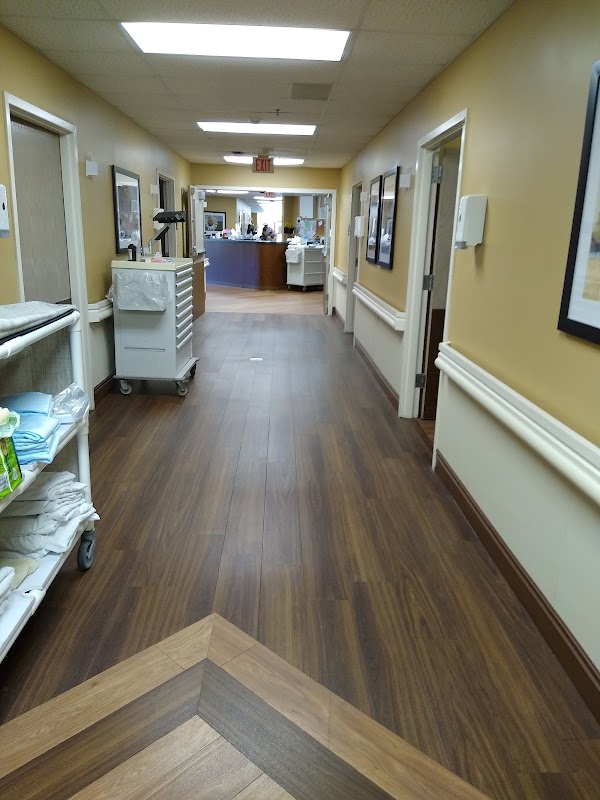
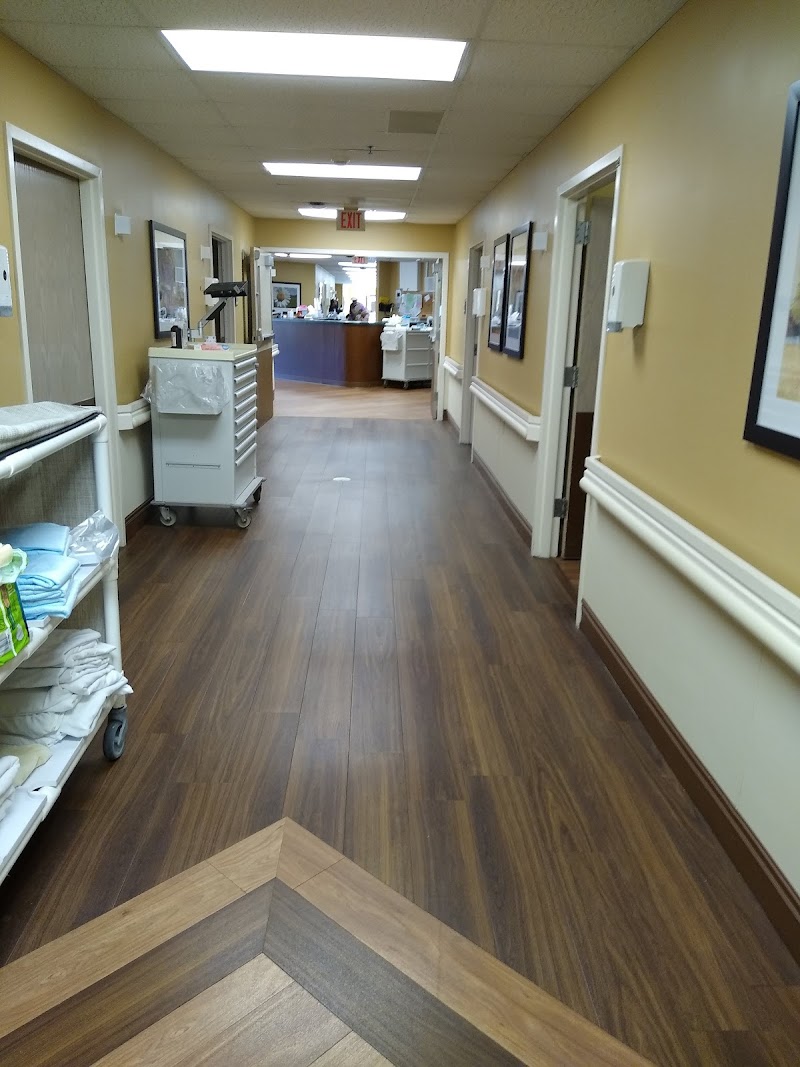
4355 PHEASANT RIDGE ROAD, SW, ROANOKE, VA 24014 (540) 725-8210
For profit - Corporation 101 Beds CONSULATE HEALTH CARE/INDEPENDENCE LIVING CENTERS/NSPIRE HEALTHCARE/RAYDIANT HEALTH CARE Data: November 2025 1 Immediate Jeopardy citation
Trust Grade
28/100
#209 of 285 in VA
Last Inspection: January 2024

Within standard 12-15 month inspection cycle. Federal law requires annual inspections.

Overview

Pheasant Ridge Nursing & Rehab Center has a Trust Grade of F, indicating significant concerns about the quality of care provided. It ranks #209 out of 285 facilities in Virginia, placing it in the bottom half, and #7 out of 9 in Roanoke City County, meaning only two local facilities are rated lower. The facility's performance is worsening, with the number of issues identified increasing from 4 in 2022 to 20 in 2024. Staffing is a weakness, with a rating of 2 out of 5 stars and a turnover rate of 65%, significantly higher than the state average of 48%. Additionally, the facility has incurred $45,333 in fines, which is more than 88% of Virginia facilities, indicating ongoing compliance problems. Specific incidents include the failure to provide timely emergency care for a resident whose condition suddenly declined, which tragically resulted in death. There were also concerns about food safety practices, including improperly cleaned kitchen equipment, and medical orders that were not properly signed by providers, raising questions about the adherence to care protocols. Overall, while the facility has good quality measures, the serious concerns regarding care and management practices should be carefully considered by families.

Trust Score
F
28/100
In Virginia
#209/285
Bottom 27%
Safety Record
High Risk
Review needed
Inspections
Getting Worse
4 → 20 violations
Staff Stability
⚠ Watch
65% turnover. Above average. Higher turnover means staff may not know residents' routines.
Penalties
○ Average
$45,333 in fines. Higher than 62% of Virginia facilities. Some compliance issues.
Skilled Nurses
○ Average
Each resident gets 34 minutes of Registered Nurse (RN) attention daily — about average for Virginia. RNs are the most trained staff who monitor for health changes.
Violations
⚠ Watch
25 deficiencies on record. Higher than average. Multiple issues found across inspections.
★★☆☆☆
2.0
Overall Rating
★★☆☆☆
2.0
Staff Levels
★★★★☆
4.0
Care Quality
★★☆☆☆
2.0
Inspection Score
Stable
2022: 4 issues
2024: 20 issues

The Good

  • 4-Star Quality Measures · Strong clinical quality outcomes
  • Full Sprinkler Coverage · Fire safety systems throughout facility
  • No fines on record

Facility shows strength in quality measures, fire safety.

The Bad

2-Star Overall Rating

Below Virginia average (3.0)

Below average - review inspection findings carefully

Staff Turnover: 65%

18pts above Virginia avg (46%)

Frequent staff changes - ask about care continuity

Federal Fines: $45,333

Above median ($33,413)

Moderate penalties - review what triggered them

Chain: CONSULATE HEALTH CARE/INDEPENDENCE

Part of a multi-facility chain

Ask about local staffing decisions and management

Staff turnover is elevated (65%)

17 points above Virginia average of 48%

The Ugly 25 deficiencies on record

1 life-threatening
Nov 2024 10 deficiencies 1 IJ
CRITICAL (J) 📢 Someone Reported This

A family member, employee, or ombudsman was alarmed enough to file a formal complaint

Immediate Jeopardy (IJ) - the most serious Medicare violation

Quality of Care (Tag F0684)

Someone could have died · This affected 1 resident

**NOTE- TERMS IN BRACKETS HAVE BEEN EDITED TO PROTECT CONFIDENTIALITY** Based on interviews, clinical record review, and facility document review, the facility staff failed to appropriately respond to...

Read full inspector narrative →
**NOTE- TERMS IN BRACKETS HAVE BEEN EDITED TO PROTECT CONFIDENTIALITY** Based on interviews, clinical record review, and facility document review, the facility staff failed to appropriately respond to a decline/change in condition (lethargy, oriented to person only, clammy skin, Cheyne-Stokes labored irregular breathing) for one 1 of nine 9 sampled residents (Resident #9), resulting in death. The scope and severity was originally cited at Immediate Jeopardy, Level IV isolated, and was reduced to a Level III isolated after the facility was cleared of Immediate Jeopardy. The Administrator, Director of Nursing (DON), and Quality Assurance (QA) Nurse were notified on [DATE] at 1:45 p.m. that the survey team had identified Immediate Jeopardy in the area of Quality of Care. Upon verification of the removal plan, the Immediate Jeopardy was cleared on [DATE] at 2:45 p.m. The findings include: The facility staff failed to appropriately provide emergency care and timely transportation services, which aligned with the Resident #9's documented preferences, following a sudden decline in condition that subsequently resulted in the resident's death. Resident #9's decline was first documented on [DATE] at 9:25 am. Resident #9 died approximately 4 hours later, at 1:30 pm. Resident #9's clinical documentation included a DNR (Do Not Resuscitate order). Resident #9's clinical documentation did not contain information to indicate that the resident had requested additional limits for care other than the DNR order. Resident #9's Minimum Data Set (MDS) assessment, with an Assessment Reference Date (ARD) of [DATE], was signed as completed on [DATE]. Resident #9 was assessed as being able to be understood and as able to understand others. Resident #9's Brief Interview for Mental Status (BIMS) summary score was documented as a 14 out of 15; this indicated intact cognition. Resident #9's diagnosis included Coronary Artery Disease, Hypertension, and Paroxysmal Atrial Fibrillation (intermittent irregular heartbeat). A nurse's progress note dated [DATE] at 9:25 a.m., documented that Resident #9 experienced a decline in condition. Resident #9 was documented as having increased somnolence (drowsiness), and refusing his medications. Resident #9's nurse documented that she notified the nurse practitioner (NP) of this change in condition. A nurse's progress note dated [DATE] at 9:33 a.m., documented Resident #9 as being lethargic, oriented to person, clammy skin, and having swallowing problems of loss of liquids or solids from mouth when eating or drinking. No documentation was found to indicate the resident's blood sugar level had been checked. A nurse's progress note dated [DATE] at 11:45 a.m., documented interventions and additional changes in Resident #9's condition. This note indicated that the nurse practitioner (NP) administered two doses of Narcan (an opioid antagonist used to treat a known or potential opioid overdose) to Resident #9. The Narcan did not result in an improvement in the resident's condition; the nurse informed the NP that the resident refused his morning opioid medications. Resident #9 was documented as having labored, irregular breathing (Cheyne-Stokes respirations). This note indicated oxygen was applied for comfort by the NP; the amount of oxygen and the device used to deliver the oxygen was not documented. (During an interview, Licensed Practical Nurse (LPN) #2 reported that the NP applied a nasal cannula with, she thought, two (2) liters of oxygen.) Resident #9's son was notified of the change in condition. Resident #9's son requested to speak with the nurse practitioner and the Director of Nursing. On [DATE] at 2:27 p.m., the Director of Nursing (DON) provided the surveyor with an unsigned, draft copy of a nurse practitioner progress note for Resident #9 with a date of service of [DATE]. This draft copy included the following information: Altered level of consciousness: Patient was found unresponsive to voice command and tactile stimuli, including sternum rub . Physical examination revealed no JVD distention (bulging neck veins), clear lungs, and non-labored respirations. Despite administration of two doses of Narcan nasal spray, there was no change in the patient's level of consciousness. Plan: Given the patient's DNR status, aggressive interventions were not pursued. The patient's son was informed of the situation, and he declined hospitalization. The patient will continue to be monitored closely for any changes in consciousness or overall condition. DNR supported by son. On [DATE] at 3:20 p.m., the DON provided the surveyor with a copy of the nurse practitioner signed progress note for Resident #9 with a date of service of [DATE]; this note was signed on [DATE] (27 days after the Resident #9's death), at 2:42 p.m. This signed progress note included the following wording difference related to the nurse practitioners plan when compared to the aforementioned unsigned, draft version: The patient's son was informed of the situation, and he declined hospitalization and confirmed the DNR. On [DATE] at approximately 4:00 p.m., the nurse practitioner, who cared for Resident #9 on the day he died, reported they had talked with the residents' family, and the family was okay with the resident not being sent to the hospital. On [DATE] via a telephone interview, the nurse practitioner reported, early in Resident #9's stay at the facility, the resident had said he was ready to die but the nurse practitioner did not recall him making additional statements about not wanting to go to the hospital or limiting care/treatment. Resident #9's son was interviewed via telephone on [DATE] at 3:35 p.m. Resident #9's son was the only name (other than the resident's) listed under the contact section of Resident 9's clinical record. Resident #9's son reported he was called at 12:15 p.m., on the day his father died, by a nurse asking about a choice of mortuary due to his father was dying. Resident #9 stated he asked to speak with the attending physician. Resident #9's son stated the nurse practitioner called him back at 12:20 p.m. Resident #9's son reported the nurse practitioner discussed the resident's DNR and wanted to keep the resident at the facility. Resident #9's son said he did not agree to keep his father at the facility. Resident #9's son stated he heard the nurse practitioner tell someone to get the resident ready to send to the hospital. Resident #9's son reported he hung up with the nurse practitioner then called the facility back approximately 2 minutes later to confirm his request for Resident #9 to be sent to the hospital. Licensed Practical Nurse (LPN) #2 confirmed she had initially telephoned Resident #9's son on [DATE]. LPN #2 stated the son requested to speak to someone else. LPN #2 reported they heard the nurse practitioner speaking to Resident #9's son via the telephone. LPN #2 stated the nurse practitioner informed Resident #9's son that the resident wasn't doing well and stated the family should come in. LPN #2 stated they heard the nurse practitioner tell Resident #9's son the resident could be sent to the hospital. LPN #2 stated their understanding was Resident #9's son was okay with the resident remaining at the facility. LPN #2 stated she was not informed to prepare the resident for transport to the hospital by the nurse practitioner. LPN #2 reported Resident #9's son called the facility back after his telephone conversation with the NP. LPN #2 reported the son requested Resident #9 to be sent to the hospital. LPN #2 stated they notified the Medical Director of the son requesting to send Resident #9 to the hospital prior to LPN #2 and the Medical Director entering the room to assess Resident #9. The following nurse's note, dated [DATE] at 12:25 p.m., was documented by LPN #2: This nurse and (physician name omitted) entered room for new assessment of patient. (Physician name omitted) auscultated and assessed patient head to toe. Patient with continued [NAME] stoke breathing observed and cold to touch. Patient does not arouse to verbal stimuli at this time. Unable to obtain vital signs at this time. (Physician name omitted) called and left voicemail for son (Resident #9's son's name omitted). There is no Medical Director documentation of this interaction with Resident #9. During an interview on [DATE] at 11:55 a.m., the Medical Director reported that he had been notified by someone that Resident #9 had stated to a nurse that he was ready to die and did not want aggressive interventions. The Medical Director reported he attempted to contact Resident #9's son but was unsuccessful. The Medical Director stated he consulted with the Director of Nursing (DON) and another physician related to Resident #9's alleged request for no aggressive treatment. The Medical Director reported they were in the process of sending Resident #9 to the hospital when the resident died. A Medical Director progress note for Resident #9, with a service date of [DATE], was neither found by nor provided to the surveyor. The physician was unable to provide documentation to indicate the resident had made specific requests related to limiting treatment. Resident #9's chart only contained the DNR order. No documentation was found by or provided to the survey team to indicate the resident had requested to not be sent to the hospital. Resident #9's clinical record included a nursing progress note entered on [DATE] at 1:31 p.m., this note documented the facility staff pronouncing Resident #9 as being dead with the time of death being 1:30 p.m. No evidence was found that facility staff had made any effort to transport Resident #9 to the hospital, as Resident #9's son had requested. A review was conducted of the Change in Condition policy, with a revision date of [DATE]. An excerpt read: - The Center [sic] to promptly notify the Patient/Resident, the attending physician, and the Resident Representative when there is a change in the status or condition. - The nurse [sic] to notify the attending physician and Resident Representative when there is a(n): . Significant change in the patient/resident's physical, mental, or psychosocial status . - In the event of an emergency situation, 911 [sic] to be called and the attending physician and the Resident Representative [sic] to be notified as soon as possible. - Document notification in the medical record. On [DATE] at 12:40 p.m., the survey team met with the facility's Administrator, Director of Nursing (DON), and Quality Assurance (QA) Nurse. During this meeting, the surveyor discussed the failure of the facility staff to ensure that Resident #9 received timely medical care and/or emergency transport to a local hospital/emergency department in response to a decline/change in the resident's condition. After Immediate Jeopardy was called, the facility submitted the following IJ Removal Plan: All current residents will be assessed by a licensed nurse for a potential change in condition which may indicate the need for transport to an Emergency Department or hospital for a higher level of care. If a resident is identified, the physician/practitioner and the resident's representative will be notified and orders for care will be immediately implemented. The facility will educate all licensed nurses on care restrictions designated by a DNR (Do Not Resuscitate order) and the required staff action to ensure that resident preferences for emergency or end of life care or those indicated by their designated responsible party are honored and correctly documented in the resident's medical record. Education will begin [DATE] evening shift and additional staff will be educated prior to providing care at their assigned shifts. Newly hired licensed nurses and medical staff will be educated on DNR and Advance Directives during orientation. The facility will educate the medical staff [physician and nurse practitioners] including on-call providers on the care restrictions designated by a DNR and the required staff action to ensure that all residents' preferences for emergency or end of life care, or those indicated by their designated responsible party are honored and correctly documented. Education will begin [DATE] evening shift and additional staff will be educated prior to providing care at their assigned shifts. Current residents with written Advance Directives will be reviewed and orders will be validated and/or obtained to match the resident's preferences. The facility policy on Advance Directive has been reviewed and approved by the Medical Director. Date of Compliance: [DATE] 12:00 PM On the afternoon of [DATE], the survey team reviewed the documentation of the facility staff' audits of all current residents. These audits were looking for (a) a change in condition which required interventions and (b) an audit of current residents' advanced directive wishes to ensure accurate corresponding clinical documentation. No concerns were identified with these audits. The survey team reviewed the facility's training material related to addressing residents' change in conditions while correctly implementing the residents' documented advanced directives and/or DNR's. The survey team reviewed the documentation of the staff members who had already completed this training. The survey team interviewed the facility's licensed nurses working on the afternoon of [DATE]. All the licensed nurses that were interviewed had evidence of receiving the aforementioned training. All the licensed nurses were able to appropriately explain what a DNR order requires and doesn't require when providing care for residents. (LPN #2 was interviewed via telephone. LPN #2 provided appropriate answers related to how a DNR order would and would not influence addressing residents' changes in condition.) The survey team interviewed the facility's current medical providers related to the advanced directives verses DNR orders. The medical providers were able to explain what the DNR order requires and the limitations of the DNR orders when addressing residents' changes in condition. Upon verification of the removal plan, the Immediate Jeopardy was cleared on [DATE] at 2:45 p.m.
CONCERN (D) 📢 Someone Reported This

A family member, employee, or ombudsman was alarmed enough to file a formal complaint

Potential for Harm - no one hurt, but risky conditions existed

Deficiency F0573 (Tag F0573)

Could have caused harm · This affected 1 resident

**NOTE- TERMS IN BRACKETS HAVE BEEN EDITED TO PROTECT CONFIDENTIALITY** Based on interviews, clinical record review, and facility document review, the facility staff failed to respond to a request for...

Read full inspector narrative →
**NOTE- TERMS IN BRACKETS HAVE BEEN EDITED TO PROTECT CONFIDENTIALITY** Based on interviews, clinical record review, and facility document review, the facility staff failed to respond to a request for a copy of clinical documentation in the required time frame for one (1) of nine (9) sampled residents (Resident #9). The findings include: It took the facility greater than two (2) working days to respond to a request for copies of Resident #9's clinical record by the Resident Representative (RR). Resident #9 had expired while a resident at the facility. This request for the clinical records was declined due to the need for supporting documentation indicating authority to access records on the resident's behalf. Resident #9's Minimum Data Set (MDS) assessment, with an Assessment Reference Date (ARD) of [DATE], was signed as completed on [DATE]. Resident #9 was assessed as able to make self understood and as able to understand others. Resident #9's Brief Interview for Mental Status (BIMS) summary score was documented as a 14 out of 15; this indicated intact or borderline cognition. Resident #9's clinical record included a document that indicated the RR who requested the clinical records was Resident #9's Power of Attorney (POA) (Financial). The following information was found in Resident #9's Durable General Power of Attorney: My attorney is authorized to act for me as follows . To request, receive and review any information, verbal or written, regarding my physical or mental health, including but not limited to, medical and hospital records, and to consent to the disclosure of this information. Facility documentation indicated the RR requested Resident #9's clinical record on [DATE]. Facility documentation indicated that the facility sent the request to their legal department on [DATE]. A letter, addressed to the RR, dated [DATE] stated: Your request has been denied because the request appears to be incomplete as it is missing the supporting documentation indicating authority to access records on the resident's behalf. The Administrator sent the RR an email dated [DATE]. This email indicated the medical record request was denied due to proof of authority not being provided with the request. This email stated proof of authority typically would be death certificate and a copy of your ID. The following information was found in a facility document titled Request for Medical Records / Release of Information (with a revision date of [DATE]): - The information contained in a resident's medical record is confidential. Content will be released only to authorized individuals in accordance with state and federal law. The Company shall maintain legal compliance with record production requirements by adhering to all state or federal statutes or regulations related to an individual's right to access their medical record. - Personal Representative: Someone authorized under State or other applicable law to act on behalf of the individual in making health care related decisions. The Personal Representative stands in the shoes of the individual and has the ability to act for the individual and exercise the individual's rights.
CONCERN (D) 📢 Someone Reported This

A family member, employee, or ombudsman was alarmed enough to file a formal complaint

Potential for Harm - no one hurt, but risky conditions existed

Notification of Changes (Tag F0580)

Could have caused harm · This affected 1 resident

**NOTE- TERMS IN BRACKETS HAVE BEEN EDITED TO PROTECT CONFIDENTIALITY** 2. For Resident #8, facility staff failed to notify the resident's provider after the resident experienced a significant weight ...

Read full inspector narrative →
**NOTE- TERMS IN BRACKETS HAVE BEEN EDITED TO PROTECT CONFIDENTIALITY** 2. For Resident #8, facility staff failed to notify the resident's provider after the resident experienced a significant weight loss. Resident #8's medical diagnoses included but were not limited to noninfective gastroenteritis and colitis (inflammation of stomach, intestines, and colon), celiac disease (immune reaction to eating gluten), ulcerative pancolitis (inflammatory bowel disease effecting entire bowel), neuromuscular dysfunction of the bladder, and type 2 diabetes mellitus. Resident #8's minimum data set with an assessment reference date of 04/16/24 assigned a brief interview for mental status summary score of 12 out of 15 in Section C (cognitive patterns) indicating moderately impaired cognition. In Section GG (Functional Abilities and Goals) the resident was coded as a 06 under Eating - Resident completes the activity by him/herself with no assistance from helper. Resident #8's clinical record was reviewed for weights. The resident's weights were documented as: 04/10/24 = 158.8 lbs (mechanical lift) 04/11/24 = 161.2 lbs (mechanical lift) 04/12/24 = 159.8 lbs (mechanical lift) 04/13/24 = 161.0 lbs (mechanical lift) 06/04/24 = *139.2 lbs (sitting) - * indicated significant weight loss. There were no weights documented between 04/13/24 and 06/04/24. 06/11/24 = 139.4 lbs (sitting) 07/05/24 = 139.2 lbs (mechanical lift) last weight documented on 08/30/24 = 138.8 lbs (mechanical lift). The surveyor was unable to find evidence in Resident #8's clinical record the provider was notified of the weight loss documented on 06/04/24. The medical director (MD) was interviewed in person on 11/19/24 at noon. Although the doctor had a vague recollection of Resident #8, he felt the resident was seen by nurse practitioners (NPs) mostly. The MD recalled the resident had gastrointestinal issues and there was a concern about weight loss and acknowledged he was unable to recall details. The NP who documented Resident #8's condition the most often no longer worked at the facility therefore was unavailable for interview. When asked on 11/19/24 at 4:45 p.m., the director of nursing (DON) reported the only note found regarding Resident #8's weight loss was the registered dietician's progress note dated 07/02/24. The DON acknowledged there was no documentation found on or about the date of 06/04/24 (when Resident #8's weight showed a significant weight loss); the DON found no documentation a provider was consulted or notified of the weight loss. On 11/20/24 at 1:55 p.m., the DON was asked whether any other evidence was found regarding Resident #8's provider being notified of the significant weight loss, the DON stated, I gave you everything I found yesterday. The dietician progress note provided by the DON was dated 07/02/24 at 2:53 p.m. read in part, Resident's chart reviewed for weight change trigger. Height: 61 in Weight: 139.4 lb (6/11/24) BMI: 26.3 kg/m^2 - normal Per available weight records, resident w/ ~22 lb (13.4%) weight loss x 2 months (4/13/24-6/11/24) - considered nutritionally significant The policy and procedure with the subject of Notification of Change in Condition with a document name of N-105 with an effective date of 11/30/14 and revision date of 12/16/2020 was reviewed. The policy in part read, POLICY: The Center to promptly notify the Patient/Resident, the attending physician, and the Resident Representative when there is a change in the status or condition. PROCEDURE: • The nurse to notify the attending physician and Resident Representative when there is a(n): . • Significant change in the patient/resident's physical, mental, or psychosocial status • Document notification in the medical record. • Document resident/patient change in condition on 24 Hour Report • Complete SBAR as indicated During a meeting with the administrator, DON, and quality director on 11/21/24 at 12:40 p.m., Resident #8's weight loss and lack of evidence the provider was notified was discussed. The DON stated a significant weight loss would fall under the notification of change in condition policy. No further information was provided prior to the exit conference. Based on interviews, clinical record review, and facility document review, the facility staff failed to ensure a medical provider and/or a resident representative were promptly notified of a change in condition for two (2) of nine (9) sampled residents (Resident #8 and Resident #9). 1. The facility staff failed to promptly notify Resident #9's resident representative when the resident experienced a decline/change in condition. Resident #9's Minimum Data Set (MDS) assessment, with an Assessment Reference Date (ARD) of 10/13/24, was signed as completed on 10/22/24. Resident #9 was assessed as able to make self understood and as able to understand others. Resident #9's Brief Interview for Mental Status (BIMS) summary score was documented as a 14 out of 15; this indicated intact or borderline cognition. The following information was found in a facility document titled Notification of Change in Condition (with a revision date of 12/16/20): - The Center [sic] to promptly notify the Patient/Resident, the attending physician, and the Resident Representative when there is a change in the status or condition. - The nurse [sic] to notify the attending physician and Resident Representative when there is a(n): . Significant change in the patient/resident's physical, mental, or psychosocial status . - In the event of an emergency situation, 911 [sic] to be called and the attending physician and the Resident Representative [sic] to be notified as soon as possible. - Document notification in the medical record. On 10/21/24 at 8:52 p.m., Resident #9's assessment was documented as Level of consciousness noted as oriented to person. Skin is warm dry [sic]. Swallowing problems are not noted. Mood is pleasant. On 10/22/24 at 9:25 a.m., Resident #9 was documented as having increased somnolence. Resident #9's nursing progress note included the following information: Patient with increased somnolence. This nurse asked patient if he would like medication patient states yes. Took medication in room and patient states, I don't want that just leave me alone. Nurse practitioner (name omitted) notified of refusal, behaviors, and increased somnolence. On 10/22/24 at 9:33 a.m., Resident #9 was documented to have experienced additional changes in his condition. Resident #9 was documented as being lethargic, having clammy skin, and having swallowing problems. Resident #9's nursing note included the following information: Level of consciousness noted as oriented to person lethargic. Skin is clammy. Swallowing problems are loss of liquids or solids from mouth when eating or drinking. Mood status is negative statements poor appetite sluggish . Respiratory status is shallow respiration . Lung sounds are wheezes no cough noted. Oxygen is not in use. This note did not document a medical provider notification of the additional changes in Resident #9's assessment from the previous assessment documented at 9:25 a.m. No documentation was found by or provided to the surveyor to indicate Resident #9's Resident Representative had been notified of the resident being somnolent and lethargic. On 10/22/24 at 11:45 a.m., Resident #9's progress note included the following information: This nurse and (nurse practitioner name omitted) went into patients' room for assessment. NP states to Narcan patient just in case somnolence caused by morphine and narcotic. NP notified by this nurse that patient had not received morning dose of morphine or oxycodone. (Nurse practitioner name omitted) administered Narcan dose x2 with No [sic] change noted to patient. [NAME] stoke breathing observed by this nurse and (nurse practitioner name omitted). order to apply oxygen for comfort per NP. Patient's son (name omitted) called by this nurse and patient's son states, I want to talk to a supervisor and a doctor. Informed (nurse practitioner name omitted) son would like to talk to her and (first name omitted) DON. Patients' son spoke with NP and DON. This Resident Representative notification occurred greater than two (2) hours after Resident #9 was assessed as: (a) having increased somnolence, (b) being lethargic, (c) having clammy skin, (d) having swallowing problems, and (e) having shallow respirations with wheezes. On 11/21/24 at 12:40 p.m., the survey team met with the facility's Administrator, Director of Nursing (DON), and Quality Assurance Nurse (QAN). During this meeting, the delay in notifying Resident #9's Resident Representative of the aforementioned changes in condition was discussed.
CONCERN (D) 📢 Someone Reported This

A family member, employee, or ombudsman was alarmed enough to file a formal complaint

Potential for Harm - no one hurt, but risky conditions existed

Deficiency F0635 (Tag F0635)

Could have caused harm · This affected 1 resident

Based on interviews, clinical record review, and facility document review, the facility staff failed to ensure one (1) of the medications ordered to be continued after hospital discharge was promptly ...

Read full inspector narrative →
Based on interviews, clinical record review, and facility document review, the facility staff failed to ensure one (1) of the medications ordered to be continued after hospital discharge was promptly ordered when admitted to the facility for one (1) of nine (9) sampled residents (Resident #9). The findings include: One (1) of Resident #9's medications ordered to be continued when the resident was discharged from the hospital was not ordered until Resident #9's second day at the facility. This medication was Prednisone. This resulted in the resident missing a day's dose of the medication. No documentation was found by or provided to the surveyor to address why this medication had not been ordered with Resident #9's admission medication orders. Resident #9's Minimum Data Set (MDS) assessment, with an Assessment Reference Date (ARD) of 10/13/24, was signed as completed on 10/22/24. Resident #9 was assessed as able to make self understood and as able to understand others. Resident #9's Brief Interview for Mental Status (BIMS) summary score was documented as a 14 out of 15; this indicated intact or borderline cognition. The following information was found in a facility document titled Physician Orders (with a revision date of 3/3/21): - The center will ensure that Physician orders are appropriately and timely documented in the medical record. - admission ORDERS: Information received from the referring facility or agency [sic] to be reviewed, verified with the physician and transcribed to the electronic medical record. The attending physician will review and confirm orders. Confirmation of admission orders requires that the physician sign and date the order during, or as soon as practicable after it is provided, to maintain an accurate medical record. Resident #9's General Medicine Discharge Summary included a list of medications for the resident to start taking after discharge from the hospital. This list included Prednisone 5mg tablets to be given for 'ulcerative pancolitis with other complication.' This medication was ordered on a taper schedule with eight (8) tablets being administered the first three (3) days followed by seven (7) tablets being administered the next seven (7) days. The Discharge Summary indicated Resident #9 had received eight (8) Prednisone 5mg tablets the day before they were discharged and had received eight (8) prednisone 5mg tablets on the day the resident was discharged to this facility. This indicated Resident #9 was to receive the third and final dose of eight (8) tablets of Prednisone 5mg on their second day at the facility; Resident #9 did not receive this dose. Resident #9's clinical documentation included an order for the eight (8) tablets of Prednisone. This order was written on the second day of the resident's stay to be started on the third day of the resident's stay at the facility. The Medical Director was interviewed on 11/19/24 at 11:55 a.m. The Medical Director confirmed Resident #9 did not receive Prednisone on the second day of their stay at the facility. The Medical Director reported the prescriber may have decided to restart the prednisone taper order. On 11/21/24 at 12:40 p.m., the survey team met with the facility's Administrator, Director of Nursing (DON), and Quality Assurance Nurse (QAN). During this meeting, the delay in starting Resident #9's prednisone at the time of admission was discussed.
CONCERN (D) 📢 Someone Reported This

A family member, employee, or ombudsman was alarmed enough to file a formal complaint

Potential for Harm - no one hurt, but risky conditions existed

Deficiency F0655 (Tag F0655)

Could have caused harm · This affected 1 resident

Based on staff interview, record review and facility document review, the facility staff failed to develop and implement a baseline care plan for each resident that includes the instructions needed to...

Read full inspector narrative →
Based on staff interview, record review and facility document review, the facility staff failed to develop and implement a baseline care plan for each resident that includes the instructions needed to provide effective and person-centered care for three of nine residents in the survey sample, residents #1, #7 and #9. The findings included: 1. For resident #1 (R1) the facility staff failed to develop and implement a baseline care plan. R1's diagnoses included but were not limited to sepsis, diabetes, sleep apnea, generalized anxiety disorder, major depressive disorder, dementia, peripheral vascular disease, and COVID-19. The minimum data set (MDS) assessment with an assessment reference date of 10/16/24 assigned the resident a brief interview for mental status score of 3 out of 15 indicating severe cognitive impairment. Further review of the MDS revealed resident was incontinent of bladder, had a colostomy, was being treated for pressure ulcers and surgical wounds, and was on isolation during the lookback period. This surveyor was unable to locate a baseline care plan in the clinical record. The Director of Nursing (DON) was asked on 1/19/24 at 9:30 AM. They stated, They are done on paper and kept by the unit managers in binders. I will get them for you. On 11/20/24 at 9:05 AM this surveyor asked the DON for the baseline care plan for R7. They stated, We're still looking. On 11/21/24 at 12:40 PM the survey team met with the Administrator, DON, and the Quality Assurance Nurse. This surveyor asked if a baseline care plan had been located for R7. The DON stated, No, we don't have one. This surveyor requested and received the policy entitled, Plans of Care with a revision date of 9/25/2017. The document read in part, Develop and implement an individualized person-centered baseline plan of care within 48 hours of admission that includes, but not limited to, initial goals based on the admission orders, physician orders, dietary orders, therapy services, social services, PASARR recommendations if applicable, and other areas needed to provide effective care of the residents that meets professional standards of care to ensure that the resident's needs are met appropriately until the comprehensive plan of care is provided. A blank copy of the baseline care plan the facility uses was provided as well. No further information was provided prior to the exit conference. 2. For resident #7 (R7) the facility failed to develop and implement a baseline care plan. R7's diagnoses included but were not limited to schizophrenia, major depressive disorder, diabetes, COVID 19, hypertension and colon cancer. The minimum data set (MDS) assessment with an assessment reference date of 9/6/24 assigned the resident a brief interview for mental status (BIMS) score of 15 out of 15 indicating intact cognition. The MDS revealed that R7 was at risk for pressure ulcers, and had a surgical wound requiring the use of dressings and topical medications. R7 had pain frequently during the lookback period that limited day to day activities, and was taking opioid medication as well as antipsychotics, antidepressants, and diuretics. During review of the clinical record, this surveyor was unable to locate a baseline care plan. The Director of Nursing (DON) was asked on 1/19/24 at 9:30 AM. They stated, They are done on paper and kept by the unit managers in binders. I will get them for you. On 11/20/24 at 9:05 AM this surveyor asked the DON for the baseline care plan for R7. They stated, We're still looking. On 11/21/24 at 12:40 PM the survey team met with the Administrator, DON, and the Quality Assurance Nurse. This surveyor asked if a baseline care plan had been located for R7. The DON stated, No, we don't have one. This surveyor requested and received the policy entitled, Plans of Care with a revision date of 9/25/2017. The document read in part, Develop and implement an individualized person-centered baseline plan of care within 48 hours of admission that includes, but not limited to, initial goals based on the admission orders, physician orders, dietary orders, therapy services, social services, PASARR recommendations if applicable, and other areas needed to provide effective care of the residents that meets professional standards of care to ensure that the resident's needs are met appropriately until the comprehensive plan of care is provided. A blank copy of the baseline care plan the facility uses was provided as well. No further information was provided prior to the exit conference. 3. For Resident #9 the facility staff failed to develop and implement a baseline care plan. Resident #9's Minimum Data Set (MDS) assessment, with an Assessment Reference Date (ARD) of 10/13/24, was signed as completed on 10/22/24. Resident #9 was assessed as able to make self understood and as able to understand others. Resident #9's Brief Interview for Mental Status (BIMS) summary score was documented as a 14 out of 15; this indicated intact or borderline cognition. This surveyor was unable to locate a baseline care plan in Resident #9's clinical record. On 11/21/24 at 12:40 p.m., the survey team met with the facility's Administrator, Director of Nursing (DON), and Quality Assurance Nurse (QAN). During this meeting, this surveyor asked for Resident #9's baseline care plan. On 11/21/24 at 3:55 p.m., the DON reported a baseline care plan for Resident #9 was unable to be found.
CONCERN (D) 📢 Someone Reported This

A family member, employee, or ombudsman was alarmed enough to file a formal complaint

Potential for Harm - no one hurt, but risky conditions existed

Comprehensive Care Plan (Tag F0656)

Could have caused harm · This affected 1 resident

Based on staff interview, clinical record review and facility document review, the facility staff failed to develop and implement a comprehensive person centered care plan for one of nine residents in...

Read full inspector narrative →
Based on staff interview, clinical record review and facility document review, the facility staff failed to develop and implement a comprehensive person centered care plan for one of nine residents in the survey sample, resident #2. The findings included: For resident #2 (R2) the facility staff failed to develop and implement a comprehensive person centered care plan. R2's diagnoses included but were not limited to right hip fracture with surgical repair, unspecified protein calorie malnutrition, diabetes, chronic kidney disease, anemia, breast cancer and hypertension. The minimum data set (MDS) assessment with an assessment reference date of 10/3/24 assigned the resident a brief interview for mental status score of 13 out of 15 indicating mild cognitive impairment. The review of the MDS revealed that R2 was frequently incontinent of bowel and bladder, had occasional pain rated at 10/10 on the pain scale that interfered with sleep, therapy and day to day activities, received insulin injections, was at risk for pressure ulcers, had a surgical wound and was getting speech, occupational and physical therapy services. The MDS was signed as complete on 10/4/24. The Care Area Assessment (CAA) worksheets were reviewed and indicated that R2 would have care plans to address vision, communication, functional abilities (self-care and mobility), urinary incontinence, falls, pressure ulcer/injury and pain. The care plan was reviewed and included focuses for COVID- 19, activities, discharge plan, nutrition and do not resuscitate orders. No other care plans were observed in the record. On 11/18/24 at 5:15 PM this surveyor asked the Director of Nursing (DON) for R2's comprehensive care plan. They stated they would look for it. On 11/19/24 at 2:45 PM during a team meeting with the DON, Administrator and Quality Assurance Nurse this surveyor brought up this concern and asked if a comprehensive care plan had been located. The DON stated, There has been a miscommunication about who is responsible for writing the care plan. What is in the record is all we have. Going forward, the MDS Coordinator will be responsible. The surveyor requested and received the policy entitled, Plans of Care with a revision date of 9/25/2017. The document read in part, An individualized person-centered plan of care will be established by the interdisciplinary team (IDT) with the resident and/or resident representative(s) to the extent practicable and updated in accordance with state and federal regulatory requirements. Under the head Procedure the document read in part, Develop a comprehensive plan of care for each resident that includes measurable objectives and timetables to meet the resident's medical, nursing, mental and psychosocial needs that are identified in the comprehensive assessment. No further information was provided to the survey team prior to the exit conference.
CONCERN (D) 📢 Someone Reported This

A family member, employee, or ombudsman was alarmed enough to file a formal complaint

Potential for Harm - no one hurt, but risky conditions existed

Respiratory Care (Tag F0695)

Could have caused harm · This affected 1 resident

**NOTE- TERMS IN BRACKETS HAVE BEEN EDITED TO PROTECT CONFIDENTIALITY** Based on observation, resident interview, staff interview, clinical record review and facility document review the facility staf...

Read full inspector narrative →
**NOTE- TERMS IN BRACKETS HAVE BEEN EDITED TO PROTECT CONFIDENTIALITY** Based on observation, resident interview, staff interview, clinical record review and facility document review the facility staff failed to provide necessary respiratory services for 1 of 7 residents, Resident #101. The findings included: The facility staff failed to provide oxygen per the physician's order and failed to transcribe an order for a flutter valve breathing device. Resident #101's face sheet included diagnoses which included but not limited to acute respiratory failure with hypoxia. Resident #101's admission minimum data set had not yet been completed, but an interview revealed that resident was alert and oriented. Resident #101's baseline care plan was reviewed and read in part, Other Services/Orders: O2 2L (liters) @ bedtime. Resident #101's clinical record was reviewed and contained a physician's order summary which read in part, Oxygen at 2 L NC (nasal canula) at bedtime for SOB (shortness of breath). Resident #101's hospital Discharge summary dated [DATE] read in part, . (Resident #101) presented to the hospital with unresponsive episode. She was noted to be hypoxic which is likely the cause of unresponsive episode. She required intubation and was subsequently extubated to nasal cannula .Patient will need to continue use of flutter valve after discharge . Review of physician's order summary revealed no order for flutter valve. A flutter valve is respiratory therapy device used to aid in airway clearance. Surveyor spoke with Resident #101 on 01/15/25 at 8:30 am regarding use of flutter valve. Resident stated they have not had a flutter valve device since leaving the hospital. Surveyor spoke with licensed practical nurse (LPN) #2 on 01/15/25 at 8:35 am regarding Resident #101's flutter valve. LPN #2 stated that resident was not currently using a flutter valve. Surveyor spoke with regional director of clinical services (RDCS) on 01/15/25 at 9:50 am regarding Resident #101's flutter valve and hospital discharge orders. RDCS stated that use of flutter valve was not included in the special orders section of the discharge summary. Surveyor asked RDCS from what part of discharge summary orders were obtained from and RDSC stated discharge summary should be read in full and all orders approved by facility physician and transcribed to the physician's order summary. RDCS stated they have contacted the facility physician, and physician has now ordered an incentive spirometer for Resident #101. Surveyor observed Resident #101's room on 01/15/25 at 12:30 pm. No oxygen concentrator was observed in resident's room. Surveyor asked Resident #101 if they were using oxygen at night, and resident stated, maybe first day or two, but not since. Surveyor spoke with registered nurse (RN) #2 regarding Resident #101's oxygen order. RN #2 stated resident has not used oxygen since they came from hospital. Review of Resident #101's electronic treatment administration record for the month of January 2025 revealed that facility staff have been initialing oxygen as being administered per physician's order. The concern of not transcribing order for flutter valve and not administering oxygen per the physician's order was discussed with the administrator, RDCS, and quality assurance nurse on 01/15/25 at 1:40 pm. No further information was provided prior to exit.
CONCERN (D) 📢 Someone Reported This

A family member, employee, or ombudsman was alarmed enough to file a formal complaint

Potential for Harm - no one hurt, but risky conditions existed

Pharmacy Services (Tag F0755)

Could have caused harm · This affected 1 resident

Based on interviews, clinical record review, and facility document review, the facility staff failed to ensure a medication administered to Resident #9 (that had been dispensed by the pharmacy for ano...

Read full inspector narrative →
Based on interviews, clinical record review, and facility document review, the facility staff failed to ensure a medication administered to Resident #9 (that had been dispensed by the pharmacy for another resident) was replaced to ensure its availability for the intended resident. The findings include: The facility staff failed to ensure medical provider prescribed medications were available to meet residents' needs. The facility staff was unable to identify which resident's Narcan nasal spray was administered to Resident #9 therefore the facility staff was unable to provide evidence the Narcan nasal spray had been replaced to make sure it was available for the intended resident. A nurse's note dated, 10/22/24 at 11:45 a.m., indicated Resident #9 had been administered two doses of Narcan by a nurse practitioner. Resident #9's clinical record did not include orders for Narcan. On the afternoon of 11/18/24, Licensed Practical Nurse (LPN) #2 reported the nurse practitioner wanted Narcan nasal spray and the as-needed medication stock only had injectable Narcan. LPN #2 reported the Narcan nasal spray was obtained and administered by the nurse practitioner. LPN #2 was unable to name the resident whose Narcan nasal spray had been used for Resident #9. The survey team met with the facility's Administrator, Director of Nursing (DON), and Quality Assurance Nurse (QAN) on 11/21/24 at 12:00 noon. The DON reported they were unable to identify which resident's Narcan nasal spray had been administered to Resident #9. The DON reported the nurse practitioner (NP) who had administered the Narcan nasal spray had come to a nurse, who was administering medications, and the NP obtained the Narcan nasal spray from the medication cart themselves. The DON confirmed that Narcan nasal spray was not kept as part of the as-needed medications therefore it would have been dispensed for a specific resident (not Resident #9). The DON confirmed that injectable Narcan was kept as part of the as-needed medications at the facility. On 11/21/24 at 12:40 p.m., the survey team met with the facility's Administrator, Director of Nursing (DON), and Quality Assurance Nurse (QAN). During this meeting, the surveyor discussed the absence of documentation to indicate the pharmacy was notified of Narcan nasal spray dispensed for one resident (an unknown resident) was administered to Resident #9 by a nurse practitioner.
CONCERN (D) 📢 Someone Reported This

A family member, employee, or ombudsman was alarmed enough to file a formal complaint

Potential for Harm - no one hurt, but risky conditions existed

Medical Records (Tag F0842)

Could have caused harm · This affected 1 resident

**NOTE- TERMS IN BRACKETS HAVE BEEN EDITED TO PROTECT CONFIDENTIALITY** Based on interviews, clinical record review, and facility document review, the facility staff failed to maintain complete and/or...

Read full inspector narrative →
**NOTE- TERMS IN BRACKETS HAVE BEEN EDITED TO PROTECT CONFIDENTIALITY** Based on interviews, clinical record review, and facility document review, the facility staff failed to maintain complete and/or accurate clinical records for one (1) of nine (9) sampled residents (Resident #9). The findings include: The facility staff failed to maintain a complete and/or accurate clinical record for Resident #9. Resident #9's Minimum Data Set (MDS) assessment, with an Assessment Reference Date (ARD) of [DATE], was signed as completed on [DATE]. Resident #9 was assessed as able to make self understood and as able to understand others. Resident #9's Brief Interview for Mental Status (BIMS) summary score was documented as a 14 out of 15; this indicated intact or borderline cognition. A nurse's note dated, [DATE] at 11:45 a.m., indicated Resident #9 had been administered two doses of Narcan. The route of administration was not documented. This note also indicated Resident #9 was provided oxygen for comfort per NP (nurse practitioner). The device used to provide Resident #9's oxygen was not documented. The amount of oxygen administered was not documented. Resident #9's clinical record included a set of vital signs (temperature, pulse, respiratory rate, and blood pressure) documented for [DATE] at 10:43 a.m. On [DATE] at 2:20 p.m., Licensed Practical Nurse (LPN) #2 reported they had been unable to obtain Resident #9's vital signs. LPN #2 stated the vital signs documented for [DATE] at 10:43 a.m. had been obtained earlier in the day by a certified nurse aide. LPN #2 confirmed the vital signs had not been obtained at 10:43 a.m. on [DATE]. (The following vital signs were documented for the incorrect time: temperature - 98.2 degrees Fahrenheit; pulse - 66 and regular; blood pressure 159/66; and respiratory rate - 17.) On [DATE] at 3:55 p.m., the survey team met with the facility's Administrator, Director of Nursing (DON), Regional Vice-President of Operations (RVPO), and Quality Assurance Nurse (QAN). During this meeting, the documentation of Resident #9's [DATE] vital signs for the incorrect time was discussed. The following information was found in a facility policy with the subject of Documentation (with a revision date of [DATE]): - Document daily what procedures were done . - Document accurately what was done . - Document the resident's response to [sic] procedure . Review of Resident #9's clinical record on the morning of [DATE] failed to reveal progress notes by the nurse practitioner or the physician for the day Resident #9 experienced a decline and subsequently expired. On [DATE] at 11:55 a.m., the Medical Director reported that he had been notified by someone that Resident #9 had stated to a nurse that the resident was ready to die and did not want aggressive interventions. The Medical Director reported he attempted to contact Resident #9's son but was unsuccessful. The Medical Director stated he consulted with the Director of Nursing (DON) and another physician related to Resident #9's alleged request for no aggressive treatment. The Medical Director reported they were in the process of sending Resident #9 to the hospital when the resident died. A Medical Director progress note, for Resident #9, with a service date of [DATE] was neither found by nor provided to the surveyor. On [DATE] at 2:27 p.m., the surveyor was provided with a draft copy of the nurse practitioner note for Resident #9 with a date of service of [DATE] (no time was documented); this note had not yet been signed by the nurse practitioner. On [DATE] at 3:20 p.m., the surveyor was provided with the signed nurse practitioner progress note which had a date of service of [DATE]. This nurse practitioner progress note included the aforementioned vital signs that had been documented for the incorrect time; this progress note did not include a time for when the temperature, pulse, and heart rate were obtained. This nurse practitioner progress note had Resident #9's respiratory rate documented as being 17 on [DATE] at 2:43 p.m. (this was an hour after Resident #9's documented time of death). On [DATE] at 12:40 p.m., the survey team met with the facility's Administrator, Director of Nursing (DON), and Quality Assurance Nurse (QAN). During this meeting, Resident #9's nurse practitioners progress note, for [DATE], not being provided until the afternoon of [DATE] was discussed. The absence of a progress note by the Medical Director addressing Resident #9's care and/or provider actions, on [DATE], was discussed.
CONCERN (E) 📢 Someone Reported This

A family member, employee, or ombudsman was alarmed enough to file a formal complaint

Potential for Harm - no one hurt, but risky conditions existed

Deficiency F0711 (Tag F0711)

Could have caused harm · This affected multiple residents

Based on interviews, clinical record review, and facility document review, the facility staff failed to ensure medical provider orders were signed by the provider when the orders were entered into the...

Read full inspector narrative →
Based on interviews, clinical record review, and facility document review, the facility staff failed to ensure medical provider orders were signed by the provider when the orders were entered into the residents' clinical records by non-prescribing facility staff members. The findings include: Review of residents' clinical records revealed multiple orders that had not been signed by the prescribing medical provider. The following information was found in a facility document titled Physician Orders (with a revision date of 3/3/21): - The center will ensure that Physician orders are appropriately and timely documented in the medical record. - admission ORDERS: Information received from the referring facility or agency [sic] to be reviewed, verified with the physician and transcribed to the electronic medical record. The attending physician will review and confirm orders. Confirmation of admission orders requires that the physician sign and date the order during, or as soon as practicable after it is provided, to maintain an accurate medical record. - ROUTINE ORDERS: A Nurse may accept a telephone order from the Physician, Physician Assistant or Nurse Practitioner (as permitted by state law). The order will be repeated back to the physician, PA or ARNP for his/her verbal confirmation. The order is transcribed to all appropriate areas of the electronic health record (eMar/eTAR) [sic] . The ordering physician or physician extender will review and confirm orders. Confirmation of routine orders requires that the physician sign and date the order as soon as practicable after it is provided to maintain an accurate medical record. Review of Resident #9's clinical record revealed multiple medical provider orders which had not been sign by the prescriber who had given the orders. Some of these orders had been given by the Medical Director. On 11/19/24 at 11:55, the surveyor interviewed the Medical Director about the unsigned orders. The Medical Director reported they had been giving resident orders during this calendar year. The Medical Director was unable to provide information about the last time they had signed orders they had given to be entered by the facility staff members. The following orders were not signed by the prescribing providers: - Resident #8's order for barrier cream to the sacrum given by Prescriber #3 on 5/23/24. - Resident #8's order for Mode of Therapy CPAP given by Prescriber #2 on 4/17/24. - Resident #8's order for a regular diet with a dysphagia advanced texture given by Prescriber #1 on 8/28/24. - Resident #7's order for oxycodone (a medication) given by Prescriber #4 on 11/5/24. - Resident #1's order for levofloxacin (a medication) given by Prescriber #1 on 10/9/24. - Resident #9's order for laboratory tests (a urinalysis and a complete blood count) given by Prescriber #4 on 10/18/24. - Resident #9's order for prednisone (a medication) given by Prescriber #1 on 10/10/24. The Director of Nursing (DON) provided the survey team with evidence of being made aware, on 11/14/24, of the facility having unsigned medical provider orders. On 11/21/24 at 2:36 p.m., the DON reported the extent of the unsigned medical provider orders at the facility had yet to be determined.
Jan 2024 10 deficiencies
CONCERN (D)

Potential for Harm - no one hurt, but risky conditions existed

Deficiency F0558 (Tag F0558)

Could have caused harm · This affected 1 resident

Based on observation, resident interview, staff interview, and clinical record review, the facility staff failed to ensure the residents call system was within reach for 1 of 19 current residents, Res...

Read full inspector narrative →
Based on observation, resident interview, staff interview, and clinical record review, the facility staff failed to ensure the residents call system was within reach for 1 of 19 current residents, Resident #15. The findings included: Resident #15's call light was observed clipped to the privacy curtain and out of reach of this resident. Section C (cognitive patterns) of Resident #15's quarterly minimum data set (MDS) assessment with an assessment reference date (ARD) of 10/13/23 included a brief interview for mental status (BIMS) score of 9 out of a possible 15 points. Resident #15's comprehensive care plan included the focus areas at risk for falls and unaware of safety needs. Interventions included be sure the resident's call light is within reach and encourage the resident to use it for assistance as needed. On 01/17/24 at 10:10 a.m., the surveyor observed Resident #15's call light clipped to the privacy curtain. Due to the position of the bed this call light was not in reach of the resident. On 01/17/24 at 12:55 p.m., Resident #15's call light was again observed by the surveyor to be clipped to the privacy curtain and out of reach of this resident. The surveyor asked the Assistant Director of Nursing (ADON) to accompany them to the residents room. The Resident was asked if they could reach their call light and stated Can't. The ADON was observed to remove the call light from the privacy curtain and place it in reach of the resident. On 01/17/24 at 4:00 p.m., during an end of the day meeting with the Administrator and Director of Nursing the issue with the call light was reviewed. No further information regarding this issue was provided to the survey team prior to the exit conference.
CONCERN (D) 📢 Someone Reported This

A family member, employee, or ombudsman was alarmed enough to file a formal complaint

Potential for Harm - no one hurt, but risky conditions existed

Assessment Accuracy (Tag F0641)

Could have caused harm · This affected 1 resident

Based on staff interviews, facility document review, and clinical record review, the facility staff failed to accurately document the completion dates of resident interview sections of Minimum Data Se...

Read full inspector narrative →
Based on staff interviews, facility document review, and clinical record review, the facility staff failed to accurately document the completion dates of resident interview sections of Minimum Data Set (MDS) assessments for one (1) of 27 residents (Resident #91). The findings include: The facility staff failed to ensure Resident #91's MDS assessments were documented in a manner that accurately reflected the facility staff members assessment of the resident. Resident #91's MDS assessment, with an assessment reference date (ARD) of 11/22/22, was dated as completed on 11/25/22. Resident #91 was assessed as able to make self understood and as able to understand others. Resident #91's Brief Interview for Mental Status summary score was documented as 9 out of 15; this indicated moderate cognitive impairment. Resident #91 was assessed as requiring assistance with bed mobility, transfers, dressing, toilet use, and personal hygiene. Resident #91's MDS assessment with an ARD of 11/22/22 indicated multiple sections of the MDS was completed after the ARD. Sections which included resident interview items were documented as being completed on 11/25/22 according to Section Z0400 information. The following statement was part of MDS Section Z item Z0400: I certify that the accompanying information accurately reflects resident assessment information for this resident and that I collected or coordinated collection of this information on the dates specified. A nursing progress note, documented on 11/22/22 at 4:36 p.m., indicated certain MDS interviews had been completed. Resident #91's MDS assessment with an ARD of 12/12/22 indicated multiple sections of the MDS was completed after the ARD. Sections which included resident interview items were documented as being completed on 12/28/22 according to Section Z0400 information. Resident #91 was not in the facility on 12/28/22. The following statement was part of MDS Section Z item Z0400: I certify that the accompanying information accurately reflects resident assessment information for this resident and that I collected or coordinated collection of this information on the dates specified. The following instruction was found in the Long-Term Care Facility Resident Assessment Instrument 3.0 User Manual (October 2019): If a staff member cannot sign Z0400 on the same day that he or she completed a section or portion of a section, when the staff member signs, use the date the item originally was completed. The following information was found in a facility policy and procedure with the subject of MDS (with a revision date of 9/25/17): Each person completing a section or portion of a section of the MDS signs the Attestation Statement indicating its accuracy. On 1/19/24 at 12:33 p.m., the survey team met with the facility's Administrator and Director of Nursing. Resident #91's MDS assessment documentation which indicated sections of the MDS assessments, which included resident interviews, were completed after the assessment reference dates (ARDs) was discussed.
CONCERN (D) 📢 Someone Reported This

A family member, employee, or ombudsman was alarmed enough to file a formal complaint

Potential for Harm - no one hurt, but risky conditions existed

Deficiency F0661 (Tag F0661)

Could have caused harm · This affected 1 resident

Based on staff interviews, facility document review, and clinical record review, the facility staff failed to provide discharge information and follow-up discharge contact for one (1) of eight (8) dis...

Read full inspector narrative →
Based on staff interviews, facility document review, and clinical record review, the facility staff failed to provide discharge information and follow-up discharge contact for one (1) of eight (8) discharged residents (Resident #91). The findings include: The facility staff failed to provide Resident #91 with discharge paperwork that included information and instructions related to the resident's post-discharge medications and/or care needs. No evidence was found and/or provided to indicate the facility staff provided the follow-up post-discharge contact detailed in the facility's policy. Resident #91's minimum data set (MDS) assessment, with an assessment reference date (ARD) of 11/22/22, was dated as completed on 11/25/22. Resident #91 was assessed as able to make self understood and as able to understand others. Resident #91's Brief Interview for Mental Status summary score was documented as 9 out of 15; this indicated moderate cognitive impairment. Resident #91 was assessed as requiring assistance with bed mobility, transfers, dressing, toilet use, and personal hygiene. Resident #91's clinical record did not include evidence of the resident and/or the resident's family being provided discharge summary information at the time the resident was discharged from the facility. On 1/17/24 at 1:24 p.m., the facility's Business Office Manager (BOM) was asked about discharge summary and/or instructions being provided to Resident #91 and/or the resident's family at the time of discharge. On 1/17/24 at 2:10 p.m., the BOM reported they had not found documentation to indicate the resident and/or family had been provided with written discharge information/instructions. A Discharge Summary completed, by a nurse practitioner, four (4) days after Resident #91 was discharged from the facility indicated home health was ordered for nursing, physical therapy, and medications. This Discharge Summary indicated Resident #91 and the resident's family was advised to follow-up with the resident's primary care provider as soon as possible. The following information was found in a facility policy and procedure with the subject of Discharge Planning (with an effective date of 11/30/14): - At the time of discharge, a discharge summary and home-going instructions are provided to the resident or the resident's caregiver which will include the following: Current diagnosis . Rehabilitation potential . Summary of prior treatment . Physician's orders for immediate care . Pertinent social information . Community referral as needed (e.g., home health, mental health, adult day care, etc.) - Within twenty-four (24) to forty-eight (48) hours (or next day) after discharge to home, another nursing facility or to another type of residential facility such as a board-and-care home, a follow-up phone call, or if necessary, home visit will be made to ascertain that community services/referrals are indeed being provided according to the discharge plan. On 1/19/24 at 12:33 p.m., the survey team met with the facility's Administrator and Director of Nursing. The failure of the facility staff to provide written discharge instructions and a follow-up post-discharge contact was discussed.
CONCERN (D)

Potential for Harm - no one hurt, but risky conditions existed

ADL Care (Tag F0677)

Could have caused harm · This affected 1 resident

Based on observation, resident interview, staff interview, and clinical record review, the facility staff failed to provide activity of daily living (ADL) care for 2 of 19 current residents. Resident ...

Read full inspector narrative →
Based on observation, resident interview, staff interview, and clinical record review, the facility staff failed to provide activity of daily living (ADL) care for 2 of 19 current residents. Resident #15 and Resident #84. The findings included: 1. Resident #15's toenails were observed to be long, thick, and jagged. Resident #15's diagnoses included, but were not limited to, hemiplegia and hemiparesis, bipolar disorder, and anxiety disorder. Section C (cognitive patterns) of Resident #15's quarterly minimum data set (MDS) assessment with an assessment reference date (ARD) of 10/13/23 included a brief interview for mental status (BIMS) score of 9 out of a possible 15 points. Section GG (functional abilities and goals) was coded to indicate this resident was dependent on staff in the area of personal hygiene. Resident #15's comprehensive care plan included the focus area has activity of daily living self-care performance deficit related to dementia related to brain injury. Interventions included, but were not limited to, assist with ADL's as needed. On 01/16/24 at approximately 10:15 a.m., Resident #15 was observed resting on bed, their toenails were observed to be long, thick, and jagged in appearance. On 01/16/24 at 2:10 p.m., Resident #15's toenails were again observed to be long, thick, and jagged. Licensed Practical Nurse (LPN) #1 entered the room with the surveyor and stated they would put this resident on the podiatry list. On 01/16/24 at 2:42 p.m., LPN #1 transcribed a progress note that indicated they had scheduled a podiatry appointment for this resident on 01/31/24 at 10:00 a.m. During an end of the day meeting with the Administrator and Director of Nursing on 01/17/24 at 4:00 p.m., the issue regarding Resident #15's toenails was reviewed. No further information regarding this issue was provided to the survey team prior to the exit conference. 2. Resident #84's fingernails were observed to be long with debris present. Resident #84's diagnoses included, but were not limited to, need for assistance with personal care, muscle weakness, and encephalopathy. Resident #84's admission minimum data set (MDS) assessment with an assessment reference date (ARD) of 11/16/23 included a brief interview for mental status (BIMS) score of 11 out of a possible 15 points. Section GG (functional abilities and goals) was coded to indicate the resident required partial/moderate assistance with personal hygiene. Resident #84's comprehensive care plan included the focus area ADL self-care deficit. Interventions included requires staff assistance of partial/moderate assist for the following ADL's needs bathing and personal hygiene. On 01/18/24 at 2:30 p.m., Resident #84 was observed up in their wheelchair. Resident #84's fingernails were observed to be long with debris present. Resident #84 stated their nails needed cutting. On 01/18/24 at 3:15 p.m., the Director of Nursing (DON) was made aware of the issue with this residents nails and stated the facility had just cleaned their nails within the last 5 minutes. On 01/18/24 at 4:40 p.m., during and end of the day meeting with the Administrator and DON the issue with Resident #84's nails was reviewed. No further information regarding this issue was provided to the survey team prior to the exit conference.
CONCERN (D)

Potential for Harm - no one hurt, but risky conditions existed

Quality of Care (Tag F0684)

Could have caused harm · This affected 1 resident

**NOTE- TERMS IN BRACKETS HAVE BEEN EDITED TO PROTECT CONFIDENTIALITY** Based on observation, staff interview, resident interview, and clinical record review, facility document review, the facility st...

Read full inspector narrative →
**NOTE- TERMS IN BRACKETS HAVE BEEN EDITED TO PROTECT CONFIDENTIALITY** Based on observation, staff interview, resident interview, and clinical record review, facility document review, the facility staff failed to obtain ensure the highest practicable well-being for 3 of 27 residents, Residents #345, Resident #71, and Resident #91. The findings included: 1. For Resident #345 the facility staff failed to obtain physician's orders for the care of a surgical site. Resident #345's face sheet listed diagnoses which included but not limited to acute cholecystitis, sepsis and anemia. Resident #345's minimum data set had not yet been completed, however Resident #345 was alert and oriented to person, place, time and situation. Surveyor spoke with Resident #345 on 01/16/24 at 2:30 pm. Resident was seated in wheelchair at bedside. Surveyor observed a drainage tube and bag lying beside resident in wheelchair. Resident #345 stated to surveyor that they had recently had gallbladder surgery. Resident #345's clinical record was reviewed and contained a physician's order summary which read in part, Appointment on 1/23//24 at 2PM . surgery f/u (follow up) . and Resident's plan of care, Drug Regimen & Specific orders have been reviewed and approved for 45 days. Surveyor could not locate any current orders for care of surgical site/cholecystostomy tube. Resident #345's electronic treatment administration record (TAR) for the month of January 2024 was reviewed and contained entries which read in part, Change dressing to R (right) lower abdomen cholecystectomy drain QD (every day) every 5 days and prn (as needed) every day shift every 5 day(s) for drain site. -Start Date-01/04/2024 0700. -D/C (discontinue) Date-01/02/2024 1528 and Change dressing to R lower abdomen cholecystectomy drain QD every 5 days and prn. Clean area with soap and water, pat try (sic), apply tegaderm every day shift every 5 day(s) for drain site. Start Date -01/03/2024 0700. -D/C Date-01/04/2024 1723. Surveyor spoke with Resident #345 on 01/17/24 at 11:30 am. Surveyor asked resident if staff were taking care of cholecystostomy, and resident stated staff are emptying drainage bag every day. Surveyor asked resident if staff are changing the dressing to the tube insertion site, and resident stated no. Surveyor spoke with the director of nursing (DON) on 01/17/24 at 12:40 pm regarding Resident #345's cholecystostomy tube/dressing. DON stated that resident should have orders to care for the surgical site/drainage tube and should have a dressing on the surgical site. Surveyor, along with the unit manager observed Resident #345's surgical site on 01/17/24 at 12:50 pm. The surgical site was covered with a dressing dated 12/28/23. Unit manager stated there should be an order to change the dressing, but it looks like it fell off when she went to the hospital. Surveyor spoke with the family nurse practitioner (FNP) on 01/17/24 at 1:25 pm. Surveyor asked FNP if Resident #345's surgical site should have a dressing over it and if dressing changes should be done. FNP stated dressing changes should have been completed. The concern of not obtaining orders to care for a surgical site was discussed with the administrator and director of nursing on 01/19/24 at 10:00 am. No further information was provided prior to exit. 2. For Resident #71, facility staff failed to provide three showers per week as ordered for treatment of cellulitis. Resident #71 was admitted to the facility with diagnoses including traumatic spinal cord injury, quadriplegia, contractures of limbs, neurogenic bladder, coronary artery disease, hypertension, peripheral vascular disease, depression, and asthma. On the most recent minimum data set assessment, the resident scored 15/15 on the brief interview for mental status and without signs of delirium, psychosis, or behaviors affecting care. The resident had not rejected care in the 7 days prior to the assessment. During clinical record review, the surveyor noted a physician order dated 11/22/2023 to start 11/23/2023: Shower in shower room [ROOM NUMBER]x's (three times per) week. Resident agreeable with dial bodywash every evening shift every Tuesday, Thursday, Saturday for recurrent cellulitis. The resident was one of several who informed the surveyor during initial tour that the resident did not receive regular showers. On 1/19/2023, the surveyor requested shower records for the resident for November and December 2023 and January 2024. The facility is unable to produce bathing/shower records older than 30 days. The director of clinical services (DON) offered a report Task: ADL-Bathing: Wednesday, Saturday Look Back: 30 days. Dates listed were 12/27/2023 refused, 12/30/2023 shower, 1/3/2023 bed bath, 1/6/2024 refused, 1/8/2023 not applicable, and 1/10/2023 refused. During the 30 days prior to January 31 2024, there were 13 dates with ordered showers. Per the record, the resident only received one shower and one bed bath during that 30 day period. There were nurse's notes dated 1/18/24 and 12/2/2023 indicating the resident had refused a shower on that date. The administrator and DON were notified of a concern with residents not receiving showers or baths during a summary meeting on 1/18/2024. 3. The facility staff failed to administer Resident #91's blood pressure medication according to provider orders. Resident #91's minimum data set (MDS) assessment, with an assessment reference date (ARD) of 11/22/22, was dated as completed on 11/25/22. Resident #91 was assessed as able to make self understood and as able to understand others. Resident #91's Brief Interview for Mental Status summary score was documented as 9 out of 15; this indicated moderate cognitive impairment. Resident #91 was assessed as requiring assistance with bed mobility, transfers, dressing, toilet use, and personal hygiene. Resident #91's diltiazem order for 11/22/22 - 12/1/22 included the instructions to hold the medication if the resident's blood pressure was less than 100/50 or the resident's pulse was less than 61. Review of Resident #91's medication administration records (MARs) indicated: - On 11/25/22 the diltiazem was held when it should have been administered. Resident #91's blood pressure was 101/65. Resident #91's pulse was 68. - On 11/28/22 the diltiazem was administered when it should have been held. Resident #91's blood pressure was 96/57. - On 11/29/22 the diltiazem was administered when it should have been held. Resident #91's blood pressure was 94/57. - On 11/30/22 the diltiazem was administered when it should have been held. Resident #91's blood pressure was 98/63. On 1/18/24 at 9:25 a.m., Resident #91's MARs were reviewed with the facility's DON. The DON confirmed the resident's diltiazem had not been administered as ordered. The following information was found in a facility policy titled Administering Medications (dated as revised April 2019): - Medications are administered in a safe and timely manner, and as prescribed. - Medications are administered in accordance with prescriber orders . - The following information is checked/verified for each resident prior to administering medications: . b. Vital signs, if necessary. On 1/19/24 at 12:33 p.m., the survey team met with the facility's Administrator and Director of Nursing. The failure of the facility staff to administer Resident #91's diltiazem according to provider orders was discussed.
CONCERN (D)

Potential for Harm - no one hurt, but risky conditions existed

Drug Regimen Review (Tag F0756)

Could have caused harm · This affected 1 resident

Based on staff interview and clinical record review the facility staff failed to act upon a pharmacist recommendation for 1 of 19 current residents, Resident #50. The findings included: For Resident ...

Read full inspector narrative →
Based on staff interview and clinical record review the facility staff failed to act upon a pharmacist recommendation for 1 of 19 current residents, Resident #50. The findings included: For Resident #50 the facility staff failed to act upon a pharmacist recommendation for a gradual dose reduction of the medication quetiapine (Seroquel). Resident #50's face sheet listed diagnoses which included but not limited to anxiety, depression, bipolar disorder, schizophrenia, and post-traumatic stress disorder Resident #50's most recent minimum data set with an assessment reference date of 12/28/23 assigned the resident a brief interview for mental status score of 15 out of 15 in section C, cognitive patterns. This indicates that the resident is cognitively intact. Resident #50's comprehensive care plan was reviewed and contained a care plan for . uses psychotropic medications to include Antipsychotic and Sedative Hypnotic medication r/t (related to) Depression, Anxiety, Insomnia, PTSD, Schizotypal with risk for alteration in mood or behaviors. She is at risk for adverse/side effects r/t the use of Psychotropic medications. Interventions for this care plan include Consult with pharmacy, MD to consider dosage reduction when clinically appropriate at least quarterly. Resident #50's clinical record was reviewed and contained a physician's order summary which read in part Quetiapine Fumate Oral Tablet 100 mg. Give 1 tablet by mouth at bedtime related to major depressive disorder, recurrent, moderate (F33/1)-discontinued 06/01/2023, and Quetiapine Fumate Oral Tablet 100 mg. Give 2 tablet by mouth at bedtime related to Major Depressive Disorder, Recurrent, Moderate (F33.1)-Active. Resident #50's clinical record was reviewed and contained a pharmacy consultation report dated 06/26/23 which read in part, Recommendation: Please reevaluate this combination and consider attempting a gradual dose reduction of quetiapine if clinically appropriate. Physician's response: I accept the recommendation(s) above with the following modification(s): Will attempt GDR (gradual dose reduction). Psych consulted. This consult report was signed by the nurse practitioner and director of nursing (DON) on 07/05/23. Resident #50's clinical record contained a pharmacy consultation report dated 07/27/23 which read in part, Comment: . (Resident #50) prescriber accepted a pharmacy recommendation to attempt a GDR of quetiapine, but the dose remains the same. Recommendation: Please process the accepted pharmacy recommendation, provide any documentation for contraindication of GDR (if applicable) and update the medical record accordingly. This consultation form was signed by the DON on 07/28/23. Surveyor spoke with the DON on 01/18/24 at 3:15 pm regarding Resident #50's GDR recommendation. DON stated that the nurse practitioner always referred psych med adjustments to the psychiatric nurse practitioner. DON stated that the psych provider at this time just stopped showing up in July and was terminated from the facility in August. DON stated the facility did not have a psych provider for around a month. The concern of not acting upon a pharmacy recommendation was discussed with the administrator and DON on 01/19/24 at 10:00 am. No further information was provided prior to exit.
CONCERN (D)

Potential for Harm - no one hurt, but risky conditions existed

Medical Records (Tag F0842)

Could have caused harm · This affected 1 resident

Based on staff interview and clinical record review the facility staff failed to ensure a complete and accurate clinical record for 1 of 19 current residents, Resident #34. The findings included: Re...

Read full inspector narrative →
Based on staff interview and clinical record review the facility staff failed to ensure a complete and accurate clinical record for 1 of 19 current residents, Resident #34. The findings included: Resident #34's clinical record included conflicting information regarding how the facility staff was to administer their medications. Resident #34 had a provider order to be NPO (nothing by mouth) the clinical record included orders to administer part of their medications by mouth and others via g-tube. Resident #34 diagnoses included, but were not limited to, cerebral palsy, adult failure to thrive, and gastrostomy status. Section C (cognitive pattern) of Resident #34's annual minimum data set (MDS) assessment with an assessment reference date (ARD) of 11/12/23 was coded to indicate this resident had problems with long- and short-term memory and was severely impaired in cognitive skills for daily decision making. Section K (swallowing disorder) was coded to indicate this resident had a feeding tube in place. Resident #34's comprehensive care plan included the intervention has activity of daily living performance deficit and requires tube feeding. Interventions included NPO. Resident #34's clinical record included the provider order nothing by mouth diet, NPO texture. Further review of the clinical record revealed that part of this residents medications was ordered to be given by mouth and the others were ordered via g-tube. On 01/17/24 at 10:15 a.m., the Assistant Director of Nursing (ADON) was asked if this resident received their medications by mouth or g-tube. This staff stated it should be by peg tube, but they would need to verify and clarify. The Director of Nursing (DON) stated all this residents medications were administered via peg as they are NPO. On 01/17/24 at 4:00 p.m., during an end of the day meeting with the Administrator and DON the issue with the residents inaccurate record regarding administration of this residents medications was reviewed. No further information regarding this issue was provided to the survey team prior to the exit conference.
CONCERN (E)

Potential for Harm - no one hurt, but risky conditions existed

Notification of Changes (Tag F0580)

Could have caused harm · This affected multiple residents

**NOTE- TERMS IN BRACKETS HAVE BEEN EDITED TO PROTECT CONFIDENTIALITY** Based on staff interview, CRR, the facility staff failed to notify the physician of the failure to follow physician orders for 1...

Read full inspector narrative →
**NOTE- TERMS IN BRACKETS HAVE BEEN EDITED TO PROTECT CONFIDENTIALITY** Based on staff interview, CRR, the facility staff failed to notify the physician of the failure to follow physician orders for 1 of 19 current residents reviewed (Resident #71). Resident #71 was admitted to the facility with diagnoses including traumatic spinal cord injury, quadriplegia, contractures of limbs, neurogenic bladder, coronary artery disease, hypertension, peripheral vascular disease, depression, and asthma. On the most recent minimum data set assessment, the resident scored 15/15 on the brief interview for mental status and without signs of delirium, psychosis, or behaviors affecting care. The resident had not rejected care in the 7 days prior to the assessment. During clinical record review, the surveyor noted a physician order dated 11/22/2023 to start 11/23/2023: Shower in shower room [ROOM NUMBER]x's (three times per) week. Resident agreeable with dial bodywash every evening shift every Tuesday, Thursday, Saturday for recurrent cellulitis. The resident was one of several who informed the surveyor during initial tour that the resident did not receive regular showers. On 1/19/2023, the surveyor requested shower records for the resident for November and December 2023 and January 2024. The facility is unable to produce bathing/shower records older than 30 days. The director of clinical services (DON) offered a report Task: ADL-Bathing: Wednesday, Saturday Look Back: 30 days. Dates listed were 12/27/2023 refused, 12/30/2023 shower, 1/3/2023 bed bath, 1/6/2024 refused, 1/8/2023 not applicable, and 1/10/2023 refused. During the 30 days prior to January 31 2024, there were 13 dates with ordered showers. Per the record, the resident only received one shower during that 30 day period. There were nurse's notes dated 1/18/24 and 12/2/2023 indicating the resident had refused a shower on that date. The administrator and DON were notified of a concern with residents not receiving showers during a summary meeting on 1/18/2024. There is no record of facility staff notifying the physician or surrogate that the resident was not receiving showers three times per week as ordered on 11/22/2023.
CONCERN (F)

Potential for Harm - no one hurt, but risky conditions existed

Food Safety (Tag F0812)

Could have caused harm · This affected most or all residents

Based on observations and staff interviews, the facility staff failed to store, prepare, distribute, and serve food in accordance with professional standards for food service safety. This requirement ...

Read full inspector narrative →
Based on observations and staff interviews, the facility staff failed to store, prepare, distribute, and serve food in accordance with professional standards for food service safety. This requirement was not met as evidenced by the fact that the facility staff failed to properly clean the convection oven, failed to properly clean the high-temperature dishwasher, and stacked wet pans together in the facility kitchen. The findings include: The facility staff failed to properly clean the convection oven, failed to properly clean the high-temperature dishwasher, and stacked wet pans together in the facility kitchen. On 01/16/24 at 1:10 PM, during the initial kitchen tour, surveyor observed several pans in the clean storage area with a crusty, dried substance on them. Surveyor observed a moderate amount of a very thick, greasy, brown residue on the outside and on the inside of the convection oven. The inside of the glass doors of oven and the inside of the oven unit, were covered with a moderate amount of a brown, greasy substance. Surveyor also observed a moderate amount (build-up) of a thick, dark brown, greasy residue on the top surface of the convection oven. On 01/17/24 at 11:15 AM, the surveyor entered the kitchen and interviewed the District Dietary Manager (DDM). When asked the process for cleaning the convection oven, DDM stated it is to be sprayed with degreaser and cleaned each evening. Upon observation of the convection oven, the DDM stated it was due to be cleaned this evening. The DDM agreed the convection oven was not clean and agreed the top of the oven and the inside of the oven had not been cleaned in quite a while. The DDM stated, It will be cleaned this evening. Cornbread Stuffing was being baked in the convection oven at the time of the observation for the lunch-time meal. On 1/17/24 at 11:20 AM, surveyor and the DDM observed the pots and pans on the clean storage pan rack. The DDM lifted some of the pans stacked on top of each other. Upon lifting some of the pans, surveyor observed water present under them and were stacked wet. Surveyor observed a dry, crusty, beige substance present on the outside of some of the pans. The DDM stated, I will clean those right now. The DDM removed those pans and took them to the dishwasher to re-clean them. On 1/17/24 at 11:24 AM, surveyor observed a moderate amount of dried, white, crusty debris present on the outer top and sides of the dishwasher. The surveyor asked the DDM how often the dishwasher and area surrounding the dishwasher, was to be cleaned. The DDM stated it was supposed to be cleaned each day. Surveyor showed the DDM the area on top of and around the dishwasher area. The DDM agreed the dish machine and area around it had not been cleaned in a while. The DDM stated it would be cleaned this evening. On 1/17/2024 at 4:00 PM, during the end of the day conference, the Administrator and Director of Nursing, were informed of the observations made in the facility kitchen. On 01/18/24 at 8:41 AM, surveyor interviewed District Dietary Manager (DDM). DDM stated the oven had been cleaned. Surveyor observed a moderate amount of grease residue on the top of the convection oven. Surveyor observed a moderate amount of grease residue on the inside of the oven doors. DDM stated, I will clean it again. DDM agreed the oven had not been cleaned in a while and that the grease build-up was hard to remove. On 01/18/2024 at 8:46 AM, surveyor observed the dishwasher. DDM stated the dishwasher had been cleaned. Surveyor observed the top of the dishwasher, and the top right-edge of the dishwasher had a thick, crusty, beige debris all the way across the unit. The DDM stated, I will clean that right now. On 1/18/2024 at 4:30 PM, during the end of the day conference, the Administrator and Director of Nursing, were informed of the observations made in the facility kitchen. No further information regarding these concerns was presented to the survey team prior to the exit conference on 1/19/2024.
MINOR (C)

Minor Issue - procedural, no safety impact

Staffing Information (Tag F0732)

Minor procedural issue · This affected most or all residents

Based on staff interviews and facility document review, the facility staff failed to ensure (a) a minimum of 18 months of posted daily nurse staffing information was maintained and (b) the posted dail...

Read full inspector narrative →
Based on staff interviews and facility document review, the facility staff failed to ensure (a) a minimum of 18 months of posted daily nurse staffing information was maintained and (b) the posted daily nurse staffing information consistently and clearly included the resident census. The findings include: On 1/18/24 at 11:05 a.m., the Director of Nursing (DON) was asked for the full 18 months of the posted daily nurse staffing information. The survey team had initially been provided only the most recent approximately 10 months of the posted daily nurse staffing information. On 1/19/24 at 8:14 a.m., Medical Records Employee (MRE) #1 reported they were unable to find the full recent 18 months of the posted daily nurse staffing information. MRE #1 stated the months prior to March 2023 was not found. The DON was asked for a facility policy and/or procedure guiding the posting and maintaining of daily nurse staffing information. On 1/19/24 at 12:15 p.m., the DON reported the guidance is found on the posted document. The following information was found on the facility document titled DAILY NURSING STAFFING FORM: REQUIRED TO BE RETAINED FOR 18 MONTHS (INCLUDES FULL SURVEY CYCLE). On the afternoon of 1/18/24, the surveyor reviewed the facility's posted daily nurse staffing information for October 2023, November 2023, December 2023, and January 2024. The daily census was commonly documented in the section of the DAILY NURSING STAFFING FORM label (Census) for the day-shift. Twenty-one (21) of the days during the aforementioned period did not clearly have a resident census posted. On 1/18/24 at 4:13 p.m., the DON confirmed the days in question did not have the daily census posted. On 1/18/24 at 4:38 p.m., the Administrator showed the surveyor that the daily census was written in parentheses at the bottom of the 21 DAILY NURSING STAFFING FORM(s) in question. The numbers shown to the surveyor did not indicate it was the day's census. The Administrator reported they would have to educate staff about the documentation of the daily census on the posted documents. On 1/19/24 at 12:33 p.m., the survey team met with the facility's Administrator and DON. The failure of the facility staff to maintain a full 18 months of the facility's recent daily nurse staffing information was discussed. The failure of the facility staff to clearly document the daily resident census on 21 of the daily nurse staffing information was discussed.
Aug 2022 4 deficiencies
CONCERN (D)

Potential for Harm - no one hurt, but risky conditions existed

ADL Care (Tag F0677)

Could have caused harm · This affected 1 resident

2. Resident #68's diagnosis list indicated diagnoses, which included, but not limited to Quadriplegia, Chronic Respiratory Failure, Chronic Combined Systolic and Diastolic Heart Failure, Type 2 Diabet...

Read full inspector narrative →
2. Resident #68's diagnosis list indicated diagnoses, which included, but not limited to Quadriplegia, Chronic Respiratory Failure, Chronic Combined Systolic and Diastolic Heart Failure, Type 2 Diabetes Mellitus, Chronic Viral Hepatitis B, Chronic Viral Hepatitis C, Obstructive and Reflex Uropathy, Mood Disorder, Major Depressive Disorder, and Anxiety Disorder. The most recent annual minimum data set (MDS) with an assessment reference date (ARD) of 7/14/22 assigned the resident a brief interview for mental status (BIMS) summary score of 15 out of 15 indicating the resident was cognitively intact. The resident was coded as being totally dependent on staff for bed mobility, dressing, eating, toileting, personal hygiene, and bathing. Resident #68's current comprehensive person-centered care plan included a focus area stating (Resident #68) has an ADL (activities of daily living) self-performance deficit r/t (related to) dx (diagnosis) of Functional Quadriplegia, Weakness, Impaired mobility, and contractures with an intervention stating Assist with ADL's as needed. On 8/01/22 at 7:25 pm, surveyor observed Resident #68 lying in bed wearing a hospital gown, covered with clean linens, face was clean and hair was appropriately groomed. The resident stated they very seldom get a shower and their last shower was four days ago. On 8/02/22 at 1:16 pm, the director of nursing (DON) provided the surveyor with Resident #68's shower/bathing documentation and stated that was all of the resident's documented showers for the requested time period of June through July 2022. Surveyor reviewed Resident #68's bathing documentation and according to the resident's Documentation Survey Report v2 for the months of June 2022 and July 2022, the resident received three partial baths, one bed bath, and two showers from 6/01/22 through 8/01/22 with one documented refusal on 6/23/22. Resident #68 received the following baths/showers from 6/01/22 through 8/01/22: 6/20/22 - partial bath 6/30/22 - bed bath 7/07/22 - partial bath 7/11/22 - shower 7/14/22 - partial bath 7/25/22 - shower On 8/02/22 at 4:32 pm, the survey team met with the Administrator, DON, and the Regional Director of Clinical Services and discussed of concern of Resident #68's showers/bathing. On 8/03/22 at 9:36 am, surveyor spoke with the DON who stated Resident #68 was offered a shower last night but refused stating they just wanted back on their Wednesday/Saturday shower schedule. The DON provided a copy of a social services progress note date 8/02/22 at 6:03 pm which stated in part Spoke to resident about (his/her) shower preferences and (he/she) would like for (his/her) shower days to stay the same Wed/Sat. (He/She) has requested that (he/she) get on the stretcher and go to the shower room on those days. Surveyor requested and received the facility policy entitled Bathing/Showering which read in part Assistance with showering and bathing will be provided at least twice a week and PRN (as needed) to cleanse and refresh the resident. No further information regarding this concern was presented to the survey team prior to the exit conference on 8/03/22. Based on observation, staff interview, and clinical record review, the facility staff failed to provide Activities of Daily Living (ADL) care for 2 of 18 residents, Resident #29 and Resident #68. 1. Resident #29 was observed to have long, thick, and jagged fingernails and toenails. 2. Resident #68, the facility staff failed to provide ADL care in regards to bathing. The findings included: 1. Resident #29's diagnoses included, but were not limited to, hemiplegia and hemiparesis, contracture right and left hands, cerebrovascular (CVA) disease, bipolar disorder, and prediabetes. Section C (cognitive patterns) of Resident #29's quarterly minimum data set (MDS) assessment with an assessment reference date (ARD) of 06/14/22 included a brief interview for mental status (BIMS) summary score of 14 out of a possible 15 points indicating the resident was alert and orientated. However, due to the residents communication deficit the surveyor was unable to interview this resident. Section G (functional status) was coded to indicate the resident was totally dependent on one person for personal hygiene (4/2) and as having impairment on both sides in the upper and lower extremities. Resident #29's comprehensive care plan included the focus area has an ADL self-care performance deficit related to CVA/Hemiparesis to left and right side, bilateral upper and lower contracture's. Non-compliant with care at times, showers, and chooses to get out of bed only rarely. Interventions included, but were not limited to, assist with ADL's as needed, encourage care, wait and re-approach at times, check nail length and trim and clean on bath day and as necessary. Report any changes to the nurse. 08/02/22 8:33 a.m., Resident #29's fingernails were observed to long with debris present underneath the nails. Toenails observed to be long and thick. 08/02/22 12:14 p.m., Resident #29's fingernails and toenails remain long and thick. 08/02/22 4:30 p.m., during an end of the day meeting with the Administrator, Director of Nursing (DON), and Regional Director of Clinical Services the issue with Resident #29's nails was reviewed. The Administrator stated they would speak with this resident and see if they would allow the staff to cut their nails. 08/02/22 6:37 p.m., Licensed Practical Nurse (LPN) #3 documented in Resident #29's clinical record .refused nail clipping at this time to this nurse. np (Nurse Practitioner) and rp (Responsible Party) made aware. 08/03/22 09:31 a.m., LPN #1 stated they attempted to cut the residents nails yesterday, it was difficult, and the resident acted as if it was painful. LPN #1 stated they had scheduled appointments for this resident in regards to their nails. 08/03/22, the facility staff provided the surveyor with copies of appointments that were scheduled for this resident regarding their nails. One appointment was with a dermatology office on August 10 and the other was with podiatry on August 15. No further information regarding this issue was provided to the survey team prior to the exit conference on 08/03/22.
CONCERN (D)

Potential for Harm - no one hurt, but risky conditions existed

Accident Prevention (Tag F0689)

Could have caused harm · This affected 1 resident

Based on observation, staff interview, and clinical record review, the facility staff failed to ensure 1 of 18 residents, Resident #28 were free of accident hazards. Resident #28 did not have their p...

Read full inspector narrative →
Based on observation, staff interview, and clinical record review, the facility staff failed to ensure 1 of 18 residents, Resident #28 were free of accident hazards. Resident #28 did not have their physician ordered wanderguard or chair alarm in place. The findings included: Resident #28's diagnoses included, but were not limited to, Alzheimer's disease, dementia, palliative care, anxiety disorder, and restlessness and agitation. Section C (cognitive patterns) of Resident #28's admission minimum data set (MDS) assessment with an assessment reference date (ARD) of 06/11/22 was coded 1/1/3 indicating the resident had problems with long and short term memory and was severely impaired in cognitive skills for daily decision making. Section G (functional status) was coded to indicate the resident required extensive assist of 2 people (3/2) for transfers and used a wheelchair for mobility. Section O (restraints/alarms) was coded to indicate the resident used bed and chair alarms. Wander/elopement alarm was not coded as being used. Resident #28's comprehensive care plan included the focus area at risk for falls. Interventions included, but were not limited to chair alarm. Resident #28's physician orders included orders for chair alarm every shift (06/08/22) and wanderguard every shift (06/14/22). A review of the residents treatment administration records revealed that Licensed Practical Nurse (LPN) #1 staff had signed that the wanderguard and chair alarm were in place 08/02/22. 08/02/22 10:30 a.m., hospice staff in room working with resident checked for placement of wanderguard with LPN #1 unable to locate. 08/02/22 10:43 a.m., the Director of Nursing (DON) made aware that wanderguard was not in place. 08/02/22 11:33 a.m., Resident #28 observed up in wheelchair in dining area. DON was unable to locate a chair alarm. LPN #1 stated the hospice employee had gotten Resident #28 up this am. 08/02/22 3:00 p.m., LPN #1 stated they had not worked since Friday and thought they had saw the wanderguard on the residents left wrist. 08/02/22 3:10 p.m., the DON provided the surveyor with a copy of a fall risk assessment with an effective date of 08/01/22 the score was documented at 75/high risk. The DON also provided the surveyor with a copy of a progress note documented 08/02/22 that read, .elopement risk assessment completed this shift, patient is not wandering or exit seeking at this time, new order received from np (nurse practitioner) to remove wander guard. 08/02/22 4:30 p.m., during an end of the day meeting with the Administrator, DON, and Regional Director of Clinical Services. The issues regarding Resident #28's wanderguard and chair alarm not being in place was reviewed. No further information regarding these issues were provided to the survey team prior to the exit conference on 08/03/22.
CONCERN (D)

Potential for Harm - no one hurt, but risky conditions existed

Deficiency F0757 (Tag F0757)

Could have caused harm · This affected 1 resident

Based on staff interview, clinical record review, and facility document review, the facility staff failed to ensure 1 of 18 residents in the survey sample was free of unnecessary medication, Resident ...

Read full inspector narrative →
Based on staff interview, clinical record review, and facility document review, the facility staff failed to ensure 1 of 18 residents in the survey sample was free of unnecessary medication, Resident #45. For Resident #45, the facility staff administered Metoprolol Tartrate, a medication used to treat high blood pressure, on four separate occasions when it should have been held. The findings included: Resident #45's diagnosis list indicated diagnoses, which included, but not limited to Cerebral Palsy, Cerebral Infarction, Tachycardia, Essential Hypertension, Generalized Idiopathic Epilepsy, and Adult Failure to Thrive. The most recent quarterly minimum data set (MDS) with an assessment reference date (ARD) of 6/29/22 coded the resident as being severely impaired in cognitive skills for daily decision making with short-term and long-term memory problems. Resident #45 was coded as being rarely/never understood. Resident #45's current comprehensive person-centered care plan included a focus area stating (Resident #45) is at risk for altered cardiovascular status r/t (related to) HTN (hypertension) and tachycardia with an intervention stating Medication per MD orders - See MAR (medication administration record). Resident #45's current physician's orders included an order dated 3/14/22 for Metoprolol Tartrate 25 mg two times a day, hold for heart rate below 60 or systolic blood pressure below 110 mmHg. According to Resident #45's July 2022 MAR, the resident received Metoprolol Tartrate 25 mg when it should have been held on the following occasions: 7/02/22 5:00 pm - blood pressure was 108/54 7/04/22 9:00 am - heart rate was 55 7/13/22 9:00 am - blood pressure was 104/68 7/13/22 5:00 pm - blood pressure was 104/68 Each of the aforementioned Metoprolol Tartrate administrations were documented as being administered by the same nurse identified only by their initials on the July 2022 MAR. On 8/03/22 at 9:36 am, surveyor spoke with the director of nursing (DON) and requested to speak with nurse who administered the medication in error, however, the identity of the nurse was not provided to the surveyor prior to the exit conference on 8/03/22. Surveyor requested and received the facility policy entitled Administering Medications which read in part 4. Medications are administered in accordance with prescriber orders . On 8/03/22 at 11:53 am, the survey team met with the Administrator, DON, Regional Director of Clinical Services, and the [NAME] President of Operations and discussed the concern of Resident #45 receiving Metoprolol Tartrate on four separate occasions when it should have been held. No further information regarding this concern was presented to the survey team prior to the exit conference on 8/03/22.
CONCERN (D)

Potential for Harm - no one hurt, but risky conditions existed

Medical Records (Tag F0842)

Could have caused harm · This affected 1 resident

Based on staff interview, Resident interview and clinical record review the facility staff failed to ensure a complete and accurate clinical record for 2 of 18 residents, Resident #286 and Resident #8...

Read full inspector narrative →
Based on staff interview, Resident interview and clinical record review the facility staff failed to ensure a complete and accurate clinical record for 2 of 18 residents, Resident #286 and Resident #84. 1. For Resident #286, the facility staff documented that the resident has an arteriovenous (A-V) shunt for hemodialysis, when they do not. An A-V shunt is a connection, made by a surgeon, of a vein to an artery, in order to deliver hemodialysis treatments. 2. For Resident #84, the facility staff failed to follow their policy in regards to obtaining a signature on the inventory sheet upon discharge. The findings included: 1. Resident #286's face sheet listed diagnoses which included but not limited to metabolic encephalopathy, cirrhosis of liver, end stage renal disease, and dependence on renal dialysis. Resident #286 is a new admission and the minimum data set had not yet been completed, however the resident is alert and oriented to person, place, time and situation. Resident #286's baseline care plan was reviewed and indicated that the resident received hemodialysis. Surveyor spoke with Resident #286 on 08/02/22 at 8:30 am. Resident was resting in bed, alert and oriented. Surveyor spoke with resident about their dialysis treatments. Surveyor asked resident if they had an A-V shunt, and resident stated they do not, and pulled front of top down to show surveyor dialysis port, located on right side of upper chest. Resident also stated they thought they would be needing to get an A-V shunt in the future. Resident #286's physician's order summary for the month of July 2022 were reviewed and contained an order, which read in part Check AV shunt each shift assess for bruit and thrill every shift for monitoring. This order has a start date of 07/28/22. Resident #286's treatment administration record for the month of July 2022 was reviewed and contained an entry, which read in part Check AV shunt each shift assess for bruit and thrill every shift for monitoring. This entry was initialed as being completed from start date until 08/02/22. Surveyor spoke with director of nursing (DON) on 08/02/22 at 11:45 am regarding Resident #286. DON stated that resident does not have an A-V shut, but has a port-a-cath for dialysis access. A port-a-cath is a device implanted under the skin, used to deliver treatments, blood transfusions and draw blood. The concern of the inaccurate record was discussed with the administrator, regional nurse consultant and DON during an end of day meeting on 08/02/22 at 4:30 pm. On 08/03/22 at 10 am the DON provided surveyor with an in-service training entitled General Nursing Issues. This training read in part Make sure you are documenting accurately when reviewing your orders from the MARS/TARS (medication administration records/treatment administration records). Make sure when putting in orders for portacaths, fistula's, permacath, etc., we are correctly identifying correctly what access we are dealing with to ensure we are putting in the appropriate orders. Falsifying documentation is very serious. No further information was provided prior to exit. 2. Resident #84 was discharged to a local hospital in September 2021. Diagnoses included, but were not limited to, progressive vascular leukoencephalopathy, unspecified dementia, muscle weakness, and cognitive communication deficit. Section C (cognitive patterns) of Resident #84's admission minimum data set (MDS) assessment with an assessment reference date (ARD) of 09/23/21 was coded 1/1/3 to indicate the resident had problems with long and short-term memory and was severely impaired in cognitive skills for daily decision-making. 08/02/22 8:42 a.m., the Director of Nursing (DON) was asked for information in regards to an allegation of missing items for Resident #84. 08/02/22, the DON provided the surveyor with a copy of Resident #84's inventory sheet completed on admit. The facility staff were unable to provide the surveyor with Resident #84's discharge inventory document. The facility staff provided the surveyor with a copy of their policy titled, Personal items Inventory with an effective date of 11/30/2014. This policy read in part, .Resident or Responsible Party will again sign the inventory at discharge to acknowledge receipt of personal property. No further information regarding this issue was provided to the survey team prior to the exit conference.
Apr 2021 1 deficiency
CONCERN (D)

Potential for Harm - no one hurt, but risky conditions existed

Quality of Care (Tag F0684)

Could have caused harm · This affected 1 resident

Based on observation, resident interview, staff interview, and clinical record review, the facility staff failed to ensure that residents receive treatment and care by not following a physician order...

Read full inspector narrative →
Based on observation, resident interview, staff interview, and clinical record review, the facility staff failed to ensure that residents receive treatment and care by not following a physician ordered medication was kept under direct observation by the nursing staff until consumed by the resident for 1 of 23 of residents, Resident #71. The findings included: The facility staff failed to ensure Resident #71 consumed the medication Metoprolol. This medication was observed by the surveyor to be laying on the residents food tray during initial tour of the facility. Indicating the medication had not been administered per the physicians orders. Resident #71's (EHR) electronic health record included the diagnosis chronic diastolic congestive heart failure, essential primary hypertension, and diabetes. Section C (cognitive patterns) of the residents quarterly (MDS) minimum data set assessment with an (ARD) assessment reference date of 03/22/2021 included a (BIMS) brief interview for mental status summary score of 15. Indicating the resident was alert and orientated. On 04/06/21 at 2:41 p.m., the surveyor observed a round blue pill with the imprint M47 laying on Resident #71's food tray. Resident #71 stated, I'm sure that came from this morning . On 04/06/21 at 2:55 p.m., (LPN) licensed practical nurse #1 identified the blue pill as Metoprolol and stated they did not notice the dropped medication. Resident #71's EHR electronic health record included a physicians order for Metoprolol 100 mg give one tablet by mouth two times a day related to essential primary hypertension. A review of Resident #71's (eMAR) electronic medication administration record revealed that this medication was due to be administered at 9:00 a.m. and 6:00 p.m. Resident #71's (BP) blood pressure was documented as 130/63 at 12:07 p.m. on 04/06/2021 and as 128/63 on 04/07/2021 at 12:05 p.m. On 04/07/21 at 8:02 a.m., LPN #1 stated they discarded the medication. On 04/07/2021 at 4:30 p.m., the (DON) director of nursing, (ADON) assistant director of nursing, administrator, and regional nurse consultant were made aware of the issue regarding the residents medication being left at the bedside and not being administered. No further information regarding this issue was provided to the survey team prior to the exit conference.
Understanding Severity Codes (click to expand)
Life-Threatening (Immediate Jeopardy)
J - Isolated K - Pattern L - Widespread
Actual Harm
G - Isolated H - Pattern I - Widespread
Potential for Harm
D - Isolated E - Pattern F - Widespread
No Harm (Minor)
A - Isolated B - Pattern C - Widespread

Questions to Ask on Your Visit

  • "What changes have you made since the serious inspection findings?"
  • "Why is there high staff turnover? How do you retain staff?"
  • "Can I speak with families of current residents?"
  • "What's your RN coverage like on weekends and overnight?"

Our Honest Assessment

Strengths
  • • Licensed and certified facility. Meets minimum state requirements.
Concerns
  • • Multiple safety concerns identified: 1 life-threatening violation(s), $45,333 in fines. Review inspection reports carefully.
  • • 25 deficiencies on record, including 1 critical (life-threatening) violation. These warrant careful review before choosing this facility.
  • • $45,333 in fines. Higher than 94% of Virginia facilities, suggesting repeated compliance issues.
  • • Grade F (28/100). Below average facility with significant concerns.
Bottom line: Trust Score of 28/100 indicates significant concerns. Thoroughly evaluate alternatives.

About This Facility

What is Pheasant Ridge Nursing & Rehab Center's CMS Rating?

CMS assigns PHEASANT RIDGE NURSING & REHAB CENTER an overall rating of 2 out of 5 stars, which is considered below average nationally. Within Virginia, this rating places the facility higher than 0% of the state's 100 nursing homes. A rating at this level reflects concerns identified through health inspections, staffing assessments, or quality measures that families should carefully consider.
How is Pheasant Ridge Nursing & Rehab Center Staffed?

CMS rates PHEASANT RIDGE NURSING & REHAB CENTER's staffing level at 2 out of 5 stars, which is below average compared to other nursing homes. Staff turnover is 65%, which is 18 percentage points above the Virginia average of 46%. High turnover can affect care consistency as new staff learn residents' individual needs. RN turnover specifically is 83%, which is notably high. RNs provide skilled clinical oversight, so turnover in this role can affect medical care quality.

What Have Inspectors Found at Pheasant Ridge Nursing & Rehab Center?

State health inspectors documented 25 deficiencies at PHEASANT RIDGE NURSING & REHAB CENTER during 2021 to 2024. These included: 1 Immediate Jeopardy (the most serious level, indicating potential for serious harm or death), 23 with potential for harm, and 1 minor or isolated issues. Immediate Jeopardy findings are rare and represent the most serious regulatory concerns. They require immediate corrective action.
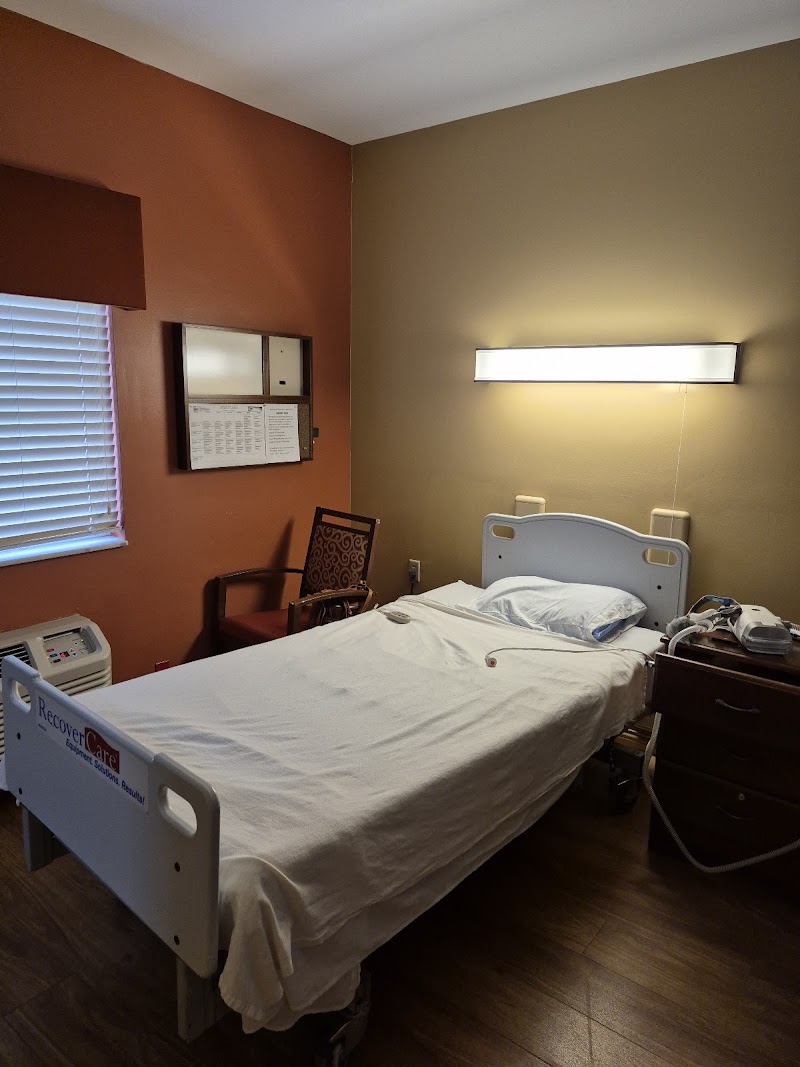
Who Owns and Operates Pheasant Ridge Nursing & Rehab Center?

PHEASANT RIDGE NURSING & REHAB CENTER is owned by a for-profit company. For-profit facilities operate as businesses with obligations to shareholders or private owners. The facility is operated by CONSULATE HEALTH CARE/INDEPENDENCE LIVING CENTERS/NSPIRE HEALTHCARE/RAYDIANT HEALTH CARE, a chain that manages multiple nursing homes. With 101 certified beds and approximately 89 residents (about 88% occupancy), it is a mid-sized facility located in ROANOKE, Virginia.
How Does Pheasant Ridge Nursing & Rehab Center Compare to Other Virginia Nursing Homes?

Compared to the 100 nursing homes in Virginia, PHEASANT RIDGE NURSING & REHAB CENTER's overall rating (2 stars) is below the state average of 3.0, staff turnover (65%) is significantly higher than the state average of 46%, and health inspection rating (2 stars) is below the national benchmark.

What Should Families Ask When Visiting Pheasant Ridge Nursing & Rehab Center?

Based on this facility's data, families visiting should ask: "What changes have been made since the serious inspection findings, and how are you preventing similar issues?" "How do you ensure continuity of care given staff turnover, and what is your staff retention strategy?" "Can you walk me through typical staffing levels on day, evening, and night shifts?" "Can I visit during a mealtime to observe dining assistance and food quality?" These questions are particularly relevant given the facility's Immediate Jeopardy citations, the facility's high staff turnover rate, and the below-average staffing rating.

Is Pheasant Ridge Nursing & Rehab Center Safe?

Based on CMS inspection data, PHEASANT RIDGE NURSING & REHAB CENTER has documented safety concerns. Inspectors have issued 1 Immediate Jeopardy citation (the most serious violation level indicating risk of serious injury or death). The facility has a 2-star overall rating and ranks #100 of 100 nursing homes in Virginia. Families considering this facility should ask detailed questions about what corrective actions have been taken since these incidents.

Do Nurses at Pheasant Ridge Nursing & Rehab Center Stick Around?

Staff turnover at PHEASANT RIDGE NURSING & REHAB CENTER is high. At 65%, the facility is 18 percentage points above the Virginia average of 46%. Registered Nurse turnover is particularly concerning at 83%. RNs handle complex medical decisions and coordinate care — frequent RN changes can directly impact care quality. High turnover means new staff may not know residents' individual needs, medications, or preferences. It can also be disorienting for residents, especially those with dementia who rely on familiar faces. Families should ask: What is causing the turnover? What retention programs are in place? How do you ensure care continuity during staff transitions?

Was Pheasant Ridge Nursing & Rehab Center Ever Fined?

PHEASANT RIDGE NURSING & REHAB CENTER has been fined $45,333 across 13 penalty actions. The Virginia average is $33,532. While any fine indicates a compliance issue, fines under $50,000 are relatively common and typically reflect isolated problems that were subsequently corrected. Families should ask what specific issues led to these fines and confirm they've been resolved.

Is Pheasant Ridge Nursing & Rehab Center on Any Federal Watch List?

PHEASANT RIDGE NURSING & REHAB CENTER is not on any federal watch list. The most significant is the Special Focus Facility (SFF) program, which identifies the bottom 1% of nursing homes nationally based on persistent, serious quality problems. Not being on this list means the facility has avoided the pattern of deficiencies that triggers enhanced federal oversight. This is a positive indicator, though families should still review the facility's inspection history directly.