RALEIGH COURT HEALTH AND REHABILITATION CENTER
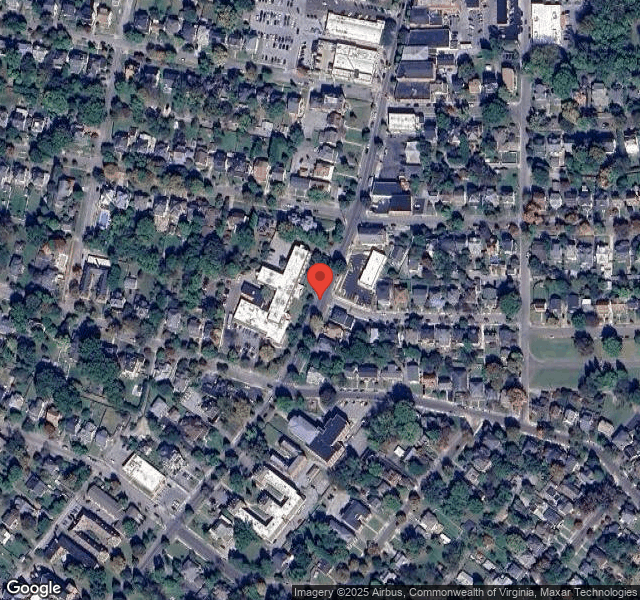

1527 GRANDIN ROAD SOUTHWEST, ROANOKE, VA 24015 (540) 342-9525
For profit - Limited Liability company 120 Beds LIFEWORKS REHAB Data: November 2025
Trust Grade
50/100
#152 of 285 in VA
Last Inspection: August 2024

Within standard 12-15 month inspection cycle. Federal law requires annual inspections.

Overview

Raleigh Court Health and Rehabilitation Center has a Trust Grade of C, which means it is average and falls in the middle of the pack among nursing homes. It ranks #152 out of 285 facilities in Virginia and #4 out of 9 in Roanoke City County, indicating it is in the bottom half overall but has a few local competitors. The facility is showing improvement, with a reduction in issues from 19 in 2022 to 11 in 2024. Staffing is a significant concern here, with a low rating of 1 out of 5 stars and a high turnover rate of 68%, which is notably above the state average of 48%. While there have been no fines, which is a positive aspect, the inspection findings reveal some serious issues, including a resident being injured due to improper use of a mechanical lift and staff failing to maintain food safety standards in the kitchen. Additionally, there were reports of inadequate care for several residents' daily living activities. Overall, while there are strengths such as a stable fine history and some improvement in issues, families should weigh these against the staffing challenges and specific care incidents.

Trust Score
C
50/100
In Virginia
#152/285
Bottom 47%
Safety Record
Moderate
Needs review
Inspections
Getting Better
19 → 11 violations
Staff Stability
⚠ Watch
68% turnover. Above average. Higher turnover means staff may not know residents' routines.
Penalties
✓ Good
No fines on record. Clean compliance history, better than most Virginia facilities.
Skilled Nurses
○ Average
Each resident gets 30 minutes of Registered Nurse (RN) attention daily — about average for Virginia. RNs are the most trained staff who monitor for health changes.
Violations
⚠ Watch
31 deficiencies on record. Higher than average. Multiple issues found across inspections.
★★★☆☆
3.0
Overall Rating
★☆☆☆☆
1.0
Staff Levels
★★★★★
5.0
Care Quality
★★★☆☆
3.0
Inspection Score
Stable
2022: 19 issues
2024: 11 issues

The Good

  • 5-Star Quality Measures · Strong clinical quality outcomes
  • Full Sprinkler Coverage · Fire safety systems throughout facility
  • No fines on record

Facility shows strength in quality measures, fire safety.

The Bad

3-Star Overall Rating

Near Virginia average (3.0)

Meets federal standards, typical of most facilities

Staff Turnover: 68%

21pts above Virginia avg (46%)

Frequent staff changes - ask about care continuity

Chain: LIFEWORKS REHAB

Part of a multi-facility chain

Ask about local staffing decisions and management

Staff turnover is elevated (68%)

20 points above Virginia average of 48%

The Ugly 31 deficiencies on record

1 actual harm
Aug 2024 7 deficiencies
CONCERN (D) 📢 Someone Reported This

A family member, employee, or ombudsman was alarmed enough to file a formal complaint

Potential for Harm - no one hurt, but risky conditions existed

Notification of Changes (Tag F0580)

Could have caused harm · This affected 1 resident

Based on staff interviews, clinical record review, and facility document review, facility staff failed to notify the resident representative of a change in condition requiring transfer for 1 of 4 clos...

Read full inspector narrative →
Based on staff interviews, clinical record review, and facility document review, facility staff failed to notify the resident representative of a change in condition requiring transfer for 1 of 4 closed records reviewed for the survey (Resident #113) The findings were: The facility staff failed to notify Resident #113's resident representative of the resident's change in condition. The resident was unresponsive and required a transfer to an acute care hospital. The minimum data set with an assessment reference date of 06/15/2023 assigned Resident #113 a brief interview for mental status score a 15 out of 15. The admission record listed the resident was his own responsible party and a family member as the emergency contact #1. The clinical record contained a licensed practical nurse (LPN) change of condition progress note dated 07/11/23 at 9:09 p.m. which read, pt. (patient) notice [sic] to be unresponsive to voice by writer, who attempted sternal rub with no response. vs (vital signs) 101/69 97.8 temp, 106 bpm (beats per minute), and 94% O2 (oximeter). md (medical doctor) was contacted for consultation at 2020 r/t LOC (8:20 p.m. related to level of consciousness) and BP (blood pressure) which read 86/58 approx ten minutes later. pt received IV bolus (intravenous fluids administered quickly) on previous shift, Narcan (opioid antagonist - used to reverse an opioid overdose) administered with little/no change per MD request. 911 contacted at 2030 (8:30 p.m.), sent to ED (emergency department) via ambulance at 2104 (9:04 p.m.). The same LPN wrote a Change of Condition Note on 07/11/23 at 9:20 p.m. which read, pt is own RP (Responsible Party), attempted to call emergency contact at 2119 (9:19 p.m.), busy tone received. A telehealth evaluation note with a date of service reading 07/11/23 at 7:28 p.m. central time (8:28 p.m. eastern time) read in part, Consent for telemedicine/virtual visit obtained from patient/POA: Yes. The LPN was not available for interview. A health status note dated 07/12/23 at 5:06 a.m. read the resident had been admitted to the acute care hospital. A registered nurse' health status note, written on 07/14/23 at 2:26 p.m., read the resident remained in the intensive care unit in stable condition. The regional director of clinical services (RDCS) was interviewed on 08/15/24 at 11:50 a.m. The RDCS acknowledged the clinical record did not include evidence the facility staff successfully contacted Resident #113's emergency contact. The RDCS reported not knowing for sure but felt the reason there was no more attempts to call the emergency contact was that in communication with the hospital, it was determined the hospital had notified the resident's family member. The RDCS discussed the telehealth documentation that read the patient/POA gave consent that since the resident was unresponsive, it would make sense the emergency contact gave consent. The RDCS acknowledged not knowing for sure who gave consent. On 08/15/24 at 2:44 p.m. during a meeting with the assistant administrator, administrator, regional director of clinical services, assistant director of nursing, and regional minimum data set director, the concern of whether Resident #113's emergency contact/resident representative was notified of a significant change with the resident being unresponsive upon transfer was discussed. The administrator reported no further information would be presented prior to the exit conference.
CONCERN (D)

Potential for Harm - no one hurt, but risky conditions existed

Comprehensive Care Plan (Tag F0656)

Could have caused harm · This affected 1 resident

Based on staff interviews, facility document review, and clinical record review, the facility staff failed to develop a comprehensive care plan which addressed hypotension for one (1) of 23 sampled cu...

Read full inspector narrative →
Based on staff interviews, facility document review, and clinical record review, the facility staff failed to develop a comprehensive care plan which addressed hypotension for one (1) of 23 sampled current residents (Resident #74). The findings include: Review of Resident #74's comprehensive care plan, on the morning of 8/14/24, fail to reveal evidence the resident was care planned to address low blood pressure (hypotension). Resident #74's Minimum Data Set (MDS) assessment, with an Assessment Reference Date (ARD) of 5/9/24, was signed as completed on 5/16/24. Resident #74 was assessed as able to make self understood and as able to understand others. Resident #74's Brief Interview for Mental Status (BIMS) summary score was documented as an eight (8) out of 15; this indicated moderate cognitive impairment. Resident #74's clinical record included a medical provider order for midodrine 5 mg tablet dated 6/24/24. This order indicated the resident was to receive one (1) tablet two times a day for low blood pressure. This order indicated the medication should not be administered if the resident's blood pressure was greater than 110/50. On 8/14/24 at 9:10 a.m., the Regional Minimum Data Set MDS) staff member confirmed Resident #74's comprehensive care plan did not address hypotension. The following information was found in a facility policy titled Care Planning (with an effective date of 11/1/19): A licensed nurse, in coordination with the interdisciplinary team, develops and implements an individualized care plan for each patient in order to provide effective, person-centered care, and the necessary health-related care and services to attain or maintain the highest practical physical, mental, and psychosocial well-being of the patient. On 8/15/24 at 2:42 p.m., the survey team met with the facility's Administrator, Assistant Administrator, Assistant Director of Nursing, and Regional Minimum Data Set (MDS) staff member. During this meeting, the surveyor discussed Resident #74's comprehensive care plan not addressing hypotension.
CONCERN (D)

Potential for Harm - no one hurt, but risky conditions existed

Accident Prevention (Tag F0689)

Could have caused harm · This affected 1 resident

**NOTE- TERMS IN BRACKETS HAVE BEEN EDITED TO PROTECT CONFIDENTIALITY** Based on observation, staff interview, and clinical record review, facility staff failed to provide adequate supervision to ensu...

Read full inspector narrative →
**NOTE- TERMS IN BRACKETS HAVE BEEN EDITED TO PROTECT CONFIDENTIALITY** Based on observation, staff interview, and clinical record review, facility staff failed to provide adequate supervision to ensure the resident environment remained free of accident hazards for 2 of 23 current residents in the survey sample (Resident #107 and #62). The findings were: 1. For Resident #107, the facility staff failed to maintain the resident's cigarettes and lighters. The most recent minimum data set with an assessment reference date of 07/17/24 assigned Resident # 107 a brief interview for mental status score a 10 out of 15. The care plan included a focus area which read the resident was a smoker, the goal read the resident will smoke safely. For interventions, the care plan read educate on facility smoking policy, OT referral as needed, smoking apron, smoking assessment as needed. During the initial tour on 08/11/24 at 3:10 p.m., Resident #107 was lying in bed with the overbed table beside the bed. The surveyor observed one (1) pack of cigarettes and two (2) blue lighters on the overbed table. On 08/14/24 at 2:56 p.m., the surveyor observed two packs of cigarettes and a lighter on the over-the-bed table sitting beside the bed. When asked about having the cigarettes and lighter with him, Resident #107 stated the nurses took him to smoke but not always during the designated smoking times. He was not sure of the smoking times and reported there were multiple smoking areas outside. On 08/14/24 at 3:06 p.m., the surveyor notified the administrator of observing Resident #107's smoking paraphernalia (pack of cigarettes and lighters) on overbed table located beside the resident's bed. The administrator did not comment. Resident #107's clinical record contained a smoking assessment dated [DATE] at 11:22 a.m. which assigned the resident a 9.0 score. Within the smoking assessment, a score of 5 or greater, Requires supervision with smoking. The administrator provided policy #1019 titled, Patient Smoking with an effective date of 01/29/2024. The policy read in part, Procedure 7. The center will maintain all smoking paraphernalia for patients who require supervision with smoking On 08/14/24 at 4:32 p.m. during an end of day meeting with the assistant administrator, administrator, regional director of clinical services, assistant director of nursing, and regional minimum data set director, the observations of Resident #107's cigarettes and lighters at the resident's bedside were discussed. No further information was provided prior to the exit conference. 2. For Resident #62, facility staff failed to ensure medications were secured as evidenced by medications left unattended on the resident's tray table. Resident #62 was admitted to the facility with diagnoses which included dysphagia, cognitive deficit after cerebral infarction, type 2 diabetes mellitus, generalized muscle weakness, and major depression. On the most recent Minimum Data Set assessment, the resident scored On 8/11/24 approximately 2:15 PM. A medication cup with 2 pills was on the overbed table. The resident said they leave them a lot. He said he would take them later. There was one chewable ASA 81 mg (milligram) and an oval capsule stamped with G 12 and scored for halving which Drugs.com suggests is metformin 1000 mg from Igneus pharmaceuticals. Clinical record review revealed that the resident had orders for aspirin 81 mg and metformin 1000 mg. On 08/14/24 at 2:30 PM Surveyor spoke with LPN #1, who was responsible for the resident on 8/11. LPN #1 was aware that the resident should be watched while taking medications because he sometimes does not take them. LPN #1 stated she had watched the resident take the noon medications on 8/11/24 (Sunday). The surveyor asked who might have left the medications in the resident's room. LPN #1 did not offer a possible name. ' 08/14/24 03:30 PM Surveyor spoke with ADON and regional director of clinical services about the medications found on the table on 8/11/24. They did not offer an explanation. During a summary meeting on 8/14/2024 which included the administrator, assistant administrator, and assistant director of nursing, the surveyor stated issue remained a concern.
CONCERN (D)

Potential for Harm - no one hurt, but risky conditions existed

Deficiency F0757 (Tag F0757)

Could have caused harm · This affected 1 resident

Based on staff interviews, facility document review, and clinical record review, the facility staff failed to ensure one (1) of 23 sampled current residents was free from unnecessary medications (Resi...

Read full inspector narrative →
Based on staff interviews, facility document review, and clinical record review, the facility staff failed to ensure one (1) of 23 sampled current residents was free from unnecessary medications (Resident #74). The findings include: The facility staff failed to hold Resident #74's midodrine according to the medical provider's ordered parameters. Midodrine is a medication used to treat low blood pressure (hypotension). Midodrine works by constricting blood vessels to increase an individual's blood pressure. Resident #74's Minimum Data Set (MDS) assessment, with an Assessment Reference Date (ARD) of 5/9/24, was signed as completed on 5/16/24. Resident #74 was assessed as able to make self understood and as able to understand others. Resident #74's Brief Interview for Mental Status (BIMS) summary score was documented as an eight (8) out of 15; this indicated moderate cognitive impairment. Resident #74's clinical record included a medical provider order for midodrine 5 mg tablet dated 6/24/24. This order indicated the resident was to receive one (1) tablet two (2) times a day for low blood pressure. This order indicated the medication should not be administered if the resident's blood pressure was greater than 110/50. Resident #74's Medication Administration Record (MAR) for August 2024 was reviewed on the morning of 8/14/24. It was noted that Resident #74's August 2024 MAR included documentation to indicate the resident's midodrine was administered, 20 times, when the resident's blood pressure would have required the medication to be held (not administered). The following information was found in a document titled General Guidelines for Medication Administration (with an effective date of 9-2018): - Medications are administered as prescribed in accordance with good nursing principles and practices . - Medications are administered in accordance with written orders of the prescriber. On 8/15/24 at 2:42 p.m., the survey team met with the facility's Administrator, Assistant Administrator, Assistant Director of Nursing, and Regional Minimum Data Set (MDS) staff member. During this meeting, the surveyor discussed the findings of facility staff administering Resident #74's midodrine when the parameters indicated it should not have been administered.
CONCERN (D)

Potential for Harm - no one hurt, but risky conditions existed

Deficiency F0760 (Tag F0760)

Could have caused harm · This affected 1 resident

Based on staff interview, clinical record review, and facility document review, the facility staff failed to ensure that residents are free of any significant medication errors for 1 of 23 sampled res...

Read full inspector narrative →
Based on staff interview, clinical record review, and facility document review, the facility staff failed to ensure that residents are free of any significant medication errors for 1 of 23 sampled residents, Resident #105. The findings included: For Resident #105, the facility staff failed to follow provider orders for the administration of the medication, Cephalexin four times a day for two days as indicated. Cephalexin is indicated for the treatment of patients with certain infections caused by bacteria such as urinary tract infections. Resident #105's diagnosis list indicated diagnoses, which included, but not limited to, Traumatic Subdural Hematoma, Muscle Weakness, Urinary Tract Infection (UTI), Delirium, End Stage Renal Disease, and Dependence on Renal Dialysis. Resident #105's most recent minimum data set (MDS) with an assessment reference (ARD) of 6/13/24 assigned the resident a brief interview for mental status (BIMS) summary score of 12 out of 15 for cognitive abilities, indicating the resident is moderately cognitively impaired. A provider's order dated 6/7/24, read in part, .Cephalexin Oral Capsule 500 MG (milligrams) (Cephalexin) Give one capsule by mouth four times a day for UTI for 2 (two) days .Start Date 6/7/2024 .End Date 6/9/2024 . Further review of the provider orders read in part, Supply .Date Dispensed 6/7/2024 .Status On Hand . A reviewed of Resident #105's June 2024 MAR (medication administration record) revealed for Cephalexin on 6/7/2024 at 2100 (9:00 PM) and on 6/8/2024 at 0900 (9:00 AM) a code of 9, which indicated to see Other/Progress Note. A review of the progress note dated 6/7/2024 read in part, .pending pharm (pharmacy) delivery . A review of the 6/8/2024 progress note read in part, Orders-Administration Note .Cephalexin Oral Capsule 500 MG Give 1 (one) capsule by mouth four times a day for UTI for 2 Days Rsd (resident) oof (out of facility) at dialysis . According to the provider's orders and the June 2024 MAR, the medication was not given as ordered every four hours for two days. The resident received six doses of Cephalexin and the provider's order indicated the resident should have received eight doses. On 08/14/24 at 2:53 PM, the administrator (ADM#1) informed surveyor the medication was available in the omnicell (an automated medication management system), and the nurse did not pull the medication. ADM#1 did not know the reason why the nurse did not get the medication from the omnicell. This concern was discussed on 8/14/24 at 4:32 PM at the end of day meeting with the administrator, assistant administrator, regional director of clinical services, assistant director of nursing and the regional director of mds and again at the pre-exit meeting on 8/15/24 at 2:41 PM. Surveyor requested and received the facility policy titled, General Guidelines for Medication Administration, which read in part, .Medications are administered as prescribed .I .5. Always employ the MAR during medication administration .if there is any other reason to question the dosage or directions, the physician's orders are checked for the correct dosage schedule .II .2. Medications are administered in accordance with written orders of the prescriber .IV .1 .the person administering the medications reviews the MAR to ensure that necessary doses were administered and documented . No further information regarding this concern was presented to the survey team prior to the exit conference on 8/15/24.
CONCERN (E)

Potential for Harm - no one hurt, but risky conditions existed

Food Safety (Tag F0812)

Could have caused harm · This affected multiple residents

Based on observation, staff interview, and facility document review, facility staff failed to prepare, distribute, and serve food in accordance with professional standards for food service safety. The...

Read full inspector narrative →
Based on observation, staff interview, and facility document review, facility staff failed to prepare, distribute, and serve food in accordance with professional standards for food service safety. The findings were: Facility staff stacked food storage containers one on top of each other after being washed and remained wet. Facility staff left the ice scoop inside the ice machine. On 08/11/24 at 1:15 p.m. during the initial tour of the kitchen, three (3) stacks of food storage containers were observed wet. A dietary aide who accompanied the surveyor during the tour acknowledged the containers had been washed and stacked, one on top of the other, to dry. The dietary aide unstacked the containers to dry separately. The ice scoop was observed inside the ice machine. The dietary aide removed the scoop, placed it in the holder attached to the wall beside the ice machine and stated, They know not to do that. On 08/14/24 at 4:32 p.m. during an end of day meeting with the assistant administrator, administrator, regional director of clinical services, assistant director of nursing, and regional minimum data set director, the kitchen observations were discussed. The administrator provided two policies. Both policies were from the facility's contracted hospitality services (dietary services), and both read the revision history date was October 2019. The first policy titled, Ware washing and policy 22 read in part, Action Steps 4. The Dining Services Director ensures that all dishware is air dried and properly stored. The second policy titled, Manual Ware Washing and policy 23 read in part, Action Steps 3. The Dining Services Director insures [sic] that all service ware and cook ware are air dried prior and storage [sic]. No further information was provided prior to the exit conference.
MINOR (C)

Minor Issue - procedural, no safety impact

Staffing Information (Tag F0732)

Minor procedural issue · This affected most or all residents

Based on observations, staff interviews, and facility document review, the facility staff failed to ensure the posting of the required daily nurse staffing information. The findings include: On 8/13/2...

Read full inspector narrative →
Based on observations, staff interviews, and facility document review, the facility staff failed to ensure the posting of the required daily nurse staffing information. The findings include: On 8/13/24 at approximately 10:25 a.m., the surveyor observed the posted daily nurse staffing information did not include the facility's census. The Assistant Administrator was informed the posting did not include the census. The form used to post the daily nurse staffing information was titled DAILY NURSE STAFFING SUMMARY. This form included the following statements: - Post this document in a prominent place; accessible to patients and visitors. Complete at the beginning of each shift; update any changes to information as needed. - Retain Nursing Staffing Data for 18 months. On 8/13/24 at 10:44 a.m., the surveyor reviewed the facility's retained documentation of posted daily nurse staffing information with the Administrator. These documents were kept in a binder but were not organized by date. The surveyor noted multiple documents were missing some of the required information. The following dates failed to include the facility's census: 2/26/24, 8/20/23, 8/19/23, and September 4, (no year was documented). The following dates only had the day shift (7:00 a.m. - 3:00 p.m.) information documented: 8/8/24, 8/6/24, 8/2/24, 7/29/24, 7/17/24, 7/8/24, 6/28/24, 6/24/24, 6/18/24, 5/21/24, 5/17/24, 4/15/24, 4/4/24, 4/2/24, 1/23/24, 1/16/24, and 11/27/23. On 8/14/24 at 8:46, the surveyor, with the Administrator present, reviewed the facility's retained DAILY NURSE STAFFING SUMMARY documents. The following dates did not have a DAILY NURSE STAFFING SUMMARY document: 8/11/24, 8/9/24, 8/4/24, 8/3/24, 8/1/24, 7/28/24, 7/22/24, and 7/20/24. On 8/15/24 at 2:42 p.m., the survey team met with the facility's Administrator, Assistant Administrator, Assistant Director of Nursing, and Regional Minimum Data Set (MDS) staff member. During this meeting, the surveyor reviewed the concern of the facility's DAILY NURSE STAFFING SUMMARY documents having incomplete and/or missing information.
May 2024 4 deficiencies
CONCERN (D) 📢 Someone Reported This

A family member, employee, or ombudsman was alarmed enough to file a formal complaint

Potential for Harm - no one hurt, but risky conditions existed

Resident Rights (Tag F0550)

Could have caused harm · This affected 1 resident

Based on staff interview, family report, and ombudsman interview, facility staff failed to treat the resident with dignity and respect as evidenced by failure to answer calls for assistance within an ...

Read full inspector narrative →
Based on staff interview, family report, and ombudsman interview, facility staff failed to treat the resident with dignity and respect as evidenced by failure to answer calls for assistance within an hour for 1 of 6 residents in the survey sample (Resident #1). Resident #1 was admitted with diagnoses including diabetes mellitus, essential hypertension, hypotension, vascular dementia, peripheral vascular disease, osteomyelitis, cognitive communication deficit, and primary and secondary malignant neoplasms. On the most recent Minimum Data Set assessment, the resident scored 15/15 on the Brief Interview for mental status and was assessed as without signs of delirium, psychosis, or behaviors affecting care. During an interview on 5/21/2024, the ombudsman reported investigating a family concern about call bells dating from 2/9 through 2/11/2024. The ombudsman stated that 2 of the 169 calls from the resident's room over that period were answered after more than an hour. This statement was corroborated by the family report dated 5/9/2024 stating that the resident waited over 1 hour during one night and 1.5 hours during another on the same night. The surveyor requested for the resident's room from 2/9 through 2/11/2024. Facility staff were unable to obtain the call response audit report for that time period. The surveyor concluded that the allegations had likely occurred since the ombudsman stated that the reports had supported the family allegation. The administrator and corporate clinical consultant were notified of the concern during a summary meeting on 5/22/2024.
CONCERN (D) 📢 Someone Reported This

A family member, employee, or ombudsman was alarmed enough to file a formal complaint

Potential for Harm - no one hurt, but risky conditions existed

Quality of Care (Tag F0684)

Could have caused harm · This affected 1 resident

Based on staff interview and clinical record review, facility staff failed to administer a medication for managing blood pressure (BP) as ordered by the physician/surrogate for 1 of 6 residents in the...

Read full inspector narrative →
Based on staff interview and clinical record review, facility staff failed to administer a medication for managing blood pressure (BP) as ordered by the physician/surrogate for 1 of 6 residents in the survey sample (Resident #1). Resident #1 was admitted with diagnoses including diabetes mellitus, essential hypertension, hypotension, vascular dementia, peripheral vascular disease, osteomyelitis, cognitive communication deficit, and primary and secondary malignant neoplasms. On the most recent Minimum Data Set assessment, the resident scored 15/15 on the Brief Interview for mental status and was assessed as without signs of delirium, psychosis, or behaviors affecting care. The surveyor obtained the Medication Administration Audit report for 2/10/2024. The report indicated the resident's Midodrine HCl oral tablet 5 mg give 1 tablet three times a day for hypotension, hold for BP above 140/90 scheduled for 9 AM was administered to the resident at 11:07 AM. The administrator and corporate clinical consultant were notified of the concern during a summary meeting on 5/22/2024.
CONCERN (D) 📢 Someone Reported This

A family member, employee, or ombudsman was alarmed enough to file a formal complaint

Potential for Harm - no one hurt, but risky conditions existed

Deficiency F0776 (Tag F0776)

Could have caused harm · This affected 1 resident

Based on staff interview and clinical record review, facility staff failed to obtain a radiological test ordered by the physician/surrogate for 1 of 6 residents in the survey sample (Resident #1). Res...

Read full inspector narrative →
Based on staff interview and clinical record review, facility staff failed to obtain a radiological test ordered by the physician/surrogate for 1 of 6 residents in the survey sample (Resident #1). Resident #1 was admitted with diagnoses including diabetes mellitus, essential hypertension, hypotension, vascular dementia, peripheral vascular disease, osteomyelitis, cognitive communication deficit, and primary and secondary malignant neoplasms. On the most recent Minimum Data Set assessment, the resident scored 15/15 on the Brief Interview for mental status and was assessed as without signs of delirium, psychosis, or behaviors affecting care. The surveyor interviewed the nurse practitioner (NP) on 5/21/2024. The NP reported having entered the order for the Computed tomography (CT) scan and stated the scheduler confirmed the order had been entered. Record review revealed the NP entered an order for a CT of the abdomen on 11/10/2023. During that interview, the administrator stated that the scheduler was no longer working for the facility due to issues with record-keeping, among others. The surveyor concluded the CT scan had not been scheduled per order. The administrator and a corporate consultant were notified of the deficient practice during a summary meeting on 5/22/2024.
CONCERN (D) 📢 Someone Reported This

A family member, employee, or ombudsman was alarmed enough to file a formal complaint

Potential for Harm - no one hurt, but risky conditions existed

Medical Records (Tag F0842)

Could have caused harm · This affected 1 resident

Based on staff interview and clinical record review the facility staff failed to ensure a complete and accurate clinical record for 1 of 6 residents, Resident #2. The findings included: For Resident #...

Read full inspector narrative →
Based on staff interview and clinical record review the facility staff failed to ensure a complete and accurate clinical record for 1 of 6 residents, Resident #2. The findings included: For Resident #2 the facility staff failed to include an order for oxygen on the physician's order summary and failed to correctly document a physician's order in the nurse's progress notes. Resident #2's face sheet listed diagnoses which included but not limited to chronic obstructive pulmonary disease, unspecified systolic (congestive) heart failure, and major depressive disorder. Resident #2's most recent minimum data set with an assessment reference date of 08/22/23 assigned the resident a brief interview for mental status score of 11 out of 15 in section C, cognitive patterns. This indicated that the resident was cognitively intact. Section O, Special Treatment, Procedures and Programs coded the resident as receiving oxygen therapy while both a resident of the facility and not a resident of the facility. Resident #2's comprehensive care plan was reviewed and contained a care plan for the resident is a risk for respiratory complications secondary to COPD (chronic obstructive pulmonary disease). Interventions for this care plan included Administer oxygen as ordered and the resident is a risk for weight loss, dehydration, or malnutrition related to chronic diseases . Resident #2's clinical record was reviewed and contained a physician's order summary which read in part, Add humidification to oxygen and Sodium Chloride Intravenous Solution (Sodium Chloride). Use 500 ml (milliliters)/hr intravenously one time only for hyperkalemia, dehydration-total of 500 mls for one day. Surveyor could not locate a physician's order for use of oxygen. Resident #2's nurses' progress notes were reviewed and contained a nurse's noted dated 11/14/23 which read in part, 11/14/2023 15:38 Order Note: edema to left forearm and tricep, new order for NS (normal saline [Sodium chloride]) 500 ml/hr x 500 liters per . (name omitted), NP (nurse practitioner). Surveyor spoke with facility NP on 05/21/22 at 1:20 pm regarding Resident #2. NP stated that was supposed to be on oxygen, they were on home oxygen prior to admission due to COPD (chronic obstructive pulmonary disease). NP stated that resident wore oxygen continuously, as far as I know. NP stated resident received oxygen between 2-4 liters per minute, she could adjust her own, kinda did her own thing. Surveyor asked NP about the sodium chloride order, and NP stated they would not have ordered more than 500 ml total, due to resident having congestive heart failure. The concern of not ensuring an accurate clinical record was discussed with the administrator, assistant director of nursing, and regional nurse consultant on 05/22/24 at 12:30 pm. No further information was provided prior to exit.
Dec 2022 19 deficiencies
CONCERN (D)

Potential for Harm - no one hurt, but risky conditions existed

Deficiency F0551 (Tag F0551)

Could have caused harm · This affected 1 resident

Based on family interview, clinical record and staff interview the facility staff failed to honor the legal Power of attorney (POA) for one of 24 residents sampled (Resident #85). On the Minimum Data...

Read full inspector narrative →
Based on family interview, clinical record and staff interview the facility staff failed to honor the legal Power of attorney (POA) for one of 24 residents sampled (Resident #85). On the Minimum Data Set assessment with assessment reference date 9/14/22, the Resident #85 scored 11/15 on the brief interview for mental status and was assessed as without signs of delirium, psychosis, or behaviors affecting care. The resident's diagnoses included chronic venous insufficiency, cerebral infarct, diabetes mellitus with peripheral angiopathy, atrial fibrillation, heart failure, chronic kidney disease, essential hypertension, morbid obesity, bacterial pneumonia, and chronic pain. On 12/19 at 9:30 AM, the surveyor interviewed the resident's Power of Attorney (POA) at his request. The POA stated that the administrator has said that the POA was not empowered to make decisions for the resident. The POA is not always notified when changes occur in the resident's status and the resident has been sent to medical appointments without the POA's knowledge. The POA is not notified when the resident does not receive care or treatments. The POA has requested that staff call when the resident refuses care, treatment, or feeding so that a family member can convince the resident to accept treatment or eat meals. The POA stated the administrator told him that he was not empowered to make decisions for the resident. The resident's POA provided the surveyor with a copy of the durable power of attorney filed with the court, a notarized medical advance directive naming the POA as decision-maker, and an assessment of capacity dated 7/14/21 signed by the facility's medical director stating the resident lacked capacity to understand his medical condition and make decisions concerning treatment. Clinical record review revealed the three forms were present in the resident's record filed under the miscellaneous tab. The resident was listed as the responsible party under the Contact list with the POA spouse as emergency contact #1 and the POA as emergency contact #2. On 12/19/22 at 3:25 PM, the surveyor spoke with the regional nurse consultant (covering for the administrator, DON, ADON, and staff development coordinator) stated she had spoken with the administrator who reported he had told the POA that he was not empowered to make decisions for the resident, but had been unaware the physician had deemed the resident incompetent.
CONCERN (D) 📢 Someone Reported This

A family member, employee, or ombudsman was alarmed enough to file a formal complaint

Potential for Harm - no one hurt, but risky conditions existed

Deficiency F0559 (Tag F0559)

Could have caused harm · This affected 1 resident

**NOTE- TERMS IN BRACKETS HAVE BEEN EDITED TO PROTECT CONFIDENTIALITY** Based on clinical record review, staff interview, and facility document review, and during the course of a complaint investigati...

Read full inspector narrative →
**NOTE- TERMS IN BRACKETS HAVE BEEN EDITED TO PROTECT CONFIDENTIALITY** Based on clinical record review, staff interview, and facility document review, and during the course of a complaint investigation the facility staff failed to provide notice of room change for one of 24 residents in the survey sample, Resident #108. The findings include: The facility failed to provide the resident with any notice, written or verbal, prior to moving her to another room. Resident #108 was admitted to the facility on [DATE]. Diagnosis included but were not limited to Wernicke's encephalopathy, bipolar disorder, suicidal ideations, major depressive disorder, homelessness, alcohol dependency. This was a closed record review and surveyor was not able to interview this resident. According to the census in the electronic medical record, resident #108 was moved to different rooms on 7/13/21, 7/14/21 and 8/4/21. There is no indication that the room moves were discussed with them for the 7/14/21 and 8/4/21 moves. A progress note dated 7/13/21 at 11:59 am read, PT (patient) moved from room [ROOM NUMBER] A due to clinical need. PT is own RP (responsible party). On 12/13/22 3:15 pm surveyor met with social worker/discharge planner and assistant. Neither were employed at the facility in 2021 and are not familiar with resident #108 and had no documentation to indicate the resident was notified of the room changes. Surveyor Requested and received a policy entitled, Bed management/room changes with an effective date of 9/30/22 that read in part, Social worker and discharge planning staff, in conjunction with the interdisciplinary team will strategically evaluate and internally manage placement of skilled and extended care patients to enhance quality of care and services, and Provide timely and efficient room changes through internal transfers with proper documentation using the Room Change Assessment Notification form. During a meeting on 12/14/22 at 4:06 pm with the regional nurse consultant, the surveyor discussed this matter and asked if there were any documents to support resident #108 was notified of the room changes. Nurse consultant indicated that there were no documents. This concern was discussed again on 12/19/2022 at 5:46 pm with the regional nurse consultant and regional MDS consultant. No further information was provided to the survey team prior to exit.
CONCERN (D)

Potential for Harm - no one hurt, but risky conditions existed

Notification of Changes (Tag F0580)

Could have caused harm · This affected 1 resident

Based on family interview, staff interview, and clinical record review, facility staff failed to notify the RP and/or physician with significant changes to resident status for one of 24 current reside...

Read full inspector narrative →
Based on family interview, staff interview, and clinical record review, facility staff failed to notify the RP and/or physician with significant changes to resident status for one of 24 current residents in the survey sample (Resident #85). On the Minimum Data Set assessment with assessment reference date 9/14/22, Resident #85 scored 11/15 on the brief interview for mental status and was assessed as without signs of delirium, psychosis, or behaviors affecting care. The residents' diagnoses included chronic venous insufficiency, cerebral infarct, diabetes mellitus with peripheral angiopathy, atrial fibrillation, heart failure, chronic kidney disease, essential hypertension, morbid obesity, bacterial pneumonia, and chronic pain. On 12/19 at 9:30 AM, the surveyor interviewed the residents' Power of Attorney (POA) at his request. The POA stated that the administrator said that the POA was not empowered to make decisions for the resident. The POA is not always notified when changes occur in the residents' status and the resident has been sent to medical appointments without the POAs knowledge. The POA is not notified when the resident does not receive care or treatments. The POA has requested that staff call when the resident refuses care, treatment, or feeding so that a family member can convince the resident to accept treatment or eat meals. The POA stated the administrator told him that he was not empowered to make decisions for the resident. Clinical record review revealed the resident was listed as the responsible party under the Contact list with the POA spouse as emergency contact #1 and the POA as emergency contact #2. The surveyor noted a physician order dated 12/16/22 for STAT X-ray of cervical spine 3 view d/T pain. Mobile imaging d/T inability to transfer and a second order dated 12/18/22 for STAT X-ray of cervical spine 3 view d/T pain. Mobile imaging d/T inability to transfer one time only for 1 day. Progress notes did not mention an order for the X-ray on 12/16/22. A note dated 12/16/22 11:56 AM Late Entry: Resident had an X-ray of neck this shift. A progress note dated 12/18/11 at 12:38 PM noted the imaging service reported that the resident refused to allow the technician to perform the X-rays on 12/16. The resident's' #1 emergency contact was notified the X-ray was not performed and the contact stated the resident was not able to refuse treatment. A note dated 12/18 at 11:11 AM documented the physician ordering the X-ray and lab work stat (repeating the order from 12/16/22). The surveyor concluded the physician had not been notified when the STAT X-ray and lab order was not completed on 12/16/22. Other progress notes indicated treatment refusal without notification of POA or physician were written on 12/18 at 6:19 AM, PT refused CPAP, and on 12/17 20:58 and 22:02 PM Resident #85 refused X3. Education was provided. On 12/19/22 at 3:25 PM, the surveyor reported the concern to the regional nurse consultant (covering for the administrator, DON, ADON, and staff development coordinator). Staff acknowledged that the responsible party and physician were not always informed of changes in the residents' condition or when ordered treatments were not performed.
CONCERN (D)

Potential for Harm - no one hurt, but risky conditions existed

Safe Environment (Tag F0584)

Could have caused harm · This affected 1 resident

Based on observations, staff interviews, and resident interview the facility staff failed to maintain a clean and homelike environment in one of two shower rooms (Unit 1 Shower Room). The findings: On...

Read full inspector narrative →
Based on observations, staff interviews, and resident interview the facility staff failed to maintain a clean and homelike environment in one of two shower rooms (Unit 1 Shower Room). The findings: On 12/19/22 at approximately 1:00 p.m., a resident, who was not included in the sample, reported the shower room on Unit 1 had black mold in the shower. LPN #1 (licensed practical nurse) accompanied one surveyor to the Unit 1 Shower room for observation 12/19/22 at 1:08 p.m. A black substance was noted in the grout, not on the tile, of the shower. There was no odor noted. LPN #1 applied a glove and attempted to scratch one of the discolored areas on the grout. The nurse's glove remained clean after attempting to scratch the black substance. LPN #1 stated she would notify maintenance. The Regional Nurse Consultant who was acting in place of the director of nursing (DON) as well as acting in place of the administrator due to both of their absences during the survey, was informed of the shower room observation on 12/19/22 at 1:15 p.m. At approximately 2:30 p.m. on 12/19/22, the maintenance director reported (after observing the shower room) the black substance was mildew, not mold, and only in the grout of the shower, not on the tile itself. The director explained that although the shower rooms were on a list of interior places to inspect daily, it often gets missed when the shower was being used at the time of the inspection. He stated he should return to inspect the shower room when it was unoccupied. The maintenance director stated soap scum sits on the walls and should be scrubbed routinely. The director met with the housekeeping director and developed a plan for routine cleaning. No further information was provided prior to the exit conference.
CONCERN (D) 📢 Someone Reported This

A family member, employee, or ombudsman was alarmed enough to file a formal complaint

Potential for Harm - no one hurt, but risky conditions existed

Employment Screening (Tag F0606)

Could have caused harm · This affected 1 resident

Based on personnel record review, facility staff failed to obtain a criminal background check prior to employment for one of 25 staff members reviewed. Facility Policy Number 702 titled Abuse/Neglect...

Read full inspector narrative →
Based on personnel record review, facility staff failed to obtain a criminal background check prior to employment for one of 25 staff members reviewed. Facility Policy Number 702 titled Abuse/Neglect/Misappropriation/Crime Prevention/Screening/Training states under PROCEDURE: 1. Criminal background and reference checks are performed on all employees. The surveyor reviewed the employment records of 25 employees hired since the last standard survey. One non-clinical employee's record did not contain a criminal background check. The surveyor informed the regional nurse consultant (acting as director of nursing and administrator) of the issue on 12/16/22. A background check dated 12/19/22 revealed several convictions. The surveyor reviewed the convictions with the nurse consultant and concluded none were barrier offences. On 12/19/22 at 3:25 PM, the surveyor reported the concern to the regional nurse consultant (covering for the administrator, DON, ADON, and staff development coordinator).
CONCERN (D)

Potential for Harm - no one hurt, but risky conditions existed

Abuse Prevention Policies (Tag F0607)

Could have caused harm · This affected 1 resident

Based on staff interview, clinical record review and facility document review; the facility staff failed to implement written policies and procedures regarding the investigation and reporting of an al...

Read full inspector narrative →
Based on staff interview, clinical record review and facility document review; the facility staff failed to implement written policies and procedures regarding the investigation and reporting of an allegation of resident abuse for one of 24 residents in the survey sample, Resident # 17. The findings include: For Resident #17, the facility staff failed to investigate and report an allegation of rape reported by the resident on 3/16/22. Resident #17's diagnoses Included, but was not limited to Alzheimer's disease, generalized anxiety disorder, major depressive disorder, bipolar disorder, pseudobulbar affect, and unspecified macular degeneration. The most recent quarterly minimum data set (MDS) with an assessment reference date (ARD) of 11/9/22, assigned the resident a brief interview for mental status (BIMS) summary score of 3 out of 15, indicating severe cognitive impairment. Resident #17's clinical record included a nursing progress note dated 3/16/22 at 3:20 pm which read, this writer spoke with resident's daughter and RP (responsible party) in regards to resident making a statement of being raped. Per (daughter) I feel like I spoke with someone before about this a few months back. I don't think it occurred and mom is maybe attention seeking so to speak unintentionally. If I felt like this was happening in any way, I would not keep my mouth shut and you guys would have definitely heard from me. This writer explained that the situation is under investigation and the DON (Director of Nursing) or ADON (assistant Director of Nursing) will notify her once the investigation is completed. This writer explained that based off the note that the nurse wrote, it's possible a CNA (certified nursing assistant) went into mom's room to do their last round on her, possibly in the dark to keep from disturbing her and her roommate with the light to provide care. The fact that mom stated it happened so fast, I'm assuming she was being changed by her CNA. Thank you all so much for everything that you do. Again, I don't think it happened . The Surveyor has made two attempts to reach resident #17's daughter on 12/16/22 at 11:37 am and on 12/19/22 at 9:32 am. There was no answer either time. The Surveyor met with corporate nurse consultant on 12/16/22 at 9:00 am and requested to see the Facility Reported Incident (FRI) regarding this allegation. On 12/19/22 at 9:40 am, the corporate nurse consultant reported to the surveyor that there is no FRI associated with this allegation. Surveyor asked if she would expect an FRI to have been done in this case, and she stated that she would expect it. She stated that the nurse who wrote the note no longer works for the facility, and she is unable to contact her. She did speak to the previous DON who told her she has no recollection of the incident ever being reported, therefore there was no investigation done. The Surveyor requested and received a copy of two policies, the first of which is entitled, Patient Protection with an effective date of 1/23/2020, which read in part, All employees are responsible for immediately (no later than two hours after the allegation is made if the incident involves abuse or bodily injury, no later than 24 hours if the incident does not involve abuse of bodily injury) reporting to the administrator, or in their absence, the Director of Nursing, or their immediate supervisor any and all suspected or witnessed incidents of patient abuse, neglect, theft, exploitation and/or mistreatment of a patient as well as any reasonable suspicion of a crime against a patient. The second policy, entitled Reporting Requirements/Investigations, with an effective date of 1/23/2020, read in part, The administrator will ensure the timely reporting, investigating, and follow up reporting of incidents of alleged /suspected patient abuse, neglect, mistreatment, exploitation, or crime against a patient to the State Agency and any other appropriate authorities. On 12/19/22 at 5:46 pm the surveyor met with the corporate nurse consultant and reviewed the above concern. No further information was provided to the survey team prior to exit.
CONCERN (D)

Potential for Harm - no one hurt, but risky conditions existed

Report Alleged Abuse (Tag F0609)

Could have caused harm · This affected 1 resident

Based on staff interview, clinical record review and facility document review, facility staff failed to report an allegation of resident abuse for one of 24 residents within the survey sample, Residen...

Read full inspector narrative →
Based on staff interview, clinical record review and facility document review, facility staff failed to report an allegation of resident abuse for one of 24 residents within the survey sample, Resident #17. The finding included: For resident #17, the facility staff failed to report an allegation of rape reported on 3/16/22. Resident #17 diagnosis include, but are not limited to, Alzheimer's disease, generalized anxiety disorder, cognitive communication deficit, major depressive disorder, bipolar disorder, pseudobulbar disorder and macular degeneration. The most recent quarterly minimum data set (MDS) with an assessment reference date (ARD) of 11/9/22 assigned the resident a brief interview for mental status (BIMS) summary score of 3, indicating severe cognitive impairment. Resident #17's clinical record included a nursing progress note dated 3/16/22 at 3:20 pm which read, this writer spoke with resident's daughter and RP (responsible party) in regards to resident making a statement of being raped. Per (daughter) I feel like I spoke with someone before about this a few months back. I don't think it occurred and mom is maybe attention seeking so to speak unintentionally. If I felt like this was happening in any way, I would not keep my mouth shut and you guys would have definitely heard from me. This writer explained that the situation is under investigation and the DON (Director of Nursing) or ADON (assistant Director of Nursing) will notify her once the investigation is completed. This writer explained that based off the note that the nurse wrote, it's possible a CNA (certified nursing assistant) went into mom's room to do their last round on her, possibly in the dark to keep from disturbing her and her roommate with the light to provide care. The fact that mom stated it happened so fast, I'm assuming she was being changed by her CNA. Thank you all so much for everything that you do. Again, I don't think it happened . The Surveyor met with corporate nurse consultant on 12/16/22 at 9:00 am and requested to see the Facility Reported Incident (FRI) regarding this allegation. On 12/19/22 at 9:40 am, corporate nurse consultant reported to surveyor that there is no FRI associated with this allegation. The Surveyor asked if she would expect a FRI to have been done in this case, and she stated that she would expect it. She stated that the nurse who wrote the note no longer works for the facility, and she is unable to contact her. She did speak to the previous DON who told her she has no recollection of the incident ever being reported; therefore, no investigation was done. The Surveyor requested and received a copy of the policy entitled, Reporting Requirements/Investigations, with an effective date of 1/23/2020, which read in part, The administrator will ensure the timely reporting, investigating and follow up reporting of incidents of alleged/suspected patient abuse, neglect, mistreatment, exploitation, or crime against a patient to the State Agency and any other appropriate authorities. On 12/19/22 at 5:46 pm, the surveyor met with the corporate nurse consultant and reviewed the above concern. No further information was provided to the survey team prior to exit.
CONCERN (D)

Potential for Harm - no one hurt, but risky conditions existed

Deficiency F0645 (Tag F0645)

Could have caused harm · This affected 1 resident

Based on clinical record review, facility document review and staff interview, the facility staff failed to ensure that 1 of 24 residents in the survey sample had a Level II PASARR, Resident #1. The f...

Read full inspector narrative →
Based on clinical record review, facility document review and staff interview, the facility staff failed to ensure that 1 of 24 residents in the survey sample had a Level II PASARR, Resident #1. The findings include: For resident #1, the facility staff failed to refer the resident for a level II PASARR (Preadmission Screening and Resident Review) evaluation and determination. Resident #1's diagnosis included but were not limited to spastic hemiplegic cerebral palsy, other seizures, severe intellectual disability, schizoaffective disorder, dementia and major depressive disorder. The most recent quarterly minimum data set (MDS) with an assessment reference date (ARD) of 11/9/22 assigned the resident a brief interview for mental status (BIMS) summary score of 99 indicating the resident was unable to complete the interview. Resident #1's clinical record included a level I PASARR dated 9/16/2010 indicating the recommendation for a Level II evaluation and determination, MR (mental retardation) or related condition was checked under section 5 Recommendation. Surveyor was unable to locate a level II PASARR in resident #1's clinical record. On 12/19/22 at 12:15 pm surveyor met with regional nurse consultant and asked her to look for a Level II PASARR for Resident #1. At 1:58 pm, the regional nurse consultant reported that staff were unable to locate a Level II for resident #1 and that a call was placed to the agency who does those, and they are waiting for a call back. The Surveyor asked for and received a copy of the policy entitled, Preadmission Review Process with an effective date of 3/8/21 that read in part, The admission director will request from the transferring hospital the PASARR Level 1 for prescreening MI/MR/IDD criteria. The Level I PASARR should be accompanied by a Level II PASARR from the transferring hospital if the Level I triggers a second assessment. The PASARR Level I and/or II documents will be scanned into the patient's electronic medical records by the Center's discharge planning department. With admissions from settings other than a hospital such as home or ALF, in the event a PASARR is not available, the Center's discharge planning team will aggressively pursue assistance for a UAI. There were no staff available to interview who were employed at the center in 2010 when the Level I was completed. No further information was presented to the survey team prior to exit.
CONCERN (D)

Potential for Harm - no one hurt, but risky conditions existed

Deficiency F0655 (Tag F0655)

Could have caused harm · This affected 1 resident

Based on clinical record review, facility documentation review, and staff and resident interview, the facility staff failed to develop and implement a person-centered baseline care plan and failed to ...

Read full inspector narrative →
Based on clinical record review, facility documentation review, and staff and resident interview, the facility staff failed to develop and implement a person-centered baseline care plan and failed to provide the resident with a summary of the baseline care plan for one of 24 residents in the survey sample, Resident #357. The findings include: For resident #357, the facility staff failed to develop a baseline care plan that addressed his Foley catheter, peripherally inserted central catheter (PICC) line, urinary tract infection, intravenous (IV) antibiotics, and failed to give resident #357 a copy of his baseline care plan. Resident #357 was admitted to the facility 12/08/22 with diagnosis including but not limited to urinary tract infection (UTI), acute kidney failure and type 2 diabetes. Resident #357 was alert and listed in the clinical record as his own responsible party. On 12/14/22 at 8:53 am, the surveyor entered resident #357's room and noted an IV pole at the bedside and a PICC line in the right arm. There was a Foley catheter bag attached to the bed. The resident reported being unsure of the reason they had the PICC line but did confirm they were getting medication through it. Review of the clinical record revealed that Cefepime HCL solution was ordered. Ir read: use 2 grams intravenously every eight hours for five days for infection related to urinary tract infection. The order was entered on the day of admission to the facility, 12/8/22. The Surveyor reviewed the baseline care plan and noted that the PICC line, IV antibiotics/UTI, and Foley catheter were not addressed there. On 12/16/22 at 10:05 am, the surveyor interviewed the regional nurse consultant and LPN #5 and asked if they would expect the PICC line, IV antibiotics/UTI and Foley catheter to be addressed on the baseline care plan. The regional nurse consultant stated, I would expect all of that to be there. The Surveyor notified them that the resident denied getting a copy of the baseline care plan. LPN #5 stated, Our policy says we give it to them at the first care plan meeting. The Surveyor asked for a copy of the policy. The regional nurse consultant informed the surveyor that there is no policy that says this, and she informed LPN #5 that resident #357 should have been given a summary and/or copy of the baseline care plan. On 12/19/22 at 5:46, the Surveyor reviewed this concern with the regional nurse consultant. No further information was provided to the survey team prior to exit.
CONCERN (D)

Potential for Harm - no one hurt, but risky conditions existed

Pressure Ulcer Prevention (Tag F0686)

Could have caused harm · This affected 1 resident

Based on resident interview, staff interview, and clinical record review, facility staff failed to provide wound care as ordered for one of 24 residents sampled (Resident #79). Resident #79 was admit...

Read full inspector narrative →
Based on resident interview, staff interview, and clinical record review, facility staff failed to provide wound care as ordered for one of 24 residents sampled (Resident #79). Resident #79 was admitted to the facility with diagnoses which included multiple sclerosis, local infection of skin, right hip pressure ulcer, hypertension, and major depression. On the quarterly Minimum Data Set assessment with assessment reference date 11/17/22, the resident scored 12/15 on the brief interview for mental status, indicating the resident's cognitive status was essentially intact, and was assessed as being without signs of delirium, psychosis, or behaviors affecting care. The resident required the extensive assistance of 1 person for personal hygiene and was totally dependent on 1 person for bathing. During the initial tour on 12/13/22, the resident reported to the surveyor that the facility was chronically short of staff. The staff shortage resulted in long waits for incontinence care, not being bathed, and missed wound treatments. The resident was concerned that missed wound treatments would result in delayed healing and a longer stay in the facility. The surveyor asked the resident why the resident believed the care issues were the result of staff shortages, and the resident responded that is the reason staff gave them when asked. The clinical record review revealed a physician order dated 10/27/22. It read: Vashe moist to dry, mepilex border flex, change daily. The November treatment administration record was blank for November 8, 9, 17, 27, and 29. No nursing progress notes referred to wound care on those dates. On 12/19/22, the surveyor reported the ongoing concern with wound care to the regional nurse consultant (covering for the administrator, DON, ADON, and staff development coordinator).
CONCERN (D) 📢 Someone Reported This

A family member, employee, or ombudsman was alarmed enough to file a formal complaint

Potential for Harm - no one hurt, but risky conditions existed

Deficiency F0725 (Tag F0725)

Could have caused harm · This affected 1 resident

**NOTE- TERMS IN BRACKETS HAVE BEEN EDITED TO PROTECT CONFIDENTIALITY** Based on resident interview, staff interview, facility document review and during the course of a complaint, the facility staff ...

Read full inspector narrative →
**NOTE- TERMS IN BRACKETS HAVE BEEN EDITED TO PROTECT CONFIDENTIALITY** Based on resident interview, staff interview, facility document review and during the course of a complaint, the facility staff failed to provide sufficient staff for the highest practicable well-being for one of 24 current residents sampled and one discharged resident (Resident #100 and #107). During initial tour, residents complained to surveyors that there was insufficient staff to provide baths and answer call bells in a timely manner. Residents stated that staff tell them there is insufficient staff to answer calls or provide showers and baths. Resident #100 stated in interview on 12/13/22 at approximately 4:00 PM that staff constantly say they are short of staff. Once she was told 2 aids left for break and never returned. All the staff say they work for staffing agencies. Resident #100 has been told that they do not have enough staff to give her a bed bath twice per week. One staff member, who requested anonymity, reported to surveyors that there are often not sufficient CNAs to provide scheduled showers or bed baths to residents. 1. For Resident #100, the facility failed to supply sufficient staff to provide showers twice weekly or bed baths daily. Resident #100 was admitted to the facility with diagnoses including fractures of lower limb, ribs, and spine, essential hypertension, major depression, anxiety, and degenerative disease of the nervous system. On the Minimum Data Set assessment with assessment reference date 10/20/22, the resident scored 15/15 on the brief interview for mental status and was assessed as lacking signs of delirium, psychosis, or behaviors affecting care. The resident was assessed as requiring limited assistance of 2 persons for personal hygiene and total dependence on 2 or more persons for bathing. Staff documented the resident required nursing care after recent orthopedic surgery. The resident reported not receiving shower baths on a regular basis. On 12/14/22 at 1:49 PM, the resident reported to surveyor that one night she had diarrhea and waited 2 hours after calling for help. No nursing staff came, but the therapist came for the scheduled therapy session and cleaned her and changed her clothes. The occupational therapist confirmed that the resident reported calling for staff to change bedding and provide incontinent care for 2 hours before COTA arrived. The resident's ADL shower report documented December showers on 12/6, 12/13, and 12/16. The ADL bed bath report indicated the resident received bed baths on December 3, 4, 5, 6 (at the same time as the shower), 7, 8, 13, 14 (two on this date), 16 (two on this date, one at the same time as the shower), 17, and 18. During a summary meeting on 12/14/22 at 4 PM, the surveyors reported a concern with bathing to the administrator and corporate nursing consultant and asked about the facility bathing policy. The consultant stated there was no corporate policy, but that the expectation based on regulations was that residents would have 2 showers or bed baths per week. The administrator stated no one had told him they were not getting showers. A staff member who asked not to be identified to management, Other #4, reported during an interview that the issue with showers was known. In Other #4's opinion, the large number of agency staff leads to showers not being offered on schedule. Residents reported that showers have not even been offered and that bed baths are not offered as an alternative to showers. Some residents have told regular staff members that aids tell them that therapy is responsible for bed baths. The facility census on 12/13/22 when surveyors arrived was 111. The surveyor obtained a form titled Staffing at various Census levels 2021. At that Census level, Unit 1, where the resident resided should have 3 nurses from 7 AM to 7 PM and 2.5 nurses from 7 PM to 7 AM. Per the nursing assignment sheets: on 11/13, Unit 1 had 2 nurses on 7 AM-7 PM and 2.5 nurses on 7 PM-7 AM shift. Unit 1 had 1 fewer nurse than expected on the day the survey started. Nursing assistant (CNA and NA) levels were not broken down by unit. Expected CNA/NA staffing at that census level was 12 from 7 AM to 3 PM (day), 11 from 3 PM to 11 PM (eve), and 6 from 11 PM to 7 AM(night). Per the nursing assignment sheets: On 12/13, the facility had 9 on day, 10 on evening, and 6 on night. The facility had 2 fewer CNAs than expected on day shift and 1 fewer on evening shift on the day the survey started. 2. For Resident #107, the facility failed to supply sufficient staff to provide incontinence care in a what the resident's family considered a timely manner. Resident #107 was admitted to the facility with diagnoses including malignant neoplasm of lung with metastasis stage IV,acute respiratory failure, influenza, anemia, essential hypertension, cerebral infarction, dependence on oxygen, and muscle weakness. The resident was discharged prior to the completion of a Minimum Data Set assessment. A nursing admission assessment note dated 11/17/22 documented variable cognitive states, with orientation to person, place, and situation and skin condition: pressure ulcer. The resident was admitted on [DATE] and discharged on 11/20/22 (Thursday through Sunday). The facility census on those days was 102. The surveyor obtained a form titled Staffing at various Census levels 2021. At that Census level, Unit 1, where the resident resided should have 3 nurses from 7 AM to 7 PM, and 2 nurses from 7 PM to 7 AM. Per the nursing assignment sheets: on 11/18, Unit 1 had one nurse on each shift; on 11/19, Unit 1 had 2 nurses on each shift, on 11/20, Unit 1 had 2 nurses on 7 AM-3 PM, 3 nurses on 3 PM-11 PM, and 2 Nurses on 11-7 PM. Unit 1 had at least 1 fewer nurse than expected during day shift on all 3 days of the resident's stay. Nursing assistant (CNA and NA) levels were not broken down by unit. Expected CNA/NA staffing at that census level was 11 from 7 AM to 3 PM (day), 10 from 3 PM to 11 PM (eve), and 6 from 11 PM to 7 AM( night). Per the nursing assignment sheets: On 11/18, the facility had 10 on day, 8 on evening, and 6 on night. On 11/19, the facility had 10 on day, 10 on evening, and 6 on night. On 11/20, the facility had 7 on day, 8 on evening, and 5 on night shift. The resident's family called 911 to remove the resident from the facility on day shift of 11/20/22. The facility PBJ (payroll based journal) report indicated the facility triggered for 1 star staffing level (critically low) and low weekend staffing during the third quarter of 2022. The surveyor concluded that there was sufficient evidence to substantiate the complaint concerning insufficient staffing and to validate current resident reports of shortage of staff resulting in delayed care. On 12/19/22, the surveyor reported the ongoing concern to the regional nurse consultant (covering for the administrator, DON, ADON, and staff development coordinator).
CONCERN (D)

Potential for Harm - no one hurt, but risky conditions existed

Medication Errors (Tag F0758)

Could have caused harm · This affected 1 resident

Based on clinical record review and staff interview, the facility failed to act on a medication regimen recommendation by the pharmacist for one of five residents sampled for unnecessary medications (...

Read full inspector narrative →
Based on clinical record review and staff interview, the facility failed to act on a medication regimen recommendation by the pharmacist for one of five residents sampled for unnecessary medications (Resident #54). The findings were: The facility staff failed to ensure that pharmacy recommendations for a gradual dose reduction (GDR) were reviewed, and that the attending physician documented what, if any, action was to be taken regarding Lorazepam 0.5mg tid (three times a day) for Resident #54. Resident #54's admission record listed diagnosis information to include myocardial infarction, type 2 diabetes mellitus, Cushing's syndrome, major depressive disorder, anxiety disorder, and Crohn's disease. On the minimum data set with an assessment reference date of 11/21/2022, the resident scored a 12 out of 15 on the brief interview for mental status. A document titled, Consultant Pharmacist Recommendation to Physician signed by the consultant pharmacist and dated 11/28/2022 was provided by the Regional Nurse Consultant who was acting in place of the facility's director of nursing (DON), who was absent for most of the survey. The document read in part, 12/19/22. This resident has been taking Lorazepam 0.5mg TID since 5/5/2022 without a GDR [gradual dose reduction]. Could we attempted a dose reduction at this time to perhaps Lorazepam 0.5mg BID [twice a day] to verify this resident is on the lowest possible dose? If not, please indicate response below. There was no written response from the provider on the document. The nurse consultant acknowledged there was no provider acknowledgement and/or instruction on the form. Resident #54's medication administration record (MAR) for December 2022 was reviewed on 12/19/2022. Lorazepam 0.5mg 1 tablet by mouth three times a day for anxiety was noted with the medication documented as having been administered three times a day through the second dose on 12/19/2022 at 2:00 p.m. No dose reduction had been attempted or declined by a provider. The nurse consultant acknowledged the medication continued to begiven three times a day after the pharmacy recommendation to change to twice a day on 11/28/2022. No further information was provider prior to exit conference.
CONCERN (D)

Potential for Harm - no one hurt, but risky conditions existed

Deficiency F0760 (Tag F0760)

Could have caused harm · This affected 1 resident

Based on staff interview and clinical record review, facility staff failed to administer the intravenous antibiotic vancomycin per physician orders for 1 of 24 sampled residents (Resident #209). Resid...

Read full inspector narrative →
Based on staff interview and clinical record review, facility staff failed to administer the intravenous antibiotic vancomycin per physician orders for 1 of 24 sampled residents (Resident #209). Resident #209 was admitted to the facility with diagnoses including acute osteomyelitis, orthopedic surgical aftercare, rheumatoid arthritis, type 2 diabetes mellitus, chronic ulcer of foot, hypertensive heart disease with heart failure, and Charcot's joint, ankle, and foot. Facility staff had not completed a Minimum Data Set assessment at the time of the survey. Surveyors determined the resident was capable of answering questions concerning care. Review of the residents' clinical record revealed an order for Vancomycin HCl 1.25 gm intravenously at bedtime for wound infection related to osteomyelitis right ankle and foot. The medication administration record for 12/15/22 and 12/16/22 was marked 5= hold. The nursing progress note dated 12/15/22 read Received call from lab this shift with critical vancomycin trough 34.9. Results faxed to Pharmacy and call placed by this nurse at 2200 and spoke with [pharmacist], order received at that time to hold IV Vancomycin X 1 dose ad stated pharmacist would reach out in the AM with further orders. The surveyor reviewed the record with the unit manager to determine why 2 doses of Vancomycin were not administered. There was no record of an additional order from the pharmacy or physician. On 12/19/22, the surveyor reported the ongoing concern with administration of a medication with monitored serum levels to the regional nurse consultant (covering for the administrator, DON, ADON, and staff development coordinator).
CONCERN (D)

Potential for Harm - no one hurt, but risky conditions existed

Medical Records (Tag F0842)

Could have caused harm · This affected 1 resident

Based on staff interview and clinical record review, the facility staff failed to maintain a complete and accurate clinical record for 1 of 24 residents, Resident #15. The findings included: The fac...

Read full inspector narrative →
Based on staff interview and clinical record review, the facility staff failed to maintain a complete and accurate clinical record for 1 of 24 residents, Resident #15. The findings included: The facility staff failed to accurately complete a Durable Do Not Resuscitate Order form. Section #1 and #2 had been left blank. Resident #15's diagnoses included, but were not limited to, chronic obstructive pulmonary disease, diabetes, and anxiety. Section C (cognitive patterns) of the admission minimum data set (MDS) assessment, with an assessment reference date (ARD) of 03/28/22, included a brief interview for mental status (BIMS) score of 8 out of a possible 15 points. Resident #15's electronic health record (EHR) included the provider order Do Not Resuscitate (DNR) dated 03/23/22 and a Durable Do Not Resuscitate (DDNR) Order Form from the Virginia Department of Health dated 03/22/22. Section 1 of the DDNR order form read in part, I further certify [must check 1 or 2]: 1. The patient is CAPABLE of making an informed decision . 2. The patient is INCAPABLE of making an informed decision . The boxes beside #1 and #2 were blank. Section 2 read: If you checked 2 above, check A, B, or C below: All three boxes were also blank. 12/14/22 4:00 p.m., the Administrator and Regional Nurse Consultant (RNC) were made aware of the incomplete DDNR. 12/19/22 5:11 p.m., the RNC, Regional Minimum Data Set assessment nurse, and Director of Nursing #3 were made aware of the issues regarding incomplete DDNR. No further information regarding this issue was provided to the survey team prior to the exit conference on 12/19/22.
CONCERN (E) 📢 Someone Reported This

A family member, employee, or ombudsman was alarmed enough to file a formal complaint

Potential for Harm - no one hurt, but risky conditions existed

ADL Care (Tag F0677)

Could have caused harm · This affected multiple residents

Based on staff interview, clinical record review, and during the course of a complaint investigation, the facility staff failed to provide activities of daily living care for 4 of 24 residents, Reside...

Read full inspector narrative →
Based on staff interview, clinical record review, and during the course of a complaint investigation, the facility staff failed to provide activities of daily living care for 4 of 24 residents, Residents #109, #79, #100, and #209. The findings included: 1. For Resident #109, the facility staff failed to complete activity of daily living (ADL) care for a dependent care resident. This was a closed record review. Resident #109's diagnoses included, but were not limited to, plantar fascial, fibromatosis, obstructive sleep apnea, diabetes, chronic pain, pain in right foot, non-displaced fracture of proximal phalanx of right great toe, and morbid obesity. The clinical record included an admission Assessment/Screening dated 05/08/21 that indicated the resident was alert and orientated to person, place, time, and situation. The portion of the admission minimum data set (MDS) assessment with an assessment reference date (ARD) of 05/15/21 did not include a cognitive score. Section G (functional status) was coded 3/3 (extensive assist of two persons) for personal hygiene and 4/2 (totally dependent on 1 person) for bathing. Resident #109's comprehensive care plan included the following focus areas-Activities of daily living (ADL) self-care performance deficit. Interventions included, but were not limited to, AM routine, bathing/showering, bed mobility, dressing, eating, personal hygiene, toilet use, transfers resident is able to assist PRN (as needed), allow the resident to make decisions about treatment regimen to provide sense of control. A review Resident #109's bathing documentation for the months of May and June 2021 indicated Resident #109 received a shower on June 3, 2021, no other showers were documented. For May 2021 bed baths were documented on May 13, 20, 24, and 31. The facility nursing staff had documented the resident had received a bath/shower/bed bath on May 10, 2021. For June 2021 bed baths were documented on June 14, 21, 24, and 28. Refusals were documented on May 17 and June 17, 2021. The facility provided no further documentation regarding bathing. 12/14/22 2:07 p.m., therapy staff #2 stated they had a shower bench and a shower stretcher that certified nursing assistants (Cans) could utilize for bathing if needed. 12/14/22 3:24 p.m., Physical Therapy (PT) staff #1 stated this resident was receiving therapy services for self-care. However, billing of self-care was not always for bathing it could be dressing. The OT (occupational therapy) plan of care was bathing and hygiene etc . Self-care was billed for the month of May 2021-12 times between 05/10 and 05/31 and for June-June 1, 2, and 3. Resident #109 was discharged from therapy on June 4, 2021. 12/14/22 4:00 p.m., end of the day meeting with the Administrator and Regional Nurse Consultant (RNC). The RNC stated the expectation for bathing is the resident should receive a bath/shower 2 times a week based on regulations and bed bath everyday if not bathed/showered. The RNC added CNA's were responsible for giving baths. 12/15/22 8:55 a.m., CNA #1 stated they did not believe Resident #109 was able to get a shower as they were a slide board transfer. But they did see this resident get a bed bath and they gave a few. 12/15/22 CNA #2 stated this resident received a lot of bed baths. 12/16/22 CNA #7 stated they did not remember this resident. However, CNA #7 stated they gave their showers, they worked together, if the resident did not get a shower, they gave a good bed bath and they would stay over if they needed to. 12/19/22 5:11 p.m., the RNC, Regional MDS nurse, and Director of Nursing #3 were made aware of the issue regarding Resident #109 and ADL care. No further information regarding this issue was provided to the survey team prior to the exit conference on 12/19/22. This is a complaint deficiency. Based on staff interview, clinical record review, and during the course of a complaint investigation, the facility staff failed to provide activities of daily living care for four of 24 residents, Residents #109, 79, 100, 209. 2. Resident #79 was admitted to the facility with diagnoses which included multiple sclerosis, local infection of skin, right hip pressure ulcer, hypertension, and major depression. On the quarterly Minimum Data Set assessment with assessment reference date 11/17/22, the resident scored 12/15 on the brief interview for mental status, indicating the resident's cognitive status was essentially intact, and was assessed as without signs of delirium, psychosis, or behaviors affecting care. The resident required extensive assistance of 1 person for personal hygiene and was totally dependent on 1 person for bathing. During initial tour on 12/13/22, the resident reported to the surveyor that the facility was chronically short of staff. The staff shortage resulted in long waits for incontinence care, not being bathed, and missed wound treatments. The surveyor asked the resident why the resident believed the care issues were the result of staff shortages and the resident responded that is the reason staff give when asked. State nursing home regulations require residents be offered 2 shower baths per week or daily bed baths. The resident's clinical record indicated the resident received no showers from 12/1/22 through 12/13/22, when the surveyor raised the issue with facility administration, and 1 shower on 12/13 and 12/16/22 during the survey. The ADL bed bath record documented bed baths on December 3rd (21:33 PM), 4th (9:40 AM), 5th (00:28 AM), 6 (10:11 AM), 7 (20:38 PM), 9 (9:58 AM), 10 (14:59 PM), 13 (6:40 AM), 13 (21:25 PM). The surveyor asked the resident about the documented bed baths. The resident reported nursing assistants only cleaned what was needed after incontinence episodes. The resident's comprehensive care plan did not address the resident's need for bathing assistance. During a summary meeting on 12/14/22 at 4 PM, surveyors reported a concern with bathing to the administrator and corporate nursing consultant and asked about the facility bathing policy. The consultant stated there was no corporate policy, but that the expectation based on regulations was that residents would have 2 showers or bed baths per week. The administrator stated no one had told him they were not getting showers. A staff member who asked not to be identified to management, Other #4, reported during an interview that the issue with showers was known. In Other #4's opinion, the large number of agency staff leads to showers not being offered on schedule. Residents report that showers have not even been offered and that bed baths are not offered as an alternative to showers. Some residents have told regular staff members that aids tell them that therapy is responsible for bed baths. On 12/19/22, the surveyor reported the ongoing concern to the regional nurse consultant (covering for the administrator, DON, ADON, and staff development coordinator). 3. Resident #100 was admitted to the facility with diagnoses including fractures of lower limb, ribs, and spine, essential hypertension, major depression, anxiety, and degenerative disease of the nervous system. On the Minimum Data Set assessment with assessment reference date 10/20/22, the resident scored 15/15 on the brief interview for mental status and was assessed as lacking signs of delirium, psychosis, or behaviors affecting care. The resident was assessed as requiring the limited assistance of 2 persons for personal hygiene and total dependence on 2 or more persons for bathing. Staff documented the resident required nursing care after recent orthopedic surgery. The resident reported not receiving shower baths on a regular basis. On 12/14/22 at 1:49 PM, the resident reported to surveyor that one night she had diarrhea and waited 2 hours after calling for help. No nursing staff came, but the therapist came for the scheduled therapy session and cleaned her and changed her clothes. The occupational therapist confirmed that the resident reported calling for staff to change bedding and provide incontinent care for 2 hours before COTA arrived. The resident's ADL shower report documented December showers on 12/6, 12/13, and 12/16. The ADL bed bath report indicated that the resident received bed baths on December 3, 4, 5, 6 (at the same time as the shower), 7, 8, 13, 14 (two on this date), 16 (two on this date, one at the same time as the shower), 17, and 18. During a summary meeting on 12/14/22 at 4 PM, the surveyor reported a concern with bathing to the administrator and corporate nursing consultant and asked about the facility bathing policy. The consultant stated there was no corporate policy, but that the expectation based on regulations was that residents would have 2 showers or bed baths per week. The administrator stated that no one had told him they were not getting showers. A staff member who asked not to be identified to management, Other #4, reported during an interview that the issue with showers was known. In Other #4's opinion, the large number of agency staff leads to showers not being offered on schedule. Residents report that showers have not even been offered and that bed baths are not offered as an alternative to showers . Some residents have told regular staff members that aids tell them that therapy is responsible for bed baths. On 12/19/22, the surveyor reported the ongoing concern to the regional nurse consultant (covering for the administrator, DON, ADON, and staff development coordinator). 4. Resident #209 was admitted to the facility with diagnoses including acute osteomyelitis, orthopedic surgical aftercare, rheumatoid arthritis, type 2 diabetes mellitus, chronic ulcer of foot, hypertensive heart disease with heart failure, and Charcot's joint, ankle, and foot. Facility staff had not completed a Minimum Data Set assessment at the time of the survey. Surveyors determined that the resident was capable of answering questions concerning care. Review of the residents' clinical record revealed that no showers were provided from 12/9/22 through 12/19/22. Bed baths were documented 12/10, 13, 15, and 16. During a summary meeting on 12/14/22 at 4 PM, surveyors reported a concern with bathing to the administrator and corporate nursing consultant, and asked about the facility bathing policy. The consultant stated there was no corporate policy, but that the expectation based on regulations was that residents would have 2 showers or bed baths per week. The administrator stated no one had told him they were not getting showers. On 12/19/22, the surveyor reported the ongoing concern to the regional nurse consultant (covering for the administrator, DON, ADON, and staff development coordinator).
CONCERN (E)

Potential for Harm - no one hurt, but risky conditions existed

Quality of Care (Tag F0684)

Could have caused harm · This affected multiple residents

Based on observation, resident interview, staff interview, and clinical record review, the facility staff failed to follow physician orders for 1 of 24 residents, Resident's #209 and failed to initiat...

Read full inspector narrative →
Based on observation, resident interview, staff interview, and clinical record review, the facility staff failed to follow physician orders for 1 of 24 residents, Resident's #209 and failed to initiate physician orders following an office visit for 1 of 24, Resident #100. The findings included: 1. The facility nursing staff failed to administer Resident #209's Miramax powder per the providers order. Resident #209's diagnoses included, but were not limited to, diabetes and muscle weakness. There was no completed minimum data set assessment on this resident. The clinical record included an admission/readmission nursing collection tool completed on 12/09/22 that indicated Resident #209 was orientated to person, place, time, and situation. Resident #209's clinical record included a provider order for Miralax powder 17 grams give 1 scoop by mouth one time a day for constipation. Date of order 12/09/22. The scheduled time for administration was documented as 9:00 a.m. 12/14/22 8:15 a.m., the surveyor observed Licensed Practical Nurse (LPN) #4 prepare and administer Resident #209's morning medications. The surveyor did not observe LPN #4 administer Miralax to this resident. 12/14/22 10:09 a.m., LPN #4 stated they had poured Miralax in Resident #209's water and administered the Miralax to Resident #209. 12/14/22 10:30 a.m., Resident #209 stated they could taste the Miralax in their water and they did not taste it this morning. The Administrator and Regional Nurse Consultant were made aware of the medication error during an end of the day meeting with the survey team on 12/14/22 at 4:00 p.m. No further information regarding this issue was provided to the survey team prior to the exit conference on 12/19/22. Based on observation, resident interview, staff interview, clinical record review, the facility staff failed to ensure the highest practicable well being for one of 24 residents, Resident's #209, and failed to initiate physician orders following an office visit for one of 24. (Resident #100). 2. Resident #100 was admitted to the facility with diagnoses including fractures of lower limb, ribs, and spine, essential hypertension, major depression, anxiety, and degenerative disease of the nervous system. On the Minimum Data Set assessment, with assessment reference date 10/20/22, the resident scored 15/15 on the brief interview for mental status, and was assessed as lacking signs of delirium, psychosis, or behaviors affecting care. The resident was assessed as requiring the limited assistance of 2 persons for personal hygiene, and total dependence on 2 or more persons for bathing. Staff documented that the resident required nursing care after recent orthopedic surgery. On 12/19/22, Resident #100 told the surveyor that the resident had visited a physician office on 11/30/22. Upon return to the facility, the resident gave the nurse paperwork from the physician. The nurse copied the paper and gave the resident the copy. The resident checked the paper on 11/19 to see what time the follow-up appointment was and discovered there were new orders for wound care. The surveyor reviewed the consultation report and agreed that there were new wound care orders. Under the physician signature, a physician assistant who works with the medical director wrote 'please initiate orders', and signed it on 12/6/22. The surveyor interviewed the unit manager, who stated the resident had gone to a specialist office on 11/30/22. The unit manager was unaware of the physician assistants' directive to initiate the orders. The orders were initiated on 11/19/22. On 12/19/22, the surveyor reported the ongoing concern with following physician orders to the regional nurse consultant (covering for the administrator, DON, ADON, and staff development coordinator).
CONCERN (E)

Potential for Harm - no one hurt, but risky conditions existed

Drug Regimen Review (Tag F0756)

Could have caused harm · This affected multiple residents

Based on staff interview, clinical record review and facility document review, the facility staff failed to consistently have pharmacy recommendations available for review, and failed to ensure pharma...

Read full inspector narrative →
Based on staff interview, clinical record review and facility document review, the facility staff failed to consistently have pharmacy recommendations available for review, and failed to ensure pharmacy recommendation were followed up on by the provider for 1 of 5 resident's sampled for unnecessary medications. Resident #54. The findings included: 1. The facility staff failed to ensure pharmacy recommendations were consistently available for review. During the clinical record review, the surveyors were unable to consistently locate pharmacy recommendations in the clinical record. On 12/19/22 at 1:03 p.m., Regional Nurse Consultant (RNC) stated the pharmacy recommendations should have been uploaded into the clinical record and it was ultimately the responsibility of the Director of Nursing (DON) to ensure they were addressed and uploaded. On 12/19/22 at 3:00 p.m., the facility provided the surveyor with a copy of their policy titled, Medication Regimen Review, effective 08/20/20. This policy read in part, .The consultant pharmacist reviews the medication regimen of each resident at least monthly .The findings are phoned, faxed or e-mailed within 24 hours, or in accordance with facility policy, to the Director of Nursing or designee, and are documented and stored with the other consultant pharmacist recommendations in the resident's active record . 12/19/22 5:11 p.m., the RNC, Regional Minimum Data Set Assessment (MDS) nurse, and DON #3 were made aware of the issue regarding the pharmacy recommendations. No further information regarding this issue was provided to the survey team prior to the exit conference on 12/19/22. 2. The facility staff failed to ensure that pharmacy recommendations were reviewed by the attending physician regarding what, if any, action was to be taken regarding Lorazepam 0.5mg tid (three times a day) for Resident #54. Resident #54's admission record listed diagnoses information to include, myocardial infarction, type 2 diabetes mellitus, Cushing's syndrome, major depressive disorder, anxiety disorder, and Crohn's disease. On the minimum data set with an assessment reference date of 11/21/2022, the resident scored a 12 out of 15 on the brief interview for mental status. A document titled, Consultant Pharmacist Recommendation to Physician signed by the consultant pharmacist and dated 11/28/2022 was provided by the Regional Nurse Consultant who was acting in place of the facility's director of nursing (DON) who was absent for most of the survey. The document read in part, 12.19.22 This resident has been taking Lorazepam 0.5mg TID since 5/5/2022 without a GDR [gradual dose reduction]. Could we attempted a dose reduction at this time to perhaps Lorazepam 0.5mg BID [twice a day] to verify this resident is on the lowest possible dose? If not, please indicate response below. There was no written response from the physician. The nurse consultant acknowledged there was no provider acknowledgement and/or instruction on the form. Resident #54's medication administration record (MAR) for December 2022 was reviewed on 12/19/2022. Lorazepam 0.5mg 1 tablet by mouth three times a day for anxiety was noted with the medication documented as administered three times a day through the second dose on 12/19/2022 at 2:00 p.m. The nurse consultant acknowledged the medication continued being given three times a day after the pharmacy recommendation to change to twice a day on 11/28/2022 without documented guidance from the provider regarding whether or not to accept recommendations. No further information was provider prior to exit conference.
CONCERN (E)

Potential for Harm - no one hurt, but risky conditions existed

Deficiency F0761 (Tag F0761)

Could have caused harm · This affected multiple residents

Based on observation, staff interview, and facility document review, the facility staff failed to dispose of expired medications on 1 of 2 units (unit 2) ,and failed to secure medications on 2 of 2 un...

Read full inspector narrative →
Based on observation, staff interview, and facility document review, the facility staff failed to dispose of expired medications on 1 of 2 units (unit 2) ,and failed to secure medications on 2 of 2 units (unit 1 and 2). The findings included: The facility staff failed to dispose of expired medication in the medication room on unit 2 and failed to secure medications in the medication room and on a medication cart on unit 1. 12/13/22 3:05 p.m., the surveyor and Licensed Practical Nurse (LPN) #3 checked the medication room on unit 2. This medication room contained a medication refrigerator that was unlocked. Inside the refrigerator the surveyor observed a clear narcotic box that was unlocked and opened. This narcotic box contained a 30 ml bottle of Lorazepam (ativan). LPN #3 identified the residents name on the bottle as a resident that had been discharged from the facility. A review of the clinical record revealed this resident had been discharged on 12/09/22. 12/13/22 3:20 p.m., the surveyor and LPN #1 checked the medication room on unit 1. This medication room included 12 bags of the IV antibiotic Ampicillin with a use by date of 11/26/22. LPN #1 identified this medication as belonging to a discharged resident of the facility. A review of the clinical record revealed that this resident had been discharged on 11/12/22. This medication room also included IV Daptomycin (antibiotic) 3 bags with a use by date of 11/30/22, 3 bags with a use by date of 11/27/22, 1 bag with a use by date of 11/24/22 and 3 bags with a use by date of 11/13/22. These IV bags included the name of Resident #55. After checking the medication room, the surveyor checked medication cart #1 with LPN #2. The surveyor observed 2 drinks in the bottom drawer of the medication cart. LPN #2 stated they belonged to them and removed the items from the medication cart. 12/14/22 10:09 a.m., the surveyor observed an unattended, open, and unlocked medication cart on unit 1. The medication cart had an open drawer with the narcotic book laying on top of the drawer, the narcotic keys were observed to be in the narcotic box. The surveyor observed a red pill and white pill in a clear medication cup on top of the cart. The surveyor stayed beside this cart until the nurse returned. When LPN #4 returned to the medication cart they stated they had been assisting a certified nursing assistant (CNA) and identified the medications as Colace and a blood pressure medication. LPN #4 stated they should not have left the medication cart open but did not know what to do. Numerous staff were observed in the hallway and one resident sitting in a doorway near the medication cart. During this observation no staff member acknowledged the open and unattended medication cart. 12/14/22, Regional Nurse Consultant (RNC) provided the survey team with a copy of the facility policy titled, Storage of Medications effective 09/2018. This policy read in part, .Medications and biologicals are stored, safely, securely, and properly .Outdated .medications .are immediately removed from inventory, disposed of according to procedures for medications disposal . The RNC also provided the survey team with a copy of the policy titled, Administration Procedures for All Medications. This policy read in part, .All medication storage areas (carts, medications rooms, central supply) are locked at all times unless in use and under the direct observation of the medication nurse . 12/19/22 5:11 p.m., the RNC, Regional Minimum Data Set assessment nurse, and Director of Nursing #3 were made aware of the issues regarding the expired medications, unattended medication cart, unlocked medication cart, unsecured narcotics, and personal drinks on a medication cart. No further information regarding this issue was provided to the survey team prior to the exit conference on 12/19/22.
MINOR (C)

Minor Issue - procedural, no safety impact

Deficiency F0555 (Tag F0555)

Minor procedural issue · This affected most or all residents

Based on staff interview and facility document review, the facility staff failed to ensure the residents and/or resident representative(s) were informed of a change in the physician/provider responsib...

Read full inspector narrative →
Based on staff interview and facility document review, the facility staff failed to ensure the residents and/or resident representative(s) were informed of a change in the physician/provider responsible for his or her care. The findings included: The facility staff failed to notify the residents and/or resident representative when there was change in the medical director and/or provider(s). 12/16/22 10:10 a.m., the survey team received a phone call from former employee #1 who stated the facility had failed to inform the residents and/or resident representative of a change in provider(s). 12/16/22 11:32 a.m., the Regional Nurse Consultant (RNC) stated the previous Medical Director chose to terminate their contract and a new letter was not sent out to the families and/or representatives when this change occurred. The RNC stated the [NAME] President of Operations is going to take care of this today. 12/19/22 10:26 a.m., the RNC provided the surveyor with a Notice of Termination of Attending Physician Agreement dated 07/12/22 that stated they would terminate their agreement with this facility effective as of midnight 08/15/22. The RNC also provided the surveyor with a copy of a new contract for the new Medical Director the date on this contract was 07/22/22. The RNC stated the social worker had not informed the facility residents in the change of their provider. 12/19/22 5:11 p.m., the RNC, Regional Minimum Data Set assessment nurse, and Director of Nursing #3 were made aware of the issue regarding the residents and/or representative not being made aware of a change in providers. No further information regarding this issue was provided to the survey team prior to the exit conference on 12/19/22.
Mar 2020 1 deficiency 1 Harm
SERIOUS (G)

Actual Harm - a resident was hurt due to facility failures

Accident Prevention (Tag F0689)

A resident was harmed · This affected 1 resident

Based on staff interview, clinical record review, and facility document review, the facility staff failed to ensure 1 of 28 residents (Resident #99) was free of accident hazards as evidenced by failur...

Read full inspector narrative →
Based on staff interview, clinical record review, and facility document review, the facility staff failed to ensure 1 of 28 residents (Resident #99) was free of accident hazards as evidenced by failure to ensure the resident was transferred with the correct size sling when using the mechanical lift, which resulted in resident injury. The findings included: Resident #99 was transferred with the incorrect sling when being transferred with the Hoyer lift. This resulted in the sling breaking and the resident fell to the floor. Resident #99 was evaluated at a local hospital and was diagnosed with a closed reduction (dislocation) left shoulder. This was a closed record review due to an FRI (facility reported incident) that was reported to the OLC (Office of Licensure and Certification). The face sheet in the EHR (electronic health record) included the diagnoses cerebral infarction, essential (primary) hypertension, and morbid (severe) obesity. Section C (cognitive patterns) of the resident's quarterly MDS (minimum data set) assessment with an ARD (assessment reference date) of 05/12/2019 included a BIMS (brief interview for mental status) summary score of 13 out of a possible 15 points. Section G (functional status) was coded to indicate the resident required extensive assistance of two people (3/3) for bed mobility and transfers. Walk in room/corridor was coded (8/8) indicating this activity did not occur. The resident was coded as having functional limitation in range of motion in the upper and lower extremities on one side (1/1). For mobility devices, the resident was coded as using a wheelchair. The resident's comprehensive care plan included the focus area resident has an activities of daily living self-care performance deficit. Interventions included Hoyer lift with 2-person assist. Resident #99's height located under the vital sign tab in the EHR was documented as 65 inches. There was no documented weight for 07/2019. On 06/06/2019, the residents weight was documented as 260.4 pounds for 08/01/2019 the residents weight was documented as 261 pounds. The clinical record included the following progress note dated 07/08/2019 at 2:37 p.m., This nurse alerted to resident's room by CNA (certified nursing assistant), observed resident on the floor beneath the Hoyer lift, lying on left side. Resident stated, I fell from the lift. CNA's reported that lift pad had ripped while resident was in the air .Assessed resident from head to toe., VS (vital signs) BP (blood pressure) 195/85, temp 97.7, O2 (oxygen) 93, Notified Dr.____ MD, order to send to ED (emergency department) for eval. RP (responsible party) _____ aware . The facility provided the surveyor with a copy of the ED (emergency department) report dated 07/08/2019. This ED report read in part, .presents to _____ ED via EMS (emergency medical service) from ______ (facility) with chief complaint of shoulder pain s/p (status post) fall. Friend at bedside reports patient as being lifted in a Hoyer lift into bed today, however at the highest point above the height of the bed, one side of the lift broke, causing pt (patient) to fall onto the hard ground and onto .left side .did hit .head, for which .complains of a generalized headache, but denies any LOC (loss of consciousness) .Xrays have processed. Left shoulder is dislocated .Performing nerve block to the left shoulder at bedside .Attempting closed shoulder reduction at bedside. Reduction unsuccessful. Will prep for conscious sedation .Performed conscious sedation and closed reduction at bedside .Medications administered in ED .metoprolol tartrate (LOPRESSOR) tablet 100 mg .cloNIDine .0.1 mg .morphine .2 mg Intravenous .Procedures: Nerve Block .Conscious Sedation .The patient was given Propofol .CLOSED REDUCTION (DISLOCATION)-Left shoulder .the patient will be discharged back to nursing facility .Care Timeline 1505 Arrived .2316 discharged . New orders transcribed on 07/09/2019. Tramadol 50 mg give 1 tablet by mouth every 6 hours for pain until 07/14/2019. Acetaminophen 500 mg every 6 hours for pain until 07/19/2019 give with tramadol. Sling to left arm to remain in place every shift for dislocated left shoulder for 3 days. The resident had a previous prn (as needed) order for tramadol that was put on hold when the scheduled order was obtained. The facility nursing staff documented they administered this on 07/09/2019 at 7:54 a.m. for a pain level of 8. The facility staff documented this medication was effective. The office of OLC received a fax from the facility indicating that on 07/08/2019 the Resident fell to floor from Hoyer lift. Lift pad ripped while in air. The facility sent the office of OLC a follow-up to this incident on 07/10/2019 that read in part, This letter is in regards to a Facility Reported Incident submitted on 7/8/2019. On 7/8/2019, ______ (Resident #99) fell to the ground from the hoyer lift. The hands on the pad used to lift her, ripped while 2 CNA's (certified nursing assistants) had .suspended in the air .sent to the hospital for evaluation immediately following the incident and returned several hours later with a dislocated left shoulder, and no other injuries. Staff education is being completed related to using the hoyer lift. Our investigation concludes that no abuse or neglect occurred. There is no follow up needed at this time . The facility administrator had signed this letter. 03/11/2020 3:05 p.m., during an interview with the DON (director of nursing) the DON provided the surveyor with a typed statement that revealed the resident had fell from the lift when 2 CNA's (CNA #1 and CNA #2) were using the wrong size lift pad, the pad broke, and the resident fell to the floor incurring a left shoulder dislocation. This statement read in part, On July 8, 2019, ______ (Resident #99) fell from the hoyer lift, while .suspended in the air. Several staff members assisted resident back into the bed. The physician was notified and we received an order to send .to the hospital. _____ CNA #2 and _____ CNA #1 were the CNA's using the lift pad to transfer ____ (Resident #99). They were interviewed and stated while lifting .from chair to bed, one of the straps broke . (Resident #99) fell to the floor. The lift pad was observed and rip confirmed in one of the straps. We removed it from floor and discarded it. All other pads were reviewed to ensure integrity of the straps. Further investigation revealed it was not the proper pad .the CNA's used a pad that was too small. The CNA's were both educated and provided with disciplinary action. The resident returned from the hospital the same day, with a diagnosis of closed dislocation of the left shoulder. Reduction was successful in the ED and her pain was controlled. We educated staff on how to choose the proper hoyer pad. We completed an audit on all residents who require use of mechanical lift to ensure they had the proper hoyer pad. Our investigation determined that no intentional abuse occurred. This typed letter was unsigned. Per the DON, CNA's #1 and #2 were no longer employed at the facility. The Nurse Consultant and DON verbalized to the surveyor that they had completed a plan of correction and provided a copy of this to the survey team. This plan of correction was dated 07/08/2019 and did not include The title of the person responsible for implementing the acceptable plan of correction as per the CMS (Centers for Medicare & Medicaid Services) S&C (Survey and Certification) letter dated June 16, 2017. When the DON was asked who was responsible for implementing the acceptable plan of correction the DON stated myself. 5 Step Plan-Mechanical Lifts 7/8/2019 1. Failure to utilize proper lift pad when transferring resident using a mechanical lift. 2. Current residents requiring use of mechanical lifts were reviewed by nursing leadership and therapy. Patients were measured per manufacturer guidelines, and correct lift pads ordered for all current residents who require use of the mechanical lift. 3. Current nursing staff were educated on procedures for using a mechanical lift, and selecting the appropriate lift pad, with return demonstration. Mechanical lift transfers will be reviewed and observed with new nursing staff during orientation period. SDC (staff development coordinator) or designee will randomly review three lift transfer weekly X4 to ensure standard procedures are being followed. 4. Process will be reviewed in next quarterly QA (quality assurance). 5. 8/2/19. The surveyor asked the DON to provide the survey team with credible evidence regarding the above 5-step plan. The DON provided the surveyor with a copy of an Inservice/Education record dated 07/11/2019 and a copy of the staff that would have been employed at the facility during that timeframe that would have been responsible for patient care. These two lists were compared. There were numerous discrepancies between the two lists indicating that step 3 was incomplete. 03/11/2020 3:57 p.m., meeting with the Administrator, DON, Nurse Consultant, and ADON (assistant director of nursing). The DON verbalized that this resident had fell from the lift during a transfer when the wrong lift pad was being used. The DON stated part of the training on hire was the Hoyer lift and there was a skill check off. The DON stated the resident had an assigned pad and they ended up finding it in laundry that day so the staff had just grabbed another pad. The facility provided the surveyor with copies of skills competency validation records to indicate CNA #1 and #2 had been trained on demonstration of Hoyer lift with no less than 2 people and proper transfer techniques. Both of these were dated prior to the incident on 07/08/2019. 03/12/2020 8:24 a.m., during a meeting with the Administrator, DON, and Nurse Consultant the DON verbalized to the survey team that the wrong lift pad had been used when transferring Resident #99. The DON stated that prior to the incident with Resident #99, the lift pads were stored in a bin and the CNA's would just get what they needed at their own discretion. 03/12/2020 8:53 a.m., the surveyor requested the facility copy of the FRI. After reviewing the FRI the surveyor stated this FRI does not mention that the wrong pad was being used during the transfer. The DON replied, that is correct. 03/12/2020 9:16 a.m., the DON and Nurse Consultant were notified that they had discrepancies between the inservice list and the employee list. The DON verbalized to the surveyor that they sent an email to the other employees. Copies of emails were provided to the surveyor which included an email to the laundry staff dated 07/15/2019 indicating they needed to get together to .discuss the process for washing the hoyer lift pads An email to the unit managers dated 07/09/2019 stated, I need a complete sweep of both your units complete today for any hoyer lift pads. I also need a list of our residents we currently use the hoyer lift on. We need to make sure each patient has an assigned lift pad-let me know if this is not the case. An email addressed to the team dated 07/25/2019 reflected that they had ordered four new hoyer lift pads and assigned them to identified long term care residents which included Resident #99. They were labeled with resident names in multiple places on the pad, and were given out. They were measured to fit the residents per manufacturer guidelines. The email reflected the facility went through a lot of other hoyer pads and discarded old ones or ones that were not compatible with their machine and if a pad was needed for another resident, nursing management would need to know to ensure the correct pad was selected. The email reflected the pads would no longer be stored in the clean linen rooms. Formal training would be conducted on lift machines and pads by the vendor who supplies them on Wednesday, August 7th . 03/12/2020 9:25 a.m., RN (registered nurse) #1 verbalized to the surveyor that they would have expected the staff to know what kind of sling to use for a resident. They received training on using the Hoyer lift, they have preceptors on hire, and they thought each patient had their own sling. The DON provided the surveyor with a copy of an Inservice/Education record completed by an outside vendor. This document was dated 08/07/2019, which would have been after the date on the 5 step plan provided to the survey team. The surveyor requested the facility policy on the Hoyer lift. On 03/12/2020 at 10:05 a.m., the MDS coordinator provided the surveyor with a copy of their policy titled, Mechanical Lift with an effective date of 11/01/19 and this policy read in part, POLICY: A mechanical lift may be used to enable staff to lift and transfer a patient safely. The surveyor requested the manufactures instructions regarding the sling and use of the Hoyer lift. On 03/12/2020 at 10:15 a.m., the DON provided the surveyor with a copy of document titled, ProCare Medical this document read in part, .Sizing UNI-FIT SLINGS should be long enough to fit from the bottom of the patient's coccyx to the top of, or a few inches above, the patient's head and wide enough for sling fabric to extend at least two inches in front of the patient's anterior shoulder .Measurements are from the top of the head support to the bottom of the horseshoe area . 03/12/2020 11:14 a.m., during a meeting with the Administrator, DON, and Nurse Consultant, the staff were asked if they had any further information regarding this resident and the incident on 07/08/2019. The staff verbalized they did not have any further information.
Understanding Severity Codes (click to expand)
Life-Threatening (Immediate Jeopardy)
J - Isolated K - Pattern L - Widespread
Actual Harm
G - Isolated H - Pattern I - Widespread
Potential for Harm
D - Isolated E - Pattern F - Widespread
No Harm (Minor)
A - Isolated B - Pattern C - Widespread

Questions to Ask on Your Visit

  • "Why is there high staff turnover? How do you retain staff?"
  • "Can I speak with families of current residents?"
  • "What's your RN coverage like on weekends and overnight?"

Our Honest Assessment

Strengths
  • • No fines on record. Clean compliance history, better than most Virginia facilities.
Concerns
  • • 31 deficiencies on record, including 1 serious (caused harm) violation. Ask about corrective actions taken.
  • • Grade C (50/100). Below average facility with significant concerns.
  • • 68% turnover. Above average. Higher turnover means staff may not know residents' routines.
Bottom line: Mixed indicators with Trust Score of 50/100. Visit in person and ask pointed questions.

About This Facility

What is Raleigh Court Center's CMS Rating?

CMS assigns RALEIGH COURT HEALTH AND REHABILITATION CENTER an overall rating of 3 out of 5 stars, which is considered average nationally. Within Virginia, this rating places the facility higher than 0% of the state's 100 nursing homes. This mid-range rating indicates the facility meets federal standards but may have areas for improvement.

How is Raleigh Court Center Staffed?

CMS rates RALEIGH COURT HEALTH AND REHABILITATION CENTER's staffing level at 1 out of 5 stars, which is much below average compared to other nursing homes. Staff turnover is 68%, which is 21 percentage points above the Virginia average of 46%. High turnover can affect care consistency as new staff learn residents' individual needs.

What Have Inspectors Found at Raleigh Court Center?

State health inspectors documented 31 deficiencies at RALEIGH COURT HEALTH AND REHABILITATION CENTER during 2020 to 2024. These included: 1 that caused actual resident harm, 28 with potential for harm, and 2 minor or isolated issues. Deficiencies causing actual harm indicate documented cases where residents experienced negative health consequences.
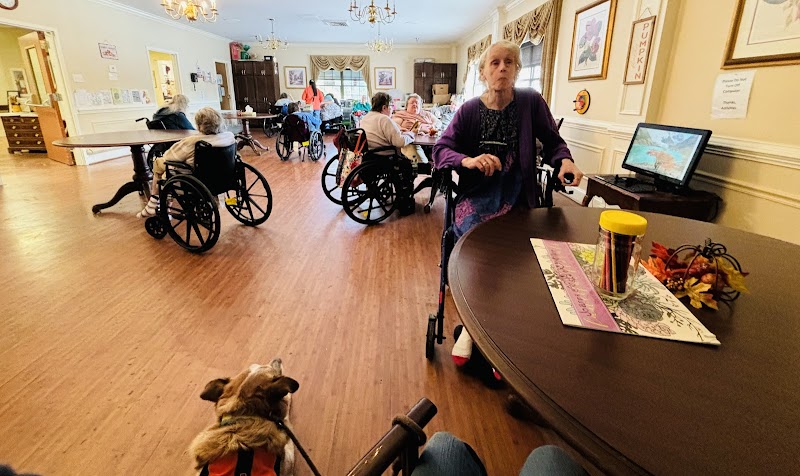
Who Owns and Operates Raleigh Court Center?

RALEIGH COURT HEALTH AND REHABILITATION CENTER is owned by a for-profit company. For-profit facilities operate as businesses with obligations to shareholders or private owners. The facility is operated by LIFEWORKS REHAB, a chain that manages multiple nursing homes. With 120 certified beds and approximately 114 residents (about 95% occupancy), it is a mid-sized facility located in ROANOKE, Virginia.
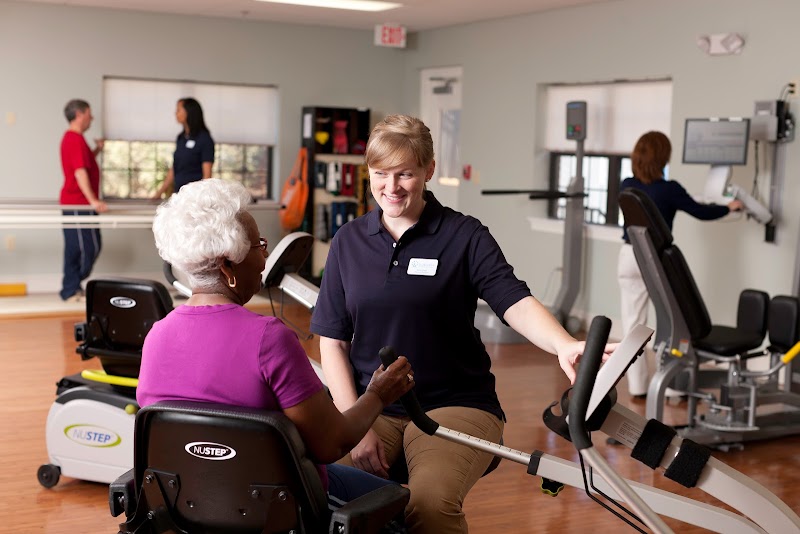
How Does Raleigh Court Center Compare to Other Virginia Nursing Homes?

Compared to the 100 nursing homes in Virginia, RALEIGH COURT HEALTH AND REHABILITATION CENTER's overall rating (3 stars) is below the state average of 3.0, staff turnover (68%) is significantly higher than the state average of 46%, and health inspection rating (3 stars) is at the national benchmark.

What Should Families Ask When Visiting Raleigh Court Center?

Based on this facility's data, families visiting should ask: "How do you ensure continuity of care given staff turnover, and what is your staff retention strategy?" "Can you walk me through typical staffing levels on day, evening, and night shifts?" "Can I visit during a mealtime to observe dining assistance and food quality?" "How do you handle medical emergencies, and what is your hospital transfer rate?" These questions are particularly relevant given the facility's high staff turnover rate and the below-average staffing rating.

Is Raleigh Court Center Safe?

Based on CMS inspection data, RALEIGH COURT HEALTH AND REHABILITATION CENTER has a clean safety record: no substantiated abuse findings (meaning no confirmed cases of resident harm), no Immediate Jeopardy citations (the most serious violation level indicating risk of serious injury or death), and is not on the Special Focus Facility watch list (a federal program monitoring the lowest-performing 1% of nursing homes). The facility has a 3-star overall rating and ranks #100 of 100 nursing homes in Virginia. While no facility is perfect, families should still ask about staff-to-resident ratios and recent inspection results during their visit.

Do Nurses at Raleigh Court Center Stick Around?

Staff turnover at RALEIGH COURT HEALTH AND REHABILITATION CENTER is high. At 68%, the facility is 21 percentage points above the Virginia average of 46%. High turnover means new staff may not know residents' individual needs, medications, or preferences. It can also be disorienting for residents, especially those with dementia who rely on familiar faces. Families should ask: What is causing the turnover? What retention programs are in place? How do you ensure care continuity during staff transitions?

Was Raleigh Court Center Ever Fined?

RALEIGH COURT HEALTH AND REHABILITATION CENTER has no federal fines on record. CMS issues fines when nursing homes fail to meet care standards or don't correct problems found during inspections. The absence of fines suggests the facility has either maintained compliance or corrected any issues before penalties were assessed. This is a positive indicator, though families should still review recent inspection reports for the full picture.

Is Raleigh Court Center on Any Federal Watch List?

RALEIGH COURT HEALTH AND REHABILITATION CENTER is not on any federal watch list. The most significant is the Special Focus Facility (SFF) program, which identifies the bottom 1% of nursing homes nationally based on persistent, serious quality problems. Not being on this list means the facility has avoided the pattern of deficiencies that triggers enhanced federal oversight. This is a positive indicator, though families should still review the facility's inspection history directly.