SPRINGTREE HEALTHCARE & REHAB CENTER

3433 SPRINGTREE DRIVE, ROANOKE, VA 24012 (540) 981-2790
For profit - Corporation 120 Beds LIFEWORKS REHAB Data: November 2025
Trust Grade
55/100
#159 of 285 in VA
Last Inspection: May 2024

Within standard 12-15 month inspection cycle. Federal law requires annual inspections.

Overview

Springtree Healthcare & Rehab Center has received a Trust Grade of C, indicating it is average and in the middle of the pack compared to other facilities. In Virginia, it ranks #159 out of 285, placing it in the bottom half, and #6 out of 9 in Roanoke City County, meaning only a few local options are better. The facility appears to be improving, with issues decreasing from 15 in 2024 to just 2 in 2025, but staffing is a concern, receiving a poor rating of 1 out of 5 stars and a high turnover rate of 64%. While it's positive that there have been no fines recorded, there are some serious areas of concern, including incidents where medications were left unattended and failure to provide treatment as per care plans for several residents. Overall, families should weigh the facility's improving trend against its staffing challenges and specific care issues when considering this nursing home.

Trust Score
C
55/100
In Virginia
#159/285
Bottom 45%
Safety Record
Low Risk
No red flags
Inspections
Getting Better
15 → 2 violations
Staff Stability
⚠ Watch
64% turnover. Above average. Higher turnover means staff may not know residents' routines.
Penalties
✓ Good
No fines on record. Clean compliance history, better than most Virginia facilities.
Skilled Nurses
⚠ Watch
Each resident gets only 24 minutes of Registered Nurse (RN) attention daily — below average for Virginia. Fewer RN minutes means fewer trained eyes watching for problems.
Violations
⚠ Watch
38 deficiencies on record. Higher than average. Multiple issues found across inspections.
★★★☆☆
3.0
Overall Rating
★☆☆☆☆
1.0
Staff Levels
★★★★★
5.0
Care Quality
★★★☆☆
3.0
Inspection Score
Stable
2024: 15 issues
2025: 2 issues

The Good

  • 5-Star Quality Measures · Strong clinical quality outcomes
  • Full Sprinkler Coverage · Fire safety systems throughout facility
  • No fines on record

Facility shows strength in quality measures, fire safety.

The Bad

3-Star Overall Rating

Near Virginia average (3.0)

Meets federal standards, typical of most facilities

Staff Turnover: 64%

18pts above Virginia avg (46%)

Frequent staff changes - ask about care continuity

Chain: LIFEWORKS REHAB

Part of a multi-facility chain

Ask about local staffing decisions and management

Staff turnover is elevated (64%)

16 points above Virginia average of 48%

The Ugly 38 deficiencies on record

Aug 2025 2 deficiencies
CONCERN (D) 📢 Someone Reported This

A family member, employee, or ombudsman was alarmed enough to file a formal complaint

Potential for Harm - no one hurt, but risky conditions existed

Deficiency F0711 (Tag F0711)

Could have caused harm · This affected 1 resident

Based on resident interview, staff interview, clinical record review, and facility document review, the facility staff failed to review the resident's total program of care from a hospital discharge t...

Read full inspector narrative →
Based on resident interview, staff interview, clinical record review, and facility document review, the facility staff failed to review the resident's total program of care from a hospital discharge to include blood glucose checks for 1 of 7 residents, Resident #4.The findings include:The facility staff failed to ensure the attending physician and/or provider reviewed the hospital discharge summary for a hospital stay ending on 08/14/25. Resulting in Resident #4 not receiving blood glucose/blood sugar checks. Resident #4's diagnoses included diabetes.There was no completed minimum data set assessment for this resident. Resident #4 was alert and orientated. Resident #4's clinical record included a discharge summary with a date of service of 08/14/25. Under the heading of CONTINUE taking these medications this paperwork included the following information insulin pen needle 1 each every day, blood glucose meter 1 each every day, glucometer 1 each as directed (diabetes) and glucometer test strips. It also included a dexcom receiver and sensor. Resident #4's clinical record did not include any provider orders for blood glucose/blood sugars to be monitored. On 08/19/25 at 5:10 p.m., during an interview with Physician Assistant (PA) #1 this staff was asked if Resident #4 should have been receiving blood glucose/blood sugar checks. The PA stated yes before meals and at bedtime. The PA stated they had been off, just met the resident today and had received their discharge summary. Further review of the clinical record revealed that an order for accuchecks (blood sugars) before meals and at bedtime had been transcribed into the clinical record on 08/19/25 at 5:16 p.m.On 08/19/25 at 5:25 p.m., during an interview with Licensed Practical Nurse (LPN) #1 this staff acknowledged they had been the admitting nurse for Resident #4 and stated they remembered seeing something about a dexcom, but the resident did not have one. LPN #1 stated they remembered speaking with the Unit Manager but did not remember anything more. The facility nursing staff had documented in a progress note on 08/19/25 at 5:55 p.m. that Resident #4's blood glucose was checked. The blood sugar was documented as 148. On 08/19/25 at 5:30 p.m., during a meeting with the Administrator, Director of Nursing (DON), Regional Nurses #1 and #2, and the Administrator in Training the issue with Resident #4's blood glucose/blood sugars not being ordered upon admit was reviewed. On 08/20/25 at 8:50 a.m., during an interview with Resident #4 this Resident stated the facility staff had not been checking their blood sugars they were checking them now and they were running about what they were prior to being admitted to this facility. On 08/20/25 at 8:55 a.m., during an interview with the Unit Manager, this staff was asked the procedure for approval of orders. The Unit Manager stated if the provider was on site they would have them review the discharge summary. When Resident #4 was admitted there was no provider on site, and they could not recall if anyone had reviewed their orders. When asked what the procedure was if a provider was not in the building the Unit Manager stated they would call the provider to check the orders especially if there was anything that needed to be clarified.On 08/20/25 at 10:35 a.m., during an interview with PA #2, this staff stated when Resident #4 had been admitted they were filling in for another provider. PA #2 stated Resident #4 did not have an actual discharge summary from the hospital in the computer, and they had to utilize what they had. PA #2 stated they did not know if they had a full medication list and they were not at the facility when the Resident was admitted and did not know who approved their orders. On 08/20/25 at 11:30 a.m., the DON provided the survey team with a copy of an in-service/education record dated 08/19/25. The subject of this in-service was admissions/new. The facility staff also provide the survey team with a copy of their policy titled, Admitting a Patient with an effective date of 01/29/24. This policy read in part, PROCEDURE.Obtain provider's orders or verify transfer orders with attending physician for the patient's immediate care.No further information regarding this issue was provided to the survey team prior to the exit conference.
CONCERN (D) 📢 Someone Reported This

A family member, employee, or ombudsman was alarmed enough to file a formal complaint

Potential for Harm - no one hurt, but risky conditions existed

Pharmacy Services (Tag F0755)

Could have caused harm · This affected 1 resident

Based on resident interview, staff interview, clinical record review, and facility document review, the facility staff failed to ensure medications were available for administration for 2 of 7 residen...

Read full inspector narrative →
Based on resident interview, staff interview, clinical record review, and facility document review, the facility staff failed to ensure medications were available for administration for 2 of 7 residents, Residents #3 and #4.The findings included:1. The facility staff failed to ensure Resident #3's provider ordered medication Heparin was available for administration.Resident #3's diagnoses included non-traumatic subdural hemorrhage. Resident #3's comprehensive care plan included the focus area anticoagulant, the resident is at risk for bleeding, hemorrhage, excessive bruising and complications related to anticoagulant use secondary to subdural hemorrhage. Interventions included administer medications as ordered. Date created 06/11/24. Resident #3's admission minimum data set (MDS) assessment with an assessment reference date (ARD) of 06/14/24 included a brief interview for mental status (BIMS) score of 15. Indicating Resident #3 was cognitively intact. Resident #3's clinical record included a provider order for Heparin sodium injection solution 5000 UNIT/ML (milliliter) inject 1 ml subcutaneously every 8 hours for anticoagulation. Date of order 06/10/24 start date 06/11/24. A review of Resident #3's medication administration records (MARs) for 07/2024 revealed that for 07/03/24 the facility nursing staff documented a 9 for this medication at 8:00 a.m. and 4:00 p.m. and again on 07/04/24 at midnight and 8:00 a.m. Per the preprinted code on the MARs a 9=other/see progress notes. Resident #3's clinical record included the following progress notes.07/03/2024 9:17 a.m., Heparin sodium injection solution 5000 UNIT/ML inject 1 ml subcutaneously every 8 hours for anticoagulation. On next pharmacy delivery run, out of stock in Omnicell. Resident and Nurse Practitioner (NP) aware. 07/03/2024 12:48 p.m., contacted pharmacy in regard to Heparin. Medication was reorder through computer on 07/02/24 & has not been received. Medication previously pulled out of Omnicell & at this time Omnicell is out of stock. Pharmacy tech states that the refill has been processed & will be sent out on night/next run. NP made aware of missed dosages of Heparin. 07/03/2024 5:03 p.m., Heparin sodium injection on next pharmacy delivery run, out of stock in Omnicell. Resident and NP aware. 07/03/2024 11:43 p.m., Heparin sodium injection Solution 5000 UNIT/ML inject 1 ml subcutaneously every 8 hours for anticoagulation awaiting medication to arrive from pharmacy. Medication not available in Omni-Cell. M.D. aware. 07/04/2024 10:49 a.m., on order waiting on pharmacy. 07/04/2024 10:56 a.m., Contacted pharmacy again to follow up on delivery of Heparin which was supposed to be sent on night delivery on 07/03/24. Overnight nurse also contacted pharmacy & pharmacy tech states that medication was out for delivery. At this time medication was not delivered. This writer called pharmacy & requested that the medication is sent to a local pharmacy due to the delay in delivery. Request has been sent in & awaiting call from local pharmacy for pick up. The facility nursing staff documented this medication had been administered on 07/04/24 at 4:00 p.m. The facility staff provided the surveyor with a copy of their policy titled, Medication Unavailability. This policy read in part, A licensed nurse discovering a medication on order that is unavailable will initiate appropriate steps to ensure medical treatment is provided as ordered.If alternate medication is ordered and is not available, the licensed nurse will activate the backup pharmacy process and procedures. On 08/20/25 at 10:45 a.m., during a meeting with the Administrator, Director of Nursing (DON), Regional Director of Clinical Services #1 and #2, and Administrator in Training the issue with the Heparin not being available for administration was reviewed. No further information regarding this issue was provided to the survey team prior to the exit conference. 2. The facility staff failed to ensure the provider ordered medications Oxycodone HCl oral tablet 5 mg and Glargine Insulin were available for administration. Resident #4's diagnoses included diabetes, muscle weakness, and open wound left lower leg. There was no completed minimum data set assessment for this resident. Resident #4 was alert and orientated.Resident #4's care plan included the focus area diabetes mellitus and at risk for pain. Interventions included administer medications as ordered. Resident #4's clinical record included provider orders for Oxycodone HCL oral tablet 5 mg give 1 tablet by mouth every 6 hours for pain. The clinical record also included an order for Insulin Glargine inject 40 units subcutaneously at bedtime for diabetes. The order date and start date were both documented as 08/14/25. A review of Resident #4's medication administration records (MARs) for August 2025 revealed that for 08/14/25 at 9:00 p.m. for Resident #4's Glargine Insulin the facility staff documented a 9. For the medication Oxycodone on 08/14/25 at 6:00 p.m. the facility nursing staff documented a 9. Per the preprinted code on the MAR a 9=other/see progress notes. Resident #4's clinical record included the following progress notes.08/14/25 at 6:00 p.m. patient is a new admission, awaiting delivery from the pharmacy. This progress note did not identify what medication was not available. 08/14/25 at 11:18 p.m., Insulin Glargine unable to administer medication at this time as patient is a new admit and medication hasn't arrived from pharmacy at this time, medication unavailable in Omnicell. Physician Assistant made aware. A review of the facility stat box list revealed this medication would not have been available in the stat box for administration. The facility staff provided the surveyor with copies of two policies. Policy #1 was titled, Medication Unavailability. This policy read in part, A licensed nurse discovering a medication on order that is unavailable will initiate appropriate steps to ensure medical treatment is provided as ordered.If alternate medication is ordered and is not available, the licensed nurse will activate the backup pharmacy process and procedures. Policy #2 was titled, Admitting a Patient and read in part, PROCEDURE.Provide pharmacy notification, if applicable.Further review of Resident #4's MAR revealed the nursing staff had administered this resident's insulin on 08/15/25 at 9:00 p.m. and Oxycodone at midnight on 08/15/25. On 08/19/25 at 1:15 p.m. the Director of Nursing (DON), Regional Director of Clinical Services (RDCS) #1 and #2 were notified that Resident #4's insulin and Oxycodone were not available for administration on 08/14/25. No further information regarding this issue was provided to the survey team prior to the exit conference.
May 2024 13 deficiencies
CONCERN (D)

Potential for Harm - no one hurt, but risky conditions existed

Safe Environment (Tag F0584)

Could have caused harm · This affected 1 resident

Based on observation, staff interview, and facility document review, the facility staff failed to ensure a clean and sanitary homelike environment for 1 of 27 current sampled residents, Resident #1. T...

Read full inspector narrative →
Based on observation, staff interview, and facility document review, the facility staff failed to ensure a clean and sanitary homelike environment for 1 of 27 current sampled residents, Resident #1. The findings included: For Resident #1, on three separate days of the survey, a large area of multiple dried, brown, drips were observed on the wall to the left of the resident's bed. Resident #1's diagnosis list indicated diagnoses, which included, but not limited to Dementia, Bipolar II Disorder, Chronic Obstructive Pulmonary Disease, Type 2 Diabetes Mellitus, and Congestive Heart Failure. The most recent minimum data set (MDS) with an assessment reference date (ARD) of 2/22/24 assigned the resident a brief interview for mental status (BIMS) summary score of 4 out of 15 indicating the resident was severely cognitively impaired. During initial survey rounding on 5/21/24 at 3:49 PM, surveyor observed a large area of multiple, dried brown drips on the wall to the left of Resident #1's bed. Surveyor made additional observations of Resident #1's room on 5/22/24 at 1:30 PM, 5/23/24 at 8:31 AM, 5/23/24 at 10:22 AM, and 5/23/24 at 3:38 PM with no changes in the appearance of the dried drips on the wall. On 5/23/24 at 3:42 PM, surveyor spoke with the Housekeeping Supervisor (HS) and requested they visualize the wall in Resident #1's room. The drips remained and the HS stated they would get a housekeeping cart and clean the wall. Surveyor requested and received the facility policy titled, Daily Resident/Patient Room Cleaning which read in part .spot clean all necessary areas . On 5/23/24 at 5:02 PM, the survey team met with the Administrator, Assistant Administrator, Director of Nursing, and the Regional Nurse Consultant and discussed the concern of the soiled wall in Resident #1's room. No further information regarding this concern was presented to the survey team prior to the exit conference on 5/23/24.
CONCERN (D)

Potential for Harm - no one hurt, but risky conditions existed

MDS Data Transmission (Tag F0640)

Could have caused harm · This affected 1 resident

Based on staff interview and clinical record review, the facility staff failed to electronically transmit minimum data set (MDS) assessments for 2 of 3 residents reviewed for the Resident Assessment t...

Read full inspector narrative →
Based on staff interview and clinical record review, the facility staff failed to electronically transmit minimum data set (MDS) assessments for 2 of 3 residents reviewed for the Resident Assessment task, Resident's #8 and #92. The findings included: 1. For Resident #8, the facility staff failed to electronically transmit a discharge MDS assessment. Resident #8's diagnoses included, but were not limited to, metabolic encephalopathy, muscle weakness, and diabetes. Resident #8's clinical record included a discharge MDS assessment with an assessment reference date (ARD) of 02/15/24. During the survey process the Resident Assessment task triggered for an MDS over 120 days old for this resident. On 05/23/24 at 11:50 a.m., Licensed Practical Nurse (LPN) #5 and Registered Nurse (RN) #2 was asked to review the MDS submissions for this resident. On 05/23/24 at 12:30 p.m., RN #2 confirmed that Resident #8's discharge MDS assessment with an ARD of 02/15/24 had not been transmitted prior to today and it had now been transmitted. On 05/23/24 at 5:00 p.m., during an end of the day meeting with the Administrator, Director of Nursing, Administrator in Training, and Regional Nurse Consultant, the issue with the MDS not being transmitted was reviewed. No further information regarding this issue was provided to the survey team prior to the exit conference. 2. For Resident #92, the facility staff failed to electronically transmit a discharge MDS assessment. Resident #92's diagnoses included, but were not limited to, diabetes, muscle weakness, and chronic obstructive pulmonary disease. Resident #92's clinical record included a discharge MDS assessment with an ARD of 12/27/23. During the survey process the Resident Assessment task triggered for an MDS over 120 days old for this resident. On 05/23/24 at 11:50 a.m., Licensed Practical Nurse (LPN) #5 and Registered Nurse (RN) #2 were asked to review the MDS submissions for this resident. On 05/23/24 at 12:30 p.m., RN #2 confirmed that Resident #92's discharge MDS assessment with an ARD of 12/27/23 had not been transmitted prior to today and it had now been transmitted. On 05/23/24 at 5:00 p.m., during an end of the day meeting with the Administrator, Director of Nursing, Administrator in Training, and Regional Nurse Consultant, the issue with the MDS not being transmitted was reviewed. No further information regarding this issue was provided to the survey team prior to the exit conference.
CONCERN (D)

Potential for Harm - no one hurt, but risky conditions existed

Assessment Accuracy (Tag F0641)

Could have caused harm · This affected 1 resident

2. For Resident #107, the facility staff failed to accurately code a discharge minimum data set (MDS) assessment. The facility staff coded the discharge MDS assessment as if the resident was discharge...

Read full inspector narrative →
2. For Resident #107, the facility staff failed to accurately code a discharge minimum data set (MDS) assessment. The facility staff coded the discharge MDS assessment as if the resident was discharged to a short-term general hospital. Resident #107 was in fact discharged home. Resident #107's diagnoses included, but were not limited to, malignant neoplasm of breast, cognitive communication deficit, and muscle weakness. Resident #107's clinical record included a discharge MDS assessment with an assessment reference date (ARD) of 02/23/24. This MDS assessment was coded as if Resident #107 was discharged to a short-term general hospital. The clinical record included a progress note documented by the Activities Director that read in part, Patient discharged to home 2/23/24 . On 05/22/24 at 4:20 p.m., the surveyor reviewed this MDS assessment with Licensed Practical Nurse (LPN) #5. This staff stated they would review this information. On 05/23/24 at 8:25 a.m., the Regional Nurse Consultant stated the MDS assessment had been corrected to indicate the resident discharged home. On 05/22/24 at 4:35 p.m., during an end of the day meeting with the Administrator, Director of Nursing, Administrator in Training, and Regional Nurse Consultant the issue with the MDS was reviewed. No further information regarding this issue was provided to the survey team prior to the exit conference. Based on staff interviews and clinical record review facility staff failed to accurately complete minimum data set (MDS) assessments for 2 of 32 residents. (Resident #5 and #107) The findings were: 1. The facility staff failed to accurately code Resident #5's physical restraint status. The MDS read Resident #5 used physical restraints (bedrails) daily when the resident did not have physical restraints. Resident #5's diagnoses included but were not limited to, hereditary and idiopathic neuropathy, paranoid schizophrenia, major depressive disorder, recurrent bipolar II disorder, heart failure, type 2 diabetes mellitus, and chronic obstructive pulmonary disease. Section C (cognitive patterns) of Resident #5's quarterly MDS assessment with an assessment reference date of 05/13/2024 coded a brief interview for mental status score of 14 out of 15. In Section P (restraints and alarms) Resident #5 was coded as using a physical restraint (bedrails) daily. The resident's clinical record contained a document titled, Device Assessment - V 3 dated 05/13/24 which read the device used was assist bars x2 to help with bed mobility and transfers and the device was not considered to be restrictive. On the morning of 05/22/24, this surveyor met Resident #5 in the resident's room. The surveyor observed the resident in bed with assist bars attached to the bed on both sides. No side rails were present. After speaking with the director of nursing (DON) and regional director of clinical services (regional nurse) about Resident #5's MDS assessment showing restraints in the form of bedrails used daily, on 05/23/24 at 9:20 a.m. both the DON and regional nurse reported they had just observed the resident's side rails and determined they were assist bars and not restrictive. The regional nurse acknowledged the MDS was coded incorrectly. On 05/23/24 at 9:32 a.m. the MDS coordinator (RN #5) who coded Resident #5 as using physical restraints daily was interviewed. The coordinator stated he may have coded it incorrectly since the MDS assessment listed bedrails as a physical restraint option but did not list assist bars as an option. RN #5 reported being aware the device assessment read the assist bars were not restrictive. On 05/23/24 in the afternoon, a different MDS coordinator (RN #2) provided a modified MDS which documented in Section P (restraints and alarms) that Resident #5 had no physical restraints. On 05/23/24 at 5:03 p.m., during a meeting with the administrator, DON, and regional nurse, Resident #5's physical restraint versus assist bars and how the MDS was coded and modified was discussed. No further information was provided prior to the exit conference.
CONCERN (D)

Potential for Harm - no one hurt, but risky conditions existed

Comprehensive Care Plan (Tag F0656)

Could have caused harm · This affected 1 resident

Based on staff interview, clinical record review, and facility document review, the facility staff failed develop and implement a comprehensive person-centered care plan for 2 of 32 sampled residents,...

Read full inspector narrative →
Based on staff interview, clinical record review, and facility document review, the facility staff failed develop and implement a comprehensive person-centered care plan for 2 of 32 sampled residents, Resident #18 and Resident #35. The findings include: 1. For Resident #18 (R18) the facility staff failed to develop a comprehensive person-centered activity care plan to address the resident's activity preferences, interests, and psychosocial needs. R18's diagnosis list indicated diagnoses that included, but were not limited to, Major Depressive Disorder, History of Falling, Bipolar Disorder, Schizophrenia, Dementia, Cognitive Communication Deficit, and Anxiety Disorder. The most recent minimum data set (MDS) with an assessment reference date (ARD) of 5/13/24 assigned the resident a brief interview for mental status (BIMS) summary score of 9 out of 15, indicating R18 was moderately impaired in cognitive skills for daily decision making. A review of R18's clinical record on 5/21/24 revealed an Activities-admission Review assessment dated , 9/16/2015 that revealed, .Use this data to design an activities program that meets the residents needs and preferences. Update the care plan on completion . A review of the most recent Activities Reassessment dated 5/13/24, revealed, .Residents Activity-Related Focus(es) including Needs, Strengths and Preferences: a. Activity-Related focuses remain appropriate/current as per current care plan .Goals were met .Interventions/approaches have been effective in reaching goals . Surveyor reviewed R18's comprehensive care plan and was unable to locate documentation of an activity person-centered focus or goal. One activity intervention with a created date of 02/12/2024 read, Activities of resident choice. On 5/22/24 at 11:25 AM, surveyor interviewed Activity Director (AD). Surveyor informed AD that an activity care plan could not be located in the clinical record for R18. AD stated the corporate consultant does audits and if an activity care plan was missed, she (corporate consultant) would have let her know and she could not believe R18 would not have an activity care plan. AD stated she would look and see if she had one. On 5/22/24 at 2:03 PM, AD brought surveyor a copy of R18's care plan that revealed one activity intervention that was highlighted, with a created date of 02/12/2024 and read, Activities of resident choice. AD agreed R18 should have an activity person-centered care plan in place. This concern was discussed at an end of day meeting on 5/22/24 at 4:35 PM and at the pre-exit meeting on 5/23/24 at 5:02 PM, with the administrator, assistant administrator, director of nursing and the regional director of clinical services. Surveyor requested and received a facility policy titled, Recreation .Care Plan . that revealed, .Recreation staff will actively participate in the development of an individualized care plan for each patient .to support patients in their choice of activities, use the information gathered through the assessment process to develop the activities component of the comprehensive care plan which is individualized to match the skills, abilities, interests and preferences of each patient .Care plan focuses and/or goals .include measurable objectives and time frames, focus on desired outcomes, and describe the services that are to be furnished to attain or maintain the patient's highest practicable physical, mental and psychosocial well-being .View the other disciplines' focuses and goals and add appropriate activity interventions . No further information was provided to the survey team prior to exit. 2. Resident #35's comprehensive person-centered activity care plan did not address the resident's activity preferences and interests. Resident #35's most recent Minimum Data Set (MDS) assessment had an Assessment Reference Date (ARD) of 5/2/24. Resident #35 was assessed as being able to make self understood and as being able to understand others. Resident #35's Brief Interview for Mental Status (BIMS) summary score was documented as a 11 out of 15; this indicated moderate cognitive impairment. Resident #35's care plan included a focus area, created on 7/13/23, of Alteration of prior leisure routines to continue life-long interests and preferences as conditions allow. This focus area included the following two (2) interventions dated as being created on 7/13/23: (a) Honor patient's preferences of leisure activities and (b) Offer leisure materials such as . No specific leisure materials were detailed as part of this care plan. Resident #35's ACTIVITIES REASSESSMENT dated 4/10/24 included the following activity information: - The resident reported it was somewhat important to listen to music they like. - The resident reported it was somewhat important to be around animals/pets. - This assessment indicated it was important for the resident to spend time with friends, watch TV, and explore the building. The resident was assessed as having a very social personality. On 5/23/24 at 2:40 p.m., the Activity Director (AD) reviewed Resident #35's care plan. The AD stated the activities care plan was incomplete. Resident #35's activities care plan was revised on 5/23/24 to include the following interventions: (a) Honor patient's preferences of leisure activities such as interest in music, socials, visiting, and sitting outside in the courtyard and occasionally church and (b) Offer leisure materials such as magazines, newspapers and other materials as requested. The following information was found in a facility policy titled Care Planning (with an effective date of 11/1/19): A licensed nurse, in coordination with the interdisciplinary team, develops and implements an individualized care plan for each patient in order to provide effective, person-centered care, and the necessary health-related care and services to attain or maintain the highest practical physical, mental, and psychosocial well-being of the patient. The survey team met with the facility's Administrator, Director of Nursing, and Regional Director of Clinical services on 5/23/24 at 5:04 p.m. The surveyor discussed Resident #35's incomplete activities care plan during this meeting.
CONCERN (D)

Potential for Harm - no one hurt, but risky conditions existed

Deficiency F0657 (Tag F0657)

Could have caused harm · This affected 1 resident

Based on staff interview, clinical record review, and facility document review, the facility staff failed to review and revise the comprehensive person-centered care plan for 1 of 32 sampled residents...

Read full inspector narrative →
Based on staff interview, clinical record review, and facility document review, the facility staff failed to review and revise the comprehensive person-centered care plan for 1 of 32 sampled residents (Resident #37). The findings included: Resident #37's comprehensive person-centered care plan was not revised to address: (a) a change in the resident's code status and (b) the implementation of comfort care measures. Resident #37's most recent Minimum Data Set (MDS) assessment had an Assessment Reference Date (ARD) of 3/1/24. Resident #37 was assessed as being able to make self understood and as usually being able to understand others. Resident #37's Brief Interview for Mental Status (BIMS) summary score was documented as a nine (9) out of 15; this indicated moderate cognitive impairment. On 5/23/24 at 9:00 a.m., Resident #37's care plan included the focus of The resident has an advanced directive of Full Code. Resident #37's care plan did not address the resident receiving comfort care measures. Resident #37's medical provider orders included: (a) an order for COMFORT CARE: no hospitalizations, no labs, no weights, no TF (tube feeding), no IVFs (intravenous fluids) with a revised date of 5/13/24 and (b) an order for DNR (Do Not Resuscitate) with a revised date of 5/14/23. On 5/23/24 at 9:06 a.m., the surveyor asked the Director of Nursing (DON) and the Regional Director of Clinical Services (RDCS) about Resident #37's care plan not addressing the DNR and Comfort Care orders. On 5/23/24 at 9:13 a.m., the RDCS confirmed the care plan did not address the DNR and Comfort Care. The RDCS reported Resident #37's care plan was being updated. Resident #37's updated care plan indicated the focus of The resident has an advanced directive of DNR was revised on 5/23/24. This focus included the following intervention which was documented as being revised on 5/23/24: COMFORT CARE: no hospitalizations, no labs, no weights, no TF, no IVFs. The following information was found in a facility policy titled Care Planning (with an effective date of 11/1/19): - A licensed nurse, in coordination with the interdisciplinary team, develops and implements an individualized care plan for each patient in order to provide effective, person-centered care, and the necessary health-related care and services to attain or maintain the highest practical physical, mental, and psychosocial well-being of the patient. - Care plans will be updated on an ongoing basis as changes in the patient occur, and [sic] reviewed quarterly with the quarterly assessment. The survey team met with the facility's Administrator, Director of Nursing, and Regional Director of Clinical services on 5/23/24 at 5:04 p.m. The surveyor discussed Resident #37's comprehensive care plan not being revised to address the residents code status change and the implementation of comfort care measures.
CONCERN (D)

Potential for Harm - no one hurt, but risky conditions existed

Quality of Care (Tag F0684)

Could have caused harm · This affected 1 resident

Based on observation, staff interview and clinical record review, the facility staff failed to provide care and services as ordered by the primary care physician for one (1) of 32 residents in the sur...

Read full inspector narrative →
Based on observation, staff interview and clinical record review, the facility staff failed to provide care and services as ordered by the primary care physician for one (1) of 32 residents in the survey sample (Resident # 46). The findings include: For resident # 46, the facility staff failed to ensure water flushes were delivered according to the physician's order through the PEG (percutaneous endoscopic gastrostomy) tube. Resident # 46's diagnoses include but are not limited to dysphagia following a cerebrovascular accident, hemiplegia, hemiparesis, unspecified protein-calorie malnutrition, and unspecified heart failure. Resident # 46's minimum data set (MDS) assessment with an assessment reference date of 3/26/24 indicated that resident was severely cognitively impaired and is rarely or never understood. On 5/21/24 at 4:14 PM this surveyor observed resident lying in bed with tube feeding pump at bedside. Surveyor noted that the pump was running and was set to deliver 250 milliliters (mls) of water every 4 hours. Resident # 46 was not interviewable. The medical record was reviewed, and a physician's order was located that was dated 3/24/24 and read, Free Water: 200 cc via PEG (percutaneous endoscopic gastrostomy) Q 4 hours. The Medication Administration Record (MAR) was reviewed and did include an entry for this order that was signed off as administered each day this month. On 5/21/24 at 5:45 PM this surveyor asked Licensed Practical Nurse (LPN) # 2 if they knew how much water resident # 46 was supposed to be getting through their tube. They stated, I believe it's 200 mls every four (4) hours but let me check to be sure. After checking the orders they stated, Yes, (resident # 46) gets 200 mls every 4 hours. This surveyor asked LPN # 2 to check the pump. LPN # 2 asked LPN # 3 to come as well. Surveyor asked LPN #3 what the pump was set for and they stated 250 mls every 4 hours, what is it supposed to be? LPN # 2 stated, The order is for 200. LPN # 3 changed the setting to 200 mls every 4 hours. Surveyor asked LPN # 3 if they agreed that the pump setting was incorrect and they stated, Yes, it should have been set for 200 mls every 4 hours. On 5/22/24 8:59 AM this surveyor observed resident # 46 lying in bed with tube feeding running and pump was set to deliver water flushes at 200 mls every 4 hours. On 5/23/24 at 5:03 PM the survey team met with the Administrator, Assistant Administrator, Director of Nursing, and Regional Director of Clinical Services. This concern was reviewed with them at that time. No further information was provided to the survey team prior to the exit conference.
CONCERN (D)

Potential for Harm - no one hurt, but risky conditions existed

Respiratory Care (Tag F0695)

Could have caused harm · This affected 1 resident

Based on observation, resident interview, clinical record review and facility document review, the facility staff failed to administer oxygen according to the attending medical provider's orders for 1...

Read full inspector narrative →
Based on observation, resident interview, clinical record review and facility document review, the facility staff failed to administer oxygen according to the attending medical provider's orders for 1 of 32 sampled residents, Resident #44. The findings include: For Resident #44 (R44) the facility staff failed to administer oxygen per the medical provider orders at 4 liters per minute via nasal cannula. Diagnoses for R44 included but were not limited to, heart failure, acute and chronic respiratory failure with hypoxia, obstructive sleep apnea, and morbid severe obesity due to excess calories. The most recent minimum data set (MDS) assessment with an assessment reference date of 5/7/24 assigned the resident a brief interview for mental status (BIMS) summary score of 15, indicating intact cognition. On 05/21/24 at 4:30 PM, surveyor observed R44 in a wheelchair in the dining room receiving oxygen (02) with a nasal cannula via a portable 02 tank that was observed to be on three (3) liters of oxygen. On 05/22/24 at 1:17 PM, surveyor observed R44 lying in bed and observed resident to be receiving 02 from a nasal cannula via a 02-concentrator set on 3 liters. Surveyor asked R44 how many liters of oxygen she is supposed to be on and R44 stated she is on 3 liters of oxygen. On 5/22/24 at 1:59 PM, surveyor observed R44 up in her wheelchair receiving 02 from a nasal cannula with a portable O2 tank set on 3 liters and resident stated, I am on 3 liters. R44's current physician's orders included an active order dated 1/17/24, that read in part, Oxygen at 4 (four) liters per minute via nasal cannula every day and night shift . A review of the medication administration record (MAR) for May 2024 read that R44's 02 was administered as ordered. A review of R44's comprehensive care plan revealed a focus statement that read in part, RESPIRATORY: the resident is at risk for respiratory complications secondary to Acute & Chronic Respiratory Failure . and an intervention statement that read in part, .administer oxygen as ordered . This concern was discussed at an end of day meeting on 5/22/24 at 4:35 PM with the administrator, assistant administrator, director of nursing and the regional director of clinical services. On 5/23/24 at 10:42 AM, surveyor observed R44 lying in bed with 02 being administered via nasal cannula from a 02-concentrator set on 4 liters. R44 stated they told her this morning that she is supposed to be on 4 liters of oxygen. Surveyor requested and received a facility policy titled, .Physician's Orders ., that revealed, .Orders-medication and treatment orders must include .Right dosage . Surveyor also requested and received a facility policy titled, .Respiratory Care & Oxygen Equipment ., that revealed, .Follow provider's order including; .Flow rate .For continuous oxygen therapy, verify and document in the medical record each shift and PRN . This concern was discussed at the pre-exit meeting on 5/23/24 at 5:02 PM, with the administrator, assistant administrator, director of nursing and the regional director of clinical services. No further information was provided to the survey team prior to exit.
CONCERN (D)

Potential for Harm - no one hurt, but risky conditions existed

Pharmacy Services (Tag F0755)

Could have caused harm · This affected 1 resident

2. The Controlled Drug Administration Record for Resident #313's Gabapentin 600 mg did not reconcile with the actual amount of Gabapentin 600 mg tablets available in the medication cart. Resident #31...

Read full inspector narrative →
2. The Controlled Drug Administration Record for Resident #313's Gabapentin 600 mg did not reconcile with the actual amount of Gabapentin 600 mg tablets available in the medication cart. Resident #313's diagnosis list indicated diagnoses, which included, but not limited to Cerebral Infarction, Alzheimer's Disease, Type 2 Diabetes Mellitus, and Bilateral Foot Calcaneal Spurs. Resident #313's current medical provider orders included an order for Gabapentin 600 mg by mouth every 12 hours for neuropathy scheduled to be administered at 8:00 AM and 8:00 PM. On 5/23/24 at 10:42 AM, the surveyor and Director of Nursing (DON) reconciled the resident's documented Gabapentin count with the actual amount available for administration in the medication cart and a discrepancy of one tablet was identified. According to Resident #313's Controlled Drug Administration Record Tablet, the medication cart should contain a bubble pack with 14 tablets and a bubble pack of 28 tablets for a total of 42 Gabapentin 600 mg tablets. The surveyor and the DON observed a bubble pack of 13 tablets and a bubble pack of 28 tablets of Gabapentin 600 mg present in the medication cart. According to Resident #313's Controlled Drug Administration Record Tablet, the last Gabapentin 600 mg tablet was signed out as being administered on 5/22/24 at 9:00 PM. However, Resident #313's May 2024 Medication Administration Record (MAR) indicated Gabapentin 600 mg was administered on 5/23/24 at 8:00 AM. Surveyor requested and received the facility policy titled, Administration Procedures for All Medications which read in part .IV. Administration .7. After administration, return to cart .document administration in the MAR or TAR and the controlled substance sign out record, if necessary . On 5/23/24 at 5:02 PM, the survey team met with the Administrator, Assistant Administrator, Director of Nursing, and the Regional Nurse Consultant and discussed the concern of the discrepancy in Resident #313's Gabapentin count. No further information regarding this concern was presented to the survey team prior to the exit conference on 5/23/24. Based on resident interview, staff interview, clinical record review, and facility document review, the facility staff failed to ensure provider ordered medications were available for administration for 1 of 27 current sampled residents, Resident #94 and failed to ensure nursing staff correctly implemented the facility scheduled/control monitoring system for 1 of 6 medication carts, the 400-hall medication cart. The findings included: 1. The facility staff failed to ensure Resident #94's provider ordered narcotic pain medication Oxycodone was available for administration. Resident #94's clinical record included the diagnoses, malignant neoplasm of bronchus of lung, chronic obstructive pulmonary disease, muscle weakness, and cirrhosis of liver. Section C (cognitive patterns) of Resident #94's quarterly minimum data set (MDS) assessment with an assessment reference date (ARD) of 03/12/24 included a brief interview for mental status (BIMS) score of 15 out of a possible 15 points. Resident #94's comprehensive care plan included the focus area at risk for pain. Interventions included administer medications as ordered. Resident #94's clinical record included a provider order dated 01/11/24 for the pain medication Oxycodone 1 tablet 3 times a day for pain hold for sedation or lethargy. A review of Resident #94's clinical record revealed that the facility nursing staff documented that for the narcotic pain medication Oxycodone on 04/20/24 this medication was unavailable, 04/29/24 on order from pharmacy, and on 05/05/24 awaiting delivery from pharmacy. On 05/21/24 at 5:06 p.m., the surveyor interviewed Resident #94 regarding their Oxycodone medication not being available for administration. Resident #94 stated they had run out of it one time and they had to reorder it from the pharmacy, but it wasn't an issue they just needed it at bedtime. On 05/22/24 at 11:20 a.m., Registered Nurse (RN) #1 was interviewed regarding the procedure for unavailable medications. RN #1 stated they would notify the provider, call the pharmacy, and try to get the medication as soon as possible. When asked about the backup supply at the facility RN #1 stated sometimes the medications were available and sometimes not. On 05/22/24 at 12:05 p.m., the Director of Nursing (DON) and Regional Nurse Consultant were made aware of the issue regarding Resident #94's medication not being available for administration. The surveyor requested a list of medications in the facility stat box (back up box). On 05/23/24 at 8:30 a.m., the Regional Nurse Consultant provided the surveyor with a copy of the stat box list. A review of this list revealed that this medication would not have been available onsite for administration. The facility policy titled, Medication Unavailability with an effective date of 01/29/24 read in part, A licensed nurse discovering a medication on order that is unavailable will initiate appropriate steps to ensure medical treatment is provided as ordered. 1. A licensed nurse will notify the provider of the unavailability of medication and discuss an alternative order, if necessary . On 05/22/24 at 4:35 p.m., during an end of the day meeting with the Administrator, Director of Nursing, Administrator in Training, and Regional Nurse Consultant the issue with the unavailability of the Oxycodone was reviewed. No further information regarding this issue was provided to the survey team prior to the exit conference.
CONCERN (D)

Potential for Harm - no one hurt, but risky conditions existed

Deficiency F0760 (Tag F0760)

Could have caused harm · This affected 1 resident

Based on staff interview, clinical record review, and facility document review, the facility staff failed to ensure residents are free of significant medication errors for 2 of 32 sampled residents, R...

Read full inspector narrative →
Based on staff interview, clinical record review, and facility document review, the facility staff failed to ensure residents are free of significant medication errors for 2 of 32 sampled residents, Resident #314 and #62. The findings included: 1. For Resident #314, the facility staff failed to follow medical provider orders for the administration of the medications, Diltiazem, Metoprolol Tartrate, and Midodrine on 2/15/24 and 2/16/24. Diltiazem and Metoprolol Tartrate are antihypertensives and Midodrine is used to treat low blood pressure. Resident #314's diagnosis list indicated diagnoses, which included, but not limited to Pneumonia, Generalized Muscle Weakness, Protein Calorie Malnutrition, Essential Hypertension, and Gastro-Esophageal Reflux Disease. Resident #314's minimum data set (MDS) with an assessment reference date (ARD) of 1/17/24 assigned the resident a brief interview for mental status (BIMS) summary score of 14 out of 15 indicating the resident was cognitively intact. The resident's provider orders included orders dated 2/09/24 for Diltiazem 60 mg by mouth one time a day and hold for systolic blood pressure (SBP) less than 110 and Metoprolol Tartrate 12.5 mg two times a day and hold dose for SBP less than 110. A review of Resident #314's February 2024 Medication Administration Record (MAR) revealed Diltiazem and Metoprolol Tartrate were each administered on 2/15/24 at 9:00 AM with a SBP of 97 and 2/16/24 at 9:00 AM with a SBP of 95. Metoprolol Tartrate was administered again on 2/16/24 at 5:00 PM with a SBP of 95. Resident #314's provider orders included an order dated 2/09/24 to administered Midodrine 10 mg every 8 hours as needed for hypotension if SBP was less than 105. According to the order, Midodrine should have been administered on 2/15/24 at 9:00 AM due to a SBP of 97, 2/16/24 at 9:00 AM due to a SBP of 95, and 2/16/24 at 5:00 PM due to SBP of 95. According to the resident's MAR, Midodrine was not administered as ordered on 2/15/24 and 2/16/24. On 5/23/24 at 8:55 AM, surveyor spoke with registered nurse (RN) #3 who administered the Diltiazem and Metoprolol Tartrate and failed to administer the Midodrine. RN #3 reviewed the resident's MAR and stated, appears I made a med error. Surveyor requested and received the facility policy titled, Administration Procedures for All Medications which read in part .III .1. Prior to removing the medication package/container from the cart/drawer .d. Check for vital signs or other tests to be done during or prior to medication administration . On 5/23/24 at 5:02 PM, the survey team met with the Administrator, Assistant Administrator, Director of Nursing, and the Regional Nurse Consultant and discussed the concern of staff failing to follow Resident #314's provider orders. No further information regarding this concern was presented to the survey team prior to the exit conference on 5/23/24. 2. For Resident #62, the facility staff failed to follow the physician's order for the administration of Insulin Glargine, a long-acting insulin. Resident #62's diagnosis list indicated diagnoses, which included, but not limited to Type 2 Diabetes Mellitus, Asthma, Chronic Obstructive Pulmonary Disease, Emphysema, and Essential Hypertension. The most recent minimum data set (MDS) with an assessment reference date (ARD) of 4/04/24 assigned the resident a brief interview for mental status (BIMS) summary score of 15 out of 15 indicating the resident was cognitively intact. Resident #62's current comprehensive person-centered care plan included a focus area stating The resident is at risk for complications and blood glucose fluctuations related to diagnosis of diabetes mellitus with insulin use with an intervention to administer insulin as ordered. The resident's current provider orders included an order dated 10/03/23 for Insulin Glargine 100 unit/ml inject 40 units subcutaneously every 12 hours and hold if blood glucose below 140. A review of Resident #62's May 2024 Medication Administration Record (MAR) revealed Insulin Glargine 40 units was administered on 5/23/24 at 8:00 AM. In the area on the MAR provided for documentation of the blood sugar, NA was entered by the nurse. Surveyor reviewed the clinical record and was unable to locate documentation of a blood sugar immediately prior to the administration of the insulin. The most recently documented blood sugar of 181 was obtained at 6:24 AM earlier that morning. Surveyor requested and received the facility policy titled, Administration Procedures for All Medications which read in part .III .1. Prior to removing the medication package/container from the cart/drawer .d. Check for vital signs or other tests to be done during or prior to medication administration . On 5/23/24 at 5:02 PM, the survey team met with the Administrator, Assistant Administrator, Director of Nursing, and the Regional Nurse Consultant and discussed the concern of staff failing to follow Resident #62's provider orders for the administration of insulin. No further information regarding this concern was presented to the survey team prior to the exit conference on 5/23/24.
CONCERN (D) 📢 Someone Reported This

A family member, employee, or ombudsman was alarmed enough to file a formal complaint

Potential for Harm - no one hurt, but risky conditions existed

Laboratory Services (Tag F0770)

Could have caused harm · This affected 1 resident

Based on staff interview, clinical record review, and facility document review, the facility staff failed to provide laboratory services to meet the needs of the resident for 1 of 32 sampled residents...

Read full inspector narrative →
Based on staff interview, clinical record review, and facility document review, the facility staff failed to provide laboratory services to meet the needs of the resident for 1 of 32 sampled residents, Resident #314. The findings included: For Resident #314, the facility staff failed to obtain a urinalysis as ordered by the medical provider on 2/13/24. Resident #314's diagnosis list indicated diagnoses, which included, but not limited to Pneumonia, Generalized Muscle Weakness, Protein Calorie Malnutrition, Essential Hypertension, and Gastro-Esophageal Reflux Disease. Resident #314's minimum data set (MDS) with an assessment reference date (ARD) of 1/17/24 assigned the resident a brief interview for mental status (BIMS) summary score of 14 out of 15 indicating the resident was cognitively intact. Resident #314 was assessed by the facility family nurse practitioner (FNP) on 2/13/24, the progress note read in part .[adult child] reports last night patient showing signs of UTI [urinary tract infection] and was reportedly hallucinating today, patient denies acute issues when asked about dysuria, patient states slight but reports nowhere near discomfort [he/she] has had in the past with recurrent UTIs .Assessment and Plan .UA [urinalysis] with CS [culture and sensitivity] . A provider order for a urinalysis with reflex culture and sensitivity via an in and out catheterization was ordered to be obtained between 2/13/24 and 2/16/24. Surveyor was unable to locate results of the urinalysis or evidence that a urine sample was obtained for testing. On 5/22/24 at 9:30 AM, surveyor spoke with the FNP who stated they saw Resident #314 at the family's request for signs and symptoms of a UTI, but the resident denied having any issues and they ordered a CBC (complete blood count) and a UA. FNP stated the labs were obtained but the urine was not collected. FNP stated there was no documentation from nursing addressing why the urine was not collected. Surveyor requested and received the facility policy titled, Laboratory/Diagnostic Testing which read in part .1. A licensed nurse will obtain laboratory, radiology, or other diagnostic services to meet the needs of its patients as ordered by the provider. 2. A licensed nurse will monitor and track all provider ordered laboratory, radiology, and other diagnostic tests; ensure that tests are completed as ordered and communicate results to the provider . On 5/22/24 at 4:35 PM, the survey team met with the Administrator, Assistant Administrator, Director of Nursing, and the Regional Nurse Consultant and discussed the concern of staff failing to obtain a urinalysis for Resident #314. No further information regarding this concern was presented to the survey team prior to the exit conference on 5/23/24.
CONCERN (D)

Potential for Harm - no one hurt, but risky conditions existed

Deficiency F0776 (Tag F0776)

Could have caused harm · This affected 1 resident

Based on staff interview, clinical record review, and facility document review, the facility staff failed to meet the needs of a resident in regard to the timeliness of providing radiology services fo...

Read full inspector narrative →
Based on staff interview, clinical record review, and facility document review, the facility staff failed to meet the needs of a resident in regard to the timeliness of providing radiology services for 1 of 32 sampled residents, Resident #44. The findings include: For Resident #44 (R44) the facility staff failed to obtain radiology services timely, per the medical providers orders, on 1/19/24 and on 2/13/24. Diagnoses for R44 included but were not limited to, heart failure, acute and chronic respiratory failure with hypoxia, obstructive sleep apnea, and morbid severe obesity due to excess calories. A review of R44's clinical record revealed physician's orders that included an order dated, 1/19/24, that read in part, .cxr (chest x-ray) d/t (due to) worsening cough. [sic] s/p (status post) treatment for PNA (Pneumonia) 1/19 [sic] .end date 1/22/24 . A physician's order dated, 2/13/24, revealed, .CXR 2/13 [sic] .end date 2/16/24 . A review of R44's Radiology Result Reports revealed the chest x-ray that was ordered on 1/19/24 was not completed until 1/23/24 and a Radiology Result Report could not be located in the clinical record for the x-ray that was ordered on 2/13/24. This concern was discussed with the director of nursing (DON) and regional director of clinical services during an interview on 5/23/24. The DON informed surveyor the x-ray ordered on 1/19/24 for R44, was not obtained until 1/23/24 at 6:00 AM and there was no order for the x-ray. DON also informed surveyor that the x-ray ordered on 2/13/24 was missed and the NP (nurse practitioner) was made aware, and an x-ray was ordered and completed on 2/20/24. This concern was discussed at the pre-exit meeting on 5/23/24 at 5:02 PM, with the administrator, assistant administrator, director of nursing and the regional director of clinical services. Surveyor requested and received a facility policy titled, .Physician's Orders ., that revealed, .Orders .treatment orders must include .Right time .Follow-up Appointments, as necessary .Other orders as indicated by patient's condition with specific directions . No further information was provided to the survey team prior to exit.
CONCERN (D)

Potential for Harm - no one hurt, but risky conditions existed

Deficiency F0800 (Tag F0800)

Could have caused harm · This affected 1 resident

Based on observation, resident interview, staff interview, and facility document review, the facility staff failed to support the nutritional well-being for 4 of 27 current samples residents (R 89, R ...

Read full inspector narrative →
Based on observation, resident interview, staff interview, and facility document review, the facility staff failed to support the nutritional well-being for 4 of 27 current samples residents (R 89, R 76, R 411, R 412), of the facility with a nourishing, well-balanced diet. The findings include: The facility staff failed to support the nutritional well-being for residents of the facility with a nourishing well-balanced diet, by not serving an adequate amount of ham salad as indicated on the corporate recipe. On 5/21/24 at 5:43 PM, Resident #89 (R 89), asked surveyor to look at her ham salad sandwich on her dinner tray. R 89 removed the top slice of bread from the sandwich and surveyor observed a minimal amount of ham salad on the bottom slice of bread. The ham salad appeared as a flat smear that was approximately the size of a teaspoon. R 89 stated she didn't think it was even a teaspoon amount. Surveyor asked R89's roommate, Resident #76 (R 76), if she could observe her ham salad sandwich. R 76' s' ham salad sandwich was observed to have a minimal amount of ham salad on the bottom slice of bread. The ham salad appeared as a flat smear that was approximately the size of a teaspoon. On 5/21/24 at 5:45 PM, surveyor asked the administrator (ADM) to accompany her to the room of R89 and R76. R89 and R76 showed ADM their ham salad sandwiches. ADM offered both residents another sandwich. On 5/21/24 at 5:55 PM, surveyor interviewed regional director of operations (RDO) for contracted dietary services. Surveyor asked RDO what the serving size for the ham salad sandwiches should be and RDO stated it just said, 1(one) whole on the diet guide. RDO stated ADM had made him aware of the problem with the ham salad sandwiches for dinner this evening and he currently had two dietary staff out on the floor offering residents a second sandwich. On 5/22/24 at 8:25 AM, surveyor interviewed RDO. RDO stated he was not sure which scoop the cook used for the ham salad sandwiches served at dinner on 5/21/24, but stated the cook should have used a #(number) 24 (twenty-four) scoop. Surveyor requested to see a #24 scoop and RDO could not locate a #24 scoop. RDO located a #30 (thirty) scoop and stated that was the closest to a #24 they had. RDO agreed if the cook used the #30 scoop, there would have been more ham salad on the bread than what was served and he stated he agreed one hundred percent, the sandwiches served on 5/21/24, did not have an adequate amount of ham salad. On 5/22/24 at 9:10 AM, surveyor interviewed Resident #412 (R412) and Resident #411 (R411). Surveyor asked R412 if she had a ham salad sandwich for dinner last evening (5/21/24) and resident stated yes, but there could not have been more than a teaspoon of ham salad as she pointed to a plastic teaspoon on her over-the-bed table. R411 stated there couldn't have been more than a teaspoon of ham salad in the middle of the bread. On 5/22/24 at 11:48 AM, surveyor interviewed dietary cook #1 (DC#1). Surveyor asked DC#1 about the ham salad sandwiches that were served for dinner on 5/21/24. DC#1 stated she looked at the chart and the chart said, red scoop #24. DC#1 stated she couldn't find a red scoop, so she used a blue scoop #16 (sixteen). DC#1 stated she used the blue scoop on all the sandwiches, but she did add a little more (ham salad) on some of the sandwiches. Surveyor asked DC#1 the protocol for not having the red scoop (#24) and she stated she didn't think to ask the RDO for the best option, but she knows now to ask, and she apologized for the error. DC#1 agreed she should have used the #30 scoop when a #24 scoop could not be located. This concern was discussed at an end of day meeting on 5/22/24 at 4:35 PM and at the pre-exit meeting on 5/23/24 at 5:02 PM, with the administrator, assistant administrator, director of nursing and the regional director of clinical services. Surveyor requested and received a facility document titled, Corporate Recipe-Number 21 (twenty-one) Soft Ham Salad Sandwich, which revealed, .Spread One #24 Scoop of Filling Between 2 (two) Slices of Bread . No further information regarding this issue was provided to the survey team prior to the exit.
CONCERN (E)

Potential for Harm - no one hurt, but risky conditions existed

Deficiency F0761 (Tag F0761)

Could have caused harm · This affected multiple residents

2. On 5/22/24 at 8:40 AM during a medication pour and pass observation, this surveyor observed Registered Nurse (RN) # 1 leave 6 (six) medication cards on top of the medication cart unsecured while ad...

Read full inspector narrative →
2. On 5/22/24 at 8:40 AM during a medication pour and pass observation, this surveyor observed Registered Nurse (RN) # 1 leave 6 (six) medication cards on top of the medication cart unsecured while administering medications to a resident. There were other staff in the hallway where the medication cart was left. The cart was out of RN # 1's line of sight for 4 minutes. No staff or residents approached the cart during that time. The medications left unattended included clopidogrel 75 mg tablets, lisinopril 20 mg tablets, hydralazine 10 mg tablets, Lasix 40 mg tablets, finasteride 5 mg tablets, and Flomax 0.4 mg capsules. When RN # 1 Returned to the medication cart this surveyor asked if they typically leave medications unattended on the cart and they stated, No, I never do that. On 5/23/24 at 10:40 AM this surveyor performed a check of the 500 hall medication cart with RN # 3. In the second drawer of the cart, this surveyor observed an opened box of bisocodyl 10 mg suppositories with two suppositories remaining. The suppositories were house stock and did not have a resident name on the box. The expiration date stamped on the box was 12/2023. RN # 3 would not answer surveyors questions and did not comment, they walked away and stated, Lock the cart when you are done. There were multiple other staff observing this interaction. This surveyor discussed this concern with Licensed Practical Nurse (LPN) # 3. LPN # 3 took the medication and agreed that the expiration date was 12/2023. They stated they would destroy the medication. This surveyor requested and received the policy entitled Administration Procedure for all Medications with an effective date of 09-2018 that read in part, I. Security All medication storage areas (carts, medication rooms, central supply) are locked at all times unless in use and under the direct observation of the medication nurse/aide. A second policy entitled, Storage of Medications with an effective date of 09-2018 that read in part, under the heading Policy, Medications and biologicals are stored safely, securely, and properly, following manufacturer's recommendations or those of the supplier. The medication supply is accessible only to licensed nursing personnel, pharmacy personnel, or staff members lawfully authorized to administer medications. Under the heading of General Guidance the policy read in part, 8. Outdated, contaminated, or deteriorated medications and those in containers that are cracked, soiled, or without secure closures are immediately removed from inventory, disposed of according to procedures for medication disposal, and reordered from the pharmacy if a current order exists. This concern was reviewed with the Administrator, Assistant Administrator, Director of Nursing and the Regional Director of Clinical Services on 5/23/24 at 5:03 PM. No further information was provided to the survey team prior to the exit conference. Based on observation and staff interview, the facility staff failed to ensure safe and secure storage of medications and/or blood collection tubes for 3 of 6 medication carts (200 Hall, 400 Hall, and 500 Hall) and 1 of 2 medication storage rooms (Unit 2). The findings included: 1. The 500 Hall medication cart contained three used insulin pens which were not labeled with a resident's name or date of opening. The 400 Hall medication cart contained an insulin pen without a clearly identifiable resident name, an expired box of Levothyroxine 75 mg tablets, and a half full vial of Insulin Glargine with a dispense date of 2/14/24 and a beyond use date of 5/13/24. On 5/23/24 at 9:43 AM, surveyor observed Registered Nurse (RN) #3 drawing insulin out of an insulin pen into an insulin syringe. RN #3 stated they did not have any pen needles in the medication cart. The insulin pen being used by RN #3 was Basaglar Insulin and was not labeled with a resident's name or in a labeled bag. RN #3 discarded the insulin syringe. Surveyor immediately notified the Unit Manager (UM) of the observation. On 5/23/24 at 10:00 AM, surveyor notified the Director of Nursing (DON) of the observations. The DON stated insulin pens are delivered from the pharmacy with multiple pens in a labeled bag and stated when staff remove a pen from the bag the nurse should write the resident's name on the pen. Surveyor returned to the UM at 10:08 AM and the UM stated they removed a total of four unlabeled insulin pens from the 500 Hall medication cart. The unlabeled insulin pens included two used Basaglar Insulin pens, a used Fiasp Insulin Aspart pen and a new unused Fiasp Insulin Aspart pen. The UM stated they were running a report to determine which resident the insulin pens belonged to. When asked how they could determine which residents had used the pens, the UM stated they would throw out the Basaglar pens and obtain new ones but only one resident was prescribed Fiasp Insulin Aspart. On 5/23/24 at 10:24 AM in the presence of the DON, the surveyor observed the 400 Hall medication cart. The cart contained a Levemir Insulin pen without an identifiable resident name, smeared pen ink was visible on the label, an opened box of Levothyroxine 75 mg with an expiration date of 8/2023, and a vial of Insulin Glargine with a dispense date of 2/14/24 and a sticker which read: Beyond Use Date: 5/13/24. Based on several other opened medications, at times staff were writing the open date on the Beyond Use Date sticker, therefore, surveyor was unable to determine when the vial was opened. The survey team met with the Administrator, Assistant Administrator, DON, and Regional Nurse Consultant (RNC) on 5/23/24 at 11:15 AM and discussed the concern of the unlabeled used insulin pens available in the medication carts and the expired medications. The RNC stated they would dispose of the unlabeled insulin pens and obtain new ones. RNC stated insulin pens should be labeled with a resident's name. The RNC returned at 11:45 AM and stated the unlabeled insulin pens were in the possession of management and would be discarded. Surveyor requested and received the facility policy titled, Storage of Medications which read in part III. Expiration Dating (Beyond-Use Dating) .8. All expired medications will be removed from the active supply and destroyed in accordance with facility policy, regardless of amount remaining . No further information regarding this concern was presented to the survey team prior to the exit conference on 5/23/24. 3. All of the blood collection tubes in the medication room on Unit 2 had expired. On 05/23/24 at 10:17 a.m., the surveyor completed an observation of the medication room on Unit 2 accompanied by the infection preventionist (IP), a licensed practical nurse, LPN #14. There were multiple types of blood collection tubes (i.e. blue tops, red/black tops, green tops, and purple tops). All the blood collection tubes were observed as having expired in various months in 2023. Of the over 100 tubes found, there were no blood collection tubes that were not expired. The IP acknowledged all the blood collection tubes had expired. The IP reported facility staff do not collect laboratory samples, they call a laboratory service for blood collection needs at any time, 24 hours/day. The IP acknowledged the expired blood collection tubes had been available for use and gathered the expired tubes to remove from the medication room. On 05/23/24 at 4:37p.m., the regional nurse was interviewed and reported that although there was no written policy with guidance about keeping the medication rooms with current products, it was the responsibility of central supply and nursing administration. On 05/23/24 at 5:03 p.m., the administrator, regional nurse, and DON were informed of the expired products found in Unit 2's medication room. The regional nurse reported facility staff do not collect their own blood samples and, instead call a laboratory service whenever a blood sample needed to be collected. No further information was provided prior to the exit conference.
Feb 2024 2 deficiencies
CONCERN (D) 📢 Someone Reported This

A family member, employee, or ombudsman was alarmed enough to file a formal complaint

Potential for Harm - no one hurt, but risky conditions existed

Quality of Care (Tag F0684)

Could have caused harm · This affected 1 resident

Based on resident and staff interview, clinical record review and facility document review, the facility staff failed to follow physician orders for 1 of 8 (eight) residents reviewed, Resident #1. Th...

Read full inspector narrative →
Based on resident and staff interview, clinical record review and facility document review, the facility staff failed to follow physician orders for 1 of 8 (eight) residents reviewed, Resident #1. The findings were: For Resident #1, facility staff failed to administer Timolol eye drops as directed by provider order. Timolol eye drops treat glaucoma (an eye condition which can damage the optic nerve). Resident #1's facesheet listed diagnoses which included but were not limited to, fracture of left femur, difficulty walking, gout, and glaucoma. A quarterly minimum data set with an assessment reference date of 06/16/23 assigned the resident a brief interview for mental status score of 15 out of 15 in Section C, cognitive patterns. This surveyor interviewed Resident #1 on 02/20/24 at 11:45 a.m. The resident reported it had been 5 days since she received her eye drops and stated, They keep saying they should be here tomorrow. Later the same day, Resident #1 clarified the eye drop she had not been receiving was the one administered in the mornings. Resident #1's clinical record was reviewed on 02/20/24. The February 2024 medication administration record (MAR) and provider orders list included a 10/06/23 order for Timolol Maleate Solution 0.25% Instill 1 drop in both eyes one time a day for Glaucoma; The eye drops were scheduled daily at 9:00 a.m. There was no end date. For the month of February, the Timolol eye drops had a check mark documented each day which indicated the medication was administered. The registered nurse (RN#1) assigned to Resident #1 on 02/20/24 was interviewed in person about the resident's morning eye drops on 02/20/24 at approximately 2:20 p.m. RN#1 reported the morning eye drops were not in the medication cart and acknowledged it had been approximately four (4) days since she had administered Resident #1 the Timolol eye drops. The nurse and surveyor observed the RN's medication cart. No Timolol eye drops were found in the drawer where RN#1 reported they should be stored. RN#1 reported the eye drops had been reordered and showed the surveyor in the software a reorder date of 02/20/24. When asked why the nurse had documented the medication as administered when the medication was not available, RN#1 stated that was her fault. The nurse stated she should have charted a progress note explaining the medication was not administered and had been reordered. On 02/20/24 after the interview with RN#1, the surveyor informed the director of nursing (DON) about the concern that Resident #1's Timolol eye drops had not been administered and the medication was not available. The DON planned to investigate the issue. The surveyor contacted the facility's pharmacy initially on 02/20/24 at 12:41 p.m. At 4:24 p.m. the same day, the pharmacy's quality assurance employee reported Resident #1's Timolol eye drops had last been sent from the pharmacy on 01/21/24 with an expected renewal/resend date of 03/05/24. The Timolol eye drops were supplied in a 5 ml bottle which should allow for 100 doses, or 50 days given Resident #1's order for one drop/day in both eyes. The pharmacy employee acknowledged their software indicated the medication was electronically reordered by facility staff on 02/13/24. The facility staff needed to call the pharmacy for an override for the medication to be sent sooner than expected. The pharmacy policy #6.10 with an effective date of 09-2018, revision date of 08-2020 and titled, Unavailable Medications was reviewed. It read in part that nursing staff shall, 3. Notify the pharmacy of the replacement order. The administrator, regional director of clinical services, DON, and administrator in training were informed of the unavailable medication and documentation concern during an end of day meeting on 02/21/24 at 5:00 p.m. No further information was provided prior to the exit conference.
CONCERN (D) 📢 Someone Reported This

A family member, employee, or ombudsman was alarmed enough to file a formal complaint

Potential for Harm - no one hurt, but risky conditions existed

Medical Records (Tag F0842)

Could have caused harm · This affected 1 resident

Based on resident interview, staff interview, and clinical record review, the facility staff failed to ensure a complete and accurate clinical record for 1 of 8 (eight) residents reviewed, Resident #1...

Read full inspector narrative →
Based on resident interview, staff interview, and clinical record review, the facility staff failed to ensure a complete and accurate clinical record for 1 of 8 (eight) residents reviewed, Resident #1. The findings were: For Resident #1, facility staff failed to accurately document Timolol eye drops were unavailable for administration and instead, documented the medication was administered. Timolol eye drops treat glaucoma (an eye condition which can damage the optic nerve). Resident #1's facesheet listed diagnoses which included but were not limited to, fracture of left femur, difficulty walking, gout, and glaucoma. A quarterly minimum data set with an assessment reference date of 06/16/23 assigned the resident a brief interview for mental status score of 15 out of 15 in Section C, cognitive patterns. This surveyor interviewed Resident #1 on 02/20/24 at 11:45 a.m. The resident reported it had been 5 days since she received her eye drops. Later the same day, Resident #1 clarified the eye drop she had not been receiving was the one administered in the mornings. Resident #1's clinical record was reviewed on 02/20/24. The February 2024 medication administration record (MAR) and provider orders list included a 10/06/23 order for Timolol Maleate Solution 0.25% Instill 1 drop in both eyes one time a day for Glaucoma; The eye drops were scheduled daily at 9:00 a.m. There was no end date. For the month of February, the Timolol eye drops had a check mark documented each day which indicated the medication was administered. The registered nurse (RN#1) assigned to Resident #1 on 02/20/24 was interviewed in person about the resident's morning eye drops. RN#1 reported the morning eye drops were not in the medication cart and acknowledged it had been approximately four (4) days since she had administered Resident #1 the Timolol eye drops. The nurse and surveyor observed the RN's medication cart. No Timolol eye drops were found in the drawer where RN#1 reported they should be stored. When asked why the nurse had documented the medication as administered when the medication was not available, RN#1 stated that was her fault. The nurse stated she should have charted a progress note explaining the medication was not administered and had been reordered. On 02/20/24 after the interview with RN#1, the surveyor informed the director of nursing (DON) about the concern regarding Resident #1's Timolol eye drops. The DON was informed RN#1 had not administered Resident #1's morning eye drops. The eye drops were unavailable however, the nurse had documented the medication had been administered. The DON planned to investigate the issue. The surveyor contacted the facility's pharmacy initially on 02/20/24 at 12:41 p.m. At 4:24 p.m. the same day, the pharmacy's quality assurance employee reported Resident #1's Timolol eye drops had last been sent from the pharmacy on 01/21/24 with an expected renewal/resend date of 03/05/24. The pharmacy employee acknowledged their software indicated the medication was electronically reordered by facility staff on 02/13/24. The facility staff needed to call the pharmacy for an override for the medication to be sent sooner than expected. On 02/22/24 at 12:40 p.m., the regional director of clinical services (consultant) reported her expectation of nursing staff was to document that unavailable medications were not administered. The consultant denied having a policy that directed staff how to document unavailable medications. The administrator, regional director of clinical services, DON, and administrator in training were informed of the unavailable medication and documentation concern during an end of day meeting on 02/21/24 at 5:00 p.m. No further information was provided prior to the exit conference.
Jun 2023 16 deficiencies
CONCERN (D) 📢 Someone Reported This

A family member, employee, or ombudsman was alarmed enough to file a formal complaint

Potential for Harm - no one hurt, but risky conditions existed

Deficiency F0559 (Tag F0559)

Could have caused harm · This affected 1 resident

Based on resident interview, staff interview, clinical record review and facility document review, the facility staff failed to provide advanced written notice of room or roommate change for one of 34...

Read full inspector narrative →
Based on resident interview, staff interview, clinical record review and facility document review, the facility staff failed to provide advanced written notice of room or roommate change for one of 34 residents in the survey sample, resident #76. The findings included: Resident #76 was moved to a different room on a different unit in April 2022 without being notified of the room move in advance or in writing. Resident #76's annual Minimum Data Set (MDS) assessment with an Assessment Reference Date (ARD) of 9/17/22 had assigned them a brief interview for mental status (BIMS) score of 15, indicating they were cognitively intact. The most recent MDS assessment with an ARD of 5/24/23 had not assessed cognitive status, but did indicate there had not been a change in cognition. Resident was noted by surveyor to be alert, oriented to self, time and place. Surveyor interviewed resident #76 on 6/6/23 at 8:13 AM. They stated that they were moved to their current room about a year ago. Resident #76 stated, they just came in there and started grabbing up my stuff and carrying it out the door. I yelled at them and asked what they were doing and they said we're moving you. That was it. I really never got a choice or an explanation from anybody. Resident states they know now that it was because he was no longer considered skilled or short term but that they, Had to figure that out on my own. Review of the clinical record revealed that a room change did occur in April 2022. Surveyor was unable to locate evidence in the record that resident #76 was notified that they would be moving. Surveyor requested documentation of the room change notification from the Director of Nursing (DON) on 6/6/23. Surveyor interviewed the Director of Nursing (DON) and the Regional Director of Clinical Services (RDCS) on 6/7/23 regarding the room change for resident #76. RDCS stated, We can't find documentation that a notification of room change was given. Surveyor requested and received the policy entitled, Room to Room Transfer with an effective date of 11/1/19. The policy read in part, It is the policy of the Center to make the transfer of a patient to another room or service smooth and uneventful for the patient and to properly document all aspects involved in the transfer. Item #3 under the heading, Procedure read, Notify the patient and the responsible party in advance of the transfer explaining rationale for room transfer. Item #17 read in part, Include in the progress notes: a. Date, time (or shift) as appropriate, b. Mode of transportation, c. Location of transfer, d. Departments notified, e. Patient's response and how well transfer was tolerated. Surveyor was unable to locate a note with any of the above information in it. The survey team met with the Administrator, DON, and RDCS on 6/9/23 at approximately 3:59 PM and surveyor reviewed this concern with them. No other information was presented to the survey team prior to the exit conference.
CONCERN (D)

Potential for Harm - no one hurt, but risky conditions existed

Deficiency F0578 (Tag F0578)

Could have caused harm · This affected 1 resident

**NOTE- TERMS IN BRACKETS HAVE BEEN EDITED TO PROTECT CONFIDENTIALITY** 3. For Resident #318, the facility staff failed to obtain a physician's order for the resident's code status on admission. Resi...

Read full inspector narrative →
**NOTE- TERMS IN BRACKETS HAVE BEEN EDITED TO PROTECT CONFIDENTIALITY** 3. For Resident #318, the facility staff failed to obtain a physician's order for the resident's code status on admission. Resident #318's diagnosis list indicated diagnoses, which included, but not limited to Encephalopathy, Chronic Obstructive Pulmonary Disease, Chronic Kidney Disease Stage 3 A, Congestive Heart Failure, and Generalized Muscle Weakness. The Admission/readmission Nursing Collection Tool dated 6/03/23 documented the resident as being cognitively impaired and oriented to person only. Resident #318 was admitted to the facility on [DATE]. Upon review of the resident's current physician's orders on 6/05/23, surveyor was unable to locate an order addressing the resident's preferred code status. Surveyor requested and received the facility policy entitled Physician's Orders with an effective date of 3/24/20 which read in part .2. b. admission orders should include: . 12) Code status . On 6/06/23 at 3:40 pm, the survey team met with the Administrator, Director of Nursing, and Regional Nurse and discussed the concern of Resident #318's physician's orders failing to address code status. No further information regarding this concern was presented to the survey team prior to the exit conference on 6/09/23. Based on staff interview and clinical record review facility staff failed to ensure the correct code status was ordered for 3 of 34 records reviewed (Resident #41, #22, 318). The findings were: 1. For Resident #41, the facility staff failed to ensure their Do Not Resuscitate (DNR) preference was accurately ordered by a provider. Resident #41's admission record listed diagnoses to include but not limited to pain in left hip, severe protein-calorie malnutrition, esophagitis, major depressive disorder, diaphragmatic hernia, gastrointestinal hemorrhage, gastrostomy, and dysphagia. Resident #41's minimum data set with an assessment reference date of 4/11/23 coded the resident's brief interview for mental status summary score a 15 out of 15. Resident #41's clinical record contained a Durable Do Not Resuscitate Order document dated 10/06/22, signed by Resident #41 and one of the facility's nurse practitioners (NP #1). The document had two areas where a check was required to indicate the choice. The first area was checked by the number 1., The patient is CAPABLE of making an informed decision about providing, withholding, or withdrawing a specific medical treatment or course of medical treatment. (Signature of patient is required). The second area was checked by the letter A., While capable of making an informed decision, the patient has executed a written advanced directive which directs that life-prolonging procedures be withheld or withdrawn. The provider orders were reviewed and an order for FULL CODE was noted. On 6/09/23 at 10:44 a.m., the director of nursing (DON) provided Resident #41's current orders which indicated an order for DNR had been put in for the resident and showed a revision date of 6/07/23. The DON acknowledged Resident #41's code order was erroneously put in as Full Code when the resident was re-admitted in April. The DON acknowledged the resident's code order was Full Code in error between 4/04/23 and 6/07/23. The administrator, DON and regional director of clinical services was informed of this concern during a summary meeting on 06/08/23 at 3:15 p.m. No further information was provided prior to the exit conference. 2. For Resident #22, facility staff failed to ensure a code status order was present in the resident's clinical record. Resident #22's admission record listed diagnoses to include, but not limited to, pain due to internal orthopedic prosthetic devices, morbid obesity, protein-calorie malnutrition, anxiety disorder, major depressive disorder, chronic kidney disease stage 3, and type 2 diabetes mellitus. Resident #22's minimum data set with an assessment reference date of 5/11/23 coded the resident's brief interview for mental status summary score a 15 out of 15. Resident #22's provider orders did not contain a code status order as of 6/06/23. The director of nursing (DON) provided a copy of the resident's provider orders on 6/09/23 which included a Full Code order dated 6/07/23, approximately one month after admission. There was no explanation provided for why there had not been a code status order prior to 6/07/23. The administrator, DON and regional director of clinical services was informed of this concern during a summary meeting on 06/08/23 at 3:15 p.m. No further information was provided prior to the exit conference.
CONCERN (D) 📢 Someone Reported This

A family member, employee, or ombudsman was alarmed enough to file a formal complaint

Potential for Harm - no one hurt, but risky conditions existed

Notification of Changes (Tag F0580)

Could have caused harm · This affected 1 resident

Based on clinical record review, facility document review and staff interview, the facility staff failed to notify the resident physician of a change in condition for one of 34 residents in the survey...

Read full inspector narrative →
Based on clinical record review, facility document review and staff interview, the facility staff failed to notify the resident physician of a change in condition for one of 34 residents in the survey sample. The findings include: For resident #366, the facility staff failed to notify the attending physician of a fall that occurred 10/24/22. Resident #366's diagnoses included, but were not limited to an unspecified fracture of the neck, muscle weakness and hypertension. Resident #366's Minimum Data Set (MDS) with an Assessment Reference Date (ARD) of 10/24/22, assigned them a Brief Interview for Mental Status (BIMS) score of 14 out of 15 indicating they were cognitively intact. The MDS had the resident coded as requiring extensive assistance of one person for bed mobility, transfers, walking and toileting. Review of resident #366's clinical record revealed a progress note labeled, late entry for 10/24/22 at 10:10 PM that read, Writer called to room by assigned CNA (Certified Nursing Assistant). Upon entering room CNA was attempting to transfer resident to bed when resident's foot started to slide causing resident to be halfway on bed and buttock on wheel chair. When assisting CNA to transfer resident completely in bed resident continued to slide more causing transfer to be unsafe. Writer had CNA help transfer resident to floor so we can get more help to make a safe transfer. Another CNA helped with assisting resident off floor and back into wheel chair. No complaints noted from resident of pain or discomfort. Surveyor interviewed the Director of Nursing (DON) and the Regional Director of Clinical Services (RDCS) on 6/9/23 at approximately 9:55 AM regarding resident #366's fall on 10/24/23. Surveyor asked the DON if the facility would consider this a fall and they stated yes, it was a fall. They stated that they had not been informed of the incident and only became aware of it when the (adult child) called them to ask about it. I told (them) I'd have to look into it. They stated that initially there was no progress note in the clinical record and they had the nurse come back and make a late entry. They stated that they had the nurse to call the (adult child) to explain what happened, I felt like hearing from the nurse that was here when it happened would be more helpful. Surveyor asked if they would expect the nurse to assess the resident for injury and notify the physician after a fall and they stated that they would, but were not sure whether that happened in this case. DON stated that the nurse on duty at the time of the fall worked for an agency and was not available for an interview. On 6/9/23 at 10:46 AM surveyor interviewed Licensed Practical Nurse (LPN) #1 regarding the policy regarding falls at the facility. They stated when a resident falls, the nurse should assess the patient for injury, ask how the fall happened, document the fall and the assessment, provide any first aide that might be needed, call the doctor and notify the responsible party. When asked if the physician should be notified for every fall, they stated yes. Surveyor asked if the resident was lowered to the floor by staff during a transfer, would that be considered a fall and they stated it would be. On 6/9/23 surveyor requested and received a copy of the policy entitled, Falls Management Program with an effective date of 3/31/23. The policy read in part, The center considers all patients to be at risk for falls and provides an environment as safe as practical for all patients. And, 1. A fall is defined as an unintentional change in elevation coming to rest on the ground, onto the next lower surface (e.g., onto a bed, chair, or bedside mat). An episode where a patient would have fallen, if not for staff intervention, is considered a fall. Under the Procedure heading, Fall Occurrence 1. Do not move or reposition patient until a licensed nurse has completed a physical and cognitive assessment. A licensed nurse will: Assess, intervene and promptly provide all the necessary interventions for any patient experiencing a fall. Notify the physician, responsible party, and/or EMS if indicated, as well as the supervisor/administrative personnel as appropriate. There was no indication in resident #366's clinical record that the family was notified, however, resident was listed as their own responsible party and was cognitively intact. There was no indication in the clinical record that the physician was notified of the incident. There was no indication in the clinical record that the resident was assessed for injury other than they were asked if they had any pain. The survey team met with the Administrator, Director of Nursing and the Regional Director of Clinical Services on 6/9/23 at approximately 3:59 PM. Surveyor discussed this concern with them at that time. No further information was provided to the survey team prior to the exit conference.
CONCERN (D)

Potential for Harm - no one hurt, but risky conditions existed

Deficiency F0637 (Tag F0637)

Could have caused harm · This affected 1 resident

Based on staff interview, family interview, clinical record review and facility document review the facility staff failed to complete a comprehensive minimum data set (MDS) assessment after a signific...

Read full inspector narrative →
Based on staff interview, family interview, clinical record review and facility document review the facility staff failed to complete a comprehensive minimum data set (MDS) assessment after a significant change in status for one of 34 residents, Resident #29. The findings included: For Resident #29 the facility staff failed to complete a significant change MDS after resident was admitted to hospice services. Resident #29's face sheet listed diagnoses which included but not limited to chronic obstructive pulmonary disease, atrial fibrillation, anemia, and dementia. Resident #29's most recent MDS with an assessment reference date of 05/25/23 assigned the resident a brief interview for mental status score of 15 out of 15 in section C, cognitive patterns. This indicates that the resident is cognitively intact. Section O, Special Treatments, Procedures, and Programs had no areas marked. This is quarterly MDS assessment. Resident #29's comprehensive care plan was reviewed and contained no care plan related to hospice/end of life care. Resident #29's clinical record was reviewed and contained a physician's order summary, which read in part 4/28/2023 Hospice consult. One time only for hospice consult for 5 days and 6/6/2023 Admit to hospice. Resident #29's clinical record contained nurse's progress notes which read in part Date of Service: 05/03/2023 Chief Complaint/Nature of Presenting Problem: Medication changes, Hospice review ., Date of Service: 05/05/2023 Chief Complaint/Nature of Presenting Illness: Advanced directives. History of Present Illness: . with past medical history of COPD (chronic obstructive pulmonary disease), osteoarthritis, osteoporosis, GERD (gastroesophageal reflux disorder), shingles. Patient is seen today for request by nursing for advanced directives .Patient is now being followed by hospice and 5/12/2023 . (name omitted) aware of new hospice orders. Surveyor spoke with Resident #26's adult child on 06/08/23 at 9:30 am. Surveyor asked adult child when the resident was admitted to hospice services and they replied, about 3-4 weeks ago. Surveyor spoke with MDS coordinator #1 on 06/08/23 at 10:55 am regarding Resident #26. Surveyor asked MDS coordinator #1 if a significant change in status MDS should have been completed when resident was admitted to hospice services, and MDS coordinator #1 stated that is should have been. Surveyor asked MDS coordinator #1 in what timeframe should the MDS completed, and MDS coordinator stated, 14 days. Surveyor requested a facility policy regarding significant change MDS timing, and regional director of clinical services stated they follow the Resident Assessment Instrument (RAI) guidelines. The RAI manual read in part, The SCSA (significant change in status assessment) is a comprehensive assessment for a resident that must be completed when the IDT (interdisciplinary team) has determined that a resident meets the significant change guidelines for either major improvement or decline A 'significant change' is a major decline or improvement in a resident's status that: 1. Will not normally resolve itself without intervention by staff or by implementing standard disease-related clinical interventions, the decline is not considered 'self-limiting'; 2. Impacts more than one area of the resident's health status; and 3. Requires interdisciplinary review and/or revision of the care plan. An SCSA is required to be performed when a terminally ill resident enrolls in a hospice program (Medicare-certified or State-licensed hospice provider) or changes hospice providers and remains a resident at the nursing home. The ARD (assessment reference date) must be within 14 days from the effective date of the hospice election (which can be the same or later than the date of the hospice election statement, but not earlier than). An SCSA must be performed regardless of whether an assessment was recently conducted on the resident. This is to ensure a coordinated plan of care between the hospice and nursing home is in place. The concern of not completing a significant change MDS assessment for Resident #26 was discussed with the administrator, director of nursing and regional director of clinical services on 06/09/23 at 1:45 pm. No further information was provided prior to exit.
CONCERN (D)

Potential for Harm - no one hurt, but risky conditions existed

Deficiency F0655 (Tag F0655)

Could have caused harm · This affected 1 resident

**NOTE- TERMS IN BRACKETS HAVE BEEN EDITED TO PROTECT CONFIDENTIALITY** Based on staff interview and clinical records review facility staff failed to implement a baseline care plan within 48 hours of ...

Read full inspector narrative →
**NOTE- TERMS IN BRACKETS HAVE BEEN EDITED TO PROTECT CONFIDENTIALITY** Based on staff interview and clinical records review facility staff failed to implement a baseline care plan within 48 hours of admission to address the resident's care needs for one of 34 records in the survey sample. (Resident #171) Resident #171 was admitted with post-surgical malabsorption, protein-calorie malnutrition, and generalized weakness. On the Minimum Data Set assessment with assessment reference date 6/5/23, the resident scored 14/15 on the Brief interview for mental status and was assessed as without signs of delirium, psychosis, or behaviors affecting care. On 6/5/23, the surveyor observed the resident with total parenteral nutrition administered through a central line at 63 cc/hour. Orders to change the central line weekly had been entered in the clinical record. There was no admission [DATE]) weight. The resident weighed 98 lbs on 6/5/23. A dietary note dated 6/5/23 documented BMI 15.2 with ideal body weight 135. The resident's baseline care plan initiated 6/3/2023 for a 6/1/2023 admission contained only one focus area: support independent, self-directed leisure pursuits and activities. No additional focus areas of care were added until 6/5/2023. The surveyor notified the administrator and director of nursing of the concern during a summary meeting on 6/7/2023.
CONCERN (D)

Potential for Harm - no one hurt, but risky conditions existed

Comprehensive Care Plan (Tag F0656)

Could have caused harm · This affected 1 resident

2. For resident #76 the facility staff failed to develop and implement a comprehensive person centered care plan to prevent and treat pressure ulcers. The findings included: Resident #76's diagnoses ...

Read full inspector narrative →
2. For resident #76 the facility staff failed to develop and implement a comprehensive person centered care plan to prevent and treat pressure ulcers. The findings included: Resident #76's diagnoses included spinal stenosis of the lumbar region, diabetes type II, severe morbid obesity and chronic pain. Resident #76's annual Minimum Data Set (MDS) assessment with an Assessment Reference Date (ARD) of 3/21/22 had the resident coded as being at risk for pressure ulcers. They were coded as having pressure reducing devices for the bed and the chair. They were coded as requiring extensive assistance with bed mobility and transfers, incontinent of urine and mostly incontinent of bowel. The Care Area Assessment (CAA) worksheet indicated that the resident would be care planned for pressure ulcer risk. The most recent MDS with an ARD of 5/24/23 had the same risk factors coded. A wound note in the clinical record dated 4/1/22 read in part, Patient has a stage II pressure ulcer located on (omitted) sacrum. Calmoseptine and Miracle Cream applied. Another intervention, patient is now placed on two hour turn schedule with pillows and wedges. The care plan was reviewed and a focus for pressure ulcer risk was located with a creation date of 5/29/23. The interventions listed were, encourage adequate nutrition and hydration, and (keep skin clean and dry as possible. There was no mention of a history of pressure ulcers and there were no interventions for assistance with turning and repositioning or for pressure relieving devices. Surveyor interviewed resident on 6/6/23 at 8:13 AM. Resident stated that they had no current wounds or skin issues. Surveyor noted a pressure relieving mattress on bed and a cushion in the wheel chair. They stated that a year ago they had trouble getting timely assistance for turning, repositioning and toileting. I don't need as much help now. I'm strong enough to relieve pressure when I need to. I can't turn all the way, but I can shift enough. On 6/7/23 surveyor interviewed the Director of Nursing (DON) and the Regional Director of Clinical Services. Surveyor asked the DON and (RDCS) if they would expect there to be a care plan for pressure ulcers implemented in April 2022 when resident #76 developed a pressure ulcer. RDCS stated they would expect to see a care plan implemented at that time. Surveyor asked DON and RCDS for any evidence of a care plan update for that time frame. On 6/8/23, RDCS stated to surveyor, There was no care plan at that time. The survey team met with the Administrator, DON and RDCS on 6/9/23 at 3:59 PM, this concern was reviewed with them. No further information was presented to the survey team prior to the exit conference. Based on staff interview and clinical record review the facility staff failed to develop a comprehensive care plan for 2 of 34 residents, Resident #26 and Resident #76. The findings included: 1. For Resident #26 the facility staff failed to develop a care plan for hospice services. Resident #29's face sheet listed diagnoses which included but not limited to chronic obstructive pulmonary disease, atrial fibrillation, anemia, and dementia. Resident #29's most recent MDS with an assessment reference date of 05/25/23 assigned the resident a brief interview for mental status score of 15 out of 15 in section C, cognitive patterns. This indicates that the resident is cognitively intact. Section O, Special Treatments, Procedures, and Programs had no areas marked. This is quarterly MDS assessment. Resident #29's comprehensive care plan was reviewed and contained no care plan related to hospice/end of life care. Resident #29's clinical record was reviewed and contained a physician's order summary, which read in part 4/28/2023 Hospice consult. One time only for hospice consult for 5 days and 6/6/2023 Admit to hospice. Resident #29's clinical record contained nurse's progress notes which read in part Date of Service: 05/03/2023 Chief Complaint/Nature of Presenting Problem: Medication changes, Hospice review ., Date of Service: 05/05/2023 Chief Complaint/Nature of Presenting Illness: Advanced directives. History of Present Illness: . with past medical history of COPD (chronic obstructive pulmonary disease), osteoarthritis, osteoporosis, GERD (gastroesophageal reflux disorder), shingles. Patient is seen today for request by nursing for advanced directives .Patient is now being followed by hospice and 5/12/2023 . (name omitted) aware of new hospice orders. Surveyor spoke with Resident #26's adult child on 06/08/23 at 9:30 am. Surveyor asked adult child when the resident was admitted to hospice services and they replied, about 3-4 weeks ago. Surveyor spoke with MDS coordinator #1 on 06/08/23 at 10:55 am regarding Resident #26. Surveyor asked MDS coordinator #1 if a care plan should have been developed when resident was admitted to hospice services, and MDS coordinator #1 stated that is should have been. Surveyor asked MDS coordinator #1 in what timeframe should a care plan have been developed, and MDS coordinator #1 stated, 21 days. The concern of not developing a care plan for hospice services for Resident #26 was discussed with the administrator, director of nursing and regional director of clinical services on 06/09/23 at 1:45 pm. No further information was provided prior to exit.
CONCERN (D) 📢 Someone Reported This

A family member, employee, or ombudsman was alarmed enough to file a formal complaint

Potential for Harm - no one hurt, but risky conditions existed

Deficiency F0658 (Tag F0658)

Could have caused harm · This affected 1 resident

Based on clinical record review, facility document review and staff interview, the facility staff failed to provide services that meet professional standards of quality following a fall for one of 34 ...

Read full inspector narrative →
Based on clinical record review, facility document review and staff interview, the facility staff failed to provide services that meet professional standards of quality following a fall for one of 34 residents in the survey sample, resident #366. The findings include: For resident #366, the facility staff failed to perform a physical assessment, notify the physician and update the care plan after a fall on 10/24/22. Resident #366's diagnoses included, but were not limited to an unspecified fracture of the neck, muscle weakness and hypertension. Resident #366's Minimum Data Set (MDS) with an Assessment Reference Date (ARD) of 10/24/22, assigned them a Brief Interview for Mental Status (BIMS) score of 14 out of 15 indicating they were cognitively intact. The MDS had the resident coded as requiring extensive assistance of one person for bed mobility, transfers, walking and tilting. Review of resident #366's clinical record revealed a progress note labeled late entry for 10/24/22 at 10:10 PM that read, Writer called to room by assigned CNA (Certified Nursing Assistant). Upon entering room CNA was attempting to transfer resident to bed when resident's foot started to slide causing resident to be halfway on bed and buttock on wheel chair. When assisting CNA to transfer resident completely in bed resident continued to slide more causing transfer to be unsafe. Writer had CNA help transfer resident to floor so we can get more help to make a safe transfer. Another CNA helped with assisting resident off floor and back into wheel chair. No complaints noted from resident of pain or discomfort. A progress note made by the Director of Nursing (DON) dated Late entry for 10/25/22 at 9:30 PM read, This writer spoke with (adult child) about concerns (adult child) had with night staff taken (name omitted) to the restroom. (Adult child) stated that x 2 staff had not been taking (patient) to the restroom. (Adult child) also upset because patient stated (they) had fallen from w/c (wheel chair) and was not made aware. Upon investigation with staff patient did not fall he was slipping from the chair and staff had to help (them) back up in chair. Nurse who had patient on night in question did reach out to (adult child). Surveyor interviewed the Director of Nursing (DON) and the Regional Director of Clinical Services (RDCS) on 6/9/23 at approximately 9:55 AM regarding resident #366's fall on 10/24/23. Surveyor asked the DON if the facility would consider this a fall and they stated yes, it was a fall. They stated that they had not been informed of the incident and only became aware of it when the (adult child) called them to ask about it. I told (them) I'd have to look into it. They stated that initially there was no progress note in the clinical record and they had the nurse come back and make a late entry. They stated that they had the nurse to call the (adult child) to explain what happened, I felt like hearing from the nurse that was here when it happened would be more helpful. Surveyor asked if they would expect the nurse to assess the resident for injury and notify the physician after a fall and they stated that they would. Surveyor asked if they would expect the care plan to be updated and they stated that they would. They reported that the nurse who made the note and was present at the time of the fall, was employed by an agency and was not available for interview. On 6/9/23 at 10:46 AM surveyor interviewed Licensed Practical Nurse (LPN) #1 regarding the policy regarding falls at the facility. They stated when a resident falls, the nurse should assess the patient for injury, ask how the fall happened, document the fall and the assessment, provide any first aide that might be needed, call the doctor and notify the responsible party. When asked if the physician should be notified for every fall, they stated yes. Surveyor asked if the resident was lowered to the floor by staff during a transfer, would that be considered a fall and they stated it would be. On 6/9/23 surveyor requested and received a copy of the policy entitled, Falls Management Program with an effective date of 3/31/23. The policy read in part, The center considers all patients to be at risk for falls and provides an environment as safe as practible for all patients. And, 1. A fall is defined as an unintentional change in elevation coming to rest on the ground, onto the next lower surface (e.g., onto a bed, chair, or bedside mat). An episode where a patient would have fallen, if not for staff intervention, is considered a fall. Under the Procedure heading, Fall Occurrence 1. Do not move or reposition patient until a licensed nurse has completed a physical and cognitive assessment. A licensed nurse will: Assess, intervene and promptly provide all the necessary interventions for any patient experiencing a fall. Notify the physician, responsible party, and/or EMS if indicated, as well as the supervisor/administrative personnel as appropriate. Evaluate, monitor, and document patient response for the first 24 hours (3 consecutive shifts) post fall, include a neurological assessment if the fall was unwitnessed and/or the patient hit his/her head. For the next 48 hours a comprehensive assessment will be documented daily. 4. A licensed nurse will review, revise, and implement interventions to the care plan based on: Post Fall Investigation, Review of Device Assessment, Review of Fall Risk Scoring Tool. There was no indication in resident #366's clinical record that the family was notified, however, resident was listed as their own responsible party and was cognitively intact. There was no indication in the clinical record that the physician was notified of the incident. There was no indication in the clinical record that the resident was assessed for injury other than they were asked if they had any pain. Resident #366's care plan was reviewed and surveyor was unable to locate an update regarding the fall on 10/24/22. The survey team met with the Administrator, Director of Nursing and the Regional Director of Clinical Services on 6/9/23 at approximately 3:59 PM. Surveyor discussed this concern with them at that time. No further information was provided to the survey team prior to the exit conference.
CONCERN (D)

Potential for Harm - no one hurt, but risky conditions existed

Accident Prevention (Tag F0689)

Could have caused harm · This affected 1 resident

Based on resident interview, staff interview, clinical record review and facility document review, the facility staff failed to ensure each resident receives adequate supervision and assistive devices...

Read full inspector narrative →
Based on resident interview, staff interview, clinical record review and facility document review, the facility staff failed to ensure each resident receives adequate supervision and assistive devices to prevent accidents for one of 34 sampled residents (Resident # 76). The findings include: For resident #76, the facility staff failed to ensure resident #76 had the assistance of two staff members during a transfer using a mechanical lift, causing them to fall. Resident #76's diagnoses included but were not limited to, spinal stenosis of the lumbar region, severe morbid obesity and chronic pain. The annual Minimum Data Set (MDS) assessment with an Assessment Reference Date (ARD) of 5/24/23 did not assess resident #76's cognition, but prior assessments were coded them as being cognitively intact and during multiple interviews with surveyor, resident #76 was oriented to person , place, time and situation. The most recent MDS is coded to indicate that resident #76 requires extensive assistance of two or more with transfers. On 6/6/23 at 8:19 AM resident #76 reported to the surveyor that they had a fall from the lift on May 28, 2023. They stated that the Certified Nursing Assistant (CNA) assigned to them was transferring them from the wheel chair to the bed using a lift and they stepped away from me, I don't know where (gender omitted) went, and the next thing I knew, I was in the floor and the lift was on top of me. Resident denied injury other than being sore. Surveyor asked resident #76 if the CNA had left the room and they stated, I don't think so. Surveyor asked resident if it was common practice for only one staff member to assist with transfers and they stated no, All the regular ones know it takes two people, I don't want that one in here anymore. Surveyor reviewed the clinical record and noted a progress note labeled Fall Note that was dated 5/28/23 at 4:00 PM. The note read in part, What are the risks that could have contributed to the fall: proper lift use. What new interventions were implemented in response to the fall: CNA in-serviced on proper lift use for safety. The care plan was reviewed and the activities of daily living care plan included an intervention that read, two person assist transfer. On 6/6/23 at 2:45 PM surveyor interviewed the Director of Nursing (DON) and the Regional Director of Clinical Services (RDCS). The DON stated that the CNA involved worked for an agency. At the time of the incident they were educated on proper use of the lift to include the use of two staff members but they refused to sign the document. The DON went on to say that they contacted the agency to make sure the CNA was marked as do not return to the facility. Surveyor asked how many staff should be present during a transfer with a lift and the DON stated that the expectation is that two staff members should be present any time a lift is used for transfers. Surveyor asked what sort of training or orientation is given to agency staff before working with the residents and they stated whatever the agency provides. On 6/6/23 at 3:00 PM, surveyor interviewed Licensed Practical Nurse (LPN) #4 who was assigned to resident #76 on 5/28/23. They stated that they were at the nurse's station when the incident occurred and the CNA came to the desk and stated that when they were putting resident #76 to bed, they fell. They stated that they asked the CNA, Were you in here by yourself? and the CNA replied, I always get (omitted) up by myself. LPN #4 stated that they prepared an in-service for the CNA but they refused to sign it and stated, it's not my fault. LPN #4 stated the CNA then left the facility and did not return to finish the shift. On 6/8/23 The DON provided the surveyor with a 36 page booklet entitled, Gale Healthcare Education for the CNA who was involved in the fall. The booklet had the CNA's name typed in on the title page and the last page had a signature with a date of 5/23/23. A section entitled, Strategies to prevent falls begins on page 19. On page 20, the first paragraph reads in part, Facility supervisors have specific policies and procedures in place to address falls within their facility and it is up to you as a clinician to assist with these policies and procedures when you are working with the residents. The last paragraph reads in part, .please ensure that you are familiarizing yourself with the facilities fall policies and procedures. The DON also provided the surveyor with a record of staff in-service dated 1/12/23 entitled, Fall precautions. The sign in sheet did have the signature of the CNA involved in resident #76's fall, however the contents of the in-service did not include anything about using a lift. The facility was unable to produce documentation that the CNA had been educated or trained on the mechanical lift prior to using it. Surveyor requested and received the policy entitled, Mechanical Lift with an effective date of 11/1/19. The policy read in part, 1. Two nursing staff must assist with mechanical lift and transfer. On 6/9/23 at 3:59 PM, the survey team met with the Administrator, the DON, and the RDCS. This concern was reviewed. No further information was provided to the survey team prior to the exit conference.
CONCERN (D)

Potential for Harm - no one hurt, but risky conditions existed

Respiratory Care (Tag F0695)

Could have caused harm · This affected 1 resident

**NOTE- TERMS IN BRACKETS HAVE BEEN EDITED TO PROTECT CONFIDENTIALITY** Based on observation, staff interview, clinical record review, and facility document review, the facility staff failed to ensure...

Read full inspector narrative →
**NOTE- TERMS IN BRACKETS HAVE BEEN EDITED TO PROTECT CONFIDENTIALITY** Based on observation, staff interview, clinical record review, and facility document review, the facility staff failed to ensure that a resident who needs respiratory care, is provided such care consistent with professional standards of practice for 1 of 34 residents in the survey sample, Resident #320. The findings included: For Resident #320, the facility staff administered oxygen without a physician's order. Resident #320's diagnosis list indicated diagnoses, which included, but not limited to Metabolic Encephalopathy, Acute Pulmonary Edema, Sepsis, Emphysema, Acute Respiratory Failure, Acute on Chronic Diastolic Heart Failure, and Generalized Muscle Weakness. The Medicare 5-Day minimum data set (MDS) with an assessment reference date of 6/05/23 assigned the resident a brief interview for mental status (BIMS) summary score of 12 out of 15 indicating the resident was moderately cognitively impaired. Resident #320 was coded as receiving oxygen while a resident within the last 14 days. On 6/05/23 at 4:08 pm and again on 6/06/23 at 10:55 am, surveyor observed Resident #320 in bed receiving oxygen via nasal cannula with the oxygen concentrator set at 2 liters per minute (L/M). Surveyor reviewed Resident #320's clinical record and was unable to locate a physician's order for oxygen administration. Resident #320's comprehensive person-centered care plan included a focus area dated 6/05/23 stating the resident was at risk for respiratory complications with an intervention to administer oxygen as ordered. Resident #320 was readmitted to the facility on [DATE], the Admission/readmission Nursing Collection Tool dated 6/01/23 indicated the resident was receiving oxygen via nasal cannula at 3 L/M. On 6/06/23 at 3:40 pm, the survey team met with the Administrator, Director of Nursing, and the Regional Nurse and discussed the concern of Resident #320 receiving oxygen without a physician's order. An order for the resident to receive oxygen via nasal cannula at 2 L/M was then obtained on 6/06/23 at 3:59 pm. On 6/09/23 at 8:39 am, surveyor spoke with registered nurse (RN) #1 who stated they did the admission assessment, but the primary nurse entered the admission orders from the discharge summary. RN #1 stated the resident should have had an order for oxygen. Surveyor requested and received the facility policy entitled Physician's Orders with an effective date of 3/24/20 which read in part . 2. b. admission orders should include: . 9) Other orders as indicated by patient's condition with specific directions . No further information regarding this concern was presented to the survey team prior to the exit conference on 6/09/23.
CONCERN (D)

Potential for Harm - no one hurt, but risky conditions existed

Deficiency F0697 (Tag F0697)

Could have caused harm · This affected 1 resident

Based on resident interview, clinical record review, and staff interviews the facility staff failed to ensure that pain management was provided for a resident in accordance with professional standards...

Read full inspector narrative →
Based on resident interview, clinical record review, and staff interviews the facility staff failed to ensure that pain management was provided for a resident in accordance with professional standards, and the resident's preferences for one of 34 residents, Resident #41. The findings were: For Resident #41, the facility failed to administer scheduled pain medication according to orders, or within acceptable time frames. The medication was available in the Omnicell. Resident #41's admission record listed diagnoses to include but not limited to pain in left hip, severe protein-calorie malnutrition, esophagitis, major depressive disorder, diaphragmatic hernia, gastrointestinal hemorrhage, gastrostomy, and dysphagia. Resident #41's minimum data set with an assessment reference date of 4/11/23 coded the resident's brief interview for mental status summary score a 15 out of 15. The residents care plan included a focus area that read the resident was at risk for pain related to left hip pain. Interventions included: administer medications as ordered, observe for physical indicators of pain, and pain assessment as needed. Another focus area read, OPIOIDS: the resident is at risk for complications related to the use of opioid secondary to left hip pain. Interventions included: administer medications as ordered, observe for signs and symptoms of over sedation, lethargy and or respiratory complications and notify MD as indicated, pain assessment as needed, and record and track bowel movements. On 6/09/23 at 1:25 p.m. the surveyor interviewed Resident #41 and asked whether the resident felt her pain was managed well. Resident #41 was awake, pleasant and smiling reported that although she had received her pain medication today and was feeling good presently, she did not think she received her pain medication at all overnight. I didn't rest at all last night. I kept expecting the med nurse to come in, but I don't think she ever did. The resident said when she clicked her call bell button, a CAN (certified nursing assistant) came to the room and said she would get the nurse to come but the nurse did not come, nor did the nurse give the resident her pain medication. The resident stated, Even this morning, I only just got it and I do get uncomfortable. I mean I couldn't rest at all last night. On 6/09/23 at 1:31 p.m., the surveyor requested Resident #41's pain medication administration times from that night from the director of nursing (DON). The administrator was present in the DON's office at the time the surveyor requested the document. Resident #41's clinical record contained a provider order dated 4/06/23 for Oxymoron Hl Oral Tablet 5 mg, give 1 tablet via PEG-Tube every 4 hours for pain. Another order dated 4/05/23 read to administer Acetaminophen Oral Solution 650 MG/20.3 ml by mouth four times a day for pain. The Omnicell Inventory list dated 4/14/23 was reviewed and noted Oxymoron IRC 5 mg Tablet was available in the system. The regional director of clinical services acknowledged that medication was available to be retrieved from the system. The DON provided Resident #41's current medication administration record (MAR) for June 2023. The Oxycodone order was scheduled to be administered at midnight, 4:00 a.m., 8:00 a.m., 12:00 noon, 4:00 p.m., and 8:00 p.m. every day. A pain level assessment accompanied each dose on the MAR. For the previous evening and night, the nurse documented: 1. 6/08/23 8:00 p.m. dose: Pain level was noted as an X with 5 noted above the nurse's initials. The chart code on the MAR indicated 5 meant Hold / See Progress Notes. The Medication Admin Audit Report noted the Oxycodone dose scheduled for 6/08/23 at 8:00 p.m. (20:00) was documented at 9:14 p.m. (21:14). A progress note dated 6/08/23 at 9:14 p.m. and written by the same nurse who documented on the MAR read, on order. 2. The next scheduled dose of Oxycodone was for 6/09/23 at 0000 (midnight - 4 hours following the 8:00 p.m. dose) per the MAR. The pain level was 0 with 5 noted above the nurse's initials. The Medication Admin Audit Report noted the Oxycodone dose scheduled for 6/09/23 at 0000 was documented on 6/08/23 at 11:52 p.m. (23:52). A progress note dated 6/08/23 at 11:51 p.m. (23:51) and written by the same nurse who documented on the MAR read, on order. 3. 6/09/23 4:00 a.m. dose: Pain level was 5 with 5 noted above the nurse's initials. The Medication Admin Audit Report noted that Oxycodone dose was documented on 6/09/23 at 5:45 a.m. A progress noted dated 6/09/23 at 5:45 a.m. and written by the same nurse who documented on the MAR read, med on order from pharmacy. 4. 6/09/23 8:00 a.m. dose: Pain level was 0 with a check documented above the nurse's initials. The Medication Admin Audit Report noted the medication was administered at 9:58 a.m. (58 minutes late.) 5. 6/09/23 12:00 noon dose: Pain level was 0 with a check documented above the nurse's initials. The Medication Admin Audit Report noted the medication was administered at 1:13 p.m. (13:13). (13 minutes late.) The scheduled Acetaminophen pain medication was scheduled to be administered at 8:00 a.m., 12:00 noon, 4:00 p.m., and 8:00 p.m. The three (3) doses scheduled to be administered between 6/08/23 at 8:00 p.m. and 6/09/23 at 12:00 noon were administered however, they were documented as administered more than one hour later than the scheduled time: 1. The 6/08/23 8:00 p.m. (20:00) dose was administered at 9:12 p.m. (21:12) per the Medication Admin Audit Report. Pain was documented as 0. 2. The 6/09/23 8:00 a.m. dose was administered at 10:07 a.m. per the Medication Admin Audit Report. Pain was documented as 0. 3. The 6/09/23 12:00 noon dose was administered at 1:13 p.m. (13:13) per the Medication Admin Audit Report. Pain was documented as 0. Resident #41 was re-interviewed by the surveyor on 6/09/23 at 2:35 p.m. The resident described her pain as sharp pain on left side down into knee, all on left side. She touched her left side approximately around her rib cage with her hand and ran her hand all the way down her left side and thigh. The resident reported the pain kept her from resting and stated, I usually rest well. She stated she had received her pain medication at 1:30 p.m. today so feeling better now. The survey team met with the administrator, DON, and regional director of clinical services on 6/09/23 at 2:53 p.m. to inform them of concerns described above related to Resident #41's pain management and pain medication administration times. The DON stated the staff should have found a way to give the pain medication. The nurse should have spoken to the night supervisor and gotten it out of the Omnicell. The administrator reported the nurse who did not administer Resident #41's pain medication last night was not part of the medication administration training the facility had provided recently. (The administrator had provided in-service sign-in sheets for medication administration training on 6/07/23). The administrator said Resident #41's pain level was often documented as a 6 (six) when medications were given. The surveyor requested a copy of the facility's policy for pain management. The DON reported the medication nurses have a window of time in which to administer medications. The window was one (1) hour before the medication was due until one (1) hour after the medication was due. (e.g. For a medication scheduled to be administered at 8:00 a.m., the nurses could administer the medications between 7:00 a.m. and 9:00 a.m. and still be considered administered on time). Two policies were provided, 1. Pain Management Assessments, Policy Number 2201 effective 11/01/19, and 2. Administration Procedures for All Medications (a pharmacy provider's policy), policy #9.1 effective 09-2018 with revision date 08-2020. The pain management policy read in part, 3. Administration of pain medication and effectiveness will be documented. And, 5. If pain is not relieved, notify physician. Any unusual findings and follow-up interventions are to be documented on the Progress Notes including notification of physician and responsible party. Neither policy addressed timing of medications and/or late administration of medications. The facility's pharmacy services' policy titled, Electronic Interim Box, Policy #3.6 with an effective date of 09-2018 and revision date of 08-2020 was reviewed. The policy read, in part, IV. Nursing Responsibilities for Emergency or Non-Emergency Dosing 5. Upon withdrawal of a controlled substance medication from an electronic interim box, an authorized nurse will be prompted by the electronic interim box to obtain a mandatory second nurse witness to verify and electronically document the controlled substance withdrawal amount and remaining inventory balance after medication withdrawal. 6. In the event that only one nurse is available in the facility, additional staff may be given access to the electronic interim box provided the following: a. The electronic interim box has the ability to provide witness only access and the additional staff member(s) are only granted this access level. b. The staff member(s) is trained and fully understands the responsibilities and implications of performing witness functions. c. The staff member is part of the resident care team within the facility. Housekeeping, maintenance, kitchen etc. staff should never have access to the electronic interim box. The administrator returned to the conference with multiple cards of different colored paper which were connected by a ring and reported there was no pain policy, but he had gotten these cards from the MDS staff (minimum data set). The MDS staff used these cards to assess pain. The administrator showed one card with a pain scale from one (1) to ten (10). He stated a pain level of 5 would be considered mild. When asked what a pain level of 1 or 2 would be, the administrator did not respond but looked at another card which read the pain scale started at no pain, mild pain, moderate pain, and severe pain. A surveyor asked what pain level was acceptable and the administrator replied that everyone's pain was individual. The regional director of clinical services reported to the survey team that she had spoken with Resident #41 since this concern was identified. The resident reported to the director that she (the resident) had slept until about 2:00 a.m. last night and was then awake the rest of the night. The director had asked Resident #41 what pain level she could have and still be able to function, and the resident responded, six (6). No further information was provided prior to the exit conference.
CONCERN (D)

Potential for Harm - no one hurt, but risky conditions existed

Deficiency F0725 (Tag F0725)

Could have caused harm · This affected 1 resident

Based on staff interview, facility document review and clinical records reviews facility staff failed to ensure sufficient nursing staff to assure resident safety and maintain the highest practicable ...

Read full inspector narrative →
Based on staff interview, facility document review and clinical records reviews facility staff failed to ensure sufficient nursing staff to assure resident safety and maintain the highest practicable well-being for one of two nursing units. (Unit 1) During the survey, surveyors investigated 3 complaints alleging there was not sufficient staff to provide care as needed. Two directly addressed medication administration. Review revealed that on 9/23/22, three of 7 nurses scheduled to work that day shift called out. The resident named in the complaint (Res #167) received medications scheduled for 8 or 9 AM at 13:30. The ombudsman and the nurse practitioner verified the complainant's allegation. The administrator and director of nursing were made aware of the concern during a summary meeting on 6/8/23.
CONCERN (D)

Potential for Harm - no one hurt, but risky conditions existed

Deficiency F0760 (Tag F0760)

Could have caused harm · This affected 1 resident

Based on staff interview and clinical record review the facility staff failed to ensure 2 of 34 residents were free from significant medication error. The findings included: 1. For Resident #26 the f...

Read full inspector narrative →
Based on staff interview and clinical record review the facility staff failed to ensure 2 of 34 residents were free from significant medication error. The findings included: 1. For Resident #26 the facility staff administered the antihypertensive medications metoprolol and amlodipine outside of the physician ordered parameters. Resident #29's face sheet listed diagnoses which included but not limited to chronic obstructive pulmonary disease, atrial fibrillation, and hypertension. Resident #29's most recent MDS with an assessment reference date of 05/25/23 assigned the resident a brief interview for mental status score of 15 out of 15 in section C, cognitive patterns. This indicates that the resident is cognitively intact. Resident #29's comprehensive care plan was reviewed and contained a care plan for The resident has potential for altered cardiovascular status r/t (related to) HLD (hyperlipidemia, HTN (hypertension). Resident #29's clinical record was reviewed and contained a physician's order summary, which read in part Metoprolol Tartrate Tablet 25 mg. Give 1 tablet by mouth every morning and at bedtime related to essential (primary) hypertension-hold med if SBP (systolic blood pressure) reads < (less than) 100 and Norvasc Tablet 10 mg (amlodipine Besylate). Give 1 tablet by mouth in the morning related to essential (primary) hypertension-hold med is SBP reads < 100. Resident #29's medication administration record for the month of May 2023 was reviewed and contained entries as above. The entry for metoprolol was initialed as administered on 05/21/23 at 9:00 pm with a blood pressure of 98/67 and on 05/22/23 at 9:00 am with a blood pressure of 98/67. The entry for amlodipine was initialed as administered on 05/22/23 with a blood pressure of 98/67. The concern of administering the resident's antihypertensive medications outside of the physician ordered parameters was discussed with the administrator, director of nursing, and regional director of clinical services on 06/09/23 at 1:45 pm. No further information provided prior to exit. 2. For Resident #70 the facility staff failed to administer the resident's insulin per the physician's orders. Resident #70's face sheet listed diagnoses which included but not limited to type 2 diabetes mellitus, protein calorie malnutrition, and morbid obesity. Resident #70's most recent minimum data set with an assessment reference date of 05/26/23 assigned the resident a brief interview for mental status score of 15 out of 15 in section C, cognitive patterns. This indicates that the resident is cognitively intact. Resident #70's comprehensive care plan was reviewed and contained a care plan for Diabetes Mellitus: The resident is at risk for complications and blood glucose fluctuations related to diagnosis of diabetes mellitus with: insulin use. Interventions for this care plan included administer insulin as ordered. Resident #70's clinical record contained a physician's order summary, which read in part Lantus Solostar Subcutaneous Solution Pen-Injector 100 unit/ml (Insulin Glargine). Inject 34 units subcutaneously at bedtime related to Type 2 diabetes mellitus without complications (E11.9)-order date 05/25/23-D/C (discontinue date)-05/30/23. Resident #70's electronic medication administration record (eMAR) for the month of May 2023 was reviewed and contained an entry, which read in part Lantus Solostar Subcutaneous Solution Pen-Injector 100 unit/ml (Insulin Glargine). Inject 34 units subcutaneously at bedtime related to Type 2 diabetes mellitus without complications (E11.9)-order date 05/25/23-D/C (discontinue date)-05/30/23. This entry had not been initialed as given on 05/25/23, 05/26/23 or 05/27/23. Resident #70's nurse's progress notes were reviewed, and surveyor could not locate any notes related to the administration of insulin. Surveyor spoke with director of nursing (DON) on 06/08/23 at 2:30 pm regarding Resident #70's insulin. On 06/09/23 at 1:00 pm, DON stated they had no explanation for the blanks on the eMAR. The concern of not administering the resident's insulin per the physician's order was discussed with the administrator, director of nursing, and regional director of clinical services on 06/09/23 at 1:45 pm. No further information provided prior to exit.
CONCERN (D)

Potential for Harm - no one hurt, but risky conditions existed

Infection Control (Tag F0880)

Could have caused harm · This affected 1 resident

Based on observations, resident family interview, staff interviews, and clinical record review facility staff failed to maintain an effective infection control and prevention program for one of 34 res...

Read full inspector narrative →
Based on observations, resident family interview, staff interviews, and clinical record review facility staff failed to maintain an effective infection control and prevention program for one of 34 residents (Resident #22) The findings were: For Resident #22, the facility staff failed to initiate transmission-based precautions (TBP) when concern for C-diff was identified. Resident #22's admission record listed diagnoses to include, but not limited to, pain due to internal orthopedic prosthetic devices, morbid obesity, protein-calorie malnutrition, anxiety disorder, major depressive disorder, chronic kidney disease stage 3, and type 2 diabetes mellitus. Resident #22's minimum data set with an assessment reference date of 5/11/23 coded the resident's brief interview for mental status summary score a 15 out of 15. Prior to meeting any residents on Unit 1's 100 hallway on 6/05/23, the surveyor asked the Unit 1 staff whether any resident was on TBP. The staff denied anyone being on transmission-based precautions. No TBP notifications on residents' doors or carts with personal protective equipment (PPE) was observed on Unit 1. Resident #22's husband was interviewed in person while the resident was sleeping on 6/05/23. When the surveyor entered the room on Unit 1, there was a certified nursing assistant (CNA) straightening the sheets on one side of the bed and emptied the garbage can before leaving the room. During the interview, the husband reported the facility staff were running tests to determine whether the resident had C-diff (Clostridioides difficile - bacteria that causes diarrhea and colitis). The resident was in a private room which had no notifications on the door or personal protective equipment (PPE) outside the door to indicate the resident was on transmission-based precautions. Resident #22's clinical record did not contain an order for TBP. On the morning of 6/06/23, there was no notifications on Resident #22's door and no personal protective equipment outside the door noted. The administrator, director of nursing, and regional director of clinical services were informed of the concern about Resident #22's TBP status on 6/07/23. The regional director of clinical services reported the expectation would be for the resident to have TBP starting when the possibility of C-diff was identified. On 6/08/23 at 10:45 a.m., the Unit 1 manager (LPN #3) and LPN #2 were interviewed at the Unit 1 nurses' station about Resident #22's C-diff status. The nurses stated the resident's antibiotic had been changed as of that day. LPN#2 reported the stool sample had been obtained and sent but was rejected due to inconsistent identifying information. The plan was to resend the specimen with Resident #22's next bowel movement. On 6/09/23, the director of nursing provided a list of Resident #22's orders that included an order for Contact Precautions: Special Enteric dated 06/07/23. The order for a Stool for Cdiff - one time only for 2 days was dated 6/05/23 at 10:30 a.m. The facility's infection preventionist (IP), a licensed practical nurse (LPN #10) was interviewed on 6/09/23 at 11:09 a.m. The IP reported the TBPs for Resident #22 began on Wednesday, 6/07/23 and the expectation was Resident #22 would remain on contact precautions at least until the results from the stool study were known and C-diff was either ruled out or not. No further information was provided to the survey team prior to exit.
CONCERN (E) 📢 Someone Reported This

A family member, employee, or ombudsman was alarmed enough to file a formal complaint

Potential for Harm - no one hurt, but risky conditions existed

Quality of Care (Tag F0684)

Could have caused harm · This affected multiple residents

**NOTE- TERMS IN BRACKETS HAVE BEEN EDITED TO PROTECT CONFIDENTIALITY** Based on resident interview, staff interview, clinical record review, and facility document review, the facility staff failed to...

Read full inspector narrative →
**NOTE- TERMS IN BRACKETS HAVE BEEN EDITED TO PROTECT CONFIDENTIALITY** Based on resident interview, staff interview, clinical record review, and facility document review, the facility staff failed to provide treatment and care in accordance with the comprehensive person-centered care plan and physician's orders for 8 of 34 residents in the survey sample, Resident #109, #113, #316, #317, #318, #167, #216, and #41. 1. For Resident #109, the facility staff failed to administer medications as ordered by the medical provider and failed to treat a wound to the chest for five days following admission. Resident #109's diagnosis list indicated diagnoses, which included, but not limited to Neuropathy, Muscle Weakness, Cardiogenic Shock, Laceration to Left Front Wall of Thorax, Pericardial Effusion, Cardiac Tamponade, Hypovolemic Shock, and Low Back Pain. The most recent admission minimum data set (MDS) with an assessment reference date (ARD) of 5/22/23 assigned the resident a brief interview for mental status (BIMS) summary score of 15 out of 15 indicating the resident was cognitively intact. Resident #109's comprehensive person-centered care plan included an intervention dated 5/19/23 to administered medications as ordered. On 6/05/23 at 4:39 pm, surveyor spoke with Resident #109 who stated their medications were late most days. Surveyor reviewed Resident #109's June 2023 medication administration record (MAR), however, the MAR did not include documentation of the exact time the medications were administered. Surveyor requested and received the Medication Admin Audit Report for Resident #109 for 6/01/23 through 6/06/23. This report included the scheduled time of administration for each ordered medication, the actual administration time, and the time administration was documented. Resident #109's current physician's orders included an order dated 5/30/23 for Guaifenesin Oral Liquid 10 ml by mouth four times a day for cough and congestion for 14 days. According to the Medication Admin Audit Report, Guaifenesin was administered late on 12 separate occasions ranging from 32 minutes to 2 hours and 25 minutes late from 6/01/23 through 6/06/23. The current physician's orders also included an order dated 5/18/23 for Methocarbamol 500 mg by mouth four times a day for pain. The Medication Admin Audit Report indicated the Methocarbamol was administered late on 12 separate occasions ranging from 32 minutes to 2 hours and 25 minutes late from 6/01/23 through 6/06/23. Resident #109's current physician's orders included an order dated 5/18/23 for Acetaminophen Extra Strength 500 mg two tablets by mouth four times a day for pain. The Medication Admin Audit Report indicated the Acetaminophen was administered late on three separate occasions ranging from 48 minutes to 2 hours and 25 minutes late from 6/01/23 through 6/06/23. On 6/08/23 at 2:34 pm, surveyor spoke with licensed practical nurse (LPN) #2, who administered the resident's medications late on 6/05/23. LPN #2 stated there were two nurses on the unit that shift, and each had 30 residents to give medication to and Resident #109 was at the end of the hall, and they got to them late. Surveyor asked LPN #2 if medications were administered at the time indicated on the report and they stated yes. Surveyor also asked the LPN if they sign the MARs at the time of administration or afterwards and LPN #2 stated they did both. On 6/09/23 at 8:46 am, surveyor spoke with registered nurse (RN) #2, who administered the resident's medications late on 6/03/23. RN #2 stated Resident #109 got up and walked in the facility, went to therapy and nurses were not allowed to give medications unless it was in their room, or a private area and they did not track the resident down. RN #2 stated they try to give medications within the 1 hour before to 1 hour after scheduled timeframe. Surveyor requested and received the facility policy entitled Administration Procedures for All Medications with a revised date of 8/2020 which read in part . IV. Administration .7. After administration, return to cart, replace medication container (if multi-dose and doses remain), and document administration in the MAR . On 6/05/23 at 4:42 pm, surveyor spoke with Resident #109 who stated the wound to their chest was not packed for four days following admission because the nurse stated they did not know how to do the treatment. According to Resident #109's clinical record, the resident was admitted to the facility on [DATE]. The hospital Discharge summary dated [DATE] included instructions stating in part Discharge Wound Care: Daily dressing changes, pack wound with saline moistened 4 x 4 gauze and cover with dry gauze . Surveyor reviewed the resident's physician orders and this order was not transcribed to the resident's admission orders. Resident #109 was seen by the nurse practitioner (NP) on 5/19/23, the progress note included documentation stating the resident required daily dressing changes to the wound with saline moistened 4x4 and a dry cover dressing. Resident #109 was seen by the wound NP on 5/22/23, the progress note described the wound to the resident's left upper quadrant as measuring 3.00 cm x 1.00 cm x 2.5 cm with a moderate amount of serosanguineous exudate. Treatment recommendations were to cleanse the wound daily with wound cleanser, apply normal saline packed gauze to the base of the wound and secure with bordered gauze. A physician's order for treatment to the wound was not transcribed until 5/23/23 at 11:06 am and with the first treatment to the area administered on 5/24/23, six days following admission. On 6/08/23 at 1:14 pm, surveyor spoke with the treatment nurse regarding the reason for Resident #109's treatment not being initiated upon admission. The treatment nurse stated they were not sure why the order was not entered. The treatment nurse further stated they were unaware of the resident when they were admitted and did not know who reviewed the resident. On 6/09/23 at 4:05 pm, the survey team met with the Administrator, Director of Nursing, and the Regional Nurse and discussed the concern of Resident #109 receiving medications late on multiple occasions and not receiving treatment to a wound as indicated. No further information regarding this concern was presented to the survey team prior to the exit conference on 6/09/23. 2. For Resident #113, the facility staff failed to administer the antibiotic, Cefepime as ordered by the provider. This was a closed record review. Resident #113's diagnosis list indicated diagnoses, which included, but not limited to Dementia, Chronic Obstructive Pulmonary Disease, Type 2 Diabetes Mellitus, Chronic Combined Systolic and Diastolic Heart Failure, and Cardiac Arrhythmia. The most recent quarterly minimum data set (MDS) with an assessment reference date (ARD) of 5/11/23 assigned the resident a brief interview for mental status (BIMS) summary score of 4 out 15 indicating the resident was severely cognitively impaired. Resident #113's physician's orders included an order dated 5/15/23 for Cefepime 1 gram intramuscularly (IM) one time only for infection and an order dated 5/16/23 for Cefepime 1 gram IM one time a day for three days for infection. According to the resident's May 2023 Medication Administration Record (MAR), the Cefepime was never administered. According to Resident #113's clinical record, the resident was seen by the nurse practitioner (NP) on 5/15/23 with noted lethargy, increased respirations, oxygen saturation level 85-88%, and decrease in oral fluids. An order was given for stat labs including a complete blood count with differential (CBC) and a complete metabolic panel (CMP) due to lethargy and low-grade temperature. Resident #113 received a one-time order for Cefepime 1 gram IM on 5/15/23 at 4:10 pm. According to the resident's MAR and a nursing note dated 5/15/23 at 7:37 pm, the Cefepime was not administered due to awaiting arrival from the pharmacy. The 5/15/23 CBC revealed an elevated white blood cell count of 14.98 (normal range 4.5 - 10.5) indicating the presence of infection. Resident #113 was again seen by the NP the following day, 5/16/23. The progress note stated the antibiotic would be continued due to elevated white blood cells (WBCs). An order was provided on 5/16/23 at 10:19 am for Cefepime 1 gram IM one time a day for three days for infection. According to the resident's May 2023 MAR, the Cefepime was never administered. A nursing progress note dated 5/17/23 at 9:47 pm documented the medication was not administered due to awaiting arrival from the pharmacy. Surveyor was unable to locate additional documentation for the reason the Cefepime was not administered on 5/16/23 or 5/18/23. Another CBC blood test was completed on 5/19/23 and the resident's WBCs remained elevated at 14.7. Surveyor requested and received a listing of the facility in-house medication supply maintained in the Omnicell. The inventory list indicated Cefepime 1 gram was available in the facility Omnicell supply to be used for Resident #113. The director of nursing (DON) provided a pharmacy packing slip which indicated three vials of Cefepime were received by the facility on 5/17/23 at 1:25 am. On 6/09/23 at 1:00 pm, surveyor spoke with the NP who stated they believe Resident #113 received the Cefepime, but the nurses did not sign it off on the MAR. NP stated they were constantly checking on the resident asking the staff if the antibiotics and fluid were given, and they were told they were. NP also stated the resident was improving as much as possible. On 6/09/23 at 1:21 pm, surveyor spoke with the DON and asked if they could provide any evidence of the Cefepime being administered and the DON stated no and stated unless you ask the nurse. Surveyor attempted but was unable to reach the nurse who documented they were awaiting arrival of the Cefepime on 5/15/23 and 5/17/23. Surveyor requested and received the facility policy entitled Medication Management/Medication Unavailability with an effective date of 4/21/22 which read in part .3. If medications are determined to be unavailable for administration, licensed nurse will notify the provider of the unavailability. Licensed nurse will document notification to the provider of the unavailability in the medical record. Licensed nurse will notify provider of the unavailability of medication and request an alternate treatment if possible. If alternate treatment is not available, then licensed nurse will activate backup pharmacy process and procedures. Surveyor also requested and received the facility policy entitled Administration Procedures for All Medications with a revised date of 8/2020 which read in part . IV. Administration .7. After administration, return to cart, replace medication container (if multi-dose and doses remain), and document administration in the MAR . On 6/09/23 at 4:05 pm, the survey team met with the Administrator, DON, and Regional Nurse and discussed the concern of Resident #113 not receiving the antibiotic Cefepime as ordered by the provider. No further information regarding this concern was presented to the survey team prior to the exit conference on 6/09/23. 3. For Resident #316, the facility staff failed to administer Oxycodone, a narcotic used to treat pain, as ordered by the physician on six (6) separate occasions. Facility staff also failed to administer the resident's medications as ordered on the night of 2/06/22. This was a closed record review. Resident #316's diagnosis list indicated diagnoses, which included, not limited to Nondisplaced Trimalleolar Fracture of Left Lower Leg, Type 2 Diabetes Mellitus, Major Depressive Disorder, Seizures, Anxiety Disorder, Essential Hypertension, and History of Transient Ischemic Attack, and Cerebral Infarction. The quarterly minimum data set (MDS) with an assessment reference date (ARD) of 1/31/22 assigned the resident a brief interview for mental status (BIMS) summary score of 15 out of 15 indicating the resident was cognitively intact. Resident #316's comprehensive person-centered care plan included a focus area addressing pain with an intervention to medicate as ordered. Resident #316's physician's orders included an order dated 2/02/22 at 7:36 am for Oxycodone 5 mg by mouth every 6 hours for 5 days, 2/02/22 through 2/07/22. According to Resident #316's February 2022 Medication Administration Record (MAR), the resident did not receive the scheduled Oxycodone 5 mg as ordered on 2/05/22 at 12:00 pm, 6:00 pm, 2/06/22 at 6:00 am, 12:00 pm, 6:00 pm, 2/07/22 midnight, and 6:00 am. A nursing progress note dated 2/05/22 at 11:53 am stated holding on pharmacy. A nursing progress note dated 2/07/22 at 8:14 am stated medication not administered due to supply and a subsequent note at 8:15 am stated medication not administered, administration aware and preparing to remove from U. Surveyor was unable to determine which medication the nursing notes were referencing. The facility provided a report from the Omnicell in house medication supply indicating Oxycodone 5 mg was removed on 2/07/22 at 7:48 am for Resident #316. This report indicated this was the only Oxycodone 5 mg removed for Resident #316 from 2/01/22 through 2/07/22 at 8:00 am. On 6/07/23 at 3:38 pm, the Regional Nurse stated there were no narcotic count sheets for Resident #316's Oxycodone 5 mg from 2/05/22 through 2/08/22. The facility was unable to provide evidence that Resident #316 received Oxycodone as ordered on 2/05/22 at 12:00 pm, 2/05/22 at 6:00 pm, 2/06/22 at 6:00 am, 2/06/22 at 12:00 pm, 2/06/22 at 6:00 pm, and 2/07/22 at midnight. According to the Omnicell inventory supply list provided by the facility, Oxycodone 5 mg was available in the facility for administration for Resident #316 on the above occasions. On 6/06/23 at 1:44 pm, surveyor spoke with LPN #4 and asked for the acceptable procedure if a resident's pain medication was not available, and LPN #4 stated they would call the pharmacy for a one-time pass code for the Omnicell and if a new script was needed they would call the provider for an e-script. Resident #316's clinical record included a nursing progress note by the director of nursing (DON) dated 2/07/22 at 12:52 pm which stated in part This writer received message that rsd [resident] had concerns and wanted to speak with someone about them, upon enter [sic] rsd room with discharge planner rsd was asked if she had concerns rsd states she had concerns about time that her medication was giving [sic] the night before. Concerns was addressed . Surveyor requested and received the Medication Admin Audit Report for Resident #316 which provided the scheduled time, actual administration time, and documented time for each of the resident's ordered medications. According to Resident #316's Medication Admin Audit Report, the resident's scheduled 2/06/22 9:00 pm medications including Ambien, Aricept, Lipitor, Oxcarbazepine, Plavix, Metformin, Topamax, Wellbutrin, Baclofen, Docusate, and Prozac were not documented as administered until the following morning, 2/07/22, between 8:17 am and 8:23 am. According to Resident #316's MAR for 2/06/22, the 9:00 pm dose of Humulin 70/30 was not administered due to resident concerns of hypoglycemia and the 9:00 pm dose of Novolog sliding scale insulin was refused by the resident due to hypoglycemia. There was no documentation of a 9:00 pm blood glucose check. Resident #316's blood glucose was checked the following morning and documented as 198 on 2/07/22 at 9:00 am. Surveyor was unable to interview the nurse providing care for Resident #316 on the night of 2/06/22 as they were no longer employed by the facility. Surveyor requested and received the facility policy entitled Administration Procedures for All Medications with a revised date of 8/2020 which read in part . IV. Administration .7. After administration, return to cart, replace medication container (if multi-dose and doses remain), and document administration in the MAR . On 6/09/23 at 4:05 pm, the survey team met with the Administrator, Director of Nursing, and the Regional Nurse and discussed the concern of Resident #316 not receiving medications as ordered by the physician. No further information regarding this concern was presented to the survey team prior to the exit conference on 6/09/23. 4. For Resident #317, the facility staff failed to administer Lipitor 40 mg, a medication used to treat high cholesterol and triglyceride levels, as ordered by the physician. This was a closed record review. Resident #317's diagnosis list indicated diagnoses, which included, but not limited to Chronic Obstructive Pulmonary Disease with Acute Exacerbation, Emphysema, Chronic Congestive Heart Failure, Atherosclerotic Heart Disease, Anxiety Disorder, Muscle Weakness, and Difficulty in Walking. Resident #317's clinical record included a Speech Language Pathology Worksheet which assigned the resident a brief interview for mental status (BIMS) summary score of 12 out of 15 indicating Resident #317 was moderately cognitively impaired. Resident #317's admission physician's orders included an order dated 7/12/22 for Lipitor 40 mg by mouth at bedtime for lipid regulation. According to the resident's July 2022 Medication Administration Record (MAR) a 9 indicating Other/See Progress Notes was documented for the 7/12/22 9:00 pm administration of Lipitor. A 7/12/22 11:14 pm nursing progress note stated, on order. Surveyor attempted to interview the writer of the nursing note; however, they were no longer employed by the facility. Resident #317's MAR was blank for the 7/13/22 9:00 pm administration of Lipitor. Surveyor was unable to locate documentation indicating the reason the medication was not administered. On 6/06/23 at 1:44 pm, surveyor spoke with licensed practical nurse (LPN) #4 who stated 4:00 pm was the cut off time to order medications to be delivered from the pharmacy with the 9:00 pm night delivery. LPN #4 stated if the medications had not arrived, they obtain them from the Omnicell and if the medication was not in the Omnicell, they contact the provider and family. Surveyor requested and received the facility Omnicell list of medications available in the facility at the time of Resident #317's admission and the list indicated Lipitor 40 mg was available for administration on 7/12/22 and 7/13/22. On 6/08/23 at 10:17 am, surveyor met with the Administrator, Director of Nursing, and the Regional Nurse and discussed the concern of Resident #317 not receiving Lipitor as ordered. The Regional Nurse returned at 3:30 pm and stated they could not find where the Lipitor was administered. Surveyor requested and received the facility policy entitled Medication Management/Medication Unavailability with an effective date of 4/21/22 which read in part . 3. If medications are determined to be unavailable for administration, licensed nurse will notify the provider of the unavailability. Licensed nurse will document notification to the provider of the unavailability in the medical record. Licensed nurse will notify provider of the unavailability of medication and request an alternate treatment if possible. If alternate treatment is not available, then licensed nurse will activate backup pharmacy process and procedures. No further information regarding this concern was presented to the survey team prior to the exit conference on 6/09/23. 5. For Resident #318, the facility staff failed to transcribe and initiate physician's orders for treatment to bilateral lower extremity vascular ulcers present on admission. Resident #318's diagnosis list indicated diagnoses, which included, but not limited to Encephalopathy, Chronic Obstructive Pulmonary Disease, Chronic Kidney Disease Stage 3 A, Congestive Heart Failure, and Generalized Muscle Weakness. Resident #318 was admitted to the facility on [DATE], the Admission/readmission Nursing Collection Tool dated 6/03/23 included documentation stating in part, . Presence of bilateral leg ulcers noted, covered with wrapped gauze dressings . On 6/05/23, the surveyor reviewed Resident #318's clinical record and was unable to locate a physician's order for treatment to the bilateral leg ulcers. Resident #318's hospital Discharge summary dated [DATE] documented in part .Lower extremity lymphedema. Continue wound care recommendations A 5/30/23 Wound Care Consult provided to the facility from the hospital included treatment recommendations to clean bilateral lower extremities with water and apply Xeroform daily and cover with ADB pad and secure with roll gauze. On 6/06/23 at 9:58 am, surveyor spoke with the Director of Nursing (DON) and the Regional Nurse and informed them that the resident did not have treatment orders in place for the lower extremity leg ulcers. An order for treatment was entered and treatment was provided to the areas on 6/06/23, three days following admission to the facility. On 6/09/23 at 8:42 am, surveyor spoke with registered nurse (RN) #1 who stated they help with the resident admission assessments and the primary nurse enters the admission orders. RN #1 stated there should have been treatment orders for Resident #318's bilateral lower extremity ulcers and if there were no orders on the Discharge Summary, the nurse should call the physician for orders. Surveyor requested and received the facility policy entitled Physician's Orders with an effective date of 3/24/20 which read in part . 2. b. admission orders should include: 9) Other orders as indicated by patient's condition with specific directions . No further information regarding this concern was presented to the survey team prior to the exit conference on 6/09/23. 7. For Resident #216, facility staff failed to administer pain medication according to orders or within acceptable time frames. The medication was available in Omnicell. Resident #216's admission record listed diagnoses to include, but not limited to, cerebral infarction, emphysema, fracture of left fibula, fracture of right tibia, type 2 diabetes, atrial fibrillation, morbid obesity, and obstructive sleep apnea. The minimum data set with an assessment reference date of 11/27/21 coded the brief interview for mental status as 13 out of 15. This was a closed record review. Resident #216's medication administration record (MAR) for December 2021 contained a schedule for Roxicodone Tablet 5 MG (oxyCODONE HCl) Give 2 tablets by mouth every 6 hours for pain for 10 days to start on 12/07/21 at 7:29 p.m. On 12/10/21 at the 12:00 noon dose, the LPN (licensed practical nurse) documented 9 which according to the MAR's chart codes stood for Other/See Progress Notes. The LPN's progress note, documented on 12/10/21 at 12:49 p.m., read awaiting pharmacy refill [sic] md aware [sic] called pharmacy. The Omnicell inventory list dated 10/14/21 listed Oxycodone IR 5mg Tablet as available. The director of nursing (DON) acknowledged the Oxycodone IR 5mg tablet was the same medication ordered for Resident #216 and should have been retrieved and administered. The LPN who documented waiting on the pharmacy refill was an agency nurse who no longer worked at the facility so was not interviewed. The regional director of clinical services was interviewed on 06/09/23 at 11:15 a.m. She reported that although two nurses were required to obtain Oxycodone from the Omnicell, there would have been another nurse within the facility. Since the dose for 12/10/21 at noon was on a Friday in the middle of the day, there would have at least been an administrative nurse working that would not have shown up on the schedule. The working schedule for 12/10/21 showed six nurses scheduled for 7 a.m. to 7 p.m. between the two units, 4 agency nurses and two facility employee nurses. One nurse's name said late beside it and one agency nurse was coming in at 8 a.m. The regional director stated there should always be two nurses with access to the Omnicell. All nurses should have access, even agency nurses, but even if an agency nurse was on their first day or for some reason did not have access, there should be someone else there be it an on-call nurse, administrative nurse or a nurse from the other unit. The facility's pharmacy services' policy titled, Electronic Interim Box, Policy #3.6 with an effective date of 09-2018 and revision date of 08-2020 was reviewed. The policy read, in part, IV. Nursing Responsibilities for Emergency or Non-Emergency Dosing 5. Upon withdrawal of a controlled substance medication from an electronic interim box, an authorized nurse will be prompted by the electronic interim box to obtain a mandatory second nurse witness to verify and electronically document the controlled substance withdrawal amount and remaining inventory balance after medication withdrawal. 6. In the event that only one nurse is available in the facility, additional staff may be given access to the electronic interim box provided the following: a. The electronic interim box has the ability to provide witness only access and the additional staff member(s) are only granted this access level. b. The staff member(s) is trained and fully understands the responsibilities and implications of performing witness functions. c. The staff member is part of the resident care team within the facility. Housekeeping, maintenance, kitchen etc. staff should never have access to the electronic interim box. No further information was provided prior to the exit conference. 8. For Resident #41, the facility failed to administered pain medication according to orders or within acceptable time frames. The medication was available in Omnicell. Resident #41's admission record listed diagnoses to include but not limited to, pain in left hip, severe protein-calorie malnutrition, esophagitis, major depressive disorder, diaphragmatic hernia, gastrointestinal hemorrhage, gastrostomy, and dysphagia. Resident #41's minimum data set with an assessment reference date of 4/11/23 coded the resident's brief interview for mental status summary score a 15 out of 15. Upon initially meeting Resident #41 in her room on 6/05/23, the resident reported facility staff did not always administer her pain medications on time. The resident specifically mentioning medications at 9:00 a.m. The resident was lying in bed, smiling and had a pleasant demeanor. Resident #41's clinical record contained a provider order dated 4/06/23 for Oxycodone HCl Oral Tablet 5 mg, give 1 tablet via PEG-Tube every 4 hours for pain. Another order dated 4/05/23 read to administer Acetaminophen Oral Solution 650 MG/20.3 ml by mouth four times a day for pain. A review of Resident #41's Medication Admin Audit Report for June noted both the Oxycodone and Acetaminophen medications were scheduled to be given daily at 8:00 a.m. For the Oxycodone and Acetaminophen 8:00 a.m. doses due: 1. On 6/06/23 the medications were documented as administered at 10:43 a.m. (1 hr 43 minutes late). 2. On 6/05/23 the medications were documented as administered at 10:37 a.m. (1 hr 37 minutes late). 3. On 6/04/23 the medications were documented as administered at 9:36 a.m. (36 minutes late). 4. On 6/03/23 the medications were documented as administered at 9:26 a.m. (26 minutes late). 5. On 6/02/23 the medications were documented as administered at 10:24 a.m. (1 hr 24 minutes late). 6. On 6/01/23 the medications were documented as administered at 11:02 a.m. (2 hrs 2 minutes late). The DON reported the medication nurses have a window of time in which to administer medications. The window was one (1) hour before the medication was due until one (1) hour after the medication was due. (e.g. For a medication scheduled to be administered at 8:00 a.m., the nurses could administer the medications between 7:00 a.m. and 9:00 a.m. and still be considered administered on time.) The DON acknowledged Resident #41 had received medications late. One of the licensed practical nurses (LPN #2) working on Unit 1 with Resident #41 was interviewed in person on 6/08/23 at 2:25 p.m. The nurse reported when there were two (2) nurses on Unit 1 instead of three (3) nurses, that meant there were about 30 residents to receive medications in the mornings and there were a lot of interruptions. Resident #41's room was at the end of the hall and it is late when I get to her sometimes. Two policies were provided, 1. Pain Management Assessments, Policy Number 2201 effective 11/01/19, and 2. Administration Procedures for All Medications (a pharmacy provider's policy), policy #9.1 effective 09-2018 with revision date 08-2020. Neither policy addressed timing of medications and/or late administration of medications. The facility's pharmacy services' policy titled, Electronic Interim Box, Policy #3.6 with an effective date of 09-2018 and revision date of 08-2020 was reviewed. The policy read, in part, IV. Nursing Responsibilities for Emergency or Non-Emergency Dosing 5. Upon withdrawal of a controlled substance medication from an electronic interim box, an authorized nurse will be prompted by the electronic interim box to obtain a mandatory second nurse witness to verify and electronically document the controlled substance withdrawal amount and remaining inventory balance after medication withdrawal. 6. In the event that only one nurse is available in the facility, additional staff may be given access to the electronic interim box provided the following: a. The electronic interim box has the ability to provide witness only access and the additional staff member(s) are only granted this access level. b. The staff member(s) is trained and fully understands the responsibilities and implications of performing witness functions. c. The staff member is part of the resident care team within the facility. Housekeeping, maintenance, kitchen etc. staff should never have access to the electronic interim box. During an end of day summary meeting with the administrator, DON, and regional director of clinical services on 6/07/23, the concern regarding late medication administration was discussed. Based on resident interview, staff interview, clinical records review, and facility documentation facility staff failed to provide treatment and care in accordance with the comprehensive person centered care plan and physician's orders. 6. For Resident #167, facility staff failed to ensure medications were administered within acceptable time frames. Resident #167 was admitted to the facility with diagnoses including hypertension, cardiopulmonary disease, acute respiratory failure, chronic kidney disease, muscle weakness, and repeated falls. The Office of Licensure and Certification received a complaint that residents did not receive medications in a timely manner on 9/23/2022. On the Minimum Data Set assessment with assessment reference date 9/13/22, the resident scored 15/15 on the brief interview for mental status and was assessed as without signs of delirium, psychosis, or behaviors affecting care. On 6/5/2023, the surveyor interviewed the ombudsman by phone and notified of the complaint investigation. The ombudsman reported visiting the facility on that date. The resident and the resident's room mate reported at 11:20 AM that neither had received morning medications scheduled for 8 and 9 AM. The nurse practitioner was present for the conversation. The ombudsman spoke with the nurse working the medication cart. That nurse stated there were only 2 nurses for 50 residents and they were behind administering medications. The surveyor interviewed the nurse practitioner (NP#1) on 6/8/2[TRUNCATED]
CONCERN (E)

Potential for Harm - no one hurt, but risky conditions existed

Deficiency F0727 (Tag F0727)

Could have caused harm · This affected multiple residents

Based on staff interview, facility document review and CMS report the facility staff failed to ensure the services of a registered nurse for at least 8 consecutive hours per day on 6 dates in one fisc...

Read full inspector narrative →
Based on staff interview, facility document review and CMS report the facility staff failed to ensure the services of a registered nurse for at least 8 consecutive hours per day on 6 dates in one fiscal quarter. The PBJ (payroll based journal) staffing data report for January 1-March 31 2022 listed 8 dates with no RN hours reported. The surveyor reviewed the daily staffing sheets for those dates with the director of nursing. On 2 of those dates, 2/6/22 and 2/26/22, a registered nurse supplied by an agency worked 7AM-7PM. On the remaining dates (1/29/22, 2/5/22, 2/19/22, 2/20/22, 3/5/22, and 3/19/22) no registered nurse worked in the facility. The administrator and director of nursing were made aware of the concern during a summary meeting on 6/8/23.
CONCERN (E)

Potential for Harm - no one hurt, but risky conditions existed

Food Safety (Tag F0812)

Could have caused harm · This affected multiple residents

Based on observation and staff interview, the facility staff failed to store, prepare, distribute and serve food in accordance with professional standards for food service safety. The findings include...

Read full inspector narrative →
Based on observation and staff interview, the facility staff failed to store, prepare, distribute and serve food in accordance with professional standards for food service safety. The findings included: During a tour of the facility kitchen on 6/5/23 at 2:06 PM, the surveyor noted 4 containers of expired food in the walk- in cooler. The first container was a 5 pound container of sour cream with an expiration date of 3/23/23. The clear plastic film covering the opening was intact indicating it had not been used. The second container was a 5 pound container of cottage cheese with an expiration date of 3/21/23. The clear plastic film covering the opening was intact. The third container was a 5 pound container of cottage cheese with an expiration of 4/22/23. The clear plastic film was intact. The fourth was a 5 pound container of cottage cheese with an expiration of 2/12/23, the clear plastic film was intact. Surveyor interviewed the Dietary Manager who had no knowledge of the expired food and stated that it was their first day on the job. They informed the surveyor that there had not been a manager in place for several months. They took the expired food and disposed of it immediately. The survey team met with the Administrator, Director of Nursing and the Regional Director of Clinical Services on 6/9/23 at 3:59 PM and this concern was discussed. No further information was presented to the survey team prior to the exit conference.
Mar 2021 5 deficiencies
CONCERN (D)

Potential for Harm - no one hurt, but risky conditions existed

Resident Rights (Tag F0550)

Could have caused harm · This affected 1 resident

Based on observation and staff interview the facility staff failed to maintain dignity for 1 of 19 residents, Resident #48. The findings included: For Resident #48 the facility staff failed to maintai...

Read full inspector narrative →
Based on observation and staff interview the facility staff failed to maintain dignity for 1 of 19 residents, Resident #48. The findings included: For Resident #48 the facility staff failed to maintain dignity as evidenced by a posting above resident's bed reading She is a feeder!! Resident #48's face sheet listed diagnoses which included but not limited to dementia, hypertension, atrial fibrillation, depression, and anxiety. The most recent quarterly MDS (minimum data set) with an ARD (assessment reference date) of 02/25/21 assigned the resident a BIMS (brief interview for mental status) score of 5 out 15 in section C, cognitive patterns. Section G, functional status coded the resident as needing extensive assistance of one person in the area of eating. Resident #48's comprehensive care plan was reviewed and contained a care plan for The resident has an ADL (activities of daily living) self-care performance deficit r/t (related to) deconditioning and gait/balance issues, feeding assistance. The interventions for this care plan included Eating: The resident is a feeder Surveyor observed Resident #48 on 03/23/21 at approximately 4:20 pm. Resident was resting in bed. Surveyor observed a printed sign on wall above head of bed with a pink flower and the words Nectar-thickened liquids. Hand-written on this sign in black marker in large lettering were the words She is a feeder!!. Surveyor observed this sign again on 03/24/21 at approximately 8:40 am and 11:25 am and on 03/25/21 at approximately 8:55 am Surveyor spoke with the UM (unit manager) on 03/25/21 at approximately 9:55 am regarding the sign above the resident's bed. UM immediately removed the sign and stated that they think the resident's family had placed it there. Surveyor spoke with resident's adult child on 03/24/21 via telephone at approximately 1:30 pm and adult child stated that they had only been having window visits with the resident. The concern of the facility staff failing to protect the residents dignity by labeling them as a feeder was discussed with the administrative staff during a meeting on 03/25/21 at approximately 12:45 pm No further information was provided prior to exit.
CONCERN (D)

Potential for Harm - no one hurt, but risky conditions existed

Pressure Ulcer Prevention (Tag F0686)

Could have caused harm · This affected 1 resident

**NOTE- TERMS IN BRACKETS HAVE BEEN EDITED TO PROTECT CONFIDENTIALITY** Based on staff interview and clinical record review, facility staff failed to ensure residents with pressure ulcers receive nece...

Read full inspector narrative →
**NOTE- TERMS IN BRACKETS HAVE BEEN EDITED TO PROTECT CONFIDENTIALITY** Based on staff interview and clinical record review, facility staff failed to ensure residents with pressure ulcers receive necessary treatment and services to promote healing as evidenced by failure to initiate wound treatment for 1 of 19 residents, Resident #51. The findings included: For Resident #51, the facility staff failed to initiate treatment to a SDTI (suspected deep tissue injury) to the left great toe noted on readmission on [DATE]. Resident #51's diagnosis list indicated diagnoses, which included, but not limited to COVID-19, Pneumonia Unspecified Organism, Unspecified Diastolic (Congestive) Heart Failure, Permanent Atrial Fibrillation, Acute Respiratory Failure Unspecified Whether with Hypoxia or Hypercapnia, and Toxic Liver Disease with Hepatic Necrosis without Coma. The most recent admission MDS (minimum data set) with an ARD (assessment reference date) of 2/15/21 assigned the resident a BIMS (brief interview for mental status) score of 11 out of 15 in section C, Cognitive Patterns. Resident #51 was coded as requiring extensive assistance with bed mobility, transfers, dressing, toilet use and limited assistance with personal hygiene in section G, Functional Status. A review of Resident #51's clinical record revealed a Weekly Skin Evaluation dated 3/18/21 that documented an area to the resident's left hammer toe with the described type as pressure measuring 0.1 in length and 0.1 in width with the stage documented as suspected deep tissue injury. A nursing progress note dated 3/18/21 17:55 (5:55 pm) stated in part, Resident arrived for admission this shift at 1400 (2:00 pm) via ambulance transport from (hospital name omitted) and Resident skin is clean dry to touch, bruising BUE (bilateral upper extremities), resident has moon boots on at this time, resident has open DTI (deep tissue injury) to sacrum at this time. Surveyor reviewed Resident #51's current physician's orders and March 2021 TAR (treatment administration record) and was unable to locate a treatment order for the area to the resident's left great toe. On 3/24/21 at 8:45 am, surveyor spoke with the DON (director of nursing) and the regional nurse concerning the documentation of a SDTI to Resident #51's left great toe without an order for treatment. DON stated they did not know about the area but they will go and see. DON returned at 9:40 am and stated they looked at the area and it is dark purple, DON further stated Resident #51 has moon boots in place and the supervisor looked at the area last night and is entering orders. On 3/24/21, surveyor noted a new order in Resident #51's clinical record dated 3/24/21 stating, Cleanse left great toe with NS (normal saline) and apply skin prep BID (twice daily) every day and night shift for DTI, according to the March 2021 TAR, the order date was 3/24/21 0905 (9:05 am). On 3/24/21 at 2:25 pm, surveyor spoke with Resident #51 and attempted to ask the resident about the area to their left great toe, however, the resident was unable to coherently answer the surveyor's questions. On 3/24/21 at approximately 4:00 pm, the survey team notified the administrator, DON, and the regional nurse of the concern of the area to Resident #51's left great toe identified on 3/18/21 that did not have an order for treatment. No further information regarding this issue was presented to the survey team prior to the exit conference on 3/25/21.
CONCERN (D)

Potential for Harm - no one hurt, but risky conditions existed

Accident Prevention (Tag F0689)

Could have caused harm · This affected 1 resident

**NOTE- TERMS IN BRACKETS HAVE BEEN EDITED TO PROTECT CONFIDENTIALITY** Based on observation, staff interview, and facility document review, facility staff failed to ensure the resident environment re...

Read full inspector narrative →
**NOTE- TERMS IN BRACKETS HAVE BEEN EDITED TO PROTECT CONFIDENTIALITY** Based on observation, staff interview, and facility document review, facility staff failed to ensure the resident environment remains as free of accident hazards as is possible as evidenced by the presence of an unsecured oxygen cylinder located in the hallway on 1 of 2 facility units, Unit 1. The findings included: The facility staff failed to secure a portable oxygen cylinder on Unit 1 that remained one half full of oxygen. On 3/23/21 at 3:57 pm, surveyor #1 observed an unsecured portable oxygen cylinder located in the hallway of the COVID-19 isolation unit placed against the wall and touching a three-drawer plastic caddy containing PPE (personal protective equipment) supplies on one side and the bristles of a broom on the other side. The portable oxygen cylinder included an attached [NAME] Integrated Valve. No residents were in the hallway at the time of the observation. At 4:05 pm, surveyor spoke with CNA (certified nursing assistant) #1 who stated the oxygen cylinder may have come off the back of a wheelchair, CNA #1 picked up the oxygen cylinder and carried it out of the COVID isolation unit through a plastic zippered wall and placed it in the seat of an empty wheelchair directly outside of the plastic divider wall, the cylinder remained unsecured. At 4:54 pm, surveyor #2 observed the portable oxygen cylinder in the seat of the wheelchair where it was previously placed by CNA #1. Surveyor #2 confirmed the location of the half full oxygen cylinder with LPN (licensed practical nurse) #1. Surveyor #2 observed five empty oxygen holders located in the oxygen storage area. At approximately 5:14 pm, surveyor #2 observed that the unsecured portable oxygen cylinder remained in the same location in the seat of the wheelchair. At approximately 5:30 pm, surveyor #1 observed CNA #1 with the portable oxygen cylinder in their hands walking towards the plastic zippered divider wall exit of the COVID observation area of Unit 1. On 3/24/21 at approximately 4:00 pm the survey team notified the administrator, DON (director of nursing), and the regional nurse of the concern of the observation of the unsecured portable oxygen cylinder on Unit 1. Surveyor requested and received the facility policy entitled, Respiratory/Oxygen Equipment which states in part: Oxygen Cylinder Use 1. Maintain proper storage, internal transportation and use of oxygen cylinders. Oxygen cylinders must be kept secure. a. Do not allow oxygen cylinder to be overturned or sustain a blow that may break off the top. b. Tanks must be in a cart or stand made for the type of tank being used or stored in a rack. No further information regarding this issue was presented to the survey team prior to the exit conference on 3/25/21.
CONCERN (D)

Potential for Harm - no one hurt, but risky conditions existed

Tube Feeding (Tag F0693)

Could have caused harm · This affected 1 resident

Based on observation, staff interview, clinical record review, and facility document review, facility staff failed to ensure a resident who is fed by enteral means receives the appropriate treatment t...

Read full inspector narrative →
Based on observation, staff interview, clinical record review, and facility document review, facility staff failed to ensure a resident who is fed by enteral means receives the appropriate treatment to prevent complications as evidenced by failure to label and date tube feeding formula for 1 of 19 residents, Resident #67. The findings included: For Resident #67, facility staff failed to label and date tube feeding formula being administered on 3/23/21. Resident #67's diagnosis list indicated diagnoses, which included, but not limited to Parkinson's Disease, Pneumonitis due to Inhalation of Other Solids and Liquids, Gastrostomy Status, Dysphagia Oropharyngeal Phase, and COVID-19. The most recent 5 day MDS (minimum data set) with an ARD (assessment reference date) of 3/08/21 assigned the resident a BIMS (brief interview for mental status) score of 5 out of 15 in section C, Cognitive Patterns. In section K, Swallowing/Nutritional Status, Resident #67 was coded as receiving 51% or more total calories received through parenteral or tube feeding and 501 cc/day or more of average fluid intake per day by IV or tube feeding while a resident of the facility and within the last 7 days. On 3/23/21 at 3:36 pm, surveyor observed Resident #67 in bed with a Kangaroo refillable tube feeding formula bag hanging and attached to a pump running at 40 ml/hour. The Kangaroo formula bag was not labeled with the name of the formula and did not include a date and time when started. The Kangaroo formula bag contained approximately 700 ml of a light brown liquid. Surveyor notified LPN (licensed practical nurse) #1 who stated they hung the formula this morning and will date it. Resident #67 has a current physician's order dated 3/15/21 stating Enteral Feed Order every day and night shift Osmolite 1.5 40 ml/hr goal is 60 ml/hr. The order was signed off on the March 2021 MAR (medication administration record) as being administered by LPN #1 on 3/23/21 for day shift. Surveyor requested and received the facility policy entitled, Care of the Patient with a Feeding Tube which states in part: Procedure: General Principles related to Enteral Feedings 3. Properly label tube feeding equipment/accessories with the individual's name, room number, date, type of feeding, rate and start time as indicated. On 3/24/21 at approximately 4:00 pm, the survey team notified the administrator, director of nursing, and the regional nurse of the concern of Resident #67's tube feeding not being labeled or dated when hung by the nurse. No further information regarding this issue was presented to the survey team prior to the exit conference on 3/25/21.
CONCERN (D)

Potential for Harm - no one hurt, but risky conditions existed

Deficiency F0761 (Tag F0761)

Could have caused harm · This affected 1 resident

Based on observation, staff interview, and facility document review, the facility staff failed to properly store medications in locked compartments on 1 of 2 facility units, Unit 1. The findings inclu...

Read full inspector narrative →
Based on observation, staff interview, and facility document review, the facility staff failed to properly store medications in locked compartments on 1 of 2 facility units, Unit 1. The findings included: On 3/24/21 at 2:50 pm, surveyor observed an unattended medication cart in the hallway of Unit 1 located in the plastic zippered area of the COVID-19 observation area between resident rooms (number omitted) and (number omitted). On top of the medication cart were eight (8) blister pack cards of medications. Surveyor remained beside the medication cart until 2:55 pm when LPN (licensed practical nurse) #1 entered through a plastic zippered divider wall from the COVID isolation area. LPN #1 stated I just came back from break and someone delivered them. Surveyor asked LPN #1 if the medications were delivered from the pharmacy and LPN #1 stated yes. In the direct presence of LPN #1, surveyor observed one blister pack card of Metformin HCL 500 mg (an antidiabetic used to treat diabetes) containing 30 tablets and seven (7) blister pack cards of Methocarbamol 500 mg (a skeletal muscle relaxant used to treat muscle spasms) containing 30 tablets each. LPN #1 picked up the medication cards and began placing them in the medication cart. On 3/24/21 at approximately 4:00 pm, the survey team notified the administrator, director of nursing, and the regional nurse of the concern of the unattended medications observed on top of the medication cart on Unit 1. Surveyor requested and received the facility policy entitled, Storage and Expiration Dating of Medications, Biologicals, Syringes and Needles which states in part, 3.3 Facility should ensure that all medications and biologicals, including treatment items, are securely stored in a locked cabinet/cart or locked medication room that is inaccessible by residents and visitors. No further information regarding this issue was presented to the survey team prior to the exit conference on 3/25/21.
Understanding Severity Codes (click to expand)
Life-Threatening (Immediate Jeopardy)
J - Isolated K - Pattern L - Widespread
Actual Harm
G - Isolated H - Pattern I - Widespread
Potential for Harm
D - Isolated E - Pattern F - Widespread
No Harm (Minor)
A - Isolated B - Pattern C - Widespread

Questions to Ask on Your Visit

  • "Why is there high staff turnover? How do you retain staff?"
  • "Can I speak with families of current residents?"
  • "What's your RN coverage like on weekends and overnight?"

Our Honest Assessment

Strengths
  • • No major safety red flags. No abuse findings, life-threatening violations, or SFF status.
  • • No fines on record. Clean compliance history, better than most Virginia facilities.
Concerns
  • • 38 deficiencies on record. Higher than average. Multiple issues found across inspections.
  • • Grade C (55/100). Below average facility with significant concerns.
  • • 64% turnover. Above average. Higher turnover means staff may not know residents' routines.
Bottom line: Mixed indicators with Trust Score of 55/100. Visit in person and ask pointed questions.

About This Facility

What is Springtree Healthcare & Rehab Center's CMS Rating?

CMS assigns SPRINGTREE HEALTHCARE & REHAB CENTER an overall rating of 3 out of 5 stars, which is considered average nationally. Within Virginia, this rating places the facility higher than 0% of the state's 100 nursing homes. This mid-range rating indicates the facility meets federal standards but may have areas for improvement.

How is Springtree Healthcare & Rehab Center Staffed?

CMS rates SPRINGTREE HEALTHCARE & REHAB CENTER's staffing level at 1 out of 5 stars, which is much below average compared to other nursing homes. Staff turnover is 64%, which is 18 percentage points above the Virginia average of 46%. High turnover can affect care consistency as new staff learn residents' individual needs. RN turnover specifically is 58%, which is notably high. RNs provide skilled clinical oversight, so turnover in this role can affect medical care quality.

What Have Inspectors Found at Springtree Healthcare & Rehab Center?

State health inspectors documented 38 deficiencies at SPRINGTREE HEALTHCARE & REHAB CENTER during 2021 to 2025. These included: 38 with potential for harm.
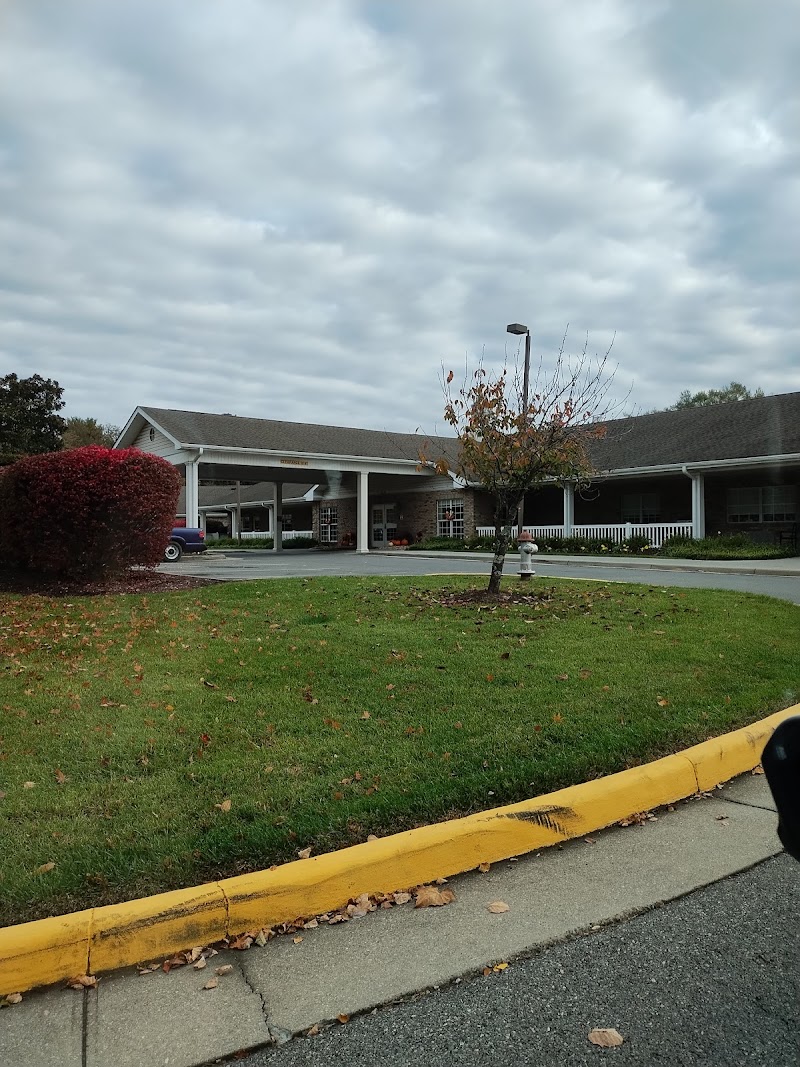
Who Owns and Operates Springtree Healthcare & Rehab Center?

SPRINGTREE HEALTHCARE & REHAB CENTER is owned by a for-profit company. For-profit facilities operate as businesses with obligations to shareholders or private owners. The facility is operated by LIFEWORKS REHAB, a chain that manages multiple nursing homes. With 120 certified beds and approximately 115 residents (about 96% occupancy), it is a mid-sized facility located in ROANOKE, Virginia.
How Does Springtree Healthcare & Rehab Center Compare to Other Virginia Nursing Homes?

Compared to the 100 nursing homes in Virginia, SPRINGTREE HEALTHCARE & REHAB CENTER's overall rating (3 stars) is below the state average of 3.0, staff turnover (64%) is significantly higher than the state average of 46%, and health inspection rating (3 stars) is at the national benchmark.

What Should Families Ask When Visiting Springtree Healthcare & Rehab Center?

Based on this facility's data, families visiting should ask: "How do you ensure continuity of care given staff turnover, and what is your staff retention strategy?" "Can you walk me through typical staffing levels on day, evening, and night shifts?" "Can I visit during a mealtime to observe dining assistance and food quality?" "How do you handle medical emergencies, and what is your hospital transfer rate?" These questions are particularly relevant given the facility's high staff turnover rate and the below-average staffing rating.

Is Springtree Healthcare & Rehab Center Safe?

Based on CMS inspection data, SPRINGTREE HEALTHCARE & REHAB CENTER has a clean safety record: no substantiated abuse findings (meaning no confirmed cases of resident harm), no Immediate Jeopardy citations (the most serious violation level indicating risk of serious injury or death), and is not on the Special Focus Facility watch list (a federal program monitoring the lowest-performing 1% of nursing homes). The facility has a 3-star overall rating and ranks #100 of 100 nursing homes in Virginia. While no facility is perfect, families should still ask about staff-to-resident ratios and recent inspection results during their visit.

Do Nurses at Springtree Healthcare & Rehab Center Stick Around?

Staff turnover at SPRINGTREE HEALTHCARE & REHAB CENTER is high. At 64%, the facility is 18 percentage points above the Virginia average of 46%. Registered Nurse turnover is particularly concerning at 58%. RNs handle complex medical decisions and coordinate care — frequent RN changes can directly impact care quality. High turnover means new staff may not know residents' individual needs, medications, or preferences. It can also be disorienting for residents, especially those with dementia who rely on familiar faces. Families should ask: What is causing the turnover? What retention programs are in place? How do you ensure care continuity during staff transitions?

Was Springtree Healthcare & Rehab Center Ever Fined?

SPRINGTREE HEALTHCARE & REHAB CENTER has no federal fines on record. CMS issues fines when nursing homes fail to meet care standards or don't correct problems found during inspections. The absence of fines suggests the facility has either maintained compliance or corrected any issues before penalties were assessed. This is a positive indicator, though families should still review recent inspection reports for the full picture.

Is Springtree Healthcare & Rehab Center on Any Federal Watch List?

SPRINGTREE HEALTHCARE & REHAB CENTER is not on any federal watch list. The most significant is the Special Focus Facility (SFF) program, which identifies the bottom 1% of nursing homes nationally based on persistent, serious quality problems. Not being on this list means the facility has avoided the pattern of deficiencies that triggers enhanced federal oversight. This is a positive indicator, though families should still review the facility's inspection history directly.