STAR CITY REHABILITATION AND NURSING
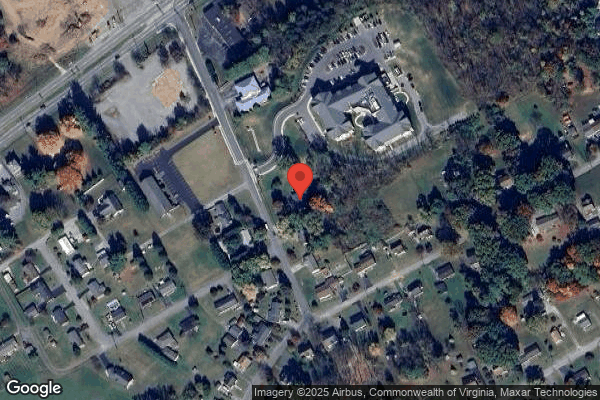
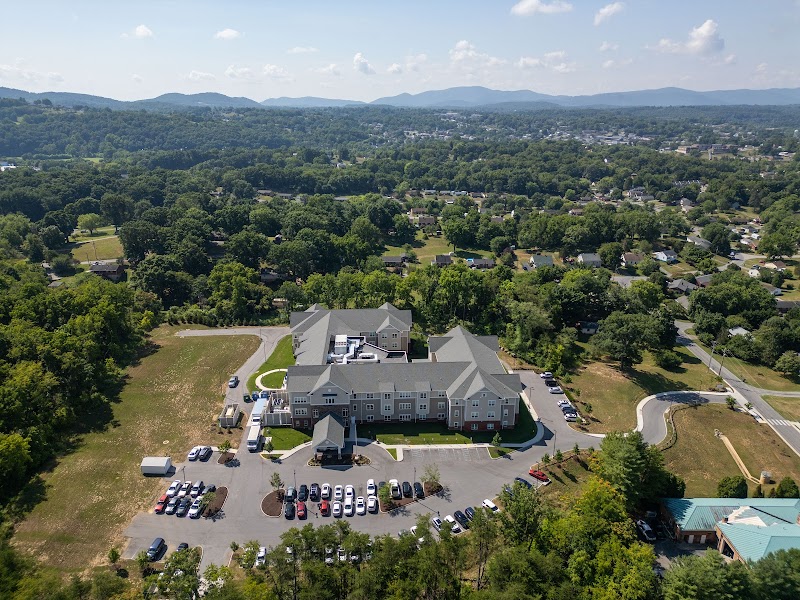
1047 MECCA STREET NE, ROANOKE, VA 24012 (540) 924-0100
For profit - Corporation 116 Beds EASTERN HEALTHCARE GROUP Data: November 2025
Trust Grade
50/100
#222 of 285 in VA
Last Inspection: February 2024

Within standard 12-15 month inspection cycle. Federal law requires annual inspections.

Overview

Star City Rehabilitation and Nursing has a Trust Grade of C, which means it is average compared to other facilities. It ranks #222 out of 285 in Virginia, placing it in the bottom half of nursing homes in the state, and #8 out of 9 in Roanoke City County, indicating that only one local option is better. The facility's trend is new, with this being its first inspection on record. Staffing is a significant concern, reflected in a poor 1 out of 5 stars and a troubling 66% turnover rate, which is higher than the Virginia average of 48%. Despite having no fines on record, there are notable issues found during the inspection, including staff failing to follow menus accurately, such as not serving dinner rolls that were supposed to be included with meals and serving food at unsafe temperatures. Additionally, food safety practices were lacking, with concerns about unsanitary storage and preparation conditions in the kitchen. While the quality measures received a better rating of 4 out of 5 stars, families should weigh these strengths against the weaknesses when considering this facility for their loved ones.

Trust Score
C
50/100
In Virginia
#222/285
Bottom 23%
Safety Record
Low Risk
No red flags
Inspections
Too New
0 → 16 violations
Staff Stability
⚠ Watch
66% turnover. Above average. Higher turnover means staff may not know residents' routines.
Penalties
✓ Good
No fines on record. Clean compliance history, better than most Virginia facilities.
Skilled Nurses
⚠ Watch
Each resident gets only 23 minutes of Registered Nurse (RN) attention daily — below average for Virginia. Fewer RN minutes means fewer trained eyes watching for problems.
Violations
⚠ Watch
16 deficiencies on record. Higher than average. Multiple issues found across inspections.
★★☆☆☆
2.0
Overall Rating
★☆☆☆☆
1.0
Staff Levels
★★★★☆
4.0
Care Quality
★★★☆☆
3.0
Inspection Score
Stable
: 0 issues
2024: 16 issues

The Good

  • 4-Star Quality Measures · Strong clinical quality outcomes
  • Full Sprinkler Coverage · Fire safety systems throughout facility
  • No fines on record

Facility shows strength in quality measures, fire safety.

The Bad

2-Star Overall Rating

Below Virginia average (3.0)

Below average - review inspection findings carefully

Staff Turnover: 66%

20pts above Virginia avg (46%)

Frequent staff changes - ask about care continuity

Chain: EASTERN HEALTHCARE GROUP

Part of a multi-facility chain

Ask about local staffing decisions and management

Staff turnover is elevated (66%)

18 points above Virginia average of 48%

The Ugly 16 deficiencies on record

Nov 2024 7 deficiencies
CONCERN (D) 📢 Someone Reported This

A family member, employee, or ombudsman was alarmed enough to file a formal complaint

Potential for Harm - no one hurt, but risky conditions existed

Comprehensive Assessments (Tag F0636)

Could have caused harm · This affected 1 resident

Based on staff interviews, clinical record review, and facility document review, the facility staff failed to complete a comprehensive admission assessment for one (1) of eight (8) sampled residents (...

Read full inspector narrative →
Based on staff interviews, clinical record review, and facility document review, the facility staff failed to complete a comprehensive admission assessment for one (1) of eight (8) sampled residents (Resident #1). The findings include: Review of Resident #1's clinical record, on the morning of 11/7/24, indicated the facility staff failed to complete an admission/comprehensive Minimum Data Set (MDS) assessment for Resident #1 when the resident was readmitted to the facility after being discharged with a return not anticipated. Resident #1's MDS assessment, with an Assessment Reference Date (ARD) of 10/18/24, was signed as completed on 11/6/24. Resident #1 was assessed as able to make self understood and as able to understand others. Resident #1's Brief Interview for Mental Status (BIMS) summary score was documented as a 15 out of 15; this indicated intact and/or borderline cognition. On 11/7/24 at 10:30 a.m., Registered Nurse (RN) #1 confirmed Resident #1 had been discharged return not anticipated therefore resulting in the need to have had an admission/comprehensive assessment completed when readmitted . On 11/7/24 at 10:41 a.m., RN #1 stated Resident #1 had an admission/comprehensive assessment started when readmitted to the facility. RN #1 stated this assessment had been struck out. This struck out assessment had not been completed. RN #1 reported they could reopen the assessment and complete it today. RN #1 confirmed this admission/comprehensive MDS assessment would be completed late. On 11/7/24 at 4:05 p.m., the survey team met with the facility's Administrator, Director of Nursing, Regional Director of Food Services, and Regional Director of Clinical Services. During this meeting, the surveyor discussed the failure of the facility staff to complete the admission/comprehensive MDS assessment when Resident #1 was readmitted to the facility after being discharged with a return not anticipated.
CONCERN (D) 📢 Someone Reported This

A family member, employee, or ombudsman was alarmed enough to file a formal complaint

Potential for Harm - no one hurt, but risky conditions existed

Deficiency F0638 (Tag F0638)

Could have caused harm · This affected 1 resident

Based on staff interviews and clinical record review, the facility staff failed to complete a quarterly Minimum Data Set (MDS) assessment within the required time limits for one (1) of eight (8) sampl...

Read full inspector narrative →
Based on staff interviews and clinical record review, the facility staff failed to complete a quarterly Minimum Data Set (MDS) assessment within the required time limits for one (1) of eight (8) sampled residents (Resident #1). The findings include: Review of Resident #1's clinical record, on the afternoon of 11/6/24, revealed an incomplete quarterly MDS assessment with assessment reference date (ARD) of 10/18/24. Resident #1's previous MDS assessment had an ARD of 7/18/24. Resident #1's MDS assessment, with an ARD of 10/18/24, was signed as completed on 11/6/24. Resident #1 was assessed as able to make self understood and as able to understand others. Resident #1's Brief Interview for Mental Status (BIMS) summary score was documented as a 15 out of 15; this indicated intact and/or borderline cognition. On 11/6/24 at approximately 5:00 p.m., the surveyor interviewed Registered Nurse (RN) #1 and Licensed Practical Nurse (LPN) #3 about Resident #1's incomplete MDS assessment with an ARD of 10/18/24. RN #1 confirmed this assessment was late. On 11/7/24 at 4:05 p.m., the survey team met with the facility's Administrator, Director of Nursing, Regional Director of Food Services, and Regional Director of Clinical Services. During this meeting, the surveyor discussed the facility staff's delay in completing Resident #1's most recent quarterly MDS assessment.
CONCERN (D) 📢 Someone Reported This

A family member, employee, or ombudsman was alarmed enough to file a formal complaint

Potential for Harm - no one hurt, but risky conditions existed

Quality of Care (Tag F0684)

Could have caused harm · This affected 1 resident

2. For Resident #3 the facility failed to follow physician's orders for speech therapy services. Resident #3's face sheet listed diagnoses that included but not limited to expressive language disorde...

Read full inspector narrative →
2. For Resident #3 the facility failed to follow physician's orders for speech therapy services. Resident #3's face sheet listed diagnoses that included but not limited to expressive language disorder, and aphasia. Resident #3's most recent minimum data set with an assessment reference date of 07/13/24 assigned the resident a brief interview for mental status score of 2 out of 15 in section C, cognitive patterns. This indicates that the resident is severely cognitively impaired. Resident #3's comprehensive care plan was reviewed and contained a care plan for . has impaired communication aeb (as evidenced by) usually understood/usually understands, has clear speech but exhibits word salad at times; resident's cognitive deficits affects ability to communicate. Resident #3's clinical record was reviewed and contained a physician's order summary which read in part, Speech therapy 1 time a week for 10 weeks, started May 7th. Surveyor spoke with certified nurse's aide (CNA) #1 on 11/06/24 at 12:50 pm. CNA #1 stated they were not aware of any issues with resident missing appointments. CNA #1 stated, They give us a schedule, and we get the resident ready if they have an appointment. Surveyor spoke with licensed practical nurse (LPN) #1 on 11/07/24 at 9:20 am. LPN #1 stated they were not aware of resident missing any appointments. Surveyor spoke with the local ombudsman on 11/07/24 at 9:30 am. Ombudsman stated they have observed resident boarding the bus to go out to appointments on various occasions. Surveyor spoke with the unit manager (UM) on 11/07/24 at 10:15 am. UM stated the resident did miss speech therapy appointments a couple of times due to transportation issues. UM stated, The bus failed to come. Surveyor spoke with medical records staff, who is also responsible for scheduling transportation to outside appointments, on 11/07/24 at 10:20 am. Surveyor asked medical records staff if Resident #3 had ever missing any outside therapy appointments, and medical records staff stated, Before I took over on that floor, I heard that he did. Surveyor spoke with the scheduler at outpatient therapy on 11/08/24 at 11:20 am. Surveyor asked scheduler if Resident #3 had ever missed any speech therapy appointments and scheduler stated, He was a no show on May 20, June 24, and September 16. Appointments were cancelled on May 16, August 14, and September 30. Surveyor spoke with the director of nursing on 11/08/24 at 12:40 pm regarding Resident #3 missing appointments. Director of nursing stated they have no information related to why resident missed the appointments. The concern of not following orders for speech therapy was discussed with the administrator, director of nursing, regional director of clinical services, and regional director of operation on 11/08/24 at 12:45. No further information was provided prior to exit. Based on interviews, clinical record review, and facility document review, the facility staff failed to follow medical provider orders for two (2) of eight (8) sampled residents (Resident #1 and Resident #3). The findings include: 1. The facility staff failed to ensure Resident #1's medication was administered according to the medical provider ordered timing. Resident #1's Minimum Data Set (MDS) assessment, with an Assessment Reference Date (ARD) of 10/18/24, was signed as completed on 11/6/24. Resident #1 was assessed as able to make self understood and as able to understand others. Resident #1's Brief Interview for Mental Status (BIMS) summary score was documented as a 15 out of 15; this indicated intact and/or borderline cognition. Resident #1's clinical record, reviewed on 11/7/24, included a current provider order for facility staff to administer 0.25 ml of morphine (20mg/5ml) by mouth 15 minutes prior to wound care as needed. Resident #1's medication administration record (MAR) indicated this medication was administered on 11/7/24 at 9:57 a.m. Resident #1's treatment administration record (TAR) indicated the resident's wound care was documented as completed at 12:04 p.m. On 11/7/24 at 12:26 p.m., the surveyor interviewed Licensed Practical Nurse (LPN) #5 (with the Director of Nursing present). LPN #5 was the nurse who administered Resident #1's aforementioned morphine and performed Resident #1's aforementioned wound care. LPN #1 confirmed they had administered Resident #1's morphine and then waited an hour prior to performing the wound care. On 11/7/24 at 4:05 p.m., the survey team met with the facility's Administrator, Director of Nursing, Regional Director of Food Services, and Regional Director of Clinical Services. During this meeting, the surveyor discussed the failure of the facility staff to administer Resident #1's aforementioned medication according to the provider orders.
CONCERN (E) 📢 Someone Reported This

A family member, employee, or ombudsman was alarmed enough to file a formal complaint

Potential for Harm - no one hurt, but risky conditions existed

Menu Adequacy (Tag F0803)

Could have caused harm · This affected multiple residents

Based on observations, staff interviews, and facility document review, the facility staff failed to consistently follow menus for resident meals. The findings include: On 11/6/24 at 12:03 p.m., during...

Read full inspector narrative →
Based on observations, staff interviews, and facility document review, the facility staff failed to consistently follow menus for resident meals. The findings include: On 11/6/24 at 12:03 p.m., during the midday meal, the surveyor observed the dietary staff to be plating food for the residents. It was noted the menu included a dinner roll which was not being placed on the food trays sent to the resident units. Staff Member (SM) #6 (a dietary aide) reported that three (3) carts of food trays had been sent to the resident units without the dinner rolls. Dietary Manager #1 reported the trays should have included a dinner roll. Dietary Manager #1 obtained the dinner rolls from the freezer and had them baked for the rest of the meal trays. The menu for this meal also included for the residents to be provided oriental vegetables. The surveyor observed that peas and carrots were being served to the residents. Dietary Manager #1 confirmed the facility had mixed vegetables that should have been used for the 11/6/24 midday meal. Dietary Manager #1 reported the cook decided to cook peas and carrots; Dietary Manager #1 reported the cook did not get the substitutions approved prior to cooking them. The facility staff failed to ensure the correct serving size of the pudding provided as part of the facility's evening meal on 11/6/24. On 11/6/24 at approximately 5:40 p.m., Staff Member (SM) #8 (a dietary aide) was observed to use a scoop with a blue handle to plate pudding. According to the menu, the pudding was to be a four (4) ounce serving. SM #8 was unable to identify the size of the scoop used to serve the pudding. On 11/6/24 at 5:55 p.m., Dietary Manager #1, after looking up the scoop information on the internet, reported the scoop used in the aforementioned observation of SM #8 plating the pudding was a 2.75-ounce scoop. Dietary Manager #1 confirmed the size of the scoop by measuring the amount the scoop held and comparing it with another measuring device. The following information was found in a facility policy titled Menus and Adequate Nutrition (with a reviewed/revised date of 12/1/22): - The facility will ensure that menus meet the nutritional needs of residents in accordance with established national guidelines. - Menus will be followed as posted. Notification of any deviations from the menu shall be made as soon as practicable. Substitutions shall comprise of foods with comparable nutritive value. - The facility's dietician or other clinically qualified nutrition professional will review all menus for nutritional adequacy and approve the menus. On 11/7/24 at 4:05 p.m., the survey team met with the facility's Administrator, Director of Nursing, Regional Director of Food Services, and Regional Director of Clinical Services. During this meeting, the surveyor discussed the failure of facility staff to provide resident food according to the menu.
CONCERN (E) 📢 Someone Reported This

A family member, employee, or ombudsman was alarmed enough to file a formal complaint

Potential for Harm - no one hurt, but risky conditions existed

Deficiency F0804 (Tag F0804)

Could have caused harm · This affected multiple residents

Based on observations, staff interviews, and facility document review, the facility staff failed to ensure that food was served at a safe and/or appetizing temperature. The findings include: On 11/6/2...

Read full inspector narrative →
Based on observations, staff interviews, and facility document review, the facility staff failed to ensure that food was served at a safe and/or appetizing temperature. The findings include: On 11/6/24 at 11:54, the surveyor observed dietary staff plating food from the steam table. The plated food was being placed on carts to be provided to the facility's residents. Food temperatures had not been documented for this meal. Dietary Manager #1 confirmed the food temperatures had not been documented for this meal. Dietary Manager #1 reported they were responsible for making sure the temperatures were checked. Dietary Manager #1 had the food temperatures checked. The pureed peas were 93 degrees Fahrenheit and the pureed chicken was 96 degrees Fahrenheit. Dietary Manager #1 had the food items that were below the desired temperatures reheated. On 11/6/24, the surveyor reviewed the food temperature logs with Dietary Manager #1. No food temperatures had yet to be documented for the month of November 2024. The food temperature binder included the following entries: - An undated page with only hot food temperatures entered for breakfast and lunch; no dinner food temperatures were entered. - An undated page with only one (1) food temperature entered for lunch (Swedish meatballs); no breakfast and dinner food temperatures were entered. - An undated page with only hot food temperatures entered for breakfast; no lunch and/or dinner food temperatures were entered. - An undated page with only hot food temperatures entered for lunch; no breakfast and/or dinner food temperatures were entered. - The only food temperature logs for October 2024 found by and/or provided to the surveyor were for the following dates: 10/2/24, 10/3/24, 10/4/24, 10/7/24, 10/8/24, 10/9/24, 10/11/24, 10/25/24, and 10/28/24. The following information was found in a facility policy titled Record of Food Temperatures (with a reviewed/revised date of 12/1/22): - It is the policy of this facility to record food temperatures daily to ensure food is at the proper serving temperature(s) before trays are assembled. - Food temperatures will be checked on all items prepared in the dietary department. - Hot foods will be held at 135 degrees Fahrenheit or greater. - Measure and record the temperatures for each food product and milk at all meals. Record temperature on temperature log. - When holding hot foods for service, food temperature should be measured when placing it on the steam table line. - Food temperatures will be verified using a thermometer which is both clean, sanitized and calibrated to ensure accuracy. On 11/7/24 at 4:05 p.m., the survey team met with the facility's Administrator, Director of Nursing, Regional Director of Food Services, and Regional Director of Clinical Services. During this meeting, the surveyor discussed the failure of the facility staff to check, document, and/or maintain food temperatures.
CONCERN (E) 📢 Someone Reported This

A family member, employee, or ombudsman was alarmed enough to file a formal complaint

Potential for Harm - no one hurt, but risky conditions existed

Food Safety (Tag F0812)

Could have caused harm · This affected multiple residents

**NOTE- TERMS IN BRACKETS HAVE BEEN EDITED TO PROTECT CONFIDENTIALITY** Based on observation, resident interview, staff interview, and facility document review, the facility staff failed to store, pre...

Read full inspector narrative →
**NOTE- TERMS IN BRACKETS HAVE BEEN EDITED TO PROTECT CONFIDENTIALITY** Based on observation, resident interview, staff interview, and facility document review, the facility staff failed to store, prepare, and serve food in accordance with professional standards for food service safety for 4 of 6 resident care units and the facility kitchen. The findings included: On the Juniper resident care unit, the facility staff failed to maintain a clean and sanitary refrigerator and microwave, failed to store foods under sanitary conditions, failed to discard out of date foods, and failed to label and date perishable food items. On 11/06/24 at 11:45 AM, surveyor entered the Juniper resident care unit kitchen. The kitchen area was separated from the resident dining and living area by only a counter and a half gate. Surveyor observed a minimum of 20 small, black, gnat-sized, flying insects flying about the kitchen area and present on the walls and cabinets. The exterior of the refrigerator was soiled with dried, sticky splattered substances and debris particles. The inside of the refrigerator was also soiled with a substantial number of crumbs on the bottom shelf and around the door seals. The refrigerator contained a small block of yellow cheese wrapped in plastic wrap with no label or date present. The cheese had four small black circles resembling mold present on the surface. Also present in the refrigerator was a unlabeled, undated, container with a piece of grayish meat, an unlabeled, undated large container of applesauce loosely covered with tin foil, an open 12 ounce bottle of mayonnaise with a Best When Used By date of 21 [DATE], a half full gallon of milk with a date of [DATE] printed on the jug, and an unlabeled, undated bowl of beans covered with plastic wrap. A Temperature Equipment Log dated 10/01/24 was affixed to the refrigerator door and the last recorded refrigerator temperature was documented on 10/14/24. The pantry included a 32-ounce bag of toasted oats cereal which was open leaving cereal exposed to the air. The shelf under the unit microwave was soiled with food crumbs and debris, the outside of the microwave had dried smeared substances present. The interior of the microwave was heavily soiled with wet and dried splattered substances on the bottom, top, sides, and door. On 11/06/24 at 1:16 PM, surveyor spoke with Resident #7 who stated there were gnats in the kitchen and it needed a thorough cleaning. On 11/06/24 at 1:30 PM, surveyor spoke with Housekeeper #1 who stated the dietary department was responsible for cleaning the unit kitchen as Housekeeping did not go behind the kitchen counter. On 11/07/24 at 9:00 AM during the breakfast meal service, surveyor observed a meal cart on the Juniper unit hall with an open gallon of milk with the lid removed sitting on top. A small black, gnat-sized flying insect was observed near the meal cart in the hall. On 11/07/24 at 10:46 AM, surveyor spoke with the Regional Director of Food Services (RDFS) who stated the facility stopped serving meals out of the unit kitchens and brought all food preparation back into the main kitchen on 10/23/24. RDFS stated since that time, the cleaning of the kitchens became the responsibility of housekeeping, and the refrigerators remained the responsibility of dietary personnel. On 11/07/24 at 3:43 PM, surveyor spoke with the Director of Housekeeping who stated their department was responsible for cleaning the dining area but not the unit kitchens as they did not go behind the kitchen counters. On the Emerald resident care unit, the facility staff failed to maintain a clean and sanitary microwave, stored a half full container of Ranch salad dressing in a non-operational refrigerator, and failed to properly store a container of prepared food. On 11/06/24 at 11:42 AM, surveyor entered the Emerald resident care unit kitchen and observed the microwave with food debris and crumbs on the shelf under the microwave. The inside of the microwave was heavily soiled with food crumbs on the glass turntable and bottom and dried splattered substances present on the top, sides, and interior door. The refrigerator was unplugged and pulled out into the floor and only contained a half full one-gallon container of Ranch salad dressing. At 12:01 PM, surveyor spoke with an outside vendor who was repairing the refrigerator. The vendor stated the refrigerator had not been working for approximately one month and it was unplugged when they arrived today. Upon arrival to the Emerald Unit on 11/06/24 at 11:42 AM, surveyor observed a plastic container filled with sauced noodles and shrimp sitting on the edge of the counter entering the unit kitchen. Surveyor returned to the unit on 11/06/24 at 6:00 PM and the container with the sauced noodles and shrimp remained on the kitchen counter and accessible to residents as the kitchen half gate was open. An ambulatory resident was walking near the counter asking when dinner would be served. Surveyor notified a staff member, and they picked up the container. On 11/07/24 during the end of day meeting with the Administrator, Director of Nursing, RDFS, and Regional Director of Clinical Services, surveyor discussed the concerns with the Juniper and Emerald kitchen observations. On 11/08/24 at 11:10 AM, surveyor spoke with the RDFS who stated they had no Juniper refrigerator temperature log for the month of November and October was only partially completed. On 11/08/24 at 12:28 PM, surveyor spoke with a Dietary Aide who stated when the unit kitchens were closed, cleaning was turned over to housekeeping and they were not sure who's responsibility it was to check the refrigerators and refrigerator temperatures. Surveyor requested and received the facility policy titled Monitoring of Cooler/Freezer Temperature with a revised date of 12/01/22 which read in part, .1. Logs for recording temperatures for each refrigerator or freezer will be posted in a visible location outside the freezer or refrigerator unit. a. Temperatures will be checked and logged at least twice per day by designated personnel. b. Logs will be changed out and filed each month . Surveyor requested and received the facility policy titled Date Marking for Food Safety with a revised date of 12/01/22 which read in part, .2. The food shall be clearly marked to indicate the date or day by which the food shall be consumed or discarded. 3. The individual opening or preparing a food shall be responsible for date marking the food at the time the food is opened or prepared. 4. The marking system shall consist of a label, the day/date of opening, and the day/date the item must be consumed or discarded. 5. The discard day or date may not exceed the manufacturer's use-by date, or four days, whichever is earliest . Surveyor requested and received the facility policy titled Food Safety Requirements with a revised date of 12/01/22 which read in part, . 3 .c .Practices to maintain safe refrigerated storage include .v. Keeping foods covered or in tight containers .5. Foods and beverages shall be delivered to residents in a manner to prevent contamination. Strategies include, but are not limited to: a. Covering all foods with lids .6. All equipment used in the handling of food shall be cleaned and sanitized . No further information regarding this concern was presented to the survey team prior to the exit conference on 11/08/24. On 11/8/24 at 9:55 a.m., the surveyor observed with Licensed Practical Nurse (LPN) #2, the small refrigerator in the common area where resident food items were stored on Rehab A Unit. A red/pink liquid had pooled on the bottom level of the inside of this refrigerator. LPN #2 disposed of the following items this refrigerator was observed to contain: - An opened gallon jug of water with a best by date of 8/31/24. This jug of water had less than a fourth of the water remaining in the jug. - An opened multi-serving plastic container of cranberry juice with approximately a quarter of the juice missing. This container of cranberry juice was not dated to indicate when it had been opened. - A plastic bag containing a slice of pizza wrapped in foil was not labeled with a date and was not labeled to indicate whose food the pizza was. The plastic bag containing the pizza had been soiled with a red/pink liquid. - A plastic bag containing a foam clam shell container was not dated and not labeled to indicate whose food was in the foam clam shell container. The foam clam shell container contained partially eaten chicken wings and French fries. On 11/8/24 at 10:05 a.m., the surveyor observed with Licensed Practical Nurse (LPN) #7, the small refrigerator in the common area where resident food items were stored on Rehab B Unit. LPN #7 disposed of the following items this refrigerator was observed to contain: - A block of butter that had been opened and partially rewrapped in its paper covering/wrapping. The butter had not been completely covered resulting in part of the block of butter being left exposed. - A single serving cup of chocolate pudding with a whipped topping was not dated. This item had been repackaged by the facility staff from multi-serving containers. - An opened multi-serving plastic container of apple juice with greater than half the juice missing had not been dated to indicate when opened. - A bag containing a partially eaten sandwich from a local restaurant. This item was not labeled with a date and was not labeled to indicate to whom it belonged. The following information was found in a facility policy titled Date Marking for Food Safety (with a reviewed/revised date of 12/1/22): - Refrigerated, ready-to-eat, time/temperature control for safety food (i.e. perishable food) shall be held at a temperature of 41 °F or less for a maximum of 7 days. - The food shall be clearly marked to indicate the date or day by which the food shall be consumed or discarded. - The individual opening or preparing a food shall be responsible for date marking the food at the time the food is opened or prepared. - The marking system shall consist of a label, the day/date of opening, and the day/date the item must be consumed or discarded. - The discard day or date may not exceed the manufacturer's use-by date, or four days, whichever is earliest. The date of opening or preparation counts as day 1. On 11/8/24 at 11:09 a.m., the Regional Director of Food Services (RDFS) stated the opened containers of water, milk, and juice should have been labeled with a date to indicate when they had been opened. On 11/6/24 at 12:10 p.m., Staff Member (MR) #7 (a dietary aide) was observed, working in the facility's kitchen during the midday meal service, without wearing a beard restraint. Dietary Manager #2 confirmed SM #7 should have been wearing a beard restraint. The following information was found in a facility policy titled Dietary Employee Personal Hygiene (with a reviewed/revised date of 12/2/22): All dietary staff must wear hair restraints (e.g., hairnet, hat and/or beard restraint) to prevent hair from contacting food. On 11/8/24 at 9:25 a.m., the surveyor discussed the observations of SM #7 not wearing a beard cover while working in the dietary department with the Administrator and the Regional Director of Food Services (RDFS). On the afternoon of 11/6/24, two (2) of the three (3) handwashing sinks located in the dietary department was noted to be dispensing only cool water. On 11/6/24 at 6:10 p.m., the Maintenance Director, with the surveyor and the Administrator present, checked the water temperature in the handwashing sinks in the dietary department. One (1) sink's water temperature was 81.6 degrees Fahrenheit and a second sink's water temperature was 85 degrees Fahrenheit. The Maintenance Director adjusted the flow of the cold water to these sinks and the water temperature promptly increased. The following information was found in a facility policy titled Handwashing Guidelines - Dietary Employees (with a reviewed/revised date of 12/1/22): - Handwashing is necessary to prevent the spread of bacteria that may cause foodborne illnesses. Dietary employees shall clean their hands in a handwashing sink . - Handwashing Procedure: a. Turn on water to a comfortable warm temperature . On 11/7/24 at 4:05 p.m., the survey team met with the facility's Administrator, Director of Nursing, Regional Director of Food Services, and Regional Director of Clinical Services. During this meeting, the surveyor discussed the failure of two (2) of the three (3) hand washing sinks located in the dietary department to dispense warm water for handwashing.
CONCERN (E) 📢 Someone Reported This

A family member, employee, or ombudsman was alarmed enough to file a formal complaint

Potential for Harm - no one hurt, but risky conditions existed

Deficiency F0925 (Tag F0925)

Could have caused harm · This affected multiple residents

Based on observation, resident interview, staff interview, and facility document review, the facility staff failed to maintain an effective pest control program for 1 of 6 resident care units (Juniper...

Read full inspector narrative →
Based on observation, resident interview, staff interview, and facility document review, the facility staff failed to maintain an effective pest control program for 1 of 6 resident care units (Juniper). The findings included: On the Juniper resident care unit, the facility staff failed to maintain an effective pest control program to address the presence of small, black, gnat-sized flying insects. On 11/06/24 at 11:45 AM, surveyor entered the Juniper resident care unit's kitchen. The kitchen area was separated from the resident dining and living areas by a counter and waist-high gate. Surveyor immediately observed a minimum of 20 small, black, gnat-sized flying insects flying about the kitchen area and present on the walls and cabinets. The shelf under the unit microwave was soiled with food crumbs and debris. On 11/06/24 at 1:16 PM, surveyor spoke with Resident #7 who stated there were gnats in the kitchen and it needed a thorough cleaning. On 11/06/24 at 1:19 PM, surveyor spoke with Resident #2 who stated for the past two weeks there had been a bunch of gnats on the unit. On 11/07/24 at 6:55 AM, surveyor spoke with Licensed Practical Nurse (LPN) #4 who stated recently the gnats had gotten worse and had never been this bad. On 11/07/24 at 9:00 AM during the breakfast meal service, surveyor observed a meal cart on the Juniper unit hall with an open gallon of milk with the lid removed sitting on top. A small, black, gnat-sized flying insect was observed near the meal cart in the hall. On 11/07/24 at 9:22 AM, while speaking with Resident #2 in their room, surveyor observed a small, black, gnat-sized insect flying over their breakfast tray. Resident #2 stated it was that time of year and there was not much you could do about it. Resident #2 also stated people had been complaining about the gnats. On 11/07/24 at 10:28 AM, surveyor spoke with the facility Maintenance Director (MD) who stated they were aware of the gnat issue on the Juniper unit. MD stated there was a hole for the water machine beside the under the counter trash can and if trash inadvertently misses the can and goes into the hole it caused gnats. To address the gnats, MD stated they were focusing on cleaning and recently placed a gnat trap in the kitchen sink but had to remove it due to a visitor concern, but it was effective when it was in use. MD stated the pest control company comes monthly but they have not discussed the gnat concern with them. Surveyor requested and received the Resident Council Minutes for October 2024 which included discussion of fruit flies. The 10/10/24 minutes read in part, .Fruit Flies - Extermination and Cleaning of trash in the areas - situation is helping . On 11/07/24 during the end of day meeting with the Administrator, Director of Nursing, Regional Director of Food Services, and the Regional Director of Clinical Services, surveyor discussed the concern of the flying insects observed on the Juniper care unit. On 11/08/24, the Administrator provided pest control service invoices dated 8/01/24, 9/01/24, and 10/01/24. On 11/08/24 at 10:23 AM, surveyor spoke with the Regional Director of Operations (RDO) who stated this was the first they had heard of the gnats and pest control came weekly and with the next visit they would be placing a special chemical in the drain to address the gnats. No further information regarding this concern was presented to the survey team prior to the exit conference on 11/08/24.
Feb 2024 9 deficiencies
CONCERN (D)

Potential for Harm - no one hurt, but risky conditions existed

Deficiency F0567 (Tag F0567)

Could have caused harm · This affected 1 resident

Based on interviews and document review, the facility staff failed to ensure one (1) of 19 current sampled residents were able to access personal funds deposited with the facility (Resident #15). The ...

Read full inspector narrative →
Based on interviews and document review, the facility staff failed to ensure one (1) of 19 current sampled residents were able to access personal funds deposited with the facility (Resident #15). The findings include: Resident #15 was unable to access a sufficient amount of their personal funds in order to make desired purchases in November 2023. Resident #15's Minimum Data Set (MDS) assessment, with an Assessment Reference Date (ARD) of 12/16/23, was signed as completed on 12/26/23. Resident #15 was assessed as being able to make self understood and as able to understand others. Resident #15's Brief Interview for Mental Status (BIMS) summary score was documented as a 15 out of 15; this indicated intact and/or borderline cognition. Resident #15 was assessed as being depended on others for eating, hygiene, dressing, and bathing. On the afternoon of 2/8/24, Resident #15 reported they were unable to obtain money from their personal funds deposited with the facility to make a purchase. On 2/9/24 at 8:40 a.m., the surveyor asked the facility's Administrator about the process for a resident obtaining a large amount of money from their personal funds deposited with the facility. The Administrator provided a copy of a facility document titled Resident Personal Funds (with a revised/reviewed date of 12/1/2022); this document included the following information: The resident has a right to manage his or her financial affairs . The Administrator provided a copy of a facility document titled Resident Trust Fund (with a revised/reviewed date of 12/1/22); this document detailed the need for the facility to have a minimum of 24-hour notice to issue a check for amounts greater than the monthly state allowable amount. The Administrator confirmed that, prior to the facility's change of ownership, Resident #15 had been unable to make a desired purchase, in November 2023, with their personal funds deposited with the facility. The survey team met with the facility's Administrator and Director of Nursing (DON) on 2/13/24 at 5:15 p.m. The surveyor discussed Resident #15 not being able to make a desired purchase, in November 2023, with their personal funds.
CONCERN (D)

Potential for Harm - no one hurt, but risky conditions existed

Transfer Notice (Tag F0623)

Could have caused harm · This affected 1 resident

Based on interviews and document review, the facility staff failed to provide a resident's responsible party and the ombudsman with written information related to a discharge/transfer for one (1) of 2...

Read full inspector narrative →
Based on interviews and document review, the facility staff failed to provide a resident's responsible party and the ombudsman with written information related to a discharge/transfer for one (1) of 22 sampled residents (Resident #11). The findings include: The facility's staff failed to provide Resident #11's responsible party with a written transfer notice. The facility staff failed to provide the ombudsman with notice of facility transfers. Resident #11's Minimum Data Set (MDS) assessment, with an Assessment Reference Date (ARD) of 11/22/23, was signed as completed on 11/30/23. Resident #11 was assessed as sometimes able to make self understood and as being rarely/never able to understand others. Resident #11 was assessed as having problems with both long-term memory and short-term memory. Resident #11 was assessed as requiring assistance with oral hygiene, dressing, toilet hygiene, and bathing. Resident #11's documentation indicated the resident was transferred to a local emergency department on 1/24/24, at a little after 12:00 noon, where the resident was subsequently admitted . Resident #11 was transported to the local emergency department via ambulance due to a change in condition which included altered mental status. No evidence of Resident #11's resident representative being provided written transfer notice/information was found by or provided to the surveyor. Medical provider documentation indicated Resident #11's family was aware of the transfer. On the afternoon of 2/13/24, the facility's Director of Nursing (DON) reported, at the time of transfer, the facility staff would have sent, with the resident, a document addressing the need for Resident #11 to have an emergent transfer. On 2/13/24 at 3:28 p.m., the facility's Director of Nursing (DON) was asked for ombudsman notification of Resident #11's discharge. On 2/13/24 at 4:06 p.m., the facility's Administrator reported that the facility's discharges had not been communicated with the ombudsman. The Administrator stated the failure to notify the ombudsman of facility discharges was identified in September 2023. The Administrator reported the facility's social services department was to submit the facility's discharges to the ombudsman quarterly; the Administrator stated these quarterly submissions had not yet started. The survey team met with the facility's Administrator and DON on 2/13/24 at 5:15 p.m. The surveyor discussed the absence of evidence that written information related to Resident #11's emergent transfer been provided to Resident #11's resident representative when the resident was admitted to the local hospital. The failure of the facility staff to notify the local ombudsman of the facility's discharges was also discussed.
CONCERN (D)

Potential for Harm - no one hurt, but risky conditions existed

Deficiency F0625 (Tag F0625)

Could have caused harm · This affected 1 resident

Based on interviews and document review, the facility staff failed to provide a resident's responsible party with written bed hold information for one (1) of 22 sampled residents (Resident #11). The f...

Read full inspector narrative →
Based on interviews and document review, the facility staff failed to provide a resident's responsible party with written bed hold information for one (1) of 22 sampled residents (Resident #11). The findings include: The facility's staff failed to provide Resident #11's responsible party with written bed hold information when the resident was admitted to a local hospital. Resident #11's Minimum Data Set (MDS) assessment, with an Assessment Reference Date (ARD) of 11/22/23, was signed as completed on 11/30/23. Resident #11 was assessed as sometimes able to make self understood and as being rarely/never able to understand others. Resident #11 was assessed as having problems with both long-term memory and short-term memory. Resident #11 was assessed as requiring assistance with oral hygiene, dressing, toilet hygiene, and bathing. The following information was found in a facility document titled Bed Hold Notice Upon Transfer (with a reviewed/revised date of 12/1/22): - At the time of transfer for hospitalization or therapeutic leave, the facility will provide to the resident and/or the resident representative written notice which specifies the duration of the bed-hold policy and addresses information explaining the return of the resident to the next available bed. - In the event of an emergency transfers [sic] of a resident, the facility will provide within 24 hours written notice of the facility's bed-hold policies, as stipulated in the State's plan. Resident #11's documentation indicated the resident was transferred to a local emergency department on 1/24/24, at a little after 12:00 noon, where the resident was subsequently admitted . No evidence of Resident #11's resident representative being provided written bed hold information was found by or provided to the surveyor. On the afternoon of 2/13/24, the facility's Director of Nursing (DON) reported, at the time of transfer, the facility staff would have sent a document addressing bed-holds with Resident #11. The survey team met with the facility's Administrator and DON on 2/13/24 at 5:15 p.m. The surveyor discussed the absence of evidence that written information related to bed-holds had been provided to Resident #11's resident representative when the resident was admitted to the local hospital.
CONCERN (D)

Potential for Harm - no one hurt, but risky conditions existed

Deficiency F0657 (Tag F0657)

Could have caused harm · This affected 1 resident

Based on observation, staff interview, clinical record review, and facility document review, the facility staff failed to review and revise the comprehensive person-centered care plan for 1 of 22 resi...

Read full inspector narrative →
Based on observation, staff interview, clinical record review, and facility document review, the facility staff failed to review and revise the comprehensive person-centered care plan for 1 of 22 residents in the survey sample, Resident #54. The findings included: For Resident #54, the facility staff failed to revise the person-centered care plan to include the need for isolation precautions. Resident #54's diagnosis list indicated diagnoses, which included, but not limited to Alzheimer's Disease, Type 2 Diabetes Mellitus, Chronic Respiratory Failure with Hypoxia, and Hypothyroidism. The most recent minimum data set (MDS) with an assessment reference date (ARD) of 11/05/23 assigned the resident a brief interview for mental status (BIMS) summary score of 2 out of 15 indicating Resident #54 was severely cognitively impaired. On 2/07/24 at 3:05 PM, surveyor observed a contact precautions isolation sign present on Resident #54's door and personal protective equipment (PPE) present. Resident #54's physician's orders included an order dated 1/30/24 for Contact Precautions for ESBL (extended-spectrum beta-lactamase) in the urine until 2/08/24. Surveyor reviewed Resident #54's comprehensive care plan and was unable to locate documentation of contact precautions. On 2/13/24 at 1:11 PM, surveyor spoke with the Director of Nursing (DON) regarding Resident #54's care plan. Surveyor informed the DON they were unable to locate evidence of the resident's care plan being revised to include the need for contact precautions. The DON returned to the surveyor at 1:36 PM and stated they also could not locate contact precautions on the care plan. Surveyor requested and received the facility policy titled Comprehensive Care Plans which read in part . 3. The comprehensive care plan will describe, at a minimum, the following: a. The services that are to be furnished to attain or maintain the resident's highest practicable physical, mental, and psychosocial well-being . On 2/13/24 at 5:23 PM, the survey team met with the Administrator and DON and discussed the concern of staff failing to revise Resident #54's care plan to include the need for contact precautions. The DON again confirmed contact precautions were not on the resident's care plan. No further information regarding this concern was presented to the survey team prior to the exit conference on 2/14/24.
CONCERN (D)

Potential for Harm - no one hurt, but risky conditions existed

Pressure Ulcer Prevention (Tag F0686)

Could have caused harm · This affected 1 resident

Based on resident interview, staff interview, and clinical record review, facility staff failed to provide pressure ulcer dressing changes as ordered for 1 of 22 residents in the survey sample (Reside...

Read full inspector narrative →
Based on resident interview, staff interview, and clinical record review, facility staff failed to provide pressure ulcer dressing changes as ordered for 1 of 22 residents in the survey sample (Resident #32). Resident #32 was admitted to the facility with diagnoses which included chronic congestive heart failure, essential hypertension, chronic kidney disease, generalized muscle weakness, clostridium difficile enterocolitis, and stage 3 sacral ulcer. On the Minimum Data Set Assessment with Assessment Reference Date 1/14/24, the resident scored 15/15 on the Brief Interview for Mental Status and was assessed as without signs of delirium, psychosis, or behaviors affecting care. During initial tour on 2/7/24, the resident reported being generally happy with care with the exception of wound care. The resident reported not having wound dressings changed on 2 night shifts the previous week. Clinical record review revealed a physician order dated 1/26/24 for Vashe Wound External Solution 0.033 % (Wound Cleansers) Apply to sacrum topically two times a day for sacral decubitus VASHE wet to dry: Place gauze in wound and undermining and cover with ABD pad secured with roll gauze or minimal tape BID. The resident's Treatment Administration Record (TAR) was blank for the 7 PM-7 AM shift on 2/6/24. The surveyor interviewed the RNCC (registered nurse clinical coordinator) on 2/13/24 at 10 AM concerning the resident's dressing changes. The RNCC stated the nurse who completed the dressing change on 2/7/24 noted excessive drainage and reported it. RNCC stated she had done a dressing change and assessment on 2/8 after there was a large amount of exudate on 2/7. The wound looks good now and wound bed is clean.Nursing progress notes on 2/7 and 2/8 matched the RNCC's statements. A nursing progress note dated 1/24/2024 20:28 Behavior Note-Note Text: Resident upset dressing change was not done during day shift. Resident states she asked several times throughout day shift to have this done. This nurse changed sacral wound dressing. Dressing had prior nights date and shift written on it. The RNCC acknowledged the MAR showed the January 24 day shift dressing change was signed as if complete. The surveyor spoke with the resident on 2/12/24. The resident stated that over the weekend, on the 9th and 10th, evening shift dressings were not done as ordered. The resident reported to the RNCC that evening dressings weren't done. The surveyor discussed the resident's statement with the RNCC. The RNCC stated the agency the nurses work for had been contacted and the 2 nurses would be reprimanded for charting treatments they did not do. The surveyor discussed the allegation with the director of nursing (DON) on 2/13/24. The DON stated it was not yet established that the nurses had not completed the treatments on on 2/9 and 2/10. The surveyor acknowledges that there is no staff corroboration of the resident's allegation, but the allegation is credible when taking 1/24 and 2/6 into account. The administrator and DON were notified of the deficient practice during a summary meeting on 2/13/24.
CONCERN (D)

Potential for Harm - no one hurt, but risky conditions existed

Deficiency F0757 (Tag F0757)

Could have caused harm · This affected 1 resident

**NOTE- TERMS IN BRACKETS HAVE BEEN EDITED TO PROTECT CONFIDENTIALITY** Based on interviews and document review, the facility staff failed to ensure residents' drug regimen were free from unnecessary ...

Read full inspector narrative →
**NOTE- TERMS IN BRACKETS HAVE BEEN EDITED TO PROTECT CONFIDENTIALITY** Based on interviews and document review, the facility staff failed to ensure residents' drug regimen were free from unnecessary drugs for two (2) of 22 sampled residents (Resident #24 and Resident #60). The findings include: 1. The facility staff failed to ensure Resident #24 was free of an unnecessary medication, sertraline. (Sertraline is an antidepressant medication.) Resident #24's Minimum Data Set (MDS) assessment, with an Assessment Reference Date (ARD) of 1/9/24, was signed as completed on 1/26/24. Resident #24 was assessed as usually able to make self understood and as usually able to understand others. Resident #24 was assessed as having problems with both short-term memory and long-term memory. Resident #24 was assessed as being dependent on others for eating, oral hygiene, personal hygiene, dressing, and bathing. Resident #24's clinical record included a Consultant Pharmacist Medication Regimen Review form dated 12/14/23. This document indicated Resident #24 was receiving sertraline one (1) 50 mg tablet by mouth in the evening starting on 12/1/22. This document included the following statement: If an antidepressant is used for sleep or to manage behavior, stabilize mood, or treat a psychiatric disorder, it must be reviewed for a possible gradual dose reduction in an effort to find the lowest effective dose. If a dose reduction is deemed clinically contraindicated at this time, please state the rationale below and the risk vs. benefit of continuing the drug at the current dose. This document had a medical provider response, dated 12/18/23, to decrease the sertraline dosage to 25 mg. A medical provider order to increase Resident #24's sertraline dosage to 50 mg was placed by a medical provider on 2/9/24. No documentation to indicate the reason for this increase was found by or provided to the surveyor. This was updated in Resident #24's clinical record at the facility on 2/10/24. The following information was found in a revised medical provider note with an encounter date of 2/9/24: Medications were amended due to: When I initially signed into [sic] chart they were expired. I refilled expired medications. [NAME] [sic] City Health and Rehab did not update (medical provider group name omitted) on the new medications that their provider's [sic] wrote for. This was the discrepancy. This has now been righted. (The time and date to indicate when the addendum was made to this document was not included.) A medical provider order, dated 2/12/24 at 2:58 p.m., decreased Resident #24's sertraline back to 25 mg at bedtime. A medical provider progress note, dated 2/13/24 at 12:06 p.m., included the following statement: Of note, a MAR (medication administration record) reconciliation was completed by (medical provider group name omitted) nurse on 1/29/24, which apparently did not capture several adjustments (including reduced dose of sertraline .). Resident #24's clinical documentation included an active order for sertraline to be provided by mouth in the evening for a diagnosis of Major Depressive Disorder. Resident #24's care plan addressed depression related to the following concerns: mood and activities. Resident #24 had an active order to monitor behaviors. This order was dated 9/20/21 at 3:53 p.m. This order included the following statement: BEHAVIORS - MONITOR FOR THE FOLLOWING: RESTLESSNESS (AGITATION), ELOPEMENT, STEALING, DELUSIONS, HALLUCINATIONS, PSYCHOSIS, AGGRESSION, REFUSING CARE. This did include restlessness but did not include other symptoms of depression such as fatigue, appetite changes, sleep changes, loss of interest in activities, and difficulty concentrating (Depression is Not a Normal Part of Growing Older, CDC, https://www.cdc.gov/aging/depression/index.html). On 2/12/24 at approximately 2:45 p.m., the facility's Director of Nursing (DON) was asked about Resident #24's symptom monitoring related to the resident's antidepressant medication. On 2/12/24 at 2:46 p.m., a medical provider gave an order for Behavior Monitoring Anti-Depressant (every) Shift: 0.None 1.Afraid 2.Agitated 3.Angry 4.Anxious 5.Mood change 6.Noisy 7.Restless 8.Withdrawn/depressed 9.Crying 10.Combative 11.other-specify in progress note. On 2/13/24 at 9:05 a.m., the surveyor notified the facility's Administrator and Director of Nursing (DON) of the absence of consistent symptom monitoring for Resident #24's antidepressant medication. On 2/14/24 at 12:03 p.m., the DON provided copies of the aforementioned behavior monitoring order; the DON reported these behaviors are monitored for all psychotropic medications. This monitoring did not address signs and symptoms of depression such as tearfulness, sluggishness, and decreased involvement in activities. 2. The facility staff failed to ensure Resident #60 was free of an unnecessary medication as evidenced by the absence of consistent symptom monitoring for depression. Resident #60's Minimum Data Set (MDS) assessment, with an Assessment Reference Date (ARD) of 1/21/24, was signed as completed on 1/31/24. Resident #60 was assessed as able to make self understood and as able to understand others. Resident #60's Brief Interview for Mental Status (BIMS) summary score was documented as a six (6) out of 15; this indicated severe cognitive impairment. Resident #60 was assessed as requiring assistance with oral hygiene, toileting hygiene, dressing, and bathing. Resident #60's clinical documentation included an active order for sertraline (25mg tablet) to be provided by mouth in the evening for a diagnosis of Major Depressive Disorder. Resident #60's care plan addressed depression related to the following concerns: nutrition, mood, and activities. (Sertraline is an antidepressant medication.) Resident #60 had an active order to monitor behaviors. This order was dated 7/4/23 at 4:08 p.m. This order included the following statement: BEHAVIORS - MONITOR FOR THE FOLLOWING: RESTLESSNESS (AGITATION), ELOPEMENT, STEALING, DELUSIONS, HALLUCINATIONS, PSYCHOSIS, AGGRESSION, REFUSING CARE. This did include restlessness but did not include other symptoms of depression such as fatigue, appetite changes, sleep changes, loss of interest in activities, and difficulty concentrating (Depression is Not a Normal Part of Growing Older, CDC, https://www.cdc.gov/aging/depression/index.html). On 2/14/24 at 11:50 a.m., the surveyor notified the facility's Administrator and Director of Nursing (DON) of the absence of consistent symptom monitoring for Resident #60's antidepressant medication. On 2/14/24 at 12:03 p.m., the DON provided copies of the aforementioned behavior monitoring order; the DON reported these behaviors are monitored for all psychotropic medications. This monitoring did not address signs and symptoms of depression such as tearfulness, sluggishness, and decreased involvement in activities.
CONCERN (D)

Potential for Harm - no one hurt, but risky conditions existed

Unnecessary Medications (Tag F0759)

Could have caused harm · This affected 1 resident

Based on observation, staff interview, clinical record review, and facility document review, the facility staff failed to ensure a medication error rate of less than 5%. There were two (2) medication ...

Read full inspector narrative →
Based on observation, staff interview, clinical record review, and facility document review, the facility staff failed to ensure a medication error rate of less than 5%. There were two (2) medication errors in 37 opportunities for a medication error rate of 5.41%. These medication errors affected Resident #291. The findings included: For Resident #291, the facility staff failed to administer Aspirin and a Nicotine Patch as ordered by the physician. Resident #291's diagnosis list indicated diagnoses, which included, but not limited to Aftercare following Joint Replacement Surgery, Pneumonia, Generalized Muscle Weakness, Chronic Obstructive Pulmonary Disease, Essential Hypertension, and Hyperlipidemia. A 2/09/24, Admission/re-admission Screening form documented the resident as being lethargic and oriented to person only. On 2/13/24 at 9:28 AM, surveyor observed licensed practical nurse (LPN) #6 prepare and administer Resident #291's medications. LPN #6 applied a Nicotine 21 mg/24-hour Patch to the resident's left shoulder area. Surveyor reconciled Resident #291's administered medications with the physician's orders and noted a current order for Aspirin 81 mg by mouth one time a day for anticoagulant, according to the resident's February 2024 Medication Administration Record (MAR), Aspirin was scheduled to be administered every AM. Surveyor did not observe LPN #6 administer Aspirin to Resident #291. The resident's orders included a current order dated 2/09/24 for a Nicotine Patch 14 mg/24 hours apply one patch transdermally one time a day for smoking cessation, however, surveyor observed LPN #6 apply a 21 mg/24-hour Nicotine Patch. On 2/13/23 at 9:55 AM, surveyor spoke with LPN #6 regarding the Aspirin and LPN #6 stated I missed that one. When asked about the Nicotine Patch, LPN #6 stated they did use the 21 mg patch; LPN #6 looked in the medication cart and there were 14 mg/24-hour Nicotine Patches available for use. Surveyor requested and received the facility policy titled, Medication Administration which read in part Medications are administered by licensed nurses, or other staff who are legally authorized to do so in this state, as ordered by the physician and in accordance with professional standards of practice, in a manner to prevent contamination or infection . On 2/13/24 at 5:18 PM, the survey team met with the Administrator and Director of Nursing and discussed the facility medication error rate of 5.41% and the errors affecting Resident #291. No further information regarding this concern was presented to the survey team prior to the exit conference on 2/14/24.
CONCERN (E)

Potential for Harm - no one hurt, but risky conditions existed

Food Safety (Tag F0812)

Could have caused harm · This affected multiple residents

**NOTE- TERMS IN BRACKETS HAVE BEEN EDITED TO PROTECT CONFIDENTIALITY** Based on observation, staff interview and facility document review, the facility failed to store, prepare, distribute, and serve...

Read full inspector narrative →
**NOTE- TERMS IN BRACKETS HAVE BEEN EDITED TO PROTECT CONFIDENTIALITY** Based on observation, staff interview and facility document review, the facility failed to store, prepare, distribute, and serve food in accordance with professional standards for food service safety. This requirement was not met as evidenced by the facility staff failed to discard out of date perishable food items, failed to store uncooked meat separately from other food, failed to cover, date and label perishable food items, and failed to store foods under sanitary conditions in the facility Main Kitchen and in 4 out of 4 unit kitchen service areas; Countryside (1st floor), Rainbow(1st floor), Emerald(2nd floor) and Juniper(2nd floor). The findings include: The facility staff failed to discard out of date perishable food items, failed to store uncooked meat separately from other food, failed to cover, date and label perishable food items, and failed to store foods under sanitary conditions in the facility Main Kitchen and in 4 out of 4 unit kitchen service areas; Countryside (1st floor), Rainbow(1st floor), Emerald(2nd floor) and Juniper(2nd floor). On 02/07/24 at 1:33 PM, surveyor performed initial observation of the facility main kitchen with Dietary Manager (DM). On 02/07/24 at 1:54 PM, surveyor and DM entered the walk-in refrigerator. Surveyor observed a package of sliced ham with a Best By (BB) date of 01/15/24. DM stated it must have been overlooked and threw ham away. On 02/07/24 at 1:55 PM, surveyor observed the lower shelf in the walk-in refrigerator with an open roll of ground beef on top of a box of ground beef rolls. A generous amount of red liquid was leaking from the open roll of ground beef onto the box it was sitting on. DM stated, That should have been put in a pan. DM removed the box with the roll of ground beef on it from the walk-in refrigerator and threw it away. DM stated he is working on a cleaning schedule for dietary staff, and he has only been in his position for a month. On 02/07/24 at 2:14 PM, surveyor observed (1st floor) Countryside unit kitchen and pantry. Two (2) boxes of grits were observed on the pantry shelf. One box of grits had a BB date of 07/30/22. The other box of grits had a BB date of 08/12/22. Dietary Aide #1(DA#1) stated she would throw them away. On 02/07/24 at 2:19 PM, surveyor observed (1st floor) Rainbow unit kitchen and pantry. A can of sauté/grill spray with BB date of 05/08/23 was observed on the pantry shelf. Dietary Aide #2 (DA#2) stated he would throw it away. On 02/07/24 at 4:11 PM, surveyor observed (2nd floor) Juniper unit kitchen refrigerator. Surveyor observed a box on bottom shelf of refrigerator. The box contained a sealed package of sliced turkey lunch meat with, 1-24 written on the package. The turkey had white spots around the edges of the meat. The box contained an open package of sliced turkey. No date/label was observed on the open package of sliced turkey. The box contained an open package of sliced ham. The ham was partially covered with plastic wrap. Some of the ham was not covered. The package of sliced ham had BB date of 01/15/24. The package of sliced ham was leaking and dripping orange fluid when surveyor picked it up. The box contained a partially opened package of butter. Part of the butter was uncovered. An orange, wet, liquid was visible on the wrapper of the butter. No date/label was observed on the wrapper of the butter. The box contained an open package of sliced, mild cheddar cheese. The cheese was partially covered with plastic wrap. Some of the cheese was not covered. The uncovered corner of the cheese was dark orange, dried, and hard. A green, quarter-sized, fuzzy substance was visible through the wrapper on the bottom of the cheese. No date was observed on the package of cheese. The box contained another open package of cheddar cheese. The cheddar cheese was partially covered with plastic wrap. Some of the cheese was not covered. The cheese was dark orange, dried and hard. No date/label was observed on the package of cheese. The box contained another package of butter partially covered. Some of the butter was not covered. The butter was hard and tiny, black specks were observed inside of the wrapper. Tiny, black specks were observed inside of the butter. No date/label was observed on the butter. The box contained an open package of white cheese. The white cheese was observed partially covered with plastic wrap. Some of the white cheese was not covered. The exposed part of the cheese was dried and hard. No date/label was observed on the white cheese. The box the items were in was observed to have brown, wet stains. The box contained a moderate number of brown crumbs. A square plastic container was observed in the refrigerator. The container had a sticker, with, Prep 12/12, Use by 1/12 noted on the outside. The container contained a variety of salad dressing packets and sour cream packets. One (1) sour cream packet was observed with a BB date of 09/18/23. Three (3) sour cream packets were observed with BB dates of 09/25/23. There were no dates/labels on the other contents of the container. Dietary Aide #3 (DA#3), was present at time of observations in the refrigerator. DA#3 stated, I'm so embarrassed, I usually take care of the other side. DA#3 stated, I will clean that out. On 02/07/24 at 4:20 PM, surveyor observed Juniper unit kitchen pantry. An angel food cake mix was observed. The cake mix had a BB date of 08/10/22. Surveyor observed an open package of flour tortillas. The tortillas were exposed and hard. A BB date of 02/03/24 was observed on the wrapper of the tortillas. DA#3 stated she would throw the tortillas away. On 02/07/24 at 4:28 PM, surveyor observed (2nd floor) EMERALD unit kitchen pantry. An open box of buttermilk pancake mix was observed on the shelf. The buttermilk pancake mix had a BB date of 08/31/23. A box of angel food cake mix was observed on the shelf. The angel food cake mix had a BB date of 08/10/22. DA#3 stated, I will throw those away. Two (2) boxes of grits were observed on the shelf. One box of grits had BB date of 07/03/22. The other box of grits had a BB date of 08/12/22. On 02/07/24 at approximately 4:35 PM, surveyor observed Emerald unit kitchen refrigerator. DA#3 was present during observation. DA#3 stated, My side is cleaner. Surveyor observed a squeezable container of [NAME] Mayonnaise in the refrigerator. The mayonnaise had a BB date of 11/20/23. DA#3 threw the mayonnaise away. A package of sealed, sliced turkey was observed. A white substance was observed around the edges of the sliced turkey. 1-24, was observed to be written on the package of sliced turkey. DA#3 stated she would throw the sliced turkey away. On 02/08/24 at approximately 8:45 AM, surveyor requested facility policy on cleaning unit refrigerators and pantries. On 02/08/24 at 9:30 AM, Administrator (ADM), gave surveyor copy of, Sanitation Inspection Policy. The following information was found in the facility document titled Sanitation Inspection policy with a Review/revised date of, 12/1/2022. .2. The department shall establish a sanitation program for food services based on applicable state and federal requirements. 3. The sanitation program will provide for inspections to be conducted of the food service areas. 4. Sanitation inspections will be conducted in the following manner: a. Daily: Food service staff shall inspect refrigerators .storage area .daily. b. Weekly: The dietary manager shall inspect all food service areas weekly to ensure the areas are clean and comply with sanitation and food service regulations. 5. Inspections will be conducted but not limited to the following areas: a. Dry storage . c. Refrigerator . f. Main production area g. Food preparation area. On 02/08/24 at 1:41 PM, surveyor met with DM to discuss the observations and staff interviews of the facility main kitchen and in the unit kitchen service areas. DM reported when the building first opened, the staff would make breakfast in the unit kitchens. DM stated staff no longer make breakfast in the unit kitchens. DM stated the grits and pancake mix, were not in use and had not been used since the facility main kitchen began making breakfast. DM agreed the lunch meat in the Emerald and Juniper kitchen service areas would have been used for making sandwiches on the units. DM stated he cleaned the refrigerators in the unit kitchens. On 02/08/24 at 1:57 PM, surveyor met with the ADM to discuss findings from observations and staff interviews of the facility main kitchen and unit kitchen service areas. ADM stated the DM had only been at the facility for a month. ADM stated a dietary employee that took care of the Juniper kitchen, had recently quit about two (2) weeks ago. No further information regarding these concerns was presented to the survey team prior to the exit conference on 02/14/24.
CONCERN (E)

Potential for Harm - no one hurt, but risky conditions existed

Deficiency F0887 (Tag F0887)

Could have caused harm · This affected multiple residents

Based on staff interviews, clinical record review, and facility document review, the facility staff failed to provide the 2023-2024 COVID-19 vaccine to three (3) of five (5) residents sampled for immu...

Read full inspector narrative →
Based on staff interviews, clinical record review, and facility document review, the facility staff failed to provide the 2023-2024 COVID-19 vaccine to three (3) of five (5) residents sampled for immunization review, the three (3) who consented to receive the vaccine. (Resident #15, #63, and #65). The findings include: According to the Centers for Disease Control and Prevention (CDC), the Food and Drug Administration (FDA) approved and authorized the 2023-2024 updated Covid-19 vaccine in September and October 2023. The CDC recommended everyone aged 5 years and older should get 1 (one) dose of an updated COVID-19 vaccine to protect against serious illness from COVID-19. The facility staff failed to provide the vaccine to three residents who affirmed their desire to receive the vaccine in October 2023. The five sampled residents' clinical records contained evidence that in October 2023, the facility staff contacted them and/or their representatives via email or phone for consent to participate in an upcoming COVID-19 vaccine clinic. Three of the five residents' clinical records (Residents #15, #63, and #65) contained evidence they agreed to receive the vaccine. None of the three residents' clinical records indicated they had received the 2023-2024 updated Covid vaccine. On 2/13/24 at 3:50 p.m., the infection preventionist (IP) reported that in the fall of 2023, the facility staff's plan to have a community pharmacy conduct a COVID-19 vaccine clinic at the facility, failed after not enough residents agreed to receive the vaccine. The IP acknowledged the facility staff did not immediately plan for administering the vaccine after the community pharmacy's clinic fell through. The IP reported the facility went through a corporate change around the same time. During an end of day meeting on 02/13/24 at 5:17 p.m., the director of nursing (DON) and administrator were informed of the concern related to the 2023-2024 updated Covid-19 vaccine availability for facility residents. The DON acknowledged the community pharmacy's clinic fell through after less than 30 residents were interested in receiving the vaccine. The IP provided a list of residents and staff who had tested positive for COVID-19 from July 2023 through the survey. None of the three residents (Residents #15, #63, and #65) had tested positive for COVID-19. There were no current residents or staff who were positive for COVID-19 throughout the survey. On 2/14/24 at 10:30 a.m., the medical director was interviewed via phone in the DON's office with the DON present. The medical director reiterated the community pharmacy's COVID-19 vaccine clinic did not materialize and the facility was transitioning from one ownership company to another which left staff unsure of how the new corporation wanted it handled. The physician said they were not delaying care, they wanted it done correctly. The medical director reported he and the DON had recently discussed setting up a time for ordering and administering the vaccines. The administrator entered the conversation and reported she had just spoken with the corporate chief nursing officer (CNO) and according to the corporate policy and procedure, the facility can purchase the vaccine from their pharmacy and the facility staff can administer the vaccine; the IP was ordering the vaccine now. The facility's policy titled Coronavirus Prevention and Response implemented on 11/01/2020 and reviewed/revised on 10/30/23 was reviewed. The policy read in part, Policy: This facility will respond promptly upon suspicion of illness associated with a novel coronavirus in efforts to identify, treat, and prevent the spread of the virus. And . 11. Vaccination Planning . b. Each resident will be offered a Covid 19 immunization unless it is medically contraindicated, or the resident has already been immunized. Following assessment for any medical contraindications, the immunization may be administered in accordance with physician-approved 'standing orders' . f. The resident's medical record shall include documentation that indicates at a minimum, the following: a. The resident or resident's representative was provided education regarding the benefits and potential side effects of the Covid 19 immunization. b. The resident received the Covid 19 immunization or did not receive it due to medication contraindication or refusal. No further information was provided prior to the exit conference.
Understanding Severity Codes (click to expand)
Life-Threatening (Immediate Jeopardy)
J - Isolated K - Pattern L - Widespread
Actual Harm
G - Isolated H - Pattern I - Widespread
Potential for Harm
D - Isolated E - Pattern F - Widespread
No Harm (Minor)
A - Isolated B - Pattern C - Widespread

Questions to Ask on Your Visit

  • "Why is there high staff turnover? How do you retain staff?"
  • "Can I speak with families of current residents?"
  • "What's your RN coverage like on weekends and overnight?"

Our Honest Assessment

Strengths
  • • No major safety red flags. No abuse findings, life-threatening violations, or SFF status.
  • • No fines on record. Clean compliance history, better than most Virginia facilities.
Concerns
  • • 16 deficiencies on record. Higher than average. Multiple issues found across inspections.
  • • Grade C (50/100). Below average facility with significant concerns.
  • • 66% turnover. Above average. Higher turnover means staff may not know residents' routines.
Bottom line: Mixed indicators with Trust Score of 50/100. Visit in person and ask pointed questions.

About This Facility

What is Star City Rehabilitation And Nursing's CMS Rating?

CMS assigns STAR CITY REHABILITATION AND NURSING an overall rating of 2 out of 5 stars, which is considered below average nationally. Within Virginia, this rating places the facility higher than 0% of the state's 100 nursing homes. A rating at this level reflects concerns identified through health inspections, staffing assessments, or quality measures that families should carefully consider.

How is Star City Rehabilitation And Nursing Staffed?

CMS rates STAR CITY REHABILITATION AND NURSING's staffing level at 1 out of 5 stars, which is much below average compared to other nursing homes. Staff turnover is 66%, which is 20 percentage points above the Virginia average of 46%. High turnover can affect care consistency as new staff learn residents' individual needs. RN turnover specifically is 62%, which is notably high. RNs provide skilled clinical oversight, so turnover in this role can affect medical care quality.

What Have Inspectors Found at Star City Rehabilitation And Nursing?

State health inspectors documented 16 deficiencies at STAR CITY REHABILITATION AND NURSING during 2024. These included: 16 with potential for harm.
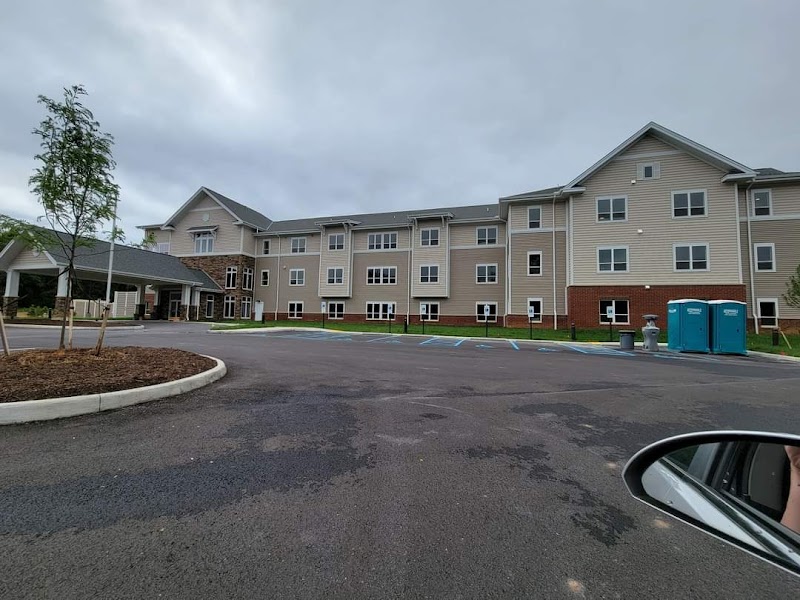
Who Owns and Operates Star City Rehabilitation And Nursing?

STAR CITY REHABILITATION AND NURSING is owned by a for-profit company. For-profit facilities operate as businesses with obligations to shareholders or private owners. The facility is operated by EASTERN HEALTHCARE GROUP, a chain that manages multiple nursing homes. With 116 certified beds and approximately 108 residents (about 93% occupancy), it is a mid-sized facility located in ROANOKE, Virginia.
How Does Star City Rehabilitation And Nursing Compare to Other Virginia Nursing Homes?

Compared to the 100 nursing homes in Virginia, STAR CITY REHABILITATION AND NURSING's overall rating (2 stars) is below the state average of 3.0, staff turnover (66%) is significantly higher than the state average of 46%, and health inspection rating (3 stars) is at the national benchmark.

What Should Families Ask When Visiting Star City Rehabilitation And Nursing?

Based on this facility's data, families visiting should ask: "How do you ensure continuity of care given staff turnover, and what is your staff retention strategy?" "Can you walk me through typical staffing levels on day, evening, and night shifts?" "Can I visit during a mealtime to observe dining assistance and food quality?" "How do you handle medical emergencies, and what is your hospital transfer rate?" These questions are particularly relevant given the facility's high staff turnover rate and the below-average staffing rating.

Is Star City Rehabilitation And Nursing Safe?

Based on CMS inspection data, STAR CITY REHABILITATION AND NURSING has a clean safety record: no substantiated abuse findings (meaning no confirmed cases of resident harm), no Immediate Jeopardy citations (the most serious violation level indicating risk of serious injury or death), and is not on the Special Focus Facility watch list (a federal program monitoring the lowest-performing 1% of nursing homes). The facility has a 2-star overall rating and ranks #100 of 100 nursing homes in Virginia. While no facility is perfect, families should still ask about staff-to-resident ratios and recent inspection results during their visit.

Do Nurses at Star City Rehabilitation And Nursing Stick Around?

Staff turnover at STAR CITY REHABILITATION AND NURSING is high. At 66%, the facility is 20 percentage points above the Virginia average of 46%. Registered Nurse turnover is particularly concerning at 62%. RNs handle complex medical decisions and coordinate care — frequent RN changes can directly impact care quality. High turnover means new staff may not know residents' individual needs, medications, or preferences. It can also be disorienting for residents, especially those with dementia who rely on familiar faces. Families should ask: What is causing the turnover? What retention programs are in place? How do you ensure care continuity during staff transitions?

Was Star City Rehabilitation And Nursing Ever Fined?

STAR CITY REHABILITATION AND NURSING has no federal fines on record. CMS issues fines when nursing homes fail to meet care standards or don't correct problems found during inspections. The absence of fines suggests the facility has either maintained compliance or corrected any issues before penalties were assessed. This is a positive indicator, though families should still review recent inspection reports for the full picture.

Is Star City Rehabilitation And Nursing on Any Federal Watch List?

STAR CITY REHABILITATION AND NURSING is not on any federal watch list. The most significant is the Special Focus Facility (SFF) program, which identifies the bottom 1% of nursing homes nationally based on persistent, serious quality problems. Not being on this list means the facility has avoided the pattern of deficiencies that triggers enhanced federal oversight. This is a positive indicator, though families should still review the facility's inspection history directly.