OUR LADY OF PERPETUAL HELP
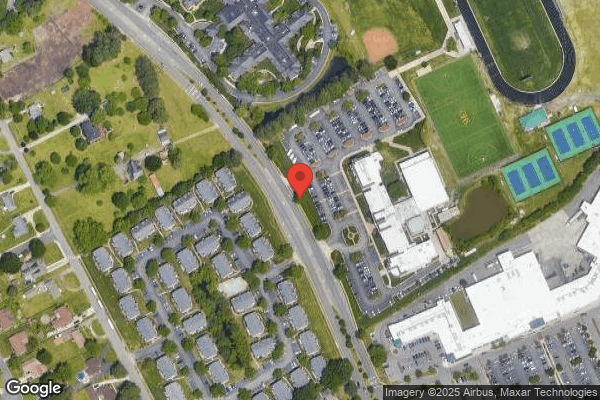
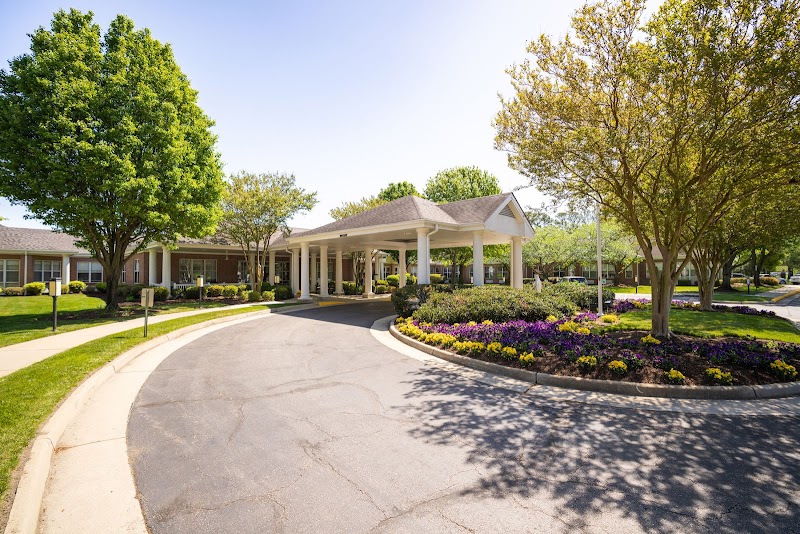
4560 PRINCESS ANNE ROAD, VIRGINIA BEACH, VA 23462 (757) 495-4211
Non profit - Corporation 30 Beds Independent Data: November 2025
Trust Grade
85/100
#30 of 285 in VA
Last Inspection: June 2025

Inspected within the last 6 months. Data reflects current conditions.

Overview

Our Lady of Perpetual Help in Virginia Beach has a Trust Grade of B+, which indicates that it is above average and recommended for families considering care options. It ranks #30 out of 285 facilities in Virginia, placing it in the top half, and is the top facility among 13 in Virginia Beach City County. The facility is improving, with the number of reported issues dropping from 10 in 2021 to 3 in 2025. Staffing is a strong point, rated 5 out of 5 stars with a turnover rate of 40%, which is lower than the state average, indicating that staff members tend to stay long-term and are familiar with the residents' needs. While there have been no fines assessed, the inspector found several concerns, including failures in documentation regarding COVID-19 risk assessments, lack of updates to care plans for residents on psychotropic medications, and neglect in applying necessary hand rolls for a resident with severe contractures. Overall, while the facility shows strengths in staffing and improvement trends, families should be aware of the documented concerns that may impact resident care.

Trust Score
B+
85/100
In Virginia
#30/285
Top 10%
Safety Record
Low Risk
No red flags
Inspections
Getting Better
10 → 3 violations
Staff Stability
○ Average
40% turnover. Near Virginia's 48% average. Typical for the industry.
Penalties
✓ Good
No fines on record. Clean compliance history, better than most Virginia facilities.
Skilled Nurses
✓ Good
Each resident gets 46 minutes of Registered Nurse (RN) attention daily — more than average for Virginia. RNs are trained to catch health problems early.
Violations
⚠ Watch
17 deficiencies on record. Higher than average. Multiple issues found across inspections.
★★★★★
5.0
Overall Rating
★★★★★
5.0
Staff Levels
★★★★☆
4.0
Care Quality
★★★★☆
4.0
Inspection Score
Stable
2021: 10 issues
2025: 3 issues

The Good

  • 5-Star Staffing Rating · Excellent nurse staffing levels
  • 4-Star Quality Measures · Strong clinical quality outcomes
  • Full Sprinkler Coverage · Fire safety systems throughout facility
  • No fines on record
  • Staff turnover below average (40%)

    8 points below Virginia average of 48%

Facility shows strength in staffing levels, quality measures, fire safety.

The Bad

Staff Turnover: 40%

Near Virginia avg (46%)

Typical for the industry

The Ugly 17 deficiencies on record

Jun 2025 3 deficiencies
CONCERN (D)

Potential for Harm - no one hurt, but risky conditions existed

Resident Rights (Tag F0550)

Could have caused harm · This affected 1 resident

Based on observation and staff interview, the facility's staff failed to maintain dignity during mealtime for 1 of 15 residents (Resident #13), in the survey sample. The findings included: Resident #...

Read full inspector narrative →
Based on observation and staff interview, the facility's staff failed to maintain dignity during mealtime for 1 of 15 residents (Resident #13), in the survey sample. The findings included: Resident #13 was originally admitted to the facility 2/14/20 after an acute care hospital stay. The resident has never been discharged from the facility. The current diagnoses included; Alzheimer's Disease. The quarterly Minimum Data Set (MDS) assessment with an assessment reference date (ARD) of 04/02/25 coded the resident as not having the ability to complete the Brief Interview for Mental Status (BIMS). The staff interview was coded for long and short term memory problems as well as severely impaired for daily decision making. In sectionGG(Functional Abilities) the resident was coded as dependent with eating, oral hygiene, toileting hygiene, personal hygiene and shower/bathe self. On 06/10/25 at approximately 1:33 pm., Certified Nursing Assistant (CNA) #1 was observed standing while feeding Resident #13 during lunch. On 06/10/25 at 3:43 pm., a brief interview was conducted with CNA #1 concerning Resident #13. CNA #1 said that she couldn't remember if she should have sat down or continued to stand while feeding the resident. CNA #1 also said that she realizes that she should have been sitting down while feeding the resident. On 6/12/25 at approximately 3:10 p.m., the above findings were shared with the Administrator, Director of Nursing (DON) and the Assistant Director of Nursing (ADON), the DON said it's not appropriate to feed a resident while standing.
CONCERN (D)

Potential for Harm - no one hurt, but risky conditions existed

Deficiency F0577 (Tag F0577)

Could have caused harm · This affected 1 resident

**NOTE- TERMS IN BRACKETS HAVE BEEN EDITED TO PROTECT CONFIDENTIALITY** Based on observations, resident interviews, and staff interviews, the facility staff failed to post the most recent survey resul...

Read full inspector narrative →
**NOTE- TERMS IN BRACKETS HAVE BEEN EDITED TO PROTECT CONFIDENTIALITY** Based on observations, resident interviews, and staff interviews, the facility staff failed to post the most recent survey results in a place readily accessible to resi-dents, family members, and legal representatives of residents. The findings included: Resident Council interview was done on 6/11/25 at 11:00 AM. Inquired whether residents know where the results of the most recent State survey is located. Resi-dents were unaware of where to find the report to review. An interview was conducted on 6/11/25 at 11:50 AM with the Social Worker. The Social Worker stated that she does not know where the results of the most recent survey results are located in the facility. The Social Worker also stated that she has not educated the residents on the location of the facilities survey results during the monthly resident council meetings. During an observation tour on 6/11/25 at 12:00 PM a sign was observed in the fa-cility lobby that read: Our most recent survey results are inside the labeled book-case drawer located next to the living room fireplace and card room area. Concurrent observation with the Administrator on 6/11/25 at 12:05 PM regarding the location of the results of the State Agency's last survey. The survey results are in a brown cabinet located next to the living room fireplace. The sign above the cabinet stated the survey results are below in labeled drawer. Also the sign was [NAME]-round by books and was not easily visible to residents, family members, and visi-tors. The Administrator was not able to say how many residents utilize the space to easily view the sign that tells them where the results are. On 6/12/25 at approximately 3:25 p.m., a final interview was conducted with the Administrator, Director of Nursing, Assistant Director of Nursing, Director of Din-ing Services, Director of Maintenance, and Social Worker. An opportunity was of-fered to the facility's staff to present additional information. They had no further comments and voiced no concerns regarding the above information.
CONCERN (D)

Potential for Harm - no one hurt, but risky conditions existed

Deficiency F0658 (Tag F0658)

Could have caused harm · This affected 1 resident

**NOTE- TERMS IN BRACKETS HAVE BEEN EDITED TO PROTECT CONFIDENTIALITY** Based on observation, staff interview, clinical record review, and review of facility documents, the facility's staff failed to ...

Read full inspector narrative →
**NOTE- TERMS IN BRACKETS HAVE BEEN EDITED TO PROTECT CONFIDENTIALITY** Based on observation, staff interview, clinical record review, and review of facility documents, the facility's staff failed to ensure professional standards of quality for were followed for 1 of 15 residents (Resident #5), in the survey sample. The findings included: The facility staff failed to check Resident #5s Blood Pressure (bp) prior to administering a prescribed dose of Furosemide 20 mg on 6/11/25 at 4:35 pm. Resident #5 was originally admitted to the facility 12/27/24 and readmitted [DATE] after an acute care hospital stay. The resident has never been discharged from the facility. The current diagnoses included; Acute or Chronic Diastolic Congestive Heart Failure. The quarterly, Minimum Data Set (MDS) assessment with an assessment reference date (ARD) of 03/26/25 coded the resident as completing the Brief Interview for Mental Status (BIMS) and scoring 5 out of a possible 15. This indicated Resident #5 cognitive abilities for daily decision making were severely impaired. The Care Plan dated 3/25/25 read that Resident #5 was at risk related to decreased cardiac output related to myocardial contractility. The Goal for Resident #5 is that the resident will maintain vital signs within normal limits. The interventions for the resident are to monitor blood pressure and to monitor urinary output, noting decreasing output and concentrated urine. The June 2025 Physician's Order Summary (POS) read Ferosemide 20 mg tablet, give 1 tablet by mouth two times a day. Hold for SBP (systolic blood pressure) less than 100. Order date 2/04/25. The Medication Administration Record (MAR) for June 2025 read: Furosemide 20 mg tablet, give 1 tablet by mouth two times a day. Hold for SBP less than 100-Start Date 05/01/2025. Administer at 10:00 am., and 5:00 pm. A review of the June 2025 MAR revealed Resident #5 received all doses of Furosemide 20 mg. On 6/11/25 at approximately 4:35 pm., a medication observation was made with Licensed Practical Nurse (LPN) #2. LPN #2 was observed administering Furosemide 20 mg, 1 tab po crushed. The order read: Furosemide 20 mg, 1 tab po crushed, check blood pressure twice daily, check Systolic Blood Pressure (SBP), hold if SBP is less than 100. Shortly thereafter, LPN #2 was asked to give the resident's BP reading, but said it hadn't been checked. LPN #2 checked the order and said the resident's blood pressure should have been checked prior to administration of her Furosemide. A review of the vital signs record reveal Resident #5s Blood Pressure (BP) was not checked on 6/11/25 at or around the schedule 5:00 pm., dosage. On 06/12/25 at approximately 11:04 am., a brief interview was conducted with The Assistant Director of Nursing (ADON). The ADON said the order should have been check before administration of the medication (Furosemide). Furosemide (Lasix)-Furosemide is a diuretic, also called a water pill, that is commonly used to reduce edema (fluid retention) caused by the following conditions. Congestive heart failure, which is a condition where the heart is not pumping as well as it should Liver disease, such as cirrhosis, which can lead to a buildup of fluid in the abdomen (ascites) kidney disease, including protein in the urine (nephrotic syndrome) Furosemide may also be used to treat high blood pressure (hypertension). Furosemide may also be used for other conditions as determined by your healthcare provider. Furosemide works by increasing how much you pee. It does this by helping the kidneys remove electrolytes, such as sodium (salt), and water from the body. The most common side effects of furosemide are Low blood pressure, Electrolyte changes, increased blood sugar and an increase in how much you pee. Keep your appointments to have your blood checked. https://www.webmd.com/drugs/2/drug-5512-8043/furosemide-oral/furosemide-oral/details On 6/12/25 at approximately 3:10 p.m., the above findings were shared with the Administrator, Director of Nursing (DON) and the Assistant Director of Nursing (ADON), the DON said that it could be a medication error and that the doctor was notified.
Oct 2021 10 deficiencies
CONCERN (D)

Potential for Harm - no one hurt, but risky conditions existed

Deficiency F0638 (Tag F0638)

Could have caused harm · This affected 1 resident

Based on clinical record review and staff interviews, the facility's staff failed to complete a quarterly Minimum Data Set (MDS) assessment at least every 92 days for one of 19 residents (Resident 5),...

Read full inspector narrative →
Based on clinical record review and staff interviews, the facility's staff failed to complete a quarterly Minimum Data Set (MDS) assessment at least every 92 days for one of 19 residents (Resident 5), in the survey sample. The findings included; Resident #5 was originally admitted to the facility 3/25/21 and the resident had never been discharged from the facility. The current diagnoses included; dementia, an anxiety disorder and hypothyroidism. The significant Minimum Data Set (MDS) assessment with an assessment reference date (ARD) of 5/12/21 coded the resident as not having the ability to complete the Brief Interview for Mental Status (BIMS). The staff interview was coded for long and short term memory problems as well as severely impaired for daily decision making. During the course of the survey 10/12/21 through 10/14/21, Resident #5's clinical record was reviewed. The most recent MDS assessment completed for the resident was a significant change assessment with an assessment reference date (ARD) of 5/12/21. On 10/14/21 at approximately 2:40 p.m., an interview was conducted with the MDS coordinator who reviewed Resident #5 MDS history. The MDS coordinator stated Resident #5 was currently in house and the last MDS assessment completed for her was dated 5/12/21. The MDS coordinator stated another MDS assessment should have been conducted one to ten days prior to 8/12/21 with the next assessment due in November. The MDS coordinator further stated she would conduct a facility audit to ensure all resident MDS assessments were current. The Quarterly assessment is an OBRA non-comprehensive assessment for a resident that must be completed at least every 92 days following the previous OBRA assessment of any type. It is used to track a resident's status between comprehensive assessments to ensure critical indicators of gradual change in a resident's status are monitored. (CMS Resident Assessment Instrument Version 3.0 Manual, dated October 2019, Chapter 2, page 2-33) On 10/14/21 at approximately 4:10 p.m., the Director of Nursing stated the MDS coordinator had recently retired but she was meticulous about ensuring the MDS assessments were completely timely, she didn't understand how the resident's assessment was omitted. On 10/14/21 at approximately 6:00 p.m., the above findings were shared with the Administrator and the Director of Nursing. They were afforded the opportunity to present additional information but; they did not.
CONCERN (D)

Potential for Harm - no one hurt, but risky conditions existed

MDS Data Transmission (Tag F0640)

Could have caused harm · This affected 1 resident

Based on clinical record review and staff interviews, the facility staff failed to complete the required discharge Minimum Data Set (MDS) assessment within the required timeframe after a death in the ...

Read full inspector narrative →
Based on clinical record review and staff interviews, the facility staff failed to complete the required discharge Minimum Data Set (MDS) assessment within the required timeframe after a death in the facility for 1of 19 residents (Resident #9), in the survey sample. The findings included; Resident #9 was originally admitted to the facility 7/28/20 and had never been discharged from the facility. The current diagnoses included; dementia, depression and diabetes. The annual Minimum Data Set (MDS) assessment with an assessment reference date (ARD) of 05/26/2021 coded the resident as not having the ability to complete the Brief Interview for Mental Status (BIMS). The staff interview was coded for long and short term memory problems as well as severely impaired for daily decision making. On 10/13/21, during the finalization of the sample the Resident Assessment task triggered for review. It revealed the Centers for Medicare/Medicaid Services (CMS) identified Resident #9 hadn't had a MDS assessment submitted to the MDS databank for more than 120 calendar days. Review of the clinical record revealed a nurse's dated 08/13/2021 at 06:25 a.m., which read; Resident pronounced at 0557. No heart rate or respirations found on auscultation for 1 full minute. On 10/14/21 at approximately 2:40 p.m., an interview was conducted with the MDS coordinator who reviewed Resident #9's MDS history. The MDS coordinator stated the clinical record revealed Resident #9's death in the facility MDS Tracking Record was dated 8/13/21 and read in process The MDS coordinator stated that in process means the assessment was opened but not completed and transmitted to the CMS databank. CMS's Resident Assessment Instrument Version 3.0 Manual, dated October 2019, Chapter 2, page 2-36 instructions read; the Death in Facility Tracking Record must be completed when the resident dies in the facility and it must be completed within 7 days after the resident's death, which is recorded in item A2000. discharge date (A2000 + 7 calendar days). The Tracking Record must be submitted within 14 days after the resident's death, which is recorded in item A2000, discharge date (A2000 + 14 calendar days). On 10/14/21 at approximately 4:10 p.m., the Director of Nursing stated the MDS coordinator had recently retired but she was meticulous about ensuring the MDS assessments were completely timely, she didn't understand how the resident's assessment was omitted. On 10/14/21 at approximately 6:00 p.m., the above findings were shared with the Administrator and the Director of Nursing. They were afforded the opportunity to present additional information but; they did not.
CONCERN (D)

Potential for Harm - no one hurt, but risky conditions existed

Deficiency F0687 (Tag F0687)

Could have caused harm · This affected 1 resident

**NOTE- TERMS IN BRACKETS HAVE BEEN EDITED TO PROTECT CONFIDENTIALITY** Based on observation, staff interviews and clinical record review the facility staff failed to ensure 1 of 19 residents (Residen...

Read full inspector narrative →
**NOTE- TERMS IN BRACKETS HAVE BEEN EDITED TO PROTECT CONFIDENTIALITY** Based on observation, staff interviews and clinical record review the facility staff failed to ensure 1 of 19 residents (Resident #18) in the survey sample who were unable to carry out activities of daily living (ADL) receives the necessary services to maintain toenail care. The findings included: The facility staff failed to ensure that podiatry services was provided to Resident #18. Resident #18 was originally admitted to the facility on [DATE]. Diagnosis for Resident #18 included but not limited to Dementia without behavioral disturbance. Resident #18's Minimum Data Set (MDS-an assessment protocol) a quarter assessment with an Assessment Reference Date of 08/25/21 coded Resident #18's Brief Interview for Mental Status (BIMS) scored a 03 out of a possible score of 15 indicating severe cognitive impairment. The MDS coded the resident total dependence of two with transfer, total dependence of one with toilet use, personal hygiene and bathing, extensive assistance of one with bed mobility and dressing and supervision for (ADL) care. Resident #18's person centered care plan with a revision date 09/01/21 documented resident is at risk for further interruption in skin integrity related to mobility impairments. One intervention/approach to manage goal include the License Practical Nurse (LPN) to document weekly skin/nail assessment under observations, as per schedule. During the review of Resident #18's active Order Summary Report included the following order with a start date of 11/09/19: may have podiatry as needed. On 10/13/21 at approximately 11:16 a.m., Resident #18 was observed lying in bed with both feet uncovered. The resident's great toenails were long and thick with rigged edges. Resident #18 stated, My toenails need to be cut, are you able to cut them for me? On the same day at approximately 4:45 p.m., License Practical Nurse (LPN) #2 was asked to assess Resident #18's toenails. After assessing Resident #18's toenails, she stated, Yes, his toe nails need to be cut and trimmed, they are thick and long. When asked, who is responsible for accessing toenails to ensure podiatry services are provided as needed, she replied, The Certified Nursing Assistant (CNA) should be checking daily while performing ADL care and they are to inform the nurse who will place the resident on the podiatry list. She said the nurses should be checking the resident's toenails weekly during skin check. The LPN said she be contact the podiatry to do a visit; hopefully tomorrow. Review of Resident #18's progress note written by LPN #2 on 10/13/2021 at 05:04 p.m., included the following information: Resident #18's toenails are long and need to be trimmed. A call was placed to (name of podiatrist), asked if he could see Resident #18 for toenail trimming; his bilateral great toe nails are thick, other toes nails are thin. The document also include the nurse did attempt to trim the thin nails but the resident stated, stop don't do that, that is enough. (Name of podiatrist) was made aware and states that he will be here tomorrow (10/14/21). Resident informed the podiatrist will be here tomorrow to provide toenail care. On 10/14/21 at approximately 2:05 p.m., the facility provided a document written by the podiatrist on 10/14/21 that included the following: podiatry visit today for Resident #18. Physical exam revealed his toenails were elongated, dystrophic and discolored; toenails derided today. A debriefing conference was conducted with the Administrator and Assistant Administrator on 10/14/21 at approximately 2:30 p.m. The facility did not present any further information about the findings. The facility's policy titled Personal Care and Service Delivery - revision date 01/01/09. It is the policy of this facility to promote and maintain the resident's highest level of functional independence while providing assistance with bathing, meals, mediations, bathroom and bedtime needs. Care and delivery shall be resident-centered to the maximum extent possible. Procedure include but not limited to: 17. Hygiene and grooming include trimming fingernails and toenails (certain medical conditions necessitate that this be done by a licensed health care professional).
CONCERN (D)

Potential for Harm - no one hurt, but risky conditions existed

Respiratory Care (Tag F0695)

Could have caused harm · This affected 1 resident

**NOTE- TERMS IN BRACKETS HAVE BEEN EDITED TO PROTECT CONFIDENTIALITY** Based on observations, clinical record reviews, and staff interviews; the facility staff failed to administer oxygen (O2) as ord...

Read full inspector narrative →
**NOTE- TERMS IN BRACKETS HAVE BEEN EDITED TO PROTECT CONFIDENTIALITY** Based on observations, clinical record reviews, and staff interviews; the facility staff failed to administer oxygen (O2) as ordered for one of 19 residents (Resident #20) in the survey sample. The findings included: Resident #20 was originally admitted to the facility 1/27/20 and readmitted [DATE] after an acute care hospital stay beginning 9/19/21. The current diagnoses included; COPD, COVID-19 diabetes and renal insufficiency. The quarterly Minimum Data Set (MDS) assessment with an assessment reference date (ARD) of 7/21/21 coded the resident as completing the Brief Interview for Mental Status (BIMS) and scoring 15 out of a possible 15. This indicated Resident #20's cognitive abilities for daily decision making were intact. Review of the clinical record revealed a physician's order dated 9/16/21 which read; oxygen (O2) at 2 Liters (L) per minute via Nasal Cannula (NC) as needed for Oxygen saturation (Sats) below 90% or dyspnea/shortness of breath (SOB); notify physician for sats below 90%, As Needed. 09/28/2021- O2 at 4 Liter per minute via NC as needed for Sats below 90% or dyspnea/SOB; notify MD for sats below 90%, As Needed. 10/12/2021 07:05 a.m., Resident complained of back pain at 0430 and was given morphine 0.25. At 0545 she started yelling that she couldn't breath and no one was helping her. Pulse ox was 76-78 on 4 liters. She was yelling and moving about and saying that she needed to get out of here. Oxygen was increased to 5 liters. She was given 0.5 ml of morphine, 0.5mg of Ativan, and her rescue inhaler. She was repositioned in the bed so that he head was elevated better once head of bed put up. She was calming down by 0600 and her pulse ox was up to 86%. Hospice was called to update her condition. ON 10/12/21 there was no order in the clinical record to increase the oxygen to 5 liter per minute. Review of the clinical record also revealed the following progress note dated 10/11/21 at 05:29 p.m., Resident admitted to (name of the agency) Hospice on 10/9/21. Comfort pack order provided. Resident aware of admission. On 10/13/21 at approximately 10:45 a.m., Resident #20 could be heard yelling out I can't breathe. Observations were made of staff going in to assist the resident but she continued to yell out. On 10/13/21 at approximately 11:20 a.m. an interview was conducted with Resident #20. The resident stated her back hurt and she couldn't breathe. She was observed with an O2 mask on and the O2 concentrator reading was 5 1/2 Liters per minute according to Licensed Practical Nurse (LPN) #1. On 10/13/2021 at approximately 12:30 p.m. a Hospice progress note was added to the clinical record by the facility's nurse. It read; Hospice in and saw resident. Resident is transitioning. New Oder to start Lorazepam 2mg/mL give 0.25 mL Sublingual every six hours routinely for anxiety/restlessness. Discontinue Remeron, Xanax, Bumex, Tramadol, Arthritis Tylenol, Trazadone, Proair, Pulmicort, and Lexapro. Increase oxygen to 5 ½ Liter per minute and Discontinue the left lower leg treatment. Responsible Party/Brother here and at bed side aware of status and new orders. Vital signs temperature 97.3, Heart rate 113, Respirations 20, O2 Sats on 89% 5 ½ Liter of O2 via face mask. On 10/13/21 at approximately 2:10 p.m. an observation was again made of Resident #20 at approximately se was with closed eyes, the O2 mask remained in place and the O2 concentrator remained at 5 1/2 Liters per minute. On 10/13/21 at approximately 3:20 p.m., the MDS coordinator presented an order for O2 at 5 1/2 liters per minute via facemask. At the time resident #20's O2 was increased to 5 ½ liter per minutes there was no order in the clinical record. On 10/14/21 at approximately 2:44 p.m., a progress note read; Brother came to visit this AM. Resident seen by Hospice NP and case manager today. New orders for resident to now receive routine morphine 0.75m and Lorazepam 0.5 Q3H. Also Atropine 2 drops Q3H. Residents O2 decreased to 4 Liters per hospice. Resident states she wants to be left alone. On 10/14/21 at approximately 2:45 p.m., an interview was conducted with the Hospice Nurse who stated they saw no improvement in the resident's respirations with the increased O2 therefore the oxygen had been decreased from 5.5 Liter per minute to 4 Liters per minute. On 10/14/21 at approximately 6:00 p.m., the above findings were shared with the Administrator and the Director of Nursing. They were afforded the opportunity to present additional information but; they did not.
CONCERN (E)

Potential for Harm - no one hurt, but risky conditions existed

Deficiency F0657 (Tag F0657)

Could have caused harm · This affected multiple residents

**NOTE- TERMS IN BRACKETS HAVE BEEN EDITED TO PROTECT CONFIDENTIALITY** 2. The facility staff failed to revise Resident #6's comprehensive person-centered care plan to include the use of psychotropic ...

Read full inspector narrative →
**NOTE- TERMS IN BRACKETS HAVE BEEN EDITED TO PROTECT CONFIDENTIALITY** 2. The facility staff failed to revise Resident #6's comprehensive person-centered care plan to include the use of psychotropic medication (Xanax). Resident #8 was admitted to the nursing facility on 01/25/21. Diagnosis for the resident included but not limited to Depression. Resident #8's Minimum Data Set (MDS-an assessment protocol) a quarter assessment with an Assessment Reference Date of 09/22/21 coded Resident #8's Brief Interview for Mental Status (BIMS) scored a 14 out of a possible score of 15 indicating no cognitive impairment for daily decision-making. The MDS coded the resident extensive assistance of one with bathing, limited assistance of one with bed mobility, dressing and toilet use, and no assistance required with transfer or eating with Activities of Daily (ADL) care. Resident #8's person-centered comprehensive care plan with a revision date 09/29/21 did not include the use of psychoactive medication Xanax. The physician Order Sheet (POS) for October 2021 included the following order: Xanax 0.25 mg daily as needed starting 04/26/21. 1. Review of May 2021 Medication Administration Record (MAR) revealed, PRN Xanax was administered on the following day: 05/13/21. 2. Review of June 2021 Medication Administration Record (MAR) revealed, PRN Xanax was administered on the following days: 06/01/21 and 06/22/21. On 10/14/21 at approximately 3:00 p.m., an interviewed was conducted with the Administrator and Director of Nursing (DON). The DON said she update/revise the care plans. She said the Xanax was ordered when Resident #6's son passed away. She said at one time there was a care plan for the use of the medication Xanax but it was deleted. The Administrator, Assistant Administrator, Director of Nursing and Dietary Manager were informed of the finding during a debriefing on 10/14/21 at approximately 6:15 p.m. The facility staff did not present any further information about the findings. The facility's policy titled Comprehensive Person-Centered Care Planning - revision date 11/15/17. The comprehensive care plan will incorporate identified problem area and incorporate risk factors associated with identified problems. -The Care Planning/Interdisciplinary Team are responsible for the review and updating of the care plans. Definitions: -Xanax is used to treat anxiety disorder and anxiety caused by depression (https://www.drugs.com/xanax.html). Based on clinical record reviews, staff interviews, facility documentation, and review of the facility's policy; the facility staff failed to review and revise the person-centered care plan as each resident's condition changed for two of 19 residents (Resident #20 and #6) in the survey sample. The findings included: 1. The facility staff failed to review and revise Resident #20's person-centered care plan to include Hospice services and use oxygen (O2). Resident #20 was originally admitted to the facility 1/27/20 and readmitted [DATE] after an acute care hospital stay beginning 9/19/21. The current diagnoses included; COPD, COVID-19 diabetes and renal insufficiency. The quarterly Minimum Data Set (MDS) assessment with an assessment reference date (ARD) of 7/21/21 coded the resident as completing the Brief Interview for Mental Status (BIMS) and scoring 15 out of a possible 15. This indicated Resident #20's cognitive abilities for daily decision making were intact. Review of the clinical record revealed a physician's order dated 9/16/21 which read; oxygen (O2) at 2 Liters (L) per minute via Nasal Cannula (NC) as needed for Oxygen saturation (Sats) below 90% or dyspnea/shortness of breath (SOB); notify physician for sats below 90%, As Needed. 09/28/2021- O2 at 4 Liter per minute via NC as needed for Sats below 90% or dyspnea/SOB; notify MD for sats below 90%, As Needed. Review of the clinical record also revealed the following progress note dated 10/11/21 at 05:29 p.m., Resident admitted to (name of the agency) Hospice on 10/9/21. Comfort pack order provided. Resident aware of admission. Review of Resident #20's person-centered care plan revealed no problem/goal/interventions for use of O2 or election of Hospice services therefore; and interview was conducted with the Director of Nursing on 10/14/21 at approximately 4:10 p.m. The Director of Nursing stated it was her responsibility to update the care plans but she had been on vacation and hadn't updated Resident #20's care plan to reflect the use of O2 and Hospice Services and neither had the Hospice agency provided the facility with their care plan. On 10/14/21 at approximately 6:00 p.m., the above findings were shared with the Administrator and the Director of Nursing. They were afforded the opportunity to present additional information but; they did not.
CONCERN (E)

Potential for Harm - no one hurt, but risky conditions existed

Quality of Care (Tag F0684)

Could have caused harm · This affected multiple residents

**NOTE- TERMS IN BRACKETS HAVE BEEN EDITED TO PROTECT CONFIDENTIALITY** Based on observations, clinical record review, staff interviews and facility document review the facility staff failed to apply ...

Read full inspector narrative →
**NOTE- TERMS IN BRACKETS HAVE BEEN EDITED TO PROTECT CONFIDENTIALITY** Based on observations, clinical record review, staff interviews and facility document review the facility staff failed to apply bilateral hand rolls for 8 days for 1 of 19 residents in the survey sample with severe hand contractures, Resident #11. The findings included: Resident #11 was admitted to the facility on [DATE] with diagnoses to included but not limited to Bilateral Upper Extremity Contractures, Alzheimer's Disease and Osteoporosis. Resident #11's most recent Minimum Data Set (MDS) was a Quarterly with an Assessment Reference Date (ARD) of 8/25/21. The Brief Interview for Mental Status (BIMS) was not completed because the resident was coded as rarely or never understood. Resident #11 was coded as having long and short term memory problems and severely impaired for task of daily living. Under Section G Functional Status G0400. Functional Limitation in Range of Motion Resident #11 was coded as having Upper Extremity Impairment on both sides. On 10/13/21 at 10:37 a.m., Resident #11 was observed in a private room lying in bed with her personal sitter at her side. The resident was severe bilateral hand contractures with to the point that her fingers were pressing into the palm of her hands. There was signage instructions with a diagram of hand rolls on the closet door which read : 6 to 8 hours/day during daytime. Resident #11 was observed with no hand rolls in place to either hand. On 10/13/21 at 11:45 a.m., Resident #11 was observed still lying in bed with no hand rolls in place to either hand. On 10/13/21 at 1:20 p.m., Resident #11 was once again observed still lying in bed with no hand rolls in place to either hand. 10/13/21 at 1:25 p.m., an interview was conducted with Resident #11's personal sitter. Resident #11's personal sitter was asked about the resident's hand rolls. The personal sitter stated, They haven't been on today. It's been almost a week since I've seen them on her, they may be in laundry. The staff usually put them on her, but they come off a lot. The therapy lady that made them for her is no longer here. I'm here with her usually everyday from 7 am to 3 pm. The personal sitter found one hand roll in resident's top dresser drawer, but was unable to locate the second one. Resident #11's Physical Orders were reviewed and are documented in part, as follows: Use bilateral hand rolls during daytime. ON at 0800 and OFF at 1400 (2 p.m.) Special Instructions: Contractions. Start Date: 11/30/2020. Resident #11's Comprehensive Care Plan revised on 9/4/21 was reviewed and is documented in part, as follows: Problem: Category: ADL (Activities of Daily Living) Functional/Rehabilitation Potential Name (Resident #11) has limited in range of motion related to contractures in bilateral upper and lower extremities. Approach: Inspect skin before and after hand rolls. Observe and report any red or broken areas, Refer to diagram for placement. On 10/13/21 at 2:30 p.m., an interview was conducted with the Director of Nursing (DON) regarding Resident #11's hand rolls. The DON stated, I would expected for the staff to follow her plan of care and have the splints on her. If we are missing one we can get another one for her that's not a problem. On 10/14/21 at 11:03 a.m., Resident #11 was observed in bed with her hand rolls in place to both hands. The facility was unable to provide a policy related to the facility expectations for the use of hand rolls or splinting devices to aide with contractures. On 10/14/21 at 5:57 p.m., a Pre-Exit Debriefing was held with the Administrator, the Assistant Administrator, the Director of Nursing and the Food Services Director were the above information was shared. Prior to exit no further information was shared.
CONCERN (E)

Potential for Harm - no one hurt, but risky conditions existed

Drug Regimen Review (Tag F0756)

Could have caused harm · This affected multiple residents

**NOTE- TERMS IN BRACKETS HAVE BEEN EDITED TO PROTECT CONFIDENTIALITY** 3. Resident #4 was originally admitted to the facility on [DATE]. Diagnosis for Resident #4 included but not limited to Type II ...

Read full inspector narrative →
**NOTE- TERMS IN BRACKETS HAVE BEEN EDITED TO PROTECT CONFIDENTIALITY** 3. Resident #4 was originally admitted to the facility on [DATE]. Diagnosis for Resident #4 included but not limited to Type II Diabetes and Hypertension (high blood pressure). Resident #4's Minimum Data Set (MDS), a quarterly assessment with an Assessment Reference Date (ARD) of 07/21/21 coded the resident with a 14 out of a possible score of 15 on the Brief Interview for Mental Status (BIMS) indicating no cognitive impairment. The MDS coded Resident #4 requiring extensive assistance of two with transfer, extensive assistance of one with toilet use, limited assistance of one with personal hygiene, dressing and bathing and supervision with set-up with bed mobility and eating for Activities of Daily Living (ADL) care. Resident #4's comprehensive care plan documented the resident with history of hypertension. The goal set for the resident by the staff the resident will verbalize disease process and methods to control risk factors for hypertension and remain compliance with medication regimen. Some of the intervention/approaches to manage goal include but not limited resident provide monitor vital signs as ordered and encourage questions regarding disease and treatment and provide medications as ordered. The comprehensive care plan also documented the resident with diabetes and is insulin dependent. The goal set for the resident by the staff the resident will have blood glucose ranging between 100-130 and absent of signs of hypoglycemia (low blood sugar) and hyperglycemia (high blood sugar). Some of the intervention/approaches to manage goal include but not limited documenting blood sugars in the Electric Medical Record (EMR), monitor blood sugar and provide medications as ordered. Review of Resident #4's clinical record revealed the following pharmacy progress notes dated 05/04/21, 06/07/21, 07/08/21 and 08/09/21. The clinical record did not include a pharmacy progress note for September 2021. An interview was conducted with the Administrator and Director of Nursing (DON) on 10/14/21 at approximately 4:00 p.m. When asked if Resident #4's clinical record provided evidence that the resident had a pharmacy review in September 2021, the Administrator replied, No, the resident's chart was not audited to determine if the pharmacy documented in the progress note for September 2021 but we will start checking from now on. Definitions: -Type II Diabetes is an impairment in the way the body regulates and uses sugar (glucose) as a fuel (https://www.mayoclinic.org/diseases-conditions/type-2-diabetes/symptoms-causes/syc). 4. Resident #6 was admitted to the facility on [DATE]. Diagnosis for Resident #6 included but not limited to Congestive Heart Failure (CHF) and Sarcoidosis of the lung. Resident #6's Minimum Data Set (MDS), a quarterly assessment with an Assessment Reference Date (ARD) of 09/22/21 coded the resident with a 14 out of a possible score of 15 on the Brief Interview for Mental Status (BIMS) indicating no cognitive impairment. The MDS coded the resident requiring extensive assistance of one with bathing, limited assistance of one with bed mobility, dressing toilet use and personal hygiene and independent with transfer and eating for Activities of Daily Living (ADL) care. Resident #6's comprehensive care plan documented the resident with respiratory distress due to diagnosis of Sarcoidosis of the lung and CHF. The goal set for the resident by the staff the resident will maintain current health status with no sign and symptoms of respiratory distress. Some of the intervention/approaches to manage goal include but not limited to maintain head of bed (HOB) at least 45 degrees as needed and as tolerated by resident to facilitate breathing, pulmonary consult and administer medications as ordered. Review of Resident #6's clinical record revealed the following pharmacy progress notes dated 02/05/21, 03/06/21, 04/14/21, 05/04/21, 06/07/21 and 07/08/21. The clinical record did not include a pharmacy progress note for September 2021. An interview was conducted with the Administrator and Director of Nursing (DON) on 10/14/21 at approximate 4:00 p.m. When asked if Resident #4's clinical record provided evidence that the resident had a pharmacy review in September 2021, the Administrator replied, No, the resident's chart was not audited to determine if the pharmacy documented in the progress note for September 2021 but we will start checking from now on. On 10/14/21 at approximately 6:20 p.m., the facility provided the following email dated 10/14/21 at 6:07 p.m., from (name of pharmacy) that read: I understand from our account manager that the pharmacy consultations were not documented by the consultant pharmacist in the EMR for (name of facility). The pharmacist has since retired. To correct the documentation (name of pharmacist) can enter late entries stating the medication regimen reviews were done, including the date done, by whom (the note will show him as the author but he will reference to (name of previous pharmacist), and whether any irregularities noted. The Administrator, Assistant Administrator, Director of Nursing and Dietary Manager were informed of the finding during a debriefing on 10/14/21 at approximately 6:15 p.m. The facility staff did not present any further information about the findings. Definitions: -Congestive Heart Failure occurs when the heart muscle doesn't pump blood as well as it should. When this happens, blood often backs up and fluid can build up in the lungs, causing shortness of breath (https://www.mayoclinic.org/diseases-conditions/heart-failure/symptoms-causes/syc). -Sarcoidosis of the lung is a disease characterized by the growth of tiny collections of inflammatory cells (granulomas) in any part of your body - most commonly the lungs and lymph nodes. But it can also affect the eyes, skin, heart and other organs (https://www.mayoclinic.org/diseases-conditions/sarcoidosis/symptoms-causes). Based on clinical record review, staff interviews, and review of facility documents, the facility staff failed to ensure at least once a month a Licensed Pharmacist conduct a monthly Medication Regimen Review (MMR) for 5 of 19 residents (Resident #20, 13, 4, 6, and 2), in the survey sample. The findings included: 1. The facility staff failed to ensure Resident #20's drug regimen was reviewed at least once a month by a licensed pharmacist. Resident #20 was originally admitted to the facility 1/27/20 and readmitted [DATE] after an acute care hospital stay beginning 9/19/21. The current diagnoses included; COPD, COVID-19, diabetes and renal insufficiency. The quarterly Minimum Data Set (MDS) assessment with an assessment reference date (ARD) of 7/21/21 coded the resident as completing the Brief Interview for Mental Status (BIMS) and scoring 15 out of a possible 15. This indicated Resident #20's cognitive abilities for daily decision making were intact. The twelve month Pharmacist review for Resident #20 revealed an absence of a review for March 2021 and September 2021. An interview was conducted with The Director of Nursing on 10/14/21 at approximately 2:25 p.m. The Director of Nursing stated after reviewing the clinical record that she didn't see the resident's drug regimen review for March 2021 and September 2021 but; the list of resident submitted to her from the Pharmacist for March 2021 and September 2021 indicated the resident was reviewed all twelve months. On 10/14/21 at approximately 6:00 p.m., the above findings were shared with the Administrator and the Director of Nursing. The Administrator stated the Pharmacist is required to document the monthly medication review in the electronic record and she understood the reviews were not all there but; she also had received documents from the Pharmacist indicating the monthly drug regimens were conducted as required. 2. The facility staff failed to ensure Resident #13's drug regimen was reviewed at least once a month by a licensed pharmacist. Resident #13 was originally admitted to the facility 12/16/19 and had never been discharged from the facility. The current diagnoses included; Parkinson's disease and an anxiety disorder. The quarterly Minimum Data Set (MDS) assessment with an assessment reference date (ARD) of 7/7/21 coded the resident as completing the Brief Interview for Mental Status (BIMS) and scoring 15 out of a possible 15. This indicated Resident #13's cognitive abilities for daily decision making were intact. The twelve month Pharmacist review for Resident #13 revealed an absence of a review for July 2021 and September 2021. An interview was conducted with The Director of Nursing on 10/14/21 at approximately 2:25 p.m. The Director of Nursing stated after reviewing the clinical record that she didn't see the resident's drug regimen review for July 2021 and September 2021 but; the list of resident submitted to her from the Pharmacist for July 2021 and September 2021 indicated the resident was reviewed all twelve months. On 10/14/21 at approximately 6:00 p.m., the above findings were shared with the Administrator and the Director of Nursing. The Administrator stated the Pharmacist is required to document the monthly medication review in the electronic record and she understood the reviews were not all there but; she also had received documents from the Pharmacist indicating the monthly drug regimens were conducted as required. 5. The facility staff failed to provide drug regimen reviews once a month by a licensed pharmacist. Resident #2 was admitted to the facility on [DATE] with diagnoses which included osteoporosis, hypertension, anxiety disorder, insomnia, dementia and anemia. A review of the clinical records did not include a pharmacy review for the month of September 2021. A physician order dated 10/14/2021 indicated Resident #2 was receiving the following medications and treatments: Provide shower/bath 2 x weekly, provide regular diet, admit to home hospice care, administer flu vaccine annually between October 1 and October 31. Medications provided to Resident #2 included: Synthroid tablet 112 mcg; amt 1 tablet oral once day (06:00 AM), Lexapro tablet 10 mg 1 tablet once a day (09:00 AM), trazaodone 50 mg give one tab PO QHS routinely at bedtime (07:00 PM)c, Ultracet -Schedule IV tablet 37.5-325 mg one tab four times a day (9:00 AM, 01:00 PM, 05:00 PM, 09:00 PM), clonazepam Schedule IV tablet;v 0.5 mg; 1 tab oral three times a day (06:00 AM, 02:00 PM, 09:00 PM), and Depakote Sprinkles capsule 125 mg 1 cap oral BID for mood/behavioral disturbance twice a day (09:00 AM, 05:00 PM). Treatments: LPN to perform weekly skin and nail assessment on Friday 7-3 shift. Once a day on Friday (07:30 AM-03:30 PM). Monitor S/T (skin tear) 10/12/21 for signs and symptoms of infection Q shift until healed. Every shift, days, Evenings, Nights.' During an interview on 10/14/21 at 5:00 P.M. with the administrator she stated, she was aware that the pharmacy did not review all of the resident pharmacy reviews for the month of September 2021. A Pharmacy Policy revised 06/11/21 indicated: Medication Regimen Review: This Policy 9:1 sets forth procedures relating to the medication regimen review (MRR) Procedure: 1. The Consultant Pharmacist will conduct MRR's if required under a Pharmacy Consultant Agreement and will make recommendations based on the information available in the residents' health record 5. The facility should independently review each resident's medication regimen directly from the resident's medical chart and with Interdisciplinary Care Team members, resident or Responsible Party, as needed.
CONCERN (E)

Potential for Harm - no one hurt, but risky conditions existed

Medication Errors (Tag F0758)

Could have caused harm · This affected multiple residents

Based on clinical record reviews, staff interviews and facility documentation, the facility staff failed to do a Gradual Dose Reduction (GDR) for 1 out of 19 residents, Resident #6 in the survey sampl...

Read full inspector narrative →
Based on clinical record reviews, staff interviews and facility documentation, the facility staff failed to do a Gradual Dose Reduction (GDR) for 1 out of 19 residents, Resident #6 in the survey sample who was receiving a PRN (as needed) psychotropic medication (Xanax). The findings included: The facility staff failed to ensure an as needed psychotropic medication (Xanax) was limited to 14 days for Resident #6. The physician or Nurse Practitioner (NP) did not do an evaluation of Resident #6 to extend the psychotropic medication pass 14 days without documenting the rational and duration in the resident's medical record. Resident #8 was admitted to the nursing facility on 01/25/21. Diagnosis for the resident included but not limited to Depression. Resident #8's Minimum Data Set (MDS-an assessment protocol) a quarter assessment with an Assessment Reference Date of 09/22/21 coded Resident #8's Brief Interview for Mental Status (BIMS) scored a 14 out of a possible score of 15 indicating no cognitive impairment for daily decision-making. The MDS coded the resident extensive assistance of one with bathing, limited assistance of one with bed mobility, dressing and toilet use, and no assistance required with transfer or eating with Activities of Daily (ADL) care. The MDS under section E (Behaviors), coded Resident #8 for not exhibiting physical and verbal behaviors directed towards others 1-3 days each week. The resident was also coded for not having behaviors symptoms not directed toward others. Under section (E0800), for rejection of care was coded for not having behavior occurred 1-3 days each week. Resident #8's person-centered comprehensive care plan with a revision date 09/29/21 did not include the use of psychoactive medication Xanax. The physician Order Sheet (POS) for October 2021 included the following order: Xanax 0.25 mg daily as needed starting 04/26/21. 1. Review of May 2021 Medication Administration Record (MAR) revealed, PRN Xanax was administered on the following days: 05/13/21. 2. Review of June 2021 Medication Administration Record (MAR) revealed, PRN Xanax was administered on the following days: 06/01 and 06/22/21. On 10/14/21 at approximately 3:00 p.m., an interviewed was conducted with the Administrator and Director of Nursing (DON). The DON said the Xanax was ordered when Resident #6's son passed away. The DON reviewed Resident #6's Xanax order then stated, The PRN Xanax order should have been written for 14 days then re-evaluated by the physician. The Administrator, Assistant Administrator, Director of Nursing and Dietary Manager were informed of the finding during a debriefing on 10/14/21 at approximately 6:15 p.m. The facility staff did not present any further information about the findings. A facility's policy titled Psychopharmacologic Medication -revision date 11/28/17. The policy will develop and maintain a system for assuring the proper use and monitoring of psychopharmacologic agents. Residents on psychopharmacologic agents require a physician's order for an appropriate diagnosis and a treatment plan. Procedure: Initiation of Psychopharmacologic Drug Therapy per physician read in part:as needed antipsychotic agent should only be used: 4. PRN for psychotropic medications are limited to 14 days unless the attending physician or prescribing practitioner believes it is necessary for the PRN order to extend beyond 14 days, he/she will document the rational in the resident's medical record and indicate the duration for the PRN order. Definitions: -Xanax is used to treat anxiety disorder and anxiety caused by depression (https://www.drugs.com/xanax.html).
CONCERN (E)

Potential for Harm - no one hurt, but risky conditions existed

Medical Records (Tag F0842)

Could have caused harm · This affected multiple residents

**NOTE- TERMS IN BRACKETS HAVE BEEN EDITED TO PROTECT CONFIDENTIALITY** Based on observations, clinical record review, staff interviews and facility document review the facility staff failed to ensure...

Read full inspector narrative →
**NOTE- TERMS IN BRACKETS HAVE BEEN EDITED TO PROTECT CONFIDENTIALITY** Based on observations, clinical record review, staff interviews and facility document review the facility staff failed to ensure an accurate medical record for 1 of 19 residents in the survey sample to include applying and removing bilateral hand rolls for 8 days with severe hand contractures, Resident #11. The findings included: Resident #11 was admitted to the facility on [DATE] with diagnoses to included but not limited to Bilateral Upper Extremity Contractures, Alzheimer's Disease and Osteoporosis. Resident #11's most recent Minimum Data Set (MDS) was a Quarterly with an Assessment Reference Date (ARD) of 8/25/21. The Brief Interview for Mental Status (BIMS) was not completed because the resident was coded as rarely or never understood. Resident #11 was coded as having long and short term memory problems and severely impaired for task of daily living. Under Section G Functional Status G0400. Functional Limitation in Range of Motion Resident #11 was coded as having Upper Extremity Impairment on both sides. On 10/13/21 at 10:37 a.m., Resident #11 was observed in a private room lying in bed with her personal sitter at her side. The resident was severe bilateral hand contractures with to the point that her fingers were pressing into the palm of her hands. There was signage instructions with a diagram of hand rolls on the closet door which read : 6 to 8 hours/day during daytime. Resident #11 was observed with no hand rolls in place to either hand. On 10/13/21 at 11:45 a.m., Resident #11 was observed still lying in bed with no hand rolls in place to either hand. On 10/13/21 at 1:20 p.m., Resident #11 was once again observed still lying in bed with no hand rolls in place to either hand. 10/13/21 at 1:25 p.m., an interview was conducted with Resident #11's personal sitter. Resident #11's personal sitter was asked about the resident's hand rolls. The personal sitter stated, They haven't been on today. It's been almost a week since I've seen them on her, they may be in laundry. The staff usually put them on her, but they come off a lot. The therapy lady that made them for her is no longer here. I'm here with her usually everyday from 7 am to 3 p.m The personal sitter found one hand roll in resident's top dresser drawer, but was unable to locate the second one. Resident #11's Physical Orders were reviewed and are documented in part, as follows: Use bilateral hand rolls during daytime. ON at 0800 and OFF at 1400 (2 p.m.) Special Instructions: Contractions. Start Date: 11/30/2020. Resident #11's Comprehensive Care Plan revised on 9/4/21 was reviewed and is documented in part, as follows: Problem: Category: ADL (Activities of Daily Living) Functional/Rehabilitation Potential Name (Resident #11) has limited in range of motion related to contractures in bilateral upper and lower extremities. Approach: Inspect skin before and after hand rolls. Observe and report any red or broken areas, Refer to diagram for placement. Resident #11's Medication Administration Record (MAR) dated 10/1/21 through 10/14/21 was reviewed and is documented in part, as follows: Order: Use bilateral hand rolls during daytime. ON at 0800 and OFF at 14:00 (2:00 p.m.). Frequency: Twice a day. Special Instructions: Contractures. Start/End Date: 11/3/2020-Open Ended. From 10/6/21 through 10/13/21 the above order was signed off as being completed by Licensed Practical Nurse (LPN) #1 on Resident #11's MAR. On 10/14/21 at 3:10 p.m., a phone interview was conducted with LPN #1 regarding Resident #11's bilateral hand rolls. LPN #1 was asked about if she applied and removed Resident #11's bilateral hand rolls on her shift from 10/6/21 through 10/13/21. LPN #1 stated, I just recently starting working on the day shift, I used to work nights. I was under the impression that the private sitter was applying them during the day when she came in and taking them off right before she left each day. I never put them on or removed them. LPN #1 was asked if Resident #11's MAR was accurate from 10/6/21 through 10/13/21 regarding the bilateral hand rolls that she had signed off as completing. LPN #1 stated, No, I didn't put them on her or remove them. When I signed it off on the MAR I should have assured that the splints were on. On 10/14/21 at 3:45 p.m., an interview was conducted with the Director of Nursing (DON) regarding Resident #11's inaccurate MAR from 10/6/21 through 10/13/21 for applying and removing her bilateral hand rolls. The DON stated, It is the licensed nurse's responsibility to ensure what they are documenting in the clinical record is accurate. She (LPN #1) did tell me yesterday that she thought the sitter was applying the splints and removing them each day. The facility policy titled Electronic Medical Record revised 1/5/2015 was reviewed and is documented in part, as follows: Purpose: To ensure complete, accurate, and timely electronic medical records. Definition of Terms: 1. Medical Record: The chronological documentation of health care and medical treatment given to a patient by professional members of the health care team. It is an accurate, prompt recording of their observations including relevant information about the patient, the patient's progress and the results of treatment. Procedure: 2. Entries must be accurate, relevant, timely, and complete. On 10/14/21 at 5:57 p.m., a Pre-Exit Debriefing was held with the Administrator, the Assistant Administrator, the Director of Nursing and the Food Services Director were the above information was shared. Prior to exit no further information was shared.
CONCERN (F)

Potential for Harm - no one hurt, but risky conditions existed

Deficiency F0838 (Tag F0838)

Could have caused harm · This affected most or all residents

Based on observation, staff interview and the facility document review, the facility staff failed to document an ongoing facility wide risk assessment to include their current population of two (2) CO...

Read full inspector narrative →
Based on observation, staff interview and the facility document review, the facility staff failed to document an ongoing facility wide risk assessment to include their current population of two (2) COVID-19 residents. The findings included: The facility had an outbreak of COVID-19 in the facility starting on 08/18/21. Resident cumulative COVID-19 cases totaled nine (9) with three (3) COVID-19 related deaths. Staff cumulative COVID-19 cases totaled ten (10), all staff recovered and no deaths. At the time of the survey, there were two (2) residents that were currently positive for COVID-19. The facility provided a document titled Infection Control Assessment and Response (ICAR) recommendation report dated 09/30/21 from the Virginia Beach Epidemiologist. The document included but not limited to the following information: work with Virginia Department of Health (VDH) to conduct Train the Trainer exercises to increase the proportion of N-95 fit-tested employees, discontinue the re-use of mask while outside of crisis strategy and discontinue use of red biohazard bags for COVID-19 isolation waste. An interview was conducted with the Administrator on 10/14/21 at approximately 3:30 p.m. The Administrator was asked if the facility Wide-Assessment Plan was updated to include the facility's current resident population, the Administrator replied, Yes. The facility Wide-Assessment Plan was reviewed with the Administrator. The assessment revealed the following documentation under special treatments: zero (0) for the number of residents who were on isolation or quarantine for active infectious disease. After the assessment was reviewed with the Administrator, the Administrator stated the facility assessment plan does not include the two (2) COVID-19 positive residents as part of the current resident population. She said the assessment plan is reviewed annual and do I realize the Facility Assessment is an ongoing assessment and must be revised as changes occur within the facility. The Administrator said the Facility Assessment Plan should have included the two (2) positive cases of COVID-19 as part of the current resident population. The Administrator, Assistant Administrator, Director of Nursing and Dietary Manager were informed of the finding during a debriefing on 10/14/21 at approximately 6:15 p.m. The facility staff did not present any further information about the findings. The facility provided the Emergency Preparedness and Evacuation Plan with a revision date of 10/14/21. The purpose of an evacuation plan in this facility is to ensure the ongoing safety of our resident population if the facility and its management are presented with circumstance that provide untenable in the pursuit of continued care and rendering of service or pose an immediate threat to the life safely and well-being of facility occupants. Procedure: This plan will incorporate the following requirements: 7. Documentation of the facility's risk assessments and associated strategies. 11. Documentation that the policies and procedures were developed based on the facility and community-based risk assessment and communication plan, utilizing an all-hazards approach.
Oct 2019 4 deficiencies
CONCERN (D)

Potential for Harm - no one hurt, but risky conditions existed

Free from Abuse/Neglect (Tag F0600)

Could have caused harm · This affected 1 resident

**NOTE- TERMS IN BRACKETS HAVE BEEN EDITED TO PROTECT CONFIDENTIALITY** Based on staff interview, facility document review, clinical record review and complaint investigation, the facility staff faile...

Read full inspector narrative →
**NOTE- TERMS IN BRACKETS HAVE BEEN EDITED TO PROTECT CONFIDENTIALITY** Based on staff interview, facility document review, clinical record review and complaint investigation, the facility staff failed to prevent abuse for one of 13 residents in the survey sample; Resident #28 was physically and verbally abused by a staff member. The findings include: Resident #28 was admitted to the facility on [DATE] with diagnoses that included chronic obstructive pulmonary disease (COPD), dementia with behavioral disturbance, hypertension, gastro-esophageal reflux disease (GERD), and malaise. The Minimum Data Set, dated [DATE] was an annual assessment, assessed Resident #28 as moderately impaired for daily decision making with a score of 8 out of 15 for daily decision making. The state office received a facility reported incident (FRI) on 10/29/18. The incident of staff to resident abuse occurred on 10/26/18. The FRI indicated the report date of 10/29/18 as a witnessed allegation of abuse on 10/26/18, however it was not reported to the state office until 10/29/18. The FRI documented a certified nursing assistant (CNA) alleged she witnessed a coworker slap a resident on the arm during delivery of care, while in the resident's room. On 10/29/18, CNA #1 met with the assistant director of nursing (ADON) to report the incident that she witnessed on the evening of 10/26/18. A review of the facility's investigation documented on 10/26/18 while assisting CNA #2 with a mechanical lift transfer to place Resident #28 in bed, that CNA #1 witnessed CNA #2 slap Resident #28 on her left harm very hard. CNA #1 reported that CNA #2 stated to Resident #28 I told you the last time you hit me I would hit you back. The investigation documented that CNA #1 told the charge nurse on duty what she had witnessed and the charge nurse stated he would leave a note for the assistant director of nursing (ADON). CNA #1's written statement documented that Resident # 28 flinched and said you are hurting me. On 10/29/18 the charge nurse on duty the evening of 10/26/18 was interviewed by the administrator. The investigation documented the charge nurse stated CNA #1 reported to him that Resident #28 was being combative and CNA #2 smacked her hand. The charge nurse stated he believed CNA #1 was indicating that CNA #2 was reacting in a way to block or push back, against the strikes from Resident #28, not intentionally or actually smack the resident. The investigation documented within 30 minutes of receiving the report from CNA #1, the charge nurse went into Resident #28's room to give her medications and Resident #28 did not verbalize any concerns or complaints. The charge nurse stated he had full intentions of calling the ADON but it slipped his mind. On 10/29/18, CNA #2 was interviewed by the facility administrator and assistant director of nursing (ADON) regarding the allegations. Per the investigation, CNA #2 stated she was getting Resident #28 ready for bed, trying to get her night clothes on her and Resident #28 kept hitting her. CNA #2 stated her response to Resident #28 hitting her was I told her, if you keep hitting me, I'm going to hit you back. CNA #2 was asked did she understand this statement as verbal abuse and CNA #2 replied yes, I guess it could be . CNA #2 was advised she had been witnessed slapping Resident #28 on the arm. The investigation documented CNA #2's response as maybe I did, I don't know. A investigation documented the facility social worker interviewed Resident #28 on 10/29/18 and included, I brought [Resident #28] into my office and asked how she feels about the care she receives at this community. [Resident #28] started talking about her boss and said that she is getting tired of this. When I asked her what she meant, she said that after she told the girl to stop the girl threatened her. When I asked what the girl threatened, [Resident #28] said the girl threatened to put her body in a bag and throw it into the river. [Resident #28] said the girl also threatened, 'If you hit me again, I will hit you back.' She then said that she hit the girl and the girl hit her back. When I asked her where and how the girl hit her, she made a motion and indicated a slap on her right forearm almost at the elbow. She said she tried to block the slap but it didn't work . A review of the nurses notes documented on 10/29/18, documented Resident #28 was assessed by the ADON. The note documents no signs of discoloration and that Resident #28 did not voice any discomfort, range of motion was within normal limits, and the nurse practitioner was notified of the assessment. The investigation documented CNA #2 was terminated on 10/30/18 for abuse. The investigation documented the state agency, responsible party, physician, adult protective services, department of health professionals, and ombudsman all were notified on 10/29/18 for the first notification and again on 11/2/18 with the completed full report of the investigation. CNA #1, CNA #2, and the charge nurse were no longer employed by the facility and were not available for interviews during the survey. On 10/01/19 at 11:00 a.m. Resident #28 was interviewed regarding the quality of care and life while at the facility. Resident #28 was observed lying in her bed after breakfast. Resident #28 stated I had plenty to eat and now I'm in bed recuperating from eating so much and smiled. Resident #28 stated I had pancakes, bacon, and eggs. It's always a big plate of food, but it's so good that I try to eat it all. Several attempts to ask questions regarding if resident felt safe and the 10/26/18 incident were made, however, Resident #28's response was non-sequential and she continued talking about breakfast and how pretty the sun was shining. On 10/02/19 at 08:53 a.m., the facility administrator was interviewed. The administrator stated CNA #1 reported the incident to the charge nurse on 10/26/18. However, the charge nurse thought CNA #1 was simply reporting that Resident #28 was being combative and resistive care, as per her history and that CNA #2 was blocking Resident #28 from hitting her and did not actually hit Resident #28. The administrator stated the charge nurse did not understand the magnitude of CNA #1's report of the incident. The administrator stated this delayed the incident being reported within the 2 hour time frame. On 10/02/19 at 9:10 a.m., the ADON was interviewed. The ADON stated that CNA #1 stated she reported the incident to the charge nurse on the evening of 10/26/18, however it distressed her over the weekend and that is why on 10/29/18 she met personally with the ADON to report it again. The ADON stated Resident #28 had a history of combative and resistive to care, however, staff had been trained if it was safe to leave and return to try later whenever a resident was being resistive to care. On 10/02/19 at 10:14 a.m., the facility social worker (OS #1) was interviewed regarding the incident. OS #1 stated when she interviewed Resident #28, the resident appeared her normal self, there was no evidence of trauma or change in the resident's behaviors or routine. OS #1 stated Resident #28 had a dry sense of humor and could be sarcastic and disruptive at times, however, staff were trained on how to deal with challenging behaviors. OS #1 stated she followed up with the resident a couple of times after the incident and there were no changes noted in the resident's mood, behavior, or normal routine. OS #1 stated Resident # 28's responsible party was contacted and stated she understood that Resident #28 could be challenging, however, she was happy with the care and services provided to the Resident #28 despite this incident. OS #1 stated on 11/11/18 the annual assessment took place and Resident #28 was discussed during care plan meeting and nothing new was noted regarding Resident #28 and the incident. A review of the facility's policy titled Resident Rights - Right to Dignity Freedom from Abuse, Neglect and Exploitation documented, It is the duty of the Facility to protect its residents from any form of mistreatment, abuse, neglect, or exploitation, and misappropriation of personal property, and to ensure that residents are treated with respect and considerations at all times. All Facility employees or contracted workers are required to report suspected abuse, neglect, or exploitation to Adult Protective Services and other officials in accordance with state law through established procedures (Virginia Code 63.1-55.3D) The facility documented a plan of correction effective 11/2/18. The plan of correction documented the following: 1. CNA #2 was terminated on 10/30/18 for abuse. 2. CNA #1 was counseled on the abuse and mandated reporting policy. 3. Charge Nurse was suspended without pay for 2 days and counseled on the abuse and mandated reporting policy. 4. Facility wide in-service training was conducted on Dealing With Challenging Behaviors and Mandated Reporter Protocols During the current survey, the survey staff did not identify any other allegations of abuse, nor have there been any reported since the incident on 10/26/18. This is a complaint deficiency and was sited as past non-compliance.
CONCERN (D)

Potential for Harm - no one hurt, but risky conditions existed

Abuse Prevention Policies (Tag F0607)

Could have caused harm · This affected 1 resident

**NOTE- TERMS IN BRACKETS HAVE BEEN EDITED TO PROTECT CONFIDENTIALITY** Based on staff interview, facility document review, clinical record review and complaint investigation, the facility staff faile...

Read full inspector narrative →
**NOTE- TERMS IN BRACKETS HAVE BEEN EDITED TO PROTECT CONFIDENTIALITY** Based on staff interview, facility document review, clinical record review and complaint investigation, the facility staff failed to implement the abuse policy for one of 13 residents in the survey sample, Resident #28. The findings include: Resident #28 was admitted to the facility on [DATE] with diagnoses that included chronic obstructive pulmonary disease (COPD), dementia with behavioral disturbance, hypertension, gastro-esophageal reflux disease (GERD), and malaise. The Minimum Data Set, dated [DATE] was an annual assessment, assessed Resident #28 as moderately impaired for daily decision making with a score of 8 out of 15 for daily decision making. The state office received a facility reported incident (FRI) on 10/29/18. The incident of staff to resident abuse occurred on 10/26/18. The FRI indicated the report date of 10/29/18 as a witnessed allegation of abuse on 10/26/18, however it was not reported to the state office until 10/29/18. The FRI documented a certified nursing assistant (CNA) alleged she witnessed a coworker slap a resident on the arm during delivery of care, while in the resident's room. On 10/29/18, CNA #1 met with the assistant director of nursing (ADON) to report the incident that she witnessed on the evening of 10/26/18. A review of the facility's investigation documented on 10/26/18 while assisting CNA #2 with a mechanical lift transfer to place Resident #28 in bed that CNA #1 witnessed CNA #2 slap Resident #28 on her left harm very hard. CNA #1 reported that CNA #2 stated to Resident #28 I told you the last time you hit me I would hit you back. The investigation documented that CNA #1 told the charge nurse on duty what she had witnessed and the charge nurse stated he would leave a note for the assistant director of nursing (ADON). CNA #1's written statement documented that Resident # 28 flinched and said you are hurting me. On 10/29/18 the charge nurse on duty the evening of 10/26/18 was interviewed by the administrator. The investigation documented the charge nurse stated CNA #1 reported to him that Resident #28 was being combative and CNA #2 smacked her hand. The charge nurse stated he believed CNA #1 was indicating that CNA #2 was reacting in a way to block or push back, against the strikes from Resident #28 - not intentionally or actually smack the resident. The investigation documented within 30 minutes of receiving the report from CNA #1, the charge nurse went into Resident #28's room to give her medications and Resident #28 did not verbalize any concerns or complaints. The charge nurse stated he had full intentions of calling the ADON but it slipped his mind. On 10/29/18, CNA #2 was interviewed by the facility administrator and assistant director of nursing (ADON) regarding the allegations. Per the investigation, CNA #2 stated she was getting Resident #28 ready for bed, trying to get her night clothes on her and Resident #28 kept hitting her. CNA #2 stated her response to Resident #28 hitting her was I told her, if you keep hitting me, I'm going to hit you back. CNA #2 was asked did she understand this statement as verbal abuse and CNA #2 replied yes, I guess it could be CNA #2 was advised she had been witnessed slapping Resident #28 on the arm. The investigation documented CNA #2's response as maybe I did, I don't know. The investigation documented CNA #2 was terminated on 10/30/18 for abuse. The investigation documented the state agency, responsible party, physician, adult protective services, department of health professionals, and ombudsman all were notified on 10/29/18 for the first notification and again on 11/2/18 with the completed full report of the investigation. CNA #1, CNA #2, and the charge nurse were no longer employed by the facility and were not available for interviews during the survey. On 10/02/19 at 08:53 a.m., the facility administrator was interviewed. The administrator stated CNA #1 reported the incident to the charge nurse on 10/26/18. However, the charge nurse thought CNA #1 was simply reporting that Resident #28 was being combative and resistive care, as per her history and that CNA #2 was blocking Resident #28 from hitting her and did not actually hit Resident #28. The administrator stated the charge nurse did not understand the magnitude and severity of CNA #1's report of the incident. The administrator stated the charge signed the Mandated Reporter Protocol Acknowlegement during hire and did not follow procedure to contact the director of nursing when CNA #1 reported the abuse allegation to him because he thought the resident was simply resisting care. The administrator stated this delayed the incident being reported within the 2 hour time frame. On 10/02/19 at 9:10 a.m., the ADON was interviewed. The ADON stated that CNA #1 stated she reported the incident to the charge nurse on the evening of 10/26/18, however it distressed her over the weekend and that is why on 10/29/18 she met personally with the ADON to report it again. The ADON stated Resident #28 had a history of combative and resistive to care, however staff had been trained if it was safe to leave and return to try later whenever a resident was being resistive to care. A review of the facility's policy titled Resident Rights - Right to Dignity Freedom from Abuse, Neglect and Exploitation documented, It is the duty of the Facility to protect its residents from any form of mistreatment, abuse, neglect, or exploitation, and misappropriation of personal property, and to ensure that residents are treated with respect and considerations at all times. All Facility employees or contracted workers are required to report suspected abuse, neglect, or exploitation to Adult Protective Services and other officials in accordance with state law through established procedures (Virginia Code 63.1-55.3D) 5. Report and Investigate: a. Employees, contractors, and volunteers are required to report any allegation of abuse, neglect to the immediate attention of the Administrator, Assistant Administrator or Director of Nursing. The facility documented a plan of correction effective 11/2/18. The plan of correction documented the following: 1. CNA #2 was terminated on 10/30/18 for abuse. 2. CNA #1 was counseled on the abuse and mandated reporting policy. 3. Charge Nurse was suspended without pay for 2 days and counseled on the abuse and mandated reporting policy. 4. Facility wide in-service training was conducted on Dealing With Challenging Behaviors and Mandated Reporter Protocols. During the current survey, the survey staff did not identify any other allegations of abuse, nor have there been any reported since the incident on 10/26/18. This is a complaint deficiency and was sited as past non-compliance.
CONCERN (D)

Potential for Harm - no one hurt, but risky conditions existed

Report Alleged Abuse (Tag F0609)

Could have caused harm · This affected 1 resident

**NOTE- TERMS IN BRACKETS HAVE BEEN EDITED TO PROTECT CONFIDENTIALITY** Based on staff interview, facility document review, clinical record review and complaint investigation, the facility staff faile...

Read full inspector narrative →
**NOTE- TERMS IN BRACKETS HAVE BEEN EDITED TO PROTECT CONFIDENTIALITY** Based on staff interview, facility document review, clinical record review and complaint investigation, the facility staff failed to report an allegation of abuse to the administrator and the state agency in a timely manner for one of 13 residents in the survey sample, Resident #28. The findings include: Resident #28 was admitted to the facility on [DATE] with diagnoses that included chronic obstructive pulmonary disease (COPD), dementia with behavioral disturbance, hypertension, gastro-esophageal reflux disease (GERD), and malaise. The Minimum Data Set, dated [DATE] was an annual assessment, assessed Resident #28 as moderately impaired for daily decision making with a score of 8 out of 15 for daily decision making. The state office received a facility reported incident (FRI) on 10/29/18. The incident of staff to resident abuse occurred on 10/26/18. The FRI indicated the report date of 10/29/18 as a witnessed allegation of abuse on 10/26/18, however it was not reported to the state office until 10/29/18. The FRI documented a certified nursing assistant (CNA) alleged she witnessed a coworker slap a resident on the arm during delivery of care, while in the resident's room. On 10/02/19 at 08:53 a.m., the facility administrator was interviewed. The administrator stated CNA #1 reported the incident to the charge nurse on 10/26/18. However, the charge nurse thought CNA #1 was simply reporting that Resident #28 was being combative and resistive care, as per her history and that CNA #2 was blocking Resident #28 from hitting her and did not actually hit Resident #28. The administrator stated the charge nurse did not understand the magnitude and severity of CNA #1's report of the incident. The administrator stated the charge signed the Mandated Reporter Protocol Acknowlegement during hire and did not follow procedure to contact the director of nursing when CNA #1 reported the abuse allegation to him because he thought the resident was simply resisting care. The administrator stated this delayed the incident being reported within the 2 hour time frame. The investigation documented the state agency, responsible party, physician, adult protective services, department of health professionals, and ombudsman all were notified on 10/29/18 for the first notification and again on 11/2/18 with the completed full report of the investigation. CNA #1, CNA #2, and the charge nurse were no longer employed by the facility and were not available for interviews during the survey. A review of the facility's policy titled Resident Rights - Right to Dignity Freedom from Abuse, Neglect and Exploitation documented, It is the duty of the Facility to protect its residents from any form of mistreatment, abuse, neglect, or exploitation, and misappropriation of personal property, and to ensure that residents are treated with respect and considerations at all times. All Facility employees or contracted workers are required to report suspected abuse, neglect, or exploitation to Adult Protective Services and other officials in accordance with state law through established procedures (Virginia Code 63.1-55.3D) . 5. Report and Investigate: a. Employees, contractors, and volunteers are required to report any allegation of abuse, neglect to the immediate attention of the Administrator, Assistant Administrator or Director of Nursing. 8 .The Administrator or designee will immediately make an oral or written report of the allegation or the first suspicision of abuse to the local social services department, to the adult protective services unit and to other ageicnes in accordance with established procedures. All alleged violaions involving abuse, neglect exploitation or mistreatment, including injuries of unknown origin source, and misappropriation or resident's property are reported immediately, but not later than 2 hours after allegation is made if the events that cause the allegation involve abuse or results in bodily harm; or not later than 24 hours if the events that caused the allegation do not involved abuse and to not result in serious bodily injury The facility documented a plan of correction effective 11/2/18. The plan of correction documented the following: 1. CNA #2 was terminated on 10/30/18 for abuse. 2. CNA #1 was counseled on the abuse and mandated reporting policy. 3. Charge Nurse was suspended without pay for 2 days and counseled on the abuse and mandated reporting policy. 4. Facility wide in-service training was conducted on Dealing With Challenging Behaviors and Mandated Reporter Protocols. During the current survey, the survey staff did not identify any other allegations of abuse, nor have there been any reported since the incident on 10/26/18. This is a complaint deficiency and was sited as past non-compliance.
CONCERN (D)

Potential for Harm - no one hurt, but risky conditions existed

Quality of Care (Tag F0684)

Could have caused harm · This affected 1 resident

**NOTE- TERMS IN BRACKETS HAVE BEEN EDITED TO PROTECT CONFIDENTIALITY** Based on a medication pass and pour observation, staff interview and clinical record review, the facility staff administer medic...

Read full inspector narrative →
**NOTE- TERMS IN BRACKETS HAVE BEEN EDITED TO PROTECT CONFIDENTIALITY** Based on a medication pass and pour observation, staff interview and clinical record review, the facility staff administer medication per the physician's order for one of 13 residents in the survey sample (Resident #10). Findings include: Resident #10 was admitted to the facility on [DATE]. Diagnoses for this resident included, but were not limited to: dementia, anemia, hypertension, Parkinson's disease, cataracts, depression, and asthma. The most current MDS (minimum data set) was a significant change assessment dated [DATE]. This MDS assessed the resident with a cognitive score of 3, indicating the resident was severely impaired for daily decision making skills. During the medication pass and pour observation on 10/01/19 at 8:20 AM, LPN (Licensed Practical Nurse) #1 prepared medications for Resident #10. LPN #1 stated that the resident gets an inhaler (Advair) in addition to other medications. LPN #1 prepared the other medications and the Advair. LPN #2 took the medications to Resident #10 and stated to the resident, that he needed to take a deep breath in for the inhaler that she was about to administer. LPN #1 then took the inhaler and put it to the resident's mouth (holding the inhaler for the resident). LPN #1 then asked Resident #10 if he wanted a drink of water and gave him a drink. LPN #1 did not give instruction for the resident to swish and spit. Resident #10 took several drinks of water and swallowed without instruction to swish and spit. LPN #1 then administered the other medications, washed her hands and exited the resident's room. At approximately 8:50 AM, the medication pass and pour observation was complete. LPN #1 was asked about the observation with Resident #10. LPN #1 stated that she had the resident take a drink of water to keep him from getting thrush. LPN #1 was asked if this is how she normally administers the inhaler to the resident, and LPN #1 stated that it was. LPN #1 was asked why she didn't instruct the resident to swish and spit after the inhalation of Advair. LPN #1 stated, It's hard to get him to spit, as it is with most of our residents. LPN #1 was made aware that the resident was not instructed at all to swish and spit during the observation. On 10/01/19 at 11:23 AM, the policy on medication administration was requested, along with Resident #10's POS (physician's order set) and care plan. The resident's physician's orders were reviewed and documented an order for: .Advair diskus .250/50 mcg [microgram] dose .1 puff; inhalation Special Instructions: DX: Asthma RINSE MOUTH WITH WATER AND SPIT BACK INTO CUP . The resident's eMARs were reviewed and documented the above order. The resident's CCP (comprehensive care plan) documented, .Administer medications as ordered . The policy documented, right medication .right dosage .right resident .right time physician's orders both written and oral for administration of all prescription .medications .specific indications for administering each medication .the medication is checked against the MAR (medication administration record) or eMAR at least three times for accuracy . The administrator and DON (director of nursing) were made aware that LPN #1 did not instruct the resident to swish and spit after the inhalation, but when the LPN told the resident to take a deep breath in before administering the Advair, the resident followed the instruction given. No further information and/or documentation was presented prior to the exit conference on 10/02/19 to evidence that LPN #1 followed the physician's orders for medication administration for the Advair inhaler for Resident #10.
Understanding Severity Codes (click to expand)
Life-Threatening (Immediate Jeopardy)
J - Isolated K - Pattern L - Widespread
Actual Harm
G - Isolated H - Pattern I - Widespread
Potential for Harm
D - Isolated E - Pattern F - Widespread
No Harm (Minor)
A - Isolated B - Pattern C - Widespread

Questions to Ask on Your Visit

  • "Can I speak with families of current residents?"
  • "What's your RN coverage like on weekends and overnight?"

Our Honest Assessment

Strengths
  • • Grade B+ (85/100). Above average facility, better than most options in Virginia.
  • • No major safety red flags. No abuse findings, life-threatening violations, or SFF status.
  • • No fines on record. Clean compliance history, better than most Virginia facilities.
  • • 40% turnover. Below Virginia's 48% average. Good staff retention means consistent care.
Concerns
  • • 17 deficiencies on record. Higher than average. Multiple issues found across inspections.
Bottom line: Generally positive indicators. Standard due diligence and a personal visit recommended.

About This Facility

What is Our Lady Of Perpetual Help's CMS Rating?

CMS assigns OUR LADY OF PERPETUAL HELP an overall rating of 5 out of 5 stars, which is considered much above average nationally. Within Virginia, this rating places the facility higher than 99% of the state's 100 nursing homes. This rating reflects solid performance across the metrics CMS uses to evaluate nursing home quality.
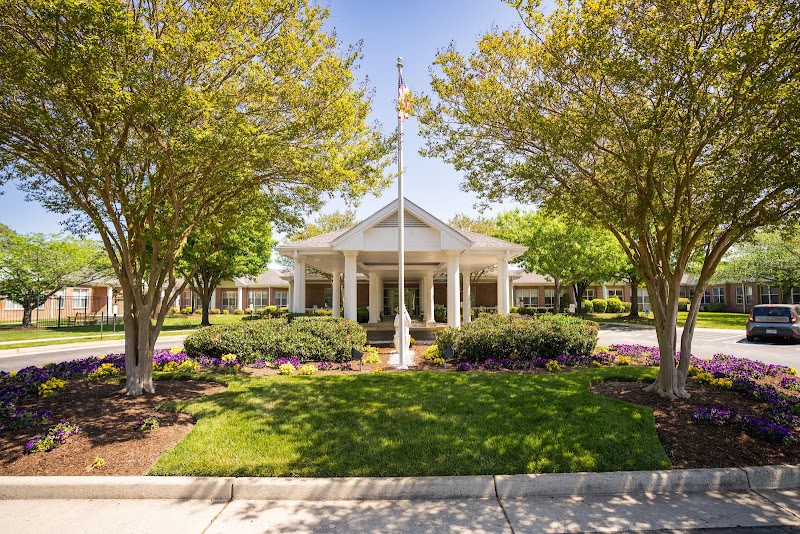
How is Our Lady Of Perpetual Help Staffed?

CMS rates OUR LADY OF PERPETUAL HELP's staffing level at 5 out of 5 stars, which is much above average compared to other nursing homes. Staff turnover is 40%, compared to the Virginia average of 46%. This relatively stable workforce can support continuity of care.

What Have Inspectors Found at Our Lady Of Perpetual Help?

State health inspectors documented 17 deficiencies at OUR LADY OF PERPETUAL HELP during 2019 to 2025. These included: 17 with potential for harm.

Who Owns and Operates Our Lady Of Perpetual Help?

OUR LADY OF PERPETUAL HELP is owned by a non-profit organization. Non-profit facilities reinvest revenue into operations rather than distributing to shareholders. The facility operates independently rather than as part of a larger chain. With 30 certified beds and approximately 29 residents (about 97% occupancy), it is a smaller facility located in VIRGINIA BEACH, Virginia.

How Does Our Lady Of Perpetual Help Compare to Other Virginia Nursing Homes?

Compared to the 100 nursing homes in Virginia, OUR LADY OF PERPETUAL HELP's overall rating (5 stars) is above the state average of 3.0, staff turnover (40%) is near the state average of 46%, and health inspection rating (4 stars) is above the national benchmark.

What Should Families Ask When Visiting Our Lady Of Perpetual Help?

Based on this facility's data, families visiting should ask: "Can I visit during a mealtime to observe dining assistance and food quality?" "How do you handle medical emergencies, and what is your hospital transfer rate?" "Can I speak with family members of current residents about their experience?"

Is Our Lady Of Perpetual Help Safe?

Based on CMS inspection data, OUR LADY OF PERPETUAL HELP has a clean safety record: no substantiated abuse findings (meaning no confirmed cases of resident harm), no Immediate Jeopardy citations (the most serious violation level indicating risk of serious injury or death), and is not on the Special Focus Facility watch list (a federal program monitoring the lowest-performing 1% of nursing homes). The facility has a 5-star overall rating and ranks #1 of 100 nursing homes in Virginia. While no facility is perfect, families should still ask about staff-to-resident ratios and recent inspection results during their visit.

Do Nurses at Our Lady Of Perpetual Help Stick Around?

OUR LADY OF PERPETUAL HELP has a staff turnover rate of 40%, which is about average for Virginia nursing homes (state average: 46%). Moderate turnover is common in nursing homes, but families should still ask about staff tenure and how the facility maintains care continuity when employees leave.

Was Our Lady Of Perpetual Help Ever Fined?

OUR LADY OF PERPETUAL HELP has no federal fines on record. CMS issues fines when nursing homes fail to meet care standards or don't correct problems found during inspections. The absence of fines suggests the facility has either maintained compliance or corrected any issues before penalties were assessed. This is a positive indicator, though families should still review recent inspection reports for the full picture.

Is Our Lady Of Perpetual Help on Any Federal Watch List?

OUR LADY OF PERPETUAL HELP is not on any federal watch list. The most significant is the Special Focus Facility (SFF) program, which identifies the bottom 1% of nursing homes nationally based on persistent, serious quality problems. Not being on this list means the facility has avoided the pattern of deficiencies that triggers enhanced federal oversight. This is a positive indicator, though families should still review the facility's inspection history directly.