WOODHAVEN HALL AT WILLIAMSBURG LANDING
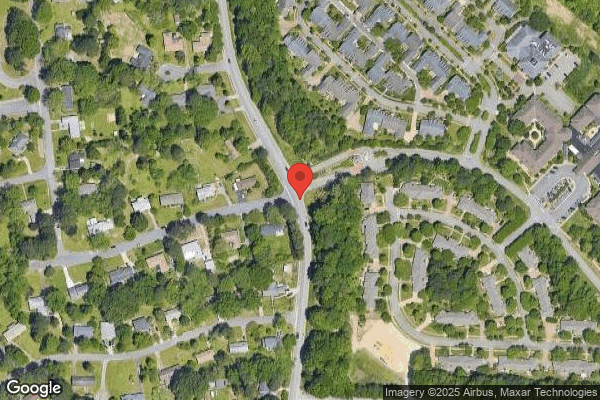
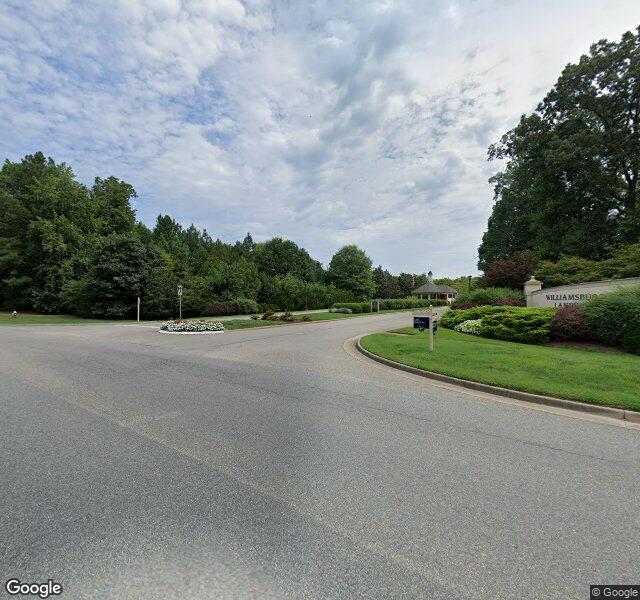
5500 WILLIAMSBURG LANDING DR, WILLIAMSBURG, VA 23185 (757) 258-2196
Non profit - Corporation 73 Beds Independent Data: November 2025
Trust Grade
60/100
#169 of 285 in VA
Last Inspection: August 2022

Over 2 years since last inspection. Current conditions may differ from available data.

Overview

Woodhaven Hall at Williamsburg Landing has a Trust Grade of C+, indicating it is slightly above average among nursing homes. It ranks #169 out of 285 facilities in Virginia, placing it in the bottom half, and #5 out of 5 in James City County, meaning there are no better local options available. The facility is improving, with the number of issues decreasing from 14 in 2019 to 12 in 2022. Staffing is a strength, rated at 4 out of 5 stars with a turnover rate of 38%, which is lower than the state average, suggesting that staff members are experienced and familiar with residents. There are some concerns, as inspectors found that the facility failed to conduct adequate COVID-19 testing for staff and new residents, and there were incidents of improper hand hygiene by staff, which could risk infection. However, the facility has no fines on record, and it boasts more RN coverage than 93% of Virginia facilities, indicating a commitment to quality care.

Trust Score
C+
60/100
In Virginia
#169/285
Bottom 41%
Safety Record
Low Risk
No red flags
Inspections
Getting Better
14 → 12 violations
Staff Stability
○ Average
38% turnover. Near Virginia's 48% average. Typical for the industry.
Penalties
✓ Good
No fines on record. Clean compliance history, better than most Virginia facilities.
Skilled Nurses
✓ Good
Each resident gets 71 minutes of Registered Nurse (RN) attention daily — more than 97% of Virginia nursing homes. RNs are the most trained staff who catch health problems before they become serious.
Violations
⚠ Watch
33 deficiencies on record. Higher than average. Multiple issues found across inspections.
★★★☆☆
3.0
Overall Rating
★★★★☆
4.0
Staff Levels
★★★☆☆
3.0
Care Quality
★★★☆☆
3.0
Inspection Score
Stable
2019: 14 issues
2022: 12 issues

The Good

  • 4-Star Staffing Rating · Above-average nurse staffing levels
  • Full Sprinkler Coverage · Fire safety systems throughout facility
  • No fines on record
  • Staff turnover below average (38%)

    10 points below Virginia average of 48%

Facility shows strength in staffing levels, fire safety.

The Bad

3-Star Overall Rating

Near Virginia average (3.0)

Meets federal standards, typical of most facilities

Staff Turnover: 38%

Near Virginia avg (46%)

Typical for the industry

The Ugly 33 deficiencies on record

Aug 2022 12 deficiencies
CONCERN (D)

Potential for Harm - no one hurt, but risky conditions existed

Deficiency F0561 (Tag F0561)

Could have caused harm · This affected 1 resident

**NOTE- TERMS IN BRACKETS HAVE BEEN EDITED TO PROTECT CONFIDENTIALITY** Based on interview, clinical record review, and facility documentation the facility staff failed to promote and facilitate resid...

Read full inspector narrative →
**NOTE- TERMS IN BRACKETS HAVE BEEN EDITED TO PROTECT CONFIDENTIALITY** Based on interview, clinical record review, and facility documentation the facility staff failed to promote and facilitate resident self-determination through support of Resident choices, for 1 Resident (# 110) in a survey sample of 47 Residents. The findings included: For Resident # 110, the facility staff failed to assist the Resident out of bed at approximately 2:00 AM as he requested. On 8/16/22 at approximately 1:30 PM an interview was conducted with Resident #110 and his family member. Resident #110 was admitted to the facility on [DATE] and stated that he had no problems with the facility until Last night. When asked what happened, he stated that had recent hip surgery and often woke up uncomfortable and not able to sleep well. He stated that he wanted to get out of bed and get in his recliner and watch TV hoping the change of position would help his discomfort. Resident #110 stated that he rang his call bell and it was answered by the nurse who told him that he could not get out of bed. When he asked why he was told that he had been given pain medicine at 1:30 AM. The Resident stated that he then called his daughter to come to the facility at 2:00 AM. Resident #110's daughter stated that prior to the hip surgery her father was a restless sleeper and he did get up a few times a night and that was his normal routine. A review of the clinical record revealed the following note: 8/16/22 2:27 AM - Resident receiving skilled care for surgical repair of right hip d/t [due to] right hip FX [fracture]. Received awake and attempting to get oob [out of bed]. Resident at first stated he had no pain, then admitted that pain was 8/10. Nurse administered PRN [as needed] Oxycodone at 1:30 AM for pain, and he took it without issues. His daughter came in to visit because he called stating he wanted to get oob. (He is not and was told the same by the CNA [Certified Nurses Assistant] and myself. [Sic] He also stated that he needed to use the bathroom although urinal is next to bed. Daughter informed of pain med that was given. On 8/16/22 at approximately 3:45 PM an interview with the Director of Nursing (DON) was conducted and she stated that if a Resident prefers to get out of bed it does not matter what time it is, it is our staff's responsibility to assist them out of bed, should they require assistance, and as long as it is safe for the Resident to do so. On 8/17/22 during the end of day meeting the Administrator was made aware of the concerns and no further information was provided.
CONCERN (D)

Potential for Harm - no one hurt, but risky conditions existed

Deficiency F0582 (Tag F0582)

Could have caused harm · This affected 1 resident

Based on clinical record review and staff interview, the facility staff failed to provide an ABN (Advanced Beneficiary Notice) for one Resident (Resident #54) in a sample size of 3 Residents. The find...

Read full inspector narrative →
Based on clinical record review and staff interview, the facility staff failed to provide an ABN (Advanced Beneficiary Notice) for one Resident (Resident #54) in a sample size of 3 Residents. The findings included: On 08/17/2022 at approximately 11:45 A.M., the facility staff provided a list of Residents who were discharged from a Medicare covered Part A stay with benefit days remaining. Three Residents on the list were identified and placed in the sample. One Resident that remained at the facility following a discharge from Medicare Part A services with benefit days remaining was Resident #54. On 08/18/2022, Resident #54's closed clinical record was reviewed. A Social Services discharge note dated 03/30/2022 at 11:40 A.M. documented, Writer met with resident and presented NOMNC [Notice of Medicare Non-Coverage] with last cover day by Medicare being April 1, 2022 with a discharge from Medicare A stay on April 2, 2022. Right to appeal was reviewed, and all questions addressed. Resident reported she is going to utilize respite days, and remain at [facility]. There was no evidence an ABN was provided. On 08/18/2022, the facility staff completed a Beneficiary Protection Notification Review form for Resident #54 as requested. According to the document, the facility initiated the discharge from Medicare Part A Services when benefit days were not exhausted and an ABN form was not provided. On 08/19/2022 at 12:50 P.M., the Administrator was notified of findings. When asked why the ABN form was not provided, the Administrator confirmed that the facility staff were not providing them. The facility policy for ABN provision was requested. At approximately 1:30 P.M., the Administrator stated they don't have a policy pertaining to ABN.
CONCERN (D)

Potential for Harm - no one hurt, but risky conditions existed

Deficiency F0657 (Tag F0657)

Could have caused harm · This affected 1 resident

**NOTE- TERMS IN BRACKETS HAVE BEEN EDITED TO PROTECT CONFIDENTIALITY** Based on observations, staff interview, clinical record review, and facility documentation review, the facility staff failed to ...

Read full inspector narrative →
**NOTE- TERMS IN BRACKETS HAVE BEEN EDITED TO PROTECT CONFIDENTIALITY** Based on observations, staff interview, clinical record review, and facility documentation review, the facility staff failed to review and revise the care plan for 2 Residents (Resident #43, Resident #113) in a sample size of 47 Residents. 1) For Resident #43, the facility staff failed to revise the care plan for 10 out of 10 falls that have occurred in March and April 2022. 2) For Resident #113, the facility staff failed to review and revise care plan upon discovery of arterial and pressure wounds. The findings included: 1) For Resident #43, the facility staff failed to revise the care plan for 10 out of 10 falls that have occurred in March and April 2022. On 08/17/2022, Resident #43's clinical record was reviewed. According to the progress notes, Resident #43 had 6 unwitnessed falls in March 2022 and 4 unwitnessed falls in April 2022. An excerpt of a nurse's note dated 03/12/2022 at 6:33 A.M. documented, Bed in lowest position, fall mat in place, call bell within reach. Will continue to monitor resident for safety for duration of shift. The care plan was reviewed. A focus dated 12/17/2021 entitled [Resident #43] has a potential for falls. The care plan was not revised to include actual falls in March and April and any associated interventions. On 08/19/2022 at 11:00 A.M., the Director of Nursing (DON) was interviewed. When asked about expectations for reviewing/revising the care plan pertaining to falls, the DON stated the care plan should be reviewed quarterly and with any changes in condition. The DON also indicated that the care plan should be revised as necessary with each fall incident. On 08/19/2022 at 11:55 A.M., Certified Nursing Assistant B (CNA B) was interviewed. When asked about interventions in place for fall precautions for Resident #43, CNA B listed fall mats, scoop mattress, and bed in lowest position. This surveyor and CNA B entered Resident #43's room (which was situated near the nurse's station) for an observation. Resident #43 was not in the room at the time. There was a scoop mattress on the bed and fall mats up against the wall. On 08/19/2022 at approximately 12:00 P.M., Licensed Practical Nurse B (LPN B) was interviewed. When asked about interventions in place for fall precautions for Resident #43, LPN B stated that Resident #43 has a sitter during the day and also, Resident #43 was moved to a room closer to the nurse's station. On 08/19/2022, the facility staff provided a copy of their policy entitled, Care Plan Process - Person Centered. In Section 10, it was documented, The person-centered care plan is an on-going plan of care and will be revised as necessary as the needs, choices, or expectations of the resident change or are identified. On 08/19/2022, the facility staff provided a copy of their policy entitled, Fall Prevention and Management. In Section I Part 2 an excerpt documented, All Residents will have the potential falls addressed on their initial plan of care with revisions made as necessary. 2. For Resident #114 the facility staff failed to review and revise care plan upon discovery of arterial and pressure wounds. Resident #113 was admitted to the facility on [DATE] with diagnoses that included, pressure ulcer of right heel stage I, pressure ulcer of left heel stage I. On 8/17/22 a review of Resident #113's clinical record was conducted and Resent #113 was found also found to have developed arterial wounds. A review of Resident #113 care plan revealed no care plan for his pressure ulcers and arterial wounds until 7/5/21. On 8/18/22 an interview was conducted with the Director of Nursing (DON) who stated that care plans should be updated with each change in condition or treatment change. When asked who updates the care plans she stated that the nurses and the Interdisciplinary Team (IDT) make the updates and changes. A review of the care plan policy read: Page 3 10. The person-centered care plan is an ongoing plan of care and will be revised as necessary as the needs, choices or expectations of the resident change or are identified. On 8/19/22 during the end of day meeting the Administrator was made aware of the concerns and no further information was provided.
CONCERN (D)

Potential for Harm - no one hurt, but risky conditions existed

Deficiency F0658 (Tag F0658)

Could have caused harm · This affected 1 resident

**NOTE- TERMS IN BRACKETS HAVE BEEN EDITED TO PROTECT CONFIDENTIALITY** 2. For Resident #43, the facility staff failed to complete neurological assessments, a fall risk assessment, or a fall investiga...

Read full inspector narrative →
**NOTE- TERMS IN BRACKETS HAVE BEEN EDITED TO PROTECT CONFIDENTIALITY** 2. For Resident #43, the facility staff failed to complete neurological assessments, a fall risk assessment, or a fall investigation in accordance with professional standards of practice following an unwitnessed fall on 01/17/2022. On 08/18/2022, Resident #43's clinical record was reviewed. Resident #43's Minimum Data Set with an Assessment Reference Date of 03/16/2022 was coded as a quarterly assessment. The Brief Interview for Mental Status was coded as 6 out of possible 15 indicative of severe cognitive impairment. An excerpt of a nurse's note dated 01/17/2022 at 11:44 A.M. documented, Resident was observed on the floor near her bed. Resident was unable to state what happened or what she was trying to do. No new injury noted. Resident had no complaints of pain or discomfort. Nurse and CNA [certified nursing assistant] assist resident up and into her wheelchair. On 08/19/2022 at approximately 9:40 A.M., the neurological assessments, fall risk assessment and investigation pertaining to the fall on 01/17/2022 were requested and the Director of Nursing (DON) confirmed there were no neurological assessments, fall risk assessment, or investigation pertaining to Resident #43's fall on 01/17/2022. According to [NAME] & [NAME] Clinical Nursing Skills & Techniques, 2018, 9th Edition, under the header Fall Prevention in Health Care Agencies, the following excerpts were documented: Identified interventions that have shown some success in reducing .fall rates: Using validated fall risk assessments that are predictive of falls . Conducting post-fall follow-up and quality improvement. On 08/19/2022, the facility staff provided a copy of their policy entitled, Fall Prevention and Management. In Section I Part 1, an excerpt documented, All Residents will have a Fall Risk Assessment completed on admission or change in condition. An excerpt in Section II(4) documented, Take note of the Resident's positioning, environment, and activities involved in prior to the fall to assist in the investigation of causative factors and subsequent implementation of appropriate interventions. Section II(5)(c) documented, Neurological Assessment for all falls .where involvement to the head cannot be determined due to the Resident's cognitive status. On 08/19/2022 at approximately 2:00 P.M., the administrator and Director of Nursing were notified of findings. Based on observation, interview, clinical record review, facility documentation and during the course of a complaint investigation the facility staff failed to provide care that meets professional standards of care for 2 Residents (# 113 and # 43) in a survey sample of 47 Residents. The Findings included 1. For Resident #113 the facility staff failed to accurately perform an admission assessment to include skin assessment. Resident #113 was admitted to the facility on [DATE]. The admission assessment was performed on 6/15/21 the admission Assessment has many areas that have been left blank excerpts are as follows: Pg. 2 - Height - [area left blank] Weight - [area left blank] Pg. 3- Neurological Hand grasp - [area left blank] Pg. 3 Sleep Sleep Pattern- [area left blank] Pg. 6 - Pulmonary Presence of Sleep Apnea No History of Sleep Apnea [Please note Resident #114 uses a CPAP at night] Pg. 8 - Skin Integrity Skin intact- [area left blank] Skin color - Normal appearance for race Skin temperature - cool Skin Moisture - Dry Skin turgor - good Other skin problems - [area left blank] Wounds - [area left blank] Foot Problems - [area left blank] This admission Assessment was signed by an LPN, with no RN co-signature and the last line on page 9 read: **Please do not lock form unless signed by an RN** On 8/16/22 an interview was conducted with the Director of Nursing (DON) who was asked if LPN's can do an admission Assessment without an RN co-signature and she stated that they could not. When asked if this Resident's admission Assessment had an RN co-signature she stated that it did not. On 8/16/22 during the end of day meeting the Administrator was made aware of the finding and no further information was provided.
CONCERN (D)

Potential for Harm - no one hurt, but risky conditions existed

Accident Prevention (Tag F0689)

Could have caused harm · This affected 1 resident

**NOTE- TERMS IN BRACKETS HAVE BEEN EDITED TO PROTECT CONFIDENTIALITY** Based on interview, clinical record review and facility documentation the facility staff failed to ensure freedom from accident ...

Read full inspector narrative →
**NOTE- TERMS IN BRACKETS HAVE BEEN EDITED TO PROTECT CONFIDENTIALITY** Based on interview, clinical record review and facility documentation the facility staff failed to ensure freedom from accident hazards by providing adequate supervision to prevent accidents, for 1 Resident (# 14) in a survey sample of 47 Residents. The findings included: For Resident # 14 the facility staff failed to ensure the Resident #14 was supervised to prevent falls. Resident #14 has diagnoses that include anxiety disorder, age related osteoporosis, cerebral infarction, dementia with behavioral disturbance, repeated falls, restlessness and agitation, and visual impairment from glaucoma with detached lens. On 8/17/22 a review of the clinical record revealed the following progress note: 8/13/22 11:02 PM - At 5:20 PM Assigned sitter reported to this writer resident fell out of chair and was on the floor Sitter stated she went to get food try [sic] off the cart on the unit and went back to room and found that her wheelchair was flipped over and the resident was laying on right side of her body on the floor with both legs sitting on top of the leg rests on the wheelchair with the wheelchair flipped forward. When this writer approached room [ROOM NUMBER], resident was laying on right side with blood pooling on the floor from the right forehead cut above the right eyebrow. Resident alert and oriented to self, and able to flex and extend bilateral lower and upper extremities independently and on command. Hospice notified. Resident taken to [hospital name redacted] by ambulance and 2 EMT's. Son [name redacted] notified. A revealed that the Resident has been care planned for falls and fall interventions included the following: Frequent room checks when not in common area. STATUS -Active (current) Created 12/14/16 Do not leave unsupervised in bathroom. STATUS - Active (current) 12/14/16 Assess on afternoon rounds if [Resident #14 name redacted] is positioned comfortably or is needing to get up. If already awake she needs to be placed in wheelchair and near to staff. Status: Active (current) Created 12/12/18 Try to keep [Resident #14 name redacted] near staff for close supervision when out of bed. STATUS: Active (current) 12/14/16 Reeducate family to not leave [Resident 14 name redacted] in the room in her wheelchair after visits. Request that they bring her back to be nearby staff or at least tell staff they are leaving so she can be easily viewed by staff. STATUS: Active (current) Created 3/22/20. On 8/18/22 at approximately 1:00 PM an interview was conducted with RN C who stated that the staff was aware of the history of repeated falls with this resident. She stated this resident had a sitter because she could not be left alone. She stated the fall was due to the sitter leaving the room to get the Resident's dinner tray. She was asked if the sitter should have left the resident unattended and she stated that she should have either asked staff to bring the tray to her or asked another staff to sit with the Resident while she went to get the tray. On 8/19/22 during the end of day conference the Administrator was made aware of the concerns and no further information was provided.
CONCERN (D)

Potential for Harm - no one hurt, but risky conditions existed

Deficiency F0761 (Tag F0761)

Could have caused harm · This affected 1 resident

Based on observation, interview, facility documentation and clinical record review the facility staff failed to appropriately label and store insulin in one of the two medication carts. The findings i...

Read full inspector narrative →
Based on observation, interview, facility documentation and clinical record review the facility staff failed to appropriately label and store insulin in one of the two medication carts. The findings included: For one medication cart (located on Annex Hall), Surveyor C found 2 insulin pens opened and undated. On 8/19/22 at approximately 8:00 AM while completing the medication storage task it was noted that 2 insulin pens were not dated when opened. Pen #1 was a Lantus insulin pen opened but not dated, and pen #2 was a Humalog Lispro pen opened but not dated. When Licensed Practical Nurse F (LPN F) was asked about the pens, LPN F stated she thought the meds were brought from home. When asked how you would know when they were opened she stated she would not be able to tell. On 8/19/22 at approximately 10:00 AM an interview was conducted with the Director of Nursing (DON) who stated that insulin is to be dated when opened so that you will know when it expires. We keep insulin only for 28 or 30 days depending on which type of insulin that is why it's important to date the insulin when opened. She further stated that the LPN was wrong. The insulin in question came from the pharmacy when the Residents were admitted . One was 7/29/22 and the other was 8/4/22 therefore they were both still ok to use however should have been dated when opened. On 8/19/22 during the end of day meeting the Administrator was made aware of the concerns and no further information was provided.
CONCERN (D)

Potential for Harm - no one hurt, but risky conditions existed

Medical Records (Tag F0842)

Could have caused harm · This affected 1 resident

Based on interview, clinical record review, facility documentation and in the course of an investigation, the facility staff failed to provide and accurate clinical record for 1 Resident (# 114) in a ...

Read full inspector narrative →
Based on interview, clinical record review, facility documentation and in the course of an investigation, the facility staff failed to provide and accurate clinical record for 1 Resident (# 114) in a survey sample of 47 Residents. The findings included: For Resident #114 the facility staff failed to ensure the accuracy of the physician progress notes with regards to wound care. On 8/17/22 at approximately 1:00 PM a review of the clinical record was conducted and the following are excerpts from the physician's progress notes. 6/21/21 Exam Findings - Derm. [Dermatological] - NO Rash - Ulcer. 6/22/21 Right leg edema to the knee - +/- from walking boot too tight but will treat. 6/25/21 Exam Findings - Derm [Dermatological] - NO Rash - Ulcer. 6/28/21 Exam Findings - Derm [Dermatological] - NO Rash - Ulcer. 6/30/21 Boot on RLE [right lower extremity] 2+ pitting edema in LLE, multiple wounds in distal LLE with wound between 4th and 5th phalanges, slough build up noted, extremity is erythematous, but no warmth. A&P Cellulitis vs Osteomyelitis -Start Bactrim DS BID X 7 days. -Evaluate for Osteo. L foot XR; CBC, BMP, CRP, ESR A review of the admission Assessment done on 6/15/21 revealed that the nurse who did the assessment did not list any wounds for Resident #114, nor did she initiate any wound assessment forms. A review of the clinical record also revealed a Braden Scale with a score of 19 out of a possible 19, indicating No Risk Pressure Sore. The Braden scale was performed on 6/19/21 excerpts are as follows: Sensory Perception: Ability to respond meaningfully to pressure-related discomfort. No Impairment Activity: Degree of Physical Activity - Walks occasionally Please note: this Resident uses a walker or wheelchair and has a boot to his right foot due to recent ankle fracture. Ability to change and control body position. NO Limitation Problem A review of the care plan revealed the following excerpts: [Resident name redacted] has a potential for impaired skin integrity effective: 6/15/22 GOAL [Resident name redacted] will not experience impaired skin Interventions: Inspect skin and report any bruises, open areas, or discoloration Encourage [Resident name redacted] to re-position or provide assistance with turning and repositioning as needed. Please note: this Resident has a diagnosis of CIDP (Chronic Inflammatory Demyelinating Polyneuropathy), of which one of the symptoms is numbness and inability to feel sensations in extremities. This should have lowered the score of the assessment. A review of the MDS from July 2021 revealed that the Resident was coded as requiring #3 -Extensive assistance with bed mobility and transfers this also should have lowered the score of the Braden Scale. On 8/18/22 at approximately 2:45 PM an interview was conducted with the DON and the Administrator when asked about the Resident the Administrator stated that this Resident was in the facility prior to his starting there. The DON was aware of the Resident and the issues with this Resident, however she stated she was not the DON at the time Resident #114 was in the building. The Administrator also stated that the Medical Group (Doctors and Nurse Practitioners) that was working at the facility at that time are no longer working in the building. The DON was asked to read over the progress notes from the Physician and was asked if they appeared accurate. She indicated that they were not. She stated that the Resident had wounds the physician did not address in his notes. When asked if the Braden Scale appeared accurate she stated that it was not accurate it did not include factors that would have lowered the score. When asked if the admission Assessment was accurate she stated that it was not because the Resident was admitted with a fractured right ankle wearing a cam boot and bilateral stage 1 pressure ulcers to heels. On 8/17/22 during the end of day meeting the Administrator was made aware of the concerns and no further information was provided.
CONCERN (D)

Potential for Harm - no one hurt, but risky conditions existed

Infection Control (Tag F0880)

Could have caused harm · This affected 1 resident

2. For Resident #158 (on Transmission-Based Precautions), the facility staff failed to post signage to indicate what personal protective equipment (PPE) should be worn prior to entering the room. On 0...

Read full inspector narrative →
2. For Resident #158 (on Transmission-Based Precautions), the facility staff failed to post signage to indicate what personal protective equipment (PPE) should be worn prior to entering the room. On 08/16/2022 at approximately 1:05 P.M., this surveyor observed Transmission-Based Precautions (TBP) supplies outside Resident #158's room but there was no signage to indicate what PPE should be worn prior to entering the room. At approximately 1:10 P.M., Certified Nursing Assistant E (CNA E) was observed at nurse's station. When asked about what PPE should be worn prior to entering Resident #158's room, CNA E indicated that all PPE, except eye protection, should be worn upon entering Resident #158's room. On 08/16/2022 at 2:30 P.M., CNA D was interviewed. When asked what PPE should be worn prior to entering Resident #158's room, CNA D explained that all the staff know what to wear because it's all right here and pointed to the TBP supplies on Resident #158's room door. CNA D then noticed one of the pouches on the supply caddy was empty and stated that the masks needed to be replenished. CNA D then stated that they have morning meetings with all department heads so all the staff will know what PPE to wear. On 08/17/2022 at approximately 9:15 A.M., this surveyor observed signage outside Resident #158's room indicating Resident #158 was on Contact Precautions and PPE to be worn prior to entering the room was gown, gloves, mask, and eye protection. The pouch on the supply caddy that was empty on 08/16/2022 was now fully stocked with faceshields. On 08/17/2022 at 3:00 P.M., the Infection Preventionist was interviewed. When asked about the expectation for TBP signage, the Infection Preventionist stated the type of isolation and the donning/doffing sign should be posted outside the room. On 08/17/2022 at approximately 5:30 P.M., the Administrator and Director of Nursing were notified of findings. On 08/18/2022, the facility staff provided a copy of their policy entitled, Isolation Precautions.: In Section IV Part C, it was documented, Obtain appropriate signage and post outside doorframe of resident's room . Based on observation, interview, and facility documentation the facility staff failed to appropriately wear PPE in a facility currently in outbreak and failed to post the appropriate signage to indicate which PPE to wear in the quarantined Resident's room. The findings included 1. The Preventionist (IP) Nurse failed to wear a mask. The IP was observed behind the nurses' desk on the Annex Hall without a mask. On 08/18/22 at 11:26 AM, the IP Nurse was noted not to be wearing mask at the nurses station near annex unit. The Administrator was in hall and made aware, he told her to put on a mask. The Signage at the main entrance to facility as well as on entrance to the unit read Everyone must wear a mask in all buildings on campus. 8/18/22 at approximately 2:00 PM, an interview was conducted with the Director of Nursing (DON) who stated it is the expectation that everyone wear a mask while in the facility. She stated if you are in the Administration area (not in patient care areas) you may wear a surgical mask however if you are in a patient care area you must wear an N-95. On 8/18/22 during the end of day meeting the Administrator was made aware of the concerns and no further information was provided.
CONCERN (D)

Potential for Harm - no one hurt, but risky conditions existed

Deficiency F0883 (Tag F0883)

Could have caused harm · This affected 1 resident

**NOTE- TERMS IN BRACKETS HAVE BEEN EDITED TO PROTECT CONFIDENTIALITY** Based on staff interview, clinical record review, and facility documentation review, the facility staff failed to provide pneumo...

Read full inspector narrative →
**NOTE- TERMS IN BRACKETS HAVE BEEN EDITED TO PROTECT CONFIDENTIALITY** Based on staff interview, clinical record review, and facility documentation review, the facility staff failed to provide pneumococcal immunizations for 3 residents in a survey sample of 5 residents reviewed for pneumococcal vaccination. The facility staff failed to provide pneumococcal immunizations for Residents #8, #14, and #53. The findings included: On 8/18/22, clinical record review was performed for Residents #8, #14, and #53 and revealed no documentation with regard to pneumococcal immunization including the resident's current pneumococcal vaccination status, offer to provide immunization against pneumococcal infection, or documentation of resident refusal or medical contraindication. The admission dates for these residents include, Resident #8 admitted [DATE], Resident #14 admitted [DATE], and Resident #53 admitted [DATE]. These findings were verified with the Infection Preventionist and stated, we are supposed to assess whether or not a resident has received a [pneumonia] vaccine or not when they are admitted here and offer them one if they have not had it, it does not appear that this was done for these residents [Residents #8, #14, and #53]. A facility policy on pneumococcal immunization was requested and received. On 8/18/22, review of the facility policy entitled, Pneumococcal Vaccination, dated June 2021, read: Policy .The facility supports vaccination activities to prevent the development of pneumonia in residents and Procedure, item 1, read, Upon admission to the nursing facility, the resident and/or resident representative will be interviewed to determine [resident's eligibility to receive a pneumococcal vaccination]. On 8/18/22 at approximately 5:00 PM, the Facility Administrator and the Director of Nursing were updated on the findings. No further information was provided.
CONCERN (D)

Potential for Harm - no one hurt, but risky conditions existed

Deficiency F0887 (Tag F0887)

Could have caused harm · This affected 1 resident

Based on staff interview and facility documentation review, the facility staff failed to provide COVID-19 immunization for 2 staff members, staff #7 and #8, in a survey sample of 5 staff members revie...

Read full inspector narrative →
Based on staff interview and facility documentation review, the facility staff failed to provide COVID-19 immunization for 2 staff members, staff #7 and #8, in a survey sample of 5 staff members reviewed for COVID-19 vaccination. The facility staff failed to provide COVID-19 booster vaccines for staff members #7 and #8. The findings included: On 8/16/22 at approximately 1:00 PM, a group interview was conducted with the Facility Administrator, Director of Nursing (DON), and Infection Preventionist (IP). The IP stated that the Human Resources (HR) department handles all matters involving staff members with regard to COVID vaccination and testing. A staff COVID vaccination matrix and COVID vaccination policies were requested and received. On 8/18/22, staff vaccination records for staff member #7 and #8 were reviewed and revealed the following: Staff member #7, hire date 10/27/20, had completed a primary COVID-19 vaccine series on 3/2/21 but had not received a booster dose. Staff member #8, hire date 6/15/21, had completed a primary COVID-19 vaccine series on 9/17/21 but had not received a booster dose. On 8/19/22, an interview was conducted with the HR Director who confirmed the findings and stated, I do not follow-up on whether or not a staff member gets a booster shot, I will send them an email when they become eligible to receive a booster vaccine but it's up to the staff member to go get one if they want one, I do not provide them with any education about the boosters and we don't have a declination form either--is this something that I should be doing?. Review of the facility policy titled, COVID-19 Vaccination Mandate, reviewed January 2022, Policy read, All persons with a employment arrangement with [facility name redacted] will take necessary precautions and adhere to mandated guidelines through this policy, the intent of this policy is to safeguard .from COVID-19, this policy will comply with all applicable laws and is based on guidance from federal, state, and local health authorities, as applicable. The CDC (Centers for Disease Control and Prevention) document titled, Interim Infection Prevention and Control Recommendations to Prevent SARS-CoV-2 Spread in Nursing Homes, updated February 2, 2022, page 3, subtitle, Vaccinations, read, Remaining up to date with all recommended COVID-19 vaccine doses is critical to protect both staff and residents against SARS-CoV-2 infection. The Facility Administrator, DON, and IP were updated. No further information was received.
CONCERN (E)

Potential for Harm - no one hurt, but risky conditions existed

Deficiency F0888 (Tag F0888)

Could have caused harm · This affected multiple residents

Based on staff interview and facility documentation review, the facility staff failed to implement their policy and procedure to ensure that all facility staff were fully vaccinated for COVID-19. The ...

Read full inspector narrative →
Based on staff interview and facility documentation review, the facility staff failed to implement their policy and procedure to ensure that all facility staff were fully vaccinated for COVID-19. The facility staff failed to document the COVID-19 vaccination status for 56 contracted nursing agency staff members who provided direct resident care during the months of June, July, and August 2022. The findings included: On 8/18/22, an interview was conducted with the Facility Administrator and the Infection Preventionist (IP). The IP stated that the Human Resources (HR) department was responsible for all staff COVID vaccinations. A copy of the facility policy was requested and received. An interview was conducted with the HR Director who stated, I do not handle anything with Agency staff, the Clinical Staff Coordinator is responsible for all of that, I do not know any of them [agency staff], I am not involved with following their [COVID-19] vaccination status . An interview with the Clinical Staff Coordinator was conducted and she stated, We use 3 different agencies for nurses and nurse aides on almost a daily basis, I try to get the agency contact to send over some basic information on the employee that they may be sending over to us which would include their COVID vaccination status but I do not keep any records on agency staff . She verbally confirmed that there was no documentation of Agency staff COVID-19 vaccination status kept at the facility, stating, The people I work with at the agencies know that we want vaccinated staff. A request was made for agency clinical staff work schedules for June, July and August 2022 and was received. Review of the agency work schedules revealed a total of 56 agency nurses and nurse aides, with unknown COVID-19 vaccination status, were permitted by the facility to provide direct care to residents from 6/6/22 through 8/19/22. Review of the facility policy titled, COVID-19 Vaccination Mandate, reviewed January 2022, Policy read, As a condition of employment, all employees are required to be fully vaccinated against COVID-19 and Guidelines, item 2 read, .Documentation related to employees' COVID-19 vaccination status will be maintained by [name redacted, HR department], this tracking system will include any applicable booster vaccinations received by facility staff. The Facility Administrator, Director of Nursing, Infection Preventionist, and the Chief Operating Officer were made aware of the findings at the end of day meeting held on 8/18/22 and again at the pre-Exit Conference meeting held on 8/19/22. No further information was provided.
CONCERN (F)

Potential for Harm - no one hurt, but risky conditions existed

Deficiency F0886 (Tag F0886)

Could have caused harm · This affected most or all residents

**NOTE- TERMS IN BRACKETS HAVE BEEN EDITED TO PROTECT CONFIDENTIALITY** Based on observation, staff interview, clinical record review, and facility documentation review, the facility staff failed to c...

Read full inspector narrative →
**NOTE- TERMS IN BRACKETS HAVE BEEN EDITED TO PROTECT CONFIDENTIALITY** Based on observation, staff interview, clinical record review, and facility documentation review, the facility staff failed to conduct COVID-19 testing in accordance with CDC (Centers for Disease Control) and CMS (Centers for Medicare & Medicaid Services) guidance/requirements for 4 out of 6 staff members, staff members #4, #5, #6, and #8, the facility staff failed to maintain documentation of COVID-19 testing occurrences and results for all facility staff, and the facility staff failed to conduct COVID-19 testing for 4 out of 4 newly admitted residents, residents #46, #57, #110, and #209. The findings included: 1. The facility staff failed to conduct expanded screening COVID-19 testing for staff members #4, #5, #6, and #8. On 8/16/22 at approximately 1:00 PM, a group interview was conducted with the Facility Administrator, Director of Nursing (DON), and the Infection Preventionist (IP). The IP stated the facility was currently conducting COVID-19 testing twice per week, on Tuesdays and Fridays, due to the high levels of transmissibility in the local community. The IP stated the community levels have been high for most of the year. The IP further stated that she is only responsible for resident testing and staff testing is handled by the Human Resources (HR) department. She stated, Human resources generates a list of staff members that need to be tested and then sends it down to me, we perform the tests and send the results back to them, I don't know what happens after that. The Facility Administrator confirmed that the HR department handles all matters involving staff members with regard to COVID vaccination and testing. A staff COVID vaccination matrix, staff testing records, and COVID testing policies were requested and received. A review was conducted of these documents and revealed the following: 1a. For staff member #4, the facility staff failed to perform COVID-19 testing. Staff member #4, who was agency staff, had completed a primary COVID-19 vaccine series on 2/15/21 but did not receive a booster, was not up to date with COVID-19 immunization. An interview with the HR Director was conducted and she stated, I do not handle anything with Agency staff, the Clinical Staff Coordinator is responsible for all of that, I do not know any of them [agency staff], I am not involved with following their [COVID-19] vaccination status nor do I prompt any COVID testing for them, that is the responsibility of the clinical team. An interview with the Clinical Staff Coordinator was conducted and she stated, We use 3 different agencies for nurses and nurse aides on almost a daily basis, I try to get the agency contact to send over some basic information on the employee that they may be sending over to us which would include their COVID vaccination status but I do not keep any records on agency staff and I am not involved with any COVID testing for them. A follow-up interview was conducted with the IP and the Facility Administrator who confirmed the facility is not performing COVID-19 testing for any agency staff members. 1b & 1c. For staff members #5 and #6, the facility staff failed to perform COVID-19 testing at the recommended frequency of twice per week. Staff members #5 and #6 were granted a non-medical exemption from COVID-19 immunization by the facility. Review of staff member #5's August 2022 work schedule and test results revealed that staff member #5 worked on August 2, 3, 4, 6, 7, 9, 10, 11, 12, 16, ten shifts in total, with one COVID-19 test performed on the 9th. Review of staff member #6's August 2022 work schedule and test results revealed that staff member #6 worked on August 1, 3, 5, 6, 7, 8, 9, 11, 12, 15, 16, eleven shifts in total, with one COVID-19 test performed on the 9th. An interview was conducted with the HR Director who confirmed the COVID-19 vaccination status for staff members #5 and #6 and stated, [names redacted, staff members #5 and #6] signed an agreement when the exemption was granted which required compliance with [COVID] testing, I do not send their names down on the staff testing rosters for privacy reasons, they know that they should be testing, I'm assuming that the clinical leadership is providing oversight for compliance, I get notified if a test is positive. 1d. For staff member #8, the facility staff failed to perform COVID-19 testing at the recommended frequency of twice per week. Staff member #8 had completed a primary COVID-19 vaccine series on 9/17/21 but did not receive a booster and therefore, was not up to date with COVID-19 immunization. Review of staff member #8's July 2022 work schedule revealed that staff member #8 worked on July 1, 2, 4, 6, 7, 8, 11, 12, 14, 15, 16, 17, 19, 20, 21, 22, 25, 26, 28, 29, 30, and 31, twenty-two shifts in total, with no documented COVID-19 test being completed, including results. Review of the facility policy titled, COVID-19 Infection Prevention Testing Guidelines, issued March 2021, Policy read, The Health and Rehab Center (HRC) will test residents and facility staff coming in and out of HRC, including individuals providing services under arrangement and volunteers, for COVID-19 and subheading, Conducting Testing, page 4, read, The facility will conduct testing according to nationally recognized guidelines, outlined by the Centers for Disease Control and Prevention (CDC). The CDC document entitled, Interim Infection Prevention and Control Recommendations to Prevent SARS-CoV-2 Spread in Nursing Homes, updated February 2, 2022, page 4, subheading, Testing, item 7, read, Expanded screening testing of asymptomatic HCP [Healthcare Personnel] should be as follows: .In nursing homes, HCP who are not up to date with all recommended COVID-19 doses should continue expanded screening testing based on the level of community transmission as follows: In nursing homes located in counties with substantial to high community transmission, these HCP should have a viral test twice a week .If these HCP work infrequently at these facilities, they should ideally be tested within the 3 days before their shift (including the day of the shift). 2. The facility staff failed to maintain documentation of COVID-19 testing occurrences and results for all facility staff. An interview conducted with the HR Director was conducted and she stated, The clinical team will perform COVID testing on our staff members from the list that I give to them, they send the results to me, and I only record positive results, I do not keep any other results, the clinical leadership team--the Facility Administrator, Director of Nursing and Infection Preventionist are responsible for oversight for [COVID-19] testing compliance, I do not follow-up with staff members otherwise. Review of the facility policy titled, COVID-19 Infection Prevention Testing Guidelines, issued March 2021, Policy read, The Health and Rehab Center (HRC) will test residents and facility staff coming in and out of HRC, including individuals providing services under arrangement and volunteers, for COVID-19 and subheading, Documentation of Testing, page 5, item 3 read, .Also, document the date(s) that testing was performed for all staff, and the results of each test and For staff, including individuals providing services under arrangement and volunteers, the facility will document testing results in a secure manner . Review of the CMS (Centers for Medicare & Medicaid Services) Memo Ref: QSO-20-38-NH, revision date 3/10/2022, subheading Documentation of Testing, page 10, item 3 read, For staff routine testing, document the facility's level of community transmission, the corresponding testing frequency indicated (e.g., every week), and the date each level of community transmission was collected. Also, document the date(s) that testing was performed for staff, who are not up-to-date, and the results of each test and page 11, For staff, including individuals providing services under arrangement and volunteers, the facility must document testing results in a secure manner . 3. For Residents #46, #57, #110, and #209, facility staff failed to conduct COVID-19 testing upon admission to the facility. 3a. For Resident #46, the facility staff failed to conduct COVID-19 testing upon her arrival to the facility. On 8/17/22, a clinical record review was conducted and revealed that Resident #46 was admitted to the facility on [DATE], however there was no evidence of any COVID-19 testing. 3b. For Resident #57, the facility staff failed to conduct COVID-19 testing upon her arrival to the facility. On 8/17/22, a clinical record review was conducted and revealed that Resident #57 was admitted to the facility on [DATE], however there was no evidence of COVID-19 testing until 8/6/22. 3c. For Resident #110, the facility staff failed to conduct COVID-19 testing upon his arrival to the facility. On 8/17/22, a clinical record review was conducted and revealed that Resident #110 was admitted to the facility on [DATE], however there was no evidence of any COVID-19 testing. 3d. For Resident #209, the facility staff failed to conduct COVID-19 testing upon his arrival to the facility. On 8/17/22, a clinical record review was conducted and revealed that Resident #209 was admitted to the facility on [DATE], however there was no evidence of any COVID-19 testing. On 8/17/22 at approximately 2:30 PM, an interview was conducted with the IP who confirmed the facility conducts COVID-19 testing for all residents in accordance with CDC recommendations. The IP was asked about the facility's protocol for testing newly admitted residents for COVID-19 and she stated, The Admissions Coordinator requires that a COVID-19 test be conducted within 48 hours prior to their admission, we do not require any further testing after admission unless there is a specific reason. Review of the facility policy titled, COVID-19 Infection Prevention Testing Guidelines, issued March 2021, Policy read, The Health and Rehab Center (HRC) will test residents and facility staff coming in and out of HRC, including individuals providing services under arrangement and volunteers, for COVID-19 and subheading, Conducting Testing, page 4, read, The facility will conduct testing according to nationally recognized guidelines, outlined by the Centers for Disease Control and Prevention (CDC). The CDC document entitled, Interim Infection Prevention and Control Recommendations to Prevent SARS-CoV-2 Spread in Nursing Homes, updated February 2, 2022, page 4, subheading, Testing, item 3, read, Newly-admitted residents and residents who have left the facility for (greater than) 24 hours, regardless of vaccination status, should have a series of two viral tests for SARS-CoV2 infection; immediately and, if negative, again 5-7 days after their admission. The Facility Administrator, Director of Nursing, Infection Preventionist and the Chief Operating Officer were made aware of the findings at the end of day meeting held on 8/18/22 and again at the pre-Exit Conference meeting held on 8/19/22. No further information was provided.
May 2019 14 deficiencies
CONCERN (D)

Potential for Harm - no one hurt, but risky conditions existed

Deficiency F0554 (Tag F0554)

Could have caused harm · This affected 1 resident

Based on staff interview, facility documentation review, and clinical record review, the facility staff failed to assess that the Resident was safe to self-administer medications for two Residents, (R...

Read full inspector narrative →
Based on staff interview, facility documentation review, and clinical record review, the facility staff failed to assess that the Resident was safe to self-administer medications for two Residents, (Resident #326, Resident #325) in a survey sample of 29 Residents. The findings included: 1. For Resident #326, the facility staff failed to determine that the Resident was safe to self administer medications. On 5/29/19 during initial tour at approximately 11:40am, a 16 oz. bottle of dermal wound cleanser and a 250 ml bottle of normal saline were observed in the bathroom of Resident #326. On 05/30/19 at 05:05 PM observation of the bathroom for Resident #326 revealed the 16 oz. bottle of dermal wound cleanser and a 250 ml bottle of normal saline were still present. On 5/31/19 at approximately 10:05 am CNA C was taken to Resident #326's bathroom and shown the dermal wound cleanser and normal saline. When asked if Resident #326 has a wound, CNA C stated, no she doesn't, maybe she did previously or they have it in there just in case. On 5/31/19 at 10:12am LPN C was taken to the room and show the items, which included dermal wound cleanser and normal saline. When asked if they store such items in the resident's room and bathrooms, LPN C stated, to be honest with you, yes, sometimes we do. LPN C reviewed the treatment record for Resident #326 and indicated that she has no wound and the items were removed by LPN C. Review of the entire clinical record for Resident #326 revealed that no assessment had been conducted to determine if Resident #326 was safe to self administer medications. On 5/30/19 and again on 5/31/19 the DON was asked for a copy of the self-administration of medication assessment for Resident #326. On 5/31/19 the DON stated that one had not been done. 2. For Resident #325, the facility staff failed to determine that the Resident was safe to self administer medications. On 5/29/19 during initial tour at approximately 11:40am, Two 5 ml bottles of Ofloxacin ophthalmic sol 0.3% were observed in the bathroom of Resident #325. On 05/30/19 at 05:05 PM observation of the bathroom for Resident #325 revealed the two bottles of Oflaoxacin still present. Review of the entire clinical record for Resident #325 revealed that no assessment had been conducted to determine if Resident #325 was safe to self administer medications. On 5/30/19 and again on 5/31/19 the DON was asked for a copy of the self-administration of medication assessment for Resident #325. On 5/31/19 the DON stated that one had not been done.
CONCERN (D)

Potential for Harm - no one hurt, but risky conditions existed

Abuse Prevention Policies (Tag F0607)

Could have caused harm · This affected 1 resident

**NOTE- TERMS IN BRACKETS HAVE BEEN EDITED TO PROTECT CONFIDENTIALITY** 2. For Resident #328, the facility staff failed to implement their abuse policy by failure to immediately report to supervisor a...

Read full inspector narrative →
**NOTE- TERMS IN BRACKETS HAVE BEEN EDITED TO PROTECT CONFIDENTIALITY** 2. For Resident #328, the facility staff failed to implement their abuse policy by failure to immediately report to supervisor and take measures to protect the Resident. Resident #328 was admitted to the facility on [DATE] with a readmission date of 8/18/18. Resident #328 was discharged from the facility on 8/30/18. Resident #328's diagnoses included but were not limited to: Parkinson's, anxiety, depression, polyarthritis syndrome, right patellar fracture and recurrent falls. Resident #328's most recent MDS (minimum data set) (an assessment tool) with an ARD (assessment reference date) of 8/10/18 was coded as an admission assessment. Resident #328 was coded as requiring extensive assistance of one staff person for dressing and toileting. Resident #328 was coded that she required extensive assistance of two staff persons for transfers and bed mobility. In a facility reported incident received at the Office of Licensure on 8/17/18, the facility indicated that the spouse of Resident #328 reported an allegation of abuse to the facility Social Worker on 8/16/18. The spouse reported bruises on the Resident's arms. When the spouse asked Resident #328 what happened, she stated to him that the nurses are mean to me. Review of the investigation file on 5/30/19 revealed that the Social Worker waited until 2:22pm the following day after the spouse of Resident #328 reported an allegation of abuse before notifying the facility Administrator. The investigation file revealed an email from the facility Social Worker dated 8/17/18 at 2:22pm which read yesterday upon leaving [resident's spouse's name] disclosed to me that he noticed bruises on both his wife's arms. He asked her what happened and he reports that she replied . The nurses are mean to me. He was unable to give me names or specific events, but stated that he was certain [resident name] was referring to night staff because [resident name] has complained to him in the past that she was uncomfortable with night staff. Again he was unable to give any specific events or names. I apologize for not sending this email earlier. Review of the entire clinical record for Resident #328 revealed that no measures were taken to initiate an investigation or implement any measures to protect Resident #328. Review of the facility policy titled Freedom from Abuse, Neglect, Exploitation and Misappropriation of Resident Property with a last reviewed date of November 30, 2016 read, The person(s) observing or suspecting an incident of resident abuse, neglect, exploitation or misappropriation of resident property must immediately (as soon as they become aware of incident or suspected incident regardless of time of day or day of the week) report such incident to the Administrator/designee and/or, as appropriate the Director of Nursing/designee. Review of the facility policy titled Abuse- Protection of Residents from Abuse with a last reviewed date of April 2018 read, If an event constituting Abuse, Neglect, Mistreatment or Exploitation of a resident, or Misappropriation of resident property, has occurred or is suspected to have occurred then, in addition to following other procedures adopted as part of the Facility's Policy and Procedure on Abuse that are relevant, Facility staff will, as may be appropriate under the circumstances, take one or more of the following actions: 1. intervene as necessary to protect the resident. 2. immediately ensure the resident's safety and report the incident to a supervisor, director of nursing or facility administrator. 3. assess the resident, notify the resident's physician and resident representative of the results of the assessment, and take reasonable measures to protect the resident from further harm or incident, as well as other residents if they are exposed to the same actual or potential harm. Based on staff interview, clinical record review, and facility documentation review, the facility staff failed to implement their abuse policy. The Findings included: 1. The facility staff failed to verify licensure prior to hire for 4 employees, including the Administrator, one Licensed Practical Nurse, and two Certified Nursing Assistants. The Facility failed to implement abuse training for three Certified Nursing Assistants. On 5/30/19, a review was conducted of employee records. The facility Director of Human Resources (Employee J) was interviewed in her office. The employee records were computer-based. The Director of Human Resources utilized her computer to facilitate the review. The records did not contain documentation of status and disciplinary actions from licensing boards. The facility failed to verify the licenses prior to hire of the following employees with their respective hire dates: Administrator (Employee A) 10/20/17 Licensed Practical Nurse (LPN I) 2/2/18 Certified Nursing Assistant (CNA G) 12/15/17 Certified Nursing Assistant (CNA H) 2/12/18 In addition, according to the Relias System Course Completion History, the facility failed to implement abuse training for the following employees with their respective Training due dates: Certified Nursing Assistant (CNA I) 10/8/18 Certified Nursing Assistant (CNA J) 7/29/18 Certified Nursing Assistant (CNA K) 12/31/18 The Director of Human Resources stated that she had worked in her position for several years, and that she was aware that the licenses were supposed to be verified prior to hire. She further stated that it was the nursing departments' responsibility to ensure that the required training was completed. On 5/30/19, the Chief Operating Officer (Employee C), and the Director of Nursing (DON-Employee B) were informed of the findings. When asked about the nursing departments' responsibility to ensure that nursing staff received the required training, the DON stated, I can't tell you about all of the required training. I assume it includes handwashing, infection control, safety, abuse, and resident rights. The educator is responsible and I am involved. The educator should provide me with the non-compliance list. Then I can follow-up with the Completion Report. The DON submitted the following undated policy on In-Service Requirements: Required yearly: 1. Preventing Recognizing, and Reporting Abuse 2. Workplace Emergencies and Natural Disasters 3. Empowering Residents through ADLs [activities of daily living] 4. Infection Control 5. Fire Safety 6. Accident Prevention and Management 7. Creating a Restraint Free Environment 8. HIPPA [health insurance privacy act] 9. Communicating with Older Adults with Dementia 10. Resident Rights Essentials 11. Care of the Cognitively Impaired 12. Pressure Injury/Ulcer Prevention. No further information was received.
CONCERN (D)

Potential for Harm - no one hurt, but risky conditions existed

Transfer Notice (Tag F0623)

Could have caused harm · This affected 1 resident

**NOTE- TERMS IN BRACKETS HAVE BEEN EDITED TO PROTECT CONFIDENTIALITY** Based on clinical record review, staff interview, and facility documentation review, the facility staff failed to notify the omb...

Read full inspector narrative →
**NOTE- TERMS IN BRACKETS HAVE BEEN EDITED TO PROTECT CONFIDENTIALITY** Based on clinical record review, staff interview, and facility documentation review, the facility staff failed to notify the ombudsman of transfer to hospital for one resident (Resident #275) in a sample size of 29 residents. The findings included: 1. For Resident #275, the facility staff failed to notify the ombudsman for transfer to hospital on [DATE]. Resident #275, an [AGE] year old male, was admitted to the facility on [DATE]. An excerpt of a physician's note dated 05/10/2019 documented, I am seeing [Resident #275] today in follow-up for an ER [emergency room] visit yesterday . On 05/30/19 at 02:35 PM, documentation and ombudsman notification for transfer to hospital was requested. The facility provided a list of documentation that was sent with Resident #275 but there was no evidence the ombudsman was notified. On 05/31/2019 at 9:30 PM, an interview with Employee L, a social worker, was conducted. When asked if she notified the ombudsman when Resident #275 was transferred to hospital, she stated, No, I didn't know it was part of my job description.
CONCERN (D)

Potential for Harm - no one hurt, but risky conditions existed

Deficiency F0645 (Tag F0645)

Could have caused harm · This affected 1 resident

**NOTE- TERMS IN BRACKETS HAVE BEEN EDITED TO PROTECT CONFIDENTIALITY** Based on staff interview, facility documentation and clinical record review the facility staff failed to ensure the Resident had...

Read full inspector narrative →
**NOTE- TERMS IN BRACKETS HAVE BEEN EDITED TO PROTECT CONFIDENTIALITY** Based on staff interview, facility documentation and clinical record review the facility staff failed to ensure the Resident had a Level I PASARR screening for 2 Residents (#278 and #5) of 29 residents prior to admission to the facility The findings include: 1. For Resident #278 the facility staff failed to obtain a Level I PASARR screening prior to admission. Resident #278 an 81 yr. old man admitted to the facility on [DATE]. On 5/28/18 during clinical record review it was noted that Resident # 278 did not have a PASARR Level I screening in his electronic medical record. On 5/28/19 at 11:30 AM the DON presented a copy of the PASARR screening completed on 5/14/19. 2. For Resident #5 the facility staff failed to obtain a Level I PASARR screening prior to admission. Resident #5, an [AGE] year old woman was admitted to the facility on [DATE]. On 5/31/18, during clinical record review, it was noted that Resident # 5 did not have a PASARR Level I screening in her electronic medical record. On 5/31/19 the facility provided a PASARR Level I that was completed on 5/31/19.
CONCERN (D)

Potential for Harm - no one hurt, but risky conditions existed

Comprehensive Care Plan (Tag F0656)

Could have caused harm · This affected 1 resident

**NOTE- TERMS IN BRACKETS HAVE BEEN EDITED TO PROTECT CONFIDENTIALITY** Based on observation, Resident interview, clinical record review, staff interview, and facility document review, the facility st...

Read full inspector narrative →
**NOTE- TERMS IN BRACKETS HAVE BEEN EDITED TO PROTECT CONFIDENTIALITY** Based on observation, Resident interview, clinical record review, staff interview, and facility document review, the facility staff failed to provide a base line, or comprehensive care plan for urinary suprapubic catheter for one Resident (Resident #22) in a survey sample of 29 residents. The findings included: 1. For Resident #22 the facility staff failed to care plan, and provide, physician ordered supra-pubic urinary catheter care. Resident #22 was admitted to the facility on [DATE]. Diagnoses included; benign prostatic hyperplasia with supra-pubic indwelling urinary catheter. Resident #22's most recent MDS (minimum data set) with an ARD (assessment reference date) of 5-14-19 was coded as a 14 day assessment. Resident #22 was coded with a Brief Interview for Mental Status (BIMS) score of 14 indicating no cognitive impairment. Resident #22 was coded as incontinent of bowel, and as having a urinary catheter for bladder function. Initial surveyor observations for this Resident began on 5-29-19 at 12:00 p.m., during initial tour of the building, and continued at intervals until 4:00 p.m. The Resident was interviewed and found to be alert and oriented to person, place, time, date, and situation. The Resident was asked if he had any concerns about his care, and he stated that no one there knew how to flush his supra-pubic catheter, and he stated that the staff were not doing it correctly, and at times not doing it at all. He went on to say that he had been a Resident for over a week before they even started to irrigate the catheter. The Resident had a urinary collection bag hanging from his wheel chair, and the urine was noted to be thick, and dark tan in color, with a large amount of white sediment, and white strings of a mucus like substance in it. Review of the Resident's 5-1-19 to present (printed on 5-30-19) care plan revealed no interventions for the urinary catheter.
CONCERN (D)

Potential for Harm - no one hurt, but risky conditions existed

Deficiency F0657 (Tag F0657)

Could have caused harm · This affected 1 resident

**NOTE- TERMS IN BRACKETS HAVE BEEN EDITED TO PROTECT CONFIDENTIALITY** Based on staff interview and clinical record review, the facility staff failed to review and revise the careplan after a change ...

Read full inspector narrative →
**NOTE- TERMS IN BRACKETS HAVE BEEN EDITED TO PROTECT CONFIDENTIALITY** Based on staff interview and clinical record review, the facility staff failed to review and revise the careplan after a change in treatment, for one Resident (Resident # 327) in a survey sample of 29 residents. The findings included: 1. For Resident #327 the facility staff failed to update the careplan after a change in treatment plan occurred to treat a UTI (urinary tract infection). Resident #327 was initially admitted to the facility on [DATE], most recent readmission was on 5/25/19. Review of Resident #327's physician orders and nursing notes reveal that on 5/25/19 Resident #327 was started on an antibiotic for a UTI (urinary tract infection). Review of Resident #327's careplan, revealed no dates for interventions, no initiation date for interventions and no review or revision dates for new diagnosis of UTI and the initiation of the antibiotic use. On 5/30/19 at 4:17pm an interview was conducted with RN A, MDS Coordinator and she was asked to show this writer the careplan revision. The MDS Coordinator stated, it is not on here.
CONCERN (D)

Potential for Harm - no one hurt, but risky conditions existed

Incontinence Care (Tag F0690)

Could have caused harm · This affected 1 resident

**NOTE- TERMS IN BRACKETS HAVE BEEN EDITED TO PROTECT CONFIDENTIALITY** Based on observation, Resident interview, clinical record review, staff interview, and facility document review, the facility st...

Read full inspector narrative →
**NOTE- TERMS IN BRACKETS HAVE BEEN EDITED TO PROTECT CONFIDENTIALITY** Based on observation, Resident interview, clinical record review, staff interview, and facility document review, the facility staff failed to provide urinary suprapubic catheter care and serives to one Resident (Resident #22) in a survey sample of 29 residents. The findings included: 1. For Resident #22 the facility staff failed to plan, and provide, physician ordered supra-pubic urinary catheter care. Resident #22 was admitted to the facility on [DATE]. Diagnoses included; benign prostatic hyperplasia with supra-pubic indwelling urinary catheter. Resident #22's most recent MDS (minimum data set) with an ARD (assessment reference date) of 5-14-19 was coded as a 14 day assessment. Resident #22 was coded with a Brief Interview for Mental Status (BIMS) score off 14 indicating no cognitive impairment. The Resident was also coded as needing extensive assistance of one to two staff members to perform activities of daily living, such as toileting transferring and dressing. Resident #22 was coded as incontinent of bowel, and as having a urinary catheter for bladder function. Physician orders revealed 3 orders issued on 5-3-19, 3 days after admission, and one on 5-6-19, after seeing the Resident's urologist. They follow below; 1) 5-3-19 - Catheter site care each shift, document urine output each time site care is given, record in milliliters (ml). 2) 5-3-19 - Catheter bag change monthly. 3) 5-3-19 - Irrigate urinary catheter with 30 ml, of sterile water once a day. 4) 5-6-19 - Insert (change) Supra-pubic catheter every 6 weeks. Review of the Medication, and Treatment Administration Record (MAR/TAR) revealed no urine output documented on 5-10-19 night shift, 5-15-19 day shift, and on 5-24-19 day shift. Irrigation/flushing of the catheter was not signed as completed on 5-1-19, and 5-2-19, as the facility failed to obtain orders for the care of the catheter until 3 days after admission to the facility. The MAR/TAR did document flushing/irrigation of the catheter as completed every other evening shift in the month of May 2019, with the exception of 5-1-19, and 5-2-19. This appears to be an error, however, as the nursing note of 5-9-19 at 7:15 p.m., describes that the evening shift nurses had not been flushing the catheter and they thought day shift nurses were completing it as the order had not come up in the computer, when the Resident complained to staff of not receiving the flushes.
CONCERN (D)

Potential for Harm - no one hurt, but risky conditions existed

Deficiency F0730 (Tag F0730)

Could have caused harm · This affected 1 resident

Based on staff interview, and facility documentation review, the facility failed to provide annual nursing staff training based on their annual reviews. The Findings included: On 5/30/19, a review was...

Read full inspector narrative →
Based on staff interview, and facility documentation review, the facility failed to provide annual nursing staff training based on their annual reviews. The Findings included: On 5/30/19, a review was conducted of employee records. The facility Director of Human Resources (Employee J) was interviewed in her office. The employee records were computer-based. The Director of Human Resources utilized her computer to facilitate the review. The records did not contain documentation identifying the required training for the identified employees based on their annual review. In addition, according to the Relias System Course Completion History, the facility failed to implement required annual training for the following employees with their respective hire dates:: Certified Nursing Assistant (CNA I) 10/8/18 Certified Nursing Assistant (CNA J) 7/29/18 Certified Nursing Assistant (CNA K) 12/31/18 The Director of Human Resources stated that she had worked in her position for several years. She further stated that it was the nursing departments' responsibility to ensure that the required training was completed. On 5/30/19, the Chief Operating Officer (Employee C), and the Director of Nursing (DON-Employee B) were informed of the Findings. When asked about the nursing departments' responsibility to ensure that nursing staff received the required training, the DON stated, I can't tell you about all of the required training. I assume it includes handwashing, infection control, safety, abuse, and resident rights. The educator is responsible and I am involved. The educator should provide me with the non-compliance list. Then I can follow-up with the Completion Report.
CONCERN (D)

Potential for Harm - no one hurt, but risky conditions existed

Deficiency F0744 (Tag F0744)

Could have caused harm · This affected 1 resident

**NOTE- TERMS IN BRACKETS HAVE BEEN EDITED TO PROTECT CONFIDENTIALITY** Based on observation, staff interview, facility documentation and clinical record review the facility staff failed to provide De...

Read full inspector narrative →
**NOTE- TERMS IN BRACKETS HAVE BEEN EDITED TO PROTECT CONFIDENTIALITY** Based on observation, staff interview, facility documentation and clinical record review the facility staff failed to provide Dementia Services to attain highest practicable well-being for 1 Resident (#5) in a survey sample of 29 Residents. The findings include: 1. For Resident #5 the facility staff failed to provide specific dementia care to include non-pharmacological interventions and behavior monitoring. Resident #5, an [AGE] year old woman admitted to the facility on [DATE] with diagnoses of but not limited to Altered mental status unspecified, Anxiety disorder due to a known physiological condition, unspecified dementia without behavioral disturbances, unspecified dementia with behavioral disturbances, major depressive disorder and unspecified psychosis not due to a substance or known physiological condition. According to the most recent (Minimum Data Set) MDS screening with an (Assessment Reference Date) ARD of 4/10/19 the Resident was coded as having a (Brief Interview of Mental Status) BIMS score of 6 indicating severe cognitive impairment. During clinical record review it was noted that the Resident had an order for the Antipsychotic RISPERDAL 1 (milligram) mg give 1 time daily for Unspecified Dementia with Behavioral Disturbance, the medication was scheduled to be given 8:00 PM- 10:00 PM. According to the MDS assessment with an ARD 1/11/19 SECTION E- BEHAVIOR, E-0100 Psychosis, it was coded as none. For BEHAVIORAL SYMPTOMS, E 0200 A, B, C, it was coded as Behavior not exhibited For E-0300 Overall Presence of Behavioral Symptoms, it was coded as No. On MDS with ARD of 4/10/19 the same results were recorded. On 5/31/19 at 11:30 AM an interview was conducted with the DON. When asked where is the behavior monitoring documented, the DON stated that pain evaluation and behavior monitoring should be in the (Medication Administration Report) MAR or (Treatment Administration Report) TAR. Upon review of clinical record no behavioral monitoring was found on either MAR or TAR. On review of the Care Plan it was found no mention of any Dementia related goals or interventions in the Care Plan. On 5/31/19 at 11:30 AM in an interview with the DON, The DON was asked what should be in a Care Plan for patients with Dementia? The DON stated there should be non-pharmacological interventions for specific behaviors and activities specific to Residents with Dementia.
CONCERN (D)

Potential for Harm - no one hurt, but risky conditions existed

Pharmacy Services (Tag F0755)

Could have caused harm · This affected 1 resident

**NOTE- TERMS IN BRACKETS HAVE BEEN EDITED TO PROTECT CONFIDENTIALITY** Based on observation, staff interview, facility documentation and clinical record review the facility staff failed to ensure rou...

Read full inspector narrative →
**NOTE- TERMS IN BRACKETS HAVE BEEN EDITED TO PROTECT CONFIDENTIALITY** Based on observation, staff interview, facility documentation and clinical record review the facility staff failed to ensure routine medications were available for administration for 2 Residents (#18 and #278) in a survey sample of 29 Residents. The findings include: 1. For Resident #18 the facility staff failed to ensure that Resident's Dorzolamide 2% eye drops were available. Resident #18 a [AGE] year old man was admitted to the facility on [DATE] with diagnoses of but not limited to fracture of shaft of right tibia, atrial fibrillation, Heart failure, Diabetes and Hyponatremia. On 5/30/19 at 9:30 AM during medication administration observation RN B pulled medications for Resident #18 however she could not find the Dorzolamide 2% eye drops (Dorzolamide 2% is used to lower the intraocular pressure caused by glaucoma). RN B stated that she knew the eye drops were not in the drawer because she worked on the evening shift and knew they were waiting for them from the pharmacy. According to the (Medication Administration Record) MAR dated 5/1/19 - 5/31/19 the following medications dates and times were not administered: 9:00 AM dose Dorzolamide 2% instill 1 drop into both eyes two times a day. Not administered waiting on pharmacy On 5/30/19 at 10:55 AM during an interview with the DON, when asked what the procedure is when you do not have a medication available, she stated first you contact the physician to get an order to hold medication until it becomes available and then you call the pharmacy to ensure they get it out here on the next run. 2. For Resident #278 the facility staff failed to ensure that 5 medications were available for administration during May. Resident #278 an 81 yr. old man admitted to the facility on [DATE] with diagnoses of but not limited to Diabetes, Traumatic amputation of right great toe, Osteomyelitis [infection in bone], chronic kidney disease stage 3, Pressure ulcer right heel unstageable, pressure ulcer left heel unstageable, and protein calorie malnutrition. Resident was newly admitted on [DATE] and it was too soon to have a completed MDS [Minimum Data Set] screening. Resident #278 does have a PICC [Peripherally Inserted Central Catheter] line and receives antibiotics every 4 hours for Osteomyelitis. On 5/30/19 doing the clinical record review it was noted that the following medications were not given since admission. According to the (Medication Administration Record) MAR dated 5/1/19 - 5/31/19 the following medications dates and times were not administered: 5/9/19 4:00 PM -6:00 PM Metformin 500 (milligrams) mg not administered - Waiting on pharmacy 5/9/19 5:30 PM Lactinex 100 million cell oral granules- Not administered - Waiting on pharmacy 5/9/19 8:00 PM - 10:00 PM Hydralazine 10 mg - Not administered -Waiting on pharmacy 5/9/19 8:00 PM Nafcillin 2 (grams) gm Intravenous Solution-Not administered - Waiting on pharmacy 5/30/19 8:00 AM - 10:00 AM Lisinopril 5 mg (2.5. mg) - Not administered New order waiting on delivery from pharmacy On 5/30/19 at 10:55 AM during an interview with the DON, when asked what the procedure is when you do not have a medication available, she stated first you contact the physician to get an order to hold medication until it becomes available and then you call the pharmacy to ensure they get it out here on the next run.
CONCERN (D)

Potential for Harm - no one hurt, but risky conditions existed

Deficiency F0801 (Tag F0801)

Could have caused harm · This affected 1 resident

Based on observation and staff interview, the facility staff failed to employ staff with appropriate competencies to carry out the functions of food and nutrition services. The findings included: 1. ...

Read full inspector narrative →
Based on observation and staff interview, the facility staff failed to employ staff with appropriate competencies to carry out the functions of food and nutrition services. The findings included: 1. The facility staff assigned an employee to perform chemical sanitization of the dishwasher in N2 kitchen and she was not trained to do so. On 05/30/2019 at approximately 9:35 AM, Employee E, an Executive Chef, and this surveyor went to N2 kitchen to observe the chemical sanitation process. There was one employee working in N2 kitchen at the time, Employee F. Employee F was observed removing a rack full of glasses and plates from the dishwasher and place them on a cart. This surveyor requested that Employee F demonstrate a chemical sanitization test. Employee F walked over to a drawer, looked inside, and stated, There are none up here. Employee E then left to get chemical sanitization strips. Upon return, Employee E took a strip out of the bottle and this surveyor requested that Employee F perform the test. Employee F placed the strip in the water at the bottom of the dishwasher and then removed it. The strip did not change colors to indicate chemical sanitization was inadequate. When Employee F was asked what an acceptable value is for chemical sanitization of this dishwasher, she stated she didn't know. She went on to say, I've never done it before, no one showed me. When requested to look at the chemical sanitization logs, Employee E was unable to locate them. On 05/30/2019 at approximately 1:20 PM, Employee K the Food Services Manager, stated that N2 was not her normal station; they put her up there to help out. When asked about assigning staff to areas they are not trained, he stated it was not appropriate. When asked if that put residents at risk for food-borne illnesses, he stated, Right. He went on to say the supervisor that assigned her there was counseled. On 05/31/2019 at approximately 1:00 PM, the Administrator and DON stated they had no further documentation or information to offer.
CONCERN (E)

Potential for Harm - no one hurt, but risky conditions existed

Food Safety (Tag F0812)

Could have caused harm · This affected multiple residents

13. On 5/29/19 from 12:14pm until 12:45pm during observation of the lunch meal in the first floor dining room Employee D was observed to wear a glove on her right hand only. Employee D had no glove on...

Read full inspector narrative →
13. On 5/29/19 from 12:14pm until 12:45pm during observation of the lunch meal in the first floor dining room Employee D was observed to wear a glove on her right hand only. Employee D had no glove on her left hand. Employee D was observed to touch multiple surfaces with both her gloved and un-gloved hand, surfaces included but were not limited to: drinking glasses, refrigerator door handle, beverage containers, juice machine, ice cream scoop, plates, trays, utensils, pellet warmer, cart to transport trays, and residents. Employee D was observed to pick up Resident #327's eye glasses off of the floor and touched Resident #327's face attempting to help put glasses on the Resident. While Employee D picked the glasses up from the floor she was observed to touch the floor with her gloved, right hand. Employee D was then observed to open the refrigerator door, remove a white container, remove the lid, dish out the contents into a bowl and wiped the spillage of the cottage cheese from the side of the bowl with her gloved hand. The bowl of cottage cheese was then taken to the table by Employee D and served to Resident #135. Employee D then returned to the kitchenette area and put a glove on her left hand. With her right hand, which had touched multiple surfaces, Employee D picked up a piece of sliced meat from the serving line with her hand, she failed to use any utensils. Once she plated the food, she used utensils to cut up the meat and the plate was then served to Resident #135. At no point during the meal observation on 5/29/19 did Employee D perform any hand hygiene, washing of her hands, nor did Employee D change her gloves. On 05/30/19 at 08:32 AM Employee D was observed again in the first floor dining room with a glove on her right hand only. Employee D was observed to take a cart of trays to the skilled unit, Employee D returned with the glove still on her right hand only. She then was observed touching a container of pancake syrup, picked up silverware and put on a table, trays and dishes. Again, Employee D did not change gloves nor perform handwashing throughout the observation period. On 5/30/19 at 8:40am Employee D was asked why she only wears a glove on her right hand, Employee D said we always wear them on both hands. She was told that on 5/29/19 and again on 5/30/19 she was observed to wear a glove on her right hand only, Employee then stated the reason the other day I only had one on, I had to get extra large, I can't wear the medium they are too tight. On 5/29/19 an interview was conducted with Employee E, Executive Sous Chef and when asked what his expectation is for handwashing, Sous Chef stated, they all know the rules, they are to wear gloves and wash their hands constantly. When asked if they should wear gloves on both hands, the Sous Chef stated, I wear them on both hands, I suppose if they are only using one hand they could glove one hand but if they are touching things they should wear gloves on both hands. When asked when it would be expected to see a dietary employee wash their hands he stated as soon as they take their gloves off, they should wash their hands often, this should be everyone's standard. Based on observation, staff interview, clinical record review, and facility documentation review, the facility staff failed to store, prepare, distribute, and serve food in accordance with professional standards for food service safety facility-wide. The findings included: 1. Food temperatures were not taken/recorded for 4 of 10 mealtimes reviewed in May 2019. 2. Opened food was undated in Box 2 refrigerator and Box 3 freezer. 3. Refrigerator/freezer temperatures were not taken/recorded in May 2019 for the following: - 16 times out of 57 opportunities for the Walk-In #1 fridge - 16 times out of 57 opportunities for the Walk-In #2 fridge - 15 times out of 57 opportunities for the Walk-In #3 freezer - 17 times out of 57 opportunities for the Walk-In #4 fridge - 17 times out of 57 opportunities for the Walk-In #5 freezer - 16 times out of 57 opportunities for the N1 Cold Box - 15 times out of 57 opportunities for the N2 Cold Box 4. Box 3 ice cream freezer had excessive iced condensation. 5. Coffee temperatures were not taken/recorded 101 times out of 176 opportunities in N1 kitchen and 73 times out of 176 opportunities in N2 kitchen for May 2019. 6. The facility staff failed to serve food in a sanitary manner for the lunch meal on 5/29/19 in the first floor dining room 7. On 05/29/2019 at approximately 11:25 AM, an initial tour of the main facility kitchen was conducted. When reviewing the food temperature logs, Employee I, a Rounds Cook, was asked to explain the documentation for food temps. She stated each page is a mealtime so there should be a page with temps recorded for each meal. The first page was labeled Sunday Week 2, Breakfast but there was not a date listed. Food temps were recorded in the spaces provided. The second page was labeled Sunday Week 2, Lunch but there was not a date listed. Food temps were recorded in the spaces provided. The third page was labeled as Sunday Week 2, Dinner with a handwritten date at the top of 5/26/19 (which is the fourth Sunday in May). The next page was labeled, Monday Week 2, Breakfast. There was not a date listed and no food temps were recorded. The next page was labeled, Monday Week 2, Lunch. There was not a date listed and no food temps were recorded. The next page was labeled, Monday Week 2, Dinner. There was not a date listed and no food temps were recorded. The next page was labeled, Tuesday Week 2, Breakfast. There was not a date listed and no food temps were recorded. The next page was labeled, Tuesday Week 2, Lunch. There was a date of 5/28/19 listed at the top of the page and food temps were recorded. When asked if there were food temperatures missing, Employee I stated, Yes, they should've been taken but I wasn't working on those days. When asked about why it's important to monitor food temperature, Employee I stated, So residents don't get food-borne illnesses. 8. Opened food was undated in Box 2 refrigerator and Box 3 freezer. 9. On 05/29/2019 at approximately 11:30 AM, Employee E, an executive chef, and this surveyor observed a large watermelon cut in half, with saran wrap over pulp, not dated, in the Box 2 walk-in refrigerator. Employee E lifted it and handed it to someone walking by. When asked if the watermelon should have been dated, he stated, Yes. There were 2 medium-sized boxes (approximately 6 x 8 x 12) full of fresh, whole tomatoes undated. When asked about the process for receiving food stock, Employee E stated the Receiver tags the box with a handheld sticker dispenser with the receive date. He then stated, Sometimes the stickers fall off. 10. In the Dry Storage room, there were 3 packages of hotdog buns (12-pack) undated. There was not a manufacturer's date, a receive date, or an expiration/use by date. When asked what is done when food is found without a date on it, he stated, Throw it out. 11. This surveyor and Employee E observed Box 3, the ice cream freezer. One peppermint ice cream container was opened with some ice cream scooped out and covered loosely with saran wrap. There was no date on the container. When asked about the opened, undated ice cream, Employee E stated, I don't know who the heck did that, we'll have to throw it away now. 12. On 5/29/19 at 12:40 PM while observing lunch in second floor dining room, EMPLOYEE M was observed plating and serving meals. At 12:41 PM while wearing gloves Employee M scratched her face then platted food for cart. After plating the food she took off her gloves and did not wash hands. She then was approached by a staff member who wanted ice cream for a Resident's tray. Employee M scooped the ice cream without washing hands or donning gloves. At 12:42 PM she then put on gloves still without washing her hands, touched the top and sides of food cart while moving it out of her way. She then plated more food and then placed it on the cart then walked away from food prep area came back a minute later and with same gloves on began chopping carrots and chicken for a patient with a chopped diet. At 12:45 PM she removed the gloves and again did not wash her hands. On 5/29/19 in an interview Employee E stated that hand washing is expected before and after using gloves. He also stated that hand washing and glove use is very important in the healthcare setting it should be everyone's priority.
CONCERN (E)

Potential for Harm - no one hurt, but risky conditions existed

Infection Control (Tag F0880)

Could have caused harm · This affected multiple residents

**NOTE- TERMS IN BRACKETS HAVE BEEN EDITED TO PROTECT CONFIDENTIALITY** Based on observation, staff interview, clinical record review, facility documentation review, the facility staff failed to maint...

Read full inspector narrative →
**NOTE- TERMS IN BRACKETS HAVE BEEN EDITED TO PROTECT CONFIDENTIALITY** Based on observation, staff interview, clinical record review, facility documentation review, the facility staff failed to maintain infection prevention practices to prevent the potential for transmission of infections involving two residents (Resident #279, 278) in a sample size of 29 residents. The findings included: 1. For Resident #279, the facility staff failed to follow contact precaution protocols on 12/14/2017. Resident #279 was admitted to the facility on [DATE]. Diagnoses for Resident #279 included but are not limited to post-polio syndrome, generalized muscle weakness, and polyneuropathy. Resident #279's Minimum Data Set (an assessment protocol) with an Assessment Reference Date of 12/12/2017 was coded as a discharge assessment. Resident #279's Brief Interview for Mental Status was not coded but Cognitive Skills for Daily Decision-Making were coded as moderately impaired with cues and supervision required from staff. Functional status for bed mobility and transfers were coded as requiring limited assistance from staff. Locomotion on unit was coded as requiring supervision from staff. Urinary continence was coded as occasionally incontinent and bowel continence was coded as frequently incontinent. On 05/30/2019 at approximately 2:00 PM, a closed record review was conducted. A nurse's note dated 12/12/2017 at 2:53 p.m. documented, Resident transferred from skilled unit. On contact precautions for c-diff. Skilled nurse administered first dose of Flagyl. A nurse's note dated 12/15/2017 at 4:14 p.m. documented, Alerted by floor staff that [Resident #279] had exited room with his rollator and refused to return to room stating he was going back to his apartment. When writer approached he was sitting in his power chair in the hallway outside of his room. He was angry and stating that he was leaving and was not staying here another night. He was told by writer that he was still contagious and that I would like for him to return to his room, so as to protect others. He stated he did not care about the others . Eventually the resident did go back to his room . On 05/31/2019 at approximately 10:30 AM, the DON was interviewed. When asked about the expectation for residents on contact precautions, the DON stated that Resident #279 should not have been in the hall. The DON also stated. The potential was there-he could've transmitted the infection to others. The DON also stated the facility did not have an outbreak of C. Diff at that time. 2. The facility staff failed to update their Infection Control policy annually. On 05/31/2019, the facility provided a copy of their policy entitled, Infection Control. Under the section entitled Last Reviewed, there was a dated of September 12, 2017. There was a document attached to the Infection Control policy entitled, Annual Review of Infection Control Policy and Procedure Manual. Under the section, Approved by there were signature lines for the Medical Director, Administrator, and Director of Nursing. The document was signed by the Medical Director and the Director of Nursing but not the Administrator. The document was dated 05/29/2019. On 05/31/2019 at approximately 10:30 AM, the DON was asked about the date on the policy and she stated, We know we have a problem with that. [not updating policies annually]. On 05/31/2019 at approximately 1:00 PM, the Administrator and DON stated they had no further documentation to offer. 3. For Resident #278 the facility staff failed to label date and change tubing with IV Antibiotic administration. Resident #278 an 81 yr. old man admitted to the facility on [DATE] with diagnoses of but not limited to Diabetes, Traumatic amputation of right great toe, Osteomyelitis [infection in bone], chronic kidney disease stage 3, Pressure ulcer right heel unstageable, pressure ulcer left heel unstageable, and protein calorie malnutrition. Resident was newly admitted on [DATE] and it was too soon to have a completed MDS [Minimum Data Set] screening. Resident #278 does have a PICC [Peripherally Inserted Central Catheter] line and receives antibiotics every 4 hours for Osteomyelitis. On 5/30/19 at 9:30 AM during medication administration observation, RN B pulled medications for Resident #278 including a Saline flush and a minibag containing Nafcillin 2 gram Intravenous solution. RN B knocked and waited for response before entering room. Resident was observed lying in bed PICC line was observed in left upper arm, covered with dressing and elastic mesh sleeve to keep PICC Line Ports from getting accidentally pulled. There was an IV Pole on the left side of bed with empty IV Minibag and tubing hanging from pole. Resident accepted his by mouth medications first then RN B told him she would prepare his IV antibiotic infusion. RN B first donned gloves and disconnected the empty IV bag from the IV tubing, she cleaned the top of the new bag with alcohol before inserting the existing tubing (from the empty bag) into the new IV bag. She then released the clamp and primed the tubing (filled tubing with antibiotic from mini bag to expel any air in the line.) She closed the clamp so it would not leak out and then placed the tubing in the IV Pump. She exposed the PICC line and removed the PICC line cap (green cap) cleaned the tip with alcohol and then she flushed the PICC Line with normal saline prior to connecting the tubing to the PICC line and starting the pump. RN B did not write time date and initial on the IV bag and there was no date on the existing tubing or the empty IV Bag. On 5/30/19 at 10:30 AM during clinical record review it was noted that the Physicians Orders dated 5/9/19 (admission date) stated: Change Administration Set/ Tubing. Label tubing with date, time, and initials change sterile end cap on intermittent administration with each use. On 5/30/19 at 10:50 AM the DON stated there are no date, times, and initials on the tubing or bag. When asked the importance of such she stated that if we don't initial date and time we will not know how long the tubing has been there and they really should be changing it every time they administer his antibiotic to prevent any risk of any kind of contamination.
MINOR (B)

Minor Issue - procedural, no safety impact

MDS Data Transmission (Tag F0640)

Minor procedural issue · This affected multiple residents

**NOTE- TERMS IN BRACKETS HAVE BEEN EDITED TO PROTECT CONFIDENTIALITY** Based on staff interview, facility documentation review, and clinical record review the facility staff failed to transmit reside...

Read full inspector narrative →
**NOTE- TERMS IN BRACKETS HAVE BEEN EDITED TO PROTECT CONFIDENTIALITY** Based on staff interview, facility documentation review, and clinical record review the facility staff failed to transmit resident assessment information for 5 Residents (Resident #2, Resident #3, Resident #4, Resident #5, and Resident #8) in a survey sample of 29 Residents. The findings included: 1. For Resident #2, that resided in a certified bed within the facility, the facility staff failed to transmit a Quarterly MDS (minimum data set) with an ARD (assessment reference date) of 4/5/19. Resident #2 was admitted to the facility on [DATE]. Resident #2's most recently transmitted MDS assessment with an ARD of 1/8/19 was coded as a quarterly assessment. Review of Resident #2's clinical record revealed that the quarterly MDS with an ARD of 4/5/19 was completed on 4/19/19 but was not transmitted. On 5/31/19 at 10:58 an interview was conducted with RN A, the MDS Coordinator. When asked about the transmission of MDS, RN A stated, they are private pay so they get done but not transmitted. When asked why this is, RN A stated that's what my billing person was telling me to do, I have the instructions they told me to use. On 5/31/19 at approximately 11:15am RN A, MDS Coordinator returned with a 3 page document titled, Batching MDS Assessments for Transmission. This document read, go through the list and mark assessments as appropriate. If they are not on the [certified hallway- was crossed out], they get marked Exclude from Batch- [NAME] Accepted There was a handwritten addition that read, PP/LTC or if managed care. The MDS Coordinator was asked to explain and she stated, if they are private pay or managed care, if not Medicare A, I follow this process. 2. For Resident #3, that resided in a certified bed within the facility, the facility staff failed to transmit a Quarterly MDS with an ARD of 4/5/19. Resident #3 was admitted to the facility on [DATE]. Resident #3's most recently transmitted MDS assessment with an ARD of 1/8/19 was coded as a quarterly assessment. Review of Resident #3's clinical record revealed that the quarterly MDS with an ARD of 4/5/19 was completed on 4/19/19 but was not transmitted. On 5/31/19 at 10:58 an interview was conducted with RN A, the MDS Coordinator. When asked about the transmission of MDS, RN A stated, they are private pay so they get done but not transmitted. When asked why this is, RN A stated that's what my billing person was telling me to do, I have the instructions they told me to use. On 5/31/19 at approximately 11:15am RN A, MDS Coordinator returned with a 3 page document titled, Batching MDS Assessments for Transmission. This document read, go through the list and mark assessments as appropriate. If they are not on the [certified hallway- was crossed out], they get marked Exclude from Batch- [NAME] Accepted There was a handwritten addition that read, PP/LTC or if managed care. The MDS Coordinator was asked to explain and she stated, if they are private pay or managed care, if not Medicare A, I follow this process. 3. For Resident #4, that resided in a certified bed within the facility, the facility staff failed to transmit a Quarterly MDS with an ARD of 4/5/19. Resident #4 was admitted to the facility on [DATE]. Resident #4's most recently transmitted MDS assessment with an ARD of 1/8/19 was coded as a quarterly assessment. Review of Resident #4's clinical record revealed that the quarterly MDS with an ARD of 4/5/19 was completed on 4/19/19 but was not transmitted. On 5/31/19 at 10:58 an interview was conducted with RN A, the MDS Coordinator. When asked about the transmission of MDS, RN A stated, they are private pay so they get done but not transmitted. When asked why this is, RN A stated that's what my billing person was telling me to do, I have the instructions they told me to use. On 5/31/19 at approximately 11:15am RN A, MDS Coordinator returned with a 3 page document titled, Batching MDS Assessments for Transmission. This document read, go through the list and mark assessments as appropriate. If they are not on the [certified hallway- was crossed out], they get marked Exclude from Batch- [NAME] Accepted There was a handwritten addition that read, PP/LTC or if managed care. The MDS Coordinator was asked to explain and she stated, if they are private pay or managed care, if not Medicare A, I follow this process. 4. For Resident #5, that resided in a certified bed within the facility, the facility staff failed to transmit a Quarterly MDS with an ARD of 3/31/19. Resident #5 was admitted to the facility on [DATE]. Resident #5's most recently transmitted MDS assessment with an ARD of 1/11/19 was coded as an admission assessment. Review of Resident #5's clinical record revealed that the quarterly MDS with an ARD of 3/31/19 was completed on 4/12/19 but was not transmitted. On 5/31/19 at 10:58 an interview was conducted with RN A, the MDS Coordinator. When asked about the transmission of MDS, RN A stated, they are private pay so they get done but not transmitted. When asked why this is, RN A stated that's what my billing person was telling me to do, I have the instructions they told me to use. On 5/31/19 at approximately 11:15am RN A, MDS Coordinator returned with a 3 page document titled, Batching MDS Assessments for Transmission. This document read, go through the list and mark assessments as appropriate. If they are not on the [certified hallway- was crossed out], they get marked Exclude from Batch- [NAME] Accepted There was a handwritten addition that read, PP/LTC or if managed care. The MDS Coordinator was asked to explain and she stated, if they are private pay or managed care, if not Medicare A, I follow this process. 5. For Resident #8, that resided in a certified bed within the facility, the facility staff failed to transmit a Quarterly MDS with an ARD of 4/12/19. Resident #8 was admitted to the facility on [DATE]. Resident #8's most recently transmitted MDS assessment with an ARD of 1/15/19 was coded as a significant change assessment. Review of Resident #8's clinical record revealed that the quarterly MDS with an ARD of 4/12/19 was completed on 4/26/19 but was not transmitted. On 5/31/19 at 10:58 an interview was conducted with RN A, the MDS Coordinator. When asked about the transmission of MDS, RN A stated, they are private pay so they get done but not transmitted. When asked why this is, RN A stated that's what my billing person was telling me to do, I have the instructions they told me to use. On 5/31/19 at approximately 11:15am RN A, MDS Coordinator returned with a 3 page document titled, Batching MDS Assessments for Transmission. This document read, go through the list and mark assessments as appropriate. If they are not on the [certified hallway- was crossed out], they get marked Exclude from Batch- [NAME] Accepted There was a handwritten addition that read, PP/LTC or if managed care. The MDS Coordinator was asked to explain and she stated, if they are private pay or managed care, if not Medicare A, I follow this process.
Apr 2018 7 deficiencies
CONCERN (D)

Potential for Harm - no one hurt, but risky conditions existed

Deficiency F0554 (Tag F0554)

Could have caused harm · This affected 1 resident

Based on observation, staff interview and clinical record review the facility staff failed to ensure 1 resident (Resident #12) of 13 residents in the survey sample was assessed to self administer medi...

Read full inspector narrative →
Based on observation, staff interview and clinical record review the facility staff failed to ensure 1 resident (Resident #12) of 13 residents in the survey sample was assessed to self administer medications. Resident #12 had a bottle of biotene spray on the bedside table. He had not been assessed to keep medications at the bedside for self administration. The findings included: An initial tour of the facility was conducted on 4/11/18 at 2:05 p.m. Resident #12 was not in the room at the time. A bottle of biotene spray was observed on the bedside table. Resident #12 did not have a physician order for the biotene. The Director of Nursing (DON) was asked if Resident #12 had been assessed to self administer medications. On 4/13/18 at 9:00 a.m., the DON stated that Resident #12 had not been assessed to self administer medications. She stated she thought the family brought the biotene to the resident. The Administrator and DON were notified of the issue at the end of day meeting on 4/13/18.
CONCERN (D)

Potential for Harm - no one hurt, but risky conditions existed

Deficiency F0578 (Tag F0578)

Could have caused harm · This affected 1 resident

**NOTE- TERMS IN BRACKETS HAVE BEEN EDITED TO PROTECT CONFIDENTIALITY** Based on Staff Interview, Facility Documentation Review, Clinical Record Review, and in the course of a Complaint Investigation,...

Read full inspector narrative →
**NOTE- TERMS IN BRACKETS HAVE BEEN EDITED TO PROTECT CONFIDENTIALITY** Based on Staff Interview, Facility Documentation Review, Clinical Record Review, and in the course of a Complaint Investigation, facility staff failed to implement the advanced directive of one resident, Resident #63, in a sample of 13 residents. Facility staff performed Cardiopulmonary Resuscitation (CPR) on Resident #63 despite the presence of a DNR (Do Not Resuscitate) Order. The findings included: Resident #63's was admitted to the facility on [DATE]. Resident #63's diagnoses included: carotid artery stenosis, Chronic Kidney Disease Stage 3, gastroesophageal reflux disease, glaucoma, gout, hyperlipidemia, hypertension, and sleep apnea. MDS: Their most recent Minimum Data Set (MDS) assessment was a Medicare 14-day assessment with an Assessment Reference Date (ARD) of [DATE]. Resident #63's Brief Interview for Mental Status (BIMS) assessed a score of 5, indicating severe impairment. Resident #63 required extensive assistance of 1 staff member for bed mobility, transfers, dressing, and toileting; and limited assistance of 1 staff member for personal hygiene and ambulation in the hall. A noted dated [DATE] at 4:09p.m. read: Observed resident in wheelchair seizing in hall then go unresponsive. Resident moved out of hall on to floor in room. Crash cart and oxygen obtained. Resident without a pulse. CPR initiated. MD aware. 911 arrived and transported resident to hospital. Wife aware of change in condition. Hospital admission History of Present Illness documented that [Resident #63] is a [AGE] year old male with history of DM [diabetes mellitus] presenting to the ED from [Facility] via EMS with spouse and pastor for evaluation after patient was found unresponsive in the hallway prior to arrival. [Facility] staff performed CPR for 1-2 minutes even though patient is a DNR/DNI [do not intubate]. On EMS arrival, patient was favored to be post-ictal vs unresponsive. EMS is unsure if patient was incontinent at the scene. Patient was recently treated at [Hospital] for possible Still's Disease. Emergency Department (ED) Chest X-ray report dated [DATE] did not reveal any broken bones or other chest damage. Resident #63 was transferred to a larger hospital following assessment and initiation of treatment at a local hospital. In addition to the clinical record notes, Administrator A provided surveyors with a copy of a statement signed by RN B summarizing the events. This document was not part of the clinical record. Review of the Resident's chart revealed an order for Advanced Directives: Do Not Resuscitate dated [DATE]. Resident #63's Care Plan dated [DATE] stated he has defined preferences including Do Not Resuscitate. The Facility Policy titled Cardiopulmonary Resuscitation, Do Not Resuscitate Orders, and Post Form stated; It is the policy of [Facility] that staff shall call 911 and initiate CPR and/or defibrillation when cardiac arrest occurs for: 1. Any resident who has requested CPR in his/her advanced directives 2. Any resident who has not formulated an advanced directive 3. Any resident who does not have a valid DNR order; or Post Form 4. Any resident who does not show the American Heart Association (AHA) signs of clinical death, as defined by the AHA Guidelines of CPR and Emergency Cardiovascular Care. Resident #63 had been anticipated to discharge home on [DATE], so a Discharge Summary had been prepared by the attending physician, Admin C, dated [DATE]. This discharge summary stated that the resident was a full code. On [DATE] at 12:50p.m. Admin C was interviewed and asked about the discrepancy between Resident #63's ordered DNR status and the Discharge Summary stating Full Code. Admin C stated that the resident was a DNR. Admin C stated that the Discharge Summary stating Resident #63 was a Full Code was her own mistake, and that she was misinformed. On [DATE] at 9:47a.m. RN C was interviewed and asked about how DNR status is conveyed to staff. RN C stated that for new patients, DNR status is usually conveyed in the telephone handoff report from the originating facility. This information is entered into the Electronic Medical Record (EMR). It is charted in the EMR under Orders, and if a paper DNR is present it is added under Scanned Documents. RN C stated that if a patient with a DNR codes, or suffers cardiopulmonary arrest, no CPR is initiated. RN C stated that DNR does not mean do not treat, and patients who appear in pain or acutely ill are still sent out to the hospital if called for, even with a DNR order. On [DATE] at 1:25p.m. LPN A was interviewed. LPN A stated that a resident's Code Status is displayed at the top of the EMR screen. LPN A stated that she knows which of her residents are Full Code vs DNR. She stated that in the event a patient coded, and she did not know their code status, I would not want to not do CPR on someone who is full code. She stated, one person should stay with the patient while one checks their code status. She stated that she would start CPR until DNR status was verified. LPN A repeated in general we'd know which ones are Full Code vs DNR. The Administrator and DON were made aware of the findings at the end of the day on [DATE]. COMPLAINT DEFICIENCY
CONCERN (D)

Potential for Harm - no one hurt, but risky conditions existed

Notification of Changes (Tag F0580)

Could have caused harm · This affected 1 resident

**NOTE- TERMS IN BRACKETS HAVE BEEN EDITED TO PROTECT CONFIDENTIALITY** Based on staff interview, facility documentation review, and clinical record review, the facility staff failed to notify the phy...

Read full inspector narrative →
**NOTE- TERMS IN BRACKETS HAVE BEEN EDITED TO PROTECT CONFIDENTIALITY** Based on staff interview, facility documentation review, and clinical record review, the facility staff failed to notify the physician and administration of a fall. For Resident # 313, the facility staff failed to notify the physician and administration of a fall on July 21, 2017. Findings included: Resident # 313 was admitted to the facility on [DATE] discharged to the hospital on 7/23/2017 and readmitted on [DATE] with the diagnoses of, but not limited to, but not limited to, Hypertension, Fracture of lateral end of left clavicle, Non displaced Spiral Fracture of shaft of left Femur, Anxiety Disorder and Diabetes. The most recent Minimum Data Set (MDS) was a quarterly assessment with an Assessment Reference Date (ARD) of 10/1/17. The MDS coded Resident # 313 with a BIMS of 15/15 indicating no cognitive impairment; she was coded as requiring limited to extensive assistance of one to two staff persons with activities of daily living except required supervision and set up only assistance for eating; Resident # 313 was coded as always continent of bowel and bladder. Review of the FRI (Facility Reported Incident) revealed documentation that the FRI was submitted on 7/24/17. Resident # 313 stated she had a rough transfer Friday night. Review of the interviews of the staff involved was conducted. Review of the clinical record was conducted on 4/12/2018 at 11:00 AM. Review of the Nurses Notes revealed documentation on 7/23/2017 at 1:12 PM of a statement that Resident # 313 told the staff she had a rough transfer Friday Night from the chair back onto the bed. Resident unable to answer if she put weight on L (left) leg. Edema noted to L (left) upper thigh. less edema than yesterday. However, resident states the pain is worse today than yesterday. L (left) foot warm to touch, peripheral pulse palpable. Capillary refill brisk. Resident also c/o (complained of ) some numbness to L foot today. Paged on call Dr._____ and received order to send resident to ER (Emergency Room) for evaluation. Further review of the Nurses Notes revealed no documentation of an incident regarding a fall or rough transfer on Friday 7/21/2017. Review of the Incident/Accident Report dated 7/23/2017 at 1:09 PM reported Resident stated she was transferred from to chair to the bed on Friday evening and that she fell on one of the aids as they were assisting her to the bed. She stated that aid fell into the bed and she fell with her. The report also stated she did not currently have pain but that she did have pain in the past. Stated that her left upper anterior thigh was hard and the size of a melon but now the area was the size of a grapefruit. She stated that having the splint looser felt much better to her. A statement has been requested by both CNA assisting this resident and these will be supplied separately. They are currently not on duty. The report also stated Resident # 313 did not mention the transfer and did not complain of pain to the nurse who took care of her that Friday night. Review of the Hospital Discharge Summary revealed that Resident # 313 was admitted to the hospital on [DATE] with a diagnosis of a Fracture of the left femur above the recent repair of the left femur. She was discharged from the hospital and returned to the facility on 7/28/2017. On 4/12/2018 at 2:30 PM, an interview was conducted with Licensed Practical Nurse A who stated CNAs (Certified Nursing Assistants) should report any falls or change in plane immediately to the charge nurse. LPN A also stated the CNAs have received training on reporting all falls or changes in plane. On 4/12/2018 at 3:10 PM, an interview was conducted with the Director of Nursing (DON) who stated all of the staff have been trained on reporting falls or changes in plane. The DON stated the facility has stressed the importance of recognizing that any change in plane was considered a fall and must be reported. During the end of day debriefing, the facility Administrator and Director of Nursing were informed of the findings. Neither the current Director of Nursing or Administrator were employed at the facility at the time of the incident on 7/21/2017. Both stated facility staff have trained on the importance of reporting all incidents to the nurse and physician and to recognize that any change in plane should be considered a fall and immediately reported. Both stated the physician should have been notified at the time of the incident and a report would have been submitted to the State Agency immediately. No further information was provided.
CONCERN (D)

Potential for Harm - no one hurt, but risky conditions existed

Deficiency F0657 (Tag F0657)

Could have caused harm · This affected 1 resident

**NOTE- TERMS IN BRACKETS HAVE BEEN EDITED TO PROTECT CONFIDENTIALITY** Based on staff interview, facility documentation review and clinical record review, the facility staff failed to revise the care...

Read full inspector narrative →
**NOTE- TERMS IN BRACKETS HAVE BEEN EDITED TO PROTECT CONFIDENTIALITY** Based on staff interview, facility documentation review and clinical record review, the facility staff failed to revise the care plan for one resident (Resident # 1) in a survey sample of 13 residents. For Resident # 1, the facility staff failed to revise the care plan after Podiatrist visit resulted in an injury to her left great toe. Findings included: Resident # 1 was admitted to the facility on [DATE] with the diagnoses of, but not limited to, but not limited to, Atrial fibrillation, Hypertension, Fracture of lower end of the left radius, fracture of right patella, fracture of left patella, unsteadiness on feet, and Pain. The most recent Minimum Data Set (MDS) was a quarterly assessment with an Assessment Reference Date (ARD) of 1/18/18. The MDS coded Resident # 1 with a BIMS of 15/15 indicating no cognitive impairment; limited to extensive assistance with activities of daily living except required supervision and set up only assistance for eating; frequently incontinent of bowel and bladder. During the initial tour of the facility on 4/10/2018 at 10:00 AM, Resident # 1 was observed sitting up in the chair working on a puzzle. Resident # 1 had on a pair of tennis shoes with the toe of the left shoe cut out of the shoe. Resident # 1 stated she was upset because the Podiatrist had cut her toe nails and flesh on the side of the left big toe while trimming her toe nails. Resident # 1 stated her toe was extremely sore and she needed to use Bacitracin ointment and gauze on it. Resident # 1 stated that she ordered a special pair of shoes to cut out the toe of the shoe so it would not rub the toe. Resident # 1 stated the toe was so sore that even a sheet touching it caused her pain, so she bought the tennis shoes. Resident # 1 stated her toe still hurt but not as bad. A bottle of Outgro-Benzacaine 0.31 ounces Lot # 12266A Expiration 06/21 was observed on the overbed table. Resident # 1 stated she had a tube of Bacitracin ointment Lot BBT0335 Expiration 1/20 was observed in the bottle on the counter. Review of the clinical record was conducted on 4/11/2018 at 11:40 AM. Review of the care plan revealed no documentation of any issue with the left great toe after a visit from the Podiatrist on 2/28/18. Review of the nurses notes revealed documentation of note by the Director of Nursing (DON) which stated Resident # 1 requested a meeting with the DON at 4 PM that day. The note stated the Resident # 1 complained that the toenails on her left great toe were clipped too closely and the appointment was unnecessary. There were no other nurses notes written about the complaints of toenails being clipped too closely on the left great toe. Review of the Physicians Progress Notes revealed documentation by the physician on 2/28/2018 which stated Resident # 1 was seen by the Podiatrist that day and was very unhappy with the visit, she has some bleeding of the great toenail on the left food and describes Pain. On 3/5/2018 Physicians Progress Note stated Resident # 1 complains of toe pain on left foot. Pt saw podiatrist on 2/28/18. Nails were trimmed very short and there was an area of bleeding on medial left great toe. Asked by staff to evaluate foot today as they were concerned about possible infection or callus. Pt is still complaining of pain. Under the Physical Exam was written: Left foot no open areas, no sores. Also was written Left great toe slight swelling around the proximal medial nail. Diffusely tender along the side and distal medial nail. Orders were written: Order Outgrow to prevent ingrown toenail. Called to pharmacy On 4/12/2018 at 10 AM, an interview was conducted with the Director of Nursing who stated the nurses should have revised the care plan to include the problem with the left great toe. The DON reviewed the care plan and stated she did not see any documentation of the problem or any interventions to resolve the problem. No further information was provided.
CONCERN (D)

Potential for Harm - no one hurt, but risky conditions existed

Quality of Care (Tag F0684)

Could have caused harm · This affected 1 resident

**NOTE- TERMS IN BRACKETS HAVE BEEN EDITED TO PROTECT CONFIDENTIALITY** Based on staff interview, resident interview, clinical record review, the facility staff failed to ensure one resident (Resident...

Read full inspector narrative →
**NOTE- TERMS IN BRACKETS HAVE BEEN EDITED TO PROTECT CONFIDENTIALITY** Based on staff interview, resident interview, clinical record review, the facility staff failed to ensure one resident (Resident # 1) maintained the highest practicable well being. For Resident # 1, the facility staff failed to develop interventions to address pain in left great toe after toe nails were cut by the Podiatrist in 2/28/2018. Findings included: Resident # 1 was admitted to the facility on [DATE] with the diagnoses of, but not limited to, but not limited to, Atrial fibrillation, Hypertension, Fracture of lower end of the left radius, fracture of right patella, fracture of left patella, unsteadiness on feet, and Pain. The most recent Minimum Data Set (MDS) was a quarterly assessment with an Assessment Reference Date (ARD) of 1/18/18. The MDS coded Resident # 1 with a BIMS of 15/15 indicating no cognitive impairment; limited to extensive assistance with activities of daily living except required supervision and set up only assistance for eating; frequently incontinent of bowel and bladder. During the initial tour of the facility on 4/10/2018 at 10:00 AM, Resident # 1 was observed sitting up in the chair working on a puzzle. Resident # 1 had on a pair of tennis shoes with the toe of the left shoe cut out of the shoe. Resident # 1 stated she was upset because the Podiatrist had cut her toe nails and flesh on the side of the left big toe while trimming her toe nails on 2/28/2018. Resident # 1 stated her toe was extremely sore and she needed to use Bacitracin ointment and gauze on it. Resident # 1 stated that she ordered a special pair of shoes to cut out the toe of the shoe so it would not rub the toe. Resident # 1 stated the toe was so sore that even a sheet touching it caused her pain, so she bought the tennis shoes. Resident # 1 stated her toe still hurt but not as bad. A bottle of Outgro-Benzacaine 0.31 ounces Lot # 12266A Expiration 06/21 was observed on the overbed table. Resident # 1 stated she had a tube of Bacitracin ointment Lot BBT0335 Expiration 1/20 was observed in the bottle on the counter. Resident # 1 had a private duty sitter at her bedside. The private duty sitter stated Resident # 1 had been complaining of a lot of pain in her toe after the Podiatrist cut the toe nails. The private duty sitter stated Resident # 1 had been unable to walk around without pain after the toe nails were cut but was doing better now. Review of the clinical record was conducted on 4/11/2018 at 11:40 AM. Review of the nurses notes revealed documentation of note by the Director of Nursing (DON) which stated Resident # 1 requested a meeting with the DON at 4 PM that day. The note stated the Resident # 1 complained that the toenails on her left great toe were clipped too closely and the appointment was unnecessary. There were no other nurses notes written about the complaints of toenails being clipped too closely on the left great toe. Review of the Physicians Progress Notes revealed documentation by the physician on 2/28/2018 which stated Resident # 1 was seen by the Podiatrist that day and was very unhappy with the visit, she has some bleeding of the great toenail on the left food and describes Pain. On 3/5/2018 Physicians Progress Note stated Resident # 1 complains of toe pain on left foot. Pt saw podiatrist on 2/28/18. Nails were trimmed very short and there was an area of bleeding on medial left great toe. Asked by staff to evaluate foot today as they were concerned about possible infection or callus. Pt is still complaining of pain. Under the Physical Exam was written: Left foot no open areas, no sores. Also was written Left great toe slight swelling around the proximal medial nail. Diffusely tender along the side and distal medial nail. Orders were written: Order Outgrow to prevent ingrown toenail. Called to pharmacy Review of the care plan revealed no documentation of any issue with the left great toe after a visit from the Podiatrist on 2/28/18. On 4/12/2018 during the end of day debriefing, the Administrator and DON were informed of the findings. No further information was provided.
CONCERN (D)

Potential for Harm - no one hurt, but risky conditions existed

Food Safety (Tag F0812)

Could have caused harm · This affected 1 resident

Based on observation, staff interview and facility documentation review the facility staff failed to ensure food temperatures were documented. The facility staff did not measure the temperature of hot...

Read full inspector narrative →
Based on observation, staff interview and facility documentation review the facility staff failed to ensure food temperatures were documented. The facility staff did not measure the temperature of hot coffee prior to service. The findings included: On 4/11/18 at 12:10 p.m., a dietary aide (Employee A) was preparing the drinks for the resident meal trays. When asked if she had made coffee for the meal, Employee A stated that she had not made any coffee. She said she makes coffee only if there is a resident request. She stated that usually there are no requests at lunch, but she does make coffee for breakfast. On 4/12/18 at 8:15 a.m., Employee A was in the kitchen preparing the breakfast trays. There were a few residents seated in the dining area eating breakfast. Employee A was asked if she had made coffee. She stated yes. She stated that she had served it to one of the residents seated in the dining area. The Administrator was asked to provide the food temperature logs for the last seven days. Upon review, it did not appear that the facility documented the temperatures of the coffee. At the end of day meeting on 4/12/18, the Administrator was asked if the facility took the temperatures of hot coffee prior to it being served to the residents. On 4/13/18 at 11:25 a.m., the Administrator stated that the temperature of the coffee was not taken prior to service.
CONCERN (E)

Potential for Harm - no one hurt, but risky conditions existed

Deficiency F0658 (Tag F0658)

Could have caused harm · This affected multiple residents

**NOTE- TERMS IN BRACKETS HAVE BEEN EDITED TO PROTECT CONFIDENTIALITY** Based on Staff Interview, Facility Documentation Review, Clinical Record Review, and in the process of a Complaint Investigation...

Read full inspector narrative →
**NOTE- TERMS IN BRACKETS HAVE BEEN EDITED TO PROTECT CONFIDENTIALITY** Based on Staff Interview, Facility Documentation Review, Clinical Record Review, and in the process of a Complaint Investigation, facility staff failed to maintain professional standards of practice while caring for 4 residents, Residents #63, #1, #313, and #5, in a sample of 13 residents. 1. For Resident #63, facility staff failed to follow a Physician order for Do Not Resuscitate status. 2. For Resident # 1, the facility staff failed to clarify physicians order for treatment. 3. For Resident # 313, the facility staff failed to report a fall to the licensed nurse and physician. 4. Resident #5 did not receive her nasal spray as the physician ordered. The findings included: 1. For Resident #63, facility staff failed to follow a Physician order for Do Not Resuscitate status. 1. Resident #63's was admitted to the facility on [DATE]. Resident #63's diagnoses included: carotid artery stenosis, Chronic Kidney Disease Stage 3, gastroesophageal reflux disease, glaucoma, gout, hyperlipidemia, hypertension, and sleep apnea. MDS: Their most recent Minimum Data Set (MDS) assessment was a Medicare 14-day assessment with an Assessment Reference Date (ARD) of [DATE]. Resident #63's Brief Interview for Mental Status (BIMS) assessed a score of 5, indicating severe impairment. Resident #63 required extensive assistance of 1 staff member for bed mobility, transfers, dressing, and toileting; and limited assistance of 1 staff member for personal hygiene and ambulation in the hall. A noted dated [DATE] at 4:09p.m. read: Observed resident in wheelchair seizing in hall then go unresponsive. Resident moved out of hall on to floor in room. Crash cart and oxygen obtained. Resident without a pulse. CPR initiated. MD aware. 911 arrived and transported resident to hospital. Wife aware of change in condition. Hospital admission History of Present Illness documented that [Resident #63] is a [AGE] year old male with history of DM(diabetes mellitus) presenting to the ED from [Facility] via EMS with spouse and pastor for evaluation after patient was found unresponsive in the hallway prior to arrival. [Facility] staff performed CPR for 1-2 minutes even though patient is a DNR/DNI(do not intubate). On EMS arrival, patient was favored to be post-ictal vs unresponsive. EMS is unsure if patient was incontinent at the scene. Patient was recently treated at [Hospital] for possible Still's Disease. Emergency Department (ED) Chest X-ray report dated [DATE] did not reveal any broken bones or other chest damage. Resident #63 was transferred to a larger hospital following assessment and initiation of treatment at a local hospital. In addition to the clinical record notes, Administrator A provided surveyors with a copy of a statement signed by RN B summarizing the events. This document was not part of the clinical record. Review of the Resident's chart revealed an order for Advanced Directives: Do Not Resuscitate dated [DATE]. Resident #63's Care Plan dated [DATE] stated he has defined preferences including Do Not Resuscitate. The Facility Policy titled Cardiopulmonary Resuscitation, Do Not Resuscitate Orders, and Post Form stated: It is the policy of [Facility] that staff shall call 911 and initiate CPR and/or defibrillation when cardiac arrest occurs for: 1. Any resident who has requested CPR in his/her advanced directives 2. Any resident who has not formulated an advanced directive 3. Any resident who does not have a valid DNR order; or Post Form 4. Any resident who does not show the American Heart Association (AHA) signs of clinical death, as defined by the AHA Guidelines of CPR and Emergency Cardiovascular Care. The facility uses [NAME] and [NAME] as their Nursing Standard. The American Nurses Association Revised Position Statement Nursing Care and Do Not Resuscitate (DNR) and Allow Natural Death (AND) Decisions dated [DATE] states: Nurses have an ethical obligation to support patients in their choices, and, when needed, support surrogate decision-makers when they make decisions on patient's behalf, when the decisions of the patient/surrogate do not violate the principle of nonmalfeasance. Resident #63 had been anticipated to discharge home on [DATE], so a Discharge Summary had been prepared by the attending physician, Admin C, dated [DATE]. This discharge summary stated that the resident was a full code. On [DATE] at 12:50p.m. Admin C was interviewed and asked about the discrepancy between Resident #63's ordered DNR status and the Discharge Summary stating Full Code. Admin C stated that the resident was a DNR. Admin C stated that the Discharge Summary stating Resident #63 was a Full Code was her own mistake, and that she was misinformed. On [DATE] at 9:47a.m. RN C was interviewed and asked about how DNR status is conveyed to staff. RN C stated that for new patients, DNR status is usually conveyed in the telephone handoff report from the originating facility. This information is entered into the Electronic Medical Record (EMR). It is charted in the EMR under Orders, and if a paper DNR is present it is added under Scanned Documents. RN C stated that if a patient with a DNR codes, or suffers cardiopulmonary arrest, no CPR is initiated. RN C stated that DNR does not mean do not treat, and patients who appear in pain or acutely ill are still sent out to the hospital if called for, even with a DNR order. On [DATE] at 1:25p.m. LPN A was interviewed. LPN A stated that a resident's Code Status is displayed at the top of the EMR screen. LPN A stated that she knows which of her residents are Full Code vs DNR. She stated that in the event a patient coded, and she did not know their code status, I would not want to not do CPR on someone who is full code. She stated, one person should stay with the patient while one checks their code status. She stated that she would start CPR until DNR status was verified. LPN A repeated in general we'd know which ones are Full Code vs DNR. The Administrator and DON were made aware of the findings at the end of the day on [DATE]. COMPLAINT DEFICIENCY 2. For Resident # 1, the facility staff failed to clarify physicians order for treatment. Resident # 1 was admitted to the facility on [DATE] with the diagnoses of, but not limited to, but not limited to, Atrial fibrillation, Hypertension, Fracture of lower end of the left radius, fracture of right patella, fracture of left patella, unsteadiness on feet, and Pain. The most recent Minimum Data Set (MDS) was a quarterly assessment with an Assessment Reference Date (ARD) of [DATE]. The MDS coded Resident # 1 with a BIMS of 15/15 indicating no cognitive impairment; limited to extensive assistance with activities of daily living except required supervision and set up only assistance for eating; frequently incontinent of bowel and bladder. Review of the clinical record was conducted on [DATE] at 11:40 AM. Review of the [DATE] Treatment Administration Record (TAR) revealed documentation of an order dated [DATE] for Two times daily starting [DATE] Apply to left big toe for ingrown nail. The order did not give the name of the medication to apply to the toe. Review of the back of the TAR [DATE] NON-PRN treatment notes revealed documentation of two entries on [DATE] and [DATE] by two different nurses stating the order needed to be clarified. [DATE] -3-11p- clarify order?? what am I applying to toe? [DATE]-[DATE]p Order needs clarification Review of the nurses notes revealed no documentation of contact with the physician to clarify the order. On [DATE] at 3:00 PM, an interview was conducted with Licensed Practical Nurse (LPN) A stated the order for treatment to the left great toe was not clear. It did not give the name of the medication. On [DATE] at 4: 20 PM, an interview was conducted with the Director of Nursing who stated the order for treatment to the left big toe was incomplete. The Director of Nursing cited [NAME] and [NAME] as professional standard used by the facility. Guidance for nursing standards for the administration of medication is provided by Fundamentals of Nursing, 7th Edition, [NAME]-[NAME], p. 705: Professional standards, such as the American Nurses Association's Nursing : Scope and Standards of Nursing Practice (2004) apply to the activity of medication administration. To prevent medication errors, follow the six rights of medications. Many medication errors can be linked, in some way, to an inconsistency in adhering to the six rights of medication administration. The six rights of medication administration include the following: 1. The right medication 2. The right dose 3. The right client 4. The right route 5. The right time 6. The right documentation. On [DATE] at 2:45 PM, an interview was conducted with RN (Registered Nurse) C who stated the order was incomplete. RN C stated the order was for Outgro but the record did not reflect that. RN C stated nurses should make sure complete orders are written. During the end of day debriefing on 412/2018, the Administrator and Director of Nursing were informed of the findings of an incomplete order for a treatment to the left great toe. There was no follow up documentation of any clarification of the order. The DON stated the order should have been clarified and complete. No further information was provided. 3. For Resident # 313, the facility staff failed to report a fall to the licensed nurse and physician. Resident # 313 was admitted to the facility on [DATE] discharged to the hospital on [DATE] and readmitted on [DATE] with the diagnoses of, but not limited to, but not limited to, Hypertension, Fracture of lateral end of left clavicle, Non displaced Spiral Fracture of shaft of left Femur, Anxiety Disorder and Diabetes. The most recent Minimum Data Set (MDS) was a quarterly assessment with an Assessment Reference Date (ARD) of [DATE]. The MDS coded Resident # 313 with a BIMS of 15/15 indicating no cognitive impairment; she was coded as requiring limited to extensive assistance of one to two staff persons with activities of daily living except required supervision and set up only assistance for eating; Resident # 313 was coded as always continent of bowel and bladder. Review of the FRI (Facility Reported Incident) revealed documentation that the FRI was submitted on [DATE]. Resident # 313 stated she had a rough transfer Friday night. Review of the interviews of the staff involved was conducted. Review of the clinical record was conducted on [DATE] at 11:00 AM. Review of the Nurses Notes revealed documentation on [DATE] at 1:12 PM of a statement that Resident # 313 told the staff she had a rough transfer Friday Night from the chair back onto the bed. Resident unable to answer if she put weight on L (left) leg. Edema noted to L (left) upper thigh. less edema than yesterday. However, resident states the pain is worse today than yesterday. L (left) foot warm to touch, peripheral pulse palpable. Capillary refill brisk. Resident also c/o (complained of ) some numbness to L foot today. Paged on call Dr._____ and received order to send resident to ER (Emergency Room) for evaluation. Further review of the Nurses Notes revealed no documentation of an incident regarding a fall or rough transfer on Friday [DATE]. Review of the Incident/Accident Report dated [DATE] at 1:09 PM reported Resident stated she was transferred from to chair to the bed on Friday evening and that she fell on one of the aids as they were assisting her to the bed. She stated that aid fell into the bed and she fell with her. The report also stated she did not currently have pain but that she did have pain in the past. Stated that her left upper anterior thigh was hard and the size of a melon but now the area was the size of a grapefruit. She stated that having the splint looser felt much better to her. A statement has been requested by both CNA assisting this resident and these will be supplied separately. They are currently not on duty. The report also stated Resident # 313 did not mention the transfer and did not complain of pain to the nurse who took care of her that Friday night. Review of the Hospital Discharge Summary revealed that Resident # 313 was admitted to the hospital on [DATE] with a diagnosis of a Fracture of the left femur above the recent repair of the left femur. She was discharged from the hospital and returned to the facility on [DATE]. On [DATE] at 2:30 PM, an interview was conducted with Licensed Practical Nurse A who stated CNAs (Certified Nursing Assistants) should report any falls or change in plane immediately to the charge nurse. LPN A also stated the CNAs have received training on reporting all falls or changes in plane. On [DATE] at 3:10 PM, an interview was conducted with the Director of Nursing (DON) who stated all of the staff have been trained on reporting falls or changes in plane. The DON stated the facility has stressed the importance of recognizing that any change in plane was considered a fall and must be reported. During the end of day debriefing, the facility Administrator and Director of Nursing were informed of the findings. Neither the current Director of Nursing or Administrator were employed at the facility at the time of the incident on [DATE]. Both stated facility staff have trained on the importance of reporting all incidents to the nurse and physician and to recognize that any change in plane should be considered a fall and immediately reported. Both stated the physician should have been notified at the time of the incident and a report would have been submitted to the State Agency immediately. No further information was provided. 4. Resident #5 did not receive her nasal spray as the physician ordered. Resident #5 was admitted to the facility on [DATE]. Resident #5's diagnoses included: Depression, allergic rhinitis and hyperlipidemia. The Minimum Data Set, which was an admission 5 day assessment with an Assessment Reference Date of [DATE], coded Resident #5 with a BIMS (brief interview of mental status) of 15 out of a possible 15, or no cognitive impairment. Resident #5 required extensive assistance with ADL's (activities of daily living such as locomotion and bed mobility). On [DATE] at 8:05 AM, RN (registered nurse-C) was preparing the resident's morning medication. RN-C removed the bottle of Azelastine nasal spray and read from the order,Two sprays each nostril. RN-C went into the resident's room and explained to the resident about her medication. One spray each nostril was administered. [NAME] Nursing Drug Handbook, 2011, pages 103-104, describes Azelastine as an antihistamine and an antiallergy medication. On [DATE] at approximately 8:15 AM, RN- completed the medication pass was completed. On return to the medication cart, as the nurse was documenting the medications given, the nurse was asked to review the Azelastine order. She stated, She should have gotten two sprays each nostril. She returned to the resident's room and administered the second spray to each nostril. On [DATE] at 9:20 AM, the DON (director of nursing) presented policies for medication administration, the current MAR (medication administration record), and the physician order record. Review of the physician's order for Azelastine revealed the following order written [DATE]: Azelastine 137 mcg (microgram) 0.1% nasal spray aerosol 2 sprays both nostrils twice daily. Review of the facility's policy and procedure on the medication administration revealed: Medications will be administered according to a physician's order. The DON stated that the facility used [NAME]-[NAME] for their nursing standards. Guidance was provided for nursing, Fundamentals of Nursing, 7 th. Edition, P. 336, The physician is responsible for directing medical treatment. Nurses follow physicians' orders unless they believe the orders are in error or harm clients. Therefore you need to assess all orders, and if you find one to be erroneous or harmful, further clarification from the physician is necessary, On [DATE] at 4:45 AM, the Administrator and DON were notified of above findings.
Understanding Severity Codes (click to expand)
Life-Threatening (Immediate Jeopardy)
J - Isolated K - Pattern L - Widespread
Actual Harm
G - Isolated H - Pattern I - Widespread
Potential for Harm
D - Isolated E - Pattern F - Widespread
No Harm (Minor)
A - Isolated B - Pattern C - Widespread

Questions to Ask on Your Visit

  • "Can I speak with families of current residents?"
  • "What's your RN coverage like on weekends and overnight?"

Our Honest Assessment

Strengths
  • • No major safety red flags. No abuse findings, life-threatening violations, or SFF status.
  • • No fines on record. Clean compliance history, better than most Virginia facilities.
  • • 38% turnover. Below Virginia's 48% average. Good staff retention means consistent care.
Concerns
  • • 33 deficiencies on record. Higher than average. Multiple issues found across inspections.
Bottom line: Mixed indicators with Trust Score of 60/100. Visit in person and ask pointed questions.

About This Facility

What is Woodhaven Hall At Williamsburg Landing's CMS Rating?

CMS assigns WOODHAVEN HALL AT WILLIAMSBURG LANDING an overall rating of 3 out of 5 stars, which is considered average nationally. Within Virginia, this rating places the facility higher than 0% of the state's 100 nursing homes. This mid-range rating indicates the facility meets federal standards but may have areas for improvement.

How is Woodhaven Hall At Williamsburg Landing Staffed?

CMS rates WOODHAVEN HALL AT WILLIAMSBURG LANDING's staffing level at 4 out of 5 stars, which is above average compared to other nursing homes. Staff turnover is 38%, compared to the Virginia average of 46%. This relatively stable workforce can support continuity of care. RN turnover specifically is 57%, which is notably high. RNs provide skilled clinical oversight, so turnover in this role can affect medical care quality.

What Have Inspectors Found at Woodhaven Hall At Williamsburg Landing?

State health inspectors documented 33 deficiencies at WOODHAVEN HALL AT WILLIAMSBURG LANDING during 2018 to 2022. These included: 32 with potential for harm and 1 minor or isolated issues.

Who Owns and Operates Woodhaven Hall At Williamsburg Landing?

WOODHAVEN HALL AT WILLIAMSBURG LANDING is owned by a non-profit organization. Non-profit facilities reinvest revenue into operations rather than distributing to shareholders. The facility operates independently rather than as part of a larger chain. With 73 certified beds and approximately 38 residents (about 52% occupancy), it is a smaller facility located in WILLIAMSBURG, Virginia.

How Does Woodhaven Hall At Williamsburg Landing Compare to Other Virginia Nursing Homes?

Compared to the 100 nursing homes in Virginia, WOODHAVEN HALL AT WILLIAMSBURG LANDING's overall rating (3 stars) is below the state average of 3.0, staff turnover (38%) is near the state average of 46%, and health inspection rating (3 stars) is at the national benchmark.

What Should Families Ask When Visiting Woodhaven Hall At Williamsburg Landing?

Based on this facility's data, families visiting should ask: "Can I visit during a mealtime to observe dining assistance and food quality?" "How do you handle medical emergencies, and what is your hospital transfer rate?" "Can I speak with family members of current residents about their experience?"

Is Woodhaven Hall At Williamsburg Landing Safe?

Based on CMS inspection data, WOODHAVEN HALL AT WILLIAMSBURG LANDING has a clean safety record: no substantiated abuse findings (meaning no confirmed cases of resident harm), no Immediate Jeopardy citations (the most serious violation level indicating risk of serious injury or death), and is not on the Special Focus Facility watch list (a federal program monitoring the lowest-performing 1% of nursing homes). The facility has a 3-star overall rating and ranks #100 of 100 nursing homes in Virginia. While no facility is perfect, families should still ask about staff-to-resident ratios and recent inspection results during their visit.

Do Nurses at Woodhaven Hall At Williamsburg Landing Stick Around?

WOODHAVEN HALL AT WILLIAMSBURG LANDING has a staff turnover rate of 38%, which is about average for Virginia nursing homes (state average: 46%). Moderate turnover is common in nursing homes, but families should still ask about staff tenure and how the facility maintains care continuity when employees leave.

Was Woodhaven Hall At Williamsburg Landing Ever Fined?

WOODHAVEN HALL AT WILLIAMSBURG LANDING has no federal fines on record. CMS issues fines when nursing homes fail to meet care standards or don't correct problems found during inspections. The absence of fines suggests the facility has either maintained compliance or corrected any issues before penalties were assessed. This is a positive indicator, though families should still review recent inspection reports for the full picture.

Is Woodhaven Hall At Williamsburg Landing on Any Federal Watch List?

WOODHAVEN HALL AT WILLIAMSBURG LANDING is not on any federal watch list. The most significant is the Special Focus Facility (SFF) program, which identifies the bottom 1% of nursing homes nationally based on persistent, serious quality problems. Not being on this list means the facility has avoided the pattern of deficiencies that triggers enhanced federal oversight. This is a positive indicator, though families should still review the facility's inspection history directly.