BAINBRIDGE ISLAND HEALTH & REHAB CENTER
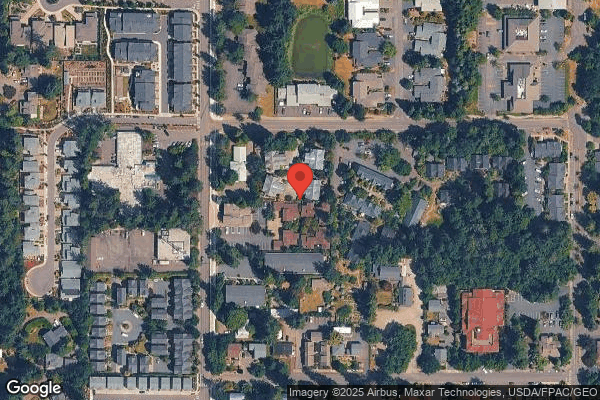

835 MADISON AVENUE NORTH, BAINBRIDGE ISLAND, WA 98110 (206) 842-4765
For profit - Limited Liability company 58 Beds THE ENSIGN GROUP Data: November 2025
Trust Grade
73/100
#2 of 190 in WA
Last Inspection: September 2024

Within standard 12-15 month inspection cycle. Federal law requires annual inspections.

Overview

Bainbridge Island Health & Rehab Center has a Trust Grade of B, which means it is a good option, providing solid care that is above average. It ranks #2 out of 190 facilities in Washington, indicating it is in the top tier of nursing homes in the state, and #1 out of 9 in Kitsap County, meaning there is only one other local facility that ranks higher. The facility is improving, having reduced its issues from 10 in 2023 to just 4 in 2024. Staffing is a strength, with a rating of 4 out of 5 stars and a turnover rate of 37%, which is lower than the state average, suggesting experienced staff remain in place to care for residents. However, there are some concerns as well. The facility has faced $7,443 in fines, which is about average compared to other nursing homes. There were serious incidents reported, including one case where a resident fell and fractured a leg due to a failure to follow care plans requiring two staff members for assistance. Additionally, there were issues with food safety and sanitation, such as staff not properly washing hands after handling food and failing to ensure that food products were dated and discarded appropriately, which could risk residents' health. Overall, while the facility has strengths in staffing and quality ratings, families should be aware of these areas needing improvement.

Trust Score
B
73/100
In Washington
#2/190
Top 1%
Safety Record
Moderate
Needs review
Inspections
Getting Better
10 → 4 violations
Staff Stability
○ Average
37% turnover. Near Washington's 48% average. Typical for the industry.
Penalties
✓ Good
$7,443 in fines. Lower than most Washington facilities. Relatively clean record.
Skilled Nurses
✓ Good
Each resident gets 83 minutes of Registered Nurse (RN) attention daily — more than 97% of Washington nursing homes. RNs are the most trained staff who catch health problems before they become serious.
Violations
⚠ Watch
29 deficiencies on record. Higher than average. Multiple issues found across inspections.
★★★★★
5.0
Overall Rating
★★★★☆
4.0
Staff Levels
★★★★★
5.0
Care Quality
★★★★★
5.0
Inspection Score
Stable
2023: 10 issues
2024: 4 issues

The Good

  • 4-Star Staffing Rating · Above-average nurse staffing levels
  • 5-Star Quality Measures · Strong clinical quality outcomes
  • Full Sprinkler Coverage · Fire safety systems throughout facility
  • No fines on record
  • Staff turnover below average (37%)

    11 points below Washington average of 48%

Facility shows strength in staffing levels, quality measures, fire safety.

The Bad

Staff Turnover: 37%

Near Washington avg (46%)

Typical for the industry

Federal Fines: $7,443

Below median ($33,413)

Minor penalties assessed

Chain: THE ENSIGN GROUP

Part of a multi-facility chain

Ask about local staffing decisions and management

The Ugly 29 deficiencies on record

1 actual harm
Sept 2024 4 deficiencies
CONCERN (D)

Potential for Harm - no one hurt, but risky conditions existed

Quality of Care (Tag F0684)

Could have caused harm · This affected 1 resident

**NOTE- TERMS IN BRACKETS HAVE BEEN EDITED TO PROTECT CONFIDENTIALITY** . Based on interview and record review, the facility failed to provide the necessary care and services to maintain residents' hi...

Read full inspector narrative →
**NOTE- TERMS IN BRACKETS HAVE BEEN EDITED TO PROTECT CONFIDENTIALITY** . Based on interview and record review, the facility failed to provide the necessary care and services to maintain residents' highest practicable level of well-being for 1 of 5 sampled residents (Resident 27) reviewed for bowel management. The failure to initiate bowel care in accordance with physicians' orders placed residents at risk for pain/discomfort, nausea, decreased appetite and a diminished quality of life. Findings included . Resident 27 was admitted to the facility on [DATE]. The Significant Change Minimal Data Set, (MDS, an assessment tool), dated 07/30/2024 documented Resident 27 was severely cognitively impaired. A physician's order, dated 01/24/2024, documented Miralax (a laxative) 17 grams was to be mixed with eight ounces of fluids and given to resident, if no bowel movement (BM)after three days or if resident complained of constipation with abdominal discomfort. A physician's order, dated 09/05/2023, documented bisacodyl (a laxative) 5 milligrams (mg) was to be given 12 hours after no results with Miralax. A physician's order, dated 01/24/2024, documented bisacodyl suppository 10 mg was to be given 12 hours after no results with bisacodyl 5 mg. A physician's order, dated 01/24/2024, documented Fleet enema 7-19 grams was to be given 12 hours after no results with bisacodyl 10 mg. A physician's order, dated 07/27/2024, documented Senna (laxative) 10 milliliters (ml) was to be given two times daily, and increase to 17.6 mg after two days with no BM. Resident 27's bowel record documented no BMs on 06/27/2024-07/01/2024 (5 days), 07/10/204-07/18/2024 (9 days), 08/13/2024-08/26/2024 (13 days) and 09/05/2024-09/10/2024 (6 days). Resident 27's 06/27/2024-07/01/2024 Medication Administration Record (MAR) and Treatment Administration Record (TAR) documented no administration of the bowel protocol medications. A progress note, dated 07/01/2024, documented Resident 27 was toileted but it was not documented on the bowel record. Resident 27's 07/10/2024-07/18/2024 MAR/TAR documented the bisacodyl 5 mg was administered on 07/16/2024 (after seven days with no BM). A progress noted dated 07/17/2024 documented a fleet enema was given to Resident 27. The fleet enema was documented as effective. Resident 27's July 2024 bowel record documented no BM until 07/19/2024. Resident 27's 08/13/2024-08/26/2024 MAR/TAR showed no documentation on 06/16/2024 (four days without a BM). Miralax 17 grams was given on 08/17/2024 and 08/18/2024, but no further bowel protocol was followed. A progress note, dated 08/19/2024, documented Resident 27 had gone three or more days without a BM. No further intervention was given until 08/20/2024, when a bisacodyl 10 gm was given (eight days with no BM). A progress note dated 08/21/2024, documented Miralax 17 gm was given. There was no documentation on 08/22/2024-08/23/2024, regarding any bowel protocol/management. On 08/24/2024 Miralax 17 gm was given (12 days without a BM). Resident 27's 09/05/2024-09/10/2024 MAR/TAR showed no documentation regarding any bowel protocol/management. A hospice note, dated 09/09/2024, documented Resident 27 had gone four days without a BM and an enema had not been completed. No documentation provided for bowel protocol/management on 09/10/2024. On 09/12/2024 at 9:29 AM, Staff D, Licensed Practical Nurse/Resident Care Manager, said the bowel protocol was initiated after a resident has no BM for three days. If there was still no BM, then on the next shift, staff would offer a suppository. If there was still no BM on the next shift, then staff would offer an enema. Staff D said all refusals need to be reported to the provider. At 2:46 PM, Staff B, Director of Nursing Services, with Staff C, Interim Administrator present for interview, said the general bowel protocol was after three days with no BM, Miralax was to be given. If still no BM, then on the next shift a bisacodyl suppository was offered. If there were still no results the next shift would offer a fleet enema. Staff B said some residents had different bowel management protocols specific to that resident. When asked about Resident 27's bowel protocol, Staff B said Resident 27 had standing (routine/daily) orders for Miralax and Senna. However, if Resident 27 had gone three days without a BM, then they would have started with giving Resident 27 an extra dose of Miralax (17 grams). If no results, then they give bisacodyl 5 mg. If there was still no results, then a second bisacodyl 10 mg suppository would be offered. If there was still no result, then staff would offer a fleet enema. When shown the 06/27/2024-07/01/2024 dates with no BM, Staff B said the bowel protocol should have been started. When shown the 07/10/2024-07/18/2024 dates with no BM, Staff B said the bowel protocol should have been started. When shown the 08/13/2024-08/26/2024 dates with no BM, Staff B said the bowel protocol should have been started. When shown the 09/05/2024-09/10/2024 dates with no BM, Staff B said the bowel protocol should have been started. Reference WAC 388-97 -1060 (1) .
CONCERN (D)

Potential for Harm - no one hurt, but risky conditions existed

Respiratory Care (Tag F0695)

Could have caused harm · This affected 1 resident

**NOTE- TERMS IN BRACKETS HAVE BEEN EDITED TO PROTECT CONFIDENTIALITY** . Based on observation, interview, and record review, the facility failed to maintain, label/date, and properly store oxygen tub...

Read full inspector narrative →
**NOTE- TERMS IN BRACKETS HAVE BEEN EDITED TO PROTECT CONFIDENTIALITY** . Based on observation, interview, and record review, the facility failed to maintain, label/date, and properly store oxygen tubing/supplies and nasal cannula (NC, flexible tubing that sits inside the nose and delivers oxygen) for 1 of 1 sampled resident (Resident 9) reviewed for respiratory care. This failure placed the residents at risk for unmet care needs, respiratory infections, and a diminished quality of life. Findings included . The facility Oxygen Administration policy, revised 04/2024, documented oxygen tubing is to be replaced every seven (7) days or when visible soiled. Resident 9 was admitted to the facility on [DATE]. The Annual Minimal Data Set, (MDS, an assessment tool), dated 06/25/2024, documented Resident 9 was moderately cognitively impaired. A physician's order, dated 04/23/2024, documented oxygen tubing was to be changed every Sunday or as needed. On 09/09/2024 at 12:29 PM, Resident 9 was wearing the NC. The oxygen machine was running at 3 liters per minute. Oxygen tubing was dated 09/01/2024. On 09/11/2024 at 9:54 AM, Resident 9 was wearing the NC. The oxygen machine was running at 3 liters per minute. Oxygen tubing was dated 09/11/2024. The September 2024 oxygen Treatment Administration Record (TAR) documented the oxygen tubing was changed on 09/01/2024 (Sunday) and 09/08/2024 (Sunday). On 09/11/2024 at 9:56 AM, Staff B, Director of Nursing Services, was asked to observe the oxygen tubing on Resident 9's oxygen machine. Staff B said the date on the tubing was marked 09/11/2024. After showing Staff B the September 2024 TAR, Staff B said her expectation was the oxygen tubing was to be changed every Sunday, as ordered. When asked if the oxygen tubing should have been changed on 09/08/2024, Staff B said yes. When asked if staff should be signing for things that have not completed, Staff B said no. Reference WAC 388-97-1060 (3)(j)(vi) .
CONCERN (D)

Potential for Harm - no one hurt, but risky conditions existed

Infection Control (Tag F0880)

Could have caused harm · This affected 1 resident

**NOTE- TERMS IN BRACKETS HAVE BEEN EDITED TO PROTECT CONFIDENTIALITY** . Based on observation, interview and record review the facility failed to follow transmission-based precautions (TBP) when donn...

Read full inspector narrative →
**NOTE- TERMS IN BRACKETS HAVE BEEN EDITED TO PROTECT CONFIDENTIALITY** . Based on observation, interview and record review the facility failed to follow transmission-based precautions (TBP) when donning (taking on)/doffing (taking off) Personal Protective Equipment (PPE) for 1 of 2 sampled rooms (room [ROOM NUMBER]) reviewed for TBP. This failure placed the residents at an increased risk for infections and a decreased quality of life. Findings included . On 09/09/2024 at 1:36 PM, during lunch meal services, Staff J, Registered Nurse, donned gown, gloves, a N95 mask (fitted mask to protect against COVID and other droplet transmitted illnesses)over the top of an already worn surgical mask and gloves. Staff J entered room [ROOM NUMBER] and was handed a lunch meal tray. At 1:46 PM, Staff J existed room [ROOM NUMBER] wearing only a surgical mask (had doffed in room [ROOM NUMBER]), and then went into to room [ROOM NUMBER] wearing the same surgical mask. On 09/12/2024 at 9:29 AM, Staff D, Licensed Practical Nurse/Resident Care Manager, said the proper PPE donning procedure for a COVID positive room was putting on a gown, an N95, goggles and gloves. When asked if double masking was acceptable, Staff D stated, No, you want a tight seal. At 10:22 AM, Staff B, Director of Nursing Services, said the proper donning procedures was to put on the gown, gloves, switch from a surgical mask to N95 mask and then goggles before entering the room. When asked if double masking was acceptable, Staff B said no. When the observation was reported, Staff B said that was not acceptable. Reference WAC 388-97-1320 (2)(b) .
CONCERN (E)

Potential for Harm - no one hurt, but risky conditions existed

Food Safety (Tag F0812)

Could have caused harm · This affected multiple residents

. Based on observation and interview, the facility failed to maintain a kitchen environment which allowed each resident to have nourishing, palatable and well-balanced meals without cross contaminatio...

Read full inspector narrative →
. Based on observation and interview, the facility failed to maintain a kitchen environment which allowed each resident to have nourishing, palatable and well-balanced meals without cross contamination for 1 of 1 kitchen reviewed for food safety. This failure put residents at risk for food-borne illness, unsanitary conditions, and a diminished quality of life. Findings included . <Food preparation observations> On 09/11/2024 at 11:53 AM, Staff H, Cook, dropped his writing pen on the floor, he picked it up with bare hands and did not clean the pen. Staff H then wrote on a clip board and put the pen back onto his shirt by clipping the pen onto his shirt collar. Staff H did not wash hands after using the pen. At 1:09 PM, during tray line observation, Staff H, with gloved hands took the pen from out of his shirt and wrote on a piece of paper that was on the food tray, then with the same gloves picked up a hamburger bun and put it on a plate and continued to build burgers. <Tray line observations> Tray line assembly started on 09/11/2024 at 11:58 AM. At 11:58 AM, Staff H, went to the steam table and began taking temperatures of food without cleaning the thermometer in between items temped on steam table. At 12:08 PM, Staff H, adjusted their glasses with bare hands, did not wash hands, grabbed gloves and put them on. At 12:24 PM, Staff H, touched their glasses and then touched their mask with gloves on, did not change gloves and picked up plates and placed them on the steam table. Staff H picked up hamburger buns and placed them on plates. Staff H then used a spatula to transfer hamburger patties onto hamburger buns, touching the top of the hamburger patty with the other hand. Staff H did not wash hands or change gloves. At 12:27 PM, Staff H, pushed their reading glasses up with gloved hands and adjusted hat, then went to plate warmer lifted the lid and took plates out, and continued to plate food. No glove change was observed. At 12:31 PM, Staff H, used gloves to flip hanging name tag to back of his shirt, did not change gloves and got plate from plate warmer, then picked up hamburger buns and placed them on the plate. At 12:35 PM, Staff H, pushed up reading glasses on his face with gloves, then grabbed condiment packets from container and placed them on the food tray. Staff H put hamburger buns on a plate along with lettuce and tomato. Staff H then used spatula to transfer hamburger patties onto hamburger buns, touching the top of the hamburger patty with the other hand. Staff H did not wash hands or change gloves. At 12:41 PM, Staff H, adjusted dials on the steamer table and resumed plating food without a glove change. At 12:44 PM, Staff H, wiped thermometer with dish towel that had been used to wipe steam table counter, then began temping food on steam table. At 12:49 PM, Staff H, adjusted the temperature with the dial on the steam table with gloved hands, then got plates out of the warmer, he then picked up hamburger buns and put them on the plate. Staff H then used spatula to transfer hamburger patties onto hamburger buns, touching the top of the hamburger patty with the other hand. Staff H did not wash hands or change gloves. At 12:56 PM, Staff H, took several plates out of the plate warmer and held the stack of plates' edges against his shirt, he then placed the plates on the steam table. Staff H picked up two condiment packets and placed them on a tray and then picked up hamburger buns and placed them on a plate. Staff H then used spatula to transfer hamburger patties onto hamburger buns, touching the top of the hamburger patty with the other hand. Staff H moved a nearby cart by its handles, then continued to plate food, grabbing lettuce. Staff H then wiped gloves on a dishtowel that was observed to have been used to wipe down steamer table, and then picked up tomatos and placed them on hamburger patty. Staff H did not wash hands or change gloves. On 09/11/2024 at 2:45 PM, Staff I, Dietary Supervisor, said that usually during food service ladles and tongs wereused. Staff I said after adjusting glasses, touching a name tag or touching mask, that those actions would be an interruption to touching food, and he would expect them to use clean gloves when going back to handling food. When asked about touching food condiment packages and then touching food, Staff I said it would have been better to have the dietary aid put the condiments on the tray. When asked what the process would be for cleaning the thermometer between each food temping, Staff I said staff should be using sanitizer bucket and towel to wipe down between each poke. On 09/13/2024 at 10:21 AM, Staff A, Administrator and Staff C, Interim Administrator, said their expectation was to prevent cross contamination of food borne illness in the kitchen by following guidelines such as hand washing, hair nets, temperatures of foods and use by dates. When asked if it would it be acceptable for staff to touch glasses, hair/hat, badge or mask then touch food, Staff C said it was not acceptable without staff changing their gloves. When asked if it was acceptable to use a pen that had been dropped on the floor then touch food with the same gloved hands, Staff C said that was not acceptable. When asked if they would expect staff to use gloved hands to build a burger and with gloves touch buns, patties, lettuce, and tomatos, Staff C said they should be using utensils. Reference WAC 388-97-1100 .
Sept 2023 9 deficiencies
CONCERN (D)

Potential for Harm - no one hurt, but risky conditions existed

Deficiency F0637 (Tag F0637)

Could have caused harm · This affected 1 resident

**NOTE- TERMS IN BRACKETS HAVE BEEN EDITED TO PROTECT CONFIDENTIALITY** Based on interview and record review, the facility failed to ensure a Significant Change in Status Assessment (SCSA), including ...

Read full inspector narrative →
**NOTE- TERMS IN BRACKETS HAVE BEEN EDITED TO PROTECT CONFIDENTIALITY** Based on interview and record review, the facility failed to ensure a Significant Change in Status Assessment (SCSA), including Care Area Assessments (CAAs), were completed within 14 days for 1of 1 resident (Resident 17) reviewed for a decline in activities of daily living (ADLs). Failure to identify Resident 17's decline ADL function and to complete a SCSA placed the resident at risk for unidentified and/or unmet care needs. Findings included . According to the Resident Assessment Instrument Manual (RAI, a manual that directs staff on how to accurately assess the status of residents) a SCSA must be completed when the IDT (Interdisciplinary Team) has determined that a resident meets the significant change guidelines for either major improvement or decline. A SCSA is a comprehensive assessment that must be completed when the IDT has determined that a resident meets the significant change guidelines for either major improvement or decline. Review of the guidelines showed, a SCSA is appropriate if there is a consistent pattern of changes, with either two or more areas of decline or two or more areas of improvement. This may include two changes within a particular domain (e.g., two areas of ADL decline or improvement). Resident 17 Resident 17 admitted to the facility on [DATE]. Review of the 10/26/2022 annual Minimum Data Set (MDS, an assessment tool), and the 01/24/2023 quarterly MDS, showed the resident required supervision for eating and locomotion on and off the unit, limited assistance (staff provided guided maneuvering but no weight bearing support) from one staff member for transfers, and extensive assistance (weight bearing support required from staff) from one staff member for bed mobility, toileting, dressing and hygiene. Additionally, review of the 01/24/2023 quarterly MDS showed Resident 17 had no falls since the prior assessment. Review of Resident 17's 01/26/2023 Functional Performance Evaluation showed the resident was assessed to require setup or clean-up assistance with eating; supervision with oral hygiene; supervision with moving from a laying to sitting position; supervision with moving from a sitting to a standing position; and supervision with transferring from bed to chair or wheelchair to bed. According to the 02/24/2023 11:21 AM interdisciplinary team (IDT) fall committee note, Resident 17 had shown progressive decline in their cognitive and physical abilities. Review of Resident 17's 04/24/2023 quarterly MDS, showed the resident required two-person extensive assistance with transfers, bed mobility and dressing, one-person extensive assistance with eating and hygiene, was dependent (full staff performance every time during the entire 7-day assessment period) on staff for toileting, and had two or more falls since the prior assessment. This showed a decline in ADL performance from: supervision to extensive assistance with eating; limited assistance of one with transfers, to extensive assistance of two; extensive assistance of one with toileting to total dependence on staff; from extensive assistance of one with dressing to extensive assistance of two; and an increase in frequency of falls. Review of Resident 17's 04/24/2023 Functional Performance Evaluation showed the resident was assessed to require substantial/ maximal assistance with eating; was dependent on staff for oral care; required assistance with moving from a laying to sitting position; substantial/ maximal assistance when moving from a sitting to a standing position; and substantial/ maximal assistance with transferring from bed to chair or chair to bed. Review of Resident 17's electronic health record (EHR) showed no documentation that the facility IDT identified the resident's decline in multiple aspects of ADL performance, determined if the declines were self-limiting and/or whether they anticipated Resident 17 to return to baseline within 14 days. Review of Resident 17's EHR showed the following progress notes: 05/03/2023weight committee note which recommended adding supplements to address the resident's weight loss and cognitive decline; a 05/29/2023 fall committee note which identified the resident had shown progressive decline in their cognition and physical abilities; and a 07/24/2023 provider note stated that the provider knew the Resident 17 well, and the resident had recently declined significantly. The note indicated Resident 17 no longer responded to direct questions and was essentially non-verbal. Review of Resident 17's 07/25/2023 quarterly MDS showed the resident continued to require two-person extensive assistance with transfers, bed mobility and dressing, one-person extensive assistance with eating and hygiene, total dependence on staff for toileting. The assessment also showed Resident 17 fell two or more times since the prior assessment. The assessment showed that Resident 17 did not return to their prior level of function within 14 days. Review of Resident 17'sEHR showed no documentation that the facility IDT identified the resident's decline in multiple aspects of ADL performance from the previous comprehensive assessment, determined if the declines in function were self-limiting and/or considered the need for a SCSA. During an interview on 09/28/2023 at 12:08 PM, Staff F, MDS Coordinator, stated that they were taught a SCSA was not indicated unless a resident's self-performance declined by two levels, in two or more ADLs areas (e.g., a decline in transfer status from supervision to extensive would be a decline of two levels, from supervision to limited, and from limited to extensive) or decline of two levels in one ADL combined with a decline in another area of the MDS. When asked if a SCSA should have been performed for Resident 17 Staff F stated, No. Reference WAC 388-97-1000(3)(b) .
CONCERN (D)

Potential for Harm - no one hurt, but risky conditions existed

Assessment Accuracy (Tag F0641)

Could have caused harm · This affected 1 resident

**NOTE- TERMS IN BRACKETS HAVE BEEN EDITED TO PROTECT CONFIDENTIALITY** Based on interview and record review, the facility failed to ensure assessments accurately reflected residents' health status an...

Read full inspector narrative →
**NOTE- TERMS IN BRACKETS HAVE BEEN EDITED TO PROTECT CONFIDENTIALITY** Based on interview and record review, the facility failed to ensure assessments accurately reflected residents' health status and/or care needs for 3 of 13 sample residents (Residents 27, 36, and 10) reviewed. The failure to assess resident cognitive patterns and to perform pain interviews as required, and to ensure assessments accurately reflected resident behaviors related to rejection of care, placed residents at risk for unidentified and unmet pain, cognitive and behavioral care needs. Findings included . According to the Resident Assessment Instrument Manual (RAI, a manual that directs staff on how to accurately assess the status of residents), staff should attempt to conduct a Brief Interview for Mental Status (BIMS, used to assess cognitive status in elderly patients) and pain assessment interview on all residents. The manual directed staff not to conduct a staff assessment of cognitive status or a staff assessment for pain if a BIMS and pain assessment interview should have been done. Resident 27 According to Resident 27's 05/02/2023 significant change Minimum Data Set (MDS, an assessment tool), staff assessed that a BIMS and a pain assessment interview should be conducted. Review of the BIMS assessment and pain assessment interview showed staff documented not assessed. Additionally, a staff assessment of cognitive status was completed for Resident 27. Review of Resident 27's electronic health record (EHR) showed the resident was in the facility during the assessment period and revealed no documentation or indication why facility staff failed to assess the resident's cognitive patterns or pain as directed in the RAI manual. During an interview on 09/29/2023 at 11:08 AM, Staff B, Director of Nursing (DNS), stated that Resident 27's BIMS and pain assessment interview were not conducted as required, due to the facility's MDS person working offsite. Review of Resident 27's 07/31/2023 quarterly MDS showed the resident rejected care on one to three days during the assessment period. Review of Resident 27's's July 2023 Medication Administration Record (MAR) showed the resident refused their peridex (antimicrobial) mouth wash on 07/25/2023, 07/26/2023, 07/28/2023, 07/29/2023, 07/30/2023 and 07/31/2023, six of seven days during the assessment period. During an interview on 09/29/2023 at 11:08 AM, Staff B, DNS, acknowledged Resident 27 refused their peridex mouthwash on six of seven days during the assessment period and it was not reflected on the resident's MDS. Resident 36 Resident 36 admitted to the facility on [DATE].According to the 09/08/2023 admission MDS, the resident demonstrated no rejection of care. Review of Resident 36's EHR showed three 09/07/2023 nurses' notes which indicated Resident 36 refused removal of their urinary catheter (a tube inserted into the bladder to drain urine.) Review of Resident 36's September 2023 MAR showed the resident refused an ordered lidocaine patch on 09/05/2023, 09/06/2023, 09/07/2023 and 09/08/2023, four of four days of the assessment period. During an interview on 09/29/2023 at 11:00 AM, Staff B, DNS, stated that the refusals were missed. Resident 10 According to Resident 10's the 06/25/2023 significant change MDS, the resident demonstrated no rejection of care. Review of Resident 10's's June 2023 MAR showed the resident refused their bedtime dose of carvedilol (blood pressure medication.) During an interview on 09/29/2023 at 11:05 AM, Staff B, DNS, acknowledged the medication refusal occurred during the assessment period and was not reflected on Resident 10's MDS. Reference WAC 388-97-1000 (1)(b) .
CONCERN (D)

Potential for Harm - no one hurt, but risky conditions existed

Deficiency F0657 (Tag F0657)

Could have caused harm · This affected 1 resident

Based on interview and record review, the facility failed to ensure resident care plans (CPs) were reviewed, revised, and accurately reflected residents' care needs for 1 of 13 residents (Residents 17...

Read full inspector narrative →
Based on interview and record review, the facility failed to ensure resident care plans (CPs) were reviewed, revised, and accurately reflected residents' care needs for 1 of 13 residents (Residents 17) whose care plans were reviewed. These failures placed the resident at risk for unmet care needs and diminished quality of life. Findings included . Resident 17 Review of Resident 17's activities of daily living care plan, with a target date of 11/20/2023, showed the resident was to be bathed two times a week in the AM and that they transferred independently at times and may require one person assistance with transfers at times. Review of Resident 17's 04/24/2023 and 07/25/2023 quarterly Minimum Data Sets (MDS, an assessment tool) showed the resident required two-person extensive assistance with transfers. Review of Resident 17's point of care charting (computer program where nurse aides document the amount of assistance provided) for July, August, and September 2023, showed no documentation that Resident 17 transferred independently. Additionally, review of Resident 17's August 2023 bathing record showed the resident was bathed eight times during the month, with the bathing time ranging from 3:49 PM to 10:29 PM. No AM bathing was provided as care planned. During an interview on 09/29/2023 at 10:29 AM, Staff B, Director of Nursing, stated that Resident 17's care plan needed to be revised. Reference WAC 388-97-1020(2)(c)(d) .
CONCERN (D)

Potential for Harm - no one hurt, but risky conditions existed

Deficiency F0676 (Tag F0676)

Could have caused harm · This affected 1 resident

Based on observation, interview and record review, the facility failed to provide assistance with nail care for 1 of 13 residents (Resident 28) reviewed for activities of daily living (ADLs.) The fail...

Read full inspector narrative →
Based on observation, interview and record review, the facility failed to provide assistance with nail care for 1 of 13 residents (Resident 28) reviewed for activities of daily living (ADLs.) The failure to provide assistance with nail care placed the resident at risk for unmet care needs, poor hygiene, and diminished quality of life. Findings included . Resident 28 During an observation and interview on 09/25/2023 at 11:15 AM and 09/27/2023 at 08:44 AM, Resident 28 was noted to have long fingernails and toenails with discolored debris under their nail beds. The resident stated that their toenails were too long, and they hurt when they wear socks or shoes. The resident further stated that their fingernails were long and rough around the edges. During an interview on 09/27/2023 at 08:48 AM, Staff C, Certified Nursing Assistant (CNA), stated the License Nurses (LN) usually do nail care for all the residents. During an interview on 09/27/2023 at 09:37 AM Staff D, License Practical Nurse (LPN), stated they usually do nail care for diabetic residents if there was a physician's order in the electronic health record and all other nail care for non-diabetic residents was done by a CNA. During an interview on 09/27/2023 at 1:45 PM Staff E, Assistant Director of Nursing/ Infection control preventionist ADON/IP, stated that nail care was usually done by the LN, or the CNA. LNs usually do nail care for diabetic residents and CNAs do nail care for all non-diabetic residents. Staff E further stated that nail care should have been completed for Resident 28 but was not done. Reference WAC 388-97-1060 (2)(a)(b) .
CONCERN (D)

Potential for Harm - no one hurt, but risky conditions existed

ADL Care (Tag F0677)

Could have caused harm · This affected 1 resident

**NOTE- TERMS IN BRACKETS HAVE BEEN EDITED TO PROTECT CONFIDENTIALITY** Based on observation, interview and record review, the facility failed to provide assistance with nail care for 1 of 13 resident...

Read full inspector narrative →
**NOTE- TERMS IN BRACKETS HAVE BEEN EDITED TO PROTECT CONFIDENTIALITY** Based on observation, interview and record review, the facility failed to provide assistance with nail care for 1 of 13 residents (Resident 2) reviewed for activities of daily living (ADLs.) The failure to provide assistance with nail care to a resident who was dependent on staff, placed the resident at risk for unmet care needs, poor hygiene, and diminished quality of life. Findings Included . Resident 2 Review of Resident 2's electronic health record (EHR) showed the resident was admitted to the facility on [DATE] with diagnosis of quadriplegia (a form of paralysis that affects all four limbs, plus the torso). During an observation on 09/25/2023 at 11:30 AM and 09/26/2023 at 08:48 AM, Resident 2 was noted to have long fingernails with discolored debris under their nail beds. Review of Resident 2's EHR on 09/26/2023, showed that a physician's order and care plan was in place for License Nurses to complete nail care weekly as needed. The physician order read: keep fingernails short, smooth, file nails after showers, don't clip with clippers. During an interview on 09/27/2023 at 08:48 AM, Staff C, Certified Nursing Assistant (CNA), stated that License Nurses (LN) usually do nail care for all the residents. During an interview on 09/27/2023 at 09:37 AM Staff D, License Practical Nurse (LPN), stated that they usually do nail care for diabetic residents if there was a physician's order in the EHR. During an interview on 09/27/2023 at 1:45 PM Staff E, Assistant Director of Nursing/ Infection control preventionist ADON/IP, stated that nail care was usually done by the LN or the CNA. LNs usually do nail care for diabetic residents and CNAs do the nail care for all non-diabetic residents. Staff E further stated that nail care should have been completed for Resident 2 but was not done. Reference WAC 388-97-1060 (2)(c) .
CONCERN (D)

Potential for Harm - no one hurt, but risky conditions existed

Deficiency F0757 (Tag F0757)

Could have caused harm · This affected 1 resident

**NOTE- TERMS IN BRACKETS HAVE BEEN EDITED TO PROTECT CONFIDENTIALITY** Based on interview and record review, the facility failed to ensure monitoring of side effects of blood pressure medications for...

Read full inspector narrative →
**NOTE- TERMS IN BRACKETS HAVE BEEN EDITED TO PROTECT CONFIDENTIALITY** Based on interview and record review, the facility failed to ensure monitoring of side effects of blood pressure medications for two of five residents (Resident 10 and 140) reviewed for unnecessary medication usage. The facility failed to follow blood pressure and pulse parameters as ordered by the physician which placed the resident at risk for adverse side effects, medical complications, and the unnecessary use of medication. Findings included . Review of the facility's policy titled, Policy/ Procedure - Medication Administration dated 03/2022, showed medication will be accurately prepared, administered and documented per physician order. Resident 10 Review of Resident 10's electronic health record (EHR) showed the resident had a 07/05/2022 order for carvedilol twice a day, with orders to hold the medication for SBP less than 110 or a pulse (P) less than 60. Review of Resident 10's August and September 2023 MARs showed on the following occasions the resident was administered carvedilol (a medication used to treat high blood pressure and heart rate) when it should have been held for a SBP less than 110 or a P less than 60: August 2023- 8/1/2023 AM dose P-58; 8/5/2023 AM dose P-52; 8/8/2023 AM dose SBP-105 and P-51; 8/24/2023 AM dose P-50 and PM dose P- 50; 8/25/2023 AM dose P-50 and PM dose P- 50; 8/26/2023 AM dose P- 50; 8/29/2023 AM dose SBP-107 and P- 50; September 2023- 09/06/2023 PM d SBP-92 and P-55; 9/13/2023 PM dose P-54; 9/20/2023 PM dose P-51; and 9/27/2023 PM dose SBP-112 and P-58. During an interview on 09/28/2023 at 11:25 AM, Staff B, DNS, stated that facility nurses should have held Resident 10's carvedilol as ordered, but acknowledged they failed to do so. Resident 140 Review of the entry Minimum Data Set (MDS, a required assessment tool) dated 09/12/2023, showed Resident 140 admitted to the facility on [DATE] with a diagnosis of high blood pressure. Review of Resident 140's Medication Administration Record (MAR) dated September 2023 showed that Resident 140 had been ordered carvedilol along with parameters to hold if the resident blood pressure was less than 120 systolic (the top number refers to the amount of pressure in the arteries during the contraction of the heart muscle) on 09/22/2023. The MAR showed that the resident's systolic blood pressure (SBP) was documented less than 120, twice (once on evening shift 09/23/2023 [102/72] and day shift 09/24/2023 [106/69]. The MAR showed that the medication was not held as ordered during this time frame and the residents progress notes showed that the licensed nurse (LN) did not notify provider. During an interview on 09/27/2023 at 10:22 AM, Staff E, Assistance Director of Nursing/Infection Preventionist (ADON/IP), stated that Resident 140 had the blood pressures parameters put into place for carvedilol and that that LNs were to ensure that the medication was not to be administered if the blood pressure was less than 120 systolic. Furthermore, Staff E, ADON/IP stated that the medication, should not have been administered during that time. During an interview on 09/27/2023 at 10:32 AM, Staff B, Director of Nursing (DNS), stated that it was the expectation of LNs to not administer blood pressure medication if it was outside the parameters. Reference WAC 388-97-1060(3)(k)(i) .
CONCERN (D)

Potential for Harm - no one hurt, but risky conditions existed

Deficiency F0761 (Tag F0761)

Could have caused harm · This affected 1 resident

Based on observation and interview, the facility failed to consistently store medication safely in 2 of 4 areas reviewed (Pyxis machine and resident 12's room) for medication storage. This failure pla...

Read full inspector narrative →
Based on observation and interview, the facility failed to consistently store medication safely in 2 of 4 areas reviewed (Pyxis machine and resident 12's room) for medication storage. This failure placed the residents at risk for unsafe medication consumption and diminish quality of life. Findings included . Review of the facility's policy titled Medication Administration, dated 3/2022, showed that medication should always be under lock and key. Resident 12 Room During an observation on 09/25/2023 at 10:37 AM a small medication cup containing two tablets/pills was noted to be on the resident's bedside table. Resident 12 was not in the room. Staff E, Assistant Director of Nursing Services, and infection control prevention personal (ADON/ IP) stated they would discard of the medication right away. Pyxis Machine Room. During an observation of the facility pyxis machine on 09/26/2023 at 09:05 AM a small medication cup containing a white tablet/pill was noted on the top of the Pyxis. Staff E ADON/IP took the cup containing the tablet stating they would discard of it immediately. During an interview on 09/26/2023 at 11:35 AM Staff B, Director of Nursing Services (DON), stated that it was their expectation that all medication was stored safely and appropriately. Staff B further stated that this did not meet their expectation. Reference WAC 388-97-1300(2) .
CONCERN (D)

Potential for Harm - no one hurt, but risky conditions existed

Medical Records (Tag F0842)

Could have caused harm · This affected 1 resident

Based on interview and record review, the facility failed to ensure resident medical records were complete, accurate and readily accessible for 2 of 13 residents (Residents 27, 10) whose records were ...

Read full inspector narrative →
Based on interview and record review, the facility failed to ensure resident medical records were complete, accurate and readily accessible for 2 of 13 residents (Residents 27, 10) whose records were reviewed. The facility failed to ensure Activities of Daily Living (ADL) documentation related to bathing was complete and accurately reflected care provided. These failures placed residents at risk for unidentified and/or unmet care needs. Findings included . Resident 27 Review of Resident 27's July, August and September 2023 bathing records showed the resident was bathed once in July on 07/08/2023, twice in August on 08/19/2023 and 08/26/2023, and three times in September on 09/2/2023, 09/09/2023 and 09/20/2023. According to Resident 27's 02/22/2023 ADL care plan, they were to be bathed two times a week. During an interview 09/29/2023 at 9:30 AM, Staff B, Director of Nursing, stated that the facility had some issues with documentation. Staff B indicated they believed Resident 27 was bathed per their bathing schedule and explained that Resident 27's partner frequently provided the bathing and that either the bathing was not communicated, or staff failed to document it. Resident 10 Review of Resident 10's July, August and September 2023 bathing records showed the resident was not bathed in July or August 2023, and was bathed twice in September on 09/04/2023 and 09/14/2023. According to Resident 10's ADL care plan, with a target date of 12/31/2023, they were to be bathed twice a week. During an interview 09/29/2023 at 10:25 AM, Staff B indicated facility staff had assisted Resident 10 with bathing per their bathing schedule but failed to document it. Reference WAC 388-97-1720(1)(a)(i-iv)(b) .
CONCERN (E)

Potential for Harm - no one hurt, but risky conditions existed

Food Safety (Tag F0812)

Could have caused harm · This affected multiple residents

Based on observation, interview and record review, the facility failed to ensure food products were dated when opened, discarded when beyond the use by date, kitchen equipment was clean and sanitary, ...

Read full inspector narrative →
Based on observation, interview and record review, the facility failed to ensure food products were dated when opened, discarded when beyond the use by date, kitchen equipment was clean and sanitary, food holding temperatures were accurately obtained and recorded, and that the low temperature dishwasher washer met the minimum wash and rinse cycle temperatures and the required minimum chemical concentration of sanitizer for proper cleaning and sanitization of resident dishes and utensils. Failure to ensure food was held at appropriate temperatures prior to serving, that meals were served on clean and sanitized disheware, and that outdated food products were not served to residents placed residents at risk for unpalatable food and foodborne illness. Findings included . Initial observations of the facility's dietary department on 09/25/2023 from 10:07 AM until 10:53 AM revealed the following: Dry Storage Observation on 09/25/2023 showed a package of Spanish rice and a cream of wheat were opened but undated. During an interview on 09/25/2023 at 10:07 AM, Staff G, Nutrition Services Manager, stated that food packages should be dated when opened and acknowledged the above referenced were not. Refrigerator One Observation of refrigerator one showed a eight pound carton of macaroni salad, opened 09/21/2023, with instructions on the side of the container that read Keep refrigerated at 33-40 degrees Fahrenheit (df). Review of the refrigerator one temperature log showed eight of the nine recorded refrigerator temperatures since 09/21/2023 (date the macaroni salad was opened) were greater than 40 df. During an interview on 09/25/2023 at 10:53 AM Staff G, Nutrition Service Manager, stated that the macaroni should have been stored from 33-40 df as recommended by the manufacturer. Refrigerator Two Observation of refrigerator two showed half a pepperoni pizza for Resident 12 and half a pepperoni pizza for an unidentified resident, both dated 09/20/2023 were stored in the dietary refrigerator. During an interview on 09/25/2023 at 10:53 AM Staff G, stated that leftovers should be tossed out after three days and acknowledged the resident pizzas should have been discarded on 09/23/2023. Additionally, Staff G stated that residents' personal food was not usually stored in the dietary refrigerator, but indicated the residents' refrigerator was broke and needed to be replaced. Kitchen Equipment On 09/29/2023 at 6:51 AM the facility's Nescafe coffee and hot water machine was observed with copious amounts of dark brown debris on the metal vented platform. Under the platform was standing brown liquid. During an interview on 09/29/2023 at 6:51 AM, Staff J, Dietary Aide, confirmed the facility's Nescafe machine was soiled and had not been cleaned. Low Temperature Dishwasher During observation of meal preparation on 09/29/2023 at 6:58 AM, Staff J was observed putting dishes through the low temperature dishwasher. According to the Dishwasher Temperature/ Sanitizer Solution Log the dishwasher needed to reach a minimum water temperature of 120 df during the wash cycle, 130 df during the rinse cycle and the sanitizer solution needed to be 50-100 parts per million (ppm) for effective cleaning and sanitization of dishware and utensils. Review of the September 2023 dishwasher log showed on the following dates, for the following meals the minimum wash/ rinse temperatures were not reached and /or the sanitizer solution did not meet the minimum concentration of 50 PPM as required. 1) 09/04/2023 breakfast- sanitizer concentration was 48 ppm, and lunch and dinner concentrations were 49 ppm. 2) 09/06/2023 breakfast- rinse cycle temperature was 122 df. 3) 09/07/2023 breakfast- rinse cycle temperature was 125 df and the sanitizer concentration was 49 ppm. 4) 09/08/2023 breakfast- rinse cycle temperature was 126 df. 5) 09/09/2023 breakfast- rinse cycle temperature was 127 df. 6) 09/11/2023 breakfast- rinse cycle temperature was 127 df and the sanitizer concentration was 48 ppm. 7) 09/12/2023 breakfast- rinse cycle temperature was 126 df and the sanitizer concentration was 49 ppm; lunch- rinse temperature was 128 df. 8) 09/13/2023 breakfast- rinse cycle temperature was 127 df and the lunch rinse cycle temperature was 120 df. 9) 09/18/2023 breakfast- the sanitizer concentration was 45 ppm. 10) 09/19/2023 breakfast- the sanitizer concentration was 49 ppm. 11) 09/22/2023 breakfast- the sanitizer concentration was 49 ppm. 12) 09/23/2023 breakfast- the sanitizer concentration was 49 ppm. 13) 09/26/2023 breakfast- the sanitizer concentration was 49 ppm. During an interview on 09/29/2023 at 9:10 AM, Staff G, Nutritional Service Manager, indicated when dietary staff test the low temperature dishwasher, if the minimum wash/rinse water temperatures or the sanitizer minimum concentration was not met, staff should re-check the dishwasher. Staff G acknowledged there was no record of this being done on the above refenced dates. When asked if dietary staff took appropriate action when the dishwasher's water temperature and/or sanitizer concentration tested below the minimum required ranges Staff G stated, No. Meal Service Observation of tray line on 09/29/2023 at 7:54 AM showed Staff H, Dietary Cook, checking the holding temperature of all items on the steam table. No temperature of cold beverages was observed to be taken. When a temperature of cold beverages was requested Staff H, Dietary Cook, provided the thermometer utilized to temp the food on the tray line to Staff G, Nutrition Service Manager, to test a cup of milk. Staff G placed the thermometer into a cup of milk, which was cool to touch, and the thermometer read 77.5 df. Staff G retested the milk with the same thermometer and again it read that the milk was 77.5 df. Staff G was observed to go and retrieve a different thermometer, which showed the milk temperature to be 45.5 df. The dietary staff then proceeded to serve resident meals, despite the thermometer used to test the holding temperatures being identified as inaccurate. During an interview on 09/29/2023 at 9:10 AM, when asked if there was any way he could confirm the holding temperatures recorded for the breakfast meal were accurate, given the thermometer used was determined to be inaccurate Staff G stated, No, I cannot. Reference WAC 388-97-1100(3) .
Jan 2023 1 deficiency 1 Harm
SERIOUS (G) 📢 Someone Reported This

A family member, employee, or ombudsman was alarmed enough to file a formal complaint

Actual Harm - a resident was hurt due to facility failures

Accident Prevention (Tag F0689)

A resident was harmed · This affected 1 resident

**NOTE- TERMS IN BRACKETS HAVE BEEN EDITED TO PROTECT CONFIDENTIALITY** Based on interview and record review, the facility failed to implement care planned interventions to prevent a fall for 1 of 4 r...

Read full inspector narrative →
**NOTE- TERMS IN BRACKETS HAVE BEEN EDITED TO PROTECT CONFIDENTIALITY** Based on interview and record review, the facility failed to implement care planned interventions to prevent a fall for 1 of 4 residents (Resident 1) reviewed for falls. This failure resulted in harm when Resident 1 rolled out of bed during care and sustained a leg fracture. Findings included . Resident 1 was admitted to the facility on [DATE] with diagnoses to include stroke and right sided weakness. Review of the Minimum Data Set assessment, dated 11/30/2022, showed the resident required extensive assistance of two people with bed mobility. Resident 1's Activity of Daily Living care plan, dated 09/12/2021, showed Resident 1 required two staff persons to reposition and turn Resident 1 in bed. Resident 1's progress note, dated 12/03/2022 at 2:30 AM, showed that Resident 1 had a witnessed fall during care, landed on their right side and was in severe pain. The progress note further showed that the physician ordered x-rays of the right upper and lower body to rule out a fracture post fall. Resident 1's x-ray report, dated 12/03/2022 at 2:41 PM, showed a fracture to the right femur (leg bone). Resident 1's progress note, dated 12/03/2022 at 8:19 PM, showed Resident 1 was transported to the emergency room for treatment of the femur fracture. The facility investigation, dated 12/06/2022, showed that Staff B, Certified Nursing Assistant (CNA), had assisted Resident 1 in bed with incontinent care. The investigation further showed that when Resident 1 turned over in the bed during care, they rolled out of the bed and landed on the floor. The investigation showed the care planned second staff member was not in attendance. On 01/03/2023 at 2:46 PM, Staff B, CNA, stated that on 12/03/2022 she was assisting Resident 1 with incontinent care prior to the resident's fall. Staff B stated that when the Resident 1 rolled to the side away from her, the resident continued to roll off the bed. Staff B stated they had provided care to Resident 1 in bed without a second staff member present many times prior to the fall and thought Resident 1 could be cared for with one staff member. Staff B stated that Resident 1's care plan was not reviewed prior to the fall and was unaware Resident 1's care plan directed two staff to assist with Resident 1's bed mobility. On 01/03/2023 at 4:12 PM, Staff A, Director of Nursing, stated that staff were expected to provide care based on a resident's care plan. Staff A stated that Resident 1's care plan showed the resident required two staff persons to assist with bed mobility prior to the fall on 12/03/2022. Staff A stated that the expectation was for Staff B to have followed Resident 1's care plan with a second staff person in attendance during care. Staff A stated that there was a breakdown in the system and Staff B did not follow the care plan when they provided care to Resident 1 prior to the fall. WAC Reference 388-97-1060 (3)(g) .
Jun 2022 15 deficiencies
CONCERN (D)

Potential for Harm - no one hurt, but risky conditions existed

Deficiency F0578 (Tag F0578)

Could have caused harm · This affected 1 resident

**NOTE- TERMS IN BRACKETS HAVE BEEN EDITED TO PROTECT CONFIDENTIALITY** Based on interview and record review, the facility failed to obtain advanced directives (AD) and/or perform periodic reviews to ...

Read full inspector narrative →
**NOTE- TERMS IN BRACKETS HAVE BEEN EDITED TO PROTECT CONFIDENTIALITY** Based on interview and record review, the facility failed to obtain advanced directives (AD) and/or perform periodic reviews to determine if residents had AD, and if not, determine whether the residents wished to formulate AD for two of six residents (Residents 11 and 17) reviewed for AD. This failure denied the residents the opportunity to direct their health care in the event they were to become unable to make decisions or communicate their health care preferences. Findings included . ADVANCE DIRECTIVES (AD) An AD is a written instruction, such as a living will or durable power of attorney [DPOA] for health care, recognized under State law (whether statutory or as recognized by the courts of the State), relating to the provision of health care when the individual is incapacitated. PHYSICIAN ORDERS FOR LIFE-SUSTAINING TREATMENT (POLST) .a form designed to improve patient care by creating a portable medical order form that records patients' treatment wishes so that emergency personnel know what treatments the patient wants in the event of a medical emergency, taking the patient's current medical condition into consideration. A POLST paradigm form is not an AD. If an adult individual is incapacitated at the time of admission and is unable to receive information or articulate whether or not he or she has executed an advance directive, the facility may give advance directive information to the individual's resident representative in accordance with State Law. The facility is not relieved of its obligation to provide this information to the individual once he or she is able to receive such information. Follow-up procedures must be in place to provide the information to the individual directly at the appropriate time. RESIDENT 11 Review of Resident 11's quarterly Minimum Data Set (MDS, a required assessment tool), dated 03/24/2022 showed that the resident admitted to the facility on [DATE] and was able to make needs known. Review of Resident 11's electronic health record (EHR) on 06/23/2022 showed no AD for healthcare. During an interview on 06/24/2022 at 12:47 PM Resident 11 stated that in January [2022] the resident had told staff that the resident wanted a family member to be Resident 11's AD and provided the family members phone number; however, the resident did not recall signing any official AD paperwork. Additionally, Resident 11 stated that the resident did not recall being provided documentation or education on how to establish an AD while at the facility. During an interview on 06/25/2022 at 9:14 AM Staff C, Social Service Director (SSD), stated that AD paperwork was to be discussed and requested from the resident and/or responsible party upon admission and if a resident wanted AD information it was provided and documented on our, Advance Directive Receipt, form. Staff C, SSD, further stated that AD's were reviewed/addressed on a quarterly basis during care conferences, change in condition, when requested by family, and with a discharge care conference. In continued interview Staff C, SSD, stated that she was unable to find documentation to show that Resident 11 had been provided AD information upon admittance. Additionally, after reviewing Resident 11's care plan review/care conference documentation, Staff C, SSD, stated that AD was not addressed and did not meet expectations. During an interview on 06/25/2022 at 10:15 AM Staff B, Director of Nursing Services (DNS), stated that Resident 11's AD should have had been addressed on admission. Additionally, Staff B, DNS, stated that she was unable to locate documentation that AD was addressed during quarterly care conferences. RESIDENT 17 Review of the quarterly MDS dated [DATE], showed that Resident 17 admitted to the facility on [DATE] and was able to make needs known. Review of Resident 17's EHR on 06/23/2022 showed no AD for healthcare. During an interview on 06/24/2022 at 1:31 PM Resident 17 stated that the resident did not recall if the facility had requested an AD from the resident or family and/or if there was an AD in writing; however, the resident wanted a specific family member to be the resident's AD. During an interview on 06/25/2022 at 1:33 PM, Staff C, SSD, stated that Resident 11 had no AD located in the resident's medical record. Additionally, Staff C, SSD, stated that Resident 11 had an Advance Directive Receipt form dated 09/21/2021 that showed that Resident 11 had an AD and a family member was to provide it; however, that did not happen. Staff C, SSD, further stated that Resident 11's documented care conferences on 03/10/2022 and 06/10/2022 did not address AD and it should have been addressed. Reference WAC 388-97-0280(1)(2)(3)(c)(i-ii); -0300 (1)(b) .
CONCERN (D)

Potential for Harm - no one hurt, but risky conditions existed

Deficiency F0582 (Tag F0582)

Could have caused harm · This affected 1 resident

Based on interview and record review, the facility failed to provide accurate Advanced Beneficiary Notices (ABN: a notification provided that lists services that Medicare is not expected to pay for, a...

Read full inspector narrative →
Based on interview and record review, the facility failed to provide accurate Advanced Beneficiary Notices (ABN: a notification provided that lists services that Medicare is not expected to pay for, along with the estimated costs of the services, so residents/beneficiaries can decide if they wish to continue receiving the services and assume financial responsibility) and failed to continue the skilled services or attempt to bill Medicare as directed for two of three residents (Resident 23 and 36) reviewed for liability notices. The facility's failure to provide an estimated cost of continuing services, detracted from the residents' ability to make informed financial and care decisions, and the failure to bill Medicare as directed by the residents, placed the residents at risk for financial liability for care that might have been covered by their Medicare benefit. Findings included . RESIDENT 23 According to the SNF Beneficiary Protections Notification Review completed by facility staff on 06/06/2022, Resident 23's skilled services started on 01/20/2022 and ended on 02/09/2022, and Resident 23 remained in the facility. Review of the ABN issued on 02/07/2022 showed the facility did not believe Medicare would pay for Skilled COVID-19 services. Under the heading Reason Medicare May Not Pay, staff documented May no longer deem medically necessary. For the estimated costs for continuing the Skilled COVID-19 services staff wrote daily rates rather than the estimated cost to continue the skilled services. According to the ABN, it was presented to Resident 23's representative via telephone. The facility staff member checked Option 1 at the direction of Resident 23's representative. Option 1 instructs the facility that Resident 23 wants the Skilled COVID-19 services to continue and provides the following direction to the facility, You may ask to be paid now, but I also want Medicare to be billed for an official decision on payment, which is sent to me on a Medicare Summary Notice (MSN). I understand that if Medicare does not pay, I am responsible for the payment. During an interview on 06/26/2022 at 2:19 PM, Staff G, Business Office Manager (BOM), explained their understanding of the purpose of the ABN was to Let them [residents] know what the new payment will be [after skilled services have ended]. When asked for documentation to show the facility billed Medicare as directed by the resident's representative, none was provided. RESIDENT 36 According to the SNF Beneficiary Protections Notification Review completed by facility staff on 06/06/2022, Resident 36's skilled services started on 01/25/2022 and ended on 02/03/2022, after which Resident 36 remained in the facility. Review of the ABN issued 02/01/2022 showed the facility did not believe Medicare would pay for Skilled nursing related to COVID-19. Under the heading Reason Medicare May Not Pay, staff documented Skilled services no longer needed return to custodial care and listed the estimated cost for continuing skilled services to be $720.95 Medicaid participation. According to the ABN dated 02/01/2022, showed that the facility staff presented it on 02/01/2022 via telephone to Resident 36's representative. The staff member selected Option 1 at the direction of Resident 36's representative. Option 1 instructs the facility that Resident 36 wants the Skilled COVID-19 services to continue and provides the following direction to the facility, You may ask to be paid now, but I also want Medicare to be billed for an official decision on payment, which is sent to me on a Medicare Summary Notice (MSN). I understand that if Medicare doesn't pay, I am responsible for the payment. During an interview on 06/26/2022 at 2:22 PM, when asked if the facility continued Resident 36's skilled services and attempted to bill Medicare as directed, Staff G, BOM, stated that she did not know. During an interview on 06/26/2022 at 2:37 PM, Staff B, Director of Nursing (DNS), provided a statement that showed on 02/07/2022 Physical Therapy (PT) picked Resident 36 up on part B, but PT was not the skilled services Resident 36 wanted to continue and instructed the facility to bill Medicare for. Reference WAC 388-97-0300(1)(e), (5), (6) .
CONCERN (D)

Potential for Harm - no one hurt, but risky conditions existed

Deficiency F0645 (Tag F0645)

Could have caused harm · This affected 1 resident

Based on interview and record review, the facility failed to ensure Pre-admission Screening and Resident Review (PASRR) assessments accurately reflected resident's condition for one of five residents ...

Read full inspector narrative →
Based on interview and record review, the facility failed to ensure Pre-admission Screening and Resident Review (PASRR) assessments accurately reflected resident's condition for one of five residents (Resident 14) reviewed for PASRRs. The failure to ensure Serious Mental Illness (SMI) indicators were accurately identified placed the resident at risk for inappropriate placement and/or not receiving timely and necessary services to meet their mental health care needs. Findings included . According to Resident 14's 06/21/2022 quarterly Minimum Data Set (MDS, an assessment tool), they were cognitively intact, had diagnoses of depression and anxiety disorder, and required the use of antidepressant and anti-anxiety medications on seven of seven days during the assessment period. Review of Resident 14's June 2022 Physician's orders (POs) showed a 03/25/2022 order for duloxetine (an antidepressant medication) twice daily for depression and 03/25/2022 order for alprazolam (an anti-anxiety medication) twice daily for anxiety. Review of Resident 14's 01/27/2022 Level I PASRR, showed the resident had a SMI indicator of anxiety disorder, but not a depressive disorder. During an interview on 06/25/2022 at 9:16 AM, when asked if Resident 14's Level I PASRR accurately reflected their SMIs, Staff B, Director of Nursing Services, stated, No, and that the PASRR needed to be revised. Reference WAC 388-97-1975 .
CONCERN (D)

Potential for Harm - no one hurt, but risky conditions existed

Deficiency F0655 (Tag F0655)

Could have caused harm · This affected 1 resident

**NOTE- TERMS IN BRACKETS HAVE BEEN EDITED TO PROTECT CONFIDENTIALITY** Based on interview and record review, the facility failed to develop baseline care plans, with goals and interventions to commun...

Read full inspector narrative →
**NOTE- TERMS IN BRACKETS HAVE BEEN EDITED TO PROTECT CONFIDENTIALITY** Based on interview and record review, the facility failed to develop baseline care plans, with goals and interventions to communicate resident care needs to staff for two of 21 sampled residents (Residents 17 and 298) reviewed for Care Planning. This failure had the potential to place residents at risk for unmet care needs, negative outcomes, and a decreased quality of life. Findings included . RESIDENT 17 Review of the quarterly Minimum Data Set (MDS, a required assessment tool), dated 04/24/2022, showed that Resident 17 admitted to the facility on [DATE] with multiple diagnoses to include stroke, diabetes, respiratory failure, idiopathic neuropathy (damaged nerves that can cause tingling, burning, biting, stabbing, and shooting type pains in the body). This MDS further showed that Resident 17 received oxygen therapy, used a C-Pap machine (used to assist with breathing while sleeping) and had an indwelling catheter. Additionally, it showed that Resident 17 required assistance of two persons for bed mobility, transfers, dressing, and toileting. Review of Resident 17's care plan on 06/25/2022 showed no baseline care plan created/developed within 24 to 48 hours of admission to the facility. During an interview on 06/26/2022 at 9:32 AM, Staff E, Licensed Practical Nurse/Resident Care Manager (LPN/RCM), stated that baseline care plans should be created within 24 hours of admission. When asked if Resident 17 had a baseline care plan that met expectations, Staff E, LPN/RCM, stated, No, 09/12/2021 is the first time I see the care plan was created for Resident 17. During an interview on 06/26/2022 at 11:08 AM, Staff B, Director of Nursing Services (DNS), stated that a baseline care plan should have been created on the day of admission for Resident 17. RESIDENT 298 According to Resident 298's 06/22/2022 entry tracking MDS showed the resident admitted to the facility on [DATE]. Review of the Resident 298's 06/22/2022 admission orders, showed orders for: wound vac (pump that applies negative pressure to a wound space via tubing inserted into the wound) to abdomen with continuous suction, check placement every shift; Surgical Drain: [NAME] (JP, a closed suction device often placed in wounds during surgery to prevent the collection of fluid underneath the incision site) drain to right abdomen. Cleanse area with NS (normal saline) and apply clean drain sponge daily on day shift; Surgical Drain (Pigtail drain, a flexible tube that connects to the genitalia or skin of patients to aid with the draining of waste fluids): Document output every shift; and measure peripherally inserted central catheter (PICC, a flexible tube inserted into a vein in the upper arm that reaches just outside the heart) external catheter length upon admission, weekly and with each dressing change. Review of Resident 298's baseline care plan showed no indication the resident had: a wound vac to their abdomen; a [NAME] (JP) drain to the right abdomen; a Pigtail drain to the abdomen; or a double lumen PICC line to their left upper arm. During an interview on 06/26/2022 at 9:40 AM, Staff B, DNS, stated that Resident 298's JP and pigtail drains, PICC line and abdominal wound vac, should have been included in the resident's baseline care plan, but were not. Reference WAC 388-97-1020 (3) .
CONCERN (D)

Potential for Harm - no one hurt, but risky conditions existed

Deficiency F0657 (Tag F0657)

Could have caused harm · This affected 1 resident

Based on observation, interview and record review, the facility failed to ensure resident care plans (CPs) were reviewed, revised, implemented, and accurately reflected resident care needs for three o...

Read full inspector narrative →
Based on observation, interview and record review, the facility failed to ensure resident care plans (CPs) were reviewed, revised, implemented, and accurately reflected resident care needs for three of 21 residents (Residents 7, 4 and 20) reviewed for CP. These failures placed residents at risk for unmet care needs and a diminished quality of life. Findings included . RESIDENT 7 Review of Resident 7's 04/18/2022 dental consult showed teeth 2, 6, 23, and 30 were assessed as decayed need attention and teeth 2 and 14 were broken teeth or root tips. The dentist recommended a referral for x-rays, evaluation and extractions and hand wrote on the document, Talk with family. Review of Resident 7's comprehensive CP showed no oral/dental care plan had been developed/implemented. Review of the Activities of Daily Living (ADL) self-care performance deficit CP, with a goal date of 06/30/2022, showed Resident 7 had natural teeth with some missing teeth and two broken teeth. Provide Cueing/set up for brushing teeth twice daily, as an intervention. However, the resident's issues were not identified as a problem and there was no goal developed related to the resident's dental issues. Additionally, the CP did not identify the resident's decayed teeth, or pending dental referral for x-rays, evaluation, and extraction. During an interview on 06/26/2022 at 2:24 PM, Staff B, Director of Nursing Services (DNS), indicated that Resident 7's CP should reflect their decayed teeth and pending referral for extractions and stated that the CP needed to be revised. RESIDENT 4 Review of Resident 4's 06/08/2022 dental hygienist consult showed documentation of Only wearing upper denture- heavily coated- leaves it in. 2 lower root tips only and for concerns documented root tips and gum health. The hygienist assessed the resident required staff-assisted brushing-needs help/reminders. Review of Resident 4's 04/08/2021 Risk for oral complications CP, showed the resident was assessed to be edentulous, had upper and lower dentures but wore upper dentures only. The CP did not identify that Resident 4 had two root tips remaining to the lower jaw, or needed assistance/reminders to remove the upper denture as he often leaves it in. Review of Resident 4's 02/19/2019 Activates of daily living CP, showed interventions of, was edentulous; prefers to wear upper dentures only. Assist with oral care daily, Independent after set-up for oral and facial care. The CP did identify that Resident 4 had two root tips remaining to the lower jaw, or needed assistance/reminders to remove the upper denture as he often leaves it in. During an interview on 06/26/2022 at 10:21 AM, Staff B, DNS, stated that Resident 4's root tips and the need to assist and cue the resident to remove/clean the upper denture at night should be CP and indicated the CP needed to be revised. RESIDENT 20 Observations and interview on 06/23/2022 at 9:48 AM and on 06/24/2022 at 10:23 AM, Resident 20's fingernails were observed to be long and untrimmed, although clean, and the resident's shins were observed with dark brown discoloration and dry flaking skin. Skin flakes were observed on Resident 20's socks and bottom bed sheet. Resident 20 stated that the dry skin was a chronic problem and stated at home they applied lotion daily. Resident 20 also indicated the resident's wife took them to some women who did their finger and toenails but that had not happened because Resident 20 was at the facility. When asked if anyone at the facility had offered to lotion their legs or trim their fingernails Resident 20 said, No. According to Resident 20's risk for impaired skin integrity CP, with a goal date of 08/31/2022, staff were directed to Keep skin clean and dry. Use lotion on dry skin. Do not apply on broken/non-intact skin and to Keep fingernails short. During an interview on 06/26/2022 at 1:45 PM, Staff B, DNS, attempted to observe Resident 20's lower extremities and fingernails but the resident was out of the facility. Staff B, DNS, stated she would speak to Resident 20 when they returned and said that staff were expected to implement residents' CPs. Reference WAC 388-97-1060 (3)(f) .
CONCERN (D)

Potential for Harm - no one hurt, but risky conditions existed

Deficiency F0658 (Tag F0658)

Could have caused harm · This affected 1 resident

Based on observation, interview, and record review, the facility failed to ensure services provided met professional standards of practice for three of 21 residents (Residents 14, 20 and 298) reviewed...

Read full inspector narrative →
Based on observation, interview, and record review, the facility failed to ensure services provided met professional standards of practice for three of 21 residents (Residents 14, 20 and 298) reviewed for provided services. Failure of nursing staff to follow, implement or clarify physicians' orders (POs) when indicated placed residents at risk of unmet care needs and potential negative outcomes. Findings included . RESIDENT 14 Review of Resident 14s POs showed the resident had the following 05/18/2022 bowel care orders: Milk of Magnesia (MOM) as needed for bowel care, administer at bedtime if no bowel movement (BM) after eight shifts; Dulcolax suppository per rectum as needed for bowel care if no results from MOM. Review of Resident 14's May 2022 Medication Administration Record (MAR) showed facility nurses administered the resident: MOM on 05/13/2022 at 3:10 PM; MOM on 05/20/2022 at 3:54 AM; and a Dulcolax suppository on 05/14/2022 at 5:47 AM. Review of Resident 14's May 2022 bowel record showed the resident had bowel movements on the following dates: on 05/13/2022 at 2:29 PM a medium BM and at 5:24 PM a large BM; on 05/14/2022 at 6:29 AM a medium BM; and on 05/19/2022 a small BM (outside PO parameters). During an interview on 06/26/2022 at 9:40 AM, Staff B, Director of Nursing Services (DNS), acknowledged the medications were administered outside of the ordered parameters. RESIDENT 20 Review of Resident 20's POs showed a 05/18/2022 order for a Complete Metabolic Panel (CMP, a blood test) and a Complete Blood Count (CBC, a group of blood tests) to be drawn every Wednesday on day shift. Review of Resident 20's June 2022 MAR showed nurses initialed off on the order on 06/01/2022 and 06/08/2022. Review of the resident's Electronic Health Record (EHR) showed there were no results for a CBC or CMP drawn on 06/01/2022. Review of the lab results for 06/08/2022 showed a CBC and a BMP were drawn, rather than CMP as ordered. In an interview on 06/25/2022 at 9:00 AM, Staff B, DNS, explained when a nurse signed off on the MAR for a lab, they were confirming that the lab was drawn. When asked if they could locate the results for the CBC and CMP that were signed as drawn on 06/01/2022 or any documentation or indication it was drawn, Staff B, DNS, stated No. Staff B, DNS also acknowledged on 06/08/2022 Resident 20 had a CBC and BMP drawn instead of a CMP as ordered. RESIDENT 298 Review of Resident 298's June 2022 POs showed the following 06/22/2022 orders: Change catheter securement device every day shift every 7 days; Change needleless connector as needed; Measure external catheter length as needed; Measure external catheter length upon admission, weekly with each dressing change; Minimal flush / when no continuous infusion / no intermittent medications: 10ml NS (valved) Each Lumen. There was no indication in the order what type of catheter the resident had (e.g., urinary, peripherally inserted central catheter (PICC, which provides intravenous access), nor was the location of the catheter identified. During an observation on 06/24/2022 at 10:39 AM, Resident 298 was observed with a double lumen PICC line to the left upper arm. During an interview on 06/06/2022 at 10:40 AM, Staff B, DNS, stated that PICC line orders were incomplete, and facility nurses should have identified it and clarified the orders but failed to do so. Reference WAC 388-97-1620(2)(b)(i)(ii), (6)(b)(i) .
CONCERN (D)

Potential for Harm - no one hurt, but risky conditions existed

Quality of Care (Tag F0684)

Could have caused harm · This affected 1 resident

Based on interview and record review, the facility failed to ensure residents received the bowel care they were assessed to require for two of five residents (Residents 20 and 14) reviewed for bowel c...

Read full inspector narrative →
Based on interview and record review, the facility failed to ensure residents received the bowel care they were assessed to require for two of five residents (Residents 20 and 14) reviewed for bowel care. The failure to administer bowel medications in accordance with their Physician's orders (POs) and plan of care, placed residents at risk for pain/discomfort, nausea, and a decline in medical status and quality of life related to unmet care needs. Findings included . RESIDENT 20 Review of Resident 20's Physician's Orders (POs) showed the resident had the following 05/18/2022 bowel care orders: Milk of Magnesia (MOM) as needed for bowel care, administer at bedtime if no bowel movement (BM) after eight shifts; Dulcolax suppository per rectum as needed for bowel care if no results from MOM; and a Fleets enema per rectum every 24 hours as needed for bowel care if no results from Dulcolax. Review of Resident 20's June 2022 bowel record showed the resident went the following time periods with no BM: 06/01/2022- 06/03/2022 (Nine shifts); and 06/09/2022- 06/11/2022 (11 shifts). Review of Resident 20's June 2022 Medication Administration Record (MAR) showed the nurse failed to administer the resident's as needed MOM, after eight shifts without a BM, as the resident was assessed to require. During an interview on 06/26/2022 at 9:40 AM, Staff B, Director of Nursing Services (DNS), stated that facility nurses should have administered Resident 20's as needed MOM on 06/03/2022 and 06/11/2022 as ordered, but failed to do so. RESIDENT 14 Review of Resident 14's POs showed the resident had the following 03/25/2022 bowel care orders: MOM as needed for bowel care, administer at bedtime if no BM after eight shifts; Dulcolax suppository per rectum as needed for bowel care if no results from MOM; and a Fleets enema per rectum every 24 hours as needed for bowel care, if no results from Dulcolax. Review of Resident 14's May 2022 bowel record showed the resident had no BM from 05/02/2022- 05/04/2022 (10 shifts.) Review of Resident 14's May 2022 MAR showed facility nurses failed to administer the resident's as needed MOM on 05/04/2022, despite the resident exceeding three days with no BM. During an interview on 06/26/2022 at 9:40 AM, Staff B, DNS, stated that the facility nurse should have administered Resident 14's MOM at bedtime on 05/04/2022, but failed to do so. Reference WAC 388-97-1060(1) .
CONCERN (D)

Potential for Harm - no one hurt, but risky conditions existed

Deficiency F0745 (Tag F0745)

Could have caused harm · This affected 1 resident

Based on interview and record review, the facility failed to provide medically related social services to attain or maintain the highest practicable physical, mental, and psychosocial well-being for t...

Read full inspector narrative →
Based on interview and record review, the facility failed to provide medically related social services to attain or maintain the highest practicable physical, mental, and psychosocial well-being for three (Resident 14, 20 and 7) of five residents reviewed, who demonstrated a pattern of refusals for care and services and/or required assistance educating family on treatment options and making referrals. The facility's failure to identify, communicate, and attempt to determine the reasons for the refusals, precluded staff from developing and implementing resident specific approaches and interventions to mitigate causative factors and increase acceptance of care. These failures placed the residents at risk for unmet or unidentified care needs. Additionally, the failure to communicate dental treatment options to a resident/resident representative in a timely manner, placed resident at risk for avoidable pain and a delay in treatment. Findings Included . REFUSALS OF CARE During an interview on 06/26/2022 at 9:45 AM, Staff B, Director of Nursing Services (DNS), stated that when a resident refuses care, facility staff should notify Social Services (SS), meet with the resident to try and determine the reason(s) for the refusals, then with resident's input, develop a plan of care with personalized interventions designed to address the underlying causes of the refusals and increase acceptance of care. The staff should monitor the interventions for effectiveness. RESIDENT 14 According to Resident 14's 04/08/2022 quarterly Minimum Data Set (MDS, a required assessment tool) the resident was cognitively intact, had diagnoses of diabetes mellitus, depression and anxiety disorder, and demonstrated no behaviors or refusal of care. Review of Resident 14's May and June 2022 bathing record showed in May, the facility staff offered bathing seven times, Resident 14 was bathed four times with three documented refusals. Review of the June 2022 bathing record showed, facility staff offered Resident 14 bathing on: 06/01/2022; 06/05/2022; 06/11/2022; and 06/18/2022, and on each occasion idocumented the resident refused, demonstrating a pattern of refusals of bathing. According to the 04/01/2021 Activities of Daily Living (ADLs) care plan (CP), the resident had a history of refusing to: float heels; be turned and repositioned; and a history of refusing to get out of bed. There was no indication that Resident 14 had a history of refusing showers/bathing. Review of Resident 14's Electronic Health Record (EHR) showed there was no documentation on the CP, in the nurses' notes, in SS notes, that demonstrated staff identified Resident 14's pattern of bathing refusals, met with the resident in attempt to determine the reason for the refusals, and/or developed and implemented a resident specific plan of care. During an interview on 06/26/2022 at 10:10 AM, after reviewing Resident 14's EHR, Staff B, DNS, acknowledged there was no indication or documentation to support staff had identified the resident's pattern of refusals of care, notified SS, or took any action. RESIDENT 20 According to Resident 20's 05/19/2022 5-day MDS, the resident had moderate cognitive impairment, could usually understand, and be understood in conversation, and demonstrated no behaviors or rejection of care during the assessment period. Review of Resident 20's May and June 2022 bathing record showed in May, facility staff offered the resident bathing on six occasions. According to the documentation, Resident 20 was showered on 05/02/2022 and 05/09/2022, but refused bathing on 05/10/2022, 05/23/2022, 05/27/2022 and 05/30/2022. Review of the June 2022 bathing record from 06/01/2022- 06/25/2022, showed the resident was offered bathing on five occasions. Review of the documentation showed Resident 20 was bathed on 06/03/2022 and 06/14/2022, but refused bathing on 06/06/2022, 06/13/2022 and 06/17/2022. Review of Resident 20's comprehensive care on 06/26/2022 showed no indication the resident had a history of refusal of care. Review of Resident 20's EHR on 06/26/2022 showed no documentation facility staff were aware of Resident 14's pattern of bathing refusals. During an interview on 06/26/2022 at 10:10 AM, after reviewing Resident 14's EHR, Staff B, DNS, acknowledged there was no indication or documentation to support staff had identified the resident's pattern of refusals, notified SS, or took any action to try and identify and mitigate causative factors, with personalized resident specific interventions. RESIDENT 7 Review of Resident 7's 04/18/2022 dental consult showed teeth 2, 6, 23, and 30 were assessed as decayed need attention and teeth 2 and 14 were broken teeth or root tips. The dentist recommended a referral for x-rays, evaluation and extractions and hand wrote on the document, Talk with family. Review of Resident 7's comprehensive CP showed no oral/dental care plan had been developed / implemented. Review of Resident 7's EHR showed the resident's representative had declined most dental recommendations in the past but showed no indication the 04/18/2022 dental recommendations/ and treatment options had been communicated to the family as requested on the dental consult. During an interview on 06/26/2022 at 2:24 PM, when asked if the dental recommendations from the 04/18/2022 consult and treatment recommendations had been communicated to the resident's representative, Staff B, DNS, stated, No, did not see a note that it was followed up on. REFERENCE: WAC 388-97-0960(1) .
CONCERN (D)

Potential for Harm - no one hurt, but risky conditions existed

Medication Errors (Tag F0758)

Could have caused harm · This affected 1 resident

**NOTE- TERMS IN BRACKETS HAVE BEEN EDITED TO PROTECT CONFIDENTIALITY** Based on interview and record review, the facility failed to ensure monitoring of potential side effects related to the use of p...

Read full inspector narrative →
**NOTE- TERMS IN BRACKETS HAVE BEEN EDITED TO PROTECT CONFIDENTIALITY** Based on interview and record review, the facility failed to ensure monitoring of potential side effects related to the use of psychotropic (medication that affects behavior, mood, thoughts and/or perception) medications for one of five residents (Residents 41) reviewed for unnecessary medication use. Failure to conduct an abnormal involuntary movement scale (AIMS, an assessment with a rating scale to measure involuntary movements) related to use of an antipsychotic medication placed Resident 41 at risk for adverse side effects and medical complications. Findings included . Review of the admission Minimum Data Set (MDS, a required assessment tool) dated 06/10/2022 showed that Resident 41 admitted to the facility on [DATE] with diagnoses to include depression and psychotic disorder. This MDS further showed that Resident 41 was able to make needs known and had received an antipsychotic medication. Review of Resident 41's physician orders on 06/23/2022 showed an order dated 06/07/2022 for an antipsychotic medication to be provided at bedtime for psychosis. Review of Resident 41's June 2022 Medication Administration Record (MAR) on 06/23/2022 showed that the resident was prescribed and received an antipsychotic medication at bedtime per physician's order. Review of Resident 41's electronic health record (EHR) on 06/23/2022 showed no documentation that an AIMS assessment had been completed for Resident 41. During an interview on 06/24/2022 at 12:27 PM, Staff B, Director of Nursing Services (DNS), stated that she was unable to locate documentation of an AIMS in Resident 41's medical record. Staff B, DNS, further stated that Resident 41 should have had an AIMS completed on admission and/or when antipsychotic medication was started to be able to establish a baseline. Reference WAC 388-97-1060 (3)(k)(i) .
CONCERN (D)

Potential for Harm - no one hurt, but risky conditions existed

Deficiency F0825 (Tag F0825)

Could have caused harm · This affected 1 resident

**NOTE- TERMS IN BRACKETS HAVE BEEN EDITED TO PROTECT CONFIDENTIALITY** Based on interview and record review, the facility failed to provide and/or arrange for therapy services as ordered by the physi...

Read full inspector narrative →
**NOTE- TERMS IN BRACKETS HAVE BEEN EDITED TO PROTECT CONFIDENTIALITY** Based on interview and record review, the facility failed to provide and/or arrange for therapy services as ordered by the physician for one of three residents (Resident 11) reviewed for rehabilitation and restorative services. This failure placed the resident at risk for decline in function and/or not achieving the highest practicable level of physical, mental, and functional well-being. Findings included . RESIDENT 11 During an interview on 06/22/2022 at 8:04 PM, Resident 11 stated that the resident transferred from another nursing home facility and was told the resident would receive therapy at this facility; however, the resident had not received any therapy. Resident 11 further stated, I don't know why I can't get therapy. Review of Resident 17's electronic health record (EHR) in the miscellaneous tab on 06/24/2022 showed a discharge progress note electronically signed and dated by Resident 17's provider on 12/15/2021 that showed, Plan for transfer to [NAME] Island Health and Rehabilitation tomorrow 12/16 [2021] per patient request and patient will continue with therapy and rehab after transfer. Review of Resident 11's admission Minimum Data Set (MDS, a required assessment tool) dated 12/22/2022 showed that Resident 11 did not receive any therapy services or restorative nursing program services. Review of Resident 11's quarterly MDS dated [DATE] showed that the resident did not receive any therapy services or restorative nursing program services. Review of physician orders on 06/23/2022 showed that Resident 11 had no orders for therapy services. During an interview on 06/25/2022 at 11:35 AM, after reviewing Resident 11's discharge provider progress note dated 12/15/2021, Staff B, Director of Nursing Services (DNS), stated that a therapy order for evaluation and treatment as indicated should have been obtained for Resident 11 and there was not one obtained. Additionally, Staff B, DNS, stated that this issue did not meet expectations because, It was not addressed and documented like it should have been. Reference WAC 388-97-1280 (1)(a-b), (3)(a-b) .
CONCERN (E)

Potential for Harm - no one hurt, but risky conditions existed

Deficiency F0561 (Tag F0561)

Could have caused harm · This affected multiple residents

Based on interview and record review, the facility failed to ensure resident choices regarding bathing frequency were honored for two of three residents (Residents 14 and 20) reviewed for choices rela...

Read full inspector narrative →
Based on interview and record review, the facility failed to ensure resident choices regarding bathing frequency were honored for two of three residents (Residents 14 and 20) reviewed for choices related to bathing. Facility staffs' failure to accommodate resident preferences related to frequency/type of bathing placed residents at risk for feelings of un-cleanliness, powerlessness, decreased self-worth, and diminished quality of life. Findings included . RESIDENT 14 According to the 04/08/2022 quarterly Minimum Data Set (MDS, an assessment tool), Resident 14 was cognitively intact, was able to understand and be understood in conversation, required two-person extensive assistance with bathing and was not bathed during the seven-day assessment period. According to the 06/20/2022 Resident is confirmed with COVID-19 . care plan, staff were directed to Discontinue Showers. Perform sponge or bed baths daily. May use Hibiclens soap or equivalent every other day as ordered. During an interview on 06/26/2022 at 9:45 AM, Staff B, Director of Nursing Services (DNS), stated that prior to Resident 14 testing positive for COVID-19, the resident was to receive two showers per week as directed on the master shower schedule. Review of Resident 14's May and June Documentation Survey Report, (DSR) for bathing showed: from 05/01/2022- 05/07/2022 staff offered/provided bathing once; 05/08/2022-05/14/2022 staff offered/provided bathing once; 05/15/2022- 05/21/2022 staff offered/provided bathing once; and from 06/08/2022- 06/15/2022 staff offered/provided bathing once. Additionally, from 06/20/2022-06/25/2022 (six days), no sponge or bed baths were documented. During an interview on 06/26/2022 at 10:10 AM, when asked if staff consistently provided bathing/showers twice a week as directed prior to 06/20/2022 or consistently provided daily bed/sponge baths, Staff B, DNS, stated, No, not according to the documentation. RESIDENT 20 According to the 05/19/2022 5-day MDS, Resident 20 had moderate cognitive impairment, preferences related to bathing were not assessed and bathing was not provided during the seven-day assessment period. During an interview on 06/23/2022 at 9:36 AM, Resident 20 reported they were supposed to get two showers a week but indicated they were not always provided. Review of Resident 20's 05/18/2022 Activities of Daily Living (ADL) care plan (CP), staff were directed to provide bathing/showering two times a week. Review of Resident 20's May and June 2022 DSRs for bathing showed: from 05/01/2022- 05/08/2022 (eight days) staff offered/provided bathing once; from 05/11/2022- 05/12/2022 and 05/18/2022-05/22/2022 (seven days, Resident 20 was out of the facility from 05/13/2022-05/17/2022) facility staff failed to offer or provide bathing; from 06/06/2022-06/12/2022 (seven days) bathing was offered/provided once; and 06/18/2022-06/25/2022 (eight days) no bathing was offered or provided. During an interview on 06/26/2022 at 10:10 AM, when asked if staff were consistently providing bathing at the resident's desired frequency, Staff B, DNS, stated, Not according to the documentation. Reference WAC 388-97-0900(1)-(4) .
CONCERN (E)

Potential for Harm - no one hurt, but risky conditions existed

Tube Feeding (Tag F0693)

Could have caused harm · This affected multiple residents

Based on observation, interview and record review, the facility failed to ensure enteral nutrition (delivery of nutrients through a feeding tube directly into the stomach or small intestine) was admin...

Read full inspector narrative →
Based on observation, interview and record review, the facility failed to ensure enteral nutrition (delivery of nutrients through a feeding tube directly into the stomach or small intestine) was administered in accordance with Physician's orders (POs) and professional standards of practice for two of three residents (Residents 14 and 298) reviewed for enteral nutrition. Facility nurses' failure to administer enteral formula in accordance with the physician's order; identify to incomplete, duplicative and/or conflicting orders; and failure to clarify and/or correct those orders, placed residents at risk for inadequate nutrition, hydration, and potential adverse outcomes Findings included . RESIDENT 14 Review of Resident 14's POs showed 03/25/2022 orders to: infuse diabetisource via gastric tube at 90 milliliters (ml)/ hour (hr.) x 20 hrs./day for a 24-hr. total of 1800 ml; Document daily the total formula infused, when volume is complete (1800 ml), clear the pump volume after delivery. Review of Resident 14's May and June 2022 Medication Administration Records (MARs) showed staff nurses had signed daily that the diabetisource was administered via gastric tube at 90 ml/hr. x 20 hrs./day for a 24-hr. total of 1800 ml, on at 10:00 AM and off at 6:00 AM. However, the order did not provide a place for the nurses to record the actual amount of formula infused. Review of Resident 14's POs showed another 03/25/2022 order that directed nurses to Document the daily total of formula infused, when volume to be completed is complete, clear pump volume after delivery. This order did not include the type of formula or the ordered volume to be infused. Review of the May 2022 MARs showed nurses documented 29 times the total daily amount of formula infused was 480 ml, and twice documented n/a not applicable. Review of the June 2022 MAR showed nurses documented the daily total formula infused as follows: from 06/01/2022- 06/14/2022, nurses documented 480 ml of formula infused daily; and from 06/16/2022- 06/24/2022, nurses documented 540 ml of formula infused daily, rather than the 1800 ml of formula that was ordered. During an interview on 06/26/2022 at 10:40 AM, Staff B, Director of Nursing Services (DNS), stated that it was the expectation that nurses zero, enteral feed pumps daily, to ensure they know exactly how much formula has infused, and they should not turn the pump off until the ordered amount of formula was delivered, unless there were complications. When asked to review the 24-hour totals that were documented for Resident 14, Staff B, DNS, indicated that it appeared someone had initially and erroneously documented the 24-water flush total, instead of the 24-formula total, and other nurses just followed suit. RESIDENT 298 Review of Resident 298s admission orders showed the following 06/22/2022 orders: Nutren 1.5 at 83 ml/hr. x 12 hrs. per day; on at 8:00 PM and off at 8:00 AM, or when total volume has infused. Total volume to be infused = 996 ml per day; and a 06/22/2022 order to change the enteral formula from Nutren 1.5 to Osmolite 1.5 (a therapeutic equivalent) at the same rate volume and duration. Review of Resident 298's June 2022 MAR showed nursing signed on 06/22/2022 that Resident 298's Nutren 1.5 enteral infusion was initiated at 8:00 PM, infusing at 83/ml and hour. The 06/23/2022 nurse signed at 8:00 AM that the Nutren 1.5 was stopped, and that the resident received 996 ml as ordered. No place was provided to document the actual amount infused as calculated by the enteral pump. Observation on 06/23/2022 at 1:35 PM, showed Resident 298's enteral pump was noted turned off. A bottle of Osmolite 1.5 was hanging from the pump pole. Observation of the Osmolite 1.5 label showed staff documented it was hung on 06/22/2022 at 9:00 PM. Revealing that Resident 298 could not have received Nutren from 02/22/2022 at 8:00 PM to 06/23/2022 at 8:00 AM for a total of 996 ml, as the nurses had documented. Further review of Resident 298's June 2022 MAR showed the 06/23/2022 day shift nurse initialed on the MAR that the Resident received Osmolite 1.5 at 83 ml/hr. via enteral nutrition one time a day. This order did not indicate what time the enteral infusion was to begin or end, or how many hours it was to infuse for, the total volume to be delivered, and the actual volume delivered were not identified or recorded. Additionally, staff nurses initialed off at 8:00 PM on 06/22/2022 and 06/23/2022 that they started the resident's enteral feeding at 8:00 PM. This order did not identify what the enteral formula was which nursing had signed as administered. Observation on 06/25/2022 at 5:15 AM, Resident 298 was observed in bed, with Osmolite 1.5 infusing at 83 ml/hr. The enteral pump display showed 4902 ml of enteral formula had infused. The fact that Resident 298's Osmolite order only provided 996 ml a day, showed that the facility nurses were not zeroing the enteral pump daily. This precluded staff from accurately determining the amount enteral formula Resident 298 had received. During an interview on 06/26/2022 at 10:40 AM, Staff B, DNS, stated that it was the expectation that nurses zero enteral feed pumps daily, and use the amount recorded on the pump to show exactly how much formula was infused, and keep it running until the ordered amount was met. Staff B, DNS, stated that the nurses should have identified no space was provided to document what the 24-hr. total of formula infused, and that they were being asked to sign for two different formulas (Nutren 1.5 and Osmolite 1.5). Staff B, DNS, indicated she would have expected the nurses to have Clarified and fixed the orders. Reference WAC 388-97-1060 (3)(f) .
CONCERN (E)

Potential for Harm - no one hurt, but risky conditions existed

Respiratory Care (Tag F0695)

Could have caused harm · This affected multiple residents

Based on observation, interview and record review, the facility failed to provide respiratory care consistent with professional standards of practice for two of four residents (Residents 17 and 7) rev...

Read full inspector narrative →
Based on observation, interview and record review, the facility failed to provide respiratory care consistent with professional standards of practice for two of four residents (Residents 17 and 7) reviewed for respiratory care. Failure to obtain and/or follow physician orders (PO) for oxygen (O2) therapy, ensure O2 tubing was appropriately maintained, regularly changed and dated, and O2 concentrators (a device used for O2 therapy) filters (used to protect the resident from particulate matter) were cleaned and maintained routinely, placed residents at risk for unmet needs and potential negative outcomes. Findings included . RESIDENT 17 Observation and interview on 06/23/2022 showed Resident 17 with O2 tubing attached to an O2 concentrator turned on/in use with the tubing not dated or labeled. Resident 17 stated that the resident was not sure if the O2 tubing got changed routinely. Observation and interview on 06/24/2022 at 1:35 PM, showed Resident 17's O2 tubing attached to an O2 concentrator turned on/in use with the tubing not dated or labeled. Resident 17 stated, I don't remember ever seeing anyone changing the oxygen tubing. Review of Resident 17's quarterly Minimum Data Set (MDS, a required assessment tool) dated 04/24/2022 showed that the resident received O2 therapy. Review of Resident 17's Medication Administration Record (MAR) and Treatment Administration Record (TAR) dated June 2022 from 06/01/2022 through 06/23/2022 showed no orders and/or documentation to change O2 tubing or clean the O2 filter on the O2 concentrator for appropriate maintenance. During an interview on 06/24/2022 at 2:11 PM Staff E, Licensed Practical Nurse/Resident Care Manager (LPN/RCM), stated that Resident 17's O2 tubing was not dated/labeled, and it should have been. Additionally, Staff E, LPN/RCM, stated that Resident 17's O2 concentrator had dust bunnies and needed to be cleaned. Staff E, LPN/RCM, stated that Resident 17 should have had orders to change O2 tubing and to date/label the tubing as well as orders to change and/or clean the O2 concentrator filter. During an interview on 06/24/2022 at 2:30 PM Staff B, Director of Nursing Services (DNS), stated that her expectation was that O2 tubing was changed weekly and dated/labeled and documented in the MAR or TAR. Additionally, Staff B, DNS, stated that Resident 17 did not have orders for O2 tubing to be changed weekly and dated/labeled. Additionally, Staff B, DNS, stated that there were no orders to have Resident 17's O2 concentrator filter to be cleaned and there should have been. RESIDENT 7 During an observation on 06/22/2022 at 8:17 AM, showed Resident 4 sitting up in a wheelchair (w/c) in their room receiving supplemental 02 at two liters via nasal cannula (NC) from a portable O2 tank secured to the back of the w/c. Observation of the NC tubing showed it was undated. Further observation showed a nebulizer machine (electrically powered machine that turns liquid medication into a mist so that it can be breathed directly into the lungs) was present with undated tubing. Observation of Resident 4's 02 concentrator at bedside, showed the filter was not clean, with noted large stringy grey strands covering the surface. Observation on 06/24/2022 at 10:17 AM, showed a piece of tape with the date 06/24/2022, was attached to the resident's nebulizer and NC tubing. Observation of the 02 concentrator filter showed it had been cleaned. Review of Resident 4's Electronic Health Record showed a PO was obtained on 06/23/2022 to change, label, and date oxygen and nebulizer tubing every Sunday. During an interview on 06/26/2022 at 1:41 PM, Staff B, DNS, stated, We realized it was not a part of our batch [oxygen orders] and indicated staff went through all the oxygen orders and corrected them. Reference WAC 388-97-1060 (3)(j)(vi) .
CONCERN (E)

Potential for Harm - no one hurt, but risky conditions existed

Food Safety (Tag F0812)

Could have caused harm · This affected multiple residents

Based on observation and interview, the facility failed to store food in sanitary conditions, failed to ensure canned products were free from punctures, and failed to prohibit staff from eating in foo...

Read full inspector narrative →
Based on observation and interview, the facility failed to store food in sanitary conditions, failed to ensure canned products were free from punctures, and failed to prohibit staff from eating in food preparation areas when reviewed for Kitchen. These failures placed residents at risk of foodborne illness and diminished quality of life. Findings included . FOOD STORAGE Observation on 06/22/2022 at 7:29 PM of the kitchen refrigerators/freezers showed two opened packages of sausage crumbles without date label. Further observation showed that these bags were the original packaging which had been opened and then tied closed with plastic wrap. Continued observation showed two packages of bread left open, a package of cooked eggs without labeling, one bag of meat patties without labeling, and one opened can of soft drink. Observation on 06/25/2022 at 11:47 AM showed one opened package of sausage crumbles without date label, in original packaging, and secured closed with a piece of plastic wrap. Continued observation showed a bag of opened chicken tenders without date label, in original packaging, and secured closed with a piece of plastic wrap. During an interview on 06/26/2022 at 9:33 AM, Staff D, Dietary Manager (DM), stated the facility placed opened food into a sealed bag or closed container and labeled it with an use by date. When shown the bag of sausage crumbles, Staff D, DM, stated that it was not labeled and should not have been stored in its original packaging. When shown the bag of chicken tenders, Staff D, DM, stated that they should be labeled and placed into a closed container. Staff D, DM, further stated that the sausage crumbles and chicken tenders did not meet her expectation. During an interview on 06/26/2022 at 10:06 AM, Staff A, Administrator (ADM), stated his expectation was that foods be labeled and placed into sealing bags after opening. When told of the observations of sausage crumbles and chicken tenders, Staff A, ADM, stated that this did not meet his expectation. CAN STORAGE Observation on 06/22/2022 at 7:23 PM showed three large cans of food products (cooked tomatoes, butterscotch pudding, and grape jelly) with dents placed on the canned food shelf within the dry storage room. Observation on 06/25/2022 at 11:47 AM showed one large can of cooked tomatoes with dents placed on the canned food shelf within the dry storage room. During an interview on 06/26/2022 at 9:33 AM, Staff D, DM, stated the facility disposed of dented cans of food product because dented cans posed a danger of foodborne illness. When shown the can of cooked tomatoes, Staff D, DM, stated that it should not be there as it had a big dent in it, and it did not meet her expectation. During an interview on 06/26/2022 at 10:06 AM, Staff A, ADM, stated that dented cans were returned to vendor for credit and should not be stored in the dry food area. When told of the observations of dented cans, Staff A, ADM, stated that this did not meet his expectation. STAFF FOOD Observation on 06/22/2022 at 7:21 PM showed a desk in the corner of the kitchen with a plate of cooked food. Further observation showed that half of the plate of food was consumed, and a used fork was placed on the plate. During an interview on 06/26/2022 at 9:33 AM, Staff D, DM, stated that the facility did not allow staff to eat in the kitchen as this could lead to foodborne illness. When told of the observation of the plate of half consumed cooked food on the desk, Staff D, DM, stated that this did not meet her expectation. During an interview on 06/26/2022 at 10:06 AM, Staff A, ADM, stated that staff were restricted from eating in the kitchen. When told of the observation of a plate of half consumed food, Staff A, ADM, stated that this did not meet his expectation. Reference WAC 388-97-110 (3), 2980 .
MINOR (B)

Minor Issue - procedural, no safety impact

Transfer Notice (Tag F0623)

Minor procedural issue · This affected multiple residents

Based on interview and record review, the facility failed to notify the Washington State Long-term Care Ombudsman Program (LTCO, an advocacy group for individuals residing in nursing homes) of residen...

Read full inspector narrative →
Based on interview and record review, the facility failed to notify the Washington State Long-term Care Ombudsman Program (LTCO, an advocacy group for individuals residing in nursing homes) of resident discharge/transfer for two of three months (April and May 2022) reviewed for LTCO Notification. This failure placed residents and/or representatives at risk of not receiving information related to resident rights, lack of resources, and diminished quality of life. Findings included . During an interview on 06/23/2022 at 11:29 AM, Collateral Contact F stated that the facility had provided a list of discharged /transferred residents to the LTCO in March 2022 but had not received information on discharged /transferred residents for April and May 2022. During an interview on 06/26/2022 at 9:43 AM, Staff C, Social Services Director (SSD), stated that the facility's social services department informed the LTCO of resident discharge/transfers via email once a month but was unable to locate this documentation. Staff C, SSD, further stated that she documented contact with the LTCO in resident specific progress notes but was unable to locate this documentation in the resident progress notes. During a follow-up interview on 06/26/2022 at 10:14 AM, Staff C, SSD, stated that the facility notified the LTCO of resident discharge/transfers via fax but did not maintain the records of transmittal of faxes to the LTCO. During an interview on 06/26/2022 at 11:17 AM, Staff A, Administrator (ADM), stated that the facility's social service department notified the LTCO of routine resident discharge/transfers once a month. Staff A, ADM, further stated that the facility kept a log of fax transmittals to the LTCO in a binder to include confirmation of receipt. Staff A, ADM, also stated that he was unaware that the facility was unable to produce fax transmittal receipts. Reference WAC 388-97-0120 (2)(a-d), -0140 (1)(a)(b)(c)(i-iii) .
Understanding Severity Codes (click to expand)
Life-Threatening (Immediate Jeopardy)
J - Isolated K - Pattern L - Widespread
Actual Harm
G - Isolated H - Pattern I - Widespread
Potential for Harm
D - Isolated E - Pattern F - Widespread
No Harm (Minor)
A - Isolated B - Pattern C - Widespread

Questions to Ask on Your Visit

  • "Can I speak with families of current residents?"
  • "What's your RN coverage like on weekends and overnight?"

Our Honest Assessment

Strengths
  • • 37% turnover. Below Washington's 48% average. Good staff retention means consistent care.
Concerns
  • • 29 deficiencies on record, including 1 serious (caused harm) violation. Ask about corrective actions taken.
Bottom line: Mixed indicators with Trust Score of 73/100. Visit in person and ask pointed questions.

About This Facility

What is Bainbridge Island Health & Rehab Center's CMS Rating?

CMS assigns BAINBRIDGE ISLAND HEALTH & REHAB CENTER an overall rating of 5 out of 5 stars, which is considered much above average nationally. Within Washington, this rating places the facility higher than 99% of the state's 100 nursing homes. This rating reflects solid performance across the metrics CMS uses to evaluate nursing home quality.

How is Bainbridge Island Health & Rehab Center Staffed?

CMS rates BAINBRIDGE ISLAND HEALTH & REHAB CENTER's staffing level at 4 out of 5 stars, which is above average compared to other nursing homes. Staff turnover is 37%, compared to the Washington average of 46%. This relatively stable workforce can support continuity of care.

What Have Inspectors Found at Bainbridge Island Health & Rehab Center?

State health inspectors documented 29 deficiencies at BAINBRIDGE ISLAND HEALTH & REHAB CENTER during 2022 to 2024. These included: 1 that caused actual resident harm, 27 with potential for harm, and 1 minor or isolated issues. Deficiencies causing actual harm indicate documented cases where residents experienced negative health consequences.

Who Owns and Operates Bainbridge Island Health & Rehab Center?

BAINBRIDGE ISLAND HEALTH & REHAB CENTER is owned by a for-profit company. For-profit facilities operate as businesses with obligations to shareholders or private owners. The facility is operated by THE ENSIGN GROUP, a chain that manages multiple nursing homes. With 58 certified beds and approximately 39 residents (about 67% occupancy), it is a smaller facility located in BAINBRIDGE ISLAND, Washington.
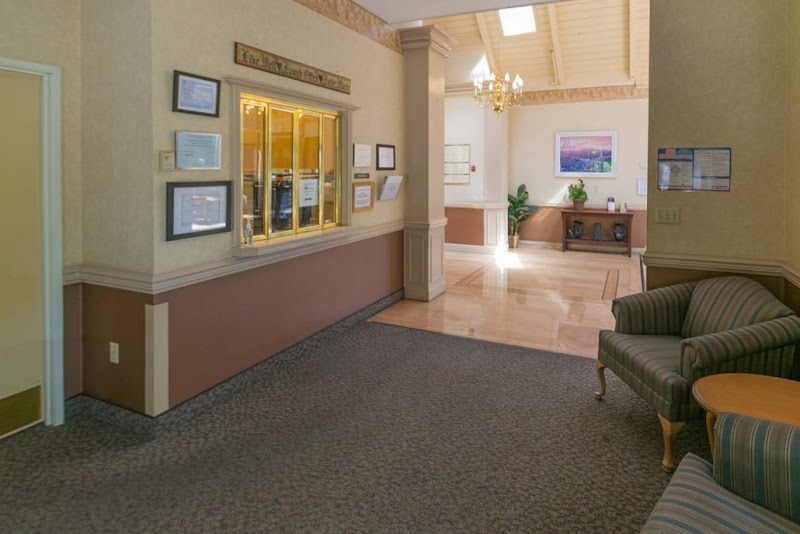
How Does Bainbridge Island Health & Rehab Center Compare to Other Washington Nursing Homes?

Compared to the 100 nursing homes in Washington, BAINBRIDGE ISLAND HEALTH & REHAB CENTER's overall rating (5 stars) is above the state average of 3.2, staff turnover (37%) is near the state average of 46%, and health inspection rating (5 stars) is much above the national benchmark.

What Should Families Ask When Visiting Bainbridge Island Health & Rehab Center?

Based on this facility's data, families visiting should ask: "Can I visit during a mealtime to observe dining assistance and food quality?" "How do you handle medical emergencies, and what is your hospital transfer rate?" "Can I speak with family members of current residents about their experience?"

Is Bainbridge Island Health & Rehab Center Safe?

Based on CMS inspection data, BAINBRIDGE ISLAND HEALTH & REHAB CENTER has a clean safety record: no substantiated abuse findings (meaning no confirmed cases of resident harm), no Immediate Jeopardy citations (the most serious violation level indicating risk of serious injury or death), and is not on the Special Focus Facility watch list (a federal program monitoring the lowest-performing 1% of nursing homes). The facility has a 5-star overall rating and ranks #1 of 100 nursing homes in Washington. While no facility is perfect, families should still ask about staff-to-resident ratios and recent inspection results during their visit.

Do Nurses at Bainbridge Island Health & Rehab Center Stick Around?

BAINBRIDGE ISLAND HEALTH & REHAB CENTER has a staff turnover rate of 37%, which is about average for Washington nursing homes (state average: 46%). Moderate turnover is common in nursing homes, but families should still ask about staff tenure and how the facility maintains care continuity when employees leave.

Was Bainbridge Island Health & Rehab Center Ever Fined?

BAINBRIDGE ISLAND HEALTH & REHAB CENTER has been fined $7,443 across 1 penalty action. This is below the Washington average of $33,153. While any fine indicates a compliance issue, fines under $50,000 are relatively common and typically reflect isolated problems that were subsequently corrected. Families should ask what specific issues led to these fines and confirm they've been resolved.

Is Bainbridge Island Health & Rehab Center on Any Federal Watch List?

BAINBRIDGE ISLAND HEALTH & REHAB CENTER is not on any federal watch list. The most significant is the Special Focus Facility (SFF) program, which identifies the bottom 1% of nursing homes nationally based on persistent, serious quality problems. Not being on this list means the facility has avoided the pattern of deficiencies that triggers enhanced federal oversight. This is a positive indicator, though families should still review the facility's inspection history directly.