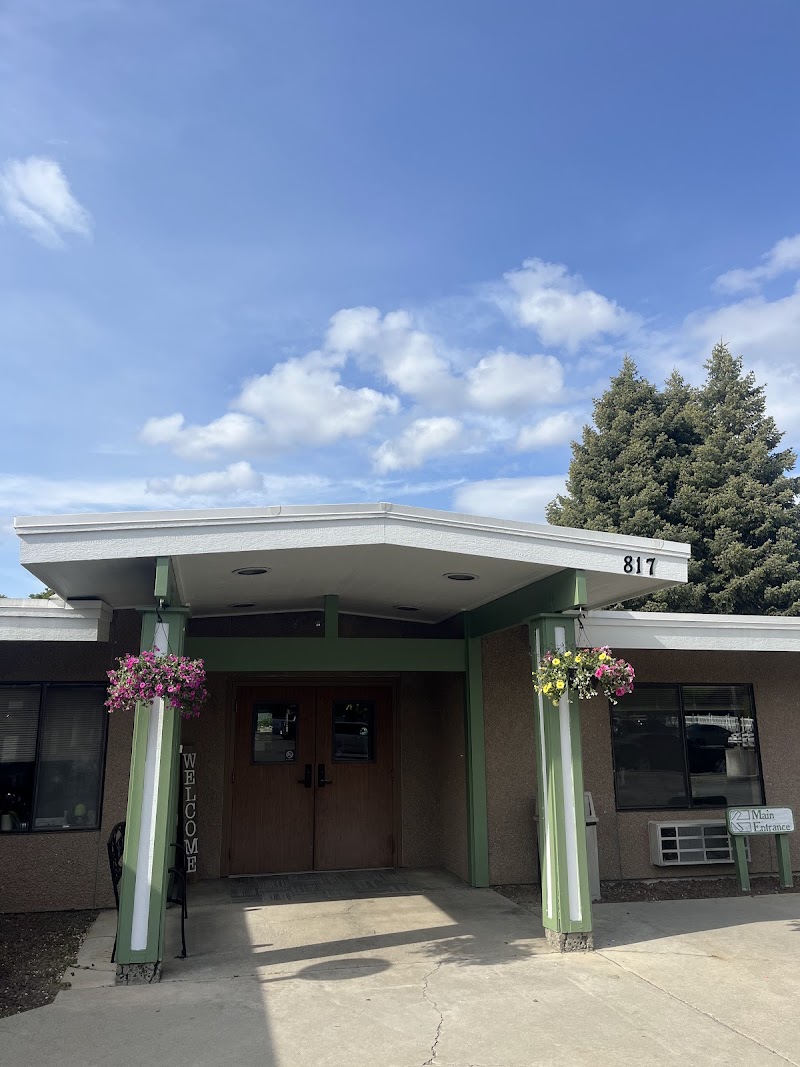
CASHMERE POST ACUTE

817 PIONEER AVENUE, CASHMERE, WA 98815 (509) 782-1251
For profit - Limited Liability company 95 Beds Independent Data: November 2025 1 Immediate Jeopardy citation
Trust Grade
31/100
#136 of 190 in WA
Last Inspection: January 2025

Within standard 12-15 month inspection cycle. Federal law requires annual inspections.

Overview

Cashmere Post Acute has received a Trust Grade of F, indicating significant concerns regarding care quality. It ranks #136 out of 190 facilities in Washington, placing it in the bottom half, and #3 out of 3 in Chelan County, meaning only one local option is better. The facility's situation is worsening, with issues increasing from 1 in 2024 to 15 in 2025. Staffing ratings are average, with a turnover rate of 42%, which is better than the state average, and there is good RN coverage-higher than 82% of facilities in Washington-indicating more experienced staff are present to catch potential issues. However, $15,340 in fines and critical incidents, such as failing to follow COVID-19 testing protocols and improperly transferring a resident, raise significant concerns about the overall safety and quality of care provided.

Trust Score
F
31/100
In Washington
#136/190
Bottom 29%
Safety Record
High Risk
Review needed
Inspections
Getting Worse
1 → 15 violations
Staff Stability
○ Average
42% turnover. Near Washington's 48% average. Typical for the industry.
Penalties
✓ Good
$15,340 in fines. Lower than most Washington facilities. Relatively clean record.
Skilled Nurses
✓ Good
Each resident gets 55 minutes of Registered Nurse (RN) attention daily — more than average for Washington. RNs are trained to catch health problems early.
Violations
⚠ Watch
46 deficiencies on record. Higher than average. Multiple issues found across inspections.
★★☆☆☆
2.0
Overall Rating
★★★☆☆
3.0
Staff Levels
★☆☆☆☆
1.0
Care Quality
★★★☆☆
3.0
Inspection Score
Stable
2024: 1 issues
2025: 15 issues

The Good

  • Full Sprinkler Coverage · Fire safety systems throughout facility
  • No fines on record
  • Staff turnover below average (42%)

    6 points below Washington average of 48%

Facility shows strength in fire safety.

The Bad

2-Star Overall Rating

Below Washington average (3.2)

Below average - review inspection findings carefully

Staff Turnover: 42%

Near Washington avg (46%)

Typical for the industry

Federal Fines: $15,340

Below median ($33,413)

Minor penalties assessed

The Ugly 46 deficiencies on record

1 life-threatening 1 actual harm
Jan 2025 15 deficiencies
CONCERN (D)

Potential for Harm - no one hurt, but risky conditions existed

Deficiency F0561 (Tag F0561)

Could have caused harm · This affected 1 resident

**NOTE- TERMS IN BRACKETS HAVE BEEN EDITED TO PROTECT CONFIDENTIALITY** Based on observation, interview, and record review, the facility failed to ensure each resident's right to choose important aspe...

Read full inspector narrative →
**NOTE- TERMS IN BRACKETS HAVE BEEN EDITED TO PROTECT CONFIDENTIALITY** Based on observation, interview, and record review, the facility failed to ensure each resident's right to choose important aspects of their life, including frequency of showers and meal preferences for 2 of 3 residents (Residents 87 and 22) reviewed for choices. This failure disallowed Resident 87 the opportunity to increase their weekly showers and Resident 22 the right to dietary preferences. Findings included . Review of an undated policy titled, Resident Rights, showed the resident has the right to, and the facility must promote and facilitate resident self-determination through support of resident choice. <Resident 87> Review of the medical record showed the resident admitted to the facility on [DATE] with diagnoses to include bi-polar disorder (a mental illness that causes extreme mood swings, along with changes in energy, sleep, thinking and behavior), and personality disorder (long-term patterns or behaviors and inner experiences that differ significantly from what is expected). The 11/20/2024 comprehensive assessment showed Resident 87 required supervision or touching assistance for activities of daily living [(ADLs) the basic tasks you do every day to take care of yourself including showers/bathing] and had a moderately impaired cognition. During an interview on 01/06/2025 at 1:46 PM, when asked about his choices regarding his shower schedule, Resident 87 stated they could only get one shower per week scheduled. Resident 87 stated it was a big change for them to only bathe once a week and they would like two showers a week at least. Resident 87 stated they had voiced this to staff, but they (the staff) have yet to accommodate them. Resident 87 stated they were able to wash themselves in the sink, but it was not the same as a shower. Review of the resident's shower records for November 2024, December 2024 and January 2025 showed Resident 87 received one shower per week on Thursday's. During an interview 01/13/2025 at 11:12 AM Staff B, Director of Nursing, stated the process for showering/bathing was for all residents to be placed on a once weekly schedule unless they requested them more frequently. Staff B stated staff were to inform the shower aides if any residents were to request more frequent bathing/showers and the correct process was not followed for Resident 87. <Resident 22> Review of the medical record showed Resident 22 was admitted to the facility with diagnoses including diabetes mellitus (a group of diseases that result in too much sugar in the blood), heart failure, and liver disease. The 10/09/2024 comprehensive assessment showed Resident 22 required supervision/moderate assistance of one staff member for activities of daily living (ADLs)and was independent with eating. The assessment also showed Resident 22 had an intact cognition. During an interview on 01/06/2025 at 2:42 PM Resident 22 stated there were limits on the amount of food they could have at a meal that was printed on the back of the menu. They stated for breakfast they could only have one piece of toast, one hashbrown, and one small bowl of cereal. Resident 22 stated if they were still hungry after a meal, they were out of luck. Record review of the Menu for [facility name], dated 01/12/2025 through 01/18/2025, showed no more than 3 drinks per meal, Toast, Hashbrown Patty (limit 2 patties), Pepperoni Pizza (Limit 1), Bowl of Chili (Limit 2), Hotdog w/Bun, [NAME] (ketchup), May (mayonnaise), Mus (mustard), Relish (Limit 2), Cheeseburger w/Fixin's (Limit 1). The menu also showed Only 1 entrée per meal order and only 2 sides, no more then 3 items per meal. Review of Resident 22's meal intake record dated 12/16/2024 through 01/14/2025, showed there were 90 meal opportunities. Resident 22 consumed 75%-100% of their meal for 84 of the 90 opportunities. During an interview on 01/13/2025 at 9:33 AM, Staff B stated it was not the process to limit a resident's food. They stated if a resident requested an additional meals, they should have them. Reference: WAC 388-97-0900(1)(3)
CONCERN (D)

Potential for Harm - no one hurt, but risky conditions existed

Deficiency F0583 (Tag F0583)

Could have caused harm · This affected 1 resident

**NOTE- TERMS IN BRACKETS HAVE BEEN EDITED TO PROTECT CONFIDENTIALITY** Based on observation, interview, and record review, the facility failed to maintain confidentiality of medical conditions throug...

Read full inspector narrative →
**NOTE- TERMS IN BRACKETS HAVE BEEN EDITED TO PROTECT CONFIDENTIALITY** Based on observation, interview, and record review, the facility failed to maintain confidentiality of medical conditions through posting of signs in a Resident's room for 1 of 7 residents (Resident 84) reviewed for resident's rights. Posting a sign that identified a medical condition, prevented protection of residents' right to privacy of a medical condition. Findings included . Review of the resident's medical records showed they admitted on [DATE] with diagnoses to include schizophrenia (a serious mental illness that affects a person's thoughts, feelings, and behaviors). The 11/29/2024 comprehensive assessment showed Resident 84 ' s cognition was severely impaired. An observation on 01/06/25 at 2:31 PM, showed a laminated sign with bold black lettering on the wall above Resident 84's bed that stated, I have schizophrenia, I come in and out of reality (not from drugs), I'm also blind feed me half meals, I love my room cool and love tons of water. During an interview on 01/09/2025 at 1:23 PM, Staff I, Registered Nurse, stated resident rooms should not have signs displayed that contained private personal health history information. Reference WAC: 388-97-0380 (1)
CONCERN (D)

Potential for Harm - no one hurt, but risky conditions existed

Safe Environment (Tag F0584)

Could have caused harm · This affected 1 resident

Based on observation and interview, the facility failed to ensure a sanitary and homelike environment for 1 of 1 shower room reviewed for environment. This failure placed residents at risk for not hav...

Read full inspector narrative →
Based on observation and interview, the facility failed to ensure a sanitary and homelike environment for 1 of 1 shower room reviewed for environment. This failure placed residents at risk for not having a comfortable and homelike experience during showers. Findings included . Review of the undated policy titled, Resident Rights, showed the resident had the right to a safe, clean, comfortable and homelike environment, including treatment and support for safe daily living. <Shower Room> An observation and interview on 01/09/2025 at 8:50 AM, showed the shower room had a staff desk, desk chair, and cabinet across from the entrance door, against the adjacent wall. The top of the desk had a laptop and computer tablet, a clipboard of resident names for bathing/showering, tape dispenser, and a pen. The cabinet top contained a notebook, a personal large pink jug, half full of clear fluid, and a black shaker cup. The top shelf of the cabinet had a pink cell phone, an Apple watch, a personal large silver drink tumbler, a small red and white gift bag, and an open box of tissues. The wall above the desk had an electrical outlet where the laptop, computer tablet, and a cellphone charger were plugged into. To the left of the entrance door was a shower stall area. The area had a ledge in the shower area that had a large pink drink tumbler and a clear Dutch Bro's (brand of coffee) cup that was half full of a brown and white liquid and a pink straw. The area to the right of the desk contained the resident bathtub with a lift, five types of resident shower chairs, a chair with torn, shredded leather-type fabric on the armrests. The tile against the top of the bathtub below the faucet was bulging out from the wall, that left a one-inch gap between tiles, exposing the wall behind the tiles. The tile surrounding the bathtub handles had a two-inch area of broken tile with sharp edges. The bathtub faucet handles and spout were covered in a white, crusty film. Staff G, Nursing Assistant, stated the desk area was for the bathing staff to use for resident documentation. Staff G obtained the cell phone from the top of the cabinet shelf and took a drink from the tumbler. An observation on 01/13/2025 at 10:06 AM, showed Staff G exited the shower room with a resident after their shower. The shower room showed the desk, desk chair, and cabinet on the adjacent wall. The cabinet top showed a large pink jug, a large silver drink tumbler, and a clear shaker cup half full of tan liquid and a light green lid. The top of the cabinet had pink cell phone, an Apple watch, a small red and white gift bag, and an open box of tissues. The shower stall to the left of the shower room entrance had a large pink drink tumbler with a straw and an open container of germicidal surface wipes. During an interview on 01/13/2025 at 12:45 PM, Staff B, Director of Nursing, stated there should not be any food or drink in the shower room. Staff B stated the desk was in the shower room for the nursing assistants to document. Staff B stated the nursing assistants could document at the nursing station. Staff B stated they had not realized the desk in the resident shower room was not homelike. Reference WAC: 388-97-0880(1)(2)
CONCERN (D)

Potential for Harm - no one hurt, but risky conditions existed

Deficiency F0625 (Tag F0625)

Could have caused harm · This affected 1 resident

**NOTE- TERMS IN BRACKETS HAVE BEEN EDITED TO PROTECT CONFIDENTIALITY** Based on interview and record review, the facility failed to issue a written notice of bed hold (holding or reserving a resident...

Read full inspector narrative →
**NOTE- TERMS IN BRACKETS HAVE BEEN EDITED TO PROTECT CONFIDENTIALITY** Based on interview and record review, the facility failed to issue a written notice of bed hold (holding or reserving a resident's bed while the resident was absent from the facility) at the time of hospital transfer for 2 of 4 residents (Residents 27 and 58), reviewed for hospitalization. This failure placed residents at risk for lack of knowledge regarding their right to hold their bed and monetary charges associated with the bed hold while in the hospital. Findings included . Review of the undated facility policy titled Bed Hold Prior to Transfer, showed the facility would provide written information to the resident/resident representative prior to transferring to the hospital. The written information would include the duration of the bed-hold, reserve bed payment, and facility policies regarding bed-hold periods to include permitting residents to return to the facility. <Resident 27> Review of Resident 27's medical record showed the resident admitted to the facility on [DATE] with diagnoses including heart failure, respiratory failure, and diabetes [a disease in which the body does not control glucose (a type of sugar) in the blood]. The 12/16/2024 comprehensive assessment showed Resident 27 had an intact cognition and was able to make decisions regarding their care. Review of a progress note dated 05/14/2024 showed Resident 27 had experienced an eight-pound weight gain and wheezing. Resident 27 was assessed and sent to the hospital for evaluation. Additional record review found an electronic bed-hold notice; the notice did not contain reserve bed payment information as required. Review of a progress note dated 07/29/2024 showed Resident 27 had experienced a change in their level of consciousness (change in alertness and awareness), was lethargic (lack of energy), and had shortness of breath. The resident was assessed and was sent to the hospital for evaluation. Additional record review found no documentation Resident 27 had been provided a bed-hold notice as required. Review of a progress note dated 08/12/2024, showed Resident 27 began to shake, had low blood pressure, elevated heart rate, and a slight fever. The resident was assessed and sent to the hospital. Additional record review found no documentation that Resident 27 had been provided a bed-hold notice as required. <Resident 58> Review of the medical record showed Resident 58 admitted to the facility with diagnoses including diabetes, heart failure, and depression. The 12/16/2024 comprehensive assessment showed Resident 58 required partial assistance of one staff member for personal hygiene activities of daily living (ADLs) independent for mobility and eating and had an intact cognition. Review of a progress note dated 08/23/2024, showed Resident 58 was diaphoretic (excessive sweating related to an unknown health condition or medication), wheezing breath sounds, weak, and had abdominal pain. Resident 58 was transferred to the emergency department for evaluation. There was no documentation in the medical record that showed a notice of a bed-hold was issued. During an interview on 01/08/2025 at 9:55 AM, Resident 58's Representative, stated the resident did have a hospital stay for an acute illness in the month of August 2024, and they were not provided with a bed-hold notice. During an interview on 01/13/2025 at 11:53 AM, Staff B, Director of Nursing, stated bed holds were offered upon admission in the admission agreement. Staff B stated the facility had changed from paper to an electronic bed-hold form. Staff B stated the form needed more clarification to identify if the resident or representative agreed or acknowledged the bed-hold agreement. Reference: WAC 388-97-0120(4)(a)(b)(c)
CONCERN (D)

Potential for Harm - no one hurt, but risky conditions existed

Deficiency F0645 (Tag F0645)

Could have caused harm · This affected 1 resident

**NOTE- TERMS IN BRACKETS HAVE BEEN EDITED TO PROTECT CONFIDENTIALITY** Based on interview and record review, the facility failed to ensure a Preadmission Screening and Resident Review [(PASARR) a pro...

Read full inspector narrative →
**NOTE- TERMS IN BRACKETS HAVE BEEN EDITED TO PROTECT CONFIDENTIALITY** Based on interview and record review, the facility failed to ensure a Preadmission Screening and Resident Review [(PASARR) a process to determine if a potential nursing home resident had mental health/intellectual disability needs which required further assessment/treatment] assessment accurately reflected residents' mental health conditions for 3 of 6 residents (Resident 51, 55, and 84) reviewed for unnecessary medications. Additionally, the facility failed to ensure a PASARR was completed prior to admission for 1 of 6 residents (Resident 9) reviewed for PASARR screening on admissions. These failures placed residents at risk for inappropriate nursing home placement and/or not receiving timely and necessary services to meet their mental health needs. Findings included . Record review of an undated policy titled, Resident Assessment - Coordination with PASARR Program, showed the Social Services Director (SSD) was responsible to ensure all applicants to the facility were screened for serious mental disorders or intellectual disabilities prior to admission and care and services were provided in the appropriate setting. <Resident 51> Review of the medical record showed Resident 51 was readmitted to the facility on [DATE] with diagnoses including vascular dementia without behavioral disturbance (a condition where someone with vascular dementia experiences significant changes in their behavior, such as agitation, aggression, apathy, depression, mood swings, or other unusual actions, alongside cognitive impairments like memory loss and difficulty thinking clearly, all caused by damage to brain blood vessels affecting their brain function) , psychotic disturbance, mood disturbance, and anxiety (cognitive impairment without behavior issues like agitation, hallucinations, mood swings, or anxiety), bipolar disorder (a mental illness that causes extreme shifts in mood, energy, activity levels, and concentration), and adjustment disorder with anxiety and depressed mood (a reaction to a stressful event that involves both anxious and depressed feelings). The 11/11/2024 comprehensive assessment showed Resident 51 was independent with activities of daily living (ADLs). The assessment also showed Resident 51 was cognitively intact. Record review of Resident 51's medical record showed a PASARR Level I form, dated 06/10/2024, showed Resident 51 had no serious mental illness indicators, no evidence of serious functional limitation during the past six months related to a serious mental illness, and had not had psychiatric treatment greater than outpatient care or experienced a significant disruption to the normal living situation. The PASARR Level I form showed no Level II screening was indicated for Resident 51, despite their mental health diagnoses of vascular dementia, bipolar disorder, and adjustment disorders. During a concurrent observation and interview on 01/08/2025 at 12:15 PM, Staff D, SSD, reviewed Resident 51's current PASARR Level I form and stated the form was incorrect as Resident 51 had a diagnosis of bipolar disorder. Staff D stated Resident 51 had returned from a hospital stay and would not have expected the hospital to complete a new PASARR Level I. Staff D stated they had missed this when they returned from the hospital. <Resident 55> Review of Resident 55's medical record showed the resident admitted to the facility on [DATE] with diagnoses to include major depressive disorder (a serious mental health condition that can cause a person to feel a persistent low mood and lose interests in activities they usually enjoy). The 12/29/2024 comprehensive assessment showed Resident 55's cognition was severely impaired. The assessment also showed Resident 55 experienced delusions (misconceptions or beliefs that are firmly held, contrary to reality). Review of Resident 55's 07/16/2024 PASARR Level I assessment showed, Resident 55 was identified to have a mood disorder - depressive or bipolar. Further review showed a PASARR Level II (further assessment to determine if the resident requires extra support beyond standard nursing home care due to their specific needs) evaluation was not indicated. <Resident 84 > Review of the medical record showed Resident 84 admitted to the facility on [DATE] with diagnoses to include schizophrenia (a serious mental illness that affects a person's thoughts, feelings, and behaviors) and major depressive disorder. The 11/29/2024 comprehensive assessment showed Resident 84's cognition was severely impaired. The assessment also showed the resident felt down and depressed and had feelings of being tired or little energy. Review of Resident 84's 09/03/2024 PASARR Level I assessment showed Resident 84 was identified to have a schizophrenic disorder and a mood disorder - depressive or bipolar. Further review showed a PASARR Level II evaluation was not indicated. During an interview on 01/09/2025 at 4:04 PM Staff D stated they were aware of the new PASARR requirements that required them to do a referral for a Level II PASARR evaluation if any diagnosis were marked yes on the Level I PASARR assessment. Staff D stated Residents 55 and 84 should had been reviewed and sent for a PASARR Level II evaluation and they did not follow the correct process. <Resident 9> Review of the medical record showed Resident 9 was admitted to the facility on [DATE] with diagnoses including vascular dementia with behavioral disturbances, major depressive disorder, and an anxiety disorder. The 11/06/2024 comprehensive assessment showed Resident 9 was dependent on one to two staff for ADLs. The assessment also showed Resident 9 had a moderately impaired cognition. Record review of Resident 9's medical record showed there was no PASARR Level I form completed for their admission to the facility on [DATE]. During an interview on 01/08/2025 at 12:17 PM, Staff E stated the process for a PASARR Level I screening for new admissions included receiving the completed form from the discharging facility. Staff E stated they reviewed the PASARR Level I form prior to the resident admitting to the facility to ensure diagnoses related to serious mental disorders were listed. During an observation and interview on 01/13/2025 at 11:46 AM, Staff F, Admissions Coordinator, was seated at their desk while reviewing Resident 9's medical record. Staff F stated they had a received a PASARR Level I screening for Resident 9 but was unable to locate it in the medical record. During an interview on 01/13/2025 at 12:09 PM, Staff A, Administrator, stated PASARR screenings needed to be completed timely and accurately, upon admission and as needed. Reference WAC: 388-97-1915(1)(2)(a-c)
CONCERN (D)

Potential for Harm - no one hurt, but risky conditions existed

Comprehensive Care Plan (Tag F0656)

Could have caused harm · This affected 1 resident

**NOTE- TERMS IN BRACKETS HAVE BEEN EDITED TO PROTECT CONFIDENTIALITY** Based on observation, interview, and record review the facility failed to develop and implement comprehensive Care Plans (CPs) f...

Read full inspector narrative →
**NOTE- TERMS IN BRACKETS HAVE BEEN EDITED TO PROTECT CONFIDENTIALITY** Based on observation, interview, and record review the facility failed to develop and implement comprehensive Care Plans (CPs) for one of seven residents (Resident 27) whose CPs were reviewed. The failure to develop and/or implement comprehensive CP interventions left residents at risk for unmet care needs and other negative health outcomes. Findings included . <Resident 27> Review of Resident 27's medical record showed the resident was admitted to the facility on [DATE]. The resident had medically complex diagnoses including a heart condition that could cause fluid in the lungs. The comprehensive assessment dated [DATE], showed Resident 27's cognition was intact and able to make decisions regarding their care. During a concurrent observation and interview on 1/08/2025 at 2:24 PM, Resident 27 stated he had not worn their pulmonary vest in a long time and staff had not asked them about it nor documenting the use of their inhaler. Review of the medical record showed an 11/18/2024 physician's order directing staff to assist Resident 27 with a pulmonary vest to be worn for 30 minutes, document all refusals, two times a day nursing monitoring and to be worn during a nebulizer (a machine that turns medication into a fine mist to be breathed directly into the lungs through a face mask) breathing treatment twice a day. Review of Resident 27's November 2024, Medication Administration Record (MAR), showed the resident had refused wearing the pulmonary vest and medication twenty-three times on the day shift and eighteen times on the evening shift. Further review of the resident's medical record did not show documentation of on the refusal of care, a risk and benefits assessment, nor a notification to physician of refusal. Review of Resident 27's December 2024 MAR showed the resident had refused wearing the pulmonary vest and medication twenty-three times on the dayshift and eighteen times on the evening shift. Further review of the resident's medical record did not show documentation of on the refusal of care, a risks and benefits assessment, nor a notification to physician of refusal. Review of the 12/18/2024 comprehensive CP showed the facility had not developed a CP addressing Resident 27's pulmonary vest or the resident refusal of cares. There were no goals developed, and there were no directions for staff for application of the vest or direction if the resident were to refuse the care. During an interview on 01/09/2025 at 3:35 PM, Staff P, Medication Assistant, stated Resident 27 had worn the pulmonary vest in the past, that the resident did not wear the pulmonary vest During an interview on 01/10/2025 at 8:18 AM, Staff C, Licensed Practical Nurse, stated Resident 27 had worn the pulmonary vest when it was first ordered. Staff C stated that Resident 27 would make their own decisions when it came to their care. During an interview on 01/13/2025 at 11:58 AM, Staff B, Director of Nursing, stated nursing staff were expected to follow the physician orders. Staff B stated that the refusal of cares should be part of the care plan to assist in meeting the residents needs. Reference: WAC 388-97-1020(1)(2)(a)(b)
CONCERN (D)

Potential for Harm - no one hurt, but risky conditions existed

Quality of Care (Tag F0684)

Could have caused harm · This affected 1 resident

**NOTE- TERMS IN BRACKETS HAVE BEEN EDITED TO PROTECT CONFIDENTIALITY** Based on observation, interview, and record review, the facility failed to develop and implement a process of monitoring daily f...

Read full inspector narrative →
**NOTE- TERMS IN BRACKETS HAVE BEEN EDITED TO PROTECT CONFIDENTIALITY** Based on observation, interview, and record review, the facility failed to develop and implement a process of monitoring daily fluid intake for residents with a physician's order for daily fluid restriction for 1 of 2 residents (Resident 196) reviewed for quality of care. Additionally, the facility failed to identify and provide needed care and services for 1 of 2 residents (Resident 4) reviewed for positioning. These failures placed the residents at risk for health complications and poor clinical outcomes. Findings included . Review of an undated policy titled, Fluid Restriction, showed the nurse would obtain and verify the physician's order for a fluid restriction that included the breakdown of the amount of fluid per 24 hours, to be divided between the food and nutrition department and the nursing department. The fluid intake would be recorded on the medication record. Water would not be provided at the bedside unless calculated into the daily total fluid restriction. <Fluid Restriction> <Resident 196> Review of the medical record showed Resident 196 was admitted to the facility on [DATE] with diagnoses including biventricular heart failure (a condition that occurs when both the left and right sides of the heart are affected by heart failure with symptoms of shortness of breath, swelling, and weight gain), generalized edema (a condition where fluid builds up in the body's tissues), and chronic ulcers of the lower legs. The 01/07/2025 comprehensive assessment showed Resident 196 had an intact cognition. A concurrent observation and interview on 01/06/2025 at 11:43 AM, showed Resident 196 sitting in their bed with their legs outstretched in front of them. There was a brown covered cup, capable of holding 280 milliliters [(mL) a liquid measurement] of fluid, with a straw on the over the bed table, next to Resident 196's bed. There was a sign taped to the wall at the foot of Resident 196's bed that showed they were on a fluid restriction of 2000 mL of fluid in 24 hours, that included 1200 mL of fluid from dietary sources and the remaining 800 mL from the nursing department. Resident 196 stated they were on a fluid restriction. They stated the nursing staff brought them cold water at least three times daily and whenever they wanted and pointed to the brown covered cup. During an observation on 01/10/2025 at 8:16 AM, Resident 196 was sitting on the edge of the bed eating breakfast. There was a half glass of water (120 mL), a cup of coffee (240 mL), and a brown cup with a lid containing water (280 mL) on the over the bed table. During an interview on 01/10/2025 at 8:25 AM, Staff L, Licensed Practical Nurse (LPN), stated the half glass of water on Resident 196's over the bed table contained 120 mL of water. They stated when a resident was on a fluid restriction, the kitchen was given their daily limitations for fluids and nursing had theirs. Staff L stated the total fluid intake was passed on both in charting and verbal report to the oncoming shift. They stated the nursing assistants (NAs) did not chart fluid intake, it all goes through the nurses. During a combined interview on 01/09/2025 at 1:21 PM, Staff M, NA, stated residents on a fluid restriction had a sign posted on their door. They stated they would ask the residents how much they drank during the day and reported that amount to the nurse. Staff M stated they also recorded that amount in the task record in the computer. Staff N, NA, stated there were no residents on the 100 hall (where Resident 196 resided) that were on a fluid restriction, despite Resident 196 having a fluid restriction. Staff M stated there had been a resident that had a fluid restriction and had verified with the Registered Nurses that it had been removed. Staff M stated were not aware of any other residents on the 100 hall that had a fluid restriction. Review of the medication administration record for January 2025, showed Resident 196 had a physician order for a 2000 mL fluid restriction, dietary 1200 mL, nursing 800 mL, two times a day for nurse monitoring. Record review of a NA daily task record titled, Nutrition - Fluid at Meals, dated 01/14/2025 through 01/12/2025, showed three of 20 yes responses to the question Is resident on a fluid restriction, the remaining 17 responses were no, despite Resident 196's fluid restriction. Review of the medical record showed the NA task record had three areas for documentation of daily fluid intake labeled Amount of fluid taken, Amount of Additional Fluids taken, and How much free fluids did resident take this shift? Review of the medical record showed total fluid intake from the licensed nurses and NAs was: 01/04/2025 total: 2350 mL, 1550 mL over the nursing fluid allotment (the amount of something given to a person). 01/05/2025 total: 3440 mL, 2640 mL over the nursing fluid allotment. 01/06/2025 total: 2340 mL, 1540 mL over the nursing fluid allotment. 01/07/2025 total: 1300 mL, 500 mL over the nursing fluid allotment. 01/08/2025 total: 2940 mL, 2140 mL over the nursing fluid allotment. 01/09/2025 total: 2300 mL, 1500 mL over the nursing fluid allotment. 01/10/2025 total: 1820 mL, 1020 mL over the nursing fluid allotment. During an interview on 01/13/2025 at 9:00 AM, Staff O, Anonymous Licensed Nurse, stated there was no process in place for accounting for the total amount of fluid intake for the residents on a fluid restriction. During an interview on 01/13/2025 at 9:35 AM, Staff B, Director of Nursing, stated the process for monitoring fluid restriction included placing a sign on the resident's door and in their room with the amount of their daily fluid restriction. There would be a physician order stating what the restriction was and the amounts of the restriction. Dietary sent out their allotted amounts with the meal trays and nursing calculated the fluid intake given by nursing. The NAs were required to talk to the nurse prior to giving any fluids. At the end of each shift, an order would populate in the electronic medical record to document the total shift intake. Staff B stated they were unaware that Resident 196 was on a fluid restriction. Staff B stated they did not know how the dietary intake was included in the fluid monitoring and that Resident 196's fluid intake had not been monitored appropriately. <Positioning> <Resident 4> Review of the medical record showed Resident 4 was admitted to the facility on [DATE] with diagnoses including osteoporosis (a disease that causes bones to become weak and brittle), spastic hemiplegia (the loss of the ability to move and/or coordinate a side of the body that causes muscles on the affected side to become stiff and difficult to control), traumatic brain injury (an injury to the brain by an external force), and dysphagia (difficulty swallowing food and/or drink). The 10/16/2024 comprehensive assessment showed Resident 4 required moderate/dependent assistance of one to two staff members for ADLs, setup assistance for eating, independent for manual wheelchair (w/c) and had a moderately impaired cognition. Review of Resident 4's care plan, last reviewed on 10/19/2024, showed no interventions for positioning during eating or wheelchair use. Review of Resident 4's medical record showed no nursing assessments for Resident 4's positioning for w/c mobility or during meals. An observation on 01/06/2025 at 11:59 AM, showed Resident 4 being pushed in a w/c, completely hunched forward, head and face down towards the floor, with their chin at the level of their knees. The w/c did not have attached footrests, and, as Resident 4 was pushed in the w/c, their right foot was dragging and was caught underneath the w/c. This caused the staff member to pause and ask Resident 4 to lift their feet for the transfer to the dining room. An observation on 01/06/2025 at 12:00 PM, showed Resident 4 in their w/c at a dining table in the main dining room. Resident 4 was completely hunched over, head and face towards the floor and below the level of the dining table. Staff Q, Helping Hands, was seated to the right of Resident 4. Staff Q loaded a fork with food from Resident 4's lunch plate and provided the fork to them. Resident 4 attempted to place food into their mouth as food dropped from the fork and their mouth. Resident 4 had an abundance of saliva and nasal drainage as they attempted to eat their meal. Resident 4 continually wiped their face, nose, and clothing with paper towels and tissues during the meal period. An observation and interview on 01/06/2025 at 3:22 PM, showed Resident 4 in their w/c in their room attempting to propel themselves. Resident 4 was completely hunched over, head and face towards the floor, grunting and gurgling, as saliva and nasal drainage leaked from their mouth and nose. Resident 4 had a handful of tissues in their hand, attempting to clean up the drainage. Resident 4 stated they were ok but their back hurt. During an interview on 01/06/2025 at 6:24 PM, Resident 4's Representative (RR), stated Resident 4 became w/c bound when they had an accident from a fall from a horse when they were young. The RR stated therapy had not continued to work with Resident 4 after they completed their initial therapy when they admitted to the facility. The RR stated they believed Resident 4 should be more upright in their w/c for eating and mobility, as they have had falls from the w/c and were concerned for their swallowing risks. An observation on 01/07/2025 at 8:31 AM, showed Resident 4 in their bed eating breakfast by themselves. The head of the bed was inclined, allowing Resident 4 to sit up, face forward, and was able to make eye contact. The bedside tray table was across Resident 4's lap area with a divided plate, cup of oatmeal, cup of orange juice, with lid and straw, and cup of milk with lid and straw. Their food was 75% eaten and drinks were 50% full. Resident 4 had a napkin laid across their chest and stomach area and there was no visible food spillage on them. Resident 4 was not grunting or gurgling, nor did they have saliva or nasal drainage. An observation on 01/08/2025 at 12:05 PM, showed Resident 4 in their w/c at the dining table in the main dining room. They were completely hunched over, head and face towards the floor, and head below the level of the dining table. Resident 4 was grunting and gurgling with saliva and nasal drainage during the meal. Resident 4 attempted to place food onto a fork as they did not have any assistance from a staff member. Resident 4 pulled the tablecloth towards them to bring their lunch plate closer to them. Resident 4 attempted to scoop food onto the fork but would drop the food onto their clothing or floor. They wiped their clothing and dropped napkins on the floor and leaned further to pick the napkins up off the floor. Once again, Resident 4 pulled the tablecloth towards them and when doing so, their forehead and hair touched their food on their plate. An observation and interview on 01/08/2025 at 4:10 PM, showed Resident 4 in their w/c in the East hallway by their room and nursing medication cart. Resident 4 was completely hunched over, head and face towards the floor, grunting, gurgling and breathing loudly. Resident 4's had saliva and nasal drainage and continually wiped their face with tissues. Resident 4 requested their medication from Staff Z, Registered Nurse. Staff Z prepared Resident 4's medication and placed them onto a spoon to administer to them. Staff Z got down onto their knees and attempted to provide the medication to Resident 4. Staff Z stated they needed to add pudding to the spoon to prevent the medications from falling off the spoon. Staff Z asked Resident 4 to try and sit up in their w/c. Resident 4 did not respond or sit up. Staff Z then got down onto their knees, leaned down, and administered the medications from the spoon into Resident 4's mouth. Staff Z stated Resident 4's position for taking medications was not best for swallowing. During an observation and interview on 01/09/2025 at 9:12 AM, Resident 4 was in their bed eating breakfast. Resident 4's head of bed was inclined that allowed them to sit upright, face forward, and able to make eye contact. Resident 4 had a napkin across their chest and stomach and no visible food spillage. Resident 4 was not having saliva or nasal drainage during the meal and interview. Resident 4 stated they had tried a tilt-in-space w/c before, and did not like it because they could not put their feet on the ground to propel them around. Resident 4 stated they hunched over in the current w/c as that would enable them to use their feet to move around. Resident 4 stated they did have a fall from their w/c in the main dining room when they were hunched over and reached to pick up items they had dropped on the floor. Resident 4 stated they did experience a small cut to their forehead that needed staples. Resident 4 stated they would be willing to try something to help their positioning be more upright when they ate and used their w/c. Resident 4 also stated they would like to be able to continue to use their feet to move around in their w/c. During an interview on 01/09/2025 at 10:54 AM, Staff DD, Director of Rehab, stated Resident 4 was recently referred to physical and occupational therapy for re-evaluation of their needs for toileting and transfers. Staff DD stated they had made a recommendation for a room move, as Resident 4 needed more space in their room. Staff DD stated when Resident 4 was in therapy after their arrival to the facility, they had trialed a harness to keep them upright in their w/c. Staff DD stated Resident 4 was able to use the clip attachment to put on and remove the harness, however , Resident 4 would continue to drop items onto the floor. Staff DD stated when their therapy was completed, they refused to wear the harness any longer. Staff DD stated they had not tried other wheelchairs that would help Resident 4 be secure in the w/c or anything else for upright positioning. During an interview on 01/13/2025 at 10:01 AM, Staff M, NA, stated Resident 4 had been in their current position for eating and w/c use since they had arrived at the facility. Staff M stated they had not been educated or received any positioning instructions for Resident 4. During an interview on 01/13/2025 at 12:24 PM, Staff B stated Resident 4 did have a fall from their w/c in the dining room when they had reached for a tissue they dropped on the floor. Staff B stated Resident 4's positioning during eating and when using their w/c was a risk factor for a potential bad outcome and they had been worried about this for some time. Staff B also stated the nursing assistants did not have directions on how to position Resident 4 during their meals or in their w/c. Reference: WAC 388-97-1060(1)(2)(b)(3)(g)
CONCERN (D)

Potential for Harm - no one hurt, but risky conditions existed

Deficiency F0697 (Tag F0697)

Could have caused harm · This affected 1 resident

Based on observation, interview, and record review, the facility failed to develop and implement an effective pain management program for 1 of 3 residents (Resident 51) reviewed for pain management. T...

Read full inspector narrative →
Based on observation, interview, and record review, the facility failed to develop and implement an effective pain management program for 1 of 3 residents (Resident 51) reviewed for pain management. This failed practice placed the residents at risk for unmanaged pain and emotional distress. Findings included . Review of an undated policy titled, Pain Management, showed the facility must ensure a pain management program was provided to residents that was consistent with professional standards of practice, in accordance with the comprehensive, person-centered care plan, and the resident's goals and preferences. Pharmacological interventions would follow a systemic approach for selecting medications to treat pain. The facility would consider administering medication around the clock instead of as needed (PRN) or combining longer acting medications with PRN medications for breakthrough pain. Opioids (prescription pain medications like oxycodone) would be prescribed and dosed in accordance with current professional standards of practice and manufacturers' guidelines to optimize their effectiveness and minimize their adverse consequences. Facility staff would notify the provider if the resident's pain was not controlled by the current treatment regimen. Review of the medical record showed Resident 51 was admitted to the facility with diagnoses including neck pain, chronic pain syndrome (a combination of chronic pain and psychological stress that can cause physical illness), lumbar stenosis with neurogenic claudication (a condition that occurs when the spinal canal narrows in the lower back, compressing the spinal nerves causing pain, numbness and weakness in the lower back and legs), and osteoarthritis [(OA) a chronic disease that causes the breakdown of cartilage and bone in the joints, resulting in pain, stiffness, and swelling] of the knee. The 11/11/2024 comprehensive assessment showed Resident 51 was independent with activities of daily living and was cognitively intact. The assessment also showed Resident 51 was receiving scheduled pain medication, PRN medications, and non-medication interventions for pain. An observation and interview on 01/06/2025 at 10:49 AM, showed Resident 51 sitting on the edge of their bed with the over the bed table next to them. They stated, with tears in their eyes, that they had pain in both knees, left hip, and back, and no one believes me. Resident 51 rubbed both knees and stated they were told their knees were bone on bone (the advanced stage of OA when the cartilage in a joint has worn away, causing bone to rub against the bone) and that was causing the pain. Resident 51 stated they received oxycodone every four hours for pain with Tylenol in between the oxycodone doses. Resident 51 rated their current pain level at a seven out of 10 on the pain scale (a tool used to measure the intensity of a patient's pain, with zero representing no pain and 10 representing the worst pain). During an interview on 01/09/2025 at 9:06 AM, Resident 51 stated their left hip and knees hurt. They stated it had been a long time since they had seen a provider. Record review of pain assessments dated 07/30/2024, 08/23/2024, and 11/11/2024 showed Resident 51 had occasional pain, with interventions of distraction, positioning, and rest. The assessments showed pain appears to be fairly well controlled with current plan of care, despite Resident 51 verbalizing and showing non-verbal signs of pain. Review of a physician progress note dated 11/20/2024, showed Resident 51 reported left knee pain and would be interested in a steroid injection (an anti-inflammatory medicine used to treat a range of conditions such as joint pain and arthritis). An order was placed to refer to ortho (the medical specialty that focuses on injuries and diseases of the body's musculoskeletal system) for consideration of steroid injection for Resident 51's knee pain. The progress note also showed Resident 51 was last evaluated by neurosurgery (a medical specialty that involved diagnosing and treating disorders of the nervous system), physiatry (a branch of medicine dedicated to the diagnosis, prevention, and treatment of all types of conditions related to the brain, nerves, bones, and muscles), and orthopedic in 2021-2022 (greater than two years ago) for their chronic pain syndrome and lumbar stenosis with neurogenic claudication. Review of provider notes from an outside orthopedic provider, dated 12/11/2024, showed Resident 51 was seen for pain in both knees. The provider's assessment showed bilateral (both) knee OA, left worse than right. The plan for Resident 51 included the use of Tylenol or nonsteroidal anti-inflammatory drugs (a class of medications used to reduce pain, inflammation, and fever), ice and heat, bracing, and the role of injection therapy and physical therapy. The provider note showed Cortisone (steroid) injections could be considered at some point. Review of the December 2024 medication administration record (MAR) showed Resident 51 had a physician order for Tylenol 650 milligram [(mg) a unit of measure] every four hours PRN pain. Resident 51 received 36 doses of Tylenol and had consistently rated their pain level at a seven or eight out of 10 on the pain scale. The MAR also showed an order for oxycodone 5 mg every four hours PRN pain. Resident 51 received 49 doses and had rated their pain level at a six to eight out of 10 on the pain scale. There was an additional order for oxycodone 10 mg every four hours PRN pain. Resident 51 received 46 doses of 10 mg oxycodone and had rated their pain level at six to nine out of 10 on the pain scale. Record review of Resident 51's care plan dated 11/25/2024, showed interventions for pain management had not been updated since 06/22/2022 and did not show non-pharmacological (a healthcare intervention that doesn't primarily used medication) interventions for pain management. During an interview on 01/13/2025 at 8:55 AM, Staff R, Registered Nurse (RN), stated when Resident 51 rated their pain level at an eight to 10, they administered 10 mg of oxycodone, and for a pain level of six to seven, they administered five mg of oxycodone. They stated Resident 51 would ask for a 10 mg dose, but if they appeared drowsy, they would only administer the five mg dose. Staff R stated, I don't think there are parameters (guidelines) for determining which dose to give. Staff R stated, I just give what I know they need. During an interview on 01/13/2025 at 9:49 AM, Staff B, Directing of Nursing, stated when administering pain medications, the nurses should start at the lowest dose and work their way up. Usually for a lower pain scale, the nurse would give a lower dose. Staff B stated there should be a process in place to ensure there were parameters for medication administration and for converting PRN medications to a scheduled medication. Staff B stated when a resident returned from an outside appointment, the facility provider reviewed the notes and wrote orders based on what was recommended. They stated, unless they send back orders, we don't do anything. During an interview on 01/13/2025 at 10:57 AM, the Medical Director stated the orders should read oxycodone five mg for a pain level of four to six, and oxycodone 10 mg for a pain level of seven to 10. The provider stated they would add the parameters, so the orders were clear for the nurses to take care of the resident. During an interview on 01/13/2025 at 1:12 PM, Staff J, RN, stated they would not follow up on steroid injections for Resident 51's knees until (they) complain again, then we will readdress. Staff J stated the oxycodone orders needed to have parameters. Reference: WAC 388-97-0160(1)
CONCERN (D)

Potential for Harm - no one hurt, but risky conditions existed

Unnecessary Medications (Tag F0759)

Could have caused harm · This affected 1 resident

Based on observation, interview, and record review, the facility failed to ensure a medication error rate of less than five percent. Two medication errors were identified for 2 of 10 residents (Reside...

Read full inspector narrative →
Based on observation, interview, and record review, the facility failed to ensure a medication error rate of less than five percent. Two medication errors were identified for 2 of 10 residents (Residents 345 and 8) observed during 26 medication administration opportunities that resulted in an error rate of 7.69%. Errors in medication administration had the potential to place residents at risk for not receiving the full therapeutic effect of the medication and possible adverse side effects. Findings included . Review of the undated policy titled, Insulin Pen, [a pre-filled disposable device containing (insulin - medication to control blood sugar in the blood)] showed when the insulin pen needle was inserted into the skin, the plunger (button) was to be depressed and held into the skin for six to 10 seconds and then removed from the skin. Review of the Instructions for use for an insulin pen by the U.S. Food and Drug Administration revised 07/2023 stated to insert the needle into the skin, press plunger all the way down, and continue to hold the plunger and slowly count to six prior to removing the needle. This step was to ensure the proper dosage of medication was administered. <Resident 8> Review of the medical record showed Resident 8 had diagnoses including diabetes (a group of diseases that results in too much sugar in the blood) and stroke. The 11/13/2024 comprehensive assessment showed Resident 8 required partial/moderate assistance of one staff member for activities of daily living (ADLs) and had an intact cognition. Review of Resident 8's physician orders, dated 07/07/2024, showed the resident's insulin order was to administer eight units (unit of measure) subcutaneously (under the skin) with an insulin pen twice daily. Resident 8 had an additional physician order dated 07/07/2024 to administer insulin on a sliding scale based on the resident's current blood glucose result. Resident 8's blood glucose was 255 milligrams/deciliter, [(mg/dl) a unit of measure]. The sliding scale showed based on a blood glucose of 251-300 mg/dl Resident 8 was to have four units of insulin. An observation on 01/09/2025 at 11:51 AM, showed Staff C, Licensed Practical Nurse, (LPN), administer 12 units of insulin with the insulin pen to Resident 8. Staff C held the needle into the resident's right upper arm for two seconds. <Resident 345> Review of the medical record showed Resident 345 had diagnoses including a kidney infection and diabetes. The 01/04/2025 comprehensive assessment showed Resident 345 supervision of a staff member for ADLs and had an intact cognition. Review of Resident 345's physician orders, dated 01/02/2025, showed the residents insulin order was to administer eight units subcutaneously with an insulin pen before meals and at bedtime. An observation and interview on 01/09/2025 at 12:03 PM, showed Staff C administer seven units of insulin with the insulin pen to Resident 345. Staff C held the needle into the resident's right upper arm for three seconds. Staff C stated to ensure the entire dose of insulin was administered was to hold the needle into the Resident's skin for a second or two. During an interview on 01/10/2025 at 3:10 PM, Staff B, Director of Nursing, stated the insulin pen needle was to be injected into the Resident's skin and press the plunger on the insulin pen until the insulin was emptied about a second or two. Reference WAC: 388-97-1060(3)(k)(ii)
CONCERN (D)

Potential for Harm - no one hurt, but risky conditions existed

Deficiency F0761 (Tag F0761)

Could have caused harm · This affected 1 resident

Based on observation, interview, and record review, the facility failed to ensure expired medications were removed from use for 2 of 4 medication carts (South and North) and 1 of 4 medication carts (E...

Read full inspector narrative →
Based on observation, interview, and record review, the facility failed to ensure expired medications were removed from use for 2 of 4 medication carts (South and North) and 1 of 4 medication carts (East), and 1 of 2 wound carts were secured when unsupervised. Additionally, the facility failed to follow Centers for Disease Control (CDC) guidance for temperature monitoring of vaccines in 1 of 1 medication storage refrigerator located in the medication storage room. These failures placed the residents at risk for receiving expired medication and/or experiencing compromised or ineffective medications and vaccines and access to potentially harmful medications and negative health outcomes. Findings included . Review of the undated policy titled, Medication Storage, showed all medications and biological's would be stored and locked and under proper temperature control. The policy also showed the medication carts, when not under direct supervision, must be locked. Review of the CDC guidance titled, Vaccine Storage and Handling, dated 04/03/2024, showed to ensure safety of vaccines, the refrigerator must have a reliable temperature monitoring device with the recommended use of a recording device called a digital date logger (DDL-a device that records temperatures at least every 30 minutes). The guidance further showed when a DDL was not used, the facility should monitor and record the vaccine refrigerator temperature at a minimum of twice daily. <South Hall Medication Cart> During an observation and interview on 01/10/2025 at 1:10 PM, Staff C, Licensed Practical Nurse, stated the nurses were responsible for reviewing the medication carts for expired medications. The South Hall medication cart and the North Hall medication cart at the nurse's station contained the following expired medications: -Six bottles of Nystatin (anti-fungal) powder medication, expired on 09/06/2024, 11/05/2024, 11/24/2024, 12/09/2024, 12/16/2024, and 12/25/2024. -One tube of Nystatin cream, expired 11/05/2024. -One tube of Ketoconazole (anti-fungal) cream, expired 11/19/2024. -One tube of Ciclopirox (anti-fungal) cream, expired 11/19/2024. -One bottle of GI Cocktail (used for abdominal discomfort), expired on 12/04/2024. -Four containers of Nitroglycerin (used for severe chest pain), expired 07/11/2024, two containers expired on 12/24/2024 and 01/04/2025. -One Flonase Spray (anti-inflammatory spray for nasal allergy symptoms), expired 11/01/2024. -Two Albuterol inhalers (medication to help open airway during breathing problems), expired 10/16/2024 and 12/09/2024. -Two tubes of wound gel (medication to promote wound healing), expired 04/2023 and 11/29/2024. <North Hall Medication Cart> -4 containers of Ondansetron (anti-nausea) medication, expired 11/30/2023, 09/18/2024, 10/22/2024, and 01/09/2025. -One Albuterol inhaler, expired on 12/23/2024. -One bottle of Chlorhexidine Gluconate (mouthwash to reduce bacteria in the mouth), expired on 09/13/2024. <Medication Room Refrigerator> During an observation and interview on 01/10/2025 at 2:53 PM, showed the medication refrigerator contained respiratory syncytial virus [(RSV) a contagious virus that causes infection in the respiratory tract] and influenza (a contagious viral infection) vaccines. The medication refrigerator temperature log showed temperature checks were done once a day. Staff C stated the night shift nursing staff were responsible for recording the temperatures once a day. During an interview on 01/10/2024 at 3:01 PM, Staff B, Director of Nursing, stated the medication refrigerator had the temperature recorded once a day by night shift nurses and was unsure if the medication refrigerator was required to be monitored and recorded more than once a day. <East Hall Medication Cart> An observation on 01/08/2025 at 10:50 AM, showed Staff Z, Registered Nurse, walk away from the unlocked East Hall medication cart and enter a resident's room. At 10:55 AM, Staff Z returned to the medication cart, prepared medications for a resident, then locked cart. An observation on 01/08/2025 at 4:10 PM, showed Staff Z walk away from the unlocked East Hall medication cart and obtained a used drink cup from a resident in the hallway. Staff Z proceeded down the hallway to the kitchen and returned the drink cup. <Wound Treatment Cart> An observation on 01/09/2025 at 11:24 AM, showed Staff C standing at the wound treatment cart, that contained vaccines, needles, wound creams, and medicated ointments. Staff C obtained a vaccine for a resident, gathered supplies, and walked away from the unlocked wound treatment cart. The wound treatment cart did not have a locking mechanism to secure the medications/vaccines. During an interview on 01/10/2025 at 3:10 PM, Staff B stated all medication carts were to be locked when not in use. Staff B stated they were aware that the wound treatment cart was unable to be locked. Staff B stated that cart should not contain any medications or vaccines and when the cart was used, the cart was to be turned toward the wall to prevent the drawers from being opened and accessed. Staff B stated when staff were required to administer a vaccine, they should obtain them one at a time and prepare them in the medication storage room. Staff B stated the nurses should not t place vaccines in the wound treatment cart. Reference WAC: 388-97-1300(2)
CONCERN (D)

Potential for Harm - no one hurt, but risky conditions existed

Infection Control (Tag F0880)

Could have caused harm · This affected 1 resident

**NOTE- TERMS IN BRACKETS HAVE BEEN EDITED TO PROTECT CONFIDENTIALITY** Based on interview and record review, the facility failed to implement an effective Infection Control and Prevention Program (IP...

Read full inspector narrative →
**NOTE- TERMS IN BRACKETS HAVE BEEN EDITED TO PROTECT CONFIDENTIALITY** Based on interview and record review, the facility failed to implement an effective Infection Control and Prevention Program (IPCP) including implementation of infection prevention measures to mitigate the spread of infection in the areas of hand hygiene for 1 of 1 staff (Staff Q) during dining service, cleaning of equipment for 8 of 8 staff (Staff W, Y, S, V, T, U, AA, and BB) during transfers with a mechanical lift, wound care for 1 of 1 staff (Staff C) while performing a dressing change, enhanced barrier precautions (a set of infection control measures that use gowns and gloves to reduce the spread of multidrug-resistant organisms) for 7 of 7 staff (Staff EE, L, CC, FF, GG, HH, and N) during high contact resident care, transmission-based precautions (additional infection control precautions used in healthcare to prevent the spread of disease) for 2 of 2 staff (Staff U, and AA) while in an isolation room, and food service for 4 of 4 meal carts (Main, North, East, and West) during meal service. These failures placed the residents and staff at risk for transmission of communicable disease and food borne illnesses. Findings included . Review of Centers for Disease Control and Prevention (CDC) guidance titled, Clinical Safety: Hand Hygiene for Healthcare Workers, dated 02/27/2024, showed hand hygiene protects both healthcare personnel and patients. Hand hygiene means cleaning your hands with soap and water or alcohol-based hand rub (ABHR). Hands should be cleaned immediately before touching a patient, before performing a task such as placing an indwelling device or handling medical devices, before moving from work on a soiled body site to a clean body site on the same resident, after touching a patient or their surroundings, after contact with blood, body fluids, or contaminated surfaces, and immediately after glove removal. Review of the Association for Professionals in Infection Control and Epidemiology (APIC) guidance titled, Strategies to Mitigate Cross Contamination of Non-critical Medical Devices, dated 2021, showed non-invasive portable clinical items shared among patients may pose a threat of pathogen transmission. These items were typically not assigned to a specific patient and may be overlooked when establishing routine disinfection practices. Micro-organisms could live on surfaces for long periods of time, depending on the surface material, air temperature and humidity, and the presence of organic material. At a minimum, non-critical patient care devices are disinfected when visibly soiled and on a regular basis (between patients or once daily or weekly). Review of a policy titled, Clean Dressing Change, undated, showed the facility would provide wound care in a manner to decrease the potential for infection and/or cross contamination. Staff should set up a clean field on the over bed table with the needed supplies for the wound cleaning and dressing. If the table was soiled, it should be wiped clean. Place a disposable cloth or barrier on the table. Place only the supplies to be used for the wound on the clean field, one at a time. Establish an area for soiled products to be placed. Wash hands and put on clean gloves. Remove the existing dressing. Remove gloves, pulling inside out over the dressing, discard into the appropriate receptacle. Wash hands and put on clean gloves. Cleanse the wound and pat dry with gauze. Measure the wound or perform photo documentation. Wash hands and put on clean gloves. Apply topical ointments/creams and dress the wound as ordered. Discard the disposable items and gloves into the trash receptacle and wash hands. Review of the CDC guidance titled, Implementation of Personal Protective Equipment (PPE) Use in Nursing Homes to Prevent Spread of Multidrug-resistant Organisms (MDRO), dated 04/02/2024, stated Enhanced Barrier Precautions (EBP) were an infection control intervention used to reduce the transmission of resistant organisms. EBPs require the use of a gown and gloves during high contact resident care activities. EBPs may be indicated for residents with wounds or indwelling medical devices, infection, or colonization (the process where a microorganism establishes itself on or within a host organism, growing and multiplying without causing any noticeable symptoms or immune response) with an MDRO. Review of the CDC guidance titled, Transmission-Based Precautions, dated 04/03/2024, showed TBPs are to be used in addition to Standard Precautions for patients who may be infected or colonized with certain infectious agents for which additional precautions are needed to prevent infection transmission and include Contact Precautions (the use of PPE that includes a gown and gloves for all interactions that may involve contact with the patient or patient's environment, Droplet Precautions (PPE includes use of a mask and eye protection when entering the room, a gown, and gloves), and Airborne Precautions (PPE includes use of a respirator, face shield/goggles, gown, and gloves). Donning (putting on) PPE when entering the room and properly discarding before exiting the patient room was done to contain pathogens. Review of the CDC guidance titled, Single-Dose or Muli-Dose, undated, showed during the procedure, use aseptic (a set of practices that keep a sterile environment and prevent the spread of microorganisms), be sure to clean your hands immediately before handling any medication. Disinfect the medication vial by rubbing the diaphragm (rubber stopper) with alcohol. Draw up all medications in a clean medication preparation area. Review of an undated policy titled, Food Safety Requirements, showed foods and beverages would be distributed and served in a manner to prevent contamination and maintain food at the proper temperature. All foods would be covered when traveling a distance (down a hallway or to a different unit). <Hand Hygiene> An observation on 01/06/2025 at 11:47 AM, showed Staff Q passing out lunch trays in the dining room, ungloved. Staff Q used a spoon to take butter out of a container, placed the butter on the resident's mashed potatoes, and mixed them up. Staff Q walked to the garbage and threw away the butter container, wiped their hands on their shirt, and grabbed another butter container off of the tray cart, without performing hand hygiene. Staff Q walked over to the same resident, placed more butter on their mashed potatoes, and mixed them up. Staff Q was leaned over the table with both hands on the table. Staff Q grabbed a juice cup and a soiled lunch tray from the same table, walked to the soiled cart, and removed all the items off the soiled tray, one by one with no gloves on and left the dining room without performing hand hygiene. During an interview on 01/13/2025 at 11:12 AM, Staff B, Director of Nursing, stated all staff were required to adhere to CDC guidelines for hand hygiene. <Equipment> During an observation on 01/09/2025 at 3:41 PM, Staff W, Nursing Assistant (NA), and Staff Y, NA, used a mechanical lift in room [ROOM NUMBER]. The resident equipment was removed from the room and placed in the hallway without sanitation. Staff W stated, we are going to use it again, when we are done, we put the equipment in the soiled utility room. Staff Y and Staff W entered room [ROOM NUMBER] with the un-sanitized mechanical lift and used the equipment for the resident in the first bed. The mechanical lift was then parked in the hallway with no sanitation after being used. Staff Y and Staff W then entered room [ROOM NUMBER] with the un-sanitized mechanical lift and used the mechanical lift to transfer a resident. Staff Y placed the equipment into the soiled utility room no sanitation after use. Staff Y stated they usually had a container of germicidal (something that kills germs such as bacteria's and viruses) wipes on the mechanical lift, and they would wipe down the equipment, but did not have the wipes at the time. During an observation on 01/09/2025 at 3:46 PM, Staff S, NA, and Staff V, NA, used a mechanical lift in room [ROOM NUMBER] to transfer a resident and then placed the equipment in into the soiled utility room. The mechanical lift was not sanitized after use. Staff S stated they would have used a germicidal wipe to clean the mechanical lift after use, I just forgot to do it. During an observation and concurrent interview on 01/10/2025 at 9:51 AM, Staff T, Helping Hands, entered a resident room with a mechanical lift. Staff U, NA, entered the room to assist with the transfer. Staff U removed the mechanical lift from the resident room after use and placed it into the soiled utility room without sanitizing it. Staff U stated they did not realize the sanitation had not been done, they assumed Staff T had done it. During an observation on 01/10/2025 at 8:42 AM, Staff AA, NA, exited a resident room with a mechanical lift. Staff AA pushed the mechanical lift into another resident room (under TBPs) without cleaning the lift between uses. During a second observation at 9:03 AM, Staff AA, after using the mechanical lift in the TBP room, used one disinfectant wipe and wiped the handle of the mechanical lift. Staff AA pushed the lift down the hall and into the soiled utility room and parked the lift in front of the sink. Observation of the soiled utility room at 9:12 AM, showed a countertop and sink area that ran the length of the wall on the right side of the room. The sink contained standing water with debris floating on the surface, three bed pans with feces on them, two soiled bedside commode buckets, and a trash can. There were four mechanical lifts parked in front of the countertop/sink, including the mechanical lift parked by Staff AA. During an interview on 01/10/2025 at 9:14 AM, Staff BB, NA, entered the soiled utility room and stated the soiled utility room was used to store things like trash, bedpans, and the mechanical lifts. Staff BB stated the process for using the lifts was to clean them when leaving the resident room, park them in the soiled utility room after use, and again prior to entering a resident room. During a concurrent observation and interview on 01/25/2025 at 9:21 AM, Staff J, Infection Preventionist (IP), entered the soiled utility room and stated the sink should not contain soiled bed pans. They stated staff were not following the process for cleaning the soiled bed pans which included the posted instructions above the sink if you are bringing soiled items in, please take the time to clean them and put them to dry, it is not sanitary leaving them in here dirty. Staff J stated equipment that was clean should not be stored in the soiled utility room but I'm not sure where else they could be stored. During an interview on 01/13/2025 at 10:14 AM, Staff B stated the night shift was responsible for cleaning the soiled supplies in the soiled utility room. They stated the mechanical lifts should not be stored in the soiled utility room. Staff B stated the process was not followed for cleaning of equipment and storage of the mechanical lifts. <Wound Care> During a concurrent observation and interview on 01/10/2025 at 3:11 PM, Staff C, Licensed Practical Nurse (LPN), stated they were ready to perform a dressing on a resident's left lower leg wound. Staff C put on gloves, without first performing hand hygiene, at the treatment cart parked in the hallway outside the resident room. They obtained a tube of ointment from the cart, squeezed a small amount into a medication cup, place the tube back into the medication cart and removed their gloves. Staff C gathered the remaining supplies from the cart, entered the resident room and obtained gloves from the sink area. They placed a tissue on the resident's bedside table on top of a notebook, next to a urinal containing residual fluid, cellphone, glass of water, chocolate milk, and a medication cup of high protein liquid supplement. Staff C placed the gloves and the stack of dressing supplies on the tissue barrier. Staff C, without performing hand hygiene, put on gloves and removed the soiled dressing. They placed the dressing in the trash, removed their gloves, and without performing hand hygiene, they put on clean gloves and proceeded to cleanse the wound with normal saline and gauze. They placed the soiled cleansing items in the trash, removed gloves, and, with performing hand hygiene, put on clean gloves. Staff C opened a gauze package and dried the wound surface, applied the ointment with cotton applicators, and placed a dressing over the wound. Staff C removed a roll of tape that was stuck to their shirt and taped the dressing to the left lower leg. At 3:22 PM, Staff C stated the resident they did not sanitize their hands before starting and between glove changes. They stated they had placed a barrier between the urinal and items on the bedside table, but it was probably not the best process to have the clean supplies next to a urinal. Staff C stated they did not wear a gown during wound care because the resident was not on EBPs. They stated EBPs were only required for chronic, unhealing wounds, indwelling catheters (a tube that is inserted into the bladder and left in place to drain urine) and maybe feeding tubes. <Enhanced Barrier Precautions> An observation on 01/09/2025 at 9:24 AM, showed Staff EE, Physical Therapist, working with a resident that had an indwelling catheter, in the therapy gym, without wearing PPE as required. During an observation on 01/09/2025 at 9:31 AM, Staff L, LPN and Staff CC, RN, performed a dressing change on a pressure ulcer. Neither Staff L nor Staff CC wore a gown during the dressing change as required. An observation on 01/09/2025 at 9:34 AM, showed EBP signage outside and above the resident's room [ROOM NUMBER]. Staff FF, NA, was changing bed linens in the room without wearing a gown. Staff FF removed the resident's soiled linens and rolled them into a ball on their bed. Staff FF gathered the soiled linens and held them against their clothing and placed the linens into a clear plastic bag. Staff FF exited the resident's room, took the soiled linen bag to the soiled utility room and placed it into the soiled linen bin. An observation on 01/10/2025 at 8:53 AM, showed Staff GG, RN, entered room [ROOM NUMBER] (designated as an EBP precautions room), don gloves (no gown), and lift the resident's gown to expose the leg strap that held the indwelling catheter tubing to their leg. Staff GG, attempted to loosen the leg strap and readjust for the resident's comfort. Staff GG stated to the resident they would have a nursing assistant return and assist the resident with their catheter leg strap. At 8:55 AM, Staff HH, NA, entered the resident's room, washed their hands, donned gloves and obtained a PPE gown from a plastic bin behind the resident's recliner and curtain. Staff HH proceeded to assist the resident to stand up and adjust their leg strap. The resident used the transfer pole for stability, stated they needed to use the bedside commode, and sat down in their wheelchair. Staff HH obtained the bedside commode and placed it near the resident. Staff HH removed their gown and gloves, closed the residents window blinds and donned new gloves, no required gown. Staff HH obtained a clear bag and placed inside the commode bucket, assisted the resident to stand, removed their brief, and sat them down onto the commode. Staff HH moved the resident's indwelling catheter bag from the wheelchair to the commode. Staff HH removed their gloves, provided the resident with a call light, washed their hands, and exited the room. An observation on 01/10/2025 at 9:03 AM, showed EBP signage outside and above the resident's room [ROOM NUMBER]. Staff HH, NA, assisted the resident into their room with their wheelchair. Staff HH washed their hands and donned gloves, no gown as required. Staff HH removed the resident's jacket and footrests from the wheelchair. Staff HH assisted the resident to stand with a transfer pole, grabbed the back of their pants, and pivoted the resident to sit onto their bed. Staff HH bent down and raised the resident's legs onto their bed. Staff HH removed the resident's shoes and placed their indwelling catheter bag onto the side of the bed frame, removed their gloves, and donned new gloves. Staff HH adjusted the head of the bed for the resident's comfort and covered them with a blanket. An observation on 01/13/2025 at 9:10 AM, showed Staff N, NA, enter room [ROOM NUMBER] to assist the resident to use the bedside commode. Staff N obtained washcloths and a clear plastic bag. Staff N donned gloves, no gown (as required), and turned on the warm water to moisten the washcloths. They rung them out the washcloths and placed them into the clear plastic bag. Staff N went to the resident's bedside and assisted them into a sitting position on the side of their bed. Staff N stated to the resident, their indwelling catheter bag was full of urine, and they would empty it prior to using the commode. Staff N obtained a urinal from the resident's bathroom and drained the urine from the catheter bag into the urinal. Staff N went into the resident's bathroom, poured the urine into the toilet, and flushed it. Staff N removed their gloves and donned a new pair without hand hygiene. Staff N returned to the resident and unhooked the resident's indwelling catheter bag from the bed and hooked it onto the commode. Staff N placed a gait belt around the resident's waist to assist them to a standing position, removed their brief, and pivoted them to sit on the commode. Staff N removed their gloves and washed their hands. Staff N donned new gloves, obtained the soiled urinal, exited the resident's room, and entered the soiled utility room. Staff N put the soiled urinal into the wash sink, filled with water and cleaner until sudsy, poured the water into the toilet, and rinsed the urinal with water. After the urinal was rinsed, Staff N removed one of their gloves, held the urinal in the ungloved hand, and placed it onto a drying table next to the wash sink. While still wearing one soiled glove, Staff N reorganized the room by moving two resident lifts from the center of the soiled utility room towards the back of the room. Staff N closed the soiled linen hamper lid, exited the room with resident's urinal, and placed it back in the resident's bathroom while wearing the one soiled glove. During an interview on 01/13/2025 at 9:03 AM, Staff EE stated they when they assisted residents with their physical therapy, they wore gloves. Staff EE stated when a resident was on precautions, they would not take the resident out of their room. Staff EE stated they had not seen many residents in the facility with precautions. Staff EE stated they were not well versed on all types of precautions. During an interview on 01/13/2025 at 10:09 AM, Staff B stated the process for EBPs included wearing gloves and gown when providing cares for any resident with a chronic wound, indwelling device (devices that are left inside the body for a period of time), feeding tube, or catheter. Staff B stated they received education from corporate staff regarding the use of EBPs and were taught that not all wounds required the use of a gown; only the wounds that were chronic. After observation of the EBP signage in use by the facility, Staff B stated they had been educated incorrectly and all residents with wounds required the use of EBPs. During an interview on 01/13/2025 at 10:14 AM, Staff II, NA, stated when residents were on EBP, they were to follow the sign instructions during close contact for any residents with indwelling catheters, wounds, or when they were in isolation for influenza, COVID-19 (an infectious disease-causing respiratory illness with symptoms including cough, fever, new or worsening malaise, headache, dizziness, nausea, vomiting, diarrhea, loss of taste or smell, and in severe cases, difficulty breathing, that could result in severe impairment or death) or any others. Staff II stated they only needed to wear gowns for indwelling catheter and/or personal cares. During an interview on 01/13/2025 at 10:21 AM, Staff N stated when a resident was on EBP, they were to follow the instructions on the sign when they performed personal care for a resident with an open wound or an indwelling catheter. Staff N reviewed the sign on resident room [ROOM NUMBER] and stated they should have worn a gown and followed the instructions when they provided personal cares. Staff N stated they did not follow the instructions. During an interview on 01/13/2025 at 12:40 PM, Staff J stated EBPs were only required for residents that had a feeding tube, catheter (a flexible tube that is inserted into the body to drain or deliver fluids), or a chronic wound (a wound that does not heal properly or within a normal time frame). Staff J stated they were not aware that all wounds required the use of EBPs. <Transmission Based Precautions> During an observation on 01/10/2025 at 8:40 AM, showed a resident room with a blue Contact Enteric Precautions (a type of infection control practice used to prevent the spread of infections transmitted through direct contact with fecal matter) sign on the wall next to the door. Perform hand hygiene before entering room or cubical and wash hands with soap and water for 15 seconds before leaving room. Gloves when entering room. Gown for direct patient care or whenever clothing may contact surfaces or equipment in the room. Families and guests: clean hands upon entering and wash hands with soap and water upon exiting room. Wear a gown and gloves while in the room and remove before exiting the room. Staff U, NA, entered the entrance to the resident room, without gown or gloves, pulled the curtain back, and took the residents meal tray from their bedside table. Staff U exited the room, placed the tray on the meal cart in the hallway, used ABHR, and entered another resident room, despite the PPE instructions on the resident room. During an observation on 01/10/2025 at 8:42 AM, Staff AA, NA, entered the Contact Enteric Precautions room without wearing gown or gloves, and shut the door behind them. At 8:46 AM, after putting on gown and gloves, this surveyor observed Staff AA in the resident room, wearing gloves, tending to the resident in their bed, adjusting their clothing and bed linens. Staff AA was not wearing a gown as required. Staff AA removed their gloves, used ABHR, exited the room and closed the door. Staff AA re-entered the room at 8:49 AM wearing the required PPE (gown and gloves) and continued providing resident care, including placing a mechanical lift sling under the resident. At 8:51 AM, Staff U entered the resident wearing full PPE and assisted Staff AA with the mechanical lift to place the resident in their wheelchair. While wearing the same gloves, Staff AA obtained the residents hairbrush from the sink area and brushed the resident's hair. Staff U removed all bed linens from the bed and placed them into a bag. Staff AA removed their gown and gloves, washed their hands with soap and water for five seconds, and exited the resident room with the resident and pushed them down the hall. Staff U removed the linens from the resident's bed, placed them into a bag, removed their soiled PPE, and washed their hands for 25 seconds with soap and water. Staff AA put gloves on, picked up the bag and carried it to the soiled utility room. During an interview on 01/10/2025 at 9:36 AM, Staff AA stated they should have put on gown and gloves when entering the resident's room. They stated when done with cares, they should have taken off the gown and gloves and washed their hands with soap and water for at least 20 seconds. Staff AA stated they did not follow the process for PPE and handwashing. During an observation and interview on 01/10/2025 at 9:24 AM, Staff J reviewed the posted Contact Enteric Precautions and stated it was not the sign that they had posted. Staff J stated the sign they had posted had the correct precautions of wearing a gown and gloves when entering the room. They stated they did not know where the blue sign had come from, and it had incorrect information on it. <Medication Administration> An observation and interview on 01/09/2025 at 11:24 AM, showed Staff C, LPN, obtained a vial of a vaccine for a resident. Staff C stated they did not clean the tops (rubber stoppers) of new medications/vaccines as they had not been accessed and still had the flip caps on. Staff C did not disinfect the rubber stopper with alcohol prior to mixing the vaccine per CDC guidance. An observation on 01/09/2025 at 11:44 AM, showed Staff C prepared an insulin pen [a device that injects insulin (medication to control blood sugar) into the body] for a resident. Staff C removed the resident's insulin pen from the medication cart, obtained a new needle, and attached the needle to the previously used resident insulin pen without disinfecting the rubber seal as required. A second observation at 12:03 PM, showed Staff C prepare an insulin pen injection for another resident using that same practice. During an interview on 01/10/2025 at 3:10 PM, Staff B stated the process and expectation for safe injection practice, was to clean the top of the medication/vaccine vial with alcohol to ensure the dirt, dust, and biofilm (a thin, slimy bacteria on a surface) was removed prior accessing the vial or attaching a new needle to a reusable insulin pen to prevent the spread of germs. <Food Service> During an observation on 01/06/2025 at 12:23 PM, a meal delivery cart was brought to the North Hall. The cart contained meal trays, each tray containing a covered entrée, glasses of beverages that were uncovered, salads that were uncovered, and desserts that were uncovered. Staff OO, Activities Aide, opened the meal cart, removed a tray with the uncovered foods and drinks and delivered it to a resident room, leaving the cart door open and the cart unattended. There was a housekeeping cart containing mop water, cleaning solutions, and soiled clothes one doorway away from the open meal cart. Staff OO returned to the meal cart and continued to deliver the trays with uncovered foods/drinks to the remaining resident rooms, while leaving the cart door open. Staff OO stated they did not normally deliver meals to the resident rooms and should have closed the meal cart door. During observations on 01/08/2025 of the Main dining room cart at 11:39 AM, the [NAME] Hall cart at 11:55 AM, the East Hall cart at 12:04 PM, and the North Hall cart at 12:22 PM, showed the drinks and desserts (apple pie mousse) were not covered prior to leaving the kitchen. The carts traveled down the hallways into the different units. During an interview on 01/13/2025 at 10:56 AM, Staff E, Dietary Department Director, stated all drinks and desserts were covered by the insulated carts not individually. Reference: WAC 388-97-1320(1)(c)(2)(a)(5)(c)(e)
CONCERN (E)

Potential for Harm - no one hurt, but risky conditions existed

Deficiency F0655 (Tag F0655)

Could have caused harm · This affected multiple residents

**NOTE- TERMS IN BRACKETS HAVE BEEN EDITED TO PROTECT CONFIDENTIALITY** Based on interview and record review, the facility failed to develop a baseline care plan, within 48 hours of admission, that do...

Read full inspector narrative →
**NOTE- TERMS IN BRACKETS HAVE BEEN EDITED TO PROTECT CONFIDENTIALITY** Based on interview and record review, the facility failed to develop a baseline care plan, within 48 hours of admission, that documented resident-specific goals and treatment plans for 3 of 4 residents (Residents 48, 196, and 9) reviewed for baseline care plan. Failure to develop a baseline care plan placed the residents at risk of not receiving continuity of care and resident centered care needs. Findings included . Review of an undated policy titled Baseline Care Plan, showed the facility would develop and implement a baseline care plan for each resident that included the instructions needed to provide effective and person-centered care of the resident that met professional standards of quality of care. The baseline care plan would be developed within 48 hours of a resident's admission and it was to include the minimum healthcare information necessary to properly care for the resident, including initial goals based on admission orders, physician orders, dietary orders, therapy services, social services, and Preadmission Screening and Resident Review [(PASARR) a process to determine if a potential nursing home resident had mental health/intellectual disability needs which required further assessment/treatment] recommendations, if applicable. <Resident 48> Review of the medical record showed Resident 48 was admitted to the facility with diagnoses including vertebral fractures (a break in the bones of the spine), kidney and respiratory failure, and muscle weakness. The 12/22/2024 comprehensive assessment showed Resident 48 required maximum/dependent assistance from one to two staff members for activities of daily living (ADLs). The assessment also showed Resident 48 was cognitively intact. Review of Resident 48's baseline care plan dated 12/30/2024, showed no documentation of the PASARR recommendations, behavioral health goals, or interventions until 12/23/2024, five days after Resident 48's admission to the facility. <Resident 196> Review of the medical record showed Resident 196 was admitted to the facility on [DATE] with diagnoses including heart failure and adult failure to thrive (a syndrome in older adults characterized by unexplained weight loss, decreased appetite, poor nutrition, inactivity, often accompanied by depression, cognitive impairment, and functional decline). The 01/07/2025 comprehensive assessment showed Resident 196 was cognitively intact. Review of Resident 196's baseline care plan revised 01/08/2025, showed no documentation that the baseline care plan contained PASARR recommendations or Social Services goals or interventions until 01/07/2025, four days after Resident 196's admission to the facility. During a concurrent interview on 01/13/2025 at 12:52 PM, with Staff J, Registered Nurse (RN), and Staff I, RN, Staff J stated Staff K, Minimum Data Set [(MDS) a standardized assessment tool that measures health status in nursing home residents] Nurse, was responsible for creating the baseline care plan. Staff J stated once the baseline care plan was created, they would print it, along with the physician orders, and deliver them to the resident. Staff I, RN, stated the baseline care plans were completed on admission and given to the resident within 48 hours of their admission to the facility. <Resident 9> Review of the medical record showed Resident 9 was admitted to the facility on [DATE] with diagnoses including diabetes mellitus (a group of diseases that result in too much sugar in the blood) and vascular dementia with behavioral disturbances (a condition where damage to the brain blood vessels causes significant changes in a person's behavior such as agitation, aggression, apathy, depression, and cognitive impairments like memory loss and difficulty thinking clearly). The 11/06/2024 comprehensive assessment showed Resident 9 was dependent on one to two staff members for ADLs. The assessment also showed Resident 9 had a moderately impaired cognition. Record review of Resident 9's care plan dated 11/12/2024, showed focus areas, goals, and interventions from their previous admissions to the facility, dated back to 01/22/2024. There were no focus areas, goals, or interventions dated after 10/31/2024 (their current admission) until 11/05/2024, five days after their admission to the facility. During an interview on 01/13/2025 at 11:52 AM, Staff K stated Resident 9 was a readmit to the facility, which caused the previous care plan to pull forward in the electronic medical record. They stated they reviewed the resident's information upon admission and verified that the information was accurate. They stated the resident was considered a new admission according to the MDS, but the electronic medical record automatically pulled the previous information into their new admission record. Staff K stated each department reviewed the care plan for accuracy, including falls, skin, pain, ADLs, nutrition, and activities. During an interview on 01/13/2025 at 12:42 PM, Staff I stated the previous care plan had not been closed out in the EMR when Resident 9 previously discharged . Staff I stated, that should have been done and a new baseline care plan should have been created. Reference: WAC 388-97-1020(3)
CONCERN (E)

Potential for Harm - no one hurt, but risky conditions existed

Food Safety (Tag F0812)

Could have caused harm · This affected multiple residents

**NOTE- TERMS IN BRACKETS HAVE BEEN EDITED TO PROTECT CONFIDENTIALITY** Based on observation, interview and record review, the facility failed to 1) store Potentially Hazardous Food (PHF, food that re...

Read full inspector narrative →
**NOTE- TERMS IN BRACKETS HAVE BEEN EDITED TO PROTECT CONFIDENTIALITY** Based on observation, interview and record review, the facility failed to 1) store Potentially Hazardous Food (PHF, food that requires time/temperature controlled to limit the growth of bacteria) and dry goods that did not have the proper labels and dates for food safety tracking for 1 of 1 kitchen reviewed, 2) adequately disinfected food preparation areas to prevent cross contamination (harmful spread of diseases) for 1 of 1 kitchen reviewed. These failures placed residents at an increased risk for food borne illnesses. Findings included . Review of the Washington State Retail Food Code [PHONE NUMBER]6(1)(2)(a,b)(3)(4), dated March 1, 2022 showed ready-to-eat or refrigerated, time/temperature control for food safety must be clearly marked, at the time the original container is opened in a food establishment and if the food is held for more than twenty-four hours, to indicate the date or day by which the food must be consumed on the premises. Prepared foods must have the date or day of preparation, with a procedure to discard the food on or before the last date or day the food can be consumed on the premises. Additionally, the concentration of the sanitizing solution must be accurately determined by using a test kit or other device, and the results of the testing must be logged. Review of facility's policy titled, Food Safety Requirements, dated 2023, showed to store food in a manner that helped prevent deterioration or contamination of the food, including growth of microorganisms. Staff were to label and date all foods when opened and the date when the food items must be used by. An observation on 01/06/2025 at 9:40 AM, showed the following items in the kitchen: <Refrigerator> One, eight-quart (unit of measure) container of green beans, no use by date. One, eight-quart container of peas, no use by date. One, eight-quart container with chicken noodle soup, no use by date. One, gallon (unit of measure) zip lock baggie with shredded American cheese, no use by date. One, 32-ounce (unit of measure) bag of carrots, no use by date. One, gallon of thickened cranberry juice, unlabeled, no use by date. One, gallon of health shake (meal replacement), unlabeled, no use by date. Three, sixteen ounce whipped topping bags, unlabeled, no use by date. <Freezer #1> Two, ten-pound (lb-a unit of measure) ground beef roll with no date received or used by date. One, five-lb diced ham roll with no date received or used by date. <Freezer #2> 12 pieces of battered fish in two-gallon zip lock bags with white ice crystals on the fish appearing as freezer burn (caused by food not being securely wrapped in air-tight packaging) unlabeled, no open date or used by date. (60) Biscuits (dough) in a clear bag, unlabeled, no open or used by date. Four, four-packs of garlic bread in clear bags, unlabeled, no open or use by date. Six packs of garden vegetable soup, no date received or use by date. Two packs of cream of potato soup, no date received or use by date. Two packs of chicken noodle soup, no date received or use by date. <Freezer #3> One, five-lb bag of chicken breast, unlabeled, no open date or use by date. One, five-lb bag of pork sausage patties, unlabeled, no open date or use by date. One, five-lb bag of beef hot dogs, no received date or use by date. Three, four-lb bags of chili, no received date or use by date. Four beef steaks with white ice crystals on the steaks appearing as freezer burn, unlabeled, open date of 11/03, no use by date. One, ten-lb ham, pork roll no received date and no use by date. Ten cinnamon rolls (dough) in gallon zip lock bag, unlabeled, no open date and no use by date. During an interview on 01/06/2025 at 10:00 AM, Staff E, Dietary Department Director, stated the process for all foods was to be labeled, have an open/received date and a use by date that was dated for three days after the food item was opened. Staff E stated the items observed in the refrigerator and freezers should have been labeled, dated when opened/received with a used by date and the process was not being followed. <Disinfectant Buckets> Review of the manufacturer's instructions for Disinfectant Multi Quat 146 (a chemical used to kill germs on surfaces) showed the parts per million (PPM- the concentration of the disinfectant solution in water) should be between 150 and 400 and the buckets should be tested every two to four hours or when the solution becomes dirty. During an observation and concurrent interview on 01/06/2025 at 10:17 AM, Staff E tested a bucket of Disinfect Multi-Quat 146 solution. Staff E stated the bucket of solutions were used to clean the counter tops. The test strip showed the solution had 100 PPM on the test strip and was outside of the normal concentration range of 150 to 400 PPM to prevent cross contamination. Staff E stated they did not have a process for testing the solution in the disinfectant buckets, and they change them about every four hours. Reference: WAC 388-97-1100(3)
CONCERN (F)

Potential for Harm - no one hurt, but risky conditions existed

Deficiency F0882 (Tag F0882)

Could have caused harm · This affected most or all residents

Based on interview and record review, the facility failed to ensure there was a designated Infection Preventionist (IP) who worked at least part-time at the facility and was responsible for the facili...

Read full inspector narrative →
Based on interview and record review, the facility failed to ensure there was a designated Infection Preventionist (IP) who worked at least part-time at the facility and was responsible for the facility's Infection Control and Prevention Program (IPCP), including implementation of infection prevention measures to prevent the spread of communicable diseases. These failures placed the residents at risk for transmission of infectious disease and unmet care needs. Findings included . Review of the undated policy titled, Infection Preventionist, showed the infection preventionist was employed on site and at least part time. They were scheduled with enough time to properly assess, develop, implement, monitor, and manage the IPCP, address training requirements, and participate in required committees such as Quality Improvement and Performance Improvement (QAPI). Review of the Facility Assessment (FA), dated 09/20/2024, showed the need for an IP to develop and regularly update infection control protocols, personal protective equipment availability, and vaccination availability. The FA did not show the number of IP hours per week required for the needs of the resident and staff had been assessed. During an interview on 01/10/2025 at 9:19 AM, Staff J, IP, stated they had been in the IP role for under a year. They stated they spent approximately 15% of their working hours devoted to infection control and the rest of their time as a Resident Care Manager (a licensed nurse that is responsible for supervising, implementing, coordinating, and managing resident care). Staff J stated Staff B, Director of Nursing, shared some of the IP duties. Staff J stated they were able to keep up on antibiotic use but spent the majority of their time managing resident care. During an interview on 01/13/2025 at 10:14 AM, Staff B stated they did not perform any IP duties. They stated Staff J was the IP and that 15% of their time devoted to IP duties was not enough to cover the needs of the facility. Staff B stated Staff J probably needs more time to complete the IP duties. Refer to F880, Infection Control Reference: WAC 388-97-1320(1)(a)
MINOR (C)

Minor Issue - procedural, no safety impact

Staffing Information (Tag F0732)

Minor procedural issue · This affected most or all residents

Based on observation, interview, and record review, the facility failed to ensure the nursing staff posting was posted daily and/or reflected the actual nursing staff hours worked during 4 of 5 days o...

Read full inspector narrative →
Based on observation, interview, and record review, the facility failed to ensure the nursing staff posting was posted daily and/or reflected the actual nursing staff hours worked during 4 of 5 days of the survey period. This failed practice prevented residents, family members and visitors from knowing the facility's actual number of available nursing staff. Findings included . Observation on 01/06/2025 at 9:40 AM, showed the nursing staff posting across from the nurses' station was dated 01/03/2025 (three day's prior) and did not show actual nursing staff hours posted for the current day. Observations on 01/07/2025 at 10:09 AM, 01/08/2025 at 8:59 AM, and 01/09/2025 at 8:29 AM showed the nursing staff posting across from the nurses' station was dated 01/03/2025 and did not show any adjustments to nursing staff hours posted for the past four days. Observation on 01/10/2025 at 9:04 AM, and at 3:05 PM, sowed the nursing staff posting across from the nurses' station was dated 01/09/2025 (prior day's date) and did not show actual nursing staff hours posted for the current day. During an interview on 01/13/2025 at 10:45 AM, Staff H, Staffing Coordinator, stated the Staffing levels were based on the facility census. Staff H stated the nursing staff posting was posted daily as adjustments were made on the staff schedule. Staff H stated they filled out the posting forms for the weekend and placed postings in the med room so that nursing could put that out on the weekend. Staff H acknowledged the importance of the posting and stated they would have to revisit with nursing about the postings on the weekends. During an interview on 01/13/2025 at 11:57 AM, Staff B, Director of Nursing, stated they needed a better system. Staff H stated it was news to them that the nursing department was tasked with the daily staff posting for the weekend. During an interview on 01/13/2025 at 12:11 PM, Staff A, Administrator, stated they were made aware of the inconsistency of the nursing staff daily postings. Staff A stated they would be assigning the task to a dedicated staff member to ensure the daily nursing staff posting was done. Reference: WAC 388-97-0020
Aug 2024 1 deficiency
CONCERN (D) 📢 Someone Reported This

A family member, employee, or ombudsman was alarmed enough to file a formal complaint

Potential for Harm - no one hurt, but risky conditions existed

Deficiency F0572 (Tag F0572)

Could have caused harm · This affected 1 resident

**NOTE- TERMS IN BRACKETS HAVE BEEN EDITED TO PROTECT CONFIDENTIALITY** Based on interview and record review, the facility failed to ensure 1 of 2 residents (Resident 1) and/or their representative wa...

Read full inspector narrative →
**NOTE- TERMS IN BRACKETS HAVE BEEN EDITED TO PROTECT CONFIDENTIALITY** Based on interview and record review, the facility failed to ensure 1 of 2 residents (Resident 1) and/or their representative was informed of an increase in their monthly financial responsibility before charging the debit card on file. This deficient practice placed residents at risk of financial hardship and potential loss of other benefits. Findings included . <Resident 1> Review of the medical record showed Resident 1 admitted to the facility on [DATE] with diagnoses of left hip fracture, osteoporosis, and severe obesity. Review of the comprehensive assessment, dated 07/03/2024, showed Resident 1 had intact cognition, required the assistance of two people for bed mobility, personal cares and required the use of a mechanical lift for transfers. Review of the admission Agreement, signed by Resident 1 on 04/21/2022, showed residents .will be notified about any rate changes at least thirty (30) days in advance. Review of the medical record showed the facility received written notification, dated 11/25/2023, from a State Agency (SA) that showed the amount Resident 1 paid toward the cost of their care was changing as of January 2024. The notification showed the new monthly amount was $1259.88. Review of Resident 1's Financial Transaction Report showed the facility received a debit card payment in the amount of $500 every month from June 2023 to December 2023. The Financial Transaction Report showed the debit card payments changed to $1259.88 for January 2024, February 2024, and March 2024. Review of the financial records for Resident 1 showed an undated Credit Card Authorization Form signed by a Resident Representative (RR) allowing a payment of $1259.88 to be charged to the card. During an interview, on 08/27/2024 at 11:40 AM, Staff C, Business Office Manager, stated the Credit Card Authorization Form on file for Resident 1 had originally been filled out in May 2023, and the previous agreed upon amount to be charged to the card was $500. Staff C stated they used correcting tape (white out) to update the amount to $1259.88 in January 2024 as the facility received notification of Resident 1's increased care cost participation amount. Staff C stated they made several attempts to notify the RR via phone about the change but was never able to connect with them. Staff C stated they did not inform Resident 1 of the increase or the update to the Credit Card Authorization Form amount and did not provide written notification to the RR in advance .because they told me they don't read their mail. During an interview, on 08/27/2024 at 2:10 PM, Resident 1 stated they were unaware of any change in their care cost responsibility. During an interview, on 08/27/2024 at 3:39 PM, Staff B, Former Administrator, stated the facility was responsible for notifying the residents and/or their representatives when their care cost amount changed. Staff B stated the notification would happen in writing and verbally whenever possible. Staff B stated Credit Card Authorization Forms could be updated if the resident or RR was aware and agreeable to the changes, otherwise a new Credit Card Authorization Form should be created. Staff B stated they were the facility Administrator at the time of Resident 1's care cost increase in January 2024, and they were unaware of Staff C updating the Credit Card Authorization Form for Resident 1 without agreement from the RR. During an interview, on 08/27/2024 at 4:25 PM, Staff A, current facility Administrator, stated the expectation was for the facility to notify the residents and/or their representatives of all changes, including billing amounts. Staff A stated a new Credit Card Authorization Form should have been obtained for Resident 1 as the previous form was undated, and no longer reflected the correct billing amount. Staff A stated changing the amount charged to the debit card without agreement from the RR was not the correct practice. Reference: WAC 388-97-0300 (1)(a)
Dec 2023 1 deficiency 1 Harm
SERIOUS (G) 📢 Someone Reported This

A family member, employee, or ombudsman was alarmed enough to file a formal complaint

Actual Harm - a resident was hurt due to facility failures

Accident Prevention (Tag F0689)

A resident was harmed · This affected 1 resident

**NOTE- TERMS IN BRACKETS HAVE BEEN EDITED TO PROTECT CONFIDENTIALITY** Based on observation, interview, and record review, the facility failed to prevent an avoidable accident by ensuring the plan of...

Read full inspector narrative →
**NOTE- TERMS IN BRACKETS HAVE BEEN EDITED TO PROTECT CONFIDENTIALITY** Based on observation, interview, and record review, the facility failed to prevent an avoidable accident by ensuring the plan of care regarding transfers was followed for 1 of 3 residents (Resident 1) reviewed for accidents. The failure to safely transfer Resident 1 using two-person assist resulted in an assisted fall and Resident 1 experienced harm when they sustained a facial laceration (a skin wound usually caused by a sharp object or blunt trauma) requiring evaluation and intervention by the local emergency room (ER). Findings included . Review of the facility policy titled Fall Prevention Program, revised on 09/04/2023, defined a fall as an event in which an individual unintentionally comes to rest on the ground, floor, or other level. Review of the facility policy titled Fall Risk Assessment, revised on 09/04/2023, showed the facility would provide an environment that is free from accident hazards, and provide supervision and assistive devices to each resident to prevent avoidable accidents. <Resident 1> Review of the medical record showed Resident 1 admitted to the facility on [DATE] with diagnoses of Alzheimer's Disease (a brain disorder that slowly destroys memory and thinking skills and, eventually, the ability to carry out the simplest tasks), malnutrition (poor nutrition), and chronic pain. Review of the comprehensive assessment, dated 10/03/2023, showed Resident 1 had severe cognitive impairment, was fully dependent on the assistance of one person for eating, hygiene, incontinent care, and two people for transfers and bed mobility. Review of the facility incident reporting log showed Resident 1 experienced an injury during handling on 11/26/2023 at 2:50 PM, sustaining a laceration type of injury to the resident's left forehead and temple, and was sent to the local (ER) for evaluation. Review of the facility's investigation showed on 11/26/2023 at 2:00 PM, Resident 1 was found bleeding from a facial laceration while lying in bed. Witness statements collected as a part of the facility's investigation showed Staff C, Nursing Assistant (NA), had assisted Resident 1 to bed 15 minutes prior to the discovery. The investigation showed Staff C denied knowing the cause of Resident 1's injury. Further review of the facility's investigation showed Staff C later admitted (the next day, during an interview on 11/27/2023) to losing their balance while transferring Resident 1 causing them both to fall. Staff C stated they proceeded to pick up Resident 1 from the floor, assisted them into bed and did not report the incident due to fear of disciplinary action. The facility's investigation summary attributed Resident 1's facial laceration injury to the improper handling during care from Staff C. Review of the nursing Progress Note (PN), dated 11/26/2023 at 2:50 PM, showed Resident 1 was transported to the local ER for evaluation and treatment of the laceration to their left forehead and temple. Review of Resident 1's medical record showed an ER visit note for 11/26/2023 with discharge diagnoses of left facial laceration and left face contusion (a bruise or collection of blood under the skin). The document showed Resident 1 had a five centimeter (cm) long and three millimeter (mm) deep laceration from the left temple down to the left cheek and the surrounding skin was bruised. The ER provider documented Resident 1 was not a candidate for sutures (medical stitches) due to frailty of the skin and potential discomfort. The facial wound was treated and secured with steri-strips (a type of tape used to hold wounds closed), skin glue, and covered with a gauze dressing. An observation, on 12/01/2023 at 11:50 AM, showed Resident 1 sitting up in their wheelchair at the dining room table with a gauze dressing secured to the left side of their face from the temple to the lower part of the cheek. Dark purple discoloration of the skin was noted to extend past the edges of the dressing. During an interview, on 12/01/2023 at 1:00 PM, Resident 1's Representative (RR) stated the facility had notified them of Resident 1 experiencing two falls in the last six months which surprised them because (they) cannot move on (their) own. RR stated Resident 1 had required the assistance of two people for their cares for over a year and was fully dependent on the staff for everything. RR stated, I am not sure (they) can reach up to scratch (their) eyebrow anymore, and, in their opinion, there was no way Resident 1 could have fallen or injured themselves on their own. Review of the medical record showed Resident 1 had care plan interventions, dated 08/12/2022, that required the extensive assistance of two people for transfers and bed mobility. Review of the November 2023 activities of daily living (ADL) assistance records showed staff documented transfer assistance 62 times for Resident 1. Further review of these records showed 17 out of 62 assistance opportunities were documented as using one person to transfer Resident 1. During an interview, on 12/01/2023 at 1:45 PM, Staff E and Staff F, Resident Care Managers (RCMs) stated they did not routinely review the NA documentation for ADL assistance of residents as it did not pertain to their direct duties. During an interview, on 12/01/2023 at 2:00 PM, Staff D, Minimum Data Set [(MDS) a standardized assessment tool that measures health status in nursing home residents] Coordinator, stated they were responsible for completing the comprehensive assessments and updating all resident care plans. Staff D verified the transfer and bed mobility interventions for Resident 1 were accurate and appropriate based on their last assessment. When asked if they were aware of the inconsistencies in Resident 1's transfer assistance documentation, Staff D stated no because review of the NA documentation was no longer relevant to the MDS process. When asked why some staff would choose to not follow the care plan, Staff D stated, I don't know. If the care plan says two people, then they should use two people. No exceptions. During an interview, on 12/01/2023 at 2:15 PM, Staff C stated the amount of ADL assistance they provide to residents was based on information shared from other nursing staff during report or on information obtained from asking other NAs and Licensed Nurses (LNs). When asked if they ever checked the care plan, Staff C stated, yes, sometimes. The RCS Complaint Investigator provided a scenario of a resident whose care plan showed they were a two person assist with transfers, but other NAs working stated they transferred the resident using one person. When asked how they would handle that, Staff C stated they would try to transfer the resident by themselves but would ask for help if they felt they could not do it. Continued from the above interview, Staff C confirmed on 11/26/2023 at 1:40 PM, they attempted to transfer Resident 1 from the wheelchair to the bed without a second person. Staff C stated they lost their balance during the transfer causing both Resident 1 and themself to fall to the floor. Staff C stated they assisted Resident 1 from the floor by holding on to the elastic waist band of Resident 1's pants and pulling them up onto the bed. When asked if Staff C considered these events they described as a fall, Staff C stated, yes because I assisted (them) to the floor. Staff C denied observing signs of injury prior to leaving Resident 1's room. Staff C stated they did not ask for help in assisting Resident 1 from the floor or report the fall to an LN because they did not want to get in trouble. When asked if they were aware Resident 1 was a two person assist with transfers before this incident, Staff C stated, yes. During an interview, on 12/01/2023 at 4:05 PM, Staff B, Director of Nursing, stated this incident was an avoidable accident and the expectation was for staff to refer to the care plan to know the amount of assistance the residents required for safe and comfortable care. When asked how they would know if staff were following the care plan appropriately, Staff B stated through observations of care and review of the NAs documentation. Staff B stated they were unaware the NAs documentation indicated the care plans were not consistently followed, and they expected the MDS Coordinator and the RCMs to review these records. Reference: WAC 388-97-1060(3)(g)
Nov 2023 15 deficiencies
CONCERN (D)

Potential for Harm - no one hurt, but risky conditions existed

Deficiency F0569 (Tag F0569)

Could have caused harm · This affected 1 resident

**NOTE- TERMS IN BRACKETS HAVE BEEN EDITED TO PROTECT CONFIDENTIALITY** Based on observation, interview, and record review, the facility failed to ensure the resident, Resident Representative (RR), or...

Read full inspector narrative →
**NOTE- TERMS IN BRACKETS HAVE BEEN EDITED TO PROTECT CONFIDENTIALITY** Based on observation, interview, and record review, the facility failed to ensure the resident, Resident Representative (RR), or payee were notified when their personal funds account reached a balance that was below $200 of the Social Security Income (SSI, a monthly Social Security benefit for people with low incomes, limited resources and who are blind, disabled or 65 or older) resource limit of $2000, for 1 of 5 residents (Resident 24) reviewed for personal funds. This failed practice placed the resident at risk of losing their Medicaid (a federal system of health insurance for those requiring financial assistance) or SSI eligibility. Findings included . Review of the facility's undated policy, titled Resident Personal Funds showed, residents who received Medicaid benefits would be notified when their personal funds account reached less than $200 of the resource limit for one person. The policy further showed if the account reached the resource limit for one person, the resident could lose eligibility for Medicaid or SSI benefits. <Resident 24> Review of the medical record showed the resident admitted to the facility on [DATE] with diagnoses to include a stroke with paralysis to their left side and dementia (a group of symptoms that affects memory, thinking and interferes with daily life). Review of the comprehensive assessment dated [DATE] showed the resident's cognition was severely impaired and was dependent upon staff for their transfers, bed mobility, and used a feeding tube into the stomach for nutrition. The assessment further showed the resident received Medicaid benefits during the assessment period. During an interview, on 11/07/2023 at 9:09 AM, Resident 24's RR stated they did not receive quarterly statements from the facility for Resident 24's personal funds account. The RR stated they received a call around September of 2022 and were informed that Resident 24's personal funds account had been over the SSI resource limit of greater than $5000 and the resident needed to spend down (to spend the money until the account falls below or equal to the resource limit) the money. The RR was asked if it was okay to purchase the resident a death benefit (funeral plan) to spend some of the money and the RR stated they agreed to that. During an interview, on 11/09/2023 at 1:01 PM, Staff D, Business Office Manager (BOM), stated when the residents' personal funds account was close to the resource limit, they notified the resident or their family that the money needed to be used. The BOM also notified Staff F, Social Services (SS), and they would help the resident or family to determine what the resident needs were and help them purchase what was needed. Staff D stated Resident 24's personal funds account statements were given to the resident (whose cognition was severely impaired) because in their accounting system, Resident 24 was their own responsible party, and the statement did not get sent to anyone else if they were responsible for themselves. Staff D further stated Resident 24's personal funds account was currently over the resource limit by $431.84. Review of Resident 24's personal funds account statement, dated 01/01/2023 through 10/31/2023, showed the opening balance of $6301.45 ($4301.45 over the SSI limit), a monthly deposit of $1897.00, and a participation fee of $1773.64 (for January 2023 through June 2023) and $1797.00 (for July 2023 through October 2023). Review of the beginning monthly balances showed: • January 2023 $8198.45 ($6198.45 over limit) • February 2023 $8322.14 ($6322.14 over limit) • March 2023 $8445.83 ($6445.83 over limit) • April 2023 $5173.72 ($3173.72 over limit) • May 2023 $5297.23 (3297.23 over limit) • June 2023 $5420.77 (3420.77 over limit) • July 2023 $2175.65 ($175.65 over limit) • August 2023 $2131.70 ($131.70 over limit) • September 2023 $2231.75 (231.75 over limit) • October 2023 $434.84 with an ending balance of ($2431.84, which is $431.84 over the limit) The statement further showed, on 03/31/2023 a bed was purchased for $3395.70 and on 06/05/2023 a participation fee deduction of $3345.23 ($1571.59 more than the previous months). Further review of the statement dated 09/01/2022 through 12/31/2022, showed a beginning balance of $7551.92 and an ending balance of $6301.45 on 12/31/2022. During a follow-up interview, on 11/09/2023 at 1:35 PM, Staff D stated, if Resident 24's balance exceeded the resource limit and did not spend it down, the resident would be charged double the participation fee (the resident's share of their income they must pay to the long-term care facility at the beginning of each month for their care). Staff D further stated, they had no documentation that showed the resident, RR, or payee had been notified of the over the limit resources. That wouldn't come from us, that would come to them in a letter from the [state entity]. Review of a letter from the state entity, provided by Staff D, dated 06/05/2023, addressed to Resident 24 (whose cognition was severely impaired), showed the resident's participation fee was being increased for June 2023 due to having excess resources. During an interview, on 11/09/2023 at 1:40 PM, Staff F stated that Staff D would notify them when an account needed to be spent down and they would work with the resident or family to help them do that. Staff D further stated it had not been communicated to them that Resident 24 had been over their resource limit for so long. During a follow-up interview, on 11/13/2023 at 4:24 PM, Staff D stated they knew nothing about a death benefit being purchased for Resident 24 in September of 2022. Staff D further stated Resident 24 had a payee (someone appointed to accept disability or Social Security payments on behalf of someone incapable of managing their benefits) and maybe they had information on the death benefit. The Surveyor attempted to call Resident 24's payee on 11/14/2023 at 10:29 AM and again on 11/14/2023 at 4:31 PM. Messages with the contact information and a request for a return call back were left both times with no return call. During an interview on 11/14/2023 at 3:58 PM, Staff A, Administrator, stated the facility would notify the resident, RR, or the payee when the resident's account reached the resource limit, that was not done. Staff A further stated the personal fund statements should be going to the payee, not the resident. Reference: WAC 388-97-0340 (4)(a)(b)
CONCERN (D)

Potential for Harm - no one hurt, but risky conditions existed

Deficiency F0578 (Tag F0578)

Could have caused harm · This affected 1 resident

**NOTE- TERMS IN BRACKETS HAVE BEEN EDITED TO PROTECT CONFIDENTIALITY** Based on interview and record review, the facility failed to implement a process to assist residents and/or their representative...

Read full inspector narrative →
**NOTE- TERMS IN BRACKETS HAVE BEEN EDITED TO PROTECT CONFIDENTIALITY** Based on interview and record review, the facility failed to implement a process to assist residents and/or their representatives in the development and periodic review of Advanced Directives (AD) for 2 of 3 residents (Resident 60 and 19) reviewed for AD. This deficient practice denied the residents and/or their representatives the opportunity to make their choices known, regarding end-of-life care. Findings included . Review of the facility's undated policy titled, Resident's Rights Regarding Treatment and Advanced Directives, showed that: • On admission, the facility will determine if the resident has executed an advance directive, and if not, determine whether the resident would like to formulate one. • The facility will provide the resident or resident representative information, in a manner that is easy to understand, about the right to refuse medical or surgical treatment and formulate an advanced directive. • Any decision making regarding the resident's choices will be documented in the resident's medical record and communicated to the interdisciplinary team and staff responsible for the resident's care. • During the care planning process, the facility will identify, clarify, and review with the resident or legal representative whether they desire to make any changes related to any advanced directives. • Decisions regarding advanced directives and treatment will be periodically reviewed as part of the comprehensive care planning process. <Resident 60> Review of the medical record showed Resident 60 had a diagnosis of developmentally delayed (slow to meet or not reaching milestones in one or more of the areas of development: communication, motor, cognition, social-emotional, or adaptive skills). The admission comprehensive assessment, dated 10/10/2023, showed that the resident had a guardian in place and had moderately impaired cognition. Review of Resident 60's care plan dated 10/19/2023 showed no plan of care for an AD. During an interview on 11/13/2023 at 11:01 AM, Resident 60, stated that they had never been asked or talked to about an AD and that they did not know what that was. During an interview on 11/13/2023 at 12:27 PM, Staff F, Social Services, stated that the admission packet they offered the residents discussed options regarding a power of attorney (POA, a legal document that allows one person (the agent) to make decisions on behalf another, usually because they are unable or unwilling) and that it was their understanding that a POA and a POLST form were all that was needed for an AD. Staff F further stated that Resident 60 had only a POLST form and a guardian no other advanced directives were in place.<Resident 19> Review of the resident medical records showed they were admitted on [DATE] with diagnosis including cerebral palsy (a group of disorders to affect a resident's ability to move and maintain balance and posture) and did not have an AD. Review of the comprehensive assessment completed on 09/15/2023 showed that the resident was cognitively intact and able to understand and make their needs known. Review of the resident care conferences from 12/19/2022 to 09/22/2023 showed there was no changes to the Resident 19's AD that was filed in the resident's medical record. Additionally, the care conferences showed no documentation regarding whether the resident declined to formulate an AD during the quarterly care conference meetings. During an interview on 11/08/2023 at 11:34 AM, Staff F, Social Service Director (SSD), stated that on quarterly (every three months) care conferences with the residents they did not review if they residents wanted to formulate an AD. Staff F stated that if a POA document was completed for a resident then the AD was completed. Staff F was not aware that a POA document was different from an AD. Staff F stated they had not been asking Resident 19 if they wanted to formulate an AD quarterly and no the resident did not have an AD in their medical records. During an interview on 11/14/2023 at 11:34 AM, Staff B, Director of Nursing stated they would expect the SSD to obtain an AD if the resident had one and then review AD's with residents during quarterly care conferences and ask if they wanted to formulate an AD. Staff B stated that the SSD did not have a good process in place. Reference: WAC 388-97-0280 (3)(a)(c)
CONCERN (D)

Potential for Harm - no one hurt, but risky conditions existed

Deficiency F0582 (Tag F0582)

Could have caused harm · This affected 1 resident

**NOTE- TERMS IN BRACKETS HAVE BEEN EDITED TO PROTECT CONFIDENTIALITY** Based on interview and record review, the facility failed to provide a required liability notice for 1 of 3 residents (Resident ...

Read full inspector narrative →
**NOTE- TERMS IN BRACKETS HAVE BEEN EDITED TO PROTECT CONFIDENTIALITY** Based on interview and record review, the facility failed to provide a required liability notice for 1 of 3 residents (Resident 77) reviewed for liability notices, who was discharged from the facility and had skilled benefit days remaining. This failure placed the resident at risk for not fully understanding their Medicare benefits. Findings included . Review of the form titled Form instructions for the Notice of Medicare Non-coverage, dated 12/31/2011 showed that the Medicare provider or health plan must give an advanced, completed copy of the Notice of Medicare Non-Coverage (NOMNOC) to beneficiaries/enrollees receiving skilled nursing, home health, comprehensive outpatient rehabilitation facility, and hospice services not later than two days (48 hours) before the termination of services. <Resident 77> Review of the comprehensive assessment, dated 10/03/2023, showed Resident 77 was admitted on [DATE] with diagnoses to include fracture of spine, muscle weakness and chronic pain. The comprehensive assessment further showed that the resident had moderately impaired cognition. Review of Resident 77's medical record showed that there was no documentation that the resident had received a NOMNOC. During an interview on 11/14/2023 at 10:05 AM Staff D, Business Office Manager (BOM), stated they either called the resident or sent a fax or email notification to inform them of their end of coverage. Staff D further stated they sent it the same day and if they were out of the facility, they would send the form to the resident when they were back in the building. During a follow up interview on 11/14/2023 at 10:46 AM Staff D stated that Resident 77 had been discharged prior to using allowed Medicare covered days due to meeting their therapy goals. Reference: WAC 388-97-0300 (1)( e), (5),(6)
CONCERN (D)

Potential for Harm - no one hurt, but risky conditions existed

Grievances (Tag F0585)

Could have caused harm · This affected 1 resident

**NOTE- TERMS IN BRACKETS HAVE BEEN EDITED TO PROTECT CONFIDENTIALITY** Based on interview, and record review, the facility failed to implement a system for notifying residents of the grievance proces...

Read full inspector narrative →
**NOTE- TERMS IN BRACKETS HAVE BEEN EDITED TO PROTECT CONFIDENTIALITY** Based on interview, and record review, the facility failed to implement a system for notifying residents of the grievance process or how to report a grievance (verbally, in writing or anonymously) for 16 of 16 residents (Residents 5, 243, 15, 18, 19, 37, 38, 45, 47, 60, 65, 66, 81, 82, 239 and 241) reviewed during resident council. Additionally, the facility failed to consistently follow up on missing items and concerns voiced during resident council meetings. This failure placed residents at an increased risk for unresolved concerns, their right to express their concerns and unmet care needs. Findings included . Review of the undated facility policy titled, Resident and Family Grievance, showed grievances may be expressed, anonymously, verbally or in writing to facility staff, the grievance official, during resident or family council meetings, and through the customer service line. The policy showed that a grievance form would be filled out, by facility staff, with detailed specifics of the concerns. On 11/06/2023 at 2:00 PM, during the survey process resident council meeting, 16 of 16 residents in attendance stated they did not comprehensively understand the grievance process including the type of concerns that would be considered grievances. Further discussion showed two residents (Resident 5 and 243) had recently reported missing items to facility staff and had received no follow-up, resolution, or outcome from facility administration. <Resident 5> Review of the medical record showed Resident 5 was admitted to the facility on [DATE] and had intact cognition. During an interview on 11/08/2023 at 9:39 AM, Resident 5 stated they reported three missing night gowns to laundry staff and nursing assistants a month ago and had not received an update or resolution. Resident 5 stated they had not filed a grievance about the missing items because it was their understanding grievances had to be submitted in writing by the resident and were only for concerns of mistreatment related to care. <Resident 243> Review of the medical record showed Resident 243 was admitted to the facility on [DATE] and had intact cognition. During an interview on 11/08/2023 at 10:01 AM, Resident 243 stated they reported their thick, fleece blanket was missing to laundry staff a month prior. Resident 243 stated laundry staff gave them a different blanket that had been donated stating they could not find Resident 243's original blanket. Resident 243 stated they were unaware of the grievance process, and they were not satisfied with the outcome of their issue. When asked if any facility staff had offered to assist with the initiation of a grievance, Resident 243 stated, no, never. During an interview on 11/08/2023 at 10:04 AM, Staff NN, Laundry Aide, stated when a missing item was reported they would look for it in other residents' rooms for a week and if it was not found, they reported it to their supervisor. Staff NN stated they were aware of Resident 5's and Resident 243's missing items, and confirmed these items were reported approximately one month prior. Furthermore, Staff NN stated they had not filled out a grievance form or reported any missing items to their supervisor in the past two months. During an interview on 11/08/2023 at 8:56 AM, Staff F, Social Services, stated grievance forms were filled out when missing items could not be found. On 11/08/2023, record review of the Grievance Log for the months June 2023 to November 2023 showed zero grievances regarding missing items. During an interview on 11/08/2023 at 10:14 AM, Staff OO, Activities Director, stated they were primarily responsible for conducting the routine resident council meetings and provided education to the residents regarding their rights. Staff OO stated when a resident had a concern, they would offer to assist the resident in filing a grievance, but they often refused. Staff OO stated the only type of grievance they had filed on behalf of a resident was the serious sexual abuse or rough handling allegations. Staff OO stated they did not file grievances from the concerns brought up at resident council meetings. During an interview on 11/15/2023 at 1:20 PM, Staff A, Administrator, stated resident concerns were addressed in numerous ways including the utilization of the grievance process. Staff A stated residents and families know how to file a grievance and concerns brought up at resident council meetings should also be generated into grievances. Reference: WAC 388-97-0460 (2)
CONCERN (D)

Potential for Harm - no one hurt, but risky conditions existed

Deficiency F0604 (Tag F0604)

Could have caused harm · This affected 1 resident

**NOTE- TERMS IN BRACKETS HAVE BEEN EDITED TO PROTECT CONFIDENTIALITY** Based on observation, interview, and record review the facility failed to comprehensively assess and monitor the need for a phys...

Read full inspector narrative →
**NOTE- TERMS IN BRACKETS HAVE BEEN EDITED TO PROTECT CONFIDENTIALITY** Based on observation, interview, and record review the facility failed to comprehensively assess and monitor the need for a physical restraint (any physical, mechanical device or equipment that limits a resident's freedom of movement) when applying foam wedges under the resident's bed linen which prevented the resident from getting out of bed, for 1 of 1 resident (Resident 42) reviewed for physical restraints. This failure placed the resident at risk for the inhibition of free movement and/or activity and unmet care needs. Findings included . <Resident 42> Review of Resident 42's medical record showed they were admitted on [DATE] with diagnoses including Alzheimer's (an impairment of brain function, which causes memory loss, forgetfulness and thinking abilities) and a history of falls. Review of the most recent comprehensive assessment, dated 10/13/2023, showed Resident 42's cognition was severely impaired and was dependent on facility staff for eating, oral hygiene, bathing, dressing, personal hygiene, rolling from left to right, and all transfers. An observation on 11/08/2023 at 3:17 PM showed Resident 42 in bed, moving their legs up/down and side to side. Resident 42 was lying on a scooped mattress (a special mattress, which can be used as a fall prevention measure, with raised sides on the top/bottom portions and a flat portion in the middle of the mattress on each side, so a resident can choose to get out of the bed) with two black foam wedges on each side of the resident, under the bed sheets, in the middle of the mattress where the flat portions were. During an interview on 11/08/2023 at 3:22 PM, Staff AA, Medication Assistant, stated the resident had rolled out of bed before and now had a scooped mattress. Staff AA stated that Resident 42 also had two black foam wedges that kept the resident in bed so that they could not fall out, in addition to the scooped mattress. During an interview on 11/13/2023 at 3:33 PM, Staff J, Resident Care Manager (RCM), stated that any mechanical devices or equipment that have the potential to physically restrain a resident, or their freedom of movement, would need to be assessed and evaluated before being implemented. Staff J stated the assessments for Resident 42's fall mat and scooped mattress were under the device evaluation assessment in the resident's medical record. Review of Resident 42's device evaluation assessment, dated 10/03/2022, showed that Resident 42 was assessed for a scoop mattress and fall mats on both sides of the bed. The device evaluation did not show an assessment regarding two foam black wedges being placed on both sides of the resident, under their bed sheets, while they were in bed. During a concurrent observation and interview on 11/13/2023 at 10:50 PM, showed Resident 42 on their scooped mattress bed with black foam wedges, under their bed sheets, on both sides of the resident. Staff GG, Nursing Assistant (NA), was noted adjusting the two black foam wedges to the flat area of the scooped mattress, under Resident 42's bed sheet. Staff GG stated Resident 42 constantly moved from side to side so the black foam wedges were placed so the resident can't get out and fall. During an interview on 11/13/2023 at 11:25 PM, Staff HH, Registered Nurse (RN), stated that Resident 42 had a scooped mattress and two black foam wedges on both sides to keep the resident from accidentally rolling and falling out of their bed. During an interview on 11/13/2023 at 11:54 PM, Staff EE, NA, stated Resident 42 wiggles around when in their bed so the two black foam wedges were placed to prevent the resident from rolling out of bed. During an interview on 11/14/2023 at 10:44 AM, Staff II, RN, stated the black foam wedges were utilized in the facility, on one side, to reposition a resident and offload pressure. Staff II stated they worked better than a pillow. Staff II stated that if wedges were placed on each side of the resident, they had the potential to physically restrain the resident, or their freedom of movement, and would need to be evaluated. During an interview on 11/14/2023 at 11:02 AM, Staff J and Staff I, RCM, stated that a black foam wedge should not be placed on each side of Resident 42, or under their bed sheets. Staff J and Staff I further stated that a pillow should be used instead of a wedge if the staff were trying to offload pressure to the resident's one side. Staff J and Staff I stated the placement of the black foam wedges on each of Resident 42's side could potentially be restricting their freedom of movement and would need to be comprehensively assessed. During an interview on 11/14/2023 at 11:34 AM, Staff B, Director of Nursing, stated that black foam wedges on each side of Resident 42 would need to be comprehensively evaluated since they had the potential to physically restrain a resident or restrict their freedom of movement. Staff B was unable to provide documentation regarding a comprehensive assessment for the placement of the black foam wedges on each side of Resident 42. Reference: WAC 388-97-0620(1)(b)
CONCERN (D) 📢 Someone Reported This

A family member, employee, or ombudsman was alarmed enough to file a formal complaint

Potential for Harm - no one hurt, but risky conditions existed

Report Alleged Abuse (Tag F0609)

Could have caused harm · This affected 1 resident

**NOTE- TERMS IN BRACKETS HAVE BEEN EDITED TO PROTECT CONFIDENTIALITY** Based on interview and record review, the facility failed to report allegations of potential abuse and/or neglect to the state a...

Read full inspector narrative →
**NOTE- TERMS IN BRACKETS HAVE BEEN EDITED TO PROTECT CONFIDENTIALITY** Based on interview and record review, the facility failed to report allegations of potential abuse and/or neglect to the state agency for 1 of 6 residents (Resident 55) reviewed for abuse/neglect. This failure placed the residents at risk for unidentified abuse/neglect, and the potential for ongoing abuse and/or neglect. Findings included . Review of facility's undated policy titled, Abuse, neglect and exploitation, showed, .reporting of all alleged violations to the Administrator, state agency .and to all other required agencies within specified timeframes .Immediately, but no later than 2 hours after the allegation is made, if the events that cause the allegation involve abuse or result in serious bodily injury .not later than 24 hours if the events that cause the allegation do not involve abuse and do not result in bodily injury. <Resident 55> Review of Resident 55's medical record showed the resident re-admitted to the facility on [DATE] after a two day stay in the hospital for assessment and evaluation for injuries related to a fall out of their wheelchair (w/c). Resident 55's diagnoses included respiratory failure and depression. The comprehensive assessment, dated 08/19/2023, showed the resident's cognition was severely impaired and required staff assistance with a mechanical lift (devices designed to help caregivers move a person from a sitting to standing position and from one place to another within a room) for bed mobility, transfers, dressing, personal hygiene, and toileting. The assessment further showed the resident had no issues with behaviors nor did they exhibit behaviors. During an interview on 11/06/2023 at 2:32 PM, Staff P, Nursing Assistant Registered, stated Resident 55 was sent to the hospital on [DATE], for a fall out of their w/c. Staff P further stated the resident had fallen because they were trying to get away from someone who raped them. Review of Resident 55's nursing progress note, dated 09/01/2023 at 2:15 PM, showed Staff MM, Registered Nurse, documented Resident 55 had been crying and told the staff they had been raped a week ago and could not recall where or by whom. Staff MM further documented Staff B had been notified of the resident's allegation of rape. Review of the incident reporting log for 08/28/2023 through 11/06/2023 showed that no allegation of rape was reported for Resident 55 regarding the 09/01/2023 allegation. During an interview on 11/15/2023 at 10:43 AM, Staff B, Director of Nursing, stated that all allegations of abuse/neglect, including rape, were to be reported. Staff B stated they were unaware of the allegation of rape made by Resident 55 on 09/01/2023 and that it had not been reported to their state agency. Reference: WAC 388-97-0640 (5)(a)
CONCERN (D) 📢 Someone Reported This

A family member, employee, or ombudsman was alarmed enough to file a formal complaint

Potential for Harm - no one hurt, but risky conditions existed

Investigate Abuse (Tag F0610)

Could have caused harm · This affected 1 resident

**NOTE- TERMS IN BRACKETS HAVE BEEN EDITED TO PROTECT CONFIDENTIALITY** Based on observation, interview, and record review, the facility failed to conduct a thorough or complete investigation followin...

Read full inspector narrative →
**NOTE- TERMS IN BRACKETS HAVE BEEN EDITED TO PROTECT CONFIDENTIALITY** Based on observation, interview, and record review, the facility failed to conduct a thorough or complete investigation following allegations of rape and/or abuse for 1 of 6 residents (Residents 55) reviewed for abuse. This failure placed the resident at risk for unidentified abuse, unmet care needs, and the potential continued exposure to abuse. Findings included . Review of the facility's undated policy titled, Abuse, Neglect, and Exploitation, showed, when abuse, neglect, or exploitation was suspected, or reported, an immediate investigation would be started. The policy further showed the facility would ensure residents were protected from physical and psychosocial harm or further abuse during and after the investigation. <Resident 55> Review of Resident 55's medical record showed the resident readmitted to the facility on [DATE] after a two day stay at the hospital related to a fall. Resident 55 admitted with diagnoses to include depression and dementia (a group of symptoms affecting memory, thinking and social abilities) without behaviors. The comprehensive assessment, dated 08/19/2023, showed the resident's cognition was severely impaired and required staff assistance with all activities of daily living. The assessment further showed the resident had no issues with behaviors nor did they exhibit hallucinations (false perceptions of reality that can affect any of the five senses) or delusions (are false beliefs that persist, despite evidence to the contrary). Review of Resident 55's nursing progress note, dated 09/01/2023 at 2:15 PM, showed Resident 55 .started to cry telling staff that (Resident 55) was raped week ago, can't recall where and who . The progress note showed that Staff B, Director of Nursing (DON) had been notified of the resident's allegation of rape. Review of the incident reporting log for 08/28/2023 through 11/06/2023 showed that Resident 55 had a fall on 11/05/2023 (no allegation of abuse or rape was documented on the incident reporting log) with no documentation showing Resident 55's 09/01/2023 allegation of rape. During an interview on 11/13/2023 at 11:32 AM, Staff G, Registered Nurse (RN), stated they recalled Resident 55 making allegations of rape, prior to the resident 11/05/2023 allegation of rape, but could not remember when or how long ago. Staff G stated Resident 55 reported seeing mice in their bed a few days ago, but they had not documented it in Resident 55's medical records. Review of the facility's completed investigation, dated 11/05/2023, showed Staff B, Director of Nursing (DON), documentation included: • Resident 55 had been sitting in their wheelchair (w/c), alone in their room. Staff RR, Housekeeping Aide, overheard Resident 55 yelling, went to investigate, and Resident 55 was found on the floor, next to their w/c. • Resident 55 stated to facility staff, they were trying to get away from someone and I was raped again. • .possible hallucination about being raped . • A notification to Staff JJ, Medical Director (MD), showed that they were informed of Resident 55's fall and did not include the resident's allegation of rape or hallucinations. The investigation showed no interventions or assessments were implemented regarding preventing or protecting Resident 55 from further allegations of rape or hallucinations. During an interview on 11/15/2023 at 10:43 AM, Staff B stated they were not aware of Resident 55's allegation of rape, made on 09/01/2023, therefore an investigation had not been conducted. Staff B further stated there were no interventions or assessments implemented for Resident 55's allegation of rape/ hallucinations because the allegation of rape was not substantiated. Reference: WAC 388-97-0640 (6)(a)(b)(c)
CONCERN (D) 📢 Someone Reported This

A family member, employee, or ombudsman was alarmed enough to file a formal complaint

Potential for Harm - no one hurt, but risky conditions existed

Comprehensive Care Plan (Tag F0656)

Could have caused harm · This affected 1 resident

**NOTE- TERMS IN BRACKETS HAVE BEEN EDITED TO PROTECT CONFIDENTIALITY** Based on observation, interview, and record review, the facility failed to develop and implement a comprehensive person-centered...

Read full inspector narrative →
**NOTE- TERMS IN BRACKETS HAVE BEEN EDITED TO PROTECT CONFIDENTIALITY** Based on observation, interview, and record review, the facility failed to develop and implement a comprehensive person-centered care plan (CP) to address anticoagulant (a high-risk, blood thinning medication) use for 1 of 6 residents (Resident 26) reviewed for activities of daily living. This failure placed the resident at risk for unrecognized adverse side effects (ASE) and unmet care needs. Findings included . <Resident 26> Review of Resident 26's medical record showed the resident admitted to the facility on [DATE] with diagnoses to include a blood clotting disorder in the lungs and a left arm fracture. Review of the comprehensive assessment, dated 10/04/2023 showed the resident was cognitively intact, had weakness to their left arm that remained after recovery from the fracture, and required staff assistance with sitting to standing, showering, and walking. The assessment further showed the resident received an anticoagulant on 7 days during the lookback period. During a concurrent observation and interview, on 11/08/2023 at 9:14 AM, Resident 26 was sitting on the edge of their bed, unshaven, their facial hair was greater than a quarter of an inch long, eating their breakfast. There was a travel sized shaving cream and a disposable razor sitting on the bedside table. The resident stated they received a blood thinner medication twice a day and was supposed to receive staff assistance with their shaving needs. The resident stated they would finish their breakfast and then shave themselves. Review of Resident 26's November 2023 Medication Administration Record (MAR), showed an order, dated 09/06/2023, for a blood thinning medication to be taken twice daily. Review of Resident 26's care plan, dated 10/04/2023, showed no care plan had been developed for the use of the high-risk blood thinning medication. Review of Resident 26's [NAME] (a reference used by nursing assistants that details a resident's care and needs) showed no care needs for the use of an anticoagulant. During an interview on 11/08/2023 at 2:00 PM, Staff L, Nursing Assistant, stated they did not receive education on blood thinners because they were not a nurse. Staff L further stated they were not aware that disposable razors should not have been used on a resident who received blood thinning medication. During an interview, on 11/14/2023 at 1:42 PM, Staff K, Registered Nurse/Minimum Data Set (MDS, a standardized assessment tool that measures health status in nursing home residents), stated when they completed the comprehensive assessments, they also completed the care plans at the same time. Staff J further stated they care planned the use of blood thinners because staff needed to monitor for adverse side effects and nursing assistants needed to know to use soft toothbrushes, report bleeding gums, blood in the urine/stool, and to use electric razors versus disposable razors. Staff J stated they missed care planning the blood thinner for this resident. During an interview, on 11/15/2023 at 11:30 AM, Staff B, Director of Nursing (DON), stated they would expect blood thinners to be care planned and for staff to be aware of the precautions that need to be taken with those medications. Reference: WAC 388-97-1020 (1), (2)(a)(c)
CONCERN (D) 📢 Someone Reported This

A family member, employee, or ombudsman was alarmed enough to file a formal complaint

Potential for Harm - no one hurt, but risky conditions existed

Quality of Care (Tag F0684)

Could have caused harm · This affected 1 resident

**NOTE- TERMS IN BRACKETS HAVE BEEN EDITED TO PROTECT CONFIDENTIALITY** Based on interview and record review the facility failed to ensure that 2 of 2 residents (Resident 27 and 55) reviewed for const...

Read full inspector narrative →
**NOTE- TERMS IN BRACKETS HAVE BEEN EDITED TO PROTECT CONFIDENTIALITY** Based on interview and record review the facility failed to ensure that 2 of 2 residents (Resident 27 and 55) reviewed for constipation were assessed daily for frequency of bowel movements, and signs and symptoms of impaction or obstruction, in accordance with professional standards of practice. Additionally, the facility failed to develop an integrated comprehensive care plan for 1 of 1 resident (Resident 246) reviewed for Hospice. These failures placed residents at risk for medical complications and unmet care needs. Finding included . <Bowels> <Resident 27> Review of Resident 27's medical record showed the resident admitted to the facility on [DATE] with diagnoses to include respiratory failure and heart failure. Review of the significant change assessment, dated 11/06/2023, showed the resident's cognition was intact and required staff assistance for their bed mobility, transfers, toileting, and personal hygiene. During a concurrent observation and interview on 11/08/2023 at 12:08 PM, showed Resident 27 lying in bed, with a bed pan (a device used as a receptacle for the urine and/or feces of a person who is confined to a bed) placed under their buttocks, attempting to have a bowel movement (BM). The resident stated they needed to be given an enema (an injection of fluid into the lower bowel by way of the rectum to assist with a bowel movement) because their stool was hard as a rock. Resident 27 further stated they had been on the bed pan for an hour and was uncomfortable on their back and legs and they regularly had constipation (when your bowel movements become less frequent and stools become hard, dry, and difficult to pass). Staff BB, Nursing Assistant (NA), and Staff CC, NA, entered the room at 12:16 PM, and verified the resident had been on the bed pan for 30-45 minutes. Staff BB and Staff CC both stated they documented on the bowel task every shift for BMs whether the resident had a BM or not. Review of Resident 27's bowel tasks, documented by the NAs, showed as follows: • 09/01/2023 through 09/30/2023- 40 out of 90 shifts had not been documented for BMs. • 10/01/2023 through 10/31/2023- 45 out of 93 shifts had not been documented for BMs. • 11/01/2023 through 11/14/2023- 23 out of 42 shifts had not been documented for BMs. <Resident 55> Review of Resident 55's medical record showed the resident re-admitted to the facility on [DATE] after a two day stay in the hospital for assessment and evaluation for injuries related to a fall out of their wheelchair (w/c). The resident admitted with diagnoses to include fecal impaction (a serious condition where hard, dry stool gets stuck in the colon and blocks normal bowel movements) and dementia (a group of symptoms that affects memory, thinking and interferes with daily life) without behaviors. Review of the comprehensive assessment dated [DATE] showed the resident's cognition was severely impaired and required staff assistance for transfers with a mechanical lift (devices designed to help caregivers move a person from a sitting to standing position and from one place to another within a room or house). Review of the hospital documentation, dated 11/05/2023 through 11/07/2023, showed the resident was found to have a fecal impaction, stercoral colitis (a rare condition where impacted feces lead to inflammation of the colon's wall). An observation on 11/13/2023 at 11:32 AM, showed Resident 55 was in the assisted dining room, sitting straight up in their w/c, waiting for their meal to be served. The resident refused to talk with the Surveyor at this time. Review of Resident 55's bowel tasks, documented by the NAs, showed: • 09/01/2023 through 09/30/2023- 42 out of 90 shifts were not documented for BMs. • 10/01/2023 through 10/31/2023- 33 out of 93 shifts were not documented for BMs. • 11/01/2023 through 11/14/2023- 19 out of 37 shifts were not documented for BMs (not counting the 5 shifts the resident was in the hospital). During an interview on 11/13/2023 at 11:45 AM, Staff N, NA, stated at the beginning of their shift, the Licensed Nurses (LNs) informed them which residents did not have a BM so they could monitor them throughout their shift and report a residents' lack of a BMs to the LNs. Staff N stated they documented BMs every shift for size and consistency, or documented none if they did not have one during their shift. During an interview on 11/14/2023 at 4:00 PM, Staff H, Registered Nurse (RN), stated the NAs documented BMs every shift and when a resident went without a BM for three days, they got an alert that let them know. Staff H stated when they reviewed the alerts at the beginning of their shift, they initiated and started their bowel protocols. Staff H further stated, if the NAs did not consistently document each shift, the system would not trigger an alert, and they would have no way of knowing that a resident had been constipated. During an interview on 11/15/2023 at 11:30 AM, Staff B, Director of Nursing, stated they expected the NAs to chart BMs every shift whether Resident 55 had a BM or not. <Hospice> Review of facility policies titled, Hospice Services Agreement, dated 10/30/2023 and Facility Agreement (for hospice services), dated 01/06/2023, showed that a written plan of care was to be established and maintained on hospice residents. The plan of care included the medication necessary to meet the needs of the hospice resident, intervention for pain and symptom management, and Facility and Hospice each shall designate a Registered Nurse responsible for coordinating the implementation of the plan of care for hospice patients. Furthermore, the facility plan of care was to .ensure that each hospice patient's written plan of care includes both the most recent hospice plan of care and a description of the services furnished by the facility to attain or maintain the hospice patient's highest practicable physical, mental, and psychosocial (social and environment effects that may impact a residents mental health and wellness) well-being, and that the facility's services shall comply with each hospice patient's plan of care. <Resident 246> Review of the medical record showed the resident was admitted to the facility on [DATE] with diagnoses including intracerebral hemorrhage (bleeding within the brain tissue) and stroke (when the blood flow to the brain stops or is interrupted). The 08/08/2023 comprehensive assessment showed the resident was receiving hospice services and required extensive assistance of two staff member for activities of daily living (ADLs). The assessment showed the resident had a moderately impaired cognition. Review of the facility's care plan for Resident 246, dated 05/21/2023, showed that Resident 246 had a diagnosis of a terminal prognosis related to an end stage disease process. Further reviewed showed that no hospice interventions/goals were added to resident 246's care plan. During an interview on 11/09/2023 at 12:42 PM, Staff K, Registered Nurse/Minimum Data Set (RN/MDS), stated that they did not add the hospice plan of care to resident 246's facility plan of care and that it would not have changed the way they would care for Resident 246. During an interview on 11/15/2023 at 1:44 PM, Staff B, DON, stated that their expectations would have been that Resident 246's hospice plan of care was incorporated into the resident's facility plan of care. Reference: WAC 388-91-1060 (1)
CONCERN (D)

Potential for Harm - no one hurt, but risky conditions existed

Incontinence Care (Tag F0690)

Could have caused harm · This affected 1 resident

**NOTE- TERMS IN BRACKETS HAVE BEEN EDITED TO PROTECT CONFIDENTIALITY** Based on observation, interview and record review, the facility failed to ensure that residents who had an indwelling urinary ca...

Read full inspector narrative →
**NOTE- TERMS IN BRACKETS HAVE BEEN EDITED TO PROTECT CONFIDENTIALITY** Based on observation, interview and record review, the facility failed to ensure that residents who had an indwelling urinary catheter (IUC, a tube placed in the bladder which drains urine out into a collection bag) received care and services to prevent urinary tract infections (a condition were bacteria enter through the urinary meatus [a passage or opening leading to the interior of the body] and infect the kidneys or bladder) for 1 of 1 resident (Resident 54), reviewed for urinary catheter care. This placed the resident at risk of developing medical complications, secondary to an infection in the bladder. Findings included . Review of Lippincott Nursing Procedures 8th edition, dated 2019, showed when performing IUC care (cleaning of the IUC tubing and urinary meatus), .to avoid contaminating the urinary tract, always clean by wiping away from, never towards, the urinary meatus .keep the drainage bag below the level of the patient's bladder to prevent backflow of urine into the bladder, which increases the risk of Catheter Associated Urinary Tract Infection (CAUTI) . Review of the Centers for Disease Control and Prevention Guidelines, titled Prevention of Catheter-Associated Urinary Tract Infections 2009, dated 06/06/2019, showed that one of the proper techniques for IUC maintenance care was to keep the catheter drainage bag below the level of the bladder, at all times. <Resident 54> Review of the resident's medical record showed they were admitted on [DATE], diagnosis including prostate cancer, recurrent urinary tract infections (UTI, infection in the bladder) and dementia (an impairment of brain function, which causes memory loss, forgetfulness, and impaired thinking abilities). Review of the comprehensive assessment dated [DATE] showed the resident had moderate cognitive impairments, was able to make their needs known, had an IUC and required extensive assistance from staff with performing perineal care (cleaning of the private area, including genitals and rectal areas of the body). Observation on 11/13/2023 at 11:07 AM, showed Resident 54 in bed receiving perineal and IUC care by Staff LL, Nursing Assistant. When performing IUC care, Staff LL, while holding the IUC tubing four inches (a unit of measure) away from the urinary meatus, proceeded to wipe the tubing three times towards the resident urinary meatus. When emptying Resident 54's IUC drainage bag, Staff LL placed a urinal (bottle for collection of urine) in a standing position on the resident's bed and then rose-up the IUC drainage bag one foot above the resident bladder to empty out their urine into the urinal. During an interview on 11/13/2023 at 1:41 PM, Staff LL stated their process for wiping Resident 54's IUC tubing was incorrect and that they should have wiped the tubing away from the resident's urinary meatus. Additionally, Staff LL stated they did not keep the IUC drainage bag below the level of the resident bladder when emptying it. During an interview on 11/14/2023 at 11:11 AM, Staff I, Resident Care Manager/Infection Preventionist, stated the process for IUC care was to start at the urinary meatus, then wipe in the direction away from the urinary meatus. Staff I stated that the process prevented bacteria from entering through the urinary meatus and causing a bladder infection. Additionally, Staff I stated the IUC drainage bag should never be above a resident's bladder. During an interview on 11/14/2023 at 11:34 AM, Staff B, Director of Nursing, stated Staff LL did not follow the correct process for IUC care. Staff B stated they would have expected staff to have wiped the IUC tubing in a direction away from the urinary meatus and to have kept the IUC drainage bag below the level of Resident 54's bladder, in order to prevent infection. Reference: WAC 388-97-1060 (3)(c)
CONCERN (D)

Potential for Harm - no one hurt, but risky conditions existed

Deficiency F0757 (Tag F0757)

Could have caused harm · This affected 1 resident

**NOTE- TERMS IN BRACKETS HAVE BEEN EDITED TO PROTECT CONFIDENTIALITY** <Resident 29> Review of Resident 29's medical record showed the resident admitted to the facility on [DATE] with diagnoses...

Read full inspector narrative →
**NOTE- TERMS IN BRACKETS HAVE BEEN EDITED TO PROTECT CONFIDENTIALITY** <Resident 29> Review of Resident 29's medical record showed the resident admitted to the facility on [DATE] with diagnoses to include end stage kidney failure and diabetes (a disorder in which the body has high sugar levels for prolonged periods of time). The comprehensive assessment, dated 10/19/2023, showed the resident was cognitively intact and was independent for eating, personal hygiene, upper dressing,and transfers from their bed to their wheelchair (w/c). During an interview on 11/07/2023 at 10:26 AM, Resident 29 stated on a daily basis they had a feeling of dizziness and like they were drunk and felt that had to do with their diabetes. Review of Resident 29's 08/13/2023 through 11/13/2023 blood glucose testing results (A blood test done to evaluate the level of glucose in blood at any point of time in a day, 70-99 milligrams per deciliter [mg/dL, a unit of measurement] is a normal range), completed four times daily, showed the glucose level ranges and number of times for each, were as follows: • 150-199 mg/dL, 131 times • 200-299 mg/dL, 274 times • 300-300 mg/dL, 29 times • 400 mg/dL or greater, one time Review of the provider visit notes, dated 09/05/2023, showed Resident 29 had been having elevated glucose levels and ordered blood testing to be completed. The testing was scheduled to be drawn on 09/07/2023. Review of Resident 29's A1C (a test used to monitor how well you're managing blood sugar levels) blood testing results, dated 09/07/2023, showed the level was at 7.7 percent (less than 5.7 percent is normal) and showed glucose levels were at 380 mg/dL (70-99 mg/dL is normal value). The lab results further showed a note attached from the provider, dated 09/08/2023 at 9:10 AM, for Resident 29 to be added to their schedule to discuss their kidney function, A1C results, and to discuss starting a new diabetes medication. Review of the provider's scheduled visit list, dated 09/12/2023, showed Resident 29 was to be seen for reasons MD Request. The resident was not seen by the provider on this day. Further review of the provider's notes, dated 10/24/2023 (46 days after results were reviewed), showed no discussion regarding kidney function, elevated A1C blood testing results, the elevated glucose levels, or changes to current medication regimen. During an interview on 11/14/2023 at 3:14 PM, Staff I, Resident Care Manager (RCM), and Staff J, RCM, both stated the resident should have been seen on 09/12/2023 when added to the provider schedule. They stated the provider may not have remembered why they were seeing the resident and couldn't find the reason in their last notes, so the resident didn't get seen. Staff I could not find any documentation that showed the elevated lab results were reviewed or resolved after the 09/12/2023 visit (67 days after blood results reviewed). Both Staff I and J both stated their process for scheduled provider visits could be better. During an interview on 11/15/2023 at 11:30 AM, Staff B, Director of Nursing, stated their expectation would have been for the RCM's to put notes on the provider's schedules as to why the provider needs to see a resident, not just documenting at the provider's request. Reference: WAC 388-97-1060 (3)(k)(i), (4) Based on interview and record review, the facility failed to ensure medications were adequately monitored and/or administered within the physician ordered parameters (instructions to ensure medications are properly given and may prevent unwanted effects) for 2 of 7 residents (Residents 22 and 29) reviewed for unnecessary medications. These failures placed residents at an increased risk for adverse side effects, unintended medical complications, and unmet care needs. Findings included . <Resident 22> Review of the resident's medical record showed they were admitted on [DATE] with diagnosis including heart failure, long-term kidney disease and orthostatic hypotension (a form of low blood pressure that happens when you stand up from sitting or lying down). Review of Resident 22's comprehensive assessment, dated 10/05/2023, showed they were cognitively intact and able to make their needs known. Review of Resident 22's physician orders, dated 10/04/2023, showed Midodrine (a medication used for treatment of orthostatic hypotension), five milligrams (mg, a unit of measure) were to be administered three times a day for orthostatic hypotension. Additionally, the order showed specific medication parameters which stated the midodrine was to be held (not administered) if the resident's systolic blood pressure (SBP, the top number, out of a top and bottom number, that measure the force of blood flow in a resident's body) was greater than or equal to 120 millimeters of mercury (mmHg, a unit of measure used for blood pressure). Review of Resident 22's Medication Administration Record (MAR) from 10/04/2023 through 10/31/2023 showed the resident was administered their midodrine medication 53 out of the 82 scheduled times in October 2023. Additionally, with the 53 times the midodrine medication was administered, 39 of them were outside of Resident 22's specific medication parameters of a systolic blood pressure greater than or equal to 120 mmHg. Review of Resident 22's MAR from 11/01/2023 through 11/09/2023 showed the resident was administered their midodrine medication 15 out of the 27 scheduled times. Additionally, with the 15 times the midodrine medication was administered, 14 of them were outside of the specified medication parameters. During an interview on 11/09/2023 at 8:11 AM, Staff AA, Medication Assistant, and Staff M, Registered Nurse, verified Resident 22's ordered parameters for midodrine. Staff M stated the goal for Resident 22's blood pressure was to be greater than or equal to 120 mmHg and when the goal was met the medication was to be held. Staff AA and Staff M stated that the midodrine medication was not being held according to the specific medication parameters. During an interview on 11/09/2023 at 1:27 PM, Staff DD, Pharmacist, stated they expected staff to administer Resident 22's midodrine medication within the specified medication parameters and that if physician orders were not followed, it placed the resident at risk for high blood pressure and other medical complications associated with high blood pressure.
CONCERN (D)

Potential for Harm - no one hurt, but risky conditions existed

Deficiency F0761 (Tag F0761)

Could have caused harm · This affected 1 resident

**NOTE- TERMS IN BRACKETS HAVE BEEN EDITED TO PROTECT CONFIDENTIALITY** Based on observation and interview, the facility failed to ensure drugs and biologicals were labeled, dated, or discarded in acc...

Read full inspector narrative →
**NOTE- TERMS IN BRACKETS HAVE BEEN EDITED TO PROTECT CONFIDENTIALITY** Based on observation and interview, the facility failed to ensure drugs and biologicals were labeled, dated, or discarded in accordance with currently accepted professional standards for 1 of 1 medication room and 2 of 4 medication carts (West and East carts). This deficient practice placed residents at risk of receiving compromised or inaccurate medications and had the potential for misappropriation of residents' property. Findings included . Review of the undated facility policy titled Medication Storage showed medication rooms were routinely inspected by the consultant pharmacist for discontinued, outdated, defective, or deteriorated medications with worn, illegible, or missing labels. These medications were to be destroyed in accordance with the Destruction of Unused Drugs policy. Review of the undated facility policy titled Destruction of Unused Drugs showed all unused, unwanted, and non-returnable medications should be removed from the storage area and destroyed and disposed of in compliance with all current and applicable state and federal requirements. An observation on [DATE] at 9:47 AM showed the facility's only medication storage room to have the following medications with illegible labels and partially used medications that were expired based on the date listed on the label: <Respiratory Medications> • Ipratropium/Albuterol Nebulizer Solution (an inhaled medication that helps open to the airway and reduces swelling)-count 105 in three opened boxes. Expired [DATE]. • Ipratropium Bromide/Albuterol Solution (an inhaled medication that helps to open the airway, reduce swelling, and help with breathing)-count of 60. Expired [DATE]. • Levalbuterol Tartrate Aerosol Inhaler (an inhaled medication used to prevent and relieve shortness of breath and wheezing) Expired [DATE]. • Albuterol Nebulizer Solution 0.083% (an inhaled medication used to treat difficulty in breathing such as shortness of breath)-count of 60. Label was illegible with the resident name crossed out in black marker and expired [DATE]. • Albuterol Nebulizer Solution 0.083%-count of 22. Labeled for a discharged resident and expired [DATE]. <Eye Drops> • One bottle of Dorzolamide Hydrochloride/Timolol Maleate ophthalmic solution (eye drop medication used to treat increased pressure in the eye). Label was illegible with the resident's name crossed out in black marker and expired [DATE]. • One bottle of Timolol ophthalmic solution (eye drop medication used to treat conditions that cause high pressure in the eye) bottle with no open date or label. <Injectable and Refrigerated Medications> • Four insulin pens-Novolin R (fast acting injectable insulin used to control blood sugar in people with diabetes). Labels were illegible with the residents' names crossed out in black marker. • Six insulin pens-Novolog (fast acting injectable insulin used to treat diabetes by reducing blood sugar). Labels were illegible with the residents' names crossed out in black marker. • One Semglee Injectable Pen (long acting injectable insulin used to treat diabetes) expired [DATE]. During an interview on [DATE] at 10:58 AM, Staff J, Resident Care Manager, stated it was their understanding the facility could utilize unused medications such as insulin pens, respiratory medications, and eye drops for residents other than who the medications were originally prescribed and filled for. Staff verified the expiration dates, missing, and illegible labels on all the medications noted above. An observation on [DATE] at 1:03 PM of the East Hall Medication Cart showed the following medications inappropriately stored or expired: • Box of dry mouth lozenges with two lozenges and three bisacodyl (medication used to treat constipation) rectal suppositories stored inside. • Card of Trazodone [a medication that alters the chemical balance in the brain to treat disorders such as depression and insomnia (sleep disorder that makes it hard to fall asleep or stay asleep)] 50 milligrams (mg) that expired on [DATE]. • Card of Benzonatate (a medication used to reduce the cough reflex in the lungs) 100 mg that expired on [DATE] • Card of Ondansetron (a medication used to treat nausea) 4 mg that expired on [DATE]. During an interview on [DATE] at 1:53 PM, Staff OO, Registered Nurse (RN) verified the medications noted above were expired and the bisacodyl suppositories were not stored appropriately (rectal route medication stored with oral route medication). An observation on [DATE] at 2:23 PM of the [NAME] Hall Medication Cart showed a Novolog pen had an illegible label with the resident's name crossed out in black marker and the last name of a different resident written on the pen itself. During an interview on [DATE] at 2:30 PM, Staff PP, RN, stated the label on the insulin pen did not reflect the resident it was being utilized and did not show the correct administration instructions. Staff PP stated they thought if the medication was correct the accuracy of the label did not matter. During an interview on [DATE] at 3:00 PM, Staff B, Director of Nursing, stated it was expected that the consultant pharmacist and the licensed nurses remove and destroy any medications that were expired or not eligible for return to the pharmacy. Reference: WAC 388-97-1300 (2)
CONCERN (D)

Potential for Harm - no one hurt, but risky conditions existed

Infection Control (Tag F0880)

Could have caused harm · This affected 1 resident

**NOTE- TERMS IN BRACKETS HAVE BEEN EDITED TO PROTECT CONFIDENTIALITY** Based on observation, interview, and record review, the facility failed to ensure infection control practices for 4 of 4 residen...

Read full inspector narrative →
**NOTE- TERMS IN BRACKETS HAVE BEEN EDITED TO PROTECT CONFIDENTIALITY** Based on observation, interview, and record review, the facility failed to ensure infection control practices for 4 of 4 residents (Resident 246, 189, 190 and 54 ) were implemented related to hand hygiene and glove changes between dirty and clean tasks (after touching the resident and/or the resident's environment and during wound care dressing changes). These failures placed the residents at an increased risk for exposure to cross-contamination (harmful spread of diseases) and transmission of infectious diseases. Findings included . Review of Centers for Disease Control and Prevention (CDC) guidance, Core Infection Prevention and Control Practices for Safe Healthcare Delivery in All Settings, dated 11/29/2022, showed; • Healthcare personnel should use an alcohol-based hand rub or wash with soap and water after they touched a resident or their environment; • After contact with contaminated surfaces; • Immediately after glove removal; • Wash hands for at least 15 seconds; • Do not use the same pair of gloves for care of more than one resident; • Remove and discard disposable gloves upon completion of a task. Review of the facility's undated policy titled, Hand Hygiene, showed that all staff were to perform proper hand hygiene to prevent the spread of infections to other personnel, residents, and visitors. When performing hand washing, facility staff were to .apply soap or Alcohol Based Hand rub, rub hands together vigorously for at least 20 seconds covering all surfaces of the hands and fingers . Additionally, facility staff were to perform hand hygiene and glove change: • During resident care, moving from a contaminated body site to a clean body site. • Before and after handling clean or soiled dressings • After assistance with personal body functions • Between resident contacts <Resident 246> Review of the medical record showed the resident was admitted to the facility on [DATE] with diagnoses including Intracerebral hemorrhage (bleeding within the brain tissue) and stroke (when the blood flow to the brain stops or is interrupted). The 08/08/2023 comprehensive assessment showed the resident required extensive assistance of two staff member for activities of daily living (ADLs). The assessment showed the resident had a moderately impaired cognition. A concurrent observation and interview on 11/13/2023 at 10:34 AM, Showed Staff M, Registered Nurse (RN), at Resident 246's bedside for a dressing change to a wound on the resident's coccyx (tail bone). Staff M set up wound supplies on the bedside table with no barrier to prevent potential cross-contamination, and donned (put on) gloves. Staff M removed the soiled dressing from the coccyx wound, removed their phone and picture card out of their uniform pocket to obtain wound pictures. Staff M took pictures of Resident 246's wound and placed the phone and picture card back into their uniform pocket. Staff M moved clean items on the table, touching table surfaces and removed clean dressing supplies from the bag on the bedside table. Staff M then cleansed the wound with saline and dried the wound with clean gauze. Staff M did not change gloves or perform hand hygiene throughout the whole process. Staff M doffed (take off) gloves with no hand hygiene prior to donning new gloves to apply clean dressing to coccyx wound. Staff M stated that their normal process would have been to change gloves and perform hand hygiene when going from clean to dirty tasks and that they did not follow the correct process. <Resident 189> Review of the medical record showed the resident was admitted to the facility on [DATE] with diagnoses including chronic obstructive pulmonary disease (a long-lasting lung disease where the small airways in the lungs are damaged, making it harder for air to get in and out). The 10/27/2023 comprehensive assessment showed the resident required extensive assistance of one staff member for ADLs. The assessment showed the resident had an intact cognition and was able to make their own decisions. A concurrent observation and interview on 11/13/2023 at 10:34 AM, showed Staff N, Nursing Assistant (NA), donned gloves and emptied Resident 189's urinary catheter bag into a urinal. Staff N took the urinal to the bathroom and emptied it into the toilet. Staff N still holding the urinal with same soiled gloves, went to the sink, turned the faucet on, and rinsed the urinal. Staff N removed their contaminated gloves and washed their hands for eight seconds. Staff N stated that was not the correct process. Staff N further stated that the correct time to perform hand hygiene was 20 seconds. <Resident 190> Review of the medical record showed the resident was admitted to the facility on [DATE] with diagnoses including intracerebral hemorrhage. The 11/08/2023 comprehensive assessment showed the resident required extensive assistance of one staff member for ADLs. The assessment showed the resident had an intact cognition and was able to make their own decisions. A concurrent observation and interview on 11/13/2023 at 11:30 PM, showed Staff O, NA, providing personal care for Resident 190. Staff O performed incontinent care, removed the soiled brief, and placed the brief in a garbage bag on the bedside table. Staff O did not change their gloves or perform hand hygiene before getting a clean brief from the bedside table. Staff O placed the clean brief under Resident 190 and fastened it. Staff O turned the resident, helped adjust the resident's cloths, covered them with their blankets, and used the bed control to adjust the bed, wearing the same soiled gloves. Staff O stated the correct process for going from dirty to clean tasks would have been to change their gloves and perform hand hygiene. Staff O further stated that they did not follow the correct process. During an interview on 11/14/2023 at 1:26 PM, Staff I, Resident Case Manager/Infection Preventionist (RCM/IP), stated that their expectation for hand hygiene for cares and dressing changes would be to place gloves remove when dirty, perform hand hygiene, and placement of new gloves. <Resident 54> Review of the resident's medical record showed they were admitted on [DATE] with diagnosis including prostate cancer, recurrent urinary tract infections (UTI, infection in the bladder) and dementia (an impairment of brain function, which causes memory loss, forgetfulness, and impaired thinking abilities). Review of the comprehensive assessment, dated 09/29/2023, showed the resident had an indwelling urinary catheter (IUC, a tube placed in the bladder which drains urine out into a collection bag) and required extensive assistance from staff with performing perineal care (cleaning of the private area, including genitals and rectal areas of the body). Observations on 11/13/2023 at 1:23 PM, showed Resident 54 was in bed receiving perineal care from Staff LL, NA. After performing perineal care, Staff LL did not change their gloves or complete hand hygiene and moved from perineal care to IUC care (cleaning of the IUC tubing). After IUC care Staff LL changed their gloves but did not perform hand hygiene, then proceeded to turn and clean Resident 54's bottom. Staff LL then did not change their gloves or perform hand hygiene before helping Resident 54 put on a clean pad and brief. Staff LL continued, with the same soiled gloves, to empty the residents IUC collection bag and open back up their privacy curtain. Additionally, after taking off their gloves, Staff LL did not perform hand hygiene and proceeded to touch Resident 54's bedside table, bed controls, privacy curtains and bedsheets. During an interview on 11/13/2023 at 1:41 PM, Staff LL stated they did not remember if their gloves were soiled when moving from perineal care to IUC care and their process was to change gloves when necessary. Additionally, Staff LL stated they did not perform hand hygiene in-between glove changes. During an interview on 11/14/2023 at 11:11 AM, Staff I, Resident Care Manager/Infection Preventionist, stated that Staff LL should have performed a glove change and hand hygiene when moving from cleaning Resident 54's perineal area to their IUC care and when moving from a soiled area of the resident's body to a clean area. Additionally, Staff I stated that after taking off gloves hand hygiene should be performed before touching multiple surfaces in a resident's room. During an interview on 11/14/2023 at 11:34 AM, Staff B, Director of Nursing, stated that Staff LL did not follow the correct process for gloves changing, hand hygiene, nor the standard of infection prevention with not performing hand hygiene and touching multiple surface in Resident 54's room. Reference: WAC 388-97-1320(1)(a)(c)
CONCERN (E)

Potential for Harm - no one hurt, but risky conditions existed

Deficiency F0728 (Tag F0728)

Could have caused harm · This affected multiple residents

Based on observation, interview, and record review, the facility failed to ensure 5 of 5 nursing assistants registered (P, Q, R, S and T) met competency requirements defined under State Law, for licen...

Read full inspector narrative →
Based on observation, interview, and record review, the facility failed to ensure 5 of 5 nursing assistants registered (P, Q, R, S and T) met competency requirements defined under State Law, for license and certification. This failure placed residents at risk to receive care from an unlicensed staff. Findings included . Record review of Staff P's employee files, showed they were hired on 10/24/2022 as a hospitality assistant. Documentation in the employee file showed Staff P had completed their competency course for the nursing assistant certified (NAC) class on 03/01/2023 and began working in the facility as a Nursing Assistant Registered (NAR). However, they had not completed the nursing assistant competency test for certification within the required four months as per the regulation. Record review of Staff Q's employee files, showed they were hired on 10/24/2022 as a hospitality assistant. Documentation in the employee file showed Staff Q had completed their competency course for the NAC class on 03/01/2023 and began working in the facility as a NAR. Staff P did not complete the nursing assistant competency test for certification within the required four months, per the regulation requirement. Record review of Staff R's employee files, showed they were hired on 05/03/2023 as a hospitality assistant. Documentation in the employee file showed Staff R had completed their competency course for the NAC class on 06/15/2023 and began working in the facility as a NAR. Staff R had not completed the nursing assistant competency test for certification within the required four months as per the regulation. Record review of Staff S's employee files, showed they were hired on 02/28/2023 as a NAR. Documentation in the employee file showed Staff S had completed their competency course for the NAC class on 07/28/2023. Staff S had not completed the nursing assistant competency test for certification within the required four months as per the regulation. Record review of Staff T's employee files, showed they were hired on 03/03/2023 as a NAR. Documentation in the employee file showed Staff T had completed their competency course for the NAC class on 02/21/2023. Staff T had not completed the nursing assistant competency test for certification within the required four months as per the regulation. During an interview on 11/14/2023 at 10:15 AM, Staff U, Staffing Coordinator, stated that the NAR process for working was the nursing assistants had 120 days to work on the floor before their certification test. During an interview on 11/14/2023 at 3:35 PM Staff B, Director of Nursing, stated they ensured that backgrounds were completed before the nursing assistant started working in the facility. Staff B further stated that as far as the certifications we always try to review certifications and try to ensure there is a scheduled test day if required. During a follow up interview on 11/15/2023 at 9:21 AM, Staff U, Staffing Coordinator, acknowledged that the NAR staff continued to work as NARs beyond their 120 days. Reference: WAC 388-97-1660 (2)(b), (3)(a)(i)
CONCERN (E)

Potential for Harm - no one hurt, but risky conditions existed

Medication Errors (Tag F0758)

Could have caused harm · This affected multiple residents

**NOTE- TERMS IN BRACKETS HAVE BEEN EDITED TO PROTECT CONFIDENTIALITY** <Resident 35> Review of the medical record showed Resident 35 was admitted to the facility on [DATE] with diagnoses includ...

Read full inspector narrative →
**NOTE- TERMS IN BRACKETS HAVE BEEN EDITED TO PROTECT CONFIDENTIALITY** <Resident 35> Review of the medical record showed Resident 35 was admitted to the facility on [DATE] with diagnoses including vascular dementia (disruption of blood flow to the brain that leads to problems with memory, thinking, and behavior) , diabetes (your body doesn't make enough insulin or can't use it as well as it should), psychosis (a collection of symptoms that affect the mind, where there has been some loss of contact with reality), and anxiety (an emotion characterized by feelings of tension, worried thoughts, and physical changes like increased blood pressure.) The comprehensive assessment, dated 09/07/2023, showed the resident required extensive assistance of two person with repositioning, transferring, toileting and activities of daily living (ADL's) The assessment further showed that the resident had intact cognition. Review of physician's orders showed Ativan (psychotropic medication) was ordered on 09/27/2023 to be administered every twenty-four hours as needed (PRN) for extreme agitation until 04/07/2024. Review of the resident's undated Crisis Prevention Plan showed the following interventions to be attempted: • Give resident time to calm down. • Offer resident choices and give them a voice. • Rule out possible pain, need to toilet, hunger/thirst, over stimulation, discomfort, fatigue. They might just need some positive attention. • Call PCP and EBS provider. • Call family/friend to talk/reassure. Review of Resident 35's MAR showed: • 10/01/2023 to 10/31/2023, PRN Ativan was administered five times. • 11/01/2023 to 11/12/2023, PRN Ativan was administered five times. Additionally, the MAR showed there were no non-pharmacological interventions put into place. Review of Progress Notes (PNs), dated 11/01/2023 at 4:54 PM, showed Ativan was administered to the resident and was effective with no documented non-pharmacological interventions attempted. Review of PNs, dated 11/06/2023 at 6:38 AM, showed Ativan was administered to the resident and was effective with no documented non-pharmacological interventions attempted. Review of PNs, dated 11/07/2023 at 6:24 PM, showed Ativan was administered to the resident and was effective with no documented non-pharmacological interventions attempted. Review of PNs, dated 11/11/2023 at 5:49 PM, showed Ativan was administered to the resident and was effective with no documented non-pharmacological interventions attempted. Review of PNs, dated 11/12/2023 at 7:30 PM, showed Ativan was administered to the resident and was effective with no documented non-pharmacological interventions attempted. During an interview on 11/09/2023 at 1:46 PM, Pharmacist consultant, stated that their expectation was that the nurses would attempt non-pharmacological interventions prior to administering a PRN psychotropic medication. During an interview on 11/14/2023, at 1:53 PM, Staff I, RCM, stated that the expectation of the floor nurses was to do a progress note with the non-pharmacological intervention they used and to note if it was effective or not prior to giving a PRN psychotropic medication. Staff I further states we're not very good at that, were having a meeting Tuesday to fix that, I cannot find the documentation either. <Resident 24> Review of Resident 24's medical record showed the resident admitted to the facility on [DATE] with diagnoses to include anxiety, schizoaffective disorder (mental disorder characterized by abnormal thought processes and an unstable mood), depression (a mood disorder that causes a persistent feeling of sadness and loss of interest) , and dementia (A group of symptoms that affects memory, thinking and interferes with daily life). Review of the comprehensive assessment, dated 08/15/2023, showed the residents cognition was severely impaired and required staff assistance for transfers, eating, and bed mobility. The record further showed the resident could answer simple yes and no questions due to their aphasia (a disorder that affects language skills due to brain damage, often from a stroke). Observations on 11/08/2023 at 8:45 AM and again on 11/13/2023 at 11:05 AM, showed Resident 24 lying in bed, on their back, sleeping. Review of Resident 24's November 2023 MAR, showed the resident received psychotropic medications as followed: • An order dated 02/07/2023 for Risperidone (a brand of anti-psychotic medication) 1 mg once daily for schizoaffective disorder. • An order dated 02/06/2023 for Risperidone 1.5 mgs daily in the evening for schizoaffective disorder. • An order dated 02/06/2023 for Buspirone (a brand of anti-anxiety medication) 10 mgs twice daily for anxiety. The record further showed no non-pharmacological interventions were in place prior to administering these psychotropic medications. Review of the nursing progress notes from 10/03/2023 through 11/24/2023 showed no documentation of non-pharmacological interventions attempted prior to administering psychotropic medications. <Resident 188> Review of Resident 188's medical record, showed the resident admitted to the facility on [DATE] with diagnoses to include a right thigh bone fracture, dementia, and depression. Review of the comprehensive assessment, dated 10/25/2023, showed the resident had severely impaired cognition and required staff assistance for transfers, toileting, and bed mobility. During a concurrent observation and interview on 11/06/2023 at 8:56 AM, showed Resident 188 lying in bed and was unable to stay awake long enough to hold a conversation with their Resident Representative (RR) that was at bedside. The RR stated the resident did not sleep well through the night and had been sleeping a lot. During a concurrent observation and interview on 11/08/2023 at 11:58 AM, showed Resident 188 lying in bed, more alert than previously on 11/06/2023. Resident 188 was able to answer simple questions appropriately but would scrunch their forehead and look around as if they were confused when asked if they knew where they were. Review of the resident's November 2023 MAR, showed the resident received psychotropic medications as followed: • Sertraline (a brand of anti-depressant medication) 100 mgs once daily for depression • Trazodone (a brand of anti-depressant medication sometimes used for sleep) 50 mgs at bedtime for sleep. • Seroquel (a brand of anti-psychotic medication) 50 mgs twice daily for dementia with behaviors. The record further showed no non-pharmacological interventions were in place prior to administering these psychotropic medications. Review of the nursing progress/skilled notes, dated 11/01/2023 through 11/14/2023, showed no non-pharmacological interventions were attempted prior to administering psychotropic medications. During an interview on 11/15/2023 at 11:30 AM, Staff B, DON, stated their expectation of the nursing staff would have been for documentation to have been completed for every behavior a resident displayed. Staff B further stated prior to administering a psychotropic medication, there should have been documentation of the non-pharmacological intervention attempted, prior to administering that medication. Reference: WAC 388-97-1060(3)(k)(i) Based on observation, interview, and record review, the facility failed to ensure residents were free of unnecessary psychotropic medications (drugs that affect brain activities associated with mental processes and behavior) for 4 of 5 residents (Residents 22, 35, 24, and 188) reviewed for unnecessary psychotropic medications. The facility failed to monitor targeted behaviors and adverse side effects (unwanted, uncomfortable or dangerous effects from medications), ensured there were valid indications/conditions diagnosed for resident psychotropic medication use, document rationale for the continuous use of as needed (PRN) psychotropic medication, consistently attempt non-pharmacological interventions (alternative treatment of a resident's symptoms that do not involve medications and directed toward understanding, preventing and relieving a resident's distress or loss of abilities) prior to psychotropic medication use. These failures placed residents at an increased risk for falls, experiencing medication-related adverse side effects, and unmet care needs. Finding included . Review of the facility's policy titled, Use of Psychotropic Medication, dated 04/27/2023 showed that psychotropic medications were not to be administered to a resident unless it was necessary to treat a specific condition and .the medications is beneficial to the resident, as demonstrated by monitoring and documentation . The policy showed that residents on psychotropic drugs would have non-pharmacological interventions monitored and implemented, also that .for psychotropic drugs that are initiated after admission to the facility, documentation shall include the .non-pharmacological interventions that have been attempted, and the target symptoms for monitoring . The policy stated that as needed (PRN) orders for psychotropic medications shall be used only when the medication is necessary to treat a diagnosed specific condition that is documented in the clinical record .prescribing practitioner believes that it is appropriate for the PRN order to be extended beyond 14 days, he or she shall document their rationale in the resident's medical record . Additionally, the policy showed that monitoring of adverse side effects regarding psychotropic medications would be conducted on each resident. Review of facility policies titled, Hospice Services Agreement, dated 10/30/2023 and Facility Agreement (for hospice services), dated 01/06/2023, showed regarding hospice residents medications administration, .therapies determined appropriate by hospice .to the extent such activity is permitted by law and consistent with facility policies and procedures . Review of the facility's policy titled, Fall Prevention Program, dated 04/27/2023, showed residents received care in accordance with their individualized level of risk to minimize the likelihood of falls. For residents with a high risk for falls the facility was to provide interventions that addresses unique risk factors for medications or cognitive status and additional intervention like increasing the frequency of monitoring a resident and implementation of a sitter (a staff member that sits with a resident to help in fall prevention). <Resident 22> Review of Resident 22's medical record showed they were admitted on [DATE] from home for hospice services with diagnoses including heart failure, long-term kidney disease and long-term use of anticoagulants (a medication that thins the blood to help prevent events like a stroke or heart attack but increase the risk of bleeding). Review of Resident 22's comprehensive assessment, dated 10/05/2023 showed they were cognitively intact, were able to make their needs known, were able to understand others, had no behavioral symptoms toward other resident or staff, had no documented skin conditions (like open wounds, ulcers, or skin injuries) and a history of a fall within the 30 days prior to admission. Review of Resident 22's hospice plan of care, verified (reviewed and agreed upon) by the facility on 09/27/2023, showed the resident had a diagnosis of depression, had no other serious mental health related illnesses or diagnosis, and that comfort goals with safe/appropriate pharmacological management of patient symptoms were to be completed along with the potential impact of medications on falls. Additionally, review of the hospice plan of care regarding medication showed orders for a comfort pack (a package of medication prescribed by the hospice provider which includes specific medications used to manage a resident's symptom towards the end-of-life) which included Lorazepam (an antianxiety medication, used to treat severe anxiety), Haloperidol (an antipsychotic medication used to treat mental/ mood disorders), Morphine (a medication use to treat severe pain) and .do not access or increase meds unless consult with hospice Registered Nurse. Review of Resident 22's physician orders, dated 09/28/2023, showed: • Lorazepam as needed (PRN), 0.5 milligrams (mg, a unit of measurement), every four hours, per the hospice protocol, for anxiety. Additionally, may increase to 1 mg if ineffective. • Haloperidol PRN, 0.5 milliliters (ml, a unit of measure), every four hours, per the hospice protocol, for agitation or nausea. Additionally, may increase to 1 ml if symptoms unrelieved. • Melatonin (a medication used to help with sleep), 1.5 mg at bedtime for sleep. • Morphine PRN, 10 mg, every one hour, per the hospice protocol, for pain or shortness of breath (SOB). Additionally, may increase to 20mg if pain/SOB unrelieved after one hour . The orders did not include monitoring documentation for non-pharmacological interventions, targeted symptoms, or behaviors nor adverse side effects for Resident 22's Lorazepam or Haloperidol medications. Review of Resident 22's fall risk assessment, dated 09/28/2023, showed they were a high risk for having falls. Review of the facility's plan of care for Resident 22, dated 09/28/2023, showed that they were admitted for Hospice/end of life care and used Haloperidol and Lorazepam for a hospice protocol medication. The plan of care further showed that with the administration of Lorazepam, Resident 22 was at an increased risk for .confusion, amnesia, loss of balance, and cognitive impairment that looks like dementia (impairment of brain function, which causes memory loss, forgetfulness and impaired thinking abilities), falls, broken hips and legs . (no documentation regarding monitoring of target behaviors associated with Resident 22's anxiety, agitation, or non-pharmacological interventions to utilize prior to administration of medications were noted on the plan of care). Review of Resident 22's October 2023 and November 2023 Medication Administration Record (MAR) showed the resident was administered a psychotropic medication on: • 10/02/2023 at 7:32 AM PRN Lorazepam 0.5 mg given. On the same day at 12:14 PM Haloperidol 1 ml administered to Resident 22. • 10/03/2023, PRN Lorazepam 0.5 mg given. • 10/06/2023, PRN Lorazepam 0.5 mg given. • 10/08/2023, PRN Lorazepam 0.5 mg given. • 10/09/2023, PRN Lorazepam 1 mg given (no documentation to show 0.5 mg was given first or ineffective per orders). • 10/11/2023, PRN Lorazepam 0.5 mg given. • 10/18/2023, PRN Lorazepam 1 mg given (no documentation to show 0.5 mg was given first or ineffective per orders). • 11/08/2023 at 6:56 PM, PRN Lorazepam 0.5 mg given. • 11/09/2023 at 10:46 PM, PRN Lorazepam 1 mg given (no documentation to show 0.5 mg was given first or ineffective per orders). • 11/10/2023, PRN Lorazepam 1 mg (no documentation to show 0.5 mg was given first or ineffective per orders). Review of Resident 22's fall incidents and investigations completed by the facility from October 2023 and November 2023 showed: • 10/02/2023 at 10:55 AM (less than four hours after Lorazepam medication given), .(Resident 22) is often confused but is compliant with care and redirectable . The resident had fallen, hit their head and a skin tear to right side of the head noted. Neurological checks (an assessment of a residents sensory and motor responses, especially reflexes, to determine whether the nervous system was impaired) initiated.during assessment and monitoring resident showed an increase in agitation stemming from licensed staff instructing and performing frequent neurological checks on (Resident 22); PRN Haloperidol administered and effective . • 10/09/2023, fell and skin tear to right hand was noted. • 10/10/2023, fell and found on floor .blood was on the floor due to resident hitting (Resident 22) head during the fall. • 10/11/2023, fell and no injuries were noted. Investigations pharmacy medications review showed Haloperidol, Lorazepam and morphine were reviewed with other medications. The review showed that while the psychotropic medications did not appear to have direct correlation with the Resident 22's most recent fall, .all have the potential to increase fall risk. • 11/08/2023, fell at 6:40 AM, laceration noted on Resident 22's lip. • 11/09/2023, fell at 12:35 AM and found on floor, Resident 22's response to staff was sluggish (lacking energy, alertness or slow to respond), and a laceration (an injury to the skin that tears it, along with blunt trauma to that area) was noted on the left side of their head. Resident 22 was transferred to the hospital for .fall and concerns for serious injury. • 11/11/2023, fell and found on floor, abrasion (scrap of the skin) noted on right ear, shoulder, and arm (seven falls in a total of 41 days, no medication changes were made regarding Lorazepam or Haloperidol and PRN orders were continued/reordered on 10/12/2023, 10/26/2023 and 11/09/2023). Review of facility's plan of care for Resident 22, dated 10/20/2023 showed administer/eval(uate) effect of comfort meds per MD (medical provider) order, ie: for excessive (a large amount) secretions, anxiety due to air hunger (a breathing pattern before death that is an extreme form of breathlessness in which a dying resident panics and perceives having no control of their breathing), pain. Review of Resident 22's hospital ER visit, dated 11/09/2023 showed the resident had a fall, had hit the left side of their head and that the resident was in pain when moving their right shoulder. Resident 22 received sutures for a four-centimeter (cm, a unit of measurement) laceration to the left side of the head and a shoulder x-ray. During a concurrent observation and interview on 11/09/2023 at 8:06 AM showed Resident 22, confused when lying in bed, sluggish when answering to a verbal greeting and unable to respond to simple yes or no questions. Resident 22 was observed with a softball-sized dark red/purple bruise to the left side of their temple (area on the side of the head near the eye) and was unable to fully open their left eye. A bandage was observed over the left temple and when asked what happened, Resident 22 was unable to state where they were or what had happened. Staff W, Nursing Assistant (NA), stated Resident 22 was sluggish when getting up from the chair and was grimacing (a sign of pain that is expressed on the face) when they had moved from the bed to the chair that morning. During an interview on 11/09/2023 at 8:23 AM, Staff M, Registered Nurse (RN), stated that Resident 22 had a fall in the early morning which led to a laceration to the residents left temple and elbow. Staff M stated that the resident was normally confused and forgetful at times but was easy to redirect. Staff M stated that Resident 22 was administered Lorazepam that night of 11/08/2023, by a night shift nurse, after the resident was noted to have confusion with thinking their family was coming back to the facility to pick them up. Staff M stated that the resident had not received an administration of Lorazepam for about three weeks, but that they would not have administered the psychotropic medication since the resident had just fallen on 11/08/2023 and 11/09/2023. Review of a progress note on 11/08/2023 at 6:15 PM showed the resident was confused and believed that their family was coming to pick them up, was redirected with dinner and then proceeded to packing their belongings to go home. The progress note showed the night shift nurse was aware of the resident's confusion. During an interview on 11/09/2023 at 11:47 PM, Staff F, Social Services, stated that Resident 22 did not have a diagnosis specific condition for their Haloperidol or Lorazepam medications, nor did the resident have targeted behaviors on their plan of care. Staff F stated they were not aware of specific behaviors on Resident 22 but that they were aware the resident had been confused and forgetful since admission into the facility. Additionally, Staff F stated they never implemented target behavior monitoring for hospice residents with psychotropic medications. During an interview on 11/09/2023 at 12:26 PM, Staff I, Resident Care Manager (RCM), and Staff J, RCM, stated that the hospice plan of care was completed by Staff K, RN/Minimum Data Set (MDS, a nurse who assesses and monitors residents and works to create residents plan of care). Staff I and J stated the nurses that were administering psychotropic hospice medications were to notify hospice when the medications were first used but just the first time the Licensed Nurses accessed the hospice medications and then after, nursing staff could administer them for Resident 22's agitation or anxiety. Staff I and J stated that Resident 22 was easily redirected when they were confused or wanting to pack their bags because they were wanting to go home, and non-pharmacological interventions worked for Resident 22 on many occasions (talking with the resident, calling the family to talk with the resident, take them to eat or to the bathroom). Staff I and J stated that nursing staff should be implementing non-pharmacological interventions first before the use of psychotropics. During the same interview, Staff I and J stated they would not administer Haloperidol or Lorazepam for Resident 22's confusion/restlessness and because the resident was a high risk for falls. Staff I and J stated that when Resident 22 was first admitted they did not want to be in the facility and wanted to be with their family and that it had been hard for the resident since they did not want to be admitted to the facility in the first place. Staff I stated that Resident 22 was normally restless and irritable, which had been observed by them since admission, and that the resident just needed to be distracted instead of being administered the psychotropic medications. During an interview on 11/09/2023 at 1:27 PM, Staff DD, Pharmacist, stated they did not look for a diagnostic specific condition with Resident 22 receiving Lorazepam or Haloperidol, .because they are on hospice. Staff DD stated that non-pharmacological interventions should be utilized and monitored on Resident 22, as well as behaviors exhibited by the resident to show why the psychotropic medications was effective and beneficial. During an interview on 11/09/2023 at 2:10 AM, Collateral Contact, stated that facility nurses should be implementing non-pharmacological interventions, and incorporating the hospice plan of care into the facility's plan of care for Resident 22. The collateral contact stated once the facility first accessed the hospice comfort pack, which was used for emergency symptom management, then they did not need to call the hospice nurse prior to administering the medications again. The collateral contact stated that after the first time used, they would expect facility nursing staff to monitor and assess behaviors associated with Resident 22's agitation or anxiety. During an interview on 11/13/2023 at 12:54 PM, Resident 22's representative stated the resident had been confused and forgetful at times but was still able to make decisions and signed the paperwork to go on hospice. The representative stated that they had just visited Resident 22, the last two days and that Resident 22 was very confused, and really sleepy and not able to carry on a conversation. The representative stated Resident 22 had not received medication like Haloperidol or Lorazepam before, and the resident was on hospice for about a week or two (before admitting to the facility). During an interview on 11/13/2023 at 3:13 PM, Staff H, RN, stated they had not observed Resident 22 exhibiting any behaviors beyond their confusion and the resident wanting to go home. Staff H stated they would attempt non-pharmacological interventions before giving psychotropic medications. Staff H stated they did not see non-pharmacological interventions, or targeted behaviors to monitor in the resident's medical records. During an interview on 11/13/2023 at 10:50 PM, Staff GG, NA, stated that Resident 22 was easily redirected when they were confused. Staff GG stated that when Resident 22 was confused they just talked with the resident and explained what was happening and then the resident understood, .usually confused and needs reminding. During an interview on 11/13/2023 at 11:25 PM, Staff HH, RN, stated Resident 22 was cooperative, not aggressive, confused, and forgetful at baseline but was able to be redirected. Staff HH confirmed they had administered Lorazepam to Resident 22 while in the facility. Staff HH stated they had recently administered Lorazepam due to resident .getting up and down from (the residents) bed ., was not able to sit down and was restless/confused at night. Staff HH stated Resident 22 sometimes could not sleep and was restless and irritable at night, so Lorazepam was then administered. During an interview on 11/13/2023 at 11:54 PM, Staff EE, NA, stated that during their night shift Resident 22 was normally confused and forgetful about the same things, like wanting to leave with their family or have family coming to pick them up. Staff EE stated Resident 22 would sometimes get out of bed and need to be observed when they were walking around but was easy to redirect. During an interview on 11/15/2023 at 2:14 PM, Staff Y, RN, stated on 11/08/2023 Resident 22 was restless and wanted to walk around the facility and was not safe to walk on their own due to them being a high fall risk. Staff Y stated that Resident 22 was confused and wanted to go home, after visiting with their family earlier that same day. Staff Y stated that Resident 22, could not relax, was up and down (from bed), had been coming out into the hallway and looking out the window for their family but was able to be redirected each time. Staff Y stated Resident 22 would comply with the redirection but required redirection every 15-20 minutes .even with three NA's it's impossible to keep a close eye on them ., so Staff Y administered Lorazepam for the resident's comfort. Staff Y stated they did not ask Resident 22 if they were anxious or if they wanted medication for it. Additionally, Staff Y stated they were then able to keep an eye on the resident but then they had a fall at 12:30 AM the next morning (11/09/2023). During an interview on 11/14/2023 at 11:34 AM, Staff B, Director of Nursing (DON), and Staff C, Regional Resource Nurse. Staff B stated Resident 22 did not have a diagnosis for anxiety and that nursing staff should be documenting non-pharmacological interventions attempted prior to administering psychotropic medications, which would show if they were working for Resident 22 or not and if psychotropic medications were needed. Staff B stated that adverse side effects of psychotropic medications were not being monitored nor non-pharmacological interventions. Also, Staff B stated, with administration of psychotropic medications, specific targeted behaviors needed to be monitored on Residents 22, but they did not see that it was being completed. Staff C stated they communicated Resident 22's falls, the continued use of the PRN psychotropic, along with the pharmacy's review of the medications to the facility's hospice provider but had not received any new orders, so no changes would have been made by the facility staff. During an interview on 11/15/2023 at 8:52 AM, Staff JJ, Medical Director, stated they would expect nursing staff to monitor targeted behaviors and attempt non-pharmacological intervention with residents on psychotropic medications but we do need to work on our documentation (meaning target behavior monitoring and non-pharmacological interventions). Staff JJ, stated they were aware of Resident 22's falls in the facility and that they did not order the PRN Haloperidol, Lorazepam that's a hospice medication. Staff JJ stated that they have met with the provider for hospice about Resident 22 care and medication management, I'm not going to override hospice, I will stay in my lane on this one.
Dec 2022 1 deficiency
CONCERN (D) 📢 Someone Reported This

A family member, employee, or ombudsman was alarmed enough to file a formal complaint

Potential for Harm - no one hurt, but risky conditions existed

Investigate Abuse (Tag F0610)

Could have caused harm · This affected 1 resident

**NOTE- TERMS IN BRACKETS HAVE BEEN EDITED TO PROTECT CONFIDENTIALITY** Based on interview and record review, the facility failed to timely and thoroughly investigate the unexpected deaths for two of ...

Read full inspector narrative →
**NOTE- TERMS IN BRACKETS HAVE BEEN EDITED TO PROTECT CONFIDENTIALITY** Based on interview and record review, the facility failed to timely and thoroughly investigate the unexpected deaths for two of two residents (1 and 2) after making facility reported incidents to the Department of Social and Health Services (DSHS) hotline. The deficient practice of identifying root causes, and contributing factors to rule out abuse and neglectplaced all residents at risk for potential abuse/neglect and unmet care needs. Findings included . Review of the Washington State DSHS Nursing Home Guidelines 'The Purple Book', dated [DATE], showed Appendix D, titled Reporting Guidelines for Nursing Homes, listed unexpected death as a type of incident that required reporting to DSHS Hotline, placement on facility's DSHS Log within five days, report to police, and the local medical examiner. Resident 1. Review of the medical record showed the resident admitted to the facility on [DATE] with diagnoses of chronic obstructive pulmonary disease ([COPD] a group of lung diseases that make it difficult to breathe and gets worse over time), morbid obesity (serious health condition that results from an abnormally high amount of body fat that often leads to the development of other serious health concerns), kidney disease (gradual damage to the kidneys that impairs their ability to filter toxins and waste from the blood), and obstructive sleep apnea ([OSA] a sleep related breathing disorder that causes a person to repeatedly stop and start breathing while asleep). Review of the comprehensive assessment dated [DATE] showed the resident had intact cognition and required the assistance of one person for bed mobility, dressing, transfers, dressing, bathing, and toileting. Review of the medical record showed a progress note dated [DATE] at 2:34 AM, stated the resident had been found without oxygen while asleep, had an oxygen saturation (amount of oxygen in blood) of 55 percent and appeared .dusky/blue in color . The progress note further stated the nurse raised the head of bed, increased oxygen supplementation to five liters per minute and a recheck of the oxygen saturation was 88 to 91 percent. Further review of the medical record showed a progress note dated [DATE] at 6:56 AM, stated at 3:45 AM the resident was found to be .non-responsive, dusky/blue in color and (with) no pulse (heartbeat) . and Cardiopulmonary Resuscitation (CPR) was started until paramedics arrived. The progress note further stated the paramedics used an Automated External Defibrillator ([AED] a device that gives an electric shock to the heart in an attempt to correct or restart the heart rhythm) without success. The resident's time of death was 4:06 AM. Resident 2. Review of the medical record showed the resident admitted to the facility on [DATE] with diagnoses of right hip fracture, diabetes mellitus (a disease that impairs the body's ability to regulate the amount of sugar in the blood), COPD, and kidney disease. Review of the comprehensive assessment dated [DATE] showed the resident had intact cognition and required the assistance of two people for bed mobility, dressing, transfers, bathing, and toileting. Continued review of the medical record showed a progress note, dated [DATE] at 7:42 AM, stated the resident had been at baseline the evening prior, complained of feeling hot around 3:30 AM and was assisted by nursing staff with cooling measures, and was found at 0500 to have expired. Review of the facility's incident log for November and [DATE] showed no incident listed as an unexpected death. During an interview on [DATE] at 3:00 PM, Staff B, Director of Nursing (DON), confirmed the unexpected death incidents for Resident 1 and Resident 2 were not listed on the facility incident log. When asked if there was an investigation for these incidents that could be reviewed, Staff B stated the only documentation available at that time was the information submitted in the online facility report to the DSHS hotline. Staff B clarified there was no specific procedure to complete an investigation summary for unexpected deaths. Reference: WAC 388-97-0640 (6)(c)
Oct 2022 13 deficiencies 1 IJ (1 facility-wide)
CRITICAL (L)

Immediate Jeopardy (IJ) - the most serious Medicare violation

Deficiency F0886 (Tag F0886)

Someone could have died · This affected most or all residents

⚠️ Facility-wide issue

**NOTE- TERMS IN BRACKETS HAVE BEEN EDITED TO PROTECT CONFIDENTIALITY** Based on observation, interview and record review, the facility failed to conduct testing for COVID-19 (an infectious disease ca...

Read full inspector narrative →
**NOTE- TERMS IN BRACKETS HAVE BEEN EDITED TO PROTECT CONFIDENTIALITY** Based on observation, interview and record review, the facility failed to conduct testing for COVID-19 (an infectious disease causing respiratory illness with symptoms including cough, fever new or worsening malaise, headache, dizziness, nausea, vomiting, diarrhea, loss of taste or smell, and in severe cases, difficulty breathing that could result in severe impairment or death) in a manner that is consistent with current standards of practice for conducting COVID-19 testing for four of four residents (87, 77, 84, 389) and eight of ten staff (P, SS, O, C, TT, UU, YY, L) reviewed for COVID-19 testing. In addition, the facility failed to provide a designated physical space for staff testing and failed to ensure infection prevention strategies were maintained. These failures placed the residents and staff at risk for transmission of COVID-19, a diminished quality of life, and resulted in a hospitalization of one resident (36). On 09/30/2022 at 1:50 PM, the facility was notified of an Immediate Jeopardy at Code of Federal Regulations (CFR) 483.80(h)(1)(iii)(iv)(2) for COVID-19 Testing, related to the facility's failure to conduct COVID-19 testing for residents and staff, in a manner consistent with current standards of practice. This failure led to the decline and subsequent hospitalization for a symptomatic, COVID-19 positive infection for one resident (36). The facility removed the immediacy on 10/03/2022 by implementing a removal plan that included retesting all staff in the facility on 09/30/2022, following current standards of practice for resident and staff testing, preventing symptomatic staff from entering the facility, and requiring all staff to wait in the admission office for 15 minutes post test for results. Education and training were provided to all staff for the process of self-testing, and a competency was completed. Findings included . Review of the 04/04/2022 Centers for Medicare and Medicaid Services (CMS) Guidance for SARS-CoV-2 Rapid Testing Performed in Point-of-Care Settings showed that surfaces within six feet of the specimen collection and the handling area should be disinfected before testing begins each day; between each specimen collection . and that a new pair of gloves should be used each time a specimen is collected from a different person and before putting a new specimen into a testing device. Further review showed that when processing multiple specimens successively in batches .to avoid cross-contamination, change gloves before putting a new specimen into a testing device. Additionally, results should be read and recorded only within the amount of time specified in the manufacturer's instructions. Review of the 04/22/2022 Washington State Department of Health's Interim Recommendations for SARS-CoV-2 Infection Prevention and Control in Healthcare Settings showed that hand hygiene (alcohol-based hand rub or wash with soap and water) should be performed immediately after glove removal, and after contact with blood, body fluids, or contaminated surfaces. Further review of the document showed that a NIOSH-approved (National Institute for Occupational Safety and Health) respirator (N95 mask) was indicated for personal protective equipment (PPE) when performing procedures that create uncontrolled respiratory secretions, such as collecting or handling specimens from known or suspected COVID-19 patients. Additionally, N95 masks should be used for one patient encounter, then discarded when care had been provided for COVID-19 positive residents, quarantined residents, and those with aerosol generating procedures ([AGP] a procedure that is likely to generate a higher concentration of infectious respiratory aerosols). Review of the 09/08/2022 Centers for Disease Control and Prevention (CDC's) Types of Masks and Respirators showed that N95 masks should not be worn with other masks or respirators. Review of the CDC's 03/29/2021 Performing Broad-Based Testing for SARS-CoV-2 in Congregate Settings showed that the facility should have a designated space for each specimen collection station with doors that closed fully, or protected spaces separated by physical barriers such as privacy curtains and/or plexiglass. Testing supplies should not be kept in the immediate specimen collection area to avoid the possibility of contamination of test materials. Review of the 12/31/2021 CDC guidance Interim Laboratory Biosafety Guidelines for Handling and Processing Specimens Associated with Coronavirus Disease 2019 (COVID-19) showed that waste generated during processing and testing should be discarded as biohazardous waste. Review of the CMS QSO-20-38-NH guidance, revised on 09/23/2022, showed that staff with symptoms of signs of COVID-19, regardless of vaccination status, must be tested as soon as possible and are expected to be restricted from the facility pending the results of COVID-19 testing. Review of the BinaxNow COVID-19 Ag Card instructions for use, revised on 02/2022, showed the required materials for testing included a clock, timer or stopwatch. Instructions for specimen collection showed that the nasal swab should be inserted into the nostril and firmly rotated against the nasal wall five times or more for a total of 15 seconds, then, using the same swab, repeat in the other nostril. Open the test card and lay it flat when performing the test. Hovering one half inch above the top hole on the card, slowly add six drops of solution to the hole. Insert the sample swab into the bottom hole and push upwards until the swab tip was visible in the top hole. Rotate the swab shaft three times clockwise (to the right). Close and securely seal the test card. In order to ensure proper test performance, it is important to read the result promptly at 15 minutes, and not before. Results should not be read after 30 minutes. False negatives could occur if the sample swab was not rotated prior to closing the card and/or if test results were read before 15 minutes. Additionally, all components of the test kit, including the test card, should be discarded as Biohazard waste according to Federal, State, and local regulatory requirements. Staff Testing During an interview on 09/30/2022 at 7:09 AM, Staff P, Laundry Aide, stated that they usually tested after they passed out the clean laundry, either in the Director of Nursing's (DON's) office or they ask the nurse, and they will test them right at their medication cart. During an interview on 09/30/2022 at 7:11 AM, Staff SS, Housekeeper, stated that the nurses usually performed the test, but the policy was changing, and they will start testing in the administration office. During an interview on 09/30/2022 at 7:12 AM, Staff O, Agency Nursing Assistant (NA), stated I think I go to the office, but I haven't been tested yet since I started - I have been working here on and off since the beginning of September - I think I test once a week. During a concurrent observation and interview on 09/30/2022 at 7:17 AM, Staff C, Infection Preventionist Registered Nurse (IPRN), approached a COVID-19 test cart located at the central nurse's station, where all resident halls meet. Staff C obtained a test card, opened it, and applied the test solution to the card. They then obtained an individually packaged test swab and carried the opened card and swab to the DON's office. Staff C placed all testing supplies on an upholstered bench in the office and stated, I'm congested, that is why I am testing right now. Staff C swabbed their nares and placed the swab in the test card, placed the card into a plastic and sealed the bag. They left the office, performed hand hygiene in the hallway outside of the office and stated, I am going to put this (specimen) in my office for 15 minutes and proceeded to walk back to the center of the building and continued to their office. Staff C did not perform hand hygiene prior to obtaining the test materials or leaving the DON's office. Additionally, Staff C failed to disinfect the vinyl upholstered bench that was used as a testing surface. During an observation on 09/30/2022 at 10:23 AM, Staff TT, Scheduling Coordinator, performed a self-test for COVID-19. Staff TT rotated the nasal swab twice across the nasal wall of each nostril, placed five drops of solution in both the top and bottom holes of the test card. Staff TT placed the swab into the card and closed the card. They picked up a pen to write their name and time of test on the card, placed the card into the specimen bag, and wrote their information on the test log. Staff TT failed to perform hand hygiene after performing the test, prior to using the pen, and prior to leaving the testing area. During an observation on 09/30/2022 at 10:42 AM, Staff UU, Dietary Aide, failed to perform hand hygiene prior to the start of their self-test. Staff UU picked up the pen that was used (and not sanitized) by Staff YY, completed their test, and using the same pen, documented their information on the test log. The test cart was not sanitized between Staff TT and Staff UU's tests. An observation on 09/30/2022 at 11:33 AM showed Staff L, Registered Nurse (RN), performed a self-test for COVID-19. Staff L performed hand hygiene, donned gloves after writing on their test card, and placed six drops of solution into the bottom hole of the test card. Staff L rotated the test swab five times in each nostril, put the swab into the card, and placed the card on top of a clip board located on top of the cart. They cleaned the areas around the clip board and solution bottles, removed their gloves, picked up their test card, and placed it into a specimen bag. Staff L placed the specimen bag into the designated basin and returned to their assigned work area. During an interview on the same day at 11:44 AM, Staff L stated that they read their test results after 15 minutes, but really, the first minute or so after testing shows the result, but you're supposed to wait 15 minutes. At 11:46 AM, Staff L verified negative test results at 13 minutes posttest. There was no time documented for the start of the test or when the test should have been read. During an interview on 09/30/2022 at 10:16 AM, Staff B, DON, stated that as of last week, there was a new process for testing. Prior to the new process, staff would need to go to a nurse for testing. Additionally, Staff B stated that when staff were doing their routine and/or outbreak screening tests, there was no reason for them to be off the floor waiting for results, however if they were symptomatic, they would need to wait for their results. If they were symptomatic and had negative results, they would screen the staff member further with additional questions. Staff B stated, any licensed nurse could do a secondary screening, but they confer with me before going to the floor. During an interview on 09/30/2022 at 12:11 PM, Staff C stated that they did not have additional screening questions after their test that morning despite their symptoms and did not know what an additional or secondary screening was. Staff C stated that they would find Staff B and complete that screening now. Resident Testing An observation on 09/30/2022 at 7:24 AM, showed Staff B and Staff D, Resident Care Manager (RCM), located in the East Wing of the facility with a COVID-19 testing cart that contained hand sanitizer, gloves, testing swabs, sealed test cards, 2 bottles of test solution, a marker, specimen biohazard bags, clipboard with documentation forms, clear trash bags, gowns, and a bin with N95's. A clear trash bag was taped to the right side of the cart. Staff B, wearing their N95, donned additional PPE including a gown, gloves, a single use face shield, and placed a face mask over their N95 respirator. Staff B entered the room of Resident 87 while Staff D waited outside the room at the test cart, wearing an N95, gloves, and prescription glasses with side wings. Staff B performed the nasal swab behind closed doors and handed the swab to Staff D, who placed it in the test card that had been prepared with resident information, test solution, and time of testing. Staff D placed the test card with the specimen into a specimen biohazard bag and placed the bag into a basin lined with a red biohazard bag. The remaining trash was placed in the clear trash bag. Staff D removed their gloves and put on a new pair of gloves without performing hand hygiene. Staff B doffed their PPE, cleaned the single use face shield, and carried the face shield to the next resident room. Staff B and Staff D continued to perform the resident testing for residents 77, 84, and 389 in the same manner. Staff B failed to perform hand hygiene after cleaning the face shield when exiting the resident rooms, and Staff D failed to perform hand hygiene between each glove change. Additionally, Staff D failed to clean the surface of the test cart between each test. These failures to disinfect and perform hand hygiene between testing increased the risk for cross-contamination and transmission of COVID-19. During an interview on 09/30/2022 at 7:43 AM, Staff D stated that the test cart was stored in the DON's office or the front office after testing, and the results were scanned in the records. When asked who read the results of the tests, Staff D stated that they were read when they are scanned in (despite the manufacturer's instructions stating that results must be read promptly at 15 minutes and no later than 30 minutes). Resident 36. Review of the medical record showed the resident was admitted to the facility on [DATE] with diagnoses including heart failure, chronic obstructive pulmonary disease ([COPD] a group of lung diseases that block airflow and make it difficult to breathe), and open wounds. The 08/12/2022 comprehensive assessment showed the resident required extensive assistance of one to two staff for activities of daily living. The assessment also showed the resident had an intact cognition. Record review of the resident's medical record showed that on 09/22/2022, the resident tested positive for COVID-19 and was placed on isolation precautions. Progress notes, dated 09/23/2022, showed the resident had increased shortness of breath overnight, especially with even minimal exertion. The resident became febrile with a temperature of 100.3 degrees Fahrenheit (normal body temperature is 98.6), with chills. The resident's oxygen saturation (the amount of oxygen circulating in the blood) was 94-95% on 4 liters of oxygen per minute (oxygen saturation values of 95% to 100% are generally considered normal), and their respiratory rate was 26 to 28 breaths per minute (normal respiratory rate is 12 to 20 breaths per minute). Progress notes, dated 09/28/2022 at 8:48 AM, showed the resident was found with respiratory distress and a small amount of emesis (vomit). Their respirations were 40 breaths per minute, oxygen saturation of 88% on 3 liters of oxygen, and a heart rate of 135 beats per minute (normal heart rate is 60 to 100 beats per minute). The resident was pale and cool and was too weak to stand. They had green-creamy sputum and lung sounds had wheezes on the left and diminished bilaterally. After notification to the provider and family, the resident was transferred to the hospital emergency department. Review of hospital records, dated 09/28/2022, showed that the resident was COVID-19 positive on 09/22/2022 and suspect that they are symptomatic from COVID which may be causing some COPD exacerbation. Reference WAC 388-97-1320(1)(2)(c)(d)
CONCERN (D)

Potential for Harm - no one hurt, but risky conditions existed

Deficiency F0558 (Tag F0558)

Could have caused harm · This affected 1 resident

**NOTE- TERMS IN BRACKETS HAVE BEEN EDITED TO PROTECT CONFIDENTIALITY** Based on observation, interview and record review, the facility failed to provide appropriate equipment needs for one of one res...

Read full inspector narrative →
**NOTE- TERMS IN BRACKETS HAVE BEEN EDITED TO PROTECT CONFIDENTIALITY** Based on observation, interview and record review, the facility failed to provide appropriate equipment needs for one of one resident (63) reviewed for positioning. This failure placed the resident at risk for contracture of joints and a diminished quality of life. Findings included . Resident 63. Review of the resident's medical record showed the resident was admitted to the facility on [DATE] with diagnoses including hemiplegia and hemiparesis to the left side (inability to move left side of body), dementia with behavioral disturbance (a disease that causes memory loss along with outbursts of agitation and aggression), and epilepsy (a disorder of the brain that causes abnormal activity, most commonly seizures). The comprehensive assessment completed on 08/16/2022, showed the resident had severe cognitive impairment, required extensive two-person assistance with bed mobility, dressing, incontinent care, and total two-person assistance with transfers using a mechanical lift. Further review of the medical record showed a physical therapy evaluation dated 09/12/2022. The evaluation recommended the resumption of the multi-podus boot (padded foot device designed to off load pressure and prevent foot and ankle contractures) as needed to the left foot/ankle to prevent the left ankle contracture from worsening. This document indicated that the podus boots were previously discontinued on 07/06/2022 due to inconsistent use. In an observation on 09/26/2022 at 10:51 AM, the resident was noted to be sitting in wheelchair at the bedside. The resident had a palm guard on left hand, an arm trough (positional arm rest) on left arm of wheelchair that was perpendicular to the attachment bar and securing strap was not fastened. The resident's left leg was positioned on left footrest and the right leg dangled with the foot not touching the ground. In an observation on 09/26/2022 at 2:51 PM, the resident was noted to be sitting in wheelchair with bilateral Podus boots on feet. The resident was noted to repeatedly lift the right leg from the dangling position and attempt to place it on left footrest underneath left leg. The right foot continuously slipped off the left footrest. In an observation on 09/29/2022 at 9:43 AM, the resident was seen sitting up in the wheelchair at the bedside with left palm guard and arm trough in place. The left footrest was elevated, left knee bent toward body, and the left foot was adducted (turned inward) while in place. The resident's right leg dangled from the seat with the foot not able to rest on anything. The wheelchair was noted to be tilted back with the gauge at the seat reading 20 degrees. During an interview on 09/29/2022 at 12:51 PM with Staff W, Nursing Assistant (NA), stated the resident broke the right footrest and the left one was adjustable, and the staff moved it to try to keep the left leg on it. When asked who was aware that the right footrest was broken, Staff W stated Everybody. I think they are getting a new wheelchair. An observation on 10/03/2022 at 10:00 AM, showed the resident up in the wheelchair with their upper body tilted to the left and the lower body positioned to the right of the chair. The left leg sat on the footrest with the foot adducted, while the right leg and hip were abducted (positioned away from the midline) in the chair which allowed the toes of the right foot to rest on the floor. The tilt gauge of the seat was at 20 degrees. During an interview on 10/03/2022 at 10:18 AM, Staff R, Medical Technician (MT), explained that they had requested more than once for the resident to get a new wheelchair. Staff R continued to explain that the resident broke five right-sided footrests by pushing on them with their dominant, right leg. When asked to describe the process of how concerns regarding equipment were communicated, Staff R said there were a few ways: written communication message on the clinical dashboard of Point Click Care (the electronic health record system), verbally communicated to Director of Nursing (DON) during staff huddles, and verbally communicated to one of the Restorative Aides. Staff R confirmed they had communicated the concern about the wheelchair and footrest in all three ways. During an interview on 10/03/2022 at 10:23 AM, Staff K, Restorative Aide (RA), confirmed that concerns regarding the resident's wheelchair footrest had been reported to them. Staff K explained that staff report equipment concerns to them, and an attempt to repair or replace the equipment was made by the restorative staff. If their attempts were unsuccessful, Staff K stated they made a verbal referral to therapy staff during the daily morning meeting. Staff K confirmed they made a verbal referral to therapy a while ago and that the resident was being seen by occupational therapy for a new footrest, a new arm trough, and for positioning of the left foot. During an interview on 10/03/2022 at 10:55 AM, Staff Y, Certified Occupational Therapy Assistant (COTA), confirmed that occupational therapy received a referral on 09/12/2022 for evaluation and fitting of the Podus boots, and a recommendation to see an orthotist for new boots was made. Staff Y said they were aware of the footrest concerns for the resident's wheelchair and were awaiting a response from their wheelchair supplier. Staff Y verified that there were no other referrals for therapy for this resident. During an interview on 10/04/2022 at 12:11 PM, Staff D, RCM, explained the interventions in place that addressed the resident's positioning and mobility issues were Restorative Nursing Programs for upper and lower extremities to maintain range of motion. Staff D said they were unaware of issues with equipment other than the resident's history of breaking and dismantling their footrests. During a simultaneous observation, Staff D confirmed that the positioning of the resident in their wheelchair was not correct as the right leg dangled from chair and foot did not rest on anything. Staff D found the right sided footrest in the resident's closet and attempted to put it onto chair. Staff D confirmed the footrest was broken and there was no other intervention in place at that time for positioning of the resident's right leg. Reference WAC 388-97-0860((2)
CONCERN (D)

Potential for Harm - no one hurt, but risky conditions existed

ADL Care (Tag F0677)

Could have caused harm · This affected 1 resident

**NOTE- TERMS IN BRACKETS HAVE BEEN EDITED TO PROTECT CONFIDENTIALITY** Based on observation, interview and record review, the facility failed to ensure that activities of daily living (ADLs) related ...

Read full inspector narrative →
**NOTE- TERMS IN BRACKETS HAVE BEEN EDITED TO PROTECT CONFIDENTIALITY** Based on observation, interview and record review, the facility failed to ensure that activities of daily living (ADLs) related to dressing and showers were completed for three of four residents (21, 78, 87) reviewed for ADLs provided for dependent residents. This deficient practice placed residents at risk of unmet care needs and a decreased quality of life. Findings included . Dressing Resident 21. Review of the resident's medical record showed that the resident was admitted on [DATE] with diagnoses of Alzheimer's Disease (a brain disorder that slowly destroys memory and thinking skills, and eventually the ability to carry out simplest tasks), major depressive disorder, and aphasia (disorder that impairs the ability to communicate). Review of the comprehensive assessment completed on 09/25/2022 showed that the resident's cognition was severely impaired and required one-person extensive assistance with dressing, hygiene, and bathroom use. During an observation on 09/28/2022 at 11:29 AM, the resident was seen walking in room and throughout the unit wearing dark gray leggings, a pink shirt with ribbed texture, and a light blue zip up sweater. During an observation on 09/29/2022 at 9:46 AM, the resident was seen walking in the hall wearing dark gray leggings, a pink shirt with ribbed texture, and a light blue zip up sweater (the same outfit as the day prior). During an observation on 09/29/2022 at 12:02 PM, the resident was seen in their room eating lunch, wearing white capri pants, pink shirt with ribbed texture, and a light blue zip up sweater. During an observation on 09/30/2022 at 11:36 AM, the resident was seen walking in their room wearing cartoon sheep printed pants, pink shirt with ribbed texture, and a blanket wrapped around their shoulders (the same shirt as the two days prior). Review of the ADL assistance documentation for dates of 09/28/2022 to 09/30/2022 showed limited assistance with one-person for dressing. The documentation showed the assistance was completed and no refusal of dressing assistance. Resident 78. Review of the resident's medical record showed that the resident was admitted on [DATE] with diagnoses including hemiplegia/hemiparesis (condition caused by injury to the brain that results in a lack of control to one side of the body) to the right side, dysphagia (difficulty swallowing), anxiety and diabetes mellitus (a disease that impairs the body's ability to process sugar in the blood). Review of the comprehensive assessment dated [DATE] showed the resident had no cognitive impairment, and required two-person extensive assistance with dressing, hygiene, and incontinent care. During an interview on 09/26/2022 at 3:48 PM, the resident stated that staff make them wear hospital gowns unless they have an appointment or visitors. When asked what their preference was, the resident said they preferred to dress in their own clothes daily. The resident was noted to be wearing a hospital gown at the time of the interview. In an observation on 09/27/2022 at 2:13 PM, the resident was noted to be wearing a hospital gown while in bed with eyes closed. In an observation on 09/28/2022 at 11:15 AM, the resident was noted to be awake in bed wearing a teal dress with purple flowered print. In an observation on 09/29/2022 at 10:24 AM, the resident was noted to be sleeping in bed wearing a teal dress with purple flowered print (the same dress as the prior day). In an observation on 09/30/2022 at 10:27 AM, the resident was noted to be sitting up in wheelchair in the hallway waiting to go in for restorative therapy. The resident was wearing a teal dress with purple flowered print (the same dress as the prior two days). During a concurrent observation and interview on 10/03/2022 at 9:09 AM, the resident was noted to be sitting up in their wheelchair in their room wearing a teal dress with purple flowered print. When asked if this was the same dress they wore on Friday, the resident stated, Yes, I wore this all weekend. When asked if the resident requested to have their clothes changed, they stated, No, I don't want to be too much trouble. During an interview on 10/04/2022 at 12:11 PM, Staff D, Registered Nurse/Resident Care Manager (RN/RCM), explained the expectation for assisting dependent residents with ADLs, such as dressing, was for staff to attempt daily on their shift and if the resident refuses, wait several minutes and go back to re-attempt. Review of the ADL assistance documentation for dates 09/26/2022 to 10/03/2022 showed extensive assistance with one or two persons for dressing. There was no refusal of dressing assistance documented. Showers Resident 87. Review of the residents medical record showed the resident was admitted on [DATE] with diagnoses including congestive heart failure, type 2 diabetes, and chronic kidney disease. The 09/09/2022 comprehensive assessment showed the resident required assistance from staff for grooming, dressing, and bathing. The assessment also showed that the resident was cognitively intact and had no memory issues. During an observation and interview on 09/26/2022 at 11:14 AM, Resident 87 stated I'm supposed to get a shower weekly which is not enough, I need at least twice a week. Look at my greasy hair. I wish I could get bathed today, I feel dirty. Observation of the resident's hair showed that it was noteably oily and looked greasy. The resident stated I was supposed to get a shower today but it got missed, apparently the girls are too busy today. I'm not sure when I will get a shower now. During multiple observations on 09/27/2022 at 1:23 PM, 09/28/2022 at 2:24 PM and 09/29/2022 at 1:40 PM showed the resident had the same oily hair, which had not been washed. Record review of the residents task list for showers showed that from 09/19/2022 until 09/30/2022 the resident went without having their hair washed and had not recieved a shower for 11 days. During an interview on 10/04/2022 at 2:10 PM, Staff B, Director of Nursing, stated that the expectation was that all the residents recieve a shower or be offerred a bed bath at least every seven days or more often if requested. Reference WAC: 388-97-1060(2)(c)
CONCERN (D)

Potential for Harm - no one hurt, but risky conditions existed

Quality of Care (Tag F0684)

Could have caused harm · This affected 1 resident

**NOTE- TERMS IN BRACKETS HAVE BEEN EDITED TO PROTECT CONFIDENTIALITY** Based on observation, interview and record review, the facility failed to provide quality of care in accordance with professiona...

Read full inspector narrative →
**NOTE- TERMS IN BRACKETS HAVE BEEN EDITED TO PROTECT CONFIDENTIALITY** Based on observation, interview and record review, the facility failed to provide quality of care in accordance with professional standards in the areas of A) monitoring and care to prevent the development of non-pressure skin impairments for one of four residents (58) reviewed for skin issues; and B) consistently planning for, assessing and implementing strategies to manage edema (swelling caused by excess fluid trapped in the body's tissues) for one of three residents (51) reviewed for edema. This deficient practice placed residents at risk for impaired and/or worsening skin integrity, pain, and discomfort. Findings included . Skin Review of the facility's undated Skin Care policy showed the process for Other Skin Conditions were as follows: 1. Complete an Incident report and attempt to determine the cause of the skin issue, 2. Notify family, 3. Notify the provider and initiate treatment orders, 4. Notify the Resident Care Manager (RCM) who will complete weekly skin assessments and update the care plan, 5. Place the resident on alert charting to monitor. Resident 58. Review of the resident's admission record showed the resident re-admitted to the facility on [DATE] with diagnoses including paralysis to the right side of their body, diabetes mellitus (DM, a condition that results from insufficient production of insulin), arthritis of the spine, received a blood thinner medication, and used an in-dwelling catheter (a tube that drains urine from your bladder into a bag outside your body.) The 08/13/2022 comprehensive assessment showed the resident was cognitively intact and required extensive two person staff assistance with activities of daily living (ADL's). The assessment further showed the resident had impairments to both upper extremities, was incontinent of bowels, and had no skin issues. Review the care plan dated 09/16/2022 showed the resident was at moderate risk for pressure injuries or skin breakdown related to additional issues with neuropathy (damage or dysfunction of one or more nerves that typically results in numbness, tingling, muscle weakness and pain in the affected area), and decreased mobility. In an observation and concurrent interview on 09/26/2022 at 9:34 AM, the resident was lying in bed, both feet touching the foot board, and noted to have a gauze dressing to their middle and fourth toe secured with cloth tape. There were two blue heel lift boots across the room in the resident's wheelchair. The resident stated they preferred not to wear them because the sore on their toe caused them too much pain. The resident explained that they had made a request for a longer bed, but no interventions had been made yet. During an interview on 09/29/2022 at 10:04 AM, Staff D, Resident Care Manager (RCM), stated they were not aware of how the resident obtained the wound to the left middle toe or that the resident had requested a longer bed. An observation and concurrent interview on 10/03/2022 at 11:30 AM, showed the resident lying in bed with heel lift boots on; both feet touching the foot board. A gauze dressing to the left middle toe was noted and the resident explained they had an amputation of their left fourth toe a few months ago and had a badly infected toe and may end up losing another one. Review of the provider's notes on 04/22/2022, showed the resident's fourth toe (prior to amputation) appeared infected and had a lot of drainage and was unsure how the wound was caused, but he is very tall and could have easily slid down the bed, hurting it on the bed board. The provider described the wound as extremely red, warm with drainage and slough present and ordered an antibiotic four times daily for 10 days for infection to the left toe, and an order for treatment to the left fourth toe (that wasn't started until 04/25/2022). During a concurrent observation and interview, on 10/04/2022 at 2:25 PM, Staff EE, Maintenance Director, and Staff FF, Maintenance worker, confirmed the bed could be lengthened two and a half to three inches. An observation and concurrent interview on 10/03/2022 at 1:36 PM, Staff D, provided treatments that included wound care to the resident left third toe. The toe was noted to have a dime size dark, scabbed area over the middle area. The surrounding tissue was bright red, and scabbed edges had thick, yellowish fluid buildup. An additional wound, the size of a pencil eraser, was observed on the middle area of the second toe. This additional area was scabbed with surrounding tissue red in color. Further observations showed the resident had multiple dark, raised scabbed areas that varied in sizes (from the size of a pencil eraser to the size of a quarter) on the left leg in area from the knee to ankle, all with surrounding tissue being red in color. Some of the scabbed areas had thick, yellowish fluid accumulated under the edges. During the same observation and interview on 10/03/2022, Staff D stated they were uncertain where the left leg sores originated from but would like to consult a wound consultant to debride the scabbed areas to the shin, they have been there for months now. When asked if the resident had been referred to a specialist, Staff D stated they believed they had been referred to a dermatologist (a medical practitioner specializing in the diagnosis and treatment of skin disorders) but was not sure. An observation and concurrent interview, on 10/05/2022 at 1:03 PM, showed the resident in bed with heel lift boots on, and both feet pushed up against the footboard. A gauze dressing was noted on the left middle toe. The resident explained the injury to toe occurred a few weeks back when a Nursing Assistant (NA) pushed them while in their wheelchair and the toe hit the wall. Furthermore, the resident explained they had been told the circulation in their leg was some of the worst [they] had ever seen, referencing a medical provider's comments to them during a previous hospital stay. Review of the facility's Incident Reporting logs were as follows: 1. 03/14/2022- Skin incident logged 2. 04/2022, through 08/2022 - No skin incidents logged 3. 09/18/2022- Skin incident logged Review of the facility's Skin Integrity Investigations showed incomplete investigations for incidents on 09/14/2022 and 09/20/2022 with the site of injury not indicated. The investigations referenced the resident's diagnosis of Peripheral Vascular Disease (PVD, a slow and progressive circulation disorder) although further review of the medical record showed no such diagnosis listed. Review of the progress notes showed initial documentation on resident's left fourth toe injury by Staff QQ, Medication Aide (MA) dated 03/14/2022. The next document progress note made regarding this injury was on 04/28/2022 when the resident was transferred to the hospital for extreme pain and the toe was eventually amputated. Further review of the progress notes from 09/13/2022 to 10/01/2022 showed no documentation on recent injuries or skin concerns to the left toes. A progress noted dated 10/01/2022 showed the resident complained of increased pain to their third/middle toe and was transported to the ER for evaluation and treatment. The note additionally showed the resident had an ulceration to that toe. A progress note dated 10/02/2022 the resident returned from the ER the previous night with a new order for oral antibiotic treatment for the left third toe for seven days. Continued review of the progress notes showed no further documentation on the concern. Review of the provider's notes showed on: (1) 03/31/2022, the resident had a sore to their fourth toe of the left foot (wound 1) that had scabbed over and had redness to their back, no treatments indicated. (2) 04/22/2022, an assessment of the left shin (wound 3) as psoriasis (a skin disease that causes a rash with itchy, scaly patches, most commonly on the knees, elbows, trunk, and scalp) that needs to be treated more often. Unsure how often steroid cream is being used. (3) 06/30/2022, the resident had several scabbed over, raw looking sores to their left leg. The note further showed the resident had a study completed during the last hospital admission that showed the resident had PVD and would not be a candidate for procedural interventions due to the resident's health issues. The provider also documented to monitor. (4) 08/04/2022, the resident had several raw looking sores that are scabbed over on their left leg. Distal scabbed sore is oozing slightly today .Monitor. Review of the March and April 2022 Treatment Administration Records (TARs) showed treatment orders for the wound to left fourth toe were initiated on 04/25/2022 (42 days after identifying the fourth toe injury/infection). Further review of the September 2022 TAR showed treatment orders initiated on 09/22/2022 for treatment of the injury to the resident's left third toe (eight days after identifying the (middle/third) injury). Review of TARs March to September 2022 showed no orders for monitoring skin issues to the resident's toes. During an interview, on 10/05/2022 at 10:09 AM, Staff D, RCM, stated the bed the resident is in now fits them, they just slide down often and need to be repositioned more often. They further stated the bed could not be extended there are no beds that do that. Staff D then stated the process for skin issues was to assess the skin, fill out the incident form, take a picture of the wound with each assessment, write a progress note, obtain treatment orders, and place the resident on alert charting. Staff D further explained the skin assessments should have been done weekly and treatment orders should be obtained immediately, and if there are no treatment orders or we were waiting on treatment orders, all skin issues should at the least be monitored. During an interview on 10/05/2022 at 11:12 AM, Staff E, RCM (previously this resident's RCM), stated they were not aware of how the injuries or infections occurred to the fourth toe or the third toe. I am sure the aides probably told me about it, but too long ago to remember that. Staff E stated the resident had been seen by the Podiatrist several times and would send notes or order changes if they were needed. Staff E further explained the resident's provider would assess the resident's left shin today. Staff E confirmed the process for skin issues would be to assess the skin, take a picture, obtain an order, apply a dressing if needed, and continue to monitor. Staff E further stated they were the only RCM for all these patients until recently and couldn't keep up with everything that needed to be done. During an interview on 10/05/2022 at 2:40 PM, Staff B, DON, accompanied by Staff A, Administrator, stated we are trying to take care of the resident's medications and care and that was more important during our COVID-19 (an infectious disease-causing respiratory illness with symptoms including cough, fever, new or worsening malaise, headache, dizziness, nausea, vomiting, diarrhea, loss of taste or smell, and in severe cases difficulty breathing that could result in severe impairment or death) outbreak than their weekly skin assessments. Staff B further stated they could not recall the March 2022 incident regarding the skin assessment, orders, or monitoring for the resident's fourth toe. Staff B then provided a treatment order, dated 03/24/2022 to the 2nd toe on the right foot. Staff B stated they had made a mistake and documented the treatment to the second toe but was supposed to be to the third toe. This order was contradicted to not only the wrong toe, but also the wrong foot. Edema Resident 51. Review of the medical record showed the resident admitted to the facility on [DATE] with diagnosis of Type 2 diabetes mellitus (an impairment in the way the body regulates and uses sugar as a fuel), end stage renal disease (a medical condition in which a person's kidneys cease functioning), morbid obesity (a complex chronic disease in which a person's body mass index (BMI) is 40 or higher) and localized edema (swelling due to an excessive accumulation of fluid at a specific anatomical site). Resident 51's most recent comprehensive assessment, dated 06/27/2022, indicated a diagnosis of localized edema with the resident requiring one-person limited assistance (one staff person provides guided maneuvering of limbs) for dressing, including putting on and taking off TED hose (also called compression hose, which are specialized hosiery worn on the legs designed to help prevent the occurrence of venous disorders such as edema). Review of the resident's care plan dated 06/27/2022 showed no interventions for edema. During an interview on 09/26/2022 at 9:25 AM, Resident 51 complained of pain in their lower legs. At this time, they were observed to be wearing ankle socks and tennis shoes with pants covering their legs to the about an inch above their sock with bare skin visible between. On 09/27/2022 at 11:07 AM record review of Resident 51's physician orders showed a 06/20/2022 order for compression hose to be put on in the AM and taken off at bedtime (HS - hour of sleep) for edema. On 09/27/2022 at 2:35 PM, the resident was observed sitting in their room playing bingo with their lower legs dependent (influenced by gravity and below the heart) and visible. Resident 51's lower legs had edema present (both legs below the knee were swollen with the skin appearing tight and shiny). The resident was wearing ankle socks and tennis shoes. Compression hose were not observed on either lower leg. On 09/28/2022 at 12:24 PM, the resident was observed sitting in their room wearing tennis shoes and ankle socks. When asked if they wore compression hose the resident stated that they did sometimes but no one had helped put them on that morning. The resident further reported that their right leg especially was hurting, and they sometimes did elevate their legs, and this helped. While speaking with the resident, Staff J, Registered Nurse, spoke from the doorway of the resident's room and verbalized that the resident's lower legs were edematous (swollen), and they thought the resident had cellulitis and this was why they were not wearing the compression hose. Staff J also reported at this time that the resident regularly refused their compression hose and that they did not like them. On 09/29/2022 at 10:07 AM Resident 51 was once again visualized sitting in their room playing bingo, compression hose was not visible on either lower leg. On 09/29/2022 at 11:41 AM record review of the resident's September 2022 Treatment Administration Record (TAR) showed licensed nurses signed the boxes indicating the resident was wearing the compression hose in the AM and removing them at bedtime for 9/26/2022, 09/27/2022 and 09/28/2022. Further review of the TAR for the month of September showed the resident had refused the compression hose twice that month. The TAR for September 2022 also indicated the resident had received a medicated cream, with a start date of 07/19/2022, for bilateral (both sides) lower extremities for treatment of erythema (redness) and pruritis (itching). The order had been discontinued (stopped) on 09/19/2022. No other physician order for treatment was found related to this resident's lower extremities for the month of September. WAC Reference: 388-97-1060(1)(3)(b)
CONCERN (D)

Potential for Harm - no one hurt, but risky conditions existed

Pressure Ulcer Prevention (Tag F0686)

Could have caused harm · This affected 1 resident

**NOTE- TERMS IN BRACKETS HAVE BEEN EDITED TO PROTECT CONFIDENTIALITY** Based on observation, interview and record review the facility failed to provide monitoring and care to prevent the development ...

Read full inspector narrative →
**NOTE- TERMS IN BRACKETS HAVE BEEN EDITED TO PROTECT CONFIDENTIALITY** Based on observation, interview and record review the facility failed to provide monitoring and care to prevent the development of a pressure ulcer for one of four residents (4) reviewed for skin issues. This deficient practice placed residents at risk for inadequate skin care and further skin breakdown. Findings included . Review of the facility's undated Prevention of Pressure Injuries policy showed a risk assessment would be completed on admission, then every week for four weeks, quarterly, annually, and when any changes or new issues are identified. The policy further showed that a comprehensive skin assessment would be completed upon admission, weekly, and with each risk assessment, according to the resident's risk factors. Review of the facility's undated Skin Care policy, showed if a pressure ulcer develops the Licensed Nurses (LNs) were to complete an incident report, provide appropriate treatment, notify the Resident Care Manager (RCM) to complete an assessment and weekly assessments until resolved and update the resident's care plan. Resident 4. Review of the resident's medical record showed the resident admitted to the facility on [DATE] with diagnoses to include diabetes mellitus (DM, A condition that results from insufficient production of insulin, causing high blood sugars), fractures of the sacrum (lower back and pelvis) and of the third bone between the rib cage and the pelvis, and a history of pressure ulcers (injuries to skin and underlying tissue resulting from prolonged pressure on the skin). The comprehensive assessment completed on 09/11/2022 showed the resident was cognitively intact, required extensive assistance of two staff person with their bed mobility, transfers, dressing, and toilet use, and extensive one person staff assistance for personal hygiene. The care plan dated 07/01/2022 showed a skin at risk focus but no treatment modalities or monitoring were included, and the care plan did not reflect what the plan was when the resident refused to be repositioned. During a concurrent observation and interview, on 09/26/2022 at 10:19 AM, Resident 4 stated they had pain to their bottom from their sores when they sat in one spot too long. The resident further stated the staff attempted to reposition them but at times they refused and would not allow them to. During a concurrent observation and interview, on 10/04/2022 at 1:31 PM, showed Staff D, Resident Care Manager (RCM), provided wound care to Resident 4's bottom. The surveyor observed Staff D removing a butterfly shaped hydrocolloid (a substance which forms a gel in the presence of water) dressing, not a foam dressing, reddened, macerated area around the coccyx/sacrum (tailbone region) area and a dime sized open area, with partial skin loss, raised white macerated edges, and a reddened wound base, appearing as a Stage II (partial-thickness skin loss into but no deeper than the dermis) pressure ulcer to the bony area of the coccyx/sacrum and a quarter size open area to the upper right buttock with partial skin loss, slightly defined raised edges, and a reddened wound base, also appearing as a Stage II pressure ulcer. Staff D cleansed the wound to the coccyx but did not clean the right buttock. There were no measurements obtained during the wound care. The surveyor pointed out the area to the right buttock and asked about the treatment for that area, and Staff D stated this dressing will cover both areas. Staff D continued to place a hydrocolloid dressing to both open areas. Review of the facility's Braden scale (a tool used for assessing skin risk for developing pressure ulcers or skin injury) assessments were completed on 12/7/2022, 03/11/2022, 06/10/2022, and 09/28/2022. There were no comprehensive skin assessments completed with the risk assessments. On 07/14/2022 a Skin and Wound evaluation was completed for an abrasion (a superficial skin wound) to the resident's coccyx that measured 1.0 centimeters (cm) area, 2.2 cm length, and 0.8 cm width, with subsequent evaluations on 07/29/2022 and 08/16/2022 that showed the wound was slow healing but had decreased to 0.1 cm area, 0.5 cm length, and 0.3 cm width, and there was to be a foam dressing applied. The next evaluation was not completed until 09/27/2022 (42 days since the last assessment) where the wound had increased in size to 1.3 cm area, 1.2 cm length, and 6.9 cm width. The assessment further showed no wound description details or treatment care, but the note showed no infection noted, continue with dressing. As of 10/05/2022 there were no additional or new risk or skin and wound assessments completed for the right buttock wound. Review of the Resident's July 2022 Treatment Administration Record (TAR) showed an order on 06/11/2022 for treatment to a sacral stage II pressure ulcer and showed no order for treatment to the coccyx or right buttock. Review of the September 2022 TAR showed no treatment order or monitoring for the coccyx abrasion or the right buttock. The August 2022 TAR showed an order on 08/19/2022 for treatment to a sacral Stage II pressure ulcer with a hydrocolloid sacral dressing every 3 days, which was not identified on the skin and wound or risk assessments. Furthermore, as of 10/05/2022 there were no additional orders entered for the right buttock pressure ulcer. During an interview on 10/03/2022 at 12:40 PM, Staff R, Medication Aide, stated the Nursing Assistants (NAs) would report skin issues on a piece of paper with a picture of a man on it, and they would mark the areas where they saw skin issues. The NAs brought the paper to them and then Staff R would go look at the skin and contact the RCM or the Director of Nursing (DON) to complete an assessment. Staff R stated that they gave the paper to the RCM or DON and don't know what happened to it from there. The RCM or DON are responsible for assessing, notifications, completing incident reports, and entering treatment and monitoring orders. During an interview on 10/04/2022 at 2:04 PM, Staff E, RCM, stated when they received the paper with the picture of the man on it, they addressed the issues, the issues got charted and then threw it away. Staff E further stated they documented skin assessments weekly on the computer tablets provided to them. There was an application on the tablet that obtains pictures, measurements, and a description of the wound. When Staff E was asked about the wound assessments not being completed weekly, Staff E stated the tablets were used by the NA's too for charting and so it's difficult to get access to one and they just have to wait until one is available. I guess I could use my phone with the same application. During an interview on 10/05/2022 at 10:09 AM, Staff D, RCM, stated when they are given a skin sheet (with the picture of the man body) they assess the issue themself. They took pictures, completed the incident report, wrote a progress note, obtained treatment orders, and then would place the skin sheet into a drop box for medical records to scan into the resident's medical record. During an interview on 10/05/2022 at 2:40 PM, Staff B, DON, stated that they had no further information to add. WAC Reference: 388-97-1060(3)(b)
CONCERN (D)

Potential for Harm - no one hurt, but risky conditions existed

Deficiency F0688 (Tag F0688)

Could have caused harm · This affected 1 resident

**NOTE- TERMS IN BRACKETS HAVE BEEN EDITED TO PROTECT CONFIDENTIALITY** Based on observation, interview, and record review, the facility failed to ensure 2 of 16 residents (17, 32) reviewed for range ...

Read full inspector narrative →
**NOTE- TERMS IN BRACKETS HAVE BEEN EDITED TO PROTECT CONFIDENTIALITY** Based on observation, interview, and record review, the facility failed to ensure 2 of 16 residents (17, 32) reviewed for range of motion/mobility, received monitoring and consistent treatment for identified range of motion limitations. This failure placed the residents at risk for avoidable range of motion declines. Findings included . Resident 17. Review of the medical record showed the resident was admitted to the facility on [DATE] with diagnosis including aphasia following cerebral infarction (language disorder caused by damage in a specific area of the brain that controls language expression and comprehension) (brain death following loss of blood flow to the brain) and Hemiplegia and Hemiparesis (paralysis of one side of the body) (weakness or inability to move one side of the body) affecting their left side. A quarterly assessment, dated 06/30/2022, showed the resident had a functional limitation in range of motion for both upper and lower extremities and required extensive assistance (staff provide weight bearing support to the resident who is involved in the activity) from one staff for bed mobility, toilet use and personal hygiene and total assistance (resident does not participate in the activity, staff perform 100 % of the work) for eating and transfers. This assessment indicated the resident had zero hours of restorative nursing programs. Review of the active care plan for Resident 17 showed no active focus, goal or interventions for restorative nursing programs. The last care plan focus was to increase strength, to enhance mobility and to maintain range of motion (ROM) to left upper and lower extremities and keep right upper and lower extremities from increasing contractures (A permanent tightening of the muscles, tendons, skin, and surrounding tissues that causes the joints to shorten and stiffen), was cancelled 10/22/2021. The goal associated with this focus was for the resident not to have an increase in contractures to his left upper and lower extremities. Record review showed the resident had an active order for a left-hand palm protector (a palm shield to prevent skin breakdown in the palm for persons with contractures) and the resident's left hand was to be checked for skin impairment every four hours. Record review confirmed the resident had impairment and contractures of his left side. Record review of Resident 17's Treatment Administration record (TAR) for September 2022 showed check marks indicating the resident was wearing the palm protector and their left hand was being checked every four hours for impaired skin integrity. During September, check off boxes were left open without any signature five times and three times the check off area indicated the palm protector was on the resident's right hand. On 09/26/2022 at 10:00 AM Resident 17 was observed lying in bed with the head of the bed (HOB) at 45 degrees. Their left foot was pointed toward the end of the bed showing signs of foot drop (inability to raise the front part of the foot due to weakness or paralysis of the muscles that lift the foot) and their left arm curled against their chest with the fingers on the left hand curled tightly against their palm. No palm protector was present. On 09/27/2022 at 2:31 PM the resident was observed lying on their back, HOB at 30 degrees, with their left foot pointed toward the foot of the bed and the fingers of their left hand curled tightly against their palm. No splint or palm protector was present. On 09/28/2022 at 10:39 AM the resident was observed lying on their back, HOB at 40 degrees, with their left foot pointed, toes pressing against wooden foot board of bed, no palm guard was present. The resident had a rolled-up washcloth in between thumb and first finger, their other fingers were curled in against their palm. On 09/29/2022 9:58 AM the resident was observed lying on their back in bed, HOB at 30 degrees, with their left foot pointed at the end of the bed and their left arm curled against their chest under the covers. On 09/29/2022 at 10:11 AM Staff J, Registered Nurse, was interviewed at Resident 17's bedside and said that the resident preferred to lie on their back and could turn using their right arm and the left side positioning rail. The resident was able to demonstrate this. The resident was wearing the left-hand palm protector and Staff J said that the resident had been resistive to the palm protector in the past but had been wearing it without complaint that day. When asked about the pointed toe position of the resident's left foot, Staff J said that the pointed toe position was normal. Staff J was able to provide gentle, slow range of motion to the resident's left foot, extending their foot so toes pointed toward the ceiling. Resident made audible groan but otherwise did not complain or resist the movement. On 09/30/2022 at 10:33 AM the resident was lying in bed; no left-hand palm protector was observed, left foot was pointed. On 10/03/2022 at 9:27 AM the resident was observed lying in bed asleep wearing the left-hand palm protector, their left foot was pointed. Resident 32. Review of the medical record showed the resident was admitted to the facility on [DATE] with diagnosis of cerebral infarction (brain death following loss of blood flow to the brain), hemiplegia and hemiparesis, chronic obstructive pulmonary disease (chronic inflammatory lung disease that causes obstructed airflow from the lungs) and vascular dementia (a condition caused by lack of blood that carries oxygen and nutrient to a part of the brain). Resident 32's most recent comprehensive assessment, dated 07/09/2022, indicated the resident had a functional limitation in range of motion of their right upper extremity and required one staff person to provide extensive assistance to transfer between surfaces, dress, use the toilet and perform personal hygiene tasks. This assessment indicated the resident had zero hours of restorative nursing programs. Review of the active care plan for Resident 32 showed a focus for restorative nursing with interventions and programs for their left upper extremity and both lower extremities. The resident's activities of daily living focus and intervention included aiding with application of right palm protector daily, related to the resident having a right-hand contracture. Record review showed an active physician order for staff to assist to apply a right-hand palm protector in the AM daily and remove in the PM. Record review for this resident's TAR for September 2022 showed check marks indicating the resident was wearing the palm protector 25 times, refused 3 times (09/02/2022, 09/05,2022, and 09/08/2022) and the right hand was indicated two times. On 09/27/2022 at 9:29 AM, Resident 32 was observed sitting at the edge of their bed eating breakfast and no palm protector was evident. When asked, the resident was able to move their right fingers with their left hand enough to show me their clean, intact palm. When the resident was asked if they could open their right fingers all the way the resident said no. When asked if the resident could open their right fingers using their left hand the resident said no. On 09/27/2022 at 2:33 PM the resident was observed sitting in their wheelchair at the doorway of their room. Their right arm was positioned in a trough (concave positioning device attached to a wheelchair arm rest that positions the arm and prevents lateral leaning, thus encouraging postural alignment). Their right hand was observed with fingers curled tightly against their palm; no palm guard was in place. On 09/28/2022 at 11:36 AM the resident was sitting in their wheelchair in their room, wearing the palm protector, with their right fingers curled tightly over the palm protector On 09/29/2022 at 10:05 AM The resident was seated on their bed with their palm protector on the bed next to them. Their right hand had their fingers curled tightly in against their palm. On 09/29/22 at 10:24 AM Staff K, Restorative Aide, said that they had worked with Resident 17 about a year ago and not since. They said at that time the resident would hit and kick and throw the palm protector at them. When asked if there had been any attempt to work with the resident since then Staff K said no. On 09/29/2022 at 10:25 AM Staff K said that they worked with Resident 32 five times a week and completed an active range of motion (ROM) program for the resident's left arm and both legs. When asked about the resident's right arm and hand, they stated that the restorative department did not do a program to maintain movement in Resident 32's right hand or arm and they were not sure how much the resident could move their right shoulder, arm or hand. They said that when the resident's right fingers were moved it seemed to be painful for them. They further stated that if they noticed a decrease in the resident's ROM they would talk with the physical therapist. When asked if they had let physical therapy know about the pain with movement of the resident's right hand, they said that they had not. On 09/29/22 at 1:38 PM Staff D, Resident Care Manager, was interviewed related to restorative programs to maintain range of motion and prevent contracture for Resident 17 and 32. Staff D said that they were responsible for communicating and making care plan changes and restorative program changes for the two residents. When asked about restorative programs for Resident 17, Staff D, said that they were not sure when resident 17's restorative programs had stopped but that Staff K knew when they had stopped. Staff D said that the program was stopped because Resident 17 was resistive and hit and kicked. They said that they were not sure when they had last tried any restorative nursing care with the resident. When asked about restorative programs for Resident 32, Staff D said there was not a ROM program for the resident's right hand, arm or shoulder. They acknowledged that it seemed painful for the resident to move their right fingers but there had not been any intervention. Reference WAC 388-97-1060(3)(d)
CONCERN (D)

Potential for Harm - no one hurt, but risky conditions existed

Respiratory Care (Tag F0695)

Could have caused harm · This affected 1 resident

**NOTE- TERMS IN BRACKETS HAVE BEEN EDITED TO PROTECT CONFIDENTIALITY** Based on observation, interview and record review the facility failed to maintain the cleanliness of oxygen concentrator filters...

Read full inspector narrative →
**NOTE- TERMS IN BRACKETS HAVE BEEN EDITED TO PROTECT CONFIDENTIALITY** Based on observation, interview and record review the facility failed to maintain the cleanliness of oxygen concentrator filters (protects the patient from particulate matter and the risk of infection), change nasal cannula tubing (a small flexible tube that contains two open prongs intended to sit just inside the nose and carry oxygen from an oxygen source to a person ), label the nasal cannula tubing and store the nasal cannula tubing when not in use according to the facility protocol for 3 of 3 residents (32, 3, and 53) reviewed for respiratory care. This failure placed the residents at increased risk for infection and unmet care needs. Findings included . Resident 32. Review of the medical record showed the resident was admitted to the facility on [DATE] with diagnosis of cerebral infarction (brain death following loss of blood flow to the brain), hemiplegia (paralysis of one side of the body), chronic obstructive pulmonary disease (chronic inflammatory lung disease that causes obstructed airflow from the lungs), chronic respiratory failure with hypoxia (chronic failure to maintain adequate blood oxygen levels) and vascular dementia (a condition caused by lack of blood that carries oxygen and nutrients to a part of the brain causing problems with reasoning, planning, judgement, and memory). Resident 32's most recent comprehensive assessment, dated 07/09/2022, indicated the resident had a functional limitation in range of motion on their right upper extremity and required one staff person to provide extensive assistance (staff provide weight bearing support to the resident who is involved in the activity) to transfer between surfaces, dress, use the toilet and perform personal hygiene tasks. The same assessment indicated the resident required the use of oxygen. Review of the resident's active care plan showed interventions for oxygen therapy related to the diagnosis of chronic obstructive pulmonary disease. One of the interventions specified the requirement to change the oxygen tubing weekly and clean the filter weekly and as needed. On 09/26/2022 at 9:38 AM Resident 32 was observed sitting in their wheelchair in their room. The oxygen tubing was on lying on their bed, the tubing was not dated and the filter on the back of the concentrator was dirty with visible thick dust and lint. On 09/27/2022 at 9:29 AM the resident was sitting at the edge of their bed eating breakfast, their oxygen concentrator was turned on with the nasal cannula inserted into their nose delivering oxygen to the resident. The tubing was labeled with date of 09/28/2022, the filter on the concentrator was dirty with visible thick dust and lint. On 09/29/2022 at 10:33 AM the resident was lying in bed, the oxygen tubing with nasal cannula was coiled on top of the concentrator with the nose piece hanging down between the concentrator and the wall. The oxygen concentrator filter was dirty with visible thick dust and lint. On 10/03/2022 at 9:31 AM the resident was lying in bed; their oxygen tubing was coiled on top of their concentrator with the nasal cannula hanging between the concentrator and the wall. The concentrator filter was dirty with thick dust and lint visible. Resident 3 was admitted to the facility on [DATE] with diagnosis of disorganized schizophrenia (lifelong mental disorder that involves disorganized and illogical thinking and behavior), chronic obstructive pulmonary disease, chronic respiratory failure with hypoxia and dependence on supplemental oxygen (person requires long term oxygen therapy to maintain adequate blood oxygen levels). Resident 3's most recent comprehensive assessment, dated 9/11/2022, indicated the resident had severe cognitive impairment with fluctuating disorganized thinking. The resident required one staff person to assist with the maneuvering of their limbs during transfers, to move in bed, to dress, to use the toilet and for personal hygiene. The same assessment indicated the resident required the use of oxygen. Review of the resident's active care plan showed interventions for oxygen therapy related to the resident's diagnosis of chronic respiratory failure. One of the interventions specified the requirement to change the oxygen tubing weekly and clean the filter weekly and as needed. On 09/27/2022 at 9:53 AM, Resident 3's oxygen tubing was lying on top of their concentrator. The oxygen tubing was not labeled. On 09/28/2022 at 11:26 AM, Resident 3's oxygen filter on the back side of the concentrator was dusty with brown fuzzy lint visible. On 10/05/2022 at 11:41 AM Resident 3 was sitting at the edge of their bed with their oxygen concentrator turned on and the nasal cannula inserted into their nose delivering oxygen to the resident. The concentrator filter was dusty with brown fuzzy lint visible. Resident 53. Review of the medical record showed the resident was admitted to the facility on [DATE] with diagnosis of hemiplegia and hemiparesis following unspecified cerebrovascular disease, unspecified cerebral infarction and chronic obstructive pulmonary disease. Resident 53's most recent comprehensive assessment, dated 07/29/2022, indicated the resident had severe cognitive impairment. The resident required weight bearing support of two staff to move in bed, dress, eat and use the toilet. One staff was required to extensively assist the resident to perform personal hygiene tasks and two staff were required to perform total assistance for the resident to transfer. The same assessment indicated the resident required the use of oxygen. Review of the resident's active care plan showed interventions for oxygen therapy related to the resident's diagnosis of chronic obstructive pulmonary disease. One of the interventions specified the requirement to change the oxygen tubing weekly and clean the filter weekly and as needed. On 9/27/2022 at 9:53 AM Resident 53 was observed sitting in their wheelchair in their room. Their oxygen tubing with a nasal cannula was lying on the floor next to the concentrator. The concentrator filter compartment was covered in brown dust and brown lint. On 9/28/2022 at 10:42 AM the same resident's oxygen tubing was lying on top of the condenser with the nasal cannula prongs touching the surface of the condenser, the filter compartment was dusty with brown lint visible. On 09/29/2022 at 10:01 AM the resident's oxygen tubing was observed lying on the floor. On 10/03/2022 at 9:28 AM the resident's nasal cannula was observed lying on the floor, the filter compartment was dusty with brown lint visible. Review of all three resident's physician orders showed an order to change oxygen tubing, humidifier and Ziploc bag weekly, with direction to make sure the bag and tubing were dated when changed. Residents 3 and 32 also had a physician order to clean the concentrator filter every week per standard protocol. The facility policy for Disinfection of Oxygen Concentrators. Home Fill Stations, Portable O2 (oxygen) Tanks and Nebulizer Machines, dated 03/04/2010, specified oxygen concentrators in use would have filters checked and cleaned weekly based on orders placed in the Treatment Administration Record (TAR). The policy described how the oxygen filter should be cleaned. A policy describing the storage and changing of oxygen tubing was not received from the facility. During an interview on 10/03/2022 at 11:46 AM Staff D, Resident Care Manager, said that each resident who used oxygen had a physician order to change the oxygen tubing weekly along with using a clear plastic bag that would be attached to the condenser to put the oxygen tubing into when it was not in use. When not in use, the oxygen tubing should then be stored inside the bag and not on top of the condenser or on the floor. Staff D stated that they were not sure what the process was to clean the oxygen filters and thought it might be something the infection control nurse was responsible for. During an interview on 10/03/2022 at 11:48 AM Staff C, Infection Preventionist Registered Nurse, stated that the changing and cleaning of the oxygen condenser filter was on the TAR for the nurses to complete weekly. They further stated that the Resident Care Managers entered the order when the resident admitted to the facility with physician orders for oxygen. Review of the September 2022 TARs for each resident (32, 3, 53) showed nurses initials with check marks for Sundays in September indicating the oxygen tubing and clear plastic bag had been changed and dated. The same TARs for Resident 32 and 3 showed nurses initials with check marks on Wednesdays in September indicating the oxygen concentrator filters had been cleaned. Reference WAC: 388-97-1060(3)(j)(iv)
CONCERN (D)

Potential for Harm - no one hurt, but risky conditions existed

Deficiency F0925 (Tag F0925)

Could have caused harm · This affected 1 resident

**NOTE- TERMS IN BRACKETS HAVE BEEN EDITED TO PROTECT CONFIDENTIALITY** Based on observation and interview, the facility failed to maintain an effective pest control program ensuring that insects (fli...

Read full inspector narrative →
**NOTE- TERMS IN BRACKETS HAVE BEEN EDITED TO PROTECT CONFIDENTIALITY** Based on observation and interview, the facility failed to maintain an effective pest control program ensuring that insects (flies) were not entering and congregating in rooms or on persons for two of 16 residents (51 and 17) residing in the facility's North Unit, which was reviewed for environment. This failure contributed to a possible infection control breakdown and a less than homelike environment. Findings included . Resident 51. Review of the medical record showed the resident was admitted to the facility on [DATE] with diagnoses of Type 2 diabetes mellitus (an impairment in the way the body regulates and uses sugar as a fuel), end stage renal disease (a medical condition in which a person's kidneys cease functioning), morbid obesity (a complex chronic disease in which a person's body mass index (BMI) is 40 or higher) and localized edema (swelling due to an excessive accumulation of fluid at a specific anatomical site). Resident 17. Review of the medical record showed the resident was admitted to the facility on [DATE] with diagnoses including aphasia following cerebral infarction (language disorder caused by damage in a specific area of the brain that controls language expression and comprehension) (brain death following loss of blood flow to the brain) and hemiplegia and hemiparesis (paralysis of one side of the body) (weakness or inability to move one side of the body) affecting their left side. A quarterly assessment, dated 06/30/2022, showed Resident 17 was dependent on tube feeding (a type of therapy where a feeding tube supplies nutrients to people who cannot get enough nutrition through eating) for all of their nutritional needs. The same assessment indicated the resident required extensive assistance from staff for bed mobility, toilet use and personal hygiene, and total assistance for eating and transfers. On 09/26/2022 at 9:22 AM, Resident 51 was participating in an interview. During the interview a large black fly was landed on the resident and the surveyor and flew around them The resident repeatedly swatted at the fly, and when asked if they had noticed any problems with bugs the resident stated that there were a lot of flies. An observation 09/27/2022 at 9:24 AM, showed the north hallway exit door was blocked open to allow residents to walk in the courtyard outside. On 09/27/2022 at 9:24 AM, Resident 17 was observed lying in bed on their back with a sheet covering them to the chest with arms exposed. There were three large black flies flying around the room and landing on the resident's face, arms, chest and legs. On 09/27/2022 at 9:53 AM Staff L, Registered Nurse, was observed completing care of the resident's tube feeding insertion site. During this process, flies were observed landing on the resident. Staff L said that there were a lot of flies probably because the staff open the end doors and all the flies come in. Staff L continued to say that during the [NAME] season, the flies just come into the building, and they were really bad in rooms with people who had food in their rooms or were incontinent, they get really bad. On 9/28/2022 at 10:40 AM, Staff M, Maintenance Assistant, was observed exiting Resident 17's room. Staff M volunteered that they had placed fly lights in Resident 17's and Resident 51's rooms and placed fly strips in both rooms. When asked about the process for pest control in the building, Staff M stated that a pest control company came to the building each month and sprayed chemicals outside to control bugs. They further stated chemicals could not be used in the building so fly lights and strips were used. On 10/03/2022 at 9:28 AM, Resident 17 was observed lying in bed with their tube feeding bag containing formula to be fed to the resident open to the air and a large black fly landing on the resident and flying around the room. The lighted fly trap that had been placed in the room the week prior was not observed. A fly strip was observed hanging from the ceiling near the head of the resident's bed without any flies seen on the strip. On 10/03/2022 at 9:43 AM, Staff J, Registered Nurse, was observed administering medication to Resident 17 through their feeding tube. During this process there was a fly landing on the resident's bare shoulder and flying around the room. The lid on the tube feeding bag remained open. At 10:01 AM, Staff J stated that there seemed to be a problem with flies and there had been flies bugging the resident. Staff J then left the room with the lid off of the tube feeding bag. At 10/05/2022 at 12:25 PM, the facility pest control service documents were reviewed for 12/31/2021 through 06/25/2022, no service documents were received for July or August 2022. The service document for 09/30/2022 showed minimal fly activity was found today in the kitchen and was controlled by light traps .continue to keep all doors closed when not in use to prevent and interior rodent activity and easy rodent entry. The facility's undated Pest Control policy version 1.1 (H5MAPL0627) was reviewed stating that the facility would maintain an on-going pest control program to ensure the building was kept free of insects and rodents. On 10/05/2022 at 12:34 PM, Staff A, Administrator, acknowledged the lack of service documents or visits by the pest company for July and August of 2022. When Staff A was informed of the fly problem on the north hallway, they stated that the flies were difficult to control because it was harvest season. Reference WAC: 388-97-3360(1)(2)
CONCERN (E)

Potential for Harm - no one hurt, but risky conditions existed

Deficiency F0578 (Tag F0578)

Could have caused harm · This affected multiple residents

**NOTE- TERMS IN BRACKETS HAVE BEEN EDITED TO PROTECT CONFIDENTIALITY** Resident 63. Review of the resident's medical record showed an admission date of 05/07/2020 with diagnoses of hemiplegia and hem...

Read full inspector narrative →
**NOTE- TERMS IN BRACKETS HAVE BEEN EDITED TO PROTECT CONFIDENTIALITY** Resident 63. Review of the resident's medical record showed an admission date of 05/07/2020 with diagnoses of hemiplegia and hemiparesis to the left side (inability to move the left side of the body), dementia with behavioral disturbance (a disease that causes memory loss along with outbursts of agitation and aggression), and epilepsy (a disorder of the brain that causes abnormal activity, most commonly seizures). The comprehensive assessment completed on 08/16/2022 showed the resident to have severe cognitive impairment. The medical record showed no AD on file. Further review of the resident's medical record showed a signed Admission's Agreement dated 05/07/2022, with an Advance Directive Acknowledgement document that showed the response chosen .I have not executed an AD but would like to obtain additional information about AD's. The medical record did not show documentation of responding to this declared choice or documentation of discussions about AD with the resident and/or their representative. During an interview on 09/29/2022 at 12:57 PM, Staff Z, Social Services Assistant (SSA), explained they were responsible for completion of the Admission's Agreement and any follow-up discussions or efforts to obtain AD's were done verbally. Staff Z confirmed there was no formal process to follow up on AD needs or documentation in the medical record. Reference WAC: 388-97-0280(3)(c)(i-ii); (d)(i-iii) Resident 51. Review of the medical record showed the resident was admitted to the facility on [DATE] with diagnoses including Type 2 diabetes mellitus (an impairment in the way the body uses sugar (glucose) for fuel) and recurrent major depressive disorder (a mental health disorder characterized by persistently depressed mood or loss of interest in activities, causing significant impairment in daily life). Review of the medical record showed a full code status, but upon further review, no POLST form or AD document was found. On 09/26/2022 at 11:40 AM, Staff LL, Licensed Practical Nurse, was asked what Resident 51's code status was. Staff LL stated the Resident was a full code, but they would look at the resident's POLST. After consulting the resident's facility medical record, Staff LL confirmed the resident did not have a POLST or an AD in their medical record. In an interview on 09/26/2022 at 11:46 AM, Staff F, Social Services Director, stated that when a resident was admitted to the facility, they would fill out an admission packet, including a page with options for indicating whether the resident had an AD, did not have an AD but wanted information about creating one, or did not have nor want an AD. Upon admission, a POLST document was also signed by the resident or their representative and then given to the facility medical provider to review with the resident and then sign. During the same interview, Staff F was unable to locate a POLST form or an AD document in Resident 51's facility medical record. Staff F reviewed the resident's admission documents, which showed a checked box next to the option of the resident did not have an AD, but wanted information about creating one. Staff F said that in this case they would have given a booklet to the resident or their representative about how to create an AD. When asked if there was evidence this had occurred, Staff F said no. Staff F also said that they thought a POLST document was created for Resident 51 but may have still needed to be scanned into the medical record. In a follow-up interview on 09/27/2022 at 1:25 PM, Staff F said that a facility medical provider had signed a POLST form for Resident 51 that day, but staff were unable to locate any other documentation of any information related to an AD being offered to or discussed with Resident 51 or their representative since their original admission. Resident 8. Review of the medical record showed the resident was admitted to the facility on [DATE] with diagnoses including multiple sclerosis (a disease that causes nerve damage that interrupts communication between the brain and the body), abnormal weight loss, and depression. The 09/12/2022 comprehensive assessment showed the resident required extensive assistance of one to two staff for activities of daily living (ADL's). The assessment also showed the resident had an intact cognition. Further review of the resident's medical record showed the resident did not have an AD and/or evidence that the facility had periodically re-evaluated the resident's desires for quality care at the end of life on a routine basis. Resident 66. Review of the medical record showed the resident was admitted to the facility on [DATE] with diagnoses including alcohol dependence with alcohol induced dementia (a disease caused by excessive alcohol intake that affects memory, learning, and cognitive functions) and depression. The 07/04/2022 comprehensive assessment showed the resident required extensive assistance of one staff for ADL's. The assessment also showed the resident had a severely impaired cognition. Further review of the medical record showed the resident did not have an AD on file and there was no documentation that the facility periodically re-evaluated the resident's wishes for care and services at end of life. Resident 70. Review of the medical record showed the resident was admitted to the facility on [DATE] with diagnoses including chronic pain, anxiety, and depression. The 08/23/2022 comprehensive assessment showed the resident required extensive assistance of one staff for ADL's. The record also showed the resident had an intact cognition. Further review of the medical record showed the resident did not have an AD in place. The record showed the facility failed to routinely re-evaluate the resident's end of life care wishes. The record showed the resident had a significant change in condition on 05/18/2022 and lacked documentation that end of life wishes were discussed at that time. During an interview on 09/27/2022 at 12:46 PM, Staff F, Social Services Director, stated that they thought the POLST and AD were the same and that they did not periodically review them. Staff F also stated that they offer to complete a POLST on admit and information was available for AD's, but if there is not one (advance directive) in the chart then they did not have it. Based on interview and record review, the facility failed to implement a process to assist residents and/or their families/representatives in the development and periodic review of Advanced Directives (AD) for five of eight residents (8, 66, 70, 51, 63) reviewed for AD's. This deficient practice denied the residents and/or their representatives the opportunity to make their choices known regarding end-of-life care. Findings included . Review of the State Operation's Manual, Appendix PP, revised on 09/30/2022, defines a Physician's Order for Life Sustaining Treatment (POLST) as .a form designed to improve patient care by creating a portable medical order form that records patient's treatment wishes so that emergency personnel know what treatment the patient wants in the event of a medical emergency, taking the patient's current medical condition into consideration. A POLST paradigm form is not an AD. Review of the facility's Advance Directive Acknowledgment document, a component of the facility's admission Agreement for 2022, listed examples of AD's as a Living Will, a Durable Power of Attorney for Health Care, and a Directive for Final Health Care. Further review of this document showed five statements to choose from regarding current advance directive status, .I have provided the office with a copy, I have executed an AD and will provide a copy, I have executed an AD and will not provide a copy, I have not executed an AD but would like to obtain more information, and I have not executed an AD and do not wish to discuss AD's at this time.
CONCERN (E)

Potential for Harm - no one hurt, but risky conditions existed

Safe Environment (Tag F0584)

Could have caused harm · This affected multiple residents

**NOTE- TERMS IN BRACKETS HAVE BEEN EDITED TO PROTECT CONFIDENTIALITY** Facility Temperature - [NAME] Hall During an observation on 09/28/2022 at 11:21 AM, the thermostat for the [NAME] Hall was noted...

Read full inspector narrative →
**NOTE- TERMS IN BRACKETS HAVE BEEN EDITED TO PROTECT CONFIDENTIALITY** Facility Temperature - [NAME] Hall During an observation on 09/28/2022 at 11:21 AM, the thermostat for the [NAME] Hall was noted to be secured to the wall outside of room [ROOM NUMBER]. There was a small piece of paper taped to the top of the thermostat that showed, Please Do Not Turn Down Past 70 degrees Thank You. When the note was lifted, the digital screen displayed a temperature of 67 degrees Fahrenheit (F). During an interview on 09/28/2022 at 11:22 AM, Staff S, Nursing Assistant (NA), stated, Brr it's cold down here, referencing the [NAME] Hall. Staff S was observed wearing a fleece zipper jacket over their scrubs. During a concurrent observation and interview on 09/28/2022 at 11:50 AM, Resident 4 was noted to be sitting in their wheelchair in [NAME] Hall near the nurse's cart playing on their personal electronic device. There was a fleece blanket noted to be wrapped around the resident's arms. When asked if they were cold, Resident replied, Yes, very chilly. During observations on 09/28/2022 at 2:09 PM, 09/29/2022 at 10:04 AM, and 10/03/2022 at 1:12 PM the temperature displayed on the [NAME] Hall thermostat was 67 degrees F. Privacy Curtains and Walls - [NAME] Hall An observation on 09/26/2022 at 9:45 AM, showed Resident 55's privacy curtain was soiled with brown spots, along with brown spots on the floor and wall of their room. Furthermore, the wall near the bathroom was observed to be missing paint. An observation on 09/26/2022 at 10:31 AM, showed Resident 64's privacy curtain had brown soiled marks and was missing three links that caused the curtain to hang low and uneven. An observation of Resident 75's room on 9/26/2022 at 3:57 PM, showed the wall and fall mat near the bed were soiled with brown and white debris. An observation on 9/27/2022 at 10:31 AM, showed Resident 58's privacy curtain had brown stains the size of a hand. Additionally, the wall near the bathroom and the door had missing paint and exposed wood. Laundry Room An observation of the laundry room on 10/05/2022 at 9:59 AM, showed dirt and debris on the floor in the clean and dirty laundry areas. Observation of the two large washing machines showed the tops were dusty and one of the machines had a pair of tennis shoes and a set of rusty pliers lying on the top. The second washer had a dirty cleaning brush on the floor beside it to the right. The sink in the washing machine area had black grime and stains on the bottom and the sides. The mirror above the sink was dusty with scattered chunks of white matter on the mirror's surface. The sink in the dirty linen room had dusty edges, debris in the drain, and caked on dirt behind the faucets and on the sink edges. On 10/05/2022 at 10:39 AM, during a concurrent observation and interview, Staff Q, Laundry Supervisor, acknowledged that the floors, sinks, and washing machines were dirty and needed cleaning. Staff Q stated I have no specific task list they (staff) just kind of know what to do. Staff Q further stated her expectation was for staff to clean the laundry room daily, to include washing down the washers and dryers, sweeping and mopping the floors, and cleaning the sinks and mirrors. I guess I need to follow up with my staff to clean better. Reference WAC 388-97-0880 Based on observation, interview and record review, the facility failed to ensure that the environment was clean, comfortable, and homelike for one of four resident units (West) reviewed for comfortable temperature levels, dirty privacy curtains, and walls missing paint on walls. Additionally, the facility failed to ensure the laundry room was maintained in a sanitary and orderly manner. These failures placed the residents at risk for a diminished quality of life and at risk for infection related to dirty items in their surroundings. Findings included .
CONCERN (E)

Potential for Harm - no one hurt, but risky conditions existed

Deficiency F0655 (Tag F0655)

Could have caused harm · This affected multiple residents

**NOTE- TERMS IN BRACKETS HAVE BEEN EDITED TO PROTECT CONFIDENTIALITY** Resident 75. Review of the medical record showed the resident was admitted to the facility on [DATE] with diagnoses to include A...

Read full inspector narrative →
**NOTE- TERMS IN BRACKETS HAVE BEEN EDITED TO PROTECT CONFIDENTIALITY** Resident 75. Review of the medical record showed the resident was admitted to the facility on [DATE] with diagnoses to include Alzheimer's Disease (type of brain disorder that causes problems with memory, thinking and behavior), and severe sepsis (an infection of the blood stream resulting in a cluster of symptoms such as drop in a blood pressure, increase in heart rate and fever). The 09/01/2022 comprehensive assessment showed the resident's cognition was severely impaired, and required extensive assistance of one to two staff for activities of daily living. The resident's medical record did not show documentation that a baseline care plan had been developed within 48 hours of admission. During an interview on 09/26/2022 at 4:27 PM, the Resident's Representative (RR), stated since the day the resident admitted (08/25/2022) through the following Monday (08/29/2022, four days after admission), all of the administration staff were gone and they did not receive anything to review what [the resident] needs were. During an interview on 10/05/2022 at 10:20 AM, Staff B, DON, stated they could not provide documentation showing that a baseline 48 hour care plan had been developed. Reference WAC: 388-97-1020(3) Based on interview and record review, the facility failed to develop a baseline care plan within 48 hours of admission that documented resident specific goals, medications, dietary instructions, and treatments to reflect their current status for three of six residents (65, 87, and 75) reviewed for baseline care plans. This failure put the residents at risk for increased concerns with safety, a delay in care and services, and unmet care needs. Findings included . Resident 65. Review of the residents medical record showed the resident admitted to the facility on [DATE] with diagnoses including type 2 diabetes mellitis (a disease that impacts the bodies ability to control blood sugar levels) and chronic respiratory failure (a condition in which the lungs are unable to supply adequate amount of oxygen). The 08/25/2022 comprehensive assessment showed the resident required extensive assistance from staff for activities of daily living such as dressing and bathing as well as transfers and mobility needs. Additionally, the assessment showed the resident was cognitively intact and had a goal to return home after participating in skilled therapy. The medical record showed no documentation that a baseline care plan had been developed or presented to the the resident and/or representative to address the required components to safeguard against adverse events. During an interview on 09/26/2022 at 2:45 PM, Resident 65 stated that they had not received a baseline care plan within 48 hours of admission. The resident stated they recalled they had a meeting about a week or so after admitting to the facility however, they or their spouse did not receive any written documentation related to treatment goals, current medications, or care that would be provided by the facility. Resident 87. Review of the resident's medical record showed the resident was admitted to the facility on [DATE] with diagnoses including congestive heart failure (a condition that impacts the heats ability to keep up with the needs of the body) and type 2 diabetes. The 09/29/2022 comprehensive assessment showed the resident required extensive assistance from staff for grooming, dressing and transfers. Additionally, the assessment showed the resident was cognitively intact with no memory concerns. The resident's medical record did not show documentation that a baseline care plan had been developed within 48 hours which included the required components to help safeguard against adverse events. During an interview on 09/28/2022 at 9:56 AM, Resident 87 stated that they had not received a baseline care plan to review within 48 hours of admission.
CONCERN (E)

Potential for Harm - no one hurt, but risky conditions existed

Infection Control (Tag F0880)

Could have caused harm · This affected multiple residents

**NOTE- TERMS IN BRACKETS HAVE BEEN EDITED TO PROTECT CONFIDENTIALITY** Enteral Feeding Resident 17 was admitted to the facility on [DATE] with diagnoses including aphasia following cerebral infarctio...

Read full inspector narrative →
**NOTE- TERMS IN BRACKETS HAVE BEEN EDITED TO PROTECT CONFIDENTIALITY** Enteral Feeding Resident 17 was admitted to the facility on [DATE] with diagnoses including aphasia following cerebral infarction (language disorder caused by damage in a specific area of the brain that controls language expression and comprehension) (brain death following loss of blood flow to the brain) and Hemiplegia and Hemiparesis (paralysis of one side of the body) (weakness or inability to move one side of the body) affecting their left side. A quarterly assessment, dated 06/30/2022, showed the resident was dependent on tube feeding (a type of therapy where a feeding tube supplies nutrients to people who cannot get enough nutrition through eating) for all of their nutritional needs. The same assessment indicated the resident required extensive assistance from staff for bed mobility, toilet use and personal hygiene and total assistance for eating and transfers. During an observation on 09/26/2022 at 9:45 AM the tube feeding bag that held the resident-specific formula (liquid food mixture) was hanging from the tube feeding pole at the head of the resident's bed. The flexible tubing line that carried the tube feed formula to the resident's tube insertion site (a surgically placed tube inserted directly into the stomach or intestine) was coiled over the top of the tube feeding pole with the insertion end piece which attached to the resident's tube site uncovered and open to the air. On 09/27/2022 at 9:24 AM the tube feeding insertion end piece was observed uncovered and coiled over the top of the tube feeding pole. While observing nursing care to the tube feed insertion site on the same day at 9:53AM, Staff L, Registered Nurse, covered the insertion end piece with the cap made for that purpose. When asked if the end piece should be covered with the end cap when not attached to the resident Staff L responded yes. On 10/03/2022 at 9:28AM the tube feeding bag lid was observed to be open with multiple flies in the room and landing on the resident. Staff J, Registered Nurse, was in the room caring for the resident at the time and turned off an alarm sounding on the tube feed pump (a pump that pushes the tube feeding formula from the tube feeding bag, through the tube feeding line and into the resident at a set rate) but did not place the lid to cover the tube feeding bag, leaving the formula in the bag open to the room. On the same date at 9:42 AM, the tube feeding bag lid was open. Staff J was observed administering medication through the resident's tube feeding site but did not close the lid on the tube feeding formula bag. At 10:03 AM Staff J acknowledged flies landing on the resident and in the resident's room, stating that there had been flies in the room that morning landing on the resident. Staff J then left the room leaving the top of the bag open. At 11:36 AM the top of the feeding tube bag was open with the tube feeding mixture attached to the resident and running through the tubing into the resident. At 11:39 AM Staff D, Resident Care Manager, was asked how a tube feeding administration set (capped bag to hold formula, flexible tubing to carry formula and insertion piece to attach to resident's tube site) should be cared for by nursing staff while administering tube feeding to a resident. Staff D stated that the formula bag cap should only be open when adding new formula to fill the bag and should otherwise always be closed and the insertion end piece should be covered with the end cap made for that purpose when the insertion piece was not attached to the resident. When Staff D observed the cap for the tube feeding bag open, they immediately closed it and told Staff J it should be closed. Staff J then stated, of course it should be closed. Staff J then stated that they had not noticed it open and were not sure how long it had been open. At that time, neither Registered Nurse stopped the infusion of the tube feeding into the resident or made an attempt to change the tube feeding set. WAC Reference: 388-97-1320 (1)(a)(c), (3) Aerosol Generating Procedures Review of the 04/22/2022 Washington State Department of Health Interim Recommendations for SARS-CoV-2 Infection Prevention and Control in Healthcare Settings, showed that residents should not be present during or following an Aerosol Generating Procedure ([AGP], a procedure that is likely to generate a higher concentration of infectious respiratory aerosols, including a continuous positive airway pressure ([CPAP], a machine used to deliver constant and steady air pressure to help with breathing at night) and/or bilevel positive airway pressure ([BiPAP] a machine that pushes air into the lungs) machine until the clearance time (three hours after the procedure had ended) had passed. Further review showed that the facility should implement policies and procedures to address how to protect other residents who request to be present during and following AGPs, including informing other residents of the risk associated with being present. Resident 66. Review of the medical record showed the resident was admitted to the facility on [DATE] with diagnoses including alcohol dependence with alcohol induced dementia (impaired ability to remember, think, or make decisions that interferes with doing everyday activities) and high blood pressure. The 07/04/2022 comprehensive assessment showed the resident required extensive assistance of one staff for Activities of Daily Living (ADL's). The assessment also showed the resident had severely impaired cognition. The resident did not use a CPAP machine. Resident 83. Review of the medical record showed the resident was admitted to the facility on [DATE] with diagnoses including heart failure, anxiety, and obstructive sleep apnea (a sleep disorder characterized by pauses in breathing or instances of shallow breathing during sleep). The 09/02/2022 comprehensive assessment showed the resident required extensive assistance of one to two staff for ADL's. The assessment also showed the resident had an intact cognition. The resident used a CPAP machine at night. An observation on 09/06/2022 at 9:13 AM, showed Resident 66 and Resident 83 were roommates in a semi-private room. A sign on the entry door showed that the resident's room had precaution signage posted for AGP's, which included the use of a gown, fit tested N95 respirator (a mask designed to provide a very close facial fit and very efficient filtration of airborne particles), eye protection, and gloves. During an interview on 09/29/2022 at 2:13 PM, Resident 66 responded no, when asked if anyone from the facility had spoken to him regarding the risks of sharing a room with a resident that used a CPAP machine. During a telephone interview on 09/29/2022 at 4:34 PM, Resident 66's representative stated that in regard to the risks associated with AGP's, they did not have a conversation with anyone at the facility. Resident 14. Review of the medical record showed the resident was admitted to the facility on [DATE] with diagnoses including liver failure and anxiety with depression. The 06/26/2022 comprehensive assessment showed the resident required assistance of one staff for ADL's. The assessment also showed the resident had an intact cognition. The resident did not use a CPAP machine. Resident 50. Review of the medical record showed the resident was admitted to the facility on [DATE] with diagnoses including heart failure and respiratory disorders. The 09/09/2022 comprehensive assessment showed the resident required physical assistance of one staff for ADL's. The 05/10/2022 comprehensive assessment showed the resident had an intact cognition. The resident used a CPAP machine at night. An observation on 09/06/2022 at 9:14 AM, showed Resident 14 and Resident 50 were roommates in a semi-private room. The entrance to the room showed a precaution sign for AGP's with aerosol contact precautions. During an interview on 09/29/2022 at 2:17 PM, Resident 14 stated no when asked if the facility staff had discussed the risks of sharing a room with a resident that used a CPAP machine. During a telephone interview on 09/29/2022 at 4:30 PM, Resident 14's representative stated that they did not remember a conversation about the risks. Resident 38. Review of the medical record showed the resident was admitted to the facility on [DATE] with diagnoses including heart failure, respiratory disorders, and chronic respiratory failure. The comprehensive assessment dated [DATE] showed the resident required extensive assistance of one staff for ADL's. The assessment also showed the resident had an intact cognition. The resident used a Bi-PAP machine at night. Resident 30. Review of the medical record showed the resident was admitted to the facility on [DATE] with diagnoses including heart failure and obstructive sleep apnea. The 07/13/2022 comprehensive assessment showed the resident required assistance of two staff for ADL's. The assessment also showed the resident had an intact cognition. The resident used a CPAP machine at night. An observation on 09/26/2022 at 9:15 AM showed Resident 38 and Resident 30 were roommates in a semi-private room. Signage on the entrance to the room showed AGP precautions were necessary when entering the room. During an interview on 09/29/2022 at 2:14 PM, Resident 30 stated no when asked if they had a conversation with the facility regarding the risk of having a roommate that used a BiPAP machine. During an interview on 09/29/2022 at 2:15 PM, Resident 38 stated that they did not have a conversation with the facility regarding the risks of having a roommate with a CPAP machine. During a telephone interview on 09/29/2022 at 4:24 PM, Resident 38's representative replied no-they never said a word when asked if he had a conversation with a facility representative regarding the risks associated with AGP's and sharing a room with a resident that used a CPAP machine. During an interview on 09/29/2022 at 1:29 PM, Staff B, Director of Nursing, stated that the policy for cohorting (an infection prevention and control measure that groups together residents with the same infectious condition) of residents with AGP's included placing them in a single room (preferred). If a single room was not available, the privacy curtain would be pulled, and the door would be shut. If the residents had to cohort, a conversation would be held with the resident and/or their representative to discuss the risks of cohorting. Based on observation, interview, and record review the facility failed to ensure, (A) the required procedure was followed for hand hygiene/glove change, (B) appropriate use and disposal of personal protective equipment (PPE) during cares provided for COVID-19 (an infectious disease-causing respiratory illness with symptoms including cough, fever, new or worsening malaise, headache, dizziness, nausea, vomiting, diarrhea, loss of taste or smell, and in severe cases difficulty breathing that could result in severe impairment or death) infected and exposed residents, for 14 of 47 residents (4, 15, 27, 30, 46, 47, 55, 58, 61, 62, 63, 64, 74, and 81) reviewed for hand hygiene and PPE, (C) laundry staff maintained a clean working environment, delivered clean laundry appropriately, and washed environmental materials separate from linens used by residents, for one of one staff (P) reviewed for laundry, (D) appropriate notification and identified risks were communicated to residents exposed to other residents requiring aerosol generating procedures (AGP's, procedures performed on patients that are more likely to generate higher concentrations of infectious respiratory aerosols than coughing, sneezing, vomiting, talking, or breathing) for six of six residents (14, 30, 38, 50, 66, and 83) reviewed for AGPs, and (E) equipment used to deliver enteral feeding (a way of delivering nutrition directly to your stomach or small intestine) was not maintained according to professional standards of practice for one of one resident (17) reviewed for enteral feeding. This deficient practice placed residents, staff, and visitors at an increased risk for exposure to cross contamination of harmful diseases, and on-going transmission of COVID-19 while the facility was in a current outbreak. Findings included . Review of the Center for Disease Control and Prevention (CDC) guidelines titled, Interim Infection Prevention and Control Recommendations for Healthcare Personnel During the Coronavirus Disease 2019 (COVID-19) Pandemic, dated 09/23/2022, stated that facilities with substantial or high transmission should consider implementing broader use of universal use of a NIOSH (National Institute for Occupational Safety and Health)-approved N95 (a specific type of mask used against COVID-19) and eye protection (i.e., goggles (are forms of protective eyewear that usually enclose or protect the area surrounding the eye in order to prevent particulates, water or chemicals from striking the eyes) or a face shield that covers the front and sides of the face) to be worn during all patient encounters. If N95 masks were used during care of a patient on droplet precautions, they should be removed and discarded after the patient care encounter and a new one should be donned. The CDC guidance, dated 09/08/2022 Types of Masks or Respirators, stated not to wear NIOSH-approved (N-95) respirators with other masks or respirators. Review of the CDC's Covid Data Tracker on 09/26/2022, showed the community transmission rate was in High transmission. Hand Hygiene/PPE An observation on 09/27/2022 at 2:41 PM, showed eight used disposable face shields, placed in basins on top of the PPE carts on the [NAME] unit outside of Rooms 402, 404, 407, 412, and 414, all COVID-19 positive rooms. The face shields were cleaned and placed in the basins to dry for the next staff member to use. They were not individually assigned. Outside of room [ROOM NUMBER], a COVID-19 positive room, were two used face shields, placed face down on top of the PPE cart. The face shields had cloth straps and foam pieces that spanned across the forehead, and both were non-cleanable surfaces. Resident 4. Review of the resident's medical record showed the resident admitted on [DATE] with diagnoses to include diabetes (a group of diseases that affect how the body uses blood sugar), and kidney disease (a gradual loss of kidney function. Your kidneys filter wastes and excess fluids from your blood). The 09/11/2022 comprehensive assessment showed the resident was cognitively intact and required extensive two person staff assistance for bed mobility, and toilet use. An observation on 09/26/2022 at 9:24 AM, showed Staff AA, Nursing Assistant (NA), on the [NAME] unit (housed COVID-19 and non-COVID-19 residents), in the hallway with their N-95 mask on and placement of both straps were placed at the bottom of the head. Additionally, during a concurrent observation and interview at 10:56 AM, showed Staff AA provided incontinent care to Resident 4. Staff AA donned gloves used a wash rag and cleaned feces off the resident's buttocks and around and underneath the resident's wound dressing that was applied to the buttocks, with the same gloves. Then Staff AA lifted the resident's legs and assisted the resident to position on their side, obtained a clean brief out of the resident's closet, placed the brief underneath the resident, obtained barrier cream from the resident's nightstand drawer, and applied the barrier to the resident's buttocks. Staff AA then removed the gloves and did not perform hand hygiene. Staff AA identified they should have removed the gloves and washed their hands when performing dirty to clean tasks but stated they were in a hurry and running behind and forgot. An observation on 10/04/2022 at 1:31 PM, showed Staff D, Resident Care Manager (RCM), provided wound care to Resident 4. Staff D removed the resident's dressing from their buttocks, sanitized their hands, donned sterile gloves, cleansed the wound with a gauze soaked in normal saline, then applied the clean dressing. Staff D did not change their gloves or perform hand hygiene in between cleaning the wound and applying the new dressing. Resident 27. Review of the resident's medical record showed the resident admitted to the facility on [DATE] with diagnoses of Alzheimer's disease (A type of brain disorder that causes problems with memory, thinking and behavior) and contact or suspected exposure to COVID-19. The 09/29/2022 comprehensive assessment showed the resident's cognition was severely impaired. Resident 46. Review of the resident's medical record showed the resident admitted to the facility on [DATE] with diagnosis to kidney disease and contact or suspected exposure to COVID-19. The 09/29/2022 comprehensive assessment showed the resident was cognitively intact and had been treated with antibiotics. Resident 55. Review of the resident's medical record showed the resident admitted to the facility on [DATE] with diagnoses to include diabetes, and COVID-19. The 09/29/2022 comprehensive assessment showed the resident's cognition was moderately impaired and was totally dependent on staff for their toilet needs. Resident 58. Review of the resident's medical record showed the resident re-admitted to the facility on [DATE] with diabetes and had contact or suspected exposure to COVID-19. The 09/29/2022 comprehensive assessment showed the resident's cognition was intact and was totally dependent on staff for their toilet needs. Resident 62. Review of the resident's medical record showed the resident re-admitted to the facility on [DATE] with diagnoses to include with diabetes and had contact or suspected exposure to COVID-19. The 09/29/2022 comprehensive assessment showed the resident's cognition was moderately impaired and was totally dependent on staff for their toilet needs. Resident 63. Review of the resident's medical record showed the resident admitted to the facility on [DATE] with diagnoses to include with diabetes and had contact or suspected exposure to COVID-19. The 09/29/2022 comprehensive assessment showed the resident's cognition was severely impaired and was totally dependent on staff for their toilet needs. Resident 64. Review of the resident's medical record showed the resident admitted to the facility on [DATE] with diagnosis to include a lung disease and had contact or suspected exposure to COVID-19. The comprehensive assessment completed on 09/29/2022, showed the resident's cognition was moderately impaired. Resident 81. Review of the resident's medical record showed the resident re-admitted to the facility on [DATE] with diagnoses to include Alzheimer's disease and had contact or suspected exposure to COVID-19. The 09/29/2022 comprehensive assessment showed the resident's cognition was severely impaired. An observation on 09/26/2022 at 8:58 AM, showed Staff E, RCM, was observed on the [NAME] wing of the facility that housed COVID-19 and non-COVID-19 residents, wearing their eye protection on the top of their head, entered Residents 63 and 62's room spoke with each resident, exited the room with their eye protection on the top of their head. Staff E then entered Residents 27 and 64's rooms, spoke to each resident in each room, and when exited, placed the eye protection down over their eyes. Staff E then entered Residents 55 and 58's room, and as they entered the room, pulled their eye protection back onto the top of their head. An observation on 09/26/2022 at 12:43 PM, showed Staff T, Laundry Aide (LA), delivered clothes on hangers, draped over their arm (uncovered and unprotected). Staff T delivered the clothing, and obtained dirty, empty hangers from Residents 81 and 46, and exited the room without performing hand hygiene. Staff T then entered Residents 27 and 64's room and completed the same process without performing hand hygiene before entering or upon exiting the room. An observation on 09/28/2022 at 11:53 AM, showed Staff MM, Housekeeper, cleaned Resident's 62 and 63's room with personal glasses on for eye protection, with clear detachable side shields, and with no top or bottom protection on the eye wear. Residents were in the room at the time of cleaning. During a concurrent observation and interview on 09/29/2022 at 12:12 PM, an unidentified agency NA, exited a resident's room with their face shield and N-95 mask in place, immediately went to Residents 55 and 58's room (a COVID-19 positive room), donned a new gown and gloves, placed a surgical mask over the N-95 mask by reaching underneath the dirty face shield to apply it. Staff BB, NA, then intercepted and whispered to the NA, the NA then removed the face shield, cleansed with cleaning wipes, put the wet face shield back on, did not change gloves or perform hand hygiene. The unidentified agency NA picked up two clothing protectors, grabbed a tray off the food cart, and entered the room to deliver Resident 55's tray to them. Staff BB stated the face shields were not designated for individual use and they were not aware of how often they were replaced with new ones. Resident 30. Review of the resident's medical record showed the resident re-admitted to the facility on [DATE] with diagnoses to include diabetes. The 07/28/2022 comprehensive assessment showed the resident's cognition was intact and required extensive two person staff assistance with bed mobility, and toilet use. An observation on 09/26/2022 at 1:22 PM, showed Staff O, NA, provided care to Resident 30, with their N-95 mask on, both straps of the mask were at the bottom base of their head, donned gloves, checked the resident for incontinence, then touched the bedside table without performing hand hygiene. Additionally, at 2:12 PM, Staff O stated they had been fit tested elsewhere last year and did not know the proper way to wear an N-95 mask. Resident 15. Review of the resident's medical record showed the resident re-admitted to the facility on [DATE] with diagnoses to include Alzheimer's and COVID-19. The 09/28/2022 comprehensive assessment showed the resident's cognition was severely impaired and required extensive one person assistance with personal hygiene. Resident 74. Review of the resident's medical record showed the resident re-admitted to the facility on [DATE] with diagnoses to include COVID-19, and diabetes. The 09/29/2022 comprehensive assessment showed the resident's cognition was intact and required extensive two person staff assistance with toilet use. An observation on 09/29/2022 at 2:29PM, showed Staff KK, NA, exited Resident 15 (COVID-19 positive) and Resident 74's (COVID-19 exposed) room, removed and sanitized their face shield, placed it in the basin to dry, and with the same cleaning wipe, cleaned the top of the PPE cart. Staff KK did not dispose/change their N-95 mask and did not perform hand hygiene. Resident 47. Review of the resident's medical record showed the resident admitted to the facility on [DATE] with diagnoses to include a lung disease and COVID-19. The 09/29/2022 comprehensive assessment showed the resident's cognition was intact, and they experienced shortness of breath when lying flat. Resident 61. Review of the resident's medical record showed the resident re-admitted to the facility on [DATE] with diagnosis to include Alzheimer's disease and had contact or suspected exposure to COVID-19. The 09/29/2022 comprehensive assessment showed the resident had severely impaired cognition and required extensive one person staff assistance with toilet use. During a concurrent observation and interview on 09/28/2022 at 12:09 PM, showed Staff JJ, NA, exited Residents 47 and 61's room, had an N-95 mask on with a surgical mask placed over the top of it. Staff JJ stated the facility wanted us to use this process to get the most use out of our N-95 masks. Staff JJ removed their face shield, cleaned, and placed in the basin on top of the PPE cart to dry. Staff JJ stated the face shields were used by everyone, they were not designated to an individual person, and was unsure how often they were replaced with new ones. Concurrent observations on 09/29/2022 at 2:41 PM, showed Staff NN, NA, exited Residents 47 and 61's room, a COVID-19 positive room, cleansed their face shield, placed it in the gray basin, and did not perform hand hygiene or change/discard their N-95 mask. Additionally, at 3:02 PM, Staff NN entered and exited the same room, for a second time, cleansed their face shield, did not change/discard their N-95 mask, and did not perform hand hygiene. Staff NN stated they knew they were to change their N-95 mask upon exiting the rooms and checked the PPE cart for additional N-95 masks, there were none in the cart. Staff NN continued to work with the same N-95 mask without obtaining a new one. Staff NN stated they were scheduled to work this unit for the rest of the evening. An observation on 09/26/2022 at 10:40 AM, showed Staff BB, NA, walking in the [NAME] unit with their N-95 mask on, and placement of both straps of the mask were at the bottom base of their head. Staff BB was scheduled to work on the unit that housed COVID-19 and non-COVID-19 residents. An observation on 09/26/2022 at 10:41 AM, showed Staff GG, Activities Assistant (AA), entering and exiting resident rooms on a unit that housed COVID-19 and non- COVID-19 residents. Staff GG entered resident rooms to offer activity materials, wearing their personal glasses for eye protection, with clear detachable side shields, and no top or bottom protection on the eye wear. An observation on 09/27/2022 at 2:46 PM, showed Staff II, NA, wearing personal glasses for eye protection, with clear detachable side shields, and no protection to the top or the bottom of the eye wear. Staff II was scheduled to work the [NAME] unit that housed COVID-19 and non-COVID-19 residents. A concurrent observation and interview on 09/28/2022 at 9:47 AM, showed Staff OO, Activities Assistant (AA), had talked to residents in the hallway with placement of both straps of their mask placed on top of their head. Staff OO further stated they were aware they needed to create a tight seal and understood they needed to be on properly. During an interview on 09/27/2022 at 2:49 PM, Staff C, Infection Preventionist (IP), stated the facility had ample PPE supplies and were not in a source control status and even had ordered more that were on their way. Additionally, on 09/29/2022 at 10:15 AM, Staff C stated staff should be wearing eye protection into the rooms for resident encounters. These are not wings when the Surveyor asked if the detachable side wings (shields) on personal glasses were accepted as appropriate eye protection. Staff C avoided answering the question. Staff C further stated there was no schedule to replace the disposable face shields, when they get soiled or scratched and can't be used .it's not cost effective to dispose of the face shields and N-95 masks after each use. When clarified by the Surveyor if the face shields were disposable or for multi-use, Staff C stated, they should be single use only. Laundry An observation and concurrent interview, on 09/29/2022 at 12:58 PM, showed Staff P, Laundry Aide (LA), stated COVID-19 laundry got delivered in black bags. Staff P had folded clean linens on the tabletop, next to the clean linens there was a tabletop fan with visible built-up dust on the fan blades and face of the fan, a bag of jalapeno potato chips, one black plastic coffee cup and one disposable coffee cup, and a pair of reading/prescription glasses. On another table with clean linens, two packages of cheese singles and a cell phone plugged into a charger. There was a large clear bag hanging on the doorknob of the open door that separated the soiled area from the clean area of the laundry room. The bag was stuffed to the top with clear bags and less than four black bags were observed. Staff P stated those were all the bags from the laundry obtained from all the units since the start of their shift at 6:00 AM and would get emptied at the end of their shift. Staff P then transferred clean clothes from the washer to the cart, there were four blue mop/broom heads mixed in with mechanical lift slings, gowns, bed linens, and incontinent pads. Staff P stated, we don't usually mix them up with items that are for resident use. Additionally, Staff P wore eye protection without any top or bottom protection, donned a gown, and two pairs of gloves to sort dirty laundry, including COVID-19 laundry and laundry soaked with urine and feces. Staff P failed to tie the cloth gown around their neck, which caused the gown to fall off their shoulder several times. Staff P pulled up the gown several times without changing their gloves or performing hand hygiene. Staff P put the soiled laundry into the washer, while still pulling the gown onto their shoulders, removed the top pair of gloves, cleaned the inside of the washer with disinfectant spray, then cleaned the outside with the same rag. Lastly, Staff P removed the gown, threw it in the washer, removed the gloves and performed hand hygiene for eight seconds (hand hygiene should be performed for at least 20 seconds).
CONCERN (F)

Potential for Harm - no one hurt, but risky conditions existed

Food Safety (Tag F0812)

Could have caused harm · This affected most or all residents

Based on observation, interview and record review, the facility failed to ensure that all dishes, cookware, and utensils were sanitized to prevent contamination and/or the spread of infectious organis...

Read full inspector narrative →
Based on observation, interview and record review, the facility failed to ensure that all dishes, cookware, and utensils were sanitized to prevent contamination and/or the spread of infectious organisms. The failure to ensure sanitizing agent/proper sanitation in the dishwashing machine created an unsafe food delivery service. Further, the facility was not regulating and/or testing the sanitizing agent to ensure compliance and appropriate sanitization. These failures placed all residents, staff, and visitors who ate from the facility's kitchen at risk for food borne illness and the spread of infectious organisms. Findings included . Review of Washington State Retail Food Code, WAC 246-215 dated 03/01/2022 showed Subpart G - Sanitization of Equipment and Utensils .food-contact surfaces and utensils must be sanitized .utensils . must be sanitized before use after cleaning. During a concurrent interview and observation on 09/27/2022 at 1:09 PM, the commercial dishwasher was observed during the 90 second wash/rinse/sanitize cycles. Staff G, Dietary Supervisor (DS), stated that the dishwasher was a high temperature (disinfects kitchenware by distributing hot water at temperatures of 180 degrees or above) dishwasher. Staff G stated that the dishwasher had different cycles and the range must be at minimum temperature of 110 degrees with maximum temperature of 150. When asked how they were aware of the temperature range, Staff G stated that they had been trained by another kitchen staff. The tubing into the dishwasher fed from three different five-gallon containers which contained chemicals. The container which held the sanitizer (Ultra San, Liquid Sanitizer) was soiled with a layer of dust matter and greasy build up. The tubing also had a build-up of brown greasy matter. The two additional five-gallon containers held the wash agent and dry agent. Staff G confirmed that it appeared that the sanitizer agent was not dispensing into the dishwasher and stated that they would contact the Contracted Technician for repair. Staff G stated that normally the facility would go through one five-gallon container of sanitizer every three weeks. During an interview on 09/27/2022 at 3:09 PM, Staff I, Contracted Technician (CT), stated that it appeared the tubing into the dishwasher had failed and would need to be replaced. Staff I stated that staff should have been aware that the sanitizer was not pumping into the dishwasher and should have been testing the sanitizer daily during the cycle. Staff G, confirmed staff had not tested the sanitizer and had not been trained to conduct testing. Staff I then tested the sanitizer during the cycle and stated the strip did not register any sanitizer chemical. Staff I stated that they had not been to the facility for several months and explained that without a sanitizer agent the dishes were not properly cleaned. This failure created a risk for bacteria spread and cross-contamination which could result in flu like symptoms and/or diarrhea for anyone handling and/or eating from the utensils or dishes that had not been sanitized. During an interview on 09/27/2022 at 3:52 PM Staff I stated that the coloring of the remaining sanitizer (which appeared transparent) indicated it had aged and was no longer effective, and confirmed it was not a viable sanitizer, even if the tubing had not failed. Staff I stated that the container label showed it was ordered in April 2022 (five months ago) and was no longer effective. Staff I replaced the ineffective sanitizer with a different container of sanitizer, which was labeled as ordered in June 2022. The color of the replacement sanitizer solution was yellow. During an interview on 09/27/2022 at 4:00 PM, Staff H, Dietary Aide, stated they worked as a dish washer for two years and had not been trained to use test strips nor to ensure the sanitizing solution was present or at an appropriate level. Staff D stated they did not know where the test strips were located. Review of the faciity's purchase history invoices showed one container of sanitizer was ordered on the following dates: 04/05/2022, 04/23/2022, 05/24/2022 and 06/07/2022 (the new sanitizer in use as of 09/27/2022). No purchases for sanitizer solution were ordered for the months of July, August, and September 2022. Review of the kitchen records showed no system to test the sanitizing agent and/or efficacy of the product. During an interview on 09/27/2022 at 4:55 PM, Staff A, Administrator, acknowledged there had been a system failure in the dishwashing process and stated they had developed a policy to ensure testing of the sanitizer occurred as required and that training of all kitchen staff would be implemented immediately. Reference WAC 388-97-1100(3)
Understanding Severity Codes (click to expand)
Life-Threatening (Immediate Jeopardy)
J - Isolated K - Pattern L - Widespread
Actual Harm
G - Isolated H - Pattern I - Widespread
Potential for Harm
D - Isolated E - Pattern F - Widespread
No Harm (Minor)
A - Isolated B - Pattern C - Widespread

Questions to Ask on Your Visit

  • "What changes have you made since the serious inspection findings?"
  • "Can I speak with families of current residents?"
  • "What's your RN coverage like on weekends and overnight?"

Our Honest Assessment

Strengths
  • • 42% turnover. Below Washington's 48% average. Good staff retention means consistent care.
Concerns
  • • Multiple safety concerns identified: 1 life-threatening violation(s), 1 harm violation(s). Review inspection reports carefully.
  • • 46 deficiencies on record, including 1 critical (life-threatening) violation. These warrant careful review before choosing this facility.
  • • $15,340 in fines. Above average for Washington. Some compliance problems on record.
  • • Grade F (31/100). Below average facility with significant concerns.
Bottom line: Trust Score of 31/100 indicates significant concerns. Thoroughly evaluate alternatives.

About This Facility

What is Cashmere Post Acute's CMS Rating?

CMS assigns CASHMERE POST ACUTE an overall rating of 2 out of 5 stars, which is considered below average nationally. Within Washington, this rating places the facility higher than 0% of the state's 100 nursing homes. A rating at this level reflects concerns identified through health inspections, staffing assessments, or quality measures that families should carefully consider.

How is Cashmere Post Acute Staffed?

CMS rates CASHMERE POST ACUTE's staffing level at 3 out of 5 stars, which is average compared to other nursing homes. Staff turnover is 42%, compared to the Washington average of 46%. This relatively stable workforce can support continuity of care.

What Have Inspectors Found at Cashmere Post Acute?

State health inspectors documented 46 deficiencies at CASHMERE POST ACUTE during 2022 to 2025. These included: 1 Immediate Jeopardy (the most serious level, indicating potential for serious harm or death), 1 that caused actual resident harm, 43 with potential for harm, and 1 minor or isolated issues. Immediate Jeopardy findings are rare and represent the most serious regulatory concerns. They require immediate corrective action.

Who Owns and Operates Cashmere Post Acute?

CASHMERE POST ACUTE is owned by a for-profit company. For-profit facilities operate as businesses with obligations to shareholders or private owners. The facility operates independently rather than as part of a larger chain. With 95 certified beds and approximately 88 residents (about 93% occupancy), it is a smaller facility located in CASHMERE, Washington.

How Does Cashmere Post Acute Compare to Other Washington Nursing Homes?

Compared to the 100 nursing homes in Washington, CASHMERE POST ACUTE's overall rating (2 stars) is below the state average of 3.2, staff turnover (42%) is near the state average of 46%, and health inspection rating (3 stars) is at the national benchmark.

What Should Families Ask When Visiting Cashmere Post Acute?

Based on this facility's data, families visiting should ask: "What changes have been made since the serious inspection findings, and how are you preventing similar issues?" "Can I visit during a mealtime to observe dining assistance and food quality?" "How do you handle medical emergencies, and what is your hospital transfer rate?" "Can I speak with family members of current residents about their experience?" These questions are particularly relevant given the facility's Immediate Jeopardy citations.

Is Cashmere Post Acute Safe?

Based on CMS inspection data, CASHMERE POST ACUTE has documented safety concerns. Inspectors have issued 1 Immediate Jeopardy citation (the most serious violation level indicating risk of serious injury or death). The facility has a 2-star overall rating and ranks #100 of 100 nursing homes in Washington. Families considering this facility should ask detailed questions about what corrective actions have been taken since these incidents.

Do Nurses at Cashmere Post Acute Stick Around?

CASHMERE POST ACUTE has a staff turnover rate of 42%, which is about average for Washington nursing homes (state average: 46%). Moderate turnover is common in nursing homes, but families should still ask about staff tenure and how the facility maintains care continuity when employees leave.

Was Cashmere Post Acute Ever Fined?

CASHMERE POST ACUTE has been fined $15,340 across 1 penalty action. This is below the Washington average of $33,232. While any fine indicates a compliance issue, fines under $50,000 are relatively common and typically reflect isolated problems that were subsequently corrected. Families should ask what specific issues led to these fines and confirm they've been resolved.

Is Cashmere Post Acute on Any Federal Watch List?

CASHMERE POST ACUTE is not on any federal watch list. The most significant is the Special Focus Facility (SFF) program, which identifies the bottom 1% of nursing homes nationally based on persistent, serious quality problems. Not being on this list means the facility has avoided the pattern of deficiencies that triggers enhanced federal oversight. This is a positive indicator, though families should still review the facility's inspection history directly.