COLONIAL VISTA POST-ACUTE & REHAB CENTER

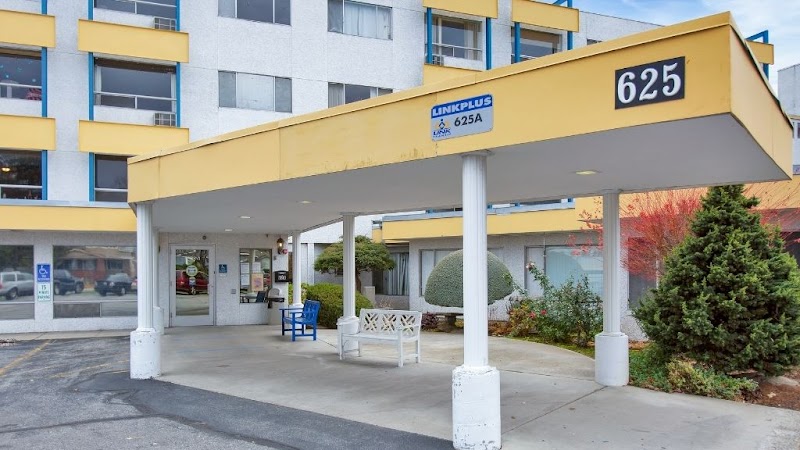
625 OKANOGAN AVE, WENATCHEE, WA 98801 (509) 663-1171
For profit - Limited Liability company 100 Beds PACS GROUP Data: November 2025
Trust Grade
55/100
#100 of 190 in WA
Last Inspection: September 2024

Within standard 12-15 month inspection cycle. Federal law requires annual inspections.

Overview

Colonial Vista Post-Acute & Rehab Center has a Trust Grade of C, which means it is average and falls in the middle of the pack among nursing homes. It ranks #100 out of 190 facilities in Washington, placing it in the bottom half, but it is the best option out of three in Chelan County. The facility is improving, with issues decreasing from 12 in 2024 to just 2 in 2025. Staffing is a strength, with a 4/5 star rating and a turnover rate of 43%, which is slightly below the state average, indicating that staff tends to stay longer and get to know the residents well. While there have been no fines, there are some concerns, including a serious incident where a resident experienced psychological harm due to delays in addressing an unfounded allegation of abuse, as well as issues with food safety, including expired food found in storage and inadequate food holding temperatures.

Trust Score
C
55/100
In Washington
#100/190
Bottom 48%
Safety Record
Moderate
Needs review
Inspections
Getting Better
12 → 2 violations
Staff Stability
○ Average
43% turnover. Near Washington's 48% average. Typical for the industry.
Penalties
✓ Good
No fines on record. Clean compliance history, better than most Washington facilities.
Skilled Nurses
✓ Good
Each resident gets 75 minutes of Registered Nurse (RN) attention daily — more than 97% of Washington nursing homes. RNs are the most trained staff who catch health problems before they become serious.
Violations
⚠ Watch
28 deficiencies on record. Higher than average. Multiple issues found across inspections.
★★★☆☆
3.0
Overall Rating
★★★★☆
4.0
Staff Levels
★★★☆☆
3.0
Care Quality
★★★☆☆
3.0
Inspection Score
Stable
2024: 12 issues
2025: 2 issues

The Good

  • 4-Star Staffing Rating · Above-average nurse staffing levels
  • Full Sprinkler Coverage · Fire safety systems throughout facility
  • No fines on record
  • Staff turnover below average (43%)

    5 points below Washington average of 48%

Facility shows strength in staffing levels, fire safety.

The Bad

3-Star Overall Rating

Near Washington average (3.2)

Meets federal standards, typical of most facilities

Staff Turnover: 43%

Near Washington avg (46%)

Typical for the industry

Chain: PACS GROUP

Part of a multi-facility chain

Ask about local staffing decisions and management

The Ugly 28 deficiencies on record

1 actual harm
Aug 2025 2 deficiencies
CONCERN (D) 📢 Someone Reported This

A family member, employee, or ombudsman was alarmed enough to file a formal complaint

Potential for Harm - no one hurt, but risky conditions existed

Accident Prevention (Tag F0689)

Could have caused harm · This affected 1 resident

**NOTE- TERMS IN BRACKETS HAVE BEEN EDITED TO PROTECT CONFIDENTIALITY** Based on observation, interview and record review the facility failed to provide adequate supervision during meals consistent wi...

Read full inspector narrative →
**NOTE- TERMS IN BRACKETS HAVE BEEN EDITED TO PROTECT CONFIDENTIALITY** Based on observation, interview and record review the facility failed to provide adequate supervision during meals consistent with resident needs for 1 of 3 residents (Resident 15) reviewed for accidents and supervision. This failure placed Resident 15 at risk for choking and adverse health outcomes. Findings included. Resident 15 Review of the resident's medical record showed they were admitted to the facility with diagnoses which included cerebral palsy (a disease due to abnormal brain development which causes disorders of movement, muscle tone and posture), and dysphagia (difficulty swallowing). Review of the comprehensive assessment dated [DATE] showed the Resident 15 was cognitively intact and dependent on staff for dressing, grooming and personal hygiene however they were able to eat independently after their meal was set up. Review of a physician order dated 08/20/2025 showed Resident 15's diet was regular texture with soft bite sized pieces served with gravy or sauce to decrease choking risk and thin liquids with straws to maintain swallowing precautions. Resident 15's care plan updated on 08/12/2025 showed the resident had identified choking risks related to their diagnosis of dysphagia. The intervention outlined in their care plan was to provide monitoring and supervision during meals for choking, coughing and/or holding food in their mouth without swallowing. During an observation on 08/18/2025 at 12:36 PM, showed Resident 15 was sitting at a table in the activity room with another resident eating their meals. The residents were eating alone with no staff providing any monitoring or supervision during the meal. During an interview on 08/18/2025 at 12:50 PM, Resident 15 stated they ate most of their meals with the unidentified resident in the activity room as they enjoyed each other's company and were good friends. Resident 15 stated they needed the other resident when they ate because they were afraid of choking on their food and further stated the nursing staff did not monitor them or provide them with supervision during their meals. During additional observations of Resident 15's meals showed on 08/19/2025 from 12:18 PM to 12:51 PM no staff supervision, on 08/20/2025 from 8:10 AM to 9:00 AM no staff supervision and on 08/20/2025 from 12:17 PM to 12:55 PM there was no staff in the activity room providing supervision or monitoring Resident 15 for choking during their meals. During an interview on 08/20/2025 at 12:14 PM, Staff L, Nursing Assistant, (NA), stated the nursing staff did not provide supervision for Resident 15 during meals as they were not aware they had swallowing precautions. During an interview on 08/21/2025 at 10:20 AM, Staff K, Regional Nurse, stated nursing staff should be providing supervision for Resident 15 during meals as they had dysphagia and were at risk for choking when they ate. Reference WAC388-97-1060(3)(g)
CONCERN (D) 📢 Someone Reported This

A family member, employee, or ombudsman was alarmed enough to file a formal complaint

Potential for Harm - no one hurt, but risky conditions existed

Infection Control (Tag F0880)

Could have caused harm · This affected 1 resident

**NOTE- TERMS IN BRACKETS HAVE BEEN EDITED TO PROTECT CONFIDENTIALITY** Based on observation, interview and record review, the facility failed to ensure Infection Prevention and Control Guidelines and...

Read full inspector narrative →
**NOTE- TERMS IN BRACKETS HAVE BEEN EDITED TO PROTECT CONFIDENTIALITY** Based on observation, interview and record review, the facility failed to ensure Infection Prevention and Control Guidelines and standards of practices were followed; 1. During a facility COVID-19 (an infectious disease causing respiratory illness with symptoms including cough, fever, new or worsening malaise [a general feeling of discomfort/uneasiness], headache, dizziness, nausea, vomiting, diarrhea, loss of taste or smell, and in severe cases, difficulty breathing that could result in severe impairment or death) outbreak to mitigate the risk for transmission of COVID-19 on 1 of 3 halls (South Hall); 2. During a residents Peripherally Inserted Central Catheter [(PICC) a long thin tube inserted through a vein in an arm to the heart to administer fluids, medications, and blood draws] dressing change for 1 of 2 residents (Resident 79). These failures placed residents, staff and visitors at risk for exposure to cross contamination (harmful spread of diseases) and the transmission of infectious diseases. Findings included. Review of the 06/2025 Washington State Department of Health SARS-CoV2 Infection Prevention and Control in Healthcare Settings Toolkit, showed long term care facilities were to conduct unit-wide testing and continue testing all residents and staff on the affected unit who previously tested negative every three to seven days for a minimum of 14 days from the most recent positive result, or the Licensed Health Jurisdiction direction. COVID-19 Testing During an interview on 08/19/2025 at 10:47 AM, Staff C, Infection Preventionist, stated the facility had admitted a resident with COVID-19 in July 2025 to the South Hall and was placed in quarantine and placed on aerosol contact precautions. Staff C stated a resident tested positive on 07/22/2025 when they went to the hospital for an emergency visit unrelated to COVID-19. Staff C stated three additional residents tested positive on 07/23/2025, when they experienced a low-grade fever, weakness, and a sore throat. Staff C stated they notified the Department of Health (DOH) and informed them they had closed the South Hall unit to include the dining room, activities and to other residents and staff. Staff C stated on 07/25/2025 another resident tested positive for COVID-19 and a staff member after they had symptoms of a moist cough, scratchy throat and lethargy (lack of energy) and on 07/26/2025 a second staff member tested positive after working the night shift in South Hall. Staff C stated the facility did not perform COVID-19 testing for all residents and staff during the outbreak. Staff C stated the facility performed testing for symptomatic residents only. Staff C stated in total there were six residents and three staff members who were COVID-19 positive during the outbreak and the outbreak ended on 08/11/2025. During a follow-up interview on 08/20/2025 at 1:50 PM, Staff C stated they did receive the WA DOH Toolkit and did not review in its entirety, therefore did not complete the required COVID-19 testing. During an interview on 08/20/2025 at 11:43 AM, Collateral Contact, Communicable Disease Specialist from the Local Health Jurisdiction (CC), stated they had been in communication with the facility for the COVID-19 outbreak. The CC stated they provided guidance to the facility and the IP and emailed the [NAME] Department of Health Covid toolkit. The CC stated they had requested updates from the facility on the COVID-19 outbreak. The CC stated the information they were provided with showed a line listing of residents and staff when they tested positive. The information also showed on 07/24/2025, 07/28/2025, 07/29/2025, 07/30/2025, and 07/31/2025 the facility had no new COVID-19 positive residents or staff. The CC stated when they received the information showing no new positives, they believed they facility had been continuing COVID-19 testing per the guidance, and they were unaware the facility had not continued to test the residents and staff. The CC stated the facility should have conducted COVID-19 testing of all residents and staff in the affected unit to ensure there were no Covid-19 residents and staff identified. The CC stated the WA DOH Toolkit they provided did show the facility was required to continue testing of all residents and staff who previously tested negative every three to seven days for a minimum of 14 days from the most recent positive result. During an interview on 08/20/2025 at 2:02 PM, Staff K, Regional Nurse, stated they were not aware there were additional residents who tested COVID-19 positive and if they had been made aware the facility should have continued COVID-19 testing per the guidelines. PICC Review of the medical record showed Resident 79 was admitted with diagnoses including endocarditis (a serious infection of the heart lining), and a PICC line for antibiotic therapy. The 07/24/2025 comprehensive assessment showed Resident 79 required substantial/set-up assistance of one to two staff for activities for daily living and had an intact cognition. During an observation and concurrent interview on 08/21/2025 at 4:27 PM, Staff H, Registered Nurse, prepared to perform a PICC dressing change on Resident 79. Staff H performed hand hygiene, donned (put on) gloves and used a disinfecting wipe and cleaned Resident 79's bedside table. Staff H disposed of the used wipe and gloves and tossed into the trash and without performing hand hygiene, opened the dressing supply package and then washed their hands. Staff H placed a surgical mask on Resident 79 and themselves and donned gloves. Staff H removed the sterile drape from the kit and placed it under Resident 79's arm with the PICC line. Staff H proceeded to remove the used dressing from Resident 79's PICC line, upon removal Staff H tossed the used dressing and their gloves into the trash can. Staff H without performing hand hygiene, donned sterile gloves, measured the length of the PICC line and the circumference of Resident 79's arm and placed their right hand into their pants pocket and removed a pen and wrote down measurements on the drape and placed pen back into their pocket. Staff H proceeded to open the antiseptic swab and clean around the PICC opening on Resident 79's arm and outward. Staff H attached a PICC line holder to Resident 79's arm and placed their right hand back into their pocket and removed the pen and placed onto bedside table. Staff H proceeded to apply a barrier adhesive and a a clear dressing with a white adhesive bordered edge covering the PICC, used the pen to write the date and their initials on the PICC dressing, put their hand back into their pocket and removed an alcohol swab and removed the old PICC cap access device and attached a new one. When completed, Staff H gathered all used supplies and tossed them into the trash can and removed their gloves and washed their hands. Staff H stated they placed their hands into their pockets during the dressing change with their sterile gloves and they should not have. Staff H stated they were unaware they did not use hand hygiene between glove changes and when they opened the dressing supply package. During an interview on 08/22/2025 at 11:25 AM, Staff B, Director of Nurses, stated Staff H had not followed the steps for the PICC line dressing change and they were going to provide re-education on the proper technique. Reference WAC: 388-97-1320(1)(c)(2)(a)(5)(b)
Nov 2024 1 deficiency
CONCERN (D) 📢 Someone Reported This

A family member, employee, or ombudsman was alarmed enough to file a formal complaint

Potential for Harm - no one hurt, but risky conditions existed

Deficiency F0560 (Tag F0560)

Could have caused harm · This affected 1 resident

**NOTE- TERMS IN BRACKETS HAVE BEEN EDITED TO PROTECT CONFIDENTIALITY** Based on interview and record review, the facility failed to honor residents' right to refuse a room transfer when their payor s...

Read full inspector narrative →
**NOTE- TERMS IN BRACKETS HAVE BEEN EDITED TO PROTECT CONFIDENTIALITY** Based on interview and record review, the facility failed to honor residents' right to refuse a room transfer when their payor source changed for 1 of 2 residents (Resident 1) reviewed for choices. This deficient practice placed residents at risk for feeling vulnerable, disheartened and powerless. Findings included . Review of the undated facility policy, titled Room Change/Roommate Assignment, showed residents had the right to refuse a room transfer if the purpose was to relocate a resident from a Skilled Nursing unit (a living unit with the focus of regaining strength, endurance and independence through the skilled services of nursing and therapy) to a Long-Term Care (LTC) unit [a living unit with the focus of being a home with staff assistance to complete Activities of Daily Living (ADLs) ongoing]. <Resident 1> Review of the medical record showed Resident 1 admitted to the facility on [DATE] with diagnoses of respiratory failure, diabetes (a condition that happens when the body can't use glucose [a type of sugar] normally), and chronic kidney disease (occurs when the kidneys are damaged and can't filter blood properly, which can lead to a buildup of waste in the body). Review of the comprehensive assessment, dated 09/04/2024, showed Resident 1 was cognitively intact and required the assistance of two people for dressing, toileting, transfers, hygiene, and bathing. Review of the care plan, dated 09/06/2024, showed Resident 1 was participating in skilled therapy services with the goal of regaining strength to discharge home with their family. Review of an insurance coverage notification document, dated 10/22/2024, showed Resident 1 no longer met the guidelines for inpatient coverage at the facility (insurance was no longer going to pay for their stay and/or services). Review of the Progress Note (PN), dated 10/22/2024 at 11:17 AM, showed facility staff notified Resident 1 of the insurance denial, and Resident 1 stated they wanted to appeal (a formal request that a decision be changed) the decision. The PN showed facility staff initiated this on Resident 1's behalf. Review of the PN, dated 10/23/2024 at 11:30 AM, showed Staff A, Administrator and Staff B, Social Services Assistant, met with Resident 1 to establish next steps, and Resident 1 stated they could not pay the private pay rate or discharge home safely. The PN showed Staff A and Staff B stated Resident 1 would need to move to a semiprivate room, which had a lower cost. The PN showed Resident 1 stated .due to a previous bad experience with a roommate on (the LTC hall), they did not want to move . Review of the PN, dated 10/24/2024 at 1:14 AM, showed Resident 1 .was very tearful tonight about having to move to other unit tomorrow . Review of the PN, dated 10/24/2024 at 10:18 AM, showed Resident 1 expressed being upset about room transfer and reported the situation to the state agency. The PN documented .we (the facility) are moving them to help avoid potential financial distress ., and Resident 1 stated they understood, .but I don't want to be on that side (LTC hall) . Review of the census tab in the Electronic Health Record (EHR) showed Resident 1 was moved on 10/24/2024, from a private room on the Rehabilitation Hall (Skilled Nursing) to a semiprivate room on the East Hall (LTC). During an interview, on 11/15/2024 at 12:30 PM, Staff B stated Resident 1 was very upset about having to move rooms, and the facility offered many other accommodations in an attempt to offset Resident 1's frustrations. Staff B stated due to the heightened emotions of Resident 1, their personal belongings were moved to the new room while Resident 1 was out at an appointment. Staff B stated they did not know who made that decision. During an interview, on 11/15/2024 at 1:15 PM, Resident 1 stated they wanted to wait until their appeal results of the insurance coverage declination came back before moving rooms, but the facility forced them to do it sooner. Resident 1 stated they did not have a choice in the matter as the facility moved their personal belongings to the new room while they were out at an appointment. Resident 1 stated they felt their rights were violated. During an interview, on 11/15/2024 at 1:45 PM, Staff A stated Resident 1 was going to accrue a large private pay bill, and their intention was to lessen the burden by putting them in a cheaper room. Staff A stated, after reading their policy on room changes, they realized Resident 1 had the right to refuse the room transfer, and the facility did not honor that. Reference: WAC 388-97- 0600 (1-3)
Sept 2024 11 deficiencies
CONCERN (D)

Potential for Harm - no one hurt, but risky conditions existed

Deficiency F0578 (Tag F0578)

Could have caused harm · This affected 1 resident

**NOTE- TERMS IN BRACKETS HAVE BEEN EDITED TO PROTECT CONFIDENTIALITY** Based on interview and record review, the facility failed to address required documentation for Advanced Directives (AD), a lega...

Read full inspector narrative →
**NOTE- TERMS IN BRACKETS HAVE BEEN EDITED TO PROTECT CONFIDENTIALITY** Based on interview and record review, the facility failed to address required documentation for Advanced Directives (AD), a legal document in which a person specifies what actions should be taken for their health if they are no longer are able to make decisions for themselves because of illness or incapacity) for 2 of 3 residents (Residents 1 and 10) reviewed for ADs. These failures placed the residents at risk of losing their right of having their preferences and/or decisions followed regarding their end-of-life care. Findings included . <Resident 1> Review of the resident's medical record showed the resident admitted to the facility with diagnoses to include breast cancer (when abnormal breast cells grow out of control and form tumors) and diabetes (a chronic disease that affects how the body uses insulin and glucose). The 07/16/2024 comprehensive assessment showed Resident 1's cognition was intact and able to make their own decisions. During an interview on 09/23/2024 at 11:55 AM, Resident 1 stated they had an AD in place and if they had been sent to the hospital, the facility would know what to do. During a follow-up interview on 09/26/2024 at 9:33 AM, Resident 1 stated the only end-of-life care treatment that had been discussed with them during quarterly care conferences were on a green Physician's Orders for Life Sustaining Treatment [POLST, a form that lets you choose the types of medical treatment you want during serious illness] form that resident 1 had on their bedside table and handed to the Surveyor. Resident 1 stated they had not been talked to or offered any other information regarding their wishes for end-of-life care and as far as they understood, the POLST form was their AD. Review of a document titled Durable Power of Attorney for Healthcare (DPOA, authorizes an agent to make medical decisions on your behalf when you are unable to do so) dated 01/22/2015, showed Resident 1's wishes as expressed in my Living Will would be followed but may not cover all aspects of care so they were designating a DPOA. Review of Resident 1's medical record showed, there were no documents titled Living Will. Review of Resident 1's 08/07/2024 care plan, showed the resident had a DPOA on file for their healthcare needs. The care plan additionally showed Resident 1's POLST reflected their AD wishes. <Resident 10> Review of the resident's medical record showed the resident admitted to the facility with diagnoses to include respiratory failure and a stroke (when blood flow to the brain is interrupted, leading to brain damage) with left sided weakness. The 07/18/2024 comprehensive assessment showed the resident's cognition was severely impaired and unable to make their own decisions. During an interview on 09/25/2024 at 4:39 PM, Staff I, Social Services Director, stated the facility would offer AD forms they could print off the internet to residents or family members upon admission. Staff I stated the residents could then discuss their options with their medical provider and complete the forms. Staff I stated they readdressed the ADs quarterly at care conferences and would document in the quarterly assessment or in a progress note. Review of Resident 10's quarterly assessment dated [DATE], showed the AD had been reviewed and was still appropriate. The assessment showed no information to formulate an AD had been discussed or offered. Review of Resident 10's 07/25/2024 AD care plan, showed Representative stated that the orders on the POLST reflect the treatment wishes and Resident is unable to complete an AD. During an interview on 09/27/2024 at 9:18 AM, Resident 10's Representative stated the facility had gone over the POLST form with them during care conferences but formulating an AD had not been discussed in all the years Resident 10 had been at the facility, nor were they offered information on formulating an AD or how to formulate an AD. During an interview on 09/27/2024 at 10:50 AM, Staff A, Administrator, stated their expectations would be for Social Services to address ADs on admission and quarterly during care conferences, care plan the ADs, and document the outcome if ADs were refused. WAC Reference: 388-97-0300 (1)(b)
CONCERN (D)

Potential for Harm - no one hurt, but risky conditions existed

Pressure Ulcer Prevention (Tag F0686)

Could have caused harm · This affected 1 resident

Based on observation, interview, and record review, the facility failed to assess, monitor, or treat skin to prevent the development of facility-acquired pressure injuries (PIs) for 1 of 3 residents (...

Read full inspector narrative →
Based on observation, interview, and record review, the facility failed to assess, monitor, or treat skin to prevent the development of facility-acquired pressure injuries (PIs) for 1 of 3 residents (Resident 1) reviewed for PIs. This failed practice placed residents at risk for worsening or new pressure injuries, pain, and unmet care needs. Findings included . Review of the National PI Advisory Panel's (NPIAP, the leading expert in PIs/wounds) guidelines and definitions, dated September 2016, defined PI stages as follows: • Stage 1 PI has intact skin with a localized area of non-blanchable erythema (redness). • Stage 2 PI is a partial thickness skin loss with exposed dermis (the top inner layers of skin). • Stage 3 PI is a full thickness loss of skin, in which adipose (fat) tissue is visible in the ulcer. Slough (dead tissue) and or eschar (dried blood and tissue) may be visible, granulation tissue and epibole (rolled or curled under edges) may include with undermining (a pocket of dead space under the visible wound edges) and tunneling (a passageway under the wounds surface which may be shallow or deep and impairs wound closure). <Resident 1> Review of the resident's medical record showed the resident admitted to the facility with diagnoses to include diabetes (a chronic disease that affects how the body uses insulin and glucose) and functional quadriplegia (complete inability to move due to severe disability or frailty caused by another medical condition without physical injury or damage to the spinal cord). The 07/16/2024 comprehensive assessment showed the resident's cognition was intact and required substantial/maximal staff assistance for bed mobility, toileting, and hygiene. The assessment additionally showed at that time, Resident 1 was being treated for one Stage 3-PI. During an interview on 09/23/2024 at 11:55 AM, Resident 1 stated they had been treated for two PIs to their bottom for greater than a year and one had resolved. Resident 1 stated they received a barrier cream to the remaining PI due to the PI had nearly resolved. Review of Resident 1's 02/07/2024 revised care plan for skin integrity showed the resident had a potential for skin impairment and that the resident was at risk for skin impairment. The care plan showed nursing staff were to monitor and document the location, size, and treatment of the injury, refer to the Medication Administration Record (MAR) and Treatment Administration Records (TAR) for interventions, and weekly skin checks would be completed. Additionally, the care plan showed there would be weekly treatment documentation (length, width, depth, and type of tissue and/or exudate) of any areas of skin impairment and any changes to skin impairment. Review of the September 2024 TAR, showed orders as follows: 1) on 06/29/2024 for Triple Paste (a brand of medication used as a barrier cream) to be applied to the buttocks every morning and at bedtime for skin care, 2) an order on 05/26/2024 to cleanse with normal saline and apply Triple Paste to a PI (did not identify the stage of the PI) to the coccyx (tailbone) daily and as needed until resolved (the order showed no treatment had been completed on 09/15/2024 and 09/22/2024), 3) an order on 05/28/2024 for weekly skin checks every Tuesday and document a (-) for no new skin impairment and a (+) for new skin impairment. The order also read if a new skin impairment was found, staff were to follow the Skin at Risk policy. A weekly skin assessment had been completed on 09/24/2024 with a (-) documented for no new skin impairments. Review of the 07/30/2024 weekly treatment documentation, showed the resident had a Stage 2-PI to their coccyx that measured 0.5 centimeters (cm, a unit of measurement) by 0.1 cm. There were no other weekly treatment documentation notes found as of 07/30/2024. An observation and concurrent interview on 09/26/2024 at 9:33 AM, showed Resident 1 being provided incontinent care by Staff L, Nursing Assistant. Resident 1 was observed to have two opened areas, one to their right buttock the size of a dime with partial thickness skin loss and one to their left buttock half the size of a dime with partial thickness skin loss and cracked opened skin in their gluteal fold (where the right and left buttocks form to create a crease) that had scant amounts of red drainage. Staff L stated the opened areas were not new areas and as far as they knew, the nursing staff were aware the sores were present. Review of a 09/23/2024 nursing progress note, showed sores to bilateral buttocks, treated per orders. The note showed the left buttock open sore was 0.5 cm by 0.5 cm and the right buttock open sore was 1.5 cm by 0.5 cm in size. No further notes or assessments had been completed for skin impairments and there were no ordered treatments or documentation showing the physician had been notified. During an interview on 09/27/2024 at 10:18 AM, Staff C, Resident Care Manager, stated nursing was responsible for completing the weekly skin checks and the NAs were responsible for reporting any new skin impairments they found during showers or care, to the nurses. Staff C stated the facility had a process to complete weekly wound assessments on any skin impairments with descriptions and measurements but when transferring over to their new medical record system, the assessment was not re-created so those assessments had fallen through the cracks. Staff C stated Resident 1 had a history of skin impairments to their bottom off and on and was unaware of the current skin issues observed during care. Staff C stated the nursing staff should have followed the process, notified the physician, obtained treatment orders, and completed assessments. During an interview on 09/27/2024 at 10:58 AM, Staff B, Director of Nursing Services, also present was Staff K, Regional Registered Nurse, stated their expectation was that nursing staff completed weekly skin checks with weekly assessments documented on residents with skin impairments. Staff B stated they would also expect the care plans to be updated to reflect the current status of the resident and for the physician to be notified and orders obtained if needed. WAC Reference: 388-97-1060 (3)(b)
CONCERN (D)

Potential for Harm - no one hurt, but risky conditions existed

Tube Feeding (Tag F0693)

Could have caused harm · This affected 1 resident

**NOTE- TERMS IN BRACKETS HAVE BEEN EDITED TO PROTECT CONFIDENTIALITY** Based on observation, interview, and record review, the facility failed to ensure appropriate treatment and services related to ...

Read full inspector narrative →
**NOTE- TERMS IN BRACKETS HAVE BEEN EDITED TO PROTECT CONFIDENTIALITY** Based on observation, interview, and record review, the facility failed to ensure appropriate treatment and services related to enteral feedings [(EF) the delivery of nutrients through a tube directly into the stomach to provide nutrition for those who cannot obtain nutrition by mouth, were unable to safely swallow, or need nutritional supplementation] for 1 of 1 resident (Resident 214) reviewed for EF. This failed practice placed the resident at risk for receiving expired and/or inaccurate enteral nutrition, adverse consequences, and complications of tube feeding. Findings included . Review of a policy titled, Enteral Feeding Tubes, dated [DATE], showed the Registered Dietician (RD) calculated the nutritional value of the EF and made recommendations as needed. Upon admission or initiation, the licensed nurse (LN) obtained a physician's order for the recommended EF formula. Additionally, when the EF bag and tubing was hung, the LN labeled the enteral feeding container/bag with the resident's name, date, time, and initials (of the LN). The EF bag and supplies were to be changed every 24 hours to prevent excessive microbial growth. Review of nursing professional standards guidance from Lippincott Nursing Procedures 8th Edition titled, Tube Feedings, dated 2019, showed the enteral formula container was labeled with the patient's identifiers; formula name (and strength if diluted); date and time the formula was hung; administration route; rate of administration; administration duration; initials of who prepared, hung, and checked the enteral formula against the order; expiration date and time; and notation enteral use only. Label the enteral administration set with the date and time that it was first hung. The administration set and tubing could be used continuously for a maximum of 24 hours. <Resident 214> Review of the medical record showed Resident 214 was admitted to the facility with diagnoses including presence of a gastrostomy (an artificial opening in the stomach), aftercare for surgery on the digestive system, and severe protein-calorie nutrition (a lack of available nutrients in the body that leads to changes in body composition and function). The [DATE] comprehensive assessment showed Resident 214 required substantial/maximum assistance of one staff member for activities of daily living. The assessment also showed Resident 214 had a moderately impaired cognition. An observation on [DATE] at 10:14 AM, showed Resident 214 was reclining in their bed. There was an EF pump on a pole next to their bed. There was a container of Jevity 1.2 EF (a high-protein, fiber-fortified formula that provides complete, balanced nutrition of enteral feeding) hanging on the pole. The EF pump was not running and there was residual EF in the tubing. There was no label on the container or tubing that showed the date, time, and initials of the LN that hung the EF. There was an empty container of Jevity 1.2 formula on the bedside table. An observation on [DATE] at 8:45 AM, showed Resident 214 in bed, a clear bag labeled Kangaroo (a brand of bag used for EF) was hanging on the pole next to the bed. The tubing from the bag was fed through the EF pump and there was residual EF visible in the tubing. The pump was not running, and the bag was empty. The bag label showed a date and time. There was no labeling showing what was in the Kangaroo bag or initials of the LN that hung the bag. An observation on [DATE] at 7:55 AM, showed Resident 214 reclined in bed watching television. There was a Kangaroo bag hanging on the pole next to the bed that was empty, dated and timed. There was residual EF in the tubing. There was no documentation on the bag to identify what EF had been delivered. Review of a physician's order dated [DATE], showed Resident 214 was prescribed Vital AF 1.2 formula (an EF formula for residents that require tube feeding and experience absorption and digestion problems, or have impaired gastrointestinal function) for severe protein-calorie malnutrition. Additional orders dated [DATE], showed Enteral feed, every 24 hours, change gravity bag every 24 hours, label with date/time/resident name. During an interview on [DATE] at 8:59 AM, Staff J, Registered Dietician, stated they were not aware that Resident 214 had not received the prescribed Vital AF 1.2 formula. They stated they were not aware that the facility had substituted the Jevity 1.2 formula (a lower protein dense formula than Vital AF 1.2) since the facility had the Vital AF 1.2 in stock. They stated Resident 214 should have been receiving what was ordered. During an interview on [DATE] at 10:50 AM, Staff A, Administrator, stated they expected the licensed nurses to follow the physician's orders for the EF. If the EF was unavailable, the process would be to call the physician for a substitution. Staff A stated they expected the nursing staff to follow professional standards of practice and label the EF bags appropriately. Reference: WAC 388-97-1060(3)(f)
CONCERN (D)

Potential for Harm - no one hurt, but risky conditions existed

Deficiency F0699 (Tag F0699)

Could have caused harm · This affected 1 resident

Based on observation, interview, and record review, the facility failed to ensure that a resident who was a trauma survivor received culturally competent, trauma-informed care in accordance with profe...

Read full inspector narrative →
Based on observation, interview, and record review, the facility failed to ensure that a resident who was a trauma survivor received culturally competent, trauma-informed care in accordance with professional standards of practice for 1 of 5 residents (Resident 34) reviewed for trauma informed care. The facility failed to identify triggers (a stimulus that causes a reaction, often an emotional or physical response) regarding Resident 34's history of Post-Traumatic Stress Disorder (PTSD, a mental health condition that is triggered by a terrifying event). This failure placed the resident at risk for unidentified triggers and re-traumatization. Findings included . Record review of the facility policy titled Trauma-Informed Care, dated 08/01/2024, showed .The facility will recognize how trauma effects individuals through evaluation and identification of triggers during the admissions process. The facility will develop an appropriate plan of care and interventions based upon the residents' triggers and will modify the plan of care for any changes in behavior . <Resident 34> Review of Resident 34's medical record showed the resident admitted to the facility with diagnoses to include PTSD, anxiety (a feeling of fear, dread, or uneasiness) and depression (a prolonged feeling of sadness, hopelessness, or loss of interest in activities). The 08/21/2024 comprehensive assessment showed Resident 34 required the assistance of one staff member for activities of daily living and had an intact cognition. During an interview 09/23/2024 at 3:25 PM, Resident 34 stated they had PTSD stemming from being in the war and they had a father who was not a nice man, he was abusive. Resident 34 stated their triggers included, watching the news, loud noises, and they had a problem with men. During a follow up interview on 09/26/2024 at 2:54 PM, Resident 34 stated they got agitated, tearful, and anxious when they experienced these triggers. Record review of Resident 34's care plan, dated 08/22/2024, showed no trauma informed based plan of care that included Resident 34's triggers, behaviors, or interventions. During an interview on 09/25/2024 at 10:48 AM, Staff I, Social Service Director (SSD), along with Staff O, SSD, stated Resident 34's triggers should have been assessed and placed in the plan of care. Staff O stated Resident 34 did not have a trauma assessment completed that showed the details of their PTSD or their triggers. Staff O further stated they needed a better system in place to care for residents. During an interview on 09/27/2024 at 7:58 AM, Staff B, Director of Nursing Services, stated that trauma-based triggers and interventions were to be in the resident's plan of care so the staff knew how to care for the residents. WAC Reference: 388-97-1060 (3)(e)
CONCERN (D)

Potential for Harm - no one hurt, but risky conditions existed

Infection Control (Tag F0880)

Could have caused harm · This affected 1 resident

**NOTE- TERMS IN BRACKETS HAVE BEEN EDITED TO PROTECT CONFIDENTIALITY** Based on observation, interview, and record review, the facility failed to ensure infection prevention and control measures were...

Read full inspector narrative →
**NOTE- TERMS IN BRACKETS HAVE BEEN EDITED TO PROTECT CONFIDENTIALITY** Based on observation, interview, and record review, the facility failed to ensure infection prevention and control measures were implemented for hand hygiene/handling medications during medication administration for 1 of 5 staff (Staff M), and use of personal protective equipment when entering a contact precautions (safety measures used by healthcare workers to prevent the spread of infectious agents that can be transmitted through direct or indirect contact) room for 1 of 3 resident rooms (room [ROOM NUMBER]) reviewed for infection control. These failures placed residents, staff, and visitors at risk for exposure to cross contamination of infectious disease. Findings included . Review of a policy titled, Hand Hygiene, dated 08/01/2024, showed hand hygiene was the primary means of preventing the transmission of infection and should be performed as soon as possible after contamination such as before/after direct contact with a resident. Review of a policy titled, Transmission Based Precautions (a set of infection control measures used when a resident may be infected with a certain infectious agent), dated 08/01/2024, showed contact was the most common and most significant mode of transmission of infection and occurred by directly touching the resident and/or their environment. Staff that had contact with the resident should wear gloves and a gown. <Medication Administration> During an observation on 09/25/2024 at 8:21 AM, Staff M, Registered Nurse (RN), was standing at their medication cart. Staff M removed a card of pills from the medication cart and pushed the pill through the foil backed card. The pill fell onto the medication cart. Staff M picked up the pill with their bare hand and placed the pill into a medication cup. Staff M removed a bottle of vitamins from the top drawer of the medication cart, poured three tablets into their bare hand, and placed the tablets into the same medication cup. Staff M added five additional medications to the medication cup, put on gloves, and took the medications, in the cup, into a resident room. Staff M placed the medication cup on the resident's breakfast tray on the over the bed table and assisted the resident to a seated position at the side of the bed. Staff M handed the medication cup to the resident, rearranged a cup and food items on the resident's breakfast tray, handed the resident their water cup, and watched the resident take their medications. Staff M removed their gloves, picked up the empty medication cup, and exited the resident's room. Staff M went to their medication cart, threw away their gloves and medication cup and proceeded to prepare medications for the next resident without performing hand hygiene . During an interview on 09/25/2024 at 2:22 PM, Staff P, Infection Preventionist, stated the expectation was for all staff to use alcohol-based hand rub, at the minimum for, hand hygiene, before and after entering a resident room, between glove changes, before and after administering medications, and before moving on to the next resident when administering medications. During an interview on 09/27/2024 at 9:57 AM, Staff B, Director of Nursing Services, stated when preparing medications, there should always be a barrier between the medication and the nurse's hands. Staff B further stated the staff needed to perform hand hygiene between each resident when administering medications. During an interview on 09/27/2024 at 10:35 AM, Staff A, Administrator, stated Staff M was an agency nurse. Staff A stated they had high expectations for the agency staff and would have expected them to be trained in hand hygiene practices. <Contact Precautions> An observation on 09/24/2024 at 8:55 AM, showed Staff N, Nursing Assistant (NA), enter resident room [ROOM NUMBER] that had a Contact Precautions sign posted on the door. The sign instructed providers and staff to put on gloves and a gown before entering the room and discard gloves and gown prior to leaving the room. Staff N entered resident room [ROOM NUMBER] and picked up a plate cover that was on the foot of the resident's bed and put it on their meal tray. They picked up the meal tray that was on the over the bed table and exited the room. Staff N did not have on a gown or gloves. During an interview on 09/24/2024 at 12:48 PM, Staff N stated they did not need to wear a gown or gloves in the contact precautions room unless they were going to provide hands on care for the resident in room [ROOM NUMBER]. They stated they were told that was the process by both the charge nurse and the infection preventionist. During a concurrent observation and interview on 09/27/2024 at 8:42 AM, showed Staff O, Social Services Director, enter resident room [ROOM NUMBER] without wearing a gown or gloves. Staff O shut the door and met with the resident in their room. At 8:48 AM, Staff O opened the door to resident room [ROOM NUMBER], exited the room, and proceeded to walk down the hall. At 8:49 AM, Staff O stated they did not need to wear a gown or gloves if they were not doing cares on the resident in room [ROOM NUMBER]. Staff O then read the contact precautions sign and stated the sign showed they should have been wearing a gown and gloves, they made a mistake, and they would talk to the infection preventionist about what personal protective equipment was needed in the contact precautions room. During an interview on 09/27/2024 at 10:44 AM, Staff A stated they expected all staff to follow precautions that were posted on resident rooms. Reference: WAC 388-97-1320(1)(c)(2)(b)
CONCERN (D)

Potential for Harm - no one hurt, but risky conditions existed

Safe Environment (Tag F0921)

Could have caused harm · This affected 1 resident

Based on observation and interview the facility failed to provide a safe and functional environment for residents, staff, and visitors related to the handicap push plate (a button that allows people w...

Read full inspector narrative →
Based on observation and interview the facility failed to provide a safe and functional environment for residents, staff, and visitors related to the handicap push plate (a button that allows people with disabilities to access an area by the push of a button) being out of service on 1 of 2 doors (main entrance). This failure placed residents, staff, and visitors at risk for accidents and a disrupted environment. Findings included . During an interview on 09/23/2024 at 11:20 AM, Resident 3 stated that the front door handicap push plate opener was not working and had not been for a very long time. Resident 3 stated they had to ask staff to take them outside and they had to ring a bell to get back inside. Resident 3 stated it took a while for someone to come and take them outside when requested and then they had to wait a long time for someone to come and let them back inside. Resident 3 further stated they would like to be able to go out of the facility and come back in when they wanted to as it was their right to do so. During an interview on 09/24/2024 at 3:21 PM, Staff Q, Maintenance Director, stated the handicap push plate on the front entrance door had been out of service maybe since July of last year (July 2023). Staff Q stated they multiple bids to fix the door and had been denied from the corporation related to expense. Staff Q further stated they had expressed to the Administrator, the importance of getting the door fixed for emergency services and for the resident's to be able to safely get in and out of the facility. During an interview on 09/26/2024 at 1:41 PM, Staff A, Administrator, stated the front door handicap push plate had been out of service for about eight months. Staff A stated they had given the corporation quotes and had been denied related to cost. Staff A further stated the residents should be able to leave and re-enter the facility when they wanted without having to wait for staff to assist them. Reference WAC 388-97-3220 (1)
CONCERN (E)

Potential for Harm - no one hurt, but risky conditions existed

Deficiency F0625 (Tag F0625)

Could have caused harm · This affected multiple residents

**NOTE- TERMS IN BRACKETS HAVE BEEN EDITED TO PROTECT CONFIDENTIALITY** Based on interview and record review, the facility failed to issue a written notice of bed hold (holding or reserving a resident...

Read full inspector narrative →
**NOTE- TERMS IN BRACKETS HAVE BEEN EDITED TO PROTECT CONFIDENTIALITY** Based on interview and record review, the facility failed to issue a written notice of bed hold (holding or reserving a resident's bed while the resident was absent from the facility) at the time of hospital transfer for 2 of 3 residents (Residents 62 and 214) reviewed for hospital transfers. This failure placed residents at risk for lack of knowledge regarding their right to hold their bed and monetary charges associated with the bed hold while in the hospital. Findings included . Review of a policy titled, Bed Hold - [NAME], dated 08/01/2024, showed when a resident was transferred or discharged , the nursing department would provide the resident and/or their representative with a copy of the bed hold policy. If nursing was unable to provide the notice at the time of transfer or discharge, the Social Services Director or designee would contact the resident and/or their representative to notify them of the facility policy and obtain a decision on bed hold. <Resident 62> Review of the medical record showed Resident 62 was admitted to the facility with diagnoses including a stroke, dizziness and giddiness, and a heart attack. The 06/24/2024 comprehensive assessment showed Resident 62 was able to make their own decisions and was independent with all ADLs. Review of a nursing progress note dated 06/29/2024 at 11:35 PM, showed Resident 62 complained of chest pain radiating to their neck and arm. Resident 62 was transferred to the hospital for evaluation on 06/30/2024 at 12:10 AM . The medical record showed no documentation that a notice of bed hold had been given to the resident and/or their representative. <Resident 214> Review of the medical record showed Resident 214 was admitted to the facility with diagnoses including aftercare for surgery on the digestive system, severe protein-calorie malnutrition (a lack of available nutrients in the body that leads to changes in body composition and function), and diabetes (a group of diseases that result in too much sugar in the blood). The 09/17/2024 comprehensive assessment showed Resident 214 required substantial/maximum assistance of one staff member for ADLs. The assessment also showed Resident 214 had a moderately impaired cognition. Review of the medical record showed Resident 214 complained of abdominal pain and was transferred to the emergency room for evaluation on 08/10/2024 at 3:00 PM. There was no documentation that a notice of bed hold was given to the resident and/or their representative. During an interview on 09/26/2024 at 4:40 PM, Staff B, Director of Nursing Services, stated the notice of bed hold should be given to the resident and/or their representative when they were transferred out of the facility. They stated it was the responsibility of the nurse on duty at the time of transfer to provide the resident and/or their representative with the notice of bed hold. During an interview on 09/27/2024 at 10:15 AM, Staff A, Administrator, stated it was their expectation that a notice of bed hold was completed for residents that transferred to the hospital. Staff A further stated the process for bed hold, effective August 1, 2024, was for the Business Office Manager to fill out the notice of bed hold form and contact the resident and/or their representative to complete the form. Reference: WAC 388-97-0120(4)
CONCERN (E)

Potential for Harm - no one hurt, but risky conditions existed

Quality of Care (Tag F0684)

Could have caused harm · This affected multiple residents

**NOTE- TERMS IN BRACKETS HAVE BEEN EDITED TO PROTECT CONFIDENTIALITY** Based on observation, interview, and record review, the facility failed to ensure the provision of ongoing assessments and monit...

Read full inspector narrative →
**NOTE- TERMS IN BRACKETS HAVE BEEN EDITED TO PROTECT CONFIDENTIALITY** Based on observation, interview, and record review, the facility failed to ensure the provision of ongoing assessments and monitoring in accordance with professional standards of practice for 5 of 5 residents (Residents 7, 23, 25, 122 and 1) reviewed for quality of care. The failure to assess and monitor for impaired skin integrity, edema, (swelling caused by presence of excess fluid in the body tissues) and bowel management placed the residents at risk for unmet care needs and negative health outcomes. Findings included . <Skin> Review of a facility policy and procedure document titled Skin at Risk/Skin Breakdown last revised on 09/2020 showed .A full body skin evaluation is completed on admission and weekly by the licensed nurse. Updates of current non-pressure areas coincide with the weekly full body skin audit and monitors bruises, skin tears and abrasions on the resident's Treatment Administration Record (TAR). All other skin impairment concerns are documented on the 'Skin-Wound Form' (an electronic health record form in the assessment section of the resident's medical record). The policy further stated to document on the skin impairment forms to include the measurements of size, color, presence of odor, exudate (wound fluid), pain associated with the skin impairment, and the current type of treatment used. <Resident 7> Review of the resident's medical record showed the resident admitted to the facility with diagnoses to include peripheral vascular disease (a condition in which in which narrowed blood vessels outside the heart cannot deliver enough oxygen and nutrients to the body and could cause chronic wounds to the limbs). The 07/14/2024 comprehensive assessment showed the resident's cognition was intact and could make their own decisions. The assessment also showed Resident 7 had venous/arterial ulcers to their lower extremities. A concurrent observation and interview on 09/23/2024 at 1:53 PM, showed Resident 7 lying in bed, both legs were wrapped from below the toes to below the bend in the knees with brown elastic compression (ace bandages) bandages. There was a foul smell, the smell of rusty wet coins, while standing at the bedside talking to the resident. Resident 7 stated their dressings on their legs had not been changed since the day prior. The date on the dressings on both legs showed 09/22/2024. Resident 7 stated the facility utilized traveling nurses and when they worked, the bandages would not get changed. Resident 7 stated they would normally get changed every third day but were supposed to be changed daily. An observation on 09/24/2024 at 9:58 AM showed the bilateral leg dressings were still the same dressings that were dated 09/22/2024. Review of Resident 7's September 2024 TAR, showed an order on 07/24/2024 for dressing changes to both leg wounds daily. The wounds were to be cleansed with wound cleanser, followed by an oil emulsion dressing (a dressing that keeps draining wounds flowing without sticking to the wound bed), followed by super absorbent pads, and finally, covered with the ace bandages. The order showed the dressing changes had not been completed on seven of the 25 opportunities for the dressing change, in addition to two documented refusals. The order also showed on 09/23/2024, it was documented the dressing had been changed, even though the same dressings were on from 09/22/2024 until 09/25/2024. Additionally, the TAR showed an order on 10/11/2023 for weekly skin checks to be completed and document a (-) for no new skin impairment and a (+) for new skin impairment. Three of the four opportunities for skin checks had not been completed and showed no documentation. A concurrent observation and interview on 09/25/2024 at 10:44 AM, showed the dressings on both legs were still the same dressings dated 09/22/2024. Resident 7 stated they smelled horrible and had asked the nurse to change their dressings before they left the facility for a same-day procedure and was informed by the nurse they did not have time and would have to wait until they returned from their procedure. Resident 7 stated they would be embarrassed if they had to go to their procedure smelling as bad as they did. Resident 7 was being provided incontinent care by Staff L, Nursing Assistant, and the resident had dried areas of dark black/green bowel movement on the top portion of the absorbent pads that were sticking out of the top of the ace bandages along with a new area of wet bowel movement the size of a softball. Also, the middle of the left leg, was a baseball sized, brownish/black leakage that had leaked through the dressings and dried on the outside of the ace bandage. Staff L stated they were leaving the room to go report the bowel movement on the dressings to the nurse and see if that would get them to change the dressings. An observation on 09/25/2024 at 11:06 AM, showed Staff R, Registered Nurse (RN), changing Resident 7's dressings to their lower legs, along with Staff S, Licensed Practical Nurse/Resident Care Manager (LPN/RCM). Staff R and Staff S each used a bottle of wound cleanser to soak the dressings to soften them up for removal and as bandages were being removed, they were saturated with stringy, green and brown slough (a mass or layer of dead tissue separated from the surrounding or underlying tissue) skin. The room was filled with the smell of rusted wet coins. Wounds were cleansed and new dressings placed as ordered. Staff R dated the dressings 09/25/2024 with their initials. An observation on 09/26/2024 at 2:20 PM, Resident 7 was observed lying in bed sleeping, had returned earlier in the day from their same-day procedure on 09/25/2024. Dressings to both legs are still dated 09/25/2024 with Staff R's initials. An observation on 09/27/2024 at 9:00 AM, showed Resident 7 was lying in bed eating breakfast. Resident 7 stated the dressings had not been changed since 09/25/2024 and while standing at the foot of the bed, the same wet, rusty coin smell was present. The dressings were dated 09/25/2024 and had Staff R's initials. During an interview on 09/27/2024 at 10:58 AM, Staff B, Director of Nursing Services, along with Staff K, Regional RN, stated their expectations were for the nurses, including travel/agency nurses to follow the physician orders and change the dressings daily. Staff B stated the nursing staff should have completed weekly skin checks and weekly wound assessments, and they failed to follow that process. <Resident 23> Review of Resident 23's medical record showed the resident admitted to the facility with diagnoses to include cirrhosis (a condition in which the liver is scarred and permanently damaged) and diabetes (a chronic disease that occurs when the body can not properly regulate blood sugar levels). The 06/17/2024 comprehensive assessment showed Resident 23 required the assistance of one staff member for activities of daily living and had an intact cognition. During an observation and concurrent interview on 09/24/2024 at 1:03 PM, showed Resident 23 sitting in their wheelchair, with multiple scattered bruises to their lower arms, wrists and hands. All the bruised areas were yellow/brown/green in color and were in various stages of healing. Resident 23 was noted to have a band aid on an area to their lower right forearm and stated they got a skin tear yesterday from hitting it on a door frame. Resident 23 stated they got bruises on their arms and hands all the time from hitting them on the door frame trying to get outside to the smoking patio. During an observation on 09/26/2024 at 8:48 AM, showed Resident 23 lying in bed with an open skin tear 1 centimeter (cm, a unit of measure) by 0.5 cm to their right lower forearm. Review of the September 2024 Medication Administration Record (MAR) showed Resident 23 was to have weekly skin assessments each Monday and showed no monitoring or skin assessments of the bruised areas, or skin tear to right lower forearm. Review of the September 2024 TAR showed no monitoring of the bruised areas or skin tear. During an interview on 09/26/2024 at 1:08 PM, Staff B stated their expectations for the Licensed Nurses was that all skin issues, including bruises, were to be documented on the weekly skin assessment and were to be monitored until resolved. Staff B further stated that the nursing staff did not follow the correct process for Resident 23's skin issues. <Resident 25> Review of the medical record showed Resident 25 was admitted to the facility on [DATE] with diagnoses including diabetes, bilateral heel ulcers, congestive heart failure (a condition when the heart cannot pump blood well enough to keep up with the body's need), lymphedema (a condition in which lymph fluid builds up in tissue causing swelling, discoloration and hardening of the skin), obesity, and depression. The 09/04/2024 comprehensive assessment, showed Resident 25 required substantial assistance of one to two caregivers for activities of daily living (ADL's) and was cognitively intact. A concurrent observation and interview on 09/24/2024 at 8:49 AM, showed Resident 25 lying on their bed, both of their lower legs were swollen with edema, and pressure relief soft boots were in place on both feet. Resident 25 stated they had deep wounds on the bottom of both heels caused by poor circulation that were being treated by the facility nurses. Review of a provider visit note, dated 09/16/2024, stated the resident had unstageable (a full thickness wound that is covered by a layer of dead tissue that prevents the stage of the wound from being determined) bilateral diabetic ulcers to the heels and three plus edema [a full and swollen extremity that leaves an indentation in the skin when pushed on, that is six millimeters (mm, a unit of measure) deep and takes up to 60 seconds to rebound]. Pictures of the wounds were present in the providers documentation though no size or definitions of the wounds were present. Review of Resident 25's physician orders, dated 08/29/2024, showed the resident was receiving medication to assist with removing fluid from the lower extremities, was on a daily fluid restriction to decrease the amount of fluid intake, and daily weights to assure fluids were not increasing weight in the body. Review of Resident 25's TARs for August and September 2024, showed they received daily monitoring and every three-day dressing changes to the bilateral wounds on the heels by the licensed nursing staff though there were no sizes or condition of the wounds present. Review of Resident 25's nursing progress notes, skin assessment forms, and wound documentation forms from 08/29/2024 through 09/26/2024 , showed no documentation of the size or condition of the wounds to evaluate if the treatments ordered assisted in healing the wounds or if the wounds were worsening. In addition, no documentation was found describing the edema or if measurements were taken to evaluate if the medication and treatments provided to decrease the fluid in the lower extremities was effective. <Resident 122> Review of the medical record showed Resident 122 was admitted to the facility on [DATE] with diagnoses including diabetes, infection of a right foot ulcer, chronic venous stasis (a condition in which veins in the leg have problems moving blood back to the heart causing leg swelling, skin changes and ulcers), severe lymphedema, obesity, and stasis ulcers to the bilateral lower legs. The 09/10/2024 comprehensive assessment showed Resident 122 required substantial assistance of one to two caregivers for ADLs and was cognitively intact. A concurrent observation and interview with Resident 122 on 09/23/2024 at 1:05 PM, showed the resident sitting up on the side of their bed with a wound vac (a treatment that uses negative pressure suction to help heal wounds) in place on the right foot and both legs wrapped from the foot to the knee in dressings. Resident 122 stated they had a wound on the bottom of their right foot and multiple ulcers on both of their lower legs that became infected, and they were currently receiving intravenous (medications administered through a vein) antibiotics four times a day in the facility. Resident 122 further stated that they had their dressings changed by the facility nurses twice a week to all their wounds on their shower days and as needed in between. An observation on 09/24/2024 at 1:50 PM, showed Staff C, (LPN/RCM), changing dressings to Resident 122's bilateral lower leg ulcers and the wound vac treatment to the right foot. Their right side of the foot from mid foot to the heel showed a large unstageable wound. The wounds to both the left and right lower legs were difficult to assess due to excessive appearance of wood like, raised keratosis (a condition of excessive overgrowth and thickening of the skin) on all parts of the lower legs and feet from severe lymphedema. Staff C stated they had not in the past completed any measurements or assessments of the wounds during the dressing changes but would get the size of the wounds during this dressing change and document the results in a nursing progress note. Review of Resident 122's September 2024 TARs from 09/04/2024 through 09/26/2024, showed they received daily monitoring and twice a week dressing changes to the right heel wound and both lower leg ulcers by the licensed nursing staff though there were no sizes or condition of the wounds present in the documentation. Review of Resident 122's nursing progress notes, skin assessment forms, and wound documentation forms from 09/04/2024 through 09/23/2024 , showed no documentation of the size or condition of the wounds to evaluate if the treatments ordered assisted in healing the wounds or if the wounds were worsening. In addition, no documentation was found describing the lymphedema or if measurements were taken to evaluate if the medication and treatments provided to decrease the fluid in the lower extremities was effective. Review of a nursing progress note by Staff C dated 09/24/2024 at 4:17 PM, showed .Residents right lateral (side of foot) plantar (the thick tissue on the bottom of the foot) foot wound had the wound vac replaced today. Wound was cleansed with wound cleaner and patted dry. Wound has granulation tissue (new tissue that forms in wounds during the healing process) present in wound bed, serosanguinous drainage (thin, slightly yellow or pink tinged fluid). Wound this week measures 4.6 cm by 3.2 cm by 0.3 cm. Black foam (a foam used to seal the wound vac treatment) was fitted and bridged created for vac placement on top off foot. Foam secured in place and suction obtained. During an interview on 09/25/2024 at 2:07 PM with Staff C stated the facility was not currently completing wound assessments for skin impairments including what the wounds looked like when a resident was admitted , if a resident developed a skin problem while in the facility, or when assessed at dressing changes. Staff C stated when the current owner of the facility took over on 08/01/2024 they no longer had an assessment form in their electronic medical record to document their assessment of skin conditions on. Staff C stated they would expect the nurses to document their skin assessments in the progress notes if there was no actual assessment form available to document on, like the one they wrote on 09/24/2024 describing the size and condition of the wound and what treatment was used. During an interview with Staff B on 09/27/2024 at 11:30 AM, they stated the facility had not been doing wound assessments on admission, when a skin issue was found, or following dressing changes. Staff B stated documentation to assess if the skin conditions were improving or deteriorating was expected on all skin impairments including edema monitoring. Staff B stated they would expect the licensed staff to document their findings in a progress note if the forms they were accustomed to using were no longer present in the medical record. During an interview with Staff K on 09/27/2024 at 11:35 AM, they stated they were unaware the facility no longer had skin and wound assessment forms or edema monitoring forms in the facility's electronic health record. Staff K stated they were working closely with the new corporation's electronic health records team to assure all needed assessments for resident care were put into practice. <Bowel Management> Review of a policy titled Bowel Protocol dated 09/2024, showed the nurses were to identify residents who had not had a bowel movement (BM) in three days then review the MAR for use of the as needed bowel medication that had been given the shift prior. The policy showed if a resident went greater than four days without a BM, the nurse would complete an abdominal assessment and notify the physician for further orders. <Resident 1> Review of Resident 1's medical record showed they admitted to the facility with diagnoses to include functional quadriplegia (complete inability to move due to severe disability or frailty caused by another medical condition without physical injury or damage to the spinal cord). The 07/16/2024 comprehensive assessment showed Resident 1's cognition was intact, was dependent upon staff for their toileting hygiene, and experienced constipation (hard, dry bowel movements or passing stool fewer than three times a week). During an interview on 09/23/2024 at 12:05 PM, Resident 1 stated they had issues with constipation and had not had a BM in at least seven days. Resident 1 stated they received daily medication for their constipation, but it had not worked very well and they would have to sit on a bed pan (a container used as a toilet by a person who is too ill to get out of bed) for an extended length of time waiting to have a BM which was uncomfortable and felt it caused them skin impairment to their bottom. Review of Resident 1's BM tasks (a record that nursing assistants document on every shift) from 08/28/2024 through 09/26/2024 showed as follows; 1) no BM from 09/15/2024 day shift through 09/24/2024 evening shift (greater than nine days with 3 shifts no documentation, 2) no BM from 09/05/2024 night shift through 09/11/2024 night shift (greater than five days with three shifts having no documentation), 3) no BM from 08/28/2024 day shift through 09/01/2024 evening shift (greater than 4 days with two shifts having no documentation). Review of Resident 1's September 2024 MAR showed the resident had seven as needed medications ordered for the bowel protocol with specific directives to allow different routes of administration for constipation management. The record showed the Milk of Magnesia, an as needed medication, was used once on 09/24/2024 (greater than nine days with no BM), no other as needed medications were utilized. Review of Resident 1's 08/07/2024 care plan, showed the resident was at risk for constipation with an intervention to monitor for side effects of constipation and to keep the physician informed of any problems (the record showed no notification to the physician had been made when the resident went greater than 4, 5, and 9 days without a documented BM and the record showed no bowel assessments had been completed to monitor for side effects of the constipation). During an interview on 09/26/2024 at 9:49 AM, Staff V, NA, stated they documented BMs at the end of every shift and if the computer showed the resident had not had a BM in three to four days they would inform the nurse if the resident did or did not have a BM during that shift. Staff V further stated Resident 1 consistently had issues with constipation. During an interview on 09/27/2024 at 8:41 AM, Staff W, LPN, stated they checked their bowel list daily and if a resident did not have a bowel movement within 72 hours they would initiate their standing orders (as needed medications) starting with Metamucil (a brand of medication used for increasing fiber to increase BMs, and was not an as needed medication ordered) and then if that did not work they would go to the enema or suppositories. Staff W stated the residents should not go greater than 72 hours without a BM and after 72 hours they would complete bowel assessments (listen and check for bowel tones and feel for pain or distention in the abdomen) and notify the physician for further directions. Staff W stated they would document in the resident's record any medications given and notification to the physician. During an interview on 09/27/2024 at 10:18 AM, Staff C, stated they did not believe Resident 1 went 10 days without a BM, the most I have ever seen is four to five days. Staff C stated Resident 1 would often refuse their daily bowel meds and Resident 10 would tell Staff C they did not feel they had a problem with constipation (the MAR showed the Miralax (a brand of medication used for bowel management) was the only daily medication the resident refused on 14 days out of 28). Staff C stated they had notified the physician of the constipation, and they had changed the medications but did not see the physician had been updated on the no BM from 09/15/2024 through 09/24/2024 and had seen no new orders. Staff C felt the issue was not with the resident experiencing constipation but with the staff not accurately documenting (even though the resident could say they knew it was at least seven days they had gone without a BM). Staff C additionally did not see documentation of bowel assessments that had been completed and stated they should have done bowel assessments if Resident 1 went that long without a BM. WAC Reference: 388-97-1060 (1)
CONCERN (E)

Potential for Harm - no one hurt, but risky conditions existed

Accident Prevention (Tag F0689)

Could have caused harm · This affected multiple residents

**NOTE- TERMS IN BRACKETS HAVE BEEN EDITED TO PROTECT CONFIDENTIALITY** Based on observation, interview, and record review, the facility failed to prevent accidents by not ensuring residents who smoke...

Read full inspector narrative →
**NOTE- TERMS IN BRACKETS HAVE BEEN EDITED TO PROTECT CONFIDENTIALITY** Based on observation, interview, and record review, the facility failed to prevent accidents by not ensuring residents who smoked were assessed for safety and kept their smoking paraphernalia stored in a locked area not accessible to other residents for 3 of 3 residents (Residents 23, 30, and 164) reviewed for smoking. Additionally, the facility failed to store a portable oxygen tank in a safe manner for 1 of 3 oxygen storage rooms (oxygen storage room [ROOM NUMBER]). This failure placed all residents at risk for avoidable accidents, injuries, and the potential risk of fire. Findings included . <Smoking> Review of the Smoking policy dated 08/01/2024, showed residents who smoke independently or require supervision would be evaluated for their ability to smoke safely upon admission or at the time they decide to smoke, and the policy would be signed prior to them smoking. The policy showed residents would be reassessed at least quarterly or with significant changes in condition and that all smoking paraphernalia (cigarettes, electric cigarettes, and lighters) would be locked up. <Resident 23> Review of Resident 23's medical record showed the resident admitted to the facility with diagnoses to include tobacco use. The 06/17/2024 comprehensive assessment showed Resident 23 required the assistance of one staff member for activities of daily living and had an intact cognition. Review of a document titled Smoking Safety Evaluation, showed Resident 23 knew how their smoking materials were to be stored and could demonstrate proper storage of smoking materials. An observation on 09/23/2024 at 10:48 AM, showed Resident 23's coat laying over the back of an unused wheelchair next to the edge of the empty bed in room [ROOM NUMBER] close to the door. Further observation showed a pack of cigarettes and a lighter in the front pocket of their coat. An observation and concurrent interview on 09/27/2024 at 10:32 AM, showed Resident 23 siting up in their wheelchair next to their bed by the window. Resident 23's coat was laying over the back of the unused wheelchair next to the bed closest to the door with a pack of cigarettes and a lighter in the front pocket. Resident 23 stated they put their coat there because no one was using that space or wheelchair, and they did not have anywhere to lock up their cigarettes and lighter. During an Interview on 09/26/2024 at 1:50 PM, Staff A, Administrator, stated they would expect all residents who smoke to have their smoking materials properly stored in a lock box provided for them. Staff A stated they were aware Resident 23's lock box was missing. <Resident 30> Review of the resident's medical record showed the resident admitted to the facility with diagnoses to include vascular dementia (problems with reasoning, planning, judgment, memory, and other thought processes caused by brain damage from impaired blood flow to your brain). The 08/30/2024 comprehensive assessment showed Resident 30's cognition was moderately impaired and was independent with wheelchair mobility. During an interview on 09/24/2024 at 10:10 AM, Resident 30 stated they were an independent smoker, smoked several times a day, and kept their cigarettes and lighter in their bedside nightstand drawer. Resident 30 refused to answer any additional questions. An observation and concurrent interview on 09/24/2024 at 1:35 PM, Resident 30 was observed under the gazebo patio outside of the day room, which was the designated smoking area. Resident 30 removed their pack of cigarettes from the front pocket of their shirt along with their lighter and lit their cigarette. Resident 30 stated they had a locked drawer in their room where they kept their cigarettes and lighter locked up but also would just keep them in the pocket of their shirt. Review of a 04/21/2023 smoking evaluation, showed Resident 30 was safe to smoke independently and would ask for their smoking equipment and returned the smoking equipment when finished. There were no other smoking evaluations after 04/21/2023 (17 months since the last evaluation). An observation on 09/26/2024 at 9:42 AM, showed Resident 30 sleeping in bed, they would not arouse when attempted to speak with them. The nightstand to the left side of the bed had an unlocked top drawer that was ajar and Resident 30's cigarettes and lighter could be seen. An observation on 09/27/2024 at 9:08 AM, showed Resident 30 sleeping in bed, does not arouse when spoken to. Their top nightstand drawer is unlocked and ajar and Resident 30's lighter and cigarettes could be seen. <Resident 164> Review of the resident's medical record showed the resident admitted to the facility on [DATE] with diagnoses to include asthma (condition in which your airways narrow and swell and may produce extra mucus). The 09/12/2024 comprehensive assessment showed the resident's cognition was moderately impaired and was dependent on one staff member for transferring and wheelchair mobility. An observation and concurrent interview on 09/23/2024 at 3:33 PM, showed the resident sitting under the gazebo on the patio outside of the day room, unattended. A Nursing Assistant (NA) exited to the patio and assisted Resident 164 back to their room. On their bedside table, in a clear plastic, food storage container there was a black lighter and an electric cigarette in a box (brand named [NAME]). Resident 164 stated they smoked two to three times a day and had a pack of cigarettes and a lighter in their purse that was sitting on their nightstand to the right side of their bed. Review of Resident 164's care plan on 09/23/2024 showed no smoking care plan had been formulated. Review of Resident 164's smoking assessments on 09/23/2024, showed no smoking assessment had been completed. An observation and concurrent interview on 09/26/2024 at 9:23 AM, Resident 164 was sitting up in bed, bedside table over the top of the bed, placed in front of the resident, and the same plastic food container with the same contents was on the bedside table as previously seen on 09/23/2024. An observation on 09/27/2024 at 9:13 AM, Resident 164 was assisted outside to the smoking area and left to smoke unattended. During an interview on 09/27/2024 at 10:37 AM, Staff C, Resident Care Manager, stated residents who want to smoke should have been assessed on admission for safety and signed the smoking policy. Staff C stated the resident's cigarettes should be kept locked up on the nurse's medication carts and given to the residents prior to smoking. Staff C stated residents should not have smoking paraphernalia out in the open and should be locked up until discharge, if not in use. Staff C additionally stated residents who smoke would get re-assessed annually for safety. <Oxygen> An observation on 09/24/2024 at 3:25 PM, in an unlocked room that was previously used as an oxygen storage room (oxygen storage room [ROOM NUMBER]), was a small portable oxygen tank, half full, in a black oxygen bag, propped up against the wall behind the door, unsecured. During an interview on 09/24/2024 at 3:34 PM, Staff B, Director of Nursing Services, stated the unlocked storage room had been previously used as the oxygen storage room and had recently been moved to the other end of the hall. Staff B stated they needed to ensure all staff had been in-serviced on the new location of the oxygen storage room. During an interview on 09/25/2024 at 11:44 AM, Staff L, NA, stated the unlocked storage room was previously used as an oxygen storage room and was changed to a Personal Protective Equipment (PPE, equipment worn to minimize exposure to hazards that cause serious workplace injuries and illnesses) room. Staff L stated they were not provided education on the room changes. During an interview on 09/26/2024 at 8:46 AM, Staff Y, Registered Nurse, stated the unlocked storage room used to be the oxygen room and did not know when that changed. Staff Y stated the storage room was now being used as a storage for PPE and oxygen tanks should not be stored there. Staff Y did not recall being provided education on the room changes. During an interview on 09/26/2024 at 3:31 PM, Staff A stated the unlocked storage room had been an oxygen storage room and was previously moved the week prior. Staff A stated they had provided education to staff of the room changes but apparently needed to provide more. WAC Reference: 388-97-1060 (3)(g)
CONCERN (F)

Potential for Harm - no one hurt, but risky conditions existed

Deficiency F0804 (Tag F0804)

Could have caused harm · This affected most or all residents

Based on observation, interview, and record review, the facility failed to maintain safe food holding temperatures for 1 of 2 meal preparations (lunch meal on 9/26/2024) reviewed for safe and sanitary...

Read full inspector narrative →
Based on observation, interview, and record review, the facility failed to maintain safe food holding temperatures for 1 of 2 meal preparations (lunch meal on 9/26/2024) reviewed for safe and sanitary kitchen. This failed practice placed all residents at risk for Food borne illness (caused by consuming foods that are contaminated with harmful pathogens [bacteria that reproduce rapidly once entered in the body and can damage tissues and cause illness]). Findings included . Review of a policy titled Food Preparation and Service dated 11/2022, showed the danger zone for food holding temperatures is below 135 Farenheit (F, a unit of temperature measurement) and the longer food sits below 135 F the higher the risk for the growth of harmful pathogens. A lunch meal preparation observation and concurrent interview on 09/26/2024 at 10:55 AM, showed the prepared food had been stored in the steam table at 11:05 AM for a serve out time of 11:45 AM. The temperatures of the food were as follows; Baked Chicken was at 119 F, ground chicken 134 F, brown gravy 132 F, carrots 127 F. Further temperature checks of the pureed (a texture of food that is soft and pudding like) foods were as follows; green beans 125 F, rice 120 F, and chicken 125 F. Staff Z, Cook, stated the food had been placed in the warmer for about 20 minutes but the pureed and bite sized food was placed about 45 minutes prior to testing the temperatures. Staff Z stated they only checked the food temperatures upon removing them from the oven to ensure the correct cooking temperatures had been reached but did not check the temperatures of the food prior to serve out after they had been sitting in the steam table. During an interview on 09/26/2024 at 11:17 AM, Staff AA, Food Service Manager, stated the food temperatures should have been checked prior to serve out to ensure proper temperatures. Staff AA stated the prepared food should not be put in the steam tables until 20-30 minutes before serving the food out. Staff AA stated Staff Z did not follow the correct process for holding foods and rechecking temperatures of foods to maintain safe temperatures. WAC Reference: 388-97-1100 (2)(3)
CONCERN (F)

Potential for Harm - no one hurt, but risky conditions existed

Food Safety (Tag F0812)

Could have caused harm · This affected most or all residents

Based on observation, interview, and record review, the facility failed to discard expired foods in 1 of 1 dry storage and 1 of 1 walk in refrigerator reviewed for safe and sanitary kitchen. This fail...

Read full inspector narrative →
Based on observation, interview, and record review, the facility failed to discard expired foods in 1 of 1 dry storage and 1 of 1 walk in refrigerator reviewed for safe and sanitary kitchen. This failed practice placed all residents at risk for Food borne illness (caused by consuming foods that are contaminated with harmful pathogens [bacteria that reproduce rapidly once entered in the body and can damage tissues and cause illness]). Findings included . During the general tour of the kitchen on 09/23/2024 at 10:31 AM, showed expired foods in the dry storage room of the kitchen as follows; 1) three 46-ounce (oz, a unit of measure) containers of orange juice concentrate that expired on 09/18/2024, 2) four 46 oz containers of thickened cranberry cocktail that expired on 06/26/2024, 3) two packages of six-inch (in, a unit of measure) flour tortillas (24 tortillas to a bag) that expired on 06/30/2024 and four packages that expired on 08/07/2024, 4) four packages of eight-in flour tortillas (12 tortillas per package) that expired on 08/06/2024, 5) two packages of 12-in flour tortillas (12 tortillas per package) that expired on 07/01/2024, 6) two packages of yellow corn tortillas (five pound packages) that expired on 02/04/2024, 7) a one gallon (a unit of measure) of Worcestershire (a sauce used for food flavoring) sauce that expired on 06/25/2024, and 8) 20 boxes of 16 oz baking soda (a white powdery substance used in cooking and cleaning) that expired on 08/04/2024. Additionally, in the walk-in refrigerator, was a box of more than 25 oranges that had a use by date of 04/08/2024. During an interview on 1/04/2024 at 11:04 AM, Staff BB, Cook, stated it was the responsibility of the dietary staff to ensure foods were monitored and discarded when expired. During an interview on 09/25/2024 at 10:25 AM. Staff AA, Food Service Manager, stated we are all responsible for monitoring the food and the discarding of expired foods. Staff AA stated when we got an order and put it away, the other foods should have been checked for expiration dates, and apparently we have not been doing that. WAC Reference: 388-97-1100 (3)
Aug 2023 4 deficiencies
CONCERN (D)

Potential for Harm - no one hurt, but risky conditions existed

Medication Errors (Tag F0758)

Could have caused harm · This affected 1 resident

**NOTE- TERMS IN BRACKETS HAVE BEEN EDITED TO PROTECT CONFIDENTIALITY** Based on interview and record review the facility failed to 1) identify and monitor individualized targeted behaviors prior to a...

Read full inspector narrative →
**NOTE- TERMS IN BRACKETS HAVE BEEN EDITED TO PROTECT CONFIDENTIALITY** Based on interview and record review the facility failed to 1) identify and monitor individualized targeted behaviors prior to administering a psychotropic medication (drugs that affect brain activities associated with mental processes and behavior), 2) monitor for adverse side effects (unwanted, uncomfortable, or dangerous effects that a drug may have, such as impairment or decline in an individual's mental or physical condition), and 3) ensure adequate indications of use for 1 of 5 residents (Resident 54), reviewed for unnecessary medications. These failures placed the resident at an increased risk of medical complications, unnecessary psychotropic medication side effects and a decreased quality of life. Findings included . Review of the facility's policy titled, Psychoactive Medications, dated October 2022, showed on admission, the resident's medication regimen was reviewed for psychotropic medication orders and a nursing review for complete orders as follows: • Appropriate diagnosis for the drug • Monitoring of individualized targeted behaviors for the use of the drug • Monitoring for any adverse side effects <Resident 54> Review of the resident's medical record showed Resident 54 was admitted to the facility on [DATE] with diagnoses including a fracture of the left hip joint and dementia (the loss of cognitive functioning, thinking, remembering, and reasoning to such an extent that it interferes with a person's daily life and activities). Review of the most recent comprehensive assessment, dated 06/30/2023, showed the resident's cognition was moderately impaired and that no physical or verbal behaviors were present. Record review of the physician's orders, dated 07/29/2023, showed Trazodone (a medication commonly used to treat depression) 50 milligrams (mg, a unit of measure), half of a tablet (25mg) to one tablet (50mg) was to be given for delirium (a mental state in which you are confused, disoriented, and not able to think or remember clearly). Further review showed that no orders for parameters (specific instructions that can be measured regarding the correct dosage of medication to administer) were in place to monitor targeted behaviors to ensure correct dosage of medication was given and/or effective. Additionally, no orders were in place for monitoring of adverse side effects for the Trazodone medication. Record review of Resident 54's July 2023 and August 2023 Medication Administration Record (MAR) showed routine Trazodone administration: • On 07/29/2023 Trazodone 50 mg was given at night. • On 07/30/2023 Trazodone 50 mg was given at night. • On 07/31/2023 Trazodone 50 mg was given at night. • On 08/01/2023 Trazodone 50 mg was given at night. • On 08/02/2023 Trazodone 50 mg was given at night, and an additional 25 mg was also administered. Review of the progress note, dated 07/29/2023 at 2:29 PM, showed that Resident 54 was re-admitted from the hospital with no concerns regarding mood or behavior. Review of a Trazodone medication administration progress note, dated 07/29/2023 at 8:59 PM, showed that Trazodone 50 mg was given and gave whole dose per family request. Review of a Trazodone medication administration progress note, dated 07/30/2023 at 8:30 PM, showed gave 50 mg, (no indication on why 50 mg was given over 25 mg). Review of a Trazodone medication administration progress note, dated 07/31/2023 at 12:32 PM, showed, gave 50 mg instead, (no indication as to why 50 mg was given over 25 mg). During an interview on 08/04/2023 at 7:47 AM, Staff F, Registered Nurse (RN), stated when looking at the order there were no targeted behaviors on the Trazodone orders to instruct them on which dosage of the medication to give. Staff F further stated that Trazodone was not the correct drug to give for a diagnosis of delirium, and they used their nursing judgement to determine which dose to administer (either the 25 mg or the 50 mg). During an interview on 08/04/2023 at 11:29 AM, Staff G, Resident Case Manager (RCM), who originally transcribed the Trazodone order for Resident 54, stated delirium was not an acceptable indication for use for Trazodone because it was typically a drug used for depression and/or problems with sleep. Staff G stated they should have clarified the order with the primary care provider for an adequate indication for use regarding the psychotropic medication. Staff G further stated that they should have been monitoring Resident 54 for targeted behaviors and adverse side effects in order to determine which dose of the routine medication should have been given and that the correct process was not followed. During an interview on 08/04/2023 at 11:31 AM, Staff C, RN, Regional Support Nurse/Acting Infection Preventionist (IP), stated that Saff G had not placed the Trazodone order on the MAR correctly and that their expectation would have been for Staff G to ensure that Resident 54 had the correct diagnosis and monitoring of individualized targeted behaviors. Additionally, monitoring of any adverse side effects should have been placed on the MAR. During an interview on 08/08/2023 at 10:00 AM, Staff K, Pharmacist, stated that their expectations for a Trazodone order would be to have an adequate indication for use and that facility staff were to monitor for any adverse side effects and targeted behaviors daily. Staff K further stated that delirium was not an acceptable diagnoses/indication for the use of Trazodone. During an interview on 08/08/2023 at 11:30 AM, Staff B, Director of Nursing Services (DNS), stated their expectation was that the nurse transcribing the psychotropic medication orders for Resident 54's Trazadone would have been to clarify with the provider on an adequate indication for use, initiate specific monitoring of the resident for any adverse side effects, and specific targeted behaviors. Staff B further stated that the process was not followed correctly on Resident 54's Trazodone order. Reference: WAC 388-97-1060(3)(k)(i)
CONCERN (D)

Potential for Harm - no one hurt, but risky conditions existed

Deficiency F0761 (Tag F0761)

Could have caused harm · This affected 1 resident

Based on observation, interview, and record review the facility failed to ensure 1 of 2 medication storage rooms (East/West Hall) and 2 of 5 medication carts (East/West Medication Cart #2 and South Ha...

Read full inspector narrative →
Based on observation, interview, and record review the facility failed to ensure 1 of 2 medication storage rooms (East/West Hall) and 2 of 5 medication carts (East/West Medication Cart #2 and South Hall Medication Cart) was free from expired medications. This failed practice placed the residents at risk for receiving expired medication and/or experiencing compromised or ineffective medications. Findings included . Review of the facility policy titled, Storage of Medication, dated 01/2023, showed that outdated, discontinued, or deteriorated medications were immediately removed from stock and disposed of. Medication storage was to be kept clean, well lit, organized, and free from clutter. Additionally, medication storage conditions were to be monitored on a regular basis. During an observation on 08/07/2023 at 1:44 PM, showed the medication storage room on the East/West Hall contained locked cabinets lining the perimeter of the room along with three medication carts in the center of the room. There was a long countertop located on the East side of the room that held several cardboard boxes of medications and supplies. Continued observation showed that there were expired medications stored in the cabinets above the countertop, including the following: • 2 full containers of Biotene Dry Mouth Moisturizing Spray, expired 12/2022 and 07/2023; • 2 full bottles of Health Star Extra Strength Stool Softener Docusate Sodium (a brand of medication used to treat constipation), expired 10/2022 and 02/2023; • 1 full bottle of Health Star Melatonin Dietary Supplement (a brand of medication to help with sleep), expired 06/2023; • 1 box of DermaLevin waterproof adhesive foam wound dressing (a brand of a waterproof bandage used to keep a moist wound environment), 10 dressings in the box, expired 03/12/2023; • 1 Aquacel AG Advantage dressing (a brand of a wound dressing that contains silver to help with healing), expired 08/01/2023; • 5 tubes of CareAll Bacitracin Ointment (a brand of an antibiotic ointment used to treat minor skin injuries), expired 11/2021; • 50 Povidone-Iodine Prep Pads (a brand of an antiseptic wipe used to prevent infection in minor skin injuries), expired 02/2022; • 200 CoaguChek Lancets (a brand of a small sterile needle used to obtain a blood sample), expired 08/2020; • 1 Cardinal Health Negative Pressure Wound Therapy black foam dressing (a specialized dressing, used with a vacuum, that draws fluid out of a wound to help it heal kit), expired 10/25/2021. Further observation of the countertop area showed there were 500 milliliter (mL) bottles of Acetic Acid irrigation 0.25% solution (a fluid used to rinse the bladder to help prevent the growth of bacteria), with instructions to discard 24 hours after opening. The following bottles of Acetic Acid solution were observed: • 1 bottle that was opened and had 425 mL left in the bottle - not dated with open date; • 1 bottle, dated as opened on 07/29 (no year), 400 mL left in the bottle; • 1 bottle dated as opened on 07/22 (no year), 400 mL left in the bottle; • The following bottles were for a resident that expired on 12/20/2022: two bottles, no opened date, 250 mL left in each bottle. An observation on 08/07/2023 at 3:04 PM, showed the East/West Medication Cart #2 contained a bottle of the same expired residents' Acetic Acid irrigation solution, no opened date, with 250 mL left in the bottle. During an interview on 08/07/2023 at 3:06 PM, Staff D, Registered Nurse, stated the Central Supply staff, pharmacy staff, and the nursing staff were responsible for maintaining the medication storage areas and were unsure why there were expired medications in storage. An observation on 08/07/2023 at 3:40 PM, showed the South Hall medication cart contained the following expired medications: • 1 bottle of Aspirin 325 milligrams (mg), expired 06/2023; • 1 bottle of Vitamin E 180 mg, expired 07/2023; • 1 bottle of Oyster Shell Calcium 500 mg plus Vitamin D, best by 07/2023; • 7 packages of Select Medical Products tongue blades, expired 11/2016; • 1 Opticell AG (a brand of sterile wound dressing containing silver), expired 02/2022. During an interview on 08/07/2023 at 3:18 PM, Staff B, Director of Nursing Services, stated they were unsure if there was a system for checking for expired items. The expectation for nursing staff would be to check for expiration dates as they handled medications. For residents that expired or were discharged from the facility, the nurses would be expected to destroy the medications, send them back to the pharmacy, and/or send the medications home with the resident. During an interview on 08/08/2023 at 9:01 AM, Staff A, Administrator, stated their expectation was that all nursing staff check for and dispose of expired medications. Reference: WAC 388-97-1300(2)
CONCERN (E)

Potential for Harm - no one hurt, but risky conditions existed

Safe Environment (Tag F0584)

Could have caused harm · This affected multiple residents

**NOTE- TERMS IN BRACKETS HAVE BEEN EDITED TO PROTECT CONFIDENTIALITY** Based on observation, interview and record review, the facility failed to ensure repairs were made to 3 of 10 resident rooms (Re...

Read full inspector narrative →
**NOTE- TERMS IN BRACKETS HAVE BEEN EDITED TO PROTECT CONFIDENTIALITY** Based on observation, interview and record review, the facility failed to ensure repairs were made to 3 of 10 resident rooms (Residents 13, 15, and 39 - [NAME] Hall) that had large gouges (indentation or groove made in a surface to cause holes or damage) with peeling paint to the wall in the back and to the side of the resident's head of their bed and damage to the floor. Additionally, there were no curtains on the windows and the vertical blinds had missing panels/slats for 5 of 9 resident rooms (Rooms 13, 15, 16, 17, and 18-West Hall). The doors and furniture were worn and scratched. These failures placed residents in a less than homelike environment. Findings included . Review of the facility's job description titled, Maintenance Director Essential Duties and Responsibilities, dated June 2019, showed they .inspect physical plant, furnishings and equipment on a regular basis identifying needed repairs or improvements .and coordinates maintenance services with other departments, team members and residents . During an observation and concurrent interview on 08/01/2023 at 2:30 PM, showed Resident 13, who resided in room [ROOM NUMBER]-B, laying in their bed. The wall behind them was damaged with two long gouges that measured two and a half feet each that exposed crumbling dry wall. The resident stated it had been there since they were in the room and looked ugly. During an observation and concurrent interview on 08/01/2023 at 12:53 PM, Resident 39 in room [ROOM NUMBER]-B, whose bed was next to the window, showed the wall behind the resident's bed had gouges, holes, and peeling paint. The holes measured six inches and 10 inches, and two holes measured seven inches in diameter, and were located at the middle of the wall with exposed sheet rock and peeling paint. The base board to the wall across the room, facing the foot of the resident's bed, showed it was peeling off the floor and exposed a deep crevasse (a deep, open crack) that measured one foot long. During an interview on 08/04/2023 at 12:20 PM, Staff L, Maintenance Director, stated they had a few rooms that needed repair and there had been no process to coordinate a system where staff and others reported concerns and needed repairs. During a walk though on 08/04/2023 at 1:00 PM, Staff L noticed the damage to the walls, base board, and flooring in rooms 4-B and 7-B and stated they would add it to their list. An observation on 08/08/2023 at 7:55 AM, showed the vertical blinds in resident room [ROOM NUMBER] were missing slats. There were no curtains or drapes on the windows. The wooden clothes closet was worn with areas of scratched and missing varnish and exposed wood. The wall on the right side of the room had areas of scratched and missing paint. A concurrent observation and interview on 08/08/2023 at 7:59 AM, showed Resident 264 (room [ROOM NUMBER]) lying in bed with the edge of their blanket over their eyes. The window had vertical blinds, that were missing more than half of the slats. There were no curtains on the window. Resident 264 stated that not having curtains and broken window shades bothered them. Resident 264 stated that they used the room divider curtain to keep the light out of their eyes. The closet had scrapes of varnish missing from the sides and lower portion of the closet. An observation on 08/08/2023 at 8:04 AM, showed the window in resident room [ROOM NUMBER] was missing curtains and the vertical blinds were missing more than half of the slats. The lower portion of the closet doors were scraped, missing varnish, and bare wood was showing. An observation of resident room [ROOM NUMBER], on 08/08/2023 at 8:05 AM, showed Resident 42 resting in bed. The wall at the head of their bed had deep gouges in the sheet rock and was missing paint. The resident stated that the wall was not nice. Their window had vertical blinds with more than half of the slats missing. There were no curtains on the window. The bottom portion of the closet doors were missing varnish and had exposed wood. An observation of resident room [ROOM NUMBER], on 08/08/2023 at 8:07 AM, showed the door to the resident's bathroom and closet doors were missing varnish and had exposed wood. During an interview 08/03/2023 at 11:50 PM, Staff A, Administrator, stated there were many repairs needed in the facility and they were working on making those repairs. Reference: WAC 388-97-0880(1)
CONCERN (E)

Potential for Harm - no one hurt, but risky conditions existed

Infection Control (Tag F0880)

Could have caused harm · This affected multiple residents

**NOTE- TERMS IN BRACKETS HAVE BEEN EDITED TO PROTECT CONFIDENTIALITY** Based on observations, interviews and record review, the facility failed to ensure standard infection prevention and control pre...

Read full inspector narrative →
**NOTE- TERMS IN BRACKETS HAVE BEEN EDITED TO PROTECT CONFIDENTIALITY** Based on observations, interviews and record review, the facility failed to ensure standard infection prevention and control precautions were implemented for 1) Hand hygiene practices for 2 of 5 staff (Staff J and N) observed during meal tray delivery to residents, 2) Staff use of personal protective equipment (PPE) when entering/exiting a COVID-19 (an infectious disease-causing respiratory illness with symptoms including cough, fever, new or worsening malaise, headache, dizziness, nausea, vomiting, diarrhea, loss of taste or smell, and in severe cases difficulty breathing that could result in severe impairment or death) Transmission Based Precaution (TBP, safe guards put in place to help prevent the spread of disease) room for 4 of 5 staff (Staff R,O,P and Q) reviewed for infection control, and 3) Staff's N95 mask (a specific type of mask used to protect against certain diseases) fit testing (a procedure that ensure the masks is properly fitted to the users face to prevent the spread of disease) completion for 4 of 5 staff (Staff R, O,P and Q) reviewed for a National Institute for Occupational Safety and Health (NIOSH) approved N95 (a mask specifically for protection against virus like COVID-19) when entering a COVID-19 positive TBP room. These failures placed residents, staff, and visitors at an increased risk for exposure to cross-contamination (the harmful spread of diseases) of infectious diseases. Findings included . Review of the facility's policy titled, Hand Hygiene, dated 12/15/2021, showed that effective hand hygiene was the primary means of preventing the harmful spread of diseases and when performing hand washing facility staff were to .applying the soap, rubbing hands together vigorously for at least 20 seconds covering all surfaces of the hands and fingers . Additionally, facility staff were required to perform hand hygiene before and after assisting residents with meals, before and after direct resident contact, and before/after eating or handling food. Review of the facilities policy titled, Transmission Based Precautions, dated March 2023, showed the required PPE for staff when entering a room on air-borne precautions (TBP that require an N95 mask to protect from infectious particles in the air) were to wear a fit-tested NIOSH approved N95 mask. Review of the NIOSH guidelines titled, Strategies for Conserving the Supply of Eye Protection, dated 05/09/2023, showed that eye protection was required by nursing home staff members to protect from exposure of cross contamination. Review of the facility's guidelines titled, Special Droplet/Contact Precautions (utilized for COVID-19 positive resident rooms), dated 05/22/2020, showed that everyone entering a COVID-19 positive room must wear an N95 mask, gown, gloves, and eye protection. Review of the facilities policy titled, Respiratory Protection Program, dated 07/06/2021, showed that N95 masks were utilized to protect against transmission of air-borne diseases (like COVID-19) and that facility staff must pass a fit test to confirm a proper fit and seal to the face. Review of Center for Disease Control and Prevention and NIOSH guidelines titled, Facial Hairstyles and Filtering Facepiece Respirators (N95 masks), dated 2017 showed that workers who wear a tight-fitting mask (like an N95) would not have a proper fit with long stubble facial hair. <Hand Hygiene> During a concurrent observation and interview on 08/01/2023 at 11:47 AM, Staff J, Nursing Assistant (NA), was observed passing meal trays to Residents 24, 54, 52 and 50 within the South dining room. Staff J proceeded to pass and set up resident trays which included placing the clothing protector over resident's chest, opening containers, handling silver wear, and cutting up foods for four different residents without preforming hand hygiene. Staff J stated that they normally would have performed hand hygiene in-between each resident meal tray delivery, but they had not done it this time. During a concurrent observation and interview on 08/01/2023 at 11:48 AM, Staff N, NA, was observed passing out meal trays to multiple resident rooms 102, 105, 113 and 114, on the South hallway, with no hand hygiene prior to entering. When in resident rooms Staff N proceeded to set-up resident meal trays, moved residents up in their beds and touched resident specific items on the resident's bedside tables. Staff N then observed performing hand washing with applying soap and scrubbing for less than two seconds upon exiting resident rooms with no vigorous scrubbing noted. Staff N stated the correct process would have been to wash and scrub their hands for 20 seconds. Staff N stated, I am not sure if I did that. During an interview on 08/07/2023 at 1:12 PM, Staff C, Infection Preventionist ( IP) stated that their expectations for handing out meal trays in the dining room and on the hall, cart would be that staff were to perform hand hygiene between each meal tray delivery . Staff C further stated they would expect their staff to follow the proper guidelines for hand washing with soap and scrubbing their hands for 20 seconds. <PPE> During a concurrent observation and interview on 08/01/2023 at 12:21 PM, Staff R, NA was observed entering room [ROOM NUMBER], a COVID-19 positive resident room, with a blue surgical mask on (not the required N95 mask). Staff R Stated, I did not have an N95 to put on all we have is the blue masks. Observation of a PPE cart stationed outside the door of room [ROOM NUMBER] showed that N95 masks were located within the third drawer. During a concurrent observation and interview on 08/03/2023 at 8:05 AM, Staff O, NA, was observed entering room [ROOM NUMBER] without donning (to put on) eye protection. Staff O stated that their process was to don PPE which included gown, gloves, and an N95 mask, but that eye protection was not required when entering the COVID-19 positive room. After reading the special droplet/contact precautions on the door of room [ROOM NUMBER], Staff O stated they did not have to wear eye protection when entering the room even though the TBP guidelines stated they needed to. Additionally, Staff O stated they had not been fit tested for the use of an N95 mask since their date of hire. During an interview on 08/03/2023 at 8:25 AM, Staff G, Resident Case Manager (RCM), stated their expectations would have been for all staff to follow the special droplet/contact precautions sign when donning and doffing (to take off) PPE in a COVID-19 positive resident room. During an interview on 08/03/2023 at 8:39 AM, Staff P, NA, stated that they had been entering room [ROOM NUMBER] and their process when entering COVID-19 positive room was to don gloves, a gown, an N95 mask. Staff P stated they did not wear the required eye protection. When observing the special droplet/contact precautions on the door of room [ROOM NUMBER], Staff P stated that they did not follow the guidelines for donning eye protection. Additionally, Staff P stated, stated that they had not been fitted for a N95 mask and that they just use whatever fits the best. During a concurrent observation and interview on 8/03/2023 at 2:57 PM, Staff Q, NA, was observed exiting room [ROOM NUMBER], after doffing a N95 mask. Staff Q was observed to have facial hair in the form of a full-face beard with long stubble. Staff Q further stated that they were not wearing eye protection previously but guessed they were supposed to start today. Additionally, Staff Q stated they had not been fit tested for the N95 and was instructed by a nurse on how to put the N95 mask before they entered but was not informed that their facial hair would prevent the mask from working effectively. During an interview on 08/07/2023 at 1:05 PM, Staff C, IP, stated that the correct PPE to don when entering a COVID-19 positive resident's rooms was a gown and gloves, a fit tested N95 mask and eye protection. Staff C stated that Staff R, O and P should have been wearing eye protection when they entered the COVID-19 positive room and that the correct process was not followed. <Fit Testing> Review of facility's 2022 and 2023 Staff fit testing records on 08/07/2023 at 3:17 PM, showed that Staff R, O, P and Q had not been fit tested for an N95 mask. During an interview on 08/03/2023 at 4:05 PM, Staff C, stated that Staff R, O, P, and Q had not been fit tested. Staff C further stated that if nursing staff were not fit tested, then they should not be caring for COVID-19 positive residents or entering room [ROOM NUMBER]'s TBP rooms which required an N95 fit tested mask. Staff C stated that Staff R, O, P and Q had not followed the correct process regarding fit testing. Additionally, Staff C stated that Staff R did not follow the correct process when entering room [ROOM NUMBER] with a blue surgical mask and should have donned a N95 mask. Reference: WAC 388-97-1320(1)(a,c)(2)(b)
May 2022 10 deficiencies 1 Harm
SERIOUS (G)

Actual Harm - a resident was hurt due to facility failures

Resident Rights (Tag F0550)

A resident was harmed · This affected 1 resident

**NOTE- TERMS IN BRACKETS HAVE BEEN EDITED TO PROTECT CONFIDENTIALITY** Based on observation, interview, and record review, the facility failed to ensure two of two residents (37,5) were treated with ...

Read full inspector narrative →
**NOTE- TERMS IN BRACKETS HAVE BEEN EDITED TO PROTECT CONFIDENTIALITY** Based on observation, interview, and record review, the facility failed to ensure two of two residents (37,5) were treated with dignity and respect when the facility delayed resolution and notification to Residents 37 and 5, the outcome of an investigation that revealed an unfounded allegation of sexual abuse. This failure placed both residents at risk for prolonged psychological distress and caused psychosocial harm to Resident 37 who experienced frustration, anger, increased sadness, and a diminished quality of life. Findings included . Resident 37. Review of the medical record showed the resident admitted in April of 2020. The 04/19/2022 comprehensive assessment showed the resident utilized a wheelchair to move about the facility, was cognitively intact with a Brief Interview for Mental Status (BIMS - a screen used to identify a resident's current cognition) of 14 (score ranges from 0-15, severe impairment to intact). On 05/23/2022 at 11:30 AM, a group meeting was conducted with six residents present. When the question was raised regarding resident rights, Resident 37 spoke up and stated they felt their rights were violated and that a friend was being accused of rape. The resident stated they would like to speak with the surveyors in detail following the meeting. During an observation and interview on 05/24/2022 at 9:04 AM, the resident was observed in bed watching television. The resident stated they felt their rights were violated by people here and that on the morning on 05/20/2022 the facility had told them their friend (Resident 5) was accused of being sexually inappropriate with Resident 37 and accused of rape and I said, are you kidding me . they did not ask me anything, they just told me. The resident stated that during the evening prior (05/19/2022), they (37 and 5) had asked the nurse if they could watch television together and the nurse said sure. Resident 37 said there was nothing going on . the only thing I can think is that (Resident 5) had put their arm around my shoulder. The resident further stated that Resident 5 was a good friend and they enjoyed activities together, spending time in the day room and that Resident 5 would push them in their wheelchair back and forth to meals I'm missing (5) . it's really bothering me and bothered (5) too. The resident stated that on that Friday morning (05/20/2022), a staff had called their Resident Representative (RR) and said that (37) needed to go to the hospital to be examined for rape. I'm not a kid, I'm [AGE] years old, I know what rape is . I spent four hours in the hospital with no reason. The resident stated that when they came back from the hospital, Resident 5 had left the facility. The resident stated they had not talked to their RR since and was very angry with them and the fact that they were involved and that it did not happen as the facility had told them. During the same interview Resident 37 stated that they were increasingly upset because the allegation was untrue and yesterday, 05/23/2022 they told their nurse of their anger and frustration. The nurse informed the resident to see someone in the social services department. The resident stated they self-propelled from their room to social services department and spoke of their frustration to that staff. The resident stated they had not heard from anyone since talking to social services and asked what this surveyor what they could do to get them help. Stated they worried about Resident 5. Review of a Social Services (SS) progress note dated 05/23/2022 at 4:47 PM showed Resident 37 came to SS for a visit . expressed frustration . Affect is flat, appears subdued and depressed . expresses sadness over loss of friend, concerned about [Resident 5] .shouldn't have had to leave like that. There was no rape. [Resident 5] was touching my shoulder, that's all . Stated not ready to speak with their RR yet . Review of the medical record showed Resident 5 admitted to the facility in November 2021 for aftercare following a surgical repair. Review of the 05/09/2022 comprehensive assessment showed the resident was cognitively intact with a BIMs of 15. Further review showed a progress note on 05/20/2022 at 9:00 AM that the resident was seen laying on (37's) bed and rubbing (37's) chest .[Resident 37] transported to ER (emergency room) . for sexual assault exam. [Resident 5] ultimately left the facility AMA (against medical advice) at approximately 12:30. During an interview of 05/24/2022 at 9:22 AM, Staff S, Nursing Assistant (NA) stated they were familiar with both residents and provided care regularly to both. Staff S stated they had no concerns regarding sexual contact between the residents and that the residents sat together at lunch and would spend time in the day room. They seemed to enjoy each other's company. During an interview on 05/24/2022 at 9:29 AM, Staff Q, Registered Nurse (RN), stated they regularly provided care to both residents. Resident 5 regularly pushed Resident 37 to and from meals and they would eat lunch together. Staff Q stated they never saw anything inappropriate. Staff Q stated they were not happy about the situation and I know [Resident 37] is sad [Resident 5] is gone . we all need human contact. During an interview on 05/24/2022 at 3:04 PM, Staff G, RN/ Resident Care Manager stated that when they came to work on Friday, 05/20/2022, they heard in passing, from a night shift nurse who was leaving shift, that Resident 5 was laying down in 37's bed caressing the resident's breasts. Staff G then informed Staff B, Director of Nursing Services (DNS) who instructed them (Staff G) to make phone calls to the other staff who had worked with the two residents to determine what they had observed. Staff G stated that on 05/20/2022 someone else (unknown staff) approached Resident 5 who stated they had done nothing inappropriate to Resident 37, became mad and left AMA. Staff G said that they made phone calls as directed by Staff B and that no staff reported seeing any contact between the residents. Staff G stated they had not had time to document the staff interviews and that it very well could have been misconstrued . I believe [Resident 37] . in all honesty, I did not think it was as important as everyone has made it out to be . I do not think anything went on . Staff G further stated, that when a resident connects with another resident here, it's magical. Review of the hospital's 05/20/2022 discharge summary showed the resident was seen in the emergency department for concerns of possible sexual assault and when the resident was asked what happened they stated nothing. The resident told the hospital staff that [Resident 5] had their arm around the resident's shoulder and that it was consensual and was adamant no sexual assault occurred. The summary showed a hospital nurse spent nearly an hour talking to different staff members at the facility and was unable to get a clear history of what may have happened. The practitioner summary indicated that because the resident provided a clear and coherent history, was answering questions and was consistent with their story. I do not think [Resident 37] needs to have a pelvic exam or forensic exam against their will. The summary showed the resident was discharged back to the facility on the same day. During an interview on 05/24/2022 at 9:00 PM, Staff T, Registered Nurse stated they regularly worked the night shift and had worked the evening of May 19th, 2022 and was assigned to Resident 37, their shift ended on the morning of the 20th. Staff T stated that they regularly provided care to Resident 37 and had never seen any inappropriate behavior between Residents 37 and 5. I was aware that there was a friendship, and nothing happened on the night of the allegation. No NA staff reported any concerns to Staff T. I think it was people talking and talking, but nothing happened. They did watch television together in Resident 37's room with the door open. Staff T stated on the morning of the 20th, prior to leaving their shift, they had mentioned to another staff that the residents had been together watching television and somehow that was misconstrued [Resident 5] was touching her breast . that did not happen! Staff T stated that Resident 37 is very alert and that the resident is very sad and upset. On 05/25/2022 at 8:20 AM, Staff A, Administrator, stated it sounds like it was a rumor mill and that the investigation showed no one actually saw anything other than him sitting in the chair next to her. During an interview on 05/25/2022 at 10:10 AM, Staff B, DNS stated that Resident 5 was very upset when all this happened . They were thick as thieves spent time together in activities and enjoyed each other's company. Staff B stated that based on the information, it was kind of like the phone thing . the story changed. Staff B stated that they do not believe anything occurred. During an interview on 05/25/2022 at 10:29 AM, Staff R, Activities Director stated that Resident 37 and Resident 5 were good friends and that she never had any concerns. Staff R stated each resident council meeting is started by reading Resident Rights and that during the most recent Resident Council Meeting which occurred on Tuesday May 24th, 2022 Resident 37, when the Resident Rights were finished being read, stated they told me I could be friends with anyone I wanted Staff R stated that they acknowledged that was correct to Resident 37 and told them, yes you can. Staff R stated I feel bad for (Resident 5) . I do not know where (Resident 5) is at . they were good friends. During an observation and interview on 05/25/2022 at 3:30 PM the resident was exiting the activity room where a monthly birthday party celebration for the residents was occurring. The resident stated that they had to leave as it's just so upsetting. The resident was missing their friend and (Resident 5) would attend these things with me. Stated that no one in the facility had spoken to them regarding the conclusion of the investigation. If I just knew where (Resident 5) was at, I'd be better. During an interview on 05/26/2022 at 8:52 AM, Resident 37 stated that someone came into their room 'last night and talked to them about the nurse and their medications. However, no one had yet to talk to her about the conclusion of the allegation and how to get in touch with Resident 5. They should have waited until the result before they accused (Resident 5) of anything. During an interview on 05/26/2022 at 9:10 AM, Staff B DNS stated, We talked to [Resident 37] last night (May 25th) and validated their feelings, told them nothing occurred. At that time, Resident 37 said they wanted to call Resident 5, but we did not have a phone number. Staff B acknowledged the timeline from start to finish of the investigation and confirmed the delay in notification to Resident 37. They had not able to reach the nurse (Staff T) and did not interview until their next shift, the evening of the 24th. Review of the investigative summary dated 05/24/2022 showed from 5/20/2022 through 5/24/2022, no documented attempts to reach Staff T; no written statements obtained nor follow-up to the interviews conducted on 5/20/2022 by Staff G; nor follow-up to the hospital summary dated 05/20/2022 - all of which collaborated with the residents account of the relationship. Review of the facility's grievance log, showed no grievance was completed when the resident sought resolution on 05/23/2022 through social services. During an interview on 05/26/2022 at 9:27 AM, Staff A, Administrator, when asked by this surveyor how the situation was resolved for the resident and the loss of companionship Staff A stated they would initiate a call to resident 5. it's a small town, I'm sure I can find [Resident 5]. No previous efforts had been attempted. Reference: WAC 388-97-0180 (1-4)
CONCERN (D)

Potential for Harm - no one hurt, but risky conditions existed

Deficiency F0554 (Tag F0554)

Could have caused harm · This affected 1 resident

**NOTE- TERMS IN BRACKETS HAVE BEEN EDITED TO PROTECT CONFIDENTIALITY** Based on observations, interviews, record review, and facility policy review, the facility failed to ensure three of 31 sampled ...

Read full inspector narrative →
**NOTE- TERMS IN BRACKETS HAVE BEEN EDITED TO PROTECT CONFIDENTIALITY** Based on observations, interviews, record review, and facility policy review, the facility failed to ensure three of 31 sampled residents (38, 303, and 4) had a physician's order to self-administer medication and were assessed by the facility for self-administer of medication, (with the facility's determination of appropriateness) prior to storing medications in their rooms. The facility's deficient practice created the potential for medication errors and unmonitored adverse reaction to occur. Findings included . Review of facility-provided policy titled, BEDSIDE MEDICATION STORAGE dated 08/18 revealed . Bedside medication storage is permitted for residents who wish to self-administer medications, upon the written order of the prescriber and once self-administration skills have been assessed and deemed appropriate in the judgement of the facility's interdisciplinary resident assessment team . A written order for the bedside storage of medication is present in the resident's medical record . Bedside storage of medications is indicated on the resident medication administration record (MAR) and in the care plan for the appropriate medications . When the interdisciplinary team determines that bedside or in-room storage of medications would be a safety risk to other residents, the medications of residents permitted to self-administer are stored in the central medication cart or medication room . Resident 38. Review of the electronic medical record (EMR) under Clinical tab showed she was re-admitted to the facility on [DATE]. R38's heading Diagnoses revealed multiple diagnoses to include heart disease with heart failure. Resident 38's quarterly Minimum Data Set (MDS) with an Assessment Reference Date (ARD) of 05/14/2022 showed a Brief Interview for Mental Status (BIMS) with a score of 15 out of 15, indicating intact cognition. Record review of the EMR physician's orders under Orders tab showed they did not have an order for self-administration of medication or storage of medication in the room. Resident 38's EMR Medication Administration Record (MAR) under the Orders tab showed for the month of May 2022 dates of 05/01/2022-05/23/2022 there was no directive to self-administer medication or storage of medication in the room. Record review of the EMR Forms tab showed they had no entry for self-administration (storage) of medications assessment, indicating task was not performed by the facility. Review of the resident's current, comprehensive care plan under Care Plan tab showed no interventions were implemented or addressed self-administration (storage) of medication. During an observation on 05/23/2022 at 11:31 AM of Resident 38's room showed an opened bottle of Artificial tears was stored on the bedside table. They stated that they got the eye drops from the nurse. They also stated the nurse stored the eye drops on the bedside table in the room. During an observation was conducted on 05/23/2022 at 11:31 AM of Resident 38's room with an opened bottle of Artificial tears stored on the bedside table. During an interview and observation conducted on 05/24/2022 at 12:27 PM with Staff I, Registered Nurse (RN), who confirmed Resident 38 had eye drops stored in the room on the bedside table. Staff I confirmed the resident was not assessed by the facility for self-administration of medications and did not have a physician's order or interventions to perform the task or store the eye drops on the bedside table, in the room. Staff I confirmed accidental oral ingestion/consumption of eye drops could cause side effects of diarrhea to a person. Staff I also confirmed a neighbor (the doorway next to Resident 38's room) in the hallway had history of wandering and a diagnoses of dementia. Staff I stated they were aware Resident 38 stored eye drops on the bedside table and stated they liked to keep the eye drops in the room. During an interview and record review were conducted on 05/25/2022 at 11:31 AM with Staff G, RN/ Resident Care Manager, who verified and confirmed Resident 38's May 2022 MAR did not have a physician's order under the Order tab for self-administration of medication or storage of medication at her bedside. Staff G, confirmed and verified the facility did not assess Resident 38 for self-administration of medication or storage of medication. Staff G verified they did not have interventions implemented on the care plan for self-administration of medications or storage of medications in the room. Staff G stated the eye drops should be stored on the unit's medication cart, and not at bedside. During an interview and record review were conducted on 05/25/2022 at 2:41 PM with Staff B, Director of Nursing, and Staff D, Regional Nurse Consultant, Staff D confirmed and verified Resident 38's EMR had a physician's order for refresh eye drops. Staff B confirmed and verified they did not have a physician order for self-administration of medication and the eye drops should be stored on the medication cart. Staff D confirmed and verified they had not been assessed by the facility for self-administration by the facility. Resident 303. Review of the EMR under Clinical tab showed they were admitted to the facility on [DATE]. The heading Diagnoses showed multiple diagnoses to include congestive heart failure and atrial fibrillation (irregular heart rate). Resident 303's admission MDS with an ARD of 05/14/2022 showed Resident 303's BIMS with a score of 15 out of 15, indicating intact cognition. Record review of the EMR physician's orders under Orders tab showed did not have a physician order to self-administer (or medication storage). Resident 303's EMR May 2022 MAR under the Orders tab showed the MAR did not include information regarding self-administration (storage) of medication, indicating the task was not included. Review of the resident's EMR Forms tab showed the facility did not include assessment for self-administration (storage) of medications. Review of the care plan under the EMR Care Plan tab showed no intervention implemented or addressed for self-administration (storage) of medication. During an observation and interview on 05/23/2022 at 12:15 PM in resident 303's room showed an opened bottle of Deep Sea Premium Saline 1.5 fluid (fl) ounces was stored on the bedside table. Resident 303 stated they administered the medication independently three times a day. They also stated the nurse left the medication in the room. A second observation was conducted on 05/24/2022 at 8:36 AM. The opened bottle of Deep Sea Premium Saline 1.5 fl ounces remained stored on the bedside table in the room. During an interview and observation on 05/24/2022 at 12:17 PM with Staff I, they confirmed and verified that Resident 303 did not have a physician's order to self-administer medication or store the medication in the room. Staff I, confirmed and verified the resident did not have interventions in the care plan for self-administration of medication or storage of medication in the room. Staff I confirmed and verified the resident was storing saline nasal spray in the room and self-administering the saline nasal spray. Staff I, confirmed and verified Resident 303 was not assessed by the facility to self-administer medication or store medication in the room. During an interview that was conducted on 05/25/2022 at 11:01 AM with Staff G, who confirmed and verified that Resident 303 did not have a physician's order for self-administration of medication. Staff G stated they should not have saline nasal spray stored in the room and verified the facility did not assess them for self-administration of medication. Staff G also confirmed nasal spray should be stored on the unit's medication cart and not in the resident's room. Staff G explained there were potential adverse side effects for saline nasal spray ingested incorrectly. Staff G then stated there were a couple of residents on the same hallway as Resident 303 that were mobile, who wandered, had cognitive impairment, and with diagnosis of dementia. During an interview on 05/25/2022 at 2:45 PM with Staff B and Staff D, it was verified by Staff D the resident had a physician's order located on the EMR for saline nasal spray. Staff D confirmed and verified they did not have a physician's order to self-administer medication. Staff D, confirmed and verified they were not assessed by the facility to self-administer medication. Staff B stated the floor nurse should administer 303's medications and the saline nasal spray should be stored on the unit's medication cart medication cart. Resident 4. Review of the admission Record under the EMR Profile tab showed Resident 4 was re-admitted to the facility on [DATE]. DIAGNOSIS INFORMATION heading showed multiple diagnosis to include chronic respiratory hypoxia and chronic obstructive pulmonary disease. Resident 4's quarterly MDS with an ARD of 05/05/2022 showed a BIMS with a score of 14 out of 15, indicating intact cognition. Resident 4's physician's orders under the EMR Orders tab showed they had no order for eye drops or self-administration of medication (storage). Resident 4's MAR under the EMR Orders tab showed no information for self-administration of medication (storage) or eye drops. Resident 4's EMR Forms tab showed the facility did not include assessment for self-administration (storage) of medications. Resident 4's care plan under the EMR Care Plan tab showed no intervention implemented or addressed for self-administration (storage) of medication. During an observation was conducted on 05/23/2022 at 10:44 AM of Resident 4's room, had an opened bottle of Artificial Tears lubricating eye drops stored on top of the mini refrigerator. They stated that they had dry eyes. They also stated that was unsure if the eye drops should be stored on the medication cart. They stated the pharmacy at the facility provided the eye drops. A second observation was conducted on 05/23/2022 at 11:14 AM in the resident's room and showed an open bottle of Artificial Tears lubricating eye drops remained stored on top of the mini refrigerator. A third observation was conducted on 05/24/2022 at 8:33 AM of Resident 4's room and showed an opened bottle of Artificial Tears lubricating eye drops stored on top of the mini refrigerator in the room. A fourth observation and interview were conducted 05/24/2022 at 12:25 PM with Staff I, who verified and confirmed Resident 4 had a bottle of eye drops stored in a pink basin on the bed in the room and was not assessed for self-administration of medication including storage of medication in the room. Staff I stated the resident's eye drops should not be stored in the room and did not self- administer any of the medication. Staff I, confirmed Resident 4 did not have a physician order or care plan intervention for self-administration of medication or storage of medication in the room. Staff I stated that the medication was supposed to be stored in the medication cart and removed the bottle of eye drops from the resident's room. Staff I then stated that Resident 4's neighbor across the hallway wandered and had cognitive impairment. During an interview on 05/24/2022 at 2:31 PM, Staff I stated, per Resident 4's EMR, that they did not have a physician order for the eye drops that were stored in the room and administration of eye drops was not on the MAR for the month of May 2022. During an interview and record review that was conducted on 05/25/2022 at 10:23 AM with Staff G, who verified and confirmed Resident 4 did not have a physician's order for self-administration of medication or for eye drops. Staff G, confirmed that there should have a physician's order for storage of medication in the room or self-administration of medication, and for eye drop administration. Staff G confirmed Resident 4's hallway neighbor had a diagnosis of dementia, was cognitively impaired, and wandered in and out of other resident's rooms and had possibility of ingesting accidentally. During an interview on 05/25/2022 at 2:32 PM with Staff B and Staff D, it was reported by Staff D that Resident 4 did not have a physician's order for eye drops. Staff D verified and confirmed that the resident did not have a physician order to self-administer medication. Staff D explained they should not have had eye drops stored in the room and was not assessed by the facility, for self-administration of medications. Staff B stated Resident 4 had residents in the hallway who wandered, had cognitive impairment and had diagnosis of dementia. Staff B confirmed the eye drops should have been stored in the unit's medication cart and could potentially cause adverse effects to a resident if they were ingested. Reference: (WAC) 388-97-0440
CONCERN (D)

Potential for Harm - no one hurt, but risky conditions existed

Deficiency F0569 (Tag F0569)

Could have caused harm · This affected 1 resident

Based on interview and record review, the facility failed to ensure the refund of trust funds within 30 days following discharge for one of three residents (53) reviewed for transfer of resident funds...

Read full inspector narrative →
Based on interview and record review, the facility failed to ensure the refund of trust funds within 30 days following discharge for one of three residents (53) reviewed for transfer of resident funds. This failure placed the resident's estate at risk for loss of funds and the interest accumulated. Findings included . Review of the facility's policy Resident Trust, revised date 08/12/2020, showed All accounts will be closed within . 7 days. Resident 53. Review of medical record showed the resident discharged from the facilty on 03/31/2022. Review of the accounts payable record showed a trust refund check dated 05/23/2022 (53 days after discharge). During an interview on 05/24/2022 at 9:44 AM, Staff U, Payroll / Benefits Coordinator, stated the resident had opened a trust account on 04/14/2020 and that the resident had discharged on 03/31/2022. Staff U acknowledged a refund check was not issued until 05/23/2022 and stated they were unsure of why there had been a delay in the issuance of a trust refund. During an interview of 05/26/2022 at 11:00 AM Staff A, Administrator, stated that it was the expectation that refunds due to the resident were to be issued within 30 days of discharge. Reference: WAC 388-97-0340 (5)
CONCERN (D)

Potential for Harm - no one hurt, but risky conditions existed

ADL Care (Tag F0677)

Could have caused harm · This affected 1 resident

**NOTE- TERMS IN BRACKETS HAVE BEEN EDITED TO PROTECT CONFIDENTIALITY** Based on observations, interview and record review, the facility failed to ensure one of two Residents (2), reviewed for Activit...

Read full inspector narrative →
**NOTE- TERMS IN BRACKETS HAVE BEEN EDITED TO PROTECT CONFIDENTIALITY** Based on observations, interview and record review, the facility failed to ensure one of two Residents (2), reviewed for Activities of Daily Living (ADLs), received services per the plan of care. Staff did not ensure Resident 2's glasses were consistently clean while in use which placed the resident at risk of not seeing clearly and a diminshed quality of life. Findings included . The facility's undated Sensory Deficit Protocol indicated, ''Clean glasses daily. Put on in A.M. [morning]. Take off at H.S [bedtime] or when napping. Assist with placement as needed.'' Resident 2. Review of the medical record showed an undated admission Record, located in the electronic medical record (EMR) under the Resident Information tab, showed Resident 2 was admitted to the facility on [DATE] with diagnoses including history of stroke. Review of the quarterly Minimum Data Set (MDS) with an Assessment Reference Date (ARD) of 01/31/2022, showed a Brief Interview for Mental Status (BIMS) was unable to be completed for Resident 2 due to poor cognition. The assessment indicated the resident had both long and short-term memory deficits and required extensive assistance from one staff member with hygiene care. Review of the record showed Visual Function Care Plan, dated 05/07/2020, and found in the EMR under the Care Plan tab, indicated the resident had impaired visual function. Approaches included: Remind resident to wear glasses when up. Ensure resident is wearing glasses which are clean, free from scratches and in good repair.'' Resident 2 was observed awake in the wheelchair and watching television on 05/23/2022 at 11:31 AM; 05/24/2022 at 8:08 AM, 9:59 AM, 11:32 AM, 12:58 PM, 2:29 PM, and 3:11 PM. During these observations the resident's glasses lenses were dirty, appearing cloudy and with specks of debris across both lenses. During an interview on 05/24/2022 at 3:11 PM, the surveyor asked Resident 2 if it would be okay if someone cleaned the glasses. The resident stated, Yah! Resident 2 was observed with Staff K, Nursing Assistant (NA), on 05/24/2022 at 3:23 PM. Staff K confirmed the resident's glasses were dirty. The glasses were removed and cleaned. Resident 2 put the glasses back on after cleaning and stated, Hey! I see you! And I see YOU [Staff K],'' after reading the staff member's name tag. During an interview on 05/24/2022 at 3:27 PM, Staff D, Regional Nurse Consultant, stated, ''Glasses should be clean. They should be kept in clean condition and staff should be checking on them [glasses] to make sure they are clean when the residents get up in the morning and when they go to bed.'' Reference: (WAC) 388-97-1060 (2)(c)
CONCERN (D)

Potential for Harm - no one hurt, but risky conditions existed

Medication Errors (Tag F0758)

Could have caused harm · This affected 1 resident

Based on observation, interview, record review, and policy review the facility failed to ensure adequate behavior and side effect monitoring for residents receiving a psychotropic medication for one o...

Read full inspector narrative →
Based on observation, interview, record review, and policy review the facility failed to ensure adequate behavior and side effect monitoring for residents receiving a psychotropic medication for one of six Resident (253) reviewed for unnecessary medications. Findings included . Review of the facility's policy titled Psychoactive Medications revised June 2019 indicated The resident will be placed on alert charting for the new admission and for monitoring behaviors. Behavior monitoring will be initiated to identify problem behaviors and specific behavior interventions will be written on the behavior monitor log/nurse point of care (POC). Residents receiving psychoactive drugs and/or exhibiting behaviors not requiring medications will be reviewed by the psychoactive drug committee. During the review monitor the effectiveness of the medication, potential side effects. Resident 253. During an observation on 05/23/2022 at 11:36 AM, Resident 253 was asleep in a wheelchair in the hallway next to the dining room. During an observation on 05/25/2022 at 9:33 AM, Resident 253 was sleeping in a wheelchair while leaning forward, next to their bed. Record review of the resident's admission Record, undated, located in the resident's electronic medical record (EMR) under the Profile tab, indicated a current admission date to the facility of 05/16/2022. The admission Record indicated the resident had diagnoses of dementia with behavioral disturbance and Parkinson's disease. Review of the EMR for the May 2022 physician orders, under the Orders tab, showed an order dated 05/16/2022 for Seroquel (quetiapine, an antipsychotic) tablet 25 milligram (mg); 12.5 mg by mouth at bedtime (HS) for dementia. The Minimum Data Set Assessment (MDS) was not completed. Resident 253 EMR for the Medication Administration Record (MAR) and Treatment Administration Record (TAR) under the Order tab for May 2022 showed no order monitoring for side effects related to the use of Seroquel. Resident 253's EMR for Psychotherapeutic Medications Disclosure and Consent dated 05/16/22 under the Forms tab, indicated Anti-psychotic drug: Seroquel 12.5mg at HS. Anti-psychotic drug adverse reactions: Blurred vision, sedation, dry mouth, drowsiness, apathy (lack of interest), constipation, akinesia (motor deficit), muscle rigidity, drooling from the mouth, photosensitivity, weight gain, edema, postural hypotension, akathisia (inability to remain still). Resident 253's EMR for Neurology consult dated 05/17/2022 under the Misc. tab showed Has dementia secondary to Parkinson's disease with intermittent visual hallucinations; they have been prescribed. Seroquel to try and suppress visual hallucinations and dementia related behavior disturbance symptoms. During an interview on 05/25/2022 at 10:07 AM, Staff H, Registered Nurse stated they had a hard time getting much out of Resident 253. Staff H, stated the resident answered questions with yes or no. Staff H, stated it was hard to get a sense of Resident 253's cognition. Staff H, stated they had noted Resident 253 seemed lethargic. Staff H, stated they would have monitored residents on Seroquel for oversedation. Staff H, stated they would have monitored side effects and that was located on the MAR or TAR. Staff H, stated the purpose of monitoring was to determine changes from baseline. Staff H, confirmed there was no monitoring located on the MAR or TAR for Resident 253 related to psychotropic medication side effects. During an interview on 05/25/2022 at 1:39 PM, Staff F, a Resident Care Manager stated side effects and behaviors should have been monitored for Resident 253's medication, Seroquel. Staff F, stated nurses documented side effects on the MAR or TAR and social services would have documented behaviors. During an interview on 05/25/2022 at 3:20 PM, Staff B, the Director of Nursing Services(DNS) stated monitoring should have been put in when Resident 253's Seroquel order was received. Staff B, stated they monitored for somnolence (drowsiness) or orthostatic hypotension for residents receiving Seroquel. Staff B, stated the staff person who placed the Seroquel order into the EMR should have added monitoring. Staff B, stated they should have been monitoring side effects. During an interview on 05/25/2022 at 9:10 AM Staff C, the Medical Doctor stated they did not make changes when the resident was first admitted so they could track changes from baseline. Staff C, confirmed side effects and behaviors should have been monitored for Resident 253's Seroquel use. Staff C, stated they usually obtained the resident's status from the nursing staff. Staff C, stated Resident 253 most likely fell through the cracks. Reference: (WAC) 388-97-1060 (3)(k)(i)
CONCERN (D)

Potential for Harm - no one hurt, but risky conditions existed

Deficiency F0804 (Tag F0804)

Could have caused harm · This affected 1 resident

Based on observation, interview, record review, and review of facility policy, the facility failed to ensure one of one dietary staff (Staff J, cook) followed recipes for pureed texture for three resi...

Read full inspector narrative →
Based on observation, interview, record review, and review of facility policy, the facility failed to ensure one of one dietary staff (Staff J, cook) followed recipes for pureed texture for three residents on pureed texture diets of 57 census residents. This failure placed residents at risk of not receiving adequate nutrition from their meal intake. Findings included . Review of the facility's recipe titled Pureed Bread Products undated, indicated 1) Remove portions required from the regular prepared recipe and place in food processor. Gradually add liquid to bread while processing and process until smooth. All liquid may not be required. 2) If consistency does not need thickener, do not add. If thickener needed, for best results, alternate adding thickener and processing, checking product consistency periodically until smooth. Amount of thickener may need to be adjusted. Start with 1 1/2 teaspoon (tsp) (1/2 tablespoon (Tbsp)) and add more gradually until desired texture is achieved. Review of the facility's recipe titled Pureed Potatoes, Pasta, [NAME] and Other Grains undated, indicated 1) Remove portions required from regular prepared recipe and drain. Place food in food processor and process until smooth. 2) Slowly add hot broth or hot milk and margarine. If needed add thickener and process until smooth in consistency. Amount of thickener will vary slightly. Start with 1 1/2 tsp (1/2 Tbsp) and add gradually. During an observation of the main kitchen on 05/24/2022 at 7:20 AM, Staff J, cook, showed they were making pureed bread for the pureed texture diet. Staff J stated there were three residents on pureed diets. The tray line service for breakfast was observed and the pureed texture appeared thin in appearance. During an observation of the main kitchen on 05/25/2022 at 10:10 AM, Staff J, stated they were getting ready to puree the bread and rice for the lunch meal. Staff J stated they used white bread, about eight to nine slices and placed the slices into a regular sized blender. Staff J filled the blender about 2/3 full of water from the prep sink area. Staff J blended the mixture and stated the recipe they had did not display how much to add to the mixture. Staff J poured thickener into the blender, without measuring. Staff J blended more before pouring more thickener into the product, without measuring. Staff J blended more before pouring more thickener into the product for a third time, without measuring. At 10:20 AM, Staff J, proceeded to stir the rice with onion mixture. Staff J, stated there were no recipes for the pureed food. Staff J, stated they had recipes with the old menus but not with the current menus. Staff J, stated the menus were changed about four weeks ago. At 10:28 AM, Staff J, placed seven scoops of the rice/onion mixture into the blender and filled the blender about 2/3 full of water. Then proceeded to pour thickener into the blender, without measuring. They completed this task two more times, without measuring. During an interview on 05/25/2022 at 2:02 PM, Staff E, the Food Service Director stated they tasted the pureed bread and confirmed it tasted watery. Staff E, stated they changed the menu cycle every six months. During the interview on 05/25/2022 at 3:48 PM, Resident 22 stated they received a pureed diet. Resident 22 stated the food tasted bland. Also stated the food was always bland and the food sometimes tasted like the food items. Resident 22 stated the oatmeal and cream of wheat tasted like the actual food item. Resident 22 stated would add blended fruit to the top of the cereal for better flavor, but the fruit was their own and was not added by the facility. During an interview on 05/26/2022 at 8:30 AM, Staff E, stated the new menus did not come with the recipes and the recipes had to be printed off separately. Staff E, stated they had been printing the recipes one week at a time. Staff E, stated they did not recall training staff on the new menu/recipe change and it was a learning process. Reference: (WAC) 388-97-1100 (1), (2)
CONCERN (D)

Potential for Harm - no one hurt, but risky conditions existed

Food Safety (Tag F0812)

Could have caused harm · This affected 1 resident

Based on observation, interview, and review of facility policy, the facility failed to prepare and serve food in accordance with professional standards of food service safety to ensure food was prepa...

Read full inspector narrative →
Based on observation, interview, and review of facility policy, the facility failed to prepare and serve food in accordance with professional standards of food service safety to ensure food was prepared in a manner to prevent food borne illness for one of one Resident (3). Resident 3 was served unpasteurized eggs that were not cooked until all parts of the egg were completely firm, increasing the risk of food borne illness. Findings included . Review of the facility's policy titled Egg Purchasing and Use date reviewed February 2019, indicated All shelled eggs used in the production of mixed food items or eaten as a single item (ie poached, fried, sunnyside up) shall be pasteurized [indicating the eggs had been rapidly heated for a specific time to destroy bacteria] and purchased from an approved source. All pasteurized eggs shall have a P on the shell. During an observation of the main kitchen on 05/23/2022 at 8:20 AM, the walk-in refrigerator showed hard shell eggs without a P displayed for pasteurized. During an observation of the main kitchen on 05/24/2022 at 7:28 AM, tray line meal service showed Staff J, cook, was preparing eggs on the grill. Staff J cracked two eggs on the grill at 7:51 AM. Staff J flipped the eggs at 7:52 AM and placed the eggs on a plate for a resident at 7:53 AM. The shell eggs did not have a marked P on the shells and had the appearance of over-easy, runny/liquid yolk. During an interview on 05/24/2022 at 8:19 AM, Resident 3 stated they received over-easy eggs every morning. Resident 3 stated that they had difficulty eating the hard fried eggs, so the eggs needed to be soft, over-easy. The resident's plate was observed with a yellow liquid on the plate surface. Resident 3 had eaten 100% of the eggs provided. During an interview on 05/25/2022 at 9:08 AM, Staff J stated they had one resident who received over-easy eggs. Staff J said they used to have pasteurized eggs. Staff J confirmed the eggs did not have a P for pasteurized on the exterior of the eggs. During an interview on 05/25/2022 at 9:10 AM, Staff E, Food Service Director, stated they had one resident who received over-easy eggs. The eggs in the walk-in were observed by Staff E, and had confirmed they were not pasteurized. Staff E, confirmed the pasteurized eggs had a marked P on the exterior of the eggs. At 9:22 AM, Staff E, confirmed pasteurized eggs did not come with the last order. During an interview on 05/26/2022 at 8:30 AM, Staff E, stated they were aware residents should not consume unpasteurized eggs that were prepared soft or over-easy. Staff E, stated they were off work during the time this egg delivery occurred. Staff E stated the staff member who put the order away did not see the eggs were unpasteurized. Staff E stated they did not notice the eggs were unpasteurized until this week. Reference: (WAC)388-97-1100 (3)
CONCERN (D)

Potential for Harm - no one hurt, but risky conditions existed

Deficiency F0947 (Tag F0947)

Could have caused harm · This affected 1 resident

Based on interview and record review, the facility failed to provide dementia education to three of three staff ( K, L, and V), Nursing Assistants (NAs), reviewed for dementia management training. Thi...

Read full inspector narrative →
Based on interview and record review, the facility failed to provide dementia education to three of three staff ( K, L, and V), Nursing Assistants (NAs), reviewed for dementia management training. This failure placed residents with diagnoses of dementia and related diagnoses which cause loss of memory and deterioration in other mental functions, at risk of not receiving competent care and potential unmet care needs. Findings included . Record review of training and personnel records showed the following: Staff V (hired-09/30/2016), had completed resident abuse prevention and infection control training. The training did not include dementia management training. No annual performance evaluation was in the file. Staff L (hired-10/09/2017), had completed resident abuse prevention and infection control training. The training did not include dementia management training. No annual performance evaluation was in the file. Staff K (hired 10/06/2019), had completed resident abuse prevention and infection control training. The training did not include dementia management training. No annual performance evaluation was in the file. During an interview on 05/24/2022 at 11:50 PM, Staff B, Director of Nursing Services, and Staff D, Regional Nurse Consultant, stated they realized several of the reviewed NAs did not have the needed dementia training. They believed the training had been waived due to the pandemic. Reference: (WAC) 388-97-1680 (2)(a-c)
CONCERN (E)

Potential for Harm - no one hurt, but risky conditions existed

Respiratory Care (Tag F0695)

Could have caused harm · This affected multiple residents

**NOTE- TERMS IN BRACKETS HAVE BEEN EDITED TO PROTECT CONFIDENTIALITY** Based on observation, interview, record review and review of facility policy, the facility failed to ensure respiratory services...

Read full inspector narrative →
**NOTE- TERMS IN BRACKETS HAVE BEEN EDITED TO PROTECT CONFIDENTIALITY** Based on observation, interview, record review and review of facility policy, the facility failed to ensure respiratory services were provided as needed for four of four residents (7, 2, 303, and 4) reviewed for respiratory care. Equipment, including cleaning oxygen concentrator filter (Resident 7), oxygen tubing, and/or masks, and water bottle (humidifier) were not changed as needed and stored in a manner to avoid exposure to germs. The facility's deficient practice had the potential to affect seven residents who received respiratory treatment, out of the current census of 77 residents, as it increased the residents' risk for (exposure to germs). Findings including . Review of facility-provided policy titled Respiratory Treatment revised 03/31/2022 revealed . It is the policy of this center that residents receive respiratory treatments and monitoring, per their physician orders, standards of practice and care plan . Disposable humidifier bottles are monitored and replaced as needed [PRN]. Oxygen cannula/mask and tubing . is to be changed as needed . Oxygen concentrator filters are cleaned weekly. The task is documented on the treatment record .When oxygen is not in use, the cannula (mask) and tubing is to be stored in a plastic or mesh bag. Resident 7. Review of the electronic medical record (EMR) under Clinical tab showed he was admitted to the facility on [DATE]. Resident 7's heading Diagnoses showed multiple diagnoses to include chronic respiratory failure with hypoxia and chronic obstructive pulmonary disease. Review of the resident's quarterly Minimum Data Set (MDS) with an Assessment Reference Date (ARD) of 02/09/2022 revealed Resident 7's Brief Interview for Mental Status (BIMS) with a score of 10 out of 15, indicating moderate cognitive impairment. Review of the resident's record showed Special Treatment assessed by the facility revealed the resident used oxygen while a resident at the facility. Review of the resident's EMR physician's orders under Orders tab showed .O2 [oxygen] @ [at] 2 L[liters] /min [minute] per NC [nasal cannula]; titrate to keep 02 sats [saturations] >/= [greater than or equal to] 90%. Monitor O2 sats Q [every] shift. every shift for oxygen use. dated 11/08/2019 at 6:00 PM. Resident 7's physicians orders had no information regarding maintaining oxygen equipment including changing water bottle (labeling with date of change), changing oxygen tubing (labeling with date), or cleaning oxygen concentrator filter. Review of the resident's Medication Administration Record (MAR) under the Orders tab revealed .O2 @ 2 L/min per NC; titrate to keep 02 sats >/= 90%. Monitor O2 sats Q shift. every shift for oxygen use dated 11/08/19 for the month of May 2022 showed entries by the facility with check mark and initials indicating task performed. No information was included for maintenance of oxygen equipment indicating the tasks were not performed by the facility. Review of record showed the resident's Treatment Administration Record (TAR) under the Orders tab revealed no information included for maintenance of Resident 7's oxygen equipment, indicating the task was not performed by the facility. Review of EMR care plan under Care Plan tab revealed .Oxygen as ordered Date Initiated: 11/30/2021 Revision on: 11/30/2021., and no information was included for maintaining oxygen equipment, indicating interventions were not implemented. During an observation on 05/23/2022 at 9:12 AM, the resident had an oxygen concentrator at his bedside. The resident's oxygen concentrator was turned off. The resident had nasal cannula oxygen tubing connected to the half-full water bottle, located on oxygen concentrator. The oxygen water bottle had a date of 04/15/2022 (indicating date of change). The resident's nasal cannula oxygen tubing lying on top of his oxygen concentration and not stored in a bag. The tubing was not labeled with date of change. The oxygen concentrator filter, located on the back of his oxygen concentrator machine was not clean and had dust particles on it. Resident 7 stated, I use oxygen at bedtime. During an observation on 05/24/2022 at 8:31 AM, Resident 7's oxygen concentrator at his bedside was turned off. The resident's nasal cannula oxygen tubing (no label with date of change) was connected to the half-full water bottle. The oxygen water bottle had a date of 04/15/2022 (indicating date of change). The nasal cannula oxygen tubing was not stored in a bag and was wrapped around the water bottle. The resident's oxygen concentrator filter, on the back of the machine, was not clean and had dust particles on it. During a concurrent interview and observation on 05/24/2022 at 12:04 PM with Staff I (Registered Nurse) who verified and confirmed Resident 7's oxygen concentrator was at his bedside in his room and connected to nasal cannula that was not stored in a bag and did not have a label with date of change on it, and his water bottle on the oxygen concentrator had a date of change of 04/15/2022 (indication date of change). Staff I verified and confirmed that the filter on the back of his oxygen concentrator was not clean and contained dust particles. An interview and record review were conducted on 05/25/2022 at 9:38 AM with Staff G Registered Nurse (RN)/ Resident Care Manager (RCM) who confirmed the oxygen concentrator, water bottle, and oxygen tubing to the patient require oxygen equipment maintenance. Staff G stated the oxygen concentrator needed to be washed because it collected dust and filters all the dust particles in the air. Staff G stated a clean oxygen concentrator filter was important to keep the machine working and so dust would not be filtered to the patients. Staff G stated, I believe the filter should be cleaned weekly. Staff G stated the bedside nurse was responsible to clean the resident's oxygen concentrator filter. Staff G explained the resident's oxygen tubing should be changed every two weeks, with the date of change labeled on the tubing including cannula. Staff G stated, resident's water bottle had to be changed every two weeks and labeled with date of change. Staff G stated everything a nurse touched needed to be labeled with date of change. Staff G stated nurses assessed the resident's oxygen concentrator filters for cleanliness when it popped up on their MAR/TAR (indicating task). Staff G stated the nurse would document on MAR/TAR if the task was performed. Staff G confirmed the resident's physician orders should include oxygen equipment maintenance for resident's requiring oxygen treatment. Staff G verified and confirmed the resident did not have a physician order to maintain his oxygen equipment and the facility did not have an order included on his MAR/TAR for maintenance of his oxygen equipment. Staff G stated he did not know why Resident 7's electronic medical record, did not have a physician order, or task included on his MAR/TAR for maintenance of oxygen equipment. Staff G verified and confirmed the resident did not have interventions included with his care plan for oxygen equipment maintenance, indicating the interventions were not implemented for the resident. Staff G confirmed that the resident's care plan should include oxygen equipment maintenance. Staff G confirmed oxygen equipment maintenance was important for resident due to safety reasons, dust particles could potentially cause fire. Staff G confirmed if things were dirty, We are not delivering a clean product and could possibly containment resident's airway with germs. Staff G confirmed the water bottle date of 04/15/2022 should have been changed to 04/29/2022 and dated as such on the container. Staff G confirmed the resident's oxygen nasal cannulas should be stored in a bag and not lying on the floor. Staff G stated the nasal cannula lying on the bed outside of the bag would be considered dirty. Staff G confirmed dirty oxygen tubing could potentially contaminate residents with respiratory germs. During an interview and record review were on 05/25/2022 at 1:45 PM with Staff B Director of Nursing Services (DNS) and Staff D (Regional Nurse Consultant-Registered Nurse) who confirmed and verified R7's Resident 7's EMR included a physician's order for oxygen at 2 liters flow rate as needed titrate to keep above 90 percent oxygen saturations. Staff D confirmed the EMR physician's order was for oxygen saturation checks for every shift. Staff D stated, the facility does not have physician's orders for maintenance of oxygen equipment and supplies for [Resident 7]. Staff D stated the floor nurse checked the oxygen supplies and equipment when oxygen therapy was administered. Staff D confirmed the resident's nasal cannula oxygen tubing should be stored in a clear bag when not in use for infection control measures. Staff D stated the nurse should assess the status of the water bottle and the oxygen tubing for cleanliness or damage. Staff D stated the facility did not require the staff to put a date on the oxygen equipment for date of change. Staff D confirmed the facility did not have a process to ensure staff were assessing resident oxygen equipment or supplies for cleanliness or damage. Staff D stated the facility's leadership conducted rounds throughout the facility. Staff B stated she conducted facility rounds almost daily. Staff B stated she rounded the facility, in the mornings and assessed the resident's oxygen equipment for cleanliness. Staff B confirmed she did not identify Resident 7's oxygen nasal cannula was not stored in bag or had a date of changed labeled on it on her rounds the week of survey. Staff B confirmed the risk for residents if the resident's oxygen supplies equipment was unclean was respiratory infection. An interview was conducted on 05/26/2022 at 9:41 AM with Staff C Medical Doctor who confirmed her expectation was for facility's staff to follow physician's order regarding maintenance of oxygen equipment and supplies, included changing oxygen tubing and water bottle and labeling with date of change. Staff C confirmed the date of April 2022 observed on Resident 7's water bottle (date of change) was past her expected time frame of PRN (as needed) on the resident's oxygen equipment for change. Staff C confirmed her expectation for the oxygen tubing when the resident was not using was to be stored in a bag. Staff C confirmed her expectation was for staff to date the resident's oxygen supplies including tubing and water bottle with the date of change. Staff C confirmed the date of change was important to ensure the facility performed the task of changing oxygen supplies and or equipment. Staff C confirmed her expectation for the facility's staff to document on the facility's resident's TAR the date of change and was important. Staff C stated soiled oxygen tubing was a subjective assessment and could differ from individual staff's perspective. Staff C stated the facility needed to work on the intervention of ensuring oxygen supplies and equipment maintenance was performed for the residents. Staff C confirmed review of resident's documentation on resident's TAR from November 2021 through May 2022 with no entries for task performed (water bottle change or oxygen tubing change) was concerning and indicated the task was not performed, within an excessive amount of time. Staff C stated some residents remove their oxygen (nasal cannula) throughout the day and the resident did not return the nasal cannula in a plastic bag which increased the importance of having date of change on the residents' oxygen tubing. Resident 2. Review of the admission Record, found in the EMR under the Resident Information tab, revealed the resident was admitted to the facility on [DATE] with diagnoses including history of stroke. Review of the quarterly MDS with an ARD of 01/31/2022, indicated a BIMS was unable to be completed for Resident 2 due her poor cognition. The assessment indicated the resident had both long and short-term memory deficits and required oxygen therapy. Review of the resident's Oxygen Therapy Care Plan, dated 05/07/2022 and found in the EMR under the Care Plan tab, indicated R2 required oxygen at night. Review of the ''Order Summary Report,'' dated 05/01/2022 through 05/26/2022 and found in the EMR under the Orders Tab, indicated an order for oxygen 2 liters per minute via nasal cannula at night for oxygen desaturation at night. Resident 2 was observed awake in her room on 05/23/22 at 10:24 AM; on 05/24/22 at 8:09 AM, 10:00 AM, 11:32 AM, 12:58 PM, and 3:13 PM; and on 05/25/22 at 2:01 PM. R2 was not wearing her oxygen during the observation. The oxygen tubing was rolled up behind the concentrator and was not bagged. The cannula was in contact with the side of the concentrator. Resident 2 was observed awake in her room on 05/26/22 at 9:05 AM. Resident 2 was not wearing her oxygen. The oxygen tubing was rolled up behind the concentrator and the nasal cannula and part of the tubing was in contact with the floor. During an interview on 05/26/2022 at 9:09 AM, Staff O, Registered Nurse (RN) stated, ''Oxygen tubing should be stored off the floor and it should be bagged when not in use. She wears it [oxygen[ at night, and it is usually off by the time I get here in the morning.'' During an interview on 05/26/2022 at 9:12 AM, Staff L Certified Nursing Assistant (CNA) confirmed R2's oxygen tubing and cannula were on the floor and stated, ''It [the oxygen tubing and cannula] certainly should not be on the floor. It should be in a bag when not in use.'' Staff L stated the resident only wore oxygen at night, and it was off by the time the day shift got to the facility in the morning. Resident 303. Review of EMR under Clinical tab revealed the resident was admitted to the facility on [DATE]. Record review of the Diagnoses revealed multiple diagnoses to include congestive heart failure and atrial fibrillation (irregular heart beat). Review of Resident 303's admission MDS with an ARD of 05/14/2022 showed the resident's BIMS with a score of 15 out of 15, indicating intact cognition. The MDS indicated Resident 303 used oxygen treatment. Review of Resident 303's EMR physician's orders under Orders tab revealed Clean oxygen concentrator/filter every week. Active 5/16/2022 07:00 5/10/2022 . Change/Replace humidifier, if in use, PRN. as needed for Humidifier . Active 5/10/2022 . Change oxygen tubing as needed for damage, soiling, or non-function(date/initial tubing) as needed . Active 5/10/2022 . O2 Continuous @ 2-6L/min per NC for comfort. every shift for oxygen use . Active 5/9/2022 . Review of Resident 303's MAR for the month of May 2022 revealed .Change oxygen tubing as needed for damage, soiling, or nonfunction (date/initial tubing) as needed for Tubing changes -Start Date- 05/09/2022 . Change/Replace humidifier, if in use, PRN. as needed for Humidifier -Start Date-05/09/2022 ., the dates of 05/01/22-05/24/22 had X entered by the facility, indicating task was not performed. R303's MAR also revealed, . O2 Continuous @ 2-6 L/min per NC for comfort. every shift for oxygen use -Start Date- 05/09/2022., revealed no entries (staff initials, check mark or X) entered/ documented for dates of 05/15/22, or 05/19/22 indicating oxygen treatment was not administered/performed. Review of Resident 303's EMR care plan under Care Plan tab revealed no intervention implemented or addressed for oxygen therapy administration, or oxygen equipment maintenance including changing supplies (oxygen tubing/ water bottle). An observation was conducted on 05/23/2022 at 12:10 PM of Resident 303's oxygen administration via nasal cannula. The nasal cannula prongs were in her nose and the oxygen concentrator was on and the flow rate was set at 3.5 liters. Resident 303's was water bottle, with 1/4 of water in it, was connected to the oxygen concentrator. The water bottle and nasal cannula oxygen tubing did not have a label with date of change on it. The black filter on the back of her oxygen concentrator was not clean and was covered with dust particles. A second observation was conducted on 05/24/2022 at 8:36 AM of Resident 303's oxygen administration via nasal cannula. The resident's nasal cannula prongs were in her nose. The oxygen concentrator was on and the flow rate was set at 3.5 liters. Their water bottle, with 1/4 of water in it, was connected to the oxygen concentrator. The resident's water bottle and nasal cannula oxygen tubing did not have a label with date of change on it. The black filter on the back of her oxygen concentrator was not clean and covered with dust particles. An interview and observation were conducted on 05/24/2022 at 12:22 PM with Staff I who verified and confirmed the the resident had oxygen administered by nasal cannula at a flow rate 3.5 on oxygen concentrator. Staff I verified and confirmed, Resident 303's nasal cannula oxygen tubing and water bottle did not have a label of date of change on it. Staff I verified and confirmed Resident 303's oxygen concentrator filter was unclean and had dust particles on it. Staff I confirmed Resident 303's oxygen equipment should have a label with date of change on them to ensure the task was performed by the facility. Staff I verified and confirmed, Resident 303's oxygen concentration filter was not clean and had dust particles on it. An interview and record review were conducted on 05/25/2022 at 10:36 AM with Staff G who confirmed and verified Resident 303 did have a physician's order for scheduled maintenance of oxygen tubing and water bottle was as ordered needed. Staff G confirmed and verified Resident 303's TAR for the May 2022 had no entries (blank) by the facility staff for the task of changing oxygen tubing or changing oxygen water bottle or labeling with date of change and indicated the facility did not perform the tasks. Staff G confirmed nurses did not routinely assess TAR under PRN for tasks requiring performance. Staff G confirmed and verified Resident 303's care plan did not include interventions implemented for oxygen tubing or water bottle maintenance. An interview was conducted on 05/25/2022 at 2:05 PM with Staff D who confirmed and verified the facility staff should follow the physician's order for Resident 303 including labeling the date of change to the oxygen tubing and humidifier (water bottle). Staff D confirmed the facility was not following Resident 303's physician's order for maintenance of oxygen equipment. Staff D confirmed and verified the oxygen maintenance should be documented on Resident 303's TAR by the nurse when performed. Staff D confirmed and verified on Resident 303's EMR under Orders TAR had no entries for change of oxygen tubing or change humidifier (water bottle) for the Month of May 2022. Staff D verified and confirmed Resident 303's EMR under Care Plan did not include interventions for oxygen equipment maintenance including changing oxygen tubing and changing water bottle. Staff D confirmed Resident 303 should have care plan interventions for maintaining oxygen equipment including changing oxygen tubing and changing oxygen water bottles. Staff D stated she did not know why Resident 303's care plan did not have interventions included for maintenance of her oxygen equipment. Resident 4. Review of the medical record showed admission Record under Profile tab revealed the resident was re-admitted to the facility on [DATE]. Resident 4's DIAGNOSIS INFORMATION heading revealed multiple diagnosis to include chronic respiratory hypoxia and chronic obstructive pulmonary disease. Review of Resident 4's quarterly MDS with an ARD of 05/05/2022 revealed the resident's BIMS with a score of 14 out of 15, indicating intact cognition. Resident 4's special treatments assessed by facility included oxygen treatment while resident at the facility. Review of Resident 4's EMR physician's orders under Orders tab revealed .Clean oxygen concentrator/filter every week. every night shift every Sun [Sunday] for weekly cleaning . 3/20/2022 . Change/Replace humidifier, if in use, PRN. as needed for Humidifier 3/16/2022 . Change oxygen tubing as needed for damage, soiling, or non-function (date/initial tubing) as needed for Tubing changes . 3/16/2022 . O2 @ 2-3L/min per NC. as needed for prn oxygen use . 3/16/2022 . Review of Resident 4's MAR for the month of May 2022 under the Orders tab revealed no information for oxygen treatment or administration or oxygen equipment maintenance. Review of Resident 4's TAR for the month of May 2022 under the Orders tab revealed, . O2 @ 2 L/min per NC as needed to keep O2 Saturation level >88%. Monitor O2 sats Q shift while O2 in use. as needed for prn oxygen use -Start Date-11/03/2021 . O2 Sats PRN O2 @ 2-3L/min per NC. as needed for prn oxygen use -Start Date-03/16/2022 . PRN., there were no entries including check marks or X or oxygen saturations results to indicate the task were performed. Resident 4's TAR did not have directive/order to maintain oxygen equipment to include changing nasal cannula oxygen tubing or changing oxygen water bottle. Review of Resident 4's EMR care plan under Care Plan tab showed Resident 4's care plan did not include intervention implemented for maintenance of oxygen equipment, including oxygen tubing, oxygen concentrator filter or oxygen water bottle. An observation and a brief interview were conducted on 05/23/2022 at 10:44 AM with Resident 4 who had his oxygen concentrator at his bedside. Resident 4's oxygen water bottle was half full, connected to his oxygen concentrator and had label with date of change on it. Resident 4's nasal cannula oxygen tubing had label with date of change and was not stored in a bag. Resident 4's nasal cannula oxygen tubing was lying across his bed. Resident 4 had six small oxygen tanks, in a cart on the floor next to his nightstand in his room. Resident 4 had a larger oxygen tank, in a roller cart with undated and unlabeled nasal cannula oxygen tubing attached to it. Resident 4's nasal cannula oxygen tubing did not have a label with date of change on it and was not stored in a bag. Resident 4's nasal cannula oxygen (large green tank) tubing was wrapped around the handle of the roller cart. Resident 4 had a small oxygen tank in a cloth carrier/cover with oxygen tubing connected to it laying on its side on the floor behind oxygen concentrator, in his room. Resident 4's nasal cannula oxygen tubing (connected to the tank) was not stored in a bag and was without a label with date of change on it. Resident 4 stated he had sleep apnea and he did not use sleep apneas machine. Resident 4 stated he used the oxygen at night and sometimes in the daytime. A second observation was conducted on 05/23/2022 at 11:15 AM. Resident 4 had his oxygen concentrator at his bedside. The resident's oxygen water bottle was half full connected to his oxygen concentrator and had no date of change labeled on it. Resident 4's nasal cannula oxygen tubing had no label with date of change on it and was not stored in a bag. His nasal cannula oxygen tubing was lying across his bed. Resident 4 had six small oxygen tanks, in a cart, on the floor, next to his nightstand in his room. Resident 4 had a larger oxygen tank, in a roller cart as was undated and unlabeled nasal cannula oxygen tubing attached to it. Resident 4's nasal cannula oxygen tubing did not have a label with date of change on it and was not stored in a bag. Resident 4's nasal cannula oxygen (large green tank) tubing was wrapped around the handle of the roller cart. Resident 4 had a small oxygen tank in a cloth carrier/cover with oxygen tubing connected to it laying on its side on the floor behind oxygen concentrator, in his room. Resident 4's nasal cannula oxygen tubing (connected to the tank) was not stored in a bag and had a label with date of change on it. A third observation was conducted on 05/24/2022 at 8:33 AM. Resident 4 had his oxygen concentrator at his bedside. Resident 4's oxygen water bottle was half full, connected to his oxygen concentrator and had no date of change labeled on it. Resident 4's nasal cannula oxygen tubing had no date of change label on it and was not stored in a bag. His nasal cannula oxygen tubing was lying across his bed. Resident 4 had six small oxygen tanks in a cart on the floor next to his nightstand in his room. Resident 4 had a larger oxygen tank, in a roller cart with undated and unlabeled nasal cannula oxygen tubing attached to it. Resident 4's nasal cannula oxygen tubing did not have a label with date of change on it and was not stored in a bag. Resident 4's nasal cannula oxygen (large green tank) tubing was wrapped around the handle of the roller cart. Resident 4 had a small oxygen tank in a cloth carrier/cover with oxygen tubing connected to it laying on its side on the floor behind oxygen concentrator, in his room. Resident 4's nasal cannula oxygen tubing (connected to the tank) was not stored in a bag and had a label with date of change on it. A fourth observation and interview were conducted on 05/24/2022 at 12:09 PM with Staff I who confirmed and verified Resident 4 had his oxygen equipment at this bedside and had his nasal cannula oxygen tubing with nasal prongs lying on his bed. Staff I confirmed and verified nasal cannula oxygen tubing was not stored in bag, and lacked a date of change on it, (including Resident 4's three nasal cannula oxygen tubing connected to Resident 4's oxygen concentrator and two oxygen tanks). Staff I verified and confirmed the nasal cannula oxygen tubing should be labeled with date of change and stored in a bag. Staff I confirmed and verified the oxygen concentrator filter was not clean and had dust particles on it. Staff I confirmed the resident's oxygen concentrator filter should be clean and without dust particles. Staff I confirmed and verified the oxygen water bottle did not have a label or date of change on it. An interview, observation, and record review were conducted on 05/25/2022 at 10:07 AM with Staff G who confirmed and verified Resident 4's oxygen tubing was not labeled with a date of change on it, the water bottle did not have a date of change, and the oxygen tubing was not stored in a bag. Staff G stated he could not tell when Resident 4's oxygen tubing was last changed. Staff G confirmed and verified Resident 4 did have an order to change the oxygen concentrator and filter every week. Staff G confirmed and verified Resident 4's physician order had an order to change oxygen tubing as needed and change water bottle as needed. Staff G confirmed and verified Resident 4's MAR/TAR oxygen tubing or water bottle task (to change) had no entries by the facility documented for the month of May 2022, indicating the facility did not perform the task. Staff G confirmed and verified Resident 4's MAR/TAR for the month of April 2022, had no entries by the facility staff for changing oxygen tubing or oxygen water bottle, indicating the facility did not perform the task. Staff G confirmed and verified Resident 4's MAR/TAR for the month of March 2022 revealed no entries by the facility for the task of changing oxygen tubing or oxygen water bottle, indicating the task was not performed. Staff G confirmed if the task was not documented it was not performed. Staff G confirmed the facility's deficient practice put Resident 4 at risk for exposure to respiratory germs and or contamination of respiratory infection. Staff G confirmed pneumonia was defined as bacteria in the respiratory system. During an interview and record review were conducted on 05/25/2022 at 2:15 PM with Staff B and Staff D. Staff D confirmed Resident 4 had a PRN physician's order for oxygen administration therapy. Staff D verified and confirmed Resident 4's EMR under his Orders tab, contained a physician's order to date his oxygen tubing and oxygen water bottle and change as needed if soiled or damaged. Staff D confirmed Resident 4's oxygen tubing should not be stored on his bed or wrapped on the oxygen supply tanks. Staff D verified and confirmed Resident 4's EMR had no documentation by the facility for the task of maintenance of oxygen equipment to include, changing of oxygen tubing and oxygen water bottle, from his admission date of November 2021-May 2022. Staff B stated Resident 4's TAR for February 2022 did not include an order for changing oxygen tubing or oxygen water bottle. Staff D confirmed and verified Resident 4 was diagnosed with pneumonia on 01/14/2022. Staff D verified and confirmed Resident 4 had a diagnosis of COPD on 11/03/2021 and sleep apnea as of 11/03/2021. Staff B confirmed and verified R4's EMR did not include documentation of change of oxygen tubing or change of water bottle from November 2021-May 2022, indicating the task was performed through those dates. Reference: WAC 388-97-1060 (3)(j)(vi)
CONCERN (E)

Potential for Harm - no one hurt, but risky conditions existed

Deficiency F0761 (Tag F0761)

Could have caused harm · This affected multiple residents

**NOTE- TERMS IN BRACKETS HAVE BEEN EDITED TO PROTECT CONFIDENTIALITY** Based on observation and interview, the facility failed to ensure over the counter (OTC) stock pharmaceuticals in use on the med...

Read full inspector narrative →
**NOTE- TERMS IN BRACKETS HAVE BEEN EDITED TO PROTECT CONFIDENTIALITY** Based on observation and interview, the facility failed to ensure over the counter (OTC) stock pharmaceuticals in use on the medication cart (one bottle of Vitamin B Complex and one bottle of Melatonin Sleep Supplement) were not expired and failed to ensure two insulin pen/vials in use for Resident's (15 and 2) were labeled with an open date to ensure efficacy and in accordance to manufacturer's guidelines. This failure placed all residents at risk of administration of medication that was outdated. Findings included . The facility's Medication Storage in the Facility Policy dated 08/2018 read, in pertinent part, Medications and biologicals are stored safely, securely, and properly, following manufacturer's recommendations or those of the supplier; and Outdated, contaminated, or deteriorated medications and those that are in containers that are cracked, soiled, or without secured closures are immediately removed from inventory, disposed of according to procedures for medication disposal.'' The facility's Rehabilitation Unit Cart 1 was observed with Staff M, Registered Nurse, on 05/25/2022 at 9:59 AM. One bottle of Melatonin 1Milligram (MG) tablets with a manufacturer's expiration date of 03/2022 and one bottle of Optimum B Complex Vitamins with a manufacturer's expiration date of 02/2022 were observed in use on the cart. During an interview on 05/25/2022 at 9:59 AM, Staff M, indicated the expired medications were in use for residents and stated expired OTCs were to be removed from the cart and destroyed. Resident 21. Review of an undated admission Record, located in the electronic medical record (EMR) under the Resident Information tab, showed Resident 21 was admitted to the facility on [DATE] with diagnoses including type 2 diabetes. Resident 21's Order Summary Report, dated 05/01/2022 through 05/26/2022 and located in the EMR under the ''Orders'' Tab, indicated orders for blood glucose checks followed by sliding scale Insulin Aspart before meals daily. Staff N, Registered Nurse, was observed administering Resident 21 medication on 05/25/2022 at 11:28 AM. Staff N obtained Resident 21's blood sugar and then prepared to administer the resident's sliding scale insulin. The insulin pen did not have an open date indicated on it. The pharmacy label on the pen indicated the medication was dispensed on 03/13/2022. During an interview on 05/25/2022 at approximately 11:30 AM, Staff N, stated they thought the insulin was only to be used for 30 days after opening and stated the vial should have been dated when opened. Staff N, stated they would discard the insulin pen and retrieve and new pen from the medication room on the unit. Resident 15. Review of the medical record undated admission Record, located in the EMR under the Resident Information tab, showed Resient 15 was admitted to the facility on [DATE] with diagnoses including type 2 diabetes. Resident 15's ''Order Summary Report,'' dated 05/01/2022 through 05/26/2022 and located in the EMR under the ''Orders'' tab indicated orders for blood glucose checks followed by sliding scale Novolog Insulin with meals daily. Staff N, was observed administering Resident 15 blood glucose check and sliding scale insulin on 05/25/2022 at 11:43 AM. There was no open date on the insulin vial. The pharmacy label on the vial indicated the insulin was dispensed on 02/28/2022. During an interview on 05/25/2022 at approximately 11:45 AM, Staff N, stated ''I will get another [insulin] vial. There is no date on this one, either. During an interview on 05/25/2022 at 10:15 AM, Staff B, Director of Nursing Services (DNS), stated OTCs should be removed if expired and nursing should be assessing (OTCs on medication carts) for expiration dates. Staff B, stated there was no particular staff member assigned to ensuring expired medications were not in use on medication carts and stated, ''Nurses should be verifying [the medication is not expired] when giving each med. If [a medication is] expired, we dispose of it.'' Staff B, further stated, ''Insulin pens should be dated when opened and should be discarded within 28 days after opened.'' During an interview on 05/25/2022 at 12:02 PM, Staff D, Regional Nurse Consultant, confirmed the sliding scale insulin noted above was to be dated when opened and discarded 28 days after opened. Reference: (WAC) 388-97-1300 (2)
Understanding Severity Codes (click to expand)
Life-Threatening (Immediate Jeopardy)
J - Isolated K - Pattern L - Widespread
Actual Harm
G - Isolated H - Pattern I - Widespread
Potential for Harm
D - Isolated E - Pattern F - Widespread
No Harm (Minor)
A - Isolated B - Pattern C - Widespread

Questions to Ask on Your Visit

  • "Can I speak with families of current residents?"
  • "What's your RN coverage like on weekends and overnight?"

Our Honest Assessment

Strengths
  • • No fines on record. Clean compliance history, better than most Washington facilities.
  • • 43% turnover. Below Washington's 48% average. Good staff retention means consistent care.
Concerns
  • • 28 deficiencies on record, including 1 serious (caused harm) violation. Ask about corrective actions taken.
  • • Grade C (55/100). Below average facility with significant concerns.
Bottom line: Mixed indicators with Trust Score of 55/100. Visit in person and ask pointed questions.

About This Facility

What is Colonial Vista Post-Acute & Rehab Center's CMS Rating?

CMS assigns COLONIAL VISTA POST-ACUTE & REHAB CENTER an overall rating of 3 out of 5 stars, which is considered average nationally. Within Washington, this rating places the facility higher than 0% of the state's 100 nursing homes. This mid-range rating indicates the facility meets federal standards but may have areas for improvement.
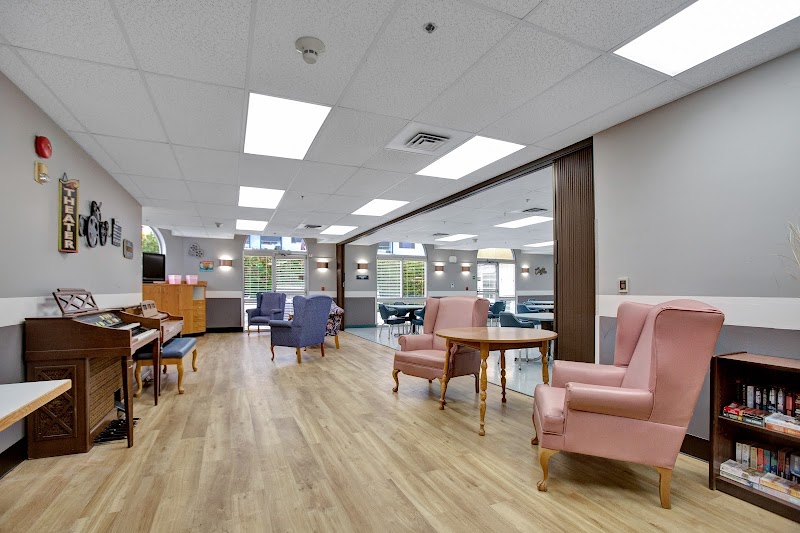
How is Colonial Vista Post-Acute & Rehab Center Staffed?

CMS rates COLONIAL VISTA POST-ACUTE & REHAB CENTER's staffing level at 4 out of 5 stars, which is above average compared to other nursing homes. Staff turnover is 43%, compared to the Washington average of 46%. This relatively stable workforce can support continuity of care.

What Have Inspectors Found at Colonial Vista Post-Acute & Rehab Center?

State health inspectors documented 28 deficiencies at COLONIAL VISTA POST-ACUTE & REHAB CENTER during 2022 to 2025. These included: 1 that caused actual resident harm and 27 with potential for harm. Deficiencies causing actual harm indicate documented cases where residents experienced negative health consequences.
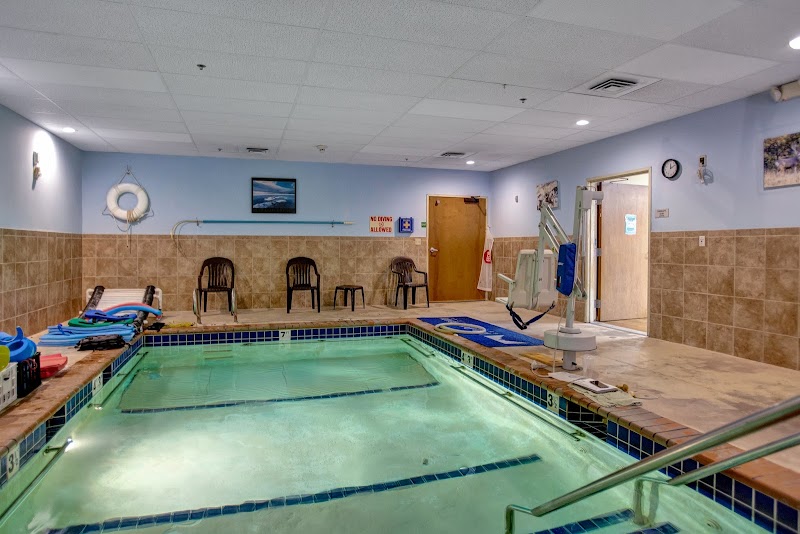
Who Owns and Operates Colonial Vista Post-Acute & Rehab Center?

COLONIAL VISTA POST-ACUTE & REHAB CENTER is owned by a for-profit company. For-profit facilities operate as businesses with obligations to shareholders or private owners. The facility is operated by PACS GROUP, a chain that manages multiple nursing homes. With 100 certified beds and approximately 69 residents (about 69% occupancy), it is a mid-sized facility located in WENATCHEE, Washington.
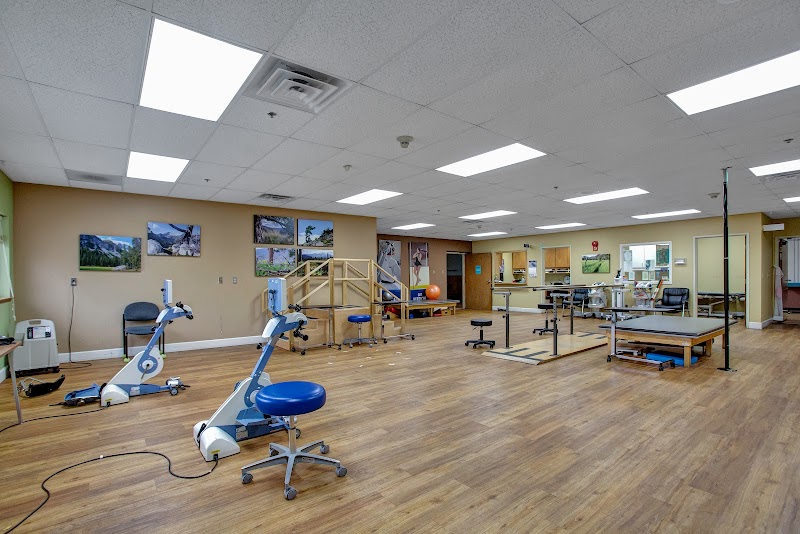
How Does Colonial Vista Post-Acute & Rehab Center Compare to Other Washington Nursing Homes?

Compared to the 100 nursing homes in Washington, COLONIAL VISTA POST-ACUTE & REHAB CENTER's overall rating (3 stars) is below the state average of 3.2, staff turnover (43%) is near the state average of 46%, and health inspection rating (3 stars) is at the national benchmark.

What Should Families Ask When Visiting Colonial Vista Post-Acute & Rehab Center?

Based on this facility's data, families visiting should ask: "Can I visit during a mealtime to observe dining assistance and food quality?" "How do you handle medical emergencies, and what is your hospital transfer rate?" "Can I speak with family members of current residents about their experience?"

Is Colonial Vista Post-Acute & Rehab Center Safe?

Based on CMS inspection data, COLONIAL VISTA POST-ACUTE & REHAB CENTER has a clean safety record: no substantiated abuse findings (meaning no confirmed cases of resident harm), no Immediate Jeopardy citations (the most serious violation level indicating risk of serious injury or death), and is not on the Special Focus Facility watch list (a federal program monitoring the lowest-performing 1% of nursing homes). The facility has a 3-star overall rating and ranks #100 of 100 nursing homes in Washington. While no facility is perfect, families should still ask about staff-to-resident ratios and recent inspection results during their visit.

Do Nurses at Colonial Vista Post-Acute & Rehab Center Stick Around?

COLONIAL VISTA POST-ACUTE & REHAB CENTER has a staff turnover rate of 43%, which is about average for Washington nursing homes (state average: 46%). Moderate turnover is common in nursing homes, but families should still ask about staff tenure and how the facility maintains care continuity when employees leave.

Was Colonial Vista Post-Acute & Rehab Center Ever Fined?

COLONIAL VISTA POST-ACUTE & REHAB CENTER has no federal fines on record. CMS issues fines when nursing homes fail to meet care standards or don't correct problems found during inspections. The absence of fines suggests the facility has either maintained compliance or corrected any issues before penalties were assessed. This is a positive indicator, though families should still review recent inspection reports for the full picture.

Is Colonial Vista Post-Acute & Rehab Center on Any Federal Watch List?

COLONIAL VISTA POST-ACUTE & REHAB CENTER is not on any federal watch list. The most significant is the Special Focus Facility (SFF) program, which identifies the bottom 1% of nursing homes nationally based on persistent, serious quality problems. Not being on this list means the facility has avoided the pattern of deficiencies that triggers enhanced federal oversight. This is a positive indicator, though families should still review the facility's inspection history directly.