LIFE CARE CENTER OF MOUNT VERNON
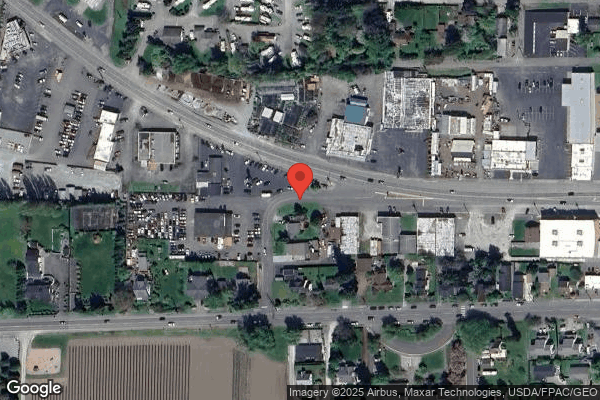
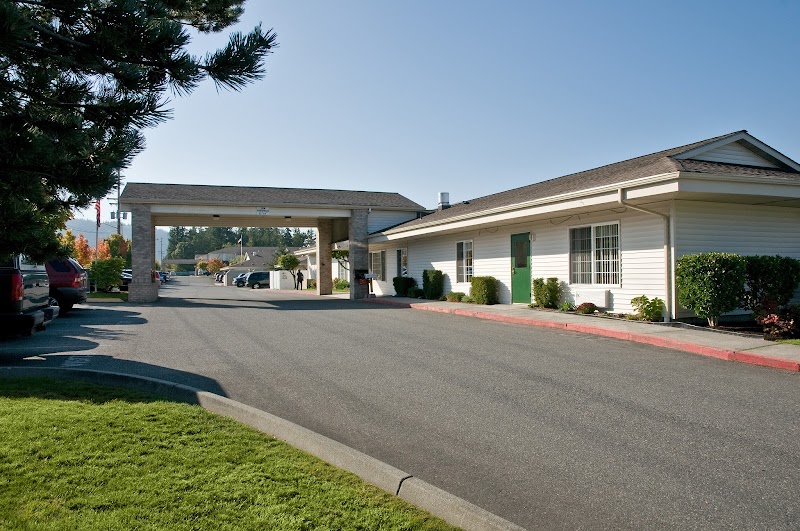
2120 EAST DIVISION STREET, MOUNT VERNON, WA 98273 (360) 424-4258
For profit - Corporation 121 Beds LIFE CARE CENTERS OF AMERICA Data: November 2025 1 Immediate Jeopardy citation
Trust Grade
0/100
#144 of 190 in WA
Last Inspection: April 2025

Within standard 12-15 month inspection cycle. Federal law requires annual inspections.

Overview

Life Care Center of Mount Vernon has received a Trust Grade of F, indicating significant concerns about the quality of care provided. Ranking #144 out of 190 facilities in Washington places them in the bottom half, and #3 out of 4 in Skagit County means there is only one local option that performs worse. The facility's situation is worsening, with issues increasing from 24 in 2024 to 36 in 2025. Staffing is a weak point, receiving only 2 out of 5 stars, and the turnover rate is concerning at 58%, which is higher than the state average. They have incurred $118,366 in fines, suggesting ongoing compliance problems, and although RN coverage is average, the facility has reported serious incidents, including a resident's unexpected death due to delayed assessment and failure to communicate critical changes in condition, as well as the development of avoidable pressure ulcers due to inadequate care. Overall, families should be cautious, as the facility shows both alarming weaknesses and limited strengths.

Trust Score
F
0/100
In Washington
#144/190
Bottom 25%
Safety Record
High Risk
Review needed
Inspections
Getting Worse
24 → 36 violations
Staff Stability
⚠ Watch
58% turnover. Above average. Higher turnover means staff may not know residents' routines.
Penalties
✓ Good
$118,366 in fines. Lower than most Washington facilities. Relatively clean record.
Skilled Nurses
✓ Good
Each resident gets 48 minutes of Registered Nurse (RN) attention daily — more than average for Washington. RNs are trained to catch health problems early.
Violations
⚠ Watch
93 deficiencies on record. Higher than average. Multiple issues found across inspections.
★★☆☆☆
2.0
Overall Rating
★★☆☆☆
2.0
Staff Levels
★★★★★
5.0
Care Quality
★☆☆☆☆
1.0
Inspection Score
Stable
2024: 24 issues
2025: 36 issues

The Good

  • 5-Star Quality Measures · Strong clinical quality outcomes
  • Full Sprinkler Coverage · Fire safety systems throughout facility
  • No fines on record

Facility shows strength in quality measures, fire safety.

The Bad

2-Star Overall Rating

Below Washington average (3.2)

Below average - review inspection findings carefully

Staff Turnover: 58%

12pts above Washington avg (46%)

Frequent staff changes - ask about care continuity

Federal Fines: $118,366

Well above median ($33,413)

Significant penalties indicating serious issues

Chain: LIFE CARE CENTERS OF AMERICA

Part of a multi-facility chain

Ask about local staffing decisions and management

Staff turnover is elevated (58%)

10 points above Washington average of 48%

The Ugly 93 deficiencies on record

1 life-threatening 5 actual harm
Sept 2025 2 deficiencies
CONCERN (E) 📢 Someone Reported This

A family member, employee, or ombudsman was alarmed enough to file a formal complaint

Potential for Harm - no one hurt, but risky conditions existed

Deficiency F0725 (Tag F0725)

Could have caused harm · This affected multiple residents

**NOTE- TERMS IN BRACKETS HAVE BEEN EDITED TO PROTECT CONFIDENTIALITY** Based on observation, interview, and record review, the facility failed to ensure sufficient nursing staff were available to res...

Read full inspector narrative →
**NOTE- TERMS IN BRACKETS HAVE BEEN EDITED TO PROTECT CONFIDENTIALITY** Based on observation, interview, and record review, the facility failed to ensure sufficient nursing staff were available to respond to call lights for 5 of 7 sampled residents (Residents 8, 9, 10, 13, and 4) and 1 of 2 family members (CC1- Resident 2's family member) reviewed for sufficient nurse staffing. This failure placed residents at risk for frustration, unmet care needs and a diminished quality of life. Findings included .<RESIDENT 8>In an interview and observation on 09/08/2025 at 10:10 AM, Resident 8 was observed in their room sitting in a wheelchair (w/c). When asked if there was enough staff here to meet their needs, Resident 8 stated it could take 30-40 minutes to have their call light responded too. Resident 8 stated they were aware their room was at the end of the hallway, but they had to wait a bit at times to get any help. When asked if there was a specific time when this occurred, they replied all the time.<RESIDENT 9>In an interview and observation on 09/08/2025 at 10:40 AM, Resident 9 was observed lying in bed watching television (TV). Resident 9 was asked if there was enough staff here to meet their needs, the resident stated, seems to be down staff. Resident 9 was not able to give a specific shift/time when this occurred. <RESIDENT 10>In an interview on 09/08/2025 at 11:16 AM, Resident 10 was lying in their bed watching TV. Resident 10 was asked if there was enough staff here to meet their needs, the resident stated No. Resident 10 stated there were times when they had to wait and wait. Resident 10 did not identify a specific shift or for how long they waited, just replied it is a long time. <RESIDENT 2>In an interview on 09/08/2025 at 2:00 PM, Collateral Contact 1 (CC1), Resident 2's family member, stated the facility was so short staffed. CC1 stated staff would place their loved one on the toilet and leave them there. CC1 stated they put the resident's call light on and eventually would have to go out into the hallway to ask for help. When asked if there was a specific time when this occurred, CC1 replied the short staffing happened all the time. CC1 stated it was worse around mealtimes and on the weekends.In an interview on 09/08/2025 at 11:43 AM, Staff Q, Nursing Assistant Certified (NAC), stated the facility was short staffed at times. Staff Q stated this occurred on all shifts.In an interview and observation on 09/08/2025 at 2:57 PM (the call light panel was viewed during the observation), Staff F, NAC, was asked if there was enough staff here to meet the resident's needs. Staff F stated there was not enough staff, and currently they were waiting on another NAC to transfer a resident who was a two person assist. Staff F stated there used to be seven NAC's working on this shift and now there were only five. Staff F stated this occurred about a week ago. In a continuous observation of the call lights conducted on 09/08/2025 starting at 2:57 PM to 3:34 PM. The call lights were observed illuminated, at the call light panel at the North nurse's station and the panel on the 200 hall. The following rooms call lights were observed on at 2:57 PM: 105, 102, 204, and 207:- room [ROOM NUMBER]'s call light was answered within 5 minutes.- At 3:12 PM, staff were observed to enter room [ROOM NUMBER], 15 minutes later. During this observation three unidentified NAC's and one unidentified Licensed Nurse (LN) were observed in the hallway entering other residents' rooms who did not have their call light on.- At 3:22 PM, Staff E, Licensed Practical Nurse (LPN), an unidentified LN were standing at the 200-hall medication cart. Resident 13 was observed sitting in their w/c and calling out (Resident 13 had difficult expressing themselves verbally) and their call light was on. An unidentified NAC joined the LNs at the medication cart. The unidentified LN and NAC then entered Resident 13's room at 3:23 PM, 26 minutes later.- At 3:24 PM, Resident 4 was observed in their room sitting in a w/c. When asked how the resident was doing today, Resident 4 stated they wanted to lie down and take a nap. The resident stated the staff had started to make their bed around lunch time and was waiting for the staff to return to finish making the bed and help them lie down for a nap. At 3:26 PM, Staff E entered the room to administer the resident's medications. As this surveyor left the room, it was conveyed to Staff E that Resident 4 wished to have their bed made and to take a nap. At 3:28 PM, Staff E came out of the room and stated this surveyor could continue talking to Resident 4. The resident's call light remained on. At 3:34 PM, Staff E was observed at the medication cart in the hallway. Staff E was informed the resident wished to have his bed made and to take a nap. Staff E stated they would take care of it. Resident 4's call light had been on for over 30 minutes.In an interview, date and time withheld to maintain staff member's anonymity, Anonymous Staff 1 (AS-1) was asked if there was enough staff here to meet the needs of the residents. AS-1 stated on some halls there were not enough staff to meet the residents' acuity needs. AS-1 identified quite a few of the residents residing on the 400 and part of the 300 halls require two people to assist with their needs. AS-1 stated, It is very hard to do a good job when you are caring for residents who require so much care and there are not enough people.In an interview on 09/11/2025 at 8:41 AM, Staff P, Staffing Coordinator, was asked about staffing. Staff P stated staffing was based on the facility census and using the Per Patient Day (PPD - in May 2024 Centers for Medicare and Medicaid Services established a new federal rule setting the minimum nursing home staffing standards that will be implemented of the next three to five years) staffing formula. Staff P stated with the current census (upon entrance on 09/08/2025 the census was 62) they were staffing six NAC's on the AM shift, five on the PM shift, and three on the NOC shift. When the census increased to 65, they would add one NAC on each shift. In a joint interview on 09/11/2025 at 9:53 AM, with Staff A, Administrator, and Staff B, Director of Nursing Services, Staff A stated the facility used the PPD staffing formula and the resident census to determine daily staffing needs. This is a repeat citation from survey dated 04/09/2025.Reference WAC 388-97-1080(1)
CONCERN (E) 📢 Someone Reported This

A family member, employee, or ombudsman was alarmed enough to file a formal complaint

Potential for Harm - no one hurt, but risky conditions existed

Medical Records (Tag F0842)

Could have caused harm · This affected multiple residents

**NOTE- TERMS IN BRACKETS HAVE BEEN EDITED TO PROTECT CONFIDENTIALITY** Based on interview and record review the facility failed to ensure a system in which resident's records were complete, accurate,...

Read full inspector narrative →
**NOTE- TERMS IN BRACKETS HAVE BEEN EDITED TO PROTECT CONFIDENTIALITY** Based on interview and record review the facility failed to ensure a system in which resident's records were complete, accurate, accessible and systematically organized for 3 of 6 sampled residents (Residents 4, 12 and 9) reviewed. This failure included inaccurate readmission and nursing assessment/documentation, and a hospice referral follow- up. These failures placed residents at risk for unmet needs, and inaccurate medical records. Findings included .<RESIDENT 4>Resident 4 was admitted to the facility on [DATE]. Review of Resident 4's physician order, dated 08/27/205, showed to obtain the resident's weight every day shift for two days.Review of Resident 4's August 2025 Medication Administration Record (MAR), showed the Licensed Nurse (LN) initialed on the MAR the resident's weight was obtained on 08/29/2025 and 08/30/2025. There was no weight documented on the MAR.Review of Resident 4's weights showed the resident was weighed on 08/27/2025 and 08/29/2025. There were no weights documented on 08/29/2025 and 08/30/2025.Review of Resident 4's at risk for weight fluctuation care plan, created on 09/08/2025, showed the resident was underweight and pursuing a hospice referral. An intervention included weighing the resident weekly for four weeks.Review of Resident 4's Advanced Registered Nurse Practitioner order, dated 09/04/2025, showed a referral for hospice services.Review of a Social Service Assistant (SSA) progress note, dated 09/04/2025, showed Staff H, SSA, talked to Resident 4 and their family member. The resident requested to be on hospice services.Review of Resident 4's medical record showed no additional progress notes indicating hospice services had been initiated.In an interview on 09/10/2025 at 2:34 PM, Staff E was asked Resident 4 had been referred to hospice services. Staff E stated the resident had gone back and forth on wanting hospice services. Staff E stated they had several conversations with the resident and currently did not want hospice services. Staff E stated this had not been documented. <RESIDENT 12>Resident 12 admitted to the facility on [DATE]. Review of Resident 12's care plan, dated 07/26/2025, showed the resident required cares in pairs. An intervention, dated 09/01/2025, was added to the care plan directing staff the resident wished for no male caregivers or nurses. Review of a facility investigation dated 09/02/2025, Resident 12 reported to staff that they felt Staff O, Registered Nurse (RN), administered something in the middle of the night. Resident 12 felt Staff O drugged them and they were fearful.In an interview and observation on 09/08/2025 at 1:40 PM, Resident 12 was lying in bed, and their family member was at their bedside. Resident 12 was asked about an incident with Staff O and if they had seen Staff O since the concern was made. The resident responded no they had not seen Staff O. Review of a progress note dated 09/04/2025, Staff O documented they assessed Resident 12.In an interview on 09/10/2025 at 3:02 PM, Staff B, RN/Director of Nursing Services, was asked about Staff O documenting an assessment in Resident 12's chart when the resident was to have no male caregivers or nurses. Staff B stated Staff O did not go into the room to assess the resident. When asked how Staff O documented they assessed the resident, Staff B stated Staff O had not and educated the staff member regarding this inaccurate documentation. <RESIDENT 9>Resident 9 readmitted to the facility on [DATE] after a short hospitalization. Review of Resident 9's Admission/readmission Collection Tool, effective date 09/01/2025, showed the residents admission assessment was not completed. For example, the residents were not assessed regarding their sensory, mood, behavior, oral/nutrition status, chewing/swallowing status, cardiovascular status, respiratory status, bowel and bladder status, the activities of daily living abilities, and other areas. In an interview on 09/11/2025 at 9:42 AM, Staff B viewed Resident 12's admission/readmission collection tool and acknowledge the assessment had not been completed timely and was missing information. This is a repeat citation from survey dated 03/12/2025, and 05/24/2024.Reference WAC: 388-97-1720 (1)(a)(i)(ii)
Jul 2025 3 deficiencies 1 Harm
SERIOUS (G) 📢 Someone Reported This

A family member, employee, or ombudsman was alarmed enough to file a formal complaint

Actual Harm - a resident was hurt due to facility failures

Pressure Ulcer Prevention (Tag F0686)

A resident was harmed · This affected 1 resident

**NOTE- TERMS IN BRACKETS HAVE BEEN EDITED TO PROTECT CONFIDENTIALITY** Based on interviews, observation, and record reviews, the facility failed to assess/monitor the position of a catheter tubing (a...

Read full inspector narrative →
**NOTE- TERMS IN BRACKETS HAVE BEEN EDITED TO PROTECT CONFIDENTIALITY** Based on interviews, observation, and record reviews, the facility failed to assess/monitor the position of a catheter tubing (a flexible tube inserted into the bladder to remove urine and attached to a drainage bag) during catheter care and bed mobility/positioning to prevent the occurrence of an avoidable pressure ulcer (PU) and provide ordered treatment for the PU for 1 of 3 residents (Resident 3) reviewed for PU's. Resident 3 experienced harm when they developed an avoidable Stage III PU (full-thickness skin loss of skin, which is when fat is visible in the ulcer and granulation tissue which is new connective tissues and microscopic blood vessels, and rolled wound edges are often present. Slough, nonviable tissue, and/or eschar, dead or devitalized tissue, may be visible. Undermining -destruction of tissue or ulceration extending under the skin edges and tunneling - a passageway of tissue destruction under the skin surface that has an opening at the skin level from the edge of the wound) which caused pain and discomfort.Findings included .The National Pressure Ulcer Advisory Panel (NPUAP) April 2016, showed a PU/Pressure Injury (PU/PI) definition and stages as:-A PU is localized damage to the skin and underlying soft tissue usually over a bony prominence or related to a medical or other device. The injury occurs because of intense and/or prolonged pressure or pressure in combination with shear (a combination of downward pressure and friction).-Medical device related PU/PIs were a result from the use of devices designed and applied for diagnostic or therapeutic purposes. The resultant pressure injury generally conforms to the pattern or shape of the device. The injury should be staged using the staging system.- Moisture Associated Skin Damage (MASD) was superficial skin damage caused by sustained exposure to moisture such as incontinence, wound exudate, or perspiration. Resident 3 admitted to the facility on [DATE] with diagnoses to morbid obesity and PU's to their buttocks and sacral region (at the base of the spine to the coccyx).Review of an in-service training dated 06/19/2025 showed Nursing Assistants (NA's) were educated on urinary catheter care and directed the staff to assess the securing device daily and change it when clinically indicated.Review of Resident 3's progress note, dated 07/18/2025 at 2:00 PM, showed a urinary catheter was placed by the Assistant Director of Nursing Services and the floor nurse. Resident 3 expressed pain in their groin and genital area.Review of Resident 3's wound care assessment provided by an outside wound healing company, dated 07/23/2025, showed a newly developed facility acquired 5.0 centimeter(cm) by 7.0 cm by 0.3 cm stage III PU. The documentation showed this was caused by a medical device (Foley). The resident had MSAD in multiple locations . due to incontinence and sweat. The treatment recommendations were to apply a wound gel and foam dressing every day and as needed.Review of Resident 3's progress note, dated 07/23/2025, showed the resident's catheter tubing was found under their right thigh, with no securement device, along with a stage III PU where the tubing was found.Review of Resident 3's current care plan had a focus problem of a Foley device related stage III PU on the right buttock. Interventions included: treatment as ordered by the physician and weekly skin checks (initiated on 11/29/2024), pressure redistribution mattress (initiated on 07/25/2025), and to ensure catheter securement device was in place and the Foley catheter was properly hung on the bed (initiated on 07/29/2025).Review of Resident 3's July 2025 Treatment Administration Record showed wound care to stage III right posterior thigh every day. The nurse was instructed to clean the wound, apply wound gel and a foam dressing. Wound care was to be completed every 24 hours and as needed.In an interview and observation on 07/31/2025 at 12:12 PM, Resident 3 was observed lying on their back with the head of the bed in the upright position. There was a catheter bag attached to the right-hand side of the bed. When asked by the surveyors if they had any skin breakdown, the resident stated they had skin breakdown all over their body. Resident 3 stated they recently had their indwelling catheter replaced and the staff had placed the tubing under their leg rather than over their leg. The resident was asked if the indwelling catheter tubing was now being secured. Resident 3 proceeded to remove their sheet and expose their right leg and part of their left thigh. The catheter tubing was observed to be secured in a removable device on their upper right thigh. The resident showed an open area on the right middle upper inner thigh between a skin fold. The wound was approximately five inches long, open, wound bed was pink, and the surrounding skin was intact. The resident showed the upper inner part of both thighs. There was a brief in place, the skin was red, irritated appearing, an open wound was observed on the right inner thigh located close to the bottom of, the skin was moist, and there was no evidence of an application of a cream/ointment (that was MASD related, not r/t to the PU). This area was hard to visualize completely without assistance from staff. The resident stated the area between their upper thighs caused them discomfort (MASD).In an observation on 07/31/2025, with Staff E, Registered Nurse, and Staff F, NA, Resident 3's skin was observed. Staff E and F assisted Resident 3 onto their left side with theirbuttocks and posterior (back side) right thigh exposed. Staff F positioned the resident to ensure their skin was able to be viewed. There was an open wound approximately five inches long on the posterior right upper thigh. The wound bed was pink with no signs of active drainage. The surrounding skin around the wound was red and blanchable. There was no evidence of cream, ointment or a dressing on her upper thighs or buttocks. The right and left buttock were bright red, irritated, with two quarter size shaped wounds that were not open but had fragile skin covering both wounds. The resident had multiple red non fluid filled bumps on scatted on their back and upper part of their thighs. When asked Staff E what this could be caused by, Staff E and the resident both stated they were not sure.In an interview on 07/30/2025 at 2:23 PM Staff B, Director of Nursing Services, stated Resident 3's PU were found by an outside wound care service, and the assistant director of nursing was investigating how they occurred. Staff B stated they had been off the three days after Resident 3's PU was found. No other information was provided. Reference WAC 388-97-1060 (3)(b)
CONCERN (D) 📢 Someone Reported This

A family member, employee, or ombudsman was alarmed enough to file a formal complaint

Potential for Harm - no one hurt, but risky conditions existed

Grievances (Tag F0585)

Could have caused harm · This affected 1 resident

**NOTE- TERMS IN BRACKETS HAVE BEEN EDITED TO PROTECT CONFIDENTIALITY** Based on interview and record review, the facility failed to timely initiate a grievance for 1 of 1 residents (Resident #2) revi...

Read full inspector narrative →
**NOTE- TERMS IN BRACKETS HAVE BEEN EDITED TO PROTECT CONFIDENTIALITY** Based on interview and record review, the facility failed to timely initiate a grievance for 1 of 1 residents (Resident #2) reviewed for grievances. This failure placed residents at risk for delayed resolution affecting their quality of life.Findings Included.Review of the facility policy titled, Grievance Program (concern and Comment) revised 01/07/2025 showed residents had the right to voice grievances and the facility must ensure the prompt resolution of all grievances and there would be a recordkeeping system. The executive director or designee oversaw the compliance of the grievance process.Resident 2 admitted to the facility on [DATE] with diagnoses to include kidney failure (a condition in which the kidneys lose the ability to remove waste and balance fluids in the body) and dependence on renal dialysis (filtration of the blood to remove waste).In an interview on 07/29/2025 at 4:15 PM, Resident 2 stated they had been transported by foot in their wheelchair by a facility staff member for their dialysis appointment which was scheduled for very early in the morning. Resident 2 stated the facility did not provide any vehicle transport and they were pushed in their wheelchair for approximately 30 minutes to the dialysis center. Resident 2 stated they complained of being cold, could not recall what they were wearing, and complained to both dialysis staff and the facility staff.In an interview on 07/30/2025 at 11:39 AM Staff A, Administrator, stated Resident 2 had admitted to the facility with a dialysis time the next morning of 6:30 AM the next day. Staff A stated they did not want the resident to miss their dialysis due to the importance of the treatment and had a facility staff push Resident 2 in their wheelchair to the dialysis center. Staff A stated they were aware that Resident 2 was frustrated, complained of being cold, and were wanting to be discharged from the facility. Staff A stated Resident 2 was dressed in warm clothing and had a blanket during the walk to dialysis. Staff A stated they did not complete a grievance form for Resident 2's complaints.In an interview on 07/30/2025 at 11:51 AM Staff C, Nursing Assistant Certified, stated they were dropped off at the dialysis center on a Saturday to push Resident 2 back to the facility in their wheelchair. Staff C stated another staff had taken Resident 2 in the morning. Staff C stated Resident 2 complained they were cold on the trip in the morning. Staff C stated Resident 2 was dressed in sweatpants, jacket and had a blanket. Staff C stated they didn't tell anyone about Resident 2's complaints, however it was known the resident was not pleased with the mode of transportation to the dialysis center.Review of the grievance log for July 2025, showed no logged grievance for Resident 2's complaints of lack of vehicle transportation and being cold during the trip to dialysis. Reference WAC 388-97-0460
CONCERN (D) 📢 Someone Reported This

A family member, employee, or ombudsman was alarmed enough to file a formal complaint

Potential for Harm - no one hurt, but risky conditions existed

Investigate Abuse (Tag F0610)

Could have caused harm · This affected 1 resident

**NOTE- TERMS IN BRACKETS HAVE BEEN EDITED TO PROTECT CONFIDENTIALITY** Based on observation, interview and record review the facility failed to conduct a thorough investigation of an injury of unknow...

Read full inspector narrative →
**NOTE- TERMS IN BRACKETS HAVE BEEN EDITED TO PROTECT CONFIDENTIALITY** Based on observation, interview and record review the facility failed to conduct a thorough investigation of an injury of unknown source for 1 of 3 residents (Resident 3) to rule out abuse and neglect. This failed practice placed residents at risk for potential unrecognized abuse or neglect.Findings included .Resident 3 admitted to the facility on [DATE] with diagnoses to include morbid obesity and pressure ulcers to their buttocks and sacral region (at the base of the spine to the coccyx).In a review of the facility's policy titled, Abuse-Conducting an Investigation reviewed 05/07/2025 showed when an incident or suspected incident of resident abuse and/or neglect was reported the administrator/designee will investigate and collect evidence of the occurrence. The investigation included conducting observations, interviews, and record review. The administrator would review the incident report for completeness.Reviewed the facility incident reporting log for July 2025 and requested incident report logged on 07/23/2025 at 10:00 AM for Resident 3.In an interview on 07/30/2025 at 11:39 AM Staff A, Administrator stated they were still completing the incident report related to a skin impairment for Resident 4, which occurred seven days prior. When asked the reason why it was not complete, Staff A stated the assistant director of nursing had left without completing it.Review of an incident report dated 07/23/2025, documented Resident 3 had two new, stage three pressure ulcers (full thickness tissue loss exposing the fatty tissue), to their right thigh near their buttock. Resident 3 had a urinary catheter (a flexible tube inserted into the bladder to remove urine) placed on 07/18/2025 and then on 07/23/2025 pressure ulcers were discovered.On 07/23/2023 Resident 3 was found to be lying on their catheter tubing, without a securement device (used to keep a catheter tube in place). The incident report failed to rule out abuse and/or neglect and contain interviews with other residents, audits of residents who used catheters, interviews with staff members who placed the catheter and had contact with Resident 3 during the four days prior to discovering the pressure ulcers.In an interview on 07/30/2025 at 2:23 PM Staff B, Director of Nursing stated they did not complete the incident report, and it was delegated to the assistant director of nursing to complete. Staff B stated they did not conduct interviews and did not participate in the completion of the incident report.In an interview on 07/31/2025 at 4:12 PM Staff A, Administrator, stated it was their responsibility to ensure the incident report was completed timely, accurately and thorough and they did not get all the pieces. Staff A stated there was a nurse manager over the weekend that could have helped with the completion; however, they were not utilized.Reference WAC 388-97-0640 (6)(a-b)
May 2025 3 deficiencies 1 IJ
CRITICAL (J) 📢 Someone Reported This

A family member, employee, or ombudsman was alarmed enough to file a formal complaint

Immediate Jeopardy (IJ) - the most serious Medicare violation

Quality of Care (Tag F0684)

Someone could have died · This affected 1 resident

**NOTE- TERMS IN BRACKETS HAVE BEEN EDITED TO PROTECT CONFIDENTIALITY** Based on interview and record review, the facility failed to provide a thorough assessment to timely recognize a significant cha...

Read full inspector narrative →
**NOTE- TERMS IN BRACKETS HAVE BEEN EDITED TO PROTECT CONFIDENTIALITY** Based on interview and record review, the facility failed to provide a thorough assessment to timely recognize a significant change in condition, take action to notify the medical provider as ordered, and to ensure required staff were certified in Cardiopulmonary Resuscitation (CPR) for 1 of 1 resident (Resident 1) reviewed for an unexpected death in the facility. Resident 1 experienced harm when they had a significant weight gain over a 24-hour period, swelling in their left arm, slurring of their speech, difficulty breathing and change in their mentation throughout the day of [DATE], until they were found unresponsive without a pulse when assessment and treatment were delayed for several hours that constituted an immediate jeopardy. An Immediate Jeopardy (IJ) was identified, and the facility was notified of the noncompliance on [DATE]. The IJ was determined to have begun on [DATE] when the facility failed to assess and timely act on a resident's significant change in condition. The IJ was removed on [DATE] when an on-site inspection validated the facility implemented their removal plan by terminating the staff that failed to assess, treat and timely notify the physician of Resident 1 regarding their significant change in condition. The facility audited the records of all residents for unidentified changes in condition, educated staff on what to do when a resident has a change in condition, and audited employee Cardiac Pulmonary Resuscitation (CPR) certifications to ensure there were an adequate number of staff working each shift with active CPR certifications. Findings Included . Review of the facility policy titled, Changes in Resident's Conditions or Status undated, documented the facility would utilize the Lippincott procedure-change in status, communication and long-term care. Review of the Lippincott procedures titled, Change in status, identifying and communicating, long-term care, revised [DATE], documented the health care team members were responsible for communicating a resident's change in condition from their baseline. A nursing assistant who noticed a change should immediately report them to a nurse and the nurse must communicate a resident's change in status, including assessment findings, to the practitioner. At a minimum, assessment should include: reviewing the resident's medical record, asking how the resident feels and what symptoms the resident has, obtaining vital signs, observing the resident's overall condition, including function and cognition, exploring the resident's complaints. Resident 1 was admitted to the facility on [DATE] with diagnoses to include congestive heart failure (CHF-condition in which the heart doesn't pump blood as well as it should) and cellulitis (bacterial skin infection) of the left and right lower limbs. Review of Resident 1's Minimum Data Set (MDS-an assessment tool) dated [DATE] showed they were administered the Brief Interview for Mental Status (BIMS-tool to screen for cognitive impairment) with a score of 13 out of 15 which indicated intact cognition. Review of Resident 1's electronic medical record (EMR) documented the resident had passed away unexpectedly in the facility on [DATE]. Review of the care conference record dated [DATE], Resident 1 was planning to return home after rehabilitation services at the facility. Review of Resident 1's care plan dated [DATE] showed they were at risk for rehospitalization due to their history of CHF with an intervention for staff to provide timely communication to the physician regarding any change of condition. The care plan also showed Resident 1 may experience weight fluctuations with interventions to include observation and report, as needed, dependent edema of legs and feet, weight gain unrelated to intake, disorientation, cool skin, and weakness and daily weight monitoring before breakfast. Review of Resident 1's EMR documented weights on [DATE] that showed they weighed 324.8 pounds (lbs.) and on [DATE] they weighed 343.5 lbs., a weight gain of 18.7 lbs. in a 24-hour period. Review of Resident 1's Medication Administration Record (MAR) dated [DATE], documented a physician order dated [DATE] to weigh the resident every day shift before breakfast and report a three lb. weight gain in a day or five lb. weight gain in a week to the physician. The weight documented on [DATE] was 324.8 lbs., and on [DATE] the resident's weight was 343.5 lbs. There was no documented weight for [DATE]. Resident 1's EMR showed no documentation of the physician being notified of Resident 1's significant weight gain. Review of Resident 1's MAR for [DATE], dated [DATE], showed a monitor for edema (swelling that occurs when fluid builds up in the body's tissues) and a documented 3+ (a moderate to severe degree of swelling). [DATE] MAR showed no refusals for Resident 1's Lasix (a medication to treat fluid retention). Review of Resident 1's EMR documented the last vitals for the resident were taken [DATE] at 8:49 AM. Review of Resident 1's progress notes dated [DATE] at 5:31 PM documented an entry by Staff B, Registered Nurse (RN), stating the resident had developed difficulty breathing at 3:20 PM and was assessed (oxygen saturations at 96 percent-a measurement of how much oxygen the blood is carrying), resident's oxygen was increased to four liters per minute(lpm-flow rate of oxygen administered to a patient) and provided a nebulizer treatment. The progress note showed Resident 1 stabilized for about an hour, then developed shortness of breath again and was given an inhaler (a device that delivers medication directly to the lungs). At 5:30 PM Resident 1's condition was noted to deteriorate and the NAC's reported they had no pulse. Emergency services were contacted and Resident 1 passed away at 6:18 PM at which time the Director of Nursing Services (DNS) was notified and the provider. Review of Resident 1's physician orders for [DATE], showed there was no order in the residents record to titrate (increase) the oxygen up to four liters a minute. Review of Resident 1's MARs dated [DATE], documented that the resident had an order for Ipratropium-Albuterol solution 3 milliliters (mL) inhaled orally via nebulizer two times daily AM and bedtime. The review showed that on [DATE], [DATE] and [DATE] at AM the resident refused this medication. Staff B documented in their progress note dated [DATE] at 5:31 PM that nebulizer was provided to the resident, however this is not reflected on the MAR. The [DATE] MAR also documented an order for continuous oxygen to be administered at two L per minute. There was no order or documentation the physician was notified with request to increase the resident's oxygen to four L as documented in Staff B's progress note on [DATE] at 5:31 PM. In an interview on [DATE] at 11:12 AM Anonymous Staff A, Nursing Assistant Certified (NAC), stated that on [DATE] they were the assigned NAC for Resident 1 and the resident was not acting themselves. The resident had slurred speech, a swollen left arm, and was not able to track with their eyes. Staff A stated they notified their nurse, Staff B, Registered Nurse (RN) at around 9:00 AM and again around 12:00 PM. Staff A stated they knew something was Really wrong with Resident 1 and they felt that Staff B was not paying attention. Staff A stated Staff B had not checked on Resident 1 during their shift. Staff A stated they did not notify any other nursing staff of Resident 1's change of condition. In an interview on [DATE] at 12:16 PM Staff B stated they were the assigned nurse to care for Resident 1 on [DATE] and had worked a double shift that day, 6:00 AM-10:00 PM. Staff B stated they recalled Resident 1 and their diagnoses of Chronic Obstructive Pulmonary Disease (COPD-a group of chronic lung diseases) and high blood pressure. Staff B stated they were notified at approximately 3:00 PM on [DATE] of Resident 1's change of condition by an NAC. Staff B stated they assessed Resident 1's lungs and they were clear, and the oxygen saturations were at 90%. Staff B stated Resident 1 used continuous oxygen therapy, had shortness of breath and provided breathing treatment by inhaler per physician orders. Staff B stated they directed the NAC to keep a close eye on Resident 1. Staff B stated they were called back to Resident 1's room between 4:00-5:00 PM and stated the resident had deteriorated and was pulseless. Staff B stated they checked Resident 1 for a pulse, found one, and provided them with an ordered nebulizer (physician ordered treatment which administers a fine mist of respiratory medication through a medical device to improve breathing) breathing treatment before exiting the room and calling 911. Staff B stated Resident 1 passed away in the facility after CPR was provided by the NAC's and emergency medical services (EMS). Staff B stated Resident 1 had refused medication for the last two shifts, which included Lasix and Albuterol. Staff B stated they had not called the physician during their shift regarding Resident 1 but had notified the Resident Care Manager and the Director of Nursing Services after they passed away. Staff B stated they did not perform CPR on Resident 1 and stated there were NAC's in the room to initiate it. When asked about Resident 1's swollen left arm, they stated Resident 1 their left arm was not new, and they had that for a while. In an interview on [DATE] at 2:00 PM Staff F, Administrator, stated Staff B did not have a current Cardiopulmonary Resuscitation certification. In an interview on [DATE] at 11:40 AM Anonymous Staff D, RN stated they had received a call from Staff B on [DATE] at approximately 6:19 PM. Staff D stated Staff B informed them that Resident 1 had passed away. Staff D stated Staff B was difficult to understand because they were scattered. Staff D stated Staff B reported Resident 1 had been having breathing problems and they had given them a nebulizer. Staff D stated Staff B then hung up. Staff D stated they worked the next day and attempted to gather information about what had happened with Resident 1 and the information they obtained was inconsistent with the information Staff B provided to them. Staff D stated several NAC's expressed concerns and were visibly emotional about the passing of Resident 1. Staff D stated Resident 1 was not expected to pass away and was anticipated to return home. Staff D stated they had expressed to Staff E, Director of Nursing Services (DNS), several times about the lack of clinical judgement they observed in Staff B. Staff D stated they were unaware of the weight gain Resident 1 had from 05/01-[DATE] and stated the physician should have been notified after reweighing them. In an interview on [DATE] at 1:14 PM Staff H, NAC stated they worked with another NAC on [DATE] and took care of Resident 1. Staff H stated they assisted with a brief change on [DATE] at approximately 12:00 PM. Staff H stated Resident 1 was incoherent, was not making sense and this was unusual for them. Staff H stated the other NAC stated they were going to notify the nurse of Resident 1's change in condition. Staff H stated they did not notify anyone of Resident 1's change in presentation. In an interview on [DATE] at 1:25 PM Staff I, Licensed Practical Nurse (LPN) stated they were not familiar with Resident 1's care. Staff I stated they were notified on [DATE] by an NAC that Staff B, RN needed help with Resident 1 who had no pulse. Staff I stated they went to the nurse's station and Staff B was on the phone with 911. Staff I stated they did not assess Resident 1 and their only involvement was when Staff B handed them the phone with 911 still on. Staff I stated if a resident had no pulse and was a full code, CPR should start immediately. On [DATE] at 11:38 AM a staff list of CPR certifications was requested and there were 86 nursing staff without certifications. Staff B and I did not have current CPR certifications, and there was no documentation as to when they had prior certification or when their certifications expired. Review of facility LPN and RN job descriptions, undated, showed LPN's and RN's must have a CPR certification upon hire and remain current during employment. In an interview on [DATE] at 2:02 PM Staff C, NAC stated on [DATE] at the start of their shift at approximately 3:30 PM they attempted to get Resident 1's weight. Staff C stated Resident 1 looked terrible and was trying to say something, but they could not understand them. Staff C stated they decided to hold off on getting the resident's weight and notified the nurse. Staff C described Resident 1 as not looking well and being pale in color. Staff C stated when they notified Staff B of the resident's changes Staff B stated Resident 1 just needed their inhaler. Staff C stated they had to ask Staff B to come into Resident 1's room and assess them and Staff B did not take their concerns as urgent or serious. Staff C stated they checked on Resident 1 again at approximately 4:00 PM and they were not speaking anymore, their breathing was very slow, and their skin was waxy and yellow in color. Staff C stated they directed the NAC with them to get Staff B and Staff B returned with nebulizer treatment. Staff C stated they told Staff B something was wrong, but they proceeded with placing a nebulizer mask on the resident. Staff C described Resident 1 as having their eyes rolled back in their head, their tongue was sticking out of their mouth, and they did not appear to be breathing when Staff B placed the nebulizer mask on them. Staff C stated they told Staff B to call 911multiple times and finally told them if they did not call for EMS, they would. Staff C stated when Staff B returned to the room, another aide had asked Staff B if they should start CPR and Staff B did not respond and left the room again. Staff C stated Resident 1 was not expected to pass away, they were planning on returning home. Staff C stated they were interviewed by Staff G on the evening of [DATE] over the telephone regarding this incident. Review of the Fire Department EMS patient care record for Resident 1, dated [DATE] at 5:47 PM showed the staff present stated they had completed seven rounds of CPR and Resident 1 had been seen 40 minutes prior and had complained of shortness of breath. Resident 1 was documented to be unresponsive, pulseless, was cool to touch and pale in color, and their lower extremities revealed cellulitis (serious bacterial infection) and pitting edema (a type of swelling where a pit remains after applying pressure indicating fluid buildup in the tissues). In an interview on [DATE] at 4:50 PM Staff G stated Resident 1 had respiratory failure and then got a respiratory illness. Staff G stated NACs assisted Resident 1 with all their activities of daily living. Staff G stated they did not know Resident 1's cause of death and they were notified after they had passed away. Staff G stated Resident 1 did not have a history of refusing care or treatments and their death was not expected. Staff G stated they were unaware of any weight changes for Resident 1, changes in weight were to be reported to the provider, and the provider should have been notified of the resident's weight increase from 05/01-[DATE]. In an interview on [DATE] at 1:00 PM Staff F, Administrator stated Resident 1 was a full code status. Staff F stated the facility staff had performed CPR and used the defibrillator on [DATE] and had no concerns. Staff F stated information had come to them about Resident 1 after they passed away. Staff F stated they did not complete an interview with Staff B and relied upon their progress note in Resident 1's EMR. Staff F stated they did not think Staff B notified the doctor, did not contact them, and lacked communication with the proper individuals regarding Resident 1's change of condition. Staff F stated they did not know why the NACs did not seek out another nurse after informing Staff B of Resident 1's change of condition and getting no response. Cross reference F600 Reference WAC 388-97-1060(1)
SERIOUS (G) 📢 Someone Reported This

A family member, employee, or ombudsman was alarmed enough to file a formal complaint

Actual Harm - a resident was hurt due to facility failures

Free from Abuse/Neglect (Tag F0600)

A resident was harmed · This affected 1 resident

**NOTE- TERMS IN BRACKETS HAVE BEEN EDITED TO PROTECT CONFIDENTIALITY** Based on interview and record review the facility failed to protect the resident's right to be free from neglect when they faile...

Read full inspector narrative →
**NOTE- TERMS IN BRACKETS HAVE BEEN EDITED TO PROTECT CONFIDENTIALITY** Based on interview and record review the facility failed to protect the resident's right to be free from neglect when they failed to conduct a thorough assessment, communicate a change in condition timely to the physician and notify other nursing staff to respond correctly to a medical emergency for 1 of 1 resident (Resident 1) reviewed for abuse and neglect. Resident 1 experienced harm when they had a change in condition, several caregivers were aware of the change from the resident's baseline, which worsened when nursing staff failed to take timely action; the resident became unresponsive, required cardiopulmonary resuscitation (CPR), and an unexpected death occurred. These failures placed all residents at risk of unmet care needs and potential neglect. Findings Included . Review of the facility policy titled, Abuse Identification, reviewed [DATE] documented the facility would identify abuse, neglect, and exploitation of residents and misappropriation of resident property. This includes but is not limited to identifying and understanding the different types of abuse and possible indicators. The facility defined deprivation by staff of goods or services as abuse, which included failure to provide goods and services necessary to attain or maintain physical, mental, and psychosocial well-being. Staff had the knowledge and ability to provide care and services, but chose not to do it, or acknowledge the request for assistance from a resident(s), which result in care deficits to a resident(s). Resident 1 admitted to the facility on [DATE] with diagnoses to include congestive heart failure (condition in which the heart doesn't pump blood as well as it should) and cellulitis (bacterial skin infection) of the left and right lower limbs. According to the admission Minimum Data Set (MDS- an assessment tool) assessment dated [DATE], the resident was cognitively intact. Review of Resident 1's Electronic Medical Record (EMR) documented weights on [DATE] that showed they weighed 324.8 pounds (lbs.) and on [DATE] they weighed 343.5 pounds (lbs.), a weight gain of 18.7 lbs. in a 24-hour period. Further review showed no documentation the physician had been notified of the resident's significant weight increase. Review of Resident 1's Medication Administration Record (MAR) dated [DATE], showed a physician order dated [DATE] for daily weights before breakfast and staff were to report a three-pound weight gain in a day or five-pound weight gain in a week to the physician. The weight documented on [DATE] was 324.8 lbs., and on [DATE] the weight was 343.5 lbs. There were no documented weights for [DATE]. Review of Resident 1's MAR for [DATE], dated [DATE], showed a monitor for edema (swelling that occurs when fluid builds up in the body's tissues) and a documented 3 + (a moderate to severe degree of swelling). [DATE] MAR showed no refusals for Resident 1's Lasix (a medication to treat fluid retention). Review of Resident 1's progress notes dated [DATE] at 5:31 PM showed an entry by Staff B, Registered Nurse (RN), that the resident had developed difficulty breathing at 3:20 PM and was assessed (oxygen saturations at 96 percent-a measurement of how much oxygen the blood is carrying), resident's oxygen was increased to four liters (L) per minute (lpm-flow rate of oxygen administered to a patient) and provided a nebulizer treatment. The progress note showed Resident 1 stabilized for about an hour, then developed shortness of breath again and given an inhaler (a device that delivers medication directly to the lungs). At 5:30 PM Resident 1 condition was noted to deteriorate and the NAC's reported they had no pulse. Emergency services were contacted and Resident 1 passed away at 6:18 PM at which time the Director of Nursing Services (DNS) was notified and the provider. No other interventions and assessments were found to be completed with Resident 1. There was no documentation found in the EMR that the resident's physician or any other medical professional had been notified of the change in condition. Review of Resident 1's MARs dated [DATE], documented that the resident had an order for Ipratropium-Albuterol solution 3 milliliters (mL) inhaled orally via nebulizer two times daily AM and bedtime. The review showed that on [DATE], [DATE] and [DATE] at AM the resident refused this medication. Staff B documented in their progress note dated [DATE] at 5:31 PM that nebulizer was provided to the resident, however this is not reflected on the MAR. The [DATE] MAR also documented an order for continuous oxygen to be administered at two L per minute. There was no order or documentation the physician was notified with request to increase the resident's oxygen to four L as documented in Staff B's progress note on [DATE] at 5:31 PM. In an interview on [DATE] at 11:12 AM Staff A, Nursing Assistant Certified (NAC), stated Resident 1 was not acting themselves, presented with slurred speech, a swollen left arm, and was not able to track with their eyes. Staff A stated they notified their nurse, Staff B at around 9 AM and again around 12 PM. Staff A stated they knew something was Really wrong with Resident 1 and Staff B was not paying attention. Staff A stated Staff B had not checked on Resident 1 during their shift. Staff A stated they did not notify any other nursing staff of Resident 1's change of condition. In an interview on [DATE] at 12:16 PM Staff B stated they were the assigned nurse to care for Resident 1 on [DATE] and had worked a double shift that day, 6:00 AM-10:00 PM. Staff B stated they recalled Resident 1 and their diagnoses of Chronic Obstructive Pulmonary Disease (COPD-a group of chronic lung diseases) and high blood pressure. Staff B stated they were notified at approximately 3:00 PM on [DATE] of Resident 1's change of condition by an NAC. Staff B stated they assessed Resident 1's lungs and they were clear, and they oxygen saturations were at 90%. Staff B stated Resident 1 used continuous oxygen therapy, had shortness of breath and provided breathing treatment by inhaler per physician orders. Staff B stated they directed the NAC to keep a close eye on Resident 1. Staff B stated they were called back to Resident 1's room between 4-5 PM and stated they had deteriorated and was pulseless. Staff B stated they checked Resident 1 for a pulse, found one, and provided them with an ordered nebulizer (physician ordered treatment which administers a fine mist of respiratory medication through a medical device to improve breathing) breathing treatment before exiting the room and calling 911. Staff B stated Resident 1 passed away in the facility after CPR was provided by the NAC's and emergency medical services (EMS). Staff B stated Resident 1 had refused medication for the last two shifts, which included Lasix and Albuterol. Staff B stated they had not called the physician during their shift regarding Resident 1 but had notified the Resident Care Manager and the Director of Nursing Services after they passed away. When asked about swelling in Resident 1's limb, Staff B stated Resident 1 had swelling in their left arm for a while. In an interview on [DATE] at 2:02 PM Staff C, NAC stated on [DATE] at the start of their shift at approximately 3:30 PM they attempted to get Resident 1's weight. Staff C stated Resident 1 looked terrible and was trying to say something, but they could not understand them. Staff C stated they had to demand that Staff B go to Resident 1's room to assess them. Staff C stated an inhaler was administered to Resident 1 by Staff B. Staff C stated when they checked on Resident 1 again at approximately 4:00 PM, their color and breathing pattern had changed. Staff C stated they had to demand Staff B contact 911 or they were going to. Staff C stated they initiated CPR with other NAC's. Staff C stated Staff B did not assist and did not provide direction to the NAC's present. Staff C stated Resident 1's vitals were taken by the NAC's and no pulse was found. Staff C stated after Resident 1 passed away they spoke with Staff G Director of Nursing Services (DNS), by telephone and expressed concerns about Staff B's lack of urgency, assessment, and assistance during Resident 1's change of condition. In an interview on [DATE] at 4:50 PM Staff G stated Resident 1 had respiratory failure and then got a respiratory illness. Staff G stated NACs assisted Resident 1 with all their activities of daily living. Staff G stated Resident 1 did not have a history of refusing care or treatments and their death was not expected. Staff G stated they were unaware of any weight changes for Resident 1, changes in weight were to be reported to the provider, and the provider should have been notified of their weight increase from 05/01-[DATE]. Staff G stated they completed an investigation related to Resident 1's death, under risk management, did not make a report to the state hotline, and the death had not been reported to the coroner's office. Staff G stated they had provided all the documents related to their investigation, however when asked about statements from staff they stated they would need to find those. When asked why the statements were not part of their investigation, Staff G stated they guessed they should have been. Review of the incident report dated [DATE] at 6:18 PM, documented CPR was started on Resident 1 by the facility licensed nurse in addition to defibrillator use. EMS services arrived and were unable to resuscitate Resident 1. The notes section of the incident report showed Resident 1 passed away unexpectedly in the facility potentially related to a respiratory illness and other comorbid conditions. There were no other documents, statements or interviews attached, referenced or included with the incident investigation report. The investigation did not document that the physician had been notified of Resident 1's unexpected death. Review of the written statement by Staff J, NAC, dated [DATE] with an event time of 5:40 PM documented they were serving dinner when they were notified Resident 1 was unresponsive and came to assist. Staff J, according to their statement, attempted to get Resident 1's vitals and could not get an oxygen reading, while Staff B returned to the room with a nebulizer treatment. Staff J indicated they were directed to start CPR by a nurse from another unit. Staff J wrote that Staff B was not in the room until EMS arrived. Review of the written statement by Staff K, NAC dated [DATE] at 5:40 PM showed they had asked the assistance of Staff C to obtain a weight for Resident 1 earlier in the day. Resident 1 was described as responsive but nonsensical in their speech. Staff K indicated later vital signs were taken of Resident 1 and there was no pulse and no oxygen. Staff K wrote that the other aides had to push Staff B to contact 911. In an interview on [DATE] at 12:45 PM Anonymous Staff E, LPN stated Staff C, NAC had come to them visibly upset over the passing of Resident 1. Staff E stated it was reported to them that Staff B had been told several times about Resident 1's deteriorating condition and they did not address it. Staff E stated they attempted to discuss the staff's concerns regarding Staff B with Staff G and they were told they needed to keep their mouth shut. In an interview on [DATE] at 1:00 PM Staff F, Administrator stated Resident 1 was a full code status. Staff F stated the facility staff had performed CPR and used the defibrillator on [DATE] and had no concerns. Staff F stated information had come to them about Resident 1 after they passed away. Staff F stated they did not complete an interview with Staff B and relied upon their progress note in Resident 1's EMR. Staff F stated they did not think Staff B notified the doctor, did not contact them, and lacked communication with the proper individuals regarding Resident 1's change of condition. Staff F stated they did not know why the NACs did not seek out another nurse after informing Staff B of Resident 1's change of condition and getting no response. Staff F stated Staff B had been terminated. Cross Reference F684 Refer to WAC 388-97-0640(1)(3)(c)
CONCERN (D) 📢 Someone Reported This

A family member, employee, or ombudsman was alarmed enough to file a formal complaint

Potential for Harm - no one hurt, but risky conditions existed

Report Alleged Abuse (Tag F0609)

Could have caused harm · This affected 1 resident

**NOTE- TERMS IN BRACKETS HAVE BEEN EDITED TO PROTECT CONFIDENTIALITY** Based on interview and record review, the facility failed to identify and report to the State Hotline an unexpected death for 1 ...

Read full inspector narrative →
**NOTE- TERMS IN BRACKETS HAVE BEEN EDITED TO PROTECT CONFIDENTIALITY** Based on interview and record review, the facility failed to identify and report to the State Hotline an unexpected death for 1 of 1 resident (Resident 1), reviewed for unexpected death in the facility. The failure to report an unexpected death prevented the facility from identifying the occurrence of abuse or neglect and placed other residents at risk for harm and decreased quality of life. Findings included . According to Nursing Home Guidelines (Purple Book), Sixth Edition, dated [DATE] - Reporting Guidelines to be followed for nursing homes on reporting requirements Appendix D, page 27 showed that unexpected deaths need to be: 1. Reported to the Department of Social Health Services (DSHS) State Hotline 2. Logged on the DSHS reporting log within five days 3. Reported to the Law Enforcement (notify the police or call 911) 4. Call or notification of the Coroner or Medical Examiner Resident 1 admitted to the facility on [DATE] with diagnoses to include congestive heart failure (condition in which the heart doesn't pump blood as well as it should) and cellulitis (bacterial skin infection) of the left and right lower limbs. According to the admission Minimum Data Set (MDS- an assessment tool) assessment dated [DATE], the resident was cognitively intact. Review of Resident 1's Electronic Medical Record (EMR) showed they passed away unexpectedly in the facility on [DATE]. Review of the facility incident reporting log dated [DATE] showed no logged entries related to Resident 1's death. In an interview on [DATE] at 11:12 AM Staff A, Nursing Assistant Certified (NAC), stated Resident 1 was not acting themselves, presented with slurred speech, a swollen left arm, and was not able to track with their eyes. Staff A stated they notified their nurse, Staff B at around 9:00 AM and again around 12:00 PM. Staff A stated they knew something was Really wrong with Resident 1 and Staff B was not paying attention. Staff A stated Staff B had not checked on Resident 1 during their shift. Staff A stated they did not notify any other nursing staff of Resident 1's change of condition or of Staff B's lack of assessing the resident. In an interview on [DATE] at 11:40 AM Anonymous Staff D, RN stated they had received a call from Staff B on [DATE] at approximately 6:19 PM. Staff D stated Staff B informed them that Resident 1 had passed away. Staff D stated they worked the next day and attempted to gather information about what had happened with Resident 1 and the information they obtained was inconsistent with the information Staff B provided to them. Staff D stated several NAC's expressed concerns and were visibly emotional about the passing of Resident 1. Staff D stated Resident 1 was not expected to pass away and was anticipated to return home. Staff D stated they had expressed to Staff E, Director of Nursing Services (DNS), several times about the lack of clinical judgement they observed in Staff B. Staff D stated they had thought about making a report to the state agency but hadn't yet. In an interview on [DATE] at 2:02 PM Staff C, NAC stated on [DATE] at the start of their shift at approximately 3:30 PM they attempted to get Resident 1's weight. Staff C stated Resident 1 looked terrible and was trying to say something, but they could not understand them. Staff C stated they had to demand that Staff B go to Resident 1's room to assess them. Staff C stated they had to demand Staff B contact 911 or they were going to. Staff C stated after Resident 1 passed away they spoke with Staff G Director of Nursing Services (DNS), by telephone and expressed concerns about Staff B's lack of urgency, assessment, and assistance during Resident 1's change of condition. Review of the written statement by Staff K, NAC dated [DATE] at 5:40 PM showed they had asked the assistance of Staff C to obtain a weight for Resident 1 earlier in the day. Resident 1 was described as responsive but nonsensical in their speech. Staff K indicated later vital signs were taken of Resident 1 and there was no pulse and no oxygen. Staff K wrote that the other aides had to push Staff B to contact 911. In an interview on [DATE] at 12:45 PM Anonymous Staff E, LPN stated Staff C, NAC had come to them visibly upset over the passing of Resident 1. Staff E stated it was reported to them that Staff B had been told several times about Resident 1's deteriorating condition and they did not address it. Staff E stated they attempted to discuss the staff's concerns regarding Staff B with Staff G and they were told they needed to keep their mouth shut. In an interview on [DATE] at 4:50 PM Staff G, stated they were kind of familiar with Resident 1 and their care. Staff G stated Resident 1 had respiratory failure and then got a respiratory illness. Staff G stated NACs assisted Resident 1 with all their activities of daily living. Staff G stated they did not know Resident 1's cause of death and they were notified after they had passed away. Staff G stated they completed an incident report, risk management, did not put the statements from staff with it, and had not known they needed to notify the state reporting agency. Staff G stated they had not reported the death the coroner's office or law enforcement. When asked if they had consulted the Purple Book for guidance, Staff G stated they had not. In an interview on [DATE] at 1:00 PM Staff F, Administrator stated Resident 1 was a full code status. Staff F stated the facility staff had performed CPR and used the defibrillator on [DATE] and had no concerns. Staff F stated they did not complete an interview with Staff B and no further investigation was completed. Staff F stated the coroner's office was not notified. Reference WAC 388-97-0640(2)(b)(5)(a)
Apr 2025 27 deficiencies
CONCERN (D)

Potential for Harm - no one hurt, but risky conditions existed

Deficiency F0558 (Tag F0558)

Could have caused harm · This affected 1 resident

**NOTE- TERMS IN BRACKETS HAVE BEEN EDITED TO PROTECT CONFIDENTIALITY** Based on observation, interview, and record review, the facility failed to ensure the physical environment accommodated resident...

Read full inspector narrative →
**NOTE- TERMS IN BRACKETS HAVE BEEN EDITED TO PROTECT CONFIDENTIALITY** Based on observation, interview, and record review, the facility failed to ensure the physical environment accommodated resident needs for 2 of 2 residents (Residents 4, and 15) reviewed for accommodations of needs. This failure placed residents at risk for falls and unmet care needs. Findings included . <Resident 4> Resident 4 was a long-term resident of the facility with diagnoses that included traumatic brain injury (TBI) (an injury to the brain caused by an external force) and a voice and resonance disorder (functional speech deficits). Review of Resident 4's Care Plan on 04/03/2025 documented the following: - Resident 4 had a soft-touch pad call light. - Staff were to ensure the call light was within reach and respond promptly to all requests for assistance. During an observation on 04/03/2025 at 2:03 PM, Resident 4's call light was a push button style call light. Resident 4 pushed the call light a few times, and it was observed not to turn on. An unknown staff member entered the room, checked to see if the call light was working, and pushed the button; the call light worked. During an observation on 04/07/25 at 9:01 AM, Resident 4 was up in their wheelchair, and the push-button call light was out of reach. During an observation on 04/07/25 at 9:39 AM, Resident 4 was in a wheelchair, and the push-button call light was out of reach. During an observation on 04/07/25 at 1:26 PM, Resident 4 was up in their wheelchair in the room, and the push-button call light was out of reach. During an observation on 04/08/25 at 9:06 AM, Resident 4 was up in thier wheelchair in the room, and the push-button call light was out of reach. <Resident 15> Resident 15 was a long-term resident of the facility. According to the Minimum Data Set (MDS- an assessment tool) assessment dated [DATE], Resident 15 was severely cognitively impaired and had delusions. Review of Resident 15's Care Plan on 04/04/2025 documented that the call light should be within reach of the resident. During an observation on 04/04/2025 at 1:58 PM, Resident 15 was lying in bed, with the call light noted on the floor out of their reach. During an observation on 04/04/2025 at 2:48 PM, Resident 15 was in lying bed, with the call light noted to be on the floor out of their reach. During multiple observations on 04/08/2025 at 9:10 AM, 10:20 AM, 11:35 AM, and 12:34 PM, Resident 15 was lying in bed, with the call light noted to be on the floor out of their reach. During an interview on 04/08/2025 at 1:05 PM, Staff C, Regional Director of Clinical Services stated that staff should ensure call lights were within resident reach at all times. Reference WAC 388-97-0860 (2)
CONCERN (D)

Potential for Harm - no one hurt, but risky conditions existed

PASARR Coordination (Tag F0644)

Could have caused harm · This affected 1 resident

**NOTE- TERMS IN BRACKETS HAVE BEEN EDITED TO PROTECT CONFIDENTIALITY** Based on interview and record review, the facility failed to ensure the recommendation of the Level II Preadmission Screen and R...

Read full inspector narrative →
**NOTE- TERMS IN BRACKETS HAVE BEEN EDITED TO PROTECT CONFIDENTIALITY** Based on interview and record review, the facility failed to ensure the recommendation of the Level II Preadmission Screen and Resident Review (PASARR) evaluation were incorporated into the plan of care upon receiving recommendations for 1 of 6 sampled residents (Resident 24) reviewed for coordination of PASARR and assessments. This failure placed residents at risk of not receiving the necessary mental health services and a diminished quality of life. Findings included . Review of the facility policy titled, Pre-admission Screening and Resident Review (PASARR), reviewed 09/26/2024 the Level II PASARR determination and evaluation report specify services to be provided by the facility .the recommendations are then incorporated into the person-centered care plan. Resident 24 admitted to the facility on [DATE] with diagnoses that included bipolar disorder (mental illness with extreme mood shifts), anxiety and post-traumatic stress disorder (PTSD). The admission Minimum Data Set assessment dated [DATE], the resident was cognitively intact. In a review of Resident 24's Level 1 PASARR dated, 12/13/2024 the resident qualified for a Level II screening for a serious mental health condition(s). In a review of Resident 24's Level II psychiatric evaluation summary dated 12/16/2024, they concluded that the resident qualified for mental health services. The evaluation had recommendations for the facility as follows: - key environmental focus, the resident had a fear of following, ensure environment was safe, - Staff approaches, the resident had history of past trauma with males, recommended female care for intimate care activities, - behavioral approaches, history of suicidal issues needs to have close relationship with the social service department. In an interview on 04/02/2025 at 2:25 PM, Resident 24 stated they had some concerns they were worried about and had been told they had an assigned social worker at the facility, but they were not sure who that was. In a review of Resident 24's care plan on 04/02/2025, showed no area of focus for the resident's history of PTSD, male experience trauma, staff approaches, environmental focus areas, or behavioral approaches. No record of the Level II evaluation was incorporated into the plan of care for Resident 24. In an interview on 04/08/2025 at 12:02 PM, Staff G, Social Services stated they had been working at the facility for about six months. Staff G stated the expectation was when a resident had a Level II evaluation completed the recommendations would be incorporated into the care plan. Staff G was not aware of any recommendations that had been made in Resident 24's Level II psychiatric evaluation. In an interview on 04/08/2025 at 3:21 PM, Staff C, Regional Director of Clinical Services stated the expectation was that the interdisciplinary team (IDT) would be responsible for updating and revising the care plan. Staff C was not aware that Resident 24's care plan did not address any of the recommendations made in the resident's psychiatric evaluation, and stated they should have been incorporated into the care plan. In an interview on 04/09/2025 at 10:24 AM, Staff G, Social Service Director stated they were responsible for reviewing PASRR's for accuracy. Staff G stated they had been notified about the inaccurate PASRR's for Resident 24. Staff G stated they had a PASRR binder and tried to follow up on PASRR issues. Refer to WAC 388-97-1975(8)(10)
CONCERN (D)

Potential for Harm - no one hurt, but risky conditions existed

Deficiency F0645 (Tag F0645)

Could have caused harm · This affected 1 resident

**NOTE- TERMS IN BRACKETS HAVE BEEN EDITED TO PROTECT CONFIDENTIALITY** Based on interview and record review, the facility failed to ensure 3 of 6 residents (Residents 15, 46, and 114) reviewed for pr...

Read full inspector narrative →
**NOTE- TERMS IN BRACKETS HAVE BEEN EDITED TO PROTECT CONFIDENTIALITY** Based on interview and record review, the facility failed to ensure 3 of 6 residents (Residents 15, 46, and 114) reviewed for pre-admission screening and resident review (PASRR), received the required screening for necessary services. This failure placed the residents at risk for unidentified mental health needs. Findings included . Review of the facility policy titled, Pre-admission Screening and Resident Review, reviewed 09/26/2024 documented the facility will ensure that potential admissions are be screened for possible serious mental disorders or intellectual disabilities and related conditions. This initial pre-screening is referred to as PASRR Level I and is completed prior to admission to a nursing facility. A negative Level I screen permits admission to proceed and ends the PASRR process unless a possible serious mental disorder or intellectual disability arises later. A positive Level I screen necessitates an in-depth evaluation of the individual by the state designated authority, known as PASARR Level II, which must be conducted prior to admission to a nursing facility. <RESIDENT 46> Resident 46 admitted on [DATE] with diagnoses to include anxiety disorder, major depressive disorder and Post Traumatic Stress Disorder. Resident 46 was prescribed anti-depressants, anti-anxiety and anti-psychotic medications on admission. Review of the resident's Level I PASRR dated 01/29/2025, showed the hospital had provided an exempted hospital discharge as Resident 46 was likely to require fewer than 30 days of nursing facility services. Review of the clinical record showed there were no other PASRR evaluations after 01/29/2025. In an interview on 04/04/2025 at 2:40 PM, Staff C Regional Director of Clinical Services (RDCS) stated there were no other PASRR evaluations for Resident 46 and they had notified Staff G, Social Service Director (SSD) that the 30-day exemption box was checked, and they needed to complete a new PASRR. <RESIDENT 114> Resident114 was admitted to the facility on [DATE] with diagnoses to include anxiety disorder, and depression. The resident was taking anti-anxiety and anti-depressant medications on admit. Review of the resident's Level I PASRR dated 03/11/2025, revealed it did not document the resident's diagnosis of mood disorder, anxiety disorder therefore a Level II PASRR evaluation was not requested. Review of the clinical record showed there were no other PASRR evaluations after 03/11/2025. <RESIDENT 15> Resident 15 was a long-term resident of the facility. According to the MDS dated [DATE], the resident severely cognitively impaired and had delusions. Review of document named 'care plan' dated 08/21/2025: Resident 15 had a diagnosis of bipolar dementia (which causes shifts in a person's mood, energy, and behavior with various symptoms of cognitive decline) and was taking antipsychotic medication. Review of document named 'Level I PASRR' dated 06/29/2024, section IV. Service Needs and Assessor Data, the box for: Level II evaluation referral required was checked. Review of document named 'Level 1 PASRR' dated 05/02/2023, section IV. Service Needs and Assessor Data, the box for: Level II evaluation referral required for significant change was checked. In an interview on 04/04/2025 at 3:25 PM Staff A, Administrator stated Resident 15 did not have a level 2 PASRR. In an interview on 04/07/2025 at 9:54 AM Staff G, Social Service Director (SSD) stated they were working on Resident 15's PASRR 2 updates, the PASRR level 1 was before their time. In an interview on 04/07/2025 at 9:59 AM, Staff C, RDCS stated the level 2 PASRR for Resident 15 was never completed; it should have been reviewed and processed. In an interview on 04/09/2025 at 8:15 AM, Staff C, RDCS stated the expectations for PASRR evaluations was they expected them to be accurate. In an interview on 04/09/2025 at 10:24 AM, Staff G, SSD stated they were responsible for reviewing PASRR's for accuracy. Staff G stated they had been notified about the inaccurate PASRR's for Resident 24 and Resident 115. Staff G stated they knew Resident 46's PASRR was a 30-day exemption, and they had been at the facility over 30 days, and they needed a level II referral. Staff G stated they would get Resident 114's PASRR revised. Staff G stated they had a PASRR binder and tried to follow up on PASRR issues. Reference WAC 388-97-1915 (1)(2)(4)
CONCERN (D)

Potential for Harm - no one hurt, but risky conditions existed

Deficiency F0657 (Tag F0657)

Could have caused harm · This affected 1 resident

**NOTE- TERMS IN BRACKETS HAVE BEEN EDITED TO PROTECT CONFIDENTIALITY** Based on observation, interview and record review, the facility failed to review and revise care plans for 2 of 6 residents (Res...

Read full inspector narrative →
**NOTE- TERMS IN BRACKETS HAVE BEEN EDITED TO PROTECT CONFIDENTIALITY** Based on observation, interview and record review, the facility failed to review and revise care plans for 2 of 6 residents (Residents 30 and 114) reviewed for care planning. These failures placed the residents at risk for unmet care needs, adverse health effects and a diminished quality of life. Findings included . Review of the facility policy titled, Comprehensive Care Plans and Revisions, revised 08/22/2023, showed the facility would ensure the timeliness of each resident's person-centered, comprehensive CP, and that the comprehensive CP was reviewed and revised by an interdisciplinary. The policy showed the facility would monitor residents over time to identify changes in condition and update the CP as warranted to reflect goals and interventions. <RESIDENT 114> Resident 114 admitted on [DATE] with diagnoses to include chronic obstructive pulmonary disease. In an interview and observation on 04/02/2025 at 3:20 PM, Resident 114 was observed to have edema bilaterally with their shoes indenting into the swelling. Resident 114 stated their edema (swelling) was from being up and not elevating their feet. The resident said they had slept in a chair nightly until recently and had a lot of pressure in both feet and they couldn't lift their legs into bed. Review of an exam note written by Collateral Contact 5, Advanced Registered Nurse Practitioner on 03/21/2025 showed bilateral acute edema (new onset of swelling in both legs) was noted, non-pitting. Likely due to post surgical findings and not having their feet and legs elevated due to sleeping in a chair upright due to pain. Order for low dose torsemide ordered, expect some improvement. CC 5 recommended elevating the residents' legs while sleeping and ordered to start Torsemide (diuretic) 10mg once daily with hold parameters. Review of the March Medication Administration Records showed Resident 114 was started on Torsemide once a day for edema with parameters to hold the medication if the systolic blood pressure was less than 110 on 03/21/2025. Review of the care plan with a print date of 04/03/2025 showed no care plan revisions implemented when the resident developed a new onset of lower extremity edema in both feet, started Torsemide or the provider's recommendation to elevate the residents' legs in bed. <RESIDENT 30> Resident 30 was admitted to the facility on [DATE] with diagnoses which included history of falling, depression and anxiety. In a review of Resident 30's progress notes showed on 12/24/2024 a referral was made to the facility's contracted mental health provider as they were calling family with stories/events that never happened. In a review of Resident 30's provider progress notes dated 01/23/2025 showed they were started on an anti-anxiety medication for 14 days to address their agitation, after a care conference was held. Resident 30 had recently been treated for pneumonia. In a review of Resident 30's provider progress notes dated 03/11/2025 showed they were complaining of anxiety and requested their anti-anxiety medication be restarted. Resident 30 was started on an anti-anxiety, different from the one on 1/23/2025, medication for 14 days. In a review of Resident 30's care plan dated 03/20/2023 showed they were at risk for change in their mood/behavior related to changes in their medical condition. The care plan did not address Resident 30's use of an anti-anxiety related to agitation and their treatment for pneumonia, use of two different anti-anxiety medications within a two-month period of time, and referral to the facility's contracted behavioral health services. In an interview on 04/02/2025 at 8:15 AM, Staff B, Director of Nursing Services (DNS) and Staff C, Regional Director of Clinical Services stated care planning was a team effort. Staff B stated the admitting nurse completed the baseline care plan, the comprehensive care plan is done by the MDS nurse and revisions are by the Resident Care Managers. In an interview on 04/09/2025 at 10:43 AM Staff C stated the care plans needed to be updated to reflect the resident's current care needs/issues. This is a repeat deficiency from 05/01/2024. Reference WAC 388-97-1020
CONCERN (D)

Potential for Harm - no one hurt, but risky conditions existed

Deficiency F0676 (Tag F0676)

Could have caused harm · This affected 1 resident

Based on observation, interview, and record review, the facility failed to provide 1 of 1 resident (Resident 4) access to a communication device. This failure placed the resident at risk for unmet car...

Read full inspector narrative →
Based on observation, interview, and record review, the facility failed to provide 1 of 1 resident (Resident 4) access to a communication device. This failure placed the resident at risk for unmet care needs by decreasing the resident's ability to participate in daily living activities. Findings Included . <Resident 4> Resident 4 is a long-term resident of the facility. Resident 4's diagnosis includes traumatic brain injury (TBI, an injury to the brain caused by an external force), voice and resonance disorder (functional speech deficits). During a joint interview on 04/03/2025, at 4:04 PM, Collateral Contact 2 (CC2) and Collateral Contact 3 (CC3) stated that the facility is no longer using Resident 4's Tobii communication device. They stated that they were told staff had not been trained on the device, which had resulted in staff members not knowing how to operate it. A review on 04/04/2025 of the document named 'Care Plan' documented that Resident 4 could see, hear, and understand well but was unable to speak. Resident 4 could answer 'yes' or 'no' questions with a thumbs 'up or thumbs 'down'. In observations on 04/04/2025 at 8:30 AM, 9:41 AM, 10:10 AM, 10:50 AM, 1:56 PM, and 2:47 PM, Resident 4's communication device turned off and located in the corner of the resident's room. In observations on 04/07/2025 at 9:01 AM and 10:36 AM, Resident 4's communication device was turned off in the corner of the resident's room. During an interview on 04/07/2025 at 3:06 PM, Staff Y, Nursing Assistant Certified (NAC), stated they had never used Resident 4's communications device, and they communicated with Resident 4 using thumbs up or down and sometimes blinking. During an interview on 03/07/2025 at 3:30 PM, Staff BB, NAC, stated they did not know Resident 4 had a communication device, and they communicated with hand signals. During an interview on 04/07/2025 at 2:34 PM, Staff F, Licensed Practical Nurse (LPN) stated they had never used Resident 4 's communication device. During a joint interview on 04/08/2025 at 1:33 PM, with Staff AA, a Speech Therapist (ST), and Resident 4, Resident 4 was asked if they would like to use the Tobii speech device. Resident 4 expressed a 'yes' preference by giving a thumbs up. When asked the following questions, Resident 4 responded with a 'no' preference: - Do the NACs ask you if you need or want water? No. - Do the NACs ask you what time you want to go to bed? No. - Do the NACs ask you if you want to participate in activities? No. Staff AA set up the speech device and prompted Resident 4 to find text related to their needs. Resident 4 successfully navigated the device and selected the option 'Take a shower.' Staff AA then inquired if Resident 4 would like to take a shower, to which Resident 4 responded with a thumbs-up. Staff AA noted that one reason the device had not been used frequently was that the staff lacked training on its use, and Resident 4 affirmed this with a thumbs-up. This is a repeat deficiency from 05/01/2024. Reference WAC 388-97-1060(2)(a)(v)
CONCERN (D)

Potential for Harm - no one hurt, but risky conditions existed

Deficiency F0679 (Tag F0679)

Could have caused harm · This affected 1 resident

**NOTE- TERMS IN BRACKETS HAVE BEEN EDITED TO PROTECT CONFIDENTIALITY** Based on observation, interview and record review, the facility failed to ensure there was an activity program to meet individua...

Read full inspector narrative →
**NOTE- TERMS IN BRACKETS HAVE BEEN EDITED TO PROTECT CONFIDENTIALITY** Based on observation, interview and record review, the facility failed to ensure there was an activity program to meet individual resident needs for 3 of 4 residents (Residents 4, 15, and 25) reviewed for activities. This failure placed residents at risk of becoming bored and depressed when not provided meaningful engagement throughout the day, and a diminished quality of life. Findings included . RESIDENT 25 Resident 25 admitted [DATE] with diagnoses which included history of a stroke and vascular dementia and required total assistance for activities of daily living and participation in activities. Review of the Annual Minimum Data Set (MDS, a required assessment tool) dated 12/29/2024, documented that Resident 25 did not participate in the activity interview and staff responded to the questions on behalf of the resident. The MDS identified the resident activity preferences as: listening to music, being around animals/pets, doing things with groups, participating in favorite activities, going outside when the weather is good, participating in religious activities. Review of Resident 25's Activities care plan documented Resident 25 needs encouragement and support with participating in activities for leisure, entertainment and socialization and included interventions including: - Resident 25 will be offered a variety of activities to engage in with others while in a group setting. have the supplies needed to work on self-driven activity pursuits that they enjoy, - Resident 25 will receive Staff support with accessing activities of choice, - Activity choices will be tailored to fit the resident's needs, preferences and abilities, - Activities staff will make attractive alternatives available if Resident 25 is unable or unwilling to participate in their original activity, - Provide activities that are compatible with physical and mental capabilities; Compatible with known interests and preferences; Adapted as needed (such as large print, holders if resident lacks hand strength, task segmentation), Compatible with individual needs and abilities; and Age appropriate. In an observation on 04/03/2025 at 3:22 PM, Resident 25 was sitting in their wheelchair alone in their room with music playing on the TV. Their head was leaning forward to the right, and they were moving their head up and down in a repetitive nodding motion. The weather was observed to be sunny and warm and other residents were observed outside the facility in the courtyard. In similar observations throughout the survey: On 04/04/25 at 8:47 AM, Resident 25 was in their wheelchair alone in their room with music playing on their TV. On 04/04/25 09:22 AM, Resident 25 was sitting in their wheelchair alone in their room with music channel on TV. Resident 25's head was nodding to the right and forward in a purposeful/repetitive manner. When attempting to speak to the resident and using their name, their head stopped nodding and they appeared to pay attention to voice, but did verbally respond back and began nodding with their head again after the short pause. On 04/07/25 at 9:44 AM, Resident 25 was in their room alone asleep in their wheelchair. There were no observations of Resident 25 outside of their room other than the time it took to be assisted with meals in the main dining room. Resident 25 was not observed to attend any group activities or have any one to one activity interactions from staff. The only activity observed was that the staff turn on the TV set in room and set it to a music station. In an interview on 04/07/2025 at 9:10 AM, Staff U, Nursing Assistant Certified, stated Resident 25 gets up for meals in the dining room. Staff U stated Resident 25 always bobbed their head like that. Staff U stated Resident 25 has gone to activities sometimes and stated they can listen. Staff U did not know what types of activities Resident 25 liked other than music and stated they had only seen the resident in group activities with music. In an interview on 04/07/2025 at 2:36 PM, Staff V, Activities Director, stated the facility had a one to one program for residents who chose not to, or for other reasons, were not able to participate in other group activities. Staff V stated Resident 25 had been at some group activities but would yell out and become disruptive. Staff V was not aware of what was on Resident 25's activity care plan and was asked if there was a one-to-one program in place for Resident 25. Staff V stated there was not one and did not know why not. <Resident 15> Resident 15 was a long-term resident of the facility. According to the MDS dated [DATE], Resident 15 was severely cognitively impaired and had delusions. During review of Resident 15's Care Plan on 04/04/2025, documented that Resident 15 will accept room social visits at least 1x per week and will attend at least 1 group activity a week. During multiple observations on 04/04/2025 at 8:32 AM, 9:44 AM, 12:58 PM, 1:58 PM, and 2:48 PM, Resident 15 was in bed on back. During multiple observations on 04/07/2025 at 8:19 AM, 9:03 AM, 9:40 AM, 10:38 AM, 11:16 AM, 1:28 PM, and 2:12 PM, Resident 15 is in bed on back. During an interview on 04/02/2025 at 3:05 PM, Collateral Contact 6, (CC6) stated that Resident 15 refuses to go to activities. During an interview on 04/07/2025 at 1:34 PM, Staff V, Activities Director, stated that they do not know Resident 15, and Resident 15 is not getting any 1:1 visits. <Resident 4> Resident 4 is a long-term resident of the facility. Resident 4's diagnosis includes traumatic brain injury (TBI)(an injury to the brain caused by an external force), voice and resonance disorder (functional speech deficits). During review of Resident 4's Care Plan on 04/04/2025, documented that: * [NAME] will show satisfaction with activity opportunities and attend at least 4 group activities offered a week as evidenced by remaining in activity and smiling or giving thumbs up. During an observation on 04/04/25 at 09:41 AM, Resident 4 was in their wheelchair in their room, and the TV was off. Resident 4 indicated that they were bored with a thumbs-up. During an observation on 04/04/25 at 10:10 AM, Resident 4 was in their wheelchair in their room, and the TV was off. Activity of ' CULTURE COOKING/INTL SALAD BAR' was happening in the activities center. During an observation on 04/07/25 at 10:36 AM, Resident 4 was in their wheelchair in their room. Concurrently, a resident council meeting and coffee time took place in the activities room. During an interview on 04/08/25 at 1:05 PM, Staff C, Regional Nurse Corporate (RNC), the personnel designated for activities are responsible for conducting assessments and ensuring that residents' activity preferences are addressed on a daily basis. Staff C indicated that Resident 4 should be asked whether she would like to participate in activities. During an interview on 04/07/2025 at 1:34 PM, Staff V, Activities Director, indicated that they are not currently participating in resident care planning. They also noted that resident participation in activities is documented only for one-on-one interactions, and that preferences for activities are not assessed at the time of resident admission. Reference WAC 388-97-0940(1)
CONCERN (D)

Potential for Harm - no one hurt, but risky conditions existed

Quality of Care (Tag F0684)

Could have caused harm · This affected 1 resident

**NOTE- TERMS IN BRACKETS HAVE BEEN EDITED TO PROTECT CONFIDENTIALITY** Based on observation, interview and record review, the facility failed to ensure of 2 of 6 residents (Residents 4 and 114) revie...

Read full inspector narrative →
**NOTE- TERMS IN BRACKETS HAVE BEEN EDITED TO PROTECT CONFIDENTIALITY** Based on observation, interview and record review, the facility failed to ensure of 2 of 6 residents (Residents 4 and 114) reviewed received care and treatment in accordance with professional standards of practice and received the necessary care and services to attain or maintain their highest practicable level of well-being. These failures placed residents at an increased risk of adverse health events, discomfort and unmet care needs. Findings included . <EDEMA MANAGEMENT> <RESIDENT 114> Resident 114 admitted on [DATE] with diagnoses to include chronic obstructive pulmonary disease. Review of the admission note on 03/11/2025 at 3:48 PM showed Resident 114 had a history of hyperlipidemia (high cholesterol) and hypertension (high blood pressure). There was no mention of edema (swelling). Review of the residents diagnoses list in the clinical record showed they had no known cardiac related diagnoses including hyperlipidemia and hypertension. In an interview and observation on 04/02/2025 at 3:20 PM, Resident 114 was observed to have edema bilaterally with their shoes indenting into the swelling. Resident 114 stated their edema was from being up and not elevating their feet. The resident said they had slept in a chair nightly until recently and had a lot of pressure in both feet and couldn't lift their legs into bed. Review of an exam note written by Collateral Contact 5, Advanced Registered Nurse Practitioner on 03/21/2025 showed bilateral acute edema (new onset of swelling in both legs) was noted, non-pitting. CC 5 documented the edema was likely due to post surgical findings and not having their feet and legs elevated due to sleeping in a chair upright due to pain. CC 5 ordered low dose Torsemide (diuretic) and noted they expected some improvement. CC 5 recommended elevating the residents' legs while sleeping and ordered to start Torsemide 10mg once daily withhold parameters. Review of the March Medication Administration Records showed Resident 114 was started on Torsemide once a day for edema with parameters to hold the medication if the systolic blood pressure was less than 110 on 03/21/2025. Review of a progress note on 03/22/2025 at 1:02 PM documented the resident was on alert charting for having a new order of furosemide 10 mg rather than the prescribed drug Torsemide. The notes documented there were no signs or symptoms noticed during this shift. There was no edema or cardiac assessment. Review of the care plan with a print date of 04/03/2025 showed no care plan revisions had been implemented when the resident developed a new onset of lower extremity edema in both feet, started Torsemide or the provider's recommendation to elevate the residents' legs in bed. Review of Resident 114's medical record showed Resident 114 had the following weights obtained since admit; 03/12/2025, 03/13/2025, 03/14/2024, 03/25/2025, 03/26/2025 and 04/05/2025. There was no further assessment of or evidence that the resident's weight was obtained, or edema was re-assessed while on alert status. There were no interventions to decrease the edema in the Treatment Administration Record (TAR). In an interview on 04/08/2025 at 2:30 PM, Staff T, Registered Nurse caring for Resident 114 stated the resident started to have swelling in both of their legs and Torsemide was started. Staff T stated if a resident had swelling, they would report it to the provider, listen to their lungs, do daily cardiac weights, and look at leg circumference. Staff T said there should be parameters in place and if the resident gained more than three to five pounds then they would need to notify the provider. Staff T stated they had not looked at the resident's feet today. Staff T looked at the clinical record and stated they had not been obtaining daily weights on Resident 114. In an interview on 04/09/2025 at 8:15 AM, Staff C, Regional Director of Clinical Services stated their expectation was that nurses should monitor Resident 114's weight and edema. In an interview on 04/09/2025 at 10:11 AM, Staff I, Registered Nurse/ Unit Care Coordinator stated their expectation for Resident 114 would be to look into their medical history to see if they had congestive heart failure, notify the provider, monitor weights and edema, listen to their lungs, place the resident on alert monitoring, obtain compression socks and elevate the residents lower extremities. Staff I confirmed there were no interventions on the care plan or TAR for the new onset of edema. Staff I stated they were not at the facility that week. <Resident 4> Resident 4 is a long-term resident of the facility. Resident 4's diagnosis includes traumatic brain injury (TBI- an injury to the brain caused by an external force), voice and resonance disorder (functional speech deficits). Review of Resident 4's after-visit summary from neurology, dated 03/06/2025, documented referrals for physical therapy, rheumatology, and speech therapy. During an interview on 04/03/2025 at 4:04 PM, Collateral Contact 2 (CC2), Resident 4's family member, stated they had given the facility the after-visit summary from neurology, but there was no follow-up by the facility. During an interview on 04/09/2025 at 10:13 AM, Staff P, Licensed Practical Nurse (LPN), stated no appointments for Resident 4's follow-ups have been made. During an interview on 04/09/2025 at 10:22 AM, Staff H, LPN/Unit Care Coordinator (RCM), stated that referrals should go to social services, but social services have had staffing issues. Staff H stated that the RCMs are taking over, but they have been on carts and haven't be able to. During an interview on 04/09/2025 at 10:38 AM, Staff G, Social Services, stated that RCMs should review the paperwork, send out the referrals, and then make the appointments. This is a repeat deficiency from 05/01/2024. Reference WAC 388-97-1060(1)
CONCERN (D)

Potential for Harm - no one hurt, but risky conditions existed

Pressure Ulcer Prevention (Tag F0686)

Could have caused harm · This affected 1 resident

**NOTE- TERMS IN BRACKETS HAVE BEEN EDITED TO PROTECT CONFIDENTIALITY** Based on observation, interview and record review, the facility failed to provide care and services to prevent pressure ulcers f...

Read full inspector narrative →
**NOTE- TERMS IN BRACKETS HAVE BEEN EDITED TO PROTECT CONFIDENTIALITY** Based on observation, interview and record review, the facility failed to provide care and services to prevent pressure ulcers for 2 of 3 residents (Residents 15 and 46) reviewed for pressure ulcers. The facility failed to implement a turning/repositioning program for residents with decreased mobility and decreased functional ability resulting in the development of stage II pressure ulcers. Resident 46 did not receive thorough and ongoing skin assessments that included observing for change in risk factors, pressure points, and evaluating effectiveness of interventions. These failures placed Resident 15 and 46 and other residents at risk for the development of a pressure ulcer. Findings included . The National Pressure Ulcer (also known as a pressure injury) Advisory Panel (NPUAP) Pressure Injury (Ulcer) definition and stages included: - A pressure injury (PI) was a localized damage to the skin and/or underlying soft tissue usually over a bony prominence or related to a medical or other device. The injury can present as intact skin or an open ulcer and may be painful. The injury occurred as a result of intense and/or prolonged pressure or pressure in combination with shear. The tolerance of soft tissue for pressure and shear may also be affected by microclimate, nutrition, perfusion, co-morbidities, and condition of soft tissue; - A Stage 2 PI was partial-thickness skin loss with exposed dermis. The wound bed was viable, pink, or red, moist, and may also present as an intact or ruptured serum-filled blister. These injuries commonly result from adverse microclimate and shear in the skin over the pelvis and shear in the heel; and - An unstageable PI was obscured full-thickness skin and tissue loss, full-thickness skin and tissue loss in which the extent of tissue damage within the ulcer cannot be confirmed because it was obscured by slough or eschar (non-viable tissue covering the wound bed) (the eschar was dry, adherent, and intact without redness). The NPUAP (2017), Educational and Clinical Resources and PI Prevention Points, advises to inspect the skin at least daily for signs of pressure injury, assess pressure points, reposition all individuals at risk for pressure injury based on support surfaces and individual preference. The Resident Assessment Instrument (RAI) Manual defined the stage of a pressure ulcer (PU) as followed: - A stage II PI (ulcer) was described as partial thickness loss of the skin; - A stage III PI (ulcer) was described as a full thickness loss of the skin; - An unstageable PI (ulcer) was a full thickness skin and tissue loss was obscured by slough (non-viable tissue) or eschar (dead or devitalized tissue); and - A Deep Tissue Injury (DTI) was described as intact or non-intact skin with localized area of persistent non-blanchable deep red, maroon, or purple discoloration. <Facility Policy> Review of the facility policy titled, Skin Integrity & Pressure Ulcer/Injury Prevention and Management, revised 07/09/2024, showed the facility would provide the necessary treatment and services, consistent with professional standards of practice, to a resident with PU/PI to promote healing, prevent infection, and prevent new ulcers from developing. The policy showed preventative measures identified to maintain and improve the resident's skin condition were implemented in the Care Plan (CP) including repositioning at least every 2-4 hours as consistent with the resident's overall goal and medical condition and the use of a pressure redistribution mattress. <RESIDENT 46> Resident 46 admitted to the facility on [DATE] after a prolonged hospitalization with multiple diagnoses to include diabetes, liver disease, cardiac disease, kidney disease, pulmonary disease, stroke with left side hemiplegia and hemiparesis (weakness and paralysis), osteoarthritis, protein calorie malnutrition and chronic pain from fibromyalgia Review of Resident 46's admission nursing evaluation on 01/29/2025 showed they had no pressure ulcers (PU's) or open areas were identified on the admit assessment. Review of Resident 46's Braden Scale for Predicting Pressure Sore Risk (an assessment tool to determine a resident's risk for developing PU's), dated 01/29/2025, revealed the resident was at high risk for pressure sores. Review of the admission Minimum Data Set (MDS) assessment on 01/31/2025 showed Resident 46 was at risk for developing pressure ulcers (PU's)/injuries and they had no unhealed pressure ulcers/injuries. The MDS assessment showed the resident was not on a turning/repositioning program, did not receive a pressure reducing device for their chair and was not receiving nutrition intervention to manage skin problems. The resident did not refuse care. Review of the Care Area Assessment (CAA) dated 01/31/2025 revealed the resident had no PU's at present with risk factors to include impaired mobility with incontinence. The goal was to maintain skin free of pressure injuries through assisted mobility, incontinence care, and routine skin checks to identify any early signs of potential skin breakdown. The assessment documented anticipation Resident 46 would make gains with therapy sessions and ongoing healing and that their overall risk factors for pressure injuries may be reduced. The CAA showed to continue plan of care with preventing the development of pressure ulcers. Review of the [NAME] (directives for nursing assistants), print date 04/03/2025, directed staff to encourage and assist with turning and repositioning. Resident 46 was to wear a foam boot when in bed. Review of the skin care plan was not developed until 02/21/2025 and showed the resident has potential/actual impairment to skin integrity. The goal was for the resident to have no complications related to skin through the review date. The interventions directed staff to clean and dry skin after each incontinent episode, educate resident/family/caregivers of causative factors and measures to prevent skin injury and encourage and assist with turning and repositioning and resident was to wear a foam boot when in bed. Review of a nursing progress note titled, communication with physician on 03/21/2025 at 2:34 AM documented Resident 46 had developed a pressure blister to their left heel, which measured approximately 1.2 cm by 1.2 cm. The nurse documented they had cleansed the blister with normal saline, patted it dry and covered the blister with nonadherent adhesive dressing and the resident was to wear a foam boot when in bed. Review of the January, February and March 2025 Treatment Administration Record (TAR) showed there were no weekly skin evaluations scheduled. The heel boot compliance monitoring was not set up to monitor every shift until 03/21/2025. There were 47 shifts that documented - (negative sign) and seven shifts had no documentation. Further, the TAR's showed no documentation regarding the desired settings for the low air loss mattress for optimal pressure relief. Review of the assessments showed Resident 46 had the following weekly skin integrity data collection assessments: 04/05/2025 03/20/2025 03/18/2025 02/26/2025 02/19/2025 02/12/2025 02/05/2025 There were no weekly skin integrity data documented on 03/05/2025, 03/12/2025, 03/19/20205, 03/26/2025, 04/02/2025 and 04/09/2025. Review of the weekly skin evaluation dated 03/20/2025, showed an unopened pressure blister to the left heel was discovered and measured 1.2 centimeter (cm) by 1.2 cm. The skin was described as fragile. Review of the wound observation tool on 03/28/2025 documented the stage II pressure ulcer facility acquired 3/21/25 measuring 1.8 cm by 1.5 cm with no depth. Resident 46 voiced discomfort related to blister, and staff applied cushioned dressing to the blister for protection. Review of the wound observation tool on 04/03/2025 documented the left heel pressure ulcer measuring 1.7 cm by 1cm with no depth .tender .Resident seen on weekly wound rounds today. Left heel fluid filled blister remains intact and has decreased in size. Review of the January 2025 Nursing Assistant (NA) documentation showed Resident 46 required extensive assistance for repositioning. There was no documentation the residents refused any repositioning or the adherence or tolerance to position changes. Review of the February 2025 NA documentation showed Resident 46 required limited to extensive assistance for repositioning. There was no documentation the residents refused any repositioning or the adherence or tolerance to position changes. Review of the March 2025 NA documentation showed varied assistance was needed from independent to extensive assistance for repositioning. There was no documentation the residents refused any repositioning or the adherence or tolerance to position changes. Review of the April 2025 TAR showed the left heel dressing change was not completed on 04/2/2025 and 04/03/2025. In an interview on 04/03/2025 at 8:45 AM, Resident 46 was sitting on the side of their bed wearing thin flip flops and a dressing was observed on their left heel. The resident stated the wound occurred after a fall in the bathroom where they had waited an hour for help, and no one came. In an observation on 04/04/2025 at 9:48 AM, Resident 46 was lying with their feet off the side of the bed wearing flop flops. The resident stated their left foot hurt, and their right foot had a broken toe so both feet were out of commission otherwise they would be up and down these halls. In observations on 04/04/2025 at 11:32 AM, 12:07 PM, 1:25 PM and 2:44 PM, Resident 46 was resting in bed with no boots on. In observations on 04/07/2025 at 8:20 AM, 9:19 AM, 10:04 AM, 1:18 PM, Resident 46 was in bed, both heels were resting directly on the mattress and there was no boot on. There was a similar observations at 2:21 PM. The resident was asked about their heel boot and said they had never worn boots since admission. There were no boots at bedside. In an observation on 04/08/2025 at 8:15 AM, Resident 46 was lying in bed with both heels directly on the bed. There were no green boots observed on the resident or in the room. In an observation on 04/08/2025 at 9:36 AM, Resident 46 stated that staff had put their legs on pillows a couple times. The resident stated that the staff was thinking of getting them a boot. Staff R, Licensed Practical Nurse performed a dressing change to the left heel. The skin was intact, and the wound base was brown. Staff R commented there was some redness around the wound, but no drainage or odor. Resident 46 stated, It hurts around it, why does it hurt so bad? Staff R stated Let's try to float your heels and keep them off the bed. There were some boots in the corner. It is a little red so let's elevate it. Resident 46 stated there were no boots in the room. This was confirmed by Staff R searching the room including the closet. Resident 46 stated the nurse needed to find them a kid boot and they hadn't even opened the bag from a long time ago so they didn't even know if they fit. The resident stated it was not their job to make sure the staff put the boot on. Staff R stated they would ask therapy to get the resident a boot. In an observation and interview on 04/08/2025 at 11:06 AM, Resident 46 was in bed and showed their left leg with a heel protector in place and commented I have been booted. In an interview on 04/08/2025 at 11:10 AM, Staff N, Nurse's Aide Certified (NAC) stated they were caring for Resident 46, and they had no skin issues and wore no special devices. In an interview on 04/08/2025 at 2:09 PM, Staff M, NAC said they were not sure if Resident 46 had any skin issues. In an interview on 04/08/2025 at 2:30 PM, Staff T, Registered Nurse (RN) stated Resident 46 had a left heel wound and an intervention that required them to wear a boot, but they never wore it. Staff T commented maybe the boot was not comfortable. Staff T said they asked the resident about the boot once but could not recall their response. In an interview on 04/09/2025 at 10:11 AM, Staff I, RN Unit Care Coordinator stated they participated in wound rounds and Resident 46 had an intact heel blister they were watching. Staff I stated they were unsure how the wound developed but the resident was high risk for pressure ulcer development. Staff I said the resident was on an air mattress and they were not aware of any other interventions. Staff I said the expectation for wounds were weekly skin checks, wound rounds, air mattress and float heels to prevent pressure. In an interview on 04/09/2025 at 9:15 AM with the Staff B, Director of Nursing Services and Staff C, Regional Director of Clinical Services (RDCS) was held. Staff B, DNS stated Resident 46 had been on an air mattress since admission and they delivered the green boot to the room as it was their intervention when the pressure ulcer developed. Staff B and C were not aware the resident had not worn the green boot since it was care planned on 03/21/2025. Staff B said the expectation was weekly skin checks, weekly wound rounds and interventions were on the care plan. Staff C said they had a contract with a wound healing company, but they were unable to find a provider that would come in. They stated a provider is in training and will begin visits in June. Staff B stated it had been a month since the wound provider last visited. Nursing documentation did not contain evidence of ongoing assessment, implementation of interventions and re-evaluation of interventions consistent with professional standards. The nursing documentation did not reflect a proactive approach to skin management. <Resident 15> Resident 15 was a long-term resident of the facility. According to the MDS dated [DATE], Resident 15 was severely cognitively impaired and had delusions. Review of Resident 15's 'Care Plan' reviewed on 02/04/2025, documented the following: Resident 15 should have a foot cradle and a wedge in order to minimize pressure to feet, and that Resident 15 has a large blister on the left plantar surface of foot. Review of Resident 15's Visual/Bedside [NAME]' reviewed on 02/04/2025 documented the following: Always keep foot cradle and wedge on bed to minimize pressure injuries to feet. During multiple observations on 04/08/25 at 9:10 AM, 10:20 AM, 11:35 AM, and 12:34 PM, Resident 15 was in bed in an upright position. The resident was positioned toward the lower end of the bed, with the last two toes of the right foot pressing against the baseboard and the left foot pressing against the baseboard on the plantar surface. During an interview on 04/08/2025 at 1:05 PM, Staff C, Regional Director of Clinical Services (RNC), stated that residents should be turned and reposited every 2 hours and that the [NAME] should be followed. Reference WAC 388-07-1060(3)(b)
CONCERN (D)

Potential for Harm - no one hurt, but risky conditions existed

Deficiency F0688 (Tag F0688)

Could have caused harm · This affected 1 resident

**NOTE- TERMS IN BRACKETS HAVE BEEN EDITED TO PROTECT CONFIDENTIALITY** Based on interview and record review, the facility failed to ensure treatment and services were provided to increase, maintain a...

Read full inspector narrative →
**NOTE- TERMS IN BRACKETS HAVE BEEN EDITED TO PROTECT CONFIDENTIALITY** Based on interview and record review, the facility failed to ensure treatment and services were provided to increase, maintain and/or prevent a decline in Range of Motion (ROM) mobility for of 2 of 4 residents (Resident 4, and 25) reviewed for limited ROM and restorative nursing services. The facility's failure to ensure assessment and implementation of restorative nursing services placed residents at risk for functional decline and increased dependence on staff for activities of daily living. Findings included . <RESIDENT 25> Resident 25 admitted [DATE] with diagnoses which included history of a stroke and vascular dementia and bilateral contractures of the shoulders, elbows and hands. Resident 25 was wheelchair bound and required total assistance for activities of daily living and participation in activities. In an observation on 04/03/2025 at 3:22 PM, Resident 25 was in their room sitting up in a tilt in space wheelchair. Resident 25's lower body was turned toward the left with one leg dangling off the footrests and their upper body was leaned toward the right and over the edge of the backrest. Resident 25's head was not supported by the headrest and their head was down and leaning to the right with the resident moving their head up and down in a repetitive nodding motion. In an interview on 04/03/2025 at 3:25 PM, Staff S, Nursing Assistant Certified (NAC) stated Resident 25 was dependent on the staff for care needs and was non-verbal except occasionally calling out. Staff S directed questions about exercises to the nurse stating Resident 25 was stiff and they used a pillow under their side, but they were not aware of any exercises or stretches being done for Resident 25. In an observation on 04/07/2025 at 7:51 AM, Resident 25 was in their room sitting in their wheelchair which was tilted back. Resident 25's head was leaned forward and to the right unsupported by the headrest. Resident 25's upper body was rigidly leaning toward the right, and a pillow was positioned along the resident's right side. Review of the most recent occupational therapy discharge notes dated 12/13/2024 documented discharge recommendations for Resident 25: Restorative Nursing Aide to perform bilateral range of motion/stretch and splint application and stated the program had been established, training completed and the prognosis to maintain current level of function was listed as excellent with consistent staff support. Review of Resident 25's Treatment Administration Record with a start date of 12/13/2024 documented nursing was to place the resident's bilateral hand splints on at 8:00 PM each evening and remove them at 8:00 AM each morning per OT recommendations. Review of the record showed the range of motion and stretching recommendations were not included prior to placing the splints. <Resident 4> Resident 4 was a long-term resident of the facility. Resident 4's diagnosis included traumatic brain injury (TBI) (an injury to the brain caused by an external force) and a voice and resonance disorder (functional speech deficits). During an interview on 04/03/2025 at 4:04 PM, Collateral Contact 2, Resident 4's mother, stated that Resident 4 is not currently on a restorative program and should be getting range-of-motion activities daily to prevent worsening of contractures. Review of Resident 4's Care Plan on 04/04/2025, documented the following restorative nursing programs: Program#1: PASSIVE Range of motion/gentle stretching to left upper and lower extremity with left hand splint placement, Active Assist Range of motion to right upper and lower extremity 3-6x/week for at least 15 mins. Program #2: SPLINT/BRACE Apply brace to left hand and neck brace in the morning and off at night. The goals were stated that (Resident 4) would have no worsening in upper extremity contracture. Review of Resident 4's medical record on 04/04/2025 showed that the care planned restorative programs were not occurring. In an interview on 04/04/2025 at 10:44 AM, Staff Q, Director of Therapy Services, stated the facility did not currently have a restorative program and they needed one, but did not have enough staff. Staff Q stated the facility had one restorative aide, but they were always working on the floor. Staff Q stated that residents were reviewed by nursing quarterly and as needed and they tried to see as many as they could under part B therapy services but could not recall having discussed Resident 25's positioning or wheelchair head rest issues. In an interview on 04/07/2025 at 2:01 PM, Staff D, NAC stated they were a restorative aide at the facility for years but had not worked as a restorative aide for a while as the facility did not have enough staff to do the restorative program. Staff D stated they wanted to start the restorative program back up but they had been on the floor. In an interview on 04/09/2025 at 10:51 AM, Staff A, Administrator stated the facility was struggling to hire or train restorative nursing aids and acknowledged that the facility did have one full time staff with restorative training, but that staff member had not been being utilized in that role related to staffing needs on the floor. This is a repeat deficiency from 05/01/2024. Refererence WAC 388-97-1060(2)(b)
CONCERN (D)

Potential for Harm - no one hurt, but risky conditions existed

Deficiency F0692 (Tag F0692)

Could have caused harm · This affected 1 resident

**NOTE- TERMS IN BRACKETS HAVE BEEN EDITED TO PROTECT CONFIDENTIALITY** Based on observation, interview, and record review, the facility failed to provide adequate hydration for 2 of 2 residents (Resi...

Read full inspector narrative →
**NOTE- TERMS IN BRACKETS HAVE BEEN EDITED TO PROTECT CONFIDENTIALITY** Based on observation, interview, and record review, the facility failed to provide adequate hydration for 2 of 2 residents (Residents 15 and 266) reviewed for hydration. These failures placed residents at risk for inadequate intake and dehydration and for a decreased quality of life. Findings Included . <RESIDENT 266> Resident 266 was admitted to the facility on [DATE]. Resident 266 was severely cognitively impaired and had a diagnosis of dementia (a syndrome that typically leads to deterioration in cognitive functioning). A review of the document named 'Nutrition: Assessment/Nutritional Data Collection' dated 04/07/2025 documented that Resident 266's daily fluid needs are 1386-1438 milliliters. During observations on 04/03/2025 at 1:59 PM and 3:22 PM, Resident 266 was resting in bed with no fluids at the bedside. During an observation on 04/04/2025 at 9:38 AM, Resident 266 was in bed with breakfast on the bedside table, which included a 4-ounce cup of juice that they had already drunk. No other fluids were present. During an observation on 04/04/2025 at 10:26 AM, an unknown staff member entered to give Resident 266 medication. After receiving a pill and water, Resident 266 remarked, That water tastes so good. When asked if they wanted more water, Resident 266 replied, No. The staff then administered another pill, and Resident 266 repeated, That water tastes so good, before the staff left. During an observation on 04/04/2025 at 12:49 PM, Staff W, Nursing Assistant Certified (NAC), was standing at the end of Resident 266's bed when the resident stated, 'I am thirsty.' Staff W helped the resident into bed and then left the room, with no fluids present at the bedside or in the room. During an observation on 04/04/2025 at 1:54 PM, 2:03 PM, and 2:46 PM, Resident 266 was in her room with no fluids present at the bedside or in the room. During observations on 04/07/2025 at 8:59 AM, 9:37 AM, 10:35 AM, 11:13 AM, and 1:25 PM, Resident 266 was in their room with no fluids present at the bedside or in the room. During an observation on 04/07/2025 at 3:03 PM, a small plastic cup with some water was on bedside table out of the resident's reach. During an observation on 04/08/2025 at 9:04 AM, 10:24 AM, and 3:02 PM, Resident 266 had small plastic cup of water on bedside table, table was out of reach. During an interview on 04/08/2025 at 3:02 PM, Staff X, Licensed Practical Nurse, stated that Resident 266 could not reach the small plastic cup because the bedside table was on the other side of the room. During an interview on 04/07/2025 at 3:06 PM, Staff Y, NAC, stated that the NACs ask residents if they need water and refill their cups twice a day. However, Resident 266 does not have a cup, which means they are not receiving water throughout the day. <Resident 15> Resident 15 was a long-term resident of the facility. According to the Minimum Data Set (MDS-an assessment tool) assessment dated [DATE], the resident was severely cognitively impaired and had delusions. A review of the document named 'Nutrition: Assessment/Nutritional Data Collection' dated 11/01/2024 documented that Resident 15's daily fluid needs are 2450 milliliters, and daily intake should be monitored, and a diet of nectar-thick liquids (nectar-thick fluids are thicker than fruit nectars but not as dense as a thick shake). During observations on 04/03/2025 at 2:01 PM and 3:41 PM, Resident 15 was in their room with no fluids present at the bedside or in the room. During observations on 04/04/2025 at 1:54 PM and 2:48 PM, Resident 15 was in their room with no fluids present at the bedside or in the room. During observations on 04/07/2025 at 9:40 AM, 10:38 AM, and 11:16 AM, Resident 15 was in their room with no fluids present at the bedside or in the room. During observations on 04/08/2025 at 10:20 AM, 11:35 AM, and 12:34 PM, Resident 15 was in their room with no fluids present at the bedside or in the room. During an interview on 04/08/2025, at 1:05 PM, Staff C stated that residents should have water at their bedside and NACs should be refilling residents' water cups two times a day and as needed, unless they are nothing by mouth. Additionally, residents on special diets should have extra liquids, and staff should offer water frequently. This is a repeat deficiency from 05/01/2024. Reference WAC 388-97-1060(3)(i)
CONCERN (D)

Potential for Harm - no one hurt, but risky conditions existed

Deficiency F0697 (Tag F0697)

Could have caused harm · This affected 1 resident

**NOTE- TERMS IN BRACKETS HAVE BEEN EDITED TO PROTECT CONFIDENTIALITY** Based on interview and record review the facility failed to ensure pain management was provided in accordance with the resident'...

Read full inspector narrative →
**NOTE- TERMS IN BRACKETS HAVE BEEN EDITED TO PROTECT CONFIDENTIALITY** Based on interview and record review the facility failed to ensure pain management was provided in accordance with the resident's physician's orders for one of three residents (Resident 164) reviewed for pain management. Failure to ensure prompt delivery and administer medications per the provider orders resulted in Resident 164's dissatisfaction with their care contributing to discharge against medical advice from the facility and placed residents at risk for diminished quality of life. Findings included . Resident 164 admitted [DATE] with diagnoses which included aftercare for a total hip arthroscopy following a complicated hospital stay. Resident 164 discharged against medical advice on 03/19/2025. Review of a grievance form left by the resident on 03/19/2025 stated my pain medication seemed to be a problem for them to let me have every time I was put off for 15-30 minutes and by the time I received it I hurt so bad it wasn't enough to help. The grievance form was escalated to a reportable allegation on 03/19/2025. Review of Resident 164's hospital discharge orders to the facility dated 03/16/2025 documented an order for Oxycodone (an opioid pain medication) 2.5-5mg by mouth every three hours as needed. Review of Resident 164's electronic medical record orders showed the order for oxycodone had been incorrectly transcribed as: Oxycodone 2.5mg by mouth every three hours as needed (prn) for pain 7-10 (numeric pain scale) (omitting the 5mg availability). Review of Resident 164's pain assessment and resident centered pain goals dated 03/16/2025 showed the resident's acceptable level of pain was 6 out of 10. Review of Resident 164's pain monitor showed on 03/16/2025 their pain level was documented at level 7 on both day and evening shift with no corresponding administration of prn oxycodone. The resident did receive prn Tylenol (non-opioid over the counter pain medication which was also available as needed for lesser level pain. On 03/17/2025 at 1:44 PM Resident 164 received a dose of 2.5mg oxycodone for pain level 7 with no follow-up documentation of effectiveness. On 03/18/2025 at 9:31 AM Resident 164 received a dose of 2.5mg oxycodone for pain level 8 with no follow-up documentation of effectiveness. On 03/18/2025 at 2:30 PM Resident 164 received a dose of 2.5mg oxycodone for pain level 7 with no follow-up documentation of effectiveness. On 03/18/2025 at 9:52 AM Resident 164 received a dose of 2.5mg oxycodone for pain level 7 with no follow-up documentation of effectiveness. Review of the facility's investigation of the allegation showed there was a delay in oxycodone from the pharmacy related to an allergy alert that required clarification. Resident 164's medical record showed an allergy to Hydrocodone (also an opioid pain medication). The record showed no evidence of notification to the provider regarding a delay in receiving medication or to request any alternate orders. The investigation failed to identify the transcription error from the admission orders which would have allowed the resident 5mg of oxycodone instead of only 2.5mg every three hours for pain. In an interview on 04/09/2025 at 10:57 AM, Staff A, Administrator, stated they had received the resident's grievance form and was told there had been a question about a possible allergy when they admitted . Staff A stated they questioned why the medication was not available but did not get a response back and stated they were not aware there had been an error in transcribing the pain orders. Reference WAC 388-97-1060 (1)
CONCERN (D)

Potential for Harm - no one hurt, but risky conditions existed

Deficiency F0740 (Tag F0740)

Could have caused harm · This affected 1 resident

**NOTE- TERMS IN BRACKETS HAVE BEEN EDITED TO PROTECT CONFIDENTIALITY** Based on observation, interview and record review, the facility failed to ensure mental and psychosocial health needs were ident...

Read full inspector narrative →
**NOTE- TERMS IN BRACKETS HAVE BEEN EDITED TO PROTECT CONFIDENTIALITY** Based on observation, interview and record review, the facility failed to ensure mental and psychosocial health needs were identified and met for 2 of 2 residents (Residents 30 and 114) reviewed for behavioral-emotional health. Failure to identify mental health needs and utilize person-centered interventions developed by an interdisciplinary team placed residents with behavioral needs, at risk for unidentified behavior triggers, unmet behavioral needs, refusal of care, self-neglect, lack of behavioral services and support, loss of dignity, loss of autonomy and diminished quality of life. Findings included . <RESIDENT 114> Resident 114 was admitted to the facility on [DATE] with diagnoses to include depression, anxiety disorder and cognitive communication deficit. Review of the admission Minimum Data Set (MDS-an assessment tool) assessment on 03/14/2025 showed Resident 114 was taking an antidepressant. The mood interview showed the resident reported that they had little interest or pleasure in doing things, felt down, depressed or hopeless, had trouble falling asleep, felt tired with little or no energy and moved and spoke so slowly that other people could notice for the past 12-14 days. The assessment showed the resident was socially isolating. Review of Resident 114's psychosocial wellbeing Care Area Assessment (CAA), dated 03/14/2025, documented they had episodes of little interest or pleasure in doing things. The resident's goal was to progress with therapies and be discharged back to the community, prioritizing these above general activities of interest that would be important to the resident when not in a skilled care facility. The assessment anticipated that the resident would return to having pleasure/interest in things when they have progressed to ability to discharge back to community home setting. Review of a progress note on 03/11/2024 at 10:09 PM, showed the resident was emotional and crying. Review of a progress note on 03/13/2025 at 12:36 PM, documented Resident 114 scored 19 out of 27 on the PHQ-9, an assessment for depression which indicated moderately severe depression and social services was to follow up as resident would like a referral to behavioral health services (BHS). Review of the clinical record documented Resident 114 had no BHS visits or referrals for services. In an interview on 04/09/2025 at 8:15 AM, Staff C, Regional Director of Clinical Services stated they would investigate why Resident 114 had not been referred to BHS. Staff C stated referrals should be documented in the chart. In an interview on 04/09/2025 at 10:24 AM, Staff G, Social Services Director stated they were unaware of the BHS referral for Resident 114. Staff G stated the process was they get updated on referrals at the daily clinical meeting. In an interview on 04/09/2025 at 12:40 PM, Staff J, Registered Nurse/MDS nurse stated that they assessed Resident 114 and their PHQ-9 was high, so they made a referral to Staff G. Staff J stated the expectation was that residents receive behavioral help when indicated and referrals should be timely. <Resident 30> Resident 30 was a long-term resident of the facility. According to the MDS dated [DATE], the resident was severely cognitively impaired. Review of a provider note dated 12/23/2024, documented that the provider had placed a referral for Behavioral Health Services. During an interview on 04/08/2025 at 2:04 PM, Staff G, Social Services, stated that they are responsible for behavioral health referrals. Then stated that the MDS nurse documented Resident 30's PHQ-9 and that the resident refused service. Review of Resident 30's 'CAA worksheet', with a print date of 04/09/2025, documented that Resident 30 had a diagnosis of depression and was taking medication, and their PHQ-9 (depression assessment) score indicated depression. No documentation of the resident refusing a Behavioral Health Referral. No associated WAC reference. .
CONCERN (D)

Potential for Harm - no one hurt, but risky conditions existed

Drug Regimen Review (Tag F0756)

Could have caused harm · This affected 1 resident

**NOTE- TERMS IN BRACKETS HAVE BEEN EDITED TO PROTECT CONFIDENTIALITY** Based on interview and record review, the facility failed to act on the consultant pharmacist's monthly medication regimen revie...

Read full inspector narrative →
**NOTE- TERMS IN BRACKETS HAVE BEEN EDITED TO PROTECT CONFIDENTIALITY** Based on interview and record review, the facility failed to act on the consultant pharmacist's monthly medication regimen review (MRR) recommendations in a timely manner for 2 of 5 residents (Residents 14, and 30) reviewed for unnecessary medications. Failure to act timely on the pharmacist's recommendations placed all residents at risk for experiencing adverse side effects, medical complications, and a decreased quality of life. Findings included . Review of the facility policy titled, Medication Regimen Review, revised 06/01/2024, the provider should address the consultant pharmacist's recommendations no later than their next scheduled visit. <RESIDENT 14> Resident 14 admitted to the facility on [DATE] they have diagnoses that include hyperlipidemia (high levels of fats in blood), diabetes, and history of heart attack. In a review of Resident 14's MRR recommendations dated 11/21/2024 the pharmacist documented a fasting lipid panel (blood test to check the levels of fats in the blood) was ordered on 08/07/2024 by the physician, please upload the results into the medical record. In a review of Resident 14's laboratory results on 04/07/2025 the fasting lipid panel was not completed until 01/13/2025, five months after the order was completed. In a telephone interview on 04/08/2025 at 10:30 AM, Collateral Contact (CC) 1, Pharmacist stated they performed MRR once a month at the facility, around the third week of the month. CC1 stated the facility would usually have access to their report within 72 hours of completion. CC1 stated their expectation was that an MRR that required action would be completed within 30 days of the request. In an interview on 04/08/2025 at 3:21 PM, Staff C, Regional Director of Clinical Services (RDCS) stated the expectation was the facility would complete all MRR requests within 30 days. Staff C stated the MRR for Resident 14 should have been done back in August originally, and then again should have been caught during the November review. Staff C stated they were not sure what occurred or why it was completed five months late. <RESIDENT 30> Resident 30 was admitted to the facility on [DATE] with diagnoses which included history of falling, depression and anxiety. In a review of Resident 30's monthly pharmacy review dated 10/23/2024 showed a recommendation for Basic Metabolic Panel (BMP-blood test that provides important information about a person's metabolism, fluid balance and kidney function) to be completed to assess their kidney function. The note showed that Resident 30 had not had an assessment of kidney function in the last year. In a review of Resident 30's monthly pharmacy review dated 01/23/2025 showed a repeated recommendation from 10/23/2024 for a BMP to be completed to assess their kidney function. The recommendation was noted by a registered nurse and the nurse practitioner on 02/05/2025 with directions to complete a BMP and at least every 6 months thereafter. In a review of Resident 30's monthly pharmacy review dated 03/16/2025 showed a repeated recommendation for a BMP to be completed. In a review of Resident 30's electronic health record showed there were no labs completed on or after 10/23/2024. In an interview on 04/04/2025 at 1:34 PM Staff H, Licensed Practical Nurse (LPN)-Unit Coordinator, stated the pharmacy recommendations are reviewed by the provider and lab results are found in the electronic medical record under results. When asked about the pharmacy recommendation for Resident 30 to have a BMP, they stated they had given all the information they could. In an interview on 04/04/2025 at 2:41 PM Staff C, RDCS, stated they found the pharmacy recommendation from January 2025 which was noted by the nurse practitioner and a facility nurse, but unable to locate any orders or documentation of the BMP being completed. Reference WAC 388-97-1300 (1)(c)(iii), (4)(c)
CONCERN (D)

Potential for Harm - no one hurt, but risky conditions existed

Medication Errors (Tag F0758)

Could have caused harm · This affected 1 resident

**NOTE- TERMS IN BRACKETS HAVE BEEN EDITED TO PROTECT CONFIDENTIALITY** <RESIDENT 46> Resident 46 admitted to the facility on [DATE] with diagnoses to include major depressive disorder and post-...

Read full inspector narrative →
**NOTE- TERMS IN BRACKETS HAVE BEEN EDITED TO PROTECT CONFIDENTIALITY** <RESIDENT 46> Resident 46 admitted to the facility on [DATE] with diagnoses to include major depressive disorder and post-traumatic stress syndrome (PTSD). Review of the admission MDS assessment dated [DATE] showed Resident 46 had cognitive impairment, exhibited depression symptoms, had no hallucinations, delusions, and displayed no physical or verbal behavioral symptoms directed toward others. Review of Resident 46's physician's orders documented that the resident had orders for three different medications classified as antidepressants: Trintellix (for the diagnosis of depression), Savella, for the diagnosis of fibromyalgia), and Amitriptyline (for the diagnosis of anxiety, an off-label use). Resident 46 received an anti-psychotic medication Quetiapine (for the diagnosis of major depressive disorder) and an anti-anxiety medication Clonazepam for the diagnosis of anxiety. In addition, the resident received blood pressure medication Prazosin (for off-label use, PTSD). Review of Resident 46's medical record showed no documentation of the resident's depression symptoms, documentation of depression monitoring and no identification of target behaviors specific to the resident's stated major depressive disorder. Review of Resident 46's care plan dated 01/29/2025 showed the resident received anti-anxiety medications for anxiety and depression, received anti-depressants for depression and anxiety and received an anti-psychotic for PTSD. The anti-depressant and anti-anxiety care plans directed staff to administer the medications and observe for any side effects. The care plan did not include resident goals, non-pharmacological interventions or symptoms or behaviors the nursing staff should monitor for. Review of the consent forms for Trintellix, Prazosin, Savella and Quetiapine on 01/29/2025 did not have the I consent to this medication, or I refuse this medication box selected. In an interview on 04/08/2025 at 10:31 AM, Collateral Contact 1, Pharmacist stated they focused on psychotropic medication reviews on admission, and they remind facility staff if informed consents are not done, behavior monitor, or side effects in place. CC 1 stated Resident 46 was on multiple psychotropics, some duplicate. Amitriptyline, Trintellix for treatment resistant depression, Quetiapine for PTSD, and Clonazepam for fibromyalgia. CC 1 stated they did not write a recommendation for Resident 46 other than for the staff to obtain an AIMS, (an assessment for adverse involuntary movements). CC 1 stated they did not audit for consents, but they would remind staff to get a consent. In an interview on 04/08/2025 at 12:58 PM, Staff F, Licensed Practical Nurse (LPN) stated they were not sure who obtained psychotropic consents but stated they did not obtain them. Staff E stated maybe they are completed on admission, by social services or the Resident Care Manager (RCM). In an interview on 04/08/2025 at 3:04 PM, Staff H, stated the admission nurse obtained psychotropic consent and they were not sure who obtained them for new orders. In a follow up email communication on 04/09/2025 at 8:47 AM, CC 1 documented they did review the Electronic medical record for the presence of a psychotropic consent scanned document, an AIMS and orders for side effects, target behaviors and non-pharmacological interventions (for PRN) for psychotropics. CC 1 documented if they did not see a consent scanned or psychotropic monitor/intervention order present, they would write a recommendation for nursing to address. CC 1 documented they also would write a recommendation for a missing or incorrect psychotropic indication for use, and it was the responsibility of the facility to audit (during triple check or often during our psychotropic meeting) for completeness and correctness of these consents, the medication indication and target behaviors, side effects, and non-pharmacologic interventions (for PRN) of these orders. CC 1 concluded that if consent for a particular medication was omitted, it would generally be noted at that time. In an interview on 04/09/2025 at 9:15 AM, Staff C, Regional Director of Clinical Services stated the expectation was psychotropic medication consents were obtained on admission and new order consents would be completed by the RCM. Staff C stated the consents should be complete and double checked during the GDR (gradual dose reduction) meetings. Staff C stated there was missing information. In an interview on 04/09/2025 at 10:11 AM, Staff I, RN RCM stated they oversee the care and make sure orders are accurately entered and followed up on. Staff I stated they did attend the psychotropic meetings. Staff I stated they audit charts for psychotropic consents. They stated they were unaware of Resident 46's incomplete medication consents. In an interview on 04/09/2025 at 10:24 AM, Staff G, Social Service Director stated the expectation is the RCM, Director of Nursing or Assistant Director of Nursing, if they have one were to complete the psychotropic medication consents. Staff G stated the team reviews medications, consents, possible dose reductions and the care plans during their psychotropic meetings. This is a repeat deficiency from 05/01/2024. Reference WAC 388-97-1060 (3)(k)(i) Based on observation, interview and record review, the facility failed to ensure 2 of 5 sampled residents (Residents 41 and 46) reviewed for unnecessary medications, were free from unnecessary psychotropic medications (a drug that affects the brain activities associated with mental processes and behavior). The facility failed to ensure there were valid diagnoses for the use of psychotropic medications, implement non-medication and behavioral interventions, accurately monitoring target behaviors, updating care plans and complete consents. These failures placed residents at risk for receiving unnecessary psychotropic medications, for adverse side effects, and diminished quality of care. Findings included . <RESIDENT 41> Resident 41 was admitted to the facility on [DATE] with diagnoses which included dementia without psychosis, anxiety and major depression. Review of Resident 41's physician's orders documented that the resident had orders for two different medications classified as antipsychotics (Quetiapine, for the diagnosis of major depression) and (Aripiprazole, for the diagnosis of agitation related to major depressive disorder). Review of Resident 41's medication informed consent forms documented listed both antipsychotic medications were ordered related to behaviors. The resident also had an order for an antidepressant medication, for the diagnosis of depression. Review of Resident 41's hospice admission orders dated 08/01/2024 documented the diagnosis at the time for both antipsychotic medications as Dementia. Review of Resident 41's medical record showed no documentation of the resident's depression symptoms or depression monitoring and no identification of target behaviors specific to the resident's stated major depressive disorder. Review of Resident 41's care plan dated 08/06/2024 inconsistently showed the resident used antipsychotic medications related to behavior management and interventions for staff were to observe for occurrence of target behavior symptoms (yelling, scratching, pacing, wandering, disrobing, inappropriate response to verbal communication, violence/aggression towards staff/others. etc.) and document per facility protocol. Review of the quarterly Minimum Data Set (MDS, an assessment tool) assessment dated [DATE] documented Resident 41 had cognitive impairment, exhibited no depression symptoms, had no hallucinations, delusions, and displayed no physical or verbal behavioral symptoms directed toward others in the prior quarter. In an interview on 04/08/2025 1:07 PM, Staff H, Resident Care Manager (RCM), stated Resident 41 was having behaviors the first couple of months after admission, was more confused and was having a lot of falls but was not anymore. Staff H stated Resident 41 had a recent gradual dose reduction. In an interview on 04/08/2025 at 1:54 PM, Staff C, Regional Director of Clinical Services (RDCS), stated the facility does hold routine psychotropic meetings where they review dosages, diagnoses, frequency, non-pharmacological interventions, order start dates and target behaviors and they should be ensuring there are appropriate diagnosis and symptom monitoring. Staff C stated Resident 41's diagnosis was major depression. Staff C reviewed Resident 41's record and acknowledged the lack of depression symptom monitoring and inconsistent diagnoses for their medications.
CONCERN (D)

Potential for Harm - no one hurt, but risky conditions existed

Deficiency F0809 (Tag F0809)

Could have caused harm · This affected 1 resident

Based on interview and record review, the facility failed to consistently offer and/or provide a nutritional snack when ordered or requested for 4 of 6 resident's (5, 11, 54, and 265) residents review...

Read full inspector narrative →
Based on interview and record review, the facility failed to consistently offer and/or provide a nutritional snack when ordered or requested for 4 of 6 resident's (5, 11, 54, and 265) residents reviewed for dining preferences. This failure to provide nutritional snacks at non-traditional times and meet resident choices placed residents at risk for inadequate nutrition. Findings included . <REVIEW OF RESIDENT COUNCIL MINUTES> Review of the resident council meeting minutes on 01/28/2025 documented the concern of residents wanting more snacks and different snack options. <RESIDENT COUNCIL> In an interview with resident council representatives on 04/07/2025 at 11:36 AM, Resident's were asked do you received snacks at bedtime or when you request them? Residents responded. Resident 5 stated they asked for snacks and staff tells them there are only saltine crackers available. Resident 11 stated the staff fill the snack bins after breakfast and lunch and will give you graham crackers. Resident 11 stated they would like a snack at 10:30 at night since they are up late but staff report there is nothing left. Resident 54 stated they ask for snacks a lot and staff say there aren't any. Resident 54 stated they would like Jello. Resident 265 stated they were on a pureed diet and night staff were not aware of that and gave them potato chips and cookies for snacks. Resident 265 stated they tell the staff they are not supposed to have chips or cookies, and staff would respond, the facility is out of everything. Resident 265 would like to have pudding or yogurt since they shouldn't have chips. In a joint interview on 04/09/2025 at 10:00 AM with Staff B, Director of Nursing and Staff C, Regional Director of Clinical Services stated the expectation is snacks are passed at night. Staff C said everyone should be offered a snack and they will investigate that. Staff B stated Snacks are in the standard orders. No additional information was provided. Reference: (WAC) 388-97-1120 (1)
CONCERN (D)

Potential for Harm - no one hurt, but risky conditions existed

Infection Control (Tag F0880)

Could have caused harm · This affected 1 resident

**NOTE- TERMS IN BRACKETS HAVE BEEN EDITED TO PROTECT CONFIDENTIALITY** Based on observation, interview, and record review the facility failed to ensure the staff were compliant with Infection Prevent...

Read full inspector narrative →
**NOTE- TERMS IN BRACKETS HAVE BEEN EDITED TO PROTECT CONFIDENTIALITY** Based on observation, interview, and record review the facility failed to ensure the staff were compliant with Infection Prevention and Control Guidelines and standards of practice for 2 of 3 units. The facility failed to ensure the staff used appropriate hand hygiene practices during personal care, and disposal of soiled garbage in accordance with infection control standards of practice. This failure placed all residents and staff at risk of potential infection. Findings included . Review of the facility polity titled, Hand Hygiene, revised 12/04/2020, documented hand hygiene should be completed before and after any resident contact, before applying gloves (donning), after removal of gloves (doffing), contact with potential contaminated personal protective equipment and after any potential contact with infectious materials i.e., blood, bodily fluids, or contaminated surfaces. Review of the facility policy titled, Clostridium Difficile reviewed 06/04/2024 documented the facility would care for residents with suspected and actual Clostridium difficile (C. Diff) in accordance with local, state, and federal guidelines. The physical action of washing and rinsing hands under such circumstances is recommended as alcohol gel has poor activity against spores. <RESIDENT 116> Resident 116 was placed on enteric precautions (specific infection control measures) on 04/04/2025 for suspected C. Diff (inflammation of the colon caused by Clostridium difficile bacteria, resulting in diarrhea and pain). In an observation on 04/04/2025 at 8:24 AM, a new contact enteric precaution sign was observed on room [ROOM NUMBER]'s door. The Personal Protective Equipment (PPE) bin was placed against the trash bin outside the room. There were soiled gown straps going from the trash receptacle into the top drawer of clean PPE bin. Staff O, Nursing Assistant Registered (NAR) left room [ROOM NUMBER] with their mask on and did not remove it. Staff M, Nursing Assistant Certified (NAC) came out of the room with a surgical mask on. Staff O and M used hand gel only and walked down the hall with full bags of soiled linens in their hands. The masks were not removed after exiting room [ROOM NUMBER] and walking down the hall. In an interview on 04/04/2025 at 9:07 AM, Staff M, NAC stated they provided care to Resident 116 and had to do a complete bed linen change. Staff M stated they were informed the resident had C. Diff, so they had to wear full PPE, and they put on a gown, mask, gloves and eye protection. Staff M stated they used hand sanitizer going into room [ROOM NUMBER] and hand sanitizer going out of the room. Staff M stated they washed their hands when disposing of the soiled linen down the hall. In an interview on 04/04/2025 at 9:49 AM, Staff O stated when providing care to Resident 116 then had put on a gown, gloves and mask. They stated they stripped the residents bed, put new bedding on and disposed of dirty bedding. They stated they disposed of the dirty linen and sanitized their hands when they left the room. Staff O stated they were told the residents had C. Diff and they did have loose stools. Staff O stated they were to follow the posted signs on the door. In a continuous observation on 04/04/2025 at 9:18 AM, Staff L, housekeeping assistant bagged up soiled linen from the trash can outside of room [ROOM NUMBER]. Staff L had gloves on, then removed them and with no hand hygiene performed before putting new gloves on. Staff L closed their cart, and their soiled left gloved hand went into their left scrub pocket, then donned new gloves, without performing hand hygiene. Staff L went into room [ROOM NUMBER] to get their trash and placed their left hand into their left pocket to get a trash bag out. No hand hygiene was observed until interview with Staff L at 9:22 AM. Staff L stated they would read the posted signs outside the room to know about any infection control precautions. Staff L stated they were unsure what enteric precautions were. Staff L then asked if they should have been wearing a gown when collecting the soiled garbage from outside the room of 104. In observations on 04/07/2025 at 10:10 AM, 1:24 PM, 2:01 PM, and 2:51 PM, the clean PPE cart was right up to the soiled garbage can. In an observation on 04/08/2025 at 8:37 AM, Staff M opened the door to room [ROOM NUMBER] and was observed inside the room wearing a gown and gloves with no mask on. In an interview on 04/08/2025 at 12:52 PM, Staff P, Infection Preventionist stated their expectation for hand hygiene was before and after contact with the resident, when leaving rooms, passing trays, and if they go to the bathroom. Staff P stated staff should wash their hands vigorously after contact with C. Diff. <Resident 266> Resident 266 was admitted to the facility on [DATE]. According to the MDS dated [DATE], Resident 266 was severely cognitively impaired. During an observation on 04/02/2025 at 10:21 AM, Staff E, NAC, entered the room of Resident 266 without performing hand hygiene. Staff E provided perineal care and assisted the resident with a brief change. Staff E then assisted Resident 266 with dressing, moving the wheelchair, and using a walker, without conducting hand hygiene or changing gloves during the process. Staff Z, NAC, entered Resident 266's room to assist with a transfer without performing hand hygiene. Staff Z assisted with the transfer and then brushed the resident's hair. During a joint interview on 04/02/2025 at 10:24 AM, Staff Z indicated that proper hand hygiene was not performed upon entering resident 266's room. Staff E noted that hand hygiene and a glove change should have been carried out after performing perineal care and changing the brief. During an observation on 4/4/2025 at 10:26 AM, Staff Z entered the room of Resident 266 without performing hand hygiene. Staff Z provided perineal care and assisted the resident with a brief change. They then assisted Resident 266 with dressing, without conducting hand hygiene or changing gloves during the process. During an interview on 4/4/2025 at 10:40 AM, Staff Z indicated that hand hygiene should be performed upon entering the resident's room and after completing perineal care. However, Staff Z also stated that hand hygiene was not performed. Reference WAC 388-97-1320 (1)(a)(c)
CONCERN (E)

Potential for Harm - no one hurt, but risky conditions existed

Resident Rights (Tag F0550)

Could have caused harm · This affected multiple residents

**NOTE- TERMS IN BRACKETS HAVE BEEN EDITED TO PROTECT CONFIDENTIALITY** Based on observation, interview and record review the facility failed to provide a dignified and homelike experience and promote...

Read full inspector narrative →
**NOTE- TERMS IN BRACKETS HAVE BEEN EDITED TO PROTECT CONFIDENTIALITY** Based on observation, interview and record review the facility failed to provide a dignified and homelike experience and promote the rights of 1 of 1 resident reviewed for dignity (266), 2 of 3 (Residents 12 and 44) reviewed for urinary catheter use, 1 of 1 (Residents 4 and 11) dining observations and concerns voiced in resident council meeting (Residents 8, 11, 18, 24, 54, 214 and 265) residents reviewed for dignity when staff failed to interact with residents in a dignified manner, and failed to cover urinary bags, These failures placed residents at risk for feelings of emotional distress, frustration, humiliation, embarrassment, diminished self-worth and or quality of life, and a potential decline in nutritional status. Findings included . Review of the facility policy titled Preservation of Residents' Rights, reviewed 09/26/2024, showed each resident has the right to be treated with dignity and respect. All activities and interactions with residents by any staff, temporary agency staff, or volunteers will focus on assisting the resident in maintaining and enhancing their self-esteem and self-worth and incorporating the resident's goals, preferences and choices. When providing care and services, staff should respect each resident's individuality, as well as honor and value their input. <DINING ROOM> Resident 4 admitted on [DATE] with diagnoses of traumatic brain injury. Resident 4 could understand verbalizations and responds with hand signs. In a continuous observation on 04/02/2025 from 12:00 PM until 1:13 PM, Staff N, Nurses Aide Certified, was seated next to Resident 4 to assist with their meal. Staff N did not converse with Resident 4 during the continuous observation including while assisting with providing drinks and bites of food. On 04/07/2025 at 11:10 AM, Resident 11 stated when they come into the dining room, they wait to get a menu and have to raise their hand to get staff attention. They said they will say, Hey, I need some drinks over here. Resident 11 stated they wait to get their meal, and others are done eating, and the housekeeper is waiting to clean. The resident said that the housekeeper will try to get them to take their tray to their room to finish eating. The resident stated they did not like to feel rushed so they tell the housekeeper if they had wanted to eat in their room, they would have stayed and ate in their room. <RESIDENT COUNCIL MEETING> On 04/07/2025 at 11:10 AM, Resident 214 stated they were concerned about the help. They stated they will ask for help and staff look at them then walk away, leaving them wanting to get from point A to point B. Resident 11 stated that when they need some type of help, or to be changed for some number of hours, the aides will come in and say they will let my aide know when they are back from break so they can help me. Resident 11 asked why they couldn't help them at that time. Resident 54 stated they have had a couple bloody noses, and they walk to their doorway and there is a nurse standing outside. The resident said they asked, Can you even look in on me? Resident 54 said sometimes they will hand them a cold bloody rag and just tell them Put this on your nose and squeeze The resident said they rarely get checked out by the nurse or their blood pressure taken. The resident said they had a problem related to respect and dignity. Resident 54 stated staff appear to not treat them like people. They stated staff do not knock before they come into their room or they knock and identify themselves, don't wait for their response and walk right in. Resident 8 said they don't mind staff walking in if they lay there for two to three hours in a sopping wet diaper. I am not an idiot. They will see what they see if they come in here unannounced. Resident 24 stated they have to dress themselves and make their bed and it should not be that way. The resident stated they had to share a bathroom with the next room, and it was not private. Resident 18 stated there was no staff to help you from 11:30 AM to 1:00 PM and they see 1-2 aides just sitting in the dining room awaiting the trays when they could be helping out on the floor. On 04/07/2025 at 11:16 AM, Resident 265 stated they would put their hand up to summon staff and the staff walk right by them. Resident 265 stated they might as well go home since they do everything themselves. Review of the grievance log showed no entries for these concerns for Resident 8, 11, 18, 24, 54, 214 and 265. In an interview on 04/07/2025 at 12:40 PM, Resident 8's allegation was reported to Staff A, Administrator. Staff A stated they were not aware of Resident 8's concerns and would begin an investigation. <URINARY CATHETERS> Resident 44 admitted on [DATE] with diagnoses to include bladder dysfunction. In an observation on 04/04/2025 at 9:35 AM and 11:55 AM, Resident 44 had an uncovered clear catheter bag revealing dark yellow urine which was visible to those passing in the hall. RESIDENT 12 Resident 12 required an indwelling urinary catheter related to obstruction of the urinary tract that impaired their ability to empty their bladder. In an observation on 04/02/2025 at 11:20 AM, Resident 12's door was open and a clear catheter drainage bag with urine and no privacy covering was observed connected to the lower frame of the bed and visible from the hallway. In additional observations on 04/03/2025 at 2:52 PM and 04/07/2025 at 8:01 AM, the resident's catheter bag remained attached at the end of the bed with no privacy cover and visible from the halllway when the door was open. In an interview on 04/09/2025 at 8:40 AM, Staff B, Director of Nursing Services (DNS), and Staff C, Regional Director of Clinical Services, were informed of the resident council concerns voiced. Staff B and C were not aware of the resident council concerns voiced by Resident's 11, 18, 24, 54, 214 and 265. Staff C stated they became aware of Reisdent 8's concerns from this surveyor on 04/07/2025. Staff C told Staff B they would be doing some off-hour visits. Staff B stated the facility was supposed to be using the type of urinary catheter bag that had a privacy flap attached. Staff B stated the residents come from the hospital with the non-privacy catheter bags and staff were supposed to switch the bags over to a privacy bag. <Resident 266> Resident 266 was admitted to the facility on [DATE]. Resident 266 was severely cognitively impaired and had a diagnosis of dementia (a syndrome that typically leads to deterioration in cognitive functioning). In an observation on 04/2/2025 at 10:21 AM, Staff E assisted Resident 266 in getting dressed. The resident's privacy curtain was not closed, and another staff member, Staff Z, entered the room, opening the door to the hallway. As a result, Resident 266 could be seen without clothes from the hallway. In an interview 04/09/2025 at 10:21 AM, Staff C, Regional Director of Clinical Services, stated staff should be pulling the privacy curtains around resident beds when providing care and any staff entering the room should knock and staff in the room should be stating resident care to ensure privacy. This is a repeat citation from survey dated 08/06/2024 Reference (WAC) 388-97-0180(1)(2)(3)
CONCERN (E)

Potential for Harm - no one hurt, but risky conditions existed

Deficiency F0583 (Tag F0583)

Could have caused harm · This affected multiple residents

Based on observation, interview and record review, the facility failed to ensure residents' medical information was maintained in a manner to ensure privacy and confidentiality when staff failed to se...

Read full inspector narrative →
Based on observation, interview and record review, the facility failed to ensure residents' medical information was maintained in a manner to ensure privacy and confidentiality when staff failed to secure the health records for 20 residents (Residents 7, 33, 35, 40, 44, 45, 46, 48, 51, 56, 57, 58, 59, 60, 114, 115, 119, 120, 121 and 165) on 1of 3 units reviewed for privacy and confidentiality. This failure placed residents at risk for violation of a resident's right to privacy and/or confidentiality, unwanted dissemination of personal health information, emotional distress and a diminished quality of life. Findings included . Review of the facility's policy titled, Confidentiality of Information approved 02/04/2025, documented, Associates are responsible and accountable for the integrity and protection of business information and protected health information. They must protect information entrusted to them and must not inappropriately disclose, modify, or destroy such information. Associates who inappropriately disclose confidential information (either purposefully or through casual conversations) will be subject to corrective action, up to including termination. Health Insurance Portability and Accountability Act (HIPAA), a federal law enacted in 1996 that aimed to protect the privacy and security of sensitive patient health information. Specifically, HIPAA provided standards for how health care providers, health plans, and other organizations can handle and share protected health information. In an interview on 04/02/2025 at 2:55 PM, Resident 114 stated they had concerns with their pain medication orders compared with what they had received at the hospital. Resident 114 stated the nurse was frustrated and agitated with them and put a blank piece of paper down for them to write down what medications they thought they should be getting. The resident stated when they turned the paper over, they saw a Cart A report sheet that included everyone on the unit's personal information and diagnoses. Resident 114 showed this surveyor the picture of Cart A's undated report sheet that included Resident's 7, 33, 35, 40, 44, 45, 46, 48, 51, 56, 57, 58, 59, 60, 114, 115, 119, 120, 121 and 165's name, room numbers, diagnoses, how they take their medications and their code status. Resident 114 stated they were upset that the paper showed they were at the facility for anxiety disorder rather than the recent surgery they had. The resident stated they believed the involved nurse had been fired as they had not seen them since. The resident stated they had everyone from the administration in their room begging them to delete the photo. In an interview on 04/04/2025 at 11:30 AM, Resident 46 stated their husband got a letter in the mail that their private information was left out including vital signs, their diagnoses and address and a resident had taken a picture of it. Resident 46 stated that it was a HIPPA violation as they used to work at hospice. Resident 46 stated this was upsetting and distressing to them. The resident was concerned those details would be put on the internet and be there forever. In an observation on 04/04/2025 at 11:32 AM, central nurses' cart had a report sheet with two residents' weights, and it included their room number and bed location. Review of the facility Privacy or Security Event Reporting Form dated 03/12/2025 documented approximately 18 individuals were affected by the breach. The type of event was a loss or missing paperwork that included name, diagnosis/condition. The description of the event was the day shift nurse left their report sheet at the bedside of the resident in 114-2. The resident stated that it was left there by either the night nurse or day nurse. The facility identified the day nurse as the nurse involved who returned to the room to collect the paper. The event description noted the resident had taken a picture of the form that contained the residents' names, room numbers, code statuses and diagnoses. Follow up included the Resident in 114-2 would delete the photo when they felt they no longer needed the information. Review of a dated in-service on 03/13/2025 included the facility policy on confidentiality of patient health records and adhering to HIPAA standards for protecting health information and directed staff they must safeguard sensitive data. In an interview on 04/09/2025 at 8:15 AM, Staff C, Regional Director of Clinical Services stated they turned the HIPAA violations into their superiors to address. Staff B, Director of Nursing, was unaware of the incident with the report sheet revealing Unit A's personal medical information. Staff C stated report sheets should be safeguarded for privacy. Reference WAC 388-97-0360 (1)
CONCERN (E)

Potential for Harm - no one hurt, but risky conditions existed

Safe Environment (Tag F0584)

Could have caused harm · This affected multiple residents

**NOTE- TERMS IN BRACKETS HAVE BEEN EDITED TO PROTECT CONFIDENTIALITY** Based on observation and interview, the facility failed to ensure the facility was maintained in a clean, comfortable, homelike ...

Read full inspector narrative →
**NOTE- TERMS IN BRACKETS HAVE BEEN EDITED TO PROTECT CONFIDENTIALITY** Based on observation and interview, the facility failed to ensure the facility was maintained in a clean, comfortable, homelike and safe environment, for 2 of 3 halls including resident rooms (315, 102, 106, and 114). Failure to ensure the facility was free from dust, kept clean, and had laundered privacy curtains placed residents at risk for decreased quality of life, compromised dignity and potential infection control issues. Findings included . <room [ROOM NUMBER]- Bed 1> In an observation on 04/02/2025 at 9:56 AM, three large areas of brown matter were on the bottom portion of the outside of the privacy curtain. <room [ROOM NUMBER]- Bed 2> In an observation on 04/02/2025 at 2:45 PM, heavy dust was noted in the ceiling vent, around the privacy curtain rail and the hooks. <room [ROOM NUMBER]- Bed 2> In an interview on 04/03/2025 at 8:51 AM, Resident 46 stated their bathroom needs to be cleaner. The resident stated they share a bathroom with the room on the other side and often there was bowel movement on the toilet. Resident stated when their spouse visits, they take them to another bathroom. In an interview on 04/09/2025 at 12:43 PM, Staff A, Administrator, was informed of the environmental observations. Staff A stated they were starting to do room rounds and give a list of concerns to the maintenance department. Staff A stated the facility had enough privacy curtains to replace them upon discharge. They stated the environment was a work in progress. Staff A stated their expectation was rooms were to be clean, including high areas. <room [ROOM NUMBER]> In an observation on 04/04/2025 at 9:44 AM, the privacy curtain between the two beds had an orange stain approximately 1.5 feet long and 6 inches wide in areas, followed by multiple small brown stains all over it. In an interview on 04/09/2025 at 12:46 PM, Staff L, housekeeping, stated that housekeeping was responsible for cleaning room curtains and that room [ROOM NUMBER]'s curtains are dirty and need to be changed. This is a repeat deficiency from survey dated 05/01/2024 Reference WAC 388-97-0880(1)(2)
CONCERN (E)

Potential for Harm - no one hurt, but risky conditions existed

Grievances (Tag F0585)

Could have caused harm · This affected multiple residents

Based on interview and record review the facility failed to have a system in place that ensured grievances were initiated, logged, addressed, and timely resolved in response to residents' verbal conve...

Read full inspector narrative →
Based on interview and record review the facility failed to have a system in place that ensured grievances were initiated, logged, addressed, and timely resolved in response to residents' verbal conveyance of concerns for 3 of 3 resident council's (January, February and March 2025), who verbalized complaints during a Resident Council (RC) meeting. The facility's failure to initiate, log, investigate verbalized concerns, inform residents of the facility's findings and the actions taken, if any, prevented the facility from identifying care trends and determining if actions taken to resolve grievances were effective. These failures led to residents repeatedly reporting the same care issues without resolution and placed them at risk for feeling frustrated, unimportant, with diminished self-worth and decreased quality of life. Findings included . Review of the facility policy, Grievance Program (Concern and Comment) revised 01/07/2025 documented the resident has the right to, and the facility must make prompt efforts by the facilty to resolve grievances the resident may have. The facility will maintain recordkeeping of all complaints via the Concern & Comment Program including the date of the grievance was received, summary of grievance, steps to investigate, a statement as to whether the grievances was confirmed or not confirmed , any corrective action taken as a result of the grievances and the date the written decision was issued. Review of the Blue Card, titled, Concern & Comment Form, undated, stated the facility was committed to responding to the needs of our customers in a continuing effort to improve the quality of life for each of our residents. It is our desire to meet or exceed each of our residents and family's needs. The form was two sided, the first side used to describe the concern and if it was reported and how. The other side of the form was titled, FACILITY INVESTIGATION AND RESPONSE. A review of meeting minutes for 12/31/2024 revealed multiple unaddressed grievances. Residents requested fresh fruit for dessert. The kitchen manager reported they were locked into company menus and providers /suppliers and that fresh fruit is not offered , seasonal or otherwise. Residents reported inconsistent food temperatures in the dining room and hallway carts. Review of the meeting minutes for 01/28/2025 showed the residents requested fresh fruit and different snacks. Residents reported call light response time is too long. Review of the meeting minutes for 03/27/2025 showed the residents reported the call light response time was not good. Residents reported cold dinners, and the menu needed expanding. During the resident council meeting held on 04/07/2025 at 10:30 AM, the residents were asked about grievances and if they knew how to file a grievance: <RESIDENT 11> Resident 11 stated it depended on who received the grievance as to if there was follow up. Resident 11 stated they had been at the facility since September 2024, and it was not until February that staff came to inventory their belongings. Resident 11 stated they had missing items and had no way to prove it. Resident 11 was unsure what the inventory policy was. Residents 54, 24 and 118 shared similar concerns that no inventory was taken when they admitted . <RESIDENT 54> Resident 54 stated the staff are afraid to say anything or their job is in jeopardy. Resident 54 stated they were afraid to report things to multiple staff. Resident 54 stated they had a 10-foot cloth cord cell phone charge missing after admitting and had asked the lady up front for an cell phone charger and had not heard anything back. Resident 54 stated they replaced the charging cord. Resident 54 reported that another resident was wearing their local coffee shop shirt they wore the day they admitted , they reported they informed staff, and no one said anything to them about writing a grievance. In an interview on 04/07/2025 at 12:40 PM, Staff A, Administrator stated they had a grievance on the cell phone charger and heard the resident's girlfriend took it home but they had not had the chance to call them yet and they were working on this. In an observation and interview 04/07/2025 at 1:10 PM, Resident 54 was in Staff A's office interviewing them on the apple charger. Staff A stated Resident 54 had a new charger, and their girlfriend had brought it to them. Staff A held up blank blue grievance forms and said they were working on these. <RESIDENT 18> Resident 18 stated laundry items are delivered to the wrong room. Resident 18 stated they only get bananas for fruit and never apples or berries. <RESIDENT 265> Resident 265 stated they had asked staff for a week to help them fix their television (TV). The resident stated no one had offered them a grievance or helped them fill out a grievance form. The resident reported staff would look up at their TV but did not follow up. Resident 265 stated the staff told them to hook their TV up to the ROKU and they did not know how to do that. The resident stated the staff pass the buck, we need assistance that is why we are here. Resident 265 stated they were on a pureed diet and night staff were not aware of that and gave them potato chips and cookies for snacks. Resident 265 stated they tell the staff they are not supposed to have chips or cookies and staff responds the facility is out of everything. The resident stated they would like to have pudding or yogurt since they shouldn't have chips. In a follow up interview on 04/08/2025 at 8:13 AM, Resident 265 was asked resident if their TV had been fixed. They stated no. At 8:41 AM Staff K, maintenance director stated they were aware of Resident 265's TV issue and it was not on the maintenance log. At around 8:41 AM, Staff K reported the TV was up and running. <RESIDENT 5> During the resident council interview on 04/07/2025 at 11:44 AM, Residents were asked if the concern regarding not receiving fresh fruits and vegetables had been resolved. Resident 5 stated that was a bad subject and a joke. <RESIDENT 118> In the resident council interview on 04/07/2025 at 11:44 AM, Resident 118 stated at the hospital they had fresh fruits and vegetables and they would like melons, grapes, mixed berries and sliced apples. Review of the grievance log for January 2025 through March 2025, showed no logged grievances regarding the grievances reported from the resident council meetings nor any of the above grievances reported. In an interview on 04/08/2025 at 11:10 AM, Staff N, NAC stated if a resident was missing a shirt, they would look in the laundry first and if the item was not there they would keep an eye out for it in case the item showed up in another residents room. Staff N said they would pass the information onto the next shift. They stated they did not think there was a form to fill out. Staff N stated when a resident reported cold foods they would offer to warm their food up or get them another meal and they woudl fill out a complaint form. Staff N stated for maintenance requests, they would notify them of the issue, would in person and write the issue in the maintenance binder located at the north nurse station. In an interview on 04/08/2025 at 2:09 PM, Staff M, NAC stated the admission nurse completed the resident inventory. Staff M stated if a resident reported missing items they would give them a paper to fill out with the details, talk with laundry staff and the nurse so they could look for the item. In an interview on 04/08/2025 at 2:30 PM, Staff T, Registered Nurse stated if a resident was missing an item they would try to find out if they could find it or give them a blue sheet and notify social services to investigate it. In an interview on 04/09/2025 at 8:14 AM, Staff B, Director of Nursing Services stated their expectation was staff were to fill out a grievance for missing items and laundry would look for them. Staff B stated the nurse would ask the NAC to help with personal inventory. Staff A, Administrator stated they will offer to replace missing items or the resident can purchase them and provide a receipt for reimbursement. In an interview on 04/09/2025 at 10:24 AM, Staff G, Social Services Director they complete blue forms for grievances. Staff G stated When in doubt, fill one out. Staff G stated they needed to follow through with the grievance. They stated they complete the grievance forms for missing clothing, dentures. Staff G stated they had not heard of the missing clothing for Resident 114. Staff G stated Resident 265 just filled a grievance out for her yesterday, one for their TV not working, concern with call light repsonse and also staff speaking in multiple languages. Staff G stated Staff A, Administrator was working on them. Staff G stated they had not heard of the TV issue until yesterday. Reference WAC 388-97-0460 (1)(2) .
CONCERN (E)

Potential for Harm - no one hurt, but risky conditions existed

Investigate Abuse (Tag F0610)

Could have caused harm · This affected multiple residents

**NOTE- TERMS IN BRACKETS HAVE BEEN EDITED TO PROTECT CONFIDENTIALITY** <PRESSURE ULCER> RESIDENT 46 Resident 46 admitted to the facility on [DATE] after a prolonged hospitalization with multipl...

Read full inspector narrative →
**NOTE- TERMS IN BRACKETS HAVE BEEN EDITED TO PROTECT CONFIDENTIALITY** <PRESSURE ULCER> RESIDENT 46 Resident 46 admitted to the facility on [DATE] after a prolonged hospitalization with multiple diagnoses to include diabetes, liver disease, cardiac disease, kidney disease, pulmonary disease, stroke with left sided hemiplegia and hemiparesis (weakness and paralysis),osteoarthritis, protein calorie malnutrition and chronic pain from fibromyalgia. Review of Resident 46's admission nursing evaluation on 01/29/2025 showed they had no pressure ulcers (PU's), or open areas were identified on the admit assessment. In an interview on 04/03/2025 at 8:45 AM, Resident 46 was sitting on the side of their bed with flip flops on, and a dressing was observed on their left heel. The resident stated the wound occurred after they fell in the bathroom where they had waited an hour for help, and no one came. Review of the pressure ulcer/injury incident report dated 03/20/2025 at 8:35 PM, showed Resident 46 developed an intact blister to their left heel measuring 1.2 centimeter (CM) by 1.2 cm. The incident report noted the resident had reported they had a blister to their left heel but did not include an resident interview about when or how the blister occurred. The incident investigation did not include the resident's medical diagnosis or risk factors. There were no statements from nursing staff who care for Resident 46 other than the nurse who initiated the investigation. There was no documentation that the residents footwear or air mattress settings were inspected. The report did not include the bed settings. The investigation lacked a root cause analysis. <DELAY IN PAIN MEDICATION> RESIDENT 164 Resident 164 admitted [DATE] with diagnoses which included aftercare for a total hip arthroscopy following a complicated hospital stay. Resident 164 discharged against medical advice on 03/19/2025. Review of a grievance form left by the resident on 03/19/2025 stated my pain medication seemed to be a problem for them to let me have every time I was put off for 15-30 minutes and by the time I received it I hurt so bad it wasn't enough to help. The grievance form was escalated to a reportable allegation on 03/19/2025. Review of Resident 164's hospital discharge orders to the facility dated 03/16/2025 documented an order for Oxycodone (an opioid pain medication) 2.5-5mg by mouth every three hours as needed. Review of Resident 164's electronic medical record orders showed the order for oxycodone had been incorrectly transcribed as: Oxycodone 2.5mg by mouth every three hours as needed (prn) for pain 7-10 (numeric pain scale) (omitting the 5mg availability). Review of the facility's investigation of the allegation showed there was a delay in oxycodone from the pharmacy related to an allergy alert that required clarification. Resident 164's medical record showed an allergy to Hydrocodone (also an opioid pain medication). The record showed no evidence of notification to the provider regarding a delay in receiving medication or to request any alternate orders. The investigation failed to identify the transcripton error from the admission orders which would have allowed the resident 5mg of oxycodone instead of only 2.5mg every three hours for pain. Review of the state incident reporting log on 04/03/2025 showed the reported allegation from Resident 164 was not logged within five days as required. In an interview on 04/09/2025 at 10:57 AM, Staff A, Administrator, stated they had received the resident's grievance form and was told there had been a question about a possible allergy when they admitted . Staff A stated they questioned why the medication was not available but did not get a response back and stated they were not aware there had been an error in transcribing the pain orders. Staff A stated the allegation had not been logged within five days. This is a repeat deficiency from SOD 08/06/2024 Reference WAC 388-97-0640(6)(a)(b) Based on interviews, and record reviews, the facility failed to conduct thorough investigations for 3 of 3 allegations of abuse and/or neglect for (Residents 117, 164, and 216), 3 of 4 falls (Residents 46, 115, and 218), and 1 of 1 medication error (Resident 24) whose investigations were reviewed for thorough investigations. The failure to conduct thorough investigations placed residents at risk for repeat incidents, injury, and for unmet care needs due to a lack of thorough investigations after incident occurred. These failures placed residents at risk for repeated incidents and injuries. Findings included . Review of the facility policy titled, Incident and Reportable Event Management, reviewed 09/25/2024 stated the facility would provide an environment free from accident hazards by identifying hazards and risk, evaluating and analyzing, implementing interventions, and monitoring the effectiveness and modification of interventions if necessary . to prevent recurrence the facility should evaluate what happened, who provided care, witnesses to event, why did it happen, and what mitigation efforts were done. Review of the facility policy titled, Abuse - protection of residents, reviewed 06/17/2024, stated the facility will ensure all residents are protected from harm during and after the investigation . the facility should notify all agencies as applicable. <ABUSE/NEGLECT> RESIDENT 216 Resident 216 admitted to the facility on [DATE] with diagnoses that included benign prostatic hyperplasia (BPH - enlargement of the prostate gland that can cause difficulty and frequent urination), history of stroke with right side weakness, and muscle weakness. Resident 216's admission Minimum Data Set (MDS- an assessment tool) assessment dated [DATE] documented the resident had a mild cognition impairment, and required substantial to maximum assistance for toileting, transfers and personal hygiene. They had occasional incontinence (inability to control) of the bladder and bowel. In a review of Resident 216's admission nursing progress note on 03/10/2025 the nurse documented the resident was alert and oriented to person, place, time, and events. In a review of Resident 216's care plan documented a focus area dated 03/10/2025 for urinary incontinence with interventions to assist with toileting as needed, ensure urinal was within reach, perineal care (cleaning of genitals and anus) as needed. In a review of the facility investigation on 04/07/2025 (dated 04/02/2025) for the allegation of neglect that was reported to the facility for Resident 216 who reported they had been left lying in urine at night for over an hour. The investigation showed education was completed with staff on rounding timely, no education was provided in the investigation. The investigation included a question-and-answer sheet from twelve residents, two of which stated they did not feel the care needs had been met, and two residents reported they did not receive care in a timely manner. There was no [NAME] follow up included in the investigation, and the facility investigation stated residents were interviewed with no negative findings. The conclusion of the investigation was documented because they were not able to identify a staff member, therefore no abuse or neglect occurred. There was no documentation to support the facility had ruled out abuse and neglect, as the resident was alert and orientated and there was no interview included that they were interviewed, two other residents voiced concerns that were not addressed, there was no education with staff provided, and the investigation lacked a root cause analysis to rule out abuse and/or neglect. In an interview on 04/02/2025 at 3:17 PM, Resident 216 stated that at least two, to three times since their admission to the facility they have had nights where they have had to lay in their own urine for over an hour while they wait for someone to answer their call light. Resident 216's roommate (Resident 54) stated that they can get out of bed on their own and will go into the hallway to locate a staff member and it will feel like a ghost town, unable to find anyone to help. In an interview on 04/07/2025 at 2:01 PM, Staff D Nursing Assistant Certified (NAC) stated that Resident 216 required assistance with toileting, and that they were able to ask for assistance. In an interview on 04/08/2025 at 9:01 AM, Staff E NAC stated Resident 216 was alert and orientated and able to request help when needed. Staff E stated they had occasional incontinence and would need help to clean up at times. In an interview on 04/08/2025 at 9:51 AM, Staff F Licensed Practical Nurse (LPN) stated 216 residents were able to ask for assistance appropriately, had occasional incontinence, and required assistance for toileting and transfers. <ABUSE> Resident 117 admitted on [DATE] with diagnoses to include left hip fracture Parkinsonism, dementia and anxiety. Review of a progress note written by Staff H, LPN/Unit Care Coordinator (UCC) on 04/02/2025 at 4:14 PM, showed Resident 117 admitted from the hospital and required two-person max assistance with transfers and bed mobility . Bedfast most of the time. (Resident 117) exhibits anxiety and fear when turning/repositioning. Review of the care plan initiated on 04/02/2025 directed staff that Resident 117 required one person assist for bed mobility. In an interview on 04/03/2025 at 8:26 AM, Resident 117 reported when staff turn them sometimes, they were a little rough, and they turned them too quick and all of the above. Resident 117 stated there was supposed to be two people to turn them but when there was only one , there was trouble. In an interview on 04/03/2025 at 8:33 AM, Staff B, Director of Nursing (DNS), was notified of Resident 117's report of rough handling. In an interview on 04/04/2025 at 10:42 AM, Staff H, LPN/UCC stated Resident 117 had anxiety with transfers. Staff H stated they had heard in the report from the hospital the resident was anxious and fearful of transfers. The first initial assessment was put on the baseline care plan and then they revise them as they get to know the resident. Staff H said they had not put that information on the care plan at first but could add it as it would be useful information for staff who were caring for the resident. Review of the abuse allegation investigation included two statements from staff. There were no statements from other staff who cared for them to assist with identifying when the allegation occurred. The investigation did not include the finding that the staff knowledge of the residents' fear and anxiety during positioning and transfers was not transferred to the care plan as a means to prevent this allegation. In an interview on 04/09/2025 at 8:30 AM, Staff C, Regional Director of Clinical Services (RDCS) stated the expectation was they get statements from the shift the incident occurred on and they could have obtained more staff statements. <FALLS> <RESIDENT 115> Resident 115 admitted on [DATE] after hospitalization following a motor vehicle accident that resulted in a sternal fracture, fractured ribs, bilateral radius and ulna fractures, right humerus fracture and third toe fracture. In an interview on 04/03/2025 at 9:54 AM, Collateral Contact 4 , brother of Resident 115 stated their family member fell out of bed five days after admission. CC 4 said that their brother had surgery at the beginning of March after they broke both arms and hands in an accident. CC 4 stated the facility sent their family member out to the local hospital after the fall but the hospital did not x-ray the arms after the fall. CC 4 said the hardware was torn up and facility staff did not realize his left hand was torn up. CC 4 stated then (Resident 115) went two weeks before their follow-up orthopedic visit. At the visit, they did x-rays to check the healing process and his left hand , wrist and arm were a mess and screws were backing out. This required surgery and it was long after the fall so they had to deal with scar tissue and healing in the wrong place. CC 4 stated they were dissatisfied with the care and Resident 115 would be transferring to another facility that day. The fall investigation showed that on 03/14/2025 around 4:50 AM, an NAC called the nurse into the room, to find Resident 115 lying on their abdomen. The fall was unwitnessed, and the resident was unable to state what happened. Range of motion was checked prior to getting resident off the floor, on call Medical Doctor called and ordered to send resident to the emergency room as resident on Lovenox (blood thinner) injections. Resident returned to the facility with no new injuries. The NAC statement showed the resident received last toileting at 1:00 AM and had been checked on at 4:20 AM. Resident 115 was wearing nonskid socks on and the floor was dry. The fall scene investigation and nurse fall statement were not signed, making it unclear if the investigation was complete. RESIDENT 46 Review of an un-witnessed fall investigation on 03/10/2025 at 2:53 PM, documented the nurse was notified by the NAC that Resident 46 had fallen in the bathroom and was found sitting in front of the toilet with their legs crossed. Resident 46 stated they got up from the toilet and fell hitting their head on the toilet seat. On 03/21/2025 the resident complained of right foot pain and an x-ray was obtained that revealed a right phalanx (toe) fracture. The investigation included a fall statement that showed a front wheel walker was present at the fall, a detail not present in the summary. The handwritten, unsigned statement showed it was unknown by staff when the resident was last toileted. The attached fall scene investigation showed Resident 46 transferred to the bathroom after getting up from the toilet and fell over onto their walker and hit their head on the toilet seat. The NAC caring for the resident was the first at the scene and they were unaware of the last time being toileted. There was no statement from the involved NAC. The conflicting information was not addressed. Review of a note from the Collateral Contract 5, facility contracted Advanced Registered Nurse Practitioner (ARNP) on 03/31/2025 showed Resident 115 went out to a Seattle hospital on [DATE] for a planned follow up from the surgical intervention to lower left arm. Resident 115 went to ortho follow up a few days prior and follow up imaging demonstrated catastrophic hardware failure and severe shortening of the distal radius. This was suspected as a result from a fall out of bed of 03/14/2025. The resident was admitted to (Seattle hospital) and underwent left radius and ulna hardware removal, revision surgery to the radius fracture and ulna resection. Resident 115 readmitted to the facility on [DATE] for skilled therapy and nursing services. There was no addendum to the 03/14/2025 fall investigation or new investigation when the facility became aware of Resident 115's substantial injuries and hardware misplacement, requiring subsequent surgery and hospitalization. RESIDENT 218 Resident 218 was admitted to the facility on [DATE] with diagnoses that included the history of falls with fracture to right femur (upper leg bone), Parkinson Disease (progressive, declining neurological disorder that primarily affects movement, and causes tremors), and depression. The admission MDS dated [DATE] documented the residents had cognition impairment and required substantial to maximum assistance for transfers and bed mobility. In a review of Resident 218's physician orders there was an order for a bolster mattress to define parameters of the bed, no specific instructions dated 03/23/2025. There was an order for a fall mat on the right side of the bed for safety, no instructions dated 04/01/2025. In a review of Resident 218's care plan focus dated 03/19/2025 that they were at risk for falls, with interventions to assist with activities of daily living, bed in a low position for safety, bolster mattress in place, call light within reach, complete a fall risk assessment, and fall mat to right side of the bed for safety. In a review of the fall investigation dated 03/22/2025, Resident 218 had been found with their upper portion of the body (including their head) on the ground and the lower portion of the body still on the bed. The resident was unable to state how they became positioned that way. The investigation included statements from a NAC that stated the residents had possibly hit their head. The investigation included a neurological flow sheet dated 03/29/2025 (date of the residents fall 7 days later), there was no neurological flow sheet for the fall on 03/22/2025. The investigation included a NAC statement that read the staff need more help during mealtimes to help prevent the recurrence of falls, this concern was not addressed in the investigation. In a review of the fall investigation dated 03/29/2025, Resident 218 had been found on the right side of the bed, resident reported they were asleep then woke up on the floor. The investigation statements stated the head of the bed was up, the resident probably tilted to the side and fell out of the bed. The investigation did not show if the residents had their call light within reach, or if the bed was low. The intervention to prevent recurrence was to place a fall mat on the right side of the bed. <MEDICATION ERROR> RESIDENT 24 Resident 24 admitted to the facility on [DATE] with diagnoses that included bipolar disorder (mental illness with extreme mood shifts), anxiety and post traumatic stress disorder (PTSD). Resident 24's admission MDS assessment dated [DATE] documented the resident was cognitively intact and had pain medication for routine and as needed pain management, and that in the last five days had experienced pain. In a review of Resident 24's physician orders showed an order dated 01/03/2025 for hydrocodone-acetaminophen (APAP) 10milligrams (mg) - 325 mg (narcotic medication used to treat pain) give one tablet every six hours for moderate to sever pain, the order was discontinued on 02/10/2025. On 02/10/2025 the physician changed the pain medication to Hydrocodone-APAP 5/325mg (a less strong narcotic). In a review of facility investigation dated 03/17/2025, Staff B, DNS documented they were notified that Resident 24 had been given the hydrocodone-APAP 10/325mg instead of the hydrocodone-APAP 5/325mg. The investigation had a copy of the narcotic ledger (sign out page for nurses to log they administered a narcotic), showed the hydrocodone-APAP 10/325mg was administered 10 times by several nurses. The investigation summary determined the cause of error was that narcotic medications needed to be destroyed when they were discontinued. The investigation lacked thoroughness, to determine the error was the licensed nursing staff had administered narcotics to a resident 10 times, outside of the accepted professional standard for medication administration. The investigation had no education or disciplinary action for the nurses that did not follow professional standards. In an interview on 04/08/2025 at 2:44 PM, Staff H LPN/Resident Care Manager (RCM) stated that typically the investigations were started on the floor with the cart nurses, and then the RCMs ensure all the documentation such as orders, care plans, etc. was included. Staff H stated for all investigations related to abuse and neglect that are completed by the Administrator and for all other investigations the Director of Nursing Services (DNS) will complete. Staff H was not aware of the investigation for Resident 216 and was not a part of the investigation. Staff H stated they did not know Resident 218 well and were not aware of their fall history. Staff H was not aware of the medication error for Resident 24. In an interview on 04/08/2025 at 3:21 PM, Staff C, RDCS stated their expectations for all investigations were to ensure that they are complete and thorough.Staff Cstated the investigation into Resident 216 had been completed by the DNS, who were not available. Staff C were asked if there was a follow-up to the negative responses in the investigation made by other residents, they stated they were not aware and would follow up. Staff C was asked to review the investigation and Staff C stated the investigation was not clear or thorough and did lack evidence to show whether neglect had occurred. Staff C was unaware of the incomplete fall investigations for Resident 218. Staff C was unaware of the medication error for Resident 24, and stated their expectation was there should have been education and disciplinary action for all the licensed nurses that administered the wrong narcotic.
CONCERN (E)

Potential for Harm - no one hurt, but risky conditions existed

Accident Prevention (Tag F0689)

Could have caused harm · This affected multiple residents

**NOTE- TERMS IN BRACKETS HAVE BEEN EDITED TO PROTECT CONFIDENTIALITY** Based on observation, interview and record review, the facility failed to ensure a resident's care plan was reviewed, updated, a...

Read full inspector narrative →
**NOTE- TERMS IN BRACKETS HAVE BEEN EDITED TO PROTECT CONFIDENTIALITY** Based on observation, interview and record review, the facility failed to ensure a resident's care plan was reviewed, updated, and implemented for 1 of 4 residents (Resident 218) for falls and failed to ensure residents who engaged in smoking were assessed for adequate supervision to prevent injury from burns for 2 of 2 residents (Residents 24 and 54) reviewed for accidents. These failures placed all residents at risk for lack of consistent interventions, unmet care needs, and a diminished quality of life. Findings included . Review of the facility policy titled, Fall Management, revised 03/11/2025 documented the facility will assess residents upon admission/readmission, quarterly and with change in condition, and with any fall event for risks and will identify appropriate interventions to minimize the risk of injury related to falls, facility was required to provide adequate supervision to prevent accidents. <FALLS> Resident 218 was admitted to the facility on [DATE] with diagnoses that included the history of falls with fracture to right femur (Upper long bone in leg), Parkinson Disease (progressive, declining neurological disorder that primarily affects movement, and causes tremors), and depression. Resident 218's admission Minimum Data Set (MDS- an assessment tool) assessment dated [DATE] documented the residents had cognition impairment and required substantial to maximum assistance for transfers and bed mobility. The assessment documented that the resident was at risk of falling due to their diagnosis and history of falls with fracture with a care area assessment focus for falls that documented the facility should focus on minimizing risk for falls on the care plan. Review of Resident 218's fall risk assessments dated 03/19/2025, 03/22/2025, and 03/29/2025 showed the residents there were a high risk for falls. Review of Resident 218's care plan focus area revised 03/27/2025, the resident was at risk for falls. Interventions dated 04/01/2025 included a fall mat on the right side of the bed for safety, and the bed in the lowest position for safety. Other interventions were the call light to remain within reach, staff need to complete a fall assessment if necessary and assist them with activities of daily living as needed. In a review of the fall investigation dated 03/29/2025 (residents second fall since admission) the investigation stated the resident had leaned over in bed and fell, bed was low, so a fall mat was added to right side of the bed for safety reasons. In observations on 04/02/2025 at 9:24 AM, and 10:09 AM, Resident 218 was observed lying in the bed on their back. The bed was not in a low position, and a fall mat was placed on the left side of the bed. The resident's room was located at the end of a dead-end hallway. In an observation on 04/03/2025 at 8:45 AM, Resident 218 was observed lying in the bed on their back. The bed was not in a low position, and a fall mat was placed on the left side of the bed. In an observation on 04/03/2025 at 1:07 PM, Resident 218 was observed to be curled in the fetal position at the foot of their bed (which was at transfer height). The head of the bed was up, and there was an over the bed table placed over the bed, the residents' head was under the table on the bed and their body curled at the foot of the bed. The resident's wheelchair was parked on the right side of the bed, with the brakes on, one of the foot pedals was angled outward. The resident stated they fell into the bed. The residents stated they climbed into the bed on their own after they were assisted back to their room after lunch. The fall mat was on the left side of the bed. Shortly after an unnamed staff member walked down the hallway and stated, oh my they need help. In an observation on 04/03/2025 at 2:32 PM, Resident 218 was observed lying on their back in bed and a fall mat was placed on the left side of the bed. In an observation on 04/04/2025 at 9:03 AM, Resident 218 was observed lying on their back in bed and a fall mat was placed on the left side of the bed. <SMOKING> RESIDENT 54 Resident 54 was admitted to the facility on [DATE] with diagnoses that included tobacco use, neuropathy (nerve damage that causes numbness and weakness) and history of falls. Resident 54's admission MDS dated [DATE] documented the resident had intact cognition, with impairments to one side of the residents upper and lower extremities and answered yes to tobacco use. Review of Resident 54's physician orders showed an order dated 08/25/2024 for a nicotine skin patch one time a day for smoking cessation. The order was discontinued 10/28/2024. Review of Resident 54's psychological evaluation completed 09/26/2024 the residents reported they had been smoking cigarettes, with a history of smoking for the last 43 years. Review of Resident 54's care plan on 04/02/2025 showed no area of focus for the resident's tobacco use. Review of Resident 54's medical record on 04/02/2025, there was no record of an assessment completed by the facility that the resident had the ability to smoke safely. In an interview on 04/02/205 at 2:50 PM, Resident 54 stated they currently smoked and had their supplies locked up with a nurse. RESIDENT 24 Resident 24 admitted to the facility on [DATE] with diagnoses that included nicotine dependence, bipolar disorder (mental illness with extreme mood shifts), anxiety and post-traumatic stress disorder (PTSD). Resident 24's admission MDS assessment dated [DATE] documented the resident was cognitively intact, current tobacco use was answered no. Review of Resident 24's admission nursing assessment completed on 12/23/2024, documented the resident was listed as a current smoker, no smoking cessation was offered as resident declined. Review of Resident 24's physician orders showed an order dated 12/23/2024 for a nicotine skin patch one time a day for smoking cessation. The order was discontinued 12/31/2024 related to refusals. Review of Resident 24's assessments, dated 03/06/2025 documented a smoking assessment that the resident was deemed safe to smoke independently. Review of Resident 24's care plan on 04/02/2025, documented no area of focus for the resident's tobacco use. In an interview on 04/02/2025 at 8:56 AM, Staff A, Administrator stated they had a few residents that were known to smoke off site. Staff A stated they had assessments in place to ensure the safety of the residents. Staff A stated they would provide a list of the names of the residents. On 04/02/2025 at 11:13 AM, the facility provided a list of residents known to smoke and listed Resident 54 and Resident 24 to be known current smokers in the facility. In an interview on 04/02/2025 at 2:25 PM, Resident 24 stated they smoke occasionally, maybe once or twice a month. The residents stated their smoking supplies were locked up with the Administrator (Staff A). In an interview on 04/07/2025 at 2:01 PM, Staff D, Nursing Assistant Certified (NAC) stated that the care plan was their guide to direct what type of care each resident required. Staff D stated the facility was a non-smoking facility and was not aware of any residents who smoked. Staff D stated that all residents that are a high fall risk were to be kept within eye sight of the nurses station, and are usually a priority to get up last for meal and lay down first after meals. Staff D stated that when a resident was at high fall risk the interventions to prevent injury, or falls would be located on the care plan. Staff D confirmed that Resident 218 had a high fall risk, and that they had their bed in low position, and a fall mat was on the left side of the bed. Staff D was not aware the care plan stated right side of the bed. Staff D stated they were not aware that Residents 24 and Resident 54 were current smokers. In an interview on 04/07/2025 at 9:01 AM, Staff E, NAC stated that the care plan was what drove the type of care each resident required. Staff E stated, Resident 218 was a known high fall risk, and they had a fall mat on the left side of the bed. Staff E was not aware the care plan directed staff to place a fall mat on the right side of the bed. Staff E stated they were not aware that Residents 24 and Resident 54 were current smokers. In an interview on 04/08/2025 at 9:51 AM, Staff F, Licensed Practical Nurse (LPN) stated the care plan was where the staff would go to direct what type of care each resident required. Staff F stated the update of the care plan and completion of assessments were usually completed by the nurse management team. Staff F was not aware of any current smokers in the facility, and when a resident admitted with history of smoking, they would usually offer a patch to assist with smoking cessation. Staff F confirmed that Resident 218 was a fall risk, and they usually try to assist them back into bed after meals, as they like to lay in their bed. In an interview on 04/08/2025 at 2:44 PM, Staff H, LPN/Care Coordinator stated it was the job of the entire interdisciplinary team (IDT) to ensure the care plans for residents were updated and revised as needed. Staff H stated the facility was a non-smoking facility and was not aware that Resident 24 or Resident 54 had a history of smoking. Staff H stated the expectation was that when residents were deemed a fall risk the care plan has accurate and updated intervention to prevent injury or further falls. Staff H was not aware that Resident 218' s interventions to prevent injury or fall had not been implemented by staff correctly. In an interview on 04/08/2025 at 3:21 PM, Staff C, Regional Director of Clinical Services confirmed that their expectation was the entire IDT was responsible for ensuring the care plans for residents were updated, and revised. Their expectation was that all staff implemented interventions appropriately. Staff C was not aware of any current smokers in the facility, and stated the expectation would be that if a resident was smoking and accurate assessment for safety would be completed and the care plan would be updated. Staff C was not aware that Resident 218' s interventions to prevent injury or fall had not been implemented by staff correctly. In an interview on 04/08/2025 at 3:30 PM, Staff A stated the facility was not storing any smoking supplies for any residents at this time. Resident 24's son had taken their supplies home, and they were not aware that Resident 54 had any supplies. Staff A stated when they learned that there were residents in the facility that were smoking, they had advised the IDT to complete assessments on the residents for safety and update the care plans accordingly. Staff A was not aware that the medical records for Resident 24 and Resident 54 had not been updated. This is a repeat deficiency from 05/01/2024. Reference WAC 388-97-1060(3)(g)
CONCERN (E)

Potential for Harm - no one hurt, but risky conditions existed

Deficiency F0725 (Tag F0725)

Could have caused harm · This affected multiple residents

**NOTE- TERMS IN BRACKETS HAVE BEEN EDITED TO PROTECT CONFIDENTIALITY** <RESIDENT INTERVIEWS> In an interview 04/02/2025 at 10:52 AM, Resident 14 stated residents had voiced concerns that meal t...

Read full inspector narrative →
**NOTE- TERMS IN BRACKETS HAVE BEEN EDITED TO PROTECT CONFIDENTIALITY** <RESIDENT INTERVIEWS> In an interview 04/02/2025 at 10:52 AM, Resident 14 stated residents had voiced concerns that meal trays were late, and they were not surprised by that as the staffing was always short. In an interview on 04/02/2025 at 11:35 AM, Resident 216 stated staffing was worse in the middle of the night, and they had to wait over an hour at times. Resident 216 stated the waits were rough when they had to go to the bathroom, and they had a urinary tract infection. In an interview on 04/02/2025 at 2:50 PM, Resident 54 stated at nighttime the staff did not check on them, and they had to wait for a long time to get their call light answered. Resident 54 stated they empty their own urinal because the staff won't do it at night. In an interview on 04/02/2025 at 3:17 PM, Resident 216 stated they have had at least two to three times at nighttime where they had to lay in urine for over an hour while they waited for someone to come answer their call light. Resident 216's roommate interjected and stated they could confirm that, as they would get up and go look for staff, but it was a ghost town in the hall. In an interview on 04/03/2025 at 8:48 AM, Resident 46 stated when they needed help, they wait and wait. The resident stated they need what they need and a lot of times they could hear staff laughing in the hall while their call light had been on. Resident 46 stated when they fell, they called their husband and wanted to call 911. The resident stated that when they fell, they told the staff their call light had been on for over an hour. Resident 46 said they heard call lights beeping all the time. In an interview on 04/03/2025 at 9:32 AM, Resident 116 stated staff would poke their head in and say they would help them and then the staff left into wonderland and did not come back. Resident 116 stated they had waited 40 minutes for help on two occasions on the night shift. <REVIEW OF RESIDENT COUNCIL MEETING MINUTES> Review of the 01/28/2025 resident council meeting minutes documented residents complained that call light response times were too long. Review of the 02/25/2025 resident council meeting documented residents complained about call light response times and resident needs being met. Review of the 03/27/2025 resident council meeting documented residents complained call light response times were not good. <RESIDENT COUNCIL MEETING> In an interview on 04/07/2025 at 11:04 AM, the following statements were made: - Resident 18 stated there is no one to help you from 11:30 AM to 1:00 PM as there were either one to two aides that just sat in the dining room waiting to assist the residents. Resident 18 stated those staff could be helping out on the floor. - Resident 5 stated the staff tell them that the new administration came in and immediately changed staff hours. Resident 5 said there was to be no more overtime, and the aids had no recourse, they either have to leave or they have to live with it. Resident 5 stated staff were doing more double shifts for a while. The resident said staff told them they were tired, they bust their bottoms. - Resident 11 stated the staff feel like they have to work so much because they are dedicated, and they did not want to say no. - Resident 8 stated some staff complained about working 16 hours. Resident 8 stated they had to lie there for 2 or 3 hours in a sopping wet diaper. - Resident 54 stated they waited an hour for their call light to be answered from 11:30 AM to 1:00 PM. - Resident 118 stated their main concern was the length of time to wait is 30 minutes or an hour and a half to have your call light answered. Resident 118 stated it was disgusting and embarrassing to soil themselves and they had to help themself to the bathroom to avoid accidents. In an interview on 04/08/2025 at 11:10 AM, Staff N, NAC stated when lunch arrived later than normal it was hard to do all the care needed before shift change. Staff N stated the north and south set (staff assignment) and maybe another aide were to cover the floor during meal times. In an interview on 04/09/2025 at 8:26 AM, resident staffing concerns were reviewed with Staff A, Administrator, Staff B, Director of Nursing and Staff C, Regional Director of Clinical Services. Staff A stated the issue with floor coverage during meal times was they had to have 5 NAC's off the floor to assist with 5 residents who required one on one feeding assistance. Staff A commented they only had 5 aids on during night shift. Staff C stated they needed to address the call light coverage on the floor and get to the root cause of the call light concerns. Reference WAC 388-97-1080(1), 1090 (1) Based on observation, interview, and record review, the facility failed to ensure sufficient qualified nursing staff were available to provide care and services as evidenced by information provided in resident (Residents 14, 46, 5, 116, and 216) and resident council group interviews. The facility had insufficient staff to ensure residents received Restorative Nursing Program (RNP) services as evidenced by Restorative Nursing staff removed from restorative nursing duties to cover direct care duties impacting 2 of 4 residents (Residents 4, and 25) reviewed for limited ROM and restorative nursing services. These failures placed residents at risk for a delay in repositioning and toileting assistance, a decrease in resident safety and health needs and a diminished quality of life. Findings included . Review of the facility assessment dated [DATE], showed the facility assessment did not address the staffing needs specific to the resident population and acuity of the facility. <RESTORATIVE NURSING SERVICES> <Resident 25> Record review for Resident 25 documented therapy discharge recommendations dated 12/13/2024 for Restorative Nursing Aides to perform bilateral range of motion/stretching each evening prior to splint application. Review of the record showed the range of motion and stretching recommendations were not being completed prior to placing the splints. <Resident 4> Review of Resident 4's Care Plan on 04/04/2025, documented the resident had been set up for two restorative nursing programs for range of motion and splints. Review of Resident 4's medical record on 04/04/2025 showed that the care planned restorative programs were not occurring. In an interview on 04/04/2025 at 10:44 AM, Staff Q, Director of Therapy Services, stated the facility did not currently have a restorative program, stating they needed one but did not have enough staff. Staff Q stated the facility had one restorative aide, but they were always working on the floor. In an interview on 04/07/2025 at 2:01 PM, Staff D, NAC stated they were a restorative aide at the facility for years but had not worked as a restorative aide for a while as the facility did not have enough staff to do the restorative program. Staff D stated they wanted to start the restorative program back up, but they had been on the floor. In an interview on 04/09/2025 at 10:51 AM, Staff A stated the facility was struggling to hire or train restorative nursing aids and acknowledged that the facility did have one full time staff with restorative training, but that staff member had not been being utilized in that role related to staffing needs on the floor.
CONCERN (E)

Potential for Harm - no one hurt, but risky conditions existed

Deficiency F0745 (Tag F0745)

Could have caused harm · This affected multiple residents

**NOTE- TERMS IN BRACKETS HAVE BEEN EDITED TO PROTECT CONFIDENTIALITY** Based on observation, interview and record review, the facility failed to provide medically related social services to attain or...

Read full inspector narrative →
**NOTE- TERMS IN BRACKETS HAVE BEEN EDITED TO PROTECT CONFIDENTIALITY** Based on observation, interview and record review, the facility failed to provide medically related social services to attain or maintain the highest practicable physical, mental and psychosocial well-being for 5 of 8 residents (Residents 5, 8, 11, 24 and 54) reviewed for medically related social services. Failure to assure resident safety, ensure residents were informed of their care, treatment and services available to them, and continuously monitor, thoroughly assess, and advocate for resident's rights placed residents at risk for harm, diminished quality of life and unmet care needs. Findings included . According to the facility's Director of Social Services (SSD) job description, dated 12/06/2016, the primary purpose of the SSD was to plan, organize, develop, and direct the overall operation of the facility's Social Services Department in accordance with applicable laws, regulations and company standards. The facility's established policies and procedures were to ensure that medically related social and emotional social needs of residents were met, act as an advocate and provide education to staff regarding resident rights, as well as chart appropriately and timely. <RESIDENT COUNCIL> In the resident council meeting on 04/07/2025 at 10:43 AM, residents were asked about grievances. The following interviews occurred: - Resident 54 stated they had asked to meet with the social worker and they were not sure why the facility had one as they didn't help them. Resident 54 asked what the role of the social worker was. - Resident 5 stated they had not met the social worker, and they wanted to know about their role. The resident stated that (Staff G) the social worker tells them they do not have time for this. - Resident 8 stated they had tried to meet with social services and called (Staff G's) name in the hall several times and they will not answer them, and they walk off. - Resident 24 stated they asked Staff G, Please can I have a meeting with you, and they dismissed me, that hurts me. Resident 24 stated they understood that Staff G had a lot on their plate, but they still needed help. - Resident 11 stated Staff G came up to them and said they were ready to take care of what I needed. Resident 11 stated they were busy and told them so, and they said do it now or never, I have 65 residents to take care of. Resident 11 stated I felt terrible. I know (Staff G) has no assistant, but I will not go to (Staff G) anymore. In an interview on 04/09/2025 at 10:24 AM, Staff G, SSD stated they were responsible for meeting new admits, completing a baseline care conference, complete care conferences for discharges and as requested. Staff G stated they participated in the psychotropic meetings, clinical meetings. Staff G acknowledged there were PASRR's that needed to be revised. In an interview on 04/09/2025 at 12:43 PM, Staff A, Administrator stated the facility needed to add another social worker to support Staff G. Staff A stated they were trying to assist and support Staff G, as there were several residents who needed more support. <MENTAL HEALTH SUPPORT> Review of the facility assessment dated [DATE] showed the facility had multiple residents with behavioral health disorders including anxiety, psychosis, Post Traumatic Stress Syndrome and bipolar disorders, and residents with dementia and traumatic brain injuries. The facility assessment indicated the facility was able to provide care for these conditions. The facility did not use this data to comprehensively assess the staffing or competency needs. The facility assessment noted the facility staffed based on the needs and acuity of residents. According to the facility matrix provided on 04/10/2025, 61% of the residents were identified as taking at least one psychotropic medication. In an interview on 04/09/2025 at 9:11 AM Staff C, Regional Director of Clinical Services stated their expectation was that social services documented interactions and assessments, followed up on PASRR assessments and assisted with care conferences and care planning. No additional information was provided. Refer to F644 - 483.20(e) Coordination of PASARR and Assessment Refer to F645- 483.20(k)(1)-(3) PASRR screening Refer to F740- 483.40 Behavioral Health Services Refer to F758- 483.45(e)(1)-(5) Free from unnecessary psychotropic medications Reference WAC 388-97-0960 (1)
CONCERN (E)

Potential for Harm - no one hurt, but risky conditions existed

Food Safety (Tag F0812)

Could have caused harm · This affected multiple residents

Based on observation, interview and record review, the facility failed to store, prepare, distribute and serve food under sanitary conditions in the facility kitchen. This failure placed residents at ...

Read full inspector narrative →
Based on observation, interview and record review, the facility failed to store, prepare, distribute and serve food under sanitary conditions in the facility kitchen. This failure placed residents at risk for cross-contamination and foodborne illnesses. Review of document titled 'Sanitation and food safety' with a revision date of 09/08/2022 documented under Procedure that: Staff will wash their hands. * After handling raw or unwashed foods * After handling dirty dishes, soiled equipment or utensils * During food preparation, as often as necessary to remove soil and contamination and to prevent cross contamination when changing tasks. * Before donning gloves to initiate a task that involves working with food. During an observation on 04/02/2025 at 12:47 PM, Staff EE, Food Service Director (FSD), entered the kitchen from his office, did not wash his hands, put on gloves, and prepared chicken for the residents. During an observation on 04/02/2025 at 2:24 PM, Staff DD, dietary aid, placed dirty dishes into the dishwasher. Once the dishwasher had completed its cycle, the clean dishes were removed without proper handwashing. Staff DD performed this task multiple times. During an interview on 04/02/2025 at 2:24 PM, Staff DD stated that the dishes they took out of the dishwasher were clean, and they were waiting for them to dry before putting them away. Staff DD mentioned that they should wash their hands before touching clean dishes. During an interview on 04/02/2025 at 3:28 PM, Staff EE, FSD indicated that dirty dishes should be removed from the cart and placed in the dishwasher. Afterward, staff should wash their hands before handling the clean dishes from the dishwasher. During an observation on 04/07/2025 at 9:12 AM, dust was present on the rack above the food service area that held measuring cups. The rack above the second food prep area, contained spices, and had dust accumulation. The stove top hood showed signs of dust. The food prep sink, where knives were stored on the wall, had debris splashes on the surrounding area. The front of the steam table used during food distribution had drips of moisture. The fan directly above the food prep area contained a significant amount of dust. WAC 388-97-1100(3)
CONCERN (E)

Potential for Harm - no one hurt, but risky conditions existed

Deficiency F0838 (Tag F0838)

Could have caused harm · This affected multiple residents

Based on interview and record review, the facility failed to document a facility-wide assessment to determine what resources were necessary to care for its residents competently during both day-to-day...

Read full inspector narrative →
Based on interview and record review, the facility failed to document a facility-wide assessment to determine what resources were necessary to care for its residents competently during both day-to-day operations and emergencies. Findings included . Review of the facility assessment provided by the facility dated 07/30/2024, included the names of the prior facility Administrator and Director of Nursing Services. The facility assessment only included a Part I template and failed to include the following required elements: - The care required by the resident population considering the types of diseases, conditions, physical and cognitive disabilities, overall acuity, and other pertinent facts that are present within that population; - The staff competencies that are necessary to provide the level and types of care needed for the resident population; - The physical environment, equipment, services, and other physical plant considerations that are necessary to care for this population; The facility's resources, including but not limited to, all buildings and/or other physical structures and vehicles; - Equipment (medical and non- medical); - Services provided, such as physical therapy, pharmacy, and specific rehabilitation therapies; - All personnel, including managers, staff (both employees and those who provide services under contract), and volunteers, as well as their education and/or training and any competencies related to resident care; - Contracts, memorandums of understanding, or other agreements with third parties to provide services or equipment to the facility during both normal operations and emergencies; and - Health information technology resources, such as systems for electronically managing patient records and electronically sharing information with other organizations. In an interview on 04/02/2025 at 1:40 PM, Staff A, Administrator, stated the facility assessment provided was the most current and they were unable to provide any further information. No associated WAC reference.
CONCERN (E)

Potential for Harm - no one hurt, but risky conditions existed

Deficiency F0865 (Tag F0865)

Could have caused harm · This affected multiple residents

Based on interview and record review, the facility failed to ensure the Quality Assessment and Performance Improvement (QAPI) program self-identified deficiencies and failed to develop/implement effec...

Read full inspector narrative →
Based on interview and record review, the facility failed to ensure the Quality Assessment and Performance Improvement (QAPI) program self-identified deficiencies and failed to develop/implement effective plans of action to sustain plan of corrections for previous deficiencies. Failure to have an effectively functioning QAPI program that consistently self-identified deficient practices led to repeated deficiencies, and a pattern of deficiencies that placed residents at repeated risk for unmet needs that could negatively impact their safety, quality of life and quality of care. Findings included . Review of the facility QAPI plan/policy dated 01/21/2025 documented the facility's QAPI committee was responsible for ensuring compliance with state and federal requirements and for continuous improvement in quality of care and customer satisfaction. Review of the facility [NAME] 3 facility report showed the following repeat deficiencies from Statement of Deficiencies dated 08/06/2024: F - 0550 - 483.10(a)(1)(2)(b)(1)(2) - Resident Rights/exercise Of Rights S-S= E F - 0610 - 483.12(c)(2)-(4) - Investigate/prevent/correct Alleged Violation S-S= E Review of the facility [NAME] 3 facility report showed the following repeat deficiencies from Statement of Deficiencies dated 05/01/2024: F - 0584 - 483.10(i)(1)-(7) - Safe/clean/comfortable/homelike Environment S-S= E F - 0657 - 483.21(b)(2)(i)-(iii) - Care Plan Timing and Revision S-S= D F - 0676 - 483.24(a)(1)(b)(1)-(5)(i)-(iii) - Activities Daily Living (adls)/mntn Abilities S-S= D F - 0684 - 483.25 - Quality of Care S-S= D F - 0688 - 483.25(c)(1)-(3) - Increase/prevent Decrease In Rom/mobility S-S= D F - 0689 - 483.25(d)(1)(2) - Free of Accident Hazards/supervision/devices S-S= E F - 0692 - 483.25(g)(1)-(3) - Nutrition/hydration Status Maintenance S-S= D F - 0758 - 483.45(c)(3)(e)(1)-(5) - Free from Unnec Psychotropic Meds/prn Use S-S= D WAC 388-97-1080 - Nursing Services In an interview on 04/09/2025 at 11:09 AM, Staff A, Administrator, acknowledged the findings of repeat deficiencies and stated they could not speak to prior leadership. Staff A stated that the expectation of the QAPI team was to follow the processes established, hold staff accountable and be consistent. Staff A stated they were focused on retention of management staff. Reference WAC 388-97-1760(1)(2)
Mar 2025 1 deficiency
CONCERN (F) 📢 Someone Reported This

A family member, employee, or ombudsman was alarmed enough to file a formal complaint

Potential for Harm - no one hurt, but risky conditions existed

Medical Records (Tag F0842)

Could have caused harm · This affected most or all residents

**NOTE- TERMS IN BRACKETS HAVE BEEN EDITED TO PROTECT CONFIDENTIALITY** Based on interview and record review, the facility failed to ensure resident records were completed accurately for 3 of 3 reside...

Read full inspector narrative →
**NOTE- TERMS IN BRACKETS HAVE BEEN EDITED TO PROTECT CONFIDENTIALITY** Based on interview and record review, the facility failed to ensure resident records were completed accurately for 3 of 3 residents (Residents 1, 2, and 3) reviewed for accurate electronic medical record documentation related to the route of medication administration of residents who were to have nothing by mouth (NPO). These failures placed residents at risk to receive inaccurate routes of medications, harm, and diminished quality of life. Findings included . <RESIDENT 1> Resident 1 admitted to the facility on [DATE] with diagnoses to include dysphagia (difficulty swallowing) and malnutrition. Review of Resident 1's current physician orders, dated 03/10/2025, showed they were to have NPO and had an enteral feeding tube (feeding tube in stomach or intestine). Review of Resident 1's care plan showed their diet order was NPO, and had an enteral feeding tube, dated 03/10/2025. Review of Resident 1's medication administration record (MAR) dated March 2025 showed the resident's diet was NPO, and had the following medications ordered to given by mouth: - Acetaminophen (Tylenol) 325 milligrams (mg) by mouth every 4 hours as needed, order date 03/10/2025 - Midodrine 2.5mg by mouth two times a day, order date 03/13/2025 - Milk of magnesia suspension, give 30 milliliters (mL) by mouth as needed, order date 03/10/2025. In an interview on 03/17/2025 at 11:40 AM, Resident 1 stated they receive their medications through their enteral tube and had not received any medications by mouth. <RESIDENT 2> Resident 2 admitted to the facility on [DATE] with diagnoses to include dysphagia, heart failure and cancer of the tongue. Review of Resident 2's physician orders, dated 02/15/2025, showed they were NPO, and medications were to be given using their enteral tube. Review of Resident 2's care plan showed their diet order was NPO, and medication administration was to be given through their enteral feeding tube, dated 02/15/2025. Review of Resident 2's MAR dated February 2025 showed the resident diet was NPO, and they had the following medications ordered to be given by mouth: - Cephalexin 5ml by mouth three times daily, order date 02/15/2025 - Clopidogrel 75mg by mouth daily, order date 02/15/2025 - Lexapro 15mg by mouth daily, order date 02/15/2025 - Furosemide 20mg by mouth daily, order date 02/15/2025 - Multivitamin with minerals by mouth daily, order date 02/15/2025 Review of Resident 2's MAR dated March 2025 showed the resident diet was NPO, and had the following medications ordered to be given by mouth: - Hydroxyzine 25mg by mouth once for one day, order date 03/08/2025 - Clopidogrel 75mg by mouth daily, order date 02/15/2025 - Cephalexin 250mg by mouth four times daily, order date 03/08/2025 - Furosemide 20mg by mouth as needed, order date 03/05/2025 - Furosemide 20mg by mouth daily, order date 02/15/2025 - Multivitamin with minerals by mouth daily, order date 02/15/2025 - Methadone 0.25ml by mouth ever 12 hours, order date 03/13/2025 In an interview on 03/17/2025 at 11:50 AM, Staff D, Licensed Practical Nurse (LPN)/ Unit care coordinator (UCC), stated they were caring for Resident 2 today and they give all medications through the resident's enteral tube, Staff D stated Resident 2 was to have nothing by mouth. <RESIDENT 3> Resident 3 admitted to the facility on [DATE] with diagnoses to include dysphagia and malnutrition. Review of Resident 3's physician orders, dated 12/03/2025, showed they were NPO, and medications were to be given using their enteral tube. Review of Resident 3's care plan showed their diet order was NPO, and medication administration was to be given through their enteral feeding tube, dated 02/15/2025. Review of Resident 3's MAR, dated December 2024, showed the resident diet was NPO, and had the following medications ordered to be taken by mouth:; - Amantadine 10ml by mouth twice daily, order date 12/03/2025 - Atorvastatin 40mg by mouth daily, order date 12/03/2025 - Omeprazole 20mg by mouth daily, order date 12/03/2025 In an interview on 03/17/2025 at 2:46 PM, Staff C, Registered Nurse (RN) stated medication orders were reviewed by two licensed nurses on admission and for every new medication. Staff C stated Resident Care Managers (RCM) put the medication orders into the resident's Electronic Medical Record (EMR) and have a 2nd licensed nurse verify the orders were correct, which includes the correct route to give the medications to a resident. Staff C stated you would not give medications by mouth to a resident who had an NPO order. In an interview on 03/17/2025 at 3:20 PM, Staff D stated residents who had NPO orders should receive no medications by mouth unless there was a specific order to do so. Staff C stated when they enter medications into the electronic medical record (EMR) there was an option for the route to be given per enteral tube. Staff C stated 2 licensed nurses were supposed to verify the medication orders were completed and entered in the EMR correctly. Staff C stated if they saw a medication order was incorrect, they would call the provider to change the order to the proper route for the safety of the resident. Staff C verified Resident 1, Resident 2 and Resident 3 had incorrect medication orders that were ordered to give by mouth, when the residents were to be NPO. In a joint interview on 03/17/2025 at 4:00 PM with Staff A, Administrator, and Staff B, RN, Interim Director of Nursing Services (DNS), Staff B stated if a resident has an order to be NPO, it means nothing by mouth and that would include medications. Staff B stated their expectation was to have the proper route of medication ordered and for it to be changed by any nurse who found it was incorrect. Staff A stated their expectations was for 2 nurses to check off on all medications and for any licensed nurse to change an order if they see it was incorrect. Reference WAC: 388-97-1720 (1)(a)(ii)
Aug 2024 2 deficiencies
CONCERN (D) 📢 Someone Reported This

A family member, employee, or ombudsman was alarmed enough to file a formal complaint

Potential for Harm - no one hurt, but risky conditions existed

Resident Rights (Tag F0550)

Could have caused harm · This affected 1 resident

**NOTE- TERMS IN BRACKETS HAVE BEEN EDITED TO PROTECT CONFIDENTIALITY** Based on interviews, and record review, the facility failed to ensure resident rights were being followed for 2 of 3 (Resident 1...

Read full inspector narrative →
**NOTE- TERMS IN BRACKETS HAVE BEEN EDITED TO PROTECT CONFIDENTIALITY** Based on interviews, and record review, the facility failed to ensure resident rights were being followed for 2 of 3 (Resident 1 and 2) residents when a scheduled appointment was canceled for Resident 1 without their knowledge, and the facility did not answer phone calls and Resident 2's guardian was unable to speak with staff or Resident 2. These failures placed residents at risk for unmet care needs, delays in communication or care, and decreased quality of life. Findings included . <RESIDENT 1> Resident 1 was admitted to the facility on [DATE] with diagnoses to include Chronic Obstructive Pulmonary Disease (COPD- lung disease that causes breathing problems and restricted air flow), coronary artery disease (a condition affecting the heart that causes damage or disease in the heart's major blood vessels), and left foot pain. Review of Resident 1's admission progress note dated 05/23/2024 at 7:44 PM, showed Staff C, Licensed Practical Nurse (LPN) admission Nurse, documented Resident 1 was alert and oriented and wished to be asked before any care decisions were made. Documentation showed Resident 1 was angry their follow up appointment scheduled for 5/24/2024 had been canceled without their knowledge or permission. Review of Resident 1's progress note dated 05/24/2024 at 12:28 PM, showed Staff B, Social Services Director (SSD), documented Resident 1 was upset about their appointment being rescheduled for the following week. In an interview on 08/01/2024 at 1:45 PM, Staff B stated Staff G, social services assistant is responsible to make, cancel or reschedule appointments for residents in the facility. Staff B stated they were unsure how the appointment was canceled as they were unable to find documentation. Staff B stated they remember telling the resident their appointment had been cancelled or rescheduled but was unsure where that information came from. In an interview on 08/01/2024 at 3:42 PM, Staff G stated they schedule, reschedule, or cancel appointments for new admissions and residents. Staff G stated they did not cancel or reschedule any appointments for Resident 1. Staff G stated there was no documentation from them in Resident 1's electronic medical record. In an interview on 08/02/2024 at 10:38 AM, Resident 1 stated staff at the facility canceled their appointment without their knowledge and it had not been rescheduled. In an interview on 08/06/2024 at 2:20 PM, Staff C, admission LPN stated during the admission process, Staff G is responsible for managing appointments. Staff C stated they believe the appointment was canceled by the hospital and reviewed Resident 1's hospital order from admission and was unable to find any documentation related to their cancelled appointment. In an interview, and record review on 08/6/2024 at 2:42 PM, Staff D, LPN unit care coordinator stated they were able to print a record of resident appointments from a different computer program that showed Staff G had cancelled Resident 1's scheduled appointment on 05/23/2024 at 2:38 PM and the appointment had not been rescheduled. In an interview on 08/06/2024 at 4:02 PM, Staff A, interim Director of Nursing (DNS) stated it was their expectation resident appointments were discussed with residents and any documentation should be in the resident's electronic medical record (EMR). <RESIDENT 2> Resident 2 was admitted to the facility on [DATE] with diagnoses to include pneumothorax (air leaks into the space between the lung and chest wall), and cognitive communication deficit (difficulty with communication caused by a cognitive deficit). Review of Resident 2's EMR showed they had a healthcare Power of Attorney (POA) as their responsible party. In an interview on 07/26/2024 at 2:20 PM, CC1, Resident 2's POA stated they were contacted by Resident 2 on 07/13/2024. CC1 stated the resident seemed to be in distress with confusion and had left voicemails for the POA. CC1 stated on 07/26/2024 between 2:32PM to 5:00 PM, they called the facility 32 times with no answer, no directory and no way to leave a voicemail. CC1 was upset that they were unable to reach the facility or Resident 2. In an observation on 07/28/2024 at 10:09 AM, called the facility main number and there was no answer, no directory and no way to leave a voicemail. In an observation on 07/28/2024 at 8:43 PM, called the facility main number and there was no answer, no directory and no way to leave a voicemail. In an interview on 08/06/2024 at 1:55 PM, Staff E, RN care manager stated they provide phones in resident rooms and there is a direct number to the resident rooms, when asked if they provide the direct room number to families, Staff E stated they were unsure. In an interview on 08/06/2024 at 2:07 PM, Staff D, LPN unit care coordinator, stated they instruct resident families to call the main facility number and then they can be transferred to the resident's room. In an interview on 08/06/2024 at 3:40 PM, Staff H, receptionist stated they work Monday through Friday 8:00 AM to 4:30 PM. Staff H stated there is a weekend receptionist that works from 9:00 AM to 4:00 PM, Saturday & Sunday. Staff H stated that when there is not a receptionist, they switch the lines to 'night' mode which has the main phone ring at the nurse's station. Staff H stated they have had complaints related to phone calls not being answered, and the last complaint was within the last 1-2 weeks. Staff H stated that family members get frustrated when they are unable to get through to the facility or their loved ones. In an interview on 08/06/2024 at 4:02 PM, Staff A, interim DNS stated it is their expectation the facility phone calls be answered during day and after hours. Reference WAC: 388-97-0180 (1-4)
CONCERN (D) 📢 Someone Reported This

A family member, employee, or ombudsman was alarmed enough to file a formal complaint

Potential for Harm - no one hurt, but risky conditions existed

Investigate Abuse (Tag F0610)

Could have caused harm · This affected 1 resident

**NOTE- TERMS IN BRACKETS HAVE BEEN EDITED TO PROTECT CONFIDENTIALITY** Based on interview and record review, the facility failed to ensure that a thorough investigation was completed for 1 of 3 resid...

Read full inspector narrative →
**NOTE- TERMS IN BRACKETS HAVE BEEN EDITED TO PROTECT CONFIDENTIALITY** Based on interview and record review, the facility failed to ensure that a thorough investigation was completed for 1 of 3 residents (Resident 3) reviewed for investigations. This failure placed residents at risk for new or continued abuse, possible harm, and a decreased quality of life. Findings included . Resident 3 admitted to the facility on [DATE] with diagnoses to include right hip fracture, history of falls, and atrial fibrillation (irregular, often rapid heart rate that commonly causes poor blood flow). Review of Resident 3's admission Minimum Data Set (MDS- assessment tool), dated 05/27/2024, showed the resident was cognitively intact. Review of Resident 3's progress note dated 6/27/2024 at 5:07 PM, showed Staff E, Registered Nurse (RN) Care Manager, documented that Resident 3 reported that a staff member had acted angry during repositioning the night before. Review of the facilities investigation showed there was no statement from Staff F, Nursing Aide Certified (NAC), related to the abuse allegation. In an interview on 8/1/2024 at 1:05 PM, Resident 3 stated they recalled the incident with Staff F. Resident 3 stated Staff F had come in to assist them during the night and had been angry when they were repositioning them. Resident 3 stated they reached their hand out to Staff F to ask them to slow down and was told Don't touch me. Resident 3 stated they did not say anything else as they were shocked and surprised. In an interview on 8/6/2024 at 1:55 PM, Staff E, RN care manager stated they initiate an investigation as soon as an allegation is brought to their attention. Staff E stated Staff F was suspended immediately while the investigation was in progress and that a statement should have been obtained from the suspended staff member. Staff E stated that they did not obtain a statement from Staff F and was unable to find a statement in the completed facility investigation. In an interview on 8/6/2024 at 2:07 PM, Staff D, Licensed Practical Nurse (LPN) unit care coordinator stated that they reported the incident to the state and initiated the investigation. Staff D stated they did not obtain a statement from Staff F related to the allegation. In an interview on 8/6/2024 at 4:02 PM, Staff A, RN, interim DNS stated it was their expectation that any staff involved in an allegation would be interviewed and asked to provide a statement. Staff A stated that the facility cannot rule out abuse or neglect without statements from staff in an allegation. Reference WAC: 388-97-0640 (6)(a)(b)
May 2024 21 deficiencies 2 Harm
SERIOUS (G)

Actual Harm - a resident was hurt due to facility failures

Quality of Care (Tag F0684)

A resident was harmed · This affected 1 resident

**NOTE- TERMS IN BRACKETS HAVE BEEN EDITED TO PROTECT CONFIDENTIALITY** <NEUROLOGICAL CHECKS> Resident 121 admitted to the facility on [DATE] with diagnosis to include a stroke, vascular dementi...

Read full inspector narrative →
**NOTE- TERMS IN BRACKETS HAVE BEEN EDITED TO PROTECT CONFIDENTIALITY** <NEUROLOGICAL CHECKS> Resident 121 admitted to the facility on [DATE] with diagnosis to include a stroke, vascular dementia, unspecified protein calorie malnutrition. Review of Resident 121 incident report dated 04/22/2024 showed that Resident 121 had an unwitnessed fall in their room. The incident report contained a form for neurological flow sheet which was dated 04/22/2024 and contained 15-minute neurological checks every 15 minutes from 2:45 AM until 3:30 AM and 30-minute neurological checks every 30 minutes from 4:00 AM until 4:30 AM. The neurological flow sheet was empty for the one hour, four hour and 3 days following the fall. In an interview on 04/24/2024 at 3:55 PM Staff C stated they did not have additional information to provide for the investigation. When asked about the neurological checks, Staff C, stated the only checks completed were on the neurological flow sheet however, there were some progress notes addressing Resident 121's overall status as they were on alert charting. This is a repeat citation from survey 12/04/2023. Refer to WAC 388-97-1060 (1) monitor, assess, and take timely action in accordance with professional standards of practice for 17 of 32 resident's (Residents 59, 47, 5, 55, 1, 14, 23, 27, 31, 34, 40, 50, 58, 62, 63, 69 and 70) reviewed for bowel care and management, 1 of 1 resident (Resident 49) for a hospice referral and 1 of 1 resident (Resident 121) for neurological checks. These failures resulted in harm to Resident 59 when they experienced discomfort, pain, and hospitalization for a bowel impaction (the result of constant constipation when poop was stuck inside of the rectum). These failures placed the residents at risk for constipation, discomfort, a worsening of their condition, and a delay in receiving hospice care and services. Findings included . Review of the facility policy titled, Bowel Protocol, revised 09/12/2023, showed to provide interventions for signs and symptoms of constipation that are consistent with current standards of practice. The policy directed staff to record in the electronic health records (EHR), each time a resident had a bowel movement. The facility in coordination with the residents attending practitioner will implement standing orders to address a lack of bowel movement. The protocol noted the orders may vary within the facility for each attending practitioner and depend on the individual needs of the resident. <BOWEL MANAGEMENT> RESIDENT 59 Resident 59 was readmitted to the facility on [DATE] with diagnoses to include collapsed and displaced vertebrae (back bones) multiple myeloma (cancer of plasma cells that weakens bones), torticollis (condition where neck muscles contract), and emphysema (lung disease with shortness of breath). A review of the resident's admission Minimum Data Set (MDS- an assessment tool) assessment, dated 03/05/2024, identified the resident to have moderately impaired cognition and memory, and they did not reject care. The MDS assessment showed the resident was always continent of bowel, was not on a bowel toileting program and did not have constipation present. During an interview on 04/22/2024 at 10:53 AM, Resident 59 was in bed with a pained expression (grimacing, furrowed brow, and look of displeasure) on their face. They stated they had constipation and now they thought they were headed the other way (loose stools). Resident 59 said they needed to try to have a bowel movement (BM). Review of the care plan, dated 04/22/2024, showed there had been no constipation care plan developed until 04/22/2024. The care plan showed Resident 59 was at risk for constipation related to oxycodone (narcotic) use. The care plan did not document other narcotics with a potential to increase constipation or specify the resident's usual bowel patter or goals. The care plan goal said the resident would pass soft, formed stool but did not include the resident goals and preferred frequency of BM's through the review date. The care plan was incomplete with SPECIFY FREQ (a place marker in the software that directs the staff to specify the frequency) was still in place The interventions included: follow facility bowel protocol for bowel management, observe for medication side effects of constipation, and to keep the physician informed of any problems. Additional interventions included to observe for reported as needed (PRN) signs and symptoms of complications related to constipation. Change in mental status, new onset: confusion, sleepiness, inability to maintain posture, agitation, Bradycardia (slow, low pulse), Abdominal distension, vomiting, small loose or stools, fecal smearing, Bowel sounds, Diaphoresis, Abdomen: tenderness, guarding, rigidity, fecal compaction. The care plan included an incomplete intervention directing staff to teach the resident/family/caregivers the relationship between constipation and food, fiber intake, medicine, treatment regimen, disease process (SPECIFY) and psychosocial factors. Teach the resident/family/caregivers to identify and avoid causative factors (SPECIFY: lack of exercise, not enough fiber). Review of physician's orders, dated 04/22/2024, showed Resident 59 received three narcotics with a known side effect of constipation (Dilaudid every four hours PRN, Oxycodone 15 milligrams (mg) every three hours routinely and Oxycontin 20 mg two times a day routinely). Review of the bowel medications directed the licensed nurse to implement the following: - Order, dated 03/01/2024, if the resident had no BM in three days give Milk of Magnesia (MOM - a laxative) at bedtime. Administer a Dulcolax (a laxative) suppository PRN if no results from the MOM. Administer a Fleet (a laxative) enema PRN if not results from the suppository. - Dilaudid 2 mg to 4 mg every four hours PRN, dated 03/19/2024. - Oxycontin two times a day, dated 04/10/2024. - Oxycodone 10 mg to 15 mg every three hours PRN, dated 04/10/2024. - The facility received orders on 04/10/2024 to add Senna once daily. - MiraLAX (a laxative) 17 grams was ordered PRN daily for constipation on 04/23/2024 at 10:23 AM. -MiraLAX 17 grams was ordered every Wednesday, Friday, and Sunday for constipation on the day after the resident was sent out to the hospital (04-24-2024). Review of Resident 59 bowel monitor and Medication Administration Record (MAR) for March 2024, showed the following: -The resident had a BM's on ten days of the month. - There was no BM documented from admit, 03/01/2024 until 03/07/2024, a total of at least six days (review of the clinical record showed there was no information on when the residents last BM was prior to admit) documented with no BM. - On 03/16/2024, a PRN constipation medication was given three days of no BM before an intervention was taken which was effective. - On 03/20/2024, MOM was administered after four days with no BM since 03/16/2024, and the MOM was effective. - On 03/26/2024, the resident received senna after no bm for four days which was documented in the MAR to be effective, although the bowel monitor (a separate record used to document BM's) did not show the resident had a BM. - On 03/27/2024, and the resident received senna. The nurse documented the medication was ineffective. No additional medications were administered when the medication was documented as ineffective. - The resident had three days with no BM, from 03/29/2024 until 04/01/2024, and no bowel medications were given. Review of the bowel monitor and MAR for April 2024, showed no BM documented from 04/04/2024 to 04/10/2024, a PRN constipation medication was given on 04/02/2024 which was ineffective. No additional medications were administered when the medication was ineffective. On 04/07/2024, a PRN medication was given and was ineffective. On 04/08/2024 MOM was given with no results, and then on 04/10/2024 MOM was given a second time and ineffective. No additional medications were administered when the medication was ineffective. The resident then received a Dulcolax suppository on 04/10/2024 which was documented as effective in the MAR although no BM was documented as occurred. In an interview on 04/23/2024 at 9:00 AM, Resident 59 was observed in bed with a pained expression on their face (grimacing, furrowed brow, and look of displeasure), and their knees were drawn up towards their chest. The breakfast tray was observed on their over bed table untouched. There was a bath basin near their side, and they said they were too sick to eat. The resident said they were having terrible abdominal pain and nausea and were miserable. Review of a progress note, dated 04/23/2024 at 7:16 AM, showed Resident 59 was nauseated and the nurse administered Ondansetron (anti-nausea medication) for nausea. Review of a nursing progress note, dated 04/23/2024 at 2:57 PM, showed Resident 59 was complaining of constipation and abdominal pain. Their abdomen was assessed to be rigid (hard) and tender to the touch. Staff F, Licensed Practical Nurse (LPN)/Resident Care Manager (RCM), documented they were still awaiting the STAT (urgently) x-ray to be taken before proceeding with a suppository or enema. Staff F noted the provider was notified that morning and had started the resident on routine MiraLAX and senna daily. Review of nursing progress note, dated 04/23/2024 at 3:03 PM, showed Resident 59 was nauseated and the nurse administered Ondansetron. The medication was ineffective as the resident had an emesis (vomiting). Review of the progress note, dated 04/23/2024 at 7:06 PM, showed Resident 59 had an emesis (vomited) around 4:30 PM. Staff D, Registered Nurse (RN), asked the resident to roll over, the resident reported abdominal pain with turning, and the nurse observed so hard stool coming out of the resident rectum. The nurse asked the resident if it was okay to be sent out to the hospital as the x-ray was going to take a while and an enema or suppository would not be effective due to the symptoms as the LN (licensed nurse) documented a suspected impaction at this point. Review of the facility's Nursing Home to Hospital Transfer Form, dated 04/23/2024 at 6:25 PM, showed Resident 59 was transferred to the hospital for constipation and had a pain level of six (on a zero, no pain, to 10 severe pain scale) in their abdomen. The resident's last BM was on 04/22/2024. In an interview on 04/24/2023 at 7:32 AM, Staff F said Resident 59 went out to the hospital last night. Staff F said they heard the resident had a bowel impaction, but they hadn't verified that on the hospitals electronic health record (EHR) yet. Review of the nursing progress notes from 04/01/2024 to 04/21/2024, showed no documentation the physician was notified or consulted regarding Resident 59's constipation until 04/23/2024. In an interview on 04/25/2024 at 9:01 AM, Staff D said they were the nurse who sent Resident 59 out to the hospital last night. Staff D said the resident had been having small BM's every day and did not trigger on the bowel alert (an alert system within the facility's EMR to notify staff of no bowel movement in 72 hours). Staff D said the resident complained of abdominal pain, they gave them prune juice, and MiraLAX. Staff D said the resident had vomited brown emesis. Staff D said they positioned the resident on their side to see a very hard stool.: Staff D said they had orders for an enema or suppository but there was a hard BM present, so they couldn't administer these medications. Staff D said they had already received an order for the abdominal x-ray, but it had not been taken yet. Staff D said at that time, they encouraged the resident to go out to the hospital for treatment and to get the x-ray sooner and they refused. Staff D called the residents family member who talked with them, and they agreed to go. Review of the history and physical from the emergency department physician, dated 04/23/2024, showed there was mild tenderness to palpation and the fecal load (BM filled intestines) was evident on abdominal palpation. Review of Resident 59's hospital emergency department dictation, dated 04/23/2024, showed the resident was seen for abdominal pain. The present illness showed the resident was on multiple pain medications. The resident reported they were given prune juice as they had not had a bowel movement for the past week. The resident threw up the prune juice and felt the urge to vomit since. The resident complained of abdominal pain and a history of a hernia (bulging of an organ or tissue through an abnormal opening) repair. The physician noted diffuse (spread over a wide area) abdominal tenderness. Review of the hospital's abdominal Computed Tomography (CT -exam of internal images of the body) scan results, dated 04/23/2024 at 10:24 PM, showed Resident 59 had a marked amount of fecal material in the rectum with wall thickening possibly related to stercoral colitis (occurs when a resident has chronic constipation leading to stagnant fecal matter). The CT showed distension (abnormally swollen) in the small bowel. Review of the emergency department admission report, dated 04/23/2024, showed Resident 59 presented with a concern for worsening abdominal pain, lack of a bowel movement, and vomiting. The resident had been receiving significant amounts of opioids (narcotics) for discomfort. Review of Resident 59's emergency department note, dated 04/23/2024, showed the CT scan was reviewed with the surgeon who said this did not require surgical intervention and would be appropriate for medical admission with enema and bowel preparation. They attempted manual disimpaction (a procedure to remove trapped stool by breaking it up and removing it) and were able to remove a small amount of stool however the procedure was discontinued per resident request due to the degree of discomfort. The plan was for several enemas to loosen and remove stool which may require recurrent attempts at manual disimpaction, depending on success and fullness of enema. The resident diagnoses were fecal impaction and stercoral colitis. Review of a hospital note, dated 04/24/2024, showed Resident 59 had a repeat x-ray that continued to show a large fecal load (large presence of stool in the intestines). Review of a hospital noted, dated 04/25/2023 at 5:44 PM, showed Resident 59 continued passing soft stool throughout the night, requiring multiple (incontinent) brief changes. In an interview on 04/26/2024 at 9:15 AM, Staff B, Registered Nurse (RN)/Director of Nursing Services, provided Resident 59's bowel monitors beginning 03/01/2024 and said they (the bowel records) were concerning. Staff B said they reviewed the current bowel protocol and were now working on changing the order to reflect the Medical Director's standing orders for constipation. Staff B said they have reviewed every resident's chart for bowel pattern and constipation and in serviced nursing staff to review the BM monitors twice a day. <RESIDENT 47> Resident 47 was admitted on [DATE] with diagnoses to include colon cancer, protein calorie malnutrition (the body lacks enough protein and energy to function properly) and gastroesophageal reflux disease. Review of the admission MDS assessment, dated 01/12/2024, showed the resident was cognitively intact, occasionally incontinent of bowel, was not on a toileting program, and had no constipation. Review of a nursing progress note, dated 03/28/2024 at 2:40 AM, showed communication with a physician as the nurse noticed Resident 47 had been requesting Zofran (anti-nausea medication) lately, their bowel movements were not regular, and occasionally there was no BM for three days. The note showed the resident vomited a small amount of brown emesis and complained of right abdominal pain. The nurse noted the resident was on routine Oxycontin, Oxycodone, and Tylenol which were prone to cause constipation. Resident 47 was not on any routine laxatives, and the nurse inquired about routine laxative medication and a test to rule out bowel obstruction. Review of a nursing progress note, dated 03/28/2024 at 4:12 AM, showed Resident 47 received a Dulcolax suppository which was effective. Review of a nursing progress note, dated 03/31/2024 at 10:44 PM, showed at 5:10 PM Resident 47 was experiencing an altered mental status, complained of abdominal pain, and nausea and vomiting. At 9:30 PM, the resident was experiencing involuntary movement in all extremities and weakness. The resident reported they had abdominal pain of a 10 out of 10 and felt like someone was pushing on it. The 8:00 pm and 9:00 pm medications were held for the new symptoms. The resident continued to vomit thick saliva. The on-call provider was called, and the resident went to the hospital at 10:10 PM. Review of the readmission physician orders, dated 04/03/2024, showed Resident 47 was receiving Morphine Sulfate twice a day, a narcotic with known side effect of constipation. There were orders for MOM to be given if there was no BM in three days to be administered at bedtime, then a Dulcolax suppository PRN if no results from MOM daily, and then Fleet enema a PRN if no results from the suppository. There was also an order for Senna twice a day PRN for constipation. Review of the April 2024 bowel monitors showed Resident 47 had no BM from 04/03/2024 to 04/07/2024 and no BM from 04/13/2024 to 04/17/2024. Review of the April 2024 MAR showed Resident 47 received PRN MOM on 04/06/2024 at 9:19 PM after no bowel movement for five days. The results of this intervention was documented as unknown. The MAR showed no additional bowel medications were administered when the MOM did not elicit a bowel movement. Review of Resident 47's nursing progress note, dated 04/07/2024 at 8:05 AM, showed the administration of the PRN MOM was unknown. There was no additional assessment or information documented. Review of the current care plan showed there was no constipation care plan developed for Resident 47 until 04/24/2024. In an interview on 04/30/2024 at 12:06 PM, Resident 47 said they had struggled with constipation since they admitted . The resident said their usual bowel pattern was daily and they would like to go daily. In an interview on 05/01/2024 at 11:01 AM, Resident 47 was in bed on their right side and stated they did not feel well, their stomach was upset, and they were constipated. Review of the bowel monitor on 05/01/2024, showed Resident 47's last BM was on 04/28/2024. <RESIDENT 5> Resident 5 admitted on [DATE] with diagnoses to include left sided paralysis. The annual MDS assessment, dated 02/11/2024, showed the resident was frequently incontinent of bowel and did not have constipation. The resident was nonverbal and communicated by hand gestures. Resident 5's care plan showed they were at risk for constipation related to decreased mobility and a diminished appetite. The goal was for the resident to pass soft, formed stool at the preferred frequency of every two to three days. The care plan directed staff to follow the facility bowel protocol and observe for medication side effects of constipation and inform the physician of any problems. The staff were to record the bowel pattern each day. Review of the physician's orders, dated 12/14/2023, showed Resident 5 received a Bisacodyl suppository every other day routinely for constipation and could receive an additional suppository daily PRN. The resident had an order for a Fleet enema every 72 hours PRN for constipation, MOM PRN daily if no BM in three days, and MiraLAX daily PRN. Review of the 04/01/2024 through 04/25/2024 bowel monitors, showed Resident 5 had no BM's from 04/08/2024 until 04/13/2024, five days. Review of the bowel records from 04/01/2024 to 04/25/2024 showed the resident had bowel movements on eight days. Review of the 04/01/2024 through 04/25/2024 MAR's, showed Resident 47 did not receive any PRN medications as ordered for constipation. <RESIDENT 55> Resident 55 re-admitted on [DATE]. A review of the resident's admission MDS assessment, dated 03/05/2024, identified the resident to have moderately impaired cognition and memory and they did not reject care. The MDS assessment showed the resident was occasionally incontinent of bowel, was not on a bowel toileting program and did not have constipation present. Review of the bowel monitor and MAR, dated 04/08/2024 through 04/24/2024, showed Resident 55 had no BM documented from 04/13/2024 until 04/17/2024, a total of four days with no BM. There was no BM documented from 04/18/2024 until 04/24/2024. Review of a nursing progress note dated 04/17/2024 at 5:56 PM, showed Resident 55 was offered MOM PRN they refused the offer, and reported they had a BM yesterday. Review of the bowel monitor did not include the BM on 04/16/2024 as reported by Resident 55. In an interview on 04/29/2024 at 11:55 AM, Staff B said they had not been following the current signed bowel policy. Staff B said there were batch orders (orders to automatically be put in) on admission for bowels management that included MOM, then a suppository then Fleets enema but that order was not automatically checked and needed an (physician) order. Staff B said residents on narcotics should have the bowel protocol marked and an order for Docusate in case they need it. Staff B said they did not know why the batch orders would not have been addressed for residents on narcotics or if no BM was recognized. In an interview on 04/29/2024 at 2:29 PM, Staff D said they thought Resident 55 had regular BM's and the aides were not documenting their BM's accurately. Staff D said the bowel protocol was to give MOM if there was no BM in three days. Staff D said if the resident triggered on the no BM report (report that indicated when a resident has not had a BM in 72 hours), they would go interview the resident to validate accuracy. Staff D said that they did see BM's for Resident 59, but the facility had temporary and agency staff who did not chart BM's, so the charting may be wrong. Staff D said for resident's who took narcotics, were not very active, they would obtain an order for a routine medication to treat the constipation. Staff D said they did reach out to the Resident 59's doctor and received routine bowel medication orders the morning of 04/23/2024. During Quality Assurance Performance Improvement (QAPI) interview on 05/01/2024 at 1:30 PM, Staff A, Administrator, Staff B, Staff C, RN/Assistant Director of Nursing, Staff T, Regional Director of Clinical Services and Staff U, Divisional Director of Clinical Services were present. Staff B said they had not been aware there was an issue with bowel monitoring. Staff B said they were now running the bowel report every day and would be implementing a new bowel protocol that should be reviewed and signed by the Medical Director today (05/01/2024). Staff B said the nursing staff were to review the report twice a day and this was an audit that will not go away. In an interview on 05/02/2024 at 11:34 AM, Collateral Contact 5 (CC5), Advanced Registered Nurse Practitioner (ARNP), stated their expectation for constipation notification is that the facility notifies them on day 4. CC5 said that if a resident had not had a bowel movement for three days and all interventions had been tried such as a suppository or enema they could help. CC5 stated that they had been getting notified of no BM's on day five through written communication, which did not work. In an interview on 05/02/2024 at 11:45 AM, Staff M, Registered Dietician (RD), stated they looked for nausea, vomiting, appetite and if there was any constipation or loose stools on their visits. Staff M said they would work with the provider for medications that could assist with these constipation issues. <RESIDENT 1> Review Resident 1's bowel monitors, dated 04/01/2024 through 04/26/2024, showed Resident 1 had no BM's from 04/18/2024 until 04/23/2024, for five days. Review of the April 2024 MAR, showed Resident 1 did not receive medications to relieve their constipation. <RESIDENT 14> Review Resident 14's bowel monitors, dated 04/01/2024 through 04/26/2024, showed Resident 14 had no BM's from 04/05/2024 until 04/08/2024, for four days. Review of the April 2024 MAR, showed Resident 14 did not receive medications to relieve their constipation. <RESIDENT 23> Review of Resident 23's bowel monitors, dated 04/01/2024 through 04/26/2024, showed Resident 23 had no BM's from 04/02/2024 until 04/06/2024, for five days. Review of the April 2024 MAR, showed Resident 23 received MOM on 04/05/2024 at 9:12 AM that was effective although there was no BM documented on the bowel monitor. <RESIDENT 27> Review of Resident 27's bowel monitors, dated 04/01/2024 through 04/26/2024, showed Resident 27 had no BM's from 04/20/2024 until 04/25/2024, for five days. Review of the April 2024 MAR, showed Resident 27 received constipation medications, Miralax on 04/24/2024 at 4:33 AM and Senna at12:54 AM, that were documented to be ineffective. No additional bowel medications were administered when the resident did not have results. <RESIDENT 31> Review of Resident 31's bowel monitors, dated 04/01/2024 through 04/26/2024, showed Resident 31 had no BM's from 04/18/2024 until 04/22/2024, for five days. Review of the April 2024 MAR, showed Resident 31 did not receive medications to relieve their constipation. <RESIDENT 34> Review of Resident 34's bowel monitors, dated 04/01/2024 through 04/26/2024, showed Resident 34 had no BM's from 04/06/2024 until 04/10/2024, for four days. Review of the April 2024 MAR, showed Resident 34 did not receive medications to relieve their constipation. <RESIDENT 40> Review of Resident 40's bowel monitors, dated 04/01/2024 through 04/26/2024, showed Resident 40 had no BM's from 04/19/2024 until 04/22/2024, for four days. Review of the April 2024 MAR, showed Resident 40 did not receive medications to relieve their constipation. <RESIDENT 50> Review of Resident 50's bowel monitors, dated 04/01/2024 through 04/26/2024, showed Resident 50 had no BM's from 04/13/2024 until 04/16/2024, for four days. Review of the April 2024 MAR, showed Resident 50 did not receive medications to relieve their constipation. <RESIDENT 58> Review of Resident 58's bowel monitors, dated 04/01/2024 through 04/26/2024, showed Resident 58 had no BM's from 04/19/2024 until 04/23/2024, for five days. Review of the April 2024 MAR, showed Resident 58 did not receive medications to relieve their constipation. <RESIDENT 62> Review of Resident 60's bowel monitors, dated 04/01/2024 through 04/26/2024, showed Resident 62 had no BM's from 04/12/2024 until 04/15/2024, for four days. Review of the April 2024 MAR, showed Resident 62 did not receive medications to relieve their constipation. <RESIDENT 63> Review of Resident 63's bowel monitors, dated 04/01/2024 through 04/26/2024, showed Resident 63 had no BM's from 04/06/2024 until 04/09/2024, four days. Resident 63 did not have a BM from 04/12/2024 to 04/16/2024, for five days. Review of the April 2024 MAR, showed Resident 63 did not receive medications to relieve their constipation on 04/08/2024. Resident 63 did receive MOM on 04/15/2024 with no BM results from the medication. No additional medications were administered when the resident did not have a BM. <RESIDENT 69> Review of Resident 69's bowel monitors, dated 04/01/2024 through 04/26/2024, showed Resident 69 had no BM's from 04/01/2024 until 04/04/2024, for four days. Review of the April 2024 MAR, showed Resident 69 did not receive medications to relieve their constipation. <RESIDENT 70> Review of Resident 70's bowel monitors, dated 04/01/2024 through 04/26/2024, showed Resident 70 had no BM's from 04/10/2024 until 04/14/2024, for four days. Review of the April 2024 MAR, showed Resident 70 did not receive medications to relieve their constipation. <HOSPICE> Resident 47 admitted on [DATE] with cancer, hip fracture and protein calorie malnutrition. Review of a nursing progress note for Resident 47 dated 04/11/2024 at 12:03 PM showed that an order to consult hospice was entered. There were no other progress notes about hospice. In an interview on 04/22/2024 at 2:27 PM, Resident 47 said they were unsure about the plans for their stay or discharge. The resident stated they had a lot going on and they never stop worrying. The resident said I am dying and that is a lot to deal with. I do not want chemo anymore. My quality of life is terrible. The resident said they had not seen any hospice staff yet but would like them to help with their grief and coping. In an interview on 04/24/2024 at 10:45 AM, Staff I, Social Services Director (SSD), stated the local hospice agency was not able to provide services until Resident 47 was on a certain type of medical insurance. In an interview on 04/25/2024 at 10:53 AM, Collateral Contact (CC) 3, Referral Center Manager for the hospice agency, said they had not heard about Resident 47 since they were at the hospital in late December 2023 or January 2024. CC3 said they had not heard from this facility, but they could accept the resident under their current pending financial/payor source as their payor source was not a barrier to utilize hospice services. In an interview on 04/26/2024 at 9:15 AM, Staff B said there was a reason Resident 47 could not go on hospice and to talk with Staff I. In an interview on 04/26/2024 at 9:28 AM, Staff A said the facility wanted Resident 47 on hospice services and they felt they would benefit from it, but they had always been told the hospice agency would not accept residents that were pending their financial/payor source. Staff A said they would look into the lack of documentation regarding the referral and follow up. Review of a progress note on 04/26/2024 at 10:32 AM, showed Staff I sent the hospice referral to the local hospice agency via fax. In an interview on 04/29/2024 at 11:30 AM, Resident 47 said they were going to go on hospice services now since it looked like they were going to be going that way.
SERIOUS (G)

Actual Harm - a resident was hurt due to facility failures

Deficiency F0688 (Tag F0688)

A resident was harmed · This affected 1 resident

**NOTE- TERMS IN BRACKETS HAVE BEEN EDITED TO PROTECT CONFIDENTIALITY** Based on observation, interview and record review, the facility failed to comprehensively assess and ensure timely and appropria...

Read full inspector narrative →
**NOTE- TERMS IN BRACKETS HAVE BEEN EDITED TO PROTECT CONFIDENTIALITY** Based on observation, interview and record review, the facility failed to comprehensively assess and ensure timely and appropriate services/interventions were provided to maintain, increase and/or prevent a decrease in range of motion (ROM - was the extent that a joint can move within the expected [normal] range of values) for 2 of 5 sampled residents (Resident 29 and 5) reviewed for ROM and restorative nursing services. Resident 29 experienced harm when they developed a significant, potentially avoidable, left-hand contracture (a permanent tightening of the muscles tendons, skin that causes joint to shorten and become stiff which prevents normal movement a body part affected) and placed other residents at risk for developing new contractures and/or worsening of existing contractures. Findings Included . <RESIDENT 29> Resident 29 admitted to the facility on [DATE] with diagnoses that included vascular dementia (brain damage from impaired blood flow to the brain that causes changes in reasoning, planning, memory, and judgement), muscle weakness, atrial fibrillation (irregular heartbeat), and high blood pressure. Review of Resident 29's Quarterly Minimum Data Set (MDS - an assessment tool) assessment, dated 02/03/2024, showed the resident had no impairment in their functional ROM of their upper and lower extremities during the prior seven days. Review of Resident 29's care plan, dated 10/25/2022, showed the resident required Activities of Daily Living (ADL - dressing, bed mobility, transfers, toileting, personal hygiene, etc.) assistance and therapy service to maintain or attain their highest level of function with the goal of attaining their prior level of function. The care plan interventions included cueing and supervision with Resident 29's mobility and ADL's as needed, and therapy services as ordered. In an observation on 04/23/2024 at 1:58 PM and 04/25/2024 at 2:32 PM, Resident 29 was lying in bed on their left side, and their left hand was observed in a rigid (unable to bend or be forced out of shape; not flexible) fist position. In an interview and observation on 4/25/2024 at 2:32 PM, Staff Q, Physical Therapist/Director of Rehabilitation, asked Resident 29 to open their left hand fully. Staff Q extended Resident 29's thumb, pointer finger and when attempted to extend the other three fingers (middle, ring, and pinky), Resident 29 stated that it hurt. Resident 29's middle finger, ring finger and pinky finger were fixed in a seized/clutch like position. Staff Q stated Resident 29 had a contracture of their left hand. On 04/26/2024 at 10:08 AM, Resident 29 was observed walking back to their room with the use of a walker. Resident 29 held the walker with both hands, their left hand holding the handle differently than the right. Resident 29 held the walker handle with their thumb and pointer finger. Resident 29's middle finger, ring finger, and pinky finger were observed fixed in a seized clutch like position. In an interview on 04/25/2024 at 2:32 PM, Staff Q stated Resident 29 did not have any documentation of past therapy at the facility and did not have a documented contracture. Review of the Facility Assessment, dated 03/17/2024, showed the facility's workforce profile had 0.08 hours allotted per patient day (PPD) of restorative certified nursing assistant care with and emergency PPD of 0.05 hours. If the hours were not able to be staffed by an employee of the facility, agency staff was identified as the backup. In an interview on 04/26/24 9:01 AM Staff A, Administrator, stated the facility did not have a restorative program (person centered nursing care designed to improve or maintain the functional ability of residents) related to staffing challenges during the COVID-19 (an infectious disease-causing respiratory illness with symptoms including cough, fever, new or worsening malaise [a general feeling of discomfort/uneasiness], headache, dizziness, nausea, vomiting, diarrhea, loss of taste or smell, and in severe cases difficulty breathing that could result in severe impairment or death) pandemic. In an interview on 04/25/2024 at 2:41PM, Staff S, Nursing Assistant Certified (NAC), stated they assisted Resident 29 during the evening shift. Staff S stated Resident 29 had some arthritis (swelling and tenderness of one or more joints) and used their right hand more than their left. Staff S stated they had not provided Resident 29 with any passive range of motion (PROM when someone physically moves or stretches a part of your body) services. In an interview on 04/25/2024 at 2:50 PM, Staff R, NAC, stated they were not aware of any differences in Resident 29's right and left hand. In an interview on 04/29/2024 at 11:02 AM Staff E, Registered Nurse (RN)/MDS Coordinator, stated they collect information for the MDS assessment through nurse and nursing aide interviews, utilization review meetings, and chart reviews. When asked how a resident's ROM was determined, Staff E stated they rely on the nursing staff and therapy. Staff E stated they do not complete an in-person assessment with the resident regarding their ROM. Staff E stated they were unaware of Resident 29's left hand contracture and did not know for how long they had it. Staff E stated the facility did not have a restorative program. Review of an Occupational Therapy (OT) evaluation, dated 04/26/2024, showed Resident 29's left hand middle, ring and pinky fingers had impaired extension and a contracture which resulted in Resident 29 having a decreased ability to grasp objects with their left hand. <RESIDENT 5> Resident 5 admitted to the facility on [DATE] with diagnoses that included intracranial injury with loss of consciousness (brain injury), unspecified convulsions (involuntary contraction of muscles), unspecified voice and resonance disorder (inability to communicate with voice), contracture of the left ankle and left upper arm. Review of the OT evaluation, dated 04/04/2022, showed Resident 5's left upper extremity (LUE) had spastic hemiplegia (muscle tightness and involuntary contractions) resulting in the shortening and tightening of their shoulder, elbow, wrist, and hand. A PROM of their LUE with daily application of a hand/wrist splint by nursing aides were recommended to prevent further contractures. Review of the OT Discharge summary dated [DATE], recommended Resident 5 continue with upper extremity PROM and splint applications. Review of Resident 5's medical record from 04/28/2023 through 4/22/2024, showed they had not received any additional OT services. Review of Resident 5's care plan, dated 06/30/2021, showed the resident had a focus on ADL Self-Care Deficit as they used a left-hand splint, were at risk for contractures, had limited ROM and impaired voluntary movements of all extremities left worse than right side and neck due to history of their brain injury. The goals were Resident 5 would not have worsening of their upper extremity contracture and they would actively participate in splinting program. Interventions included: -Restorative program left hand orthoses (splints). Nursing to put on at the beginning of the night shift and it is to remain on for 6 hours initiated 5/26/2022. -Application of a brace on their right hand in the morning and off at night and use of a right leg splint and neck brace when up in their wheelchair initiated 02/13/2019. -Application of a brace to left hand and neck brace in the morning (0700) and off at night (2000) when up in the wheelchair daily. Perform PROM three to six times a week for at least 15 minutes initiated 06/30/2021. -Passive ROM/gentle stretching to left upper and lower extremity with left hand splint placement, Active Assistive ROM (AAROM - a type of exercise that involves moving a joint with some help from an external force) to right upper and lower extremity three to six times a week for at least 15 minutes initiated 03/04/2019. Review of Resident 5's Treatment Administration Record (TAR) for March 2024 and April 2024, showed on order for PROM with gentle stretching to their left upper and lower extremity, apply a left-hand splint, provide AAROM to right upper and lower extremity and head with neck splint placement three to six times a week for at least 15 minutes. The order directed the unit nurse to monitor compliance and completion of the program every day shift for Functional Mobility Maintenance starting 06/11/2021. This treatment was marked as not completed for the months of March and April 2024. Review of Resident 5's medical record from 06/05/2023 through 04/22/2024, showed no documentation to indicate the resident received PROM during routine nursing care. In an interview on 04/22/2024 at 2:39 PM, Collateral Contact 1 (CC1), Resident 5's family member, stated Resident 5 had not received therapy anymore and they used to get therapy at least yearly. CC1 stated they felt Resident 5 had declined in their ROM and they used to be able to do more. In an observation on 04/22/2024 at 2:39 PM Resident 5's left, and right hands were observed without a hand splint, their left hand rested on an arm trough (a provided support needed for resident's whose arm has little or no function). In an observation on 04/30/2024 at 2:35 PM, Resident 5's left, and right hands were observed without a hand splint and their left hand rested on an arm trough. In an interview and record review on 04/29/2024 at 3:14 PM, Staff F stated the facility did not have a restorative program. Reviewed Resident 5's March and April 2024's TAR with Staff F, and they stated the licensed nurse documented a n on the TAR for the resident's PROM indicated the treatment was not done. Staff F stated they did not know how ROM was being assessed, the risk to the resident if the PROM was not provided, or the process for obtaining a referral for therapy services. Refer to WAC 388-97-1060 (3)(d)(j)(ix) .
CONCERN (D)

Potential for Harm - no one hurt, but risky conditions existed

Deficiency F0646 (Tag F0646)

Could have caused harm · This affected 1 resident

**NOTE- TERMS IN BRACKETS HAVE BEEN EDITED TO PROTECT CONFIDENTIALITY** <RESIDENT 51> Resident 51 was admitted to the facility on [DATE] with diagnoses to include dementia without behavioral dis...

Read full inspector narrative →
**NOTE- TERMS IN BRACKETS HAVE BEEN EDITED TO PROTECT CONFIDENTIALITY** <RESIDENT 51> Resident 51 was admitted to the facility on [DATE] with diagnoses to include dementia without behavioral disturbance, anxiety, depression, psychotic disorder, and cognitive communication deficit. Review of Resident 51's progress note, dated 09/05/2023 at 5:24 PM, showed the resident had attempted to go outside of the building since 9:00 AM that morning, became verbally aggressive, and became physically violent with staff. Resident 51 was sent to the emergency room. Review of Resident 51's progress note, dated 09/11/2023, showed the resident was admitted back to the facility after a psychological consult. Resident 51 was started on Depakote (anticonvulsant used for mood stabilization) and risperidone (antipsychotic medication). Review of Resident 51's PASRR, dated 04/28/2023, showed the resident had a diagnoses of depression and dementia. Anxiety and psychotic disorders were not checked as a current diagnosis. There were no further PASRR evaluations in the medical record. In an interview on 04/29/2024 at 3:19PM, Staff I stated a new PASRR should have been completed for Resident 51 after September 2023 when the resident showed new verbal and physical aggression and eloped. Staff I stated they should have completed a new PASRR and had not. In an interview on 05/01/2024 at 11:39 AM, Staff B, Registered Nurse (RN)/Director of Nursing Services, stated a new PASRR should have been completed for Resident 51 when they exhibited new verbal and physical behaviors and had been sent to the emergency room for a psychological evaluation. <RESIDENT 57> Resident 57 was admitted to the facility on [DATE] with diagnoses to include delusional disorder (a type of psychotic disorder where a resident can't tell what's real from what's imagined), cognitive communication deficit, depression, and vascular dementia. Review of Resident 57's PASRR, dated 02/03/2024 (required to be done prior to the resident admitted ), showed they had a mood disorder (depression), and no delusional disorder was identified and no PASRR Level II was indicated. Review of Resident 57's five-day admission Minimum Data Set (MDS - an assessment tool) assessment, dated 02/15/2024, showed they had severe cognitive impairment, with inattention (reduced ability to maintain attention to external stimuli and to appropriately shift attention to new external stimuli), disorganized thinking, and no altered level of consciousness. The assessment showed Resident 57 did not show physical, verbal, or other behavioral symptoms. Review of Resident 57's progress note, dated 02/15/2024 at 12:31 PM, showed the resident had a care conference and there was no documentation related to behaviors. Review of Resident 57's end of Perspective Payment System Part A (a required assessment) stay MDS assessment, dated 03/30/2024, showed they had severe cognitive impairment, inattention, disorganized thinking, and an altered level on consciousness. There was no documentation related to behaviors. Review of Resident 57's progress note, dated 02/15/2024 at 12:31 PM, showed the resident had a care conference and there was no documentation related to behaviors. In an interview on 04/29/2024 at 3:19PM, Staff I stated they had completed another PASRR for Resident 57 on 03/22/2024 related to the resident exhibited new behaviors and sent it to the PASRR level II evaluator. Staff I provided a copy of the PASRR, dated 03/22/2024. Staff I stated they had not followed up with the PASRR level II evaluator. In an interview on 05/01/2024 at 11:39AM, Staff B stated Resident 57's PASRR Level II should have been followed up on if they did not hear from or receive documentation from the PASRR Level II evaluator. Review of documentation submitted by CC4, received on 05/01/2024 at 10:58 PM, showed they did not receive any referrals on Resident 10 or 51 but received a referral on Resident 57 on 03/22/2024. During Quality Assurance Performance Improvement (QAPI) interview on 05/01/2024 at 1:14 PM, Staff A, Administrator, Staff B, Staff C, RN/Assistant Director of Nursing, Staff T, RN/Regional Director of Clinical Services were present. Staff B stated they had not been aware of an PASRR issues. Refer to WAC 388-97-1975 Based on interview, and record review, the facility failed to ensure Preadmission Screening and Resident Review (PASRR - a federally required screening of all individuals who has both an Intellectual Disability or Related Condition and a Serious Mental Illness prior to admission to a Medicaid-certified nursing facility or a significant change of condition) assessments were completed timely for all residents following significant change in status for 3 of 5 sampled residents (Resident 10, 51 and 57) reviewed for possible serious mental disorders and related conditions. This failure resulted in a potential inability to receive and benefit from Level II PASSR services for Resident's 10, 51 and 57, and other residents at risk for a decreased quality of life. Findings included . Review of the facility policy titled, Pre-admission Screening and Resident Review (PASRR), revised 09/05/2023, showed the facility will ensure that potential admissions are screened for possible serious mental disorders or intellectual disabilities and related conditions. This initial pre-screening is referred to as PASARR Level I and is completed prior to admission to a nursing facility. A negative Level I screen permits admission to proceed and ends the PASARR process unless a possible serious mental disorder or intellectual disability arises later. A positive Level I (a screening to determine if a resident may have a Serious Mental Illness, Intellectual Disability, or a Related Condition and if positive a Level II PASRR is required) screen necessitates an in-depth evaluation of the individual by the state designated authority, known as PASARR Level II (an in-depth evaluation to determine whether the resident requires specialized rehabilitation services), which must be conducted prior to admission to a nursing facility. <RESIDENT 10> Resident 10 admitted to the facility on [DATE] with diagnoses to include vascular dementia (a general term for problems with reasoning, planning, memory, and other thought processes cause by brain damage from impaired blood flow to the brain) with other behavioral disturbance, metabolic encephalopathy (a condition in which the brain function is disturbed due to different diseases or toxins in the body), and psychotic disturbance characterized by a loss of touch with reality characterized by altered thinking, perceptions, and behavior) with hallucinations due to a physiological condition. Review Resident 10's Level I PASRR, dated 01/22/2024, showed the resident had a serious mental illness (MI) indicator however mood disorder and psychotic disorder were not marked. The PASRR was marked as the resident was likely to require fewer than 30 days of nursing facility services. The PASRR indicated a Level II PASRR was not indicated. The PASRR was not revised upon admit for the assessment inaccuracy when psychotic disorder was not marked nor when the hydroxyzine (antianxiety medication) was ordered for anxiety, the Zyprexa (antipsychotic medication) was ordered, and the length of the resident's stay was over 30 days. Review of Resident 10's Psychotropic Care Area Assessment (CAA - a systematic process to interpret the triggered information from the Minimum Data Set assessment to assess the potential problem and determine if the area should be care planned), dated 01/23/2024, showed the resident had dementia, a history of hallucinations and was started on Seroquel (antipsychotic medication) to treat this. The CAA showed the resident had episodes at calling out at night and increased confusion. The CAA did not show the resident had anxiety. In an interview on 4/29/2024 at 3:03 PM, Staff I, Social Service Director (SSD), said Collateral Contact (CC) 4, a PASRR contractor, received a copy of their Level I PASRR, but they did not have any documentation that showed CC4 was notified of Resident 10's PASRR. Staff I said CC 4 told them not to revise the PASRR's, so they just sent the PASRR's to them. At 3:15 PM, Staff I confirmed they did not have anything that showed they contacted CC4. In a phone interview on 05/02/2024 at 11:34 AM. CC5, Advanced Registered Nurse Practitioner (ARNP), stated Resident 10 admitted with a diagnosis of psychotic disorder and was on Seroquel. CC5 said they added a low dose of Zyprexa to help the resident who would scream when their spouse left the facility. CC5 said they spent eight hours in the facility at a time and noted the resident was in distress, scared, and listening to them was sad. CC5 said since the resident had been on the Zyprexa they had calmed and no longer screamed.
CONCERN (D)

Potential for Harm - no one hurt, but risky conditions existed

Deficiency F0655 (Tag F0655)

Could have caused harm · This affected 1 resident

**NOTE- TERMS IN BRACKETS HAVE BEEN EDITED TO PROTECT CONFIDENTIALITY** Based on interview, and record review, the facility failed to implement a baseline care plan for 1 of 2 sampled residents (Resid...

Read full inspector narrative →
**NOTE- TERMS IN BRACKETS HAVE BEEN EDITED TO PROTECT CONFIDENTIALITY** Based on interview, and record review, the facility failed to implement a baseline care plan for 1 of 2 sampled residents (Resident 121) reviewed for baseline care plans. The failure to develop an effective and person-centered baseline care plan for falls placed the resident at risk for health complications, unmet care needs, and a diminished quality of life. Findings included . Review of the facility's policy titled, Baseline Care Plan, revised in 08/17/2022, showed, A baseline care plan will be developed for every resident within 48 hours of admission to provide an initial set of instructions needed to provide effective and person-centered care of the resident that meet professional standards of care. Resident 121 admitted to the facility on [DATE] with diagnosis to include a stroke, vascular dementia, and unspecified protein calorie malnutrition (not consuming enough protein and calories). Review of Resident 121's care plan, dated 04/16/2024, showed the resident was at risk for falls related to their history of stroke with left sided weakness and dementia with poor safety awareness. The goal of the care plan included Resident 121 would not sustain serious injuries requiring hospitalization. Interventions included assisting with activities of daily living as needed, call light within reach, complete a fall assessment, to have nonskid socks always on, to orientate Resident 121 to their room. There was no documented intervention addressing Resident 121's urinary urgency. Review of Residents 121's initial assessment for urinary incontinence, dated 04/16/2024, showed Resident 121 needed a referral to a urologist related to their urinary urgency/frequency. In an interview on 04/23/2024 at 12:32 PM, Collateral Contact 2 (CC2), Resident 121's family member, stated they had not received or reviewed a care plan for Resident 121. CC2 stated they had a care conference scheduled for 04/24/2024. In an interview on 05/01/2024 at 9:08 AM, Staff F, Licensed Practical Nurse (LPN)/Resident Care Manager (RCM), stated the process for developing an initial care plan included learning as much as possible about the resident from their discharge documentation from the hospital, fill in the care plan electronically in the resident's electronic health record, and schedule a care conference within 48 hours of a resident admitted to the facility to review it. In an interview on 05/01/2024 at 12:15PM Staff B, Registered Nurse/Director of Nursing Services (DNS), stated they recently became aware of issues with the completion and implementation of baseline care plans and were in the process of developing a performance improvement plan. Reference: (WAC) 388-97-1020 (3) .
CONCERN (D)

Potential for Harm - no one hurt, but risky conditions existed

Comprehensive Care Plan (Tag F0656)

Could have caused harm · This affected 1 resident

**NOTE- TERMS IN BRACKETS HAVE BEEN EDITED TO PROTECT CONFIDENTIALITY** <RESIDENT 121> Resident 121 admitted to the facility on [DATE] with diagnosis to include a stroke, vascular dementia (a ge...

Read full inspector narrative →
**NOTE- TERMS IN BRACKETS HAVE BEEN EDITED TO PROTECT CONFIDENTIALITY** <RESIDENT 121> Resident 121 admitted to the facility on [DATE] with diagnosis to include a stroke, vascular dementia (a general term for problems with reasoning, planning, memory, and other thought processes cause by brain damage from impaired blood flow to the brain), and unspecified protein calorie malnutrition (not consuming enough protein and calories). Review of Residents 121's initial assessment for urinary incontinence, dated 04/16/2024, showed Resident 121 needed a referral to a urologist related to their urinary urgency/frequency. Review of Resident 121's Care Area Assessment (CAA a systematic process to interpret the triggered information from the MDS assessment to assess the potential problem and determine if the area should be care planned) for urinary incontinence, dated 04/26/2024, showed Resident 121 had urinary incontinence and placed them at risk for skin breakdown. The CAA did not address Resident 121's urinary frequency or a referral to a urologist. In an interview on 04/23/2024 at 12:32 PM, Collateral Contact 2 (CC2), Resident 121's family member, stated they had not received or reviewed a care plan for Resident 121. CC2 stated they had a care conference scheduled for 04/24/2024. CC2 stated they were concerned about Resident 121's frequent urination. In a review of Resident 121's care plan, dated 04/16/2024, showed Resident 121 had urine incontinence with a goal for the resident not to have skin breakdown. Interventions included assist with toileting and perineal care (washing the genitals and anal area) as needed. The care plan did not address Resident 121's frequency/urgency of urination nor a referral to a urologist. In an interview on 05/01/2024 at 1:19 PM, Staff B said they were not aware of any care plan issues other than the baseline care plans. This is a repeat citation from surveys dated 05/19/2023. Refer to WAC 388-97-1020 (3) Based on interview, and record review, the facility failed to develop and implement a comprehensive person-centered care plan for 3 of 7 sampled residents (Resident 47, 59 and 121) reviewed for comprehensive care planning. The failure to ensure the comprehensive care plan was person-centered to maintain or attain the resident's highest practicable well-being placed the residents at risk of not receiving services that would meet their desires or wants and a decreased quality of life. Findings included . <RESIDENT 47> Resident 47 admitted on [DATE] with cancer, hip fracture, anxiety, and protein calorie malnutrition. Review of the Significant Change Minimum Data Set (MDS - an assessment tool) assessment, dated 04/06/2024, showed Resident 47 had a condition that may result in a life expectancy of less than six months. In an interview on 04/22/2024 at 2:27 PM, Resident 47 said they were unsure about the plans for them. The resident stated they had a lot going on and they never stop worrying. The resident said I am dying and that is a lot to deal with. I do not want chemo anymore. My quality of life is terrible. The resident said they had not seen any hospice staff yet but would like them to help with their grief and coping. The resident stated that all they did was worried resulting in stomach issues. The resident said they did have a counselor that visited but they sometimes did not feel up to talking because they felt sick. Review of the physician's orders showed Resident 47 was taking the medication Clonazepam for anxiety. The resident was not on an anti-depressant medication. Review of the comprehensive care plan showed there was no care plan addressing the resident's diagnosis of cancer, anticipatory grieving, or goals to continue chemotherapy or transition to end of life care. There was an antidepressant care plan in place although the resident was not on an anti-depressant. The antidepressant care plan lacked the resident's history that included therapy or their goals. <RESIDENT 59> Resident 59 was readmitted to the facility on [DATE] with diagnoses to include collapsed and displaced vertebrae, and multiple myeloma (cancer of plasma cells that weakens bones). A review of the resident's admission MDS assessment, dated 03/05/2024, identified the resident to have moderately impaired cognition and memory and they did not reject care. The MDS assessment showed the resident was always continent of bowel, was not on a bowel toileting program and did not have constipation present. Review of the bowel records from admission [DATE] through 03/06/2024, the resident had no bowel movement. Review of the admission physician orders showed Resident 59 had orders to administer Milk of Magnesium (MOM) daily after no BM for three days, then administer Dulcolax suppository as needed if no results from Milk of Magnesia (MOM) daily, and then administer a Fleet enema as needed if no results from the suppository. Review of the care plan showed there had been no constipation care plan developed until 04/22/2024 after Resident 59 was diagnoses with a bowel impaction. The care plan showed Resident 59 was at risk for constipation related to Oxycodone (a narcotic) and lacked the resident's other risk factors for constipation that included other narcotics and decreased mobility. The care plan goal was not resident specific.
CONCERN (D)

Potential for Harm - no one hurt, but risky conditions existed

Deficiency F0676 (Tag F0676)

Could have caused harm · This affected 1 resident

**NOTE- TERMS IN BRACKETS HAVE BEEN EDITED TO PROTECT CONFIDENTIALITY** Based on observation, interview, and record review, the facility failed to provide care and services to maintain oral health for...

Read full inspector narrative →
**NOTE- TERMS IN BRACKETS HAVE BEEN EDITED TO PROTECT CONFIDENTIALITY** Based on observation, interview, and record review, the facility failed to provide care and services to maintain oral health for 1 and 3 sampled residents (Resident 29) and communication devices in functional order for 1 of 1 sampled resident (Resident 5) reviewed for activities of daily living. This failure placed residents at risk for a decrease ability to communicate, maintain oral health, have unmet care needs, and a diminished quality of life. Findings included . <COMMUNICATION> RESIDENT 5 Resident 5 admitted to the facility on [DATE] with diagnoses that included intracranial injury with loss of consciousness (brain injury), unspecified convulsions (involuntary contraction of muscles), unspecified voice and resonance disorder (inability to communicate with voice), contracture left ankle and left upper arm. In an interview, on 04/22/2024 at 2:06 PM, Collateral Contact 1 (CC1), Resident 5's family member, stated the Tobii DynaVox (a speech generating device) was broken and remained in the corner of Resident 5's room for at least a year. Review of Resident 5's Annual Minimum Data Set (MDS - an assessment tool) assessment triggered Care Area Assessment (CAA a systematic process to interpret the triggered information from the MDS assessment to assess the potential problem and determine if the area should be care planned), dated 02/24/2024, showed Resident 5 triggered for communication and functional abilities. The CAA worksheet for communication and functional abilities showed no evidence a comprehensive analysis of findings was thoroughly completed and did not contain Resident 5's goals, preferences, strengths, needs or alternative means of communication available nor input from resident's representative. There was no reference to the use of speech generating device. Review of Resident 5's care plan, dated 10/21/2020, showed Resident 5 used the speech generating device to communicate with their family. There was no documentation found in the care plan that showed the speech generating device was broken. Review of Resident 5's March 2024 and April 2024 Medication Administration Record (MAR), showed Resident 5 required assistance to call their family member on their computer via Skype once nightly between 7:30 PM-8:00 PM when they were in bed starting 12/27/2021. The MAR contained dash marks (-) for each day of the month. On 04/25/2024 at 1:53 PM, Resident 5's speech generating device was observed sitting in the corner of the resident's room, unplugged. On 04/29/2024 at 1:57 PM, Resident 5's speech generating device was observed sitting in the corner of the resident's room, unplugged. In an interview on 04/29/2024 at 2:56 PM Staff O, Nursing Aide Certified (CNA), stated they did not know for what the speech generating device in Resident 5's room was used for. In an interview on 04/29/2024 at 2:58 PM Staff F, Licensed Practical Nurse (LPN)/Resident Care Manager (RCM), stated part of their job duties included ensuring the MAR was being completed. Staff F stated they did not know what Resident 5's speech generating device was or what it was used for. Staff F stated the order on the MAR for Resident 5 to call their family member nightly did not occur and the dashes indicated no it was not done. <ORAL CARE> RESIDENT 29 Resident 29 admitted to the facility on [DATE] with diagnoses that included vascular dementia (brain damage from impaired blood flow to the brain that causes changes in reasoning, planning, memory, and judgement), muscle weakness, atrial fibrillation (irregular heartbeat), and high blood pressure. On 04/23/2024 at 1:54 PM, Resident 29 was observed to have several missing teeth and a metal piece of dental hardware on their upper jaw visible from the front of their mouth when they smiled. Resident 29's face, around their mouth, had a brown hue of dried food/liquid. In a review of Resident 29's [NAME] (resident specific reference guide, containing parts of the care plan, utilized by NAC's, which provides specific information on how to care them), dated 04/30/2024, showed Resident 29 had their own teeth with some partial and they were dependent with oral care. The [NAME] directed staff to report changes to the nurse and remind Resident 29 to remove their partial nightly to soak. In an interview on 04/30/2024 at 1:45 PM, Staff AA, Registered Nurse (RN), stated Resident 29 had their own teeth and required assistance to brush them. In an interview on 04/30/2024 at 1:52 PM, Staff EE, NAC, stated Resident 29's teeth were like rotting and Resident 29 does not let the staff take care of their teeth. Staff EE stated they did not know if Resident 29 had partials. In an observation and interview won 04/30/2024 at 2:01 PM Staff K, NAC, stated Resident 29 did have a partial but does not wear it any longer because it was broken. Staff K stated Resident 29's partial had been broken since at least October 2023. Staff K located a baggie of toothbrushes (all which were dry and no indicators of wetness) and full tubes of toothpaste in their bedside table. Staff K stated Resident 29 had not had their teeth brushed. Refer to WAC 388-97-1060(2)(a)(v)(3)(vii) .
CONCERN (D)

Potential for Harm - no one hurt, but risky conditions existed

Accident Prevention (Tag F0689)

Could have caused harm · This affected 1 resident

**NOTE- TERMS IN BRACKETS HAVE BEEN EDITED TO PROTECT CONFIDENTIALITY** Review of the facility's policy, Fall Management, reviewed on 12/04/2023, showed the facility would assess residents upon admiss...

Read full inspector narrative →
**NOTE- TERMS IN BRACKETS HAVE BEEN EDITED TO PROTECT CONFIDENTIALITY** Review of the facility's policy, Fall Management, reviewed on 12/04/2023, showed the facility would assess residents upon admission/readmission, quarterly, with change in condition, and with any fall event for any fall risks and identify appropriate interventions to minimize the risk of injury related to falls. Resident 121 admitted to the facility on [DATE] with diagnosis to include a stroke, vascular dementia (a general term for problems with reasoning, planning, memory, and other thought processes cause by brain damage from impaired blood flow to the brain), unspecified protein calorie malnutrition (the body lacks enough protein and energy to function properly). Review of Resident 121's nursing progress, note dated 04/16/2024, showed they were at risk for falls related to urinary urgency, lack of strength, and poor safety awareness. Resident 121 was admitted to room [ROOM NUMBER], close in proximity to the nurse's station, and was on isolation precautions. Resident 121 was noted to be off isolation precautions on 04/19/2024 and moved to a different room. Review of Resident 121's nursing progress note, dated 4/22/2024, showed the resident had a non-injury fall in their room (room [ROOM NUMBER] farther from the nurse's station) at 2:45 AM when trying to ambulate to the bathroom without assistance. Review of Resident 121's care plan, dated 04/16/2024, showed the resident was at risk for falls related to their history of stroke with left sided weakness and dementia with poor safety awareness. The goal of the care plan included Resident 121 would not sustain serious injuries requiring hospitalization. Interventions included assisting with activities of daily living as needed, call light within reach, complete a fall assessment, to have nonskid socks always on, and to orientate Resident 121 to their room. There was no documented intervention addressing Resident 121's urinary urgency. Review of Resident 121's Care Area Assessment (CAA - a systematic process to interpret the triggered information from the MDS assessment to assess the potential problem and determine if the area should be care planned) for urinary incontinence, dated 04/26/2024, showed Resident 121 had urinary incontinence and placed them at risk for skin breakdown. The CAA did not address Resident 121's urinary frequency. The CAA for risk for falls showed Resident 121 had cognitive impairment and was at risk for falls. Review of the facility incident report dated 04/26/2024 contained contradictory information about Resident 121's use of their call light, cognitive status, and incontinence status from information found in their medical record. The incident report described Resident 121 not wanting to use their call light and did not want to be incontinent. The incident report did not contain a complete root cause analysis or full assessment of Resident 121 and their risk factors for falls. In an interview on 04/23/2024 at 12:32 PM Collateral Contact 2 (CC2), Resident 121's family member, stated they had not received or reviewed a care plan for Resident 121. CC2 stated they had a care conference scheduled for 04/24/2024. In an interview on 04/24/2024 at 3:55 PM Staff C, Registered Nurse/Assistant Director of Nurses, stated they did not have additional information to provide for the investigation. Staff C stated there were some progress notes addressing Resident 121's overall status as they were on alert charting. WAC Reference: WAC 388-97-1060(1)(3)(g) Based on interview and record review, the facility failed to ensure adequate supervision to prevent accidents for 1 of 2 residents (Resident 121) reviewed. The facility failed to adequately supervise a resident who were assessed to be fall risk and placed residents at risk for injury and negative outcomes. Findings included
CONCERN (D)

Potential for Harm - no one hurt, but risky conditions existed

Deficiency F0692 (Tag F0692)

Could have caused harm · This affected 1 resident

**NOTE- TERMS IN BRACKETS HAVE BEEN EDITED TO PROTECT CONFIDENTIALITY** <RESIDENT 121> Resident 121 admitted to the facility on [DATE] with diagnosis of unspecified protein calorie malnutrition....

Read full inspector narrative →
**NOTE- TERMS IN BRACKETS HAVE BEEN EDITED TO PROTECT CONFIDENTIALITY** <RESIDENT 121> Resident 121 admitted to the facility on [DATE] with diagnosis of unspecified protein calorie malnutrition. In a review of Resident 121's MDS assessment, dated 04/19/2024, showed the resident required the assistance of another person to eat their meal. The assessment also showed the resident had malnutrition. Review of Resident 121's weight, dated 04/16/2024, the resident weighed 136.5 lbs. On 04/21/2024, the resident weighed 127 pounds which was a 6.96 percent weight loss in six days. In a review of Resident 121's care plan, dated 04/16/2024, showed a focus area/goals and interventions related to being at risk for weight fluctuations. The goal for Resident 121 was that they would maintain adequate nutritional status by maintaining weight within five percent of 136.5 pounds and consume at least 75 precent of two of their meals. Interventions included inviting Resident 121 to activities that promote additional intake, monitoring and recording their intake at meals, and an evaluation by the RD. In the special instructions section of Resident 121's care plan showed that Resident was on a mechanical soft diet and required one to one feeding assistance. There was no information in the care plan regarding Resident 121's weight loss. In a review of Resident 121's Nutrition Assessment Summary, dated 04/24/2024, completed by Staff M showed Resident 121 had unintentional weight loss and consumed less than 50 percent of their meals. In a review of Resident 121's Care Area Assessment (CAA a systematic process to interpret the triggered information from the MDS assessment to assess the potential problem and determine if the area should be care planned) worksheet, dated 04/26/2023, showed the resident would have a care plan to address their nutritional decline and malnutrition. The CAA showed the resident was on a regular diet with thin liquids altered diet, they ate 50-100 percent of their meals, had a weight loss of nine pounds since admission, and a referral would to the dietician was warranted. Review of Resident 121's provider progress note, dated 04/23/2024, did not address Resident 121's weight loss. Review of Resident 121's hospital Discharge summary, dated [DATE], showed Resident 121 weighed 148 pounds on 04/03/2024. Review of Resident 121's meal monitor from 04/16/2024 through 04/27/2024, showed no documentation for percentage of their meal eaten for three out of 32 documentation opportunities. Review of the completed documentation, the resident consumed between 0-25 percent eight out of 32 documentation opportunities, seven of those were breakfast and lunch. Review of Resident 121's [NAME] (Resident specific reference guide, containing parts of the care plan, utilized by NAC's, which provides specific information on how to care them), dated 04/24/2024, showed that they required a one person assist for feeding, encouragement to eat, was on a mechanically altered diet and was only to eat with supervision. On 04/22/2024 at 12:13 PM, Resident 121 was observed in the dining room in a wheelchair. Resident 121 was served their meal at 12:17 PM. Resident 121 received no assistance with their meal, which was mechanically altered, and eaten less than 10 percent of their meal. At 12:40 PM, Staff FF assisted Resident 121 back to their room. Resident 121 was not offered assistance with their meal or alternative meal/food options. In an interview on 04/22/2024 at 12:45PM, Staff FF stated they did not know the identity of Resident 121, whom they had just returned to their room. In an interview on 05/01/2024 at 12:15 PM, Staff B stated the dietician was not in the building last week and was scheduled to be in the building on 05/02/2024. In an interview on 05/02/2024 at 10:19 AM, Staff M stated the process for reviewing residents for nutrition occurred at admission and an initial assessment completed. Staff M stated that lab work, hospital records, diet history, and speech and language therapy notes were all reviewed. Staff M stated they reviewed Resident 121 initially on 04/25/2024. Staff M stated there was RD coverage in the facility once a week. Staff M stated they did not know Resident 121's weight at the hospital and were not notified of Resident 121's weight loss by the facility staff. This is a repeat citation from survey 05/19/2023. Refer to WAC 388-97-1060 (3)(h) Based on observation, interview, and record review, the facility failed to accurately monitor meal intake and resident weights, and failed to implement and evaluate the effectiveness of weight loss interventions to determine if additional interventions were needed for 2 of 2 sampled residents (Resident 59 and 121) reviewed for nutrition. These failures placed residents at risk for weight loss, inadequate nutrition, and diminished quality of life. Findings included . Review of the facility's policy, weights and heights, reviewed 08/23/2023, showed all residents are weighed within 24 hours of admission and weekly for four weeks and as needed thereafter or more as determined by the Resident at Risk (RAR) committee and/or physician order. Review of the facility policy titled, Resident at Risk (RAR) Policy, revised 04/25/2023, showed the facility conducted weekly resident at risk meetings to review residents who were identified or had the potential for developing nutritional issues. A list of actions or reviews were listed for different members of the team to complete prior to the meeting. For the nurse designee, one task included ensuring weights had been obtained and documented in the medical record/ reviewing current snack/supplement intake and considering the cause to review pain management, psychosocial needs, and/or mood/depression. During the meeting, the care plan was to be updated with interventions that were resident specific and individualized. Documentation to be recorded in the medical record to include significant change/progression /digression of intervention/changes to interventions/other pertinent information related to risk status/updating the care plan. <RESIDENT 59> Resident 59 was admitted on [DATE] with diagnoses to include multiple myeloma (a cancer that forms in plasma cells then accumulates in the bone marrow), protein calorie malnutrition (the body lacks enough protein and energy to function properly), vertebral fractures, and muscle weakness and anxiety. The admission Minimum Data Set (MDS - an assessment tool) assessment, dated 03/05/2024, showed Resident 59 was able to make needs known, had a swallowing disorder, and difficulty or pain with swallowing. Review of the admission mini nutritional assessment, dated 03/01/2024, showed Resident 59 had a severe decrease in food intake and a weight loss greater than 6.6 pounds in the last three months. The body mass index (BMI - a measure of body fat) was noted to be less than 19 with a nutrition status as malnourished. Review of the admission Registered Dietician (RD) assessment, dated 03/04/2024, showed Resident 59 had their own teeth, difficulty swallowing and complaints of pain with swallowing. The RD assessed the resident's current intake to meet their estimated nutritional needs. Review of the physician order, dated 03/01/2024, showed Resident 59 received a nutritional supplement twice daily for pressure ulcers and malnutrition upon admit. On 03/08/2024, the resident was started on a secondary nutritional supplement to be administered four times a day. Review of Resident 59's weighed 108 pounds on their admission to the facility (03/01/2024). On 03/17/2024 the resident weighed 108.3 pounds. The resident was weighed one month later on 04/16/2024, and weighed 100.1 pounds, a 7.9 weight loss in 47 days. The nutritional care plan, dated 03/08/2024, showed Resident 59 had a nutritional problem, malnutrition related to multiple myeloma, cervical spine fractures and need to always wear a neck brace. The goal was for the resident to have a gradual weight gain and maintain nutritional status by maintaining their weight within five percent 108 pounds and consuming at least 75% of at least two meals. Review of Resident 59's provider visits progress notes, dated 03/28/2024 and 04/02/2024, showed no mention of intake, or weight loss and did not address the protein calorie malnutrition diagnoses. Review of a Nutrition/Dietary Note, dated 04/17/2024, showed Resident 59 needed one on one supervision for meals, and a 7.9 pounds or 7.3% weight loss in one month. The RD recommended adding a multivitamin, consider Mirtazapine (anti-depressant that stimulates appetite) to promote intake and to continue to monitor weights, intake, medications, skin, gastrointestinal system, and labs as ordered by the physician. Review of Resident 59's April 2024 Medication Administration Record, showed the nutritional meeting recommendations were not implemented or updated. Review of Resident 59's meal monitor, dated 03/01/2024 to 04/23/2024, showed the resident refused six meals, consumed 0-25% for 17 meals, ate less than 50 % for 32 meals, and ate 51-75% for 47 meals. In an interview and observation on 04/22/2024 at 10:40 AM, Resident 59 said they were sent to the facility to gain weight so they could have neck surgery and start chemotherapy. The resident said This is not the best place to gain weight. I didn't even get breakfast this morning .lost in the shuffle, I guess. The food is inedible here. I got to 108 pounds, but it has gone down. In an interview on 04/23/2024 at 9:00 AM, Resident 59 was in bed with a pained expression (grimacing, furrowed brow, and look of displeasure) and complained of terrible abdominal pain and nausea. Their breakfast meal was not observed to be touched. In an interview on 04/24/2024 at 7:32 AM, Staff F, Licensed Practical Nurse (LPN)/Resident Care Manager, said Resident 59 had gone out to the hospital the night before. Review of the hospital nutrition assessment, dated 04/25/2024, showed Resident 59 had malnutrition, present on admit with a BMI of 17.44. The resident reported they lost weight while at the nursing home and their usual body weight was 160-170 pounds. The resident reported they had a poor appetite, and their goal was to gain weight to be able to undergo surgery to their neck fracture. The hospital RD documented severe muscle wasting and fat loss in orbital, temporal and clavicle areas. The RD noted increased nutrient needs related to nutrient demand by cancer and underweight status. In an interview on 04/29/2024 at 2:52 PM, Staff D, Registered Nurse (RN), said residents were to be weighed weekly unless there were specific orders. Staff D said they get a red alert at the top of their PCC (electronic medical record) screen. They said the warning clues them in when there are issues with vitals or weights. In an interview on 05/01/2024 at 9:45 AM, Staff F said they could not give an answer for when weights were to be obtained. They stated some were daily and some were monthly. Staff F said there was a systemic issue that was being worked on. They said they had attended one nutrition meeting in February or March and did not know when the dietician visits the facility. In an interview on 05/01/2024 at 1:44 PM, Staff B, RN/Director of Nursing Services, said they were not aware of nutrition being an issue. They stated their expectation was for weights on admission and for three days. Staff B said if the resident was assessed nutrition at risk, they should be weighted weekly. Staff B said they completed an audit and Resident 59 was not seen in RAR. Staff B said the RD was supposed to come weekly but was not at the facility last week. In a phone interview on 05/02/2024 at 11:34 AM, Collateral Contact (CC) 5, Advanced Registered Nurse Practitioner (ARNP), said the facility should communicate through fax or call for weight changes. CC5 said they believed the facility used the MDS guidelines in terms of calculating significant weight loss. CC5 was asked if they were aware Resident 59 had weight loss and they responded they were usually the one to pick up on weight loss and they had not been notified of any weight loss for Resident 59. In a phone interview on 05/02/2024 at 11:45 AM, Staff M, RD, stated Resident 59 was assessed by another RD, and they had not seen Resident 59 yet. Staff M said new residents were seen on admission initially then if they were high risk, they would follow up on them weekly. Staff M said residents should be weighed daily on admit then weekly thereafter. Staff M said Resident 59 was an example of falling through the cracks. They said had they been aware of weight loss before by weekly weights they could have implemented additional interventions before the weight loss was significant. Staff M said when weight loss was identified, they would meet with the resident to discuss their food preferences, nutrition supplements and fortified foods. They would look at nausea, vomiting and appetite, see if there was any constipation, loose stools, or any GI symptoms. Staff M said then they would work with the provider for medications that could assist with nausea, constipation or loose stools and maybe initiate an appetite stimulant medication.
CONCERN (D)

Potential for Harm - no one hurt, but risky conditions existed

Pharmacy Services (Tag F0755)

Could have caused harm · This affected 1 resident

**NOTE- TERMS IN BRACKETS HAVE BEEN EDITED TO PROTECT CONFIDENTIALITY** Based on interview, and record review, the facility failed to provide pharmaceutical services, including procedures that assure ...

Read full inspector narrative →
**NOTE- TERMS IN BRACKETS HAVE BEEN EDITED TO PROTECT CONFIDENTIALITY** Based on interview, and record review, the facility failed to provide pharmaceutical services, including procedures that assure the accurate acquiring, receiving, and administering of all drugs, to meet the needs of each resident for 1 of 1 resident (Resident 59). Failure to ensure timely receipt and administration of ordered medications placed Resident 59 and other residents at risk for anxiety, discomfort, and withdrawal symptoms of headache, fatigue, dizziness, and constipation. Findings included . Resident 59 was admitted on [DATE] with diagnoses to include multiple myeloma (a cancer that forms in plasma cells then accumulates in the bone marrow), protein calorie malnutrition (the body lacks enough protein and energy to function properly), vertebral fractures, emphysema (a lung condition that causes shortness of breath and reduces the amount of oxygen in the blood), and anxiety. Review of Resident 59's physician order, dated 03/01/2024, directed nursing staff to administer Chantix 0.5 milligrams (mg), a medication for smoking cessation once a day for three days, then two times a day for three days, then increase the dose to 1 mg two times a day for eleven weeks. Review of Resident 59's March 2024 Medication Administration Record (MAR), showed 10 documented on doses beginning 03/02/2024 through 03/09/2024 for the AM doses. There were two PM doses that were documented as administered on 03/05/2024 and 03/06/2024. The MAR documentation codes indicated a 10 indicated Other/See Progress Notes. The MAR's showed Resident 59 missed ten doses over eight days. The omission of the medication involved six nurses. The MAR documentation showed a medication error as the resident did not taper up to the 1 milligrams (mg) dose from 0.5 mg as ordered. The resident began receiving 1 mg twice daily beginning on 03/10/2024. Review of Resident 59's progress note dated 03/02/2024 at 2:16 PM, showed the order for Chantix (medication to help stop smoking) 0.5 mg for eleven doses then 1 mg for 42 doses then 0.5 mg by mouth one time a day for smoking cessation for three days. The progress note indicated the pharmacy said they had not received order. The order was faxed to the pharmacy, and they were, awaiting the medication. There was no mention the provider was notified. Review of a progress note dated 03/03/2024 at 10:14 AM showed Chantix medication had not arrived from pharmacy. There was no mention the pharmacist or provider was notified. Review of Resident 59's progress note, dated 03/04/2024 at 11:37 AM, 03/05/2024 at 12:11 PM, and 03/06/2024 at 8:37 AM, 03/07/2024 at 9:28 AM, showed the order for Chantix but did not show why the medication was not administered or follow up if the medication was not available. There was no mention the provider was notified. Review of Resident 59's progress note, dated 03/07/2024 at 8:32 PM, showed the order for Chantix but did not show why the medication was not administered or follow up if the medication was not available. There was no mention the provider was notified. The progress note showed Resident Care Manager (RCM) aware. Review of Resident 59's progress note, dated 03/08/2024 at 2:25 PM and 6:53 PM, showed the order with no follow up or provider notification. Review of Resident 59's progress note, dated 03/09/2024 at 9:46 AM, nine days after the order, showed pharmacy was contacted and the medication was on back order and would be delivered upon restock. The physician was updated, and no alternative orders were given. Review of Resident 59's April 2024 MAR's, showed 10 was documented on Chantix AM and PM doses on 04/20/2024, 04/21/2024, 04/22/2024, and 04/23/24 AM dose. Review of Resident 59's progress notes, dated 04/20/2024 at 2:55 PM and 5:39 PM, 04/21/2024 at 6:57 AM and 5:53 PM, 04/22/2024 at 10:05 AM, and 8:25 PM and 04/23/2024 at 9:36 AM sailed to show why the medication was not administered, if there was follow up or provider notification. In an interview an 04/29/2024 at 2:23 PM, Staff D, Registered Nurse (RN), said they recalled Resident 59 being out of Chantix and they called the pharmacy who said they would send it. Staff D said later the pharmacy said the insurance would not cover it. Staff D said they failed to document the pharmacy conversations in the medical record. Staff D said they did not notify the Director of Nursing or provider. In an interview on 05/01/2024 at 9:40 AM, Staff F, Licensed Practical Nurse/RCM, said they were trained by an agency nurse, Staff D who was big on reordering medications. Staff F said they would first check the Pyxis (secure system with emergency dose medications) to see if the medication was there. Staff F said they did not have good information on the process. Staff F said Staff B, Director of Nursing was focusing on medication availability. In an interview on 05/01/2024 at 1:58 PM, Staff B, RN/Director of Nursing Services stated they were not aware of medication availability issues. Staff B said the expectation would be the nurses call the pharmacy, check the Pyxis, call the provider and notify them if medications were unavailable then document what they did. This is a repeat deficiency from 05/11/2023. Refer to WAC 388-97-1300 (1)(b)(ii)(3)(a) .
CONCERN (D)

Potential for Harm - no one hurt, but risky conditions existed

Medication Errors (Tag F0758)

Could have caused harm · This affected 1 resident

**NOTE- TERMS IN BRACKETS HAVE BEEN EDITED TO PROTECT CONFIDENTIALITY** <RESIDENT 29> Resident 29 admitted to the facility on [DATE] with diagnoses that included vascular dementia (brain damage ...

Read full inspector narrative →
**NOTE- TERMS IN BRACKETS HAVE BEEN EDITED TO PROTECT CONFIDENTIALITY** <RESIDENT 29> Resident 29 admitted to the facility on [DATE] with diagnoses that included vascular dementia (brain damage from impaired blood flow to the brain that causes changes in reasoning, planning, memory, and judgement), muscle weakness, atrial fibrillation (irregular heartbeat), and high blood pressure. Review of Resident 29's care plan, dated 10/25/2022, showed they used psychotropic medications (Risperdal-an antipsychotic medication) related to a diagnosis of vascular dementia with behavioral disturbance. The non-pharmacological interventions for Resident 29 related to their use of Risperdal (antipsychotic medication) found on the care plan included: - Invite to social activities. - Play their preferred language of music and/or shows. - Invite family and friends for comfort and companionship. The care plan showed that Resident 29 had a gradual dose reduction (GDR - a stepwise tapering of a dose to determine if symptoms, conditions, or risks can be managed by a lower dose or if the dose or medication can be discontinued) on 09/17/2022 which failed. Review of Resident 29's Care Area Assessment (CAA - a systematic process to interpret the triggered information from the Minimum Data Set assessment to assess the potential problem and determine if the area should be care planned), dated 08/17/2023, showed they received Risperdal and sertraline (an antidepressant medication) daily with failed attempts to decrease in the past with noted increased behaviors, that were distressing to them. Resident 29 was noted to have advancing dementia with difficulty making their needs know. Review of Resident 29's April MAR, showed Resident 29 had orders for Risperdal administered at dinner for paranoia related to delusional disorders starting 12/13/2023. The April MAR showed the same interventions found in the care plan and showed dashes indicating the interventions were not used. The April MAR showed a behavior monitor for crying, statements of being afraid, paranoid comments, hitting staff, and screaming. Resident 29 exhibited behaviors three days out of the month of April. There was no documentation to show which behaviors Resident 29 exhibited. Review of Medication Regime Review (MMR), dated 01/16/2024, showed Resident 29 was prescribed Risperdal 1 mg nightly at bedtime. On 12/14/2023 the time in which the Risperdal was given changed from in the evening to nightly and on 06/17/2023 the dose of Risperdal was 0.5 mg twice daily. There was a GDR noted on 09/16/2020 in which Resident 121 was taking Risperdal 0.25 mg nightly at bedtime. There was no other GDRs noted in the MRR. Review of Resident 29's progress note, dated 11/04/2022, showed the interdisciplinary behavior meeting recommended an increase in Resident 29's use of Risperdal from 0.5 mg back to 1 mg, described as a failed GDR. The progress note showed that Resident 29 had a decrease in their Risperdal on 06/17/2022, five months prior. In a review of consents for use of Sertraline and Risperdal showed: -No consents were found for Sertraline. -Consent for Risperdal, dated 10/26/2019, with a signature of Resident 29's representative present. The proposed course of treatment was checked for prolonged for delusions associated with dementia. -Consent for Risperdal, dated 05/23/2022, Resident 29's representative name printed and not signed by facility representative. The proposed course of treatment of one month was checked for paranoia and tearfulness. In an interview on 05/01/2024 at 10:23 AM, Staff I stated Resident 29 was due to be reviewed for a GDR. Staff I stated Resident 29 was reviewed 02/27/2023 for a decrease in the use of Risperdal but it was determined not to be appropriate as Resident 29 exhibited behaviors to include aggression, paranoia (believing that people were out to get them) and required frequent reassurance that the facility was their home. In an interview on 05/02/2024 at 11:34 AM, Contact 5 (CC 5), Advanced Registered Nurse Practitioner (ARNP), stated they did not recall Resident 29 by name and looked their records up. After CC 5 reviewed the records, they stated that Resident 29 was one that walked, cried a lot, and rammed staff with their walker. When asked about the use of Risperdal and process for GDR, CC 5 stated Resident 29 was reviewed in November 2023 for a reduction and was found that a reduction would be distressful to them. CC 5 stated they had only attended one interdisciplinary behavior meeting, which was last month. CC 5 stated during the meeting they reviewed behavior logs and discussed if GDRs were indicated. <RESIDENT 10> Resident 10 admitted on [DATE] with diagnoses to include metabolic encephalopathy (a problem in the brain caused by a chemical imbalance in the blood), vascular dementia with behavioral disturbance and psychotic disorder (severe mental disorder that cause abnormal thinking and perceptions) with hallucinations (seeing something that is not there). Review of the current physician's orders, showed Resident 10 admitted with an order for Quetiapine (Seroquel - antipsychotic medication) 25 mg two times daily for dementia with behavioral disturbance, an inappropriate indication. The following day, on 01/23/2024 an order was received to add Quetiapine 12.5 mg in the afternoon for dementia, which was an inappropriate indication. Review of a nursing progress note, dated 03/20/2024 at 9:56 AM, showed Resident 10 had a diagnosis of dementia and psychotic disturbance with hallucinations and had been on Seroquel since admission with a midday dose added on 02/02/2024 for agitation and possible hallucinations. The note showed Resident 10 had been stable with no behavioral issues or evidence of hallucinations. Review of Resident 10's nursing progress notes, dated 01/22/2024 to 05/01/2024, showed the resident did not have any hallucinations. In an interview on 04/29/2024 at 3:03 PM, Staff I said Resident 10 did not exhibit any behaviors. Staff I said Resident 10's spouse wanted them on the medication. In an interview on 05/02/2024 at 11:34 AM, CC 5 said the resident admitted with a diagnosis of psychotic disorder and was on Seroquel. CC 5 said they ordered a low dose of Seroquel to help them with their screaming especially when their spouse left the facility. CC 5 said they spent eight hours at the facility at a time and Resident 10 was in distress, scared, and listening to them was sad. CC 5 said they tried snacks and other attempts to calm them but that was not successful. CC 5 said since the resident had been on the Seroquel they had calmed, no longer screamed, and could communicate with the use of his writing board. Refer to WAC 388-97-0300((3)(a-b), -1060 (3)(k)(i) <RESIDENT 51> Resident 51 was admitted to the facility on [DATE] with diagnoses to include dementia without behavioral disturbance, anxiety, depression, and psychotic disorder (mental disorder characterized by a disconnection with reality). Review of Resident 51's current provider orders, showed an order for hydroxyzine (medication used to treat anxiety) 25 milligrams (mg) every four hours as needed for anxiety and aggression related to dementia, initiated 12/11/2023. Resident 51 had an order for divalproex (mood stabilization medication) sodium 125 mg at bedtime for dementia with behaviors, initiated 12/11/2023. An additional order for divalproex sodium 250 mg once a day for dementia with aggressive behaviors. Resident 51 had an order for risperidone (antipsychotic medication) 2 mg at bedtime related to dementia without behavioral disturbance, initiated 09/11/2023. Review of Resident 51's psychotropic medication consents, showed there was no consent for the use of hydroxyzine. Review of Resident 51's psychotropic medication consents, showed divalproex sodium was signed by the resident on 09/11/2023 with a proposed course of three months. Review of Resident 51's psychotropic medication consents, showed risperidone consent was signed by the resident on 09/11/2023 with a proposed course of three months. Review of Resident 51's April 2024 Medication Administration Record (MAR), showed there was no 14 day stop date for the use of as needed hydroxyzine. In an interview on 04/29/2024 at 3:19 PM, Staff I, Social Service Director (SSD), stated that any psychotropic medication needed to have a signed consent completed. Staff I stated the nurses were to obtain consents. Staff I stated they had not heard of a psychotropic medication of having a three-month course and they would have documented prolonged use of medication on the consent. Staff I stated a new consent should have been filled out after the proposed medication course of three months ended. In an interview on 05/01/2024 at 10:36 AM with Staff GG, Licensed Practical Nurse (LPN), stated when an as needed psychotropic medication was used, the effectiveness and reason it was given need to be documented. Staff GG was asked about Resident 51's hydroxyzine as-needed order and they confirmed there was no stop date and was unaware there should be one. In an interview on 05/01/2024 at 11:39 AM, Staff B, Registered Nurse (RN)/Director of Nursing Services (DNS), stated consents need to be obtained for all psychotropic medication use and there should only be one medication per consent. Staff B stated the nurses and resident care managers were responsible for obtaining consents. When asked about consents signed for three-month courses should be reviewed at the three months and a new consent would be needed. Staff B stated Resident 51's consents for divalproex and risperidone should have been completed three months after signed and hydroxyzine order should have had a consent if used for anti-anxiety. Staff B was unaware as-needed psychotropic medications required a 14 day stop date or documentation should support prolonged use. Staff B stated the diagnoses given for hydroxyzine, risperidone, and divalproex were not acceptable and needs to be specific to the resident symptoms, behaviors. Based on observation, interview, and record review, the facility failed to ensure 3 of 5 sampled residents (Resident's 51, 29, and 10) were free from unnecessary psychotropic medications (drugs that affect brain activities associated with mental processes and behavior) as required. The facility failed to ensure consents were obtained, person-centered behavioral interventions were in place, appropriate indications were present for psychotropic medications and that residents received gradual dose reductions. These failures placed the residents at risk for medication-related complications and for receiving unnecessary psychotropic medication. Finding included . As referenced in the Food and Drug Administration (FDA) Safety Information, anti-psychotic medications have serious side effects and can be especially dangerous for elderly residents. The use of anti-psychotic medications without an adequate rationale, or for the sole purpose of limiting or controlling expressions or indications of distress without first identifying the cause, there was little chance that they would be effective, and they commonly cause complications such as movement disorders, falls with injury, stroke, and increased risk of death. The FDA Boxed Warning, which accompanied, second-generation anti-psychotics stated, Elderly patients with dementia-related psychosis treated with atypical anti-psychotic drugs are at an increased risk of death. Review of facility policy, Psychotropic Medication Management, dated 11/29/2023, directed staff to only give psychotropic medication when necessary to treat a specific diagnosed and documented condition, implement a GDR (gradual dose reduction) and other non-pharmacological interventions, limit PRN (as needed) psychotropic medications which are antipsychotic medications to 14 days and not enter a new order without first evaluating the resident. A consent was required for each medication.
CONCERN (D)

Potential for Harm - no one hurt, but risky conditions existed

Deficiency F0761 (Tag F0761)

Could have caused harm · This affected 1 resident

**NOTE- TERMS IN BRACKETS HAVE BEEN EDITED TO PROTECT CONFIDENTIALITY** Based on observation, interview and record review, the facility failed to ensure there was safe and secure storage of drugs and ...

Read full inspector narrative →
**NOTE- TERMS IN BRACKETS HAVE BEEN EDITED TO PROTECT CONFIDENTIALITY** Based on observation, interview and record review, the facility failed to ensure there was safe and secure storage of drugs and biologicals when 1 of 4 medication carts (400 hall) was left unlocked and unattended, and medication found on the facility floor in 2 of 2 residents (Resident 17 and 32) rooms. These failures placed residents at risk of taking medications that were not prescribed to them, side effects, possible harm, and decreased quality of life. Findings included . <RESIDENT 17> Resident 17 was admitted to the facility on [DATE] with diagnoses to include anxiety, depression, and a hip fracture. In an observation on 04/23/2024 at 11:23 AM, Resident 17 had Systane (dry eye lubricant) eye drops and Imodium (anti-diarrheal medication) caplets at bedside and stated they brought the medications from home. Medication boxes for Systane eye drops and Imodium both had labels with guidance to keep out of the reach of children. In an observation on 04/24/2024 at 9:37 AM, Systane eye drops, and Imodium were present in boxes on Resident 17's over the bed table. In multiple observation on 04/25/2024 at 9:05 AM, 12:25 PM, there was a box of Resident 17's Systane eye drops on their over bed table, no box of Imodium was seen. In an observation on 04/26/2024 at 9:05 AM, Resident 17's Systane eye drops in the box were on the over the bed table. In an observation on 04/26/2024 at 1:02 PM, Resident 17 was ambulating with their walker and the Imodium box was visible in the basket of their walker. In an interview on 04/26/2024 at 1:02 PM, Staff CC, Registered Nurse (RN), stated they were caring for Resident 17 and stated they were unsure what a self- medication program was. Staff CC stated none of their residents, including Resident 17 were on a self-medication program. In an interview on 04/29/2024 at 2:24 PM, Staff D, RN Agency, stated there were no residents on a self-medication program, including Resident 17. Staff D stated there would be a lock box and an assessment by a nurse manager for a self-medication program. In an interview on 05/01/2024 at 3:14 PM, Resident 17 walked up and said I have some questions for you. You came in and found my eye drops and cream, so they took them away from me. I need those eye drops, or I will go blind. Now I haven't had any eye drops since. I even thought about calling my eye doctor to call over here. I need those. I know you were just doing your job, but I need them. Staff T, RN/Regional Director of Clinical Services, was alerted about Resident 17's concern. <RESIDENT 32> Resident 32 was admitted to the facility on [DATE] with diagnoses to include lung disease, asthma, depression, anxiety, and chronic pain. In an observation on 04/22/2024 at 10:45 AM, Spiriva (lung medication) inhaler was observed on Resident 32's over the bed table. Resident 32 stated they had asked the nurse to get something during medication pass and they had left the medication on the over the bed table. <UNSECURE MEDICATIONS> In an observation and interview on 04/25/2024 at 11:24 AM, a medication cart was observed to be unlocked in the 400 hall with the keys hanging from the lock. There was no nurse around the medication cart. Staff G, RN/Resident Care Manager (RCM), walked down the hallway and saw the keys hanging out of the lock and locked the cart and took keys out of the cart. Staff G stated the keys were to be with the nurse and the medication cart should be locked. Staff L, RN, came out of a resident room and went to the medication cart. Staff G gave the keys back to Staff L. Staff L stated the normal process was to lock the cart every time they were away from it. In an observation on 04/25/2024 at 2:15 PM, a sealed plastic container of eye drops was located on the facility floor in front of the maintenance office. Staff DD, Maintenance Director, stated they were unsure of what they were. Staff F, LPN/RCM was informed of the eye drops found on the floor. In an interview on 05/01/2024 at 11:39 PM, Staff B RN/Director of Nursing Services, stated Resident's 17 and 32 were not on self-medication programs and medication should never be left at the bedside. Staff B acknowledged medication carts should be always locked when a nurse was not at the cart. Refer to WAC 388-97-1300(2) .
CONCERN (D)

Potential for Harm - no one hurt, but risky conditions existed

Dental Services (Tag F0791)

Could have caused harm · This affected 1 resident

**NOTE- TERMS IN BRACKETS HAVE BEEN EDITED TO PROTECT CONFIDENTIALITY** Based on observation, interview, and record review, the facility failed to ensure prompt dental services were provided for 1 of ...

Read full inspector narrative →
**NOTE- TERMS IN BRACKETS HAVE BEEN EDITED TO PROTECT CONFIDENTIALITY** Based on observation, interview, and record review, the facility failed to ensure prompt dental services were provided for 1 of 1 (29) residents reviewed for dental care. This failure placed Resident 29 and all other residents at risk for pain, unmet dental needs, and a diminished quality of life. Findings included . Resident 29 admitted to the facility on [DATE] with diagnoses that included vascular dementia (brain damage from impaired blood flow to the brain that causes changes in reasoning, planning, memory, and judgement), muscle weakness, atrial fibrillation (irregular heartbeat), and high blood pressure. In a review of Resident 29's care plan, dated 10/25/2022, showed a care plan focus for dental care. The care plan showed that Resident 29 had dental problems with upper partials and numerous missing lower teeth. Care plan interventions included to coordinate arrangements for dental care, transportation as needed and as ordered, observe and report as needed of any oral/dental problems needing attention. The care plan showed a canceled appointment for Resident 29 to have fillings and work done due to COVID -19 pandemic dated 01/30/2020. On 04/23/2024 at 1:54 PM, Resident 29 was observed to have several missing teeth from their upper and lower jaw and a metal piece of dental hardware was visible on the front of their upper jaw when they smiled. In an interview on 04/23/2024 at 2:12 PM Collateral Contact 2 (CC2), Resident 29's family member, stated they did not know much about the status of Resident 29's dental needs. Review of a dental hygienist note, dated 07/25/2023, showed Resident 29 required reminders to have their denture out at night to allow their tissue to rest. Review of Resident 29's progress notes, dated 04/28/2023 through 04/29/2024, showed Resident 29 was seen by the dental hygienist on 01/24/2024 and Resident 29's gums and tissues was very raw underneath dentures. The dental hygienist asked that Resident 29's provider look at their gums. There was no other documentation found in Resident 29's Electronic Medical Records regarding their dental status, referrals, appointments, if their provider assessed their gums, or contact with Resident 29's representative. In an interview on 04/30/2024 at 1:45 PM Staff AA, Registered Nurse (RN), stated Resident 29 had their own teeth and required assistance to brush them. In an interview on 04/30/2024 at 2:01 PM Staff K, Nursing Assistant Certified (NAC), stated Resident 29 did have a partial but did not wear it any longer because it was broken. Staff K stated Resident 29's partial had been broken since at least October 2023. In an interview on 05/02/2024 at 11:34 AM with Collateral Contact 5 (CC5), Advanced Registered Nurse Practitioner, stated they had attempted to look at Resident 29's oral cavity after they saw the dental hygienist visit and Resident 29 refused. CC5 stated that they do not recall if they documented the encounter with Resident 29. In a follow up interview on 05/02/2024 at 12:43 PM with CC5, they stated they reviewed the dental hygienist note from 01/24/2024 and had written on the note that Resident 29 refused to allow an exam of their oral cavity. No other information was provided. Refer to WAC 388-97-1060 (3)(j)(vii) .
CONCERN (D)

Potential for Harm - no one hurt, but risky conditions existed

Deficiency F0804 (Tag F0804)

Could have caused harm · This affected 1 resident

Based on interview, observation, and record review, the facility failed to provide appetizing and palatable food to 9 of 12 residents (6, 8, 12, 14, 23, 25, 44, 59, and 60). This failure placed reside...

Read full inspector narrative →
Based on interview, observation, and record review, the facility failed to provide appetizing and palatable food to 9 of 12 residents (6, 8, 12, 14, 23, 25, 44, 59, and 60). This failure placed residents at risk for weight loss, inadequate nutrition, and a diminished quality of life. Findings included . <RESIDENT INTERVIEWS> In an interview and observation on 04/22/2024 at 10:40 AM, Resident 59 said they were sent to the facility to gain weight so they could have neck surgery and start chemotherapy. The resident said This is not the best place to gain weight. I didn't even get breakfast this morning .lost in the shuffle, I guess. The food is inedible here. I got to 108 pounds, but it has gone down. In an interview on 04/22/2024 at 11:14 AM, Resident 14 (Resident Council President) stated the food was mediocre and was the biggest issue discussed repeatedly at resident council. Resident 14 described the eggs to be cold on delivery whether eating in the dining room and cited the meal does not come on a heated tray. Resident 14 stated they asked for cottage cheese and fruit the day prior and was given yogurt and canned mandarin oranges because the kitchen did not have cottage cheese. In an interview on 04/22/2024 at 2:00 PM, Resident 60 stated the facility had a tendency to serve a lot of boiled spinach. In an interview on 04/23/2024 at 9:42 AM, Resident 25 said the food was not good, it's terrible and the seasoning is terrible. <RESIDENT COUNCIL MEETING> In an interview on 4/25/2024 at 2:04 PM, Resident 6 stated they were told at the last resident council they could not discuss the kitchen. Resident 6 stated they had discussed wanting more fresh fruit and vegetables and there has been no change and told that they were unable accommodate due to the corporate budget. In an interview on 04/25/2024 at 2:05 PM, Resident 12 stated the facility did not honor their choices from the menu that they have chosen. In an interview on 04/25/2024 at 2:07 PM, Resident 44 stated there was a lack of condiments for their meals, the meals come to them on Styrofoam plats at dinner, the meals are cold, and there were only two choices at meals. <RESIDENT COUNCIL MINUTES> Review of March 2024 minutes documented, there was a shortage of coffee. <REVIEW OF MENUS> Review of the facility's menus, showed there was a total of four menus. There were two menu cycles through a seasons (Fall/Winter and Spring/Summer) every four weeks. There were 13 weeks in Spring/Summer and 10 to12 weeks in Fall/Winter. <GRIEVANCES> Reviewed of a grievance, dated 10/23/2023, showed Resident 8's family member reported that the resident was served the same consistent meal and would like to see Resident 8 be served with nutritional snacks such as thickened shakes and cottage. cheese/fruit. Reviewed grievance, dated 10/23/2023, showed Resident 14, Resident 6, Resident 23 and Resident 12 reported the evening snacks and cart was not being offered. <TEST TRAY> Observation of a test tray for a regular diet on 04/26/2024 at 12:56 PM, showed fish sandwich. There was one leaf of lettuce and a slice of tomato on top of a fish patty contained between a hamburger bun. The lettuce was wilted and the tomato warm to touch. There were three plastic cups, one with juice, one with water and one with milk. There was a dessert cup with vanilla pudding and a berry sauce on top. The fish sandwich lacked flavor, had no appetizing value, and there were no condiments. In an interview on 05/01/2024 at 12:15 PM Staff A, Administrator, stated they were not aware of the ongoing food complaints, felt the concerns around meals were addressed last year and had seen a decrease in grievances related to food/meals. Refer to WAC 388-97-1100 (1), (2)
CONCERN (D)

Potential for Harm - no one hurt, but risky conditions existed

Medical Records (Tag F0842)

Could have caused harm · This affected 1 resident

**NOTE- TERMS IN BRACKETS HAVE BEEN EDITED TO PROTECT CONFIDENTIALITY** <RESIDENT 29> Resident 29 admitted to the facility on [DATE] with diagnoses that included vascular dementia (brain damage ...

Read full inspector narrative →
**NOTE- TERMS IN BRACKETS HAVE BEEN EDITED TO PROTECT CONFIDENTIALITY** <RESIDENT 29> Resident 29 admitted to the facility on [DATE] with diagnoses that included vascular dementia (brain damage from impaired blood flow to the brain that causes changes in reasoning, planning, memory, and judgement), muscle weakness, atrial fibrillation (irregular heartbeat), and high blood pressure. Pre-admission SCREENING AND RESIDENT REVIEW (PASRR) In a review of Resident 29's progress note, dated 12/06/2023, showed the facility received an invalidation assessment of the residents PASRR (a federally required screening of all individuals who has both an Intellectual Disability [ID] or Related Condition [RC] and a serious mental illness [SMI] prior to admission to a Medicaid-certified nursing facility or a significant change of condition) from the PASRR assessor. There was no invalidation assessment found after a complete review of Resident 29's medical record both in paper form and electronic form. In an interview on 05/01/2024 at 10:23 AM, Staff I stated they were unable to locate the invalidation assessment noted in the progress notes. DENTAL In a review of Resident 29's progress notes dated 01/24/2024 showed the dental hygienist had seen them. There was no dental hygienist note found after a complete review of Resident 29's medical record both in paper form and electronic form. In an interview on 05/02/2024 at 11:34 AM, Collateral Contact 5 (CC 5), Advanced Registered Nurse Practitioner, stated they signed the dental hygienist note, dated 01/24/2024, and the note might not have been in the medical record due to the facility medical records staff being out for an extended period of time. This is a repeat citation from surveys dated 05/11/2023 and 10/17/2023. Refer to WAC 388-97-1720 (1)(a)(i-iv). Based on interview, and record review, the facility failed to ensure resident medical records were accurate and consistent for 3 of 17 sample residents (Residents 11, 29 and 51) whose resident records were reviewed. The facility failed to ensure other resident information was not a part of Resident 11 and Resident 51's medical records and records (PASRR-preadmission screening and Resident Review and dental hygienist note) were accessible for Resident 29 in their medical records. These failures placed residents at risk for unidentified and/or unmet care needs, missed opportunities for care planning, and inaccessible health care instructions if/when needed. Findings included . <RESIDENT 11> Resident 11 admitted to the facility o 03/31/2022 with diagnoses to include Parkinson's disease (disorder of the central nervous system that affects movement), depression, and dementia (progressive or persistent loss of intellectual functioning). Review of Resident 11's current care plan, showed there was another resident's information included related to catheter. In an interview on 04/29/2024 at 3:19 PM, Staff I, Social Service Director, stated Resident 11 had never gone by a different name and the information in the care plan was an error. In an interview on 05/01/2024 at 10:36 AM, Staff GG, Licensed Practical Nurse (LPN), stated they have not updated a care plan. Staff GG stated if a care plan needs to be updated, they leave a note for the Resident Care Manger (RCM). In an interview on 05/01/2024 at 11:39 AM, Staff B, Registered Nurse (RN)/Director of Nursing Services, stated their expectation was resident care plans where they should be resident specific and should not reflect other resident's information. <RESIDENT 51> Resident 51 was admitted to the facility on [DATE] with diagnoses to include dementia without behavioral disturbance, anxiety, depression, and psychotic disorder (mental disorder characterized by a disconnection with reality). Review of Resident 51's current care plan, showed there was another resident's information included related to resident guardian. In an interview on 05/01/2024 at 3:19 PM, Staff I stated Resident 51 should not have another resident name in their care plan. In an interview on 05/01/2024 at 11:39 AM, Staff B stated their expectation was resident care plans should not reflect other resident's information.
CONCERN (D)

Potential for Harm - no one hurt, but risky conditions existed

Deficiency F0947 (Tag F0947)

Could have caused harm · This affected 1 resident

Based on record review, and interview, the facility failed to ensure 2 of 5 Certified Nursing Assistants (NACs) (Staff X and Z) reviewed for training, had the required 12 hours per year of in-services...

Read full inspector narrative →
Based on record review, and interview, the facility failed to ensure 2 of 5 Certified Nursing Assistants (NACs) (Staff X and Z) reviewed for training, had the required 12 hours per year of in-services and required annual dementia training. This failure placed residents at risk of less than competent care and services from staff. Findings included . Staff X's was hired on 08/10/2022. Review of their employee file showed they did not have the required 12 hours of in-service education or the required dementia training for the prior year. Staff Z was hired on 10/14/2021. Review of their employee filed showed they did not have the required 12 hours of in-service education for the prior year. In an interview on 04/23/2024 at 2:02 PM, Staff BB, Registered Nurse/Staff Development Coordinator, stated there were assigned annual general requirements for each staff which included abuse and dementia education. Staff BB stated the computer program tracked the education for staff, including how many total hours of education they had done. In an interview on 04/23/2024 at 3:40 PM, Staff B, RN/Director of Nursing, stated the staff annual employee evaluations were not up to date and review of education requirements was part of the annual evaluations. Refer to WAC 388-97-1680 (2)(a-c) .
CONCERN (E)

Potential for Harm - no one hurt, but risky conditions existed

Safe Environment (Tag F0584)

Could have caused harm · This affected multiple residents

**NOTE- TERMS IN BRACKETS HAVE BEEN EDITED TO PROTECT CONFIDENTIALITY** Based on observation, interview, and record review the facility failed to ensure the environment was clean, comfortable, and hom...

Read full inspector narrative →
**NOTE- TERMS IN BRACKETS HAVE BEEN EDITED TO PROTECT CONFIDENTIALITY** Based on observation, interview, and record review the facility failed to ensure the environment was clean, comfortable, and homelike for 3 of 3 halls with stained carpet and failed to provide maintenance for resident rooms with broken blinds. These failures placed residents at risk for diminished dignity, and diminished quality of life. Findings included . <BROKEN BLINDS> In an observation on 04/22/2024, room [ROOM NUMBER] was observed to have broken blinds in the window. In an observation on 04/23/2024 at 9:08 AM, room [ROOM NUMBER] was observed to have broken blinds in the window. In an observation on 04/30/2024 at 2:18 PM, room [ROOM NUMBER] was observed to have broken blinds in the window <CARPETS> Observation of the facility carpeting on 05/01/2024 at 1:35 PM, showed: - A dark stained area extending approximately two feet in a semicircle at the residents' doorways in Rooms 101, 102, 103, 104, 205, 404. - A grapefruit sized dark stained area near room [ROOM NUMBER]. - Two cantaloupe sized areas of staining near the Main Nurses Station. - A cantaloupe sized darked stained areas near Rooms 304, 311, 204 and near the Mt [NAME] room. - A one by three-foot stained area near room [ROOM NUMBER]. - A one-by-one-foot-stained area near room [ROOM NUMBER]. - A one by two-foot-stained area near the social services office. - One large irregular shaped area of mixed bleach spots and staining in the 200 hall. - In the 400 Hall, a one by four-foot irregular area of mixed bleach, discolored and dark stained. - Numerous areas (too numerous to count) ranging from the size of a dime to size of a golf ball-stained areas scattered throughout all carpeted areas of the facility. In an interview on 04/30/2024 at 2:26 PM, Staff DD, Maintenance Director, stated there was a leak that had just been repaired related to the carpeting stains. Staff DD stated housekeeping was responsible for cleaning carpets, and Staff A, Administrator, was getting quotes to replace the flooring. Staff DD stated it was their responsibility to fix or replace broken blinds and stated the blinds break regularly. Staff DD stated they usually attempted to wait until the resident room was empty to replace broken blinds. In an interview on 05/01/2024 at 12:09 PM, Staff A stated they had talked about the carpet stains and the need for new flooring for a long time and were in the process of having the carpet replaced. Refer to WAC 388-97-0880 (1),(2) .
CONCERN (E)

Potential for Harm - no one hurt, but risky conditions existed

Free from Abuse/Neglect (Tag F0600)

Could have caused harm · This affected multiple residents

**NOTE- TERMS IN BRACKETS HAVE BEEN EDITED TO PROTECT CONFIDENTIALITY** Based on interview, and record review the facility failed to ensure 1 of 3 sampled residents (Resident 55) was free from physica...

Read full inspector narrative →
**NOTE- TERMS IN BRACKETS HAVE BEEN EDITED TO PROTECT CONFIDENTIALITY** Based on interview, and record review the facility failed to ensure 1 of 3 sampled residents (Resident 55) was free from physical abuse by a cognitively impaired resident (Resident 57) who had a known history of unwanted touching and sexual aggression towards other residents (Resident 13 and 52). Failure to consistently provide supervision, and prevent unwanted touching by Resident 57, placed residents at risk for abuse, feeling safe, injury, and a potential decrease quality of life. Findings included . Review of the facility's policy titled, Abuse Prevention updated 07/18/2023, stated it is the policy to prevent and prohibit all types of abuse, neglect, misappropriation of resident property, and exploitation. The facility staff were to identify, assess, care plan for appropriate interventions, and monitor residents with needs and behaviors which might lead to conflict or neglect, such as verbally aggressive behavior, sexually aggressive behavior, wandering into other's rooms/space and residents with communication disorders. Facility staff were to identify, correct and intervene in situations in which abuse, neglect .is more likely to occur to include trained and qualified staff . According to the Washington State Reporting Guidelines for Nursing Homes (Purple Book), dated October 2015, defined mental abuse as verbal or nonverbal action that humiliates, harasses, coerces, intimidates, or isolates a vulnerable adult. Physical abuse included striking, slapping, pinching, choking, kicking, shoving, or prodding. <RESIDENT 55> Resident 55 re-admitted to the facility on [DATE], for rehabilitation after a joint replacement. Review of the admission Minimum Data Set (MDS - and assessment tool) assessment, dated 04/12/2024, showed the resident had no cognitive impairment and required one person assistance for bed mobility, and transfers. Review of a progress note dated 03/07/2024 at 1:16 PM, showed while in the dining room, Resident 55 was approached by another Resident 57 who yelled at them and hit them on the left shoulder several times with an open hand. The note showed the residents were separated immediately and Resident 55 was assured of their safety. Review of Resident 55's care plan, dated 04/08/2024, showed a focus problem of potential psychosocial well-being related to receiving physical aggression during a resident-to-resident altercation. The care plan interventions included allowing the resident to answer questions and to verbalize feelings, perceptions, and fears, observe for latent bruising and pain to the left shoulder, observe resident feelings relative to the incident and place on alert for psychosocial distress although the incident occurred on 03/07/2024. <RESIDENT 13> Resident 13 admitted on [DATE] with high blood pressure. According to the annual MDS assessment, dated 01/31/2024, Resident 13 had moderate cognitive impairment. Review of the facility investigation, dated 03/21/2024 at 7:15 PM, showed Resident 13 reported that a woman (Resident 57) came into their room and kissed them on the lips. The facility informed Resident 13 they would ensure this did not happen with them or anyone else again. <RESIDENT 52> Resident 52 admitted on [DATE] with diagnoses to include stroke and depression. According to their quarterly MDS assessment, dated 03/12/2024, they had severe cognitive impairment. Review of the facility investigation dated, 03/21/2024 at 7:50 PM, Resident 52 reported to a Nursing assistant Certified (NAC) that a female resident entered their room, started rubbing their belly and tried to slide their (Resident 57) hand down their pants. Resident 52 grabbed Resident 57's hand and removed it then told Resident 57 to leave. <RESIDENT 57> Resident 57 was admitted to the facility on [DATE], with diagnoses to include vascular dementia with psychotic disturbance, cognitive communication deficit, and delusional disorders. Review of the End of Medicare Stay MDS assessment, dated 03/30/2024, showed the resident had severe cognitive impairment, signs of delirium and continuous behaviors of inattention (reduced ability to maintain attention to external stimuli and to appropriately shift attention to new external stimuli), disorganized thinking, and altered level of consciousness that did not fluctuate. Resident 57 required staff physical assistance with ambulation. Review of Resident 57's incident history showed the following triggers and resident-to-resident encounters: - On 02/29/2024 at 7:14 PM, a progress note showed the resident was wandering into other residents' rooms that evening. - On 03/07/2024 at 1:16 PM, Resident 57 approached another Resident (Resident 55, began to yell, and hit them on the shoulder several times with an open hand. - On 03/19/2024 at 5:44 PM, a progress note showed Resident 57 was going uninvited into other resident's rooms and was not easily redirected. - On 03/21/2024 at 7:15 PM, Resident 57 wandered into a room uninvited and kissed Resident 13. - On 03/21/2024 at 7:45 PM, 30 minutes later, Resident 57 wandered into another resident's [Resident 52's] room and touched their belly and pubic area without consent. - On 04/20/2024 at 4:24 PM, Resident 57 approached Resident 55 again, rubbed and patted the residents back. Resident 55 asked them to stop. Resident 57 became agitated and struck the resident's left shoulder multiple times with an open hand. - On 04/22/2024 Resident 55 reported Resident 57 hit them in the hallway the day prior. Review of the facility's investigation for the 04/22/2024 allegation where Resident 55 reported they were hit by Resident 57 showed they determined the allegation of abuse was not substantiated through interviews of staff. Review of Resident 57's care plan showed a focus problem of physically aggressive behavior and history of resident-to-resident altercations beginning 03/07/2024. The intervention included for staff to intervene before the resident's agitation escalated and guide them away from their source of distress. If the response was aggressive, staff were directed to walk calmly away and approach Resident 57 later. The care plan was revised on 03/11/2024 with Resident 57 being moved to a different hall away from the Resident 55 they physically attacked. The care plan was revised on 03/22/2024 to include sexual behaviors with two male residents that occurred on 03/21/2024. The care plan goal was that Resident 57 would not harm themselves or others through the review date. The one-to one supervision intervention was revised for the one-on-one caregiver to remain within a close distance (not defined). There was no care plan intervention to direct staff to ensure Resident 57 did not come into contact with prior residents they had abused, Resident's 13, 52 or 55, or to provide supervision of Resident 57 around other vulnerable residents. Review of the witness statement, dated 04/20/2024 at 5:00 PM Staff O, Nursing Assistant Certified (NAC), was assigned to provide one on one supervision for Resident 57 on 04/20/2024. Staff O documented they took the resident to the dining room at 4:00 PM. When dinner was served the resident ate everything in two minutes. Resident 57 then stood up and started walking towards Resident 55. The staff member documented they were walking right behind Resident 55 and when Resident 57 began walking toward Resident 55, they immediately intervened and were with the resident the whole-time, step by step. Staff O's witness statement showed Resident 57 walked across the dining room prior to the altercation, rubbed Resident 55's shoulders, Resident 55 told Resident 57 to stop then the resident began slapping Resident 55's back. Review of a witness statement dated 04/20/2024 at 5:40 PM, Staff N, NAC, showed Resident 57 was sitting on the other side of the dining room. Resident 57 got up and went across the dining room where Resident 55 was sitting and began rubbing their shoulder. Resident 55 said That's enough out loud and Resident 57 slapped them on their back. Staff N wrote in their witness statement they got up and told them (Staff O) they should have stopped (Resident 57) from touching (Resident 55). Staff N documented the one-to-one staff member (Staff O) who was assigned to supervise Resident 57 was standing on the other side of Resident 55 at the time of the altercation. Review of the progress note, dated 04/20/2024 at 9:00 PM, showed the Staff HH, LPN was called to the dining room by a NAC (not identified) who alerted them that Resident 57 had been touching and patting Resident 55 who requested them to stop touching them at which time, Resident 57 began striking Resident 55 with an open hand on their left shoulder. The documentation showed one on one supervision from a distance was in place as ordered and the assigned one-to one NAC was within sight as directed Resident 55 reported they had no pain, and they were just pissed. Review of the facility incident investigation included Resident 55's description of the incident as She walked up to the side of me, petting, touching. I said get away from me and she just started whacking me. Resident 55 denied pain and said they were just pissed. The incident conclusion, dated 04/20/2024, did not indicate if the allegation was unsubstantiated or substantiated and was dated on 04/25/2024, a day after the investigation should have been completed. Review of the facility incident investigation, dated 04/22/2024 at 4:30 PM, showed Staff B, Registered Nurse (RN)/Director of Nursing Services (DNS), and Staff C, RN/Assistant Director of Nursing Services (ADNS), interviewed Resident 55 who told them Resident 57 was walking down the hall and started pawing them, then whacked them, and then went off on him. Resident 55 said Resident 57 hit them on their left shoulder before dinner. Included with the investigation, was a statement by Staff P, Physical Therapist Assistant (PTA), that documented on 04/22/2024 they overheard Resident 55 stating to another staff member that another patient had hit them in the head but that it did not hurt at all. The facility obtained several statements that showed Resident 57 had received one on one supervision throughout the shift on 04/22/2024 and unsubstantiated the allegation of physical and verbal abuse. In an interview on 04/23/2024 at 12:59 PM, Resident 55 stated, There were prior instances with a female resident who they called crazy lady [Resident 57] who hit them. Resident 55 said, So they (facility) get the bright idea to move her down the hall. Well, that was not a great idea since I have to go down there (by their room) everyday, twice a day for therapy. Then there was an instance [Resident 57] walked on over to me in the dining room and the girl watching her had no clue about the prior instances with [Resident 57] and me. The other aides in the dining room got after that girl for not knowing. Resident 55 said that yesterday while in the hallway around 3:00 PM, a female staff member and (Resident 57) were close by. Resident 55 said the crazy lady started screaming at me F**k You, F**k Off. Resident 55 commented, that poor girl (staff member) had no idea either that there were prior incidents between them. Resident 55 said they told these girls it was not their fault; they did not know. The resident said, They should know who to have [Resident 57] avoid, if they are going to watch [Resident 57]. I feel harassed. I will be calling the state if I go home, and [Resident 57] starts calling me there. That crazy lady has some nerve coming in here and sitting on the bed next to my wife. I had to hear about that for days. In an interview on 04/23/2024 at 1:16 PM, Staff B and Staff C were alerted that Resident 57 reported that Resident 55 had been with their one on one in the hallway yesterday around 3:00 PM when Resident 57 started screaming profanity at them. Resident 55 said the one-on-one staff did not know of the prior incidents with them and they should know to avoid them. Staff B and C were notified Resident 55 stated they were upset that incidence with Resident 57 kept occurring and they said they felt harassed. In an interview on 04/23/2024 at 1:26 PM, Staff B showed a green binder labeled one to one that had Resident 57's care plan in it. There were pages set up for the staff to write down any triggers. There were no staff entries documented yet. A copy of the binder contents was requested from Staff B. Staff B said there was documentation in Resident 57's care plan about the dining room incident, and they were unaware of any recent incident between Resident 55 and Resident 57 other than the altercation that occurred on 04/20/2024. Staff B commented they would go interview Resident 55 in about 40 minutes. In an interview on 04/25/2024 at 9:14 AM, Resident 55 said, I have put enough energy to it. I don't see things changing here. The facility blames it on the State of [NAME] laws. [Resident 57] has the ability to make me uncomfortable, [Resident 57] tracks me. It is a shame we have to dedicate a guard for [Resident 57] and take them away from their duties and they are not providing patient care to [Resident 57]. The other night [Resident 57] tried to break out of [their] room. Resident 55 commented, Is this too caustic, yes. Resident 55 stated they had five or six physical confrontations with Resident 57 and two of them had occurred in the dining room. I don't want to spend anytime more thinking about this. It really bothers me. It is just unfortunate that [Resident 57] takes away from staff resources to guard [them]. There were two situations [Resident 57] got away from [their] guard and I told the staff this, I told the Director of Nurses this. I told them it was not the staff's fault; they did not know why they were watching [Resident 57]. In an interview on 04/29/2024 at 2:37 PM, Staff D, RN, said Resident 57 was placed on one-to-one supervision after something happened. Staff D said the resident used to be in room [ROOM NUMBER] by the door, which was a highly visible area, across from the nurse's station so they could keep an eye on them. Staff D said one day, Resident 57's family and their boyfriend stopped visiting and things went downhill after that as their behaviors and wandering escalated, and the staff had to call for more supervision for Resident 57. In an interview on 05/01/2024 at 9:01 AM, Staff P, Physical Therapy Assistant, was asked about the statement they provided on 04/23/2024 regarding the allegation on 04/22/2024. Staff P said they had overheard Resident 55 telling a staff member (whom they could not recall who that was) that a resident hit them over the head. Staff P said they thought the allegation had already been reported. In an interview on 05/01/2024 at 9:16 AM, Staff F, License Practical Nurse/Resident Care Manager, stated they were at work the first time Resident 57 hit Resident 55 in the dining room. Staff F said that was Resident 57's first behavior in the regard to hitting other residents. Staff F said for the second altercation in the dining room, there was a one on one in place for Resident 57 although they had been downgraded to distant supervision as the resident seemed frustrated being followed by staff. At the time of the second altercation, Resident 57 was to be supervised in line of sight (able to see the resident from a distance) of the staff, and now staff were to be in arm's reach of Resident 57. Staff F said they report allegations to Staff A, Administrator, who was the facility's abuse and neglect coordinator and staff above them, tell them what to do. Staff F said the incident where Resident 57 hit Resident 55 would be called battery. Staff F was unaware of the two incidences that occurred on 03/21/2024. During Quality Assurance Performance Improvement (QAPI) interview on 05/01/2024 at 12:52 PM, Staff A, Staff B, Staff C, Staff T, RN/Regional Director of Clinical Services, and Staff U, RN/Divisional Director of Clinical Services, were present. Staff B and Staff C said they had placed Resident 57 on one-on-one monitoring as an intervention to prevent altercations. Staff B said they placed blank papers in a binder for the one-on-one staff to write on, but they did not track and document to behaviors or events that triggered Resident 57. Staff B said they thought Resident 55 looked like Resident 57's boyfriend, they may have gone up to Resident 55, gave them affection, and when they were told to stop, they hit them as you would a spouse. A second request was made to Staff B for a copy of the contents in Resident 57's binder. Staff A, Administrator stated they were going to discuss Resident 55 in the next QAPI meeting. No other information was provided to show the facility provided adequate supervision or evaluated the effectiveness of the interventions. There was no assessment of Resident 57's allegation of physical abuse on 04/22/2024 as documented by Staff P. Refer to WAC388-97-0640(1) .
CONCERN (E)

Potential for Harm - no one hurt, but risky conditions existed

Report Alleged Abuse (Tag F0609)

Could have caused harm · This affected multiple residents

**NOTE- TERMS IN BRACKETS HAVE BEEN EDITED TO PROTECT CONFIDENTIALITY** Based on interview, and record review, the facility failed to implement policies and procedures for ensuring the reporting of al...

Read full inspector narrative →
**NOTE- TERMS IN BRACKETS HAVE BEEN EDITED TO PROTECT CONFIDENTIALITY** Based on interview, and record review, the facility failed to implement policies and procedures for ensuring the reporting of allegations of potential abuse or neglect for 3 of 3 sampled residents (Resident 69, 5 and 55) reviewed for allegations of abuse and/or neglect and injuries of unknown source. The failure of staff to identify, report, and initiate an investigation for allegations placed residents at risk of being victims of unidentified and uninvestigated abuse and/or neglect and limited the thoroughness of investigations. Findings included . Review of the facility policy titled, Abuse - Reporting and Response, dated 10/13/2023, showed the facility would report alleged violations related to mistreatment, exploitation, neglect, or abuse, including injuries of unknown source .and report within the required timeframes. <RESIDENT 69> Resident 69 admitted on [DATE] with diagnosis which included psychosis (a severe mental condition in which thought, and emotions are so affected that contact is lost with external reality) with delusions (fixed, false belief not shared by others that the resident holds even in the face of evidence to the contrary). Review of the resident's admission care directives showed the resident was cares in pairs (two staff present when care was received). Resident 69 was no longer a current facility resident. Review of a facility incident investigation, dated 03/28/2024, showed Staff W, Nursing Assistant Certified (NAC), reported that last week they were told by Resident 69 a nurse had inappropriately touched them during their medication pass. In an interview on 04/22/2024 at 2:26 PM, Staff W stated they knew Resident 69 well and it was typical for them to make accusations, which was why they were care in pairs. Staff W stated they were with another NAC (Staff X) when the resident made the allegation. Staff W stated they were applying cream on the resident's bottom when the resident stated to make sure they don't go too deep like the nurse did and stated the nurse stuck their finger in their rectum. Staff W stated they had reported it to the nurse (Staff Y, Licensed Practical Nurse (LPN)). Staff W stated they reported it to Staff V, Registered Nurse (RN)/Resident Care Manager (RCM), after they reported to Staff Y, but did not make a report to the hotline. In an interview on 04/22/2024 at 2:38 PM, Staff X stated they were with Staff W and were providing incontinence care to Resident 69 when the resident stated the nurse in the morning went too deep when applying the cream to their bottom. Staff X stated they thought the resident was making an allegation, were aware they were a mandated reporter, and required to report allegations immediately, but stated when they told (Staff Y), they kind of brushed it off, so then they didn't think it was a big deal. Staff X stated they believed they told Staff Y the same day the allegation occurred but did not make a report to the hotline. In an interview on 04/24/2024 at 6:00 AM, Staff Y stated they had overheard the two nursing assistants (Staff W and Staff X) discussing the allegation from Resident 69, but denied it being reported to them. Staff Y stated they were all finished with their rounds and were at the nursing station at the same time charting. Staff Y stated they overheard the conversation and the two aids discussing that the allegation was made a week ago, and that this was the reason Resident 69 was supposed to have cares in pairs, so Staff Y stated they assumed it was already reported and dealt with. Staff Y stated they were approached by Staff A, Administration, later that same day to provide a statement. On 04/24/2024 at 7:28 AM, with Staff B, RN/Director of Nursing Services (DNS), and Staff A were interviewed. Staff B stated the allegation was reported to the facility on [DATE] by Staff W. Staff A added the facility believed it had just happened and believed they were reporting and investigating timely until they began collecting statements and discovered the allegation had been made approximately a week prior. The resident was alert, but their memory was murky due to delusions, so the resident denied making the statement. <RESIDENT 5> Review of a provider note, dated 03/06/2024, showed Resident 5's family member was concerned about an open area on the resident's back. The provider note showed there was a one-centimeter open area which looked like an abrasion, was superficial, directed staff keep a foam dressing on the area, and observe it. The resident was not cognitively able to report what may have happened but was able to communicate they did not have pain. Review of Resident 5's physician order, dated 03/06/2024, showed an order was entered the same day for a foam dressing placed to the back of the neck over the spine. Review of Resident 5's record showed the skin assessment, dated 03/05/2024, the day prior, showed the resident's skin was intact. Review of Resident 5's skin assessments, dated 03/12/2024, 03/19/2024, 03/27/2024, 04/03/2024, and 04/10/2024, showed there were no new skin issues identified but the dressing to the neck was identified on the assessment to protect the resident's skin. Review of the March 2024 state incident reporting log showed no entry for Resident 5 regarding an injury of unknown source. In an joint interview on 04/30/2024 at 1:57 PM, Staff G, RN/RCM, stated they were not aware of any skin issue for Resident 5. Staff B added they did not see an incident report completed or anything on the reporting log. < RESIDENT 55> Resident 55 re-admitted to the facility on [DATE], for rehabilitation after a joint replacement. Review of the admission MDS assessment, dated 04/12/2024, showed the resident had no cognitive impairment and required one person assistance for bed mobility, and transfers. Review of a facility incident investigation involving Resident 55, dated 04/22/2024, included a statement by Staff P, Physical Therapist Assistant (PTA), that documented on 04/22/2024 they overheard Resident 55 stating to another staff member that another patient had hit them in the head but that it did not hurt at all. In an interview on 05/01/2024 at 9:01 AM, Staff P, Physical Therapy Assistant, was asked about the statement they provided on 04/23/2024 regarding the allegation on 04/22/2024. Staff P said they had overheard Resident 55 telling a staff member (whom they could not recall who that was) that a resident hit them over the head. Staff P said they thought the allegation had already been reported. Review of the April 2024 state incident reporting log showed no entry for Resident 55 regarding an resident to resident altercation. There was no follow up about Staff P's statement of the allegation reported to an unknown staff member. In an interview on 05/01/2024 at In12:52 PM, Staff B, DNS said they had not looked into it as Resident 55 had inconsistent stories. Staff B said the facility completed root cause analysis for resident to resident incidents. No additional information was provided. This is a repeat citation from surveys dated 02/28/2023 and 10/17/2023. Refer to WAC 388-97-0640 (2)(b),(5),(7) .
CONCERN (E)

Potential for Harm - no one hurt, but risky conditions existed

Comprehensive Assessments (Tag F0636)

Could have caused harm · This affected multiple residents

**NOTE- TERMS IN BRACKETS HAVE BEEN EDITED TO PROTECT CONFIDENTIALITY** Based on observation, interview, and record review, the facility failed to ensure the Resident Assessment Instrument (RAI - an a...

Read full inspector narrative →
**NOTE- TERMS IN BRACKETS HAVE BEEN EDITED TO PROTECT CONFIDENTIALITY** Based on observation, interview, and record review, the facility failed to ensure the Resident Assessment Instrument (RAI - an assessment of a resident's needs, strengths, goals, and preferences, included thorough summaries of the Care Area Assessments, - a systematic process to interpret the triggered information from the Minimum Data Set assessment to assess the potential problem and determine if the area should be care planned), to holistically analyze the plan of care for 3 of 6 sampled residents (Residents 5, 29 and 121) reviewed for comprehensive assessments. This failure placed the residents at risk of not having appropriate services provided based on the resident's individualized needs. Findings included . Review of the Centers for Medicare & Medicaid Services Long-Term Care Facility Resident Assessment Instrument 3.0 User's Manual, dated October 2023, showed the RAI consists of three basic components: the Minimum Data Set (MDS - and assessment tool) assessment, the CAA process, and the RAI Utilization Guidelines (instructions for when and how to use the RAI that include instruction for completion of the RAI as well as structured frameworks for synthesizing the MDS and other clinical information). Once a CAA has been triggered, nursing home providers use current, evidence-based clinical resources to conduct an assessment of the potential problem and determine whether or not to care plan for it. The CAA process helps the clinician to focus on key issues identified during the assessment process so that decisions as to whether and how to intervene can be explored with the resident. <RESIDENT 5> Resident 5 admitted to the facility on [DATE] with diagnoses that included intracranial injury with loss of consciousness (brain injury), unspecified convulsions (involuntary contraction of muscles), unspecified voice and resonance disorder (inability to communicate with voice), contracture left ankle and contracture of left upper arm. Review of Resident 5's Annual CAA assessment, dated 02/24/2024, showed Resident 5 triggered for communication and functional abilities. The CAA worksheet for communication and functional abilities showed no evidence a comprehensive analysis of findings was thoroughly completed and did not contain Resident 5's goals, preferences, strengths, needs or alternative means of communication available nor input from the resident or their representative. <RESIDENT 29> Resident 29 admitted to the facility on [DATE] with diagnoses that included vascular dementia (brain damage from impaired blood flow to the brain that causes changes in reasoning, planning, memory, and judgement), muscle weakness, atrial fibrillation (irregular heartbeat), and high blood pressure. Review of Resident 29's Annual CAA assessment, dated 08/17/2023, showed Resident 29 triggered for cognition/dementia and psychotropic medication use. The CAA worksheet for cognition/dementia and psychotropic medication use showed no evidence of a comprehensive analysis of findings was thoroughly completed and did not contain Resident 29's or their representative's goals, preferences, strengths, or needs. The written problem/need for both triggered were identical to each other. <RESIDENT 121> Resident 121 admitted to the facility on [DATE] with diagnoses to include a stroke, vascular dementia, unspecified protein calorie malnutrition (the body lacks enough protein and energy to function properly). Review of Resident 121's admission CAA assessment, dated 04/26/2024, showed Resident 121 triggered for nutrition and urinary incontinence. The CAA worksheet for nutritional status and urinary incontinence showed no evidence a comprehensive analysis of findings was thoroughly completed and did not contain Resident 121's or their representative's goals, preferences, strengths, or needs. The written problem/need for both triggered were identical to each other. Review of Residents 121's initial assessment for urinary incontinence, dated 04/16/2024, showed Resident 121 needed a referral to a urologist related to their urinary urgency/frequency. During Quality Assurance Performance Improvement (QAPI) interview, on 05/01/2024 at 1:06 PM, Staff A, Administrator, Staff B, Registered Nurse (RN)/Director of Nursing Services, Staff C, RN/Assistant Director of Nursing Services, Staff T, RN/Regional Director of Clinical Services and Staff U, RN/Divisional Director of Clinical Services were present. Staff B said there was a [NAME] effect when the MDS was wrong then the CAA and the care plan would not be correct. Staff B said the expectation for the CAA's were they were accurate, personalized, and show how we reach the goals of care. Cross Reference to: CFR 483.21(a), (a)(1)(i)(ii), F655 - Baseline Care Plan CFR 483.21(b), (b)(1),(c)(3)(i - iv), F656 - Develop/implement Comprehensive Care Plan CFR 483.21(b),(b)(2)(i-iii), F657 - Care Plan Timing And Revision Refer to WAC 388-97-1000 (1)(a)(2)(q)(5)(a) .
CONCERN (E)

Potential for Harm - no one hurt, but risky conditions existed

Deficiency F0657 (Tag F0657)

Could have caused harm · This affected multiple residents

**NOTE- TERMS IN BRACKETS HAVE BEEN EDITED TO PROTECT CONFIDENTIALITY** <RESIDENT 5> Resident 5 admitted to the facility on [DATE] with diagnoses that included intracranial injury with loss of c...

Read full inspector narrative →
**NOTE- TERMS IN BRACKETS HAVE BEEN EDITED TO PROTECT CONFIDENTIALITY** <RESIDENT 5> Resident 5 admitted to the facility on [DATE] with diagnoses that included intracranial injury with loss of consciousness (brain injury), unspecified convulsions (involuntary contraction of muscles), unspecified voice and resonance disorder (inability to communicate with voice), contracture left ankle and contracture of left upper arm. <Position/Mobility> In an interview on 04/26/2024 at 09:01 AM Staff A, Administrator, stated the facility does not have a restorative nursing program, however Resident 5 was receiving restorative nursing. In an interview on 04/29/2024 at 3:14 PM Staff F, Licensed Practical Nurse (LPN)/Resident Care Manager (RCM) stated the facility did not have a restorative nursing program. Review of Resident 5's March 2024 and April 2024 Treatment Administration Record (TAR), showed on order for passive range of motion (PROM- when someone physically moves or stretches a part of your body) with gentle stretching to left upper and lower extremity with left hand splint placement and active assist range of motion (AAROM - a type of exercise that involves moving a joint with some help from an external force) to right upper and lower extremity and head with neck splint placement three to six times a week for at least 15 minutes. The order directed the unit nurse to monitor compliance and completion of the program everyday shift for functional mobility maintenance starting 06/11/2021. This treatment was marked as not completed for the months of March and April 2024. Review of Resident 5's CP, dated 03/04/2019, showed resident 5 had three active restorative programs, one initiated on 03/14/2019 for PROM/gentle stretching to left upper and lower extremities, one initiated on 11/23/2020 for application of a brace to the left hand and neck, and one on 07/26/2021 for application of braces to the left hand and neck accompanied by PROM. The CP was not updated to reflect Resident 5's care needs. <Communication> In an interview with Collateral Contact 1 (CC1), resident 5's family member, stated the resident's speech generating device was broken and remained in the corner of Resident 5's room for at least a year. Review of Resident 5's CP, dated 10/21/2020, showed Resident 5 used the speech generating device to communicate with their family. There was no documentation found in the CP that showed the speech generating device was broken and not available for the resident to use. In an interview on 04/29/2024 at 2:56 PM, Staff O, Nursing Aide Certified (CNA), stated they did not know for what the speech generating device in Resident 5's room was used for. In an interview on 04/29/2024 at 2:58 PM, Staff F stated they did not have knowledge of Resident 5's use of the speech generating device. In an interview on 05/01/2024 at 9:08 AM, Staff F stated resident's CP's were revised as a team, they were still learning about the CP process, and that daily clinical rounds were part of the process in revising CP's. <RESIDENT 29> Resident 29 admitted to the facility on [DATE] with diagnoses that included vascular dementia (brain damage from impaired blood flow to the brain that causes changes in reasoning, planning, memory, and judgement). Observation on 04/23/2024 at 1:54 PM, Resident 29 was observed to have several missing teeth and a metal piece of dental hardware on their upper jaw visible from the front of their mouth when they smiled. In an interview on 04/30/2024 at 2:01 PM, Staff K, NAC, stated Resident 29 did have a partial but does not wear it any longer because it is broken. Staff K stated Resident 29's partial had been broken from at least October 2023. Review of Resident 29's progress note, showed the resident was seen by the dental hygienist 01/24/2024 and Resident 29's tissue and gums in their mouth was raw under their dentures. In a review of Resident 29's CP, dated 10/25/2022, showed a CP focus for dental care. The CP showed that Resident 29 had dental problems with upper partials and numerous missing lower teeth. CP interventions included to coordinate arrangements for dental care, transportation as needed and as ordered, observe and report as needed any oral/dental problems needing attention. The CP with a focus on dental had not been updated since 10/25/2022 and did not include recommendations and observations of the dental hygienist and information about the status of Resident 29's partial. <RESIDENT 121> Resident 121 admitted to the facility on [DATE] with diagnosis to include unspecified protein calorie malnutrition (the body lacks enough protein and energy to function properly). Review of Resident 121's weight showed on 04/16/2024, the resident weighed 136.5 lbs. On 04/21/2024, the resident weighed 127 pounds which was a 6.96 % loss of weight in six days. In a review of Resident 121's CP, dated 04/16/2024, showed a focus area/goals and interventions related to being at risk for weight fluctuations. The goal for Resident 121 was that they would maintain adequate nutritional status by maintaining weight within 5 percent of 136.5 pounds and consume at least 75 precent of two of their meals. Interventions included inviting Resident 121 to activities that promote additional intake, monitoring and recording their intake at meals, and an evaluation by the Registered Dietician. In the special instructions section of Resident 121's CP showed that Resident was on a mechanical soft diet and required one to one feeding assistance. There was no information in the CP regarding Resident 121's weight loss. This is a repeat citation from surveys dated 02/28/2023, 05/19/2023, and 10/17/2023. Refer to WAC 388-97-1020(c)(i)(ii)(e)(f)(5)(b) <RESIDENT 32> Resident 32 was last admitted to the facility on [DATE] with diagnoses to include lung disease, asthma, diabetes mellitus, depression, anxiety, and chronic pain syndrome. Review of Resident 32's CP showed the resident was to be administered anti-anxiety medications as ordered by the Physician and to be educated on the risks and benefits of anti-anxiety medications, dated 01/21/2022 and revised on 10/10/2022. An intervention on the CP directed staff to observe for and report any adverse reactions to their anti-anxiety medication, dated 01/21/2022. Review of Resident 32's February 2024 through April 2024 Medication Administration Record (MAR), showed the resident had no anti-anxiety medications. Review of Resident 32's current provider orders showed no anti-anxiety medication was ordered. Review of a Resident 32's behavior progress note, dated 03/07/2024 at 12:24 PM, showed the anti-anxiety medication was discontinued on 12/09/2022. In an interview on 04/29/2024 at 3:19 PM, Staff I, Social Service Director, stated they were unsure if Resident 32 was taking an anti-anxiety medication. Staff I stated there should be no interventions for an anti-anxiety medication if they were not taking one. In an interview on 05/01/2024 at 11:39 AM, Staff B stated CPs should be revised on an on-going basis and should change when the resident changes. Staff B stated CPs should be resident specific and current. Based on observation, interview, and record review, the facility failed to ensure resident care plans (CPs) were reviewed, revised, and accurately reflected residents' care needs for 6 of 8 sample residents (Residents 47, 55, 32, 5, 29, and 121) whose CPs were reviewed. These failures placed residents at risk for unmet care needs and diminished quality of life. Findings included . Review of the facility policy titled, Comprehensive Care Plans and Revisions, revised 08/22/2023, showed the facility would ensure the timeliness of each resident's person-centered, comprehensive CP, and that the comprehensive CP was reviewed and revised by an interdisciplinary. The policy showed the facility would monitor residents over time to identify changes in condition and update the CP as warranted to reflect goals and interventions. <RESIDENT 47> Resident 47 admitted on [DATE] with cancer, hip fracture, anxiety, and protein calorie malnutrition. In an interview and observation on 04/22/2024 at 2:22 PM, Resident 47 said they just hurt and could not get comfortable. The resident was observed making frequent position changes and said they were just trying to get comfortable. Review of Resident 47 physician's orders, 04/24/2024, directed staff to administer Morphine Sulfate ER (Extended Release) twice daily, Morphine Sulfate and Acetaminophen every four hours as needed for pain. Review of the Significant Change Minimum Data Set (MDS- an assessment tool) assessment, dated 04/06/2024, showed Resident 47 was on scheduled pain medication for frequent severe pain. The pain Care Area Assessment (CAA a systematic process to interpret the triggered information from the MDS assessment to assess the potential problem and determine if the area should be care planned) revealed the area triggered secondary to resident complaints of pain during their pain interview. The assessment showed each resident was carefully monitored throughout the day and night by a licensed nurse and evaluated for pain. The physician was to be immediately notified if there is no pain relief from the current regimen. Contributing factors include recent acute medical condition requiring hospitalization, surgery, pressure ulcer(s), and/or chronic pain, Osteoarthritis, Rheumatoid Arthritis, and Fracture. The CAA showed the CP would be developed, reviewed to improve, and maintain management of the resident's pain status as it relates to recent surgery, pressure ulcers, therapy sessions, Activities of Daily Living (ADL), retraining and functionality, mobility, and history of pain. Review of Resident 47's CP, 01/08/2024, showed the resident expressed pain related to a hip fracture. The goal was for the resident to express pain relief through the review date. The interventions were to administer pain meds as ordered and evaluate the effectiveness of pain interventions. The CAA assessment was not transferred to the CP for nursing staff to utilize. <RESIDENT 55> Resident 55 re-admitted to the facility on [DATE], for rehabilitation after joint replacement. Review of the admission MDS assessment, dated 04/12/2024, showed the resident had no cognitive impairment and required one person assistance with one staff member for bed mobility, and transfers. Review of a nursing progress notes on 03/07/2024 at 1:16 PM, showed while in the dining room, Resident 55 was approached by another resident who yelled at them and hit them on their left shoulder several times. The note showed the residents were separated immediately and Resident 55 was assured of their safety. Review of Resident 55's nursing progress note on 04/20/2024 at 9:00 PM, showed the nurse was called to the dining room by a nurse's aide who alerted them that fellow resident had been touching and patting Resident 55 who requested that they stop touching them at which time the other resident began striking Resident 55 with an open hand on their left shoulder. Resident 55 reported they had no pain, and they were just pissed. Review of Resident 55's CP, dated 04/08/2024, showed a focus problem of potential psychosocial well-being related to receiving physical aggression during a resident-to-resident altercation. The CP interventions included allowing the resident to answer questions and to verbalize feelings. perceptions and fears, observe for latent bruising and pain to the left shoulder, observe resident feelings relative to the incident and place on alert for psychosocial distress although the incident occurred on 03/07/2024. There were no revisions when another resident-to-resident altercation occurred on 04/20/2024 at the same location. On 04/23/2024, Resident 55 alleged another incident said to have occurred with the same resident the day prior, 04/22/2024. There CP was not updated to reflect the resident's goals or interventions to prevent further incident with the other resident. In an interview on 05/01/2024 at 1:25 PM, Resident 47 and Resident 55's care plans were discussed with Staff B, Registered Nurse (RN)/Director of Nursing Services (DNS). Staff B said they were unaware of issues with care plan revisions.
CONCERN (E)

Potential for Harm - no one hurt, but risky conditions existed

Deficiency F0730 (Tag F0730)

Could have caused harm · This affected multiple residents

Based on interview, and record review, the facility failed to complete required annual performance reviews for 3 of 3 sampled Nursing Assistant Certified (Staff W, X, and Z) reviewed for annual perfor...

Read full inspector narrative →
Based on interview, and record review, the facility failed to complete required annual performance reviews for 3 of 3 sampled Nursing Assistant Certified (Staff W, X, and Z) reviewed for annual performance review after one year of employment. Failure to complete annual performance evaluations, and ensure these staff members were adequately trained, placed all residents at risk for unmet care needs. Findings included . Staff W, Nursing Assistant Certified (NAC), was hired 01/31/2023. Review of Staff W's requested employee file information showed no Annual performance review was provided for the prior year. Staff X, NAC, was hired 08/10/2022. Review of Staff X's requested employee file information showed no Annual performance review was provided for the prior year. Staff Z, NAC, was hired 10/14/2021. Review of Staff Z's requested employee file information showed no Annual performance review was provided for the prior year. In an interview on 04/23/2024 at 3:40 PM, Staff B, Registered Nurse/Director of Nursing Services stated the annual performance evaluations were not done. Refer to WAC 388-97-1680 (2)(a-c) .
Mar 2024 1 deficiency
CONCERN (D) 📢 Someone Reported This

A family member, employee, or ombudsman was alarmed enough to file a formal complaint

Potential for Harm - no one hurt, but risky conditions existed

Notification of Changes (Tag F0580)

Could have caused harm · This affected 1 resident

**NOTE- TERMS IN BRACKETS HAVE BEEN EDITED TO PROTECT CONFIDENTIALITY** Based on interview, and record review, the facility failed to ensure the residents' representative(s) was notified timely for 1 ...

Read full inspector narrative →
**NOTE- TERMS IN BRACKETS HAVE BEEN EDITED TO PROTECT CONFIDENTIALITY** Based on interview, and record review, the facility failed to ensure the residents' representative(s) was notified timely for 1 of 3 residents (Resident 1) reviewed for notification of change of condition. Failure to inform Resident 1's representative(s) when they had new symptoms of confusion, burning with urination, and increased blood sugars resulted in their being unable to advocate for the resident and be involved in decision-making for treatment. This failed practice placed all residents representatives from being fully informed in decision-making for treatment. Findings included . Review of facility policy, Changes in Resident's Condition or Status, issued 11/26/2018 and reviewed 08/09/2023, showed the facility would notify the resident, their primary care provider, and the resident representative of changes in the resident's condition or status. Resident 1 admitted to the facility on [DATE] with diagnoses to include orthopedic aftercare following bilateral (both sides of the body) below-the-knee amputations and insulin-dependent diabetes. Review of Resident 1's admission Minimum Data Set (an assessment tool) assessment, dated 12/20/2022, showed the resident had moderate cognitive impairment. Review of Resident 1's face sheet in their clinical record, showed three emergency contacts and their telephone numbers listed. Review of nursing progress note, dated 01/08/2023, revealed Resident 1 was noted to have new confusion, burning pain with urination and blood sugars had been increased the past several days. The provider was notified, however there was no documentation of notification of any of the resident's family/representatives. Review of a nursing progress note, dated 01/09/2023, showed Resident 1 started antibiotics for a urinary tract infection. There was no documentation of notification of the resident's family/representatives. In an interview on 03/20/2024 at 2:25 PM, Staff B, agency Registered Nurse (RN), stated nurses were required to notify a resident's family/representative of any changes in a resident's condition, medication changes, falls or other incidents. Staff B stated notifications were to be documented in the progress notes. On 03/20/2024 at 2:45 PM, Staff C, RN, stated they were required to notify each resident's family/representative of all changes in condition, medication or treatment changes, incidents, and other changes. Staff C stated they were to document in the progress notes who they notified and the date of notification. On 03/20/2024 at 5:40 PM, Staff A, Administrator, stated the facility was required to notify the resident's representative of changes of condition per the policy they had provided on this date. This is a repeat deficiency from 06/30/2023 and 10/17/2023. Refer to WAC 388-97-0320(a)(b)(c) .
Dec 2023 1 deficiency
CONCERN (D) 📢 Someone Reported This

A family member, employee, or ombudsman was alarmed enough to file a formal complaint

Potential for Harm - no one hurt, but risky conditions existed

Quality of Care (Tag F0684)

Could have caused harm · This affected 1 resident

**NOTE- TERMS IN BRACKETS HAVE BEEN EDITED TO PROTECT CONFIDENTIALITY** Based on interview and record review the facility failed to ensure residents received treatment and care in accordance with prof...

Read full inspector narrative →
**NOTE- TERMS IN BRACKETS HAVE BEEN EDITED TO PROTECT CONFIDENTIALITY** Based on interview and record review the facility failed to ensure residents received treatment and care in accordance with professional standards of practice for 3 of 5 sampled residents (Residents 1, 2, and 3) reviewed for quality of care. The facility failed to monitor and document residents condition after a fall, assess pressure injury's (PI - a pressure ulcer) weekly, and to provide pain management. These failures placed residents at risk for delayed identification of injuries, delayed wound healing, inadequate pain management, medical complications, and a diminished quality of life. Findings included . <RESIDENT 1> Resident 1 admitted to the facility on [DATE] with diagnoses to include a right hip fracture. Review of facility investigation, dated 11/04/2023, revealed Resident 1 had an unwitnessed fall in their room resulting in complaints of left hip pain. Review of Resident 1's progress notes, dated 11/04/2023 through 11/08/2023, showed the fall was documented on 11/04/2023. There was no further documentation of the fall or monitoring of Resident 1's left hip until 11/08/2023 when Staff B, Advanced Registered Nurse Practitioner (ARNP) assessed them on 11/08/2023 and the resident was sent to the hospital for a left hip injury. Review of Staff B's provider note, dated 11/08/2023, showed they overheard a Nursing Assistant (NA) state Resident 1 had been having a lot of left hip pain. Upon assessment, Staff B observed a 20 centimeter (cm) by 20 cm dark blue hematoma (bad bruise) which was swollen and painful. Resident 1 was unable to move the resident's left leg due to the pain and was crying out in pain. Staff B also noted a hip x-ray ordered on 11/06/2023 had not been completed. The resident was transferred to the emergency department (ED) via 911. Review of hospital records, dated 11/08/2023, showed Emergency Medical Services transported Resident 1 to the ED pm on 11/08/2023. They observed a large hematoma on the left hip had gotten bigger per the facility staff report. X-ray of the left femur (upper leg bone) showed a displaced left femoral neck fracture. Review of an undated facility process for fall/incident follow-up and resident occurrence report checklist, showed R Resident 1 was to be placed on alert charting and monitoring for 72 hours. On 11/21/2023 at 2:50 PM, Staff A, Registered Nurse (RN)/Resident Care Manager (RCM), stated they were called to assess Resident 1 when they fell on [DATE]. Staff A stated Resident 1 had recently had right hip surgery and after the fall complained of left hip pain. Staff A stated they put the resident on alert charting after the fall and stated the nursing staff should have assessed and documented about the fall and the residents left hip each shift after the fall. On 12/04/2023 at 1:30 PM, Staff E, RN (Agency), stated they were Resident 1's nurse on the date they were sent to the hospital. Staff E stated the resident had complained of a lot of pain and said the NA's were trying to provide care and the resident yelled like they had never heard before. Staff E stated Staff B was at the facility; they assessed the resident's hip and noted extensive bruising, and the resident was immediately sent to the hospital. On 12/04/2023 at 1:50, Staff F, Licensed Practical Nurse, stated they were Resident 1's nurse on 11/06/2023. Staff F stated they recalled a NA reported the resident had a lot of left hip pain, so they got an order for an x-ray. Staff F stated the resident had significant pain upon palpation but did not recall if there was bruising to their left hip. Staff F was not able to locate results or documentation of the 11/6/2023 left hip x-ray ordered. Staff F stated residents were put on alert charting for at least 72 hours to monitor for signs of latent injury, and stated when a resident was on alert it showed on the Point Click Care (electronic charting program) dashboard. On 12/04/2023 at 3:30 PM, Staff G, RN/Minimum Data Set (MDS) Nurse, stated the RCM's were aware of an issue with alert charting not always getting done. Staff G stated they were starting to address this by verbally reminding nurses to do their alert charting. On 12/04/2023 at 4:30 PM, Staff C, Interim Director of Nursing Service (DNS), stated the nurses were required to monitor and document on residents, including Resident 1, every shift for at least 72 hours for signs of injury after falls. <RESIDENT 2> Resident 2 admitted to the facility on [DATE] with diagnoses to include heart disease. Review of Resident 2's wound observation tool, dated 08/05/2023, showed the resident had a facility acquired unstageable PI to their coccyx. The wound observation tool defined an unstageable PI as: Unstageable: Slough/Eschar - Full thickness skin and tissue loss in which the extent of tissue damage within the ulcer cannot be confirmed because it is obscured by slough or eschar. Review of Resident 2's wound assessments, from 08-05-2023 to 11/30/2023, showed assessments were completed on 08/05/2023, 10/25/2023, and 11/03/23. There were no other weekly wound assessments found. On 11/30/2023 at 1:18 PM, Staff A stated PI's were to be thoroughly assessed and measured weekly. Staff A stated they had usually done the wound assessments, however had recently been pulled to work on a medication cart and had not worked on dates of wound rounds. Staff A stated the facility was supposed to have designated another nurse to do wound assessments while they were not doing them but had not done so. On 12/04/2023, Staff C stated pressure wounds (pressure injuries) were to be thoroughly assessed and measured weekly and documented in the resident's clinical record. <RESIDENT 3> Resident 3 admitted to the facility on [DATE] with diagnoses to include total hip replacement. Review of progress note, dated 10/30/2023, showed Resident 3 admitted to the facility at approximately 1:00 PM. The note revealed Resident 1 was able to make their needs known, and their pain was to be managed with PRN (as needed) oxycodone and Tylenol. Review of Resident 3's physician orders, dated 10/30/2023, showed an order for oxycodone (narcotic pain medication) 5 milligrams (mg) every four hours as needed for moderate to severe pain. Review of a copy of an e-mail from the facility to the pharmacy, dated 10/30/2023 at 12:05 PM, showed they had faxed Resident 3's prescription for oxycodone. The pharmacy acknowledged they had received the prescription at 12:08 PM. Review of Resident 3's Medication Administration Record (MAR), dated 10/30/2023 and 10/31/2023, showed no oxycodone had been signed as administered on 10/30/2023. The first dose signed out was on 10/31/2023 at 1:51 AM, and then the next doses were documented at 6:31 AM and 10:48 AM. Review of the narcotic ledger page 110, showed a nurse and signed out oxycodone 5mg on 10/30/2023 at 2:30 PM to administer to resident 3. Review of Resident 3's narcotic log page 112, showed oxycodone 5 mg was pulled for administration on 10/31/2023 at 1:50 AM, over 11 hours after their previous dose. Review of facility grievance, dated 11/01/2023, showed Resident 3 had not received pain medication timely, and had waited 12 hours between doses on their day of admission. In a telephone interview on 11/21/2023 at 1:00 PM, Resident 3 stated they were admitted to the facility at approximately 1:00 PM on 10/30/2023. The resident stated they received a dose of oxycodone at approximately 2:30 PM, and then requested oxycodone again starting at 6:30 PM and continued to request the pain medication. Resident 3 stated the nurses kept telling them they were trying to get the medication but were having problems. Resident 3 stated it was after 1:00 AM when they finally received pain medication, more than 11 hours since their previous dose. The resident stated they were in a lot of pain by that point, and it took a while to get the pain under control. Resident 3 stated something similar happened again later during their stay and the nurse finally told them their husband could bring their oxycodone from home. On 11/21/2023 at 2:40 PM, Staff D, RN/RCM, stated Resident 3 had an oxycodone prescription on admission and stated the medication was in the pyxis machine (automated medication machine), so does not know why there was any delay in administration of pain medication. Staff D stated pain medications should be available from the time a resident enters the facility. Staff D stated when residents were ordered narcotics, one of the first things they did prior to admit was to fax the prescription to the pharmacy. On 11/21/2023 at 2:50 PM, Staff A stated oxycodone 5 mg was always available in the pyxis machine, and the pharmacy delivered medications between 2:00 AM and 4:00 AM each morning. Staff A stated to access the pyxis machine, the nurse just had to call the pharmacy for an authorization code. Staff A stated they were working on the day Resident 3 had not had enough oxycodone for the shift. After calling and faxing the pharmacy and the provider, they had the resident's family member bring them home oxycodone as it was labeled so they could be sure what it was. On 12/04/2023 at 4:30 PM, Staff C stated their expectation was residents received PRN (as needed) pain medications per the providers order when it was requested. Reference (WAC) 388-97-1060(1)
Oct 2023 7 deficiencies 1 Harm
SERIOUS (G) 📢 Someone Reported This

A family member, employee, or ombudsman was alarmed enough to file a formal complaint

Actual Harm - a resident was hurt due to facility failures

Deficiency F0697 (Tag F0697)

A resident was harmed · This affected 1 resident

**NOTE- TERMS IN BRACKETS HAVE BEEN EDITED TO PROTECT CONFIDENTIALITY** Based on observation interview, and record review the facility failed to provide timely pain management and follow pain manageme...

Read full inspector narrative →
**NOTE- TERMS IN BRACKETS HAVE BEEN EDITED TO PROTECT CONFIDENTIALITY** Based on observation interview, and record review the facility failed to provide timely pain management and follow pain management orders for 2 of 3 residents (Resident 8 and 4) reviewed for pain. This failed practice resulted in harm to Resident 8 when they were not provided pain medication per physician orders which resulted in unmanaged pain. This failed practice placed all residents at risk of the potential for poor pain management and diminished quality of life. Findings included . Review of facility policy titled, Pain Assessment and Management, revised 09/15/2023, showed the facility must ensure residents receive the treatment and care in accordance with professional standards of practice. <RESIDENT 8> Resident 8 admitted to the facility on [DATE] with diagnoses to include femur (upper leg bone) fracture, generalized anxiety disorder, panic disorder, and depression. Review of Resident 8's admission Minimum Data Set (MDS- and assessment tool) assessment, dated 09/23/2023, showed, under the health conditions section, the resident received scheduled and as needed (PRN) pain medications, and had frequent pain identified. Review of Resident 8's September 2023 physician orders showed the resident had an order dated 09/22/2023 for oxycodone 5 milligrams (mg) one tablet every four hours as needed for a pain rating of a four to six, and two tablets for pain rating of seven to ten on a pain scale of one to ten (one equals mild pain and ten equals severe pain). Review of Resident 8's September 2023 Medication Administration Record (MAR), showed the resident received oxycodone 10 mg on 09/26/2023 at 2:45 AM, 9:04 AM, and 8:48 PM Review of facility nurse staffing form, dated 09/26/2023, showed Staff D, Licensed Practical Nurse (LPN), worked from 1:06 PM until 6:58 PM on the north hall, where Resident 8 resided. In an e-mail, dated 09/29/2023, Resident 8's family member wrote on 09/26/2023 Resident 8 received oxycodone at 9:00 AM, but no other doses were given until 10:00 PM. They stated the resident used their call light several times that day. They stated the resident was experiencing a lot of pain from a recent hip fracture and surgery. In an interview on an undisclosed date and time to protect identity of Anonymous Reporter (AR1), AR1 stated Staff E, LPN, gave Resident 8 oxycodone at approximately 9:00 AM on 09/26/2023. AR1 stated Resident 8 had reported extreme pain later that day and had been very upset when the assigned nurse, Staff D had not given oxycodone when they requested, and did not receive oxycodone again until 8:48 PM. On 10/02/2023 at 2:45 PM, Resident 8 stated they had been experiencing problems with pain management, especially during the previous week. They stated they specifically had a difficult time getting pain medications one afternoon last week from a staff nurse. Resident 8 stated they were in a lot of pain that afternoon and stated they had not received pain medication until bedtime from a different nurse. Resident 8's husband was present for the interview and could not recall the exact date but recalled the situation and nurse as well. Resident 8 stated their daughter would likely know the date as they had talked to them about it. Review of Resident 8's MAR for October 2023 showed on the following dates, the resident was given 5 mg instead of 10 mg oxycodone as ordered for pain levels seven to 10: - On 10/03/2023 at 4:22 AM, pain level was a nine. - On 10/06/2023 at 9:35 AM, pain level was a seven. - On 10/06/2023 at 1:32 AM, pain level was a seven. The nurse documented the pain medication administered was ineffective. - On 10/11/2023 at 10:12 PM, pain level was a seven. - On 10/12/2023 at 4:13 AM, pain level was a seven. - On 10/16/2023 at 7:11 PM, pain level was a seven. During observations on 10/06/2023 between 1:45 PM and 2:10 PM, Resident 8 was sitting in their wheelchair in their room with verbalizing they were in pain, they had a distressed look on their face, they were grimacing, their face was flushed, they were noted to reposition themselves frequently to get into a comfortable position and the resident stated they were upset about their hip pain. Resident 8 stated they had a pain pill recently (at 1:32 PM), and they had requested more pain medication earlier but Staff A, agency Registered Nurse (RN), stated it was too early and they had to wait four hours from the previous dose given at 9:35 AM. Resident 8 stated their ARNP (Advanced Registered Nurse Practitioner) had visited earlier and stated they should have been given two oxycodone tablets (10 mg) instead of one tablet (5 mg) for their pain level of seven out of 10. Resident 8 stated for the dose they had just received (1:32 PM), the nurse had not asked their pain level which they stated was again at seven out of 10. In an interview on 10/06/2023 at 2:35 PM, Staff A stated when they arrived at the facility in the morning, Resident 8 had only two oxycodone 5 mg tablets remaining, therefore, Staff A stated to extend the medication they had given just one instead of the ordered two oxycodone. Staff A stated each time they administered oxycodone 5 mg they also gave Tylenol 500 mg. Staff A stated if oxycodone did not arrive with the pharmacy delivery, due approximately at 5:00 PM today, they would get authorization to get the medication from the pyxis machine (automated medication dispensing system). Staff A stated the oxycodone had been available in the pyxis machine all day, however, did not state the reason they did not access the oxycodone. In an interview on 10/06/2023 at 2:45 PM, Staff K, Director of Nursing Services, was informed Resident 8 had reported their pain level at a seven twice on this date, 10/06/2023, and had orders to administer 10 mg of oxycodone, however had only received 5 mg each time. Staff K was informed of Resident 8's observation of pain exhibited, and replied they would investigate the resident's pain management. In an interview on 10/06/2023 at 3:35 PM, Staff K stated they had investigated Resident 8's pain concerns and stated they felt better knowing the resident was also prescribed other medications to include Tylenol, tizanidine (medication for muscle spasms), and gabapentin (medication for nerve pain). Review of facility investigation, dated 10/06/2023, showed Staff A failed to give the correct dose of oxycodone on 10/06/2023. <RESIDENT 4> Review of a progress note, dated 08/18/2023 at 4:42 PM, showed Resident 4 had admitted to the facility on [DATE] with diagnoses to include cellulitis (a bacterial infection of the skin) from right leg with incision and drainage of the great toe and depression. Review of Resident 4's admission MDS assessment, dated 08/21/2023, showed the resident was cognitively intact. Review of the MDS, under the health conditions section, showed the resident received a PRN medication, no routine medication or non-medication intervention for pain, and they reported frequent pain impacting their sleep and activity over the past five days. Review of Resident 4's pain Care Area Assessment, dated 08/21/2023, showed they had frequent complaints of pain due to cellulitis and wounds on both feet and they took oxycodone fairly regularly. Review of Resident 4 August 2023 physician orders and MAR showed the resident had an order for oxycodone (narcotic pain medication) 10 milligrams (mg) every three hours PRN for pain. Resident 4 did not receive their first dose of oxycodone, after they admitted to the facility until the following day, 08/19/2023 at 12:05 PM. In an interview on 09/20/2023 at 3:15 PM, Resident 4 stated it had taken so long to get pain medication when they arrived at the facility. Resident 4 stated they had severe pain in their foot that moved up their leg. The resident described the pain as really bad, and stated they did not even get any pain medication until the second day they were at the facility. On an undisclosed date and time to protect the identity of AR1, AR1 stated Resident 4 had not received their ordered oxycodone for pain due to lack of supply at facility other than the pyxis machine (automated medication dispensing system). In an interview on an undisclosed date and time to protect the identity of AR3, AR3 stated every time they informed Staff D residents needed pain medication, Staff D stated I'm busy, I'll get to it. AR3 stated they would return to Staff D and inform them the resident was still waiting for their pain medication, which would upset Staff D. AR3 stated they did not know if it had been intentional or if Staff D had forgotten residents pain medication requests. AR3 stated Resident 4 had complained numerous times that Staff D had not brought pain medication or had not brought it timely. In an interview on 09/20/2023 at 3:04 PM, Staff B, RN, stated when they needed medications for a new resident or for a resident with new orders, they sent the prescription to the pharmacy and called the pharmacy to get an authorization code to get the medication from the pyxis machine. In an interview on 10/17/2023 at 1:45 PM, Staff K stated their expectation was for residents to be administered pain medications as soon as possible when they experienced acute pain and under 20 minutes for chronic pain. Staff K stated nurses were expected to administer all medications according to the provider's orders. On 10/17/2023 at 5:30 PM, the Administrator and Staff K were informed of concerns expressed by multiple anonymous staff regarding Staff D. Reference (WAC) 388-97-1060(1) .
CONCERN (D) 📢 Someone Reported This

A family member, employee, or ombudsman was alarmed enough to file a formal complaint

Potential for Harm - no one hurt, but risky conditions existed

Notification of Changes (Tag F0580)

Could have caused harm · This affected 1 resident

**NOTE- TERMS IN BRACKETS HAVE BEEN EDITED TO PROTECT CONFIDENTIALITY** Based on interview and record review the facility failed to ensure the residents' Power of Attorney was notified timely for 1 of...

Read full inspector narrative →
**NOTE- TERMS IN BRACKETS HAVE BEEN EDITED TO PROTECT CONFIDENTIALITY** Based on interview and record review the facility failed to ensure the residents' Power of Attorney was notified timely for 1 of 3 residents (Resident 1) reviewed for notification of change of condition. Findings included . Resident 1 admitted to the facility on [DATE] with diagnoses to include neuromuscular dysfunction of the bladder (bladder does not fill or empty correctly). Review of Resident 1's Quarterly Minimum Data Set (an assessment tool) assessment, dated 08/03/2023, showed the resident had moderate cognitive impairment. The resident required one-person supervision with bed mobility, transfers, walking, and locomotion with wheelchair. Resident 1 had a urinary catheter in place. Review of progress note, dated 09/16/2023, showed Resident 1's urinary catheter had come out and facility nurses were unable to reinsert the catheter. A bladder scan (an ultrasonic procedure that shows how much urine is in the bladder) was completed and showed the resident had urinary retention. The physician was notified, and an order was received to send the resident to the emergency department (ED) to have the catheter replaced. There was no documentation of notification of the resident's Power of Attorney (POA)/emergency contacts. On 10/03/2023 at 4:00 PM, Staff K, Director of Nursing Services (DNS), stated they were aware Resident 1 had been sent to the hospital to have their catheter replaced. Staff K stated they were not aware if family had been notified, however stated it was an expectation the resident's responsible party was to be notified when a resident was sent to the hospital. On 10/17/2023 at 1:45 PM, Staff K stated it was their expectation that the resident's responsible party would be notified when a resident was sent to the ED. Staff K stated the policies and process for sending a resident to the ED were on the electronic health record home page, readily accessible to the nurses. Staff K stated they would provide education/reminders to nursing staff regarding policy for notification of family for significant changes, falls/other events, and whenever a resident was sent to the hospital. On 10/17/23 at 3:05 PM, Staff A, Agency Registered Nurse, stated they recalled sending Resident 1 to the ED in September for a catheter replacement. Staff A stated they had forgotten to call and notify the resident POA/family. Reference: (WAC) 387-97-0320(a)(b)(c) .
CONCERN (D) 📢 Someone Reported This

A family member, employee, or ombudsman was alarmed enough to file a formal complaint

Potential for Harm - no one hurt, but risky conditions existed

Report Alleged Abuse (Tag F0609)

Could have caused harm · This affected 1 resident

**NOTE- TERMS IN BRACKETS HAVE BEEN EDITED TO PROTECT CONFIDENTIALITY** Based on observation, interview, and record review the facility failed to report allegations of potential abuse for 2 of 3 resid...

Read full inspector narrative →
**NOTE- TERMS IN BRACKETS HAVE BEEN EDITED TO PROTECT CONFIDENTIALITY** Based on observation, interview, and record review the facility failed to report allegations of potential abuse for 2 of 3 residents (Resident 2 and 6) reviewed for potential abuse and neglect. This failure to report to the required state agency resulted in lack of timely investigations and placed all residents at risk of being victims of unidentified and uninvestigated abuse and/or neglect. Findings included . Review of the facility policy, Incident and reportable event management, revised 05/04/2023, showed the facility was to ensure all alleged violations involving abuse, neglect, exploitation or mistreatment, including injuries of unknown source, and misappropriation of resident property were reported immediately, but not later than two hours after the allegations were made, and not later than 24 hours if events that caused the allegation had not involved abuse and did not result in serious bodily injury. Additionally, the facility must have evidence that all alleged violations were thoroughly investigated and prevent further potential abuse, neglect, exploitation, or mistreatment. <RESIDENT 2> Resident 2 admitted to the facility on [DATE] with diagnoses to include left total hip replacement and urinary retention. Review of the facility incident and grievance logs showed no entry for concerns/allegations expressed to Staff F, Social Services Director, on or around 09/01/2023 regarding Resident 2. Review of Resident 2's progress notes on and around 09/01/2023, showed no documentation of concerns expressed to Staff F regarding resident care. Review of grievance form, dated 10/05/2023, showed on 09/01/2023 concerns were reported to Staff F regarding care provided to Resident 2. The concern documented on the grievance form was Resident 2 had been rushed during their voiding trial. Other concerns reported to Staff F by Collateral Contact 1 (CC1), family member of Resident 2, on 09/01/2023, included not increasing the resident's dose of tamsulosin (a medication used to treat an enlarged prostate), not receiving a blood thinner medication, a treatment provided by a nursing assistant, as well as voiding trial preparation prior to the resident's urology appointment had not been addressed. The concerns expressed to Staff F regarding Resident 2 were not reported or investigated timely and thoroughly. On 10/05/2023 at 1:50 PM, Staff F stated on 09/01/2023, CC1 approached them very upset about Resident 2's care to include not getting the correct medications, care issues, a voiding trial that did not go right, and concerns not being heard. Staff F stated they did not remember exactly all the expressed concerns. When asked if they had documented the concerns expressed on 09/01/2023, Staff F checked the resident progress notes in the electronic chart, Point Click Care, and saw they had not documented the concerns. Staff F stated they offered to work with CC1 on the concerns and assist with resident transfer to a different facility. Staff F said CC1 had been very upset, so they encouraged them report to the state hotline. Staff F stated they did not provide a grievance form to CC1 or complete one themselves and did not report the concerns to the state hotline (where to report allegation of abuse, neglect, or financial exploitation of vulnerable adults who live in a nursing home or other care facility). Staff F stated they recalled reporting the situation to Staff H, the prior Director of Nursing Services (DNS), and to the Administrator. Staff F stated they had not initiated an investigation, and Resident 2 had discharged home. Staff F stated they should have documented the interaction, completed an investigation, and reported to the hotline. <RESIDENT 6> Right Buttock Bruise Resident 6 admitted to the facility on [DATE] with diagnoses to include dementia and chronic pain. Review of admission Minimum Data Set (an assessment tool) assessment, dated 07/24/2023, showed Resident 6 had cognitive impairment. Review of an anonymous report received on 10/06/2023 at 5:15 PM, showed staff observed a large bruise covering their right buttock which had not been investigated. Review of Resident 6's weekly skin integrity document, dated 09/25/2023, showed the resident had a bruise on their right buttock and was medicated with Tylenol for pain. Documentation did not include measurements or description of the bruise. Review of provider note, dated 09/26/2023, revealed Resident 6 had a bruise of significant size, deep bright purple to their right buttock. The resident was too confused to provide an accurate cause, and the facility was unable to connect the bruise to a fall. Review of right hip and pelvis x-ray results, dated 09/25/2023, showed no acute injury. Review of facility investigation received on 10/11/2023 for right buttock bruise initially identified on 09/25/2023, showed that by the time of the investigation and observation of resident bruising on 10/10/2023, it was noted to be in healing stages with yellowing spots. Resident 6 reported numerous unrealistic explanations for the bruising. The investigation documents included only one staff statement from shifts prior to 09/25/2023 when the bruise was initially identified and documented. Review of resident interview sheets revealed they had been asked whether emotional needs were met, if needs were resolved timely, and whether they felt comfortable at the facility. There were no questions related to rough care, abuse/neglect, or anything else related to bruises. On 10/10/2023 at 2:05 PM, Staff B, Registered Nurse (RN), stated they observed a large bruise that appeared new on Resident 6's right buttock. Staff B stated the resident told them a gang came to their house, tazed them, and they fell. Staff B stated they completed a risk management document and informed Staff E, Licensed Practical Nurse (LPN)/Resident Care Manager (RCM), Staff K, DNS, and the resident's family. In a telephone interview on 10/10/2023 at 4:30 PM, Staff H stated they had been the DNS at the time of Resident 6 bruise on buttock. Staff H stated Staff B reported the bruise to them and they instructed Staff B to document and complete risk management documentation. Staff H stated they later discovered there were no progress notes related to the bruise and the risk management was blank. Staff H stated Resident 6 told varying unrealistic stories about the cause of the bruise, but when they spoke with the resident, they stated it was related to a fall. Staff H stated they requested the Nursing Assistant who worked the prior shift to contact them, but they never did, and the bruise was not reported or investigated. Staff H stated they were going to do a late report and investigation. On 10/11/2023 at 11:10 AM, Staff B stated they had completed a risk management for Resident 6 when they found the bruise and later found it had been struck out (deleted). Staff B stated they had informed Staff E of the bruise, they observed it together, and concluded it was a new bruise, approximately six inches by four inches not associated with the resident's last fall on 09/01/2023. Staff B stated they had not reported the bruise to the hotline. On 10/11/2023 at 11:30 AM, Staff K stated they were in the process of investigation of the right buttock bruise identified on 09/25/2023. Staff K stated Resident 6 had reported they fell off their bicycle, and stated they thought the bruise was related to a fall, however no reported falls since 09/01/2023. On 10/11/2023 at 12:46 PM, Staff E stated they observed Resident 6 buttock bruise with Staff B on 09/25/2023 and determined it was a new bruise. Staff E stated they observed Staff B's completed risk management for the bruise on 09/25/2023, had therapies check the resident, notified the provider, and received order for x-rays. Staff E stated they had informed Staff H and Staff K the current DNS (as of 10/01/2023) and thought they had looked at the bruise on 09/25/2023. On 10/11/2023 at 12:50 PM, Staff I, RN/RCM stated when they found injuries of unknown origin, they were required to immediately assess (location, appearance, shape, size, etc), collect statements from staff who had cared for the resident on prior shifts, monitor the resident for any changes in behavior, suspend staff if any were alleged to have caused the injury, and report to the hotline immediately. Suprapubic bruise Review of skin integrity data collection form, dated 10/08/202,3 showed Resident 6 had sustained a bruise on their suprapubic area, described as dark purple, oval-shaped, approximately two inches by one inch. Resident 6 family member and the provider had been informed. Review of Resident 6's skin integrity data collection form, dated 10/12/2023, showed yellowing, healing bruise to groin, measured one inch by one inch and a healing right buttock bruise. Review of facility investigation, dated 10/11/2023, revealed Staff K was assessing Resident 6 right buttock bruise on 10/10/2023 and noticed new bruise to their groin. Resident 6 denied knowledge of cause of the bruising. As part of the investigation, five other residents were interviewed about receiving care and medications in a timely manner and if they felt their needs were being met. There were no interview questions related to bruising, such as being treated roughly or any signs of abuse/neglect. Additionally, the investigation did not include witness statements from caregivers during the days and shifts prior to observation of bruises in attempt to gain knowledge of potential cause of bruising. Observation on 10/11/2023 at 4:00 PM, Resident 6's bruises to their buttock and suprapubic were observed with assistance of Staff J, Nursing Assistant (NA). A fading bruise to right buttock measuring approximately 4 inches by 4 inches was observed. Staff J stated the bruise had improved significantly and denied knowledge of cause(s) of bruises other than the resident had frequent falls and bumped into things. Resident 6 stated they also had bruises in their private area and agreed to observation. A circular dark purple bruising over the suprapubic area measuring approximately 3 inches by 2 inches and small scatter purple bruising around testicles which were not clearly visualized were observed. Resident 6 stated they did not know causes of the bruises, however denied the bruises being related to a fall. Resident 6 appeared calm and showed no signs of fearfulness. On 10/11/2023 at 11:30 AM, Staff K stated the new bruise found on Resident 6 suprapubic area had not been reported to the hotline or investigated when found. Staff K stated it had been observed by staff on the weekend (10/07/2023-10/08/2023) and they were not aware of it until they had done a total skin assessment for buttock bruise investigation on 10/10/2023. On 10/17/23 at 1:45 PM, Staff K stated if staff found an injury of unknown origin, there was an allegation or possible abuse/neglect they were to report immediately to the DNS and Administrator. Staff K was to initiate an investigation and report to the hotline immediately if possible or actual abuse or neglect, and immediate actions to be taken to ensure resident safety. Staff K stated they would be in-servicing staff on timely reporting and investigation of incidents including bruising. Reference (WAC): 388-97-0640 (2)(b)(5)(a)(6)(b) .
CONCERN (D) 📢 Someone Reported This

A family member, employee, or ombudsman was alarmed enough to file a formal complaint

Potential for Harm - no one hurt, but risky conditions existed

Deficiency F0657 (Tag F0657)

Could have caused harm · This affected 1 resident

**NOTE- TERMS IN BRACKETS HAVE BEEN EDITED TO PROTECT CONFIDENTIALITY** Based on interview and record review, the facility failed to review and revise care plans for 2 of 5 resident's (Resident 2, and...

Read full inspector narrative →
**NOTE- TERMS IN BRACKETS HAVE BEEN EDITED TO PROTECT CONFIDENTIALITY** Based on interview and record review, the facility failed to review and revise care plans for 2 of 5 resident's (Resident 2, and 6) reviewed for care planning. These failures placed the resident at risk for lack of appropriate care, consistent interventions, unmet care needs, adverse health effects, frustration, and a diminished quality of life. Findings included . <RESIDENT 2> Resident 2 admitted to the facility on [DATE] with diagnoses to include left total hip replacement and urinary retention. Review of Urology instruction for 09/01/2023 follow-up appointment showed facility nurse to remove Resident 2's catheter at noon and be at urology appointment for bladder scan (an ultrasonic procedure that shows how much urine is in the bladder) at 3:30 PM. After removal of the catheter, the resident was to begin drinking eight ounces of liquid every hour, attempt to empty bladder every one to two hours even if no urge to void, do not push or strain, to sit down, take time and relax. Review of Resident 2's care plan showed no revision regarding preparation for the urology appointment, therefore Staff G, Nursing Assistant (NA), and any other NA that may have answered their call light were unaware of the instructions on the resident's fluid intake and voiding during the hours prior to his appointment on 09/01/2023. On 10/05/2023 at 2:15 PM, Staff G stated they recalled Resident 2 and recalled the day the resident had a urology (a medical specialty that deals with the urinary and reproductive systems) appointment and it was their first time caring for the resident. Staff G stated they were unaware there was a specific protocol they were supposed to be following prior to their urology appointment. Staff G stated the resident's family member had insisted the resident needed to urinate, and had they been aware of the instructions for the resident to sit down, take time, and relax with voiding (urinating), they would have been better prepared to handle the situation appropriately. Staff G stated there was nothing on the resident care plan on their electronic charting system about the urology appointment instructions, and the nurse had not informed them of anything different. <RESIDENT 6> Resident 6 admitted to the facility on [DATE] with diagnoses to include dementia and chronic pain. Review of Resident 6's weekly skin integrity document, dated 09/25/2023, showed the resident had a bruise on their right buttock and was medicated with Tylenol for pain. Review of skin integrity data collection form, dated 10/08/2023, showed Resident 6 had sustained a bruise on their suprapubic area, described as dark purple, oval-shaped, approximately two inches by one inch. Review of Resident 6's Care Plan as of 10/17/2023, showed no revision/update for bruises to the resident's buttock or suprapubic area. On 10/17/2023 at 1:45 PM, Staff K, Director of Nursing Services, stated all nurses were expected to update and revise care plans for falls, injuries, changes in cares, and any other special cares. Reference (WAC): 388-97-1020(5)(b) .
CONCERN (D) 📢 Someone Reported This

A family member, employee, or ombudsman was alarmed enough to file a formal complaint

Potential for Harm - no one hurt, but risky conditions existed

Pressure Ulcer Prevention (Tag F0686)

Could have caused harm · This affected 1 resident

**NOTE- TERMS IN BRACKETS HAVE BEEN EDITED TO PROTECT CONFIDENTIALITY** Based on interview and record review, the facility failed to thoroughly assess wounds on admission and weekly, maintain clear an...

Read full inspector narrative →
**NOTE- TERMS IN BRACKETS HAVE BEEN EDITED TO PROTECT CONFIDENTIALITY** Based on interview and record review, the facility failed to thoroughly assess wounds on admission and weekly, maintain clear and accurate wound documentation, and develop an individualized care plan for pressure ulcer for 1 of 3 sampled residents (Resident 2) reviewed for pressure ulcers (PU's). This failure placed residents at risk for deterioration of their wounds and for diminished quality of life. Findings included . Review of the Minimum Data Set (MDS, an assessment tool) 3.0 Resident Assessment Instrument manual, v1.19.1, dated October 2019, showed a PU/Pressure injury (PI) defined as a localized injury to the skin and/or underlying tissue, usually over a bony prominence, because of intense and/or prolonged pressure or pressure in combination with shear. The PU/PI can present as intact skin or an open ulcer and may be painful. Review of the National Pressure Ulcer Advisory Panel staging showed a stage 2 PU is defined as a partial-thickness loss of skin with exposed dermis. The wound bed is viable, pink or red, moist, and may also present as an intact or ruptured serum-filled blister. Adipose (fat) is not visible and deeper tissue is not visible. Granulation tissue, slough and eschar are not present. Review of facility policy, Documentation and Assessment of Wounds, reviewed 03/31/2023, showed wound assessments were to be done a minimum of weekly and documentation to be in progress notes, wound observation tool, and skin integrity data collection. Resident 2 admitted to the facility on [DATE] with diagnoses to include left total hip replacement and urinary retention. Review of Resident 2's admission Minimum Data Set (an assessment tool) assessment, dated 08/24/2023, showed the resident had one unhealed PU. Resident 2 required two-person extensive assist for bed mobility, dressing, toileting, and personal hygiene. Review of Resident 2's Care Area Assessment (CAA - a systematic process to interpret the triggered information from the MDS assessment to assess the potential problem and determine if the area should be care planned) for PU's showed the resident admitted with a stage 2 PU on their right buttock. Review of Hospital Inpatient Wound Care note, dated 08/17/2023, showed Resident 2 was seen for an initial visit for a new wound consult for pressure sore (PU) on their buttock, Assessment revealed partial thickness 0.2 centimeters (cm) by 0.2 cm by 0.2 cm with pink dry base, no odor or drainage, peri-wound was blanchable, erythema (redness of the skin caused by injury or another inflammation-causing condition), and chronic thickening of the skin. Treatment consisted of cleansing with wipes, drying, covering with adhesive foam. Review of Resident 2's August and September 2023 Medication and Treatment Administration Records, showed an entry with order date 08/21/2023 for wound to right buttock partial thickness stage 2: cleanse, dry, adhesive foam; barrier cream peri-wound each shift and as needed. Review of the only Wound Observation Tool found in Resident 2's clinical record, dated 08/25/2023, showed the resident had a surgical wound. There was no documentation of the stage 2 PU. Review of the initial Skin Integrity Data Collection assessment, dated 08/28/2023, showed Resident 2 had no new skin findings. The assessment showed a small area of moisture associated skin damage (MASD) on coccyx (bottom) and bilateral (both) buttocks with blanchable redness; staff to encourage pressure relief while resident in bed. Review of Resident 2's Skin Integrity assessment, dated 08/30/2023, showed the same documentation as the 08/28/223 assessment. There was no documentation of a stage 2 PU. Review of Skin Integrity Data Collection, dated 09/06/2023, showed Resident 2's coccyx and buttocks had blanchable redness. Review of Nutrition Assessment, dated 08/23/2023, did not show documentation of stage 2 PU or related interventions. Review of Resident 2's care plan, initiated 08/21/2023, showed the resident had a break in skin integrity. There was no documentation of location or specific interventions related to the stage 2 PU. On 10/06/2023 at 1:00 PM, Staff K, Director of Nursing Services, provided all documentation available for Resident 2's PU. Review of the resident's clinical record and all documents provided by Staff K showed no initial or subsequent thorough assessments of Resident 2's PU. On 10/11/2023 at 12:50 PM, Staff I, Registered Nurse (RN)/Resident Care Manager (RCM), stated the RCM assessed PU's, put in the medical record orders for the contracted wound care company, completed risk management forms if an acquired PU, and completed wound forms. Every week the contracted wound care company completed a thorough wound assessment. Staff I stated there were some residents, such as hospice, who had weekly wound assessments completed by nursing and did not have the contracted wound care company involved. The dietitian assessed for need for supplements to promote wound healing. Individualized interventions were put in place to relieve pressure, prevent worsening, promote healing, and prevent further pressure ulcers, and the resident's care plan was updated. Nursing Assistants were informed of PU's and any new interventions. On 10/17/2023 at 1:45 PM, Staff K stated PU's must be thoroughly assessed and documented on at least weekly and with any significant change. Reference WAC 388-97-1060(3)(b) .
CONCERN (D) 📢 Someone Reported This

A family member, employee, or ombudsman was alarmed enough to file a formal complaint

Potential for Harm - no one hurt, but risky conditions existed

Deficiency F0760 (Tag F0760)

Could have caused harm · This affected 1 resident

**NOTE- TERMS IN BRACKETS HAVE BEEN EDITED TO PROTECT CONFIDENTIALITY** Based on interview and record review, the facility failed to ensure they were free of significant medication errors for 3 of 5 r...

Read full inspector narrative →
**NOTE- TERMS IN BRACKETS HAVE BEEN EDITED TO PROTECT CONFIDENTIALITY** Based on interview and record review, the facility failed to ensure they were free of significant medication errors for 3 of 5 residents (Resident's 2, 3, and 8), to include administration of correct dose of blood thinner medication (aspirin), tamsulosin (used in men to treat the symptoms of an enlarged prostate which include difficulty urinating, painful urination, and urinary frequency and urgency) for one resident, and oxycodone (narcotic pain medication). Additionally, the facility failed to administer medications on a resident's date of admission. These failures resulted placed residents at an increased risk of blood clots (aspirin), urinary complications (tamsulosin), and poor pain management. Findings included . <RESIDENT2> Resident 2 admitted to the facility on [DATE] with diagnoses to include urine retention, and left total hip replacement. Review of the hospital discharge summary and admission orders, dated 08/21/2023, showed Resident 2 was prescribed aspirin 81 milligrams (mg) twice daily and tamsulosin 0.4 mg daily at bedtime. Review of Resident 2's Medication Administration Record (MAR) for August 2023, revealed an entry for aspirin 81 mg one time daily with an order date of 08/22/2023 and was administered one time on 08/23/2023. Another entry for aspirin 81 mg twice daily with order, date of 08/23/2023, which was started on 08/24/2023. Resident 2 received one dose of aspirin 81 mg at the hospital on [DATE] and missed their evening dose at the facility. There was no documentation of any aspirin administered on 08/22/2023, and only one dose given on 08/23/2023. Resident 2 missed four doses of aspirin 81 mg. Review of Resident 2's urology (a medical specialty that deals with the urinary and reproductive systems) notes, dated 08/24/2023, showed an order to increase their tamsulosin to 0.8 mg daily at bedtime. The note indicated the visit summary with the new tamsulosin order was given to the resident's family member to provide to the facility. Review of August 2023 MAR, showed Resident 2's tamsulosin dose was not increased to 0.8 mg until 08/30/2023, six days late. On 10/05/2023 at 1:30, Staff D, Licensed Practical Nurse (LPN), stated they recalled Resident 2's family member had given them paperwork from the urology appointment on 08/24/2023. Staff D stated they gave the paperwork to an unidentified nurse on the next shift. Staff D stated they were unaware of what happened with the urology paperwork after that time. On 10/05/2023 at 1:45 PM, Staff E, LPN/Resident Care Manager, stated they were unaware of why they transcribed the order for aspirin for once daily instead of twice daily. Staff E stated the Nurse Practitioner wrote another order for aspirin 81 mg twice daily on 08/23/2023 so the resident did not miss many doses. <RESIDENT 3> Resident 3 admitted to the facility on [DATE] with diagnoses to include high blood pressure, alcohol dependence, and falls prior to admission. Review of hospital discharge form, dated 08/23/2023 at 11:54 AM, showed Resident 3 discharged from the hospital on [DATE]. Review of Resident 3's MAR's and Treatment Administration Records (TARS) for August 2023, showed they had medications scheduled to be given on the PM (evening) and HS (bedtime) shifts. The following medications and treatments were not documented as given on 08/23/2023: -Atorvastatin Calcium Oral 10 mg daily for high cholesterol; this was not given the evening of 08/23/2023. - Lisinopril 10 mg daily for hypertension not given the evening of 08/23/2023. - Melatonin 5 mg at bedtime for insomnia was not given at bedtime on 08/23/2023. - Pantoprazole Sodium (stomach acid reducer) delayed release 40 mg for ulcers; evening dose not given on 08/23/2023. -Sodium Bicarbonate 650 mg for indigestion was not given in the afternoon or at bedtime on 08/23/2023. -Pain assessment to be completed each shift was not completed on the evening or night shift on 08/23/2023. - Documentation of hours of sleep each shift was not completed on the evening or night shift on 08/23/2023. - Monitoring for signs and symptoms of bleeding was not completed on the evening or night shift on 08/23/2023. - Monitoring of left shoulder wound and right breast area for signs and symptoms of infection was not done on evening or night shift on 08/23/2023. - Aloe Vera Lotion apply to rash topically twice daily; this was not done on evening shift 08/23/2023. - Right lateral, proximal thigh wound treatment-cleanse with normal saline, paint with betadine, and cover with dressing was not completed on 08/23/2023 through 08/26/2023. On 10/03/2023, Staff B, Registered Nurse (RN), observed Resident 3's MARS and TARS for August 2023, and stated Resident 3 had not received medications and treatments ordered for evening and bedtime on 08/23/2023. On 10/11/2023 at 12:50 PM, Staff I, RN/Resident Care Manager (RCM) stated residents should not have missed any of their medications on their day of admission; they should have been given when were next due. When a resident arrived at noon, for example, they should have received all their evening (PM) and bedtime (HS) medications. Staff I stated facility can get out over-the-counter medications from house stock, use the pyxis machine (automated medication dispensing system), and call the pharmacy if needed. <RESIDENT 8> Resident 8 admitted to the facility on [DATE] with diagnoses to include fracture of right femur (upper leg bone), generalized anxiety disorder, panic disorder, and depression. Review of physicians order, dated 009/22/2023, showed an order dated 09/22/2023 for oxycodone 5 mg every four hours for pain level four to six and 10 mg every four hours as needed for pain level of seven to 10 on a pain scale of one - 10 with one being minimal pain and 10 being the most severe pain. Review of Resident 8's MAR's for September and October 2023, showed the following errors in administration of oxycodone: 1. On the following dates, Resident 8 was administered 5 mg instead of 10 mg oxycodone as ordered for pain levels four to six: -09/24/2023 at 11:55 PM, pain level five. -09/26/2023 at 9:04 AM, pain level five. -09/29/2023 at 2:46 AM, pain level four. -09/30/2023 at 12:33 AM, pain level five. 2. On the following dates, Resident 8 was administered 5 mg instead of 10 mg oxycodone as ordered for pain levels seven to ten: -10/03/2023 at 4:22 AM, pain level nine. -10/06/2023 at 9:35 AM, pain level seven. -10/06/2023 at 1:32 AM, pain level seven. -10/11/2023 at 10:12 PM, pain level seven. -10/12/2023 at 04:13 AM, pain level seven. -10/16/2023 at 7:11 PM, pain level seven. On 10/06/2023 at 1:45 PM, Resident 8 stated their provider had just visited and stated they should have been given two oxycodone (10 mg) instead of one (5 mg) for their pain level of seven. On 10/06/2023 at 2:35 PM, Staff A, RN, stated when they arrived at work that morning, Resident 8 had only two oxycodone 5 mg tablets remaining, so to extend the medication they gave just 5 mg each time pain medication had been requested. Staff A stated if more oxycodone did not arrive with the pharmacy delivery at approximately 5:00 PM, they would get authorization to get the medication from the pyxis machine (automated medication dispensing system). When asked if oxycodone had been available in the pyxis machine all day, Staff A stated it had. After the medication error was brought to Staff A's attention, they administered another 5 mg oxycodone to Resident 8 at 3:44 PM. In a joint interview with Staff K, Director of Nursing Services, and Staff C, RN/RCM, on 10/06/2023 at 2:45 PM, they stated Staff A should have administered oxycodone 10 mg for the reported pain level of seven and then got authorization from the pharmacy to get additional oxycodone from the pyxis machine. Staff K stated they were taking this seriously and would investigate further. On 10/17/2023 at 1:45 PM, Staff K stated there should not have been a situation when a resident could not receive their medications. Staff K stated there should never be a situation of only having one or two pills left; nurses should have ordered medications a few days in advance. If new prescriptions were received the nurse should have called the pharmacy or used the pyxis machine. Reference: (WAC) 388-97-1060(3)(k)(iii) .
CONCERN (E) 📢 Someone Reported This

A family member, employee, or ombudsman was alarmed enough to file a formal complaint

Potential for Harm - no one hurt, but risky conditions existed

Medical Records (Tag F0842)

Could have caused harm · This affected multiple residents

**NOTE- TERMS IN BRACKETS HAVE BEEN EDITED TO PROTECT CONFIDENTIALITY** Based on interview and record review, the facility failed to ensure medical records were complete for 5 of 8 residents (Resident...

Read full inspector narrative →
**NOTE- TERMS IN BRACKETS HAVE BEEN EDITED TO PROTECT CONFIDENTIALITY** Based on interview and record review, the facility failed to ensure medical records were complete for 5 of 8 residents (Resident's 2, 3, 5, 6, and 7) reviewed for documentation. Failure to complete skilled charting, alert charting, timely complete admission assessment, and neurological checks after falls, placed residents at risk of staff not being able to identify changes in condition and residents not receiving the appropriate care and services for individual medical conditions. Findings included . <RESIDENT 2> Resident 2 admitted to the facility on [DATE] with diagnoses to include total hip replacement and urinary retention (failure to empty bladder). Review of progress notes throughout Resident 2's stay ([DATE] through [DATE]), showed there was no skilled charting on [DATE], [DATE], and [DATE]. Review of Resident 2's after-visit summary from their urologist, dated [DATE] showed the resident had been seen by the urologist, and was diagnosed with a urinary tract infection (UTI), and started on an antibiotic. Review of Resident 2's progress notes, showed no documentation of urology appointment, new UTI diagnosis, or order for antibiotic. The first and only documentation in the progress notes about the UTI and antibiotic was on [DATE]. There were no notes about the UTI or antibiotic on [DATE], [DATE], [DATE] or [DATE]. Review of Resident 2's progress note, dated [DATE] at 11:58 PM, showed has indwelling catheter patent and draining 500 ml yellowish colored and odorless urine, compliance push fluids. Res has upcoming Urology appt on [DATE] . This progress note was not accurate as the resident had catheter removed on [DATE]. On [DATE] at 12:20 PM, Staff C, Licensed Practical Nurse (LPN), stated nursing staff was required to document alert charting for falls, change in medication, new infections, behaviors, new medications, new orders, being sent to the emergency department, and other changes. On [DATE] at 1:45 PM, Staff K, Director of Nursing Services, stated skilled documentation must be completed daily and the expectation was for 100% compliance. Staff K stated they had been working on documentation for quite some time. Staff K stated alert charting was to be completed every shift and the duration was dependent on the situation. <RESIDENT 3> Resident 3 admitted to the facility on [DATE] with diagnoses to include high blood pressure, alcohol dependence, and falls prior to admission. Review of hospital discharge form, dated [DATE], showed Resident 3 discharged from the hospital on [DATE]. Review of the facility Admission/readmission Tool, dated [DATE], showed Resident 3's admission assessment was completed the day after admission. Review of progress notes for Resident 3 revealed no progress notes, dated [DATE], the day of admission to the facility. On [DATE] at 3:04 PM, Staff B, Registered Nurse (RN), stated admission assessments were always to be completed on the day the resident arrived at the facility. On [DATE] at 3:25 PM, Staff B stated they recalled doing the admission assessment on Resident 3 on [DATE]. Staff B stated the admission assessment for Resident 3 had not been completed on the day they arrived at the facility, so they had completed it the following day. On [DATE] at 1:45 PM, Staff K stated new admission assessments should always be completed on the date of admission, as soon as possible after the resident arrived at the facility. <RESIDENT 5> Resident 5 admitted to the facility on [DATE] with diagnoses to include deep bruise and cut on their head, irregular heartbeat, and pacemaker. Review of facility investigation, dated [DATE], showed Resident 5 had an unwitnessed fall and was found lying on the floor. Review of neurological checks (neuro checks) showed they had not been completed, other than the third eight-hour check on [DATE]. On [DATE] at 3:25 PM, Staff B stated they were required to do neuro checks on all residents who were observed to hit their head during a fall and all residents who had unwitnessed falls. Staff B stated the neuro checks were a two-to-three-day process, starting at every 15 minutes and gradually extending to every eight 8 hours. <RESIDENT 6> Resident 6 admitted to the facility on [DATE] with diagnoses to include drop in blood pressure when changing position and chronic pain. Review of facility investigation, dated [DATE], showed Resident 6 had an unwitnessed fall and sustained a hematoma (swelling of clotted blood) on their head. Review of facility investigation documents provided by Staff K showed Resident 6 had neuro checks starting at the second four-hour check on [DATE] at 12:30 PM and then nothing further. On [DATE] at 2:40 PM, Staff K provided a neurological check form and said staff either used the paper copy or the one on electronic record; Point Click Care. Staff K stated neuro checks were to be completed for residents with unwitnessed falls and those with witnessed falls and had hit their head. On [DATE] at 1:45 PM, Staff K stated their expectation for neuro checks for unwitnessed falls or falls when residents head struck something was to do the initial check immediately. Staff K stated it was approximately a three-day process and clear instructions were on the form, starting with checks every 15 minutes, and then every 30 minutes, hourly, every four hours, and then every eight hours. <RESIDENT 7> Resident 7 admitted to the facility on [DATE] with diagnoses to include chronic lung disease, hypertensive heart disease, and diabetes. Review of resident progress note, dated [DATE], revealed Resident 7 had passed away; however, included no details of events prior to the death. Additional review of progress notes showed no documentation of Resident 7's condition on [DATE] through [DATE]. On [DATE] at 3:25 PM, Staff B stated when a resident expired they were to document the details, including times of any events/orders prior to the death, time the family and physician were notified, and orders to release the body. On [DATE] at 12:43 PM, Staff K stated the nurse who had been on duty the night Resident 7 passed away was a brand new nurse. Staff K stated they spoke with the nurse and were satisfied they had done everything appropriately but had failed to document in the resident chart. Staff K said they asked the nurse to write a statement. On [DATE] at 2:00 PM, Staff C, Licensed Practical Nurse, stated they recalled Resident 7 and was their nurse on [DATE] when the resident passed away. Staff C explained the events of the shift the resident passed away, and stated it was a very busy shift including deaths of two residents, and they had forgotten to document. Reference (WAC): 388-97-1720(1)(a)(i)(ii)(iii)(iv)
Jun 2023 1 deficiency
CONCERN (D) 📢 Someone Reported This

A family member, employee, or ombudsman was alarmed enough to file a formal complaint

Potential for Harm - no one hurt, but risky conditions existed

Notification of Changes (Tag F0580)

Could have caused harm · This affected 1 resident

**NOTE- TERMS IN BRACKETS HAVE BEEN EDITED TO PROTECT CONFIDENTIALITY** Based on interview and record review, the facility failed to notify 1 of 1 resident's representatives (Resident 1) of a diet cha...

Read full inspector narrative →
**NOTE- TERMS IN BRACKETS HAVE BEEN EDITED TO PROTECT CONFIDENTIALITY** Based on interview and record review, the facility failed to notify 1 of 1 resident's representatives (Resident 1) of a diet change from tube (a device that was passed into the resident's stomach through their abdominal wall to assist with nutrition and fluids) feeding only, to the addition of an oral easy to chew texture diet. This failed practice placed the resident and the resident's representative at risk of not having information to make an informed decision or consent to the diet change and the potential risk for choking, aspiration, and death. Findings included . Resident 1 admitted to the facility on [DATE] with diagnosis to include Huntington's disease (nerve cell breakdown in the brain resulting in progressive movement, thinking, and psychiatric symptoms that often resulted in difficulty with speech and swallowing). Review of Annual Minimum Data Set (MDS - an assessment tool) assessment and Care Area assessment (CAA - a process that provided guidance on how to focus on key issues identified during a comprehensive MDS assessment) dated 05/03/2023, showed Resident 1 had moderately impaired cognition. The nutrition CAA showed Resident 1 received 100% nutrition from feeding tube and had refused speech therapy evaluation and oral intake. Review of a diet order dated 05/05/2023, showed Resident 1 had a new order for comfort feeding diet, easy to chew texture, thin consistency. Review of Resident 1's nursing progress notes for April 2023 and May 2023, showed no documentation the resident had requested to eat, had a speech/swallow therapy (ST) evaluation, had begun to eat two meals daily in the dining room, or any discussion or notification of family of the dietary change. Review of speech therapy evaluation, dated 05/10/2023, showed Resident 1 was at risk for aspiration (when food/liquid/saliva or vomit is breathed into the airways) and pneumonia with oral intake. Review of nutrition/dietary note, dated 05/25/2023, showed Resident 1's diet was upgraded to easy to chew and thin liquids on 05/05/2023 and the resident had been eating an average of two meals daily. Review of Resident 1's progress note, dated 06/02/2023, showed Collateral Contact 1 (CC 1), the resident's family member, had called and was upset Resident 1 was eating solid foods in the dining room, and stated neither of them, the financial Power of Attorney (POA), or their significant other, the resident's POA of health care, had been consulted about the dietary change. In an interview on 06/27/2023 at 1:15 PM, Staff A, Registered Nurse, stated Resident 1 had taken pills with water and drank coffee but had been scared to eat due to risk of aspiration. Staff A stated in May 2023, Resident 1 stated they wanted to eat so an order was received for a ST evaluation and an order for comfort feeding diet. Staff A acknowledged there was no documentation regarding this nor any documentation of informing or involving the resident's family/POA's in the decision for Resident 1 to start eating solid foods. Staff A stated the family/POA's should have been informed and involved in the decision making. On 06/27/2023 at 1:25 PM, Staff B, Director of Nursing Services, stated Resident 1's family had spoken with the Social Services Director, and were upset the resident was eating without their knowledge. Staff B stated the resident's family/POA's should have been involved/informed of the decision to begin an oral diet. Reference: (WAC) 388-97-0320(1)(c) .
May 2023 16 deficiencies
CONCERN (D)

Potential for Harm - no one hurt, but risky conditions existed

Resident Rights (Tag F0550)

Could have caused harm · This affected 1 resident

**NOTE- TERMS IN BRACKETS HAVE BEEN EDITED TO PROTECT CONFIDENTIALITY** <RESIDENT 24> Resident 24 was admitted to the facility on [DATE] with diagnoses that included an urinary tract infection. ...

Read full inspector narrative →
**NOTE- TERMS IN BRACKETS HAVE BEEN EDITED TO PROTECT CONFIDENTIALITY** <RESIDENT 24> Resident 24 was admitted to the facility on [DATE] with diagnoses that included an urinary tract infection. In a review of Resident 24's care plan, dated 04/17/2023, they had an indwelling catheter. There was no direction in the care plan to cover Resident 24's catheter bag to maintain their dignity. In an observation on 05/16/2023 at 9:26 AM, Resident 24 was lying in bed, their catheter bag hanging on the bed frame and was uncovered. Resident 24's bed was closest to the door of the room and their uncovered catheter bag could be seen from the hallway. In an interview on 05/19/2023 at 1:09 PM, Staff B, Director of Nursing Services (DNS), stated they facility was supposed to be using the type of urinary catheter bag that had a privacy flap attached. Staff B stated they were unaware the catheter bags the facility was using did not have that feature and was unaware a privacy bag had not been provided. Reference (WAC) 388-97-0180(1)(2)(3) Based on observation, interview, and record review, the facility failed to ensure a dignified existence was maintained for three of three sampled residents (Resident 31, 47, and 24) reviewed for resident rights. The facility failed to ensure the residents urinary catheter bag was kept covered to ensure privacy and dignity of the residents. This failure placed the resident at risk for a diminished self-worth and a diminished quality of life. Findings include . Review of the facility policy titled, Area of Focus: Resident Rights, revised 11/22/2022, states the facility and its associates have the responsibility for ensuring these rights are always upheld the resident while in their care. Center for Medicare and Medicaid Services (CMS) outlines at least 48 rights the residents have that span a wide range of topics .resident has the right to a dignified existence .and the facility must treat each resident with respect and dignity. <RESIDENT 31> Resident 31 admitted to the facility on [DATE] with diagnoses including Huntington's Disease (an inherited disorder that causes nerve cells in parts of the brain to gradually break down and die), and depression. The Quarterly Minimum Date Set (DS) Assessment, dated 01/31/2023, showed the resident had moderately impaired cognition and had no refusal of care. In observations on 05/15/2023 at 10:13 AM and 12:32 PM, Resident 31 did not have their urinary catheter (a tube which was inserted into the bladder through the urethra to drain urine) bag covered while in their room and while eating a meal in the dining room with other residents present. In observations on 05/16/2023 at 9:33 AM, 11:10 AM, and 1:27 PM, Resident 31 did not have their urinary catheter bag covered while in their room. The bag was attached to the bed visible from the hallway. On 05/17/2023 at 9:13 AM, 12:57 PM, and 2:27 PM, Resident 31 did not have their urinary catheter bag covered while in their room. The bag was attached to the bed visible from the hallway. On 05/18/2023 at 8:42 AM, Resident 31 did not have their urinary catheter bag covered while in their room. The bag was attached to the bed visible from the hallway. In an interview on 05/15/2023 at 10:15 AM, Staff E, Nursing Assistant Certified (NAC), stated the resident should have a privacy bag on their bed and one for the wheelchair (w/c). Staff E acknowledged Resident 31 did not have a privacy bag on their bed or on their w/c and would get one. In an interview on 05/18/2023 at 1:55 PM, Staff I, Licensed Practical Nurse (LPN)/Unit Care Coordinator (UCC), stated that Resident 31 had not left their room recently, but when they did, they would make sure there was a privacy bag on the w/c for their urinary catheter. Staff I stated there should also be a privacy bag on the resident's bed. Review of Resident 31's medical record on 05/19/2023, showed the resident had a urinary indwelling (left in place) catheter related to a neurogenic bladder (lack bladder control due to a brain, spinal cord, or nerve problem). There was no documentation that showed a reason to not have the resident's urinary catheter bag covered for privacy. <RESIDENT 47> Resident 47 admitted to the facility on [DATE] with diagnoses including nerve dysfunction of the bladder, urgency with urination. The admission MDS assessment, dated 02/03/2023, showed the resident had intact cognition with no refusal of care. In observations done on 05/15/2023 at 11:38 AM, 05/16/2023 at 9:38 AM, 12:31 PM, on 05/17/2023 at 10:09, 1:43 PM, and on 05/18/2023 at 8:33 AM, and 12:07 PM, Resident 47's urinary catheter bag was visible from the hallway and not covered in a privacy bag. Review of Resident 47's medical record on 05/19/2023, showed the resident had a urinary indwelling catheter related to a neurogenic bladder. There was no documentation that showed a reason to not have the resident's urinary catheter bag covered for privacy.
CONCERN (D)

Potential for Harm - no one hurt, but risky conditions existed

Deficiency F0645 (Tag F0645)

Could have caused harm · This affected 1 resident

Based on record review and interview, the facility failed to make a referral for the Pre-admission Screening and Resident Review (PASRR) II (screening assessment for possible serious mental health dis...

Read full inspector narrative →
Based on record review and interview, the facility failed to make a referral for the Pre-admission Screening and Resident Review (PASRR) II (screening assessment for possible serious mental health disorders or intellectual disabilities) for 1 of 5 sampled residents (Resident 21). This failure placed the resident at risk for unidentified mental health care needs, lack of mental health services and a diminished quality of life. Findings included . Review of Resident 21's admission Record document, dated 02/07/2019, showed Resident 21 had a diagnosis of bipolar disorder (a mental health disorder associated with of mood swings), with an onset date of 02/06/2019. This document also showed a diagnosis of Depression (a mental health disorder associated with moods of sadness), with an onset date of 10/01/2021. Review of Resident 21's annual Minimum Data Set (MDS) (screening elements which form a comprehensive assessment), dated 01/04/2023, showed diagnoses of Depression and Bipolar Disorder. Review of Resident 21's PASRR I, dated 06/14/2022, showed a serious mental health illness indicator was marked as YES for mood disorders - depressive or Bipolar. During an interview on 05/16/2023 at 3:12 PM, Staff H, Social Services Director, stated Resident 21 should have been referred for the PASRR II assessment. During an interview on 05/17/2023 at 9:40 AM, Staff B, Director of Nursing Services, stated Resident 21 ought to have been referred for the PASRR II assessment. Reference WAC 388-97-1915(1)(2)(a-c) .
CONCERN (D)

Potential for Harm - no one hurt, but risky conditions existed

Deficiency F0676 (Tag F0676)

Could have caused harm · This affected 1 resident

**NOTE- TERMS IN BRACKETS HAVE BEEN EDITED TO PROTECT CONFIDENTIALITY** Based on observation, interview, and record review, the facility failed to provide care and services to maintain effective commu...

Read full inspector narrative →
**NOTE- TERMS IN BRACKETS HAVE BEEN EDITED TO PROTECT CONFIDENTIALITY** Based on observation, interview, and record review, the facility failed to provide care and services to maintain effective communication, and vision methods to carry out the activities of daily living for 1 of 3 residents (Resident 57) reviewed for communication and sensory. This failed practice put the resident at risk for unmet care needs, decreased independence, and a decreased quality of life. Findings included . Resident 57 admitted to the facility on [DATE] with diagnosis that included end stage renal disease (when the kidneys permanently fail to work), legal blindness, and acute respiratory failure with hypoxia (failure of the respiratory system in one or both of its gas exchange functions). In a review of Resident 57's Minimum Data Set assessment, dated 05/01/2023, showed that resident had severely impaired vision. In review of Resident 57's Care Area Assessment (CAA), dated 05/07/2023, showed that a care plan would be developed for Resident 57's severe visual impairment. The CAA referenced the resident's blindness, their ability to see large shapes up close and the need for staff to assist them with identifying food location and placement on their food tray. In review of Resident 57's care plan, dated 04/26/2023, showed the resident was at risk for falls related to her blindness and other diagnosis, with the intervention to orient the resident to their room and location of items in her room and call light within reach. There was no care plan specific to the resident's severe visual impairment or interventions to accommodate their preferences and needs. In an interview on 05/15/2023 at 2:20 PM, Resident 57 stated they were totally blind and unable to see where things were located at the facility. Resident 57 stated that they know where everything was in their apartment. In a review of a written statement by Staff I, Licensed Practical Nurse (LPN)/Unit Care Coordinator, included in an incident report, dated 05/15/2023, Resident 57 reported to them that staff do not introduce themselves when they enter their room. In an observation on 05/17/2023 at 10:30 AM, Resident 57 was sitting on the edge of their bed and was opening a wrapped food item with their teeth. In an observation on 05/18/2023 at 10:39 AM, Staff P, LPN, pushed Resident 57 in their wheelchair and did not provide an explanation to the resident as to where they were going and doing. In an observation on 05/19/2023 at 9:03 AM, Staff P knocked on Resident 57's door and entered. Staff P did not introduce themselves or explain the reason for their visit. Reference: (WAC) 388-97-1060 (2)(b) .
CONCERN (D)

Potential for Harm - no one hurt, but risky conditions existed

Respiratory Care (Tag F0695)

Could have caused harm · This affected 1 resident

**NOTE- TERMS IN BRACKETS HAVE BEEN EDITED TO PROTECT CONFIDENTIALITY** Based on observation, interview and record review, the facility failed to ensure 2 of 3 residents (Resident 57 and 38) reviewed ...

Read full inspector narrative →
**NOTE- TERMS IN BRACKETS HAVE BEEN EDITED TO PROTECT CONFIDENTIALITY** Based on observation, interview and record review, the facility failed to ensure 2 of 3 residents (Resident 57 and 38) reviewed for respiratory care and services were provided care consistent with professional standards of practice. The facility failed to ensure when oxygen (O2) was ordered there was a dosage, route, or parameters for titration, and failed to ensure O2 tubing was appropriately maintained, changed regularly, and dated. This failure placed residents at risk for receiving care and services that were not physician ordered, unmet care needs and a diminished quality of life. Findings included . Review of the facility policy titled, Oxygen Administration, revised 11/28/2022, stated all oxygen devices should be change weekly, labeled with the residents, dated, and stored when not in use .staff should verify provider orders for oxygen therapy as oxygen was a medication or therapy and must be ordered by a provider. <RESIDENT 57> Resident 57 admitted to the facility on [DATE] with diagnosis that included end stage renal disease (when the kidneys permanently fail to work), legal blindness, and acute respiratory failure with hypoxia (failure of the respiratory system in one or both of its gas exchange functions). In an interview on 05/15/2023 at 2:38 PM, Resident 57, stated that their oxygen tubing had not been changed since their admission to the facility. In a review of Resident 57's Medication Administration Record (MAR) for April 2023 and May 2023, showed no order for the use of O2. In a review Resident 57's Treatment Administration Record (TAR) for April 2023 and May 2023, showed an order for O2 with the use of a CPAP/BIPAP (machines/devices that are used to treat sleep apnea, a condition involving breathing problems during sleep), pressure setting was 0, size and type of mask 0, liter of O2 was 0 l/m, and frequency of use was 0 every shift (there was no direction to staff regarding the use of O2 and the CPAP/BIPAP machine). In an observation on 05/15/2023 at 2:38 PM, Resident 57's wore a nasal canula (a thin tube inserted into a person's nose to give oxygen), connected to a concentrator (a medical device that gives you extra oxygen), and delivered O2 to the resident. The O2 tubing connected to the concentrator was not dated and the portable concentrator tubing was dated 05/05/2023. In an observation on 05/16/2023 at 1:57 PM, on 05/17/2023 at 10:30 AM, and on 05/18/2023 at 1:30 PM. Resident 57's received 02 and the tubing connected to the concentrator was dated 05/12/2023, and the portable O2 tubing was dated 05/05/2023. In an observation on 05/19/2023 at 9:03 AM, Resident 57's received O2 and the concentrator tubing and portable O2 tubing was dated 05/19/2023 (the tubing for the portable O2 had been in place for 14 days). In an interview on 05/19/2023 at 9:03 AM, Resident 57 stated that their O2 tubing was changed last night. In an interview on 05/19/2023 at 9:30 AM, Staff P, Licensed Practical Nurse (LPN), stated orders for O2 were found on the MAR. Staff P stated Resident 57's MAR or TAR did not contain O2 orders. Staff P reviewed the admission orders which did not contain orders for the resident's O2. Staff P was unable to state the amount of O2 Resident 57 received. Staff P checked the resident's O2 concentrator and stated that it was set at 3 liters, at which time Resident 57 stated that it should be set at 2 liters. <RESIDENT 38> Resident 38 admitted to the facility on [DATE] with diagnoses including cancer to the right lung, and chronic obstructive pulmonary (lung) disease (COPD). The resident was currently on end-of-life services through hospice. The admission Minimum Data Set assessment, dated 03/09/2023, showed the resident had intact cognition, no refusal of care and was on O2 therapy. Review of the resident's physician orders showed the resident had an order for O2 as needed for difficulty breathing. The order did not specify dosage, route, or parameters. In an observation and interview on 05/15/2023, Resident 38 had an O2 concentrator in their room with O2 tubing that connected to the machine on one end and the other was intended to be placed on the resident nose airway. The tubing was dated for 05/05/2023. The resident stated they were not sure how often the tubing had been changed. The resident stated the last time it was changed it was gross, the tubing part that goes in my nose was brown. In an observation on 05/16/2023 at 8:42 AM, Resident 38's O2 tubing was dated for 05/05/2023. In an interview on 05/18/2023 at 10:04 AM, Staff J, LPN, stated that usually the central supply staff member was responsible for changing out the O2 tubing. In an interview on 05/18/2023 at 10:45 AM, Staff K, Central Supply/Staffing Coordinator, stated the O2 tubing was changed out every Friday. Staff K stated they had a list of all the residents who were using O2 supplies, and they go to the residents' room, wipe down the equipment, clean the filters, and dated and changed the O2 tubing. Staff K stated the last few weeks they had asked another staff to assist with this task, however there were some of the machines had been missed. Staff K stated it was possible that Resident 38's tubing had been missed. At 1:38 PM, Staff K stated they would not be allowing anyone else to do the O2 rounds, as they had not been done correctly. In an interview on 05/18/2023 at 1:52 PM, Staff I, LPN/Unit Care Coordinator, was asked to review the resident's orders and stated the O2 order was a general standing order that was added when the resident had admitted to the facility. Staff I stated they were unaware the resident had been using the O2 to breath at night. In an interview on 05/19/2023 at 1:09 PM, Staff B, Director of Nursing Services (DNS), stated they were unaware there was an issue with the O2 orders and tubing for the residents. Reference WAC 388-97-1060 (3)(j)(vi) .
CONCERN (D)

Potential for Harm - no one hurt, but risky conditions existed

Deficiency F0698 (Tag F0698)

Could have caused harm · This affected 1 resident

**NOTE- TERMS IN BRACKETS HAVE BEEN EDITED TO PROTECT CONFIDENTIALITY** Based on interview and record review, the facility failed to ensure ongoing communication and collaboration with the hemodialysi...

Read full inspector narrative →
**NOTE- TERMS IN BRACKETS HAVE BEEN EDITED TO PROTECT CONFIDENTIALITY** Based on interview and record review, the facility failed to ensure ongoing communication and collaboration with the hemodialysis (was one way to treat advanced kidney failure) center for 1 of 1 resident (Resident 57) reviewed for hemodialysis (HD) services. The failure to consistently and accurately complete resident's pre and post dialysis assessments and lack of consistent communication between the facility and the dialysis center about what occurred during HD, placed the resident at risk for unidentified medical complications and other potential/negative health outcomes. Findings included . In a review of the facility's policy titled, Hemodialysis Offsite Policy, dated 04/24/2019 and revised 04/17/2023, stated the facility assured each resident received care and services for the provision of offsite hemodialysis (HD) consistent with professional standards of practice, which included ongoing communication and collaboration with the dialysis facility regarding dialysis care and services. In a review of the facility's dialysis contract, signed 07/29/2021, showed under Coordination of Care, both parties shall ensure that there is documented evidence of collaboration of care and communication between the Long Term Care Facility and ESRD (End Stage Renal Disease) Dialysis Unit. Resident 57 admitted to the facility on [DATE] with diagnoses that included end stage renal disease (when the kidneys permanently fail to work). In a review of Resident 57's dialysis care plan, revised 04/26/2023, showed the resident received HD on Tuesdays, Thursdays, and Saturdays. Staff were directed to assess their shunt (provides access for hemodialysis treatment) site for bruit and thrill (sound and feel of blood through the shunt), dialysis treatments as ordered, do not take blood pressure on arm with the shunt, dry weights (the weight below which patient become hypotensive on dialysis) obtained from dialysis center, fluid restriction (limiting the amount of liquid intake) as ordered, and observe for bleeding at dialysis access site. In an interview on 05/16/2023 at 03:00 PM, Staff L, Registered Nurse (RN)/Unit Care Coordinator (UCC), stated the green book goes with the resident to dialysis and the facility staff also faxed the pre/post dialysis communication form to the HD center. Staff L stated there was dialysis documentation kept in the resident's electronic medical record. In an interview 05/18/2023 at 10:52 AM, Staff P, Licensed Practical Nurse (LPN), stated when a resident returned from the dialysis center, their weight and vitals were taken, their blood sugar checked, their dressing over their dialysis site removed and checked, bruit and thrill checked at their access site, and the site was assessed for signs and symptoms of infection and drainage. Staff P stated Resident 57 had a dialysis book that went with them to dialysis and returned with the book as a method of communication between the facility and HD center. In a review of the dialysis communication green book, regarding Resident 57, showed two completed Pre/Post Dialysis Communication sheets, dated for 04/27/2023 and 05/04/2023. The communication form had three sections, pre dialysis to be completed by the facility, dialysis center to be completed by the staff at the HD center, and post dialysis to completed by the facility. Both communication forms were completed by the dialysis center and not by the facility. There was no other correspondence or completed dialysis communication sheets for resident. In a review of Resident 57's Treatment Administration Record (TAR), directed nursing staff to send the green book with the resident to each of their HD appointments. The TAR was marked indicating the communication green book was sent for each dialysis day the resident attended in May 2023. In a review of progress notes for Resident 57, since admission on [DATE], there was no notation of communication between the facility and the dialysis center. Reference WAC 388-97-1900(1)(6)(a-c) .
CONCERN (D)

Potential for Harm - no one hurt, but risky conditions existed

Deficiency F0757 (Tag F0757)

Could have caused harm · This affected 1 resident

**NOTE- TERMS IN BRACKETS HAVE BEEN EDITED TO PROTECT CONFIDENTIALITY** Based on interview and record review, the facility failed to ensure 1 of 5 residents (Resident 28) had a proper diagnosis for us...

Read full inspector narrative →
**NOTE- TERMS IN BRACKETS HAVE BEEN EDITED TO PROTECT CONFIDENTIALITY** Based on interview and record review, the facility failed to ensure 1 of 5 residents (Resident 28) had a proper diagnosis for use of a psychotropic (antidepressants, antianxiety, antipsychotics, medications that affect mental function, behavior, and experience) medication. This failure placed the resident at risk for receiving unneeded or improper medications, side effects, and diminished quality of life. Findings included . Resident 28 was admitted to the facility on [DATE], with diagnoses to include delusional disorder (a type of psychotic disorder in which a person has trouble recognizing reality), depression, dementia, and protein-calorie malnutrition. Review of Resident 28's provider orders (physician, Advanced Registered Nurse Practitioner and Physician Assistant-Certified) showed the resident was prescribed sertraline (antidepressant medication) every day, which was initiated on 06/08/2022, related to vascular dementia. Review of Resident 28's care plan showed the resident used the antidepressant (Sertraline) medication related to dementia and/or vascular dementia with behaviors. In an interview on 05/19/2023 at 10:45 AM, Staff I, Licensed Practical Nurse (LPN)/Unit Care Coordinator (UCC), stated dementia was not an acceptable diagnosis for use of sertraline and the diagnosis should be depression. In an interview on 05/19/2023 at 2:40 PM, Staff B, Registered Nurse (RN)/Director of Nursing Services (DNS), stated dementia was not an acceptable diagnosis for use of sertraline, and confirmed the diagnosis should be depression. WAC reference: 388-97-1060 (3)(k)(i) .
CONCERN (D)

Potential for Harm - no one hurt, but risky conditions existed

Deficiency F0790 (Tag F0790)

Could have caused harm · This affected 1 resident

**NOTE- TERMS IN BRACKETS HAVE BEEN EDITED TO PROTECT CONFIDENTIALITY** Based on observation, interview and record review, the facility failed to ensure routine, and emergency dental services were pro...

Read full inspector narrative →
**NOTE- TERMS IN BRACKETS HAVE BEEN EDITED TO PROTECT CONFIDENTIALITY** Based on observation, interview and record review, the facility failed to ensure routine, and emergency dental services were provided to 1 of 2 residents (Resident 24) reviewed for dental services. This failure placed the resident at risk of unmet dental needs and a decreased quality of life. Findings included . Resident 24 was admitted to the facility on [DATE] with diagnosis that included unspecified protein calorie malnutrition (inadequate intake of food), urinary tract infection, atrial fibrillation (abnormal heart rhythm), and dysphasia, oropharyngeal phase (A small pouch that forms and collects food particles in your throat, often just above your esophagus, leads to difficulty swallowing, gurgling sounds, bad breath, and repeated throat clearing or coughing.) In a review of Resident 24's Minimum Data Set (MDS) (screening elements which form a comprehensive assessment), dated 04/19/2023, showed Resident 24 had no natural teeth. In a review of Resident 24's Care Area Assessment (CAA) worksheet dated 04/29/2023, showed the resident would have a care plan to address loss of appetite related to having no teeth. In a review of Resident 24's Care Plan, dated 04/16/2023, showed the resident had a poor dental status with multiple missing teeth that impacted their nutritional status. There was no documentation found in the care plan to address Resident 24 having no teeth and need for dentures. In a review progress note dated 05/12/2023, the nurse practitioner, noted Resident 24 might need to be referred to a dentist to obtain dentures. In an interview on 05/16/2023 at 9:23 AM, Resident 24 stated they would like dentures, but does not have them. Resident 24 reported that no one had spoken to them about getting dentures or seeing a denturist. On 05/16/2023 at 9:23 AM, Resident 24 was observed to have no teeth. In an interview on 05/17/2023 at 10:13 AM, Staff R, Unit Clerk, stated that they were responsible for scheduling and coordinating appointments for residents at the facility. Staff R stated they were unaware of Resident 24's dental status or need for a referral to a denturist. Reference: (WAC) 388-97-1060 (2)(c), (3)(j)(vii) .
CONCERN (D)

Potential for Harm - no one hurt, but risky conditions existed

Food Safety (Tag F0812)

Could have caused harm · This affected 1 resident

**NOTE- TERMS IN BRACKETS HAVE BEEN EDITED TO PROTECT CONFIDENTIALITY** Based on observation, interview, and record review, the facility failed to ensure foods stored in a refrigerator were labeled an...

Read full inspector narrative →
**NOTE- TERMS IN BRACKETS HAVE BEEN EDITED TO PROTECT CONFIDENTIALITY** Based on observation, interview, and record review, the facility failed to ensure foods stored in a refrigerator were labeled and dated when opened, and discard food products on or before the use by date in 1 of 1 refrigerator (activity room) observed. These failures placed the residents at risk for potentially developing a food borne illness (caused by ingestion of contaminated food or beverages). Findings included . Review of the facility policy titled, Food from Outside Sources, revised 09/08/2022, stated food stored in the refrigerator should be labeled with the resident's name and room number .items should be discarded if expired . staff and resident food items should not be stored together in the same refrigerator. In an observation on 05/19/2023 at 11:15 AM, the Activities Department Refrigerator (ADR) had an unlabeled and undated drink item in a container, there was a plastic straw inserted into the drink, and frozen in freezer. There was a chocolate shake that had been opened with numbers 3/29 written on the lid, and a room [ROOM NUMBER]-2. Review of the resident census 05/15/2023 through 05/19/2023 showed there was no resident admitted to room [ROOM NUMBER]-2. In an interview on 05/19/2023 at 1:09 PM, Staff A, Administrator, stated the expectation for the refrigerator in the activity room was for resident nourishments, and resident items only. Staff A stated the frozen drink item should not have been there unlabeled, and undated, as well as the shake should have been thrown out. Reference: (WAC) 388-97-1100(3) .
CONCERN (E)

Potential for Harm - no one hurt, but risky conditions existed

Grievances (Tag F0585)

Could have caused harm · This affected multiple residents

Based on interview and record review the facility failed to have a system in place that ensured grievances were initiated, logged, addressed, and timely resolved in response to residents' verbal conve...

Read full inspector narrative →
Based on interview and record review the facility failed to have a system in place that ensured grievances were initiated, logged, addressed, and timely resolved in response to residents' verbal conveyance of concerns for 1 of 3 resident council's (March 2023), who verbalized complaints during a Resident Council (RC) meeting. The facility's failure to initiate, log, investigate verbalized concerns, inform residents of the facility's findings and the actions taken, if any, prevented the facility from identifying care trends and determining if actions taken to resolve grievances were effective. These failures led to residents repeatedly reporting the same care issues without resolution and placed them at risk for feeling frustrated, unimportant, with diminished self-worth and decreased quality of life. Findings included . Review of the Blue Card, titled, Concern & Comment Form, undated, stated the facility was committed to responding to the needs of our customers in a continuing effort to improve the quality of life for each of our residents. It is our desire to meet or exceed each of our residents and family's needs. The form was two sided, the first side used to describe the concern and if it was reported and how. The other side of the form was titled, FACILITY INVESTIGATION AND RESPONSE. During resident council meeting held on 05/18/2023 at 3:00 PM, a review of meeting minutes for March 2023, revealed multiple unaddressed grievances. Resident 13, Resident 10, and Resident 5 stated there were multiple unaddressed grievances of cold/late meals, lack of follow through with medical concerns, television access, and maintenance concerns. Resident 13, RC Liaison, stated there was no follow up on the grievances from the March 2023 meeting that were put on a blue card and addressed in the meeting. Review of the grievance log for March 2023, showed no logged grievances identified in the March 2023 RC meeting. In an interview on 05/19/2023 at 1:09 PM, Staff A, Administrator, stated they were unaware of the RC grievances not being logged and addressed. Reference WAC 388-97-0460 (1)(2) .
CONCERN (E)

Potential for Harm - no one hurt, but risky conditions existed

Comprehensive Care Plan (Tag F0656)

Could have caused harm · This affected multiple residents

**NOTE- TERMS IN BRACKETS HAVE BEEN EDITED TO PROTECT CONFIDENTIALITY** Based on interview and record review the facility failed to implement comprehensive person-centered care plans for 3 of 6 reside...

Read full inspector narrative →
**NOTE- TERMS IN BRACKETS HAVE BEEN EDITED TO PROTECT CONFIDENTIALITY** Based on interview and record review the facility failed to implement comprehensive person-centered care plans for 3 of 6 residents (Resident's 24, 57, and 38) reviewed for care plans. The facility failed to ensure a resident (Resident 24) had appropriate interventions for their dental needs. The facility failed to ensure a resident (Resident 57) had appropriate interventions for effective communication for a legally blind resident, and failed to ensure (Resident 38 and 57) had appropriate respiratory plan of care. This failure to ensure the comprehensive care plan was implemented placed the residents at risk for unmet care needs and a diminished quality of life. Findings included . In a review of the facility policy and procedure titled, Comprehensive Care Plans and Revisions, dated 03/02/2022 and reviewed on 08/17/2022, stated the facility should monitor the resident over time to help identify changes in the resident condition that may warrant an update to the person-centered plan of care. The policy also stated when a resident change occur, the facility should review and update the plan of care to reflect the changes to care delivery. <DENTAL> RESIDENT 24 Resident 24 was admitted to the facility on [DATE] with diagnosis that included unspecified protein calorie malnutrition (inadequate intake of food), and dysphasia, oropharyngeal phase (A small pouch that forms and collects food particles in your throat, often just above your esophagus, leads to difficulty swallowing, gurgling sounds, bad breath, and repeated throat clearing or coughing). In an interview on 05/16/2023 at 09:23 AM, Resident 24 stated they would like dentures, but does not have them. Resident 24 reported that no one had spoken to them about getting dentures or seeing a denturist. In a review of Resident 24's Minimum Data Set (MDS) assessment (screening elements which formed a comprehensive assessment), dated 04/19/2023, showed Resident 24 had no natural teeth. In a review of Resident 24's Care Area Assessment (CAA) for Dental, dated 04/29/2023, showed the resident had no natural teeth, does not have dentures, and was working with a denturist. In a review of Resident 24's progress note, dated 05/12/2023 and written by the Nurse Practitioner, documented the resident did not have teeth and may need a referral to a denturist. In a review of Resident 24's care plan, dated 04/16/2023, showed the resident's dental status was poor, and had multiple missing teeth that impacted their nutritional status. There was no documentation found in the care plan to address Resident 24 having no teeth and need for dentures. <COMMINCATION-SENSORY> RESIDENT 57 Resident 57 admitted to the facility on [DATE] with diagnoses of legal blindness. In an interview on 05/15/2023 at 2:20 PM, Resident 57 stated they were totally blind and unable to see where things were at the facility. Resident 57 stated they were aware of everything was in their apartment. In a review of Resident 57's MDS assessment, dated 05/01/2023, showed the resident was severely visually impaired. In review of Resident 57's CAA, dated 05/07/2023, showed a care plan would be developed for the resident's severe visual impairment. The CAA referenced Resident 57's blindness, their ability to see large shapes up close and the need for staff to assist them with identifying food location and placement on their food tray. In review of Resident 57's care plan, dated 04/26/2023, showed the resident was at risk for falls related to their blindness and other diagnosis. The interventions included to orient the resident to their room, location of items in their room, and ensure the call light was within reach. The care plan addressed the resident's severe visual impairment, however the interventions provided lacked appropriate treatment and services to maintain or improve their ability to carry out the activities of daily living to meet Resident 57's needs such as using clear verbal descriptions of care being provided, introducing themselves when entering the room, conveying information clearly, or identifying food location and placement on their food tray. <RESPIRATORY> RESIDENT 57 Resident 57 admitted to the facility on [DATE] with diagnosis that included acute respiratory failure with hypoxia (failure of the respiratory system in one or both of its gas exchange functions). Review of the Resident 57's April 2023 Treatment Administration Record (TAR) showed the resident used oxygen with CPAP/BIPAP (machines/devices that were used to treat sleep apnea, a condition involving breathing problems during sleep), daily. Review of Resident 57's care plan, dated 04/26/2023, listed no interventions for medication or treatments for oxygen therapy. RESIDENT 38 Resident 38 admitted to the facility on [DATE] with diagnoses including cancer to the right lung, and chronic obstructive pulmonary (lung) disease (COPD). Resident 38 was currently on end-of-life services through hospice. The admission MDS assessment, dated 03/09/2023, showed the resident had intact cognition, no refusal of care and was on oxygen therapy. Review of Resident 38's physician orders showed the resident had an order for a nebulizer (small machine that turns liquid medicine into a mist that can be easily inhaled) breathing treatment every night, and an order for oxygen as needed for difficulty breathing. Review of Resident 38's care plan showed a focus area, dated 03/14/2023, the resident had a diagnosis of COPD and lung cancer. The care plan listed no interventions for medication or treatments for oxygen therapy. In an interview on 05/15/2023 at 2:49 PM, Resident 38 stated they used the oxygen concentrator every night when they slept to help them breath better lying down. In an interview on 05/18/2023 at 2:04 PM, Staff L, Registered Nurse (RN)/Unit Care Coordinator (UCC), stated when a resident admitted to the facility, the UCC updated and individualized the resident's care plan based on their diagnoses, activities of daily living, and physician orders. Staff L stated there were three UCC at the facility, they were not assigned to a specific unit, but they would all fill in where they were needed. Staff L stated Resident 38 had cancer in their lungs and was aware they had nebulizer treatments. Staff L was unaware the resident had been using oxygen therapy at night but knew there was an as needed order and would expect that would all be part of their care plan. In an interview on 05/19/2023 at 1:09 PM, Staff B, Director of Nursing Services (DNS), stated that they were aware there were issues with the care plans for some of the residents. Staff B attributed it to the inconsistency in the DNS role they have had at the facility. Reference WAC 388-97-1020(1)(2)(a) .
CONCERN (E)

Potential for Harm - no one hurt, but risky conditions existed

Deficiency F0657 (Tag F0657)

Could have caused harm · This affected multiple residents

**NOTE- TERMS IN BRACKETS HAVE BEEN EDITED TO PROTECT CONFIDENTIALITY** <RESIDENT 414> Resident 414 was admitted to the facility on [DATE] with diagnosis of type 2 diabetes (a chronic condition ...

Read full inspector narrative →
**NOTE- TERMS IN BRACKETS HAVE BEEN EDITED TO PROTECT CONFIDENTIALITY** <RESIDENT 414> Resident 414 was admitted to the facility on [DATE] with diagnosis of type 2 diabetes (a chronic condition that affects the way the body processes blood sugar). In an interview on 05/15/2023 11:04 AM, Resident 414 stated they were supposed to get an evening snack and had not been given any since admission. Resident 414 stated they spoke with the dietician and was told they were going to be giving them a calcium-based snack in the evening. Resident 414 stated that their blood sugars had been a bit low in the morning, and an evening snack would assist with a more stable blood sugar. In a review of Resident 414's Nutrition Assessment, dated 05/10/2023, completed by Staff M showed the resident received a daily evening snack rotation of yogurt, cheese with crackers, and cottage cheese. In an interview on 05/17/2023 1:51 PM, Staff O stated the nurse would be responsible for any ordered snacks for the residents. Staff O stated if a resident asked for a snack, they checked with the nurse to make sure there were no dietary restrictions and then provided the snack to the resident. In review Resident 414's May 2023 Medication Administration Record and Treatment Administration Record, showed no documentation regarding their daily evening snacks. In an interview on 05/19/2023 11:07 AM, Staff Q, Dietary Services Director, stated the process for newly admitted residents was to meet with each resident, gather their likes/dislikes and then put the information provided on the resident's tray card for staff to know the residents likes/dislikes. Staff Q stated they attended the nutrition at risk meeting, wrote notes that were emailed to the staff. Staff Q stated if there was a recommendation, they would implement the recommendation, such as a diabetic snack. Staff Q stated snacks would be labeled with the resident's name and placed in the fridge or snack area. Staff Q stated they did not know if Resident 414 had an evening snack and would need to double check. Staff Q did not provide any additional information. In a review of Resident 414's care plan, dated 05/08/2023, showed they were at risk for weight fluctuations related to their current health status and their diagnoses of diabetes. Resident 414's diet was noted to be CCHO (consistent carbohydrate diet) with regular texture and liquids. here was no update to Resident 414's care plan regarding the dietician's recommendations. WAC: 388-97-1020(2)(a) Based on interview, observation, and record review the facility failed to update and revise the care plan for 3 of 9 residents (Resident 28, 50, and 414) reviewed for care planning. The facility failed to update goals, interventions, resident preferences, and assess the effectiveness of current interventions related to nutrition and skin concerns. This failure placed residents at risk of unmet care needs and decline in their nutritional status. Findings included . <RESIDENT 28> Resident 28 was admitted to the facility on [DATE], with diagnoses to include delusional disorder (a belief or altered reality that is persistent), vascular dementia (decreased blood flow damages brain tissue), muscle weakness, and protein-calorie malnutrition. Review of Resident 28's Nutrition/Dietary progress note by Staff M, Registered Dietician (RD), dated 05/03/2023, showed that the resident had lost 13.5 pounds (lbs), or 8.6 percent (%) of body weight in one month, the weight taken on 05/02/2023 was 142.7 lbs. Staff M questioned the accuracy of documented weight and requested updated weight as resident was documented to be eating more than 75% of their meals. Review of Resident 28's care plan had a focus of potential nutritional problem, initiated 10/25/2022, with no revision. The care plan goal related to nutrition was to have a weight within 5 percent (%) of 160-175 lbs, initiated on 10/25/2022 and revised on 01/24/2023. There were no new interventions related to nutrition related to the resident's documented weight loss in May 2023. In an interview on 05/19/2023 at 2:40 PM, Staff B, Director of Nursing Services, stated resident weights had been an issue and they had been looking into the system of obtaining weights. Staff B reports weights were important, and interventions should be in place when nutrition, weight loss or potential weight loss were identified. <RESIDENT 50> Resident 50 was admitted to the facility on [DATE] with diagnoses to include epilepsy (seizure disorder), displaced fracture of first cervical vertebra (1st neck vertebra at the base of the skull), pneumonia, history of falls, and cognitive communication deficit. Review of Resident 50's admission Minimum Data Set (MDS) assessment (a resident assessment tool) showed the resident was cognitively intact. Resident 28 required extensive assist of two persons for bed mobility, transfers, dressing, and personal hygiene. Resident 28 required supervision (oversight, encouragement, or cueing) for eating. The MDS showed the facility was unaware if resident had lost or gained weight in the last 6 months. Review of Resident 50's provider (doctor, Nurse Practitioner, or Physician Assistant-Certified) progress note, dated 05/08/2023, showed the resident had a pressure injury to their coccyx. Review of Resident 50's progress note, dated 05/09/2023 at 12:03 PM, Staff I, Licensed Practical Nurse (LPN)/Unit Care Coordinator (UCC), showed there was a new order for a low air loss mattress for pressure injury to the resident's coccyx, start zinc oxide ointment three times a day to their coccyx, and to reposition the resident every 2 hours. Review of Resident 50's care plan showed they were to have a weekly skin check completed. There were no interventions related to skin, an air mattress, or turning the resident every 2 hours. Review of Resident 50's [NAME] (directions for Nurse Assistant Certified (NAC) care for individual resident's needs), dated 05/15/2023, showed the resident required weekly skin inspections and as needed. The NAC was directed to observe for redness, open areas, and report this to a Licensed Nurse (LN). There were no interventions, or care related to the resident having a pressure injury, severe redness and/or received zinc to the area. In an interview on 05/18/2023 at 9:17 AM, Resident 50 stated they did not have a problem with their skin until a couple weeks ago. Resident 50 stated they thought their coccyx area was open and the nurse puts zinc on the area. Resident 50 was unsure of how many times per day this was done. In an interview on 05/19/2023 at 9:57 AM, with Staff N, NAC, stated Resident 50's skin was improving, and they had an open area on their coccyx. Staff N stated they applied barrier cream to the resident's coccyx after they received assistance with their personal hygiene. In an interview on 05/19/2023 at 10:05 AM, Staff O, NAC, stated Resident 50 had no skin issues. In an interview on 05/19/2023 at 10:33 AM, Staff J, Licensed Practical Nurse (LPN), stated the last time they viewed Resident 50's coccyx it was open. In an observation on 05/19/2023 at 10:33 AM Staff J applied zinc to Resident 50's extremely reddened coccyx. In an interview on 05/19/2023 at 10:45 AM, Staff I, stated that they were unsure of Resident 50's skin interventions and would look into it. No further information provided. In an interview on 05/19/2023 at 2:40 PM, Staff B, Director of Nursing Services (DNS), stated interventions should be added to the care plan and/or [NAME] at time of identified issues related to resident's weight or their skin. If a resident was at risk or had new skin breakdown, there should be added interventions at time it was identified.
CONCERN (E)

Potential for Harm - no one hurt, but risky conditions existed

Deficiency F0658 (Tag F0658)

Could have caused harm · This affected multiple residents

Based on record review and interview the facility failed to follow physician's orders for 1 of 1 sampled resident (Resident 21) reviewed for orthostatic blood pressures (a person's blood pressure take...

Read full inspector narrative →
Based on record review and interview the facility failed to follow physician's orders for 1 of 1 sampled resident (Resident 21) reviewed for orthostatic blood pressures (a person's blood pressure taken while lying down and then taken again while standing and or sitting upright). This failure placed the resident at risk for medical complications. Findings included . Review of Resident 21's Physician Orders, dated 07/05/2022, showed the resident's orthostatic blood pressures were to be taken daily every Monday. Review of Resident 21's Blood Pressure Summary Report, dated January through May of 2023, showed the resident's orthostatic blood pressures were not taken according to the Physician's Orders for the following dates: 1. January 2023 - 01/16/2023 and 01/30/2023. 2. February 2023 - 02/06/2023 and 02/27/2023. 3. March 2023 - 03/06/2023, 03/13/2023, 03/20/2023 and 03/27/2023. 4. April 2023 - 04/03/2023, 04/10/2023, 04/17/2023 and 04/24/2023. 5.May 2023 - 05/01/2023, 05/08/2023 and 05/15/2023. Review of Resident 21's Medication Administration Records (MAR) for January through May of 2023, showed the licensed nurses initialed the resident's orthostatic blood pressures as being completed. During an interview on 05/19/2023 at 1:23 PM, Staff L, Registered Nurse/Unit Care Coordinator, viewed the Blood Pressure Summary Report for the above timeframe stating that the orthostatic blood pressures for Resident 21 were not done. Staff L viewed MARs for the same timeframe stating that the licensed nurses' initials were not accurate. During an interview on 05/19/2023 at 2:31 PM, Staff B, Director of Nursing Services, stated that the expectation for licensed nurses were to follow the orders on the MAR and document accurately. Reference WAC 388-97-1620(2)(b)(i)(ii)(6)(b)(i .
CONCERN (E)

Potential for Harm - no one hurt, but risky conditions existed

Deficiency F0692 (Tag F0692)

Could have caused harm · This affected multiple residents

**NOTE- TERMS IN BRACKETS HAVE BEEN EDITED TO PROTECT CONFIDENTIALITY** <RESIDENT 24> Resident 24 was admitted to the facility on [DATE] with diagnosis that included unspecified protein calorie ...

Read full inspector narrative →
**NOTE- TERMS IN BRACKETS HAVE BEEN EDITED TO PROTECT CONFIDENTIALITY** <RESIDENT 24> Resident 24 was admitted to the facility on [DATE] with diagnosis that included unspecified protein calorie malnutrition (inadequate intake of food), urinary tract infection, atrial fibrillation (abnormal heart rhythm), and dysphagia, oropharyngeal phase (swallowing problems occurring in the mouth and/or throat). In a review of Resident 24's Minimum Data Set (MDS) assessment, dated 04/19/2023, showed the resident required supervision with one-person physical assistance for eating. The assessment also showed the resident had malnutrition. In a review of Resident 24's weight record, on 04/16/2023, showed the resident weighed 186 lbs. On 05/13/2023, the resident weighed 170.1 lbs., which was a 15.9 lb or 8.55 % weight loss in less than one month. In a review of Resident 24's April 2023 Medication Administration Record (MAR), showed an order, dated 04/16/2023, that the resident was to have daily weights for three days to establish a baseline and then weekly for four weeks on Sundays. Weights were documented on 04/17/2023, 04/19/2023 and 04/23/2023. In a review of Resident 24's Nutrition Assessment Summary, dated 04/20/2023 at 7:13 AM, completed by Staff M, showed the resident had a history of unintentional weight loss and contributed the loss to the resident had no teeth, had difficulties preparing meals due to living alone, and that Resident 24's weight was expected to stabilize as their intake and appetite have improved. The only recommendation was to refer to the dietician as needed. In a review of Resident 24's care plan, dated 04/16/2023, showed the resident had a nutritional problem related to multiple missing teeth, poor dental status, dysphagia, and severe protein calorie malnutrition with weight loss. The goal was to have the resident maintain adequate nutritional status by maintaining their weight within 5% of 187 lbs., consuming at least 50% of meals 3 times daily and not showing signs or symptoms of malnutrition. Interventions included notification to the physician any signs or symptoms of malnutrition, muscle wasting and significant weight loss (defined at 3lbs in one week or more that 5% in 1 month). Resident 24's diet was noted to be regular diet with pureed texture and thin liquids. In a review of Resident 24's Care Area Assessment (CAA) worksheet, dated 04/29/2023, showed the resident would have a care plan to address their nutritional decline and malnutrition. The CAA showed the resident was on a mechanically altered diet, their teeth had been removed, did not have dentures, and a loss of appetite, which resulted in a 21% weight loss. In a review of Resident 24's Documentation Survey Report v2 (a part of the EMR), for April 2023, showed no documentation for percentage of their meal eaten for 11 out of 41 documentation opportunities. Review of the completed documentation, the resident consumed between 26%-50% of their meal 26% of the time. In a review of Resident 24's Documentation Survey Report v2, for May 2023, showed no documentation for percentage of their meal consumed eight out of 48 documentation opportunities. Review of the completed documentation, the resident consumed between 26%-50% of their meal 25% of the time. In an interview and observation on 05/16/2023 at 9:25 AM, Resident 24 was lying in their bed, their cheeks were sunken in, and they were thin in appearance. The resident stated they had lost a lot of weight, about 35 lbs. since they admitted to the facility. Resident 24 stated their usual weight was 198 lbs., and now they weighed 163 lbs. Resident 24 stated they did not have any teeth, they wanted dentures and had not been seen by a dentist. In an interview on 05/17/2023 at 2:03 PM, Staff M stated they last reviewed Resident 24 on 04/20/2023 and made recommendations of extra snacks and fortified (food with nutrients added to them) meals. Staff M explained they meet with the facility's Dietary Manager and Resident Care Managers weekly to review residents at risk for nutritional decline. Staff M stated that a note was written in the progress notes with the outcome of the review and an email was sent to the attendees of the meeting of what was discussed and recommended. Staff M stated that they reviewed the resident's record to check if the recommendation had been implemented. Staff M did not provide an explanation for Resident 24's weight loss and did not state why the resident was not reviewed more than once regarding their severe weight loss. In an interview on 05/18/2023 at 9:32 AM, Staff P, LPN, stated residents that were newly admitted were weighed for the first three days. Staff P stated if there were concerns about a resident's weight the RD was informed and there was a progress note completed. Staff P stated the NAC's would document the resident's weight and amount of their meal consumed. Staff P stated if the RD made a recommendation the information would be found in the MAR or Treatment Administration Record (TAR). Staff P stated Resident 24 did not like the diet they were on, and their eating habits varied depending on what was being served. In an interview on 05/18/2023 at 9:43 AM, Staff L, stated residents that were newly admitted to the facility were to be weighed for three days after admission. Staff stated they did not know why Resident 24 was not weighed for three consecutive days after their admission. Staff L stated Resident 24 was reviewed in the weekly nutrition meeting on 05/17/2023. Staff L stated the weights entered were inaccurate as Resident 24's intake was 75-80%. The weights were crossed out as documentation error in Resident 24's clinical record. Staff L stated the resident's hospital records were not reviewed during this meeting. In review of Dietary Consultation note from the local hospital, dated 04/14/2023, provided by Staff B, showed Resident 24's weight was 164.56 lbs. The recommendation and intervention by the hospital's RD was to add oral nutritional supplements (oral nutritional supplements were sterile liquids, semi-solids, or powders, which provided nutrients for residents who were unable to meet their nutritional requirements through an oral diet alone) to resident's meal trays. <RESIDENT 414> Resident 414 was admitted to the facility on [DATE] with type 2 diabetes (a chronic condition that affects the way the body processes blood sugar). In a review of Resident 414's Nutrition Assessment, dated 05/10/2023, Staff M recommended the resident received whole milk on trays; yogurt at lunch; fortified foods to prevent weight loss, aiming for more than 50% intake of all meals/snacks and a daily evening snack rotation of yogurt, cheese with crackers and cottage cheese. In an interview on 05/15/2023 11:04 AM, Resident 414 stated they were supposed to get an evening snack and had not been given any since admission. Resident 414 stated they had spoken with the dietician and was told they were going to be giving them a calcium-based snack in the evening. In an interview on 05/17/2023 at 1:51 PM, Staff O stated the nurse would be responsible for any ordered snacks for residents. Staff O stated that if residents ask for a snack, they check with the nurse to make sure there are not any dietary restrictions and provide the snack to the resident. In a joint interview on 05/17/23 at 2:03 PM, Staff M, stated that they reviewed the recommendations given to the facility through the electronic clinical records and the recommendations should be put on the Medication Administration Record/Treatment Administration Record. Staff M stated they did not see that the recommendations for Resident 414 were implemented and would have to follow up with nursing. In review of May 2023 MAR and TAR, there was no documentation regarding resident 414's diet or daily evening snacks. In an interview on 05/19/23 11:07 AM with Staff Q, Dietary Services Director, stated that the process for new admits was to meet with each resident, gather their likes/dislikes and then the information provided was placed on the tray card for the staff to know the residents likes/dislikes of food. Staff Q stated they attended the nutrition at risk meeting and wrote notes which were emailed to the nursing staff. Staff Q stated if there were recommendations they would implement the recommendation, such as a diabetic snack. Staff Q stated that snacks would be labeled with the resident's name and placed in the fridge or snack area. Staff Q stated that they did not know if resident 414 had an evening snack and would need to double check. Reference WAC 388-97-1060(3)(h) <RESIDENT 50> Resident 50 re-admitted to the facility on [DATE] with diagnoses to include epilepsy (seizure disorder), displaced fracture of first cervical vertebra (1st neck vertebra at the base of the skull), pneumonia, history of falls, and cognitive communication deficit . Review of Resident 50's admission MDS assessment, dated 04/10/2023 showed that they were cognitively intact. Resident 50 required supervision, oversight, encouragement or cueing for meals and was able to eat independently. Review of Resident 50's care plan showed a focus of nutrition, initiated on 04/10/2023, with goals to maintain their adequate nutritional status and weight, revised on 04/20/2023. Interventions included to observe the resident and report any signs or symptoms to their provider (Physician, Nurse Practitioner, Physician Assistant) related to cachexia (weakness and wasting of the body due to disease), muscle wasting, and/or weight loss, including a weight loss more than 7.5% in three months, initiated on 04/10/2023 . Review of Resident 50's care management meetings, dated 04/19/2023 and 04/26/2023, showed the resident's weight was down 8 lbs., and was questioned whether it may be related to recent edema (swelling). No further information or clarifications found in documentation regarding the weight loss or if the resident had edema. Review of the Nutrition/Dietary note, dated 04/26/2023, Staff M documented that Resident 50 had lost 16.6 lbs., or 8% over the last two months. Review of Resident 50's [NAME] (directed a resident's care needs for nursing assistants), dated 05/15/2023, showed that they ate independently and required set up for meals and clean up after meals. In an observation on 05/17/23 at 12:43 PM, Resident 50 was sitting up in a wheelchair with an over the bed table in front of them with lunch tray on it. Resident 50 was eating independently with no Nursing Assistant Certified (NAC) supervision, or cues observed. Review of the Resident 50's EMR on 05/17/2023, showed resident weighed 204.2 lbs. on 02/15/2023. On 05/16/2023, the resident's weight was 183.9 lbs., a 20.3 lb. weight loss or over a nine percent (%) decrease in three months which indicated weight loss . In an interview on 05/19/2023 at 9:57 AM, Staff N, NAC, stated that the licensed nurse (LN) told the NAC's which residents' weights were need. The NAC gave the weights to the LN who inputs the weights into the EMR. In an interview on 05/19/2023 at 10:05 AM, Staff O, agency NAC, stated the NAC's obtain the resident weight and gave them to the LN and the NAC's could input the resident's weight into the EMR. Staff O they could only see the last weight if it had been taken within 24 hours, otherwise they do not know what the last weight was to determine if resident had weight loss. In an interview on 05/19/2023 at 10:45 AM with Staff I, stated they preferred to obtain resident weights themselves especially on admission. Staff I stated if the resident's weight was inconsistent, or a questionable weight, the resident should be reweighed right away. Staff I stated the LN was responsible for obtaining the resident's weight or letting the NAC's know which residents required to be weighed. Staff I stated residents should be weighed on the same scale consistently for accuracy. Staff I stated if there was a significant weight loss noted, the LN and/or the RD would let the Unit Managers know and gave suggestions. A request was made to Staff I regarding Resident 50's weight loss. No further information was provided. In an interview on 05/19/2023 at 2:40 PM, Staff B, stated they had been looking into the process to obtain resident weights. Staff B stated interventions should be initiated at the time of the identified weight loss. Staff B stated NAC's should inform the LN's, if the resident had decreased nutritional intake or weight loss.Based on observation, interview, and record review the facility failed to comprehensively assess and revise interventions as needed to prevent unidentified weight loss for 4 of 10 residents (Resident 54, 50, 24, and 414) reviewed for nutritional status and weight loss. These failures placed Residents 54, 50 and 24, at risk who had unidentified weight loss and placed residents at an increased risk for unmet nutritional needs, physical decline, and diminished quality of life. Findings included . <RESIDENT 54> Resident 54 admitted to the facility on [DATE] with diagnoses including recent history of a stroke with right sided weakness and difficulty with swallowing and speech. Review of Resident 54's admission Minimum Data Set (MDS) assessment, an assessment tool, dated 04/11/2023, showed the resident received nutrition through a feeding tube (a tube placed into the stomach for nutrition), and a mechanically altered diet. The assessment did not indicate the resident was on a physician's prescribed weight loss program and required total assistance of one person for oral intake. Resident 54 stopped receiving any nutrition through their feeding tube on 04/09/2023. Review of 54's nutritional care plan, initiated on 04/06/2023, showed the goal was to maintain their weight (there was no weight range identified). Interventions included the resident required one on one with oral intake. Resident 54 stopped receiving any nutrition through their feeding tube on 04/09/2023 and continued to receive their medications and fluids through their feeding tube. Review of Resident 54's weight records showed the following: - On 04/06/2023, the resident's admission weight was 178.0 pounds (lb.). - On 04/07/2023, the resident weighed 178.0 lb. - On 04/08/2023, the resident weighed 171.9 lbs. - On 04/12/2023, the resident weighed 172.0 lbs. - On 04/16/2023, the resident weighed 171.8 lbs. - On 04/25/2023, the resident weighed 170.2 lbs. - On 04/26/2023, the resident weighed 145.6 lbs. - On 04/27/2023, there were two weights obtained, 146 lbs., was documented by Staff O, agency Nursing Assistant Certified (NAC), and 156.1 lbs. documented by Staff I, Licensed Practical Nurse (LPN)/Unit Coordinator. There was no further documentation regarding the discrepancy in these two weights. - On 04/29/2023, daily weights were initiated due to the weight discrepancies noted (two days later). The resident weighed 150.0 lbs. - Review of the resident's daily weights from 04/29/2023 until 05/17/2023, the resident's weights would fluctuated, from 140.8 lbs to 154.2 lbs. - On 05/17/2023, the resident weighed 143 pounds, a 16.26% weight loss in one month. Review of Resident 54's progress note, dated 04/26/2023, showed the plan was to recheck the resident's weight for accuracy, but no further information was found related to the severe weight loss or the weight discrepancies documented from 04/06/2023 to 04/26/2023. Review of Resident 54's encounter note, sated 04/26/2023, Staff S, Doctorate in Nursing Practice, documented the resident's weight was 156 lbs. Staff D documented the weight was false. Review of the rest of this note, there was no documentation to show Staff S had acknowledged or responded to the changes in the resident's weight. There were no directives or changes in plan of care received. Review of Resident 54's nutrition meeting note, dated 05/03/2023 and signed by signed by Staff M, Registered Dietician (RD), identified the residents weight loss from 04/25/2023 to 05/03/2023, indicated the resident's had weight loss but the weight was trending upwards. Staff M, documented to follow up per the facility protocol. The note did not include an assessment regarding possible inaccurate weights or the resident's weight loss from admission. A review of Resident 54's clinical record, on 05/16/2023, showed from 04/27/2023 through to 05/15/2023 there was no documentation of further assessments regarding the resident's weight fluctuations with overall weight loss. There was no documentation the resident's family or physician/provider were notified nor any changes in care or new interventions in place to address the severe weight loss. On 05/17/2023, Resident 54's nutritional care plan had been updated on 05/16/2023, with a new weight goal of the resident would maintain their weight at 145. lbs plus or minus five percent. On 05/17/2023 at 9:18 AM, during an interview and record review of Resident 54's record with Staff B, Director of Nursing Services (DNS), stated their expectations was resident weight changes would be addressed at the time the nurse entered the resident's weight into the electronic medical record (EMR). Staff B, stated the nurse should investigate weight variances, recheck the weight and notify the physician as indicated for any changes. Staff B stated the facility held weekly nutrition meetings with the RD and residents with weight changes/concerns were reviewed. Staff B stated on 05/16/2023, Resident 54's weight loss was discussed and it was determined to initiate gravy with meals. On 05/17/2023 at 2:09 PM, during an interview and record review of Resident 54' record was conducted with Staff M. Staff M stated they review the weight report and conduct weekly nutrition meetings with the Dietary Manager, Resident Care Managers, and the DNS. Staff M referenced the last nutrition/dietary note, dated 05/03/2023, that indicated weight changes were noted, but was unable to provide any information regarding actions taken or care plan changes to address Resident 54's severe weight loss.
CONCERN (E)

Potential for Harm - no one hurt, but risky conditions existed

Deficiency F0883 (Tag F0883)

Could have caused harm · This affected multiple residents

**NOTE- TERMS IN BRACKETS HAVE BEEN EDITED TO PROTECT CONFIDENTIALITY** Based on interview and record review, the facility failed to offer and provide education on the risks and benefits of the influe...

Read full inspector narrative →
**NOTE- TERMS IN BRACKETS HAVE BEEN EDITED TO PROTECT CONFIDENTIALITY** Based on interview and record review, the facility failed to offer and provide education on the risks and benefits of the influenza and pneumococcal vaccines for 2 of 5 sampled residents (Residents 47 and 54) reviewed for influenza and pneumococcal immunizations. These failures placed residents at risk for communicable diseases and of not being fully informed before making decisions about care and treatment. Findings included . Review of the facility policy titled, Influenza Vaccine & Pneumococcal Vaccine Policy for Residents, revised 01/25/2023, indicated each resident should be offered influenza and pneumococcal vaccines, provided education on benefits and potential side effects, and assessed for possible contradictions or if resident has already received vaccinations. The policy also showed, Education, assessment findings, administration, refusal or did not receive due to medical contraindications, and monitoring are documented in the resident's medical record. <RESIDENT 47> Review of Resident 47's medical records showed the resident admitted on [DATE]. There was no documentation the influenza or pneumococcal vaccines were offered, to include education of the risks and benefits, assessment findings, administration, or refusal of the vaccines, found in the resident's records. <RESIDENT 54> Review of Resident 54's medical records showed the resident admitted on [DATE]. There was no documentation the pneumococcal vaccine was offered, to include education of the risks and benefits, assessment findings, administration, or refusal of the vaccine, found in the resident's records. Per review of Immunization record in the electronic medical records showed Consent Refused for the influenza vaccine. No documentation found of education provided to the resident nor an assessment completed related to influenza vaccine in the resident's records. During an interview on 05/19/2023 at 1:55 PM, Staff B, Director of Nursing Services (DNS), they stated information regarding vaccines was included in the facility's admission paperwork. Staff B stated they proceeded with a separate informed consent form that provided vaccine information and showed consented or do not consent for each vaccine. Staff B stated Resident 54 had refused all vaccinations. They were unable to provide any records of informed consents for Residents 47 or 54 for influenza or pneumococcal vaccines. Reference WAC 388-97 -1340 (1), (2), (3)
CONCERN (E)

Potential for Harm - no one hurt, but risky conditions existed

Deficiency F0887 (Tag F0887)

Could have caused harm · This affected multiple residents

**NOTE- TERMS IN BRACKETS HAVE BEEN EDITED TO PROTECT CONFIDENTIALITY** Based on interview and record review, the facility failed to ensure residents were offered COVID-19 vaccine and/or provided educ...

Read full inspector narrative →
**NOTE- TERMS IN BRACKETS HAVE BEEN EDITED TO PROTECT CONFIDENTIALITY** Based on interview and record review, the facility failed to ensure residents were offered COVID-19 vaccine and/or provided education about COVID-19 (an infectious disease by a virus causing respiratory illness) vaccination, including benefits, and potential side effects, document if the vaccine was accepted and/or refused in the medical record, and document as to why the vaccine was refused for 2 of 5 residents (Resident 47 and 54) reviewed for COVID-19 immunizations. This failure denied the residents and/or their representative of the right to make informed decisions. Findings included . Review of the facility's policy titled, COVID-19 (SARS-CoV-2) Vaccination Program Policy for Residents, revised 01/06/2023, indicated The facility will educate residents or resident representatives regarding the benefits and potential side effects associated with the COVID-19 vaccine and offer the vaccine unless it is medically contraindicated, or the resident has already been immunized. <RESIDENT 47> Review of Resident 47's medical records showed the resident admitted on [DATE]. Further review showed no documentation to support the facility offered the COVID-19 vaccine nor provide education regarding risks and benefits to the resident and/or their resident's representative. <RESIDENT 54> Review of Resident 54's medical records showed the resident admitted on [DATE]. Immunization record showed Consent Refused for COVID-19 vaccine. Further review showed no documentation to support that education regarding risks and benefits were provided to the resident and/or their representative, and no information was found as to why the resident and/or their representative declined the COVID-19 vaccine. In an interview on 05/19/2023 at 1:55 PM, Staff B, Director of Nursing Services (DNS), stated information regarding vaccines was included in facility's admission paperwork. Staff B stated they would proceed with a separate informed consent form that provided vaccine information and showed if the resident consented to the vaccine or did not consent. Staff B stated Resident 47 was admitted with active COVID-19 infection and Resident 54 had refused all vaccinations at the time of admission. Staff B was unable to provide documentation that supported Resident 47 was provided education or offered the COVID-19 vaccine. Staff B was unable to provide documentation that supported Resident 54 was provided education or reason why the COVID-19 vaccine was declined. WAC Reference 388-97-1780 (2)(b)(d) .
CONCERN (E)

Potential for Harm - no one hurt, but risky conditions existed

Deficiency F0947 (Tag F0947)

Could have caused harm · This affected multiple residents

Based on interview and record review the facility failed to ensure 5 of 5 Nursing Assistants Certified (Staff C, D, E, F, and G) received the required dementia training per year. This failure of not e...

Read full inspector narrative →
Based on interview and record review the facility failed to ensure 5 of 5 Nursing Assistants Certified (Staff C, D, E, F, and G) received the required dementia training per year. This failure of not ensuring staff received the required dementia care training placed residents at risk for unmet care needs potential abuse and/or neglect. Findings included . A review of Staff C, Nursing Assistant Certified (NAC), employee file on 05/18/2023, showed Staff C was hired on 12/06/2022. Staff C had no training and/or in-service records that indicated they had received yearly dementia training. A review of Staff D, NAC, employee file on 05/18/2023, showed Staff D was hired on 01/31/2023. Staff D had no training and/or in-service records that indicated they had received required dementia training on hire. A review of Staff E, NAC, employee file on 05/18/2023, showed Staff E was hired on 06/16/2008. Staff E had no training and/or in-service records that indicated they had received yearly dementia training. A review of Staff F, NAC, employee file on 05/18/2023, showed Staff F was hired on 03/17/2020. Staff F had no training and/or in-service records that indicated they had received yearly dementia training. A review of Staff G, NAC, employee file on 05/18/2023, showed Staff G was hired on 04/13/2014. Staff G had no training and/or in-service records that indicated they had received yearly dementia training. In an interview on 05/18/2023 at 3:45 PM, Staff A, Administrator, provided some education records for staff as requested. Staff A stated the facility was unable to locate Dementia trainings for Staff C, D, E, F, and G, but they would keep looking. In a follow up interview on 05/19/2023 at 1:09 PM, Staff A stated that they were not aware that the required dementia trainings were not completed for Staff C, D, E, F, and G. Staff A stated they knew there was some overall education lacking but had just found out that dementia training was not available in the training library for staff. The corporation had removed the dementia training from the training library a couple years ago and never replaced it, so they were unable to assign it to anyone stating, we are on our own and have a plan to fix this moving forward. Reference WAC 388-97-1680 (2)(b)(c) .
May 2023 4 deficiencies
CONCERN (D) 📢 Someone Reported This

A family member, employee, or ombudsman was alarmed enough to file a formal complaint

Potential for Harm - no one hurt, but risky conditions existed

Medical Records (Tag F0842)

Could have caused harm · This affected 1 resident

**NOTE- TERMS IN BRACKETS HAVE BEEN EDITED TO PROTECT CONFIDENTIALITY** Based on interview and record review the facility failed to ensure a system in which resident's records were complete, accurate,...

Read full inspector narrative →
**NOTE- TERMS IN BRACKETS HAVE BEEN EDITED TO PROTECT CONFIDENTIALITY** Based on interview and record review the facility failed to ensure a system in which resident's records were complete, accurate, accessible and systematically organized for 3 of 3 residents (5, 8, and 13) reviewed for change in condition. This failure included incomplete documentation involving timeline of resident's change in condition, treatments, and care. This placed residents at risk for unmet needs, unrecognized changes in condition, and adverse outcomes. Findings included . Review of the facility Nursing Documentation Policy, reviewed 08/16/2022 showed documentation was to be consistent with professional standards of practice, nurse practice act, and any state laws governing the scope of nursing practice. Records were to include documentation of residents medical and non-medical status when any positive or negative condition change occurred. Documentation must also contain an accurate representation of the actual experience of the resident and include enough information to provide a picture of the resident's progress, including their response to treatment and services and changes in their condition. <RESIDENT 5> Resident 5 admitted to the facility on [DATE] with diagnoses to include history of traumatic brain injury, bipolar disorder, anxiety, and depression. Review of facility investigation dated 04/19/2023, signed by Staff B, Registered Nurse (RN)/Resident Care Manager, showed they were called to Resident 5's room when the resident had a grand mal seizure (seizure that involves loss of consciousness and violent muscle contractions). Staff C, Advanced Registered Nurse Practitioner (ARNP), gave an order for lorazepam (anti-anxiety medication) per intramuscular (IM) injection. Lorazepam 2 milligrams (mg) IM was given while Staff C started an intravenous line (IV) (tube inserted into a vein for medication and/or fluids), and 15 minutes later 2 mg IV was given. Review of Resident 5's medication administration record (MAR) for April 2023 showed lorazepam injection solution 2 mg per milliliter (ml) inject IM one time only for seizure activity; order dated 04/19/2023. Documentation showed Staff B, RN administered on 04/19/2023 at 11:00 AM and 12:07 PM. Documentation times did not correspond with the progress note, facility investigation or staff interviews. Review of provider note dated 04/19/2023, signed by Staff B revealed Resident 5 was observed having a grand mal seizure which was treated with lorazepam IM. There was no documentation of starting an IV or administration of lorazepam IV. On 04/25/2023 at 1:00 PM, Staff C, stated on 04/19/2023, Resident 5 had a grand mal seizure, and stated they gave a dose of lorazepam IM, started an IV and gave a dose IV. On 05/11/23 at 11:20 AM, Staff B stated they were present at the time of Resident 5's grand mal seizure on 04/19/2023. Staff B stated Staff C administered an IM dose, started an IV and gave an IV dose. On 05/11/23 at 11:20 AM, Staff B provided no additional information when informed there was no documentation of Resident 5's IV placement, IV dose of lorazepam, the administration times in the MAR did not match the progress note, and no documentation of seizure precaution or timeline of events. <RESIDENT 8> Resident 8 admitted to the facility on [DATE] with diagnoses to include insulin-dependent diabetes and status-post leg amputation. Review of progress note dated 01/15/2023, showed during bedtime medication pass, Resident 8 was observed to have a change in mental status. Resident 8's blood sugar was checked and was low at 66. Glucose gel was administered, and Resident 8's blood sugar increased to a normal level but their mental status did not improve. The resident was sent to the hospital emergency department. The progress note did not reveal the time of the occurrence, times blood sugars were checked, the time 911 was called, or the time the resident left the facility. Additionally, review of the resident's clinical record showed the facility change of condition form and hospital transfer paperwork were not completed. Review of Resident 8's MAR for January 2023 showed the blood sugar checks and administration of glucose gel were not recorded. In a telephone interview on 04/21/2023, Staff E, Agency Registered Nurse, was informed of documentation issues. Staff E stated it was their first night working at the facility and had not been aware of change of condition or hospital discharge paperwork requirements. Staff E did not state a reason for not documenting a thorough progress note and not documenting the blood sugar and glucose gel on the MAR. <Resident 13> Resident 13 admitted to the facility on [DATE] with diagnoses to include insulin-dependent Diabetes. Review of progress notes dated 03/13/2023, showed Resident 13 had a high blood sugar (486) and was non-rousable. The physician was notified, and Resident 13 was sent to the hospital. There was no documentation of the timeline of events. Review of the clinical record revealed neither a change of condition form or hospital transfer form were completed. On 05/11/2023 at 11:25 AM, Staff B stated when a significant event/change of condition occurred with a resident, the nurse was required to complete a change of condition form and if sent to the hospital, the hospital transfer form. Staff B stated the progress note should have included the times of identification of the change, observations, findings, actions taken, notifications of family and provider, 911 call, and the time the resident left the facility. On 05/11/2023 at 11:42 AM, the Director of Nursing Services, stated their expectation was for documentation when there was a significant event/change of condition. The DNS stated every detail should have been documented; what happened, resident assessment, provider and family notification, all actions taken, timeline of events, and if the resident was sent to the hospital, the time 911 was called, arrived, and transported the resident. WAC 388-97-1720 (1)(a)(i-iv) .
CONCERN (E) 📢 Someone Reported This

A family member, employee, or ombudsman was alarmed enough to file a formal complaint

Potential for Harm - no one hurt, but risky conditions existed

Deficiency F0602 (Tag F0602)

Could have caused harm · This affected multiple residents

Based on interview, observation, and record review the facility failed to prevent misappropriation of resident property for 15 of 15 residents (1, 2, 3, 4, 5, 6, 7, 8, 9, 10 11, 12, 13, 15, and 16) r...

Read full inspector narrative →
Based on interview, observation, and record review the facility failed to prevent misappropriation of resident property for 15 of 15 residents (1, 2, 3, 4, 5, 6, 7, 8, 9, 10 11, 12, 13, 15, and 16) reviewed. This failed practice resulted in probable diversion of resident medication/unaccounted for medications which left residents at risk of receiving inadequate dosing, experiencing inadequate pain and anxiety management, and being charged for medications not received. Findings included . Review of the Nursing Home Guidelines The Purple Book, dated October 2015, Misappropriation of Resident Property as defined, means the deliberate misplacement, exploitation, or wrongful, temporary, or permanent use of a resident's belongings or money without the resident's consent. Review of facility Abuse Prevention & Investigation policy, dated 10/04/2022, revealed that following identification of alleged abuse and/or neglect, injury of unknown source, exploitation, or misappropriation of resident property, the facility was responsible for investigation and taking corrective action as a result of investigation findings. Review of facility investigation for potential narcotic misappropriation signed by Staff A, Registered Nurse/Regional Director of Clinical Services, dated 02/17/2023 showed the facility had identified missing pages from narcotic logs/narcotics unaccounted for. The facility's tentative conclusion was they were unable to determine at this time if the missing pages were due to unintentional loss of page due to worn binding of ledger(s), or diversion/misappropriation, or potentially a combination of both. Additionally, Further conclusion of investigation will need to be deferred to a later date once the pharmacy has completed their thorough review to determine if any new information is discovered. Review of the 90-day pharmacy review showed the findings were reviewed with Staff A on 03/09/2023. The pharmacy review identified 15 residents (1, 2, 3, 4, 5, 6, 7, 8, 9, 10 11, 12, 13, 15, and 16) who had controlled substance which could not be accounted for. On 05/11/2023 at 11:42 AM, the Administrator stated they were unaware if any of the residents with unaccounted for controlled substances had been reimbursed for the missing medications. The Director of Nursing Services stated they thought Resident 2 might have been reimbursed. They stated if they had any documentation of reimbursement, they would send within 24 hours; no further information was provided. Related Citation: F-755 483.45(f)(2) for additional information Reference: (WAC) 388-97-0640 (3)(c)(d) .
CONCERN (E) 📢 Someone Reported This

A family member, employee, or ombudsman was alarmed enough to file a formal complaint

Potential for Harm - no one hurt, but risky conditions existed

Investigate Abuse (Tag F0610)

Could have caused harm · This affected multiple residents

Based on interview, and record review, the facility failed to complete a thorough and complete investigation and initiate corrective interventions in a timely manner for missing controlled medications...

Read full inspector narrative →
Based on interview, and record review, the facility failed to complete a thorough and complete investigation and initiate corrective interventions in a timely manner for missing controlled medications and possible drug diversion. This failure prevented the facility from identifying additional related concerns, potential staff involved, details of the concerns, potential causes of the occurrence, and placed residents at risk for misappropriation, neglect, poor pain and anxiety management, and psychosocial distress. Findings included . Review of the facility's Abuse-Conducting an Investigation policy dated 10/04/2022 showed the facility must promptly and thoroughly investigate all allegations, and take appropriate corrective action as a result of the findings. Review of facility investigation dated 02/17/2023 showed the facility identified missing pages from narcotic logs. As part of their investigation, the facility requested their pharmacy to conduct a 90-day review of controlled substances. The facility plan was to follow-up with their investigation upon receipt of the pharmacy review. Review of the facility's pharmacy Review of Narcotics, showed the pharmacy had reviewed conclusions with Staff A, Regional Director of Clinical Services (RDCS) on 03/09/2023. The pharmacy review consisted of a list of primary concerns and numerous pages identifying issues found with documentation, logging, reconciliation, borrowing medications, possible medication errors, and other concerns. The review identified numerous residents for whom they had been unable to account for controlled substances sent to the facility. Review of undated document titled Pharmacy Review Conclusion and After-steps, received from the facility on 04/20/2023 showed their conclusion after review of the pharmacy review was that three residents (1, 2, and 3) were identified as missing controlled substances. The conclusion document did not address the additional unaccounted for medications and numerous concerns listed on the pharmacy review. On 04/20/2023 at 12:30 PM, a request was made for their pharmacy review related to missing narcotics. The Administrator provided the review. When asked if the facility had reviewed and calculated how many residents and how many narcotics were not accounted for, they stated they would provide a final conclusion. On 04/20/2023 at 4:00 PM, the Director of Nursing Services (DNS) provided the facility conclusion document. On 05/11/2023, at 11:42 AM, the Director of Nursing Services stated they reviewed the pharmacy review, and their conclusion was what was documented on the facility's conclusion form. The DNS and Administrator were informed the pharmacy review revealed unaccounted for controlled medications for Residents 1, 2, 3, 4, 5, 6, 7, 8, 9, 10, 11, 12, 13, 15, and 16. In addition, the review revealed numerous issues related to controlled substances, to include borrowing medications from residents, possible medication errors, missing signatures for shift counts/ transfers/ wasting/receipt of medications from the pharmacy, improper documentation in log books, improper labeling of log books, frequent transferring of medications to different pages and logs with inability of pharmacy to determine the beginning and end of several logged medications, log dates not matching delivery dates, numerous crossed out (errors) of doses, wrong doses signed out, medication labels missing, and physician orders not matching the dose on medication cards. The Administrator and DNS provided no additional information regarding the findings noted on the pharmacy review that were not addressed in the facility investigation. They both stated they were not employed at the facility at the time of the missing /unaccounted for controlled substances and additional related concerns. Reference (WAC) 388-97-0640(6)a Related Citation: F-755 483.45(f)(2)
CONCERN (F) 📢 Someone Reported This

A family member, employee, or ombudsman was alarmed enough to file a formal complaint

Potential for Harm - no one hurt, but risky conditions existed

Pharmacy Services (Tag F0755)

Could have caused harm · This affected most or all residents

**NOTE- TERMS IN BRACKETS HAVE BEEN EDITED TO PROTECT CONFIDENTIALITY** Based on observation, interview, and record review, the facility failed to have an adequate system for controlled medication rec...

Read full inspector narrative →
**NOTE- TERMS IN BRACKETS HAVE BEEN EDITED TO PROTECT CONFIDENTIALITY** Based on observation, interview, and record review, the facility failed to have an adequate system for controlled medication records which enabled the accurate reconciliation and accounting for controlled medications for 4 of 4 medication carts reviewed. Additionally, the facility failed to ensure diabetic emergency medications to include oral glucose gel and injectable glucagon were stored in a location all nurses were aware of, or where staff could quickly access. This failure resulted in resident's narcotic medications being unaccounted for and potentially diverted by licensed staff, potential medication errors, inability to accurately reconcile medications, borrowing of controlled medications for use of other residents, residents at risk of inadequate pain and anxiety management, potential frustration, and psychosocial harm. Additionally, the failure placed diabetic residents at risk of diabetic emergencies not addressed quickly, resulting in potential need for hospitalization, other complications, or death. Findings included . Review of facility Management of Controlled Substances Policy, reviewed 08/28/2022, showed The facility will maintain a system to account for controlled medications' receipt and disposition in sufficient detail to enable an accurate reconciliation, and that the facility conduct a periodic reconciliation. This system includes but is not limited to a record of receipt of all controlled medications with sufficient detail to allow reconciliation (e.g., specifying the name and strength of the medication, the quantity and date received, and the resident's name. Additionally, The facility will ensure that the incoming qualified individual and outgoing qualified individual count all controlled substances and other medications with a risk of abuse or diversion at the change of each shift and whenever control of the controlled substances changes from one qualified individual to another . Review of facility investigation, dated 02/17/2023, showed the facility identified missing pages from north and south hall narcotic books. Upon investigation, the facility was unable to account for controlled substances for three residents (2, 3, & 13). They also identified some nurses had not consistently gone page-by-page when reconciling narcotics at shift change, inconsistencies with having two nurses witness and sign for receipt of controlled substances from the pharmacy and noted in some instances the resident medication administration records did not match the narcotic books. The facility concluded at the time of investigation, they were unable to determine if the missing pages were unintentional due to worn binding of narcotic books, drug diversion/misappropriation, or a combination. They deferred further conclusion following 90-day pharmacy review of controlled substances. The facility failed to thoroughly review and address the pharmacy review. Review of the facility's pharmacy Review of Narcotics, showed the pharmacy had reviewed conclusions with Staff A, Regional Director of Clinical Services (RDCS), on 03/09/2023. The pharmacy review consisted of a list of primary concerns and numerous pages identifying issues found with documentation, logging, reconciliation, borrowing medications, possible medication errors, and other concerns. The review identified more than 15 residents (Residents 1, 2, 3, 4, 5, 6, 7, 8, 9, 10, 11, 12, 13, 15, and 16) for whom they had been unable to account for controlled substances and/or identified multiple issues related to management of controlled substances. <RESIDENTS> Resident 1 Resident 1 admitted to the facility on [DATE] with diagnoses to include stroke, seizures, and depression. Review of Resident 1's pharmacy Review of Narcotics report, showed lorazepam (anxiety medication) 0.5 milligrams (mg), two cards of five tablets each were delivered on 12/04/2022 and were missing. There was no signature of the Licensed Nurse (LN) who received the delivery. For delivery of same prescription for lorazepam, delivered on 12/25/2022, the pharmacy review identified inconsistencies in the narcotic book regarding Resident 1 of how much was given and indicated possible medication error which could not be verified. Pharmacy identified documentation in the narcotic book showing there was: an empty spot, ½ tab removed, two tabs removed, i tab removed, one tab removed, ½ T removed and 2 ½ tab removed (this was how the LN had documented on the log, either in numbers or in words). Review of the facility investigation, dated 02/17/2023, showed the facility had not addressed inconsistencies with amounts of medications signed out of the narcotic book for Resident 1. Resident 2 Resident 2 admitted to the facility on [DATE] with diagnoses to include diabetes and right heel pressure injury. The facility investigation showed, Resident 2 should have had 25 hydrocodone (narcotic medication for moderate pain) 5 mg/APAP 325 mg (acetaminophen, a medication for minor pain and fever) tablets logged approximately 01/04/2023 which were unaccounted for. Review of Resident 2's pharmacy Review of Narcotics report, additionally showed another prescription for hydrocodone 5/325, one tablet every 12 hours as needed. The physician orders did not match the medication card and no directions were in the narcotic book. The pharmacy indicated missing doses. The medication was transferred to another page with only one LN signature. Resident 3 Resident 3 admitted to the facility on [DATE] with diagnoses to include right hip muscle strain and diabetes with neuropathy (weakness, numbness and pain from nerve damage, usually in the hands and feet). The facility investigation, showed Resident 3 should have had two cards with 30 tablets each of hydrocodone/APAP 10/325 logged approximately 12/29/2022 and received on 12/30/2023 which were unaccounted for. The LN who signed the receipt was no longer employed by the facility. Resident 4 Resident 4 admitted to the facility on [DATE] with diagnoses to include strain of muscle, fascia, and tendon of right hip. Review of Resident 4 orders and Medication Administration Record (MAR) for December 2022 showed they were prescribed Percocet 5/325 (oxycodone 5 mg and acetaminophen 325 mg), two tablets every six hours as needed for pain. Review of Resident 4's pharmacy's Review of Narcotics, showed Percocet 5/325, 20 tablets were ordered from the pharmacy on 12/22/2022, however were not logged in the narcotic log and were unaccounted for. Resident 5 Resident 5 admitted to the facility on [DATE] with diagnoses to include anxiety disorder. Review of the pharmacy Review of Narcotics, showed lorazepam delivery/logged/administered dates did not match and they were unable to verify missing medications. On 12/01/2022, lorazepam 0.5 mg half-tablets (0.25 mg), one card of 45, and one card of 30 were delivered to the facility. In the narcotic book on the south unit, the date of delivery did not match, and the wrong page number was listed. Additionally, 45 tablets were delivered on 12/25/2022, however there was no log date matching the delivery date; the medication was unaccounted for. The medication was transferred to a new book without two LN signatures. Resident 6 Resident 6 admitted to the facility on [DATE] on hospice services. Diagnoses included dementia with agitation, bipolar disorder, and multiple fractured ribs. Review of the pharmacy Review of Narcotics, showed Resident 6 was prescribed Methadone (narcotic medication for moderate to severe pain) 5 mg every 12 hours. LN's transferred 1.5 tablets from page 15 to 16, administered 0.5 tablet and recorded there were none left, leaving one tablet missing. Also, Methadone 5 mg, two tablets were sent and received on 01/16/2023. The two tablets had not been logged, leaving two tablets missing. The pharmacy review also identified LNs signed out varying amounts of tablets (1/2 tab, 1 1/2 tabs) and documented the quantity in the dose column of the ledger where the dose (such as 2.5 mg, 5 mg) was to be documented. Unable to determine if medication errors or diversion. Resident 6 was also prescribed Morphine 20 mg per ml, with directions to give 0.5 ml every hour as needed. Morphine 30 ml was received to north central cart on 01/26/2023. The last dose was given on 02/12/2023 with 11 ml remaining which was transferred to another page. The medication was discontinued, and records showed 4 ml was wasted, leaving 7 ml unaccounted for. Resident 7 Resident 7 admitted to the facility on [DATE] with diagnoses to include anxiety and dementia. Review of the pharmacy Review of Narcotics, showed Resident 7 had a 14-day prescription for lorazepam 0.5 mg every two hours as needed. 30 tablets were delivered (no date) and transferred multiple times to several logs, ending up on north central cart log, page 26 on 12/15/2022. The medication had been discontinued on 11/24/22. None were administered, there was no further documentation of transfer or waste, resulting in 30 missing tablets. Additionally, lorazepam 0.5 mg one tablet every four hours was ordered; no delivery/received dates noted for 14 tablets. The lorazepam was logged in the narcotic log on central cart page 25. The prescription was not on the MAR and no indication of transfer, waste, or discontinued; it was last given on 12/20/2022, resulting in 14 tablets not accounted for. Resident 8 Resident 8 admitted to the facility 12/24/2022 with diagnoses to include diabetes and status-post leg amputation. Review of orders and MAR for December 2022 and January 2023 showed Resident 8 had orders for oxycodone 5 mg every four hours as needed for moderate to severe pain. Review of Resident 8's pharmacy Review of Narcotics report, showed 28 oxycodone tablets were delivered on 12/29/2022, logged to page 51 of the narcotic log, none administered and no disposition of the medication. A duplicate medication was found in the south narcotic book page 81, showed none was administered or amount destroyed or returned, resulting in missing medication. Additionally, the facility received 30 oxycodone tablets on 12/25/2022; there were three remaining tablets. Disposition, quantity destroyed, returned, or sent with the resident was not recorded. Resident 9 Resident 9 admitted to the facility on [DATE] with diagnoses to include chronic pain. Review of Resident 9's pharmacy Review of Narcotics report, showed five Fentanyl (narcotic to treat severe pain) 25 microgram patches were delivered on 12/02/2022, logged on north central narcotic book on page 24. Two remaining patches were transferred to page one on the north central narcotic log on 12/21/2022, there were no signatures for the transfer and one signature for waste, with no quantity of what was wasted. Resident 10 Resident 10 admitted to the facility on [DATE] with diagnoses to include sepsis (life-threatening complication of infection). Review of Resident 10's pharmacy Review of Narcotics report, revealed eight oxycodone IR 5 mg tablets were received by the facility on 01/08/2023. The method of disposition was omitted; stated they were missing. Additionally, two oxycodone 5 mg IR tablets were removed from the pharmacy automated medication dispensing cabinet; no directions or prescription was documented on the narcotic log. There was no method of disposition, so were unable to determine what happened with these medications Resident 11 Resident 11 admitted to the facility on [DATE] with diagnoses to include heart failure. Review of Resident 11's pharmacy Review of Narcotics report, revealed 15 hydrocodone 5/325 were delivered and logged on 12/15/2022 in the narcotic log. There was no indication of what happened to the 15 tablets; whether they were wasted/destroyed/sent home. Additionally, the pharmacy label appeared to be removed and replaced. Resident 12 Resident 12 admitted to the facility on [DATE] with diagnoses to include bladder cancer. Review of the pharmacy Review of Narcotics, showed 56 ml of hydromorphone 1 mg/ml was delivered to the facility and logged into unidentified narcotic book, page 91, transferred several times on the same day. Six ml were administered with documented 48 ml remaining (should have been 50 ml) when transferred again on 02/20/2023 with only one signature for transfer. Unclear what happened to the 2 ml, possible medication error or diversion. Resident 13 Resident 13 admitted to the facility on [DATE] with diagnoses to include chronic pain syndrome. Facility investigation showed receipts for Resident 13, dated 12/01/2022 and 12/09/2022, for 30 oxycodone (opioid pain medication to help relieve moderate to severe pain) 10 mg IR (immediate release) tablets each. Additionally, 30 oxycodone 10 MG IR should have been logged on 01/04/2023 into the narcotic log, which were unaccounted for. Review of Resident 13's pharmacy Review of Narcotics report, showed 30 tablets of oxycodone 10 mg were sent on 12/01/2023 with no indication of who received it or where it was logged into a narcotic book. Pages 11 and 12 were missing from the narcotic book; log entry missing. Additionally, the same medication, 30 tablets were sent on 12/08/2023 and the entire narcotic log page was missing. Also, 30 tablets were sent on 01/04/2023, and noted log south D pages 71-72 missing. These findings show 90 tablets of oxycodone were unaccounted for. Resident 15 Resident 15 admitted to the facility on [DATE] for palliative care (care for those with serious illness by treating symptoms). Review of Resident 15's pharmacy Review of Narcotics report, showed Resident 15 was prescribed Morphine 20 mg/ml. 30 mls were received by the facility on 12/16/2023. On 01/23/2023, administration of the medication was stopped and 27.5 mls remained. There was no indication of what happened to the remaining medication; it was marked other/discharged . There was no record of destruction/return/wasted. Resident 15 was also prescribed lorazepam, received by the facility on 12/16/2022 and logged in page 28. The full quantity was transferred to North schedule 4 book, page 71. The pharmacy identified the order in the log did not match the MAR, and two signatures were not present for transfer/destruction of the lorazepam. Resident 16 Resident 16 admitted to the facility with diagnoses to include pressure injuries and anxiety disorder. Review of Resident 16's pharmacy Review of Narcotics report, showed the facility received 30 mls of Methadone 10 mg/ml for Resident 16 on 12/14/2022. The order was written for routine administration, however, was not routinely signed out on log; indication of potential medication error. There were 16 mls of methadone remaining, with no transfer or disposition indicated, and no LN signatures. <OTHER CONTROLLED SUBSTANCE ISSUES> Review of the pharmacy Review of Narcotics, revealed non-compliance for all medication carts, to include but not limited to narcotic count not conducted per facility policy, signatures not present for each shift count, two signatures not present for transferring, wasting, dropped, or refused controlled substances with an explanation of the event. Review of individual medication orders for numerous residents included but was not limited to the following concerns: missing/unaccounted for medications, inconsistent doses/quantities of medication signed out (possible medication errors), missing ledger pages, improper labeling of ledgers, improper documentation in ledgers, missing/altered labels, labels in ledger not matching MAR, inconsistent quantities/doses signed out, multiple transfers of prescription from page-to-page/to different ledgers, lack of documentation of ledger/page medications transferred to, lack of two LN signatures for receipt, transfers, disposition of medications, lack of documentation of disposition of medications, lack of documentation of date, method, quantity of unused medication disposition, multiple entries crossed out, medications being administered to residents after orders discontinued, lack of signing out medications ordered routinely, and loaning/giving medications to another resident. <BORROWING MEDICATIONS> Resident 1 Resident 1 admitted to the facility on [DATE] with diagnoses to include stroke, seizures, and depression. Review of Resident 1's pharmacy Review of Narcotics report, showed lorazepam 0.5 mg half tablets were received by the facility on 12/25/2022. The pharmacy identified an issue of one dose loaned/given to another (unidentified) resident. The pharmacy reviewer documented One dose cannot loan/give to another resident. Resident 5 Resident 5 admitted to the facility on [DATE] with diagnoses to include history of traumatic brain injury. Review of facility investigation, dated 04/19/2023, showed facility staff borrowed injectable lorazepam (anxiety medication) from Resident 14 and administered to Resident 5. Review of progress note, dated 04/19/2023, signed by Staff B, Registered Nurse (RN), showed Resident 5 had a grand mal seizure (seizure that involves loss of consciousness and violent muscle contractions). Staff B documented that Staff C, Advanced Registered Nurse Practitioner, ordered injectable lorazepam, and had Staff D, LN, take the medication from another resident's supply because there was none in the emergency medication supply or in Resident 5's supply. Review of Resident 14 log for injectable lorazepam showed medication was borrowed for another resident. <OBSERVATIONS AND INTERVIEWS> On 04/24/2023 at 4:45 PM, observations of facility narcotic log revealed a log labeled Schedule 2 Book #?, with missing pages 11, 12, 19, 20, 49, and 50. The ledger showed it had been transferred to New Book, instead of a specifically numbered narcotic ledger. Additionally, observations of the reconciliation signature pages showed numerous missing signatures for reconciliation dated September 2022 through January 2023. On 04/20/2023 at 2:00 PM, Staff B, stated the process for receiving controlled medications from the pharmacy was to verify the list of received medications matched the actual medications received. Staff B stated two nurses were required to sign the receipts, attach corresponding labels for medication to a new page in the appropriate narcotic log, enter the total amount of medication, and two nurses were to sign the log. Staff B stated licensed staff tried to destroy controlled medications as soon as possible when a medication was discontinued or the resident was discharged , and stated two nurses, including at least one RN must witness and sign. Staff B stated when they transferred a controlled substance to a new page or new narcotic book, they noted on the new page, the page number they transferred from, crossed out the page, entered the old page number onto the new page (transferred from), and entered the information on the new page. Staff B stated two nurses were required to sign when they transferred to a new page/log. Staff B stated every time there was a new nurse on a medication cart, they were required to reconcile the count, and both nurses were required to sign. They stated since they had identified missing pages from narcotic logs, they were required to go page-by-page during each count, to ensure there were no missing pages. Staff B stated they had no proof of specific nurse(s) who removed pages from the narcotic logs and potentially diverted medications. On 04/20/2023 at 4:20 PM, Staff A, RN/Regional Director of Clinical Services, informed this investigator staff had borrowed injectable lorazepam from another resident for Resident 5. Staff A stated they were aware of the regulation regarding misappropriation. On 4/24/23 at 12:25, Staff G, Licensed Practical Nurse (LPN), stated they were aware of the regulation regarding not borrowing medications from one resident for another. In a telephone interview on 04/25/2023 at 1:00 PM, Staff C, stated on 04/19/2023, they ordered injectable lorazepam for Resident 5. Staff C stated the LN's stated they did not have injectable lorazepam in their emergency kit, however had another resident who had this medication. Staff C stated they were new to nursing home practice and were not yet aware of all the regulations. Staff C stated they borrowed and administered two doses of lorazepam from another resident. On 05/11/2023 at 11:42 AM, the Director of Nursing Services (DNS) stated the nurses should not have borrowed medications and stated they had not yet educated all nurses regarding borrowing medications for other residents. On 05/11/2023 at 11:42 AM, findings of the pharmacy Review of Narcotics report were reviewed with the Administrator and the DNS. They stated they had reviewed the pharmacy's findings, however, were unaware of all but three residents with missing/unaccounted for controlled substances. The DNS and Administrator made responses/comments throughout the review, to include: 1. When LN's signed out medications in the narcotic logs, they should have signed out for and given the dose ordered by the physician, and the labels on each page of the log should match physician orders. They acknowledged the inconsistency of doses of lorazepam signed out in the log for Resident 1 were possible medication errors. 2. When orders for a controlled substance changed, such as dose or frequency, the LNs should have requested a new label from the pharmacy or otherwise documented the change on the log page to match the physician order. 3. The DNS stated they did not know why LNs had transferred medications from one page to another and one log to another so frequently, and stated the current Administrator and DNS were not employed by the facility at the time the issues occurred. The DNS stated they would be educating LN's. 4. The Administrator and DNS stated they had been unable to identify a particular nurse responsible for all the issues, and stated it was various nurses. The DNS stated they would audit for errors. 5. The Administrator and DNS acknowledged system failure for management of controlled substances. They stated they were working hard on getting systems evaluated and making corrections, and stated the narcotic issues were extremely important to them and took precedence as to getting this system fixed. The DNS stated they would continue audits of narcotic reconciliation three times weekly and would be doing individualized education with each nurse. <DIABETIC EMERGENCY MEDICATIONS> On 04/24/2023 at 12:25 PM, Staff G, LPN, was unable to locate glucagon in their (central) medication cart or in the north medication room. On 04/24/2023 at 12:55 PM, Staff F, LPN, stated glucagon should have been on their (south) medication cart; if not, it should have been in the medication rooms. Staff F was unable to locate glucose gel or glucagon in the south medication cart or medication room. On 05/11/2023 at 11:25 AM, Staff B, stated there was glucose gel in the north medication room and glucagon (injectable glucose) in the automated medication dispensing cabinet in the north medication room. Staff B stated if they were working the medication cart and had diabetics on their hall, they stocked emergency medications in their medication cart. Staff B stated they wished they could have consistently kept diabetic emergency medications on all medication carts so in an urgent situation they would not have had to run around looking for the needed medications. On 05/11/2023 at 11:42 AM, the DNS stated glucose gel and injectable glucose should be on each medication cart. Refer to F-tags: F602 483.12 and F610 483.12(c), for additional information. Reference: (WAC) 388-97-1300 (1)(b)(ii)(3)(a) .
Feb 2023 4 deficiencies
CONCERN (D) 📢 Someone Reported This

A family member, employee, or ombudsman was alarmed enough to file a formal complaint

Potential for Harm - no one hurt, but risky conditions existed

Deficiency F0558 (Tag F0558)

Could have caused harm · This affected 1 resident

**NOTE- TERMS IN BRACKETS HAVE BEEN EDITED TO PROTECT CONFIDENTIALITY** Based on interview and record review the facility failed to accommodate resident preferences for one of three residents (1) revi...

Read full inspector narrative →
**NOTE- TERMS IN BRACKETS HAVE BEEN EDITED TO PROTECT CONFIDENTIALITY** Based on interview and record review the facility failed to accommodate resident preferences for one of three residents (1) reviewed for bathing/showers. This failure placed residents at risk for unmet care needs, frustration, and impaired dignity. Findings included . Resident 1 admitted to the facility on [DATE] on Hospice (end of life) services with diagnoses to include exfolliative dermatitis (severe inflammation of skin surface presenting with discoloration of skin and massive dryness and peeling). Review of Resident 1's quarterly Minimum Data Set (MDS) assessment dated [DATE] showed the resident had short- and long-term memory impairment. Resident 1 was totally dependent on 2 person extensive assistance for bathing. Review of Hospice Interim Orders for certification period 11/07/2022 through 01/05/2023, fax date 11/10/2022 showed facility was to provide bathing two to three times a week. Review of Hospice Revision to Plan of Care, certification period 01/06/2023 through 03/06/2023, fax date 01/16/2023, showed Hospice was to provide bathing one time per week and the facility was to provide bathing two to three times a week. Review of bathing documentation in electronic chart and additional records provided by the facility on 03/01/2023, showed the facility did not provide bathing for Resident 1 two to three times a week. In December 2022, the facility provided bathing four times, in January 2023, five times, and for February 1 through 14 one time. In an observation on 02/10/2023 at 3:30 PM, the resident was observed to have significant flakey skin on his right arm. In an interview on 02/27/2023 at 2:45 PM and Staff A, Registered Nurse were informed the resident had not received bathing services per orders and care plan from hospice to meet their preferences and needs. The facility provided no additional information. Reference (WAC): 388-97-2280(1)a .
CONCERN (D) 📢 Someone Reported This

A family member, employee, or ombudsman was alarmed enough to file a formal complaint

Potential for Harm - no one hurt, but risky conditions existed

Report Alleged Abuse (Tag F0609)

Could have caused harm · This affected 1 resident

**NOTE- TERMS IN BRACKETS HAVE BEEN EDITED TO PROTECT CONFIDENTIALITY** Based on interview and record review, the facility failed to timely report allegations to the state survey agency for one of thr...

Read full inspector narrative →
**NOTE- TERMS IN BRACKETS HAVE BEEN EDITED TO PROTECT CONFIDENTIALITY** Based on interview and record review, the facility failed to timely report allegations to the state survey agency for one of three residents (2) reviewed for potential abuse and/or neglect. Failure to timely report and investigate the allegation placed residents at risk for additional potential abuse/neglect. Findings included . Review of facility Abuse-Protection of Residents policy dated 10/04/2023 showed the facility must, in response to allegations of abuse, neglect, exploitation or mistreatment: Report the results of all investigations to the administrator or his or her designated representative and to other officials in accordance with State law, including to the State Survey Agecy, within 5 working days of the incident . Additionally, the facility must have evidence that all alleged violations were thoroughly investigated. Resident 2 admitted to the facility on [DATE] with diagnoses to include Covid-19 infection. Review of Resident 2's admission Minimum Data Set (MDS) assessment dated [DATE] revealed the resident was cognitively intact. Additionally, the MDS showed the resident required extensive assistance of one staff for all mobility/activities of daily living. Review of online incident report showed Resident 2's allegation was not received until 02/16/2023, six days after the facility was aware of the allegation. Review of facility investigation of Resident 2's allegation dated 02/16/2023, and received from the facility on 02/17/2023, showed Staff E, Interim Director of Nursing Services (DNS) had beein informed of the allegation on 02/10/2023. In an interview on 02/10/2023 at 2:15 PM, Resident 2 reported an allegation that a staff member was rough and rude with them. On 02/10/2023 at 4:40 PM, the investigator reported Resident 2's allegation of possible abuse to Staff E, Interim DNS. Staff E stated they would investigate immediately. On 02/15/2023 at 3:37 PM the investigator sent an e-mail to Staff E, Interim DNS and the facility Administrator requesting the investigation related to Resident 2's allegations on 02/10/2023. On 02/16/2023 at 4:05 PM, the facility Administrator stated the first they were aware of Resident 2's allegation of being treated rough and rudely, was on 02/16/2023, when they read the e-mail requesting the facility investigation, sent by the investigator on 02/15/2023. The Administrator stated Staff E, the Interim DNS had not informed them of allegations reported to them by the investigator on 02/10/2023 and reporting and investigation had not been completed. The Administrator stated they had suspended the alleged perpetrator pending investigation, and also suspended Staff E, for failure to report and investigate. The Administrator stated they would immediately initiate an investigation and report to the hotline. Reference (WAC): 388-97-0640(5)(a) .
CONCERN (D) 📢 Someone Reported This

A family member, employee, or ombudsman was alarmed enough to file a formal complaint

Potential for Harm - no one hurt, but risky conditions existed

Deficiency F0657 (Tag F0657)

Could have caused harm · This affected 1 resident

**NOTE- TERMS IN BRACKETS HAVE BEEN EDITED TO PROTECT CONFIDENTIALITY** Based on interview and record review, the facility failed to review and revise care plans for one of three residents reviewed fo...

Read full inspector narrative →
**NOTE- TERMS IN BRACKETS HAVE BEEN EDITED TO PROTECT CONFIDENTIALITY** Based on interview and record review, the facility failed to review and revise care plans for one of three residents reviewed for diet orders. This failure placed the resident at risk for lack of consistent interventions, unmet care needs, adverse health effects, and a diminished quality of life. Findings included . Resident 1 admitted to the facility on [DATE] on Hospice (end of life) services. Review of quarterly Minimum Data Set (MDS) assessment dated [DATE] showed the resident had short- and long-term memory impairment and required one person extensive assistance with eating. Review of diet order and communication dated 02/11/2023 showed all oral intake was to be held due to dysphagia (difficulty swallowing). Review of care plan initiated on 03/20/2022 showed Resident 1 was totally dependent on one staff for eating and their diet was for regular, pureed texture and honey thick liquids. There were no revisions to the care plan when the resident was ordered for no oral intake. On 02/28/2023 at 2:35 PM, Staff D, RN/MDS nurse stated all nursing staff were responsible for updating care plans with changes. Staff D stated if they heard of changes or received new orders they were to promptly update the care plan because a lot of care plan entries also went directly to the Karedex (careplan for Nursing Assistants(NA)), and they need to be aware of changes right away. On 02/28/2023 at 3:05 PM, when asked how they know how to provide care for each resident, such as transfers and diet information, Staff B,NA stated they looked at the residents Karedex. When asked how they would know if a resident had been made NPO (nothing by mouth), Staff B stated that should be changed on the Karedex right away when orders changed. On 02/28/2023 at 3:10 PM Staff C, NA stated they looked at the Karedex on the NA electronic charting system to find out everything about each resident's care, including diet and how much assist they need with activities of daily living. Reference (WAC): 388-97-1020(5)b .
CONCERN (D) 📢 Someone Reported This

A family member, employee, or ombudsman was alarmed enough to file a formal complaint

Potential for Harm - no one hurt, but risky conditions existed

Deficiency F0697 (Tag F0697)

Could have caused harm · This affected 1 resident

**NOTE- TERMS IN BRACKETS HAVE BEEN EDITED TO PROTECT CONFIDENTIALITY** Based on observation, interview and record review the facility failed to provide pain management for two of three residents (3 a...

Read full inspector narrative →
**NOTE- TERMS IN BRACKETS HAVE BEEN EDITED TO PROTECT CONFIDENTIALITY** Based on observation, interview and record review the facility failed to provide pain management for two of three residents (3 and 5) reviewed for pain control, and to ensure medication to manage pain was administered timely. This failure potentially caused harm to Resident 3 and 5 who experienced unrelieved pain while waiting prolonged time for pain medication, and placed other residents at risk of unmanaged pain, frustration, and feelings of helplessness. Findings included . Review of facility Pain Assessment and Management policy, revised 09/08/2022 showed the policy was to help residents attain/maintain highest practicable level of well-being by proactively identifying, care planning, monitoring, and managing resident pain indicators. RESIDENT 5 Resident 5 admitted to the facility on [DATE] with diagnoses to include surgical repair of fractured right femur (bone of upper leg), rheumatoid arthritis (autoimmune condition which results in inflammation of joints and causes pain, swelling, stiffness). Review of Resident 5's admission Minimum Data Set (MDS) assessment dated [DATE] showed the resident was cognitively intact. The resident required staff assistance with activities of daily living. The resident received routine/scheduled and PRN (medications ordered to be given as needed) pain medication. Review of resident orders and Medication Administration record for February 2023 showed Resident 5 had orders dated 02/06/2023 for oxycodone (opioid pain medication) 5 milligrams (mg) every four hours as needed for moderate to severe pain. Review of facility investigation dated 02/16/2023 showed Resident 5 stated they put their call light on about 1:00 PM and asked the staff who responded to inform the nurse they needed pain medication. Resident 5 stated when nobody returned by 3:00 PM, they turned the call light on again, and a nurse responded and then brought the pain medication. Resident 5 was unable to identify the staff who answered the call light at 1:00 PM. Resident 5's assigned nurse denied being informed the resident had requested pain medication. In an interview on 02/16/2023 from 3:15 PM through 3:40 PM, Resident 5 stated it had taken anywhere from 15 minutes to one and one-half hours to get pain medication when they requested. However, the resident stated on the current date they put their call light on at about 1:00 PM, and an unidentified Nursing Assistant (NA) responded and they asked the NA to tell the nurse they needed pain medication. Resident 5 stated they had not received the pain medication, but thought they must be busy and didn't want to bother them, but after a couple hours and pain increaesed, they put their call light on again around 3:00 PM and stated they had not received pain medication. During this interview/observation, observed the resident repositioning multiple times. Resident 5 stated they were trying to get comfortable. Resident 5 was not assessed, provided pain-relieving modalities or medicated for complaint of pain for close to 2 1/2 hours. On 02/16/2023 at 3:25 PM, Staff M, Licensed Practical Nurse (LPN)/Unit Care Coordinator was observed administering medication to Resident 5, and informed the resident it was their pain pill. When Staff M left the room, Resident 5 stated that was the pain medication they had requested at 1:00 PM and again at 3:00 PM. The resident's visitor at the bedside concurred with the times they had requested pain medication. Resident 5 stated when their pain was not well-managed it negatively impacted their healing and ability to participate in therapies and felt it was very important to not let their pain get so out of control as it had with waiting so long for medication. In an interview on 02/16/2023 at 3:52 PM, Staff M, LPN, Unit Care Coordinator stated the process for response to requests for PRN pain medication was for the nurse to quickly complete what they were doing, and then immediately give the PRN medication requested. Staff M stated they should never make residents wait for pain medications. Staff M explained they were not Resident 5's medication nurse, however had answered the resident's call light at 3:00 PM and when finally located the nurse, they were occupied, so administered the medication themself. RESIDENT 3 Resident 3 admitted to the faclity on 01/16/2023 with diagnoses to include fractured femur, anxiety, and depression Review of Resident 3's admission MDS dated [DATE] showed the resident was cognitively intact. Resident 3 required extensive assistance with mobility and activities of daily living. Review of provider note dated 01/30/2023 showed Resident 3 was seen for evaluation of pain management, and had stated they had significant sciatic type pain the past couple days. Review of resident orders and Medication Administration Record (MAR) showed Resident 3 had an order for oxycodone 5 mg every four hours as needed for pain. Documentation showed the medication was signed out for administration on 01/29/2023 at 08:47 PM. Review of facility investigation dated 02/01/2023 revealed Resident 3 reported they had asked for pain medication around dinner time on 01/29/2023, and had not received it until approximately 9:00 PM. Resident 3 stated they kept putting their call light on and Staff I, NA responded each time and stated they informed the nurse and had felt bad that they were in pain. The resident stated that finally about 9:00 PM, the nurse came and stood in the doorway and asked what else they needed because they were not coming back to the resident room. Resident 3 stated this was not the first time this nurse had taken so long to bring requested pain medication.' Review of witness interview form dated 01/30/2023, showed Staff I, NA had reported Resident 3 initially requested pain medication about 5:00 PM (01/29/2023). Staff I stated shortly after 6:00 PM the resident had not received pain medication, and Staff I reported the night nurse (Staff H) had just started their shift, so informed them. The resident then called multiple times until approximately 9:00 PM reporting an extreme amount of pain and each time Staff I stated they informed the nurse who kept saying okay or I'll get there. Staff I stated in the past, Staff H had informed them they did not like giving anything extra until they finished their first medication pass. In a telephone interview on 02/15/2023 at 4:35 PM, Resident 3 stated they recalled the incident on 01/29/2023 when they requested pain medication from Staff I, NA who stated they would inform the nurse. Resident 3 stated Staff I had been very kind, efficient, and diligent in their care during their stay at the facility. The resident stated after awhile and still in a lot of pain due to sciatica and fractured hip they put the call light on again and informed Staff I they had not received pain medication. Staff I stated they would inform the nurse again. Resident 3 stated awhile later Staff I came to check on them and they still had not received pain medication and was in a lot of pain, so Staff I aplogized and stated they would again tell the nurse. Resident 3 stated Staff I returned and stated the nurse said they would be there soon and was making their way to them. Resident 3 stated they waited another hour without receiving pain medication and put their call light on again. The resident said Staff I responded and was very apologetic and stated there was nothing they could do but tell the nurse again. The resident stated they waited awhile longer and then the nurse arrived and stood at the door and asked if they were going to need anything else because they would not be coming back. Resident 3 stated shortly after, the nurse brought their pain pill. Resident 3 stated they were hurting so badly during those hours waiting and stated there had been one other time with the same nurse they had to wait a long time for requested pain medication. The resident had not been assessed for their complaint of pain, provided non-medication pain relief modalities, or provided pain medication for close to four hours after their initial request for pain medication. In a telephone interview on 02/15/2023 at 5:00 PM, Staff I, NA stated they recalled the incident when Resident 3 had to wait approximately four hours for pain medication from Staff H, RN. They stated it was around dinner time when the resident first put on their call light and requested pain medication, and they had informed the day shift nurse. Staff I stated with the second request, the nurses were doing shift change so they told the oncoming night nurse, Staff H. Staff I stated approximately hourly Resident 3 asked again for a pain pill, and they would tell Staff H each time and Staff H stated it was on their list. Staff I stated it was almost 9:00 PM when the resident finally got their pain medication, and stated the resident was in a lot of pain and they felt so bad for them. Staff I stated Staff H had previously told them they did not like to give PRN medications until they had passed their first round of medications. In a telephone interview on 02/16/2023 at 1:35 PM, Staff H, Agency Registered Nurse (RN) stated they alternated which end of their set of residents they started with each day, so the same residents did not always receive their medications first, or last. Staff H stated on 01/29/2023, they started at 6:00 PM and began at the opposite end of their set from Resident 3's room, therefore Resident 3 received their medications last on that night. Staff H denied being informed Resident 3 requested pain medication at the start of shift, and stated at some point in the shift, Staff I, Nursing Assistant (NA) informed them Resident 3 needed a pain pill, and stated that was the only time they recalled hearing Resident 3 needed pain medication. Staff H stated Staff I had not expressed the resident needed the pain pill right away or had been in a lot of pain, and Resident 3 was at the end of the set of residents, so by the time they got to the resident's room it was almost 9:00 PM. Staff H stated the resident was on isolation precautions, therefore wanted to make sure they did not have to don/doff personal protective equipment more than once, so went to their room first and asked if the resident wanted anything else, then went back to the cart and got the pain medication. When asked what their usual process had been regarding administration of PRN pain medication, Staff H stated it depended on what they were doing at the time; if done with medication pass they administered right away, but if in the middle of medication pass, stated they did not rush to get the pain medication, but also did not make them wait a real long time either. Staff H stated it seemed that a lot of residents who requested pain medication expected them right now, but stated I don't just stop what I am doing to give pain medication. On 02/15/23 at 9:40 AM, Staff F, Licensed Practical Nurse (LPN) stated when a resident requested a PRN pain medication, their practice was to finish up with the resident they were currently working on, and then immediately administer PRN medications as quickly as possible. Staff F stated their responsibility was to ensure residents who had symptoms of or reported pain were treated promptly to prevent pain from getting out of control. Staff F stated they had heard of some occasional concerns regarding residents not receiving PRN medications in a timely manner. On 02/16/2023 at 9:30 AM, Staff G, Agency LPN stated requests for PRN medications requests throughout their shift took priority over routine medication pass, and were to be administered as the requests were received. Staff G stated some of the NA staff had expressed that when particular nurses were on duty, residents' PRN pain medication requests had been delayed due to the nurse(s) insistence on completing their routine medication passes first and then addressing PRN medications. On 02/16/2023 at 11:05 AM, Staff J, Registered Nurse/Unit Care Coordinator stated PRN requests are honored immediately- maybe finish up the medication you are already passing and then do the PRN before getting back to medication pass. On 02/16/2023 at 11:30 AM Staff K, NA stated when a resident requested a pain or other medications or reported any other symptoms they were to notify the nurse immediately. On 02/16/2023 at 11:50 AM, Staff L, Social Services Director stated Resident 3 was alert, oriented, and a reliable reporter. Reference (WAC): 388-97-1060(k)(iii)
Understanding Severity Codes (click to expand)
Life-Threatening (Immediate Jeopardy)
J - Isolated K - Pattern L - Widespread
Actual Harm
G - Isolated H - Pattern I - Widespread
Potential for Harm
D - Isolated E - Pattern F - Widespread
No Harm (Minor)
A - Isolated B - Pattern C - Widespread

Questions to Ask on Your Visit

  • "What changes have you made since the serious inspection findings?"
  • "What safeguards are in place to prevent abuse and neglect?"
  • "Why is there high staff turnover? How do you retain staff?"
  • "Can I speak with families of current residents?"
  • "What's your RN coverage like on weekends and overnight?"

Our Honest Assessment

Strengths
  • • Licensed and certified facility. Meets minimum state requirements.
Concerns
  • • Multiple safety concerns identified: Federal abuse finding, 1 life-threatening violation(s), 5 harm violation(s), $118,366 in fines. Review inspection reports carefully.
  • • 93 deficiencies on record, including 1 critical (life-threatening) violation. These warrant careful review before choosing this facility.
  • • $118,366 in fines. Extremely high, among the most fined facilities in Washington. Major compliance failures.
  • • Grade F (0/100). Below average facility with significant concerns.
Bottom line: This facility has a substantiated abuse finding. Extreme caution advised. Explore alternatives.

About This Facility

What is Life Of Mount Vernon's CMS Rating?

CMS assigns LIFE CARE CENTER OF MOUNT VERNON an overall rating of 2 out of 5 stars, which is considered below average nationally. Within Washington, this rating places the facility higher than 0% of the state's 100 nursing homes. A rating at this level reflects concerns identified through health inspections, staffing assessments, or quality measures that families should carefully consider.

How is Life Of Mount Vernon Staffed?

CMS rates LIFE CARE CENTER OF MOUNT VERNON's staffing level at 2 out of 5 stars, which is below average compared to other nursing homes. Staff turnover is 58%, which is 12 percentage points above the Washington average of 46%. High turnover can affect care consistency as new staff learn residents' individual needs. RN turnover specifically is 68%, which is notably high. RNs provide skilled clinical oversight, so turnover in this role can affect medical care quality.

What Have Inspectors Found at Life Of Mount Vernon?

State health inspectors documented 93 deficiencies at LIFE CARE CENTER OF MOUNT VERNON during 2023 to 2025. These included: 1 Immediate Jeopardy (the most serious level, indicating potential for serious harm or death), 5 that caused actual resident harm, and 87 with potential for harm. Immediate Jeopardy findings are rare and represent the most serious regulatory concerns. They require immediate corrective action.

Who Owns and Operates Life Of Mount Vernon?

LIFE CARE CENTER OF MOUNT VERNON is owned by a for-profit company. For-profit facilities operate as businesses with obligations to shareholders or private owners. The facility is operated by LIFE CARE CENTERS OF AMERICA, a chain that manages multiple nursing homes. With 121 certified beds and approximately 60 residents (about 50% occupancy), it is a mid-sized facility located in MOUNT VERNON, Washington.

How Does Life Of Mount Vernon Compare to Other Washington Nursing Homes?

Compared to the 100 nursing homes in Washington, LIFE CARE CENTER OF MOUNT VERNON's overall rating (2 stars) is below the state average of 3.2, staff turnover (58%) is significantly higher than the state average of 46%, and health inspection rating (1 stars) is much below the national benchmark.

What Should Families Ask When Visiting Life Of Mount Vernon?

Based on this facility's data, families visiting should ask: "What changes have been made since the serious inspection findings, and how are you preventing similar issues?" "What safeguards and monitoring systems are in place to protect residents from abuse or neglect?" "How do you ensure continuity of care given staff turnover, and what is your staff retention strategy?" "Can you walk me through typical staffing levels on day, evening, and night shifts?" These questions are particularly relevant given the facility's Immediate Jeopardy citations, the substantiated abuse finding on record, the facility's high staff turnover rate, and the below-average staffing rating.

Is Life Of Mount Vernon Safe?

Based on CMS inspection data, LIFE CARE CENTER OF MOUNT VERNON has documented safety concerns. The facility has 1 substantiated abuse finding (meaning confirmed case of resident harm by staff or other residents). Inspectors have issued 1 Immediate Jeopardy citation (the most serious violation level indicating risk of serious injury or death). The facility has a 2-star overall rating and ranks #100 of 100 nursing homes in Washington. Families considering this facility should ask detailed questions about what corrective actions have been taken since these incidents.

Do Nurses at Life Of Mount Vernon Stick Around?

Staff turnover at LIFE CARE CENTER OF MOUNT VERNON is high. At 58%, the facility is 12 percentage points above the Washington average of 46%. Registered Nurse turnover is particularly concerning at 68%. RNs handle complex medical decisions and coordinate care — frequent RN changes can directly impact care quality. High turnover means new staff may not know residents' individual needs, medications, or preferences. It can also be disorienting for residents, especially those with dementia who rely on familiar faces. Families should ask: What is causing the turnover? What retention programs are in place? How do you ensure care continuity during staff transitions?

Was Life Of Mount Vernon Ever Fined?

LIFE CARE CENTER OF MOUNT VERNON has been fined $118,366 across 2 penalty actions. This is 3.5x the Washington average of $34,263. Fines at this level are uncommon and typically indicate a pattern of serious deficiencies, repeated violations, or failure to correct problems promptly. CMS reserves penalties of this magnitude for facilities that pose significant, documented risk to resident health or safety. Families should request specific documentation of what issues led to these fines and what systemic changes have been implemented.

Is Life Of Mount Vernon on Any Federal Watch List?

LIFE CARE CENTER OF MOUNT VERNON is not on any federal watch list. The most significant is the Special Focus Facility (SFF) program, which identifies the bottom 1% of nursing homes nationally based on persistent, serious quality problems. Not being on this list means the facility has avoided the pattern of deficiencies that triggers enhanced federal oversight. This is a positive indicator, though families should still review the facility's inspection history directly.