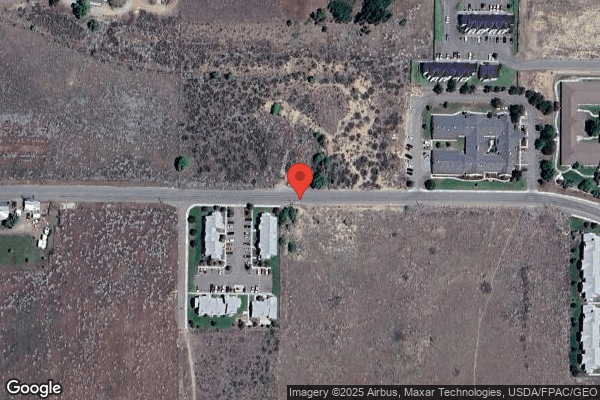

REGENCY OMAK

901 SHUMWAY RD, OMAK, WA 98841 (509) 846-7700
For profit - Corporation 56 Beds REGENCY PACIFIC MANAGEMENT Data: November 2025
Trust Grade
78/100
#38 of 190 in WA
Last Inspection: October 2024

Within standard 12-15 month inspection cycle. Federal law requires annual inspections.

Overview

Regency Omak has a Trust Grade of B, indicating it is a good option for families, positioned well among nursing homes. It ranks #38 out of 190 in Washington, placing it in the top half of state facilities, but lower at #4 out of 4 in Okanogan County. Unfortunately, the facility is experiencing a worsening trend, with the number of issues increasing from 5 in 2023 to 7 in 2024. Staffing is a relative strength, with a 4 out of 5 star rating and a turnover rate of 36%, which is better than the state average. However, the facility incurred fines totaling $19,890, which is average, and there have been concerning incidents such as a serious issue where a resident developed a pressure injury due to a lack of timely care and oversight. Additionally, there was a failure to ensure proper dietary management and consistent infection control practices, which could put residents at risk.

Trust Score
B
78/100
In Washington
#38/190
Top 20%
Safety Record
Moderate
Needs review
Inspections
Getting Worse
5 → 7 violations
Staff Stability
○ Average
36% turnover. Near Washington's 48% average. Typical for the industry.
Penalties
✓ Good
$19,890 in fines. Lower than most Washington facilities. Relatively clean record.
Skilled Nurses
○ Average
Each resident gets 41 minutes of Registered Nurse (RN) attention daily — about average for Washington. RNs are the most trained staff who monitor for health changes.
Violations
⚠ Watch
14 deficiencies on record. Higher than average. Multiple issues found across inspections.
★★★★★
5.0
Overall Rating
★★★★☆
4.0
Staff Levels
★★★★☆
4.0
Care Quality
★★★★★
5.0
Inspection Score
Stable
2023: 5 issues
2024: 7 issues

The Good

  • 4-Star Staffing Rating · Above-average nurse staffing levels
  • 4-Star Quality Measures · Strong clinical quality outcomes
  • Full Sprinkler Coverage · Fire safety systems throughout facility
  • No fines on record
  • Staff turnover below average (36%)

    12 points below Washington average of 48%

Facility shows strength in staffing levels, quality measures, fire safety.

The Bad

Staff Turnover: 36%

10pts below Washington avg (46%)

Typical for the industry

Federal Fines: $19,890

Below median ($33,413)

Minor penalties assessed

Chain: REGENCY PACIFIC MANAGEMENT

Part of a multi-facility chain

Ask about local staffing decisions and management

The Ugly 14 deficiencies on record

1 actual harm
Oct 2024 7 deficiencies
CONCERN (D)

Potential for Harm - no one hurt, but risky conditions existed

Deficiency F0552 (Tag F0552)

Could have caused harm · This affected 1 resident

<Resident 14> Review of Resident 14's medical record showed the provider ordered sertraline, an antidepressant, on 02/01/2024, for depression. Review of Social Services assessments dated 04/18/...

Read full inspector narrative →
<Resident 14> Review of Resident 14's medical record showed the provider ordered sertraline, an antidepressant, on 02/01/2024, for depression. Review of Social Services assessments dated 04/18/2024, 07/11/2024, and 10/04/2024, showed Resident 14 received sertraline for insomnia. Review of Medication Administration Records from February to October 2024 showed the staff administered sertraline to Resident 14 daily. Record review showed no documentation the staff provided and obtained informed consent for the sertraline. In an interview on 10/09/2024 at 10:25 AM, Staff D, Social Services Director, stated that the Resident Care Managers were responsible for obtaining consents for psychotropic mediations prior to administration. Staff D acknowledged there was no consent for sertraline in Resident 14's medical record. Reference WAC 388-97--0300(3)(a), -0260, -1020(4)(a-b). Based on interview and record review, the facility failed to ensure 3 of 5 sampled residents (Resident 2, 26, and 14), reviewed for unnecessary medications, were informed of the potential risks associated with the use of psychotropic medications (medications that can affect the mind, emotions, and behaviors). This failure placed the residents and/or their representative at risk of not being fully informed of the potential risks and benefits of taking the medications. Findings included <Resident 2> The 08/06/2024 quarterly assessment documented Resident 2 had diagnoses which included anxiety and depression. In addition, the assessment documented the resident received psychotropic medication. Review of the Order Summary Report from 01/01/2024 through 10/09/2024 documented on 05/10/2024, the physician had prescribed a psychotropic medication, Fluoxetine, to treat Resident 2's depression. Review of the Medication Administration Records (MARS) from May 2024 through September 2024 showed the resident had received Fluoxetine daily as prescribed. Review of Resident 2's record found no documentation and/or an informed consent form had been completed that explained the risks and benefits of taking a psychotropic medication were discussed, either verbally or written, with the resident and/or their representative prior to the resident receiving the medication. <Resident 26> The 07/23/2024 annual assessment documented Resident 26 had diagnoses which included anxiety, depression, and obsessive-compulsive disorder, a mental disorder that caused recurrent, unwanted thoughts and repetitive behaviors that can not be controlled. The assessment further showed Resident 26 received psychotropic medication. Review of the Order Summary Report from 07/01/2023 through 10/10/2024 documented on 05/24/2024, the physician prescribed a psychotropic medication, Olanzapine, to help treat the symptoms of Resident 26's anxiety and depression. Review of the May through September 2024 Medication Administration Records (MARS) showed Resident 26 received the Olanzapine daily as prescribed. Review of Resident 26's found an informed that included the risk and benefits of taking Olanzapine had been completed on 05/29/2024, four days after the resident received the first dose of the medication. In an interview on 10/10/2024 at 11:40 AM with Staff A, Administrator and Staff B, Regional [NAME] President, Staff B stated it was the expectation that informed consents were obtained before the first dose was given to the resident. When informed no informed consent was found for Fluoxetine for Resident 2, and the informed consent for Resident 26's Olanzapine had been obtained four days after the medication had been given, Staff B stated they would follow up with Medical Records to see if the informed consents had been obtained. In a follow up interview at 1:23 PM, Staff B confirmed no informed consent had been obtained for the Fluoxetine, and the informed consent for the Olanzapine had not been obtained prior to the first dose being given.
CONCERN (D)

Potential for Harm - no one hurt, but risky conditions existed

Transfer Requirements (Tag F0622)

Could have caused harm · This affected 1 resident

Based on interview and record review, the facility failed to identify what information was conveyed to the hospital at the time of transfer for 1 of 2 sampled residents (Resident 34) reviewed for hosp...

Read full inspector narrative →
Based on interview and record review, the facility failed to identify what information was conveyed to the hospital at the time of transfer for 1 of 2 sampled residents (Resident 34) reviewed for hospitalizations. This failure placed the resident at risk for a disruptive and ineffective transition from the facility to the hospital setting. Findings included . <Resident 34> Review of 03/17/2024 progress notes showed Resident 34 experienced a change in condition and the staff called the on-call provider who recommended Resident 34 go to the emergency room for an evaluation. Review of Resident 34's medical record showed no documentation the facility communicated to the hospital the minimum required information at the time of the Resident 34's transfer on 03/17/2024, including: The basis for the transfer, the specific resident need(s) that could not be met, facility attempts to meet the resident needs, or the information provided to the receiving facility to include contact information of the practitioner responsible for the care of the resident, resident representative information including contact information, Advance Directive information, all special instructions or precautions for ongoing care as appropriate, comprehensive care plan goals, and all other necessary information, including a copy of the resident's discharge summary, and any other documentation, as applicable, to ensure a safe and effective transition of care. Review of 05/20/2024 and 07/06/2024 progress notes showed Resident 34 experienced a change in condition and the staff transferred the resident to the hospital for emergency care or evaluation. Review of Resident 34's medical record showed no documentation the facility communicated to the hospital the minimum required information at the time of the Resident 34's transfers on 05/20/2024 or 07/06/2024. In an interview with Staff B, Director of Nursing, and Staff E, Corporate Nurse, on 10/10/24 at 11:53 AM. Staff B stated that when a resident is transferred to the hospital, the nurses send with the resident a little discharge packet found at the Nurses Station. Staff B stated the packet has a checklist of what information the staff must send with the resident to the hospital when a change in condition occurs. Staff B stated the nurses also complete a Transfer to Hospital evaluation in resident's electronic medical record which is then forwarded to the receiving hospital. The Transfer to Hospital evaluation shows the resident's vital signs, allergies, reason for transfer, type of assistance or other care information required. The Transfer to Hospital Evaluation provided the staff the opportunity to show if other additional information, like a resident's face sheet, medication list, and a copy of the POLST [Physician Order for Life Sustaining Treatment], was sent. Staff B and E confirmed and acknowledged that the medical record failed to show the minimum required information the staff conveyed to the hospital at the time of Resident 34's transfers. Staff B stated, I don't see what information was sent to the hospital. Reference WAC 388-97-0120. .
CONCERN (D)

Potential for Harm - no one hurt, but risky conditions existed

Deficiency F0625 (Tag F0625)

Could have caused harm · This affected 1 resident

Based on interview and record review, the facility failed to ensure it completed a notice of bed hold for 1 of 2 (Resident 34) sampled residents reviewed for hospitalization. This failure placed the r...

Read full inspector narrative →
Based on interview and record review, the facility failed to ensure it completed a notice of bed hold for 1 of 2 (Resident 34) sampled residents reviewed for hospitalization. This failure placed the resident and/or their representative at risk for a lack of knowledge regarding their right to hold their bed while in the hospital. Findings included . <Resident 34> Review of the progress notes showed that on 03/17/2024, 05/20/2024, and 07/06/2024, Resident 34 experienced a change in condition and the staff transferred the resident to the local hospital for emergency care. Record review showed no documentation the facility offered Resident 34 and/or their representative a notice of bed hold at the time of or shortly after the hospital transfers for 03/17/2024 and 05/20/2024. In an interview with Staff B, Director of Nursing, and Staff E, Corporate Nurse, on 10/10/24 at 11:53 AM. Staff E confirmed via record review that the facility did not but should have offered the notice of bed hold to Resident 34 and/or their representative at the time of the hospital transfer and stated, I didn't see it. Reference WAC 388-97-0120 (4). .
CONCERN (D)

Potential for Harm - no one hurt, but risky conditions existed

Deficiency F0645 (Tag F0645)

Could have caused harm · This affected 1 resident

Based on interview and record review, the facility failed to ensure 1 of 5 sampled residents (Resident 26), reviewed for Pre-admission Screening and Resident Review (PASARR) [an assessment completed p...

Read full inspector narrative →
Based on interview and record review, the facility failed to ensure 1 of 5 sampled residents (Resident 26), reviewed for Pre-admission Screening and Resident Review (PASARR) [an assessment completed prior to admission into a skilled nursing facility to determine whether a resident with a diagnosis of a serious mental illness needed specialized mental health services] was completed accurately and if indicated, a referral for additional screening had been made. Findings included . <Resident 26> The 07/23/2024 annual assessment documented Resident 26 had diagnoses which included anxiety, depression, and obsessive-compulsive disorder, a mental disorder that caused recurrent, unwanted thoughts and repetitive uncontrollable behaviors. Review of Resident 26's record showed a PASARR level 1 was initiated on 07/06/2024, but the form was incompletely filled out, with Section IV of the form being blank. Additional record review found no other documentation that showed a fully completed PASARR had been done. In an interview on 10/10/2024 at 10:10 AM, Staff D, Social Service Director, stated a PASARR needed to be completed prior to admission, and after review of Resident 26's record, confirmed the PASARR had not been fully completed. Reference (WAC): 388-97-1915 (1)(2)(a-c)
CONCERN (D)

Potential for Harm - no one hurt, but risky conditions existed

Medication Errors (Tag F0758)

Could have caused harm · This affected 1 resident

**NOTE- TERMS IN BRACKETS HAVE BEEN EDITED TO PROTECT CONFIDENTIALITY** Based on interview and record review, the facility failed to ensure an adequate indication for the use of an antidepressant for ...

Read full inspector narrative →
**NOTE- TERMS IN BRACKETS HAVE BEEN EDITED TO PROTECT CONFIDENTIALITY** Based on interview and record review, the facility failed to ensure an adequate indication for the use of an antidepressant for 1 of 5 sampled residents (Resident 14) reviewed for unnecessary medications. This failure placed the resident at risk to receive unnecessary medications and/or experience adverse side effects. Findings included . <Resident 14> Review of a 07/21/2024 annual assessment showed Resident 14 admitted to the facility on [DATE]. This assessment showed the staff assessed the resident to have severely impaired cognition, no signs or symptoms of depression, no hallucinations or delusions and that the resident wandered. The assessment showed Resident 14 used an antidepressant, the staff noted an indication for the use of the antidepressant, and the staff did not identify any psychiatric/mood disorder. Review of Resident 14's medical diagnosis list included the diagnoses of dementia without any behavioral, psychotic, or mood disturbances or anxiety, multiple sclerosis [a progressive neurological disorder], and insomnia. Review of a 01/15/2024 Pre-admission Screening and Resident Review [PASRR, an assessment that prevents people with mental disabilities from being inappropriately admitted to nursing facilities] showed Resident 14 was assessed to have no serious mental illness indicators, to include Mood Disorders - Depressive or Bipolar. This screening showed Resident 14 had a diagnosis of dementia but that a neurological disorder was the primary diagnosis. Review of 01/15/2024 progress notes showed Resident 14's representative reported to the staff that the resident historically gets up in the night a lot and has been cognitively and functionally declining at home for a while. Review of progress notes of 01/17/2024 showed the resident continued to be awake most of night and the provider started Resident 14 on Trazadone [an antidepressant] at bedtime for sleep. Record review showed that the dose of Trazadone was doubled on 01/31/2024 and that Resident 14, only slept four hours intermittently that night shift. Review of a 02/01/2024 progress note showed the staff spoke to the provider, who discontinued the Trazadone and prescribed sertraline (an antidepressant) for depression. Review of 02/13/2024 provider notes showed they assessed Resident 14 with worsening cognitive and physical function due to multiple sclerosis and dementia. The provider described the resident experienced agitation and had been up frequently during the night, agitated regarding location, spouse not being present, and confused about details to person, place, and location. Review of 06/21/2024, 08/23/2024, and 09/13/2024 provider notes showed the provider added the diagnosis of Alzheimer's dementia with behavioral disturbance. The provider notes showed no indication for the use of the antidepressant sertraline. Review of 04/18/2024, 07/11/2024 and 10/04/2024 Psychotropic Medication Reviews completed by Staff D, Social Services Director, showed Resident 14 received sertraline for insomnia, and the target behaviors included depression, sadness, behaviors. The Summary and Recommendations section showed the resident received Trazadone [another antidepressant] for depression and sleepless legs, even though Trazadone was discontinued on 02/01/2024. The summaries showed Resident 14 did not struggle with depression. Additional record review showed the staff monitored Resident 14's behaviors for anxiety as evidenced by Agitation/Wandering and the hours of sleep. Review of April, July and October 2024 Medication Administration Records (MAR) showed the staff administered sertraline to Resident 14 for, UNSPECIFIED DEMENTIA, MILD, WITHOUT BEHAVIORAL DISTURBANCE, PSYCHOTIC DISTURBANCE, MOOD DISTURBANCE, AND ANXIETY, contrary to the 04/18/2024, 07/11/2024, and 10/04/2024 Psychotropic Medication Reviews that showed the indication for the sertraline was insomnia. In an interview on 10/10/24 at 10:45 AM, Staff D stated that the sertraline was started to address sleep deprivation and anxiety. Staff D acknowledged the diagnosis in the MAR contradicted the indication for the use of sertraline in the Psychotropic Medication Reviews. Staff D directed the surveyor to ask the Resident Care Manager when they were asked if the diagnosis of dementia without behavioral disturbances was an appropriate indication for the use of an antidepressant. In an interview with Staff B, Director of Nursing, and Staff E, Corporate Nurse, on 10/10/24 at 12:36 PM. Staff B stated the current diagnosis, is not the right diagnosis for the sertraline and that the Resident 14 does have behavioral disturbances. We need to change it [the diagnosis]. Reference WAC 388-97-1060 (3)(k)(i). .
CONCERN (D)

Potential for Harm - no one hurt, but risky conditions existed

Deficiency F0761 (Tag F0761)

Could have caused harm · This affected 1 resident

**NOTE- TERMS IN BRACKETS HAVE BEEN EDITED TO PROTECT CONFIDENTIALITY** Based on observation, interview, and record review, the facility failed to destroy a deceased resident's controlled medication t...

Read full inspector narrative →
**NOTE- TERMS IN BRACKETS HAVE BEEN EDITED TO PROTECT CONFIDENTIALITY** Based on observation, interview, and record review, the facility failed to destroy a deceased resident's controlled medication timely, in accordance with currently accepted professional standards, in 1 of 1 medication storage rooms. Additionally, the facility failed to ensure that controlled medications were stored in a permanently affixed, locked storage compartment in the medication refrigerator. These failures placed the facility at risk for potential diversion or misappropriation of controlled medications. Findings included . On [DATE] at 3:12 PM, the medication room refrigerator was inspected with Staff F, Registered Nurse/Resident Care Manager (RN/RCM). The refrigerator contained a small, metal box with a padlock. Staff F opened the padlock with the key, and it contained 4 bottles of liquid Lorazepam (a sedative/controlled medication.) One of the bottles was labeled for Resident 1. The metal box was not secured to the refrigerator and could be removed. During a concurrent interview, Staff F stated that Resident 1 had passed away a few weeks ago. They further stated that their Lorazepam should have been destroyed at that time. Staff F stated the medications were secure since they were in a locked box in a locked room. When asked about a permanently affixed box, they stated they did remember that term from the previous survey. Staff F further reported the facility did trial of a few of those boxes, but they were not big enough, so it went by the wayside. Staff F acknowledged the failed practice was a repeat deficiency from the previous year. According to their medical record, the Resident 1 expired on [DATE], 20 days earlier. On [DATE] at 5:05 PM, Staff A, Administrator was informed of the observations in the medication room and acknowledged failed practice related to not destroying controlled medications for a resident who had expired, and not securing controlled medications in a permanently affixed container in the medication refrigerator. Reference: WAC 388-97-1300 (2)
CONCERN (D)

Potential for Harm - no one hurt, but risky conditions existed

Medical Records (Tag F0842)

Could have caused harm · This affected 1 resident

**NOTE- TERMS IN BRACKETS HAVE BEEN EDITED TO PROTECT CONFIDENTIALITY** <Resident 14> 1. Review of a 07/21/2024 annual assessment showed Resident 14 admitted to the facility on [DATE] with compl...

Read full inspector narrative →
**NOTE- TERMS IN BRACKETS HAVE BEEN EDITED TO PROTECT CONFIDENTIALITY** <Resident 14> 1. Review of a 07/21/2024 annual assessment showed Resident 14 admitted to the facility on [DATE] with complex medical conditions. The assessment showed Resident 14 used an antidepressant. Review of 01/17/2024 progress notes showed the provider started Resident 14 on Trazadone [an antidepressant] at bedtime for sleep. Review of a 02/01/2024 progress note showed the staff spoke to the provider, who discontinued the Trazadone and prescribed sertraline (an antidepressant) for depression. Review of 04/18/2024, 07/11/2024, and 10/04/2024 Psychotropic [a drug that affects a person's mental state] Medication Reviews completed by Staff D, Social Services Director, showed Resident 14 received sertraline for insomnia. The Summary and Recommendations section showed the resident received Trazadone for depression and sleepless legs, even though the Trazadone was discontinued on 02/01/2024. The above information was shared with Staff D on 10/10/24 at 10:45 AM. Staff D stated that the medication review should read sertraline and not trazadone and acknowledged, It's not an accurate review. <Resident 26> The 07/23/2024 annual assessment documented Resident 26 had diagnoses which included anxiety, depression, and obsessive-compulsive disorder, a mental disorder that caused recurrent, unwanted thoughts and repetitive behaviors that could not be controlled. The assessment further showed Resident 26 received psychotropic medication. Review of the Order Summary Report from 07/01/2023 through 10/10/2024 showed Resident 2 admitted to the facility on [DATE] with the psychotropic medications, Fluoxetine, Bupropion, and Clonazepam on admission, prescribed to treat the symptoms of depression and anxiety. Additional review showed the Bupropion was discontinued on 09/14/2024. Review of the Psychotropic Medication Reviews, an assessment tool used to monitor dosages, efficacy, side effects and to determine if the psychotropic medication was appropriate for use, documented the following: - On 07/26/2023, the only medication listed was Bupropion, but the resident was also prescribed Fluoxetine and Clonazepam. - On 10/19/2023, the form listed Fluoxetine, Clonazepam, and Bupropion, but the Bupropion had been discontinued on 09/14/2023, almost a month prior to the review. - On 01/12/2024, the only medication listed was Clonazepam, however the resident was still receiving Fluoxetine. In an interview on 10/10/2024 at 12:03 PM with Staff A, Administrator, and Staff B, Regional [NAME] President, the inaccuracy and incompleteness of the Psychotropic Medication Reviews was discussed. Staff B confirmed the reviews should be accurate, and include the correct medication, dosages, and indications for the medications use. Both Staff A and Staff B acknowledged that resident's records needed to be accurate to reflect the resident's status and care needs. <Resident 20> Review of Resident 20's medical record showed an undated COVID-19 Declination Form. This form showed eight statements that either staff or residents were asked to read and check each box as a form of acknowledgment. The form specifically asked the facility to identify whether it was a resident or staff completing the consent, to include their full name, date of birth , and gender. Review of the COVID-19 Declination Form showed no indication whether the name of the individual whose printed name was on the form was a staff or resident, their date of birth , and gender. The form showed none of the eight statements were checked as instructed, which would demonstrate the individual completing the form acknowledged the information in the consent to include, Despite these facts I am choosing to decline the COVID-19 vaccine. The end of the form showed Resident 20's printed name and underneath it a set of initials where the form asked for Signature of the Staff, Resident or Representative. The above findings were shared with Staff G, Infection Preventionist, on 10/10/2024 at 11:23 AM. Staff G stated that the vaccine consent was not complete. Reference WAC 388-97-1720 (2)(a-m). Based on interview and record review, the facility failed to ensure vaccine consents, medication reviews, and advance directives records were complete and accurate for 3 of the 19 sampled residents (2, 14, 20 and 26) whose records were reviewed. Failure to ensure clinical records were complete and accurate, placed residents at risk of not having their needs met. Findings included . <Resident 2> 1. The 08/06/2024 quarterly assessment documented Resident 2 was able to make their needs known and able to make decisions regarding their care. Review of Resident 2's record showed an updated POLST form, a document that details a resident's wishes for end-of life treatment and resuscitation in the event their heart stops, had been completed on 08/15/2024, was which indicated the resident did not want to be resuscitated, and wished to have comfort measures only. The form included the signature of the resident, but did not have the signature of the medical provider. In an interview on 10/10/2024 at 11:47 AM, with Staff A, Administrator and Staff B, Regional [NAME] President, Staff B stated the POLST form should be signed by the provider as soon as possible. When informed Resident 2's updated POLST was unsigned by the provider, Staff B stated they would check with Medical Records to see if they had one that had not yet been scanned into the resident's record. In a follow-up interview at 10/10/2024 at 11:55 AM, Staff A confirmed that Resident 2's POLST had not been signed, and the provider was contacted to come in and sign the form.
Jun 2023 5 deficiencies 1 Harm
SERIOUS (G)

Actual Harm - a resident was hurt due to facility failures

Pressure Ulcer Prevention (Tag F0686)

A resident was harmed · This affected 1 resident

**NOTE- TERMS IN BRACKETS HAVE BEEN EDITED TO PROTECT CONFIDENTIALITY** <Resident 7> Review of the 03/23/2023 significant change in status assessment, Resident 7 required extensive assistance of...

Read full inspector narrative →
**NOTE- TERMS IN BRACKETS HAVE BEEN EDITED TO PROTECT CONFIDENTIALITY** <Resident 7> Review of the 03/23/2023 significant change in status assessment, Resident 7 required extensive assistance of two staff to turn and reposition them in bed. The assessment showed the resident was at risk for developing skin issues and had no pressure ulcers. Per the record, Resident 7 had a Braden scale (a scale for predicting pressure sore risk) completed on 03/23/2023 and their score was 11, which showed the resident was at high risk for developing pressure ulcers. Resident 7 was noted to have a suspected deep tissue injury on their left heel on 03/28/2023. The left heel injury was not placed on the treatment administration record (TAR) to monitor until 04/06/2023, nine days after the pressure injury occurred. An incident investigation, dated 03/28/2023, showed Resident 7 had a 6.0 cm. x 3.5 cm. blister to the bottom of the left heel, that was painful to the touch. The care plan was updated at that time to float the resident's heels while in bed (for pressure relief to the area). The investigation showed the cause of the blister was due to the resident resting their heels on the bed, decreased nutritional intake, decreased mobility, and recent illness of COVID-19 (a highly contagious respiratory disease). Prior to that date, no interventions were in place to relieve the pressure from Resident 7's heels. During an interview on 06/01/2023 at 11:38 AM Staff J, RD, stated they were unaware Resident 7 had a deep tissue injury/blister to the left heel. Staff J reported if they had been made aware, a multivitamin and Vitamin C would have been added to Resident 7's medications, to aid in skin healing. Staff J additionally added that issues with skin had recently been missed, and stated they should have been notified of Resident 7's pressure injury. During an interview on 05/31/2023 at 2:00 PM Staff C, DNS, stated upon admission a Braden Scale was completed on every resident. Per Staff C, the nursing staff were expected to turn and reposition residents, provide incontinent care, and float heels. They stated that if a pressure ulcer developed, it would be placed on the TAR for monitoring once found. Staff C additionally added the facility was in crisis staffing during the COVID-19 outbreak and repositioning and floating of the heels did not occur on a consistent basis. Reference: WAC 388-97-1060 (3)(b) Based on observation, interview, and record review, the facility failed to implement interventions, consistently monitor pressure ulcers, and notify appropriate disciplines once pressure ulcers were identified for 3 of 3 sampled residents (Residents 3, 7, and 29), reviewed for pressure ulcer care. Actual harm occurred for Resident 3, when facility staff did not have preventive protective boots(cushioned devices placed on the feet to protect against pressure) implemented timely, the resident lost a significant amount of weight, developed an additional pressure injury, and the Registered Dietician (RD) was not notified of the resident's wounds. This failure placed the other residents at risk of harm from further deterioration of their skin conditions, and a decreased quality of life. Findings included <Resident 3> Resident 3 had diagnoses including left femur (thigh bone) fracture and paralysis (the loss of the ability to move some or all of your body), after a stroke. A 03/07/2023 quarterly pressure sore risk assessment showed the resident was at high risk for developing pressure ulcers (an injury that breaks down the skin and underlying tissue, related to pressure). A review of the record showed on 05/01/2023 Resident 3 was readmitted to the facility from the hospital after receiving care for a fractured thigh bone. A 05/06/2023 significant change in condition assessment showed the resident required extensive assistance of two staff for bed mobility, was totally dependent for transfers from bed, and used a wheelchair for locomotion. The resident had no weight loss, and weighed 190 pounds (lbs.). Review of the 05/08/2023 RD assessment showed Resident 3 had a 3.7 lb. weight gain from 04/16/2023 and had minimal fluctuations in their weight for past five months. The assessment also showed the resident was at high nutritional risk, and had decreased intake upon their return from the hospital on [DATE] (eating less than 25% of one meal daily). There were no additional RD assessments or interventions documented in the resident's record after their return from the hospital, with a known decrease in intake, and an increased nutritional risk. The comprehensive care plan had the following care areas (with date of initiation listed): -12/12/2018 Risk for nutritional problems; interventions included regular diet, mechanical soft texture, encourage fluids of choice, explain the importance of maintaining the ordered diet, monitor weight per policy, report significant losses or gains to the provider and RD, RD to evaluate and make recommendations, and offer snacks in between meals. On 05/01/2023, the plan was revised to include serve diet as ordered and monitor intake. -05/24/2023 Actual alteration in skin integrity; interventions included to administer treatments as ordered, keep skin clean and dry, encourage good nutrition and hydration, evaluate the environment for causative factors, follow facility protocols, notify licensed nurse (LN) of changes to skin, encourage position changes, ensure pressure is kept off of left outer ankle and refer to the RD as needed. On 05/25/2023, the care plan was updated to include foot protectors on both feet (defined above) at all times while in bed, and on the left foot when up in chair. A review of the resident's weights showed the following: 02/16/2023-193.1 lbs. 04/16/2023-186.7 lbs. 05/02/2023-190.4 lbs. and 05/10/2023-183.2 lbs., a 3.8% loss in 8 days. A review of nursing progress notes showed on 05/15/2023, Resident 3 developed a cellulitis (infection of the skin) on their left lower leg on the outer calf area, and was sent to the local hospital. The resident returned on 05/17/2023. A 05/17/2023 initial skin ulcer/injury measurement and evaluation showed Resident 3 had a stage II pressure ulcer (intact blisters or a shallow open sore) on the left outer ankle that measured 1.0 centimeters (cm.) x 1.0 cm. x 0.0 cm. that was present when Resident 3 returned from the hospital. Additionally, there was a 1.0 cm. x 1.0 cm. suspected deep tissue injury on the same outer ankle. The plan was to monitor the areas until resolved, and if the blisters opened, they were to be treated with a foam dressing. The 05/17/2023 provider orders included elevating the left leg, avoid prolonged pressure to the red areas, regular diet, offer snacks three times a day, and give one multi-vitamin, Vitamin D and Vitamin B-12 daily for nutritional supplement. The 05/24/2023 weekly skin ulcer measurement and evaluation showed Resident 3's left outer ankle stage II pressure ulcer had not changed in size, had no drainage, undermining (skin separation), or tunneling (skin damage underneath a wound, which penetrates deeply underneath the skin). The treatment was updated to add protective booties while in bed and up in a chair. The [NAME] (care instructions for nursing assistants) in effect on 05/24/2023 instructed staff Resident 3 was to wear foot protectors on both feet at all times while in bed and up in a chair, to avoid prolonged pressure to red areas of left leg, ensure pressure was kept off the left outer ankle, and assist the resident with position changes. On 05/24/2023, Resident 3's weight was 178.0 lbs., a 6.5% significant weight loss from 05/02/2023. On 05/24/2023 at 9:07 AM, Resident 3 was observed in their bed. Their left leg was turned outward so that the outer ankle rested on the mattress. There were no protective boots on, and none observed in the room. The resident stated they used to weigh over 200 lbs. but had lost weight recently. The resident was also observed on the following dates: -On 05/25/2023 at 9:27 AM seated in their wheelchair wearing socks and shoes; -On 05/26/2023 at 9:45 AM asleep in their bed, wearing non-skid socks and no protective boots; the left leg was elevated on a pillow. At 11:48 AM the same day, the resident remained in bed, the left leg was no longer resting on a pillow and their ankle was positioned against the mattress. There were no protective boots on. On 05/29/2023 at 10:44 AM, an incident note documented the resident had a new suspected deep tissue injury on the left inner heel, possibly from care or handling. The note showed the resident's heel was limp, and needed to be moved by staff, as the resident did not move it. On 05/30/2023 at 1:14 PM, the resident's left inner heel and outer ankle area were observed with Staff K, Registered Nurse (RN), and Staff C, Director of Nursing Services (DNS). The left outer ankle had an area with a defined border that was not open, had no drainage, and had a grey-ish tint to it on the ankle bone. Staff K stated the area measured 1.7 cm. x 2.5 cm. x 0.0 cm. The left inner heel had a new round purple bruise that measured 3.5 cm. x 4.0 cm. x 0.0 cm. Staff K pressed on the area and stated it was boggy (soft or mushy). During the observation, Staff C stated they did not know where the new pressure on the left inner heel came from because the resident's leg rotated externally. Staff C was unsure if the resident's shoe caused the pressure or possibly their wheelchair. Staff C stated therapy was to evaluate the resident's wheelchair. During an interview on 05/31/2023 at 12:04 PM, Staff L, Nursing Assistant (NA), stated the padded boot was new for Resident 3 and had been added that week, 05/29/2023. Staff L stated they were able to find care planned interventions in the [NAME] on the computer; and stated if there were changes to a resident's care, it showed on a communication board in the computer. Staff L did not remember seeing anything regarding the protective boots for Resident 3 on the communication board. During an interview on 05/31/2023 at 2:17 PM, Staff E, RN, stated Resident 3 had a new area of pressure on their inner heel. Staff E was unsure when the protective boots were brought into the resident's room, but stated it sounded as if there was an opportunity to get the resident the boots sooner. Staff E stated just by looking, it appeared the resident had lost weight, and stated the Resident Care Manager (RCM) notified the provider and the RD if there was significant weight loss, but currently there was no RCM. The RD was to be notified of new skin issues as well, but Staff E was unsure if that happened, and stated if that had not occurred, it was concerning. During a telephone interview on 05/31/2023 at 4:21 PM Staff J, RD, stated they had assessed Resident 3 on 05/08/2023, when they returned from the hospital after being treated for a fracture from a fall. Staff J was unaware the resident was hospitalized on [DATE] but stated normally if a resident left the facility they were reassessed when they returned, and stated that since Resident 3 had just been assessed on the 8th, Staff J probably would have just done a progress note instead. Staff J stated Resident 3 was reviewed during the Nutrition at Risk meetings, but the weight of 178 lbs. on 05/24/2023 had not been recorded in their record before their last meeting. Staff J stated they had not been notified of the resident's wounds when they were identified on 05/17/2023, and stated it sounded like the resident got missed at the 05/24/2023 meeting. They stated if they had been made aware, changes would have been made to Resident 3's nutrition plan of care such as double portions of protein, extra proteins, or a supplemental shake of some kind. <Resident 29> Per the 04/20/2023 quarterly assessment, Resident 29 needed extensive assistance from one to two staff to complete activities of daily living such as turning in bed and personal hygiene. In addition, the assessment showed the resident was at risk for developing skin issues and had no pressure ulcers or open lesions. Review of the progress notes from 03/01/2023 through 05/31/2023 showed the following: On 05/09/2023 at 3:10 PM, Resident 29 was found to have a blister on their left leg stump (the leg below the knee had been amputated) that had opened. The area was cleaned, a foam type dressing was applied, and the provider was notified; on 05/10/2023 at 12:13 AM, the dressing was removed, the area cleaned, and a new dressing applied; and on 05/12/2023 at 8:19 AM, it was documented the provider acknowledged being notified of the blister. Further review of the progress notes found no additional documentation regarding the blister. The May 2023 Treatment Administration Record (TAR) showed an order dated 05/24/2022 which instructed the licensed nursing staff to check Resident 29's skin every Tuesday, and mark the TAR with a plus sign for new issues or a negative sign to show no new skin conditions had been found. In addition, instruction was given to document a progress note and initiate the skin documentation form when a new skin condition was found. Review of the May 2023 TAR showed on 05/09/2023 the TAR was marked with a negative sign to indicate no new skin issues were found. A progress note, on the same date, documented Resident 29 had a blister on their left leg, which was not there previously. Review of the skin documentation assessment forms showed the form was not initiated for the blister as instructed, nor were other skin assessment forms found that showed the blister was being monitored. Review of the skin care plan showed interventions were implemented on 04/14/2023, but the care plan had not been updated to inform the nursing staff of the blister on the left leg, or what Resident 29's care needs were for the treatment of the blister. In an interview on 05/31/2023 at 9:53 AM, Staff G, NA, stated Resident 29 had a blister on the back of the left leg, but was not sure if it was still there since they had been off work for a few days. In an interview on 05/31/2023 at 2:13 PM, Staff F, RN, stated they were not aware of any skin issues or Resident 29 having a blister. After review of the resident's physician orders, progress notes, skin documentation forms, and TAR, Staff F confirmed there were no orders or additional documentation after the progress note on 05/09/2023 and confirmed skin assessments were supposed to be done weekly and the skin documentation form was to be filled out if any new issues were found. On 05/31/2023 at 2:27 PM, Resident 29 was observed lying in bed watching television. Staff F asked if they could assess the resident's skin and the resident turned to their right side. The back of the left thigh/stump area was assessed, and no dressing or visible open areas were found. In an interview on 05/31/2023 at 2:40 PM Staff C, DNS, confirmed skin assessments were done weekly, and the skin documentation form was to be completed when there were new skin issues found. When informed about the progress note on 05/09/2023 regarding the blister, Staff C stated they would need to follow up. In a follow-up interview on 3:17 PM, Staff C confirmed there was no follow-up monitoring, and the facility process for skin assessments had not been followed.
CONCERN (D)

Potential for Harm - no one hurt, but risky conditions existed

Respiratory Care (Tag F0695)

Could have caused harm · This affected 1 resident

**NOTE- TERMS IN BRACKETS HAVE BEEN EDITED TO PROTECT CONFIDENTIALITY** <Resident 17> Per the 03/02/2023 quarterly assessment, Resident 17 admitted to the facility with obstructive sleep apnea (...

Read full inspector narrative →
**NOTE- TERMS IN BRACKETS HAVE BEEN EDITED TO PROTECT CONFIDENTIALITY** <Resident 17> Per the 03/02/2023 quarterly assessment, Resident 17 admitted to the facility with obstructive sleep apnea (a problem in which your breathing pauses during sleep), hypoxemia (a low level of oxygen in the blood), shortness of breath, and a disorder of diaphragm (the thin muscle below the lungs and heart), and required oxygen due to those conditions. Review of the physician orders showed on 12/18/2020, the resident had been prescribed oxygen to be used continuously due to the diagnoses listed. The respiratory care plan showed the licensed nursing staff were instructed on 09/23/2019 to change the oxygen tubing weekly. There was no direction on cleaning the concentrator, or a physician's order to do so. On 05/23/2023 at 9:25 AM, Resident 17 was observed wearing oxygen with a date on the tubing of 05/16/2023. An inspection of the oxygen concentrator in the resident's bathroom showed the concentrator had thick dust stuck to the vent, and the filter had dust and debris with white spots. Subsequent observations of the oxygen concentrator being unclean and the filter being dirty were made on 05/24/2023 at 9:13 AM, 05/25/2023 at 10:21 AM, and 05/26/2023 9:27 AM. During an observation on 05/30/2023 at 3:14 PM, Resident 17's oxygen tubing that was connected to their concentrator was dated 05/29/2023, 13 days after the tubing was last changed on 05/16/2023. Resident 17's portable oxygen tank tubing had the date of 05/16/2023. There was tubing for the portable oxygen tank lying across a chair with a date of 05/29/2023. Resident 17, when interviewed at that time, stated they needed to change the tubing at some point. During an interview on 05/31/2023 at 10:51 AM, Staff E, Resident Care Manager, stated concentrator filters were to be cleaned weekly. They additionally added that oxygen tubing was also to be changed weekly. During an interview on 05/31/2023 at 11:19 AM, Staff C, DNS, confirmed the oxygen tubing should be changed weekly or sooner if needed. Staff C also stated the concentrators and filters should be cleaned weekly, and that was missed, due to their central supply person being gone. Reference: WAC 388-97-1060 (3)(j)(vi) Based on observation, interview, and record review, the facility failed to ensure the filter for oxygen concentrators (a machine used to convert room air to oxygen) and oxygen tubing were clean/changed in a timely manner, for two of three sampled residents (Residents 91, 17), reviewed for respiratory care. These failures placed the residents at risk for respiratory complications and infection. Findings included . <Resident 91> Per the 05/25/2023 admission assessment, Resident 91 admitted to the facility on [DATE] with diagnoses which included heart failure (when the heart muscle doesn't pump blood as well as it should), circulation problems, lung disease, and needed oxygen due to those conditions. Review of the physician orders showed on 05/19/2023, the resident had been prescribed oxygen to be used continuously, due to the heart and lung conditions listed above. The 05/19/2023 respiratory care plan showed the licensed nursing staff were instructed to clean the oxygen concentrator, and change the oxygen tubing weekly. On 05/23/2023 at 12:35 PM, Resident 91 was observed wearing oxygen while participating in a group activity. An inspection of the oxygen concentrator in the resident's room showed the concentrator was unclean with thick dust stuck to the vent, and the filter was dark with visible dust and debris. Subsequent observations to the oxygen concentrator being unclean and the filter being dirty were made on 05/24/2023 at 9:02 AM, 05/25/2023 at 9:11 AM and 11:58 AM, 05/26/2023 at 7:54 AM, and 05/31/2023 at 9:40 AM. In an interview with Resident 91 on 05/31/2023 at 2:06 PM, they stated they weren't sure when the contractor filter was supposed to be cleaned, or even if there was one. Observation of the concentrator at the time of the interview showed no change in the appearance of the vent and filter. On 05/31/2023 at 2:09 PM, Staff F, Registered Nurse, stated concentrator filters and tubing should be changed weekly, when asked how often oxygen concentrators were cleaned and filters changed. When asked if they would check Resident 91's concentrator filter, Staff F proceeded to open the filter case, and dust particles flew up into the air. Staff F confirmed the filter and vent were dirty. During an interview on 05/31/2023 at 2:36 PM Staff C, Director of Nursing Services (DNS), confirmed oxygen concentrator filters were to be cleaned weekly, and when informed of the observations of Resident 91's concentrator vent and filter being dirty, stated the resident had not been at the facility long. When asked what the facility policy was for cleaning equipment between resident use, Staff C stated there was not a facility policy, but it was a standard of practice and expectation that equipment was cleaned before being used with another resident. In a follow-up interview on 06/01/2023 12:34 PM, Staff C stated after looking at Resident 91's concentrator, it was discovered it was the resident's personal concentrator, and had been brought with them on admission. Staff C acknowledged the filter and vent were dirty, and stated the usual process was to switch to facility equipment when a resident brought in their own equipment, and they were not sure why that didn't occur.
CONCERN (D)

Potential for Harm - no one hurt, but risky conditions existed

Deficiency F0740 (Tag F0740)

Could have caused harm · This affected 1 resident

Based on observation, interview, and record review, the facility failed to refer a resident for behavioral health services when needed for 1 of 1 sampled residents (Resident 12), reviewed for mood and...

Read full inspector narrative →
Based on observation, interview, and record review, the facility failed to refer a resident for behavioral health services when needed for 1 of 1 sampled residents (Resident 12), reviewed for mood and behavior. This failure placed the resident at risk for worsening depression and a decreased quality of life. Findings included . Resident 12 had diagnoses including stroke and major depressive disorder. A 05/04/2023 quarterly comprehensive assessment showed the resident was cognitively intact, had a mood severity score of 0 (meaning no mood alterations), and received an antipsychotic (a type of medication used to alter the brain chemistry to reduce symptoms of psychosis - a mental disorder), and and an antidepressant (medication to treat depression), daily. The 03/29/2022 comprehensive care plan had the following care areas: -History of suicidal ideation, depression; interventions included do not leave the resident alone if they made suicidal ideation comments unless it was determined they were not at risk, monitor for self-harm/ideation, remove hazardous items from room if they report suicidal thoughts. -Potential for alteration in psychosocial well-being related to survivor of traumatic event; interventions were to acknowledge non-verbal communication, provide community resources/outside referrals for mental health, provide empathy, provide least restrictive environment. Review of the resident's counseling progress notes from 08/2022 to 12/2022 showed the resident was seen last by their counselor in 12/2022. During an interview 05/24/2023 at 10:10 AM, Resident 12 stated they used to get counseling sessions on a laptop computer, and the counseling had not happened in a long time. Resident 12 stated the sessions were helpful just to have someone to talk to, and since they had stopped, the resident stated they felt more withdrawn. During the interview, the resident was still in bed wearing a hospital gown. The resident was also observed sleeping in bed on the following dates and times: -05/24/2023 at 3:38 PM, -05/25/2023 at 9:23 AM, -05/25/2023 at 10:47 AM, -05/26/2023 at 9:05 AM, and -05/30/2023 at 12:38 PM. During an interview on 05/31/2023 at 9:44 AM, the medical records clerk at the local behavioral health clinic stated Resident 12 had received services last in 12/2022. The resident was listed as a no show on 01/04, 01/11, 01/18, and 01/25/2023, so the resident was discharged in 02/2023. They stated there had been no further follow-up since then. During an interview on 05/31/2023 at 11:54 AM, Staff L, Nursing Assistant, stated Resident 12 was quiet, but usually happy. Staff L stated at times the resident got upset and then would shut down and not want to talk and would stay in bed. Staff L stated Resident 12 was more active a few months ago, but had been quieter after one of their friends was discharged from the facility. When the resident was upset, they did not get tearful, they would become more withdrawn. During an interview on 05/31/2023 at 2:07 PM, Staff M, Restorative Aide, stated Resident 12 used to walk the parallel bars and wheel around in their wheelchair, but did not do that much anymore. Per Staff M, the resident had a friend that was discharged a month or two prior, and they stated that was when they noticed a difference in the resident's interactions. The resident was supposed to have restorative care 3-5 days a week, but the resident refused or stated they were too tired. Staff M stated the resident stayed in their room more. During an interview on 06/01/2023 at 11:51 AM Staff D, Director of Social Services, stated they had assessed Resident 12 on 05/05/2023, and the resident had minimal depression at that time. The resident talked about the loss of a daughter and a significant other. Staff D tried to check in with Resident 12 after they'd leave to visit their significant other, because they would come back and be more depressed. Staff D stated the resident's significant other was in a new relationship. The resident's friend that was discharged had been coming to visit, but that had also stopped. Staff D stated they had not thought about trying to re-establish the resident with their counselor. At that time, there was nothing in the works. Reference: WAC 388-97-1060(1)
CONCERN (D)

Potential for Harm - no one hurt, but risky conditions existed

Deficiency F0761 (Tag F0761)

Could have caused harm · This affected 1 resident

Based on observation, interview, and record review, the facility failed to ensure expired medications were disposed of timely, in accordance with currently accepted professional standards, in 1 of 1 m...

Read full inspector narrative →
Based on observation, interview, and record review, the facility failed to ensure expired medications were disposed of timely, in accordance with currently accepted professional standards, in 1 of 1 medication storage rooms. The facility further failed to ensure narcotics were locked in a permanently affixed narcotic container. These failures placed residents at risk for receiving compromised or ineffective medication, and placed the facility at risk for potential diversion or misappropriation of narcotic medications. Findings included . Per observation of the medication storage room, located between the two nursing stations on 05/06/2023 at 8:12 AM with Staff E, Resident Care Manager, and Staff C, Director of Nursing, showed Nutrisource Fiber (medication used to treat constipation) expired on 02/09/2023, a vial of Tubersol (a medication injected under the skin to determine the presence of tuberculosis, that must be discarded after 30 days of use) had been opened with no open date placed on the vial, and three bottles of Magnesium Citrate (a medication used to treat constipation), expired on 03/2023. Additionally, there was a bottle of Lorazepam (a sedative/controlled substance) and Morphine (a narcotic pain medication) for Resident 29, that was placed in the refrigerator and not in the locked narcotic container. During an interview with Staff C, Director of Nursing, on 05/06/2023 at 8:50 PM, they verified that the above medications were all expired and should have been disposed of, and that the narcotics should have been placed in the locked narcotic container. Reference: WAC 388-97-1300 (2)
CONCERN (D)

Potential for Harm - no one hurt, but risky conditions existed

Infection Control (Tag F0880)

Could have caused harm · This affected 1 resident

<Tray Line Observation> The following observations were made of the kitchen staff during the lunch meal preparation and tray line service on 05/31/2023: At 10:36 AM Staff I, Dietary Aide, was w...

Read full inspector narrative →
<Tray Line Observation> The following observations were made of the kitchen staff during the lunch meal preparation and tray line service on 05/31/2023: At 10:36 AM Staff I, Dietary Aide, was wearing gloves and labeling cups with pre-poured liquids for the residents. Staff I opened a drawer under the serving area and took out a used note pad and a pen, placed them on the serving area counter, and began looking through the note pad. Without changing gloves or performing hand hygiene, Staff I then continued to label the cups, touching the rim of the cups with the dirty gloves as they were picked up. At 10:45 AM the same day, while still wearing the same gloves, Staff I wiped down the food serving area with food-safe sanitizer and a cloth. Without performing hand hygiene or changing gloves, Staff I then restocked the condiment trays for the residents. At 11:15 AM, during tray line service, Staff I removed items from the food/drink refrigerators, and without performing hand hygiene or changing gloves, placed the items on the resident's lunch trays that were being set up. In an interview at 11:30 AM with Staff H, Dietary Manager, and Staff I present, Staff H was asked when hand hygiene and gloves should be changed. Staff H stated gloves needed to be changed, After touching something dirty, when changing tasks like going between serving and making sandwiches, after touching a door or cupboard handle. After hearing Staff H's response, Staff I confirmed they didn't do that, and they then performed hand hygiene and changed their gloves. Reference: WAC 388-97-1320 (1)(c), 1320 (2)(a) Per the 05/17/2023 admission assessment, Resident 191 had diagnoses which included benign prostatic hyperplasia (a prostate gland enlargement that can cause urination difficulty) and neurogenic bladder (lacking bladder control due to brain, spinal cord, or nerve problems). In an observation on 05/23/2023 at 9:05 AM, Resident 191 was observed sitting in their wheelchair with the catheter tubing and bag on the floor. Additional observations of the catheter bag touching the floor were made on 05/24/2023 at 11:57 AM, 05/25/2023 at 12:03 PM, and on 06/01/2023 at 8:39 AM. During an interview on 05/31/2023 at 10:42 AM Staff I, Nursing Assistant, stated the catheter was clipped to the wheelchair or on the side of the bed to prevent it from touching the floor. During an interview on 05/31/2023 at 3:23 PM Staff C, Director of Nursing, stated the catheter was to be kept off the floor as that could lead to an infection. Based on observation, interview, and record review, the facility failed to ensure two of three sampled residents (Residents 29, 191), reviewed for use and care of a urinary catheter (a flexible tube inserted into the bladder to drain urine into a drainage bag), received appropriate care and services to minimize the risk of associated urinary infections. In addition, the facility failed to ensure hand hygiene and glove changes were performed when indicated in the kitchen by one of three kitchen staff (Staff I), observed during tray line service. These failures placed the residents at risk for infection. Findings included <Urinary Catheters> Per review of the 04/20/2023 quarterly assessment, Resident 29 had diagnoses which included obstructive uropathy, (a condition in which the flow of urine is blocked resulting in the urine backing up into the kidneys, creating the risk of damage to the kidneys and infection), and utilized an indwelling urinary catheter (defined above). Review of catheter care plan showed interventions for catheter care were implemented on 08/04/2022, and instructed the nursing staff to place the catheter drainage bag below the bladder, and to ensure the tubing had no obstructions or kinks. On 05/23/2023 at 9:49 AM, Resident 29 was observed sleeping in bed with the catheter drainage bag hung on the lower bar of the bed, below the bladder. The catheter tubing was positioned downward, but looped back up, which caused the urine to pool into the lower loop of the tubing, and back up the full length of the tubing instead of draining into the collection bag. Additional observations of the catheter tubing positioned in a manner that prevented the urine from draining into the collection bag were made on: 05/23/2023 at 10:43 AM and 3:28 PM, 05/24/2023 at 9:08 AM, 05/25/2023 at 9:17 AM, 10:20AM, 12:05 PM, and 2:19 PM. In an interview on 05/31/2023 at 9:52 AM Staff G, Nursing Assistant, stated the catheter tubing needed to be positioned so the urine could drain into the bag. In an interview at 3:22 PM Staff C, Director of Nursing, stated nursing staff received annual skills training related to catheter care, and confirmed catheter tubing should be positioned to allow the urine to drain into the bag.
Jun 2021 2 deficiencies
CONCERN (F)

Potential for Harm - no one hurt, but risky conditions existed

Deficiency F0801 (Tag F0801)

Could have caused harm · This affected most or all residents

Based on interview and record review, the facility failed to designate a qualified person to serve as the dietary manager, as required, to meet the nutritional needs of the residents. This failure pla...

Read full inspector narrative →
Based on interview and record review, the facility failed to designate a qualified person to serve as the dietary manager, as required, to meet the nutritional needs of the residents. This failure placed the residents at risk of receiving dietary services from staff without the required qualifications, competencies, and skills to carry out food and nutritional services. Findings included . In an interview on 06/02/2021 at 11:15 AM, Staff A, Administrator, indicated being the current dietary manager. Staff A stated the position had been vacant since March 2021, and the facility had been engaged in recruitment efforts to fill the position since that time. Recruitment notices for the facility were reviewed, and were present for the months of March 2021, and April 2021. In an interview on 06/09/2021 at 9:23 AM, Staff E, Registered Dietician (RD), stated they worked part time at the facility - one to two days per week. Staff Staff E further stated they consulted with the acting dietary manager by phone as needed. The RD stated in total, working for the facility 15-20 hours per week. In a follow-up interview, Staff A confirmed having a current food handler's card, but was not otherwise certified/qualified to be the acting dietary manager. Reference: ( WAC ) 388-97-1160 (1)
CONCERN (F)

Potential for Harm - no one hurt, but risky conditions existed

Infection Control (Tag F0880)

Could have caused harm · This affected most or all residents

Based on observation, interview, and record review, the facility failed to ensure infection control interventions intended to mitigate the risk for spread of SARS-CoV-2 (a virus which causes COVID-19 ...

Read full inspector narrative →
Based on observation, interview, and record review, the facility failed to ensure infection control interventions intended to mitigate the risk for spread of SARS-CoV-2 (a virus which causes COVID-19 infections) were consistently implemented for 5 of 5 sample residents (2, 7, 14, 21, 35) with aerosol generating procedures (AGPs). Failure to follow guidance related to the use of personal protective equipment (PPE) with residents receiving AGPs placed all residents at potential risk for exposure to an infectious disease. Findings included . Per review of Washington State Department of Labor and Industries and the Washington State Department of Health guidance L&I and DOH Respirator and PPE Guidance for Longer Term Care: Employer responsibilities for respiratory protection program and provision of personal protective equipment (PPE), dated 03/30/2021, staff were to wear a gown, gloves, eye protection and a respirator (a device worn on the face to reduce the risk of inhaling hazardous airborne particles including infectious agents) when providing care that required getting closer than three feet to any resident while receiving an AGP. During an entrance conference on 06/02/2021 at 11:20 AM Staff A, Administrator, stated the facility had a total of 39 residents, with none being COVID positive, or COVID suspect. In an interview on 06/07/2021 at 11:45 AM, Staff C, Registered Nurse, stated Resident 2 used a continuous positive airway pressure machine (CPAP - machine that uses mild pressure to keep breathing airways open while sleeping, considered an AGP). Staff C further stated that other than the face shield and respirator staff wore at all times, no special precautions or PPE were used while the resident was using their CPAP. In an interview on 06/07/2021 at 12:17 PM, Staff D, Registered Nurse, stated Resident 7 and Resident 21 used CPAP's while sleeping, and Resident 35 received nebulizer treatments (a device for administering a medication by spraying a fine mist that is inhaled into the lungs, considered an AGP). Staff D confirmed other than the same face shield and respirator that staff wore at all times, no special precautions or PPE were used for those residents. On 06/07/2021 at 1:36 PM, Staff A, and Staff B, Director of Nursing, were interviewed regarding facility practice and expectations related to PPE use and AGPs. Staff B stated gowns and gloves were only worn for AGPs if the resident was in quarantine related to possible COVID-19 exposure, or were COVID positive. Staff A added all staff wore respirators and face shields at all times. Both Staff A and Staff B confirmed gowns and gloves were not being worn when closer than three feet to a resident during AGPs, and staff were not changing out their face shield or respirator after being closer than three feet to a resident receiving an AGP, per the guidance. Staff B also confirmed the facility did not have a policy that addressed PPE use for AGPs (for non-COVID residents). At 3:26 PM the same day, Staff D was observed in Resident 35's room wearing a respirator and face shield. Staff D started a nebulizer treatment while standing closer than three feet to the resident, then performed hand hygiene, and exited the room. Staff D did not wear a gown or gloves while in the room, and did not change the respirator or face shield after leaving the room. On 06/10/2021 at 9:00 AM, Staff A provided a list of the residents with orders for AGPs. Per the list, Resident 7, Resident 21, and Resident 2 used CPAPs nightly, and Resident 14 and Resident 35 had orders for nebulizer treatments. Reference: WAC 388-97-1320 (1)(2)
Understanding Severity Codes (click to expand)
Life-Threatening (Immediate Jeopardy)
J - Isolated K - Pattern L - Widespread
Actual Harm
G - Isolated H - Pattern I - Widespread
Potential for Harm
D - Isolated E - Pattern F - Widespread
No Harm (Minor)
A - Isolated B - Pattern C - Widespread

Questions to Ask on Your Visit

  • "Can I speak with families of current residents?"
  • "What's your RN coverage like on weekends and overnight?"

Our Honest Assessment

Strengths
  • • 36% turnover. Below Washington's 48% average. Good staff retention means consistent care.
Concerns
  • • 14 deficiencies on record, including 1 serious (caused harm) violation. Ask about corrective actions taken.
  • • $19,890 in fines. Above average for Washington. Some compliance problems on record.
Bottom line: Generally positive indicators. Standard due diligence and a personal visit recommended.

About This Facility

What is Regency Omak's CMS Rating?

CMS assigns REGENCY OMAK an overall rating of 5 out of 5 stars, which is considered much above average nationally. Within Washington, this rating places the facility higher than 99% of the state's 100 nursing homes. This rating reflects solid performance across the metrics CMS uses to evaluate nursing home quality.

How is Regency Omak Staffed?

CMS rates REGENCY OMAK's staffing level at 4 out of 5 stars, which is above average compared to other nursing homes. Staff turnover is 36%, compared to the Washington average of 46%. This relatively stable workforce can support continuity of care.

What Have Inspectors Found at Regency Omak?

State health inspectors documented 14 deficiencies at REGENCY OMAK during 2021 to 2024. These included: 1 that caused actual resident harm and 13 with potential for harm. Deficiencies causing actual harm indicate documented cases where residents experienced negative health consequences.

Who Owns and Operates Regency Omak?

REGENCY OMAK is owned by a for-profit company. For-profit facilities operate as businesses with obligations to shareholders or private owners. The facility is operated by REGENCY PACIFIC MANAGEMENT, a chain that manages multiple nursing homes. With 56 certified beds and approximately 45 residents (about 80% occupancy), it is a smaller facility located in OMAK, Washington.

How Does Regency Omak Compare to Other Washington Nursing Homes?

Compared to the 100 nursing homes in Washington, REGENCY OMAK's overall rating (5 stars) is above the state average of 3.2, staff turnover (36%) is significantly lower than the state average of 46%, and health inspection rating (5 stars) is much above the national benchmark.

What Should Families Ask When Visiting Regency Omak?

Based on this facility's data, families visiting should ask: "Can I visit during a mealtime to observe dining assistance and food quality?" "How do you handle medical emergencies, and what is your hospital transfer rate?" "Can I speak with family members of current residents about their experience?"

Is Regency Omak Safe?

Based on CMS inspection data, REGENCY OMAK has a clean safety record: no substantiated abuse findings (meaning no confirmed cases of resident harm), no Immediate Jeopardy citations (the most serious violation level indicating risk of serious injury or death), and is not on the Special Focus Facility watch list (a federal program monitoring the lowest-performing 1% of nursing homes). The facility has a 5-star overall rating and ranks #1 of 100 nursing homes in Washington. While no facility is perfect, families should still ask about staff-to-resident ratios and recent inspection results during their visit.

Do Nurses at Regency Omak Stick Around?

REGENCY OMAK has a staff turnover rate of 36%, which is about average for Washington nursing homes (state average: 46%). Moderate turnover is common in nursing homes, but families should still ask about staff tenure and how the facility maintains care continuity when employees leave.

Was Regency Omak Ever Fined?

REGENCY OMAK has been fined $19,890 across 1 penalty action. This is below the Washington average of $33,278. While any fine indicates a compliance issue, fines under $50,000 are relatively common and typically reflect isolated problems that were subsequently corrected. Families should ask what specific issues led to these fines and confirm they've been resolved.

Is Regency Omak on Any Federal Watch List?

REGENCY OMAK is not on any federal watch list. The most significant is the Special Focus Facility (SFF) program, which identifies the bottom 1% of nursing homes nationally based on persistent, serious quality problems. Not being on this list means the facility has avoided the pattern of deficiencies that triggers enhanced federal oversight. This is a positive indicator, though families should still review the facility's inspection history directly.