NORTH VALLEY HOSPITAL
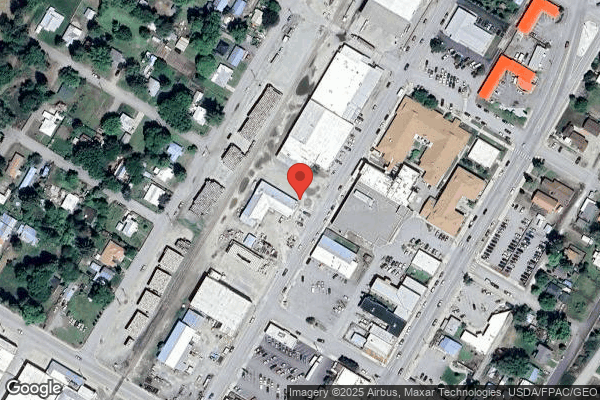
22 W 1ST STREET, TONASKET, WA 98855 (509) 486-2151
Government - Hospital district 42 Beds Independent Data: November 2025
Trust Grade
73/100
#26 of 190 in WA
Last Inspection: November 2024

Within standard 12-15 month inspection cycle. Federal law requires annual inspections.

Overview

North Valley Hospital in Tonasket, Washington, has a Trust Grade of B, indicating it is a good choice for families seeking care, as it falls within the "good" range of facilities. It ranks #26 out of 190 facilities in Washington, placing it in the top half, and #2 out of 4 in Okanogan County, meaning only one local option is rated higher. However, the facility's trend is worsening, with issues increasing from 7 in 2023 to 11 in 2024, which is concerning. Staffing is a strength here, with a 5-star rating and a turnover rate of 39%, lower than the state average of 46%, ensuring that staff are familiar with the residents. On the downside, there have been specific incidents, such as a resident developing a serious pressure ulcer due to a lack of care and unsafe food storage practices that could lead to foodborne illnesses. Additionally, hazardous chemicals were not properly secured, posing a risk to residents. Overall, while North Valley Hospital has strong staffing and a good trust grade, families should be aware of its recent increase in issues and specific safety concerns.

Trust Score
B
73/100
In Washington
#26/190
Top 13%
Safety Record
Moderate
Needs review
Inspections
Getting Worse
7 → 11 violations
Staff Stability
○ Average
39% turnover. Near Washington's 48% average. Typical for the industry.
Penalties
○ Average
$7,443 in fines. Higher than 74% of Washington facilities. Some compliance issues.
Skilled Nurses
✓ Good
Each resident gets 81 minutes of Registered Nurse (RN) attention daily — more than 97% of Washington nursing homes. RNs are the most trained staff who catch health problems before they become serious.
Violations
⚠ Watch
21 deficiencies on record. Higher than average. Multiple issues found across inspections.
★★★★★
5.0
Overall Rating
★★★★★
5.0
Staff Levels
★★★☆☆
3.0
Care Quality
★★★★☆
4.0
Inspection Score
Stable
2023: 7 issues
2024: 11 issues

The Good

  • 5-Star Staffing Rating · Excellent nurse staffing levels
  • Full Sprinkler Coverage · Fire safety systems throughout facility
  • No fines on record
  • Staff turnover below average (39%)

    9 points below Washington average of 48%

Facility shows strength in staffing levels, fire safety.

The Bad

Staff Turnover: 39%

Near Washington avg (46%)

Typical for the industry

Federal Fines: $7,443

Below median ($33,413)

Minor penalties assessed

The Ugly 21 deficiencies on record

1 actual harm
Nov 2024 11 deficiencies
CONCERN (D)

Potential for Harm - no one hurt, but risky conditions existed

Comprehensive Assessments (Tag F0636)

Could have caused harm · This affected 1 resident

**NOTE- TERMS IN BRACKETS HAVE BEEN EDITED TO PROTECT CONFIDENTIALITY** Based on observation, interview, and record review the facility failed to ensure the Minimum Data Set (MDS, assessment tool) acc...

Read full inspector narrative →
**NOTE- TERMS IN BRACKETS HAVE BEEN EDITED TO PROTECT CONFIDENTIALITY** Based on observation, interview, and record review the facility failed to ensure the Minimum Data Set (MDS, assessment tool) accurately reflected the status of 1 of 11 sampled residents (Resident 31), reviewed for resident assessment. This failure placed residents at risk of inaccurate monitoring of resident status over time, unmet care needs, and diminished quality of life. Findings included . Review of the facility policy titled, Extended Care Resident Assessment revised August 2024, showed the facility would accurately conduct a comprehensive assessment for each resident upon admission and periodically thereafter. The assessment would include a dental status assessment by a Registered Nurse (RN) to the condition of the teeth, gums, and other structures of the oral cavity that may affect a resident's nutritional status, communication abilities, or quality of life. The assessment was to include the need for, and use of, dentures or other dental appliances. The policy showed the assessment would be completed within 14 calendar days after admission. Review of the Centers for Medicare and Medicaid Services Long Term Care Facility Resident Assessment Instrument (RAI) 3.0 User's Manual Version 1.18.11 revised October 2023, showed the RAI consisted of three basic components: the Minimum Data Set (MDS), the Care Area Assessment (CAA) and the RAI utilization guidelines. The utilization of the three component of the RAI yields information about a resident's functional status, strengths, weaknesses, and preferences, as well as offered guidance on further assessment once problems were identified. The MDS must be accurate as of the assessment reference date (ARD). According to the admission assessment, dated 04/02/2024, Resident 31 admitted to the facility on [DATE] with diagnoses including cancer and muscle wasting. The assessment further showed Resident 31 was dependent on staff for oral hygiene and no oral or dental status concerns were identified. Resident 31 had severe cognitive impairment. Review of the 03/27/2024 nursing admission assessment showed Resident 31 had a partial denture, no mouth pain or chewing problems. The assessment showed no documentation regarding Resident 31's own teeth or their status. Review of the 03/28/2024 personal hygiene care plan showed Resident 31 was dependent on staff assist for oral care. No documentation was found regarding Resident 31's own teeth or their status. Review of the 04/29/2024 provider note showed Resident 31 had periodontal (infection of tissue that hold teeth in place) disease and referred Resident 31 for a dental evaluation and treatment. During observation on 11/13/2024 at 9:21 AM, Resident 31 laid in bed with a thick layer of white debris along their bottom teeth. When Resident 31 smiled and exposed their upper teeth, Resident 31 had some missing upper teeth and jagged discolored front teeth. During an interview on 11/15/2024 at 10:55 AM, Staff F, Nursing Assistant, stated Resident 31 had their own teeth but was missing some. Staff F was unsure if Resident 31 had broken or jagged teeth. In an interview on 11/15/2024 at 11:18 AM, Staff G, Registered Nurse, stated Resident 31 had their own teeth but they were not in very good shape. In an interview on 11/16/2024 at 12:44 PM, Staff C, Resident Care Manager, stated an MDS was an assessment tool to comprehensively collect data about a resident and should accurately reflect a resident's status as of the ARD. Staff C further stated if an MDS was inaccurate it could potentially affect a resident because the assessment helped drive clinical care for residents. Staff C reviewed Resident 31's medical record. Staff C acknowledged the admission nursing assessment for oral/dental was not filled out completely and the 04/02/2024 admission MDS did not accurately reflect Resident 31's dentation status as of the ARD. In an interview on 11/16/2024 at 3:55 PM, Staff B, Director of Nursing, reviewed Resident 31's medical record. Staff B acknowledged the 04/02/2024 admission MDS did not accurately reflect Resident 31's dental status as of the ARD and should have. Reference WAC 388-97- 1000 (2)(k) Refer to F656 and F791 for additional information.
CONCERN (D)

Potential for Harm - no one hurt, but risky conditions existed

Deficiency F0637 (Tag F0637)

Could have caused harm · This affected 1 resident

Based on observation, interview and record review, the facility failed to determine a resident had a significant change in their physical condition for 1 of 11 sampled residents (Resident 27) reviewed...

Read full inspector narrative →
Based on observation, interview and record review, the facility failed to determine a resident had a significant change in their physical condition for 1 of 11 sampled residents (Resident 27) reviewed for comprehensive assessments. This failure placed the resident at risk for unidentified care needs and a lack of revisions to their plan of care. Findings included . A review of the 06/16/2024 quarterly assessment documented Resident 27 had diagnoses including Alzheimer's disease (a progressive disease that destroys memory and other important mental functions), and dementia with anxiety. Resident 27 had severe cognitive impairment, required partial/moderate assistance to eat, and substantial/maximum assistance for toileting, dressing, personal hygiene, and mobility in and out of bed. A review of the active 07/14/2022 comprehensive care plan documented Resident 27 had an ADL (activities of daily living) self-care deficit. The resident required set-up assistance for eating, supervision to extensive assistance for personal hygiene and dressing, extensive assistance for toileting and bed mobility, and 2-3 staff assistance for a stand and pivot method of transfers. Staff were to use a mechanical lift as needed. On 09/08/2024, the quarterly comprehensive assessment was completed and documented that Resident 27 required substantial/maximum assistance for eating and was totally dependent on staff for completion of their ADLs. A significant change assessment had not been completed for Resident 27. Changes were not made to the Resident 27's plan of care. On 11/12/2024 12:04 PM and 11/14/2024 at 11:53 AM, Resident 27 was observed in the dining room at lunch. The resident had a staff member seated next to them that fed the resident. Resident 27 had drinks that had lids on them with straws. Staff held the glass to Resident 27's mouth so they could drink. On 11/13/2024 at 12:10 PM Resident 27 was observed in their room. The resident was in their wheelchair with a mechanical lift sling around them that was connected to the mechanical lift (a machine that hoists a resident out of their seat or bed using a sling; the resident is passive when transferred, the staff and machine bear the weight of the resident). Staff P, Nursing Assistant, (NA) was present and waited for a second staff to assist the transfer. During an interview on 11/16/2024 at 9:35 AM, Staff P stated they had been employed at the facility for just over 2 months. They stated when they first started, Resident 27 was able to be transferred using a stand and pivot method, but currently had to use a mechanical lift. They stated Resident 27 used their arms slightly when putting on a top but did not assist dressing with their legs. Staff P stated they did not attempt to seat the resident on a commode; they were unsure if Resident 27 was able to support their trunk. During an interview on 11/16/2024 at 10:44 AM, Staff Q, NA, stated Resident 27 required total assistance. The resident required a mechanical lift for transfers and was unable to follow instructions such as when helping reposition or rolling the resident in bed. The resident also required staff to feed them, so they stayed right next to the resident at meals. During an interview on 11/16/2024 at 11:43 AM, Staff C, Resident Care Manager, stated the interdisciplinary team had discussed Resident 27's status but did not recall why a significant change assessment had not been done. Staff C stated a significant change assessment was important so it could be determined if a resident required more support services and so staff knew the appropriate level of care they needed to provide. During an interview on 11/16/2024 at 4:10 PM, Staff B, Director of Nursing, stated their internal audits had identified that the comprehensive assessment process had some areas that needed improvement, and they planned to continue working to improve the assessment process. Reference: WAC 388-97-1000(3)(b)
CONCERN (D)

Potential for Harm - no one hurt, but risky conditions existed

Comprehensive Care Plan (Tag F0656)

Could have caused harm · This affected 1 resident

**NOTE- TERMS IN BRACKETS HAVE BEEN EDITED TO PROTECT CONFIDENTIALITY** Based on observation, interview, and record review the facility failed to develop and implement a comprehensive person-centered ...

Read full inspector narrative →
**NOTE- TERMS IN BRACKETS HAVE BEEN EDITED TO PROTECT CONFIDENTIALITY** Based on observation, interview, and record review the facility failed to develop and implement a comprehensive person-centered care plan that included dentation status and needs for 1 of 11 sampled residents (Resident 31), reviewed for care planning. This failure placed residents at risk of unmet care needs and diminished quality of life. Findings included . According to the admission assessment, dated 04/02/2024, Resident 31 admitted to the facility on [DATE] with diagnoses including cancer and muscle wasting. The assessment further showed Resident 31 was dependent on staff for oral hygiene and no oral or dental status concerns were identified. Resident 31 had severe cognitive impairment. Review of the 03/27/2024 nursing admission assessment showed Resident 31 had a partial denture, no mouth pain or chewing problems. The assessment showed no documentation regarding Resident 31's own teeth or their status. Review of the 03/28/2024 personal hygiene care plan showed Resident 31 was dependent on staff assist for oral care. No documentation was found on goals or interventions developed regarding Resident 31's dentation status. Review of the 04/29/2024 provider note showed Resident 31 had periodontal (infection of tissue that hold teeth in place) disease and referred Resident 31 for a dental evaluation and treatment. No documenation was found in Resident 31's care plan regarding periodontal disease goals or interventions. Review of March 2024 through November 2024 nursing progress notes showed on 05/29/2024 Resident 31 did not allow their partial denture to be removed during oral care. On 09/06/2024 staff had difficulty removing extra food debris from Resident 31's lower teeth. During observation on 11/13/2024 at 9:21 AM, Resident 31 laid in bed with a thick layer of white debris along their bottom teeth. When Resident 31 smiled and exposed their upper teeth, Resident 31 had some missing upper teeth and jagged discolored front teeth. In an interview on 11/15/2024 at 10:55 AM, Staff F, Nursing Assistant, stated Resident 31 had their own teeth but some were missing. Staff F further stated Resident 31 was dependent on staff assist for oral care but sometimes refused oral care by turning their head and pushing away. In an interview on 11/15/2024 at 11:18 AM, Staff G, stated Resident 31 was dependent on staff for oral care. Staff G further stated Resident 31 had their own teeth, but they were not in very good shape. In an interview on 11/15/2024 at 11:36 AM, with Staff C, Registered Nurse Care Manager, and Staff D, Registered Nurse Care Manager. Staff C explained a dentation assessment included oral care needs, denture and natural tooth status. Staff C stated dentation was assessed upon admission using the nursing admission assessment which helped create a resident's care plan. Staff C stated Resident 31 had some of their own teeth and an upper partial denture. Both Staff C and Staff D reviewed Resident 31's medical record. Staff D acknowledged Resident 31's care plan showed no documentation regarding Resident 31's dental status but should have. In an interview on 11/16/2024 at 3:55 PM, Staff B, Director of Nursing, reviewed resident 31's medical record. Staff B acknowledged Resident 31's record did not accurately reflect Resident 31's dentation status and should have. Reference WAC 388-97-1020 (1), (2)(a)(b) Refer to F636 and F791 for additional information.
CONCERN (D)

Potential for Harm - no one hurt, but risky conditions existed

ADL Care (Tag F0677)

Could have caused harm · This affected 1 resident

Based on observation, interview, and record review, the facility failed to consistently provide grooming for 1 of 2 sampled residents (Resident 30), reviewed for activities of daily living. This failu...

Read full inspector narrative →
Based on observation, interview, and record review, the facility failed to consistently provide grooming for 1 of 2 sampled residents (Resident 30), reviewed for activities of daily living. This failure placed the resident at risk for not being groomed according to their preferences, and a diminished quality of life. Findings included . According to the 09/29/2024 annual assessment, Resident 30 was cognitively intact and needed supervision/set up assistance from staff for ADL's (activities of daily living), such as personal hygiene. Per the 10/11/2023 care plan, Resident 30 had impaired vision and needed assistance with ADL's. Review of the personal hygiene task from 10/16/2024 through 11/13/2024 documented Resident 30 required partial to total assistance and had not refused cares. Review of the bathing task from 10/16/2024 to 11/13/2024 documented Resident 30 required partial to total assistance and had refused to be bathed twice. In an observation and interview on 11/12/2024 at 1:13 PM, Resident 30 was lying in their bed and stated they could not see well. Resident 30's nails were unclean with a brown substance underneath them. Subsequent observations of Resident 30 having unclean nails with brown matter under them were made on 11/13/2024 at 9:22 AM, 1:21 PM and 2:22 PM, 11/14/2024 at 09:22 AM and 1:05 PM and 11/16/2024 at 8:59 AM. During an interview on 11/14/2024 at 11:16 AM, Resident 30 stated they used their fingers to eat with and staff had not cleaned under their nails after meals. In an interview on 11/16/2024 at 9:36 AM, Staff H, Nursing Assistant, stated nail care was completed after showers and should have been completed after meals for residents that ate with their fingers to prevent bacteria. During an interview on 11/16/2024 at 9:52 AM, Staff B, Director of Nursing, stated nail care was completed with showers and confirmed nail care should have been provided after meals and this was important because nails can harbor bacteria. Reference: WAC 388-97-1060 (2)(c)
CONCERN (D)

Potential for Harm - no one hurt, but risky conditions existed

Deficiency F0757 (Tag F0757)

Could have caused harm · This affected 1 resident

**NOTE- TERMS IN BRACKETS HAVE BEEN EDITED TO PROTECT CONFIDENTIALITY** Based on interview and record review the facility failed to ensure residents administered psychotropic (drugs that alter brain f...

Read full inspector narrative →
**NOTE- TERMS IN BRACKETS HAVE BEEN EDITED TO PROTECT CONFIDENTIALITY** Based on interview and record review the facility failed to ensure residents administered psychotropic (drugs that alter brain function and could cause changes in mood, behavior, awareness, thoughts, or feelings) medications were adequately monitored and had indications for medication use documented in their medical record for 1 of 5 sampled residents (Resident 18), reviewed for unnecessary medications. This failure placed the residents at risk for receiving unnecessary medication and a diminished quality of life. Findings included . Review of the facility policy titled, Psychotropic Drug Monitoring revised August 2023, showed the facility would assess and monitor resident who received psychotropic medications in order to assist the physician in evaluating effectiveness of drugs, to prevent drug induced impairment, to ensure that residents did not receive these drugs unless therapy was necessary to treat a specific condition as diagnosed and documented in the clinical record and to ensure residents receiving these drugs received gradual dose reductions (GDR) and behavioral interventions in an effort to discontinue these drugs. The policy instructed staff to document behaviors observed in a progress note and notify social service staff and nurse management staff who would initiate behavior monitoring with specific targeted behaviors. Behavior monitoring was to be continued for the duration of the drug therapy. According to the quarterly assessment dated [DATE], Resident 18 had diagnoses including dementia, depression, Bipolar disorder (mental illness that caused changes in energy, thinking, behaviors, sleep and extreme mood swings) and post-traumatic stress disorder (PTSD, anxiety disorder that could develop after someone experienced or witnessed a traumatic event). The assessment further showed Resident 18 took antidepressant and antipsychotic (medications used to treat symptoms of psychosis [mental disorder that caused abnormal perceptions and thoughts]) medications. Resident 18 did not show signs and/or symptoms of depression or exhibit any behaviors which was unchanged from the previous assessment. Review of the 04/25/2024 hospital discharge orders showed Resident 18 was to be administered an antipsychotic and an antidepressant 100 milligrams (mg) daily. Review of the 04/26/2024 mood care plan showed Resident 18 took an antidepressant and antipsychotic medication and instructed staff to administer medications as ordered, document behaviors and interventions attempted, monitor and document signs and/or symptoms of depression. Review of April 2024 through May 2024 medication administration records showed no documentation Resident 18 experienced behaviors or signs and/or symptoms of depression. Review of April 2024 through July 2024 nursing progress notes showed Resident 18 pleasantly interacted with staff and residents, was cooperative with cares, and did not demonstrate mood or behavior concerns. On 04/30/2024 Resident 18's antipsychotic was decreased. Resident 18 had no change in mood or behavior related to decrease of their antipsychotic medication. On 05/09/2024 the provider gave further orders to decrease the antipsychotic slowly because Resident 18's Bipolar disorder was clinically stable at that time. Resident 18 had no mood or behavior changes observed. On 05/16/2024 Resident 18 reported feeling unmotivated, asked about an antidepressant, the provider increased Resident 18's antipsychotic back to the previous dose and increased their antidepressant to 150mg. No documentation was found to show behaviors or other signs and/or symptoms of depression Resident 18 experienced. On 07/09/2024 Resident 18's antidepressant was increased again, to 200mg. Review of the 05/07/2024 provider progress note showed Resident 18 did not demonstrate any behavior issues and took an antipsychotic medication for their Bipolar disorder. The provider's plan was to wean the antipsychotic medication slowly and monitor Resident 18. Review of the 06/04/2024 provider progress note showed nursing staff reported Resident 18's emotions were more labile and increased the antipsychotic back to the original dose. Review of May 2024 through August 2024 'task' behavior monitoring showed Resident 18 experienced behaviors on 05/12/2024, 06/02/2024, and 07/24/2024. Review of the 07/09/2024 provider progress note showed nursing staff reported Resident 18 was isolating and staying in [their] room more. Resident 18 requested an increase to their antidepressant. The provider increased Resident 18's antidepressant to 200mg. Review of the 05/01/2024, 07/28/2024, and 10/27/2024 depression questionnaires showed Resident 18 did not show signs and/or symptoms of depression. In an interview on 11/16/2024 at 2:15 PM, Staff E, Social Service Director, stated resident behaviors were monitored in the medication administration record, in the 'tasks', and documented in nursing progress notes. Staff E explained a psychotropic medication GDR was considered a failure based on the resident's behavior or depressive symptom changes. Staff E did not recall what behavioral changes Resident 18 experienced when their antipsychotic was reduced. In an interview on 11/16/2024 at 2:37 PM, Staff C, Resident Care Manager, stated resident's were placed on alert charting when a medication was reduced to monitor their tolerance. Staff C further stated Resident 18 was anxious when their medication was reduced and requested their medications back. In an interview on 11/16/2024 at 3:48 PM, Staff B, Director of Nursing, reviewed Resident 18's medical record. Staff B acknowledged Resident 18's behaviors should have been documented in further detail in their record. Reference WAC 388-97-1060 (3)(k)(i)
CONCERN (D)

Potential for Harm - no one hurt, but risky conditions existed

Dental Services (Tag F0791)

Could have caused harm · This affected 1 resident

**NOTE- TERMS IN BRACKETS HAVE BEEN EDITED TO PROTECT CONFIDENTIALITY** Based on observation, interview, and record review the facility failed to assist the resident in obtaining routine dental care a...

Read full inspector narrative →
**NOTE- TERMS IN BRACKETS HAVE BEEN EDITED TO PROTECT CONFIDENTIALITY** Based on observation, interview, and record review the facility failed to assist the resident in obtaining routine dental care as required for 1 of 1 sampled residents (Resident 31), reviewed for dental services. This failure placed residents at risk of unmet dental care needs and diminished quality of life. Findings included . Review of the facility policy titled, Physician Referrals revised November 2024, showed the facility would provide person-centered care by ensuring timely and appropriate referrals to external health care providers, community resources, and other specialized services. The policy further showed a referral was warranted if the facility was not able to meet a resident's needs within its scope of practice or available resources. Staff were to document the identified need the resident's medical record and update the resident's care plan to reflect any changes resulting from the referral. The policy further showed the facility would maintain records of all referrals, including the reason for the referral, consent forms, communication logs, and follow-up outcomes. According to the admission assessment, dated 04/02/2024, Resident 31 admitted to the facility on [DATE] with diagnoses including cancer and muscle wasting. The assessment further showed Resident 31 was dependent on staff for oral hygiene and no oral or dental status concerns were identified. Resident 31 had severe cognitive impairment. Review of the 03/27/2024 nursing admission assessment showed Resident 31 had a partial denture, no mouth pain or chewing problems. The assessment showed no documentation regarding Resident 31's own teeth or their status. Review of the 03/28/2024 personal hygiene care plan showed Resident 31 was dependent on staff assist for oral care. No documentation was found regarding Resident 31's dentation status. Review of the 04/29/2024 provider note showed Resident 31 had periodontal (infection of tissue that hold teeth in place) disease and referred Resident 31 for a dental evaluation and treatment. Review of provider orders as of 11/14/2024 showed no provider order for a dental evaluation or treatment. Review of March 2024 through November 2024 nursing progress notes showed on 05/29/2024 Resident 31 did not allow their partial denture to be removed during oral care. On 09/06/2024 staff had difficulty removing extra food debris from Resident 31's lower teeth. No documentation was found showing Resident 31 had been seen or evaluated by a dentist as requested by the provider on 04/29/2024. During observation on 11/12/2024 at 12:34 PM, Resident 31 had a thick layer of white debris along their lower teeth. During observation on 11/13/2024 at 9:21 AM, Resident 31 laid in bed with a thick layer of white debris along their bottom teeth. When Resident 31 smiled and exposed their upper teeth, Resident 31 had some missing upper teeth and jagged discolored front teeth. In an interview on 11/15/2024 at 10:55 AM, Staff F, Nursing Assistant, stated Resident 31 had their own teeth but some were missing. Staff F further stated Resident 31 was dependent on staff assist for oral care but sometimes refused oral care by turning their head and pushing away. In an interview on 11/15/2024 at 11:18 AM, Staff G, Registered Nurse, stated provider notes were reviewed by nursing staff and nurse care managers processed any referrals requested by a provider. In an interview on 11/15/2024 at 11:36 AM, with Staff C, Resident Care Manager, and Staff D, Resident Care Manager. Staff C stated nurse managers reviewed provider documentation and followed up as needed on orders and/or referrals. Staff C further stated Resident 31 had some of their own teeth and an upper partial denture. Both Staff C and Staff D reviewed Resident 31's medical record and both staff stated they were unable to recall if Resident 31 had been seen by a dentist. Staff C contacted Resident 31's representative via phone. Resident 31's representative acknowledged Resident 31 had not been seen by a dentist since they admitted to the facility. In an interview on 11/16/2024 at 3:55 PM, Staff B, Director of Nursing, reviewed Resident 31's medical record. Staff B stated they expected staff to follow-up and process provider referrals. Reference WAC 388-97-1060 (3)(j)(vii) Refer to F636 and F656 for additional information.
CONCERN (D)

Potential for Harm - no one hurt, but risky conditions existed

Room Equipment (Tag F0908)

Could have caused harm · This affected 1 resident

Based on observation and interview, the facility failed to maintain kitchen equipment in a safe and clean operating condition for 1 of 1 stove hoods when reviewed. This failure placed staff at risk of...

Read full inspector narrative →
Based on observation and interview, the facility failed to maintain kitchen equipment in a safe and clean operating condition for 1 of 1 stove hoods when reviewed. This failure placed staff at risk of injury, residents at risk of consuming contaminated food products and a diminished quality of life. Findings included . In the initial observation of the kitchen on 11/12/2024 at 12:05 PM, a section of the hood of the stove was falling and had an approximately four-inch gap from the hood to the ceiling. The stove hood had grease built up all along the edge of the opening. During a second tour of the kitchen on 11/15/2024 at 12:39 PM, the stove hood remained unchanged from the initial tour of the kitchen. In an interview and observation of the stove hood on 11/15/2024 at 1:01 PM, Staff I, Dietary Manager, stated the stove hood should have been closed and was cleaned quarterly in the past and was now cleaned twice a year. Staff I stated they had not been told about the stove hood hanging down and maintenance should have been notified. During an interview on 11/16/2024 at 1:27 PM, Staff J, Maintenance Assistant, stated they were notified about the stove hood on 11/15/2024. Staff J stated staff notified maintenance of needed repairs by calling a work request line and the expectation was that they be notified as soon as possible. Staff J added they thought this possibly happened when the stove hood was cleaned in October. Reference: WAC 388-97-2100
CONCERN (E)

Potential for Harm - no one hurt, but risky conditions existed

Deficiency F0645 (Tag F0645)

Could have caused harm · This affected multiple residents

**NOTE- TERMS IN BRACKETS HAVE BEEN EDITED TO PROTECT CONFIDENTIALITY** Based on interview and record review the facility failed to ensure Level I Preadmission Screening and Resident Review (PASRR, an...

Read full inspector narrative →
**NOTE- TERMS IN BRACKETS HAVE BEEN EDITED TO PROTECT CONFIDENTIALITY** Based on interview and record review the facility failed to ensure Level I Preadmission Screening and Resident Review (PASRR, an assessment to ensure individuals with serious mental illness or intellectual/developmental disabilities were not inappropriately placed in nursing homes for long term care) was accurately completed for 1 of 6 sampled residents (Resident 6), reviewed for PASRR. In addition, the facility failed to routinely ensure residents with a positive Level I PASRR were referred for Level II PASRR evaluations, as required for 2 of 6 sampled residents (Resident 6 and 31). This failure placed the residents at risk for not receiving the care and services appropriate for their needs. Findings included . <Resident 6> According to the admission assessment, dated 04/14/2024, Resident 6 admitted to the facility on [DATE] with diagnoses including chronic pain. The assessment further showed Resident 6 did not demonstrate any behaviors or signs and/or symptoms of depression. Review of the 05/15/2023 PASRR showed Resident 6 had no serious mental illness indicators identified, and a Level II evaluation was not indicated. Review of the 05/16/2023 provider documentation showed Resident 6 took antipsychotic (medications used to treat symptoms of psychosis [mental disorder that cause abnormal perceptions and thoughts]) medications for visual hallucinations (false perception of an object or event that seems real but not) and antidepressant medication for moderate recurrent major depression. Review of the 05/17/2023 mood care plan showed Resident 6 received medication for depression and instructed staff to administer medications as ordered, documented behaviors and interventions attempted, monitor and document medication side effects. Review of provider orders showed an active 07/27/2023 order for Resident 6 to be administered an antidepressant and a 08/29/2023 order for Resident 6 to be administered an antipsychotic daily. Review of the 04/12/2024 neurologist (doctor that specializes in conditions that affect the brain and nerves) progress notes showed Resident 6 was to continue taking an antipsychotic due to a history of severe hallucinations. According to the quarterly assessment, dated 10/13/2024, over the last two weeks Resident 6 felt down, depressed, or hopeless several days. Resident 6's PASRR was not redone, and Resident 6 was not referred for a Level II evaluation, as required. Further review of the antipsychotic medication use care plan revised 10/31/2024 showed Resident 6 took medications related to a history of experiencing frightening hallucinations and instructed staff to administer medications as ordered, monitor and document medication side effects. <Resident 31> According to the admission assessment, dated 04/02/2024, Resident 31 had diagnoses including depression and psychotic (severe mental illness that causes a person to lose touch with reality and have difficulty relating to others) disorder. Review of the 03/15/2023 PASRR showed Resident 31 had mood disorders, but a Level II evaluation was not indicated. According to the quarterly assessment, dated 09/29/2024, showed over the last two weeks Resident 31 felt down, depressed, or hopeless half or more days. Resident 31 had severe cognitive impairment. Resident 31's PASRR was not redone, and Resident 31 was not referred for a Level II evaluation, as required. Review of March 2024 through November 2024 nursing progress notes showed no documentation Resident 31 was referred for a PASRR Level II evaluation, as required. In an interview on 11/15/2024 at 12:48 PM, Staff E, Social Service Director, explained the facility typically received PASRRs prior to admission but if none was received Staff E completed a PASRR prior to a resident's admission. Staff E further stated a PASRR was redone if/when a resident had a change of condition. Staff E explained a positive Level I PASRR required a referral for a Level II evaluation from an assessor, but they had not referred any residents for a Level II PASRR evaluation in several years. Staff E stated if or when a Level II PASRR referral was submitted it would be documented in a progress note and care planned. Staff E reviewed Level I PASRRs for Resident 18 and Resident 31. Staff E acknowledged Resident 18 and Resident 31 were not referred for a Level II PASRR, as required. In an interview on 11/16/2024 at 5:04 PM Staff B, Director of Nursing, stated they expected staff to follow the appropriate PASRR process. Reference WAC 388-97-1915 (1)(2)(a-c)
CONCERN (E)

Potential for Harm - no one hurt, but risky conditions existed

Infection Control (Tag F0880)

Could have caused harm · This affected multiple residents

Based on observation and interview the facility failed to ensure standard precautions were maintained and hand hygiene was performed when indicated during 2 of 2 medication pass observations. This fai...

Read full inspector narrative →
Based on observation and interview the facility failed to ensure standard precautions were maintained and hand hygiene was performed when indicated during 2 of 2 medication pass observations. This failure placed residents at risk of contracting communicable diseases and diminished quality of life. Findings included . Review of the facility policy titled, Hand Hygiene-Infection Prevention revised August 2024, showed hand hygiene was performed by using alcohol-based hand rub (ABHR) or washing hands with soap and water when visibly soiled or when contact with suspected infectious stools. The policy further showed staff should perform hand hygiene before and after contact with a resident, after contact with blood, body fluids, visibly contaminated surfaces, after contact with objects in the residents rooms, after removing personal protective equipment (PPE, gloves, gown, face mask), and before meals. The Centers for Disease Control and Prevention website, CDC.gov - with regard to standard precautions showed, standard precautions are based on the principle that all blood, body fluids, secretions, excretions except sweat, nonintact skin, and mucous membranes may contain transmissible infectious agents. Standard precautions include a group of infection prevention practices that apply to all patients, regardless of suspected or confirmed infection status, in any setting in which healthcare is delivered. These include: hand hygiene, use of gloves, gown, masks, eye protection, or face shield, depending on the anticipated exposure. <200 Hall> During observation on 11/15/2024 at 6:28 AM, Staff N, Licensed Practical Nurse (LPN), did not perform hand hygiene and dispensed medications for Resident 4. Staff N entered Resident 4's room without performing hand hygiene, touched the bed, bedside table, and administered medications to Resident 4. Staff N used ABHR when exiting the room. During observation on 11/15/2024 at 6:39 AM, Staff N, LPN, did not perform hand hygiene and dispensed medications for Resident 3. Staff N entered Resident 3's room washed their hands with soap and water prior to applying a pair of gloves. Staff N obtained a drop of blood to check Resident 3's blood sugar, without changing gloves or performing hand hygiene, Staff N administered an injection. In an interview on 11/16/2024 at 12:24 PM, Staff N, stated hand hygiene was cleansing hands with ABHR or washing with soap and water. Staff N stated hand hygiene was to be performed before and after resident care. Staff N explained staff should perform hand hygiene when indicated to prevent the spread of bacteria and potential infection. In an interview on 11/16/2024 at 12:34 PM, Staff C, Resident Care Manager, explained hand hygiene should be performed by using ABHR or washing with soap and water at various times including between residents and after glove removal. Staff C acknowledged gloves should be changed and hand hygiene performed between residents. Staff C expected staff to perform hand hygiene when indicated because it was the number one way of preventing infection. In an interview on 11/16/2024 at 3:31 PM, Staff B, Director of Nursing, explained hand hygiene should be performed at various times including before applying gloves and after glove removal. Staff B stated they expected staff to perform hand hygiene when indicated. <100 Hall> During an observation on 11/15/2024 at 8:17 AM, Staff G, Registered Nurse, administered an insulin injection into Resident 36's abdomen. The abdomen was not cleansed with an alcohol wipe prior to the injection and gloves were not worn. During an interview on 11/15/2024 at 8:25 AM, Staff G stated they should have worn gloves and cleansed the resident's abdomen prior to the injection, and this was important for infection control. In an interview on 11/16/2024 at 4:10 PM, Staff B, Director of Nursing, stated the expectation was for nursing to have cleansed the injection site prior to administration and to have worn gloves. Reference WAC 388-97-1320 (1)(c )
CONCERN (F)

Potential for Harm - no one hurt, but risky conditions existed

Food Safety (Tag F0812)

Could have caused harm · This affected most or all residents

Basedonobservation interview andrecordreview thefacilityfailedtostorefoodinaccordancewithprofessionalstandardsforfoodservicesafety Failuretoensureexpiredfoodswerediscardedfor3 of3 refrigerators 1 of1 ...

Read full inspector narrative →
Basedonobservation interview andrecordreview thefacilityfailedtostorefoodinaccordancewithprofessionalstandardsforfoodservicesafety Failuretoensureexpiredfoodswerediscardedfor3 of3 refrigerators 1 of1 drystorageareas openeddateswereplacedonfooditemsintherefrigeratorandfreezerandperformedhandhygienewhenindicated Thefacilityfurtherfailedtoconsistentlymonitorrefrigeratoranddishwashertemperatures Thesefailuresplacedresidentsatriskforfoodborneillnesses Findingsincluded <Expiredundatedfood Duringaninitialtourofthekitchenon11/12/2024 at11:17 AM thedrystoragearearevealedanutmixthatwasmadeon05/25/2024 withnoexpirationdate acanoftrailmixwithnoexpirationoropendate twoboxesofbrownricethatexpiredon08/22/2024, fivebagsofinstantmashedpotatoesthatexpiredon09/28/2024, andabagofopenedtoastedseedsthathadnoopenorexpirationdate Therefrigeratorinthemainkitchencontainedthreepackagesofcheeseandalargecontainerofwiltedgrapeswithnoopenorexpirationdate apanofbacon fivecrescentrolls onions celeryandcabbagethathadnoexpirationdate Thefreezercontainedahomemadecheesecake acakeandadessertinabowlwithnoexpirationdate abagofopenedtatertots threeopenedbagsofvegetableswithnoopenorexpirationdate abagofopenedstrawberriesthatwereunsealedandfourfrozenbananaswithnoopenorexpirationdate Inaninterviewon11/12/2024 at11:17 AM StaffI DietaryManager statedfoodneededtobedatedforqualityandsafety Duringanobservationon11/15/2024 at11:09 AM therefrigeratorinthediningroomrevealedthreeboiledeggsthatexpiredon11/14/2024, andanopenedpackageofcheesesliceswithnoopenorexpirationdate Therefrigeratorinthesnackroomrevealedabagoffrozencookiesandabagofmixedberrieswithnodateorexpirationdate acontainerofmuffinsthatweremadeon04/14/2024 withnoexpirationdate andFrenchtoastmadeon07/07/2024 withnoexpirationdate <DiningRoomObservation Duringobservationon11/12/2024 at11:57 AM StaffM DietaryAide woreapairofpurplegloves walkedacrossthecommonhallfromkitchencounterinthelargeassisteddiningroomintothesmalldiningloungetodeliveranuncoveredplateoffoodtoResident24. Withoutremovingtheirglovesorperforminghandhygiene StaffMwalkedbackacrossthecommonhalltothekitchencounterinthelargeassisteddiningroom At11:59 AM StaffMwalkedbacktothesmalldiningloungetodeliverandsetupanuncoveredplateoffoodforResident38. Withoutremovingtheirglovesorperforminghandhygiene StaffMapproachedthekitchencounterinthelargeassisteddiningroom StaffMdeliveredanuncoveredplateoffoodforResident4. At12:01 PM StaffMpickedanitemoffthefloorwiththeirrighthand removedtheirrightglove didnotperformhandhygieneandappliedanewglove At12:04 PM StaffMdeliveredanuncoveredplateoffoodtoResident37. At12:08 PM withoutremovingtheirglovesorperforminghandhygiene StaffMobtainedcoffeeforResident23. Inaninterviewon11/16/2024 at12:24 PM StaffN LicensedPracticalNurse acknowledgedfoodshouldalwaysbecoveredwhentransporting Inaninterviewon11/16/2024 at12:34 PM StaffC ResidentCareManager statedfoodshouldbecoveredwhentransporteddownthehalltopreventpotentialbacterialcontamination Inaninterviewon11/16/2024 at3:31 PM StaffB DirectorofNursing acknowledgedstaffdidnotcoverfoodwhentransportingfoodfromtheassisteddiningroomkitchencounteracrossthecommonhallwayanddeliveringtothesmalldiningloungebecausethecommonhallwasconsideredpartofthediningroomarea <FoodTemperatures Duringobservationoftraylineon11/15/2024 at11:26 AM StaffO [NAME] hadplatedachickenbreastonaplatethattheyhadremovedfromaheatedcartandwasgoingtoservethechickentoaresident WhenStaffOwasaskedtocheckthetemperatureofthechickenbreastpriortoservingit thetemperaturewas133 degreeswhichhadnotmettherequirementof165 degrees StaffOthenrequestedanotherchickenbreastfromthekitchen StaffOhadcheckedthetemperaturesofthecolditems thesaladwas46 degrees cottagecheese41.5 degreesandthestrawberrieswere43.1 degrees Coldfoodsneededtobelessthan41 degrees StaffOwasgoingtoservetheabovefoodsafterthe temperatures had been obtained and were found to be to warm. Inaninterviewon11/15/2024 at12:31 PM StaffOstateditwasimportanttoservefoodattheappropriatetemperaturetopreventillness <SanitaryPractices Duringanobservationoftraylineon11/15/2024 at11:57 AM StaffOwasplatingfood turnedtowardthecounterandrestedtheirglovedhandsonthesurface wearingthesameglovestheyopenedthedooroftheheatedcart openedtherefrigerator gotasandwich tooktheplasticwrapoffthesandwichandgrabbedthesandwichwiththesameuncleanglovesandputitontheresidentsplate Inanobservationon11/15/2024 at12:26 PM StaffOwaswearingglovesandhadplatedfood StaffO wearingthesamegloves openedtherefrigerator grabbedadrinkforaresident andwentbacktoplatingfoodwithoutperforminghandhygieneorchanginggloves At12:27 PM StaffOwearingthesamegloves openedtherefrigerator tookoutasandwich pickeditupandplaceditonaplate handhygienewasnotperformed andgloveswerenotchanged Inaninterviewon11/15/2024 at12:31 PM StaffOstatedtheyshouldhavedonehandhygieneaftertouchingthingsandpriortotouchingtheresidentssandwichandthiswasimportanttopreventthespreadofgerms Duringaninterviewon11/15/2024 at1:03 PM StaffIstatedhandhygieneshouldhavebeencompletedaftertouchingthingsandpriortothefoodbeingserved <Refrigeratortemperatures Inanobservationon11/15/2024 at11:20 AM therefrigeratorinthesnackroomhadaNovember2024 temperaturelogthathungontherefrigerator Thelogstatedthetemperaturewastobebetween36 to46 degrees instructedstafftorecordthetemperatureandinitial andtheyneededtodocumentwhatactionhadbeentakenifthetemperaturewasoutofrange TheNovemberlogshowedthetemperaturehadbeenmonitored4 outof15 days Thetemperaturewasoutofrangeonallfourdaysandtherewasnodocumentationofwhathadbeendonetocorrecttheoutofrangetemperatures Inaninterviewon11/15/2024 at1:03 PM StaffIstatedthekitchenaidesweresupposedtomonitortherefrigeratortemperaturesanddiscardexpiredfood StaffIstatedthiswasimportant sothefooddidnotgobad <Dishwashertemperatures Duringasecondobservationofthekitchenon11/15/2024, thedishwashertemperatureloginstructedstafftomonitorthetemperatureinthemorning atnoonandintheevening TheNovember 2024 loghadfouromissionsinwhichthetemperaturewasnotmonitored AreviewoftheOctober2024 temperaturelogshowedsevenomissions andtheSeptember 2024 logshowed22 omissions Inaninterviewon11/15/2024 at1:01 PM StaffI DietaryManager stateditwasimportanttomonitorthedishwashertemperaturestoensurethedishesweresanitizedandclean Reference WAC388-97-1100 (3), 2980
CONCERN (F)

Potential for Harm - no one hurt, but risky conditions existed

Safe Environment (Tag F0921)

Could have caused harm · This affected most or all residents

**NOTE- TERMS IN BRACKETS HAVE BEEN EDITED TO PROTECT CONFIDENTIALITY** Based on observation and interview the facility failed to ensure damaged paint and drywall was repaired timely after a water lea...

Read full inspector narrative →
**NOTE- TERMS IN BRACKETS HAVE BEEN EDITED TO PROTECT CONFIDENTIALITY** Based on observation and interview the facility failed to ensure damaged paint and drywall was repaired timely after a water leak in 1 of 3 halls, reviewed for environment. In addition, the facility failed to ensure hazardous chemicals were secured in 1 shower room. This failure placed residents at risk of potentially avoidable accidents, lack of dignity and diminished quality of life. Findings included . <Shower Rooms> During an observation on 11/12/2024 at 1:42 PM, the shower room on the east hall was unlocked. The shower room had an unlocked cabinet that was at eye level. The cabinet contained two bottles of disinfectant cleansers that said to keep out of reach of children. A similar observation was made at 3:37 PM, the same day. There were no residents wandering or near the area. In an interview on 11/12/2024 at 4:04 PM, Staff K, Nursing Assistant, stated the cabinets were supposed to be locked. Staff K was shown the unlocked cabinets in the shower room and acknowledged the cleaning solutions should have been locked up. Staff K added they had never seen a resident come into the shower room unattended. During an interview on 11/12/2024 at 4:08 PM, Staff L, Registered Nurse, stated all chemicals were kept locked up because they are toxic and would be harmful to the residents. In an interview on 11/12/2024 at 4:09 PM, Staff B, Director of Nursing, confirmed the chemicals should have been locked up and this was important because cognitively impaired residents could ingest them. <Paint and Drywall> During observation on 11/15/2024 at 5:37 AM, a large section of ceiling and wall near the two dining rooms had large pockets of puffed-up paint going down the wall. When touched, the paint was filled with air pockets. During observation on 11/15/2024 at 5:43 AM, the ceiling in the hall between the two dining rooms had a large area of sagging drywall in the center of the hall. A section of ceiling above a light fixture and an electrical outlet had a large section of uneven bumpy drywall with dried brown discolored drip streaks going down the wall. The wallpaper at the bottom of wall near the floor was bubbled up and wrinkled, the trim along the bottom was not flush against the wall or floor tiles. During observation on 11/15/2024 at 5:52 AM, a large section of sagging drywall with a holes at the base were noted in the ceiling outside room [ROOM NUMBER]. During observation and interview on 11/16/2024 at 12:24 PM, the various sections of drywall and paint damage were observed with Staff N, Licensed Practical Nurse. Staff N acknowledged it appeared as if the paint and drywall damage were a result of a water leak and was unsure how long the wall and/or drywall were in disrepair. During observation and interview on 11/16/2024 at 12:33 PM, the various sections of drywall and paint damage were observed with Staff G, Registered Nurse. Staff G was unsure how long the wall and/or drywall were in disrepair and informed maintenance. In an interview on 11/16/2024 at 1:24 PM, the various sections of drywall and paint damage were observed with Staff J, Maintenance Assistant. Staff J acknowledged there was a water leak over a year ago that resulted in the discolored brown streaks down the wall, sagging ceiling drywall damage, and bubbled up paint down the walls but the damage still had not been repaired. In an interview on 11/16/2024 at 5:04 PM, Staff B, Director of Nursing, acknowledged paint and drywall damage repairs from the water leak over a year ago, were not completed timely. Reference: WAC 388-97-3220 (1)
Sept 2023 6 deficiencies
CONCERN (D)

Potential for Harm - no one hurt, but risky conditions existed

Resident Rights (Tag F0550)

Could have caused harm · This affected 1 resident

Based on observation, interview, and record review, the facility failed to ensure 2 of 2 residents (Resident 5, 8), reviewed for use and care of a urinary catheter (a flexible tube that passes through...

Read full inspector narrative →
Based on observation, interview, and record review, the facility failed to ensure 2 of 2 residents (Resident 5, 8), reviewed for use and care of a urinary catheter (a flexible tube that passes through the urethra and into the bladder to drain urine), received appropriate care and services to maintain dignity. These failures placed the residents at risk for diminished quality of life. Findings included . Facility policy titled Preventing Catheter Associated Urinary Tract Infections, last revised 08/2023, showed to maintain cloth covers over catheter bag when resident is in bed, up in chair, wheelchair, front wheel walker, etc. for dignity. <Resident 5> Per review of the 08/27/2023 quarterly assessment, Resident 5 had diagnoses which included neurogenic bladder, (a condition in which you lack bladder control due to a brain, spinal cord, or nerve problem), and utilized a urinary catheter. On 09/11/2023 at 9:22 AM, Resident 5 was observed lying in bed with the catheter drainage bag on the bed, not covered by a privacy bag. Additional observations of the catheter without a privacy bag were observed on 09/11/2023 at 9:49 AM, 09/11/2023 at 2:27 PM, 09/12/2023 at 9:24 AM, 09/13/2023 at 9:32 AM, 09/13/2023 at 11:06 AM and 09/13/2023 at 2:31 PM. <Resident 8> Per review of the 06/11/2023 quarterly assessment, Resident 8 had diagnoses which included benign prostatic hyperplasia (a condition in which the prostate gland is enlarged), urinary retention and utilized a urinary catheter. On 09/11/2023 at 2:40 PM, Resident 8 was observed sitting in their wheelchair with the catheter bag underneath without a privacy bag. Additional observations of the catheter without a privacy bag were observed on 09/12/2023 at 9:22 AM, 09/12/2023 at 12:05 PM, 09/13/2023 at 9:26 AM, 09/13/2023 at 11:04 AM, 09/13/2023 at 12:05 PM, 09/13/2023 at 2:39 PM, and 09/14/2023 at 9:34 AM. In an interview on 09/14/2023 at 10:10 AM, Staff G, Nursing Assistant, stated catheters are placed in a privacy bag, so they are not exposed. In an interview on 09/14/2023 at 2:31 PM, Resident 8 stated they preferred the catheter bag to be covered, and if wasn't that would be bothersome. In an interview on 09/15/2023 at 8:44 AM, Staff D, Resident Care Manager, stated catheters should be placed in privacy bags to provide dignity for the residents. Reference: WAC 388-97-0180 (1-4)
CONCERN (D)

Potential for Harm - no one hurt, but risky conditions existed

Deficiency F0692 (Tag F0692)

Could have caused harm · This affected 1 resident

Based on observation, interview and record review, the facility failed to ensure a resident that had significant weight loss was reassessed and their weights monitored for 1 of 3 sampled residents (Re...

Read full inspector narrative →
Based on observation, interview and record review, the facility failed to ensure a resident that had significant weight loss was reassessed and their weights monitored for 1 of 3 sampled residents (Resident 11) reviewed. Also, the provider was not notified of Reisdent 11's weight loss. This failure placed residents at risk for further undesired weight loss, and a decline in their health. Findings included . According to a quarterly assessment completed on 07/30/2023, Resident 11 had diagnoses including adult failure to thrive, dementia and psychotic disorder. Resident 11 was severely cognitively impaired, had delusions, and rejected care. Resident 11 required extensive assistance of one for eating and had weight loss not on a prescribed weight loss regimen. A review of the resident weights showed the following weights for Resident 11: -5/2/2023 180.1 pounds (lbs.), -7/3/2023 169.4 lbs., -8/1/2023 167.8 lbs., -9/6/2023 163.0 lbs., a 9.5% loss in 4 months. A progress note by Staff E, former Registered Dietician (RD), completed on 07/25/2023 documented Resident 11's weight loss was expected given recent episodes of intense delusions that impacted Resident 11's intake to the point that they were not eating or drinking. It further noted that some weight loss was desirable, but the rate and means of current weight loss was not intended. There was no new nutrition intervention added at that time but Resident 11 was to be put on weekly weights and have their intake monitored. The 07/30/2023 Staff E quarterly Nutritional Risk assessment showed Resident 11's goal weight was 180-195 lbs., they ate and drank 50-75% of their meals and fluids, and currently received no nutrition supplements. The goal was to prevent significant weight loss and the plan was to switch to weekly weights and to offer a calorie rich snack or a supplemental nutritional drink if the resident refused their meal. The 04/27/2020 comprehensive care plan showed Resident 11 had nutritional risk related to progressing dementia and left side blindness. Interventions included to provide a general diet of small portions and thin liquids, finger foods, and orient to the plate and utensils; offer water frequently and monitor intake. On 07/31/2023, the care plan was updated to include offering the resident a supplemental nutritional drink or a calorie-rich snack. A provider order was entered on 08/01/2023 for Resident 11 to be weighed every week. Further record review showed there were no further RD assessments or progress notes regarding the resident's nutritional status, Resident 11 was not weighed weekly for monitoring, and Resident 11 continued to lose weight. In addition, Resident 11 was seen by their provider on 07/07/2023 and 09/05/2023, and the provider progress notes did not mention their weight loss or additional nutritional interventions. On 09/06/2023, an order was added for Resident 11 to receive a nutritional supplemental drink as a meal three times a day if the resident refused their meal. Resident 11 was observed during the lunch meal service on 09/11/2023 at 11:48 AM and again on 09/13/2023 at 11:54 AM in the dining room. Staff sat next to Resident 11, placed bites of food on their fork, then Resident 11 lifted the fork to their mouth and ate. They were assisted in this manner for the entire meal. During an interview on 09/14/2023 at 11:38 AM, Staff F, Nursing Assistant (NA), stated residents were weighed monthly by the restorative aide. Staff F stated some residents were to be weighed weekly and there was a list of those residents, but they did not assist with the weekly weights. Staff F stated Resident 11 went to the dining room for most meals, but if not, they gave the resident a can of their supplement and the resident drank it well. During an interview on 09/15/2023 at 9:36 AM, Staff G, NA, stated most residents were weighed monthly but a few were weighed weekly. Staff G was unsure which residents were weighed weekly, and stated unless they were told by the restorative aide, Staff G did not know who needed weighed. During an interview on 09/15/2023 at 10:27 AM, Staff H, RD, stated they worked remotely and had to rely on staff updates to do their assessments. Staff H spoke with Staff D, Resident Care Manager (RCM) most weeks but was not able to visualize the residents, and this added difficulty to the assessments. Staff H was made aware of any resident's weight loss from a flag that appeared in the electronic medical record. Staff H did not know who was responsible for notifying the provider of a resident's weight loss. Staff H stated weekly weights were recommended for Resident 11 in July of 2023, but they had not been done. Staff H stated they had not reassessed Resident 11 and weight loss warranted a full reassessment. During an interview on 09/15/2023 at 12:42 PM, Staff D, RCM, stated they had discussed Resident 11's weight loss with Staff H the week prior. They discussed slow progressive weight loss versus weight loss related to missing meals. They agreed Resident 11 was overweight to begin with, but missing meals was not the way to lose weight. Resident 11 had developed an extensive rash. Before the rash, Resident 11 rarely missed a meal and ate in the dining room. The weekly weights had not happened, and the provider had not been notified. Staff D stated it was missed. Reference: WAC 388-97-1060(3)(h)
CONCERN (D)

Potential for Harm - no one hurt, but risky conditions existed

Deficiency F0697 (Tag F0697)

Could have caused harm · This affected 1 resident

**NOTE- TERMS IN BRACKETS HAVE BEEN EDITED TO PROTECT CONFIDENTIALITY** Based on observation, interview and record review, the facility failed to develop goals and interventions to manage a resident's...

Read full inspector narrative →
**NOTE- TERMS IN BRACKETS HAVE BEEN EDITED TO PROTECT CONFIDENTIALITY** Based on observation, interview and record review, the facility failed to develop goals and interventions to manage a resident's chronic pain or implement existing pain interventions for 1 of 1 sampled residents (Resident 24) reviewed. This failure placed residents at risk for unmet comfort needs and decreased quality of life. Findings included . Resident 24 was admitted with diagnoses including Alzheimer's disease (progressive disease that destroys memory and other mental functions), cervicalgia (neck pain) and low back pain. A quarterly comprehensive assessment completed 07/09/2023 showed the resident was severely impaired cognitively and had frequent moderate pain that made it hard to sleep at night but did not interfere with daily activities. A 07/06/2023 quarterly pain assessment documented Resident 24 had frequent moderate pain that made it hard to sleep. The comments showed Resident 24 complained of frequent neck, lower back, shoulder and right hip pain. No as needed pain medications had been given. A review of provider orders showed the resident had the following medications ordered to be given at scheduled intervals: -Voltaren 1% gel (a pain reliever applied to the skin), apply 4 grams to right hip once daily; and -acetaminophen 650 milligrams (mg) twice a day for low back pain. The resident also had medications and interventions ordered that could be used as needed: -rice buddy warm pack to affected area every 4 hours for 20 minutes as needed; -Voltaren 1% gel to lower back twice daily as needed; -hydrocodone 5-325mg every 6 hours for moderate pain as needed; -hydrocodone 5-325mg, one half tablet every 6 hours for mild pain as needed; and -acetaminophen 650mg every 6 hours for pain as needed. Additionally, an order was entered on 08/23/2023 for physical therapy to do an evaluation and treat for low back pain. The 05/05/2022 comprehensive care plan did not have any care areas initiated, goals established, or interventions developed related to Resident 24's chronic pain. A review of the September 2023 medication and treatment administration records (MAR/TAR) showed Resident 24 had not been given any as needed medications or used the rice buddy for their pain. There were no entries created in the MAR/TAR for staff to document that the resident's pain was monitored. Review of the vital signs portion of the record where a resident's rating of their pain was documented (using a standard pain scale, rated from 0 to 10 by a resident, zero meaning no pain and ten meaning severe pain) had no entries for Resident 24's ratings of pain since 08/30/2023. The Nurse Assistant care card ([NAME], care instructions for direct care givers) active at the time of the survey did not include interventions to alleviate the resident's pain. On 09/11/2023 at 10:55 AM, Resident 24 was observed lying on their bed. The head of the bed was elevated, and the resident had slid down so that their feet were flat against the foot board. When asked, Resident 24 stated they were not having a good day; their head, back and feet hurt. Resident 24 stated they supposed the nurse gave them medicine to help, then raised their hands in an oh well type of motion. During an interview on 09/11/2023 at 2:19 PM, Resident 24's family representative stated the resident generally had aches all over; they were unsure what therapies Resident 24 used to help alleviate their pain, but stated the resident was still able to function. On 09/13/2023 at 9:27 AM, Resident 24 was lying on their bed. When asked if the resident was having any pain, Resident 24 used their hands and started at the top of their head and moved their hands down to their stomach and stated, It starts up here, then goes down to here. Resident 24 stated if they told the staff they were hurting, staff gave them things to do but they were unable to state what those things were. On 09/15/2023 at 9:22 AM, Resident 24 was lying on their bed, the head of the bed was elevated, and Resident 24 had slid down so their feet were flat against the foot board and their neck was bent forward. Resident 24 stated their aches came and went. As Resident 24 talked, they reached their right hand around to the left side and rubbed their neck. During an interview on 09/14/2023 at 11:46 AM, Staff F, Nursing Assistant (NA), stated they could reposition a resident or position them with pillows if they complained of pain, but nurses provided warm or cold packs, so those types of interventions were not on the [NAME]. If a resident complained of pain, they notified the nurse. During an interview on 09/14/2023 at 3:18 PM, Staff N, Physical Therapist, stated if Resident 24 complained of pain, it was usually in their lower back, and then Staff N did therapy activities with Resident 24 that the resident could complete from their bed. Staff N stated they were not aware if Resident 24 was given pain medication before their therapy sessions, but Staff N did not think so. Staff N thought part of the pain might have been caused by being in bed, which made the resident achy so Staff N tried to get the resident out of bed as much as possible. During an interview on 09/15/2023 at 9:44 AM, Staff G, NA, stated Resident 24 did complain about hurting and would just state all over. If there were interventions, that information would be in the care plan, and Staff G stated they had access to the care plans but they usually just tried to get the resident out of bed. During an interview on 09/15/2023 at 1:02 PM, Staff D, Resident Care Manager, stated Resident 24 absolutely needed pain management; if they were unable to rid the resident of their pain, then a goal for Resident 24 might have been to improve their quality of life. Staff D stated the care plan did not have a goal, and therefore was not complete. Staff D stated Resident 24 was able to help set their goals and would be included in that. Reference: WAC 388-97-1060(1)
CONCERN (D)

Potential for Harm - no one hurt, but risky conditions existed

Infection Control (Tag F0880)

Could have caused harm · This affected 1 resident

Based on observation, interview, and record review, the facility failed to ensure 1 of 1 sampled residents (Resident 5), reviewed for use and care of a supra pubic urinary catheter (a surgically creat...

Read full inspector narrative →
Based on observation, interview, and record review, the facility failed to ensure 1 of 1 sampled residents (Resident 5), reviewed for use and care of a supra pubic urinary catheter (a surgically created connection between the urinary bladder and the skin used to drain urine from the bladder in individuals with obstruction of normal urinary flow), received appropriate care and services to minimize the risk of associated urinary infections. These failures placed the residents at risk for infection. Findings included . Per review of the 08/27/2023 quarterly assessment, Resident 5 had diagnoses which included neurogenic bladder, (a condition in which you lack bladder control due to a brain, spinal cord, or nerve problem), and utilized a suprapubic urinary catheter (defined above). Review of catheter care plan showed interventions for catheter care were implemented on 01/20/2021 and instructed the nursing staff to place the catheter drainage bag below the bladder. On 09/11/2023 at 9:22 AM, and 09/13/2023 at 11:06 AM, Resident 5 was observed lying in bed with the catheter drainage bag and tubing on the bed, same level as the bladder. This allows the urine to flow back into the bladder. On 09/11/2023 at 2:27 PM, Resident 5 was observed lying in bed with the catheter bag on the floor without a barrier. Additional observation of the catheter lying on the floor were made on 09/12/2023 at 9:24 AM and 09/13/2023 at 2:31 PM. In an interview on 09/14/2023 at 10:10 AM, Staff G, Nursing Assistant, stated catheters are to be placed below the level of the bladder and should not touch the floor. In an interview on 09/15/2023 at 8:44 AM, Staff D, Resident Care Manager, stated the catheter should be positioned to allow the urine to drain into the bag. Staff D added the catheter or tubing should not touch the floor as this could cause an infection. Reference: WAC 388-97-1320 (2)(a)
CONCERN (D)

Potential for Harm - no one hurt, but risky conditions existed

Deficiency F0947 (Tag F0947)

Could have caused harm · This affected 1 resident

Based on interview and record review, the facility failed to ensure in-service training for 1 of 6 nursing assistants (Staff L) included dementia management, as required. These failures placed residen...

Read full inspector narrative →
Based on interview and record review, the facility failed to ensure in-service training for 1 of 6 nursing assistants (Staff L) included dementia management, as required. These failures placed residents with dementia at risk for receiving care from inadequately trained staff. Findings included . Record review of the Facility Assessment, dated 07/25/2023, showed required in-service training for nursing assistants must include dementia management, and care of the cognitively impaired, for those staff providing services to individuals with cognitive impairments. Review of Staff L's employee record showed they were hired on 09/27/2021. The review of the training/education records showed Staff L did not complete the yearly training regarding dementia management, and care of the cognitively impaired resident as required since being hired. In an interview on 09/15/2023 at 12:46 PM, Staff D, Resident Care Manager, stated yearly training including dementia training was done when hired and yearly in January for all employees. During an interview at 1:00 PM, Staff B, Director of Nursing confirmed training was done as stated by Staff D; At 1:28 PM, after discussion and review of Staff L's record, Staff B confirmed the required dementia training had not been completed. Reference (WAC): 388-97-1680 (2)(a-c)
CONCERN (E)

Potential for Harm - no one hurt, but risky conditions existed

Comprehensive Care Plan (Tag F0656)

Could have caused harm · This affected multiple residents

Based on interview and record review, the facility failed to develop comprehensive, person-centered care plans for 3 of 14 sampled residents (Residents 31, 5 and 2), reviewed for care planning. Failur...

Read full inspector narrative →
Based on interview and record review, the facility failed to develop comprehensive, person-centered care plans for 3 of 14 sampled residents (Residents 31, 5 and 2), reviewed for care planning. Failure to establish care plans that addressed care needs for the management of diabetes mellitus, (a chronic, metabolic disease that results due to the body not being able to break down sugar (glucose) for the body's cells to use for energy), blood thinning medications, and hydration placed residents at risk for unmet care needs and worsening of medical conditions. Findings included . <Resident 31> Per the 07/04/2023 quarterly assessment, Resident 31 had diagnoses which included diabetes mellitus and atrial fibrillation (an irregular and rapid heartbeat). Review of the Order Summary Report from 10/06/2022 through 09/30/2023 showed on 10/06/2022, the physician prescribed oral medication to treat the diabetes and a blood thinning medication to treat the atrial fibrillation. The 10/11/2022 care plan showed the nutrition care plan informed the nursing staff that the resident had diabetes, but no other information or interventions specific to the resident's care needs related to the diabetes (such as monitoring for signs and symptoms of high or low blood sugar, and what staff needed to do when it occurred) were found. Further review of the care plan showed no interventions related to the use of the blood thinning medication (such as monitoring for signs and symptoms of bleeding) were found. In an interview on 09/15/2023 at 10:15 AM, Staff K, Nursing Assistant, stated a resident's care plan informs the nursing staff what specific care needs the resident had, and if the information was not on the care plan, then the staff would not know what the resident needed. In an interview on 09/15/2023 at 12:00 PM, after discussion and review of Resident 31's care plan, Staff D, Resident Care Manager, stated the care plan should have included interventions related to diabetes and the use of blood thinning medications. <Resident 5> Review of the physician's orders dated 07/18/2023, showed the physician ordered a fluid restriction related to a diagnosis of hyponatremia (a condition that occurs when the level of sodium in the blood is too low). Review of Resident 5's care plan dated 01/19/2021, and last revised on 08/31/2023, showed there was no care plan for hyponatremia or a fluid restriction. In an interview on 09/14/2023 at 3:21 PM, after discussion and review of Resident 5's care plan, Staff D, Resident Care Manager, stated the care plan should have included hyponatremia and a fluid restriction. <Resident 2> Per the 06/25/2023 quarterly assessment, Resident 2 had diagnoses which included diabetes mellitus and peripheral vascular disease (a condition affecting the blood vessels outside of the heart and brain which can cause blood clots to form). Review of the Order Summary Report from 04/20/2022 through 09/30/2023 showed the physician prescribed multiple medications to treat the diabetes and a blood thinning medication to treat the peripheral vascular disease. The 10/11/2022 care plan showed the nutrition care plan informed the nursing staff that the resident had diabetes, but no other information or interventions specific to the resident's care needs related to the diabetes (such as monitoring for signs and symptoms of high or low blood sugar, and what staff needed to do when it occurred) were found. Further review of the care plan showed no interventions related to the use of the blood thinning medication (such as monitoring for signs and symptoms of bleeding) were found. In an interview on 09/15/23 11:30 AM Staff O, Nursing Assistant, stated the nursing staff referred to a resident's care plan to know the care needs for each resident and to know if there had been any changes. In an interview on 09/15/23 at 12:02 PM with Staff D, Resident Care Manager, the care plan of Resident 2 was discussed and reviewed, and Staff D acknowledged the care plan did not contain interventions for diabetes and the blood thinner. They stated the care plan should have included interventions related to diabetes and the use of blood thinning medications. Reference: (WAC) 388-97-1020 (2)(a)
Mar 2023 1 deficiency 1 Harm
SERIOUS (G) 📢 Someone Reported This

A family member, employee, or ombudsman was alarmed enough to file a formal complaint

Actual Harm - a resident was hurt due to facility failures

Pressure Ulcer Prevention (Tag F0686)

A resident was harmed · This affected 1 resident

**NOTE- TERMS IN BRACKETS HAVE BEEN EDITED TO PROTECT CONFIDENTIALITY** Based on observation, interview, and record review, the facility failed to implement measures to prevent skin breakdown, for a r...

Read full inspector narrative →
**NOTE- TERMS IN BRACKETS HAVE BEEN EDITED TO PROTECT CONFIDENTIALITY** Based on observation, interview, and record review, the facility failed to implement measures to prevent skin breakdown, for a resident at risk for skin breakdown, for 1 of 3 sample residents (1), reviewed for pressure ulcers. This failure resulted in actual harm for Resident 1, who developed an avoidable unstageable pressure ulcer (the depth of the open area cannot be visualized) on the back of their lower right calf. Findings included . According to a quarterly assessment dated [DATE], Resident 1 was severely cognitively impaired and required the extensive assistance of one to two people with all of their activities of daily living, including repositioning in bed. Per the assessment, the resident was at risk for developing pressure ulcers, but did not currently have any. Resident 1's 12/17/2021 care plan to prevent skin breakdown showed the resident was at risk for developing a pressure ulcer injury secondary to the resident being largely immobile. A review of the record showed on 02/08/2023 the resident was found to have a fracture of the right leg. The investigation determined the cause to be pathological (caused by an underlying disease). The orders upon the resident's return from the hospital on [DATE] showed the resident was to wear a leg immobilizer (a type of brace that provides support to keep the leg straight and promote healing). Per a 03/01/2023 progress note, the resident was noted to have a new unstageable pressure ulcer (the depth could not be visualized) measuring 3.0 cm. (centimeters) by 4.0 cm., on the back of their right lower leg. On 03/08/2023 at 2:35 PM, the resident's right calf was observed wrapped with a clean gauze dressing, as the resident was being transferred into their wheelchair to be transported to a wound care visit off-site so it could not be visualized. Record review of a note from 03/08/2023 from an outside wound care provider, showed the resident had an unstageable pressure ulcer on their right posterior (back side) leg. The area measured 3.5 cm. by 3 cm. and was 80% covered with slough/eschar (a collection of dead skin tissue within a wound). In an interview on 03/08/2023 at 2:40 PM, Staff A, Director of Nursing, stated that the resident had a full leg immobilizer (see above definition) in place, when the pressure area developed at the spot where the immobilizer pressed against the lower rear calf of the resident. They further stated the provider who ordered the leg immobilizer did not give clear direction on when, or if, the immobilizer could be removed, and no further instruction was requested from that provider. They further stated that there were no orders to check for pressure areas developing on the lower end of the brace, where the pressure area developed. Staff A was not able to show nursing staff had contacted the provider for instructions related to the immobilizer. Reference: WAC 388-97-1060 (3)(b)
Jul 2021 3 deficiencies
CONCERN (D)

Potential for Harm - no one hurt, but risky conditions existed

Accident Prevention (Tag F0689)

Could have caused harm · This affected 1 resident

**NOTE- TERMS IN BRACKETS HAVE BEEN EDITED TO PROTECT CONFIDENTIALITY** Based on observation, interview and record review, the facility failed to ensure falls were thoroughly investigated, and fall pr...

Read full inspector narrative →
**NOTE- TERMS IN BRACKETS HAVE BEEN EDITED TO PROTECT CONFIDENTIALITY** Based on observation, interview and record review, the facility failed to ensure falls were thoroughly investigated, and fall prevention interventions specific to residents' needs were consistently implemented and updated for one of one sample resident (25) reviewed for accidents. Failure to comprehensively evaluate possible root causes, and revise and implement interventions to meet the resident's needs, placed the resident at risk for continued falls and injury. Findings included . Resident 25 was admitted to the facility on [DATE]. According to a 05/30/2021 admission assessment, the resident had diagnoses of dementia, Parkinson's disease, weakness and history of frequent falls. The assessment showed the resident had severe cognitive impairment with poor short-term memory and required extensive staff assistance to transfer and walk. The care plan initiated on 05/21/2021, showed the resident was at high risk to fall, was impulsive and had poor safety awareness. Interventions included having the call light within reach and a fall alarm (a device that would audibly alarm if the resident attempted to get up) on their wheelchair, recliner and bed. A progress note, dated 05/22/2021 at 9:12 PM, showed the resident walked unassisted out to the hall more than three times, but was easily redirected. There was no information about if the fall alarm was in place. Per a progress note dated 05/24/2021, staff heard a thump and found the resident sitting on the floor, near the bathroom. There was no mention of the status of the fall alarm in the resident record from the nurse on duty. There was also no mention of when the resident was last visualized or toileted, in either the resident record or fall investigation report. Per the investigation report, when the spouse was informed of the fall, they verbalized concern that would happen because the resident knew how to unplug the fall alarm. There was a note in the investigation report from Staff B, Resident Care Manager on 05/28/2021 (four days after the fall), that safety measures were in place with the fall alarm pad in the recliner and wheelchair. No changes were made to the care plan, such as the information that the resident was able to disconnect the fall alarm. A progress note from 05/28/2021 showed that the resident tried to be cooperative but their dementia prevented them from following instructions. The note further showed that the resident forgot what the call light was and when to use it. Per a progress note dated 05/31/2021, the resident walked their lunch tray out to the hall. When they returned to their room, the resident fell. The resident was found lying on their back at the entrance to their room. There were no witnessess to this fall. The resident was sent to the hospital emergency room for evaluation and treatment. The facility fall investigation showed the resident had unplugged the fall alarm. There was no documentation of when the resident was last visualized. The facility investigation recommended that staff encouraged the resident to eat in the dining room. This intervention was added to the care plan on 06/02/2021, as well as a notation (under the fall risk problem), that the resident was able to disconnect the fall alarm. No goals or interventions to prevent the resident from disconnecting the alarm was added. A progress note dated 06/01/2021 at 9:22 PM, showed that the resident continued to walk in their room without calling for assistance. Per the note, frequent checks were provided. There was no clarification of who was responsible to perform the checks or how often they were to be done. Additionally, the status of the fall alarm was not mentioned. Per a progress note dated 06/17/2021 at 9:18 PM, a staff member heard the fall alarm go off, so entered the room and found the resident on the floor. Per the fall investigation report, the resident stated they were trying to get to the bathroom and fell. The resident had been incontinent. There was no mention of last time the resident had been visualized or toileted. On 06/18/2021, the resident's care plan was updated to take the resident to the bathroom between 7:00 to 8:00 PM, as they had fallen twice trying to get to the bathroom around that time. The following observations were made of Resident 25 during survey: 06/24/2021 9:44 AM The resident was sitting in their recliner and visible from the hallway. 06/24/2021 2:11 PM The resident was sitting in their wheelchair and was not visible from the hallway. 06/24/2021 3:38 PM The resident was sitting in their wheelchair watching TV, and not visible from the hallway. 06/28/2021 1:59 PM The resident was lying in bed and not visible from the hallway. 06/29/2021 9:25 AM The resident was sitting in their wheelchair watching TV, and not visible from the hallway. In an interview on 06/30/2021 at 11:02 AM Staff H, Licensed Practical Nurse, stated that the resident had alarms on the chairs and bed. Staff H stated that they tried to keep the resident in the main areas where easily visible, so they would notice if the resident needed help. There was no mention of the fall alarm, that the resident was able to disconnect it or about frequent checks. In an interview on 07/01/2021 at 9:25 AM Staff F, Nursing Assistant, stated that now the resident was checked every two hours and offered assistance to the bathroom, specifically in the evening around 7:00 PM when some of the falls occurred. Staff F did not mention the fall alarm or that resident was able to disconnect it. In an interview on 07/01/2021 at 10:19 AM Staff K, Registered Nurse, stated that staff checked and asked frequently if the resident needed to go to the bathroom, especially before and after meals. The resident was forgetful, so they also had an alarm in the recliner. Staff K tried to keep the resident visible and close to the nurses station. Staff K did not mention that the resident was able to disconnect the alarm, or about frequent checks. In an interview on 07/01/2021 at 11:34 AM, Staff I, Nursing Assistant, reported they frequently checked the resident and offered to take them to the bathroom. The resident had alarms in the bed and chairs. Since the resident had disconnected the alarm before, Staff I had looked to make sure it was still connected. Staff I stated that was relayed by verbal report (This was the only staff interviewed who stated that the resident had the ability to disconnect the alarm). In an interview on 07/01/2021 at 11:40 AM with Staff B, Resident Care Manager, this surveyor showed that for Resident 25, the progress notes and fall incident reports did not show which planned interventions were in use when each fall occurred. Staff B looked at the documents, computer and personal notes, and acknowledged it was unclear. Staff B didn't think the knowledge that the resident knew how to disconnect the fall alarm, would have prevented a fall. Staff B stated It takes a while to get to know residents when they are new to the facility, to fine tune what works. Reference: WAC 388-97-1060 (3)(g)
CONCERN (F)

Potential for Harm - no one hurt, but risky conditions existed

Infection Control (Tag F0880)

Could have caused harm · This affected most or all residents

**NOTE- TERMS IN BRACKETS HAVE BEEN EDITED TO PROTECT CONFIDENTIALITY** Based on observation, interview, and record review, the facility failed to ensure infection control interventions intended to mi...

Read full inspector narrative →
**NOTE- TERMS IN BRACKETS HAVE BEEN EDITED TO PROTECT CONFIDENTIALITY** Based on observation, interview, and record review, the facility failed to ensure infection control interventions intended to mitigate the risk for spread of SARVS-CoV-2 (a virus which causes COVID-19 infections) were followed for all residents. Failure to ensure current guidance related to the use of face coverings was implemented placed all residents at risk for exposure to an infectious disease. Findings included . Upon entry to the facility on [DATE] at 8:50 AM, Staff A, Director of Nursing, informed the survey team there were no known COVID-19 positive residents in the building, and no staff were currently positive for COVID-19. The resident census was 34. According to COVID-19 vaccination documentation provided by the facility, all residents were fully vaccinated, with the exception of Residents 11, 20, 23, and 24, who had refused the vaccination. Per review of a 09/17/2020 memo from the Centers for Medicare and Medicaid Services to facilities (QSO-20-39-NH), last revised 04/27/2021, and the 07/01/2021 Washington State Department of Health Safe Start for Long Term Care Recommendation and Requirements for nursing homes, if unvaccinated residents were present during communal dining or activities, then all residents should use face coverings when not eating and unvaccinated residents should physically distance from others. The following observations were made during survey: 06/28/2021 11:57 AM, Resident 24 (not vaccinated) in the dining room waiting for lunch to be served less than six feet from another resident. Neither resident was wearing a face covering, nor were the other eight residents who were also present in the dining room. 06/29/2021 9:17 AM, Resident 23 (not vaccinated) sitting in a wheelchair in the hallway. Three other residents were in the hallway, with one being closer than six feet. None of the residents were wearing face coverings. 06/29/2021 9:50 AM, Resident 23 in the lounge for an exercise activity with four other residents. Resident 23 was socially distanced from the other residents, but none were wearing face coverings. 06/30/2021 8:41 AM, Resident 24 in the dining room being assisted with breakfast. One other resident was at the table. As both residents were actively eating, neither had on a face covering, but were less than six feet apart. 06/30/2021 9:35 AM, Resident 23 once again in the lounge for an exercise activity with four other residents. Resident 23 was socially distanced from the other residents, but none were wearing face coverings. 07/01/2021 9:25 AM, Resident 23 sitting in a wheelchair in the hallway with two other residents nearby, but socially distanced. None of the residents had masks on. An unidentified staff member approached and took the resident to the lounge for an exercise activity. The staff member did not discuss or encourage the resident to wear a mask. The staff member positioned the resident at a table socially distanced from four other residents in the room, all of whom were unmasked. No observations of residents wearing face coverings inside the facility, or staff discussing face coverings with them were made during the survey. Resident 23's care plan included an intervention dated 11/06/2020 directing staff to offer the resident a face covering to be worn as tolerated. Review of care plans for the other three unvaccinated Residents (11, 20, 24), as well as two randomly selected vaccinated Residents (15 and 28) showed the same intervention. In an interview on 06/29/2021 at 10:31 AM, Staff D, Assistant Director of Nursing/Infection Control Preventionist, stated the facility contacted the families of all residents to discuss their wishes regarding face coverings for the resident, and most of the families said they did not want their family member to wear one. Staff D added they could not make the residents wear face coverings if the resident or family refused one. In a telephone interview on 06/29/2021 at 4:55 PM Resident 25's representative stated that the facility told them the resident did not need to wear a face covering while in the facility. In an interview on 06/30/2021 at 8:46 AM, Staff E, Activities Director, stated the facility asked the residents and their representatives about wearing face coverings. If the resident, or their representative refused one, an orange card with a picture of a face covering with a line through it was put on the resident's bathroom mirror to notify staff of their preference. Staff E added staff tried to keep all residents socially distanced. Staff E was able to identify the residents who were not vaccinated, and stated that residents, including those that were not vaccinated, only needed to wear a face covering when they left the facility. In an interview on 06/30/2021 at 8:54 AM, Staff F, Nursing Assistant, stated that vaccinated residents did not need to wear face coverings in the building, but staff tried to keep all residents socially distanced as much as possible. When asked which residents were unvaccinated, Staff F identified Resident 20, and thought there were a few others, but was unable to name them. When asked if unvaccinated residents needed face coverings outside their rooms, Staff F stated, I don't think so. Staff F made no mention of the need to encourage the use of face coverings, or residents refusing to wear them. In an interview on 06/30/2021 at 9:43 AM, Staff G, Nursing Assistant, stated that residents who were not vaccinated needed to wear face coverings when outside their rooms. Per staff G, only Resident 20 was unvaccinated, and the resident did not leave their room. In an interview on 06/30/2021 at 10:25 AM, Staff A stated that the facility did not have a specific policy for residents regarding face coverings. Staff A stated the facility talked to every resident and resident representative back in September or October of the previous year (2020) regarding their wishes related to face coverings. Per Staff A, signs were posted in residents' rooms if they refused them. Staff A added, the facility could not force residents to wear a face covering. In an interview on 06/30/2021 at 11:02 AM, Staff H, Licensed Practical Nurse, stated residents only needed to wear face coverings when they were out of the facility. Staff H was asked about signs in residents' rooms regarding their face covering preference, and Staff H stated they were not aware of any signs. In an interview on 07/01/2021 at 9:35 AM, Staff I, Nursing Assistant, stated all but four residents were vaccinated, but was unable to identify the four unvaccinated residents. In a follow up interview at 9:41 AM that same day, Staff I stated Residents 11, 20, 23, and 24 were not vaccinated. Per Staff I residents, whether vaccinated or not, only needed to wear face coverings when they left the facility. Staff I made no mention of the need to encourage residents to wear one inside the facility, or residents refusing to, only that the residents did not need one. In an interview on 07/01/2021 at 11:16 AM, Staff H was asked if any residents refused to wear face coverings. Staff H stated, No, not really. In an interview on 07/01/2021 at 11:20 AM, Staff G stated they only resident who refused to wear a face covering was Resident 18 (vaccinated). In an interview on 07/01/2021 at 11:24 AM, Staff J, Nursing Assistant, stated there were a few residents who refused face coverings, but could not remember off the top of her head who they were. Staff J made no mention of signs related to face covering preferences in residents' rooms, or the need to encourage them for the residents. In a follow up interview on 07/01/2021 at 11:36 AM, guidance related to face coverings for residents was reviewed with Staff A. Staff A stated the residents had stopped wearing face coverings after those who wanted to be vaccinated were. Staff A added that all the residents currently at the facility had either been vaccinated or had had COVID-19, and if they did not wear a face covering that was their choice. Observations of unvaccinated residents not being socially distanced or wearing a face covering, the lack of observations of staff offering or encouraging face coverings, the lack of staff's ability to correctly identify the residents who were unvaccinated (therefore requiring social distancing and face coverings for all residents), as well as staff interviews stating face coverings were not needed were shared with Staff A. Reference: WAC 388-97-1320 (1)(2)
MINOR (C)

Minor Issue - procedural, no safety impact

Deficiency F0885 (Tag F0885)

Minor procedural issue · This affected most or all residents

Based on interview and record review, the facility failed to inform 4 of 4 sample residents (5, 20, 11, 26), their representatives, and families reviewed for notification, of an occurrence of a confir...

Read full inspector narrative →
Based on interview and record review, the facility failed to inform 4 of 4 sample residents (5, 20, 11, 26), their representatives, and families reviewed for notification, of an occurrence of a confirmed COVID-19 infection in the facility. This failure placed residents, representatives, and families at risk for not being fully informed of potential health risks at the facility. Findings included . In an interview on 06/30/2021 at 1:27 PM, Staff A, Director of Nursing, stated the facility was notified on 04/17/2021 that Staff C, Social Services, tested positive for COVID-19. Per Staff A, Staff C remained out of the facility until appropriate return to work criteria were met, and the facility initiated testing of all residents and staff. Staff A stated residents and their families were notified of the outbreak, and documentation of the notification was in each residents' progress notes. Review of progress notes for 04/17/2021 - 05/17/2021 for Residents 5, 20, 11, and 26 showed no documentation of any notification of the resident, their representatives, or families that a staff member had tested positive for COVID-19. In an interview on 06/30/2021 at 2:55 PM, Resident 5 stated that they could not remember if they had been notified that a staff member had tested positive for COVID-19 in April or not. In an interview on 06/30/2021 at 2:56 PM, Resident 20 stated they were unsure if the facility had notified them of the COVID-19 positive staff member back in April. In a follow up interview on 07/01/2021 at 11:35 AM with Staff A, any documentation that the required notifications to residents, representatives and families were made after Staff C tested positive was requested. None was provided. No associated WAC reference.
Understanding Severity Codes (click to expand)
Life-Threatening (Immediate Jeopardy)
J - Isolated K - Pattern L - Widespread
Actual Harm
G - Isolated H - Pattern I - Widespread
Potential for Harm
D - Isolated E - Pattern F - Widespread
No Harm (Minor)
A - Isolated B - Pattern C - Widespread

Questions to Ask on Your Visit

  • "Can I speak with families of current residents?"
  • "What's your RN coverage like on weekends and overnight?"

Our Honest Assessment

Strengths
  • • 39% turnover. Below Washington's 48% average. Good staff retention means consistent care.
Concerns
  • • 21 deficiencies on record, including 1 serious (caused harm) violation. Ask about corrective actions taken.
Bottom line: Mixed indicators with Trust Score of 73/100. Visit in person and ask pointed questions.

About This Facility

What is North Valley Hospital's CMS Rating?

CMS assigns NORTH VALLEY HOSPITAL an overall rating of 5 out of 5 stars, which is considered much above average nationally. Within Washington, this rating places the facility higher than 99% of the state's 100 nursing homes. This rating reflects solid performance across the metrics CMS uses to evaluate nursing home quality.

How is North Valley Hospital Staffed?

CMS rates NORTH VALLEY HOSPITAL's staffing level at 5 out of 5 stars, which is much above average compared to other nursing homes. Staff turnover is 39%, compared to the Washington average of 46%. This relatively stable workforce can support continuity of care.

What Have Inspectors Found at North Valley Hospital?

State health inspectors documented 21 deficiencies at NORTH VALLEY HOSPITAL during 2021 to 2024. These included: 1 that caused actual resident harm, 19 with potential for harm, and 1 minor or isolated issues. Deficiencies causing actual harm indicate documented cases where residents experienced negative health consequences.

Who Owns and Operates North Valley Hospital?

NORTH VALLEY HOSPITAL is owned by a government entity. Government-operated facilities are typically run by state, county, or municipal agencies. The facility operates independently rather than as part of a larger chain. With 42 certified beds and approximately 39 residents (about 93% occupancy), it is a smaller facility located in TONASKET, Washington.

How Does North Valley Hospital Compare to Other Washington Nursing Homes?

Compared to the 100 nursing homes in Washington, NORTH VALLEY HOSPITAL's overall rating (5 stars) is above the state average of 3.2, staff turnover (39%) is near the state average of 46%, and health inspection rating (4 stars) is above the national benchmark.

What Should Families Ask When Visiting North Valley Hospital?

Based on this facility's data, families visiting should ask: "Can I visit during a mealtime to observe dining assistance and food quality?" "How do you handle medical emergencies, and what is your hospital transfer rate?" "Can I speak with family members of current residents about their experience?"

Is North Valley Hospital Safe?

Based on CMS inspection data, NORTH VALLEY HOSPITAL has a clean safety record: no substantiated abuse findings (meaning no confirmed cases of resident harm), no Immediate Jeopardy citations (the most serious violation level indicating risk of serious injury or death), and is not on the Special Focus Facility watch list (a federal program monitoring the lowest-performing 1% of nursing homes). The facility has a 5-star overall rating and ranks #1 of 100 nursing homes in Washington. While no facility is perfect, families should still ask about staff-to-resident ratios and recent inspection results during their visit.

Do Nurses at North Valley Hospital Stick Around?

NORTH VALLEY HOSPITAL has a staff turnover rate of 39%, which is about average for Washington nursing homes (state average: 46%). Moderate turnover is common in nursing homes, but families should still ask about staff tenure and how the facility maintains care continuity when employees leave.

Was North Valley Hospital Ever Fined?

NORTH VALLEY HOSPITAL has been fined $7,443 across 1 penalty action. This is below the Washington average of $33,153. While any fine indicates a compliance issue, fines under $50,000 are relatively common and typically reflect isolated problems that were subsequently corrected. Families should ask what specific issues led to these fines and confirm they've been resolved.

Is North Valley Hospital on Any Federal Watch List?

NORTH VALLEY HOSPITAL is not on any federal watch list. The most significant is the Special Focus Facility (SFF) program, which identifies the bottom 1% of nursing homes nationally based on persistent, serious quality problems. Not being on this list means the facility has avoided the pattern of deficiencies that triggers enhanced federal oversight. This is a positive indicator, though families should still review the facility's inspection history directly.