SPOKANE VETERANS HOME
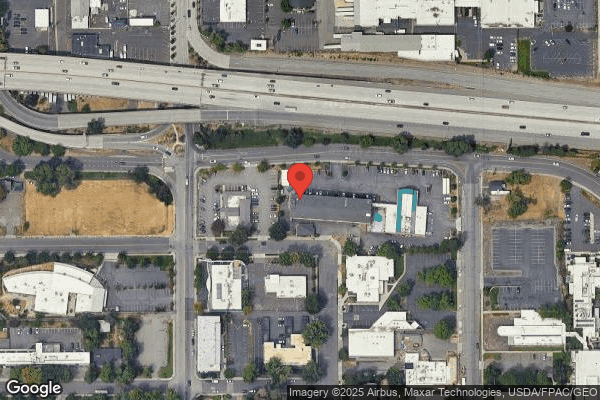
222 EAST FIFTH, SPOKANE, WA 99202 (509) 344-5770
Government - State 100 Beds Independent Data: November 2025
Trust Grade
75/100
#42 of 190 in WA
Last Inspection: March 2025

Within standard 12-15 month inspection cycle. Federal law requires annual inspections.

Overview

Spokane Veterans Home has a Trust Grade of B, indicating it is a good choice for families seeking care, positioned solidly in the middle range of options. It ranks #42 out of 190 nursing homes in Washington, placing it in the top half, and #2 out of 17 in Spokane County, meaning only one local facility is rated better. The facility is improving, with a reduction in issues from 16 in 2024 to 12 in 2025. Staffing is a strong point, with a 5/5 star rating and more RN coverage than 97% of facilities in Washington, which is crucial for catching potential health issues. However, there have been serious concerns, including a failure to administer a required medication dose that led to increased health complications for one resident, and issues with maintaining a clean and safe environment for others, which could risk residents' safety and comfort. Overall, while the home has strong staffing and is improving, it has notable weaknesses that families should consider.

Trust Score
B
75/100
In Washington
#42/190
Top 22%
Safety Record
Moderate
Needs review
Inspections
Getting Better
16 → 12 violations
Staff Stability
⚠ Watch
48% turnover. Above average. Higher turnover means staff may not know residents' routines.
Penalties
✓ Good
No fines on record. Clean compliance history, better than most Washington facilities.
Skilled Nurses
✓ Good
Each resident gets 83 minutes of Registered Nurse (RN) attention daily — more than 97% of Washington nursing homes. RNs are the most trained staff who catch health problems before they become serious.
Violations
⚠ Watch
48 deficiencies on record. Higher than average. Multiple issues found across inspections.
★★★★★
5.0
Overall Rating
★★★★★
5.0
Staff Levels
★★★★★
5.0
Care Quality
★★★★☆
4.0
Inspection Score
Stable
2024: 16 issues
2025: 12 issues

The Good

  • 5-Star Staffing Rating · Excellent nurse staffing levels
  • 5-Star Quality Measures · Strong clinical quality outcomes
  • Full Sprinkler Coverage · Fire safety systems throughout facility
  • No fines on record

Facility shows strength in staffing levels, quality measures, fire safety.

The Bad

Staff Turnover: 48%

Near Washington avg (46%)

Higher turnover may affect care consistency

The Ugly 48 deficiencies on record

1 actual harm
Mar 2025 12 deficiencies
CONCERN (D)

Potential for Harm - no one hurt, but risky conditions existed

Deficiency F0561 (Tag F0561)

Could have caused harm · This affected 1 resident

Based on interview and record review, the facility failed to promote and facilitate resident self-determination by honoring resident choices and/or refusals for 1 of 3 sampled residents (Resident 94),...

Read full inspector narrative →
Based on interview and record review, the facility failed to promote and facilitate resident self-determination by honoring resident choices and/or refusals for 1 of 3 sampled residents (Resident 94), reviewed for choices. This failure placed residents at risk of being unable to exercise their rights, not having their choices honored, and a diminished quality of life. Findings included . According to the 02/02/2025 admission assessment, Resident 94 was cognitively intact and able to clearly verbalize their needs. Review of provider orders showed an active 01/27/2025 order for Resident 94 to utilize a wheelchair (WC) and bed position change alarms to alert staff for the need of assistance. The order instructed staff to remove the alarm if signs of distress were observed and report to the Resident Care Manager (RCM) so the position change alarm could be removed from the care plan as needed. Review of the 01/27/2025 risk for fall care plan showed Resident 94 utilized a fall mat on the right side of the bed, automatic locking WC brakes, a scoop mattress (mattress with defined lip or raised edges), the bed in the lowest position, and bed/WC position change alarms to alert staff when Resident 94 attempted to self-transfer. Review of the 01/27/2025 informed consent for safety/assistive devices showed the position change alarm consent was signed by Resident 94's representative. Review of the 01/28/2025 consent for device form showed Resident 94 utilized a bed alarm for notification of position changes to alert staff to provide assistance. Device use was discussed with Resident 94 and their representative. Review of January 2025 through February 2025 nursing progress notes showed on 02/13/2025, Resident 94 removed the position change alarm from their bed, tore the wire in half and stated, I don't want this on my bed. On 02/21/2025, Resident 94 was awake throughout the night, sat up on the edge of the bed, broke the bed alarm pad when beeping, and staff replaced the alarm pad. The notes further showed staff continued to utilize the bed position change alarm after Resident 94's documented refusals. An observation on 03/17/2025 at 8:51 AM showed Resident 94 had a white position change alarm pad on their bed. Similar observations were made at 10:32 AM and on 03/18/2025 at 2:12 PM. In an interview on 03/25/2025 at 9:06 AM, Staff P, Nursing Assistant, stated a resident's care plan would inform staff what care needs a resident required. Staff P acknowledged Resident 94 utilized position change alarms in their bed and WC. Staff P further stated if they were aware a resident refused to use a position change alarm, they would notify the RCM. In an interview on 03/24/2025 at 2:19 PM, Staff W, Licensed Practical Nurse, stated they were unsure what the facility process was if or when a resident with dementia refused a position change alarm and would need to refer to the RCM for guidance. In an interview on 03/25/2025 at 9:21 AM, Staff F, RCM, stated they would assess a resident if a bed/WC alarm was causing distress to determine what choices could be implemented and to remove the alarm per resident wishes. Staff F explained resident progress notes were reviewed by nurse managers and discussed in the morning meeting. Staff F reviewed Resident 94's medical record. Staff F acknowledged Resident 94 refused the bed position bed alarm on 02/13/2024 and 02/21/2025. Reference WAC 388-97-0900 (1)-(4)
CONCERN (D)

Potential for Harm - no one hurt, but risky conditions existed

Deficiency F0578 (Tag F0578)

Could have caused harm · This affected 1 resident

**NOTE- TERMS IN BRACKETS HAVE BEEN EDITED TO PROTECT CONFIDENTIALITY** Based on interview and record review, the facility failed to address required documentation for advance directives for 1 of 4 sa...

Read full inspector narrative →
**NOTE- TERMS IN BRACKETS HAVE BEEN EDITED TO PROTECT CONFIDENTIALITY** Based on interview and record review, the facility failed to address required documentation for advance directives for 1 of 4 sampled residents (Resident 49) reviewed for Advance Directives. This failure placed the resident at risk of losing their right to have their preferences/decisions regarding end-of-life care followed. Findings included . Review of a 02/10/2025 assessment showed Resident 49 admitted to the facility on [DATE]. This assessment showed the staff identified Resident 49 had moderately impaired cognition and, along with the family and significant other, participated in the assessment and goal setting of care. Review of a 09/28/2023 facility admission agreement showed it was signed by Resident 49 and a staff. Under the subject of Power of Attorney, Yes and No questions were asked to help the facility identify if the resident had a healthcare Power of Attorney (POA), advance directives, if copy of the advance directives were provided to the facility, and if they desired information and required assistance in obtaining documents to formulate advance directives. None of the questions were answered and handwritten next to them were the words, [Resident] doesn't know. Similar findings were identified in a 03/05/2024 facility admission agreement, also signed by Resident 49 and a staff, where none of the questions were answered and handwritten next to the questions were the words, [Resident] doesn't remember. Will forward to Social Services. Review of the progress notes and care plan showed no documentation the facility ascertained the status of Resident 49's Advance Directives wishes. The above findings were shared with Staff C, Social Services Director, on 03/19/25 at 10:37 AM. Staff C acknowledged the lack of closure to Resident 49's advance directives status. In a follow-up interview at 12:36 PM, Staff C stated they had not found anywhere where the advance directives status for Resident 49 had followed up on. Staff C stated they never had POA paperwork, but had offered the information to Resident 49's spouse that day, 03/19/2025, and had documented it. Staff C acknowledged the facility should have but did not ensure follow-up of advance directives status at either instance. Reference WAC 388-97-0280 (3)(c)(i-ii), -0300 (1)(b), (3)(a-c). .
CONCERN (D)

Potential for Harm - no one hurt, but risky conditions existed

Comprehensive Care Plan (Tag F0656)

Could have caused harm · This affected 1 resident

Based on observations, interview and record review, the facility failed to develop and implement care plan interventions for aspiration precautions (measures taken to prevent food, liquid, or other su...

Read full inspector narrative →
Based on observations, interview and record review, the facility failed to develop and implement care plan interventions for aspiration precautions (measures taken to prevent food, liquid, or other substances from entering the lungs instead of the stomach) for 1 of 2 sampled residents (Resident 81), reviewed for hospitalization. In addition, the facility failed to follow care planned interventions when providing cares for Resident 91. This failure placed residents at risk of aspiration, unmet care needs, and diminished quality of life. Findings included . <Resident 81> According to the 02/17/2025 quarterly assessment, Resident 81 had diagnoses that included gastro-esophageal reflux disease (GERD, condition where stomach acid and contents back up into the throat) and diabetes. The assessment documented Resident 81 required a mechanically altered therapeutic diet, was cognitively intact and was able to clearly verbalize their needs. Review of the 10/31/2024 hospital discharge summary showed Resident 81 was to receive antibiotics for aspiration pneumonia (lung infection that occurred when food, liquid, or vomit entered the lungs instead of the stomach) upon hospital discharge. Review of the 10/31/2024 hospital discharge orders showed Resident 81 was receive an easy to chew diet and follow aspiration precautions to include providing oral care before eating or drinking, clearing secretions from oral cavity, moistening the mouth, being in an upright position as close as possible to 90-degree angle for oral intake, and elevating the head of the bed to at least 30-degree angle after eating for at least an hour. These were implemented by the facility provider on 10/31/2024. The 01/24/2024 nutrition care plan documented Resident 81 received a therapeutic diet and had a history of aspiration pneumonia. Staff were instructed to provide adaptive equipment, provide nutritional supplements to promote weight gain, and monitor for signs and/or symptoms of swallowing difficulties. The care plan had no goals or interventions developed and no instructions for staff related to the resident's need for aspiration precautions. Review of January 2024 through March 2025 nursing progress notes showed no documentation Resident 81 was non-compliant with following aspiration precautions as ordered. During an observation on 03/17/2025 at 8:57 AM, Resident 81 laid in bed, nearly flat (30 degrees or less), with a large round can to their left side. Resident 81 ate peanuts out of the large can while they watched television. During continuous observation on 03/18/2024 from 9:03 AM until 9:17 AM, Resident 81 again laid in bed, nearly flat (30 degrees or less), with a bitten chocolate candy bar sitting on their stomach and snack size bag of plain potato chips to their right side. Resident 81 ate the chocolate candy bar and plain potato chips while they watched television. At 9:17 AM Staff G, Nursing Assistant, entered Resident 81's room to assist their roommate but did not address Resident 81 eating while laying in bed nearly flat. In an interview on 03/24/2025 at 2:25 PM, Staff W, Licensed Practical Nurse, stated Resident 81 was on aspiration precautions but was not compliant. In an interview on 03/25/2025 at 9:10 AM, Staff P, Nursing Assistant, stated they were not aware Resident 81 had difficulty swallowing or required aspiration precautions. In an interview on 03/25/2025 at 9:36 AM, Staff F, Resident Care Manager, reviewed Resident 81's medical record. Staff F acknowledged Resident 81 had orders for aspiration precautions in place, but the care plan did not include goals or interventions for the ordered aspiration precautions. Resident 91> The 01/25/2025 admission assessment documented Resident 91 had diagnoses that included Multiple Sclerosis (a disease that caused nerve damage and affected communication between the brain and the body), dementia, and anxiety. Resident 91 was cognitively intact and had no behaviors. The 01/06/2025 behavioral care plan documented Resident 91 had a behavior problem and made repeated accusations toward staff. The care plan documented the staff were to provide care in pairs to rule out accusations that were made. In an observation on 03/20/2025 at 9:51 AM, Staff L, Nursing Assistant (NA), entered Resident 91's room and assisted them to the restroom and there were no other staff members present. At 12:08 PM that same day, Staff L assisted the resident in the bathroom by themselves. In an interview on 03/21/2025 at 10:08 AM, Staff G, NA, stated Resident 91 was in the shower with Staff M, NA. In an interview on 03/21/2025 at 10:20 AM, Staff M stated Resident 91 required assistance of one staff for showers. On 03/21/2025 at 10:32 AM, Staff L was observed in the resident's room providing cares and there were no other staff members present. In an interview on 03/24/2025 at 1:45 PM, Staff L stated they looked at the resident's care plan to see what care they needed. Staff L stated Resident 91 needed cares in pairs if they were having behavioral issues. Staff L stated it was important to have two person cares as care planned to protect the resident and themselves from allegations. During an interview on 03/24/2025 at 3:08 PM, Staff F, Resident Care Manager, stated care should have been provided in pairs to protect Resident 91 and the staff from accusations. Reference: WAC 388-97-1020(1), (2)(a)(b)
CONCERN (D)

Potential for Harm - no one hurt, but risky conditions existed

Accident Prevention (Tag F0689)

Could have caused harm · This affected 1 resident

**NOTE- TERMS IN BRACKETS HAVE BEEN EDITED TO PROTECT CONFIDENTIALITY** Based on observation, interview and record review the facility failed to identify, evaluate and analyze risks, and implement saf...

Read full inspector narrative →
**NOTE- TERMS IN BRACKETS HAVE BEEN EDITED TO PROTECT CONFIDENTIALITY** Based on observation, interview and record review the facility failed to identify, evaluate and analyze risks, and implement safety interventions to reduce risks and hazards for 2 of 3 sampled residents (Resident 95 and 2), reviewed for substance use disorder (SUD). In addition, the facility failed to monitor for injury and add interventions to the care plan after a fall was sustained, and failed to ensure a position change alarm was in working order for 2 of 6 sampled residents (Residents 13 and 92), reviewed for falls. These failures placed residents at risk of leaving the facility without staff knowledge, potentially avoidable accidents, and diminished quality of life. Findings included . The facility policy titled, Fall Management dated 01/01/2025 documented residents were to be placed on alert charting for further monitoring after a fall occurred. The fall would be reviewed and interventions would be added to the care plan as indicated. <Resident 95> According to the 02/03/2025 admission assessment, Resident 95 admitted to the facility on [DATE] with diagnoses that included anemia and alcohol abuse. Resident 95 was cognitively intact and able to clearly verbalize their needs. Review of the 01/25/2025 hospital progress notes showed Resident 95 had a significant alcohol abuse history and their spouse had been weaning the resident off of it over the three weeks prior to their hospital admission. The resident had most recently been drinking only one beer daily and did not show signs or symptoms of alcohol withdrawals. The 01/28/2025 nursing admission assessment documented Resident 95 was confused, oriented to self only, and had a past history of alcohol use. No additional details of Resident 95's significant alcohol abuse history were documented. The 01/28/2025 baseline care plan contained no documentation that Resident 95 had a significant history of alcohol abuse and had no interventions implemented to address potential risks associated with the SUD. Review of the 01/28/2025 wandering risk assessment showed Resident 95 could move without assistance while in their wheelchair (WC), did not wander, and had no exit seeking behaviors documented in the record prior to admission. No documentation was found to show Resident 95 had a significant alcohol abuse history or their risk for leaving the facility without staff notification. The January 2025 nursing progress notes documented Resident 95 had a history of heavy alcohol use, progressive cognitive impairment, was alert to self only, confused, forgetful, was agitated, refused meals and began adamantly wanting to go home on [DATE], two days after their admission. Review of the 02/20/2025 wandering risk assessment showed Resident 95 showed exit seeking behaviors, could move without assistance while in their wheelchair, had wandered aimlessly within the facility or off the grounds, and wanted to get outside to go home. The assessment identified Resident 95 as a high risk to wander. Review of the 02/20/2025 impaired safety awareness care plan showed Resident 95 was confused, wanted to go home, had a wanderguard (a device placed on an individual that alarmed when an exit door was approached) placed on their WC and instructed staff to verify proper function nightly. No documentation was found to show Resident 95 had a significant history of alcohol abuse or interventions implemented to address potential risks associated with the SUD. <Resident 2> According to the 01/24/2025 assessment, Resident 2 admitted to the facility on [DATE] with diagnoses that included weakness and depression. Review of the 12/30/2024 nursing admission assessment showed Resident 2 was cognitively intact, had clear speech and clearly understood others. The assessment documented Resident 2 had past use of alcohol and Marijuana (cannabis), no additional details were documented. The 12/31/2025 social service assessment documented Resident 2 had a history of alcohol or drug abuse and had 29 years of sobriety. No documentation or details of Resident 2's Marijuana use history was found. The January 2025 nursing progress notes documented on 01/10/2025 Resident 2's spouse brought in an edible marijuana product and Resident 2 had consumed it the prior evening. Resident 2 had an elevated heart rate (HR) of 129 beats per minute (average HR ranges from 60-100). A care conference was held with Resident 2 and their spouse. They were both educated that edibles contained cannabis and were not permitted on the facility grounds. Resident 2's spouse stated Resident 2 had requested they bring the cannabis edibles into the facility. Resident 2's spouse acknowledged they had placed more edibles in Resident 2's nightstand drawer. Staff requested the additional cannabis edibles be removed from the facility grounds. The 01/10/2025 care conference assessment documented Resident 2 had edibles brought in from home and the provider was notified. Resident 2 was monitored, and additional edibles were taken home. The 01/14/2025 behavior care plan documented Resident 2's family members brought medications that included edibles to the facility without notifying staff. Staff were instructed to educate family, resident and staff of the dangers of bringing in outside medications without consent and instructed staff to inquire after each family visit if any outside items such as medications were brought into the resident. No documentation was found to show Resident 2 had a history of alcohol abuse. In an interview on 03/21/2025 at 10:34 AM, Staff G, Nursing Assistant, stated a SUD was when an individual had issues with substances such as alcohol, drugs or controlled substances. Staff G explained they received SUD training during new employee orientation (NEO). Staff G further stated they would go the nurse to deal with potential emergencies related to substance use. In an interview on 03/21/2025 at 10:54 AM, Staff H, Registered Nurse, stated a SUD was when a person was addicted to narcotics, alcohol or any sort of drug. Staff H stated they were unsure of the facility process for dealing with potential emergencies related to substance use, which facility staff had been trained to recognize signs and/or symptoms of substance use, how residents were assessed for potential risks associated with substance use, or how resident safety was maintained. Staff H further stated staff should not be offering alcohol to residents with an alcohol abuse history and the SUD should be care planned with identified interventions. Staff H acknowledged Marijuana in any form was not allowed on the property. In an interview on 03/21/2025 at 11:06 AM, Staff F, RCM, stated a SUD was when someone abused a substance that caused an ill effect in a person's health, change in mood or behavior and became a danger to themselves or others. Staff F further stated all facility staff were trained on SUD during NEO. Staff F was asked how the facility assessed residents for potential risks associated with SUDs. Staff F stated illegal substances were not permitted in the facility and if a resident had a SUD, it would be care planned but nursing had no specific assessment to complete. Staff F stated they were unsure if they cared for any residents with a history of SUDs and acknowledged Marijuana edibles were not allowed in the facility. In an interview on 03/21/2025 at 11:21 AM, Staff E, Social Service Director, explained they used to be a certified SUD counselor but did not utilize those credentials in the facility. Staff E stated all staff were trained to recognize signs and/or symptoms of substance use. Staff E further stated social services did not assess for potential risks associated with SUDs but if a resident had a history of substance use it should be care planned with interventions implemented for direct care staff to follow. Staff E acknowledged Marijuana was not allowed in the facility and Resident 2's edibles were removed from the facility property, on 01/10/2025. <Resident 13> The 12/23/2024 quarterly assessment documented Resident 13 had diagnoses that included diabetes, high blood pressure and a stroke. Resident 13 had moderate cognitive impairments and was able to make their needs known and had sustained two or more falls. The 03/19/2025 fall risk evaluation documented Resident 13 had a history of falls and was at risk for additional falls. The 12/21/2022 risk for falls care plan documented Resident 13 was at risk for falls related to deconditioning and problems with balance. The care plan had multiple fall interventions in place. A 02/11/2025 progress note documented Resident 13 had slid out of bed onto their fall mat. The incident investigation documented Resident 13 would be gotten up at 6:00 AM to prevent them from getting out of bed on their own. This intervention was not found on the care plan. A 02/18/2025 progress note stated Resident 13 was found on the floor sitting on their fall mat next to the bed. There was no further documentation in the resident's record regarding the fall. In an interview on 03/24/2025 at 2:11 PM, Staff P, Nursing Assistant, stated they knew what care to provide the residents by looking at the care plan. During an interview on 03/24/2025 at 2:15 PM, Staff Q, Registered Nurse, stated after a fall the resident was placed on alert charting to monitor for latent injury. Staff Q stated interventions after a fall should have been placed on the care plan and said this was important for the safety of the resident. In an interview on 03/24/2025 at 3:14 PM, Staff F, Resident Care Manager, stated fall interventions should have been on the care plan and said this was important to ensure the safety of the resident and that interventions were followed. Staff F stated after a fall the residents were placed on alert charting to monitor for latent injuries and pain. <Resident 92> The 01/08/2025 admission assessment documented Resident 92 had diagnoses that included stroke, dementia and anxiety. Resident 92 had severe cognitive impairments, had fallen prior to and after admission, and had sustained a fracture in the past six months. The 01/02/2025 fall risk evaluation documented Resident 92 had a history of falls and was at risk for additional falls. The 01/03/2025 risk for falls care plan documented Resident 92 was at risk for falls related to confusion, deconditioning and problems with balance. The care plan had multiple fall interventions. An incident investigation for 03/01/2025 stated Resident 92 was found on the floor in the dining room and the safety alarm in use had not sounded. The safety alarm was not assessed for the reason it had not functioned properly. In an interview on 03/24/2025 at 1:53 PM, Staff L, Nursing Assistant, stated safety alarms were checked to ensure they were working properly when they checked on the residents during their shift. In an interview on 03/24/2025 at 1:58 PM, Staff R, Registered Nurse, stated the nurses checked each resident's safety alarms every shift. In an interview on 03/24/2025 at 3:21 PM, Staff F, stated the nurses were to check the alarms every shift to ensure they functioned properly. Staff F stated the safety alarm not sounding should have been a part of the fall investigation and it was important that safety alarms functioned properly for the safety of the residents. Reference: WAC 388-97-1060 (3)(g)
CONCERN (D)

Potential for Harm - no one hurt, but risky conditions existed

Incontinence Care (Tag F0690)

Could have caused harm · This affected 1 resident

Based on observation, interview and record review, the facility failed to ensure a resident received appropriate treatments and services to restore bladder continence to the extent possible for 1 of 2...

Read full inspector narrative →
Based on observation, interview and record review, the facility failed to ensure a resident received appropriate treatments and services to restore bladder continence to the extent possible for 1 of 2 sampled residents (Resident 69) reviewed for bowel and bladder incontinence. Failure to comprehensively assess the causes of incontinence and provide treatments and services to restore bladder function, placed the resident at risk for continued decline in urinary function, skin issues, and embarrassment. Findings included . The 01/01/2024 facility policy titled Incontinent Care cumented the facility provided incontinence care to keep the residents clean, dry and free from skin irritations, and to reduce the risk of urinary tract infections. The policy documented the facility assessed all residents upon admission for voiding patterns and the residents potential to participate in a bladder retraining program (helped the resident to begin to hold more urine for longer periods of time overcome bladder problems that included urgency, frequency and incontinence). Once the staff identified incontinence, the resident's care plan included interventions to promote or manage incontinence. On 03/17/2025 at 2:45 PM, Resident 69 was observed in bed fully dressed. Resident 69 stated they experienced episodes of urinary incontinence, quite a bit. You can't expect staff to be lined up waiting to care for you. Resident 69 stated the staff did not come on their own to take them to the bathroom; the resident had to call the staff. Resident 69 stated that they wore an incontinence brief. The 02/01/2025 quarterly assessment documented Resident 69 had diagnoses that included stroke. The resident had moderate cognitive impairment and did not reject care. Resident 69 required physical assistance from the staff to complete transfers and toileting. The resident was frequently incontinent of urine but on no toileting program, such as scheduled toileting, prompted voiding, or bladder training. Prior assessments dated 08/15/2024 and 11/04/2024 also showed Resident 69 was frequently incontinent and on no toileting program. An 08/19/2024 care areas worksheet associated with the 08/14/2024 assessment documented the staff identified Resident 69 experienced mixed incontinence (stress incontinence with urgency). The worksheet documented the staff addressed the incontinence in the care plan with goals for improvement, avoid complications, and minimize risks and will continue to offer toileting assistance/incontinence cares on comfort rounds. The worksheet showed the staff determined no referral to other disciplines was warranted for the identified urinary incontinence and to continue working with therapy. Review of the Bladder Elimination flowsheets documented Resident 69 was incontinent of urine, on an average of two to three times a day, between 02/19/2025 to 3/20/2025. The 08/08/2024 care plan documented Resident 69 required limited to extensive assistance for cleansing, changing incontinence products, and adjusting clothing and extensive assistance to move to and from bed to wheelchair. An 08/09/2024 intervention showed Resident 69 required a mechanical lift to complete transfers. Because of falls, the facility added an intervention on 08/27/2024 to check in on the resident every 30 minutes and, if awake, offer toileting. On 02/26/2025, an intervention was added to the care plan that Resident 69 preferred to keep the urinal at bedside while in bed and on the bedside table.On 03/24/2025 at 10:50, the resident's urinal was observed inside their bathroom and not at the bedside. In an interview on 03/24/2025 at 11:25 AM, Staff U, Nursing Assistant (NA), stated that they were familiar with the cares of Resident 69. Staff U stated that Resident 69 did not use a urinal and considered the resident continent 90% of the time if we went there right away and the resident experienced incontinence because we don't make it on time. Staff U stated that Resident 69 required a one person assist for transfers to the bathroom, required no lift, and would attempt to transfer on their own to go to the rest room. Staff U considered Resident 69's severity of bladder incontinence unchanged from admission to the facility and tried to manage incontinence by offer toileting before and after meals. They stated the resident was usually pretty good about letting them know. In an interview on 03/25/2025 at 8:44 AM, Staff V, NA, stated that Resident 69 required extensive assist for transfers, pulled the call light when ready to use the bathroom, and was continent of urine 50% of the time. They stated sometimes the resident did not make it to the bathroom. Staff V also stated that sometimes Resident 69 felt the urge to urinate but then did not void after being helped to the bathroom and the resident constantly went to the bathroom. Staff V stated Resident 69 drank a lot of coffee, and coffee was a diuretic (medication that increased urine output). Staff V stated they checked on Resident 69 every hour. In an interview on 03/24/2025 at 11:33 AM, Staff N, Resident Care Manager stated Resident 69 had a recent stroke that negatively affected their continence and made it harder for them to go to the bathroom when they wanted to. Staff N stated the resident relied on staff for transfers. When asked how the facility assessed for risks, causes, types, patterns of incontinence, and potential treatments to address or reverse any resident's urinary incontinence, Staff N answered the staff completed a Bowel and Bladder Assessment on admission and quarterly. Staff N reviewed Resident 69's medical record but could not locate the assessment. Staff N stated the Bowel and Bladder Assessment alerted the staff of the need to revise interventions to address unimproved incontinence. Staff N was asked what types of interventions were attempted to improve Resident 69's bladder continence. Staff N stated they had not done that, and the resident had moisture associated skin damage (response to prolonged skin exposure to moisture) related to their incontinence. Staff N stated it would be good to get the resident on a toileting schedule. Staff N confirmed no referrals had been made to therapy or the provider for the mixed incontinence identified on 08/19/2024. No further information was provided. Reference WAC 388-98-1060 (3)(c).
CONCERN (D)

Potential for Harm - no one hurt, but risky conditions existed

Deficiency F0760 (Tag F0760)

Could have caused harm · This affected 1 resident

Based on interview and record review, the facility failed to ensure a resident received doses of Ozempic, a medication used to control blood sugar levels, as ordered, and failed to notify the provider...

Read full inspector narrative →
Based on interview and record review, the facility failed to ensure a resident received doses of Ozempic, a medication used to control blood sugar levels, as ordered, and failed to notify the provider timely after the omissions for 1 of 5 sampled residents (Resident 36), reviewed for unnecessary medications. This failure placed residents at risk of complications secondary to high blood sugar levels, unmet care needs, and diminished quality of life. Findings included . According to the 01/06/2025 quarterly assessment, Resident 36 had diagnoses that included diabetes and stroke. Resident 36 received hypoglycemic (blood sugar lowering) medication including insulin (medication that lowered blood sugar levels) injections. Resident 36 was cognitively intact and able to clearly verbalize their needs. The 08/16/2019 diabetes care plan instructed staff to administer diabetes medications per provider orders and monitor for signs and/or symptoms of high or low blood sugar levels. On 04/20/2024 a provider order was given for Resident 36 to be administered an Ozempic injection once weekly on Saturday mornings for diabetes. Review of the March 2025 Medication Administration Record (MAR) showed Resident 36 did not receive two doses of the Ozempic; a code 9 was documented for the 03/08/2025 dose and a code 7 was entered for the 03/15/2025 dose. The key at the bottom of the MAR indicated a code 9 meant other /see progress note and a code 7 meant not given; MD notified. Review of March 2025 nursing progress notes showed Resident 36's Ozempic was not administered on 03/08/2025 because the medication was unavailable, no documentation was found to show the provider was notified of the Ozempic omission at that time. On 03/15/2025 the Ozempic was again not administered because it was not available. The notes documented Resident 36's Ozempic was ordered on 03/01/2025, 03/08/2025, and again on 03/15/2025 and that the provider was notified on 03/15/2025. A Provider Communication Form dated 03/15/2025 documented Resident 36 did not receive their Ozempic injection on 03/08/2025 or on 03/15/2025 related to the medication being unavailable. No documentation was found to show the provider was notified of the 03/08/2025 missed Ozempic dose prior to 03/15/2025. Review of provider progress notes showed no provider progress notes for March 2025. In an interview on 03/20/2025 at 9:33 AM, Staff Y, Pharmacist, reviewed Resident 36's record. Staff Y stated Resident 36's Ozempic was filled on 02/19/2025 and was not due to be refilled when ordered by the facility on 03/01/2025, 03/08/2025, or on 03/15/2025 so the refill was rejected and placed into a que to be automatically filled at the next appropriate time frame. Staff Y stated Ozempic was a specialty medication that required approval from Staff A, Administrator, or Staff B, Director of Nursing, if the medication was to be refilled earlier than scheduled. Staff Y stated they emailed the facility an authorization form for approval of an early refill if needed. Staff Y reviewed email correspondences between the pharmacy and the facility, and stated they had no document authorizing an early refill of Ozempic for Resident 36. In an interview on 03/20/2025 at 9:51 AM, Staff Z, Medical Records, stated all provider communication forms for Resident 36 were scanned into their record. Staff Z reviewed Resident 36's medical record. Staff Z acknowledged the only provider communication form for Resident 36 for March 2025, was the 03/15/2028 form, no other provider communication forms were found. In an interview on 03/20/2025 at 10:28 AM, Staff F, Resident Care Manager (RCM), stated the facility reordered resident medications when there was a one week supply remaining. Staff F stated if the facility ran out of a medication, staff were to check the facility's emergency medication storage machine or order medications from two back up emergency pharmacies the facility utilized. Staff F reviewed Resident 36's medical record and acknowledged Resident 36's Ozempic was ordered on 03/01/2025, 03/08/2025, and again on 03/15/2025. In an interview on 03/24/2025 at 2:21 PM, Staff W, Licensed Practical Nurse, explained nursing staff were to order new insulin pens as soon as the fourth dose was administered when ordered for weekly administration and the pharmacy would fill it. Staff W further stated they would notify the RCM if/when there was a medication refill issue, so appropriate follow-up could be taken. In a follow-up interview on 03/25/2025 at 9:30 AM, Staff F, RCM, stated they expected the provider to be notified timely if/when a medication was not available for administration, as ordered. Reference WAC 388-97-(3)(k)(iii)
CONCERN (D)

Potential for Harm - no one hurt, but risky conditions existed

Deficiency F0804 (Tag F0804)

Could have caused harm · This affected 1 resident

Based on observation, interview and record review, the facility failed to ensure meals were served at palatable temperatures for 1 of 6 sampled residents (Resident 12) reviewed and 1 of 1 meal test tr...

Read full inspector narrative →
Based on observation, interview and record review, the facility failed to ensure meals were served at palatable temperatures for 1 of 6 sampled residents (Resident 12) reviewed and 1 of 1 meal test trays sampled.This failure put residents at risk of decreased enjoyment of their meals, and possible reduced dietary intake. Findings inculded . According to the Washington State Food Handlers Guide Website, the Washington State Department of Health Safety and Licensing Division recommended that all potentially hazardous foods be held at a temperature of 41°F or below in commercial refrigerators and freezers. This included meats, fish, poultry, eggs, dairy products, cooked vegetables, cooked rice and pasta, cut melons, and other perishable items. All frozen foods were to be stored at 0°F or below. Hot food items were to be held at a temperature of 140°F or above. The 03/10/2025 quarterly assessment documented Resident 12 had diagnoses that included obesity, high blood pressure and diabetes. The assessment further documented the resident was cognitively intact and was able to make their needs known. In an observation and interview on 03/18/2025 at 8:38 AM, Resident 12 was sitting in their wheelchair in their room. Resident 12 stated residents had the choice to eat in their room or in the dining room. They stated when they ate in the dining room the food was hot. If they ate in their room the food was served cold at times. In an interview on 03/19/2025 at 8:42 AM, Resident 12 stated breakfast was good but could have been hotter. In additions to cold cereal, they had an English muffin, sausage patty, hard boiled egg, and hashbrowns. The kitchen food temperature logs for March 2025 were reviewed. Temperatures for hot foods had been documented on the logs but not the cold food. There was a line through the box that asked for the temperature of the cold items. During an observation and sampling of the lunch meal served on 03/24/2025, the temperatures of the food items were outside of the acceptable parameters and were as follows: buttered noodles 119° F, oriental style mixed vegetables 100° F, and cubed seasoned potatoes 125° F. In an interview on 03/24/2025 at 12:31 PM, Staff S, Food Supervisor, stated it was important to check hot and cold food temperatures.This ensured the food was safe for consumption. Reference: WAC 388-97-1100 (1)(2)
CONCERN (D)

Potential for Harm - no one hurt, but risky conditions existed

Medical Records (Tag F0842)

Could have caused harm · This affected 1 resident

Based on interview and record review, the facility failed to ensure that consents for psychotropic medications (drugs that affected behavior, mood, thoughts or perception) were completed accurately fo...

Read full inspector narrative →
Based on interview and record review, the facility failed to ensure that consents for psychotropic medications (drugs that affected behavior, mood, thoughts or perception) were completed accurately for 1 of 5 residents (Resident 43) reviewed for unnecessary medications. Specifically, some consents were not documented as late entries, and two consents were not completed before the medication was resumed. Failure to ensure clinical records were accurate placed residents at risk of not having their needs met. Findings included . A quarterly assessment, dated 01/20/2025, documented Resident 43 had diagnoses of Parkinsons Disease (an illness that affected the part of the brain that controlled movement), depression and anxiety. The assessment further showed that they were alert and made their needs known. Resident 43's Medication Administration Record for March 2025, showed they were taking the following psychotropic medications, that required documented consents: 1) Quetiapine (a medication that treated symptoms such as delusions, hallucinations or paranoia) daily in the evening 2) Prazosin (a medication used to treat nightmares) daily at bedtime 3) Trazodone (an antidepressant medication) twice daily 4) Lorazepam (an antianxiety medication) every 8 hours A review of the medical record showed consents for the medications. The consent form had an Effective Date with the date at the top, further down a box that showed Date followed by the name of the medication, then a box to fill in the name of the resident or representative who provided verbal consent. The last line of the form was for the electronic signature of the staff and the date the document was signed. 1) The Quetiapine consent showed the effective date as 10/03/2024, the date box showed 10/18/2024, and the final line showed the document was signed by Staff N, Registered Nurse/Resident Care Manager (RN/RCM) on 01/28/2025. 2) The Prazosin consent showed both the effective date and the date box as 01/09/2025 and the last line showed the document was signed by Staff N on 01/28/2025. 3) The Trazodone consent showed both the effective date and the date box as 11/15/2024 and the last line showed the document was signed by Staff N on 01/28/2025. A review of the provider orders showed that Trazodone was discontinued on 11/01/2024 and resumed 14 days later, on 11/15/2024. 4) The Lorazepam consent showed both the effective date and the date box as 11/15/2025 and the last line showed the document was signed by Staff N on 01/28/2025. A review of the provider orders showed that Lorazepam was discontinued on 11/01/2024 and resumed 3 days later, on 11/04/2024. During an interview on 03/24/2025 at 2:15 PM, Staff W, Licensed Practical Nurse, stated that consents for psychotropic medications needed to be done before the first dose was given. They further stated that if the medication was stopped, then reordered, the consent needed to be redone. During an interview on 03/25/2025 at 9:16 AM, Staff N verified that consent for psychotropic medications needed to be done when the medication was started and when the dose changed. When asked about the differing dates on the consents, they stated they had not realized that the new facility process was to redo the consent if the dose changed. Staff N further explained that on 01/28/2025, they looked back and actually did those consents as late entries and manually put in the first two dates on the consent, as when the order started. Staff N acknowledged that the documents were not labeled as late entries, that it was not clear that the consents were actually obtained on 01/28/2025, and that the consents for Trazodone and Lorazepam should have been done when the medications were resumed. Reference: WAC 388-97-1720(1)(a)(i-iv)(b)
CONCERN (D)

Potential for Harm - no one hurt, but risky conditions existed

Infection Control (Tag F0880)

Could have caused harm · This affected 1 resident

**NOTE- TERMS IN BRACKETS HAVE BEEN EDITED TO PROTECT CONFIDENTIALITY** Based on observation, interview, and record review the facility failed to ensure infection control practices were followed durin...

Read full inspector narrative →
**NOTE- TERMS IN BRACKETS HAVE BEEN EDITED TO PROTECT CONFIDENTIALITY** Based on observation, interview, and record review the facility failed to ensure infection control practices were followed during meal service to include performing hand hygiene (HH) when indicated. In addition, staff did not follow Enhanced Barrier Precautions (EBP) when indicated for 1 of 3 sampled residents (Resident 91), reviewed for infection control. These failures placed the residents at risk for the spread of infections, illnesses and unintended health consequences. Findings included . Review of the facility policy titled, Hand Washing/Hand Hygiene revised March 2024, showed hand hygiene was the primary means of preventing the spread of infections. The policy further showed staff should perform hand hygiene before and after direct contact with residents, after contact with a resident's intact skin, after contact with objects in the immediate vicinity of a resident, before and after assisting a resident with a meal. Review of the facility policy titled, Enhanced Barrier Precautions revised March 2024, defined EBP as the use of a gown and gloves during high-contact resident care activities for residents known to be colonized or infected with a multi-drug-resistant organism (MDRO) or at increased risk of acquiring an MDRO. The policy defined high-contact care activities as dressing, bathing, transferring, providing hygiene, changing linens, changing an incontinence brief or assisting with toileting, invasive device (medical device that entered a person's body) care, or performing wound care that required a dressing. The policy instructed staff to use EBP for the duration of the affected resident's stay in the facility or until the wound healed or the invasive medical device was removed. HAND HYGIENE During an observation on 03/17/2025 at 11:44 AM, Staff G, Nursing Assistant, sanitized their hands, grabbed a meal tray, poured drinks, and then leaned down and picked up cups that had fallen onto the floor. Staff G had not performed hand hygiene and passed the tray to a resident. During an observation on 03/17/2025 at 11:46, Staff J Nursing Assistant (NA), used alcohol based-hand rub (ABHR), placed a clothing protector on a resident in the dining room, obtained a new tray off the meal cart without hand hygiene performed, poured fluids into plastic cups, and delivered the tray to the assisted dining room. Staff J obtained another tray from the meal cart and hand hygiene was not performed. During an observation on 03/17/2025 at 11:49 AM, Staff J, obtained a tray off the meal cart, poured fluids, and delivered the tray to the assisted dining room. Staff J opened the large round trash with their hand, hand hygiene was not performed and they entered room [ROOM NUMBER]. During an observation on 03/17/2025 at 11:52 AM, Staff J, Nursing Assistant, passed a tray, then grabbed another tray and hand hygiene was not performed in between trays. During a continuous observation on 03/17/2025 at 11:51 AM until 11:59 AM, Staff K, NA, delivered a tray to room [ROOM NUMBER] and exited the room and no hand hygiene was performed. Staff K obtained a second tray off the meal cart, poured drinks into cups, delivered the tray to room [ROOM NUMBER], and again exited the room and no hand hygiene was performed. Staff K obtained a third tray off the meal cart, grabbed a clothing protector, delivered the tray to room [ROOM NUMBER], adjusted the bedside table and opened/set up the tray. Staff K again exited the room and no hand hygiene was performed. During an interview on 03/21/2025 at 9:26 AM, Staff J, NA, stated hand hygiene was keeping hands clean or sanitizing, wearing gloves, and not getting stuff on hands I guess. Staff J acknowledged staff should have performed hand hygiene after touching a resident's immediate environment and between passing different resident trays. During an interview on 03/21/2025 at 9:34 AM, Staff H, Registered Nurse, stated hand hygiene was washing hands with soap and water or using ABHR. Staff H further explained staff were expected to perform hand hygiene at various times including between passing different resident trays during meal service to prevent the spread of infection between residents and staff. During an interview on 03/21/2025 at 9:42 AM, Staff I, Infection Preventionist, stated staff should have performed hand hygiene between passing meal trays and after the lid on the trash can was touched to prevent the spread of germs During a follow-up interview on 03/24/2025 at 1:34 PM, Staff I, stated hand hygiene should have been performed after the cups were picked up off the floor. Staff I stated it was important to sanitize after touching things to prevent the spread of germs. ENHANCED BARRIER PRECAUTIONS According to the 01/05/2025 admission assessment, Resident 91 had diagnoses including repeated falls and neurogenic bladder (bladder control issues caused by nerve damage). The assessment further showed Resident 91 had an indwelling urinary catheter (flexible tube inserted into the bladder to drain urine). Review of the 12/23/2024 provider orders showed active orders for Resident 91 to follow enhanced barrier precautions (EBP, use of gloves and gowns) during high-contact resident care activities such as dressing, bathing, transferring, changing linens, providing hygiene, or assisting with toileting. Review of the 02/26/2025 suprapubic catheter (catheter inserted directly into the bladder through a cut in the abdomen) care plan documented Resident 91 was on EBP. Interventions instructed staff to follow signage posted on the resident's door for application and removal of PPE (personal protective equipment, gown and gloves) to include use when dressing, bathing, transferring, providing hygiene, changing linens, during invasive device care. In an interview on 03/18/2025 at 9:02 AM, Staff P, Nursing Assistant, stated when precautions were implemented it would be documented in the resident's care plan for staff to reference and follow. During an observation on 03/20/2025 at 12:08 PM, an EBP sign was observed posted outside of Resident 91's room. Staff L, Nursing Assistant, assisted Resident 91 into the bathroom and helped them stand at the bar. Staff L was not wearing a gown as required to assist with transferring Resident 91. In an interview on 03/20/2025 at 12:17 PM, Staff L stated Resident 91 was on EBP because they had a catheter. Staff L acknowledged they did not wear a gown when they assisted Resident 91 transfer and should have worn a gown to protect the resident and themselves from germs. Reference: WAC 388-97-1320 (1)(c)(2)(b),
CONCERN (E)

Potential for Harm - no one hurt, but risky conditions existed

Safe Environment (Tag F0584)

Could have caused harm · This affected multiple residents

Based on observation, interview, and record review, the facility failed to maintain a clean, comfortable, safe and homelike environment for 3 of 4 sampled residents (Resident 92, 58 and 35), reviewed ...

Read full inspector narrative →
Based on observation, interview, and record review, the facility failed to maintain a clean, comfortable, safe and homelike environment for 3 of 4 sampled residents (Resident 92, 58 and 35), reviewed for environment. Specifically, Resident 92's wall in their room was in disrepair and had a screw that protruded out of the wall, and Resident 58 and 32's walls were in disrepair. These failures placed all residents at risk for avoidable injuries and a diminished quality of life. Findings included . <Resident 35> An observation on 03/18/2025 at 9:09 AM showed an approximately 2 feet by 2 feet section of peeled, scraped paint on the wall, right next to the Resident 35's bed. The curved paint scrapes appeared to be from the bed's upper rail scraping the wall, when it was swung up or down. Similar observations of the wall damage were made on 03/19/2025 at 2:06 PM, 03/20/2025 at 2:58 PM and 03/24/2025 at 9:45 AM. On these subsequent observations, a cloth band-aide was observed stuck to the wall, over one of the gouges. <Resident 58> An observation on 03/18/2025 at 9:43 AM showed gouges in the wall next to the Resident 58's bed. Some of the gouges were deep into the drywall, where the bed and upper rail scraped it and around the wall box for the call light. The wall had dark gray paint, and the chalky white drywall exposed by the gouges were quite noticeable. Similar observations of the wall damage were made on 03/19/2025 at 2:04 PM, 03/20/2025 at 8:50 AM, 03/24/2025 at 9:46 AM, and 03/25/2025 at 9:12 AM. Neither Resident 35 nor 58 were able to verbalize about how long ago the walls were damaged. During an interview on 03/24/2025 at 9:58 AM, Staff U, Nursing Assistant (NA), stated that if they saw any maintenance issues, they would tell the nurse or the desk person, who would put in a work order. Staff U further stated they did not know how long the walls in Resident 35 or 58 had been in disrepair and were not aware if a work order had been submitted or not. During an interview on 03/25/2025 at 10:33 AM, Staff AA, Maintenance Mechanic, stated that their department received work orders in the computer system, then they would review the orders and prioritize them. Staff AA confirmed that they did not have any work order requests for Resident 35 or 58's rooms. After looking at the rooms with the surveyor, Staff AA verified that they should be repaired, and they would do so. <Resident 92> During an observation and interview on 03/17/2025 at 12:37 PM, Resident 92 was sitting in their wheelchair in their room. Resident 92's room had multiple gouges in their drywall on the wall next to their bed and there was a screw that protruded out of the wall within the resident's reach. The resident stated they did not feel like it was a homelike environment. Subsequent observations of the wall in disrepair and the screw protruding out of the wall were made on 03/19/2025 at 9:01 AM and 03/20/2025 at 8:36 AM. On 03/21/2025 at 10:31 AM and 03/25/2025 at 8:56 AM, the screw had been pushed into the wall but was not flush and still within the resident's reach. In an interview on 03/25/2025 at 9:03 AM, Staff D, Maintenance Director, stated the staff notified them when repairs were needed. Staff D stated they were unaware the room needed repairs and removed the screw from the wall and stated it was a safety concern. When Staff D was asked if the above observations were homelike, they stated, No, and it was important for the resident to have a homelike environment because this was their home. Reference: WAC 388-97-0880. .
CONCERN (E)

Potential for Harm - no one hurt, but risky conditions existed

Deficiency F0657 (Tag F0657)

Could have caused harm · This affected multiple residents

**NOTE- TERMS IN BRACKETS HAVE BEEN EDITED TO PROTECT CONFIDENTIALITY** Based on observation, interview and record review, the facility failed to ensure residents or their representatives were provide...

Read full inspector narrative →
**NOTE- TERMS IN BRACKETS HAVE BEEN EDITED TO PROTECT CONFIDENTIALITY** Based on observation, interview and record review, the facility failed to ensure residents or their representatives were provided the opportunity to participate in care planning for 2 of 3 sampled residents (Resident 29 and 35) whose medical records were reviewed for care planning. This failure placed the residents at risk for unmet needs and a diminished quality of life. Findings included . A revised 04/2016 facility policy titled Resident/Family Participation - Assessment/Care Plans documented the facility invited each resident and their family members to participate in the development of the resident assessment and care planning conference. The policy instructed the Social Services Director (SSD) or designee to maintain records that showed their efforts to invite the resident and family to the care planning conference, including refusal of participation. The policy showed the facility scheduled care conferences shortly after admission, quarterly, and at discharge to ensure resident needs and preferences were met and documented the care conferences in the medical record. <Resident 29> On 03/17/2025 at 12:35 PM, Resident 29 was observed in their room sitting in a wheelchair. Resident 29 stated the staff would bring in a copy of the care plan, say they had a new one, then hang the document in the closet. Resident 29 stated they never done a team care plan meeting. Staff came one by one but not as a team and the resident stated they had No input. Resident 29's family member, who lived with the resident, showed the surveyor a Delivery Guide they brought from the closet and stated, No nursing diagnoses, no nursing goals. Review of a 01/06/2025 quarterly assessment showed Resident 29 was re-admitted to the facility on [DATE] from the hospital with medically complex conditions that included heart failure and diabetes. The assessment showed Resident 29 was cognitively intact. Review of Resident 29's medical record showed the facility completed quarterly assessments on 07/15/2024, 10/13/2024, and 01/06/2025. Further review showed the last time a care conference was held with Resident 29's participation was on 01/26/2024, as documented in a Care Conference Summary. The above findings were shared with Staff C, Social Services Director, on 03/20/2025 at 11:36 AM. When asked what process the facility used to ensure residents or their representatives were able to participate in their care planning, Staff C stated they were in the process of getting care plan conferences caught up and this was something they had been working on. They had noticed when they began their employment at the facility that care plan conferences had been hit and miss, but they had tackled other projects at that time. Staff C stated the facility completed care planning conferences within one to two weeks of a resident's admission, then typically followed the MDS (Minimum Data Set, an assessment tool) schedule or when a significant change happened. Staff C stated the facility identified the lack of care planning conferences the week of 12/20/2024. <Resident 35> Review of a 01/27/2025 quarterly assessment showed Resident 35 re-admitted to the facility from a hospital on [DATE] with medically complex conditions that included stroke, seizures, and mood disorder. The assessment documented Resident 35 had severe cognitive impairment. Further review of the resident's medical record showed they had an appointed guardian. Review of a 03/05/2025 audit completed by Staff B, Director of Nursing Services, showed the facility identified a total of 84 out of 97 residents who had not participated in care planning conferences. The audit showed Resident 35's last care planning conference was on 08/22/2023. Review of MDS schedules provided by the facility showed a total of 78 annual and quarterly completed assessments between 12/16/2024 to 03/14/2025. Review of the medical records with Staff C on 03/24/2025 at 8:55 AM showed there was no documentation the facility offered 47 of the 78 residents or their representatives the opportunity to participate in the development, review, and revision of their care plan, to include Resident 29 and 35. Staff C stated that care planning conferences occurred, not regularly and expected them to occur relatively close after the MDS completion, within a week or so. Reference WAC 388-97-1020 (2)(f), (4)(b). .
CONCERN (E)

Potential for Harm - no one hurt, but risky conditions existed

Food Safety (Tag F0812)

Could have caused harm · This affected multiple residents

Based on observation, interview, and record review, the facility failed to store food in accordance with professional standards for food service safety. Failure to ensure expired foods were discarded ...

Read full inspector narrative →
Based on observation, interview, and record review, the facility failed to store food in accordance with professional standards for food service safety. Failure to ensure expired foods were discarded for 1 of 3 refrigerators, 1 of 1 dry storage areas, opened dates were placed on food items in the refrigerator and freezer, appropriate hair coverings were worn, and hand hygiene was performed when indicated. The facility further failed to ensure the kitchen was cleaned and dishwasher temperatures were maintained at the appropriate temperatures. These failures placed residents at risk for food-borne illnesses and food served from unsanitary conditions. Findings included . <Expired/undated food> During an initial tour of the kitchen on 03/17/2025 at 08:41 AM, the dry storage area revealed 12 containers of grits that had expired on 02/04/2025, an opened box of spice mix cake that had no open or expiration date, and five bottles of honey that had expired on 12/01/2024. The refrigerator in the main kitchen contained a stock of celery that was brown and wilted, and a box of mushrooms that had no received or use by date. Staff S, Food Supervisor threw the mushrooms away and stated they should have been dated. The freezer contained an opened bag of blueberries, two opened bags of cinnamon rolls, 10 loaves of bread, box of opened enchiladas, bag of opened fried chicken, bag of opened tater tots, bag of opened sweet potato fries and an opened box of French toast, that had no open or expiration dates. In an interview on 03/17/2025 at 09:33 AM, Staff S stated all food items that were opened needed an open date so they would know how long the product was good for. Staff S added it was important to get rid of expired food to prevent illness. <Sanitary Practices> During an observation of tray line on 03/24/2025 at 10:41 AM, Staff T took the plate of food from the cook, put butter on the meal trays and placed them in the cart. Staff T wiped their nose on their shirt and kept putting the plates onto the trays and hand hygiene was not performed. At 11:53 AM, Staff T wiped their nose on their bare skin of their forearm, kept putting plates on meal trays and had not performed hand hygiene. In an interview on 03/24/2025 at 12:32 PM, Staff S stated Staff T should have washed their hands after they wiped their nose and should have worn a mask if they had a drippy nose, and this was important for sanitary reasons. <Dishwasher temperatures> During a second observation of the kitchen on 03/24/2025 at 10:41 AM, Staff S stated the dishwasher was a high temperature dishwasher and the final rinse had to reach 180 degrees. The January 2025 through March 2025 dishwasher temperature logs documented the temperature was below the required temperature on 34 occasions. In an interview on 03/24/2025 at 10:50 AM, Staff S stated it was important for the final rinse to reach the proper temperature to kill the germs. <Cleaning> On 03/24/2025 the kitchen cleaning schedules were requested and Staff S presented sheets that had March 2025 written on them but had no days of the week listed. There were numerous days in which there was no documentation that stated the daily cleaning had occurred. In an interview on 03/24/2025 at 1:31 PM, Staff S stated the kitchen needed to be cleaned daily for sanitization reasons. Staff S stated the sheets needed to have the dates included. <Hair Covering> In an observation on 03/24/2025 at 11:43 AM, Staff T was assisting with putting food on trays. Staff T, Food Service Worker, was observed with short hair, a mustache and short beard. Staff T was not wearing hair coverings as required when working with food. In an interview on 03/24/2025 at 12:32 PM, Staff S stated the policy was to wear hair coverings when working with food in the kitchen. At 12:36 PM, Staff S stated it was important to wear a hair net to ensure everything was sanitary. Reference: WAC 388-97-1100 (3), 2980
Oct 2024 2 deficiencies
CONCERN (D) 📢 Someone Reported This

A family member, employee, or ombudsman was alarmed enough to file a formal complaint

Potential for Harm - no one hurt, but risky conditions existed

Grievances (Tag F0585)

Could have caused harm · This affected 1 resident

Based on interview and record review, the facility failed to provide timely follow-up for resident representative reported concerns (grievances) for 1 of 3 sampled residents (Resident 1), reviewed for...

Read full inspector narrative →
Based on interview and record review, the facility failed to provide timely follow-up for resident representative reported concerns (grievances) for 1 of 3 sampled residents (Resident 1), reviewed for grievances. This failure placed the resident at risk of having unresolved grievances and a diminished quality of life. Findings included . Review of the policy titled, Washington State Veterans Home Grievances, effective 08/01/2024, showed that residents had a right to make formal or informal concerns or grievances orally or in writing, and the facility would make efforts to provide a reasonable timeframe the resident or representative could expect a completed review of the grievance. Once the investigation was completed the facility would respond back to the resident or representative with any findings and steps the facility would take to resolve the concern, and the resident or representative's response to the investigation would be recorded on the grievance form. In an interview on 10/22/2024 at 1:11 PM a representative for Resident 1 stated they had several concerns with the resident's care during their stay at the facility which they had brought up orally to staff including licensed nurses, nurse managers, and social services. The resident's representative stated they did not hear back from the facility on the outcome of any investigations related to their reports and did not think their concerns had been registered as official concerns. Review of the September and October 2024 Grievance Logs showed no entries for Resident 1 during their stay at the facility. One entry for Resident 1 was marked as received after the resident no longer resided in the facility. In an interview on 10/22/2024 at 2:14 PM, Staff C, Resident Care Manager, stated Resident 1 and their representative reported concerns regarding their respiratory equipment and staff management of respiratory equipment during their stay at the facility. Staff C stated the facility investigated and determined additional staff training related to the resident's equipment was required, and the training had been implemented prior to the resident's discharge. In an interview at 4:46 PM the same day, Staff D, Social Services, stated Resident 1's representative had informed them of concerns related to the resident's care, which was referred to Staff C for nursing follow-up. Staff D stated they believed Staff C resolved the resident/representative's concern at the time it was brought up, and the resident/representative did not ask for a formal grievance process, so it was not documented and followed-up as a grievance. In an interview on 10/22/2024 at 5:10 PM, Staff A, Administrator, and Staff B, Director of Nursing, stated grievance forms were available throughout the facility for staff, residents, and visitors to fill out. Staff A and B stated families reported concerns all the time and if something just needed a quick fix then it would not be written up as a grievance and only something that needed a permanent fix would be a grievance. Staff B stated additional training related to Resident 1's respiratory equipment was provided after the resident's representative brought forth their concerns and stated it probably should have been viewed as a grievance. Reference WAC 388-97-0460
CONCERN (D) 📢 Someone Reported This

A family member, employee, or ombudsman was alarmed enough to file a formal complaint

Potential for Harm - no one hurt, but risky conditions existed

Accident Prevention (Tag F0689)

Could have caused harm · This affected 1 resident

Based on observation, interview, and record review, the facility failed to implement standards of care to prevent elopement (leaving a facility without notice or supervision) for 1 of 3 sampled reside...

Read full inspector narrative →
Based on observation, interview, and record review, the facility failed to implement standards of care to prevent elopement (leaving a facility without notice or supervision) for 1 of 3 sampled residents (Resident 2), reviewed for accidents/supervision. This failure placed the resident at risk of injury, becoming lost, and/or exposure to the elements. Findings included . Review of the facility policy titled, WanderGuards, effective 02/06/2019, showed WanderGuards would be placed on residents identified to have a history of wandering and exit seeking. WanderGuards would be tested routinely to ensure they were working and all doors with WanderGuard monitors were to be checked monthly by maintenance to ensure they were working properly. The policy did not list any direction to staff on how to respond when a WanderGuard alarm sounded, and/or additional actions to take when an alarm sounded but no residents were found at the door/area of alarm. Review of the 08/26/2024 quarterly assessment showed Resident 2 had a diagnosis of dementia, was severely cognitively impaired, and required supervision with walking. During the assessment period the resident wandered 4 to 6 days of the week. Per Resident 2's care plan, initiated 08/09/2023, they walked independently with a walker, and used a WanderGuard (a device that alarms when near a sensor placed on exit doors). Review of a 10/20/2024 facility investigation showed Resident 2 left the facility unattended that evening. Per the investigation, local law enforcement called the facility to report finding Resident 2 at a nearby intersection, confused and uninjured. The resident returned to the facility and their WanderGuard was functioning. The facility's investigation showed the resident exited the front door and a nursing assistant responded to the door alarm, but the resident was walking outside and no longer in view, so the staff member did not investigate further. The following day the facility's front door magnetic lock was found to be malfunctioning and was repaired. On 10/22/2024 at 11:46 AM Resident 2 was observed in their room with a WanderGuard attached to their walker. The resident was confused and unable to answer questions related to the incident. In an interview at 12:38 PM the same day, Staff B, Director of Nursing, stated staff responded to the front door alarm one minute after Resident 2 had exited the building, and Resident 2 was already outside walking on the sidewalk. Per Staff B, the staff who responded turned off the alarm because no resident was in the area and the door was supposed to lock closed when the WanderGuard alarm sounded (preventing the resident from leaving). Reference: (WAC) 388-97-1060 (3)(g)
Jul 2024 1 deficiency
CONCERN (D) 📢 Someone Reported This

A family member, employee, or ombudsman was alarmed enough to file a formal complaint

Potential for Harm - no one hurt, but risky conditions existed

Notification of Changes (Tag F0580)

Could have caused harm · This affected 1 resident

**NOTE- TERMS IN BRACKETS HAVE BEEN EDITED TO PROTECT CONFIDENTIALITY** Based on interview and record review, the facility failed to notify the resident's representative of a significant change in con...

Read full inspector narrative →
**NOTE- TERMS IN BRACKETS HAVE BEEN EDITED TO PROTECT CONFIDENTIALITY** Based on interview and record review, the facility failed to notify the resident's representative of a significant change in condition for 1 of 3 sampled residents (Resident 4), reviewed for quality of care. This failure placed the resident at risk of receipt of inadequate care and diminished quality of life. Findings included . Review of the June 2024 progress notes showed on the evening of 06/20/2024, Resident 4 was transferred to the hospital due to a fracture to their foot. There was no documentation showing Resident 4's representative was notified of the transfer. Additional review showed the resident returned to their former residence (instead of the facility) after their hospitalization on 06/21/2024, where the resident was found by their representative with injuries from falls that occurred while the resident was alone. In an interview on 06/27/2024 at 4:48 PM a representative for Resident 4 stated they were not notified of the resident's transfer to the hospital and were surprised to find the resident at their former residence on 06/21/2024. The representative stated they had medical power of attorney (POA; legal document giving a person legal authority to act on another's behalf) and expected to be notified of changes in the resident's status. In an interview on 07/24/2024 at 12:59 PM, Staff C, Licensed Practical Nurse, stated Resident 4 was somewhat confused prior to going to the hospital on [DATE] and gave examples of the resident running over their own foot and blaming someone else, as well as hallucinating stuffed animals were real and playing with other animals. Staff C stated Resident 4 had a representative that facility staff were to report any concerns with the resident to. In an interview at 1:09 PM the same day, Staff B, Staff Development Coordinator, stated they worked with Resident 4 on the evening of 06/20/204 and received the physician order to transfer the resident to the hospital late in the evening. Staff B stated they left a message for staff to notify the resident's representative the next morning. Per Staff B, whether staff called resident representatives at night for changes depended on the situation. In an interview on 07/24/2024 at 1:46 PM Staff A, Director of Nursing, stated information was posted at the nurse's stations to guide staff on what to do when sending residents to the hospital, which included notifying their representatives. Staff A reviewed Resident 4's electronic medical record and verified the facility had documentation of Resident 4's POA at the time of their hospital transfer. Staff A stated Staff B should have notified the resident's representative of the transfer. Reference: (WAC) 388-97-0320 (1)(b)(d)
Apr 2024 1 deficiency
CONCERN (D) 📢 Someone Reported This

A family member, employee, or ombudsman was alarmed enough to file a formal complaint

Potential for Harm - no one hurt, but risky conditions existed

Quality of Care (Tag F0684)

Could have caused harm · This affected 1 resident

Based on interview and record review, the facility failed to follow up with a physician's order to advance a catheter, and obtain an order to increase the oxygen rate, for 1 of 3 sampled residents (1)...

Read full inspector narrative →
Based on interview and record review, the facility failed to follow up with a physician's order to advance a catheter, and obtain an order to increase the oxygen rate, for 1 of 3 sampled residents (1) reviewed for neglect. This failure placed the resident at risk for potential deterioration in their medical condition and unmet care needs. Findings included . According to the 03/16/2022 admission assessment, Resident 1 had diagnoses which included benign prostatic hyperplasia (prostate gland enlargement that can cause difficulty with urination), chronic obstructive pulmonary disease (COPD, a group of lung diseases that block airflow and make it difficult to breathe) and was able to make their needs known. The assessment also documented the resident required supplemental oxygen. A progress note dated 08/01/2022, by the urology clinic, documented Resident 1's urinary catheter was positioned in their prostate and was not placed fully into the bladder. The clinic called the facility and instructed Staff B, Registered Nurse, to advance the catheter into the bladder. A progress note dated 08/01/2022 at 5:25 PM, documented Staff B received a call from the urology clinic to inform the urinary catheter needed to be advanced an inch. Staff D, Resident Care Manager, instructed the nurse to notify the facility provider. Staff B left the provider a message to obtain the order. Review of Resident 1's record documented there was no further documentation found the facility had received a call back from the provider or that additional follow up communication occurred with the provider. Review of the 03/10/2022 provider orders, documented supplemental oxygen (oxygen delivered into the nostrils through soft tubing, typically at a rate between 1 and 10 liters per minute), was to be administered at 2 liters per minute (LPM) at rest, and 3 LPM with exercise. Review of the Medication Administration Records (MAR) for July and August 2022 documented the following times when oxygen was given above the ordered amount: Day Shift: 4 LPM on 07/13/2022, 07/14/2022, 07/24/2022, 07/30/2022, and 07/31/2022. Evening Shift: 4 LPM on 07/10/2022, 07/15/2022, 07/18/2022, 07/19/2022, and 08/05/2022. On 08/06/2022 the oxygen was administered at 5 LPM. In an interview on 4/30/2024, at 1:13 PM, Staff C, Registered Nurse, stated the resident care managers processed orders when they were available, if not, the nurses were responsible to do so. Staff C added, they would notify the oncoming nurse if no response was obtained back from a provider. In addition, Staff C stated the provider needed to be notified for an increase in oxygen rate. In an interview on 04/30/2024 at 1:25 PM, Staff D stated the facility provider was notified for all orders by outside providers and needed to approve the order prior to it being processed. Staff D stated the nurses were educated to call the provider more than once, and if no response was obtained, to notify the Director of Nursing. Staff D added the expectation was the nurses would notify the provider of the need for changing the oxygen rate. In an interview on 04/30/2024 at 1:33 PM, Staff A, Director of Nursing, stated the expectation was for nursing staff to continue to call the provider and if unable to make contact, they needed to be notified. With regards to the advancement of the catheter and obtaining an order, Staff A confirmed the provider had not returned the call, no further follow up was done, and the catheter had not been advanced. Staff A added the provider needed to be notified for changes to a resident's oxygen rate. Reference: WAC 388-97-1060 (1)
Mar 2024 10 deficiencies
CONCERN (D)

Potential for Harm - no one hurt, but risky conditions existed

Resident Rights (Tag F0550)

Could have caused harm · This affected 1 resident

Based on observation, interview and record review, the facility failed to ensure catheter care was provided in a dignified manner for 1 of 1 sampled residents (31), reviewed for use and care of a urin...

Read full inspector narrative →
Based on observation, interview and record review, the facility failed to ensure catheter care was provided in a dignified manner for 1 of 1 sampled residents (31), reviewed for use and care of a urinary catheter (a flexible tube that passes through the urethra and into the bladder to drain urine). This failure placed the resident at risk for diminished quality of life. Findings included . Per review of the 01/19/2024 annual assessment, Resident 31 had diagnoses which included neurogenic bladder, (a condition in which one lacked bladder control due to a brain, spinal cord, or nerve problem), and utilized a urinary catheter. On 03/06/2024 at 12:54 PM, Resident 31 was observed with the urine collection bag of their catheter attached to the bed, not covered by a privacy bag. Staff J, Nursing Assistant emptied the urine into a container and the procedure was visualized from the doorway of Resident 31's room. Additional observations of the collection bag without a privacy bag were observed on 03/06/2024 at 12:54 PM, 03/07/2024 at 9:22 AM, 03/08/2024 at 8:50 AM, 03/11/2024 at 9:00 and 03/14/2024 at 1:41 PM. In an interview on 03/14/2024 at 1:12 PM, Staff I, Licensed Practical Nurse, stated when a catheter was emptied, the curtain should have been pulled to ensure privacy. In an interview on 03/14/2024 at 1:32 PM, Staff B, Director of Nursing, stated the urine collection bag should have been placed in a privacy bag and it was a dignity issue if others could have seen staff empty the urine in the collection bag into a container. Reference: WAC 388-97-0180 (1-4)
CONCERN (D)

Potential for Harm - no one hurt, but risky conditions existed

Deficiency F0661 (Tag F0661)

Could have caused harm · This affected 1 resident

**NOTE- TERMS IN BRACKETS HAVE BEEN EDITED TO PROTECT CONFIDENTIALITY** Based on interview and record review, the facility failed to complete a discharge summary that included a recapitulation/synopsi...

Read full inspector narrative →
**NOTE- TERMS IN BRACKETS HAVE BEEN EDITED TO PROTECT CONFIDENTIALITY** Based on interview and record review, the facility failed to complete a discharge summary that included a recapitulation/synopsis of the resident's stay as required, for 1 of 1 sampled residents (94), reviewed for community discharge. This failure placed the resident at risk for having an incomplete medical record. Findings included . Per the admission assessment dated [DATE], Resident 94 had diagnoses which included urinary retention and aspiration pneumonia (when food or liquid is breathed into the airways or lungs, instead of being swallowed), had moderate cognitive impairments, and needed moderate to substantial assistance to complete activities of daily living. A record review showed Resident 94 was admitted to the facility for physical and occupational therapy, following deconditioning related to the above diagnoses. The resident discharged to home on [DATE]. A review of the discharge packet showed the resident was discharged with a referral to a wound care provider and included the list of prescribed medications. A recapitulation, a summary that recounted the care and services the resident received at the facility, was not found documented in Resident 94's record. In an interview on 03/14/2024 at 3:15 PM, after review of Resident 94's record, Staff N, Resident Care Manager, stated a recapitulation discharge summary had not been completed. Reference: WAC 388-97-0080(7)(a)
CONCERN (D)

Potential for Harm - no one hurt, but risky conditions existed

Quality of Care (Tag F0684)

Could have caused harm · This affected 1 resident

Based on observation, interview and record review, the facility failed to ensure that residents with fluid balance concerns were monitored for 1 of 3 sampled residents (89) reviewed for fluid restrict...

Read full inspector narrative →
Based on observation, interview and record review, the facility failed to ensure that residents with fluid balance concerns were monitored for 1 of 3 sampled residents (89) reviewed for fluid restrictions. This failure placed residents at risk for adverse health events and decreased quality of life. Findings included The facility provided policy Encouraging and Restriciting Fluids revised in 10/2010 documented guidelines which included to record fluid intake in milliliters (mls) as instructed by the physician. When placed on restricted fluids, remove the water pitcher and cup from the resident's room. If the resident refuses to have the pitcher removed, notify the supervisor and provider to discuss the risk and benefits of continuing versus discontinuing the restriction to honor the resident's preference. A review of the record documented Resident 89 had diagnoses including cirrhosis of the liver (scarring caused by many years of damage to the liver from various sources), ascites (fluid in the abdomen caused by cirrhosis) and general edema (too much fluid trapped in the body's tissues.) The 01/08/2024 admission assessment documented Resident 89 was cognitively intact, required set-up assistance for their meals, and weighed 183 pounds (lbs). A review of the provider orders from 01/02/2024 and 01/03/2024 documented Resident 89 was to receive a regular diet and fluids were to be restricted to 2000mls daily. The resident was to receive 240mls with each meal, 240mls with each medication pass, and extra fluids received were to be documented each shift. Additionally, Resident 89 was to be weighed every day. A Spokane Veteran's Home Care Delivery Guide updated on 01/02/2024 (located in a binder at the nurse's station) documented Resident 89 was on a 2000mls fluid restriction and the resident was not to have a water pitcher. A 01/09/2024 Staff D, Registered Dietician, (RD), documented they spoke to Resident 89, the resident was aware of their fluid restriction, and the two discussed maintaining the fluid restriction to minimize fluid retention. On 02/22/2024, the Staff D progress note documented Resident 89 reported their belly felt larger and they had more edema in their feet. Resident 89 reported that they cheated on the fluid restriction and drank extra water because they got so thirsty. A review of Resident 89's weight showed the following trend: 01/03/2024 183.0 lbs. on admission, 02/03/2024 172.4 lbs., 03/03/2024 199.0 lbs., 03/11/2024 212.8 lbs. A review of Nursing Assistant (NAC) documentation of the Nutrition-Fluids task from 02/28/2024 to 03/12/2024 had no entries that documented Resident 89's fluid intake. A review of Resident 89's February and March 2024 medication administration records (MARs) included areas for nurses to document the resident's fluid intake each shift. An entry on 03/11/2024 nightshift had 180ml documented. All other shift entries for February and March had an X documented, no fluid amounts. On 03/08/2024 at 8:43 AM, Resident 89 was observed napping in their bed. A water pitcher was on the overbed table and was full of ice chips and had a spoon in it. An empty coffee mug was also on the table. At 2:56 PM, the water pitcher was still on the resident's table and the ice had melted. The pitcher was half full of water. Resident 89 was watching TV and stated they were not supposed to drink more than two 20-ounce bottles of water each day because they had a lot of fluid in their abdomen. While talking, an unidentified NAC brought in a fresh water pitcher full of ice and removed the pitcher that contained water. When asked who kept track of how much fluid the resident drank, Resident 89 stated I don't know .someone does. On 03/11/2024 at 8:54 AM, two plastic liners for the water pitcher were observed full of ice chips on Resident 89's overbed table. The water pitcher and an empty coffee mug were also on the table. At 11:52 AM, Resident 89 was eating their lunch, which included one mug of coffee, almost empty. On 03/12/2024 at 7:51 AM, Resident 89 was observed eating breakfast. There was a water pitcher full of ice chips on the overbed table. An empty coffee mug and a full coffee mug were on the resident's breakfast tray. During an interview on 03/12/2024 at 8:01 AM, Staff E, NAC, was asked where staff kept track of the amount of fluids Resident 89 was getting. Staff E stated they did not keep track of the resident's fluids unless the nurses did. Staff E stated Resident 89 got one drink on their meal trays because they were on a fluid restriction; Resident 89 was not supposed to have other fluids, so they gave Resident 89 ice chips instead. During an interview on 03/12/2024 at 11:01 AM, Staff F, Registered Nurse, stated staff did not document Resident 89's fluid intake. When asked how they would know if the resident maintained their fluid restriction, Staff F stated Resident 89 knew what they were supposed to do and kept track. During an interview on 03/13/2024 at 9:59 AM, Staff G, Resident Care Manager, stated staff were instructed to begin documenting Resident 89's fluid intake and the resident was not to have a water pitcher. Staff G stated initially, Resident 89 wanted to keep track of their own fluids, but the resident did not keep up with it so that had not worked. Staff G stated Resident 89 did not drink a lot of fluids but ate a lot of ice. Resident 89 had been told at the hospital that ice chips did not count as fluid and that is what the resident believed. Staff G stated it was important to monitor Resident 89's fluid intake so that the resident did not get overloaded with fluid related to their ascites. Reference: WAC 388-97-1060(1)
CONCERN (D)

Potential for Harm - no one hurt, but risky conditions existed

Deficiency F0692 (Tag F0692)

Could have caused harm · This affected 1 resident

**NOTE- TERMS IN BRACKETS HAVE BEEN EDITED TO PROTECT CONFIDENTIALITY** <Resident 83> According to a recent quarterly assessment dated [DATE], Resident 83 had diagnoses which included Parkinson'...

Read full inspector narrative →
**NOTE- TERMS IN BRACKETS HAVE BEEN EDITED TO PROTECT CONFIDENTIALITY** <Resident 83> According to a recent quarterly assessment dated [DATE], Resident 83 had diagnoses which included Parkinson's disease (a progressive nervous system disorder characterized by slowed movement and tremors), and dysphagia (difficulty swallowing) related to the Parkinson's. The assessment further showed that Resident 83 was cognitively intact, made their needs known and ate independently after meal set-up. Resident 83's current diet order was for a soft diet, thin consistency, and no bread products for dysphagia. During their time in the facility, the orders for the thickness of liquids and texture of food had changed due to their dysphagia. An admission Dietary Assessment, dated 01/04/2024, two months after admission, documented the resident and had a diagnosis of dysphagia and was on a pureed (blended) diet without any supplements. The document was not comprehensive. It did not show an evaluation of the resident's weights, oral intake or estimated caloric and nutritional needs, nor any dietary recommendations. There were no comprehensive RD assessments documented in Resident 83's record since their admission on [DATE] During an interview on 03/07/2024 at 11:00 AM, Resident 83 expressed concern that they were scheduled to have a feeding tube placed in April, 2024, because they couldn't swallow anything more than nutritional shakes. In an interview on 03/14/2024 at 11:45 AM, Staff D, RD, stated they were employed at the facility 01/02/2024 and were in the process of getting nutritional assessments completed, and had compiled a list to track when residents assessments were due. In an interview on 03/14/2024 at 1:20 PM, Staff B, Director of Nursing, stated Staff R had retired the previous Spring and the facility had contracted/interim dieticians to cover after that, and acknowledged that nutritional assessments were not completed as required. In an interview on 03/14/2024 at 1:35 PM, Staff V, Staff Recruitment, confirmed Staff R had retired on 05/16/2023. Reference: WAC 388-97-1060(3)(h) Based on observation, interview and record review, the facility failed to ensure the Registered Dietician (RD) had completed comprehensive nutritional assessments as required for 2 of 4 sampled residents (4, 83) reviewed for nutrition.This failure placed the residents at risk for unplanned weight loss and decreased quality of life. Findings included . <Resident 4> The 01/15/2024 quarterly assessment showed Resident 4 was able to make decisions regarding their care, was independent for eating, and had diagnoses which included depression, diabetes and stroke. On 03/08/2024 at 2:29 PM, Resident 4 was observed lying in bed watching television. When asked about the food, the resident stated lunch was good, and the food was all right. Review of the nutritional care plan last revised 08/24/2022 showed Resident 4 was identified as being at nutritional risk and instructed nursing staff to adhere to the resident's food preferences. In addition, the interventions stated the RD and dietary manager would update preferences when the quarterly and annual reviews were completed. Review of Resident 4's record which included nutritional assessments and nutritional progress notes from 01/01/2022 through 03/11/2024 showed the last annual comprehensive nutritional assessment was completed by Staff R, the former Registered Dietician on 11/16/2022 and the last quarterly comprehensive assessment was done on 04/26/2023. No other documentation was found to show that comprehensive nutritional assessments had been completed as required after 04/26/2023.
CONCERN (D)

Potential for Harm - no one hurt, but risky conditions existed

Deficiency F0760 (Tag F0760)

Could have caused harm · This affected 1 resident

**NOTE- TERMS IN BRACKETS HAVE BEEN EDITED TO PROTECT CONFIDENTIALITY** Based on observation, interview and record review, the facility failed to ensure a resident received their scheduled medications...

Read full inspector narrative →
**NOTE- TERMS IN BRACKETS HAVE BEEN EDITED TO PROTECT CONFIDENTIALITY** Based on observation, interview and record review, the facility failed to ensure a resident received their scheduled medications on the mornings they had dialysis for 1 of 7 sampled residents (15) reviewed for medication administration. This failure put residents at risk for worsening of their chronic health conditions or unintended adverse events. Findings included . A quarterly assessment dated [DATE] documented Resident 15 had diagnoses including end-stage renal disease (ESRD) dependent on dialysis (a means of removing waste from the body when the kidneys no longer function) and atrial fibrillation (AFIB, irregular heartbeat) and Parkinson's disease (nerve cell damage in the brain that affects movement). The resident was cognitively intact and able to participate in their care. Resident 15 had the following provider orders: -06/24/2023 Multivitamin, one tablet daily for supplement -09/14/2023 Apixaban 5 milligrams (mg) twice daily for anticoagulant (prevents blood clots from forming) -09/14/2023 Carbidopa/Levodopa 25-250mg three times daily before meals for Parkinson's disease -09/14/2023 Entacapone 200mg three times daily before meals for Parkinson's disease -09/14/2023 Renvela 800mg three times a day for high phosphate levels in the blood -09/14/2023 Lispro Insulin 100 units/milliliter injection per sliding scale (dose determined by a fingerstick blood sugar, FSBS, value) before meals and at bedtime for diabetes. -09/15/2023 Cholecalciferol 50 micrograms (mcg) daily for supplement -09/15/2023 Pantoprazole delayed release 40 mg daily for stomach acid -09/15/2023 Tamsulosin 0.4mg daily for enlarged prostate -11/27/2023 Dialysis 5:30 AM-10:00 AM every Monday and Friday; ensure resident is ready for transport, send sack meal and binder with the resident. A review of medication administration records (MARs) from 01/01/2024 to 03/11/2024 revealed a code 9 had been entered for Resident 15's multivitamin, pantoprazole, apixaban, Tamsulosin, carbidopa/levodopa, entacapone, Renvela, cholecalciferol and FSBS checks with Lispro insulin coverage each Monday and Friday on dialysis days, during the period reviewed. A staff member later identified as Staff P, Registered Nurse, had documented the code on xx of the dialysis days. The chart code on the last page of the MAR indicated a code 9 meant other/see progress note. The corresponding progress notes documented Resident 15 was out of the facility at the time the medications were to be given. During an interview on 03/14/2024 at 10:37 AM, Staff P, Registered Nurse, stated the code 9 they entered on the MAR meant Resident 15 was out of the facility and unavailable to receive their medications. The medications were not sent with the resident to their dialysis appointments. Staff P also stated the carbidopa/levodopa and entacapone could not be given when the resident returned from dialysis as it was too close to the next dose that was due. Staff P stated they had not discussed omitting the medications with the provider but could do that and see what the provider said. When asked if there might be a health consequence to Resident 15 if their medications were omitted, Staff P stated they were unsure. During an interview on 03/14/2024 at 11:00 AM, Staff G, Resident Care Manager, observed the February and March MARs for Resident 15 and stated they needed to discuss the omitted medications with the provider to determine how those medications were to be managed. Reference: 388-97-1060(3)(k)(iii)
CONCERN (D)

Potential for Harm - no one hurt, but risky conditions existed

Deficiency F0761 (Tag F0761)

Could have caused harm · This affected 1 resident

Based on observation and interview, the facility failed to ensure controlled medications (medications that have a high risk for abuse such as narcotics, anti-anxiety, hypnotic and hallucinogenics) sto...

Read full inspector narrative →
Based on observation and interview, the facility failed to ensure controlled medications (medications that have a high risk for abuse such as narcotics, anti-anxiety, hypnotic and hallucinogenics) stored in the medication refrigerators were secured in a permanently affixed container for 2 of 2 medication rooms reviewed for medication storage. This failure placed the facility at risk for potential diversion or misappropriation of narcotic medications. Findings included . On 03/13/2024 at 3:32 PM, in the second floor medication room, the medication refrigerator was inspected with Staff O, Registered Nurse (RN). The door of the refrigerator had a padlock and contained numerous medications that required refrigeration. The controlled medications (Ativan, an anti-anxiety medication and Marinol, an anti-nausea medication) were in an open plastic basket on a shelf in the refrigerator. On 03/14/2024 at 10:24 AM, the medication refrigerator in the first floor medication room was inspected with Staff P, RN. The door of the fridge had a padlock and contained numerous medications that required refrigeration. The controlled medications (Ativan and Marinol) were on the narrow shelf on the inside of the door, not separated from the other medications. During a concurrent interview, Staff P stated there was no need to keep the narcotics in a separate, locked box as the medication room door and the refrigerator door both were locked and only the nurse had a key. During an interview on 03/14/2024 at 10:43 AM, Staff I, Licensed Practical Nurse (LPN) stated they were not aware that narcotic medication should be separated from the non-narcotic medications in the refrigerator, nor that they should be in a permanently affixed, secured box in the refrigerator. During an interview on 03/14/2024 at 10:50 AM, Staff N, Resident Care Manager (RCM), stated they were aware it was a requirement to have a permanently affixed lockbox in the refrigerator and that Staff B, Director of Nursing (DON) was checking into it last week. During an interview on 03/14/2024 at 11:13 AM, Staff B, DON, stated they were aware that they needed a permanently affixed, locked box for narcotics and they were trying to obtain them. Reference: WAC 388-97-1300 (2), -2340
CONCERN (D)

Potential for Harm - no one hurt, but risky conditions existed

Deficiency F0802 (Tag F0802)

Could have caused harm · This affected 1 resident

Based on observation, interview and record review, the facility failed to ensure dietary staff had the required qualifications (current Food Worker Cards) for two of nine sampled dietary staff (L, M)....

Read full inspector narrative →
Based on observation, interview and record review, the facility failed to ensure dietary staff had the required qualifications (current Food Worker Cards) for two of nine sampled dietary staff (L, M). This failure had the potential risk for unsafe food handling practices and placed all residents at risk for developing foodborne illness. Findings included . A review of the dietary cards on 3/13/2024 at 2:00pm showed no Washington State Food Workers card for Staff L, Food Service Worker, and a Washington State Food Workers card for Staff M, Food Service Worker that had expired on 3/7/2024. On 3/13/2024 at 3:00pm Staff K, Dietary Manager, provided a copy of a Washington State Food Workers card for Staff L with an effective date of 3/13/2024. When asked, Staff K stated Staff L had been working with an expired food handler's card and had just renewed it. In an interview on 03/14/2024 at 12:52 PM, Staff K stated they did not have a process for ensuring food handler cards were renewed prior to the expiration date but were working on getting a process into place. They stated a process for this was important because improper handling of food could be dangerous especially for the population they served. Reference: WAC 388-97-1160
CONCERN (D)

Potential for Harm - no one hurt, but risky conditions existed

Food Safety (Tag F0812)

Could have caused harm · This affected 1 resident

Based on observation and interview, the facility failed to ensure food was prepared and served in a sanitary manner during 2 of 2 meal preparations observed. One staff member with a beard was not wear...

Read full inspector narrative →
Based on observation and interview, the facility failed to ensure food was prepared and served in a sanitary manner during 2 of 2 meal preparations observed. One staff member with a beard was not wearing a beard covering. This failure caused potential risk of contamination of food and exposure of all residents to food borne illness. Findings included . During an observation on 03/06/2024 at 10:49 AM, Staff Q, Cook, was preparing food for lunch service. They were noted to have a beard and were not wearing a beard covering. During an observation on 03/13/2024 at 10:59 AM, Staff Q was serving food for the lunch meal. They were noted to have a beard and were not wearing a beard covering. In an interview on 03/13/2024 at 11:32 AM, Staff Q was asked why they were not wearing a beard covering and they stated in the 5 years they had worked at the facility it had never been an issue and they usually kept their beard shorter. They also stated they didn't know if there were beard covers available. During an observation on 03/13/2024 at 11:35 AM Staff Q put a beard cover on over their beard and continued serving the lunch meal. During an interview on 03/13/2024 at11:50 AM, Staff K, Dietary Manager, stated it was important for beards to be covered because contamination of food could be dangerous, especially for the population the facility served. Reference: WAC 388-97-1100(3), -2980
CONCERN (D)

Potential for Harm - no one hurt, but risky conditions existed

Infection Control (Tag F0880)

Could have caused harm · This affected 1 resident

<Personal Care> According to the 2/5/2024 quarterly assessment, Resident 36 had diagnoses including non-pressure chronic wound of the left calf, wound infection, and lymphedema (tissue swelling ...

Read full inspector narrative →
<Personal Care> According to the 2/5/2024 quarterly assessment, Resident 36 had diagnoses including non-pressure chronic wound of the left calf, wound infection, and lymphedema (tissue swelling caused by an accumulation of fluid that does not drain adequately). Resident 36 was cognitively intact and able to direct their care, and required maximum assistance for activities of daily living such as dressing, toileting, and transfers. During an observation on 03/08/2024 at 02:23 PM Staff S, Nursing Assistant, (NAC), put on gloves, rolled Resident 36 onto their left side, removed a urine soaked brief and performed peri-care for the resident (cleaning of the genital area) using wet wipes. After completion of peri-care, Staff S did not change gloves or perform hand hygiene. Wearing the same dirty gloves, Staff S applied a protective cream to scabbed areas on the resident's buttocks, put a clean brief on resident, repositioned resident in bed, used the bed control, rearranged bedding for resident, reached into their pocket and retrieved a garbage bag, then gathered up the garbage. Staff S then removed their gloves but did not perform hand hygiene, opened door, stepped out of the room, set bagged garbage on the floor and then used hand sanitizer to perform hand hygiene. In an interview on 3/8/2024 at 02:43 PM Staff S stated they should change their gloves and perform hand hygiene during brief change/peri-care only if they were moving from the peri-area to the resident's face. When asked, they stated they did not know they should change gloves and sanitize their hands when moving from dirty to clean tasks, and between glove changes to prevent spread of infection. In an interview on 03/14/24 01:18 PM, Staff C, Infection Control Nurse, stated the nursing staff were expected to perform glove changes and hand hygiene when moving from a dirty to clean area when doing tasks. Reference: WAC 388-97-1320 (1)(c) Based on observation and interview, the facility failed to ensure appropriate hand hygiene was performed during the meal service for 1 of 2 dining rooms, during wound care for 1 of 2 sampled residents (31) reviewed for wounds and during personal care for 1 of 1 sampled residents (36). These failures placed the residents at risk for infections and decreased quality of life. Findings included . <Dining Room> During a lunch observation of the second-floor dining room on 03/06/2024 at 11:59 AM, Staff T, Nursing Assistant, donned gloves, then pushed a resident up to the table and no hand hygiene was performed. Staff T then removed lids from their food items, left the dining room wearing the same pair of gloves, grabbed a straw and placed it into their drink, then removed gloves and performed hand hygiene. During the same lunch observation at 12:03 PM, Staff T donned gloves and assisted a resident with cutting up their meat. The resident's table mate attempted to grab their milk and put their hands on top of the container where fluids are consumed. Staff T did not remove the milk and the resident consumed milk from the container that was touched with unclean hands. During an observation on 03/06/2024 at 12:07 PM, Staff I, Licensed Practical Nurse, touched a resident's coat and patted them on the back, then proceeded to pass a tray without performing hand hygiene. During an interview on 03/06/2024, Staff T stated hand hygiene should be done before and after each tray is passed and when touching items such as wheelchairs. During an interview on 03/06/2024 at 12:47 PM, Staff I stated they should have performed hand hygiene after touching the resident's coat and prior to the next tray that was passed. <Wound Care> According to the 01/19/2024 annual assessment, Resident 31 had diagnoses which included quadriplegia, traumatic spinal cord dysfunction, chronic pain. Resident 31 was cognitively intact, able to direct their care and required extensive assistance of daily living such as dressing, toileting, and mobility. The assessment showed Resident 31 had no pressure ulcers, and had dressings and ointments applied to feet and other areas. On 03/08/2024 at 11:08 AM, an observation was made of the wound care with Staff U, Registered Nurse, and Staff J, Nursing Assistant. Resident 31 was noted to have a stage II pressure ulcer (a shallow open ulcer with a red wound bed) to their right buttock. Staff U donned gloves, searched through the dressings in the container and grabbed cream, then touched Resident 31's buttock. Staff U then obtained their pen light out of their pocket, and without performing hand hygiene or changing gloves, wiped the resident's skin and stated they were not aware Resident 31 had an open area. During an interview on 03/14/2024 at 1:18 PM, Staff C, Infection Control Nurse, stated hand hygiene should have been completed after going through the supplies, handling the pen light and before and after the treatment was performed.
CONCERN (D)

Potential for Harm - no one hurt, but risky conditions existed

Deficiency F0919 (Tag F0919)

Could have caused harm · This affected 1 resident

**NOTE- TERMS IN BRACKETS HAVE BEEN EDITED TO PROTECT CONFIDENTIALITY** Based on observation and interview, the facility failed to ensure equipment to allow residents to call for staff assistance was ...

Read full inspector narrative →
**NOTE- TERMS IN BRACKETS HAVE BEEN EDITED TO PROTECT CONFIDENTIALITY** Based on observation and interview, the facility failed to ensure equipment to allow residents to call for staff assistance was provided for 1 of 19 sampled residents (44) reviewed for resident call systems. This failure placed residents at risk of having unmet care needs, accidents, and a diminished quality of life. Findings included . Per the quarterly assessment dated [DATE], Resident 44 had diagnoses which included chronic obstructive pulmonary disease (COPD, a group of lung diseases that block airflow and make it difficult to breath), dementia, and falls. Resident 44 had moderate cognitive impairments, and needed partial to substantial assistance to complete activities of daily living. Review of Resident 44's care plan dated 06/08/2022, documented resident was at risk for falling. Staff were to ensure call light was within reach and to encourage the resident to use it as needed. During an observation on 03/06/2024 at 2:59 PM, Resident 31's call light was under their bed, not within their reach. Subsequent observations of the call light not within reach of Resident 31 were made on 03/07/2024 at 9:40 AM, 10:04 AM, and 2:23 PM, 03/08/2024 at 8:43 AM, 10:38 AM, 11:29 AM and 2:10 PM. In an interview on 03/14/2024 at 1:32 PM, Staff B, Director of Nursing, acknowledged call lights needed to be placed within the reach of the residents for their safety. Reference: WAC 388-97-2280(1)(a)
Jan 2024 2 deficiencies
CONCERN (D) 📢 Someone Reported This

A family member, employee, or ombudsman was alarmed enough to file a formal complaint

Potential for Harm - no one hurt, but risky conditions existed

Deficiency F0557 (Tag F0557)

Could have caused harm · This affected 1 resident

Based on observation, interview, and record review, the facility failed to ensure 1 of 7 sample residents (Resident 4), reviewed for abuse, were treated with dignity and respect by all facility staff....

Read full inspector narrative →
Based on observation, interview, and record review, the facility failed to ensure 1 of 7 sample residents (Resident 4), reviewed for abuse, were treated with dignity and respect by all facility staff. This failure placed the resident at risk for feeling disrespected and having a decreased quality of life. Findings included . Review of a facility investigation report dated 12/11/2023 showed a verbal altercation occurred between Staff D, Nursing Assistant, Resident 4, and the resident's representative in the dining room on 12/08/2023. Per the report, Staff D was monitoring residents in the dining room and was providing verbal direction to Resident 4 and their representative regarding infection control procedures, which upset the resident, who then began yelling at Staff D. Per Staff D's written statement, Staff D became upset and also began yelling at Resident 4. Included in the investigation report were statements from staff and residents who witnessed the interaction which documented Staff D was yelling that they were in charge of the dining room while pointing their finger in Resident 4's face. On 12/22/2023 at 11:20 AM Resident 4 was observed sitting up in their wheelchair in the hallway outside their room interacting pleasantly with staff and visitors in the hallway. The resident stated they felt like their representative was verbally attacked by Staff D, who no longer interacted with the resident, but they felt safe in the facility. Resident 4 added that residents should live a life of dignity. In an interview on 01/23/2024, Staff A, Director of Nursing, stated Staff D violated Resident 4's rights and received education to refrain from interacting with Resident 4 and to refrain from inappropriate conversations with all residents. This is a repeat deficiency; see Statement of Deficiencies dated 09/12/2023. Reference: (WAC) 388-97-0860 (1)(a)
CONCERN (D) 📢 Someone Reported This

A family member, employee, or ombudsman was alarmed enough to file a formal complaint

Potential for Harm - no one hurt, but risky conditions existed

Deficiency F0760 (Tag F0760)

Could have caused harm · This affected 1 resident

Based on interview and record review, the facility failed to ensure 1 of 3 sample residents (Resident 1), reviewed for medication administration, received medications appropriately, in accordance with...

Read full inspector narrative →
Based on interview and record review, the facility failed to ensure 1 of 3 sample residents (Resident 1), reviewed for medication administration, received medications appropriately, in accordance with a valid physician's order. This failure resulted in a significant medication error which placed the resident at risk for discomfort and a diminished quality of life. Findings included . Review of a facility investigation dated 12/07/2023 showed Resident 1 went to an appointment with an external provider in November 2023, and reported to facility on 12/05/2023 that their provider had changed one of their medication orders during their previous visit, which the resident was not yet receiving. Per the investigation, the provider had sent the new order directly to the pharmacy and had not notified the facility of the order change. Review of the November 2023 and December 2023 Medication Administration Records (MAR) showed Resident 1 received 2 tablets of Suboxone (medication that treats opioid addiction) 2-0.5 milligram (mg) every eight hours, from 11/10/2023 to 12/05/2023. Further review showed the resident received 2 tablets of Suboxone 2-0.5 milligram (mg) every six hours starting on 12/06/2023. Review of a Provider order dated 11/23/2023 showed Resident 1's Suboxone was to increase to four times daily (every six hours) starting the following day (11/24/2023). In an interview on 01/23/2024 at 11:37 AM, a representative of the facility's pharmacy stated they received the order for the new frequency of Resident 1's Suboxone on 11/22/2023, and a card with the updated prescription label was sent to the facility the same day. In an interview on 01/08/2024 at 3:27 PM, Staff C, Registered Nurse, stated during medication administration nursing staff would review the medication order listed in the MAR and compare the order listed on the medication card to ensure the order matched, prior to administering medications to the resident. Per Staff C, if the order did not match the nurse would communicate with the provider. In an interview on 01/08/2024 at 3:39 PM Staff B, Resident Care Manager, stated Resident 1 reported their Suboxone medication order had been adjusted by their provider during their visit in November, but they were not yet receiving the new dose/frequency on 12/05/2023. Staff B stated they contacted the pharmacy and found the provider had sent the order directly to the pharmacy, so the order in the MAR was not updated and did not match the (new) order listed on the medication card that facility nurses had been using when administering Resident 1's Suboxone. Staff B stated multiple unidentified nurses had used the new card for an unidentified period of time after 11/22/2023 without reporting the discrepancy between the orders, which constituted a medication error. This is a repeat deficiency; see Statement of Deficiencies dated 06/23/2023. Reference: (WAC) 388-97-1060 (3)(k)(iii)
Sept 2023 1 deficiency
CONCERN (D) 📢 Someone Reported This

A family member, employee, or ombudsman was alarmed enough to file a formal complaint

Potential for Harm - no one hurt, but risky conditions existed

Deficiency F0557 (Tag F0557)

Could have caused harm · This affected 1 resident

Based on observation, interview, and record review, the facility failed to ensure 1 of 3 sample residents (Resident 3), reviewed for abuse, were treated with dignity and respect by all facility staff....

Read full inspector narrative →
Based on observation, interview, and record review, the facility failed to ensure 1 of 3 sample residents (Resident 3), reviewed for abuse, were treated with dignity and respect by all facility staff. This failure placed the resident at risk for feeling disrespected, and having a decreased quality of life. Findings included . Review of a facility investigation report dated 09/02/2023 showed a verbal altercation occured between Staff D, Nursing Assistant, and Resident 3 in the resident's room that day. Per the report, Staff D was providing care to the resident and the resident was berating and cussing at the staff member, and the staff member in return cussed at the resident before leaving the room. Staff D immediately reported the incident to Staff C, Registered Nurse, who had the staff member leave the building for the duration of the investigation. The resident was monitored after the incident and stated they felt safe in the facility. On 09/12/2023 at 12:46 PM Resident 3 was observed sitting up in their wheelchair in the hallway outside their room laughing and joking with nearby residents and staff. Resident 3 was asked for an interview; they declined and stated they had no concerns with their care. In an interview on 09/12/2023 at 4:15 PM Staff D, Nursing Assistant, stated Resident 3 verbally directed their own care and requested to get ready for bed at a specific time. Staff D stated they were not able to get the resident ready for bed at their preferred time due to other resident care needs that needed to be prioritized on the evening of 09/02/2023, and they had not previously gotten the resident ready for bed and were not familiar with their routine, which was frustrating for the resident. Per Staff D Resident 3 told them they were slow and terrible at their job; the staff member tried to redirect the resident's statements but the resident continued to berate the staff member. Staff D stated they could only take so much before telling the resident off and leaving the room. The staff member added that the resident was in a safe position when they left the room, and they immediately reported to another staff member (Staff C) that the resident still required care. In an interview on 09/12/2023 at 2:12 PM, Staff B, Social Services, stated they followed up with Resident 3 the day after the incident. Per Staff B, the resident brushed off the incident and showed no signs of psychosocial harm. At 2:40 PM the same day, Staff A, Director of Nursing, stated Resident 3 was hard to offend, although they were very particular with their care and the staff members they would allow to care for them. Per Staff A additional residents were questioned about Staff D, and no other concerns were reported. Staff A confirmed Staff D should not have cussed at the resident before leaving the room, and stated they would be providing education to the staff member before they returned to work at the facility. Reference: (WAC) 388-97-0860 (1)(a)
Aug 2023 1 deficiency
CONCERN (D) 📢 Someone Reported This

A family member, employee, or ombudsman was alarmed enough to file a formal complaint

Potential for Harm - no one hurt, but risky conditions existed

Accident Prevention (Tag F0689)

Could have caused harm · This affected 1 resident

Based on observation, interview, and record review, the facility failed to supervise a resident to prevent elopement (leaving a facility without notice or supervision) for 1 of 3 sampled residents (Re...

Read full inspector narrative →
Based on observation, interview, and record review, the facility failed to supervise a resident to prevent elopement (leaving a facility without notice or supervision) for 1 of 3 sampled residents (Resident 4), reviewed for accidents/supervision. This failure placed the resident at risk of injury, becoming lost, and/or exposure to the elements. Findings included . Review of the 05/15/2023 annual assessment showed Resident 4 had diagnoses of stroke (medical event where blood supply to the brain is interrupted or reduced) and aphasia (communication disorder resulting from damage to the brain), could not make themselves verbally understood, and was moderately cognitively impaired. Per the assessment the resident was independent with locomotion with the use of a wheelchair and had no wandering behaviors. Per Resident 4's elopement care plan, initiated 12/06/2022, they were only to be outside in the outdoor common areas when staff were aware they were outside, as the resident had refused a Wanderguard alarm (a device that alarms when in close proximity to a sensor placed on exit doors) by physically removing the device. The medical provider's recommendation, with Resident 4's guardian's consent, was to attach a plastic tag to the resident's wheelchair with their name, address and phone number for safety. Review of a 07/18/2023 facility investigation showed Resident 4 was noted to be missing from the facility at approximately 1:45 PM to 2:00 PM. A review of the facility cameras showed the resident was last seen outside of the building at 8:05 AM that day (more than 6.5 hours earlier) in clothing appropriate for the weater, and appeared to be leaving in their manual wheelchair. Per the investigation, the nurse assigned to the resident on 07/18/2023 was new to the facility, and had checked for the resident numerous times through their shift including asking multiple staff members who stated the resident self-propelled their wheelchair through the facility, would wheel themself outside, and frequently had family members take them out for outings. Additionally, the investigation showed a nursing assistant observed the resident leaving the facility in the morning, but did not report it because they thought the resident was cleared to leave the facility independently, and did know the resident intended to go far. Facility staff did a search of the facility and grounds, and with information provided from the resident's guardian, were able to locate the resident in their wheelchair, near a busy street approximately 5.5 miles away from the facility, at 2:21 PM. Emergency medical services personnel and facility staff assessed the resident and found no injuries other than a mild sunburn to the lower extremities, that resolved without complaints of pain. The resident was able to return to the facility with staff encouragement. The investigation note included new updates to the careplan for a small tracking device to be placed on the resident's wheelchair with the resident and guardian's permission. Observation on 08/10/2023 at 12:24 PM showed the facility van was parked outside of the front door/main entrance to the facility while Staff B, Social Services, stood nearby monitoring residents in proximity to the door. Staff B stated the facility van was parked at the entrance because staff were preparing to take a resident out for a scheduled outing to complete an errand, but other residents (including Resident 4) were confused and thought it was for them. Resident 4 exited the front door in their wheelchair; Staff B went after the resident and redirected them back inside. Once inside, the resident approached Staff C, Business Office, and gestured at the resident sign out board. Staff C asked the resident if they needed to sign themselves out of the facility which they nodded yes to. Staff C asked Resident 4 to wait for staff assistance, which the resident agreed to. During the observation, the resident was noted to have no injuries from their elopement and care planned interventions were in place. In an interview at 12:53 PM the same day, Staff A, Director of Nursing, confirmed a tracking device was attached to Resident 4's wheelchair, and the information related to the resident's position was private/only available to themself and the facility Administrator. Staff A showed the surveyor real-time data showing the resident was currently monitored and in the facility. At 2:59 PM, Staff D, Registered Nurse, stated Resident 4 missed their family and would become very upset if their family members were not able to come for a visit, which would trigger elopement behaviors. Staff D stated the resident had been on 15 minute observations since their elopement on 07/18/2023, but had been changed to hourly checks that morning as they had shown a decrease in their exit seeking behaviors after their mental health medications were changed the prior week. Staff D added that the resident was currently sleeping in their room. In a follow-up interview at 4:36 PM on 08/10/2023, Staff A stated Resident 4 went outside the front door (supervised) and/or on outings (with family) frequently, so staff became used to the resident coming and going prior to their elopement on 07/18/2023. Staff A confirmed facility staff should have been monitoring the resident more closely and checked for Resident 4 sooner, and stated that staff were now on high alert in regards to monitoring the resident. Reference: (WAC) 388-97-1060 (3)(g)
Jun 2023 2 deficiencies
CONCERN (D) 📢 Someone Reported This

A family member, employee, or ombudsman was alarmed enough to file a formal complaint

Potential for Harm - no one hurt, but risky conditions existed

Deficiency F0552 (Tag F0552)

Could have caused harm · This affected 1 resident

Based on interview and record review, the facility failed to ensure one of six sampled residents (Resident 6), and their representative, were notified of a change in the resident's medication. This fa...

Read full inspector narrative →
Based on interview and record review, the facility failed to ensure one of six sampled residents (Resident 6), and their representative, were notified of a change in the resident's medication. This failure disallowed the resident's representative the opportunity to be fully informed of the treatment plan and options for alternatives. Findings included . Per the 12/21/2022 admission assessment Resident 6 was cognitively intact. Review of the 03/20/2023 significant change assessment showed Resident 6 was now utilizing hospice care (specialized care for end-of-life services), and had moderate cognitive deficits. In an interview on 04/28/2023 at 12:25 PM, a representative for Resident 6 stated the resident had been having increased confusion and delusions (having false or unrealistic beliefs or opinions), related to their narcotic pain medication, and they were not notified of the addition of those medications to the resident's treatment plan until they were notified of a medication error related to the administration of those medications just a few days prior to the interview. (See F-760 Freedom from Significant Medication Errors for more information.) Review of an undated Durable Power of Attorney document showed Resident 6's representative was appointed to make healthcare decisions for the resident if the resident did not have the capacity to do so. The healthcare decisions listed included obtaining or refusing treatment and services. Review of Resident 6's April 2023 Medication Administration Record (MAR) showed they started receiving Hydromorphone (a schedule II narcotic) every two hours as needed for pain on 04/05/2023. The MAR also showed the Hydromorphone was discontinued on 04/21/2023, and a new pain medication (Methadone, also a schedule II narcotic) was started the same day. Per the Drug Enforcement Agency (DEA), schedule II narcotics are drugs with a high potential for abuse, with use potentially leading to severe psychological or physical dependence. These drugs are also considered dangerous. (https://www.dea.gov/drug-information/drug-scheduling) Review of the April 2023 progress notes showed the resident began having episodes of confusion and delusions beginning early in the month, and increased as the month progressed. On 04/21/2023, nursing staff assessed the resident as oversedated, and pain medications were held. A progress note dated 04/24/2023 showed the resident reported to nursing staff that their medications were sending me on a trip. I don't want that. Further notes showed the resident continued to refuse pain medications until the schedule II narcotics were stopped, at the request of their representative. In an interview on 06/23/2023 at 3:58 PM Staff B, Resident Care Manager, stated Resident 6 was initially alert and oriented, and was able to consent on their own to their medications. Staff B confirmed the resident had a change in condition, and had increased confusion, especially in the later part of the month. Per Staff B, both the facility and hospice shared the responsibility of notifying the resident and their representative of changes, and the representative was not notified of the medication changes until 04/24/2023. At 5:04 PM the same day Staff A, Director of Nursing, stated Resident 6's family member should have been notified of the medication changes as a courtesy, but that the resident needed the medications due to extreme pain. Reference: (WAC) 388-97-0320; -0260; -1020 (4)(a-b)
CONCERN (D) 📢 Someone Reported This

A family member, employee, or ombudsman was alarmed enough to file a formal complaint

Potential for Harm - no one hurt, but risky conditions existed

Deficiency F0760 (Tag F0760)

Could have caused harm · This affected 1 resident

**NOTE- TERMS IN BRACKETS HAVE BEEN EDITED TO PROTECT CONFIDENTIALITY** Based on interview and record review, the facility failed to ensure one of three sampled residents (Resident 6), reviewed for me...

Read full inspector narrative →
**NOTE- TERMS IN BRACKETS HAVE BEEN EDITED TO PROTECT CONFIDENTIALITY** Based on interview and record review, the facility failed to ensure one of three sampled residents (Resident 6), reviewed for medication administration, received medications appropriately, in accordance with a valid physician's order. This failure resulted in a significant medication error which placed the resident at risk for adverse medication side effects and a diminished quality of life. Findings included . Review of the significant change assessment dated [DATE] showed Resident 6 had moderate cognitive deficits and five vascular wounds (painful wounds to the skin caused by poor circulation). In an interview on 04/28/2023 at 12:25 PM, a representative for Resident 6 stated the resident had been having increased confusion, and they were recently notified of a medication error related to the resident's narcotic pain medication. Review of Resident 6's April 2023 Medication Administration Record (MAR) showed they were receiving Hydromorphone for pain as needed from April 5th through April 21st, with an increase in frequency of doses starting on April 20th. The MAR also showed the Hydromorphone was discontinued on 04/21/2023, and a new pain medication (Methadone - another type of narcotic pain medication) was started the same day. Per the April 2023 progress notes, on 04/21/2023, the resident was oversedated and pain medications were held. Later the same day, the resident was notified of the medication change from Hydromorphone to Methadone; the resident stated they approved that they were taking less medication. The notes also showed the resident continued to be confused through 04/25/2023 when they were changed to another pain medication (Hydrocodone). Review of an incident report dated 04/22/2023 showed on 04/21/2023, Resident 6's Hydromorphone was discontinued and the new medication (Methadone) was started by the night shift nurse, who gave two doses. The Methadone was scheduled to be given every four hours, and when the same night shift nurse returned on 04/22/2023, they found that no doses of Methadone had been given throughout the day; instead the discontinued Hydromorphone was given four times. In an interview on 06/23/2023 at 3:58 PM Staff B, Resident Care Manager, confirmed Resident 6 continued to receive a medication that had been discontinued, which constituted a medication error, and that the resident had increased confusion as a result of the medication error. Reference: (WAC) 388-97-1060 (3)(k)(iii)
Dec 2022 16 deficiencies 1 Harm
SERIOUS (G)

Actual Harm - a resident was hurt due to facility failures

Deficiency F0760 (Tag F0760)

A resident was harmed · This affected 1 resident

**NOTE- TERMS IN BRACKETS HAVE BEEN EDITED TO PROTECT CONFIDENTIALITY** Based on observation, interview, and record review, the facility failed to ensure 1 of 8 sampled residents (Resident 1) reviewed...

Read full inspector narrative →
**NOTE- TERMS IN BRACKETS HAVE BEEN EDITED TO PROTECT CONFIDENTIALITY** Based on observation, interview, and record review, the facility failed to ensure 1 of 8 sampled residents (Resident 1) reviewed for medication administration received a provider ordered increased dose of their diuretic medication (rids the body of excess fluid). This resulted in harm as Resident 1's edema increased during the time they missed the ordered increase in medication and may have contributed to the need for emergency care due to complications from heart disease. Resident 1 developed increased lower leg edema (swelling), skin breakdown of their right calf, and increased shortness of breath, requiring further evaluation in the emergency department. This failure placed residents at risk for deterioration of their chronic health conditions, physical distress and discomfort, and a decreased quality of life. Findings included . Per the record which included the resident's current diagnoses list as of November 2022, Resident 1 had diagnoses including obesity, cardiomyopathy and heart failure (both diseases causing a weakened heart muscle that affects the heart's ability to pump blood throughout the body; symptoms included shortness of breath and swelling of the legs and ankles.) A 09/19/2022 assessment showed the resident was cognitively intact and had functional limitations of range of motion in both lower extremities (a restirction or lack of ability to move the legs in what would be considered a normal way). The 10/02/2022 care plan showed the resident had heart failure, was on diuretic therapy (as defined above), and was at risk for skin impairment. Interventions were to administer diuretic therapy medications as ordered, monitor for their effectiveness every shift, monitor and report increased edema of the legs and feet, increased shortness of breath, and weight gain not related to intake. The care plan also showed the resident was to have their skin checked for abnormalities weekly by the licensed nurse. In 08/2022, the resident had a provider order to take Bumex (a diuretic, which reduces extra fluid in the body) 2.0 milligrams (mg.) daily for heart failure. A review of the resident's weights showed the resident's weight fluctuated, and the resident had gained 7.5 pounds (lbs.), from 228.5 lbs. on 10/03/2022, to 336 lbs. on 11/17/2022. A skin assessment dated [DATE] showed Resident 1 had hyperpigmentation (skin that was darker than the surrounding skin) of both lower legs, a small water blister on the right inner shin, a scant amount of serous (clear) drainage, and 1+ edema (graded on a scale of 1 to 4, with 1 being 2 millimeters deep when the skin was pressed on, and 4 being 8 millimeters deep). On 11/24/2022, the skin assessment documented the resident had scabbed areas on the right lower shin, and 2+ edema (3-4 millimeters deep when the skin was pressed on). A progress note dated 11/10/2022 by Staff Q, Healthcare Unit Coordinator (HUC), showed the resident had an appointment at the primary care clinic scheduled for 11/18/2022, related to an evaluation of some leg issues and to receive a shingles vaccine. Per the note, the appointment was verified with the clinic staff. When reviewed on 12/02/2022, the resident's record did not contain a progress note or orders from the provider regarding their visit at the primary care clinic on 11/18/2022. During an interview on 11/28/2022 at 2:31 PM, Resident 1 stated they were concerned about one of their medications. They had been to an appointment at their primary care clinic on 11/18/2022. They brought an envelope back from their appointment that contained an order to increase their Bumex from 2.0 mg. daily to 2.5 mg daily. The resident had discussed this with Staff S, Licensed Practical Nurse, and an order had not been located. Resident 1 stated they had not received the increased dose, and their legs felt tight and big. On 12/01/2022 at 1:16 PM, the resident's lower legs were observed with the surveyor and Staff T, Nursing Assistant. Resident 1's calves were both brown/purple discolored. The left lower leg appeared edematous, and the skin was tight and shiny. The right lower leg was edematous. The mid-calf area to the right of the shin had an area similar in size to the palm of a hand that was flaky, and had several small dark scabbed-looking pockmarks (small, concave areas on a person's skin). The resident had just returned from the shower, so there was no drainage present. During a telephone interview on 12/02/2022 at 10:53 AM, the registered nurse (RN) at the primary care clinic stated the resident had been seen on 11/18/2022. The RN stated the nurse practitioner wrote in the progress note to increase the Bumex from 2.0 to 2.5 mg. daily for 14 days, because of resident complaints of increased edema and weight gain. The resident had a follow-up appointment that day, 12/02/2022. During an interview on 12/05/2022 at 9:36 AM, Staff R, HUC, stated they found documents from the resident's 11/18/2022 clinic visit on their desk, and did not know how they got there. Staff R stated if they did not receive documents from the resident's appointment, they sent an email requesting them. Sometimes they would receive the visit documents, and sometimes they got no response. During a follow-up interview on 12/05/22 at 9:41 AM, Resident 1 stated on 12/02/2022, they were sent to the wound clinic first, then went to the primary care clinic for a follow-up visit. Resident 1 stated the provider looked at their legs and decided to send them to the emergency room for further treatment. Resident 1 stated they were ordered to take 3.0 mg. of Bumex every day, and they were given the pills to bring back to the facility so they did not miss any doses. Review of the documents returned from the 12/02/2022 outpatient wound clinic appointment showed the reason for the visit per the resident was they changed my pee medication, now my leg is swollen and wet. The wound clinic note showed the right leg was edematous with a scab to the top right of the shin with intact eschar (dead tissue) and dark dry skin surrounding it. Edema was identified as a barrier to healing. A new treatment ordered was to cleanse with saline or wound cleanser daily and as needed for excessive drainage, and to cover the wound with an absorbent dressing such as foam gauze. Review of the documents returned from the 12/02/2022 emergency room visit showed the resident was seen for an exacerbation (worsening symptoms) of heart failure. Symptoms included breathing problems, tiredness, and swelling. Treatment orders were to increase Bumex to 3.0 mg daily for 10 days, then return the dose to 2.0 mg. During an interview on 12/05/2022 at 10:02 AM, Staff Q, RCM, stated when a resident went to an appointment, a packet that contained a blank order form, a blank progress note, a resident's allergy information, and the resident's facesheet went with them. When they returned, if Staff Q was working, the return documents were given to them. If not, they were given to the nurse working on the unit. They stated the expectation was for the nurse to transcribe any new orders, then place them in Staff Q's in-box for review. Staff Q stated there was no monitoring done to ensure documents from appointments were returned to the facility. Staff Q was not aware of orders to increase the diuretic from Resident 1's appointment on 11/18/2022 until they found the paperwork on the desk on 12/05/2022. The resident was already prescribed Bumex, but did not get the increased dose ordered 11/18/2022. They stated it was important for the resident to get the increased dose to prevent complications of increased edema, weeping skin conditions, and possible heart complications. During an interview on 12/7/22 at 9:09 AM, Staff S stated the resident told them about the increased Bumex dose on 11/20/2022. Staff S was unable to find the order for the increased medication dose. Staff S was unsure if anyone had called the clinic to verify if the dose was supposed to be increased and there should be a process in place to make sure paperwork from clinic appointments were returned to the facility with the residents. During a telephone interview on 12/08/22 at 9:12 AM, the RN from the primary care clinic confirmed they had sent the resident to the emergency department on 12/02/2022 as a result of missing the increased dose of Bumex. During the interview, the RN stated the resident had increased edema and difficult breathing. The emergency room had increased the dose even higher than what was originally intended. Resident 1 was to be seen again at the clinic on 12/16/2022. Reference: WAC 388-97-1060(3)(k)(iii)
CONCERN (D)

Potential for Harm - no one hurt, but risky conditions existed

Safe Environment (Tag F0584)

Could have caused harm · This affected 1 resident

Based on observation, interview, and record review, the facility failed to provide a clean, comfortable, homelike environment for 1 of 1 sampled residents (45), reviewed for environment. Specifically,...

Read full inspector narrative →
Based on observation, interview, and record review, the facility failed to provide a clean, comfortable, homelike environment for 1 of 1 sampled residents (45), reviewed for environment. Specifically, the bedrail padding and fall mat were dirty, unsanitary, and in poor condition. This failure placed Resident 45 at risk for possible injury, illness from unclean equipment, a lack of dignity, and a decreased quality of life. Findings included . Resident 45 had diagnoses including Huntington's disease (a terminal condition that causes parts of the brain to stop working properly over time, often causing uncontrolled body movements), and dementia. A 10/31/2022 assessment showed Resident 45 was moderately cognitively impaired, required extensive assistance for activities of daily living, coughed frequently, and lost food and fluids from their mouth when they ate or drank. The 02/27/2019 comprehensive care plan showed the resident was dependent on staff for meeting their emotional, physical and social needs, had significant uncontrolled body movements, was risk for skin tears and falls, and preferred to eat their meals in their room. Care plan interventions were to use a large bed with a padded left one half length bed rail, to have a fall mat on the left side of the bed, and staff were to assist extensively with meals (related to uncontrolled movements and food falling off the resident's spoon). On 11/28/2022 at 9:37 AM, Resident 45 was observed in their room lying on a large, oversized bed. The left side bed rail extended halfway along the edge of the mattress, and was covered in a blue foam pad that encircled it, which was secured with multiple layers of white silk and paper tape. The foam padding was torn at the top portion of the bed rail and stuck up. The pad and the tape were dirty with dark reddish-brown smears, and greyish discolorations. On the left side of the bed, a fall mat was observed on the floor. The fall mat was dirty with food crumbs and dried-on substances of various colors. The same observations were made on 11/29/2022 at 10:24 AM, 11/30/2022 at 12:09 PM, and on 12/05/2022 at 9:54 AM. The resident was not able to be interviewed related to their disease progression, but was alert, and moved about uncontrollably on the mattress and at times came in contact with the foam padding. On 12/05/2022 at 10:40 AM, the resident and their environment were observed by Staff Q, Resident Care Manager (RCM), and the surveyor. Staff Q stated the foam padding was used to protect the resident from injury from their involuntary movements - to keep them from banging into the bed rail. Staff Q stated they had not looked at the foam recently, and the fall mat should have been getting cleaned either by nursing or housekeeping staff. Staff Q stated they were not aware if those items were on a daily cleaning schedule. On 12/05/2022 at 10:53 AM, the fall mat and dirty foam were observed with Staff X, Housekeeper. They stated the fall mat would be washed daily but guessed it had not been mopped yet, as it looked like there was food on it from breakfast. Staff X stated the tape and foam were dirty and looked like they needed some attention. Staff X stated it was important to keep Resident 45's environment sanitary for their dignity, and food debris left on the floor could draw bugs. Reference: WAC 388-97-0880
CONCERN (D)

Potential for Harm - no one hurt, but risky conditions existed

Free from Abuse/Neglect (Tag F0600)

Could have caused harm · This affected 1 resident

Based on interview and record review, the facility failed to ensure that two of six sampled residents (49, 73), investigated for abuse were free from abuse, and protected from further abuse after staf...

Read full inspector narrative →
Based on interview and record review, the facility failed to ensure that two of six sampled residents (49, 73), investigated for abuse were free from abuse, and protected from further abuse after staff were notified of the allegations. This failure resulted in a second allegation from a different resident about the same staff member, when that staff member was not removed from resident care. Additionally, those residents were not monitored for emotional harm following the allegations of abuse. These failures placed the residents at risk of unrecognized emotional harm and potential additional abuse. Findings included . Resident 49 According to a 08/01/2022 comprehensive assessment Resident 49 had severe visual impairment and no hearing loss. The document also showed that they were alert, oriented, and had no cognitive impairment. A progress note, dated 11/04/2022 at 3:05 PM, showed that on 10/31/2022, Staff L, Nursing Assistant (NA), reported that the resident requested to use the phone. (The note did not identify who this was reported to). Per the note Staff G, NA, had loudly said the blind man wants to make a phone call to get tires on a car he can't drive, which the resident overheard. When the resident was asked about the incident, they said it wasn't any of Staff G's business and that their feelings were hurt. During an interview on 12/05/2022 at 11:15 AM, Staff C, Social Services, clarified that Staff L notified them of the allegation at the time. They further stated they assumed that Staff L had reported it to the State Survey Agency reporting line, and found out a few days later that the report was not made, nor an investigation started. An undated Incident Summary of the investigation, provided by the facility and signed by Staff K, Resident Care Manager (RCM), concluded that the incident was substantiated. During an interview on 12/07/2022 at 2:40 PM, Staff K clarified that the incident with Resident 49 was verbal abuse that was substantiated. A review of Resident 49's progress notes from 10/31/2022 through 11/08/2022 showed documentation of removing from alert charting about breathing issues and untoward behaviors, but no notes about the resident's emotional or psychosocial condition following the allegation of abuse. Resident 73 According to a 10/31/2022 comprehensive assessment Resident 73 was cognitively intact, and needed extensive assistance of one person for activities of daily living. A progress note, dated 11/02/2022 at 9:54 AM, showed that when Staff M, Recreational Therapy Director, went to get the resident for an activity, Staff G yelled loudly from down the hallway that the resident didn't want to go. The resident stated that they did want to attend and said they did not like Staff G because they scolded and were mean to them. The note further showed that Staff M had emailed the social worker and charge nurse, informing them of the allegation. An undated Incident Summary of the investigation, provided by the facility, concluded that the verbal abuse was substantiated. A review of the Daily Assignment Log for the first floor of the facility, where both Resident 49 and Resident 73 lived, showed that Staff G worked on 10/31/2022, 11/01/2022 and 11/02/2022. A further review of the log showed that Staff G did not work there after 11/02/2022. During an interview on 12/08/2022 at 11:16 AM, Staff E, Resident Care Manager, stated that Staff G was moved to the kitchen after the second substantiated incident 11/02/2022, and was still working there. The allegation of abuse by Resident 49 against Staff G occurred on 10/31/2022, and was witnessed by Staff L, who notified Staff C. Staff G was not removed from working with vulnerable residents until Resident 73 also complained about them, on 11/02/2022. During an interview on 12/02/2022 at 3:03 PM, Staff U, Registered Nurse (RN), stated that if there was an allegation that was considered abuse or neglect, they would first ensure that the residents were safe. During an interview on 12/06/2022 at 9:45 AM, Staff K, Resident Care Manager, stated that if abuse or neglect was suspected, the staff member was taken off the work schedule until the investigation was complete. Staff G was allowed to work with residents, even after the first allegation of verbal abuse, which was substantiated by the facility. A review of Resident 73's progress notes from 11/02/2022 through 11/05/2022 showed no monitoring for emotional harm until 11/03/2022 at 7:26 PM, over 33 hours after the incident. During an interview on 12/05/2022 at 11:15 AM, Staff C, Social Services, stated that residents were monitored for emotional harm following allegations of abuse for 24-48 hours. Staff C also stated nursing staff put them on alert charting in the progress notes. During an interview on 12/05/2022 at 12:07 PM, Staff P, RN, stated that when residents were put on alert charting for abuse or neglect , they needed to be on alert for 3 days (specifically 9 shifts). Per Staff P, the reason they were on alert charting would show up on the computer. During an interview on 12/08/2022 at 9:41 AM, Staff N, RN, stated that if a resident had a complaint of abuse, they would immediately put them on alert charting. Staff N stated it should be charted on every shift, and include their condition, and any complaints or mention of abuse or the incident. They further clarified that even if the resident's condition was unremarkable, they were to chart about the topic of the alert. During an interview on 12/07/2022 at 1:16 PM, Staff A, Administrator, stated that residents were monitored for emotional harm following abuse allegations by putting them on alert charting for 48-72 hours, which would be documented in the progress notes and should be done every shift. Reference: WAC 388-97-0640 (5)(a)
CONCERN (D)

Potential for Harm - no one hurt, but risky conditions existed

Transfer Notice (Tag F0623)

Could have caused harm · This affected 1 resident

Based on interview and record review, the facility failed to notify the Office of the State Long-Term Care Ombudsman of the hospital transfer of one sampled resident (21), reviewed for hospitalization...

Read full inspector narrative →
Based on interview and record review, the facility failed to notify the Office of the State Long-Term Care Ombudsman of the hospital transfer of one sampled resident (21), reviewed for hospitalization, as required. This failure disallowed the resident additional advocacy per 42 CFR 483.15(c)(4)(ii)(D) from the State Long-Term Care Ombudsman. Findings included . A 07/18/2022 comprehensive assessment showed that Resident 21 was cognitively intact, had frequent urinary tract infections, and required a urinary catheter (a tube inserted in the bladder to continuously drain urine into a bag.) A progress note on 09/01/2022 at 1:53 PM, showed that the resident's condition had deteriorated, and they were transferred to the hospital by ambulance. During an interview on 12/01/2022 at 3:54 PM, Staff A, Administrator, stated that they did not have a notification to the ombudsman's office for Resident 21. They had not realized that the requirement was for all discharges or transfers, not just facility-initiated discharges. Per Staff A, they thought they were following the required process, and acknowledged they needed to correct their process to meet the requirement. Reference WAC 388-97-0120 (1)
CONCERN (D)

Potential for Harm - no one hurt, but risky conditions existed

Accident Prevention (Tag F0689)

Could have caused harm · This affected 1 resident

Based on observation, interview, and record review, the facility failed to ensure falls were thoroughly investigated, and/or fall prevention interventions specific to resident needs were identified an...

Read full inspector narrative →
Based on observation, interview, and record review, the facility failed to ensure falls were thoroughly investigated, and/or fall prevention interventions specific to resident needs were identified and consistently implemented, for one of two sampled residents (30), reviewed for accidents. Failure to comprehensively evaluate possible root causes, and revise and implement interventions to meet the resident's needs, placed the resident at risk for continued falls. Findings included . Review of the 08/29/2022 quarterly assessment showed Resident 30 had diagnoses to include coronary artery disease (damage or disease in the heart's major blood vessels), high blood pressure, anxiety, depression, schizophrenia (a disorder that affects a person's ability to think, feel and behave clearly), delusions (a belief or altered reality that is persistently held despite evidence or agreement to the contrary, generally in reference to a mental disorder), and atrial fibrillation (an irregular often rapid heart rate that commonly causes poor blood flow). Per the 08/23/2022 fall risk assessment, Resident 30 was identified as being at a moderate risk for falls. A progress note dated 09/10/2022 at 10:35 PM documented the resident reported to have fallen out of bed. A progress note 11/18/2022 at 10:00 PM showed the resident reported to nursing staff that they had fallen out of bed. An assessment showed a skin tear to the back of the head and the left hand. Review of the 09/13/2019 fall safety care plan showed interventions included: anticipate and meet the resident's needs, be sure the call light was within reach, encourage the resident to use it to request assistance, and ensure the resident had a safe environment. No revisions to the care plan were made after the 09/10/2022 fall until after the fall on 11/18/2022, two months later. On 11/22/2022, interventions were added which instructed nursing staff that a fall mat needed to be on the floor on the left side of the bed at night and removed in the morning, and to ensure the resident's bed was in the lowest position. An additional intervention was added on 11/30/2022 to inform staff that the half bed rails needed to be up per the resident's request to prevent falling out of bed. On 11/28/2022 at 9:55 AM, Resident 30 was lying in bed in their room. During the interview, the resident stated they had fallen out of bed multiple times. During another conversation the same day at 10:54 AM, the resident stated they had a lot of falls and sustained a sore on their head and hand, and the facility put hand rails on the bed. A fall mat was observed on the floor beside the bed. Review of the facility incident log from April 2022 through 11/30/2022 showed the resident had a fall on 11/18/2022. On 11/30/2022 at 11:30 AM, Staff B, Director of Nursing, was asked for the facility investigations for the falls on 09/10/2022 and 11/18/2022. No entry documenting the fall on 09/10/2022 was found in the log until after the requests for the facility fall investigations had been made. At 2:15 PM the same day, Staff B provided copies of the fall investigations. Review of the fall investigation for 09/10/2022 showed the investigation had not been completed until 1:19 PM on 11/30/2022, two months after the fall occurred. During an interview on 12/06/2022 at 9:44 AM Staff K, Registered Nurse, stated that interventions needed to be placed on the care plan within five days of the incident. They also stated that when an incident occured, the licensed nurse on duty initiated a temporary care plan with an intervention to prevent the incident from reoccurring. During an interview on 12/07/2022 at 1:36 PM Staff B, Director of Nursing, confirmed that an investigation into the 09/10/2022 fall had not occurred until 11/30/2022, and that they were unaware of the fall until the request for the investigation was made. Because they were unaware of the fall, a temporary care plan was also not done. Staff B further stated they logged the fall into the facility incident log after completing the investigation. Reference: WAC 388-97-1060 (3)(g)
CONCERN (D)

Potential for Harm - no one hurt, but risky conditions existed

Incontinence Care (Tag F0690)

Could have caused harm · This affected 1 resident

**NOTE- TERMS IN BRACKETS HAVE BEEN EDITED TO PROTECT CONFIDENTIALITY** Based on interview and record review, the facility failed to monitor and notify the physician of the absence of urinary output, ...

Read full inspector narrative →
**NOTE- TERMS IN BRACKETS HAVE BEEN EDITED TO PROTECT CONFIDENTIALITY** Based on interview and record review, the facility failed to monitor and notify the physician of the absence of urinary output, for one sampled resident (21), reviewed for hospitalization. This failure placed all residents at risk for lack of monitoring. Findings included . A 07/18/2022 comprehensive assessment showed that Resident 21 was cognitively intact, had frequent urinary tract infections (UTI's), and required a urinary catheter (a tube inserted in the bladder to continuously drain urine into a bag). A 09/01/2022 progress note, written that day at 1:53 PM, showed that the resident reported having felt unwell for several days. The note further showed that resident had no urinary output since the previous morning, according to the nursing assistant. The assigned nurse noted that the resident was sluggish, shaking more than usual and their abdoment was swollen and hard. The staff nurse flushed the urinary catheter (to determine if it was blocked), and the resident yelled out in pain. Staff E, Resident Care Manager (RCM) was informed and notified the physician. A scan (a machine used to determine the presence of urine in the bladder) showed that there was urine present, so the catheter was changed as the physician ordered. After the catheter was changed, the resident had no urine output, only bloody discharge and clots. The resident continued to have pain and was then sent to the hospital by ambulance. A further review of the resident record showed that Resident 21 had a fever of 100.1 degrees fahrenheit (F) the previous evening, and 99.8 F at midnight on 09/01/2022. A review of the care plan, initiated on 08/09/2018, showed that Resident 21 had recurrent UTI's related to a chronic urinary catheter. The interventions listed were to encourage the resident to drink fluids, give ordered medications and to obtain and monitor labs. Interventions did not include the care and maintenance of the urinary catheter. During an interview on 12/01/2022 at 10:41 AM Staff H, Nursing Assistant (NA), stated that the NA's do not keep track of the amount emptied from urinary catheters, but let the nurse know if anything was unusual or a change for that resident. During an interview on 12/01/2022 at 12:54 PM, Staff I, NA, stated that the staff do not routinely document the amount emptied from urinary catheters. Staff I further stated that if the output was unusual for ther resident or low output, they encouraged them to drink fluids and let the nurse know. During a telephone interview on 12/05/2022 at 12:41 PM, Staff F, Licensed Practical Nurse (LPN), stated that they were assigned to Resident 21 on 09/01/2022 for the day shift. They stated that during verbal report, the night nurse said the resident had no urine output for a few days. When Staff F further questioned to clarify how long it had been, the night nurse got a little snappy with me. They further stated that Staff G, NA, confirmed this and stated that Staff G had reported it to the nurse on the previous day as well. Staff F stated that they had Staff G and Staff E enter the resident room as witnesses that there was no urine in the catheter. They further stated that after attempts to flush and reinsert the catheter were unsuccessful, they sent the resident to the hospital urgently, and were upset about the incident. The hospital Discharge summary, dated [DATE], showed that Resident 21 was admitted to the hospital on [DATE] with a UTI, which caused encephalopathy (altered brain function) and sepsis (a life-threatening condition where the body's response to infection causes injury to its own tissues and organs.) The resident was hospitalized for 8 days, and returned to the facility on intravenous antibiotics. During an interview on 12/01/2022 at 3:23 PM, Staff E, RCM, stated that on 09/01/2022, the resident did not have any urinary output and was not acting like themselves. When they reviewed the progress note from that day and noted the amount of time without any urine output, Staff E stated That's too long. They should have let the doctor know after one shift. Reference WAC 388-97-1060 (3)(C)
CONCERN (D)

Potential for Harm - no one hurt, but risky conditions existed

Respiratory Care (Tag F0695)

Could have caused harm · This affected 1 resident

Based on observation, interview, and record review, the facility failed to ensure that continuous positive airway pressure (CPAP, a therapy that pumps air into the lungs through the nose or nose and m...

Read full inspector narrative →
Based on observation, interview, and record review, the facility failed to ensure that continuous positive airway pressure (CPAP, a therapy that pumps air into the lungs through the nose or nose and mouth that keeps the airway open) respiratory equipment was cleaned and maintained according to professional standards for 1 of 4 sampled residents (1), reviewed for respiratory care. This failure placed Resident 1 and other residents that required CPAP therapy at risk for lung infections and deterioration of their health. Findings included . Resident 1's record showed they had diagnoses including obstructive sleep apnea (a decrease in airflow and upper airway collapse while breathing when asleep). A 09/19/2022 assessment showed the resident was cognitively intact, had increased shortness of breath when lying flat, and required oxygen therapy. The 03/14/2022 provider orders showed the resident was to use a CPAP machine (continuous positive airway pressure, a respiratory therapy that pumps air into the lungs to treat sleep apnea) per preprogrammed settings with 4 liters of supplemental oxygen; licensed nurses were to make sure the CPAP was place at bedtime (HS). The 10/02/2022 care plan showed the resident had a history of obstructive lung disease (a chronic lung condition), and was to get appropriate hours of sleep at night using a CPAP. Interventions were to use the CPAP at night per the preprogrammed settings, perform safety checks at 1:00 AM, 2:00 AM, and 4:00 AM, ensure the CPAP was on, and monitor the hours of sleep. The provider orders and the resident's care plan did not include interventions to clean the CPAP mask, or filter, what solutions to clean the equipment with, or to change the tubings at regular intervals. The resident's medication administration records (MAR) and treatment administration records (TAR) for 10/2022 and 11/2022 were reviewed. There were no entries documenting that the tubings had been changed, and filters and masks had been cleaned. On 11/28/2022 at 10:50 AM, a CPAP machine was observed on Resident 1's nightstand. There was no date labeled on the green oxygen tubing to show when it had been changed. The facemask and forehead strap were observed to have dried secretions and a filmy residue on the inside of them, and a mostly empty gallon jug of distilled water was on the floor; it did not have the date to show when it was opened. Resident 1 stated they used the CPAP every night. Per interview at the same time, the resident did not know when the mask got cleaned or who was supposed to clean it. Resident 1 stated they had asked staff to clean it but they did not. On 11/29/2022 at 9:17 AM, the CPAP oxygen tubing was observed not labeled or dated; the mask and forehead strap were dirty, and the opened distilled water remained sitting on the floor undated. On 12/01/2022 at 12:15 PM, the resident's CPAP facemask was observed to be clean. Resident 1 stated their nursing assistant the evening prior had washed it with soap and water. The plastic strap that rested on the resident's forehead remained dirty with a filmy residue, and the oxygen tubing remained undated. The distilled water remained stored on the floor. During an interview on 12/02/2022 at 3:03 PM Staff Y, Nursing Assistant, stated they worked for an agency, had been at the facility for about one year, and were caring for Resident 1. They stated most of the time the nurse applied the resident's CPAP, but if Staff Y had to, there was a white cloth that went over the resident's nose, then the mask went on top of that. Staff Y stated they checked the water level to make sure it was full, and once the mask was on, the machine came on automatically. Staff Y stated there was nothing special the mask was to be cleaned with, and they wiped it out with a washcloth. Per Staff Y, they had not been trained by the facility regarding the care and use of CPAP, but learned it when they had worked at other facilities. During an interview on 12/02/2022 at 3:08 PM Staff Z, Registered Nurse, stated Resident 1 told staff usually around midnight each night when they wanted their CPAP on, and would put it on themselves. Staff Z stated the CPAP tubing got cleaned once a week, and the mask was cleaned every morning - probably with soap then air-dried. Staff Z was unsure if the CPAP had a filter, and stated the cleaning and care were to be documented on the MAR. Staff Z reviewed the MAR, and confirmed there were no places on the MAR to document the care of the CPAP. Staff Z thought there would have to be orders for the care but was unsure, and was unable to tell when the CPAP had been cleaned or maintained last. During an interview on 12/05/2022 at 10:26 AM Staff Q, Resident Care Manager, stated Resident 1 had lived at the facility for a long time and for some reason, the orders for CPAP cleaning and maintenance were discontinued in 06/2022 and were not reordered. Staff Q expected nurses to clean and maintain the CPAP and if unable, they were to notify Staff Q. The RCM agreed if not cleaned and maintained, the resident could get an infection as the CPAP blew air right into their lungs During an interview on 12/07/2022 at 12:43 PM Staff AA, Infection Prevention Registered Nurse, stated CPAP maintenance and cleaning was done by physician order so it would be a nursing task, and stated the nursing assistants were not the ones responsible for those tasks. Staff AA stated staff were educated on cleaning equipment after each use if it was used on more than one resident, and housekeeping staff were educated about how to disinfect surfaces. Per Staff AA there had been no formal education regarding the care and use of CPAP, stated if they were not cleaned properly and filters were not changed, residents were at risk for infections. Reference: WAC 388-97-1060(3)(j)(ix)
CONCERN (D)

Potential for Harm - no one hurt, but risky conditions existed

Deficiency F0700 (Tag F0700)

Could have caused harm · This affected 1 resident

Based on observation, interview, and record review, the facility failed to ensure resident safety by assessing the risk for entrapment, reviewing risks and benefits of bed rails (side rails), and obta...

Read full inspector narrative →
Based on observation, interview, and record review, the facility failed to ensure resident safety by assessing the risk for entrapment, reviewing risks and benefits of bed rails (side rails), and obtaining informed consent prior to the use of them for one of two sampled residents (30), reviewed for accidents. These failures placed the residents at risk for injury and diminished quality of life. Findings included . The facility policy titled, Bed Safety dated December 2007, showed that staff shall obtain consent for the use of side rails from the resident or the resident's legal representative, prior to their use. On the policy it was handwritten by Staff B, Director of Nursing, that an assistive device assessment was needed, which included safety questions and interventions. Review of the Assistive Device Assessment form did not include the possibility of entrapment related to side rails. Review of the 08/29/2022 quarterly assesment showed that Resident 30 admitted in May 2020 with multiple mental health diagnoses, and had no restraints or bed rails. During an observation on 12/05/2022 at 11:07 AM, the resident had side rails on both sides of bed. Review of physician's orders revealed there was an order on 06/24/2022 for a left half bed rail to assist with bed mobility, related to increased weakness secondary to obesity. Review of the resident's entire clinical record showed no assistive device assessment for side rails was completed and no informed consent was obtained. During an interview on 12/07/2022 at 10:06 AM Staff Q, Registered Nurse (RN), stated they could not find a side rail assessment, and needed to complete that form for the resident. Staff Q confirmed there was no form for the risk of entrapment from side rail use. Reference WAC 388-97-1060 (3)(g), 0230
CONCERN (D)

Potential for Harm - no one hurt, but risky conditions existed

Deficiency F0726 (Tag F0726)

Could have caused harm · This affected 1 resident

Based on observation and record review, the licensed nursing staff failed to recognize significant changes in 1 of 1 sampled residents (11), reviewed for a change in condition. This placed the residen...

Read full inspector narrative →
Based on observation and record review, the licensed nursing staff failed to recognize significant changes in 1 of 1 sampled residents (11), reviewed for a change in condition. This placed the resident at risk for unmet care needs and a diminished quality of life. Findings included: Per the Minimum Data Set (MDS) assessment - a mandated process for clinical assessment of all residents in nursing homes - a significant change must be completed when two areas of decline are noted. A progress note dated 11/10/2022 at 12:39 PM showed that Resident 11 had significant weight loss related to their nutritional intake. Additionally, they added that the resident was making end-of-life statements to staff. On 06/04/2022, the resident's weight was 194 pounds, and on 12/07/2022 their weight was 174 pounds. This was a 10.31% loss in 6 months. According to the MDS parameters, this was considered to be a significant weight loss. A progress note dated 11/15/2022 at 11:40 AM showed that resident was not interested in doing things, and just wanted to sleep unbothered. The note also showed that resident has been declining from their baseline. A progress note on 11/28/2022 at 1:12 PM showed the resident stated they were tired of their condition and wanted to die. Per observation on 11/29/2022 at 8:44 AM, the resident was laying in bed, stated they did not feel good, and had no appetite. Per observation on 12/01/2022 at 12:51 PM, the resident consumed juice, but did not eat. They stated they had a poor appetite. Per review of progress notes dated 10/15/2022 through 11/29/2022, Resident 11 stated they did not want to live. Per review of Resident's clinical record, there were no assessments of the resident's repeated statements of wanting to die. As the record showed, the resident had significant weight loss and a decline in mood. These two areas of decline constituted a significant change in status, in which a new assessment should have been completed, and this was not done. During an interview on 12/01/2022 at 11:45 AM with Staff BB, Registered Nurse, they stated that they would consider a decline in mood and significant weight loss a change in condition. Reference: WAC 388-97-1080 (1), 1090 (1)
CONCERN (D)

Potential for Harm - no one hurt, but risky conditions existed

Deficiency F0730 (Tag F0730)

Could have caused harm · This affected 1 resident

Based on interview and record review, the facility failed to complete performance reviews at least once every 12 months, and provide in-service education based on the outcome of the reviews , as requi...

Read full inspector narrative →
Based on interview and record review, the facility failed to complete performance reviews at least once every 12 months, and provide in-service education based on the outcome of the reviews , as required, for one of five sampled staff (G), whose records were reviewed. This failure placed residents at risk for receiving care from inadequately trained staff. Findings included . During an interview on 12/08/2022 at 1:15 PM, Staff E, Resident Care Manager (RCM), stated that they were new to the role of RCM. They further explained they were in the process of doing Staff G's performance evaluation when the allegations of abuse came up. They were advised to put the evaluation on hold, as they were not sure what Staff G's role would be moving forward. Staff E stated that performance evaluations should be done yearly. They reported that they did not have the evaluations in their office, but they would find it for Staff G and provide the most recent copy. On 12/08/2022 at 2:12 PM, Staff E provided a copy of a performance evaluation done that same day for 2021 to 2022, and the next most recent one, which was for 01/01/2018 to 12/31/2018, nearly 4 years earlier. During an interview on 12/08/2022 at 2:39 PM Staff B, Director of Nursing (DON), stated that performance evaluations for employees should be done annually, but there was no hard and fast rule about 365 days. Staff B acknowledged that it had been nearly 4 years since Staff G's evaluation, and that they were working on the processes for performance evaluations and disciplinary processes. Reference: WAC 388-97-1680 (1)(2)(a-c)
CONCERN (D)

Potential for Harm - no one hurt, but risky conditions existed

Deficiency F0740 (Tag F0740)

Could have caused harm · This affected 1 resident

**NOTE- TERMS IN BRACKETS HAVE BEEN EDITED TO PROTECT CONFIDENTIALITY** Based on observation, interview, and record review, the facility failed to provide behavioral health services related to depress...

Read full inspector narrative →
**NOTE- TERMS IN BRACKETS HAVE BEEN EDITED TO PROTECT CONFIDENTIALITY** Based on observation, interview, and record review, the facility failed to provide behavioral health services related to depression, for one of five sampled residents (11), reviewed for behavioral and emotional health. This failure placed the resident at risk for worsening mental health, and a decreased quality of life. Findings included . Per the quarterly assessment dated [DATE], Resident 11 had diagnoses of Parkinson's disease (a disorder of the central nervous system that affects movement, often including tremors), diabetes (an inability of the body to produce insulin), and epilepsy (a disorder in which nerve cell activity in the brain is disturbed, causing seizures). The assessment also showed the resident had mild depression. Social Services Assessments dated 05/04/2022 and 07/22/2022 showed that the resident has diagnoses of depression and anxiety. The 07/21/2022 history and physical assessment showed the resident had depression which was chronic in nature, but also had a situational component when they were feeling ill. A review of the progress notes from 10/15/2022 through 11/28/2022, showed the resident made multiple statements of not wanting to live, did not have a plan, but was tired of living. A progress note dated 10/28/2022 at 12:09 PM by Staff HH, Nurse Practitioner, showed Resident 11 had depression, denied suicidal ideation, and that a behavioral health evaluation should be considered. Per the December 2022 physician orders, Resident 30 was prescribed Cymbalta, a medication used to treat depression on 10/30/2022. Review of resident's care plan showed interventions for depression/mood were added on 10/30/2022. Prior to this, the resident did not have a care plan in place for depression and/or mood alterations, despite being identified in the history and physical and social services assessments as having depression and anxiety. Review of the resident's record found no documentation that a behavioral health evaluation had been requested until 11/29/2022, one month after Staff HH documented an evaluation should be considered. A progress note on 11/30/2022 at 4:56 PM showed the resident was evaluated by Staff II, Behavioral Health Specialist. Staff II documented the resident had a history of depression, Parkinson's, and previous history of suicidal ideation upon admission. The note further stated the resident reported they wished they were dead, but did not have a plan or desire to harm or kill themselves. Per Staff II, the resident's depression was uncontrolled. In an interview on 12/01/2022 at 4:03 PM Staff V, Registered Nurse (RN), stated that the resident expressed wanting to die, but had no suicidal ideation. They additionally stated that the resident was tired of their condition, and they received Cymbalta. In an interview on 12/01/2022 at 4:10 PM Staff D, Social Services, stated that the resident stated they did not want to live, as it was very upsetting that they had Parkinson's disease, and their spouse was unable to care for them at home. They additionally added that the resident started taking an antidepressant on 10/30/2022. Reference: No Associated WAC
CONCERN (D)

Potential for Harm - no one hurt, but risky conditions existed

Medication Errors (Tag F0758)

Could have caused harm · This affected 1 resident

Based on observation, interview, and record review, the facility failed to assess if a resident's change of condition was the result of a progression of a medical condition or a side effect of the pre...

Read full inspector narrative →
Based on observation, interview, and record review, the facility failed to assess if a resident's change of condition was the result of a progression of a medical condition or a side effect of the prescribed psychotropic medications, (medication that can affect the mind, emotions, and behaviors), for one of five sampled residents (43), reviewed for unnecessary medications. This failure placed the resident at risk of receiving unnecessary medication, unmet care needs, and a decreased quality of life. Findings included . Per the 10/10/2022 significant change assessment, Resident 43 had diagnoses which included dementia, a traumatic brain injury, and Huntington's disease, a hereditary condition where nerve cells in the brain break down causing movement, thinking and psychiatric disorders. In addition, the assessment showed the resident received psychotropic medication daily. Further review of the significant change assessment showed the assessment was completed due to changes in the following care areas: cognition, communication, activities of daily living, and antipsychotic medications. In addition, the adverse consequences of the psychotropic medications listed on the assessment included sedation, disturbance of balance/gait, and depression. Review of the December 2022 medication orders showed the resident received four psychotropic medications to treat symptoms associated with Huntington's disease. On 11/28/2022 at 9:45 AM, 10:36 AM, 12:05 PM, and 3:31 PM, Resident 43 was observed sleeping in bed in their room. On 11/30/2022 at 9:45 AM, 10:20 AM, 12:34 PM, 2:00 PM, and 2:27 PM, Resident 43 was again observed sleeping in bed. Similar observations were made of the resident sleeping in bed on 12/01/2022 between 11:28 AM and 2:00 PM. Review of the September 2022, October 2022, and November 2022 Medication Administration Records (MARS) showed monitoring for possible side effects for the psychotropic medications were in place every shift, but zeros were documented, which indicated no side effects (including sleepiness/drowsiness) were observed. During an interview with staff DD, Nursing Assistant (NA), on 12/01/2022 at 2:45 pm., they stated that Resident 43 sleept most of the day and refused meals, and that change had started about three months ago. Staff DD also stated that previously the resident would get up for breakfast and play video games. Staff DD stated that they hadn't seen Resident 43 touch their video games for a couple of months. During an interview on 12/01/2022 at 9:40 AM., Staff V, Registered Nurse (RN), stated that they usually worked night shifts, and stated the resident had been sleeping during the night for the last two months, which was a change from their normal routine. On 12/01/2022 at 9:55 am. Staff S, Licensed Practical Nurse (LPN), stated that the baseline for Resident 43 was getting up for breakfast and lunch and being very specific about their bathing schedule and playing video games, and now they slept most of the time and were up maybe 45 minutes of the day. During an interview on 12/02/2022 at 11:55 AM, when asked if Resident 43's change in sleeping habits could be a side effect of the medications, Staff FF, RN, stated they had not considered that it was a possible side effect, but it could be. In an interview on 12/02/2022 at 2:26 PM, Staff Q, Resident Care Manager, acknowledged that the changes in sleep habits for Resident 43 could be a possible side effect of the psychotropic medications, but it had not been considered. Reference: (WAC) 388-97-1060 (3)(k)(i)(4)
CONCERN (E)

Potential for Harm - no one hurt, but risky conditions existed

Report Alleged Abuse (Tag F0609)

Could have caused harm · This affected multiple residents

Resident 47 According to the 08/15/2022 admission assessment, Resident 47 was cognitively intact and was able to make their needs known. A review of the grievance log from October 2022 through Novembe...

Read full inspector narrative →
Resident 47 According to the 08/15/2022 admission assessment, Resident 47 was cognitively intact and was able to make their needs known. A review of the grievance log from October 2022 through November 2022 showed an entry was made on 11/22/2022 that showed Resident 47 had expressed a complaint about a caregiver. In an interview on 12/07/2022 at 4:04 PM, Resident 47, stated Staff K, Nursing Assistant, was angry, over-stressed and declined to assist them at times, and they felt unsafe when Staff K was present. Resident 47 stated they reported their concern to Staff C, Social Services. Review of State Survey Agency reporting log showed the facility did not report an allegation of potential abuse/neglect to the State Agency within the required two-hour time frame. Per the log, the State Agency was notified on 11/22/2022, however, the facility report showed the incident occurred on 11/21/2022. In an interview on 12/02/2022 at 3:34 AM, Staff GG, Nursing Assistant, stated as a mandatory reporter, any allegation of abuse/neglect needed to be reported to the State Agency when it happened, and staff had received training regarding the requirement. In an interview on 12/06/2022 at 9:45 AM, Staff K, Resident Care Manager, stated staff should report and notify the State Agency when incidents occurred. Staff K further stated they did all the facility investigations, and was not aware the incident occurred on 11/21/2022, but called the State Agency when they received the report of the incident. In an interview on 12/07/2022 at 12:09 PM, Staff A, Administrator, confirmed any allegations of potential abuse/neglect should be reported when they occurred, by the staff member who received or witnessed the incident and/or allegation. Reference WAC 388-97-0640 (5)(a) Resident 49 According to a 08/01/2022 comprehensive assessment, Resident 49 had severe visual impairment and no hearing loss. The document also showed that they were alert, oriented, and had no cognitive impairment. A nursing progress note, written on 11/04/2022 at 3:05 PM, showed that on 10/31/2022, Staff L, Nursing Assistant (NA), reported an incident of possible verbal abuse that occurred with Resident 49 after overhearing comments made by another staff member. A review of the State Survey Agency reporting log showed the incident was reported on 11/04/2022 at 1:58 PM, four days after it occurred, and four days after Staff L had reported the incident to another staff member. During an interview on 12/05/2022 at 11:15 AM, Staff C, Social Services, stated that Staff L notified them of the incident on 10/31/2022, and they thought that Staff L had reported it to the State Survey Agency, but found out a few days later that the report had not been done. Resident 73 According to a 10/31/2022 comprehensive assessment, Resident 73 was cognitively intact and needed extensive assistance of one person for activities of daily living. A nursing progress note written on 11/02/2022 at 9:54 AM, showed that when Staff M, Recreational Therapy Director, went to get Resident 73 for an activity Staff G, Nursing Assistant, yelled loudly from down the hallway that the resident didn't want to go. Per the note, the resident stated that they did want to attend, and stated they did not like Staff G because they scolded and were mean to them. The note further showed that Staff M had emailed the social worker and charge nurse, informing them of the incident and allegation of verbal abuse. A review of the State Survey Agency reporting log showed the incident was reported on 11/03/2022 at 9:54 AM by Staff M, the day after the incident, and not within the two-hour time frame for a potential abuse/neglect allegation as required. Based on interview and record review, the facility failed to ensure incidents of potential abuse/neglect were reported to the State Survey Agency within the required two-hour time frame for 5 of 6 sampled resident (37, 13, 49, 73, 47), reviewed for abuse. Failure to report allegations of abuse placed the residents at risk for further abuse. Findings included Residents 37 and 13 Review of a grievance form dated 11/16/2022 at 10:45 AM showed during a Resident Council meeting, Resident 37 stated staff needed trained to not argue with residents who had dementia. The grievance documented a follow-up interview was done with Resident 37 on 11/22/2022 by Staff C, Social Services, and during the interview, the resident expressed concern that a nursing assistant (NA) had yelled at Resident 13, Resident 37's roommate. Review of the facility investigation dated 11/23/2022, showed Resident 37 had alleged neglect to Resident 13 during the follow-up interview with Staff C, and included the dated, written statement that Resident 37 had provided at the time of the interview. The statement showed the incident had occurred on 11/13/2022. Review of State Survey Agency reporting log showed the facility did not report an allegation of potential abuse/neglect to the State Agency within the required two-hour time frame. Per the log, the State Agency was notified on 11/23/2022, (ten days after the incident).
CONCERN (E)

Potential for Harm - no one hurt, but risky conditions existed

Investigate Abuse (Tag F0610)

Could have caused harm · This affected multiple residents

**NOTE- TERMS IN BRACKETS HAVE BEEN EDITED TO PROTECT CONFIDENTIALITY** Resident 47 According to an annual assessment dated [DATE], Resident 47 was cognitively intact and was able to make their needs ...

Read full inspector narrative →
**NOTE- TERMS IN BRACKETS HAVE BEEN EDITED TO PROTECT CONFIDENTIALITY** Resident 47 According to an annual assessment dated [DATE], Resident 47 was cognitively intact and was able to make their needs known. A review of the State Agency reporting log showed on 11/22/2022 an incident of possible abuse/neglect was reported involving Resident 47. During an interview on 12/07/2022 at 12:15 PM with Staff A, Administrator, a request was made for the incident regarding Resident 47. On 12/07/2022 at 1:25 PM, Staff A, Administrator stated that an investigation was not completed, as neither themselves or Staff B, Director of Nursing (DON) were notified of the incident. In an interview on 12/07/2022 at 4:04 PM, Resident 47, stated Staff K, Nursing Assistant, was angry, over-stressed and declined to assist him at times and they felt unsafe when Staff K was present. Resident 47 stated they reported their concern to Staff C, Social Services. A review of the daily assignment log on the second floor, where Resident 47 resided, showed that Staff K, continued to work with Resident 47 after the incident occurred on 11/23/2022, 11/24/2022, 11/27/2022, 11/30/2022, 12/01/2022, 12/04/2022, 12/05/2022. Reference WAC 388-97-0640 (6)(a)(b) Resident 49 According to a comprehensive assessment, dated 08/01/2022, Resident 49 had severe vision impairment, adequate hearing, and was cognitively intact to make decisions regarding their care. A nursing progress note, written on 11/04/2022 at 3:05 PM, showed that on 10/31/2022, Staff L, Nursing Assistant (NA), reported an incident of possible verbal abuse that occurred with Resident 49 after overhearing comments made by Staff G, NA. Resident 73 According to a comprehensive assessment, dated 10/31/2022, Resident 73 was cognitively intact and needed extensive assistance of one person for activities of daily living. A progress note, dated 11/2/2022 at 9:54 AM, showed that when Staff M, Recreational Therapy Director, went to get the resident for an activity, Staff G yelled loudly from down the hall that the resident didn't want to go. The resident stated that they did want to attend, and they did not like Staff G because Staff G scolded and was mean to them. The progress note further documented that Staff M had emailed the social worker and charge nurse to inform them of the possible allegation of abuse. Review of the October and November 2022 staffing schedules showed Staff G was not removed from providing resident care until the incident with Resident 73 on 11/02/2022, four days after the allegation of possible verbal abuse was reported with regard to Resident 49. In addition, review of the facility investigations showed they were not initiated until 11/03/2022. In an interview on 12/05/2022 at 11:15 AM, Staff C, Social Services, confirmed the investigations should have been started at the time the incidents occurred. In an interview on 12/08/2022 at 10:03 AM, Staff B, Director of Nursing, stated when an allegation of abuse/neglect occurred the process was to remove the staff member from providing resident care and the investigation should be started at the time of the incident. Based on interview and record review, the facility failed to ensure investigations related to allegations of abuse/neglect were initiated, thorough, and completed timely for six of six sample residents (30, 73, 47, 49, 37, 13), reviewed for abuse. These failures placed the residents at risk for repeated incidents and potential abuse. Findings included Residents 13 and 37 Per the 09/07/2022 admission assessment, Resident 13 had diagnoses of dementia and Parkinson's disease, a progressive nerve disorder that caused unintended or uncontrolled movements. In addition, the assessment showed the resident needed extensive assistance of two staff to complete activities of daily living (ADLS), such as dressing and toileting. Per the 10/06/2022 admission assessment, Resident 37 was cognitively intact and able to make decisions regarding their care. On 11/28/2022 at 10:08 AM, Resident 37 was observed in their room sitting in their wheelchair. Resident 13 was lying in bed watching television. When asked if the staff treated them with dignity and respect, Resident 37 stated, No, there was a yelling match with one of the nursing assistants (NA) about two weeks ago. Resident 13 shook their head yes and stated, The NA told me to quiet down. When asked what happened, Resident 13 told Resident 37 to explain. Resident 37 stated Resident 13 had Parkinson's and dementia and sometimes yelled when they needed help. Resident 13 had been assisted to the bathroom and started to yell when they wanted taken off the toilet. The NA went into the bathroom, told Resident 13 they were assisting another resident, would return shortly, and then left the room. When Resident 13 yelled again, the NA returned and basically told Resident 13 to shut up, which resulted in a verbal argument between Resident 37 and the NA over how long it was taking them to give assistance to Resident 13. The NA left and got the nurse on duty, who came into the room and attempted to explain to the residents that the NA was assisting another resident, and would return when able. Review of a grievance form dated 11/16/2022 at 10:45 AM, showed during a Resident Council meeting, Resident 37 stated staff needed trained to not argue with residents who had dementia. The grievance documented a follow-up interview was done with Resident 37 on 11/22/2022 (four days later) by Staff C, Social Worker, and during the interview, the resident expressed concern that Resident 13, the roommate of Resident 37, had been yelled at by a NA, and that it took too long for Resident 13 to receive assistance off the toilet. Review of the facility investigation dated 11/23/2022, noted the details as stated in the grievance, and included a dated, written statement that Resident 37 had provided at the time of the interview with Staff C. The written statement showed the incident occurred on 11/13/2022, but the facility conducted the investigation with the date of 11/16/2022 as the date of the incident, (the date the grievance was filled out, and three days after the incident actually took place). In addition, the nurse and NA that were interviewed for the investigation were not the nurse and NA that were working at the time of the incident. The documentation showed the investigation was not accurate or thorough, as the wrong day and wrong staff were investigated. In addition, the investigation was completed 11/23/2022, (seven days after the facility thought the incident took place, and ten days after the actual date of the incident), and had not been completed within the required five-day time frame. In an interview on 12/06/2022 at 9:45 AM, Staff K, Resident Care Manager, stated they did all the facility investigations, and when an incident occurred that needed investigated, they received an alert via the risk management dashboard in the electronic record. Per Staff K, an alert was received on 11/23/2022 and the investigation was done at that time. The alert showed the incident occurred on 11/16/2022, and Staff K was not aware that it had happened three days prior on 11/13/2022. Staff K stated they needed to follow-up and complete an investigation with the correct date and staff on duty. In an interview on 12/07/2022 at 9:57 AM, Staff C stated they had some time off and upon return to work on 11/22/2022, had received an email communication from Staff M stating there were some grievances that needed followed up on. Staff C stated Resident 37 was then interviewed. Staff C stated they had been told the incident occurred on 11/16/2022 and was not aware the incident had occurred on 11/13/2022. On 12/07/2022 at 12:09 PM in an interview with Staff A, Administrator and Staff C, after concerns with the facility process of completing accurate, thorough, and timely investigations was discussed, Staff A confirmed the investigation process needed adjusted. See F609 for additional information
CONCERN (E)

Potential for Harm - no one hurt, but risky conditions existed

Drug Regimen Review (Tag F0756)

Could have caused harm · This affected multiple residents

The 10/10/2022 significant change assessment showed Resident 43 had diagnoses which included anxiety, depression, and Huntington's disease (a rare inherited disease that caused the progressive breakdo...

Read full inspector narrative →
The 10/10/2022 significant change assessment showed Resident 43 had diagnoses which included anxiety, depression, and Huntington's disease (a rare inherited disease that caused the progressive breakdown of nerve cells in the brain). Per the assessment, the resident received antipsychotic (medication which alters brain chemistry to reduce psychotic symptoms), antianxiety, and antidepressant medication daily. Review of the June 2022 through November 2022 pharmacy monthly medication reviews showed no review was done for July 2022 or October 2022. In an interview on 11/30/2022 at 10:50 AM, Staff J, Clinical Compliance Director, stated monthly medication reviews were located in the resident's record and if the review was not there, then it had not been done. Staff J further stated that the facility had identified an issue with the pharmacy monthly medication reviews not being completed. At 12:01 PM on 11/30/2022, Staff B, Director of Nursing, confirmed there had been issues with the pharmacy not completing monthly medication reviews on all residents as required, and if the review was not in the resident's record, then it had not been completed. Reference: (WAC) 388-97-1300 (1)(c)(iii) Per the 08/29/2022 quarterly assessment, Resident 30 had diagnoses which included anxiety, depression and schizophrenia (a serious mental illness that affects a person's ability to think, feel and behave). The assessment further showed the resident received an antipsychotic (to treat schizophrenia), antidepressant, and antianxiety medication daily. Review of the pharmacy monthly medication reviews from June 2022 through November 2022, showed no reviews had been completed of Resident 30's medications in July 2022 or October 2022 Review of the 08/15/2022 annual assessment showed Resident 47 had diagnoses which included high blood pressure and diabetes. The assessment also showed the resident received a blood thinning medication and insulin injections daily. The pharmacy monthly medication reviews from June 2022 through November 2022 showed no reviews were completed for July 2022 or September 2022. Based on interview and record review, the facility failed to ensure pharmacy monthly medication reviews were done for 4 of 5 sampled residents (53, 30, 47, 43), reviewed for unnecessary medications. This failure placed the residents at risk for experiencing adverse medication side effects and unmet care needs. Findings included . The 10/10/2022 quarterly assessment for Resident 53 showed diagnoses which included diabetes, anxiety, and depression. In addition, the assessment showed the resident received insulin injections, antianxiety medication, and antidepressant medication daily. Review of the April 2022 through November 2022 pharmacy monthly medication reviews showed no reviews had been completed for April 2022, July 2022, and October 2022.
CONCERN (E)

Potential for Harm - no one hurt, but risky conditions existed

Infection Control (Tag F0880)

Could have caused harm · This affected multiple residents

Based on interview and record review, the facility failed to assess the facility water system and implement measures to prevent the growth of Legionella (a bacteria that grows in water and causes lung...

Read full inspector narrative →
Based on interview and record review, the facility failed to assess the facility water system and implement measures to prevent the growth of Legionella (a bacteria that grows in water and causes lung infections) and other waterborne pathogens that were based on nationally accepted standards for 81 residents at risk for waterborne illnesses. This failure placed residents at risk for illness and decreased quality of life. Findings included . The 06/24/2021 Centers for Disease Control and Prevention (CDC) Developing a Water Management Program to Reduce Legionella Growth & Spread in Buildings Guide to Implementing Industry Standards showed that healthcare facilities where people with chronic medical problems or weakened immune systems were housed were at increased risk for Legionella. A water management program included key steps: -establishing a water management program team -describing the building water systems using text and flow diagrams -identifying areas where Legionella could grow and spread -decide where control measures should be applied and how to monitor -establish ways to intervene when control limits are not met -make sure the program is running as designed and is effective, and -document and communicate the activities On 11/30/2022 at 10:04 AM, a copy of the facility's water management policy and Legionella testing results for the year prior were requested. On 12/02/22 at 11:45 AM, Staff B, Director of Nursing Services, stated the facility did not test their water for Legionella, they would only test the water if it was triggered if they had a pneumonia outbreak. During an interview on 12/02/22 at 12:24 PM, Staff A, Administrator, and Staff CC, Maintenance Director stated they followed the CDC guidelines and water testing for Legionella was not required. Staff A stated the facility received a water report from the city and provided the survey team a copy. Staff A stated if the city found high levels of Legionella in the water supply, the city notified the facility and the facility then deferred to the local health department for further recommendations. On 12/02/2022 at 1:03 PM, a copy of the facility's water system assessment and a copy of the monitoring the facility was conducting in lieu of testing was requested from Staff A. Staff A stated they would have Staff CC provide those. During an interview on 12/05/22 at 12:30 PM, Staff CC provided the survey team a policy for water management that had been updated on 12/05/2022, a copy of water temperature logs and photographs of the facility water pipes. Staff CC stated that prior to the recertification survey, the facility's plan for Legionella monitoring was that if the provider suspected a resident had illness caused by Legionella, additional testing of the resident would be ordered, and if positive, they would test the water. Or, if the city notified the facility of Legionella in the water source, then the facility water would be tested. Staff CC confirmed this approach a reactive approach, not preventive. Reference: WAC 388-97-1320(1)(a)
Understanding Severity Codes (click to expand)
Life-Threatening (Immediate Jeopardy)
J - Isolated K - Pattern L - Widespread
Actual Harm
G - Isolated H - Pattern I - Widespread
Potential for Harm
D - Isolated E - Pattern F - Widespread
No Harm (Minor)
A - Isolated B - Pattern C - Widespread

Questions to Ask on Your Visit

  • "Can I speak with families of current residents?"
  • "What's your RN coverage like on weekends and overnight?"

Our Honest Assessment

Strengths
  • • No fines on record. Clean compliance history, better than most Washington facilities.
Concerns
  • • 48 deficiencies on record, including 1 serious (caused harm) violation. Ask about corrective actions taken.
Bottom line: Generally positive indicators. Standard due diligence and a personal visit recommended.

About This Facility

What is Spokane Veterans Home's CMS Rating?

CMS assigns SPOKANE VETERANS HOME an overall rating of 5 out of 5 stars, which is considered much above average nationally. Within Washington, this rating places the facility higher than 99% of the state's 100 nursing homes. This rating reflects solid performance across the metrics CMS uses to evaluate nursing home quality.

How is Spokane Veterans Home Staffed?

CMS rates SPOKANE VETERANS HOME's staffing level at 5 out of 5 stars, which is much above average compared to other nursing homes. Staff turnover is 48%, compared to the Washington average of 46%.

What Have Inspectors Found at Spokane Veterans Home?

State health inspectors documented 48 deficiencies at SPOKANE VETERANS HOME during 2022 to 2025. These included: 1 that caused actual resident harm and 47 with potential for harm. Deficiencies causing actual harm indicate documented cases where residents experienced negative health consequences.

Who Owns and Operates Spokane Veterans Home?

SPOKANE VETERANS HOME is owned by a government entity. Government-operated facilities are typically run by state, county, or municipal agencies. The facility operates independently rather than as part of a larger chain. With 100 certified beds and approximately 97 residents (about 97% occupancy), it is a mid-sized facility located in SPOKANE, Washington.

How Does Spokane Veterans Home Compare to Other Washington Nursing Homes?

Compared to the 100 nursing homes in Washington, SPOKANE VETERANS HOME's overall rating (5 stars) is above the state average of 3.2, staff turnover (48%) is near the state average of 46%, and health inspection rating (4 stars) is above the national benchmark.

What Should Families Ask When Visiting Spokane Veterans Home?

Based on this facility's data, families visiting should ask: "Can I visit during a mealtime to observe dining assistance and food quality?" "How do you handle medical emergencies, and what is your hospital transfer rate?" "Can I speak with family members of current residents about their experience?"

Is Spokane Veterans Home Safe?

Based on CMS inspection data, SPOKANE VETERANS HOME has a clean safety record: no substantiated abuse findings (meaning no confirmed cases of resident harm), no Immediate Jeopardy citations (the most serious violation level indicating risk of serious injury or death), and is not on the Special Focus Facility watch list (a federal program monitoring the lowest-performing 1% of nursing homes). The facility has a 5-star overall rating and ranks #1 of 100 nursing homes in Washington. While no facility is perfect, families should still ask about staff-to-resident ratios and recent inspection results during their visit.

Do Nurses at Spokane Veterans Home Stick Around?

SPOKANE VETERANS HOME has a staff turnover rate of 48%, which is about average for Washington nursing homes (state average: 46%). Moderate turnover is common in nursing homes, but families should still ask about staff tenure and how the facility maintains care continuity when employees leave.

Was Spokane Veterans Home Ever Fined?

SPOKANE VETERANS HOME has no federal fines on record. CMS issues fines when nursing homes fail to meet care standards or don't correct problems found during inspections. The absence of fines suggests the facility has either maintained compliance or corrected any issues before penalties were assessed. This is a positive indicator, though families should still review recent inspection reports for the full picture.

Is Spokane Veterans Home on Any Federal Watch List?

SPOKANE VETERANS HOME is not on any federal watch list. The most significant is the Special Focus Facility (SFF) program, which identifies the bottom 1% of nursing homes nationally based on persistent, serious quality problems. Not being on this list means the facility has avoided the pattern of deficiencies that triggers enhanced federal oversight. This is a positive indicator, though families should still review the facility's inspection history directly.