WASHINGTON ODD FELLOWS HOME
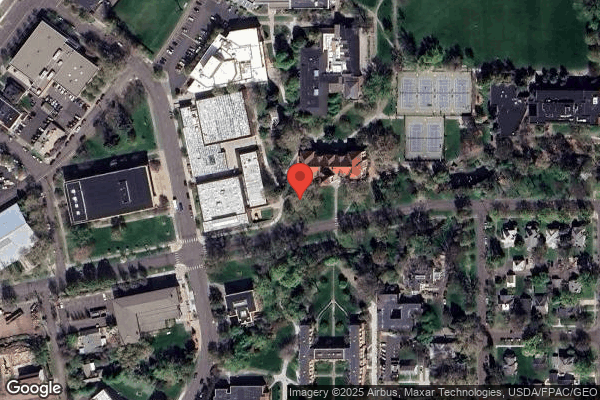

534 BOYER AVENUE, WALLA WALLA, WA 99362 (509) 525-6463
Non profit - Corporation 53 Beds Independent Data: November 2025 1 Immediate Jeopardy citation
Trust Grade
0/100
#160 of 190 in WA
Last Inspection: July 2024

Within standard 12-15 month inspection cycle. Federal law requires annual inspections.

Overview

Washington Odd Fellows Home in Walla Walla, Washington, has received a Trust Grade of F, indicating poor quality and significant concerns about the care provided. They rank #160 out of 190 facilities in Washington, placing them in the bottom half, and #4 out of 4 in Walla Walla County, meaning there is only one other option for families seeking better care. The situation is worsening, with the number of issues increasing from 18 in 2023 to 24 in 2024. Staffing is rated at 2 out of 5 stars, with a concerning turnover rate of 63%, which is significantly higher than the state average. The facility has recorded $77,366 in fines, which is above average for Washington and suggests ongoing compliance problems. Despite these weaknesses, there are some positive aspects; the quality measures rating is at 4 out of 5 stars. However, a critical incident was reported where the facility failed to ensure residents were free from abuse despite allegations against staff members, and another serious issue involved a resident who experienced severe constipation and infection due to inadequate care coordination. Overall, families should weigh these serious concerns against the facility's strengths before making a decision.

Trust Score
F
0/100
In Washington
#160/190
Bottom 16%
Safety Record
High Risk
Review needed
Inspections
Getting Worse
18 → 24 violations
Staff Stability
⚠ Watch
63% turnover. Above average. Higher turnover means staff may not know residents' routines.
Penalties
○ Average
$77,366 in fines. Higher than 69% of Washington facilities. Some compliance issues.
Skilled Nurses
✓ Good
Each resident gets 55 minutes of Registered Nurse (RN) attention daily — more than average for Washington. RNs are trained to catch health problems early.
Violations
⚠ Watch
65 deficiencies on record. Higher than average. Multiple issues found across inspections.
★★☆☆☆
2.0
Overall Rating
★★☆☆☆
2.0
Staff Levels
★★★★☆
4.0
Care Quality
★★☆☆☆
2.0
Inspection Score
Stable
2023: 18 issues
2024: 24 issues

The Good

  • 4-Star Quality Measures · Strong clinical quality outcomes
  • Full Sprinkler Coverage · Fire safety systems throughout facility
  • No fines on record

Facility shows strength in quality measures, fire safety.

The Bad

2-Star Overall Rating

Below Washington average (3.2)

Below average - review inspection findings carefully

Staff Turnover: 63%

17pts above Washington avg (46%)

Frequent staff changes - ask about care continuity

Federal Fines: $77,366

Well above median ($33,413)

Moderate penalties - review what triggered them

Staff turnover is elevated (63%)

15 points above Washington average of 48%

The Ugly 65 deficiencies on record

1 life-threatening 6 actual harm
Aug 2024 1 deficiency
CONCERN (E) 📢 Someone Reported This

A family member, employee, or ombudsman was alarmed enough to file a formal complaint

Potential for Harm - no one hurt, but risky conditions existed

Infection Control (Tag F0880)

Could have caused harm · This affected multiple residents

Based on observation, interview and record review, the facility failed to ensure infection control interventions intended to prevent the spread of communicable disease during a COVID-19 (infectious di...

Read full inspector narrative →
Based on observation, interview and record review, the facility failed to ensure infection control interventions intended to prevent the spread of communicable disease during a COVID-19 (infectious disease by a new virus causing respiratory illness with symptoms including cough, fever, new or worsening malaise, headache, or new dizziness, nausea, vomiting, diarrhea, loss of taste or smell, and in severe cases difficulty breathing that could result in severe impairment or death) outbreak were consistently implemented for the use of: personal protective equipment (PPE) during COVID-19 testing for 3 of 3 staff (Staff G, J, and K); National Institute for Occupational Safety and Health (NIOSH) approved respiratory protective device (N95) fitted masks (a respirator mask used to achieve a very close facial fit and very efficient filtration of airborne particles) for 5 of 5 staff (Staff B, D, F, H, and I) when entering a COVID-19 positive resident room; and face shields for 4 of 4 staff (Staff F, G, H, and I), reviewed for infection control practices. Additionally, 2 of 2 staff (Staff J and K) did not wait the required time for COVID-19 testing results prior to returning to work. These failures placed all residents at risk for facility acquired or healthcare associated infections and related complications. Findings included . Review of the Center for Disease Control and Prevention (CDC) guidance titled, Interim Infection Prevention and Control Recommendations for Healthcare Personnel During the Coronavirus Disease 2019 (COVID-19) Pandemic, updated 03/18/2024, showed when staff entered a room with suspected and/or confirmed COVID-19, they were to wear PPE that included approved N95 mask, gown, gloves, and eye protection. Review of the CDC's guidance titled Strategies for Conserving the Supply of Eye Protection (face shields), dated 05/09/2023, showed eye protection should be cleaned and disinfected after each patient encounter. Review of the undated guidance from the Washington State Department of Health titled, Respiratory Protection Program for Long-term Care Facilities, showed the N95 mask protected the user when the seal around the person's nose and mouth was tight enough to prevent the respiratory hazards from leaking into their breathing space and facial hair should not cross under the respiratory sealing surface. Review of the CDC's Guidance for SARS-CoV-2 Rapid Testing in Point-of-Care Settings. dated 06/25/2024, showed when COVID-19 specimens were collected, PPE should be worn including an N95 mask or higher-level respirator, eye protection, gloves, and gown. Review of the policy titled Personal Protective Equipment, dated 08/02/2024, showed staff must wear a NIOSH N95 respirator for airborne pathogens. Staff were to wear the appropriate size of the N95 per their fit test. Record review of the facility's N95 respirator fit test records showed Staff B, D, H and I had incomplete fit test records. The records did not show the make, model, approval number, or size of the N95 mask they were fitted for. During an interview on 08/20/2024 at 9:37 AM, Staff B, Infection Control Registered Nurse, (ICRN), stated all staff were to wear full PPE when entering a COVID-19 resident room. This included a gown, gloves, face shield, and a N95 mask. Staff B further stated when staff performed their COVID-19 test, they were to wear a gown, gloves, face shield, and a N95 mask. During an observation and interview on 08/20/2024 at 10:27 AM, Staff D, Licensed Practical Nurse, stated they had been fit tested for an N95 mask. Staff D picked up a box of KN95 (not approved by NIOSH) masks and stated they were fit tested with that mask. An observation on 08/20/2024 at 11:58 AM, showed Staff B had donned a KN95 mask and entered a COVID-19 resident's room. An observation and interview on 08/20/2024 at 12:03 PM, showed Staff H, Nursing Assistant, (NA), and Staff I, NA, preparing to enter a COVID-19 resident room by donning KN95 masks, gown, gloves, and removed face shields from a hanging PPE holder on the resident's door, placed the elastic strap around their head with the foam cushion against their forehead and the plastic shield over their face. Staff H stated the sign on the resident's door showed the PPE they were required to wear upon entering the room. The sign showed everyone must wear a fit-tested N95 respirator mask, eye protection, gown, and gloves. Upon exit from the resident's room, Staff H and Staff I, removed their face shields and placed them back into the PPE holder on the door, without cleaning them, and tossed their KN95 masks in the trash. Staff H and Staff I stated they were fit-tested for the KN95 masks. An observation and interview on 08/21/2024 at 10:36 AM, showed Staff F, NA, obtain an N95 mask and placed over their bearded face. Staff F continued to place additional PPE on, including a gown, gloves, and a face shield that was hanging in a PPE holder on a Covid-19 resident's room. Upon Staff F's exit from the resident's room, they removed the used face shield and without cleaning, placed it back into the hanging PPE holder and threw the N95 in the trash. At 11:05 AM, Staff F stated they were fit-tested for that N95 and had a beard during their fit-test and passed. Staff F stated the N95 they had worn was what the facility had for use for staff. Staff F stated the PPE holder on the resident door was to place the face shields into so they could be reused when they entered a COVID-19 room. At 11:05 AM, Staff F stated they did not disinfect the face shield after use. During an interview on 08/21/2024 at 11:19 AM, Staff D, Rehabilitation Aide, stated they performed the N95 mask fit testing for staff. Staff D stated that most of the staff wore the same N95 mask, the green one. Staff D further stated that staff could have a beard for testing, however, not where the seal would be on their face. Staff D stated when a staff member had a beard, they should shave to ensure proper fit of the N95. An observation and interview on 08/21/2024 at 11:28 AM, showed Staff G, Certified Dietary Manager, performing a COVID-19 nasal swab test for Staff J, Dietary Aide, (DA). Staff G was wearing a surgical mask and gloves and handed Staff J the nasal swab and instructed Staff J to swab each nostril 15 times. Staff J then handed the used nasal swab to Staff G. Staff G placed the nasal swab into the COVID-19 testing solution, swirled the swab, and stated the results would be available in 30 minutes. Staff J stated they were returning to work while the test was resulting. Upon Staff J's exit, Staff K, DA, entered the COVID-19 test room. Staff G handed them a nasal swab and told them to swab each nostril 15 times. Staff J handed the used nasal swab to Staff G. Staff G placed the nasal swab into the COVID -19 testing solution, swirled the swab, and stated the result would be available in 30 minutes and they may return to work. Staff G stated they had been trained by Staff C, Staff Coordinator, and this was their first day performing the COVID-19 tests. Staff G stated they were instructed to perform the COVID-19 nasal tests and the PPE they needed to wear was a surgical mask and gloves. During an interview on 08/21/2024 at 11:58 AM, Staff C, Staff Devlopment, stated they trained Staff G and instructed them to wear an N95 mask and gloves. Staff C stated they should have instructed them to also wear a gown and eye protection. Staff C stated once the COVID-19 test swab was completed, staff were not to return to work and were to wait for their results in the adjoining conference room. During an interview on 08/21/2024 at 12:26 PM, Staff B stated the PPE holder on the COVID-19 resident's door was for staff to place their face shields into for reuse, after they were cleaned. Staff B also stated they were unaware that there was difference between KN95 masks and N95 masks, and they would need to repeat fit testing for staff and PPE retraining. During an interview on 08/21/2024 at 2:52 PM, Staff A, Administrator, stated staff should be wearing the appropriate PPE for COVID-19 residents and testing. Staff A stated staff had been fit tested for N95 masks and should be wearing the correct one they tested for. Staff A stated staff with facial hair would have been required to shave to ensure a correct seal during N95 fit testing and when required to wear an N95. Staff A further stated KN95 masks and N95 masks were not the same. Reference WAC: 388-97-1320(1)(a)(2)(a)(5)(b)
Jul 2024 18 deficiencies 3 Harm
SERIOUS (G)

Actual Harm - a resident was hurt due to facility failures

Quality of Care (Tag F0684)

A resident was harmed · This affected 1 resident

**NOTE- TERMS IN BRACKETS HAVE BEEN EDITED TO PROTECT CONFIDENTIALITY** Based on observation, interview, and record review, the facility failed to ensure treatment and care was provided in accordance ...

Read full inspector narrative →
**NOTE- TERMS IN BRACKETS HAVE BEEN EDITED TO PROTECT CONFIDENTIALITY** Based on observation, interview, and record review, the facility failed to ensure treatment and care was provided in accordance with professional standards of practice and the comprehensive, person-centered care plan for 5 of 5 residents (Residents 54, 11, 38, 36, and 13) reviewed for quality of care, in the areas of constipation/urinary bladder assessment, fluid restrictions, and timely implementation of physician orders. Resident 54 experienced harm when they did not have a bowel movement for four days and did not have a timely urinary bladder assessment, that resulted in pain, constipation, a small bowel obstruction (a blockage in the intestines), and a urinary bladder infection that required hospitalization. These failed practices placed residents at risk for a delay in treatment and unmet care needs. Findings included . Review of the facility policy titled, Bowel Routine for Preventing Constipation, dated 09/23/2023, showed that scheduled medicines for bowel routine helps with regular bowel movements. Being constipated can make residents feel ill. Constipation can be a side effect of pain medication and other medications. Things that make constipation worse were not drinking enough fluids, some anti-nausea medications and eating less than normal. Prevention of constipation is easier than treating it. The goal was to have a bowel movement every three days. Before each shift, the licensed nurse was to obtain a bowel list in the computer. If there were no bowel movements and/or no medium normal bowel movements, the licensed nurse would initiate the bowel protocol. <Constipation/Urinary Bladder Infection> <Resident 54> Review of the medical record showed the resident admitted to the facility with diagnoses including diarrhea, urinary retention, falls with fractures, and high blood pressure. Review of the 06/16/2024 comprehensive assessment showed Resident 54 was cognitively impaired but able to make most needs known. Resident 54 needed staff assistance and oversight for transfers and assistance to the bathroom. During an observation on 07/15/2024 at 9:00 AM, the resident was lying in their bed with eyes closed, and stated they had pain in their lower back and stomach. Resident 54 stated they felt bad and preferred to just rest. Review of the July 2024 Medication Administration Record (MAR), showed Resident 54 received a narcotic pain medication on 07/15/2024 at 6:16 AM. The 07/15/2024 8:02 AM MAR entry showed a narcotic pain medication was ineffective. Resident 54 received additional doses of the narcotic pain medication on 07/15/2024 at 4:25 PM, and on 07/16/2024 at 1:20 AM, 10:04 AM, and 6:34 PM. During an observation and concurrent interview on 07/16/2024 at 10:00 AM, showed Resident 54 was in bed lying on their left side and stated they had pain in their lower back that was very uncomfortable. The resident also stated they felt ill. The resident stated they were unable to eat food. Review of the July 2024 MAR showed on 07/16/2024 at 1:06 AM, the resident complained of general pain all over and a narcotic pain reliever was given. During an observation and concurrent interview on 07/17/2024 at 8:39 AM, Resident 54 was in bed with their eyes closed and a plastic basin beside them. The resident stated they had been nauseated and throwing up since the previous night. The resident's breakfast tray at their bedside was untouched and the resident stated they were not hungry. The plastic basin at the bedside contained some vomitus of yellow type of fluid. The resident stated they were miserable and complained of right upper side pain. Staff I, Licensed Practical Nurse (LPN), gave a medication for dizziness and nausea. During an observation on 07/17/2024 at 11:55 AM, Resident 54 stated they had tenderness and sensitivity in their right side, severe pain, and their stomach and back hurt. The resident stated they were feeling worse. During an interview on 07/17/2024 at 12:00 PM, Staff E, Charge Nurse, was asked to look at Resident 54. Staff E then documented that the resident was in pain and nauseated and called for an order from the provider for an anti-nausea medication to give to the resident. Staff E asked Resident 54 if they had their gall bladder and the resident stated it was removed. There was no documentation of further assessment in the medical record and there were no other licensed nurse assessments. The resident complained of pain and a narcotic pain reliever was given to the resident. Review of Resident 54's bowel movements showed the resident had not had a bowel movement since 07/14/2024 and still had no bowel movement on 07/18/2024. Additionally, the resident had been nauseated and did not eat or drink many fluids. There were no bowel protocols initiated or thorough assessments of Resident 54's complaints of pain. During an interview on 07/18/2024 at 11:51 AM, Staff O, Nursing Assistant (NA), stated the resident would say they had a bowel movement, and they did not. Staff O stated that morning, the resident did not have a bowel movement when they took Resident 54 to the bathroom. Staff O stated they told the nurse that the resident was constipated and in pain. Staff O stated the resident got more confused when they were in pain. Staff O stated the resident probably had an impaction. Review of the July 2024 MAR, showed an entry on 7/18/2024 that the resident received Colace (a stool softener) at 6:20 AM. There were no entries of a bowel movement. Review of a nursing progress note dated 07/18/2024 at 12:53 PM, showed Resident 54 was transferred to the hospital for abdominal pain. Review of the 07/18/2024 hospital emergency department notes showed the resident had nausea and vomiting with a small bowel obstruction and a urinary tract infection. Review of the 07/22/2024 hospital physician's progress note showed the resident had an abnormal heartbeat and had to be cardioverted (a procedure where electroshock and medications are used to convert irregular heartbeats back to normal). <Fluid Restriction> <Resident 11> Review of Resident 11's medical record showed the resident was admitted with diagnoses including dementia, chronic kidney failure (chronic disease of the kidneys causing kidney failure), and congestive heart failure (a condition in which the heart doesn't pump enough blood to meet the needs of the body which can lead to fluid overload). Review of the most recent comprehensive assessment, dated 6/11/2024, showed the resident was cognitively impaired and exhibited poor judgement and decision-making skills. Review of a physician's order dated 06/11/2024, showed the resident had orders to restrict their daily fluid intake to 1800 milliliters (ml - a unit of fluid measurement). The orders showed nursing was allotted 1080 ml and dietary 720 ml, including meals. During multiple observations on 07/15/2024 at 9:30 AM, 07/16/2024 at 8:40 AM, 07/17/2024 at 8:30 AM, 07/18/2024 at 1:00 PM, and 07/19/2024 at 10:15 AM showed Resident 11 had a pitcher containing 950 ml of water on their bedside table. The bedside water was not calculated in their current fluid restrictions and put them potentially over 950 ml per day. During an interview on 07/17/2024 at 11:46 AM, Staff G, Registered Nurse, stated Resident 11 was not on an official intake monitoring. Staff G stated the resident was on a slightly restricted fluid intake which did not require monitoring. Staff G further stated they were not aware that Resident 11 had a water pitcher at their bedside as their fluid intake was already calculated and did not include any additional fluids. <Resident 38> Review of the medical record showed Resident 38 was admitted to the facility on [DATE] with diagnoses including congestive heart failure, high blood pressure, and anxiety. The 06/16/2024 comprehensive assessment showed Resident 38 required partial/moderate assistance of one staff member for activities of daily living (ADLs). The assessment also showed Resident 38 was cognitively intact. An observation on 07/15/2024 at 1:15 PM, showed Resident 38 sitting in a recliner in their room. There was a 32-ounce cup of water on the bedside table. Resident 38 stated the staff came by and filled it up a few times a day. Resident 38 stated they had access to fluids throughout the day and did not know if they had a fluid restriction. Review of a physician order dated 06/25/2024, showed Resident 38 had an 1800 ml fluid restriction (720 ml from dietary and 1080 ml from nursing). Review of Resident 38's fluid intake records dated 06/26/2024 through 07/15/2024, from dietary and nursing, showed Resident 38 exceeded the maximum recommended fluid intake 15 out of 20 days. During an interview on 07/23/2024 at 8:34 AM, Staff E, Charge Nurse, stated fluid intake was monitored by the floor nurses. They stated Resident 38 was non-compliant with fluid intake and a risk/benefit with education should have been completed. Staff E stated the physician should have been notified. Review of Resident 38's medical record showed there was no documentation that risks and benefits were discussed with the resident. There was no documentation of a risk/benefit form or that the resident's physician had been notified. <Physician Orders> <Resident 13> Review of the medical record showed Resident 13 was readmitted to the facility on [DATE] with diagnoses including heart failure, iron deficiency anemia, and hypothyroidism (a condition in which the thyroid gland doesn't produce enough thyroid hormone, disrupting such things as heart rate and body temperature). The 04/29/2024 comprehensive assessment showed Resident 13 required substantial assistance of one to two staff members for ADL's and had a severely impaired cognition. Review of a physician progress note dated 02/05/2024 at 3:23 PM, showed orders for lab work, that included rechecking Resident 13's thyroid stimulating hormone [(TSH) a test that measures the amount of thyroid hormone in the blood), iron studies (blood tests that measure the amount of iron in the blood and other cells), and a medication change. Review of Resident 13's medical record showed no results for the ordered lab work, and the medication change had not been completed. During an interview on 07/22/2024 at 10:28 AM, Staff E stated Resident 13 often refused to have lab work completed. Staff E stated they typically tried to get the labs twice, then another nurse would try. Staff E stated it looked like that process had not been done. During an interview on 07/22/2024 at 11:27 AM, Staff D, Resident Care Manager, stated all provider notes were reviewed by the charge nurse. Any new orders would be updated by the end of the day by the charge nurse. Staff D stated when a resident refused to have lab work done by facility staff, they would send them out to the lab for completion of the orders. Staff D stated they did not see the medication change or the completed lab work in the record. During an interview on 07/22/2024 at 2:10 PM, Staff C, Assistant Director of Nursing Services, stated the process for obtaining lab work for difficult residents included multiple attempts at different times by different staff. If the staff were still unable to obtain the sample, the facility would send the resident out to the lab to obtain the sample. Staff C stated they did not see documentation on that missed lab draw in the system. Staff C stated the Charge Nurse was responsible for reviewing physician notes after they round in the facility. They stated the physician typically entered their own orders into the system, but the charge nurse should go back and review the notes to make sure those orders were completed. Staff C stated they did not see that the medication order had been changed and that the charge nurse should have caught that. <Resident 36> Review of Resident 36's medical record showed they were admitted to the facility on [DATE] with diagnoses including fracture of left leg, peripheral vascular disease (PVD-a circulatory condition in which narrowed blood vessels reduce blood flow to the limbs), and diabetes (a group of diseases that result in too much sugar in the blood). The 04/16/2024 comprehensive assessment showed Resident 36 was dependent on two staff members for ADLs and mobility. The assessment also showed the resident had an unstageable (full-thickness tissue loss covered by dead tissue and/or scab) pressure injury (PI-localized injury to skin and underlying tissues) and an intact cognition. Record review of Resident 36's wound assessment dated [DATE], showed the provider's plan was to refer the resident to an outside wound care clinic to establish care and receive further treatment for their unstageable pressure ulcer (PU-injury to skin and underlying tissue resulting from prolonged pressure) on their left heel. Further review of Resident 36's record showed a signed, 05/29/2024, physician's order for the referral to the outside wound care clinic. Review of Resident 36's medical record showed their first appointment with the outside wound care clinic was on 07/18/2024, 50 days after the physician referral. During an interview on 07/15/2024 at 1:29 PM, Resident 36's Representative (RR), stated the resident had developed their left heel pressure wound since they had been at the facility and were waiting for an appointment to see the outside wound clinic for treatment. The RR stated the plan was to have Resident 36 move back home with them when their PU was healed. During an interview on 07/18/2024 at 11:09 AM, Staff E, Charge Nurse, stated the process for referrals for residents was reviewing the providers notes, filling out an order slip and having the provider sign it. They would then give the order slip to Staff K, Medical Records, to complete the referral. Staff E further stated that 07/18/2024 was Resident 36's first appointment to the wound clinic and the delay was on the facility but was unsure why there was a delay. During an interview on 07/19/2024 at 10:39 AM, Staff K stated they sent in four different resident referrals, including Resident 36's, to the outside wound clinic in early June 2024. Staff K stated all the residents were scheduled in June for their appointments and were unsure why it took so long for Resident 36 to be scheduled. Staff K stated they did not call the wound clinic to inquire about the delay, as it was their process to have the wound clinic call the facility when they were ready to schedule. Reference: WAC 388-97-1060(1)
SERIOUS (G)

Actual Harm - a resident was hurt due to facility failures

Pressure Ulcer Prevention (Tag F0686)

A resident was harmed · This affected 1 resident

**NOTE- TERMS IN BRACKETS HAVE BEEN EDITED TO PROTECT CONFIDENTIALITY** Based on observation, interview, and record review, the facility failed to provide the necessary treatment and services to preve...

Read full inspector narrative →
**NOTE- TERMS IN BRACKETS HAVE BEEN EDITED TO PROTECT CONFIDENTIALITY** Based on observation, interview, and record review, the facility failed to provide the necessary treatment and services to prevent the occurrence of an avoidable pressure ulcer (PU-injury to skin and underlying tissue resulting from prolonged pressure) and implement wound care and services timely to avoid worsening of a PU for 3 of 5 residents (Residents 48, 108, and 13) reviewed for PU's. Resident 48 experienced harm when the facility failed to follow physician orders to ensure healing of their avoidable Stage 4 PU (a full thickness tissue loss of tissue with exposed bone, tendon, or muscle) to their coccyx (tailbone) and obtain pain control measures during wound care. Resident 108 experienced harm when the facility failed to recognize and modify treatment of an unstageable PU (full thickness skin and tissue loss to which the extent of the tissue damage cannot be seen) on their left great toe and a Stage 2 PU [partial thickness skin loss with exposed dermis (the top inner layers of skin)] on their left heel. These failures placed residents at risk for PU development, continued deterioration of pressure ulcers, infection, and pain. Findings included . Review of the National Pressure Injury (ulcer) Advisory Panel (leading expert in pressure ulcer/injuries/wounds) guidance, dated September 2016, defines pressure ulcer/injury stages as follows: • Stage 1 Pressure Injury has intact skin with a localized area of non-blanchable erythema (redness). • Stage 2 Pressure Injury is partial thickness skin loss with exposed dermis (the top inner layers of skin). • Stage 3 Pressure Injury is full thickness loss of skin, in which adipose (fat) tissue is visible in the ulcer. Slough (dead tissue) and/or eschar (dried blood and tissue) may be visible, granulation tissue and epibole (rolled or curled under edges) may be present, with undermining (a pocket of dead space under the visible wound edges) and tunneling (a passageway under the wounds surface which may be shallow or deep and impairs wound closure). • Stage 4 Pressure Injury is full thickness loss of skin and tissue, with exposed or directly palpable fascia (a layer of connective tissue), muscle, tendon, ligament, cartilage, or bone in the ulcer. Epibole, undermining and tunneling often occur. • Unstageable Pressure Injury is full thickness skin and tissue loss to which the extent of the tissue damage cannot be seen. Review of the facility's policy titled, Pressure Injury Prevention and Management, dated 02/14/2024, showed the facility would provide treatment and services to heal pressure ulcers and prevent the development of additional pressure ulcers. The policy also showed an avoidable pressure ulcer meant the resident developed the pressure ulcer at the facility and did not .implement interventions consistent with resident needs, goals and professional standards of practice .monitor or evaluate the impact of interventions . and/or revise the interventions. <Resident 48> Review of Resident 48's medical record showed they were admitted to the facility on [DATE] with diagnoses including Alzheimer's disease (a progressive disease that destroys memory and other important mental functions), Chronic Inflammatory Demyelinating Polyneuropathy [(CIDP) - a disorder that damages the protective layer of nerves, causing weakness, numbness, and pain in the limbs), and diabetes (a group of diseases that results in too much sugar in the blood). The 07/01/2024 comprehensive assessment showed Resident 48 required maximal assistance of one to two staff members for activities of daily living (ADLs) and dependent of two staff members for transfers. The assessment also showed Resident 48 had moderately impaired cognition. Review of Resident 48's 04/05/2023 admission comprehensive assessment. showed they did not have a PU and were at risk of development of PUs. Review of the 01/03/2024 comprehensive assessment showed the resident had an unstageable (full-thickness tissue loss covered by dead tissue and/or scab) PU. Further review of the resident's 04/05/2024 comprehensive assessment showed the resident had a Stage 4 PU. Review of Resident 48's 12/13/2023 skin/wound evaluation, showed the resident had an in-house acquired unstageable coccyx (tailbone area) PU that presented with slough covering the wound bed. Additional review of Resident 48's skin/wound evaluations showed their coccyx PU was documented as a Stage 4 and not an unstageable PU. Review of Resident 48's 03/01/2024 Staff GG, Advanced Registered Nurse Practitioner, (ARNP) note, showed nursing management confirmed a wound vac (a machine that helps wound healing by pulling wound edges together) had been ordered for the resident. Further review of the medical record showed no documentation that the wound vac had been ordered. Review of Resident 48's physician orders showed a referral, dated 04/25/2024, to obtain a surgical consult to evaluate and treat their Stage 4 coccyx PU (56 days after the practitioner's note that a wound vac had been ordered). Further review of the medical record showed no documentation the resident had a surgical consult. An observation and interview on 07/16/2024 at 9:02 AM, showed Resident 48 lying in their bed, on their back, with pillows under each side of their rib area. Resident 48 stated they had been to the wound clinic yesterday, their bottom was very sore, and their pain was a 10 out of 10 on the pain scale (a measurement of pain, 0 no pain and 10 is severe pain). Resident 48 stated that if they did not move their position much, their pain would remain a 5 out of 10. Resident 48 further stated when the nurses changed their wound dressing on their bottom, they did not provide pain medications before or after and it was a painful process. During an interview on 07/16/2024 at 2:12 PM, an outside wound care consultant (OWCC), stated Resident 48's first appointment with the wound clinic was on 06/17/2024 (53 days after the surgical consult was ordered). The OWCC stated Resident 48 stated they were in pain during their wound care treatments at the facility. The OWCC stated during the treatment at the wound clinic, the resident did moan and groan during the clinic treatment. The OWCC continued to state that the provider at the wound clinic had ordered a wound vac on this appointment and called the facility nursing director for instructions for submitting the wound vac order. During an observation and interview on 07/17/2024 at 8:54 AM, Resident 48 was lying in bed on their back with the head of their bed up. Resident 48 stated they had a wound dressing change earlier that morning and it was very painful, above a 10 on the pain scale. Resident 48 stated they told the nurse it hurt, yet they did not receive pain medication. During an interview on 07/17/2024 at 9:23 AM, Staff Y, Nursing Assistant (NA), stated they assisted the nurses with wound dressing changes. Staff Y stated Resident 48 would complain of pain during the wound dressing change. During an interview on 07/17/2024 at 9:51 AM, Staff I, Licensed Practical Nurse (LPN), stated Resident 48's pain medications consisted of scheduled Tylenol (a medication to treat mild to moderate pain) 1000 milligrams (mg-unit of measure) three times a day. During an observation and concurrent interview on 07/17/2024 at 10:19 AM, Staff G, Registered Nurse (RN), and Staff Q, Infection Control Nurse (ICRN), performed Resident 48's pressure ulcer dressing change. Staff Q stated they had been performing the pressure wound treatment for a month and stated the wound had remained the same. Staff Q stated that healing was slow. During the pressure wound treatment, Resident 48 yelled out in pain when Staff Q was measuring the wound tunnelling. Staff Q continued with the wound care treatment and did not address Resident 48's pain. After the pressure wound treatment, Resident 48 stated to Staff G and Staff Q their pain during the procedure was a 12/10 and Tylenol did not help with their pain during the procedure. Staff Q and Staff G did not acknowledge Resident 48's complaint. During an interview on 07/17/2024 at 10:56 AM, Staff G, stated they were aware the PU wound dressing changes were painful for Resident 48. Staff G stated the resident should have pain medication prior to the dressing changes and their current pain management was not effective. During an observation, interview, record review, on 07/17/2024 at 2:12 PM, Resident 48 was in their bed, on their back, and the head of their bed elevated. Resident 48 stated their pain level was an 8/10 on their bottom where their wound was. Resident 48 stated they did not receive any additional medication for pain. Review of Resident 48's Medication Administration record showed they were administerd Tylenol 1000 miligrams (unit of measure) at 8:00 AM, 12:00 PM and their next dose was due at 6:00PM. During an interview on 07/17/2024 at 2:27 PM, Staff G stated they did follow up with Resident 48 for their pain after the earlier wound care. Staff G stated when they asked the resident how their pain was, Resident 48 just looked at them and gave no response. Staff G stated the resident received scheduled Tylenol for pain and the upcoming dose was close to being administered. During an interview on 07/18/2024 at 9:29 AM, Resident 48's Representative, (RR), stated the resident's PU had developed at the facility and had been worsening without improvement. The RR stated Resident 48 did complain of pain during the wound care treatments and the resident was not provided any additional pain medications. Resident 48's RR stated they had observed the resident decline in their health, as the resident did not want to get out of bed and participate in any activities or visit outside like they used to due to their pain. During an interview on 07/19/2024 at 8:53 AM, Staff D, Resident Care Manager, stated Resident 48's coccyx PU healing had stalled (stopped making progress). Staff D also stated they had performed the resident's wound dressing changes, and they were aware Resident 48 was in pain during the wound care, as the resident would grunt and tell them to be careful. Staff D stated pain medications had not been administered before or after the wound care and they had not requested any additional pain medication from the provider for Resident 48. During an interview on 07/19/2024 at 12:10 PM, Staff E, Charge Nurse, stated the process for referrals was to send to the referral to medical records for completion. Staff E stated they were unaware of Staff GG notes dated 03/01/2024, for Resident 48's ordered wound vac that was confirmed by nursing management. Additionally, Staff E stated they were aware of the order placed for the surgical consultation referral on 04/25/2024 but did not follow-up and was unsure of the outcome of the referral. <Resident 13> Review of the medical record showed Resident 13 was readmitted to the facility with diagnoses including Alzheimer's disease, dementia with behavioral disturbance (a progressive disease that destroys memory and other important mental functions, with agitation, physical aggression, wandering, and hoarding), and weakness. The 04/29/2024 comprehensive assessment showed Resident 13 required substantial assistance of one to two staff members for ADLs and had a had a severely impaired cognition. Record review of a nursing progress note dated 06/22/2024, showed Resident 13 had two deep PU along their outer right foot, one slightly above their lateral (to the side of or away from the body) ankle and one along the outer middle of the right foot, with a red circle slightly below their pinky toe. The provider was notified and ordered float feet using pillows and monitor. Record review of a physician order dated 06/24/2024, showed Apply Opti-Foam (a foam dressing used to cover the wound and reduce friction) to right lateral foot on all three sites, every day shift, every three day(s) for wound care. During observations on 07/15/2024 at 10:10 AM, 07/16/2024 at 9:26 AM, 07/18/2024 at 2:03 PM, and 07/19/2024 at 10:30 AM, showed Resident 13 lying in bed on their right side with their right outer foot against the mattress. Their feet were not floated on pillows and there were no padded boots on their feet. A concurrent observation and interview on 07/16/2024 at 3:15 PM, showed Resident 13 sitting in their wheelchair in their room. Staff R, RN, removed the resident's sock from their right foot. There was a foam dressing on the outer middle right foot. There was no dressing on the outer right ankle or toe wounds. Staff R peeled back the foam dressing and exposed a dime size area on the outer middle right foot that had yellow slough and a small amount of drainage. The right ankle had a dime size reddened area, and a red area at the base of the right small toe. Staff R stated they tried to float the resident's feet on pillows or put the padded boots on, but the resident kicked them off. Staff R stated they had asked Staff D, Resident Care Manager, for a specialized air mattress several weeks ago but was unsure why the resident did not receive one. Record review of a skin and wound assessment dated [DATE], showed new wounds were identified as pressure, deep tissue injury, and facility acquired. The wound on the outer right foot measured 0.94 centimeters [(cm) a unit of measurement] long and 0.63 cm wide. The surrounding tissue was fragile with erythema (an abnormal redness of the skin) and pain/tenderness to the touch. There were additional areas of concern on the right ankle and outer base of the right small toe. There were no measurements of these additional wounds. The document showed there was no dressing applied to the wound area, and the residents' feet were to float on pillows. Review of a skin and wound assessment dated [DATE], showed the outer right foot wound measured 15 cm in length and 1.91 cm in width. The wound was described as a deep pressure sore with the middle open. The surrounding tissue was described as fragile with erythema. The document showed the deep pressure sores were painful to the touch. Treatment orders showed the primary dressing was foam and to float both feet with pillows. The progress was described as deteriorating. Review of a skin and wound assessment dated [DATE], showed the outer right foot wound had measured 13.42 cm long and 1.3 cm wide. The wound was 80% slough with a light amount of exudate (fluid that leaks out of blood vessels into nearby tissues). The treatment included use of a foam dressing and float both feet using pillows. The progress was described as deteriorating. Review of a nursing progress note dated 06/22/2024, showed Resident 13 refused to float their feet on pillows and nursing staff placed their feet in padded boots for pressure relief. During an interview on 07/22/2024 at 11:22 AM, Staff D stated Resident 13 was non-compliant with the use of pillows and padded boots. Staff D stated an air mattress might help - they could probably use one. Staff D stated there were additional interventions that could have been implemented besides the pillows and padded boots. During an interview on 07/22/2024 at 2:05 PM, Staff C, stated the provider had reassessed the wound that day and were changing the treatment to a medicated ointment and gauze dressing. Staff C stated an air overlay mattress would be beneficial since Resident 13 was non-compliant with the pillow positioning or padded boots. Staff C stated if interventions for pressure relief were not working, they expected the staff to notify the physician and advocate for the resident for increased interventions. During an interview on 07/22/2024 at 3:17 PM, Staff B, DNS stated they would have expected nursing staff to report the concerns with non-compliance with the pressure relieving interventions. Reference: WAC 388-97-1060(3)(b) This is a recurring deficiency previously cited in the Statement of Deficiencies dated September 14, 2023. <Resident 108> Review of the medical record showed the resident resided at the facility for many years. Resident 108's last readmission was 07/01/2024, with diagnoses including dementia (cognitive impairment), heart disease, kidney disease, diabetes (when the body does not enough produce insulin-a hormone that regulates blood sugar), and pressure ulcers to the resident's left heel and left great toe with ongoing cellulitis (bacterial infection of the skin layers) to their left heel/foot. The 07/04/2024 comprehensive assessment showed that Resident 108 was cognitively impaired but could make their needs known, such as pain. Resident 108 required assistance to transfer to and from different areas, such bed to wheelchair, bathing, oral care and personal hygienic care. During an observation and concurrent interview on 07/16/2024 at 9:50 AM, Resident 108 was in bed and watching television. Their left foot had a dressing over it and the foot was elevated on a pillow. The resident stated they were sleepy and wanted to take a nap. During an observation on 07/17/2024 at 9:02 AM, Staff Q, during a wound dressing change, removed the old dressing on the resident's left heel. The resident's left heel PU wound bed was white in color (could not visualize the wound bed). Additionally, the skin that surrounded the wound was red with extremely dry with flakey skin. The treatment was applied, and the dressing covered the left heel PU. Staff Q then cleansed the resident's scabbed left great toe and applied the treatment. Staff Q stated that the resident's pressure ulcer to the left great toe had gotten worse and had not improved. During an observation on 07/17/2024 at 9:27 AM, Resident 108 complained of significant pain in their left heel. The resident became restless and moaning that their foot was cold and freezing. Staff Q went to the get Tylenol and gave it to the resident. Staff Q stated they did not pre-medicate the resident before the dressing change. Continuing the 07/17/2024 observation at 10:20 AM, Resident 108 was pleading and crying in pain in their left foot and for someone to help them. The Director of Nursing Services (DNS) was notified and obtained a physician's order for a narcotic pain reliever for the resident. During an interview on 07/17/2024 at 10:50 AM, Resident 108 stated the pain increased in intensity from intermittent to constant stabbing pain. During an interview on 07/17/2024 11:40 AM, Staff C, Assistant Director of Nursing Services (ADON), stated the resident had developed a left foot PU to their heel due to their shoes being too tight on their left heel and it rubbed against their heel. The resident was not to wear the shoes again, but the tight shoes were not removed from Resident 108's room and the resident continued to wear them. This was around the end of January 2024. The Resident Representative (RR) was notified of this, and the facility asked them to bring different shoes for Resident 108. The RR brought new shoes according to Staff C, but the new shoes were open toe shoes and rubbed against the large great toe, which caused another PU to the left great toe that had not improved. The left heel pressure ulcer and the left great toe pressure ulcer were acquired at the facility. Staff C stated the left great toe PU was discovered around 02/25/2024. Review of the 02/06/2024 interdisciplinary meeting notes, showed the resident developed a Stage 2 pressure ulcer on their left heel. Additionally, the 02/05/2024 and 02/06/2024 nurses progress note showed the RR was notified that Resident 108 needed larger sized shoes. Review of the 01/26/2024 Clinical Skin and Wound Evaluation (CSWE), showed identification of a Deep Tissue Injury [(DTI) - purple or maroon area of discolored intact skin or blood-filled blister due to damage of underlying soft tissue from pressure and/or shear] to the left heel. The 07/17/2024 CSWE showed the left heel was a Stage 2 PU. Additionally, the CSWE, dated March 26, 2024, showed the DTI to the left great toe. The 07/17/2024 showed Resident 108's left great toe PU had not improved. The updated care plan dated 07/08/2024 through 07/23/2024, showed the resident had acquired two PUs to the left foot, an unstageable PU to the left great toe, and a Stage 2 PU to the left heel. The resident's care plan goal was to have intact skin, free of redness, blisters, or discoloration by/through the review date. A Velcro boot to the left foot and air overlay for the mattress were added to the care plan. There were previously no identified PU on the care plan. There was a statement to use the preventative measures policy for checking feet for diabetes. Review of the 03/27/2024 wound nurse health status note showed the wounds to the left heel, left great toe, and the middle of the left foot was red/purple in color with swelling. There was suspected cellulitis (a bacterial infection of the skin that becomes red, swollen and painful) to the toe and an antibiotic was ordered for seven days. The resident had to change their shoes. Review of the 04/22/2024 nursing progress note showed wounds to Resident 108's left great toe and left heel since March 2024. They had progressively gotten worse to the point of needing further treatment that day. The resident had cellulitis and was sent to the emergency room for treatment. Review of a 07/11/2024 x-ray showed the resident's left foot had osteomyelitis (infection of the bone spreading from nearby tissue.) During an interview on 07/16/2024 at 9:40 AM, Staff B, Director of Nursing Services (DNS) stated Resident 108 had declined and saw a physician who recommended amputation of the left foot due to the decline. Staff B stated the resident's RR would probably not want Resident 108 to have that surgery. During an interview on 07/19/2024 08:26 AM Staff D, stated Resident 108's PU started on the heel due to the resident's tight shoes. The podiatrist (foot doctor) worked on the residents' foot and there were no preventative interventions to keep the shoes away from Resident 108 or from having the shoes placed on the resident's feet. The RR was the one who removed the shoes from the resident's room. The resident had edema (swelling) and continued to have edematous feet, which caused tightness of the shoes. The new shoes that were brought by the resident's RR were used and continued to be placed on the resident's feet, which resulted in the left great toe's skin break down and PU.
SERIOUS (G) 📢 Someone Reported This

A family member, employee, or ombudsman was alarmed enough to file a formal complaint

Actual Harm - a resident was hurt due to facility failures

Accident Prevention (Tag F0689)

A resident was harmed · This affected 1 resident

**NOTE- TERMS IN BRACKETS HAVE BEEN EDITED TO PROTECT CONFIDENTIALITY** Based on observation, interview, and record review, the facility failed to provide the assessed level of supervision required to...

Read full inspector narrative →
**NOTE- TERMS IN BRACKETS HAVE BEEN EDITED TO PROTECT CONFIDENTIALITY** Based on observation, interview, and record review, the facility failed to provide the assessed level of supervision required to prevent avoidable accidents for 1 of 1 resident (Resident 54) reviewed for falls with injuries. Additionally, the facility failed to identify active smokers, and the level of supervision required to smoke safely, for 3 of 3 residents (Resident 214, 216, and 212) reviewed for smoking. Resident 54 experienced harm when they fell while using their front wheel walker with a right sided platform attachment (a support that attaches to the walker to support the forearm and shoulder) when walking to the bathroom unsupervised that resulted in a laceration above the right eyebrow and fractured right ribs. The failure to identify potential hazards and implement adequate supervision placed the residents at risk for falls, injury, and an unsafe living environment. Findings included . <Fall With Injury> Review of the policy titled Fall Prevention Program dated 09/05/2023, showed the facility was to ensure each resident would be assessed for fall risk and receive care services in accordance with their individualized level of risk to minimize their likelihood of falls. <Resident 54> Review of the medical record showed Resident 54 was admitted to the facility on [DATE] with diagnoses including osteopenia (a reduction of bone mass that causes brittle bones), therapy after a significant fall with multiple fractures of the right wrist, lower spine and the lower pelvic bone, thrombocytopenia (a low platelet count which can lead to excessive bleeding during an injury), high blood pressure and a urinary bladder infection. The 06/16/2024 comprehensive assessment showed the resident was impaired cognitively but able to voice their needs. The resident needed help/partial assistance with activities, such as directions on use of their walker. Resident 54 was impaired physically on one side due to a previous fracture and had unsteadiness when walking. The resident was frequently incontinent of bladder. During an observation and concurrent interview on 07/15/2024 at 9:00 AM, Resident 54 was lying in their bed moaning. The resident was curled up and complained of right upper side and back pain. There was a laceration over their right eyebrow and a Velcro wrist brace to their right wrist. The resident's head of the bed was up, and the resident's wheelchair was located by their bed within the resident's reach. The resident's walker was located on the other side of the resident's bedside table. The resident stated they had their walker by the bed and tried to get out of bed to go to the bathroom and fell. Review of the 06/12/2024 care plan showed Resident 54 required assistance with transfers, bed in a low position, hourly safety checks and a scheduled toileting program. The resident wore disposable briefs for dignity for bladder incontinence. The admission fall risk assessment dated [DATE], showed the resident was a moderate risk for falls. Review of the 07/01/2024 nurses progress notes, showed Resident 54 went to the emergency room (ER) for an unwitnessed fall and sustained a laceration over the right eyebrow, right hand, a bruise to the left knee and had returned to the facility. On 07/02/2024 the resident continued to complain of pain, and an x-ray was ordered. The results from the x-ray showed right rib fractures due to the 07/01/2024 fall. Review of the 07/01/2024 fall investigative report showed Staff L, Licensed Practical Nurse (LPN), entered Resident 54's room at 5:30 AM to give medications. Staff L observed the walker by the resident's bed with the bed control cord wrapped around the legs of the walker and the walker on its side on the floor. The resident was in bed on their side under a blanket. Staff L turned on the light in the room and saw blood on Resident 54's face and hands. The resident stated ouch when the nurse looked at the resident. The 07/01/2024 investigation showed the resident stated, after their fall, they placed themselves back in bed. The 07/01/2024 investigative report showed the last time the resident was observed was at 4:00 AM. Night staff had not heard or observed if the resident had fallen or was bleeding until Staff L entered the resident's room. The 07/01/2024 update to the care plan included a scheduled toileting program, a cue card placed on the resident's room which stated for Resident 54 to use their call light when needing assistance, and to continue safety checks. During an interview on 07/16/2024 at 11:40 AM, Staff P, Physical Therapy Assistant/Rehabilitation Director, stated the resident was on therapy for weakness and falls at home. Resident 54 was given a front wheeled walker with a platform attached to the right side of the walker for stability due to their fractured right wrist. Additionally, the resident had difficulty understanding how to use the platform on the walker to stabilize their right wrist and used poor judgement to safety in ambulation by not carefully walking purposefully, but hurried, and that was unsafe. Staff P continued to try to educate the resident on safety and not placing weight on right wrist, but it was not successful, and they discharged the resident from therapy. Nursing staff was notified. During an interview on 07/18/2024 at 8:58 AM, Staff O, Nursing Assistant (NA), stated Resident 54 had become weaker and now only used a wheelchair. Staff O stated when the resident was first admitted they used a walker and required assistance. Staff O stated that the resident needed more assistance after the fall on 07/01/2024. Additionally, Staff O stated that there was a conversation with the night NAs, and they assisted the resident to bed after the 07/01/2024 fall. During an interview on 07/19/2024 at 8:35 AM, Staff D, Resident Care Manager, (RCM), stated that Resident 54 was unsafe, used their walker in the room, did not wait for staff, and did not use their call light. There were two NAs on the east wing and two NAs on the west end at night, and it was hard to supervise due to the fact they were in two separate buildings. During an interview on 07/19/2024 at 9:02 AM Staff L, stated when they came to work on the morning of 07/01/2024, they went into the resident's room and found Resident 54 with blood on their face and arm. Staff L stated Resident 54 stated they fell on night shift while trying to use the walker to go by themselves to the bathroom. Resident 54 stated they did not use the call light and they usually did not use the call light. Resident 54 stated that the cord was wrapped around the bottom of their walker, and they tried to undo it and fell, hitting their head right above the eyebrow that caused a laceration, and then got back into bed. Staff L was asked if they observed the walker on its side on the floor with the bed cord wrapped around the legs of the walker. Staff L said they did not witness the placement of the walker and the cord around the legs of the walker, but just reported what the resident had stated. <Smoking Hazard> Review of a policy titled, Smoke Free Facility, dated 09/05/2023, showed smoking was prohibited in all areas of the facility and the facility grounds. Residents would be informed of the facility's smoke free policy during the pre-admission/admission process and would be required to sign acknowledgement of the policy upon admission. All residents would be asked about tobacco use during the admission process and those with a history of smoking would be further assessed to determine whether or not interventions were needed to help them cope with the smoke free policy. Review of an undated document titled, Memorandum of Understanding [([NAME]) a type of agreement between two parties that defines how each party will work together and lays out expectations and understandings] Regarding Smoking Policy for Residents at the [NAME] Odd [NAME] Home, showed smoking was not permitted anywhere on the premises. Cigarettes and lighters must be stored in a designated locked area when not in use. A risk/benefit form would be completed by a facility team member. A smoking assessment would be completed by a team member. <Resident 214> Review of the medical record showed Resident 214 was admitted to the facility on [DATE] with diagnoses including a urinary tract infection, kidney failure, and psychoactive substance dependence (a strong desire or compulsion to take/use alcohol, caffeine, nicotine, marijuana, and certain pain medications). Resident 214 was able to make their needs known. An observation on 07/15/2024 at 3:45 PM, showed Staff V, NA, escort Resident 214 outside to smoke, off facility property. Resident 214 was observed sitting on their front wheeled walker, with cigarette ash falling onto their sweatpants. When Resident 214 completed their cigarette, they asked Staff V where to put the butt. Staff V stated they would have to throw it away when they returned to the building. Staff V escorted Resident 214 back to the building and waited for facility staff to open the locked door. Resident 214 and Staff V entered the building, Staff V walked towards the left upon entering and Resident 214 walked to their room to the right. During an interview on 07/15/2024 at 4:24 PM, Resident 214 stated Staff V had taken the extinguished cigarette butt, placed it in a glove, and threw it in the trash. Resident 214 stated they had their cigarettes and lighter in their pocket and had planned on smoking while at the facility. Resident 214 stated a man that works here took me out earlier today to smoke. During an interview on 07/15/2024 at 4:26 PM, Staff V stated they took the cigarette butt from Resident 214 and wrapped it in a glove, then threw it in the trash can (and pointed to a trash can at the NA charting station). Staff V asked, was that wrong? During an interview on 07/16/2024 at 9:29 AM, Resident 214 stated they did not know they could not smoke at the facility. They stated no one had asked to hold their cigarettes or lighter in a locked area for them. During an interview on 07/22/2024 at 10:45 AM, Staff D, RCM, stated the process for smoking included identifying current residents that smoked prior to admission. They stated they were aware that Resident 214 smoked cigarettes but did not know they were currently smoking. Staff D stated the facility policy disallowed for staff to escort residents outside to smoke. They stated they were not aware that Resident 214 had cigarettes and a lighter in their possession and had not asked that question on admission. They stated the process for securing cigarettes and lighters included placing them in a locked area until the resident was discharged for safety. Staff D stated my process should have been to ask if they had the cigarettes and lighter and discuss options. Review of the medical record showed an undated [NAME] for smoking had been completed with Resident 214. A smoking assessment was completed on 07/19/2024 at 4:06 PM, that showed Resident 214 required supervision while smoking and the facility needed to store the resident's lighter and cigarettes. <Resident 216> Review of the medical record showed Resident 216 was admitted to the facility on [DATE] with diagnoses including sepsis (a serious condition in which the body responds improperly to an infection), anxiety disorder, and tobacco use. The resident was able to make their needs known. During an observation and interview on 07/17/2024 at 2:05 PM, Resident 214 was observed standing in the doorway of their room with their walker and a cigarette and a lighter in their right hand. Resident 214 stated before that nurse comes back, I am going to sneak outside to smoke - before the alarm goes off. Resident 214 walked to the exit door at the end of the hall near room [ROOM NUMBER], placed the unlit cigarette in their mouth, pushed random buttons on the security keypad and waited for the door lock to release. They walked out of the facility with the cigarette in their mouth, lit the cigarette, and proceeded to smoke outside the facility door. Facility staff responded to the alarming door, Staff W, NA, silenced the alarm, observed Resident 214 outside smoking, and walked away from the door, without addressing the resident or smoking. Resident 214 finished smoking and was escorted back into the building by Staff C. During an interview on 07/17/2024 at 2:34 PM, Staff N, Registered Nurse, (RN), stated they were aware that Resident 214 was going outside to smoke. They stated Resident 214 was okay to smoke outside with family but was not told that they had to go off property. Staff N stated the facility was not storing the resident's cigarettes or lighter. Review of the medical record showed a smoking assessment was completed on 07/19/2024 at 4:13 PM, two days after Resident 214 was observed smoking independently on facility property. The assessment showed the resident required supervision for smoking, and the facility needed to store their cigarettes and lighter. There was an undated [NAME] for smoking in the record signed by the resident and Staff H. During an interview on 07/22/2024 at 11:03 AM, Staff D stated they were not aware that Resident 214 was actively smoking until they received that information during shift hand-off report. Staff D stated they allowed the resident to go outside several times on their shift and observed them going beyond the facility sidewalk. Staff D stated they did not know if Resident 214 had been assessed for safe smoking or if an assessment had been done to allow them to be outside alone. Staff D stated they were not aware that Resident 214 had cigarettes and a lighter. Staff D stated they should have looked at assessing for safety, ambulation, and the resident's cognitive status to ensure they were safe to smoke alone. During an interview on 07/19/2024 at 11:55 AM, Staff C, Assistant Director of Nursing Services (ADON), stated the process was to screen for smoking status during the referral process. They stated Resident 214, and Resident 216 snuck by. Staff C stated they could not have staff escort residents off property to smoke and there was no process in place to secure cigarettes and lighters for residents. <Resident 212> Review of the medical record showed Resident 212 was admitted to the facility 07/12/2024 with diagnoses including schizophrenia (a chronic brain disorder that causes delusions, hallucinations, disorganized speech, trouble thinking, and lack of motivation) and major depressive disorder. Resident 212 was able to make their needs known. During an observation on 07/22/2024 at 12:21 PM, Resident 212 approached Staff N at the medication cart and requested their cigarettes and lighter so they could go outside to smoke. Staff N stated they did not have them. During an interview on 07/22/2024 at 12:37 PM, Resident 212 stated the facility took their cigarettes on 07/21/2024. Resident 212 stated they went out on 07/21/2024 to smoke, and when returning to the facility, the staff stated they needed to take their cigarettes and lighter per state policy. Resident 212 stated they understood that they could not smoke on facility property and had not. They stated staff told them they could have their cigarettes whenever they wanted, but that had not happened yet. Resident 212 stated if they knew they would not have access to their cigarettes, they would not have allowed the facility to take them. Review of the medical record showed an undated [NAME] signed by the resident and Staff H, Executive [NAME] President of Marketing. A smoking assessment dated [DATE] at 1:16 PM, showed the resident did not need supervision for smoking and the facility did not need to store the resident's cigarettes or lighter. During an interview on 07/22/2024 at 3:33 PM, Staff H, stated when they reviewed the resident record before admissions, and read they were actively smoking, they let the hospital case managers know that the resident could not smoke in the facility. They stated they did not always look at the case managers notes prior to the residents arriving to the facility to ensure the non-smoking information had been discussed. They stated they reviewed the non-smoking policy during the admission process but did not know Residents 214 and 212 were actively smoking. They stated they were aware that Resident 216 was currently smoking. Staff H stated their process included reviewing the smoking policy and ensuring residents signed the [NAME] regarding smoking. They stated they informed the residents that their cigarettes and lighters would be placed in a locked cabinet and had placed Resident 216's items in a locked cabinet with the resident present. Staff H stated they had notified facility staff of Resident 214's and 216's smoking status after completing the admission paperwork and [NAME]'s. During an interview on 07/23/2024 at 8:17 AM, Staff A, Administrator, stated the facility staff needed to come together as a team to formulate a process for residents that smoke, that included completing the [NAME], the assessment, and communicating the policy to the resident, their representative, and the staff. Reference: WAC 388-97-1060(3)(g) This is a recurring deficiency previously cited in the Statement of Deficiencies dated September 14, 2023.
CONCERN (D) 📢 Someone Reported This

A family member, employee, or ombudsman was alarmed enough to file a formal complaint

Potential for Harm - no one hurt, but risky conditions existed

Report Alleged Abuse (Tag F0609)

Could have caused harm · This affected 1 resident

Based on interview and record review, the facility failed to ensure an allegation of abuse/neglect was reported to the State Agency in the required 24-hour time frame, for 1 of 1 resident (Resident 28...

Read full inspector narrative →
Based on interview and record review, the facility failed to ensure an allegation of abuse/neglect was reported to the State Agency in the required 24-hour time frame, for 1 of 1 resident (Resident 28) reviewed for abuse/neglect. Resident 28 was found with significant bruising to their left hand and forearm. Failure to report abuse/neglect in a timely manner placed the resident at risk for additional abuse. Findings included . Review of the Nursing Home Guidelines, The Purple Book, sixth edition, Chapter 1 Facility Reporting Requirements, dated October 2015, showed the facility was required to report substantial injuries of unknown source within 24 hours. <Resident 28> Review of the Resident's 28 medical record showed the resident was admitted with diagnoses including dementia (disease which causes loss of memory, skills and functions), heart disease and depression. The 04/29/2024 comprehensive assessment showed the resident was dependent on one to two staff members for activities of daily living (ADLs) and mobility. The assessment also showed Resident 28 had difficulty recalling events, unable to fully express themselves and a severely impaired cognition. During an observation on 07/15/2024 at 12:10 PM, Resident 28 was seated at the assisted dining table with staff. The back of Resident 28's left hand was black and purple, from the base of their fingers to the top area of their left wrist. Additionally, the resident's left forearm, from the base of the left wrist to the outer top of the forearm to the elbow, had green, purple bruising. The resident's left hand was swollen as well as their fingers. The resident had their left hand flat on top of the table and had not used that hand to eat their meal. Resident 28 was unable to recall what happened to their left hand and forearm. Review of the 07/17/2024 facility's investigative report showed Resident 28 was found with 10 centimeters (cm-unit of measurement) by 8 cm dark purple bruise on top of their left hand on 07/14/2024. Staff reported to facility provider on 07/14/2024. Staff interviewed Resident 28 and they were unable to recall how they received the bruise. The provider ordered a left hand/wrist x-ray that was completed on 07/16/2024, (two days after the identification of the bruising). Per the facility investigative report, the provider did not believe there was a fracture to Resident 28 and requested a follow-up x-ray to completed in two weeks. The facility was unable to determine how the injury occurred. Review of Resident 28's 07/16/2024 left hand/wrist x-ray results showed impression of lucency (light spot) in the base of the ring finger that may have represented a non-displaced fracture (a break in a bone where the bone typically stays aligned in an acceptable position for healing). During an interview on 07/17/2024 at 10:45 AM, Staff C, Assistant Director of Nursing Services, stated they had not notified the State Agency to report the incident. Repeat citation from 03/05/2024 and 04/19/2024 Reference WAC 388-97-0640(5)(a)
CONCERN (D) 📢 Someone Reported This

A family member, employee, or ombudsman was alarmed enough to file a formal complaint

Potential for Harm - no one hurt, but risky conditions existed

Investigate Abuse (Tag F0610)

Could have caused harm · This affected 1 resident

Based on observation, interviews and record review, the facility failed to thoroughly investigate an allegation of abuse which resulted in a significant bruise of unknown origin for 1 of 1 resident (R...

Read full inspector narrative →
Based on observation, interviews and record review, the facility failed to thoroughly investigate an allegation of abuse which resulted in a significant bruise of unknown origin for 1 of 1 resident (Resident 28) reviewed for abuse. This failure placed residents at risk for unidentified abuse, neglect, and unmet care needs. Findings included . Review of the policy titled, Abuse, Neglect and Exploitation, dated 09/05/2023, showed an immediate investigation was warranted when suspicion of abuse or reports of abuse occurred. The written procedures would include identifying and interviewing all involved persons, alleged victim, alleged perpetrator, witnesses, and others who might have had knowledge of the allegation. The policy also showed the facility would provide a complete thorough documentation of the investigation. <Resident 28> Review of the Resident 28's medical record showed the resident was admitted with diagnoses including dementia (disease which causes loss of memory, skills and functions), heart disease and rheumatica polymyalgia (inflammatory disease that causes muscle pain and stiffness of joints especially in the shoulders and hips). The 04/29/2024 comprehensive assessment showed the resident was dependent on one to two staff members for activities of daily living (ADLs) and mobility. The assessment also showed Resident 28 had difficulty recalling events, unable to fully express themselves and a severely impaired cognition. During an observation on 07/15/2024 at 12:10 PM, showed Resident 28 seated at the assisted dining table during lunch with staff. The resident's left hand and fingers were swollen with the backside of their left hand with black and purple bruising from the base of their fingers to the top area of their left wrist. There was also a green and purple 5 inch [(in) unit of measure] by 3 in bruised area from the base of the resident's left wrist to the top side of the left forearm. During an interview on 07/15/2024 at 12:42 PM, Staff E, Charge Nurse, stated they were aware of Resident's 28 bruising to the resident's left hand and forearm and did not know what caused the bruising. Staff E asked Staff HH, Medical Director, for an order to x-ray Resident 28's left hand. During the interview at 12:55 PM, Staff HH came into Staff E's office. Staff HH stated that Resident 28's left hand bruise was probably caused by trauma by the resident hitting their hand against a surface. Review of the 07/16/2024 x-ray report showed Resident 28's left hand/wrist had mild tissue swelling and an area of lucency (light spot) in the base of the ring finger that may have represented a non-displaced fracture (a break in a bone where the bone typically stays aligned in an acceptable position for healing). During an interview on 07/15/2024 at 1:25 PM, Resident 28's Power of Attorney (POA-a person who has legal authority to make decisions on behalf of an individual), stated they visited the resident on 07/14/2024 and saw a large bruise on their left hand. The POA stated they reported the bruise to the nurse and received no further information of what caused the left-hand bruise. Review of the 07/17/2024 Incident follow up report, showed Resident 28's range of motion did not change and had no complaints of pain and was able to hold the bars during transfers with the mechanical lift. Staff thought maybe the resident's clothing was too tight around their arms or maybe bumped their arm on the dining table. Resident 28 had been administered aspirin and prednisone (medication to decrease inflammation) that may have caused increased bruising. The report further showed staff were to monitor Resident 28's bruises. During an interview on 07/22/2024 at 1:48 PM, Staff C, Assistant Director of Nursing, stated during the investigation they ruled out abuse by interviews with staff. Staff C stated they had not completed all staff or resident interviews to ensure there were no other incidents of abuse. Repeat citation from 04/19/2024 Reference WAC 388-97--0640 (6)(a)(b)
CONCERN (D)

Potential for Harm - no one hurt, but risky conditions existed

Transfer Notice (Tag F0623)

Could have caused harm · This affected 1 resident

**NOTE- TERMS IN BRACKETS HAVE BEEN EDITED TO PROTECT CONFIDENTIALITY** Based on interview and record review, the facility failed to provide a written notice to the resident and their representative o...

Read full inspector narrative →
**NOTE- TERMS IN BRACKETS HAVE BEEN EDITED TO PROTECT CONFIDENTIALITY** Based on interview and record review, the facility failed to provide a written notice to the resident and their representative of the facility's intention and justification for the discharge of 2 of 2 residents (Residents 39 and 55) reviewed for facility-initiated discharges. Additionally, the facility failed to send a copy of the notice of transfer or discharge to the representative of the Office of the State Long Term Care (LTC) Ombudsman (a person that advocates for residents in nursing homes). This failed practice disallowed the resident and/or their representative an opportunity to fully understand the rationale and resident rights associated with the discharge. This failure also placed the residents at risk for diminished protection, lack of access to an advocate that could inform them of their options and rights, and to ensure the resident advocacy agency was aware of the facility practices and activities related to a transfer or discharge. Findings included . Review of a policy titled, Transfer and Discharge (including AMA [against medical advice]), dated 02/05/2024, showed the facility would provide a notice of transfer/discharge to the resident and/or their representative. The Social Services Director, or designee, would provide copies of notices for emergency transfers to the Ombudsman. <Resident 39> Review of the medical record showed Resident 39 was re-admitted to the facility with diagnoses including clostridium difficile [(C-diff) a bacterium that causes an infection of the colon], kidney failure, and gastrointestinal hemorrhage (internal bleeding from the mouth to the rectum). The 07/01/2024 comprehensive assessment showed Resident 39 was dependent on one to two staff members for activities of daily living (ADLs). The assessment also showed the resident had a severely impaired cognition. Review of Resident 39's medical record showed the resident was transferred to the hospital on [DATE] for nausea, vomiting, diarrhea, dehydration, and possible C-diff. There was no documentation in the medical record that showed a notice of transfer/discharge had been provided to the resident and/or their representative or the LTC Ombudsman. <Resident 55> Review of the medical record showed Resident 55 was admitted to the facility with diagnoses including a urinary tract infection, atrial fibrillation (an irregular, often rapid heart rate that commonly causes poor blood flow), and diabetes (a group of diseases that result in too much sugar in the blood). The 04/25/2024 comprehensive assessment showed the resident required maximum assistance of one staff member for ADLs. Review of Resident 55's medical record showed they were transferred to the hospital on [DATE] due to unresponsiveness. There was no documentation in the medical record that showed a notice of transfer/discharge had been provided to the resident and/or their representative or the LTC Ombudsman. During an interview on 07/22/2024 at 9:09 AM, the LTC Ombudsman stated they had not received any notifications of transfers/discharges , for any resident, from the facility. During an interview on 07/22/2024 at 3:12 PM, Staff A, Administrator, stated they were aware of the regulation for notification to the Office of the State LTC Ombudsman. They stated they did not know who was responsible for the notification and it was not being completed. Reference: WAC 388-97-0120(2)(a-d)
CONCERN (D)

Potential for Harm - no one hurt, but risky conditions existed

Deficiency F0625 (Tag F0625)

Could have caused harm · This affected 1 resident

**NOTE- TERMS IN BRACKETS HAVE BEEN EDITED TO PROTECT CONFIDENTIALITY** Based on interview and record review, the facility failed to issue a written notice of bed-hold (holding or reserving a resident...

Read full inspector narrative →
**NOTE- TERMS IN BRACKETS HAVE BEEN EDITED TO PROTECT CONFIDENTIALITY** Based on interview and record review, the facility failed to issue a written notice of bed-hold (holding or reserving a resident's bed while the resident was absent from the facility) at the time of hospital transfer for 2 of 2 residents (Residents 39 and 55) reviewed for hospital transfers. This failure placed residents at risk for lack of knowledge regarding their right to hold their bed and any monetary charges associated with the bed-hold while in the hospital. Findings included . Review of a policy titled, Transfer and Discharge (including AMA [against medical advice]), dated 02/05/2024, showed the facility would provide a notice of bed-hold policy to the resident and/or their representative upon transfer to the hospital. <Resident 39> Review of the medical record showed Resident 39 was re-admitted to the facility on [DATE] with diagnoses including clostridium difficile [(C-diff) a bacterium that causes an infection of the colon], kidney failure, and gastrointestinal hemorrhage (internal bleeding from the mouth to the rectum). The 07/01/2024 comprehensive assessment showed Resident 39 was dependent on one to two staff members for activities of daily living (ADLs). The assessment also showed Resident 39 had a severely impaired cognition. During an interview on 07/15/2024 at 10:48 AM, Resident 39's representative stated the resident had been transferred to the hospital in June 2024, for nausea, vomiting, and diarrhea. They stated the facility notified them of the transfer but did not provide them with any bed-hold information. Review of the medical record showed a notice of Bed Hold and Hospital Discharge, dated 06/17/2024 was issued to Resident 39 and was delivered to the Resident's Power of Attorney via phone call. The notice did not contain the required written information including how long the facility would hold the bed, how reserve bed payments would be made, and the conditions upon which the resident would return to the facility. Additionally, there was no documentation that a first notice of bed-hold had been issued in advance of the transfer . <Resident 55> Review of the medical record showed Resident 55 was admitted to the facility with diagnoses including a urinary tract infection, atrial fibrillation (an irregular, often rapid heart rate that commonly causes poor blood flow), and diabetes (a group of diseases that result in too much sugar in the blood). The 04/25/2024 comprehensive assessment showed the resident required maximum assistance of one staff member for ADLs. Review of the medical record showed a notice of Bed Hold and Hospital Discharge, dated 04/25/2024 was issued to Resident 55 and was hand delivered to the Resident's Power of Attorney. The notice did not contain the required written information including how long the facility would hold the bed, how reserve bed payments would be made, and the conditions upon which the resident would return to the facility. Additionally, there was no documentation that a first notice of bed-hold had been issued in advance of the transfer. During an interview on 07/22/2024 at 1:53 PM, Staff C, Assistant Director Nursing Services, stated the facility had an assessment that generated the bed-hold notification, that stated the resident could pay to have their bed held and it would be available when they returned to the facility. During an interview on 07/22/2024 at 3:22 PM, Staff H, Executive [NAME] President of Marketing, stated they explained the bed-hold policy to residents on admission to the facility. They stated they did not provide a written copy of the policy for bed-hold. During an interview on 07/23/2024 at 8:00 AM, Staff A, Administrator, stated they were not aware that the notice of bed-hold had to be provided to the resident and/or their representative before and upon transfers out of the facility. Reference: WAC 388-97-0120(4)
CONCERN (D)

Potential for Harm - no one hurt, but risky conditions existed

Deficiency F0660 (Tag F0660)

Could have caused harm · This affected 1 resident

**NOTE- TERMS IN BRACKETS HAVE BEEN EDITED TO PROTECT CONFIDENTIALITY** Based on interview and record review, the facility failed to develop and implement an effective discharge planning process that ...

Read full inspector narrative →
**NOTE- TERMS IN BRACKETS HAVE BEEN EDITED TO PROTECT CONFIDENTIALITY** Based on interview and record review, the facility failed to develop and implement an effective discharge planning process that addressed the resident's goals and needs and involved the resident and/or their representative and the interdisciplinary team [(IDT) a group of healthcare professionals from different disciplines to help residents receive the care they need] for 2 of 3 residents (Resident 208 and 38) reviewed for discharge planning process. The failure to develop and implement a plan consistent with the resident's needs and expressed discharge goals, placed the residents at risk for decreased self-worth and dissatisfaction with their living situation. Findings included . <Resident 208> Review of the medical record showed Resident 208 was admitted to the facility on [DATE] with diagnoses including metabolic encephalopathy (a series of brain dysfunction caused by illness), high blood pressure, and depression. Resident 208 was able to make their needs known. Record review of the Discharge Planning Review form dated 07/09/2024, showed the anticipated length of stay as N/A (not applicable), the resident lived alone, and had no family or support network to provide assistance post-discharge. Record review of Resident 208's care plan revised on 07/15/2024, showed no comprehensive, person-centered discharge plan had been initiated for the resident. The care plan did not include information that identified the resident's discharge goals, needs, barriers to discharge, or the potential discharge location. During an interview on 07/17/2024 at 10:45 AM, Resident 208's Representative (RR), stated they were very involved in the resident's care and had done all of the initiation for discharge. They stated they found an assisted living facility willing to accept the resident and the RR had arranged for them to meet the resident and assess them for admission. The RR stated they had arranged for an outside primary care provider to come into the facility to coordinate Resident 208's care. They stated no one at the facility assisted with the discharge planning or process. The RR stated Staff E, Charge Nurse, was the only staff member that had spoken to them about any type of discharge planning and that conversation was a request for the RR to provide them with a date and time of discharge. There were no other meetings or discussions around discharge from the facility. During an interview on 07/17/2024 at 11:15 AM, Staff E stated there were no discussions regarding discharge planning for Resident 208 because they were not having stand up meetings due to state surveyors in the building. They stated Social Services (SS) was responsible for driving the discharge process but that had been spotty lately. Staff E stated the process for discharge was difficult. During an interview on 07/17/2024 at 11:56 AM, Staff P, Physical Therapy Assistant/Rehab Director, stated Resident 208 was on the therapy caseload and had rapidly improved over a few days. They stated Resident 208 was appropriate for admission to an assisted living facility, but therapy was not involved in the discharge plan. They stated they were not aware that the discharge was occurring until they saw the resident's name on a communications board. <Resident 38> Review of the medical record showed Resident 38 was admitted to the facility on [DATE] with diagnoses including congestive heart failure (a long-term condition in which your heart can't pump blood well enough to meet the body's needs), high blood pressure, and anxiety. The 06/16/2024 comprehensive assessment showed Resident 38 required partial/moderate assistance of one staff member for activities of daily living. The assessment also showed Resident 38 was cognitively intact. Record review of the Discharge Planning Review form dated 06/18/2024, showed the anticipated length of stay was possibly long term and treatment/care needs included an in home caregiver. Record review of a document titled, Quarterly Care Summary 2.8, dated 06/18/2024, showed the resident was here to get strong enough to move back home or an assisted living facility. The care conference meeting was attended by the Charge Nurse and the Resident Care Manager. Resident 38 was not in attendance. Record review of Resident 38's care plan dated 06/27/2024, showed the discharge plan included I am planning on staying long term but may be able to go home with caregivers. The care plan did not include information that clearly identified the resident's discharge goals, needs, barriers to discharge, or potential discharge location. During an interview on 07/15/2024 at 1:15 PM, Resident 38 stated they would like to go home. They stated no one at the facility had discussed the option to go home with them. During a follow up interview on 07/17/2024 at 8:33 AM, Resident 38 stated I think I am going to the assisted living. I would prefer to go home. They stated someone came to their room and asked if they wanted to see the assisted living facility. Resident 38 stated I am a little bit in the dark about what is happening, I am not certain as to what the plan is. I don't recall any home health services being offered as an option for me to go home. During an interview on 07/17/2024 at 1:11 PM, Resident 38's Representative stated they had not been contacted regarding the discharge prior to that morning (07/17/2024). The Resident's Representative stated they did not know if Resident 38 had been offered other options for discharge. During an interview on 07/17/2024 at 11:03 AM, Staff E, stated the process for discharge was care planned upon admit. Physical therapy, (PT), determined how many weeks the resident would need therapy to meet their goals and they planned from there. Staff E stated the potential discharges were discussed during the morning stand up meetings to determine placement and what services would be needed. The PT decided if a resident was safe to go home or if they needed a higher level of care. When a resident wanted to go home, the therapy department would go to their home and complete a home safety inspection and facility staff assisted with home health services, if needed. Staff E stated Resident 38 wanted to go home. Staff E stated they did not believe a home assessment was completed for them. Resident 38 would not have qualified for home health and would have needed private caregivers. Staff E stated they did not know if that had been discussed with the resident. During an interview on 07/17/2024 at 11:33 AM, Staff B, Director of Nursing Services (DNS) stated the discharge process started upon admission to the facility. SS was responsible to start the process, however the facility did not have a SS person right now. SS would discuss the discharge plan with the resident, length of time they would be in the facility, and when it was time for discharge, the facility would assist with home care needs. The process included having a care conference within the first week of admission and the discharge assessment was done on the first day. Discharge was decided by the resident, the physician, and therapy department. PT had suggested Resident 38 discharge to the assisted living facility. Staff B stated they thought that discharge to home was assessed by therapy and that the RR had been involved in Resident 38's discharge planning. During an interview on 07/17/2024 at 11:56 AM, Staff P, stated their role in the discharge process included working with the IDT team to identify what the discharge plan would be, starting with the resident's therapy evaluation and initial discussions with the resident and their family. The resident's progress was discussed at weekly therapy meetings, along with their discharge plan, and at that time there may be discussions that the discharge plan might be unrealistic. Staff P stated usually therapy made a recommendation for discharge, but at times there was input from the clinical staff that would affect the final decision. They stated there may be input from the RR but that was not consistent. Staff P stated the intention was to have a care conference with the resident and their representative when the resident first arrived at the facility, along with the IDT members that included the Resident Care Manager, usually the DNS or Assistant Director of Nursing Services, (ADON), maybe the Administrator, and SS when they had one available. The therapy recommendation was for Resident 38 not to go home, but they could have with home health services. Resident 38 would have been safe at home with daily checks and medication management. Staff P stated some discharges were done well and sometimes there were hiccups. They stated, I feel like I tell them my recommendations and they do it. During an interview on 07/22/2024 at 2:15 PM, Staff C, ADON, stated the discharge plan for Resident 38 upon admission was to return home. The team had discussed this with the therapy department. Staff C stated therapy had sent out an email that said the resident could be discharged home with medication management and a few other things. During a concurrent interview on 07/17/2024 at 11:46 AM, Staff B stated based on the recent discharges, the facility did not have a strong process for discharges. Staff A, Administrator, stated our process could be better. Reference: WAC 388-97-0080
CONCERN (D)

Potential for Harm - no one hurt, but risky conditions existed

ADL Care (Tag F0677)

Could have caused harm · This affected 1 resident

**NOTE- TERMS IN BRACKETS HAVE BEEN EDITED TO PROTECT CONFIDENTIALITY** Based on observation, interview and record review the facility failed to ensure 2 of 2 residents (Residents 11 and 10) reviewed ...

Read full inspector narrative →
**NOTE- TERMS IN BRACKETS HAVE BEEN EDITED TO PROTECT CONFIDENTIALITY** Based on observation, interview and record review the facility failed to ensure 2 of 2 residents (Residents 11 and 10) reviewed for dependence with activities of daily living received care and services to meet their elimination needs. Residents 11 and 10 had specific care directives for toileting programs and did not receive timely assistance as required. This failure placed the residents at risk for incontinence unmet care care needs. Findings included . <Resident 11> Review of Resident 11's medical record showed the resident was admitted with diagnoses including dementia (a brain disease that causes memory loss with poor judgement) and type 2 diabetes (a chronic disease which results in a build up of too much sugar in the blood). Review of the most recent comprehensive assessment dated [DATE] showed the resident had severe cognitive impairment and was on a timed toileting program (a specific program to provide scheduled times to provide assistance to help remain continent of bowel and bladder). Record review of Resident 11's [NAME] (a care plan which gives directives for basic care needs) with a revised date of 07/17/2024 showed the resident was scheduled for assistance with toileting at 12:00 AM, 6:00 AM, 8:00 AM, 10:00 AM, 2:00 PM, 4:00 PM and 6:00 PM. During an observation on 07/17/2024 from 7:45 AM to 1:45 PM (6 hours) showed the resident had been up in their wheel chair and had not been provided assistance to the bathroom for their elimination needs per their timed toileting program. During an interview on 07/17/2024 at 2:16 PM Staff BB, Nursing Assistant (NA), stated that Resident 11 would ask if they wanted assistance with toileting, otherwise the resident would just stay up in their wheelchair until they informed staff they wanted to use the bathroom. Staff BB stated they were not aware that Resident 11 had a specific toileting program for elimination needs. During an observation on 07/18/2024 from 8:40 AM to 1:10 PM showed Resident 11 up in their wheelchair. The resident had not been assisted to the bathroom during this time frame (four hours and 30 minutes). At 1:10 PM Resident 11 was pushed to their room by Staff S, Activities Coordinator, who stated the resident had requested to use the bathroom. Staff S turned on Resident 11's call light. Staff U, NA, responded to the call light and assisted Resident 11 to the bathroom. Resident 11 stated to Staff U you better bring a mop, I'm really wet. Observation of the resident's incontinent brief showed it was saturated with urine. During an interview on 07/18/2024 at 10:03 AM Staff T, NA, stated they were the routine caregiver for Resident 11. I get the resident up about 7:30 AM every day. Staff T further stated Resident 11 was not on a timed toileting program and sometimes the resident would ask to go to the bathroom which was how they knew to provide Resident 11 with toileting assistance. <Resident 10> Review of Resident 10's medical record showed they were admitted to the facility with a diagnosis of dementia. Review of the most recent comprehensive assessment dated [DATE] showed the resident was cognitively impaired and was on a timed toileting program. Review of the [NAME] with a revised date of 07/18/2024 showed Resident 10 required assistance from one staff for elimination needs. The [NAME] showed staff were to provide Resident 10 with toileting assistance every two hours during day and evening shifts and every three hours at night to help the resident to maintain some continence with bowel and bladder. Further review of the [NAME] showed to anticipate the residents needs related to cognitive impairment. During an observation on 07/18/2024 at 9:10 AM, Resident 10 approached the East nurse's station and requested assistance with using the bathroom. At 9:55 AM the resident was assisted to the bathroom by Staff T, NA, and Staff U, NA. Resident 10 had been incontinent of stool and as they were assisted onto the toilet and stated oh no, oh no. Resident 10 had waited 35 minutes to be assisted with their elimination needs which had resulted in an incontinence of stool. During an interview on 07/22/2024 at 12:10 PM, Staff B, Director of Nurses, stated they expected staff to follow all residents [NAME] directives for elimination needs. Reference WAC 388-97-1060(2)(c)
CONCERN (D)

Potential for Harm - no one hurt, but risky conditions existed

Deficiency F0685 (Tag F0685)

Could have caused harm · This affected 1 resident

**NOTE- TERMS IN BRACKETS HAVE BEEN EDITED TO PROTECT CONFIDENTIALITY** Based on observation, interview, and record review the facility failed to provide services and assistive devices to maintain vis...

Read full inspector narrative →
**NOTE- TERMS IN BRACKETS HAVE BEEN EDITED TO PROTECT CONFIDENTIALITY** Based on observation, interview, and record review the facility failed to provide services and assistive devices to maintain vision abilities for 1 of 1 resident (Resident 23) reviewed for vision. The failure to provide vision care and assistive devices placed the resident at risk for worsening vision. Findings included . <Resident 23> Review of Resident 23's medical record showed they were admitted to the facility on [DATE] with diagnoses including stroke and depression. The 06/14/2024 comprehensive assessment showed Resident 23 was dependent on two staff members for activities of daily living (ADLs) and had moderately impaired vision and cognition. During and observation and interview on 07/15/2024 at 10:42 AM, Resident 23 was lying in their bed with the lights off and curtains closed. Resident 23 stated they used to wear glasses and their eyes hurt and would like to see an eye doctor. During an interview on 07/17/2024 at 9:46 AM, Resident 23 stated they were unsure why they could not have any eyeglasses. Resident 23 stated they could not see the buttons on the television remote to operate the television and they were unable to read anything without eyeglasses. Review of Resident 23's medical record showed a 07/08/2024 physician's order to refer the resident to optometry (specialized health care for the examination of eyes) for eye vision evaluation. During an interview on 07/19/2024 at 10:39 AM, Staff K, Medical Records, stated they were responsible for obtaining optometry appointments for residents. Staff K stated the process was once the order was signed by the provider, the charge nurse would send the order to medical records and medical records would schedule the appointment. Once the appointment was created, they scanned the physician's referral order into the resident's medical record which meant the process was completed. Staff K stated they were unaware of Resident 23's order for an eye vision appointment and they must have missed Resident 23's referral order. During an interview on 07/22/2024 at 1:45 PM, Staff B, Director of Nursing Services, stated the process for physician orders for outside facility appointments was the charge nurse was to obtain the order from the provider, have the provider sign the order and submit the order to Staff K to obtain appointment date and time and scan the referral order into the resident's medical record. Reference WAC: 388-97-1060(1)(3)(a)
CONCERN (D)

Potential for Harm - no one hurt, but risky conditions existed

Deficiency F0699 (Tag F0699)

Could have caused harm · This affected 1 resident

**NOTE- TERMS IN BRACKETS HAVE BEEN EDITED TO PROTECT CONFIDENTIALITY** Based on observation, interview, and record review the facility failed to ensure residents who were trauma survivors received cu...

Read full inspector narrative →
**NOTE- TERMS IN BRACKETS HAVE BEEN EDITED TO PROTECT CONFIDENTIALITY** Based on observation, interview, and record review the facility failed to ensure residents who were trauma survivors received culturally competent, trauma-informed care and services in accordance with professional standards of practice for 1 of 1 resident (Resident 23) reviewed for mood and behavior. This failed practice placed residents at risk for unidentified triggers, re-traumatization and unmet care needs. Findings included . <Resident 23> Review of the medical record showed Resident 23 was admitted to the facility on [DATE] with diagnoses including stroke, depression, psychoactive substance abuse (an intense focus or addition to use mind-altering chemical substance such as alcohol, tobacco and/or illicit drugs that alters mood, perceptions, consciousness and cognition), and severe dementia with mood disturbance (a progressive disease that causes memory loss, confusion, sadness, anxiety, and delusions). The 6/14/2024 admission assessment showed Resident 23 was dependent on two staff members for activities of daily living (ADLs) and had moderately impaired cognition. Review of Resident 23's provider notes, dated 07/08/2024, showed the provider was notified to refer the resident for a psychological evaluation and would have like the staff social worker to assess the resident. Additional review of the medical record showed no psychological evaluation or staff social worker assessment was completed. Review of Resident 23's Trauma Informed Care assessment, dated 06/17/2024, showed the resident had no traumatic events in their past that continued to bother them or any causes for distress. The residents answer for when they did experience distress was, they could help themselves. The assessment showed an answer of yes for evidence of trauma for the resident with additional information including trauma from stroke and would often punch their left arm as it would not function well. Review of Resident 23's June 2024 Medication Administration Record (MAR) showed the resident was prescribed a medication for depression to be administered once daily. The MAR for June 2024 showed there were no missed doses. During an observation and interview on 07/15/2024 at 10:51 AM, Resident 23 was in their darkened room, no lights on, window shade pulled down, and lying in their bed. Resident 23 stated their entire life had been traumatic. They stated they were raised in an abusive household. Resident 23 stated they had been an alcoholic their whole life. During the interview Resident 23 began to cry and pull their blanket up to their face. Resident 23 stated they did not want any assistance at the time of the interview and were going to rest. During an observation and interview on 07/16/2024 at 11:47 AM, Resident 23 was lying in their bed, room was dark, window shades closed. Resident 23 stated why would I open the shade? I have nothing to look at, might as well stay in the dark, I have no reason to get up. An interview on 07/18/2024 at 11:09 AM, Staff E, Charge Nurse, stated they completed admission assessments when residents arrived at the facility. Staff E stated they did not perform any trauma assessments for residents even when a resident had a diagnosis of depression or any trauma history. Staff E stated the facility did not have any mental health services for residents. An interview on 07/22/2024 at 11:46 AM, Resident 23 stated that their family problems and their overall life was very upsetting to them. Resident 23 stated they were unsure if they would speak to someone about their trauma as nobody had ever tried. An interview on 07/22/2024 at 1:45 PM, Staff B, Director of Nursing Services, stated they had been completing the Trauma Informed Care (TIC) assessments for residents. Staff B stated they asked the questions on the TIC, and they may have done the assessment incorrectly as they did not review or inquire about the resident's history. Reference WAC: 388-97-1060(3)(e)
CONCERN (D)

Potential for Harm - no one hurt, but risky conditions existed

Deficiency F0726 (Tag F0726)

Could have caused harm · This affected 1 resident

Based on observation, interview, and record review, the facility failed to ensure Staff AA, Licensed Practice Nurse (LPN), had the specific competencies and skill sets, which included documented demon...

Read full inspector narrative →
Based on observation, interview, and record review, the facility failed to ensure Staff AA, Licensed Practice Nurse (LPN), had the specific competencies and skill sets, which included documented demonstration, necessary to safely and efficiently perform care for residents' needs for intravenous [(IV) a soft, flexible tube placed inside a vein, usually in the hand or arm] medication administration for 1 of 2 residents (Resident 208) through a Peripherally Inserted Central Catheter [(PICC) - a thin, soft tube that is inserted into a vein in the arm, leg, or neck for long-term administration of antibiotics, medications, nutrition, and blood draws] line. This failure placed residents at risk for adverse outcomes related to medication administration and unmet care needs. Findings included . Review of the policy, Medication Administration, dated 02/14/2024, showed medications were administered by licensed nurses, who were legally authorized to do so in this state, as ordered by the physician and in accordance with professional standards of practice. <Resident 208> Review of the medical record showed Resident 208 was admitted to the facility with diagnoses including metabolic encephalopathy (a series of brain dysfunctions caused by illness), kidney failure, and anemia (a condition in which the blood doesn't' have enough healthy red blood cells to carry oxygen throughout the body). Resident 208 was alert and able to make their needs known. Review of a physician order dated 07/09/2024, showed administer two grams (unit of measure) of cefazolin sodium intravenous solution (an antibiotic used to treat or prevent serious bacterial infections) for Methicillin-susceptible Staphylococcus aureus bacteria, [(MSSA) an infection caused by bacteria that may be responsive to certain antibiotics], every eight hours, over 30 minutes for eight days. Record review of Resident 208's July 2024 Medication Administration Record documentation showed on 07/17/2024, the 6:00 AM dose of IV medication was not administered. Record review of nursing progress notes dated 07/17/2024 at 6:39 AM, showed Staff AA, Licensed Practical Nurse (LPN), documented LPN nurse not certified to give IV meds. During an interview on 07/28/2024 at 11:08 AM, Staff AA stated they had obtained their LPN licensure in another state and was not certified to administer IV medication s in Washington State. Staff AA stated the facility had not completed competencies with them to ensure they were able to administer the medication. Record review of Staff AA's personnel file showed there were no nursing competencies completed. During an interview on 07/18/2024 at 3:24 PM, Staff B, Director of Nursing Services (DNS), stated they were not aware that Staff AA was not certified for administering IV medications. Staff B stated they would have expected the nurse to notify the facility that they were unable to perform the task. During an interview on 07/22/2024 at 12:57 PM, Staff F, Staff Development/Staff Coordinator, stated LPN's that were not IV certified did not care for residents that had IV's. They stated Staff AA was not in a class for certification and should not be doing IV's. During an interview on 07/23/2024 at 8:22 AM, Staff A, Administrator, stated they expected the LPN staff to inform the RN on duty that they were unable to administer the IV medication. They stated Staff AA should have notified the Assistant Director of Nursing Services and the DNS that the medication was not administered. Staff A stated the provider should also have been notified. Reference: WAC 388-97-1080(1)
CONCERN (D)

Potential for Harm - no one hurt, but risky conditions existed

Deficiency F0761 (Tag F0761)

Could have caused harm · This affected 1 resident

**NOTE- TERMS IN BRACKETS HAVE BEEN EDITED TO PROTECT CONFIDENTIALITY** Based on observation, interview, and record review the facility failed to ensure 2 of 2 medication storage rooms (East Hall and ...

Read full inspector narrative →
**NOTE- TERMS IN BRACKETS HAVE BEEN EDITED TO PROTECT CONFIDENTIALITY** Based on observation, interview, and record review the facility failed to ensure 2 of 2 medication storage rooms (East Hall and [NAME] Hall) was free from expired medications. This failed practice placed the residents at risk for receiving expired medication and/or experiencing compromised or ineffective medications. Findings included . Review of the policy titled, Medication Administration, dated 02/14/2024, showed staff were to identify medication expiration dates and notify the nurse manager. During a concurrent observation and interview on 07/18/2024 at 9:29 AM, the [NAME] Hall medication storage room refrigerator contained four COVID-19 [an infectious disease causing respiratory illness with symptoms including cough, fever, new or worsening malaise (a general feeling of discomfort/uneasiness), headache, dizziness, nausea, vomiting, diarrhea, loss of taste or smell, and in severe cases, difficulty breathing that could result in severe impairment or death] vaccinations that had expired on 04/07/2024. Staff N, Registered Nurse (RN), observed the label on the vaccinations and stated nursing staff should be looking at the expiration dates on medications . During an observation on 07/19/2024 at 9:08 AM with Staff B, Director of Nursing Services, the East Hall medication storage room contained the following expired items: 19 povidone iodine swab sticks (cleaning agent to prevent infection), expired 10/2023 Five Pure and Gentle saline enemas, expired 11/2023 One glucagon emergency kit for low blood sugar, expired 01/02/2024; One box of [NAME] Flextend 500ml (a unit of measure) fecal collector bags (six bags), expired 08/2014. One medication card of omeprazole DR (a medication used to treat heartburn) 20 mg (a unit of measure) capsules, 11 capsules remaining, expired 03/31/2024; One medication card of Methenamine Hippurate (an antibiotic medication used to prevent and control urinary tract infections) 1 gram (a unit of measure), 10 pills remaining, expired 11/15/2023, a second card of the same medication with 29 pills remaining, expired 05/13/2029. During an interview on 07/23/2024 at 8:17 AM, Staff A, Administrator, stated the night shift RN was responsible for checking for expired medications and supplies. They stated their expectation would be for the nurses to remove those expired medications. Reference: WAC 388-97-1300 (1)(b)(ii)
CONCERN (E)

Potential for Harm - no one hurt, but risky conditions existed

Resident Rights (Tag F0550)

Could have caused harm · This affected multiple residents

**NOTE- TERMS IN BRACKETS HAVE BEEN EDITED TO PROTECT CONFIDENTIALITY** Based on observation, interview, and record review, the facility failed to ensure residents received dignified care and services...

Read full inspector narrative →
**NOTE- TERMS IN BRACKETS HAVE BEEN EDITED TO PROTECT CONFIDENTIALITY** Based on observation, interview, and record review, the facility failed to ensure residents received dignified care and services related to the lack of 1) timely assistance with toileting needs for 1 of 2 residents (Resident 10) reviewed for embarrassment after an incontinent episode; 2) serving meals at the same time at their dining table for 4 of 22 residents (Residents 10, 11, 33, and 36) reviewed for dining; and 3) providing dignity and respect during the admission process for 2 of 2 residents (Residents 217 and 208) reviewed for admissions. These failures placed the residents at risk for not attaining their highest practicable level of well-being. Findings included . Review of the policy titled, Resident Rights, dated 03/14/2024, showed the resident had the right to a dignified existence, self-determination, and the right to be treated with respect and dignity. <Toileting Assistance> <Resident 10> Review of Resident 10's medical record showed they were admitted to the facility with a diagnosis of dementia (a brain disease that causes memory impairment). Review of the most recent comprehensive assessment dated [DATE] showed the resident had severely impaired cognition and was on a toileting program (a program to provide consistent assistance with elimination needs). Review of the [NAME] (a care plan that gave care directions for daily activities such as grooming, toileting, transfers and mobility) with a revised date of 07/18/2024, showed Resident 10 required assistance from staff for their toileting needs. During an observation on 07/18/2024 at 9:10 AM, showed Resident 10 approach the east nurse ' s station and stated loudly to Staff I, Licensed Practical Nurse (LPN), I have to go, I have to go. Staff K, Medical Records who was also at the east nurse ' s station stated, I will take care of it and used their two-way radio (a small portable device that can send and receive messages) and called for staff assistance for Resident 10. During the same observation at 9:31 AM (21 minutes later), Staff S, Activities Coordinator, walked by Resident 10 and the resident stated to them I have to go to the bathroom please, oh please. Staff S informed the resident I will take you to your room and turn your call light on. As Staff S wheeled the resident down the hall to their room a strong fecal odor was noted coming from Resident 10. Staff S placed the resident in their room turned their call light on and stated, someone will be here soon. During continued observation showed at 9:55 AM (35 minutes after Resident 10 had requested assistance with toileting) Staff T, Nursing Assistant (NA), and Staff U, NA, assisted Resident 10 into their bathroom and onto the toilet. Resident 10 stated oh no oh no as they had been incontinent of stool. <East Dining Observation> During an observation on 07/17/2024 at 12:18 PM, showed Resident 11 sitting in the East dining room (EDR) with two other residents at their table. The two residents at the table had been served their lunch trays and were eating. Resident 11 did not have a lunch tray and was watching the others eat, and stated where is my food? At 12:39 PM, Resident 11 was served their lunch tray (21 minutes after the other residents had been served). Resident 11 further stated I don't know why I have to wait so long to eat. No staff responded to the residents concern. During an observation on 07/18/2024 at 12:22 PM, showed lunch trays were served to the residents in the EDR, except for Resident's 10, 11, 33, and 36. Resident 33 stated loudly Where's my lunch? During a continued observation on 07/18/2024 at 12:39 PM, a second cart arrived in the EDR and Residents 10, 11, 33, and 36 were served their lunch trays (17 minutes after the other residents had been served). Resident 11 stated It's about time, I'm so hungry. During an observation on 07/22/2024 at 12:10 PM, showed residents in the EDR being served their lunch trays and had begun eating. Residents 11, 33 and 36 had not received their food and were watching the other residents eat at other dining tables. Resident 11 stated where's my food, where's my food? At 12:28 PM Residents 11, 33 and 36 received their lunch trays (18 minutes after the other residents had been served and were eating). During an interview on 07/22/2024 at 12:30 PM, Staff A, Administrator, stated it was their expectation that all the residents at a table received their trays at the same time, so the other residents did not have to watch other residents eat while they waited. <Admissions> <Resident 208> Review of the medical record showed Resident 208 was admitted to the facility on [DATE] with diagnoses including metabolic encephalopathy (a series of brain dysfunction caused by illness), high blood pressure and anemia. The 07/13/2024 incomplete comprehensive assessment showed Resident 208 had a moderately impaired cognition. During an interview on 07/15/2024 at 1:22 PM, Resident 208's Representative, (RR) stated they had planned to arrive at the facility prior to Resident 208's arrival, as it was important that the resident did not arrive alone. They stated they had expressed this plan to the facility staff and had coordinated the arrival time and signing of the admission paperwork to ensure a smooth admission. The RR stated they were in Staff H's, Executive [NAME] President of Marketing (EVPM), office signing paperwork at the prearranged time. They stated they had finished signing the paperwork and were just chatting with Staff H while they waited for Resident 208 to arrive. Resident 208's RR stated Staff H casually informed them that the resident had already been in the facility for at least an hour, despite the prearranged plan for admission. During a follow up interview on 07/23/2024 at 4:28 PM, the Resident 208's RR stated they had promised the resident that they would be waiting for the resident in their room when they arrived because they knew the resident was still in an altered mental state from the trauma of their accident at home. The RR stated they were so angry that Staff H knew the resident had already been in the facility for at least an hour while Staff H had kept them chatting after signing the admission paperwork, especially since they had pre-planned for a smooth admission. The RR stated when Staff H told them the resident was already in the facility, they immediately went to the resident's room and found them sitting in a wheelchair in an empty room, wearing a hospital gown, not knowing where they were at. The RR stated they were unsure if anyone had checked on or greeted Resident 208 upon their arrival since they were not present when they arrived as planned. <Resident 217> Review of the medical record showed Resident 217 was admitted to the facility on [DATE] with diagnoses including acute kidney failure (a condition in which the kidneys suddenly stop filtering waste from the blood), Parkinson's disease (a disorder of the central nervous system that affects movement, often including tremors), and adjustment disorder with depressed mood (a mental health condition that occurs within a few months of a major stressor). The 07/18/2024 admission Assessment showed Resident 217 required extensive assistance with activities of daily living. Review of a hospital progress noted dated 07/17/2024 showed the resident was disoriented and confused. During an interview on 07/19/2024 at 10:38 AM, the RR for Resident 217's stated the resident was picked up by the facility transport from the hospital at 11:30 AM and they had met the resident at the facility for their admission. The RR stated there was no one from admissions to greet the resident or the RR when they arrived. They stated staff had asked them how to transfer the resident to the bed and obtained a lunch tray for them. The RR stated they had been in the facility for at least two hours before Staff E, Charge Nurse, came in to visit with them. During that time, Staff H came to Resident 217's room and left a packet of admission paperwork on the bedside table. The RR stated Staff H did not give them any instructions for the paperwork. They stated at 4:45 PM, they went to Staff C's, Assistant Director of Nursing Services (ADON), office and asked if they were supposed to sign the paperwork. The RR stated Staff C called Staff H and overheard that they were ready to leave for the day. Staff H then met the RR in Resident 217's room to complete the admission paperwork. They stated Staff H did not ask for additional contact information for Resident 217's family or their Power of Attorney and Advance Directive documents. During that same interview, the RR stated they were afraid to leave the resident alone in the facility as there had been no evaluation by the therapy department and felt staff did not know how to care for the resident. They stated Resident 217 had specific preferences for their care and staff were unaware because no one had been in to gather that information. During a follow up interview on 07/23/2024 at 4:43 PM, the RR for Resident 217's stated they were not very impressed with the admission process. They stated there was confusion as to which room the resident was admitted to and were unsure that they were in the correct room as there was a different resident's name posted at the door. The RR stated they felt the resident was ignored, there was no formal meeting. They stated the facility was very unorganized and that left both the resident and their representative frustrated and upset. During an interview on 07/19/2024 at 11:55 AM, Staff C, ADON, stated Staff E was responsible for admitting new residents, but the day Resident 217 was admitted , Staff E had been busy with other residents when Resident 217 arrived. Staff C stated it was the expectation that the admission nurse was present when residents arrived. During an interview on 07/22/2024 at 11:09 AM, Staff D, Resident Care Manager, stated the normal process for admissions included the admissions nurse meeting the resident upon arrival, along with Staff B, Director of Nursing Services (DNS), and Staff C providing the resident and their RR with business cards and welcomed them to the facility. Staff D stated the admission process for Resident 217 was not the normal process. During an interview on 07/23/2024 at 7:50 AM, Staff A, Administrator, stated that the process of admissions began with Staff H greeting the newly admitted resident upon arrival to the facility, with the charge nurse to follow to complete the assessments. Staff A agreed the process was not followed for Residents 208 and 217. Reference: WAC 388-97-0180(1)(2)
CONCERN (E)

Potential for Harm - no one hurt, but risky conditions existed

Deficiency F0582 (Tag F0582)

Could have caused harm · This affected multiple residents

**NOTE- TERMS IN BRACKETS HAVE BEEN EDITED TO PROTECT CONFIDENTIALITY** Based on interview and record review, the facility failed to issue a Notice of Medicare Non-Coverage [(NOMNC) a notice that indi...

Read full inspector narrative →
**NOTE- TERMS IN BRACKETS HAVE BEEN EDITED TO PROTECT CONFIDENTIALITY** Based on interview and record review, the facility failed to issue a Notice of Medicare Non-Coverage [(NOMNC) a notice that indicates when your care is set to end from a skilled nursing facility] as required for 1 of 3 residents (Resident 215) reviewed for beneficiary notification. Additionally, the facility failed to provide a Skilled Nursing Facility (SNF) Advance Beneficiary Notice [(ABN) a notification that provides an estimated cost of continuing services which may no longer be covered by Medicare; beneficiaries may choose to continue services but may be financially liable] for 3 of 3 residents (Residents 215, 50, and 52) reviewed for SNF ABN requirements. These failures placed the residents at risk for the inability to make informed financial and care decisions related to their continued stay. Findings included . Review of a policy titled, Advance Beneficiary Notices, dated 09/14/2023, showed the facility would inform Medicare beneficiaries of their potential liability for payment upon admission or during a resident's stay. Additionally, notices would be issued if a reduction in care occurred and the beneficiary wanted to continue to receive the care that was no longer considered medically reasonable and necessary, if services were being terminated and the beneficiary wanted to receive the care, or if a resident had skilled benefit days remaining and elected the hospice benefit. The facility would issue the notice at least two days before the end of a Medicare A stay. <Resident 215 > Review of the medical record showed Resident 215 was admitted to the facility on [DATE] with diagnoses including kidney failure, weakness, and assistance with personal cares. The 02/05/2024 comprehensive assessment showed Resident 215 was independent with activities of daily living (ADLs). The assessment also showed Resident 215 had a moderately impaired cognition. Review of Resident 215's medical record showed their Medicare Part A skilled services began on 01/10/2024 and their last covered day was 01/22/2024. Resident 215 had not exhausted their Medicare Part A benefits. A NOMNC was issued with the first date of non-coverage on 01/23/2024, despite the requirement to provide at least two days' notice. Additionally, there was no documentation that a SNF ABN had been provided at that time. During an interview on 07/22/2024 at 1:39, Staff C, Assistant Director of Nursing Services, stated NOMNCs were typically completed by the Social Services department. Staff C stated they needed to be completed and issued to the resident at least three days prior to their last covered day. Staff C stated Resident 215 was not issued their NOMNC in a timely manner. They stated they were not familiar with the process of issuing ABN's. <Resident 50> Review of the medical record showed Resident 50 was admitted to the facility on [DATE] with diagnoses including pneumonia (an infection that inflames the air sacs in one or both lungs), dysphagia (difficulty swallowing), and depression. The 05/03/2024 comprehensive assessment showed Resident 50 was dependent on one to two staff members for ADLs. The assessment also showed Resident 50 had a severely impaired cognition. Record review a nursing progress note (PN) dated 03/27/2024, showed Resident 50 would be admitted to hospice (a special way of caring for people who were terminally ill) services on 03/28/2024. The PN showed admission staff would follow up with the resident on 03/28/2024 next day regarding pay status. Record review of a provider note dated 04/08/2024, showed Resident 50 had graduated from hospice services and was in the facility for skilled therapy. Record review of Resident 50's primary payer source showed Medicare A benefits started on 04/06/2024 and the last covered day was 05/03/2024. A NOMNC was issued to the resident on 04/30/2024, however there was no issuance of a SNF ABN on either 04/06/2024 or 04/30/2024. <Resident 52> Review of the medical record showed Resident 52 was admitted to the facility on [DATE] with diagnoses including a stroke, heart failure, and difficulty swallowing. The 06/14/2024 comprehensive assessment showed Resident 52 required maximum assistance of one to two staff members for ADLs. The assessment also showed Resident 52 had an intact cognition. Review of Resident 52's medical record showed their Medicare Part A skilled services began on 04/26/2024, and their last covered day was 06/14/2024. Resident 52 had not exhausted their Medicare Part A benefits. A SNF ABN was issued to Resident 52 on 04/26/2024, the day of admission to the facility, however there was no documentation that an ABN was issued prior to their last covered day of Medicare Part A benefits. During an interview on 07/23/2024 at 7:56 AM, Staff A, Administrator, stated the late NOMNC for Resident 215 was a one off. Staff A stated they were not aware of the regulation for issuance of ABN's. Reference: WAC 388-97-0300(1)(e)(5)(6)
CONCERN (E)

Potential for Harm - no one hurt, but risky conditions existed

Deficiency F0645 (Tag F0645)

Could have caused harm · This affected multiple residents

**NOTE- TERMS IN BRACKETS HAVE BEEN EDITED TO PROTECT CONFIDENTIALITY** Based on interview and record review, the facility failed to ensure the Pre-admission Screening and Resident Review [(PASARR) - ...

Read full inspector narrative →
**NOTE- TERMS IN BRACKETS HAVE BEEN EDITED TO PROTECT CONFIDENTIALITY** Based on interview and record review, the facility failed to ensure the Pre-admission Screening and Resident Review [(PASARR) - a federally required form that is used to help ensure individuals receive appropriate mental health services after admission to a skilled nursing facility] was completed correctly for 4 of 6 residents (Residents 6, 11, 210 and 23) reviewed for PASARR accuracy. This failure placed the residents at risk for not receiving appropriate mental health services. Findings included . <Resident 6> Review of the medical record showed Resident 6 was admitted to the facility on [DATE] with mental health diagnoses including, major depression and delusional disorder (a disorder that causes altered beliefs which are not reality). Review of the most recent comprehensive assessment dated [DATE] showed the resident was able to make their needs known and had mild cognitive impairment. Additional review showed Resident 6 had experienced mental health symptoms during the assessment period, including feelings of depression, hopelessness, lack of pleasure, or energy in doing things and the inability to stay asleep. Record review of Resident 6's most recent PASARR completed on re-admission to the facility, dated 06/24/2024, showed the assessment did not identify Resident 6's mental health diagnoses of major depression or delusion disorder. <Resident 11> Review of the medical record showed Resident 11 was admitted to the facility with a diagnosis of dementia with agitation and behavioral disturbances (negative behaviors associated with cognitive impairment). Review of the most recent comprehensive assessment dated [DATE], showed the resident had severe cognitive impairment and had exhibited mental health symptoms during the assessment period including feelings of depression and hopelessness, lack of pleasure or energy, and poor appetite. Record review of Resident 11's most recent PASARR did not identify their diagnosis of dementia with agitation and behavior disturbances. <Resident 210> Review of the medical record showed Resident 210 was admitted to the facility on [DATE] with diagnoses including an anxiety disorder and depression. The resident required assistance of one staff member for mobility and was able to make their needs known. Review of Resident 210's PASARR dated 07/10/2024 did not reflect their diagnoses of anxiety or depression. <Resident 23> Review of the medical record showed Resident 23 was admitted to the facility on [DATE] with diagnoses including stroke, depression, psychoactive substance abuse, and severe dementia with mood disturbance. The 6/14/2024 admission assessment showed Resident 23 was dependent on two staff members for activities of daily living and had a moderately impaired cognition. Record review of Resident 23's hospital completed PASARR dated 6/10/2024, showed they had no diagnoses related to serious mental illness, intellectual disability, or additional relevant information. Review of Resident 23's admission medical diagnoses list, dated 6/11/2024 , showed the resident had depression, psychoactive substance abuse, and dementia with mood disturbance. Further review of their record showed that an updated PASARR to include these diagnoses had not been completed. During an interview on 07/22/2024 at 12:00 PM, Staff A, Administrator stated the inaccurate PASARR assessments were related to not currently having a Social Services Director, as they would be responsible to ensure the accuracy of the PASARR assessments for residents on admission to the facility. Reference WAC [PHONE NUMBER](1)(2)(a-c)
CONCERN (E)

Potential for Harm - no one hurt, but risky conditions existed

Deficiency F0745 (Tag F0745)

Could have caused harm · This affected multiple residents

**NOTE- TERMS IN BRACKETS HAVE BEEN EDITED TO PROTECT CONFIDENTIALITY** Based on interview and record review, the facility failed to provide medically related social services (SS) that met the needs o...

Read full inspector narrative →
**NOTE- TERMS IN BRACKETS HAVE BEEN EDITED TO PROTECT CONFIDENTIALITY** Based on interview and record review, the facility failed to provide medically related social services (SS) that met the needs of residents in the areas of Notice of Medicare Non-Coverage (NOMNC- a required notice to Medicare beneficiaries to inform them when their Medicare covered services were ending, and of their right to appeal) for 1 of 3 residents (Resident 215). The facility failed to provide Advanced Beneficiary Notices (ABN- a notice to Medicare beneficiaries informing them of the cost of continued Medicare covered services and services that may not be covered) for 3 of 3 residents (Residents 50, 52 and 215). In the area of Pre-admission Screening and Resident Review (PASARR, a required assessment prior to admission to a nursing facility to ensure mental illnesses are identified so appropriate treatments and resources are available) for 4 of 6 residents (Residents 6, 11, 210 and 43). Additionally, in the area of discharge planning for 2 of 3 residents (Residents 208 and 38). These identified failures related to the lack of (SS) placed residents at risk for not attaining their highest practicable level of well-being. Findings included . Record review of an undated Social Worker Job Description, showed responsibility to identify the need for medically related SS was provided in accordance with state and federal regulations . <F-582 Medicare/Medicaid Coverage Liability Notice> The facility did not provide the required notification NOMNC's or ABN's which disallowed the resident the right to make informed decisions about their Medicare covered services. <Resident 215> Review of Resident 215's medical record showed their Medicare skilled services began on 01/10/2024 and their last covered day was 01/22/2024. Resident 215 had not been issued a NOMNC in the required time frame, despite the requirement to provide at least two days' notice prior to discontinuation of coverage. Additionally, there was no documentation that an ABN had been provided. <Resident 50> Record review of Resident 50's medical record showed their primary payer source was Medicare which started on 04/06/2024 and their last covered day was 05/03/2024. A NOMNC was issued to the resident on 04/30/2024, however, there was no issuance of an ABN to identify the cost of out-of-pocket expenses for continued Medicare coverage and services that may not have been covered. <Resident 52> Review of the medical record showed Resident 52 was admitted to the facility on [DATE]. Further review showed their Medicare began on 04/26/2024, and their last covered day was 06/14/2024. A ABN was not issued prior to their last covered day of Medicare benefits. During an interview on 07/22/2024 at 1:39 AM, Staff C, Assistant Director of Nursing Services, stated NOMNCs and ABNs were typically completed by the SS department. <F-645 PASARR Assessment> The facility did not ensure accuracy of PASARR assessments prior to admission to the facility. This placed the identified residents at risk for not obtaining treatment and services for their mental health needs. <Resident 6> Record review showed the resident was admitted to the facility with diagnoses including major depression and delusional disorder (a disorder that involves altered thinking and reality). The PASARR assessment dated [DATE] did not accurately identify Resident 6's mental health diagnoses. <Resident 11> Record review showed Resident 11 was admitted with a mental health diagnosis of dementia with agitation and behavioral disturbances (a decline of cognitive abilities with symptoms such as anxiety, psychosis, agitation, aggression, and sleep disturbances). Review of the PASARR assessment dated [DATE] did not accurately identify the resident's dementia diagnosis. <Resident 210> Review of Resident 210's medical record showed they were admitted with a diagnosis of depression and anxiety. Review of the PASARR assessment dated [DATE] did not accurately identify the resident's mental health diagnoses of depression and anxiety. <Resident 43> Review of the Resident 43's medical record showed they were admitted with diagnoses including depression and dementia. Review of the PASARR dated 06/11/2024 did not reflect the residents diagnoses of depression or dementia. During a concurrent interview on 07/22/2024 at 12:10 PM, Staff A, Administrator and Staff B, Director of Nursing Services, stated they currently did not have SS Staff to monitor and ensure the accuracy of PASARR assessments. <F-660 Discharge Planning> The facility failed to provide services for appropriate discharge with residents and/or their representatives prior to discharge back to the community. <Resident 208> Review of the medical record showed Resident 208 was admitted with diagnoses including metabolic encephalopathy (a series of brain dysfunction caused by illness) and depression. Record review of a Discharge Planning Review form dated 07/09/2024, showed the anticipated length of stay as N/A (not applicable), the resident lived alone, and had no family or support network to provide assistance post-discharge. During an interview on 07/17/2024 at 10:45 AM, Resident 208's representative stated they had done all of the initiation for discharge. The representative stated no one at the facility had assisted them with any of the discharge planning process. During an interview on 07/17/2024 at 11:15 AM, Staff E, Charge Nurse, stated there were no discussions regarding discharge planning and stated SS was responsible for driving the discharge process. Staff E stated the process for discharge was difficult. <Resident 38> Review of the medical record showed Resident 38 was admitted to the facility with diagnoses including congestive heart failure (a long-term condition in which your heart can't pump blood well enough to meet the body's needs) and high blood pressure. Record review of a Discharge Planning Review form dated 06/18/2024, showed the anticipated length of stay for Resident 38 was unclear possibly long term and treatment/care needs included an in home caregiver. The form did not identify specific goals or needs prior to discharge home. During an interview on 07/15/2024 at 1:15 PM, Resident 38 stated they would like to go home. They stated no one at the facility had discussed the option of going home with them. During an interview on 07/17/2024 at 1:11 PM, Resident 38's representative (RR) stated they had not been contacted regarding the discharge prior to that morning (07/17/2024). The RR stated they did not know if Resident 38 had been offered other options for discharge. During an interview on 07/17/2024 at 11:33 AM, Staff B, Director of Nursing Services (DNS) stated the discharge process started upon admission to the facility and SS was responsible to start the process, however the facility did not have a SS person right now. Reference WAC 388-97-0960(1)
CONCERN (E)

Potential for Harm - no one hurt, but risky conditions existed

Food Safety (Tag F0812)

Could have caused harm · This affected multiple residents

Based on observation, interview, and record review the facility failed to maintain cleanliness of the kitchen environment to ensure food was stored, prepared and served under sanitary conditions for 1...

Read full inspector narrative →
Based on observation, interview, and record review the facility failed to maintain cleanliness of the kitchen environment to ensure food was stored, prepared and served under sanitary conditions for 1 of 1 kitchen and I of 3 ice machines reviewed for food safety. These failures placed residents at risk for potential food borne illness. Findings included . During an observation and concurrent interview on 07/15/2024 at 8:56 AM, Staff Z, Dietary Manager, opened the janitors closet in the kitchen that contained a mop and bucket filled with chemicals (cleaning and disinfectants) were stored. Staff Z switched on the ventilation fan in the closet and showed the ventilation fan was not operational as it did not ventilate (no exhaust suction from the fan when a paper towel was placed against the vent) the room that had a chemical odor. Staff Z stated they were not aware the ventilation fan was not functioning properly. During an observation on 07/15/2024 at 9:15 AM, showed there were two mounted portable air conditioners (AC) on the upper wall with dirt (dark grime) and the AC vents located on the top of the AC's were dusty. One AC was located over a sink in the food preparation room. The second AC was located over another food preparation area that had a variety of food mixers. The second AC was dirty (dark grime) with accumulation of dust around the AC and top vents. During an observation on 07/15/2024 at 9:30 AM, showed two mounted large black fans on the wall and was blowing air over a food preparation area and the stove serve out area. The fans had accumulated dust and grime on the fan blades and grill cover encasements that held the fan blades and fan motor together. An observation on 07/15/2024 at 9:40 AM, showed the floor in the dry goods room was dirty with a black substance along the baseboards of the flooring along with dirt and sand along the same areas of the baseboards. During an observation on 07/15/2024 at 10:00 AM, showed a storage shelf of kitchen utensils including a silver aluminum tray with tong storage had food crumbs at the bottom of the tray and a white plastic container with gravy/soup ladles with food crumbs in the container. There was food (raisin bread slices) and an open bene-protein powder container with a pitcher on a serving tray with dirt and food crumbs on the tray. An observation on 07/15/2024 at 11:33 AM, showed an ice machine located in the East dining service area had a yellowish slime on the metal plate located inside the ice machine. During an interview and record review on 07/15/2024 at 1:30 PM, Staff Z stated maintenance and dietary staff shared cleaning the fans and air conditioners in the kitchen. Staff Z stated the dietary staff were assigned to clean the kitchen floors by sweeping and mopping daily. The Daily Kitchen Form was signed off daily the last completed task entered was on 07/14/2024. There was no task indicated for the kitchen staff to clean the AC's or the fans in the kitchen. During an interview on 07/16/2024 at 11:45 AM, Staff BB, Director of Environmental Services, stated the ice machines were on a cleaning schedule of every three months. The last cleaning task completion was 05/31/2024. Staff BB was shown the yellowish slime located in the east dining service area. Staff BB stated that the east ice machine was not clean and needed to be serviced. Reference WAC: 388-97-2980
Apr 2024 4 deficiencies
CONCERN (D) 📢 Someone Reported This

A family member, employee, or ombudsman was alarmed enough to file a formal complaint

Potential for Harm - no one hurt, but risky conditions existed

Deficiency F0561 (Tag F0561)

Could have caused harm · This affected 1 resident

**NOTE- TERMS IN BRACKETS HAVE BEEN EDITED TO PROTECT CONFIDENTIALITY** Based on interview and record review, the facility failed to ensure residents had the ability to exercise self-determination rel...

Read full inspector narrative →
**NOTE- TERMS IN BRACKETS HAVE BEEN EDITED TO PROTECT CONFIDENTIALITY** Based on interview and record review, the facility failed to ensure residents had the ability to exercise self-determination related to aspects of life in the facility that were significant to the resident, including the frequency of bathing for 2 of 4 residents (Resident 5 and 6) reviewed for choices. The failure to allow residents to choose how often to bathe placed the residents at risk for hygiene concerns, decreased self-worth and powerlessness. Findings included . Review of the facility's undated policy titled, Resident Rights, showed the resident had the right to a dignified existence and self-determination .the right to make choices about aspects of their life that were significant to the resident including schedules for care. <Resident 5> Review of Resident 5's medical record showed they were admitted to the facility on [DATE] with diagnoses including stroke, depression, and anxiety. The 02/19/2024 comprehensive assessment showed Resident 5 was dependent on one to two staff for bathing and had an intact cognition. During an interview on 04/19/2024 at 9:50 AM, Resident 5 stated they received a shower once a week on Thursdays. Resident 5 stated they would like to have showers more than once per week and have asked staff multiple times to accommodate. Resident 5 further stated they have not received any additional showers per week. <Resident 6> Review of Resident 6's medical record showed they were re-admitted to the facility on [DATE] with diagnoses including heart failure and kidney disease. The 01/15/2024 comprehensive assessment showed Resident 6 required substantial assistance of 1 to 2 staff for bathing and had an intact cognition. During an interview on 04/17/2024 at 1:50 PM, Resident 6 stated they only received one shower per week on Wednesdays. Resident 6 stated they have asked staff for two showers per week and was receiving them until a few months ago. Resident 6 further stated they did not feel good about not receiving two showers per week. During an interview on 04/19/2024 at 10:04 AM, Staff F, Nursing Assistant Bath Aide, stated they were the only shower aide on duty and residents were only allowed one shower per week. Staff F further stated they did have residents who wanted more than one shower per week, however it was challenging to accommodate that request. During an interview on 04/17/2024 at 11:12 AM, Staff E, Staffing Coordinator, stated the facility had one bath aide for the residents and they should be able to provide showers once or twice a week based on resident preferences. Review of the shower records for Resident 5 and 6 showed they only received one shower per week and no refusals were documented. Reference WAC 388-97-0900(1)(3)
CONCERN (D) 📢 Someone Reported This

A family member, employee, or ombudsman was alarmed enough to file a formal complaint

Potential for Harm - no one hurt, but risky conditions existed

Report Alleged Abuse (Tag F0609)

Could have caused harm · This affected 1 resident

**NOTE- TERMS IN BRACKETS HAVE BEEN EDITED TO PROTECT CONFIDENTIALITY** Based on interviews and record review the facility failed to ensure an allegation of neglect was reported to the State Agency as...

Read full inspector narrative →
**NOTE- TERMS IN BRACKETS HAVE BEEN EDITED TO PROTECT CONFIDENTIALITY** Based on interviews and record review the facility failed to ensure an allegation of neglect was reported to the State Agency as required for 1 of 3 residents (Resident 2) reviewed for neglect. Failure to report allegations of neglect placed residents at risk for further neglect. Findings included . Review of the Nursing Home Guidelines titled, The Purple Book, dated October 2015, showed the facility must ensure that all alleged violations involving mistreatment, neglect, or abuse are reported immediately to the Administrator of the facility and to other officials in accordance with State law .including to the State survey and certification agency. <Resident 2> Review of the medical record showed Resident 2 was admitted to the facility on [DATE] with diagnoses which included stroke with right sided weakness, aphasia (language disorder that affected ability to communicate) and osteoporosis (bone disease resulting in a decrease in bone strength which could increase the risk of fractures). Review of Resident 2's comprehensive assessment, dated 03/11/2024, showed the resident had no cognitive impairments. Review of Resident 2's plan of care, undated, showed they required extensive assistance with two staff for transfers. Review of Progress Notes (PNs), dated 02/23/2024 at 11:36 AM, showed the Licensed Nurse assessed a bruise to Resident 2's right arm, which had been reported by a Nursing Assistant (NA). The resident stated it happened during a transfer from their wheelchair to the bed. Resident 2 complained of pain to the right arm between the elbow and shoulder. The resident was being sent out for x-rays to the right arm. Review of PNs, dated 02/28/2024 at 3:45 AM, showed Resident 2 had a fracture of their right arm and a dislocated right shoulder per x-rays. Review of the facility's Reporting Log showed the incident on 02/23/2024 involving Resident 2 was logged but not reported to the State Agency as required for allegations of neglect. Refer to F610 for additional information. Reference (WAC) 388-97-0640(6)(c) This is a repeat deficiency from the Statement of Deficiencies dated 03/05/2024.
CONCERN (D) 📢 Someone Reported This

A family member, employee, or ombudsman was alarmed enough to file a formal complaint

Potential for Harm - no one hurt, but risky conditions existed

Deficiency F0658 (Tag F0658)

Could have caused harm · This affected 1 resident

**NOTE- TERMS IN BRACKETS HAVE BEEN EDITED TO PROTECT CONFIDENTIALITY** Based on interview and record review, the facility failed to follow and/or clarify physician orders for 1 of 4 residents (Reside...

Read full inspector narrative →
**NOTE- TERMS IN BRACKETS HAVE BEEN EDITED TO PROTECT CONFIDENTIALITY** Based on interview and record review, the facility failed to follow and/or clarify physician orders for 1 of 4 residents (Resident 1) reviewed for services provided met professional standards of practice. This failure placed the resident at risk for negative health outcomes and unmet care needs. Findings included . <Resident 1> Review of Resident 1's medical record showed they were admitted to the facility on [DATE] with diagnoses including cellulitis (a bacterial skin infection that caused pain, redness and swelling) and heart failure. The medical record also showed Resident 1 had an intact cognition. Review of Resident 1's hospital discharge orders dated 04/10/2024, showed the resident had a medication order change to increase furosemide (medication to help the body lose fluid) from 40 milligrams (mg-unit of measure) to 80 mg every morning and an additional 40 mg at 1:00 PM for seven days. During an interview on 04/16/2024 at 5:35 PM, Resident 1 stated they went to the hospital on [DATE] for shortness of breath and retention of fluid. Upon their return to the facility, staff was to increase their Furosemide dosage to 80 mg every morning and an additional 40 mg at 1:00 PM for seven days. Resident 1 stated Staff C, Licensed Practical Nurse, and Staff D, Registered Nurse, refused to administer the additional 40 mg of Furosemide stating the new orders would become effective the following day. During an interview on 04/17/2024 at 3:34 PM, Staff C, stated Resident 1 did go to the hospital and returned with new increased medication orders for Furosemide. Staff C stated they entered the orders into the residents record to begin the new dosage on the following day and not the day they returned from the hospital. Staff C further stated they believed Resident 1 was administered their afternoon dose of 40 mg of Furosemide. During an interview on 04/20/2024 at 9:36 AM, Staff D stated they did not administer the additional 40 mg of Furosemide to Resident 1 upon their return from the hospital. Staff D stated they were aware of the new Furosemide order and were told by Staff C to not administer the medication until the following day. Review of Resident 1's April 2024 Medication Administration Record showed the resident was not administered the increased dose of Furosemide on 04/10/2024. Reference WAC 388-97-1620(1)(2)(b)(ii)
CONCERN (E) 📢 Someone Reported This

A family member, employee, or ombudsman was alarmed enough to file a formal complaint

Potential for Harm - no one hurt, but risky conditions existed

Investigate Abuse (Tag F0610)

Could have caused harm · This affected multiple residents

**NOTE- TERMS IN BRACKETS HAVE BEEN EDITED TO PROTECT CONFIDENTIALITY** Based on observation, interviews and review of records, the facility failed to thoroughly investigate an allegation of potential...

Read full inspector narrative →
**NOTE- TERMS IN BRACKETS HAVE BEEN EDITED TO PROTECT CONFIDENTIALITY** Based on observation, interviews and review of records, the facility failed to thoroughly investigate an allegation of potential neglect and unwitnessed falls which resulted in substantial injuries to 3 of 3 residents (Residents 2, 3, and 4) reviewed for incidents and accidents. Failure to conduct thorough investigations to identify a root cause placed residents at risk for unidentified neglect, lack of corrective action and/or recurrent falls with injury. Findings included . Review of the facility policy, titled Use of Gait Belt, undated, showed gait belts were to be utilized for all residents that could not independently ambulate or transfer for the purpose of safety. <Resident 2> Review of the medical record showed Resident 2 was admitted to the facility on [DATE] with diagnoses which included stroke with right sided weakness, aphasia (language disorder that affected ability to communicate) and osteoporosis (bone disease resulting in a decrease in bone strength which could increase the risk of fractures). Review of Resident 2's comprehensive assessment, dated 03/11/2024, showed the resident had no cognitive impairments. Review of Resident 2's plan of care, undated, showed they required extensive assistance with two staff for transfers. Review of Progress Notes (PNs), dated 02/23/2024 at 11:36 AM, showed the Licensed Nurse assessed a bruise to Resident 2's right arm, which had been reported by a Nursing Assistant (NA). The NA stated it was tender to the touch when assisting Resident 2 with dressing that morning. The resident stated it happened during a transfer from their wheelchair to the bed. Resident 2 was unable to give a clear description due to their aphasia and only was able to answer questions with one to two words at a time. Resident 2 complained of pain to the right arm between the elbow and shoulder. The resident was being sent out for x-rays to the right arm. Review of PNs, dated 02/26/2024 at 5:18 AM, showed Resident 2 continued to complain of soreness to the right arm where the bruise was located. The resident cried any time the bruised area was touched or the right arm was moved. Review of PNs, dated 02/28/2024 at 3:45 AM, showed Resident 2 had a fracture of their right arm and a dislocated right shoulder per x-ray results. The resident's right arm was in a sling with instructions to wear it at all times. Review of the facility investigation report, dated 02/23/2024 at 11:25 AM, showed there was a bruise to Resident 2's right, upper arm with complaints of pain to that area. Interviews were only conducted with two staff, G and H, NAs. Staff G stated they had been asked by Staff F to assist with Resident 2's transfer from their wheelchair to the bed. Staff G touched Resident 2's right arm and they complained of pain so they no longer utilized that arm but assisted with the transfer from the back of Resident 2. Staff H stated the transfer of Resident 2 was successful with no complaints of pain by the resident. On 04/19/2024 at 9:10 AM, Resident 2 was observed seated in their wheelchair with their right arm in a sling. The resident stated the incident in which they fractured their arm occurred in the morning after breakfast during a transfer from their wheelchair to the bed. The resident was unable to recall the date and exact time of the incident or the names of the involved staff. Resident 2 stated there was a staff member on each side of the wheelchair and a gait belt was not utilized during the transfer. The resident was already standing when they got pushed by the staff member on the right side of the wheelchair. Resident 2 stated they had immediate pain to the right arm. Interviews with Staff G on 04/17/2024 at 3:04 PM and Staff H on 04/19/2024 at 11:56 AM, showed a gait belt had not been utilized during their transfer with Resident 2 on 02/23/2024. On 04/18/2024 at 1:25 PM, Resident 2's representative stated they visited the resident everyday. The representative stated they were told by Staff I, Director of Nursing, the resident fractured their arm upon being put to bed as staff was pushing the resident. Resident 2 had osteoporosis and their bones were brittle. Further review of the facility investigation report, dated 02/23/2024, showed the investigation did not conclude how Resident 2 sustained a fracture to their right arm and a right shoulder dislocation. There were no observations made during the investigation of transfers being made by staff. The investigation did not address the lack of utilizing a gait belt during the transfer of Resident 2. Review of education, dated 03/08/2024 (14 days following the incident relative to the use of gait belts during transfers) was only given to Staff H, despite Staff G also being involved in the transfer. Education regarding gait belts was provided during a staff meeting on 03/14/2024 (20 days following Resident 2's fracture). No interviews were conducted with Resident 2, despite the resident having no cognitive impairments. In addition, there were no interviews conducted with the resident's representative, who visited Resident 2 on a daily basis; or the staff member who initially reported the bruise on 02/23/2024 and stated it was tender to the touch upon dressing Resident 2 that morning. <Resident 3> Review of the medical record showed Resident 3 was admitted to the facility on [DATE] with diagnoses which included dementia, anxiety and glaucoma (eye disease that could cause vision loss and blindness). Review of Resident 3's comprehensive assessment, dated 02/16/2024, showed they had moderate impairment of their cognition. Review of Resident 3's plan of care, undated, showed they required extensive assistance with activities of daily living and supervision with eating. In addition, the plan of care, undated, addressed that Resident 3 was at high risk for falls due to gait/blanace problems, incontinence, glaucoma, and a history of falls. Care plan interventions included wearing non-skid soles when walking and checking the resident every three hours at night for toileting. Review of the facility investigation report, dated 03/01/2024 at 5:30 AM, showed staff heard a loud noise coming from Resident 3's room. The resident was found on the floor in the bathroom. The resident stated they had lost their balance and fell. Review of Progress Notes, dated 03/02/2024 at 4:01 PM, documented by Staff J, Licensed Practical Nurse, showed there was a large bump to Resident 3's right side of the head with a bruise that trailed down the right side of their face. Resident 3 was transferred to the emergency room (ER) where they were cleared of any head trauma. Review of the ER report, dated 03/01/2024, showed Resident 3 had an unwitnessed fall. Resident 3 stated they felt like they were moving too fast and they were going to fall. In the ER they complained of a headache, right-sided shoulder, hip and knee pain. On 04/19/2024 at 12:50 PM, Staff J stated Resident 3 went into the bathroom and used the toilet. Despite the plan of care showing Resident 3 was extensive assist with one staff for toileting Staff J stated Resident 3 was independent using a four wheeled walker. The resident had a shuffling gait and did not call for assistance. Further review of the facility investigation relative to Resident 3's fall on 03/01/2024, showed the investigation was not thorough due to no interviews had been conducted; when had the resident last been toileted or observed; type of footwear worn; medication review; observation of the environment; and use of the four wheeled walker. There was no documented conclusionary statement regarding the fall. Despite a thorough investigation not being conducted corrective action showed to continue current interventions of a call light pendant and hourly safety checks. <Resident 4> Review of the medical record showed Resident 4 was admitted to the facility on [DATE] with diagnoses which included heart problems. Review of Resident 4's comprehensive assessment, dated 01/23/2024, showed they had moderately impaired cognition. Review of Resident 4's plan of care, undated, showed they required staff assistance with activities of daily living. Review of Progress Notes (PNs), dated 02/04/2024 at 1:46 PM, showed Resident 4 was found on the floor on their left side with their head towards the dresser in their room. Resident 4 stated they did not know how they fell, I just got up to get my shoes and I fell. Resident 4 complained of pain to their left leg and hand. Resident 4 was transferred to the ER. Review of PNs, dated 02/04/2024 at 5:55 PM, showed Resident 4 was in surgery for a fractured left hip and mildly displaced middle finger of the left hand. Review of PNs, dated 02/06/2024 at 11:38 AM, showed they were seen by their provider on 01/22/2024 for possible seizure activity reported by a family member. The provider started Resident 4 on Namenda (a medication used to treat moderate to severe Alzheimer's type dementia) for memory loss and dementia, which they attributed the possible seizure like activity to. Review of the facility investigation report, dated 02/04/2024 at 10:00 AM, showed Resident 4 displayed poor safety awareness and was not always aware of physical limitations. The resident had a history of falling and attempting to self-toilet/transfer. The investigation was not conducted in a thorough manner as there were no interviews conducted (which included Resident 4); assessment of environment; medication review (which was significant due to the administration of Namenda since 01/23/2024) which had side effects of sleepiness and dizziness; last time observed by staff; and possible need for toileting. Reference (WAC) 388-97-0640(6)(a)(b)
Mar 2024 1 deficiency
CONCERN (E) 📢 Someone Reported This

A family member, employee, or ombudsman was alarmed enough to file a formal complaint

Potential for Harm - no one hurt, but risky conditions existed

Report Alleged Abuse (Tag F0609)

Could have caused harm · This affected multiple residents

Based on interviews and record review, the facility failed to have the State Reporting Log (method used by facilities to report incidents of possible abuse, neglect, abandonment, mistreatment, injurie...

Read full inspector narrative →
Based on interviews and record review, the facility failed to have the State Reporting Log (method used by facilities to report incidents of possible abuse, neglect, abandonment, mistreatment, injuries of unknown source, evacuation, disasters/major outbreaks, unexpected death/suicide, personal and/or financial exploitation, or misappropriation of resident property in nursing homes) accessible to State investigators upon their request. This failed practice placed all residents at risk for unidentified abuse and neglect. Findings included . Review of the Nursing Home Guidelines, The Purple Book, dated October 2015, showed the facility must maintain a state Reporting Log. The log must be retained in the facility and readily accessible at all times to state licensing and certification staff, and others according to their authority. On 03/05/2024 at 10:05 AM the state investigator informed Staff A, Director of Nursing, the need to visualize the facility Reporting Log as part of conducting their investigation. On 03/05/2024 at 12:54 PM Staff A stated Staff B, Assistant Director of Nursing, was the only staff member who had access to the facility Reporting Log. Staff B was home sick and Staff A was unable to reach them. Staff A stated Staff B had the Reporting Log on their computer and the drive was locked so no one was able to access it. Reference (WAC) 388-97-0640(6)(c)
Sept 2023 14 deficiencies
CONCERN (D)

Potential for Harm - no one hurt, but risky conditions existed

Deficiency F0577 (Tag F0577)

Could have caused harm · This affected 1 resident

Based on observation, interview and record review, the facility failed to post the location of the survey results and failed to ensure survey results were accessible to residents for 5 of 7 residents ...

Read full inspector narrative →
Based on observation, interview and record review, the facility failed to post the location of the survey results and failed to ensure survey results were accessible to residents for 5 of 7 residents (Resident 48, 24, 22, 55, and 52) who attended resident council meeting on 09/11/2023. This failure prevented residents, family members and visitors from exercising their right to review and access past survey results and the facility's plans of correction to evaluate the quality of care provided by the facility. Findings included . An observation on 09/08/2023 at 11:11AM around the facility showed no signs directing residents, staff, and/or visitors to the location of the survey results and plan of corrections. During an observation on 09/08/2023 at 11:13 AM, a blue binder labeled Survey Book was located in between other white binders, next to the computers behind the east hall nurse's station. The binder contained information on previous surveys, complaint results, and plan of corrections. During the resident council meeting on 09/11/2023 at 10:00 AM, Residents 48, 24, 22 and 55 stated they were unaware of the location of the survey binder. Additionally, Resident 24 stated they had no idea they could read past facility surveys, nor had they seen a survey binder. During an interview with all the residents who attended the Resident Council meeting on 09/11/2023 at 10:08 AM, also present was the resident representative (RR) of Resident 64 (who was not in attendance), who stated they were unaware that they could attend resident council meetings for their loved one. The RR further stated they did not realize they could read about the past facility surveys, nor did they know where to locate the binder. An observation on 09/11/2023 at 9:47 AM, showed the State survey binder was still located at the east hall nurse's station, behind the desk. The desk of the nurse's station was taller than a wheelchair, which made it difficult for a resident in a wheelchair to view the survey book from the nurse's station and no posting to identify the location of the survey binder. An observation on 09/11/2023 at 11:28 AM, showed a blue binder Survey Book was located in between white binders and behind east hall nurse's station, not readily accessible for residents and representatives. During a concurrent interview on 09/14/2023 at 3:30 PM with Staff A, Administrator, and Staff B, Director of Nurses, stated that the survey binder was to be readily accessible for residents and representatives. Reference WAC 388-97-0480
CONCERN (D)

Potential for Harm - no one hurt, but risky conditions existed

Deficiency F0578 (Tag F0578)

Could have caused harm · This affected 1 resident

**NOTE- TERMS IN BRACKETS HAVE BEEN EDITED TO PROTECT CONFIDENTIALITY** Based on interview and record review the facility failed to provide or have processes in place to assist with the development of...

Read full inspector narrative →
**NOTE- TERMS IN BRACKETS HAVE BEEN EDITED TO PROTECT CONFIDENTIALITY** Based on interview and record review the facility failed to provide or have processes in place to assist with the development of Advanced Directives (AD) for 3 of 6 residents (Residents 60, 22, and 219) reviewed for Advanced Directives. This failure placed the residents at risk for not having the opportunity to make their healthcare preferences and/or decisions known. Findings included . Record review of the facility's admission packet did not show information for residents and/or their representatives on how to formulate an AD. <Resident 60> Review of Resident 60's electronic health record (EHR) showed the resident was admitted to the facility on [DATE] with a diagnosis of a stroke and left sided weakness. The most recent assessment dated [DATE] showed the resident had no cognitive impairment and required extensive assistance for transfers, bedmobility and personal hygiene. Continued review of Resident 60's EHR showed that the resident did not have an AD formulated. Additionally, there was no documented evidence that the resident had been offered information on how to formulate an AD in the event that they wanted to make their healthcare decisions known. <Resident 22> Review of Resident 22's EHR, showed the resident admitted to the facility on [DATE] with diagnosis to include malnutrition and a lung disease. The most recent completed comprehensive assessment, dated [DATE], showed the resident had moderately impaired cognition and required extensive assistance for bed mobility, transfers, and personal hygiene. Continued review of Resident 22's EHR showed no documentation the resident had/or had been offered an AD. The record further showed that no information had been offered on how to formulate an AD in the event they wanted to make their healthcare decisions known. <Resident 219> Review of Resident 219's EHR, showed the resident was admitted to the facility on [DATE]. The residents diagnoses included malnutrition, epilepsy (a seizure disorder), and had mild cognitive impairment. Review of the resident's [NAME] (Nursing Assistant care directive) dated [DATE] showed the resident required assist of one-person for transfers and was independent with bed mobility. Additional review of Resident 219's EHR, showed the resident had a cardio-pulmonary resuscitation (CPR) order but did not show that the resident had an AD. Additionally, there was no documented evidence that the AD information had been offered to ensure the residents healthcare directives were followed. During a concurrent interview on [DATE] at 3:29 PM, Staff B, Director of Nurses stated we review the CPR stuff but we don't generally offer specific information on AD. Staff A, Administrator, also present in the interview, stated they did not have a process for informing residents or their representatives about AD but would check with the Admissions Coordinator to see what was offered. In an interview on [DATE] at 3:45 PM, Staff E, Admissions Coordinator, stated they did not have or include information related to AD for new residents or their representatives on AD I have never done that. Reference WAC 388-97-0280(3)(c)(i-ii)
CONCERN (D)

Potential for Harm - no one hurt, but risky conditions existed

Deficiency F0604 (Tag F0604)

Could have caused harm · This affected 1 resident

**NOTE- TERMS IN BRACKETS HAVE BEEN EDITED TO PROTECT CONFIDENTIALITY** Based on observation, interview and record review the facility failed to comprehensively assess and monitor the need for a physi...

Read full inspector narrative →
**NOTE- TERMS IN BRACKETS HAVE BEEN EDITED TO PROTECT CONFIDENTIALITY** Based on observation, interview and record review the facility failed to comprehensively assess and monitor the need for a physical restraint (any physical, mechanical device or equipment that limits a residents freedom of movement) by applying bolsters under the mattress elevating the bed to prevent the resident from getting out of bed, for 1 of 1 resident (Resident 26) reviewed for physical restraints. Additionally, the facility did not obtain a consent or identify the need for the restraint to ensure the least restrictive intervention was utilized. This failure placed the resident at risk for injuries and a diminished quality of life. Findings included . <Resident 26> Review of Resident 26's electronic health record (EHR) showed they had a diagnosis of dementia (an ongoing disease which causes a decline in mental functioning). The most recent comprehensive assessment dated [DATE] showed the resident was cognitively impaired and required extensive assistance from staff for transfers and bed mobility. During an observation on 09/08/2023 at 9:58 AM, Staff O, Nursing Assistant (NA), assisted Resident 26 into their bed. After covering the resident and adjusting their pillow, Staff O obtained two bolsters from the foot of the resident's bed, lifted the mattress and placed them under the side that faced the doorway. The mattress edge was lifted up an additional four inches which made it difficult for the resident to sit up or get out of bed. During an interview on 09/08/2023 at 10:10 AM, Staff O stated that the bolsters were placed under Resident 26's mattress to ensure that the resident was not able to climb out of bed. Staff O stated the resident previously had a mat on the floor beside their bed to prevent injuries as the resident would attempt to get out of bed without assistance or sit up at the side of their bed. Staff O did not know why there was no longer a fall mat in the resident's room or when they had started using bolsters to keep the resident in bed. Staff O acknowledged that using bolsters to elevate the side of Resident 26's bed was not on Resident 26's care plan. During multiple observations on 09/11/2023 at 10:00 AM, 09/12/2023 at 2:35 PM and 09/13/2023 at 2:45 PM the bolsters were observed under the edge of Resident 26's mattress which lifted up the side prohibiting them from getting out of bed or sitting up at the side of the bed. In an interview on 09/12/2023 at 11:08 AM, Staff D, Case Manager, stated there was no physician order, consent or documented assessment for Resident 26 to have bolsters under the side of their mattress. Staff D stated the NA staff were probably using the bolsters to prevent the resident from getting out of bed and to define the bed edges. Staff D further stated they had not assessed the resident for the appropriateness for using bolsters. In an interview on 9/13/2023 at 3:45 PM, Staff B, Director of Nurses stated the facility was a restraint free facility and the expectation was that potential restraints be assessed and care planned for appropriateness of use. Reference WAC 388-97-0620(1)
CONCERN (D)

Potential for Harm - no one hurt, but risky conditions existed

Deficiency F0637 (Tag F0637)

Could have caused harm · This affected 1 resident

**NOTE- TERMS IN BRACKETS HAVE BEEN EDITED TO PROTECT CONFIDENTIALITY** Based on interview and record review, the facility failed to complete a significant change in status assessment for 2 of 2 resid...

Read full inspector narrative →
**NOTE- TERMS IN BRACKETS HAVE BEEN EDITED TO PROTECT CONFIDENTIALITY** Based on interview and record review, the facility failed to complete a significant change in status assessment for 2 of 2 residents (Residents 21 and 30) reviewed for comprehensive assessments. Failure to complete significant change of status care assessments placed the residents at risk for not receiving the care and services they required. Findings included . Review of the State Operations Manual, Appendix PP, last revised February 2023 (F637) §483.20 (b) (2) (ii) Significant change in Status Assessment, (SCSA) shows a SCSA Minimum Data Set (MDS) is required within 14 days after a facility determines or should have determined that there was a significant change in a resident's physical or mental condition. (a significant change means a major decline or improvement in the resident's status that will not normally resolve itself without further intervention by staff or by implementing standard disease-related clinical interventions, that has an impact on more than one area of the resident's health status and requires interdisciplinary review or revision of the care plan, or both.) <Resident 21> Per record review the resident was admitted to the facility on [DATE] and had a hospitalization from 07/21/2023 through 07/28/2023 for an acute urinary tract infection. A significant decline in the resident's functions were noted on return and a SCSA MDS was initiated on 07/30/2023. Resident 21 received orders for end-of-life hospice services on 07/30/2023 and began receiving those services on 08/04/2023 in the facility. Review of Resident 21's record showed no SCSA MDS was completed by the 14th day assessment reference date (ARD) of 08/13/2023 and was still not completed 32 days later on 09/14/2023. <Resident 30> Review of Resident 30's electronic health record (EHR) showed the resident admitted to the facility on [DATE] and had a hospitalization from 08/11/2023 to 08/16/2023 for acute cholecystitis (a redness and swelling (inflammation) of the gallbladder {a digestive organ}) and had a cholecystostomy drain (The gallbladder fluid will drain outside your body into a collection bag). A significant decline in the resident's function was identified on return from the hospital and a SCSA MDS was initiated on 08/19/2023. Review of the Resident's SCSA MDS, dated [DATE], showed the MDS had not been completed by the 14th ARD date of 09/02/2023, and still had not been completed as of 09/14/2023, 26 days after initiation. During an interview with Staff B, Director of Nursing, and Staff M, MDS Coordinator, on 09/07/2023 at 2:03 PM, both stated that Staff M was the only one currently responsible for MDS's in the facility and they were behind on the SCSA MDS's as well as other required MDS's. Reference (WAC) 388-97-1000(3)(b)
CONCERN (D)

Potential for Harm - no one hurt, but risky conditions existed

Pressure Ulcer Prevention (Tag F0686)

Could have caused harm · This affected 1 resident

**NOTE- TERMS IN BRACKETS HAVE BEEN EDITED TO PROTECT CONFIDENTIALITY** Based on observation, interview and record review the facility failed to ensure 1 of 3 residents (Resident 6), reviewed for pres...

Read full inspector narrative →
**NOTE- TERMS IN BRACKETS HAVE BEEN EDITED TO PROTECT CONFIDENTIALITY** Based on observation, interview and record review the facility failed to ensure 1 of 3 residents (Resident 6), reviewed for pressure injuries, received necessary care and services consistent with professional standards of practice to prevent a pressure injury from developing or worsening. The facility did not follow Resident 6's care plan interventions for positioning which placed the resident at risk to develop new pressure injuries or delay healing and worsening of their current pressure injuries. Findings included . The National Pressure Injury Advisory Panel (PAP-an organization that sets professional standards for prevention and healing of pressure injuries) defines pressure injuries as injuries to the skin caused by unrelieved pressure to the area . with four stages of pressure injuries to include . *Stage I: The skin is red or discolored, but is still intact *Stage II: Partial thickness loss, the top layer of the skin is open creating a shallow sore *Stage III: Full thickness skin loss, skin is broken and extends into the tissues as a deep crater into the fatty tissue below the skin *Stage IV: Full thickness skin loss, the wound extends to the muscle, tendon, and bone Additionally, the PAP recommendations for treatments of pressure injuries included . * Stage I and II pressure injuries requires relieving the pressure off the sore so that it can heal .Unrelieved pressure will cause the sore to deteriorate . <Resident 6> Review of Resident 6's electronic health record (EHR) showed the resident was admitted to the facility on [DATE] with diagnoses including dementia (a disease that causes a decline in mental functioning) and malnutrition. Record review of the resident's treatment record for September 2023 showed the resident had a resolving Stage II pressure injury to their spine. The most recent comprehensive assessment, dated 05/29/2023, showed the resident had severe cognitive impairment and required extensive assistance for transfers and bed mobility as they were unable to change positions without staff assistance. During an observation of wound care on 09/11/2023 at 10:24 AM, Staff H, Licensed Practical Nurse, removed Resident 6's old dressing from their spine and cleansed the wound. There was an irregular shaped pink area on the residents mid spine. The area was 1/2 inch by 0.25 inches. The lower smaller area was 0.5 inches by 0.25 inches. The skin was intact with no open areas. Staff H stated they were covering the wound with a foam dressing and keeping them positioned off their back so that the resident's skin would stay intact and not re-open. Record review of the Resident 6's care plan, dated 08/28/2023, showed an intervention to turn and reposition the resident every two hours from side to side and avoid laying them on their back to protect the resident's spine from pressure. During multiple observations on 09/07/2023 at 3:57 PM, 09/08/2023 at 10:56 AM, 09/11/2023 at 9:10 AM, 09/12/2023 at 2:33 PM and 09/14/2023 at 10:02 AM showed Resident 6 positioned on their back and spine while resting in bed. During an interview on 09/13/2023 at 10:41 AM, Staff I, Advanced Registered Nurse Practitioner/ Wound Nurse Consultant, stated that the resident should not be positioned on their back because of the healed pressure injury on their spine and recommended side to side lying while in bed. During an Interview on 09/13/2023 at 3:55 PM, Staff B, Director of Nurses, stated their expectation was that the care plan interventions for skin care were to be followed to ensure prevention of skin breakdown. Reference WAC 388-97-1060(3)(b)
CONCERN (D)

Potential for Harm - no one hurt, but risky conditions existed

Accident Prevention (Tag F0689)

Could have caused harm · This affected 1 resident

**NOTE- TERMS IN BRACKETS HAVE BEEN EDITED TO PROTECT CONFIDENTIALITY** Based on interview and record review, the facility failed to adequately supervise and initiate interventions for an exit seeking...

Read full inspector narrative →
**NOTE- TERMS IN BRACKETS HAVE BEEN EDITED TO PROTECT CONFIDENTIALITY** Based on interview and record review, the facility failed to adequately supervise and initiate interventions for an exit seeking resident for 1 of 1 resident (Resident 49) reviewed for accidents. The failure to identify preventative measures resulted in the resident getting outside of the building and placed the resident at risk for re-elopement, accidents/hazards, and a decreased quality of life. Findings included . Review of the facility's 03/24/2023 policy, titled Elopements and Wandering Residents showed the facility monitored and managed residents at risk by identifying and assessing the risks, evaluating and analyzing the risks and hazards and then implementing/monitoring interventions to reduce hazards and risks, and modifying the interventions as needed. The policy further showed the elopement definition to be .when a resident leaves the premises or a safe area without authorization and/or necessary supervision to do so . Review of the State Operations Manual (SOM), Appendix PP, last revised 02/2023, F689-483.25(d) Accidents, showed, A situation in which a resident leaves the premises or a safe area without the facility's knowledge and supervision, if necessary, would be considered an elopement. <Resident 49> Review of the resident's electronic health record (EHR) showed the resident admitted to the facility on [DATE] with diagnosis of dementia (the loss of cognitive functioning, thinking, remembering, and reasoning to such an extent that it interferes with a person's daily life and activities). The comprehensive assessment completed 05/29/2023 showed the resident's cognition was severely impaired and required extensive assistance with bed mobility, transfers, dressing, toileting, personal hygiene, and moving on and off the unit with their wheelchair (w/c). Review of Resident 49's late entry Behavior progress note, dated 08/12/2022 (created 08/22/2023, 10 days post incident) at 5:32 PM, showed the resident exited the facility unit doors and was found outside of the facility but still on the premises (the unit doors required a passcode to enter or exit. The resident then had to self-propel their w/c down one hallway with an incline, take a left, then down another hallway, and through two sets of main entrance/exit doors to the outside. To the right is a parking lot, and to the left is an unsecured courtyard with a large water fountain, and a driveway directly in front of the doors that led from the parking lot to the other end of the facility). Another late entry Incident Report Follow up progress note, dated 08/17/2023 (created on 8/22/2023, 10 days post incident) at 3:35 PM, showed the resident was unable to be assessed due to being sent out to the hospital on [DATE] (two days after the incident) for stroke (when the blood supply to the brain is interrupted/reduced which prevents oxygen supply to the brain) related symptoms. The note showed the resident exited the doors by following a visitor when they exited/entered the care center because the alarm did not sound. Review of Resident 49's Wandering Risk Assessment, dated 02/27/2023, showed the resident was forgetful and had a short attention span, environmental noises were disturbing, propels w/c independently, had a diagnosis of dementia, and no prior history of wandering. The summary showed, see the comprehensive assessment and plan of care for details. Review of the resident's plan of care, dated 05/29/2023, showed the resident was at risk for wandering due to their dementia, Resident does not exit seek. The intervention was to notify the social worker if there was an increase in their exit-seeking behaviors. The plan of care showed no updates or changes to their plan of care for the elopement incident on 08/12/2023. Review of the facility's incident report, dated 08/12/2023, showed throughout their shift the resident attempted to exit the dining room doors (that lead to the outside) which caused that alarm to sound. The resident was witnessed to have altered mental status that afternoon and had been exit seeking which was not a normal behavior. The report identified the resident had predisposing factors of wandering. The report showed no identified preventative measures were attempted or additional supervision was provided to prevent the resident from eloping when the exit seeking behaviors were initially identified. Review of the facility's incident log, dated 03/06/2023 through 09/01/2023, showed no incident had been logged for Resident 49's elopement on 08/12/2023. During an interview on 09/14/2023 at 4:06 PM, Staff B, Director of Nursing (DON), also present was Staff C, Assistant Director of Nursing (ADON), and Staff A, Administrator, stated the incident had been investigated but did not assess the resident for interventions because they had been transferred to the hospital two days later and had planned to do it when the resident returned. No immediate interventions were identified. WAC Reference: 388-97-1060 (3)(g)
CONCERN (D)

Potential for Harm - no one hurt, but risky conditions existed

Respiratory Care (Tag F0695)

Could have caused harm · This affected 1 resident

**NOTE- TERMS IN BRACKETS HAVE BEEN EDITED TO PROTECT CONFIDENTIALITY** Based on observation, interview, and record review, the facility failed to ensure 2 of 2 residents (Resident 22 and 63) reviewed...

Read full inspector narrative →
**NOTE- TERMS IN BRACKETS HAVE BEEN EDITED TO PROTECT CONFIDENTIALITY** Based on observation, interview, and record review, the facility failed to ensure 2 of 2 residents (Resident 22 and 63) reviewed for respiratory care and treatment, received appropriate oxygen services consistent with professional standards of practice. Failure of the facility to ensure oxygen delivery was provided according to physician orders, monitored respiratory status, and maintained oxygen equipment, placed residents at risk of unmet needs, discomfort, and secondary medical complications. Findings included . Review of the facility's 03/24/2023 policy, titled Oxygen Concentrators and Canisters showed as follows; concentrator maintenance was provided by the vendor; oxygen start-up was managed by the admitting nurse, Assistant Director of Nursing (ADON), or designee at the time of admission in conjunction with provider orders . The policy further showed that humidification may be used if ordered by the physician. <Resident 22> Review of Resident 22's electronic health record (EHR) showed the resident admitted to the facility on [DATE] with diagnoses to include Chronic Obstructive Pulmonary Disease (a group of diseases that cause airflow blockage and breathing-related problems). The comprehensive assessment, dated 06/19/2023 showed the residents cognition was moderately impaired, received oxygen, and required extensive assistance with bed mobility, toileting, and transfers. An observation on 09/05/2023 at 1:20 PM, showed the resident sitting in their wheelchair (w/c) with their oxygen running via a nasal cannula (NC, a device used to deliver supplemental oxygen or increased airflow to a patient or person in need of respiratory help). The NC was sitting on the tip of their nose. The oxygen was connected to a portable oxygen tank on the back of the w/c, and there was an oxygen concentrator sitting at the bedside. An observation on 09/06/2023 at 10:15 AM, showed an oxygen concentrator, at the resident's bedside, with an undated bottle of humidification attached to the front of the concentrator. The resident was sitting up in their w/c watching the television with their NC placed in their nose. An observation and concurrent interview, on 09/11/2023 at 11:13 AM, showed Resident 22 had the NC placed on the tip of their nose, and the oxygen concentrator was set at greater than six liters per minute (L/min). The concentrator displayed a bright orange warning light. Staff B, Director of Nurses (DON), also present was Staff Q, Resident Care Manager, stated the resident's oxygen should have been set at 2L/min. Staff Q, reset the oxygen concentrator to clear the warning light, observed the setting greater than six liters and reset the concentrator to 2L/min. The concentrator showed the last time it had been serviced/checked was 04/2022. Review of the nursing progress notes dated 07/02/2023 at 2:51 PM, showed the resident's oxygen level was set to 3.5L/min. Review of the resident's current September 2023 physician orders showed no orders for supplemental oxygen therapy, how the oxygen was to be administered, humidification, or for maintaining the oxygen tubing and filters. <Resident 63> Review of Resident 63's EHR showed the resident admitted to the facility on [DATE] with diagnoses to include COPD. The comprehensive assessment, dated 07/03/2023, showed the resident's cognition was moderately impaired, and required extensive assistance with bed mobility, transfers, toileting, and personal hygiene. The assessment further showed no oxygen had been used. Review of the resident's care plan, dated 07/03/2023, had not been completed as of 09/14/2023. Review of the previous care plan, dated 03/31/2023, showed an intervention initiated on 06/02/2023 to give oxygen therapy as ordered by the physician. An observation on 09/05/2023 at 12:54 PM, showed the resident lying in bed, and had an oxygen concentrator at their bedside with a NC tubing laid over the top of the machine. An observation and concurrent interview, on 09/06/2023 at 9:45 AM, showed the resident lying in bed with, oxygen concentrator on and set to 2.5-3L/min and was being administered by nasal canula. The humidity was in place and undated. The resident stated they informed the nurse they were short of air and the nurse placed the oxygen. An observation and concurrent interview, on 09/12/2023 at 4:17 PM, showed the resident lying in bed, oxygen concentrator at bedside with a humidification bottle affixed to the front of the machine as previously observed on 09/06/2023, half-full, and undated. The resident stated they had experienced shortness of breath the evening prior and had to use the oxygen. Resident 63 further stated that since having COVID-19 (an infectious disease-causing respiratory illness with symptoms including cough, fever, new or worsening malaise, headache, dizziness, nausea, vomiting, diarrhea, loss of taste or smell, and in severe cases difficulty breathing that could result in severe impairment or death), they required use of oxygen at times. The oxygen concentrator had stickers posted on the front with the dates of service for 02/2020, 04/06/2022, and 07/21/2022. Review of the current September 2023 physician orders showed no orders for supplemental oxygen therapy, how the oxygen was to be administered, the use of humidification, or for maintaining the oxygen tubing and filters. Review of the resident's oxygen saturation log, dated 03/29/2023 through 09/14/2023 showed the resident used supplemental oxygen greater than 45 times since admission. During an interview, on 09/12/2023 at 12:31 PM, Staff B stated the use of humidity with supplemental oxygen therapy required a physician order and would expect the bottles to be dated upon opening and placing on the machine. Staff B further stated they were unsure who was responsible for the oxygen tubing, cleaning, and changing the filters. Staff B further stated they were unsure who was responsible for servicing the oxygen concentrators. Staff B additionally stated they were unaware Resident 63 used supplemental therapy or that neither resident had orders for the supplemental oxygen therapy, use of the humidity, or maintaining of the tubing and filters. On 09/12/2023, Staff B provided an undated document that showed a typed paragraph that read concentrators were to be serviced every 30-180 days. WAC Reference: 388-97-1060 (3)(j)(vi)
CONCERN (D)

Potential for Harm - no one hurt, but risky conditions existed

Deficiency F0757 (Tag F0757)

Could have caused harm · This affected 1 resident

**NOTE- TERMS IN BRACKETS HAVE BEEN EDITED TO PROTECT CONFIDENTIALITY** Based on observation, interview, and record review, the facility failed to monitor for adverse side effects (ASEs), initiate int...

Read full inspector narrative →
**NOTE- TERMS IN BRACKETS HAVE BEEN EDITED TO PROTECT CONFIDENTIALITY** Based on observation, interview, and record review, the facility failed to monitor for adverse side effects (ASEs), initiate interventions, or identify adequate indications of use for anticoagulant (a high-risk, blood thinning medication) medications for 2 of 3 residents (Resident 63 and 64) reviewed for anticoagulants. Residents 63 and 64 did not have monitoring, or interventions. Resident 63 did not have an adequate indication of use. This failed practice caused the potential for residents to receive unnecessary medications, experience unidentified symptoms and risks, and a decreased quality of life. Findings included . Review of the facility policy, titled High Risk Medications-Anticoagulants, dated 02/24/2023 showed the resident's plan of care should alert staff to monitor for risks and adverse side effects and include interventions as follows; Bleeding and hemorrhage; decreased blood pressure or blood work; blood clots; limit blood draws and injections if possible and make them aware of the need to apply pressure afterwards; use soft toothbrushes and electric razors vs disposable razors; limit foods high in Vitamin K; avoid cranberry juice/products; avoid accident preventing activities. <Resident 63> Review of Resident 63's electronic health record (EHR) showed the resident admitted to the facility on [DATE] with diagnoses to include Atrial Fibrillation (A-Fib, an irregular, often rapid heart rate that commonly causes poor blood flow). The comprehensive assessment, dated 07/03/2023, showed the resident had moderately impaired cognition, received an anticoagulant, and required extensive assistance for transfers and bed mobility. Further review of the record showed the resident was high-risk for falls. Review of the resident's March 2023 through September 2023, Electronic Medication Administration Records (EMARs), showed orders for Warfarin (a brand of anticoagulant medication). The EMARs showed no monitoring for ASEs or adequate indication for use of the medication. The indication used was for anticoagulation. Review of Resident 63's care plan (CP), dated 07/03/2023, had not been completed as of 09/14/2023. Review of the resident's [NAME] (a brief overview of the resident's CP used by direct care nursing staff), dated 09/13/2023, showed there were no interventions or ASE monitoring for Resident 63. Review of the 08/13/2023 through 09/13/2023 nursing progress notes showed no documentation of anticoagulant monitoring. <Resident 64> Review of the resident's EHR showed the resident admitted to the facility on [DATE] with diagnoses to include A-Fib. The comprehensive assessment, dated 08/07/2023, had not been completed as of 09/14/2023. The most recent completed assessment, dated 05/09/2023, showed the resident's cognition was severely impaired, had a diagnosis of A-Fib, and did not receive anticoagulant medications. Further review of the record showed the resident was a high-risk for falls. Review of the current physician orders, showed an order, dated 05/01/2023, for an anticoagulant medication, to be given twice a day for the diagnosis of A-Fib. Further review showed an order, dated 05/25/2023, to monitor the resident for recurrent bleeding. There were no other orders for monitoring adverse side effects. Review of Resident 64's CP, dated 08/07/2023, showed no CP for the use of a high-risk medication, no monitoring of adverse side effects, and no interventions were put into place. Review of Resident 64's [NAME], dated 09/12/2023, showed no interventions and no monitoring for ASEs. Review of the 08/13/2023 through 09/13/2023 nursing progress notes showed no documentation of anticoagulant monitoring. During a concurrent interview on 09/11/2023 at 2:12 PM, Staff P, Nursing Assistant (NA), and Staff S, NA, both stated they had no idea what they would monitor for someone who received a blood thinner. Both Staff P and Staff S stated they had no training on blood thinner medications. During an interview on 09/12/2023 at 12:59 PM, Staff U, Registered Nurse, stated I do not monitor anything for the use of an anticoagulant medication. During an interview on 9/13/2023 at 2:43 PM, Staff B, Director of Nurses, along with Staff C, Assistant Director of Nurses, stated they could not recall when the last time education had been done for the use of anticoagulants. Staff B further stated the ASEs should have been added to the CP, NA care task assignments, and the [NAME] on initiation of an anticoagulant medication. Staff B acknowledged they were unaware that had not been consistently done. Review of Resident 63 and Resident 64's NA care task assignments showed monitoring for use extra caution with cares and alert nursing staff to any observed skin issues immediately. WAC Reference: 388-97-1060 (3)(k)(i)
CONCERN (D)

Potential for Harm - no one hurt, but risky conditions existed

Medication Errors (Tag F0758)

Could have caused harm · This affected 1 resident

**NOTE- TERMS IN BRACKETS HAVE BEEN EDITED TO PROTECT CONFIDENTIALITY** Based on observation, interview and record review the facility failed to provide adequate monitoring and follow up with resident...

Read full inspector narrative →
**NOTE- TERMS IN BRACKETS HAVE BEEN EDITED TO PROTECT CONFIDENTIALITY** Based on observation, interview and record review the facility failed to provide adequate monitoring and follow up with residents receiving psychoactive medications (medications that alter brain function related to perception, mood and behavior) for 3 of 5 residents (Resident 26, 22 and 49) reviewed for unnecessary medications. The facility failed to provide adequate monitoring for adverse side effects (ASE's) for changes in psychoactive medications for Resident 26. Additionally, the facility failed to have physician documented rationale for antianxiety medications used beyond 14 days for Resident 22 and 49. These failures put the residents at risk for adverse outcomes related to the use of psychoactive medications. Findings included . Review of the facility policy titled Psychoactive Medication and Antipsychotic Medication dated 02/24/2023 showed . The Director of Nurses will hold a weekly Psychotropic meeting . The team will monitor: a. Proper charting and documentation is in the resident's medical record. b. The length of PRN medication orders and ensure that the proper documentation is in the resident's record if the PRN is to go past 14 days . <Resident 26> Review of the resident's electronic health record (EHR) showed the resident was admitted to the facility with diagnoses including dementia (a disease that damages the brain and leads to cognitive impairment) with behavioral disturbances. The most recent comprehensive assessment dated [DATE] showed the resident had memory issues and required extensive assistance with transfers, dressing and hygiene. Review of Resident 26's physician orders showed on 08/11/2023 the resident's antipsychotic medication had been increased related to aggressive behaviors, and on 09/01/2023 a daily antianxiety medication had been added. Review of the Resident 26's electronic medication administration records (EMAR's) dated August 2023 and September 2023 showed, .for psychoactive medication changes social services will monitor the resident for ASE's), behaviors, appetite, sleep patterns weekly on Fridays. During an observation on 09/08/2023 at 9:56 AM, showed Resident 26 was in the [NAME] Hall dining room and had fallen asleep at the table with their head hanging down to their chest. In an additional observation on 9/12/2023 at 10:00 AM, showed Resident 26 in the [NAME] Hall dining room asleep during activities again, with their head hanging down on their chest and eyes closed. Review of Resident 26's EHR from 08/11/2023 to 09/13/2023 showed no documentation that the resident had been monitored for ASE's related to the recent changes in their psychoactive medications which could cause sleepiness. In an interview on 09/11/2023 at 10:11 AM, Staff D, Charge Nurse stated the nurses did not monitor for ASE's related to use of psychoactive medications as their system was for weekly monitoring by social services. In an interview on 09/13/2023 at 10:35 AM, Staff N, Registered Nurse (RN), stated they did not monitor residents with psychoactive medications for ASE's and only monitored the resident's behaviors for effectiveness of the medications. Staff N stated that social services was monitoring the residents for ASE's. <Resident 22> Review of Resident 22's EHR showed the resident admitted to the facility on [DATE] with diagnoses to include depression and anxiety (intense, excessive, and persistent worry and fear about everyday situations). The comprehensive assessment and the care plan both dated 08/02/2023 had not been completed as of 09/14/2023. An observation on 09/06/2023 at 10:55 AM, showed the resident sitting in their wheelchair (w/c) with supplemental oxygen running from a portable oxygen tank affixed to the back of the w/c. The resident appeared calm and was watching the television. An observation on 09/11/2023 at 10:25 AM, showed the resident lying in bed, head of bed slightly elevated, and appeared calm even though their oxygen concentrator had an error light and was alarming. Review of Resident 22's August 2023 EMAR showed an order, dated 08/04/2023 for Xanax (a brand of anti-anxiety medication) 0.5 milligrams (mgs) every 8 hours as needed for anxiety. The order showed no duration or stop date. Further review of the EMAR showed no monitoring for ASE's. Review of the provider notes from 08/04/2023 to 09/04/2023 showed no documented rationale to continue the Xanax beyond the 14 days of use. Review of the resident's current physician orders showed no new orders that specified the order was to continue or the duration it was to continue for. <Resident 49> Review of Resident 49's EHR showed the resident re-admitted to the facility on [DATE] with diagnoses to include anxiety. The comprehensive assessment and the care plan, both dated for 08/24/2023 had not been completed as of 09/14/2023. An observation on 09/08/2023 at 10:59 AM, showed the resident lying in bed and no distress observed. An observation on 09/08/2023 at 12:13 PM, showed the resident was assisted in their w/c to the dining room for lunch. The resident was calm and followed directions given by the NA assisting with their lunch. Review of the resident's 09/2023 EMAR showed two orders for Ativan (a brand of anti-anxiety medication. 1) 08/18/2023, Ativan 0.5 milligrams (mg) every six hours as needed for muscle spasms. 2) 08/22/2023, Ativan 1 mg every 6 hours as needed for anxiety. The EMAR further showed no monitoring for ASEs. Review of the resident's progress notes from 08/18/2023 through 09/07/2023 showed no documented rationale to continue the Ativan beyond the 14 days of use. Review of the resident's current September 2023 physician orders showed no new orders that specified the order was to continue or the duration it was to continue for. During an interview on 09/13/2023 at 2:43 PM, Staff B, Director of Nurses, also present Staff C, Assistant Director of Nursing, stated they had a system that was initiated when a psychotropic medication was started to monitor for ASEs called DAP (could not identify what the acronym stood for) charting. Staff B also stated the DAP would have been on the EMAR if it had been initiated. Staff B further stated that as needed psychotropic medications should have only been used for 14 days and then discontinued or re-assessed. Staff B stated that would be something the social services department monitored, we really need social sevices back to help us out. WAC 388-97-1060(3)(k)(l)
CONCERN (D)

Potential for Harm - no one hurt, but risky conditions existed

Deficiency F0849 (Tag F0849)

Could have caused harm · This affected 1 resident

**NOTE- TERMS IN BRACKETS HAVE BEEN EDITED TO PROTECT CONFIDENTIALITY** Based on interview and record review the facility failed to establish an effective communication process to ensure hospice servi...

Read full inspector narrative →
**NOTE- TERMS IN BRACKETS HAVE BEEN EDITED TO PROTECT CONFIDENTIALITY** Based on interview and record review the facility failed to establish an effective communication process to ensure hospice services were delivered for 1 of 1 resident (Resident 220) reviewed for hospice services. This failure placed the resident at risk for diminished end of life care, hospice management and overall quality of care. Findings included . Review of the facility's policy Coordination of Hospice Services dated 06/06/2023 showed when a resident chooses to receive hospice care and services, the facility will coordinate and provide care in cooperation with hospice staff to promote the resident's highest practicable physical, mental, and psychosocial well-being. Review of the facility Hospice agreement titled Hospice Services Facility Agreement, dated 06/06/2023, showed If hospice care is furnished in the facility through an agreement, the facility will ensure that the hospice services meet professional standards and principles that apply to individuals providing services in the facility and to the timeliness of the services. Additionally, a communication process, including how the communication will be documented between the facility and the hospice provider, to ensure that the needs of the resident are being addressed and met 24 hours a day. <Resident 220> Review of the care plan, dated 07/26/2023, showed the resident was admitted to the facility on [DATE], and required extensive assistance of two staff members for all activities of daily living except for eating and was cognitively intact. Review of Resident 220's medical record showed no documentation of consistent communication between the nursing facility and hospice services. Resident 220's care-plan dated 07/26/2023, was not unique to the needs of the resident's hospice care and lacked documentation of the hospice orders/input. Review of the facility progress notes showed hospice documentation on 07/31/2023, 08/25/2023, and 08/28/2023 which were initial admissions notes and had no further documentation from hospice services or the facility concerning hospice care. During an interview 09/06/2023 at 11:12 AM, Resident 220 stated that they had not seen their hospice nurse and were unsure of what the plan for visits were. During an interview on 09/13/2023 at 12:03 PM Staff F, Licensed Practical Nurse/Charge Nurse, stated that for communication with hospice, the facility would receive orders and the Resident Care Manager that was assigned to the resident would follow up with the coordination of care. During a concurrent interview on 09/13/2023 at 12:12 PM, with Staff B, Director of Nurses and Staff A, Administrator, they stated that the expectation was when the hospice nurse saw their residents they would document their visit in the resident's record and communicate changes with facility nursing staff. Additionally, both acknowledged that the hospice system with coordination of care was currently broken. Reference WAC 388-97-1060 (1)
CONCERN (E)

Potential for Harm - no one hurt, but risky conditions existed

Comprehensive Assessments (Tag F0636)

Could have caused harm · This affected multiple residents

**NOTE- TERMS IN BRACKETS HAVE BEEN EDITED TO PROTECT CONFIDENTIALITY** <Resident 219> Review of Resident 219's medical records, showed the resident was admitted to the facility on [DATE] with d...

Read full inspector narrative →
**NOTE- TERMS IN BRACKETS HAVE BEEN EDITED TO PROTECT CONFIDENTIALITY** <Resident 219> Review of Resident 219's medical records, showed the resident was admitted to the facility on [DATE] with diagnoses including major depression, a seizure disorder, and a mild cognitive impairment. Review of the resident's comprehensive assessment showed that the 5-day Medicare assessment due on 08/31/2023, nor a 14-day admission assessment due on 09/06/2023 had not been completed. <Resident 220> Review of Resident 220's medical record showed, the resident was admitted to the facility on [DATE] with diagnoses including ovarian cancer, and major depression. Review of the resident's comprehensive assessment showed that the 5-day Medicare assessment due 8/01/2023, nor a 14-day admission assessment due on 08/08/2023 had not been completed. During an interview on 09/13/2023 at 2:08 PM Staff M stated The MDS assessments were to be done with all new admissions. Additionally, Staff M stated, the MDS assessments were not getting done very fast right now. WAC Reference: 388-97-1000 (b)(c)(ii) Based on interview and record review the facility failed to make a comprehensive assessment of each resident's functional capacity for 4 of 4 residents (Residents 269, 271, 219, and 220) reviewed for comprehensive assessments and timing. This failure placed the residents at risk of not having comprehensive care, not having appropriate services provided, and placed the residents at risk of their needs and preferences not being identified and care-planned for implementation. Findings included . Review of the State Operations Manual, Appendix PP, last revised February 2023 (F636) §483.20 Resident Assessment, showed the facility must conduct initially and periodically a comprehensive, accurate standardized reproducible assessment of each resident's needs, strengths, goals, life history and preferences using the resident assessment instrument (RAI) specified by the Center of Medicare and Medicaid Services (CMS). The RAI consists of three basic components: the Minimum Data Set (MDS) version 3.0, the Care Area Assessment (CAA) process, and the RAI utilization guidelines. The MDS is part of the U.S. federally mandated process for clinical assessment of all residents in Medicare or Medicaid-certified nursing homes. It is a core set of screening, clinical and functional status elements, including common definitions and coding categories, which forms the foundation of a comprehensive assessment. At minimum facilities are required to complete a comprehensive assessment of each resident within 14 calendar days after admission to the facility, when there is a significant change in status, and not less than once every 12 months while a resident. <Resident 269> Per the medical record, the resident was admitted to the facility on [DATE] with diagnoses including a fracture of the left femur and an infection of the skin to the right lower leg requiring daily wound care. Review of the resident's comprehensive assessments showed that neither a 5-day Medicare admission assessment due on 08/24/2023, nor a 14 day admission assessment due on 08/30/2023 were completed. <Resident 271> Per the medical record the resident was admitted to the facility on [DATE] with diagnoses including a fracture of the left femur, Multiple Sclerosis, (a disease of the central nervous system that disrupts the flow of information between the brain and the body) and a seizure disorder (sudden surges of abnormal electrical activity in the brain). Review of the resident's comprehensive assessment showed that neither a 5-day Medicare admission assessment due on 08/16/2023, nor a 14-day admission assessment due on 08/22/2023 were completed. During an interview with the Staff B, Director of Nurses, and Staff M, MDS Coordinator, on 09/07/2023 at 2:03 PM, both stated that Staff M was the only one currently completing MDS's in the facility and that they were very behind on the MDS's and care-plans for all resident assessments. In the same interview, Staff M stated they were aware of the requirements of when the assessments and care-plans were to be completed but just did not have the time to keep up on them. Both staff members stated the facility administration was aware the MDS's were not being completed timely and were currently recruiting staff to assist getting them back in compliance with the comprehensive assessment regulations.
CONCERN (E)

Potential for Harm - no one hurt, but risky conditions existed

Deficiency F0655 (Tag F0655)

Could have caused harm · This affected multiple residents

**NOTE- TERMS IN BRACKETS HAVE BEEN EDITED TO PROTECT CONFIDENTIALITY** Based on interview and record review, the facility failed to develop a baseline care plan within 48 hours of admission that docu...

Read full inspector narrative →
**NOTE- TERMS IN BRACKETS HAVE BEEN EDITED TO PROTECT CONFIDENTIALITY** Based on interview and record review, the facility failed to develop a baseline care plan within 48 hours of admission that documented resident specific initial goals and treatment plans for 3 of 3 newly admitted residents (Residents 269, 271, and 219) to ensure continuity of care upon admission. The failure to develop baseline care-plans that meet all the requirements placed the residents at risk of unmet care needs, a delay in care and services and a diminished quality of life. Findings included . Review of the State Operations Manual, Appendix PP, last revised February 2023 (F655) §483.21 Baseline Care Plans, showed they are required to address, at a minimum, the following: Initial goals based on admission orders, physician orders, dietary orders, therapy services, social services and PASARR recommendations, if applicable. The facility must provide the resident and their representative with a written summary of the baseline care plan and be in a language and conveyed in a manner the resident and or their representative can understand. The resident's medical record must contain evidence that the summary was given to the resident and representative if applicable. <Resident 269> Per the medical record, the resident was admitted to the facility on [DATE] with diagnoses including a fracture to the right femur and a skin infection to the right lower leg. In an interview with Resident 269 on 09/06/2023 at 12:19 PM, they stated a nurse came in and talked with them on the day they came to the facility but did not tell them anything about what medications they would be taking or what therapies were ordered. Resident 269 also stated that they or their representative were not given a written summary of a plan of care for them since admission. <Resident 271> Per the medical record the resident was admitted to the facility on [DATE] with a fracture of the left femur. In an interview with Resident 271 on 09/06/2023 at 3:15 PM, they stated they were not spoken to or given any kind of care plan listing their goals, medication, therapies they would receive or anything like that at any time since admission. Review of Resident 269's and 271's nursing admission notes both stated the [NAME] (a care directive for direct care staff), medication regimen and welcome letter were reviewed with the residents, though not all components of the requirement were listed and there was no mention of providing a copy of the plan to the resident and/or their representative. <Resident 219> Review of Resident 219's medical records, showed the resident was admitted to the facility on [DATE] with diagnoses including major depression, a seizure disorder, and a mild cognitive impairment. Review of Resident 219's incomplete [NAME], showed no therapy services, goals, or medications. During an interview on 09/06/2023 at 11:44 AM Resident 219's resident representative (RR) stated they received a call about the care plan and finally got the resident's meals adjusted. The RR that they had not received a copy of said care plan itself. In an interview with Staff B, Director of Nursing (DON), on 09/07/2023 at 12:45 PM, they stated the 48-hour care plan was placed in the resident's [NAME] on admission and the admission nurse informed the resident and/or the representative of the care-plan contents and documented the information given in the admission nursing notes. In the same interview, the DON stated they did not believe a copy of the [NAME] or a care plan was given to the resident or representative and a copy of the care plan was not kept in the resident's record other than on the [NAME]. Reference: WAC 388-97-1020 (3)
CONCERN (E)

Potential for Harm - no one hurt, but risky conditions existed

Comprehensive Care Plan (Tag F0656)

Could have caused harm · This affected multiple residents

**NOTE- TERMS IN BRACKETS HAVE BEEN EDITED TO PROTECT CONFIDENTIALITY** Based on observation, interview, and record review, the facility failed to develop and implement comprehensive person-centered c...

Read full inspector narrative →
**NOTE- TERMS IN BRACKETS HAVE BEEN EDITED TO PROTECT CONFIDENTIALITY** Based on observation, interview, and record review, the facility failed to develop and implement comprehensive person-centered care plans (CP), in a timely manner, to address anticoagulant (a high-risk, blood thinning medication) and psychotropic (a drug taken to exert an effect on the chemical makeup of the brain and nervous system) medication use for 3 of 7 residents (Resident 169, 219, and 220) reviewed for care planning. This failure placed residents at risk for unrecognized adverse side effects (ASE), unmet psychosocial well-being and care needs, and a decreased quality of life. Findings included . Review of the facility's 02/24/2023 policy, titled Care Plans, Comprehensive Person-Centered showed the CP should be developed within seven days of the completed comprehensive assessment, and no more than 21 days after admission. The policy further showed the CP should identify services that were to be maintained to achieve the highest, practicable physical, mental, and psychosocial well-being. <Resident 169> Review of the resident's electronic health record (EHR) showed the resident admitted to the facility on [DATE] with a history of a pulmonary embolism (a blood clot in the lungs). The comprehensive assessment, dated 07/19/2023, showed the resident's cognition was intact, identified the resident had a diagnosis of a pulmonary embolism, and received an anticoagulant medication. An observation on 09/05/2023 at 1:43 PM, showed the resident sitting up in their recliner, with two quarter-sized bruises, one to their right hand, above the thumb, and one to their right forearm. Review of the resident's September 2023 Electronic Medication Administration Record (EMAR) showed an order on 07/12/2023 for Apixaban (a brand of an anticoagulant medication) with no identified diagnosis/reason for the medication. Review of Resident 169's admission CP, initiated on 07/13/2023, was incomplete as of 09/14/2023, 64 days after admission. <Resident 219> Review of Resident 219's EHR showed the resident admitted to the facility on [DATE] with diagnoses to include depression. Review of Resident 219's September 2023 EMAR showed an order on 08/24/2023 for Celexa (a brand of medication used for anxiety/depression) without monitoring behaviors/interventions or ASE. Review of Resident 219's admission comprehensive CP dated 08/24/2023 showed it had not been completed as of 09/14/2023. The incomplete care plan had reflected the resident was at risk for behaviors but, did not reflect resident specific behaviors, interventions, or monitoring of ASE. <Resident 220> Review of Resident 220's EHR showed the resident admitted to the facility on [DATE] with diagnoses to include depression and anxiety (intense, excessive, and persistent worry and fear about everyday situations). During an interview on 09/06/2023 at 10:51 AM, Resident 220 stated that the nurses offered them anxiety medications when they felt depressed and anxious. Review of the resident's September 2023 EMAR showed an order on 08/29/2023 for Zyprexa (an antipsychotic [It can treat mental disorders, including schizophrenia and bipolar disorder] medication) without monitoring behaviors/interventions or ASE. Review of Resident 220's admission comprehensive care plan dated 07/26/2023 showed the CP had not been developed as of 09/14/2023, 50 days after admission. During an interview, on 09/13/2023 at 2:43 PM, Staff B, Director of Nursing, also present was Staff C, stated they were aware that comprehensive assessments were not being completed timely, therefore that affected the CP development. WAC Reference: 388-97-1020 (1), (2)(a)(c)
CONCERN (E)

Potential for Harm - no one hurt, but risky conditions existed

Deficiency F0657 (Tag F0657)

Could have caused harm · This affected multiple residents

**NOTE- TERMS IN BRACKETS HAVE BEEN EDITED TO PROTECT CONFIDENTIALITY** Based on observation, interview, and record review, the facility failed ensure care plans (CP) were reviewed and revised to iden...

Read full inspector narrative →
**NOTE- TERMS IN BRACKETS HAVE BEEN EDITED TO PROTECT CONFIDENTIALITY** Based on observation, interview, and record review, the facility failed ensure care plans (CP) were reviewed and revised to identify the changing needs for 3 of 7 residents (Residents 63, 21, and 34) reviewed for care plans. Areas of change were identified as psychotropic medication (a drug taken to exert an effect on the chemical makeup of the brain and nervous system) use, hospice services, and discharge planning. This failed practice put residents at risk for unidentified/unmet care needs, and a decreased quality of life. Findings included . <Resident 63> Review of Resident 63's electronic health record (EHR) showed the resident admitted to the facility on [DATE] with diagnoses that did not include Insomnia (a sleep disorder). Review of the comprehensive assessment dated [DATE] showed the resident had moderately impaired cognition and no diagnosis of Insomnia had been identified. Review of the resident's September 2023 Electronic Medication Administration Record (EMAR) showed an order that began on 07/26/2023 for Trazodone (a psychotropic medication sometimes used for sleep) to be used for the treatment of insomnia. Review of Resident 63's quarterly CP dated 07/03/2023 had not been completed or revised as of 09/14/2023 to show a focus, goals, and interventions for the use of psychotropic medication or the diagnosis of insomnia. <Resident 21> Review of Resident 21's EHR showed the resident admitted to the facility on [DATE] and had a hospital stay from 07/21/2023 and re-admitted on [DATE]. Resident 21 re-admitted with diagnoses to include malnutrition, sepsis (a serious condition in which the body responds improperly to an infection), and depression. Review of the comprehensive assessment, dated 05/17/2023 showed the resident had moderately impaired cognition, required extensive assistance with bed mobility, transfers, dressing, and toileting. Further review showed the resident had admitted to hospice services on 08/04/2023. Review of Resident 21's CP, dated 07/30/2023, showed no development of a person-centered focus, goals, or interventions detailing services that had been coordinated by hospice and the facility as of 09/14/2023. <Resident 34> Review of Resident 34's EHR showed the resident admitted to the facility on [DATE] and had a hospital stay from 06/10/2023 to 06/15/2023. Diagnoses on re-admission included a heart disease, Peripheral Vascular Disease (PVD, narrowing of peripheral blood vessels situated away from the heart or the brain), and had elected to have comfort focused treatment. Review of the significant change assessment, dated 06/29/2023, showed the resident required staff assistance with bed mobility, transfers, dressing, toilet use, and personal hygiene. Further review of the assessment showed Resident 34 had moderately impaired cognition, had no plans to return to the community, and did not want to be asked about returning to the community. Review of Resident 34's CP, dated 06/29/2023, showed no revision had been completed to show a person-centered focus, goals, or interventions for comfort focused treatment. The CP further showed the resident still had planned to discharge to the community once strong enough and Social Services (SS) would coordinate the discharge. The care plan had not been revised to reflect the residents wishes to remain at the facility and not be asked about returning to the community. During an interview on 09/13/2023 at 2:13 PM, Staff B, Director of Nurses (DON), stated it was the responsibility of the charge nurse or case manager to update the care plans and was not aware the care plans had not been updated or revised. Staff B further stated that normally SS would also review/revise their interventions, but there was currently no SS. Reference WAC: 388-97-1020 (2)(c)(d), (5)(a)(b)
Jul 2023 1 deficiency
CONCERN (D) 📢 Someone Reported This

A family member, employee, or ombudsman was alarmed enough to file a formal complaint

Potential for Harm - no one hurt, but risky conditions existed

Staffing Data (Tag F0851)

Could have caused harm · This affected 1 resident

Based on interview and record review, the facility failed to ensure that direct care staffing information, including information for agency and contract staff, was electronically submitted to the Cent...

Read full inspector narrative →
Based on interview and record review, the facility failed to ensure that direct care staffing information, including information for agency and contract staff, was electronically submitted to the Centers for Medicare and Medicaid Services (CMS), for 1 of 3 quarters (4th quarter of 2022), reviewed for Payroll Based Journal (PBJ - mandatory reporting of staffing information based on payroll data) submission. This failure caused the CMS to have inaccurate data related to nursing home staffing levels and had the potential to impact resident care and services. Findings included . Review of the Certification and Survey Provider Enhanced Reports (CASPER) Payroll-Based Journal Staffing Data Report showed the facility failed to report data for the period of October 1, 2022, through December 31, 2022, as required. During an interview on 07/26/2023 at 10:57 AM, Staff B, Chief Human Resources Officer, stated that they were responsible for reporting the PBJ data. Staff B stated they were newly hired in January of 2023 and were not aware of the requirement for reporting data. Staff B stated that they had not been trained to report the data. During an interview on 07/26/2023 at 12:03 PM, Staff A, Administrator, stated they had trusted the former Human Resources Director to train Staff B. Staff A stated that their failure was not following through with the training of Staff B. Reference: WAC 388-97-1090(1)(2)(3)
Mar 2023 1 deficiency
CONCERN (E) 📢 Someone Reported This

A family member, employee, or ombudsman was alarmed enough to file a formal complaint

Potential for Harm - no one hurt, but risky conditions existed

ADL Care (Tag F0677)

Could have caused harm · This affected multiple residents

**NOTE- TERMS IN BRACKETS HAVE BEEN EDITED TO PROTECT CONFIDENTIALITY** Based on observation, interview, and record review, the facility failed to provide the necessary care and services to ensure res...

Read full inspector narrative →
**NOTE- TERMS IN BRACKETS HAVE BEEN EDITED TO PROTECT CONFIDENTIALITY** Based on observation, interview, and record review, the facility failed to provide the necessary care and services to ensure residents dependent on staff for Activities of Daily Living (ADLs) for 5 of 5 sampled residents (1,2, 3,4, and 5) reviewed for oral care, bathing, and personal hygiene. This failure placed residents at risk for unmet care needs, impaired skin integrity, and a diminished quality of life. Findings included . Resident 1. Review of the medical record showed the resident was admitted to the facility on [DATE] with diagnoses including influenza, sepsis (the body's response to an infection that can lead to tissue damage, organ failure and death), overactive bladder (frequent sudden urge to urinate), and cystitis (infection of the urinary tract caused by bacteria). The 01/07/2023 comprehensive assessment showed the resident required extensive assistance of two-person physical assist with Activities of Daily Living (ADLs), including toileting and personal hygiene. The assessment also showed that the resident had an intact cognition. During a telephone interview on 03/10/2023 at 1:00 PM, the Resident's Representative (RR) stated there were many incidents observed with resident waiting to be changed by staff or re-positioned by staff. The resident wore a brief due to incontinence. The RR stated during an observation on 03/01/2023 the resident used their call light during that time a Nursing Assistant (NA) came into the room turned off the call light, and stated they needed another NA to change the resident. The RR had obtained a copy of the call light responses from staff that showed 35 minutes and 45 minutes logged as wait times that day. On 03/03/2023 the resident had visitors and stated the resident had to wait an hour to be changed after being soiled. The same incident occurred where an NA answered the call light, turned off the call light and left to get another NA to assist the resident. The RR stated that resident was not positioned for hours and was concerned about their skin breakdown. During an observation on 03/13/2023 at 2:00 PM, the resident was in bed lying on their back slightly tilted to their left side. The resident used their call light because they were soiled, at 3:15 PM and Staff L, NA, stated they needed to get another NA to change the resident. Staff L was in the hallway at 4:00 PM and stated they were still busy with another resident. At 4:15 PM Staff B, Registered Nurse (RN) and Staff C, Licensed Practical Nurse (LPN) came into the resident's room and changed the resident's soiled brief. The resident stated they could tell when they were incontinent and used their call light for assistance with changing their brief as well as assistance with re-positioning in their bed or wheelchair. During an observation and concurrent interview on 03/13/2023 at 4:20 PM, the resident's skin from the lumbar region (mid-lower back to midline crease of buttocks to lower buttocks) was moist with areas of bright redness at lower cheeks of the buttock and flaky skin. Staff B stated the resident had moisture related skin breakdown and was seen weekly by a wound nurse. During an observation and interview on 03/14/2023 at 8:53 AM, showed the resident lying in their bed leaning to the left side with the head of the bed elevated. Their hair was greasy and disheveled. The resident stated that they slept in their dentures the night before and that their last shower was a week ago and had not been given an offer of a bed bath. During an observation and interview on 03/14/2023 at 9:46 AM the resident was assisted to the shower in a shower chair. Staff F, Hospitality Aide, entered the room and stated that they were there to change the resident's bedding. Staff F removed the bedding, which showed that the mattress did not have any pressure relieving devices. Staff F stated that the mattress was very wet (with urine). An observation with the resident's family, showed that the mattress had a large wet area in the middle of the bed. Staff F stated that they would have to wait to make the bed until it dried. They did not clean the wet area or any of the bed and left the room. Review of the resident's shower log from February 2023 through March 14, 2023 showed the resident had showed that the resident only had four showers. There were no documented bed baths or partial baths documented by NAs if a bath/shower was missed. During an interview on 03/13/2023 at 2:35 PM, Staff I, NA, stated that Resident 1 was usually soiled due to incontinence of bowel and bladder and would soak their brief and their bed or wheelchair with urine and would need to be changed more than every two hours. Staff I stated the facility was in low census and if someone called in on East Hall the shower aide and/or the staff from [NAME] Hall were reassigned to duties on the floor for East Hall. There were times when showers and a change for resident's brief or toileting might be delayed. Staff I stated most residents get one bath/shower a week but that may not happen if the shower aide was pulled to the floor. Resident 2. Review of the medical record the resident was admitted to the facility 05/22/2021 with diagnoses to include dementia (impaired cognition) and multiple other medical issues. Review of the 11/24/2022 comprehensive assessment showed the resident required extensive assistance with positioning, eating, oral care, bathing and all other ADLs. An observation on 03/14/2023 at 8:55 AM showed Resident 2 was seated in their wheelchair in the dining room. The resident had used their hands to eat small parts of their meal. Their fingernails were long and had dark brown substance under each nail of both hands. The resident's teeth were unclean with packed food substances brown and white in color between teeth. Additional observations the same day at 8:55 AM, 9:00 AM, 9:30 AM, 10:00 AM, and 10:24 AM to 11:00 AM showed no one assisted the resident to reposition or assist in eating their meal. The resident had leaned to the right side of their wheelchair and was unable to adjust themself to an upright position. During an observation and concurrent interview on 03/14/2023 at 10:10 AM, the resident was still at the dining table seated in their wheelchair leaned to the right side with the breakfast tray in front of them with most of the food still on the tray. The resident's right foot was positioned under the lower right foot pedal. The resident stated they were unsure of when they lasted brushed their teeth stated, not often enough. A review of the resident's 11/24/2022 care plan showed the resident was to recieve dental care twice a day and bathing/shower twice weekly. Review of the resident's February 2023 and March 2023 shower logs, from 02/18/2023 through 03/11/2023, showed four showers were given. Review of the resident's 01/07/2023 care plan showed the resident was to get one shower/bath a week. Resident 3. Review of the medical record showed the resident was admitted on [DATE] with diagnoses to include dementia and other health issues. The 01/09/2023 comprehensive assessment showed the resident had impaired cognition and required assistance with all ADLs. An observation on 03/14/2023 at 8:56 AM, showed the resident was seated in their wheelchair in the main dining room at a table with a breakfast tray in front of them. The resident had not eaten their breakfast. The residents' teeth were packed with food and brownish substance between their teeth. There were no staff assisting the resident with their meal. Additionally, there were eight one-inch-long hairs sticking out on the resident's chin. The resident stated they did not know they had chin hairs and stated they should be trimmed. Review of Resident 3's 01/09/2023 showed the resident required assistance with meals due to swallowing difficulties. Additionally, the resident was to have oral care twice daily and instructions to brush teeth gently. Grooming chin hairs was to be done during bathing/showers. During an interview on 03/14/2023 at 10:30 AM, Staff K, Dietary Aide (DA), stated the residents arrived at the dining room at 7:30 AM for breakfast. The residents had not been moved from their current position or table. Staff K stated they observed that residents (1,2,3,4 and 5) are the first residents in the dining room for breakfast. Resident 4. Review of the medical record showed the resident was admitted to the facility on [DATE] with diagnoses of heart failure and a stroke with left sided paralysis. The resident was alert and able to make their needs known and required assistance with ADLs. The resident had a history of issues with skin integrity such as skin tears on left arm and hand. A 01/16/2023 progress note showed the resident had a small amount of dry skin. The resident's skin was intact, with no open areas noted. As of 03/09/2023 the resident did continue to have the same skin issue. Review of the 02/15/2023 through 03/14/2023 shower log, showed the resident only had five showers. The resident's 02/01/2023 care plan showed the resident was to have assistance with two showers per week. During an interview on 03/14/2023 at 1:45 PM, the resident stated that it did take staff a while to get assistance and to reposition them. The resident also told staff a while back that their front teeth hurt. The resident had some food debris in between teeth and required assistance with brushing their teeth. Resident 5. Review of the medical record showed the resident admitted to the facility on [DATE] with diagnoses to include a stroke with paralysis and dementia. The resident was not able to make their needs known. Review of the 12/05/2022 comprehensive assessment showed the resident was totally dependent on staff with extensive assistance needed for dressing and eating. The resident was incontinent of both bowel and bladder. Review of the February 2023 through 03/14/2023 shower log showed the resident was only provided two showers in that timeframe. An observation on 03/14/2023 at 8:59 AM, showed the resident was in the main dining room in a lying position in their tilted wheelchair with the head of the wheelchair head rest up at 25-degree angle. The resident's short hair was slicked down and greasy and their eyes were red and swollen, the skin to their face was dry and flaky. Review of the resident's 12/05/2022 care plan showed the resident was to be re-positioned every two hours. During observations on 03/14/2023 at 9:00 AM, 9:30 AM, 10:00 AM, 10:30 AM and 11:00 AM the resident was up in their tilted wheelchair in the same position from breakfast and placed in an activities group without repositioning or check to see if the resident needed to be changed. During an interview on 03/14/2023 at 1:50 PM, Staff M, NA, stated that they were assigned Residents 2,3,4 and 5. Staff M stated if they were rushed, they might not get residents' teeth brushed and the evening or night shift should make sure that the residents with dentures were cleaned. Staff M stated the dining room which was connected or shared with activities were usually in there, but we try to assist residents with eating or swallowing problems. Staff M stated the main goal for residents is their safety and some things may not happen such as repositioning every two hours. During an interview on 03/14/2023 at 10:14 AM, Staff H, NA stated the residents current care plans showed all residents were to be checked for incontinence and/or taken to the toileted and re-positioned if needed at the least every two hours. Staff H stated showers were scheduled but not always given due to heavy care of resident needs and if staff like the bath aide was pulled to the floor because they called in sick. Review of the January 2023, February 2023, and March 14, 2023, [NAME] (nursing assistant care plan) showed no alternative days for showers/baths, restorative programs, or refusals of care. An interview on 03/14/2023 at 2:00 PM, Staff A, Administrator, stated they had pulled staff from other assigned positions (NAs), such as the shower aide and restorative aide positions, to cover when staff called in or they needed to fill in staff. An interview on 03/14/2023 at 2:15 PM, Staff B, Director of Nursing Services, stated they did pull staff to work on the floor and sometimes residents refused cares. Reference WAC 388-97-1060(2)(c)
Feb 2023 2 deficiencies
CONCERN (D) 📢 Someone Reported This

A family member, employee, or ombudsman was alarmed enough to file a formal complaint

Potential for Harm - no one hurt, but risky conditions existed

Deficiency F0688 (Tag F0688)

Could have caused harm · This affected 1 resident

**NOTE- TERMS IN BRACKETS HAVE BEEN EDITED TO PROTECT CONFIDENTIALITY** Based on observation, interview and record review, the facility failed to provide appropriate treatment, services, and assistanc...

Read full inspector narrative →
**NOTE- TERMS IN BRACKETS HAVE BEEN EDITED TO PROTECT CONFIDENTIALITY** Based on observation, interview and record review, the facility failed to provide appropriate treatment, services, and assistance to maintain range of motion (ROM) for 1 of 1 resident (3) reviewed for restorative services. This failure placed the resident at risk for the development of contractures (a fixed tightening of muscle, tendons, ligaments, or skin that prevents normal movement), pain, and a decreased quality of life. Findings included . Resident 3. Review of the medical record showed the resident was admitted to the facility on [DATE] with diagnoses including quadriplegia (inability to deliberately control the muscles in the arms and legs) and muscle spasms. The 08/22/2022 comprehensive assessment showed the resident required extensive assistance of one to two staff members for Activities of Daily Living. The assessment also showed the resident had an intact cognition. A concurrent observation and interview on 02/28/2023 at 12:34 PM, showed the resident sitting upright in their electric wheelchair in their room. The resident stated that they used to have restorative services for ROM for their legs every day, but that was not happening now. They stated that they kept a record of the missed visits and retrieved the record (a calendar) from their bookshelf. Observation of the calendar showed the resident documented missed visits in January and February 2023; some of the documentation showed why the visit was missed as staff was pulled (reassigned). The resident stated that the staff told them that they were pulled to the floor to work as a nursing assistant and could not do their restorative services on those days. The resident stated that when they didn't receive ROM for three or four days in a row, their lower back would be sore. During an interview on 02/28/2023 at 1:14 PM, Staff H, Restorative Aide (RA), stated that they worked as a Restorative Aide on the [NAME] Wing, but got pulled to work on the floor (as a nursing assistant) often, about 80% of their work week. They stated that the nursing assistants were not trained to do the restorative programs and there was no other staff to complete the RA visits when they were missed. Staff H stated that the resident never declined services but noted that they did complain of pain when their visits were missed. During an interview on 02/28/2023 at 1:51 PM, Staff I, RA, stated that they worked as a RA on the East Wing. They stated that they were frequently pulled from their job to work as a nursing assistant on the floor. During an interview on 02/28/2023 at 11:02 AM, Staff J, Nursing Assistant (NA), stated that they worked on the [NAME] Wing. They stated that they did not perform restorative services for the residents when the RAs were pulled to the floor because they were not trained to do restorative services. Record review of the RA documentation dated January 2023, showed that the resident required passive range of motion to their right lower extremity and left leg each morning upon rising. Documentation showed the resident missed restorative services on 01/01/2023, 01/02/2023, 01/05/2023, 01/09/2023, 01/19/2023, 01/21/2023 through 01/25/2023, and 01/27/2023 through 01/30/2023. Additionally, documentation from February 2023 showed missed restorative services on 02/03/2023 through 02/06/2023, 02/10/2023 through 02/13/2023, 02/18/2023, 02/20/2023, 02/21/2023, and 02/24/2023 through 02/27/2023. During an interview on 02/28/2023 at 11:49 AM, Staff C, Assistant Director of Nursing, stated that the facility had a restorative nursing program with restorative aides, but they occasionally were pulled to work the floor. They stated that on those days, the nursing assistants did restorative services for the residents. During an interview on 02/28/2023 at 1:32 PM, Staff B, Director of Nursing, stated that they were unaware that the RA's were occasionally pulled to the floor and that the nursing assistants did restorative services on those rare occasions. Staff D stated that they were unaware of the number of days the resident did not receive their restorative services. Reference WAC: 388-97-1060(3)(d)
CONCERN (E) 📢 Someone Reported This

A family member, employee, or ombudsman was alarmed enough to file a formal complaint

Potential for Harm - no one hurt, but risky conditions existed

Infection Control (Tag F0880)

Could have caused harm · This affected multiple residents

Based on observation, interview and record review, the facility failed to maintain infection control practices intended to mitigate the risk for transmission of COVID-19 (an infectious disease-causing...

Read full inspector narrative →
Based on observation, interview and record review, the facility failed to maintain infection control practices intended to mitigate the risk for transmission of COVID-19 (an infectious disease-causing respiratory illness with symptoms including cough, fever, new or worsening malaise, headache, dizziness, nausea, vomiting, diarrhea, loss of taste or smell, and in severe cases, difficulty breathing that could result in severe impairment or death) for 5 of 5 staff (D, E, F, G, and H) reviewed for adherence to Personal Protective Equipment (PPE) guidelines. Staff failed to wear appropriate PPE during a COVID-19 outbreak throughout the COVID-19 Quarantine Unit and COVID-19 Non-Quarantine Unit. This failure placed residents, staff, and visitors at risk for exposure and transmission of COVID-19 and a diminished quality of life. Findings included . Review of the 10/31/2022 Washingtons State Department of Health (DOH) guidance titled Interim Recommendations for SARS-COV-2 Infection Prevention and Control in Healthcare Settings showed that all healthcare providers (HCP) should wear eye protection for all resident encounters when the community was in high transmission. Further review showed an N95 mask (a specialized tight fitting face mask that filters out small particles) and eye protection were required anywhere on the quarantine unit. Review of the Centers for Disease Control and Prevention (CDC) Covid Data Tracker showed that the facility was located in a high community transmission county on 02/22/2023. Review of the CDC's 09/23/2022 guidance titled Interim Infection Prevention and Control Recommendations for Healthcare Personnel During the Coronavirus Disease 2019 (COVID-19) Pandemic, showed that facilities should confirm that the Community Transmission levels have decreased into a lesser category for a minimum of two weeks before reducing COVID-19 PPE interventions for HCP. COVID-19 Quarantine Unit An observation on 02/28/2023 at 8:57 AM, showed the double door entrance to the [NAME] Wing COVID-19 Quarantine Unit was closed and had signage stating an N95 mask and eye protection were required in the unit. A concurrent observation and interview on 02/28/2023 at 9:01 AM, showed Staff D, Laundry Aide, at their laundry cart on the North Hall of the Quarantine Unit. Resident 1 was in their wheelchair at the laundry cart. Staff D was wearing a surgical mask and their eye protection was on top of their head. Staff D stated that they had just came from the East Wing (non-COVID-19 unit). Staff D further stated, I sometimes forget to change my mask when I come over to this side. During a concurrent observation and interview on 02/28/2023 at 9:05 AM, Staff E, Housekeeper, was at their housekeeping cart stationed in the South Hall of the Quarantine Unit. Staff E had their eye protection on top of their head. Staff E stated yes, eye protection was needed in the Quarantine Unit. During a concurrent observation and interview on 02/28/2023 at 1:02 PM, showed Staff F, Medical Records, in the South Hall of the Quarantine Unit. Staff F had their eye protection in their hand. Staff F stated that they thought they only needed eye protection when doing resident cares. During an interview on 02/28/2023 at 1:32 PM, Staff B, Director of Nursing, stated that the expectation for PPE in the Quarantine Unit was that all staff needed to wear N95 masks and eye protection. Non-Quarantine Unit During a concurrent observation and interview on 02/28/2023 at 1:49 PM, Staff G, Registered Nurse, was at the East Wing medication cart with their eye protection on top of their head. Resident 2 was within 6 feet of Staff G. Staff G stated that they forgot to put their eye protection back down. A concurrent observation and interview on 02/28/2023 at 2:03 PM, showed Staff H, Hospitality Aide in the East Wing hallway by the nurse's station; their eye protection was on top of their head. Resident 2 was within 6 feet of Staff H. Staff H stated that they were just in the restroom and forgot to put their eye protection back on. During an interview on 02/28/2023 at 4:33 PM, Staff A, Administrator, stated that all staff would need to be re-educated on the use of eye protection. Reference WAC: 388-97-1320(2)(a)
Nov 2022 2 deficiencies
CONCERN (F) 📢 Someone Reported This

A family member, employee, or ombudsman was alarmed enough to file a formal complaint

Potential for Harm - no one hurt, but risky conditions existed

Antibiotic Stewardship (Tag F0881)

Could have caused harm · This affected most or all residents

Based on interview and record review the facility failed to develop an Antibiotic Stewardship Program (ASP) that included antibiotic use and protocols and a system to monitor antibiotic use for all re...

Read full inspector narrative →
Based on interview and record review the facility failed to develop an Antibiotic Stewardship Program (ASP) that included antibiotic use and protocols and a system to monitor antibiotic use for all residents in the facility. This failure placed all residents at risk who required an antibiotic of adverse events including antibiotic resistant organisms from unnecessary or inappropriate antibiotic use. Findings included . The State Operations Manual, Appendix PP, last revised 10/21/2022, the Code of Federal Regulations (CFR) 483.80(a), F-881, Infection Prevention and Control Program, showed .the facility must establish an infection prevention and control program (IPCP) that must include, at a minimum, the following elements: CFR 483.80(a)(3) An antibiotic stewardship program that includes antibiotic use protocols and a system to monitor antibiotic use . During an interview on 11/22/2022 at 3:06 PM, with Staff A, Administrator, and Staff C, Director of Nursing (DON), stated that the antibiotic stewardship had not been completed for October and November 2022. Review of the facility's policies showed no develop policy regarding the ASP. During an interview on 11/29/2022 at 2:41 PM with Staff A and Staff C in attendance, Staff A stated that the facility did not have any policy or program for Antibiotic Stewardship, and they did not have any records for October and November 2022. WAC Reference: 388-97-1320 (1)(a)
CONCERN (F) 📢 Someone Reported This

A family member, employee, or ombudsman was alarmed enough to file a formal complaint

Potential for Harm - no one hurt, but risky conditions existed

Deficiency F0882 (Tag F0882)

Could have caused harm · This affected most or all residents

Based on interview and record review, the facility failed to ensure the designated Infection Preventionist (IP) met the qualifications for experience, education, training or certification, per the reg...

Read full inspector narrative →
Based on interview and record review, the facility failed to ensure the designated Infection Preventionist (IP) met the qualifications for experience, education, training or certification, per the regulation for the role to assume responsibility for the facility's activities aimed at preventing healthcare-associated infections by ensuring that sources of infections were isolated to limit the spread of infectious organisms. This failed practice placed the residents at risk for COVID-19 (an infectious disease-causing respiratory illness with symptoms including cough, fever, new or worsening malaise, headache, dizziness, nausea, vomiting, diarrhea, loss of taste or smell, and in severe cases difficulty breathing that could result in severe impairment or death) and other infectious diseases and/or unmet care needs. The facility was in a COVID-19 outbreak at the time of the visit. Findings included . Review of the State Operations Manual, Appendix PP, last revised 10/21/2022, Code of Federal Regulations 483.80(b), F-882 Infection preventionist (IP) showed the facility must designate one or more individual as the IP who would be responsible for the facility's Infection Prevention Control Program (IPCP). The regulation showed as follows .the IP must .have completed specialized training in infection prevention and control. The required training must be beyond initial training or education and the IP must be able to provide evidence of training. During an interview on 11/22/2022 at 11:50 AM, Staff A, Administrator, and Staff B, Director of Nursing (DON), confirmed that collaboratively, along with Staff C, Assistant Director of Nursing (ADON), they were the designated IP's. They stated they oversaw the infection control program in the facility; when asked if either of them was trained and certified as an IP, Staff A and B stated no, none of us are, but we are going to start the modules. When asked who completed the staff trainings for infection control, Staff B stated, We all assist with training. Furthermore, when asked about the source of the COVID-19 outbreak, Staff A and B stated they believed the outbreak was caused by staff who tested positive. Review of the facility's Line Listings (a table that contains key information about each case in an outbreak) showed October and November 2022 had not been completed. During an interview on 11/29/2022 at 2:40 PM, Staff A, stated they did not have knowledge of the criteria needed for an IP and they were beginning the IP certification modules, along with two other designated Licensed Nurses that day. Reference WAC 388-97-1320(1)(a)
Jul 2022 21 deficiencies 1 IJ (1 affecting multiple)
CRITICAL (K)

Immediate Jeopardy (IJ) - the most serious Medicare violation

Free from Abuse/Neglect (Tag F0600)

Someone could have died · This affected multiple residents

**NOTE- TERMS IN BRACKETS HAVE BEEN EDITED TO PROTECT CONFIDENTIALITY** Based on observation, interview and record review, the facility failed to ensure three of three sampled residents (24, 58, 69) w...

Read full inspector narrative →
**NOTE- TERMS IN BRACKETS HAVE BEEN EDITED TO PROTECT CONFIDENTIALITY** Based on observation, interview and record review, the facility failed to ensure three of three sampled residents (24, 58, 69) were free from abuse after the facility became aware of several staff to resident abuse allegations that were logged as grievances. Additionally, due to the facility's lack of identifying these occurrences as abuse allegations, they failed to immediately implement interventions toward the protection of residents (24, 58, 69) from further abuse when identified Staff (F, G) continued to work with unsupervised access to all residents from 06/19/2022 to 07/20/2022. The Resident Representative (RR) for Resident 24 stated that Resident 24 continued to express fear of Staff F's ongoing, persistent verbal expressions of dehumanization/humiliation when they entered their room. Furthermore, the facility had knowledge of Staff F's continued intimidating/demeaning approach without adequate intervention. These failures placed residents at risk for further physical/psychosocial harm and placed all the residents at risk for abuse. The failure of the facility to ensure residents were free and protected from abuse resulted in an Immediate Jeopardy (IJ) on 07/20/2022. On 07/20/2022 at 7:10 PM, the facility was notified of an IJ at CFR 483.12 (a)(1) F600 related to the facility's failure to immediately protect residents from identified staff in allegations of abuse that have had continued unsupervised direct care/access to Residents 24 and 58. The facility removed the immediacy on 07/27/2022 with an onsite verification from investigators by, removing Staff (F, G) from working with residents pending an investigation, re-educating all staff (prior to working their next scheduled shift) regarding abuse policies and procedures, to ensure an effective system was in place to keep residents free from abuse. Findings included . Review of the facility policy titled, Abuse, Neglect and Exploitation (to take advantage of), dated 03/11/2022, showed, The facility will make efforts to ensure all residents are protected from physical and psychosocial harm . and that possible indicators of abuse include, .Resident, staff or family report of abuse .Verbal abuse of a resident overheard .Psychological (affecting the mind) abuse of a resident .Sudden or unexplained changes in behaviors and /or activities such as fear of a person . Review of the Washington State Department of Social and Health Services guidelines titled, Nursing Home Guidelines, or The Purple Book, updated January 2020, showed the definition of abuse is the willful action or inaction that inflicts injury .intimidation, or punishment on a vulnerable adult. All allegations of abuse were to be thoroughly investigated and during that time the facility needed to protect residents' by ensuring that the suspected or accused staff person does not have unsupervised access to any resident. Additionally, the guidelines showed possible/actual indicators of various types of abuse also known as Key Triggers for timely action, which include, but were not limited to, .residents report of being verbally, emotionally, or mentally mistreated .use of demeaning statements .insults, humiliation, or intimidation .Sudden change in the resident's usual behavior . Resident 24. Review of the medical record showed the resident was re-admitted to the facility on [DATE] with diagnoses to include a stroke with paralysis, back problems, and depression. Review of the 04/21/2022 assessment showed the resident's memory was intact with some short-term memory loss but able to make their needs known. Review of a 06/21/2022 Grievance/Concern form showed the RR witnessed and reported an abusive verbal exchange with Staff F, Registered Nurse (RN) and Resident 24. This was reported to Staff D, Human Resource Director (HRD). During an interview on 07/20/2022 at 12:07 PM, the RR stated that on 06/19/2022, Staff F, RN, on multiple occasions stated the resident's recliner being too big and needed to get rid of it and commented on a hanging picture of Resident 24 and stated that the resident was really fat and that the RR should not bring in food for the resident. According to the RR, in the same interview, the resident felt intimidated and ridiculed about the continual gruff (a rough/harsh voice) and inappropriate language Staff F used to talk with the resident. Additionally, Resident 24 had lost 30 pounds in the last year and RR told Staff F they did not want to hear about the food anymore. The RR had reported previously to Staff H, Licensed Practical Nurse (LPN), about Staff F's gruff and rude behaviors and that the RR/resident did not want Staff F in the resident's room any longer. Even so, the RR further stated, Staff F still decided to re-entered the resident's room and stated to the resident we get along just fine now, don't we? According to the RR the Resident 24 was scared and looked at Staff F (RN) eerily (in a strange and frightening manner). During an interview on 07/20/2022 at 2:16 PM, Staff H, LPN, was aware that Staff F's approach had been an issue with residents and that Staff F had no filter sometimes, doesn't say the right thing. Staff H further stated they had multiple complaints about Staff Fs tone of voice and word choices and had previously talked to Staff F about that. Resident 58. Review of the medical record showed the resident was admitted to the facility on [DATE] with diagnoses of high blood pressure, stroke, and dementia (cognitive impairment). The 05/30/2022 assessment showed the resident had impaired memory but was able to express their needs. Review of the 06/22/2022 Grievance/Concern Form showed that an abusive action was witnessed on 06/19/2022 by a visitor that observed, Staff F, LPN, having a loud verbal outburst directed at Resident 58 and abruptly pushed the resident's wheelchair forcibly down the hallway. During an interview on 07/20/2022 at 12:20 PM, RR (for Resident 24), stated they witnessed Resident 58 who had wheeled themselves over to the medication cart by Staff F. The visitor then overheard Resident 58 stating that they wanted something else to eat, in which Staff F replied with [Resident 58], you need to go back to your room, and forcibly pushed the resident in their wheelchair down the hallway towards Resident 58's room, (yelling) you need to just eat what your daughter ordered for you off the menu. Staff F also, stated to the resident you are just picky and won't eat it. During an interview on 07/20/2022 at 12:25 PM, Staff D, HDR, stated they had worked on 06/19/2022 (a Sunday) and Resident 24's RR reported that Resident 24 was very uncomfortable with Staff F caring for them. Additionally, the RR for Resident 24 had witnessed the incident with Resident 58 and reported that something needed to be done immediately. Staff D then gave them a grievance form to fill out and shared it with the nursing administration the next day. They did not recognize the allegations as abuse and stated that the Director of Nursing Services should have done that. Staff D stated that the nursing staff spoke to Staff F about their bedside manner but nothing else was done. Resident 69. The resident admitted to the facility on [DATE] with diagnoses of a bladder infection, with a history of hearing difficulties and blindness. The resident was alert/oriented and able to make needs their known. Resident 69 discharged on 07/02/2022. Review of Resident 69's comprehensive assessment care plan from 06/15/2022 to 07/02/2022 showed, Resident is blind and can only see shapes/shadows. Please identify yourself with name and title .explain each task .include resident in discussions regarding health care. Additionally, it directed staff to refer to the facility's Vision Loss Protocol for more guidance. Review of the facility's Severe to Total Vision Loss Protocol, dated 06/15/2020, showed staff to .explain all care and procedures before starting .do not rearrange belongings without telling the resident .explain how you want the resident to assist with care . Review of a Grievance log for June 2022 showed that on 06/21/2022 Resident 69 reported to Staff C, Assistant Director of Nursing Services (ADNS), felt Nursing Aid (NA) cared for her roughly. Review of the 06/20/2022 Grievance/Concern form (completed by, Staff C, ADNS) showed that Resident 69 stated that Staff G had roughly removed their shirt by yanking it off and was slamming things around. Then Resident 69 stated, you don't like me much, do you? to which Staff G replied with Well I'm taking care of you, aren't I. It was then stated by Resident 69 that Staff G had left the room and did not return. Furthermore, the resident stated that they had been to this facility previously for rehabilitation stays and has never had a problem with staff until [Staff G]. This incident was logged as a grievance, and Staff C, failed to recognize this incident as an allegation of abuse, thus did not rule out abuse. During an interview on 07/20/2022 at 10:38 AM, Staff C, stated that they had conducted the investigation/interviews with Resident 69 and Staff G. When asked if they saw Resident 69's statements as an allegation of abuse, Staff C stated no and that they were told that it was a grievance, but after discussion of Resident 69's allegations, Staff C stated, now I do. Furthermore, Staff C stated that they would have needed to rule out abuse with this allegation but did not (therefore Staff G still have unsupervised access to all residents). Refer to: F-607, F-609 Reference: WAC 388-97-0640 (1)
SERIOUS (G)

Actual Harm - a resident was hurt due to facility failures

Quality of Care (Tag F0684)

A resident was harmed · This affected 1 resident

**NOTE- TERMS IN BRACKETS HAVE BEEN EDITED TO PROTECT CONFIDENTIALITY** Based on interview and record review, the facility failed to recognize, thoroughly monitor, assess and take timely action in acc...

Read full inspector narrative →
**NOTE- TERMS IN BRACKETS HAVE BEEN EDITED TO PROTECT CONFIDENTIALITY** Based on interview and record review, the facility failed to recognize, thoroughly monitor, assess and take timely action in accordance with professional standards of practice for one of one resident (25) reviewed for bowel care and management. These failures resulted in harm to Resident 25 and potentially resulted in the hospitalization and subsequent death from sepsis secondary to pan-sensitive E. coli (a bacteria found in the human intestinal system) aspiration pneumonia (inhalation of gastric contents into the lungs). Findings included . Review of the document titled Resident Care Approaches/Protocols dated 06/15/2020, showed a list of care interventions that are considered routine unless noted otherwise on the residents' care plan.Bowel monitor; report to LN [Licensed Nurse] no BM [Bowel Movement] in two days or any changes in stool consistency or frequency, i.e. diarrhea. Notify of any change in bowel or bladder status. Additionally, it stated Constipation/Stool Approaches with the following interventions: .Nursing Assistant Certified (NAC) is never to remove stool manually, nurse to monitor effectiveness of laxative for BM, and nurse to assist resident with manual stool removal as needed. Resident 25. Review of the medical record showed the resident was readmitted to the facility on [DATE] with diagnoses to include non-rheumatic aortic valve stenosis (the narrowing of a heart valve); heart failure (weakening of the heart); Atrial fibrillation (irregular heartbeat) as well as constipation. A review of the resident's Minimum Data Set (MDS) assessment, dated 04/23/2022, identified the resident to have impaired cognition and memory, required one-person extensive assistance with cares and toileting. During an interview on 07/14/2022 at 3:22 PM, Resident 25 stated they had issues with constipation at times and sometimes felt when she asked for bowel medication, they [nursing staff] were slow to give it to her. She stated that feeling constipated was part of why she had a decreased appetite. Review of the Care Plan, dated 04/15/2022, showed the resident was at risk for constipation related to decreased mobility and lack of privacy with goals stated that the resident will have a normal, soft, and formed bowel movement at least every three days. The interventions included: encourage resident to sit on toilet to evacuate bowels if possible, follow facility bowel protocol for bowel management, monitor medications for side effects of constipation, keep physician informed of any problems, and monitor/document/report to Medical Doctor (MD) PRN (as needed) signs and symptoms of complications related to constipation: new onset of confusion, sleepiness, inability to maintain posture, agitation, bradycardia (slow, low heart rate), abdominal distention, tenderness, guarding, rigidity; vomiting, small or loose stools, fecal smearing, diaphoresis (sweating), absent bowel sounds, or fecal compaction. Review of physician's orders, dated 04/20/2022, showed the resident received daily Bumex (water pill), digoxin (heart rate control medication) and medications for depression. Further review showed the resident had orders for three different oral laxatives as needed for constipation. Review of the bowel monitor and Medication Administration Record (MAR) for April 2022 showed no BM documented from 04/25/2022 to 04/28/2022, a total of four days. As needed constipation medication was given on 04/27/2022; three days of no BM before an intervention was taken. Review of the bowel monitor and MAR for May 2022 showed no BM documented for the following: *05/03/2022 to 05/10/2022, As needed constipation medication was given on 05/10/2022 and 05/11/2022; seven days of no BM before an intervention was taken. *05/18/2022 to 05/22/2022, As needed constipation medication was given on 05/22/2022; four days of no BM before an intervention was taken. *05/25/2022 to 05/29/2022, No as needed medication given during this time; four days of no BM with no intervention taken to treat constipation. *As needed constipation medication was given on 05/24/2022 per the resident's request. Review of the bowel monitor and MAR for June 2022 showed no BM (with the exception of small BMs) documented for the following: *05/30/2022 to 06/10/2022, As needed constipation medication was given on 06/01/2022 and 06/04/2022; three and six days of no BM before intervention was taken. No other follow-up documented. *06/11/2022 to 06/16/2022, No as needed medication was given during this time; six days of no BM with no intervention taken to treat constipation. *06/18/2022 to 06/24/2022, As needed constipation medication was given on 06/23/2022; five days with no BM before an intervention was taken. *06/24/2022 to 06/28/2022, As needed constipation medication was given on 06/27/2022; three days with no BM before an intervention was taken. Review of the bowel monitor and MAR for July 2022 until day of discharge, 07/16/2022, showed no BM (with the exception of small BMs) for the following: *07/01/2022 to 07/05/2022, As needed constipation medication was given two times on 07/05/2022; five days with no BM before an intervention was taken. *07/06/2022 to 07/12/2022, No as needed medication was given during this time; six days of no BM with no intervention taken to treat constipation. During an interview on 07/21/2022 at 12:53 PM, Staff B, Registered Nurse (RN)/Interim Director of Nursing Services (DNS), when asked about a facility house bowel protocol or program, she stated she had not been able to find a house bowel protocol since she had been there. She stated she was told that the nurses monitored the BMs and administered individual PRN bowel medication. In an interview on 07/21/2022 at 2:46 PM with Staff V, Licensed Practical Nurse (LPN)/Charge Nurse when asked about a house bowel protocol, she stated they did not have one. When she was asked to explain the process of bowel monitoring and intervention, she stated they used a Third Day List which was a list of residents who had not had a BM in three days or more. The list was created by the night shift Licensed Nurse (LN) who reviewed the bowel monitor documentation daily. This list was added to the nurses' report sheet and the intervention taken was based on the LN assessment of the resident. Each resident had their own PRN medications for constipation. Staff V stated her expectation would be the LN provide constipation intervention for any resident on the Third Day List and continue with follow up as necessary until they have effective results. Review of a clinic visit note, dated 06/20/2022, with the resident's outside primary care provider shows the physician's notation to include, .The only complaint that I can get from her is that she complains of constipation. She had been on MiraLAX [laxative] Monday, Wednesday, Friday half of a scoop [routinely] and apparently that was changed to PRN only. They [nursing staff from facility] did not send a MAR, so I do not know how frequently she has gotten any of her laxatives, but she wants to go back on a regular dosing. Review of a form titled Record of Outside Service, dated 06/20/2022, showed new written orders from the outside physician to include a.) please send MAR with patient to all visits, b.) Restart MiraLAX (½) scoop by mouth Monday, Wednesday and Friday in water or juice, c.) hold for diarrhea, d.) may continue (½) to 1 scoop by mouth everyday as needed for constipation. Review of the MAR for June 2022, showed the above routine MiraLAX order was started on 06/22/2022. During an interview on 07/18/2022 at 11:47 AM, Staff S stated that the resident was admitted to the hospital on Saturday 07/16/2022 with diagnosis of sepsis (the body's life-threatening response to severe infection). Review of the medical record showed no alert charting documentation for this resident in the days leading up to this hospitalization. During an interview on 07/20/2022 at 12:35 PM, Staff V stated the resident continued to be in the hospital on high-flow oxygen (alternative non-invasive respiratory therapy that uses a high concentration of oxygen to help reduce the effort needed for breathing) with diagnosis of sepsis from aspiration pneumonia (a lung infection caused by breathing food, liquid or secretions into the lungs). During a follow up interview with Staff V on 07/21/2022 at 2:46 PM, they stated this resident was not placed on alert charting as of the end of their shift on Friday 07/19/2022 (between 4:30-5:00 PM). In an interview on 07/21/2022 at 3:09 pm, Staff U, LPN said they were the nursing supervisor this past weekend and sent the resident to the hospital for altered mental status, multiple emesis (vomiting) and increased oxygen needs. They stated the NAC woke the resident and obtained vital signs in the afternoon. At that time, the resident was afebrile but seemed different from their baseline. When the resident started vomiting, they required more assistance to sit up on edge of bed (indicating weakness). Staff U stated she noted the vomit to be thick and brown in color. When asked if it appeared the resident had vomited while laying down, Staff U stated no. When asked if the resident had been laying flat, Staff U stated yes. Review of the medical record showed on the admission assessment dated [DATE], the resident was assessed to have no chewing or swallowing issues and the diet order dated 05/20/2022 was for regular diet, regular texture. Review of the care plan dated 04/15/2022, showed the resident had Gastro-Esophageal Reflux Disease [(GERD) a disease caused by the back flow of stomach acid into the throat usually causing a burning sensation] with interventions stated to .Monitor/document/report to MD PRN signs or symptoms of GERD: belching, coughing/choking when laying down, heartburn, nausea, vomiting, regurgitation . and to .keep HOB [head of bed] elevated. Encourage to stand/sit upright after meals. During an interview on 07/27/2022 at 10:39 AM, Staff S, Registered Nurse (RN) stated the resident complained of constipation often. When asked what circumstances occurred for Staff S to administer a PRN laxative, they stated either the resident would come to nurse and ask because they had hard stools, or the resident was on the Third Day List. When asked if the resident complained of stomach upset (nausea, vomiting), Staff S stated not very often. When asked if the resident showed difficulty with swallowing, Staff S stated no, the resident would take their pills whole, two at a time with a sip of water. In an interview on 07/27/2022 at 10:41 AM, Staff V stated constipation and toileting overall were frequent issues for the resident. They stated that the resident would ask for PRN bowel medication frequently and many of their falls occurred while using the bathroom. When asked how frequent the resident would request bowel medication, Staff V stated at least weekly if not more. When asked if the resident complained of nausea or vomiting, Staff V stated no. Review of the document titled Discharge Summary dated 07/23/2022, discharge diagnoses and hospital problems include: .Sepsis due to community acquired (developed outside of the hospital) pneumonia: Escherichia coli (a bacteria commonly found in the intestinal tract) in sputum, acute hypoxic respiratory failure (not enough oxygen in the blood for a person to breathe on their own) due to aspiration in the setting of community acquired pneumonia . The source of infection was determined to be respiratory when cultures resulted in E. coli and other cultures were negative. Furthermore, the discharge summary stated that a day after completing antibiotics, the resident's .condition worsened and [they] again had increased need for oxygen supplementation .it was elected to transition to comfort care .this AM [07/23/2022] at 0630 AM, they [the resident] died peacefully. During an interview on 07/27/2022 at 10:25 AM, with Staff WW, Medical Director, it was asked if E. coli was a common bacteria found in respiratory secretions or sputum. Staff WW stated no its not common although it is possible. When asked if it were possible for a person to inhale stomach contents while vomiting, Staff WW stated yes that could cause aspiration pneumonia. Reference: WAC 388-97-1060 (1)
SERIOUS (G)

Actual Harm - a resident was hurt due to facility failures

Accident Prevention (Tag F0689)

A resident was harmed · This affected 1 resident

**NOTE- TERMS IN BRACKETS HAVE BEEN EDITED TO PROTECT CONFIDENTIALITY** Based on observation, interview and record review the facility failed A) to adequately supervise and initiate interventions for ...

Read full inspector narrative →
**NOTE- TERMS IN BRACKETS HAVE BEEN EDITED TO PROTECT CONFIDENTIALITY** Based on observation, interview and record review the facility failed A) to adequately supervise and initiate interventions for safe use of hot liquids for one of two dependent residents (74) who were dependent on staff to safely check temperature of hot liquids before giving them to residents. This failed practice resulted in harm for Resident 74 who sustained second degree burns (blisters) both thigh areas, and B) to assess risk factors and develop planned interventions to address resident falls for one of three residents (62) for accidents. This failed practice resulted in harm to Resident 62 who sustained a fall on their face from their wheelchair to the floor and sustained bruising and fracture to the left eyebrow. Findings included . Resident 74. Review of the medical record showed the resident was a long-term stay resident with diagnoses which included dementia, diabetes and heart failure. The 06/13/2022 comprehensive assessment showed the resident required extensive assistance for transfers, bed mobility and activities of daily living (ADLs) and had severely impaired cognition. Review of the resident's 06/26/2022 care plan showed the resident required assistance with eating and staff provided oversight and supervision for all meals in the dining room. The care plan showed the resident was at risk for injury from hot liquids. Review of an incident report dated 06/26/2022 at 10:44 AM showed the resident was seated in the lobby of the facility and was drinking coffee which accidentally spilled into their lap resulting in substantial . redness and three blisters to their right and left inner thighs. The wound area measured 16.6 centimeters (cm) was 6.5 cm in length and 3.3 in width. The incident report showed no pain assessment was conducted and no witness statements were obtained. Cold compresses were applied to the injured area throughout the shift. Review of a 06/28/2022 progress note showed the resident was at increased risk for burns due to their diagnosis of dementia, left hand weakness/shakiness and poor safety awareness. At that time (two days later) care plan interventions and updates showed to assist the resident as needed with hot beverages. The care plan was updated on 06/28/2022 to included that all hot beverages be placed in a firm cup with lid and staff were to add ice too cool down the liquid. During an observation and interview on 07/25/2022 at 3:38 PM, Staff HH, Certified Dietary Manager, stated that they had worked in dietary for four years. The process for coffee was that kitchen staff brewed the pot of coffee in the west wing satellite kitchen prior to each meal then the coffee was placed into two carafes. Staff HH stated that between meals the Nursing Assistants (NAs) were to heat coffee in the microwave because the coffee would cool down in the holding carafes. Staff HH stated that the satellite kitchen did not contain a thermometer for staff to test hot liquids nor had NA staff received training to ensure safety of hot liquids. During an interview on 07/25/2022 at 3:22 PM, Staff JJ, Licensed Practical Nurse (LPN) stated that they were working on the shift and had assessed the burns after the accident from hot coffee. The resident was seated in the lobby area when the burns occurred. [Resident 74] is always shakey (sic) on both sides (arms/hands) and was concerned why staff had served coffee at a temperature to cause the burns. Staff JJ stated they did not know which staff had served the coffee to the resident. During an interview on 07/25/2022 at 3:45 PM Staff II, NA stated that they (NA Staff) warm up coffee between meals for 35 - 45 seconds in the microwave, because the coffee cooled down in the carafes. Staff II stated there was no thermometer in the kitchen to ensure safety of beverages nor had they received training to temperature check those liquids heated in the microwave. During an interview on 07/26/2022 Staff KK stated they regularly worked on the west wing and had never received training on how long to heat up beverages in the microwave. We put in the microwave for 30 seconds or longer and that it (time in microwave) depended and varied on how long the coffee had been sitting in the carafes after meals. During an observation and interview on 07/26/2022 at 8:35 AM, Staff LL, NA stated they had worked at the facility for six years and had never been trained to temperature beverages from the microwave. Staff LL observed the area in the satellite kitchen with this surveyor and stated that the satellite kitchen did not have a thermometer. During an interview on 07/27/2022 at 8:55 AM, Staff RR, Designee stated that they would expect that staff follow policy and procedure and temp all food and beverages as indicated in the facility's policy. Staff RR stated the facility implemented a process where all staff would be trained to temperature check liquids and food to ensure resident safety. Resident 62. Review of the medical record showed the resident admitted to the facility on [DATE] with diagnoses of a stroke with left sided paralysis, high blood pressure and diabetes (condition where the body does not use glucose (sugar) properly). Review of the 06/02/2022 assessment showed the resident had some cognitive impairment, required extensive assistance with activities of daily living and was totally dependent with transfers to and from their tilt-in-space wheelchair with a Hoyer lift mechanical device. The resident was dependent on staff for mobility in their wheelchair. Review of the 06/01/2022 Fall report showed the resident was at far end of the dining room in their wheelchair. At 9:50 AM a resident notified staff that the resident had fallen in the dining room. The resident was found face down in a pool of blood. The resident stated the wheelchair slipped from under them and they hit their head. The dining room was not supervised by staff thus an unwitnessed fall. The resident had a blood pressure of 166/109, (normal 120/80), and their pulse was116, (normal 60-100). There was no assessment for mobility/risk for falls. Review of the 06/01/2022 Emergency Department physician's assessment showed the resident presented with swelling and bruising to the left eye due to a fall and wounds to the legs. The resident was dependent on their wheelchair for mobility. The resident had sustained a fracture of the left eyebrow area and was to have follow-up with another physician. The plan for left eyebrow fracture was to apply ice packs three times a day for the next three days. Continued the resident on Plavix (blood thinner) and aspirin. During an interview on 07/19/2022 at 12:39 PM, Staff H LPN stated the resident was baseline and knew of the fall on 06/01/2022. Staff H saw the resident last week and placed the resident on 30-minute checks. Staff H knew the resident had poor trunk control and was working with therapy but was unaware of the resident's fracture on the left eyebrow. During an interview on 07/20/2022 at 10:30 AM, the resident stated he had been in his room during mealtimes because they felt sick. They remembered the fall and stated they were reaching for something and fell on their face and it hurt a lot. During an observation and concurrent interview on 07/22/2022 at 10:51 AM, the resident was playing with their bed control putting the bed up and down, foot of the bed up and down, as well as the head of the bed up and down. The Resident's Representative (RR) was present in the room explained since the resident had a stroke, they fidget and had fidgeting devices to use to occupy them so they did not try to do things impulsively. The RR stated the resident fell because the staff had placed the resident and the wheelchair straight up instead of tilted back. Since the resident's center body core was not strong, he fell out of the wheelchair. The RR stated they were concerned about the resident's increased anxiety and increased impulsiveness. Reference: WAC 388-97-1060(3)(g)
SERIOUS (H)

Actual Harm - a resident was hurt due to facility failures

Pressure Ulcer Prevention (Tag F0686)

A resident was harmed · This affected multiple residents

**NOTE- TERMS IN BRACKETS HAVE BEEN EDITED TO PROTECT CONFIDENTIALITY** Resident 39. Review of the medical record showed the resident readmitted to the facility on [DATE] with diagnoses of encephalopa...

Read full inspector narrative →
**NOTE- TERMS IN BRACKETS HAVE BEEN EDITED TO PROTECT CONFIDENTIALITY** Resident 39. Review of the medical record showed the resident readmitted to the facility on [DATE] with diagnoses of encephalopathy (damage or disease that changes the way the brain works), diabetes mellitus (sugar intolerance), hyponatremia (low salt), and bacteremia (bacteria in the blood). Review of the annual comprehensive assessment dated [DATE], showed the resident required two-person extensive assistance with transfers and bed mobility, and a one-person total assist with toileting due to long term placement of urinary catheter and colostomy. The resident was assessed to be without pressure ulcers, but at risk for the development of them. Further review of the medical record showed a progress note dated 06/24/2022 that stated, 60 day visit no changes. 2 open areas noted this afternoon on either side of the coccyx (tailbone). Covered with foam dressings, notified MD [medical director], gave orders to place dressings. The progress note and physician order of the same date were completed by Staff ZZ, Registered Nurse (RN)/Resident Care Manager (RCM). Review of the Skin and Wound evaluations showed no initial assessment of the open areas to the resident's coccyx, no documentation of size or dimensions of the open areas nor any follow-up assessments of these areas. The last entered Skin and Wound assessment was dated 04/14/2022 for the healed skin abrasion to the resident's left elbow. During an interview on 07/22/2022 at 10:22 AM, when asked what the process was for documenting a new skin concern, Staff EE, Quality Assurance Nurse (QAN)/Wound Nurse, stated once the Nursing Assistant (NA) verbalized the skin concern to the Licensed Nurse (LN), it is assessed, documented on a Skin and Wound Assessment, photo taken, doctor notified, and treatment orders obtained. Additionally, they said an incident report should be initiated. When asked if this process was completed for the open areas identified on the resident as of 06/24/2022, Staff EE stated, no, but it should have. In an interview on 07/22/2022 at 10:49 AM, when asked about the skin issues for Resident 39, Staff V, Licensed Practical Nurse (LPN)/Charge Nurse, stated the resident's coccyx area had been red and the previous treatment was application of moisture barrier cream. Staff V stated they were not certain of when the skin broke down and opened. When asked to describe the process of documenting a new or changed skin issue, Staff V said the expectation was the LN to take measurements, a picture, write a progress note or complete a Skin and Wound Assessment, notify the doctor, and obtain new orders if necessary. When asked if this process was done for the open areas next to the coccyx of Resident 39, Staff V stated they did not personally do it and if it was not in the chart, then probably not. Observed wound care performed on 07/22/2022 at 10:40 AM by Staff N, LPN. Noted Optifoam dressing (a type of wound dressing that has a sterile foam pad with surrounding adhesive applied to a wound to promote healing), a packet of moisture barrier cream, gauze, and normal saline on bedside table. No barrier between table and supplies. When asked if the wounds and surrounding skin looked moist, Staff N said yes. Glove change after cleansing the wounds. Observed Staff N spreading the moisture barrier cream directly on the foam of the dressing using a gloved finger. When asked if there was an order for barrier cream, Staff N said yes, some people (LNs) apply the barrier cream to the skin surrounding the wounds. When asked to clarify, Staff N said this is how they liked to do this dressing change. Reference: WAC 388-97-1060 (3)(b) Resident 84. Review of the medical record showed the resident was readmitted to the facility on [DATE] with diagnoses including dementia (cognitive impairment), hearing impairment, difficulty walking, falls and weakness. The 06/07/2022 comprehensive assessment showed the resident required extensive assistance of one to two persons with repositioning, transferring, and activities of daily living (ADL's). The resident had one Stage II pressure injury and was at risk for potential pressure ulcers related to their limited mobility and incontinence. Review of the medical record showed the resident was admitted to the hospital on [DATE] and readmitted to the facility on [DATE]. The readmission Nursing assessment dated [DATE] showed the resident had a Stage II pressure injury to the sacrum (back side of buttocks) no other skin issues were identified by facility. Review of a 07/08/2022 Incident report showed a Licensed Nurse documented Resident 84 had right heel wound greenish black in color and measured 3 cm (centimeters) x 1.5 cm. No other assessment of the heel was noted from 06/01/2022- 07/08/2022. Review of a 07/10/2022 Skin and Wound evaluation showed right heel wound measured area of 13.0 cm, length 5.1 cm, width 3.4 cm. The Treatment Administration Record (TAR) showed treatments to the heel started on 07/14/2022. During an observation on 07/14/2022 at 9:15 AM, Resident 84 was seated in a wheelchair, fully dressed, with their feet hanging off the foot pedals. The leg extensions of the wheelchair were not long enough to support the resident's leg/feet. During an interview on 07/14/2022 at 9:17 AM, Staff GG Physical Therapist (PT) was observed exiting the resident's room. Staff GG stated the that they were obtaining measurements to fit the resident for a new wheelchair to assist the resident with comfort and mobility and that the current wheelchair was too small for Resident 84. During a concurrent observation and interview on 07/19/2022 at 1:33 PM, Staff W, Licensed Practical Nurse (LPN) and Staff FF, Nursing Assistant (NA) were observed repositioning Resident 84 for wound care. Staff W cleansed a blackened area of dead tissue on the right heel. Staff W, then applied wound treatment/medicated pad and covered the gauze and secured with tape. Staff W changed gloves and removed old dressing to the sacrum with normal saline. Staff W changed gloves and the applied thin skin duoderm. Both staff members repositioned the resident on his side prior to leaving the room. During an interview on 07/20/2022 at 10:28 AM, Staff EE, Registered Nurse (RN), Quality Assurance Nurse (QAN) responsibilities: incident reports, wounds, skins assessments, falls and incontinence. Stated that Staff SS, Wound Care Specialist, Advanced Registered Nurse Practitioner (ARNP) takes care of our wounds here. Staff EE stated that I believe that those wounds could have been avoidable. We just got a new order change for wound care; the nurses were not using the correct dressing to the sacrum. During an interview on 07/21/2022 at 12:55 PM Staff B, Interim Director of Nursing Services (DNS) stated when they saw the pictures of the wound for Resident 84, I was wondering how this was a blister by the way it looked, I was just so surprised. During an interview on 07/21/2022 at 1:35 PM, Staff H, LPN, Charge Nurse stated they did not know how long the resident had the wound to the heel and stated I believe it was noted on the (July)11th. I'm not sure I was out of the facility until the 07/14/2022. I'm not sure when Staff SS was consulted but, was told that they had seen the resident's right heel and was taking of care of it. The sacral wound was noted on 06/01/2022 when the resident came back from a hospital stay of four to five days. Review of nurse progress notes dated 07/08/2022 showed the resident had a deep tissue injury to the right heel, the record showed there was no follow-up for treatment orders until 07/11/2022 (three days later). The wound was assessed and debrided on 07/14/2022 (seven days after the wound was found/identified). Review of the progress note dated 07/14/2022 showed that the wound care specialist determined that the wound to the right heel was Unstageable pressure injury and debrided the wound. Based on observation, interview and record review, the facility failed to ensure prevention of pressure injury development, worsening of existing pressures injuries and prevent the development of additionally pressure injuries for three of four residents (74, 84 and 39) reviewed for pressure injuries. This failure caused harm to Resident (74) when their pressure injury worsened to a Stage IV (four) pressure injury to their leg/ calf, a worsened pressure injury to the right heel and a new pressure injury to the left heel which resulted in pain and discomfort and potentially other medical complications. Additionaly the facility failed to identify, assess and develope wound treatment orders in a timely manner for two of two residents (84 and 39). These failures resulted in harm for Resident 84 and placed resident (84 and 39) at risk for avoidable and untreated pressure injuries and a diminished quality of life. Findings included . The National Pressure Ulcer Advisory Panel (NPUAP) Pressure Ulcer (Injury) Stages include: * Stage I: Intact skin with non-blanchable (skin does not turn white when pressed) redness of a localized area usually over a bony prominence. The area may be painful, firm, soft, warmer or cooler as compared to adjacent tissue. May indicate at risk persons. *Stage II: Partial thickness loss of dermis (the thick layer of living tissue below the epidermis) presenting as a shallow open ulcer with a red, pink wound bed, without slough (A layer of dead tissue separated from surrounding living tissue). May also present as an intact or open/ruptured fluid filled blister *Stage III: Full thickness tissue loss. Subcutaneous (under the skin) fat may be visible, but bone, tendon or muscle are not exposed. Slough may be present but does not obscure the depth of tissue loss. May include undermining and tunneling. * Stage IV: Full thickness skin loss with exposed bone, tendon or muscle. Slough or eschar may be present on some parts of the wound bed. Often includes undermining (occurs when significant erosion occurs underneath the outwardly visible wound margins resulting in more extensive damage beneath the skin surface) and tunneling (when a wound progresses to form passageways underneath the surface). *Unstageable: Full thickness tissue loss in which actual depth of the ulcer is completely obscured by slough (yellow, tan, gray, green or brown) and/or eschar (a dry tan, brown or black scab) in the wound bed. Resident 74. Review of the medical record showed the resident was a long-term stay resident with diagnoses which included dementia, diabetes and heart failure. Review of the 01/03/2022 annual comprehensive assessment showed the resident exhibited no rejection of care, required two person extensive assistance with bed mobility, transfers, dressing, toileting, had functional limited Range of Motion (ROM) on the left side. The resident was assessed as at risk of pressure ulcers, and without pressure ulcers. According to the assessment the resident did have boggy left and right heels but wore protective boots to offload pressure. Review of the Resident's Skin and Wound evaluations showed: * An initial assessment dated [DATE] of a left heel pressure injury which measured 8.2 centimeters (cm), 3.9 cm in length and 2.9 cm in width. * An initial assessment of the right calf pressure injury dated 03/20/2022, measuring 2.0 cm in area by 2.4 cm in length and 1.2 cm in width as noted as Unstageable. * An incomplete initial assessment (only measurements) dated 03/04/2022 of a right heel pressure injury which measured 2.6 cm area, 2.2cm in width and 1.6 cm in width. Review of a 05/11/2022 order showed the resident was seen by a wound specialist for the right lateral calf wound which had worsened and was assessed as a Stage 4 pressure injury. Review of a 05/25/2022 wound specialist's assessment showed a request was given to nursing to start offloading that leg. Review of a 06/01/2022 wound specialists assessment showed it does appear nursing had the leg rests exchanged, possibly had more pressure prior to this. Review of a 06/06/2022 skin and wound note showed the wound to the calf was assessed at 4 cm area, 3 cm width with 2.5 cm undermining. The note showed the injury had necrotic (dead) tissue with bone and tendon exposed, foul odor, large amount of drainage. Additionally, a new area of pressure was identified below the initial injury which measured 4 cm by 2 cm was dark purple and non-blanchable. Review of the 03/25/2022 [NAME] (directive to Nursing Assistants) showed to place pressure reducing device: Boots (cushioned heel protection) on while up in wheelchair and to float right lower extremity at all times, no pressure to right lateral calf. During an observation on 07/20/2022 at 11:45 AM, the resident was observed in a wheelchair, assisted into the dining room for the noon meal. The resident's legs were elevated 45 degrees and pillows were observed beneath the knee and foot of the right leg. The resident's feet had socks on them, and the heels were resting on a pillow, no protective boots were on the resident's feet. During an interview on 07/20/2022 at 12:52 PM, Staff MM, Nursing Assistant (NA) stated that they had worked at the facility for five years and regularly cared for Resident 74. Staff MM stated that NA staff used a pillow under the residents heels and had been directed by nursing staff that it was more effective, for this resident, to use a pillow under the feet/heels rather than protective boots. During an interview on 07/20/2022 at 1:09 PM Staff EE Registered Nurse/ Wound Treatment stated the position of treatment nurse had been vacant for several weeks, and they had been hired into the position a week ago. Resident 74 had a large open pressure injury on their right calf that was slow healing, a reoccurring pressure areas to the left and right heels and blisters on the inner area of their thighs due to an accidental burn from hot liquid. Staff EE stated that the record did not show an incident report had been completed for the right calf, however an assessment showed the pressure injury was the result of an ill-fitting wheelchair where the resident's calf was pressing against the metal bar on the leg rest. Staff EE stated it was the facility's protocol to complete an incident report but was unsure why one had not been completed. When asked why the resident was not wearing the ordered boots for protection of the heels, Staff EE stated the boots were not effective and that staff placed a pillow under the heels instead. During an observation on 07/21/2022 at the noon meal, Resident 74 was observed in the dining room, legs elevated, feet rested on a pillow. During an observation on 07/26/2022 at the noon meal, Resident 74 was observed with legs elevated, feet rested on a pillow. During an observation and interview on 07/26/2022 at 9:30 AM, the resident was observed seated upright in a wheelchair in the common area near the central nurse's station. The upper part (near the knee) of the resident's calf was pressing against the metal frame of the wheelchair. The resident's feet had non-skid purple socks, no protective boots and both heels were resting directly on the wheelchair foot pads. On 07/26/2022 at 9:40 AM, Staff JJ, Licensed Practical Nurse (LPN) Agency Licensed Nurse (LN) wheeled the Resident 74 into their room and stated they would be providing wound treatment to the resident's calf injury. Staff JJ stated that the resident was given Tylenol prior to the treatment because the procedure was very painful, and the resident would yell out of threaten to hit Staff JJ. Staff JJ observed the resident's calf against the wheelchair frame and stated that the resident had a shower in the morning and was in a different wheelchair. Staff JJ stated that the resident's feet should have boot protectors on and that the calf should not be pressing against the metal frame of the wheelchair. Staff JJ looked about the room and stated that the protective boots were missing, and they did not know where they were. On 07/26/2022 at 9:47 AM, Staff JJ lifted the resident's leg to which the resident winced and moaned. As the treatment continued Staff JJ began irrigating the open wound, the resident began moaning and put their hand to their mouth, eyes squeezed shut stated ooooh, oh my God. At that time Resident 74 looked at Staff JJ and said, I'm going to punch you. During an interview on 07/26/2022 at 2:00 PM, Staff EE stated that when the wound specialist observed the wound, they stated nursing staff were not packing the wound well enough, which may have led to the worsening of the wound.
CONCERN (D)

Potential for Harm - no one hurt, but risky conditions existed

Deficiency F0604 (Tag F0604)

Could have caused harm · This affected 1 resident

**NOTE- TERMS IN BRACKETS HAVE BEEN EDITED TO PROTECT CONFIDENTIALITY** Based on observation, interview and record review the facility failed to comprehensively assess/reassess and monitor the need of...

Read full inspector narrative →
**NOTE- TERMS IN BRACKETS HAVE BEEN EDITED TO PROTECT CONFIDENTIALITY** Based on observation, interview and record review the facility failed to comprehensively assess/reassess and monitor the need of physical restraints to ensure a least restrictive intervention was attempted (mattress wedge (positioning device) for two of two residents (57, and 63). This failure placed the residents at risk for diminished quality of life. Findings included . Resident 57. Review of the resident's medical record showed the resident re-admitted to the facility on [DATE] with diagnoses to include Alzheimer's disease (A type of brain disorder that causes problems with memory, thinking and behavior), and anxiety (the sense of uneasiness, distress, or dread you feel before a significant event). The comprehensive assessment, dated 05/30/2022 showed the resident's cognition was severely impaired. Further review of the record showed the resident's care plan, dated 05/30/2022, showed an intervention initiated on 12/26/2017, and updated on 09/20/2021, for blue wedge pillows to be placed under the mattress at bedtime to define the edge of the bed. Additionally, the medical record showed no informed consent had been obtained by the resident or the Resident Representative (RR), no comprehensive/quarterly assessments had ever been completed, and there was no physician order for the use of the blue wedge pillow. During an interview on 07/13/2022 at 9:58 AM, Staff Z, Nursing Assistant (NA), stated the blue wedge was used under the outer edge of the mattress to keep the residents from falling and rolling out of bed, quite a few residents use them. During a concurrent observation and interview, on 07/20/2022 at 11:33 AM, Staff Y, NA, assisted the resident back to bed, and placed the blue wedge pillow under the outside edge of the mattress, the other side of the bed was against the wall. Staff Y stated the blue wedge pillow got placed under the mattress due to the resident was a fall risk, so that the resident cannot get out of the bed or roll out of the bed and fall. Staff Y further stated they believed the resident had rolled or fallen out of bed previously and that is why the wedge was being used. During an interview, on 07/19/2022 at 10:29 AM, Staff I, Resident Care Manager (RCM), stated they believed that once a resident had been assessed for fall equipment, the nurse needed to complete a risk and benefit form and obtain a physician's order. Staff I further stated that Staff EE was responsible for that equipment. During an interview, on 07/22/2022 at 7:35 AM, Staff H, Charge Nurse (CN), stated fall prevention equipment should have been assessed at the time it was implemented and then quarterly and as needed for any changes. A physician's order and the resident or RR's consent should have been obtained prior to the use of the equipment. Review of the facility's Incident Reporting Log, dated 01/17/2022 to 07/07/2022, showed no falling/rolling out of bed incidents for Resident 57. During an interview, on 07/22/2022 at 10:50 AM, Staff EE, Quality Assurance Nurse (QAN), stated they had only been in their position as quality assurance nurse for one week. Staff EE stated they were responsible for the fall incident reports, and assessing the residents for the need to use tab alarms, alarmed fall mats, or positioning devices. Staff EE further stated they assessed the residents for their risk for falling on admission. If the resident's risk scores fall into a moderate to high category, they get looked at for the alarms, and positioning devices. Staff EE additionally stated their expectations for using the fall alarms would be the alarm goes off, and the resident would sit down, and for the wedges, Staff EE felt they would be more of a risk for injury by rolling over the top of them. During an interview, on 07/21/2022, at 2:02 PM, the RR stated they had not been made aware of the use of the wedge under the mattress and had not signed anything giving the facility permission to use the wedge. Resident 63. Review of the medical record showed the resident admitted to the facility on [DATE] with diagnoses to include high blood pressure, history of falls and subdural hematoma (type of bleed inside the head). Review of the 06/08/2022 comprehensive assessment showed the resident had cognitive impairment, incontinent of urine, and needed assistance of one staff with all activities of daily living. The resident required a mechanical lift for transfers. Review of the facility's Incident Report, dated 06/09/2022 at 10:44 PM, showed the resident was found on the floor by their bed. The report further showed the resident had attempted to ambulate without assistance. Staff LLL, Registered Nurse (RN), placed a wedge under the mattress by the head of the bed which raised the edge of the mattress and an alarmed floor mat was also added to the floor on the side of the bed. Review of a the facility's 06/13/2022 Disclosure of Risk form showed it was signed by the RR for the tag alarm on the wheelchair and alarmed fall mat but showed no assessment or consent for the wedge. Review of the July 2022 physician orders, showed an order on 06/15/2022, for two days, for alarms on the wheelchair and on the floor mat. The orders showed no order for the wedge. During an interview on 7/20/2022 at 10:15 AM, Staff EE, QAN, stated the resident had over eight non-injury falls due to impulsiveness. Staff EE stated that they just started their position and knew that there was no true oversight with alarm use and assessments for wedges on people who had falls. There had been no oversight follow-up for Resident 63's continued use of alarms or any other devices that would prevent independence. During an interview on 07/21/2022 at 10:20 AM, Staff CCC, Rehabilitation Director, stated Resident 63 was able to use the bathroom with assistance. Staff CCC stated, the resident had become more independent with transfers to their wheelchair and did not require alarms or the wedge device in their bed. Reference: WAC 388-97-0620(1)
CONCERN (D)

Potential for Harm - no one hurt, but risky conditions existed

Deficiency F0655 (Tag F0655)

Could have caused harm · This affected 1 resident

**NOTE- TERMS IN BRACKETS HAVE BEEN EDITED TO PROTECT CONFIDENTIALITY** Based on interview and record review, the facility failed to develop baseline care plans, within 48 hours of admission, that doc...

Read full inspector narrative →
**NOTE- TERMS IN BRACKETS HAVE BEEN EDITED TO PROTECT CONFIDENTIALITY** Based on interview and record review, the facility failed to develop baseline care plans, within 48 hours of admission, that documented resident-specific goals and treatment plans for five of five residents (76, 245, 238, 62 and 63) reviewed for baseline care plans. Failure to develop baseline care plans placed residents at risk for unmet care needs, delay in care and services, potential complications, and a decreased quality of life. Findings included . Resident 76. Review of the medical record showed that the resident readmitted to the facility on [DATE] with diagnoses of subdural hematoma, heart conditions and lower extremity edema. The comprehensive assessment dated [DATE] showed the resident to have moderate cognitive impairment, required extensive two-person assist with bed mobility, transfers and had no impairment with range of motion to extremities. During an interview on 07/26/2022 at 9:13 AM, Staff ZZ, Resident Care Manager (RCM), stated the baseline care plan are called the [NAME] (care directive for direct care staff); items were placed on the [NAME] through development of the care plan interventions. When asked what the time frame was in completing the care plans which in turn completed the [NAME], Staff ZZ stated two weeks. When asked if there was any reference tool to direct care available before the [NAME] is completed, Staff ZZ stated no. Review of the care plan dated 07/07/2022, showed interventions to address functional limitations and pressure injury prevention were created on 03/28/2022 (five days after admission) and 03/31/2022 (eight days after admission). Resident 245. Review of the resident's medical record showed the resident admitted to the facility on [DATE] with diagnoses to include COVID-19 (an infectious disease-causing respiratory illness with symptoms including cough, fever, new or worsening malaise, headache, dizziness, nausea, vomiting, diarrhea, loss of taste or smell, and in severe cases difficulty breathing that could result in severe impairment or death), and edema (Swelling caused due to excess fluid accumulation in the body tissues). Further review of the record showed no baseline care plan had been developed for edema monitoring, functional status, or mobility assistance . Resident 238. Review of the resident's medical record showed the resident admitted to the facility on [DATE] with diagnosis to include COVID-19, a nerve injury that caused headaches, and history of falls. Further review of the record showed no baseline care plan had been developed for falls, functional status, or pain monitoring. During an interview on 07/26/2022 at 9:13 AM Staff ZZ, Resident Care Manager (RCM), stated for the first two weeks, the baseline care plan could be found on the [NAME]. Staff ZZ further stated the admission nurses, which were the Charge Nurse (CN), completed the baseline care plans. During an interview on 07/26/2022 at 11:34 AM, Staff V, CN, stated they did not have to do a comprehensive assessment on the nine COVID-19 positive residents so they didn't think their baseline care plan needed to be completed either.Resident 62. Review of the medical record showed the resident was admitted on [DATE] with diagnoses of a stroke with left sided paralysis and high blood pressure. The 06/02/2022 comprehensive assessment showed no baseline care plan for mobility or falls. Resident 63. Review of the medical record showed the resident admitted to the facility on [DATE] with diagnoses included high blood pressure, history of falls and subdural hematoma (type of bleed inside your head). Review of the 06/08/2022 comprehensive assessment showed the resident was a fall risk. There was no record of a baseline care plan for their previous risk for falls. During an interview on 07/20/2022 at 11:10 AM, Staff I, RN RCM, stated they just started in their position of doing the scheduled assessments and did not offer the baseline care plan within 48 hours, and the [NAME] was generated by the input of care plan into the system. Reference: WAC 388-97-1020 (3)
CONCERN (D)

Potential for Harm - no one hurt, but risky conditions existed

Deficiency F0676 (Tag F0676)

Could have caused harm · This affected 1 resident

**NOTE- TERMS IN BRACKETS HAVE BEEN EDITED TO PROTECT CONFIDENTIALITY** Based on observation, interview and record review, the facility failed to ensure that one of four residents (84) reviewed for ac...

Read full inspector narrative →
**NOTE- TERMS IN BRACKETS HAVE BEEN EDITED TO PROTECT CONFIDENTIALITY** Based on observation, interview and record review, the facility failed to ensure that one of four residents (84) reviewed for activities of daily living (ADLs) had adequate services to maintain their level of function. Resident 84 did not have accessible communication tools (white board, pen and paper or headset with amplifier) for staff to effectively communicate with the resident to meet their needs. This failure placed the resident at risk for diminished level of function to maintain activities of daily living and a decrease in the quality of life. Findings included . Resident 84. Review of the medical record showed the resident was admitted on [DATE]. The comprehensive assessment, dated 06/07/2022 showed the resident's hearing was highly impaired. The resident diagnoses including dementia, dysphagia, difficulty walking and hearing impairment. During an interview on 07/14/2022 at 10:35 AM, the Resident's Representative (RR), stated the resident was very hard of hearing. The RR explained Resident 84 used a white board to communicate with family and/or used the headset with an amplifier that was purchased by the family. During an interview on 07/14/2022 at 10: 55 AM, Staff FF, Nursing Assistant (NA), stated they knew Resident 84 was hard of hearing but, was unaware of The resident's headset and or the whereabouts of the headset. I will use a pen and paper, and if I don't have that, then we do the guessing game to get what they need. During an interview on 07/14/2022 at 11:03 AM, When Staff AAA, NA, was asked how they communicated to Resident 84? .Well they are so hard of hearing. I use a note pad in their drawer and write down things, sometimes they can't see it so we try to use the yes and no game. During an interview on 07/14/2022 at 11:29 AM, Staff I, Resident Care Manager (RCM), stated they unsure of the resident used a headset. During an interview on 07/14/2022 at 11: 35 AM, Staff H, Charge Nurse (CN), stated that the headset should be in the resident's drawer but, they had not been wearing it since they weren discharged from the hospital on [DATE]). During an observation on 07/23/2022 at 10:07 AM, The Resident's white board in their room was located on the wall to the left of the window. The white board continued to show a July 4th date. There was no headset observed in the resident's room. During an observation on 07/26/2022 at 10:08 AM, the resident's white board in the room continued with the July 23rd date. There was no writing pad or pen close to the resident to use or a headset observed in the resident's room. Reference: WAC 388-97-1060 (2)(a)(v)
CONCERN (D)

Potential for Harm - no one hurt, but risky conditions existed

Incontinence Care (Tag F0690)

Could have caused harm · This affected 1 resident

**NOTE- TERMS IN BRACKETS HAVE BEEN EDITED TO PROTECT CONFIDENTIALITY** Based on interview, and record review, the facility failed to ensure a resident with an indwelling urinary catheter (IUC, a tube...

Read full inspector narrative →
**NOTE- TERMS IN BRACKETS HAVE BEEN EDITED TO PROTECT CONFIDENTIALITY** Based on interview, and record review, the facility failed to ensure a resident with an indwelling urinary catheter (IUC, a tube which drains urine from the bladder into a collection bag) received appropriate treatment and services for one of three residents (55) reviewed for IUC/management. This failure increased the resident's risks for urinary catheter-related infections and/or complications. Findings included . Review of the facility's current policy that was untitled, but included, Procedures: Catheter Insertion-Male .Procedure: Prevention of Catheter-Associated Urinary Tract Infections (CAUTI, an infection in the bladder associated with a catheter) Guidelines ., dated 09/08/1993, showed the purpose was to prevent infections in the bladder related to IUC, .only persons who know the correct technique of aseptic (free from contamination of bacteria) insertion and maintenance of the catheter should handle catheters, and that staff were to have used a cleansing solution with insertion of an IUC. Review of the Center for Disease Control Guidelines, titled, Prevention of CAUTI 2009, dated 06/06/2019, showed under Proper Techniques for Urinary Catheter Maintenance, that an appropriate antiseptic solution (a substance that stops or slows down the growth of bacteria) was recommended with insertion of an IUC. Resident 55. Review of the medical record showed the resident was admitted on [DATE], their diagnosis included quadriplegia (paralyzed in all four limbs) and a neuromuscular dysfunction (lack control of the bladder function) of the bladder with a history of an IUC. The resident was alert/oriented and able to make their needs known. Review of Resident 55's treatment administration record for July 2022 showed that the resident had their IUC changed out two times on 07/06/2022, once at 11:10 AM with Staff S, Registered Nurse (RN). Review of Resident 55's hospitalization record on 07/06/2022 at 5:01 PM showed that the resident was transferred for an additional IUC change and was started on a medication for an infection in the bladder. Review of Resident 55's risk and benefits forms, showed that no education was completed/conducted for the residents regarding the refusal of a betadine solution (a liquid that came in IUC kits that protected against infection with the catheter changing process). During an interview on 07/13/2022 at 2:00 PM, Resident 55 stated that they were currently on medication for a Urinary Tract Infection (an infection in the bladder) and that it was something that usually happened due to the IUC. During an interview on 07/25/2022 at 1:29 PM, when asked their process when changing the IUC on Resident 55, Staff S, RN, stated that they used a betadine that came in the facility's IUC changing kits when they changed any IUC. Staff S stated that Resident 55 had refused the Betadine in the IUC kits and instead used regular wipes (that did not have an antiseptic solution). During an interview on 07/25/2022 at 1:54 PM, when asked their process when changing the IUC on Resident 55, Staff ZZ, Resident Care Manager (RCM), stated that they had not used the betadine because it was the resident's preference and they refuse it. When asked if Resident 55 had signed a risk/benefits form that had education/alternatives to betadine, Staff ZZ stated, I doubt it. Additionally, Staff ZZ stated they did not know if the resident was offered alternatives to betadine. During an interview on 07/26/2022 at 10:14 AM, Resident 55 stated I really don't care (if staff used betadine). When asked if they were given an alternative solution to use if they did not want the betadine used, the resident stated not that I know of. During an interview on 07/26/2022 at 10:54 AM, Staff ZZ, with Staff QQ, Consultant to the board, and Staff RR, Designee, all agreed that the facility's catheter change process was needed to prevent infection. Staff ZZ stated that part of the facility's process would have been to use the betadine with Resident 55's catheter changes. Reference: WAC 388-97-1060 (3)(c)
CONCERN (D)

Potential for Harm - no one hurt, but risky conditions existed

Deficiency F0692 (Tag F0692)

Could have caused harm · This affected 1 resident

During an interview on 07/27/2022 at 8:33 AM, Staff DDD, Registered Dietician, stated that they had been working for the facility remotely since September 2021, and prior to that they would be onsite ...

Read full inspector narrative →
During an interview on 07/27/2022 at 8:33 AM, Staff DDD, Registered Dietician, stated that they had been working for the facility remotely since September 2021, and prior to that they would be onsite two days every month. When asked if Nutrition At Risk (NAR) and/or Skin and Weight meetings had been done, Staff DDD stated no, the only routine meetings were care conferences, which they did not attend. Staff DDD said all communication occurred through email (weekly) with Staff HH, Certified Dietary Manager, regarding routine assessments and new concerns. When asked what the process was for addressing significant weight loss or wound nutrition concerns, Staff DDD stated that Staff HH captured that information during clinical meetings such as stand up and communicated it to them. When asked who does the communication when Staff HH is not available, Staff DDD stated, .no one, I guess. [They] are my primary contact. I used to talk to the wound nurse sometimes, but there has not been one lately. Reference: WAC 388-97-1060 (3)(h) Based on observation, interview, and record review, the facility failed to recognize, evaluate, and address the nutritional needs for one of three residents with pressure injuries (74) reviewed for nutrition. Failure to incorporate nutritional interventions for wound healing placed the residents at risk for unmet needs and potentially at risk of other medical complications. Findings included . Review of the facility's undated Nutritional Intervention for Wound Healing policy showed any Stage 2 pressure injury or serious wound will be immediately reported to the Registered Dietitian (RD) who will assess nutritional status to evaluate increased nutritional needs to speed wound healing .if the wound is a Stage 3 or above .the Registered Dietitian may request an order for Arginaid (nutritional support for individuals with pressure injuries and/or burns) or similar product if appropriate. Resident 74. Review of the medical record showed the resident was a long-term stay with diagnoses which included diabetes, heart conditions and dementia. Review of the 06/13/2022 comprehensive assessment showed the resident had pressure injuries, required extensive assistance with meals and had severely impaired cognition. Review of the resident's wound assessments, dated 06/14/2022, showed a Stage 2 pressure injury to the left heel (The RAI User's Manual, Version 3.0 identifies a Stage 2 pressure injury as - Partial thickness loss of dermis presenting as a shallow open ulcer with a red-pink wound bed, without slough or bruising . May also present as an intact or open/ ruptured blister) and a Stage 4 pressure injury to the right calf (Per the RAI Manual - Stage 4 pressure injury as Full thickness tissue loss with exposed bone, tendon or muscle. Slough (moist, loose and stringy tissue made up of dead skin cells, fibers and proteins that sits on the wound bed) or eschar (dry, thick tissue made up of dead skin cells that is stuck to the wound bed) that is may be present on some parts of the wound bed. Often includes undermining and tunneling) the assessment also showed the resident had burns from hot beverage spilled by accident which occurred on 06/26/2022 and a newly identified pressure area to the right heel on 07/20/2022. A scheduled quarterly Nutritional Assessment was completed by the facility RD on 06/14/2022. The assessment noted a Stage 3 to 4 pressure injury. The section for lab values was blank. The resident's weight was noted at 168.4 pounds and showed the resident had experienced 7.5% weight loss in 90 days. The resident received a protein supplement three times daily and additional nourishments with meals. Review of the medical record, including progress notes from 06/14/2022 through 07/27/2022, showed no notifications to the RD of the worsening of the pressure injury to the right calf and right heel, nor the burn from hot liquid which occurred on 06/26/2022 and/or the new pressure injury to the left heel as identified on 07/20/2022. During an interview on 07/26/2022 at 8:27 AM, Staff EE, Certified Dietary Manager, stated that they had been on vacation for the previous two weeks. Staff EE stated that typically they spoke with the RD or emailed to discuss weight loss as the RD worked remotely (out of State) and that all other residents were discussed during scheduled care conferences.
CONCERN (E)

Potential for Harm - no one hurt, but risky conditions existed

Resident Rights (Tag F0550)

Could have caused harm · This affected multiple residents

**NOTE- TERMS IN BRACKETS HAVE BEEN EDITED TO PROTECT CONFIDENTIALITY** Based on observations, interviews, and record reviews the facility failed to ensure eight of nine residents (238, 245, 242, 243,...

Read full inspector narrative →
**NOTE- TERMS IN BRACKETS HAVE BEEN EDITED TO PROTECT CONFIDENTIALITY** Based on observations, interviews, and record reviews the facility failed to ensure eight of nine residents (238, 245, 242, 243, 244, 241, 240, 239) and/or their representatives were given the opportunity to exercise their rights regarding treatment alternatives/options and their right to choose their preferred option without interference or coercion. Beginning on 07/07/2022 eight residents were moved/coerced from their apartments on the Assisted Living (ALF) side of the facility to the Skilled Nursing (SNF) side and placed on the COVID-19 (an infectious disease-causing respiratory illness with symptoms including cough, fever, new or worsening malaise [a general feeling of discomfort/uneasiness], headache, dizziness, nausea, vomiting, diarrhea, loss of taste or smell, and in severe cases difficulty breathing that could result in severe impairment or death) unit. Additionally, the resident and/or representative for 238 along with all the other residents were not given an option (beyond moving residents to the COVID-19 unit) or a choice from the facility. This failed practice placed residents and/or representatives at risk for not being able to exercise their rights related to treatment decisions and precluded them from having the opportunity to make an informed decision regarding their care and services. Findings included . During an interview on 07/13/2022 at 1:52 PM, Staff A, Administrator, and Staff C, Assistant Director of Nursing Services (ADNS), stated that they were opposed (disagreeing with) to transferring the nine ALF resident to the SNF's COVID-19 unit. Both Staff further stated that it was a decision made by the former Director of Nursing Services and that there was no reason to transfer the ALF residents to the SNF for cares. Resident 238. Review of the medical records showed the resident was admitted with a diagnosis of COVID-19. The resident was alert and able to make their needs known. During an interview on 07/14/2022 at 4:40 PM, Resident 238 stated, they just came and got me, and was not given a choice. Resident stated that they would have preferred to stay in their apartment and that their significate other was positive for COVID-19 but was able to isolate in their apartment, I want to go home. Resident 245. Review of the medical record showed the resident was admitted on [DATE] with a diagnosis of COVID-19. The resident was alert and able to make their needs known. During an interview on 07/14/2022 at 4:45 PM, Resident 245 stated that they were not given a choice and did not know why they could not have just stayed in their own apartment. Resident 242. Review of the medical record showed the resident was admitted on [DATE] with a diagnosis of COVID-19. The resident was alert and able to make their needs known. During an interview on 07/14/2022 at 4:50 PM, Resident 242 stated, I don't know why I am over here, and that they were very anxious (a state of feeling worried) with what had happened. The resident further stated the no staff had told me really anything, and wanted to go back to their apartment. Resident 243. Review of the medical record showed that the resident was admitted on [DATE] with a diagnosis of COVID-19. The resident was alert and able to make their needs known. During a concurrent observation and interview on 07/14/2022 at 4:55 PM, showed Resident 243 very upset/angry and furiously stated, I hate it here .I had other illnesses when I had to stay in my apartment, and I did just fine so I don't understand why I had to leave. Resident further stated, they gave me no reason why I could not stay (in their apartment) .they came in with three paper bags and told me I was moving and to put what I needed into the bags. Resident 244. Review of the medical record showed that the resident was admitted on [DATE] with a diagnosis of COVID-19. The resident was alert and able to make their needs known. During an interview on 07/14/2022 at 5:00 PM, Resident 244 stated that they had tested positive for COVID-19 and was told they were moving, I was not asked if I wanted to move. Resident 241. Review of the medical record showed that the resident was admitted on [DATE] with a diagnosis of COVID-19. The resident was alert and able to make their needs known. During an interview on 07/14/2022 at 5:05 PM, Resident 241 stated I want to be tested again, and that after they were positive for COVID-19 they, had to move. The resident further stated, I just want to go back home. Resident 240. Review of the medical record showed that the resident was admitted on [DATE] with a diagnosis of COVID-19. The resident was alert and able to make their needs known. During a concurrent observation and interview on 07/14/2022 at 5:10 PM, showed that Resident 240 was irritated and upset with not being able to make a choice on moving to the COVID-19 unit and stated that after they had tested positive for COVID-19. They told me I was moving, and I wasn't given a choice. The resident further stated that their birthday was coming soon and wanted to take a shower but was told that they could only have a bed bath, Why couldn't I have stayed in my apartment? Resident 239. Review of the medical record showed that the resident was admitted on [DATE] with a diagnosis of COVID-19. The resident was alert and able to make their needs known. During an interview on 07/14/2022 at 5:10 PM, Resident 239 stated that they just came to get me, and did not feel that they had given them a choice (regarding to come to the SNF or stay in the ALF apartment). The resident further stated, I have had no symptoms (of COVID-19) since being here, and would had preferred to stay in their apartment. During an interview on 07/14/2022 at 3:47 PM, Staff WW, Medical Director, stated that they had found out about the nine residents moved from the ALF to the SNF on 07/13/2022 and did not think any of them had signs or symptoms of COVID-19 (that would warrant the transfer to the SNF) nor need to be in the facility I am looking about discharging them back (to the ALF). During an interview on 07/14/2022 at 2:49 PM, Staff A, Administrator, Staff C, ADNS, and Staff JJJ, Director of Finance, stated that the residents were not given a choice nor an option to not be moved to the SNF and that their Local Health Jurisdiction informed them that the residents could have stayed and quarantined (isolate away from others) the ALF. During an interview on 07/14/2022 at 4:13 PM, Collateral Contact with the Local Health Jurisdiction, stated that were not informed if the resident had symptoms of COVID-19 and that the recommendation would have been to conduct an additional/specialized COVID-19 test (which is not done in the facility) if the residents were asymptomatic (without symptoms). During an interview on 07/26/2022 at 8:44 AM, (after Resident 238 was discharged back to their apartment on the ALF side), Resident Representative (RR) for Resident 238 stated that they were informed of the situation (Resident 238 having tested positive for COVID-19 and being moved), I had to go with it, the only other option was to come get him (discharge resident back home with them). RR stated that there was no other choice to be made it felt very forced, and that they were never informed of an option for Resident 238 to stay in the ALF, F***ed and forced, no other option. Reference: WAC 388-97-0260 (1)(a)(i)(2)(a)(b)(c)(d)
CONCERN (E)

Potential for Harm - no one hurt, but risky conditions existed

Report Alleged Abuse (Tag F0609)

Could have caused harm · This affected multiple residents

**NOTE- TERMS IN BRACKETS HAVE BEEN EDITED TO PROTECT CONFIDENTIALITY** Based on interview and record review the facility failed to ensure allegations of abuse and/or neglect were reported to the Comp...

Read full inspector narrative →
**NOTE- TERMS IN BRACKETS HAVE BEEN EDITED TO PROTECT CONFIDENTIALITY** Based on interview and record review the facility failed to ensure allegations of abuse and/or neglect were reported to the Complaint Resolution Unit (CRU) for three of three (24, 58, 69) residents reviewed for abuse/neglect. This failure placed the resident at risk for unidentified abuse/neglect, potential ongoing abuse/neglect, and a diminished quality of life. Findings included . Review of the Washington State Department of Social and Health Services guidelines titled, Nursing Home Guidelines, or The Purple Book, updated January 2020 showed that facilities were required by federal and state law, to protect residents from further harm 1st Priority, to perform a thorough investigation and report certain events 2nd Priority (within 24 hours if, through the process of a thorough investigation or on the facility's reporting log within five days) Furthermore, the guidelines show that all facility staff are mandated reporters, and as such were required to make a report if he or she has reasonable cause to believe the incident occurred. Additionally, example of this were, the individual observes the incident or hears the victim state it happened .individual hears about an incident from a permissive reporter (all others that are not a mandated reporter) who has direct knowledge of the incident. Review of the facility's incident reporting log for June/July 2022 showed that no allegations of abuse were reported on/for Residents 24, 58 or 69. Resident 24. Review of the 04/21/2022 comprehensive assessment showed the resident's memory was intact and they were able to make their needs known. Review of the 06/01/2022 grievance form showed the Resident Representative (RR), reported to staff and the Director of Nursing Services, (DNS) the resident felt intimidated and ridiculed about the continual gruff (a rough/harsh voice) and inappropriate language Staff F, Registered Nurse, used to talk to the residents. Resident 58. The 05/30/2022 assessment showed the resident had impaired memory but was able to make their needs known. Review of the 06/22/2022 Grievance Form showed that an abusive action was witnessed on 06/19/2022 by a visitor that observed, Staff F, Licensed Practical Nurse (LPN) having a loud verbal outburst directed at Resident 58 and abruptly pushed the resident's wheelchair forcibly down the hallway. Resident 24s RR made the report to staff and the DNS. Resident 69. The resident admitted to the facility on [DATE] with diagnoses of a system wide infection/bladder infection, with a history of hearing difficulties and blindness. The resident was discharged on 07/02/2022. Review of the 06/20/2022 Grievance Form showed that Resident 69 stated that Staff G, Nursing Assistant (NA) was rough in removing their shirt and yanked it off, was slamming around things in the resident room and when the resident asked, you don't like me much, do you? Staff G replied with Well I'm taking care of you, aren't I. The abuse allegations regarding Staff G were reported to Staff C, Assistant Director of Nursing Services, who had logged them as a grievance and not on the incident reporting log. During an interview on 07/20/2022 at 10:38 AM, Staff C, ADNS, stated that they received the report from Resident 69 about, Staff G. When discussed Resident 69's statements noted on the grievance form, Staff C, realized that they were allegations of abuse. Furthermore, Staff C stated that they were required to report it and rule out abuse with the allegations from Resident 69, but did not. During an interview on 07/21/2022 at 11:36 AM, Staff B, Registered Nurse (RN), stated that they had not called the state CRU to report the allegations of abuse for Resident 24, 58 and 69. Nor did they notify the resident's representatives of the investigations. Reference: WAC 388-97-0640 (6)(c)(7)(a)
CONCERN (E)

Potential for Harm - no one hurt, but risky conditions existed

Deficiency F0657 (Tag F0657)

Could have caused harm · This affected multiple residents

**NOTE- TERMS IN BRACKETS HAVE BEEN EDITED TO PROTECT CONFIDENTIALITY** Resident 39. Review of the medical record showed the resident readmitted to the facility on [DATE] with diagnoses of encephalopa...

Read full inspector narrative →
**NOTE- TERMS IN BRACKETS HAVE BEEN EDITED TO PROTECT CONFIDENTIALITY** Resident 39. Review of the medical record showed the resident readmitted to the facility on [DATE] with diagnoses of encephalopathy (damage or disease that changes the way the brain works), diabetes mellitus (sugar intolerance), hyponatremia (low salt), and bacteremia (bacteria in the blood). Review of the annual comprehensive assessment dated [DATE], showed the resident had no chewing or swallowing issues and experienced unintended weight loss of more than 10 percent in the last six months. Further review showed the ordered diet texture as .Minced [finely chopped] and Moist. Review of the July 2022 physician's orders showed an order dated 05/27/2022 that stated diet texture . Pureed [thick liquid consistency]. Further review of the medical record showed a progress note from 05/27/2022 written by Staff V, Charge Nurse, which stated the resident had been noted to be having increased difficulty with feeding himself and also is not able to chew the minced textured diet so it has been changed to pureed texture. Review of the care plan date 07/07/2022, showed the following interventions: *Diet: .minced and moist and .fluid restriction 1600 mL (milliliters) in 24 hours; initiated on 10/03/2019 and last revised on 12/01/2021. *Eating assistance: .eats with up to supervision after good tray set up from staff; initiated on 10/03/2019 and last revised on 06/08/2020. During a concurrent observation and interview on 07/20/2022 at 12:28 PM, it was noted that staff LL, NA provided hands on physical assistance with feeding the resident. The resident was observed drinking fluids independently. Staff LL stated that the resident attempted to feed himself, but he seemed to get tired more easily. When asked how often the resident fed himself the entire meal, Staff LL stated, rarely. Furthermore, Staff LL stated that the resident would eat 100% of their meals when helped. When asked what type of food (diet consistency) was given to the resident while pointing to the plate, Staff LL said that it was pureed. Review of the July 2022 physician's orders showed no current order for fluid restriction. The last diet order that included fluid restriction information was discontinued on 09/29/2021. Reference: WAC 388-97-1020 Based on observation, interview and record review, the facility failed to ensure resident care plans were reviewed, revised, implemented, and accurately reflected resident care needs for four of 25 residents [57, 62, 74, and 39) reviewed for care plans. These failures placed residents at risk for unknown and unmet care needs, and a diminished quality of life. Findings included . Resident 57. Review of the resident's medical record showed the resident re-admitted to the facility on [DATE] with diagnoses to include Alzheimer's Disease (A type of brain disorder that causes problems with memory, thinking and behavior), and dysphagia (difficulty with swallowing). The comprehensive assessment, dated 05/30/2022, showed the resident's cognition was severely impaired and required extensive one person to total staff assistance for eating. Further review of the record showed the resident's care plan, dated 05/30/2022, listed a care plan focus for weight loss and an intervention initiated on 09/30/2021 for a regular diet with minced and moist texture and nectar thick [dietary alteration that increases liquid consistency to avoid choking] consistency, and a self-care deficit focus with an intervention initiated on 03/09/2021 that showed a diet with soft and bite sized texture and consistency. The record showed no care plan for dysphagia. Review of the resident's nursing staff tasks list, dated 07/22/2022, showed a task initiated on 04/16/2022 to assist the resident to tuck their chin, take small/single sips, alternate liquids/solids, and swallow a few times with each bite/sip. Straws seemed to work best because the resident can keep chin tucked, straw was to be pinched off or pulled away to limit the amount of fluid the resident received. The resident's mouth was to be checked for pocketing after eating their meal. The task list further showed the two different diet orders as listed in the care plan. Review of the Speech Pathologist's (trained medical professional who works with patients who are injured or ill and are having difficulty speaking or swallowing) evaluation, dated 07/15/2022, showed the resident had progressively worsening sensory motor impairment contributing to their [difficulty swallowing]. The notes further showed a recommendation for swallow therapy but due to the worsening of the swallowing function the resident was likely a candidate for palliative( treatment of the discomfort, symptoms, and stress of serious illness care). Review of the facility's Record of Outside Service note, dated 07/15/2022, showed the resident presented with aspiration during the study, and to continue a pureed, thickened liquid diet and to cue the resident to cough after each swallow. Review of the July 2022 physician orders, showed a diet order change on 07/15/2022 for a regular, pureed texture, and a mildly/nectar thick consistency. The same order further showed NO STRAWS. During an observation and concurrent interview, on 07/19/2022 at 10:19 AM, Staff Z, Nursing Assistant (NA), assisted the resident with drinking a cup of thickened water. The resident coughed with each sip and their eyes watered, and the direction that was given from the NA was slow down. The NA did not give the resident time to recover from coughing in between sips. The NA further stated the only swallowing interventions they were aware of was to direct the resident to slow down. The NA further showed the process they were to follow to review the resident's tasks list and stated they were to review it daily for changes. During a concurrent observation and interview on 07/20/2022, at 11:33 AM, Staff Y, NA, stated they gave the resident sips of thickened liquids, and instructed them to take slow sips or they will cough. Staff Y gave the resident three drinks of water and continued giving drinks without waiting until the resident was done coughing and did not cue the resident. Staff Y gave four more drinks of fluid and cued the resident to take a deep breath. During a concurrent observation and interview on 07/21/2022, at 12:31 PM, Resident 57 was placed at the rehabilitation table in the dining room and attempted to feed themself. The resident had three cups of fluids on their tray, all with straws in them. Staff VV, Restorative Nursing Assistant (RNA) assisted resident with taking oversized bites of food. Staff VV did not cue the resident to cough after each swallow, tuck their chin, alternate food with drink, or pinch off or pull away the straw with drink. Staff VV stated they were aware the resident had a swallow test completed and were instructed to keep up with the thickened fluids. The resident coughed after drinking fluids and Staff VV at times cued the resident to take a break. Staff VV patted the resident on the shoulder during a coughing episode and asked if they were okay. The resident did not acknowledge Staff VV's question, continued coughing, eyes were watering, and Staff VV moved on to assist another resident. Review of the diet slip on the resident's tray showed no directions for swallow precautions. During an interview on 07/22/2022 at 7:44 AM, Staff UU, Medical Records, stated they received the Record Of Outside Service forms on return from an appointment, they input any order changes and then Staff H, Charge Nurse (CN), verified the orders, updated care plans, completed a progress note, and notified the resident or Resident Representative (RR) of any changes. The expectation was all orders get processed the same day or at the latest within 24 hours. During an interview on 07/26/2022, at 11:14 AM, Staff H, stated when a resident returned from an appointment, Staff UU processed the order into the Electronic Health Record (EHR), and then Staff H was to review and confirm the order. Staff H further stated they were responsible for updating the care plans, the nursing staff tasks list, the diet slips, and would communicate changes to direct care staff either verbally or through the electronic messaging system. When Staff H was asked if that process had been followed for Resident 57's swallowing appointment they abruptly ended the interview without answering. During an interview on 07/26/2022 at 11:16 AM, Staff Y reviewed their communication board for Resident 57 and found no new communication messages. Staff Y further stated there were past messages for the resident to have thin liquid and chin tucks. During a concurrent interview on 07/26/2022 at 11:34 AM, with Staff V, CN, and Staff H. Staff V stated when they have a new order they update their floor nurse and they would expect the floor nurse to update their NA's. Staff V further stated they used the communication board in the EHR for all changes and all direct care staff are directed to read the communication board at the start of their shift. The communication board retained orders for a seven day duration. Staff V also stated the tasks and care plan should be updated at the same time. Staff H stated to Staff V and the Surveyor that they had screwed up and failed to do that for Resident 57's new swallow orders. Staff V stated the expectation was the orders would be completed the same day or if they came in late in the day, by the next morning. During an interview on 07/27/2022 at 9:19 AM, Staff Z, stated there were no new or updated EHR communication messages and had not received verbal communication regarding changes to Resident 57's care plan. Resident 74. Review of the medical record showed the resident admitted for a long-term stay with diagnoses that included dementia, heart conditions and depression. The 01/03/2022 comprehensive assessment showed the resident was at risk for developing pressure injuries and required extensive assistance for bed mobility and transfers. The assessment showed the resident had severely impaired cognition. On 07/26/2022 at 9:40 AM, the resident was observed in their room seated in a wheelchair. The bed in the resident's room was a specialized air mattress with settings set on firm and high. Review of the resident's 07/26/2022 care plan showed that the resident used a special pressure reducing mattress however showed no specific directive regarding designated staff to ensure the air mattress was on appropriate settings nor monitoring of the air mattress for safety. On 07/27/2022 at 2:15 PM, Staff EE, Registered Nurse/ Wound Treatment Nurse confirmed the resident was on a specialized air mattress and did not know where the specific settings for the air mattress were located. Staff EE was unsure of who was responsible to monitor the air mattress. Resident 62. Review of the resident's medical record showed they were admitted to the facility on [DATE] with a stroke and left sided paralysis, diabetes (disease that results in too much sugar in the blood), falls, new infection of the thumb due to resident picking was infected and an antibiotic was ordered. The resident was alert with some memory impairment required assistance in activities of daily living. Review of the 06/01/2022 progress note and fall incident report showed the resident had an unwitnessed fall in the dining room due to their wheelchair was not in proper position and the resident fell out of it and sustained an injury. There was no updated care plan or [NAME] interventions or risks identified with positioning of the residents' wheelchair. Review of the 06/15/2022 care plan did not update risk of resident's diabetes for signs and symptoms of too much insulin and not enough sugar in the blood (hypoglycemic) signs and symptoms and /or too much sugar in the blood and not enough insulin (hyperglycemic) signs and symptoms to identify a problem. Additionally, these recommendations were not found in the resident's medication record. Review of 07/14/2022 progress note showed the resident was ordered an antibiotic for an infected thumb. The resident had picked at the right middle finger and it became infected. There were no interventions on the identified condition of picking or fidgeting behaviors in the care plan. During an interview on 07/15/2022 at 1:00 PM, the Resident's Representative (RR) stated the resident fidgets and picked at their skin and fingernails which caused an infection in his thumb. The resident was observed during the conversation with the RR picking at the fingernail on his left hand. During an interview on 07/19/2022 at 12:39 PM, Staff H stated the resident had not been eating and they had to adjust their insulin. When asked about hyperglycemia and hypoglycemia signs and symptoms they were not able to explain all symptoms and could not identify where that information was located. During an interview on 07/22/2022 at 11:06 AM, Staff EEE, Nurse Technician (NT), stated the resident had bottomed out (low blood surgar) in the evening so they had to hold the insulin. When asked about signs and symptoms of hyper/hypoglycemia they were unable to describe signs and symptoms and did not know where to locate the information. The care plan was not individualized and did not have updated information on the resident's diabetes, fall, picking/fidgeting or infection of thumb or any interventions in place for direction for nursing staff.
CONCERN (E)

Potential for Harm - no one hurt, but risky conditions existed

Deficiency F0726 (Tag F0726)

Could have caused harm · This affected multiple residents

**NOTE- TERMS IN BRACKETS HAVE BEEN EDITED TO PROTECT CONFIDENTIALITY** Based on interview and record review, the facility failed to ensure Nursing Technicians (NTs) were assessed, evaluated, and/or v...

Read full inspector narrative →
**NOTE- TERMS IN BRACKETS HAVE BEEN EDITED TO PROTECT CONFIDENTIALITY** Based on interview and record review, the facility failed to ensure Nursing Technicians (NTs) were assessed, evaluated, and/or verified that they had the appropriate competencies and skill sets to provide nursing and related services to assure resident safety and attain or maintain the highest practicable physical, mental and psychosocial well-being of each resident as determined by resident assessments and individual plans of care. Additionally, the facility failed to ensure the NT's had direct supervision by a Registered Nurse for seven out of seven days reviewed (07/10/2022 through 07/16/2022). This failure increased the risk of adverse effects regarding the quality of care provided to residents and a diminished quality of life. Findings included . Review of the facility's Job Description .Nurse Technician, dated 05/20/2021, showed NT's needed to have completed at least the first quarter of nursing school that included the clinical component. The document also showed the NT could not perform any task or function that does not appear on the verification form sent to the facility by the nursing program they are enrolled in. This document verifies that the [NT] has demonstrated the ability and is safe to perform these tasks and functions. Review of the local Community College .Nursing Student Handbook .), dated 2020-2021, showed NT's can only perform specific nursing functions that they have demonstrated and have had verified they were competent to perform. During an interview on 07/13/2022, at 3:03 PM, Staff NN, NT, stated they did not recall completing any task/skills check list or providing a task/skills check list from the nursing school to the facility upon employment. Staff NN further stated they discussed the skills they were able to perform with their nursing school instructor, but did not relay that information to the facility and the facility did not ask. During an interview on 07/14/2022, at 8:49 AM, Staff A, Administrator, stated they had reviewed all of the NT's employee files to check to see if their work at the facility had been equivalent to their skills set in nursing school and to monitor if they were signed off by their instructor. Staff A stated there were no skills check lists or job descriptions in their files. Review of the [NAME] Administrative Code (WAC) 246-840-870, Functions of the nursing technician [NT], showed NT's are to only practice under the direct supervision of a Registered Nurse (RN) and the RN needed to be readily available to the NT. During review of the Facility's 07/10/2022 through 07/15/2022 shift assignments, RN oversight for NT's were as follows: * 07/10/2022- 8 hours no RN oversight- 7:00 AM to 3:00 PM * 07/11/2022- 5.50 hours no RN oversight- 5:00 PM to 10:30 PM * 07/12/2022- 10 hours of no RN oversight- 4:30 PM to 10:30 PM and 6:00 PM to 11:00 PM * 07/13/2022- 8.50 hours of no RN oversight- 4:30 PM to 11:00 PM and 4:30 PM to 6:30 PM * 07/14/2022- 10.75 hours of no RN oversight- 3:30 PM to 6:45 PM and 3:30 PM to 11:00 PM * 07/15/2022- 6.75 hours of no RN oversight- 4:30 PM to 10:15 PM * 07/16/2022- 8.50 hours of no RN oversight- 6:30 am to 3:00 PM During an interview on 07/20/2022 at 8:54 AM, Staff BBB, Staff Development/Payroll, stated the NT's received six days of orientation with another nurse and they were asked how they felt and if they were comfortable providing care on their own. Then, if they felt comfortable, we (the facility) let them go on their own. Staff BBB stated there was no documentation or skills check list that had been received from the nursing school or the NT regarding their learned skills and competencies. Staff BBB futher stated the NTs had met with their professor and there was an understanding between themselves about what specific nursing functions they could perform, and then the facility Director/Assistant Director of Nursing had a discussion with the NT, but nothing was established in writing. Staff BBB further stated that the 07/10/2022 through 07/15/2022 shift assignments were correct for the month of July 2022. Reference: WAC 388-97-1080 (1)
CONCERN (E)

Potential for Harm - no one hurt, but risky conditions existed

Medication Errors (Tag F0758)

Could have caused harm · This affected multiple residents

**NOTE- TERMS IN BRACKETS HAVE BEEN EDITED TO PROTECT CONFIDENTIALITY** Resident 11. Review of medical record showed the resident was admitted to the facility on [DATE] with diagnoses which included h...

Read full inspector narrative →
**NOTE- TERMS IN BRACKETS HAVE BEEN EDITED TO PROTECT CONFIDENTIALITY** Resident 11. Review of medical record showed the resident was admitted to the facility on [DATE] with diagnoses which included heart failure. The most recent comprehensive assessment, dated 04/24/2022, showed the resident did not receive an anti-anxiety medication during the review period. Review of the resident's June 2022 and July 2022 Medication Administration Record (MAR) and June 2022 and July 2022 orders showed the resident had an as needed order for an (anti-anxiety) without a stop date. The original order date was 04/19/2022 and showed the resident had not used the medication from 06/01/2022 through 07/27/2022 Review of the resident's care plan dated 05/13/2022 showed target behaviors were to be monitored as needed. The medical record showed from 04/19/2022 through 07/27/2022, no behavior monitoring, nor implementation of the interventions for the behaviors. Review of the Pharmacy Consultation Summary Report dated 04/01/2022 through 04/21/2022, 06/01/2022 through 06/28/2022 and 07/01/2022 through 07/15/2022 showed identified issues regarding appropriate documentation and or rationale for as needed medications (anti-anxiety medications) used greater than fourteen days. Also there were isolated issues with Gradual dosage reduction (GDR) not being done or attempted. The facility did not provide the pharmacy consultation summary report for May 2022. Reference: WAC 388-97-1060 (3)(k)(i) Based on interview and record review the facility failed to ensure three of five residents (11, 57, 67) reviewed for unnecessary medications, were free from unnecessary drugs related to: the failure to monitor and implement Individualized Target Behaviors (ITB); and the failure to implement non-pharmacological individualized interventions prior to administering psychotropic medication; and the failure to limit the timeframe for an as needed (PRN) psychotropic medication (drugs that affect a person's mental state) to 14 days without appropriate evaluation and documentation to extend it greater than 14 days. This failed practice increased the risk of medical complications, unnecessary psychotropic medication use, and a decreased quality of life. Findings included . Resident 57. Review of the Resident's medical record showed the resident admitted to the facility on [DATE] with diagnoses to include depression (characterized by persistent sadness and a lack of interest or pleasure in previously rewarding or enjoyable activities) and anxiety (It's the sense of uneasiness, distress, or dread you feel before a significant event.) The resident's comprehensive assessment, dated 05/30/2022, showed the resident had severely impaired cognition, and mild to moderate depression. Additional review of the resident's care plan, dated 05/30/2022, showed the resident had expressed suicidal statements and had suicidal thoughts that required a crisis intervention. Review of the Resident's July 2022 Medication Administration Record (MAR), showed the following psychotropic medication orders: * 09/20/2021 for Lexapro (an anti-depressant medication) daily *10/07/2021 for Remeron (an anti-depressant medication) at bedtime * 06/02/2022 for Zyprexa (a medication used to treat certain mental/mood conditions, and anxiety. It may also be used in combination with other medication to treat depression). Review of the Resident's 05/01/2022 through 07/27/2022 Behavior Monitors, showed no monitoring of the resident's suicidal thoughts or statements. The resident required crisis Mental Health intervention on 03/17/2022 and received Behavioral Health Services. Resident 67. Review of the Resident's medical record showed the resident admitted to the facility on [DATE] with diagnosis to include depression, anxiety, and delusional disorders (fixed, false conviction in something that is not real or shared by other people). Further review of the resident's comprehensive assessment, dated 06/13/2022, showed the resident's cognition was severely impaired, and had depression. The resident's care plan, dated 06/13/2022, showed the resident had ITB's of daily anger outbursts, false statements that people were trying to hurt them, staff were calling them fat, or that they had big feet, obsessed over having germs and being dirty, crying out loud when upset, repetitive movements, and poor coping skills. The care plan further showed the resident had individualized interventions that were to be used when the resident experienced the above mentioned behaviors; assess the resident for pain, give the resident compliments, use distracting conversations, and use humor when the resident had displayed frustration. Review of the Resident's July 2022 MAR, showed the resident had received psychotropic medication since 04/03/2020 for Duloxetine (a medication used to treat depression and anxiety). Review of Resident 67's 05/01/2022 through 07/27/2022 Behavior Monitor records, showed the resident did not receive monitoring for the ITB's listed on the care plan above, and further did not show the individualized interventions listed on the care plan above. During an interview on 07/19/2022, at 10:29 AM, Staff I, Resident Care Manager (RCM), stated the social workers completed the assessments for psychotropic medications and monitored the behaviors. During an interview on 07/19/2022, at 10:38 PM, Staff E, Social Worker (SW), stated they initiated the ITB's for residents on psychotropic medications, and reviewed them monthly. Staff E further stated that the nursing assitants (NAs) documented on the behavior monitors when they observed behaviors. Staff E additionally stated the target behaviors the NA's documented were the same for all residents and that monitoring was completed daily for antipsychotic (medication used to treat symptoms of psychosis such as delusions (for example, hearing voices), hallucinations, paranoia, or confused thoughts) medications, and all other medications were documented on an as needed basis, depending on the resident.
CONCERN (E)

Potential for Harm - no one hurt, but risky conditions existed

Infection Control (Tag F0880)

Could have caused harm · This affected multiple residents

Based on observation, interview and record review the facility failed to implement key components/interventions intended to mitigate the risk for spread of infection, including COVID-19 (an infectious...

Read full inspector narrative →
Based on observation, interview and record review the facility failed to implement key components/interventions intended to mitigate the risk for spread of infection, including COVID-19 (an infectious disease causing respiratory illness with symptoms including cough, fever, new or worsening malaise [a general feeling of discomfort/uneasiness], headache, dizziness, nausea, vomiting, diarrhea, loss of taste or smell, and in severe cases difficulty breathing that could result in severe impairment or death) by ensuring staff were following standards of practice regarding hand hygiene for five of seven staff (L, Q, T, O, R), use of Personal Protective Equipment (PPE) with Transmission Base Precautions (TBP, safeguards put in place to help prevent the spread of diseases) for one of five Staff (M). These failures placed residents, staff, and visitors at an increased risk for exposure to cross contamination (harmful spread of diseases) and transmission of infectious diseases with COVID-19 in the facility. Findings included . Review of the facility's policy titled, Hand Hygiene, dated 03/03/2020, showed that all staff will perform proper hand hygiene to .prevent the spread of infection to other personnel, residents, and visitors. Furthermore, some examples were, but not limited to .between resident contacts .after handling contaminated objects .after handling items potentially contaminated with blood, body fluids . Review of the Center for Disease Control and Prevention (CDC) guidelines titled, interim Infection Prevention and Control Recommendations for Healthcare Personnel During the Coronavirus Disease 2019 (COVID-19) Pandemic, updated 02/02/2022, stated that facilities with substantial or high transmission may consider implementing universal use of a NIOSH (National Institute for Occupational Safety and Health)-approved N95 (a specific type of mask used against COVID-19) along with designating entire units within the facility to care for residents with COVID-19. Review of the facility policy titled, Personal Protective Equipment During a Pandemic, dated 04/07/2020, showed that the facility promotes appropriate use of PPE to prevent the transmission of pathogens to residents, visitors, and other staff. Furthermore, all staff who have contact with residents and/or their environments must wear PPE as appropriate ., which include, .goggles (eye protection), N95 face mask, isolation gown, gloves ., and is required when there is a known COVID-19 case in the facility. Review of the facility's county transmission rate showed that they were in high transmission. Hand Hygiene During a concurrent observation and interview on 07/18/2022 at 12:40 PM, Staff L, Nursing Assistant (NA), was observed passing meal trays to the west hallway residents. Staff L proceeded to pass and set up resident trays to four different residents without preforming hand hygiene at all. Further Staff L was staking on the same tray cart used/dirty meal trays for breakfast and stacking them on new/clean undelivered meal trays. When inquired, Staff L stated that they normally would perform hand hygiene between each meal tray delivery and does not collect up dirty trays with new clean trays, not the normal process. During a concurrent observation and interview on 07/18/2022 at 2:39 PM, Staff Q, Housekeeping, was observed testing for COVID-19 and did not perform hand hygiene after collecting the nasal sample. Staff Q stated that they forgot but should have perform hand hygiene after they tested. During a concurrent observation and interview on 07/18/2022 at 3:40 PM, Staff T, Dietary Assistant, was observed testing for COVID-19 and did not perform hand hygiene before or after collecting the nasal sample. Staff T stated they make sure to perform hand hygiene before going into the kitchen but did not after they had just tested. During a concurrent observation and interview on 07/18/2022 at 3:50 PM, Staff O, Licensed Practical Nurse (LPN), was observed testing for COVID-19. Staff Q, did not perform hand hygiene after the sample collections, I normally do (hand hygiene after testing for COVID-19). During a concurrent observation and interview on 07/18/2022 at 4:06 PM, Staff R, NA, was observed not performing hand hygiene after testing for COVID-19. Staff R stated that he was distracted and did not hand hygiene. PPE During an interview on 07/13/2022 at 1:23 PM, Staff C, Assistant Director of Nursing Services (ADNS), stated that all staff were to have donned (to put on) eye protection and a simple mask (mask that is not an N-95) on all the units except that an N95 mask is to be worn on the COVID-19 unit. During an observation on 07/18/2022 at 1:15 PM, Staff M, Social Services, was observed entering the designated COVID-19 unit without eye protection or an N95 face mask on from the west unit. Furthermore, when Staff M exited the COVID-19 unit back onto the west unit they had still not donned their eye protection. During an interview on 07/18/2022 at 1:22 PM, Staff M, Social Services, stated that were transferring a resident's belongings out of the COVID-19 unit and that they do not wear an N95 face mask or eye protection when entering the COVID-19 unit. Further Staff M stated (after questions on eye protection that was observed in Staff M's hand and having pointed out all other staff wearing eye protection on the west unit) that they should have donned their eye protection. During an interview on 07/18/2022 at 1:29 PM, Staff C, ADNS, stated that all staff should have an N95 mask and eyewear before entering the (COVID-19) unit. Furthermore, that Social Services were previously informed that if they had to enter the COVID-19 unit to do it at the end of the day and not go back and forth from the COVID-19 unit. Reference: WAC 388-97-1320 (1)(a,c)(2)(b)
CONCERN (E)

Potential for Harm - no one hurt, but risky conditions existed

Deficiency F0886 (Tag F0886)

Could have caused harm · This affected multiple residents

Based on observation, interview, and record review, the facility failed to ensure testing and specimen collection for COVID-19 (infectious disease by a virus causing respiratory illness with symptoms ...

Read full inspector narrative →
Based on observation, interview, and record review, the facility failed to ensure testing and specimen collection for COVID-19 (infectious disease by a virus causing respiratory illness with symptoms including cough, fever, new or worsening malaise, headache, or new dizziness, nausea, vomiting, diarrhea, loss of taste or smell, and in severe cases, difficulty breathing that could result in severe impairment or death) was conducted according testing manufacture/Center for Disease Control and Prevention (CDC) guidelines for five of ten staff (P, T, UU, N, and V), reviewed for COVID-19 specimen collection. These failures increased the potential risk of transmission of COVID-19 in the facility. Findings included . Review of the Centers for Medicare and Medicaid Services (CMS) QSO-20-38-NH, revised 03/10/2022, showed collecting and handling specimens correctly and safely is imperative to ensure the accuracy of test results and prevent any unnecessary exposures. Further review showed during specimen collection, facilities must maintain proper infection control and use recommended personal protective equipment (PPE), which included a NIOSH (National Institute for Occupational Safety and Health) -approved N95 (a specific type of mask used against COVID-19) or higher-level respirator, eye protection, gloves, and gown when collecting specimens. Review of the Food and Drug Administration's testing instructions titled, BINAXNOWCOVID-19 AG CARD (PN195-000) - INSTRUCTIONS FOR USE, showed, Inadequate specimen collection or sample handling .may yield erroneous (wrong or incorrect) results. Refer to the CDC Interim Guidelines for Collecting, Handling, and Testing Clinical Specimens . The instructions further stated that during the collection, Firmly sample the nasal wall by rotating the swab in a circular path against the nasal wall 5 times or more for a total of 15 seconds . Review of CDC guidance titled, Antigen Testing Guidelines, updated 09/09/2021 showed, All testing for SARS-CoV-2, including antigen testing, depends on the integrity of the specimen, which is affected by procedures for both specimen collection and handling. Improper specimen collection, such as swabbing the nostril too quickly, may cause insufficient (not enough) specimen collection. Observations on 07/18/2022 at 2:28 PM showed facility staff test for COVID-19 in a centrally located room where staff themselves performed their own specimen collection (swabbing inside of the nose) under supervision of Staff TT, Nursing Assistant (NA)/designated COVID-19 Tester, that had on all the required PPE (included the N95 mask) and was trained to administer COVID-19 tests. During an interview on 07/18/2022 at 2:28 PM, Staff TT, NA, stated that most of the facility staff tested in the centrally located testing room (during COVID-19 testing days), but were sometimes unable to and would then test with designated staff on their assigned unit. During a concurrent observation and interview on 07/18/2022 at 3:18 PM, Staff P, NA, was noted to have swabbed each nostril one time. When asked why staff had only swabbed one time in each nostril, Staff P stated, that's how I was told. Further Staff P stated that they did not have any formal instruction on COVID-19 specimen collection. During an observation on 07/18/2022 at 3:40 PM, Staff T, Dietary Assistant, had been observed swabbing each of their nostrils three times (not the required five times or 15 seconds in each nostril). During a follow-up interview on 07/18/2022 at 4:01 PM, when asked if they observed facility staff testing incorrectly, Staff TT, NA/COVID-19 Tester, stated yes they had seen staff that did not test correctly, should have stopped them and had them retest. During a concurrent observation and interview on 07/19/2022 at 1:55 PM, showed a COVID-19 test sitting on a counter in a back room by the nursing station. When asked about the test, Staff UU, Medical Records, stated that they conducted a make-up COVID-19 test for another staff member. Staff UU further stated that they stayed in the room while the other staff was collecting the nasal sample so that they could finish the COVID-19 testing process. Staff UU stated that they did not wear an N95 or gown during the COVID-19 testing process. Observation on 07/21/2022 at 10:11 AM showed both Staff N, Licensed Practical Nurse (LPN) and Staff V, LPN/Charge Nurse, inside the charge nurse room while Staff N was collecting a specimen sample for a COVID-19 test. Neither Staff N nor Staff V had the required N95 face masked, gown or gloves donned during the COVID-19 testing process. Reference: WAC 388-97-1320 (1)(a)(2)(a)(4)
CONCERN (F)

Potential for Harm - no one hurt, but risky conditions existed

Abuse Prevention Policies (Tag F0607)

Could have caused harm · This affected most or all residents

**NOTE- TERMS IN BRACKETS HAVE BEEN EDITED TO PROTECT CONFIDENTIALITY** Resident 69. The resident admitted to the facility on [DATE] with diagnoses of a system wide infection, with a history of hearin...

Read full inspector narrative →
**NOTE- TERMS IN BRACKETS HAVE BEEN EDITED TO PROTECT CONFIDENTIALITY** Resident 69. The resident admitted to the facility on [DATE] with diagnoses of a system wide infection, with a history of hearing difficulties and blindness. The resident was discharged on 07/02/2022. Review of a Grievance form completed on 06/20/2022 for Resident 69 showed the resident stated that Staff G, Nursing Assistant (NA) was rough when taking off their shirt, was banging around things in their room and when resident inquired about Staff G liking them, Staff G replied with Well I'm taking care of you, aren't I. These abuse allegation regarding Staff G were reported to Staff C who had logged them as a grievance and not on the incident reporting log. During an interview on 07/20/2022 at 10:38 AM, Staff C, ADNS, stated that they received the report from Resident 69 about, Staff G, NA, and talked to both when they had investigated the grievance. Staff C stated that when they talked with Staff G, NA, they stated they told Resident 69 that they had a lot to handle and accused the resident of being short with them. Staff C admitted the feeling that Staff G, did not want to say they had a harsh tone (when speaking to Resident 69), and asked Staff G is they needed any education, to inquire if Staff G was burnt out. During the same interview after discussion of Resident 69's statements, Staff C agreed that they were allegations of abuse that they did not identify at that time. When asked about the process for protection of residents (after identification of Resident 69's an allegation of abuse with Staff G) Staff C, was not aware of the need to protect the resident from accused staff having unsupervised access to all residents in the facility. Reference: WAC 388-97-0640(2) Based on observation, interview, and record review, the facility failed to ensure that their abuse/neglect policy was fully developed and implemented for five of the seven components required by regulatory guidance. This led to the facility's failure to distinguish between grievances and alleged abuse for three of three residents (24, 58, 69) reviewed for abuse/neglect. Failure to ensure a completed policy was available disallowed all facility staff to be knowledgeable of their role and responsibility regarding abuse/neglect (alleged or actual) placing all residents at risk for to be abused and/or neglected. Findings included . Review of a facility policy titled Abuse, Neglect and Exploitation dated 03/11/2022, showed the lack of development for Abuse protocols as required in the following areas: *Screen potential employees *Employee Training *Identify types of abuse *Prevent abuse *Investigation of alleged abuse, neglect and exploitation *Report allegations of abuse to appropriate reporting authority *Protect residents from abuse During an interview on 07/20/2022 at 10:40 AM, Staff D Human Resources, (HR) stated they were unaware that potential employee background check results must be completed before hire to the facility and the following staff had no direct supervision but had contact and access to all residents. Review of employee records showed: Staff NN, Nurse Technician, (NT), Hire date 3/25/2022, background results received on 03/28/2022 Staff OO, Nursing Assistant, (NA), Hire date 09/10/2021, background results received on 09/23/2021 Staff PP, NA Hire date 07/04/2021, background results received on 7/6/2021 Staff QQ Administrator in Training /Consultant, hire date 11/01/2021, background check received on 11/23/2021. During an interview on 07/20/2022 at 10:46 AM, Staff D stated they were responsible to provide to new employees a basic overview of the facility's Abuse information from the Personnel Policies. The undated policy showed that the facility would investigate all occurrences of suspected resident abuse and did not tolerate any form of abuse, neglect, or exploitation. Knowledge of any reasonable suspicion of a crime must be reported to your supervisor, administrator, DSHS, or any other reporting agency such as 911. Every employee is a mandated reporter, and all employees are to receive training on abuse. By signing this information for the employee handbook, the employee understood the importance of the prevention of abuse of the resident and agrees to participate in the facility's abuse prevention program. The employee on hire signed and dated an acknowledgement statement. During an interview on 07/20/2022 at 11:00 AM, Staff C, Assistant Director of Nursing Services, (ADNS) stated the 03/11/2022 Abuse, Neglect, and Exploitation Policy was in development and had not been implemented for training to all staff. Staff C stated Staff D HR went over some of the Abuse requirements for new employee orientation. During an interview on 07/20/2022 at 11:15 AM, Staff D stated there was no specific training on identifying types of abuse, protection/prevention of residents. The administrative nursing staff were to report allegations of abuse to DNS (Director of Nursing) and Administrator then they (Administrator/DNS) call the state Complaint Resolution Unit if they determine its abuse. There was no mention of removing staff with an allegation of abuse from the facility pending investigation. Staff C stated staff have continued to work after allegations of potential abuse and maybe were not viewed as abuse but grievances. Staff C stated they just took over as interim DNS and did not review the Grievance Log and understood that the Grievances for Residents 24, 58, 69 were allegations of abuse. Resident 24. Review of the resident's 04/22/2022 assessment showed the resident was diagnosed with depression and diabetes and was alert and able to make their needs known. The 06/21/2022 Grievance/ Concern Form showed the RR (Resident Representative) spoke with Staff D, about Resident 24 and Resident 58s treatment by Staff F RN, (Registered Nurse). Review of the Grievance form showed on 06/19/2022, The RR stated Resident 24 by continually making negative statements about resident's recliner being too big for their room, stated the resident was fat and criticized the RR about bring in food for mother to eat due to the resident's weight. Additionally, Review of a Grievance Form dated 06/22/2022 Resident 24s RR reported and witnessed on 06/19/2022 Staff F being verbally loud with Resident 58, (the same day Resident 24 had a verbal altercation with Staff F). Staff F had a loud verbal outburst to the resident. Staff F then abruptly pushed the wheelchair with the resident down the hall. Resident 58. Review of the 05/20/2022 assessment showed the resident had a diagnosis of dementia (cognitive impairment), could make needs know and required extensive assistance with activities of daily living. During an interview on 07/20/2022 at 12:25 PM, Staff D stated they forwarded the 06/19/2022 complaint forms from Resident 24s RR complaints to Nursing Administration to review. Staff D recognized (after this interview) that it was abuse and did not report it or take measures to protect the residents. During an interview on 07/21/2022 at 12:18 PM, Resident 24s RR stated that they spoke to the previous Director of Nursing Services, (DNS) and they stated they would watch Staff F who continued to work at the facility. The RR stated they had spoken to the DNS three times before about Staff F verbal abuse and gruffness with Resident 24. The RR stated the comments Staff F stated to Resident 24 made the resident depressed and sad. During an interview on 07/21/2022 at 1:50 PM, Resident 24 stated Staff Fs tone of voice and the things they said made them fearful and they did not want Staff F in their room. During a telephone interview on 07/21/2022 at 12:01 PM, Resident 58s RR stated they were not informed of the resident's incident with Staff F. The RR stated they had reported Staff F at the end of 2021. Staff F was very rude to Resident 58 by loud, demeaning, short with the resident. The RR reported the incident to Staff H, LPN, (Licensed Practical Nurse). During an interview on 07/21/2022 at 1:46 PM, Resident 58 stated they could not remember the incident. During an interview on 07/20/2022 at 2:00 PM, Staff E SS (Social Services), stated they heard about the incident with Resident 24 and 58 and the frustration with Staff F. Staff E and the previous DNS spoke with Staff F about their tone of voice and words. When asked Staff E since they were told directly by Resident 24s RR about the potential abuse with the two residents what did they do. Staff E stated the former DNS told Staff F to use a better tone of voice and a gentler approach. Staff E stated they would have suggested switching Staff F with another hall assignment or change the abused residents to another room. Staff E was unaware they were a mandated reporter if abuses is suspected. During an interview on 07/20/22 at 2:16 PM Staff H, Licensed Practical Nurse, (LPN) stated Staff F had no filter and sometimes does not say the right thing and had many complaints by residents and their family about Staff F. The previous DNS stated to Staff H concerning Resident 24 and 58 there was an issue with Staff F and if this happened again the DNS would have to address the situation further. When asked Staff H could not identify types of verbal abuse and when asked to refer to the Abuse policy was unable to obtain or locate the policy. Staff H state if they witnessed abuse they would ask the resident to move to a different room if they were intimidated.
CONCERN (F)

Potential for Harm - no one hurt, but risky conditions existed

Deficiency F0837 (Tag F0837)

Could have caused harm · This affected most or all residents

Based on interview and record review the Governing Body/Board of Directors acted with disregard to the well-being of the residents of the facility by not being effective, taking adequate active and en...

Read full inspector narrative →
Based on interview and record review the Governing Body/Board of Directors acted with disregard to the well-being of the residents of the facility by not being effective, taking adequate active and engaged action when the facility was in a staffing shortage. This impacted all facility residents and contributed to multiple clinical failures at the harm level. Key administrative function positions were vacant and/or staffed by interim personnel which included: Administrator, Director of Nursing Services, Assistant Director of Nursing Services, and Infection Prevention and Control Nurse. Additionally, the Chief Financial Officer had put in their notice of resignation. Staff interviews were conducted which showed staff were afraid, had distrust and job insecurity as a result of the outcome of interactions with a Board Member of the Board of Directors. These interactions with the Board Member and associated perceptions contributed to staff turnover, lack of continuity of care and failures at immediate jeopardy and harm level citations and placed all residents at risk of an unsafe environment and unmet needs. Findings included . Review of the facility's staffing schedule showed no licensed, designated person-in-charge in the positions of Administrator, Director of Nursing Services and/or Assistant Director of Nursing Services from 07/21/2022 through 07/24/2022. Staff interviews were conducted on 07/13/2022, 07/14/2022, 07/15/2022, 07/18/2022, 07/19/2022 and 07/20/2022, during normal survey hours 8:00 AM through 5:00 PM and showed staff, who wished to remain anonymous, had concerns regarding the function of the Board of Directors: They are impeding the safety and quality of care of the residents. .Board doesn't take any of suggestion we have into consideration, and it is impacting the safety of the residents. I have worked here for many years and the Board doesn't recognize how it's negatively impacting the staff .people retiring early and quitting. I'm afraid to be identified and say anything, because the Board will retaliate .we love our residents and the level of stress this is creating is enormous. We are kept in the dark and are afraid of the future. I cannot work with a person like that (referencing a specific Board Member). During an interview on 07/26/2022 at 5:30 PM, Staff QQ, Consultant to the Board stated that the facility's Board of Directors had not been informed enough to know what was occurring at the facility they are not aware of what is happening in this facility for the past 30 years. During an interview on 07/27/2022 at 8:12 AM, Collateral Contact (CC) YY, stated that normally the Board of Directors met on-campus three times per year in August, November, and April. February meetings were held if needed. The Board had been meeting via video conferencing recently due to an issue that had surfaced over a newly assigned Administrator at the facility. CC YY stated that the implementation of policy and procedure was not something the Board assisted the facility with and that The [designated Board Member] gets the majority of the information and passes it on to the Board and that although the Board of Directors was aware there has been a lot of turnover, the specifics were not really discussed. I think it would be a good thing for the Board of Directors to be more involved in facility matters. Refer to F-600, F-607, F-684, F-686 and F-689 Reference: WAC 388-97-1620 (2)(c)
CONCERN (F)

Potential for Harm - no one hurt, but risky conditions existed

Antibiotic Stewardship (Tag F0881)

Could have caused harm · This affected most or all residents

Based on interview and record review, the facility failed to ensure the infection prevention and control Antibiotic Stewardship Program (ASP, a system-wide implementation of measures for monitoring/tr...

Read full inspector narrative →
Based on interview and record review, the facility failed to ensure the infection prevention and control Antibiotic Stewardship Program (ASP, a system-wide implementation of measures for monitoring/tracking of antibiotics along with reducing the risk of unnecessary antibiotic use) was implemented for all residents. This failure increased all residents' risk for development of multidrug-resistant organisms (a bacteria that are resistant to many antibiotics) along with potential for unidentified nursing care trends that identify risk related to infection prevention. This failure had the potential for adverse outcomes associated with unnecessary or inappropriate antibiotic use and a decrease in quality of life for all facility residents. Findings included . Review of the facility's policy titled, Antibiotic Stewardship Program, updated 07/14/2022, showed that the facility was to implement an ASP as part of the facility's overall infection prevention and control program .optimize the treatment of infections while reducing the adverse events associated with antibiotic use, and that the Infection Preventionist (IP) along with the Director of Nursing Services (DNS) would be responsible for oversight on the ASP. The policy further stated that, Licensed nurses participate in the program through assessment of residents and following protocols as established by the program. Additionally, the policy stated, .Loeb Minimum Criteria (a checklist that evaluates the resident's signs and symptoms to see if they indicate the need for an antibiotic) are used to determine whether to treat an infection with antibiotics ., along with documentation/collection of information related to infections/antibiotic use trends, that were to be gathered and maintained by the IP. Review of the June/July 2022 antibiotic line list (collection of data on antibiotic use/process in the facility) showed that it had not been completed. Review of the facility's June/July 2022 Loeb's checklists documentation for the facility's prescribed antibiotics showed that none were completed for the two months. Additionally, a map of the facility's infections (that could show infection/antibiotic use trends) for both months were not completed. During an interview on 07/19/2022 at 9:35 AM, Staff C, Assistant Director of Nursing Services/Infection Preventionist (ADNS/IP), when asked for ASP's infection/antibiotic line listing, stated that they had not been completing the line listing. Furthermore, even though they were the current acting IP, that it had not been completed since May of 2022. Staff C stated, I am currently not, tracking any other infections in the facility except COVID. In the same interview, when asked Staff C the process for monitoring of residents' current treatment regarding infections, the assessment of residents' signs/symptoms, and the corresponding laboratory values/cultures needed to evaluate if the Loeb's Minimum Criteria for prescribed antibiotics were being met, they were unaware of facility's criteria and that there was no current process in place. During an interview on 07/21/2022 at 10:33 AM, when asked if Loeb's criteria was being used by the facility's nursing staff, Staff WW, Medical Director, stated, no, there was not a method/criterion being used right now. Staff WW further stated that they had worked with the old DNS on the ASP in the facility but had not since they left. During an interview on 07/21/2022 at 12:58 PM, Staff B, Interim DNS, stated that even though they were designated as the IP since the ADNS resigned employment, they did not have current oversite of the ASP, have not been able to look at anything towards antibiotics. During an interview on 07/25/2022 at 1:17 PM, Staff V, Licensed Practical Nurse, stated, no Loeb's criteria that nursing followed or an assessment form that was filled out that would show if the assessment indicated that the resident needed an antibiotic, we just call the doctor. Reference: WAC 388-97-1320(2)(a,c)
MINOR (C)

Minor Issue - procedural, no safety impact

Deficiency F0838 (Tag F0838)

Minor procedural issue · This affected most or all residents

**NOTE- TERMS IN BRACKETS HAVE BEEN EDITED TO PROTECT CONFIDENTIALITY** Based on interview and record review, the facility failed to A) evaluate their resident population thoroughly and comprehensivel...

Read full inspector narrative →
**NOTE- TERMS IN BRACKETS HAVE BEEN EDITED TO PROTECT CONFIDENTIALITY** Based on interview and record review, the facility failed to A) evaluate their resident population thoroughly and comprehensively, B) include a comprehensive evaluation of the facility's training program and nursing staff competencies, C) update the assessment with current Centers for Disease Control and Prevention (CDC) guidance related to the pandemic, and D) include the governing body and medical director in the development of the facility assessment. These failures placed all 95 residents at risk for harm and unmet care needs. Findings included . Record review of the Facility assessment dated [DATE] showed the facility did not provide accurate and inclusive information to enable the facility to thoroughly assess the needs of their resident population and the required resources necessary to provide the care and services the residents needed. The assessment showed website links to Centers For Medicaid and Medicare (CMS) regarding resident census and conditions but no specific detail in the body of the assessment. Furthermore, the assessment showed disqualifying conditions however no evaluation specific to the conditions and diagnoses of their resident population nor staff competencies related to those specific conditions. Review of the facility's daily staffing schedule and facility personnel records dated July 2022 showed the facility employed Nursing Technicians (NT - students enrolled in nursing programs) who were frequently utilized to fill Licensed Nurse (LN) shifts. NTs were employed to administer medications and perform wound treatments. The facility assessment showed no mention of NTs functioning as LNs, their specific competencies, designated oversight by a Registered Nurse and/or how the facility ensured their success and resident safety. Additionally, the Assessment showed no specific staff training, education and competencies related to their resident population to ensure safety and provision of care and services. Review of the assessment showed the facilty was taking extra precautions during the pandemic and referenced a 2020 CMS mandate regarding visitor restrictions which have been lifted prior to 01/01/2022 (Assessment date). During an interview on 07/27/2022 at 3:15 PM, Staff QQ, Consultant to the Board, stated that the facility assessment was updated from a previous assessment under different administration, and acknowledged it was not thorough and inclusive. Staff QQ stated the facility would be reaching out to their nursing home association for assistance in revision of the assessment. During an interview on 07/27/2022 at 8:12 AM Collateral Contact (CC), YY stated that the board had not been involved in the implementation of policy and procedure but had awareness as the chairmen passed information to the board. CC YY stated they were aware there had been a lot of turn-over and staffing challenges at the facility, but that the board had not really discussed and thought more board involvement would be a good thing. Reference: WAC 388-97-1620 (1)(2)(b)(i)(ii)
MINOR (C)

Minor Issue - procedural, no safety impact

QAPI Program (Tag F0867)

Minor procedural issue · This affected most or all residents

Based on interview, and record review the facility failed to implement a Quality Assurance and Performance Improvement (QAPI) program that maintained corrective actions to ensure ongoing compliance wi...

Read full inspector narrative →
Based on interview, and record review the facility failed to implement a Quality Assurance and Performance Improvement (QAPI) program that maintained corrective actions to ensure ongoing compliance with federal regulations. Failure to implement effective action plans to ensure improvement was sustained resulted in repeat deficiencies. Additionally, the facility's QAPI process failed to recognize care and services that led to widespread harm and immediate jeopardy deficiencies. These failures placed all 95 residents at risk of a diminished quality of life and unmet care needs. Findings included . Review of the facility's undated Quality Assurance policy showed Decisions will be made to promote excellence in quality of care .focus areas will include all systems that affect resident and family satisfaction, quality of care and services provided . The facility failed to implement plans of correction for citations received during a complaint investigation/survey on 06/16/2022. The facility alleged back in compliance date was 07/22/2022. F-552 - 483.10 - Right To Be Informed/make Treatment Decisions F-610 - 483.12 - Investigate/Prevent/Correct Alleged Violation The facility failed to implement plans of correction for citations received during a complaint investigation/survey on 04/12/2022. The facility back in compliance date was 05/17/2022. F-880 - 483.80 - Infection Prevention & Control The facility failed to implement plans of correction for citations received during a complaint investigation/survey on 02/02/2022. The facility back in compliance date was 03/11/2022. F- 609 - 483.12 - Reporting Of Alleged Violations During an interview on 07/27/2022 at 10:51 AM, Staff QQ, Consultant to the Board, and Staff RR, Designee, stated that all QAPI meeting minutes were maintained in an electronic version. Staff QQ stated that in December 2021 it was identified there had been increased falls in the facility and therefore a Performance Improvement Project (PIP) was initiated to work on decreasing the number of falls. Verification of QAPI meeting occurrences for a look-back of 12 months was requested of Staff QQ and Staff RR. As of 07/28/2022 no additional information was provided. Patterns of repeated deficiencies and current findings at harm and immediate jeopardy levels showed the facility's failure to monitor its own processes to ensure ongoing compliance with the federal regulations and ensure quality care and safety for their residents. Refer to F-600, F-607, F-684, F-686, F-689 Reference: WAC 388-97-1760 (1)(2)
Understanding Severity Codes (click to expand)
Life-Threatening (Immediate Jeopardy)
J - Isolated K - Pattern L - Widespread
Actual Harm
G - Isolated H - Pattern I - Widespread
Potential for Harm
D - Isolated E - Pattern F - Widespread
No Harm (Minor)
A - Isolated B - Pattern C - Widespread

Questions to Ask on Your Visit

  • "What changes have you made since the serious inspection findings?"
  • "Why is there high staff turnover? How do you retain staff?"
  • "Can I speak with families of current residents?"
  • "What's your RN coverage like on weekends and overnight?"

Our Honest Assessment

Strengths
  • • Licensed and certified facility. Meets minimum state requirements.
Concerns
  • • Multiple safety concerns identified: 1 life-threatening violation(s), 6 harm violation(s), $77,366 in fines. Review inspection reports carefully.
  • • 65 deficiencies on record, including 1 critical (life-threatening) violation. These warrant careful review before choosing this facility.
  • • $77,366 in fines. Extremely high, among the most fined facilities in Washington. Major compliance failures.
  • • Grade F (0/100). Below average facility with significant concerns.
Bottom line: Trust Score of 0/100 indicates significant concerns. Thoroughly evaluate alternatives.

About This Facility

What is Washington Odd Fellows Home's CMS Rating?

CMS assigns WASHINGTON ODD FELLOWS HOME an overall rating of 2 out of 5 stars, which is considered below average nationally. Within Washington, this rating places the facility higher than 0% of the state's 100 nursing homes. A rating at this level reflects concerns identified through health inspections, staffing assessments, or quality measures that families should carefully consider.

How is Washington Odd Fellows Home Staffed?

CMS rates WASHINGTON ODD FELLOWS HOME's staffing level at 2 out of 5 stars, which is below average compared to other nursing homes. Staff turnover is 63%, which is 17 percentage points above the Washington average of 46%. High turnover can affect care consistency as new staff learn residents' individual needs.

What Have Inspectors Found at Washington Odd Fellows Home?

State health inspectors documented 65 deficiencies at WASHINGTON ODD FELLOWS HOME during 2022 to 2024. These included: 1 Immediate Jeopardy (the most serious level, indicating potential for serious harm or death), 6 that caused actual resident harm, 56 with potential for harm, and 2 minor or isolated issues. Immediate Jeopardy findings are rare and represent the most serious regulatory concerns. They require immediate corrective action.
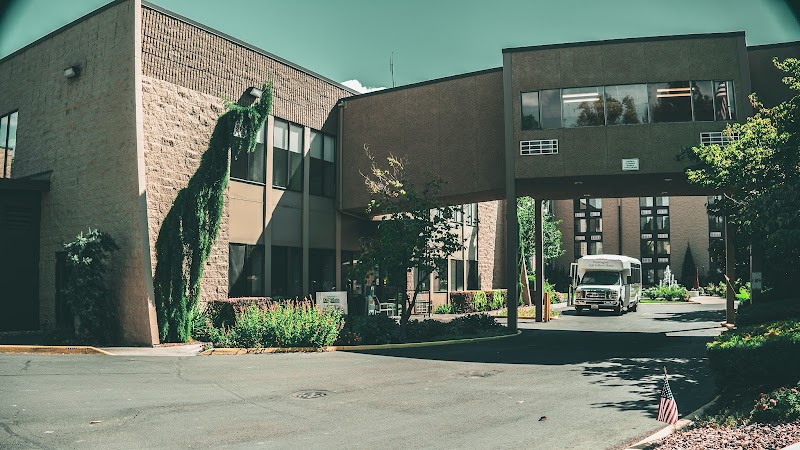
Who Owns and Operates Washington Odd Fellows Home?

WASHINGTON ODD FELLOWS HOME is owned by a non-profit organization. Non-profit facilities reinvest revenue into operations rather than distributing to shareholders. The facility operates independently rather than as part of a larger chain. With 53 certified beds and approximately 51 residents (about 96% occupancy), it is a smaller facility located in WALLA WALLA, Washington.

How Does Washington Odd Fellows Home Compare to Other Washington Nursing Homes?

Compared to the 100 nursing homes in Washington, WASHINGTON ODD FELLOWS HOME's overall rating (2 stars) is below the state average of 3.2, staff turnover (63%) is significantly higher than the state average of 46%, and health inspection rating (2 stars) is below the national benchmark.

What Should Families Ask When Visiting Washington Odd Fellows Home?

Based on this facility's data, families visiting should ask: "What changes have been made since the serious inspection findings, and how are you preventing similar issues?" "How do you ensure continuity of care given staff turnover, and what is your staff retention strategy?" "Can you walk me through typical staffing levels on day, evening, and night shifts?" "Can I visit during a mealtime to observe dining assistance and food quality?" These questions are particularly relevant given the facility's Immediate Jeopardy citations, the facility's high staff turnover rate, and the below-average staffing rating.

Is Washington Odd Fellows Home Safe?

Based on CMS inspection data, WASHINGTON ODD FELLOWS HOME has documented safety concerns. Inspectors have issued 1 Immediate Jeopardy citation (the most serious violation level indicating risk of serious injury or death). The facility has a 2-star overall rating and ranks #100 of 100 nursing homes in Washington. Families considering this facility should ask detailed questions about what corrective actions have been taken since these incidents.

Do Nurses at Washington Odd Fellows Home Stick Around?

Staff turnover at WASHINGTON ODD FELLOWS HOME is high. At 63%, the facility is 17 percentage points above the Washington average of 46%. High turnover means new staff may not know residents' individual needs, medications, or preferences. It can also be disorienting for residents, especially those with dementia who rely on familiar faces. Families should ask: What is causing the turnover? What retention programs are in place? How do you ensure care continuity during staff transitions?

Was Washington Odd Fellows Home Ever Fined?

WASHINGTON ODD FELLOWS HOME has been fined $77,366 across 2 penalty actions. This is above the Washington average of $33,853. Fines in this range indicate compliance issues significant enough for CMS to impose meaningful financial consequences. Common causes include delayed correction of deficiencies, repeat violations, or care failures affecting resident safety. Families should ask facility leadership what changes have been made since these penalties.

Is Washington Odd Fellows Home on Any Federal Watch List?

WASHINGTON ODD FELLOWS HOME is not on any federal watch list. The most significant is the Special Focus Facility (SFF) program, which identifies the bottom 1% of nursing homes nationally based on persistent, serious quality problems. Not being on this list means the facility has avoided the pattern of deficiencies that triggers enhanced federal oversight. This is a positive indicator, though families should still review the facility's inspection history directly.