BALDWIN CARE CENTER

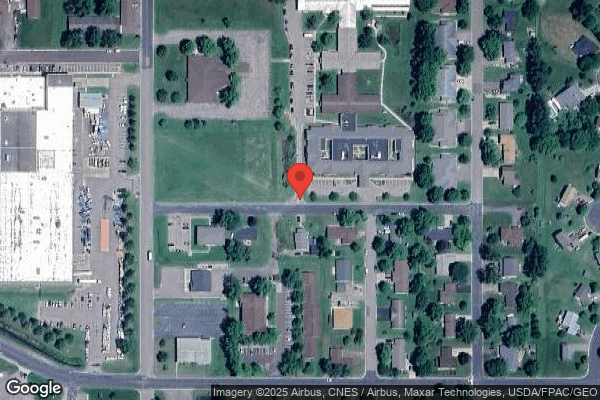
650 BIRCH ST, BALDWIN, WI 54002 (715) 684-3231
Non profit - Corporation 50 Beds Independent Data: November 2025
Trust Grade
65/100
#134 of 321 in WI
Last Inspection: August 2024

Within standard 12-15 month inspection cycle. Federal law requires annual inspections.

Overview

Baldwin Care Center has a Trust Grade of C+, indicating that it is slightly above average but not exceptional. It ranks #134 out of 321 facilities in Wisconsin, placing it in the top half, but is #6 of 8 in St. Croix County, meaning there are only two better options nearby. Currently, the facility is improving, with the number of issues decreasing from 8 last year to 5 this year. Staffing is rated 4 out of 5, which is a strength, but the turnover rate is average at 53%. While there have been no fines recorded, which is positive, the center has faced concerns over food safety and infection control practices, including improper food handling and a lack of hand hygiene that could affect all residents. Overall, Baldwin Care Center has strengths in staffing and no fines, but serious attention is needed to address the identified health and safety concerns.

Trust Score
C+
65/100
In Wisconsin
#134/321
Top 41%
Safety Record
Low Risk
No red flags
Inspections
Getting Better
8 → 5 violations
Staff Stability
⚠ Watch
53% turnover. Above average. Higher turnover means staff may not know residents' routines.
Penalties
✓ Good
No fines on record. Clean compliance history, better than most Wisconsin facilities.
Skilled Nurses
✓ Good
Each resident gets 51 minutes of Registered Nurse (RN) attention daily — more than average for Wisconsin. RNs are trained to catch health problems early.
Violations
⚠ Watch
14 deficiencies on record. Higher than average. Multiple issues found across inspections.
★★★☆☆
3.0
Overall Rating
★★★★☆
4.0
Staff Levels
★★★☆☆
3.0
Care Quality
★★★☆☆
3.0
Inspection Score
Stable
2023: 8 issues
2024: 5 issues

The Good

  • 4-Star Staffing Rating · Above-average nurse staffing levels
  • Full Sprinkler Coverage · Fire safety systems throughout facility
  • No fines on record

Facility shows strength in staffing levels, fire safety.

The Bad

3-Star Overall Rating

Near Wisconsin average (3.0)

Meets federal standards, typical of most facilities

Staff Turnover: 53%

Near Wisconsin avg (46%)

Higher turnover may affect care consistency

The Ugly 14 deficiencies on record

Aug 2024 5 deficiencies
CONCERN (D)

Potential for Harm - no one hurt, but risky conditions existed

Notification of Changes (Tag F0580)

Could have caused harm · This affected 1 resident

**NOTE- TERMS IN BRACKETS HAVE BEEN EDITED TO PROTECT CONFIDENTIALITY** Based on observations, interview and record review the facility did not consult with the physician for changes in condition for ...

Read full inspector narrative →
**NOTE- TERMS IN BRACKETS HAVE BEEN EDITED TO PROTECT CONFIDENTIALITY** Based on observations, interview and record review the facility did not consult with the physician for changes in condition for R3. This occurred for 1 of 2 sampled residents (R) R3. R3 was admitted to the facility on [DATE] and has diagnoses that include heart failure, dementia, type 2 diabetes, major depressive disorder, hypertension and congestive heart failure. On 08/07/24 at 10:01 AM, Surveyor observed Licensed Practical Nurse (LPN) G complete a dressing change on R3's right leg. R3's leg was red and shiny in color; the wounds were weeping and open. R3 was complaining about the back of their calf hurting. After the bandages were applied, R3 and family member decided to go to urgent care to rule out a blood clot. R3 had doctor's orders that read, Weigh 2 times per week, Monday and Friday AM monitor weight call MD if goes up. On 7/01/24, R3 weighed 158.4 pounds. On 07/04/24, R3 weighed 168 pounds. On 7/23/24, R3 weighed 157.6 pounds. On 7/26/24, R3 weighed 164.2 pounds. On 08/02/24, R3 weighed 164.2 pounds. On 08/05/24, R3 weighed 166.8 pounds. On 08/07/24 at 12:13 PM, Surveyor interviewed Director of Nursing (DON) B and asked what the policy was for contacting the doctor for weight gain when a resident has congestive heart failure. DON B indicated if there is a 3 pound weight gain in 1 day or 5 pounds in 3 days. Surveyor then asked DON B for proof of doctor notification for R3's weight gain on 07/04/24 and 07/26/24. On 08/07/24 at 12:35 AM, DON B returned to the conference room and could not find any doctor notifications. On 08/08/24 at 3:40 PM, Surveyor interviewed Nursing Home Administrator (NHA) A and asked if there was a system in place when there is a weight loss or gain. NHA A indicated that the system doesn't flag them. On 08/08/24, Surveyor requested discharge notes from 08/07/24 visit to urgent care. On the Medical Exchange Form, under diagnosis R3 was diagnosed as having cellulitis of the right lower extremity and put on an antibiotic.
CONCERN (D)

Potential for Harm - no one hurt, but risky conditions existed

Pressure Ulcer Prevention (Tag F0686)

Could have caused harm · This affected 1 resident

**NOTE- TERMS IN BRACKETS HAVE BEEN EDITED TO PROTECT CONFIDENTIALITY** Based on observation, interview, and record review, the facility did not ensure that 1 of 3 residents (R) reviewed for pressure ...

Read full inspector narrative →
**NOTE- TERMS IN BRACKETS HAVE BEEN EDITED TO PROTECT CONFIDENTIALITY** Based on observation, interview, and record review, the facility did not ensure that 1 of 3 residents (R) reviewed for pressure injuries (PI) (R4) received care consistent with professional standards of practice to prevent and promote healing of existing PIs. R4 did not have comprehensive weekly assessments of R4's pressure injuries. Physician was not notified when PI had increased size or changes in drainage. R4's pressure relief for ankle was not observed. R4 was not repositioned as instructed on the PI care plan. This is evidenced by: Guidelines from the National Pressure Injury Advisory Panel (NPIAP) 2016, Pressure Injury Prevention Points, accessed 07, March 2024, Prevention Points | National Pressure Ulcer Advisory Panel (npiap.com), states in part: Turn and reposition all individuals at risk for pressure injury, turn the individual into a 30-degree side-lying position and use your hand to determine if the sacrum is off the bed, ensure that the heels are free from the bed, use heel offloading devices for high-risk pressure injuries. Guidelines from the National Pressure Injury Advisory Panel (NPIAP) 2019, Pressure Injury Prevention Points, accessed 19, August 2024, Prevention Points | National Pressure Ulcer Advisory Panel (npiap.com), states in part: Assess the physical characteristics of the wound bed and the surrounding skin and soft tissue at each pressure injury assessment. The facility policy entitled, Skin Conditioning Monitoring, dated 06/15/23, states in part: .1. Head to toe skin assessment upon admission and weekly. 2. Risk assessment Braden scale upon admission, weekly x4, and ten quarterly, annually, and with significant change of condition. 3. Comprehensive skin risk data collection upon admission, quarterly, annually, and with significant change. 7. Notify MD and obtain orders to treat skin breakdown and notify family/responsible party. Initiate new orders. 8. Document in nurse notes giving description of characteristics of area. Weekly assessment, measurement, and status of area to be documented weekly in nurses' notes until resolved. Document condition with treatment and or observation of area on treatment record. 9. Initiate appropriate measures to aid in prevention of skin breakdown (skin care for dry skin, turning/repositioning schedule while in bed and chair). Update plan of care as appropriate. 11. MD will be updated if area opens or deteriorated. Changes in medical interventions as needed will be obtained . R4 was admitted to the facility on [DATE] with diagnoses including, in part, two stage II PIs, one stage III PI, paraplegic, neurogenic bladder, anemia, coronary artery disease, heart failure, anxiety, and depression. R4's Minimum Data Set (MDS) assessment, dated 04/09/24, identified on admission that R4 had a Brief Interview for Mental Status (BIMS) score of 13. This indicated R4 had moderate cognitive impairment. The MDS assessment also identified R4 required total dependent assistance of two people for bed mobility, taking on and off footwear, rolling left to right, sit to lying, chair to bed, toileting, and for transfers. MDS also indicated that R4 was determined to be at risk for PIs and currently had two stage II PIs and one stage III PI. Surveyor reviewed R4's care plan: Initiated on 04/12/24: -Assess skin condition as appropriate. Treat as ordered. -Hospice doing wound care. Facility staff doing prn wound care. -Keep skin clean and dry, develop monitoring turning schedule, observe skin during cares. -Encourage/assist to assure position changes every two hours minimum. -Elevate heels off the surface of the mattress to reduce pressure on heels. Initiated on 05/16/24: -Air mattress on bed. Initiated on 06/05/24: -Apply barrier cream to peri rectal area. Surveyor reviewed Activities of Daily Living (ADL) sheet: -Turn about every 2 hours when in bed. -Bed mobility with 1-2 assist. -Transfer Hoyer with 2 assists. Surveyor reviewed admission assessment: -On 03/28/24, 3 pressure injuries to coccyx, right knee, and right ankle. Facility did not complete a complete PI assessment for R4 upon admission, to include physical characteristics of the wound bed and surrounding skin/soft tissue such as categorizing the stage of the PIs, size/surface area, tissue type, color, peri wound condition, wound edges, sinus tracts: i.e., undermining, exudate, or odor of the PIs. Surveyor reviewed Braden Scale for predicting pressure sore risk assessment: -On 03/29/24, resident scored 13 indicating that R4 was at moderate risk for pressure injuries. No other Braden scale assessments were completed. Surveyor reviewed comprehensive skin risk data collection sheet dated 03/29/24 which indicated, Resident is on hospice and is paraplegic and has 3 pressure injuries to coccyx, right knee, and right ankle. Surveyor did not observe any other skin risk data collection sheets since 3/29/24. Surveyor reviewed progress notes: -On 05/03/24 - Resident has open areas on coccyx, right knee, and right ankle. Receives application of dressings. -On 05/23/24 - Dressing changed to right outer ankle, foul smelling drainage present, area cleansed and patted dry. Silver alginate applied per instructions. Foam dressing applied with skin prep. The MD was not notified of the foul-smelling drainage. -On 06/26/24 - Left lower buttock necrotic eschar black and brown wound bed, unstageable 2 cm x 2.5 cm x .5 cm. -On 06/27/24 - Left gluteal fold 2.5 cm x 2.5 cm x .5 cm. Surrounding skin discolored and scarred. Wound bed is 100% necrotic adherent brown, black tissue present. -On 07/24/24 - Left lower buttock becoming deeper and larger, 3 cm x 3.7 cm x 1.3 cm. Unstageable eschar necrotic brown and black slough. The MD was not notified of the deeper and larger condition of the PI. -On 07/24/24 - Stage 3 PI right lateral malleolus. Slough 100%, pale yellow, pallor noted, light serous non-odorous 1.9 cm x 1.5 cm x .3 cm. -On 07/24/24 - Stage 2 PI left mid buttock (left gluteal fold) .7 cm x .7 cm x .1 cm. -On 07/25/24 - Stage 3 PI right lateral malleolus. 1.9 cm x 1.5 cm x .3 cm. -On 07/31/24 - Dressings changed to buttock areas and right outer ankle stage 3, use of pressure reduction/relieving devices in place, teaching resident how to reposition self, benefits of doing this. Resident continues to have open area to left gluteal crease with 70% necrotic tissue with 30% red/moist tissue at wound edges. -left lower Buttock: Necrotic tissue 4 cm x 3.8 cm x 1.4 cm (this is larger since last assessed 7/24/24) -Right lateral malleolus: Stage 3 slough pale yellow, pallor noted, no change, 1.5 cm x 1.3 cm x .4 cm. -Left mid buttock (left of gluteal fold/coccyx): Stage 2 granulation reddened area 1.2 cm x1 cm x .1 cm. -On 08/07/24, Left buttock unable to stage and coccyx unable to stage. Right outer ankle stage 3 worsening, current treatments calcium alginates, foam dressing, teaching resident how to self-reposition self, use of pressure relieving reduction devices, -Left lower Buttock: Necrotic tissue 4 cm x 4.5 cm x 1.5 cm. Stage 3 (larger than 7/31/24 assessment, MD not notified, no changes in treatment) -Right lateral malleolus: Stage 3 slough pale yellow, pallor noted, no change, 1.3 cm x 1.5 cm x 1.5 cm. -Left mid buttock (left of gluteal fold/coccyx): 4 cm x 3 cm x 0. 0.5 cm area of undermining present at 12 o'clock. (MD not notified of undermining of the PI) Surveyor notes that weekly comprehensive PI assessments were not being completed 3/28/24 - 7/24/24. Observations: On 08/07/24 at 7:20 AM, Surveyor observed R4 lying in bed sleeping supine with buttocks directly on bed. Surveyor observed R4's feet lying directly on the mattress with no elevation of heels. R4's feet were positioned outwards with R4's lateral malleolus ankle area touching the surface of the bed applying pressure directly to the ankles bilaterally. Surveyor did not observe Podus boots in place or any other device to prevent pressure from occurring to R4's ankles. On 08/07/24 at 9:15 AM, Surveyor observed R4 lying in bed at 30-degree angle with buttocks directly on bed. Surveyor observed R4's feet lying directly on the mattress with no elevation of heels. R4's feet were positioned outwards with R4's lateral malleolus ankle area touching the surface of the bed applying pressure directly to the ankles bilaterally. Surveyor did not observe Podus boots in place or any other device to prevent pressure from occurring to R4's ankles. The following occurred on 08/08/24 during a continuous observation from 6:38 AM-8:47 AM, for 2 hours and 9 minutes: Surveyor observed R4 lying in bed supine resting with feet lying directly on the mattress with no elevation of heels. R4's feet were positioned outwards with R4's lateral malleolus ankle area touching the surface of the bed applying pressure directly to the ankles bilaterally. Surveyor did not observe Podus boots in place or any other device to prevent pressure from occurring to R4's ankles. On 08/07/24 at 1:56 PM, Surveyor interviewed LPN G and asked what interventions were put into place to prevent the PI or minimize the PI from getting worse. LPN G indicated that LPN G was unsure what interventions were put into place and would need to check. LPN G indicated that R4 has an air mattress in place and R4 is supposed to reposition every 2 hours as well. Surveyor indicated to LPN G that through observations R4's feet have been directly positioned on bed without heels being floated or ankles being propped with any devices to prevent pressure to the ankles. Surveyor indicated to LPN G that Surveyor observed that R4 is paraplegic and can't readjust or hold feet upright. R4's feet fall to the sides bilaterally and then direct pressure is being placed on the lateral sides of the ankles. Surveyor asked LPN G if staff utilize Podus boots or foam wedges or any devices to keep R4's ankles from falling to the side and causing continuous pressure. LPN G indicated to Surveyor that Podus boots are a good idea and that currently right now R4 does not have any devices to aid in relieving pressure to R4's right ankle besides repositioning every 2 hours if R4 does not refuse. LPN G shared that R4 has long standing PIs from when at home on hospice services. LPN G went on to say that R4 has nutritional deficiencies per resident's choice to eat foods of choice and for pleasure on hospice services. R4 does not get adequate protein for healing, due to R4's choices. R4 spends a lot of the day in his wheelchair, as this is his choice. If R4 is approached to reposition, R4 gets angry. LPN G stated staff offer and encourage reposition, but honor R4's choice as he continues to receive comfort focused cares on hospice for end stage congestive heart failure. On 08/08/24 at 10:03 AM, Surveyor interviewed Director of Nursing (DON) B and asked when R4 was admitted what skin breakdown did R4 have. DON B indicated that R4 had air mattress in place, turning and repositioning every 2 hours, cushion applied to wheelchair, and encourage R4 to reposition often. Surveyor asked DON B when the air mattress was implemented. DON B indicated that R4 is on hospice and since hospice won't order an air mattress unless someone has skin breakdown the air mattress was not ordered until 05/16/24 but that it doesn't make sense because R4 was admitted with severe skin breakdown. DON B indicated that implementing air mattress in a timely fashion was missed when providing cares for R4. Surveyor asked DON B what interventions were put into place to prevent the PI from occurring or to minimize the PI from getting worse once facility observed R4's right ankle PI. DON B indicated that R4 had air mattress in place, turning and repositioning every 2 hours, foam applied to wheelchair foot pedals because sometimes R4 wants to sit in wheelchair more than R4 should, and encourage R4 to reposition often. DON B indicated that at first hospice was completing wound care Monday, Wednesday, and Friday. Hospice was doing the weekly assessments from 3/28 - 7/24/24. This is the reason for lack of assessments in the medical record. Currently the facility provides wound care Monday, Wednesday, and Friday. DON B indicated the facility staff are doing weekly PI assessments since 7/24/24. DON B indicated that staff should be completing weekly skin assessments and if any concerns or changes the physician should be notified immediately. Surveyor indicated to DON B through observations R4's feet have been directly positioned on bed without heels being floated or ankles being protected from pressure with any devices. Surveyor asked DON B if staff utilize Podus boots or foam wedges or any devices to keep R4's ankles from falling to the side and causing continuous pressure. DON B indicated that Podus boots are not being used for R4's feet bilaterally. DON B indicated currently there are not any other interventions than stated before. Surveyor asked DON B how often Braden scales are completed on residents. DON B indicated that Bradens are completed on admission, weekly, and then quarterly. Surveyor asked DON B if R4 had any Braden scales completed for R4's skin. DON B indicated R4 received a Braden skin assessment on admission. Surveyor requested the Braden Skin Assessment for R4.
CONCERN (D)

Potential for Harm - no one hurt, but risky conditions existed

Unnecessary Medications (Tag F0759)

Could have caused harm · This affected 1 resident

**NOTE- TERMS IN BRACKETS HAVE BEEN EDITED TO PROTECT CONFIDENTIALITY** Based on observation, interview and record review, the facility did not ensure a medication error rate of 5% or less. During the...

Read full inspector narrative →
**NOTE- TERMS IN BRACKETS HAVE BEEN EDITED TO PROTECT CONFIDENTIALITY** Based on observation, interview and record review, the facility did not ensure a medication error rate of 5% or less. During the medication administration task, Surveyor observed 2 errors out of 28 medication opportunities, resulting in an error rate of 7.14%. Staff administered 2 insulin injections without knowing if the insulin was expired. This affected 1 of 11 residents (R31) observed for medication administration. Findings include: Facility entitled, Insulin Administration, stated in part, .Steps in the Procedure .3. Remove insulin from storage point. 4. Check date medication was first opened. 5. Check expiration date . According to the American Diabetes Association, insulin products contained in vials or cartridges supplied by the manufacturers (opened or unopened) may be left unrefrigerated at a temperature between 59 and 86 degrees F for up to 28 days and continue to work. After 28 days the insulin should be discarded. On [DATE] at 7:26 AM, Surveyor observed Licensed Practical Nurse (LPN) J administer two insulin injections to R31. LPN J took two insulin pens out of R31's medication cupboard, Insulin Glargine and Insulin Novolog. LPN J verified the pens with the orders on R31's medication administration record. LPN J prepared both insulin pens per proper procedure and showed the pens to Surveyor. Surveyor noted neither pen was dated with date opened or discard date. Surveyor asked LPN J what the facility policy was for dating insulin pens when first opened. LPN J stated they were supposed to label the pens with the date opened, so they know when to discard the pens. LPN J then looked at the date dispensed on the medication labels and wrote a date opened on each insulin pen. LPN J then administered both insulin injections to R31. LPN J did not verify when the pens were opened or if they were beyond the discard date prior to administering the injections. On [DATE] at 12:13 PM, Surveyor interviewed Director of Nursing (DON) B and asked the facility policy for labeling insulin pens when opening for the first time. DON B stated the nurses should label all insulin pens with date opened when they take out a new pen, so they know when the pen should be discarded. DON B stated LPN J should have discarded the pens if the opened and discard dates were unknown.
CONCERN (F)

Potential for Harm - no one hurt, but risky conditions existed

Food Safety (Tag F0812)

Could have caused harm · This affected most or all residents

Based on observation and interview, the facility did not store, prepare, distribute and serve food in accordance with professional standards for food service safety. The facility did not adequately cl...

Read full inspector narrative →
Based on observation and interview, the facility did not store, prepare, distribute and serve food in accordance with professional standards for food service safety. The facility did not adequately clean light fixtures that were placed above serving areas. The facility did not ensure staff used proper hand hygiene when distributing food. This has the ability to affect all 39 of 39 residents residing in the facility. Findings include: The facility policy entitled, Use of Plastic Gloves, dated 05/05/21 states, 3. REMEMBER GLOVES ARE JUST LIKE HANDS. THEY GET SOILED. ANYTIME YOU TOUCH A CONTAMINATED SURFACE, THE GLOVES MUST BE CHANGED . f. anytime you tough a contaminated surface. g. During food preparations, as often as necessary to remove soil and contamination and prevent cross contamination when changing tasks. 4. Wash hands after removing gloves. The facility policy entitled, General Food Preparation and Handling, dated 05/05/21 states, Food items will be prepared to conserve maximum nutritive value, develop and enhance flavor and free of injurious organisms and substances. Procedure: 1. The kitchen is kept neat and orderly, a. the kitchen and equipment are clean. On 08/06/24 at 12:14 PM, Surveyor observed Utility Aide (UA) I shuffling through meal tickets, with same gloved hands. UA I grabbed a side salad, removed the plastic and grabbed a clean plate. With the same contaminated gloved hands, grabbed a bun. UA I then used a knife to cut sandwich in half and used dirty gloved hands to grab half of sandwich to put on another plate. With the same dirty gloved hands UA I grabbed a bun out of package and put rib sandwich on another plate. UA I then went back to shuffling through meal tickets, removed gloves, washed hands and put on new gloves. UA I grabbed plate, bun, removed cover from steam table, dished up sandwich and grabbed new plate. This continued for the duration of dining affecting all who were eating in the first dining room. During observations, Surveyor noted a layer of dust on top of the light fixtures that reside above the serving area; dust was visible from 15 feet away. The light fixtures are located over open containers of food that were to be served to residents. On 08/06/24 at 12:23 PM, Surveyor observed Dietary Aide (DA) M serving food to residents. During food service, DA M would touch the meal tickets which were paper and then touch ready to eat buns with the same gloved hand without changing gloves and using hand hygiene practices. DA M would also touch all plates and bowls that were used to serve residents in the dining area. Surveyor observed DA M shuffling through meal tickets then, with same gloved hands, grabbing side salad and buns, grabbed a clean plate, and grabbed a different bun. At no time were the gloves changed. This continued for the duration of the service affecting all residents being served from the second dining area. During observations, Surveyor noted a layer of dust on top of the light fixtures that are above the serving area. Dust was visible from 15 feet away and was located over open containers of food that were to be served to residents. On 08/07/24 at 12:50 PM, Surveyor interviewed DA O regarding the dust on the light fixtures that was still there. DA O said that maintenance is in charge of cleaning them. DA O did step back and look at the lights and agreed there was a layer of dust on them indicating it had not been cleaned in a while. On 08/07/24 at 1:54 PM, Surveyor interviewed Dietary Manager (DM) L regarding expectations for hand hygiene and cleanliness in the serving areas. DM L said they would not expect there to be dust build up above an area that food was being served. DM L also said they have been working on a system where staff are not touching the papers while serving food. When asked about the location of the papers prior to getting to the serving areas, DM L stated those papers (individual dietary tickets) had been everywhere from the kitchen, printer area, and serving area and possibly other places.
CONCERN (F)

Potential for Harm - no one hurt, but risky conditions existed

Infection Control (Tag F0880)

Could have caused harm · This affected most or all residents

**NOTE- TERMS IN BRACKETS HAVE BEEN EDITED TO PROTECT CONFIDENTIALITY** Based on observation, interview and record review, the facility did not establish an Infection Control Program under which it in...

Read full inspector narrative →
**NOTE- TERMS IN BRACKETS HAVE BEEN EDITED TO PROTECT CONFIDENTIALITY** Based on observation, interview and record review, the facility did not establish an Infection Control Program under which it investigates, controls, and prevents infections in the facility, and a system for recording incidents identified under the facility's Infection Control Program, including corrective action in a timely manner, for both residents and staff. This has the potential to affect all 39 residents in the facility. -The facility did not have a tracking program in place for the early detection of infected and exposed residents (R) and staff for COVID-19 and Norovirus during an outbreak. -Certified Nursing Assistant (CNA) did not perform hand hygiene during water pass that affected all residents. -Observations were made of the facility not implementing Enhanced Barrier Precautions (EBP) for 2 sampled residents on EBP. -CNAs were observed not wiping down Hoyer lifts after leaving an EBP room for R34 and R16. This is evidenced by: Example 1: Surveyor reviewed Infection Control (IC) surveillance logs and found the facility identified the facility had an outbreak of Norovirus January and February 2024. Surveyor could not distinguish when outbreak began and when outbreak ended. Surveillance logs were observed missing information identifying when precautions were implemented, any testing, last well date, when symptoms ended, when precautions ended, and if provider was notified. Surveyor reviewed IC surveillance logs and found the facility identified the facility had an outbreak of COVID-19 in September, October, and November 2023 that affected staff and residents. Surveyor could not distinguish when outbreak began and when outbreak ended. Surveillance logs were observed missing information identifying where infected staff last worked, when precautions were implemented, any testing, last well date, when symptoms ended, when precautions ended, and if provider was notified. Surveyor reviewed IC August 2023- July 2024 data line lists for residents and staff. Surveyor noted that all line lists from August 2023-July 2024 were inconsistent and missing data. Surveyor reviewed and noted line lists were missing the infection site, pathogen, signs and symptoms, residents', or staff's location, last well date, any summary and analysis of the number of residents and staff who developed infections. Line lists had incomplete data. On 08/08/24 at 8:37 AM, Surveyor interviewed Director of Nursing (DON) B and asked about infection surveillance logs dating back to last survey 08/23 and if DON B could provide line lists for residents monthly. DON B indicated that DON B was confused and unsure what line lists Surveyor is asking for. Surveyor explained to DON B that Surveyor was requesting monthly logs of infections residents acquire and what criteria is utilized to diagnosis appropriate antibiotic usage. DON B indicated that DON B uses the NSHN for this data. DON B indicated that DON B would gather documentation for Surveyor soon. On 08/08/24 at 10:01 AM, DON B provided infection control logs for residents monthly from August 2023-July 2024. Surveyor reviewed infection control logs and observed line list to be missing data. Surveyor interviewed DON B and asked that DON B provide any other documentation pertaining to the norovirus outbreak in January 2024, and the COVID-19 outbreak from September 2023 to November 2023 with information regarding isolation start and stop dates, interventions put into place to prevent the spread of the viruses, and any summary on when the facility deemed the outbreaks to begin and end. Surveyor requested information explaining the location where staff worked during the outbreak that became exposed or infected. DON B indicated to Surveyor that DON B does not have that information and DON B didn't realize it needed to be documented. Example 2: The facility policy entitled, Hand hygiene, dated 03/2023, states in part: .#8. It is necessary to wash your hands at the following times: -before and after gloving or changing gloves. -After handling soiled equipment or utensils . On 08/06/24 from 1:34 PM to 2:02 PM, Surveyor observed continuous observation of Utility Aide (UA) I enter rooms 1-29 without changing gloves in between passing water pitchers. UA I applied gloves without performing hand hygiene. UA I took new water pitcher into each room and brought used water pitcher out of every room. Surveyor did not observe UA I take gloves off, wash hands, or sanitize hands between delivering new water pitchers and touching old water pitchers, placing the water pitchers on cart, then entering more rooms. Surveyor observed UA I continue to other side of the building to deliver water pitchers to rest of rooms in the facility with the same gloves on. On 08/06/24 at 2:03 PM, Surveyor interviewed UA I and asked what UA I's process is for hand hygiene between delivering new water pitchers and taking residents' old water pitchers out of rooms. UA I indicated that normally UA I enters residents' rooms with gloves on, takes the paper off the straws, and then takes residents' old pitchers out, places on the water pitcher cart, and then goes to the next resident and so on. Surveyor asked if UA I changes gloves in between delivering water pitchers between residents. UA I indicated that UA I should be. Surveyor asked if UA I changed gloves and performed hand hygiene in between clean and dirty during water pass. UA I indicated no, UA I did not change gloves and used same pair of gloves for every resident in rooms 1-29. Example 3 According to CDC guidance entitled, Implementation of Personal Protective Equipment (PPE) Use in Nursing Homes to Prevent Spread of Multidrug-resistant Organisms (MDROs), last updated 07/12/22, .EBP may be indicated (when Contact Precautions do not otherwise apply) for residents with any of the following: Wounds or indwelling medical devices .The use of gown and gloves for high-contact resident care activities is indicated, when Contact Precautions do not otherwise apply, for nursing home residents with wounds and/or indwelling medical devices regardless of MDRO colonization as well as for residents with MDRO infection or colonization . R15 was admitted to the facility on [DATE] with the following diagnoses, in part, multiple rib fractures right side, acute embolism and thrombosis, chronic peripheral venous insufficiency, and lymphedema. R15 had chronic venous stasis wounds on both lower legs. R15 was re-hospitalized on [DATE] for a ruptured appendix and had an abdominal drain tube in place at the time of the survey. On 08/06/24 at 9:32 AM, Surveyor observed an EBP sign on the outside of the door to R15's room. On 08/07/24 at 2:09 PM, Surveyor observed Registered Nurse (RN) K enter R15's room to assess the drainage tube dressing site. RN K used hand sanitizer and obtained a gauze dressing from R15's medication cupboard prior to entering the room. R15 requested assistance to use the bathroom prior to RN K changing drainage tube dressing. RN K washed hands in bathroom and put on clean gloves. RN K assisted R15 to stand and pivot transfer to the toilet and assisted to pull down pants and brief before sitting down on the toilet. RN K assisted R15 to stand, pull up pants and fasten brief and pivot to wheelchair after R15 was finished using the toilet. RN removed gloves, washed hands with soap and water in the bathroom, and put on clean gloves. RN K lifted R15's shirt, pulled down the side of the pants waistband and unfastened the side of the brief to visualize the dressing over the drain tubing on R15's abdomen. RN K observed the dressing was clean, dry, and intact with no signs of drainage, no redness or tenderness noted around edges of dressing. RN K stated the dressing did not need to be changed. RN K re-fastened the brief and adjusted R15's clothing. RN K removed the gloves and used hand sanitizer. RN K did not wear a gown prior to assisting R15 with any of the high-contact cares. Following the observation, Surveyor asked RN K if R15 was on EBP. RN K said R15 was on EBP because of the drain tube and chronic wounds on the lower legs. Surveyor asked if RN K should have put a gown on in addition to the gloves prior to assisting R15 with high-contact cares. RN K said they should have put a gown on prior to providing cares. On 08/08/24 at 8:38 AM, Surveyor interviewed DON B and reviewed the observation of RN K providing cares for R15 without a gown on. Surveyor asked DON B what guidance they follow for EBP. DON B stated they follow Centers for Disease Control (CDC) guidance for EBP. DON B stated RN K should have worn a gown and gloves to assist R15 with toileting. Example 4 R11 was admitted to the facility on [DATE], and has diagnoses that include dementia, hypertension, bladder neck obstruction, and atrial fibrillation. On the outside of R11's door was a sign that read in part, Enhanced Barrier Precauitions providers and staff must also wear gloves and a gown for the following high contact resident care activities device care of use: urinary catheters. On 08/07/24 at 11:19 AM, Surveyor observed CNA C went into R11's room. Surveyor heard what sounded like a graduate being set on the floor so Surveyor entered the room, CNA C had graduate on the floor, no barrier down and no personal protective equipment (PPE) on. CNA C was in the middle of emptying the catheter bag. Surveyor observed CNA C then get a wipe and wiped the port before closing it and putting the catheter bag away. CNA C then took the graduate with urine in it and dumped the urine in the toilet. On 08/07/24 at about 3:30 PM, Surveyor interviewed CNA C and asked how CNA C knows when a resident is on precautions. CNA C indicated usually there is a sign on the door and a bin outside the room. Surveyor asked CNA C about R11 and if CNA C knew R11 was on enhanced barrier precautions (EBP). CNA C indicated they did not know and asked Surveyor where the gowns are then. CNA C then went to another resident's room and asked a visitor where the PPE was kept. On 08/08/24 at 8:37 AM, Surveyor interviewed RN D and asked how they know if a resident is on EBP. RN D indicated there is a sign on the outside of the door and PPE in cart in the bathroom. Surveyor then asked RN D if a CNA is emptying a catheter should they be wearing PPE. RN D indicated yes. On 08/08/24 at 9:02 AM, Surveyor interviewed CNA E and asked how CNA E knows if a resident is on EBP. CNA E indicated there is a sign on the door and PPE in a 3 drawer bin in the bathroom. Surveyor asked CNA E if a resident is on EBP and you were to go empty the resident's catheter should you wear PPE. CNA E indicated yes. On 08/08/24 at 9:11 AM, Surveyor interviewed RN F, who is also the care coordinator, if a CNA goes in a room to empty a catheter bag and the resident is on EBP should the CNA wear PPE. RN F indicated yes. On 08/08/24 at 10:00 AM, Surveyor interviewed DON B and asked what guidelines they follow for EBP. DON B indicated they follow CDC guidelines. Example 5 Facility policy entitled, Cleaning Communal Equipment, states in part, Policy: Use Sanitary equipment on all residents. Purpose: To prevent the spread of infection from resident to resident. Communal Equipment: .Lift equipment .Action: .Disinfects equipment (non-porous) between each resident using Germicidal/Disinfectant Wipes per manufacturer recommendations . On 08/06/24 at 10:08 AM, Surveyor observed CNA C transfer R34 using a mechanical lift with the assistance of another staff member. At 10:14 AM, Surveyor observed CNA C bring the mechanical lift out of R34's room and bring it into R16's room to assist R16 with a transfer using the mechanical lift. CNA C did not wipe the mechanical lift with a Germicidal/Disinfectant wipe between use. At 10:21 AM, Surveyor observed CNA C bring the lift out of R16's room and place it in a closet in the hallway. CNA C did not wipe the lift with a Germicidal/Disinfectant wipe prior to leaving it in the closet. On 08/08/24 at 8:38 AM, Surveyor interviewed DON B and asked what the facility policy is for disinfecting mechanical lifts between resident use. DON B stated the facility policy stated staff should disinfect the mechanical lifts after each use. Surveyor explained the observation of CNA C using a mechanical lift without disinfecting it between residents. DON B stated CNA C did not follow the facility policy and education would be provided.
Aug 2023 8 deficiencies
CONCERN (D)

Potential for Harm - no one hurt, but risky conditions existed

Resident Rights (Tag F0550)

Could have caused harm · This affected 1 resident

**NOTE- TERMS IN BRACKETS HAVE BEEN EDITED TO PROTECT CONFIDENTIALITY** Based on interview and record review, the facility did not ensure that every resident was treated with dignity and respect when ...

Read full inspector narrative →
**NOTE- TERMS IN BRACKETS HAVE BEEN EDITED TO PROTECT CONFIDENTIALITY** Based on interview and record review, the facility did not ensure that every resident was treated with dignity and respect when providing activities of daily living (ADL) for 1 of 12 residents (R15) reviewed. During two observations of cares provided to R15, the nurse providing cares did not speak to R15 or explain what cares they were going to provide. This is evidenced by: R15 was admitted on [DATE]. R15's Minimum Data Set (MDS), dated [DATE], stated in part, diagnoses of quadriplegia unspecified, anoxic brain damage, cerebral palsy, and gastrostomy. Surveyor reviewed R15's nursing care plan which, stated in part, .for functional level [R15] is total assist/cares and unable to communicate needs. Interventions included in part, . all staff speak directly to [R15] and explain what you are doing by utilizing the blink method (1 blink for yes and 2 blinks for no) when asking questions, speak in normal volume, use objects, drawings, gestures, writing, facial expressions, use orange binder in room for communication aide, and communication board hanging on bookshelf . On 08/16/23 at 9:50 AM, Surveyor observed Registered Nurse (RN) K crush medications at the medication cart, then RN K entered R15's room without announcing herself and headed to bathroom. RN K washed hands in bathroom and mixed medications with water and set on bedside table. Without speaking to R15, RN K uncovered R15's blanket and took the J-tube and administered medications. RN K, without announcing to R15, also administered morphine liquid with a syringe under R15's tongue. During the whole process, RN K did not communicate with R15 and did not announce herself. There was no conversation observed. On 08/16/23 3:00 PM, Surveyor observed RN K enter R15's room, announced herself by name and went straight in bathroom and washed hands. RN K gathered feeding tube supplies and set it on side table next to bed. Without speaking to R15, RN K uncovered R15's blanket, detached the cap on J-tube and connected syringe to J-tube. RN K next administered two Replete bottles via J-tube. RN K pulled blankets back to cover R15. RN K went to bathroom and washed tube feeding supplies and hands. RN K exited R15's room. During the whole process of administration RN K did not communicate with R15 and no conversation was observed. On 08/17/23 8:00 AM, Surveyor interviewed Director of Nursing (DON) B and asked what the expectations were of a normal routine when staff is delivering care to non-communicating residents. DON B stated it was expected that all residents were treated equally. DON B stated procedures were to be explained to the individuals and correctly performed. DON B stated that it was expected that all non-communicative/non-verbal residents were still treated as everyone else because they still may be able to understand what's going on around them.
CONCERN (D)

Potential for Harm - no one hurt, but risky conditions existed

Tube Feeding (Tag F0693)

Could have caused harm · This affected 1 resident

**NOTE- TERMS IN BRACKETS HAVE BEEN EDITED TO PROTECT CONFIDENTIALITY** Based on observation, interview and record review, the facility did not ensure a resident received treatment based on current st...

Read full inspector narrative →
**NOTE- TERMS IN BRACKETS HAVE BEEN EDITED TO PROTECT CONFIDENTIALITY** Based on observation, interview and record review, the facility did not ensure a resident received treatment based on current standards of practice for jejunostomy (J) tube for 1 of 1 residents (R) with a J-tube. (R15) Staff did not check for proper placement of R15's J-tube when providing treatment and administering medications and nutrition via J-tube. This is evidenced by: Facility policy entitled Gastric Tube Feeding, last revised 05/11/23, stated in part, .Check for residual and placement by attaching sixty ml piston syringe to gastric tube and gently pull back, if meet resistance as aspirate content, stop procedure, if no resistant, not amount of residual, then return gastric contents back into stomach. Appearance of gastric content implies that the tube is patent and in the stomach. If gastric content does not appear, then the tube may be against the lining of the stomach or may be obstructed therefore report complications promptly to the supervisor and the attending physician . R15 was admitted on [DATE]. R15's Minimum Data Set (MDS), dated [DATE], stated in part, diagnoses of quadriplegia unspecified, anoxic brain damage, cerebral palsy, and gastrostomy. On 08/16/23 at 9:50 AM, Surveyor observed Registered Nurse (RN) K crush medications on medication cart, enter R15's room and headed to bathroom. RN K washed hands in bathroom and mixed medications with water and set on bedside table. RN K uncovered R15 and took the J-tube, detaching the cap on J-tube then attached syringe and tried to draw back stating she was checking for placement. RN K was struggling with pulling back syringe, so RN K stopped and unhooked syringe. RN K drew all medications into syringe from graduate and pushed through J-tube without verifying proper tube placement. RN K flushed 30cc in between administration of medications. RN K disconnected syringe and took items to bathroom to rinse out. RN K exited R15's room. On 08/16/23 at 3:00 PM, Surveyor observed RN K enter R15's room and go into bathroom and washed hands. RN K gathered feeding tube supplies and set it up on side table. RN K uncovered R15's blanket, detached the cap on J-tube and connected syringe to J-tube. RN K proceeded with flushing J-tube with 50ml of water without assessing proper placement. RN K administered two Replete (nutritional formula) bottles via J-tube with operation of Kangaroo pump running at 110ml/hr. RN K unconnected syringe and covered R15 back up. RN K went to bathroom and washed tube feeding supplies and hands. RN K exited R15's room. On 08/17/23 at 8:00 AM, Surveyor interviewed Director of Nursing (DON) B and asked what the facility process is for tube feeding. DON B stated that the facility expectation for tube feeding is all nurses pull back with syringe to check gastric contents for proper placement first, and then push back in and start the flush, then continue with either feeding replacement or administering of medications. DON B verified RN K did not follow the correct standard of practice for verifying tube placement prior to administering medication or formula through the tube.
CONCERN (D)

Potential for Harm - no one hurt, but risky conditions existed

Pharmacy Services (Tag F0755)

Could have caused harm · This affected 1 resident

**NOTE- TERMS IN BRACKETS HAVE BEEN EDITED TO PROTECT CONFIDENTIALITY** Based on observation, interview and record review, the facility did not provide pharmaceutical services, including dispensing an...

Read full inspector narrative →
**NOTE- TERMS IN BRACKETS HAVE BEEN EDITED TO PROTECT CONFIDENTIALITY** Based on observation, interview and record review, the facility did not provide pharmaceutical services, including dispensing and administering of all drugs, to meet the needs for 2 of 12 residents (R20 and R26). Registered Nurse (RN) F dispensed R20's nebulizer medication solutions into the nebulizer cup without R20 in the room and then documented in the Medical Administration Record (MAR) that the medication was administered at that time. R20 did not self-administer the nebulizer medication until three hours later. Lung sound assessments were not completed daily as per facility policy. Certified Nursing Assistant (CNA) G applied prescribed Nystatin cream to R26. This was evidenced by: The facility policy, entitled Administering Nebulizer Medications, dated 6/1/23, states: .After medication administration is completed .Document administration of medication. If resident is chronically on nebulizer treatments, then lung sounds need to be listened to at least once daily . The facility policy, entitled Medication Administration Policy, dated 5/11/23, states: .All medications are administered by licensed staff to the correct resident in correct dose via the prescribed route at the times ordered by the physician . Example 1 R20 was admitted to the facility on [DATE] and had diagnoses that included in part chronic respiratory failure with hypercapnia and hypoxia, other disorders of the lungs, obstructive sleep apnea, chronic diastolic congestive heart failure, disorders of the diaphragm, atrial fibrillation, chronic obstructive pulmonary disorder (COPD), and acute and subacute respiratory conditions due to chemicals, gases, fumes, and vapors. R20's Minimum Data Set (MDS) assessment, dated 08/03/23, indicated that the Brief Interview for Mental Status (BIMS) was 15 indicating R20 was cognitively intact. R20's Care Plan, dated 05/18/23, stated: .Problem: altered respiratory status. Interventions include: monitor oxygen saturations, administer nebulizer treatment per doctor order, monitor for side effects of respiratory medications, assess respiratory status, assess breath sounds, monitor pulses, assess skin temperature, assess for pain, Ok to self-administer nebulizer treatment after nurse sets up . R20's self-administration of medication assessment completed on 05/02/23 with re-evaluation on 08/03/23 stated: .R20 wishes to self admin nebulizer after nurse sets up. R20 was assessed by nurse to be able to administer safely. Nurse to set up nebulizer and wash nebulizer after use. On 08/03/23 nurse comments stated R20 continues to be safe to self admin nebulizer. Nurse to continue set up . R20's respiratory assessments were completed daily but did not include breath sounds daily. R20's MAR indicated on 08/16/23 RN F documented Pulmicort and Ipratropium-Albuterol nebulizer medication given at 8:08 AM. Surveyor observed R20 self-administer this dose at 11:10 AM. R20's provider orders included Pulmicort 0.5mg/2ml suspension inhalation twice a day AM and hour of sleep (HS), Ipratropium-Albuterol 0.5mg/3ml - 2.5mg/3ml solution inhalation three times a day AM, 1400, and HS. R20's vital signs including pulse and oxygen saturations were monitored at least daily with no abnormal readings noted. On 08/15/23 at 9:51 AM, Surveyor interviewed R20 concerning the nebulizer. R20 said the nurse will fill the nebulizer medicine into the nebulizer cup while R20 was at breakfast and then R20 will take the nebulizer once back in her room. R20 said I think there was nebulizer medication in there now. On 08/16/23 at 8:01 AM, Surveyor observed R20 walk to the dining room and sat down at the table for breakfast. On 08/16/23 at 8:08 AM, Surveyor observed RN F insert the nebulizer medicine in the nebulizer cup that was in R20's room. R20 was not in the room. Surveyor asked RN F how does R20 know there was medicine in the nebulizer since the resident was not in her room at this time. RN F said R20 knows to take the nebulizer when she gets back in the room. This routine has worked out great for administering the nebulizer. RN F said she will check back before lunch to make sure R20 had taken the nebulizer. Surveyor asked RN F if R20 had a self-administration of medicine assessment complete to be able to do this. RN F said yes R20 had the assessment done and it was in her chart. On 08/16/23 at 8:36 AM, Surveyor observed R20 return to her room and sat in the recliner that was next to the nebulizer machine. R20 did not start the nebulizer. On 08/16/23 at 8:52 AM, Surveyor observed R20 did not use the nebulizer yet. On 08/16/23 at 9:25 AM, Surveyor observed R20 was not in her room. R20's nebulizer cup contains liquid to the top. R20 did not use the nebulizer yet. On 08/16/23 at 9:35 AM, Surveyor observed R20 was back in her room sitting at her desk. R20 did not use the nebulizer yet. On 08/16/23 at 11:10 AM, Surveyor observed RN F was in R20's room to see if R20 had completed the nebulizer medication solution that was placed there this morning around 8 AM. R20 said no, she has been busy today. RN F asked that R20 do the nebulizer treatment now. R20 started the nebulizer treatment. On 08/16/23 at 11:12 AM, Surveyor asked RN F what time she documented R20's nebulizer that was currently going. RN said she marked it in the MAR when she set it up this morning around 8 am. RN F said that she was just in the room to make sure R20 had completed the nebulizer from this morning. Since R20 did not complete the nebulizer yet, RN F told R20 to do the nebulizer now. RN F said she was going to set up for the next dose of Albuterol/ Ipratropium and showed Surveyor that she currently had in her hand the next dose of Albuterol/Ipratropium. RN F said she will set up the next dose of Albuterol/Ipratropium after lunch since R20 was currently doing the first dose. Surveyor asked if there needs to be a certain amount of time in between administration of the doses. RN said no, that was not how this order was written, it can be given any time as long as it was given three times a day. On 08/16/23 at 2:08 PM, Surveyor interviewed the Director of Nursing (DON) B and asked what the process for administering nebulizers to a resident who had an order and assessment completed for self-administration of the nebulizer. DON B said the nurse would set up the nebulizer with the medicine solution and hand it to the resident to complete the treatment. Respiratory assessment, listening to the lungs, was prompted to be completed when documenting the nebulizer was given. Surveyor asked DON B if it was ok for the nurse to set up the nebulizer medicine in the nebulizer cup when the resident was not in the room for the resident to take when they get back into the room. DON B said no, that was not okay. Surveyor asked DON B what time the MAR showed the nebulizer for R20 was marked as administered this morning. DON B looked at the MAR and said it was marked as given, no time. DON B said she will call the electronic medical record contact to find out what time the medication was marked as given. Surveyor asked if a nurse should mark the time a medication was administered when it was placed in the nebulizer machine and not the actual time the medication was administered. DON B said no, medications need to be documented the time it was administered. Surveyor asked DON B what the AM time range was for giving meds. DON B said 7-10:30 AM. On 08/17/23 at 9:00 AM, DON B provided the MAR which indicated the Pulmicort and Albuterol/Ipratropium was administered on 08/16/23 at 8:08 AM. Example 2 R26 was admitted to the facility on [DATE] and had diagnoses that included in part dementia with other behavioral disturbance and rash. R26's provider orders included Nystatin topical cream, apply to affected peri area twice a day for 7 days for rash. Start date 08/07/23. On 08/16/23 at 9:00 AM, Surveyor observed Certified Nursing Assistant (CNA) G and CNA H perform morning cares for R26. No other staff was in the room. CNA H told Surveyor they were applying Nystatin cream to R26 because she had a rash. CNA H than gave the tube of Nystatin cream to CNA G who applied the cream to the resident. Nystatin cream was a prescribed medication for R26. CNA G and CNA H were not medication techs and should not administer medication to residents. On 08/16/23 at 9:29 AM, Surveyor spoke with RN F to ask who applies Nystatin cream to R26. RN F said the nurses usually do, but RN F said she had at times asked the CNAs to apply the cream. On 08/16/23 at 2:10 PM, Surveyor spoke with DON B to ask if it was okay for a CNA to apply Nystatin cream to a resident. DON B said no, Nystatin is a prescription and needs to be applied by a nurse.
CONCERN (D)

Potential for Harm - no one hurt, but risky conditions existed

Medication Errors (Tag F0758)

Could have caused harm · This affected 1 resident

**NOTE- TERMS IN BRACKETS HAVE BEEN EDITED TO PROTECT CONFIDENTIALITY** Based on interview and record review, the facility did not ensure prescribing provider evaluated the resident and documented a c...

Read full inspector narrative →
**NOTE- TERMS IN BRACKETS HAVE BEEN EDITED TO PROTECT CONFIDENTIALITY** Based on interview and record review, the facility did not ensure prescribing provider evaluated the resident and documented a clinical rationale for extending PRN (as needed) anti-psychotic medication beyond 14 days for 1 of 5 residents (R) reviewed for unnecessary medications. (R13) R13 had an order for PRN olanzapine (anti-psychotic medication) for greater than 6 months with no end date and no documentation of evaluation by prescribing provider with a rationale for continuing the anti-psychotic medication beyond 14 days. Findings include: R13 was admitted to the facility on [DATE] with diagnoses including in part, Parkinson's disease, unspecified dementia, repeated falls, long term use of anticoagulants, and right clavicle fracture. R13's Minimum Data Set (MDS) assessment, dated 06/09/23, identified R13 had a Brief Interview for Mental Status Score of 08. This indicated R13 had moderate cognitive impairment. The MDS assessment also identified R13 had no hallucinations or delusions, no physical or verbal behaviors, and no rejection of cares or wandering behaviors during the assessment period. Review of R13's medical record identified the following order, dated 02/09/23, olanzapine 2.5 mg [milligrams] daily PRN for hallucinations/anxiety/agitation. There was no end date for this PRN anti-psychotic order. Surveyor was unable to find any documentation in R13's clinical record of evaluation by prescribing provider every 14 days to renew the PRN anti-psychotic medication. Surveyor was unable to find any documentation of a clinical rationale for extending the PRN anti-psychotic medication greater than 14 days. On 08/17/23 at 10:49 AM, Surveyor interviewed Director of Nursing (DON) B about R13's order for PRN olanzapine with no end date. Surveyor requested documentation to show evaluation by a provider with clinical rationale to renew the PRN anti-psychotic medication beyond 14 days. DON B stated R13 was receiving hospice care and the hospice provider was responsible for that order. DON B stated they would look for that information and would also reach out to hospice to see if they could provide that documentation. On 08/17/23 at 12:03 PM, DON B returned with copies of all behavior documentation for R13 since February 2023. Initial behavior documentation mentioned an episode of disturbing hallucinations about dead bodies prior to the orders for scheduled and PRN olanzapine. The remainder of the behavior documentation showed only one episode of disturbing hallucinations since that time. A note dated 06/18/22, stated R13 was upset about a hallucination that R13 had surgery and a knife that cut her throat. The note stated R13 was reassured and redirected and calmed down. Most of the documentation stated, No behavior issues or No paranoid behaviors or hallucinations observed. Surveyor identified several notes identifying R13 saw people or things that were not there. The documentation noted R13 was not upset by these hallucinations and was easily redirected and reassured. At 12:03 PM, DON B also provided the hospice interdisciplinary team review notes as physician evaluation and rationale for continuing the PRN anti-psychotic medication. Surveyor reviewed that documentation with DON B and identified there was no mention of the physician's evaluation of R13's behaviors or hallucinations and no documentation of a rationale for continuing the PRN anti-psychotic medication.
CONCERN (D)

Potential for Harm - no one hurt, but risky conditions existed

Unnecessary Medications (Tag F0759)

Could have caused harm · This affected 1 resident

Example 2 On 08/16/23 at 8:15 AM, Surveyor observed RN K administer insulin Lantus pen 25 units subcutaneous in abdomen. Surveyor observed there was not an open date with initials on pen. Surveyor int...

Read full inspector narrative →
Example 2 On 08/16/23 at 8:15 AM, Surveyor observed RN K administer insulin Lantus pen 25 units subcutaneous in abdomen. Surveyor observed there was not an open date with initials on pen. Surveyor interviewed RN K and asked what process was if there is not an opened date on pen and RN K indicated she was unsure and would find out. RN K prepped insulin pen, applied needle, and then proceeded into R4's room. Surveyor observed RN K alcohol wipe the abdomen and administered Lantus insulin pen 25 units subcutaneous. On 08/17/23 at 8:00 AM, Surveyor interviewed DON B and asked what the expectation of administrating and labeling of insulin pens in use. DON B stated all insulin pens are labeled and initialed when opened so others know when the expiration date would be for the pen. DON B indicated common practice is after 28 days of it being opened it expires. If there is no label then it should be disposed of and new one administered. DON B verified RN K did not follow the correct standard of practice for verifying and administering insulin pens. Based on observation, record review and interview, the facility did not ensure a medication error rate of 5% or less. During medication administration task, surveyors observed 3 errors out of 36 medication opportunities, resulting in an error rate of 8.33%. This affected residents (R20 and R4) 2 of 5 residents in the medication administration sample. Observations revealed Registered Nurse (RN) F placed Pulmicort inhalation solution and Ipratropium-Albuterol inhalation solution (2 separate medications) into the nebulizer cup for R20 and documented the administration time at 8:08 AM. R20 did not start administration of the two nebulizer solutions until 11:10 AM. The AM medication pass time range was between 7:00 AM until 10:30 AM, resulting in the two medications being administered late. RN K administered insulin medication without checking the expiration date for R4. Findings include: Example 1 On 08/16/23 at 8:08 AM, Surveyor observed RN F insert Pulmicort inhalation solution and Ipratropium-Albuterol inhalation solution in the nebulizer cup that was in R20's room. R20 was not in the room. On 08/16/23 at 11:10 AM, Surveyor observed RN F in R20's room to see if R20 had completed the nebulizer medication solution that was placed there this morning around 8 AM. R20 said no, she has been busy today. RN F asked that R20 do the nebulizer treatment now. R20 started the nebulizer treatment at this time. On 08/16/23 at 2:08 PM, Surveyor asked the Director of Nursing (DON) B what the AM time range was for giving medications. DON B said 7-10:30 AM. The medication was not given within the ordered timeframe. R20's record review indicated physician order for Pulmicort 0.5mg/2ml suspension inhalation twice a day at AM and hour of sleep (HS), and Ipratropium-Albuterol 0.5mg/3ml - 2.5mg/3ml solution inhalation three times a day at AM, 1400, and HS.
CONCERN (D)

Potential for Harm - no one hurt, but risky conditions existed

Deficiency F0761 (Tag F0761)

Could have caused harm · This affected 1 resident

Based on observation and interview, the facility did not ensure drugs and biologicals were labeled in accordance with currently accepted professional principles and did not ensure medication was label...

Read full inspector narrative →
Based on observation and interview, the facility did not ensure drugs and biologicals were labeled in accordance with currently accepted professional principles and did not ensure medication was labeled to determine the expiration date for 1 of 1 resident (R) (R4). R4 had one insulin Lantus pen not labeled with an open date or expiration date of medication. Findings include: According to the Food and Drug Administration (FDA), insulin pens should be discarded 28 days after opening the pen to ensure effectiveness of the medication. Surveyor reviewed policy Insulin Administration, last revised on 06/15/23, stated in part, .remove insulin from residents' cupboard outside his/her room, check the expiration date before administering . On 08/16/23 at 8:15 AM, Surveyor observed Registered Nurse (RN) K take insulin Lantus pen and stated she was giving 25 units to R4. Surveyor observed there was no opened date with initials on insulin pen. Surveyor interviewed RN K and asked what the process was if there is not an opened date on insulin pen and how would you know when it expires. RN K stated she was unsure and would find out. RN K prepped insulin Lantus pen, applied needle, and then proceeded into R4's room. RN K alcohol wiped the abdomen and administered Lantus insulin pen 25 units subcutaneous. On 08/17/23 at 8:00 AM, Surveyor interviewed DON B and asked what the expectation is of administration of insulin and what is the process for labeling the insulin pens in use. DON B stated all insulin pens are labeled and initialed when opened so others know when the expiration date would be for the pen. DON B indicated common practice is after 28 days of it being opened it expires. If there is no label then it should be disposed of and new one administered. DON B verified RN K did not follow the correct standard of practice for verifying expiration date and administering insulin pens.
CONCERN (D)

Potential for Harm - no one hurt, but risky conditions existed

Infection Control (Tag F0880)

Could have caused harm · This affected 1 resident

Example 2 On 08/16/23 at 7:20 AM, Surveyor observed RN K administer medications to R4. Pills fell out of medication cup onto medication cart and one medication on the floor. Surveyor observed RN K pus...

Read full inspector narrative →
Example 2 On 08/16/23 at 7:20 AM, Surveyor observed RN K administer medications to R4. Pills fell out of medication cup onto medication cart and one medication on the floor. Surveyor observed RN K push medications back into cup with bare hands. RN K administered pills to R4. No hand hygiene was performed until after RN K administered medications to R4. Example 3 Facility policy entitled Gastric Tube Feeding, last revised 05/11/23, stated in part, .Place the equipment on a clean bedside stand or overbed table, wash hands and dry thoroughly, wear gloves and drape resident's chest with a towel On 08/16/23 at 9:50 AM, Surveyor observed RN K crush medications, enter R15's room and headed to bathroom. RN K washed hands in bathroom and mixed medications with water and set on bedside table rearranging the table and R15's bed. RN K did not apply gloves and proceeded with drawing all medications from graduate into syringe and pushed through jejunostomy (J) tube. RN K then flushed 30cc in between administration of medications. RN K disconnected syringe and took items to bathroom to rinse out. RN K did not wear gloves or practice standard precautions while working with R15's J-tube. On 08/16/23 at 3:00 PM, Surveyor observed RN K enter R15's room. RN K went to bathroom and washed hands. RN K gathered feeding tube supplies and set it up on side table. RN K uncovered R15's blanket, detached the cap on J-tube and connected syringe to J-tube. RN K did not apply gloves. RN K proceeded with flushing J-tube with 50ml of water. RN K next administered 2 Replete (nutritional formula) bottles via j-tube. RN K unconnected syringe then covered R15 and exited R15's room. RN K did not wear gloves or practice standard precautions while working with R15's J-tube. On 08/17/23 at 8:00 AM, Surveyor interviewed DON B and asked what expectations are when administering medications and medications are dropped on medication cart and/or on the floor. DON B stated the expectation would be to throw the pill away that was on the floor and get a new one. DON B stated the expectation for picking up the other medications on cart would be to apply gloves and not touch pills with bare hands. Surveyor interviewed DON B and asked what the facility process for infection control standards when administering medications or treatments for tube feeding. DON B stated that the facility expectation for tube feeding is nurses wear gloves during process to follow standard precautions. DON B verified RN K did not follow the correct standard of practice for infection control precautions prior to administering medication or formula through the J-tube. Based on observation, interview and record review, the facility did not maintain an infection prevention and control program designed to provide a safe, sanitary, and comfortable environment and to help prevent the development and transmission of communicable diseases and infections. This had the potential to affect all 36 residents in the building. The facility's Water Management Plan (WMP) was not based on current standards of practice and did not: - Describe the building's water system using a flow diagram of the system to include an assessment of the facility's water system to identify all locations where Legionella could grow and spread. - Identify where control measures should be applied. - Include a process to confirm the WMP was being implemented and was effective. - Document and communicate all the activities. Registered Nurse (RN) K spilled resident's (R4) medications on the medicine cart and picked them up with her bare hands to place them back in the medicine cup. RN K then administered these medications to R4. RN K did not use gloves when administering tube feeding to a resident. This was evidenced by: Example 1 The facility policy, entitled Water Management Program (WMP), dated 06/15/23, states: .Attached is the facility floor plan to show the flow of water systems within the facility .Housekeeping staff will flush the water weekly in every room from the shower head, sink, toilets, and other water fixtures for a minimum of five minutes and two toilet flushes. Documentation of flushing will be kept and reported to the Quality Assurance Committee . On 08/17/23 at 11:03 AM, Surveyor interviewed Maintenance Director (MD) I concerning the facility's WMP. MD I provided a flow diagram that only showed where the water enters and exits, the water lines, and where the hot water heaters were located. The diagram does not identify all locations where Legionella could grow and spread, nor where or what control measures should be applied in the water system. Surveyor asked MD I what measures were in place to prevent the growth of Legionella in the facility. MD I stated on a weekly basis the cleaning staff complete two toilet flushes for each toilet and all showers and sinks were flushed for five minutes. MD I stated there was currently no documentation on this measure. Surveyor asked MD I how the facility monitors the measures they have in place and ways to intervene when control limits (temperature range of 105-115 degrees F and chlorination levels) were not met. MD I stated if the control limits were not met, the disaster plan will kick in and we will use emergency bottle water and the fire department provides non drinking water. We will fix the problem and retest.
CONCERN (F)

Potential for Harm - no one hurt, but risky conditions existed

Food Safety (Tag F0812)

Could have caused harm · This affected most or all residents

Based on observation, interview and record review, the facility did not prepare, distribute and serve food in a manner that prevents foodborne illness to 33 out of 33 residents reviewed. Kitchen staf...

Read full inspector narrative →
Based on observation, interview and record review, the facility did not prepare, distribute and serve food in a manner that prevents foodborne illness to 33 out of 33 residents reviewed. Kitchen staff did not check the temperature of a reheated piece of left-over chicken after cooking in the microwave and served to R10. Dietary Aide touched bun with dirty gloves when serving meals in the Whispering Pines kitchenette. This affected all 17 residents (R) served meals from that area. (R10, R21, R6, R8, R4, R13, R33, R28, R34, R18, R23, R14, R2, R29, R16, R12, R5) The facility did not ensure the foods were served at safe temperatures in accordance with professional standards for food safety. Staff did not check the temperatures of the food prior to serving meals in the Woodland Heights kitchenette. This affected all 16 residents (R) served meals from that area. (R20, R238, R26, R19, R22, R1, R31, R17, R3, R27, R32, R9, R35, R7, R25, R24) Findings include: Food code requires potentially hazardous food that is cooked and cooled must be reheated so that all parts of the food reach an internal temperature of 165 degrees Fahrenheit (F) for at least 15 seconds before serving. Facility policy entitled Food Temperatures, last revised 05/05/21, stated in part, .All food that is served to residents will be checked each meal and recorded on the daily menu in the provided space, before and after meal service . Facility policy entitled Use of Plastic Gloves, last revised 05/05/21, stated in part, .Hands are to be washed and gloves applied when handling food directly with hands, anytime you touch a contaminated surface, the gloves must be changed; after coughing, sneezing, touching hair or face . Example 1 On 08/16/23 at 11:52 AM, Surveyor observed [NAME] M prep leftover chicken in main kitchen and reheated the chicken in the microwave. [NAME] M pulled chicken out of the microwave but did not check the temperature of the chicken before placing a cover on chicken and into warming cart to take to Whispering Pines kitchenette. On 08/16/23 at 12:00 PM, Surveyor observed in Whispering Pines kitchenette Dietary Aide (DA) L sanitized hands and apply gloves. DA L checked the temperature of chicken with results of 149 degrees F and served the chicken to R10. Surveyor interviewed DA L who indicated food temperatures get checked before and after serving residents food. On 08/16/23 at 12:35 PM, Surveyor interviewed [NAME] M and asked what the process and expectation is for checking the temperature of foods. [NAME] M stated it is facility policy that all food temperatures get checked when it is done cooking in the kitchen and recorded on the menu above the grill for each day of the week then logged in book once completed. [NAME] M stated once the food is in the kitchenettes the servers are to check food temperatures before and after serving the food. [NAME] M stated the chicken that was given to R10 was leftover chicken from a previous meal and reheated in the microwave. [NAME] M indicated that [NAME] M did not check the temperature of the chicken before sending it out to the kitchenette. Example 2 On 08/16/23 at 12:10 PM, Surveyor observed DA L touch her nose that was dripping with sweat with her gloved hand and wiping it off. DA L then grabbed a bun with the same gloved hand and served hot ham sandwich to several residents in the dining room. Surveyor observed DA L continue to serve all resident trays for the Whispering Pines unit with those same contaminated gloves. On 08/17/23 at 10:30 AM, Surveyor interviewed Dietary Manager (DM) J and asked what expectations are for hand hygiene in the kitchenettes when serving food. DM J stated all staff are supposed to wash hands thoroughly and use gloves appropriately when serving food. Staff should not touch ready to eat foods or serve food with contaminated gloves. Surveyor asked DM J what the process was for checking food temperatures. DM J stated food temperatures are checked when it is done cooking in the kitchen then again before and after in the kitchenettes on the units. DM J stated the correct process for when the chicken was reheated in the microwave should have been to check the temperature immediately after taking out of microwave and that was not done. Example 3 On 08/16/23 at 12:01 PM, Surveyor observed DA E receive the hot foods from the kitchen and place them in the steam table in the Woodland Heights kitchenette. DA E stated they did not check the temperature of the foods prior to serving meals in the kitchenette because the food temperatures were checked in the main kitchen prior to sending them out. At 12:15 PM, Surveyor observed DA E begin serving lunch to residents on the Woodland Heights unit. On 08/17/23 at 10:30 AM, DM J informed Surveyor the facility policy required staff to check the food temperatures in the kitchenettes prior to serving meals to residents.
Aug 2022 1 deficiency
CONCERN (F)

Potential for Harm - no one hurt, but risky conditions existed

Infection Control (Tag F0880)

Could have caused harm · This affected most or all residents

Based on observations and interviews, the facility failed to maintain an infection prevention and control program designed to provide a safe environment to help prevent the development and transmissio...

Read full inspector narrative →
Based on observations and interviews, the facility failed to maintain an infection prevention and control program designed to provide a safe environment to help prevent the development and transmission of communicable diseases, infections, and COVID 19. This has the potential to affect all 29 residents. Facility staff were not wearing eye protection in resident encounter areas when transmission levels are high. This is evidenced by: According to Centers for Disease Control and Prevention (CDC) guidance for Responding to COVID-19 in Long-Term Care Facilities (LTCFs), health care personnel (HCP) working in facilities located in counties with substantial or high transmission: .eye protection (i.e., goggles or a face shield that covers the front and sides of the face) should be worn during all patient care encounters. On 08/09/22 at 1:15 PM, Surveyor observed Activity Director (AD) C in dining area with residents with a facemask on and goggles on her head On 08/09/22 at 1:49 PM, Surveyor observed 7 residents in dining room for BINGO. AD C was in the dining room with the residents with goggles on her head and a face mask on. On 08/09/22 at about 11:40 AM, Surveyor observed 2 Dietary Staff (DS) F and DS G in the kitchenette getting ready to serve lunch. Residents were in the dining area. Both staff were wearing only a surgical mask and served lunch with only a surgical mask on. On 08/09/22 at about 11:45 AM, Surveyor observed [NAME] E bring out the lunch meal to the kitchenette wearing only a surgical mask. On 08/09/22 at about 11:40 AM, Surveyor interviewed dietary manager (DM) D and asked if dietary staff wore goggles while serving food from the kitchenette. She indicated they do not because they are not feeding the residents or with them for 15 minutes or longer. Surveyor asked if there was a policy on that or a source of where that came from if she could provide it to Surveyor. DM D brought Surveyor a policy entitled, Facility Policy Manual, revised on 03/10/22. Under PPE it reads in part whenever someone is in direct patient contact, they will wear a surgical mask and eye protection. On 08/09/22 at about 9:31 AM, Surveyor interviewed Nursing Home Administrator (NHA) A and asked what PPE staff were to be wearing. NHA A indicated because County positivity rate is high staff should be wearing a mask and goggles. On 08/10/22 at 9:00 AM, Surveyor interviewed DON B and asked what PPE staff are required to wear. DON B indicated a surgical mask and goggles if they are within 6 feet of a resident for longer than 15 minutes and that is the direction they received from their Medical Director who also wrote their Facility Policy. Example 2: On 08/09/22 at 7:20 AM, Surveyor observed LPN I during medication pass not wearing eye protection when COVID-19 community transmission levels are high. LPN I was observed by Surveyor throughout the day performing nursing duties to several residents without appropriate eye protection. On 08/09/22 at 7:38 AM, Surveyor observed RN J during medication pass not wearing eye protection when COVID-19 community transmission levels are high. RN J was observed by Surveyor throughout the day performing nursing duties to residents without appropriate eye protection.
Understanding Severity Codes (click to expand)
Life-Threatening (Immediate Jeopardy)
J - Isolated K - Pattern L - Widespread
Actual Harm
G - Isolated H - Pattern I - Widespread
Potential for Harm
D - Isolated E - Pattern F - Widespread
No Harm (Minor)
A - Isolated B - Pattern C - Widespread

Questions to Ask on Your Visit

  • "Can I speak with families of current residents?"
  • "What's your RN coverage like on weekends and overnight?"

Our Honest Assessment

Strengths
  • • No major safety red flags. No abuse findings, life-threatening violations, or SFF status.
  • • No fines on record. Clean compliance history, better than most Wisconsin facilities.
Concerns
  • • 14 deficiencies on record. Higher than average. Multiple issues found across inspections.
Bottom line: Mixed indicators with Trust Score of 65/100. Visit in person and ask pointed questions.

About This Facility

What is Baldwin's CMS Rating?

CMS assigns BALDWIN CARE CENTER an overall rating of 3 out of 5 stars, which is considered average nationally. Within Wisconsin, this rating places the facility higher than 0% of the state's 100 nursing homes. This mid-range rating indicates the facility meets federal standards but may have areas for improvement.

How is Baldwin Staffed?

CMS rates BALDWIN CARE CENTER's staffing level at 4 out of 5 stars, which is above average compared to other nursing homes. Staff turnover is 53%, compared to the Wisconsin average of 46%.

What Have Inspectors Found at Baldwin?

State health inspectors documented 14 deficiencies at BALDWIN CARE CENTER during 2022 to 2024. These included: 14 with potential for harm.

Who Owns and Operates Baldwin?

BALDWIN CARE CENTER is owned by a non-profit organization. Non-profit facilities reinvest revenue into operations rather than distributing to shareholders. The facility operates independently rather than as part of a larger chain. With 50 certified beds and approximately 34 residents (about 68% occupancy), it is a smaller facility located in BALDWIN, Wisconsin.

How Does Baldwin Compare to Other Wisconsin Nursing Homes?

Compared to the 100 nursing homes in Wisconsin, BALDWIN CARE CENTER's overall rating (3 stars) matches the state average, staff turnover (53%) is near the state average of 46%, and health inspection rating (3 stars) is at the national benchmark.

What Should Families Ask When Visiting Baldwin?

Based on this facility's data, families visiting should ask: "Can I visit during a mealtime to observe dining assistance and food quality?" "How do you handle medical emergencies, and what is your hospital transfer rate?" "Can I speak with family members of current residents about their experience?"

Is Baldwin Safe?

Based on CMS inspection data, BALDWIN CARE CENTER has a clean safety record: no substantiated abuse findings (meaning no confirmed cases of resident harm), no Immediate Jeopardy citations (the most serious violation level indicating risk of serious injury or death), and is not on the Special Focus Facility watch list (a federal program monitoring the lowest-performing 1% of nursing homes). The facility has a 3-star overall rating and ranks #1 of 100 nursing homes in Wisconsin. While no facility is perfect, families should still ask about staff-to-resident ratios and recent inspection results during their visit.

Do Nurses at Baldwin Stick Around?

BALDWIN CARE CENTER has a staff turnover rate of 53%, which is 7 percentage points above the Wisconsin average of 46%. Moderate turnover is common in nursing homes, but families should still ask about staff tenure and how the facility maintains care continuity when employees leave.

Was Baldwin Ever Fined?

BALDWIN CARE CENTER has no federal fines on record. CMS issues fines when nursing homes fail to meet care standards or don't correct problems found during inspections. The absence of fines suggests the facility has either maintained compliance or corrected any issues before penalties were assessed. This is a positive indicator, though families should still review recent inspection reports for the full picture.

Is Baldwin on Any Federal Watch List?

BALDWIN CARE CENTER is not on any federal watch list. The most significant is the Special Focus Facility (SFF) program, which identifies the bottom 1% of nursing homes nationally based on persistent, serious quality problems. Not being on this list means the facility has avoided the pattern of deficiencies that triggers enhanced federal oversight. This is a positive indicator, though families should still review the facility's inspection history directly.