BARRON CARE AND REHABILITATION
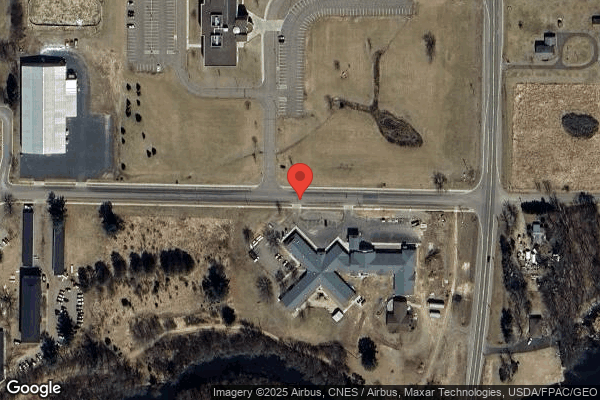
660 E BIRCH AVE, BARRON, WI 54812 (715) 537-5643
For profit - Corporation 50 Beds CARE & REHAB Data: November 2025 1 Immediate Jeopardy citation
Trust Grade
31/100
#192 of 321 in WI
Last Inspection: October 2024

Within standard 12-15 month inspection cycle. Federal law requires annual inspections.

Overview

Barron Care and Rehabilitation has received a Trust Grade of F, indicating significant concerns regarding the quality of care provided. They rank #192 out of 321 nursing homes in Wisconsin, placing them in the bottom half, and #4 out of 5 in Barron County, meaning there are only a couple of options that rank higher locally. The facility has maintained a stable trend with 11 issues reported in both 2023 and 2024. Staffing is rated average with a score of 3 out of 5 stars, but turnover is concerning at 50%, which is higher than the state average. There are also serious issues reported, including a critical incident where a resident suffered burns due to inadequate supervision while smoking with oxygen on. Additionally, another resident was not properly assessed for pressure injuries upon admission, indicating lapses in monitoring and care protocols. On a positive note, the facility has a fine total of $7,446, which is average, but concerning RN coverage shows they provide less than 8% of facilities in Wisconsin, potentially affecting the quality of care.

Trust Score
F
31/100
In Wisconsin
#192/321
Bottom 41%
Safety Record
High Risk
Review needed
Inspections
Holding Steady
11 → 11 violations
Staff Stability
⚠ Watch
50% turnover. Above average. Higher turnover means staff may not know residents' routines.
Penalties
⚠ Watch
$7,446 in fines. Higher than 82% of Wisconsin facilities, suggesting repeated compliance issues.
Skilled Nurses
○ Average
Each resident gets 37 minutes of Registered Nurse (RN) attention daily — about average for Wisconsin. RNs are the most trained staff who monitor for health changes.
Violations
⚠ Watch
25 deficiencies on record. Higher than average. Multiple issues found across inspections.
★★☆☆☆
2.0
Overall Rating
★★★☆☆
3.0
Staff Levels
★★☆☆☆
2.0
Care Quality
★★☆☆☆
2.0
Inspection Score
Stable
2023: 11 issues
2024: 11 issues

The Good

  • Full Sprinkler Coverage · Fire safety systems throughout facility
  • No fines on record

Facility shows strength in fire safety.

The Bad

2-Star Overall Rating

Below Wisconsin average (3.0)

Below average - review inspection findings carefully

Staff Turnover: 50%

Near Wisconsin avg (46%)

Higher turnover may affect care consistency

Federal Fines: $7,446

Below median ($33,413)

Minor penalties assessed

Chain: CARE & REHAB

Part of a multi-facility chain

Ask about local staffing decisions and management

The Ugly 25 deficiencies on record

1 life-threatening 1 actual harm
Oct 2024 11 deficiencies 1 Harm
SERIOUS (G)

Actual Harm - a resident was hurt due to facility failures

Pressure Ulcer Prevention (Tag F0686)

A resident was harmed · This affected 1 resident

**NOTE- TERMS IN BRACKETS HAVE BEEN EDITED TO PROTECT CONFIDENTIALITY** Example 2: R18 was admitted to the facility on [DATE] with diagnoses including in part, vascular dementia, hemiplegia and hemipa...

Read full inspector narrative →
**NOTE- TERMS IN BRACKETS HAVE BEEN EDITED TO PROTECT CONFIDENTIALITY** Example 2: R18 was admitted to the facility on [DATE] with diagnoses including in part, vascular dementia, hemiplegia and hemiparesis cerebral infarction, dysphagia, osteomyelitis left elbow, pressure ulcer stage 4 left elbow, type 2 diabetes mellitus, heart failure, and benign prostatic hyperplasia with lower urinary tract infections. R18 was admitted with 3 PIs and facility did not identify location, sizes, or stages and is unclear determining the condition of the pressure injuries at admission. R18's Minimum Data Set (MDS) assessment, dated 01/11/24, identified on admission that R18 had a Brief Interview for Mental Status (BIMS) score of 08. This indicated R18 had moderate cognitive impairment. The MDS assessment also identified R18 required total dependent assistance of two people for bed mobility, taking on and off footwear, rolling left to right, sit to lying, chair to bed, toileting, eating, and for transfers. MDS also indicated that R18 was determined to be at risk for PIs and currently had one stage 4 PI. Surveyor reviewed R18's right gluteal and left buttock pressure injury care plan initiated on 04/25/24 and revised 10/07/24, in part: -Educate and encourage good nutrition and hydration in order to promote skin integrity initiated on 04/25/24. -Observe/identify/document potential causative factors for alterations in skin integrity. Eliminate/resolve where possible initiated on 04/25/24. -Reposition resident every 1-2 hours initiated on 04/25/24. -Wound dressing treatments per provider initiated on 04/25/24 and revised on 10/07/24. -Roho cushion in wheelchair initiated on 09/25/24. -APM for pressure reduction and prevent sheering initiated on 09/25/24. -Monitor for signs and symptoms of infection: increased warmth, redness, swelling, purulent drainage, pain or tenderness initiated on 09/25/24. -Nutrition supplement three times a day to promote wound healing initiated on 09/25/24. -Resident will not develop any further skin breakdown, redness, blisters, or discoloration initiated on 10/07/24. Surveyor reviewed R18's physician orders, which state in part: -On 02/08/24: position resident on his side for 1 hour post meals three times a day. -On 04/04/24: . MEASURE EACH WOUND WIDTH, LENGTH, DEPTH, AND DOCUMENT WOUND DESCRIPTION (DRAINAGE, COLOR, ODOR, ETC.), tunneling, and what wound care was provided. -On 09/05/24: Check inflation of high low ROHO cushion every day and adjust as necessary to limit pressure while up in w/c or recliner every morning and at bedtime for Pressure Ulcer. Two times a day for wound prevention. - On 09/25/24: Check Alternating Air Mattress for proper functioning every shift. Surveyor reviewed Braden score assessment dated [DATE] incomplete. Surveyor did not find R18's score to determine the risk of PIs and skin breakdown. Surveyor reviewed admission nurse progress notes, which state in part: -On 01/04/24, R18 has Deep tissue injury to the left elbow, stage 4, 2x1x1.2cm, open lesions in 4 places on left buttock. No thorough assessment including documentation of location of PI, PI measurements, or description of condition of PIs noted on admission. -On 01/27/24, R18 has left buttock open lesion 4cmx2cm, left buttock open lesion 3.5cmx2cm, left buttock open lesion 3cmx1cm, left buttock open lesion 6cmx3cm, left elbow pressure injury 2.5cmx1x0.5cm. The open areas on the buttocks are not called PIs, or staged. R18 was hospitalized [DATE] and returned on 1/29/24. -On 01/29/24, nurses note in part, R18 has left buttock open lesion 6cmx3cm left buttock open lesion 3.5cmx2cm, left buttock open lesion 3cmx1cm, left buttock open lesion 6cmx3cm, left elbow pressure injury stage 4 2.5cmx1x0.5cm. No new interventions were put into place for R18's pressure injuries. -On 02/15/24, R18's left buttock is assessed as stage 2 PI 1.7x1.1x0.1cm, left buttock is assessed as stage 2 PI 1x0.5x0.1cm, right buttock is assessed as stage 2 PI 3.5x2x0.1cm, new right buttock stage 2 PI 0.6X0.6cm., right posterior thigh PI stage 3, 4x1x0.2cm. Facility did not identify exact locations on left and right buttocks and is unclear determining the condition of the pressure injuries. No new interventions were put into place for R18's pressure injuries. -On 05/09/24, R18's Right posterior thigh PI stage II, 1x0.3cm. New right posterior thigh PI at stage 2 measures 3x5cm. This contradicts documentation in note on 2/15/24. Surveyor interviewed Interim DON H about this entry. Interim DON H stated they were stage 2 on admission, just not clearly documented. Facility did not identify wounds by numbers and is unclear determining the condition of the pressure injuries. No new interventions were put into place for R18's pressure injuries. -On 10/09/24, R18 has PI noted to the right gluteal fold buttock measures 0.3x1.1x0.1cm. Provider will be updated of new area assessed. Observations: On 10/07/24 at 9:28 AM, Surveyor observed R18 lying in bed. R18 appeared to be sleeping, but Surveyor observed R18 to have contracted hands bilaterally. Surveyor observed R18's bed positioned high and R18 lying supine on back in bed. On 10/07/24 at 9:56 AM, Surveyor observed R18 yelling for assistance from R18's room. On 10/07/24 10:07 AM, Surveyor observed Certified Nurse Assistant (CNA) F enter R18's room. R18 indicated R18 was cold and needed a blanket. CNA F gave R18 a blanket and exited R18's room. Surveyor observed R18 lying supine on back in bed. On 10/07/24 at 10:20 AM, Surveyor observed R18 yelling for assistance from R18's room. On 10/07/24 at 10:23 AM, Surveyor observed CNA D enter R18's room and ask R18 what R18 needed. R18 stated that R18 wants to get up out of bed. CNA D indicated to R18 that staff just laid R18 down in bed and would get R18 up before lunch. Surveyor observed R18 lying supine on back in bed. On 10/07/24 at 11:35 AM, Surveyor observed CNA D and CNA J transfer R18 via Hoyer lift to wheelchair. Surveyor did not observe R18 repositioned on side post meal for an hour or repositioned every 1-2 hours as the care plan instructs. Observations on 10/08/24: On 10/08/24 at 6:48 AM, Surveyor observed R18 sitting in wheelchair in dining room. On 10/08/24 at 8:00 AM, Surveyor observed R18 sitting in wheelchair in dining room. Surveyor did not observe R18 repositioned as ordered. On 10/08/24 at 9:05 AM, Surveyor observed R18 in wheelchair in room with call light attached. R18 utilized call light for assistance. CNA D entered and asked R18 what was needed. R18 indicated that R18 wanted to lie down in bed. CNA D exited R18's room. Surveyor did not observe R18 repositioned as ordered. On 10/08/24 at 9:08 AM, Surveyor observed CNA J and CNA D enter R18's room to transfer with Hoyer. On 10/08/24 at 9:18 AM, Surveyor observed R18 on back lying in bed. Surveyor did not observe R18 repositioned on side post meal for an hour as ordered. On 10/08/24 at 9:39 AM, Surveyor interviewed LPN G and RN C about R18's wound dressing changes. RN C indicated that LPN G would be doing wound rounds with Interim DON H tomorrow on Wednesdays. RN C indicated that R18's wounds are on both buttocks and left side opened is a stage 2. On 10/08/24 at 10:26 AM, Surveyor observed CNA J and CNA D enter R18's room and reposition R18 to right side slightly with pillow under left side. On 10/08/24 at 1:23 PM, Surveyor observed R18 lying in bed on back. R18's wife in visiting R18. Surveyor did not observe R18 repositioned on side post meal for an hour as ordered. On 10/08/24 at 2:12 PM, Surveyor observed R18 lying in bed on back. Surveyor did not observe R18 repositioned on side post meal for an hour as ordered. On 10/08/24 at 2:43 PM, Surveyor observed R18 lying in bed on back. Surveyor did not observe R18 repositioned every 1-2 hours as ordered. On 10/08/24 at 3:04 PM, Surveyor observed R18 lying in bed on back. Surveyor did not observe R18 repositioned every 1-2 hours as ordered. On 10/08/24 at 3:33 PM, Surveyor observed R18 lying in bed on back. Surveyor did not observe R18 repositioned every 1-2 hours as ordered. On 10/09/24 at 7:02 AM, Surveyor observed Interim DON H perform wound dressing change on R18. Interim DON H indicated through assessment and wound cleaning, R18 has a stage 2 PI, 1.6x1x1.0 cm of the left gluteal inferior area. On 10/09/24 at 10:20 AM, Surveyor interviewed CNA D and asked about repositioning R18. CNA D indicated that R18 is repositioned every 2 hours and as needed. Surveyor asked CNA D if R18 was repositioned every 2 hours for the past 3 days. CNA D indicated that R18 should be repositioned every two hours and has an air mattress in place. Surveyor asked CNA D if CNA D follows physician orders that indicates R18 should be repositioned onto side post meals for an hour three times a day. CNA D indicated that CNA D is unaware of this order and that staff make sure R18 is repositioned every 2 hours from side to side. On 10/09/24 at 10:24 AM, Surveyor interviewed Interim DON H and asked about repositioning R18. Interim DON H indicated that R18 is to be repositioned every 1-2 hours. Surveyor indicated to Interim DON H that R18 was not repositioned every 2 hours for the past 3 days. Surveyor did not observe R18 positioned off back and buttocks but twice in the last 3 days. Interim DON H indicated that R18 should be repositioned every 1-2 hours. Interim DON H indicated to Surveyor the physician order for repositioning on side for one hour post meals is a dumb order but will update care plan after verifying order is correct. On 10/08/24 at 3:09 PM, Surveyor interviewed Interim DON H and asked about wound documentation for R18. Interim DON H indicated that wound documentation has not been being recorded accurately and is in 4-5 different skin assessment sections throughout the electronic health record. Surveyor asked Interim DON H if R18 had pressure injuries on admission. Interim DON H was not here at that time. Interim DON H indicated that Interim DON H could not specify if R18's right posterior thigh was from admission or acquired in facility. Surveyor asked Interim DON H to clarify open areas. Interim DON H stated, [R18] has pressure injuries on buttocks that is being staged at a 2 and wound rounds weekly. Interim DON H indicated that once Interim DON H observed that wound care was not going the best, Interim DON H started a full facility skin sweep and implemented a PIP in September. Based on observation, interview, and record review, the facility did not provide care consistent with professional standards to prevent development of a pressure injury (PI) for two of three residents (R) reviewed for pressure injuries (R29 and R18.) R29 was admitted to the facility with no skin impairments and developed a stage 3 pressure injury to the coccyx area (tailbone) which remains unhealed, due to lack of comprehensive assessments, lack of timely care plan interventions, and lack of repositioning. This example is being cited at actual harm. Facility did not complete comprehensive assessment on admission of R18's present PIs and did not implement care plan interventions timely or follow the repositioning schedule to prevent a stage 2 pressure injury from occurring. Findings include: According to the National Pressure Injury Advisory Panel (NPIAP) Prevention and Treatment of Pressure Ulcers/Injuries: Clinical Practice Guideline, 2019, Reposition all individuals with or at risk of pressure injuries on an individualized schedule, unless contraindicated. Determine repositioning frequency with consideration to the individual's level of activity and ability to independently reposition. Reposition the individual in such a way that optimal offloading of all bony prominences and maximum redistribution of pressure is achieved. According to the National Pressure Injury Advisory Panel (NPIAP) Prevention and Treatment of Pressure Ulcers/Injuries: Clinical Practice Guideline, 2019, A pressure injury is defined as localized damage to the skin and/or underlying tissue, as a result of pressure or pressure in combination with shear. Pressure injuries usually occur over a bony prominence but may also be related to a device or other object. Facility policy and procedure entitled Pressure Injury Prevention and Management, dated 08/02/24, states in part, .Assessments of pressure injuries will be performed by a licensed nurse, and documented. The staging of pressure injuries will be clearly identified to ensure correct coding on the MDS [Minimum Data Set] . R29 was admitted to the facility on [DATE] with the following diagnoses, in part, spina bifida (congenital disorder of the nervous system), morbid obesity, adult failure to thrive, changes in skin texture, history of diseases of the skin and subcutaneous tissue, and generalized muscle weakness. On 10/07/24 at 9:08 AM, Surveyor interviewed R29, who reported he had a sore on his bottom that the nurses are changing a bandage on daily. R29's admission MDS assessment, dated 12/05/23, stated R29 was completely dependent on caregivers for all Activities of Daily Living (ADLs) and all mobility. The MDS assessment also identified R29 was at risk for the development of pressure injuries but had no current unhealed pressure injuries. Under the skin and ulcer treatment section of the MDS assessment, no was marked for pressure reducing device for chair, pressure reducing device for bed, turning/repositioning program, and nutrition or hydration program to manage skin problems. There were no refusals or rejection of cares documented on the MDS. R29's MDS assessment, dated 08/12/24, identified R29 had one stage 2 pressure injury and one stage 4 pressure injury. Under the skin and ulcer treatment section of the MDS assessment, no was marked for pressure reducing device for chair, pressure reducing device for bed, and turning/repositioning program. Yes was marked for nutrition or hydration program to manage skin problems. There were no refusals or rejection of cares documented on the MDS. R29 had a Braden risk assessment score of 12 on 11/29/23. This identified R29 was high risk for developing pressure injuries. R29's Braden score was 9 on 08/09/24, which indicated R29 was very high risk for developing pressure injuries. R29's baseline care plan, dated 11/28/23, had nothing checked under current or history of skin integrity issues. R29 had the following care plan: The resident has potential for pressure ulcer development r/t [related to] Immobility, incontinence, weakness, diagnoses/medications that can/may affect skin integrity. Coccyx. Date initiated: 12/06/23. Revision on: 10/07/24 Goal: The resident's Pressure ulcer will show signs of healing and remain free from infection by/through review date. Date initiated: 10/07/24 Interventions: Administer medications as ordered. Monitor/document for side effects and effectiveness. Date initiated: 12/06/23 Administer treatments as ordered and monitor for effectiveness. Date initiated: 12/06/23 APM [Alternating Pressure Mattress] on Bed to Alleviate Pressure. Date initiated: 10/07/24 Educate the resident/family/caregivers as to causes of skin breakdown; including: transfer/positioning requirements; importance of taking care during ambulating/mobility, good nutrition and frequent repositioning. Date initiated: 12/06/23 Follow facility policies/protocols for the prevention/treatment of skin breakdown. Date initiated: 12/06/23 Instruct and assist as needed to shift weight in W/C [wheelchair] q [every] 15 minutes. Date initiated: 12/06/23, revision on: 02/29/24 Monitor for s/sx [signs or symptoms] of infection: Redness, swelling, purulent drainage, warmth, tenderness or pain, Date initiated: 09/25/24 Monitor nutritional status. Serve diet as ordered, monitor intake and record. Date initiated: 12/06/23 Nutrition Supplements Liqua Cell for wound healing. Date initiated: 10/07/24 Patient goes to wound clinic. Date initiated: 09/25/24 Roho W/c [wheelchair] Cushion. Date initiated: 09/25/24 Teach resident/family the importance of changing positions for prevention of pressure ulcers. Encourage small frequent position changes. Date initiated: 12/06/23 The resident requires the bed as flat as possible to reduce shear. The resident prefers to be repositioned q4h per his request. Date initiated: 01/17/24 Surveyor identified a Weekly Summary-Skin Condition document, dated 02/07/24, that indicated R29 had no skin impairments. The only preventative measure currently in place was barrier cream, and R29 required the assist of two for repositioning. The Weekly Summary-Skin Condition document, dated 02/21/24, indicated R29 had no skin impairments. Preventative measures in place were turning/repositioning program, heels elevated when in bed, and barrier cream. The Weekly Summary-Skin Condition document, dated 03/13/24, indicated R29 had open lesions to the back of knees from sling. The only preventative measure currently in place was barrier cream, and R29 required assist of two for repositioning. There was a communication sent to the provider updating about the open areas. R29's skin integrity care plan was not updated. A physician's orders sheet from a Nurse Practitioner (NP), dated 03/21/24, identified R29 had unstageable pressure injuries to both lateral knees. The order sheet included Pad wheelchair sides where knees meet w/c to offload pressure. PT [physical therapy] involved to reduce pressure areas. R29's skin integrity care plan was not updated. The Weekly Summary-Skin Condition document, dated 03/22/24, identified R29 had pressure injuries to right and left lateral knees. Skin preventative measures checked included: special pressure relieving mattress, pressure relieving cushion in chair, pillows for repositioning, and barrier cream. R29's skin integrity care plan or treatment orders were not updated to reflect these interventions. There is no further documentation of assessments with description or measurements of the pressure injuries until 04/04/24. A Skin Only Evaluation document, dated 04/04/24, identified R29 had a newly identified stage 3 pressure injury to the coccyx measuring 2 centimeters (cm) long by 2 cm wide by 0.5 cm deep. The wound had undermining of 0.5 cm at 5 to 7 o'clock. There was a physician's order sheet dated 04/04/24 from the NP with orders for treatment of the new pressure injury to the coccyx. The orders also included: Dietician eval and treat for diet to enhance wound healing yet decrease caloric intake. There is no documentation of an evaluation by a dietician until 06/11/24. R29's skin integrity and nutrition care plans were not updated to reflect interventions for the new pressure injury to the coccyx to promote wound healing and prevent further breakdown. There was no documentation of assessments of R29's pressure injuries with staging, description of wounds, or measurements between 04/05/24 to 04/26/24. The next documentation of assessment of R29's pressure injuries was dated 04/26/24. The documentation identified the coccyx wound as a stage 4 pressure injury with measurements of 3 cm long by 3 cm wide by 3 cm deep. The documentation indicated the wound had tunneling and undermining 1 cm around 1 o'clock and 2 cm at 7 o'clock. It is of note that on 10/09/24 at 1:18 PM, Surveyor interviewed Registered Nurse (RN) C, who was the first nurse to document that R29's coccyx wound was a stage 4 pressure injury on 04/26/24. Surveyor asked RN C what they based that assessment on. RN C stated they labeled R29's coccyx wound stage 4 based on assessment by a wound care NP who made wound rounds in the facility on that date. RN C searched the medical record and found a handwritten order from the NP that documented Coccyx ulcer stage III . RN C stated they were in error and mistakenly documented R29's coccyx wound a stage 4. All weekly wound documentation between 04/26/24 through 09/13/24 labeled the coccyx wound stage 4. There was weekly documentation of assessment of the wounds with description and measurements that were essentially unchanged from 04/26/24 through 06/07/24. Surveyor identified a nutritional assessment completed by the dietician dated 06/11/24. The note identified R29 had several wounds and made recommendations for increasing a liquid protein supplement to three times per day and adding liquacel protein supplement twice per day. R29's skin and nutrition care plans were not updated to reflect these recommendations. The weekly wound documentation on 06/14/24 identified R29's coccyx wound had increased in size to 4 cm by 4 cm by 2.5 cm with undermining. There was weekly documentation with assessments and measurements of wounds that were essentially unchanged from 06/14/24 through 07/05/24. There was no documentation of wound assessments between 07/05/24 and 07/19/24. The weekly wound assessment documentation of R29's coccyx wound from 07/19/24 through 09/13/24 was essentially unchanged. All other pressure injuries were resolved by 09/13/24. Beginning 09/18/24, the facility began using a new system for documenting wounds and all weekly wound documentation and summaries were complete on the medical record from that date. The coccyx wound from that date going forward was staged as a stage 3 pressure injury. On 10/07/24, Surveyor observed R29 seated in wheelchair from 10:45 AM through 4:00 PM. On 10/08/24 at 10:26 AM, Surveyor observed RN C provide wound care for R29's coccyx wound. No concerns were identified with infection control or wound care procedure. The wound was observed to be a deep crater in the center of coccyx area. The wound bed appeared clean with minimal slough and no signs of infection. RN C stated Interim Director of Nursing (IDON) H would do wound care tomorrow with a full assessment of the wound with measurements. On 10/08/24, Surveyor observed R29 seated in wheelchair from 10:45 AM through 4:00 PM. On 10/09/24 at 9:33 AM, Surveyor interviewed Certified Nursing Assistant (CNA) D and asked if they did any special turning or repositioning for R29. CNA D stated when R29 was in bed they offered to turn R29 about every 4 hours, but R29 spent most days up in the wheelchair all day from the time they got R29 up which was mid-morning today. On 10/09/24 at 10:42 AM, Surveyor interviewed IDON H who took over as interim DON in July. IDON H stated a different nurse was managing wound care at that time. IDON stated they did not discover there was a problem with wound assessments and documentation until September. Surveyor reviewed the documentation of R29's wound care described previously with IDON H. IDON H agreed the facility staff did not care for or document R29's wound appropriately to prevent development of pressure injuries and promote healing.
CONCERN (D)

Potential for Harm - no one hurt, but risky conditions existed

Resident Rights (Tag F0550)

Could have caused harm · This affected 1 resident

**NOTE- TERMS IN BRACKETS HAVE BEEN EDITED TO PROTECT CONFIDENTIALITY** Based on observation, interview and record review, the facility did not ensure residents (R) were treated with respect and digni...

Read full inspector narrative →
**NOTE- TERMS IN BRACKETS HAVE BEEN EDITED TO PROTECT CONFIDENTIALITY** Based on observation, interview and record review, the facility did not ensure residents (R) were treated with respect and dignity and cared for in a manner to enhance their quality of life. Facility staff used clothing protector to wipe resident's face while assisting to eat. This affected 3 of 3 residents observed. (R13, R18, and R17) This is evidenced by: Example 1 Facility's policy titled Resident [NAME] of Rights documented in part: Quality of Life, 19. Dignity, The facility must promote and care for residents in a manner and in an environment that maintains or enhances each resident's dignity and respect in full recognition of his or her individuality. R13's medical record documented current diagnoses including in part, Alzheimer's disease, major depressive disorder, dysphagia following cerebrovascular disease, CKD stage 3A, dementia, and mild protein-calorie malnutrition. R13's Minimum Data Set (MDS) quarterly assessment dated [DATE] documented R13 having severe impaired cognition and dependent on staff for meal assistance. On 10/08/24 at 8:48 a.m., Surveyor observed Certified Nursing Assistant (CNA) I assist R13 with breakfast meal. R13 receives meal pureed in cups and staff assist R13 to drink the meal. While CNA I was assisting R13 with breakfast meal, CNA I used R13's clothing protector to clean R13's mouth. This continued for the entire breakfast meal. Surveyor observed an unused napkin on the table that was provided with R13's meal. Example 2 R18's medical record documented current diagnoses including in part, vascular dementia, hemiplegia and hemiparesis cerebral infarction, dysphagia, osteomyelitis left elbow, pressure ulcer stage 3 left elbow, type 2 diabetes mellitus, heart failure, and benign prostatic hyperplasia with lower urinary tract infections. R18's MDS assessment, dated 01/11/24, identified on admission that R18 had a Brief Interview for Mental Status (BIMS) score of 08. This indicated R18 had moderate cognitive impairment. The MDS assessment also identified R18 required total dependent assistance for eating. On 10/08/24 at 8:52 a.m., Surveyor observed CNA E assisting R18 with breakfast meal. While CNA E was assisting R18 with the breakfast meal, CNA E was using R18's clothing protector to clean R18's mouth. Surveyor observed an unused napkin on the table that was provided with R18's meal. Example 3 R17 was admitted to the facility on [DATE] with diagnoses including in part, hemiplegia and hemiparesis following cerebral infarction affecting left non-dominant side, and dysphagia. R17's MDS assessment, dated 08/17/24, identified that R17 had a BIMS score of 12. This indicated R17 had moderate cognitive impairment. The MDS assessment identified R17 had impairment to one side of the upper extremities and required supervision and touching assistance with eating meals. On 10/08/24 at 8:56 a.m., Surveyor observed CNA D approach R17 and asked if R17 was completed with breakfast. CNA D assisted taking off R17's clothing protector and wiped R17's mouth with the clothing protector. Surveyor observed R17 had a paper tissue and napkin in lap which R17 had used prior to wipe mouth. On 10/09/24 at 10:53 AM, Surveyor interviewed R17 about the observation of staff wiping her face with the clothing protector. R17 stated she did not like when staff use the clothing protector to wipe her face. R17 indicated she uses a napkin or tissue to wipe her face and it was not dignified to use the clothing protector. On 10/09/24 at 12:30 p.m., Surveyor interviewed Interim Director of Nursing (DON) H and asked if staff are to use clothing protector to wipe residents' mouths. Interim DON H indicated staff should be using a napkin. Education will be provided to staff.
CONCERN (D)

Potential for Harm - no one hurt, but risky conditions existed

Deficiency F0558 (Tag F0558)

Could have caused harm · This affected 1 resident

**NOTE- TERMS IN BRACKETS HAVE BEEN EDITED TO PROTECT CONFIDENTIALITY** Based on record review, observations and staff interview, the facility did not ensure 1 resident (R) (R18) of 15 sampled residen...

Read full inspector narrative →
**NOTE- TERMS IN BRACKETS HAVE BEEN EDITED TO PROTECT CONFIDENTIALITY** Based on record review, observations and staff interview, the facility did not ensure 1 resident (R) (R18) of 15 sampled residents was reasonably accommodated with access to a call light. R18 was observed in R18's room without access to a call light or means to notify staff if assistance was needed. Findings include: R18 was admitted to the facility on [DATE] with diagnoses including in part, vascular dementia, hemiplegia and hemiparesis cerebral infarction, dysphagia, osteomyelitis left elbow, pressure ulcer stage 3 left elbow, type 2 diabetes mellitus, heart failure, and benign prostatic hyperplasia with lower urinary tract infections. R18's Minimum Data Set (MDS) assessment, dated 09/13/24, identified R18 had a Brief Interview for Mental Status (BIMS) score of 08. This indicated R18 had moderate cognitive impairment. The MDS assessment also identified R18 required total dependent assistance of two people for bed mobility, taking on and off footwear, rolling left to right, sit to lying, chair to bed, toileting, eating, and for transfers. Observations: On 10/07/24 at 9:48 AM, Surveyor observed R18 lying in bed. R18 appeared to be sleeping, but Surveyor observed R18 to have contracted hands bilaterally. Surveyor observed R18's bed positioned high and soft touch call light above R18's head draped underneath R18's pillow. Surveyor observed soft touch call light not in reach. On 10/07/24 at 9:56 AM, Surveyor observed R18 yelling for assistance from R18's room. On 10/07/24 at 10:07 AM, Surveyor observed Certified Nurse Assistant (CNA) F enter R18's room. R18 indicated R18 was cold and needed a blanket. CNA F gave R18 a blanket and exited R18's room. Surveyor observed R18's soft touch call light not in reach, draped underneath's R18's pillow at top of bed. On 10/07/24 at 10:13 AM, Surveyor interviewed R18. R18 indicated that R18 has complaints of pain in his leg, uncomfortable, and cold. R18 stated, usually uses call light but doesn't know where it is. Surveyor observed R18's soft touch call light not in reach, draped underneath's R18's pillow at top of bed. On 10/07/24 at 10:16 AM, Surveyor stopped Licensed Practical Nurse (LPN) G in hallway to inform LPN G of R18's request of being in pain and cold. LPN G entered R18's room and asked what R18 needed. R18 complained of being cold and wanting to get up out of bed. LPN G exited R18's room, met CNA J down the hallway and instructed CNA J to get R18 out of bed. Surveyor observed R18's soft touch call light not in reach, draped underneath's R18's pillow at top of bed. On 10/07/24 at 10:20 AM, Surveyor observed R18 yelling for assistance from R18's room. On 10/07/24 at 10:23 AM, Surveyor observed CNA D enter R18's room and ask R18 what R18 needed. R18 stated that R18 wants to get up out of bed. CNA D indicated to R18 that staff just laid R18 down in bed and would get R18 up before lunch. Surveyor observed R18's soft touch call light not in reach, draped underneath's R18's pillow at top of bed. On 10/08/24 at 9:05 AM, Surveyor observed R18 in wheelchair in room with call light attached. R18 utilized call light for assistance. CNA D entered and asked R18 what was needed. R18 indicated that R18 wanted to lay down in bed. On 10/08/24 at 9:08 AM, Surveyor observed CNA J and CNA D enter R18's room to transfer with Hoyer. On 10/08/24 at 9:18 AM, Surveyor observed R18 on back lying in bed. Surveyor observed call light lying on right side of R18 underneath R18's back shoulder not in reach. Surveyor heard R18 yell out for help. On 10/08/24 at 10:26 AM, Surveyor observed CNA J and CNA D enter R18's room and reposition R18 to right side slightly with pillow under left side. Surveyor observed call light lying on right side of R18 underneath R18's back shoulder not in reach. On 10/08/24 at 11:19 AM, Surveyor observed R18 lying on right side slightly with pillow under left side. R18's wife was in visiting R18. Surveyor observed call light lying on right side of R18 underneath R18's back shoulder not in reach. On 10/08/24 at 2:12 PM, Surveyor observed R18 lying in bed on back. R18's wife was in visiting R18. Surveyor observed call light lying on right side of R18 underneath R18's back shoulder not in reach. On 10/08/24 at 2:43 PM, Surveyor observed R18 lying in bed on back. R18's wife was in visiting R18. Surveyor observed call light lying on right side of R18 underneath R18's back shoulder not in reach. On 10/08/24 at 3:04 PM, Surveyor observed R18 lying in bed on back. R18's wife was in visiting R18. Surveyor observed call light lying on right side of R18 underneath R18's back shoulder not in reach. On 10/09/24 at 9:35 AM, Surveyor observed R18 lying in bed with pillow under left side. Surveyor observed call light lying on right side of R18 above R18's right shoulder not in reach. On 10/09/24 at 10:20 AM, Surveyor showed CNA D R18's call light and asked if it was in reach for R18 at this time. CNA D indicated the call light was not in reach for R18. CNA D moved call light down and over unto abdomen where R18 could reach call light. CNA D indicated that call light should be within reach for R18, which is usually placed on abdomen where R18 can reach appropriately. Surveyor asked CNA D why R18's call light was out of reach for the past 3 days. CNA D indicated that CNA D was unaware the call light was not in reach everyday but that sometimes we get busy, we forget. On 10/09/24 at 10:24 AM, Surveyor interviewed Interim Director of Nursing (DON) H and asked about call light usage with residents and expectation of offering call light services. Interim DON H indicated expectation is that every resident receives capabilities to utilize call lights. Interim DON H indicated all residents should have their call lights in reach in case they need assistance.
CONCERN (D)

Potential for Harm - no one hurt, but risky conditions existed

Comprehensive Care Plan (Tag F0656)

Could have caused harm · This affected 1 resident

**NOTE- TERMS IN BRACKETS HAVE BEEN EDITED TO PROTECT CONFIDENTIALITY** Based on observation, interview and record review, the facility did not develop and initiate a comprehensive care plan with targ...

Read full inspector narrative →
**NOTE- TERMS IN BRACKETS HAVE BEEN EDITED TO PROTECT CONFIDENTIALITY** Based on observation, interview and record review, the facility did not develop and initiate a comprehensive care plan with targeted interventions for a resident to maintain baseline Activities of Daily living (ADL)s. This occurred for 2 of 15 residents (R) reviewed for care planning, (R17 and R14) Findings include: Example 1 R17 was admitted to the facility on [DATE] with diagnoses including in part, hemiplegia and hemiparesis following cerebral infarction affecting left non-dominant side, dysphagia, atherosclerotic heart disease, essential hypertension, and osteoarthritis of left knee. R17's Minimum Data Set (MDS) assessment, dated 08/17/24, identified that R17 had a Brief Interview for Mental Status (BIMS) score of 12. This indicated R17 had moderate cognitive impairment. The MDS assessment also identified R17 required total dependent assistance of two people for bed mobility, taking on and off footwear, rolling left to right, sit to lying, chair to bed, toileting, and for transfers. On 10/07/24 at 9:08 AM, Surveyor interviewed R17. R17 indicated that R17 had a stroke and now has left arm and left leg weakness from stroke. R17 indicated that R17 uses a Hoyer lift to transfer. R17 indicated that R17 feels R17 has not received appropriate services to maintain some independence and now R17 is totally reliant on staff for all cares. Surveyor reviewed R17's Physical Therapy (PT) notes, which state in part: On 03/17/24, PT recommends discharging R17 from PT and continuing with a restorative range of motion program for R17's left upper arm and left lower extremity. Surveyor reviewed R17's care plan initiated on 06/03/22 and revised on 05/23/23. Surveyor did not find a restorative range of motion care plan or interventions in place for R17. On 10/09/24 at 12:46 PM, Surveyor interviewed Interim Director of Nursing (DON) H and asked about a restorative range of motion care plan for R17. Interim DON H indicated Interim DON H was unaware of a restorative range of motion program ordered in March for R17. Interim DON H indicated that expectation would be if PT recommended a restorative range of motion program for R17 that R17's care plan would be updated to show the interventions and goals for the restorative range of motion. Surveyor indicated to Interim DON H that Surveyor could not find a care plan for restorative range of motion R17's care plan. Interim DON H indicated there is no restorative range of motion care plan for R17, but that Interim DON H would update R17's care plan to show the recommendations from PT. Example 2 R14 was admitted to the facility on [DATE]. R14's medical record documented diagnoses in part: fracture part of neck of right femur, dislocation of internal right hip prosthesis, muscle weakness, chronic lymphocytic leukemia of b-cell type not having achieved remission, peripheral venous insufficiency, dementia mild with behavioral disturbance, pain, repeated falls, dizziness and giddiness, and anxiety. The Minimum Data Set (MDS) dated [DATE] documented a Brief Interview for Mental Status (BIMS) score of 07. This indicated R14 had severe cognitive impairment. R14 had inattention and disorganized thinking. The MDS documented R14 had impairment to one side of the lower extremities. R14 is dependent for transfers, toileting hygiene, showering, oral care, lower body dressing, bed mobility to roll side to side and sit to lying partial to moderate assist. Surveyor reviewed R14's comprehensive care plans. A plan of care for activities of daily living was not developed to address R14's personal preferences and dependent need on staff for assistance with showering, dressing, oral care, personal hygiene, and bed mobility. On 10/09/24 at 12:32 p.m., Surveyor interviewed Interim DON H about R14's comprehensive activities of daily living plan of care. DON H indicated understanding that resident's care plans are not up to date.
CONCERN (D)

Potential for Harm - no one hurt, but risky conditions existed

Deficiency F0657 (Tag F0657)

Could have caused harm · This affected 1 resident

**NOTE- TERMS IN BRACKETS HAVE BEEN EDITED TO PROTECT CONFIDENTIALITY** Example 2 R17 was admitted to the facility on [DATE] with diagnoses including in part, hemiplegia and hemiparesis following cere...

Read full inspector narrative →
**NOTE- TERMS IN BRACKETS HAVE BEEN EDITED TO PROTECT CONFIDENTIALITY** Example 2 R17 was admitted to the facility on [DATE] with diagnoses including in part, hemiplegia and hemiparesis following cerebral infarction affecting left non-dominant side, dysphagia, atherosclerotic heart disease, essential hypertension, and osteoarthritis of left knee. R17's Minimum Data Set (MDS) assessment, dated 08/17/24, identified that R17 had a Brief Interview for Mental Status (BIMS) score of 12. This indicated R17 had moderate cognitive impairment. The MDS assessment also identified R17 required total dependent assistance of two people for bed mobility, taking on and off footwear, rolling left to right, sit to lying, chair to bed, toileting, and for transfers. Surveyor reviewed R17's activities of daily living care plan initiated on 06/03/22 and revised 05/23/23, in part: -Bed mobility revised on 06/20/22 the resident repositions independently when in bed. -Dressing revised on 06/20/22: Resident is able to participate in dressing tasks. -Transfer revised 08/28/23: The resident is able to transfer with the EZ stand. Surveyor reviewed R17's ADL care plan and did not find R17's ADL care plan revised to implement new interventions for R17's change in ADL needs. Surveyor observed during the 3-day survey from 10/07/24-10/09/24 that R17 is totally dependent on staff for all transfers in and out of bed, repositioning in wheelchair and bed, and ADL cares. R17 uses a hoyer lift for transfers. On 10/09/24 at 12:46 PM, Surveyor interviewed Interim DON H and asked why R17's ADL care plan was not updated to meet R17's new ADL function as documented from R17's MDS on 08/17/24. Interim DON H indicated Interim DON H was unaware that R17's ADL care plan was not updated. Interim DON H indicated that Interim DON H did not know that R17's ADL care plan still states R17 is transferred via EZ-stand and assists with dressing. Interim DON H indicated that R17's ADL care plan will be updated to show that R17 is total dependent as the MDS states from 08/17/24 and that R17 uses Hoyer lift to transfer instead of EZ-stand. Based on record review and interview, the facility did not review and revise comprehensive care plans for falls, incontinence, and activities of daily living for 2 of 15 residents (R)14 and R17). This is evidenced by: Example 1 R14 was admitted to the facility on [DATE]. R14's medical record documented diagnoses in part: fracture part of neck of right femur, dislocation of internal right hip prosthesis, muscle weakness, chronic lymphocytic leukemia of b-cell type not having achieved remission, peripheral venous insufficiency, dementia mild with behavioral disturbance, pain, repeated falls, dizziness and giddiness, and anxiety. The Minimum Data Set (MDS) dated [DATE] documented a Brief Interview for Mental Status (BIMS) score of 07. This indicated R14 had severe cognitive impairment. The MDS documented R14 had impairment to one side of the lower extremities. R14 is dependent for transfers, toileting hygiene, showering, oral care, lower body dressing, bed mobility to roll side to side and sit to lying partial to moderate assist and incontinent of bowel and bladder. Review of R14's medical record documented a fall on 06/13/24 with new intervention of a fidget blanket to decrease anxiety. Surveyor reviewed R14's comprehensive care plan for falls and the intervention was not included. R14 was hospitalized and returned to the facility on [DATE] with a non-weightbearing status. Review of R14's bladder incontinence care plan documented resident to request assistance as needed with ambulation to the bathroom. The care plan was not updated to non-weightbearing status and when incontinence cares are to be completed. On 10/09/24 at 12:32 p.m., Surveyor interviewed Interim Director of Nursing (DON) H about R14's comprehensive fall and incontinence plan of care not updated to R14's current condition. DON H indicated understanding that resident's care plans are not up to date.
CONCERN (D)

Potential for Harm - no one hurt, but risky conditions existed

ADL Care (Tag F0677)

Could have caused harm · This affected 1 resident

**NOTE- TERMS IN BRACKETS HAVE BEEN EDITED TO PROTECT CONFIDENTIALITY** Based on observation, interview and record review, the facility did not ensure 1 of 10 residents (R14) who are unable to carry o...

Read full inspector narrative →
**NOTE- TERMS IN BRACKETS HAVE BEEN EDITED TO PROTECT CONFIDENTIALITY** Based on observation, interview and record review, the facility did not ensure 1 of 10 residents (R14) who are unable to carry out activities of daily living receive the necessary services for toileting and to maintain good personal hygiene. This is evidenced by: R14 was admitted to the facility on [DATE]. R14's medical record documented diagnoses in part: fracture part of neck of right femur, dislocation of internal right hip prosthesis, muscle weakness, chronic lymphocytic leukemia of b-cell type not having achieved remission, peripheral venous insufficiency, dementia mild with behavioral disturbance, pain, repeated falls, dizziness and giddiness, and anxiety. The Minimum Data Set (MDS) dated [DATE] documented a Brief Interview for Mental Status (BIMS) score of 07. This indicated R14 had severe cognitive impairment. R14 had inattention and disorganized thinking. The MDS documented R14 had impairment to one side of the lower extremities. R14 is dependent for transfers, toileting hygiene, showering, oral care, lower body dressing, bed mobility and is incontinent of bowel and bladder. On 10/08/24 at 7:17 a.m., Surveyor observed R14 up and dressed in broda chair by nurse's station. Surveyor continually observed R14 sitting by the nurse's station. At 8:00 a.m., staff wheeled R14 to dining room for breakfast, and at 9:19 a.m. staff wheeled R14 back to nurse's station. Staff did not bring R14 to R14's room for incontinence care or ask if R14 needed to use the bathroom. R14 continued to be sitting in broda chair at the nurse's station until staff wheeled R14 to the dining room for lunch at noon. At 1:00 p.m., staff wheeled R14 from the dining room and placed R14 by the nurse's station. Staff did not bring R14 to R14's room for incontinence care or ask if R14 needed to use the bathroom. On 10/08/24 at 1:40 p.m., Surveyor interviewed Certified Nursing Assistant (CNA) J about when R14 was last toileted. CNA J indicated it was when R14 got up this morning. Surveyor asked when R14 would be toileted. CNA J indicated R14 would ask when R14 needed to go to the bathroom. On 10/09/24 at 12:32 p.m., Surveyor interviewed Interim Director of Nursing (DON)H about R14 being dependent on staff for toileting and when incontinence care is to be provided. Interim DON H indicated residents should be toileted before and after meals and staff will be educated.
CONCERN (D)

Potential for Harm - no one hurt, but risky conditions existed

Deficiency F0688 (Tag F0688)

Could have caused harm · This affected 1 resident

**NOTE- TERMS IN BRACKETS HAVE BEEN EDITED TO PROTECT CONFIDENTIALITY** Based on observation, interview and record review, the facility did not ensure residents with limited range of motion receive ap...

Read full inspector narrative →
**NOTE- TERMS IN BRACKETS HAVE BEEN EDITED TO PROTECT CONFIDENTIALITY** Based on observation, interview and record review, the facility did not ensure residents with limited range of motion receive appropriate treatment and services to maintain or increase range of motion. This occurred for 1 of 2 residents (R) R17, who were reviewed for range of motion services. R8 has a left arm and left leg weakness following a stroke effecting non-dominant side. The resident's range of motion program was never started. This is evidenced by: R17 was admitted to the facility on [DATE] with diagnoses including in part, hemiplegia and hemiparesis following cerebral infarction affecting left non-dominant side, dysphagia, atherosclerotic heart disease, essential hypertension, and osteoarthritis of left knee. R17's Minimum Data Set (MDS) assessment, dated 02/02/24, identified that R17 had a Brief Interview for Mental Status (BIMS) score of 12. This indicated R17 had moderate cognitive impairment. The MDS assessment also identified R17 required substantial/maximal assistance with bed mobility, rolling left to right, sit to lying, chair to bed, taking on and off footwear, toileting, and for transfers. R17's Minimum Data Set (MDS) assessment, dated 08/17/24, identified R17 required total dependent assistance of two people for bed mobility, taking on and off footwear, rolling left to right, sit to lying, chair to bed, toileting, and for transfers. Surveyor reviewed MDS documentation from 02/02/24 to 08/17/24 which identified R17 to have a decline in mobility and ADL functions. Surveyor reviewed R17's care plans. Surveyor did not find a restorative care plan in place. Surveyor reviewed R17's Physical Therapy (PT) notes, which state in part: On 03/17/24, PT recommends discharging R17 from PT and continuing with a restorative range of motion program for R17's left upper arm and left lower extremity. On 10/07/24 at 9:08 AM, Surveyor interviewed R17. R17 indicated that R17 had a stroke and now has left arm and left leg weakness from stroke. R17 indicated that R17 uses a Hoyer lift to transfer. R17 indicated that R17 feels R17 has not received appropriate services to maintain some independence and now R17 is totally reliant on staff for all cares. Surveyor observed cares and there was no restorative care provided to R17 during the 3 day survey. On 10/09/24 12:11 PM, Surveyor interviewed Certified Nurse Assistant (CNA) F and asked about restorative range of motion program in place for R17. CNA F indicated there is no restorative aide in place at this time and that all CNAs should be completing range of motion with residents that are in the restorative book located at nurse's station. Surveyor asked how the decision is made for residents to be placed in the restorative book. CNA F indicated the order comes from Physical Therapy (PT) and then it is placed in the restorative book, so all staff know to complete restorative program or correct interventions per the individualized goals. Surveyor asked if R17 is on a restorative program. CNA F indicated R17 is not in the restorative book for a restorative range of motion program at this time. On 10/09/24 at 12:17 PM, Surveyor interviewed Occupational Therapist (OT) L and asked about restorative program in place for R17. OT L indicated that R17 was discharged from PT at end of March 2024 with a restorative program to be utilized to maintain functionality in lower extremities. OT L indicated that R17 was discharged from OT at end of March as well with a restorative range of motion program for upper left extremity. On 10/09/24 at 12:22 PM, Surveyor observed restorative program book located at nurse's station. Surveyor did not find a restorative program in place for R17 to inform CNAs that restorative range of motion program for left upper extremity and lower extremities need to be completed. On 10/09/24 at 12:34 PM, Surveyor interviewed CNA E and asked about a restorative range of motion program in place for R17. CNA E indicated CNA E is unaware of a restorative program in place for R17. Surveyor asked CNA E if CNA E completed restorative exercises for R17. CNA E indicated CNA E did not complete exercises for R17. On 10/09/24 at 12:46 PM, Surveyor interviewed Interim Director of Nursing (DON) H and asked about restorative program for R17. Interim DON H indicated Interim DON H was unaware of a restorative program ordered in March for R17. Surveyor indicated to Interim DON H that Surveyor did not observe restorative exercises offered or completed for R17. Interim DON H indicated Interim DON H's expectation would be if PT/OT recommended restorative range of motion program then staff should have completed the restorative program with R17 at some point every day.
CONCERN (D)

Potential for Harm - no one hurt, but risky conditions existed

Deficiency F0761 (Tag F0761)

Could have caused harm · This affected 1 resident

Based on observation, record review and interview, the facility did not ensure drugs and biologicals used in the facility are labeled in accordance with current accepted professional principles for 1 ...

Read full inspector narrative →
Based on observation, record review and interview, the facility did not ensure drugs and biologicals used in the facility are labeled in accordance with current accepted professional principles for 1 of 2 insulin pen medications reviewed during medication administration observation. This had the potential for harm to affect resident (R)2. This is evidenced by: Current Wisconsin State pharmacy labeling requirements effective December 2020 state all prescription medications must include in part: .patient name, date of birth , name and strength of medication, dosage, route . R2 was admitted to facility on 04/30/20 with a pertinent diagnosis of diabetes mellitus II. R2 has a prescription order for Admelog SoloStar Subcutaneous Solution Pen-injector 100 UNIT/ML (Insulin Lispro) Inject as per sliding scale: if 140 - 179 = 4; 180 - 219 = 6; 220 - 259 = 8; 260 - 299 = 10; 300 - 339 = 12; 340 - 379 = 14; 380 - 399 = 15 greater than 399 call MD, subcutaneously two times a day for Diabetes my interchange lispro and aspart Hold if resident ref meal BS Parameters below 60 or above 400 call MD On 10/08/24 at 11:40 AM, Surveyor observed Registered Nurse (RN) C complete medication administration of insulin to R2. Surveyor observed R2's insulin lispro injection pen had a pharmacy label stating name, dispensed date of 09/20/24, open date of 09/29/24, and dose to be administered of 7 units subcutaneously before lunch. Surveyor reviewed physician order and Medication Administration Record (MAR) in R2's Electronic Medical Record (EMR) and noted as being to administer per sliding scale. Surveyor asked RN C to verify this finding. RN C verified the current order was to administer sliding scale dose based on blood sugar result. Surveyor asked RN C why the medication label from pharmacy on the insulin pen did not match the order. RN C stated the order was changed a while ago, but the pharmacy keeps sending the new insulin pens with the wrong label. Surveyor asked RN C what the expectation would be when finding a medication label does not match the order. RN C stated to notify the pharmacy and verify the order listed in the resident's EMR. On 10/09/24 at 1:44 PM, Surveyor interviewed Director of Nursing (DON) B regarding the facility policy of medication labeling. DON B stated the expectation for verifying medication labels would be completed when medication was received from pharmacy and when staff are administering the medication during verification of right resident, medication, dose, route, and frequency. DON B stated that if an error is observed, then the nurse would apply a sticker to the medication to verify order with the Medication Administration Record (MAR) prior to administration. Surveyor explained the finding of the incorrect dosage on the medication label and no label was attached to verify order prior to administration. DON B stated this should have been corrected when the insulin pen was first received on 09/20/24 and acknowledged the error had the potential to harm R2. No evidence was provided that the pharmacy had been notified of this error or was corrected.
CONCERN (D)

Potential for Harm - no one hurt, but risky conditions existed

Infection Control (Tag F0880)

Could have caused harm · This affected 1 resident

**NOTE- TERMS IN BRACKETS HAVE BEEN EDITED TO PROTECT CONFIDENTIALITY** Based on observation, interview and record review, the facility did not maintain an infection prevention and control program des...

Read full inspector narrative →
**NOTE- TERMS IN BRACKETS HAVE BEEN EDITED TO PROTECT CONFIDENTIALITY** Based on observation, interview and record review, the facility did not maintain an infection prevention and control program designed to provide a safe, sanitary and comfortable environment to help prevent the development and transmission of communicable diseases and infections. Staff did not perform hand hygiene with glove changes during morning cares and catheter cares for 2 of 4 residents (R). (R2 and for R29) Findings include: Facility policy and procedure entitled, Hand Hygiene, dated 02/02/24, states in part, .The use of gloves does not replace hand hygiene. If your task requires gloves, perform hand hygiene prior to donning gloves, and immediately after removing gloves . Example 1 R2 was admitted to the facility on [DATE] with diagnoses including, in part, type 2 diabetes, renal failure and neurogenic bladder. On 10/07/24 at 11:48 AM, Surveyor observed a sign on the outside of R2's room that stated enhanced barrier precautions (EBP). Record review identified R2 was on EBP due to an indwelling Foley catheter. On 10/08/24 at 8:14 AM, Surveyor observed Certified Nursing Assistants (CNAs) D and E provide morning cares and catheter cares for R2. CNA D used hand sanitizer, put on a gown and gloves, and pushed a mechanical lift into R2's room. CNA D got supplies ready and adjusted R2's bed. CNA D removed gloves, washed hands at the sink, put on clean gloves, and carried a wet washcloth to R2's bed and washed R2's face. CNA E entered the room with a gown on, washed hands at the sink and put on gloves. CNA E removed R2's socks, inspected the skin on R2's feet, put Tubi grips on each leg, and put socks back on. CNA D carried the washcloth to the sink, removed gloves, and put on clean gloves without using hand sanitizer or washing hands. CNA D carried a wet washcloth to R2's bed and washed around the Foley catheter from insertion around tip of penis, down penis, and down catheter tubing. CNA D rinsed and dried in the same order. CNA D carried the washcloths to the sink, removed gloves and put on clean gloves without washing hands or using hand sanitizer. CNA E assisted R2 to roll to the side. CNA D used wet wipes from a package to wash R2's back side. CNA D removed the soiled brief and threw the brief, wipes, and gloves in the trash. CNA D put on clean gloves without using hand sanitizer or washing hands. CNA D put barrier cream on R2's bottom. CNA D removed gloves and put on clean gloves without using hand sanitizer or washing hands. CNA D put a clean brief on R2 and both CNAs assisted R2 to roll on back. Both CNAs fastened the brief. Both CNAs put R2's pants on R2's legs and CNA D fed the catheter bag through leg of the pants. Both CNAs put shoes on R2 and assisted R2 to sit up on the edge of the bed. CNA E removed R2's shirt. CNA D removed gloves and put on clean gloves without using hand sanitizer. CNA D used a wet washcloth to wash R2's upper body, back, and under arms. Both CNAs put a clean shirt and jacket on R2. Both CNAs transferred R2 from bed to wheelchair using the mechanical lift. After cleaning up supplies and linens, both CNAs removed gowns and gloves and used hand sanitizer before leaving R2's room. Example 2 On 10/07/24 at 8:45 AM, Surveyor observed a sign on the outside of R29's room that said EBP. On 10/08/24 at 10:26 AM, Surveyor observed CNAs D and E provide morning cares for R29. Both CNAs used hand sanitizer and put on gowns and gloves before entering the room. CNA E used a washcloth to wash R29's perineal area from the front. After washing, rinsing, and drying the area, CNA E removed the gloves and put on clean gloves without using hand sanitizer or washing hands. CNA E then continued to assist with cares. After assisting R29 to wash up R29, CNA E took the wash basins to the sink and emptied them. CNA E removed the gloves and put on clean gloves without using hand sanitizer or washing hands. CNA E continued assisting R29 with morning cares and repositioning R29 during wound care provided by the nurse. On 10/09/24 at 10:38 AM, Surveyor interviewed Interim Director of Nursing (IDON) H and informed of observations of CNAs not performing hand hygiene between glove changes during cares for R2 and R29. IDON H stated all staff should either wash hands or use hand sanitizer when changing gloves during cares or procedures. IDON H stated the CNAs did not follow good infection control practices or the facility policy.
CONCERN (E)

Potential for Harm - no one hurt, but risky conditions existed

Transfer Notice (Tag F0623)

Could have caused harm · This affected multiple residents

**NOTE- TERMS IN BRACKETS HAVE BEEN EDITED TO PROTECT CONFIDENTIALITY** Example 5 R15 was admitted to the facility on [DATE] with pertinent diagnoses of diabetes mellitus, atrial flutter, and congesti...

Read full inspector narrative →
**NOTE- TERMS IN BRACKETS HAVE BEEN EDITED TO PROTECT CONFIDENTIALITY** Example 5 R15 was admitted to the facility on [DATE] with pertinent diagnoses of diabetes mellitus, atrial flutter, and congestive heart failure. R15's Minimum Data Set (MDS) assessments indicate that R15 was discharged to the hospital on [DATE] and returned to the facility on [DATE]. Nurse note dated 09/05/24 stated that R15 was sent to the Emergency Department (ED) via ambulance for vomiting. Nurse note dated 09/07/24 stated that R15 was admitted to the hospital for pneumonitis due to inhalation of food/vomit. On 10/08/24, Surveyor was unable to locate a written notice of discharge/transfer form for this hospitalization. On 10/08/24 at approximately 1:00 PM, Surveyor requested a transfer notice from Interim Director of Nursing (DON) B for R15's transfer to the hospital on [DATE]. Interim DON B stated inability to locate a transfer notice. Example 4 R8 was admitted to the facility on [DATE] with the following diagnoses in part, diabetes mellitus type 2, candidal sepsis, acute pyelonephritis, chronic kidney disease, and muscle weakness. Record review identified R8 was hospitalized on [DATE] - 08/30/24 due to urosepsis. Surveyor was unable to locate a written notice of discharge/transfer form for this hospitalization on R8's medical record. On 10/09/24 at 9:29 AM, Surveyor requested a copy of the written notice of discharge or transfer and documentation of ombudsman notification for R8's transfer to the hospital on [DATE]. On 10/09/24 at 2:16 PM, Interim DON H reported they did not do a written notice of transfer form for R8's hospital transfer. DON B stated they are starting a process to fix this non-compliance. Example 3 Record review identified R25 had a change in condition with shortness of breath and chest pain noted on 06/08/24. An on-call provider was notified and R25 was transferred to the emergency room and later admitted to the hospital. R25 remained in the hospital until 06/11/24. On further record review, Surveyor was unable to find a written notice of reason for transfer provided to R25's representative. Based on interview and record review, the facility did not notify the resident/representative in writing of the reason for the transfer/discharge for 5 of 6 residents reviewed who were discharged (R10, R14, R25, R8, R15). This is evidenced by: The facility's policy titled Resident [NAME] of Rights documented, in part: 14. Transfer and Discharge .Before a facility transfers or discharges a resident, the facility must notify the resident and, if known, a family member or legal representative of the resident, of the transfer or discharge and the reasons, proposed date and location of transfer; record the reasons in the resident's clinical records; and include in the notice . Example 1 R10 was admitted to the facility on [DATE]. R10's medical record documented diagnoses in part, dementia with behavioral disturbance, Alzheimer's, Parkinson's, UTI, sepsis, infectious gastroenteritis, dysphagia, and CVA. R10 was transferred to the emergency department on 04/26/24 for right lower quadrant pain and was admitted to the hospital. Surveyor requested a copy of the notice for reason of transfer that was given to R10's legal representative. Director of Nursing (DON) B indicated no notice was given. Example 2 R14 was admitted to the facility on [DATE]. R14's medical record documented diagnoses in part: fracture part of neck of right femur, dislocation of internal right hip prosthesis, muscle weakness, chronic lymphocytic leukemia of b-cell type not having achieved remission, peripheral venous insufficiency, dementia mild with behavioral disturbance, pain, repeated falls, dizziness and giddiness, and anxiety. The Minimum Data Set (MDS) dated [DATE] documented a Brief Interview for Mental Status (BIMS) score of 07. This indicated R14 had severe cognitive impairment. The MDS documented R14 had inattention and disorganized thinking. R14's medical record documented transfer to the emergency room on [DATE], 06/25/24, and 07/03/24. The medical record did not document a written reason for transfer notice was given to R14's legal representative. Surveyor requested a copy of the notice for reason of transfer that was given to R14's legal representative. Director of Nursing (DON) B indicated no notice was given. On 10/08/24 at 1:30 PM, Surveyor interviewed Interim Director of Nursing (DON) H about the written notices of transfer not being done. Interim DON H stated he talked with Social Services (SS) K and asked if SS K was doing the notices. SS K told Interim DON H that she was not doing the notices and DON B was doing the notices. Interim DON H indicated the social worker should be following up with the notices. Surveyor explained the facility's notices include the reason for transfer along with the bed hold notice and asked if the reason for transfer was provided in another manner. Interim DON H indicated was not aware of the written notification of transfer. On 10/08/24 at 2:32 PM, Surveyor interviewed SS K about the written notice of transfer. SS K stated she had not given residents or representatives written notices of transfers. SS K stated nursing had done the portion of giving the notices and the last DON was doing the notices and following up.
CONCERN (E)

Potential for Harm - no one hurt, but risky conditions existed

Deficiency F0625 (Tag F0625)

Could have caused harm · This affected multiple residents

**NOTE- TERMS IN BRACKETS HAVE BEEN EDITED TO PROTECT CONFIDENTIALITY** Example 5 R15 was admitted to the facility on [DATE] with pertinent diagnoses of diabetes mellitus, atrial flutter, and congesti...

Read full inspector narrative →
**NOTE- TERMS IN BRACKETS HAVE BEEN EDITED TO PROTECT CONFIDENTIALITY** Example 5 R15 was admitted to the facility on [DATE] with pertinent diagnoses of diabetes mellitus, atrial flutter, and congestive heart failure. R15's Minimum Data Set (MDS) assessments indicate that R15 was discharged to the hospital on [DATE] and returned to the facility on [DATE]. Nurse note dated 09/05/24 stated that R15 was sent to the Emergency Department (ED) via ambulance for vomiting. Nurse note dated 09/07/24 stated that R15 was admitted to the hospital for pneumonitis due to inhalation of food/vomit. On 10/08/24 at approximately 1:00 PM, Surveyor requested bed hold notice documentation for R15 provided to the resident and/or representative at the time of the transfer or within 24 hours of the transfer. Interim Director of Nursing (DON) H stated inability to locate bed hold notification provided to the resident and/or representative at the time of the transfer or within 24 hours of the transfer. Example 4 R8 was hospitalized from [DATE] to 08/07/24 for kidney stone blockage. R8 was hospitalized from [DATE] - 08/30/24 due to urosepsis. No written notice of bed hold policy was identified during review of R8's medical record. Surveyor requested a copy of the written notice of bed hold policy. On 10/09/24 at 2:16 PM, Interim DON H reported they did not do a written notice of transfer form for bed hold. DON B stated they are starting a process to fix this non-compliance. Example 3 Record review identified R25 had a change in condition with shortness of breath and chest pain noted on 06/08/24. An on-call provider was notified and R25 was transferred to the emergency room and later admitted to the hospital. R25 remained in the hospital until 06/11/24. On further record review, Surveyor was unable to find a written bed hold notice provided to R25's representative. Based on interview and record review, the facility failed to ensure that written bed hold notice required for facility-initiated transfers was given to the residents or resident representatives for 5 of 6 residents reviewed for hospitalization (R10, R14, R25, R8, R15) This is evidence by: The facility's policy titled Bed Hold & Return to Facility with revised date of 05/03/24 documented, in part: It is the policy of this facility that residents who are transferred to the hospital or go on a therapeutic leave are provided with written information about the State's bed hold duration and payment amount before the transfer. Example 1 R10 was admitted to the facility on [DATE]. R10's medical record documented diagnoses in part, dementia with behavioral disturbance, Alzheimer's, Parkinson's, UTI, sepsis, infectious gastroenteritis, dysphagia, and CVA. R10 was transferred to the emergency department on 04/26/24 for right lower quadrant pain and was admitted to the hospital. Surveyor requested a copy of the bed hold notice that was given to R10's legal representative. Director of Nursing (DON) B indicated no notice was given. Example 2 R14 was admitted to the facility on [DATE]. R14's medical record documented diagnoses in part: fracture part of neck of right femur, dislocation of internal right hip prosthesis, muscle weakness, chronic lymphocytic leukemia of b-cell type not having achieved remission, peripheral venous insufficiency, dementia mild with behavioral disturbance, pain, repeated falls, dizziness and giddiness, and anxiety. The Minimum Data Set (MDS) dated [DATE] documented a Brief Interview for Mental Status (BIMS) score of 07. This indicated R14 had severe cognitive impairment. The MDS documented R14 had inattention and disorganized thinking. R14's medical record documented transfer to the emergency room on [DATE], 06/25/24, and 07/03/24. The medical record did not document a written bed hold notice was given to R14's legal representative. Surveyor requested a copy of the bed hold notice that was given to R14's legal representative. Director of Nursing (DON) B indicated no notice was given. On 10/08/24 at 1:30 PM, Surveyor interviewed Interim Director of Nursing (DON) H about the written bed hold notices not being done. Interim DON H stated he talked with Social Services (SS) K and asked if SS K was doing the notices. SS K told Interim DON H that she was not doing the notices and DON B was doing the notices. Interim DON H indicated the social worker should be following up with the notices. On 10/08/24 at 2:32 PM, Surveyor interviewed SS K about the written bed hold notice being given to residents or representatives. SS K stated she had not given residents or representatives written bed hold notices. SS K stated nursing had done the portion of giving the notices and the last DON was doing the notices and following up.
Oct 2023 9 deficiencies
CONCERN (D)

Potential for Harm - no one hurt, but risky conditions existed

Comprehensive Care Plan (Tag F0656)

Could have caused harm · This affected 1 resident

**NOTE- TERMS IN BRACKETS HAVE BEEN EDITED TO PROTECT CONFIDENTIALITY** Example 3 R136 was admitted on [DATE] with diagnoses of cerebral infarct (stroke), dysphagia (swallowing difficulties) and gastr...

Read full inspector narrative →
**NOTE- TERMS IN BRACKETS HAVE BEEN EDITED TO PROTECT CONFIDENTIALITY** Example 3 R136 was admitted on [DATE] with diagnoses of cerebral infarct (stroke), dysphagia (swallowing difficulties) and gastrostomy (g-tube is a tube inserted through the belly that brings nutrition directly to the stomach). R136's physician orders include Seroquel (antipsychotic) 25 MG Give 0.5 tablet via g-tube every 12 hours as needed for agitation. On 10/24/23 at 11:59 AM, Surveyor asked DON B for a care plan regarding the psychotropic medication use and behavioral interventions. On 10/24/23 at 3:07 PM, DON B stated a care plan was just developed today to address potential adverse effects and behavioral intervention related to the psychotropic medication today as there was not a care plan previously. Based on interview and record review, the facility did not develop and implement a comprehensive resident-centered care plan for 3 of 12 sampled residents (R28, R19 and R136). The facility did not develop a care plan for precautions or monitoring related to use of anticoagulation medication, or for immobility related to an amputation for R28. The facility did not develop a comprehensive resident-centered care plan for R19 who has a foley catheter. The facility did not develop a care plan for R136 who was on an antipsychotic medication. Evidenced by: The facility policy titled, Care Plan Process revised 04/30//2020, states in part, It is the policy of Care and Rehab- Barron to develop an initial baseline care plan addressing the major area of risk with 48 hours of admission. Within seven days of the completion of initial MDS or within twenty-one days after admit, the complete comprehensive care plan will be finished . Example R28 was admitted on [DATE] with diagnoses that include right below the knee amputation, morbid obesity, and atrial fibrillation (Atrial fibrillation (A-Fib) is an irregular and often very rapid heart rhythm. An irregular heart rhythm is called an arrhythmia. A-Fib can lead to blood clots in the heart. The condition also increases the risk of stroke, heart failure and other heart-related complications). R28's doctors' orders include apixaban (blood thinner) 5 milligrams taken twice a day for A-fib. On 10/24/23 at 8:18 AM, Surveyor asked Director of Nursing (DON) B for a care plan specifically to address anticoagulation medication and what directs residents' plan of care when they take these medications. DON B replied, I will see what I can find for you. On 10/24/23 at 8:50 AM, DON B informed Surveyor this resident did not have a care plan to address blood thinner medication, DON B replied, I added one to his chart just now. On 10/24/23 at 10:36 AM, Surveyor asked Registered Nurse (RN) D would you typically have a care plan in place if a resident was on a blood thinner. RN D replied, Yes, there should be if they are actually on a blood thinner. On 10/24/23 at 12:09 PM, Surveyor was unable to find in R28's medical record a care plan that addressed mobility specifically to R28's amputation diagnosis. Surveyor asked DON B for a care plan to address this. On 10/24/23 at 3:10 PM, DON B verified that R28 did not have a mobility care plan. Example 2 The facility failed to update the comprehensive care plan after Resident (R) 19 returned from the hospital with a foley catheter. Findings Include: R19 was admitted to the facility on [DATE] and had diagnoses that include end stage renal disease, type 2 diabetes mellitus with hypoglycemia without coma, sepsis, unspecified organism, urinary tract infection, site not specified, pneumonia, unspecified organism, chronic obstructive pulmonary disease with (acute) exacerbation. R19's Minimum Data Set (MDS) assessment indicated that R19 had a Brief Interview for Mental Status (BIMS) score of 15, indicating R19 is not cognitively impaired. On 10/24/23 at 8:19 AM, Surveyor observed that R19 had a foley catheter and that it was covered and below R19's bladder. On 10/24/23, record review of R19's care plan revealed no care plan related to catheter care. Record review on 10/25/23 produced a progress note, dated 10/18/23, which read, 10/18/2023 00:13 Weekly summary charting Data: Resident is a [AGE] year old female. Resident and vitals currently remain stable at this time. Resident is able to make her needs known . Had foley catheter inserted at ER yesterday for urinary retention On 10/25/23 at 01:26 PM Surveyor interviewed Director of Nursing (DON) B regarding R19's missing care plan. DON B said they do not have a care plan related to catheter care for R19; they could not locate one either. The recent staff turnover may have impacted the care plan not being updated after R19 returned from the hospital.
CONCERN (D)

Potential for Harm - no one hurt, but risky conditions existed

Deficiency F0657 (Tag F0657)

Could have caused harm · This affected 1 resident

**NOTE- TERMS IN BRACKETS HAVE BEEN EDITED TO PROTECT CONFIDENTIALITY** Based on observation, record review, and interview, the facility did not review and revise the comprehensive care plans for 1 of...

Read full inspector narrative →
**NOTE- TERMS IN BRACKETS HAVE BEEN EDITED TO PROTECT CONFIDENTIALITY** Based on observation, record review, and interview, the facility did not review and revise the comprehensive care plans for 1 of 12 sampled residents (R), R8. R8's care plan was not updated to identify the resident was experiencing severe weight loss. This is evidenced by: The facility policy, entitled Care Plan Process, dated May 5, 2010, stated: With every new MD order that changes the way a resident receives care or an incident that needs different interventions, or/and the onset of illness a temporary care plan will be put into place or the nurse must revise the care plan . If the problem will be longer than 21 days, add the problem to the main care plan in the chart and on the care plan in the resident room for the nurse aid. R8 was admitted to the facility on [DATE] and has diagnoses that include unspecified dementia, unspecified severity, without behavioral disturbance, psychotic disturbance, mood disturbance, and anxiety. R8's minimum data set (MDS) assessment, dated 08/19/23, indicated that R8 had a Brief Interview for Mental Status (BIMS) score of three, indicating the resident is rarely/never understood. On 10/23/23, Surveyor completed record review on R8's most recent weights and noticed on 09/13/2023, the resident weighed 120.5 lbs. On 10/18/2023, the resident weighed 113.5 pounds which is a -5.81 % Loss. On 10/24/23 at 9:06 AM, Surveyor observed Certified Nursing Assistant (CNA) I helping R8 drink an orange liquid with a double-handled cup and a covered cup, using a straw. On 10/24/23 at 2:57 PM, Surveyor interviewed Dietary Manager (DM) L regarding R8's weight loss. DM L said they noticed the weight loss and immediately talked with the registered dietician. The registered dietitian suggested Ensure four times a day administered by the CNAs in R8's room. R8 refused to come to the dining room in the past week. When asked why that was not updated in the care plan, DM L said that they had just not done that yet and that due to it being a smaller facility, they verbally communicated the new plan with the CNAs who worked with R8. DM L said the orange liquid was the clear peach Ensure that R8 liked. On 10/25/23 at 1:26 PM, Surveyor interviewed Director of Nursing (DON) B regarding the revision of R8's care plan. DON B said they would expect R8's care plan to be updated promptly to reflect the new plan after the weight loss was experienced to ensure all staff provide the nutritional interventions.
CONCERN (D)

Potential for Harm - no one hurt, but risky conditions existed

Tube Feeding (Tag F0693)

Could have caused harm · This affected 1 resident

**NOTE- TERMS IN BRACKETS HAVE BEEN EDITED TO PROTECT CONFIDENTIALITY** Example 2 R136 was admitted on [DATE] with diagnoses of cerebral infarct (stroke), dysphagia (swallowing difficulties) and gastr...

Read full inspector narrative →
**NOTE- TERMS IN BRACKETS HAVE BEEN EDITED TO PROTECT CONFIDENTIALITY** Example 2 R136 was admitted on [DATE] with diagnoses of cerebral infarct (stroke), dysphagia (swallowing difficulties) and gastrostomy (G-tube is a tube inserted through the belly that brings nutrition directly to the stomach). On 10/25/23 at 7:57 AM, Surveyor observed tube feeding care with R136 by RN G. After proper hand hygiene, RN G gathered supplies needed at the sink, crushed medications, and mixed with water. RN G connected the syringe to R136's G-tube, unclamped the G-tube and flushed tube with 50 milliliters (ml) of water without confirming placement of the G-tube. RN G then proceeded to give medications through the G-tube. On 10/25/23 at 9:17 AM, Surveyor interviewed DON B regarding expectation with checking G-tube placement. DON B stated expectation would be to follow the tube feeding policy. Based on observations, interviews and record review, the facility did not ensure that residents who are fed by enteral means received the appropriate treatment to prevent complications of enteral feeding in 2 of 2 residents (R32, R136) observed for cares with a gastric tube (g-tube). Surveyors observed enteral feedings to R32 and R136 and confirmation of placement was not checked prior to the administration. Findings include: The American Association of Critical Care Nurses, April 2016, Initial and Ongoing Verification of Feeding Tube Placement in Adults advises, .Checking Tube Location at Regular Intervals After Feedings Are Started, Unfortunately, feeding tubes can become dislocated during use. For this reason, it is necessary to monitor tube location at regular intervals while the tube is being used for feedings or medication administration. Observing for change in external tube length .Reviewing routine chest and abdominal radiography reports .Observing for changes in volume of feeding tube aspirates .Testing pH and observing the appearance of feeding tube aspirate if feedings have been off for at least 1 hour . Facility policy titled, Medication Administration via Enteral Tubes revised 07/09/21, stated in part, Procedure .6. Check tube placement and patency per MD order. Feeding tube should be checked for placement and patency prior to beginning a feeding, giving medications and after episodes of vomiting . Example 1 R32 was admitted on [DATE] with diagnoses of cerebral palsy, functional intestinal disorder, disorder of bone density, epilepsy, gastrostomy (G-tube is a tube inserted through the belly that brings nutrition directly to the stomach). On 10/24/23 at 9:30 AM, Surveyor observed tube feeding care for R32 by Licensed Practical Nurse (LPN) C. After proper hand hygiene, LPN C gathered supplies needed at the sink, and medications that include R32's Keppra for epilepsy and calcium with vitamin D for bone density. LPN C connected the syringe to R32's g-tube, unclamped the g-tube and flushed the tube with 50 milliliters (ml) of water without confirming placement of the G-tube. LPN C then proceeded to give medications and one box of ensure through the G-tube. LPN C finished procedure, removed gloves and performed proper hand hygiene. On 10/25/23 at 8:27 AM, Surveyor asked Registered Nurse (RN) D how you confirm placement of a gastric feeding tube. RN D replied, We inject a little air, like 20 ml's in and listen for 'gurgling' sounds. On 10/25/23 at 11:35 AM, Surveyor interviewed Director of Nursing (DON) B regarding the observations concerning the tube feeding on R32. DON B replied, That nurse should have checked and confirmed placement of the tube before giving medications or tube feeding. Surveyor discussed with DON B the interview with RN D about injecting air into G-tube for checking placement. DON B replied, That is the old way of confirming placement and should not be done anymore.
CONCERN (D)

Potential for Harm - no one hurt, but risky conditions existed

Medication Errors (Tag F0758)

Could have caused harm · This affected 1 resident

**NOTE- TERMS IN BRACKETS HAVE BEEN EDITED TO PROTECT CONFIDENTIALITY** Based on interview and record review, the facility did not ensure that psychotropic drugs are not given unless the medication is...

Read full inspector narrative →
**NOTE- TERMS IN BRACKETS HAVE BEEN EDITED TO PROTECT CONFIDENTIALITY** Based on interview and record review, the facility did not ensure that psychotropic drugs are not given unless the medication is necessary to treat a specific condition as diagnosed or specific behaviors in the clinical record. The facility did not implement targeted behavioral monitoring, assessment or implement alternate interventions, prior to initiating or increasing the dosage and frequency of a psychotropic medication for 1 of 8 residents (R) 29. This is evidenced by: The facility policy entitled Behavior Observation and Monitoring revised 11/17/16, states: Resident's identified with targeted behavior will be monitored on a daily basis, will be recording identifying target behaviors, interventions, outcomes of interventions, and frequency of behaviors exhibited. R29 was admitted to the facility on [DATE] and has a diagnosis of Alzheimer's disease. R29's admission Minimum Data Set (MDS), dated [DATE], and most recent quarterly MDS, dated [DATE], noted R29 received antipsychotic medication daily, and had no physical, verbal behaviors, wandering behaviors exhibited on either MDS assessment. R29's behavioral documentation was reviewed by Surveyor that is completed by Certified Nursing Assistants (CNA) every day and every shift for the dates from 07/01/23 - 10/24/23 related to Monitor - Behavior symptoms. Noted was the following: 2 = Repeats Movements x 2 7 = Wandering x 7 PA = Physically abusing others x 7 D = Delusions x 1 12 = None of the above x 19 97 = Not applicable x 236 R29's current physician orders include Seroquel (antipsychotic) 50mg two times a day for agitation due to dementia which was the 3rd increase since initiating the medication on 07/05/23. 07/05/23 Seroquel 25 mg one time a day for behaviors and anxiety agitation 07/14/23 Seroquel 25 mg two times a day for behaviors, anxiety, or agitation 09/30/23 Seroquel 25 mg three times a day for Agitation 10/05/23 Seroquel 50 mg two times a day for agitation due to dementia. R29's care plan initiated on 07/10/23 indicates: Resident has dx of anxiety: Target Behaviors: Verbal statement of nervousness, pacing, putting call light on frequently, calling family frequently, demanding behavior. Goal is Resident will be able to freely express self with feeling anxious and relieve anxiety with staff interventions through next review date. All interventions put into place were initiated on 07/10/23 with no additions or revisions to the care plan prior to medication increases. R29 does not have a care plan in place for use of an antipsychotic. On 10/24/23 at 12:40 PM, Surveyor interviewed CNA E regarding behaviors exhibited by R29. CNA E stated other than looking for family member, CNA E was unaware of any other behavior issues. CNA E stated behavior documentation is completed every shift. On 10/25/23 at 8:51 AM, DON B stated the facility interdisciplinary team gets together every morning and discuss resident behavioral changes which included discussions regarding R29's increased sundowning, so they updated the physician and increases of the Seroquel were implemented. DON B handed Surveyor a pharmacy consultant report dated 08/31/23 with recommendations to monitor orthostatic blood pressures periodically and institute nonpharmacological measures and consider gradually reducing Seroquel. The facility was conducting weekly orthostatic blood pressures but did not attempt nonpharmacological measures in attempt to gradually reduce medication. On 10/25/23 at11:46 AM, DON B confirmed facility does not have any formal process in place to review resident behavior documentation, effectiveness of medication and evaluating interventions on the care plan to determine the need for medication adjustments.
CONCERN (D)

Potential for Harm - no one hurt, but risky conditions existed

Deficiency F0760 (Tag F0760)

Could have caused harm · This affected 1 resident

**NOTE- TERMS IN BRACKETS HAVE BEEN EDITED TO PROTECT CONFIDENTIALITY** Example 2 R136 was admitted on [DATE] with diagnoses of cerebral infarct (stroke), dysphagia (swallowing difficulties) and gastr...

Read full inspector narrative →
**NOTE- TERMS IN BRACKETS HAVE BEEN EDITED TO PROTECT CONFIDENTIALITY** Example 2 R136 was admitted on [DATE] with diagnoses of cerebral infarct (stroke), dysphagia (swallowing difficulties) and gastrostomy (g-tube is a tube inserted through the belly that brings nutrition directly to the stomach). On 10/25/23 at 7:57 AM, Surveyor observed tube feeding care with R136 by Registered Nurse (RN) G. After proper hand hygiene, RN Gcrushed 7 medications (Amlodipine, Aspirin, Doxazosin Mesylate, Loratadine, Losartan Potassium, Polyethylene Glycol and Protonix Oral Packet) at the med cart and entered R136's room. Mixing Aspirin with Losartan can reduce the effect of Losartan in lowering blood pressure. RN G gathered supplies needed at the sink adding 180 milliliters (ml) of water to dissolve/dilute the 7 medications together in one medication cup. RN G connected syringe to R136's G-tube, unclamped the G-tube, flushed tube with 50 milliliters (ml) of water and clamped G-tube. RN G connected syringe with 7 medications dissolved in tap water and slowly injected the solution into the G-tube. RN G flushed G-tube with 50 ml's of water, removed syringe, removed plunger from syringe and reconnected syringe barrel and proceeded to give ensure tube feeding by way of gravity. On 10/25/23 at 9:17 AM, Surveyor interviewed DON B regarding expectation with medication administration via tube feeding. DON B stated expectation would be to follow the tube feeding policy and there should be a physician order to commingle crushed medication via G-Tube. Surveyor informed DON B of inability to find order for R136. On 10/25/23 at 10:41 AM, DON B, confirmed R136 does not have an order for comingling of crushed medications. Based on observation, interview and record review, the facility did not ensure residents were free from medication errors for 2 of 2 sampled residents (R32 and R136) getting medications through a G-tube. Findings include: Facility policy titled, Medication Administration via Enteral Tubes, revised 07/09/21, stated in part, .Medication Review: .4. Each medication will be administered separately to avoid risks for physical and chemical incompatibilities, tube obstruction, and altered therapeutic response; however, if provider has approved, medications may be crushed and comingled (given together) . Example R32 was admitted on [DATE] with diagnoses of cerebral palsy, functional intestinal disorder, epilepsy, disorders of bone density, gastrostomy (g-tube is a tube inserted through the belly that brings nutrition directly to the stomach). On 10/24/23 at 9:30 AM, Surveyor observed tube feeding care with R32 by Licensed Practical Nurse (LPN) C. After proper hand hygiene and glove use, LPN C gathered supplies needed including graduate with tap water, syringe, ensure and crushed medications (Keppra for epilepsy and calcium with vitamin D for bone density). LPN C had crushed the two medications at the med cart and added approximately 15 milliliters (ml) of water to dissolve/dilute the medications together in the same medication cup. LPN C flushed g-tube with 50 ml's of tap water and clamped G-tube. LPN C connected syringe with both medications dissolved in tap water and slowly injected the solution into the G-tube. LPN C flushed G-tube with 30 ml's of water, removed syringe, removed plunger from syringe and reconnected syringe barrel and proceeded to give ensure tube feeding by way of gravity. The rest of the procedure observed was according to standards of practice. On 10/25/23 at 10:37 AM, Surveyor asked Director of Nursing (DON) B about giving more than one medication in the G-tube at once. DON B replied, There should be no comingling of medications given through the feeding tube for [R32].
CONCERN (D)

Potential for Harm - no one hurt, but risky conditions existed

Deficiency F0883 (Tag F0883)

Could have caused harm · This affected 1 resident

**NOTE- TERMS IN BRACKETS HAVE BEEN EDITED TO PROTECT CONFIDENTIALITY** Based on interview and record review, the facility did not ensure each resident (R) is offered a pneumococcal immunization for 1...

Read full inspector narrative →
**NOTE- TERMS IN BRACKETS HAVE BEEN EDITED TO PROTECT CONFIDENTIALITY** Based on interview and record review, the facility did not ensure each resident (R) is offered a pneumococcal immunization for 1 resident (R29) of 5 residents reviewed for immunizations. R29's medical record did not contain documentation of R29 being screened and offered pneumococcal vaccine. Findings include: The facility policy, entitled: Nursing Home Guidelines for Pneumococcal Vaccination (PCV13 and PPSV23) of Residents, revised 09/26/23, states: .will offer the pneumococcal pneumonia vaccination (PPV) to all residents who meet immunization criteria and who cannot provide documentation of previous vaccination. Those who are unsure or do not know their vaccination status will be offered the vaccine. R29 was admitted to the facility on [DATE] and has a diagnosis of Alzheimer's disease, chronic bronchitis (an inflammation of the airways that carry air to your lungs), immunodeficiency due to conditions classified elsewhere (deficiency of immune response or a disorder characterized by deficient immune response). Review of R29's medical record did not document an assessment upon admission for eligibility to receive Pneumococcal vaccination and was not offered the vaccine. On 10/24/23 at 2:00 PM, Surveyor interviewed Director of Nursing (DON) B, who stated R29 was from out of state, and the facility hasn't received vaccination records. DON B stated they have not done any education nor offered the pneumococcal immunization from R29's Power of Attorney (POA) since admission over 4 months ago to comply with the facility policy.
CONCERN (D)

Potential for Harm - no one hurt, but risky conditions existed

Deficiency F0887 (Tag F0887)

Could have caused harm · This affected 1 resident

**NOTE- TERMS IN BRACKETS HAVE BEEN EDITED TO PROTECT CONFIDENTIALITY** Based on interview and record review, the facility did not ensure each resident (R) is offered a Covid-19 Immunization for 1 res...

Read full inspector narrative →
**NOTE- TERMS IN BRACKETS HAVE BEEN EDITED TO PROTECT CONFIDENTIALITY** Based on interview and record review, the facility did not ensure each resident (R) is offered a Covid-19 Immunization for 1 resident (R29) of 5 residents reviewed for immunizations. R29's medical record did not contain documentation of R29 being screened and offered Covid-19 Immunization. The facility policy, entitled: Covid 19, revised 09/26/23, states: .all residents will be offered Covid 19 vaccine. Vaccinations will be required per CMS guidelines. R29 was admitted to the facility on [DATE] and has a diagnosis of Alzheimer's disease, chronic bronchitis (an inflammation of the airways that carry air to your lungs), immunodeficiency due to conditions classified elsewhere (deficiency of immune response or a disorder characterized by deficient immune response). Review of R29's medical record did not document an assessment upon admission for eligibility to receive Covid-19 vaccination and was not offered the vaccine. On 10/24/23 at 2:00 PM, Surveyor interviewed Director of Nursing (DON) B, who stated R29 was from out of state, and the facility has not received vaccination records. DON B stated they have not done any education nor offered the Covid-19 immunization since admission to the facility over four months ago to comply with the facility policy.
CONCERN (E)

Potential for Harm - no one hurt, but risky conditions existed

Food Safety (Tag F0812)

Could have caused harm · This affected multiple residents

Based on observation and interview, the facility did not prepare, store or distribute food under sanitary conditions. This can potentially affect 11 of 33 residents (R) (R19, R29, R5, R9, R12, R26, R1...

Read full inspector narrative →
Based on observation and interview, the facility did not prepare, store or distribute food under sanitary conditions. This can potentially affect 11 of 33 residents (R) (R19, R29, R5, R9, R12, R26, R18, R28, R3, R16, R6) who ate all meals in their rooms. Staff were distributing food and drinks to rooms without covering them, potentially exposing residents to contaminated food. Findings include: The facility Policy, entitled Food Service - Preparing and Cooking Foods, dated 04/16/20, states, A. Hot foods: . c. keep foods covered to retain heat and to keep contaminants from falling into food B. Cold Foods: . c. protect cold foods form contaminants with covers or food shields . On 10/23/23 at 12:05 PM, Surveyor observed that all desserts in rolling metal containers used to transport food to the residents' rooms were uncovered, and all other foods were covered on the trays. Surveyor observed that there is no barrier preventing exposure to other residents' foods when the cart door is open and when food is being delivered to any one individual resident. On 10/23/23 at 12:05 PM, Surveyor observed uncovered peach cobbler dessert being brought to R16's room by Activities Aide (AA) K. AA K walked 60 feet past other resident rooms to deliver R16's tray to them at the end of the 200 wing. On 10/23/23 at 12:05 PM, Surveyor observed an uncovered peach cobbler dessert being brought to R3's room by AA K. AA K walked 60 feet past other resident rooms to deliver R3's tray to them at the end of the 200 wing. R3's room is across the hall from R16's room. On 10/24/23 at 12:15 PM, Surveyor observed uncovered cookies and uncovered drinks in the metal carts that are used to bring food to residents eating in their rooms. R19 was brought a tray for lunch, and the cookie was uncovered. On 10/24/23 at 2:57 PM, Surveyor interviewed Dietary Manager (DM) L regarding the transportation of food to the residents' rooms. DM L said they don't cover some foods because the metal carts can close. The metal cart is only to be opened next to the residents' rooms where the food delivery is to be made. DM L would expect that the metal containers only be opened next to the residents' rooms.
CONCERN (F)

Potential for Harm - no one hurt, but risky conditions existed

Infection Control (Tag F0880)

Could have caused harm · This affected most or all residents

Example 2: The facility policy entitled Hand Washing, dated 03/11/19, states: When to wash hands: 1. As soon as you report on duty 2. Before and after individual resident contact 3. During perform...

Read full inspector narrative →
Example 2: The facility policy entitled Hand Washing, dated 03/11/19, states: When to wash hands: 1. As soon as you report on duty 2. Before and after individual resident contact 3. During performance of duties, bed making, feeding, handling dressings, emptying bedpan, urinals, etc. Gloves are to be changed after contact with resident body fluids before starting a clean task for the same resident . 10. When removing gloves, wash hands before putting on clean gloves. On 10/23/23 at 10:11 AM, Surveyor observed cares for R32 during a brief change. Certified Nursing Assistant (CNA) H and CNA I donned gloves after washing hands to perform a brief change after an incontinence event. Both CNAs used the Hoyer lift to move R32 into bed, then helped remove soiled clothing, placed clothing in sealed plastic bag, and then proceeded to clean R32. During cleaning, CNA H did a glove change and did not use hand hygiene in-between glove change. After the glove change, CNA H touched the new clean clothing to set it aside for later. Both CNAs proceeded to finish cleaning and started to help R32 don new clean clothing. There was no glove change when the CNAs started touching the clean clothing. CNA I did not change gloves throughout the entire process. When cares were complete, CNA I did not remove gloves and wash hands before leaving. On 10/24/23 at 8:31 AM, Surveyor observed R8 receive morning cares from CNA I and CNA J. CNAs were performing a bed bath and getting R8 ready for the day. Both CNAs donned gloves and proceeded to get ready for the bed bath. Both CNAs had their hands in the warm, soapy water that was used. CNA I was primarily helping with positioning but did touch the warm water that would be considered dirty. CNA J was cleaning R8's bottom area. After washing CNA J went to change gloves, did not perform hand hygiene between glove changes, then donned new gloves and touched clean clothing. Both CNAs helped R32 to don the day's attire. CNA I did not change gloves throughout the whole process. After R8 was dressed and ready for the day, both CNAs threw gloves away and performed hand hygiene. On 10/24/23 at 8:48 AM, Surveyor interviewed CNA J regarding glove changes. CNA J said that they usually use hand hygiene between glove changes, but they did forget in this case. On 10/24/23 at 8:51 AM, Surveyor interviewed CNA I regarding the lack of glove changes during cares, CNA I said that they usually do glove changes but became nervous. CNA I said they know they needed to do the glove changes after touching a dirty area or item before moving to a clean item. On 10/25/23 at 10:30 AM, Director of Nursing (DON) B was interviewed about glove change and hand hygiene expectations. DON B would expect glove changes when a CNA touches a dirty area and then moves to a clean area. Based on observation, interview, and record review, the facility did not maintain an infection prevention and control program designed to provide a safe, sanitary, and comfortable environment and to help prevent the development and transmission of communicable diseases and infections. This had the potential to affect all 34 residents in the building. The facility's Water Management Plan (WMP) was not based on current standards of practice and did not: - Describe the building's water system using a flow diagram of the system to include an assessment of the facility's water system to identify all locations where Legionella could grow and spread. - Identify where control measures should be applied to prevent Legionella growth. - Include a process to confirm the WMP was being implemented and was effective. The facility failed to perform proper hand hygiene when providing care for Resident (R) 8 and R32. This was evidenced by: Example 1: The facility policy entitled, Care & Rehab Barron: Legionella Water Management Plan (WMP), states: .Potential risk areas for Legionella to grow at Care & Rehab Barron. .Monitoring: water temps are monitored/checked weekly and logged. Each water heater loop is checked weekly by temp monitoring at a faucet in that loop. .Testing plan: Test bathing/laundry water heater annually, test tub-based shower head annually via swab, test beauty shop/utility water heater annually. .Flushing Plan: Water lines in 203 tub will be flushed weekly for 30 seconds (hot and cold). Water lines in 201 toilet room will be flushed weekly for 30 seconds (hot and cold). On 10/25/23 at 10:48 AM, Surveyor interviewed Nursing Home Administrator (NHA) A regarding the facility's WMP. NHA A stated that when he initially looked at the plan, they identified one shower room on the 200 hall and housekeeping staff are responsible for maintaining that room. Surveyor asked if there are logs being kept of the maintaining of flushing of the shower room and any empty resident rooms. NHA A stated the rooms are not being maintained properly, facility has not been keeping maintenance logs including annaul water testing, water temperatures for water loop, and the facility does not have flow diagram of areas that are at risk for Legionella growth. On 10/25/23 at 10:53 AM, Surveyor interviewed Director of Nursing (DON) B who is responsible for the facility's infection control program. DON B confirmed there were no Legionella outbreaks in the facility. On 10/25/23 at 11:00 AM, Surveyor interviewed Maintenance Director (MD) F, who confirmed there is no facility diagram of at-risk locations for Legionella growth and no maintenance logs are being kept to ensure the WMP is being implemented.
Jul 2023 1 deficiency 1 IJ
CRITICAL (J) 📢 Someone Reported This

A family member, employee, or ombudsman was alarmed enough to file a formal complaint

Immediate Jeopardy (IJ) - the most serious Medicare violation

Accident Prevention (Tag F0689)

Someone could have died · This affected 1 resident

**NOTE- TERMS IN BRACKETS HAVE BEEN EDITED TO PROTECT CONFIDENTIALITY** Based on interview and record review, the facility did not ensure residents received adequate supervision to prevent accidents f...

Read full inspector narrative →
**NOTE- TERMS IN BRACKETS HAVE BEEN EDITED TO PROTECT CONFIDENTIALITY** Based on interview and record review, the facility did not ensure residents received adequate supervision to prevent accidents for 3 of 3 residents (R) reviewed who smoke (R1, R2, and R3). R1 was given smoking materials and exited the building to smoke. Nursing staff did not turn off or remove R1's oxygen before R1 exited the building. R1 received first and second degree burns to the face as a result of attempting to light a cigarette while receiving oxygen therapy via nasal cannula. There was a reasonable likelihood for even more serious harm given the dangers of smoking in an oxygen-enriched environment. Facility failure to assess R1's safety to smoke independently or implement a plan to ensure R1's smoking safety, and failure to remove R1's oxygen prior to allowing R1 to exit the building to smoke created a finding of immediate jeopardy that began on 06/10/23. Surveyor notified Nursing Home Administrator (NHA) A and Director of Nursing (DON) B of the immediate jeopardy on 07/05/23 at 3:05 PM. The immediate jeopardy was removed on 06/13/23; however, the deficient practice continues at a scope/severity of D as the facility continues to implement its action plan and as evidenced by facility failure to conduct recent smoking assessments for R2 and R3: Findings include: According to the [NAME] Point Fire Department, there is no safe setting for smoking with oxygen on. The United States has approximately 70 deaths and 1200 injuries per year due to smoking with oxygen. https://www.facebook.com/stevenspointfire/videos/deadly-the-effects-of-smoking-with-home-oxygen-[NAME]-point-fire-demonstration/646055859856441/ According to information from OSHA, a normal environment is one that is comprised of 16.5 - 23% oxygen. This level changes to one of oxygen-enrichment both around the oxygen tank, because of the venting that occurs, and around the nasal cannula. An oxygen-enriched environment makes the air highly combustible and makes burning more efficient. A spark from a match, a lighter, or a cigarette, could cause lit materials to combust and burn more vigorously and hotter (between 1500 - 3000 degrees F.) This could cause serious burns to an individual's skin, throat and lungs. As a result, various sources advise keeping flames five to six feet away from anyone receiving oxygen. One oxygen concentrator supplier writes: We always advise against smoking while using an oxygen concentrator, or any oxygen therapy equipment, because if a spark catches the oxygen and has a fuel source, it will ignite and spread extremely fast. The fuel source can be anything from a small patch of dry grass, a carpet, or your clothing or hair. When a fire comes in contact with pure oxygen, like that from an oxygen concentrator, it will burn much hotter because fire needs oxygen to burn. When more oxygen is present, it can become out of control in the blink of an eye. Please be safe and do not smoke at all while you are using your portable oxygen concentrator if you are indoors or outdoors. We advise you to keep at least a 10-foot radius from others who are smoking, or from campfires or other open flames. https://www.oxygenconcentratorstore.com/blog/user-question-can-smoking-outside-with-a-portable-oxygen-machine-be-dangerous/ The facility policy, entitled Smoking/Clean Air/Use of Tobacco and Related Products, dated March 2023, states: .The use of tobacco products (smoking or chewing), is prohibited in the building and on campus. There are no designated smoking areas on campus, so smokers must go to the public sidewalk to smoke .If a resident desires to smoke, A. A smoking assessment will be done to determine safety issues. If deemed safe to be independent, a smoking plan will be developed .V. ALL smoking/e-nicotine/vaping/tobacco supplies will be kept at nurse station. A. Resident/resident representative must check in with nursing prior to leaving on a smoking outing to receive any necessary safety training, to include but not limited to: Need for smoking apron, ash tray and removal of Oxygen tank if applicable . R1 was admitted to facility on 03/09/23 and had diagnoses including in part: congestive heart failure, chronic obstructive pulmonary disease with dependence on oxygen, hypertension, shortness of breath, muscle weakness, and unsteadiness on feet. R1's admission Minimum Data Set (MDS) assessment, dated 03/14/23, indicated R1's Brief Interview for Mental Status (BIMS) score was 14. This score indicated R1 was cognitively intact. The MDS assessment also indicated R1 had current use of tobacco products. R1's medical record identified a physician order for oxygen continuously via nasal cannula at 2 liters per minute to keep oxygen saturation levels greater than 90%. Review of R1's medical record showed no smoking safety evaluation was completed at the time of R1's admission to the facility. There was no smoking plan to address R1's safety with smoking added to R1's comprehensive care plan at the time of admission. A nursing progress note, dated 06/10/23, indicated at approximately 11:00 PM, R1 went outside to smoke a cigarette. Nursing staff gave R1 smoking materials and a call pendant and assisted R1 out of the building. R1 propelled self in wheelchair to the public sidewalk. A few minutes later R1 called for help and told staff they forgot to take the oxygen off before lighting a cigarette and started a fire. R1 denied pain but reported shortness of breath. The note indicated R1 had soot inside throat and both nostrils, and eyebrows, facial hair, and hair on forehead were singed. The note also indicated R1 had superficial burns on the face where the oxygen tubing touched skin. Emergency Medical Services was called and R1 was transported to the local emergency department for evaluation. The emergency room (ER) note identified a final diagnosis of facial burns, first and second degree burns to both cheeks. R1 was evaluated in the ER for approximately one hour and had no intraoral swelling and denied shortness of breath or difficulty breathing. R1 was discharged back to the facility with orders for bacitracin ointment to facial burns. The witness statement from Licensed Practical Nurse (LPN) C, who cared for R1 on the evening of 06/10/23, stated in part, .[R1] is also reminded to take oxygen off when smoking. I have attempted to take off oxygen previously for [R1], but [R1] stated that he needs to catch his breath before smoking. This is the usual process for when he would like to go outside to smoke .I also told [R1] before I left to take off his oxygen . Surveyor attempted to interview LPN C but did not receive a call back. On 07/05/23 at approximately 8:10 AM, Surveyor interviewed NHA A who reported the facility became a no-smoking campus approximately one year ago. R1 was informed of that when admitted to the facility and agreed to the no-smoking policy. NHA A stated some time after admission R1 began to request to go out for a cigarette late in the evenings after a bath. NHA A did not know for sure but assumed a safe smoking evaluation was completed to determine R1 was safe to smoke independently on the public sidewalk in front of the building. NHA A stated nursing staff was supposed to turn off R1's oxygen before R1 went outside to smoke. On 07/05/23 at 9:10 AM, Surveyor interviewed R1 about the smoking accident on 06/10/23. R1 stated prior to the accident R1 smoked 1 or 2 times per day in the evening. R1 was told the facility was a no-smoking facility but residents could smoke independently on the sidewalk across the parking lot. R1 did not remember any staff doing a smoking safety assessment prior to allowing R1 to smoke independently. R1 stated the nurse would give R1 a cigarette and lighter and usually a Certified Nursing Assistant (CNA) would assist R1 out of the building. Staff would give R1 a button to push when ready to come back in. R1 stated R1 would take the oxygen off when out on the sidewalk because could not tolerate having the oxygen off while propelling self to the sidewalk in the wheelchair. R1 did not remember nursing staff ever turning off the oxygen or removing the oxygen tubing prior to R1 leaving the building to smoke. R1 stated the nurse would just remind R1 to remove the oxygen before smoking. R1 stated R1 forgot to do that before lighting the cigarette on 06/10/23 and there was a flash of fire in R1's face. R1 stated they went to the ER for evaluation and had minor burns to the face, but nothing more. R1 stated they quit smoking after that accident. On 07/05/23 at 9:40 AM, Surveyor interviewed Registered Nurse (RN) D about R1's smoking accident. RN D stated they were not working when the accident happened but were aware of the incident. RN D was aware that R1 smoked and said R1 was alert and independent and went out to the sidewalk to smoke independently. RN D was unsure if a safe smoking evaluation was completed prior to allowing R1 to smoke independently. RN D was unsure if R1 had a smoking care plan in place prior to the accident on 06/10/23. RN D stated nursing staff was supposed to make sure R1 took off the oxygen before smoking. RN D stated after the accident all staff were required to watch an educational video about the dangers of smoking with oxygen on and complete a quiz. Staff were also required to review and sign off on the revised facility smoking policy. RN D stated the new policy requires all residents who smoke to wear a protective smoking apron when smoking. If the resident requires oxygen, staff need to remove the oxygen tank and tubing from the resident's wheelchair and make them wait 10 minutes before smoking. If they cannot tolerate having the oxygen off that long, they will not be allowed to smoke. On 07/05/23 at 10:08 AM, Surveyor interviewed DON B about the facility's smoking policy and R1's incident on 06/10/23. DON B stated if a resident was alert and oriented and determined to be independent, they would be allowed to go out to the public sidewalk to smoke. Surveyor asked if R1 had a safe smoking evaluation done or a smoking care plan in place prior to his being allowed to go out to smoke independently. DON B stated no safe smoking assessment was done for R1 and no smoking care plan was in place prior to R1's smoking incident on 06/10/23. DON B stated R1's smoking materials were kept in the nurse station and nursing staff would turn off R1's oxygen when they gave the smoking materials to him. DON B stated on the evening of 06/10/23, R1 refused to let the nurse turn off the oxygen prior to leaving the building and the nurse reminded R1 to turn off the oxygen prior to smoking. DON B stated R1 forgot to turn off the oxygen prior to lighting the cigarette. DON B stated after the accident R1 decided to quit smoking. DON B stated they have revised the facility smoking policy, which all staff were required to read and sign off. They provided an educational video on the dangers of smoking with oxygen with a follow-up quiz that all staff were required to complete on 06/13/23. The failure to assess R1's safety to smoke independently or implement a plan to ensure R1's smoking safety, and the failure to remove R1's oxygen prior to allowing R1 to exit the building to smoke created a reasonable likelihood for serious harm and led to a finding of Immediate Jeopardy. The facility removed the jeopardy on 06/13/23 when it had completed the following: 1. Revised facility policy and procedure Smoking/Clean Air/Use of Tobacco and Related Products to include: Anyone who smokes and is on oxygen has to have oxygen off for at least 10 minutes before smoking. Oxygen device and tubing must be removed and placed 6-10 ft away from resident while smoking. 2. Educated all staff on revised policy and procedure. 3. Educated all staff on dangers of smoking with oxygen with a video and printed materials followed by a quiz to verify competency. Revised facility policy entitled Smoking/Clean Air/Use of Tobacco and Related Products, last revised June 2023. The policy states in part, .If a resident desires to smoke, A. A smoking assessment will be done to determine safety issues. If deemed safe to be independent, a smoking plan will be developed to include but not limited to: .6. If someone uses oxygen and insists on smoking, use the Ten Minute Rule. a) Turn off the oxygen supply and wait at least 10 minutes for high oxygen concentrations of oxygen to dissipate before going outside to smoke. This will reduce risk of fire or serious burns to the face or body if clothing ignites. It is the RN or LPN's responsibility to monitor at least 10 minutes have passed. 1. If a resident is unable to be without oxygen for 10 minutes, he/she cannot be given smoking materials due to the danger of residual high concentrations of oxygen that may still be on the resident and his/her hair, clothing, etc. b) The oxygen tank/concentrator must be removed before the resident is handed his/her cigarettes and lighter. C) Keep oxygen at least 10 feet away from possible ignition sources like cigarettes, matches, lighters. 7. WARNING: Only after the resident has had the oxygen removed for 10 minutes and the oxygen tank/concentrator is at least 10 feet away, then the staff may give the resident the cigarette and lighter . The record identified R1 had a Smoking Safety Evaluation completed on 06/13/23, after the incident occurred. The evaluation noted the following abnormalities: Balance problems while sitting or standing and follow the facility's policy on location and time of smoking. The clinical suggestions stated Resident deemed unsafe to smoke. Refer to Interdisciplinary team. A use of tobacco products focus was added to R1's comprehensive care plan on 06/13/23, after the incident. The care plan stated in part, .[R1] can smoke SUPERVISED only after oxygen has been removed for at least 10 minutes and oxygen tank/concentrator and tubing are at least 6-10 feet away from [R1]. If [R1] cannot tolerate being off oxygen for 10 minutes prior to and during smoking, then [R1] will not be able to smoke due to dangers of fire. [R1] decided to completely quit smoking 06/12/23 . The deficient practice continues at a scope/severity of D (potential for more than minimal harm/isolated) based on the following examples: Surveyor reviewed two other residents in the facility who smoke. R2 was admitted to the facility on [DATE] with diagnoses including in part heart failure and chronic obstructive pulmonary disease. R2's BIMS score on 05/23/23 was 14, indicating R2 was cognitively intact. R2 had orders for oxygen as needed. The most recent Smoking Safety Evaluation on R2's medical record was dated 07/15/21 and R2 was deemed safe to smoke independently. R2 had a care plan initiated on 06/14/21 which stated R2 was able to use tobacco products independently without adaptations or supervision off facility property. The care plan had the following intervention initiated 06/14/23: .Staff will review smoking assessment quarterly at care conference to ensure resident safety with smoking. On 07/05/23 at 9:05 AM, Surveyor interviewed R2 who reported they only smoke a cigar on Sundays. R2 stated they can go outside independently to smoke. Surveyor observed a half-smoked cigar on the bedside table. R2 stated they bring the unlit cigar back to the room to chew on for a while after smoking. R2 stated all other smoking supplies were kept locked at the nurse station. R2 stated they only use the oxygen as needed and it always stays in the room when R2 goes outside to smoke. R3 was admitted to the facility on [DATE] with diagnoses including in part heart failure and chronic obstructive pulmonary disease. R3's BIMS score was 15 on 03/22/23, indicating R3 was cognitively intact. Record review identified the most recent Smoking Safety Evaluation was completed on 08/30/22. R3 had a smoking care plan which was initiated on 06/13/23. On 07/05/23 at 12:48 PM, Surveyor interviewed R3 who reported they were only allowed to smoke 2 cigarettes per day and had smoked those prior to returning from dialysis center. R3 said all smoking materials were kept locked at nurse station. R3 stated a staff member gives R3 cigarette and lighter, helps R3 outside and puts a protective apron on R3 before R3 smokes. R3 did not know if anyone did a safe smoking assessment for him. On 07/05/23 at 1:42 PM, Surveyor interviewed DON B who stated no Safe Smoking Evaluation had been completed for R2 since 07/05/21 and no Safe Smoking Evaluation had been completed for R3 since 08/30/22. Surveyor asked how often the Safe Smoking Evaluation should be completed for residents who smoke. DON B stated the Safe Smoking Evaluation should be reviewed at least quarterly. Surveyor asked DON B if R3 had a smoking safety care plan in place prior to 06/13/23. DON B stated there was no smoking safety care plan in place for R3 prior to 06/13/23. Surveyor asked DON B if they were doing any formal audits or keeping any documentation to ensure staff were following revised smoking procedures since the smoking policy was updated on 06/13/23. DON B stated they were not doing any formal audits of procedures when residents smoked.
Jun 2023 1 deficiency
CONCERN (D) 📢 Someone Reported This

A family member, employee, or ombudsman was alarmed enough to file a formal complaint

Potential for Harm - no one hurt, but risky conditions existed

Report Alleged Abuse (Tag F0609)

Could have caused harm · This affected 1 resident

**NOTE- TERMS IN BRACKETS HAVE BEEN EDITED TO PROTECT CONFIDENTIALITY** Based on interview and record review, the facility did not ensure that an allegation of abuse was reported to law enforcement fo...

Read full inspector narrative →
**NOTE- TERMS IN BRACKETS HAVE BEEN EDITED TO PROTECT CONFIDENTIALITY** Based on interview and record review, the facility did not ensure that an allegation of abuse was reported to law enforcement for 1 of 1 (R1) residents investigated for abuse. R1 made an allegation of abuse by a staff member. The incident/allegation was not reported to the local law enforcement agency. This is evidenced by: R1 was admitted to the facility on [DATE], and has diagnoses that include protein-calorie malnutrition, functional dyspepsia, dysphagia, heartburn, cerebral infarction, acquired absence of specified parts of digestive tract, and history of malignant carcinoid tumor of large intestine. R1's Minimum Data Set (MDS) assessment, dated 05/20/23, indicates that R1 has a Brief Interview for Mental Status (BIMS) score of 12 (moderately impaired cognition). R1 does not have an Activated Power of Attorney. On 06/12/23 at 12:00 PM, Surveyor reviewed Facility Reported Incident (FRI) and investigation submitted to State Agency (SA) on 06/01/23. FRI states that on 05/25/23, R1 had told members of Interdisciplinary Team (IDT) during a care conference meeting that CNA C (Certified Nursing Assistant) had punched R1 in the stomach on the right-side during morning cares about a month or so ago. R1 also informed the IDT that he had told his son about the incident and his son told R1 to report it to staff. R1 stated to IDT that he did not report it because he did not want to get anyone into trouble. At this point the facility conducted a thorough investigation of the incident. This includes: • Interviews with R1 and roommate R2. • Interviews with other residents. • Interviews with staff including CNA C. • Interview with R1's son. • Staff education. • CNA C education on proper procedure on rolling/repositioning residents for care. • Reporting to the Office of Caregiver Quality (OCQ). Surveyor reviewed employee file for CNA C. No issues or concerns were identified. Investigation shows that CNA C had worked the AM shift on 05/25/23 until 2:00 PM. R1's care conference on 05/25/23 was held at the facility between 1:00 PM and 2:00 PM. CNA C was not scheduled to work on 05/26/23. The facility concluded their investigation on 05/26/23 and had determined that no abuse had happened. On 06/12/23 at 1:00 PM, Surveyor interviewed R2. R2 was admitted to the facility on [DATE] and has diagnoses that include congestive heart failure, chronic atrial fibrillation, and repeated falls. R2's MDS assessment, dated 03/08/23, indicates a BIMS score of 13 (cognitively intact). R2 shares a room with R1. R2 states that staff get him up first and then get R1 up. R2 states that he is always in the room when R1 is receiving cares and has never witnessed any type of abuse going on. R2 states that R1 can get quite verbal with staff sometimes but has never witnessed or heard staff get verbal or physical with R1. R2 states that CNA C is a good nurse and gets the job done. R2 states that he loves the staff here and they do a wonderful job. R2 states that he does not have or has had any issues or concerns with staff. On 06/12/23 at 1:10 PM, Surveyor interviewed R1. R1 states that he can't walk and uses a Hoyer lift for transfers due to having a stroke. R1 states that during this incident he felt a pain in his side (points to left side) while CNA C was performing morning cares that felt as though he had been punched. When asked to describe what CNA C did by Surveyor, R1 states, well, he and then made a motion from his left side over his front to right side. Surveyor clarified the motion with R1 as a pulling/pushing motion while being repositioned rather than a punch or hit. R1 states that he did not report the incident because he did not want to get anyone into trouble but did tell his son. R1 cannot remember the exact date but thinks it was about a month or so ago and during morning cares. R1 states that he has not had any issues with CNA C prior to or after this incident but states that CNA C has not taken care of him for a while. R1 does not feel unsafe at the facility. On 06/12/23 at 12:30 PM, Surveyor interviewed NHA A regarding FRI investigation. NHA A stated that the combination of R1's intestinal/digestive symptoms and the turning/repositioning during morning cares had caused pain in R1's right side that felt as though R1 had been punched. NHA A also stated that R1 had complaints of digestive/intestinal pain/symptoms prior to this incident and is being treated for it. NHA A stated that when CNA C came into the facility on [DATE] to be interviewed about the incident, they, meaning NHA A and DON B, had CNA C demonstrate during their meeting how cares are completed on R1. NHA A stated that they interviewed R1's son, who R1 had reported the incident to and who stated that R1 had reported the incident to him but was under the impression from R1 that the pain was from CNA C pulling and pushing on R1 while repositioning not from being punched. NHA A stated that they conducted an interview with R2, R1's roommate. NHA A stated that R2 stated that he had not witnessed anything like that going on in the room and he is always in there when R1 is getting ready to get up. NHA A stated that after interviewing other staff and residents regarding CNA C, there were no complaints or concerns. The facility determined that no abuse had occurred and therefore did not report this allegation/incident to local law enforcement.
Sept 2022 3 deficiencies
CONCERN (D)

Potential for Harm - no one hurt, but risky conditions existed

Accident Prevention (Tag F0689)

Could have caused harm · This affected 1 resident

**NOTE- TERMS IN BRACKETS HAVE BEEN EDITED TO PROTECT CONFIDENTIALITY** Example 2 R1 was admitted to the facility on [DATE]. Review of medical record documents diagnoses including in part, periprosthe...

Read full inspector narrative →
**NOTE- TERMS IN BRACKETS HAVE BEEN EDITED TO PROTECT CONFIDENTIALITY** Example 2 R1 was admitted to the facility on [DATE]. Review of medical record documents diagnoses including in part, periprosthetic fracture around internal prosthetic left hip joint, dementia with behavioral disturbance, Alzheimer's disease, peripheral vascular disease, cognitive communication deficit, abnormalities of gait and mobility, repeated falls, and syncope and collapse. Review of the MDS (Minimum Data Set) dated 09/20/22 indicates R1 had a Brief Interview for Mental status (BIMS) score of 6 on a 00-15 range indicating that R1 has severe cognitive impairment, experiences verbal and wandering behaviors, refuses care daily, required limited assist of one staff for transferring and toilet use, had two or more falls since the last assessment, no major injury, uses bed, chair and wander alarm daily. The admission MDS dated [DATE] indicated R1 had major surgery within 100 days of admission. Received occupational therapy and physical therapy, and no alarms are used. Review of R1's History and Physical dated 12/26/21 notes that R1 was seen in the emergency room complaining of hip pain. The report noted that R1 has dementia, lives with family, and was reported that R1 had fallen the night of 12/25/21 and again the morning of 12/26/21. The note also indicates the assessment/plan was left hip periprosthetic fracture and recommended surgery. Review of the Comprehensive Care plan indicates R1 is at risk for falls that was initiated on 01/10/22 and was last revised on 08/01/22 with a target date of 10/31/22. The goal for R1 is to be free from falls and minimize fall risks. The intervention dated 01/17/22 noted sensor alarms should be used in bed and wheelchair and ensure all devices are available and in good repair. Review of progress notes documented, in part: 09/18/22 at 7:36 a.m., Date / Time of Fall: 09/19/2022 4:30 AM Fall was not witnessed. Fall occurred in the Resident's room . Personal alarm sounding when Resident found: No Review of progress notes documented, in part: 09/19/22 at 6:51 a.m., As this writer was heading down the 100 hall residents roommate came to doorway of room and called for help as his roommate (R1) was lying on the floor by the bathroom and his w/c next to him. Resident and roommate was unable to say what happened. At that time I found out he didn't have a pressure alarm in his chair. He may have slid out of chair after falling asleep. Neuros started, new sensory alarm put in w/c and 15 min checks for 3 days. On 09/27/22 at 2:50 p.m., Surveyor interviewed DON B about R1's fall interventions. DON B stated that she expects staff to call her to discuss falls. Surveyor requested R1's fall investigation reports which DON B stated none were completed due to a gap in DON from the 09/19/22 to 09/26/22 when DON B began employment. On 09/27/22 at 3:26 p.m., Surveyor interviewed LPN I who stated alarms are checked every shift by either the certified nursing assistants or charge nurse. The check off list is kept on a clipboard at the nurses station. LPN I showed surveyor the form. Form is actively being utilized. On 09/27/22 at 3:39 p.m., Surveyor interviewed DON B and was asked if DON B noticed the documentation on 9/19/22 that noted no alarm was found on R1's wheelchair as identified in the care plan for which she stated she did not. The facility did not ensure that alarms were in place as directed by care plan to ensure minimal risk for falls and did not follow up on staff error by doing a thorough investigation to prevent further incidents. Based on observation, record review and interview, the facility did not implement plans of care for 2 of 8 residents reviewed for accidents. The facility did not ensure 1 of 1 residents (R15) were provided eating assistance consistent with his plan of care. The facility did not implement fall prevention interventions for 1 of 4 (R1) residents reviewed for falls. R15 was provided pureed foods via a nosey cup by staff. R15's plan of care indicates to provide small bites of pureed foods via a spoon. R1 is at high risk for falls and is to wear an alarm. R1 fell on 9/19/22; the alarm was not sounding. The facility did not do a thorough investigation into the fall to prevent future falls from occurring. This is evidenced by: Example 1 On 09/26/22 at 11:51 AM, Surveyor observed lunch service in the facility's dining room. Surveyor observed R15 served pureed foods via a nosey cup. R15's fluids, which were thickened, were served via cups with lids and a straw. Surveyor observed Certified Nursing Assistant (CNA) H providing R15 drinks from nosey cup as R15 held the cups with a straw. CNA H provided R15 with drinks from the nosey cups as R15 took periodic drinks from the cups with a straw. On 9/27/22 at 8:00 AM, Surveyor observed the breakfast meal in the dining room. Surveyor again observed R15 to be served small cups with straws containing thickened liquids as well as a nosey cup containing oatmeal and milk. Following the observation Surveyor spoke with Dietary Manager (DM) C regarding R15's diet and approaches for eating. DM C expressed staff provide R15's pureed foods via a nosey cup and his fluids via a cup with lids and straws as it seems easier for R15 to eat. Surveyor requested R15's feeding guidelines. Surveyor reviewed R15's record and noted: R15's most recent comprehensive significant change in status Minimum Data Set (MDS) dated [DATE] and Quarterly MDS dated [DATE] notes severe cognitive impairment, requires extensive assistance of 1 staff to eat and has coughing or choking during meals with loss of liquids or solids from mouth with eating and drinking. R15's diagnoses include Alzheimer's Disease and Dysphagia Oropharyngeal phase (swallowing problems occuring in mouth and/or throat). R15's feeding guidelines provided by the facility titled Therapy Communication ST (Speech Therapy)/Dysphagia dated 11/18/21 include the following: Diet Texture: Level 4 pureed Liquid Viscosity: Level 2 midly thick (nectar) Small bites 1/2 teaspoon at a time Small sips pinch straw or remove straw from patients mouth to control sip size R15's physician orders dated 5/09/22 note level 4 puree texture and level 2 nectar consistancy fluids. R15's care plan includes: Problem: Resident has nutritional problem related to dementia . Goal: Resident will maintain adequate nutritional status Intervention: Offer straws with drinks and white handled spoon, provide and serve diet per speech therapy recommendations on 11/18/21, Diet texture puree level 4, liquid viscosity Level 2 midly thick nectar, small bites 1/2 teaspoon at a time, small sips-pinch straw or remove from mouth to control sip size, liquids via a glass with straw. On 9/27/22 at 9:50 AM, Surveyor spoke with Speech Language Pathologist (SLP) F who signed R15's feeding guidelines. Surveyor shared the observations of staff assisting R15 with meals with puree foods via a nosey cup. SLP F expressed R15's feeding guidelines written on 11/18/21 should be followed to ensure safe eating for R15. R15 would require reevaluation by speech therapy to ensure the puree foods given via nosey cup were safe for R15 to eat. SLP further expressed it is difficult to control the amout of foods given via the nosey cup compared to a half teaspoon at a time as written in R15's guidelines. SLP F expressed R15 is enrolled in hospice and thought Surveyor may want to check with the provider to see if any changes had been made by hospice for R15's comfort with eating. On 9/27/22 at 3:42 PM, Surveyor spoke with Registered Nurse (RN) G from Saint Croix Hospice. RN G expressed he is the primary nurse for R15 from Saint Croix Hospice and is familiar with R15. RN G indicated he visits R15 on a regular basis and at times will assist R15 with eating. RN G indicated he has not made any recommendations for eating for R15 and follows the feeding guidelines developed by Speech therapy. RN G expressed he uses a small teaspoon with small bites for pureed foods. RN G further expressed hospice therapy would need to reevaluate R15 for approaches different from the guidelines, such as use of the nosey cup for puree foods to ensure it was safe for R15 before changing the guidelines.
CONCERN (E)

Potential for Harm - no one hurt, but risky conditions existed

Infection Control (Tag F0880)

Could have caused harm · This affected multiple residents

Based on observation, record review and interview, the facility did not offer hand hygiene to 13 of 32 sampled and supplemental residents before eating in the main dining room. This has the potential ...

Read full inspector narrative →
Based on observation, record review and interview, the facility did not offer hand hygiene to 13 of 32 sampled and supplemental residents before eating in the main dining room. This has the potential to spread infection to the 13 residents. R1, 2, 7, 10, 12, 13, 18, 23, 25, 26, 29, 32, and 235 were not provided hand hygiene before eating in the main dining room. This is evidenced by: On 9/26/22 at 11:51 AM, Surveyor observed lunch service in the facility's main dining room. Surveyor noted several residents propelling themselves in their wheelchairs to the dining room. Surveyor noted R26 wandering about dining room propelling his wheelchair with his hands prior to eating. R2 ambulated using a cane and hand rails to the dining room. R29, R32 and R12 propelled themselves to the dining room in their wheelchairs. Residents were served beverages and offered clothing protectors. Staff served lunch of chicken fried steak, mashed potatoes, peas and carrots or calico bean casserole, buttered bread, and peach pie bar. Surveyor noted 13 residents in dining room that were eating on their own. At no point were R26, R2, R29, R32 or R12 offered hand hygiene prior to eating or during their meal even though their hands were presumably dirty from their wheelchair, handrails, and cane. On 09/27/22 at 7:35 AM, Surveyor observed breakfast in the main dining room. Surveyor observed Activity Aide (AA) D in the main dining room as residents came in for breakfast. R12 propelled self to dining room in her wheelchair, propelled to table, and is served coffee by AA D. R26 propelled self to dining room to table and was served coffee. R2 ambulated to dining room with cane and was served coffee. R10 and R13 were served coffee. R7 and R29 propelled themselves into the dining room using feet and wheels of chair with their hands. R32 was served cappuccino. R32 came into the dining room in his wheelchair using his feet and hands to propel self. R18 also entered dining room in her wheelchair on her own. R1 entered dining room by self-propelling his wheelchair. R235 also propelled self to dining room using feet and wheels of chairs. Surveyor observed Dietary Manager (DM) C offering residents clothing protectors. Certified Nursing Assistant (CNA) E entered dining room. DM C, AA D and CNA E go to sink and wash their hands and begin passing breakfast trays to residents. Breakfast consisted of toast, banana, sausage, eggs and oatmeal with milk, water, and juice. Additional residents come into dining room as staff pass trays. Surveyor observed R235, R29, R12, R18, R32 eating on their own, including eating toast with their hands that were presumably dirty. At no point during the observation were any residents offered hand hygiene before eating. On 9/27/22 at 8:36 AM, Surveyor spoke with Dietary Manager (DM) C about resident hand hygiene before eating. DM C expressed residents should be offered hand hygiene as they enter the dining room with gel from the hand gel station just outside dining room. DM C expressed there are also hand wipes in the dining room that could be offered. Surveyor asked DM C if resident hand hygiene is important before eating. DM C responded hand hygiene is important and it should be offered to residents before eating. Surveyor requested a list of residents who routinely eat on their own in the main dining room. On 9/27/22 at 8:40 AM, Surveyor spoke with AA D regarding resident hand hygiene prior to eating. AA D expressed she has been on staff a little over a month. AA D further expressed she assists in the dining room daily and has never been told she should offer residents hand hygiene before eating and she was not aware of the gel station just outside the dining room. Surveyor asked AA D why resident hand hygiene is important. AA D responded hand hygiene is important due to covid and stuff and to not spread germs. On 9/27/22, Surveyor requested a policy regarding resident hand hygiene from the Director of Nursing (DON) B. DON B responded she was not aware of a policy regarding resident hand hygiene. Surveyor spoke with DON B regarding the observation. DON B expressed it is the facility's standard of practice to offer resident hand hygiene prior to eating. Further expressing there is a sanitizer station just outside the dining room and hand hygiene should be offered. Hand hygiene is important and should be offered. Surveyor received and reviewed the list of residents who routinely eat on their own in the dining room. The list Titled Residents eating in the dining room noted R1, 2, 7, 10, 12, 13, 18, 23, 25, 26, 29, 32, and 235 as observed by the Surveyor.
MINOR (C)

Minor Issue - procedural, no safety impact

Transfer Notice (Tag F0623)

Minor procedural issue · This affected most or all residents

**NOTE- TERMS IN BRACKETS HAVE BEEN EDITED TO PROTECT CONFIDENTIALITY** R5 was admitted to the facility on [DATE] and has diagnoses that include peripheral vascular disease, type 2 diabetes mellitus, ...

Read full inspector narrative →
**NOTE- TERMS IN BRACKETS HAVE BEEN EDITED TO PROTECT CONFIDENTIALITY** R5 was admitted to the facility on [DATE] and has diagnoses that include peripheral vascular disease, type 2 diabetes mellitus, hypertensive heart, chronic kidney disease, non-pressure chronic ulcers of right and left calves, and hyperlipidemia. On 06/08/22, R5 was sent to the hospital due to complaints of not feeling well and chest discomfort while at the dialysis facility. Dialysis staff notified skilled nursing facility staff of the complaints and were advised to send R5 to the emergency room. Skilled nursing facility staff received call from R5's family that R5 was air lifted from one hospital to another due to lack of beds. R5 returned to the facility on 6/11/22. The facility did not update the state Ombudsman of R5's transfer to the hospital on [DATE]. Based on record review and interview, the facility did not notify the ombudsman of 3 of 3 residents reviewed for transfers (R26, R28 and R5). This has the potential to affect all residents as the facility has no system in place to notify the ombudsman of transfers. R26 transferred to a behavioral health service hospital on 8/31/22. R26 returned to the facility on 9/07/22. The ombudsman was not notified of R26's transfer. R28 was hospitalized [DATE] to 8/11/22. The ombudsman was not notified of R28's transfer. R5 was transferred to the hospital on 6/8/22. The ombudsman was not notified of R5's transfer. This is evidenced by: Example 1 Surveyor reviewed R26's record and noted R26's Minimum Data Set (MDS) dated [DATE] indicated a discharge from the facility with return anticipated. R26 MDS notes an entry back to the facility 9/07/22. R26's record shows a transfer to behavioral service facility due to behavioral symptoms placing himself and others at risk. Surveyor requested notice to ombudsman of R26's transfer. On 9/27/22 at approximately 10:00 AM, Director of Nursing (DON) B reported to Surveyor no notices have been given to the ombudsman regarding resident transfers. The facility staff, including administration, were not aware of the requirement to notify their ombudsman of resident transfers thus no notice was provided. The facility has not been providing notices to the Ombudsman for any transfers that occur. Example 2 Surveyor reviewed R28's record and noted discharge, return anticipated, MDS dated [DATE]. The record noted R28's MDS entry back to the facility on 8/11/22. Record further showed R28 was transferred to the hospital 8/10/22 and returned 8/11/22. On 09/28/22 at 9:43 AM, Surveyor requested R28's notice of transfer to the ombudsman. DON B indicated social services is responsible to notify the ombudsman of resident transfers. The facility was not aware they should be notifying the ombudsman and it was not done.
Understanding Severity Codes (click to expand)
Life-Threatening (Immediate Jeopardy)
J - Isolated K - Pattern L - Widespread
Actual Harm
G - Isolated H - Pattern I - Widespread
Potential for Harm
D - Isolated E - Pattern F - Widespread
No Harm (Minor)
A - Isolated B - Pattern C - Widespread

Questions to Ask on Your Visit

  • "What changes have you made since the serious inspection findings?"
  • "Can I speak with families of current residents?"
  • "What's your RN coverage like on weekends and overnight?"

Our Honest Assessment

Strengths
  • • Licensed and certified facility. Meets minimum state requirements.
Concerns
  • • Multiple safety concerns identified: 1 life-threatening violation(s), 1 harm violation(s), Payment denial on record. Review inspection reports carefully.
  • • 25 deficiencies on record, including 1 critical (life-threatening) violation. These warrant careful review before choosing this facility.
  • • Grade F (31/100). Below average facility with significant concerns.
Bottom line: Trust Score of 31/100 indicates significant concerns. Thoroughly evaluate alternatives.

About This Facility

What is Barron Care And Rehabilitation's CMS Rating?

CMS assigns BARRON CARE AND REHABILITATION an overall rating of 2 out of 5 stars, which is considered below average nationally. Within Wisconsin, this rating places the facility higher than 0% of the state's 100 nursing homes. A rating at this level reflects concerns identified through health inspections, staffing assessments, or quality measures that families should carefully consider.

How is Barron Care And Rehabilitation Staffed?

CMS rates BARRON CARE AND REHABILITATION's staffing level at 3 out of 5 stars, which is average compared to other nursing homes. Staff turnover is 50%, compared to the Wisconsin average of 46%. RN turnover specifically is 73%, which is notably high. RNs provide skilled clinical oversight, so turnover in this role can affect medical care quality.

What Have Inspectors Found at Barron Care And Rehabilitation?

State health inspectors documented 25 deficiencies at BARRON CARE AND REHABILITATION during 2022 to 2024. These included: 1 Immediate Jeopardy (the most serious level, indicating potential for serious harm or death), 1 that caused actual resident harm, 22 with potential for harm, and 1 minor or isolated issues. Immediate Jeopardy findings are rare and represent the most serious regulatory concerns. They require immediate corrective action.

Who Owns and Operates Barron Care And Rehabilitation?

BARRON CARE AND REHABILITATION is owned by a for-profit company. For-profit facilities operate as businesses with obligations to shareholders or private owners. The facility is operated by CARE & REHAB, a chain that manages multiple nursing homes. With 50 certified beds and approximately 39 residents (about 78% occupancy), it is a smaller facility located in BARRON, Wisconsin.

How Does Barron Care And Rehabilitation Compare to Other Wisconsin Nursing Homes?

Compared to the 100 nursing homes in Wisconsin, BARRON CARE AND REHABILITATION's overall rating (2 stars) is below the state average of 3.0, staff turnover (50%) is near the state average of 46%, and health inspection rating (2 stars) is below the national benchmark.

What Should Families Ask When Visiting Barron Care And Rehabilitation?

Based on this facility's data, families visiting should ask: "What changes have been made since the serious inspection findings, and how are you preventing similar issues?" "Can I visit during a mealtime to observe dining assistance and food quality?" "How do you handle medical emergencies, and what is your hospital transfer rate?" "Can I speak with family members of current residents about their experience?" These questions are particularly relevant given the facility's Immediate Jeopardy citations.

Is Barron Care And Rehabilitation Safe?

Based on CMS inspection data, BARRON CARE AND REHABILITATION has documented safety concerns. Inspectors have issued 1 Immediate Jeopardy citation (the most serious violation level indicating risk of serious injury or death). The facility has a 2-star overall rating and ranks #100 of 100 nursing homes in Wisconsin. Families considering this facility should ask detailed questions about what corrective actions have been taken since these incidents.

Do Nurses at Barron Care And Rehabilitation Stick Around?

BARRON CARE AND REHABILITATION has a staff turnover rate of 50%, which is about average for Wisconsin nursing homes (state average: 46%). Moderate turnover is common in nursing homes, but families should still ask about staff tenure and how the facility maintains care continuity when employees leave.

Was Barron Care And Rehabilitation Ever Fined?

BARRON CARE AND REHABILITATION has been fined $7,446 across 1 penalty action. This is below the Wisconsin average of $33,153. While any fine indicates a compliance issue, fines under $50,000 are relatively common and typically reflect isolated problems that were subsequently corrected. Families should ask what specific issues led to these fines and confirm they've been resolved.

Is Barron Care And Rehabilitation on Any Federal Watch List?

BARRON CARE AND REHABILITATION is not on any federal watch list. The most significant is the Special Focus Facility (SFF) program, which identifies the bottom 1% of nursing homes nationally based on persistent, serious quality problems. Not being on this list means the facility has avoided the pattern of deficiencies that triggers enhanced federal oversight. This is a positive indicator, though families should still review the facility's inspection history directly.