CARE AND REHAB - CUMBERLAND
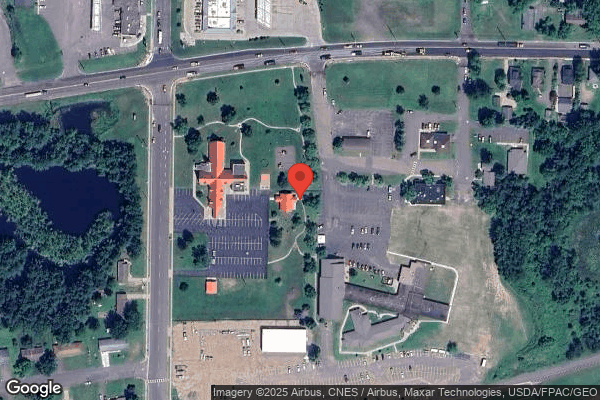
1100 7TH AVE, CUMBERLAND, WI 54829 (715) 822-7050
For profit - Corporation 50 Beds CARE & REHAB Data: November 2025
Trust Grade
90/100
#13 of 321 in WI
Last Inspection: November 2024

Within standard 12-15 month inspection cycle. Federal law requires annual inspections.

Overview

Care and Rehab - Cumberland has earned an impressive Trust Grade of A, indicating it is an excellent choice for families seeking nursing home care. With a state rank of #13 out of 321 facilities in Wisconsin, they are comfortably in the top half, and they hold the top position in Barron County among five local options. The facility is showing improvement, as issues have decreased from three in 2024 to two in 2025. Staffing is also a strong point, with a low turnover rate of 6%, significantly better than the state average, meaning staff members are familiar with residents’ needs. However, there are concerns regarding medication management and safety protocols, including improper documentation of narcotic medications and insufficient investigation following a resident's fall, which families should consider when making their decision.

Trust Score
A
90/100
In Wisconsin
#13/321
Top 4%
Safety Record
Low Risk
No red flags
Inspections
Getting Better
3 → 2 violations
Staff Stability
✓ Good
6% annual turnover. Excellent stability, 42 points below Wisconsin's 48% average. Staff who stay learn residents' needs.
Penalties
✓ Good
No fines on record. Clean compliance history, better than most Wisconsin facilities.
Skilled Nurses
✓ Good
Each resident gets 45 minutes of Registered Nurse (RN) attention daily — more than average for Wisconsin. RNs are trained to catch health problems early.
Violations
⚠ Watch
16 deficiencies on record. Higher than average. Multiple issues found across inspections.
★★★★★
5.0
Overall Rating
★★★★☆
4.0
Staff Levels
★★★★★
5.0
Care Quality
★★★★☆
4.0
Inspection Score
Stable
2024: 3 issues
2025: 2 issues

The Good

  • 4-Star Staffing Rating · Above-average nurse staffing levels
  • 5-Star Quality Measures · Strong clinical quality outcomes
  • Low Staff Turnover (6%) · Staff stability means consistent care
  • Full Sprinkler Coverage · Fire safety systems throughout facility
  • No fines on record
  • Staff turnover is low (6%)

    42 points below Wisconsin average of 48%

Facility shows strength in staffing levels, quality measures, staff retention, fire safety.

The Bad

Chain: CARE & REHAB

Part of a multi-facility chain

Ask about local staffing decisions and management

The Ugly 16 deficiencies on record

Sept 2025 1 deficiency
CONCERN (D) 📢 Someone Reported This

A family member, employee, or ombudsman was alarmed enough to file a formal complaint

Potential for Harm - no one hurt, but risky conditions existed

Investigate Abuse (Tag F0610)

Could have caused harm · This affected 1 resident

**NOTE- TERMS IN BRACKETS HAVE BEEN EDITED TO PROTECT CONFIDENTIALITY** Based upon interview and policy review, the facility did not ensure a thorough investigation for 1 of 1 (R1) resident reviewed f...

Read full inspector narrative →
**NOTE- TERMS IN BRACKETS HAVE BEEN EDITED TO PROTECT CONFIDENTIALITY** Based upon interview and policy review, the facility did not ensure a thorough investigation for 1 of 1 (R1) resident reviewed for safety concerns.R1 fell during an assist of 1 transfer with Certified Nursing Assistant (CNA) C without proper safety measures in place. Facility did not complete a thorough investigation when they did not interview or investigate for potential risk to other residents throughout the facility.This is evidenced by:The facility's policy and procedure for Abuse Prevention, last reviewed 05/2025, includes, in part: .The facility affirms the right of our residents to be free from abuse, neglect, exploitation, misappropriation of property, or mistreatment. This facility therefore prohibits abuse, neglect, exploitation, misappropriation of property, and mistreatment of residents. The purpose of the policy is to use a systematic approach to the creating of a climate which encourages the protection of the right to be free from abuse. This will be done by:* 6. A thorough investigation of the allegation will be initiated. 7. The investigation may include, but not limited to:c. Interviewing other residents to determine if they have been abused or mistreated .R1 was admitted to the facility on [DATE] with the following diagnoses: palliative care, atrial fibrillation, congestive heart failure, unspecified dementia, chronic kidney disease, and history of falling. The Minimum Data set (MDS) dated [DATE] indicates R1 has a Brief Interview for Mental Status (BIMS) of 8/15 which indicates R1 has moderate cognition impairment. R1 transfers with assist of one, gait belt, and with walker. Surveyor reviewed investigation notes pertaining to R1's fall incident that stated in part: R1 interviewed about fall on 08/24/25. Facility Reported Incident (FRI) indicates CNA C was transferring R1 from the bathroom to R1's wheelchair and R1 fell on [DATE] at 6:44 AM. R1 did not have a gait belt on or non-slip footwear per plan of care when the fall occurred. Staff verbally educated CNA C on 08/24/25 on safe handling of residents. Director of Nursing (DON) B interviewed CNA C on 08/28/25 about R1's fall and provided written education pertaining to Safe Handling of Residents policy and importance of using gait belt and non-slip footwear.Surveyor did not find any documentation that other residents were interviewed or assessed for any past falls or potential neglect concerns regarding CNA C and safe transfers. On 09/18/25 at 8:57 AM, Surveyor interviewed DON B and asked DON B if any other residents were interviewed after R1's fall to inquire about potential other falls during CNA C transferring other residents and cares. DON B reported to Surveyor that DON B did not interview any other residents after identifying CNA C did not follow the care plan during a transfer. Surveyor did not find a thorough investigation completed to assess for other caregiver neglect concerns with other residents and CNA C.
Jul 2025 1 deficiency
CONCERN (E) 📢 Someone Reported This

A family member, employee, or ombudsman was alarmed enough to file a formal complaint

Potential for Harm - no one hurt, but risky conditions existed

Pharmacy Services (Tag F0755)

Could have caused harm · This affected multiple residents

Based on interview and record review, the facility did not ensure controlled medications were administered under professional standards of clinical practices for residents (R1, R2, R3, R4, and R5). R...

Read full inspector narrative →
Based on interview and record review, the facility did not ensure controlled medications were administered under professional standards of clinical practices for residents (R1, R2, R3, R4, and R5). R1, R2, R3, and R4 had narcotic medications, in which the facility did not ensure accurate documentation on the narcotic sheets. R5 has Lorazepam, which is a controlled substance, needing a double lock. The medication was not double locked. Findings include: On 07/07/25 at 12:25 PM, Surveyor observed medication cart on 200-300 hall with Registered Nurse (RN) C. Surveyor observed R1, R2, R3 and R4's narcotic sheets to have discrepancies. Surveyor reviewed R1's narcotic sheet for Morphine Concentrate 20mg/ml 15 ml bottle, take 10mg (0.5ml) by mouth every 4 hours as needed for shortness of breath or pain. R1's narcotic sheet was signed with start volume of 15 ml. -On 04/05/25 at 5:09 PM, signed out on narcotic sheet 0.5ml used. No documentation in R1's Medication Administration Record (MAR) that R1 received the narcotic. -On 04/09/25 at 12:05 PM, signed out on narcotic sheet 0.5ml used. No documentation in R1's MAR that R1 received the narcotic. -On 05/15/25 at 7:28 PM, signed out on narcotic sheet 0.25ml used. Incorrect dose was documented that it was used and no documentation in R1's Medication Administration Record (MAR) that R1 received the narcotic. -On 05/16/25 at 5:35 PM, R1's MAR documented that R1 received narcotic medication but there was no documentation on the narcotic sign out sheet that it was taken out of the Morphine bottle and given to R1. -On 06/30/25 at 6:15 AM, R1's MAR documented that R1 received narcotic medication but there was no documentation on the narcotic sign out sheet that it was taken out of the Morphine bottle and given to R1. Surveyor reviewed R2's narcotic sheet for Morphine Concentrate 20mg/ml 15 ml bottle, take 10mg (0.5ml) sublingual every 4 hours as needed for pain. R2's narcotic sheet was signed with start volume of 15 ml. -On 06/07/25 at 11:30 AM, signed out 0.5ml used and remaining 14.5 ml. -On 06/08/25 at 10:30 PM, nurse signed to right that the bottle had a volume of 20ml. -On 06/09/25 at 4:30 AM, signed out 0.5ml used and remaining 14.0 ml. -On 06/11/25 at 9:54 AM, signed out 0.5ml used and remaining 13.5ml. -On 06/11/25, Director of Nursing (DON) B signed to the right that the volume of medication was reading above the 16mls but really only filled to 15ml but generally to start due to shape of bottle consistent with expected volume. -On 06/11/25 at 9:00 PM, another signed out 0.5ml and remaining 16ml. -On 06/12/25 at 3:15 AM, signed out 0.5ml used and remaining 15.5ml. On 07/07/25 at 12:27 PM, Surveyor interviewed RN C asking why the count was off like that and was not corrected. RN C reported to Surveyor that RN C is unsure how that happened and does not know why the volume was changed and went back up. Surveyor asked RN C what the correct process is for counting remaining amount used and what to do if extra in the bottle. RN C reported to Surveyor that all narcotic bottles end up having a little extra volume than the bottle says. RN C reported that whatever the volume of the bottle is written on the label from the pharmacist is what is documented as its original volume. In this situation the bottle confirmed 15ml even though there was a slight amount over the 15ml; staff still document the 15 ml to start then count down after using the medication. RN C reported that at the end if there is liquid left in the bottle then it is discarded with a second licensed nurse and a new bottle is opened. Surveyor reviewed R3's narcotic sheet for Morphine Concentrate 20mg/ml 15 ml bottle, take 0.25ml by mouth every 2 hours as needed for shortness of breath and pain. R3's narcotic sheet was not signed on the sheet to show amount started with and the date it was dispensed with the nurse's name and title who completed the intake of R3's narcotic in the medication cart. Surveyor interviewed RN C and asked RN C why the narcotic sheet was not filled out appropriately so that staff know what is in the medication cart. RN C reported to Surveyor that RN C does not know why this was not filled out as facility policy. Surveyor observed R4's narcotic sheet for Morphine Concentrate 20mg/ml 15 ml bottle, take 0.25ml (5mg) by mouth every 2 hours as needed for shortness of breath and pain. Surveyor reviewed R4's narcotic sheet was signed with start volume of 15 ml. -On 06/22/25, signed out 0.25ml used and remaining 14.75 ml. -On 06/29/25 at 9:28 PM, signed out 0.25ml used and remaining 14.50ml. Nurse signed, Some spillage withdrawn of plug-in bottle. Surveyor did not observe any other updated volume written on narcotic sheet nor did Surveyor find a second verification from a licensed nurse to verify how much was accidentally spilled. On 07/07/25 at 12:29 PM, Surveyor interviewed RN C and asked RN C what is the correct process if a nurse accidentally spills a narcotic solution such as in R4's example. RN C reported to Surveyor that any spilled narcotic medication needs a second verified licensed nurse to verify and sign on narcotic sheet that there was a spill with remaining volume in bottle and a second signature to decrease chances of mistakes. Surveyor shared with DON B the discrepancies that Surveyor found with R1, R2, R3, and R4's narcotic sheets. Surveyor asked DON B if DON B can explain expectations for the discrepancies. DON B reported to Surveyor that R1's narcotic sheet should have been reviewed during the investigation of the facility report and found the errors Surveyor found. DON B reported that DON B thought DON B's process for educating staff and completing audits afterwards would change the system. DON B reported to Surveyor that DON B understands there are still discrepancies happening and that DON B needs to review more thoroughly and reach out to the potential nurses who are still having errors in medication administration of narcotics. Surveyor asked DON B why the count was off with R2's narcotic sheet and was not corrected. DON B reported to Surveyor that DON B is unsure how that happened. Surveyor asked DON B what the correct process is for counting remaining amount used and what to do if extra in the bottle. DON B reported to Surveyor that all narcotic bottles end up having a little extra volume in the bottle but whatever the volume of the bottle is written on the label from the pharmacist is what is documented as its original volume. DON B reported that DON B was just trying to validate the nurse who indicated there was 20mls in the bottle. DON B corrected the volume to 16mls but should have explained the process better on narcotic sheet. DON B reported that at the end of the bottle if there is liquid left in the bottle then it is discarded with a second licensed nurse and a new bottle is opened. Surveyor asked DON B's expectation of narcotic sheets being filled out when pharmacy dispenses a narcotic to the facility for a resident or in this situation for R3. DON B reported to Surveyor that DON B's expectation is for all staff to fill out the narcotic sheet with date it was dispensed and how much was dispensed, then staff store the labeled narcotic in the medication cart down the set hall. Surveyor interviewed DON B and asked DON B what the correct process is if a nurse accidentally spills a narcotic solution such as in R4's example. DON B reported to Surveyor that any spilled narcotic medication needs a second verified licensed nurse to verify and sign on narcotic sheet that there was a spill with remaining volume in bottle and a second signature to decrease chances of mistakes. DON B reported to Surveyor that in R4's example DON B did not feel it was necessary to have a second nurse verify the spillage as it was just the fluid out of the plunger. Surveyor asked if DON B was there on that day to verify it was the liquid from the plunger. DON B reported to Surveyor that DON B was not in the presence of the nurse when this was signed on narcotic sheet as a spillage. Example 2 On 07/07/25 at 12:41 PM, Surveyor observed medication storage room on hall 100 with RN D. RN D opened refrigerator and Surveyor observed R5's Lorazepam 2mg/ml oral concentrate 30ml bottle located in the door of the refrigerator. Surveyor asked RN D if Lorazepam is supposed to be double locked in the medication storage room. RN D reported to Surveyor that RN D thought it should be double locked but was not sure. RN D reported to Surveyor that RN D would go find out with Director of Nursing (DON) B. On 07/07/25 at 12:45 PM, Surveyor interviewed DON B and asked if DON B knows that Lorazepam is supposed to be double locked. DON B reported to Surveyor that DON B did not know that; she would be fixing this issue right away.
Nov 2024 3 deficiencies
CONCERN (D)

Potential for Harm - no one hurt, but risky conditions existed

Quality of Care (Tag F0684)

Could have caused harm · This affected 1 resident

**NOTE- TERMS IN BRACKETS HAVE BEEN EDITED TO PROTECT CONFIDENTIALITY** Based on interview and record review, the facility did not ensure that based on the comprehensive assessment of a resident, that...

Read full inspector narrative →
**NOTE- TERMS IN BRACKETS HAVE BEEN EDITED TO PROTECT CONFIDENTIALITY** Based on interview and record review, the facility did not ensure that based on the comprehensive assessment of a resident, that residents receive treatment and care in accordance with professional standards of practice. The facility did not ensure that a Registered Nurse (RN) assessed a resident after a fall occurred. This had the potential to effect 2 of 7 residents (R) (R29, R193) investigated for accidents. Findings include: Wisconsin state statue Chapter N 6 titled Standards Of Practice For Registered Nurses And Licensed Practical Nurses dated December 2018, states, In the performance of acts in basic patient situations, the L.P.N. shall, under the general supervision of an R.N. or the direction of a provider: (a) Accept only patient care assignments which the L.P.N. is competent to perform. (b) Provide basic nursing care. N 6.04(1)(c)(c) Record nursing care given and report to the appropriate person changes in the condition of a patient. (d) Consult with a provider in cases where an L.P.N. knows or should know a delegated act may harm a patient. (e) Perform the following other acts when applicable: 1. Assist with the collection of data. 2. Assist with the development and revision of a nursing care plan. 3. Reinforce the teaching provided by an R.N. provider and provide basic health care instruction. 4. Participate with other health team members in meeting basic patient needs . (1m)?Basic nursing care means care that can be performed following a defined nursing procedure with minimal modification in which the responses of the patient to the nursing care are predictable. The facility policy, entitled Fall/Incident Assessment updated on 05/28/24, states, Procedure: resident fall. 1. Do not move the resident until a nurse assess the resident for potential injury 2. Notify the nurse. Example 1 R193 was admitted to the facility on [DATE] at 12:20 PM. Diagnoses included Alzheimer's disease, unspecified intracapsular fracture of right femur related to a fall at home. R193 entered the facility with an activated power of attorney, and the facility did not have time to complete Minimum Data Set (MDS) assessment or baseline care plan. On 11/12/24 at 2:45 PM, Surveyor completed record review of R193's recent fall. Surveyor found that R193 fell and fractured their left hip on 11/07/24 at 3:50 PM, a few hours after entering the facility. Surveyor looked for assessment of the fall and found an interdisciplinary report of the fall and review of the fall by the Director of Nursing (DON), but no initial fall report or assessment from staff member on duty at the time of the fall. On 11/13/24 at 8:38 AM, Surveyor interviewed DON B regarding the fall and initial fall report. DON B said R193 was assessed by a Licensed Practical Nurse (LPN). Initially there were no issues and R193 was assisted into their recliner by the LPN. DON B assessed R193 when R193 began having complaints of pain in left leg. DON B indicated the LPN who assessed R193 has not charted on the incident yet. R193 was transferred to the hospital, having a fractured hip. DON B indicated she has asked staff to chart the assessment. Surveyor asked DON B if an LPN can assess a resident after a fall, and DON B stated an LPN can. Surveyor did request evidence of this. Surveyor did note LPN had assessed R193 and moved them to the recliner prior to an RN assessment. On 11/13/24 at 12:52 PM, LPN E was interviewed regarding scope of practice. LPN E said as it refers to a fall, I can inspect a fall and report my findings. I'm always working with a Registered Nurse. I cannot assess the resident. No evidence was received from facility regarding LPNs being able to assess or move residents after a fall. Example 2 According to the Nurse Practice Act, an LPN can provide basic nursing care under the supervision of an RN. Basic nursing care includes monitoring vital signs, administering medications, and changing bandages. R29 was admitted to the facility on [DATE]. Diagnoses included dementia with agitation, history of stroke, repeated falls, weakness, unsteadiness on feet, and difficulty walking. R29's MDS assessment dated [DATE] confirmed the following: -Scored 02/15 during Brief Interview for Mental Status (BIMS), indicating severe cognitive impairment. On 11/13/24, Surveyor reviewed R29's falls, and noted the following: On 07/29/24, R29's progress notes indicated a Certified Nursing Assistant (CNA) notified an LPN that R29 sustained a fall. Documentation indicated an assessment was completed by LPN C, with no RN assessment. On 09/04/24, R29 sustained a fall. Documentation indicated an assessment was completed by LPN D, with no RN assessment. Surveyor was unable to locate evidence an RN assessment was completed for R29's falls to ensure R29 did not have an injury or change in condition.
CONCERN (D)

Potential for Harm - no one hurt, but risky conditions existed

Accident Prevention (Tag F0689)

Could have caused harm · This affected 1 resident

**NOTE- TERMS IN BRACKETS HAVE BEEN EDITED TO PROTECT CONFIDENTIALITY** Based on interview and record review, the facility did not ensure new care planned fall interventions were implemented post fall...

Read full inspector narrative →
**NOTE- TERMS IN BRACKETS HAVE BEEN EDITED TO PROTECT CONFIDENTIALITY** Based on interview and record review, the facility did not ensure new care planned fall interventions were implemented post falls to prevent accidents for 1 of 7 residents (R) R29, reviewed for falls. The facility did not implement fall interventions or identify root cause for ten fall incidents, of which R29 sustained minor injury. Findings: The facility's policy titled, Fall/Incident Assessment, read in part .PURPOSE: To assure appropriate follow-through on all accidents and incidents; and to give guidance on preventive/corrective action. 8. The nurse will assess/evaluate the need for any changes in safety precautions and update the plan of care. 9. Document .Corrective action taken to resolve or minimize fall risk. 11. The fall team and DON reviews incidents weekly and make a final interdisciplinary note. R29 was admitted to the facility on [DATE]. Diagnoses included dementia with agitation, history of stroke, repeated falls, weakness, unsteadiness on feet, and difficulty walking. R29's Minimum Data Set (MDS) assessment dated [DATE] confirmed the following: -Scored 02/15 during Brief Interview for Mental Status (BIMS), indicating severe cognitive impairment. -Demonstrated verbal, physical, and wandering behaviors. -Required staff assistance with transfers and was able to independently propel his wheelchair. -Incontinent of bowel and bladder, requiring staff assistance with personal hygiene. R29's physician orders included the following: -Furosemide (diuretic), 20 mg daily. -Lorazepam (anti-anxiety), 0.5 mg twice daily, and as needed. R29's care plan included, The Resident is at risk for falls related to history of falls, pain, impaired vision, poor safety awareness, and dementia. Dated 01/04/24, Revised 04/24/24. Interventions: -01/12/24, Encourage participation in activities that will increase strength and mobility. -01/12/24, revised 08/27/24, Sensor alarms in wheelchair, recliner, and bed. Pressure sensing floor alarm by bed. -04/03/24, Therapy to evaluate and treat due to falls. -05/15/24, Remind resident to lift his feet up when in wheelchair without foot pedals. -06/10/24, Walk with resident with walker and assist of one, wheelchair to follow. -07/03/24, Anti-rollback device to wheelchair. -08/15/24, Bathroom visits. -10/24/24, Trial prompted every two hours toileting schedule. R29's fall risk assessments confirmed R29 is at high risk for falls. On 11/13/24, Surveyor reviewed R29's falls investigations for the previous three months and noted the following falls: -07/20/24, un-witnessed fall in bathroom. R29 sustained skin tear to right upper arm. Interdisciplinary team (IDT) review of fall; Root cause of fall was dementia with poor safety awareness. Remains a high fall risk. Care plan reviewed and remained appropriate. Surveyor noted no new intervention implemented. -07/29/24, R29 was ambulating with staff from the bathroom, R29 became weak, and staff lowered him to the floor. No injury. IDT review of fall; Care plan reviewed and remains appropriate. Surveyor noted there was no root cause identified. -08/15/24, R29 found on floor in room. R29 stated he needed to use the bathroom. IDT review of fall; Root cause of fall remains poor safety awareness and overestimation of abilities. Remains high fall risk. Care plan reviewed and remains appropriate. Surveyor noted R29's care plan was updated on 08/15/24, with a new intervention, Bathroom Visits, Surveyor was not able to verify the details of this intervention. -08/24/24, un-witnessed fall in bathroom. R29 sustained laceration to his right ear. -08/25/24, un-witnessed fall in bathroom. Sustained laceration to his right hand. IDT review of both falls occurring on 08/24/24 and 08/25/24; Root cause of falls is responding to toilet need. Will address with MD if he thinks resident might have BPH that could be causing frequent need to toilet. Pressure sensing mat placed on floor in front of bed. Care plan reviewed and updated. Fall risk remains high. Surveyor noted R29 does not have a diagnosis of benign prostatic hyperplasia (BPH), or other urinary tract diagnoses. Surveyor noted R29 is not prescribed medications to treat bladder, prostate, or urinary tract. The care plan was not updated with interventions to address the toileting need for R29 that was identified as the root cause for the 8/24 or 8/25 fall. -09/04/24, fall in facility hallway, no injury. Surveyor noted no root cause or new interventions on the care plan after this fall. -09/09/24, un-witnessed fall in dining room, no injury. IDT review of both falls occurring on 09/04/24 and 09/09/24; Root cause remains dementia with impaired safety awareness. Resident continues to be encouraged to attend activities to keep self busy. Fall risk remains high. Care plan reviewed and remains appropriate. Surveyor noted the same intervention was implemented on 01/12/24. -10/09/24, R29 fell in bathroom, hitting right rib area on toilet. IDT review of fall; Root cause of fall is dementia with poor safety awareness, inability to make needs known, and toileting need. Fall risk remains high. Care plan reviewed. Surveyor noted no new intervention was implemented. -10/11/24, R29 fell in the lobby area and sustained a skin tear to his left hand. IDT review of fall: Root cause of fall remains dementia with poor safety awareness. Fall risk remains high. Care plan reviewed and remains appropriate. Surveyor noted no new intervention was implemented. -10/16/24, Request for physical therapy (PT) and occupation therapy (OT) evaluation and treatment. -10/20/24, un-witnessed fall in bathroom, with no injury. R29 stated toileting need. IDT review of fall; Root cause is dementia with impaired safety awareness. Remains fall risk. Care plan reviewed. Orders received for PT/OT. Surveyor noted this is not a new intervention as PT/OT was requested on 10/16/24. -On 10/24/24, four days after the fall, the facility added an intervention to trial R29 on a two-hour prompted toileting schedule. On 11/13/24 at 10:32 AM, Surveyor interviewed Director of Nursing (DON) B. Surveyor asked why new interventions were not implemented after each incident. DON B stated, There is not always an intervention that will reduce the risk. Surveyor asked DON B how she would know that and if she could provide an example. DON B did not respond. On 11/13/24 at 11:52 AM, Surveyor interviewed DON B. DON B stated R29's two-hour toileting schedule has been effective since being implemented on 10/24/24. DON B stated, We should have implemented it sooner. DON B acknowledged the facility could improve their falls policy and procedures, as they are not always identifying a root cause and adding interventions to prevent future falls in a timely manner.
CONCERN (D)

Potential for Harm - no one hurt, but risky conditions existed

Deficiency F0883 (Tag F0883)

Could have caused harm · This affected 1 resident

**NOTE- TERMS IN BRACKETS HAVE BEEN EDITED TO PROTECT CONFIDENTIALITY** Based on interview and record review, the facility did not have documentation included in resident's medical record that the res...

Read full inspector narrative →
**NOTE- TERMS IN BRACKETS HAVE BEEN EDITED TO PROTECT CONFIDENTIALITY** Based on interview and record review, the facility did not have documentation included in resident's medical record that the residents and/or the resident's responsible party received education regarding the benefits and potential side effects of the influenza vaccine, and the resident (R), either received the influenza immunization or did not receive the influenza immunization for 3 out 5 (R3, R13, R15) residents sampled. R3, R13, and R15 did not have declinations on file, nor was there documentation stating these residents or their representatives refused the vaccine and were educated on the benefits of receiving the influenza vaccine. Findings include: The facility policy titled, Influenza and Pneumococcal Vaccines Applies To: Residents reviewed 3/2024, states in part, Purpose: ensure resident's vaccinations are given as current CDC guidelines recommend. The CDC Influenza Vaccine Timing for Adults reads, in part, One dose of influenza vaccine is recommended for adults each flu season . R3 was admitted on [DATE] with medically complex conditions and a diagnosis that includes Parkinson's. R13 was admitted on [DATE] with medically complex conditions and a diagnosis that includes diabetes mellitus. R15 was admitted on [DATE] with medically complex conditions and a diagnosis that includes diabetes mellitus. On 11/12/24, Surveyor reviewed resident records. There was no evidence of R3, R13, or R15 receiving education or the influenza immunization in 2023 or 2024. Surveyor was unable to locate declination of the influenza immunization forms or education provided. On 11/13/24 at 11:37 AM, Surveyor interviewed Infection Preventionist (IP) F regarding R3, R13, and R15's influenza immunization status. IP F reported the influenza vaccine was refused by these residents. IP F indicated R15 has a signed declination of influenza on 9/22/22; however, there are no declination forms or progress notes indicating that the residents had been educated on or offered the influenza vaccine in 2023 or 2024. On 11/13/24 at approximately 11:50 a.m., Surveyor interviewed Director of Nursing (DON) B, who stated the facility's influenza refusal form indicates in part, I do not give the facility permission to administer an influenza vaccination annually. DON B indicated she thought the facility would not have to get a declination annually. Surveyor stated the facility must provide documentation indicating influenza vaccination education was provided and the vaccine was offered and refused each flu season. Surveyor was provided one influenza declination form for R15 signed in 2022. There was no evidence provided from the facility to support R3, R13, and R15 were provided education on, offered, or refused the influenza vaccine.
Sept 2023 8 deficiencies
CONCERN (D)

Potential for Harm - no one hurt, but risky conditions existed

Deficiency F0583 (Tag F0583)

Could have caused harm · This affected 1 resident

Based on observations and interviews, the facility did not ensure personal privacy for 2 of 4 residents (R2 and R28) during personal cares and medical treatment. R2 and R28's curtains were not shut du...

Read full inspector narrative →
Based on observations and interviews, the facility did not ensure personal privacy for 2 of 4 residents (R2 and R28) during personal cares and medical treatment. R2 and R28's curtains were not shut during cares and medical treatment to ensure personal privacy. This is evidenced by: The facility policy, entitled Privacy/Dignity, dated 03/2023 states in part Resident's privacy and dignity is maintained at all times and by all staff during all cares and interactions. On 09/07/23 at 9:55 AM, Surveyor asked R2 if it was ok for Surveyor to watch staff transfer R2 into bed. R2 indicated privacy doesn't matter here. Surveyor observed Certified Nursing Assistants (CNA) M and N lower R2 into bed. CNAs removed R2 shoes, then pulled down R2's pants, and opened up incontinent product to change resident all while the curtain was open. The window in R2's room looked out towards a parking lot that anyone walking by could see in. Maintenance was mowing the lawn at the time outside the window and would be able to see in the window, if looking in the direction of the room. Surveyor asked R2 if it bothered her that the shade was not pulled. R2 indicated nothing would be done about it; every day is different here. On 09/07/23 at 11:02 AM, Surveyor interviewed CNA M and asked what they do to provide privacy for the residents. CNA M indicated pull curtain between residents. Surveyor asked if there was anything else. CNA M indicated shut the door. Surveyor asked CNA M if there was anything else. CNA M indicated no. On 09/07/23 at 11:15 AM, Surveyor went over the steps CNA M and N took while performing cares on R2 and asked Director of Nursing (DON) B what she would expect staff to do differently. DON C indicated they would expect staff to close the shade. Example 2 On 09/07/23 at 10:17 AM, Surveyor observed Registered Nurse (RN) I and RN L, who is also the Infection Control Nurse, provide wound care to R28 in their room. R28 was sitting in their recliner with their shirt up on their back while they did the wound care. During the procedure, R28's shades were open so anyone going by the window could see in. Maintenance was mowing lawn at that time right outside the window, and would be able to see in the window if looking in the direction of the room.
CONCERN (D)

Potential for Harm - no one hurt, but risky conditions existed

Grievances (Tag F0585)

Could have caused harm · This affected 1 resident

Based upon interview, record review and policy review, the facility did not ensure allegations of misappropriation were thoroughly investigated for 2 of 2 residents (R) (R22, R32) reviewed. R22 allege...

Read full inspector narrative →
Based upon interview, record review and policy review, the facility did not ensure allegations of misappropriation were thoroughly investigated for 2 of 2 residents (R) (R22, R32) reviewed. R22 alleged she had lost clothing and did not know what had happened to the clothing. The facility did not complete a thorough investigation of the incident. R32's Power of Attorney (POA) said that R32 had lost a stuffed animal and was mentioned to staff but never knew what came of the complaint. The facility did not complete a thorough investigation of the incident. This is evidenced by: On 09/05/23 at 10:27 AM, Surveyor interviewed R22 regarding lost or stolen items. R22 said they had lost some clothing and had mentioned it to staff, and they were unsure how long the clothing had been missing. R22 was unsure what had happened and did not know if she had ever seen the clothing again. R22's most recent Brief Interview for Mental Status (BIMS) on 06/27/23 is a score of 15, meaning R22 is alert, oriented, and able to answer questions correctly. On 09/07/23 at 11:48 AM, Surveyor reviewed progress notes for R22 regarding missing items and did not find a record of missing clothing. Example 2: On 09/05/23 at 1:54 PM, Surveyor interviewed R32's POA regarding lost possessions. R32's POA said when their mother was first in the facility, R32 had a stuffed dog that went missing. The POA did mention to staff members the stuffed dog was missing. R32's POA said they did not know what happened to the stuffed dog, and no one told them from the facility, so R32's POA purchased a new stuffed dog for R32. On 09/07/23 at 11:48 AM, Surveyor reviewed progress notes for R32 regarding missing items and did not find a record of missing stuffed dog. On 09/05/23 at 2:04 PM, Surveyor interviewed Nursing Home Administrator (NHA) A regarding their last 30 grievances that were not reported to the state. NHA A replied that they did not have any grievances. Surveyor asked if there was any grievances of misappropriation or lost items that might have been reported to staff, and NHA A replied no, they did not have anything. On 09/06/23 at 7:57 AM, Surveyor interviewed Certified Nursing Assistant (CNA) F regarding the procedure for reporting missing or stolen items. CNA F said if they are told about a missing item, they inform a nurse or social worker. They might also ask the head of the laundry department. On 09/06/23 at 12:32 PM, Surveyor conducted a QAPI (Quality Assurance and Performance Improvement) interview with Director of Nursing (DON) C. DON C stated that if staff/residents/family have concerns, they have an open-door policy but do not have a formal grievance process. The facility does not log or track grievances, but they do an informal investigation and document them in resident records. The facility will look into a more formal grievance process and tracking/logging with the transition to the new DON.
CONCERN (D)

Potential for Harm - no one hurt, but risky conditions existed

Deficiency F0655 (Tag F0655)

Could have caused harm · This affected 1 resident

**NOTE- TERMS IN BRACKETS HAVE BEEN EDITED TO PROTECT CONFIDENTIALITY** Based on interviews and record review, the facility did not complete and implement baseline or comprehensive care plans for 1 of...

Read full inspector narrative →
**NOTE- TERMS IN BRACKETS HAVE BEEN EDITED TO PROTECT CONFIDENTIALITY** Based on interviews and record review, the facility did not complete and implement baseline or comprehensive care plans for 1 of 12 residents (R245) within 48 hours of admission, which included instructions on how to provide effective and person-centered care for the resident. No baseline care plan was developed within 48 hours to address the minimum healthcare information necessary to properly care for R245, including, but not limited to, such areas of catheter care, weight loss, functional abilities, and the assistance R245 requires. This is evidenced by: The facility policy, entitled Comprehensive Nursing Assessment, dated April 2019, states: 1. A RN [Registered Nurse] initiates nursing assessment focus on newly admitted residents that occurred during the shift and completes a temporary care plan that serves as the interim care plan. R245 was admitted to the facility on [DATE]. On 08/08/23, R245 was discharged to the hospital and admitted back to the facility on [DATE]. On 09/06/23 at 11:20 AM, Surveyor could not find a current care plan related to R245 in the electronic medical records. On 09/06/23 at 11:23 AM, Surveyor interviewed Director of Nursing (DON) B regarding the absence of a care plan. DOB B said she could not find a care plan in the facility's electronic medical records. DON B was unsure what had happened and continued looking through their computer system to find a short-term care plan. When DON B brought up R245's current care plan, the care plan read, No data, where the care plan system should have been found. Surveyor asked DON B what had happened to the care plan. DON B replied they didn't know. On 09/06/23 at 4:27 PM, Surveyor interviewed Licensed Practical Nurse (LPN) G about the missing baseline care plan. Surveyor asked to see the baseline care plan for R245. LPN G could not find the baseline care plan in the electronic medical records. Surveyor asked what LPN G would do in the absence of the baseline care plan. LPN G stated that they would read past progress notes and look at the resident's medical orders on file. On 09/07/23 at 11:39 AM, Surveyor interviewed RN I regarding R245's missing baseline care plan. Surveyor asked where they would typically find a baseline care plan, to which RN I replied that it is usually scanned into Point Click Care (electronic medical records) and can be found under the misc tab. RN I showed Surveyor an example of a baseline care plan for a random resident. Surveyor asked to see the baseline care plan for R245, but RN I could not locate a baseline care plan in the electronic medical records. RN I feared that someone may have thrown out the care plan without uploading the file, but they could not be sure what happened to the missing baseline care plan. On 09/07/23 at 11:48 AM, Surveyor interviewed DON B regarding expectations of a baseline care plan. Surveyor asked what DON B would expect regarding the timeline of the baseline care plan for any resident. DON B replied they would expect to see a baseline care plan created as soon as possible.
CONCERN (D)

Potential for Harm - no one hurt, but risky conditions existed

Comprehensive Care Plan (Tag F0656)

Could have caused harm · This affected 1 resident

**NOTE- TERMS IN BRACKETS HAVE BEEN EDITED TO PROTECT CONFIDENTIALITY** Example 2 R245 was admitted to the facility on [DATE]. On 08/08/23, R245 was discharged to the hospital and admitted back to the...

Read full inspector narrative →
**NOTE- TERMS IN BRACKETS HAVE BEEN EDITED TO PROTECT CONFIDENTIALITY** Example 2 R245 was admitted to the facility on [DATE]. On 08/08/23, R245 was discharged to the hospital and admitted back to the facility on [DATE]. On 09/06/23 at 11:20 AM, Surveyor could not find a current care plan related to R245 in the electronic medical records. On 09/06/23 at 11:23 AM, Surveyor interviewed DON B regarding the absence of a care plan. DON B said could not find a care plan in the facility's electronic medical records. DON B was unsure what had happened and continued looking through their computer system to find a care plan. When DON B brought up R245's current care plan, the care plan read, No data, where the care plan should have been found. Surveyor asked DON B what had happened to the care plan, to which DON B replied they did not know. On 09/06/23 at 4:27 PM, Surveyor interviewed Licensed Practical Nurse (LPN) G about the missing care plan. LPN G has had some experience looking at care plans and updating them. Surveyor asked to see R245's care plan. LPN G could not find a current care plan in the medical records. Based on observation, interview and record review, the facility did not ensure a comprehensive care plan was achieved for 2 of 12 residents (R) reviewed for care plans (R31, R245). R31 did not have a care plan to address incontinence care. R245 did not have a care plan to address falls, nutrition, pressure injuries, and catheter care. This is evidenced by: R31 was admitted to facility on 04/13/23. Quarterly Minimum Data Set (MDS), completed and dated 07/21/23, indicated R31 was occasionally incontinent. R31 was coded to require supervision for toileting and extensive assist personal hygiene. R31's Activities of Daily Living (ADL) care plan states . set up and wash own peri care. A care plan was not developed for urinary incontinence and assistance with personal hygiene. On 09/07/23 at 9:09 AM, Surveyor interviewed Certified Nursing Assistant (CNA) D, who stated R31 wears pull ups and is usually incontinent of urine when arises in the am and at least 1x shift. On 09/07/23 at 9:47 AM, Surveyor interviewed CNA E who stated R31 would have urinary incontinence when first was admitted , and daughter preferred incontinent products were not worn, but R31 would go through pants quickly so now wears incontinent products. On 09/07/23 at 11:08 AM, Surveyor interviewed Director of Nursing (DON) C, who confirmed that R31 had a change in bladder status and was unable to locate a care plan to address incontinence care.
CONCERN (D)

Potential for Harm - no one hurt, but risky conditions existed

Deficiency F0657 (Tag F0657)

Could have caused harm · This affected 1 resident

Based on observation, record review and interview, the facility did not review and revise the comprehensive care plans for 1 of 12 sampled residents (R), R28. R28's care plan was not updated to identi...

Read full inspector narrative →
Based on observation, record review and interview, the facility did not review and revise the comprehensive care plans for 1 of 12 sampled residents (R), R28. R28's care plan was not updated to identify the resident no longer has to be on contact precautions. This is evidenced by: On 09/05/23, Surveyor reviewed R28's care plan with a printed date of 09/07/23. It stated, Contact precautions due to MRSA + wound culture. May come out of room for meals and activities as long as wound is covered and drainage is contained. On 09/07/23 at 10:17 AM, Surveyor observed wound care being done on R28. Staff did not apply personal protective equipment (PPE) other than gloves. On 09/07/23, Surveyor interviewed Registered Nurse (RN) I and asked if R28 was on any precautions. RN I indicated R28 had history of Methicillin Resistant Staph Aureus (MRSA) but was no longer on precautions. Surveyor interviewed Director of Nursing (DON) B and asked if R28's care plan was still current. DON B indicated it was not. DON B indicated R28 was off of precautions on Aug. 24th and would look for the information. Surveyor interviewed DON B and asked if R28 was still on contact precautions. DON B indicated it was resolved and staff forgot to revise the care plan.
CONCERN (D)

Potential for Harm - no one hurt, but risky conditions existed

Accident Prevention (Tag F0689)

Could have caused harm · This affected 1 resident

**NOTE- TERMS IN BRACKETS HAVE BEEN EDITED TO PROTECT CONFIDENTIALITY** Based on observation, record review and interview, the facility did not ensure that the resident environment remained as free of...

Read full inspector narrative →
**NOTE- TERMS IN BRACKETS HAVE BEEN EDITED TO PROTECT CONFIDENTIALITY** Based on observation, record review and interview, the facility did not ensure that the resident environment remained as free of accident hazards as possible for 2 of 5 residents (R) reviewed for room water temperature (R41, R10) and 1 of 4 residents (R245) reviewed for falls. Hot water temperatures in R41's and R10's rooms exceeded the recommended maximum temperature of 115 degrees Fahrenheit plus or minus two degrees. R245 did not have a fall assessment completed after a fall occurred. This is evidenced by Example 1 Surveyor reviewed the facility water temperatures logbook that documents the required hot water temperatures in resident rooms to be between 110 - 115 degrees Fahrenheit. On 09/06/23 at 9:55 AM, Surveyor used a thermometer to check the hot water temperature for R41's room. After 20 seconds, the hot water temperature reached 118.9 degrees Fahrenheit. On 09/06/23 at 10:05 AM, Surveyor used a thermometer to check the hot water temperature for R10's room. After 30 seconds, the hot water temperature reached 122.4 degrees Fahrenheit. On 09/06/23 at 11:01 AM, Surveyor and Maintenance Manager (MM) H returned to R41's room. MM H used the thermometer they usually use to check resident's room hot water temperatures. MM H tested the hot water temperature reading of 118.0 degrees Fahrenheit when the temperature stopped changing. On 09/06/23 at 11:08 AM, Surveyor and MM H returned to R10's room. MM H used the thermometer they usually use to check resident room water temperatures. MM H tested the hot water temperature reading of 120.0 degrees Fahrenheit when the temperature stopped changing. On 09/06/23 at 10:08 AM, Surveyor interviewed Certified Nursing Assistant (CNA) D about hand washing. Surveyor asked how the water temperature felt, and CNA D said they used cold water to wash their hands. Surveyor then asked CNA D why they used cold water, and CNA D noted that the water was too hot, and they don't mix the temperatures to make the water temperature less hot. On 09/06/23 at 10:55 AM, Surveyor interviewed MM H and Maintenance Worker (MW) J about their expectations of hot water temperatures in resident rooms. MM H replied that they would expect them to be within the accepted range of 110 - 115 degrees Fahrenheit. MW J said if they found a water temperature to be out of range, they would adjust the hot water mixer. Example 2 R245 was admitted to the facility on [DATE]. On 08/08/23, R245 was discharged to the hospital and admitted back to the facility on [DATE]. On 09/06/23 at 11:20 AM, Surveyor could not find a current care plan related to falls for R245 in the electronic medical records. On 08/08/23 at 2:35 AM, progress note read, .resident observed laying on the floor. [Nurse] entered room to see resident laying face down on the floor between the wall and his bed. Call light was within reach, bed was still in lowest and safest position. Resident was able to demonstrate full ROM of all extremities and stated that he did not feel anything was broken. Resident also stated that he did not want EMS called. Action: Vitals obtained. Wounds cleansed and properly wrapped/bandaged. Fall protocol initiated, all necessary parties contacted for resident . On 09/07/23 at 1:51 PM, Surveyor interviewed Director of Nursing (DON) C regarding fall assessment for R245. DON C said they could not locate a fall assessment that would contain risk factors and interventions to prevent future falls related to the fall on 08/08/23 for R245.
CONCERN (D)

Potential for Harm - no one hurt, but risky conditions existed

Incontinence Care (Tag F0690)

Could have caused harm · This affected 1 resident

**NOTE- TERMS IN BRACKETS HAVE BEEN EDITED TO PROTECT CONFIDENTIALITY** Based on observation, interview and record review, the facility did not ensure 1 resident (R) of 3 residents (R31) reviewed with...

Read full inspector narrative →
**NOTE- TERMS IN BRACKETS HAVE BEEN EDITED TO PROTECT CONFIDENTIALITY** Based on observation, interview and record review, the facility did not ensure 1 resident (R) of 3 residents (R31) reviewed with a change of bladder continence status received services to restore continence status. The facility did not ensure a medical rationale to justify a catheter change on a scheduled basis for 1 of 2 residents (R9) reviewed. R31 was assessed on admission as being continent of bladder. On 07/21/23, R31 was assessed as occasionally incontinent and did not receive services to restore continence status. R9's indwelling catheter was ordered to be changed on a scheduled basis without a medical rationale. This is evidenced by: Facility policy entitled Bowel and Bladder Tracking, Assessment & Evaluation dated 5/2016, which states, Policy: Bowel and bladder tracking, assessment and evaluation will be started on admit and completed with initial care plan process, readmission, quarterly, and with significant change in condition or 7 days and after Foley Catheter removed: Procedure: .2. Once the bowel and bladder tracking are completed, all data will be reviewed and evaluated by the care plan coordinator or designee. R31's admission base line care plan dated 04/13/23 indicates was continent of urine. R31's admission Minimum Data Set (MDS) dated [DATE] indicated R31 was continent of urine. On 07/21/23, a quarterly MDS was completed and indicated R31 was occasionally incontinent of urine. R31 was coded to require supervision for toileting and extensive assist personal hygiene. R31 did not have a bladder tracking assessed or evaluated to determine an appropriate toileting program to maintain urinary continence. R31's Activities of Daily Living (ADL) care plan states . set up and wash own peri care. On 09/07/23 at 9:09 AM, Surveyor interviewed Certified Nursing Assistant (CNA) D who stated R31 wears pull ups and is usually incontinent of urine when arises in the am and at least 1x shift. On 09/07/23 at 9:47 AM, Surveyor interviewed CNA E who stated R31 would have urinary incontinence when first was admitted , and daughter preferred incontinent products were not worn, but R31 would go through pants quickly so now wears incontinent products. On 09/07/23 at 10:05 AM, Surveyor interviewed Registered Nurse (RN) K regarding completion of bowel and bladder assessments. RN K looked in computer and found a bowel and bladder data collection tool that was started on 04/19/23 but was not completed. RN K stated MDS coordinator completes the bowel and bladder assessment and believes they are done upon admission and quarterly. On 09/07/23 at 11:08 AM, Surveyor interviewed Director of Nursing (DON) C who confirmed that R31 had a change in bladder status and confirmed the facility does not have a toileting program, policy, or documentation to support an attempt to maintain continence status on R31. Example 2: According to the Centers for Disease Control (CDC) Guideline for Prevention of Catheter-Associated Urinary Tract Infections (CAUTI), it is recommended to insert catheters only for appropriate indications and leave in place only as long as needed. The CDC guidance also recommends minimizing urinary catheter use and duration of use in all patients, particularly those at higher risk for CAUTI or mortality from catheterization such as women, the elderly, and patients with impaired immunity. The CDC further states changing indwelling catheters or drainage bags at routine, fixed intervals are not recommended. Rather, it is suggested to change catheters and drainage bags based on clinical indications such as infection, obstruction, or when the closed system is compromised. R9 was originally admitted to the facility on [DATE] and had several rehospitalizations: 07/14-07/17/23 for Catheter associated Acute Urinary Tract Infection (CAUTI) and sepsis related to CAUTI; 07/26-07/31/23; and 08/10-08/14/23 (for sepsis). On 09/05/23 at 11:23 AM, Surveyor observed R9 with a urinary catheter. Surveyor reviewed a physician order dated 06/29/23, that states: Change catheter every 3 weeks for routine catheter care. Catheter size is 16 French with 5cc balloon. every day shift every 21 day(s) for catheter care. Insert smallest effective size foley catheter- maintain per policy, DC when skin/wound heals. The facility had no medical rationale to justify a catheter change on a scheduled basis. DON C provided a policy dated 04/19 and entitled Catheterization which states Residents with a Foley catheter will be maintained with a closed system as per the APOC guidelines to prevent UTI's.Do not change catheters routinely. Catheters will be changed at a frequency ordered by the MD. On 09/16/23 at 1:29 PM, Surveyor interviewed DON C regarding physician order of changing catheter every 3 weeks for routine catheter care. DON C stated that the catheter was changed on 09/04/23 and next due to be changed again on 09/25/23. On 09/16/23 at 3:45 PM, DON C provided Surveyor a document entitled Physician Plan of Care referral form dated and signed by a physician on 07/17/23 which states, Change indwelling catheter every 3 weeks. Surveyor asked DON C if the physician was contacted regarding the policy and standards of practice of not routinely changing catheters without a medical rationale. DON C stated they had not.
CONCERN (D)

Potential for Harm - no one hurt, but risky conditions existed

Deficiency F0700 (Tag F0700)

Could have caused harm · This affected 1 resident

**NOTE- TERMS IN BRACKETS HAVE BEEN EDITED TO PROTECT CONFIDENTIALITY** Example 2 On 09/07/23 at 3:33 PM, Surveyor observed bed rails on R245's bed. Surveyor interviewed DON C asking for an assessmen...

Read full inspector narrative →
**NOTE- TERMS IN BRACKETS HAVE BEEN EDITED TO PROTECT CONFIDENTIALITY** Example 2 On 09/07/23 at 3:33 PM, Surveyor observed bed rails on R245's bed. Surveyor interviewed DON C asking for an assessment of the risk of entrapment for the resident. DON C was not able to produce the assessment requested by the Surveyor and said that they did not have an assessment. Based on observation, interview and record review, the facility did not ensure prior to the installation or use of bed rails, the facility attempted to use alternatives, ensure the resident is assessed for the use of bed rails, which includes a review of risks including entrapment; and informed consent is obtained from the resident or if applicable, the resident representative for 3 of 3 residents (R) R14, R245, R16. The facility did not ensure the grab bars are appropriate for R14 and did not assess risk of entrapment versus benefit. The facility failed to assess R245 for risk of entrapment prior to installing bed rails. The facility did not assess R16 for risk of entrapment prior to installing bed rails. This is evidenced by: On 09/06/23 at 7:59 AM, Surveyor observed bilateral grab bars on R14's bed. R14 was admitted to facility on 10/27/23 and has diagnoses that include Parkinson's, dementia, and unsteady gait. R14's most recent quarterly Minimum Data Set (MDS), dated [DATE], indicated problem with both short term and long-term memory, and moderately impaired - decisions poor, cues/supervision required for daily decision-making regarding tasks of daily life. This would put R14 at risk for entrapment with the use of grab bars. On 09/05/23, Surveyor reviewed R14's current care plan which indicates Problem: Mobility deficit with fall risk R/T Parkinson's disease as evidenced by history of falls with fracture; Goal: will remain free from major injury r/t fall; and interventions include: On 09/11/23 at 11:11 AM, Surveyor reviewed the following MDS note in part states: Since last MDS on 02/04/2023 resident has fallen nine times. Was having episodes of bradycardia and received a pacemaker on 02/25/2023 and suspects bradycardia had effect on falls 2/5, 2/8, 2/12, 2/20. Has Parkinson's and has poor safety awareness, not wanting to call for assistance. Up ambulating with and without walker and no assist at times. Had falls 03/03, 03/20, 03/24, and 03/27. The fall 03/24/23 resulted in a left inferior scapular tip fracture. Resident began using wheelchair for longer distances more consistently due to pain and having arm immobilized in a sling. uses bed rails for positioning. On 09/07/23 at 2:47 PM, Director of Nursing (DON) C brought a document entitled Supportive Device Consent for grab bars signed by resident on 06/19/23 along with document entitled Therapy communication dated 04/19/23, that states, Resident uses bed rails for positioning and transferring. Rail is appropriate. DON C confirmed R14 does utilize grab bars. On 09/07/23 at 3:41 PM, Surveyor interviewed DON C regarding bed rails assessment. DON C stated therapy conducts the bed rail assessments and provided Surveyor with a document entitled Therapy Communication that is dated 04/19/23 and states: Resident uses bed rails for positioning and transferring. Rail is appropriate. No risk versus benefit assessment was provided. On 09/07/23 at 4:02 PM, DON C stated that R14 had grab bars placed on 05/23/23 and the facility does not conduct siderail assessments for individual safety for risk for entrapment and do not do routine measurements of gaps in bed rails. Example 3 R16 was admitted to the facility on [DATE] and has diagnoses that include dementia with anxiety and psychotic disturbance, hyperlipidema, and osteoporosis. R16's Minimum Data Set (MDS) indicated that R16's Brief Interview for Mental Status (BIMS) of 05 which indicates R16 is severely impaired. On 09/05/23 at about 2:51 PM, Surveyor observed R16's bed to have a 1/4 rail on the left side of the bed. Surveyor asked for an assessment of the risk of entrapment for the resident. DON C was not able to produce the assessment requested by the Surveyor and said that they did not have an assessment.
Aug 2022 3 deficiencies
CONCERN (D)

Potential for Harm - no one hurt, but risky conditions existed

Deficiency F0661 (Tag F0661)

Could have caused harm · This affected 1 resident

Based on staff interview and record review, the facility did not ensure a Resident (R) with a planned discharge had a discharge summary including a recapitulation (recap) of stay for 1 (R39) of 1 clos...

Read full inspector narrative →
Based on staff interview and record review, the facility did not ensure a Resident (R) with a planned discharge had a discharge summary including a recapitulation (recap) of stay for 1 (R39) of 1 closed records. The facility did not create a recap of R39's stay when R39 was discharged to home. Findings include: On 8/10/22 at 7:00 AM, record review indicated R39 had Covid in January and developed myelopathy with progressing paralysis. Minimum Data Set included a Brief Interview for Mental Status score of 15. On 8/10/22 at 7:12 AM, Surveyor reviewed R39's medical record which documented R39 resided at the facility from 4/26/22 through 5/25/22. R39's record contained order for prescriptions to be sent to (named) pharmacy. Surveyor noted R39's chart did not contain a discharge summary showing a recapitulation of R39's overall care received as well as progress toward returning home. On 8/10/22 at 7:18 AM, Surveyor interviewed Director of Nursing (DON) B regarding R39. Surveyor asked for a copy of a discharge summary with a recapitulation of R39's stay here. On 8/10/22 at 8:00 AM, Surveyor received from DON B two pages of progress notes without a discharge summary. DON B was unable to find a discharge summary in R39's electronic health record.
CONCERN (D)

Potential for Harm - no one hurt, but risky conditions existed

Accident Prevention (Tag F0689)

Could have caused harm · This affected 1 resident

**NOTE- TERMS IN BRACKETS HAVE BEEN EDITED TO PROTECT CONFIDENTIALITY** Example 2 R31 was admitted on [DATE] with a diagnoses including in part, acute respiratory failure with hypoxia (deficiency in t...

Read full inspector narrative →
**NOTE- TERMS IN BRACKETS HAVE BEEN EDITED TO PROTECT CONFIDENTIALITY** Example 2 R31 was admitted on [DATE] with a diagnoses including in part, acute respiratory failure with hypoxia (deficiency in the amount of oxygen reaching the tissues), diabetes with polyneuropathy (degeneration of peripheral nerves that spreads toward the center of the body), cerebral infarction (process that results in an area of necrotic (dead) tissue in the brain), and ataxia (poor muscle control) following nontraumatic subarachnoid hemorrhage (bleeding in the space between the brain and surrounding membrane). R31's Minimum Data Set (MDS), dated [DATE], identified R31 had a Brief Interview for Mental Status (BIMS) score of 09. This means R31 had moderate cognitive impairment. The MDS also indicated R31 required extensive assistance of one person for walking in the room and locomotion and two plus persons for transfer and toileting. Record review on 1/29/22 R31 was found sitting upright in front of the recliner. A post fall risk assessment was done and R31 was medium risk for falling. On 2/1/22, R31 was found sitting on the floor with alarm sounding. No post fall risk assessment done. The Interdisciplinary Team (IDT) summary dated 2/14/22 indicated R31 had increased weakness since covid infection in October and alarms were added due to unsafe behavior. When alarm goes off and staff respond, R31 is already up going to the bathroom. IDT supports removal of alarms. R31 had printed reminder for R31 to call for assistance on wheelchair and near bed and chair. Care plan revised to include R31's window shades up during day and down at night on R31's restorative care plan. On 3/2/22, R31 was found sitting on the floor in front of bed with a skin tear on right upper arm. Post fall risk assessment done and R31 scored low fall risk. IDT summary dated 3/7/22, Staff indicated that the walker was in locked position which may be from the walker being pushed forward during the fall. Staff reported R31 was restless getting up and down from bed to chair several times that night. Alarms have not been effective. No changes to plan of care. There is no root cause for this fall or new interventions put in place to prevent another fall. On 4/8/22, R31 was found sitting on floor in bathroom doorway No post fall risk assessment done. No IDT summary for this fall. Fall care plan initiated on 5/3/19 was revised on 6/8/22. The care plan was not revised for the 4/8/22 fall. On 6/19/22, R31 was found on floor with feet facing the doorway. Post fall assessment score indicated high risk for falls. No IDT summary for this fall. No changes made to care plan. On 6/24/22, R31 was found with recliner foot rest touching the floor and R31's head and shoulders resting on the foot rest. No post fall assessment score done. No IDT summary done. No care plan update done with new fall interventions for this fall. On 6/25/22, R31 was found sitting on the floor about two feet in front of the recliner. Post fall assessment score indicated R31 was a high risk for falls. No IDT summary. No updates to care plan. On 6/26/22, R31 was found sitting on the floor in front of the recliner. Post fall assessment score indicate a medium fall risk. No IDT summary. No changes made to care plan. An investigation to determine a root cause was not completed. On 6/28/22, R31 was found sitting upright on floor in room. Post fall assessment indicated high risk for falls. No IDT summary. Care plan revised on 7/19/22, 21 days after the fall. On 8/10/22 at 8:20 AM, Surveyor interviewed Director of Nursing (DON) B about fall prevention care plan and fall investigations for R31. DON B indicated that after a fall a fall risk is done. A root cause is investigated through the IDT and appropriate changes would be made to plan of care to address issues found with the IDT. On 8/10/22 at 9:00 AM, DON B provided a fall care plan revised on 6/8/22 and 7/19/22, IDT summary notes and post fall assessments stated above. Surveyor reviewed IDT summary notes and post fall assessments and showed DON B that they were not done for every fall. DON B had no comment. Based on observation, record review and interview, the facility did not thoroughly investigate or conduct follow up assessments surrounding fall incidents for 3 of 4 residents (R) investigated for falls. (R8, R31, R6) R8 is at risk for falls. R8 had 22 falls since admission. A root cause for falls was not identified to ensure the care plan was updated or revised to include interventions to prevent further falls. R31 had several falls. The facility did not complete fall risk assessments, root cause analysis, investigations and update care plans for all falls for R31. R6 was high risk for falls. Facility did not develop and update a fall care plan or investigate falls for root cause for R6. This is evidenced by: Example 1 R8 was admitted to the facility on [DATE]. Diagnoses include hemorrhagic stroke affecting right dominant side, memory deficit, difficulty speaking, arthritis, and long-term use of anti-coagulants. R8's most recent Minimum Data Set (MDS), dated [DATE], documents R8 has no speech, is rarely understood and sometimes understands others. Brief Interview for Mental Status (BIMS), completed on 6/13/22, score of 8, indicating moderate cognitive impairment. Activities of Daily Living (ADLs) confirmed that R8 requires two-person assistance with bed mobility, transfers, dressing, toileting and personal hygiene. R8's care plan included a focus area of: mobility deficit with risk of fall related to cerebrovascular accident (CVA), loss of movement on right side. Actual fall on 5/16. Recurring falls with ongoing high fall risk. Interventions include mechanical lift for transfer, resident likes early morning dressing, needs 1-2 assist with repositioning, therapies for rehabilitation efforts, sensor alarm in wheelchair/recliner/bed (reassess at least quarterly), fall mat on floor, and toilet after meals. On 08/08/22 at 11:36 AM, Surveyor observed R8 in dining room, sitting in wheelchair with position change alarms in place. Record reviews indicate that R8 has had multiple falls since admission and fall assessment on 5/13/2022, scored R8 at 17, indicating a high fall risk. Surveyor reviewed fall risk assessments, which were completed on the following dates: 5/13/22, 7/16/22 and 7/17/22. Surveyor requested R8's falls investigations since admission. Surveyor received a summary of falls confirming R8 has had 22 falls since admission: -May, 2 falls -June, 7 falls -July, 8 falls -August (through 8/9/22), 4 falls Falls summary included each shift reported R8 had near falls per day as: -Day shift, 3-6 near falls per day -Evening shift, 3 near falls per day -Night shift, 3 near falls per day Surveyor reviewed progress notes which indicated that after a fall, R8 would be monitored per facility protocol. Surveyor requested facility protocol for post fall monitoring. Surveyor received and reviewed document titled, Fall Occurrences, no date. Document states the following, in part .interventions documented post fall. Surveyor received and reviewed document titled, Fall/Incident Assessment, no date. Document states the following, in part . 6. Notify primary physician 7. Notify family or resident representative 8. The nurse will assess the need for any changes in safety precautions and update the care plan 10. Continue follow up assessments as follows: complete a fall risk assessment 11. The fall team and DON will review incidents weekly and make a final interdisciplinary note 12. The fall team chairperson (under supervision of the DON) assesses and monitors for trends in accidents and incidents On 8/10/22 at 7:32 AM, interview with Director of Nursing (DON) B, reported that all resident falls are discussed at morning meeting. DON B reported that due to R8's frequency of falls, a fall investigation was not completed for each incident. DON B confirmed that facility is behind on fall investigations, and that since June, non-emergent falls do not have a documented investigation. Surveyor asked how nursing staff is updated on new interventions that are discussed in morning meetings if the care plan is not updated. DON B stated that it is, word of mouth. Example 3 R6 was admitted to the facility on [DATE] with diagnoses including, in part, rheumatoid arthritis, type 2 diabetes, anxiety disorder, pain in shoulder, and a history of falling. R6's admission Minimum Data Set (MDS) assessment, dated 05/12/22, identified R6 had a Brief Interview for Mental Status (BIMS) score of 04. This means R6 had severe cognitive impairment. The MDS assessment also indicated R6 required extensive assistance of one person for bed mobility and transfers, and had a history of falls prior to admission and one fall since admission. On 08/08/22 at 10:48 AM, Surveyor observed a lipped mattress on R6's bed and gripper strips on the floor beside the bed. Surveyor interviewed R6, who thought she had fallen a couple of times since coming to the facility. Review of R6's medical record identified R6 had an unwitnessed fall from bed shortly after midnight on 05/12/22. The note indicated R6 was not injured from the fall. The record also identified R6 lost balance during a transfer on 06/05/22 and was lowered to the floor by a Certified Nursing Assistant (CNA). A fall risk assessment was completed on 05/12/22, and on 05/15/22. Both of those assessments identified R6 was high risk for falls. On 08/09/22, from 9:00 AM to 9:20 AM, Surveyor observed R6 sitting in a wheelchair in the dining room after breakfast. No facility staff were present, other than a dietary aide clearing dishes from the tables. Surveyor observed R6 attempting to move the wheelchair away from the table, but one of the brakes appeared locked. One of the foot pedals was down in front of R6's foot, and the other pedal was up. R6 made multiple attempts to try to move the chair, and was able to turn the chair in a circle away from the table. Surveyor observed R6 lean forward several times and reach toward the front wheel on the chair attempting to get the wheel to move. Surveyor observed R6 intermittently rock back and forth trying to get the wheelchair to move. Surveyor observed R6 make several attempts to try to stand up from wheelchair with one foot pedal in front of her foot. After several observations of near falls by R6, Surveyor asked a staff member, who was passing through the dining room, to assist R6. Surveyor reviewed R6's care plan and did not identify a fall risk care plan with interventions identified to prevent falls. On 08/09/22 at 11:53 AM, Surveyor interviewed Registered Nurse (RN) C. Surveyor asked if they had a fall prevention care plan for R6. RN C reviewed R6's medical record and was unable to find a fall prevention care plan or fall prevention interventions, and stated it must have been missed. Surveyor asked RN C if the facility did investigations after resident falls to find the root cause. RN C stated they did follow-up investigations after falls that were documented under risk management on the medical record. On 08/09/22 at 12:02 PM, Surveyor interviewed Director of Nursing (DON) B about a fall prevention care plan for R6. DON stated if there was no fall prevention care plan or interventions on the chart, it was probably not done. Surveyor requested documentation of the fall investigations following R6's falls on 05/12/22 and 06/05/22. On 08/09/22 at 3:16 PM, DON B informed Surveyor there was no documentation of falls investigations for R6's falls on 05/12/22 or 06/05/22. DON B also verified they did not have a fall prevention care plan in place for R6.
CONCERN (D)

Potential for Harm - no one hurt, but risky conditions existed

Medication Errors (Tag F0758)

Could have caused harm · This affected 1 resident

**NOTE- TERMS IN BRACKETS HAVE BEEN EDITED TO PROTECT CONFIDENTIALITY** Example 2 R11 was admitted to the facility on [DATE]. R11 had a diagnosis of History of Traumatic Brain Injury, Alzheimer's Dise...

Read full inspector narrative →
**NOTE- TERMS IN BRACKETS HAVE BEEN EDITED TO PROTECT CONFIDENTIALITY** Example 2 R11 was admitted to the facility on [DATE]. R11 had a diagnosis of History of Traumatic Brain Injury, Alzheimer's Disease, Cognitive Communication Deficit, Anxiety Disorder, and Dementia with Behavioral Disturbances. R11 had a BIMS score of 00 which indicated that R11 had severe cognitive impairment. MDS of 5/27/22 also indicated that R11 required extensive assistance with Activities of Daily Living. On 8/10/22, Surveyor reviewed R11's comprehensive medical record and noted that R11 was ordered Lorazepam 0.5 mg every 6 hours as needed for anxiety related to dementia. This order was obtained on 7/21/2022 with an end date of 9/5/22 which is 45 days from start of order. An order for PRN Lorazepam (anti-anxiety agent) has been in place for the past six months. Review of R11's Medication Follow-up note of 7/14/22 revealed that R11 no longer was a risk for wandering as they were now in a wheelchair. R11 was easily annoyed 3/90 shifts and this did not disrupt cares or the environment and had delusions and hallucinations 2/90 shifts. R11 did resist cares 18 shifts but this behavior was easily altered 11 of those shifts. On 8/10/22, Surveyor reviewed R11's Medication Administration Record for the past six months. Lorazepam 0.5mg as needed was given 22 times in March, 8 times in April, 3 times in May, 4 times in June, 1x in July and 1x in August as of the 10th. On 8/10/22, Surveyor requested the Physician Progress note from DON B that showed the rationale for the continued need of the PRN Lorazepam. DON B returned with progress notes from other orders but stated that the latest order had no rationale that they could find. The facility did not provide rationale for extending the use of PRN Psychotropic medications for greater than 14 days. Based on interview and record review, the facility did not have a rationale documented in the resident's medical record for extending PRN (as needed) psychotropic medications beyond 14 days. This occurred for 2 of 5 Residents (R) reviewed for unnecessary medications. (R6 and R11). The facility did not have behavior monitoring for targeted behaviors, and non-pharmacological interventions for behaviors prior to the use of psychotropic medications for 1 of 5 residents reviewed for unnecessary medications. (R6) Findings include: R6 was admitted to the facility on [DATE] with diagnoses including in part, rheumatoid arthritis, type 2 diabetes, anxiety disorder, pain in shoulder, and a history of falling. R6's admission Minimum Data Set (MDS) assessment, dated 05/12/22, identified R6 had a Brief Interview for Mental Status (BIMS) score of 04. This means R6 had severe cognitive impairment. Surveyor reviewed R6's medical record and identified a physician order for clonazepam (anti-anxiety medication) 0.5 milligrams (mg) every eight hours as needed for anxiety. The order had a start date of 07/09/22 and no end date. Further review of the medical record identified the medication had an original order date of 05/05/22. That order was stopped on 07/07/22. Surveyor did not identify any documentation from the prescriber of a rationale for extending the PRN psychotropic medication beyond 14 days. Surveyor did not identify any behavior monitoring, or a behavior care plan that identified targeted behaviors or non-pharmacological interventions to try prior to use of the PRN clonazepam. On 08/09/22 at 11:53 AM, Surveyor interviewed Registered Nurse (RN) C about R6's use of PRN clonazepam and the rationale for continuing the PRN medication beyond 14 days. RN C reported the PRN clonazepam was being used primarily on the evening shift for anxiety and restless legs. R6 had received 19 PRN doses of the clonazepam in the past month. RN C did not find any specific documentation of behaviors, anxiety, or restless legs in the progress notes on R6's medical record. RN C stated they would normally have a behavior or anxiety care plan related to the use of this medication, but was not able to find a behavior care plan on R6's medical record. RN C thought the PRN clonazepam was a medication R6 was taking prior to admission to the facility, and was not sure why a behavior care plan was missed on the care plan. On 08/09/22 at 12:06 PM, Surveyor interviewed Director of Nursing (DON) B about a behavior care plan, or any behavior documentation, and the rationale for continuing R6's PRN clonazepam greater than 14 days. DON B stated they would look for the physician rationale for extending the PRN clonazepam beyond 14 days, and behavior care plan and behavior monitoring documentation on R6's medical record. On 08/09/22 at 2:34 PM, DON B verified they did not have a behavior care plan with targeted behaviors and non-pharmacological interventions related to the use of the PRN clonazepam. DON B stated they were not doing behavior monitoring for anxiety or restless legs, and did not have a physician rationale for continuing the PRN clonazepam for greater than 14 days.
Understanding Severity Codes (click to expand)
Life-Threatening (Immediate Jeopardy)
J - Isolated K - Pattern L - Widespread
Actual Harm
G - Isolated H - Pattern I - Widespread
Potential for Harm
D - Isolated E - Pattern F - Widespread
No Harm (Minor)
A - Isolated B - Pattern C - Widespread

Questions to Ask on Your Visit

  • "Can I speak with families of current residents?"
  • "What's your RN coverage like on weekends and overnight?"

Our Honest Assessment

Strengths
  • • Grade A (90/100). Above average facility, better than most options in Wisconsin.
  • • No major safety red flags. No abuse findings, life-threatening violations, or SFF status.
  • • No fines on record. Clean compliance history, better than most Wisconsin facilities.
  • • 6% annual turnover. Excellent stability, 42 points below Wisconsin's 48% average. Staff who stay learn residents' needs.
Concerns
  • • 16 deficiencies on record. Higher than average. Multiple issues found across inspections.
Bottom line: Generally positive indicators. Standard due diligence and a personal visit recommended.

About This Facility

What is Care And Rehab - Cumberland's CMS Rating?

CMS assigns CARE AND REHAB - CUMBERLAND an overall rating of 5 out of 5 stars, which is considered much above average nationally. Within Wisconsin, this rating places the facility higher than 99% of the state's 100 nursing homes. This rating reflects solid performance across the metrics CMS uses to evaluate nursing home quality.

How is Care And Rehab - Cumberland Staffed?

CMS rates CARE AND REHAB - CUMBERLAND's staffing level at 4 out of 5 stars, which is above average compared to other nursing homes. Staff turnover is 6%, compared to the Wisconsin average of 46%. This relatively stable workforce can support continuity of care.

What Have Inspectors Found at Care And Rehab - Cumberland?

State health inspectors documented 16 deficiencies at CARE AND REHAB - CUMBERLAND during 2022 to 2025. These included: 16 with potential for harm.

Who Owns and Operates Care And Rehab - Cumberland?

CARE AND REHAB - CUMBERLAND is owned by a for-profit company. For-profit facilities operate as businesses with obligations to shareholders or private owners. The facility is operated by CARE & REHAB, a chain that manages multiple nursing homes. With 50 certified beds and approximately 44 residents (about 88% occupancy), it is a smaller facility located in CUMBERLAND, Wisconsin.

How Does Care And Rehab - Cumberland Compare to Other Wisconsin Nursing Homes?

Compared to the 100 nursing homes in Wisconsin, CARE AND REHAB - CUMBERLAND's overall rating (5 stars) is above the state average of 3.0, staff turnover (6%) is significantly lower than the state average of 46%, and health inspection rating (4 stars) is above the national benchmark.

What Should Families Ask When Visiting Care And Rehab - Cumberland?

Based on this facility's data, families visiting should ask: "Can I visit during a mealtime to observe dining assistance and food quality?" "How do you handle medical emergencies, and what is your hospital transfer rate?" "Can I speak with family members of current residents about their experience?"

Is Care And Rehab - Cumberland Safe?

Based on CMS inspection data, CARE AND REHAB - CUMBERLAND has a clean safety record: no substantiated abuse findings (meaning no confirmed cases of resident harm), no Immediate Jeopardy citations (the most serious violation level indicating risk of serious injury or death), and is not on the Special Focus Facility watch list (a federal program monitoring the lowest-performing 1% of nursing homes). The facility has a 5-star overall rating and ranks #1 of 100 nursing homes in Wisconsin. While no facility is perfect, families should still ask about staff-to-resident ratios and recent inspection results during their visit.

Do Nurses at Care And Rehab - Cumberland Stick Around?

Staff at CARE AND REHAB - CUMBERLAND tend to stick around. With a turnover rate of 6%, the facility is 40 percentage points below the Wisconsin average of 46%. Low turnover is a positive sign. It means caregivers have time to learn each resident's needs, medications, and personal preferences. Consistent staff also notice subtle changes in a resident's condition more quickly.

Was Care And Rehab - Cumberland Ever Fined?

CARE AND REHAB - CUMBERLAND has no federal fines on record. CMS issues fines when nursing homes fail to meet care standards or don't correct problems found during inspections. The absence of fines suggests the facility has either maintained compliance or corrected any issues before penalties were assessed. This is a positive indicator, though families should still review recent inspection reports for the full picture.

Is Care And Rehab - Cumberland on Any Federal Watch List?

CARE AND REHAB - CUMBERLAND is not on any federal watch list. The most significant is the Special Focus Facility (SFF) program, which identifies the bottom 1% of nursing homes nationally based on persistent, serious quality problems. Not being on this list means the facility has avoided the pattern of deficiencies that triggers enhanced federal oversight. This is a positive indicator, though families should still review the facility's inspection history directly.