
ARIA OF BROOKFIELD

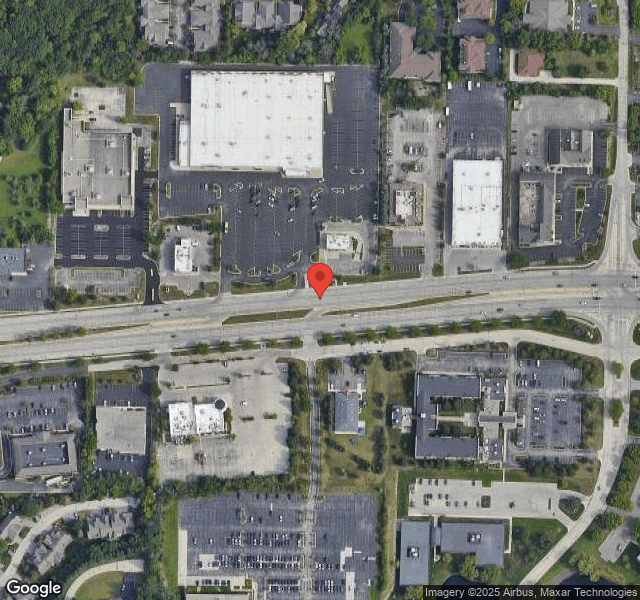
18740 W BLUEMOUND RD, BROOKFIELD, WI 53045 (262) 782-0230
For profit - Corporation 170 Beds ARIA HEALTHCARE Data: November 2025 6 Immediate Jeopardy citations
Trust Grade
0/100
#255 of 321 in WI
Last Inspection: August 2025

Inspected within the last 6 months. Data reflects current conditions.

Overview

Families considering Aria of Brookfield should be aware that the facility has received an F trust grade, indicating significant concerns about its quality of care. Ranked #255 out of 321 in Wisconsin, it is in the bottom half of nursing homes in the state, and #9 out of 17 in Waukesha County, meaning only a handful of local options are worse. While the facility is reportedly improving, having reduced issues from 51 to 31 over the past year, it still faces alarming challenges, including a high staff turnover rate of 64%, which is above the state average, and concerning RN coverage that is lower than 96% of facilities in Wisconsin. Additionally, the facility has accrued $625,150 in fines, suggesting ongoing compliance problems, and serious incidents have been reported, such as a resident being discharged without adequate supervision for their elopement risk and failures in wound management that could lead to skin breakdown. Overall, while there are some signs of improvement, families should weigh the significant weaknesses carefully before making a decision.

Trust Score
F
0/100
In Wisconsin
#255/321
Bottom 21%
Safety Record
High Risk
Review needed
Inspections
Getting Better
51 → 31 violations
Staff Stability
⚠ Watch
64% turnover. Above average. Higher turnover means staff may not know residents' routines.
Penalties
✓ Good
$625,150 in fines. Lower than most Wisconsin facilities. Relatively clean record.
Skilled Nurses
⚠ Watch
Each resident gets only 27 minutes of Registered Nurse (RN) attention daily — below average for Wisconsin. Fewer RN minutes means fewer trained eyes watching for problems.
Violations
⚠ Watch
121 deficiencies on record. Higher than average. Multiple issues found across inspections.
★☆☆☆☆
1.0
Overall Rating
★☆☆☆☆
1.0
Staff Levels
★☆☆☆☆
1.0
Care Quality
★☆☆☆☆
1.0
Inspection Score
Stable
2024: 51 issues
2025: 31 issues

The Good

  • Full Sprinkler Coverage · Fire safety systems throughout facility
  • No fines on record

Facility shows strength in fire safety.

The Bad

1-Star Overall Rating

Below Wisconsin average (3.0)

Significant quality concerns identified by CMS

Staff Turnover: 64%

17pts above Wisconsin avg (46%)

Frequent staff changes - ask about care continuity

Federal Fines: $625,150

Well above median ($33,413)

Significant penalties indicating serious issues

Chain: ARIA HEALTHCARE

Part of a multi-facility chain

Ask about local staffing decisions and management

Staff turnover is elevated (64%)

16 points above Wisconsin average of 48%

The Ugly 121 deficiencies on record

6 life-threatening 8 actual harm
Aug 2025 14 deficiencies 1 Harm
SERIOUS (G) 📢 Someone Reported This

A family member, employee, or ombudsman was alarmed enough to file a formal complaint

Actual Harm - a resident was hurt due to facility failures

Pressure Ulcer Prevention (Tag F0686)

A resident was harmed · This affected 1 resident

**NOTE- TERMS IN BRACKETS HAVE BEEN EDITED TO PROTECT CONFIDENTIALITY** Based on observation, interview, and record review, the facility did not ensure residents with pressure injuries received necess...

Read full inspector narrative →
**NOTE- TERMS IN BRACKETS HAVE BEEN EDITED TO PROTECT CONFIDENTIALITY** Based on observation, interview, and record review, the facility did not ensure residents with pressure injuries received necessary treatment and services consistent with professional standards of practice to promote healing and prevent new pressure injuries from developing for 2 (R5 and R97) of 5 residents reviewed with pressure injuries. *R5 had a history of pressure injuries and was readmitted to the facility on [DATE]. R5’s skin was not comprehensively assessed by a Registered Nurse (RN) upon readmission. On 9/6/2024, R5 was assessed by the Wound Physician and discovered to have a Stage 3 pressure injury to the right buttock, a Stage 3 pressure injury to the left buttock, and a Stage 3 pressure injury to the coccyx and treatments were initiated to the pressure injuries at that time. Surveyor observed R5 repositioning independently in bed and potentially causing shearing to the skin; R5’s Skin Integrity Care Plan had the intervention to use a draw sheet or lifting device to move R5. *R97 was readmitted to the facility after hospitalization with a Stage 3 pressure injury to the right fifth toe, no treatment was ordered for five days, and no treatment was completed to the pressure injury until one week later. Findings include: The facility policy and procedure titled “Wound Management – Wound Prevention and Treatment” dated 10/11/2024 documents: “PROVISION AND PROCEDURE: … 2. Upon admission, the resident will receive a head-to-toe skin check to identify any skin issues. An RN will assess any noted pressure injuries and complete an initial comprehensive assessment. … 5. Daily, during routine care, the Certified Nursing Assistant (CNA) will observe the resident’s skin. When abnormalities are noted, this will be communicated to the licensed nurse, and the licensed nurse will evaluate and implement a skin event if applicable. An RN will assess any noted pressure injuries and complete an initial comprehensive assessment.” 1.) R5 was admitted to the facility on [DATE] with diagnoses of congestive heart failure, diabetes, morbid obesity, chronic respiratory failure, below the knee amputation of the right leg, above the knee amputation of the left leg, and peripheral vascular disease. R5’s Annual Minimum Data Set (MDS) assessment dated [DATE] documented R5 was cognitively intact with a Brief Interview for Mental Status (BIMS) score of 15. R5’s Skin Integrity Care Plan was initiated on 10/19/2022 on admission. The following interventions were in place on 10/30/2023:-Encourage and assist to reposition every 2-3hrs and upon request.-Use a draw sheet or lifting device to move resident.-Bilateral grab bars to aid with independence and bed mobility. R5 had a history of skin impairment to multiple areas with previous pressure injuries and non-pressure injuries to R5's left and right buttocks and the sacrum or coccyx. R5's Skin Impairment/Wound Evaluation form dated 8/16/2024 documented that R5 had moisture associated skin damage (MASD) to the right thigh and left buttock. R5's progress note dated 8/23/2024 at 12:07 PM documented that R5 had a critical lab that was called in that morning and the Nurse Practitioner (NP) was notified of the lab result. The NP gave an order to send R5 to the hospital for evaluation. At 6:56 PM in the progress notes, nursing documented R5 was admitted to the hospital for cellulitis. On 8/29/2024 on the hospital discharge record, the physician documented R5 had a diagnosis of cellulitis to the pannus (tissue and fat that hangs down from the abdomen). No other skin alterations or wounds were documented. R5 was readmitted to the facility on [DATE]. R5’s hospital record did not document any wounds to the skin. R5's Readmissions Data Collection Tool dated 8/29/2024 and written by Licensed Practical Nurse (LPN)-V documented on the Skin Section of the form R5 had redness to the coccyx, the left buttock, and the right buttock. The areas were not measured, and no characteristics of the areas were documented, such as if the redness was blanchable or had any raised or open areas. No documentation was found of an RN assessing R5’s skin. On 9/6/2024, R5 was seen by the Wound Physician on scheduled weekly rounds. R5 had last seen the Wound Physician on 8/16/2024 prior to R5’s hospitalization. On 9/6/2024 on the Skin Impairment/Wound Evaluation form, nursing documented R5 had a Stage 3 pressure injury to the right buttock that measured 1.6 cm x 1 cm x 0.1 cm with 50% granulation tissue and 50% slough, a Stage 3 pressure injury to the left buttock that measured 1.7 cm x 0.8 cm x 0.1 cm with 100% granulation tissue, and a Stage 3 pressure injury to the coccyx that measured 2.63 cm x 0.9 cm x 0.1 cm with 100% granulation tissue. All three pressure injuries were surgically debrided by the Wound Physician and a treatment of Medihoney was initiated at that time. Surveyor noted no treatments, such as barrier cream, was in place prior to the discovery of the pressure injuries. No documentation was found of the pressure injuries being discovered prior to R5 being assessed by the Wound Physician on scheduled rounds or any notification of any skin impairment. R5’s Skin Integrity Care Plan had been revised on 9/10/2024 with documentation R5’s Stage 3 pressure injuries to the right buttock the left buttock and the coccyx were present on readmission on [DATE]. Surveyor noted R5 was readmitted to the facility on [DATE] and no comprehensive assessment had been completed or documented prior to 9/6/2024 when R5 was seen by the Wound Physician. R5’s left buttock Stage 3 pressure injury healed on 9/13/2024 and reopened on 11/6/2024. On 8/20/2025 on the Skin Impairment/Wound Evaluation form, R5’s left buttock Stage 3 pressure injury measured 2.5 cm x 1.2 cm x 0.1 cm with 40% epithelial tissue and 60% granulation tissue. R5’s right buttock Stage 3 pressure injury healed on 10/30/2024, reopened on 11/13/2024, healed on 1/22/2025, reopened on 4/30/2025 after readmission from the hospital, healed on 6/4/2025, reopened on 6/11/2025, healed on 6/25/2025, and reopened on 7/23/2025. On 8/20/2025 on the Skin Impairment/Wound Evaluation form, R5’s right buttock Stage 3 pressure injury measured 1.5 cm x 1 cm x 0.1 cm with 100% granulation tissue. R5’s coccyx Stage 3 pressure injury healed on 10/2/2024. On 8/24/2025 at 1:04 PM, Surveyor observed R5 lying in bed on R5’s back with the head of the bed elevated at approximately 30 degrees. R5 had a pillow under the head. No other pillows or positioning devices were observed in R5’s bed or room. Surveyor asked R5 if R5 had concerns with open areas to the skin. R5 stated R5 had a pressure injury to the backside for about one year and it was tiny but just would not close up. In an interview on 8/25/2025 at 3:28 PM, Surveyor asked Wound Nurse (WN)-F if WN-F was familiar with R5. WN-F stated yes. Surveyor shared with WN-F the concern R5 was not assessed by an RN when readmitted on [DATE] and on 9/6/2024, when R5 was seen by the Wound Physician, R5 had developed three Stage 3 pressure injuries, and no treatments were in place prior to 9/6/2024 to prevent any skin breakdown. WN-F stated WN-F would see if WN-F could find any information to fill in the gaps with the assessments and treatments. On 8/26/2025 at 9:31 AM, Surveyor observed LPN-AA complete wound care to R5. R5 was lying in bed on the back with the head of the bed elevated approximately 30 degrees. R5 had a pillow under the head. No other pillows or positioning devices were observed in R5’s bed or room. LPN-AA asked R5 to roll to the left side which R5 was able to do independently by using the enabler bar on the side of the bed. R5 had a wound to the coccyx that measured approximately 2 cm x 2 cm x 0.1 cm with clean pink tissue to the wound bed. Surveyor noted documentation was of a wound to the right buttock and not the coccyx. R5 had a wound to the left buttock adjacent to the coccyx wound that measured approximately 2 cm x 2 cm x 0.1 cm with active bleeding and a pink wound base. A smaller area below the left buttock wound, appearing like a puncture wound, had serosanguineous fluid leaking out of the wound. The wound measured less than 0.5 cm x 0.5 cm, and the wound bed was not visible. R5 had excoriation to the lower right and left buttock that appeared to have barrier cream remnants still in place. A single dressing was placed over all three open areas after collagen was applied. After LPN-AA had completed the dressing change, R5 independently rolled back onto the back, lowered the head of the bed with the feet elevated, and grabbed onto the headboard with both hands and pulled so R5 was positioned at the top of the bed. R5 did not ask for assistance and no draw sheet was observed to be in place on the air mattress. Surveyor noted additional shearing may have occurred due to no assistance with positioning. In an interview on 8/26/2025 at 12:57 PM, Surveyor asked Director of Nursing (DON)-B what the facility protocol for assessing skin was when either a new admission comes to the facility or when a resident is readmitted to the facility. DON-B stated the nurse that is assigned to the unit does the initial skin assessment, but within 24 hours WN-F does a skin sweep as well. DON-B stated newly admitted and readmitted residents should have a skin assessment done. Surveyor shared with DON-B the concern an LPN assessed R5 on readmission documenting redness to the right buttock, left buttock, and coccyx and did not have a comprehensive skin assessment until 9/6/2024 when the Wound Physician found R5 to have three Stage 3 pressure injuries. On 8/27/2025 at 8:27 AM, Surveyor observed R5 to be lying on the back with the head of the bed elevated approximately 30 degrees with a pillow under the head. No other pillows or positioning devices were observed in R5’s bed or room. Surveyor asked R5 if staff ever put pillows behind R5’s back or hip to keep pressure off R5’s bottom or encouraged or assisted R5 to move onto the side. R5 stated no. R5 stated no one had ever offered pillows and would not have said no if they had asked. In an interview on 8/27/2025 at 8:33 AM, Surveyor asked CNA-L if R5 needed assistance with bed mobility or positioning and if R5 needed to be turned, how often would that be done. CNA-L stated CNA-L did not know because this was the first time CNA-L had worked with R5. Surveyor asked CNA-L where CNA-L would look to see how much assistance R5 needed. CNA-L stated CNA-L would ask the nurse. CNA-L talked to LPN-Q and CNA-L told Surveyor R5 should get turned every two hours with staff assistance. In an interview on 8/27/2025 at 8:36 AM, Surveyor asked CNA-BB if CNA-BB was familiar with R5. CNA-BB stated CNA-BB has worked with R5. Surveyor asked CNA-BB how much assistance R5 needed to turn in bed. CNA-BB stated R5 is able to turn independently in bed so does not need any help turning. CNA-BB stated R5 grabs onto the side bar and can put the leg over independently. On 8/27/2025 at 11:23 AM, Surveyor met with Director of Quality Assurance (DirQA)-CC and WN-F to discuss the concerns Surveyor had shared with WN-F and DON-B regarding R5’s readmission skin assessment and discovery of the three Stage 3 pressure injuries. DirQA-CC stated WN-F was not the wound care nurse in August 2024, so DirQA-CC was trying to help WN-F figure out what happened at that time. Surveyor shared with DirQA-CC and WN-F R5’s Skin Integrity Care Plan documented R5 came back to the facility with the Stage 3 pressure injuries on 9/2/2024 even though R5 returned on 8/29/2024. DirQA-CC stated DirQA-CC saw the documentation of the redness to the right buttock, the left buttock, and the coccyx and it was not known if the redness was blanchable or not. DirQA-CC stated DirQA-CC would have liked to see more description of the area but stated barrier cream had been ordered at that time and that would have been appropriate for redness. Surveyor noted R5 did not have any orders for barrier cream at the time of readmission. DirQA-CC provided an Unavoidable Pressure Injury Tool form completed by the physician on 11/6/2024 showing comorbidities that were causing the wound to reopen. DirQA-CC stated with modalities in place, the wound should have healed so they met with the physician to discuss what was going on with R5. Surveyor shared the concern that if R5 did have redness on readmission, the Stage 3 pressure injuries would have developed prior to the Wound Physician assessing them on 9/6/2024 and there is no documentation showing anyone reporting open areas or assessing them when found. Surveyor shared with DirQA-CC and WN-F the conversations with CNA-L and CNA-BB about repositioning; CNA-L was not aware R5 needed repositioning and CNA-BB stated R5 repositions independently. Surveyor shared the observation of no pillows or positioning devices in R5’s room and the conversation with R5 of never being positioned on the side. WN-F stated WN-F had seen pillows under R5 at times and knows R5 needs more assistance when ill and then is much more independent with bed mobility when feeling better. Surveyor shared the observation of R5 repositioning independently to boost up in bed and the concern excessive shearing was possible with no assistance of a lift sheet. No additional information was provided. 2.) R97 was readmitted to the facility on [DATE] with diagnoses of paraplegia and a pressure injury. R97 is alert and able to make his needs known.The wound assessment upon readmission on [DATE] documents, Stage 3 pressure injury of right 5th toe measuring 1.5 cm by 0.5 cm by 0.2 cm with 80% granulation and 20% slough. The physician orders do not reflect any treatment orders for the right 5th toe pressure injury. On 6/30/25, the physician orders document, wound care for right 5th toe: cleanse with normal saline, apply medihoney and calcium alginate with silver f/b (followed by) foam border dressing. Daily and PRN (as needed). The TAR (treatment administration record) for June 2025 documents wound care for right 5th toe: cleanse with normal saline, apply medihoney and calcium alginate with silver f/b (followed by) foam border dressing. Daily and PRN (as needed). The TAR has this order under the PRN orders and no daily scheduled treatment orders is documented. The June 2025 TAR indicates no treatment for the right 5th toe is completed. R97’s impaired skin integrity care plan dated 5/6/25 documents provide pressure relieving device (s): APM (alternating pressure mattress); offloading heels boots, turn and position as necessary, follow facility protocols for treatment of injury. The medical record indicates on 7/2/25 Wound MD assessed the right 5th toe pressure injury and debrided the wound and now the area measures 1 cm by 1.3 cm by 0.3 cm with 60% granulation and 30% necrotic tissue and 10% tendon. The treatment for the wound remained the same. The TAR reflects the daily treatment order on 7/2/25. The 8/21/25 wound evaluation documents the right 5th toe pressure injury measures 0.8 cm by 1 cm by 0.1 cm with 100% granulation. The treatment is cleanse with normal saline, apply methylene blue foam f/b gauze border dressing; 3x/week and PRN every day shift every Mon, Wed, Fri AND as needed. On 8/27/25 at 8:34 a.m. Surveyor observed R97's treatment to the right 5th toe. Wound Nurse-F performed the treatment. No concerns were noticed with the treatment. On 8/27/25 at 8:46 a.m. Surveyor interviewed Wound Nurse-F. Surveyor asked Wound Nurse-F who is responsible for putting in treatment orders when a resident is admitted or readmitted to the facility. Wound Nurse-F stated either she or another wound nurse will do it. Wound Nurse-F stated if they are not around then the admitting nurse will do it. Surveyor explained the concern R97 was readmitted to the facility on [DATE] with the right 5th toe pressure injury and there wasn’t an order until 6/30/25 but in the TAR it was documented as PRN and it looks like a treatment wasn’t completed until 7/2/25. Wound Nurse-F stated she would look into it. On 8/27/25 at 11:41 a.m. Surveyor interviewed Wound Nurse-F again. Wound Nurse-F stated she placed the treatment order on 6/30/25. Surveyor explained no treatment was documented as being completed until 7/2/25. Wound Nurse-F stated she understood the concern and the treatment order should have been ordered and placed in the TAR on 6/27/25 and treatment should have been completed.
CONCERN (D)

Potential for Harm - no one hurt, but risky conditions existed

Resident Rights (Tag F0550)

Could have caused harm · This affected 1 resident

**NOTE- TERMS IN BRACKETS HAVE BEEN EDITED TO PROTECT CONFIDENTIALITY** Based on observation, interview and record review, the facility did not ensure 1 (R119) of 1 sampled resident with an indwelling...

Read full inspector narrative →
**NOTE- TERMS IN BRACKETS HAVE BEEN EDITED TO PROTECT CONFIDENTIALITY** Based on observation, interview and record review, the facility did not ensure 1 (R119) of 1 sampled resident with an indwelling catheter received appropriate treatment enhancing self-esteem and providing dignity for R119. *R119 was observed multiple times with R119's catheter drainage bag uncovered in public view. Findings include: R119 was admitted to the facility on [DATE] with diagnoses including acute cystitis with hematuria (inflammation of the bladder with bleeding) and chronic kidney disease (long term damage of the kidneys)R119's Medicare admission Minimum Data Set (MDS) with an assessment reference date of 08/29/2025 documents under Section C cognitive patterns: a Brief Interview for Mental Status score of 15 indicating R119 has intact cognition. On 08/24/2025, at 9:52 AM, Surveyor observed R119's catheter bag not covered hanging on R119's bed facing the open door.On 08/25/2025, at 7:07 AM, Surveyor observed 119's foley bag with no cover on foley bag facing the open door. On 08/25/2025, at 11:07 AM, Surveyor observed 119 up in wheel chair with foley bag hanging on chair uncovered and exposed to public view. On 08/26/2025, at 7:16 AM, Surveyor interviewed R119 about R119's foley catheter. R119 informed Surveyor it bothers R119 to have a catheter at all. R119 informed Surveyor if R119 must have a catheter, I prefer it was covered so people couldn't see it. Surveyor observed the foley catheter bag hanging on the bed facing R119's door with no cover.On 08/26/2025, at 3:02 PM, Surveyor interviewed Director of Nursing (DON)-B DON and Nursing Home Administrator (NHA)-A about Surveyor's concerns related to R119's dignity. NHA-A informed Surveyor NHA-A would talk with R119 and R119's bag should be covered.
CONCERN (D)

Potential for Harm - no one hurt, but risky conditions existed

Deficiency F0552 (Tag F0552)

Could have caused harm · This affected 1 resident

**NOTE- TERMS IN BRACKETS HAVE BEEN EDITED TO PROTECT CONFIDENTIALITY** Based on interview and record review, the facility did not ensure 1 (R26) of 1 resident's preference to receive double portions ...

Read full inspector narrative →
**NOTE- TERMS IN BRACKETS HAVE BEEN EDITED TO PROTECT CONFIDENTIALITY** Based on interview and record review, the facility did not ensure 1 (R26) of 1 resident's preference to receive double portions at mealtimes was implemented and that the resident (R26) was informed of changes in orders when request was revised. Findings include:The facility policy titled Resident Right-Right to Participate in Planning Care dated 1/11/2021 documents: Policy Statement: it is the facilities (sic) policy to provide care and services in such a manner to acknowledge and respect resident rights. Exercising rights means that residents have autonomy and choice, to the maximum extent possible, about how they wish to live their everyday lives and received care, subject to the facility's rules, as long as those rules do not violate a regulatory requirement. Procedure: 1. The resident's right to participate in the development and implementation of his or her person-centered plan of care, including but not limited to: . c. The right to be informed, in advance, of changes to plan of care.R26 was admitted to the facility on [DATE] with diagnoses that include congestive heart failure, type II diabetes, chronic kidney disease with stage 5 chronic kidney disease or end-stage renal disease, unspecified protein - calorie malnutrition, anemia and chronic kidney disease. R26's admission minimum data set (MDS) dated [DATE] documents that R26 had a Brief Interview for Mental Status (BIMS) score of 15 indicating that R26 is cognitively intact. The MDS documents that R26 is understood and understands others. R26's baseline care plan dated 6/11/2025 indicated R26 is at risk for malnutrition related to type 2 diabetes, end-stage renal disease, dependence on renal dialysis, in-house hemodialysis.Surveyor noted that R26's baseline care plan did not indicate that R26's dietary preference was for double portions, or that R26 was currently on a double protein diet. Surveyor reviewed R26's dietary progress note from Dietary Manager (DM)-DD, dated 6/13/2025, which documented: Writer notified resident is requesting double portions with meals. Diet and meal ticket have been updated. Will continue to monitor as needed. On 8/25/2025, at 11:41 AM, Surveyor interviewed R26 who stated that sometimes R26 gets double portions but not always. R26 indicated that R26 asked for double portions but sometimes only gets eggs and no meat with one piece of bread. R26 stated that R26 has diagnosis of diabetes and goes to dialysis and feels that the food being served daily seems like the wrong amount for double portions.On 8/26/2025, at 8:39 AM, Surveyor observed R26's diet slip and tray and double protein was documented on the top of the dietary slip, it did not document double portions. R26 called the kitchen from R26's personal phone and requested 2 more waffles, as there were 2 eggs, but not double portions for the rest of the meal, which was what the resident's preference was.R26's dietary progress note dated 8/22/2025 documents: . Resident triggered for both weight gain and weight loss. Double portions adjusted to double proteins.On 8/27/2025, at 9:48 AM, Surveyor interviewed Dietary Manager (DM)-DD, who stated DM-DD is currently working remote and addresses the dietary needs of residents via phone and access from home to point click care. DM-DD indicated that DM-DD can put in orders at home and because of fluid shifts that DM-DD wanted increased proteins in R26's diet and that DM-MM can call and explain this to R26. DM-DD stated that DM-DD did not update R26 on the diet change that started on 8/22/2025, but that DM-DD will call R26 today to update on new diet changes. On 8/27/2025, at 10:15 AM, Surveyor interviewed Nursing Home Administrator (NHA)-A, who stated NHA-A expectations from DM-DD would be to update R26 of diet change prior to changes. NHA-A indicated that somebody at the facility should update R26 on any changes to R26's diet prior to the change. No additional information was provided as to why the facility did not ensure that R26 was updated prior to changes to diet orders, until after surveyor inquired information on R26 being informed of the diet change.
CONCERN (D)

Potential for Harm - no one hurt, but risky conditions existed

Deficiency F0605 (Tag F0605)

Could have caused harm · This affected 1 resident

**NOTE- TERMS IN BRACKETS HAVE BEEN EDITED TO PROTECT CONFIDENTIALITY** Based on interview and record review, the facility did not ensure psychotropic medications were limited to 14 days when ordered ...

Read full inspector narrative →
**NOTE- TERMS IN BRACKETS HAVE BEEN EDITED TO PROTECT CONFIDENTIALITY** Based on interview and record review, the facility did not ensure psychotropic medications were limited to 14 days when ordered as needed (PRN) for 1 (R58) of 6 residents reviewed for unnecessary medications.R58 had an order on admission for the antianxiety medication lorazepam 0.5 mg every four hours as needed with no stop date at 14 days.Findings include:The facility policy and procedure titled Psychotropic Drug Use dated 4/1/2025 documents: F. PRN orders for psychotropic drugs are limited to 14 days, except if the attending physician or prescribing practitioner believes that it is appropriate for the PRN order to be extended beyond the 14 days, her/she [sic] should document their rationale in the resident's medical record and indicate the duration of the PRN order.R58 was admitted to the facility on [DATE] with diagnoses of metabolic encephalopathy (a brain dysfunction caused by metabolic disruptions possibly from liver or kidney disease) and anxiety.On 7/8/2025, R58 was admitted with an order for lorazepam 0.5 mg every four hours as needed (PRN). No stop date was ordered. No reassessment was documented by a physician on 7/22/2025, 14 days after the order was initiated, to determine if the lorazepam should be scheduled, discontinued, or continued for a determined amount of time.R58 received the PRN lorazepam 22 times from 7/8/2025 through 8/2/2025.On 8/15/2025, R58 was admitted on to hospice services.On 8/17/2025, R58's order for PRN lorazepam was changed to lorazepam solution 2 mg/ml: inject 1 mg intramuscularly every four hours PRN for anxiety, agitation, shortness of breath, restlessness, or tachycardia (fast heart rate). No stop date was documented.In an interview on 8/26/2025 at 12:59 PM, Surveyor asked Director of Nursing (DON)-B what the expectation was for the administration of PRN antianxiety medication. DON-B stated any psychotropic medication needs to be discontinued after 14 days. Surveyor shared with DON-B the concern R58 has had PRN lorazepam ordered since admission on [DATE] with no stop date. DON-B stated R58's lorazepam should have been discontinued after 14 days.
CONCERN (D)

Potential for Harm - no one hurt, but risky conditions existed

Tube Feeding (Tag F0693)

Could have caused harm · This affected 1 resident

**NOTE- TERMS IN BRACKETS HAVE BEEN EDITED TO PROTECT CONFIDENTIALITY** Based on observation, record review and interview, the facility did not ensure residents with an enteral tube (gastrostomy [PEG-...

Read full inspector narrative →
**NOTE- TERMS IN BRACKETS HAVE BEEN EDITED TO PROTECT CONFIDENTIALITY** Based on observation, record review and interview, the facility did not ensure residents with an enteral tube (gastrostomy [PEG-tube]) receives the appropriate treatment and services to prevent complications of enteral feeding including but not limited to aspiration pneumonia, diarrhea, vomiting, dehydration, metabolic abnormalities, and nasal-pharyngeal ulcers. This was observed with 2 (R43 and R20) of 3 residents observed with enteral tubes for feeding. * R43 did not have prescribed orders for enteral tube care and had unknown liquids in tube feeding administration bags hanging in their room. *R20 had tube feeding administered without any identifying labeling on the formula administration bag. The facility's policy and procedure “Placement and Residual Volume check for Enteral Feeding Tubes” dated 12/18/24, documents: 5. Monitor entry site for any signs of infection daily and notify physician as needed. 1.) On 8/24/2025, at 10:28 AM, Surveyor observed R43 in their room. R43 had a tube feeding pump, attached to a pole, with a 1-liter bag of clear liquids and a 1-liter bag of brown liquid. R43 was eating their breakfast and not connected to the tube feeding pump. The date of the brown liquid bag was 8/6 with no identifying labeling. The 1-liter clear liquid bag had no identifying labeling. R43 had an admission Minimum Data Set (MDS) assessment completed on 5/1/25. This MDS assesses R43 has enteral feeding and oral intake for nutrition. R43 has a diagnosis of dysphagia (difficulty swallowing) and has a percutaneous endoscopic gastrostomy tube (PEG). R43 Physician Medication Order Summary documents: - An order on 7/8/25 for three times a day Nepro 320 milliliter (ml) bolus three times a day (TID) after meals if less than 50% meal consumed AND three times a day Free water / flushes: 30 ml pre/post every bolus if given. 30 cubic centimeter (cc) flush before and after medication/feeding AND three times a day Check residual prior to bolus. Re-instill, hold bolus, and notify Doctor (Dr)/Nurse Practitioner (NP)/Physician Assistant (PA) for amount greater than 200 cc. The Physician orders document bolus tube feeding and does NOT include PEG site care. R43's Treatment Administration Record (TAR) for August 2025 documents: - The meal percentage parameters to administer bolus Nepro 320 cc. This was last administered on 8/16/25. R43's TAR since admission to the facility on 4/24/25, does not document PEG site care. On 8/25/2025, at 1:42 PM, Surveyor interviewed the Assistant Director of Nurses (ADON) -C, who was the floor nurse for R43 today. ADON-C stated they do PEG site care every day. ADON-C stated they don't know what happened to the physician orders or TAR documentation. ADON-C stated they will administer the Nepro by bolus (tube feeding syringe). ADON-C threw away the fluid filled tube feeding bags in the room and did not know why they were there. On 8/26/25, at 3:15 PM, at the facility exit meeting with Nursing Home Administrator (NHA) -A and Director of Nurses (DON) -B, Surveyor shared concerns regarding R43's enteral feeding tube administration and cares. There was no additional information provided. 2.) R20 was admitted on [DATE] and has diagnoses that include paraplegia, Parkinson's disease, cognitive communication deficit, dysphagia (difficulty swallowing) and has a G-tube (Gastrostomy tube). R20 had a Quarterly Minimum Data Set (MDS) assessment, dated 6/24/2025. This MDS assesses R20 has a feeding tube for nutritional approaches. R20's Care Plan, dated 3/22/2025, with a target date of 1/11/2026, documents: (R20) has an alteration in ability to consume food and/or requires enteral feeding via (G-tube) to maintain adequate caloric and nutritional status… Goal: of resident will achieve/maintain adequate nutritional/hydration status and weight via enteral nutrition through next review.” Observations: On 8/24/2025, at 10:30 AM, Surveyor observed R20 in their room. R20 had a tube feeding machine/pump, attached to a pole, with a 1-liter bag of clear liquids and a 1-liter bag of brown liquid, with 800 milliliters of a brown liquid inside of one of the bags. R20 had tubing connected to the bags of liquids and another line to the gastrostomy tube, all tubes were connected to the tube feeding machine/pump. The machine was set at 45 milliliters an hour. Observation of the bag with the brown liquid did not include observation of a date or label identifying the contents of the bag. The 1-liter clear liquid bag had no identifying labeling, and no observed date/label on the tubing. On 8/24/2025, at 12:11 PM, Surveyor observed the tube feeding system again and there was still no date or time on hanging bags, or the tubing. On 8/25/2025, at 7:41 AM, Surveyor observed the tube feeding machine/pump running and this time it was dated with a black marker and wrote directly on the bag as, 8/25/25. The clear liquid was also dated but not labeled, no date or label on the tubing from the brown liquid, or clear liquid. Surveyor did not observe a label or description of what the liquids were that were inside of the hanging bags. On 8/27/2025, at 12:28 PM, Surveyor interviewed NHA-A and DON-B who indicated that the nursing staff should be placing a label on both the hanging liquids and the line that connects the bags to the machine. NHA-A stated it is NHA-A's expectations that the nursing staff label, date and initial R20's tube feeding bags and line. There was no additional information provided.
CONCERN (D)

Potential for Harm - no one hurt, but risky conditions existed

Respiratory Care (Tag F0695)

Could have caused harm · This affected 1 resident

**NOTE- TERMS IN BRACKETS HAVE BEEN EDITED TO PROTECT CONFIDENTIALITY** Based on observation, interview, and record review, the facility did not ensure residents receiving respiratory care was consist...

Read full inspector narrative →
**NOTE- TERMS IN BRACKETS HAVE BEEN EDITED TO PROTECT CONFIDENTIALITY** Based on observation, interview, and record review, the facility did not ensure residents receiving respiratory care was consistent with professional standards of practice for 1 (R8) of 1 residents reviewed for oxygen use.R8 was receiving oxygen via nasal cannula with no orders for oxygen therapy.Findings include:The facility policy and procedure titled Policy Oxygen Administration undated documents: Oxygen will be safely administered per physician's orders.R8 was admitted to the facility on [DATE] with diagnoses of displaced bicondylar fracture of the left tibia, pulmonary hypertension due to lunch diseases and hypoxia, chronic obstructive pulmonary disease, and chronic respiratory failure with hypoxia. R8's admission Minimum Data Set (MDS) assessment dated [DATE] documented R8 had moderate cognitive impairment with a Brief Interview for Mental Status (BIMS) score of 12 and received oxygen.On 8/24/2025 at 12:44 PM, Surveyor observed R8 lying in bed. R8 had an oxygen concentrator delivering 4-1/2 liters of oxygen to R8 via nasal cannula. Surveyor asked R8 stated R8 has oxygen on all the time even though R8 felt the oxygen was not needed continuously.Surveyor reviewed R8's orders in the Electronic Medical Record (EMR). No orders for oxygen were found. Review of R8's discharge orders from the hospital stated R8 was to be on 5 liters of oxygen continuously.In an interview on 8/26/2025 at 8:04 AM, Surveyor observed R8 with oxygen on per nasal cannula and asked Licensed Practical Nurse (LPN)-Q what rate R8's oxygen should be running. LPN-Q looked in R8's EMR and stated LPN-Q would have to call the doctor because LPN-Q could not see in the record what rate the oxygen should be. At 8:21 AM, LPN-Q stated the doctor had been contacted and R8's oxygen should be running at 5 liters.Surveyor reviewed R8's oxygen order in the EMR. The order had been entered by Director of Nursing (DON)-B on 8/26/2025 at 8:16 AM after Surveyor had interviewed LPN-Q.In an interview on 8/26/2025 at 12:55 PM, Surveyor shared with DON-B the interview with LPN-Q and R8 not having any orders for oxygen which R8 was receiving. DON-B stated LPN-Q must have notified Assistant DON (ADON)-C because ADON-C informed DON-B of the missing order. DON-B stated DON-B found the oxygen order on R8's discharge summary from the hospital and staff should be checking R8's pulse oxygenation every shift as well.
CONCERN (D)

Potential for Harm - no one hurt, but risky conditions existed

Unnecessary Medications (Tag F0759)

Could have caused harm · This affected 1 resident

**NOTE- TERMS IN BRACKETS HAVE BEEN EDITED TO PROTECT CONFIDENTIALITY** Based on observation, interview and record review the facility did not ensure it maintained a medication error rate below 5 perc...

Read full inspector narrative →
**NOTE- TERMS IN BRACKETS HAVE BEEN EDITED TO PROTECT CONFIDENTIALITY** Based on observation, interview and record review the facility did not ensure it maintained a medication error rate below 5 percent during observations of medication administration affecting 3 (R43, R49 and R120) of 3 residents observed. Seven medication errors were observed out of twenty-seven opportunities, for a total error rate of 25.93%. R43 was observed to receive 5 medications orally but her physician's orders documented to give the medication via her gastrostomy (G) tube. R49 was observed to receive 5,000 International Units (IU) of Vitamin D but her physician's orders documented to give 50,000 IU of Vitamin D. R120 was observed to receive expired calcium carbonate.Findings include:On [DATE], the facility's policy titled Medication Administration - General Guidelines dated 12/19 was reviewed and documented: 5 rights: Right resident, right drug, right dose, right route and right time. Medications are administered in accordance with written orders of the prescriber. 1.) R43 was admitted to the facility on [DATE] with diagnoses that included Dysphagia (difficulty swallowing) and G-tube placement. On [DATE] at 8:05 AM, Licensed Practical Nurse (LPN)-X was observed administering medication to R43. LPN-X put the medication levetiracetam 250 milligrams (MG), Renal Vitamin 0.8 MG, atenolol 12.5 MG, iron 65 MG, and amlodipine 5MG in a medication cup. The pill package for the medication levetiracetam 250 milligrams (MG), atenolol 12.5 MG, and amlodipine 5MG had the instruction to give via G-tube printed on the package. Each medication was observed to be given by LPN-X to R43 whole with water. R43 appeared to have no problems with swallowing the pills. LPN-X was interviewed immediately following the observation of R43 receiving her medication. LPN-X indicated she was told R43 could receive her medication orally despite the drug package instructions and physician's orders. LPN-X stated she had been giving R43 her medication orally since she started working at the facility a couple weeks ago.On [DATE], R43's current physician orders were reviewed and documented the medication levetiracetam 250 milligrams (MG), Renal Vitamin 0.8 MG, atenolol 12.5 MG, iron 65 MG, and amlodipine 5MG were ordered to be given via G-tubeXXX[DATE] at 1:45 PM, Director of Nurses (DON)-B indicated R43's orders were changed today to indicate R43 can receive her medication orally.The above findings were shared with Administrator-A and DON-B on [DATE] at 10:30 AM. Additional information was requested, if available. None was provided as to why R43 received her medication via the wrong route.2.) R49 was admitted to the facility on [DATE] with diagnosis that included dependance on renal dialysis.On [DATE] at 7:55 AM, Licensed Practical Nurse (LPN)-Y was observed preparing medication for R49. LPN-Y poured 5 tablets of Vitamin D 1,000 International Unit (IU) from a stock bottle of medication. LPN-Y then administered R49's medications which included the 5,000 IU of vitamin D.On [DATE], R49's current physician orders were reviewed and documented: Cholecalciferol (Vitamin D) 50,000 IU every Tuesday for Vitamin D deficiency. The above findings were shared with Administrator-A and DON-B on [DATE] at 10:30 AM. Additional information was requested, if available. None was provided as to why R49 received her wrong dose of medicationXXX[DATE] at 1:45 PM, Director of Nurses (DON)-B indicated that she talked to LPN-Y and R49 received the rest of her vitamin D. 3.) R120 was admitted to the facility on [DATE] with diagnosis that included fracture of the ribs. On [DATE] at 8:35 AM, Licensed Practical Nurse (LPN)-X was observed preparing medication for R120. LPN-X poured 2 tablets Calcium Carbonate 500 MG from a stock bottle of medication. The bottle was observed to have an expiration date of 1/25. LPN-X then administered R120's medications which included the 2 tablets Calcium Carbonate 500 MG.Immediately after the observation LPN-X was interviewed and viewed the bottle of Calcium Carbonate 500 MG. LPN-X indicated she did not look at the expiration date before giving them to R120 and would dispose of the bottle.The above findings were shared with Administrator-A and DON-B on [DATE] at 10:30 AM. Additional information was requested, if available. None was provided as to why R120 received expired medication.
CONCERN (D)

Potential for Harm - no one hurt, but risky conditions existed

Deficiency F0849 (Tag F0849)

Could have caused harm · This affected 1 resident

**NOTE- TERMS IN BRACKETS HAVE BEEN EDITED TO PROTECT CONFIDENTIALITY** Based on interview and record review, the facility did not ensure there were systems in place to establish coordination of care ...

Read full inspector narrative →
**NOTE- TERMS IN BRACKETS HAVE BEEN EDITED TO PROTECT CONFIDENTIALITY** Based on interview and record review, the facility did not ensure there were systems in place to establish coordination of care services between the facility and contracted hospice services for 1 (R113) of 4 residents reviewed for receiving hospice services. *The facility did not ensure Hospice required documentation was maintained in R113's medical record. The facility did not have an order for hospice services in R113's orders. The facility did not have a care plan for hospice services started after admission on to hospice services. Findings include:R113 was admitted to the facility on [DATE] and has diagnoses that include malignant neoplasm of unspecified part of right bronchi or lung, encounter for palliative care, unspecified protein - calorie malnutrition. R113's admission minimum data set (MDS) was still in progress, R113 was admitted into Hospice on 8/15/2025 with diagnoses of malignant neoplasm of lung. Surveyor observed a Discharge summary, dated [DATE] admission Narrative: Patient advised to transition to hospice, unable to (sic) home hospice due to not having family support at home available. Plan was for hospice at facility which is being arranged. Medically stable discharged to [name of facility] on hospice services.Surveyor observed R113's orders and didn't see an order for hospice services in R113's electronic health record. Surveyor also observed R113's care plan and no focus area for hospice services was noted in R113's care plan. On 8/24/2025, at 11:17 AM, Surveyor interviewed R113, who stated he had cancer and needed to communicate to someone regarding a last testament. R113 stated this was related to being sick and dying.On 8/24/2025, Surveyor reviewed R113's Hospice binder that was observed at the nurse's station. Surveyor noted there were documentation of hospice staff visits. Surveyor reviewed the visit logs and noted the hospice aide signed in on 8/19/2025, and the hospice registered nurse (RN) last signed in on 8/18/2025. No order was observed in the binder for hospice services. There were two orders found in the binder, one dated for 8/20/2025, for R113 not to drive, while on narcotics. Another observed order dated 8/22/2025 was for morphine, this was for pain management and was an as needed medication for pain. On 8/26/2025, at 10:36 AM, Surveyor interviewed Social Services Designee (SSD)-FF, who stated R113 came in on hospice and hospice would address most things. SSD-FF indicated that some things would carry over for the facility to handle. For example, R113 is a smoker, and social services will complete some services because of that. SSD-FF stated that hospice will be informed of R113's statements relating to last testament. SSD-FF and surveyor reviewed Electronic Health Record (EHR) for an order for hospice or a care plan related to hospice services. Surveyor and SSD-FF could not find an order or care plan for R113 for these services. SSD-FF stated this should be in R113's care plan and there needs to be an order in the EHR. SSD-FF stated that SSD-FF will be placing the hospice care order and hospice care plan in the EHR and that this should have already been completed by the floor nurses upon admission to hospice. On 8/26/2025, at 3:01 PM Surveyor observed hospice services added into care plan.On 8/26/2025, at 3:03 PM, Surveyor informed Nursing Home administrator (NHA)-A, of the concern that R113 did not have an order for hospice services or a care plan for hospice care. Surveyor informed NHA-A that an interview with SSD-FF was completed. SSD-FF stated that floor nurses should have placed an order for hospice services and added a hospice services care plan in the EHR. No further information was provided at this time.
CONCERN (E)

Potential for Harm - no one hurt, but risky conditions existed

Deficiency F0628 (Tag F0628)

Could have caused harm · This affected multiple residents

**NOTE- TERMS IN BRACKETS HAVE BEEN EDITED TO PROTECT CONFIDENTIALITY** Based on record review and interview, the facility did not ensure resident's that were transferred to the hospital received the ...

Read full inspector narrative →
**NOTE- TERMS IN BRACKETS HAVE BEEN EDITED TO PROTECT CONFIDENTIALITY** Based on record review and interview, the facility did not ensure resident's that were transferred to the hospital received the required notice information. This was observed with 5 (R65, R13, R10, R4 and R58) of 6 residents reviewed that were transferred out of the facility. * R65, R13, R10, R4 and R58, did not receive written notice at the time of transfer that included: A statement of the resident's appeal rights, including the name, address (mailing and email), and telephone number of the entity which receives such requests; and information on how to obtain an appeal form and assistance in completing the form and submitting the appeal hearing request; (v) The name, address (mailing and email) and telephone number of the Office of the State Long-Term Care Ombudsman; (vi) For nursing facility residents with intellectual and developmental disabilities or related disabilities, the mailing and email address and telephone number of the agency responsible for the protection and advocacy of individuals with developmental disabilities established under Part C of the Developmental Disabilities Assistance and [NAME] of Rights Act of 2000 (Pub. L. 106-402, codified at 42 U.S.C. 15001 et seq.); and (vii) For nursing facility residents with a mental disorder or related disabilities, the mailing and email address and telephone number of the agency responsible for the protection and advocacy of individuals with a mental disorder established under the Protection and Advocacy for Mentally Ill Individuals Act. The facility did not provide a facility policy and procedure related to transfer notice requirements. Findings include: 1.) On 8/24/2025, at 10:37 AM, Surveyor interviewed R65 in their room. R65 stated they could not recall details of why they went out to the hospital and thought maybe there was an infection. R65 has returned to the same room. R65's medical record was reviewed. R65 is their own person and is in the facility for wound care. R65 was transferred to the hospital on 8/2/25 for a change in condition and returned on 8/7/25. R65 was transferred to the hospital on 7/22/25 for a change in condition and returned 7/29/25. R65's medical record did not contain documentation of the required notice information for the 2 hospital transfers. On 8/25/2025, at 11:20 AM, Surveyor requested R65's transfer notice information from Nursing Home Administrator (NHA) –A. NHA-A stated the process is the Social Worker completes the bed-hold, and the floor nurse provides the transfer notice. On 8/26/202, at 9:12 AM, NHA-A spoke with Surveyor. NHA-A did not provide written transfer notices for R65's transfers from the facility. The facility does not have a policy and procedure for transfer notice requirements 2.) R13 is their own person and did not want to be interviewed. R13's medical record was reviewed. R13 was transferred to the hospital on 6/19/25 for a change in condition and returned on 6/23/25. R13 was transferred to the hospital on 4/26/25 for a change in condition and returned on 4/29/25. R13's medical record did not contain documentation of the required notice information for the 2 hospital transfers. On 8/25/2025, at 11:20 AM, Surveyor requested R13 transfer notice information from Nursing Home Administrator (NHA) –A. The NHA-A stated the process is the Social Worker completes the bed-hold, and the floor nurse provides the transfer notice. On 8/26/202, at 9:12 AM, The NHA-A spoke with Surveyor. The NHA-A did not provide written transfer notices for R13's transfers from the facility. The facility does not have a policy and procedure for transfer notice requirements 3.) R10 was admitted to the facility on [DATE] with diagnoses of Anemia (a decrease of iron levels in the blood) and Heart Failure. On 8/24/25, Surveyor reviewed R10's Electronic Medical Record. R10 was transferred to the hospital on 7/21/25 for a change in condition and returned on 7/22/25. On 8/25/2025 at 11:25 AM, Surveyor requested transfer notice information from Nursing Home Administrator (NHA) –A. NHA-A stated the process is the Social Worker completes the bed-hold, and the floor nurse provides the transfer notice. On 8/26/2025 at 9:12 AM, NHA-A spoke with Surveyors. NHA-A did not provide written transfer notices for R10's transfer from the facility. The facility does not have a policy and procedure for transfer notice requirements 4.) R4 was admitted to the facility on [DATE] with diagnoses of Anemia (a decrease of iron levels in the blood), Heart Failure and Coronary Artery Disease (a narrowing or blockage of the arteries to the heart). On 8/24/25, Surveyor reviewed R4's Electronic Medical Record. R4 was transferred to the hospital on 3/12/25 for a change in condition and returned on 3/20/25. On 8/25/2025 at 11:25 AM, Surveyor requested transfer notice information from Nursing Home Administrator (NHA) –A. NHA-A stated the process is the Social Worker completes the bed-hold, and the floor nurse provides the transfer notice. On 8/26/2025 at 9:12 AM, NHA-A spoke with Surveyors. NHA-A did not provide written transfer notices for R4's transfer from the facility. The facility does not have a policy and procedure for transfer notice requirements 5.) R58 was admitted to the facility on [DATE] with diagnoses of metabolic encephalopathy (a brain dysfunction caused by metabolic disruptions possibly from liver or kidney disease), congestive heart failure, sever protein-calorie malnutrition, chronic kidney disease, and anxiety. R58 was transferred to the hospital on 7/23/2025 after a fall and returned on 7/24/2025. R58's medical record did not contain documentation of the required transfer notice information for the hospital transfer. On 8/25/2025 at 11:20 AM, Surveyor requested from Nursing Home Administrator (NHA)-A R58's transfer notice information for R58's transfer to the hospital on 7/23/2025. NHA-A stated when the resident leaves the facility, the Social Worker completes the bed hold and the floor nurse provides the transfer notice to the resident. NHA-A stated the facility keeps the bed hold from and the transfer notice goes with the resident. NHA-A provided R58's form with medical information that is given to the hospital, but did not have a form with the required appeal information. On 8/26/2025 at 9:12 AM, NHA-A stated no written transfer notice was given to R58 when transferred to the hospital. The facility did not have a policy and procedure for transfer notice requirements.
CONCERN (E)

Potential for Harm - no one hurt, but risky conditions existed

Pharmacy Services (Tag F0755)

Could have caused harm · This affected multiple residents

**NOTE- TERMS IN BRACKETS HAVE BEEN EDITED TO PROTECT CONFIDENTIALITY** Based on observation, interview and record review, the Facility did not provide pharmaceutical services that assure proper dispe...

Read full inspector narrative →
**NOTE- TERMS IN BRACKETS HAVE BEEN EDITED TO PROTECT CONFIDENTIALITY** Based on observation, interview and record review, the Facility did not provide pharmaceutical services that assure proper dispensing of medications, did not ensure drug records are in order, and/or all controlled drugs are maintained and periodically reconciled. *The Facility did not ensure controlled substance logs were maintained for periodic reconciliation on units 1 [NAME] and 2 South. *The Facility did not ensure medication refrigerators were monitored for temperature control and did not ensure corrective action was implemented for frost accumulation build up for the medication refrigerators on 1 E/W (east/west) and 2 South. * R120 was observed to have a lidocaine patch dated 8/22/25 on 8/25/25 when the nurse went to place a new lidocaine patch. R120 was to have a new patch placed in the mornings and removed at bedtime on 8/23/25 & 8/24/25 to help control pain from rib fractures these were not administered to R120. Findings include: The Facility's policy titled, “CONTROLLED SUBSTANCE STORAGE”, with no date, documents “.E. At each shift change, or when keys are transferred, a physical inventory of all controlled substances, including refrigerated items is conducted by two licensed nurses and is documented . * On 08/26/2025, at 10:43 AM, Surveyor reviewed The Facility's Narcotic count log for unit 2 South's medication cart, with RN-R. Surveyor noted 2 Narcotic Count Books, both have multiple dates where there were not 2 signatures by licensed nurses. Surveyor requested copies of the Facility's narcotic medication count logs for 2 South. Surveyor received a copy of the Facility's documents, titled “Nurse to Nurse Controlled Substance Count Verification” and noted the following in Book 1 for unit 2 South: 07/25/2025- 1 nurse signature for second shift 07/25/2025- No nurse signatures for third shift 07/26/2025- No signatures for first, second and third shift 07/27/2025- No signatures for first, second and third shift 07/28/2025- 1 nurse signature for first shift 07/28/2025- 1 nurse signature for third shift 07/29/2025- No nurse signatures for third shift 07/30/2025- No nurse signatures for first, second and third shift 07/31/2025- 1 nurse signature for first shift 07/31/2025- 1 nurse signature for second shift 07/31/2025- No nurse signatures for third shift 08/01/2025 – No nurse signatures for first, second and third shift 08/02/2025- No time- 1 nurse signature 08/03/2025- 1 nurse signature for second shift 08/04/2025- 1 nurse signature for first shift 08/04/2025- no signatures for second shift 08/04/2025- 1 nurse signature for third shift 08/05/2025- 1 nurse signature for first shift 08/05/2025- No signatures for second shift 08/05/2025- 1 nurse signature for third shift 08/06/2025- 1 nurse signature for first shift 08/06/2025- No signatures for second shift 08/06/2025- 1 nurse signature for third shift 08/07/2025- 1 nurse signature for third shift 08/08/2025- No signatures for first, second or third shift 08/09/2025- No signatures for first or second shift 08/09/2025- 1 nurse signature for third shift 08/10/2025- 1 nurse signature for first shift 08/10/2025- No signatures for second shift 08/10/2025- 1 nurse signature for third shift 08/12/2025- 1 nurse signature for third shift 08/14/2025- 1 nurse signature for first shift 08/14/2025- No signatures for second or third shift 08/15/2025- No signatures for first, second or third shift 08/16/2025- No time- 1 nurse signature 08/17/2025- No nurse signatures for first shift 08/18/2025- 1 nurse signature for first shift 08/18/2025- No nurse signatures for second shift 08/18/2025- 1 nurse signature for third shift 08/19/2025- No nurse signatures for third shift 08/20/2025- No nurse signatures for second or third shift 08/23/2025- No nurse signatures for second or third shift Book 2: 07/18/2025- 1 nurse signature for second and third shift 07/19/2025- 1 nurse signature for second shift 07/24/2025- 1 nurse signature for third shift 07/26/2025- 1 nurse signature for first shift 07/26/2025- No nurse signatures for third shift 07/27/2025- No nurse signatures for third shift 07/29/2025- No nurse signatures for third shift 07/31/2025- 1 nurse signature for second shift 08/01/2025- 1 nurse signature for first and second shift 08/01/2025- No nurse signatures for third shift 08/02/2025- No nurse signatures for third shift 08/02/2025- 1 nurse signature for second shift 08/03/2025- 1 nurse signature for first and second shift 08/04/2025- 1 nurse signature for second and third shift 08/07/2025- 1nurse signature for third shift 08/08/2025- No nurse signatures for first, second or third shift 08/09/2025- No nurse signatures for first and second shift 08/09/2025- 1 nurse signature for third shift 08/10/2025- 1 nurse signature for first shift 08/010/2025- No nurse signatures for second shift 08/14/2025- 1 nurse signature for second shift 08/14/2025- No nurse signatures for third shift 08/15/2025- No nurse signatures for first, second or third shift 08/16/2025- No nurse signatures for third shift 08/17/2025- No nurse signatures for first shift 08/17/2025- 1 nurse signature for second shift 08/18/2025- 1 nurse signature for first shift 08/18/2025- No nurse signatures for second shift 08/18/2025- 1 nurse signature for third shift On 08/26/2025, at 10:55 AM, Surveyor asked Assistant Director of Nursing (ADON)-C the expectation of nurses during narcotic medication count. ADON-C indicated that 2 nurses need to sign to verify narcotic medication counts and should be done at every change of shift. On 08/26/2025, at 11:28 AM, Surveyor reviewed the narcotic count logs with Licensed Practical Nurse (LPN)-S on the first floor, unit 1 West. Surveyor noted days without 2 nurse signatures in the Facility's narcotic control count log. Surveyor received copies of the Facility documents titled, “Nurse to Nurse Controlled Substance Count Verification” for 1 [NAME] and noted the following: 07/29/2025- 1 nurse signature for third shift 08/11/2025- No nurse signatures for second and third shift On 08/26/2025, at 2:08 PM, Surveyor interviewed Director of Nursing (DON)-B. DON-B indicated nurses should be documenting narcotic counts at the beginning of every shift with 2 nurses, and when a nurse gives anyone keys to go to lunch or anything a count should be done and documented. * On 08/26/2025 11:13 AM, Surveyor observed the medication room on the second floor, 2 South unit with ADON-C. Surveyor noted the medication refrigerator did not have a log of the temperatures. ADON-C indicated there should be a log but would need to look for it. Surveyor noted major frost build up in the medication refrigerator coming from the freezer area. On 08/26/2025, at 12:33 PM, Surveyor observed the medication room on the first floor, 1 East/West, with Licensed Practical Nurse (LPN)-Q. Surveyor noted the medication refrigerator log has not been updated since July 2025. Surveyor asked LPN-Q where the thermometer is located for the medication refrigerator. LPN-Q was not able to locate a thermometer inside of the medication refrigerator. On 08/26/2025, at 2:12 PM, Surveyor interviewed DON-B and informed her of Surveyor's concerns. DON-B indicated that DON-B contacted maintenance a couple week ago to replace the refrigerator on the second floor 2 South unit. DON-B provided Surveyor with a screen shot copy of the conversation DON-B had with maintenance, dated 07/11/2025, indicating the 2 South refrigerators would not close due to huge piece of ice hanging over the freezer and indicated possibly moving the refrigerator from 2 East/West to 2 South until 2 South refrigerator defrosts. DON-B informed Surveyor that maintenance is now replacing the refrigerator on 2 South. DON-B informed Surveyor that all medication fridges should have a thermometer, and temperatures should be logged. On 08/26/2025, at 3:19 PM, Surveyor informed the Facility of the concerns. No further information was provided at time of write up * R120 was admitted to the facility on [DATE] with diagnosis that included fracture of the ribs. On 8/25/25 at 8:35 AM, Licensed Practical Nurse (LPN)-X was observed preparing medication for R120. LPN-X opened a Lidocaine 5% patch and put the date of 8/25/25 on it. LPN-X then lifted R120's shirt and a lidocaine patch was already present on R120's right rib area. The patch was dated 8/22/25. LPN-X removed the old patch and placed the new patch. R120 indicated she wondered why she hadn't been getting the patch everyday as it helps with her rib fracture pain. Immediately after the observation LPN-X was interviewed and indicated the Lidocaine patch should be put on in the morning and taken off before bed. On 8/25/25, R120's current physician orders were reviewed and documented: Lidocaine patch 5% apply one patch transdermally every morning. On in AM off at bedtime. On 8/25/25, R120's medication administration record for the Lidocaine 5% patch was reviewed and was signed out as placed in the morning and removed at bedtime from 8/22/25 to 8/22/25 bedtime. R120 was admitted in the evening on 8/22/25 so the patch placed at the hospital should have been removed on 8/22/25 at bedtime and replaced in the morning on 8/23/25 and 8/24/25. It appears prior to 8/25/25 she never received the Lidocaine 5% patch while in the facility. The above findings were shared with Nursing Home Administrator-A and DON-B on 8/26/25 at 10:30 AM. Additional information was requested, if available. None was provided as to why R120's Lidocaine orders were not followed.
CONCERN (E)

Potential for Harm - no one hurt, but risky conditions existed

Deficiency F0761 (Tag F0761)

Could have caused harm · This affected multiple residents

**NOTE- TERMS IN BRACKETS HAVE BEEN EDITED TO PROTECT CONFIDENTIALITY** Based on observation, interview, and record review, drugs used in the facility were not labeled in accordance with currently acc...

Read full inspector narrative →
**NOTE- TERMS IN BRACKETS HAVE BEEN EDITED TO PROTECT CONFIDENTIALITY** Based on observation, interview, and record review, drugs used in the facility were not labeled in accordance with currently accepted professional principles, to include the expiration date when applicable for 2 of 2 medication carts observed.- 2 bottles of controlled narcotic medications were found in the top drawer of the medication cart, outside of the narcotic lock box. -numerous stock medications were observed on the carts past the manufacturers expiration date. -8 residents (R13, R53, R65, R29, R85, R88 and R84) of 8 resident using insulin pens did not have an open date and/or were past the discard date.-an unlabeled 1 milliliters (ml) syringe, with unknown clear liquid, was observed in the top drawer of medication cart. - 9 loose, unknown pills were found throughout the medication cart, the first 2 were thrown into the regular garbage.Findings include:The Facility's policy, titled CONTROLLED SUBSTANCE STORAGE, with no date, documents, . B. Schedule [II-V] medications and other medications subject to abuse or diversion are stored in a permanently affixed, [double-locked] compartment separate from all other medications or per state regulation.I. Controlled substances remaining in the facility after the order has been discontinued or the resident has been discharged are retained in the facility in a securely locked area with restricted access until destroyed. The Facility's policy, titled VIALS AND AMPULES OF INJECTABLE MEDICATIONS, with no date, documents .The Facility's policy, titled STORAGE OF MEDICATIONS, with no date, documents, . H. Outdated, contaminated, or deteriorated medications and those in containers that are cracked, soiled, or without secure closures are immediately removed from inventory, disposed of according to procedures for medication disposal . On [DATE], at 9:41 AM, Surveyor observed the Facility's medication cart on the second floor, unit 2 South cart A, with Registered Nurse (RN)-R. Surveyor noted the following medications to be past manufacturer expiration date:-Vitamin B-12 100 micrograms (mcg)- expired 5/2025- Vitamin E 90 milligrams (mg)- expired 6/2024-Calcium Carbonate 500mg- expired 6/2025-UTIHealth, liquid cranberry- expired [DATE]-Geridryl antihistamine- diphenhydramine 12.5mg/5ml- expired 7/2025 Surveyor noted the following for Insulin pens, with a discard after 28 days of opening label:-R4's Glargine, 100 units per ml- used, with no opened date-3 of R4's Lantus, 100 units per ml- used- with no opened date-R88's Lispro Kwick pen- used- no opened date-R85's Insulin pen- opened [DATE]. RN-R informed Surveyor that the medication should have been discarded and is after the 28 days from the open date.On [DATE], at 9:58 AM, Surveyor noted a 1ml syringe, unlabeled, with a unknown clear liquid. RN-R informed Surveyor the syringe contained heparin for R84. RN-R was about to start passing R84's medications but a different resident requested medication and RN-R left the syringe with heparin in the cart because the heparin was already drawn up. Surveyor also noted 2 unknown loose pills in top drawer. RN-R discarded the unknown pills into the medication cart garbage can. On [DATE], at 10:09 AM, Assistant Director of Nursing (ADON)-C came to observe the rest of the medication cart with RN-N and Surveyor. Surveyor asked about loose medications that are found in the medication cart, ADON-C indicated that if loose pills are found in the medication cart, they should be discarded- and would expect the unknown medication to be put in the pill dissolver solution. ADON-C indicated it is not ok to put unknown medications into the regular garbage. ADON-C indicated that the syringe with the unknown liquid, should have been labeled with the medication, residents name and time if the nurse must walk away. On [DATE], at 10:13 AM, Surveyor observed controlled medications in top drawer of the medication cart, not in the narcotic lock box. Surveyor noted the following medications: tramadol 50mg and oxycodone 5mg tablet. RN-R explained that RN-R does not have the resident listed on the medication bottle on RN-R's unit. ADON-C indicated it may be a resident that may have been discharged . ADON-C informed Surveyor the medication should have been destroyed or sent with the resident but would need to look into it further.On [DATE], at 2:06 PM, Surveyor interviewed Director of Nursing (DON)-B. DON-B indicated that the controlled narcotic medications should have been sent home with resident when the resident was discharged on [DATE] and should be in the locked narcotic drawer not in the top drawer of the medication cart. DON-B informed Surveyor the nurse should be labeling the already drawn up medication, if the nurse needs to walk away.On [DATE], at 11:28 AM, Surveyor observed the Facility's medication cart on the first floor, 1 [NAME] unit with LPN-S. Surveyor noted the following Medications past the manufacturers expiration date:-Calcium with vitamin D- expired 07/2025-aspirin 325 mg- expiration date rubbed off- unknown expiration- LPN-S took out of circulationSurveyor noted the following for a prescribed medication and Insulin pens:-2 incruse ellipta inhalers- - unlabeled- iron supplement liquid- expired 08/2024-Lantus house insulin pen- unlabeled- used- no open date-Lispro house insulin pen- unlabeled- used - no open date- R65's insulin degludec flex touch 200u/ml- used- opened [DATE] x-[DATE]-R53's Lantus 100u/ml- used- no open date-R13's insulin 100u/ml opened 7/25- x- [DATE]-R13's insulin glargine- 100u/ml opened 7/25 x- 8/23-R29's lispro insulin kwick pen- used - no open dateLPN-S took all the above medication out of circulation, informing surveyor they should be discarded.On [DATE], at 1:54 PM, Surveyor interviewed Director of Nursing (DON)-B and informed DON-B of the above concerns. DON-B informed Surveyor medications should have the date they are opened on medications and informed Surveyor cart audits should be getting done by pharmacy but should be done by staff in between. DON-B indicated that for stock medications, the Facility goes by the manufacturers expiration date and those medications that are expired should be removed from the cart. DON-B informed Surveyor that DON-B just took over the DON role about 2 weeks ago but will be providing reeducation to nursing staff.On [DATE], at 3:19 PM, Surveyor informed the Facility of the above concerns. No further information provided at time of write up
CONCERN (E)

Potential for Harm - no one hurt, but risky conditions existed

Food Safety (Tag F0812)

Could have caused harm · This affected multiple residents

Based on observation, interview, and record review, the facility did not store and prepare food in accordance with professional standards for food service safety potentially affecting all residents th...

Read full inspector narrative →
Based on observation, interview, and record review, the facility did not store and prepare food in accordance with professional standards for food service safety potentially affecting all residents that eat food prepared by the facility. *In the facility's main kitchen, observations of partially used and undated food were observed in the walk-in cooler, and a container with egg salad wrote on the label with an expired-on date that was already passed was observed. Open food was observed in the refrigerator in the resident 2nd floor main kitchen with no open or use by date. *Resident refrigerators on both floors had unlabeled and undated food items inside of them. Both resident refrigerators also had spilled liquids inside of them. *The resident refrigerator on the second floor in the 2 South medication room was observed to have multiple food items in the freezer that were unlabeled and there was an unknown brown matter, that appeared to have been a liquid spill that froze. *The first-floor resident refrigerator in the 1 East/West medication had brown liquid spills and numerous unlabeled food items. Findings include: The facility policy and procedure manual titled Food Storage, dated 3/2023 documents: Policy: Sufficient storage facilities will be provided to keep foods safe, wholesome, and appetizing. Food will be stored in an area that is clean, dry and free of contaminants. Food will be stored at appropriate temperatures and by methods designed to prevent contamination or cross-contamination. Procedure: . 11. Leftover food will be stored in covered containers or wrapped carefully and securely. Each item will be clearly labeled and dated before being refrigerated. … 12. … f. All food should be covered, labeled and dated. All foods will be checked to assure that foods (including leftovers) will be consumed by their safe use by dates, or frozen (where applicable), or discarded.” Food Storage Observations: On 8/24/2025, at 8:37 AM, Surveyor observed 3 bowls of oatmeal in the kitchen walk in cooler, not labeled or dated with an open or use by date. Surveyor observed a bowl with a label documented with egg salad on the container, dated 8/12/2025 and a documented use by date of 8/19/2025. [NAME] Supervisor-EE also observed that the label for egg salad was past the use by date, and that there were 3 bowls of oatmeal in the walk-in cooler that did not have a label on them. [NAME] Supervisor-EE stated that the food is supposed to be labeled and dated. [NAME] Supervisor-EE pulled the unlabeled oatmeal from the cooler and stated they will be disposing of the expired egg salad. On 8/25/2025, at 12:15 PM, Surveyor made observations of the resident's (2nd floor) refrigerator that was in the kitchenette located in the main dining area on the 2nd floor. Surveyor observed prune juice and thickened lemon water in the refrigerator that were not labeled or dated. Dietary manager-D was in the kitchenette during observations and pulled the juice and lemon water from the refrigerator after surveyor's observations. On 8/26/2025, at 10:06 AM, Surveyor interviewed Dietary Manager-D, who stated that the prune juice and thickened lemon water will be getting tossed out and Dietary Manager-D stated that staff should be dating items after opening them. On 8/26/2025, at 10:59 AM, Surveyor informed Nursing Home Administrator (NHA)-A, of the concerns with the observations of food storage. Observations included items in the main kitchen walk-in cooler not having labels or dates on them, and the 2nd floor kitchenette having open partially used items without open dates. Surveyor also explained observations of the expired egg salad in the main kitchen walk-in cooler. No additional information received as to why food was observed with no label or date and that there was expired egg salad being stored in the main kitchen walk-in cooler. *On 08/26/2025, at 11:13 AM, Surveyor observed the resident refrigerator on the second floor in the 2 South medication room with Assistant Director of Nursing (ADON)-C. Surveyor noted multiple food items in the freezer were unlabeled and there was an unknown brown matter, that appeared to have been a liquid spill that froze. ADON-C began to clean out food from the freezer. On 08/26/2025, at 12:33 PM, Surveyor observed the first-floor resident refrigerator in the 1 East/West medication room with LPN-Q. Surveyor noted the Resident refrigerator had brown liquid spills and numerous unlabeled food items. 08/26/2025 2:12 PM, Surveyor interviewed Director of Nursing (DON)-B. DON-B indicated that all resident food should be labeled with resident name and date. DON-B implied, someone needs to go through the fridges weekly now to ensure cleanliness. DON-B indicated it may have been getting done, has fallen off for some reason but DON-B will make sure someone is doing it. DON-B would look into if nursing staff or housekeeping is responsible for cleaning it. On 08/26/2025, at 3:19 PM, Surveyor informed the Facility of the above concerns. No further information provided at time of write up.
CONCERN (E)

Potential for Harm - no one hurt, but risky conditions existed

Infection Control (Tag F0880)

Could have caused harm · This affected multiple residents

**NOTE- TERMS IN BRACKETS HAVE BEEN EDITED TO PROTECT CONFIDENTIALITY** Based on observations, interviews, and record review, the facility did not establish and maintain an infection prevention and co...

Read full inspector narrative →
**NOTE- TERMS IN BRACKETS HAVE BEEN EDITED TO PROTECT CONFIDENTIALITY** Based on observations, interviews, and record review, the facility did not establish and maintain an infection prevention and control program designed to provide a safe, sanitary and comfortable environment and to help prevent the development and transmission of communicable diseases and infections for 5 (R18, R43. R50, R75 R120) of 5 residents. * The facility failed to ensure Clostridium Difficile (c-diff) Enteric Contact Precautions Policies were followed by staff when providing cares for R50. * The facility failed to ensure Enhanced Barrier Precaution (EPB) Policies were followed by staff when providing cares for R75. * The facility failed to ensure Enhanced Barrier Precaution Policies were followed by staff when providing cares for R18. * Staff were observed not sanitizing medical equipment and completing hand hygiene when providing care to R43. Additionally, staff were not observed to wear EPB when having high contact with R43. * Observations were made of an eye wash station and sink to be dirty and have signs of not being flushed/maintained when not in use. Findings include: Facility policy titled, “Enhanced Barrier Precautions” dated 2/25/25 documents in part: Policy: It is the policy of the facility to implement enhanced barrier precautions for prevention of transmission of multidrug resistant organisms. Definitions: “Enhanced barrier precautions” (EBP) refer to an infection control intervention designed to reduce transmission of multi drug resistant organisms that employs targeted gown and gloves during high contact resident care activities. Policy Explanation and Compliance Guidelines: 1. Prompt recognition of need: a. All staff receive training on enhanced barrier precautions upon hire and at least annually and are expected to comply with all designated precautions. b. All staff received training on high-risk activities and common organisms that require enhanced barrier precautions. c. The facility with have the discretion on how to communicate to staff which residents require the use of EBP, as long as staff are aware of which residents require the use of EBP prior to providing high contact care activities. 3. Implementation of Enhanced Barrier Precautions: a. Make gowns and gloves available immediately near of outside of resident's room…. b. Ensure access to alcohol-based hand rub in every resident room (ideally both inside and outside of the room). 4. High-contact resident care activities include: a. Dressing b. Bathing c. Transferring d. Providing hygiene e. Changing linens f. Changing briefs of assisting with toileting g. Device care or use: central lines, urinary catheters, feeding tubes, tracheostomy/ventilator tubes, hemodialysis catheters, PICC lines, Midline catheters h. Wound care: any opening requiring a dressing. Facility policy titled, “Infection Control-Standard and Transmission Based Precautions” dated 2/4/21 and revised 7/7/23 documents in part: Policy Statement: It is the facility's policy to ensure that appropriate infection prevention and control measures are to prevent the spread of communicable disease and infections in accordance with State and Federal Regulations and national guidelines. Guidelines: Standard Precautions: 1. All staff are to adhere to Standard Precautions a. Personal protective equipment is to be worn to protect healthcare workers from contact with body fluids. b. Personal protective equipment includes gloves, gowns, masks, goggles, and or face shields. c. The personal protective equipment worn will vary by the task being performed and the likelihood of exposure to body fluid. 2. Standard precautions apply to all residents. Transmission Based Precautions: 1. Transmission-based precautions include airborne, contact, and droplet precautions…. 2. Transmission-based precautions are applied in addition to standard precautions and per nationally recognized guidelines such as those from the Centers for Disease Control and Prevention (CDC)…. 6. All staff, including environmental services staff, are to comply with transmission-based precautions. 7. A sign will be placed on the door of the designated transmission-based precaution room. 1. All shared medical equipment used in (transmission-based precautions) resident room will be wiped down with disinfecting wipe upon exit of the room. When possible, equipment will be dedicated to the resident while on precautions, or disposable equipment will be used. 13. Residents with C. difficile infection will be placed on special contact precautions. a. Special contact precautions require the use of gown and gloves upon entry to the room, soap and water for hand hygiene after contact with the resident or their care environment. Gowns and gloves should be removed and discarded at room exit. b. Special contact precautions also require an EPA-approved sporicidal or bleach-based product with an EPA-Approved claim for killing C. difficile spores for cleaning and disinfection of the resident's room and equipment…. Facility policy titled, “Infection Control-Hand Hygiene” dated 2/4/21 and revised 7/7/23 documents in part: Policy Statement: The facility's policy is to perform hand hygiene per national standard from the Centers for Disease Control and Prevention (CDC) and the World Health Organization (WHO). Hand Hygiene a general term used by the CDC and WHO to refer to handwashing, antiseptic handwashing, and antiseptic hand rubbing. Policy Guidelines: 1. Soap and water are used for hand hygiene when: a. Hands are visibly soiled or contaminated with blood or other body fluids b. After caring for resident with diarrheal infection such as C. Difficile. c. After potential exposure to body fluid. d. Before and after eating or handling food; and e. After personal use of toilet. 2. Alcohol-based hand sanitizer is appropriate for decontamination the hands: a. Before direct resident contact b. Before putting on gloves c. Before inserting an invasive device d. After contact with a resident e. When moving from a contaminated body site to a clean body site during resident care f. After contact with bodily fluids, excretions, mucous membranes, non-intact skin, or wound dressing (if hands are not visibly soiled) g. After removing gloves h. After contact with inanimate objects in the resident's environment Facility Sign posted outside of R50's room titled “Contact Enteric Precautions” documents: visitors check with nursing before entering. Prior to entering: *Wash or gel hands prior to entry *Use soap and water upon leaving room *Wear a gown and gloves Other Requirements: Use patient dedicated or disposable equipment. Clean and disinfect shared equipment before leaving the room with sporicidal/bleach cleaner. Facility Sign posted outside of R18's and 75's room titled “Enhanced Barrier Precautions” documents: Everyone Must: Clean their hands, including before entering and when leaving the room. Providers and Staff Must Also: Wear gloves and a gown for the following activities. Dressing, Bathing/Showering, Transferring, Changing Linens, providing hygiene, changing briefs or assisting with toileting. Device care or use: central line, urinary catheter. Feeding tube, tracheostomy. Wound Care: any skin opening requiring a dressing. Do not wear the same gown and gloves for the care of more than one person. 1). R50 was admitted to the facility on [DATE] with diagnoses including Chronic Obstructive Pulmonary Disease (a lung disease causing breathing problems due to lung damage) and Acute Kidney Failure (an injury to the kidney that suddenly stops the kidney from filtering waste). R50's Medicare admission Minimum Data Set (MDS) with an assessment reference date of 07/25/2025 documents under Section C cognitive patterns: a Brief Interview for Mental Status score of 9 indicating R50 has moderately impaired cognition. R50's physician's order dated 08/10/2025, at 14:00 (02:00 PM), documents R50 is on Isolation: Enteric Contact Isolation d/t (do to) C-Diff (clostridium difficile) every shift until 09/01/2025, at 23:59 (11:59 PM). On 08/24/2025, at 10:10 AM, Surveyor observed outside of R50's room a sign that documents R50 is on Enteric Contact Precautions. On 08/24/2025, at 10:19 AM, Surveyor observed Housekeeper (HSK)-P enter R50's room without donning the required gloves and gown or performing hand hygiene prior to entering R50's room. On 08/24/2025, at 10:36 AM Surveyor observed Housekeeper (HSK)-K cleaning R50's room. Surveyor observed HSK-K wearing gloves and no required gown while cleaning R50's room. Surveyor observed HSK-K cleaning R50's table and surface and remove R50's trash and set the trash bag on the floor. HSK-K proceeded to clean R50's roommate's table, moving roommate's glass of water without removing gloves or performing hand hygiene and continued to clean roommate's side of the room without changing gloves after cleaning the Contact precaution resident's side of the room or performing required hand hygiene. Surveyor observed HSK-K changed gloves after removing R50's and roommate's trash and placed the trash in the housekeeping cart located in the hall without performing required hand hygiene for glove changes. Surveyor observed HSK-K enter R50's bathroom after exiting the room for cleaning products without changing gloves or performing hand hygiene. HSK-K cleaned R50's bathroom and exited R50's room with linens to place in housekeeping cart located in hallway without changing gloves, performing hand hygiene or wearing a gown. HSK-K proceeded sweep the floor inside of R50's room. HSK-K proceeded to exit R50's room to get a mop wearing the same gloves and mop the floor. Surveyor observed HSK-K exit R50's room and went down the hall to get wet floor sign with same gloves HSK-K used to mop R50's room. HSK-K then took off the gloves without performing the require hand hygiene and took a drink of water. HSK-K put gloves back on without performing the required hand hygiene and proceeded down the hall with the housekeeping cart. HSK-K never donned a gown as required for cleaning or entering an enteric contact precaution room or changing personal protective equipment between a contact isolation resident and their non-contact isolation roommate as required. On 08/24/2025, at 12:42 PM, Surveyor observed Certified Nursing Assistant (CNA)-I enter and leave R50's room to remove R50's meal tray. CNA-I was not wearing a required gown and did not perform required hand hygiene upon entering or leaving R50's room. On 08/25/2025, at 01:20 PM, Surveyor interviewed Licensed Practical Nurse (LPN)-J about entering R50's room. Surveyor asked LPN-J if LPN-J if knew why R50 was on contact precaution and what the Surveyor should do prior to entering R50's room. LPN-J asked Surveyor “Who?” LPN-J informed Surveyor that LPN-J “honestly I don't really know R50, we split the room”. Surveyor asked LPN-J why the sign says check with the nurse before entering R50's room. LPN-J informed Surveyor that LPN-J would find out why R50 was on contact precautions. Surveyor asked why LPN-J did not gown up when giving medications in R50's room earlier. LPN-J informed Surveyor that LPN-J gave medications to the roommate and not to R50. On 8/25/25, at 01:26 PM, Surveyor entered R50's room with gown and gloves on to interview R50. Surveyor asked R50 why R50 had an isolation precaution sign outside of the room. R50 informed Surveyor that R50 has C. Diff (clostridium difficile) and it was better now but that R50 was on an antibiotic until 9/1/25 and was supposed to be on precautions till the antibiotic was done. Surveyor asked R50 if everyone wore gowns and gloves when caring for R50. R50 informed Surveyor “no, never”. On 08/25/2025, at 1:30 PM, Surveyor interviewed Staffing Coordinator/CNA-M about R50's isolation precautions. Surveyor asked CNA-M if people were to gown up when entering R50's room. CNA-M informed Surveyor “I am trying to think”. “I do not know”. “I may have gowned up in there I think”. On 08/25/2025, at 1:32 PM, Surveyor interviewed LPN-O about R50's isolation precautions. LPN-O informed Surveyor that LPN-O did not know why R50 was in precautions but would look it up to find out. LPN-O informed Surveyor R50 was in isolation for acute cystitis and on antibiotic therapy for 10 days. LPN-O then informed Surveyor that LPN-O was incorrect that R50 had C. Diff (clostridium difficile) and the isolation precautions end 9/1/25 after R50's vancomycin ended. Surveyor asked LPN-O if everyone should continue to wear a gown and gloves on entry of the room due to R50's clostridium difficile. LPN-O informed Surveyor everyone should gown and glove before entering R50's room until 9/1/2025. Surveyor asked LPN-O if everyone should follow all the precautions on the Enteric Contact Precaution sign outside of R50's door. LPN-O informed Surveyor that the Contact Isolation sign should be followed by everyone. On 08/25/2025, at 01:09 PM, Surveyor observed CNA-I collect trays in R50's room wearing no gloves and no gown and performing no required hand hygiene prior to leaving R50's room. On 08/26/2025, at 11:00 AM, Surveyor observed Social Service Director-U enter R50's room with ice water for R50's roommate wearing no required Personal protective equipment (PPE) or performing required hand hygiene. On 08/26/2025, at 11:02 AM, Surveyor observed Social Service Director-U enter R50's room with ice water ice water for R50 wearing no required Personal protective equipment (PPE) or performing required hand hygiene. On 08/26/2025, at 11:14 AM, Surveyor interviewed Director of Nursing (DON)-B about the facility's Enteric Contact Precautions for clostridium difficile (ECP). Surveyor asked DON-B if DON-B was in charge on infection control for the facility currently. DON-B informed Surveyor that DON-B was the acting infection control nurse. Surveyor asked DON-B if hand hygiene was required in-between patient cares, after changing a soiled resident or linens, after donning and removing gloves and after any clean to dirty procedures. DON-B informed Surveyor that yes hand hygiene should be done after incontinent care, all glove changes, between residents and residents' rooms. DON-B informed Surveyor staff should use hand gel or if hands are visibly soiled wash hands with soap and water. Surveyor asked DON-B what should staff do when entering enteric contact precaution (ECP) for clostridium difficile rooms. Surveyor asked DON-B should staff perform hand hygiene after touching surfaces or with picking up trays from an Enteric contact precaution room. DON-B informed Surveyor special enteric contact precautions require gown and gloves because clostridium difficile can be on all surfaces so if staff touch the surface if could transfer and because staff are touching these surfaces gloves and gown are required for entrance into the ECP room and hand hygiene should be performed before and after leaving any ECP room. Surveyor asked DON-B when the housekeeper cleans the ECP side of a room emptying trash and cleaning surfaces should the housekeeper changed gloves and perform hand hygiene before starting on the roommate's side of the room who is not in ECP. DON-B informed Surveyor staff should wear gown and gloves and performed hand hygiene before moving to another resident, especially with glove changes hand hygiene should always be done. Surveyor asked what the facility's expectation was for infection control between residents in isolation precautions and residents not in precautions or residents in ECP. DON-B informed Surveyor the expectation was hand hygiene and proper PPE should be worn between residents in isolation and resident's not in precautions or residents in ECP. DON-B informed Surveyor staff are expected use soap and water for hand hygiene when leaving any enteric precaution room. Surveyor informed DON-B of the observation of the housekeeper and not wearing gowns cleaning R50's contact precaution room and moving the roommate's water with her gloved hand used during cleaning R50's enteric precaution side to clean the roommates table and roommate's side of the room. Surveyor asked DON-B if the housekeeper should have had gown and gloves and performed hand hygiene before she touched the other residents drink and when cleaning between the room sides. DON-B informed Surveyor absolutely the house keeper should have worn a gown and gloves and performed proper hand hygiene before moving to the roommate's side. DON-B informed Surveyor staff should perform hand hygiene and changed gloves when picking up trays from a contact isolation room before moving to another room. Surveyor asked DON-B if the expectation was that staff should follow the enteric contact precaution sign outside the R50's room DON-B informed Surveyor the expectation was that staff follow the enteric contact precaution sign outside of R50's room. Surveyor asked what the expectation of staff bringing in water or picking up a tray in R50's room. DON-B informed Surveyor gown and gloves and proper hand hygiene with soap and water when leaving the room. 2). R75 was admitted to the facility on [DATE] with diagnoses including Chronic Obstructive Pulmonary Disease (a lung disease causing breathing problems due to lung damage) and Emphysema (lung damage causing problems with breathing). R75's Quarterly Minimum Data Set (MDS) with an assessment reference date of 07/18/2025 documents under Section C cognitive patterns: a Brief Interview for Mental Status score of 4 indicating R75 has severely impaired cognition. R75's physicians order dated 5/8/2025, at 22:00 (10:00 PM) documents: R75 is in ISOLATION: Enhanced Barrier Precautions; Resident is in isolation with Enhanced Barrier Precautions for protection. On 08/24/2025, at 9:52 AM, Surveyor observed R75's zinc oxide ointment and petroleum gel ointment were open on R75's table. Surveyor observed the zinc oxide ointment and petroleum gel ointment were open on R75's table every day of the Survey until 08/26/25 after Surveyor's care observation. On 08/26/2025, at 7:40 AM Surveyor observed cares on R75. Surveyor observed Certified Nursing Assistant/Staffing Coordinator (CNA)-M and Certified Nursing Assistant (CNA)-L. Surveyor observed CNA-L approach CNA-M and ask CNA-M if CNA-L needed to do anything special for R75's care. CNA-M informed CNA-L they needed a gown and gloves because R75 was in Enhanced Barrier Precautions (EBP) and that CNA-M would assist CNA-L. Surveyor asked CNA-L if CNA-L usually wears a gown for every transfer or providing direct care of a resident in enhanced barrier precautions. CNA-L informed Surveyor “yes I do”. Surveyor observed R75's bedding was wet all the way up to the top of R75's back. Surveyor observed CNA-L provide incontinence care to R75 and change R75's urine-soaked linen. Surveyor observed CNA-L reach to use to the open zinc container without changing gloves and performing hand hygiene. Surveyor observed CNA-M tell CNA-L to stop and change gloves before using the zinc oxide. Surveyor observed CNA-L walk over and change gloves and Surveyor observed CNA-L did not perform the required hand hygiene between the glove changes. Surveyor observed CNA-L proceeded to use the open zinc oxide and applied it to R75's bottom. Surveyor observed CNA-M perform hand hygiene. Surveyor observed CNA-M wash hands for 5 seconds when entering R75's room. Surveyor observed CNA-M wash hands for only 5 seconds after removing gown and gloves. CNA-M informed CNA-L I (CNA-M) left water on for you (CNA-L) to wash your hands. Surveyor observed CNA-L removed CNA-L's gown and gloves and 'wash hands for a time of 4 seconds. Surveyor asked CNA-L long should you wash your hands between cares. CNA-L informed Surveyor that CNA-L washes her hands for 60 seconds. Surveyor asked CNA-L what type of precautions did CNA-L use for Enhanced Barrier Precaution rooms (EBP). CNA-L informed Surveyor CNA-L will gown and glove for all resident cares in EBP rooms. Surveyor asked CNA-L what CNA-L did for Contact Precaution rooms. CNA-L informed Surveyor that CNA-L gowned and gloved for contact precaution rooms. 08/26/2025 9:54 AM shared with Nursing Home Administration Surveyor's infection control concerns regarding handwashing, open ointment containers, Enhanced Barrier Precautions and Contact Precautions not being followed by staff. On 08/26/2025, at 11:14 AM, Surveyor interviewed Director of Nursing (DON)-B about the facility's Enhance Barrier Precautions (EBP). Surveyor asked DON-B if DON-B was in charge on infection control for the facility currently. DON-B informed Surveyor that DON-B was the acting infection control nurse. Surveyor asked DON-B if hand hygiene was required in-between patient cares, after changing a soiled resident or linens, after donning and removing gloves and after any clean to dirty procedures. DON-B informed Surveyor that yes hand hygiene should be done after incontinence care, all glove changes, between residents and residents rooms. DON-B informed Surveyor staff should use hand gel or if hands are visibly soiled wash hands with soap and water. Surveyor asked DON how long a staff should wash their hands. DON-B informed Surveyor the length of time to sing the happy birthday song twice; approximately 20 seconds. 3.) R18 was admitted to the facility on [DATE] with diagnoses that included hypertensive chronic kidney disease (damage to kidney from high blood pressure) and hyperlipidemia. R18's Quarterly Minimum Data Set (MDS) with an assessment reference date of 06/03/2025 documents under Section C cognitive patterns: a Brief Interview for Mental Status score of 12 indicating R18 has moderately impaired cognition. R18's physicians order dated 6/27/2025, at 14:00 (02:00 PM) documents: R18 is in ISOLATION: Enhanced Barrier Precautions; Resident is in isolation with Enhanced Barrier Precaution d/t (do to) open wound every shift. On 08/26/2025, at 7:31 AM, Surveyor observed Certified Nursing Assistant (CNA)-L and CNA-N enter R18's without gowns to transfer R18 with a mechanical lift. Surveyor observed CNA-N and CNA-L open R18's door wearing no gowns. Surveyor observed CNA-N remove the mechanical lift without a noting disinfectant wipes or cleaners in the area. Surveyor observed CNA-L make R18's bed and removed linen without a gown or hand hygiene after removing CNA-L's gloves. On 08/26/2025, at 7:40 AM after watching cares on another resident in Enhanced Barrier Precautions, Surveyor asked CNA-L long should you wash your hands between cares. CNA-L informed Surveyor that CNA-L washes her hands for 60 seconds. Surveyor asked CNA-L what type of precautions did CNA-L use for Enhanced Barrier Precaution rooms (EBP). CNA-L informed Surveyor CNA-L will gown and glove for all resident cares in EBP rooms. Surveyor asked CNA-L why CNA-L didn't gown when CNA-L transferred R18 and made R18s bed when Surveyor was observing R18's room earlier. CNA-L informed Surveyor that CNA-L didn't see the Enhanced Barrier sign by R18's and didn't know R18 was in enhanced barrier precautions. 08/26/2025 9:54 AM Surveyor shared with Nursing Home Administration Surveyor's infection control concerns regarding handwashing, and Enhanced Barrier Precautions not being followed by staff. On 08/26/2025, at 11:14 AM, Surveyor interviewed Director of Nursing (DON)-B about the facility's Enhance Barrier Precautions (EBP). Surveyor asked DON-B if DON-B was in charge on infection control for the facility currently. DON-B informed Surveyor that DON-B was the acting infection control nurse. Surveyor asked DON-B if hand hygiene was required in-between patient cares, after changing a soiled resident or linens, after donning and removing gloves and after any clean to dirty procedures. DON-B informed Surveyor that yes hand hygiene should be done after incontinent care, all glove changes, between residents and resident's rooms. DON-B informed Surveyor staff should use hand gel or if hands are visibly soiled wash hands with soap and water. Surveyor asked DON-B should staff wear gowns when you transfer or make a resident's bed in an EBP room. DON-B informed Surveyor gown and gloves should be worn with all transfers and working with the bed linens, but not if the staff just going in the room and no gowns need to be worn with medication pass. Surveyor asked DON-B if staff should perform hand hygiene if you are touching anything or between residents during the medication pass. DON-B informed Surveyor that hand hygiene should be performed with medication passes between all residents and touching any surfaces in any EBP rooms. 4.) On 8/25/25 at 8:05 AM, Licensed Practical Nurse (LPN)-X was observed administering medication to R43. LPN-X took R43's blood pressure, pulse ox and heart rate using an automatic facility vital sign machine. LPN-X did not sanitize the vital sign equipment after use. LPN-X gave R43 her medication, removed her gloves but did not wash her hands before leaving R43's room. LPN-X then prepared R120's medication, took R120's blood pressure, pulse ox and heart rate with the unsensitized vitals machine. LPN-X then administered R120's medication. LPN-X then washed her hands with sanitizer before leaving R120's room. LPN-X was not observed to sanitize the vitals machine. On 8/26/25, the facility's policy titled “Medication Administration-General Guidelines” dated 12/19 was reviewed and documented: Handwashing and Hand Sanitization: The person administering medication adheres to good hand hygiene, which includes washing hands thoroughly: Prior to handling any medication, after coming into direct contact with a resident, at regular intervals during the medication pass such as after each room. On 8/26/25 at 10:30 AM, Director of Nurses (DON)-B was interviewed and indicated hands should be washed between residents during the med pass and equipment should be sanitized between resident use. On 8/26/25, Nursing Home Administrator (NHA)-A and DON-B were informed of the above findings. 5.) On 8/26/2025, at 8:38 AM, Surveyor observed Certified Nursing Assistant (CNA) – W deliver a meal tray to R43 in their room. R43 was in bed. R43 has a dialysis catheter in their chest and an enteral feeding tube in their stomach. The CNA-W set-up the meal tray and was in contact with R43 in their bed. The CNA-W did not have Personal Protective Equipment (PPE) due to R43 being on Enhanced Barrier Precaution (EBP) for a dialysis catheter and enteral feeding tube. R43 did not have an indicator on their doorway for EBP requirements. R43 Physician Plan of Care documents an order for EBP due to enteral feeding tube and central venous catheter for dialysis. On 08/26/2025, at 3:03 PM, at the exit meeting with Nursing Home Administrator (NHA) -A and Director of Nurses (DON) –B. DON-B is also the facility Infection Preventionist. The DON-B stated R43's EBP sign on their doorway must have fell off. The DON-B did place the EBP sign back on the doorway. R43 is on EBP. 6.) On 08/26/2025, at 11:13 AM, Surveyor observed the second floor medication room sink/eye wash station with Assistant Director of Nursing (ADON)-C. Surveyor noted above the sink was a sign indicating eye wash station. Surveyor noted white crusty matter around the faucets of the sink and within the sink white and brown crusty matter. ADON-C indicated the sink is not used at all and maintenance is responsible for the sinks. On 08/26/2025, at 3:02 PM, Surveyor interviewed Director of Nursing (DON)-B regarding the sink. DON-B indicated maintenance is now working on the concerns with the second floor 2 South medication room. On 08/26/2025, at 3:19 PM, Surveyor informed the Facility of the above concern. No further information provided at time of write up.
CONCERN (F)

Potential for Harm - no one hurt, but risky conditions existed

Staffing Data (Tag F0851)

Could have caused harm · This affected most or all residents

Based upon interview and record review, the facility did not ensure the mandatory staffing data, submitted for the second quarter of 2025 (January 1- March 31) was accurate, based on payroll and other...

Read full inspector narrative →
Based upon interview and record review, the facility did not ensure the mandatory staffing data, submitted for the second quarter of 2025 (January 1- March 31) was accurate, based on payroll and other verifiable and auditable data in a uniform format according to specifications established by CMS (Centers for Medicare and Medicaid Services). During review of the payroll-based-journal (PBJ) staffing data for the facility, the facility was triggered for excessively low weekend staffing. This had the potential to affect all 102 residents.Findings include:On 8/25/25 The facility's assessment was reviewed, including staffing hours and acuity levels of care being provided. The facility's assessment documented staffing needs in the facility. The facility's schedules were reviewed for the quarter of 1/1/25 to 3/31/25. No low weekend staffing was identified and call ins were replaced in most cases. On 8/25/2025, at 1:37 PM, Surveyor interviewed Director of Recruitment (DOR)-Z via phone. DOR-Z submits the PBJ staffing reports to CMS for the facility. DOR-Z stated all he does is put in the staffing data, DOR-Z stated that he does not get any alerts for low staffing and has not seen any indications of low staffing at the facility. On 8/25/25, at 2:16 PM, Surveyor interviewed Nursing Home Administrator (NHA)-A regarding any low weekend staffing. NHA-A indicated she was not aware of having low staffing on the weekends.No additional information was provided as to why the facility did not ensure that mandatory staffing data, submitted for the second quarter of 2025 (January 1- March 31) was accurate, based on payroll and other verifiable and auditable data in a uniform format according to specifications established by CMS.
Jun 2025 1 deficiency
CONCERN (D) 📢 Someone Reported This

A family member, employee, or ombudsman was alarmed enough to file a formal complaint

Potential for Harm - no one hurt, but risky conditions existed

Report Alleged Abuse (Tag F0609)

Could have caused harm · This affected 1 resident

Based on interview, record review, and facility document and policy review, the facility failed to submit an initial report of an allegation of staff-to-resident abuse to the state survey agency withi...

Read full inspector narrative →
Based on interview, record review, and facility document and policy review, the facility failed to submit an initial report of an allegation of staff-to-resident abuse to the state survey agency within two hours for 1 (Resident #3) of 3 sampled residents reviewed for abuse. Findings included: An undated facility policy titled, Abuse Prevention Program, specified, VII. External Reporting 1. Initial Reporting of Allegations. When an allegation of abuse, exploitation, neglect, mistreatment or misappropriation of resident property has been made, the administrator, or the designee, shall complete and submit a DQA [Division of Quality Assurance] form F-62617, notifying DQA that an occurrence of potential abuse, neglect, exploitation, mistreatment or misappropriation of resident property has been reported to the administrator and is being investigated. This report shall be made immediately. The term immediately as it is used in this policy in relation to reporting abuse, neglect, exploitation, mistreatment, misappropriation of resident property, and suspicion of a crime shall defined as, following management of the immediate risk to the resident or residents, including the administration of necessary medical attention, and establishing the safety of the resident or residents involved' or not later than two hours after forming the suspicion, if the events that cause the suspicion result in serious bodily injury, or not later than 24 hours if the events that cause suspicion do not result in serious bodily injury. An admission Record revealed the facility admitted Resident #3 on 04/24/2025. According to the admission Record, the resident had a medical history that included diagnoses of chronic kidney disease and major depressive disorder. A quarterly Minimum Data Set (MDS), with an Assessment Reference Date (ARD) of 05/03/2025, revealed Resident #3 had a Staff Assessment for Mental Status (SAMS) that indicated the resident was severely impaired in cognitive skills for daily decision-making and had a short-term and long-term memory problem. The MDS indicated Resident #3 required substantial/maximal assistance with upper body dressing, toileting, and rolling left to right. The MDS indicated Resident #3 was always incontinent of bowel and bladder. Resident #3's Progress Notes, dated 05/02/2025 at 11:30 AM, revealed as a nurse and certified nursing assistant (CNA) turned and dressed Resident #3 for dialysis, the resident did not want the nurse to help the CNA and wanted the CNA to do it alone. The Progress Note revealed, when the nurse started to assist, Resident #3 swore at the staff and began to hit, scratch, punch, and pinch the nurse. Resident #3's Progress Notes, dated 05/02/2025 at 12:00 PM, revealed Resident #3 reported to administration and the Social Service Director that the nurse pushed too hard on their stomach, they reacted and scratched the nurse. Resident #3's Progress Notes, dated 05/16/2025 at 9:28 AM, revealed Resident #3 stated they wanted to speak to the head person in charge and accused staff of hitting them. The Progress Notes indicated the nurse exited the room and called Resident #3's Power of Attorney (POA) to notify them of the resident's refusal to get up for dialysis. The Progress Notes indicated during the telephone call the POA stated a family member watched the cameras and observed someone hit Resident #3 on the head. The Progress Notes indicated management was called immediately. An untitled, undated facility document titled Initial Report on 05/16/2025 at approximately 10:54 AM, Resident #3's POA reported to the Administrator that, at approximately 9:08 AM, CNA A hit Resident #3 in the head while cleaning the resident. The section titled, Investigation revealed Resident #3 told police that a staff member hit them in the head while getting them ready on 05/16/2025, and the resident also referred to an incident that occurred on 05/02/2025, in which they alleged Licensed Practical Nurse (LPN) B punched them in the stomach. The Alleged Nursing Home Resident Mistreatment, Neglect, and Abuse Report, revealed an allegation of staff-to-resident abuse that occurred on 05/16/2025 at 9:08 AM, was discovered on 05/16/2025, and submitted on 05/16/2025 at 1:27 PM. The report indicated CNA A hit Resident #3 in the head during care. During an interview on 06/10/2025 at 1:06 PM, the Administrator stated she spoke with Resident #3 about the incident on 05/16/2025, and the resident stated LPN B pushed on their stomach during care, it was not intentional, and LPN B did not mean to hurt them. During a follow-up interview on 06/10/2025 at 6:11 PM, the Administrator stated she called Resident #3's POA on 05/16/2025 around 10:50 AM, and the POA stated CNA A hit Resident #3. The Administrator stated the report was submitted when she had more details, so it was late.
May 2025 4 deficiencies
CONCERN (D) 📢 Someone Reported This

A family member, employee, or ombudsman was alarmed enough to file a formal complaint

Potential for Harm - no one hurt, but risky conditions existed

Free from Abuse/Neglect (Tag F0600)

Could have caused harm · This affected 1 resident

Based on observation, interview, record review and policy review, the facility failed to protect the resident's right to be free from abuse by a family member for one of three residents (Resident (R)1...

Read full inspector narrative →
Based on observation, interview, record review and policy review, the facility failed to protect the resident's right to be free from abuse by a family member for one of three residents (Resident (R)17) reviewed for abuse out of a total sample of 23. R17 experienced an altercation with his family member (FM2) during a family visit and FM2 hit R17 on the forehead. Failure to protect resident from abuse had the potential to result in injury to residents. Findings include: Review of the facility's undated policy titled AA Healthcare Abuse Prevention Program Revealed, This facility affirms the right of our residents to be free from abuse, neglect, . or mistreatment. This facility therefore prohibits abuse . and mistreatment of residents. In order to do so, the facility has attempted to establish a resident sensitive and resident secure environment. The purpose of this policy is to ensure that the facility is doing all that is within its control to prevent occurrences of abuse . of residents. Review of R17's admission Record located in the electronic medical record (EMR) under the Profile tab revealed an admission date of 03/27/25 with medical diagnosis of vascular dementia. Review of R17's admission Minimum Data Set (MDS) located in the EMR under the MDS tab with an Assessment Reference Date (ARD) of 04/01/25, revealed a Brief Interview for Mental Status (BIMS) score of 3 out of 15, indicating R17 was severely cognitively impaired. Review of R17's progress notes under the Prog Notes tab in the EMR, documented on 04/08/25 at 3:15 PM Social worker asked writer to look at resident's forehead. Writer asked resident [what happened], resident replied my [FM2] hit me. The resident was assessed, and the Administrator was made aware. The Administrator informed police and police interviewed the resident. The Nurse Practitioner was here assessed resident's forehead. Resident denied any pain. R17's POA [Power of Attorney] is aware. During an interview on 5/8/25 at 5:43 PM, the Director of Social Services (DOSS) recounted the interview with FM1 about the incident on 04/08/25, when FM2 hit R17 on the forehead. FM1 stated that there was an argument between FM2 and R17. FM2 was very frustrated with R17's behavior/response and threw the television remote at R17 then proceeded to hit him on his forehead. During an interview on 05/08/25 at 6:30 PM, the Administrator verbalized residents will not experience harm or abuse at the facility.
CONCERN (D) 📢 Someone Reported This

A family member, employee, or ombudsman was alarmed enough to file a formal complaint

Potential for Harm - no one hurt, but risky conditions existed

Deficiency F0761 (Tag F0761)

Could have caused harm · This affected 1 resident

Based on observation, interview, and policy review, the facility failed to ensure medications were secure and medication carts were locked for two of two medication carts observed at the second floor ...

Read full inspector narrative →
Based on observation, interview, and policy review, the facility failed to ensure medications were secure and medication carts were locked for two of two medication carts observed at the second floor south nursing unit. As a result of this deficient practice medications may be unsecured and available for diversion. Findings include: Observation on 05/08/25 at 5:15 AM, at the nursing station on 2 South, no staff were in sight. A resident was ambulating near the station, and there were 15 medication cards sitting on the desk, out in the open, unsecured. Observation on 05/08/25 at 5:15 AM, at the nursing station on 2 South, no staff were in sight. Two medication carts were parked near the station and both medication carts were unlocked and drawers containing the medications for the residents were able to be opened. During an interview on 05/08/25 at 5:20 AM, Licensed Practical Nurse (LPN)6 confirmed the medications left on the desk were not secured and should have been. They were delivered by the pharmacy at about 4:00 AM and should have been secured when delivered and not left on the desk. LPN6 also confirmed the medication carts should have been locked when unattended and they were not locked and should have been. During an interview on 05/08/25 at 9:25 AM, the Director of Quality Assurance confirmed the medication carts are to be locked when left unattended and medications should not be left on the desk of the nursing station unattended and unsecure. Review of the facility's policy titled Medication Storage in the Facility revised January 2018, revealed, Medications and biologicals are stored safely, securely, and properly, following manufacturers' recommendations or those of the supplier. The medication supply is accessible only to licensed nursing personnel, pharmacy personnel, or staff members lawfully authorized to administer medications. Only licensed nurses, pharmacy personnel, and those lawfully authorized to administer medications . permitted to access medications. Medication rooms, carts, and medication supplies are locked when not attended by persons with authorized access.
CONCERN (E) 📢 Someone Reported This

A family member, employee, or ombudsman was alarmed enough to file a formal complaint

Potential for Harm - no one hurt, but risky conditions existed

Pharmacy Services (Tag F0755)

Could have caused harm · This affected multiple residents

Based on observation, interview, document review, and policy review, the facility failed to ensure that at the completion of the narcotic count both nurses who participated in the counting documented ...

Read full inspector narrative →
Based on observation, interview, document review, and policy review, the facility failed to ensure that at the completion of the narcotic count both nurses who participated in the counting documented the accurate count at the change of each shift for three of four medication carts (1 South, 1 East, and 2 South B) reviewed for accuracy of narcotic counts. As a result of this deficient practice, not signing the correct narcotic count creates the potential for misappropriation of narcotics and missed doses for residents. Findings include: Review of the facility policy titled Medication Storage in the Facility: Controlled Substance Storage, revised January 2018, revealed, Medications included in the Drug Enforcement Administration (DEA) classification as controlled substances are subject to special handling, storage, disposal, and record keeping in the facility in accordance with federal, state, and other applicable laws and regulations. At each shift change, or when keys are transferred, a physical inventory of all controlled substances, including refrigerated items is conducted by two licensed nurses and is documented. During an observation on 05/08/25 at 6:05AM, Licensed Practical Nurse (LPN)6 and LPN7 counted the narcotics in the medication cart for 2 South B. LPN6 was going off shift and LPN7 was coming on shift. The process of counting observed, LPN6 had the binder with the pages for each narcotic card/syringe pack and LPN7 looked at the cards for the number of medications left. As LPN7 fingered through the cards, LPN7 announced the number on each card and continued to the next card. Each of the syringes in the plastic bags were also counted, no names of drugs were verbalized or names of residents for whom the medications were prescribed. During an observation on 05/08/25 at 1:00 PM, the narcotic count binder on the medication cart for 2 South B was observed to have missing signatures on the accountability page that records the names/signatures of the nurses who perform the narcotic count at each change of shift. During an observation on 05/08/25 at 12:33 PM with the narcotic count sheets in the binder on the top of the medication cart for 1 South and 1 East, documentation sheets were missing signatures for change of shift counting. During an interview on 05/08/25 at 12:33 PM the Assistant Director of Nursing (ADON), confirmed the observation the count sheets were missing signatures. Each shift change, prior to handing off the keys to the cart, two nurses count the narcotics and there should be six signatures for each date, two for the 6:00AM shift change, two for the 2:00PM shift change and two for the 10:00 PM shift change each day. Review of the narcotic shift count sheets for the medication cart for 1 South revealed, count sheet dated 04/05/25 to 04/16/25, revealed 54 missing signatures, three days in a row with no signature at all. One South narcotic count sheet from 04/17/25 to 05/02/15 revealed 37 missing signatures, and dated 05/02/25 to 05/07/25 were missing four signatures. Review of the narcotic shift count sheets for the medication cart for 1 East revealed, count sheet dated 04/05/25 to 04/16/25, revealed missing 54 signatures including seven days with no signatures. Review of the narcotic shift count sheets for the medication cart for 2 South B revealed, count sheet dated 05/01/25 to 05/07/25, revealed 16 missing signatures. During an interview on 05/08/25 at 1:10 PM, LPN7 confirmed the process used to count the narcotics at 6:00 AM on 05/08/25 was to name only the number of the medication on the card and did not state the type of medication or the name of the resident for which the medication was prescribed. LPN7 then stated, if I named the medication and resident for each one, it would take all day! During an interview on 05/08/25 at 1:10 PM, the ADON confirmed the name of the resident and medication were to be verbalized during the count of narcotics at each change of shift and then the narcotic count sheet was to be signed by both nursing staff who performed the count. During an interview on 05/08/25 at 3:15 PM, the Director of Quality Assurance (QA) and the Director of Nursing (DON) confirmed the narcotic sheets were to be signed after each count, on each cart, at change of shift when the narcotic keys are handed off.
CONCERN (F) 📢 Someone Reported This

A family member, employee, or ombudsman was alarmed enough to file a formal complaint

Potential for Harm - no one hurt, but risky conditions existed

Room Equipment (Tag F0908)

Could have caused harm · This affected most or all residents

Based on observations, and interviews, the facility failed to ensure the facility wide security alarm system is communicated throughout the facility when triggered. This failure indicates a critical g...

Read full inspector narrative →
Based on observations, and interviews, the facility failed to ensure the facility wide security alarm system is communicated throughout the facility when triggered. This failure indicates a critical gap in the alarm system's ability to effectively alert staff facility-wide during a potential security or emergency event. This finding suggests a limitation in the current alarm system's ability to communicate alerts comprehensively across all critical areas within the building which could potentially affect the safety of all residents and staff. Findings include: Observations on 05/08/25 at 5:05 AM two surveyors entered the facility through the front entrance, which was found to be unlocked. Upon entry, a loud screeching noise consistent with an activated alarm was heard. The surveyors proceeded through the main facility lobby, estimated to be approximately 50 yards in length, and entered through a single interior door leading to the first nursing station, identified as One South. Upon arrival at the nursing station, a wall-mounted security panel located on the back wall displayed multiple illuminated indicator lights and emitted a persistent beeping sound, further confirming the alarm activation. No staff were present at the nursing station at 1 south to respond to the facility alarm. Surveyors continued to walk further down the unit on the first floor towards the second nursing station, identified as One East/West. Upon arrival, we observed one Certified Nursing Assistant (CNA) seated at the nursing station. As we moved farther from the initial nursing station (One South), the volume of the alarm noticeably diminished. By the time we reached the One East/West station approximately 250 to 300 yards from the first station, The alarm was no longer audible which was also confirmed by the CNA6. The second surveyor continued to the second floor and was unable to hear any alarm systems. Interview on 05/08/25 at 5:31 AM, Registered Nurse (RN)1 revealed, she was not sitting on 1 south and was passing medications on 1 east/west and could not hear the facility overhead alarm system being triggered. Interview and observation on 05/08/25 at 7:37 AM, the Maintenance Director revealed that the facility overhead security system is not monitored by a security company. He further shared at 8:00 PM the alarm system is armed and requires a code to exit the building until 6:00 AM. During this same time, an observation was made triggering the overhead system and wander guard system and it was determined that there was no breach with the wander guard system. An observation and interview conducted on 05/08/25 at 11:31 AM with the Facility Administrator, Director of Maintenance, Director of Nursing (DON), Director of Quality Assurance (QA) and Chief Information Officer (CIO) revealed the following: When the facility's overhead alarm system is activated, a loud screeching sound is emitted near the front entrance. Additionally, a rapid beeping sound and visual indicator lights are triggered on the alarm panel located at the One South nursing station. They confirmed that there was only audible and visual indicators at the One South nursing unit and that there was no other audible or visual alarm notifications at any of the other nursing stations throughout the facility. During an interview and observations on 05/08/25 at 11:35 AM, the wander guard system was activated. Several facility staff quickly convened to the location to ensure no residents had existed the building. Interview at this time with the facility receptionist, who was stationed at 1 South (where the security system box is located), revealed that the box located on 1 south identified there was a breach at the front entrance. The box will indicate if a wander guard has triggered the front entrance or if the overhead security system has been triggered. However, this information was not relayed to any other units in the facility. During an interview on 05/08/25 at 4:18 PM, the Director of QA revealed that the facility needs to ensure an overhead alarm system capable of audibly and visually notifying all critical care areas, particularly beyond the One South nursing station. This failure could pose a serious risk to residents' health and safety.
Jan 2025 12 deficiencies
CONCERN (D) 📢 Someone Reported This

A family member, employee, or ombudsman was alarmed enough to file a formal complaint

Potential for Harm - no one hurt, but risky conditions existed

Deficiency F0552 (Tag F0552)

Could have caused harm · This affected 1 resident

**NOTE- TERMS IN BRACKETS HAVE BEEN EDITED TO PROTECT CONFIDENTIALITY** Based on interview and record review, the facility did not ensure that a written consent explaining the risks and benefits of ps...

Read full inspector narrative →
**NOTE- TERMS IN BRACKETS HAVE BEEN EDITED TO PROTECT CONFIDENTIALITY** Based on interview and record review, the facility did not ensure that a written consent explaining the risks and benefits of psychotropic medications was obtained for 1 (R26) of 3 Residents reviewed. * R26 was prescribed Zoloft (Sertraline), Lexapro (Escitalopram) and Remeron (Mirtazapine) for depression. R26 was also prescribed Prozac (Fluoxetine) for major depressive disorder and generalized anxiety disorder. The facility did not have a written, signed consent for the prescribed psychotropic medications including the risks and benefits to R26's activated Health Care Power of Attorney (HCPOA). Findings Include: The facility's policy Psychotropic Drug Use effective 1/11/21 documents: Objective: . All Residents have the right to be free from unnecessary medications imposed for the purposes of discipline or convenience and not required to treat medical symptoms. Based on a comprehensive assessment of a Resident, the facility will assure that Residents are not given psychotropic medications unless psychotropic drug therapy is necessary to treat a specific condition and Residents who use psychotropic drugs receive gradual dose reductions and behavioral interventions unless clinically contraindicated, with the ultimate goal to discontinue these drugs as appropriate. Policy: B. Pursuant to administering a psychotropic drug, a signed consent will be obtained. R26 was admitted to the facility on [DATE] with diagnoses of Hypertensive Heart and Chronic Kidney Disease with Heart Failure and with Stage 5 Chronic kidney Disease, Type 2 Diabetes Mellitus, Peripheral Vascular Disease, End Stage Renal Disease, Mild Protein-Calorie Malnutrition, Chronic Obstructive Pulmonary Disease, Acquired Absence of Left Leg Below Knee, Adjustment Disorder with Mixed Disturbance of Emotions and Conduct, Vascular Dementia, Major Depressive Disorder, and Anxiety Disorder. R26 had an activated Health Care Power of Attorney (HCPOA). R26's Quarterly Minimum Data Set (MDS) completed on 9/5/24 documented R26 had a Brief Interview for Mental Status (BIMS) score of 15, indicating R26 was cognitively intact. R26 had range of motion impairment on one side of lower extremity. R26's MDS also documented R26 was independent with eating. R26's MDS documented R26 required substantial/maximum assistance, set-up for upper and lower dressing, substantial/maximum assistance for mobility and dependent for transfers. Surveyor reviewed R26's physician orders and noted R26 was prescribed the following medications at the facility: -Zoloft-75 mg (milligrams) one time a day for depression, initiated on 8/9/23-the medication was discontinued on 9/11/24. -Lexapro-20 mg one time a day for depression, initiated on 6/6/23-the facility does not have an end date documented. -Remeron-7.5 mg one a day for depression and appetite, initiated on 7/12/23-the facility does not have an end date documented. -Prozac-20 mg one time a day for major depressive disorder and generalized anxiety disorder, initiated on 9/13/24-the medication was discontinued on 11/6/24. Surveyor reviewed R26's electronic health record (EHR) and could not locate a signed written consent by the R26's activated HCPOA documenting the indications for use of the psychotropic medications, and the risks and the benefit of taking the medications. On 1/27/25, at 1:13 PM, Surveyor interviewed HCPOA-PPP via telephone. HCPOA-PPP informed Surveyor HCPOA-PPP never signed consents for the use of psychotropic medications for R26. On 01/28/25, at 11:07 AM, Surveyor requested evidence of signed consents by R26's activated HCPOA for Zoloft, Lexapro, Remeron, and Prozac from Director of Social Services (DOSS)-JJJ. DOSS-JJJ explained to Surveyor it is the responsibility of the nurse's to get consents for the medications and sometimes DOSS-JJJ will help out and get consents signed when needed. On 1/28/25, at 1:11 PM, Surveyor reviewed the provided consent forms. Surveyor noted Lexapro, Remeron, and Zoloft consent forms were not signed by R26's activated HCPOA. The facility was not able to provide any documentation of a Prozac consent. On 1/28/25, at 3:42 PM, Surveyor shared the concern with Nursing Home Administrator (NHA)-A, Director of Nursing (DON)-B, Nurse Consultant (NC)-EEE, Regional Director (RD)-H, and Director of Quality Assurance (DOQA)-L that a written consent explaining the risks and benefits and the indications for use of the psychotropic medication was not obtained by R26's activated HCPOA. No further information was provided by the facility at this time.
CONCERN (D) 📢 Someone Reported This

A family member, employee, or ombudsman was alarmed enough to file a formal complaint

Potential for Harm - no one hurt, but risky conditions existed

Deficiency F0559 (Tag F0559)

Could have caused harm · This affected 1 resident

**NOTE- TERMS IN BRACKETS HAVE BEEN EDITED TO PROTECT CONFIDENTIALITY** Based on interview and record review the facility did not ensure that 4 (R22, R28, R29, R30,) of 4 Residents reviewed for a room...

Read full inspector narrative →
**NOTE- TERMS IN BRACKETS HAVE BEEN EDITED TO PROTECT CONFIDENTIALITY** Based on interview and record review the facility did not ensure that 4 (R22, R28, R29, R30,) of 4 Residents reviewed for a room change within the facility, were provided with prior written notice, including reason for the room change. *R22 transferred to another room on 1/9/25 and there is no documentation R22 received prior written notice for the reason for the transfer. *R28 was transferred to another room on 12/29/24 and there is no documentation R28 received prior written notice for the reason for the transfer. *R29 was transferred to another room on 1/5/25 and there is no documentation R29's Activated Health Care Power of Attorney (HCPOA) received prior written notice of the reason for the transfer. *R30 was transferred to another room on 12/15/24 and there is no documentation R30's Activated Health Care Power of Attorney (HCPOA) received prior written notice of the reason for the transfer. Findings include: The facility's policy and procedure titled, Change of Room or Roommate Policy, last revised 5/1/24 documents: . Policy: It is the policy of this facility to conduct changes to room and/or roommate assignments when considered necessary and/or when requested by the Resident or Resident representative. Policy Explanation and Compliance Guidelines: . 2. Reasons for a change in room or roommate could include, but are not limited to: . d. If a temporary transfer is needed to make repairs or renovations. The Resident has a right to return as soon as the repairs or renovations are completed. 4. Prior to making a room change or roommate assignment, all persons involved in the change/assignment, such as Residents and their representatives, will be given advance notice of such a change as is possible. 5. The social service staff can assist the Resident to adjust to the new room or roommate by: a. Informing the Resident and family as soon as possible of the room or roommate change. b. Involving the Resident in the decision and selection of a room or roommate when possible. c. Allowing the Resident to ask questions about the move. d. Showing the Resident where the room is located. e. Introducing the Resident to his/her new roommate and sharing information about the new roommate while maintaining confidentiality regarding medical information in order to help the Resident become acquainted. f. Introducing the resident to the employees who will be providing care. g. Explaining to the Resident why the change is necessary; reassuring the Resident his/her personal possessions will be safeguarded. 6. The Social Service designee or Licensed Nurse should inform the Resident's sponsor/family in advance of a change in the Resident's room or roommate. 8. The facility may make an emergency change in room or roommate assignment should it become necessary for the safety, health and well-being of the Resident. 1) R22 was admitted to the facility on [DATE] with diagnoses of Hemiplegia and Hemiparesis Following Cerebral Infarction affecting Left Non-Dominant Side, Nontraumatic Subarachnoid and Intracerebral Hemorrhage, Anemia, Chronic Kidney Disease, Stage 3, Insomnia, Vascular Dementia, Unspecified Severity, Without Behavioral Disturbance, Major Depressive Disorder, Anxiety Disorder, Attention-Deficit Hyperactivity Disorder, Alcohol Dependence, and Opiod Abuse. R22's Quarterly Minimum Data Set (MDS) completed 12/18/24 documents R22's Brief Interview for Mental Status (BIMS) score to be 15, indicating R22 is cognitively intact for decision making. R22's MDS also documents Patient Health Questionnaire (PHQ-9) score to be 0, indicating no depression, and no behavior concerns are documented. On 1/7/25, R22 moved in with R31 per request of R22 and R31. Surveyor reviewed R22's electronic medical record (EMR) and noted on 1/9/25, a social service note written by Director of Social Services (DOSS)-JJJ which documents, Resident moved to room [room number] today. Surveyor notes R22 transferred to another room on 1/9/25 and there is no documentation R22 received prior written notice of the reason for the transfer. There is documentation R22 was informed on the day of transfer the reason for the room change was related to safety concerns. On 1/27/25, at 10:05 AM, R22 informed Surveyor the facility just started moving R22's belongings and told R22 and R31 that R22 was moving out. R22 stated R22 was not given a reason for the room change and was not given a choice of rooms. R22 stated R22 and R31 wanted to stay together. On 1/28/25, at 1:11 PM, DOSS-JJJ informed Surveyor DOSS-JJJ was informed that R22 was throwing candy at R31 and threw a drawer on the ground. DOSS-JJJ stated that R22 has stated R22 was giving the candy to R31 and denied throwing the drawer stating that the drawer fell on the ground. DOSS-JJJ confirmed there is no documentation of these episodes in either R22 or R31's EMR. DOSS-JJJ confirmed that R22 was moved out of the room immediately for safety reasons and was not given advance notice or a choice of rooms. DOSS-JJJ stated that DOSS-JJJ did not feel he had to give notice or a choice in the circumstance of safety issues. On 1/29/25, at 1:30 PM, R22 informed Surveyor that R22 was sad about the room change because R22 is lonely. 2) R28 was admitted to the facility on [DATE] with diagnoses of Chronic Diastolic Heart Failure, Type 2 Diabetes Mellitus, Peripheral Vascular Disease, Gout, Morbid Obesity, Chronic Kidney Disease, Stage 3, and Major Depressive Disorder. R28's admission Minimum Data Set (MDS) completed 12/13/24 documents R28's BIMS score to be 14, indicating R28 is cognitively intact for daily decision making. R28's Electronic Medical Record (EMR) documents Director of Social Services (DOSS)-JJJ documented on 12/27/24, R28 is choosing to stay in the room R28 is currently in. On 12/29/24, R28's EMR documents R28 transferred to another room, and Surveyor notes there is no documentation as to why R28 was transferred to another room. On 1/28/25, at 10:44 AM, Surveyor interviewed R28 in regard to the room change. R28 stated R28 was not given a choice of rooms to move to. R28 stated R28's bed was not working. On 1/28/25, at 11:18 AM, DOSS-JJJ informed Surveyor DOS-JJJ is not aware of why R28 transferred rooms. DOSS-JJJ stated that DOSS-JJJ is not made aware of room changes if the transfer is an emergency. 3) R29 was admitted to the facility on [DATE] with diagnoses of Paroxysmal Atrial Fibrillation, Unspecified Severe Protein-Calorie Malnutrition, Epilepsy, Adult Failure to Thrive, Bipolar, Vascular Dementia, Alcohol Use, Unspecified Behavioral Syndromes, Neurocognitive Disorder with Lewy Bodies, Depression, and Anxiety Disorder. R29 has an activated Health Care Power of Attorney (HCPOA). R29's Significant Change Minimum Data Set (MDS) completed 12/23/24 documents both short and long term memory is impaired and demonstrates severely impaired skills for daily decision making. R29's Electronic Medical Record (EMR) contains documentation R29 was transferred to another room due to bed malfunction. Surveyor notes there is no documentation R29's activated HCPOA was notified of the room change. 4) R30 was admitted to the facility on [DATE] with diagnoses of Metabolic Encephalopathy, Thrombocytopenia, End Stage Renal Disease, Anemia, Essential Hypertension, Unspecified Dementia and Delirium. R30 has an activated Health Care Power of Attorney (HCPOA). R30's Quarterly Minimum Data Set (MDS) completed 12/26/24 documents R30 has both short and long term memory impairment and demonstrates severely impaired skills for daily decision making. R30's Electronic Medical Record (EMR) contains documentation R30 transferred rooms on 12/15/24. Surveyor notes there is no documentation as to why R30 transferred rooms or that R30's activated HCPOA was notified of the room change. On 1/28/25, at 3:42 PM, Surveyor shared the concern with Nursing Home Administrator (NHA)-A, Director of Nursing (DON)-B, Nurse Consultant (NC)-EEE, Regional Director (RD)-H, and Director of Quality Assurance (DOQA)-L of the room changes for R22, R28, R29, and R30 had no documentation the Residents were given written notice prior to the room change, given a reason for the room change or the resident representative were informed of the room change.
CONCERN (D) 📢 Someone Reported This

A family member, employee, or ombudsman was alarmed enough to file a formal complaint

Potential for Harm - no one hurt, but risky conditions existed

Report Alleged Abuse (Tag F0609)

Could have caused harm · This affected 1 resident

Based on interview and record review the facility did not report 1 (R24) of 2 incidents to the State survey agency and/or Nursing Home Administrator during the required timeframe. On 1/27/25 R24 repor...

Read full inspector narrative →
Based on interview and record review the facility did not report 1 (R24) of 2 incidents to the State survey agency and/or Nursing Home Administrator during the required timeframe. On 1/27/25 R24 reported to Surveyor yesterday during the 3rd shift CNA-SSS told R24 to pee & poop in her diaper, refused to place R24 on the bed pan as requested and walked out of R24's room. R24 reported this incident to CNA-TTT. CNA-TTT did not report this allegation and when Surveyor asked NHA-A about this incident, NHA-A was unaware. Findings include: The facility's policy titled Abuse Prevention Program, not dated under the section IV. Internal Reporting Requirements and Identification of Allegations documents, Employees are required to report any incident, allegation or suspicion of potential abuse, neglect, exploitation, mistreatment or misappropriation of resident property they observe, hear about, or suspect to the administrator immediately, to an immediate supervisor who must then immediately report it to the administrator or to a compliance hotline or compliance officer. In the absence of the administrator, reporting can be made to an individual who has been designated to act in the administrator's absence Supervisors shall immediately inform the administrator or person designated to act in the administrator's absence of all reports of incidents, allegations or suspicion of potential abuse, neglect, exploitation, mistreatment or misappropriation of resident property. Upon learning of the report, the administrator or a designee shall initiate an incident investigation. Section VII External Reporting documents 1. Initial Reporting of Allegations. When an allegation of abuse, exploitation, neglect, mistreatment or misappropriation of resident property has been made, the administrator, or designee, shall complete and submit a DQA (Division Quality Assurance) form F-62617, notifying DQA that an occurrence of potential abuse, neglect, exploitation, mistreatment or misappropriation of resident property has been reported to the administrator and is being investigated. The report shall be made immediately. The term immediately as it is used in this policy in relation to reporting abuse, neglect, exploitation, mistreatment, misappropriation of resident property, and suspicion of a crime shall be defined as, following management of the immediate risk to the resident or residents, including the administration of necessary medical attention, and establishing the safety of the resident or residents involved or not later than two hours after forming the suspicion, if the events that cause the suspicion result in serious bodily injury, or not later than 24 hours if the events that cause suspicion do not result in serious bodily injury. R24's quarterly MDS (minimum data set) with an assessment reference date of 1/14/25 has a BIMS (brief interview mental status) score of 15 which indicates cognitively intact. On 1/27/25, at 3:32 p.m., Surveyor observed R24 in bed towards her left side. Surveyor asked R24 how things were at the facility. R24 informed Surveyor yesterday on third shift she wanted to be put on a bed pan due to the diarrhea she was having and the CNA (Certified Nursing Assistant) told her to pee & poop in her diaper. R24 informed Surveyor the CNA did not put her on the bed pan, actually walked out, and never came back. R24 informed Surveyor most people know I don't like to pee or poop in my diaper. R24 informed Surveyor she placed her call light on and another CNA came in. Surveyor asked R24 if she remembered the names of the CNAs. R24 informed Surveyor she doesn't remember the name of the bad CNA, the CNA who told her to pee & poop in the diaper but the good CNA was [nickname for CNA-TTT]. R24 informed Surveyor nickname for CNA-TTT came in. Surveyor asked R24 if she told CNA-TTT's nickname that the bad CNA told her to pee & poop in her diaper, did not put her on the bedpan and walked out. R24 replied yes and CNA-TTT's nickname said I'm sorry. Surveyor asked R24 if CNA-TTT's nickname put her on the bed pan. R24 replied yes. Surveyor checked the nursing schedule and noted the other CNA was CNA-SSS. On 1/27/25, at 4:04 p.m., Surveyor asked NHA (Nursing Home Administrator)-A if anyone reported anything to her regarding R24. NHA-A replied no. Surveyor then asked NHA-A if any allegations were reported to her regarding R24. NHA-A replied definitely not. Surveyor asked NHA-A if she would expect staff to report an allegation of neglect. NHA-A replied yes definitely and explained then she would look to see what happened. Surveyor asked NHA-A if a resident reported an allegation to CNA-TTT, would she expect CNA-TTT to report this allegation. NHA-A replied yes. Surveyor then reported to NHA-A R24 had reported to Surveyor yesterday on the night shift CNA-SSS told R24 to pee & poop in her diaper, did not place her on the bedpan as R24 requested and walk out. R24 informed CNA-TTT of this allegation when CNA-TTT when into R24's room. On 1/28/25, at 12:27 p.m. NHA-A informed Surveyor regarding what Surveyor had reported to her yesterday, she spoke with R24 and got her statement. NHA-A informed Surveyor R24 told her the same story Surveyor had reported yesterday and she did report to the State Agency. No additional information was provided to Surveyor as to why an allegation of neglect was not immediately reported to NHA-A.
CONCERN (D) 📢 Someone Reported This

A family member, employee, or ombudsman was alarmed enough to file a formal complaint

Potential for Harm - no one hurt, but risky conditions existed

Investigate Abuse (Tag F0610)

Could have caused harm · This affected 1 resident

The facility did not ensure in response to 1 (R24) of 2 allegations of abuse, and/or neglect the facility prevented further potential abuse. On 1/27/25, R24 reported to Surveyor yesterday during the ...

Read full inspector narrative →
The facility did not ensure in response to 1 (R24) of 2 allegations of abuse, and/or neglect the facility prevented further potential abuse. On 1/27/25, R24 reported to Surveyor yesterday during the 3rd shift CNA-SSS told R24 to pee & poop in her diaper, refused to place R24 on the bed pan as requested and walked out of R24's room. R24 reported this incident to CNA-TTT. CNA-TTT did not report this allegation, which allowed CNA-SSS to continue to provide resident care during the rest of the shift until 6:30 a.m. Findings include: The facility's policy titled Abuse Prevention Program and not dated under the section V Protection of Residents documents Employees of this facility who have been accused of abuse, neglect, exploitation, mistreatment or misappropriation of resident property will be removed from resident contact immediately. The employee shall not be permitted to return to work until the results of the investigation have been reviewed by the administrator and it is determined that any allegation of abuse, neglect, exploitation, mistreatment or misappropriation of resident property is unsubstantiated. Under section VI. Internal Investigation documents 2. Any incident or allegation involving abuse, neglect, exploitation, mistreatment or misappropriation of resident property will result in an investigation. On 1/27/25, at 3:32 p.m., Surveyor observed R24 in bed towards her left side. Surveyor asked R24 how things were at the facility. R24 informed Surveyor yesterday third shift she wanted to be put on a bed pan due to the diarrhea she was having and the CNA (Certified Nursing Assistant) told her to pee & poop in her diaper. R24 informed Surveyor the CNA did not put her on the bed pan, actually walked out, and never came back. R24 informed Surveyor most people know I don't like to pee or poop in my diaper. R24 informed Surveyor she placed her call light on and another CNA came in. Surveyor asked R24 if she remembered the names of the CNAs. R24 informed Surveyor she doesn't remember the name of the bad CNA, the CNA who told her to pee & poop in the diaper but the good CNA was [nickname for CNA-TTT]. R24 informed Surveyor nickname for CNA-TTT came in. Surveyor asked R24 if she told CNA-TTT's nickname that the bad CNA told her to pee & poop in her diaper, did not put her on the bedpan and walked out. R24 replied yes and CNA-TTT's nickname said I'm sorry. Surveyor asked R24 if CNA-TTT's nickname put her on the bed pan. R24 replied yes. Surveyor checked the nursing schedule and noted the other CNA was CNA-SSS. On 1/27/25, at 4:04 p.m., Surveyor asked NHA (Nursing Home Administrator)-A if anyone reported anything to her regarding R24. NHA-A replied no. Surveyor then asked NHA-A if any allegations were reported to her regarding R24. NHA-A replied definitely not. Surveyor asked NHA-A if she would expect staff to report an allegation of neglect. NHA-A replied yes definitely and explained then she would look to see what happened. Surveyor asked NHA-A if a resident reported an allegation to CNA-TTT, would she expect CNA-TTT to report this allegation. NHA-A replied yes. Surveyor then reported to NHA-A R24 had reported to Surveyor yesterday on the night shift CNA-SSS told R24 to pee & poop in her diaper, did not place her on the bedpan as R24 requested and walk out. R24 informed CNA-TTT of this allegation when CNA-TTT when into R24's room. On 1/28/25, at 12:27 p.m. NHA-A informed Surveyor regarding what Surveyor had reported to her yesterday, she spoke with R24 and got her statement. NHA-A informed Surveyor R24 told her the same story Surveyor had reported yesterday. NHA-A informed Surveyor they started their investigation, removed the staff member from patient care areas, called the police and educated staff.
CONCERN (D) 📢 Someone Reported This

A family member, employee, or ombudsman was alarmed enough to file a formal complaint

Potential for Harm - no one hurt, but risky conditions existed

Comprehensive Care Plan (Tag F0656)

Could have caused harm · This affected 1 resident

**NOTE- TERMS IN BRACKETS HAVE BEEN EDITED TO PROTECT CONFIDENTIALITY** Based on interview and record review, the facility did not develop and implement a comprehensive person-centered care plan for 1...

Read full inspector narrative →
**NOTE- TERMS IN BRACKETS HAVE BEEN EDITED TO PROTECT CONFIDENTIALITY** Based on interview and record review, the facility did not develop and implement a comprehensive person-centered care plan for 1 (R27) of 9 Residents reviewed. *On 12/13/24, R27 has a Patient Health Questionnaire (PHQ-9) score of 14, indicating moderate depression. R27 is prescribed Doxepin for depression, anxiety, and sleep and Trazadone for depression. R27 does not have a mood/psychosocial needs care plan in place with person centered interventions. Findings include: The facility's policy and procedure titled, Comprehensive Care Plan, last revised 5/1/24 documents: Policy: . It is the policy of the facility to promote seamless interdisciplinary care for our Residents by utilizing the interdisciplinary plan of care based on assessment, planning, treatment, service, and intervention. It is used to plan for and manage Resident care as evidenced by documentation from admission through discharge for each Resident. The care plan will identify priority problems and be addressed by the interdisciplinary team, and reflect the Resident's strengths, limitations, and goals. The care plan will be complete, current, realistic, time-specific, and appropriate to each Resident's individual needs. There will be ongoing documentation of the nursing process related to Resident needs from admission to discharge. The interdisciplinary care plan will be developed through the interdisciplinary team's collaborative efforts and other health care professionals. It will be consistent with the medical plan of care and those disciplines that directly involve the Resident's care. The care plan will contain information about the physical, emotional/psychological, psychosocial, spiritual, educational, and environmental needs as appropriate. Our purpose is to ensure that each Resident is provided with individualized, goal-directed care, which is reasonable, measurable, and based on Resident needs. A Resident's care should have the appropriate intervention and provide a means of interdisciplinary communication to ensure continuity in Resident care. Procedure: . 2. The facility must develop and implement a comprehensive person-centered care plan for each Resident. The care plan must include measurable objectives and timeframe's to meet a Resident's medical, nursing, and mental and psychosocial needs identified in the comprehensive assessment. Developing the Care Plan: . 2. Each discipline will check or add expected outcomes and goals. Expected outcomes describe the realistic short-range goals to be achieved by the Resident within a specific time frame. Updating Care Plans: 1. Care plans are modified between the care plan conference when appropriate to meet the Resident's current needs, problems, and goals. R27 was admitted to the facility on [DATE] with diagnoses of Adult Failure to Thrive, Dependence on Renal Dialysis, Major Depressive Disorder, and Generalized Anxiety Disorder. R27's admission Minimum Data Set (MDS) completed 12/13/24 documents R27's Brief Interview for Mental Status (BIMS) score to be 15, indicating R27 is cognitively intact for daily decision making. R27's MDS also documents R27 requires set-up for eating, dependent for transfers and sit to lying mobility, supervision for upper body dressing and substantial/maximum assistance for lower body dressing. R27 has range of motion impairment on one side of lower extremity. R27's MDS also documents a Patient Health Questionnaire (PHQ-9) score of 14, indicating moderate depression. R27's Mood Care Area Assessment (CAA) completed 12/13/24 documents R27 triggered for Mood Status problem area related to expressing little interest or pleasure in doing things. The CAA indicates R27's mood state will be addressed in the care plan. The CAA documents plan of care initiated for continuing to monitor R27's mood status. Implementation to include providing support and allowing her to express needs and concerns in place. R27's current physician orders document R27 is prescribed Doxepin 25 mg (milligrams),1 capsule one time a day for depression, anxiety, and sleep and Trazadone 50 mg 1 tablet one time a day for depression. Surveyor reviewed R27's electronic medical record (EMR) and notes R27 has been treated by psychologist since 12/11/24. Surveyor reviewed R27's comprehensive care plan. Surveyor notes R27 does not have a mood/psychosocial care plan in place with person centered interventions to address R27's mood/psychosocial issues. On 1/29/25, at 11:17 AM, Surveyor interviewed Social Services Director (SSD)-JJJ in regard to care plans. SSD-JJJ confirmed SSD-JJJ is responsible for completing sections of a Resident's person-centered care plan. SSD-JJJ initiates care plan targeted problems based on the sections of the MDS SSD-JJJ completed. SSD-JJJ stated it is typically mood, behavior, and discharge planning targeted problems of the comprehensive care plan. SSD-JJJ stated a Resident care plan should be updated as needed and based on Resident preferences. On 1/29/25, at 12:25 PM, Surveyor spoke with R27. R27 informed Surveyor R27 feels sad all the time and is being treated by a therapist. R27 does not recall receiving a copy of a care plan with goals and interventions outlined. On 1/29/25, at 2:41 PM, Surveyor shared the concern with Nursing Home Administrator (NHA)-A, Director of Nursing (DON)-B, Nurse Consultant (NC)-EEE, Regional Director (RD)-H, and Director of Quality Assurance (DOQA)-L that R27 does not have a person-centered mood/psychosocial care plan implemented including goals and interventions. No further information was provided by the facility at this time.
CONCERN (D) 📢 Someone Reported This

A family member, employee, or ombudsman was alarmed enough to file a formal complaint

Potential for Harm - no one hurt, but risky conditions existed

ADL Care (Tag F0677)

Could have caused harm · This affected 1 resident

**NOTE- TERMS IN BRACKETS HAVE BEEN EDITED TO PROTECT CONFIDENTIALITY** The facility's policy and procedure titled, Bathing Policy, dated 3/1/21 documents: Policy: .It is the policy of this facility ...

Read full inspector narrative →
**NOTE- TERMS IN BRACKETS HAVE BEEN EDITED TO PROTECT CONFIDENTIALITY** The facility's policy and procedure titled, Bathing Policy, dated 3/1/21 documents: Policy: .It is the policy of this facility to provide Residents with a bath or shower in order to cleanse the skin, observe the skin, increase circulation, and prevent infection. Guidelines: 1. All Residents are offered a bath or shower at least once a week or per Resident's preference. 4. Documentation of the Resident's shower or bath must be completed. If the Resident refuses the shower/bath, the nurse needs to be informed for reapproach. If the Resident continues to refuse, the refusal must be documented by the licensed nurse. 2) R27 was admitted to the facility on [DATE] with diagnoses of Type 2 Diabetes Mellitus, Paroxysmal Atrial Fibrillation, Morbid Obesity, End Stage Renal Disease, Adult Failure to Thrive, Dependence on Renal Dialysis, Major Depressive Disorder, and Generalized Anxiety Disorder. R27's admission Minimum Data Set (MDS) completed 12/13/24 documents R27's Brief Interview for Mental Status (BIMS) score to be 15, indicating R27 is cognitively intact for daily decision making. R27's MDS also documents R27 requires set-up for eating, dependent for transfers and sit to lying mobility, supervision for upper body dressing and substantial/maximum assistance for lower body dressing. R27 has range of motion impairment on one side of lower extremity. R27's MDS also documents a Patient Health Questionnaire (PHQ-9) score of 14, indicating moderate depressive symptoms. R27's MDS documents it is very important for R27 to choose between a tub, shower, bed bath, or sponge bath. On 1/28/25 at 3:13 PM, R27 informed Surveyor R27's shower days are Tuesday mornings and Friday afternoons. R27 stated R27 was never informed what R27's shower days were until R27 asked. R27 stated R27 has received 3 showers since admission on [DATE] and refused one time. R27 stated R27 received a shower on Christmas Eve, last Friday, and the Friday before. R27 stated Director of Nursing (DON)-B told R27 when R27 expressed concern about not receiving showers that R27 was refusing showers and DON-B informed R27 I know what I know. R27 informed Surveyor that R27 did not receive a shower today. R27 stated that R27 prefers showers versus bed baths. Surveyor reviewed all R27's documentation of showers. Based on documentation, R27 did not receive showers on 12/10/24, 12/13/24, 12/17/24, 1/3/25, 1/10/25, 1/17/25, 1/24/25, and 1/28/25. The facility was unable to provide documentation showing R27 refused a shower on these dates or was reapproached to shower. On 1/29/25 at 9:33 AM, Surveyor interviewed Assistant Director of Nursing (ADON)-C in regard to showers. ADON-C stated documentation of showers should be completed the day the shower is received and documentation of refusals should be documented as well. A body skin check is completed. ADON-C stated ADON-C prefers shower sheets be filled out so ADON-C can collect them on a daily basis. ADON-C stated if it is entered in the computer instead, ADON-C would be happy with that. If a resident refuses, the nurse should touch base as to why a resident refuses and the shower should be offered the next day. ADON-C informed Surveyor ADON-C has been completing shower audits. On 1/29/25 at 10:01 AM, Licensed Practical Nurse (LPN)-I stated R27 has never expressed that R27 does not like showers. LPN-I informed Surveyor if R27 has refused a shower, it is because it is the time of day and R27 is tired. On 1/29/25 at 12:25 PM, R27 confirmed that R27 did not receive a shower today. On 1/29/25 at 1:25 PM, Surveyor interviewed Certified Nursing Assistant (CNA)-HHH via telephone. CNA-HHH confirmed CNA-HHH was assigned to R27 on 1/28/25 and 1/29/25. CNA-HHH stated they gave R27 a bed bath today, 1/29/25. CNA-HHH stated CNA-HHH was very busy yesterday, 1/28/25 and kept getting pulled to help out on other units. CNA-HHH stated when CNA-HHH finally returned to R27, R27 was receiving therapy in the room and then it was time for CNA-HHH to go home. CNA-HHH confirmed CNA-HHH did not give a shower to R27 on 1/28/25. On 1/29/25, at 2:41 PM, Surveyor shared the concern with Nursing Home Administrator (NHA)-A, Director of Nursing (DON)-B, Nurse Consultant (NC)-EEE, Regional Director (RD)-H, and Director of Quality Assurance (DOQA)-L that R27 has only received 4 showers since admission [DATE] per facility documentation. The facility provided no further information as to why R27 did not receive showers on scheduled shower days on a consistent basis since admission on [DATE]. UNCORRECTED AT VERIFICATION VISIT. See SOD for Event ID YSN212. Based on interview and record review, the facility did not ensure residents who are unable to carry out activities of daily living receive the necessary services to maintain good grooming for 2 (R25 and R27) of 5 residents reviewed for ADLs (Activity of Daily Living). * On 1/27/25, R25 was not provided with incontinence cares for approximately five hours and a large yellowish-brown urine stain was observed on R25's sheet. * R27 did not receive 4 showers since her admission date, 12/6/24. Findings include: The facility's policy titled, Activities of Daily Living and dated 1/1/23 under Policy Statement documents: It is the policy of the facility to specify the responsibility to create and sustain an environment that humanizes and individualizes each resident's quality of life by ensuring all staff, across all shift and departments, understand the principles of quality of life, and honor and support these principles for each resident; and that the care and services provided are person-centered, and honor and support each resident's preferences, choices, values and beliefs. Under Procedures documents: 4. A resident who is unable to carry out activities of daily living will receive the necessary services to maintain good nutrition, grooming, and personal and oral hygiene. 1.) R25's diagnoses include hemiplegia and hemiparesis following cerebral infarction affecting left non dominant side, hypertension, morbid obesity, chronic kidney disease, anxiety disorder, and depression. R25's bladder incontinence care plan initiated and revised 10/11/22 documents the following interventions: * BRIEF USE: The resident uses disposable briefs. Change Q2-3hrs (every two-three hours) and prn (as needed). Initiated & revised 10/11/22. * Clean peri-area with each incontinence episode. Initiated 10/11/22. * Incontinence brief to remain open in front. Do not secure. Initiated 1/25/25. * Monitor/document for s/sx (signs/symptoms) UTI (urinary tract infection): pain, burning, blood tinged urine, cloudiness, no output, deepening of urine color, increased pulse, increased temp (temperature), urinary frequency, foul smelling urine, fever, chills, altered mental status, change in behavior, change in eating pattens. Initiated 10/11/22. The Functional Abilities (Self-Care and Mobility) CAA (care area assessment) dated 5/16/24 under analysis of findings for nature of the problem/condition documents: Due to [R25's first name] history of a CVA (cerebrovascular accident), she has Hemiparesis and Hemiplegia on one side. She requires total assistance with toileting hygiene, showering/bathing, chair/bed transfers, lower body dressing, and wheelchair locomotion. She needed substantial assistance with upper body dressing, personal hygiene, and bed mobility. She requires set up help with eating and oral hygiene. She did not ambulate during the look back period. The Urinary Incontinence and Indwelling Catheter CAA dated 5/16/24 under analysis of findings for nature of the problem/condition documents: [R25's first name] was frequently incontinent of her bladder during the look back period. She has a diagnosis of CKD (chronic kidney disease) Stage 3 and Retention of Urine. She requires total assistance with her toileting hygiene needs. R25's quarterly MDS (minimum data set) with an assessment reference date of 11/14/24 documents R25 has a BIMS (Brief Interview for Mental Status) score of 15 which indicates intact cognition. R25 is assessed as not having any behavioral concerns including refusal of cares. R25 is assessed as being dependent for toileting hygiene and toilet transfer, and substantial/maximal assistance for rolling left and right. R25 is assessed as being occasionally incontinent of urine and frequently incontinent of bowel. R25's Visual/Bedside [NAME] Report as of 1/27/25 under the section Resident Care documents: * Encourage to use CPAP (Continuous Positive Airway Pressure) at night, CPAP. * Explain all procedures to the resident before starting and allow the resident time to adjust to changes. * Implement Enhanced Barrier Precaution. * Incontinence brief to remain open in front. Do not secure. * Turn and Reposition. Under the Toileting section documents: * TOILET USE: The resident requires total assistance by 1-2 staff for toileting. The nurses note dated 1/27/25 at 05:49 (5:49 a.m.) documents: Resident arrived back via [Name] ambulance @ (at) 0518H (5:18 a.m.), new order for cephelexin 500 mg (milligrams) po (by mouth) qid (four times daily) for 7 days. No concerns currently. On 1/27/25 at 10:02 a.m., Surveyor observed R25 in bed towards the right side covered with a blue comforter. Surveyor asked R25 if staff have washed her up this morning. R25 replied not yet. Surveyor asked R25 if staff have changed her incontinence product this morning. R25 replied not yet and stated I'm a big girl, takes 3 or 4, referring to the number of staff. On 1/27/25 at 10:21 a.m., CNA (Certified Nursing Assistant)-VVV entered R25's room. Surveyor asked CNA-VVV what she was going to do. CNA-VVV replied wash her up. CNA-VVV then explained she's waiting for the others. CNA-VVV informed Surveyor she was going to make sure they know I'm ready and left R25's room with gloves on. At 10:26 a.m., CNA-VVV returned to R25's room stating two CNAs are coming to help. At 10:27 a.m., Scheduler-O entered R25's room, washed her hands, and placed gloves on. CNA-VVV removed R25's blue comforter, and Scheduler-O placed a wash basin on R25's over bed table. At 10:31 a.m., CNA-Y entered R25's room, washed her hands, and placed gloves on. Scheduler-O placed a sheet over R25's gown, asked R25 if she wanted to wash her own face and handed R25 a wash cloth. The head of R25's bed was lowered and Scheduler-O informed R25 she was going to wash her upper body. R25's gown was removed, Scheduler-O washed R25's right upper body while CNA-VVV started to wash R25's left upper body. Scheduler-O asked R25 if she was in pain. R25 replied ya. Scheduler-O asked R25 if she received her pills. R25 replied no, I didn't see the nurse this morning. Scheduler-O informed CNA-VVV and CNA-Y to stop. Scheduler-O removed her gloves, washed her hands, and left R25's room. At 10:43 a.m., Scheduler-O returned to R25's room, washed her hands, placed gloves on, and stated she's coming. At 10:45 a.m., LPN (Licensed Practical Nurse)-II entered R25's room and administered medication to R25. At 10:46 a.m., Scheduler-O and CNA-VVV finished washing R25's upper body. Scheduler-O stated to R25, going to cross your leg then stated let me do your front first. Scheduler-O washed under R25's abdominal fold, CNA-VVV and CNA-Y opened R25's legs and Scheduler-O washed R25's frontal perineal area. R25's right leg was crossed over to the left and staff positioned R25 on the left side. Surveyor observed the sheet under R25 had a large yellowish brown urine stain and the incontinence product contained urine. Surveyor asked Scheduler-O if that's a urine stain on the sheet. Scheduler-O replied yes. Scheduler-O washed R25's back and buttocks. Scheduler-O placed a sheet on the bed and had R25 roll onto her back. CNA-VVV, Scheduler-O, and CNA-Y positioned R25 on the right side, CNA-Y washed R25's buttocks and the incontinence product was removed. At 10:59 a.m., Surveyor asked if this is the first time cares have been done this shift. CNA-VVV replied yes. CNA-Y placed a fitted sheet on the left side of the mattress along with a bath blanket for a draw sheet and an incontinence product was placed under R25. R25 rolled on to her back, a gown and deodorant was placed on R25. CNA-VVV, Scheduler-O, and CNA-Y positioned R25 on the left side and the fitted sheet was placed on the right side of the bed. R25 rolled onto her back. R25 stated I feel and smell better. On 1/27/25 at 1:20 p.m., Surveyor telephoned CNA-TTT to inquire if she provided any cares to R25 after she returned from the hospital (1/27/25 at 5:11 AM) until her shift ended at 6:30 a.m. Surveyor left a message but CNA-TTT did not return Surveyor's call. On 1/27/25 at 1:22 p.m., Surveyor spoke with CNA-SSS on the telephone. CNA-SSS informed Surveyor she never went in R25's room after R25 returned from the hospital. On 1/28/25 at 10:48 a.m., Surveyor met with DON (Director of Nursing)-B to discuss R25. Surveyor asked DON-B how often staff should be providing incontinence cares to R25. DON-B informed Surveyor every couple hours and as needed. DON-B indicated she knows R25 is incontinent and can get anxious. DON-B informed Surveyor staff need help to change her. Surveyor informed DON-B R25's care plan indicates R25 should be checked and changed every two to three hours. DON-B informed Surveyor that is customary for a lot of residents. Surveyor informed DON-B R25 was not provided with incontinence cares for approximately five hours on 1/27/25 and there was a large yellowish brown urine stain on the sheet under R25. On 1/28/25 at 3:32 p.m., NHA (Nursing Home Administrator)-A was informed of the above. No additional information was provided to Surveyor as to why R25 was not provided with cares according to the care plan or why there was the large yellowish brown urine stain on R25's sheet.
CONCERN (D) 📢 Someone Reported This

A family member, employee, or ombudsman was alarmed enough to file a formal complaint

Potential for Harm - no one hurt, but risky conditions existed

Accident Prevention (Tag F0689)

Could have caused harm · This affected 1 resident

**NOTE- TERMS IN BRACKETS HAVE BEEN EDITED TO PROTECT CONFIDENTIALITY** 3.) R30 was admitted on [DATE] with diagnoses of metabolic encephalopathy, thrombocytopenia, hypo-osmolality, hyponatremia, deme...

Read full inspector narrative →
**NOTE- TERMS IN BRACKETS HAVE BEEN EDITED TO PROTECT CONFIDENTIALITY** 3.) R30 was admitted on [DATE] with diagnoses of metabolic encephalopathy, thrombocytopenia, hypo-osmolality, hyponatremia, dementia, and end stage renal disease/dialysis. R30's Quarterly Minimum Daily Set (MDS) with the assessment reference date of 12/26/24, documents a Brief Interview for Mental Status (BIMS) score of 99, indicating that R30 is cognitively unable to complete the interview. R30's Cognitive Skills for Daily Decision Making with the assessment reference date of 12/26/24, documents a score of 3, indicating that R30 is severely impaired for daily decision making. R30's Fall assessment dated [DATE] documents a score of 12, indicating that R30 is at high risk for falling. R30's Fall assessment dated [DATE] documents a score of 15, indicating that R30 is at high risk for falling. R30's Fall assessment dated [DATE] documents a score of 7, indicating that R30 is at moderate risk for falling. R30's Fall assessment dated [DATE] documents a score of 15, indicating that R30 is at high risking for falling. The fall assessment dated [DATE] documents R30 has 3 or more falls in the last 3 months. R30's Nurses note dated 1/15/25 at 05:18 PM, documents, Resident (R30) had an unwitnessed fall. Writer was approached by a CNA (Certified Nursing Assistant) stating the resident (R30) was on the floor and a family member was trying to help him get back into bed. Writer immediately went into room. Resident (R30) had a gash on his left eyebrow with blood dripping down towards his left ear. Writer immediately requested assistance from other staff members to assist resident (R30) back into bed. Writer then obtained vitals and a neuro assessment. Resident (R30) did not remember how he fell or realize he has fallen and cut his upper eyebrow. Resident (R30) stated no pain on assessment. Writer then got saline and gauze to clean blood from resident's face and applied pressure to stop bleeding. While writer was cleaning blood, nurse manager notified MD and called (name of ambulance company). Writer then called POA (power of attorney) to notify her of the fall and notify her of his transfer to the hospital to hitting his head. Resident (R30) was sent to [hospital] at [city]. POA was notified when resident left via (name of ambulance company), so she was able to meet with resident (R30) at the hospital. MD notified. DON (Director of Nursing) notified. On 1/29/25 at 11:12 AM, Surveyor conducted a phone interview with Family-BBB concerning R30's 1/26/25 fall. Family-BBB informed Surveyor that R30 fell on 1/15/25. Family-BBB told Surveyor that R30 has fallen two times in two weeks. Surveyor asked Family-BBB what happened on 1/15/25 with R30. Family-BBB informed Surveyor that Family-AAA found R30 on the floor. Family-BBB told Surveyor that R30 had blood on the head and the floor and Family-AAA tried to help R30 back into bed. Family-BBB told Surveyor they spoke to staff earlier about concerns with R30's increased confusion and unsteadiness. On 1/29/25 at 12:56 PM, Surveyor interviewed NHA-A about fall information collection and IDT (interdisciplinary team) information collection after an evening or weekend fall. Surveyor asked NHA-A how information was collected on falls, NHA-A provided Surveyor with R30 and other fall investigations. NHA-A informed Surveyor that Director of Nursing (DON)-B spoke with staff and collected the information the next morning for the IDT notes and root cause analysis. On 1/29/25 at 01:14 PM, Surveyor interviewed DON-B and Director of Quality Assurance (DQA)-L about how information is collected for fall investigations. DQA-L informed Surveyor that DON-B collects fall information, then enters an IDT note that doesn't always populate into the record correctly. Surveyor requested DQA-L to show Surveyor the falls binder. On 1/29/25 at 02:10 PM, Surveyor interviewed DQA-L on falls binder and expectations for staff for collecting witness interviews. Surveyor showed DQA-L the nurses noted dated 1/15/25 that documents that Licensed Practical Nurse was approached by a Certified Nursing Assistant after the nursing assistant stating R30 was on the floor and a family member was trying to help R30 back in bed. Surveyor asked DQA-L if the facility had a witness statement from the family member in the room at the time of R30's fall. DQA-L showed Surveyor the falls binder. DQA-L informed Surveyor that the facility did not have a statement from the family on R30's fall on 1/15/25. Surveyor asked DQA-L if it should have been an expectation that staff or DON-B take a statement from the family member present at the time of the fall. DQA-L told Surveyor that DQA-L saw what Surveyor meant. DQA-L told Surveyor that DQA-L did not like the fact a family member tried to help R30 into bed. DQA-L informed Surveyor with staff needing to transport R30 to the hospital, the staff would not have had time to collect the family's fall statement. Surveyor asked DQA-L if collecting the information later when there would be more time or a nurses note after talking to family would be an expectation. DQA-L informed Surveyor that was not an expectation for the staff. On 1/29/25 at 02:41, Surveyor expressed concerns to NHA-A, DON-B, DOQ-L, and Regional Director (RD)-H about R30's 1/15/25 fall investigation not being complete because the facility did not conduct a family member interview who was present at or came in directly after R30's 1/15/25 fall with injury. No further information was provided to Surveyor as to why the facility did not complete a thorough fall investigation for R30's fall on 1/15/25. UNCORRECTED AT VERIFICATION VISIT. See SOD for Event ID YSN212. Based on observation, interview, and record review, the facility did not ensure the safety of 3 of 5 residents (R15, R23, R30) reviewed for accidents, or that each resident received adequate supervision and assistance devices to prevent accidents. *R15 is at high risk for falls. R15's care plan interventions were not placed on the Certified Nursing Assistant (CNA)'s [NAME] during surveyor's observations. During record review of falls and staff interviews, the care plan interventions for falls for R15 were not in place post fall on 1/15/2025. *R23 had orders for supervision with meals. Observation by surveyor of R23 not being supervised with meals. R23's care plan, [NAME] and meal ticket all instructed supervision. *R30 A thorough investigation was not conducted by the facility for R30's fall with injury on 1/15/25. Findings include: The facility policy titled Fall Policy dated: reviewed on 7/17/2024 which documents: POLICY STATEMENT: All residents will receive adequate supervision, assistance, and assistive devices to prevent falls. Each resident will be evaluated for safety risks, including falls and accidents. Care plans will be created and implemented based on the individual's risk factors to aid in preventing falls. All falls are to be investigated and monitored. PROCEDURE: 1. INVESTIGATIVE GUIDELINES: . g. Obtain detailed statements from ANY [sic] witnesses. 2. Quality Assurance Guidelines: a. Review Incident report for completeness b. Complete Investigative Report c. Take the incident to Stand up meeting for review and care plan review . e. The care plan is to be updated with any new interventions . h. The Interdisciplinary Plan of Care (IPOC) team will meet within the same period and discuss the causative factors, interventions to prevent another fall, make therapy referral as necessary, and revise the care plan if necessary . 1.) R15's diagnoses include hemiplegia & hemiparesis following unspecified cerebrovascular disease affecting left dominate side, left above knee amputation, diabetes mellitus, seizure disorder, bipolar disorder, and vascular dementia. R15's power of attorney for healthcare was activated on 9/26/22. R15's quarterly MDS (minimum data set) with an assessment reference date of 12/31/2024, had a BIMS (brief interview mental status) score of 14 which indicates that R15 is cognitively intact. R15 is assessed as not having any behaviors. R15 is assessed as being independent for rolling left and right and requires partial/moderate assistance for chair/bed to chair transfer & toilet transfer. R15 is assessed as always being incontinent of urine and bowel. R15's fall risk assessment completed on 1/21/2025 documents a score of 16, which indicates high risk for falls. R15's risk for falls care plan initiated 10/3/2022 & revised 12/18/2024 documents the following pertinent revision intervention: Keep bed at transfer height. On 1/27/25, Surveyor reviewed a fall report that occurred on 1/15/2025. The fall report indicated that licensed practical nurse (LPN)-CCC documented a low bed as an intervention that was in place at the time of R15's fall. Surveyor reviewed that R15's care plan and noted a fall intervention was to keep bed at transfer height. The above intervention was entered into the care plan on 12/18/2025. Surveyor reviewed the fall packet from 1/15/2025 and noted that the transfer height intervention was documented as not being followed. On 1/27/2025, at 9:46 AM, Surveyor interviewed LPN-G and asked to view the [NAME] to see fall interventions for R15. Surveyor observed the certified nursing assistant (CNA) [NAME] for 2 west, a printed paper that was located at the nurse's station. The [NAME] included fall interventions in place under the falls section. The fall device list for R15 included: Floor pad to wall and mat to side of bed, Call don't fall sign, soft touch call light, up for meals, snacks and wheelchair within reach and place markers floor mat and wheelchair [SIC]. On 1/27/2025, at 12:48 PM, Surveyor interviewed CNA-V who stated the printed CNA [NAME] is where information about resident cares is located. Surveyor received a copy of the printed [NAME] from CNA-V and Surveyor reviewed the [NAME]. CNA-V said that the information for accident prevention would be on the printed [NAME]. Surveyor reviewed the full paper [NAME] and no documentation of the height of the bed was observed printed on the [NAME]. On 1/27/2025, at 12:52 PM, Surveyor interviewed Director of Quality Assurance-L, who stated that when new orders are received for any residents, the facility would update the [NAME] right away. On 1/27/2025, at 1:48 PM, Surveyor interviewed LPN-CCC related to the fall that occurred on 1/15/2025. LPN-CCC remembers R15's fall and intervention's that were in place at the time of the fall. LPN-CCC listed one of the interventions as low bed observed during the investigation. LPN-CCC stated the bed level when she entered the room post fall was low. LPN-CCC stated she was not positive of the bed level prior to the fall but after the fall it was low. On 1/28/2025, at 2:07 PM, Surveyor informed Nursing Home Administrator (NHA)-A of the above concern involving fall interventions not being listed on the [NAME], and the fall report interventions dated 1/15/2025. Surveyor asked for any additional information from NHA-A. On 1/28/2025, at 3:14 PM, Surveyor informed NHA-A, Director of Nursing (DON)-B, Regional Director-H, Assistant Director of Nursing (ADON)-C, Director of Quality Assurance-L and Nurse Consultant-EEE of the above findings. Surveyor explained the concern that the paper [NAME] does not have fall intervention that included bed at transfer level. Nurse Consultant-EEE explained, the CNA [NAME] on the computer had the intervention in place and this is what staff would be utilizing and not the printed [NAME]. Surveyor also stated the concern with the fall that occurred on 1/15/2025. Surveyor explained that the nurse LPN-CCC stated during phone interview with surveyor that the bed was in low position post fall that day. Surveyor also explained that in the fall packet that was reviewed by surveyor from above mentioned fall, it was documented, low bed as an intervention in place. x On 1/29/2025, at 7:44 AM, Surveyor interviewed CNA-W, who stated the printed [NAME] located at the nurse's station is what CNA's use to complete resident cares. CNA-W informed surveyor that information like transfer status and fall risk for residents would be located on that paper [NAME]. On 1/29/2025, at 7:46 AM, Surveyor interviewed CNA-FFF, who stated the printed [NAME] located at the nurse's station is what is utilized for resident information. CNA-FFF brought surveyor to the nurse's station and gave surveyor a copy of the printed [NAME] which now had fall interventions for R15 which included bed level on the [NAME] sheet. CNA-FFF said information on interventions for falls would be on this paper [NAME] and this is what CNAs follow for resident cares. On 1/29/2025, at 7:54 AM, Surveyor interviewed CNA-GGG, who stated the printed [NAME] located at the nurse's station is what we use for resident cares. CNA-GGG informed Surveyor that fall interventions that are used to keep residents safe are on these printed [NAME]'s. On 1/29/2025, at 7:56 AM, Surveyor interviewed CNA-HHH, who stated the printed [NAME] located at the nurse's station was what CNA's use for resident cares. CNA-HHH stated there was also a [NAME] in the computer with fall interventions on them we can use. CNA-HHH stated the electronic [NAME] takes time to load and bring up, so we use the paper [NAME] for cares and interventions more than the electronic one. On 1/29/2025, at 2:41 PM, Surveyor informed, Nursing Home Administrator (NHA)-A, Director of Nursing (DON)-B, Regional Director-H, Director of Quality Assurance-L and Nurse Consultant-EEE of the above findings. No additional information was provided. 2.) R23's diagnoses include hemiplegia and hemiparesis following unspecified cerebrovascular disease affecting left non-dominant side, aphasia, dysarthria, dysphasia, facial weakness, and gastrostomy. R23's admission MDS (Minimum Data Set) with an assessment reference date of 11/13/2024, had a BIMS (Brief Interview for Mental Status) score of 15, which indicates that R23 is cognitively intact. R23's functional abilities and goals section under eating has a score of 3 that indicated partial/moderate assist with eating. R23's care plan interventions for alteration in nutrition documents: Provide, serve diet as ordered, texture upgrade on 1/23/2025, from mechanical soft to regular diet. R23's above mentioned care plan documented registered dietitian to evaluate and make diet change recommendations as needed. Under R23's cerebral vascular accident care plan dated 11/18/2024, under the focus area, it had intervention of: Monitor/document ability to chew and swallow. If resident is presenting with problems, obtain order for speech therapy to evaluate and treat. R23's [NAME] report states under eating/nutrition *Eating: Assist slowly with meals, small bites, small sips of liquid between bites, monitor for choking. R23's Therapy to nursing communication form dated 1/23/25 documents under Eating: extensive assist of 1. Enhance rehabilitation form with a date of: 1/23/2025 was reviewed by Surveyor and trial of regular textured diet and thin liquids documented as tolerating trial and upgrade to regular solids. Surveyor reviewed Certified Nursing Assistant (CNA) documentation in the electronic medical record for R23. In above mentioned record review, for January the CNAs documented independent feedings for 16 out of the 25 days that were reviewed. Under independent section it states: No help or staff oversight at any time. Surveyor noted that this was contrary to the interventions requiring supervision while eating for R23. On 1/27/2025 at 12:41 PM, Surveyor observed R23 up in the wheelchair in R23's personal room with a lunch tray on the bedside table. Surveyor observed R23 eating turkey pot pie independently with no supervision from staff. On 1/27/2025 at 12:48 PM, Surveyor interviewed CNA-V that stated R23 eats well, and staff just need to set up the tray for R23. CNA-V stated the printed CNA [NAME] is where the information about resident cares was located. Surveyor received a copy of the printed [NAME] from CNA-V located at the nurses' station and Surveyor reviewed the [NAME]. CNA-V said that information for accident prevention would be on the printed [NAME]. Surveyor observed the meal ticket from 1/27/2025 which documented in bold letters: Constant supervision. Review of the [NAME] documented under the other column showed set up assist with meals, encourage sips between small bites. Surveyor noted that the information that the CNAs at the facility use to care for R23 was not being followed by CNA-V. Surveyor also noted that CNA documentation documented multiple days of care interventions not being followed. On 1/27/2025 at 12:52 PM, Surveyor interviewed Director of Quality Assurance-L, who acknowledged being updated on R23's diet being upgraded to a regular diet today 1/27/2025. Quality Assurance-L stated an update on the [NAME] will happen right away, that she just received confirmation to update. On 1/27/2025 at 1:17 PM, Surveyor interviewed Dietitian-K who acknowledged being aware of upgrade in diet, but Dietitian-K wanted supervision to continue based on potential for choking. Dietitian-K stated the responsibility to update care/supervision of feeding would be made by Dietitian-K. Dietician-K stated R23's supervision while eating upgrade just occurred and continued supervision maintained based on Dietitian-K's recommendations. On 1/28/2025 at 2:07 PM, Surveyor informed Nursing Home Administrator (NHA)-A regarding supervision while eating for R23 not occurring during observations. Surveyor also explained that R23's care plan, [NAME], and meal ticket all document interventions of supervision while eating but that staff are not following the interventions. Surveyor also explained the concern that the CNA documentation for feeding task, for 16 out of 25 days documented as independent with meals. On 1/28/2025 at 3:14 PM, Surveyor informed NHA-A, Director of Nursing (DON)-B, Regional Director-H, Assistant Director of Nursing (ADON)-C, Director of Quality Assurance-L, and Nurse Consultant-EEE of the above findings. No additional information was provided as to why R23 was not receiving supervision while eating to prevent choking.
CONCERN (D) 📢 Someone Reported This

A family member, employee, or ombudsman was alarmed enough to file a formal complaint

Potential for Harm - no one hurt, but risky conditions existed

Deficiency F0740 (Tag F0740)

Could have caused harm · This affected 1 resident

**NOTE- TERMS IN BRACKETS HAVE BEEN EDITED TO PROTECT CONFIDENTIALITY** Based on interview and record review, the Facility did not comprehensively assess to provide the necessary behavioral health car...

Read full inspector narrative →
**NOTE- TERMS IN BRACKETS HAVE BEEN EDITED TO PROTECT CONFIDENTIALITY** Based on interview and record review, the Facility did not comprehensively assess to provide the necessary behavioral health care and services to attain or maintain the highest practicable physical, mental, and psychosocial well-being for 1 (R22) of 2 Residents reviewed for behavior health services. *R22 has diagnoses of Vascular Dementia Without Behavioral Disturbance, Major Depressive Disorder, Anxiety Disorder, Attention-Deficit Hyperactivity Disorder, Alcohol Dependence and Opioid Abuse. R22 has had significant behavioral changes and has not received behavioral health services in order for R22 to attain the highest practicable physical, mental, and psychosocial well-being. The facility did not offer behavioral health services related to diagnoses of both alcohol and drug substance abuse. Findings include: The facility's policy and procedure Behavioral Health Services Policy implemented 3/21/21 documents: Policy Statement: .It is the policy of the facility to provide Mental Health Services in accordance to State and Federal regulations. The intent of this policy is to ensure that the facility has sufficient staff members who possess the basic competencies and skills sets to meet the behavioral needs of Residents of whom the facility has assessed and developed care plans Procedure: Each Resident will receive and the facility will provide the necessary behavioral health care and services to attain or maintain the highest practicable physical, mental, and psychosocial well-being, in accordance with the comprehensive assessment and plan of care. 1. Behavioral health encompasses a Resident's whole emotional and mental well-being, which includes, but is not limited to, the prevention and treatment of mental and substance use disorders. 2. The facility will have sufficient staff who provide direct services to Residents with the appropriate competencies and skills sets to provide nursing and related services to assure Resident safety and attain or maintain the highest practicable physical, mental and psychosocial well-being of each Resident, as determined by Resident assessments and individual plans of care and considering the number, acuity and diagnoses of the facility's Resident population. 4. The facility will ensure that, a Resident who displays or is diagnosed with mental disorder or psychosocial difficulty, or who has a history of trauma and/or post-traumatic stress disorder, receives appropriate treatment and services to correct the assessed problem or to attain the highest practicable mental and psychosocial well-being. 6. A Resident who displays or is diagnosed with dementia, receives the appropriate treatment and services to attain or maintain his or her highest practicable physical, mental, and psychosocial well-being. 10. The facility will provide medically-related social services to attain or maintain the highest practicable physical, mental, and psychosocial well-being of each Resident. Surveyor also reviewed the facility assessment last reviewed 10/31/24 which documents: .Facility may accept Residents with, or current Residents may develop, the below common diseases, conditions, physical disabilities, cognitive disabilities, or combinations of conditions that require complex medical care and management. Psychiatric/Mood Disorders-Psychosis, Impaired Cognition, Mental Disorder, Depression, Bipolar, Disorder, Schizophrenia, Post Traumatic Stress Disorder, Anxiety Disorder, Behavior that Needs Interventions If it is determined that staff training is required t to care for potential Resident, training will be provided by in house staff or other professionals. The facility assessment documents there are currently an average of 59 Residents that require behavioral health needs. 1.) R22 was admitted to the facility on [DATE] with diagnoses of Hemiplegia and Hemiparesis Following Cerebral Infarction affecting Left Non-Dominant Side, Nontraumatic Subarachnoid and Intracerebral Hemorrhage, Anemia, Chronic Kidney Disease, Stage 3, Insomnia, Vascular Dementia, Unspecified Severity, Without Behavioral Disturbance, Major Depressive Disorder, Anxiety Disorder, Attention-Deficit Hyperactivity Disorder, Alcohol Dependence, and Opiod Abuse. R22's Quarterly Minimum Data Set(MDS) completed 12/18/24 documents a Brief Interview for Mental Status(BIMS) score to be 15, indicating R22 is cognitively intact for decision making. R22's MDS also documents Patient Health Questionnaire(PHQ-9) score to be 0, indicating no depression, and no behaviors are documented. Surveyor notes that R22's Preadmission Screen and Resident Review(PASSR) dated 1/24/25, documents R22 does not require specialized services or specialized psychiatric rehabilitative services. R22's physician orders document R22 is prescribed the following -Bispirone 10 mg 1 tablet 1 time a day for anxiety -Depakote 250 mg 1 tablet two times a day for impulse control -Duloxetine 60 mg capsule one time a day for depression -Trazodone 50 mg 2 tablets one time a day for insomnia 100 mg Surveyor reviewed R22's comprehensive care plan which documents the following related to behavioral health needs: -R22 may voice allegations of mistreatment or exploitation by caregivers/family. This behavior appears to be due to continuously wanting in R22's room [ROOM NUMBER]/15/25 -R22 displays socially inappropriate and maladaptive behavior due to attention seeking. Symptoms and problems are manifested by: Making inappropriate phone calls to the emergency medical system when an actual emergent/crisis situation does not exist 1/15/25 -R22 has a behavior problem due to sexually inappropriate behavior, touching toward female staff/does not show this behavior towards other Residents. Wrote staff names on R22 faces, cups, and bed side table with marker. R22 masturbates in front of female staff. R22 will put on call light and if it is not the aide R22 wants, R22 will say R22 does not want anything or will request the specific aide to come. R22 will then say no one answered call light. R22 calls police. 9/27/23, Revised 1/9/25 -R22 has a mood problem 9/20/23 R22's Visual Bedside [NAME] Report developed for CNAs effective 1/27/25 does not document specific interventions for staff when R22 is sexually inappropriate, or displaying mood concerns. On 1/2/25, R22 signed a Special Behavior Contract. On 1/8/25, R22 was issued a 30 day discharge notice due to R22 not abiding by the provisions in the contract. Surveyor reviewed R22's electronic medical record(EMR). Surveyor reviewed progress notes of R22 going back to 8/1/24. Surveyor notes there are no behaviors documented of R22 until 11/30/24. 11/30/24 it is documented that R22 was continuously turning on light for CNA to come in room and sexually harass CNA. Surveyor reviewed all progress notes. Surveyor noted that R22's behaviors have escalated since 11/30/24. Surveyor noted that the facility did not review R22's behavior as an Interdisciplinary Team(IDT) for a root/cause analysis of why R22's behavior escalated. Surveyor notes that R22 has been evaluated and treated by the psychologist and psychiatrist. On 1/21/25, Psych-LPC-WWW documented a visit with R22. There is no documentation that the facility communicated with Psych-LPC-WWW that R22 on 1/17/25 was observed to be banging R22' s head on the headboard and voiced R22 would throw self out of the bed. On 1/23/25, Psych-XXX evaluated and treated R22. There is no documentation that the facility communicated with Psych-XXX that R22 on 1/17/25 was observed to be banging R22' s head on the headboard and voiced R22 would throw self out of the bed. On 1/28/25, at 1:11 PM, Surveyor interviewed Director of Social Services (DOSS)-JJJ. DOSS-JJJ was not able to provide additional information in regards to R22's behavioral health services. On 1/29/25, at 11:19 AM, does not recall being informed that on 1/17/25, R22 was observed banging head on headboard. DOSS-JJJ stated that so much goes on, I don't remember anything. If an incident report was implemented due to R22 banging head on headboard, it would have been reviewed by the IDT. On 1/29/25, at 6:22 AM, Surveyor reviewed R22's comprehensive care plan and notes that R22's care plan has not been updated with R22's behavior of banging head on headboard and stating R22 wanted to throw R22 out of bed because R22 did not want to leave facility. On 1/28/25, at 3:32 PM, Surveyor informed Nursing Home Administrator (NHA)-A, Director of Nursing (DON)-B, Nurse Consultant (NC)-EEE, Regional Director (RD)-H, and Director of Quality Assurance (DOQA)-L that DOSS-JJJ was unaware of the new behavior of R22 banging head on headboard. Surveyor asked what the facility's expectation is for staff to complete an incident report. DON-B listed examples. Surveyor asked if a Resident was demonstrating behavior reflective of self harm, like banging head on headboard, would an incident report be expected to be completed. DON-B confirmed that an incident report would be expected to be completed. Surveyor expressed concern that R22 has significant behavioral health diagnoses and behaviors with an increase of sexual inappropriateness since 11/30/24, and the IDT did not root/cause analysis in order to develop non-pharmalogical interventions. On 1/29/25, at 9:54 AM, Surveyor interviewed Licensed Practical Nurse (LPN)- I via telephone who wrote the progress note documenting R22 was observed banging head on headboard and stating I am trying to throw myself out of bed to get out of here. LPN-I informed Surveyor that R22 banging head on headboard lasted about 5 minutes and perceived it as a temper tantrum. LPN-I stated that LPN-I did not observed any injuries and R22 denied pain. LPN-I did not complete assessments with the incident and does not remember informing any supervisors of the incident. Surveyor noted that at 5:35 PM, on 1/28/25, LPN-I wrote a clarification note in R22's progress notes stating that R22 was upset and bumping head on headboard not with force and not hard enough to sustain injury, just enough to rattle bed while R22 was yelling threats to call 911 or to put self on floor. LPN-I documented behavior reflected a temper tantrum not as though R22 intended to harm self. R22's behavior was attention seeking not harmful. On 1/29/25, at 2:41 PM, Surveyor again informed Director of Quality Assurance (DOQA) of the concern that behavioral health services were not provided to R22 as the IDT has not reviewed a root/cause as to why R22's behavior has escalated since 11/30/24, and facility staff document R22's behaviors with no person-centered interventions developed and implemented for R22. DOQA- L stated that R22 was going to be followed up by neurology and that the appointment has been moved up due to R22's behavior. However, Surveyor reviewed the additional information provided by the facility and there is not date of when the facility called to move up the neurology appointment or when the neurology appointment is scheduled for. No additional information was provided as to why the facility did not provide R22 with the necessary behavioral health care and services to attain or maintain the highest practicable physical, mental, and psychosocial well-being.
CONCERN (D) 📢 Someone Reported This

A family member, employee, or ombudsman was alarmed enough to file a formal complaint

Potential for Harm - no one hurt, but risky conditions existed

Pharmacy Services (Tag F0755)

Could have caused harm · This affected 1 resident

**NOTE- TERMS IN BRACKETS HAVE BEEN EDITED TO PROTECT CONFIDENTIALITY** Based on interview and record review, the facility did not provide pharmaceutical services to meet the needs of for 1(R26) of 2 ...

Read full inspector narrative →
**NOTE- TERMS IN BRACKETS HAVE BEEN EDITED TO PROTECT CONFIDENTIALITY** Based on interview and record review, the facility did not provide pharmaceutical services to meet the needs of for 1(R26) of 2 Residents reviewed. * R26 was discharged on 11/26/24 from the facility and was sent home with discontinued medications of Abilify, Prozac, and Zoloft. The facility did not follow procedure of removing the medications from the medication cart and returning the discontinued medication to the pharmacy. * R26 did not receive scheduled medications one hour before or one hour after the scheduled time 22 times between 11/1/24 and 11/26/24. Findings include: The facility's policy Disposal of Medications and Medication-Related Supplies last revised January 2018 documents: Policy .When medications are discontinued by the prescriber or the Resident is discharged and medications are not sent with the Resident, the medications are marked as discontinued and stored in a secure and separate area from the active supply, marked discontinued and securely stored until destroyed. Procedures A. If a prescriber discontinues a medication and, in the nurse's judgment, it is unlikely to be recorded within 7 days, the medication container is marked with a stop drug or discontinued sticker, and the date of discontinuation is indicated along with the name of the nurse. B. The nurse documents the order to discontinue the medication in the Resident's record. The Physician's Order sheet and the Medication Administration Record(MAR) are updated by highlighting the order in yellow, striking through the order and writing D/C across or next to the discontinued order. Also, the discontinued date should also be recorded. C. Medications are removed from the medication cart or active supply immediately upon receipt of an order to discontinue(to avoid inadvertent administration). Medications awaiting disposal or return are stored in a locked secure area designated for that purpose until destroyed or picked up by pharmacy. F. Notify the pharmacy that the medication has been discontinued so that the Resident's profile can be updated and prevent any cycle fill dispensing that is in place. Returning Medications to Pharmacy Policy .With the exception of controlled substances or where prohibited by state law, discontinued or unused medications are returned to the provider pharmacy for credit whenever possible. Procedures A. Medications other than controlled medications or where prohibited by state law may be returned to the provider pharmacy if the medication is in a sealed package or container. B. For each medication returned, an entry is made on the medication disposition form. The entry includes the date, medication name and strength, quantity, and prescription number. C. Medications to be returned to the pharmacy should be secured until the time of pick up. D. The medication disposition form is kept with the medications for return until picked up by pharmacy. The receiving pharmacy representative signs the form to indicate receipt and give the original to the Director of Nursing. Once copy is kept by the pharmacy. E. Completed medication disposition forms are kept by the facility for 2 years. 1.) R26 was admitted to the facility on [DATE] with diagnoses of Hypertensive Heart and Chronic Kidney Disease with Heart Failure and with Stage 5 Chronic kidney Disease, Type 2 Diabetes Mellitus, Peripheral Vascular Disease, End Stage Renal Disease, Mild Protein-Calorie Malnutrition, Chronic Obstructive Pulmonary Disease, Acquired Absence of Left Leg Below Knee, Adjustment Disorder with Mixed Disturbance of Emotions and Conduct, Vascular Dementia, Major Depressive Disorder, and Anxiety Disorder. R26 had an activated Health Care Power of Attorney (HCPOA) during R26's stay at the facility. R26 discharged from the facility on 11/26/24. R26's Quarterly Minimum Data Set(MDS) completed on 9/5/24 documented R26 had a Brief Interview for Mental Status(BIMS) score of 15, indicating R26 was cognitively intact. R26 had range of motion impairment on one side of lower extremity. R26's MDS also documented R26 was independent with eating. R26's MDS documented R26 required substantial/maximum assistance, set-up for upper and lower dressing, substantial/maximum assistance for mobility and dependent for transfers. On 1/28/25, at 12:01 PM, Surveyor interviewed HCPOA-PPP via telephone. HCPOA-PPP informed Surveyor that the facility sent 3 bubble packs of medications home with R26 on 11/26/24, the day of discharge from the facility. HCPOA-PPP informed Surveyor of the following medications sent home with R26. Abilify-date issued on bubble pack 10/21/24, 12 missing Zoloft-date issued on bubble pack 8/25/24, 7 missing Prozac-date issued on bubble pack 10/21/24, 8 missing Surveyor reviewed the list of medications signed by R26's physician on 11/21/24 sent to pharmacy of R26's choice to be filled for discharge on [DATE]. Abilify, Zoloft, and Prozac are not documented on the list of medications being ordered for discharge. Surveyor reviewed R26's psychiatric progress notes. On 9/11/24, APNP-QQQ changed the Zoloft 50 mg to Prozac 20 mg. APNP-QQQ documented that R26 had a history of refusing of medications. On 11/6/24, Psych-RRR documented that R26 was refusing the Abilify and Prozac on a consistent basis. Psych-RRR discussed with HCPOA and discontinued the medications. Zoloft-discontinued 9/11/24 Prozac and Abilify-discontinued 11/6/24 On 1/28/25, at 11:20 AM, Surveyor interviewed Unit Manager (UM)-FF who confirmed UM-FF was familiar with R26. UM-FF confirmed that any discontinued medications should be sent back to the pharmacy. On 1/28/25, at 11:52 AM, UM-FF confirmed that R26 should not have been discharged from the facility with discontinued medications. The facility's policy Medication Administration-General Guidelines last revised December 2019 documents: Policy Medications are administered as prescribed in accordance with good nursing principles and practices and only by persons legally authorized to do so. Personnel authorized to administer medications do so after they have been properly oriented to the facility's medication distribution system. The facility has sufficient staff and a medication distribution system to ensure safe administration of medications without unnecessary interruptions. Procedures B. Administration 12. Medications are administered with 60 minutes of scheduled time. D. Documentation(including electronic) 1. The individual who administers the medication dose records the administration on the Resident's Medication Administration Record(MAR) directly after the medication is given. At the end of each medication pass, the person administering the medications reviews the MAR to ensure necessary doses were administered and documented. 6. If a dose of regularly scheduled medication is withheld, refused, not available, or given at a time other than the scheduled time, the space provided on the front of the MAR for that dosage administration is initialed and circled. Surveyor reviewed R26's physician orders for the month of November 2024. All of R26's medications were to be administered one time a day. Surveyor reviewed R26's Medication Administration Audit Report provided to Surveyor on 1/29/25, at 10:25 AM. The Medication Administration Audit Report details the scheduled time to be administered and the actual administration time. Surveyor reviewed the audit times from 11/1/24-11/26/24 for R26's administered medications. Surveyor noted the administration time for R26's medications to be administered was scheduled for 6:30 AM. For 22 days in November, the audit report documents that R26 received medications late past the 60 minutes per facility policy. The following was documented for R26's administration of medications: 11/1/24-administered at 12:28 PM 11/4/24-administered at 9:43 AM 11/6/24-administered at 9:18 AM 11/7/24-administered at 9:56 AM 11/8/24-administered at 9:56 AM 11/9/24-administered at 1:51 PM 11/10/24-administered at 12:27 PM 11/11/24-administered at 9:11 AM 11/12/24-administered at 9:59 AM 11/13/24-administered at 11:13 AM 11/14/24-administered at 11:10 AM 11/15/24-administered at 11:30 AM 11/16/24-administered at 12:26 PM 11/17/24-administered at 10:01 AM 11/19/24-administered at 8:09 AM 11/20/24-administered at 9:18 AM 11/21/24-administered at 8:25 AM 11/22/24-administered at 9:50 AM 11/23/24-administered at 12:56 PM 11/24/24-administered at 12:01 PM 11/25/24-administered at 10:18 AM 11/26/24-administered at 10:34 AM R26 attended dialysis on day shift 3 times a week while at the facility Surveyor did not note any documentation in R26's medical record regarding R26's medication being administered late. On 1/29/25 at 11:13 AM, Surveyor asked Licensed Practical Nurse (LPN)-F when medication is scheduled at a certain time when can this medication be administered. LPN-F informed Surveyor a medication could be administered minimum of 2 hours after the scheduled time. LPN-F stated that if LPN-F would give a medication late, prior to administrating, LPN-F would confirm with the physician it was okay to administer the medication. Surveyor interviewed LPN-LLL who stated the medication should be administered within 30 minutes after the scheduled time. On 1/29/25, at 12:15 PM, Surveyor interviewed LPN-NNN in regards to procedure for administrating medications. LPN-NNN stated that if a medication was to administered at 6:30 AM, LPN-NNN stated that LPN-NNN could administer medications no later than 10:00 AM. LPN-NNN stated LPN-NNN would inform the Director of Nursing and the physician. On 1/29/25, at 2:41 PM, Surveyor informed Nursing Home Administrator (NHA)-A, Director of Nursing (DON)-B, Nurse Consultant (NC)-EEE, Regional Director (RD)-H, and Director of Quality Assurance (DOQA)-L that R26 received R26's medications late on 22 days. Surveyor also shared that procedures of removing discontinued medications and sending to pharmacy or destroying medications was not followed as R26 was discharged home on [DATE] with discontinued medications. No additional information was provided to Surveyor as to why R26's medication was administered late and discontinued medications were sent home with R26 on day of discharge.
CONCERN (D) 📢 Someone Reported This

A family member, employee, or ombudsman was alarmed enough to file a formal complaint

Potential for Harm - no one hurt, but risky conditions existed

Deficiency F0806 (Tag F0806)

Could have caused harm · This affected 1 resident

**NOTE- TERMS IN BRACKETS HAVE BEEN EDITED TO PROTECT CONFIDENTIALITY** Based on observation, interview and record review, the facility did not provide 1 (R27) of 4 Residents reviewed for dietary serv...

Read full inspector narrative →
**NOTE- TERMS IN BRACKETS HAVE BEEN EDITED TO PROTECT CONFIDENTIALITY** Based on observation, interview and record review, the facility did not provide 1 (R27) of 4 Residents reviewed for dietary services, with food accommodations and preferences as listed on the Resident's meal tickets. *R27 did not receive preferred items per meal ticket for breakfast on 1/29/25. Findings Include: The facility's undated policy and procedure Accuracy and Quality of Tray Line Service documents: Policy: Tray line positions and set up procedures will be planned for efficient and orderly delivery. All meals will be checked for accuracy by the fool and nutrition services staff, and by the service staff prior to serving the meal to the individual. Procedure: 4. The meal will be checked against the therapeutic diet spread sheet to assure that foods are served as listed on the menu. 5. Staff will refer to the medal identification card/ticket for food dislikes, allergies and other details and substitute approximately for those items. 6. Each meal will be checked for: a. Correct name, room number, and diet order b. Accuracy of following the therapeutic diet extension c. Proper portion sizes d. Food and beverage preferences, allergies, intolerances and/or special food requests e. Neatness of tray and attractiveness of the food served 7. Problems with meal accuracy should be resolved immediately 8. Ongoing problems should be brought to the attention of the director of food and nutrition services 1.) R27 was admitted to the facility on [DATE] with diagnoses of Type 2 Diabetes Mellitus, Paroxysmal Atrial Fibrillation, Morbid Obesity, End Stage Renal Disease, Adult Failure to Thrive, Dependence on Renal Dialysis, Major Depressive Disorder, and Generalized Anxiety Disorder. R27's admission Minimum Data Set(MDS) completed 12/13/24 documents a Brief Interview for Mental Status(BIMS) score to be 15, indicating R27 is cognitively intact for daily decision making. R27's MDS also documents that R27 requires set-up for eating, dependent for transfers and sit to lying mobility, supervision for upper body dressing and substantial/maximum assistance for lower body dressing. R27 has range of motion impairment on one side of lower extremity. R27 receives dialysis 3 times a day. On 3/28/25, at 3:13 PM, Surveyor interviewed R27. R27 informed Surveyor that R27 has not been getting items on R27's trays per preferences. R27 stated that R27 has not been getting Nepro as ordered by physician. R27 stated that R27 frequently does receive meal preferences and has to order out for food as a result. Surveyor reviewed R27's current physician orders and notes R27 has Nepro with meals, 3 times a day to aid in weight stability, wound healing, and overall healing effective 1/21/25. On 1/29/25, at 8:35 AM, Surveyor observed R27's breakfast tray. R27 had cold cereal, pears, juice, toast, and milk. Per R27's breakfast meal ticket, additionally R27 should have received a banana, coffee, hot cereal, 8 oz (ounces) water, and Nepro. R27 stated that R27 loves bananas on a daily basis and would eat the hot cereal if it would have been on the tray. On 1/29/25, at 9:10 AM, Surveyor had Dietary Manager (DM)-MMM and Registered Dietitian (RD)-KKK observe along with Surveyor R27's breakfast tray. DM-MMM and RD-KKK agreed that R27 did not receive items listed on R27's breakfast meal ticket. DM-MMM explained that the Certified Nursing Assistants(CNAs) are responsible for placing the liquids on the trays. DM-MMM stated the CNAs are not reading the meal tickets and placing the required items on the tray per Resident ticket. DM-MMM had Surveyor observe the location where Resident trays are assembled by the CNAs and the Dietary Aide. DM-MMM should be informing the Dietary Aide that R27 needs Nepro on the tray. DM-MMM stated the Dietary Aide would go to the refrigerator and take out a Nepro and give to the CNA to place on R27's tray. DM-MMM stated that it is the responsibility of both the CNA and Dietary Aide to make sure the Resident receives everything listed on the meal ticket. DM-MMM stated there is an issue with Residents not receiving items on their trays based on their meal tickets. DM-MMM agreed that there is a problem with CNAs and Dietary Aides not reading tickets and placing appropriate items on Resident trays. On 1/29/25, at 2:41 PM, Surveyor shared the concern with Nursing Home Administrator (NHA)-A, Director of Nursing (DON)-B, Nurse Consultant (NC)-EEE, Regional Director (RD)-H, and Director of Quality Assurance (DOQA)-L that R27's meal ticket items, was not what R27 received on the breakfast tray, especially Nepro which is essential for R27's renal diet and healing. No additional information was provided by the facility at this time.
CONCERN (D) 📢 Someone Reported This

A family member, employee, or ombudsman was alarmed enough to file a formal complaint

Potential for Harm - no one hurt, but risky conditions existed

Infection Control (Tag F0880)

Could have caused harm · This affected 1 resident

**NOTE- TERMS IN BRACKETS HAVE BEEN EDITED TO PROTECT CONFIDENTIALITY** The facility's policy Infection and Control Guidance for COVID-19 last revised 10/25/24 documents: 2) Adherence to the core pri...

Read full inspector narrative →
**NOTE- TERMS IN BRACKETS HAVE BEEN EDITED TO PROTECT CONFIDENTIALITY** The facility's policy Infection and Control Guidance for COVID-19 last revised 10/25/24 documents: 2) Adherence to the core principles of COVID-19 infection and prevention to mitigate risk associated with potential exposure as follows: -Facility will provide instructional guidance to all who enter the facility for signs and symptoms of COVID-19 -Proper hand hygiene is performed -Staff will wear a well-fitting facemask that fully covers the mouth and nose, in accordance with CDC guidelines -Instructional signage throughout the facility(hand hygiene, face coverings, social distancing, signs and symptoms of COVID-19, infection control precautions) -Appropriate use of Personal Protective Equipment(PPE) I Implement Source Control Measures 5. Eye protection(goggles or a face shield that covers the front and sides of the face) worn during all patient care encounters II. Universal Use of Protective Equipment for Health Care Providers(HCP) 1. HCP should always use PPE as described below: -NIOSH-approved N95 or higher level respirators should be used for all aerosol-generating procedures or procedures that may cause uncontrolled respiratory secretions. -Eye protection 3. Reference CDS Strategies for Optimizing the Supply of Facemasks and Optimizing Personal Protective Equipment Supplies 3.) R33 was admitted to the facility on [DATE] with diagnoses of Pneuomocystosis, Immunodeficiency, Chronic Obstructive Pulmonary Disease, Lung Transplant Status, Other Asthma, Dysthymic Disorder, Chronic Kidney Disease, and COVID-19. R33's Quarterly Minimum Data Set(MDS) completed 12/3/24 documents R33's Brief Interview for Mental Status(BIMS) score to be 8, indicating R33 demonstrates moderately impaired skills for decision making. R33's MDS also documents R33 required set-up for eating, partial/moderate assistance for mobility, and substantial/maximum assistance for transfers. R33's electronic medical record(EMR) documents that R33 went to a transplant appointment on 1/17/25 and was transferred to the hospital due to being COVID-19 positive. R33 was re-admitted to the facility on [DATE] and placed in isolation until removal from isolation on 1/28/25. On 1/27/25, at 9:58 AM, Surveyor observed R33's call light on and door open. Surveyor observed a cart outside R33's room and a sign posted on the door of R33's room. Surveyor observed Nursing Home Administrator (NHA)-A go into R33's room. Surveyor notes that NHA-A did not don a gown, mask, gloves, or eye protection. Surveyor observed NHA-A touch R33's overbed table which was next to R33's bed. NHA-A came out of the room and did not put hand sanitizer on or wash NHA-A's hands. NHA-A went down the hallway. On 1/27/25, at 12:43 PM, Surveyor observed the cart outside of R33's room. R33's door was half open. On top of the cart was a box of gloves, and bottle of hand sanitizer on top of the cart. Surveyor counted approximately 9 gowns , approximately 15 eye shields, approximately half box of surgical masks, box of N-95 masks. The mask outside R33's room reads: Special Droplet/Contact Precautions In addition to Standard Precautions Only essential personnel should enter this room. Everyone Must: including visitors, doctors, and staff: Clean hands when entering and leaving the room Wear mask(fit tested N-95 or higher required when performing aerosol-generating procedures) Wear eye protection(faceshield or goggles) Gown and glove at the door Keep Door Closed On 1/27/25, at 1:38 PM, Surveyor interviewed Infection Control Preventionist (ICP)-II. ICP-II confirmed that anyone entering R33's room should wear a mask, preferably a N-95, gown, gloves and eye protection. ICP-II confirmed that anyone entering R33's room should wash hands prior to and upon leaving R33's room. ICP-II informed Surveyor that R33 will be out of isolation on 1/28/25. ICP-II stated that ICP-II is learning infection control on the job. On 1/27/25, at 3:11 PM, Surveyor discussed with NHA-A the above observations. Surveyor shared the concern that COVID-19 precautions were not followed by NHA-A with NHA-A, Director of Nursing (DON)-B, Regional Director (RD)-H, and Nurse Consultant (NC)-EEE. NC-EEE stated that NC-EEE will do training immediately. No additional information was provided. Based on observation, interview, and record review the facility did not maintain an infection prevention and control program designed to reduce the transmission of disease and infection for 3 (R25, R24, & R33) of 5 Residents. * Appropriate hand hygiene was not observed during incontinence cares for R25. * Appropriate hand hygiene was not observed during a wound treatment observation for R24. * NHA (Nursing Home Administrator)-A entered R33's room to answer R33's call light without placing on PPE (Personal Protective Equipment). R33 was on isolation for COVID. Findings include: The facility's policy titled, Infection Control - Hand Hygiene and dated 2/4/21 under Policy Statement documents The facility's policy is to perform hand hygiene per national standards from the Centers for Disease Control and Prevention (CDC) and the World Health Organization (WHO). Under Policy Guidelines documents 1. Soap and water are required for hand hygiene when: a. Hands are visibly soiled or contaminated with blood or other body fluids; b. After caring for residents with a diarrheal infection such as C. (Clostridium) difficile; c. After potential exposure to body fluid; d. Before and after eating or handling food; and e. After personal use of toilet. 2. Alcohol-based hand sanitizer is appropriate for decontaminating the hands: a. Before direct resident contact; b. Before putting on gloves; c. Before inserting an invasive device; d. After contact with a resident; e. When moving from a contaminated body site to a clean body site during resident care; f. After contact with body fluids, excretion, mucous membranes, non-intact skin, or wound dressing (if hands aren't visibly soiled); g. After removing gloves; h. After contact with inanimate objects in the resident's environment. 1.) R25's diagnoses includes hemiplegia and hemiparesis following cerebral infarction affecting left non dominate side, hypertension, morbid obesity, chronic kidney disease, anxiety disorder, and depression. R25's quarterly MDS (minimum data set) with an assessment reference date of 11/14/24 has a BIMS (brief interview mental status) score of 15 which indicates that R25 is cognitively intact. R25 is assessed as not having any behavior including refusal of cares. R25 is assessed as being dependent for toileting hygiene & toilet transfer, and substantial/maximal assistance for rolling left and right. R25 is assessed as being occasionally incontinent of urine and frequently incontinent of bowel. On 1/27/25, at 10:21 a.m. CNA (Certified Nursing Assistant)-VVV entered R25's room. Surveyor asked CNA-VVV what she was going to do. CNA-VVV replied wash R25 up. CNA-VVV then explained she's waiting for the other staff to assist. CNA-VVV informed Surveyor she was going to make sure they know I'm ready and left R25's room while wearing gloves on both hands. At 10:26 a.m., CNA-VVV returned to R25's room stating two CNAs are coming to help. At 10:27 a.m. Scheduler-O entered R25's room, washed her hands, and placed gloves on. CNA-VVV removed R25's blue comforter, and Scheduler-O placed a wash basin on R25's over bed table. At 10:31 a.m. CNA-Y entered R25's room washed her hands and placed gloves on. Scheduler-O placed a sheet over R25's gown, asked R25 if she wanted to wash her own face & handed R25 a wash cloth. The head of R25's bed was lowered and Scheduler-O informed R25 she was going to wash her upper body. R25's gown was removed, Scheduler-O washed R25's right upper body while CNA-VVV started to wash R25's left upper body. Scheduler-O asked R25 if she was in pain. R25 replied yes. Scheduler-O asked R25 if she received her pills. R25 replied no, I didn't see the nurse this morning. Scheduler-O informed CNA-VVV & CNA-Y to stop. Scheduler-O removed her gloves, washed her hands, and left R25's room. At 10:43 a.m. Scheduler-O returned to R25's room, washed her hands, placed gloves on and stated she's coming. At 10:45 a.m. LPN (Licensed Practical Nurse)-II entered R25's room and administered medication to R25. At 10:46 a.m. Scheduler-O and CNA-VVV finished washing R25's upper body. Scheduler-O stated to R25 going to cross your leg then stated let me do your front first. Scheduler-O washed under R25's abdominal fold, CNA-VVV & CNA-Y opened R25's legs and Scheduler-O washed R25's frontal perineal area. R25's right leg was crossed over to the left and staff positioned R25 on the left side. Surveyor observed the sheet under R25 had a large yellowish brown urine stain and the incontinence product contained urine. Surveyor asked Scheduler-O if that's a urine stain on the sheet. Scheduler-O replied yes. Scheduler-O washed R25's back and buttocks. Scheduler-O removed a pair of gloves from her hands. Surveyor observed Scheduler-O had been wearing two pairs of gloves. Scheduler-O placed a sheet on the bed and had R25 roll onto her back. CNA-VVV, Scheduler-O & CNA-Y positioned R25 on the right side, CNA-Y washed R25's buttocks and the incontinence product was removed. CNA-Y did not remove her gloves and perform hand hygiene. CNA-Y placed a fitted sheet on the left side of the mattress along with a bath blanket for a draw sheet and an incontinence product was placed under R25. R25 rolled on to her back, a gown and deodorant was placed on R25. CNA-VVV, Scheduler-O & CNA-Y positioned R25 on the left side and the fitted sheet was placed on the right side of the bed. R25 rolled onto her back. R25 stated I feel and smell better. R25 was covered with a sheet and a white blanket. R25 asked are you going to put those on my feet referring to the pressure relieving boots. Scheduler-O replied let me take my gloves off and wash my hands. Scheduler-O removed her gloves, washed her hands and placed the pressure relieving boots on R25. CNA-Y removed her gloves and washed her hands. CNA-VVV removed her gloves and left R25's room with two bags with soiled items. CNA-VVV did not perform hand hygiene prior to leaving R25's room. On 1/28/25, at 11:25 a.m., Surveyor met with LPN (Licensed Practical Nurse)-II who is the facility's infection preventionist. Surveyor asked LPN-II when she would expect staff to perform hand hygiene. LPN-II informed Surveyor they should wash their hands upon entering room, after cleaning a brief, anytime their hands have touched something soiled and before leaving the room. Surveyor asked how many pairs of gloves should staff wear. LPN-II replied one pair at a time. Surveyor asked after performing incontinence cares should staff remove their gloves and perform hand hygiene. LPN-II replied yes I tell them they can't wash their hands enough. Surveyor informed LPN-II of the observations during personal cares Scheduler-O wearing two pairs of gloves and not appropriate hand hygiene during this observation. On 1/28/25, at 3:32 p.m., NHA (Nursing Home Administrator)-A was informed of the above. No additional information was provided. 2.) R24 is on enhanced barrier precautions for wounds. On 1/28/25, at 9:05 a.m., Surveyor observed UM (Unit Manager)-F, who is the facility's wound nurse, place a gown & gloves on and enter R24's room with R24's treatment supplies which were placed on R24's bed. UM-F removed the kerlix gauze & dressing from R24's left heel and the left amputation site. UM-F removed gauze, dressing on R24's right heel & toes, and the gauze in between R24's right toes. UM-F then removed the dressing from the back of R24's left lower leg. Surveyor observed all the soiled items were placed directly on the device between the mattress & foot board. UM-F removed her gloves & gown and stated she was going to get a garbage bag. Surveyor did not observe UM-F perform any hand hygiene prior to leaving R24's room. At 9:10 a.m. UM-F entered R24's room wearing a gown & gloves and brought in R24's breakfast tray sitting the tray on the over bed table. UM-F placed the soiled dressings in the clear plastic bag, moved the garbage can closer with her gloved hand, removed her gloves and placed new gloves on. UM-F did not perform any hand hygiene. UM-F stated she was going to clean the left leg with normal saline. After cleansing with normal saline, UM-F applied medihoney with a cotton applicator on the wound bed, placed calcium alginate over the medihoney and covered the wound with a foam dressing. UM-F stated lets move on to these feet. UM-F applied betadine to the left foot where R24's toes had been amputated, lifted R24's left leg up and applied betadine to the left heel. R24 was able to hold her leg up while UM-F opened the ABD (abdominal) pads. UM-F placed an ABD pad on the left heel & amputation site and wrapped R24's left foot with Kerlix. At 9:17 a.m. UM-F stated one more foot. UM-F applied Betadine to R24's right toes with the exception of the toes that had been amputated. UM-F then applied Betadine to the right heel. UM-F informed Surveyor she's going to take a piece of gauze what they like to call toe floss and weaved the gauze in between R24's right toes. UM-F placed an ABD pad on the right heel, right toes and wrapped the right foot with Kerlix gauze. UM-F informed R24 she was good to go, moved the over bed table closer to R24, removed her gown & gloves and washed her hands. On 1/28/25, at 11:30 a.m. Surveyor asked LPN (Licensed Practical Nurse)-II, who is the facility's infection preventionist when staff should perform hand hygiene during treatment. LPN-II informed Surveyor when get in the room after remove the dressing, after removing gloves, and before leaving the room. Surveyor asked LPN-II if should perform hand hygiene after completing one site if there are multiple areas. LPN-II informed Surveyor one site should be done at a time in case one of the wounds are infected. Surveyor asked after cleansing the wound bed should the nurse remove their gloves and perform hand hygiene prior to completing the treatment. LPN-II informed Surveyor she would have to ask UM-F. Surveyor informed LPN-II Surveyor's concern regarding hand hygiene is with UM-F. On 1/28/25, at 12:49 p.m., Nurse Consultant-EEE informed Surveyor they are doing education for UM-F and LPN-II and after the education they will have to do a competency to ensure what they are educated on is being done. On 1/28/25, at 3:32 p.m., NHA (Nursing Home Administrator)-A was informed of the above. No additional information was provided.
CONCERN (E) 📢 Someone Reported This

A family member, employee, or ombudsman was alarmed enough to file a formal complaint

Potential for Harm - no one hurt, but risky conditions existed

Deficiency F0725 (Tag F0725)

Could have caused harm · This affected multiple residents

**NOTE- TERMS IN BRACKETS HAVE BEEN EDITED TO PROTECT CONFIDENTIALITY** Based on interviews and record review, the facility did not have sufficient nursing staff to provide nursing related services to...

Read full inspector narrative →
**NOTE- TERMS IN BRACKETS HAVE BEEN EDITED TO PROTECT CONFIDENTIALITY** Based on interviews and record review, the facility did not have sufficient nursing staff to provide nursing related services to assure the safety and attain or maintain the highest practicable physical, mental, and psychosocial wellbeing of residents. * Interviews with staff, residents, and family revealed concerns with sufficient staffing levels for 1/25/25 to 1/26/25. *R23 verbalized staff shortages that resulted in long wait times while incontinent during the weekend of 1/25/2025-1/26/2025. This deficient practice has the potential to affect 43 of 43 residents residing on the first floor of the facility at the time of the survey. Findings include: The facility's assessment dated as revised on 10/31/2024 documents: Staffing plan. The below graph displays the total typical number of staff that are on duty each day. Evaluation of overall number of facility staff needed to ensure a sufficient number of qualified staff are available to meet each resident's needs. Refer to the guidance in the various tags that have requirements for staffing to be based on slash in accordance with the facility assessment., for example, Nursing F725. Behavioral health F741, nutrition F802, and administration F839. Enter number of staff needed or an average or range. Total number of staff on duty each day (on average based on census). Licensed nurses providing direct care: 13. Nurse aids: 23. On 1/29/25, at 12:32 PM, Scheduler-O provided Surveyor with the staffing criteria currently used by the facility. The staffing criteria documents: Staffing. We noticed going through schedules that there are some days we are pre booking to be over. Please see below. * Sunday night, 4 nurses. Need 3. * Sunday AM. 12 aides on. Need 11. * 7 aides on Tuesday nights need 6. Please make these corrections now so we do not overbook our schedules. Below is what we should be scheduling for all intensive [SIC] purposes. 6 nurses AM/PM. 3 nurses on nights. 5 aides non dialysis nights Monday, Wednesday, Friday, Saturday. 6 aides on dialysis nights Sunday, Tuesday, Thursday. 10 aides for 103 and under. Five each floor. No shower aide on schedule. All above excludes orientation. No exceptions unless approved by corporate (First name of person). Any changes to this will be census related. If you feel we need to change, please call me to discuss. I truly hope this helps clear up the staffing expectation moving forward. On 1/28/25, at 12:32 PM, Surveyor interviewed Scheduler-O regarding the staffing patterns for the facility. Surveyor inquired what is the protocol for residents and family able to do if they have a concern over the staffing on a weekend. Scheduler-O informed Surveyor they can let the nurse know and the nurse will call the Manager on-call for instructions on what they should do. Surveyor asked Scheduler-O how staffing patterns are communicated to the scheduler. Scheduler-O informed Surveyor that staffing patterns are emailed to Scheduler-O before each schedule by corporate. Surveyor asked Scheduler-O to see the email with the expected staffing patterns for the weekends especially for the weekend of 1/25/25-1/26/25. Scheduler-O informed Surveyor the staffing pattern is the same for weekends and weekdays. Scheduler-O informed Surveyor the only difference in the schedule is when we have dialysis days, the night shift gets those residents up, so we have more staff on those nights prior to dialysis. Surveyor asked if the staffing number documented on the daily posted staffing sheet for 1/25/25 showing 8 total certified nursing assistants (CNA) on the 6:30Am-2:30PM shift, 6 total nursing assistants on the PM shift, with one (CNA) working till 08:30 PM and 2 (CNAs) not starting the shift till 03:00PM on the 02:30PM-10:30PM shift, and 4 total nursing assistants on the night shift 10:30PM-6:30AM was correct. Scheduler informed Surveyor the posted schedule was correct. Surveyor asked the staffing number documented on the daily posted staffing sheet for 1/26/25 showing 7 total certified nursing assistants on the AM shift, 9 total nursing assistants with one (CNA) working till 07:00 PM and 2 (CNAs) not starting the shift till 03:00PM on the 02:30PM-10:30PM shift, and 5 total nursing assistants on the night shift was correct. Scheduler informed Surveyor that posted schedule is correct also. Surveyor asked Scheduler-O the reason the CNA numbers were below the 10 CNA's shown as minimum staffing levels for 1/25/25 and 1/26/25. Scheduler-O informed Surveyor that's what Scheduler-O was allowed for this weekend, 4 CNAs upstairs and 5 downstairs for the AM and PM shift, totaling 9 CNAs. Surveyor asked Scheduler-O for the communication telling Scheduler-O she was only allowed 4 CNAs upstairs and 5 downstairs for AM and PM shift the weekend of 1/25/25 -1/26/25. Scheduler-O informed Surveyor she didn't have that updated e-mail yet. Surveyor asked Scheduler-O how Scheduler-O knew what the staffing patterns were supposed to be if it wasn't E-mailed to her as stated earlier. Scheduler-O stated that corporate had informed Scheduler-O what the staffing patterns were to be. Surveyor asked for a name and phone number of the person in corporate that determined the staffing patterns for 1/25/25 and 1/26/25. Scheduler-O informed Surveyor that the corporate person was Nursing Home Administrator (NHA)-A. Surveyor asked Schedule-O why there was less than 9 total CNAs working the weekend of1/25/25 and 1/26/25. Scheduler-O told the Surveyor there were staff call-ins and that the Manager on call would handle that. Surveyor asked Scheduler-O about the licensed nursing numbers and why they were lower than the minimum number on the form Scheduler-O gave the Surveyor. Surveyor pointed out that on 1/25/25 there were 5 licensed staff on the AM shift, 4 licensed staff on the PM shift and 2 licensed staff on the night shift. Surveyor pointed out that on 1/26/25 there were 4 licensed staff on the PM shift and 5 on the night shift. Scheduler-O informed Surveyor the facility can't make staff work if they don't want to. Surveyor asked Scheduler-O who the manager on call for the weekend was. Scheduler-O informed Surveyor that the manager on call was Assistant Director of Nursing (ADON)-C. On 1/29/25, at 01:53 PM, Surveyor interviewed Scheduler-O as a follow up on the new staffing patterns Scheduler-O told Surveyor Scheduler-O was waiting to be sent to her. Surveyor asked Scheduler-O about the discrepancy between the staffing form given to the Surveyor by Scheduler-O and the Staffing the Scheduler-O was told she could have for the weekend of 1/25/25-1/26/25. Scheduler-O told Surveyor she requested the new staffing patterns from corporate, but Scheduler-O had not yet received the new staffing pattern E-Mail from corporate. Surveyor asked Scheduler-O if that new staffing pattern came from corporate or NHA-A. Scheduler-O informed Surveyor that the new staffing patterns came from corporate and not NHA-A. Surveyor showed Scheduler-O the staffing form that Scheduler-O gave to the Surveyor. Surveyor asked Scheduler-O if the communication scheduler-O gave Surveyor was the staffing pattern Scheduler-O was using currently for the facility's scheduled staffing requirement. Scheduler-O informed Surveyor that the current staffing requirement information Scheduler-O is using is the previous staffing pattern provided to Surveyor. Scheduler-O told Surveyor that Scheduler-O did not receive the new staffing requirement information yet. Surveyor asked Scheduler-O if the facility was short of staffing requirements routinely. Scheduler-O told Surveyor that the facility it was not normally short staffed but that the facility just didn't have any staff that weekend. Scheduler-O informed Surveyor you can't make staff come in when they are busy. On 1/29/25, at 02:00PM, Surveyor interviewed ADON-C about the weekend staffing on 1/25/25-1/26/25. Surveyor asked ADON-C if she was the on-call manager for the weekend of 1/25/25-1/26/25. ADON-C informed the Surveyor she was the on-call manager. ADON-C informed the Surveyor that ADON-C came in on 1/25/25 to offer some assistance. Surveyor noted that ADON-C was using a knee rest scooter for her foot in a surgical boot. Surveyor showed ADON-C the staffing pattern form given to Surveyor by Scheduler-O. Surveyor asked ADON-C if ADOC-C was aware of this staffing communication and if they were consistently below the 5 stated on this communication paper. ADON-C informed Surveyor that ADON-C was aware of the staffing communication given to Surveyor by Scheduler-O. Surveyor asked ADON-C if the facility was below the required staffing pattern for the weekend on 1/25/25-1/26/25. ADON-C informed Surveyor the facility was below the 5 CNAs on each floor on the weekend of 1/25/25-1/26/25. ADON-C informed Surveyor that these patterns were adjusted by corporate. Surveyor asked ADON-C if ADON-C could show Surveyor the new staffing requirements. ADON-C informed Surveyor that Scheduler-O would provide Surveyor with the updated staffing numbers. Surveyor asked ADON-C what the normal protocol was when they have staff call-in. ADON-C informed Surveyor, the facility will offer bonuses, food, buy meals for staff so that they could come in to work. Surveyor asked if this was effective in mitigating staffing shortages. ADON-C told Surveyor normally yes, but this weekend was harder to fill because a staff member had a big birthday party that most of the off-duty Certified Nursing Assistants went to. Surveyor asked ADON-C if the facility used agency staff. ADON-C informed Surveyor the facility did not use agency staff. Surveyor asked ADON-C, what projects, or quality improvement ideas being worked on to help alleviate these staffing discrepancies. ADON-C informed the Surveyor that the facility was offering more hiring bonuses and more orientation opportunities for new staff. The facility was advertising for new employees and was currently seeing an increase in interviews for CNA positions. Surveyor asked ADON-C what the protocol for residents and their families if they have concerns with staffing. ADON-C informed the Surveyor they can call the manager on call or get a hold of a nurse to call one of the managers. ADON-C informed the Surveyor the facility is working very hard to fix the staffing concerns. On 1/28/25, at 1149 AM, Surveyor interviewed Certified Nursing Assist (CNA)-III concerning staffing levels on 1/25/25/ and 1/26/25. Surveyor asked CNA-III if CNA-III told a resident that staffing was very short handed the weekend on 1/25/25 and 1/26/25. CNA-III informed Surveyor that the facility was very short staffed the weekend of 1/25/25 and 1/26/25. CAN-III stated that the facility only had 3 CNAs from 6:30 AM to 2:30 PM. Surveyor asked CNA-III if she felt it impacted the call-light answering times. CNA-III informed Surveyor that the facility didn't have enough people to get to all the residents. CNA-III stated that residents were complaining, and that CNAs had trouble toileting people. CNA-III stated that residents received assistance on a first come, first serve basis as the facility was short staffed. CNA-III informed Surveyor that staff did get to everyone eventually, but it is 10 minutes minimum just to do a full bed bath, and that some residents waited a lot longer than 10 minutes before we could get to them. CNA-III informed Surveyor that during the weekend, one day the facility had only 3 aides, and that the staff can't do it with 3 CNAs only as the facility must have 4 aides to give the residents proper cares. Surveyor asked CAN-III if CNA-III could give an idea of how long residents had to wait. CNA-III informed Surveyor CAN-III couldn't say, but it was a quite a while for some. On 1/28/25, at 09:14 AM, Surveyor interviewed Anonymous-PPP about staffing concerns for 1/25/25/-1/26/25. Surveyor asked Anonymous-PPP if they had any problems with staff answering call lights this past weekend 1/25/25-1/26/25. Anonymous-PPP informed Surveyor when staff had time they answered the lights, and that Anonymous-PPP waited a couple of hours at times to receive assistance Anonymous-PPP informed Surveyor that they wouldn't recommend the facility to anyone. On 1/28/25, at 01:30 PM, Surveyor interviewed R22 about staffing the weekend of 1/25/25-1/26/25. Surveyor asked R22 if staff answered call lights in a timely fashion this past weekend of 1/24/25-1/26/25. R22 told Surveyor it depended on the day. R22 stated that sometimes it seems like staff ignore the call lights and that staff have been short here for a long time. Surveyor asked how the resident was aware they short staffed here. R22 told Surveyor that staff always tell R22. R22 informed Surveyor this weekend it was 30 minutes to 2 hours waiting for someone to answer or come into my room. R22 told Surveyor when staff came into my room the staff told R22 they are short staffed. R22 told Surveyor sometimes it was a struggle to get water. On 1/29/25, at 10:34 AM, Surveyor conducted a phone interview of Family-AAA about a fall by R30 and if family had staffing concerns on 1/26/25. Surveyor asked Family-AAA about the fall on 1/26/25. Family-AAA informed Surveyor R30 didn't seem like he was getting the attention R30 needed. Family-AAA told Surveyor when I arrived R30 was wet. Family-AAA informed Surveyor he informed the staff right away that R30 was wet. Family-AAA told Surveyor he flagged someone down who was walking by and told them R30 was wet. Family-AAA was told by the staff member they would come back. Family-AAA informed Surveyor that R30 was in an uncomfortable position with the head of the bed up and R30 had slid down and was toward the end of the bed. Family-AAA told Surveyor that Family-AAA would have positioned himself, but didn't feel comfortable doing the repositioning. Family-AAA told Surveyor that is why Family-AAA asked for someone. Family-AAA told Surveyor he called Family-BBB, because no one had come in yet and Family-AAA was going to leave. Family-AAA informed Surveyor someone came in as Family-AAA was getting ready to leave. Family-AAA told Surveyor, he was not comfortable when he left because R30 seemed very unsteady and confused. Surveyor asked Family-AAA how long it took someone to come in and change R30's wet bed. Family-AAA informed Surveyor it was at least 90 minutes. Surveyor asked if Family-AAA remembered any names of the staff. Family-AAA informed Surveyor he did not remember the names of the staff. Surveyor asked Family-AAA if he was there when R30 fell. Family-AAA told Surveyor that R30 fell after Family-AAA left. Surveyor asked if Family-AAA reported his concerns to staff. Family-AAA informed Surveyor that Family-AAA found a nurse and told the nurse his concern that R30 was unsteady and that no one was around to keep an eye on R30. On 1/29/25, at 11:12 AM, Surveyor conducted a phone interview with Family-BBB about R30's fall and Family-AAA's staffing concerns and care for R30 on 1/26/25. Surveyor asked Family-BBB, what the family's recollection of what happened with R30 on 1/26/25. Family-BBB informed Surveyor that Family-AAA called to inform Family-BBB that R30 had been soiled and wet for some time. Family-BBB told Surveyor that after Family-AAA informed Family-BBB that a staff member was informed that R30 needed changing that Family-BBB was concerned about leaving because R30 was unsteady, and it didn't seem to Family-AAA there were staff around to help R30 or keep an eye on R30's unsteady condition. Family-BBB informed Surveyor that Family-BBB made 5 phone calls to the facility with no answer from staff. Family-BBB informed Surveyor a phone call to an off-duty nurse who Family-BBB has the staff member's personal number was made to request help for R30. Family-BBB told Surveyor that the nurse called the facility, and that nurse was able to get someone into R30's room to provide cares to R30, so Family-AAA could leave. Family-BBB informed Surveyor that Family-AAA said R30 was cleaned up and taken out to the table in the dining area before Family-AAA left. Family-BBB told Surveyor that Family-AAA was given assurances that someone would watch R30 at the table, because R30 was unsteady. Family-BBB told Surveyor that R30 fell sometime after that. Family-BBB informed Surveyor the facility just doesn't have enough people to watch or care for R30 whose has dementia, especially on the weekends. On 1/29/25, at 01:47 PM, Family-BBB called the Surveyor to provide more information. Surveyor conducted a phone interview with Family-BBB concerning the staffing and fall concerns that the family has for R30. Surveyor asked Family-BBB, what Family-BBB wanted to add to the previous information provided to Surveyor. Family-BBB informed Surveyor that R30 will spit his medications out. Family-BBB told Surveyor she has requested the nurse to stay until R30 swallows the medications. Family-BBB told Surveyor they tell her they will, and Family-BBB will come in and see medications spit out on the floor. Family-BBB told Surveyor there doesn't seem to be enough staff to care for R30 especially the weekends. On 1/29/25, at 02:41 PM, Surveyor expressed Surveyors concerns to NHA-A, DON-B, Director of Quality (DOQ)-L and Regional Director (RD)-H. Surveyor informed the facility that after interviews with residents, staff and family the Surveyor had concerns with staffing on the weekend of 1/25/25/-1/26/25. Interviews with Scheduler-O and ADON-C, they confirmed for the Surveyor the facility did not have the minimum number of staff as indicated by the facilities staffing communication provided to the Surveyor by Scheduler-O. ADON-C informed the Surveyor, there was a birthday party many staff attended, which made it difficult recruiting for vacant shifts in the schedule. Surveyor informed the facility that family complained that R30 was left wet for at least 90 minutes. During Interviews with other residents and staff, the Surveyor was told the shortage of staff on weekend 1/25/25-1/26/25 impacted call light response times causing significant delays to resident cares. No additional information was provided at exit as to why the facility did not ensure that the facility had sufficient nursing staff to provide nursing related services to the residents of the first floor. 2.) R23's diagnoses include hemiplegia & hemiparesis following unspecified cerebrovascular disease affecting left non-dominate side, aphasia, dysarthria, dysphasia, facial weakness and gastrotomy. R23's admission MDS (minimum data set) with an assessment reference date of 11/13/2024, had a BIMS (brief interview mental status) score of 15. A score of 15 indicates that R23 is cognitively intact. R23's functional abilities and goals section, under eating, has a score of 3, which indicated partial to moderate assist is needed with eating. R23's care plan interventions for alteration in nutrition dated 11/18/2024 documented: Provide, serve diet as ordered, texture upgrade on 1/23/2025, from mechanical soft to regular diet. Under the above-mentioned care plan, it had registered dietitian to evaluate and make diet change recommendations as needed. R23's cerebral vascular accident care plan, under the focus area, it had intervention of: Monitor/document ability to chew and swallow. If resident was presenting with problems, obtain an order for speech therapy to evaluate and treat. On 1/27/2025, at 9:52 AM, Surveyor interviewed R23 who stated the facility is short staffed a lot. R23 said this last weekend on 1/25/2025-1/26/2025 was an example of that. R23 stated that R23 sat incontinent for a long period of time. R23 stated that when staff certified nursing assistant (CNA)-III came to answer the call light that CNA-III stated they were very short staffed that weekend. On 1/27/2025, at 10:40 AM, Surveyor called, Anonymous-DDD related to staffing concerns. Anonymous-DDD, stated there was long wait times. R23 will sit incontinent and for long periods of time. Anonymous-DDD stated that family must call the facility to tell them to answer R23's call light. Anonymous-DDD stated CNAs will leave R23 during feeding R23 to answer other residents call lights. Anonymous-DDD stated R23 was supervision with meals and that staff should not leave R23 during feeding. Surveyor reviewed R23's care plan and CNA [NAME] which revealed that R23 was supervision with meals during that period of 1/25/2025-1/26/2025. On 1/27/2025, at 3:26 PM, Surveyor interviewed Scheduler-O regarding staffing from the weekend of 1/25/2025-1/26/2025. Surveyor explained to Scheduler-O that the number of staff shows less staff during the above-mentioned weekend. Surveyor asked Scheduler-O what was done to correct this staffing shortage. Scheduler-O informed Surveyor they had to work short if staff was not obtained. Scheduler-O wanted to investigate staffing levels and would get back to Surveyor. On 1/28/2025, at 3:14 PM, Surveyor brought concerns of staffing to the Nursing Home Administrator (NHA)-A, Director of Nursing (DON)-B, Regional Director-H, Assistant Director of Nursing (ADON)-C, Director of Quality Assurance-L and Nurse Consultant-EEE. No additional information was received related to the staffing concerns mentioned above.
Dec 2024 5 deficiencies 1 Harm
SERIOUS (G) 📢 Someone Reported This

A family member, employee, or ombudsman was alarmed enough to file a formal complaint

Actual Harm - a resident was hurt due to facility failures

Accident Prevention (Tag F0689)

A resident was harmed · This affected 1 resident

**NOTE- TERMS IN BRACKETS HAVE BEEN EDITED TO PROTECT CONFIDENTIALITY** 4.) R13 was admitted to the facility on [DATE] with diagnoses that include benign neoplasm of meninges, Metabolic encephalopathy...

Read full inspector narrative →
**NOTE- TERMS IN BRACKETS HAVE BEEN EDITED TO PROTECT CONFIDENTIALITY** 4.) R13 was admitted to the facility on [DATE] with diagnoses that include benign neoplasm of meninges, Metabolic encephalopathy, Type 2 Diabetes, Chronic kidney disease, Seizure history, and Congestive heart failure. R13 was discharged from the facility to the hospital on [DATE] after a change of condition. R13's admission Minimum Data Set assessment dated [DATE] documents a Brief Interview for Mental Status (BIMS) score of 9, indicating R13 is moderately cognitively impaired. R13 uses a walker. R13 needs partial to moderate assistance when walking 50 feet. R13 is dependent when walking 150 feet. R13's Care Area Assessment (CAA) for functional abilities dated 11/12/24, documents, in part: [R13] triggered for [Activities of daily living] Self Care and Mobility Deficit related to [R13] being physically deconditioned [status post] recent hospitalization . [R13] needed extensive assistance with lower body dressing, toilet transfers, and ambulation up to 50 ft with the [front wheeled walker] . R13's CAA for Cognitive Loss/Dementia dated 11/12/24 documents: [R13] is alert and oriented with confusion and forgetfulness related to metabolic encephalopathy, CVA [Cerebral Vascular Accident] and alcohol and drug use. [R13] is able to make needs and feeling known. BIMS 9. R13's Limited mobility Care plan with an initiation date of 11/6/24 documents the following intervention: Ambulation-The resident requires extensive assistance with ambulation up to 50 ft with his [front wheeled walker]. R13's Activities of Daily Living (ADL) Care plan with an initiation date of 11/6/24 documents the following intervention: Transfer- The resident requires limited assistance by 1 staff to move between surfaces using a [2 wheeled walker] and gait belt. R13's Certified Nursing Assistant (CNA) Kardex documents in part: Resident is able to ambulate short distances in room using a [2 wheeled walker], provide limited assistance with one staff member for ambulation. Resident requires extensive assistance with ambulation up to 50 ft with his [front wheeled walker]. R13's Physical Therapy (PT) evaluation and Plan of Treatment dated 11/6/24 documents, in part: . Ambulation: Walk 10 feet = Partial/moderate assistance. Walk 50 feet with two turns = Partial/moderate assistance. Walk 150 feet = Dependent. Walking 10 feet on uneven surfaces = Dependent. Assistive Device = Two-wheeled walker. R13's Occupational Therapy (OT) evaluation and Plan of Treatment dated 11/6/24 documents, in part: . Reason for skilled services: [R13] completing . functional transfers with [Moderate Assist] and use of [2-wheeled walker]. [R13] presenting with increased fall risk, deficits in balance, functional mobility, and ability to complete ADLs . R13's progress note entered by Licensed Practical Nurse (LPN)-H , dated 11/8/24 at 2:54 documents: At [2:30 PM] hours resident walked across the street with his walker to get ice cream from [name of local custard restaurant]. Resident returned at [2:55 PM] hours with ice cream in hand. Surveyor observed the location of [name of local custard restaurant] in relation to the facility. The facility is located on the corner of a 6-lane road with a 45 mile per hour speed limit and a two-lane road with at 35 mph speed limit. The roads meet at a busy intersection controlled by traffic lights. The facility is elevated on a hill. The local custard restaurant is located across the 2-lane road and is lower in elevation. The local custard restaurant is approximately 0.1 miles (528 feet) walking distance from the front door of the facility. The ground walking to the local custard restaurant is uneven. Surveyor noted that the restaurant was over 150 feet away and R13 had been assessed as dependent on staff for walking that distance. On 12/9/24 at 12:57 AM, Surveyor interviewed LPN-H. Surveyor asked about the progress note entered on 11/8/24. LPN-H stated that R13 told LPN-H that R13 was going to [name of local custard restaurant]. LPN-H stated that LPN-H told R13 that it would not be safe for him to go to the restaurant but also stated that R13 was his own person and LPN-H could not stop him from going to the restaurant. LPN-H stated that R13 told LPN-H that R13 wanted ice cream and R13 left the unit. Surveyor asked what the process is if a resident is going to leave the facility. LPN-H indicated that the resident is supposed to let staff know that they are leaving. LPN-H stated that if the resident is going to be gone during medication administration time, LPN-H would send medication with the resident. LPN-H stated that LPN-H would document the outing in a progress note and would enter the return time in a progress note as well. LPN-H stated the resident would then sign out of the facility at the front desk and then sign back in when the resident returned to the facility. Surveyor asked what assistance R13 needed for ambulation. LPN-H stated that R13 used a walker and did not require any assistance from staff. On 12/11/12 at 8:05, Surveyor returned to LPN-H. Surveyor asked if R13 left the facility more than once to go to [name of local custard restaurant]. LPN-H stated that LPN-H knew of at least one time and stated LPN-H believed there was another time that a staff member walked over with R13. Surveyor asked if a safety assessment was completed after R13 returned from [name of local custard restaurant] to assess if R13 was safe to ambulate to the local restaurant alone. LPN-H stated that LPN-H was not sure. On 12/10/24 at 10:04 AM, Surveyor interviewed Health Unit Coordinator (HUC)-X. Surveyor asked if R13 would walk across the street to [name of local custard restaurant. HUC-X stated that HUC-X remembered a time R13 walked over there. HUC-X stated when R13 returned, R13 told HUC-X that R13 made it back safe and sound. HUC-X responded to R13 that HUC-X did not know that R13 was gone. Surveyor asked if R13 crossed the street to the restaurant more than once. HUC-X stated that HUC-X only remembered the one time but could not remember the date. Surveyor noted that HUC-X was not aware that R13 had left the unit on the day staff documented that R13 walked to the local custard restaurant. On 12/10/24 at 10:00 AM, Surveyor interviewed CNA-W. Surveyor asked what R13's ambulation status was while R13 was at the facility. CNA-W stated that R13 was independent. Surveyor asked if R13 would walk across the street to [name of local custard restaurant]. CNA-W stated that CNA-W was not sure, but that CNA-W would not be surprised. CNA-W stated that R13 liked to eat. On 12/10/24 at 12:26 AM, Surveyor interviewed CNA-Y. Surveyor asked what R13's ambulation status was while R13 was at the facility. CNA-Y stated that R13 needed supervision while walking in the beginning of his stay at the facility. CNA-Y stated that therapy made him fairly independent after a while. Surveyor asked where CNA-Y would find a resident's ambulation status. CNA-Y stated in the CNA Kardex, the binder at the nurse's station or in the care plan. Surveyor read what was documented on R13's CNA Kardex and asked what that meant. CNA-Y stated that it means that R13 would be able to ambulate the length of the unit hallway (about 50 ft) but if R13 wanted to go further, CNA-Y would get a wheelchair to follow R13. On 12/10/24 at 2:33 PM, Surveyor interviewed CNA-AA. Surveyor asked what R13's ambulation status was while R13 was at the facility. CNA-AA stated that R13 was pretty independent and would complete transfers alone. CNA-AA stated R13 used a walker and sometimes a cane. Surveyor asked where CNA-AA would find a residents ambulation status. CNA-AA stated that it is in the binder at the nurse's station, CNA Kardex and in the care plan. Surveyor asked if R13 would walk across the street to [name of local custard restaurant. CNA-AA stated that CNA-AA never saw R13 do that. CNA-AA indicated the facility had multiple residents who are able bodied that walk to the restaurants located around the facility. Surveyor reviewed R13's medical record and did not locate a change to R13's ambulation status that would make R13 independent for ambulation. On 12/10/24 at 7:11 AM, Surveyor interviewed Registered Nurse (RN)-J. Surveyor asked what R13's Ambulation status was while R13 was at the facility. RN-J stated that R13 would frequently walk with a 2 wheeled walker by himself but stated that R13 was supposed to be a one staff assist with ambulation. RN-J indicated that R13 was very non-compliant with R13's Diabetic diet and stated that R13 would come out to the nurse's station looking for snacks. Surveyor asked if R13 left the facility for food. RN-J stated that RN-J works the night shift and R13 never left the faciity on the night shift. RN-J indicated RN-J heard that R13 would walk across the street for food. Surveyor asked how often R13 would walk across the street to the local custard restaurant. RN-J indicated that R13 went more than once but did not know how often or when. On 12/10/24 at 9:55 AM, Surveyor interviewed LPN-K. Surveyor asked what R13's ambulation status was while at the facility. LPN-K state that R13 would ambulate independently. Surveyor asked if R13 would walk across the street to [name of local custard restaurant]. LPN-K stated R13 did walk over to [name of local custard restaurant] almost every day. Surveyor asked if R13 would walk alone across the street. LPN-K indicated that because R13 was his own person and independent, R13 would walk alone across the street. On 12/10/24 at 9:38 AM, Surveyor interviewed Director of Rehab-BB and Occupational Therapist (OT)-CC. Surveyor asked what R13's ambulation status was on 11/8/24. OT-CC stated that R13 required a 2 wheeled walker with partial to moderate assist from staff. Surveyor noted facility staff did not follow R13's Care plan, CNA Kardex, and PT and OT recommendations related to ambulation. Surveyor noted facility staff were aware that R13 was walking over to [name of local custard restaurant] and did not complete a safety assessment to determine if it was safe for R13 to walk a long distance (greater than 50 feet) across the street alone. On 12/10/24 at 1130 AM, Surveyor interviewed Director of Nursing (DON)-B and Assistant Director of Nursing (ADON)-C. Surveyor asked what R13's ambulation status was while R13 was at the facility. DON-B indicated that R13 was very mobile in the facility with R13's walker. Surveyor asked if ADON-C or DON-B were aware that R13 walked across the street to [name of local custard restaurant]. ADON-C stated that there was one documented time that R13 walked across the street. ADON-C stated that R13 was able to make R13's own decisions and did not have any impaired decision-making capabilities. ADON-C indicated that the facility could not hold R13 at the facility if R13 wanted to go. Surveyor informed DON-B and ADON-C of the concern that R13's care plan, CNA Kardex and PT/OT recommendations were not being followed by facility staff. On 12/10/24 at 3:15 PM, Surveyor informed Nursing Home Administration (NHA)-A, DON-B, Regional Director-H and Director of Quality Assurance-L of the concerns that R13's care plan, CNA Kardex and PT/OT recommendations were not being followed by facility staff. On 11/8/24 R13, who is moderately cognitively impaired, walked to [name of local custard restaurant] alone. Staff reported that R13 had walked across the street multiple times without staff assistance. Surveyor asked for any additional information including documentation of a safety assessment completed to assess if it was safe for R13 to walk across the street. On 12/11/24 at 8:52 AM, Regional Director-H and Director of Quality Assurance-L returned to Surveyor. Regional Director-H stated R13 was not cognitively impaired, and that Speech Therapy (ST)-GG completed a BIMS assessment on 11/6/24 and R13 scored 15/15 indicating intact cognition. Regional Director-H stated that the BIMS assessment completed for the MDS assessment was completed when R13 was tired and stated that Regional Director-H would be speaking to the staff member who completed the BIMS to make sure that the staff member does it correctly. Director of Quality Assurance-L stated that they can attest that R13 was cognitively intact and not impaired. Surveyor asked if a safety assessment was completed to address R13's physical safety while crossing the street to the local restaurant. Director of Quality Assurance-L stated the going forward the facility will have therapy assess for resident safety if a resident wants to walk across the street. On 12/11/24 at 10:11 AM, Surveyor interviewed ST-GG about the BIMS assessment completed on 11/6/24. ST-GG stated that R13 scored a 15/15 and which indicated intact cognition. ST-GG Indicated that R13 would be able to function in the community. On 12/11/24 at 11:25 AM, Surveyor informed NHA-A, DON-B, Regional Director-H and Director of Quality Assurance-L of the continued concerns that R13's care plan, CNA Kardex and PT/OT recommendations were not being followed by staff. R13 walked independently across a busy street to a local restaurant. Facility staff did not complete a safety assessment to determine if R13 was safe to independently walk across the street to the restaurant. No additional information was provided. Based on observation, interview, and record review, the facility did not ensure the safety of 4 of 7 residents (R12, R14, R15, R13) reviewed for accidents. * R12 was transferred not according to the care plan and sustained a laceration to the lower left extremity requiring 17 stitches when staff performed a pivot transfer instead of using a Hoyer lift per R12's care plan. * R14 sustained falls on 10/24/2024, 10/25/2024, and 10/29/2024 that were not thoroughly investigated. The intervention for R14's fall on 10/29/2024 was not revised on care plan until 11/7/2024. * R15 sustained falls on 9/11/2024, 9/15/2024, and 9/20204 that were not thoroughly investigated. R15's Wanderguard bracelet was not placed on the wheelchair according to the company manual for the Wanderguard bracelet. * R13 care plan and Kardex indicated the need for assistance with ambulation greater than 50 feet and dependent on staff for up to 150 feet. On 11/8/2024, R13 walked across the street to a restaurant; the facility did not conduct an assessment for R13 to determine if it was safe or not for R13 to do so. R12 is being cited at severity level 3 (actual harm). R14, R15 and R13 are being cited at severity level 2 (potential for more than minimal harm). Findings include: The facility policy titled Resident Transfer Policy revised on 2/1/2024 documents: The Resident Transfer Policy exists to ensure a safe working environment for residents and care giver. Initial screening will be performed on all residents to assess transfer & (and) ambulation status. - Therapy and/or nursing will assess each resident to ascertain transfer needs. - Resident transfer and ambulation status will be reviewed via care-plan time frame and on an as needed basis. - Resident transfer status will be found in PCC (Point Click [NAME]- electronic medical record) to inform the staff of appropriate technique to use. Transfers: The transfers will be designated into one of the following categories: - Independent - 1 (one) person transfer - 2 (two) person transfer - Sit to Stand = 2 caregivers required - Sling Lift (Hoyer) (requires 2 caregivers) Caregivers can always use a device that gives more assistance if required for the safety of the resident but must inform the nursing staff of this change from the care plan . The facility policy titled Fall Policy reviewed on 7/17/2024 documents: POLICY STATEMENT: All residents will receive adequate supervision, assistance, and assistive devices to prevent falls. Each resident will be evaluated for safety risks, including falls and accidents. Care plans will be created and implemented based on the individual's risk factors to aid in preventing falls. All falls are to be investigated and monitored. PROCEDURE: 1. INVESTIGATIVE GUIDELINES: . f. Complete Incident/ Event Report g. Obtain detailed statements from ANY [sic] witnesses. 2. Quality Assurance Guidelines: a. Review Incident report for completeness b. Complete Investigative Report c. Take the incident to Stand up meeting for review and care plan review . e. The care plan is to be updated with any new interventions . h. The Interdisciplinary Plan of Care (IPOC) team will meet within the same period and discuss the causative factors, interventions to prevent another fall, make therapy referral as necessary, and revise the care plan if necessary . 1.) R12 was admitted to the facility on [DATE] with diagnoses that include Dementia and venous insufficiency. R12's quarterly minimum data set (MDS) dated [DATE] indicated R12 had severely impaired cognition with a Brief Interview for Mental Status (BIMS) score of 0. The facility assessed R12 needing total assist for pivot transfers, repositioning with 1 staff member, and used a wheelchair dependent on a staff member for transporting in the facility. Surveyor reviewed a facility self-report submitted on 11/24/2024 regarding an injury of unknown origin for R12 that happened during a transfer. On 11/24/2024 at 21:07 (9:07 PM), in the progress notes, nursing documented that Certified Nursing Assistant (CNA)-Z called Licensed Practical Nurse (LPN)-N to R12's bedroom because R12 had a leg wound that needed to be looked at. LPN-N documented R12 was sitting on the edge of the bed, R12 had no facial grimacing or indication of pain. R12's left lower leg was bleeding and there was a gash noted on the left lower leg. LPN-N asked CNA-Z what happened and CNA-Z replied CNA-Z did not know what happened. LPN-N called for an ambulance to transport R12 to the hospital for further evaluation. On 11/25/2024 at 00:36 (12:36 AM), in the progress notes, nursing documented R12 returned to the facility at 2345 (11/24/2024 at 11:45 PM) and was treated at the hospital for a laceration to the left lower extremity that required 17 stitches. The facility self-report also documents R12 was not transferred according to R12's care plan. Surveyor reviewed R12's ADL (Activities of Daily Living) self-care performance deficit r/t (related to) weakness and advancing dementia care plan that had the following intervention for transfers: -TRANSFER: the resident (R12) requires Mechanical Hoyer Lift with assistance of 2 staff for transfers (initiated/revision 11/15/2024) Surveyor noted a prior resolved intervention for R12's transfer status: -RESOLVED: TRANSFER: the resident (R12) requires assistance by 1 staff to move between surfaces. (initiated 8/2/2023, resolved/ revised on: 11/15/2024) Surveyor reviewed R12's CNA Care Kardex and documented the following for R12's transfer status: -TRANSFER: the resident requires Mechanical Hoyer Lift with assistance of 2 staff for transfers. Surveyor reviewed staff statements collected for the facility self-report: On 11/24/2024, CNA-Z documented in a statement that CNA-Z asked CNA-M to assist with a transfer for R12 to put back into R12's bed. CNA-Z documented CNA-Z was in back of R12 and CNA-M was on the side and assisted R12 into bed. CNA-Z noted blood on the left lower leg. CNA-Z documented CNA-Z went to get the nurse and CNA-M stayed in the room with R12. CNA-Z documented that blood was not observed on R12's bed rail or the wheelchair and that CNA-Z was unsure of what could have happened to cause R12's injury. Surveyor noted that CNA-Z is no longer employed at the facility and was unable to be reached for an interview. On 11/24/2024, CNA-M documented in a statement CNA-M assisted CNA-Z with a pivot transfer for R12 from the wheelchair to the bed. CNA-M stated CNA-M went to put R12's feet into the bed but noted blood on R12's leg. CNA-M checked the wheelchair and bed but did not see anything sharp. On 11/24/2024 at 19:48 (7:48PM), LPN-N documented in a statement that LPN-N was called to the room by CNA-Z regarding R12's leg bleeding. LPN-N asked R12 what happened. LPN-N documented R12 was unable to verbalize what occurred and just pointed to a side table. LPN-N called for transport to the hospital. On 12/9/2024 at 3:56 PM, Surveyor interviewed CNA-M who stated CNA-M was asked to assist with a transfer for R12. Surveyor asked what kind of transfer was performed for R12. CNA-M stated that CNA-M and CNA-Z pivoted R12 from the wheelchair to the bed. Surveyor asked if CNA-M knew what kind of transfer R12 was. CNA-M stated that CNA-M did not know what kind of transfer R12 was but that CNA-Z request help with a pivot transfer for R12. Surveyor asked CNA-M if at any time during the transfer if R12 called out or said something while being transferred. CNA-M stated CNA-M did not recall R12 making a noise during the transfer or indicate R12 had any pain. Surveyor asked CNA-M where staff find information on the residents needs such as how a resident transfers. CNA-M stated that all nursing staff have the CNA care Kardex for each resident, staff can also look in PCC on the resident's chart, and also noted on the care plan for nursing staff. Surveyor asked how staff are notified if a transfer status for a resident has changed. CNA-M stated that staff should always look at the CNA care Kardex before caring for the resident, shift report, and in PCC again for any changes. Surveyor asked CNA-M if CNA-M was aware of what R12's transfer status was. CNA-M stated that R12 was not on her resident list and was only helping CNA-Z with the transfer and that CNA-M did not check to see how R12 transferred before helping CNA-Z. Surveyor asked if CNA-M noted anything that could have cut R12's leg. CNA-M stated that CNA-M looked at the wheelchair and bed and there was not anything sharp that CNA-M could see. On 12/10/2024, at 12:04 PM Surveyor interviewed LPN-N who stated LPN-N was called to the room because R12 was bleeding and LPN-N noted a cut on R12's leg. LPN-N stated LPN-N called for transport to the hospital to get it evaluated. LPN-N could not tell what R12 could have cut R12's leg on, the wheelchair and bed looked fine. Surveyor asked LPN-N if LPN-N knew how R12 was to be transferred at the time of the incident. LPN-N stated that it could be found on R12's care plan, and CNA Kardex. LPN-N could not recall what R12's transfer status was but believed it was a Hoyer lift. LPN-N could not recall if CNA-Z asked LPN-N about R12's transfer status on 11/24/2024. On 12/10/2024, at 12:09 PM, Surveyor interviewed R18 who was R12's roommate on 11/24/2024. Surveyor asked R18 if R18 recalled R12 and the incident on 11/24/2024. R18 remembered R12 and the incident on 11/24/2024. R18 stated that 2 staff members transferred R12 from R12's wheelchair to the bed. Surveyor asked if R12 made any noise during the transfer or indicated that R12 was hurt. R18 remembers R12 yelling out because it startled R18 and when R18 looked over R18 noted R12 mouth open and was making a crying noise. Surveyor asked if staff could see what R12 cut herself on. R18 stated that it may have been something on the wheelchair because R12 called out when the staff member helped R12 stand out of the wheelchair, but no one could tell what could have cut R12. On 12/10/2024, at 12:25PM, Surveyor interviewed Assistant Director of Nursing (ADON)-C who stated CNA care Kardex's are available on all units and updated with all changes. ADON-C stated staff can also view the residents PCC for transfer status among other care information and are to look at it before all care with a resident every time staff is on the unit. On 12/20/2024, at 3:08 PM, Surveyor shared concerns with nursing home administrator (NHA)-A, DON-B, Regional Director- H and Director of Quality Assurance-L regarding R12 not being transferred according to R12's care plan. R12 was transferred using a pivot transfer instead of a Mechanical Hoyer lift transfer and sustained an injury to R12's left lower leg requiring 17 stitches. Regional Director- H stated that the facility investigated the incident with R12 on 11/24/2024 and noted that R12 was not transferred according to R12's care plan and the facility completed a 4 (four) point plan and brought it to their Quality Assurance and Performance Improvement (QAPI) Committee. Surveyor stated if offered, Surveyor would look at the plan. On 12/11/2024, at 7:47AM, Surveyor reviewed the facility's 4 point/ QAPI plan for R12's incident on 11/24/2024. On 12/11/2024, at 8:58AM, Surveyor interviewed Maintenance Director-E. Surveyor asked if Maintenance Director-E was asked to look at R12's bed or wheelchair to see if there were concerns of anything on the bed or wheelchair that could have caused the laceration to R12's left lower extremity. Maintenance Director-E could not recall but would check notes and orders. On 12/11/2024, at 9:15AM, NHA-A stated that NHA-A looked at R12's wheelchair and that NHA-A has directed Maintenance Director-E to look at R12's bed and wheelchair. NHA-A stated that there were not areas on the wheelchair that could have cause the type of laceration R12 had, however there were some areas that may have been a little rough so R12's wheelchair was swapped out for another wheelchair. NHA- A stated R12's bed was fine, and no areas of concern were noted. On 12/11/2024, at 9:51AM, Surveyor shared with NHA-A, DON-B, Regional Director- H and Director of Quality Assurance-L that the 4 point QAPI plan was reviewed however there were other concerns that R12 was harmed when transferred not according to R12's plan of care and that R12 required 17 stitches to R12's left lower extremity. On 12/11/2024, at 10:54 AM, Maintenance director-E stated that R12's wheelchair and bed were looked at and there were no concerning areas found, however the facility gave R12 a new wheelchair to avoid any other issues. 2.) R14 was admitted to the facility on [DATE] and has diagnoses that include rhabdomyolysis, type 2 diabetes mellitus, peripheral vascular disease, major depressive disorder, hearing loss, and a history of falling. R14's admission minimum data set (MDS) dated [DATE] indicated R14 has severely impaired cognition with a brief interview for mental status (BIMS) score of 6 and the facility assessed R14 needing moderate assist with 1 staff member using a gait belt and two wheeled walker up to ten feet, toileting hygiene, lower body dressing, and putting on and off footwear. R14's fall risk was assessed as a high risk with a score of 12.0 on 10/14/2024. R14's fall care area assessment dated [DATE] documents that R14 triggered for falls related to a history of falls and other contributing factors including physical deconditioning, rhabdomyolysis, diabetes, hypertension, and impaired mobility. A plan of care was initiated to continue to monitor and prevent falls. Implementation to include fall precautions in place such as: frequent checks, ensure R14's call light is within reach, make sure gripper socks are on, and safety reminders. R14's at risk for falls care plan was initiated on 10/14/2024 with the following interventions: - Be sure the resident's call light is within reach and encourage the resident to use it for assistance and as needed. - Ensure that the resident is wearing appropriate footwear, and that footwear is donned appropriately. (revised on 10/24/2024) - Educate the resident/ family/ caregivers about safety reminders and what to do if a fall occurs. - Follow facility fall protocol. - PT (physical therapy) evaluate and treat as ordered and PRN (as needed). - Review information on past falls and attempt to determine cause of falls. Record possible root causes. Alter/ remove any potential causes if possible. Educate resident/ family/ caregivers/ IDT (Interdisciplinary Team) as to cause. - The resident needs activities that minimize the potential for falls while providing diversion and distraction. - Fall mat at bedside (initiated 10/25/2024) - Encourage resident to have bed in lowest position while in bed. Resident refuses at times, educate on risks versus benefits of this intervention, continue to provide reminders on the importance of keeping bed in low position. (initiated 10/25/2024, revision on 12/3/2024) - Educate and encourage resident to wait for staff assistance after pressing call light before attempting to ambulate. (initiated 11/7/2024) On 10/24/2024, at 12:14 PM, in the progress notes Assistant Director of Nursing (ADON)-C documented R14's roommate notified nurse roommate heard R14 fall in the bathroom. ADON-C went to R14's room and asked what happened. ADON-C documented R14 stated R14 slipped because R14's gripper socks were on upside down with the grippy part on top of the foot and the cloth part on the bottom of the foot. On 10/25/2024, at 3:24 AM, in the progress notes licensed practical nurse (LPN)-HH documented that LPN-HH walked into R14's room and observed R14 lying on the floor on R14's left side. R14 stated R14 was attempting to get in the wheelchair. On 10/29/2024 at 15:13 (3:13 PM), in the progress notes nursing documented: R14 found sitting on R14's bottom parallel to R14's bed. R14 stated R14 turned on the call light and got up to use the bathroom and when got back from the bathroom was not back against R14's bed enough and slid to the floor. On 12/9/2024, at 12:05 PM, Surveyor observed R14 lying in bed waiting for lunch. Surveyor asked if R14 has had any falls while at the facility. R14 stated when R14 first got to the facility R14 fell a couple of times, but now waits to get help before getting up. R14 did not recall details about the falls on 10/24/2024, 10/25/2024, and 10/29/2024. On 12/10/2024, Surveyor reviewed the fall investigation for R14's falls on 10/24/2024, 10/25/2024, and 10/29/2024 and noted the following concerns. - There are no staff statements documenting the events leading up to R14's falls. - There are staff statements documenting when R14 was last observed and toileted prior to R14's falls. - R14's fall care plan was not revised until 11/7/2024 after R14's fall on 10/29/2024. On 12/10/2024, at 12:22 PM, Surveyor interviewed Assistant Director of Nursing (ADON)-C regarding R14's fall on 10/24/2024. ADON-C recalls R14 sitting on R14's bed and was notified of R14's fall right away. ADON-C does not feel it was a long time between when the roommate notified staff of R14's fall and when R14 was assessed. Surveyor asked if ADON-C knew when R14 was last seen, toiled or if anyone was interviewed about R14's falls on 10/24/2024, 10/25/24, and 10/29/2024. ADON-C stated ADON-C did not know when R14 was last seen or toileted by staff and does not recall interviewing anyone regarding R14's falls. Surveyor informed ADON-C that R14's fall care plan was not revised until 11/7/2024 after R14's fall on 10/29/2024. Surveyor asked what the expectation for care plan revision was. ADON-C stated that R14's care plan should have been revised after R14's fall on 10/29/2024 and should not have been done on 11/7/2024. Surveyor informed ADON-C that R14 pushed the call light for help on 10/29/2024 but went to the bathroom without assistance due to having to wait and no staff arriving. Surveyor asked ADON-C if this lack of assistance was investigated, or any staff were interviewed to determine when R14 pushed the call light and how long R14 was waiting before R14 walked to the bathroom alone. ADON-C was not sure how long R14 was waiting after R14 pushed the call light and could provide no additional information. On 12/10/2024, at 2:21 PM, Surveyor interviewed LPN-HH who stated on 11/25/2024 LPN-HH recalled R14 was restless and kept trying to get out of the bed. LPN-HH stated staff kept trying to reorient R14 to the time of day and that it was still nighttime and R14 should sleep. LPN-HH stated it was the first time LPN-HH had R14 and was not sure what R14's baseline was so not sure if the behaviors were new for him but now that LPN-HH has cared for R14 more LPN-HH is aware the restlessness was [TRUNCATED]
CONCERN (D) 📢 Someone Reported This

A family member, employee, or ombudsman was alarmed enough to file a formal complaint

Potential for Harm - no one hurt, but risky conditions existed

ADL Care (Tag F0677)

Could have caused harm · This affected 1 resident

**NOTE- TERMS IN BRACKETS HAVE BEEN EDITED TO PROTECT CONFIDENTIALITY** Based on interview and record review, the facility did not ensure residents who are unable to carry out activities of daily livi...

Read full inspector narrative →
**NOTE- TERMS IN BRACKETS HAVE BEEN EDITED TO PROTECT CONFIDENTIALITY** Based on interview and record review, the facility did not ensure residents who are unable to carry out activities of daily living received the necessary services to maintain good grooming for 2 (R15 & R11) of 6 residents reviewed for bathing. * R15 & R11 did not consistently receive showers or bed baths. Findings include: The facility's policy titled, Bathing Policy and last revised 11/11/24 under policy documents It is the policy of this facility to provide residents with a bath or shower in order to cleanse the skin, observe the skin, increase circulation, and prevent infection. Under Guidelines documents 1. All residents are offered a bath or shower at least twice a week. 2. If a resident requires a bed bath, a complete bed bath is given two times per week. 3. Residents are encouraged to do as much of their bathing as possible. 4. Documentation of the resident's shower or bath must be completed. If the resident refuses the shower/bath, the nurse needs to be informed for reapproach. If the resident continues to refuse, the refusal must be documented by the licensed nurse. 1.) R15's diagnoses includes peripheral vascular disease, diabetes mellitus, coronary artery disease, bipolar disorder, and vascular dementia. R15's power of attorney for healthcare was activated on 9/26/22. The ADL (activities daily living) self care performance deficit care plan initiated 10/3/22 & revised 8/16/24 documents the following interventions for bathing/showering: * Bathing/Showering: Assist x (times) 1. Initiated 10/4/22 & revised 12/4/24. * Bathing/Showering: Avoid scrubbing & pat dry sensitive skin. Initiated 10/4/22 & revised 5/23/24. * Bathing/Showering: Check nail length and trim and clean on bath day and as necessary. Report any changes to the nurse. Date Initiated: 10/4/22. R15's physician order dated 11/6/23 documents: Resident shower/bathing twice weekly. Document yes if accepted and no if resident refuses shower/bath. With refusals provide encouragement and reapproach. Document in nursing progress note the interventions provided every day shift every Sat (Saturday) and every evening shift every Wed (Wednesday). R15's Annual MDS (minimum data set) with an assessment reference date of 10/11/24 has a BIMS (brief interview mental status) score of 14 which indicates R15 is cognitively intact. R15 is assessed as requiring substantial/maximal assistance for shower/bathing. The CNA (Certified Nursing Assistant) [NAME] dated 12/9/24 under bathing section documents: *Bathing- Sat (Saturday) AM (morning), Wed (Wednesday) PM (evening). *Bathing/Showering: Assist x 1. *Bathing/Showering: Avoid scrubbing & pat dry sensitive skin. On 12/9/24, at 3:05 p.m., during the end of the day meeting with NHA (Nursing Home Administrator)-A & DON (Director of Nursing)-B Surveyor inquired where in the medical record Surveyor would be able to locate when a resident receives a shower/bath. Surveyor was informed in the POC (plan of care). R15's medical record documents that R15 did not receive a shower/bathing on Saturday, 10/5/24 during the day shift, Wednesday, 10/9/24 during the evening shift, Wednesday, 10/16/24 during the evening shift, Saturday, 11/2/24 during the day shift and Saturday, 11/30/24 during the day shift. Surveyor was not able to locate in R15's progress notes R15 refused a shower/bath for the above dates. On 12/10/24, at 11:37 a.m., Surveyor asked CNA (Certified Nursing Assistant)-D if R15 takes a shower. CNA-D informed Surveyor R15 is very particular and there was only one young lady that R15 would allow to give him a shower and she is no longer at the facility. CNA-D informed Surveyor she has to give him a bed bath. On 12/10/24, at 11:49 a.m., Surveyor met with ADON (Assistant Director of Nursing)-C to discuss R15. DON-B was with ADON-C. Surveyor asked if a resident refuses their shower/bath is this documented in the residents record. ADON-C informed Surveyor they should be and if the resident refused what they did. Surveyor provided ADON-C & DON-B with the dates Surveyor was unable to locate R15 received a shower/bath. ADON-C informed Surveyor this is something they will have to look into. On 12/11/24, at 8:18 a.m., Surveyor asked LPN (Licensed Practical Nurse)-G who is responsible for ensuring that residents receive their shower/bath. LPN-G informed Surveyor the nurse on the floor will communicate with the CNA and document whether a shower was given or not. On 12/11/24, at 8:27 a.m., Surveyor observed R15 sitting in a wheelchair in the door way of R15's room. Surveyor asked R15 if he receives a shower. R15 replied no. Surveyor then asked R15 if he receives a bed bath. R15 shook his head no Surveyor asked R15 if he knows why he doesn't receive either a shower or bed bath. R15 shook his head no. On 12/11/24, at 8:42 a.m., Surveyor asked DON-B who ensured residents receive their scheduled showers/baths. DON-B informed Surveyor the floor nurse should be checking in with the CNA. The shower days are on the CNA [NAME] so they know who is getting baths either on the day or evening shift. DON-B informed Surveyor the CNA charts when done and the CNA should be calling the nurse when giving a bed bath/shower. Surveyor informed DON-B Surveyor was unable to locate either R15 received a bed bath or refused on 10/5/24, 10/9/24, 10/16/24, 11/2/24 & 11/30/24. No further information was provided to Surveyor regarding R15 not receiving bed baths or showers on the above dates. 2.) R11 was admitted to the facility on [DATE] and discharged on 11/30/24. R11's diagnoses includes interstitial lung disease, congestive heart failure, hypertension, and end stage renal disease. R11 received dialysis on Tuesday, Thursday, & Saturday. R11 has an activated power of attorney for healthcare which was activated on 10/31/24. R11's physician orders does not include an order for resident shower/bathing twice weekly. The ADL (activities daily living) self care performance deficit care plan initiated & revised on 11/25/24 includes the following intervention: Bathing/showering: Assist of 1 staff. Initiated & revised 11/26/24. R11's CNA (Certified Nursing Assistant) [NAME] under the Bathing section documents *Bathing/Showering: Assist of 1 staff. This [NAME] does not include when R11's scheduled shower days are. On 12/9/24, at 1:48 p.m., Surveyor spoke to an anonymous representative for R11. During this conversation Surveyor was informed there is a concern R11 did not receive her scheduled showers while R11 was at the facility. During R11's record review, Surveyor noted R11's bathing was scheduled for Tuesday and Friday AM (morning) shift. R11 received a bed bath/sponge bath on 11/26/24 (Tuesday) but did not receive a shower/bath on Friday, 11/29/24. On 12/11/24, at 8:45 a.m., Surveyor informed DON (Director of Nursing)-B Surveyor was unable to locate R11 received a shower on 11/29/24. DON-B looked at R11's electronic medical record and informed Surveyor there is no documentation R11 received a shower on 11/29/24. No additional information was provided.
CONCERN (D) 📢 Someone Reported This

A family member, employee, or ombudsman was alarmed enough to file a formal complaint

Potential for Harm - no one hurt, but risky conditions existed

Respiratory Care (Tag F0695)

Could have caused harm · This affected 1 resident

Based on observation, interview, and record review, the facility did not provide the necessary respiratory care and services for 1 (R17) of 3 residents receiving oxygen therapy. * R17's oxygen humidif...

Read full inspector narrative →
Based on observation, interview, and record review, the facility did not provide the necessary respiratory care and services for 1 (R17) of 3 residents receiving oxygen therapy. * R17's oxygen humidification bottle was observed to be empty or dry. Findings include: The facility's policy titled, Oxygen Administration with no date, documents: Oxygen will be safely administered per physician orders. Under the mask section includes documentation of If humidification is used, change humidifier bottle every 7 days or as needed. May label with date and initial. Fill bottle with sterile distilled water as often as needed to keep at proper level marked on bottle. R17's diagnoses include congestive heart failure, chronic respiratory failure with hypoxia, dementia, and anxiety. R17's care plan documents that R17 uses oxygen therapy r/t (related to) CHF (congestive heart failure). Initiated 7/4/24 & revised 8/14/24 documents the following interventions: * Encourage or assist with ambulation as indicated. Initiated 7/4/24. * For residents who should be ambulatory, provide extension tubing or portable oxygen apparatus. Initiated 7/4/24. * Monitor for s/sx (signs/symptoms) of respiratory distress and report to MD (medical doctor) PRN (as needed): Respirations, Pulse oximetry, increased heart rate (Tachycardia), Restlessness, Diaphoresis, Headaches, Lethargy, confusion, Atelectasis, Hemoptysis, Cough, Pleuritic pain, Accessory muscle usage, Skin color. Initiated 7/4/24. * OXYGEN SETTINGS: O2 (oxygen) via nasal prongs @ (at ) 4 LPM (liters per minute) Continuous. Initiated & revised 8/14/24. R17's physician orders dated 8/15/24 document: Oxygen Concentrator for supplementary oxygen use via (Nasal Cannula/Mask) at 4L (liters). every shift Monitor O2 sat (saturation) and monitor function of device Y=working N=document issues and tag, replace device O= not used doc (document) why change tubing weekly on Wednesday take out black foam filter from back rinse soap. On 12/10/24, at 8:00 a.m., Surveyor observed R17 in bed on the back with the head of the bed elevated. R17 was observed to be receiving 4 liters of oxygen via nasal cannula. Surveyor asked R17 if there are any problems with staff changing her oxygen tubing. R17 replied no but look, pointing to the humidifier bottle on the wall which is empty/dry. R17 informed Surveyor she only wants tap water in the bottle and doesn't want to smell any chemicals. Surveyor observed R17 is receiving her oxygen from the wall and not an oxygen concentrator. Surveyor asked R17 how long there hasn't been any water in the humidifier bottle. R17 started laughing and then stated for a good while. On 12/10/24, at 10:03 a.m. Surveyor rechecked R17's humidifier bottle and observed there was still not any water in the bottle and the bottle is dry. On 12/10/24, at 10:09 a.m., Surveyor asked LPN (Licensed Practical Nurse)-F if she knows R17. LPN-F replied I do. Surveyor asked LPN-F if there should be water in R17's oxygen humidifier bottle. LPN-F replied R17 that there should be water in R17's oxygen humidifier bottle. Surveyor informed LPN-F of the observations of R17's oxygen humidifier bottle not have any water. On 12/10/24, at 11:57 a.m., Surveyor asked ADON (Assistant Director of Nursing)-C if there should be water in a residents oxygen humidifier bottle. ADON-C informed Surveyor there should be water in a residents oxygen humidifier bottle. Surveyor informed ADON-C of the observations of R17's humidifier bottle not having any water and observed being dry. On 12/10/24, at 3:22 p.m., NHA (Nursing Home Administrator)-A, DON (Director of Nursing)-B, Regional Director-H and Director of Quality Assurance-L were informed of the above findings. No additional information was provided to Surveyor as to why R17's oxygen humidifier bottle did not have water.
CONCERN (E) 📢 Someone Reported This

A family member, employee, or ombudsman was alarmed enough to file a formal complaint

Potential for Harm - no one hurt, but risky conditions existed

Safe Environment (Tag F0584)

Could have caused harm · This affected multiple residents

Based on observations, and interviews, the facility did not ensure residents had a safe, clean, comfortable and homelike environment for residents that utilize the 2 south hallway or dining area, the ...

Read full inspector narrative →
Based on observations, and interviews, the facility did not ensure residents had a safe, clean, comfortable and homelike environment for residents that utilize the 2 south hallway or dining area, the 2 [NAME] dining area and residents that utilize the first-floor dining area. This had a potential to effect 95 residents residing in the facility. Example 1: *Orange and brown stains observed to tables and floors in the first-floor dining area, dried food stuck to table tops and residents currently sitting in locations, waiting to eat breakfast, dried dinner meal ticket stuck to the tabletop. *2 South dining area observed with crumbs on the floor by the couch and television and the vinyl couch and chairs in dining area has layers of dried white and yellow and green debris stuck to furniture, residents currently eating breakfast in area that was being observed. *2 [NAME] dining room prior to breakfast, dining area had green dried debris and white hard rice shaped debris with brown dried liquid on the table tops and on the floor. Example 2: *Brown water stains were observed on multiple ceiling tiles in the hallway outside the 2 South dining room and on a ceiling tile near the entrance to the 2 East/West unit from the 2 South unit. * There are multiple scattered pieces of cereal on the piano as well as the piano bench located in the 2 South dining room. *On the wall located between Resident (R)20 & R21's rooms there are four metal pieces on the wall which appeared to have hung a picture from. The bottom two pieces are approximately six inches above the handrail and are approximately 1/4 inch in size. * A dining room chair in the 2 South dining room had dried white material along the front edge and multiple areas of dried food throughout the chair cushion. An over bed table in the 2 South dining room has dried material throughout the top of the over bed table. The white top of the blue & white cooler on the floor in the 2 South dining room has dried on orange and brown liquid. A Styrofoam and plastic cups are floating in the water inside the cooler. Findings include: The facility policy titled Housekeeping Procedure dated 1/1/21, documents: Procedure: Daily Cleaning: 1. Housekeeping/Environmental Services to adhere to Daily Cleaning Procedures. 2.Common areas to include, public restrooms, hallways etc., shower rooms. - Tables, counters, window ledges, handrails and any high touch surface will be cleaned and disinfected daily. - Floors will be swept and mopped at minimum 1 time per day and more as needed. - Toilets, counters, mirrors and high touch areas will be cleaned and disinfected. On 12/10/2024, at 8:14 AM, Surveyor observed the 1st floor dining area. Surveyor observed orange and brown stains on the floor and debris of yellow and white substances on the floor as well as open butter wrappers and sugar wrappers. The tables in this dining area had yellow and white chunks and dark brown debris with white granules on the tabletops. Surveyor observed another tabletop with a meal ticket from dinner dried and stuck to the tabletop. On 12/10/2024, at 8:42 AM, Surveyor interviewed Housekeeping-Q who stated the condition of the 1st floor dining area is from dinner last night. Housekeeping-Q states leaves at 3:00 PM and can't clean dining areas after dinner because housekeeping staff is no longer at the facility. Housekeeping-Q states that that housekeeping staff did not arrive to the facility until after 8:00 AM, which had residents already eating in the above dining areas. Housekeeping-Q states tables in the dining area on the 1st floor are dirty and that Housekeeping-Q will be cleaning these areas as soon as possible. On 12/10/2024, at 8:57 AM, Surveyor observed the 2 south dining area and observed food substances that had dripped down the window and dried onto the window. Food debris was observed on the tables, chairs, couch and the floor, and there was a half-eaten piece of toast and scrabbled eggs on the floor under a table. On 12/10/2024, at 8:57 AM, Surveyor interviewed Certified Nursing Assistant (CNA)-T who stated the substance on the window looked like dried food. CNA-T stated that housekeeping is the department that cleans the dining area, and that CNA-T would let them know that the window had to be cleaned. On 12/10/2024, at 10:34 AM, Surveyor interviewed Housekeeping-R who stated that housekeeping comes in at 8:00 AM and that dining areas should be cleaned first. On 12/10/2024, at 10:58 AM, Surveyor observed the 2 west dining area. Surveyor observed that that there were dried green chunks of debris and white, rice shaped, hard debris with dried brown liquid on the tabletops and the floor. There was a gripper sock on the floor and empty sugar packets, a straw, and heel protectors on a table. On 12/10/2024, at 11:54 AM, Surveyor observed the 2 south dining area and observed crumbs and debris on the floor and chairs, as well as the couch. A half-eaten piece of toast and scrambled eggs were observed on floor. On 12/10/2024, at 11:58 AM, Surveyor observed the 2 west dining area and noted that there were chunks of debris still present on tabletops. Surveyor observed housekeeping sweeping and moping the floor. Surveyor observed the floors being cleaned but the food debris was still present to tabletops from the day prior. On 12/10/2024, at 12:37 PM, Surveyor observed the 2 south dining area and residents were observed eating their lunch. Surveyor noted that there were still crumbs and debris on the floor and chairs and couch. Surveyor noted that a half-eaten piece of toast and scrambled eggs remained on the floor under the table. On 12/10/2024, at 12:39 PM, Surveyor observed 2 west dining area and observed residents siting at the table and eating lunch. Surveyor observed that the residents were eating lunch next to a resident's lunch plate with the tabletop still having dried green chunks and white rice shaped debris and brown dried liquid. Surveyor observed the residents eating at this table despite the tabletop remaining dirty. Surveyor made multiple observations during the lunch service in all 3 dining areas and noted that the resident meals were served in dining areas that were not cleaned from previous meals. On 12/10/2024, at 2:06 PM, Surveyor observed the 2 south dining area and observed dried layers of debris still present on chairs and the couch. On 12/10/2024, at 2:09 PM, Surveyor observed the 2 west dining area and observed dried green chunks of debris to the top of the table and white rice shaped hard debris on tabletop with dried brown liquid. On 12/11/2024, at 7:42 AM, Surveyor interviewed Dietary Aide-S, who stated the dietary department is not responsible to clean dining area. Dietary aide-S stated that dietary staff only cleans the kitchenette area and if the dining area gets dirty that housekeeping staff is responsible for cleaning it. On 12/11/2024, at 7:44 AM, Surveyor observed the 2 west dining area and there were dried green chunks of debris to the top of the table and white rice shaped hard debris on the tabletop with dried brown liquid. Two dinner trays were observed to still be on a table in the dining room and there were 5 residents in dining area awaiting breakfast despite food trays from previous meals remaining and not being cleaned or picked up On 12/11/2024, at 7:44 AM, Surveyor observed dining area on first floor and observed dried debris on tables and floor in dining area. On 12/11/2024, at 7:49 AM, Surveyor observed the 2 south dining area and observed crumbs on the floor and tabletops, dried spilled liquid on the floor and tables. Surveyor observed that the chairs and the couch that is made from vinyl had layers of debris still on furniture from the previous day. On 12/11/2024, at 7:55 AM, Surveyor interviewed R19 who stated the dining area could be cleaner if the facility would focus more on cleaning the area. On 12/11/2024, at 8:10 AM, Surveyor interviewed CNA-U who revealed that housekeeping cleans all 3 dining areas and that about 8 residents will come to this dining area for meals. CNA- U stated that there are only 5 residents for breakfast today because a few residents wanted to sleep. Surveyor observed residents being served breakfast in the dining room and Surveyor pointed out the dried food debris from the previous day to CNA-U. CNA-U stated that housekeeping usually cleans this area, and Surveyor observed CNA-U cleaning the tabletop. On 12/11/2024, at 08:25 AM, Surveyor interviewed Housekeeping Director-P who stated that housekeeping responsibilities are to clean the dining area daily and in between meals. Director-P explained that the responsibilities of housekeeping staff are to clean tabletops, the chairs and couch as well as anything in that dining area. Surveyor and Housekeeping Director-P went to the above dining areas and Housekeeping Director-P stated that the layers of debris on the furniture and dinner debris were present from the previous day. Housekeeping Director-P stated that education would be provided to staff as there shouldn't be dried food in dining areas. On 12/11/2024, at 08:47 AM, Surveyor interviewed Housekeeping Director-P who stated that audits are completed 2 to 3 times a week in the building to make sure staff is completing tasks. Housekeeping Director-P stated that he is going to go to the above areas and start education with staff and begin cleaning the affected areas. On 12/11/2024, at 09:50 AM, Surveyor informed Nursing Home Administrator (NHA)-A and Director of Nursing (DON)-B of the above concerns to all 3 dining areas. NHA-A stated that dietary staff should be cleaning areas after dinner, and that education would be provided to staff. No additional information was provided. * On 12/9/24, at 12:19 p.m. Surveyor observed there is a brown water stain on the ceiling tile leading from the 2 South unit into the 2 East [NAME] unit covering approximately one third of the ceiling tile. * On 12/9/24, at 12:29 p.m., Surveyor observed there are multiple scattered pieces of cereal on the piano as well as the piano bench which is located in the 2 South dining room. On 12/9/24, at 2:11 p.m., Surveyor observed there is still multiple scattered pieces of cereal on the piano and piano bench. * On 12/9/24, at 12:32 p.m., on the wall located between R20 & R21's rooms there are four metal pieces on the wall which appeared to have hung a picture from. The bottom two pieces are approximately six inches above the hand rail and are approximately 1/4 inch in size. On 12/10/24, at 4:11 p.m., Surveyor observed the four metal pieces are still on the wall between R20 & R21's rooms. On 12/11/24, at 8:12 a.m. Surveyor Surveyor observed the four metal pieces are still on the wall between R20 & R21's rooms. On 12/11/24, at 8:21 a.m., Surveyor asked Maintenance Director-E how he is notified if something needs to be fixed. Maintenance Director-E informed Surveyor slips can be left at the nurses station, can text, or over head page as a last result. Surveyor then showed Maintenance Director-E the four metal pieces sticking out of the wall between R20 & R21's room. Maintenance Director-E informed Surveyor there was a picture there which is probably downstairs broken. Maintenance Director-E informed Surveyor those, referring to the metal pieces, can unscrew. * On 12/10/24, at 12:06 p.m., Surveyor observed a table with one chair without a resident in the 2 South dining room next to the window and close to the kitchenette. Surveyor asked CNA (Certified Nursing Assistant)-D if any residents sit at this table. CNA-D informed Surveyor there isn't any residents currently and asked Surveyor if Surveyor wanted to sit there. Surveyor pulled the chair away from table and observed there is dried white material along the front edge and multiple areas of dried food throughout the chair cushion. * On 12/10/24, at 12:11 p.m., Surveyor observed in the 2 South dining room to the right of the Merry sign there is an over bed table which has dried material throughout the top of the over bed table. * On 12/10/24, at 12:32 p.m., Surveyor observed a blue & white cooler on the floor in the 2 South dining room next to the table with the condiments. The white top of the cooler has orange and brown liquids dried on throughout the entire top of the cooler. Surveyor opened the cooler and observed water with a Styrofoam and plastic cup floating in the water. On 12/10/24, at 4:11 p.m., Surveyor observed the white top of the cooler on the floor in the 2 South dining room still has dried on orange and brown liquid. The cups are still floating in the water inside the cooler. On 12/11/24, at 8:09 a.m., Surveyor observed the white top of the cooler on the floor in the 2 South dining room still has dried on orange and brown liquid. The cups are still floating in the water inside the cooler. On 12/11/24, at 8:36 a.m., Surveyor asked DON (Director of Nursing)-B who is responsible for the coolers. DON-B replied nursing & dietary, want to say nursing. Surveyor asked DON-B who cleans the coolers. DON-B replied the CNAs. Surveyor informed DON-B of the white & blue cooler which had dried on orange & brown liquid throughout the top and inside there were cups floating in the water. * On 12/10/24, at 4:08 p.m., Surveyor observed in the hallway outside the 2 South dining room above the no smoking sign there are four ceiling tiles with brown water stains. One tile was observed to be covered with approximately one third of the tile with the water stain, the 2nd tile is approximately 75 to 80% covered, the 3rd tile has a small brown water stain and the 4th ceiling tile is covered approximately 20% with a water stain. On 12/11/24, at 8:36 a.m., Surveyor showed Maintenance Director-E the stained ceiling tiles outside the 2 South dining room and also informed Maintenance Director-E of the ceiling tile near the entrance to 2 East-West units and asked if he was aware of the water stains on the ceiling tiles. Maintenance Director-E replied that he was not. On 12/11/24, at 9:50 a.m., NHA (Nursing Home Administrator)-A, DON-B, and Regional Director-H were informed of the above findings. No additional information was provided
MINOR (C) 📢 Someone Reported This

A family member, employee, or ombudsman was alarmed enough to file a formal complaint

Minor Issue - procedural, no safety impact

Staffing Information (Tag F0732)

Minor procedural issue · This affected most or all residents

**NOTE- TERMS IN BRACKETS HAVE BEEN EDITED TO PROTECT CONFIDENTIALITY** Based on observation, interview and record review, the facility did not maintain legible nurse staffing documents for 39 days. T...

Read full inspector narrative →
**NOTE- TERMS IN BRACKETS HAVE BEEN EDITED TO PROTECT CONFIDENTIALITY** Based on observation, interview and record review, the facility did not maintain legible nurse staffing documents for 39 days. This has the potential to affect all 101 residents currently residing in the facility. * The facility Nurse Staff Posting form does not contain legible documentation in the daily census. This document is found at the front desk of the building and is for staff, residents, and visitors of the facility to know the amount of direct care staff that is currently working at that time or day. Findings include: The facility policy, Staffing Contingency Policy [NAME] Healthcare revised 7/2024 has no information pertaining to direct care staff posted documentation. On 12/10/2024, at 10:48 AM, Surveyor observed [NAME] of Brookfield staffing form, the form had a grid box with 7 boxes vertically and 4 boxes horizontally. The document had black specks and extra lines on the entire cover of document, making it not legible. Surveyor noted that text that is on the paper is not legible due to the box on the form being slanted upward and being cut off the edge of the page on the right side. Surveyor noted that anyone trying to read this form would struggle in understanding as it was not legible. On 12/10/2024, at 10:48 AM, Surveyor observed Direct care staffing forms dated from 11/1/2024 to 12/10/2024 and for all dates that were reviewed, the staffing form was not legible due to the above concerns. On 12/10/2024, at 12:53 PM, Surveyor interviewed Scheduler-O who explained the text from the declaration of direct care staffing. Scheduler-O said it is [NAME] and hard to read, but that she doesn't know where to get a new copy of the form as there is always just copies sitting at the front desk in the morning. Scheduler-O called NHA-A and asked for a new copy of the declaration of direct care staffing. On 12/11/2024, at 08:00, Surveyor received new form Declaration of Direct Care Staffing which was now legible, this was sitting at the workspace of Surveyor upon return to conference room. On 12/11/2024, at 0930 AM, Surveyor observed a new legible form is now at the front desk for the public, residents, and staff to view. On 12/11/2024, at 9:50 AM, Nursing Home Administrator (NHA)-A and Director of Nursing (DON)-B were made aware of the above concerns that the form was not legible and that it was not fixed until after Surveyor brought it to the facility's attention. NHA-A stated that this concern has never been brought up before, but that the facility did replace it after it was brought to the facility's attention. No additional documentation was provided as to why the facility did not ensure that it maintained legible nurse staffing documents for 39 days.
Nov 2024 7 deficiencies 2 IJ
CRITICAL (J) 📢 Someone Reported This

A family member, employee, or ombudsman was alarmed enough to file a formal complaint

Immediate Jeopardy (IJ) - the most serious Medicare violation

Pressure Ulcer Prevention (Tag F0686)

Someone could have died · This affected 1 resident

**NOTE- TERMS IN BRACKETS HAVE BEEN EDITED TO PROTECT CONFIDENTIALITY** 3.) R3 was admitted to the facility on [DATE], with diagnoses that include cerebral infarction with dominant side weakness, end ...

Read full inspector narrative →
**NOTE- TERMS IN BRACKETS HAVE BEEN EDITED TO PROTECT CONFIDENTIALITY** 3.) R3 was admitted to the facility on [DATE], with diagnoses that include cerebral infarction with dominant side weakness, end stage kidney disease, peripheral vascular disease, and diabetes mellitus type 2. R3 was discharged to the hospital for a gall bladder surgical procedure on 9-23-24. R3's Discharge MDS (Minimum Data Set) documents a BIMS (Brief Interview for Mental Status) score of 15, indicating that R3 is cognitively intact. R3 returned to the facility on 9/27/24 to hospice. R3's hospice assessment dated [DATE] documents: Indicate ambulation finding total care, indicate transfer findings total care, indicate bathing findings total care, indicate dressing findings total care. Indicate level of consciousness semi-comatose, indicate assessment finding periods of confusion. Indicate frequency of Bowel incontinence 1 x a day. R3's PVD (Peripheral Vascular Disease) care plan dated as initiated on 7/9/24 documents the following interventions: *Educate resident on importance of proper foot care including proper fitting shoes, wash and dry feet thoroughly, keep toenails cut, inspect feet daily, daily change of hosiery and socks, *Keep skin on extremities well hydrated with lotion in order to prevent dry skin and cracking of the skin. *Monitor the extremities for s/sx (signs and symptoms) of injury, infection or ulcers. *Monitor/document for excessive edema and encourage resident to elevate legs. *Monitor/document report prn any s/sx of skin problems related to PVD: redness, edema, blistering, itching, burning bruises, cuts, other skin lesions R3's Care plan dated as initiated on: 07/09/24, Revision on: 07/09/24 documents the following care plan and interventions: The resident has bowel incontinence related to his Impaired Mobility and Physical limitations of his right dominant side Hemiparesis and Hemiplegia. *Check resident every two hours and assist with toileting as needed. Date initiated: 07/09/24 *Provide pericare after each incontinent episode Date initiated: 07/09/24 *Staff will assist with toileting as needed. Date initiated: 7/09/24 *Staff will assist with toileting. Date initiated: 7/09/24 *Staff will monitor for redness or excoriation when providing incontinence care. Date initiated: 7/09/24 R3's Potential/Actual impairment to his skin integrity care plan dated as initiated on 7/09/24 documents the following interventions: *Elevate heels off surface of bed using pillows, heels up device or heel lift boots. Date initiated: 9/30/24 *Follow facility protocols for treatment of injury. Date initiated: 6/24/24 *Provide pressure relieving device(s): APM (alternating pressure mattress). Date initiated: 6/26/24. Revision on: 10/09/24 *Turn and position as necessary. Date initiated: 6/26/24 R3's September 2024 TAR (Treatment Administration Record) documents the following order dated 8/09/24 and discontinued 9/19/24: - Encourage resident and assist to elevate heels off surface on bed using pillows, heels up device or heel lift boots every shift for wound prevention. R3's October 2024 TAR (Treatment Administration Record) documents the following order dated 9/30/24: Diabetic Foot Check: - Inspect toenails and skin issues on bilateral feet. i.e. Calluses, Lesions, Open sores, Redness, Swelling, Etc. - Toenails to be trimmed by nurse or podiatrist only - Notify physician/podiatry of any concerns. Every evening shift disinfect instrument before and after use. Surveyor noted that R3 did not have daily diabetic foot checks documented as completed on the following dates:-10/5/24,10/6/24 and 10/8/24. (cross-reference F687). On 10/09/24 at 12:40 PM, Surveyor observed Acting DON (Director of Nursing)-B perform wound care on R3's right buttocks, coccyx, left heel. New wounds on R3's right heel and R3's right inner leg/gluteal fold were observed during R3's wound treatment. Surveyor noted prior to R3's 10/09/24, 1240 pm wound observation: the wounds listed on the facility skin assessment for R3 dated on 10/2/24 as: -Stage 2 on coccyx- 100% granulation; Size 0.6 x 0.1 x 0.1 cm (centimeters); Drainage: none -Stage 2 on RT (right) Buttock; Size: 0.9 x 0.5 x 0.1 cm; Drainage: none -Stage 1 on left heel- 100% non-blanchable erythema; Size: 1 x 1 x non measurable; Drainage: none On 10/09/24 at 12:40 PM, Surveyor observed wounds that were not listed on R3's 10/02/24 facility skin assessment: Right heel dark brown eschar and intact, a dressing not dated or initialed on the right inner leg/gluteal fold, a dressing dated 10/8/24 on the coccyx. Surveyor noted the left heel wound listed on the 10/09/24 facility skin assessment was dark brown eschar and intact. On 10/09/24 at 12:40 PM, Acting DON (Director of Nursing)-B pulled off the dressing on the right inner leg/gluteal fold and informed Surveyor that the dressing had no date on it. Acting DON-B informed Surveyor Hospice must have placed it on yesterday when they completed R3's treatments. On 10/10/24 at 9:53 AM, Surveyor asked Acting DON-B asked if she thought the right and left heel dark brown eschar intact wounds observed by Surveyor on 10/09/24 at 12:40 PM were stage 1 pressure injuries as the left heel is listed on 10/2/24. Acting DON-B replied no to Surveyor. Surveyor asked Acting DON-B when she thought the facility discovered the new pressure injuries on R3. Acting DON-B replied that the nurse doing wound treatments on 10/07/24 would not have discovered them at that time, and that the nurse would not be doing a skin sweep. Acting DON-B informed Surveyor that the facility does a skin sweep weekly, that is why it was not found until 10/09/24. Surveyor asked if the right heel would have normally been found on the daily diabetic foot checks. Acting DON-B answered by shaking her head stating no. Surveyor asked if Acting DON-B was aware that R3's October 2024 Treatment Administration Record was missing documentation for being completed on these dates 10/5/24,10/6/24 and 10/8/24. Acting DON-B replied she would have to check and would let Surveyor know. Surveyor noted R3's facility skin assessment dated [DATE] filled out by Acting DON -B that R3's right and left heels were documented as stage 1. On 10/09/24 at 9:34 AM, Surveyor asked Registered Nurse (Hospice)-I how does RN Hospice-I staged R3's wounds. RN (Hospice)-I replied I get the staging from the facility. Surveyor noted hospice documentation dated 10/02/24 indicates the left heel as stage 2. On 10/10/24 at 3:00 PM. during the exit meeting, Surveyor informed Acting DON-B and NHA (Nursing Home Administrator)-A, of of the above findings and concerns with wound staging and monitoring. NHA-A stated that he spoke with Acting DON (Director of Nursing)-B and was told that the facility completes skin sweeps once a week and would not have seen the new pressure injuries on R3. Surveyor informed NHA-A of the interview with Acting DON-B on staging and the care plan on Incontinence of Bowel that documented staff should check R3's skin with incontinence care daily. Acting DON-B agreed and no additional information was findings. No additional information was provided. 2.) R2 was admitted to the facility on [DATE] with diagnoses which include encounter for palliative care, vascular dementia, bipolar disorder, depression, anxiety disorder, neurocognitive disorder with Lewy bodies, epilepsy, and adult failure to thrive. R2's Quarterly Minimum Data Set (MDS) with an assessment reference date of 9/24/2024 indicated R2 had a Brief Interview for Mental Status score of 00 (severe cognitive impairment). R2 has an activated power of attorney. Per the MDS, R2 rarely or never makes self-understood or has ability to understand others. The behavior of rejection of care was noted to have occurred on 1-3 days during the 7 day look back period, no other behaviors were noted. R2 is noted to be frequently incontinent of bowel and bladder. R2 is assessed to be at risk for pressure injuries. R2 has a care plan for The resident has actual impairment to his skin integrity related to his impaired mobility, Vascular Dementia with Behavioral Disturbances, and a Neurocognitive Disorder with Lewy Bodies 7/14/24-skin tear buttocks (resolved) 7/18/24-skin tear left lat hip (resolved) 8/6/24-skin tear left elbow (resolved 9/13/24) 9/12/24-excoriation buttocks 9/30/24 STAGE 2 PRESSURE WOUND OF THE LEFT FOOT 9/30/24 STAGE 2 PRESSURE WOUND OF THE RIGHT FOOT Date Initiated: 06/24/2024 Revision on: 10/09/2024 Appropriate interventions implemented include (in part): o Elevate heels while in bed Date Initiated: 09/30/2024 o Gripper socks, no tight fitting shoes Date Initiated: 10/09/2024 o Provide pressure relieving device(s): APM (alternating pressure mattress) to bed Date Initiated: 06/24/2024 Revision on: 07/19/2024 o Turn and position as necessary Date Initiated: 06/24/2024 The Skin Alteration Packet form, dated 9/30, lists the intervention as don gripper socks when out of bed. The Skin Issues assessment completed on 9/30/2024, at 11:25 pm, has a note that states Root cause analysis - resident walks the unit frequently. Resident observed walking the unit with shoes and refuses socks at times. Nursing intervention-staff will don gripper socks while out of bed. Care plan reviewed and updated. Surveyor notes the appropriate intervention was not added on 9/30/2024 after finding the pressure injuries to the plantar area of both feet. Surveyor notes on 10/9/2024 the relevant intervention was added, this is the same day Surveyor requested information on R2. On 9/30/2024 at 7:00am, Licensed Practical Nurse (LPN)-C entered a progress note CNA (Certified Nursing Assistant) alerted writer to look at resident feet as she was doing cares on resident. Writer observed a coin size blister on the plantar side of LEFT foot and also RIGHT foot. Writer cleaned (sic) and dried feet and put on clean pair of gripper socks with treads. Writer instructed staff to put away shoes until RN can evaluate feet. Resident did not appear to be in pain as continues to walk with out issue. On 10/1/2024, at 6:37 pm a Skin/Wound Note was entered by Acting Director of Nursing (ADON)-B that reads Writer notified Wound MD of blisters to bottom of residents bilateral feet. NOR -- L plantar foot, intact blister skin prep TID. R plantar foot open blister, cleanse with NS, apply xeroform and cover with Mepilex 3x week (M,W,F). Surveyor notes it was over 24 hours for a physician order to be obtained. On 10/10/24, at 7:41 AM, Surveyor reviewed R2's Physician orders related to the plantar pressure injuries. On 10/1/2024, at 6:41 pm, an order was entered wound care for R plantar foot open blister: cleanse with NS; apply xerofoam and cover with Mepilex; 3x/wk and PRN (as needed). On 10/3/2024, at 6:30 am a physician order for wound care for R and L plantar foot open blister: cleanse with NS (normal saline); apply skin prep, daily was entered. Surveyor notes the 10/1/2024 physician order does not have the left plantar foot order added. Surveyor notes no physician order was entered until 10/3/2024 for the left plantar pressure injury. On 10/10/2024, at 12:45 pm, Surveyor interviewed ADON-B and asked if both feet were affected, why was an order only entered for the right foot. ADON-B responded that they can only assume staff did treatment on the left foot, it was ADON-B's mistake that they did not put in treatment for both feet. On 10/2/2024, R2 was seen by the (name of the wound physician group) physician and both plantar pressure injuries were staged as 2 with partial thickness loss. On 10/8/2024, a Skin Impairment/Wound Evaluation form was completed by ADON-B. The right foot is measured at 7 cm x 3 cm x not measurable for depth. The wound tissue was not noted. The additional comments sections reads .Dermis: Open area with exposed Blister: fluid filled. The date wound assessment was completed is 10/2/24. On 10/9/2024, a progress note was entered by ADON-B that reads (name of doctor) wound care md, attempted to assess resident's wounds to lower extremities. Resident refused and became combative. MD rescheduled appointment for within 7 days. Staff will continue with current treatment orders. On 10/10/2024, at 9:03 am, Surveyor observed wound care performed by ADON-B. R2's grippy socks were removed and feet were washed. The right foot had an eschar area on the plantar area at the base of right big toe pad. ADON-B measured the area as 2.5 cm x 2 cm with 0 depth. ADON-B stated there was a fluid filled blister there and it popped. ADON-B stated that R2 walks the unit a lot. The root cause of the blisters was the shoes worn, so now wears socks on feet. Surveyor notes the last time the pressure injury was assessed was 10/2/2024 and the wound is now unstageable. On 10/10/2024, at 10:10 am Surveyor spoke with ADON-B and Nursing Home Administrator (NHA)-A and told them of concern related to the staging of the right foot pressure injury as a stage 2. With the black eschar this has progressed to an unstageable pressure injury. On 10/10/2024, at 1:57 PM, Surveyor let the ADON-B know of the concerns that R2 had facility acquired pressure injuries to the planter area of both feet and the care plan was not updated with relevant intervention until 10/9/2024, a Physician order for treatment was not started until later the next day, only on the right foot, and when Surveyor observed wound care the right foot area had deteriorated and was now an unstageable area with eschar. ADON-B stated having no disagreement with these findings. No further information was provided at this time. Based on observation, interview, and record review, the facility did not ensure 3 of 3 residents (R) reviewed (R1, R2, and R3) had a comprehensive assessment and care plan to prevent and heal pressure injuries. R1 was admitted to the facility on [DATE]. Upon admission, R1 had no open wounds or pressure injuries. R1 was assessed to be at risk for pressure injuries and to need extensive assistance with bed mobility. On 7/12/24, R1 developed a blister to the right heel. An RN assessment was not completed until 7/17/24. On 7/12/24, R1's right heel blister was inaccurately assessed as Stage 1 pressure injury with 100% granulation. The care plan does not indicate heel offloading was an intervention prior to R1 developing a blister to the right heel. The nurse's notes and weekly wound assessments indicate R1 is not compliant with interventions and treatment of the right heel pressure injury. The facility does not have evidence of any discussion with R1 regarding risk and benefits of noncompliance. The noncompliance was also not addressed in the care plan until 9/25/24. R1's pressure injury deteriorated on 9/18/24, which required hospitalization for osteomyelitis. R1 required IV antibiotics and debridement of the wound while hospitalized . R1 returned to the facility on 9/25/24 with a Stage 4 pressure injury. On 9/25/24, Wound MD-D assessed R1's heel as a Stage 4 pressure injury. On 9/25/24, the facility wound evaluation inaccurately indicated R1's heel is an unstageable pressure injury. The facility's failure to prevent the development of a facility acquired stage 4 pressure injury with infection by ensuring assessment, prevention, and treatment in accordance with current standards of practice created a finding of immediate jeopardy that began on 9/18/24. Surveyor notified NHA (Nursing Home Administrator)-A of the immediate jeopardy on 10/10/24 at 2:55 p.m. The immediate jeopardy was removed on 10/11/2024, however, the deficient practice continues at a scope/severity of G (actual harm/isolated) based upon additional resident examples involving R2 and as the facility continues to implement its action plan. R2 was found with pressure injuries to the plantar area of both feet on 9/30/2024, the care plan was not updated with the relevant intervention until 10/9/2024, a Physician order for treatment was not started until later the next day, and then only on the right foot. When Surveyor observed wound care, one pressure injury was incorrectly staged. There is an additional example involving R3: *The facility did not stage R3's left and right heel pressure ulcers according to standards of practice as observed during wound treatment care on 10-09-24. Facility did not follow skin monitoring interventions listed in R3's care plans. Findings include: The facility's Wound Management-Wound Prevention and Treatment policy revised 5/9/22 documents: 1. The facility will ensure that based on the comprehensive assessment of a resident: a) A resident receives care consistent with professional standards of practice to prevent pressure ulcers and does not develop pressure ulcers unless the individual's clinical condition demonstrates that they were unavoidable; and b) A resident with pressure ulcers receives necessary treatment and services, consistent with professional standards of practice, to promote healing, prevent infection and prevent new ulcers from developing. 6. Interventions will be implemented in the resident's care plan to prevent pressure ulcer development when the resident has no areas of concern. 8. Interventions will be implemented in the resident's care plan to prevent deterioration and promote the pressure ulcer's healing. According to the National Pressure Injury Advisory Panel (NPIAP): https://cdn.ymaws.com/npiap.com/resource/resmgr/online_store/npiap_pressure_injury_stages.pdf. NPIAP Pressure Injury Stages - The updated staging system includes the following definitions: Pressure Injury: A pressure injury is localized damage to the skin and underlying soft tissue usually over a bony prominence or related to a medical or other device. The injury can present as intact skin or an open ulcer and may be painful. The injury occurs as a result of intense and/or prolonged pressure or pressure in combination with shear. The tolerance of soft tissue for pressure and shear may also be affected by microclimate, nutrition, perfusion, co-morbidities and condition of the soft tissue. Stage 1 Pressure Injury: Non-blanchable erythema of intact skin Intact skin with a localized area of non-blanchable erythema, which may appear differently in darkly pigmented skin. Presence of blanchable erythema or changes in sensation, temperature, or firmness may precede visual changes. Color changes do not include purple or maroon discoloration; these may indicate deep tissue pressure injury. Stage 2 Pressure Injury: Partial-thickness skin loss with exposed dermis Partial-thickness loss of skin with exposed dermis. The wound bed is viable, pink, or red, moist, and may also present as an intact or ruptured serum-filled blister. Adipose (fat) is not visible and deeper tissues are not visible. Granulation tissue, slough and eschar are not present. These injuries commonly result from adverse microclimate and shear in the skin over the pelvis and shear in the heel. This stage should not be used to describe moisture associated skin damage (MASD) including incontinence associated dermatitis (IAD), intertriginous dermatitis (ITD), medical adhesive related skin injury (MARSI), or traumatic wounds (skin tears, burns, abrasions). Stage 3 Pressure Injury: Full-thickness skin loss Full-thickness loss of skin, in which adipose (fat) is visible in the ulcer and granulation tissue and epibole (rolled wound edges) are often present. Slough and/or eschar may be visible. The depth of tissue damage varies by anatomical location; areas of significant adiposity can develop deep wounds. Undermining and tunneling may occur. Fascia, muscle, tendon, ligament, cartilage and/or bone are not exposed. If slough or eschar obscures the extent of tissue loss this is an Unstageable Pressure Injury. Stage 4 Pressure Injury: Full-thickness skin and tissue loss Full-thickness skin and tissue loss with exposed or directly palpable fascia, muscle, tendon, ligament, cartilage, or bone in the ulcer. Slough and/or eschar may be visible. Epibole (rolled edges), undermining and/or tunneling often occur. Depth varies by anatomical location. If slough or eschar obscures the extent of tissue loss this is an Unstageable Pressure Injury. Unstageable Pressure Injury: Obscured full-thickness skin and tissue loss Full-thickness skin and tissue loss in which the extent of tissue damage within the ulcer cannot be confirmed because it is obscured by slough or eschar. If slough or eschar is removed, a Stage 3 or Stage 4 pressure injury will be revealed. Stable eschar (i.e., dry, adherent, intact without erythema or fluctuance) on the heel or ischemic limb should not be softened or removed. Deep Tissue Pressure Injury: Persistent non-blanchable deep red, maroon, or purple discoloration Intact or non-intact skin with localized area of persistent non-blanchable deep red, maroon, purple discoloration, or epidermal separation revealing a dark wound bed or blood-filled blister. Pain and temperature change often precede skin color changes. Discoloration may appear differently in darkly pigmented skin. This injury results from intense and/or prolonged pressure and shear forces at the bone-muscle interface. The wound may evolve rapidly to reveal the actual extent of tissue injury or may resolve without tissue loss. If necrotic tissue, subcutaneous tissue, granulation tissue, fascia, muscle, or other underlying structures are visible, this indicates a full thickness pressure injury (Unstageable, Stage 3 or Stage 4). Do not use DTPI to describe vascular, traumatic, neuropathic, or dermatologic conditions. 1.) R1 was admitted to the facility on [DATE] with diagnoses of type 2 diabetes with diabetic neuropathy, obesity, pain in right hip, idiopathic gout right ankle and foot, localized edema, and spinal stenosis. R1 has an activate healthcare Power of Attorney (HCPOA). The admitting MDS (Minimum Data Set) dated 5/28/24 indicates R1 has a Brief Interview for Mental Status (BIMs) score of 8 indicating R1 has moderate cognitive impairment and needs extensive assistance with bed mobility. The MDS also indicates R1 is at risk for pressure injuries and is free from pressure injuries, R1 did not demonstrate any rejection of care, and R1's ability to understand others may include missing some part/intent of message but comprehends most conversation - usually understands. R1 is noted to have a care plan indicating for a focus: the resident is functioning at a cognitively moderately impaired level r/t (related to) observable loss of memory initiated 5/29/24 and revised on 5/29/24. Goals initiated 5/29/24 with a revision on 6/5/24 include resident will participate in the following activities through the next review date of 8/20/24. Interventions different activities/strategies to help R1 participate and remember things cognitively. R1 also is identified as having a communication problem related to being understood by others and usually understanding others appropriately related to her moderately impaired cognition. Interventions dated 5/29/24 include anticipate and meet needs . Ri's Activities of Daily Living (ADL) care plan initiated 5/22/24 and revised on 5/29/24 documents, Focus: The resident has an ADL self-care performance deficit related to being physically deconditioned s/p (status post) recent hospitalization for Spondylopathy of the cervical region and spinal stenosis. Goals include: The resident will maintain current level of function through the review date initiated: 5/22/24, revised 6/5/24, target date 8/20/24. The resident will improve current level of function through the review date initiated 5/22/24, revised on 6/5/24. Interventions include: .Bed Mobility: The resident requires extensive assistance initiated 5/22/24, revised on 5/29/24 . Transfer: The resident requires extensive assistance with chair/bed transfers initiated 5/22/24, revised on 5/29/24. R1 also had a care plan related to diabetes with a focus documenting: The resident had Diabetes Mellitus Type 2 with Neuropathy and utilizes po (by mouth) medication management initiated: 5/29/24, revised on: 5/29/24. Goal: The resident will be free from any s/sx (signs/symptoms) of hypoglycemia through the review date. Initiated: 5/29/24, revised on 6/5/24. Interventions include, Check all of body for breaks in skin and treat promptly as ordered by doctor initiated: 5/29/24 . Surveyor noted the care plan does not specify completion of diabetic foot checks or the frequency at which staff are to check all of R1's body for breaks in skin. The care plan with a focus area of limited physical mobility related to the Spondylopathy of the cervical Region, spinal stenosis initiated 5/22/24, revised 9/2/24 to include a right heel unstageable PU (pressure ulcer/injury). Goal is for the resident to demonstrate the appropriate use of adaptive device(s) to increase mobility through the review date. Initiated 5/22/24, revised 6/5/24, target date: 8/20/24. Interventions include: The resident is weight bearing initiated: 5/22/24, Ambulation: The resident requires extensive assistance with ambulation with the FWW (four wheeled walker) up to 10 feet initiated: 5/22/24, revised: 5/29/24. Provide supportive care, assistance with mobility as needed. Document assistance as needed initiated: 5/22/24. PT (physical therapy), OT (occupational therapy) referrals as ordered, PRN (as needed) initiated: 5/22/24. Surveyor noted there is no revised intervention related to the noted unstageable heel pressure injury that is a focus area of the care plan. R1's care plan with a focus on the potential for impairment for skin integrity related to impaired mobility was initiated on 5/22/24 and revised 5/29/24. The goal documents, the resident will maintain or develop clean and intact skin by the review date. This was initiated 5/22/24, revised on 6/5/24 with a goal date of 8/20/24. Interventions dated 5/22/24 include encourage good nutrition and hydration in order to promote healthier skin, follow facility protocols for treatment of injury, turn and reposition as necessary and provide pressure relieving device(s): Pressure relieving mattress initiated 5/22/24. Revised on 10/9/24: refuses apm (alternating pressure mattress). The facility added to this care plan on 7/15/24, elevate heels off surface of bed using pillows, heels up device or heel lift boots. Surveyor noted prior to 7/15/24, the care plan related to R1 being at risk for skin integrity issues did not include preventative interventions for R1's feet despite R1's risk factors for skin integrity concerns. Surveyor also noted the plan of care was not individualized for R1. Additional review of R1's care plans include a focus initiated 5/29/24 related to kidney function and renal insufficiency that included the intervention to elevate feet when sitting up in chair to help prevent dependent edema initiated 5/29/24. A care plan initiated on 5/29/24 related to impaired circulation related to diabetes and hyperlipidemia initiated 5/29/24 includes an intervention to elevate R1's legs when resting initiated 5/29/24. It is noted R1 also had issues related to edema. Surveyor noted the care plans did not address how to individually care for R1's risk factor to allow elevation to prevent edema while decreasing the risk for the development of pressure injuries. A nurses note dated 7/12/24 documents, Rt heel, discolored filled blister, (Wound MD-D) aware, order to (sic) skin prep. Family at bed side, family aware. The skin impairment/wound evaluation dated 7/12/24 documents R1's right heel blister as, Stage 1 measuring 4.0 cm (centimeters) by 3.0 cm and the wound bed is 100% granulation. Surveyor noted a description of a stage 1 blister would not include the presence of granulation according to standards of practice. Both the nurses note and the wound evaluation are documented by an LPN (Licensed Practical Nurse). A skin issues form dated 7/12/24 prepared by DON-B indicates R1 has a right heel ulcer - new skin area with resident unable to give a description. Immediate action taken indicates PCP (primary care physician,) wound nurse, and DON notified. Treatment ordered for skin prep and to off-load heels. The document indicates R1 is oriented to person, place, and time. Predisposing environmental factors indicate none. Predisposing physiological factors indicate none and behavioral factors - resistive/non-compliant. Predisposing situation factors indicate none. Notes document: IDT (interdisciplinary team) meeting s/p status post resident new skin issue. DON and wound care nurse assessed wound - root cause analysis completed, resident frequently up in wheelchair daily, refuses care and assessment at times. Resident is assist (sic) with transfers and repositioning needs, staff will continue to reposition per facility policy. Nursing intervention - foot boots for heel protection and treatment per wound care MD. Care plan reviewed and updated. There is a document dated 7/12/24 with the front and back outline of a body that includes R1's name and is signed by Director of Nursing (DON)-B. The document has a circled area on the back, right heel stating 4 cm (centimeter) x (by) 3 cm, blister. Surveyor noted there is no description of the blister as to whether it is fluid filled or not and what type of fluid it may be if present. There are also no details describing the surrounding skin to the wound. Surveyor noted there were no revisions to R1's skin integrity care plan until 7/15/24 when the facility added the intervention to elevate (R1's) heels off the surface of bed using pillows, heels up device, or heel lift boots. Surveyor also noted the skin issues form indicates behaviors as a factor including resisting cares or noncompliance. Surveyor noted there is no assessment of these behaviors and no care plan interventions to address these behaviors. Surveyor noted R1 has cognitive impairment. The 7/16/24 Wound MD-D assessment indicates the right heel is an unstageable DTI (deep tissue injury) measuring 5 cm by 9 cm, skin intact with purple/maroon discoloration and blood-filled blister. The note also indicates the development of this wound and the context surrounding the development were considered in greater detail today. Counseling offered to optimize wound healing regarding relevant conditions including diabetes, chronic kidney disease. Reviewed off-loading surfaces and discussed surfaces care plan. Recommend upgrading off-loading devices in bed and/or chair. Considered patient behavior as factor is complicating wound healing and discussed it further with staff and/or family. Discussed wound healing trajectory and expectations with patient and/or family. Dressing treatment plan: skin prep apply once daily for 30 days. Recommendations: float heels in bed; elevate leg(s); pressure off-loading boot. Surveyor noted this does not specify whether the counseling was provided to the facility staff, resident, family, etc. The note does not indicate a discussion of risks and benefits. The facility did not initiate a behavior care plan for any behaviors R1 may display that could impact healing. Wound MD-D's wound evaluation dated 7/23/24 indicates unstageable pressure injury of the right heel, full thickness. Measuring 5cm by 9cm by not measurable cm, depth is unmeasurable due to presence of nonviable tissue and necrosis. 100% thick adherent devitalized necrotic tissue. Exacerbated due to patient non-compliant with wound care. The note also indicates: The progress of this wound and the context surrounding the progress were considered in greater detail today. Counseling offered to optimize wound healing regarding relevant conditions (or possible conditions) including diabetes, anemia, noncompliance. Patient not following repositioning or off-loading recommendations and counseling provided. Reviewed off-loading surfaces and discussed surfaces care plan. Recommend upgrading off-loading device in bed and/or chair. Considered patient beh[TRUNCATED]
CRITICAL (J) 📢 Someone Reported This

A family member, employee, or ombudsman was alarmed enough to file a formal complaint

Immediate Jeopardy (IJ) - the most serious Medicare violation

Accident Prevention (Tag F0689)

Someone could have died · This affected 1 resident

**NOTE- TERMS IN BRACKETS HAVE BEEN EDITED TO PROTECT CONFIDENTIALITY** Based on observations, interviews, and record review, the facility did not ensure that 1 of 1 resident (R5) reviewed for elopeme...

Read full inspector narrative →
**NOTE- TERMS IN BRACKETS HAVE BEEN EDITED TO PROTECT CONFIDENTIALITY** Based on observations, interviews, and record review, the facility did not ensure that 1 of 1 resident (R5) reviewed for elopement was provided adequate supervision and interventions to prevent elopement and ensure safety. R5 had a Wanderguard placed on admission for exit seeking behaviors. R5 was assessed as a non-smoker on admission. On 10/8/24, R5 cut his Wanderguard off. A new Elopement Risk Assessment was completed and scored a higher risk for elopement than the assessment on admission, but the facility staff determined that R5 did not require the Wanderguard. Additional supervision was not put in place by the facility. On 10/8/24, Psychiatric Nurse Practitioner (NP)-R documented that R5 was an active smoker and that R5 needed to continue taking Seroquel for agitation and start taking Zoloft for anxiety and depression. The facility did not assess R5 for smoking safety/supervision and did not initiate a care plan for smoking. The facility did not enter the Zoloft medication order and start offering R5 the medication until 10/14/24. R5 refused multiple doses of Seroquel and Zoloft. The facility did not document that NP-R was made aware of multiple refusals of Seroquel and Zoloft after the 10/8/24 visit. On 10/18/24, R5 was seen smoking on the facility grounds at 1 PM. Facility staff did not document seeing or assessing R5 after 1PM on 10/18/24. Licensed Practical Nurse (LPN)-P went to R5's room to give R5 medications at 6:00 PM on 10/18/24. R5 was not in his room. LPN-P returned to R5's room at 8:00 PM. R5 was not in his room. The facility staff began to search for R5. The Director of Nursing (DON)-B and Nursing Home Administrator (NHA)-A were notified and a larger search began. On 10/18/24 at 10:40 PM, the police were called. On 10/19/24 at 8:24 AM, a silver alert was placed by the local police department. R5 was found by police on 10/19/24 at 11:00 AM in R5's former apartment, which is 17 miles away from the facility. The facility's failure to provide adequate supervision and interventions to prevent elopement and ensure safety for R5 created a finding of immediate jeopardy that began on 10/8/2024. NHA-A was notified of the immediate jeopardy on 10/30/24 at 3:00PM. The facility removed the immediate jeopardy on 10/31/24. The deficient practice continues at a scope and severity of an E (potential for harm/pattern) as the facility continues to implement their action plan. Findings include: The facility policy titled, Elopement prevention and missing resident policy with a date of 1/5/2021 documents in part: Purpose: to create an environment that is as safe as possible for residents at risk for elopement and develop a plan of action that will ensure a prompt, effective and coordinated response when a resident is reported missing . It is the policy of this facility, while continuing to foster the independence of all residents, will provide support for potential elopement of residents; and to ensure that a plan of action is in place to assist any resident who may wander from the facility . Elopement is defined as a situation where a resident with cognitive impairment who cannot recognize normal danger and hazard outside the facility leaves the facility without knowledge . Assessments and Plan of Care: Upon admission or re-admission, all residents will be assessed for elopement risk utilizing the Elopement Risk Assessment form. A comprehensive elopement prevention plan of care will be developed for each resident identified as at risk for elopement. Residents at risk for elopement will be reassessed quarterly and with a significant change of condition . Routine Procedures: .All elopement risk residents will be accompanied by a responsible party when leaving the facility. The responsible party will follow the sign-out procedure before departure. Should an exit alarm sound, staff shall immediately respond and determine the cause of the alarm. If no reason can be found, the Supervisor shall be notified, and an account of all residents identified to be at risk for elopement shall be performed. All staff members are responsible for responding to an exit alarm. Environmental Consideration: Residents who are at risk for elopement shall be provided at least one of the following safety precautions. 1. A WanderGuard device that will notify facility staff when the resident has left the building without supervision. 2. Door alarms on facility exits. 3. Staff supervision either by visual contact or closed-circuit television of facility exits . Elopement Policy: .If any staff member identifies that they cannot find a resident in a place that the resident is anticipated to be, the staff member will alert their supervisor for assistance once affirming that the resident was not signed out of the facility. The Supervisor will assume control of the search and gather all available staff and begin an immediate preliminary search of the area and immediate premises . If the resident is not located in a reasonable amount of time, the Administrator and/or the Director of Nursing, the resident's representative, the Attending Physician, and law enforcement officials will be notified . R5 was admitted to the facility on [DATE] with diagnoses that include Rhabdomyolysis, Metabolic encephalopathy, Dementia, Weakness, Hypertension, Depression, and Anxiety. R5's admission Minimum Data Set (MDS) Assessment, dated 10/3/24, documents that R5 is understood and usually understands. R5 has a Brief Interview for Mental Status (BIMS) Assessment of 6, indicating that R5 has severely impaired cognition. R5 has a PHQ9 score of 15, indicating R5 has Moderately Severe symptoms of Depression. R5's MDS documents that R5 does not exhibit behaviors of wandering. R5 exhibits rejection of care 4 to 6 days. R5's mobility is independent but when tested for walking 150 feet the MDS documents R5 is dependent. For walking 10 feet on uneven surfaces and doing steps (stairs or curbs) R5 is dependent. R5's Care Area Assessment for Cognition Loss/Dementia and Behavioral Symptoms dated 10/3/24, documents: Resident is alert and oriented with confusion and forgetfulness [related to] Dementia. [R5] verbalizes feeling depressed, difficulty sleeping, feeling tired, poor appetite and difficulty concentrating. [R5] refuses medications and vitals at times [related to] Dementia. [R5] was very weepy during [R5's] interview. Prior to R5's admission to the facility, R5 was hospitalized on [DATE] after being found on the floor of his home. The Hospital's After Visit Summary (AVS) dated 9/26/24, documents, in part: [R5] was diagnosed with Acute toxic metabolic encephalopathy, rhabdomyolysis, heart attack and positive urine drug screen for amphetamines and benzodiazepines. The AVS documents [R5] is unable to explain his urine drug screen and says he only take suboxone . [R5] says [R5] smokes cigarettes but does not do any other recreational drugs. In addition, while hospitalized , R5 was appointed a court-ordered temporary guardian. R5's Elopement Risk Evaluation completed by LPN-P, dated 9/26/24, documents the following: a total score of 2. Category: not at risk. Relevant Diagnosis/Impaired Cognition. No. Communication-Diminished ability to understand others. No. Historical Behavior Pattern-Purposeful exit seeking, frequently searching for home or something familiar. No. Other relevant Behaviors-Grasping at doorknobs or handles without purpose, following visitors closely. No. Mobility status-Independently mobile via ambulation . Yes. New to facility-admitted to facility within 60 days. Yes. Evaluation-Score of 4 or more requires action unless resident is not ambulatory. Is the resident at risk for elopement? Yes. List interventions taken, or reason resident is not at risk if they scored 4 or more. This question was answered with, Wanderguard. On 10/29/23 at 12:33 PM, Surveyor interviewed Certified Nursing Assistant (CNA)-Q who cared for R5 on R5's first day of admission. CNA-Q stated that R5 walks independently without a walker. CNA-Q stated R5 was counting and checking each exit door on the first day R5 was at the facility. CNA-Q stated that R5 would push exit doors to see if they would alarm. CNA-Q stated that R5 was exit seeking from the beginning of R5's stay at the facility and that R5 has continued to exhibit these behaviors. CNA-Q stated that R5 likes to ask everyone if they have a vehicle. On 10/30/24 at 8:25 AM, Surveyor interviewed LPN-P who was the nurse who admitted R5 to the facility. LPN-P stated when R5 arrived at the facility R5 was counting how many doors are in each unit. LPN-P stated that during the nurse-to-nurse report from the hospital staff, LPN-P was told that R5 was an escape seeker. LPN-P indicated that R5 was exit seeking from the beginning of R5's stay at the facility. LPN-P stated that R5's exit seeking behaviors have continued since admission. Because of that, R5 had a Wanderguard put in place on admission. LPN-P indicated that R5 walks independently without a walker. Surveyor noted that R5 has a diagnosis of dementia, R5 had a historical behavior of exit seeking per the hospital staff report, and R5 was counting doors and pushing them to see if they would alarm. These findings were not reflected on the 9/26/24 Elopement Risk Evaluation. R5's limited physical mobility care plan initiated on 9/26/24 documents interventions that include: The resident is NON-weight bearing. The resident is Weight-Bearing. Ambulation: the resident requires extensive assistance with ambulation up to 50 [feet] with the [four-wheeled walker] . Surveyor noted that R5's limited physical mobility care plan does not accurately portray R5. Facility staff stated that R5 is independent and does not use a walker. The care plan has that the resident is both weight-bearing and non-weight bearing. R5's elopement care plan initiated on 9/26/24 documents interventions that include: Monitor exit seeking behavior. Provide structured activities: toileting, walking inside and outside, reorientation strategies including signs, pictures, and memory boxes. R5's MD order with a start date of 9/27/24 documents, Wanderguard: Check placement, location, and function [every] shift for elopement risk. Right wrist. Surveyor reviewed R5's Treatment Administration Record (TAR). Surveyor noted that staff documented that R5 was wearing R5's Wanderguard from 9/27/24 through 10/8/24. Surveyor reviewed R5's Medication Administration Record (MAR) and TAR from 9/27/24 through 10/8/24. Surveyor noted nursing staff were not monitoring exit seeking behaviors as outlined in R5's Elopement Care Plan. Surveyor reviewed R5's CNA documentation of wandering and exit seeking behaviors. Surveyor noted that from 9/27/24 through 10/8/24, CNAs documented, None of the above observed. Surveyor noted that CNA-Q informed Surveyor that R5 was exit seeking from the beginning of R5's stay at the facility and that R5 has continued to exhibit these behaviors. Surveyor noted that these behaviors were not documented within R5's medical record. R5's progress note entered by Unit Manager (UM)-M and dated 10/8/2024 at 2:37 PM, documents: Resident has not been exhibiting exit seeking behaviors and has been ambulating with purpose and remaining in the facility without concern. Writer completed an updated elopement assessment and resident is no longer an elopement risk. Wanderguard has been removed and resident remains without a Wanderguard at this time. Resident is no longer exhibiting exit seeking behavior, and no longer needs a Wanderguard in place. R5's Elopement Risk Assessment entered by UM-M and dated 10/8/2024, documents the following: a total score of 4. Category: At risk for elopement. Relevant Diagnosis/Impaired Cognition. Yes. Communication-Diminished ability to understand others. No. Historical Behavior Pattern-Purposeful exit seeking, frequently searching for home or something familiar. No. Other relevant Behaviors-Grasping at doorknobs or handles without purpose, following visitors closely. No. Mobility status-Independently mobile via ambulation . Yes. New to facility-admitted to facility within 60 days. Yes. Evaluation-Score of 4 or more requires action unless resident is not ambulatory. Is the resident at risk for elopement? No. List interventions taken, or reason resident is not at risk if they scored 4 or more. Resident walks around facility but isn't exit seeking. Resident also goes outside in the appropriate courtyard for resident use without exit seeking and returns back inside appropriately. Surveyor noted that R5's Elopement Risk assessment score was higher on 10/8/24 than it was on admission. Despite a higher score, the facility determined that R5's Wanderguard was no longer necessary. Surveyor reviewed R5's Elopement Care Plan and noted no additional supervision intervention was put in place after the Wanderguard was removed. On 10/29/24 at 2:19 PM, Surveyor interviewed UM-M. Surveyor asked when a Wanderguard was typically placed on a resident. UM-M stated that on admission, if a resident scores a 4 or more on the assessment, a Wanderguard is placed. Surveyor asked about R5's behaviors. UM-M stated that R5 can be hostile and become aggressive if R5 is not doing what R5 wants to do. UM-M stated R5 can be stand-offish. Surveyor asked if R5 is exit seeking. UM-M stated that R5 was exit seeking for the first day or two after admission. UM-M stated that R5 was talking or asking about leaving in the beginning but then after that R5 would be wandering the halls but moving throughout the building appropriately. UM-M indicated that R5 cut off R5's Wanderguard on 10/8/24 and R5 would not allow another Wanderguard to be put in place. UM-M stated that after the elopement risk assessment was completed, the facility determined the Wanderguard could remain off R5. On 10/8/24, an initial Psych evaluation was completed on R5 by Nurse Practitioner (NP)-R. This note documented in part: . [R5] with history of dementia, depression, and anxiety is being seen today for initial psychiatric evaluation. Staff reports patient has been very forgetful, impulsive, longing for home and barricading his door . Smoking Tobacco: Cigarettes: Active: Yes . [R5] is quite resistant with medications. Staff reports that he is very forgetful and is physically impulsive. He has been known to barricade the door to his room. He is not always easily redirected . There may be some underlying psychosis. Patient was admitted with Seroquel 25 mg nightly. Plan: Continue Seroquel for now. Add Zoloft to treat anxiety as well as depression . Surveyor noted NP-R documented R5 as longing for home on the same day the Wanderguard was removed, and no additional care plan intervention was put into place. Surveyor noted NP-R's psychiatric note documented R5 as an active smoker. Surveyor reviewed medical record for a smoking assessment and did not locate a completed smoking assessment for R5. Surveyor reviewed R5's care plans and did not locate a smoking care plan. R5's Orders-Administration note dated 10/9/2024 at 1:51 PM documents: Resident upset after speaking with case manager regarding going home. [R5] is refusing skin check and shower. Surveyor noted staff documented R5 as being upset regarding going home one day after Wanderguard was removed and no additional supervision was put into place. On 10/29/23 at 12:33 PM, Surveyor interviewed Certified Nursing Assistant (CNA)-Q about R5's smoking. Surveyor asked when R5 started smoking. CNA-Q stated that CNA-Q thought R5 had been smoking since admission. On 10/30/24 at 8:25 AM, Surveyor interviewed LPN-P who was the nurse who admitted R5 to the facility. LPN-P stated that LPN-P asked R5 if R5 was an active smoker. R5 told LPN-P that R5 did not smoke. LPN-P noted on the hospital record that he smoked years ago but had quit smoking. Surveyor asked when R5 started smoking at the facility. LPN-P stated R5 started smoking 2 to 3 weeks after R5's admission. LPN-P stated that R5 would get cigarettes from other residents. Surveyor asked if LPN-P knew if other staff had seen or were aware that R5 was smoking. LPN-P stated other staff knew R5 was smoking. On 10/29/24 at 2:53 PM, Surveyor interviewed LPN-G. Surveyor asked when R5 started smoking. LPN-G stated that R5 started smoking sometime after admission. Surveyor asked how often R5 smoked. LPN-G stated R5 goes out to smoke every once in a while. On 10/29/24 at 2:19 PM, Surveyor interviewed UM-M about when R5 started smoking. UM-M stated that UM-M was unsure when R5 started smoking. UM-M stated that R5 was supervised when R5 did smoke. Surveyor asked when a smoking assessment and care plan should be implemented. UM-M stated on admission if a resident is a smoker. Surveyor asked if R5 should have had an assessment and care plan entered after staff knew R5 was smoking. UM-M stated, Ideally, yes. On 10/30/24 at 9:17 AM, Surveyor returned to UM-M; UM-M stated that UM-M had not seen R5 smoke. UM-M stated that R5 went to the courtyard (smoking area) to socialize. Surveyor noted that staff were aware that R5 had started smoking. Surveyor noted NP-R's psychiatric plan for R5 was to continue with Seroquel medication and add Zoloft to treat Anxiety and Depression. R5's MD order with a start date of 9/27/24, documents: Seroquel 25mg. Give 1 tablet by mouth at bedtime for agitation. Surveyor reviewed R5's MAR to confirm that R5 was receiving Seroquel as ordered. R5 took the medication as ordered from 9/27/24 through 10/2/24. Resident refused Seroquel on 10/3, 10/6, 10/8, and 10/9. Staff did not document a refusal or administration of the Seroquel in the MAR for the 10/11 dose. R5 refused Seroquel on the 13th and 14th. Staff did not document a refusal or administration of the Seroquel in the MAR for the 15th. R5 refused Seroquel on the 16th and 17th of October. Surveyor noted that NP-R's psychiatric note on 10/8/24 documented, [R5] is quite resistant with medications indicating that NP-R was aware of previous refusals of medications. Surveyor did not locate any other documentation after 10/8/24 that NP-R was made aware of R5's multiple refusals of Seroquel. R5's MD order with a start date of 10/14/24, documents: Zoloft Oral Tablet 50 MG. Give 50 mg by mouth one time a day for depression, anxiety. [half] tab [every day for] 6 days, then 1 tab every day. Surveyor reviewed R5's MAR to confirm R5 was receiving Zoloft as ordered. R5 refused Zoloft on 10/14 and 10/15/24. R5 took Zoloft on the 16th, 17th, and 18th of October. Surveyor noted that the Zoloft was recommended by NP-R to start on 10/8/24 and was not entered as an order until 10/14/24. Surveyor did not locate documentation that NP-R was made aware that R5's medication did not start until 10/14/24 or that R5 refused the medication on 10/14 and 10/15/2024. On 10/15/24, the facility doctor visited R5. The facility doctor's note documents, in part: .Patient continues to be going out and smoking . Nicotine dependence . Smoking cessation counseling was discussed. Currently not interested. R5's progress note, dated 10/18/24, at 11:07 PM documents: Nurse attempted to administer PM medication after [6:00 PM]. Resident was not present. During second attempt to administer medication nurse observed resident not present in room. PM supervisor and staff began searching facility and surrounding areas for resident. Interim DON and Administrator notified of resident's elopement. Administrator and interim DON arrived at the facility to help facilitate search. Staff searched local businesses and restaurants with no evidence of resident. BPD was called, and statements were given to the officer. MD and guardian was notified. On 10/29/24 at 10:35 AM, Surveyor interviewed R5. Surveyor asked how things were going at the facility. R5 stated, I'm not supposed to be here. I don't know why I am here. Surveyor asked R5 to explain more. R5 stated that R5 ran away a few weeks ago. Surveyor asked why R5 left the facility. R5 stated, because I don't like it here. Surveyor asked how long R5 had felt that way. R5 indicated that R5 wanted to go home since admission and stated that R5 still wants to go home. R5 stated that the facility is supposed to be working on getting R5 home. R5 stated that R5 had told the facility that he wanted to go home prior to running way, and they didn't listen. R5 indicated that the day R5 left the facility, R5 went outside for a cigarette at the designated area at the back of the building and then walked off. R5 indicated that R5 left the facility around 1200 (noon). R5 stated that R5 walked, hitchhiked, and got a ride from a cop to get home. Surveyor asked if R5 used a walker. R5 indicated, R5 walks independently. R5 stated that it took R5 an hour and a half to get home. R5 indicated that he made it home safely. Surveyor asked when R5 started smoking. R5 stated that R5 smoked most of his life but did quit smoking years ago. Once R5 arrived at the facility, R5 stated R5 started smoking a few days after that. R5 stated that R5 would buy cigarettes from other residents. Surveyor noted the weather on 10/18/24 was reported as sunny with a high of 66 and a low of 41 (at 6 PM). Surveyor reviewed the facility's self-report timeline which documents in part: At 8:30 PM on 10/18/24, staff noticed R5 was not in his room. Staff began to immediately check building and surrounding areas. At 9:30 PM, DON-B was notified and R5's prior apartment was contacted but voicemail was received . At 10:00 PM, NHA-A and DON-B arrived at the building to assist with building and property checks . At 10:40 PM, 911 was called and [R5] was reported missing. R5's guardian was called, and voicemail was left. At 11:15 PM, a police officer arrived at the facility to being an investigation . On 10/19/24, at 8:00 AM, R5's prior apartment was contacted but voicemail was received . At 8:24 AM, a silver alert was placed for resident . At 11:00 AM, [R5] was located in [R5's] old apartment by the police . At 11:42 AM, [R5] returned to the facility. At 12:09 PM, [R5] was sent out to the emergency room for evaluation . The facility collected statements of staff who worked on 10/18/24. CNA-S, LPN-P, LPN-T, and DON-B were among the statements collected. On 10/29/24 at 3:10 PM, Surveyor interviewed CNA-S. Surveyor asked what R5's personality is like. CNA-S stated that R5 is pretty chill. CNA-S stated that R5 wanders a lot and talks about how he is ready to go home. CNA-S stated that R5 will say things like, I'm ready to get out of this place. Surveyor asked when that started. CNA-S stated it has been more in the last couple of weeks but that is started at the beginning of October. Surveyor asked if CNA-S was working on 10/18/24. CNA-S stated yes. Surveyor asked CNA-S to explain what happened. CNA-S stated that CNA-S did not remember seeing R5 during the day. CNA-S stated that R5 would typically come to the nurse's station by CNA-S later in the evening for a snack but did not come to the desk that night. CNA-S stated that CNA-S was alerted around 8PM that R5's room was empty. CNA-S stated that staff checked the building and surrounding area after that and did not find R5. On 10/30/24 at 8:25 AM, Surveyor interviewed LPN-P. Surveyor asked what R5's personality is like. LPN-P stated R5 is sweet and sarcastic. R5 is laid back, quiet, and sneaky. Surveyor asked LPN-P to explain what happened on 10/18/24 with R5. LPN-P stated that LPN-P worked first shift on the first floor and 2nd shift on the 2nd floor where R5's room is located. LPN-P stated that LPN-P saw R5 at 12 or 12:30 PM. LPN-P stated R5 was taking another resident's sweatshirt that was left outside, back to the resident's room. LPN-P stated that R5 typically walked around the facility in gripper socks and pajamas but on 10/18/24, R5 was wearing clothes, socks, and tennis shoes. LPN-P stated that R5 took the elevator upstairs and that was the last time LPN-P saw R5. LPN-P stated that R5 will typically come out of R5's room and go to the nurse's station between 4 and 6 PM to ask for R5's medications, but otherwise R5 stays in R5's room most of the PM shift. On 10/18/24, R5 did not come to the nurse's station asking about R5's medications. At 6 PM, LPN-P went to R5's room to give medication to R5. R5 was not in R5's room. LPN-P stated that LPN-P asked a coworker if they had seen R5 and the coworker told LPN-P that maybe R5 went downstairs to smoke. LPN-P stated that LPN-P went back to R5's room at 8 and R5 was not in the room. LPN-P stated LPN-P looked downstairs and when LPN-P could not locate R5, LPN-P notified the supervisor and staff began a search. On 10/30/24 at 8:50 AM, Surveyor interviewed LPN-T. Surveyor asked what R5's personality is like. LPN-T stated that R5 refuses a lot of care and most of R5's meds. LPN-T stated R5 can get aggressive toward staff and R5 likes to manipulate situations. Surveyor asked LPN-T to explain what happened on 10/18/24 with R5. LPN-T stated LPN-T and a coworker worked R5's hall during the day on 10/18/24. LPN-T stated that R5 refused the morning medications. LPN-T stated that LPN-T saw R5 at lunch and that was the last time LPN-T saw R5. LPN-T stated R5 was acting normal that day. On 10/30/24 at 9:30 AM, Surveyor interviewed DON-B. Surveyor asked what R5's personality is like. DON-B stated that R5 is a bit intimidating. R5 can be aggressive and has lunged at staff in the past. DON-B stated that DON-B has a great relationship with R5 and R5 will talk to DON-B. R5 has told DON-B that R5 likes that staff are intimidated by R5. Surveyor asked when DON-B saw R5 last on 10/18/24. DON-B stated that DON-B saw R5 smoking a cigarette outside at 1 PM. DON-B indicated that this was the first time DON-B had seen R5 smoke. Surveyor noted R5 was last seen by facility staff at 1 PM on 10/18/24. An initial search for R5 did not start until 8:30 PM, which was 7.5 hours later. On 10/29/24 at 3:10 PM, Surveyor interviewed CNA-S. Surveyor asked how often CNA-S and other staff round on residents. CNA-S stated every two hours. On 10/30/24 at 8:25 AM, Surveyor interviewed LPN-P. Surveyor asked how often LPN-P and other staff round on residents. LPN-P stated every 2 hours. On 10/29/24 at 2:19 PM, Surveyor interviewed UM-M. Surveyor asked how often staff should round on residents. UM-M stated every one to two hours. Surveyor noted that staff did not round on R5 every two hours on 10/18/24. Surveyor reviewed CNA documentation regarding R5's 10/18/24 meals. Surveyor noted that facility staff did not document any meals given to R5 on 10/18/24. On 10/30/24 at 10:30 AM, NHA-A informed Surveyor that R5's dinner meal tray was dropped off by a CNA and collected by a dietary aide. NHA-A indicated that the facility conducted an audit regarding this concern and concluded that this instance was a one-off issue and not a systemic issue. R5's progress note dated 10/19/24 at 2:36 PM, documents: Resident returned to the facility via [local police department name] at 1145. Resident was instructed by staff that he would need to be sent to the hospital for evaluation. Resident refused to comply with nursing and refused to go to the hospital. Resident's guardian arrived at the facility at 1155. Guardian was able to get the resident to be agreeable to going to the hospital. At 1205, resident was transferred to [Local hospital name] . for evaluation. R5's Hospital AVS dated 10/19/2024, documents a discharge diagnosis of: Problem related to social environment. Surveyor reviewed the hospital documentation and noted that no new injuries were found. While in the hospital R5 refused vitals, labs, and an IV. R5 had to be redirected back to his room after trying to go smoke. Hospital staff had to supervise R5 when R5 went out to smoke. R5's progress note dated 10/19/2024 at 11:45 PM documents, in part: Resident was brought to facility via Bell ambulance on stretcher . Resident jumped off gurney as Bell staff was pushing him down the hall. Once finally getting in his room resident cursed and swore at Bell staff and then slammed his room door . Writer attempted to get a set of vitals and resident refused. Writer placed resident on 15-minute check. Writer called MD on call and let them know that resident had made it back to the facility. Resident resting comfortably in his bed. Surveyor reviewed R5's 24-hour board and noted staff started 1 to 1 supervision and 15-minute checks when R5 returned from the hospital. On 10/19/24, R5's elopement care plan was updated with 2 new interventions: Identify pattern of wandering. Is wandering purposeful, aimless, or escapist? Is resident looking for something? Does it indicate the need for more exercise. Intervene as appropriate. Assess for fall risk. On 10/20/24, R5's elopement care plan was updated with an intervention: [R5]-refuses Wanderguard, guardian aware. Staff will provide 1:1 supervision and supervised smoke breaks. R5's Elopement Risk assessment dated , 10/20/2024, documents a score of 6. Category: At risk for elopement. Relevant Diagnosis/Impaired Cognition. Yes. Communication-Diminished ability to understand others. No. Historical Behavior Pattern-Purposeful exit seeking, frequently searching for home or something familiar. Yes. Other relevant Behaviors-Grasping at doorknobs or handles without purpose, following visitors closely. No. Mobility status-Independently mobile via ambulation . Yes. New to facility-admitted to facility within 60 days. Yes. Evaluation-Score of 4 or more requires action unless resident is not ambulatory. Is the resident at risk for elopement? Yes. List interventions taken, or reason resident is not at risk if they scored 4 or more. Resident refuses Wanderguard, guardian aware. Requires 1:1 supervision including supervised smoke breaks. R5's MD order with a start date of 10/20/24 documents: Behaviors - resident monitored for the following: restless, anxious, agitated, fearful, repetitive physical, repetitive question, sleeplessness, wandering, exit seeking, refusal of care/hygiene. Document Y for NONE or N if BEHAVIORAL .Choose other chart code and document progress note that includes non-pharmacy and any drug interventions and effectiveness. Every shift. Surveyor reviewed the TAR and noted that nursing staff were monitoring the above behaviors since 10/21/24. On 10/21/24, facility staff completed a smoking assessment for R5 and initiated a smoking care plan. R5's MD order with a start date of 10/22/24, documents: Zyprexa Oral Tablet 5 MG (Olanzapine). Give 5 mg by mouth one time a day for psychosis, exit seeking. Surveyor noted when R5 returned to the facility after eloping, the facility started to regularly monitor R5's behaviors, initiated a 1 to 1 intervention, completed a smoking assessment and smoking care plan with supervised smoking, and started R5 on new medication. On 10/30/24 at 7:00 AM, Surveyor observed the facility's courtyard, which is the designated smoking area. This courtyard is located at the back of the building. Outside there are benches and trash receptacles for the smoking materials. Surveyor observed a sidewalk that leads to a large parking lot at the back of the facility. Behind the parking lot, there is a tree line. The tree line is next to a road with a 25-mph speed limit. If you turn left out of the courtyard, there is a road with a 30-mph speed limit. At the front of the facility is 6 lane road with a 45-mph speed limit. On the inside of the building, there is a door leading out to the smoking area. This door has a box located on the left side. A code must be entered before opening the door or the door will alarm until the code is entered. On 10/29/24 at 12:45 PM, Surveyor observed R5 leave his room. R5 walked independently and without a walker. R5 was followed by CNA-U. CNA-U opened the door to the courtyard and R5 sat on a bench and smoked a cigarette. CNA-U remained indoors but observed R5 through a large window. Surveyor asked how lo[TRUNCATED]
SERIOUS (G) 📢 Someone Reported This

A family member, employee, or ombudsman was alarmed enough to file a formal complaint

Actual Harm - a resident was hurt due to facility failures

Quality of Care (Tag F0684)

A resident was harmed · This affected 1 resident

**NOTE- TERMS IN BRACKETS HAVE BEEN EDITED TO PROTECT CONFIDENTIALITY** Based on interview and record review, the facility did not ensure the residents received treatment and care in accordance with p...

Read full inspector narrative →
**NOTE- TERMS IN BRACKETS HAVE BEEN EDITED TO PROTECT CONFIDENTIALITY** Based on interview and record review, the facility did not ensure the residents received treatment and care in accordance with professional standards of practice, individual assessment, the comprehensive person-centered care plan, and the resident's choices for 2 (R4 and R6) of 9 residents. * R4 was admitted to the facility on [DATE]. There wasn't a comprehensive assessment or monitoring ordered for R4's midline surgical incision. On 10/10/24 R4 went to the hospital for an infection to the midline surgical incision. On 10/15/24 (R4 was not in the facility at the time) a care plan was initiated for R4's midline incision. R4 was re-admitted to the facility on [DATE] with treatment orders for the midline incision. R4's care plan was not revised until 10/21/24 and R4's midline treatment/ monitoring orders for the midline incision were not implemented until 10/21/24. On 10/23/24 R4 was sent to the hospital for possible infection to the midline surgical incision. * R6 had a change in condition, the facility did not act upon ordered labs and results accordingly. R6 was admitted to the hospital. Findings Include: The facility policy entitled Wound Management- Wound Prevention and Treatment revised on 10/11/2024 documents: The purpose of this program is to assist the facility in the care, services, and documentation related to the occurrence, treatment, and prevention of pressure as well as no-pressure-related [sic] wounds. PROVISION AND PROCEDURE: . 2. Upon admission, the resident will receive a head-to-toe skin check to identify any skin issues. 4. All residents will have the following nursing care procedures implemented: a. Skin hygiene- - Daily with cleanser and rinse thoroughly. - As needed to keep local areas of skin clean, dry, and free of body wastes such as urine, feces, perspiration, and wound drainage. - During care, inspect the skin for signs and symptoms of skin breakdown. 5. Daily, during routine care, the certified nursing assistant (CNA) will observe resident's skin. When abnormalities are noted, this will be communicated to the licensed nurse, and the licensed nurse will evaluate and implement a skin event if applicable. The facility policy entitled Change of Condition Process initiated on 3/1/2021 documents: The purpose of this policy is to promptly implement a system for a resident having a change in condition. A change of condition is defined as an improvement or decline in their physical, mental, or psychosocial status. 5. Change of condition documentation will continue until the director of nursing (DON) or IDT (interdisciplinary team) determined there is a resolution of the condition. 1.) R4 was admitted to the facility on [DATE] and has diagnoses that include colon cancer with metastasis to the liver and lung, viral hepatitis C, peritoneal abscess, spinal stenosis, protein-calorie malnutrition, history of cocaine abuse with intoxication, adjustment disorder with anxiety, cognitive communication deficit, and adult failure to thrive. R4's admission minimum data set (MDS) dated [DATE] indicated R4 had intact cognition with a brief interview for mental status (BIMS) score of 15 and the facility assessed R4 requiring moderate assistance with 1 staff member for toileting hygiene and minimal assistance with 1 staff member for personal hygiene. R4 had a right hemicolectomy and was continent of urine. R4 had a right lower back JP drain (drain for excess fluid buildup) and a midline incision above R4's umbilicus where an abdominal abscess was removed while R4 was in the hospital. R4 was admitted to the facility for rehab and wound management. Surveyor reviewed the admission collection and baseline care plan tool dated 10/3/2024 and noted staff documented in the skin condition section: -Abdomen- vertical surgical wound with staples approximated, no S/SX (signs/symptoms) of infection. Surveyor noted there was no care plan initiated or orders initiated to monitor R4's abdominal surgical incision or interventions established. There wasn't a comprehensive assessment documented about how long the incision was, how many staples are present, what surrounding skin looks like. On 10/5/2024, at 7:12 AM, in the progress notes nursing documented follow up abd (abdominal) incision, staples intact, incision open to air. Surveyor noted there are no further assessments or documentation regarding R4's abdominal incision observation or assessments. On 10/10/2024, at 15:30 (3:30 PM), in the progress notes nursing documented writer asked by Certified Nursing Assistant (CNA) to look at resident due to drainage coming from the surgical site. Nursing documented creamy/slightly green drainage coming from incision site above umbilicus site, no drainage noted from JP drain. R4 was sent to emergency room for evaluation. On 10/14/2024, at 13:13 (1:13 PM), in the progress notes nursing documented R4 was admitted to the hospital with abdominal wall abscess and leaking from the abdominal drain. Surveyor noted that a care plan was initiated on 10/15/2024 for actual skin impairment to skin integrity related to abdominal surgical wound, right hemicolectomy, small bowel resection, and end ileostomy and drainage of abdominal abscess on 9/17/2024 and a JP drain site on right lower abdomen area. Abdominal incision, PICC site, ostomy right lower abdomen with the following interventions: - Avoid scratching and keep hands and body parts from excessive moisture. Keep fingernails short. - Document skin observation during ADL (activities of daily living) care- report abnormal findings to the nurse. - Educate resident/family/caregivers of causative factors and measures to prevent skin injury. - Encourage good nutrition and hydration in order to promote healthier skin. - Follow facility protocols for treatment of injury - Identify/document potential causative factors and eliminate/resolve where possible. - Implement pressure reducing devices i.e. w/c (wheelchair) cushion, air-mattress, off-loading heels, etc. - Monitor for side effects of the antibiotics and over-the-counter pain medications: . - Monitor/document location, size, and treatment for skin injury. Report abnormalities, failure to heal, s/sx of infection, maceration, etc. to MD (medical doctor). Surveyor notes that R4 was still in the hospital at time the care plan was initiated on 10/15/2024. Surveyor reviewed R4's initial hospital visit note dated 10/15/2024 that documents the following: - Possible surgical wound infection - CT abdomen and pelvis show no drainable abscess Plan/Recommend: - IR (interventional radiology) repositioning/replacement for perihepatic collection - Gauze dressing to abdominal wound, change twice daily - Monitor for staple removal, after drainage incision improves - IV antibiotics (treated with Micafungin and high dose Augmentin based on cultures growing candid glabrata and coli methicillin -sensitive E faecalis) - Likely high output as drainage from incision appears similar to output of JP drain. IR replaced the drain and adjustment on 10/11/2024. On 10/18/2024, at 1733 (5:33 PM), in the progress notes nursing documented R4 re-admitted to the facility . has orders for IV antibiotics including two oral antibiotics. R4's abdominal incision dehisced both above and below the umbilicus. R4 has new wound orders that have been entered into PCC (point click care-healthcare software). A wound evaluation form was completed on 10/21/2024 that stated wound was assessed on 10/19/2024 and documents: Abdominal surgical wound: -Above umbilicus- 4.5 cm x 2.3 cm x 1 cm (length x width x depth), 50% granulation, 50% slough, moderate serosanguineous drainage. - Below umbilicus- 2.3 cm x 1.5 cm x 1 cm, 50% granulation, 50% slough, moderate serosanguineous drainage Surveyor noted that the following wound orders were not implemented on R4's MAR/TAR (medication/treatment administration record) until 10/21/2024: 1. Monitor dressing placement to abdomen to ensure dressing is clean, dry, intact. Replace dressing if soiled or breakthrough drainage noted every shift. 2. Monitor wound to abdomen for signs and symptoms of infections such as pain, swelling, warmth, redness, odor, purulent, and deterioration. Notify MD if s/sx of infection, deterioration noted. 3. Wound care abdomen: Dakin's packing to abdominal wounds (1/2 inch packing strip to superior wound, kerlix to inferior wound). Cover with abdominal pad and secure with tape BID (twice a day) for abdominal incision wound infection. Surveyor noted that R4's abdominal incision care plan was not revised until 10/21/2024 with the following interventions. - Turn and reposition as necessary - Weekly treatment documentation to include measurement of each area of skin breakdown width, length, depth, tissue type and exudate and other notable changes or observations. On 10/23/2024, at 11:44 AM, in the progress notes nursing documented R4 is being transferred out due to post surgical infection. Vital signs: blood pressure 94/57, hear rate 100, temperature 97.8 . Surgical site is purulent drainage and abdominal pad is soaked through. R4 has been complaining of increased abdominal pain. On 10/29/2024, at 2:00 PM, Surveyor interviewed unit manager (UM)-M who stated expectations for wound assessments on admission are that two nursing staff observe the wound and document the measurement, and appearance of the wound, treatments are initiated on the medication/ treatment administration record (MAR/TAR) and a care plan is initiated. Surveyor asked UM-M how often staff should have been monitoring and documenting on R4's abdominal incision wound. UM-M stated nursing should document observation of any warmth, redness, swelling, and other signs/symptoms of infection every shift and as needed or as ordered. UM-M stated that it would have been listed on R4's MAR/TAR. Surveyor asked if monitoring of R4's abdominal incision should have been on the MAR/TAR, UM-M stated that it should have been on R4's MAR/TAR to monitor the abdominal incision each shift and is not sure why it was not. Surveyor asked UM-M when are care plans initiated when there are areas of concern observed. UM-M stated that care plans should be initiated or revised as soon the area of concern is observed to get interventions in place. Surveyor asked why R4's abdominal care plan would have been initiated on 10/15/2024 if R4 was not in the facility at the time. UM-M was not sure why it was initiated at that time. On 10/30/2024, at 9:26 AM, Surveyor interviewed director of nursing (DON)-B who stated initially comprehensive assessments were not done for surgical wounds with staples but recently the facility implemented a RN comprehensive assessment for all wounds. Surveyor asked when that would have happened. DON-B stated that on 10/9/2024 R4's wound was assessed but unfortunately DON-B did not get measurements or description of the wound. DON-B stated that the wound MD assessed R4's abdominal incision on 10/9/2024 but would not follow any longer due to R4 seeing outpatient surgery for R4's abdominal wound management. Surveyor asked about wound monitoring for R4's abdominal incision. DON-B stated that CNA staff did daily observations with activities of daily living (ADL) care and would report abnormalities to nursing staff. DON-B stated usually standard to monitor skin with showers that are 1-2 times a week. Surveyor asked how staff would know to monitor wounds if it was not listed on the MAR/TAR or care plan. DON-B stated that there is a 24 hour board and nursing report. DON-B stated R4's abdominal incision was open to air and that monitoring should have been on the MAR/TAR but must have been missed. Surveyor asked if wound care followed R4 at all for R4's incision. DON-B stated R4 would not have been seen due to R4's wound being a surgical wound, but the wound care nurse did see R4 on 10/9/2024 with the wound MD. Surveyor did not see an assessment for R4's abdominal surgical incision for 10/9/2024. Surveyor requested to speak with the wound care nurse, the wound care nurse did not come talk with Surveyor. Surveyor reviewed CNA charting for skin observation for R4 and noted that there wasn't consistent documentation for skin observations for R4. CNAs did not document each shift or document about the incision for R4. Many days on the skin observation task form were left blank. Surveyor reviewed the 24 hour reports for 10/3/2024 - 10/10/2024 and noted there was inconsistent monitoring/mention of R4's abdominal wound or mention that R4 had areas of concern to monitor. Surveyor reviewed a (name of wound care group) note dated 10/9/2024 that documented: -Signing off on patient who remains in the facility. Surgical wound. Surveyor noted there is no wound MD assessment of R4's abdominal wound. Surveyor noted there was no assessment or recommendations etc. regarding R4's incisions. 10/30/2024, at 10:30 AM, Surveyor interviewed licensed practical nurse (LPN)-N who stated when a resident is admitted , any orders get implemented into the MAR/TAR and two nurses assess the resident for any wounds or skin concerns. LPN-N stated wound care will see the resident the next day if there are any concerns and implement any orders. LPN-N stated that R4 was admitted with a drain and staples but could not recall anything else. LPN-N stated if an incision was to be open to air it should still be put on the MAR/TAR so staff are aware and monitoring of the area, but usually wound care will put in those orders when they see them the next day. Surveyor asked if wound care would see residents if the wounds are surgical. LPN-N stated that a request gets put it when the skin observation sheet gets filled out and there are concerns on it so R4 should have seen wound care, but LPN-N stated LPN-N was not quite sure what that process is. Surveyor asked how LPN-N would know or where staff would look if R4 or any other residents had surgical incisions or other skin concerns that had to be monitored. LPN-N stated that it would be on the residents MAR/TAR and care plan with interventions that needed to be done. Surveyor asked where documentation is located for any observations/ monitoring. LPN-N stated there would be a progress note and initials to the MAR/TAR. On 10/30/2024, 12:33 PM, Surveyor shared concerns with nursing home administrator (NHA)-A and DON-B of lack of documented monitoring/ assessments for R4's abdominal incision and R4 had to go to the hospital twice for wound abdominal wound incision infections. Surveyor shared concerns that R4 did not have a care plan initiated until 10/15/2024, when R4 was in the hospital, and that there were no orders for monitoring of R4's abdominal wound. Surveyor shared concerns that when R4 was readmitted to the facility on [DATE] R4's wound care orders/ monitoring was not imitated until 10/21/2024 and R4's care plan was not revised until 10/21/2024 and R4 was sent out to the hospital a second time on 10/23/2024 for potential abdominal incision infection. 2.) R6 was admitted to the facility on [DATE] with diagnoses including Congestive Heart Failure, Intestinal Perforation, Urinary Retention, Diabetes Mellitus and Malnutrition. R4's admission Minimum Data Set (MDS) dated [DATE] indicated R6 had intact cognition with a BIMS score of 13. R6 was discharged from the facility on 10/13/24. Surveyor reviewed R6's closed medical record including progress notes, physician orders, laboratory reports and comprehensive care plan. A progress note by Licensed Practical Nurse (LPN)-Y dated 10/11/24 with a posted time of 11:23 PM documented the following: Resident was c/o (complaining of) emesis x 2 around dinner time, writer checked resident's vitals (stable) and notified NP (Nurse Practitioner). NOR (New Order Received) for CBC (Complete Blood Count) and BMP (Basic Metabolic Panel) and Zofran (An anti-nausea medication) 4 mg every 8 hours as needed. Surveyor requested R6's CBC and BMP lab results from 10/11/24 order. A progress note by LPN-Z dated 10/13/24 at 4:25 PM documented the following: Writer reviewed resident's blood work, writer immediately called on call MD. MD instructed the writer to take a full set of vitals. Vital signs viewed as the patient's baseline besides (sic) low diastolic blood pressure. The writer informed resident that he would be sent out to his hospital of choice for IV fluids and medications . On 10/13/24, R6 was sent to the hospital. R6 has not returned to the facility at this time. Surveyor reviewed R6's laboratory report from 10/12/24. Surveyor noted the WBC (White Blood Cell) reference range to be 4.0-10.8. p/mL (per milliliter), Sodium reference range of 137-146 mEq/L (milliequivalents per liter) and Potassium reference range of 3.6-5.0 mEq/L. On 10/12/24, R6's laboratory report results were documented as follows: WBC 19.24p/mL .sodium 127 mEq/L .potassium 2.7.mEq/L, On 10/29/24 at 12:35 PM, Surveyor conducted interview with LPN-Z. Surveyor asked LPN-Z what the procedure would be for arranging for laboratory blood draws at the facility. LPN-Z responded that the nurse that obtained the order should notify the laboratory company by faxing a requisition form with the resident's demographic information, diagnostic reason for laboratory test and physician's order. LPN-Z told Surveyor that if the Surveyor was interested in speaking about R6 that the only thing LPN-Z knew was that on 10/13/24 on PM shift, LPN-Z found R6's laboratory results and reported the abnormal lab results to the on call physician. Surveyor asked LPN-Z what they had meant by saying they found R6's laboratory results. LPN-Z responded that R6's laboratory results were at the nurse's station desk located by the 24 hour report board. Surveyor asked LPN-Z what the facility's expectation would be for reporting laboratory results to a physician. LPN-Z responded that abnormal laboratory results should either be reported to a physician by phone or their email at the time that the facility receives the laboratory results via fax or phone from the laboratory. Surveyor asked LPN-Z if they knew why there had been a delay in reporting R6's abnormal laboratory reports as the laboratory results were drawn on 10/12/24. LPN-Z remained silent at this time and did not respond to Surveyor's question. Surveyor concluded interview with LPN-Z at this time. On 10/30/24 at 1:09 PM , Surveyor conducted interview with LPN-Y via telephone. Surveyor asked LPN-Y what the procedure would be for arranging for laboratory blood draws at the facility. LPN-Y responded that the nurse that obtained the order should notify the laboratory company by faxing a requisition form with the resident's demographic information, diagnostic reason for laboratory test and physician's order. Surveyor asked LPN-Y if they recalled receiving the order for R6's laboratory tests from an NP on 10/11/24. LPN-Y told Surveyor that they remembered receiving orders for Zofran and lab work for R6. Surveyor asked LPN-Y if they recalled notifying the laboratory company of R6's physician orders for a CBC and BMP. LPN-Y told Surveyor that they did not recall if they had notified the laboratory company of R6's physician orders for a CBC and BMP. Surveyor asked LPN-Y what the facility's expectation would be for reporting laboratory results to a physician. LPN-Y responded that abnormal laboratory results should either be reported to a physician by phone or their email at the time that the facility receives the laboratory results via fax or phone from the laboratory. On 10/30/24 at 11:15 AM, Surveyor contacted the laboratory company's main telephone line. Surveyor conducted interview with Laboratory Assistant-AA via telephone. Surveyor asked Laboratory Assistant-AA to verify when the Laboratory had received the facility's laboratory requisition for R6's CBC and BMP labs. Laboratory Assistant-AA verified facility's laboratory requisition for R6's CBC and BMP labs was received via fax from facility on 10/12/24 at 4:02 PM. It was noted they were a stat order. Laboratory Assistant-AA told Surveyor that a phlebotomist from the laboratory had collected a blood sample from R6 on 10/12/24 at 5:20 PM. Laboratory Assistant-AA told Surveyor that R6's CBC results were faxed to the facility on [DATE] at 6:05 PM and that R6's BMP results were faxed to the facility on [DATE] at 7:34 PM. On 10/29/24 at 1:15 PM, Surveyor conducted interview with Unit Manager-M. Surveyor asked Unit Manager-M what the procedure would be for arranging for laboratory blood draws at the facility. Unit Manager-M responded that the nurse that obtained the order should notify the laboratory company by faxing a requisition form with the resident's demographic information, reason for laboratory test and a physician's order. Surveyor asked Unit Manager-M what the facility's expectation would be for reporting laboratory results to a physician. Unit Manager-M responded that abnormal laboratory results should either be reported to a physician by phone. Surveyor asked Unit Manager-M if they were aware that R6 had laboratory orders for a CBC and BMP with results on 10/12/24 including an elevated WBC (White Blood Cell) level of 19.24 p/mL, low sodium level of 127 mEq/L and low potassium level of 2.7 mEq/L not being reported to R6's physician until 10/13/24 at 4:20 PM, resulting in R6 being discharged to the hospital. Unit Manager-M told Surveyor when they heard that R6's laboratory results from 10/12/24 were not reported to R6's physician until the following day that they were very concerned and that there must have been a miscommunication among nursing staff. On 10/30/24 at 1:25 PM, Surveyor conducted interview with Acting DON-B. Surveyor asked Acting DON-B what the procedure would be for arranging for laboratory blood draws at the facility. Acting DON-B responded that the nurse that obtains the order should notify the laboratory company by faxing a requisition form with the resident's demographic information, reason for laboratory test and a physician's order. Surveyor asked Acting DON-B what the facility's expectation would be for reporting laboratory results to a physician. Acting DON-B responded that abnormal laboratory results should either be reported to a physician by phone or emailed to the physician on call. Surveyor asked Acting DON-B if they were aware that R6 had laboratory orders for a CBC and BMP with results on 10/12/24 including an elevated WBC (White Blood Cell) level of 19.24 p/mL, low sodium level of 127 mEq/L and low potassium level of 2.7 mEq/L not being reported to R6's physician until 10/13/24 at 4:20 PM, resulting in R6 being discharged to the hospital. Acting DON-B told Surveyor that they had spoken to the facility's medical director after they were made aware of R6's abnormal laboratory results and that if the Medical Director had been on call on 10/13/24 that the medical director would have managed R6's condition at the facility and would have not sent R6 to the hospital. On 10/30/24 at 1:30 PM, Surveyor shared concerns with Acting DON-B that R6's abnormal lab results that were received on 10/12/24 at 6:02 PM and 7:34 PM were not reported to R6's physician until 10/13/24 at 4:20 PM, leading to a delay in treatment for R6 which resulted in R6 being admitted to the hospital. Acting DON-B did not have any further information available for Surveyor at this time. On 10/30/24 at 1:45 PM, Surveyor shared concerns with Nursing Home Administrator (NHA)-A that R6's abnormal lab results that were received on 10/12/24 at 6:02 PM and 7:34 PM were not reported to R6's physician until 10/13/24 at 4:20 PM, leading to a delay in treatment for R6 which resulted in R6 being admitted to the hospital. The facility did not have any further information available for Surveyor at this time.
CONCERN (D) 📢 Someone Reported This

A family member, employee, or ombudsman was alarmed enough to file a formal complaint

Potential for Harm - no one hurt, but risky conditions existed

Deficiency F0687 (Tag F0687)

Could have caused harm · This affected 1 resident

**NOTE- TERMS IN BRACKETS HAVE BEEN EDITED TO PROTECT CONFIDENTIALITY** 2.) R3 was admitted to the facility on [DATE], with diagnoses that includes cerebral infarction with dominant side weakness, end...

Read full inspector narrative →
**NOTE- TERMS IN BRACKETS HAVE BEEN EDITED TO PROTECT CONFIDENTIALITY** 2.) R3 was admitted to the facility on [DATE], with diagnoses that includes cerebral infarction with dominant side weakness, end stage kidney disease, peripheral vascular disease, and diabetes mellitus type 2. R3 was discharged to the hospital on 9-23-24. R3's Discharge MDS (Minimum Data Set) documents a BIMS (Brief Interview for Mental Status) score of 15, indicating that R3 is cognitively intact. R3 returned to the facility on 9-27-24 to hospice. R3's Hospice assessment dated [DATE] documents: Indicate ambulation finding total care, indicate transfer findings total care, indicate bathing findings total care, indicate dressing findings total care. Indicate level of consciousness semi-comatose, indicate assessment finding periods of confusion. R3's PVD (Peripheral Vascular Disease) care plan dated as initiated on 7/9/24 documents the following interventions: *Educate resident on importance of proper foot care including proper fitting shoes, wash and dry feet thoroughly, keep toenails cut, inspect feet daily, daily change of hosiery and socks, *if resident has thick nails, corns, calluses, refer to podiatrist. *Keep skin on extremities well hydrated with lotion in order to prevent dry skin and cracking of the skin. *Monitor the extremities for s/sx (signs and symptoms) of injury, infection or ulcers. *Monitor/document for excessive edema and encourage resident to elevate legs. *Monitor/document report prn any s/sx of skin problems related to PVD: redness, edema, blistering, itching, burning bruises, cuts, other skin lesions *Monitor/document/report prn any s/sx of complications of extremity, pallor, rubor, cyanosis and pain. Surveyor requested and was informed that the facility does not have a policy regarding diabetic nail care for residents. R3's October 2024 TAR (Treatment Administration Record) documents the following order dated 9/30/24: Diabetic Foot Check: - Inspect toenails and skin issues on bilateral feet. i.e. Calluses, Lesions, Open sores, Redness, Swelling, Etc. - Toenails to be trimmed by nurse or podiatrist only - Notify physician/podiatry of any concerns. Every evening shift disinfect instrument before and after use. Surveyor noted that R3 did not have daily diabetic foot checks documented as completed on the following dates: 10/5/24,10/6/24 and 10/8/24. Surveyor noted that R3 was documented as first receiving diabetic nail care on 10/9/24 by LPN (Licensed Practical Nurse)-G. On 10/9/24 at 12:40 PM, Surveyor observed Acting DON (Director of Nursing)-B perform wound care on R3's heels. During the treatment, Surveyor observed R3's toenails on both feet to be long, thick, and unkempt. On 10/9/24 at 12:40 PM, during the wound treatment, Surveyor interviewed Acting DON (Director of Nursing)-B regarding R3's diabetic foot care. Surveyor asked Acting DON-B if R3 has had a podiatry consult recently. Acting DON-B informed Surveyor that R3 has not had a podiatry consult recently. Surveyor asked Acting DON-B if R3 has a diabetic foot care plan of care. Acting DON-B informed Surveyor that Acting DON-B would review R3's medical record and would let Surveyor know. On 10/10/24 at approximately 3:00 PM, Acting DON-B informed Surveyor that R3 did not have a diabetic foot care plan of care. Surveyor informed NHA (Nursing Home Administrator)-A and Acting DON-B of the above findings regarding R3 not receiving diabetic foot care. Surveyor requested any additional information regarding R3's diabetic foot care. No additional information was provided as to why R3 did not receive diabetic foot care daily per R3's plan of care. Based on observation, interview, and record review the Facility did not ensure proper foot care for 2 (R1 and R3) of 3 Residents. R1 and R3's toenails were very long and in need of trimming. R3 had care planned interventions to monitor feet that was inconsistently implemented. Findings include: 1.) R1 was admitted to the facility on [DATE] with diagnoses of type 2 diabetes, obesity and spinal stenosis. The admitting MDS (minimum data set) dated 5/28/24 indicates R1 has moderate cognitive impairment and needs extensive assistance with bed mobility. On 10/9/24 at 2:27 p.m. Surveyor observed wound care on R1's right heel. Surveyor observed R1's toe nails long and in need of trimming. There is no evidence in the medical record R1 was seen by a podiatrist for nail trimming. On 10/10/24 at 9:00 a.m. Surveyor asked Nursing Home Administrator (NHA)-A if the facility has a policy for diabetic foot care. NHA-A stated the facility doesn't have a policy for diabetic foot care. On 10/10/24 at 9:52 a.m. Surveyor interviewed NHA-A and Acting Director of Nursing (DON)-B regarding R1's foot care. Surveyor explained the observation made on 10/9/24 of R1's long toe nails. Acting DON-B stated she understood the concern and would check to see if R1 is on the list to see podiatry. As of 10/10/24 at 3:00 p.m. the facility did not provide any additional information regarding R1's foot care.
CONCERN (D) 📢 Someone Reported This

A family member, employee, or ombudsman was alarmed enough to file a formal complaint

Potential for Harm - no one hurt, but risky conditions existed

Deficiency F0745 (Tag F0745)

Could have caused harm · This affected 1 resident

**NOTE- TERMS IN BRACKETS HAVE BEEN EDITED TO PROTECT CONFIDENTIALITY** Based on interview, and record review the facility did not ensure 1 (R5) of 7 residents reviewed received medically related soci...

Read full inspector narrative →
**NOTE- TERMS IN BRACKETS HAVE BEEN EDITED TO PROTECT CONFIDENTIALITY** Based on interview, and record review the facility did not ensure 1 (R5) of 7 residents reviewed received medically related social services to attain their highest practicable mental and psychosocial well-being. R5 was admitted to the facility with moderately severe symptoms of Depression. A care plan with resident centered interventions and monitoring was not developed by the facility. R5's Discharge planning evaluation completed on 10/4/24 documented R5's discharge goal and plan as uncertain and unknown. R5 eloped from the facility on 10/18/24. (Cross-reference F689). R5 reported to Surveyor that R5 left the facility because I don't like it here. Upon return to the facility, R5 still verbalizes R5's desire to leave the facility. The facility has not documented any follow up on the 10/4/24 discharge planning evaluation to determine R5's goal and plan for discharge. Findings include: R5 was admitted to the facility on [DATE] with diagnosis (on admission) that include Rhabdomyolysis, Metabolic encephalopathy, Dementia, Weakness, Hypertension, Depression, and Anxiety. R5's admission Minimum Data Set (MDS) Assessment, dated 10/3/24, documents that R5 is understood and usually understands. R5 has a Brief Interview for Mental Status (BIMS ) Assessment of 6, indicating that R5 has severely impaired cognition. R5 has a PHQ9 score of 15, indicating R5 has Moderately Severe symptoms of Depression. R5's MDS documents that R5 does not exhibit behaviors of wandering. R5 exhibits rejection of care 4 to 6 days. R5's Care Area Assessment for Cognition Loss/Dementia and Behavioral Symptoms dated 10/3/24, documents: Resident is alert and oriented with confusion and forgetfulness [related to] Dementia. [R5] verbalizes feeling depressed, difficulty sleeping, feeling tired, poor appetite and difficulty concentrating. [R5] refuses medications and vitals at times [related to] Dementia. [R5] was very weepy during [R5's] interview. A referral was made to psych to evaluate R5 for depression. R5 has a court-ordered temporary guardian in place. On 10/29/24 at 10:35 AM, Surveyor interviewed R5. Surveyor asked how things were going at the facility. R5 stated, I'm not supposed to be here. I don't know why I am here. Surveyor asked R5 to explain more. R5 stated that R5 ran away a few weeks ago. Surveyor asked why R5 left the facility. R5 stated because I don't like it here. Surveyor asked how long R5 had felt that way. R5 indicated that R5 wanted to go home since admission and stated that R5 still wants to go home. R5 stated that the facility is supposed to be working on getting R5 home. R5 stated that R5 had told the facility that he wanted to go home prior to running way, and they didn't listen. R5's discharge care plan initiated 9/26/24 documents a focus of: The resident would like to discharge home or community. Goal: The resident and/or family representative will verbalize communicate an understanding of the discharge plan and describe the desired outcome by the review date. Interventions include: Encourage the resident to discuss feelings and concerns with impending discharge. Monitor for and address episodes of anxiety, fear, distress. Evaluate the resident's motivation and ability to safely return to the community. Evaluate/record the resident's abilities and strengths, with family caregivers/IDT. Determine gaps in abilities which will affect discharge. Address gaps by making community referral, pre-discharge [physical therapy/occupational therapy] or internal referral. Surveyor reviewed R5's medical record and did not locate a care plan to address R5's depression. No individualized interventions to monitor depression or non-pharmacological interventions for R5's depression was located. Surveyor noted that R5 was not on an antidepressant medication on admission. R5's Discharge Planning evaluation entered by Social Worker (SW)-X, dated 10/4/24 documents: Anticipated length of stay: uncertain. Other: Guardian. Select on for resident's overall goal established during assessment process: unknown or uncertain. What determination was made by the resident and the care planning team regarding discharge to the community: Determination not made. List concerns about returning home: uncertain. Does resident have family or support network to provide assistance post-discharge: No. Who will be primary caregiver: Facility staff. Potential treatment needs: Uncertain. Additional home supports required: Unknown at this time. Overall Summary of potential for discharge. Discharge plans uncertain. Surveyor noted that the Discharge planning evaluation was vague and did not establish any goals or plans for R5's discharge. On 10/8/24, an initial Psych evaluation was completed on R5, by Nurse Practitioner (NP)-R. This note documented, in part: . [R5] with history of dementia, depression, and anxiety is being seen today for initial psychiatric evaluation. Staff reports patient has been very forgetful, impulsive, longing for home and barricading his door . [R5] is quite resistant with medications Staff reports that he is very forgetful and is physically impulsive. He has been known to barricade the door to his room. He is not always easily redirected . There may be some underlying psychosis. Patient was admitted with Seroquel 25 mg nightly. Plan: Continue Seroquel for now. Add Zoloft to treat anxiety as well as depression . Surveyor noted that even after a new antidepressant medication was added to R5's medication list, a care plan addressing R5's depression was not initiated by the facility. On 10/18/24, R5 eloped from the facility and returned to the facility on [DATE]. On 10/29/24 at 3:10 PM, Surveyor interviewed CNA-S. Surveyor asked what R5's personality is like. CNA-S stated that R5 is pretty chill. CNA-S stated that R5 wanders a lot and talks about how he is ready to go home. CNA-S stated that R5 will say things like, I'm ready to get out of this place. Surveyor asked when that started. CNA-S stated it has been more in the last couple of weeks but that is started at the beginning of October. On 10/30/24 at 8:50 AM, Surveyor interviewed LPN-T. Surveyor asked what R5's personality is like. LPN-T stated that R5 refuses a lot of care and most of R5's meds. LPN-T stated R5 can get aggressive toward staff and R5 likes to manipulate situations. LPN-T stated that LPN-T was working at the facility when R5 returned to the facility after eloping. LPN-T stated that when police returned R5 back to the facility R5 was aggressive and tried to leave again. LPN-T stated that the Social Worker tried to stop R5 and R5 hit the Social Worker. LPN-T stated that after R5's guardian came to the facility, R5 calmed and agreed to be evaluated at the local emergency room. When LPN-T worked the following day, LPN-T stated that R5 was still exit seeking and talking about wanting to go home. Surveyor reviewed R5's medical record and did not locate any documentation that R5's discharge plan was reviewed or revised since the 10/4/24 evaluation. On 10/30/24 at 2:34 PM, Surveyor interviewed Social Services Director (SSD)-W. Surveyor asked what the plan was for R5's discharge. SSD-W stated that R5 has a court appointed temporary guardian. SSD-W stated that on Wednesday, October 23rd, SSD-W listened to support R5 while R5 had a Court hearing via zoom. SSD-W stated that family was found for R5 and initially were agreeable to becoming R5's guardian. During the hearing, R5's family did not proceed with the guardianship proceedings. SSD-W stated that the court ordered temporary guardian will have another hearing on November 12th to determine permanent guardianship. Surveyor asked if a plan for R5 to go home was discussed. SSD-W stated that the guardian wants R5 to remain at the facility. SSD-W stated that the guardian has discussed Family Care to help with services and possibly an assisted living setting. Surveyor asked if R5 has protective placement. SSD-W stated that SSD-W would have to call the guardian. SSD-W indicated that he remembers someone mentioning it in the past but was not sure if the protective placement went through or not. On 10/30/24 at 2:50, SSD-W returned to Surveyor. SSD-W informed surveyor that SSD-W had left a message with R5's guarding asking about protective placement. Surveyor asked SSD-W about the 10/4/24 discharge evaluation completed by SW-X. SSW-D informed surveyor that SW-X is only working on an as needed basis and is not regularly at the facility. Surveyor asked if SSW-D follows up on assessments done by SW-X. SSW-D stated that SSW-D is aware of R5's situation and R5's guardian wants R5 to remain at the facility. Surveyor informed SSW-D of the concern that R5 does not like it at the facility and asked if any referrals have been made. SSW-D stated that no referrals have been made to other facilities because the guardian wants R5 here. Surveyor informed SSW-D of the concerns that R5 is verbalizing the desire to leave the facility and facility staff are not listening to R5, the discharge planning evaluation completed on 10/4/24 was inconclusive and vague and has not been followed up on since. On 10/30/24 at 3:10 PM, NHA-A was informed of the concerns that R5 had a discharge planning evaluation completed on 10/4/24 and most of the answers were marked as uncertain. There has been no follow-up documented since that evaluation. R5 is currently stating that R5 does not like the facility and does not want to be here. NHA-A stated that R5's guardian wants R5 to remain at the facility and that is why referrals have not been made. Surveyor informed NHA-A of the concern that the facility is not listening to R5's requests. No further information was provided as to why the facility did not ensure R5 received medically related social services to attain their highest practicable mental and psychosocial well-being.
CONCERN (D) 📢 Someone Reported This

A family member, employee, or ombudsman was alarmed enough to file a formal complaint

Potential for Harm - no one hurt, but risky conditions existed

Deficiency F0760 (Tag F0760)

Could have caused harm · This affected 1 resident

**NOTE- TERMS IN BRACKETS HAVE BEEN EDITED TO PROTECT CONFIDENTIALITY** Based on interview and record review the Facility did not ensure 1 (R5) of 3 residents were free from significant medication err...

Read full inspector narrative →
**NOTE- TERMS IN BRACKETS HAVE BEEN EDITED TO PROTECT CONFIDENTIALITY** Based on interview and record review the Facility did not ensure 1 (R5) of 3 residents were free from significant medication errors. R5 was seen by Psychiatric Nurse Practitioner (NP)-R on 10/8/24. NP-R documented that R5 needed to continue taking Seroquel (an antipsychotic medication) for agitation and start taking Zoloft (an antidepressant medication) for anxiety and depression. The facility did not enter the Zoloft medication order and start offering R5 the medication until 10/14/24. R5 refused multiple doses of Seroquel and Zoloft. The facility did not document that NP-R was made aware of multiple refusals of Seroquel and Zoloft after the 10/8/24 visit. R5 was sent to the emergency room (ER) on 10/19/24 for evaluation. R5 returned to the facility on the same day. The hospital After Visit Summary (AVS) documented that R5 should start doing blood sugar tests and start taking insulin medication. The facility did not acknowledge the AVS instructions and did not address the instructions with the resident's doctor. Findings include: The undated facility policy titled, Medication Administration General Guidelines documents, in part: Policy-Medications are administered as prescribed in accordance with good nursing principles and practices . Refusals of Medication . Medication refusal must be reported to the prescriber after (XX) number of doses are refused and there must be documentation of prescriber notification of such . Documentation . If a dose of regularly scheduled medication is withheld, refused, not available, or given at a time other than the scheduled time . the space provided on the front of the MAR (Medication Administration Record) for that dosage administration is initialed and circled. If electronic MAR is used, documentation of the unadministered dose is done as instructed by the procedures for use of the eMAR system. An explanatory note is entered on the reverse side of the record. If [XX consecutive doses] of a vital medication are withheld, refused, or not available the physician is notified. Nursing documents the notification and physician response. Surveyor noted the facility policy did not designate how may doses of medication refusals are allowed before notification to a provider. R5 was admitted to the facility on [DATE] with diagnoses (on admission) that include Rhabdomyolysis, Metabolic encephalopathy, Dementia, Weakness, Hypertension, Depression, and Anxiety. R5's admission Minimum Data Set (MDS) Assessment, dated 10/3/24, documents that R5 is understood and usually understands. R5 has a Brief Interview for Mental Status (BIMS ) Assessment of 6, indicating that R5 has severely impaired cognition. R5 has a PHQ9 score of 15, indicating R5 has Moderately Severe symptoms of Depression. R5's MDS documents that R5 does not exhibit behaviors of wandering. R5 exhibits rejection of care 4 to 6 days. R5's Care Area Assessment for Cognition Loss/Dementia and Behavioral Symptoms dated 10/3/24, documents: Resident is alert and oriented with confusion and forgetfulness [related to] Dementia. [R5] verbalizes feeling depressed, difficulty sleeping, feeling tired, poor appetite and difficulty concentrating. [R5] refuses medications and vitals at times [related to] Dementia. [R5] was very weepy during [R5's] interview. A referral was made to psych to evaluate R5. R5 has a court-ordered temporary guardian in place. R5's care plan with an initiation date of 9/26/24 documents: the resident has an active order for psychotropic medication for a diagnosis of Agitation: Quetiapine (Seroquel). Interventions include: Administer psychotropic medications as ordered by physician. Educate the resident/family/caregivers about risks, benefits, and the side effect and/or toxic symptoms. Monitor/document/report [as needed] any adverse reactions of psychotropic medications . R5's MD order with a start date of 9/27/24, documents: Seroquel 25mg. Give 1 tablet by mouth at bedtime for agitation. On 10/8/24, an initial Psych evaluation was completed on R5, by NP-R. This note documented, in part: . [R5] with history of dementia, depression, and anxiety is being seen today for initial psychiatric evaluation. Staff reports patient has been very forgetful, impulsive, longing for home and barricading his door . [R5] is quite resistant with medications Staff reports that he is very forgetful and is physically impulsive. He has been known to barricade the door to his room. He is not always easily redirected . There may be some underlying psychosis. Patient was admitted with Seroquel 25 mg nightly. Plan: Continue Seroquel for now. Add Zoloft to treat anxiety as well as depression . Surveyor reviewed R5's MAR to confirm that R5 was receiving Seroquel as ordered. R5 took the medication as ordered from 9/27/24 through 10/2/24. Resident refused Seroquel on 10/3, 10/6, 10/8, and 10/9. Staff did not document a refusal or administration of the Seroquel in the MAR for the 10/11 dose. R5 refused Seroquel on the 13th and 14th. Staff did not document a refusal or administration of the Seroquel in the MAR for the 15th. R5 refused Seroquel on the 16th and 17th of October. From 10/18 through 10/21/24, the MAR documents that R5 did not receive any Seroquel. The Seroquel was discontinued on 10/21/24. Surveyor noted that NP-R's psychiatric note on 10/8/24 documented, [R5] is quite resistant with medications indicating that NP-R was aware of previous refusals of medications. Surveyor did not locate any other documentation after 10/8/24 that NP-R was made aware of R5's multiple refusals of Seroquel. R5's MD order with a start date of 10/14/24, documents: Zoloft Oral Tablet 50 MG. Give 50 mg by mouth one time a day for depression, anxiety. [half] tab [every day for] 6 days, then 1 tab every day. Surveyor reviewed R5's MAR to confirm R5 was receiving Zoloft as ordered. R5 refused Zoloft on 10/14 and 10/15/24. R5 took Zoloft on the 16th, 17th, and 18th of October. From 10/19/24 through 10/30/24, Zoloft was documented as administered two times. It was administered on 10/20/24 and 10/28/24. Surveyor noted that the Zoloft was recommended by NP-R to start on 10/8/24 and was not entered as an order until 10/14/24. Surveyor did not locate documentation that NP-R was made aware that R5's medication did not start until 10/14/24 or that R5 refused the medication on 10/14 and 10/15/2024. On 10/30/24 at 9:30 AM, Surveyor interviewed Director of Nursing (DON)-B. Surveyor asked how many times a resident can refuse a medication before it is reported to the MD. DON-B stated that the doctor should be notified the first time. If a resident continues to refuse the medication, it should be documented in a progress note or in the MAR. Surveyor informed DON-B that Seroquel was refused multiple times and Surveyor could not locate documentation that the NP-R was updated after the initial visit on 10/8/24. DON-B stated DON-B would look into that. Surveyor asked why there was a 6-day delay in entering the Zoloft order and administering the medication to the resident. DON-B stated that DON-B would have to look into that. Surveyor reviewed R5's hospital After Visit Summary (AVS) dated 9/26/24. Surveyor did not locate a diagnosis of Diabetes, documentation of R5's blood sugar being tested, or documentation that R5 was receiving insulin. On 10/18/24, R5 eloped from the facility. R5 returned to the facility on [DATE] and was sent to a local ER for evaluation. R5 was readmitted to facility on 10/19/24. The hospital After Visit Summary dated 10/19/24, documents, in part: . Take these medications: Insulin pen needle .use with insulin injections 4 times daily at mealtimes and at bedtime. Onetouch Delica Lancets .testing frequency 4 times daily before meals and at bedtime. Onetouch Verio [with] device kit. 1 Kit 4 times daily. Ask your doctor about these medications .Insulin Aspart 100 unit/[milliliter] pen injector . use based on dosing chart. Max daily dose 78 units . Lantus Solostar 100 unit/[milliliter] pen injector. Inject 12 units subcutaneously nightly. The AVS documents a past medical history diagnosis of Type 2 diabetes mellitus. Surveyor noted a handwritten note on the 10/19/24 AVS. The note documents, Noted 10/23/24. The initials underneath the handwritten note were illegible. Surveyor reviewed R5's electronic medical record and did not locate any documentation of a diagnosis of Type 2 Diabetes, the need for insulin or any results from blood sugar testing. Surveyor did not locate any documentation that staff had notified R5's primary physician to inquire about the diagnosis, the need for insulin or the instructions for testing blood sugars. On 10/30/24 at 8:25 AM, Surveyor interviewed Licensed Practical Nurse (LPN)-P, who was the nurse who admitted R5 to the facility on 9/26/24. Surveyor asked if LPN-P had ever checked R5's blood sugar. LPN-P stated No. Surveyor asked if LPN-P had ever given insulin to R5. LPN-P stated No, R5 is not a diabetic. LPN-P stated that when R5 was admitted to the facility on [DATE], LPN-P reviewed the AVS and Diabetes was not listed as a diagnosis. On 10/30/24 at 8:50 AM, Surveyor interviewed LPN-T. Surveyor asked if LPN-T received the hospital paperwork when R5 was admitted back to the facility on [DATE]. LPN-T stated the night shift received the paperwork. Surveyor asked what the process if for reviewing hospital AVS and/or discharge instructions. LPN-T stated that the nurse should review it to see if new orders need to be entered or if new medications are ordered. The nurse who receives the hospital paperwork should then enter any new orders. The nurse will then report off to the next nurse if anything needs to be followed up on. On 10/30/24 at 9:17 AM, Surveyor interviewed Unit Manager (UM)-M. Surveyor asked what the process is when a resident returns to back to the facility from the ER with an AVS. UM-M stated that the Unit Secretary (HUC) is the first to look at the AVS and instructions. The HUC will enter orders. The nurse will review the AVS and activate the order and will look to verify that everything is entered. The unit manger will review the AVS if a nurse has any questions or concerns. On 10/30/24 at 9:30 AM, Surveyor interviewed Acting Director of Nurses (ADON) -B. Surveyor asked what the process is when a resident returns to back to the facility from the ER with an AVS. ADON-B stated that the nurse is required to review the AVS and enter any new orders. ADON-B indicated management will then review the AVS and new orders to verify. Surveyor asked if R5 had every received blood sugar checks or insulin since being admitted to the facility. ADON-B stated that R5's AVS on initial admission [DATE]) did not document a diagnosis of diabetes or the need for blood sugar checks or insulin. Surveyor informed ADON-B that the AVS from R5's 10/19/24 ER visit documents a medical history diagnosis of Type 2 Diabetes and instructed R5 to take blood sugars 4 times a day and ask the doctor if insulin is needed. ADON-B stated that this is something that ADON-B would need to look into. ADON-B stated that maybe the nurse spoke to the doctor about it. Surveyor asked where that would be documented. ADON-B stated it would be documented in a progress note. Surveyor asked if ADON-B recognized the initials on the AVS. ADON-B listed off a few names and then stated that ADON-B would get back to Surveyor. Surveyor reviewed R5's progress notes and did not locate documentation that a nurse had a conversation with the doctor about the diabetes diagnosis or treatment. On 10/30/24 at 3:45 PM, Surveyor informed Nursing Home Administrator and ADON-B of the concerns that the facility did not enter the Zoloft medication order and start offering R5 the medication until 10/14/24, which was 6 days after NP-R had recommended the medication be started. R5 refused multiple doses of Seroquel and Zoloft. The facility did not document that NP-R was made aware of multiple refusals of Seroquel and Zoloft after the 10/8/24 visit. R5's AVS from 10/19/34 documented that R5 should start doing blood sugar tests and taking insulin medication. The facility did not acknowledge the AVS instructions and did not address the instructions with the resident's doctor. No further information was provided as to why the Facility did not ensure R5 was free from significant medication errors.
CONCERN (D) 📢 Someone Reported This

A family member, employee, or ombudsman was alarmed enough to file a formal complaint

Potential for Harm - no one hurt, but risky conditions existed

Deficiency F0849 (Tag F0849)

Could have caused harm · This affected 1 resident

**NOTE- TERMS IN BRACKETS HAVE BEEN EDITED TO PROTECT CONFIDENTIALITY** Based on record review, observations and interviews, the facility did not ensure the coordination of services between hospice an...

Read full inspector narrative →
**NOTE- TERMS IN BRACKETS HAVE BEEN EDITED TO PROTECT CONFIDENTIALITY** Based on record review, observations and interviews, the facility did not ensure the coordination of services between hospice and the facility for 2 (R3 & R2) of 2 residents reviewed for hospice care. * R3 did not have hospice services coordinated so that R3 received consistent and professional services for the treatment of R3's pressure injury. * Hospice visit notes were not updated in R2's medical record or in R2's hospice binder until Surveyor requested the information. Hospice was not aware of pressure injuries to R2's bilateral feet. Findings include: The facility's hospice contract 4/14/23 and titled, General Inpatient and Respite Care Skilled Nursing Facility Agreement documents in section 3.3, The facility should designate an IDG (interdisciplinary group) member who is to work with hospice staff to coordinate care provided by the hospice staff. 1.) R3 was admitted to the facility on [DATE], with diagnoses that includes cerebral infarction with dominant side weakness, end stage kidney disease, peripheral vascular disease, and diabetes mellitus type 2. R3 was discharged to the hospital on 9-23-24. R3's Discharge MDS (Minimum Data Set) documents a BIMS (Brief Interview for Mental Status) score of 15, indicating that R3 is cognitively intact. R3 returned to the facility on 9-27-24 to hospice. R3's hospice care plan dated as initiated on 9/27/24 does not document a facility staff person designated as the IDG member to work with hospice care. R3's hospice care binder and notes does not document a facility staff person as the IDG point person for hospice services. R3's hospice care communication forms dated 9/30/24 and 10/10/24 documents Registered Nurse (RN)-L as the name of the facility staff that would be the point of contact between the facility and hospice services. On 10/9/24 at 10:45 AM, Surveyor interviewed LPN (Licensed Practical Nurse)-E regarding when R3 would receive wound care as Surveyor was unable to locate in R3's hospice binder when R3 received wound care. LPN-E informed Surveyor that R3 usually receives wound care from hospice every other day but could not tell Surveyor what days exactly R3 received wound treatment. On 10/9/24 at 12:40 PM, Surveyor asked acting DON (Director of Nursing)-B who usually completes R3's wound treatments. Acting DON-B informed Surveyor that hospice completes R3's wound treatments on Monday and Friday and that the facility assesses and measure R3's wounds on Wednesday. On 10/09/24 at 12:40 PM, Surveyor observed LPN (Licensed Practical Nurse)-F complete R3's wound treatment. Surveyor asked if LPN-F normally completed R3's wound treatments. LPN-F informed Surveyor that she completed R3's wound treatments if hospice cannot complete them. Surveyor asked LPN-F how hospice communicates with facility staff. LPN-F informed Surveyor that acting DON-B usually communicates with hospice. On 10/09/24 at 12:40 PM, Surveyor observed LPN-F and acting DON-B complete a wound treatment on R3. Surveyor asked acting DON-B where it was documented that hospice services would provide wound care for R3. Acting DON-B informed Surveyor that orders are kept in a hospice binder. On 10/9/24 at 1:40 PM, Surveyor interviewed acting DON-B about the difference between MD (Hospice Medical Doctor)-H orders and MD (Wound Medical Doctor)-D orders for R3's wound treatments. Acting DON-B informed the Surveyor that MD (Hospice)-H is keeping MD (Wound)-D's orders. Surveyor asked, where the orders for R3's wound treatment are found. Acting DON-B informed surveyor that DON-B would find that out and get back to the Surveyor. Surveyor noted during record review that in MD Wound-D's notes dated 10/2/24 wound care was deferred to hospice team. On 10/09/24 at 9:34 AM, Surveyor asked RN Hospice-I and RN Hospice-J how changes to R3's wound would be communicated from hospice to facility staff. RN Hospice-I informed Surveyor that R3's wound changes would be communicated to facility staff via a verbal consult. On 10/09/24 at 9:34 AM, Surveyor inquired if RN Hospice-I observed the new gluteal fold ulcer, new right foot heel ulcer, and new great toe skin tear. RN Hospice-I informed Surveyor that RN Hospice-I observed the gluteal fold and the buttocks ulcers on 10/8/24. RN Hospice-I informed Surveyor that RN Hospice-I was not aware of the right heel ulcer or right great toe skin tear. Surveyor asked RN Hospice-I how the Facility was updated on wound changes. RN Hospice-I replied a facility nurse had changed the dressings while he observed. Surveyor was informed by RN Hospice-I he was unable to remember the name of the nurse. Surveyor asked RN Hospice-I where hospice orders are found and how does the nursing staff know where to find them. RN Hospice-J informed Surveyor orders and notes are located in the hospice computer medical record and are printed out and faxed to the facility. RN Hospice-J informed Surveyor that when RN Hospice-I comes into the facility the hospice notes and orders are put into the hospice binder. On 10/09/24 at 9:53 AM, Surveyor informed Acting DON-B of the above findings. Acting DON-B informed Surveyor that DON-B was unable to find the name of the nurse whom assisted RN Hospice -I during wound care on 10/8/24. Acting DON-B informed Surveyor that DON-B felt that RN Hospice-I completed the dressing changes on R3 on her own and felt that RN Hospice-I was not being truthful about having a facility nurse assist with R3's wound care. No additional information was provided as to why the facility did not ensure that R3 had hospice services coordinated so that R3 received consistent and professional services for the treatment of R3's pressure injury. 2.) R2 was admitted to the facility on [DATE] with diagnoses which include encounter for palliative care, vascular dementia, bipolar disorder, depression, anxiety disorder, neurocognitive disorder with Lewy bodies, epilepsy, and adult failure to thrive. R2's Quarterly Minimum Data Set (MDS) with an assessment reference date of 9/24/2024 indicated R2 had a Brief Interview for Mental Status score of 00 (severe cognitive impairment). R2 has an activated power of attorney. Per the MDS, R2 rarely or never makes self-understood or has ability to understand others. The behavior of rejection of care was noted to have occurred on 1-3 days during the 7 day look back period, no other behaviors were noted. R2 is noted to be frequently incontinent of bowel and bladder. On 10/10/2024, at 10:50 am, Surveyor requested the hospice communication for R1 as there was nothing in the electronic medical record related to hospice visits. Nursing Home Administrator (NHA)-A stated they would go get information for Surveyor. On 10/10/2024, at 1:09 pm, Surveyor reviewed the hospice binder. Multiple Visit Note Report sheets were added to the binder with a fax date of 10/10/2024 at 10:58 am on the top of each page. Surveyor notes this was faxed the same day, after the information was requested. On 10/10/2024, at 1:09 pm, Surveyor reviewed the Visit Note Report forms that were added and for the visit dates of 10/1/2024, 10/4/2024 and 10/7/2024 it is stated that patient is free from exacerbations of integumentary status since last visit. Surveyor notes that on 9/30/2024 pressure injuries to the left and right plantar area of feet were discovered on R2. The Skin Issues form completed by the Acting Director of Nursing (ADON)-B has a note that on 9/30/2024 hospice was notified. Surveyor notes the Facility had treatment orders from the wound physician at (name of wound physician group). No documentation was found that hospice was actively involved in the wound care or assessments. On 10/9/2024, at 9:34 am, Surveyor interviewed a hospice staff member from (name of hospice group), R2's hospice provider, and asked if R2's pressure wounds had been observed yet. The hospice staff member stated R2 has no pressure wounds. Surveyor asked if there were wounds on R2's feet or buttocks and was told R2 has no pressure wounds that I know of. The Visit Note Report from hospice on 10/10/2024 has note that caregiver stated that patient has obtained blisters on both feet. Potentially from shoes being too small or from patient putting shoes on wrong feet. On 10/10/2024, at 1:23 pm, Surveyor interviewed Acting Director of Nursing (ADON)-B and asked who the caregiver was that shared pressure wound information with hospice. ADON-B stated it is a certified nursing assistant on R2's floor. Surveyor asked if hospice just found out today about the pressure wounds and was told that on 9/30/2024 the hospice on call was notified. Surveyor told ADON-B about interview from 10/9/2024 that hospice denied pressure wounds on R2. ADON-B stated not knowing why hospice would not know of pressure wounds. Surveyor notes the communication forms were not available to the Facility until faxed on 10/10/2024 so no review was completed to know hospice was not aware of pressure wounds. On 10/10/2024, at 1:57 PM, Surveyor let the ADON-B know of the concern that hospice was unaware of R2 having pressure injuries to the planter area of both feet. ADON-B stated having no disagreement with these findings. No further information was provided at this time.
Sept 2024 2 deficiencies
CONCERN (D) 📢 Someone Reported This

A family member, employee, or ombudsman was alarmed enough to file a formal complaint

Potential for Harm - no one hurt, but risky conditions existed

Notification of Changes (Tag F0580)

Could have caused harm · This affected 1 resident

**NOTE- TERMS IN BRACKETS HAVE BEEN EDITED TO PROTECT CONFIDENTIALITY** Based on interview and record review, the facility did not immediately consult with the resident's physician when there is a nee...

Read full inspector narrative →
**NOTE- TERMS IN BRACKETS HAVE BEEN EDITED TO PROTECT CONFIDENTIALITY** Based on interview and record review, the facility did not immediately consult with the resident's physician when there is a need to alter treatment for 1 out of 3 Residents (R) reviewed for physician notification (R5). R5 had a change of condition and the facility failed to consult the physician regarding the change of condition. R5 had weights that increased or decreased out of parameters and the physician was not updated. This is evidenced by: Facility policy, titled, Change in Condition Process, last reviewed 3/01/21, states in part . Policy Statement: The purpose of this policy is to promptly implement a system for a resident having a change in condition. A change in condition is defined as an improvement or decline in their physical, or psychosocial status. Procedure: Change of Condition: 1. When a change of condition or change in baseline is observed and reported, the licensed nurse is responsible for evaluating the Resident's condition. Examples of a condition change are as follows, but not limited to; a. Weight loss, pain or change in appetite, change in ability to chew. 3. The physician will be notified. Facility policy titled, Weight Management, last reviewed, 3/01/21, states in part . Policy Statement: The facility's policy is to provide care and services to weight management by State and Federal regulations. Procedure: 2. All residents will be weighed every month unless otherwise ordered by the physician or deemed necessary by the dietician or the interdisciplinary team. 4. The Dietician should evaluate weights, notify appropriate disciplines of significant changes, and initiate corrective measures. 5. A re-weight will be obtained for any weight change identified as a significant change from previous weight unless the physician has ordered other parameters. 7. If possible, the weights should be obtained at the same time of day, preferably in the morning and with the same scale to ensure consistency. 10. The resident's nurse will notify the physician and the resident or resident representative of any significant unexpected or unplanned weight changes. Interact Version 4.5 Tool for Change in Condition: When to report to the MD/NP/PA, states in part . Immediate Notification: Any symptom, sign or apparent discomfort that is: Acute or Sudden in onset, and: A Marked Change (i.e., more severe) in relation to usual symptoms and signs, or Unrelieved by measures already prescribed. Weight Loss: Report Immediately: 5% (percent) or more within 30 days. Weight Gain: > (greater than) 5 lbs (pounds) in one week in resident with CHF (congestive heart failure), chronic renal failure, other volume overload state. R5 was admitted to the facility on [DATE], with diagnoses, including, but not limited to, hypertensive heart and chronic kidney disease with heart failure and with stage 5 chronic kidney disease, or end stage renal disease, acute respiratory failure with hypoxia, type 2 diabetes mellitus, COPD (chronic obstructive pulmonary disease), acute pulmonary edema, emphysema, CHF (congestive heart failure). R5's most recent MDS (Minimum Data Set) with ARD (Assessment Reference Date) of 6/05/24 indicates R5 is cognitively intact with a BIMS (Brief Interview for Mental Status) score of 15 out of 15. R5's physician orders, states in part . Enter post-dialysis weight/dry weight that was obtained after dialysis treatment was concluded (documented in dialysis binder). Notify MD (medical doctor) if weight is more than 5 lbs different from previous post dialysis weight/dry weight. One time a day every Mon (Monday), Wed (Wednesday), Fri (Friday). Start date: 4/26/24. Weight +/- (gain/loss) 3 lbs per day or +/- 5 lbs per week, update MD. Progress Note from 8/26/24, at 9:54 AM, follow up cardio (cardiology) visit states in part . 5. Weigh daily and notify AH provider of weight gain >3lbs overnight or 5lbs in 1 week. R5's weights are documented from 8/02/24 until present as follows: 8/02/24 - 132.7 lbs 8/05/24 - 138.8 lbs (up 6.1 lbs) 8/09/24 - 131.3 lbs (down 7.5 lbs) 8/14/24 - 128.1 lbs 8/16/24 - 128 lbs 8/19/24 - 129 lbs 8/21/24 - 124.3 lbs 8/26/24 - 121.8 lbs 8/28/24 - 120.8 lbs 8/30/24 - 119 lbs 9/02/24 - 118 lbs 9/04/24 - 140 lbs (up 22 lbs) 9/06/24 - 139.3 lbs 9/09/24 - 140 lbs Note: R5 had significant weight changes on 8/05/24, 8/09/24 and 9/04/24 and the physician was not consulted with related to these changes. Note: R5's orders also have order to update the physician with on increase of +/- 3 lbs in a day or +/- 5 lbs in a week. Weights were not completed daily to check for a weight gain or loss but completed only on dialysis days. On 9/09/24, at 4:20 PM, Surveyor interviewed RD C (registered dietician). Surveyor asked RD C the facility process for getting weight and reviewing them. RD C states, weights are obtained on admission unless a resident has something going on. Weights are then weekly for 4 weeks, then monthly. Dialysis residents get pre and post dialysis weights are those are recorded. There is a dialysis dietician who works in the dialysis center. We are considering not just weight but meal intakes, dialysis, etc. Surveyor asked RD C what she does with the weight when she reviews them. RD C stated, I talk with the dialysis dietician about a residents weight change and continue to monitor their weight on their next dialysis treatment. I would also talk with the resident if they were able. Surveyor asked RD C if she would update the physician if a residents weight was off from the parameters given. RD C stated, Nursing would do the updating of the physician according to their policy. On 9/09/24, at 5:00 PM, Surveyor interviewed RN D (registered nurse). Surveyor asked RN D about the facility process for monitoring weights. RN D stated, we do pre and post dialysis weight on dialysis days. The folder gets brought back to the nurse who would then review and update if needed. Surveyor asked RN D who monitors resident weights. RN D stated, the nephrologist in dialysis would be monitoring their weights. Surveyor asked RN D about R5's weight orders. RN D stated, we do weights on dialysis days and would do something different if it was ordered. Surveyor reviewed R5's orders with RN D who indicates staff should be completing daily weights for R5 if that was what was ordered. On 9/09/24, at 6:05 PM, Surveyor interviewed LPN E (licensed practical nurse). Surveyor asked LPN E the facility process for obtaining resident weights. LPN E stated, the CNA (certified nursing assistant) gets the weight then they report it to me. If there is a change, I would update the physician. Surveyor asked LPN E process for residents on dialysis and residents with CHF. LPN E stated Dialysis residents are before and after dialysis. Residents with CHF weights would be done according to the physicians orders. I believe weekly or every 3 days. Surveyor asked LPN E what the facility follows for a standard of practice. LPN E stated, AMDA. (Society for Post-Acute and Long-Term Care Medicine). Surveyor asked LPN E if she has an order for +/- 3lbs in a day or +/- 5lbs in a week how often weights should be obtained. LPN E stated, then weights should be done daily. On 9/09/24, at 6:05 PM, Surveyor interviewed CNA F (certified nursing assistant). Surveyor asked CNA F process for obtaining resident weights. CNA F stated weights are obtained then given to the nurse or charted. If weight is up or down, we let the nurse know or try to obtain a re-weight. Weights are usually monthly unless there are orders for something else. On 9/09/24, at 6:15 PM, Surveyor interviewed LPN G. Surveyor asked LPN G about the process for weights. LPN G stated weights are obtained on residents shower days. A CNA obtains the weight and reports it to the nurse. Would need to notify the physician if weight is up or down. Then would assess the resident for other symptoms (i.e., edema). Surveyor asked LPN G what the facility follows for a standard of practice. LPN G stated, AMDA or Interact. Surveyor asked LPN G if she has an order for +/- 3lbs in a day or +/- 5lbs in a week how often weights should be obtained. LPN G stated daily. The facility failed to update R5's physician of weights that were outside of the given parameters. The facility also failed to obtain daily weights for R5 as ordered.
CONCERN (D) 📢 Someone Reported This

A family member, employee, or ombudsman was alarmed enough to file a formal complaint

Potential for Harm - no one hurt, but risky conditions existed

Accident Prevention (Tag F0689)

Could have caused harm · This affected 1 resident

**NOTE- TERMS IN BRACKETS HAVE BEEN EDITED TO PROTECT CONFIDENTIALITY** Based on observation, interview and record review the facility did not ensure each resident (R) receives adequate supervision an...

Read full inspector narrative →
**NOTE- TERMS IN BRACKETS HAVE BEEN EDITED TO PROTECT CONFIDENTIALITY** Based on observation, interview and record review the facility did not ensure each resident (R) receives adequate supervision and assistance to prevent accidents for 3 of 4 residents reviewed (R4, R3 and R12). R4 has a history of being verbally aggressive towards others. R4 was verbally aggressive towards R12 and verbally aggressive and physically hit R3. R4 was not supervised when he was out of his room and interacting with other residents. Evidenced by: R4 was admitted to the facility on [DATE]. R4's diagnoses include metabolic encephalopathy, dementia and diabetes. R4's most recent MDS (Minimum Data Base), with an ARD (Assessment Reference Date) of 6/19/24, indicates R4 has moderate cognitive impairment and can independently wheel his wheelchair. R4's care plan focus areas include, in part, the following: *The resident is/has potential to be verbally aggressive r/t (related to) dementia w/ (with) delusions and hallucinations, ineffective coping skills, mental/emotional illness, poor impulse control. Resident can be tearful at times, yell and scream at staff and peers, has tangential thoughts and statements. Resident makes false accusations (food). Revision on 5/23/24. Interventions include, in part, the following: Monitor behaviors daily. Document observed behavior and attempted interventions. Revision on: 5/23/24. *The resident has limited physical mobility. Revision on 1/3/24. Interventions include, in part, the following: Locomotion: The resident is able to self-propel in his wheelchair, revision on 7/17/24. R4's Progress Notes include, in part, the following: 8/7/24, 19:00 (7:00 PM): Type: Behavior Note. Describe behavior, notifications: Writer overheard resident (R4) yelling profanities and scream get the hell away from me, another male resident (R3) yelled get off me. As writer came out a (sic) room Resident (R4) than (sic) punched the other resident (R3) in the eye, and another punch to the forehead. Resident (R3) grabbed his (R4) shirt and hand (the one he was being punched with) and the aide ran up and separated the two. Resident (R4) hands were examined, and there was redness but no swelling or bruising. Staff will continue to monitor. 8/8/24, 14:43 (2:23 PM): Type: Interdisciplinary Team Note. Late entry. Note Text: IDT (Interdisciplinary Team) meeting s/p (status post) resident physical altercation with another resident. Root cause analysis, resident continues to have active verbal behaviors with staff. Resident often refuses medications r/t to (sic) his diagnoses and treatments. Resident who received physical aggression was unaware and can not comprehend other residents behaviors. Resident who initiated aggression was aware of behavior at the time of incident. Nursing intervention - Residents were separated at time of incident. Care plan reviewed. 8/27/24, 11:08 (AM). Type: Health Status Note. Note Text: Resident verbally aggressive today, refusing meds (medications), yelling at writer multiple times, writer did re-direct and resident went to room, resident seemingly very confused today. 9/9/24, 12:22 (PM). Type: Behavior Note. Describe behavior, notifications: Writer was informed that resident was witnessed to have a verbal altercation with another resident where resident was the verbal aggressor. Witness was able to de-escalate the situation and redirect each resident with no resistance from either party. Resident is currently in his room with call light and side table within reach. All needs are met at this time. Staff will continue with current care plan. On 9/9/24, at 12:10 PM Surveyor observed R4 in the dining room. There were staff in the dining room passing out the noon meal. R4 was self-propelling in the dining room. R12 walked towards R4, talking nonsensical. R4 began to yell at R12 to go away and shut up. R12 continued to talk nonsensical and R4 continued to yell at R12 to shut up and go away. Dir Act I (Director of Activities) intervened, leading R12 to a table for her meal and R4 was allowed to leave the dining room on his own. On 9/9/24, at 1:44 PM Surveyor observed R4 self-propelling in the hallway. There was no staff in view. On 9/9/24, at 1:45 PM Surveyor interviewed RN H. RN H is the Unit Manager and was passing medications. Surveyor asked RN H when R4's behaviors are monitored. RN H stated staff monitor R4's behaviors when he is agitated. RN H stated staff could hear when R4 becomes agitated because he yells and is very loud. Surveyor asked RN H if she was aware of the interaction that occurred at 12:10 PM between R4 and R12. RN H stated she was not aware of the interaction between R4 and R12. RN H stated staff should have informed her of the interaction. On 9/9/24, at 1:50 PM Surveyor interviewed Dir Act I. Surveyor asked Dir Act I about R4's behaviors. Dir Act I stated R4 has a temper, throws trays into the hallway at mealtimes, R4 will yell at other residents at times but mostly at staff. Surveyor asked Dir Act I if she informed RN H, who was R4's nurse, of the altercation that occurred in the dining room between R4 and R12. Dir Act I stated she did not report the interaction to anyone. Dir Act I stated that she did not report the interaction because there was no physical interaction only verbal interaction and that happens a lot. On 9/9/24, at 4:30 PM, Surveyor interviewed LPN J (Licensed Practical Nurse). Surveyor asked LPN J about R4's behaviors. LPN J stated R4 can get loud and yell at other residents, staff will separate the residents. LPN J stated that staff try to explain to R4 that the other resident does not understand. Surveyor asked LPN J how often R4 has behaviors. LPN J stated every couple of days or so R4 yells at other residents. Surveyor asked LPN J would she expect staff to report any verbal or physical interactions between R4 and other residents. LPN J stated she would expect staff to report any verbal or physical interactions and she would document the behaviors in R4's medical record. On 9/9/24, at 4:25 PM, Surveyor interviewed MT K (Medication Technician). Surveyor asked MT K about R4's behaviors. MT K stated R4 is loud and has yelled at R12 in the past. On 9/9/24, at 4:30 PM, Surveyor interviewed LPN L (Licensed Practical Nurse). Surveyor asked LPN L about R4's behaviors. LPN L stated she observed the interaction between R4 and R3. LPN L stated she heard R4 yelling, came out of a room and observed R4 hit R3 twice. Another staff was attempting to separate R4 and R3. LPN L stated R4 yells at R12 all the time. Staff attempt to redirect and separate R4 and any other resident he is having a negative interaction with, either verbal or physical. LPN L stated the only time she documents R4's behaviors is when R4 yells at other residents and staff are unable to calm down or redirect R4. LPN L stated R4 is always sad and cries daily about his family and being at the facility. On 9/9/24 Surveyor interviewed DON B (Director of Nursing) and RN D (Registered Nurse). Surveyor asked DON B when she would expect staff to monitor and document R4's behaviors. DON B stated she expects staff to monitor R4's behaviors every shift. DON B stated she expects staff to report all of R4's behaviors to R4's nurse and all of R4's behaviors would be documented in his medical record. RN D stated R4 is very emotional, and staff can get immune to R4's behaviors. RN D stated it is her expectation that staff would monitor and document all of R4's behaviors. On 9/9/24, at 6:08 PM, NHA A informed Surveyor that R4 was to be one on one to monitor R4's behaviors. On 9/9/24, at 6:15 PM, Surveyor interviewed DSS M (Director of Social Services). Surveyor asked DSS M to describe R4's behaviors. DSS M stated R4 is very confused, he does not want to be at the facility, staff attempt to redirect R4 when he yells at his family and staff. DSS M stated R4 and R12 have verbal altercations weekly. DSS M stated nursing staff will separate and redirect R4 and R12. DSS M stated staff should document all of R4's behaviors.
Jul 2024 10 deficiencies
CONCERN (D) 📢 Someone Reported This

A family member, employee, or ombudsman was alarmed enough to file a formal complaint

Potential for Harm - no one hurt, but risky conditions existed

Deficiency F0554 (Tag F0554)

Could have caused harm · This affected 1 resident

**NOTE- TERMS IN BRACKETS HAVE BEEN EDITED TO PROTECT CONFIDENTIALITY** Based on interview and record review the facility did not ensure 1 (R99) of 1 residents who voiced a desire to self administer t...

Read full inspector narrative →
**NOTE- TERMS IN BRACKETS HAVE BEEN EDITED TO PROTECT CONFIDENTIALITY** Based on interview and record review the facility did not ensure 1 (R99) of 1 residents who voiced a desire to self administer their medication was assessed to determine if able to self administer medication. Findings include: The facility's policy titled, Medication Administration-General Guidelines dated 2006 American Society of Consultant Pharmacists and Med-Pass, Inc. (Revised December 2019) under procedures for Administration #14 documents Residents can self-administer medications when specifically authorized by the attending physician and in accordance with procedures for self-administration of medications (See IIA10: SELF ADMINISTRATION OF MEDICATIONS). R99's diagnoses includes osteomyelitis of vertebra, sacral & sacrococcygeal region, anxiety disorder, and depression. The admission MDS (minimum data set) with an assessment reference date of 5/1/24 has a BIMS (brief interview mental status) score of 15 which indicates cognitively intact. On 7/11/24, at 11:17 a.m., R99 informed Surveyor she had asked to self administer her medication due to the medication errors R99 thought were occurring. Surveyor inquired if she is able to self administer her medications. R99 informed Surveyor she was given a key for a drawer to put medications in but has not received the medications and is not self administering her medication. Surveyor inquired if her doctor spoke to her about self administering her medications. R99 informed Surveyor MD (Medical Doctor)-D didn't speak to her and since she switched to MD-U she hasn't seen MD-U. On 7/11/24, at 11:35 a.m., Surveyor asked LPN (Licensed Practical Nurse)-G if a self administration assessment was completed for R99. LPN-G informed Surveyor she knows she inquired about it. Surveyor asked if the assessment was done. LPN-G informed Surveyor she wasn't sure and thought it was. LPN-G informed Surveyor she'll have to look into for Surveyor. On 7/11/24, at 12:23 p.m., Surveyor reviewed R99's medical record under the forms tab for a self administration assessment. Surveyor noted a medication self administration evaluation dated 6/21/24 was started but not completed. Surveyor noted the general condition/function and task performance section have been completed. Under the task performance section #17 is answered yes for Is resident eligible for independent self-administration of medications and #18 is answered yes for Is resident eligible for supervised self-administration of medications. Section A Supervised self administration, Section B Independent self administration and Section C approvals have not been completed nor is there a signature & date completed for this assessment. On 7/11/24, at 1:53 p.m., NHA (Nursing Home Administrator)-A provided Surveyor with a statement dated 7/11/24 from MD-U which documents To Whom It May Concern: Patient [R99's name] DOB (date of birth ) [date] whom is residing at [Facility's name] on the rehabilitation side is not able to self administer her medications due to safety concerns. If there are any further questions, please contact our office at [telephone number]. Thank you. Surveyor informed NHA-A, R99 had informed Surveyor MD-D didn't speak to her about self administering her medication and since she switched doctors to MD-U she has not seen MD-U. On 7/11/24, at 3:33 p.m., Surveyor informed NHA (Nursing Home Administrator)-A, DON-B, Director of QA (Quality Assurance)-I and Chief Innovation Officer-J was informed R99 voiced a desire to self administer her medication and an assessment was not completed to determine if she could self administer some and/or all of her medication.
CONCERN (D) 📢 Someone Reported This

A family member, employee, or ombudsman was alarmed enough to file a formal complaint

Potential for Harm - no one hurt, but risky conditions existed

Deficiency F0583 (Tag F0583)

Could have caused harm · This affected 1 resident

Based on observation, interview, and record review the facility did not ensure 1 (R67) of 5 residents was provided with personal privacy. On 7/9/24 during a toileting observation, R67's bathroom door ...

Read full inspector narrative →
Based on observation, interview, and record review the facility did not ensure 1 (R67) of 5 residents was provided with personal privacy. On 7/9/24 during a toileting observation, R67's bathroom door was not closed and R67's roommates (R502) privacy curtain was not closed. R502 was observed on his right side, not asleep, and was able to see R67 sitting on the toilet. Findings include: The facility's policy titled, Privacy and Confidentiality last revised 5/9/22 for Policy documents The resident is treated with consideration and respect and full recognition of his/her dignity and individuality, including privacy in treatment and in care for personal needs. R67's diagnoses includes hypertension, dementia, depressive disorder, and anxiety disorder. The annual MDS (minimum data set) with an assessment reference date of 4/16/24 has a BIMS (brief interview mental status) score of 5 which indicates severe cognitive impairment. R67 is assessed as requiring supervision or touching assistance for toileting hygiene & toileting transfer and partial/moderate assistance for chair/bed to chair transfer. R67 is occasionally incontinent of urine and always incontinent of bowel. On 7/9/24, at 1:35 p.m., Surveyor observed CNA (Certified Nursing Assistant)-M wheel R67 into the bathroom located in R67's room and place gloves on. CNA-M assisted R67 to stand, had R67 hold onto the grab bar and lowered R67's shorts & incontinence product and assisted R67 to sit on the toilet. CNA-M attempted to close the bathroom door but was unable to. Surveyor observed R502 is in bed on his right side, awake, and looking towards the bathroom where R67 is sitting on the toilet. Surveyor went next to R502's bed and was able to see R67 on the toilet. CNA-M did not close the room door to R67 & R502's room and did not close R502's privacy curtain so R502 would not be able to see R67 sitting on the toilet. On 7/9/24, at 1:39 p.m., CNA-M assisted R67 with standing up from the toilet by holding under R67's left arm. CNA-M wiped R67's rectal area and buttocks with toilet paper, pulled up R67's pull up incontinence product & shorts and assisted R67 with sitting in the wheelchair. CNA-M removed her gloves, asked R67 if he wanted to lay down, threw her gloves away and washed her hands. R67 was not provided with personal privacy while he was sitting on the toilet. On 7/10/24, at 1:48 p.m., Surveyor asked LPN (Licensed Practical Nurse)-G, who is the supervisor for R67's unit, & DON (Director of Nursing)-B if staff is unable to close the bathroom door should the privacy curtain be closed. LPN-G replied yes. Surveyor informed LPN-G of the observation of the CNA not being able to close the bathroom door while R67 was sitting on the toilet and the privacy curtain for R67's roommate, R502, who was in bed and could see R67 on the toilet was not closed. On 7/11/24, at 3:33 p.m., Surveyor informed NHA (Nursing Home Administrator)-A, DON-B, Director of QA (Quality Assurance)-I and Chief Innovation Officer-J of R67 not being provided personal privacy while R67 was sitting on the toilet.
CONCERN (D) 📢 Someone Reported This

A family member, employee, or ombudsman was alarmed enough to file a formal complaint

Potential for Harm - no one hurt, but risky conditions existed

Grievances (Tag F0585)

Could have caused harm · This affected 1 resident

**NOTE- TERMS IN BRACKETS HAVE BEEN EDITED TO PROTECT CONFIDENTIALITY** Based on interview and record review, the facility did not ensure 2 (R501 and R99) of 7 residents reviewed received a prompt res...

Read full inspector narrative →
**NOTE- TERMS IN BRACKETS HAVE BEEN EDITED TO PROTECT CONFIDENTIALITY** Based on interview and record review, the facility did not ensure 2 (R501 and R99) of 7 residents reviewed received a prompt resolution of grievances filed, including steps taken to investigate the grievance, a summary of pertinent findings, conclusion, statements as to whether the grievance was confirmed or not confirmed, corrective actions taken by the facility, and the date the written decision was issued. R501 filed three grievances with the facility and there is no evidence if the grievances were confirmed or not or if R501 was informed of the corrective actions taken by the facility and resolution. R99 filed grievances with the facility and there is no evidence if the grievances were confirmed or not or if R99 was informed of the corrective actions taken by the facility and resolution. Findings include: The facility policy and procedure entitled Grievance Policy dated 12/12/2022 documents: PROCEDURE: 1. When a grievance is noted (either verbal or written), the resident or their representative may speak to any member of the facility staff and report the nature of the grievance or submit a written grievance form. 2. At the time of the grievance, the staff member will attempt to resolve the issue or direct the resident/representative to the appropriate department head or staff member for further action and/or notify the grievance officer. 3. Upon notification of a resident grievance, information sufficient to identify the individual registering the concern, the resident's name (if not the individual submitting the report) date of receipt, nature of the matter, and location of the resident will be recorded. 4. The Grievance Officer will route the grievance to the appropriate department head related to the grievance filed, and an investigation of the grievance will be conducted. Based on the nature of the grievance, the Grievance Officer will initiate any additional interventions that are indicated at that time When indicated, a review of the resident's medical record to obtain information regarding the resident's clinical condition will be completed. The resident and/or resident's representative may be interviewed for additional information as needed. The Department Head or Grievance Officer may also query other healthcare team members that have been involved in the care of the resident. 5. After thorough research has been conducted, the Department Head and/or Grievance Officer will work with staff identified as key individuals critical to problem resolution for the specifically identified concern. All efforts will be made to effectively and expeditiously resolve the grievance. 6. All grievances receive immediate priority and must be investigated with efforts made toward resolution within seven days. 7. The resident will be provided with a verbal follow up to their grievance, including the following information: a) The name of the department head conducting the investigation b) The steps are taken to investigate the grievance c) The final results of the grievance a. Signature by resident or resident representative on grievance document. i. If resident, or resident representative is not available to sign in person, department head conducting investigation will sign notifying verbal approval given and will obtain witness to grievance resolution and signature. R501 was admitted to the facility on [DATE], with diagnoses that include nondisplaced fracture of the neck of the fourth metacarpal bone, right hand, traumatic subdural hemorrhage, displaced fracture of olecranon ulna, and type 2 diabetes mellitus. R501's admission MDS (Minimum Data Set) assessment with an ARD (Assessment Reference Date) of 6/10/24, documents R501 has a BIMS (Brief Interview of Mental Status) score of 15, indicating R501 is cognitively intact for daily decision making. Surveyor reviewed the facility's June 2024 grievance log and identified three grievances listed for R501, on 6/4/24, 6/5/24, and 6/8/24. Review of the three Grievance/Concern Investigation forms identified Nursing Home Administrator (NHA)-A as the staff person completing all three investigations. All three investigations have the areas of: Date Received by Grievance Official, Staff Involved, Type of Concern, and Review by Director of Nursing (DON) left blank. The area for the Resident Signature has NHA-A's signature. Surveyor notes the grievance dated 6/4/24, 6/5/24, and 6/8/24 do not document if the grievance was confirmed or not, what actions will be taken to prevent a reoccurrence of the concern and R501 did not sign the grievance form acknowledging the facility investigation and resolution. On 7/11/24, at 2:12 PM, Surveyor interviewed NHA-A who stated she is the facility's Grievance Official and is responsible for making sure a thorough investigation occurs for each grievance. NHA-A stated depending on the nature of the concern a grievance will be passed on to the appropriate department head to investigate. NHA-A stated if a written grievance is received by her, she will write the grievance on the facility grievance form to identify and bullet point the concerns and to take the emotion out of the grievance so the specific issues can be addressed. NHA-A stated she does not keep the original written grievance she receives once she summarizes the concerns on the facility grievance form. NHA-A stated she will sometimes sign her name to the area of the grievance form where the resident is supposed to sign. Surveyor asked NHA-A how facility staff or surveyors would know if the resident or whoever filed the grievance received and accepted the facility investigation and resolution. NHA-A stated the resident would be spoken to and sometimes an agreed upon resolution can not be found. Surveyor asked how staff or surveyors would know if this was the case. NHA-A did not have a response. On 7/11/24, at 3:30 PM, NHA-A, Director of Nursing B, and Chief Innovation Officer-J were informed of the above concern. 2.) R99's diagnoses include osteomyelitis of vertebra, sacral & sacrococcygeal region, anxiety disorder, and depression. The admission MDS (minimum data set) with an assessment reference date of 5/1/24 has a BIMS (Brief Interview for Mental Status) score of 15 which indicates intact cognition. On 7/9/24 at 11:02 a.m., R99 informed Surveyor she filed grievances with NHA (Nursing Home Administrator)-A and discussed the issues with Surveyor which were in the grievances. Surveyor inquired if NHA-A resolved her grievances. R99 informed Surveyor her grievances were not resolved. Surveyor reviewed the facility's grievance log and noted R99 filed grievances on 6/4/24, 6/7/24, 6/17/24, & 6/20/24. On 7/10/24, at 3:04 p.m., during the end of the day meeting, Surveyor asked NHA-A for R99's grievances dated 6/4/24, 6/7/24, 6/17/24, & 6/20/24. On 7/11/24 at 11:14 a.m., Surveyor asked R99 when she gave NHA-A her grievances did she put the grievances in writing. R99 informed Surveyor the 6/4/24 & 6/17/24 were in writing which she signed and dated. R99 informed Surveyor she took a picture of the grievances before she gave them to NHA-A. R99 informed Surveyor the grievances on 6/7/24 & 6/20/24 were given verbally. Surveyor reviewed R99's grievances dated 6/4/24, 6/7/24, 6/17/24, & 6/20/24. Surveyor noted none of the grievances are signed by R99 and the grievance dated 6/20/24 for resident's signature, NHA-A signed her name. The grievance investigations do not include the Director of Nursing's signature & date she reviewed R99's grievances, whether R99's grievances were confirmed or not and whether the grievances were resolved. R99's grievances dated 6/4/24 & 6/17/24 document the problem and resolution are ongoing. On 7/11/24, at 2:20 p.m., Surveyor asked NHA-A about R99's grievances. Surveyor asked NHA-A if she has the grievances which R99 provided to her in writing. NHA-A replied, I don't keep them and explained she transcribes the issues on the form. NHA-A informed Surveyor R99's grievances may have a half page of emotional writing. NHA-A explained she picks out what the grievance is. Surveyor inquired if the resident signs the grievance. NHA-A replied, sometimes, if there is a resolution. NHA-A informed Surveyor there are some grievances when they can't get a resolution. Surveyor inquired what would be an example of no resolution. NHA-A informed Surveyor R99 wanted people fired or some residents may not like the food. Surveyor informed NHA-A R99 did not sign the grievances were resolved and Surveyor didn't note resolution of R99's grievances. On 7/11/24, at 3:33 p.m., Surveyor informed NHA (Nursing Home Administrator)-A, DON-B, Director of QA (Quality Assurance)-I, and Chief Innovation Officer-J were informed of the above.
CONCERN (D) 📢 Someone Reported This

A family member, employee, or ombudsman was alarmed enough to file a formal complaint

Potential for Harm - no one hurt, but risky conditions existed

Deficiency F0660 (Tag F0660)

Could have caused harm · This affected 1 resident

**NOTE- TERMS IN BRACKETS HAVE BEEN EDITED TO PROTECT CONFIDENTIALITY** Based on interview and record review the Facility did not develop and implement and effective discharge planning process focusin...

Read full inspector narrative →
**NOTE- TERMS IN BRACKETS HAVE BEEN EDITED TO PROTECT CONFIDENTIALITY** Based on interview and record review the Facility did not develop and implement and effective discharge planning process focusing on the resident's discharge goal, preparation for transition and reduction in factors leading to preventable readmission for 1 (R501) of 1 residents reviewed for discharge planning. R501 was living independently in the community when she suffered a fall, was transferred to the hospital where she was diagnosed with a subdural hematoma, left elbow fracture, right ring finger fracture and an elevated A1C (blood test that provides information about the average levels of blood glucose, blood sugar over the last 3 months). R501 underwent surgical repair of the left elbow fracture and was newly diagnosed with Diabetes and started on insulin. R501's hospital discharge instructions, dated [DATE], document diabetes discharge instructions including using a glucose meter to check blood sugars 1-2 times per day before meals or at bedtime varying the meals/times you are checking; record all finger sticks in Diabetic Log Book. Bring the log book and glucose meter to all follow up appointments. The Facility did not provide Diabetes teaching to include blood sugar checking and medication administration to prepare R501 to return to the community post subacute stay and to prevent readmission to the hospital or Facility. Findings include: R501 was admitted to the facility on [DATE], with diagnoses that include non-displaced fracture of neck of fourth metacarpal bone, right hand, traumatic subdural hemorrhage with loss of consciousness, displaced fracture of olecranon process, type 2 diabetes mellitus, and chronic obstructive pulmonary disease. R501's admission Minimum Data Set (MDS) assessment, with an assessment reference date of 6/10/24, documents, R501 has a Brief Interview of Mental Status (BIMS) assessment score of 15, indicating R501 is cognitively intact for daily decision making, Patient Health Questionnaire (PHQ-9) score of 0, indicating no depressive symptoms, no behavior concerns or rejection of care concerns documented, upper extremity range of motion limitations of both sides, lower extremity range of motion limitations on 1 side, independent with eating, toileting, rolling side to side, lying to sitting and sitting to standing, supervision of staff for bathing, partial/moderate assistance with chair to bed and bed to chair transfers; diagnoses of diabetes mellitus with hypoglycemic medication used, resident's goal is to return to the community and there is an active discharge plan in place for the resident to return to the community. R501's care plan documents, the resident would like to discharge home, dated initiated: 6/13/24. Interventions include: -Encourage the resident to discuss feelings and concerns with impending discharge. Monitor for and address episodes of anxiety, fear, distress, date initiate: 6/13/24; -Evaluate the resident's motivation and ability to safely return to the community, date initiated: 6/13/24; -Make arrangements with required community resources to support independence post-discharge, date initiated: 6/13/24. R501's care plan documents, the resident has diabetes mellitus type 2 which requires oral management, date initiated: 6/12/24. Interventions include: -Educate regarding medications and importance of compliance. Have resident verbally state an understanding, date initiated: 6/12/24; -Educate resident/family/caregiver: Diabetes is a chronic disease and that compliance is essential to prevent complications of the disease, review complications and prevention with the resident/family/caregiver. Elicit a verbal understanding from the resident/family/caregiver. That nails should always be cut straight across, never cut corners. File rough edges with emery board, date initiated: 6/12/24; -Educate resident/family/caregivers as to the correct protocol for glucose monitoring and insulin injections and obtain return demonstrations. Continue until comfort level with procedures is achieved, date initiated: 6/12/24; -Encourage resident to practice good general health practice: lose weight if overweight, stop smoking, compliance with dietary restrictions, compliance with treatment regimen, adequate sleep and exercise, good hygiene and oral care, date initiated: 6/12/24; -Inform resident/family of any support groups or Diabetes education groups that may be available in the community, date initiated: 6/12/24; . -Monitor Blood Glucose as needed to ensure that the residents blood glucose levels are appropriately monitored and to establish parameters for nursing interventions and approaches, date initiated: 6/1/24. R501's medical record documents a progress note written by Medical Doctor (MD)-D dated 6/4/24, which documented, . Patient isn't tolerant of many medications also complaining of having heartburn very often.Plan: . Continue on discharge medications from hospital, . diabetic control with fingerstick monitoring. R501's medical record documents a progress note written by Advanced Practice Nurse Practitioner (APNP)-E, dated 6/5/24, which documents, .DM2 (Diabetes Mellitus type 2) newly diagnosed. Patient was seen by Dr. [name of nephrologist] today 6/5/24. Reviewed AVS (after visit summary). Started metformin 500 mg (milligrams) then increase to 1000 mg after 2 weeks. Plan: . Continue nateglinide. Titrating metformin. Monitor BG (blood glucose) and A1C. R501's medical record documents a progress note written by Medical Doctor (MD)-D dated 6/6/24, which documented, . Patient seen for follow-up had some issues with her insulin checks as well as nebulizers. R501's medical record documents a progress note written by Advanced Practice Nurse Practitioner (APNP)-E, dated 6/12/24, which documents, . DM2: newly diagnosed.BG (blood Glucose) usually less than 220 mg/dL. Titrating metformin. R501's medical record documents a progress note written by Advanced Practice Nurse Practitioner (APNP)-E, dated 6/19/24, which documents, . DM2: newly diagnosed.BG (Blood Glucose) usually less than 220 mg/dL. BG occasionally greater than 200 mg/dL. R501's physician orders document: -Nateglinide oral tablet 60 mg, give 0.5 tablet by mouth 3 times a day related to Type 2 diabetes mellitus; order dated 6/3/24; -One Touch Delica Lancets 33G Apply to finger stick topically one time a day related to Type 2 diabetes mellitus; order dated 6/3/24; -One Touch in Vitro Strip (Blood Glucose) 1 strip vitro one time a day related to Type 2 diabetes mellitus; order dated 6/3/24; -One Touch Kit w (with)/device (Blood Glucose Monitoring Supplies) apply finger stick topically one time a day related to Type 2 diabetes mellitus; order dated 6/3/24. Surveyor notes R501's June 2024 MAR (Medication Administration Record) and TAR (Treatment Administration Record) does not include documentation the facility staff was providing education with possible return demonstration to R501 related to diabetic management with blood glucose monitoring and medication administration. On 7/11/24, at 10:29 AM, Surveyor interviewed Social Service Director (SSD)-C who stated she arranged home health care services for R501 when R501 decided to discharge home after her insurance coverage ended. SSD-C stated she did arrange for Social Work, Physical Therapy, Occupational Therapy, Nursing, and a Certified Nursing Assistant to come to R501's home. SSD-C stated R501's discharge plan was to return to her home in the community where she lived independently. SSD-C stated she wasn't aware if the staff conducted blood sugar testing training and medication administration with R501 prior to discharge. SSD-C stated she knows the nurses would complete diabetic teaching with residents however, she isn't aware if this occurred with R501 prior to discharge. SSD-C stated R501 was provided scripts for all of her medication due to using several different pharmacies to fill her prescriptions due to the costs of each medication. SSD-C stated R501 was also sent home with any unused medication that was left in the cycle available to her at the time of discharge. SSD-C stated she would provide Surveyor with a copy of all the discharge paperwork that was sent home with R501. On 7/11/24, at 3:14 PM, Surveyor interviewed Director of Nursing (DON)-B who stated the nurse taking care of a resident on the day of discharge would be responsible for reviewing all medications/medication teaching with the resident. DON-B stated extra teaching of blood sugar testing and medication administration would be documented on the discharge summary if it needed to occur. DON-B stated teaching of a resident would not be done at the facility but at the hospital and if there were any questions at the time of discharge it would be documented on the discharge summary. Surveyor asked if blood sugar testing and medication administration teaching was completed with R501. DON-B stated she could not speak to this specific resident. Surveyor asked DON-B if she could verify if blood sugar testing and medication administration teaching was completed with R501. DON-B stated it would be documented on the discharge summary if it did occur. Surveyor asked if DON-B could verify if teaching was provided with R501 for Surveyor. DON-B stated if a resident asked for teaching/education from the staff then the staff would provide it. Surveyor notes upon review of the discharge paperwork provided to R501 there is no documentation the facility staff conducted blood sugar testing training and medication administration teaching with R501 prior to discharge. DON-B did not provide any additional information to confirm if blood glucose testing and medication administration teaching was completed with R501 prior to discharge. On 7/11/24, at, 3:30 PM, Nursing Home Administrator-A, Director of Nursing-B, and Chief Innovations Officer-J were informed of the above.
CONCERN (D) 📢 Someone Reported This

A family member, employee, or ombudsman was alarmed enough to file a formal complaint

Potential for Harm - no one hurt, but risky conditions existed

Deficiency F0676 (Tag F0676)

Could have caused harm · This affected 1 resident

Based on interview and record review the facility did not ensure 1 (R99) of 1 residents received the necessary services to maintain ability to practice good grooming and personal hygiene. R99 did not ...

Read full inspector narrative →
Based on interview and record review the facility did not ensure 1 (R99) of 1 residents received the necessary services to maintain ability to practice good grooming and personal hygiene. R99 did not consistently receive showers twice a week. Findings include: The facility's policy titled, Bathing Policy dated 3/1/21 with a revised date of 4/29/24 under Policy documents, It is the policy of this facility to provide residents with a bath or shower in order to cleanse the skin, observe the skin, increase circulation and prevent infection. Under Guidelines documents: 1. All residents are offered a bath or shower at least twice a week. 2. If a resident requires a bed bath, a complete bed bath is given two times per week. 3. Residents are encouraged to do as much of their bathing as possible. 4. Documentation of the resident's shower or bath must be completed. If the resident refuses the shower/bath, the nurse needs to be informed for reapproach. If the resident continues to refuse, the refusal must be documented by the licensed nurse. R99's diagnoses includes osteomyelitis of vertebra, sacral & sacrococcygeal region, anxiety disorder, and depression. The admission MDS (minimum data set) with an assessment reference date of 5/1/24 has a BIMS (brief interview mental status) score of 15 which indicates cognitively intact. R99 is assessed as having verbal behavior but not refusing cares. R99 is assessed as requiring supervision or touching assistance for shower/bathe self and substantial/maximal assistance for tub/shower transfer. On 7/10/24, at 11:02 a.m., R99 informed Surveyor she has not been getting her showers and is suppose to get a shower twice a week. On 7/11/24, at 3:05 p.m., Surveyor met with Director of QA (Quality Assurance)-I and DON-B. Surveyor asked DON (Director of Nursing)-B about showers in the Facility and how Surveyor would know when a resident received a shower. DON-B explained every resident has designated shower days twice a week. If a resident refuses the CNA (Certified Nursing Assistant) needs to tell the nurse and the nurse will reapproach. If the resident still refuses then the nurse will document in the progress note in PCC (point click care). Surveyor asked DON-B if she has received any complaints about residents not receiving their showers. DON-B informed in general they complain of the time of the day showers are given. Surveyor asked DON-B if she has heard any concerns about R99 not receiving her showers. DON-B replied I personally haven't received any complaints. Surveyor asked DON-B if staff has informed her of R99 refusing her showers. DON-B replied no. Surveyor inquired if Surveyor could get help in determining when R99 received her showers. Surveyor inquired about the week of 5/26/24 to 6/1/24. Director of QA-I informed Surveyor R99 receives showers on Tuesday & Sunday. During this week R99 received one shower. The week of 6/2 to 6/8/24 Director of QA-I informed Surveyor there is nothing documented on 6/2/24 and R99 refused on 6/8. The week of 6/9 to 6/15 Director of QA-I informed Surveyor R99 received a shower on 6/11 but no other time this week. The week of 6/16/ to 6/22 Director of QA-I informed Surveyor R99 received a shower on 6/17 but no other time. The week of 6/23 to 6/29 Director of QA-I informed Surveyor there is no documentation for a shower. The week of 6/30 to 7/6 R99 was hospitalized . Surveyor informed DON-B and Director of QA-I of the concern of R99 voicing she wasn't receiving her showers and there is documentation of one shower a week but not two.
CONCERN (D) 📢 Someone Reported This

A family member, employee, or ombudsman was alarmed enough to file a formal complaint

Potential for Harm - no one hurt, but risky conditions existed

Pressure Ulcer Prevention (Tag F0686)

Could have caused harm · This affected 1 resident

UNCORRECTED AT VERIFICATION VISIT Based on observation, interview and record review, the Facility did not ensure that Residents with a pressure injury or at risk for pressure injuries received necessa...

Read full inspector narrative →
UNCORRECTED AT VERIFICATION VISIT Based on observation, interview and record review, the Facility did not ensure that Residents with a pressure injury or at risk for pressure injuries received necessary treatment and services, consistent with professional standards of practice, to prevent the development of pressure injuries and to promote healing for 2 (R67 & R53) of 5 Residents reviewed for pressure injuries. * R67 did not have a pressure relieving cushion in the wheelchair according to R67's plan of care. * Wound Physician-H's 6/25/24 order was incorrectly transcribed by the facility. R53's treatment with a start date of 5/29/24 for zinc oxide was not discontinued after Wound Physician-H on 7/2/24 ordered a treatment of Santyl, alginate calcium, and gauze island with border dressing daily. Wound Physician-H's discontinued the treatment of Santyl, alginate calcium and gauze island with border dressing and ordered Leptospermum honey, alginate calcium and gauze island with border dressing once daily on 7/9/24. This treatment was not implemented until 7/11/24. R53 was observed without pressure relieving boots according to R53's plan of care. Findings include: The facility's policy titled, Wound Management - Wound Prevention and Treatment dated 5/9/22 under Policy documents The purpose of this program is to assist the facility in the care, services, and documentation related to the occurrence, treatment, and prevention of pressure as well as no-pressure-related wounds. Under Provisions and Procedure includes documentation of : 4. All residents will have the following nursing care procedures implemented: c) Pressure Relief - i. All residents will have a pressure redistribution mattress ii. As tolerated by the resident, encourage mobility iii. As needed, position and reposition the resident with pillows and other supportive devices iv. As needed, keep foundation sheets dry and stretch to avoid wrinkles v. Wheelchair cushion as indicated. 10. The pressure ulcer(s) will be evaluated weekly, and the nurse or physician will document the size, location, appearance, odor (if any), drainage (if any), and current treatment ordered. 1.) R67's diagnoses includes hypertension, dementia, depressive disorder, and anxiety disorder. The resident has potential/actual impairment to skin integrity care plant initiated 4/15/22 & revised 12/19/23 includes an intervention of Provide pressure relieving mattress to bed and cushion to w/c (wheelchair) initiated 12/19/22. The annual MDS (minimum data set) with an assessment reference date of 4/16/24 has a BIMS (brief interview mental status) score of 5 which indicates severe cognitive impairment. R67 is assessed as requiring supervision or touching assistance for toileting hygiene & toileting transfer and partial/moderate assistance for chair/bed to chair transfer. R67 is occasionally incontinent of urine and always incontinent of bowel. R67 is at risk for pressure injuries and is assessed as not having any pressure injuries. Under skin and ulcer treatment yes is answered for pressure reducing device for chair. The pressure injury CAA (care area assessment) dated 4/19/24 under analysis of findings for nature of the problem/condition documents [R67's first name] is at risk for the potential development of pressure ulcers related to his impaired mobility, dementia, seizure activity when it occurs and occasional incontinence. No pressure ulcers currently noted. Pressure relieving devices in place for pressure ulcer management. On 7/9/24, at 10:00 a.m., Surveyor observed R67 sitting in a wheelchair in the lounge section with the TV adjacent to the dining room wearing yellow gripper socks on his feet. On 7/9/24, at 10:45 a.m., Surveyor observed R67 continues to be sitting in a wheelchair in the lounge section with the TV. On 7/9/24, at 11:24 a.m., Surveyor observed R67 stand up from his wheelchair and start touching the windows in the dining room. Surveyor observed there is not a cushion in R67's wheelchair. LPN (Licensed Practical Nurse)-O approached R67, assisted R67 with sitting back in the wheelchair and wheeled R67 away from the windows and back to the lounge area with the TV. On 7/9/24, at 1:22 p.m., Surveyor observed R67 sitting in a wheelchair at a table in the dining room with lunch in front of R67. R67 stated I'm done and just going to check the windows. R67 then wheeled himself over to the windows in the dining room. On 7/9/24, at 1:35 p.m., Surveyor observed CNA (Certified Nursing Assistant)-M wheel R67 into the bathroom located in R67's room and place gloves on. CNA-M assisted R67 to stand, had R67 hold onto the grab bar and lowered R67's shorts & incontinence product and assisted R67 to sit on the toilet. Surveyor observed there is still not a cushion in R67's wheelchair. On 7/9/24, at 3:34 p.m., Surveyor observed R67 continues to be in bed sleeping. Surveyor checked R67's wheelchair and did not observe a cushion in the wheelchair. On 7/10/24, at 7:06 a.m., Surveyor observed R67 sitting in a wheelchair in the lounge area with the TV. R67 is wearing a padded hat and has gripper socks on his feet. Surveyor did not observe a cushion in R67's wheelchair. On 7/10/24, at 8:19 a.m., Surveyor observed R67 sitting in a wheelchair in the dining room. R67 stated to Surveyor he has to have a BM (bowel movement). Surveyor spoke to CNA-P who then wheeled R67 from the dining room into R67's bathroom. CNA-P placed gloves on, assisted R67 to stand, pulled down R67's pants & incontinence product and assisted R67 to sit on the toilet. Surveyor observed there is not a cushion in R67's wheelchair. On 7/10/24, at 10:37 a.m., Surveyor observed R67 sitting in a wheelchair in the lounge area with the TV. Surveyor observed SSD (Social Service Director)-Q approach R67 with his dog. At 10:39 a.m. Surveyor went over to R67 and observed R67 still does not have a cushion in the wheelchair. On 7/10/24, at 11:48 a.m., Surveyor observed R67 sitting in a wheelchair in the lounge area with the TV. Surveyor observed R67 still does not have a cushion in the wheelchair. On 7/10/24, at 1:14 p.m., Surveyor observed R67 sitting in a wheelchair in the lounge area with the TV. Surveyor observed R67 still does not have a cushion in the wheelchair. On 7/10/24, at 1:45 p.m., Surveyor asked LPN (Licensed Practical Nurse)-G, who is the supervisor for R67's unit, & DON (Director of Nursing)-B if staff should be following a residents care plan. LPN-G replied yes. Surveyor informed LPN-G & DON-B R67 is at risk for pressure injuries and asked if there should be a cushion in R67's wheelchair. LPN-G replied yes. Surveyor informed LPN-G and DON-B R67's pressure injury care plan has an intervention of cushion in wheelchair and Surveyor has not observed a cushion in R67's wheelchair for the past 2 days. On 7/11/24, at 7:02 a.m., Surveyor observed R67 sitting in a wheelchair in the lounge table with the TV. Surveyor observed there is a cushion in R67's wheelchair. On 7/11/24, at 3:33 p.m., Surveyor informed NHA (Nursing Home Administrator)-A, DON-B, Director of QA (Quality Assurance)-I and Chief Innovation Officer-J of R67 not having a cushion in his wheelchair on 7/9/24 & 7/10/24 according to R67's plan of care. 2.) R53's diagnoses includes multiple sclerosis, vascular dementia, anxiety disorder, and hypertension. The resident has potential/actual impairment to his skin integrity r/t (related to) MS (multiple sclerosis), a rash to his groin, and one Stage 3 Pressure Ulcer on the Right Ischium area documents the following interventions: * APM (alternate pressure mattress) to bed * Educate resident/family/caregivers of causative factors and measures to prevent skin injury. * Encourage good nutrition and hydration in order to promote healthier skin. * Follow facility protocols for treatment of injury. * Identify/document potential causative factors and eliminate/resolve where possible. * Monitor/document location, size, and treatment of skin injury. Report abnormalities, failure to heal, s/sx (signs/symptoms) of infection, maceration etc to MD (medical doctor). * Obtain blood work such as CBC (complete blood count) with Diff (differential), Blood Cultures and C&S (culture and sensitivity) of any open wounds as ordered by Physician. * Offloading boots on when in bed. * Roho cushion to w/c (wheelchair). * Turn and position as necessary. The annual MDS (minimum data set) with an assessment reference date of 7/8/24 has a BIMS (brief interview mental status) score of 9 which indicates moderate cognitive impairment. R53 is assessed as being dependent for toileting hygiene, chair/bed to chair transfer & toileting transfer. R53 is assessed as requiring partial/moderate assistance to roll left and right. R53 is always incontinent of urine and bowel. R53 is at risk for pressure injuries and has one Stage 3 pressure injury. The pressure injury CAA (care area assessment) dated 7/9/24 for analysis of findings under nature of problem/condition documents [R53's first name] currently has one stage 3 pressure ulcer and has vitamin C, a multivitamin, and proheal scheduled to promote wound healing that he utilizes. He is at risk for the development of pressure ulcers related to his impaired mobility due to multiple sclerosis, vascular dementia, and being incontinent of his bowel and bladder. A wound nurse is following and treatments are in place for his stage 3 pressure ulcer. Pressure ulcer precautions are in place. Wound Physician-H assessed R53's stage 2 right ischium pressure injury on 6/25/24 with measurements of 2 cm (centimeters) x (times) 3 cm x 0.1 cm. Dermis documents open areas with exposed dermis. Wound progress is not at goal. Wound Physician-H ordered treatment of zinc ointment apply Q (every) shift and collagen sheet once daily. The facility transcribed Wound Physician-H order with a start date of 6/26/24 as Wound care for rt (right) buttock: Cleanse with soap an water; Apply zinc 3 x a day f/b (followed by) collagen sheet. Wound Physician-H's order was for the collagen sheet once day and the facility transcribed this as three times a day. Wound Physician-H assessment of R53's right ischium pressure injury on 7/2/24 documents Stage 3 with measurements of 3 cm x 3.5 cm x 0.2 cm. Slough is 30% and granulation tissue is 70%. Wound progress is not at goal. Wound Physician-H discontinued the treatment of zinc ointment and collagen sheet and ordered Santyl, alginate calcium and gauze island with border dressing once daily. Wound Physician-H assessment of R53's right ischium pressure injury on 7/9/24 documents Stage 3 with measurements of 2.5 x 3 x 0.5 cm. Slough is 20% and granulation tissue is 80%. Wound progress is improved. Wound Physician-H discontinued the treatment of Santyl, alginate calcium and gauze island with border dressing and ordered Leptospermum honey, alginate calcium and gauze island with border dressing once daily. The facility did not implement Wound Physician-H's order until 7/11/24. Surveyor reviewed R53's July TAR (treatment administration record) and noted an treatment with a start date of 5/29/24 of Zinc Oxide External Cream 10% (Zinc Oxide (Topical)) Apply to rt ischium topically every shift for wound care after soap and water wash. This treatment was not discontinued after Wound Physician-H ordered a treatment of Santyl, alginate calcium and gauze island with border dressing daily on 7/2/24. Surveyor noted as of 7/9/24 licensed staff continue to initial the zinc oxide treatment along with the Santyl, alginate calcium and gauze dressing. On 7/9/24, at 10:05 a.m., Surveyor observed R53 in bed on the left side with the head of the bed up high. Surveyor observed R53 is not wearing pressure relieving boots and did not observe any boots in R53's room. On 7/9/24, from 11:11 a.m. to 11:19 a.m., Surveyor observed CNA (Certified Nursing Assistant)-S and MDS/RN (Minimum Data Set/Registered Nurse)-T provide personal cares to R53. Surveyor observed R53 was not wearing pressure relieving boots and at the end of the observation CNA-S and/or MDS/RN-T did not offer or place pressure relieving boots on R53. On 7/9/24, at 1:20 p.m., Surveyor observed R53 in bed on left side. Surveyor observed R53 does not have pressure relieving boots on. On 7/9/24, at 3:37 p.m., Surveyor observed R53 awake in bed on the left side. Surveyor observed R53 does not have pressure relieving boots on. On 7/10/24, at 7:08 a.m., Surveyor observed R53 in bed on left side. Surveyor observed R53 is not wearing pressure relieving boots. On 7/10/24, at 8:33 a.m., Surveyor observed R53 in bed on left side. Surveyor observed R53 is not wearing pressure relieving boots. On 7/10/24, at 9:33 a.m., Surveyor observed LPN (Licensed Practical Nurse)-F place gown & gloves on and enter R53's room with treatment supplies. LPN-F cleaned the over bed table, removed her gloves, removed paper towels off her treatment cart and placed the paper towels in the holder in R53's bathroom and washed her hands. At 9:42 a.m. LPN-F placed her treatment supplies on the over bed table, informed R53 she needs to change the bandage as he has an open area and washed her hands. LPN-F placed gloves on, removed the sheet off R53 and stated she needs to clean R53 up. LPN-F gathered her supplies to provide incontinence cares, removed her gloves and washed her hands. At 9:51 a.m. LPN-F placed gloves on and informed R53 she is going to change him as he had a BM (bowel movement). LPN-F unfastened the incontinence product, wiped the BM with the product and washed R53's rectal area and buttocks to remove the BM. LPN-F removed the dressing, stating the bed needs to be changed and is going to let them know, removed her gloves and washed her hands. LPN-F squirted normal saline on R53's right ischium pressure injury and wiped with four by four. LPN-F applied Santyl on a cotton applicator and applied the Santyl on R53's wound bed. LPN-F placed alginate on the wound bed, covered the pressure injury with a border dressing and asked R53 if he was doing okay. LPN-F covered R53 with a sheet, gathered the garbage, removed her gloves and washed her hands. Surveyor noted LPN-F did not follow Wound Physician-H's treatment ordered on 7/9/24 of Leptospermum honey, alginate calcium and gauze island with border dressing once daily and R53 is not wearing pressure relieving boots. On 7/10/24, from 10:15 a.m. to 10:35 a.m., Surveyor observed CNA-R place an incontinence product on R53, change R53's sheets and reposition R53. During this observation CNA-R did not place pressure relieving boots on R53 and did not offer to place them on. On 7/10/24, at 3:26 p.m., Surveyor observed R53 in bed on the left side. Surveyor observed R53 is still not wearing pressure relieving boots. On 7/11/24, at 7:05 a.m., Surveyor observed R53 in bed on the right side. Surveyor observed R53 is not wearing pressure relieving boots. On 7/11/24, at 7:45 a.m., Surveyor met with LPN-F to inquire about wound rounds and R53. LPN-F explained herself & LPN-G round on Tuesday with the wound doctor. LPN-F explained they will update Wound Physician-H of any new resident as they need to update him ahead of time. LPN-F assesses the wounds and will either change the treatment or keep it the same. If the treatment is changed they will d/c (discontinue) the order and put the new treatment order in . Surveyor inquired when this occurs. LPN-F informed Surveyor orders are changed that day, right away. Surveyor informed LPN-F R53's treatment order which Wound Physician-H ordered on 7/9/24 was not implemented until 7/11/24. Surveyor showed LPN-F R53's treatment order dated 5/29/24 for zinc oxide which was not discontinued when Wound Physician-H ordered Santyl, alginate calcium & gauze island with border dressing on 7/2/24. Surveyor informed LPN-F staff are still initialing the zinc treatment as still being done. Surveyor inquired who discontinues treatment orders. LPN-F informed Surveyor either herself or LPN-G. Surveyor informed LPN-F Surveyor had noted an intervention on R53's pressure injury care plan of pressure reliving boots and asked if R53 should be wearing them. LPN-F replied yes if on the care plan. Surveyor informed LPN-F Surveyor has not observed R53 with the pressure relieving boots on. On 7/11/24, at 10:23 a.m., Surveyor observed R53 in bed towards the right side. Surveyor observed R53 is now wearing pressure relieving boots. On 7/11/24, at 3:33 p.m., Surveyor informed NHA (Nursing Home Administrator)-A, DON-B, Director of QA (Quality Assurance)-I and Chief Innovation Officer-J of Wound Physician-H's 6/25/24 order was incorrectly transcribed, treatment dated 5/29/24 for zinc oxide was not discontinued on 7/2/24 when Wound Physician-H ordered Santyl, alginate calcium and gauze island with border dressing. The treatment of leptospermum honey, alginate calcium and gauze island with border dressing which was ordered on 7/9/24 was not implemented until 7/11/24 and R53 was observed for multiple days without pressure relieving boots according to R53's plan of care.
CONCERN (D) 📢 Someone Reported This

A family member, employee, or ombudsman was alarmed enough to file a formal complaint

Potential for Harm - no one hurt, but risky conditions existed

Accident Prevention (Tag F0689)

Could have caused harm · This affected 1 resident

**NOTE- TERMS IN BRACKETS HAVE BEEN EDITED TO PROTECT CONFIDENTIALITY** UNCORRECTED AT VERIFICATION VISIT Based on interview and record review the Facility did not ensure each Resident received adequa...

Read full inspector narrative →
**NOTE- TERMS IN BRACKETS HAVE BEEN EDITED TO PROTECT CONFIDENTIALITY** UNCORRECTED AT VERIFICATION VISIT Based on interview and record review the Facility did not ensure each Resident received adequate supervision to prevent accidents for 2 (R67 & R53) of 5 Residents. * R67, who is at high risk for falls, was not transferred with a gait belt. * R53's bed was observed not at the lowest position and the call light was not in reach according to R53's care plan. Findings include: 1.) R67's diagnoses includes hypertension, dementia, depressive disorder, and anxiety disorder. The last fall risk assessment which is dated 3/26/24 has a score of 12 which indicates high risk for falls. The annual MDS (minimum data set) with an assessment reference date of 4/16/24 has a BIMS (brief interview mental status) score of 5 which indicates severe cognitive impairment. R67 is assessed as requiring supervision or touching assistance for toileting hygiene & toileting transfer and partial/moderate assistance for chair/bed to chair transfer. R67 is occasionally incontinent of urine and always incontinent of bowel. The Fall CAA (care area assessment) dated 4/19/24 under analysis of findings for nature of the problem/condition documents [R67's first name] has had multiple falls during this look back period mostly related to seizure activity. He also has dementia, impaired cognition and impaired mobility. Seizure precaution and fall precaution are in place. The CNA (Certified Nursing Assistant) [NAME] as of 7/9/24 under the transferring section documents *TRANSFER: The resident requires assistance by 1 staff to move between surfaces. On 7/9/24, at 1:35 p.m., Surveyor observed CNA (Certified Nursing Assistant)-M wheel R67 into the bathroom located in R67's room and place gloves on. CNA-M assisted R67 to stand by holding under R67's left underarm, had R67 hold onto the grab bar, lowered R67's shorts & incontinence product and assisted R67 to sit on the toilet. At 1:39 p.m., CNA-M assisted R67 with standing up from the toilet by holding under R67's left arm. CNA-M wiped R67's rectal area and buttocks with toilet paper, pulled up R67's pull up incontinence product & shorts and assisted R67 with sitting in the wheelchair. CNA-M removed her gloves, asked R67 if he wanted to lay down, threw her gloves away and washed her hands. At 1:42 p.m., CNA-M wheeled R67 over to his bed, R67 locked his wheelchair, and assisted R67 to stand by holding under R67's left underarm. CNA-M assisted R67 with sitting on the bed and then CNA-M assisted R67 with laying in the bed. CNA-M asked R67 if he could scoot over a little which R67 moved himself. CNA-M informed R67 she would get R67 a blanket and left R67's room. At 1:45 p.m., CNA-M returned with a blanket and covered R67 with a blanket. Surveyor noted during this observation CNA-M did not use a gait belt while transferring R67. On 7/9/24, at 2:03 p.m., Surveyor asked CNA-N if a resident is an assist of one for transfers and you have to put your hands on the resident to assist do you use a gait belt. CNA-N replied yes, we do, we do. On 7/9/24, at 2:20 p.m., Surveyor asked CNA-M if a resident is an assist of one do they use a gait belt. CNA-M replied we should but haven't seen one (referring to a gait belt) for awhile. On 7/10/24, at 8:19 a.m., Surveyor observed R67 sitting in a wheelchair in the dining room. R67 stated to Surveyor he has to have a BM (bowel movement). Surveyor spoke to CNA-P who then wheeled R67 from the dining room into R67's bathroom. CNA-P placed gloves on, assisted R67 to stand by holding under R67's left underarm, pulled down R67's pants & incontinence product and assisted R67 to sit on the toilet. At 8:25 a.m., CNA-P asked R67 if he was ready to stand. CNA-P assisted R67 to stand by holding under R67's left under arm. CNA-P wiped R67 buttocks with toilet paper then washed R67. CNA-P started to pull up R67's incontinence product but R67 indicated he had more BM (bowel movement). CNA-P assisted R67 with sitting back on the toilet. At 8:28 a.m., CNA-P assisted R67 with standing up from the toilet, wiped R67 with toilet paper, pulled up the incontinence product and pants and assisted R67 with sitting in the wheelchair. Surveyor noted during this observation, CNA-P did not use a gait belt. On 7/10/24, at 1:40 p.m., Surveyor met with LPN (Licensed Practical Nurse)-G, who is the unit manager for R67's unit with DON (Director of Nursing)-B. Surveyor asked if they use gait belts at the facility. LPN-G replied yes. Surveyor asked if a resident is an assist of one and staff has to put their hands on a resident to assist with the transfer should staff use a gait belt. LPN-G replied yes. Surveyor informed LPN-G and DON-B of the observations of staff not using a gait belt. On 7/11/24, at 3:33 p.m., Surveyor informed NHA (Nursing Home Administrator)-A, DON-B, Director of QA (Quality Assurance)-I and Chief Innovation Officer-J of staff not using a gait belt when assisting R67 with transfers. 2.) R53's diagnoses includes multiple sclerosis, vascular dementia, anxiety disorder, and hypertension. R53 was admitted to the facility on [DATE]. The at risk for falls care plan documents the following interventions * Be sure the resident's call light is within reach and encourage the resident to use it for assistance as needed. * Check and change within one hour prior to shift change. * Encourage resident to keep bed in lowest position. Resident often refuses, POA (power of attorney) aware. * Follow facility fall protocol. * PT (physical therapy) evaluate and treat as ordered or PRN ( as needed). * Review information on past falls and attempt to determine cause of falls. Record possible root causes. Alter remove any potential causes if possible. Educate resident/family/caregivers/ IDT (interdisciplinary team) as to causes. R53's most recent fall is dated 6/30/24 when R53 had an unwitnessed fall and was found on the fall mat wrapped up in his sheets next to the bed. The annual MDS (minimum data set) with an assessment reference date of 7/8/24 has a BIMS (brief interview mental status) score of 9 which indicates moderate cognitive impairment. R53 is assessed as being dependent for toileting hygiene, chair/bed to chair transfer & toileting transfer. R53 is assessed as requiring partial/moderate assistance to roll left and right. R53 is always incontinent of urine and bowel. R53 has fallen since prior assessment with one fall no injury and two or more falls with injury except major. The falls CAA (care area assessment) dated 7/9/24 under analysis of findings for nature of problem/condition documents [R53's first name] is at risk for falls related to having multiple falls since previous assessment. He fell twice with injuries to note and once with no injuries. He has impaired mobility related to his multiple sclerosis and anxiety which causes him to be more impulsive. He also has vascular dementia and signs/symptoms involving cognitive functions and awareness. Fall precautions are in place. The CNA (Certified Nursing Assistant) [NAME] as of 7/10/24 under the safety section includes * Encourage resident to keep bed in lowest position. Resident often refuses. POA (power of attorney) aware. On 7/9/24, at 10:05 a.m., Surveyor observed R53 in bed on the left side with the head of the bed up high. Surveyor observed the call light is on the floor along the right side of R53's bed. Surveyor asked R53 if he uses his call light. R53 replied sometimes. On 7/9/24, at 10:50 a.m., Surveyor observed R53 continues to be in bed on the left side. Surveyor observed R53 call light continues to be on the floor along the right side of R53's bed. On 7/9/24, at 11:07 a.m.,. Surveyor observed R53's call light is now attached to the bed on the right side. On 7/10/24, at 7:08 a.m., Surveyor observed R53 in bed on left side with a wedge under R53's right side. Surveyor observed R53's bed is in the low position but R53's call light is on the floor on the right side towards the foot of the bed. On 7/10/24, at 7:09 a.m., Surveyor observed CNA (Certified Nursing Assistant)-P in R53's room fixing the bottom sheet on R53's bed. CNA-P informed Surveyor R53 doesn't like to wear a gown. On 7/10/24, at 7:12 a.m., Surveyor checked to see where R53's call light is after CNA-P left R53's room. Surveyor observed the call light continues to be on the floor. On 7/10/24, at 8:33 a.m., Surveyor observed R53 in bed on the left side. R53's bed is in the high position, there is an over bed table across the bed at an angle with a breakfast tray. R53's call light continues to be on the floor on the right side of R53's bed. On 7/10/24, at 9:36 a.m., Surveyor observed R53 in bed on his back with the head of the bed and height of the bed up high. Surveyor observed the call light continues to be on the floor. On 7/10/24, from 9:44 a.m. to 10:05 a.m., Surveyor observed LPN (Licensed Practical Nurse)-F provide continence cares, the treatment to R53's right ischium pressure injury and cleansed R53's right second toe. Upon completion, LPN-F covered R53 with a sheet, raised the head of the bed and lowered R53's bed down. LPN-F then asked R53 where's your call light. LPN-F picked up the call light from the floor and clipped the call light within R53's reach. On 7/10/24, at 10:15 a.m., Surveyor observed CNA-R place PPE (personal protective equipment) on and enter R53's room. CNA-R raised the height of the bed up and lowered the head of the bed down. CNA-R removed the bottom sheet and placed product along R53's right side. CNA-R placed a flat sheet on the right side of R53's bed under the incontinence product and folded a sheet for the draw sheet placing it between the flat sheet and product and applied barrier cream. CNA-R positioned R53 from side to side to straighten out the sheet, draw sheet and product. CNA-R fastened R53's incontinence product and informed R53 he was going to change his gown. CNA-R placed the soiled items in a bag, and informed R53 he was going to get him a gown. CNA-R removed his PPE, washed his hands and left R53's room at 10:30 a.m. Surveyor observed CNA-R left R53's bed in the high position. At 10:32 a.m. CNA-R entered R53's room wearing PPE with a gown. CNA-R placed a gown on R53 and repositioned R53 on the left side. CNA-R removed his PPE, washed his hands, informed R53 he would get him a sheet and left R53's room. CNA-R returned a minute later, covered R53 with the sheet and left R53's room. Surveyor observed R53's call light is by the lamp on the dresser near the head of the bed. R53's bed was left in the high position and was not lowered down. On 7/10/24, at 11:49 a.m., Surveyor observed R53 continues to be in bed. The bed is still up and not at the lowest position. R53's call light continues to be on the dresser by the lamp. On 7/10/24, at 1:15 p.m., Surveyor observed R53 is in bed towards his left side. The bed is now in the low position and the call light is within R53's reach. On 7/11/24, at 7:04 a.m., Surveyor asked CNA-P if R53's call light is in reach can R53 use it. CNA-P replied yes but wasn't sure if he understands. On 7/11/24, at 7:05 a.m., Surveyor observed R53 in bed on the right side. Surveyor observed the bed is down low. R53's call light is hanging down from the transfer bar and not within R53's reach. On 7/11/24, at 10:23 a.m., Surveyor observed R53 in bed on his back. Surveyor observed the bed is down low but the call light continues to be handing down from the transfer bar and is not within R53's reach. On 7/11/24, at 10:29 a.m., Surveyor asked CNA-P if R53 ever refuses anything. CNA-P replied no. Surveyor asked CNA-P if R53 has ever refused to have his bed in the low position. CNA-P replied no not with me. On 7/11/24, at 11:42 a.m., Surveyor asked LPN (Licensed Practical Nurse)-G, who is the unit manager for R53's unit, if R53's call light should be in reach. LPN-G replied definitely. Surveyor then asked if R53's bed should be in a low position. LPN-G replied definitely. Surveyor informed LPN-G of the observations of R53's call light not within reach and the bed left up high. On 7/11/24, at 3:33 p.m., Surveyor informed NHA (Nursing Home Administrator)-A, DON-B, Director of QA (Quality Assurance)-I and Chief Innovation Officer-J of R53's bed being left at the high position and call light not within reach.
CONCERN (D) 📢 Someone Reported This

A family member, employee, or ombudsman was alarmed enough to file a formal complaint

Potential for Harm - no one hurt, but risky conditions existed

Infection Control (Tag F0880)

Could have caused harm · This affected 1 resident

UNCORRECTED AT VERIFICATION VISIT Based on observation, interview, and record review the facility did not maintain an infection prevention and control program designed to reduce the transmission of di...

Read full inspector narrative →
UNCORRECTED AT VERIFICATION VISIT Based on observation, interview, and record review the facility did not maintain an infection prevention and control program designed to reduce the transmission of disease and infection for 3 (R67, R53, & R99) of 5 Residents. * Staff did not perform appropriate hand hygiene during toileting observations for R67. * Appropriate hand hygiene was not observed during a treatment for R53 and staff were not wearing gowns during care observation for R53 who is on EBP (enhanced barrier precautions). * LPN (Licensed Practical Nurse)-F did not wear a gown during a pressure injury treatment observation with R99 who is on EBP. Findings include: The facility's policy titled, Enhanced Barrier Precaution dated 3/25/24 under policy documents It is the policy of this facility to implement enhanced barrier precautions for the prevention of transmission of multidrug-resistant organisms. Under Policy Explanation and Compliance Guidelines includes documentation of 2. Initiation of Enhanced Barrier Precautions: b. An order for enhanced barrier precautions (in accordance with physician-approved standing orders) will be initiated for the residents with any of the following: i. Wounds (e.g., chronic wounds such as pressure ulcers, diabetic foot ulcers, unhealed surgical hounds, and chronic venous stasis ulcers) and/or indwelling medical devices (e.g., central lines, urinary catheters, feeding tubes, tracheostomy/ventilator tubes) even if the resident is not known to be infected or colonized with a MDRO (multi drug resistant organism). ii. Infection or colonization with a CDC (Centers for Disease Control and Prevention)-targeted MDRO when contact precautions do not otherwise apply. 3. Implementation of Enhanced Barrier Precautions: a. Make gowns and gloves available immediately near or outside of the resident's room. Note: face protection may also be needed if performing activity with risk of splash or spray (i.e., wound irrigation, tracheostomy care) . 4. High-contact resident care activities include: a. Dressing b. Bathing c. Transferring d. Providing hygiene e. Changing linens f. Changing briefs or assisting with toileting g. Device care or use: central lines, urinary catheters, feeding tubes, tracheostomy/ventilator tubes h. Wound care: any chronic skin opening requiring a dressing. The facility's policy titled, Infection Control - Hand Hygiene dated 2/4/21 under policy statement documents The facility's policy is to perform hand hygiene per national standards from the Centers for Disease Control and Prevention (CDC) and the World Health Organization (WHO). 1.) R67's diagnoses includes hypertension, dementia, depressive disorder, and anxiety disorder. The annual MDS (minimum data set) with an assessment reference date of 4/16/24 has a BIMS (brief interview mental status) score of 5 which indicates severe cognitive impairment. R67 is assessed as requiring supervision or touching assistance for toileting hygiene & toileting transfer and partial/moderate assistance for chair/bed to chair transfer. R67 is occasionally incontinent of urine and always incontinent of bowel. On 7/9/24, at 1:35 p.m., Surveyor observed CNA (Certified Nursing Assistant)-M wheel R67 into the bathroom located in R67's room and place gloves on. CNA-M assisted R67 to stand, had R67 hold onto the grab bar and lowered R67's shorts & incontinence product and assisted R67 to sit on the toilet. At 1:39 p.m. CNA-M assisted R67 to stand. CNA-M wiped R67's rectal area and buttocks with toilet paper to remove BM (bowel movement). CNA-M did not remove her gloves or perform hand hygiene. CNA-M pulled up R67's pull up incontinence product & shorts and assisted R67 with sitting in the wheelchair. CNA-M removed her gloves, asked R67 if he wanted to lay down, threw her gloves away and washed her hands. On 7/10/24, at 8:19 a.m., Surveyor observed R67 sitting in a wheelchair in the dining room. R67 stated to Surveyor he has to have a BM (bowel movement). Surveyor spoke to CNA-P who then wheeled R67 from the dining room into R67's bathroom. CNA-P placed gloves on, assisted R67 to stand, pulled down R67's pants & incontinence product and assisted R67 to sit on the toilet. CNA-P removed R67's wheelchair from the bathroom, removed R67's pants and told R67 she was going to take the brief off in case it's dirty. Surveyor observed stool in the brief. CNA-P placed the incontinence product in a garbage bag and stated she was going to get another brief. Surveyor observed CNA-P did not remove her gloves and perform hand hygiene after handling R67's soiled product. CNA-P placed a new pull up incontinence product and pants on R67. At 8:25 a.m., CNA-P asked R67 if he was ready to stand. CNA-P assisted R67 to stand, wiped R67 buttocks with toilet paper to remove BM then using a washcloth washed R67 rectal area and buttocks. CNA-P did not remove her gloves or perform hand hygiene. CNA-P started to pull up R67's incontinence product but R67 indicated he had more BM (bowel movement). CNA-P assisted R67 with sitting back on the toilet. At 8:28 a.m., CNA-P assisted R67 with standing up from the toilet stating wait a minute did a little more, and wiped R67 with toilet paper. CNA-P did not remove her gloves or perform hand hygiene. CNA-P pulled up the incontinence product, pulled down the back of R67's shirt with her gloved hand, pulled up & fastened R67's pants and assisted R67 with sitting in the wheelchair. CNA-P placed a bath blanket around R67's shoulders, removed her gloves and washed her hands. On 7/11/24, at 12:37 a.m., Surveyor asked Director of QA (Quality Assurance)-I and DON (Director of Nursing)-B what is the expectation regarding hand hygiene. Director of QA-I informed Surveyor before entering a residents room, after taking gloves off. Surveyor asked if staff remove BM from a resident should they remove their gloves and perform hand hygiene. Director of QA-I indicated they should. Surveyor informed Director of QA-I and DON-B of the observations with R67. On 7/11/24, at 3:33 p.m., Surveyor informed NHA (Nursing Home Administrator)-A, DON-B, Director of QA (Quality Assurance)-I and Chief Innovation Officer-J of staff not removing their gloves and performing hand hygiene during toileting observations with R67. 2.) R53's diagnoses includes multiple sclerosis, vascular dementia, anxiety disorder, and hypertension. R53 has a Stage 3 right ischium pressure injury. The physician orders dated 5/21/24 documents Isolation: Enhanced Barrier Precautions; Resident is in isolation with Enhanced Barrier Precautions for protection. On 7/9/24, at 11:05 a.m., Surveyor observed MDS/RN (Minimum Data Set/Registered Nurse)-T in R53's room next to R53's bed. Surveyor asked MDS/RN-T what she was doing. MDS/RN-T informed Surveyor cares and repositioning. Surveyor asked MDS/RN-T what she has done for R53 so far. MDS/RN-T informed Surveyor she had removed R53's brief. Surveyor observed MDS/RN-T is wearing gloves but is not wearing a gown and does not have the appropriate PPE (personal protective equipment) on. At 11:07 a.m. MDS/RN-T removed her gloves and left R53's room. On 7/9/24, at 11:11 a.m., Surveyor observed CNA (Certified Nursing Assistant)-S and MDS/RN-T enter R53's room. CNA-S informed R53 she was going to change him and placed gloves on. MDS/RN-T washed her hands and placed gloves on. Surveyor observed CNA-S and MDS/RN-T are not wearing gowns. CNA-S wet washcloths, washed & dried R53's buttocks, and placed an incontinence product under R53. R53 was positioned on his back and CNA-S washed R53's frontal perineal area. Staff fastened R53's incontinence product and then positioned R53 from side to side to change the sheet under R53. MDS/RN-T informed R53 they were almost done. R53 was positioned on the left side with a wedge and pillow placed under R53's right side. R53 was covered with a sheet and CNA-S & MDS/RN-T removed their gloves and performed hand hygiene. Surveyor noted during this observation staff should have been wearing a gown as R53 is on enhanced barrier precautions. Surveyor noted there is a sign on the left side of R53's door which indicates enhanced barrier precaution with a cart outside the room. On 7/10/24, at 9:51 a.m., LPN-F, who was wearing a gown, placed gloves on and informed R53 she is going to change him as he had a BM (bowel movement). LPN-F unfastened the incontinence product, wiped the BM with the product and washed R53's rectal area and buttocks to remove the BM. LPN-F removed the dressing, stating the bed needs to be changed and is going to let them know, removed her gloves and washed her hands. LPN-F squirted normal saline on R53's right ischium pressure injury and wiped with four by four. After cleansing R53's pressure injury, LPN-F did not remove her gloves & perform hand hygiene. LPN-F applied Santyl on a cotton applicator and applied the Santyl on R53's wound bed. LPN-F placed alginate on the wound bed, covered the pressure injury with a border dressing and asked R53 if he was doing okay. LPN-F covered R53 with a sheet, gathered the garbage, removed her gown & gloves and washed her hands. On 7/11/35, at 12:35 p.m., Surveyor met with Director of QA (Quality Assurance)-I and DON (Director of Nursing)-B. Surveyor asked what is the expectation for residents on enhanced barrier precautions. Director of QA-I informed Surveyor for any close contact, cares or treatment staff should wear gown & gloves. DON-B informed Surveyor signs are posted on the doorway and if the resident is in a semi private room the sign is posted under the name in the doorway. Surveyor asked what the expectation for hand hygiene is. Director of QA-I informed Surveyor before entering room, after taking gloves off. Surveyor asked during a treatment, after the nurse cleanses the wound should their gloves be removed and hand hygiene performed. Director of QA-I replied yes. Surveyor informed Director of QA-I and DON-B of the observations of staff not wearing a gown during cares and hand hygiene concerns with R53. On 7/11/24, at 3:33 p.m., Surveyor informed NHA (Nursing Home Administrator)-A, DON-B, Director of QA (Quality Assurance)-I and Chief Innovation Officer-J were informed of staff not wearing appropriate PPE while during cares for R67 who is on enhanced barrier precautions and concern of hand hygiene during R67's treatment. 3.) R99's diagnoses includes osteomyelitis of vertebra, sacral & sacrococcygeal region, anxiety disorder, and depression. R99 was admitted with a Stage 4 sacrum pressure injury. On 7/10/24, at 7:29 a.m., Surveyor observed there is an enhanced barrier precaution sign on R99's doorway. On 7/10/24, at 7:32 a.m., LPN (Licensed Practical Nurse)-F knocked on R99's door, informed R99 she was going to do her treatment, and will get the supplies ready. On 7/10/24, at 7:35 a.m., LPN-F entered R99's room, removed a wheeled walker from the bathroom and placed the walker in front of R99. LPN-F placed a towel on the over bed table and placed the treatment supplies on top of the towel. LPN-F washed her hands and placed gloves on. Surveyor observed LPN-F is not wearing a gown. R99 stood up from the wheel chair by herself, LPN-F lowered R99's pants and underwear and removed the dressing from R99's sacrum. LPN-F removed her gloves, washed her hands, and placed gloves on. LPN-F then completed R99's treatment according to physician orders. Surveyor noted during this pressure injury treatment for R99 who is on enhanced barrier precaution, LPN-F did not wear a gown. On 7/10/24, at 11:51 a.m., Surveyor asked LPN-F why she didn't wear a gown when doing R99's treatment but wore one when she did R53's treatment. LPN-F replied do you want the honest truth, I forgot. On 7/11/24, at 3:33 p.m., Surveyor informed NHA (Nursing Home Administrator)-A, DON-B, Director of QA (Quality Assurance)-I and Chief Innovation Officer-J were informed of LPN-F not wearing a gown during R99's pressure injury treatment.
CONCERN (E) 📢 Someone Reported This

A family member, employee, or ombudsman was alarmed enough to file a formal complaint

Potential for Harm - no one hurt, but risky conditions existed

Quality of Care (Tag F0684)

Could have caused harm · This affected multiple residents

**NOTE- TERMS IN BRACKETS HAVE BEEN EDITED TO PROTECT CONFIDENTIALITY** Based on observation, interview, and record review, the facility did not ensure residents received treatment and care in accorda...

Read full inspector narrative →
**NOTE- TERMS IN BRACKETS HAVE BEEN EDITED TO PROTECT CONFIDENTIALITY** Based on observation, interview, and record review, the facility did not ensure residents received treatment and care in accordance with professional standards of practice for non-pressure wounds for 4 (R26, R77, R53, and R99) of 7 residents reviewed. *R26 had a surgical wound to the back. The treatment order for a wound vac was not transcribed into the Treatment Administration Record (TAR) as written, treatments orders had conflicting administration times that were not clarified, and treatments were not consistently signed out as being administered. *R77 had multiple Moisture Associated Skin Damage (MASD) wounds to abdominal skin folds, under breasts, behind knees, skin folds across chest, and midline folds that would appear and resolve over time. Multiple treatments were ordered to the same area. A new non-pressure wound was identified on 6/28/2024 on the left triceps and a treatment was ordered; the order was not entered onto the TAR for nursing to sign out when administered. *R53 was observed with an undated bandage on the right second toe which was saturated with a bloody drainage. There was no assessment of this toe prior to the bandage being applied and no notification to the physician. *R99 did not have a bladder scan according to physician's orders. Findings include: 1.) R26 was admitted to the facility on [DATE] with diagnoses of morbid obesity, diabetes, depression, obstructive and reflux uropathy, ileostomy, adjustment disorder with anxiety, and coronary artery disease. R26's Significant Change Minimum Data Set (MDS) assessment dated [DATE] documented R26 was cognitively intact with a Brief Interview for Mental Status (BIMS) score of 15. R26 did not have an activated Power of Attorney. R26's Potential/Actual Impairment to Skin Integrity Care Plan was initiated on 12/29/2022 and revised on 5/2/2024 to include right lower back surgical incision on 4/19/2024. The following interventions were in place on 5/10/2023: -Encourage good nutrition and hydration in order to promote healthier skin. -Ensure resident is repositioned frequently and kept clean and dry. -Follow facility protocols for treatment of injury. -Identify/document potential causative factors and eliminate/resolve where possible. -Implement pressure reducing devices: wheelchair cushion, air mattress, offloading heels, etc. -Weekly treatment documentation to include measurement of each area of skin breakdown's width, length, depth, type of tissue an exudate and any other notable changes or observations. On 6/17/2024 on the Skin Impairment/Wound Evaluation form, Licensed Practical Nurse (LPN)-G documented R26's surgical wound to the right lower back measured 0.5 cm (centimeters) x 1.0 cm x 4.5 cm with 100% granulation. LPN-G documented wound vac three times weekly at 125mmHg and under the Current Wound/Skin Integrity Interventions section documented the treatment to clean right back wound with normal saline, apply duoderm to peri-wound, pack with white foam to the wound bed, seal with wound vac drape, and attach suction three times a week; 125mmHg. Wound Physician (WP)-H assessed R26 on 6/17/2024 and documented the same measurements and description, and to continue the wound vac treatment at 125mmHg. On 6/25/2024 on the Skin Impairment/Wound Evaluation form, Licensed Practical Nurse (LPN)-G documented R26's surgical wound to the right lower back measured 0.5 cm x 1.0 cm x 3.5 cm with 100% granulation. LPN-G documented under the Current Wound/Skin Integrity Interventions section the wound vac three times a week at 125mmHg. WP-H assessed R26 on 6/25/2024 and documented the same measurements, description, and wound treatment. On 7/2/2024, R26 was assessed by WP-H. The surgical back wound measured 0.5 cm x 1 cm x 3.5 cm with 100% granulation. The treatment continued with the negative pressure wound therapy at 125mmHg applied three times per week. An additional note was made by WP-H documenting R26 was not tolerating the wound vac any longer and the orders would be adjusted to wound packing with 1/4 inch packing strips twice daily and cover with ABD pad. On 7/8/2024 on the Skin Impairment/Wound Evaluation form, Director of QA (Dir QA)-I documented R26's surgical wound to the right lower back measured 0.5 cm x 1.0 cm x 3.5 cm with 100% granulation. Dir QA-I documented under the Current Wound/Skin Integrity Interventions section the wound vac three times weekly at 125mmHg. Surveyor noted WP-H had changed the treatment the previous week. R26 had orders on the TAR 5/21/2024-7/2/2024 for a treatment negative pressure wound therapy 150mmHg. Surveyor noted the pressure ordered by WP-H was 125mmHG. R26 had orders on the TAR 5/17/2024-7/2/2024 for the negative pressure wound therapy: cleanse wound per facility protocol, apply thin duoderm followed by white foam dressing packed into the wound, cover wound vac tubing with ABD pad, and change every Monday, Wednesday, and Friday and as needed. R26 had orders on the TAR initiated on 7/3/2024 for wound care for the back wound: cleanse with saline, apply wound packing strips 1/4 inch packing strips twice daily, cover with ABD pad into wound every day. Surveyor noted the order indicated the dressing was to be changed daily and twice daily. No documentation was found to clarify the timing of the treatment. Surveyor noted treatments were not signed out as being administered 2 of the 7 days. On 7/9/2024 at 12:03 PM, Surveyor observed LPN-F and LPN-G assist WP-H assess R26's right lower back surgical wound. Surveyor observed the dressing and packing removed from the wound which was approximately 0.5 cm x 0.5 cm with great depth. WP-H measured the depth with a cotton swab. The wound had active bleeding and a foul odor. After WP-H completed measurements of the wound, LPN-F finished the treatment to the wound. WP-H stated R26 was being followed by a different wound physician for a few months and the wound had been infected so was surgically debrided. WP-H stated the wound vac was put in place at that time, but R26 complained of the wound vac being very painful so when WP-H started to follow R26 again, WP-H discontinued the wound vac. WP-H stated the wound had never looked infected but could not see the wound base clearly because it is so deep. WP-H stated WP-H was concerned with the wound vac because a piece of the foam packing could have broken off in the wound and caused further damage or infection. Surveyor asked LPN-F how new treatment orders were entered into the R26's TAR and how the assessment documentation was completed. LPN-F stated LPN-F puts the new orders into the TAR and Dir QA-I puts the new measurements and assessment into the record. On 7/9/2024 at 4:08 PM, Surveyor shared with Nursing Home Administrator-A, Director of Nursing-B, and Dir QA-I the concerns R26 had a surgical wound to the back that had the wrong pressure setting in the TAR from what WP-H had ordered, the treatment ordered on 7/3/2024 after the wound vac was discontinued had conflicting administration times, daily and twice daily with no clarification, and the treatment was not consistently signed out. No further information was provided at that time. 2.) R77 was admitted to the facility on [DATE] with diagnoses of morbid obesity, hemiplegia and hemiparesis following cerebral infarction, chronic obstructive pulmonary disease, diabetes, depression, chronic kidney disease, neuralgia and neuritis, and anxiety. R77's Significant Change Minimum Data Set (MDS) assessment dated [DATE] documented R77 was cognitively intact with a Brief Interview for Mental Status (BIMS) score of 15. R77 did not have an activated Power of Attorney. R77's Pressure Injury and MASD Care Plan initiated on 5/16/2024 had the following interventions: -Administer medications as ordered; monitor/document for side effects and effectiveness. -Administer treatments as ordered and monitor for effectiveness. Educate the resident/family/caregivers as to causes of skin breakdown including transfer/positioning requirements, importance of taking care during ambulating/mobility, good nutrition, and frequent repositioning. -Follow facility policies/protocols for the prevention/treatment of skin breakdown. -If the resident refuses treatment, confer with the resident, interdisciplinary team, and family to determine why and try alternative methods to gain compliance; document alternative methods. -Inform the resident/family/caregivers of any new area of skin breakdown. -Instruct/assist to shift weight in wheelchair every 15 minutes. -Monitor nutritional status; serve diet as ordered; monitor intake and record. -monitor/document/report as needed any changes in skin status: appearance, color, wound healing, signs/symptoms of infection, wound size (length x width x depth), stage. -Obtain and monitor lab/diagnostic work as ordered; report results to the physician and follow up as indicated. -Teach resident/family the importance of changing positions for prevention of pressure ulcers; encourage small frequent position changes. R77's Potential for Impairment to Skin Care Plan was initiated on 10/5/2022 had the following interventions: -Avoid scratching and keep hands and body parts from excessive moisture; keep fingernails short. -Bilateral enabler bars to aide in independence with bed mobility and decrease shearing. -Encourage and assist resident to turn and position every 2-3 hours and as needed; resident often refuses to reposition; requires many cues and encouragement; aware of risks of not repositioning; reapproach as needed. -Encourage and assist to elevate heels off surface of bed using heel lift boots, pillows, or heels up device. -Encourage good nutrition and hydration in order to promote healthier skin. -Encourage resident to float heels. -Follow the facility protocols for treatment of injury. -Keep skin clean and dry; use lotion on dry skin. -Monitor/document location, size and treatment of skin injury; report abnormalities, failure to heal, signs/symptoms of infection, maceration etc. to physician. -Provide pressure relieving mattress - bariatric to bed and cushion to chair, alternating pressure mattress bariatric. -Treatment as ordered. -Use a draw sheet or lifting device to move resident. -Weekly treatment documentation to include measurement of each area of skin breakdown's width, length, depth, type of tissue and exudate and any other notable changes or observations. On 6/17/2024, R77 was assessed by a Wound Physician (WP) that came to the facility. The WP documented the left breast MASD measured 0.5 cm x 1 cm x 0.1 cm with open areas with exposed dermis. The treatment was for zinc ointment to be applied three times a day for 17 days. On 6/20/2024 on the Skin Impairment/Wound Evaluation form, Licensed Practical Nurse (LPN)-G documented R77's left breast MASD measured 0.5 cm x 1 cm x 0.1 cm. No description of the wound bed was documented. On 6/25/2024 on the Skin Impairment/Wound Evaluation form, LPN-G documented R77's left breast MASD had resolved. On 6/26/2024, R77 was assessed by WP-H. WP-H documented the left breast MASD resolved on 6/26/2024. On 6/28/2024 at 1:55 PM in the progress notes, an LPN documented R77 had a new order to cleanse the wound to the left triceps with saline, pat dry, and cover with a foam border dressing daily and as needed. At 2:58 PM in the progress notes, Director of QA (Dir QA)-I documented the Skin Impairment/Wound form was completed. On 6/28/2024 on the Skin Impairment/Wound Evaluation form, LPN-F documented the right inner arm skin tear measured 2.2 cm x 1.0 cm with 100% granulation. Surveyor noted no depth was documented and the Progress Note indicated a wound to the left triceps and LPN-E documented the right inner arm. On 7/2/2024, R77 was assessed by WP-H. WP-H documented MASD to the right chest that measured 0.3 cm x 4 cm x 0.1 cm with open areas with exposed dermis. No documentation was found that the facility staff assessed this open area and WP-H did not document on the left or right triceps. On 7/7/2024 on the Skin Impairment/Wound Evaluation form, LPN-F documented a skin tear to the left buttock with no measurements or description, a skin tear to the left leg that measured 3.1 cm x 0.5 cm x 0.1 cm with 100% granulation, and a non-pressure wound to the right chest that measured 0.3 cm x 4 cm x 0.1 cm with no description of the wound bed or etiology of the wound. No documentation was found of the left or right triceps. R77 had the following treatments on the TAR: -4/18/2024 to present: Apply super absorbent pads to skin folds across chest, abdomen and back daily. -11/9/2023 to present: Preventative wound care for bilateral posterior knee MASD: cleanse with soap and water and apply body powder to open areas. -11/29/2023 to present: Wound care for bilateral breast and midline folds: cleanse with soap and water, apply inter-dry every Monday, Wednesday, and Friday and as needed. -5/30/2024 to present: Wound care for open lesions under left breast: cleanse with saline, apply alginate with silver or equivalent followed by gauze daily. -9/11/2023 to present: Preventative wound care for MASD beneath bilateral breasts: cleanse with soap and water and apply body powder three times daily. -11/28/2023 to present: Wound care for right and left breast/chest lesions: cleanse with normal saline, apply zinc every shift. -6/18/2024 to present: Wound care for open lesions under left breast: cleanse with saline, apply alginate with sliver or equivalent followed by gauze daily. Surveyor noted multiple treatments to the same area that were conflicting with no clarification as to what treatment was correct. On 7/9/2024 at 11:56 AM, Surveyor observed R77 in bed on an air mattress. Surveyor asked R77 if they had any open wounds on their skin. R77 stated they had a sore on their right upper inner arm and their right side. Surveyor asked R77 if the nurses were putting powder on those areas. R77 stated no powder, just zinc cream. R77 stated R77 sweats a lot so the powder would get like a paste. R77 stated they also have inter-dry under the breast. On 7/9/2024 at 3:10 PM, Surveyor observed WP-H assess R77's skin with the assistance of LPN-F. LPN-G was in the hallway discussing R77's wounds with WP-H. LPN-G stated R77 had wounds to the right arm, chest area and leg. LPN-G stated the Nurse Practitioner ordered Doxycycline for the right arm last week and they have been putting a dressing on it. LPN-G stated the moisture from the chest area went onto the right arm and caused the open area. LPN-G stated the Certified Nursing Assistant had told the nurses this morning that R77 may have an open area to the lower abdomen. R77 was lying in bed. WP-H assessed under R77's right axilla and there were no open areas at that time. R77 stated the area itches all the time. Zinc was applied to the area. R77 had multiple skin folds due to obesity. The right chest continued to have an open area and the left side skin fold had a new open area. WP-H lifted all skin folds on the chest, side, and abdomen with no other concerns. Zinc was applied to all areas. An inter-dry pad had been under the left breast and WP-H stated R77 could continue to use the inter-dry because it has a wicking action to help with excessive moisture on the skin. Surveyor was unable to visualize the open areas due to the amount of zinc on the skin folds. On 7/9/2024 at 4:08 PM, Surveyor shared with Nursing Home Administrator-A, Director of Nursing-B, and Director of QA-I the concerns R77 had multiple treatments ordered to the same areas for MASD and there was no clarification as to which treatment was the correct treatment. Surveyor shared a new non-pressure wound was identified on 6/28/2024 on the right triceps which was documented as the left triceps and a treatment was ordered; the order was not entered onto the TAR for nursing to sign out when administered. No further information was provided at that time. 3.) R53's diagnoses includes multiple sclerosis, vascular dementia, anxiety disorder, and hypertension. The annual MDS (minimum data set) with an assessment reference date of 7/8/24 has a BIMS (Brief Interview for Mental Status) score of 9 which indicates moderate cognitive impairment. R53 is assessed as being dependent for chair/bed to chair transfer & toileting transfer. R53 is assessed as requiring partial/moderate assistance to roll left and right. On 7/10/24, at 9:57 a.m., upon completion of R53's right ischium pressure injury treatment observation with LPN (Licensed Practical Nurse)-F, Surveyor asked LPN-F if Surveyor could look at R53's feet. LPN-F covered R53 with a sheet, gathered the garbage, removed her gloves and washed her hands. At 10:01 a.m. LPN-F placed gloves on and removed R53's gripper sock from his right foot. Surveyor observed there is a bandage on the right second toe which is not dated. LPN-F removed the bandage from the right second toe which was saturated with bloody drainage. Surveyor asked LPN-F, who is the facility's wound nurse, if she was aware of why R53 had a bandage on this toe. LPN-F informed Surveyor she didn't know and cleansed R53's toe to remove the dried on blood stating wonder if he bumped his toe. Surveyor reviewed R53's medical record and was unable to locate any documentation prior to Surveyor's observation on 7/10/24 at 9:57 a.m. regarding R53's right second toe and the bandage observed. There is no documentation as to what happened to R53's toe, any assessment of the toe when the injury occurred, who applied the bandage, or notification to R53's physician. On 7/11/24, at 7:19 a.m., Surveyor reviewed R53's progress notes and noted the following documentation. The nurses note dated 7/10/4, at 11:51 (11:51 a.m.), documents Resident has a new area of light bleeding to the right foot, 2nd toenail with no apparent open area. Toenail is thickened with minuscule amount dried blood a top and nail bed and in between 3rd toenail. Writer and treatment nurse [name] cleaned 2nd and 3rd toenail with normal saline. Writer evaluated in between toes, underneath toes for possible injury. No noted open area, no s/sx (signs/symptoms) of infection. Resident denies pain or discomfort. Writer and treatment nurse repositioned resident, lowered bed, and placed call light with resident [Name] Np (nurse practitioner) notified and is requesting resident be placed on podiatry list, no further new orders. This note was written by LPN (Licensed Practical Nurse)-G. On 7/11/24, at 7:45 a.m., Surveyor asked LPN-F how she becomes aware of any skin impairment for a resident. LPN-F informed Surveyor the nurses tell her and then she updates everyone and lets the doctor know. Surveyor asked if skin impairments should be documented in the record. LPN-F replied yes and explained a skin assessment should have been done. Surveyor asked LPN-F if a skin assessment was done for R53's second right toe when it was identified. LPN-F replied no I didn't see one. On 7/11/24, at 3:33 p.m., Surveyor informed NHA (Nursing Home Administrator)-A, DON-B, Director of QA (Quality Assurance)-I, and Chief Innovation Officer-J of no assessment for R53's right second toe prior to the bandage being placed or notification to the physician which was observed on 7/10/24. 4.) R99's diagnoses includes osteomyelitis of vertebra, sacral & sacrococcygeal region, anxiety disorder, and depression. The admission MDS (minimum data set) with an assessment reference date of 5/1/24 has a BIMS (brief interview mental status) score of 15 which indicates cognitively intact. On 7/10/24, at 11:02 a.m while speaking with R99. R99 informed Surveyor the PA (physician assistant) ordered a bladder scan but this was not done. Surveyor asked R99 if she knew why it wasn't completed. R99 informed Surveyor she was told the scanner was broken and not operational. The nurses note dated 6/4/24, at 16:21 (4:21 p.m.), documents resident c/o (complained of) abd (abdominal) discomfort after urination and requesting bladder scan for possible retention. [Physician name] gave order for 1 time order for bladder scan. This nurses note was written by LPN (Licensed Practical Nurse)-G. Surveyor reviewed R99's medical record and was unable to locate any evidence a bladder scan was completed. The physician orders with an order date of 6/4/24 document: Post void bladder scan one time only for abd discomfort for 1 day bladder scan this evening. The June 2024 TAR (treatment administration record) includes with a start date 6/4/24 Post void bladder scan one time only for abd discomfort for 1 day bladder scan this evening. Surveyor noted 6/4 & 6/5 are blank on the TAR and are not initialed as being completed. On 7/11/24, at 2:31 p.m., Surveyor informed Director of QA (Quality Assurance)-I there is a nurses note dated 6/4/24 regarding the physician ordering a bladder scan for R99 and inquired where Surveyor would be able to locate the bladder scan was done. Director of QA-I informed Surveyor it would be in the TAR and should be checked off as being done. Surveyor informed Director of QA-I R99's June TAR is blank on 6/4 & 6/5. Director of QA-I replied that's a problem. On 7/11/24, at 3:05 p.m., Surveyor asked DON (Director of Nursing)-B if they have a bladder scanner. DON-B informed Surveyor they have one. Surveyor inquired if it had been broken. DON-B informed Surveyor there was a problem with the battery but it was rectified. On 7/11/24, at 3:33 p.m., Surveyor informed NHA (Nursing Home Administrator)-A, DON-B, Director of QA (Quality Assurance)-I and Chief Innovation Officer-J on 6/4/24 R99's physician ordered a bladder scan which was not done.
CONCERN (F) 📢 Someone Reported This

A family member, employee, or ombudsman was alarmed enough to file a formal complaint

Potential for Harm - no one hurt, but risky conditions existed

Safe Environment (Tag F0584)

Could have caused harm · This affected most or all residents

**NOTE- TERMS IN BRACKETS HAVE BEEN EDITED TO PROTECT CONFIDENTIALITY** On 7/10/24, at 8:15 AM, Surveyor observed the outside of the building. The three windows on the west side of the main entrance h...

Read full inspector narrative →
**NOTE- TERMS IN BRACKETS HAVE BEEN EDITED TO PROTECT CONFIDENTIALITY** On 7/10/24, at 8:15 AM, Surveyor observed the outside of the building. The three windows on the west side of the main entrance have sheets covering the windows. The fifth window from the left has a blind that is down and on a diagonal, and appears broken. The far west window on the second floor of the main entrance is partially open with a bird flying in and out of the window. The grass/garden beds to the east and west of the main entrance are overgrown with grass and weeds knee high and there is debris on the ground of the front entrance including a partial roll of toilet paper. The main lobby of the facility has the smell of sewage on 7/10/24 and 7/11/24. The lobby carpeting leading to the first-floor resident unit area is stained black in an area eleven feet long by one foot wide. Still visible on 7/11/24. The curtains to the west side of the main entrance are ripped as well as the curtains just outside of the main lobby visitor bathroom. Still visible on 7/11/24. On 7/10/24, at 9:24 AM, Surveyor observed the back elevator from the first floor to the second floor outside the East/West unit had four one ½ inch long gouges in the flooring and a ripped glove fingertip on the floor and multiple dark black spots inside the ceiling lighting. All but the ripped glove were observed on 7/11/24. On 7/10/24, at 9:29 AM, Surveyor observed the second floor East/West dining room. On the wall next to the piano in the dining room there are dark liquid stain marks down the wall, two inches from the wall/baseboard and into the dining room area dirt, debris. The ceiling tiles above the piano are stained brown. Still observed on 7/11/24. On 7/10/24, at 9:31 AM, Surveyor observed in the second floor East/West dining room,on the back wall of the dining room, below the computer attached to the wall is a dark, dried liquid running down the wall from the computer to the floor, dark brown stain on the floor approximately one foot wide by one foot long. The paint is scraped and missing under the entire block of windows on the west side of the dining room. There is an orange stain on the floor next to the kitchenette serving area partially under a short shelving unit holding dining room supplies. The dining room floors are full of food debris and are sticky. Surveyor's shoes stuck to the floor. Surveyor observed the resident smoking area below from the second-floor dining room. (The resident smoking area is on the first floor just outside of the 1 floor East/West dining room.) There was a round table with 2-3 wet, dirty towels on the smoking area table. Still observed on 7/11/24 at 10:10 AM On 7/10/24, at 9:40 AM, Surveyor observed dried liquid running down the door of room [ROOM NUMBER] and missing paint and scratches on the bottom ¼ of the door. On 7/10/24, at 9:42 AM, Surveyor did not observe any housekeeping carts on the 2 East/West unit. On 7/10/24, at 9:50 AM, Surveyor observed the eye wash room door on the 2 South unit is scraped and missing paint on the bottom half of the door. On 7/10/24, at 9:52 AM, Surveyor interviewed Housekeeper-L who stated she is responsible for sweeping, mopping, and dusting the nursing station, dining room, and all resident rooms daily on the 2 South unit. Housekeeper-L stated usually there are two housekeepers assigned to the two south unit and two housekeepers on the 2 East/West unit but the second person on 2-south is off today. Housekeeper-L stated she was not sure if the housekeepers for 2 East/West where there today. Housekeeper-L stated there are twenty-one resident rooms that need to be cleaned daily on the 2 South unit. On 7/10/24, at 9:54 AM, Surveyor observed just outside of room [ROOM NUMBER] the red trim above the baseboard is missing and there is six inches of exposed metal observed. This was observed again on 7/11/24. On 7/10/24, at 3:55 PM, Surveyor observed in the conference room off the main lobby, 2 wall sconces with light bulbs burnt out, a large, gold colored floor plant pot is missing a leg, and the artificial plant is tipped over to the side and is missing a large leaf that is on the floor as well as 6 ceiling tiles are stained brown. Still observed on 7/11/24, except one sconce had all bulbs lit up. On 7/11/24, at 9:44 AM, Surveyor observed Housekeeper-K sweeping then wet mopping the 2 East/West dining room. Housekeeper-K was observed mopping the entire 2 East/West dining room and putting wet floor signs out. Housekeeper-K was observed mopping over the dark brown stain on the floor under the computer but the stain remained. Housekeeper-K was also observed using a clear spray bottle and spraying the flooring in front of the kitchenette area and then taking the spray cap off the bottle and pouring the contents of the bottle on the floor. Housekeeper-K then mopped the area. Housekeeper-K informed Surveyor she is to mop the dining room floor three times daily. The orange and brown stains on the dining room floor were also observed on 7/11/24. On 7/11/24, at, 3:30 PM, Nursing Home Administrator-A, Director of Nursing-B, and Chief Innovations Officer-J were informed of the above. Based on observation and interview, the facility did not ensure a safe, clean, comfortable, and homelike environment for 102 residents residing in the facility. * In R67's bathroom, on the wall to the right of the toilet, there is a brown material which appeared to be BM (bowel movement) in two different areas. On the floor to the right of the toilet, there is a piece of BM and multiple areas of what appeared to be BM splattered on the floor. There are orange stains on the floor of the bathroom near the sink. Under R67's bed towards the head of the bed, there are multiple pieces of paper and dirt. Under R67's bed there are multiple pieces of paper, food, and dirt particles. This was observed on multiple days & times. * On the floor between R53's bed and the wall, along the cove base there is a piece of candy, a straw, and multiple pieces of paper and food particles. Under the head of the bed there is a fork, plastic bag, and multiple pieces of food. The window blind is broken and there is a pair of glasses on the floor between 2 chairs. In R53's bathroom, the toilet paper holder is missing the part which holds the toilet paper. There are 2 rolls of toilet paper sitting on top of the toilet. There is a towel on the floor near the toilet and a medication cup on the floor. There are black marks on the wall of the bathroom. This was observed on multiple days & times. * In room [ROOM NUMBER] under the bed closest to the window at the head of the bed on the floor, there is a bottom of a Styrofoam cup and multiple pieces of Styrofoam. Under the bed closest to the bathroom there is a cup, basin, sheet of paper, a piece of wood, multiple pieces of paper, and pieces of brown material. The bathroom floor for room [ROOM NUMBER] has approximately 8 one by one dirty brownish black tiles. Surveyor wet paper towels and rubbed the floor with the paper towels. Surveyor was able to remove the dirt with the paper towels. There is an unmarked urinal on the back of the toilet with urine. The bathroom has a urine smell. This was observed on multiple days & times. * In room [ROOM NUMBER] as you enter, on the right side there are multiple food and dirt particles on the floor, the floor by the window has a spoon and a gauze dressing dated 6/20. The floor between the two beds has multiple pieces of dirt and debris. The wall next to the bathroom has a dried substance running down. The floor by the bed closest to the bathroom has multiple food particles between the dresser and the wall. The bathroom floor is dirty throughout. This was observed on multiple days & times. * In room [ROOM NUMBER], the floor by the wall has dried food particles, there is hanger and paper on the floor, the bed has a broken foot board as the left side is resting on the floor and the foot board is hanging at an angle. Between the cabinet and wardrobe there is a yellow stain on the floor measuring approximately eight inches in length and there is clump of black hair. There is another yellow stain by the bedside dresser with the lamp. On the floor in the center of the room there are multiple food and dirt particles. * The base of the tube feeding pole in room [ROOM NUMBER] has dried feeding splattered throughout, there is no toilet paper in the bathroom, and under the bed closest to the door there is paper. * The front of the toilet, toilet seat, and bathroom floor in room [ROOM NUMBER] have a dried brown material which has the appearance of BM (bowel movement). * The dining room near the one south nurses station has a ceiling tile missing and elbow macaroni was observed on the floor near the refrigerator and on the floor in the dining room. * Three windows on the west side of the main entrance have sheets covering the windows, another window has a blind which appears broken, there is a window on the second floor which is partially open and a bird was observed flying in and out of the window. The grass/garden beds to the east & west of the main entrance are overgrown with knee high weeds and grass. * On 7/10/24 & 7/11/24 the main lobby had a smell of sewage. The lobby carpet was stained black in an area eleven feet long by one foot wide. The curtains in the main lobby are ripped. * The back elevator by the east/west unit has four 1.5 inch gouges in the floor, a ripped glove fingertip is on the floor and there are multiple dark black spots inside the ceiling lighting. * The second floor east/west dining room has dark liquid stains marks down the wall, ceiling tiles are stained brown and there is dirt & debris along the wall baseboard. There is a dark dried liquid running down the wall, brown stains on the floor, the paint on the wall is scraped and missing under the windows. There is an orange stain next to the kitchenette serving area. The dining room floor is full of food debris and is sticky. * There is dried liquid running down room [ROOM NUMBER]'s door along with missing paint and scratches. * The eye wash room on 2 south is scraped and missing paint on the bottom half of the door. * Outside room [ROOM NUMBER], the red trim above the baseboard is missing and there is six inches of exposed metal. * The conference room located off the main lobby has stained brown ceiling tiles, 2 wall sconces have light bulbs burnt out, and the gold colored floor plant pot is missing a leg and is tipped over. Findings include: 1.) On 7/9/24, at 1:45 p.m., Surveyor observed in R67's bathroom on the wall to the right of the toilet there is a brown material which appeared to be BM (bowel movement) in two different areas. On the floor to the right of the toilet there is a piece of BM and multiple areas of what appeared to be BM splattered on the floor. There are orange stains on the floor of the bathroom near the sink. On 7/9/24, at 3:34 p.m., Surveyor observed R67 in bed sleeping. Surveyor observed under the bed towards the head of the bed there are multiple pieces of paper and dirt. Under R67's bed there are multiple pieces of paper, food, and dirt particles. Surveyor checked R67's bathroom and observed there is still brown material splattered on the wall, BM on the floor, and multiple spots of BM along with the orange stains on the floor. On 7/10/24, at 8:31 a.m., Surveyor observed there is still brown material splattered on the wall in R67's bathroom to the right of the toilet, there is a piece of BM on the floor, and multiple areas of what appeared to be BM splattered on the floor. The orange stains continue to be on the floor near the sink. Under R67's bed towards the head of the bed there continues to be multiple pieces of paper and dirt. Under the bed there are still multiple pieces of paper, food, and dirt particles. On 7/10/24, at 12:01 p.m., Surveyor observed there is still brown material splattered on the wall in R67's bathroom to the right of the toilet, there is a piece of BM on the floor, and multiple areas of what appeared to be BM splattered on the floor. The orange stains continue to be on the floor near the sink. Under R67's bed towards the head of the bed there continues to be multiple pieces of paper and dirt. Under the bed there are still multiple pieces of paper, food, and dirt particles. Surveyor checked R67's roommate, R502's, side of the room. Surveyor observed between the bed and the wall there are multiples pieces of paper and food along the entire length of the bed on the floor. On 7/10/24, at 1:20 p.m., Surveyor observed there is still brown material splattered on the wall in R67's bathroom to the right of the toilet, there is a piece of BM on the floor, and multiple areas of what appeared to be BM splattered on the floor. The orange stains continue to be on the floor near the sink. Under R67's bed towards the head of the bed there continues to be multiple pieces of paper and dirt. Under the bed there are still multiple pieces of paper, food, and dirt particles. On 7/11/24, at 10:21 a.m., Surveyor observed there is still brown material splattered on the wall in R67's bathroom to the right of the toilet, there is a piece of BM on the floor, and multiple areas of what appeared to be BM splattered on the floor. The orange stains continue to be on the floor near the sink. Under R67's bed towards the head of the bed there continues to be multiple pieces of paper and dirt. Under the bed there are still multiple pieces of paper, food, and dirt particles. 2.) On 7/9/24, at 10:14 a.m., Surveyor observed on the floor between R53's bed and the wall, along the cove base there is a piece of candy, a straw, and multiple pieces of paper and food particles. Under the head of the bed there is a fork, plastic bag, and multiple pieces of food. On 7/9/24, at 1:27 p.m., Surveyor observed on the floor between R53's bed and the wall, along the cove base there is still a piece of candy, a straw, and multiples pieces of food particles & paper. Under the head of the bed there is still a fork, plastic bag, and multiple pieces of food. On 7/9/24, at 3:37 p.m., Surveyor observed on the floor between R53's bed and the wall along the cove base there is still a piece of candy, a straw, and multiples pieces of food particles & paper. Under the head of the bed there is still a fork, plastic bag, and multiple pieces of food. On 7/10/24, at 8:33 a.m., Surveyor observed on the floor between R53's bed and the wall along the cove base there is still a piece of candy, a straw, and multiples pieces of food particles & paper. Under the head of the bed there is still a fork, plastic bag, and multiple pieces of food. On 7/10/24, at 9:36 a.m., Surveyor observed the window blind located at the head of R53's bed is broken. The wand for the blind is sticking out at an angle, the right side of the blind is approximately 3 inches from the top of the window and the left side is approximately 6 inches. Surveyor observed there is a pair of glasses on the floor between 2 chairs. On 7/10/24, at 9:40 a.m., Surveyor observed in R53's bathroom, the toilet paper holder is missing the part which holds the toilet paper. There are 2 rolls of toilet paper sitting on top of the toilet. There is a towel on the floor near the toilet and a medication cup on the floor. There are black marks on the wall of the bathroom. On 7/10/24, at 10:32 a.m., Surveyor observed in R53's room, a small black wheelchair has dried food on the front side of the seat located on the left side. The dried food is approximately the size of a half dollar. On 7/10/24, at 11:49 a.m., Surveyor observed on the floor between R53's bed and the wall along the cove base there is still a piece of candy, a straw, and multiples pieces of food particles & paper. Under the head of the bed there is still a fork, plastic bag, and multiple pieces of food. The window blind is still broken, the toilet paper holder is broken, there is still a towel on the floor near the toilet, and a medication cup on the floor in the bathroom. There is still a pair of glasses on the floor between the two chairs and the small black wheelchair still has dried food on the seat. On 7/10/24, at 1:17 p.m., Surveyor observed on the floor between R53's bed and the wall along the cove base there is still a piece of candy, a straw, and multiples pieces of food particles & paper. Under the head of the bed there is still a fork, plastic bag, and multiple pieces of food. The window blind is still broken, the toilet paper holder is broken, and there is still a towel on the floor near the toilet. Surveyor observed the medication cup is not on the floor. There is still a pair of glasses on the floor between the two chairs and the small black wheelchair still has dried food on the seat. On 7/10/24, at 3:26 p.m., Surveyor observed on the floor between R53's bed and the wall along the cove base there is still a piece of candy, a straw, and multiples pieces of food particles & paper. Under the head of the bed there is still a fork, plastic bag, and multiple pieces of food. The window blind is still broken, the toilet paper holder is broken, and there is still a towel on the floor near the toilet. There is still a pair of glasses on the floor between the two chairs and the small black wheelchair still has dried food on the seat. On 7/11/24, at 7:05 a.m., Surveyor observed on the floor between R53's bed and the wall along the cove base there is still a piece of candy, a straw, and multiples pieces of food particles & paper. Under the head of the bed there is still a fork, plastic bag, and multiple pieces of food. The window blind is still broken, in the bathroom the toilet paper holder is broken. There is still a pair of glasses on the floor between the two chairs and the small black wheelchair still has dried food on the seat. On 7/11/24, at 10:25 a.m., Surveyor observed on the floor between R53's bed and the wall along the cove base there is still a piece of candy, a straw, and multiples pieces of food particles & paper. Under the head of the bed there is still a fork, plastic bag, and multiple pieces of food. The window blind is still broken, in the bathroom the toilet paper holder is broken. There is still a pair of glasses on the floor between the two chairs and the small black wheelchair still has dried food on the seat. On 7/11/24, at 10:27 a.m., Surveyor checked R53's roommate's side of the room, R503, and observed an accumulation of food particles on the floor between R503's bed and the wall. Surveyor asked R503 if housekeeping comes in their room. R503 replied, yes they mop, why is it dirty? 3.) On 7/10/24, at 8:35 a.m., Surveyor observed in room [ROOM NUMBER] under the bed closest to the window at the head of the bed on the floor there is a bottom of a Styrofoam cup and multiple pieces of Styrofoam. The bed closest to the bathroom has a cup, basin, sheet of paper, a piece of wood, multiple pieces of paper, and pieces of brown material. The bathroom floor for room [ROOM NUMBER] has approximately 8 one by one dirty brownish black tiles. Surveyor wet paper towels and rubbed the floor with the paper towels. Surveyor was able to remove the dirt with the paper towels. There is an unmarked urinal on the back of the toilet with urine. The bathroom has a urine smell. On 7/10/24, at 11:57 a.m., & on 7/11/24, at 10:32 a.m., Surveyor observed the same environmental concerns in room [ROOM NUMBER]. 4.) On 7/10/24, at 8:41 a.m., Surveyor observed in room [ROOM NUMBER], as you enter on the right side, there are multiple food and dirt particles on the floor, the floor by the window has a spoon and a gauze dressing dated 6/20. The floor between the two beds has multiple pieces of dirt and debris. The wall next to the bathroom has a dried substance running down. The floor by the bed closest to the bathroom has multiple food particles between the dresser and the wall. The bathroom floor is dirty throughout. This was observed again on 7/10/24 at 11:58 a.m. and 7/11/24 at 10:50 a.m. 5.) On 7/10/24, at 8:48 a.m., Surveyor observed in room [ROOM NUMBER], the floor by the wall has dried food particles, there is a hanger and paper on the floor, the bed has a broken foot board as the left side is resting on the floor, and the foot board is hanging at an angle. Between the cabinet and wardrobe there is a yellow stain on the floor measuring approximately eight inches in length and there is clump of black hair. There is another yellow stain by the bedside dresser with the lamp. On the floor in the center of the room there are multiple food and dirt particles. This was again observed on 7/10/24, at 11:54 a.m., with the exception of the foot board and air mattress box are now on the floor. On 7/11/24, at 10:35 a.m., Surveyor observed the same environmental concerns as on 7/10/24 except the foot board is now attached to the bed. The air mattress box continues to be on the floor. On 7/11/24, at 10:37 a.m., Surveyor spoke to Housekeeping Director-V about his department. Housekeeping Director-V informed Surveyor he has one staff on 2 west and comes up to help when needed. Housekeeping Director-V explained his staff mops the floor, wipes down the furniture, rails, tube feeding poles, and cleans the bathroom. Surveyor showed Housekeeping Director-V the environmental concerns on the 2nd floor which were observed for multiple days. Surveyor showed Housekeeping Director-V the bathroom floor in room [ROOM NUMBER]. Housekeeping Director-V informed Surveyor this floor has a stain which won't come up. Surveyor then informed Housekeeping Director-V Surveyor had taken a wet paper towel, rubbed the tile, and the dirt was removed. Housekeeping Director-V informed Surveyor they haven't gotten to it yet. Housekeeping Director-V informed Surveyor he would get on it right away. 6.) On 7/10/24, at 3:38 p.m., in room [ROOM NUMBER], the base of the tube feeding has dried feeding splattered throughout. The bathroom does not have any toilet paper and under the bed closest to the door there is a piece of paper. On 7/11/24, at 11:22 a.m., Surveyor observed the base of the tube feeding pole is still splattered with dried feeding. 7.) On 7/10/24, at 3:44 p.m., in the bathroom located in room [ROOM NUMBER] the front of the toilet, the toilet seat and floor has a dried brown material which has the appearance of BM (bowel movement.) On 7/11/24, at 11:25 a.m., Surveyor observed the dried brown material continues to be on the front of the toilet, toilet seat, and floor. 8.) On 7/10/24, at 3:49 p.m., Surveyor observed in the dining room located near the one south nurses station there is a ceiling tile missing. The ceiling tile is leaning up against the wall. The tile floor by the refrigerator has elbow macaroni and other food particles on the floor. On the floor in the dining room there is elbow macaroni. Surveyor observed there is a sign on the door into this dining room regarding catholic mass on Tuesday at 1:30 p.m. On 7/11/24, at 11:26 a.m., Surveyor observed the ceiling tile is still out and there is still elbow macaroni on the floor near the refrigerator. On 7/11/24, at 3:33 p.m., Surveyor informed NHA (Nursing Home Administrator)-A, DON-B, Director of QA (Quality Assurance)-I and Chief Innovation Officer-J of the above environmental concerns.
May 2024 22 deficiencies 3 Harm
SERIOUS (G) 📢 Someone Reported This

A family member, employee, or ombudsman was alarmed enough to file a formal complaint

Actual Harm - a resident was hurt due to facility failures

Quality of Care (Tag F0684)

A resident was harmed · This affected 1 resident

**NOTE- TERMS IN BRACKETS HAVE BEEN EDITED TO PROTECT CONFIDENTIALITY** 2.) On 5/19/24, at 10:56 AM, Surveyor spoke with R81 in their room. R81 indicated they have no bedsores, however has pimples on ...

Read full inspector narrative →
**NOTE- TERMS IN BRACKETS HAVE BEEN EDITED TO PROTECT CONFIDENTIALITY** 2.) On 5/19/24, at 10:56 AM, Surveyor spoke with R81 in their room. R81 indicated they have no bedsores, however has pimples on their buttock with pus. R81 was observed on 5/19/24, 5/20/24 and 5/21/24 without a fitted sheet on their bed. R81 has an air mattress on with a ill-fitted flat sheet underneath them. R81's medical record was reviewed by Surveyor. R81 has a Skin Impairment/Wound Evaluation completed on 5/20/24 by (Licensed Practical Nurse) LPN-I. This indicates a blister (does not indicate type) with 100% granulation (pink/red bumpy tissue that forms in the wound bed) on the superior left buttock measuring 1 cm (centimeter) by 1.4 cm and the left inferior buttock measuring 0.5 cm by 0.5 cm. There are Physician orders on 5/20/24 for: Wound Care for left inferior buttock: Cleanse with saline, apply medihoney to wound every day, f/b (followed by) foam border dressing every day. every day shift for wound care; Wound Care for left superior buttock: Cleanse with saline, apply medihoney to wound every day, f/b foam border dressing every day. R81's Skin Impairment/Wound Evaluation does not indicate the type or appropriate characteristic of a blisters. There is 100% granulation which indicates a wound bed. There is no information on possible causative factors or revisions in care. On 5/21/24, at 9:13 AM, Surveyor observed LPN-I complete the wound treatment on R81's buttocks. LPN-I did don PPE (personal protective equipment) and indicated it was for enhanced barrier precautions. There was no indications when entering R81's room they were on enhanced barrier precautions. R81 does require staff assistance for dressing and incontinence care. R81 indicated the blisters popped yesterday and LPN-I put a bandage on it. The day before the staff applied zinc cream. On 5/21/24, at 11:57 AM, Surveyor spoke with (Director of Nurses) DON-B. DON-B indicated initial skin assessments are done by the floor nurse, which typically are (Licensed Practical Nurse) LPN's. DON-B indicated an LPN is doing the skin assessment and a RN (Registered Nurse) has 24 hours to put eyes on the resident to assess. The staff nurses do not update the plan of care. The Wound (Nurse Practitioner) NP comes on Wednesday's and will update the plan of care and the DON will update it. Surveyor shared the only assessment information in R81's medical record is the LPN documentation of 2 blisters with granulation. There is no other information. On 5/21/24, at 3:04 PM, at the facility Exit Meeting with Nursing Home Administrator-A, (Director of Nurses) DON-B, (Chief Innovative Officer) CIO-H and (Director of Quality Assurance) DQA-D. Surveyor shared the concerns with R81's blister assessment. No further information was provided. R81's medical record was again reviewed by Surveyor. There was a Nurses Note documented on 5/21/2024, 6:08 PM, which states: Note Text: IDT (interdisciplinary team) meeting s/p (status post) resident new skin issue (blisters) - Root cause analysis, Resident is independent with bed mobility. Resident often encouraged to reposition/turn to relieve pressure off of her back/buttock. Resident stated she frequently gets blisters and informed the nurse that she may possibly have a blister prior to skin assessment. 2 abrupted blisters noted upon assessment. Resident has no other noted skin issues/impairments. Nursing intervention - Resident currently has air mattress d/t (due to) decreased mobility and size. MD updated on skin impairment and order entered for treatment daily. Resident re-educated on importance of turning/off-loading for pressure injury prevention. Resident verbalized understanding. Care plan reviewed and updated. Based on observation, interview and record review the facility did not ensure 2 (R26 and R81) of 21 residents had acceptable care and treatment. R26 had an appointment to have a cystoscopy and left ureter stent removal on 2/29/24. R26 did not make it to that appointment and another appointment was scheduled on 4/11/24 for the same procedure. R26 did not make it to the 4/11/24 appointment due to being transferred to the hospital for a change in condition. The hospital record indicates R26 was admitted with sepsis and had the stent removed. The facility has no evidence R26 was educated on risk and benefits of canceling the 2/29/24 appointment for the stent removal. The facility has no evidence R26's urologist was consulted regarding R26 canceling the 2/29/24 stent removal appointment. R81 developed blisters on their buttocks that were not comprehensively assessed upon discovery. There was not an assessment to determine causative factors with interventions. Findings include: 1.) R26 was admitted to the facility on [DATE] with diagnoses of hydronephrosis due to obstruction of ureter, nephrolithiasis, pyelonephritis and type 2 diabetes. The quarterly MDS (Minimum Data Set) assessment dated [DATE] indicates R26 is cognitively intact. On 5/19/24, at 9:50 a.m., Surveyor interviewed R26. R26 did not have any concerns with her care at the facility. Surveyor reviewed R26's medical record and discovered an appointment letter indicating on 2/29/24 R26 was to have a cystoscopy and left stent removal. The medical record does not indicate if R26 went to for the procedure on 2/29/24 and if R26 did not go to that procedure there is no documentation the urologist was made aware of this cancellation. R26's medical record documented another appointment letter for a rescheduled appointment on 4/11/24 for a cystoscopy and left stent removal. Nurses note dated 3/29/24 indicate R26 was complaining of significant pain and R26 was transferred to the hospital. The hospital record indicate R26 was admitted to the hospital for septic shock and had a right flank abscess. The hospital record also indicates R26 was supposed to have a stent removed from the left ureter and R26 had missed multiple appointments. On 5/22/24, at 9:21 a.m., Surveyor interviewed Nursing Home Administrator (NHA)-A regarding R26. Surveyor asked NHA-A why did R26 not go to the 2/29/24 appointment. NHA-A stated she would look into it. On 5/22/24, at 4:30 p.m., during the exit meeting with NHA-A, Director of Quality Assurance-D and Director of Nursing (DON)-B, NHA-A stated R26 refused to go to the appointment. Surveyor asked if there is any documentation of this refusal. Surveyor asked if R26's urologist was made aware of R26's refusal to go to the appointment. Surveyor stated there is no documentation R26 was made aware of the risk vs benefits of not going to get the stent removed. NHA-A stated she would provide documentation. After the final exit with the facility, Surveyor received a typed up summary dated 5/24/24 indicating R26 is her own person and makes her own appointments and rides with the assistance of Community Care. The facility also provided a late entry note back dated to 2/29/24, written by Director of Quality Assurance-D indicating R26 canceled appointment on this date for cystoscopy/stent removal due to being sick. Resident was in isolation for pneumonia was symptomatic and taking antibiotics. Community care was notified and requested appointment be rescheduled. The facility did not provide any documentation R26 was provided risk vs benefits of rescheduling the stent removal. The facility did not provide any documentation regarding notifying R26's urologist of the missed appointment with the stent removal and if the facility needed to do any additional monitoring until R26 could have the stent removed.
SERIOUS (G) 📢 Someone Reported This

A family member, employee, or ombudsman was alarmed enough to file a formal complaint

Actual Harm - a resident was hurt due to facility failures

Pressure Ulcer Prevention (Tag F0686)

A resident was harmed · This affected 1 resident

**NOTE- TERMS IN BRACKETS HAVE BEEN EDITED TO PROTECT CONFIDENTIALITY** 2) R259 admitted to the facility on [DATE] and had diagnoses that include Cerebral Infarction, Vascular Dementia, obstructive an...

Read full inspector narrative →
**NOTE- TERMS IN BRACKETS HAVE BEEN EDITED TO PROTECT CONFIDENTIALITY** 2) R259 admitted to the facility on [DATE] and had diagnoses that include Cerebral Infarction, Vascular Dementia, obstructive and reflux uropathy, Hypertension, vascular disorder of intestine, presence of urogenital implants, Hemiplegia and Hemiparesis following Cerebral Infarction, BPH (Benign Prostatic Hyperplasia), retention of urine, Diastolic (Congestive) Heart Failure, Atrial Fibrillation and Chronic Kidney Disease stage 3. R259's admission Data Collection and Baseline Care Plan Tool dated 1/26/24 documents: Does the resident have any skin issues upon admission (i.e. scars, bruises, surgical sites, tube placements, rashes, open areas, pressure injuries, blister(s), etc? None of the above. R259's Care Plan documented: The resident has Urinary Catheter: Obstructive Uropathy, BPH, chronic urinary retention - initiated 1/30/24, revision on 2/5/24. Interventions included: -Monitor for s/sx (signs and symptoms) of discomfort on urination and frequency - initiated 1/30/24 revision on 4/29/24. -Monitor s/sx of catheter complications i.e. leaking, obstruction, etc. (etcetera) - initiated 1/30/24, revision on 4/29/24. -Monitor/document for pain/discomfort due to catheter - initiated 1/30/24, revision on 4/29/24. -Monitor/record/report to MD (medical doctor) for s/sx UTI (urinary tract infection): Pain, burning, blood tinged urine, cloudiness, no output, deepening of urine color, increased pulse, increased temp, urinary frequency, foul smelling urine, fever, chills, altered mental status, change in behavior, change in eating patterns - initiated 2/5/24, revision on 4/29/24. R259's admission Minimum Data Set assessment dated [DATE] documented no pressure injuries. Other ulcers, wounds and skin problems: No. Facility progress notes document: On 4/10/24, at 1:37 AM, CNA (Certified Nursing Assistant) reported to the writer that the resident's penis is swollen and inflamed, and red. Blood was present on his depends during the change. The writer went in to assess the resident to find him moaning and groaning in pain. Upon further assessment, the resident's penis is split open with bleeding at the site of injury and swelling present. No bleeding is present in the catheter drainage bag, urine is yellow, and free of odor and sedimentation. VSS (vital signs stable). BP (blood pressure) 146/76, pulse 71, SPo2 (oxygen saturation) 95 RA (room air) temperature 97.8. (Physician) was notified and ordered that the resident be sent out to the hospital. The resident's emergency contact was notified and DON (Director of Nursing). The progress note was entered by Registered Nurse (RN)-F. The Emergency Department (ED) AVS (after visit summary) dated 4/10/24 documented (in part) . .Your diagnosis is: Erosion of the urethra due to Foley catheter. Urology referral. Pt (patient) arrives via (ambulance) from (facility). Facility was changing pt depends when they notices a lac on penis. Pt is a chronic Foley user. A&O (alert and oriented) x 2 at baseline. Penis not bleeding upon arrival. Urology assessed clinical image. Likely chronic urethral erosion. Pt okay for outpatient workup. Will likely need suprapubic catheter on outpatient basis. Subsequent facility progress notes document: On 4/10/24, at 8:42 AM, The resident returned to the facility around 0600 (6 AM) from (hospital) via (ambulance). The resident was diagnosed with urethral erosion due to prolonged use of a urinary catheter. No medical treatment was provided, resident was referred to a urologist for further treatment. The resident currently resting in the room with no complaints. On 4/10/24, at 8:47 AM, The Resident's daughter called for an update and wants her father to be sent out again to the hospital for treatment and pain control management. The writer and administrator explained to the daughter that the hospital might not provide any treatments and that further evaluation must be done by a urologist. Per the daughter's orders, the resident was sent out again to (hospital). R259 was admitted to the hospital. The hospitalist history and physical documents (in part) . . presented to the hospital today due to penile pain. Staff at his facility reportedly noted a laceration on his penis yesterday which was felt to be due to chronic erosion from his Foley. Penis with swelling noted. Large erosion of catheter into ventral aspect of penis with erythema. Malodor noted with some beefy redness. Assessment/Plan: Penile laceration with shaft erosion and partial Paraphimosis (common urological emergency that occurs in uncircumcised males when the foreskin becomes trapped behind the corona of the glans penis. This can lead to strangulation of the glans and painful vascular compromise, distal venous engorgement, edema and even necrosis). Recommendation for suprapubic placement tomorrow. R259 re-admitted to the facility on [DATE]. On 4/13/24, at 12:02 AM, Admission/re-admission Summary: Resident readmitted back to facility on 4/12/24, at 1700 (5:00 PM). Resident returned from stay at hospital where a suprapubic catheter was placed d/t (due to) penile wound causing shaft erosion d/t Foley catheter. Suprapubic cath was placed on 4/11/24. Resident has no c/o (complaint of) pain/discomfort. Will require catheter exchange and upsize in 4-6 weeks. Suprapubic cath is draining well. Wound care orders for posterior penile shaft meatal opening. R259's April 2024 Treatment Administration Record documented: Wound Care for penile laceration with shaft erosion and partial paraphimosis: Cleanse with hypochlorous solution/Vashe and gauze soaking for 5 minutes. Pat dry. Place silver alginate/Melgisorb AG to affected area. Cover/secure with 2 inch roll gauze. Follow with light Coban wrap. Change daily and PRN (as needed). One time a day for penile wound - start date 4/13/24. Surveyor's review of R259's medical record revealed no evidence of an assessment or measurements of R259's penile wound upon readmission to the facility on 4/12/24. The first documentation of an assessment/measurements were on the facility Skin Impairment/Wound Evaluation form dated 4/16/24 which documented: Open lesion Penis, Left, Medial, Middle 4.6 x 3.9 x 1.6 cm (centimeters). There was no description of wound characteristics. The most recent Skin Impairment/Wound Evaluation form dated 4/24/24 documented: Meatus/penis 1.1 x 3.8 x 0.1 cm. 100% granulation. R259 discharged to another Skilled Nursing Facility on 4/26/24. Surveyor asked the facility twice for documentation for April 2024 regarding evidence of R259's catheter care. No information was provided. On 5/22/24, at 12:04 PM, Surveyor spoke with Registered Nurse (RN)-F who reported she normally worked with R259. Surveyor asked about the night of 4/10/24. RN-F reported when the aid called her to the room, R259 was having moderate bleeding from the end of his penis, where the catheter was resting on the skin. Surveyor asked if it looked like a cut or trauma. RN-F stated: No, it was like a crater where the tubing rested. When I talked to the doctor he told me that sometimes happens when residents have a catheter, if the tubing is laying against a surface of the penis head, it will erode. Surveyor asked RN-F if she recalled seeing erosion from the catheter on R259's penis prior. RN-F stated: No, this was the first time, but I don't usually do his cares, I'll just check to make sure he has urine output and stuff like that. I know that it (referring to the erosion) wasn't there when he admitted , and when I talked to his daughter she said he never had that before. Surveyor asked if R259 was wearing a lock or leg strap to keep the Foley tubing secure. RN-F stated: I don't remember. On 5/22/24, at 1:47 PM, Surveyor advised Director of Nursing (DON)-B of concern regarding R259's pressure injury/penile erosion from the Foley catheter. Surveyor asked if the facility completed an investigation as to the cause of the erosion/pressure injury or if there was any additional information. No additional information was provided. Surveyor noted there was no documentation regarding penile erosion/pressure injury or issues with R259's penis or catheter upon admission to the facility on 1/26/24. The facility did not recognize the erosion/pressure injury to R259's penis from the Foley catheter prior to 4/10/24. The facility was unable to provide evidence of Foley catheter care provided. There was no evidence the facility completed an investigation as to the cause of the penile erosion/pressure injury. In addition, there was no evidence of a comprehensive assessment or measurements of R259's penile erosion/pressure injury upon readmission to the facility until 4/16/24. Based on observation, interview and record review the facility did not ensure 3 (R40, R259 and R77) of 5 residents reviewed with pressure injuries had the necessary care and treatment to prevent and heal the pressure injuries. On 4/15/24 R40 developed a stage 2 pressure injury to the coccyx area and treatment orders were for zinc ointment to the area. On 4/24/24 the pressure injury worsened and was assessed to have 50% slough in the wound bed. The Wound Nurse Practitioner (NP)-L continued to stage the pressure injury as a stage 2 and continued the zinc ointment. R40's pressure injury continued to have slough and no signs of healing were identified. On 5/15/24 the pressure injury worsened to 90% slough and 10% granulation and stage 4. Wound NP-L then prescribed aquacel to the wound. On 5/22/24 Surveyor observed wound treatment with Wound NP-L. Wound NP-L assessed the wound at 60% slough and 40% granulation and stated the aquacel is doing it's job in healing the pressure injury. R40 developed a facility acquired Stage 4 pressure injury; Wound NP-L has been incorrectly staging the pressure injury and prescribing treatment for the wound that is not according to standards of practice causing the wound not to heal. R259 was admitted to the facility on [DATE] with a Foley catheter related to urine retention. R259 had no pressure injuries upon admission. R259 developed erosion to head of penis from the catheter. R259 was hospitalized and a suprapubic catheter placed. R77 developed a pressure injury and did not receive the care and treatment necessary for the healing of pressure injury. Findings include: The facility's Wound Management-Wound prevention and treatment policy dated 2/24/21 indicate: 1. The facility will ensure that based on the comprehensive assessment of a resident: a. A resident receives care consistent with professional standards of practice to prevent pressure ulcers and does not develop pressure ulcers unless the individual's clinical condition demonstrates that they were unavoidable; and b. A resident with pressure ulcers receives necessary treatment and services, consistent with professional standards of practice, to promote healing, prevent infection and prevent new ulcers from developing. The National Pressure Injury Advisory Panel (NPIAP) definition of staging pressure injury is as follows: Stage 1 pressure injury: non-blanchable erythema of intact skin . Stage 2 pressure injury: Partial thickness skin loss with exposed dermis. Partial thickness loss of skin with exposed dermis. The wound bed is viable, pink or red, moist and may also present as an intact or ruptured serum filled blister. Adipose (fat) is not visible and deeper tissues are not visible. Granulation tissue, slough and eschar are not present . Stage 3 Pressure injury: Full thickness skin loss Full thickness loss of skin, in which adipose (fat) is visible in the ulcer and granulation tissue and epibole (rolled wound edges) are often present. Slough and/or eschar may be visible. If slough or eschar obscures the extent of tissue loss this is an unstageable pressure injury. Stage 4 Pressure injury: Full thickness skin and tissue loss Full thickness skin and tissue loss with exposed or directly palpable fascia, muscle, tendon. ligament, cartilage or bone in the ulcer. Slough and/or eschar may be visible. If slough or eschar obscures the extent of tissue loss this is an unstageable pressure injury. Unstageable Pressure injury: Obscured full thickness skin and tissue loss Full thickness skin and tissue loss in which the extent of tissue damage within the ulcer cannot be confirmed because it is obscured by slough or eschar. If slough or eschar is removed a Stage 3 or Stage 4 pressure injury will be revealed. Stable eschar (i.e. dry, adherent, intact without erythema or fluctuance on the heel or eschemic limb should not be softened or removed. The NPIAP indicates for pressure injuries with slough to debride the pressure injury of devitalized tissue and suspected or confirmed biofilm and perform maintenance debridement until the wound bed is free of devitalized tissue and covered with granulation tissue. The significant Minimum Data Set (MDS) dated [DATE] indicates R40 has long and short term memory problems; no behavior concerns including no concerns for rejection of care; range of motion limitations of the upper extremity on one side; maximal assistance required for eating, dependent for toilet use, rolling from left to right, moving from sitting to lying, lying to sitting, sitting to standing and chair to bed transfers, always incontinent of bowel and bladder; at risk for the development of pressure injuries and no unhealed stage 1 or higher pressure injuries. The CNA (Certified Nursing Assistant) documented tasks indicate R40 is dependent for bed mobility. R40's care plan for impaired skin integrity indicates implement pressure reducing devices i.e w/c (wheelchair) cushion, air mattress, off loading heels, etc. dated 10/15/21. Turn and reposition every two hours and as necessary dated 10/6/21 The medical record indicates on 4/15/24, R40 was discovered with a Stage 2 pressure injury to the coccyx area measuring 0.9 cm (centimeters) by 0.7cm. 100% granulation tissue. The skin and wound evaluation dated 4/15/24 indicate New pressure area discovered during routine cares. No signs of pain or infection during assessment. Treatment orders in place per MD (Medical Doctor). The treatment orders dated 4/15/24 indicate for zinc ointment three times a day everyday. Wound (Nurse Practitioner) NP-L note dated 4/17/24 indicates R40's coccyx pressure injury is a stage 2 measuring 1 cm by 0.5cm by 0.1cm with 100% granulation tissue. The treatment orders indicate to continue with Zinc ointment three times daily. Wound NP-L note dated 4/24/24 indicates R40's coccyx pressure injury is a Stage 2 measuring 4.5cm by 1.5 cm by >0.1cm with 50% granulation tissue and 50% slough. The treatment orders indicate to continue with Zinc ointment three times daily. The TAR (treatment administration record) indicates on 4/24/24 the Zinc ointment was changed to three times a day every other day, instead of the prescribed daily order. Wound NP-L note dated 5/1/24 indicates R40's coccyx pressure injury is a Stage 2 measuring 4 cm by 1 cm by 0.4 cm with 80% granulation tissue and 20% slough. The treatment orders indicate to continue with Zinc ointment three times daily despite the TAR indicating the Zinc is being applied three times a day every other day. Wound NP-L note dated 5/8/24 indicates R40's coccyx pressure injury is now assessed as a Stage 4 measuring 2 cm by 4 cm by 0.4 cm with 50% granulation tissue and 50% slough. The treatment orders indicate to continue with Zinc ointment three times daily. Surveyor notes the TAR still indicates Zinc is being applied three times a day every other day. Wound NP-L note dated 5/15/24 indicates R40's coccyx pressure injury is a Stage 4 measuring 1.4 cm by 1.8 cm by 0.6 cm with 10% granulation tissue and 90% slough. The treatment orders have changed to Aquacel and a bordered dressing change daily. On 5/21/24, at 1:07 p.m., Surveyor interviewed Nursing Home Administrator (NHA)-A and Director of QA (Quality Assurance)-D. Surveyor asked if any facility staff review Wound NP-L assessments and documentation. Director of QA-D stated the floor nurses and at times she will accompany the Wound NP-L on her rounds. Surveyor explained the concern Wound NP-L is not assessing the pressure injury correctly and is not providing treatment that is needed for slough in the wound according to current standards of practice. NHA-A and Director of QA-D had no additional information. On 5/22/24, at 12:04 p.m., Surveyor observed wound treatment provided to R40. Wound NP-L assessed the coccyx pressure injury. The measurements are 1.3 cm by 1.5 cm by 0.4 cm with 60% slough and 40% granulation tissue. Wound NP-L stated the aquacel is doing it's job. On 5/22/24, at 12:30 p.m., Surveyor interviewed Wound NP-L regarding R40 coccyx pressure injury. Surveyor asked Wound NP-L why she continued with the zinc ointment order until 5/15/24 even though R40's pressure injury had slough in the wound on 4/24/24. Wound NP-L stated she was relying on the facility staff to do more repositioning and keeping the area clean because R40 is incontinent. Surveyor asked Wound NP-L why she assessed the pressure injury as a stage 2 when there was present of slough and on 5/8/24 she assessed the pressure injury as a stage 4 when there was significant presence of slough. Wound NP-L stated that she probably should have assessed it as an unstageable pressure injury. No further information was provided. 3) R77 was originally admitted to the facility on [DATE] with diagnosis that included Hemiplegia and Hemiparesis, type 2 diabetes, morbid (severe ) obesity, depression. Chronic kidney disease, pressure ulcer left buttock (stage 3) 9/9/23. Major depressive disorder, anemia. admission Braden assessment was completed 10/6/23 with an assessed score of 17, indicating R77 is at risk for pressure ulcer development. The most current Braden assessment completed due to significant change of condition on 5/14/24 is a score of 14- moderate risk. Surveyor conducted a review of R77's plan of care which documents the resident has potential for impairment to skin r/t morbid obesity w/ BMI>40, dx DM, hx CVA, depression, dysphagia, HTN, anemia Date Initiated: 10/05/2022, Revision on: 05/02/2024 o The resident will maintain or develop clean and intact skin by the review date. Date Initiated: 10/05/2022, Revision on: 04/15/2024,target Date: 08/24/2024 Revision on: 10/06/2022 o encourage and assist resident to Turn and position q2-3hrs and prn. resident often refuses to reposition. requires many cues and encouragement. aware of risks of not repositioning. reapproach as needed Date Initiated: 12/22/2022 o Encourage and assist to elevate heels off surface of bed using heel lift boots, pillows or heels up device Date Initiated: 10/06/2023 o Encourage good nutrition and hydration in order to promote healthier skin Date Initiated: 10/05/2022 o Encourage resident to float heels. Date Initiated: 12/22/2022 o Follow facility protocols for treatment of injury. Date Initiated: 10/05/2022 o Monitor/document location, size and treatment of skin injury. Report abnormalities, failure to heal, s/sx of infection, maceration etc. to MD. Date Initiated: 10/05/2022 o Weekly treatment documentation to include measurement of each area of skin breakdown's width, length, depth, type of tissue and exudate and any other notable Nursing note dated 3/29/2024 05:47 a.m.; Skin/Wound Note Text: While assisting an aide with cares writer noticed that the resident (R77) had a couple open areas on her buttocks. Cleaned area and applied some skin protection. Further review of the record did not provide information as to how many areas had been observed and if a comprehensive assessment had been conducted by a registered nurse. There was also no documentation that the physician had been notified and an order for treatment had been obtained. On 5/21/24 at 3:00 p.m., Surveyor interviewed Administrator- A and Director of Nursing- B regarding the nursing note on 3/29/24 stating that R77 had a couple of open areas on her buttocks. Administrator- A stated that she would need to review the chart and would get information to the Surveyor. Surveyor was provided with a skin and wound evaluation, dated 4/2/24. The evaluation indicates that R77 has a pressure ulcer , stage #2, to the rear right thigh, in-house acquired. The assessment is blank for the question- how long has the wound been present? Exact date is also blank. Wound measurements are 2.0 centimeters by 7.2 centimeters by 1.8 centimeters. 100 % granulation. Section H of the evaluation pertains to the treatment. The only box checked is -other. The evaluation does not state what treatment is being used for wound healing. Practitioner notified- yes and resident/ representative notified- yes. Surveyor was provided with a skin and wound evaluation, dated 4/2/24. The evaluation indicates that R77 has a pressure ulcer, stage #2, to the left gluteus. The evaluation does indicate if the wound was acquired in-house or present on admission. The assessment is blank for the question- how long has the wound been present? Exact date is also blank. Wound measurements are 6.6 centimeters by 4.9 centimeters by 1.8 centimeters. 100 % granulation. Section H of the evaluation pertains to the treatment. The only box checked is -other. The evaluation does not state what treatment is being used for wound healing. Practitioner notified- yes and resident/ representative notified- yes. Surveyor asked Administrator- A for clarification if the above assessments where from the areas observed on 3/29/24. Administrator- A stated that she was not sure and that what she could gather is R77 developed a new pressure ulcer on 4/2/24 which healed 5/1/24 and reopened 5/8/24. Further review of R77's medical chart showed that the facility did not update R77's plan of care until 5/16/24, indicating that R77 now has a Stage #3 pressure ulcer to the right buttock and left buttock. R77's plan of care states: R77 has one Stage 3 Pressure Ulcer to her Right Buttock and one Stage 3 Pressure Ulcer to her Left Buttock area. She has MASD's to her Bilateral Breasts Date Initiated: 05/16/2024, Revision on: 05/16/2024 Interventions include: o The resident's will Pressure ulcer will show signs of healing and remain free from infection by/through review date. Date Initiated: 05/16/2024, target Date: 08/24/2024 o Inform the resident/family/caregivers of any new area of skin breakdown. Date Initiated: 05/16/2024 o Monitor/document/report PRN any changes in skin status: appearance, color, wound healing, s/sx of infection, wound size (length X width X depth), stage. Date Initiated: 05/16/2024 A review of the treatment orders for R77 showed that on 4/9/24 an order was received for wound care for buttocks : Cleanse with soap and water ; Apply zinc ; 3x . Offload, clean dry skin every shift. On 5/22/24 at 11:00 a.m., Surveyor interviewed Director of Quality Assurance regarding R77's treatment to her buttocks. Director of QA- D stated that CNA's are able to apply barrier cream. Nursing is to ensure that the Zinc treatment is applied daily. Nursing works with the CNA's when there is an incontinence episode to ensure the Zinc is applied after cares are completed. Nursing documents daily that the treatment is complete. On 05/22/24 a 12:15 PM , Surveyor made observations of R77 receiving wound care from the nurse practitioner. Observed all areas of buttocks, groin and gluteal. NP said, you're skin is looking a lot better, there's only 1 area left on your right butt and it's barely open. Area cleansed, dried, measured: 0.6 x 0.3 x 0.1 cm. Wound bed red, no slough or necrosis. No active drainage or odor. No redness to surrounding skin. Layer of Zinc Oxide 20% applied to area and surrounding buttocks of previous open areas. Interview w/NP following TX: Asked about facility documentation 3/29 regarding couple area on buttocks w/no assessment, measurements. Then 4/2 documented right rear thigh and L gluteal wounds. NP stated, that must've been what they were referring to, but those areas are healed. Why pictures clearly indicate 3 separate wounds, but you measure as 1? I measure wounds that are in close proximity as 1 wound, but I will document that there is 3 separate wounds. NP reported residents' wounds are a bit of both MASD complicated by pressure. Feels her wounds are likely unavoidable because she is resistant to changing and turning/repositioning. As of the time of exit, the facility was not able to provide additional information as to why a comprehensive assessment was not completed for R77 on 3/29/24 when facility staff observed a couple of areas to the buttocks. The facility did not provide additional information as to why a treatment order was not obtained on 3/29/24 and why the physician wasn't notified. In addition , there was not further information as to why the plan of care was not updated until 5/16/24 to reflect that R77 had developed areas to the right and left buttocks.
SERIOUS (G) 📢 Someone Reported This

A family member, employee, or ombudsman was alarmed enough to file a formal complaint

Actual Harm - a resident was hurt due to facility failures

Accident Prevention (Tag F0689)

A resident was harmed · This affected 1 resident

**NOTE- TERMS IN BRACKETS HAVE BEEN EDITED TO PROTECT CONFIDENTIALITY** 4.) R11 was admitted to the facility on [DATE]. R11's diagnoses include Ankylosing Spondylitis, muscle weakness and chronic pain...

Read full inspector narrative →
**NOTE- TERMS IN BRACKETS HAVE BEEN EDITED TO PROTECT CONFIDENTIALITY** 4.) R11 was admitted to the facility on [DATE]. R11's diagnoses include Ankylosing Spondylitis, muscle weakness and chronic pain. R11's Significant Change Minimum Data Set (MDS) Assessment with Assessment Reference Date (ARD) of 4/13/24 R11's admission MDS with ARD of 8/28/23 indicates that R11 required substantial to maximal assistance with changing from sitting to standing position and bed to wheelchair transfers requiring use of a walker and 1 staff assist. At the time of R11's Admission, R11's MDS triggered for CAA (Care Area Assessment) for mobility and falls. R11's Quarterly MDS Assessment with ARD 2/14/24 indicates that R11 required substantial to maximal assistance with changing from sitting to standing position and bed to wheelchair transfers requiring use of a walker and 1 staff assist. R11's Significant Change MDS Assessment with ARD of 4/13/24 indicates a Brief Interview of Mental Status (BIMS) Score of 15 indicating that R11 is cognitively intact and able to participate in daily decision making. R11 was unavailable for interview at the time of survey. The MDS indicates R11 did not have any falls within the previous 6 months and requires substantial to maximal assistance with changing from sitting to standing position and bed to wheelchair transfers requiring use of a mechanical lift. At the time of assessment, R11's MDS triggered for CAA for mobility and falls. R11's activities of daily living (ADL) care plan with a initiation date of 8/28/23 and revision date of 4/11/24 indicated that R11 had initially required an assist of 1 and a gait belt for transfers. On 4/11/24, care plan reflects that R11 requires use of a EZ stand lift with 2 assist. Surveyor reviewed R11's medical record. The facility provided Surveyor with a Facility Reported Incident regarding R11 being lowered to the floor by Certified Nursing Assistant (CNA)-V during a transfer on 4/6/24 at approximately 12:30 PM. R11 had complained of a pop in their back at the time of incident while waiting to be transferred from floor to chair. R11 was assisted off of the floor at this time by CNA-V, CNA-W and Agency RN-Y with a gait belt. The Facility's self-report indicated that R11 complained of severe back pain on 4/6/24 at approximately 4:00 PM. R11 was sent to the emergency room where it was identified that they had sustained a unspecified minimally displaced fracture of the 9th thoracic vertebrae. On 5/21/24, Surveyor requested to interview Agency RN-Y. Nursing Home Administrator (NHA)-A told Surveyor that they would attempt to contact Agency RN-Y. Surveyor was unable to conduct an interview with Agency RN-Y during the survey. On 5/21/24 at 2:29 PM, Surveyor conducted an interview with CNA-W. Surveyor asked CNA-W what their involvement had been in providing care for R11 on 4/6/24. CNA-W told Surveyor that they weren't very familiar with R11, was not aware of R11's transfer status and that they had not witnessed R11's lowering to the ground. CNA-W told Surveyor that they had helped CNA-V and Agency RN-Y get R11 back to their wheelchair from the floor. Surveyor asked how R11's transfer from floor to wheelchair had been completed. CNA-W told Surveyor that they had gotten a Hoyer lift to help R11 from the floor but that the Hoyer lift would not reach down low enough to transfer R11. CNA-W told Surveyor that CNA-V, Agency RN-Y and themselves utilized a gait belt to help R11 back to their wheelchair. Surveyor asked CNA-W what the facility's protocol is for transferring residents off the floor. CNA-W told Surveyor that they would typically utilize a Hoyer lift for safety to transfer someone from the floor. CNA-W added that they would not have attempted to move R11 from the floor manually had the Hoyer lift been working properly. On 5/22/24 at 8:49 AM, Surveyor conducted interview with CNA-V. Surveyor asked CNA-V what their involvement had been in providing care for R11 on 4/6/24. CNA-V told Surveyor that they had been assigned as R11's caregiver on 4/6/24 but they had usually worked on a different assignment. Surveyor asked CNA-V if they recalled what R11's transfer status had been on 4/6/24. CNA-V told Surveyor that they had checked R11's CNA [NAME] which had indicated that R1 was a 1 assist not specifying how the transfer was to be completed other than by 1 staff. Initially CNA-V said they had gotten a sit to stand lift in R11's room to use to transfer them but R11 told them that they were a 1 assist. CNA-V told Surveyor that they always follow each resident's [NAME] to know how to care for the resident. CNA-V had then attempted to transfer R11 from bed to wheelchair when R11's knees began to buckle. CNA-V told Surveyor that they slowly lowered R11 to the floor at this time. CNA-V then went to R11's doorway to holler for help. CNA-V told Surveyor that R11 told them at this time that they felt a crack in their back. CNA-W and Agency RN-Y came at this time to R11's room. CNA-W had brought a Hoyer lift to utilize to lift R11 from the floor. CNA-V told Surveyor that the Hoyer lift would not reach all the way down to the floor and it wasn't working properly. CNA-V told Surveyor that Agency RN-V had assessed R11 at this time and did not note any obvious injuries. CNA-V told Surveyor that CNA-W, Agency RN-Y and themselves had manually lifted R11 off the floor at this point and back to the wheelchair. Surveyor asked CNA-V what the facility's protocol for lifting residents from the floor would be after a fall. CNA-V told Surveyor that they usually will use a Hoyer lift to transfer someone from the floor. CNA-V added that they were later told by a staff member in administration that R11 should have been an EZ stand lift with 2 assist prior to being lowered to the floor on 4/6/24 per therapy recommendations. CNA-V told Surveyor that they did not reprimanded for R11's fall because CNA-V had been following R11's care plan as they had been trained to do during orientation. CNA-V told Surveyor that R11 is currently requiring an EZ stand lift for transfers and was able to verify this on R11's current CNA [NAME]. On 5/21/24 at 2:35 PM, Surveyor conducted interview with Licensed Practical Nurse (LPN)-X. Surveyor asked LPN-X if a resident is observed on the floor how staff should be transferring them back to safety. LPN-X told Surveyor that no matter what, if a resident is observed on the floor after a fall that staff should use a Hoyer lift with a 2 assist to help the resident back to safety. On 5/22/24 at 11:20 AM, Surveyor conducted interview with Director of Rehab-N. Surveyor asked with Director of Rehab-N if they were familiar with R11. Director of Rehab-N told Surveyor that they were not super familiar with R11 but feel like R11 had been discussed at morning stand up meetings at facility. Surveyor asked Director of Rehab-N if they were aware of any discussion of R11's transfer status requiring a sit to stand lift prior to their fall on 4/6/24. Director of Rehab-N told Surveyor that from what they knew of R11 that they think a sit to stand lift with a 2 assist by staff would have been most appropriate prior to their hospitalization in April 2024. Director of Rehab-N was unable to verify R11's transfer status from previous therapy documentation for Therapy dates of Service from 12/7/23-3/25/24. On 5/22/24 at 1:15 PM, Surveyor conducted interview with Director of Nursing (DON)-B and Director of Quality Assurance (QA)-D. Surveyor asked what protocol should be followed if a resident is observed on the floor. DON-B told Surveyor that the resident should be assessed for injuries, that vital signs should be obtained and that neurological checks should be conducted if a resident has an unwitnessed fall or if they were noted with a head or scalp injury. Surveyor asked if the facility's protocol requires staff to utilize a Hoyer lift to safely get residents off the floor after sustaining a fall. DON-B responded that that would be an appropriate thing to do. DON-B added that R11 would definitely need a Hoyer lift to get off of the floor safely due to their transfer capabilities. On 5/22/24 at 3:15 PM, Surveyor conducted interview with Nursing Home Administrator (NHA)-A. Surveyor shared concerns that there had been conflicting information from staff regarding R11's transfer status prior to their fall on 4/6/24. Surveyor shared that there were additional concerns related to R11 feeling a pop/crackling sensation in their back, being assisted back to their wheelchair without use of a Hoyer lift and R11 subsequently being sent to the emergency room where they were noted with a thoracic fracture. No additional information was provided to Surveyor by the exit of the Survey. Based on observation, interview, and record review, the facility did not ensure 4 residents (R67, R18, R40 & R11) at risk for or with a history of falls had comprehensive assessments to prevent falls and the completion of root cause analysis with possible care plan revisions to prevent future falls. -R67 was at risk for falls. R67 obtained head lacerations requiring hospital sutures on 2/10/24 and 3/26/24 following falls within the facility. On 2/17/24 a hospital evaluation was needed post fall for a possible head injury. The falls were not comprehensively assessed, the interventions were not reviewed to determine effectiveness or to determine if revisions were needed to prevent future falls. -R18, who is dependent on staff for bed mobility, sustained a fall out of bed on 2/3/24. R18 was found on the floor with tube feeding coming out of her mouth. R18 was sent to the hospital. The facility did not thoroughly investigate the fall despite R18 being dependent upon staff for bed mobility. R18 developed aspiration pneumonia as a result of aspirating on tube feeding formula during the fall. -On 5/14/24, R40 had a fall from bed with an intervention of bolsters in bed. During survey, bolsters were not observed on the bed. -R11 was lowered to the floor on 4/6/24 while being assisted by 1 staff member. Surveyor could not determine if R11's transfer status at the time of their fall was accurate based off of conflicting interviews with staff throughout the survey. R11 was transferred off the floor by 3 staff members when the Hoyer lift was broken and unable to raise R11 off the floor. During the 3 person transfer a pop/crack sound was heard. R11 was hospitalized on [DATE] with a minimal displaced fracture of the 9th thoracic vertebrae. Findings include: The facility's Falls policy and procedure, revised 5/17/2021, was reviewed by Surveyor. The policy indicates that all residents will receive adequate supervision, assistance, and assistive devices to prevent falls. Each resident will be evaluated for safety risks, including falls and accidents. Care plans will be created and implemented based on the individual's risk factors to aid in preventing falls. All falls will be investigated and monitored. 1.) R67's medical record was reviewed by Surveyor. Review of the record indicates R67 had 3 falls in the past 3 months. R67 has medical diagnoses of epilepsy and dementia. R67's Annual MDS (minimum data set) assessment completed on 4/16/24 indicates a BIMS (Brief Interview for Mental Status) score of 5, indicating severe cognitive impairment. The MDS indicates R67 uses a wheelchair and is independent in rolling left and right, going from sitting to lying and from lying to sitting on the edge of the bed. R67 requires partial/moderate assistance for transfers from chair to bed and supervision/touch assistance for toilet transfers and walking 10 feet. The Fall Assessment Section indicates R67 had 2 or more falls without injury, 1 fall with minor injury, and 1 fall with major injury since last Quarterly MDS assessment completed on 1/18/24. The 1/18/24 Quarterly MDS indicates the same functional data for R67 as the 4/16/24 MDS assessment. However, it does not reflect R67 as having falls since the prior assessment as the 4/16/24 MDS indicates. R67's current plan of care for falls, initiated 4/13/22 with a Goal Date of 7/23/24, include the following interventions: -10/24/22 staff not to leave room when resident is on toilet. -9/27/22 ensure all needs are met prior to exiting the room. -9/1/23 helmet to protect head from seizure activity. Resident will remove per self. -7/15/22 fall mat. -4/14/22 ensure the resident is wearing appropriate footwear. -8/11/23 encourage resident to remain in high traffic areas during waking hours. -9/18/23 resident to be toileted upon rising, before and after meals, at bedtime and as needed. On 5/19/24 at 10:07 AM, Surveyor observed R67 awake in bed. R67 had a low bed against the wall with a landing strip (flat mat) next to the bed. R67 did not have any head protection on or around them in bed. On 5/20/24 at 8:47 AM, Surveyor observed R67 in the dining room. R67 was dressed, sitting in a wheelchair. R67 had shoes on with socks. R67 did not have anything on their head. On 5/21/24 at 7:45 AM, Surveyor observed R67 was dressed and sitting in a wheelchair. R67 had shoes on with socks. R67 was observed to not have anything on their head. R67 had the following falls in the facility per Nurses Notes and Facility Fall Investigations: * On 2/10/24 at 11:00 PM, R67 was found in bed with blood on the bed and floor. R67 was sent to the hospital via 911 and received sutures. R67 was unable to state what happened. R67 had a recent room change. Staff statements indicated R67 was toileted an hour before the fall and had gripper socks on. The call light was not activated; staff heard R67 call out for help. The intervention upon return from the hospital was 1:1 supervision. The plan of care for Falls initiated 4/13/2022 indicates for revision: - 2/12/24 a sleep study, 2/12/24 body pillow resolved (started 7/15/22), 2/12/24 gripper socks on and walker at bedside resolved (started 4/21/22), 2/12/24 (revised) helmet to protect head from seizure activity and resident will remove per self (started on 9/1/2023 helmet to protect head from seizure activity). R67's Sleep Study from 2/12/24 - 2/14/24, Indicates the resident sleeps during the day and does not want a sleeping medication. There was no fall intervention change made related to the outcome of the sleep study. R67's fall was not comprehensively assessed to indicate if fall interventions were in place at the time of fall to determine effectiveness. * On 2/17/24 at 4:00 PM, staff heard a noise and R67 was discovered in their bathroom. Resident went unresponsive for 10 seconds then started talking. There was no injury however, R67 went out to the hospital for further evaluation. The hospital performed suture removal from previous fall. The hospital performed lab work and a head scan. The Fall Investigation does not indicate what interventions were in place or information from staff of events prior to the fall. Surveyor noted R67's care plan indicates to not leave the room when R67 is toileting. The plan of care for Falls initiated 4/13/2022 indicates a revision: -2/17/24 fall intervention for evaluation. Valproic acid drawn in the Emergency Room. The plan of care for ADL (activity of daily Living) self-care performance deficit related to weakness and falls initiated 4/13/2022 indicates: -3/24/2023 started 1:1 at all times for fall prevention/safety. This was noted as resolved on 3/26/24. R67's fall was not comprehensively assessed to indicate if fall interventions were in place at the time of fall along with the completion of a root cause analysis of the fall to prevent future falls. * On 2/28/24 at 3:32 PM, staff heard a noise and R67 was on the floor in their bathroom. There was no injury. The Fall Investigation indicates R67 was in bed prior to the fall and was toileted at 1:30 PM. R67 did not have anything on their feet. The fall interventions in place at the time of the fall is resident on (sic) chair in high traffic area. The immediate intervention was R67 was toileted, transferred with a Hoyer lift to a chair in a high traffic area. Another staff statement indicated R67 transferred themselves to the wheelchair, was standing in the bathroom, and was transferred onto the toilet. Then R67 was transferred out to the main dining room. R67's bed was in the lowest position and they had gripper socks on. R67 Nurses Note indicates: On 2/28/2024 at 5:45 PM Note Text: The writer hear a noise and rushed to the resident's (R67). upon arrival, the resident was sitting on his butt, facing the toilet seat, his back against the wall. Unit manager called, vitals within the resident's range. No injury, mechanical Hoyer used to put the resident back to safety. Surveyor noted R67 had a care planned intervention to be on 1:1 supervision at this time that is not referenced as being implemented. Surveyor also noted R67 is not to be left alone while going to the bathroom according to R67's care plan. The plan of care for ADL (activity of daily Living) self-care performance deficit related to weakness and falls initiated 4/13/2022 indicates: -3/24/2023 started 1:1 at all times for fall prevention/safety. This was resolved on 3/26/24. The plan of care for Falls initiated 4/13/2022 indicates: -2/28/24 review medication. R67's fall was not comprehensively assessed to indicate if fall interventions were in place at the time of fall and a root cause analysis was not completed. * On 3/26/24 at 2:50 AM staff heard a noise. Resident yelling out help in their room. R67 had a gash to the back of their head. Staff applied pressure to area, took R67 to the bathroom, then removed their gown and got them dressed. R67 was sent out to the hospital and received sutures to their head. The Staff Statement indicates R67 wanted to go to the bathroom and 3 staff assisted. The only fall interventions mentioned was the floor mat was not in place at the time of the fall. There is no indication of other interventions in place at the time of the fall, nor what R67's events were prior to the fall. The plan of care for ADL (activity of daily Living) self-care performance deficit related to weakness and falls initiated 4/13/2022 indicates: -3/24/2023 started 1:1 at all times for fall prevention/safety. This was resolved on 3/26/24. (There is no information regarding 1:1 and being resolved on 3/26/24.) The plan of care for Falls initiated 4/13/2022 indicates: -3/26/24 staff member providing care to leave bathroom door cracked when resident is toileting and remain outside of cracked door for safety. -3/26/24 toilet resident twice during the night and prompt toileting during wake hours. Surveyor noted according to R67's care plan R67 should have had 1:1 supervision at the time of this fall and should not have been left unsupervised in the bathroom. On 5/20/24 at 3:00 PM, at the facility Exit Meeting with Administrator-A, (Director of Nurses) DON-B, (Chief Innovative Officer) CIO-H and (Director of Quality Assurance)DQA-D, Surveyor asked who to discuss R67's fall assessments with noting there is new Administration staff. CIO-H indicated to speak with (Licensed Practical Nurse) LPN-G who is a full-time nurse on R67's unit. On 5/21/24 at 9:40 AM Surveyor spoke with LPN-G. LPN-G indicated R67 has not been on their unit long. They encourage R67 to be in the wheelchair. They have never seen a helmet used by R67. At night R67 has a sitter. On 5/21/24 at 3:04 PM at the facility Exit Meeting with Administrator-A, (Director of Nurses) DON-B, (Chief Innovative Officer) CIO-H and (Director of Quality Assurance)DQA-D. Surveyor shared concerns with R67's fall assessments and interventions. DON-B indicated they (R67) takes off the helmet themselves. On 5/22/24 at 9:14 AM Surveyor observed R67 wearing a helmet, dressed, and seated in a wheelchair in the dining room/common area. Surveyor spoke with CIO-H who was present. Surveyor asked CIO-H about R67's falls and interventions to prevent falls. CIO-H shared R67 was 1:1 for supervision at night awhile ago. CIO-H thought during one of the falls staff was in the room and the bathroom door was closed. CIO-H wasn't sure which fall this happened on or what the 1:1 parameters (duration) were for R67 or why discontinued. On 5/22/24 at 9:54 AM Surveyor spoke with (Director of Rehab) DR-N. DR-N indicated R67 is actively in speech therapy for swallowing concerns. DR-N will provide Therapy Notes. R67 had physical therapy on 12/5/23 for an evaluation. R67 was not a therapy candidate. R67 frequently self transfers and ambulates in their room. Supervision has been recommenced due to poor safety and cognition, repeated falls and seizures. On 5/22/24 at 10:37 AM (Director of Quality Assurance) DQA-D provided Surveyor with 1:1 information. DQA-D indicated the 1:1 started on 3/24/23 and was resolved on 3/26/24. DQA-D was not part of the conversation to resolve the 1:1 on 3/26/24. DQA-D did not have any further information. 2.) R18 was admitted to the facility on [DATE] with diagnoses of quadriplegia, type 2 diabetes, gastrostomy and anoxic brain damage. The annual Minimum Data Set (MDS) dated [DATE] indicates R18 is cognitively impaired and is always incontinent for bowel and bladder. The Certified Nursing Assistant (CNA) documentation indicates R18 is dependent for bed mobility. The physician orders dated 11/28/22 indicates R18 receives continuous tube feeding at a rate of 55ml/hr (milliliters/hour). The physician orders dated 2/8/24 indicates R18 is to have the head of the bed elevated 30 to 45 degrees at all times during feeding and at least 30 to 40 minutes after the feeding is stopped. R18 care plan with initiation date of 11/25/22 indicates R18 is at risk for falls. The at risk for falls care plan has the following interventions: Be sure the resident's call light is within reach and encourage the resident to use it for assistance as needed. Date initiated 11/25/22 Educate the resident/family /caregivers about safety reminders and what to do if a fall occurs. Date initiated 2/12/24 Follow facility fall protocol. Date initiated on 11/25/22 with revision on 1/9/23. Replacement of air mattress. Date initiated 2/12/24 Review information on past falls and attempt to determine cause of falls. Record possible root causes. Alter remove any potential causes if possible. Educate resident/family/caregivers/IDT as to causes. Date initiated 2/12/24 Surveyor noted there are no individualized interventions for R18 despite being at risk for falls. A nurses note dated 2/2/24 at 3:24 a.m. indicates R18 fell out of bed. The nurses notes state Upon writer doing rounds at 0300, writer entered resident's room to check tube feed and noted that resident was on the floor between her window and her bed. Her head, upper body, and left leg were on the ground and her right leg was resting on the bed still. Writer noticed a pool of tube feeding formula around resident's head on the ground and quickly unhooked tube feed to further assess. Noted that there was no leaking tube feed formula coming out from tube feed site but instead from nose and mouth d/t (due to) the way resident was laying on floor. Resident heavily breathing and could hear the rasping in her breathing. Resident rolled on to her side and it was noted resident was holding tube feed formula in her mouth. Able to get out of mouth and cleared nasal passage. Resident hoyered back into bed in a sitting position. Unable to obtain BP, Pulse: 126 O@: 93% on RA, R:16. Ambulance called for transport to ED. The nurses note dated 2/2/24 indicate the IDT met regarding this fall and determine the fall may have been caused by the air mattress and the facility replaced the air mattress. The note does not specify what was wrong with the mattress or when the mattress was last checked. The hospital documentation dated 2/2/24 indicates R18 was found with left sided infiltrate and was started on antibiotics for the pneumonia as a result of aspiration during the fall. On 5/20/24 Surveyor reviewed the facility's investigation into R18's 2/2/24 fall. The fall investigation had a summary of the nurses note dated 2/2/24. The investigation did not indicate if staff were interviewed, when was R18 last rounded on, what made the IDT think there was an issue with the air mattress and how or if the bed moved away from the wall so that R18 could fall between the bed and the wall. The investigation does not indicate if the air mattress was properly inflated and a stable surface for R18. It also does not include details on whether the head of the bed was elevated and if elevated was it at the correct elevation per physician orders. On 5/20/24 at at 3:14 p.m. during the daily exit meeting with DON-B, NHA-A and Director of QA-D, Surveyor explained the concern R18 is dependent for bed mobility and was found on the floor between the bed and the wall with tube feeding coming out of her mouth. Surveyor explained the concern the facility did not do a thorough investigation into R18's fall which resulted in hospitalization for pneumonia. 3.) R40 was admitted to the facility on [DATE] with diagnoses of dementia, cerebral aneurysm, hypertension and atrial fibrillation. The significant change MDS dated [DATE] indicates R40 is cognitively impaired and is always incontinent of bowel and bladder. The CNA documentation indicates R40 is dependent for bed mobility. R40's care plan indicates at risk for falls r/t (related to) impaired mobility, dementia, incontinence and medication regimen with initiate date of 10/6/21. The following are the interventions for the at risk for falls care plan: Be sure the resident's call light is within reach and encourage the resident to use it for assistance as needed. Date initiated 10/6/21 Bolsters on air mattress date initiated 5/15/24 Educate the resident/family/caregivers about safety reminders and what to do if a fall occurs. Date initiated 10/6/21. Ensure that the resident is wearing appropriate footwear. Date initiated 10/6/21. PT evaluate and treat as ordered or PRN. Date initiated 10/15/21. Review information on past falls and attempt to determine cause of falls. Record possible root causes. Alter/remove any potential causes if possible. Educate resident/family/caregivers/IDT (interdisciplinary team) as to causes. Date initiated 10/15/21. The nurses note dated 5/14/24 indicates R40 had a fall out of bed and her fall interventions of low bed and mat on the floor were in place at the time of the fall. The note indicates R40 had a red bruise to the right side of the forehead and was sent out to the hospital due to R40 being on blood thinners and hitting her head. The hospital record indicates no injuries were noted from the fall. Surveyor reviewed the fall investigation and the facility's investigation revealed R40 can move around in bed at times and despite the low bed and mat on the floor R40 did fall out of bed. The IDT (interdisciplinary team) indicates bolsters to the bed was initiated as a fall intervention. R40's care plan was updated to indicate bolsters on air mattress with date initiated on 5/15/24. During the survey, Surveyor observed R40 to be in bed with low bed and mat on the floor but the air mattress did not have bolsters. On 5/20/24 at at 3:14 p.m. during the daily exit meeting with Director of Nursing (DON)-B, Nursing Home Administrator (NHA)-A and Director of Quality Assurance (QA)-D, Surveyor explained the concern R40 is dependent for bed mobility and was found on the floor and the intervention was for bolsters on the bed following a fall. Surveyor explained during the survey no bolsters were observed on R40's bed. As of 5/22/24 Surveyor was not provided any additional information.
CONCERN (D)

Potential for Harm - no one hurt, but risky conditions existed

Deficiency F0557 (Tag F0557)

Could have caused harm · This affected 1 resident

**NOTE- TERMS IN BRACKETS HAVE BEEN EDITED TO PROTECT CONFIDENTIALITY** Based on observation, interview and record review, the facility did not ensure 1 (R82) of 4 sampled residents with an indwelling...

Read full inspector narrative →
**NOTE- TERMS IN BRACKETS HAVE BEEN EDITED TO PROTECT CONFIDENTIALITY** Based on observation, interview and record review, the facility did not ensure 1 (R82) of 4 sampled residents with an indwelling catheter received appropriate treatment and services to prevent urinary tract infections and provide dignity for residents. *R82 was observed multiple times with their catheter drainage bag system uncovered. Findings include: 1. R82 was admitted to the facility on [DATE] with diagnoses including neuromuscular dysfunction of bladder and urinary retention. R82's Quarterly MDS (Minimum Data Set) assessment dated [DATE] indicates R82 requires maximal assist with 1 person for incontinence cares. R82 requires use of a urinary catheter for bladder elimination. On 5/19/24, at 10:18 AM, Surveyor noted R82's Foley catheter bag to be hanging on the back of their wheelchair. Surveyor did not observe a privacy bag in place at this time. On 5/19/24, at 12:45 PM, Surveyor noted R82's Foley catheter bag to be hanging on the back of their wheelchair. Surveyor did not observe a privacy bag in place at this time. On 5/19/24, at 2:50 PM, Surveyor noted R82's Foley catheter bag to be hanging on the back of their wheelchair. Surveyor did not observe a privacy bag in place at this time. On 5/21/2024, at 10:59 AM, Surveyor interviewed DON (Director of Nursing)-B Surveyor shared Surveyor's multiple observations of R82's catheter drainage system observed uncovered. The facility was unable to provide additional information at this time.
CONCERN (D)

Potential for Harm - no one hurt, but risky conditions existed

Deficiency F0572 (Tag F0572)

Could have caused harm · This affected 1 resident

**NOTE- TERMS IN BRACKETS HAVE BEEN EDITED TO PROTECT CONFIDENTIALITY** Based on observation, record review and interview, the facility did not ensure the resident who has not been adjudged incompeten...

Read full inspector narrative →
**NOTE- TERMS IN BRACKETS HAVE BEEN EDITED TO PROTECT CONFIDENTIALITY** Based on observation, record review and interview, the facility did not ensure the resident who has not been adjudged incompetent designated a representative and delegated that representative to speak for the resident for 1 (R16) of 1 residents reviewed. R16 did not have an activated Power of Attorney (POA). R16 did not sign any facility documents for consent to treat, medication consents, the admission agreement, and the Do Not Resuscitate State form. All documents were signed by an individual that was not designated to speak on R16's behalf until R16 was deemed incompetent and the POA was activated. Findings include: R16 was admitted to the facility on [DATE] with diagnoses of hemiplegia and hemiparesis following a cerebral infarction, dysphagia, congestive heart failure, depression, and deaf. R16's admission Minimum Data Set (MDS) assessment dated [DATE] indicated R16 was moderately cognitively impaired with a Brief Interview for Mental Status (BIMS) score of 10. Subsequent MDS assessments assessed R16 as being severely cognitively impaired and unable to answer the BIMS questions. R16's POA was not activated. On 5/19/2024 at 10:24 AM, Surveyor observed R16 in bed sleeping. R16 had a white board in the room and written on the white board was the message that the white board was to be used to communicate with R16 as well as a [NAME] number to call for help understanding R16. On 5/21/2024 at 12:04 PM, Surveyor observed R16 interacting with Certified Nursing Assistant (CNA)-J. CNA-J stated R16 was deaf but could lip read and understood what was being said. CNA-J asked R16 to roll onto the left side. Surveyor observed R16 interact with CNA-J and R16 understood and responded to what CNA-J was telling R16. Surveyor reviewed R16's electronic medical record. The Census tab listed an individual other than R16 as being the responsible party, was Emergency Contact #1, and was POA-Healthcare. R16 was not listed as being the responsible party and stated No Contact Type Assigned. Surveyor noted the individual listed as the responsible party was designated to become the POA if R16 was to become incapacitated. Surveyor noted the individual listed as the responsible party had signed the admission Agreement on 6/2/2022, the Consent to Treat on 6/2/2022, the authorization of consent for psychological/psychiatric services on 12/7/2023, the informed consent for medication for the use of the antidepressant sertraline on 12/14/2023, the Do Not Resuscitate Order (which designates the signature is of the patient or legal guardian or health care agent of an incapacitated patient) on 1/12/2024, and the informed consent for medication for the use of the antianxiety agent lorazepam on 4/25/2024. R16 had not signed any consents or agreements in the electronic medical record and had not been deemed incompetent. Surveyor could not find any documentation stating R16 had designated any individual to act on R16's behalf. Surveyor could not find any documentation stating R16 was incapacitated. In an interview on 5/22/2024 at 10:38 AM, Surveyor asked Social Worker (SW)-E if R16 had an activated POA. SW-E stated R16 had never been activated. SW-E stated the POA designee in place could sign paperwork if R16 says R16 wanted the POA to sign. Surveyor shared with SW-E no documentation was found indicating R16 was provided information that needed signatures and wanted another individual to make decisions on R16's behalf. Surveyor shared with SW-E the concern R16 did not sign any consent or agreement paperwork; all paperwork was signed by an individual that was designated to make decisions on R16's behalf when R16 was deemed incompetent. SW-E stated nursing had someone other than R16 sign the paperwork and did not have any more information. On 5/22/2024 at 11:05 AM, Surveyor asked Licensed Practical Nurse (LPN)-K to look at R16's electronic health record and determine if R16's POA was activated. LPN-K stated R16's POA was not activated. Surveyor noted SW-E had edited R16's medical record after Surveyor questioned SW-E about R16's POA activation status and the Census tab for R16 had not activated in parentheses that had not previously been on that page. Surveyor had R16's electronic medical record on the computer with the unedited information. Surveyor asked LPN-K if LPN-K had seen what was on Surveyor's computer, what would LPN-K have thought about R16's POA status. LPN-K stated LPN-K would have read it as R16's POA was activated and would have had the POA sign any necessary paperwork. On 5/22/2024 at 11:37 AM, Surveyor shared with Nursing Home Administrator (NHA)-A the concern R16 was not deemed incompetent, did not have an activated POA, yet R16 did not sign any consents or agreements; all were signed by the inactivated POA. Surveyor shared with NHA-A that a resident may elect to have a designated individual act on behalf of the resident, but no documentation was found that indicated R16 had designated anyone to act in that capacity. NHA-A agreed there was no documentation for any individual other than R16 to make decisions or to sign consents for medication or treatment. No further information was provided at that time.
CONCERN (D) 📢 Someone Reported This

A family member, employee, or ombudsman was alarmed enough to file a formal complaint

Potential for Harm - no one hurt, but risky conditions existed

Grievances (Tag F0585)

Could have caused harm · This affected 1 resident

**NOTE- TERMS IN BRACKETS HAVE BEEN EDITED TO PROTECT CONFIDENTIALITY** Based on record review and interview, the facility did not ensure grievances were documented or make prompt efforts to resolve g...

Read full inspector narrative →
**NOTE- TERMS IN BRACKETS HAVE BEEN EDITED TO PROTECT CONFIDENTIALITY** Based on record review and interview, the facility did not ensure grievances were documented or make prompt efforts to resolve grievances for 1 (R58) of 4 residents reviewed for grievances. *R58 had two cell phones go missing and no grievance forms were completed or followed up on and R58 had a concern of a pair of missing pants that were not resolved. Findings: The facility policy and procedure entitled Grievance Policy dated 12/12/2022 documents: PROCEDURE: 1. When a grievance is noted (either verbal or written), the resident or their representative may speak to any member of the facility staff and report the nature of the grievance or submit a written grievance form. 2. At the time of the grievance, the staff member will attempt to resolve the issue or direct the resident/representative to the appropriate department head or staff member for further action and/or notify the grievance officer. 3. Upon notification of a resident grievance, information sufficient to identify the individual registering the concern, the resident's name (if not the individual submitting the report) date of receipt, nature of the matter, and location of the resident will be recorded. 4. The Grievance Officer will route the grievance to the appropriate department head related to the grievance filed, and an investigation of the grievance will be conducted. Based on the nature of the grievance, the Grievance Officer will initiate any additional interventions that are indicated at that time When indicated, a review of the resident's medical record to obtain information regarding the resident's clinical condition will be completed. The resident and/or resident's representative may be interviewed for additional information as needed. The Department Head or Grievance Officer may also query other healthcare team members that have been involved in the care of the resident. 5. After thorough research has been conducted, the Department Head and/or Grievance Officer will work with staff identified as key individuals critical to problem resolution for the specifically identified concern. All efforts will be made to effectively and expeditiously resolve the grievance. 6. All grievances receive immediate priority and must be investigated with efforts made toward resolution within seven days. 7. The resident will be provided with a verbal follow up to their grievance, including the following information: a) The name of the department head conducting the investigation b) The steps are taken to investigate the grievance c) The final results of the grievance a. Signature by resident or resident representative on grievance document. i. If resident, or resident representative is not available to sign in person, department head conducting investigation will sign notifying verbal approval given and will obtain witness to grievance resolution and signature. R58 was admitted to the facility on [DATE] with diagnoses of metabolic encephalopathy, chronic obstructive pulmonary disease, diabetes, and dementia. R58's quarterly Minimum Data Set (MDS) assessment dated [DATE] indicated R58 had moderate cognitive impairment with a Brief Interview for Mental Status (BIMS) score of 12. R58 had an activated Power of Attorney. On 2/22/2024, at 9:28 PM, in the progress notes, nursing charted R58 was in the hallway yelling about clothing missing. Nursing informed R58 that they would talk to laundry and find clothing that was missing. A Grievance/Concern Investigation form was completed on 2/9/2024 by Social Worker (SW)-E stating R58's clothes were not being sent down to the laundry to be washed and R58 was missing a pair of khaki pants that were labeled with R58's name. The findings/resolution indicated the staff were spoken to about putting R58's clothes down to the laundry daily. The concern of the missing pair of pants was not addressed. The remainder of the form where the resident and/or representative was notified of the resolution and the follow up statement and signature by the grievance official was blank. On 5/19/2024, at 9:24 AM, Surveyor talked to R58. R58 voiced the concern pants have gone missing as well as cell phones. Surveyor asked R58 how long ago the cell phone was missing. R58 stated there have been three cell phones that have gone missing with the most recent being about one month ago. R58 stated nursing staff was notified, but R58 could not remember which staff were aware of the missing phone. Surveyor asked R58 if the missing pants were ever found or if the facility offered to replace the missing pants. R58 stated the facility never did anything about the missing pants or phone. The facility Grievance Log was reviewed. Surveyor noted the Facility did not complete a missing items/grievance form for R58 related to a missing cell phone. In an interview on 5/21/2024, at 11:29 AM, Surveyor asked SW-E about how a missing item is addressed by the facility. SW-E stated SW-E was the Grievance Officer for the facility and when something is reported missing, SW-E does the searching. Surveyor asked SW-E if SW-E was aware of R58 missing a cell phone. SW-E stated they are actively looking for the cell phone; they have checked with laundry and dietary. Surveyor asked how long the searching for an item goes on until another resolution is developed. SW-E could not give a definitive time that an item is looked for before bringing it to administration. SW-E stated Nursing Home Administrator (NHA)-A would do any other resolution if there were something else to be done beyond searching. Surveyor asked SW-E if SW-E knew when the cell phone went missing. SW-E was not sure when the phone went missing. Surveyor asked if a grievance form was filled out on the missing phone. SW-E was not aware of any grievance form for R58's phone. On 5/21/2024, at 3:03 PM, during the daily exit with the facility, Surveyor shared with NHA-A, Director of Nursing (DON)-B, Director of Quality Assurance (Dir QA)-D, and Chief Innovation Officer (CIO)-H that R58 reported to Surveyor a missing cell phone, possibly more than one. NHA-A stated they were aware of R58 missing a cell phone. NHA-A stated R58's POA stated R58 lost the phone and did not think anyone would have taken the phone. NHA-A stated the facility and R58's POA discussed getting R58 a phone R58 would not lose and replacing the phone. NHA-A stated they were trying to determine if R58 would qualify for a government issued phone or possibly put in a land line for R58 because the portable phone on the unit is not always available. Surveyor asked NHA-A if NHA-A knew when the phone went missing. NHA-A stated SW-E would know the answer to that question. Surveyor shared with NHA-A that Surveyor had talked to SW-E earlier in the day and SW-E did not have a grievance form for the missing phone and was not able to determine when the phone went missing. In an interview on 5/22/2024, at 7:54 AM, NHA-A stated when R58 told the facility the phone was missing, they determined the phone had not been stolen but had simply been misplaced. NHA-A stated losing the phone was more of a behavior and that was the conversation the facility had with R58's family member. NHA-A stated R58 was very forgetful, and they are working on trying to handle the behavior. In a phone interview on 5/22/2024, at 8:17 AM, Surveyor asked Family Member (FM)-M for more details on the missing cell phone. FM-M stated R58's first cell phone was lost in December 2023 when R58 had COVID-19. R58 was moved to a different room away from the roommate but was only moved for one day and it was during the changing of rooms that the first cell phone went missing. FM-M stated the facility was told about the first phone but when follow up questions were asked by FM-M, no one seemed to have any answers or know where anyone had looked for the phone. FM-M stated R58's POA (Power of Attorney) purchased another phone, and that phone has disappeared within the last two weeks. FM-M stated the POA canceled the phone and when staff are asked by FM-M where staff have looked for the phone, no one has any information to share; they do not know who has been looking for the phone or where they have looked. On 5/22/2024, at 1:01 PM, Surveyor asked CIO-H how the grievance process works. CIO-H stated anyone can take in a grievance; the goal is that they meet back with whomever made the grievance with a resolution. CIO-H stated SW-E does the investigation into the missing item and all missing items are talked about in the morning meeting. CIO-H stated grievances are second on the morning meeting agenda. Surveyor asked CIO-H what the time frame for a missing item was. CIO-H stated 72 hours was the goal for finding a missing item. Surveyor shared the Grievance/Concern Investigation form dated 2/9/2024 that listed missing pants for R58. Surveyor shared the concern the form had not been completed with a resolution for the missing pants. CIO-H stated CIO-H was not sure what happened with that grievance since CIO-H was not involved in that grievance. CIO-H stated the form should have been completed with a resolution. Surveyor shared the concern the missing cell phones, one in December 2023 and one within the last two weeks, did not have a grievance form completed. CIO-H agreed the phones should have been documented as missing and then they could continue with the searching. CIO-H agreed the grievance process was not used as designed and there was no paper trail for future follow up of the missing items. No further information was provided at that time.
CONCERN (D) 📢 Someone Reported This

A family member, employee, or ombudsman was alarmed enough to file a formal complaint

Potential for Harm - no one hurt, but risky conditions existed

Transfer Requirements (Tag F0622)

Could have caused harm · This affected 1 resident

**NOTE- TERMS IN BRACKETS HAVE BEEN EDITED TO PROTECT CONFIDENTIALITY** 2) R96 was admitted to the facility on [DATE] with diagnoses of intracerebral and subarachnoid hemorrhage, hemiplegia and hemipa...

Read full inspector narrative →
**NOTE- TERMS IN BRACKETS HAVE BEEN EDITED TO PROTECT CONFIDENTIALITY** 2) R96 was admitted to the facility on [DATE] with diagnoses of intracerebral and subarachnoid hemorrhage, hemiplegia and hemiparesis, dementia, depression, and anxiety. R96's quarterly Minimum Data Set (MDS) assessment dated [DATE] indicated R96 was cognitively intact with a Brief Interview for Mental Status (BIMS) score of 15. R96 did not have an activated Power of Attorney. On 1/17/2024, R96 was transferred from the facility and admitted to the hospital. No documentation was found of R96's medical status prior to leaving the facility. R96's hospital Discharge summary dated [DATE] stated R96 was admitted with nephrolithiasis and kidney stone. On 1/19/2024, at 10:36 PM, in the progress notes, nursing charted R96 returned from the hospital and remained in isolation for multidrug resistant organisms. On 3/4/2024, R96 was transferred from the facility and admitted to the hospital. No documentation was found of R96's medical status prior to leaving the facility. R96's hospital Internal Medicine History and Physical dated 3/4/2024 stated R96 was admitted with multi-drug resistant pseudomonas urinary tract infection, and the plan was for cystoscopy with stent placement/exchange. On 3/18/2024, at 3:00 PM, in the progress notes, nursing charted R96 readmitted to the facility. On 5/20/2024, at 3:00 PM, at the daily exit with the facility, Surveyor asked Nursing Home Administrator (NHA)-A, Director of Nursing (DON)-B, Director of Quality Assurance (Dir QA)-D, and Chief Innovation Officer (CIO)-H what the facility process was when a resident is sent out from the facility to the hospital. CIO-H stated the nurses will get the history and physical paperwork, the demographic information, and the medication list and send that information with the resident to the hospital. CIO-H stated the next day Social Worker (SW)-E will call the family to see if they want to pay for the bed hold. Surveyor asked what documentation would be expected in the electronic health record. DON-B stated the eInteract form should be completed as well as an SBAR (Situation, Background, Assessment and Recommendation) form and/or progress note. On 5/21/2024, at 3:03 PM, at the daily exit with the facility, Surveyor shared with NHA-A, DON-B, Dir QA-D, and CIO-H the concern R96 did not have any documentation in the medical record of what R96's medical status was on 1/17/2024 and 3/4/2024 prior to being admitted to the hospital. DON-B stated they will look into finding more information. On 5/22/2024, at 10:25 AM, Surveyor followed up with CIO-H regarding documentation of R96 prior to hospitalization on 1/17/2024 and 3/4/2024. CIO-H did not think there was any more information but would continue to look. On 5/22/2024, at 11:38 AM, NHA-A stated no documentation was found prior to R96 being admitted to the hospital on [DATE] and 3/4/2024. Surveyor shared the concern with NHA-A that without documentation of the events surrounding a resident going to the hospital, it is difficult to determine if all was done for the resident to prevent the hospitalization. NHA-A agreed there should be documentation prior to going to the hospital. NHA-A stated new staff was starting at the facility so they will have the clinical support needed. No further information was provided at that time. Based on record review and staff interviews, the facility did not ensure the Residents's medial record included documentation as to the reason for discharge and appropriate information is communicated to the receiving health care institution or provider for 2 (R64, R96) of 2 Residents reviewed for transfer/discharge. R64 was transferred to the hospital on 3/9/24. The Facility did not document the reason R64 was transferred, where R64 was transferred, the effective date of the transfer, their transfer appear rights and who to notify if choosing to appeal the transfer. R96 was transferred from the facility and admitted to the hospital on [DATE] and 3/4/24. No documentation was found of R96's medical status prior to leaving the facility. Evidenced by: Policy review: Notice of Requirements before transfer/ discharge, dated 5/1/2021 Intent: It is the policy of the facility to notify the resident and or their legal guardian of the transfer and/discharge according to state and federal regulations. Procedure: (includes) 1.) Before the facility transfers or discharges a resident, the facility will: . d. Record the reasons for the transfer or discharge in the resident's medical record and . e. Include in the notice the following items: i. the reason for transfer or discharge ii. The effective date of transfer or discharge. iii. The location to which the resident is transferred or discharged . iv. A statement that the resident has the right to appeal the action to the state; v. The name, address, and telephone number of the State long term care Ombudsman. 1.) R64 was admitted to the facility on [DATE] with diagnosis that included congestive heart failure, Parkinson's disease, Pneumonia, muscle weakness and type 2 diabetes. Surveyor conducted a review of R64's medical record and noted the miscellaneous documents section contained a scanned copy of hospital discharge paperwork for R64. Upon further review of the hospital paperwork, it was noted R64 was sent to ER (Emergency Room) for evaluation on 3/9/24. Chief complaint is cough. Diagnosis is viral upper respiratory infection with cough. Discharge condition-stable. R64 presented with cough, congestion, myalgias. Initial evaluation patient was awake, alert, no acute distress. Vital signs were reviewed and were hemodynamically normal. Further review of R64's medical record did not provide documentation as to when R64 began experiencing the change of condition and what was the circumstances leading up to the transfer to the emergency room for further evaluation and treatment. There were no nursing notes to document the time and place in which R64 was transferred, why R64 was transferred and if R64's emergency contact was notified. The medical record did not have documentation about R64's return to the facility and if there was any changes to the care and treatment of R64 after the discharge from the hospital. On 5/21/2024, at 3:20 PM, at the daily exit with the facility, Surveyor shared with Nursing Home Administrator (NHA)-A, Director of Nursing (DON)-B, Director of Quality Assurance (Dir QA)-D the concern R64 did not have any documentation in the medical record of what R64's medical status was on 3/9/24, prior to being admitted to the hospital. NHA- A stated they will look into finding more information. On 5/22/24 at 10:00 a.m., NHA- A confirmed that there was no additional documentation regarding the circumstances of R64's transfer to the emergency room on 3/9/24.
CONCERN (D) 📢 Someone Reported This

A family member, employee, or ombudsman was alarmed enough to file a formal complaint

Potential for Harm - no one hurt, but risky conditions existed

Deficiency F0661 (Tag F0661)

Could have caused harm · This affected 1 resident

**NOTE- TERMS IN BRACKETS HAVE BEEN EDITED TO PROTECT CONFIDENTIALITY** 2) R259 admitted to the facility on [DATE] and had diagnoses that include Cerebral Infarction, Vascular Dementia, obstructive an...

Read full inspector narrative →
**NOTE- TERMS IN BRACKETS HAVE BEEN EDITED TO PROTECT CONFIDENTIALITY** 2) R259 admitted to the facility on [DATE] and had diagnoses that include Cerebral Infarction, Vascular Dementia, obstructive and reflux uropathy, Hypertension, vascular disorder of intestine, presence of urogenital implants, Hemiplegia and Hemiparesis following Cerebral Infarction, Benign Prostatic Hyperplasia, retention of urine, Diastolic (Congestive) Heart Failure, Atrial Fibrillation and Chronic Kidney Disease stage 3. Review of facility progress notes documented: On 4/26/24, at 13:16 PM (1:16 PM) Resident was discharged from the facility around 12:30 pm this afternoon. Meds (medications) were taken with resident, as well as his watch. Resident was taken out via stretcher. On 5/22/24, at 9:51 AM, Surveyor asked Nursing Home Administrator (NHA)-A for information regarding R259's discharge. Surveyor was provided the facility Discharge Summary Information signed by Social Worker-E on 4/25/24 which documented: Planned discharge date [DATE]. Discharge to: Another SNF (skilled nursing facility). Mode of transport: Van transportation. Clothing and Valuables received. Recapitulation of Stay: Surveyor noted all areas were blank except for Social Service Discharge Summary which documented: Resident will discharge to the [named facility] on Friday 4/26/24 at noon with stretcher van transportation. Copy of instructions given to: Surveyor noted this area was blank and not signed by R259 or his representative. The discharge summary did not include a recapitulation of the resident's stay, a final summary of the resident's status at the time of the discharge, reconciliation of all pre-discharge medications with the resident's post-discharge medications or a post-discharge plan of care. The discharge summary was not signed by R259 and there was no evidence it was reviewed and a copy was provided. 3) R261 admitted to the facility on [DATE] and had diagnoses that included Arnold Chiari Syndrome without Spinal Bifida or Hydrocephalus, dysphagia, Chronic Respiratory Failure, morbid obesity, gastrostomy, Depression, Asthma, Anxiety Disorder, Obstructive Sleep Apnea, and history of Venous Thrombosis and Embolism. Review of facility progress notes revealed the last progress note was entered by the facility Dietician on 5/1/24. There was no documentation regarding R261's discharge. Surveyor asked Nursing Home Administrator (NHA)-A for information regarding R261's discharge. On 5/21/24, 11:38 AM, Surveyor spoke with Social Worker-E who reported he did a discharge summary and opened R261's electronic health record. Social Worker-E stated: That's my fault, it's still in edit mode, I didn't close it out. Once I close it, the information is automatically sent to the progress notes. Surveyor asked about the circumstances regarding R261's discharge. Social Worker-E stated: It was kind of planned. She was very vocal that she did not want to stay here and wanted to go home. She said her anxiety was too high here, and she would do better at home. I was searching for home health agencies. The first one I found couldn't take her, then [named of agency] home health accepted her and as soon I told her, she wanted to leave right away. Surveyor review of the facility Discharge Summary Information signed by Social Worker-E on 5/1/24 documented: Unplanned discharge to home accompanied by husband. Clothing and valuables received. Recapitulation of Stay: Surveyor noted all areas were blank except for Social Service Discharge Summary which documented: Resident will discharge home today with husband. Husband will provide transportation. Facility will send remaining medications home with resident. Resident will pick up medications at [named pharmacy]. DOSS (Director of Social Services) set up [agency name] Home Health. DOSS put in an order for a bariatric commode. Resident ordered tube feeding supplies from Amazon. Resident has a walker and wheelchair at home. Copy of instructions given to: (Check mark next to) patient. The discharge summary did not include a recapitulation of the resident's stay, a final summary of the resident's status at the time of the discharge, reconciliation of all pre-discharge medications with the resident's post-discharge medications or a post-discharge plan of care. The discharge summary was not signed by R261 and there was no evidence it was reviewed and a copy was provided. Based on interview and record review the facility did not ensure that 3 of 3 (R158, R259, R261) residents reviewed for discharge received a completed discharge summary in order to communicate necessary information to the resident, continuing care provider, and other authorized persons at the time of the anticipated discharge. R158 was discharged from the facility on 4/4/24 and there is no documented evidence a discharge summary was completed to include a recapitulation of stay, final summary of resident status at discharge, reconciliation of medications and post discharge plan of care. R259 was discharged from the facility on 4/26/24 and there is no documented evidence a discharge summary was completed to include a recapitulation of stay, final summary of resident status at discharge, reconciliation of medications and post discharge plan of care. R261 was discharged from the facility on 5/1/24 and there is no documented evidence a discharge summary was completed to include a recapitulation of stay, final summary of resident status at discharge, reconciliation of medications and post discharge plan of care. Findings Include: Policy Review: Facility policy entitled, Discharge Planning, dated 1/1/2021. Intent: It is the policy of this facility to develop and implement an effective discharge planning process that focuses on the resident's discharge goals, the preparation of residents to be active partners and effectively transition them to post-discharge care, and the reduction of factors leading to preventable readmissions, in accordance with State and Federal Regulations. Procedure: . 13.) Document, complete on a timely basis based on the resident's needs, and include in the clinical record, the evaluation of the resident's discharge needs and discharge plan. The results of the evaluation must be discussed with the resident or resident's representative. All relevant resident information must be incorporated into the discharge plan to facilitate its implementation and to avoid unnecessary delays in the resident's discharge or transfer. 1.) R158 was admitted to the facility on [DATE] with diagnosis that included muscle weakness, moderate protein- calorie malnutrition, diastolic heart failure and shortness of breath. R158's discharge goal was to return to his home after receiving rehabilitative services from physical therapy and occupational therapy. R158 is assessed to be alert and cooperative and in no acute distress. Surveyor conducted a review of the closed electronic medical record for R158 and noted R158 discharged from the facility on 4/4/24. Further review of the medical record did not provide any further information regarding the discharge that occurred on 4/4/24. The nursing notes did not indicate the time R158 was discharged , an assessment of R158 prior to his discharge, care needs post discharge, and if all of R158's belongings were sent with him at the time of discharge. On 5/21/24, at 3:00 p.m., Surveyor requested from Nursing Home Administrator- A to review any information regarding R158's discharge from the facility on 4/4/24. On 05/22/24, at 10:04 AM, Surveyor conducted a review of the information provided by the facility regarding R158's discharge. Surveyor requested to review nursing notes concerning the discharge and the discharge summary. Surveyor was provided with an email that went out on 4/3/24 from Director of Social Services - E stating R158 will return home on 4/4/24 at 1 PM with van transportation. R158 will return home with remaining medications from facility. Home care services start to assist in home and shopping. Family Care set up PERS (Personal Emergency Response System) for emergencies, Family Care ordered a walker. Medical Doctor progress note, date 4/4/24 was also provided stating R158 was seen by the physician regarding nursing home discharge. There was no additional information such as recapitulation of stay,, final summary of R158's status at time of discharge or a post-discharge plan of care. As of the time of exit, the facility did not provide additional information about why R158 was not provided with a complete discharge summary at the time of discharge on [DATE].
CONCERN (D) 📢 Someone Reported This

A family member, employee, or ombudsman was alarmed enough to file a formal complaint

Potential for Harm - no one hurt, but risky conditions existed

ADL Care (Tag F0677)

Could have caused harm · This affected 1 resident

**NOTE- TERMS IN BRACKETS HAVE BEEN EDITED TO PROTECT CONFIDENTIALITY** Based on observation and record review, 1 (R82) of 5 dependent residents reviewed were not provided with bathing assistance in a...

Read full inspector narrative →
**NOTE- TERMS IN BRACKETS HAVE BEEN EDITED TO PROTECT CONFIDENTIALITY** Based on observation and record review, 1 (R82) of 5 dependent residents reviewed were not provided with bathing assistance in accordance with their care plan. Findings include: R82 was admitted to the facility on [DATE] with diagnoses including quadriplegia, neuromuscular dysfunction of bladder and urinary retention. R82's admission MDS (Minimum Data Set) assessment dated [DATE] indicates R82 requires maximal assist with 1 person for showering and bathing. Surveyor noted that R82's Quarterly MDS assessment dated [DATE] does not indicated R82 demonstrated any rejection of care with ADL (Activities of Daily Living) assistance throughout the observation period. On 5/19/24, at 10:18 AM, Surveyor made observations of R82. R82 was noted self-propelling their wheelchair down the unit hallway towards their room. R82 was non-interviewable at the time of this observation. Surveyor noted R82's appearance with long, unkempt facial hair and uncombed hair that appeared unwashed. Surveyor reviewed R82's CNA (Certified Nursing Assistant) [NAME]. CNA [NAME] indicated R82 was to be receiving scheduled showers on Mondays and Thursdays. On 5/20/24, at 9:50 AM, Surveyor requested R82's bathing documentation for the last 30 days. Surveyor was provided with a record of R82's bathing documentation by NHA (Nursing Home Administrator)-A. Surveyor noted R82 had only 1 documented shower on 5/9/24 in the last 30 days. On 5/20/24, at 1:40 PM, Surveyor shared concerns with NHA-A of R82's disheveled appearance on 5/19/24 and lack of bathing documentation in accordance with R82's plan of care. No additional information was provided to Surveyor at this time.
CONCERN (D) 📢 Someone Reported This

A family member, employee, or ombudsman was alarmed enough to file a formal complaint

Potential for Harm - no one hurt, but risky conditions existed

Tube Feeding (Tag F0693)

Could have caused harm · This affected 1 resident

Based on observation, interview and record review, the facility did not ensure a resident with a g (gastrostomy)-tube received the appropriate treatment. This was observed with 1(R17) of 1 resident re...

Read full inspector narrative →
Based on observation, interview and record review, the facility did not ensure a resident with a g (gastrostomy)-tube received the appropriate treatment. This was observed with 1(R17) of 1 resident reviewed for tube feeding. -R17 was observed receiving a un-prescribed tube feeding formula; tube feeding formula bag and water bag did not include the date, time the tube feeding began, the rate at which the feeding was being administered or the total run time. Findings include: The facility's policy and procedure Enteral Tube Feeding, dated 6/11/2022, which documents to provide enteral feeding as ordered by the physician. The procedure includes: 1.) verify the physician orders; . 4.) compare the label on the eternal feeding with the physician order. On 5/19/24, at 10:12 AM, Surveyor observed R17 in bed. R17 had a tube feeding bag of Osmolite 1.5, and a water bag, hanging on a pole with a rate pump attached. The tube feeding was a 3/4 empty. Surveyor observed there was no date, rate of feeding or total run time documented on the tube feeding formula bag or water bag. Surveyor noted there was no identifiable information on tube feeding label to compare to the physician order. On 5/20/24, at 8:43 AM, Surveyor observed R17 in bed with Isosource 1.5 tube feeding running at 80/hr. There was also a water bag hanging. Surveyor observed there was no date, rate of feeding or total run time documented on the bags. There was no identifiable information on the tube feeding label to compare to the physician order. On 5/20/24, at 1:56 PM, Surveyor observed R17 in bed. R17's tube feeding was disconnected from their entry port. The tube feeding of Isosource 1.5 cal had 600 ml (milliliters) left in the 1 liter bag. The water bag had approximately 200 ml left in the 1 liter bag. There was no date, rate of feeding or total run time documented on the bags. There was no identifiable information on tube feeding label to compare to the physician order. Surveyor notes R17 did not have a physician order for Isosource 1.5 tube feeding. On 5/21/24, at 7:47 AM, Surveyor observed R17 in bed. Their tube feeding was not connected to their entry port. R17 had Osmolite 1.5 tube feeding with 400 ml left in the 1 liter bag. The water bag had a date of 5/20/24 documented and 600 ml left in the 1 liter bag. R17's medical record was reviewed by Surveyor. The physician orders indicate the following: -Ordered 3/15/24, Every 6 hours flush enteral tube with 200 ml of water. -Ordered 5/19/24, in the morning/one time daily Osmolite 1.5, rate 80/hr (hour) for 10 hours, for 800 total ml's, via PEG (percutananeous endoscopic gastrostomy) tube. On 5/21/24, at 9:36 AM, Surveyor spoke with (Licensed Practical Nurse) LPN-G. LPN-G indicated R17's tube feeding runs from 8:00 PM to 6:00 AM and LPN-G does not handle the tube feeding. On 5/21/24, at 11:54 AM, Surveyor spoke with the (Director of Nurses) DON-B. DON-B indicated the tube feeding that is ordered by the physician is what should be administered and the tube feeding containers should be labeled to included the date, time, rate or the total run time. On 5/21/24, at 3:04 PM, at the facility Exit Meeting with Nursing Home Administrator-A, (Director of Nurses) DON-B, (Chief Innovative Officer) CIO-H and (Director of Quality Assurance) DQA-D. Surveyor shared the concerns R17 was observed to receive tube feeding formula that was not ordered and the tube feeding and water bag were not tabled to include the date, time, rate or the total run time. No further information was provided.
CONCERN (D)

Potential for Harm - no one hurt, but risky conditions existed

Drug Regimen Review (Tag F0756)

Could have caused harm · This affected 1 resident

**NOTE- TERMS IN BRACKETS HAVE BEEN EDITED TO PROTECT CONFIDENTIALITY** 2.) R11 was admitted to the facility on [DATE]. R11's diagnoses include Diabetes Mellitus, panic disorder and chronic pain. Surv...

Read full inspector narrative →
**NOTE- TERMS IN BRACKETS HAVE BEEN EDITED TO PROTECT CONFIDENTIALITY** 2.) R11 was admitted to the facility on [DATE]. R11's diagnoses include Diabetes Mellitus, panic disorder and chronic pain. Surveyor requested to review R11's Pharmacist MRR (Medication Regimen Reviews) from November 2023-April 2024. Surveyor noted a progress noted dated 3/31/24 that indicated that there were Pharmacy recommendations noted for R11. On 5/21/24 at 3:15 PM, Surveyor requested additional information on what Pharmacy recommendations had been made on 3/31/24 for R11. On 5/22/24 at 9:10 AM, Surveyor followed up with Director of QA-D requesting additional information on what Pharmacy recommendations had been made on 3/31/24 for R11. On 5/22/24 at 1:15 PM, Director of QA-D informed Surveyor that they were unable to locate any Pharmacy recommendations that had been made on 3/31/24 for R11. On 5/22/24 at 3:05 PM, Surveyor conducted interview with NHA-A. Surveyor shared concerns with NHA-A related to documentation on 3/31/24 of Pharmacy recommendations for R11 that were not followed up on by staff. The facility did not have any additional information to provide to Surveyor at this time. Based on interview and record review, the facility did not act upon the recommendation of the pharmacist per the drug regimen review for 2 (R64, R11) of 5 residents reviewed for unnecessary medications. On 2/29/24, the pharmacist reviewed R64's drug regimen and made a recommendation. The facility was not able to provide a copy of the pharmacist's recommendation or were they had to provide evidence the physician was aware of the recommendation and acted upon it. R11's record indicated pharmacy recommendations were noted on 3/31/24. R11's record does not include the pharmacy reviews or specifically note what was reviewed or noted. Findings include: 1.) R64 was admitted to the facility on [DATE] with diagnosis that included congestive heart failure, Parkinson's disease, Pneumonia, muscle weakness and type 2 diabetes. A review of the most recent quarterly MDS (Minimum Data Set), dated 5/3/24 indicates R64 receives Antipsychotic and Antidepressant medications. The MDS also states that yes- antipsychotic's were received on a routine basis only. R64's individual plan of care states R64 has an active order for antidepressant medication related to a diagnosis of Insomnia and a Major Depressive Disorder: Trazodone and Venlafaxine Date Initiated: 03/17/2023. Revision on: 05/07/2024. Interventions include: * The resident will be free from discomfort or adverse reactions related to antidepressant therapy through the review date. Date Initiated: 12/28/2022 .Revision on: 05/07/2024. * Educate the resident/family/caregivers about risks, benefits and the side effects and/or toxic symptoms. Date Initiated: 12/28/2022 * (R64) has an active order for a psychotropic medication for a diagnosis of a Major Depressive Disorder: Brexaprazole. Date Initiated: 12/29/2022. Revision on: 05/07/2024 * Consult with pharmacy, MD to consider dosage reduction when clinically appropriate at least quarterly. Date Initiated: 12/29/2022 * Discuss with MD, family re ongoing need for use of medication. Review behaviors/interventions and alternate therapies attempted and their effectiveness as per facility policy. Date Initiated: 12/29/2022 * Educate the resident/family/caregivers about risks, benefits and the side effects. Surveyor conducted a review of the chronological list of monthly pharmacy reviews located in R64's medical chart. It was noted that R64's Drug Regimen Review dated 2/29/24 indicates the pharmacist reviewed and recommendations were made. On 5/21/24 at 3:20 p.m., Surveyor requested to review the pharmacy recommendation dated 2/29/24. 05/22/24 01:52 PM Surveyor conducted an interview with Director of Quality Assurance-D who stated that the facility is unable to locate the pharmacy recommendation, dated 2/29/24 for R64. The facility was also not able to provide evidence that the physician was notified of the pharmacy recommendation and acted upon it.
CONCERN (D) 📢 Someone Reported This

A family member, employee, or ombudsman was alarmed enough to file a formal complaint

Potential for Harm - no one hurt, but risky conditions existed

Medication Errors (Tag F0758)

Could have caused harm · This affected 1 resident

**NOTE- TERMS IN BRACKETS HAVE BEEN EDITED TO PROTECT CONFIDENTIALITY** Based on record review and interview, the facility did not ensure adequate monitoring of side effects for antipsychotic medicati...

Read full inspector narrative →
**NOTE- TERMS IN BRACKETS HAVE BEEN EDITED TO PROTECT CONFIDENTIALITY** Based on record review and interview, the facility did not ensure adequate monitoring of side effects for antipsychotic medications was completed timely for 2 (R85 and R64) of 5 residents reviewed for unnecessary medications. *R85 received the antipsychotic medication aripiprazole and R85 had no record of having an Abnormal Involuntary Movement Scale (AIMS) assessment completed. *R64 received the antipsychotic medication brexpiprazole and the last AIMS assessment was completed on 4/5/2023, one year ago. Findings include: The facility policy and procedure entitled AIMS Side Effect Monitoring dated 5/3/2022 states: Purpose: Abnormal Involuntary Movement Scale (AIMS) - records the occurrence of tardive dyskinesia (TD - a neurological disorder characterized by involuntary movements of the face and jaw) of residents receiving psychotropic medications. To assess the presence of movement and non-movement side effects, and to follow the severity of TD over time. Responsibility: RN/LPN Guidelines: The examination will be performed either at the time of resident's admission or when medications are initially prescribed. In addition, for residents taking psychotropic medication, AIMS examination procedures will be repeated at intervals of no less than every six (6) months. Using the facility approved form in the electronic medical record, the test will be performed and documented. The assessment will include direct observation, strict adherence to the test guidelines and medical record review. Assessment results will be conveyed to attending psychiatrist and NP when abnormal finding or increasing in severity and side effects is noted. The psychiatrist/NP shall work with the resident to determine the most appropriate course of treatment, considering both the effects of Tardive Dyskinesia and the resident's psychiatric condition. 1.) R85 was admitted to the facility on [DATE] with diagnoses of metabolic encephalopathy, diabetes, bipolar disorder, chronic kidney disease, chronic viral hepatitis, and dementia. R85's quarterly Minimum Data Set (MDS) assessment dated [DATE] indicated R85 had severe cognitive impairment with a Brief Interview for Mental Status (BIMS) score of 7. R85 had an activated Power of Attorney. On 8/11/2023, R85 started taking aripiprazole (Abilify) 5 mg daily for bipolar disorder and was increased to 7.5 mg daily on 4/9/2024. Surveyor reviewed R85's electronic medical record. No AIMS assessment was found when R85 started taking the antipsychotic medication or at any time after 8/11/2023. On 5/20/2024 at 1:50 PM, Surveyor observed R85 sitting in a wheelchair at the nurses' station. R85 did not have any muscle movements that indicated tardive dyskinesia as a side effect of the antipsychotic. In an interview on 5/21/2024 at 11:33 AM, Surveyor asked Social Worker (SW)-E how R85's psychotropic medications were monitored. SW-E stated R85 has diagnoses of bipolar and takes Depakote and Abilify that is ordered by the psych Nurse Practitioner (NP). SW-E stated R85 was seen by the psych NP on 4/9/2024 and will see R85 again in two months; if there were a change, the facility would contact the NP and have R85 seen earlier. SW-E stated R85 seems pretty stable at this time. Surveyor asked SW-E about R85 having an AIMS assessment. SW-E stated nursing would be responsible for getting an AIMS assessment. On 5/21/2024 at 3:03 PM during the daily exit with the facility, Surveyor shared with Nursing Home Administrator (NHA)-A, Director of Nursing (DON)-B, Director of Quality Assurance-D, and Chief Innovation Officer-H that no AIMS assessment for R85 could be found in R85's medical record. Surveyor requested a copy of any AIMS assessments that had been completed. On 5/22/2024 at 11:41 AM, NHA-A stated no AIMS assessments had been completed with R85 while at the facility. No further information was provided at that time. 2.) R64 was admitted to the facility on [DATE] with diagnoses that included congestive heart failure, Parkinson's disease, pneumonia, muscle weakness and type 2 diabetes. A review of the most recent quarterly MDS (Minimum Data Set), dated 5/3/24 indicates R64 receives Antipsychotic medications. The MDS also states that yes- antipsychotic's were received on a routine basis only. The quarterly Psychotropic Medication Tracking dated 5/12/24 indicates that R64 is administered Brexaprazole to treat the diagnosis of major depressive disorder. A gradual dose reduction (GDR) was tried and failed on 9/12/23. Resident stays in bed a lot and sleeps during the day. Resident is pleasant and friendly. A review of the individual plan of care states that R64 has an active order for a psychotropic medication for a diagnosis of a Major Depressive Disorder: Brexaprazole Date Initiated: 12/29/2022, Revision on: 05/07/2024. Interventions included : The resident will be/remain free of psychotropic drug related complications, including movement disorder, discomfort, hypotension, gait disturbance. The facility conducted a semi- annual AIMS (abnormal involuntary movement scale) on 4/5/2023. Further review of the medical record for R64 was conducted, noting that the only AIMS assessment completed for R64 was dated 4/5/2023. On 05/22/24 at 01:52 p.m. Surveyor conducted an interview with Director of Quality Assurance-D who confirmed that the last completed AIMS assessment is from 4/5/23. Surveyor requested to review the policy and procedure for how often the AIMS assessment should be completed. QA Director stated she would need to further review the policies and get back to surveyor. As of the time of exit on 5/22/24, no additional information has been provided as to why R64 did not have a more current AIMS assessment other that 4/5/2023.
CONCERN (D) 📢 Someone Reported This

A family member, employee, or ombudsman was alarmed enough to file a formal complaint

Potential for Harm - no one hurt, but risky conditions existed

Medical Records (Tag F0842)

Could have caused harm · This affected 1 resident

**NOTE- TERMS IN BRACKETS HAVE BEEN EDITED TO PROTECT CONFIDENTIALITY** Based on interview and record review the facility did not ensure 1 (R258) of 2 residents reviewed had complete and accurate docu...

Read full inspector narrative →
**NOTE- TERMS IN BRACKETS HAVE BEEN EDITED TO PROTECT CONFIDENTIALITY** Based on interview and record review the facility did not ensure 1 (R258) of 2 residents reviewed had complete and accurate documentation in their medical record. R258 was on hospice services while at the facility and died on [DATE]. The facility did not document the assessment that was completed when R258 died. The facility did not document when hospice was made aware of R258 death. The facility also documented assessments from a fall dated [DATE] after R258 death. Findings include: Surveyor reviewed R258 medical record and located a Notice of Removal of a Human Corpse from a facility form dated [DATE] that is signed by hospice provider pronouncing R258 death at 5:55 p.m. There are no nurses notes indicating R258 died. There isn't any documentation of an assessment when R258 died. There is no documentation hospice provider was notified of the death. There are also 3 nurses notes dated [DATE] indicating a fall R258 sustained. On [DATE] at 3:00 p.m. Surveyor explained to Director of QA (quality assurance)-D, NHA-A and DON-B the concern regarding R258 death. Surveyor explained there are no nurses notes regarding R258 death or notifying hospice of the death. Surveyor explained if it wasn't for the Notice of Removal of a Human Corpse form, Surveyor would not know R258 had died. Surveyor also explained there are nurses notes dated [DATE] after R258 died. On [DATE] at 9:04 a.m. Director of QA-D explained to Surveyor she had the nurse who was here when R258 write a late entry note. Director of QA-D also stated the [DATE] nurses notes were also late entry but the nurse did not enter the correct date. Surveyor reviewed the late entry note regarding R258 death. Surveyor noticed the late entry note is dated [DATE]. Surveyor made Director of QA-D aware the late entry note is incorrect because R258 died on [DATE] not [DATE]. Director of QA-D acknowledge that is incorrect and stated there might be some education needed regarding late entry notes. No additional information was provided as to why the facility did not ensure that R258 reviewed had complete and accurate documentation in their medical record.
CONCERN (D)

Potential for Harm - no one hurt, but risky conditions existed

Deficiency F0849 (Tag F0849)

Could have caused harm · This affected 1 resident

**NOTE- TERMS IN BRACKETS HAVE BEEN EDITED TO PROTECT CONFIDENTIALITY** Based on record review and interview, the facility did not ensure information including the hospice plan of care, the hospice el...

Read full inspector narrative →
**NOTE- TERMS IN BRACKETS HAVE BEEN EDITED TO PROTECT CONFIDENTIALITY** Based on record review and interview, the facility did not ensure information including the hospice plan of care, the hospice election form, and communication of hospice visits was available to facility staff from the hospice agency for 1 (R16) of 1 resident reviewed for hospice services. R16 did not have any hospice records of visits after 2/22/2024 in the medical record. No documentation was found of the hospice agency attending any care conferences to coordinate care between the facility and the hospice agency. Findings: 1.) R16 was admitted to the facility on [DATE] with diagnoses of hemiplegia and hemiparesis following a cerebral infarction, dysphagia, congestive heart failure, depression, and deaf. R16's Significant Change Minimum Data Set (MDS) assessment dated [DATE] indicated R16 was severely cognitively impaired and unable to answer the Brief Interview for Mental Status (BIMS) questions. R16's POA was not activated. The Significant Change MDS assessment was completed due to R16's election of hospice services. R16's nursing note dated 1/15/24 at 11:55 AM documents that R16 was admitted to hospice. R16's Hospice Care Plan was initiated on 1/15/2024. Surveyor reviewed R16's electronic health record. R16's Hospice Care Plan initiated by the hospice agency on 1/15/2024 was not provided to the facility until 2/21/2024. No documentation was found of the hospice agency attending a care conference to coordinate care. Hospice visit notes from 1/21/2024-2/3/2024 were not given to the facility until 2/22/2024 when they were scanned into R16's electronic health record. Surveyor noted no hospice documentation had been scanned into R16's electronic health record since 2/26/2024. On 5/21/2024 at 11:03 AM, Surveyor was unable to find a hospice binder at that nurses' station for R16. Director of Quality Assurance (Dir QA)-D came to the nurses' station as Surveyor was attempting to find R16's hospice binder. Dir QA-D stated any resident on hospice should have a hospice binder and Dir QA-D would continue to look for the binder. On 5/21/2024 at 11:24 AM, Surveyor asked Social Worker (SW)-E who was the contact person for R16's hospice agency. SW-E provided a name of the social worker that SW-E contacts for any concerns. SW-E stated the nurses contact someone else for nursing concerns but did not know who that individual was. On 5/21/2024 at 3:03 PM, Surveyor shared with Nursing Home Administrator (NHA)-A and Director of Nursing (DON)-B that Surveyor could not locate a hospice binder for R16 on the unit and nothing had been scanned into R16's medical record since 2/26/2024 for hospice. DON-B stated IP-E had brought it to their attention that R16 did not have a hospice binder. DON-B stated the hospice agency emails updates and a conversation was had with the hospice agency about having a hard copy of communication available at the facility. DON-B stated the hospice agency will be bringing a hard chart to the facility and will be sending updated communications to be printed and put in the hard chart. Surveyor shared with DON-B the concern the facility staff does not know when hospice services will be provided or what has been done for R16 since nothing has been made available by hospice to let facility staff know what cares R16 had received. Surveyor shared the concern hospice was not included in care conferences to coordinate care between hospice and the facility. No additional information was provided as to why the facility did not ensure information including the hospice plan of care, the hospice election form, and communication of hospice visits was available to facility staff from the hospice agency for R16.
CONCERN (E)

Potential for Harm - no one hurt, but risky conditions existed

Abuse Prevention Policies (Tag F0607)

Could have caused harm · This affected multiple residents

Based on interview and record review the facility did not implement their abuse prevention policy by ensuring 3 of 8 facility staff had the necessary background information disclosure (BID), form comp...

Read full inspector narrative →
Based on interview and record review the facility did not implement their abuse prevention policy by ensuring 3 of 8 facility staff had the necessary background information disclosure (BID), form completed upon hire in order to work at the facility. The BID form is 1 of a 3 part screening process which requires applicants/employees to disclose various information such as; if they have any criminal charges pending against them, if they have ever been convicted of a crime in federal, state, local, military, and tribal courts, if any government agency found the individual to have committed child abuse or neglect or if they have ever been found to have abused or neglected any person or client. The deficient practice had the potential to affect all 104 residents residing in the facility at the time of the survey. Certified Nursing Assistant (CNA)-R was hired on 12/1/20 and there is no evidence the BID was obtained. CNA-S was hired on 1/16/19 and the facility obtained a BID form on 5/21/24. CNA-T was hired on 12/1/20 and the facility obtained a BID form on 5/20/24. Findings include: The facility's abuse prevention program policy that is not dated, indicate: This facility affirms the right of our residents to be free from abuse, neglect, exploitation, misappropriation of property or mistreatment. This facility therefore prohibits abuse, neglect, exploitation, misappropriation of property, and mistreatment of residents. In order to do so, the facility has attempted to establish a resident sensitive and resident secure environment. The purpose of this policy is to assure that the facility is doing all that is within its control to prevent occurrences of abuse, neglect, exploitation, misappropriation of property and mistreatment of residents. This will be done by conducting pre-employment screening of employees and pre-admission screening of residents; orienting and training employees on how to deal with stress and difficult situations, and how to recognize and report occurrences of abuse neglect, exploitation, and misappropriation of property. The facility will not knowingly employ individuals who have been found guilty of abuse, neglect, exploitation, misappropriation of property or mistreatment by a court of law; or have a disciplinary action against their license by a state licensing body as the result of a finding of abuse, neglect, exploitation, misappropriation of property, or mistreatment. Pre employment screening of potential employees This facility will not knowingly employ any individual convicted by a court of law of resident abuse, neglect, exploitation, mistreatment, or misappropriation of resident property. This facility will not knowingly employ any staff convicted of any of the offenses affecting caregiver eligibility under the WI Caregiver Program, or with findings of abuse, neglect, exploitation, mistreatment, or misappropriation of resident property which deem them ineligible for employment according to the Caregiver Background Check results. This facility will not knowingly hire any staff with a disciplinary action in effect against their license by a state licensing body that results from a finding of abuse, neglect, exploitation, mistreatment, or misappropriation of resident property. Prior to a new employee starting a work schedule, this facility will obtain a Wisconsin Criminal History Record from the Wisconsin Department of Justice, Division of Law Enforcement Services for the individual being hired. On 5/21/24, Surveyor was reviewing the background checks completed for eight sampled staff. Certified Nursing Assistant (CNA)-R was hired on 12/1/20 and there is no evidence the BID was obtained. CNA-S was hired on 1/16/19 and the facility obtained a BID form on 5/21/24. CNA-T was hired on 12/1/20 and the facility obtained a BID form on 5/20/24. On 5/22/24, at 9:16 am, Surveyor met with Nursing Home Administrator (NHA)-A and explained CNA-R did not have a BID completed. Surveyor also explained CNA-S and CNA-T did not have BIDs completed upon hiring. Surveyor requested additional information if available. None was provided.
CONCERN (E)

Potential for Harm - no one hurt, but risky conditions existed

Deficiency F0761 (Tag F0761)

Could have caused harm · This affected multiple residents

**NOTE- TERMS IN BRACKETS HAVE BEEN EDITED TO PROTECT CONFIDENTIALITY** Based on observation, interview, and record review, the facility did not ensure that all medications were labeled in accordance ...

Read full inspector narrative →
**NOTE- TERMS IN BRACKETS HAVE BEEN EDITED TO PROTECT CONFIDENTIALITY** Based on observation, interview, and record review, the facility did not ensure that all medications were labeled in accordance with standard of practice for 3 of 6 medication carts (1 West, 1 South, and 2 West) and 2 of 3 (1 [NAME] and 1 South) medication storage rooms with the potential to affect 51 of 104 residents residing in those units. Findings include: ~ On [DATE] at 10:17 am, the medication cart on 1 [NAME] wing was observed and the following was found: * A bottle of partially used mucus relief tablets was not dated when opened. * A bulk bottle of partially opened Vitamin D 1250 mcg tablets was not dated when opened. * A bulk bottle of Calcium 600 mg tablets was not dated when opened. * A bulk bottle of Clear Lax Polyethylene Glycol was not dated when opened. * A bulk bottle of Aspirin 81 mg tablets was not dated when opened. * A bottle of glucose test strips partially used was not dated when opened. On [DATE] at 10:21 am, Surveyor interviewed Licensed Practical Nurse (LPN)-Z and showed her the bottle of glucose test strips with no open date. Surveyor asked LPN-Z how she would know when the glucose test strips in 1 [NAME] Medication Cart were expired after opening, and LPN-Z indicated she did not know when the expiration date was due to the bottle having no open date on it. LPN-Z stated there was only one resident on the unit that is a diabetic that would require glucose test strips. LPN-Z indicated she has been using this bottle of glucose test strips for that resident. ~ On [DATE] at 10:27 am, Surveyor reviewed the 1 [NAME] medication storage room and the following was found: * A medication refrigerator supplying insulin pens for residents with no temperature recordings. On [DATE] at 10:27 am, Surveyor asked LPN-X for the refrigerator temperature log recordings. LPN-X stated she did not know where the temperature recordings log was located. Surveyor requested additional information. None was provided. ~ On [DATE] at 10:29 am, the medication cart on 1 South wing was observed and the following was found: * A bulk bottle of Clear Lax Polyethylene Glycol was not dated when opened. * A bottle of glucose test strips partially used was not dated when opened. ~ On [DATE] at 10:29 am, Surveyor reviewed the 1 South medication storage room and the following was found: * A medication refrigerator supplying insulin pens for residents with no temperature recordings * The freezer door inside the refrigerator broken off and absent. Surveyor noted a build up of ice in the freezer that is visible when opening the refrigerator door. * An insulin pen with no resident name or identifier. On [DATE] at 10:29 am, Surveyor asked LPN-X who's insulin pen was in the refrigerator. LPN-X indicated she did not know and placed the insulin pen back in the refrigerator with no identifier or name. ~ On [DATE] at 10:52 am, the medication cart on 2 [NAME] wing was observed and the following was found: * Two bottles of glucose test strips partially used with no dated when opened. On [DATE] at 11:57 am, Surveyor notified Nursing Home Administrator (NHA)-A of concerns listed above with the medication storage and labeling in the 1 West, 1 South, and 2 [NAME] wings. Surveyor requested the medication storage policy and additional information if available. None was provided.
CONCERN (E)

Potential for Harm - no one hurt, but risky conditions existed

Deficiency F0847 (Tag F0847)

Could have caused harm · This affected multiple residents

**NOTE- TERMS IN BRACKETS HAVE BEEN EDITED TO PROTECT CONFIDENTIALITY** Based on interview and record review, the facility did not implement an established process of assessing a resident's cognitive ...

Read full inspector narrative →
**NOTE- TERMS IN BRACKETS HAVE BEEN EDITED TO PROTECT CONFIDENTIALITY** Based on interview and record review, the facility did not implement an established process of assessing a resident's cognitive ability to understand an arbitration agreement before obtaining a signature for 3 (R27, R64, R34) residents; and did not ensure the staff responsible for the arbitration agreement was able to thoroughly explain the agreement for complete understanding. This deficient practice had the potential to affect 47 of 104 residents who resided in the facility that entered into the binding arbitration agreement. Findings include: Per the regulation at 42 CFR (Code of Federal Regulations) under 483.70 (n) Binding Arbitration (a private process where disputing parties agree that one or several other individuals can make a decision about the dispute after receiving evidence and hearing arguments) Agreements, Binding Arbitration Agreement (Arbitration Agreement) was defined as, .a binding agreement by the parties to submit to arbitration all or certain disputes [disagreements, controversies, or claims amongst parties where one part claims to have been harmed] which have arisen or may arise between them in respect of a defined legal relationship, whether contractual or not. The decision is final, can be enforced by a court, and can only be appealed on very narrow grounds . 42 CFR 483.70 further defined Disputes as, .may vary from a non-life threatening situation such as a financial disagreement, up to and including significant concerns such as abuse, neglect, and/or wrongful injury or death of a resident . Upon entering the facility, Surveyor requested a policy and procedure for Arbitration Agreements from the facility. On 5/22/24 at 1:29 PM, Chief Innovation Officer (CIO)-H notified Surveyor , the facility does not have a policy or procedure for Arbitration Agreements and provided Surveyor with a copy of Resident Rights - Resident Contact with External Entities. Surveyor reviewed the facility's Resident Rights - Resident Contact with External Entities Policy and Procedure, dated 2/1/21 which includes: INTENT: It is the policy of the facility to allow the resident to have contact with external entities in such a manner to acknowledge and respect resident rights. PROCEDURE: 1. A facility will not prohibit or in any way discourage a resident from communicating with federal, state, or local officials, including, but not limited to, federal and state surveyors, other federal or state health department employees, including representatives of the Office of the State Long-Term Care Ombudsman and any representative of the agency responsible for the protection and advocacy system for individuals with mental disorder, regarding any matter, whether or not subject to arbitration or any other type of judicial or regulatory action. On 5/22/24 at 9:46 am, Surveyor was provided by the facility a list of 47 residents who signed Arbitration Agreements. Surveyor reviewed the list of residents and randomly interviewed 3 residents. 1. R27 was admitted to the facility on [DATE] with diagnoses that include sepsis, kidney transplant failure, malnutrition, perforation of gallbladder, chronic kidney disease, and chronic systolic heart failure. R27's admission Minimum Data Set (MDS) dated [DATE] indicates a Brief Interview Mental Status (BIMS) score of 15 which indicates R27 is cognitively intact. R27 does not have an activated Power of Attorney (POA) indicating he is his own person. On 5/22/24 at 10:51 am, Surveyor interviewed R27 who indicated he does not recall signing an Arbitration Agreement. R27 stated he has been at the facility for a while and recalls signing many forms upon admission but does not recall a conversation discussing the Arbitration Agreement. R27 stated he did not feel forced to sign any forms but then stated he wouldn't want to give up that right if it was explained to him and he would be talking with the facility to discuss the Arbitration Agreement. 2. R64 was admitted to the facility on [DATE] with diagnoses that include chronic systolic heart failure, pneumonia, type 2 diabetes, parkinsonism, muscle weakness, and cognitive communication deficit. R64's quarterly MDS dated [DATE] indicates a BIMS score of 15 which indicates R64 is cognitively intact. R64 does not have an activated POA indicating she is her own person. On 5/22/24 at 10:38 am, Surveyor interviewed R64 who stated she does not recall signing an Arbitration Agreement. R64 stated she does not recall the facility explaining what an Arbitration Agreement was and then stated she was encouraged by the facility to sign documents upon admission. R64 indicated she signed several papers and does didn't know what she was signing. R64 stated she would not have signed the Arbitration Agreement if it was explained to her. 3. R34 was admitted to the facility on [DATE] with diagnoses that include type 2 diabetes, asthma, diastolic heart failure, chronic obstructive pulmonary disease, mood disorder, hearing loss, and chronic kidney disease. R34's quarterly MDS dated [DATE] indicates a BIMS score of 15 which indicates R34 is cognitively intact. R34 does not have an activated POA indicating she is her own person. On 5/22/24 at 11:04 am, Surveyor interviewed R34 who stated she does not recall signing an Arbitration Agreement. R34 stated she did not feel pressured by the facility to sign papers but then stated it may have been part of the admission paperwork that she had signed. R34 does not recall the facility staff explaining the Arbitration Agreement form. Surveyor interviewed Admissions-U on 5/22/24 at 11:28 am, who indicated he recently started working at the facility 4 days ago. Admissions-U stated he has worked as the Admissions personnel at other facilities within the corporation for approximately 1 year. Admissions-U indicated at the previous facilities he has worked at; he would provide the Arbitration Agreement in the admission packet and discuss the Arbitration Agreement form with the resident. Surveyor asked Admissions-U how he would explain the Arbitration Agreement to the resident and Admissions-U indicated he would explain to the resident if there was a case if something went down and they felt they wanted to sue the company and if they agreed to it, we would come to some type of settlement with the resident and the facility and if they don't sign the Arbitration Agreement then they have the right to go to court. Surveyor asked Admissions-U if medical malpractice or wrongful deaths are discussed with the resident. Admissions-U stated it is explained to the resident if anything were to go south while the resident is at the facility, it may be one of the things that could happen, but Arbitration Agreement is not explained in those exact words. Admissions-U then stated the Arbitration Agreement form is explained to the resident that they can agree to do a settlement with the company or do a lawsuit. Surveyor met with Nursing Home Administrator (NHA)-A on 5/22/24 at 11:52 am and was notified of concerns with R27, R64, and R34 signing Arbitration Agreement forms without explanation or understanding of what they were signing. Surveyor requested to speak with the current facility Admission's personnel. NHA-A stated the facility's admission's personnel was currently unavailable. NHA-A stated residents are signing the Arbitration Agreements at the time of admission to the facility. Surveyor notified NHA-A of R27, R64, and R34 indicating they don't recall signing the Arbitration Agreement and R27, R64, and R34 stated they would not have signed the Arbitration Agreement form if they understood what they were signing. Surveyor explained that signing the form is optional but once the form is signed it is binding and that the facility has the responsibility to explain the Arbitration Agreement in a form and manner that is understood by the resident and/or their representative, including the number of days they have the right to rescind the agreement once signed. No additional information was provided as to why facility did not implement an established process of assessing a resident's cognitive ability to understand an arbitration agreement before obtaining a signature and did not ensure the staff responsible for the arbitration agreement was able to thoroughly explain the agreement for complete understanding for R27, R64 and R34.
CONCERN (F) 📢 Someone Reported This

A family member, employee, or ombudsman was alarmed enough to file a formal complaint

Potential for Harm - no one hurt, but risky conditions existed

Safe Environment (Tag F0584)

Could have caused harm · This affected most or all residents

**NOTE- TERMS IN BRACKETS HAVE BEEN EDITED TO PROTECT CONFIDENTIALITY** 4) On 05/20/24, at 11:18 AM, Surveyor spoke with a small group of residents with the ombudsman present. During the resident coun...

Read full inspector narrative →
**NOTE- TERMS IN BRACKETS HAVE BEEN EDITED TO PROTECT CONFIDENTIALITY** 4) On 05/20/24, at 11:18 AM, Surveyor spoke with a small group of residents with the ombudsman present. During the resident council group meeting R32 stated they sometimes needs to make their own bed as diapers here leak and has to change the bed by themselves or would lay in urine all night. R32 stated they either lay directly on the mattress or a blanket after removing the soiled sheet. Surveyor asked if putting a chuck pad on the bed would alleviate need to remove sheet and R32 stated there are not enough chucks. While discussing linens R32 stated they have a normal size air bed and it is hard to get fitted sheets for the bed, staff often use a flat sheet and that creeps down on the bed. On 05/20/24, at 11:36 AM, during the resident council group meeting when discussing housekeeping R32 stated the floors are dirty, maybe mopped weekly, and has to make their own bed. R32 also stated garbage in their room is not picked up regularly and overflows. 5) On 05/21/24, at 08:01 AM, Surveyor was in the 2nd floor kitchenette area and observed the dining room floor was sticky when walking around talking to residents. Surveyor observed stains running down the wall next to service window facing the dining room and stains on the wall behind the garbage can in the dining room. 6) On 05/21/24, at 10:10 AM, Surveyor was walking down the 1st floor south hallway and observed a pill on the floor by the door frame of room [ROOM NUMBER]. Surveyor asked Licensed Practical Nurse (LPN)-AA to come take a look. LPN-AA picked up the pill and confirmed what it was to which LPN-AA stated I haven't even given him his meds (medications) yet, not sure where that came from. 3) Observations On 5/20/24 at 8:32 am, Surveyor observed R95 during medication pass. Surveyor observed R95's resident room floor to be dirty with food scattered throughout the resident's room floor. Surveyor observed black marks in the walkway along with dark patched. Surveyor noted crunching and shoes sticking to the floor while walking on resident's room floor to observe medication pass. On 5/22/24 at 11:57 am, Surveyor notified Nursing Home Administrator (NHA)-A of concerns with R95's room floor being dirty along with concerns with feet sticking and crunching on the floor while walking in R95's room. NHA-A verbalized she understood the concern. 2) Further observations of unoccupied rooms on the 2 East Unit on 5/22/2024, at 1:31 PM: Rooms accessible to residents across from the dining room: room [ROOM NUMBER] - a large garbage bag tied up full of garbage, an open garbage can with garbage inside, dirty linens on a chair, and trash on the floor to include Styrofoam cups, lids for the cups, and straws. room [ROOM NUMBER] - an electric razor on the bathroom sink, a package of incontinence briefs on the couch, candy in a jar on the table, oranges on the over bed table, and trash on the floor to include gloves, Styrofoam cups, lids for the cups, and straws. room [ROOM NUMBER] - an open garbage can with garbage inside, two gift bags on the bed with linens covering the mattress, and trash on the floor to include cups, napkins, and a urinal. Rooms on the other side of a set of double doors that cannot be locked due to an exit at the end of the hallway accessible to residents: room [ROOM NUMBER] - two large garbage bags full of garbage, linens on the floor, an over bed table with no veneer, a walker with helium balloon still floating tied to the walker, and trash on the floor to include Styrofoam cups, used pudding cup, medicine cups, condiments, straws, lids, wrappers, and unidentifiable food. room [ROOM NUMBER] - a shower chair in the middle of the room, two oxygen concentrators, a wheelchair, wheelchair foot pedals on the floor, linens on a chair, and gloves on the floor. room [ROOM NUMBER] - an open garbage can full of garbage, trash on the floor to include napkins, salt, pepper, and sugar packets in the corner right inside the doorway, orange stains on the floor, the bathroom floor with used gloves and wipes, an unopened package of incontinence briefs, a comb, and paper towel, and the bathroom light unable to be turned off. room [ROOM NUMBER] - a gallon jug of water on the floor of the bathroom, trash on the floor to include gloves, straws, pats of butter, packaged cereal bowl, black coffee grounds, papers, and cups, an open trash bag, a table lamp on the floor, linens crumpled on the bed, and over bed table with cups and drinking cup with lid and straw. room [ROOM NUMBER] - dirty linens on the floor by the wall, trash all over the floor to include tissues, lids, straws, dirty gloves, wrappers, papers, pictures, multiple boxes of diet Coke, two cardboard boxes in the corner with personal items such as a jacket and shoe box, a comb and brush on the sink, juice in a cup on the over bed table with dirty tissues and gloves, and an open package of incontinence briefs on the bed and a bedspread in a pile on the bed. room [ROOM NUMBER] - trash all over the floor to include shredded paper, open chip bag, washcloths, incontinence briefs, gloves, medicine cups, wheelchair foot pedals, and an open package of incontinence briefs, shoes on an over bed table, hand splints on a chair, and two closed bags of trash/linens. The hallway behind the double doors had unidentifiable fabric in the middle of the hallway, possible a pillowcase, a large empty cardboard box, an isolation caddy, and lots of shredded paper. Based on observation and interviews, the facility did not ensure a clean, sanitary and homelike environment. This was observed on 4 of 6 Units in the facility. -2 [NAME] Unit resident rooms observed with dirty, sticky floors with debris scattered about, resident beds without fitted sheets and dining room observed with dirty, sticky and stained floors. -2 South Unit clean linen room observed with incontinent products, used gloves, linen, gripper socks and debris scatter on the floor. -2 East Unit (currently closed but remains accessible to residents and staff. The unit is adjacent to the 2 [NAME] Unit dining room and common area.) 2 East Unit observed with debris on the floor, medical supplies in unoccupied rooms, garbage cans full of debris, food and used linens. -During Resident Council group meeting R32 expressed concerns related to housekeeping and lack of linens. -Surveyor observed second floor kitchenette area to be uncleanly. -Surveyor observed a pill on the floor in first floor main hallway. Findings include: 2 [NAME] Unit 1.) On 5/19/24, at 10:14 AM, Surveyor observed R17 in bed. R17 did not have a fitted sheet on their bed. The floor around the bed was sticky with stains and debris. R17 has a medical device pole next to their bed that was splattered with a dried substance and dirty. On 5/19/24, at 10:57 AM, Surveyor observed R81 in their bed. R81 did not have a fitted sheet on their bed. R81 informed Surveyor the Facility had run out of fitted sheets. On 5/19/24, at 10:00 AM, Surveyor observed the 2 [NAME] Dining Room/Common area. The floor was sticky to the extent of this Surveyor's shoes sticking in place. The floor has a dull, dirty appearance. 05/21/24, 09:27 AM, Surveyor observed R81 in bed. R 81 did not have a fitted sheet on their bed. R81 indicated the Facility had run out of fitted sheets and does not get one. R81's room floor has a soda can and paper debris by the bed and side table. On 5/20/24, at 1:55 PM, Surveyor observed R17 in bed. R17 does not have a fitted sheet on their bed. The floor is sticky and appears dull and dirty. A medical device pole has splatters of dry material on it and appears dirty. On 5/21/24, at 7:49 AM, Surveyor observed R17 in bed. R17 does not have a fitted sheet on their bed. R17's room floor is sticky and appears dull and dirty. The medical service pole continues to have splatters of dry material and appears dirty. On 5/21/24, at 9:38 AM, Surveyor spoke with the nurse on the 2 [NAME] Unit (Licensed Practical Nurse) LPN-G. LPN-G stated they were not aware of any concerns with a lack of fitted sheets for the beds. On 5/21/24, at 10:49 AM, Surveyor observed the Facility laundry services with (Laundry Staff) LS-O. LS-O indicated the facility does not have queen size fitted sheets and management is aware. LS-O indicated (Chief Innovative Officer) CIO-H is the boss and they were going to order some. On 5/21/24, at 3:04 PM, at the facility exit meeting Surveyor asked CIO-H about the concern for residents not having fitted sheets. CIO-H indicated there are fitted sheets and they did order more, the staff may not be aware they are available. On 5/22/24, at 11:09 AM, Surveyor observed the Clean Linen room and did not observe any queen size fitted sheets. Surveyor did observe debris on the floor, a wash basin on floor with several pairs of gripper socks on the floor, and a bag of opened incontinent products on the floor. On 5/22/24, at 11:16 AM, Surveyor observed the dining room floor to be very sticky and appears stained and dulled. 2 South Unit On 05/22/24, at 11:20 AM, Surveyor observed the Clean Linen room and noted there were incontinence products on the floor, crumbled up gloves, paper debris, linens and gripper socks on the floor. 2 East Unit Surveyor noted this unit did not have residents currently living on it however it is accessible to all residents and shares a common room and dining room with the 2 [NAME] unit, which is adjacent. On 5/22/24, at 1:33 PM, Surveyor observed the following on the 2 East Unit: - room [ROOM NUMBER] before the double doors to closed unit, room by lounge the area, a full garbage can of beverages and waste; a deflated balloon on the floor, 6 bed frames; the bathroom had a humidifier, hairbrush, paper and incontinence product on bathroom floor, and 2 Styrofoam cups with lids. - room [ROOM NUMBER] has a dead plant with shriveled leaves in bathroom and on the floor. There are paper products, gloves, 1/2 opened bag of tube feeding on floor, and needle supplies. The garbage can is full with paper waste. The floor has spills of dried colored liquids. -room [ROOM NUMBER] has a empty box outside the room with used gloves. The room has a garbage can full of trash, oxygen supplies, silverware, wound cleanser bottle, debris of paper products scattered on the floor, and spills of off a dried, colored substance scattered on the floor. -room [ROOM NUMBER] has swept up debris in the corner of room, a large laundry basket filled with empty food and beverage packaging and paper products, a package of crackers and empty water jugs. The bathroom trash can is full of paper waste. -room [ROOM NUMBER] has 2 beds still with linens on them. There is an air mattress on the 2nd bed. The Ist bed has an over bed the table with utensils, papers and a water cup. There is an oxygen concentrator in the room plugged in. There is trash in the trash can. The bathroom has a brown colored substance all over the toilet bowl and towels and a hospital type gown in the bathroom. -room [ROOM NUMBER] has 2 beds in the room. The 1st bed has a pile of shredded paper and the 2nd bed has an air mattress with linens on the bed. The bed side of the room has an armoire is full of clothes.
CONCERN (F) 📢 Someone Reported This

A family member, employee, or ombudsman was alarmed enough to file a formal complaint

Potential for Harm - no one hurt, but risky conditions existed

Deficiency F0725 (Tag F0725)

Could have caused harm · This affected most or all residents

Based on interview and record review, the facility did not ensure sufficient nursing staff was available to provide nursing and related services to assure residents attained or maintained the highest ...

Read full inspector narrative →
Based on interview and record review, the facility did not ensure sufficient nursing staff was available to provide nursing and related services to assure residents attained or maintained the highest practicable physical, mental, and psychosocial well-being as determined by the resident assessments and individual plans of care and considering the number, acuity, and diagnoses of the facility's resident population in accordance with the facility assessment potentially affecting 104 of 104 residents in the facility. PBJ (Payroll Based Journal) staffing data report from CMS (Centers for Medicare and Medicaid Services) triggered for low weekend staffing October through December of 2023. R32 voiced staffing concerns during the Resident Council interview. Findings include: Surveyor reviewed the Facility assessment dated : 09/2018 and last reviewed: 4/29/24. Dates Reviewed at QAA (Quality Assessment and Assurance)/QAPI (Quality Assurance and Performance Improvement): 4/30/24. The following is documented for the Staffing Plan: The below graph displays the total typical number of staff that are on duty each day. Evaluation of overall number of facility staff needed to ensure a sufficient number of qualified staff are available to meet each resident's needs. Total number of Staff on Duty Each Day (on average based on census): Licensed Nurses providing direct care - 16 Nurse aides - 25 Other nursing personnel (e.g., those with administrative duties) - 7 Social Services Director Social Worker Individual Staff Assignments: In order to properly care for the residents of [name of facility], nursing assignments are divided by job classification. The leaders of [name of facility] continuously seek to ensure that assignments are divided properly. Staffing levels by unit and shift are assessed based upon factors such as census by unit, medical acuity by unit and level or assistance required by residents with ADL's on each particular unit. Surveyor reviewed schedules provided by the facility for weekends between October 1st and December 31st of 2023 looking for 7 minimum CNA (certified nursing assistant) (both floors) on AM/PM shift (2:30pm to 10:30pm) and 5 on Saturday and 6 on Sunday for NOC (night) shift (10:30pm to 6:30am): 10/1/2023 PM shift: 10 CNA, 4 left at 9pm, NOC shift 4 CNA on schedule 10/7/2023 PM shift 10 CNA plus a trainee, 1 went home at 7:15, 1 at 8:30, 2 at 9:00 and 1 at 9:30pm 10/8/2023 PM shift 9 CNA plus 2 trainees, 1 went home at 8:30, 1 at 9:00 and 1 at 9:30pm 10/14/2023 PM shift 10 CNA, 3 left at 9:00 and 1 at 9:30pm 10/15/2023 PM Shift 10 CNA, 1 left at 8:00, 3 at 9:00 and 1 at 9:30pm 10/21/2023 NOC shift 4 CNA on schedule 10/22/2023 NOC shift 5 CNA on schedule 10/29/2023 NOC shift 4 CNA plus a trainee 11/19/2023 PM shift 7 CNA for both floors 11/26/2023 NOC shift 5 CNA plus 1 trainee 12/3/2023 NOC shift 5 CNA 12/10/2023 NOC shift 5 CNA 12/17/2023 NOC shift 5 CNA 12/31/2023 PM shift 8 CNA, 1 left at 8:00, 1 at 9:00 and 1 at 9:30pm, NOC shift 4 CNA and one that come in at 12:30am Surveyor notes when staff left early on PM shift this left less than the 7 minimum, leaving residents with less staff coverage, this happened 6 times in the quarter. PM shift was short for the whole shift once in the quarter and NOC shift was short 9 times. Surveyor reviewed Resident Council meeting minutes from January 2, 2024, in which there was an entry Chief Innovative Officer (CIO)-H addressed staffing questions: for CNA 1:10 (CNA to resident ratio) AM/PM, Nurses 1:24 usually 1:20 on AM/PM, For NOCS: 5/6 CNA's depending on if there is dialysis and 3 nurses. [CIO-H], the administrator shared his personal phone number with the residents. He said that they can call whenever there is an issue. Surveyor notes that a ratio of 1:10 would mean 10 CNA on AM/PM shift and Surveyor was told by CIO-H that 7 is the minimum upstairs, surveyor verified 7 on 1st and 2nd floor minimum from schedule. On 05/20/24, at 11:15 AM, during the Resident Council interview R32 stated concerns that call lights are ignored, you can hear them at the nurses' station chatting, not coming to your room. PM and NOC are worse shifts. R32 stated that on PM there should be 3 CNAs on and frequently only have 2 on 2nd floor south. R32 feels that both call lights being ignored, and low staff are an issue. R32 has their own phone and calls the operator after 8pm because R32 knows that there is no receptionist and the calls get routed to nurses' station, then can ask for help when call light is being ignored. On 05/20/24, at 11:18 AM, during the Resident Council interview R32 stated concerns that sometimes has to change own bed or would lay in urine all night when sheet gets soiled because staff aren't available to assist. On 05/21/24, at 03:12 PM, during the end of day meeting with the facility Surveyor asked who to speak to about the schedules from October to December of 2023. Facility felt CIO-H would be the only one available who was employed then. On 05/22/24, at 08:25 AM, Surveyor interviewed CIO-H regarding the PBJ Staffing Data Report from CMS for the range of October through December of 2023. Surveyor asked what the average census would have been then, to which CIO-H responded 90-105 residents. Surveyor asked what the staffing ratio for CNA's (Certified Nursing Assistant) would have been then and (CIO)-H responded that there would have been a 1 (CNA) to 10 (resident) ratio. CIO-H states that for upstairs there would be 7-8 CNA on AM and PM shift at all times. There should be 5-6 CNA on the NOC shift depending on dialysis. Sunday NOC should have 6 due to dialysis. Surveyor asked CIO-H who submits PBJ data to which CIO-H responded the back office of [name of the company]. Surveyor asked are you aware the Facility triggered for low weekend staffing related to the PBJ report and CIO-H responded does not remember. Surveyor reviewed the weekend schedules with CIO-H and asked if they were accurate which CIO-H agreed with. When Surveyor asked what the facility would do when short staffed CIO-H responded that it is situational. Salaried staff would come in if low and help. Surveyor asked if these hours were reported with PBJ information and CIO-H was not sure. Surveyor asked how to know when salaried staff came in and helped as it was not written on the schedule. CIO-H responded that has been rectified. They have hired one person per day in the past 45 days and have opened clipboard (staffing agency) a few months ago to have agency help. Surveyor asked about 2nd shift staff leaving early around 9pm when the shift goes to 10:30pm. CIO-H responded understands leaving at 9pm is not happening anymore, can see that was a problem. Overall, CIO-H feels staffing is not bad, for them call ins are the problem and that they are in a better place now related to staffing. At the end of interview Surveyor let CIO-H know there are concerns with staffing due to PBJ staffing trigger report confirmed by the actual facility staff schedules and a resident's concerns shared during the Resident Council interview. No additional information was provided.
CONCERN (F) 📢 Someone Reported This

A family member, employee, or ombudsman was alarmed enough to file a formal complaint

Potential for Harm - no one hurt, but risky conditions existed

Food Safety (Tag F0812)

Could have caused harm · This affected most or all residents

Based on observation, staff interview, and record review, the facility did not ensure food was stored, prepared and served in a sanitary manner. This practice had the potential to affect 104 of 104 re...

Read full inspector narrative →
Based on observation, staff interview, and record review, the facility did not ensure food was stored, prepared and served in a sanitary manner. This practice had the potential to affect 104 of 104 residents residing in the facility. * Dietary Aides DD and EE were observed grabbing ready to eat food with gloved hands, after touching non-sanitized food surfaces, and placing the ready to eat food on plates for residents to eat. * Dietary Aides DD and EE were observed not changing gloves and washing hands after touching non-sanitized food surfaces. * Food temperatures were observed not obtained at breakfast service on 1st and 2nd floor kitchenettes. * Staff did not ensure that food was labeled with open or use-by dates. * Staff did not wear beard restraints while working in the kitchen. * Unit refrigerator temperatures were not being monitored consistently and medication was observed in one refrigerator with food. Findings include: The facility policy and Procedure titled, Hand Washing with no date, states in part: Procedure: Hands and exposed portions of arms (or surrogate prosthetic devices) should be washed immediately before engaging in food preparation. 1. When to wash hands: a. When entering the kitchen at the start of a shift . f. After handling soiled equipment or utensils. g. During food preparation, as often as necessary to remove soil or contamination and to prevent cross contamination when changing tasks . i. Before donning disposable gloves for working with food and after gloves are removed . Handwashing Observations 1st floor kitchenette On 05/20/24 at 08:02 AM Surveyor observed Dietary Aide-DD put gloves on then go through the binder in the kitchenette. On 05/20/24 at 08:09 AM Surveyor observed Dietary Aide-DD go into the refrigerator, grab a food warmer cart, did not change gloves , Dietary Aide-DD then grabbed plates and started plating food, Dietary Aide-DD grabbed toast with gloved hands. On 05/20/24 at 08:14 AM Surveyor observed Dietary Aide-DD use a gloved hand to reach into bag and grab loose brown sugar and put onto oatmeal with same dirty gloves. On 05/20/24 at 08:15 AM Surveyor observed Dietary Aide-DD put toast on plate with same gloves. On 05/20/24 at 08:16 AM Surveyor observed Dietary Aide-DD take toast out and put bread in toaster with same gloves. On 05/20/24 at 08:18 AM Surveyor observed Dietary Aide-DD touch door for kitchenette, take coffee cup from resident and put in microwave with same gloves. On 05/20/24 at 08:20 AM Surveyor observes Dietary Aide-DD open microwave, take coffee cup out, touch door for kitchenette and give resident their coffee cup back with same gloves on. On 05/20/24 at 08:21 AM Surveyor observed Dietary Aide-DD put toast on plate with same contaminated gloves. On 05/20/24 at 08:22 AM Surveyor observed Dietary Aide-DD put toast on plate with same contaminated gloves. On 05/20/24 at 08:23 AM Surveyor observed Dietary Aide-DD take toast out and put bread in toaster with same contaminated gloves. On 05/20/24 at 08:27 AM Surveyor observed Dietary Aide-DD take toast out and put bread in toaster with same contaminated gloves. On 05/20/24 at 08:32 AM Surveyor observed Dietary Aide-DD wipe nose with back of gloved hand twice, keeping the same contaminated gloves on. On 05/20/24 at 08:32 AM Surveyor observed Dietary Aide-DD open fridge door with same contaminated gloves on. On 05/20/24 at 08:32 AM Surveyor observed Dietary Aide-DD push toast back on plate with torso of body. On 05/20/24 at 08:33 AM Surveyor observed Dietary Aide-DD put toast on plate with same dirty gloves. Surveyor noted that Dietary Aide-DD did not wash hands or change gloves during the entire breakfast service. 2nd floor kitchenette On 05/21/24 at 08:18 AM Surveyor observed Dietary Aide-EE change gloves, no handwashing occurred. On 05/21/24 at 08:35 AM Surveyor observed Dietary Aide-EE open warmer cart with no glove change. On 05/21/24 at 08:36 AM Surveyor observed Dietary Aide-EE touch bread to make toast with same dirty gloves on. On 05/21/24 at 08:39 AM Surveyor observed Dietary Aide-EE change gloves, no handwashing occurred. On 05/21/24 at 08:40 AM Surveyor observed Dietary Aide-EE open warmer cart and put some food from steam table back in with no glove change. On 05/21/24 at 08:41 AM Surveyor observed Dietary Aide-EE put a slice of cheese onto eggs for a resident with same dirty gloves. Surveyor noted that Dietary Aide-EE did not wash his hands or change his gloves or before touching ready to eat food. Food Temperatures The facility policy and procedure titled, Food Temperatures with no date, states in part: Policy: The temperatures of all food items will be taken and properly recorded prior to service of each meal. Procedure: 1. All hot foods must be cooked to appropriate internal temperatures, held and served at a temperature of at least 135 degrees F. a. cooking temperatures must be reached and maintained according to regulations, laws, and standardized recipes while cooking. b. Hot foods items may not fall below 135 degrees F after cooking, unless it is an item which is to be rapidly cooled to below 41 degrees F and reheated to at least 165 degrees F (for a minimum of 15 seconds) prior to serving. Caution should be taken to avoid serving food and liquids at temperatures that are too hot to avoid the risk of burns . 3. Temperatures should be taken periodically to assure hot foods stay above 135 degrees F .until food leaves the service area . 5. Food preparation and service areas will follow these methods: a. Hold foods at or below 41 degrees F for cold foods and at or above 135 degrees F for hot foods (to keep food out of the danger zone) . On 05/20/24 at 08:02 AM Surveyor observed Dietary Aide-DD who told Surveyor that they do not do temps in here, cook did them back at the kitchen. Dietary Aide-DD proceeded to go through binder in kitchenette. Dietary Aide-DD then put thermometer in scrambled eggs which read 125 degrees F, then rinsed thermometer with water and used an alcohol pad to wipe it off. Using the same procedure Dietary Aide-DD took cream of wheat temperature at 100 degrees F, oatmeal at 120 degrees F, and sausage at 62 degrees F. Dietary Aide-DD did not temp 2 pans in middle of steam table which contained ground sausage in one and hardboiled egg in the other. On 05/20/24 at 08:09 AM Surveyor observed Dietary Aide-DD pick up fried eggs on Styrofoam plate with saran wrap over from back table. Dietary Aide-DD opened up and put eggs on a plate and microwaved. Dietary Aide-DD then took the plate out of the microwave, added other items from steam table and served the eggs without taking the temperature. On 05/20/24 at 08:20 AM Surveyor observed Dietary Aide-DD pick up fried eggs on Styrofoam plate with saran wrap over from back table. Dietary Aide-DD opened up and put eggs on a plate and microwaved. Dietary Aide-DD then took the plate out of the microwave, added other items from steam table and served the eggs without taking the temperature. On 05/20/24 at 08:23 AM Surveyor observed Dietary Aide-DD pick up pureed food on Styrofoam plate with saran wrap over from back table. Dietary Aide-DD opened up and put pureed food on a plate and microwaved. Dietary Aide-DD then took the plate out of the microwave, added other items from steam table and served the pureed food without taking the temperature. Surveyor notes food on Styrofoam plates were out on table - not stored at 41 degrees or less and temperatures were not taken before food being served. On 05/21/24 at 08:17 AM Surveyor observed Dietary Aide-EE take thermometer from one serving dish of puree food and move to other puree food item without cleaning or looking at reading. On 05/21/24 at 08:18 AM Surveyor observed Dietary Aide-EE write temperatures on log. Dietary Manager-BB asked if temped, Dietary Aide-EE said yes. Dietary Aide-EE wrote 180 for oatmeal, never put thermometer into, puree oatmeal 170, scrambled eggs 185 never put thermometer into, puree scrambled eggs 170. Surveyor notes there were 6 serving dishes total in steam table, 4 temperatures were written down and 2 serving dishes had thermometer put into. Food Labeling The facility policy and procedure titled, Labeling & Dating with no date, states in part: Procedure . 8. All container or storage bins must be accurately labeled with common name of the contents and use-by-dates. 1st floor kitchenette On 05/20/24 at 08:17 AM, Surveyor observed four cereal in storage containers by wall. Dietary Aide-DD dumped a bag of cereal into one of the storage container. Cereal was still in the container, more was added. Dietary Aide-DD did not date the storage container or the remaining cereal in bag which was folded over and put on a shelf. 2nd floor kitchenette On 05/21/24 at 08:11 AM Surveyor observed the four cereal storage containers. Each had a date of 3/21/23 on. Beard Net Use The facility policy and procedure titled, Personal Hygiene and Health Reporting with no date, states in part: Procedure: 6. Beards and mustaches should be closely cropped and neatly trimmed. When around exposed foods, beards must be restrained using beard covers . On 05/20/24 at 10:17 AM Surveyor observed Cook-CC while preparing puree options for lunch. Surveyor noted that Cook-CC had a goatee with no beard cover. Also in the kitchen was Dietary Aide-FF who also had a goatee with no beard cover. Unit Refrigerators On 05/21/24 at 09:45 AM Surveyor observed the 1 West/East unit refrigerator. There was the medication Ertapenem in a bag in the refrigerator. The May 2024 temperature log on the outside of the refrigerator had nothing written on it. On 05/21/24 at 10:10 AM Surveyor observed the 1 South unit refrigerator. The log on the door had the following dates with temperatures completed for May: 1, 2, 3, 5, 6, 13, 14, 15, 16, 19, and 20. On 05/21/24 at 09:52 AM 2 Surveyor observed the 2 South unit refrigerator. The log on the door had May 16-21 refrigerator temperatures checked off on the log, but not the May 1-15 temperatures. On 05/21/24 at 10:01 AM Surveyor observed the 2 East/West unit refrigerator. The log on the door had May 16-21 refrigerator temperatures checked off on the log, but not the May 1-15 temperatures. On 05/22/24 at 01:34 PM Per Nursing Home Administrator-A there is no unit fridge policy/procedure, it is included in the kitchen policy/procedure which was not provided. On 05/21/24 at 03:28 PM Surveyor informed Facility at the daily exit meeting about the above concerns. No further information was provided
CONCERN (F) 📢 Someone Reported This

A family member, employee, or ombudsman was alarmed enough to file a formal complaint

Potential for Harm - no one hurt, but risky conditions existed

Infection Control (Tag F0880)

Could have caused harm · This affected most or all residents

**NOTE- TERMS IN BRACKETS HAVE BEEN EDITED TO PROTECT CONFIDENTIALITY** Based on observation, interview, and record review the facility did not ensure the infection control program was implemented whi...

Read full inspector narrative →
**NOTE- TERMS IN BRACKETS HAVE BEEN EDITED TO PROTECT CONFIDENTIALITY** Based on observation, interview, and record review the facility did not ensure the infection control program was implemented which had the potential to affect all 104 residents. * From December 2023 to May 2024 the facility did not monitor infections, surveillance, tracking and trending of infections were not completed, and infection rates were not completed. * The facility does not have a current comprehensive water management plan that includes flow charts specific to the facility to determine areas of concern or interventions implemented on closed units to prevent the spread of opportunistic pathogens (Legionella) in the facility's water systems, and the water management plan was not included in the facility assessment. * R17, R81 and R75 were observed with indwelling medical devices, without indication they were on enhanced barrier precautions to prevent potential infections. Findings include: 1.) The facility's Infection Control - Surveillance of Infections Policy and Procedure dated 2/4/21 documents: Policy Statement: This policy provides guidelines for conducting surveillance activities to identify, analyze and prevent infections Procedure: 1. The Infection Prevention and Control Coordinator (IPC Coordinator) or designee, will document review, and work to minimize infections in the facility by: a. Detecting, documenting, and reviewing trends and possible outbreaks of infections in the facility. b. Collecting retrospective, concurrent and prospective (observational) data necessary for making infection prevention and control decisions by walking rounds. c. Obtaining infection data from nursing staff reports, chart reviews, laboratory reports, monitoring antimicrobial usage, and clinical observations. d. Performing weekly surveillance to determine if a nosocomial infection is present. e. Developing an action plan based on findings. f. Following up with staff and providers, as needed. g. Recording, reviewing, analyzing, and reporting infection case data quarterly to the Quality Assurance Committee, the report will include: h. Maintaining and monitoring a line list for tracking all antimicrobial-resistant organisms for patterns and trends over time. 2. Infection rates are used to establish a community baseline and review surveillance data for the prevention of and early detection of epidemics. 3. Investigations are initiated when the number of infection cases exceeds the established baseline, or a specific situation requires further in-depth evaluation. 4. The IPC Coordinator, or designee, will utilize the Infection Prevention and Control Log as follows: a. Start a new Log on the first of each month. b. Enter the facility information and month and year at the top of the Log. Average Daily Census is entered once the month is completed. c. Enter the Names of the nursing floors. d. Complete all section of log e. Complete the monthly rate and analysis for the month. f. Analyze the data and complete an action plan if needed for the resolution of any infection trends. g. Review the action plan at QAPI 5. Forms a. Infection Prevention and Control Log/Surveillance b. McGeer Criteria for Infection Surveillance Checklist c. Infection Rate Calculator The facility's Management of Influenza/ARI Outbreak Policy and Procedure dated 2/4/21 documents: Policy: It is the policy of this facility that influenza or respiratory outbreak measures are instituted whenever there is an incidence above what would normally be expected, considering seasonal variations. Outbreak measures are used to reduce the potential spread of the influenza or respiratory virus. A suspected respiratory disease outbreak is defined as three of more residents and/or staff from the same unit with illness onsets within 72 hours of each other and who have pneumonia, acute respiratory illness, or laboratory-confirmed viral or bacterial infection (including influenza). Outbreak control measures should be implemented in the event of the following: Procedure: 1. Clinical staff report suspected influenza-like infections to the Infection Preventionist/Designee. 2. The Infection Preventionist/Designee will investigate any suspected influenza-like infections and initiate the procedure if the influenza-like infection criteria are present. Three or more of the following symptoms: a. Temperature > 100°F (usually sudden onset) b. Nasal congestion c. Sore throat d. Muscle aches e. Cough F. Fatigue g. Headache h. SOB (Shortness of breath) 3. Guidelines to prevent the spread of the infection: a. Employees: Do not report to work if you have a fever > 100°F. Staff with ARI who are tested and do not have COVID-19 should be excluded from work until at least 24 hours after they no longer have a fever (without the use of fever-reducing medicines such as acetaminophen or ibuprofen). If symptoms, such as cough and sneezing, are still present, staff should wear a surgical mask during resident care activities. Department Managers should send employees home who are symptomatic of influenza-like symptoms. b. Residents with symptoms should have dedicated equipment or follow disinfecting protocols. c. Use proper hand hygiene. d. Caregivers and visitors should adhere to the appropriate precautions when in the presence of a resident with suspected or confirmed respiratory illness. Transmission-based precautions, such as droplet, airborne, and/or contact precautions may be recommended, depending on the type of respiratory virus detected. e. Residents on Droplet Precautions who must be transported outside of their room should wear a surgical mask if tolerated. f. Restrict residents with symptoms attending activities and therapy outside of their room. g. Residents with symptoms should not attend the Beauty Shop. h. Visitors with respiratory symptoms should be discouraged from until they are symptom free. If they do visit encourage proper hand hygiene and respiratory etiquette. i. The Infection Preventionist/Designee should inform all departments of the possible influenza like infection and inform of outbreak management if applicable. j. Inform any prospective admission of a Influenza/ARI outbreak. 4. The Infection Preventionist/Designee will inform the Physician/Medical Director and request orders for viral testing on the residents who are experiencing symptoms. 5. The Infection Preventionist will notify the Public Health Department within 24 hours of the identified outbreak. 6. Cultures will be obtained as ordered by the Physician and/or directed by Public Health. 7. The Infection Preventionist will initiate tracking log/line lists. 8. The resident's representative will be informed of the resident's symptoms and ordered treatment. 9. A sign should be posted at the entrance of the facility explaining that the facility is experiencing flu like symptoms. 10. The infection Preventionist will follow the progress of the outbreak and remove appropriate precautions as able. If no new cases for 72 hours, consider the outbreak resolved and remove control measures. For confirmed or suspected influenza, residents should remain on droplet precautions for seven days after onset of illness or until 24 hours after the resolution of fever and respiratory symptoms, whichever is longer. For other respiratory illnesses, the resident should remain on appropriate precautions for the duration of illness, defined as 24 hours after resolution of fever without the use of fever-reducing medications and without respiratory symptoms. In many cases, a non-infectious post-viral cough may continue for several weeks following resolution of other respiratory symptoms. 11. The Infection Preventionist will report the resolution to the Public Health Department. On 5/21/24 at 8:56 am, Surveyor reviewed the Infection Prevention (IP) Program binder that documented the following: ~ Line lists with infections for December 2023, January 2024, February 2024, March 2024, and April 2024. ~ McGeer's criteria forms filled out for residents with infections for the months of December 2023, January 2024, February 2024, and March 2024. ~ Facility maps with infections for the months of December 2023, January 2024, February 2024, and March 2024. ~ Surveyor noted a COVID-19 outbreak for December 2023. ~ Surveyor noted there was no McGeer's criteria forms filled out for residents for April 2024 and May 2024. ~ Surveyor noted there was no line lists, infection tracking, trending of infections, infection rates, surveillance plan, and mapping for April and May 2024. On 5/21/24 at 9:35 am, Surveyor interviewed Director of Quality Assurance (QA)-D who stated she has been filling in as the facility's IP role for the last 4 weeks. Director of QA-D indicated the facility follows McGeer's Criteria for Infection Surveillance. Director of QA-D indicated if a resident goes on an antibiotic or is symptomatic with an infection, the resident should be entered in the IP log, a McGeer's worksheet should be filled out if the resident is started on an antibiotic, and mapping should be performed. Surveyor expressed concerns with information missing from the IP binder listed above including, no line lists, infection tracking, trending of infections, infection rates, surveillance plan, and mapping for April and May 2024. Surveyor asked Director of QA-D what happens if a resident is experiencing upper respiratory (URI) or COVID-19 symptoms. Director of QA-D stated the resident is place on droplet precautions, the nurse will contact the physician, the resident is placed on the IP line list, and facility staff will monitor if anyone else is symptomatic. Director of QA-D indicated a resident who tests positive for COVID-19 will be placed on contact and droplet precautions. The resident is tested for COVID-19 if experiencing COVID-19 symptoms. Director of QA-D indicated the facility has COVID-19 testing kits available at the facility to test immediately. Director of QA-D then stated close contacts will be tested for COVID-19 and contact tracing will be performed. Surveyor expressed concerns with no evidence of contact tracing or close contact testing being performed for COVID-19 outbreaks in December 2023 and March 2024. Surveyor expressed concerns with R158 testing positive for COVID-19 in March 2024 and not being included on the IP surveillance, contact tracing, and tracking. Director of QA-D indicated the previous IP facility employee made phone calls to the county during the COVID-19 outbreak in December 2023 and March 2024 and the previous IP facility employee would have copies of the emails sent to the county. Director of QA-D indicated she is not able to obtain these emails sent to the county due to the previous IP employee no longer being employed with the facility. Surveyor requested additional information if available. On 5/21/24 at 11:21 am, Director of QA-D and Nursing Home Administrator (NHA)-A provided line lists for May 2024 which included 7 residents receiving antibiotics with no surveillance or McGeer's criteria worksheets completed. Surveyor expressed concerns with the facility not having accurate line lists, infection tracking, trending of infections, infection rates, surveillance plan, and mapping for the IP facility program. None was provided. 2.) The facility's Water Management Plan (WMP) - Legionella Bacteria Risk Management Policy and Procedure dated 3/18/24 documents: To ensure the safety of [NAME] OF [NAME] patients, visitors, and employees by defining the processes by which [NAME] OF [NAME] manages the safety of its building water systems, the plan is inclusive of all requirements associated with industry best practice for safely managing potable and utility water systems. Verification of plan execution and environmental sampling validation will be reported through the Water Management Team recurring meetings. [NAME] OF [NAME] will develop the following documents and process as components of their Hazard Analysis and Critical Control Points (HACCP) Water Management Plan: PRELIMINARY WORK and INITIATIVES: 1 - Assemble a Water Management Team and Post-Acute Work Groups. 2 - Identify the end user of water to determine at risk consumers. 3 - Identify all areas where water is processed after entering the facility. 4 - Develop process flow diagrams to describe how water is processed in the facility. 5 - Verify that the process flow diagrams are accurate by on-site verification. EXECUTION of HACCP WATER MANAGEMENT PROGRAM PRINCIPALS 1 - Perform a Hazard Analysis based on process flow diagrams. 2 - Identify Critical Control Points (CCP). 3 - Establish control limits for each CCP. 4 - Establish a monitoring plan for each CCP. 5 - Establish corrective actions for each CCP. CREATION of HACCP WATER MANAGEMENT PROGRAM DOCUMENTS 1 - Process Flow Diagrams (potable and Utility). 2- Hazard Analysis Summaries. 3 - HACCP Preventive Plan Document. 4 - Validation Criteria Table. 5 - Validation and Verification Schedule. The HACCP Water Management Program detailed below represents current practices and engineering controls. It is expected that the Water Management Team and Post-Acute Work Groups will, through experience and the analysis of data, develop improved practices and strategies to assure water quality and safety. On 5/22/24 at 7:38 am Surveyor interviewed Maintenance Director-GG. Surveyor asked Maintenance Director-GG to explain the facility's WMP. Maintenance Director-GG stated the facility has a WMP plan to avoid legionella and the facility will perform testing once a week for chlorine and flushing throughout the closed unit. Maintenance Director-GG indicated he was responsible for performing flushing throughout the facility including the closed unit. Maintenance Director-GG stated residents were switched from one unit to another about 2 weeks ago indicating there is a new closed unit due to this switch. Surveyor asked if anyone else was part of the WMP team and Maintenance Director-GG indicated another maintenance employee will also perform the monitoring and flushing for the WMP maintenance. Surveyor and Maintenance Director-GG reviewed the maintenance and flushing logs that included 5/10/24, 5/5/24, 4/26/24, and 4/19/24. Maintenance Director-GG stated he last performed the WMP maintenance and flushing on 5/10/24. Surveyor asked why it was last performed 12 days ago and Maintenance Director-GG stated he was on vacation last week. Surveyor asked why the alternate maintenance employee didn't perform WMP maintenance and flushing while Maintenance Director-GG was on vacation and Maintenance Director-GG stated the alternate maintenance employee is new and started working at the facility 2 weeks ago. Surveyor asked Maintenance Director-GG how he performs WMP maintenance and Maintenance Director-GG stated he runs the water for about one minute. Surveyor reviewed the flow chart that did not include the closed unit or other areas of concerns that opportunistic pathogens (Legionella) can be located. Surveyor asked Maintenance Director-GG how he is notified of a unit or room being closed. Maintenance Director-GG stated he is notified by email from facility staff or in the facility morning meetings. Surveyor requested to go up to the closed unit with Maintenance Director-GG and Maintenance Director-GG declined indicating he was waiting for the fire department for routine maintenance on the facility. Maintenance Director-GG then explained he typically goes up to the closed unit and flushes the toilets along with running the water for about one minute. Surveyor requested additional information. On 5/22/24 at 9:16 am, Surveyor notified Nursing Home Administrator (NHA)-A of concerns that the WMP was not included in the facility assessment and there was not a flow chart specific to the facility to indicate areas of concerns that opportunistic pathogens (Legionella) can be located. Surveyor explained concerns of control measures not being performed to prevent opportunistic pathogens in the facility's water systems. Surveyor expressed concerns with maintenance and flushing only being performed on 5/10/24, 5/5/24, 4/26/24, and 4/19/24 with the last maintenance and flushing being completed on 5/10/24. Surveyor asked NHA-A how the facility is protecting the residents from opportunistic pathogens (Legionella) and NHA-A stated she leans on Maintenance Director-GG and reviews the WMP plan. Surveyor requested additional information if available. None was provided. 3. ) The facility's policy and procedure titled Enhanced Barrier Precautions, dated 3/25/24, indicates the facility is to implement enhanced barrier precautions for the prevention of transmission of multi-resistant organisms. The procedures include: 2b.) Initiation of Enhanced Barrier Precautions; an order for enhanced barrier precautions include wounds and/or indwelling devices. On 05/19/24 at 10:36 AM, Surveyor observed R17 in their room. R17 has tube feeding and a bladder catheter. There was no enhanced barrier precautions indications observed for these indwelling devices. R17's progress note dated 5/17/24 indicates R17 returned form the hospital with antibiotics to treat an urinary tract infection with an indwelling catheter. R17's admission MDS (Minimum Data Set) assessment completed 1/30/24 indicates an indwelling catheter. R17 Hospital Discharge summary dated [DATE] indicates a G (gastrointestinal)- Tube was placed on 3/7/24. R17's physician plan of care orders document: 5/19/24 Urinary catheter Type: (Foley, suprapubic) Size: 16Fr 10 cc to continuous drainage for diagnosis of: N31.2 FLACCID NEUROPATHIC BLADDER, NOT ELSEWHERE CLASSIFIED. 5/20/24 ISOLATION: Enhanced Barrier Precautions; Resident is in isolation with Enhanced Barrier Precautions for protection. On 5/20/24 at 1:54 PM, Surveyor observed signs on R17 doorway for enhanced barrier precautions. On 5/21/24 at 9:35 AM, Surveyor spoke with (Director of Quality Assurance) DQA-D regarding enhanced barrier precautions. DQA-D indicated residents with an indwelling medical device should be placed in enhanced barrier precautions. On 5/21/24 at 9:42 AM, Surveyor spoke with (Licensed Practical Nurse) LPN-G who works on R17 unit. LPN-G indicated they were just made aware from DQA-D about enhanced barrier precautions indications. LPN-G was not aware of indications prior to this information. On 5/21/24 at 3:04 PM, during the daily exit meeting, Surveyor informed Administrator-A, (Director of Nurses) DON-B, (Chief Innovative Officer) CIO-H and DQA-D of the above concerns. No further information was provided. 4.) On 5/19/24 at 10:56 AM, Surveyor spoke with R81 in their room. R81 indicated they have no bedsores, however R81 reported that R81 has pimples on their buttock with pus. R81 did not have any indications they are on enhanced barrier precautions. R81's Skin Impairment/Wound Evaluation completed on 5/20/24 by (Licensed Practical Nurse) LPN-I documents: This indicates a blister(does not indicate type) with 100% granulation (pink/red bumpy tissue that forms in the wound bed) on the superior left buttock measuring 1 cm (centimeter) by 1,4 cm and the left inferior buttock measuring 0.5 cm by 0.5 cm (centimeters). R81's physician orders on 5/20/24 document: Wound Care for left inferior buttock: Cleanse with saline, apply medihoney to wound every day, f/b (followed by) foam border dressing every day. every day shift for wound care; Wound Care for left superior buttock: Cleanse with saline, apply medihoney to wound every day, f/b foam border dressing every day. R81 medical record does not indicate enhanced barrier precautions for the open wounds discovered on 5/20/24. On 5/20/24 at 9:00 AM and 2:00 PM Surveyor did not observe any enhanced barrier precautions indications for R81. On 5/21/24 at 9:13 AM Surveyor observed LPN-I complete the wound treatment on R81 buttocks. LPN-I did don PPE(personal protective equipment) and indicated it was for enhanced barrier precautions. There was no indications when entering R81 room they were on enhanced barrier precautions. R81 does require staff assistance for dressing and incontinence care. R81 indicated the blisters popped yesterday and LPN-I put a bandage on it. The day before the staff applied zinc cream. On 05/21/24 at 9:32 AM, Surveyor observed LPN-I place an enhanced barrier sign on R81 door. This enhanced barrier sign was not placed on 5/20/24 when the blisters were open. On 5/21/24 at 3:04 PM, at the daily exit meeting, Surveoyr informed Administrator-A, (Director of Nurses) DON-B, (Chief Innovative Officer) CIO-H and (Director of Quality Assurance)DQA-D of the above concerns. No further information was provided. 5.) On 5/19/24 at 10:38 AM, Surveyor observed R75 to have an indweliing bladder device. R75 did not have any indications for enhanced barrier precautions. R75's medical record documents that R75 returned from his urologist appointment with his nephrostomy bag changed. R75 Quarterly MDS (minimum data set) assessment completed on 10/25/23 indicates that R75 has an indwelling device for their bladder. R75 did not have a physician plan of care order for the enhanced barrier precautions for an indwelling device. Surveyor noted that The Center for Medicare and Medicaid Services directed Nursing Homes to implement enhanced barrier precautions on 4/1/2024. On 5/21/24 at 9:35 AM, a Surveyor spoke with (Director of Quality Assurance) DQA-D. DQA-D indicated R75 should be on enhanced barrier precautions for their indwelling medical device. There was no additional information on why this was not implemented. On 5/21/24 at 3:04 PM, at the facility daily exit meeting, Surveyor informed Administrator-A, (Director of Nursing) DON-B, (Chief Innovative Officer) CIO-H and DQA-D of the concerns with observations of not implementing enhanced barrier precautions for R75. No additional information was provided.
CONCERN (F)

Potential for Harm - no one hurt, but risky conditions existed

Antibiotic Stewardship (Tag F0881)

Could have caused harm · This affected most or all residents

Based on interview and record review, the facility did not ensure they implemented an effective antibiotic stewardship program with the potential to affect all 104 residents in the facility. Review of...

Read full inspector narrative →
Based on interview and record review, the facility did not ensure they implemented an effective antibiotic stewardship program with the potential to affect all 104 residents in the facility. Review of the facility infection surveillance logs for residents on antibiotics, indicate antibiotic use without documentation of appropriate use, surveillance, and tracking information. Findings include: The facility's policy and procedures for Antibiotic Stewardship dated 2/4/21 was reviewed and indicates the following: POLICY STATEMENT: It is the facility's policy to focus on improving antibiotic use through the Antibiotics Stewardship Program while optimizing the treatment of infections and reducing the risk for possible adverse events associated with antibiotics abuse. PROVISION AND PROCEDURE: 1. The Infection Prevention and Control Coordinator (IPC Coordinator), along with the Medical Director, is responsible for the following: a. Ensuring policies and procedures governing the control of infections and communicable diseases are implemented. b. Ensuring systems for identifying, reporting, investigating, and controlling infections and communicable diseases are utilized. c. Instituting appropriate prevention and/or control measures and studies and recommending corrective action plans. When the infection control program determines that a resident needs isolation to prevent the spread of infection, the facility will isolate the resident using the least restrictive option given current circumstances. (Please see the Standard and Transmission-based Precautions Policy for more detailed information regarding isolation.) 2. The Pharmacy, along with the Medical Director, educates physicians and facility leadership on appropriate antibiotic usage. 3, The leadership team at the facility provides support to facilitate the adoption of stewardship interventions and programs by clinical staff. Recommended leadership team member: a. IPC Coordinator b. Medical Director c. Director of Nursing d. Pharmacy Consultant e. Laboratory Services f. Quality Improvement members 4. The Leadership Team meets at least quarterly at the QAPI meeting or more often as deemed necessary to review infections, monitor antibiotic usage patterns regularly, and address any antibiotic use issues identified. 5. Microbiologic findings, clinical symptoms, and radiological findings are indicted only to confirm clinical evidence of infection. a. Prescribers are asked to justify and document the indication for using antibiotics b. The antibiotic is ordered for the shortest period possible while still being effective c. RE-culture after the course of antibiotics is not typically necessary unless clinical symptoms persist after the course of antibiotic treatment 6. Practitioners are requested to prescribe antibiotic therapy only when likely to be beneficial to the resident. 7. Antibiotics are used for the appropriate dose and duration. 8. Culture and sensitivity reports are reviewed routinely as part of the surveillance of infection. 9. Trends of resistance are obtained and reviewed on a routine basis by the facility's laboratory provider. Feedback is given to the physicians regarding their individual prescribing patters of cultures ordered and antibiotics prescribed as indicated. 10. Routine cultures are not done. 11. Pharmacy consultants monitor and track: a. All antibiotics which include all dosage forms, including PO, topical, otic, ophthalmic, and IV. b. Antibiotics with not stop dates to assess the possibility for discontinuation c. Antibiotic drug levels, when needed, to optimize dosing and minimizing toxicity or side effects d. Duplicate antibiotic therapies in which multiple antibiotics are prescribed that cover the same organism. 12. Pharmacy consultant reviews and reports on antibiotic usage data, including numbers of antibiotics prescribed and the number of residents treated each month. Educational opportunities as identified by the leadership team are provided for the clinical staff as well as residents and their families on the appropriate use of antibiotics and repeated regularly. On 5/21/24 at 8:56 am, Surveyor reviewed the Infection Prevention (IP) Program binder which contained the following: ~ Line lists with infections for December 2023, January 2024, February 2024, March 2024, and April 2024. ~ McGeer's criteria forms filled out for residents with infections for the months of December 2023, January 2024, February 2024, and March 2024. ~ Facility maps with infections for the months of December 2023, January 2024, February 2024, and March 2024. ~ Surveyor noted a COVID-19 outbreak for December 2023. ~ Surveyor noted there was no information with residents with infections for the month of May 2024. ~ Surveyor noted there was no McGeer's criteria forms filled out for residents for April 2024 and May 2024. ~ Surveyor noted there was no facility maps with identified infections for the months of April 2024 and May 2024. On 5/21/24 at 9:35 am, Surveyor interviewed Director of Quality Assurance (QA)-D. QA-D stated she has been filling in as the facility's IP role for 4 weeks. Regarding antibiotic use in the facility, they follow McGeer's criteria for infection. Director of QA-D indicated if a resident goes on an antibiotic or symptomatic, the resident should be entered in a log and a McGeer's worksheet should be filled out if started on an antibiotic, and mapping should be performed. Surveyor expressed concerns with information missing from the IP binder including no information with residents with infections for the month of May 2024, no McGeer's criteria forms filled out for residents for April 2024 and May 2024, and are no facility maps with infections for the months of April 2024 and May 2024. Director of QA-D stated the facility has a lot of room for improvement for antibiotic stewardship and as a facility team, we need to improve. Director of QA-D indicated antibiotic stewardship should be discussed in the Interdisciplinary Team (IDT) meetings as well. Surveyor requested additional information if available. On 5/21/24 at 11:21 am, Director of QA-D provided line lists for May 2024 which included 7 residents receiving antibiotics with no surveillance or McGeer's criteria worksheets completed. Surveyor expressed concerns with the surveillance and tracking of antibiotic stewardship and requested additional information. No additional information was provided as to why the facility did not ensure they implemented an effective antibiotic stewardship program.
Mar 2024 1 deficiency
CONCERN (D) 📢 Someone Reported This

A family member, employee, or ombudsman was alarmed enough to file a formal complaint

Potential for Harm - no one hurt, but risky conditions existed

Accident Prevention (Tag F0689)

Could have caused harm · This affected 1 resident

**NOTE- TERMS IN BRACKETS HAVE BEEN EDITED TO PROTECT CONFIDENTIALITY** Based on record review and interviews, the facility did not ensure a resident fall was comprehensively assessed, and documented ...

Read full inspector narrative →
**NOTE- TERMS IN BRACKETS HAVE BEEN EDITED TO PROTECT CONFIDENTIALITY** Based on record review and interviews, the facility did not ensure a resident fall was comprehensively assessed, and documented in the medical record. This was observed with 1 (R1) of 3 residents reviewed with falls in the facility. R1 had a fall on 2/7/24 that was not document as being comprehensively assessed for injury. An assessment for possible care plan revisions also was not completed. Findings include: The facility's policy and procedure Fall Policy, dated 5/17/21, was reviewed by Surveyor. The Procedure includes the following: a. Check resident for injuries. b. Vital signs. c. Neuro-checks for head injuries or un-witnessed falls. e. Notify physician, family/responsible party of fall. h. Document in the Nurses Notes. j. Each nurse will observe the resident and document for 72 hours in the resident's medical record. 2. Quality Assurance Guidelines e. The care plan is to be updated with any new interventions. h. The Interdisciplinary Plan of Care team will meet within the same period and discuss the causative factors, interventions to prevent another fall, make therapy referral as necessary, and revise the care plan if necessary. R1's medical record was reviewed by Surveyor. R1 was admitted to the facility on [DATE] with a hip fracture from a fall in the community. R1 had a fall in the facility on 2/7/24 that was unwitnessed. R1 was not present in the facility during the survey. R1's admission MDS (Minimum data Set) assessment completed on 1/30/24, indicates moderate cognitive impairment and a fall with major injury. R1's Progress Notes on 1/31/24, and 2/9/24, had documented assessments of a fall in the facility, along with intervention revisions to the plan of care. Surveyor reviewed R1's Resident Fall Data Form that includes the event details leading up to the fall, staff statements, and intervention recommendations. R1 had a fall on 2/7/24 at 8:40 PM in the Scheduler's office. The Description Section indicates R1 was upset. R1 locked themselves in the Scheduler's office, and fell. There is no contributing factors noted. There are no vital signs or neuro-checks documented post fall. There is one staff statement from CNA-E (Certified Nursing Assistant) that indicated R1 was in a recliner by the nurses station prior to being discovered in the Scheduler's office. The immediate intervention put in place is to assess R1 for a new wheelchair. R1's medical record does not contain documentation of an assessment, or care plan revisions pertaining to the fall on 2/7/24. On 3/5/24 at 1:48 PM Surveyor spoke with CNA-E regarding R1's fall on 2/7/24. CNA-E indicated R1 was in a reclining type wheelchair by the nurses station. R1 got up from the wheelchair and went into the Scheduler's office. R1 typically visits with the Scheduler during the day and thought maybe that is why R1 went in there. R1 did not indicate what they were doing and what they wanted themselves. R1 did not recall any injuries from the fall. On 3/5/24 at 2:09 PM Surveyor spoke with UM-D (Unit Manager) who reviewed the 2/7/24 Resident Fall Data Form. UM-D indicated there was an Agency Nurse working. There are Fall Packets on the units for the nurses. They were not aware the Agency Nurse did not conduct an assessment from the fall until after the event. UM-D indicated they review the falls in their Interdisciplinary Meetings in the morning. R1's wheelchair was going to be assessed by Therapy. R1 ended up going out to the hospital that week. R1 did not have any injury from the fall on 2/7/24. On 3/5/24 at 2:33 PM Surveyor spoke with RDCO-C (Regional Director of Clinical Operations) who has been overseeing the Director of Nurses role during this time period. RDCO-C indicated Agency staff are oriented to the Units and are aware of the Fall process. They do not know why the Nurse did not conduct or document an assessment. They do not know why the care plan was not revised. RDCO-C indicated they have new Administration staff and they have identified documentation concerns and plan on correcting them. On 3/5/24 at 3:20 PM Surveyor shared the concerns with R1's fall assessment with Administrator-A, Director of Nurses-B and RDCO-C. Administrator-A indicated they will be addressing these issues with the new Administration Team.
Feb 2024 1 deficiency
CONCERN (D) 📢 Someone Reported This

A family member, employee, or ombudsman was alarmed enough to file a formal complaint

Potential for Harm - no one hurt, but risky conditions existed

Deficiency F0554 (Tag F0554)

Could have caused harm · This affected 1 resident

**NOTE- TERMS IN BRACKETS HAVE BEEN EDITED TO PROTECT CONFIDENTIALITY** Based on observation, interview, record review, and facility policy review, the facility failed to ensure 2 of 3 residents (R7 a...

Read full inspector narrative →
**NOTE- TERMS IN BRACKETS HAVE BEEN EDITED TO PROTECT CONFIDENTIALITY** Based on observation, interview, record review, and facility policy review, the facility failed to ensure 2 of 3 residents (R7 and R8) of eight sampled residents observed with empty medications cups at bedside were assessed for self-administration of medication. This failure had the potential for medications not being taken when required. Findings include: Review of facility's policy titled, Administration Procedures for all Medications, with a revision date of January 2018, showed: obtain and record any vital signs or other monitoring parameters ordered or deemed necessary prior to medications administration. After administration, return to cart, replace medication container (if multi-dose and dose remains), and document administration in the Medication Administration Record (MAR) or Treatment Administration Record (TAR) and controlled substance sign out record, if indicated. During an observation of the facility on 02/08/24 at 10:30 AM, empty medicine cups were noted to be at bedsides. During another observation of the facility on 02/08/24 at 11:43 AM, R7 was noted to have an empty medicine cup at the bedside. During another observation on 02/08/24 at 11:53 AM, R8 was noted to have an empty medicine cup at the bedside. 1. R7 was admitted on [DATE]with diagnoses of multiple sclerosis, anxiety disorder, unspecified, benign prostatic hyperplasia with lower urinary tract symptoms, and other symptoms and signs involving cognitive functions and awareness. Review of R7's quarterly Minimum Data Set (MDS) with an Assessment Reference Date (ARD) of 01/17/24 showed a Brief Interview for Mental Status (BIMS) score of 10 out of 15, indicative of moderate cognitive impairment. During an interview on 02/08/24 at 11:43AM, R7 stated the empty medicine cup was at his bed side because sometimes, the person brought his medicine in the room and left it to allow him to take later. Review of R7's EMR did not find the resident had been assessed for self-administration of medications. 2. R8 was admitted to the facility on [DATE], with a readmission date of 06/08/23, with diagnoses of hydronephrosis with renal and ureteral calculous obstruction, muscle weakness (generalized) and chronic kidney disease, stage three unspecified. Review of R8's quarterly MDS with an ARD of 12/13/23 showed a BIMS score of 15 out of 15, indicative of intact cognition. During an interview on 02/08/24 at 11:53 AM, R8 stated the empty medicine cup was beside the bed, because sometimes the person would hand it to him and then went to give others their medication. Further review of R8's EMR did not find anything regarding the resident having been assessed for self-administration of medications. During an interview on 02/08/24 at 11:32 AM, the Medical Technician (MT) revealed most of the people that were on her floor, when the medications were given, could take it at their leisure. The MT stated she would tell the residents what the medications were, and they could take them whenever. During an interview on 02/08/24 at 12:14 PM, the Director of Nursing (DON) stated, no one in the building has been assessed regarding the self-administration of medication. Staff should be watching residents take medications.
Jan 2024 3 deficiencies
CONCERN (D) 📢 Someone Reported This

A family member, employee, or ombudsman was alarmed enough to file a formal complaint

Potential for Harm - no one hurt, but risky conditions existed

Quality of Care (Tag F0684)

Could have caused harm · This affected 1 resident

**NOTE- TERMS IN BRACKETS HAVE BEEN EDITED TO PROTECT CONFIDENTIALITY** Based on interview, record review and facility policy review, the facility failed to ensure the wound care was documented as bei...

Read full inspector narrative →
**NOTE- TERMS IN BRACKETS HAVE BEEN EDITED TO PROTECT CONFIDENTIALITY** Based on interview, record review and facility policy review, the facility failed to ensure the wound care was documented as being provided for 2 of 2 residents (R1 and R5) reviewed for non-pressure wounds. This failure to provide wound care had the potential to affect the healing process of the wounds. Findings include: Review of the facility policy titled Wound Management, revised 05/01/22, showed: Purpose: The purpose of this program is to assist the facility in the care, services and documentation related to the occurrence, treatment, and prevention of pressure as well as non-pressure related wounds. Process .Adherence to this program is under the direction of the DON. 1. Review, verify and follow physician's order for procedure . 1. R1 was admitted on [DATE] and was readmitted on [DATE], with medical diagnoses that included dialysis dependent chronic kidney disease, type II diabetes, and moderate protein calorie malnutrition. R1's November 2023 Treatment Administration Record (TAR) included, Wound Care for left calf wound: Cleanse with normal saline; Apply silver sulfadiazine f/b (followed by) telfa; Wrap with kerlix and secure with tape; every day and PRN (as needed). two times a day for Wound care -Start Date- 10/25/2023 D/C (discontinue Date- 11/14/2023 . Review of the November 2023 TAR revealed no treatment to the left calf wound was provided on 11/01/23 and 11/02/23 and only one treatment completed on 11/03/23 and 11/08/23. R1's November 2023 TAR also had a treatment of Wound Care for left lateral calf: Cleanse with normal saline; Apply mupirocin ointment f/b gauze island dresing [sic]; apply twice daily and PRN. every day and evening shift. -Start Date- 11/16/2023 .D/C Date- 12/06/2023 Review of November 2023 TAR revealed only one treatment was provided on 11/24/23, 11/28/23, 11/29/23, and 11/30/23. Review of R1's December 2023 TAR included Silver sulfadiazine External Cream 1% Apply to left posterior calf topically one time a day for Wound Care -Start Date- 12/08/2023 . Review of the December 2023 TAR revealed that no treatments were provided on 12/16/23, 12/17/23, 12/25/23, or 12/31/23. Interview during on 01/05/23 at 10:35 AM, R1 commented On the weekends there is no treatment provided at all. During the week (named treatment nurse) takes care of everything. In an interview on 01/05/23 at 10:50 AM, UM D (Unit Manager) stated We're supposed to have a treatment nurse on weekends, but we didn't so the floor nurses are supposed to do it (treatments). 2. R5 was admitted on [DATE], and readmitted on [DATE] with medical diagnoses that included severe protein calorie malnutrition, acute kidney failure, and anemia. Review of R1's December 2023 TAR showed, Wound Care for right lateral thigh: Cleanse with normal saline; Apply oil emulsion f/b (foam border) dressing; every Monday, Wednesday and Friday and PRN (as needed) every day shift every Mon, Wed, Fri -Start Date- 12/22/2023 .D/C Date- 12/26/2023 . Review of R1's December 2023 TAR revealed that no treatment was provided on 12/25/23. Review of R1's December 2023 TAR also included Wound Care for sacrum: Cleanse with wound cleanser; Apply hydrofera blue f/b sacrum border dressing; every day and PRN. every day shift -Start Date- 12/22/2023 .-D/C Date- 12/26/2023 . Review of R1's December 2023 TAR showed no treatment was provided on 12/23/23, 12/24/23, or 12/25/23. During an interview on 01/05/23 at 10:59 AM, DON B (Director of Nursing) confirmed R1 and R5 had treatments that were not documented as completed.
CONCERN (D) 📢 Someone Reported This

A family member, employee, or ombudsman was alarmed enough to file a formal complaint

Potential for Harm - no one hurt, but risky conditions existed

Deficiency F0688 (Tag F0688)

Could have caused harm · This affected 1 resident

**NOTE- TERMS IN BRACKETS HAVE BEEN EDITED TO PROTECT CONFIDENTIALITY** Based on record review, staff interview and policy review, the facility failed to ensure 1 of 3 residents (R3) reviewed for limi...

Read full inspector narrative →
**NOTE- TERMS IN BRACKETS HAVE BEEN EDITED TO PROTECT CONFIDENTIALITY** Based on record review, staff interview and policy review, the facility failed to ensure 1 of 3 residents (R3) reviewed for limited mobility, received restorative services as needed to address limited mobility, to maintain or improve mobility for the goal to reach the maximum practicable independence. Findings include: Review of the facility's policy titled Restorative Services, dated 02/01/21, showed: .The facility will provide restorative services such as but not limited to walking, transfer training, bowel and or bladder training, bed mobility, Range of Motion (ROM), splint and brace, eating and/or swallowing, amputation/prostheses care and communication, when necessary, as indicated by the assessment of the interdisciplinary team. Review of the facility's policy titled Therapy Screening Policy, dated 02/01/21, showed: Screening & Restorative Policies .Restorative Program/Therapy to Nursing Communication form should be completed and dated. Form should be completed at evaluation, discharge, and with any status changes. Please keep a copy of the Restorative Program/Therapy to Nursing Communication form in Therapy Recommendation Binder. Give a copy of the Restorative Program/Therapy to Nursing Communication form to MDS, DON, and/or Restorative Nurse . R3 was admitted on [DATE] with medical diagnoses that included right lower extremity fracture, muscle weakness, and lack of coordination. R3's admission Minimum Data Set with an Assessment Reference Date of 10/20/23 showed R3 was dependent on staff for toileting and dressing and required extensive assistance for bed mobility. Review of Occupation Therapy (OT) notes provided by DON B (Director of Nursing) revealed R3 was discharged from OT on 11/26/23 with unmet OT goals of: ~Patient will improve ability to safely and efficiently perform UB (upper body) dressing with independence in order to return to prior level of skill performance and be able to return to prior level of living. ~Patient will improve ability to complete toilet/commode transfers with Independence with recognition of safety hazards, with implementation of compensatory strategies and with ability to right self to achieve/maintain balance. ~Patient will improve ability to safely order to return to prior level of skill and efficiently perform LB (lower body) dressing with independence with use of adaptive equipment in performance and be able to return to prior level of living. Review of Physical therapy (PT) notes provided by DON B revealed PT was discontinued on 11/26/23 with the unmet PT goals of: ~Patient will improve ability to safely and efficiently transfer to and from a bed to a chair (or wheelchair) with independence in the presence of high sensory demand situations and with ability to right self to achieve/maintain balance. ~Patient will improve ability to complete toilet/commode transfers with independence in the presence of high sensory demand situations and with ability to right self to achieve/maintain balance. ~Patient will safely ambulate on level surfaces 250 feet using four-wheeled walker with independence with Adequate cardiopulmonary function and Adequate swing to stance ratio To facilitate increased participation in functional activity. R3's Care Plan included a focus of, The resident has an ADL self-care performance deficit r/t (related to) tibia fracture, Date Initiated: 10/13/2023 Goal: The resident will improve current level of function through the review date. A second focus of The resident would like to discharge to previous group home or another one. Review of the Care Plan found no restorative nursing interventions for the improvement of R3's level of functioning. During an interview on 01/03/24 at 3:52 PM, when asked where restorative documentation would be found, DON B stated that the facility does not have a restorative nursing program.
MINOR (C) 📢 Someone Reported This

A family member, employee, or ombudsman was alarmed enough to file a formal complaint

Minor Issue - procedural, no safety impact

Safe Environment (Tag F0584)

Minor procedural issue · This affected most or all residents

**NOTE- TERMS IN BRACKETS HAVE BEEN EDITED TO PROTECT CONFIDENTIALITY** Based on observation, interview, and policy review, the facility failed to ensure resident rooms, dining rooms, and hallways wer...

Read full inspector narrative →
**NOTE- TERMS IN BRACKETS HAVE BEEN EDITED TO PROTECT CONFIDENTIALITY** Based on observation, interview, and policy review, the facility failed to ensure resident rooms, dining rooms, and hallways were clean and or in good repair creating a homelike environment for the 106 current residents at the time of survey. Findings include: Review of the facility policy titled Housekeeping Policy, dated 01/01/21, showed: Policy Statement: It is the policy of the facility to provide a safe, clean, comfortable homelike environment in such a manner to acknowledge and respect resident rights. Procedure: I. The resident has a right to a safe, clean, comfortable, and homelike environment . II. The facility must provide .b. Housekeeping and maintenance services necessary to maintain a sanitary, orderly, and comfortable interior . Observation on 01/03/24 at 11:20 AM first floor: ~Rooms 103, 107, 114 and 217 and common areas showed the cove baseboard either missing (with drywall showing missing sections) or hanging from the wall with parts of the drywall attached. ~room [ROOM NUMBER] had while dust/pieces along the cove baseboard on the floor under the window. ~The emergency exit that had two doors with a vestibule in-between that had an accumulated pile of dry leaves on the floor. Observation on 01/03/24 at 4:20 PM of the second floor: ~Shower room found a light switch without a face plate. ~room [ROOM NUMBER] had long strips of gaps between the flooring tiles that create a non-cleanable surface. ~Rooms 204, 222, 224 and 226 did not have threshold strips between the hall flooring and the carpet. ~Rooms 231, 235 and 250 had paint peeling showing different colors of paint; carpets with numerous stains and wear spots. ~The common area dining room had black raised areas of unknown substance and streaking from the last mopping. There was also a table that had what appeared to be dried brown liquid stains. In an interview on 01/03/24 at 4:58 PM, LPN C (Licensed Practical Nurse) confirmed the second-floor dining room floor and carpets were in need of cleaning. In an interview on 01/03/24 at 5:00 PM, NHA A (Nursing Home Administrator) stated the Maintenance Director had a list of items to be worked on. When asked if this was a quality assurance plan for improvement, the Interim Administrator stated, Not a plan, just a list. During an interview on 01/04/24 at 7:50 AM, the UM D (Unit Manager) commented that the second-floor dining room flooring looked nasty and thought it might be stained. UM D also confirmed the table had dried brown liquid staining and the floor was streaky from the mopping. During an environmental tour on 01/05/24 at 10:15 AM, NHA A observed the hallway and the dining room and acknowledged the black raised spots and streaking. NHA A stated, It makes the room look filthy, like it was never touched. NHA A observed the threshold strips that were missing, the gaps in a resident's room flooring; and the cove baseboard off or hanging in the residents' rooms.
Oct 2023 12 deficiencies 1 IJ
CRITICAL (J) 📢 Someone Reported This

A family member, employee, or ombudsman was alarmed enough to file a formal complaint

Immediate Jeopardy (IJ) - the most serious Medicare violation

Pressure Ulcer Prevention (Tag F0686)

Someone could have died · This affected 1 resident

**NOTE- TERMS IN BRACKETS HAVE BEEN EDITED TO PROTECT CONFIDENTIALITY** Example 2 The facility policy, entitled Wound Management - Wound Prevention and Treatment, dated [DATE], states: .Protecting a...

Read full inspector narrative →
**NOTE- TERMS IN BRACKETS HAVE BEEN EDITED TO PROTECT CONFIDENTIALITY** Example 2 The facility policy, entitled Wound Management - Wound Prevention and Treatment, dated [DATE], states: .Protecting against external mechanical forces: All residents who are in bed and have been assessed to be at risk for skin breakdown should be repositioned at least every two hours (unless a tissue tolerance test indicates otherwise). This repositioning should also take place when residents are in a chair or wheelchair . .Pressure redistribution devices: Residents who are constantly immobile should have pressure reducing devices used to totally relieve pressure on heels and raise the heels completely off the bed . .Proper side lying position: Don't ever position a resident directly on their side or trochanter. This 90-degree position will cause breakdown on the hip. Position a resident at a 30-degree angle when they are to turn on one side or the other. Side lying position does not literally mean on the side, it means the right or left side of the body will be slightly raised to get it off the bed. This is accomplished by placing the body at a 30-degree angle to the bed . .Limit time in chairs: All residents at risk for skin breakdown should avoid long periods of sitting in a chair without being repositioned .According to the Agency for Healthcare research and Quality (AHRQ) guidelines, the resident should be repositioned, shifting the points under pressure at least every hour or be placed back in bed .Momentary lift or shift in position of less than one minute may not be enough for capillary refill to take place . .Ensure adequate nutrition and hydration: Poor diet intake can play a role in pressure ulcer development and delayed healing. Therefore, it may be necessary to supplement a resident's diet with protein and vitamins. A nutritional evaluation should be completed on all residents in order to maintain skin integrity and prevent pressure ulcer development. A resident with a pressure ulcer who continue to lose weight either needs additional caloric intake or correction (when possible) of conditions that are creating a poor nutritional state . R17 was admitted to the facility on [DATE] without any pressure injuries. On [DATE], R17 developed a stage 2 left heel PI. On [DATE], R17's left heel PI became larger in size with necrotic tissue present. On [DATE], R17's left heel PI was debrided of the necrotic tissue to reveal stage 4. As of [DATE], R17's left heel PI continued to be stage 4. On [DATE], R17 developed a DTI to the sacrum. On [DATE], R17's sacrum PI charted as a stage 3. As of [DATE], R17's sacrum PI continued to be a healing stage 3. R17's diagnoses in part included traumatic subdural hemorrhage, cerebral infarction, hemiplegia, and hemiparesis to left non-dominant side, muscle weakness, polyneuropathy, cognitive communication deficit, and mild neurocognitive disorder. R17's admission MDS (minimum data set) assessment dated [DATE]: Brief Interview of Mental Status (BIMS) was 14, cognitively intact. Functional status: extensive assist of 2+ people for bed mobility, extensive assist of 2+ people for transfers, extensive assist of 2+ people for toileting; frequently incontinent of urine; always incontinent of bowel; assessed to be at risk for developing PI, no unhealed PI on admission, pressure relieving devices in chair and bed. R17's quarterly MDS assessment dated [DATE]: BIMS was 12, moderately impaired. Functional status: activity only occurred once or twice with 1-person physical assist for bed mobility, extensive assist of 2+ people for transfers, activity only occurred once or twice with 1-person physical assist for toileting; frequently incontinent of urine; always incontinent of bowel; assessed to be at risk for developing PI, 1 unstageable PI slough/eschar, pressure relieving devices in chair and bed, nutrition/hydration intervention and PI care. R17's Braden risk assessment completed on [DATE] had a score of 14, which meant moderate risk for developing PIs. On [DATE] score of 14, moderate risk. On [DATE] score of 16, which meant at risk for developing PIs. On [DATE] score of 14, moderate risk. R17's care plan included the following focus area: 1. .The resident has potential / actual impairment to skin sacrum stage 3, left heel stage 4 integrity (Started [DATE] and last revised with current wounds on [DATE]). Interventions for this plan included the following: Educate resident/family/caregivers of causative factors and measures to prevent skin injury. Encourage good nutrition and hydration in order to promote healthier skin. Follow facility protocols for treatment of injury. Identify/document potential causative factors and eliminate/resolve where possible. Monitor/document location, size, and treatment of skin injury. Report abnormalities, failure to heal, signs of infection, maceration etc. to MD [Medical Doctor]. Obtain blood work if any open wounds as ordered by Physician. Turn and position as necessary . These interventions were in place on [DATE] and [DATE]. No other interventions for impaired skin integrity were added to R17's care plan as the PI on heel worsened and new sacrum wound started and worsened. 2. .The resident has an ADL [Activity of Daily Living] self-care performance deficit (start date [DATE]). Interventions for this problem area included: The resident requires assistance by 1 staff to turn and reposition in bed. The resident requires assistance by 1 staff for toileting. The resident requires sit to stand and 2 staff members to transfer . R17's Wound Documentation and Orders: Left Heel: On [DATE], on the Skin Impairment/Wound form, the facility documented the development of a new stage 2 PI to R17's left heel that measured 7.8 centimeters (cm) x 7 cm with scant serous drainage.Current wound/skin treatment/interventions: Elevate heels. Wound education provided: Writer [RN M] told resident to try to elevate her heels . Wound Care to the left heel: Apply Dakin's-soaked gauze to affected area and wrap with kerlix. two times a day for wound care. Started [DATE], end [DATE]. On [DATE], on the Skin Impairment/Wound form, the facility documented stage 2 pressure injury left heel measuring 3 x 5.5 x 0.1 cm with moderate serosanguineous drainage.Current wound/skin treatment/interventions: Float heels, repositioning . Wound Care to the left heel: Cleanse with normal saline; Skin prep peri wound; Apply calcium alginate f/b foam border; every day and PRN (as needed). Started [DATE], end [DATE]. Additional documentation was noted: Wound Care Doctor [MD V] notes: [DATE] (initial wound evaluation by MD): Unstageable DTI of left heel. Duration > (greater than) 50 days. Measure 5.14 x 6.04 x 0.1cm with moderate serosanguineous drainage. Note: An Unstageable pressure injury is a wound in which one cannot determine the depth or severity of the wound, as it is covered with devitalized or dead tissue. This tissue must be removed (debrided) in order for healing to occur. The Wound doctor recommended staff to do the following: - Off-load the heel. - Reposition per facility protocol. - Float heels in bed. - Pressure off-loading boot. - Plan to discuss patient's abnormal BMI (Body Mass Index) with current dietitian. If the patient does not currently have a dietician following, recommend dietician consultation for abnormal BMI. Wound Care to the left heel: Cleanse with normal saline and pat dry; Skin prep peri wound; Apply honey and calcium alginate to the wound bed and cover with foam border; Daily and PRN. Started [DATE], end [DATE]. [DATE]: Unstageable DTI of left heel. Measure 4.7 x 5.13 x 0.1cm with moderate serosanguineous drainage. The wound doctor again made recommendations to off-load the wound, reposition R17 according to protocol, float heels in bed, pressure off-loading boot and dietary consultation. Wound Care to the left heel: Cleanse with normal saline and pat dry; Apply honey and calcium alginate to the wound bed and cover with gauze border; Daily and PRN. Started [DATE], end [DATE]. [DATE]: Unstageable DTI of left heel. Measure 3.77 x 2.65 x 0.1cm with moderate serosanguineous drainage. 10% slough. The wound doctor again made the same recommendations as above. [DATE]: Unstageable DTI of left heel. Measure 3.07 x 3.16 x 0.1 cm with moderate serosanguineous drainage. 10% slough. The wound doctor again made the same recommendations but added that reviewed off-loading surfaces and discussed surfaces care plan. [DATE]: Unstageable due to necrosis of left heel. Measure 4.72 x 4.44 x 0.1cm with moderate serosanguineous drainage. The wound was documented as having 40% thick adherent devitalized necrotic tissue. Note: The wound has declined and grew larger in size. The wound doctor again made the same recommendations as noted in the above entries, but added, .Impaired nutritional status discussed with patient, family, nursing staff, and /or dietician . Recommend upgrading off-loading devices in bed and /or chair . Wound Care to the left heel: Cleanse with normal saline and pat dry; Apply iodosorb gel to wound bed followed by telfa; wrap with kerlix; DAILY and PRN. Started [DATE], end [DATE]. [DATE]: The wound doctor measured the left heel as 2.16 x 3.28 x 0.1cm with moderate serosanguineous drainage and continues to have 40% thick adherent devitalized necrotic tissue. Again, the same recommendations were made as documented in the above entries. [DATE]: The wound doctor now documented the left heel as a Stage 4 that measured 2 x 3 x 0.1 cm with moderate serosanguineous drainage and 40% thick adherent devitalized necrotic tissue. R17 has now developed a facility acquired stage 4 PI on her heel. The wound doctor debrided the heel wound of the necrotic (dead) tissue to promote healing. This revealed the wound to be deeper and more advanced to a Stage 4. Note: A Stage 4 PI is defined as full thickness tissue loss with exposed bone, tendon, or muscle. This is the most severe of PIs. Again, the wound doctor recommended the same as above. No new changes were made. [DATE]: Stage 4 pressure injury left heel that measured 2.49 x 1.85 x 0.1cm with moderate serosanguineous drainage and 40% thick adherent devitalized necrotic tissue. Again, the wound doctor debrided additional necrotic tissue. Again, the same recommendations were made to staff as noted in all the above entries. Wound Care to the pressure injury of Left Heel: Cleanse with normal saline, pat dry; Apply hydrofera blue to wound bed and cover with non-adherent dressing, wrap with gauze roll; DAILY and PRN. Started [DATE], end [DATE]. [DATE]: Stage 4 pressure injury Left heel measured 1.6 x 1.95 x 0.3cm with moderate serosanguineous drainage and 40% thick adherent devitalized necrotic tissue. Again, there is mention that debridement was performed. [DATE]: The heel measured 1.36 x 1.29 x 0.5cm with moderate serosanguineous drainage and 40% thick adherent devitalized necrotic tissue. Again, it appears debridement occurred. Note also, that even though this is a decrease in size, the depth of the wound is increasing. Wound Care to the pressure injury of Left Heel: Cleanse with normal saline, pat dry; Apply hydrofera blue to wound bed and cover with gauze island with border apply once daily, DAILY and PRN. Started [DATE], end [DATE]. [DATE]: Heel documented as measuring 1.63 x 1.49 x 0.5cm with moderate serosanguineous drainage and 20% thick adherent devitalized necrotic tissue. Debridement procedure for necrotic tissue removal completed. Note this is another increase in size, most likely related to the removal of dead tissue. [DATE]: Heel documented as measuring 1.8 x 1.2 x 0.5cm with moderate serosanguineous drainage and 20% thick adherent devitalized necrotic tissue. Debridement procedure for necrotic tissue removal completed. Wound Care to the left heel: Cleanse with normal saline and pat dry; Apply santyl nickel thick to wound bed f/b silver alginate rope; cover with gauze island with border; every day and PRN. May substitute manuka honey until santyl is available. Started [DATE]. Santyl External Ointment 250 unit/gram (Collagenase). Apply to left heel topically every day shift for left heel wound for 30 Days. Started [DATE]. Sacrum: On [DATE], there was a new wound development to R17's sacrum that was identified as unstageable deep tissue injury that measured 4.42 cm x 8.67cm x 0.1 cm with moderate serosanguineous drainage. The wound doctor recommended the following: - Off-load wound - Reposition per facility protocol - Float heels in bed - Pressure off-loading boot - Group-2 Mattress - Reviewed off-loading surfaces and discussed surfaces care plan. Recommend upgrading off-loading devices in bed and /or chair. Note: A Group 2 pressure-reducing support surfaces include powered air flotation beds (low-air-loss therapy), powered pressure-reducing air mattresses (alternating air mattresses), and non-powered advanced pressure reducing mattresses. It was noted by Surveyor throughout the survey, R17 was on a standard foam mattress. [DATE]: Unstageable deep tissue injury that measured 4.86 x 1.64 x 0.1 cm with moderate serosanguineous drainage. Wound Care to the sacrum pressure injury: Cleanse with normal saline; Apply Leptospermum honey apply f/b gauze border dressing; every day and PRN. Started [DATE]. The wound doctor again made the same recommendations to staff. No changes were made. [DATE]: The sacrum was now staged as a stage 3 wound that measured on this date as being 1.18 x 0.52 x 0.1 cm with moderate serosanguineous drainage. Note: A stage 3 PI involves full-thickness skin loss potentially extending into the subcutaneous tissue layer. The doctor made the same recommendations. There were no changes to R17's plan even though the wound worsened. [DATE]: The sacrum documented as stage 3 wound measuring 10 x 7 x 0.2 cm with moderate serosanguineous drainage. Note this wound is much larger in size. No debridement procedure noted that could account for the increase in size. The doctor made the same recommendations. There were no changes to R17's plan even though the wound worsened. No new orders for wound care. All the Wound Care Doctor's [MD V] documentations indicated R17's support surface for the bed was group 1. Surveyor then requested the manufacturer's guidelines for R17's mattress. R17 was lying on a Mattress/Geo-Mattress Ultra Max/Geo-Mattress® UltraMax (Trademark). According to the manufacturer's guideline, this mattress is indicated for prevention and treatment of stage 1 and 2 pressure injuries. The guideline also states this mattress also may be appropriate for multiple stage 2 or single stage 3 PIs based on a full assessment of skin status. The guidelines state that repositioning is required according to best clinical practice and judgment. On [DATE] at 11:30 AM, Surveyor asked LPN U if the heel boots on R17 floated the heel while inside the boots. LPN U took off the left heel boot and the inside of the boot and gave no response. Surveyor requested the manufacturer's guidelines for R17's wheelchair cushion. The facility did not provide this information. R17's Wound Care Observation: On [DATE] at 9:25 AM, Surveyor observed RN M and Wound Nurse (WN) AA perform wound care on R17. RN M measured the PI wound to the left medial heel (2.0 centimeter (cm) length x 1.5 cm width). PI wound also had surrounding redness approximately 1.5 cm out from the wound surrounding the entire PI wound. RN M stated no open area to R17's sacrum. RN M continued to say the wound doctor stated it was a yeast infection. RN M stated we applied our house antifungal cream already. Wound Doctor noted on [DATE], the sacrum documented as stage 3 wound measuring 10 x 7 x 0.2 cm with moderate serosanguineous drainage. On [DATE] at 9:40 AM, CNA T assisted Surveyor to observe R17's sacrum region. R17 granted permission. The medial left, medial right, and coccyx region contained a spotted red rash, covered with white cream. Surveyor could not visualize pressure injury due to white cream. According to the NPIAP Prevention and Treatment of Pressure Ulcers/Injuries: Clinical Practice Guideline, 2019, .Unintended weight loss is a marker for malnutrition .Malnutrition can impact pressure injury development and healing. Both inadequate nutritional intake and undernutrition have been linked to the development of pressure injuries, pressure injury severity, and protracted healing .Provide protein intake of 1.25 to 1.5 g [gram]/kg [kilogram] body weight/day for adults with a pressure injury who are malnourished or at risk for malnutrition . R17's order for Ensure with meals for supplementation started [DATE]. R17 is not meeting the recommended 83.4 grams of protein a day to help with nutrition and wound healing. R17 was prescribed Ensure TID (three times a day) with meals. Regular Ensure has 16gms of protein per 8 ounces. Ensure three times a day = 48 grams of protein. According to the NPIAP Prevention and Treatment of Pressure Ulcers/Injuries: Clinical Practice Guideline, 2019, .Provide and encourage adequate water/fluid intake for hydration for an individual with or at risk of a pressure injury .In healthy people, water/fluid intake should be approximately 30 ml[milliliter]/kg body weight per day . R17's weight of 66.7kg indicated that she should be receiving 2001 ml of fluid per day. R17's documentation for fluid intake the last 30 days ([DATE] - [DATE]) had 11 days documented with 240ml the lowest documented in a day to the highest of 1320ml in a day. R17 was not getting adequate hydration to promote healing of the PIs. Observations: On [DATE] at 10:40 AM, Surveyor observed R17 lying on her back in a regular bed, no air mattress, foam pillow under bilateral knees with bilat feet with gray boots lined with sheep skin on. R17's bilateral feet were pulled up against and touching the foam pillow/mattress. R17's regular wheelchair (w/c) in the room had a firm cushion on the seat. R17's eyes were closed, mouth was open and dry, eyes sunken, pale fragile skin. On [DATE] at 12:05 PM, Surveyor observed R17 sitting up in her w/c wearing bilateral heel boots. On [DATE] at 2:58 PM, Surveyor observed R17 sitting up in w/c with bilat heel boots on. R17 was yelling help me, please help me. Staff went into the room to talk with the resident. R17 calmed down and staff left the room. R17 continued to sit in the w/c. On [DATE] at 3:02 PM, Surveyor spoke with R17 who said she had been up in the w/c since lunch. R17 said she wanted to go to bed. R17 had been up in the w/c for at least 3 hours with direct pressure on sacrum. On [DATE] at 7:35 AM, Surveyor observed R17 lying on her back in a regular bed, no air mattress, with a foam pillow under both knees. R17 was wearing the gray heel boots that were touching the foam pillow/mattress. R17's eyes were closed and sunken, mouth open and dry, skin pale and fragile. On [DATE] at 10:42 AM, Surveyor observed CNA T reposition R17 onto her back while in bed with the heel boots on. CNA T left the room and R17 was crying out please help me. On [DATE] at 11:30 AM, R17 was up in her w/c with bilat heel boots on. CNA T gave R17 an Ensure. R17 started to drink and then sat it down. Surveyor asked LPN U if the heel boots on R17 floated the heel while inside the boots. LPN U took off the left heel boot and the inside of the boot had a brown to black color drainage on the sheep skin at the left heel PI location. On [DATE] at 7:30 AM, Surveyor observed that R17 was just cleaned up and repositioned by CNA T. R17 was lying on left side completely on left hip/shoulder. R17 was still on a regular foam mattress and both heel boots were off, no protection observed for heels. A folded-up sheet was in between R17's knees. Both feet were on padded foam pillow, not floating. Surveyor asked CNA T what position R17 was in when she first saw R17 today. CNA T said R17 was on her back lying in bed when she came to check on R17 at 6:30 AM. On [DATE] at 11:25 AM, Surveyor interviewed LPN U and asked if R17 was her own person. LPN U said that the Power of Attorney (POA) was R17's daughter who was here almost every other day. Surveyor asked LPN U if R17 had an air mattress. LPN U said no air mattress, unsure what type of mattress R17 had. Surveyor asked LPN U if R17 refused cares or to eat. LPN U said R17 needed to be explained the importance of the treatment and then she will have it done or eat. Surveyor asked LPN U if R17 was receiving ProStat and MVI/Mineral. LPN U said R17 was getting Ensure, she was not getting ProStat or MVI/Mineral. On [DATE] at 12:30 PM, Surveyor interviewed Family Member (FM) X about R17. FM X said the family had concerns about the structure of the facility's administration for resident care. No updates from the facility on how R17 is doing. No communication from the facility. No updates about the wound on the heel. R17 was not out of bed for some time, then we asked staff to get her out of bed and they started to get R17 out of bed. R17 had no wounds prior to admit. R17 doesn't usually cry out but will cry out if in pain. On [DATE] at 3:40 PM, Surveyor interviewed the wound care doctor, MD V, about R17's care. MD V stated his notes are not actionable, and that it is the responsibility of the facility to follow up on his recommendations found in his notes. Surveyor asked MD V about R17's mattress. MD V said he recommended the air mattress for R17 as she did not have an air mattress. MD V said some facilities are hesitant to have an air mattress for resident because they have had issues with family members or residents not wanting the air mattress for fear of the resident rolling out of bed or saying it is too cold. On [DATE] at 9:00 AM, Surveyor interviewed Nursing Home Administrator (NHA) A and asked if R17's mattress had ever been changed. NHA A said she sat down with R17's family to discuss R17's mattress. R17 had an air mattress but the family did not want it because of comfort and fear of R17 rolling out of bed. NHA A was asked if the family ever talked with her about their concerns with R17. NHA A said R17's family never talked to me about any concerns. On [DATE] at 9:40 AM, Surveyor interviewed the Director of Nursing (DON) B about R17's mattress. DON B said R17 had an alternating air mattress when she was first admitted here. R17's mattress was changed from an alternating air mattress to what she has now because the family was worried about R17 rolling out of bed and R17's comfort. DON B said the facility provided education to the family about going to a regular mattress with risk of PI. The former wound nurse did audits for residents with PIs and what type of mattress they had and provided education. Surveyor asked DON B if R17's family came to her with concerns of care for R17. DON B said no. DON B said the family was aware of the wounds and weight loss. Surveyor asked DON B about the wound care doctor's orders and how they are implemented. DON B said staff are with the wound doctor when he makes his rounds, so they know what he is wanting to order/do. We will then look at his notes once they are available. On [DATE] at 10:07 AM, Surveyor asked LPN K if R17 ever had an air mattress. LPN K said no, R17 has never had an air mattress. On [DATE] at 10:12 AM, Surveyor spoke with FM Y to see if R17 ever had an air mattress or the same mattress she has now (regular mattress). FM Y said no air mattress. Surveyor asked if staff ever talked to the family about an air mattress for R17. FM Y said no. On [DATE] at 10:18 AM, Surveyor spoke with FM X about R17's mattress and asked if she ever had an air mattress. FM X said R17 never had an air mattress. Surveyor asked FM X if the family ever said to the staff that they did not want an air mattress for R17 due to fear of falling out or any other reason. FM X said no, they never said that. FM X said the staff only told her that the left heel wound was getting better. FM X was not aware of any other wounds. Surveyor asked FM X if R17 had any heel boots or pillows under her legs before the start of the heel wound. FM X said nothing was in place before the start of the heel wound. Facility failure to implement interventions to prevent development of PIs and promote healing, created a reasonable likelihood for serious harm, thus leading to a finding of immediate jeopardy. The facility removed the jeopardy on [DATE] when it had completed the following: 1. [DATE]: Nursing staff reeducation on Wound Prevention and Treatment Policy. Additionally, utilized the NPIAP reference guide Prevention and Treatment of Pressure Ulcers/Injuries for further education. Education included but not limited to: preventative interventions, repositioning, and documentation. DON and nurse management team educated regarding implementation of interventions to prevent skin impairment on high risk residents and promote healing of current skin impairment, and proper documentation of such interventions. All training noted above initiated. Education will be conducted by DON/designee. 2. [DATE] Full house skin sweep was conducted. Any issues identified during the skin sweep were immediately addressed. [DATE]-[DATE] Care Plans were reviewed for appropriate interventions to prevent skin breakdown for high-risk residents and residents with current pressure injuries. [DATE]-[DATE] Current residents that are considered high-risk for skin breakdown and residents with current pressure injuries were reviewed to ensure that repositioning is properly documented. [DATE]-[DATE] Braden's reviewed to identify high risk residents, and residents found to be at risk appropriate interventions implemented. [DATE] Process will begin for dietician recommendations to be brought to morning clinical meeting and reviewed for completion. [DATE] Nurses are responsible to ensure the CNAs on their unit follow the Kardex and ensure that all skin interventions are in place, such as: Air mattresses are functioning, pressure relieving boots, lifts or pillows are in place, preventative creams, turning and repositioning, incontinence cares are provided timely as well as toileting plans are being followed. Any identification of a new skin impairment or deterioration of a wound is immediately reported to the nurse. CNAs must ensure to complete all documentation related to skin, meal, and fluid intake as well as completion of bath sheets. [DATE] Nurses must complete a skin assessment upon admission (in admission assessment), re-admission (in re-admission assessment), new skin injury (in risk management), with a fall (in risk management), or a decline in a known skin injury (in a documented progress note). The progress note for a decline in a wound should consist of measurements, evaluate tissue type, surrounding tissue appearance and any drainage and any complaints of pain. The nurse must then call the MD or NP to provide findings and obtain a treatment order. The treatment order is then entered into PCC. Also update the POA. Admissions, re-admissions, and residents with change of conditions that trigger for high risk must have immediate ski interventions put into place. Examples may be: APM, floating heels, turning, and repositioning, preventative topical treatments, nutritional supplements, therapy evals, w/c cushions, etc . [DATE] CNA- -CNAs must follow the Kardex and ensure that all skin interventions are in place, such as: Air mattresses are functioning, pressure relieving boots, lifts or pillows are in place, preventative creams, turning and repositioning, incontinence cares are provided timely as well as toileting plans followed. -Any identification of a new skin impairment or deterioration of a wound is immediately reported to the nurse. -CNAs must ensure completion of all documentation related to skin, turn and repositioning, meal, and fluid intake as well as completion of bath sheets. IDT: -The IDT will review all new admissions, re-admissions, any residents with a change of condition, and residents with a noted decline in wound status for risk factors and appropriate preventative interventions. Interventions may include but are not limited to: AMP to bed, w/c cushion, floating heels with boots/pillow, wedge cushion, topical creams and dressings, supplements, increase in protein and caloric intake, therapy, consults, repositioning programs, etc. This will be reviewed at the morning clinical meeting. DON/designee will validate for completion. -The IDT should assess the need for appropriate supportive surfaces. If a resident has 2 or more wounds on a turning surface or a pressure injury fails to heal or deteriorates, the need for an alternate surface may require review. -The Dietician should complete a nutrition assessment on the residents upon admission, and with changes of condition. The dietician may conduct a screening for residents that are at high risk for additional supplementation. An individualized care plan she be completed. -Identifying high risk residents will include review of diagnosis, current Braden scale, history of skin impairments, nutritional status, and current treatment plan in order to place the appropriate interventions. -All caring partners are to review the Kardex and ensure listed interventions are in place when rounding. At the baseline care plan review, The IDT will ensure preventive skin measures are care planned and appropriate. -During the Comprehensive Care Plan Review (CCPR), the care plans will be reviewed for the continued appropriateness of preventive interventions and the need for changes or additional interventions. -All dietary recommendations will be brought to the morning clinical meeting for review and to ensure completion. DON/NHA/Designee will validate for completion. -Daily monitoring of wound for infection, deterioration, and dressing placement if applicable will continue to occur. The utilization of the Skin and Wound program in PCC and the Skin Impairment for will continue to be utilized in PCC to assess new wounds, and the weekly documentation required for all wounds. A weekly review of current wounds will be conducted by the DON/Designee to validate the consistency of wound documentation. During the clinical morning meeting, a review of admissions, readmissions, residents with a change of conditions, and new skin areas will be assessed for appropriate interventions, care planning, and placement by the Interdisciplinary Team. The DON/designee will conduct an additional audit to review dietician recommendation completion. Audit will occur 5x a week for 2 weeks, then weekly x 6 weeks. Validation will be conducted by the NHA. The results of the audits will be brought to QAPI for review and the need for further monitoring or education. An Ad HOC QAPI will occur [DATE] to discuss Abatement Plan/deficiency. The deficient practice continues at a scope/severity of D based on the following examples. Example 3 R4 was admitted to the facility on [DATE] with a stage 3 coccyx pressure injury (PI). Review of physician orders for wound treatment, document: Wash with wound cleanser, apply medihoney and cover with border foam every day shift and as needed (PRN). Start date [DATE]. Surveyor reviewed R4's Treatment Administration Record (TAR): Wound care start date due [DATE]. The only documented wound care completed was on [DATE]. No PRN wound care was charted. On [DATE], R4 was sent to the emergency room ([TRUNCATED]
SERIOUS (G) 📢 Someone Reported This

A family member, employee, or ombudsman was alarmed enough to file a formal complaint

Actual Harm - a resident was hurt due to facility failures

Deficiency F0692 (Tag F0692)

A resident was harmed · This affected 1 resident

**NOTE- TERMS IN BRACKETS HAVE BEEN EDITED TO PROTECT CONFIDENTIALITY** Based on interview and record review, the facility did not maintain acceptable parameters of nutritional status, such as usual b...

Read full inspector narrative →
**NOTE- TERMS IN BRACKETS HAVE BEEN EDITED TO PROTECT CONFIDENTIALITY** Based on interview and record review, the facility did not maintain acceptable parameters of nutritional status, such as usual body weight for 3 of 7 (R17, R2, and R12) residents reviewed for nutritional status. R17 is cited at severity level 3. R17's nutritional interventions and care plan were not revised or implemented to address R17's decreased food and fluid intake. This resulted in an unplanned severe weight loss of 13.65% in 4 months and impaired wound healing, as R17 developed a stage 4 and stage 3 Pressure Injury (PI). R2 was admitted with a high risk for weight loss and malnutrition. There was no evidence documented that the facility made attempts to encourage or assist R2 with her meal intakes, no weight monitoring, and no care plan interventions to attempt or assist R2 with improving meal intakes. R12 was admitted with diagnoses of malnutrition, unintended weight loss, and poor appetite. R12 had orders to be weighed weekly. The facility obtained one weight during R12's admission [DATE] - 06/08/23.) Findings include: The facility policy entitled, Nutrition/Hydration Status Maintenance, dated 01/01/21, states: The facility will ensure that a resident: -Maintains acceptable parameters of nutritional status (such as usual body weight or desirable body weight range and electrolyte balance .) -Is evaluated and nutritional needs are addressed on an individual basis. -Receive a therapeutic diet as ordered and the facility should take into account the resident's clinical conditions and preferences. -Offered sufficient fluid intake to maintain proper hydration and health. Meal intake: -The residence meal intake will be documented and percentage after each meal and entered into the residence medical record. -If the meal consumption is less than 25% for 3 consecutive meals or meal refusals are noted, an alert will be triggered for a further review to be conducted and physician notification if a change in condition is identified. The facility policy entitled, Weight Management, dated 3/01/21, states: -All residents admitted to the facility will be weighed according to the following schedule: Upon admission and weekly times four weeks. -All residents will be weighed every month unless otherwise ordered by the physician or deemed necessary by the dietician or the interdisciplinary team. -The Dietician should evaluate weights, notify appropriate disciplines of significant changes, and initiate corrective measures. -A re-weight will be obtained for any weight change identified as a significant change from previous weight unless the physician has ordered other parameters. -All weights will be documented in the resident's electronic medical record. -The resident's nurse will notify the physician and the resident or resident representative of any significant unexpected or unplanned weight changes. R17 was admitted to the facility on [DATE] with diagnoses in part included traumatic subdural hemorrhage, cerebral infarction, hemiplegia, and hemiparesis to left non-dominant side, muscle weakness, polyneuropathy, diverticulosis, gastritis, irritable bowel syndrome without diarrhea, cognitive communication deficit, and mild neurocognitive disorder. Upon admission, R17 weighed 170 pounds. There was no evidence uncovered that the facility monitored R17's weights consistently to determine if she was receiving adequate nutrition. There were only two other weights recorded, 07/07/23 (R17 weighed 158 pounds) and 09/26/23 (R17 weighed 146.8 pounds). R17 was admitted to the facility without any pressure injuries. On 07/07/23, R17 developed a stage 2 left heel PI. On 08/15/23, R17's left heel PI became larger in size with necrotic tissue present. On 08/29/23, R17's left heel PI was debrided of the necrotic tissue to reveal stage 4. As of 10/05/23, R17's left heel PI continued to be stage 4. On 09/12/23, R17 developed a deep tissue injury (DTI) to the sacrum. On 09/26/23, R17's sacrum PI charted as a stage 3. As of 10/05/23, R17's sacrum PI continued to be stage 3. R17's admission MDS (minimum data set) assessment dated [DATE]: Brief Interview of Mental Status (BIMS) was 14, cognitively intact. Functional status: Functional status: Eating - Supervision with one-person physical assist. R17's quarterly MDS assessment dated [DATE]: BIMS was 12, moderately impaired. Functional status: Eating - Supervision with one-person physical assist. Unable to determine weight loss as no weight was recorded. R17's care plan included the following focus areas: 1. .The resident has potential fluid deficit related to constipation. (Started 06/05/23) Interventions for this plan include in part the following: Monitor / documents / report PRN any signs or symptoms of dehydration: decreased or no urine output, concentrated urine, strong odor, tenting skin, cracked lips, furrowed tongue, new onset confusion, dizziness on sitting/standing, increased pulse, headache, fatigue/weakness, dizziness, fever, thirst, recent/sudden weight loss, dry/sunken eyes . (Started 06/05/23) 2. .The resident has potential for alteration in nutrition status related to past medical history including subdural hemorrhage, hemiplegia, essential tremor, hypothyroidism, IBS, diverticulosis, depression, anxiety, pressure-related compromised skin integrity, and need for mechanically altered diet. (Started 05/25/23, revised 08/28/23) Interventions for this plan include in part the following: - Administer medications as ordered. Monitor/document for side effects and effectiveness. (Start 05/25/23) - Assist resident as needed / indicated at meals. (Start 08/28/23) - Monitor and record skin state. (Start 08/28/23) - Monitor and record weight per orders. Notify responsible party, MD and RD Resident occ. Refuses to be weighed. (Start 05/30/23, revised 09/12/23) - Monitor/document/report PRN any signs or symptoms of dysphagia: pocketing, choking, coughing, drooling, holding food in mouth, several attempts as swallowing, refusing to eat, appears concerned during meals. (Start 05/25/23) - Obtain and monitor lab/diagnostic work as ordered. Report results to MD and follow up as indicated. (Start 05/25/23) - Provide, serve diet as ordered. Monitor intake and record every meal. (Start 05/25/23) - RD to evaluate and make diet change recommendations PRN. (Start 05/25/23) R17's Care [NAME] (Used by the Certified Nursing Assistants (CNA)s to know how to care for the residents) printed on 10/04/23, indicated under the Eating/Nutrition category: The resident (R17) is able to feed self with set up. Monitor meal performance and monitor/document/report as needed any signs or symptoms of dysphagia: pocketing, choking, coughing, drooling, holding food in mouth, several attempts at swallowing, refusing to eat, appears concerned during meals. R17's Orders: - Diet orders, including supplements, and enteral nutrition, may be delegated to the Registered Certified Dietitian started 05/23/23. - May receive calorie, protein and/or nutrient supplements per dietician recommendation started 05/23/23. - Weekly weights x 4 weeks then monthly started 05/24/23, ended 06/21/23. - Weight +/- 3 lbs (pounds) per day or +/- 5 lbs per week, update MD started 05/23/23. - Mirtazapine 15mg by mouth at bedtime related to depression started 05/23/23. - Ensure with meals for supplementation started 07/14/23. Note: No orders for ProStat (Protein Supplement), Multi-Vitamin / Mineral. During this survey (10/03/23 through 10/05/23) the Surveyor observed R17's pale, fragile, dry skin, eyes sunken, mouth and lips dry, tongue extremely dry with multiple furrows. All of these are indications of dehydration/poor nutrition. On 05/30/23, the Registered Dietician (RD) JJ completed the admission nutrition assessment for R17. RD JJ noted the following in her documentation, .MNA (Mini Nutritional Assessment) score of 10 suggest possible risk of malnutrition. CNA documentation indicates resident requires varied levels of assistance with meals, ranging from independent feeding with staff set up assist to staff physical assist for eating. Varied intakes noted. Current BW (body weight) is 170 pounds (facility weight), which concurs with hospital weight of 170 pounds 10.2 ounces. Height 65 inches. BMI (Body Mass Index): 28.3 - within normal weight range or geriatric BMI scale. No pressure related alterations to skin reported. Labs 05/19/23: H/H (hemoglobin and hematocrit) 11.8/36, Na (Sodium) 138, K (Potassium) 3.5, Cl (Chloride) 99, BUN (Blood Urea Nitrogen) 13, Creatine 0.57, Glucose 60, Phosphorous 3.2, Magnesium 2.0 . Estimated nutritional needs based on current BW (77.3 kg/kilograms): 25-30 kcal/kg BW: 1933-2319 kcal/day; Protein: 0.8-1.0g/kg BW: 62-77g protein/day; Fluid: 1ml/kcal: 1933-2319 ml fluid/day. Diet appropriate; continue to assist, monitor. Refer RD PRN (as needed). On 07/14/23, facility follow up visit by the Nurse Practitioner stated, .[R17's] daughter had called, spoke with provider .Daughter expresses concerns regarding weight loss .[R17] is taking 15mg mirtazapine po QHS (by mouth every night) and receiving nutritional shakes, will increase to each meal from bid (twice a day) .Review of systems included weight loss .Diagnosis weight loss .Plan feed with assist. Note: Mirtazapine was prescribed for R17 for depression, but it can be used to stimulate appetite to help increase weight. On 07/18/23, the Wound Care Doctor [MD V] planned to discuss patient's (R17) abnormal BMI with current dietitian and recommend dietician consultation for abnormal BMI. The facility's documentation did not identify an abnormal BMI on 07/18/23. The wound doctor continued with recommendations for dietary consultation for R17. Note the RD only assessed R17 upon admission on [DATE] and on 08/28/23. On 08/28/23, RD JJ completed the quarterly nutrition assessment for R17. RD JJ noted the following in her documentation, MNA score of 7 suggests malnutrition .PO (by mouth) intakes frequently 0 to 25%, at times, higher, with varied intakes. CNA documentation indicates no difficulty with meal tolerance, and resident at time feeds self independently with PRN staff meal set up, at other times requires extensive feeding assistance. 08/14/23 provider note states staff reports appetite is good at least one meal per day and resident requires encouragement at meals. Current BW: 07/07/23 158.0 pounds; 05/23/23 weight 170.0 pounds. This suggests 12 pound / 7.1% significant weight loss for approximately 1 month, not planned or desired .08/22/23 skin/wound eval states presence of unstageable PI to left heel .Recommend: obtain and record updated facility weight. Add ProStat [Protein Supplement] 30ml PO BID [by mouth twice a day] for wound healing support, as well as MVI/MIN [multi-vitamin / mineral]. Continue to provide assistance and encouragement at meals to promote increased PO intake. Refer RD PRN Addendum: Mirtazapine in place, stated as for depression. This prescription may stimulate appetite. Continue to monitor. There was no evidence the facility provided R17 with the ProStat or multi-vitamin/mineral. On 10/05/23, Surveyor asked for the response from R17's provider to RD JJ's recommendations from 08/28/23. The facility provided the Dietary Recommendations for Physician Approval dated 08/28/23 with the recommendations listed from the RD assessment note above. MD W responded on 09/05/23 to disagree with the RD's recommendations as R17 was already on Ensure. Protein / Meal Intake: According to the NPIAP Prevention and Treatment of Pressure Ulcers/Injuries: Clinical Practice Guideline, 2019, .Unintended weight loss is a marker for malnutrition .Malnutrition can impact pressure injury development and healing. Both inadequate nutritional intake and undernutrition have been linked to the development of pressure injuries, pressure injury severity, and protracted healing .Provide protein intake of 1.25 to 1.5 g [gram]/kg [kilogram] body weight/day for adults with a pressure injury who are malnourished or at risk for malnutrition . R17's last weight was 146.8 pounds or 66.7 kg. Per recommended protein needs, R17 should receive at least 83.4 grams of protein a day. R17 was prescribed Ensure TID (three times a day) with meals. Regular Ensure has 16 gms of protein per 8 ounces. R17 was receiving Ensure three times a day = 48 grams of protein, much less than the standard of practice recommendation. R17's order for Ensure with meals for supplementation started 07/14/23. R17 is not meeting the recommended 83.4 grams of protein a day to help with nutrition and wound healing. Review of R17's documentation for meal intake the last 30 days (09/08/23 - 10/04/23) had 11 days documented with 12 times 0-25% intake, 6 times 26-50% intake, 0 times 51-75% intake, and 6 times 76-100% intake. Multiple days and meals were missing documentation of meal intake. Fluid Intake: According to the NPIAP Prevention and Treatment of Pressure Ulcers/Injuries: Clinical Practice Guideline, 2019, .Provide and encourage adequate water/fluid intake for hydration for an individual with or at risk of a pressure injury .In healthy people, water/fluid intake should be approximately 30 ml[milliliter]/kg body weight per day . R17's weight of 66.7kg indicated that she should be receiving 2001 ml of fluid per day. R17's documentation for fluid intake the last 30 days (9/08/23 - 10/04/23) had 11 days documented with 240 ml the lowest documented in a day to the highest of 1320 ml in a day. Multiple days were missing documentation of fluid intake. R17's nutritional status indicated she was not receiving the appropriate amount of nutrients and fluids to help with wound healing and basic needs of life. No documentation of R17 refusing cares/treatments/food/fluids/weight. R17 was not weighed again until 09/26/23, which indicated an 11 pound weight loss from the 07/07/23 weight and a 23 pound weight loss from admission weight on 05/23/23. This was a 13.65% weight loss in a four-month period, indicating severe weight loss. Observations/Interviews: On 10/04/23 at 8:30 AM, Surveyor observed R17's meal tray delivered to her room. CNA T helped R17 eat. On 10/04/23 at 10:45 AM, Surveyor spoke with R17 who said she was thirsty. Surveyor asked R17 to stick out her tongue. R17's tongue was very dry with multiple furrows (an indication of dehydration). Surveyor asked R17 if staff help her to eat. R17 said sometimes staff help and sometimes they do not. R17 said she ate breakfast, it was okay. On 10/04/23 at 11:05 AM, Surveyor interviewed CNA T about R17's nutritional intake. CNA T said R17 does refuse to eat at times, but if encouraged to eat and educated on importance to eat to help with wound healing, then R17 will eat. CNA T said she does not have trouble with getting R17 to eat because she takes the time to help R17 eat and educate her. Surveyor asked CNA T about weighing R17. CNA T said weights do not really matter because R17 sometimes refuses to eat. On 10/04/23 at 11:25 AM, Surveyor interviewed LPN U concerning if R17 ever refused to eat. LPN U said R17 needed to be explained the importance of eating and then she will eat. Surveyor asked LPN U if R17 had received ProStat and MVI/Mineral. LPN U said R17 was getting Ensure, she was not getting ProStat or MVI/Mineral. On 10/04/23 at 12:30 PM, Surveyor interviewed Family Member (FM) X about R17. FM X said the family had concerns about the care for the residents at the facility. FM X said we were concerned about R17 losing weight and we had to tell staff she needs to be weighed, but still it was not done. Then we almost had to demand for her to be weighed and it was done. We bring in protein shakes for R17. We had left multiple messages for administration to contact us to talk about our concerns for R17 and no response. We get no updates from the facility on how R17 was doing. No communication from the facility. R17 was not out of bed for some time, then we asked staff to get her out of bed. R17 had no wounds prior to admission to this facility. On 10/04/23 at 1:30 PM, Surveyor interviewed Dietary Manager (DM) J about R17's weight loss. DM J said R17 had been refusing meals lately, so DM J had been adjusting the food to what she likes to eat. DM J said R17 will eat good if helped by staff to eat. On 10/04/23 at 2:00PM, Surveyor interviewed Registered Dietician (RD) E and asked about R17's weight loss and lack of being weighed. RD E said the standard weighing schedule was to weigh the resident weekly four times upon admit, then monthly after that unless the doctor wanted it to be different. R17 had quarterly nutrition assessment done on 08/28/23 that triggered for weight loss. RD JJ asked for R17 to be weighed, recommended ProStat, MVI/Mineral. The facility management team would receive the information from the request made by the RD. The facility would also notify the provider of the weight loss. RD E said the provider needed to have the plan of care changed since triggered for weight loss. The RD cannot add an order, the provider needed to do that. RD E and RD JJ had not spoken with the provider; the provider did not answer back on the RD recommendations. RD E said she had not spoken with the resident/family about what they wanted. On 10/05/23 at 2:00 PM, Surveyor interviewed the facility's Medical Director (MD W), who is also R17's primary physician, concerning RD JJ's recommendation for R17 to add ProStat and MVI/Mineral and have R17 reweighed. MD W said that R17 was on Ensure and that had enough minerals, nutrients, protein. Surveyor asked MD W even though R17 had lost weight and had two PIs, Ensure was enough extra mineral and nutrients that the RD's recommendations were not necessary. MD W said yes, Ensure was enough. Surveyor asked MD W why R17 only had three weights recorded with her being triggered for significant weight loss by the RD. MD W said the residents are not weighed because it is difficult to weigh residents who are bedridden. We would only weigh residents who have signs and symptoms of weight loss such as looking thin or not eating. Surveyor asked MD W if he had been contacted by R17's family with concerns they had of weight loss. MD W said he was not contacted by R17's family with concerns. If he had been contacted by them, he would talk to them and if concerns of weight loss, then would weigh the resident. Example # R12 was admitted to the facility on [DATE]. Diagnoses included surgical and diabetic wounds, tissue loss to bilateral feet, malnutrition, unintended weight loss, poor appetite and not meeting needs for wound healing as evidenced by need for supplemental nutrition. On 05/08/23, the facility entered a physician order to obtain R12's weekly weights. On 05/12/23, the facility completed a Mini Nutritional Assessment (MNA). R12 scored 3/14, indicating R12 was malnourished. Dietary note stated R12 was diagnosed in the hospital with severe protein-calorie malnutrition. R12's hospital weight was used for MNA, as there was no weight obtained since R12's admission to the facility. On 05/18/23, a weight of #117.8 was documented for R12. On 06/08/23, R12 discharged from facility. There were no other weights documented for R12 to ensure nutritional parameters were maintained for R12. Example 2 R2 was hospitalized from her home 06/05/23 - 07/11/23. The diagnoses during this hospitalization included septic encephalopathy with Haemophilus Influenzae (H. Influenzae) meningitis, a bacterial infection, sinusitis, and sepsis. Other pertinent diagnoses for R2 included chronic respiratory failure with hypoxia, moderate protein-calorie malnutrition, chronic pain, major depressive disorder, generalized anxiety disorder and unspecified dementia with behavioral disturbance. Hospital records indicated R2 was identified as a high risk for nutritional concerns as she manifested poor intakes while hospitalized [DATE] -07/11/23. Hospital weights were recorded as decreasing (06/05/23 was 159.2 and 07/07/23 was 142.4). Upon admission to the facility, R2 weighed 141 pounds and was 65 inches tall. R2 was discharged to her Power of Attorney's (POA L) home on [DATE]. Record review confirmed RD E's statements. According to the most recent Minimum Data Set Assessment (MDSA) completed for R2, which was an admission assessment dated 07/18.23, R2's speech was clear, and she had the abilities to express herself and comprehend others. Her cognitive status was identified as being moderately impaired with a Brief Interview of Mental Status of 10/15 (A score of 8-12 indicates moderate impairment). This MDSA identified R2 as being 65 inches tall and weighed 141 pounds on admission and was independent with eating after staff set up her tray. In reviewing R2's care plan, Surveyor noted the facility included the following problem areas: 1. The resident has an ADL self-care performance deficit meningitis, altered mental status, sepsis, H. influenza infection (initiated 07/19/2023). Interventions for this plan included: - The resident is able to feed self with set-up, may require assistance of one - Monitor and document and report as needed, any changes, any potential for improvement, reasons for self-care deficit, expected course, declines in function. 2. The resident has impaired cognitive function/dementia or impaired thought processes related to dementia with behavioral disturbance, altered mental status and encephalopathy (initiated 07/18/23). Interventions included: - Communicate with the resident/family/caregivers regarding resident's capabilities and needs - The resident understands consistent, simple, direct sentences. Provide the resident with necessary cues- stop and return if agitated. - Cue, reorient and supervise as needed - Keep the residents routine consistent and try to provide consistent care givers as much as possible in order to decrease confusion 3. The resident has potential nutritional problem related to cognitive deficits, depression, status post sepsis, protein calorie malnutrition (initiated 07/18/2023). Goal: The resident will improve nutritional status as evidenced by maintaining stable weight, no signs or symptoms of malnutrition, and consuming at least 75% of at least 2 meals daily through review date (initiated 07/18/2023). Interventions for this plan included: - Provide, serve diet as ordered. Monitor intake and record every meal (initiated 07/18/2023) - Monitor, document, and report as needed, any signs of dysphagia, pocketing, choking, coughing .refusal to eat, appears concerned during meals (initiated 7/18/23) - Weigh at same time of day and record as ordered (initiated 07/18/2023). 4. The resident has an active order for antidepressant medication (s) for depression and poor appetite (initiated 7/24/23). Surveyor then reviewed documentation completed by staff for meal intakes and noted the following for the time period R2 resided in the facility: Meal Intakes: Note: R2 was admitted [DATE] in the evening hours. July 2023: 60 meal opportunities, three meals per day (07/12-07/31): Refused: x11 0-25% intake: x2 26-50% intake: x1 51-75% intake: x3 76-100% intake: x14 Not recorded: x29 Snacks: Morning: 20 opportunities Not offered: x9 Not documented: x10 accepted: x0 Refused: x1 not applicable: x0 Evening Snacks: 20 opportunities Not offered: x2 Not documented: x7 Accepted: x2 (liquids only) Refused: x0 Not applicable: x9 August Meal Intakes: 30 days or 89 meals (08/1/23 - 08/30/23 noon meal) Refused: x11 0-25% intake: x9 26-50% intake: x3 51-75% intake: x8 76-100% intake: x22 Not recorded: x36 August Snacks 30 opportunities Morning: - Accepted: x0 - Not offered: x17 - Not recorded: x13 - Refused: x0 - Not applicable: x0 Evening: 29 opportunities - Accepted: x6 (liquids documented) - Not offered: x9 - Not recorded: x10 - Refused: x1 - Not applicable: x3 There was no documentation located to indicate why R2 refused meals, interventions staff attempted to encourage R2 to eat, or education given to R2. Daily Skilled Nursing documentation and Interdisciplinary Team Progress Notes made no mention of R2's poor appetite or refusals to eat. Surveyor's interview with the facility's former Registered Dietician (RD E) was completed on 10/04/23 at 2:48 PM via telephone. RD E was contracted by the facility through a dietary service, and no longer services the facility. During this interview, RD E stated there was ongoing process improvement in the facility related to staff monitoring dietary intakes and weights. RD E stated R2 had poor intakes while hospitalized and it was important for staff to monitor her weights in order for staff to implement interventions specific to the resident. RD E stated the facility has an always available menu that staff could offer if a resident refused the served menu. Staff often did not document whether these were offered, and staff frequently did not document intakes for R2. RD E stated weight loss is a clear indicator of poor intakes and the fact that R2 was receiving Mirtazapine, an antidepressant for appetite stimulation, should have alerted staff to monitor and record her poor intakes. RD E stated that she was frequently requesting weights on R2, but they were not completed. RD E also stated R2's physician ordered staff on 07/19/23 to monitor weights weekly for four weeks, a total of 4 weights during her initial month of stay in the facility. If a resident loses weight during that time, it should prompt staff to attempt additional interventions in order to improve intakes and weights. RD E stated this was not done. Note: There was one recorded weight for R2 dated on the date of admission, which was 141 pounds. Surveyor's interview via telephone was completed with POA L on 10/04/23 at 6:18 PM. POA L expressed that she noticed R2's extreme weight loss when she brought her to her home. POA L stated that R2 required assistance with meals and was concerned that staff were not assisting her. She stated that during her two weeks visit in July, staff would bring the meal trays into the room and leave. Staff did not return to R2's room with the exception of picking up the tray. POA L stated no staff offered assistance or alternatives to R2. POA L also acknowledged that R2 would refuse meals, and when she visited for the two weeks in July, would bring food in from restaurants for R2 to eat. POA L stated R2 was very emaciated when she removed R2 from the facility, stating, . You could see her ribcage. Her face and hands sagged. her clothing was literally dropping off her. Her cheeks were sunken, and her cheekbones stood out. She was very skeletal, drawn out and bony . On 10/5/23 at 9:12 AM, Surveyor interviewed CNA I regarding R2 and her refusals and acceptance of meals. CNA I was R2's primary caregiver and indicated that she worked with R2 each day she was on duty. CNA I stated that R2 would not eat the facility food, stating that R2 felt the food was poisoned, . even if we tried to make it look like carry out, she would refuse. I would ask her why she wasn't eating, and she would say it was poisoned . sometimes she would accept food brought in by a friend of hers. Her family would bring in stuff and she'd refuse that. She thought they were poisoning her to keep her here and steal her property. She was very confused . Surveyor asked CNA I what the facility practice of documenting refusals was. CNA I stated, We are supposed to document any resident refusals and tell the nurse what we all tried. If there isn't any documentation found, well, then it probably wasn't tried. I can't speak for everyone though. It may have gotten busy, and they just didn't document . We [CNAs] are to tell the nurses what we tried, and they should be documenting whatever the CNA tells her they tried. I'm not sure if they do or not but all staff were aware of her behaviors . At 10:02 AM, Surveyor interviewed Wound Nurse AA and Registered Nurse (RN) M, who is the nurse supervisor, regarding R2 and the expectations of staff. Wound Nurse AA was more well versed on R2 and stated that whenever a resident refuses cares, whether it was meals, showers or bathing, staff are expected to keep going back to retry the task. She stated the CNA staff are to notify the nurse on the floor and the nurse was to document any attempts and interventions. RN M agreed with Wound Nurse AA's statement and added, Yes, we are to keep trying and document, so we know what works and what doesn't- different approaches to try. At 10:55 AM, Surveyor interviewed Licensed Practical Nurse (LPN) K regarding resident refusals and her practices. LPN K stated, If a resident refuses cares or meals, the CNAs code the refusal in their charting and notify us [nurses]. I am then to chart in the progress notes the refusal and what other things were tried. When asked the reason for documenting this information, LPN K stated, So we know what was tried, what didn't work and what does work for that resident. Of concern is that even though R2 would occasionally refuse meals, staff did not consistently enter this information in R2's record. There was no documentation located to indicate interventions attempted, those that failed or interventions that were effective in order to provide individualized care for R2.
CONCERN (D) 📢 Someone Reported This

A family member, employee, or ombudsman was alarmed enough to file a formal complaint

Potential for Harm - no one hurt, but risky conditions existed

Notification of Changes (Tag F0580)

Could have caused harm · This affected 1 resident

**NOTE- TERMS IN BRACKETS HAVE BEEN EDITED TO PROTECT CONFIDENTIALITY** Based on interview and record review, the facility did not notify the resident's family with a significant change in the residen...

Read full inspector narrative →
**NOTE- TERMS IN BRACKETS HAVE BEEN EDITED TO PROTECT CONFIDENTIALITY** Based on interview and record review, the facility did not notify the resident's family with a significant change in the resident's condition. This occurred for 2 residents (R17 and R13) of 4 residents reviewed. R17's responsible party, power of attorney (POA) was not notified when weights were not obtained as ordered and a significant weight loss occurred during the time the weights were not obtained as well as notification of pressure injury (PI) progression and support surface use for PI prevention. The facility did not notify R13's power of attorney (POA) after R13 was found to have a fractured leg. This is evidenced by: R17 was admitted to the facility on [DATE] with diagnoses in part included traumatic subdural hemorrhage, cerebral infarction, hemiplegia, and hemiparesis to left non-dominant side, muscle weakness, cognitive communication deficit, and mild neurocognitive disorder. R17's admission MDS (minimum data set) assessment dated [DATE]: Brief Interview of Mental Status (BIMS) was 14, cognitively intact. R17's quarterly MDS assessment dated [DATE]: BIMS was 12, moderately impaired. Upon admission, R17 weighed 170 pounds. There was no evidence uncovered that the facility monitored R17's weights consistently to determine if she was receiving adequate nutrition. There were only two other weights recorded, 07/07/23 (R17 weighed 158 pounds) and 09/26/23 (R17 weighed 146.8 pounds). R17 was admitted to the facility without any pressure injuries. On 07/07/23, R17 developed a stage 2 left heel PI. On 08/15/23, R17's left heel PI became larger in size with necrotic tissue present. On 08/29/23, R17's left heel PI was debrided of the necrotic tissue to reveal stage 4. As of 10/05/23, R17's left heel PI continued to be stage 4. On 09/12/23, R17 developed a DTI to the sacrum. On 09/26/23, R17 sacrum PI charted as a stage 3. As of 10/05/23, R17's sacrum PI continued to be stage 3. On 07/14/23, facility follow up visit by the Nurse Practitioner stated, .R17's daughter had called, spoke with provider .Daughter expresses concerns regarding weight loss .R17 is taking 15mg mirtazapine po QHS (by mouth every night) and receiving nutritional shakes, will increase to each meal from bid (twice a day) .Review of systems included weight loss .Diagnosis weight loss .Plan feed with assist. On 10/04/23 at 12:30 PM, Surveyor interviewed FM X about R17. FM X said the family had concerns about the care for the residents at the facility. FM X said we were concerned about R17 losing weight and we had to tell staff she needed to be weighed, but still it was not done. We had left multiple messages for administration to contact us to talk about our concerns for R17 and no response. We get no updates from the facility on how R17 was doing. No communication from the facility. On 10/05/23 at 9:00 AM, Surveyor interviewed Nursing Home Administrator (NHA) A and asked if the family ever talked with her about their concerns they had about R17. NHA A said R17's family never talked to me about any concerns. NHA A said they have quarterly conferences with R17 and family. Surveyor asked for this documentation of what was discussed at the care conference. NHA A provided the following notes: Social Services care conference note dated 6/01/23 that stated, .Care conference held this date with resident, therapy, and social services. Resident participating in PT OT (Physical Therapy / Occupational Therapy). Ambulation 10 feet with mod-max assist with the two-wheel walker. SPT is Max assist. Upper body and lower body dressing is max assist. Discharge goal is alone in apartment with supportive care but is open to assisted living facility if more appropriate. No questions or concerns at this time. Will continue to follow. Social Services care conference note dated 6/27/23 that stated, .Care conference held this date with resident, daughters, therapy, and social services. Resident participating in therapies. They're reporting that they've had a decline in function. Body movement mod-max assist. Max assist for sitting to standing. Using hoyer with staff. Attempted bars but legs are weak. Maximum for upper body and lower body dressing. Not safe to take to toilet with weakness. Was able to be in a standing frame for about 8 minutes. Working on cognition and swallowing. Resident from assisted living facility (ALF). Writer to update the ALF. No questions at this time. Will continue to follow . On 10/05/23 at 9:40 AM, Surveyor interviewed Director of Nursing (DON) B. Surveyor asked DON B if R17's family came to her with concerns of care for R17. DON B said no. DON B said the family was aware of the wounds and weight loss. On 10/05/23 at 10:12 AM, Surveyor spoke with FM Y to see if R17 ever had an air mattress or the same mattress she has now (regular mattress). FM Y said R17 did not have an air mattress, just the one she has now. Surveyor asked if staff ever talked to the family about an air mattress for R17. FM Y said no. On 10/05/23 at 10:18 AM, Surveyor spoke with FM X about R17's care. FM X said the staff only told her the left heel wound was getting better. FM X was not aware of any other wounds. On 10/05/23 at 2:00 PM, Surveyor interviewed the facility's Medical Director who is also R17's MD W concerning if he had been contacted by R17's family with concerns they had of weight loss for R17. MD W said he was not contacted by R17's family with concerns. If he had been contacted by them, he would talk to them. Example 2 Surveyor reviewed facility's Change of Condition Process, dated 03/01/21. Process reads in part . A change of condition is defined as an improvement or decline in their physical, mental, or psychosocial status. 4. The Resident's family member or legal representative will be notified. Situations to consider: Resident is incapable of making decisions: i. The representative would make any decisions that have to be made. R13 was admitted to the facility on [DATE]. Diagnoses include dementia, osteoporosis, anxiety, muscle weakness, and dependence on supplemental oxygen. R13's Minimum Data Set (MDS) assessment completed on 04/07/23 confirmed R13 scored 15/15 during Brief Interview for Mental Status (BIMS), indicating intact cognition. R13's POA was activated on 01/08/20. Surveyor reviewed progress notes surrounding R13's leg fracture. Surveyor noted on 02/02/23, progress note read .hospice director, informed writer that nurse assigned to resident for hospice will follow up with family to discuss recent x-rays and plan of care and that a phone call from writer was not necessary. No other action taken at this time. On 10/05/23 at 2:52 PM, Surveyor interviewed DON B and Chief Innovation Officer. Surveyor requested hospice agreement/contract, and R13's hospice care plan. DON B reported R13 was not enrolled in hospice but was receiving comfort care at the facility. DON B reported it is not uncommon for hospice to notify POA or family of a resident's change in condition. Chief Innovation Officer stated if a resident is under the care of the facility, it is the facility's responsibility to ensure notification occurred. Surveyor requested evidence the facility provided notification to R13's POA after R13 sustained leg fracture. No evidence was provided to Surveyor.
CONCERN (D) 📢 Someone Reported This

A family member, employee, or ombudsman was alarmed enough to file a formal complaint

Potential for Harm - no one hurt, but risky conditions existed

Deficiency F0583 (Tag F0583)

Could have caused harm · This affected 1 resident

**NOTE- TERMS IN BRACKETS HAVE BEEN EDITED TO PROTECT CONFIDENTIALITY** Based on interview and record review, the facility did not maintain personal privacy during personal cares for 2 of 36 residents...

Read full inspector narrative →
**NOTE- TERMS IN BRACKETS HAVE BEEN EDITED TO PROTECT CONFIDENTIALITY** Based on interview and record review, the facility did not maintain personal privacy during personal cares for 2 of 36 residents (R), R3 and R18. Staff did not close privacy curtain when completing cares for R3 while roommate R7 remained in the room and observed the care being provided. Staff did not close privacy curtain when completing cares for R18. Findings: Based on a reasonable person concept, a person who is unable to provide for their own personal privacy of their body, would want their privacy to be provided by staff. This would include ensuring that a person's body be covered in a way to protect them from view of others; including the private, normally covered areas of their body. Surveyor reviewed facility policy titled, Resident Rooms, dated 02/01/21. Policy reads in part . c. Be designed or equipped to assure full visual privacy for each resident. R7 was admitted to the facility on [DATE]. R7's Minimum Data Set (MDS) assessment completed on 08/30/23 confirmed R7 scored 15/15 during Brief Interview for Mental Status (BIMS), indicating intact cognition. R7 makes his own health care decisions. R3 was admitted to the facility on [DATE] with diagnoses, in part traumatic subdural hemorrhage without loss of consciousness, altered mental status, severe protein-calorie malnutrition, unspecified dementia, and Alzheimer's dementia with early onset. R3's MDS assessment, dated 07/28/23, R3 had severe cognitive impairment and required extensive assistance of one person for bed mobility and toileting and required extensive assistance of two persons for transfers. R3 was frequently incontinent of urine and always incontinent of bowel. R7 and R3 share a room. R3 was not present during Survey due to hospitalization. On 10/03/23 at 8:37 AM, Surveyor interviewed R7. During interview R7 made a statement regarding R3's wound, He has a wound on his butt, and you can see his bone. R7 stated he has seen R3's wound as staff do not close the privacy curtain. R7 reported R3 is non-verbal and requires staff assistance with all cares. On 10/04/23 at 8:55 AM, Surveyor interviewed R7. R7 expressed concern about R3's wound condition and stated the wound was very bad. R7 said the staff never pulled the privacy curtain when caring for R3, so R7 could see the condition of R3's wound. On 10/04/23 at 11:35 AM, Surveyor interviewed Licensed Practical Nurse (LPN) Z. LPN Z stated it was her second day working at the facility. LPN Z reported she has not received facility orientation yet. LPN Z stated it is nursing practice to provide privacy in a shared room by pulling the privacy curtain. LPN Z reports she has observed some staff do not knock on resident rooms before entering. LPN Z stated she has observed staff pull the privacy curtain during resident cares. Example: 2 R18 was admitted to the facility on [DATE]. R18's most recent Brief Interview for Mental Status score, dated 08/27/23, was 15 which indicated R18 was cognitively intact. On 10/05/23 at 9:55 AM, Surveyor observed Director of Nursing (DON) B and Registered Nurse (RN) M perform wound care to R18's bottom. During the procedure R18's bottom was fully exposed. RN M and DON B did not pull the privacy curtain in the room between R18 and R18's roommate. R18's roommate was in bed and had full view of R18 during the procedure.
CONCERN (D) 📢 Someone Reported This

A family member, employee, or ombudsman was alarmed enough to file a formal complaint

Potential for Harm - no one hurt, but risky conditions existed

ADL Care (Tag F0677)

Could have caused harm · This affected 1 resident

**NOTE- TERMS IN BRACKETS HAVE BEEN EDITED TO PROTECT CONFIDENTIALITY** Based on interviews and record review, the facility did not ensure 1 of 11 residents (R2) reviewed for dependence of staff for A...

Read full inspector narrative →
**NOTE- TERMS IN BRACKETS HAVE BEEN EDITED TO PROTECT CONFIDENTIALITY** Based on interviews and record review, the facility did not ensure 1 of 11 residents (R2) reviewed for dependence of staff for Activities of Daily Living (ADLs), received the necessary services to maintain good grooming and personal hygiene. Facility also did not ensure practices were in place to identify, intervene and educate R2 when cares were refused. R2 was to receive daily sponge bathing with showers twice weekly on Wednesday mornings and Saturday evenings (per bathing/shower task documentation). There was no evidence located that facility provided these services to R2. This is evidenced by: The facility policy titled Activities of Daily Living, dated 1/1/2021, states, in part, It is the policy of the facility to specify the responsibility to create and sustain an environment that humanizes and individualizes each residents quality of life by ensuring all staff . understand the principles of quality of life and honor and support these principles for each resident; and that the care and services provided are person-centered, and honor and support each residents preferences, choices, values and beliefs. The policy continues to state under Procedures: 1. Based on the comprehensive assessment of a resident and consistent with the residents needs and choices, the facility will provide the necessary care and services to ensure a resident's abilities in activities of daily living do not diminish unless circumstances of the individuals clinical condition demonstrate that such diminution was unavoidable . R2 was hospitalized from her home 06/05/23 - 07/11/23. The diagnoses during this hospitalization included septic encephalopathy with Haemophilus Influenzae (H. Influenzae) meningitis, a bacterial infection, sinusitis, and sepsis. Other pertinent diagnoses for R2 included chronic respiratory failure with hypoxia, moderate protein-calorie malnutrition, chronic pain, major depressive disorder, generalized anxiety disorder and unspecified dementia with behavioral disturbance. R2 was discharged to her Power of Attorney's (POA L) home on [DATE]. According to the most recent Minimum Data Set Assessment (MDSA) completed for R2, which was an admission assessment dated [DATE], R2 was identified as having adequate vision and hearing. R2's speech was clear, and she had the abilities to express herself and comprehend others. R2's cognitive status was identified as being moderately impaired with a Brief Interview of Mental Status of 10/15 (A score of 8-12 indicates moderate impairment). This MDSA identified R2 as requiring extensive assistance of one staff to meet her most basic needs of bathing, dressing and personal hygiene. R2 was identified as requiring extensive assistance of two staff for transfers with a mechanical lift and toilet use and was non-ambulatory. The MDSA also coded R2 as having limited range of motion on one side for her upper extremities and no limitations for her lower extremities. Pain was identified as being occasional with a score of 10/10, indicating severe. R2 was 65 inches tall and weighed 141 pounds on admission and was independent with eating after staff set up her tray. R2's skin was intact and had a pressure reduction cushion in the chair and a pressure reduction mattress on the bed. In reviewing R2's care plan, Surveyor noted the facility included the following problem areas: 1. The resident has an ADL self-care performance deficit meningitis, altered mental status, sepsis, H. influenza infection (initiated 07/19/2023). Interventions for this plan included: - Check nail length and trim and clean on bath day and as necessary - The resident requires physical help of one staff with bathing/showering - The resident requires extensive assistance by one staff to turn and reposition in bed - The resident requires extensive assistance of one staff to dress - The resident is able to feed self with set-up, may require assistance of one - The resident requires extensive assistance of one with personal hygiene and oral cares to maximize independence - Encourage the resident to participate to the fullest extent possible - Monitor and document and report as needed, any changes, any potential for improvement, reasons for self-care deficit, expected course, declines in function. 2. The resident has limited physical mobility, weakness (initiated 7/19/23). Interventions included: - Monitor/document/report as needed any signs or symptoms of immobility; contractures forming or worsening, thrombus formation, skin breakdown, fall related injury - Provide supportive care, assistance with mobility as needed 3. The resident has impaired cognitive function/dementia or impaired thought processes related to dementia with behavioral disturbance, altered mental status and encephalopathy (initiated 7/18/23). interventions included: - Communicate with the resident/family/caregivers regarding resident's capabilities and needs - The resident understands consistent, simple, direct sentences. Provide the resident with necessary cues- stop and return if agitated. - Cue, reorient and supervise as needed - Keep the residents routine consistent and try to provide consistent care givers as much as possible in order to decrease confusion Surveyor then reviewed documentation completed by staff for daily bathing and twice weekly showers, per Certified Nursing Assistant (CNA) tasks in the electronic record. The following was noted: July 2023: - accepted was documented once (7/15/23) - refused was documented twice (7/26 and 7/29) - no documentation was noted 17 times (7/12, 7/13, 7/14, 7/16, 7/17, 7/18, 7/19, 7/20, 7/21, 7/22, 7/23, 7/24, 7/25, 7/27, 7/28, 7/30 and 7/31) There was no documentation to indicate staff reoffered the task or educated R2 on the risks and benefits of refusing or offering any alternatives to bathing. Surveyor reviewed the Skilled Daily Nursing documentation and Interdisciplinary Team Progress Notes noted no mention of R2's refusals for care. R2's care plan was again reviewed, and Surveyor noted no plan in place indicating R2 refused care, what the underlying cause was of not receiving the care and what staff are to implement should she refuse. August 2023: - Accepted was documented twice (8/9 -shower and 8/12 -sponge bath) - Refused was documented 5 times (8/2, 8/16, 8/21, 8/26 and 8/30) - No documentation of acceptance or refusal was documented 23 times (8/1, 8/3, 8/4, 8/5, 8/6, 8/7, 8/8, 8/10, 8/11, 8/13, 8/14, 8/15, 8/17, 8/18, 8/19, 8/20, 8/22, 8/23, 8/24, 8/25, 8/27, 8/28 and 8/29) Again, there was no documentation to indicate staff reoffered the task, educated R2 on any refusals on risks and benefits or offered any alternatives to bathing. Surveyor interviewed POA L via telephone on 10/04/23 at 6:18 PM. POA L expressed concern that R2 was not receiving baths on a regular basis, stating in part, that she visited for a two-week time frame in July and noted R2 to be wearing the same clothing for several days in a row. POA L stated that she changed R2's clothing when she visited on the third day. She stated when she approached the facility on her concern, she was told that R2 gets a shower twice a week and felt there was no sponge bathing in between. POA L acknowledged the fact that R2 may have refused the offers for bathing, but also felt that R2 should have been approached at different times to reoffer but was concerned that this was not done. POA L stated the first time she removed R2's socks after arriving at her home, R2's feet were dirty. POA L stated, I literally had to peel the socks off her feet and her skin was so dry, it was peeling off with the socks. R2's toenails were long, jagged and dirt was accumulated under her toenails . On 10/05/23 at 9:12 AM, Surveyor interviewed CNA I regarding R2 and her refusals and acceptance of cares. CNA I was R2's primary caregiver and indicated that she worked with R2 each day she was on duty. CNA I stated that it took a long time for R2 to accept her to complete her cares. CNA I stated that often R2 would not shower or allow bed baths, stating, [R2] was convinced everyone was out to get her. We would try to explain this wasn't the case, but still rarely accepted. Surveyor asked CNA I what was the facility practice of documenting refusals. CNA I stated, We are supposed to document any resident refusals and tell the nurse what we all tried. If there isn't any documentation found, well, then it probably wasn't tried. I can't speak for everyone though. It may have gotten busy, and they just didn't document . We [CNAs] are to tell the nurses what we tried, and they should be documenting whatever the CNA tells her they tried. I'm not sure if they do or not but all staff were aware of her behaviors . At 10:02 AM, Surveyor interviewed Wound Nurse AA and Registered Nurse (RN) M, who is the nurse supervisor, regarding R2 and the expectations of staff. Wound Nurse AA was more well versed on R2 and stated that whenever a resident refuses cares, whether it was meals, showers or bathing, staff are expected to keep going back to retry the task. She stated the CNA staff are to notify the nurse on the floor and the nurse was to document any attempts and interventions. RN M agreed with Wound Nurse AA's statement and added, Yes, we are to keep trying and document, so we know what works and what doesn't- different approaches to try. At 10:55 AM, Surveyor interviewed Licensed Practical Nurse (LPN) K regarding resident refusals and her practices. LPN K stated, If a resident refuses cares or meals, the CNAs code the refusal in their charting and notify us [nurses]. I am then to chart in the progress notes the refusal and what other things were tried. When asked the reason for documenting this information, LPN K stated, So we know what was tried, what didn't work and what does work for that resident. Of concern is that even though R2 would occasionally refuse cares or meals, staff did not consistently enter this information in R2's record. There was no documentation located to indicate interventions attempted, those that failed or interventions that were effective in order to provide individualized care for R2.
CONCERN (D) 📢 Someone Reported This

A family member, employee, or ombudsman was alarmed enough to file a formal complaint

Potential for Harm - no one hurt, but risky conditions existed

Deficiency F0697 (Tag F0697)

Could have caused harm · This affected 1 resident

**NOTE- TERMS IN BRACKETS HAVE BEEN EDITED TO PROTECT CONFIDENTIALITY** Based on observation, interview and record review, the facility did not ensure that pain management was provided consistent with...

Read full inspector narrative →
**NOTE- TERMS IN BRACKETS HAVE BEEN EDITED TO PROTECT CONFIDENTIALITY** Based on observation, interview and record review, the facility did not ensure that pain management was provided consistent with standards of practice for 1 of 6 sampled resident (R7). The facility did not thoroughly assess R7's pain according to standards of practice. This is evidenced by: The facility policy titled, Pain Management Program dated 01/11/21, reads in part . Behavioral signs and symptoms that may suggest the presence of pain include but are not limited to: g. Facial expressions: grimacing, frowning, fear, grinding of teeth. k. Sighing, groaning, crying, breathing heavily. Assessment and evaluation by appropriate members of the interdisciplinary team may include: a. Asking the patient to rate the intensity of pain. e. Determining factors that make pain better or worse. i. Note all treatments the patient is receiving for pain, including non-pharmacological therapies. R7 was admitted to the facility on [DATE]. Diagnoses include dependence on dialysis, left leg above the knee amputation, right leg above the knee amputation, absence of left finger, absence of right finger, and chronic pain. R7's Minimum Data Set (MDS) assessment completed on 08/30/23 confirmed R7 scored 15/15 during Brief Interview for Mental Status (BIMS), indicating intact cognition. R7 makes his own health care decisions. R7's care plan includes: -Focus Area: the resident has pain related to peripheral vascular disease, status-post right above the knee amputation, right finger amputation, gout, diabetes mellitus type 2, pain to right lower extremity and right upper extremity, limb ischemia. (Date: 05/27/23, Revision: 06/12/23). -Goal: the resident will verbalize adequate relief of pain or ability to cope with incompletely relieved pain through the review date. (Date: 05/27/23). -Interventions: All interventions dated 05/27/23, no revisions Anticipate the resident's need for pain relief and respond immediately to any complaint of pain. Identify and record previous pain history and management of that pain an impact on function. Identify previous response to analgesia. Monitor/document for probable cause of each pain episode Remove/limit causes where possible. Monitor/record/report to nurse any signs or symptoms of non-verbal pain. Monitor/record/report to nurse resident complaints of pain or requests for pain treatment. R7's physician orders include the following, related to pain management: -oxycodone HCl oral capsule 5 mg, give 1 mg every 6 hours as needed for pain -Tylenol ES 500 mg, give 1 tablet every 4 hours as needed for pain - Gabapentin Oral Tablet Give 100 mg by mouth one time a day for neuropathy R7's pain assessment dated [DATE] indicates: -R7 had pain in the previous seven days -R7's prominent pain indicator is non-verbal -distraction and medication make R7's pain better -pain effects R7's sleep and rest, and physical activity and mobility R7 was hospitalized on [DATE], after complaints of not feeling well. R7 was offered pain medication and R7 declined reporting the pain medication at the facility does not work. R7 requested to go to the hospital. R7 was hospitalized on [DATE], after complaining of back pain stating as needed pain medication was not working. R7 insisted he be sent to the emergency room. R7 was sent to ER. On 10/03/23, continuous observation of R7's request for pain medication, 61 minutes. At 8:44 AM, R7 put his call light on. Licensed Practical Nurse (LPN) Z answered call light and R7 requested pain medication. LPN Z stated she would tell the nurse passing medications. At 8:47 AM, Surveyor observed LPN Z tell Medication Tech (MT) BB that R7 requested medication for pain. MT BB stated she would be down soon. Surveyor observed MT BB start her medication pass on the hall R7 resides on. At 9:01 AM, Surveyor observed R7 put his call light on. Call light was answered by Admissions Director (AD) CC. AD CC exited R7's room. At 9:09 AM, Surveyor interviewed R7. R7 was crying and stated he was in pain. R7 reported he asked for pain medication several times already. At 9:26 AM, Surveyor observed staff take breakfast tray into R7's room. At 9:28 AM, Surveyor observed MT BB enter room [ROOM NUMBER] and ask resident how her pain was. At 9:35 AM, Surveyor interviewed R7. R7 was crying and stated he has had a headache since he woke up. R7 stated, I'm about to go to the hospital. Surveyor observed untouched breakfast tray on R7's bedside table, R7 had his forearm over his eyes and reported being in too much pain to eat. At 9:37 AM, Surveyor interviewed MT BB, who was still passing medications on the hall R7 resides on. MT BB stated LPN Z did tell her R7 requested medication for pain. MT BB stated she needed to check to see if R7 could have pain medication, as he only has as needed pain medication and sometimes asks before it is time. At 9:43 AM, Surveyor observed MT BB administer R7 pain medication. At 10/04/23 at 11:35 AM, Surveyor interviewed LPN Z. LPN Z stated nursing staff should immediately assess residents with complaints of pain. Surveyor reviewed R7's medication administration record (MAR): Resident is pain free or receiving successful pain management on current pain regimen, every shift. 10/01/23-All shift pain level=0 10/02/23-AM pain level=0, PM pain level=8 (Tylenol given and effective), NOC pain level=0 10/03/23 AM pain level=0 Document Non-Pharmacological Pain Management Intervention 1= Deep Relaxation 2= Heat to the site 3= Cold/Ice to the site 4= Massage 5=Meditation 6=Music 7=Going to bed 8=Quiet Place 9=Repositioning 10=Aromatherapy 11= Guided imagery 12= Other/See progress Note 10/01-10/03-No documentation Oxycodone HCl oral capsule 5 mg, give 1 mg every 6 hours as needed for pain. 10/01/23 at 4:25 PM-administered for pain level 5. 10/02/23 at 7:38 PM-administered for pain level 8. 10/03/23 at 9:40 AM-administered for pain level 8. Surveyor reviewed R7's progress notes 10/01/23-10/03/23, and noted there was no medication documentation, no pain assessment documentation, no non-pharmacological intervention documentation.
CONCERN (D) 📢 Someone Reported This

A family member, employee, or ombudsman was alarmed enough to file a formal complaint

Potential for Harm - no one hurt, but risky conditions existed

Deficiency F0698 (Tag F0698)

Could have caused harm · This affected 1 resident

**NOTE- TERMS IN BRACKETS HAVE BEEN EDITED TO PROTECT CONFIDENTIALITY** Based on interview and record review, the facility did not ensure consistent communication for 1 of 3 residents (R1) reviewed wh...

Read full inspector narrative →
**NOTE- TERMS IN BRACKETS HAVE BEEN EDITED TO PROTECT CONFIDENTIALITY** Based on interview and record review, the facility did not ensure consistent communication for 1 of 3 residents (R1) reviewed who receive dialysis services. R1 was readmitted from the hospital on [DATE] with a new order for intravenous (IV) antibiotics. The medication order was not relayed to the pharmacy by the facility or dialysis center. Findings include: The facility policy, entitled Dialysis Policy, dated 02/01/21, states: The facility must ensure that residents who require dialysis receive such services, consistent with professional standards of practice, the comprehensive person-centered care plan, and the resident's goals and preferences. The facility policy, entitled Admission/readmission Policy, dated 10/21/21, states: Information about resident admission is communicated in a timely manner to the appropriate departments. The admitting nurse completes the nursing assessment and obtains admitting orders. Once the admitting orders are verified, the orders are transcribed onto the POS, MAR, and TAR. The medication orders are then transferred to the pharmacy. Minimum Data Set (MDS) assessment completed on 07/19/23 confirmed R1 scored 7/15 during Brief Interview for Mental Status (BIMS), indicating severe cognitive impairment. R1 was admitted to the facility on [DATE] with diagnoses including pneumonia, chronic kidney disease, acute kidney failure, and newly dependent on dialysis. The facility has a dialysis center in same building where R1 resides. R1's care plan identifies that R1 is a dialysis patient and has standard interventions. R1 was admitted to the hospital on [DATE] and discharged back to the facility on [DATE] (Note: facility documentation indicates readmission to facility was on 08/02/23) with diagnoses of (MRSA bacteremia line sepsis) bacterial infection of central line and sepsis that was present on admission to hospital. Surveyor reviewed R1's medical record and noted the discharge instructions, dated [DATE], state R1 will be discharged to sub-acute rehab with a total 6-week course of intravenous (IV) vancomycin (antibiotic). Discharge Medications on the After Visit Summary dated 08/01/23, notes a new order of Sodium chloride 0.9% Solution 250mL with vancomycin 750 mg Recon Soln 750mg. Start taking on 08/07/23. Inject 750 mg into the vein 1 day a week. Give 750mg IV after hemodialysis (currently scheduled as once weekly). Start date of vancomycin was 08/07/23 and end date is 09/04/23. On 10/03/23 at 2:28 PM, Surveyor interviewed Director of Nursing (DON) B who confirmed nurses do not put dialysis orders in the facility MAR because they are not administered by nursing home staff. DON B stated that R1 receives IV medications at dialysis; however, she was never informed of missed medications. DON B added that the pharmacy sees the medication in the system and hospital doctors communicate with the dialysis doctors. When Surveyor asked DON B how the facility staff knows when a dialysis resident is on an antibiotic, DON B stated that they need better communication. On 10/04/23 at 9:30 AM, Surveyor interviewed dialysis manager (DM) EE. DM EE made the following statements I gave R1 her vancomycin the last hour of dialysis. The order is to be administered after dialysis, Give 750mg IV after hemodialysis (currently scheduled as once weekly). The vancomycin was sent down with the patient. We have vancomycin in the refrigerator in dialysis. We always have vancomycin on hand, we count them. We used the nursing home supply for R1. I do not recall who the nurse was that sent the vancomycin down with R1. Surveyor reviewed hospital records dated 08/22/23. The hospital pharmacist attested that given undetectable vancomycin level on admission, there were concerns the patient may have missed doses of vancomycin prior to admission. Dialysis did not communicate with the facility regrading vancomycin not being available to be administered as ordered. On 10/05/23 at 7:42 AM, Surveyor interviewed DON B asking how orders are communicated with dialysis. DON B reported: Staff nurses only enter basic orders in the system and not the dialysis orders because they do not need to sign for them. Nephrologist in the hospital see patients at the dialysis center or will communicate with their partners, they communicate the IV and dialysis medications and the dialysis manager puts them in the dialysis system. On 09/18/23 I emailed DM EE because I was confused who is ordering what and I know we need a better system. Doctors at the hospital communicate with doctors in dialysis if a dialysis resident is sent to the hospital. The facility did not have ongoing communication and collaboration with the dialysis facility of physician orders and medications which resulted in R1 having undetectable vancomycin blood levels upon admission to the hospital.
CONCERN (D) 📢 Someone Reported This

A family member, employee, or ombudsman was alarmed enough to file a formal complaint

Potential for Harm - no one hurt, but risky conditions existed

Deficiency F0760 (Tag F0760)

Could have caused harm · This affected 1 resident

**NOTE- TERMS IN BRACKETS HAVE BEEN EDITED TO PROTECT CONFIDENTIALITY** Based on interview and record review, the facility must ensure that a resident is free of any significant medication errors for ...

Read full inspector narrative →
**NOTE- TERMS IN BRACKETS HAVE BEEN EDITED TO PROTECT CONFIDENTIALITY** Based on interview and record review, the facility must ensure that a resident is free of any significant medication errors for 1 of 3 residents (R1) reviewed that received dialysis services. The facility did not ensure R1 was administered intravenous (IV) antibiotic on three separate occasions as ordered from physician. The order was not transcribed, entered in R1's medication record, and staff did not provide evidence that the medication was available to administer. This is evidenced by: The facility policy, entitled Admission/readmission Policy, dated 10/21/21, states: Information about resident admission is communicated in a timely manner to the appropriate departments. The admitting nurse completes the nursing assessment and obtains admitting orders. Once the admitting orders are verified, the orders are transcribed onto the POS, MAR, and TAR. The medication orders are then transferred to the pharmacy. The facility policy, entitled Medication Administration, dated 12/2019, states: Current medications, except topicals used for treatments, are listed on the medication administration record (MAR/eMAR). The facility has a dialysis center in same building. R1 went to dialysis three days a week until 08/04/23 when dialysis was decreased to one day a week. R1 was admitted to the facility on [DATE] with diagnoses including pneumonia, chronic kidney disease, acute kidney failure, and newly dependent on dialysis. R1 was admitted to the hospital on [DATE] and discharged back to the facility on [DATE] (Note: facility documentation indicates admission to facility was on 08/02/23) with diagnoses of (MRSA bacteremia line sepsis) bacterial infection of central line and sepsis that was present on admission to hospital. Surveyor reviewed R1's medical record and noted the discharge instructions, dated [DATE], states R1 will be discharged to sub-acute rehab with a total 6-week course of intravenous (IV) vancomycin (antibiotic). Discharge Medications on the After Visit Summary dated 08/01/23, notes a new order of Sodium chloride 0.9% Solution 250mL with vancomycin 750 mg Recon Soln 750mg. Start taking on 08/07/23. Inject 750 mg into the vein 1 day a week. Give 750mg IV after hemodialysis (currently scheduled as once weekly). Start date of vancomycin was 08/07/23 and end date is 09/04/23. Facility progress notes, dated 08/02/23, indicate R1 completed antibiotics in the hospital. On 10/03/23 at 1:36 PM, Surveyor reviewed facility August 2023 MAR and found no orders for vancomycin were transcribed into R1's record. Surveyor contacted facility pharmacy that stated the only vancomycin order that was dispensed to R1 was a single dose on 07/13/23 and the pharmacy did not receive any other antibiotic orders since for R1. On 10/03/23 at 2:07 PM, Surveyor interviewed Licensed Practical Nurse (LPN) DD regarding entering new orders. LPN DD stated the process is to review all paperwork and orders, enter orders in the residents' record, confirm discrepancies, and fax and call pharmacy to confirm. Documentation is reviewed on following shift also to prevent errors. On 10/03/23 at 2:28 PM, Surveyor interviewed Director of Nursing (DON) B who confirmed nurses do not put dialysis orders in the facility MAR because they are not administered by nursing home staff. DON B stated that R1 receives IV medications at dialysis, however, she was never informed of missed medications. DON B added that the pharmacy sees the medication in the system and hospital doctors communicate with the dialysis doctors. When Surveyor asked DON B how the facility staff knows when a dialysis resident is on antibiotic, DON B stated that they need better communication. On 10/04/23 at 9:30 AM, Surveyor interviewed dialysis manager (DM) EE. DM EE made the following statements I gave R1 her vancomycin the last hour of dialysis. The vancomycin was sent down with the patient. We have vancomycin in the refrigerator in dialysis. We always have vancomycin on hand, we count them. We used the nursing home supply for R1. I do not recall who the nurse was that sent the vancomycin down with R1. On 10/04/23 at 9:42 AM, Surveyor and DM EE reviewed dialysis contingency medications, checked dates, and sign out sheets on 08/07/23, 08/14/23, and 08/21/23 that verified no dialysis contingency vancomycin was used. DM EE provided Surveyor with dialysis notes that stated the following: 08/07/23 DM EE notes indicate R1 tolerated dialysis and received vancomycin supplied by nursing home. Date of change is dated 10/3/23 by DM EE. 08/07/23 daily progress note indicated R1 tolerated dialysis and received Vancomycin per ID order supplied by nursing home. Was signed and saved by DM EE on 10/04/23. 08/07/23 Hemodialysis (HD) treatment flow sheet noted vancomycin was given 1 hour prior to termination of treatment supplied by nursing home. (Note: No start time. No time indicating vancomycin administration). Heparin lock time indicated 4:30pm. Approved and locked by DM EE. 08/14/23 DM EE notes and progress notes indicated R1 ended treatment early. R1 complained of pain in left side, blood pressure elevated, and vancomycin given per nursing home supplies. Date of change was signed 10/03/23 by DM EE. 08/14/23 HD treatment flow sheet noted vancomycin was given as ordered per nursing home supplies. (Note: No start time. No time indicating vancomycin administration). Heparin lock time indicated 4:24pm. Approved and locked by DM EE. 08/21/23 HD treatment flow sheet noted vancomycin was given per nursing home supply. (Note: No start time. No time indicating vancomycin administration). Heparin lock time indicated 2:55pm. Approved and locked by DM EE. On 08/21/23, R1 was transferred to the hospital. Surveyor reviewed hospital records dated 08/22/23. The hospital pharmacist attested that given undetectable vancomycin level on admission, there was concerns the patient may have missed doses of vancomycin prior to admission. Pharmacist contacted the SNF (Skilled Nursing Facility) and determined R1 never received vancomycin at their facility. Facility RN stated they didn't even have an order for vancomycin on the MAR and never knew R1 was supposed to be getting vancomycin. Hospital pharmacy contacted facility pharmacy and the facility pharmacy stated they only dispensed vancomycin once based on the order, although this conflicts with the directions written in the orders. Note the order quantity is O with 99 refills so this may not be an accurate reflection of the intended quantity/durations. On 10/04/23 at 11:00 AM, Surveyor interviewed the facility pharmacist (FP) FF. FP FF verified a single dose vial of vancomycin 750 mg was dispensed on 07/13/23 for R1. Surveyor asked if any contingency IV vancomycin was used for R1, FP FF reported facility contingency medications only contain 500 mg a 1-gram vancomycin doses, not 750 mg, however FP FF would have the tech call back to confirm contingency vancomycin use from the facility contingency. FP FF agreed to fax all vancomycin requisitions for R1 to Surveyor. (Note: This was never received.) On 10/04/23 at 1:56 PM, Surveyor received call from the facility Charge Pharmacist (CP) GG. CP GG verified only a single dose of vancomycin was dispensed on 07/13/23. CP GG reported facility nurses give dialysis nurse the medication to be administered. Surveyor requested requisition for contingency medication for R1's vancomycin. CP GG stated she would fax it, but it may take several days. (Note: It has not been received.) On 10/05/23 at 7:42 AM, Surveyor interviewed DON B who reported: Staff nurses only enter basic orders in the system and not the dialysis orders because they do not need to sign for them. Nephrologist in the hospital see patients at the dialysis center or will communicate with their partners, they communicate the IV and dialysis medications and the dialysis manager puts them in the dialysis system. On 09/18/23 I emailed DM EE because I was confused who is ordering what and I know we need a better system. Doctors at the hospital communicate with doctors in dialysis if a dialysis resident is sent to the hospital. R1's vancomycin was taken out of contingency. (Note: DON was unable to verify the vancomycin was taken from the facility contingency.) 10/05/23 at 8:35 AM, Surveyor met with Medical Records (MR) HH who also could not provide proof of Vancomycin taken from facility contingency for R1. The facility, dialysis and the pharmacy were unable to provide validation the medication of vancomycin was dispensed and adminstered to R1 as ordered.
CONCERN (E) 📢 Someone Reported This

A family member, employee, or ombudsman was alarmed enough to file a formal complaint

Potential for Harm - no one hurt, but risky conditions existed

Safe Environment (Tag F0584)

Could have caused harm · This affected multiple residents

**NOTE- TERMS IN BRACKETS HAVE BEEN EDITED TO PROTECT CONFIDENTIALITY** Based on observation, interview and record review, the facility did not ensure the residents' right to a safe, clean, comfortabl...

Read full inspector narrative →
**NOTE- TERMS IN BRACKETS HAVE BEEN EDITED TO PROTECT CONFIDENTIALITY** Based on observation, interview and record review, the facility did not ensure the residents' right to a safe, clean, comfortable, and homelike environment; this has the potential to affect 9 residents (R) R22, 35, 38, 43, 44, 16, 19, 23, 17) throughout the building and residents residing on the first floor. The facility did not repair corner guards, leaving areas that were hard to clean and potentially hazardous. Residents (R) R22, R36, R38, R43, and R44's rooms were found to have briefs, trash, and crumbs on their floors, and rooms had large yellow/orange stains around the toilets. The first-floor hallway and resident common areas have damage to walls, toilets, doors, and floors. R16 did not have appropriate linens for the bed, resident's room had a large pile of laundry on the floor, multiple items on the floor including oxygen mask, C-Pap mask and tubing, dirty towel, plastic cup, paper towels, and tissues. Floor appeared dirty needing to be swept and mopped. There were stains on the walls and floor around the toilet. In the hallway outside of R19 and R23's room, blood glucose strips were on the floor. R17 did not have appropriate linens for the bed. In the 2nd-floor main dining room, R20 was sitting at a table that had a spilled drink which was spilled on the floor and there was a piece of pancake on the floor. This is evidenced by: Example 1: On 10/03/23 at 7:51 AM, Surveyor observed that the corner guard across from the nurse's station, near the entrance to the kitchen, was broken. The corner guard had a six-inch long by two-inch-wide piece missing that started approximately six inches off the ground. The edge of the corner guard was showing and sharp; the sharp area was located at the same height as most footrests commonly found in wheelchairs. On 10/05/23 at 10:00 AM, Surveyor observed a corner guard located next to room [ROOM NUMBER]; it was broken about 6 inches from the floor and had an edge protruding. Plaster from underneath the corner guard was showing. On 10/05/23 at 10:40 AM, Surveyor interviewed Maintenance Director F regarding the broken corner guards. Maintenance Director F stated they were waiting on sturdier corner guards; they get many work orders, and with limited staff, they get to work orders as soon as possible. When asked if a resident might get a toe stuck in the gap between the wall and the exposed corner guard, Maintenance Director F said it was possible. Maintenance Director F's expectation is that all work orders would be completed timely, and the corner guards would be fixed and free of hazards. Example 2: On 10/03/23 at 7:55 AM, Surveyor observed in R22 and R36's room a large, dark yellow stain surrounding the toilet. On 10/03/23 at 2:15 PM, Surveyor observed in R38's room individual briefs on the floor behind the resident's bed and stains behind the toilet. On 10/03/23 at 2:20 PM, Surveyor observed in R43's room crumbs and wrappers lying next to the bed of the resident. On 10/04/23 at 11:25 AM, Surveyor observed in R44's room wrappers under the resident's bed. On 10/04/23 at 11:05 AM, Surveyor interviewed Housekeeper P regarding the resident room cleaning procedure. Housekeeper P said they start in the bathroom by spraying disinfectant, then they sweep out the rooms, starting at the back of the room. After sweeping, they mop the room and let the cleaning solution sit; they clean the bathroom. This was Housekeeper P's second official day, and he said that he was trained by Housekeeping Supervisor (HS) N. On 10/04/23 at 12:15 PM, Surveyor interviewed Laundry Aide (LA) O about cleaning resident rooms; LA O has worked in the facility for a few years and occasionally helps with housekeeping. LA O said they have tried to get the stains cleaned in the bathrooms in the past, but they are nearly impossible to get off. LA O also said they do deep clean the rooms if there is time, but with the number of residents and the chemicals used, it can be hard to find the right time to deep clean unless the room is unoccupied; they also said they do try to clean each room daily, just not always a deep clean. On 10/05/24 at 7:45 AM, Surveyor interviewed HS N, who has been a supervisor for about five months, about resident room cleanliness expectations. HS N would expect that the rooms are cleaned from front to back daily; they would also expect that rooms are deep cleaned at least monthly. The facility has just fully staffed its housekeeping staff as of a few days ago, so now HS N expects that they can start deep cleaning regularly. When asked about the stains that were seen in the bathrooms, HS N stated they have tried to get them cleaned, but they don't seem to want to come off the floor. They do clean over the stains at this time. Example 3: On 10/03/23 at 7:55 AM, Surveyor observed the first-floor hallway where residents reside. The floor showed many dark stains throughout the entirety of the hall. In the shower room across from room [ROOM NUMBER], there was a toilet with a crack and gap near the base; next to the toilet was a white triangular chunk that appeared to match the same damage on the toilet. There was a door near room [ROOM NUMBER] labeled Soiled Linens that was cracked from the handle to the opposite side of the door; this was located three and a half feet from the floor and was rough to touch. There was a piece missing from the rail guard that was the size of a quarter; the edges were plastic and sharp to the touch; the rail guard was located near room [ROOM NUMBER]. On 10/03/23 at 11:15 AM, Surveyor observed black marks along the yellow wall of the dining room; the black marks were located about 18 inches from the floor and matched the height of the rear of a wheelchair. On 10/03/23 at 8:00 AM, Surveyor Interviewed Chief Innovation Officer (CIO) Q about pending improvements to the facility. CIO Q stated they plan to remove the floor on the first floor and replace it with hardwood, and they plan to move residents from the rooms on the second-floor east wing to the first-floor east wing due to the 1st floor east wing being nicer. CIO Q did not have an exact timeline as to when these changes would be made. CIO Q stated, at this time, no other improvements were planned. CIO Q would expect the facility to continue fixing the issues Surveyor saw. On 10/05/23 at 10:40 AM, Surveyor interviewed Maintenance Director F regarding the damage seen in the hallways and floors. Maintenance Director F stated they do a daily walk-through and note the significant issues. Maintenance Director F then fixes what they can in a timely fashion, and they would expect to improve as much as possible. Example 5: On 10/03/23 at 8:30 AM, Surveyor observed a glucose monitor strip lying on the floor in the hallway in front of R19's door. On 10/03/23 at 11:55 AM, Surveyor observed a glucose monitor strip lying on the floor in the hallway in front of R23's door. At this time the glucose monitor strip in front of R19's door was still there. On 10/03/23 at 10:40 AM, Surveyor observed R17 lying in bed with a flat sheet used in place of a fitted sheet. The flat sheet was coming off the bed and the mattress was exposed. On 10/03/23 at 10:45 AM, Surveyor observed R20 sitting at a table in the 2nd floor dining room with spilled drink on the table and a large puddle spilled on the floor. There was also a piece of pancake on the floor. No staff were in the dining room. Example 4: R16 was admitted to the facility on [DATE]. R16's most recent Brief Interview for Mental Status score, dated 09/13/23, was 9 which identified R16 had moderate cognitive impairment. On 10/03/23 at 8:10 AM, Surveyor observed R16 lying in bed in room. The mattress was bare with a flat sheet crumpled up under R16. There was a folded sheet on the floor at the end of the bed. There was a dirty towel, plastic cup, and oxygen mask under the bed. There were scraps of paper and paper towels and tissues on the floor around the room. There was a large pile of clothing on the floor beside a chair. R16's C-Pap mask and tubing were on the floor beside the bed. The floor in the room was dirty and appeared to need to be swept and mopped. There was a large rust-colored stain on the floor in the bathroom and a ring of flakey rust around the base of the toilet. The wall beside the toilet had brown-colored splatters. Surveyor interviewed R16, who reported the facility did not train the housekeeping staff very well. R16 stated they did not clean the room very well, and this was how it usually looked. R16 stated there was a shortage of fitted sheets in the building, so that was why the mattress was not covered well. R16 said the pile of clothing on the floor was his dirty laundry and he was waiting for a staff member to take it down to the laundry.
CONCERN (E) 📢 Someone Reported This

A family member, employee, or ombudsman was alarmed enough to file a formal complaint

Potential for Harm - no one hurt, but risky conditions existed

Pharmacy Services (Tag F0755)

Could have caused harm · This affected multiple residents

**NOTE- TERMS IN BRACKETS HAVE BEEN EDITED TO PROTECT CONFIDENTIALITY** Based on observation, interview and record review, the facility did not ensure that a resident was provided pharmaceutical servi...

Read full inspector narrative →
**NOTE- TERMS IN BRACKETS HAVE BEEN EDITED TO PROTECT CONFIDENTIALITY** Based on observation, interview and record review, the facility did not ensure that a resident was provided pharmaceutical services (including procedures that assure the accurate acquiring, receiving, dispensing, and administering of all drugs and biologicals) to meet the needs of each resident for 4 of 5 residents (R33, R34, R31, and R26) reviewed. The facility did not ensure R33 and R34 were administered insulin appropriately based on the observation of Licensed Practical Nurse (LPN) not priming the insulin pen before administration. The facility did not ensure all insulins have an opened date recorded when insulins were opened for R31, R26, and R34. The facility did not ensure proper storage of insulin pens for R33, R31, R26, and R34. The insulin pens were all stacked together in the top drawer of the South medication cart. Insulin pens were not in divided areas labeled with residents' names. This is evidenced by: The facility policy, entitled Insulin Pen Administration Policy and Procedure, not dated, states: .f. Prime the insulin pen with 2 units of insulin. 1. This removes air bubbles from the needle and ensures that the needle is open and working . The manufacturer's instructions for the Insulin injection KwikPen states: .Priming your pen: Prime before each injection. Priming your pen means removing the air from the needle and cartridge that may collect during normal use and ensures that the pen is working correctly. If you do not prime before each injection, you may get too much or too little insulin . The instruction continues with how to prime the pen. R33 was admitted to the facility on [DATE] and had diagnoses that included diabetes mellitus. R33 had physician orders for HumaLOG KwikPen Subcutaneous Solution Pen-Injector 100 UNIT/ML (Insulin Lispro) Inject 20 unit subcutaneously as needed for anytime resident is having a snack. Insulin Lispro (1 Unit Dial) 100 UNIT/ML Solution pen-injector Inject 34 unit subcutaneously before meals and also used per sliding scale. On 08/03/23 at 8:34 AM, Surveyor observed Licensed Practical Nurse (LPN) II administer Novolog insulin via pen to R33. LPN II had the correct insulin pen, cleaned the top of the insulin pen with alcohol prep and placed a new needle. LPN EE did not prime the insulin pen. LPN II turned the dial to 34 units. LPN II double checked the order before administration. R34 was admitted to the facility on [DATE] and had diagnoses that included diabetes mellitus. R34 had physician orders for Lispro, Lantus, and Glargine via pen. On 08/03/23 at 9:55 AM, Surveyor observed Licensed Practical Nurse (LPN) II administer Lispro insulin 9 units and Glargine insulin 5 units via pen to R34. LPN II had the correct insulin pens, cleaned the top of the insulin pens with alcohol prep and placed new needles. LPN II did not prime the insulin pens. LPN II turned the dial to appropriate units. LPN II double checked the orders before administration. Surveyor asked LPN II if she primes the pen before each use. LPN II said she was never told she had to do that, and this is the first-time hearing about it. Surveyor observed the insulins stored on the medication cart and noted that all residents' insulins on the first floor were stored together in the top drawer. The insulins noted: R26 had physician orders for Basaglar KwikPen Subcutaneous Solution Pen-Injector 100 UNIT/ML (Insulin Glargine) Inject 5 units subcutaneously one time a day. R26's insulin had a sticker that said Date Opened but was left blank and stored with other residents' insulin. R33 noted above had Lispro insulin pen in top drawer stored with other residents' insulin. R31 had physician orders for Insulin Aspart Injection Solution 100 UNIT/ML (Insulin Aspart) Inject 9 units subcutaneously with meals and Insulin Lispro (1 Unit Dial) 100 UNITS/ML Solution pen-injector Inject as per sliding scale. R31's insulins had a sticker that said Date Opened but was left blank and stored with other residents' insulin. R34 had Lispro, Lantus, and Glargine insulins pens in top drawer stored with other residents' insulin. R34's insulins had a sticker that said Date Opened but was left blank in the Lantus insulin and all insulins were stored with other residents' insulin. On 08/03/23 at 2:28 PM, Surveyor interviewed Director of Nursing (DON) B concerning the protocol for administration of insulin via pen. DON B was able to appropriately state the steps, including priming the insulin pen before administration each time. DON B also stated that the insulins should be stored on the medication cart in cups in the bottom drawer and all insulins should have a date opened on them. Surveyor informed DON B of the observations of insulin pens needle not primed, inappropriately stored in the medication cart, and the blank open dates.
CONCERN (E) 📢 Someone Reported This

A family member, employee, or ombudsman was alarmed enough to file a formal complaint

Potential for Harm - no one hurt, but risky conditions existed

Infection Control (Tag F0880)

Could have caused harm · This affected multiple residents

**NOTE- TERMS IN BRACKETS HAVE BEEN EDITED TO PROTECT CONFIDENTIALITY** Based on observations, interviews and record reviews, the facility did not ensure staff maintained an infection prevention and c...

Read full inspector narrative →
**NOTE- TERMS IN BRACKETS HAVE BEEN EDITED TO PROTECT CONFIDENTIALITY** Based on observations, interviews and record reviews, the facility did not ensure staff maintained an infection prevention and control program designed to provide a safe, sanitary, and comfortable environment and to help prevent the development and transmission of communicable diseases and infections. An abbreviated medication administration observation was conducted in which Licensed Practical Nurse (LPN) II did not wash or sanitize her hands between residents (R), affecting R24, R30, R29, R28, R27 and R25, did not don gloves prior to obtaining a blood glucose level on R34 and did not sanitize the multi-resident glucometer machine between residents R29 and R32. Staff did not perform hand hygiene when changing gloves during dressing change for R15. Care observations were completed on R8 in which staff did not perform hand hygiene after completion of a dirty task and prior to conducting a clean task, potentially contaminating additional presumed clean items and the resident. The facility did not transport soiled laundry in a sanitary manner. This is evidenced by: Facility policy entitled, Medication Administration dated 12/2019, stated in part, .2. Handwashing and Hand Sanitization: The person administering medications adhere to good hand hygiene, which includes washing hands thoroughly: before beginning a medication pass, prior to handling any medications, after coming into direct contact with a resident, before and after administration of ophthalmic, topical, vaginal, rectal, and parenteral preparations, and before and after administration of medications - via enteral tubes. Facility policy entitled, Infection Control - Hand Hygiene, dated 02/04/23, stated in part, .2. Alcohol-based hand sanitizer is appropriate for decontaminating the hands: a. Before direct resident contact; b. Before putting on gloves; c. Before inserting an invasive device; d. After contact with a resident; e. When moving from a contaminated body site to a clean body site during resident care; f. After contact with body fluids, excretions, mucous membranes, non-intact skin, or wound dressing (if hands aren't visibly soiled); g. After removal of gloves; h. After contact with inanimate objects in the resident's environment . The CDC had outlined the following indications for hand washing and the wearing of gloves: A. When hands are visibly dirty or contaminated with proteinaceous material or are visibly soiled with blood or other body fluids, wash hands with either a nonantimicrobial soap and water or an antimicrobial soap and water. B. If hands are not visibly soiled, use an alcohol-based hand rub for routinely decontaminating hands in all other clinical situations described in items. Alternatively, wash hands with an antimicrobial soap and water in all clinical situations described in items. C. Decontaminate hands before having direct contact with patients . F. Decontaminate hands after contact with a patient's intact skin. G. Decontaminate hands after contact with body fluids or excretions, mucous membranes, nonintact skin, and wound dressings if hands are not visibly soiled. H. Decontaminate hands if moving from a contaminated-body site to a clean-body site during patient care. I. Decontaminate hands after contact with inanimate objects (including medical equipment) in the immediate vicinity of the patient. J. Decontaminate hands after removing gloves . The CDC continues to direct healthcare workers' with the technique of hand hygiene: .2.C. Wear gloves when contact with blood or other potentially infectious materials, mucous membranes, and nonintact skin could occur. D. Remove gloves after caring for a patient. Do not wear the same pair of gloves for the care of more than one patient, and do not wash gloves between uses with different patients. E. Change gloves during patient care if moving from a contaminated body site to a clean body site . Example 1 On 10/03/23 at 7:26 AM, Surveyor observed LPN II perform routine medication pass. Surveyor observed LPN II administer medications to R24. LPN II assisted resident to a sitting position using the electric bed and physical hands-on assist. When finished, LPN II approached the medication cart and prepared medications to R30. LPN II did not wash or sanitize her hands. LPN II then approached R30 and measured R30's's blood pressure. After touching R30, LPN II did not sanitize hands. LPN II then set up medications for R29 and removed the glucometer from the top drawer of the medication cart along with other supplies to check blood glucose level. LPN II donned gloves, inserted strip into glucometer, wiped R29's finger with an alcohol wipe, pricked finger with disposable lancet, placed drop of blood on glucometer test strip. LPN II then discarded lancet in sharps container, doffed gloves and placed the glucometer on top of the medication cart in a cup. LPN II did not wash hands or use Alcohol Based Hand Rub (ABHR) before or after donning and doffing gloves and LPN II did not sanitize the multi-resident glucometer device. LPN II then prepared medications for R28, administered the medications, and did not sanitize hands afterwards. LPN II then went back to the medication cart and prepared medications for R27, administered the medications and went to use the ABHR in R27's room but it was empty. LPN II then grabbed ABHR out of a zipped bag on the medication cart and sanitized hands. LPN II then prepared and administered medication to R25 at 8:46 AM and did not sanitize hands afterwards. LPN II took the glucometer from the cup off the cart and other supplies to check R32's blood sugar. As LPN II entered R32's room, Surveyor stopped LPN II and asked if the glucometer is sanitized between residents. LPN II stated that she forgot and has only been an LPN for 6 months. LPN II then used heath care grade sanitizing wipe that was located in the bottom drawer of the medication cart and wiped down the glucometer. LPN II then proceeded to checked R32's blood sugar, administered medications and sanitized glucometer and hands. LPN II then obtained the glucometer and supplies again and went into R34's room. LPN II did not don gloves, placed strip into glucometer, wiped R34's finger with an alcohol wipe, used lancet to obtain blood sample. LPN II discarded lancet into sharps container and sanitized glucometer and hands. At that time, Surveyor asked LPN II when it is needed to sanitize hands and wear gloves during medication pass. LPN II responded she should wash or sanitize her hands .between residents but there is usually no sanitizer filled in the residents' rooms and I just forgot the gloves this time . LPN II also stated that LPN II brings her own sanitizer from home since the sanitizers in the rooms are often empty. On 10/03/23 at 2:28 PM, Surveyor interviewed Director of Nursing (DON) B. Surveyor asked what the expectation was for staff hand hygiene and glove use during medication pass. DON B stated the facility policy is staff should sanitize hands before entering residents' rooms, before donning and after doffing gloves, handling any contaminated items and between each resident during medication pass. Surveyor informed DON B of the observed medication pass observation performed by LPN II. DON B stated LPN II did not follow correct facility policy for infection control. Example 4 On 10/03/23 at 9:47 AM, Surveyor was on the second-floor elevator and observed laundry aide (LA) S enter the elevator. LA S was pushing a large cart of uncovered soiled linens. LA S stated, I know this should be covered but I am in a hurry. Surveyor exited the elevator on the first floor and LA S stated he was going to the lower-level basement. LA S moved through the facility with uncovered soiled laundry. Example 2 On 10/03/23 at 11:05 AM, Surveyor observed LPN C perform dressing change to the gastrostomy tube (GT) site for R15. Surveyor observed LPN C pick up an item from the floor in the hallway and place it in pocket. LPN C then took gloves out of a box on a cart in the hallway and entered R15's room. LPN C did not wash hands or use Alcohol Based Hand Rub (ABHR) and put on the gloves. LPN C gathered dressing supplies from a stand beside R15's bed and placed them on the over bed table. LPN C uncovered R15's abdomen and removed the split gauze dressing from the GT site. LPN C disposed of old dressing and removed gloves. LPN C put on clean gloves. LPN C did not use ABHR prior to putting on clean gloves. LPN C cleansed the GT insertion site with saline soaked gauze and dried area with a dry gauze. LPN C threw the gauze away and removed gloves. LPN C put on clean gloves. LPN C did not use ABHR prior to putting on clean gloves. LPN C placed a new split gauze dressing around the GT insertion site, covered R15, disposed of used supplies, removed gloves, and washed hands with soap and water in the bathroom. LPN turned off the faucet with bare hands, dried hands with a paper towel and left R15's room. On 10/04/23 at 1:41 PM, Surveyor interviewed Director of Nursing (DON) B and Registered Nurse (RN) M. Surveyor asked what the expectation was for staff hand hygiene prior to resident procedures, when changing gloves during resident procedures, and following resident procedures. Both DON B and RN M stated the facility policy is staff should wash hands with soap and water or perform hand hygiene with ABHR prior to procedures, whenever changing gloves during procedures, and following procedures. RN M stated staff should turn off the faucet with a dry paper towel after washing hands. Surveyor informed DON B and RN M of the observed dressing change observation performed by LPN C for R15. DON B stated LPN C did not follow correct facility policy for infection control purposes. Example 3 R8 has medical diagnoses that include but are not limited to hemiplegia and hemiparesis following a stroke, morbid obesity, and chronic kidney disease stage 3. According to the most recent Minimum Data Set Assessment (MDSA), which was a quarterly assessment dated [DATE], R8 is totally dependent on staff to provide the most basic daily tasks of bathing, personal hygiene and toileting related to the left side of her body being flaccid as a result of the stroke she sustained. On 10/3/23 at 9:03 AM, Surveyor interviewed R8 regarding general cares and staff practices. R8 stated that she was treated well by the staff but had concerns with staff washing their hands with her cares. R8 was agreeable to Surveyor observing her cares on this date. At 10:21 AM, Certified Nursing Assistant (CNA) D entered the room to assist R8 with her bathing and dressing for the day. CNA D washed her hands and donned a pair of gloves and began to wash R8's upper body. CNA D then removed the incontinent brief from R8, which was wet with urine and washed the front perineum of R8. She then rolled R8 onto her left side and washed the rectal and buttock region. CNA D then removed her gloves but did not wash or sanitize her hands and donned a fresh pair of gloves. CNA D then proceeded to conduct the following, potentially causing contamination or potential pathogens from her unwashed/unsanitized hands: - placed a clean brief under R8, requiring her to roll the resident to the right and left sides and touching both R8's legs and arms in the process. - positioned R8 onto her left side and placed a standard head pillow at R8's back. - clipped the call light onto the top sheet for R8's use. - adjusted R8's head using the remote control. - emptied the basin of wash water, opening the door to the bathroom with the doorknob. - returned to R8's bedside and placed bathing supplies inside. - positioned R8's over the bed table over R8. CNA D then removed the gloves and picked up the plastic bags in which she placed soiled linens from the bath, tied the bags closed and opened the door to the hallway. She then walked these bags down the hall to the soiled utility room to dispose of them. CNA D then returned to R8's room and washed her hands. At 1:50 PM, Surveyor interviewed CNA D regarding the observation made and the education she received regarding hand hygiene. CNA D stated she has been a CNA for 18 years and she needs to wash her hands upon entering a resident's room and anytime I touch or do something dirty, and then again when I leave the room. Surveyor explained the observation made in which she provided perineal, and buttock cleansing for R8 and did not wash or sanitize her hands before donning a new pair of gloves. CNA D stated, Yes, I should have washed or sanitized my hands. When asked why it was important to wash her hands, CNA D stated, Because I could have dirtied anything I touched.
CONCERN (F) 📢 Someone Reported This

A family member, employee, or ombudsman was alarmed enough to file a formal complaint

Potential for Harm - no one hurt, but risky conditions existed

Deficiency F0727 (Tag F0727)

Could have caused harm · This affected most or all residents

Based on interviews and record reviews, the facility did not ensure there was a Registered Nurse (RN) on duty for a minimum of eight consecutive hours a day, seven days a week. This had the potential ...

Read full inspector narrative →
Based on interviews and record reviews, the facility did not ensure there was a Registered Nurse (RN) on duty for a minimum of eight consecutive hours a day, seven days a week. This had the potential to affect all 110 residents of the facility. -In the previous four months the facility did not have eight consecutive hours of RN coverage on 14 days. Findings: On 10/05/23, Surveyor reviewed nursing staff schedules from June-October 2023. Surveyor identified there was not adequate RN coverage on the following dates: -06/10/23 -06/24/23 -06/25/23 -07/08/23 -07/15/23 -07/22/23 -07/23/23 -08/05/23 -08/19/23 -08/20/23 -09/02/23 -09/03/23 -09/16/23 -09/17/23 -10/01/23 On 10/05/23 at 2:00 PM, Surveyor interviewed Director of Nursing (DON) B. DON B reported there was RN coverage as she remembered working over the weekend. Surveyor requested evidence of RN coverage for 14 dates. Surveyor did not receive evidence requested.
May 2023 6 deficiencies
CONCERN (D) 📢 Someone Reported This

A family member, employee, or ombudsman was alarmed enough to file a formal complaint

Potential for Harm - no one hurt, but risky conditions existed

Deficiency F0625 (Tag F0625)

Could have caused harm · This affected 1 resident

**NOTE- TERMS IN BRACKETS HAVE BEEN EDITED TO PROTECT CONFIDENTIALITY** Based on record review and interview, the facility did not provide a bed hold notice upon transfer to the hospital as required f...

Read full inspector narrative →
**NOTE- TERMS IN BRACKETS HAVE BEEN EDITED TO PROTECT CONFIDENTIALITY** Based on record review and interview, the facility did not provide a bed hold notice upon transfer to the hospital as required for 1 (R21) of 4 residents reviewed for hospitalization. *R21 was hospitalized on [DATE] and 3/25/23. The facility did not provide a bed hold notice for R21's hospitalizations on 3/10/23 and 3/25/23. Findings include: 1. R21 was admitted to the hospital on [DATE] and 3/25/23. Surveyor reviewed R21's medical record. Surveyor noted their is no documentation a bed hold notice was provided to R21 or their responsible party for their hospital transfer and admission on [DATE] and 3/25/23. On 5/10/23, at 3:05 PM, Surveyor conducted an interview with Nursing Home Administrator (NHA)-A. NHA-A notified Surveyor that there was no documentation in R21's record indicating R21 and R21's responsible party were provided with a bed hold notice. No further information was provided by the facility at this time.
CONCERN (D) 📢 Someone Reported This

A family member, employee, or ombudsman was alarmed enough to file a formal complaint

Potential for Harm - no one hurt, but risky conditions existed

ADL Care (Tag F0677)

Could have caused harm · This affected 1 resident

**NOTE- TERMS IN BRACKETS HAVE BEEN EDITED TO PROTECT CONFIDENTIALITY** 2) R27 was admitted to the facility on [DATE] and has diagnoses that include hemiplegia and hemiparesis following nontraumatic s...

Read full inspector narrative →
**NOTE- TERMS IN BRACKETS HAVE BEEN EDITED TO PROTECT CONFIDENTIALITY** 2) R27 was admitted to the facility on [DATE] and has diagnoses that include hemiplegia and hemiparesis following nontraumatic subarachnoid hemorrhage affecting right dominant side, idiopathic peripheral autonomic neuropathy, recurrent depressive disorders, and vascular dementia. R27's Quarterly Minimum Data Set (MDS) dated [DATE] documents a Brief Interview for Mental Status (BIMS) score of 99 indicating the resident was unable to complete the interview; R27 requires extensive assistance, two + persons physical assist for personal hygiene and one-person physical assist for bathing support. Functional limitation in range of motion to R27's upper extremity with impairment on one side and lower extremity with impairment on one side. No rejection of care was documented. On 05/08/23, at 11:18 AM, R27's fingernails on both hands were observed to be very long and not trimmed. The fingernails were yellow in color. On 05/09/23, at 10:38 AM, R27's fingernails on both hands were observed to be very long and not trimmed. The fingernails were yellow in color. On 05/09/23, at 1:48 PM, R27 was sitting up in bed with an empty lunch tray in front of him. R27's fingernails on both hands were very long, yellow in color and some of the fingernails had food particles under the nails. On 05/10/23, at 9:55 AM, R27 was observed lying in bed. Fingernails on both hands remain very long and discolored. R27's care plan dated 10/18/17, documents R27 has an ADL (Activities of Daily Living) self-care performance deficit related to hemiplegia and limited mobility. The intervention include: A shower on Tuesdays and Thursdays, date initiated 10/7/22. Bathing/showering: Check nail length and trim and clean on bath day and as necessary. Report any changes to the nurse, date initiated 10/7/22. Personal Hygiene section documents R27 requires extensive assistance by 1 staff with personal hygiene and oral care, date initiated 10/7/22. Surveyor notes R27's care plan does not document a concern related to a refusal of nail care. R27's Certified Nursing Assistant (CNA) tasks, which direct CNA's how to care for R27, documents under the bathing section that R27 should have a bath on Mondays and Fridays AM (day shift). R27 prefers to have a bed bath. Surveyor notes bed baths were documented to have occurred on 4/7/23, 4/17/23, 4/21/23, 4/28/23, 5/1/23, 5/5/23 and 5/8/23. Surveyor notes there are no refusals of baths documented on the shower sheet or in nursing progress notes. On 05/09/23, at 08:46 AM, Surveyor interviewed Certified Nursing Assistant (CNA)-F. CNA-F stated their were familiar with R27 and informed Surveyor R27 prefers to get a bed bath. CNA-F stated during the bed bath skin is checked as well as nail care provided. CNA-F could not recall R27 needing nail care to be done. On 05/10/23, at 10:26 AM, Surveyor interviewed Registered Nurse (RN) Supervisor-G who informed Surveyor the CNA's are responsible for giving residents baths. RN Supervisor-G explained there is a shower book located at the nurse's station that identifies residents and their shower days. RN Supervisor-G stated showers should be documented in the electronic record under TASKS tab which is where the CNAs complete their charting. RN Supervisor informed Surveyor CNAs should be providing nail care during showers or baths unless the resident is diabetic. RN Supervisor did not recall R27 refusing nail care in the recent past. On 05/10/23, at 3:26 PM, Surveyor interviewed Director of Nursing (DON)-B who explained that resident nails should be looked at on shower days to see if they need to be cut. If the resident is diabetic, then the nurse cuts nails on the hands. Surveyor informed DON-B of R27 and his long fingernails. DON-B was unaware that R27 had long nails and did not recall R27 refusing nail care. DON-B stated that if a resident refuses nail care we add that to the care plan as well as re-educate the resident on skin concerns that can arise with long nails. On 05/11/23, at 08:46 AM, Surveyor interviewed Nursing Home Administrator-A (NHA) who started the prior Monday NHA-A explained that she expects that nail care is being completed for the residents and that if a resident is refusing nail care that a different staff try and approach a resident to complete the task. If a resident will not accept clipping of nails, then staff should at least clean the nails and try to file them. NHA-A informed Surveyor that she is aware that nail care is a concern and that she identified it last week when she did an initial assessment of the building. She stated that they will keep nail care as a focus of improvement going forward. No additional information was provided at the time. Based on observation, interview, and record review the facility did not ensure residents who are unable to carry out activities of daily living received the necessary services to maintain good nutrition, grooming, and personal and oral hygiene for 2 of 4 (R61, R27) residents reviewed for activities of daily living. R61 required assistance with bathing/showering and grooming. Assistance was not provided with grooming until Surveyor inquired and assistance with a shower wasn't provided during the onsite survey. R27 required assistance with nail care. R27 requires assist of 1 staff for Activities of Daily Living. Findings include: R61 was admitted to the facility on [DATE] with diagnoses of chronic systolic (congestive) heart failure, type 2 diabetes mellitus with diabetic chronic kidney disease, chronic kidney disease, stage 3 unspecified, primary hyperparathyroidism, major depressive disorder, recurrent, moderate, secondary parkinsonism, unspecified, morbid (severe) obesity due to excess calories. R61's Quarterly MDS (Minimum Data Set) dated 01/30/23 assessed R61 to have a BIMS (Brief Interview for Mental Status) assessment score of 15, indicating R61 is cognitively intact for daily decision making; requires extensive assistance of 1 person for personal hygiene. R61's Care Plan revised on 05/01/23, documents the resident has an ADL (activity of daily living) self-care performance deficit. Interventions include: Bathing/showering: The resident requires physical help x (of) 1 staff with bathing/showering. R61's CNA (Certified Nursing Assistant) [NAME] dated 05/09/23 documents: Bathing Tuesday PM (evening) and Saturday AM (morning). Scheduled bath/shower on Tuesday and Saturday PMs. The resident requires physical help x 1 with bathing/showering. On 05/08/23, 11:55 AM, R61 was observed sitting up in wheelchair in room. Dressed, shoes on feet. R61 reports the facility fixed the big shower room. Reports problem is she isn't getting her shower. R61 hasn't had shower for two weeks. R61 states her shower day is on Friday. Surveyor asked R61 if they inquired as to why they haven't been assisted with a shower. R61 replied, no, I assume it's because they're short staffed. I don't mean to complain, but after two weeks you start to smell. R61 states she is able to wash up at the sink but would like a shower to get clean. Surveyor observed a large amount of facial hair on R61's chin. R61 reports she is not able to shave herself due to Parkinson's and they are worried she will cut herself. R61 reports she hasn't gotten shaved in a while I guess they plan to shave me when I get my shower. 05/09/23, 1:19 PM, Resident observed in room after lunch. When asked if she knew if today was her shower day, she replied, I don't really know. Facial hair remains long. Asked if she had been washed up today, R61 replied, My aide helped me wash up today. I prefer a shower over a sponge bath. Facility information documents R61 received a bed bath/sponge bath on 4/18/23, and 5/6/23. Shower recorded as having occurred on 4/15/23. On 5/9/23, at 1:28 PM, Surveyor interviewed Certified Nursing Assistant (CNA)-N. Surveyor asked CNA-N what staff do if resident refuses their shower. CNA-N stated if a resident refuses a shower we usually go back a 2nd time and offer it. If they refuse again we chart it in the hard chart and let the nurse know. They can get a bed bath if they refuse a shower. R61 is easy to work with. R61 hasn't refused that I know of. R61 asked me to help with shave today. I was going to do that before the end of my shift. Facial hair is done on shower days. Fingernails are cut on shower days too unless they are diabetic. On 5/9/23, at 3:30 PM, at the daily exit conference meeting with facility, Surveyor requested shower/skin sheets from Director of Nursing (DON)-B for R61. On 5/10/23 Surveyor reviewed shower documentation and skin sheets from last thirty days. Documents indicate bed bath/sponge bath recorded on 4/18/23, and 5/9/23. The last shower for R61 was recorded on 4/15/23. Refusals of care were not documented in shower forms or progress notes. On 5/10/23, at 9:19 AM, Surveyor observed R61 laying in bed with breakfast tray. Surveyor observed that resident had not been shaven. Surveyor asked R61, Did you get your bath yesterday? R61 replied that No, I didn't get one yesterday because they had four other baths to give and I was the fifth. I am going to get one on Friday. Surveyor observed R61 acknowledged that she had not been clean shaven by rubbing chin hair. Surveyor observed R61's hair continues to look disheveled, greasy, and unkempt. 05/10/23, at 1:30 PM, Surveyor observed R61 at Resident Council meeting and appeared to be recently shaven. Surveyor asked R61 about cares and she responded, Yes; they gave me a shave. I didn't shower though. That's Friday. 05/10/23, 3:20 PM, Surveyor notified Director of Nursing (DON)-B, Nursing Home Administrator (NHA)-A, and Chief Innovation Officer-C, regarding concerns of resident grooming and lack of showers/baths. Surveyor asks for any additional information that could be provided. No additional information provided by the facility.
CONCERN (D) 📢 Someone Reported This

A family member, employee, or ombudsman was alarmed enough to file a formal complaint

Potential for Harm - no one hurt, but risky conditions existed

Deficiency F0692 (Tag F0692)

Could have caused harm · This affected 1 resident

**NOTE- TERMS IN BRACKETS HAVE BEEN EDITED TO PROTECT CONFIDENTIALITY** Based on interview and record review the facility did not maintain acceptable parameters of nutritional status, such as usual bo...

Read full inspector narrative →
**NOTE- TERMS IN BRACKETS HAVE BEEN EDITED TO PROTECT CONFIDENTIALITY** Based on interview and record review the facility did not maintain acceptable parameters of nutritional status, such as usual body weight for 2 of 4 (R1 and R24) residents reviewed for weight loss. *R1's dietician recommended a re-weight due to a 7.49% weight loss in under two months. The facility did not document a reweight for three months. *R24 did not have weights completed as ordered. Findings include: The facility Policy and Procedure titled: Weight Management dated 3/1/21 documented (in part) . .Policy Statement: The facility's policy is to provide care and services to weight management by State and Federal regulations. Procedure: 1. All residents admitted to the facility will be weighed according to the following schedule: Upon admission and weekly times four weeks. 2. All residents will be weighed every month unless otherwise ordered by the physician or deemed necessary by the dietician or the interdisciplinary team. 3. Dietary should evaluate weights, notify appropriate disciplines of significant changes, and initiate corrective measures. 5. A re-weight will be obtained for any weight change identified as a significant change from previous weight unless the physician has ordered other parameters. 6. All weights will be documented in the resident's electronic medical record. R1 was admitted to the facility on [DATE] with a primary diagnosis of hemiplegia related to cerebral vascular accident. R1's most recent quarterly Minimum Data Set assessment dated [DATE] documented R1 had a Brief Interview for Mental Status (BIMS) of 12, indicating R1 had moderate cognitive impairments; R1 weighed 237 lbs (pounds), R1 had a weight loss of 5% or more in the last month or loss of 10% or more in last 6 months and R1 required a therapeutic diet with set up assist at meals. R1's active physician's order included, GENERAL diet, Regular texture Lactose Restricted, with an active date of 01/13/2018. Surveyor reviewed R1's Certified Nursing Assistant (CNA) charting which documented R1 ate 75-100% of meals on most days and R1 was independent with eating after set up assist. Surveyor reviewed R1's medical record and noted the following weights documented: On 5/8/2023 R1's documented weight was 250.8 Lbs On 2/7/2023 R1's documented weight was 237.0 Lbs On 12/13/2022 R1's documented weight was 256.2 Lbs Surveyor noted between 12/13/22 and 02/07/23, R1 had lost 19.2 lbs, or 7.49%. Surveyor could not locate another weight until 05/08/23 which documented R1 weighed 250.8 lbs. Surveyor noted the following progress note in R1's medical record, on 2/28/2023 at 14:35 a dietician documents, 2/7 wt (weight): 237# (pounds), if all the weights are correct this is a non-sig (significant) wt loss of 7.5% in 3 mo (months). Requested reweigh to determine accuracy. With this wt, BMI(Body Mass Index): 38.2, obese. On 03/09/23 a dietician documented in a mini-nutritional assessment, .goal for no further significant change, weight fluctuations may be related to edema per physician documentation .recommend reweight. On 05/10/23 at 7:46 AM, Surveyor observed R1 laying in bed. R1 informed Surveyor their appetite fluctuates depending on what is served. R1 stated last week their friend brought food from [name of restaurant] and their cousin brought a burger, which per R1 they ate everything. R1 stated they did not think they had lost weight recently and was not concerned about nutrition or weight loss. On 05/09/23 at 3:40 PM, Surveyor interviewed Registered Dietician (RD)-H. Per RD-H she is in the facility once or twice a week and reviews the weights documented in the residents' medical record. RD-H informed Surveyor staff will sometimes email her with weight changes or nutritional questions. Per RD-H, she documents weight reports every time she visits the facility. The reports and recommendations are then sent to the Director of Nursing (DON), Nursing Home Administrator (NHA) and the Minimum Data Set (MDS) manager. Per RD-H she did not think R1's weight loss was accurate and that is why she asked for a re-weight. RD-H stated she was never given a re-weight. Per RD-H she was not aware of any medication changes or changes to eating patterns for R1, and now R1 is back to their baseline weight which is why RD-H questioned the accuracy of the documented weight loss. RD-H stated she requested a re-weight from nursing numerous times but was never given one. On 05/10/23 at 3:19 PM, Surveyor interviewed DON-B. DON-B explained there should be orders in the residents' medical records for re-weights. DON-B explained the facility was having issues with weights such as weights being documented with the wheelchair weight. Per DON-B the facility recalibrated the scales and DON-B has the staff give her a weight so she can check for accuracy and obtain a reweight if needed. DON-B informed Surveyor she had a rooster sheet with weights from February, March and April. Per DON-B R1 should have a re-weight on that rooster sheet. DON-B stated most weights should be documented in the electronic medical record. Surveyor relayed the concern of R1 having a 7.49% weight loss with recommendations for a reweight, but Surveyor could not locate a re-weight. Surveyor questioned whether the weight was accurate and how would staff know if there was not a re-weight. Surveyor asked for any additional information. On 05/11/23 Surveyor was handed a sheet of paper entitled Nurse Roster 2 East. There was a list of the residents residing on 2 east, dietary orders and handwritten weights. There were no specific dates, the sheet of paper was dated March only. R1 had a handwritten weight of 254.7 lbs. No additional information was provided relating to why this handwritten weight was not documented in R1's electronic medical record per the facility's policy or why this re-weight was not relayed to the dietician. 2) R24 was admitted to the facility on [DATE], and has diagnoses that include cerebral infarction, hemiplegia and hemiparesis following cerebral infarction affecting right dominant side, morbid obesity, type 2 diabetes, muscle weakness and depression. R24's Quarterly Minimum Data Set (MDS) dated [DATE] documents a Brief Interview for Mental Status (BIMS) score of 15 indicating R24 is cognitively intact; requires supervision and set up assistance for eating; has a height of 68 inches and a weight in pounds of 220; weight loss: yes and not on prescribed weight loss regimen. On 05/09/23, at 10:58 AM, R24 informed surveyor R24 has lost about 15 pounds since admission. R24 stated the food is not very good and prefers to eat food brought in by neighbor. R24's nutritional care plan, initiated 12/01/22, documents alteration in nutritional status due to therapeutic diet for management of diabetes, history of CVA (Cerebrovascular Accident) and chronic kidney disease. The intervention section documents the following interventions: - Allow adequate time for the resident to consume food served. Date initiated 12/1/22; - Encourage resident to drink fluids during meals and medication pass. Date initiated 3/6/23; - Monitor for signs and symptoms of dehydration: decreased output, dark urine, dry mucous membrane, low grade temperature, cognitive changes, poor skin turgor. Date initiated 3/6/23; - Offer a substitute if less than 50% of the meal is consumed. Date initiated 12/1/22; - Weight resident every month or per Medical Doctor (MD)/Registered Dietitian (RD) order. Document and notify MD/RD of any significant weight changes. Date initiated 3/6/23. R24's current physician orders document: weigh weekly active date 12/4/22, weight +/- 3 lbs (pounds) per day or +/- 5 lbs per week, update MD active date 12/1/22 and weekly weights x (for) 4 weekly then monthly every day shift every Friday for 4 weeks and every day shift every 1 month(s) starting on the 2nd for 28 day(s) active date 12/2/22. CCHO (consistant carbohydrate diet) Controlled diet, regular texture, regular thin liquids consistency, active date 12/6/22. Surveyor reviewed R24's medical record and the following weights were documented under the Weights/Vitals tab: 12/1/22 321.0 lbs 12/5/22 321.6 lbs 12/6/22 320.7 lbs 02/3/23 220.0 lbs 02/7/23 220.0 lbs 05/9/23 301.0 lbs Surveyor notes that after the admission weight the facility did not ensure R24 was weighed weekly for 4 weeks as ordered by R24's MD. A Mini Nutritional assessment dated [DATE], documents R24 is at risk of malnutrition (score of 9). This assessment was based off the weight of 321 pounds. A Mini Nutritional assessment dated [DATE] documents R24 is malnourished (score 6.0). This assessment was based off the weight of 220 weight. Surveyor reviewed Dietary/Nutrition progress notes for R24. On 3/6/2023, at 12:21 PM, Nutrition/Dietary Note documents, 2/7/23 weight: 220# (pounds), question accuracy of weights, since this would be loss of 101.6# in 2 months. Plan: request to update NP (nurse practitioner) re: weights. No new nutritional intervention changes until weights verified. On 3/10/2023, at 11:07 AM, Nutrition - Mini Nutrition Assessment (MNA) Progress Note documents: BMI (Body Mass Index): 33.4 MNA score=6. admission Assessment/Progress Note completed. Resident is at malnutrition risk, BMI=34.4 (obese). Resident is able to feed self after setup assistance. No reports of chewing, swallowing difficulties or mouth pain. Prefers oatmeal made with milk and brown sugar, SNP (supplemental nutritional program) has been ordered to accommodate choice. UBW (usual body weight) reported in the low 300s. Weight 2/7 = 220#, BMI = 33.4 (obese). Weight history: 2/3 = 220#, 12/6 = 320.7#, 12/1 = 321#. Significant weight loss suspected to be data entry error due to large variance. Resident has stated desire for weight loss. Estimated needs: 63g (grams) protein, 1867-2023 kcal (kilocalorie), 2495 ml (milliliter) fluids. Meds (medications) reviewed. No recent labs to review. Recommend reweight and weekly weights x 4 for monitoring. Plan of Care/goals identified. Will monitor and follow up as needed. Surveyor notes there is no documented evidence of R24 refusing to be weighed and no evidence the facility followed up on obtaining a reweigh and weekly weight for four weeks for monitoring after 3/10/23 until 5/9/23. Facility is using inaccurate weights obtained for assessment of resident nutritional needs in the Mini Nutritional Assessment. On 05/09/23, at 03:46 PM, Surveyor interviewed Dietitian-H who has been working at the facility since January 2023. Dietitian-H recalled R24 and stated that her coworker on 3/10/23 did an assessment and questioned the accuracy of the 101-pound weight loss and requested a reweigh, weekly weight for four weeks and a re-estimate of nutritional needs. Surveyor asked if she was able to locate any weights after 2/7/23 and she stated no, it doesn't look like it. Dietitian explained that its her expectation that all weights are entered into the electronic health record and that she has not been informed that weights are located anywhere else. Dietitian-H stated that she did not feel that this was an actual weight loss therefore no additional intervention was put in place. Dietitian-H stated she is still waiting on the reweigh and explained that when R24 was admitted they added additional fortified foods/cereal on 12/6/22. Due to R24's history of a stroke and her current body mass index R24 is at risk for a second stroke. Dietitian-H explained that when she makes a recommendation, she emails the management team after each of her visits which includes the administrator, Director of Nursing, RN Supervisors, MDS coordinator and kitchen manager, so they can all see changes to treatment plan and any recommendations. In the email she asks the team to forward it to the appropriate doctor or nurse practitioner for the resident. On 05/10/23, at 10:03 AM, Surveyor reviewed the Weight Book Binder located at the nurse's station for unit 2 West. Surveyor located a Weight Entry form dated March 2023 that documents a weight of 296.5 pounds for R24. This weight was not transcribed into the electronic health record. On 05/10/23, at 10:22 AM, Surveyor interviewed RN Supervisor-G who informed Surveyor that she is made aware of dietitian recommendations which include residents who need a reweigh by email. RN Supervisor verified that all weights are to be entered into the computer record. RN Supervisor did not recall any email communication indicating that R24 needed to be reweighed. On 05/10/23, at 03:18 PM, Surveyor interviewed Director of Nursing (DON)-B who explained that weights should be completed per physician order and documented in the resident chart. DON-B explained that they did start documenting resident weights on a sheet at the nurse's station from February through April 2023 because they were having concerns getting accurate weights. They had planned to reweigh residents and re-educate staff on how to obtain an accurate weight. DON-B explained that when the dietician makes recommendations those recommendations are emailed to the RN Supervisors and herself. If the recommendation includes a reweigh of the resident the RN Supervisors are responsible to ask the nursing staff and CNA's to get the weight and determine if the weight was accurate. DON-B explained that most residents have a physician order that if the weight is plus or minus 3 pounds per day or plus or minus 5 pounds per week to notify the medical doctor. If this is found, then a reweigh should be obtained to verify the weight change is accurate as soon as possible. Surveyor informed DON-B that R24's admission weight was 321.0 pounds on 12/1/22 and on 2/3/23 R24's weight was documented at 220.0 pounds. R24 was weighed again on 2/7/23 with a documented weight of 220.0 pounds. The dietitian questioned the accuracy of this weight and requested a reweigh on 3/6/23 and again on 3/10/23. There is no documented weight in the record again until 5/9/23 which documents a weight of 301.0 pounds. Surveyor asked DON-B in what timeframe would you expect the resident weight be retaken? DON-B indicated as soon as possible. On 05/11/23, at 08:49 AM, Surveyor interviewed the Nursing Home Administrator-A (NHA) who explained that residents are supposed to be weighted upon admission and then weekly for the first four weeks. NHA-A stated that she has identified weights as an area of improvement that the facility needs to work on. She explained that last week she had two additional CNA's come in to weight the residents as weights were not being taken as they should be. Surveyor asked NHA-A what the expectation is if a weight appears to vary significantly from a previous weight and NHA-A stated that she would expect a reweigh. Surveyor informed NHA of R24's lack of weights per physician order as well as the 101-pound weight loss documented after a weight was taken on 2/3/23 and the lack of response by facility to get a reweigh after the Dietician recommended a reweight on 3/6/23 and 3/10/23. NHA-A stated that she would expect a reweight because that is a huge change and she'd want to know why there was a gap in getting the reweigh. NHA-A stated she planned to start looking into weights at the facility. No additional information was provided at the time.
CONCERN (D) 📢 Someone Reported This

A family member, employee, or ombudsman was alarmed enough to file a formal complaint

Potential for Harm - no one hurt, but risky conditions existed

Tube Feeding (Tag F0693)

Could have caused harm · This affected 1 resident

Based on observation, interview, and record review, the facility did not ensure a resident received the appropriate treatment during enteral feeding through a gastrostomy tube to prevent possible comp...

Read full inspector narrative →
Based on observation, interview, and record review, the facility did not ensure a resident received the appropriate treatment during enteral feeding through a gastrostomy tube to prevent possible complications for 1 (R14) of 1 resident reviewed for enteral feeding. R14 received enteral feeding without ensuring the gastrostomy tube was appropriately placed in the stomach prior to the medication administration. On 5/9/23, Licensed Practical Nurse (LPN)-O did not auscultate or aspirate the gastronomy tube prior to administering the medication. Findings: The facility policy and procedure entitled, Enteral Tube Feeding dated 6/11/22 states: The facility policy is to provide enteral feedings as prescribed by the physician . 9. Check placement/gastric residual volume per physician's orders. R14 has dysphagia and receives nothing by mouth, requiring use of a gastrostomy tube (g-tube) for all nutrition and medication administration. On 5/9/23, at 10:05 AM, R14 was observed during the medication pass task. R14 was scheduled to receive enteral feeding at the time of the medication pass. Licensed Practical Nurse (LPN)-O used proper technique including hand hygiene and usage of gloves. LPN-O removed the plug of R14's g-tube and inserted an empty syringe without the plunger. LPN-E poured approximately 30cc's of water into the syringe. Once the syringe emptied, LPN-O proceeded to hook up the enteral tube feeding to R14's g-tube and administer the enteral feeding. On 5/9/23, at 10:10 AM, Surveyor asked LPN-O what the facility's policy is for checking gastric residual prior to enteral feeding. LPN-O told Surveyor they usually check the residual prior to enteral feeding but that they had made a mistake today and forgotten. On 5/9/23, at 2:45 PM, Surveyor discussed the above observation with Director of Nursing (DON)-B. DON-B confirmed that LPN-O did not auscultate or aspirate the g-tube prior to administering R14's enteral feeding. DON-B agreed LPN-O did not follow the standard of practice for administering enteral feedings through a g-tube. No further information was provided by the facility.
CONCERN (E) 📢 Someone Reported This

A family member, employee, or ombudsman was alarmed enough to file a formal complaint

Potential for Harm - no one hurt, but risky conditions existed

Safe Environment (Tag F0584)

Could have caused harm · This affected multiple residents

Based on observation and interview the facility did provide a clean homelike environment on 2 of the 4 (2 east and 1 south) units observed which had the potential to affect 17 of 17 residents residing...

Read full inspector narrative →
Based on observation and interview the facility did provide a clean homelike environment on 2 of the 4 (2 east and 1 south) units observed which had the potential to affect 17 of 17 residents residing on the 2 east unit and 20 of 20 residents residing on the 1 south unit. *Surveyor observed two garbage/soiled linen bins in the hallway of 2 east. These bins were visibly full of malodorous contents. *Surveyor observed a pile of bed linens lying on the floor in the hallway of 1 south. Findings include: On 05/10/23 at 1:32 PM, Surveyor entered the 2 east unit and noted 2 bins in the hallway. One was on each side of the hallway so that Surveyor had to walk between the two bins to continue down the hall. Each bin had a clear garbage bag and the contents inside the bags were visible. One bin clearly contained soiled garbage, briefs etc. and the other bin was full of white items only, Surveyor could not tell if it was garbage or soiled linens. Surveyor noted a strong odor of feces and urine as Surveyor approached the bins, the odor was strongest as Surveyor passed by the bins and the odor continued as Surveyor walked down the hall away from the bins. Surveyor did not note any staff around at this time, either in the hallway or in the resident's rooms by where the bins were stored. Surveyor continued rounds on the unit. At 1:55 PM, Surveyor was preparing to exit the 2 east unit and noted the 2 bins were in the exact same place in the hallway, still full and still malodorous. Surveyor did not note any staff around at that time. On 05/10/23 at 2:01 PM, Surveyor was walking through the 1 south unit and noted bed linens in a pile on the floor in the hallway. There was no barrier between the linens and the floor. Surveyor could make out a white bed sheet and a white/off-white blanket. Surveyor did not note any staff around. Surveyor exited the unit at 2:10 PM and noted the linens were still on the floor in the hallway. On 05/11/23 at 9:01 AM, Surveyor interviewed DON-B. Per DON-B nothing should be on the floor, linens or garbage. DON-B explained sometimes residents will place things outside of their room in a garbage bag. Surveyor explained the linens were not in a bag, they were in a pile on the floor. Surveyor relayed the observation of the malodorous garbage bins in the hallway on 2 east. Per DON-B the garbage/linen carts should not be in the hallway after lunch. DON-B stated the facility had meetings regarding this issue. On 05/11/23 at 11:15 AM, Surveyor relayed to the NHA-A and Corporate Innovations Officer (CIO)-C. NHA-A and CIO-C informed Surveyor DON-B had relayed the environmental concerns to them already. No additional information was provided.
CONCERN (E) 📢 Someone Reported This

A family member, employee, or ombudsman was alarmed enough to file a formal complaint

Potential for Harm - no one hurt, but risky conditions existed

Grievances (Tag F0585)

Could have caused harm · This affected multiple residents

**NOTE- TERMS IN BRACKETS HAVE BEEN EDITED TO PROTECT CONFIDENTIALITY** Based on interview and record review, the facility did not make a prompt effort to resolve grievances for 4 (R41, R52, R10, R67)...

Read full inspector narrative →
**NOTE- TERMS IN BRACKETS HAVE BEEN EDITED TO PROTECT CONFIDENTIALITY** Based on interview and record review, the facility did not make a prompt effort to resolve grievances for 4 (R41, R52, R10, R67) of 7 residents who had expressed grievances/concerns to the facility. *R41 had voiced concerns to the facility regarding interaction with two agency certified nursing assistants (CNAs) during cares. The facility did not investigate and provide resolution to a grievance voiced by R41. *Resident Council members expressed concerns to administration staff during Resident Council meetings in November and [DATE] and January, February and [DATE] regarding concerns with Hoyer lifts and batteries not being charged properly. The grievance documents do not identify how the grievances were investigated, if interviews with staff/residents were completed, or the outcome of the investigation. Resident Council Minutes did not include action taken regarding the concerns voiced by residents. Findings Include: The facility policy, entitled Grievance Policy, dated [DATE], states: .Residents have the right to voice complaints and make suggestions for change without fearing reprisal, discrimination, coercion, or unreasonable interruption of care, treatment, and services. Grievances may be filed orally or in writing and may be anonymous if so desired. The facility will designate a Grievance Officer who is responsible for overseeing the grievance process, receiving and tracking grievances through to their conclusion; leading any necessary investigations by the facility; maintaining the confidentiality of all information associated with grievances; taking immediate action, as necessary, to prevent further potential violations of any resident right while the alleged infringement is being investigated; immediately reporting all alleged violations involving neglect, abuse, injuries of unknown source, misappropriation of resident property and/or exploitation; and taking appropriate corrective action per State law when indicated. The facility will maintain evidence demonstrating the results of all grievances for no less than three years from the issuance of the grievance decision. PROCEDURE 1. When a grievance is noted (either verbal or written), the resident or their representative may speak to any member of the facility staff and report the nature of the grievance or submit a written grievance form. 2. At the time of the grievance, the staff member will attempt to resolve the issue or direct the resident/representative to the appropriate department head or staff member for further action and/or notify the Grievance Officer. 3. Upon notification of a resident grievance, information sufficient to identify the individual registering the concern, the resident's name (if not the individual submitting the report), date of receipt, nature of the matter, and location of the resident will be recorded. 4. The Grievance Officer will route the grievance to the appropriate department head related to the grievance filed, and an investigation of the grievance will be conducted. Based on the nature of the grievance, the Grievance Officer will initiate any additional interventions that are indicated at that time (i.e., notify the Abuse Coordinator if the potential for abuse, neglect, exploitation, or misappropriation of resident property exists; ensure action is taken to prevent further potential violations of any resident right while the alleged infringement is being investigated). When indicated, a review of the resident's medical record to obtain information regarding the resident's clinical condition will be completed. The resident and/or resident's representative may be interviewed for additional information as needed. The Department Head or Grievance Officer may also query other healthcare team members that have been involved in the care of the resident. 5. After thorough research has been conducted, the Department Head and/or Grievance Officer will work with staff identified as key individuals critical to problem resolution for the specifically identified concern. All efforts will be made to effectively and expeditiously resolve the grievance. 6. All grievances receive immediate priority and must be investigated with efforts made toward resolution within seven days. 7. The resident will be provided with a verbal follow up to their grievance, including the following information: A) The name of the department head conducting the investigation B) The steps taken to investigate the grievance C) The final results of the grievance a. Signature by resident or resident representative on grievance document. i. If resident, or resident representative is not available to sign in person, department head conducting investigation will sign notifying verbal approval given and will obtain witness to grievance resolution and signature. The facility policy, entitled Resident Council, states: Procedures . #4. The Resident Council meets at least monthly, and more often as appropriate, for the purpose of: - Making recommendations for improving the facility's services. #5. The resident council maintains minutes of all meetings. Use of the Resident council Meeting Minutes form is advised #6. The Administrator reviews the Resident Council minutes and concerns forms, and any other group concerns forms. #7. The facility responds promptly to any written request by the Resident Council, the Family council or other resident or family group. The facility is not required to fulfill every request but should be prepared to demonstrate their rationale for the response given. 1) R41 was admitted to the facility on [DATE] with diagnoses of end stage renal disease, type 2 diabetes, chronic obstructive pulmonary disease, morbid obesity, major depressive disorder, and post-traumatic stress disorder (PTSD). R41's Quarterly Minimum Data Set (MDS) dated [DATE] documents a Brief Interview for Mental Status (BIMS) score of 15 indicating R41 is cognitively intact. The PHQ-9 (Patient Health Questionnaire) depression inventory documents a score of 3 indicating none -minimal depressive symptoms; transfer and toileting requiring limited assistance and two + person's physical assist. On [DATE], at 10:48 AM, Surveyor spoke with R41 who indicated that a few weeks ago there was an incident with two agency staff. R41 explained to Surveyor that two agency certified nursing assistants (CNAs) came in to get R41 ready to go to dialysis. R41 stated that staff had an attitude when they came in to help me and it made me feel like a piece of meat. Surveyor asked R41 to explain more. R41 stated that R41 had a bowel movement and needed to be transferred in the Hoyer lift. There is a particular way that R41 gets transferred in the lift so that R41's legs do not rub. R41 explained that they usually wrap a sheet around my legs, however the two staff were not listening to R41. R41 said, they were just rude to me. During the transfer the Hoyer lift battery died. R41 explained that their left leg has an old fracture as well as R41's neck so it is uncomfortable to be in the sling. R41 said staff found a different battery and they were able to get R41 on a chair. R41 was placed at the edge of the chair and then the two staff had to Pull my body across the chair. It hurt me. R41 was upset that day when it occurred. R41 told the nurse that R41 would start refusing dialysis if the two staff ever worked with R41 again. R41 has PTSD (post-traumatic stress disorder) from a previous incident in a van when R41 fell over during transport so it brought back those feeling. Surveyor reviewed the grievance log provided by the facility for January, February, March, April and [DATE] and noted that no grievances were filed for R41. Surveyor reviewed R41's progress notes and there is no documentation of this incident being reported. On [DATE], at 2:21 PM, Surveyor interviewed License Practical Nurse (LPN)-E who stated R41 did tell her about the incident with the two agency staff after it happened. LPN-E stated she informed the Social Worker for the unit. On [DATE], 2:45 PM, Surveyor requested any facility self-report investigations related to R41 and any grievance's documented since admission. On [DATE], at 3:25 PM, Surveyor interviewed Social Worker (SW)-I who stated he was aware of R41 having an incident with two agency staff and the Hoyer lift when the battery died. SW-I thought he recalled a nurse reporting the incident to him. He then went to talk with R41 after he was made aware and R41 told him what happened as well. SW-I could not recall the exact date of the incident but stated it happened a few weeks ago. SW-I stated he notified prior Nursing Home Administrator-J and that she was going to look into the incident. SW-I did not recall hearing any follow up from the investigation. SW-I stated he did not have any documentation of the discussion with R41 and just checks-in informally with R41 to see how things are going. Surveyor asked SW-I if he was monitoring R41 for any signs and symptoms of depression, rejection of care or anxiety from the incident and he stated not really anything more than the behaviors that are currently being monitored. On [DATE], at 3:37 PM, Nursing Home Administrator (NHA)-A confirmed that they could not find any investigation for R41 over the past 4 months and there were no grievances found either. Surveyor shared concerns with NHA-A regarding the incident that R41 told her during an interview. Surveyor shared concerns that the facility does not have a documented grievance of this incident, investigation and/or following up with R41 regarding the incident R41 reported to LPN-E and SW-I. On [DATE], at 3:39 PM, Director of Nursing (DON)-B shared with the Surveyor that she heard about the incident at a morning report and that it was reported to the prior NHA. DON-B said that she believed prior NHA-J was looking into it and that the two agency staff were not allowed back into the facility. DON-B could not locate any of the grievance documentation. DON-B confirmed that the incident should have been documented on the grievance log and then a grievance/concern investigation started. On [DATE], 9:45 AM, NHA-A provided Surveyor a copy of the grievance/concern investigation for R41 that was dated [DATE]. NHA-A stated that she spoke with R41 last night and started a grievance investigation. On [DATE], at 10:38 AM, Surveyor followed up with NHA-A regarding the lack of documentation of a resident concern for R41 and NHA-A stated that she understood and that something should have been documented. NHA-A stated she plans of improving the grievance process going forward to prevent this from happening again. No additional information was provided. 2) On [DATE], at 10:48 AM, Surveyor spoke with R41 who indicated that a few weeks ago there was an incident with two agency staff where during a transfer in the Hoyer lift the battery died. R41 has a history of depression and post traumatic stress disorder (PTSD) and the incident brought back uncomfortable feelings for R41. On [DATE], at 11:47 AM, Surveyor reviewed Resident Council meeting minutes from [DATE] to [DATE]. The Resident Council meetings are held monthly with members living on various units of the facility. The following was documented during the meetings: On [DATE] members expressed concerns regarding Hoyer lifts stating that a lift wouldn't go up high enough, batteries still running out while transferring the resident. Sit to stand legs won't open and have to take batteries out to reset it. Surveyor notes there is no follow up an/or resolution documented to the members expressed concerns. On [DATE] members expressed concerns with Hoyer lifts documenting, battery issues improved but still would like more equipment. We seem to share 1 lift for the whole 2nd floor. Lifts still not always working properly. Surveyor notes there is no follow up and/or no resolution documented to the members expressed concerns. Survyeor also notes concerns related to Hoyer lifts were discussed at the November meeting without any documented resolution and continues to be an expressed concern in December. On [DATE] minutes Old Business documents, batteries still needing to be charged, lifts still not all working. New Business document, Legs on Hoyer's not working on all the lifts. Same with sit to stand. Resolution - have maintenance do a lift audit and battery audit. On [DATE] minutes Old Business documents, Lifts getting better, sit to stand for sure, Hoyer not so much. Resolution documented, make sure to have at least 1 of each lift on the units, make sure batteries are being charged so residents can get up. On [DATE] minutes Old Business documents, Lifts, some work better than others. The majority of residents feel that the lifts have improved. On [DATE], at 1:30 PM, Surveyor conducted a resident group interview with 6 alert and oriented residents of the facility and 4 of them have attended Resident Council meeting previously. Surveyor asked the residents if the facility responds to their concerns in a timely manner and/or resolve concerns brought up at the meetings. R52 stated they have had an ongoing concern with the batteries for Hoyer lifts. R52 explained that they have done more with the batteries however its still an issue because all of the second-floor units are sharing the same Hoyer lift. R52 shared that R52 has had to wait longer in bed than preferred because there is no readily available Hoyer lift or staff must wait for the lift to be charged. R10 agreed with R52 and added that the issue has been talked about at the meeting for several months. R10 explained that the batteries must be charged and staff are not doing that. R10 stated that he has seen batteries in the hallway on the floor. Surveyor asked if the facility has corrected the battery issue as of the day of the meeting and R52 said it's been half corrected and R67 said, No, it's still a problem. They don't have enough working lifts. Surveyor reviewed the grievance log for January through [DATE] and there were no entries made on behalf of Resident Council expressed concerns. There were no grievance/concern investigations forms initiated, no staff or resident interviews or an outcome of an investigation documented. Resident Council meeting minutes did not include actions taken regarding the concerns voiced by residents. On [DATE], at 3:44 PM, Surveyor interviewed Activity Director-L who has been responsible for coordinating Resident Council meetings for the past two months. Activity Director-L confirmed that she is responsible to record meeting minutes, type them up and email them to the administrator. She explained that she tries to get immediate answers for the questions at the meetings and follows up verbally to individuals. If there is a specific concern regarding a department, she will forward that concern to them. Activity Director-L stated that she is new to this process and does not have documentation of her follow up with residents and has not been documenting it on the meeting minutes. She also does not follow up with a department if they are looking into a concern to find out what the resolution was, if any. Activity Direct-L stated that going forward she would like to have the different departments come to Resident Council and offer answers to questions immediately if possible. Surveyor asked if she was aware of some reoccurring complaints regarding Hoyer lifts and batteries. She was not aware. On [DATE], at 8:14 AM, Surveyor spoke with Certified Nursing Assistant (CNA)-F who stated that there are 2 Hoyer lifts for the second floor's 3 units. CNA-F stated that they are supposed to be charging the batteries however she has used the Hoyer lift with residents when the battery has died. She stated it does not happen that often, but it has happened and then she has to go and find another battery or lift. On [DATE], at 8:41 AM, Surveyor interviewed Maintenance Director-K who informed Surveyor that the facility currently only has about 5 Hoyer lifts working, and some additional lifts are needing repair. He stated that there are 2 batteries per Hoyer lift and that the Certified Nursing Assistants (CNAs) are responsible to be charging the batteries. Maintenance Director-K states he was aware of resident concerns regarding batteries dying during transfers. He stated that the CNAs are not following the process to allow a battery to fully charge and that sometimes they find the batteries laying on the floor in the hallway. On [DATE], at 10:41 AM, Surveyor spoke with Nursing Home Administrator (NHA)-A regarding resident concerns. NHA-A has been the administrator in the facility for one week and was not aware of the issues with the Hoyer lift and batteries. NHA-A informed Surveyor that she did follow up with maintenance and they confirmed that they are doing monthly audits of the lifts. However, if staff are not following the current process in place to charge batteries completely and it is affecting the residents, then we do still have an ongoing issue. NHA-A informed Surveyor that going forward the process is that the Activity Director will email all Resident Council meeting minutes to her so that she can address concerns immediately or delegate concern out to appropriate department. NHA-A stated that she needs to still sit down with Activity Director and go over what happens to identified concerns in Resident Council and how to move them up to the grievance log and start investigations into the concerns, as well and timeliness in responding back to residents regarding their concerns. NHA-A did confirm that Resident Council meeting minutes should document resolutions and satisfaction follow up. NHA-A stated we need to work on this process going forward. No additional information was provided.
Apr 2023 14 deficiencies 1 IJ
CRITICAL (J) 📢 Someone Reported This

A family member, employee, or ombudsman was alarmed enough to file a formal complaint

Immediate Jeopardy (IJ) - the most serious Medicare violation

Pressure Ulcer Prevention (Tag F0686)

Someone could have died · This affected 1 resident

**NOTE- TERMS IN BRACKETS HAVE BEEN EDITED TO PROTECT CONFIDENTIALITY** Based on interview and closed record review, the facility did not ensure that residents with a pressure injury or at risk for pr...

Read full inspector narrative →
**NOTE- TERMS IN BRACKETS HAVE BEEN EDITED TO PROTECT CONFIDENTIALITY** Based on interview and closed record review, the facility did not ensure that residents with a pressure injury or at risk for pressure injuries received necessary treatment and services, consistent with professional standards of practice, to prevent the development of pressure injuries and to promote healing for 1 (R19) of 5 Residents reviewed for pressure injuries. R19 was readmitted to the facility on [DATE] without any pressure injuries. On 11/1/22, R19 developed a Stage 3 sacrum pressure injury. There was no revision to R19's skin integrity care plan after this development. On 11/8/22, R19's sacrum pressure injury was noted to have 100% slough and the treatment was changed to Santyl & border foam dressing daily. On 11/22/22, Wound NP-CC documents R19's sacrum pressure injury has deteriorated, discontinued the Santyl treatment, and ordered calcium alginate with border cover dressing daily. The facility did not implement this new treatment and continued with the Santyl treatment. On 12/6/22, R19's sacrum pressure injury resolved. The facility did not discontinue the Santyl treatment order and continued with this treatment on R19's intact skin until 12/20/22. On 12/15/22, Wound NP-CC documented a new right lateral foot pressure injury, Stage 2. Wound NP-CC documents in this note per staff this area was initially a blister. There is no evidence in R19's medical record regarding a blister and no treatment for the blister prior to Wound NP-CC's note. Wound NP-CC ordered to cleanse the pressure injury with wound cleanser, apply calcium alginate with silver, cover with ABD (abdominal) and kerlix three times a week. This treatment was not implemented until 12/21/22. On 12/15/22, the skin integrity care plan was revised to include boots to elevate heels. On 12/20/22, R19's right lateral foot had declined to a Stage 3 with 40% slough and Wound NP-CC documented the status of this pressure injury as declined. Conservative sharp debridement was performed to R19's foot ulcer for removal of nonvital tissue to promote healing. On 1/10/23, R19's right lateral foot pressure injury declined and was now Unstageable with 50% adherent eschar. The treatment was changed to apply oil emulsion gauze, calcium alginate with silver, and cover with ABD and kerlix 3x/week and PRN. This treatment was started on 1/13/23. On 1/17/22, R19's right lateral foot pressure injury had 100% dry eschar. The treatment was changed to Cleanse with soap and water. Paint with betadine, wrap with ABD and kerlix daily and PRN. This treatment was never implemented. On 1/24/23, R19's right foot ulcer was Unstageable. The pressure injury wound bed had 30% slough, 30% eschar, 20% granulation, & 20% epithelial. There was large seropurulent drainage. The Peri-wound is fragile & intact. R19's pressure injury has increased wound size, has increased drainage, and purulent drainage expressed from wound which is concerning for local wound infection. R19's pressure injury has declined. R19 was transferred and admitted to the hospital. Emergency department diagnoses at time of transfer are Osteomyelitis of R (right) foot, hyponatremia & hydrocephalus. Condition on admission is documented as serious. On 2/7/23, R19's right foot was amputated. The failure to assess & treat R19's right foot blister which then de-roofed on 12/15/22, the failure to not start the treatment on 12/15/22 until R19's right lateral foot pressure injury declined to a Stage 3 on 12/20/22 & treatment was implemented on 12/21/22, the failure to initially treat R19's pressure injury led to a subsequent decline from Stage 2, to Stage 3 to Unstageable on 1/10/23. On 1/17/23, facility staff continued with the previous treatment which softened the eschar and failed to implement a new treatment on 1/17/23 for R19's pressure injury with 100% dry eschar. On 1/24/23, R19's Unstageable pressure injury wound bed has 30% slough, 30% eschar, 20% granulation & 20% epithelial with large seropurulent drainage. On 1/24/23, R19 was discharged to the hospital to rule out Osteomyelitis. These failures created a situation of immediate jeopardy which started on 12/20/22. On 4/4/23 at 8:45 a.m. Administrator-A was informed of the Immediate Jeopardy. The Immediate Jeopardy was removed on 2/9/23 and corrected on 2/13/23 when the facility conducted skin sweep audits every two weeks, revised the new skin alteration checklist/packet & educated licensed nursing staff on this process/procedure, inserviced license nursing staff on preventing pressure injuries, and inserviced CNAs (Certified Nursing Assistants) on skin checks with cares & ADLs (activities of daily living) including removal of socks & notifiy nurse of new issues. Current deficient practice was not identified. Findings include: The Wound Management Wound Prevention and treatment policy & procedure with an effective date of 2/24/21 under provision and policy includes documentation of 1. The facility will ensure that based on the comprehensive assessment of a resident: a) A resident receives care consistent with professional standards of practice to prevent pressure ulcers and does not develop pressure ulcers unless the individual's clinical condition demonstrates that they are were unavoidable; and b) a resident with pressure ulcers receives necessary treatment and services, consistent with professional standards of practice, to promote healing, prevent infection and prevent new ulcers from developing. For Etiology and Risk Factors for Pressure Injury under accurate documentation documents Accurate documentation is needed to ensure continuity of care. The plan of care should address efforts to stabilize, reduce or remove underlying risk factors; monitor the impact of the interventions; and modify the interventions as appropriate. The care plan should specifically address risk factors, pressure points, under nutrition and hydration deficits and moisture and its impact. R19 was originally admitted to the facility on [DATE], has a readmission date of 10/12/22, and was discharged on 1/24/23. R19's POA (power of attorney) for healthcare was activated on 9/20/22. Admitting diagnoses includes non traumatic subarachnoid hemorrhage, obstructive hydrocephalus, unspecified severe protein calorie malnutrition, hypertension, chronic kidney disease stage 3, schizophrenia, and hyperkalemia. The potential for impaired skin integrity care plan initiated 10/6/22 and revised 1/18/23 has the following interventions: * Educate resident/family/caregivers of causative factors and measures to prevent skin injury. Initiated 10/6/22. * Encourage good nutrition and hydration in order to promote healthier skin. Initiated 10/6/22. * Follow facility protocols for treatment of injury. Initiated 10/6/22. * Identify/document potential causative factors and eliminate/resolve where possible. Initiated 10/6/22. * Monitor for side effects of the antibiotics and over-the-counter pain medications: gastric distress, rash, or allergic reactions which could exacerbate skin injury. Initiated 10/6/22. * Monitor/document location, size and treatment of skin injury. Report abnormalities, failure to heal, s/sx (signs/symptoms) of infection, maceration etc. to MD (medical doctor). Initiated 10/6/22. * Obtain blood work such as CBC (complete blood count) with Diff (differential), Blood Cultures and C & S (culture and sensitivity) of any open wounds as ordered by Physician. Initiated 10/6/22. * Turn and position as necessary. Initiated 10/6/22 and revised on 1/10/23. Surveyor noted there was no change in verbiage. * Weekly treatment documentation to include measurement of each area of skin breakdown's width, length, depth, type of tissue and exudate and any other notable changes or observations. Initiated 10/6/22. * Implement pressure reducing devices air mattress. Initiated & revised 10/7/22. * Implement pressure reducing devices i.e. w/c (wheelchair) cushion, air mattress, off loading boots etc. Initiated 10/7/22. The two previous interventions were revised on 1/18/23 to: * Implement pressure reducing devices air-mattress, cushion to chair. Initiated 10/6/22 & revised 1/18/23. * Boots to elevate heels. Initiated 12/15/22. The admission assessment dated [DATE] documents right buttocks 3 open areas Stage 1. There are no areas of impairments documented on this assessment for R19's feet. The Braden assessment dated [DATE] has a score of 11 which indicates high risk. The nurses note dated 10/6/22 documents Resident arrived to unit room [number] via gurney transferred by Ambulance service. Resident was awake, alert, nonverbal. Transferred onto bed. Respiratory ate even and unlabored, on room air, chest rises symmetrically. Noted abdominal binder covering PEG tube with [NAME] valve intact. no redness or drainage at PEG tube site. Noted just above right antecubital space was pressure dressing from central line removed prior to discharge from facility. Resident does have an outer right ear a an intact very thin red line marking that measures .5 cm (centimeter) in length. Heels are intact with boot on. Right buttock has three small open areas noted. #1 is 1.7 cm L (length) X (times) 1 cm W/H (width/height) (Stage 1). Next #2 is .5 cm L x .5 cm W/H (Stage 1). Last #3 is .2 cm L x .2 cm W/H (Stage 1). Area cleansed and border applied until on call notified for treatment orders. When turned and repositioned resident was able to grasp and hold onto side rails for assistance. Followed simple commands, non verbal at this time. HOB (head of bed) elevated, clean, depends placed, call light in reach, TV on and remote near on bedside table. Bed in low position. The nurses note dated 10/8/22 documents Resident in transport [name] hospital via [name] ambulance. Accompanied by POA (power of attorney). The admission MDS (minimum data set) with an assessment reference date of 10/8/22 documents short & long term memory problems and severely impaired for cognitive skills for daily decision making. R19 requires extensive assistance with one person physical assist for bed mobility & toilet use, doesn't ambulate, eating is coded as supervision with one person. R19 is always incontinent of bowel and bladder. R19 is at risk for pressure injury development and is coded as having 3 Stage 1 pressure injuries. The Pressure injury CAA (care area assessment) dated 10/11/22 under analysis of findings documents The resident has potential/actual impairment to skin integrity to R (right) buttocks. History of protein calorie malnutrition, dysphagia, SAH (subarachnoid hemorrhage), aspiration PNA (pneumonia), COVID 19 + (positive). The nurses note dated 10/9/22 documents Received call from [hospital name]. Stated that resident admitted due to aspirating and hyperkalemia. Administration records faxed. The admission/Re- admission summary dated [DATE] documents Resident arrived to the facility by [name] EMS (emergency medical services) ambulance at 1930 (7:30 p.m.), on the stretcher. Vitals upon arrival: BP (blood pressure) 151/88 HR (heart rate) 65, BS (blood sugar) 134. Per hospital, resident is on continuous tube feeding until assessed by the dietician-Resident fail the shallow sic (swallow) test [name] POA is informed. Area on the buttocks are closed (reddened). Orders confirmed by [name], PA (physician assistant) w/ (with) [name of medical group] @ (at) 2022 (8:22 p.m.). Osmolite 1.2 tube feeder order was changed to 1.5. Resident is resting comfortably, no distress or discomfort noted by the writer. There is no documentation in this admission/re-admission summary R19 had any areas of skin impairment on R19's feet. The Braden assessment dated [DATE] has a score of 9 which indicates very high risk. The nurses note dated 10/14/22 documents Resident alert and responsive. Verbal this am (morning) but not able to make needs known. Tube feeding running as ordered and patent. Medications administered as ordered without difficulty. Resident kept clean and dry. Repositioned. Mouth care given. The Braden assessment dated [DATE] has a score of 15 which indicates at risk. The Braden assessment dated [DATE] has a score of 16 which indicates at risk. The wound NP note dated 11/1/22 indicates the sacrum is now Stage 3 from MASD (moisture associated skin damage). Measurements are 1.00 x 0.5 x 0.1 and the wound bed is described as 100% granular tissue. The Facility did not revise R19's skin integrity care plan. The wound NP note dated 11/8/22 documents R19's sacrum pressure injury is a Stage 3. Measurements are the same as the previous week but the wound bed is now 100% slough. The treatment has been changed to apply Santyl daily and cover with border foam dressing. This treatment was not started until 11/10/22. The Facility's weekly skin impairment/wound form dated 11/8/22, no is answered for the question does the resident have a pressure injury. Under the non pressure section includes the sacrum with measurements of 0.5 x 0.3 x 0.1. with 100% slough for the wound bed. The Braden assessment dated [DATE] has a score of 14 which indicates moderate risk. The physician order dated 11/15/22 documents Prostat - Sugar free three times a day for supplement 30 ml (milliliter) via PEG. This was discontinued on 12/13/22. Wound NP-CC's note dated 11/22/22 under physical exam documents Sacrum -Stage 3 pressure injury Full thickness wound measuring 2.0 x 3.0 x 0.4 cm 100% smooth red tissue. Scant serous drainage. Periwound is moist, pink. No s/sx (signs/symptoms) infection. Status- deteriorated. Plan cleanse with soap and water. Discontinue Santyl. Apply calcium alginate dressing and bordered cover dressing. Change daily and PRN ( as needed) given incontinence. Offload. Surveyor noted Santyl was not discontinued and the Facility did not start this new treatment. Wound NP-CC's dated 12/6/22 under physical examination documents Sacrum Stage 3 pressure injury resolved. Continue [NAME] oxide paste BID (twice daily) and PRN to protect skin. The facility continued with the Santyl treatment after R19's sacrum pressure injury was healed and did not discontinue this treatment until 12/20/22. The physician order dated 12/13/22 documents Prostat AWC (advanced wound care) three times a day for supplement 30 ml via PEG. This order was discontinued on 12/23/22. Wound NP (Nurse Practitioner)-CC's note dated 12/15/22 includes documentation of New wound to R (right) lateral foot, started as a blister per staff. Under physical examination documents Right foot ulcer Stage 2 pressure injury. Partial thickness wound measuring 5.0 x 6.2 x < (less) 0.1 cm (centimeter). Was initially a blister that has since de-roofed. 80% moist pink, 20% epithelial. Moderate serosanguinous drainage. Periwound fragile, intact. No s/sx (signs/symptoms) infection. Status- New. Plan- Cleanse with wound cleanser, apply calcium alginate with silver and cover with ABD (abdominal) and kerlix 3x (times)/week and PRN (as needed). Offload with Prevalon boots/pillows. There is no documentation in R19's medical record regarding a blister on R19's right foot until documented on 12/15/22 by Wound NP-CC. There was no treatment for R19's blister. The facility never started this treatment until 12/21/22 when R19's right lateral foot pressure injury declined to a Stage 3. Wound NP-CC's note dated 12/20/22 documents under physical examination Right foot ulcer - Stage 3 pressure injury. Partial thickness wound measuring 6.5 x 6.0 x 0.2 cm. 60% moist pink, 40% slough. Moderate serosanguinous drainage. Peri-wound fragile, intact. No s/sx infection. Status-Decline Plan- Cleanse with wound cleanser, apply calcium alginate with silver and cover with ABD and kerlix 3x/week and PRN. Offload with Prevalon boots/pillows. Under procedure documents Conservative sharp debridement performed to R foot ulcer for removal of nonvital tissue to promote healing. No bleeding with procedure. Patient tolerated well. Dressing applied post procedure. The physician's order dated 12/21/22 documents Monitor dressing placement to right foot ensure dressing is clean dry and intact. Replace dressing if missing or breakthrough drainage is noted. every shift. The physician's order dated 12/21/22 documents Monitor wound to right foot for signs or symptoms of infection such as pain, swelling, warmth, redness, odor, purulent drainage, etc. and deterioration. Notify MD (medical doctor) if s/sx (signs/symptoms) of infection or deterioration noted. three times a day. Wound NP-CC's note dated 12/27/22 documents under physical examination Right foot ulcer-Stage 3 pressure injury. Partial thickness wound measuring 6.2 x 5.1 x 0.1 cm 50% moist pink, 50% adherent eschar. Moderate serosanguinous drainage. Peri-wound fragile, intact. No s/sx infection. Status- Improved. Plan- Cleanse with wound cleanser, apply calcium alginate with silver and cover with ABD and kerlix 3x/week and PRN. Offload with Prevalon boots/pillows. Under procedure documents Conservative sharp debridement performed to R foot ulcer for removal of nonvital tissue to promote healing. No bleeding with procedure. Patient tolerated well. Dressing applied post procedure. Surveyor was unable to locate note for Wound NP-CC on 1/3/23. The skin impairment/wound form dated 1/3/23 for location documents right foot. Stage of pressure injury is Stage 3 Pressure Injury: Full Thickness skin loss. Measurement of wound is 7.6 x 7.4. The wound bed is 40% eschar and 60% moist pink. There is scant serosanguineous drainage. The current treatment is Cleanse with wound cleanser, apply calcium alginate with silver and cover with ABD and kerlix 3x/week and PRN. The quarterly MDS with an assessment reference date of 1/6/23 documents R19 has short & long term memory problems and is severely impaired for daily decision making. R19 requires extensive assistance with one person physical assist for bed mobility & toilet use, dependent with two plus person physical assist for transfer, does not ambulate, is depending with one person physical assist for eating, and always incontinent of bowel and bladder. R19 is at risk for pressure injury development and is coded as having one Stage 3 pressure injury. Wound NP-CC's note dated 1/10/23 under physical examination documents Right foot ulcer- Unstageable pressure injury. Partial thickness wound measuring 6.3 x 8 x UTD (unable to determine) cm, 10% moist pink, 50% adherent eschar, 40% epithelial. Moderate serosanguinous drainage. Peri-wound fragile, intact. No s/sx infection. Status- Decline. Plan- Cleanse with wound cleanser, apply oil emulsion gauze, calcium alginate with silver and cover with ABD and kerlix 3x/week and PRN. Offload with Prevalon boots/pillows. This treatment was started on 1/13/23. Wound NP-CC's note dated 1/17/23 under physical examination documents Right foot ulcer- Unstageable pressure injury. Partial thickness wound measuring 5.5 x 6 x UTD cm. 100% dry eschar. Moderate serosanguinous drainage. Peri-wound fragile, intact. No s/sx infection. Status-Stable. Plan-Cleanse with soap and water. Paint with betadine, wrap with ABD and kerlix daily and PRN. The facility did not start the betadine treatment to keep the eschar dry and continued with the treatment of oil emulsion gauze, calcium alginate with silver and cover with kerlix 3x/week and PRN. An oil emulsion dressing is impregnated with white petrolatum with an oil emulsion blend. This dressing would soften the eschar and not keep the eschar dry. The social service note dated 1/23/23 documents DOSS (Director of Social Service) and NP called resident's daughters over the phone today. NP explained that resident's weight is declining and resident's therapy did not improve his condition. DOSS and NP explained what hospice is and how it works. Resident's daughters did not want hospice at this time. Daughters are thinking about getting him private therapies here at the facility. Wound NP-CC's note dated 1/24/23 under physical examination documents Right foot ulcer- Unstageable pressure injury. Partial thickness wound measuring 14 x 5.5 x UTD cm. 30% slough, 30% eschar, 20% granulation, 20% epithelial. Large seropurulent drainage. Peri-wound fragile, intact. Increased wound size, increased drainage, purulent drainage expressed from wound- concerning for local wound infection. Status- Decline. Plan- Cleanse with soap and water. Apply dermafoam blue, superabsorbant pad, kerlix 3x/week and PRN. Under procedure documents Conservative sharp debridement performed for removal of necrotic tissue to promote healing. No bleeding, no pain behaviors noted. Clean, dry dressing applied post-procedure. Under assessment documents Place of care discussed with wound RN (Registered Nurse). Wound likely to decline unavoidably given patient's multiple comorbidities. Prevalon boots at all times to offload. Discussed patient with [Name] IM (Internal Medicine) NP- agree that patient needs to be sent out for further work up of foot infection. The nurses note dated 1/24/23 documents It was requested by [Name], NP that resident be sent out to hospital to r/o (rule out) Osteomyelitis. Wound care NP and nurse was in by resident performing wound care to right heel which appears to be worsening. VSS (vital signs stable). [Name] (sister/POA) aware and requested resident be sent to [Name] medical center. The nurses note dated 1/24/23 documents Per ER (emergency room) nurse @ 2130 (9:30 p.m.), resident admitted @ [Name of hospital]. The hospital ER notes dated 1/24/23 under ED (emergency department) clinical impressions and diagnosis documents 1. Osteomyelitis of R (right) foot. 2. Hyponatremia. 3. Hydrocephalus. Condition on admission is documented as serious. R19 was administered two antibiotics starting in the emergency room of Vancomycin 1250 mg (milligrams) in sodium chloride 0.9% 250 ml IVPB (intravenous piggy back) & Cefepime 2000 mg in sodium chloride 0.9% 100 ml IVPB which was started in the emergency department. The XR (x-ray) foot 3+ View Right dated 1/24/23 final result under impression documents soft tissue defect over the lateral right foot with extensive soft tissue swelling and questioned subtle cortical irregularity of the proximal fifth metatarsal. This is nonspecific but may represent early Osteomyelitis. Consider MRI for further evaluation. The hospital note dated 1/25/23 documents Wound care RN consult placed for foot and chest ulcer. Photos reviewed this wound is necrotic. Called floor RN and advised that this requires Wound Care MD consult instead. It is out of scope for a RN to treat this wound. This RN order canceled. The hospital Wound MD note dated 1/25/23 includes documentation of Extremities: Right lateral foot ulcer with depth over the fifth met head to muscle. No bone palpable. Ulcer and Wound: One: Location- feet right, Lateral Size- Length 12cm, Width 9cm and Depth 1.4cm Grade- [NAME] grade 3 (deep ulcer with abscess or Osteomyelitis) Granulation Tissue- 50 % Epithelial Tissue- 0 % Drainage- Purulent, Serosanguinous and Bloody. The hospital orthopedic consult dated 1/25/23 includes documentation under physical exam of RLE (right lower extremity: large pressure type wound over the lateral foot, large eschar in central part of wound, open wound just superior to large wound where purulence can be expressed from, do not appreciate palpable bone but close, no malodor or crepitus, palpable DP (dorsalis pedis). The hospital MRI hindfoot without contrast dye dated 1/26/23 under preliminary results documents concerning for Osteomyelitis at the base of the right fifth metatarsal and the right cuboid (small bones on the outside side of the midfoot) with large overlying wound as described above. The hospital physician's note dated 2/7/23 documents Discussed at length with wound care, podiatry, and NICU services. Per podiatry, there is no Osteomyelitis on the 5th digit or otherwise. Given the infected wound (improving on aggressive IV antibiotics) and difficulty healing I advocate for surgical intervention in order to reduce the risk of ongoing infection and eventual seeding of a future VP (ventriculoperitoneal) shunt as much as possible. Options include BKA (below knee amputation) vs debridement to healthy tissue and aggressive wound care. Per R19's POA R19's right foot was amputated on 2/7/23. On 3/28/23 at 4:02 p.m. Surveyor spoke to CNA (Certified Nursing Assistant)-FF regarding R19. CNA-FF informed Surveyor R19 was a tall lanky man, kind of rigid, didn't communicate but thought he could understand. Surveyor asked CNA-FF if R19 had any skin concerns. CNA-FF informed Surveyor he had a bandage on his coccyx or buttocks. Surveyor asked CNA-FF if R19 had any bandages on his feet. CNA-FF informed Surveyor not that she could remember. Surveyor asked CNA-FF if R19 could reposition himself in bed. CNA-FF replied no. Surveyor asked if R19 wore pressure relieving boots. CNA-FF replied most all the time. Surveyor asked when R19 was provided with the pressure relieving boots. CNA-FF informed Surveyor she doesn't remember. On 3/30/23 at 1:40 p.m. Surveyor asked LPN (Licensed Practical Nurse)-U if she recalled if R19 had a blister on his foot. LPN-U informed Surveyor there was a blister and he wore boots as well. Surveyor inquired if there was a treatment for the blister. LPN-U informed Surveyor R19's treatments were done on the evening shift and thought a nurse on the evening shift noticed the blister had opened. Surveyor inquired who would put the treatment orders in. LPN-U informed Surveyor the Wound nurse would and she rarely came to them to put the orders in. Surveyor inquired who would review Wound NP-CC's wound notes. LPN-U replied I don't know. Surveyor asked LPN-U if she knew when R19's blister developed. LPN-U replied No I do not. Surveyor asked why the treatment for Santyl continued after R19's sacrum pressure injury healed. LPN-U informed Surveyor they probably didn't discontinue it and just applied Santyl as a healing regime for R19. On 3/30/23 at 1:47 p.m. Surveyor asked LPN-II if she remembered R19. LPN-II replied yes. Surveyor asked LPN-II if R19 had a blister on his right foot. LPN-II informed Surveyor she honestly doesn't remember but knows he had something on his foot. On 3/30/23 at 2:20 p.m. Surveyor asked CNA-JJ if she remembers R19. CNA-JJ informed Surveyor she remembers R19. Surveyor inquired if she remembered R19 having a blister on his foot. CNA-JJ informed Surveyor she doesn't remember if R19 had a blister or if his feet had to be offloaded. On 4/3/23 at 8:01 a.m. Surveyor spoke with LPN-GG on the telephone regarding R19. Surveyor asked LPN-GG what she could tell Surveyor about R19. LPN-GG informed Surveyor R19 did have an area on his coccyx & heel and the evening shift did the treatment. R19 had a feeding tube, believes R19 was working with therapy, not making much progress, complete assist with cares and had pressure relieving boots on at all times. Surveyor asked LPN-GG if she had to monitor R19's pressure injury dressing. LPN-GG replied yes and explained she just make sure it was clean, dry & intact and had no drainage. Surveyor asked LPN-GG if she noted any change in the dressing the days prior to R19 being discharged to the hospital. LPN-GG informed Surveyor she thinks she was on vacation during this time and when she came back R19 was in the hospital. On 4/3/23 at 8:16 a.m. Surveyor asked LPN-Q what she could tell Surveyor about R19. LPN-Q informed Surveyor when he was with them he had a feeding tube, non verbal but once in a while talk a little bit, had eschar on coccyx when admitted and after developed a blister. Surveyor informed LPN-Q Surveyor did not note any documentation or treatment regarding R19's blister on his foot. Surveyor informed LPN-Q Surveyor had noted she did the treatment for R19's right foot the day before R19 went to the hospital and asked if she had noticed whether the pressure injury looked worse. LPN-Q explained she went to [NAME] after Christmas and didn't come back to work until around the 20th of January. LPN-Q informed Surveyor when she left for vacation, R19 had the blister. LPN-Q informed Surveyor she thought R19's pressure injury was dry. On 4/3/23 at 10:40 a.m. Surveyor asked DON (Director of Nursing)-B regarding what prompted the Facility to review R19's wound & treatment orders on 1/24/23. DON-B informed Surveyor Prior Wound Nurse-HH informed her she didn't put the orders in for R19's treatment of betadine. DON-B informed Surveyor Prior Wound Nurse-HH came from assisted living, was struggling with the wounds and the decision was made to remove her from being the wound nurse and was moved to unit manager. DON-B informed Surveyor Prior Wound Nurse-HH has since resigned. DON-B also informed Surveyor that Wound NP-CC wasn't uploading her notes which had the order timely. DON-B informed Surveyor they had a meeting with [name of medical group]. Surveyor inquired if licensed during staff were educated about treatment orders. DON-B replied no and explained it was more of [name of medical group] issue. Surveyor informed DON-B R19's 12/15/22 treatment was not started until 12/21/22 and the betadine treatment ordered on 1/17/23 was never started. On 4/3/23 at 11:21 a.m. Surveyor spoke with APNP (Advanced Practice Nurse Prescriber)-KK regarding R19. APNP-KK informed Surveyor she saw R19 when he initial came from the hospital, then two to three times a week and then weekly. APNP-KK explained she does her dictation in the room and describes what she sees. Surveyor inquired about R19's feet. APNP-KK informed Surveyor R19 wore Prevalon boots. Surveyor asked if staff spoke to her about Resident's pressure injury. APNP-KK explained if it's a chronic ulcer they would speak with the wound NP and if it's a new development they would let us know if they wanted us to take a look at it and let the Wound NP know. Surveyor asked APNP-KK if anyone spoke to her about a blister on R19's right foot. APNP-KK informed Surveyor she thought the Wound NP was seeing R19. Surveyor asked APNP-KK if she knew why R19's pressure injury declined. APNP-KK informed Surveyor the Wound NP would have more information. On 4/3/23 at 12:14 p.m. Surveyor spoke with Wound NP-CC regarding R19's pressure injury. Surveyor asked Wound NP-CC if she was informed R19 had a blister on his foot. Wound NP-CC replied not that I recall and explained the first day she became aware was when she did her note. Surveyor inquired when Wound NP-CC documents her notes. Wound NP-CC informed Surveyor she usually documents in real time, as soon as she can. Wound NP-CC informed Surveyor back at the time of R19 she wasn't charting in real time and had a meeting with the facility. Surveyor asked Wound NP-CC if she wasn't documenting in real time when would her note be in R19's record. Wound NP-CC informed Surveyor the latest her note would be in would be the next day. Surveyor asked Wound NP-CC if she was aware R19's treatment she ordered on 12/15/22 wasn't started until 12/21/22. Wound NP-CC informed Surveyor not that she remembers. Surveyor asked Wound NP-CC if she was aware the treatment she ordered on 1/10/23 wasn't started until 1/13/23 and the treatment she ordered on 1/17/23 was never started. Wound NP-CC informed Surveyor if they told her it would be documented. Surveyor asked Wound NP-CC why R19's right foot pressure injury declined. Wound NP-CC informed Surveyor she doesn't know as R19 had boots on, was on an air mattress and sometimes wounds decline. Surveyor asked Wound NP-CC if staff ever notified her between her visits regarding R19's pressure injury. Wound NP-CC informed Surveyor she doesn't remember and if they did it would be documented. Wound NP-CC informed Surveyor R19 was sent out due to concern of infection.
CONCERN (D) 📢 Someone Reported This

A family member, employee, or ombudsman was alarmed enough to file a formal complaint

Potential for Harm - no one hurt, but risky conditions existed

Deficiency F0552 (Tag F0552)

Could have caused harm · This affected 1 resident

**NOTE- TERMS IN BRACKETS HAVE BEEN EDITED TO PROTECT CONFIDENTIALITY** Based on observation, interview, and record review the facility did not ensure 1 (R26) of 1 resident reviewed for communication ...

Read full inspector narrative →
**NOTE- TERMS IN BRACKETS HAVE BEEN EDITED TO PROTECT CONFIDENTIALITY** Based on observation, interview, and record review the facility did not ensure 1 (R26) of 1 resident reviewed for communication were fully informed in a language they can understand of their total health status, including but not limited to, their medical condition, and care to be furnished. R26 was admitted to the facility on [DATE] with diagnoses that include deaf nonspeaking. The facility did not identify methods of communication or provide education to staff related to methods of communication that should be used with R26 until R26 had an altercation with a staff person on 1/4/23. Staff working at the facility have not received formal training to ensure effective communication with R26. Findings include: R26 was admitted to the facility on [DATE] with diagnoses that include but are not limited to deaf nonspeaking, not elsewhere classified, hemiplegia and hemiparesis following cerebral infarction affecting left, non-dominant side, facial weakness, other specified disorders of binocular movement, chronic pain, insomnia, depression, dysphagia oropharyngeal phase. R26's Quarterly Minimum Data Set (MDS) assessment with an Assessment Reference Date (ARD) of 12/5/22, documents R26 has highly impaired hearing with absence of useful hearing, long and short-term memory loss; is totally dependent on 1 staff person for transfers and toilet use, requires extensive assist of 1 staff person for bed mobility, personal hygiene and dressing and has upper extremity, one sided range of motion impairment. R26's care plan documents The resident is mostly independent for meeting emotional, intellectual, physical, and social needs. Some assist from staff r/t (related to) immobility. Resident prefers to structure her leisure time independently. Resident is deaf. Initiated: 6/13/22 and revision on 6/13/22. Interventions include: -All staff to converse with resident while providing cares, date initiated: 6/13/22. Surveyor notes R26's care plan does not identify how staff are to communicate with R26, such as allowing her to read lips, use a sign language interpreter, written communication or asking yes/no questions. R26's care plan documents, The resident has a communication problem r/t hearing deficit, legally deaf, left ear, ALS (Amyotrophic Lateral Sclerosis (Lou Gehrigsdisease)) stroke. Initiated on: 6/6/2022. Interventions include: -Anticipate needs, date initiated: 6/6/22; -Ensure/provide a safe environment: Call light in reach, adequate low glare light, bed in lowest position and wheels locked, avoid isolation. Date initiated: 6/6/22; -Monitor for/record confounding problems: decline in cognitive status, mood, decline in ADL (Activities of Daily Living), deterioration in respiratory status, oral motor function, hearing impairment (ear discharge and cerumen (wax) accumulation, poor fitting/missing dental appliances etc.) Date initiated: 6/6/22. -Monitor/document for physical/nonverbal indications of discomfort or distress, and follow-up as needed. Date initiated: 6/6/22; -Monitor/document/report PRN (as needed) any changes in: Ability to communicate, potential contributing factors for communication problems, potential improvement. Date initiated: 6/6/22. Surveyor notes R26's care plan does not identify how staff are to communicate with R26, such as allowing her to read lips, use a sign language interpreter, written communication or asking yes/no questions. R26's Power of Attorney (POA) reported to the facility that staff had provided care assistance to R26 after R26 told the staff No. The facility investigated the allegation and reported the allegation to the State Agency. Surveyor did not identify concerns with the facility investigation. Surveyor did note on 1/5/23, after the allegation was made, R26's care plan was revised to include new interventions of: -Provide a larger white board for reading larger print. Date initiated: 1/5/23. -Take mask off when talking to resident as resident does read lips. Talk in a slow and clear manner so resident is able to read lips. Date Initiated: 1/5/23. -Use yes and no questions to resident. Date initiated: 1/5/23. Surveyor notes R26's care plan only addresses modes of communication to be used during interactions with R26 after reported incident with staff. This was 7 months after R26 was admitted to the facility and had a diagnosis of being deaf. On 3/28/23, at 1:26 PM, Surveyor observed R26 from the hallway. R26 was in bed facing the doorway. Surveyor knocked and introduced themselves. R26 appeared to shake her head no but did not verbally respond. Surveyor did not enter R26's room at this time. On 3/29/23, at 11:59 AM, Surveyor observed R26 lying in bed facing the doorway. Surveyor knocked on the door and identified themselves. R26 began pointing to the right when Surveyor entered the room. After entering R26's room halfway Surveyor observed R26 was pointing to a white dry erase board that stated, Resident is deaf-use the board for communication or call the interpreter line for assistance. Surveyor proceeded to interview R26 by writing yes/no questions on the dry erase board and R26 would nod her head or use gestures in response. Surveyor asked R26, by writing on the white board, if staff treat her nicely. R26 used her hand to make a waiving motion back and forth. Surveyor confirmed R26's response using the white board, writing sometimes and R26 nodded yes. Surveyor asked by using the white board if staff has attempted care for her when she wasn't in agreement. Again, R26 waived her hand back and forth. Surveyor confirmed R26's response using the white board, writing sometimes and R26 nodded yes. Surveyor asked R26 how she can she alert staff if she wasn't in agreement to care being provided, R26 pointed to the white board and a sign on the wall that states to contact the interpreter line for assistance and it included the phone number. On 3/30/23, at 11:27 AM, Surveyor interviewed Certified Nursing Assistant (CNA)-H, who stated she normally isn't assigned to care for R26 but was on this day. CNA-H stated she knows to use the white board when communicating with R26. CNA-H stated the facility has not provided any training to her related communication interventions to use with R26 but is aware of this intervention because it is written on the white board in R26's room. On 3/30/23, at 11:30 AM, Surveyor interviewed Licensed Practical Nurse (LPN)-DD who stated she has been working at the facility for about 6 weeks. LPN-DD stated she didn't receive any training related to communication interventions to use with R26. LPN-DD stated she watched a TikTok video on how to communicate with people who are deaf, and she learned she should pull down her face mask to allow R26 to read her lips and use gestures. LPN-DD stated she heard staff could use a zoom call with an interpreter too, but LPN-DD has not done that. On 3/30/23, at 11:41 AM, Surveyor interviewed Director of Social Services (DSS)-C who stated staff will use the white board in R26's room, type into their phones for R26 to read or they can call on the phone to have a translator used when communicating with R26. Surveyor asked DSS-C how new staff or agency staff are informed of communication options to be used with R26. DSS-C stated by reading R26's care plan or through report provided at shift change. DSS-C stated the facility has not provided any training to the staff related to the use of the white board, or the sign language interpreter program. Surveyor asked if the facility provided training to the staff on communication options with R26 after the alleged incident on 1/4/23 where staff identified new communication care plan interventions of: -Provide a larger white board for reading larger print; -Take mask off when talking to resident as resident does read lips. Talk in a slow and clear manner so resident is able to read lips; -Use yes and no questions to resident. Date initiated. DSS-C stated the facility had not. On 4/3/23, at 4:00PM, Surveyor informed Nursing Home Administrator-A, Director of Nursing-B and Chief Innovations Officer-J of the above concerns.
CONCERN (D) 📢 Someone Reported This

A family member, employee, or ombudsman was alarmed enough to file a formal complaint

Potential for Harm - no one hurt, but risky conditions existed

Deficiency F0558 (Tag F0558)

Could have caused harm · This affected 1 resident

**NOTE- TERMS IN BRACKETS HAVE BEEN EDITED TO PROTECT CONFIDENTIALITY** 2.) Surveyor reviewed the facility's call light policy and procedure dated 1/1/21 with the following applicable: .Intent: Provi...

Read full inspector narrative →
**NOTE- TERMS IN BRACKETS HAVE BEEN EDITED TO PROTECT CONFIDENTIALITY** 2.) Surveyor reviewed the facility's call light policy and procedure dated 1/1/21 with the following applicable: .Intent: Provide an environment that promptly helps the Resident's needs. Procedure: 7. When leaving room, be sure the call light is placed within the Resident's reach. R35 was admitted to the facility on [DATE] with diagnoses of Vascular Dementia, Legal Blindness, Unspecified Atrial Fibrillation, Major Depressive Disorder, Anxiety Disorder, Conduct Disorder, and Hallucinations. R35 has an activated Health Care Power of Attorney (HCPOA). Surveyor reviewed R35's Quarterly Minimum Data Set (MDS) and notes R35's MDS documents that R35 demonstrates both short and long term memory impairment and demonstrates severely impaired skills for daily decision making. On 3/29/23 at 10:15 AM, Surveyor observed R35 in bed sleeping. Surveyor observed R35's touch pad call light wrapped around the call light unit on the wall. The call light was not within reach of R35. Surveyor also observed R35's water cup on bedside table marked 3/27/23 NOC (night shift). Surveyor notes that R35 had not been given fresh water since 3/27/23. On 3/29/23 at 1:15 AM, Surveyor observed R35 sitting on the bed. Surveyor notes that R35's touch pad call light is wrapped exactly the same around the call light unit on the wall. Call light was not within reach of R35. Surveyor also observed R35's water cup on bedside table is still marked 3/27/23 NOC. On 3/30/23 at 8:01 AM, Surveyor observed R35 in bed sleeping. R35's touch pad call light is wrapped exactly the same around the call light unit on the wall. Call light was not within reach of R35. On 3/30/23 at 12:15 PM, Surveyor observed R35's touch pad call light is wrapped exactly the same around the call light unit on the wall. On 3/30/23 at 3:10 PM, Surveyor shared with Administrator (NHA-A), Director of Nursing (DON-B), and Chief Innovations Officer (CIO-J) the concern that Surveyor has had 3 observations of R35's touch pad call light not being within reach. Surveyor also shared that R35 did not have fresh water from 3/27/23 NOC to 3/29/23. On 4/3/23 at 9:30 AM, Surveyor observed R35's touch pad call light was still wrapped exactly the same around the call light unit on the wall. At 9:35 AM, Surveyor interviewed Certified Nursing Assistant (CNA-E) in regards to this. CNA-E stated that R35 will wrap the call light around the wall unit herself. CNA-E confirmed that R35 is able to use the call light. I'm sure she could use the call light if needed. Surveyor reviewed R35's comprehensive care plan and notes that the behavior of R35 wrapping the touch pad call light around the call unit on the wall is not documented. Surveyor notes that the following intervention was put into place 3/18/19 and revised on 6/7/19 .Encourage me to use bell to call for assistance . in response to a focused problem of having increased risks for potential limitations in ability to perform Activities of Daily Living (ADLs) due to dementia with behaviors, depression and arthritis. Likes to be as independent as possible and declines assistance. Initiated 6/7/19 and revised 12/9/22. Based on observation and interview the Facility did not ensure 2 (R23 & R35) of 5 Residents were provided with reasonable accommodations of Resident needs and preferences. * R23 did not receive cups of ice on multiple days during the survey. * R35 was observed not to have her call light within reach during three observations. Findings include: The Water Pass policy & procedure dated 1/1/21 under policy statement documents Resident will be provided with fresh water daily each shift. Under procedures documents 1. Wash hands initially. 2. On every shift staff will proceed to each resident providing fresh water at the bedside unless, contraindicated i.e. thicken liquids, fluid restriction, NPO (nothing by mouth), etc. a. For those with contraindications, guidance will be obtained under the direction of a qualified clinical staff member and per physician orders. 3. Replace used cups in resident rooms. 4. Follow proper hand hygiene practices. 4. sic (5.) Repeat procedure room to room. 1.) R23's quarterly MDS (minimum data set) with an assessment reference date of 1/30/23 indicates R23 has a BIMS (brief interview mental status) score of 15 which indicates cognitively intact. R23 is coded as no physical assist with set up help only for eating. Eating is how the Resident eats and drinks. On 3/28/23 at 12:44 p.m. Surveyor observed R23 in bed on her back with the head of the bed elevated. R23's over bed table was on the left side of R23's bed. Surveyor did not observe a water glass on R23's over bed table or dresser next to R23's bed. Surveyor asked R23 if she gets up or if she prefers to stay in bed. R23 explained she gets up on Monday, Wednesday, & Friday to play bingo at 2:00 p.m. and the other days she stays in bed which is her preference. Surveyor asked R23 if the staff bring her in water. R23 explained she likes only ice in the water glasses. Surveyor asked R23 if staff brought her in a cup with ice this morning. R23 replied no. Surveyor asked R23 how often should staff be bringing her ice in. R23 informed Surveyor every shift or when she asks for it. On 3/28/23 at 3:52 p.m. Surveyor observed R23 in bed on her back with the head of the bed elevated. Surveyor did not observe a water glass. Surveyor asked R23 if she received her cup with ice. R23 replied no. On 3/29/23 at 7:04 a.m. Surveyor observed R23 in bed on her back with the sheet covering R23's body including her head. Surveyor did not observe any water glass in R23's room. On 3/29/23 at 9:04 a.m. Surveyor observed R23 in bed with her breakfast tray in front of her. R23 informed Surveyor she only eats toast for breakfast. Surveyor asked R23 if she received a glass of ice this morning. R23 informed Surveyor she hasn't received the ice glass. On 3/29/23 at 2:01 p.m. Surveyor observed R23 sitting in a wheelchair in the activity room. At 2:04 p.m. Surveyor checked R23's room. Surveyor did not observe any water glass in R23's room. On 3/30/23 at 6:58 a.m. Surveyor observed R23 in bed on her back covered with a sheet covering R23's body including her head. Surveyor observed on the over bed table next to R23's bed is a Styrofoam glass with water. Surveyor noted this is the first observation of a water glass. On 3/30/23 at 1:53 p.m. Surveyor informed R23 Surveyor had observed a water glass on her over bed table this morning around 7:00 a.m. and asked if this glass was from yesterday. R23 replied yes. Surveyor asked R23 if she has received a fresh glass with ice today. R23 replied no. On 3/30/23 at 3:14 p.m. during the end of the day meeting with Administrator-A, DON (Director of Nursing)-B, CIO (Chief Innovations Officer)-J & VP (Vice President) Clinical/RN (Registered Nurse)-V. Surveyor asked who passes out water to Residents and how often. CIO-J informed Surveyor the CNA (Certified Nursing Assistant) and activities every shift. Surveyor informed staff R23 wants ice instead of water and hasn't been receiving her ice. On 4/3/23 at 9:32 a.m. Surveyor observed R23 in bed on her back with the head of the bed elevated. R23 informed Surveyor two people came in Friday (3/31/23) asking about water. R23 informed Surveyor she told them she wanted ice and her roommate wants water. Surveyor asked R23 if she knew who spoke to her about water. R23 informed Surveyor she didn't know who they were. Surveyor asked R23 if she received ice during the weekend. R23 informed Surveyor she received it yesterday (Sunday) but not on Saturday. Surveyor did not observe any water glass in R23's room at this time and asked R23 if she has received a glass of ice today. R23 replied not yet.
CONCERN (D) 📢 Someone Reported This

A family member, employee, or ombudsman was alarmed enough to file a formal complaint

Potential for Harm - no one hurt, but risky conditions existed

Notification of Changes (Tag F0580)

Could have caused harm · This affected 1 resident

**NOTE- TERMS IN BRACKETS HAVE BEEN EDITED TO PROTECT CONFIDENTIALITY** Based on interview and record review the Facility did not notify a Resident's representative when there was a significant change...

Read full inspector narrative →
**NOTE- TERMS IN BRACKETS HAVE BEEN EDITED TO PROTECT CONFIDENTIALITY** Based on interview and record review the Facility did not notify a Resident's representative when there was a significant change and a need to alter treatment for 1 (R19) of 2 Residents. R19's POA (power of attorney) was not notified when R19's right lateral foot pressure injury developed on 12/15/22 & treatment was ordered. The POA was not notified on 12/20/22 when R19's right lateral foot pressure injury declined from a Stage 2 to Stage 3 and the POA was not notified on 1/10/23 & 1/17/23 when there was a change of treatment for R19's right lateral foot. Findings include: The Change of Condition Process policy & procedure dated 3/1/21 under procedure for change of condition includes 4. The Resident's family member or legal representative will be notified. Under Situations to Consider documents a. Competent individuals: i. The facility must still contact the Resident's physician and notify the Resident and Resident's representative. b. Residents incapable of making decisions: i. The representative would make any decisions that have to be made. ii. The Resident should still be told what is happening to him or her. R19 was originally admitted to the facility on [DATE] and was discharged on 1/24/23. R19's POA (power of attorney) for healthcare was activated on 9/20/22. Admitting diagnoses includes non traumatic subarachnoid hemorrhage, obstructive hydrocephalus, unspecified severe protein calorie malnutrition, hypertension, chronic kidney disease stage 3, schizophrenia, and hyperkalemia. Wound NP (Nurse Practitioner)-CC's note dated 12/15/22 includes documentation of New wound to R (right) lateral foot, started as a blister per staff. Under physical examination documents Right foot ulcer Stage 2 pressure injury. Partial thickness wound measuring 5.0 x 6.2 x < (less) 0.1 cm (centimeter). Was initially a blister that has since de-roofed. 80% moist pink, 20% epithelial. Moderate serosanguinous drainage. Periwound fragile, intact. No s/sx (signs/symptoms) infection. Status- New. Plan- Cleanse with wound cleanser, apply calcium alginate with silver and cover with ABD (abdominal) and kerlix 3x (times)/week and PRN (as needed). Offload with Prevalon boots/pillows. Surveyor was unable to locate when R19's POA was notified of R19's pressure injury development and treatment ordered. Wound NP-CC's note dated 12/20/22 documents under physical examination Right foot ulcer - Stage 3 pressure injury. Partial thickness wound measuring 6.5 x 6.0 x 0.2 cm. 60% moist pink, 40% slough. Moderate serosanguinous drainage. Peri-wound fragile, intact. No s/sx infection. Status-Decline Plan- Cleanse with wound cleanser, apply calcium alginate with silver and cover with ABD and kerlix 3x/week and PRN. Offload with Prevalon boots/pillows. The skin impairment wound form dated 12/20/22 for R19's right foot stage 3 pressure injury under additional comments documents Resident own person and aware of decline, no request to update family. Surveyor noted R19 is not his own person and his power of attorney was activated September 2022. R19's POA should have been notified of the decline in the pressure injury from a Stage 2 to Stage 3 and treatment ordered. Wound NP-CC's note dated 1/10/23 under physical examination documents Right foot ulcer- Unstageable pressure injury. Partial thickness wound measuring 6.3 x 8 x UTD (unable to determine) cm, 10% moist pink, 50% adherent eschar, 40% epithelial. Moderate serosanguinous drainage. Peri-wound fragile, intact. No s/sx infection. Status- Decline. Plan- Cleanse with wound cleanser, apply oil emulsion gauze, calcium alginate with silver and cover with ABD and kerlix 3x/week and PRN. Offload with Prevalon boots/pillows. The skin impairment and wound form dated 1/10/23 for R19's right foot Unstageable pressure injury does not have any documentation regarding R19's POA being notified of the decline in his pressure injury & change of treatment. Surveyor was unable to locate when R19's POA was notified of the decline in R19's pressure injury and change of treatment for this pressure injury. Wound NP-CC's note dated 1/17/23 under physical examination documents Right foot ulcer- Unstageable pressure injury. Partial thickness wound measuring 5.5 x 6 x UTD cm. 100% dry eschar. Moderate serosanguinous drainage. Peri-wound fragile, intact. No s/sx infection. Status-Stable. Plan-Cleanse with soap and water. Paint with betadine, wrap with ABD and kerlix daily and PRN. The skin impairment and wound form dated 1/17/23 for R19's right foot Unstageable pressure injury does not have any documentation regarding R19's POA being notified of the change of treatment for R19's pressure injury. Surveyor was unable to locate when R19's POA was notified of the change in treatment for this pressure injury. On 3/30/23 at 3:13 p.m. during the end of the day meeting, Surveyor informed Administrator-A & DON (Director of Nursing)-B Surveyor wasn't able to locate when R19's power of attorney was notified when R19 developed the right lateral foot pressure injury & treatment ordered and when R19's pressure injury declined and/or there was a change in the pressure injury treatment. On 4/3/23 at 10:48 a.m. Surveyor asked DON-B if she has any information regarding notification to R19's power of attorney. DON-B informed Surveyor they are still working on it. On 4/3/23 at 3:21 p.m. Surveyor asked DON-B if she has any additional information regarding notification to R19's POA. DON-B informed Surveyor she could not find anything On 4/3/23 at 3:40 p.m. DON-B informed Surveyor the only thing they could find regarding notification is an E interact when R19 went to the hospital on 1/24/23. Surveyor informed DON-B Surveyor had noted this notification. DON-B informed Surveyor VP (Vice President) Clinical/RN (Registered Nurse)-V is still looking. On 4/3/23 at 4:03 p.m. VP Clinical/RN-V informed Surveyor she has no information for Surveyor.
CONCERN (D) 📢 Someone Reported This

A family member, employee, or ombudsman was alarmed enough to file a formal complaint

Potential for Harm - no one hurt, but risky conditions existed

Abuse Prevention Policies (Tag F0607)

Could have caused harm · This affected 1 resident

2) On 4/3/23, at 3:05 PM, Surveyor reviewed Certified Nursing Assistant (CNA) N's employee file to validate the facility completed a BID (Background Information Disclosure) form, DOJ (Department of Ju...

Read full inspector narrative →
2) On 4/3/23, at 3:05 PM, Surveyor reviewed Certified Nursing Assistant (CNA) N's employee file to validate the facility completed a BID (Background Information Disclosure) form, DOJ (Department of Justice) form, and IBIS (Integrated Background Information System) form for CNA N upon hire and within the last 4 years. Surveyor noted: CNA N was rehired by the facility on 12/1/2020. The facility completed the following for CNA N: The BID was completed on 7/6/18. The DOJ was completed on 7/9/18. The IBIS was completed on 7/9/18. Surveyor noted the facility did not complete a BID, DOJ, and IBIS within the last 4 years. On 3/29/23, at 12:30 PM, Surveyor interviewed Human Resources (HR)-K who has been in the position since 3/27/23. HR-K states if an employee is chosen to be employed by the facility a BID, DOJ, IBIS, Local and National Sex Offender Registry is reviewed and two reference checks are obtained. HR-K states they are aware the BID, DOJ, and IBIS is to be completed every 4 years. On 4/3/23, at 3:30 PM, Surveyor shared concerns with Nursing Home Administrator (NHA) A and Director of Nursing (DON) B regarding the facility not completing a BID, DOJ, and IBIS every 4 years for CNA N. On 4/3/23 at 4:10 PM, Surveyor asked NHA A how often a BID, DOJ, and IBIS should be completed for employees. NHA A reported that a BID, DOJ, and IBIS should be completed every 4 years for employees. Based on record review and interviews, the facility did not implement their written policies and procedures to prohibit and prevent abuse, neglect, and exploitation of residents when 2 (CNA-L and CNA-N) of 5 Certified Nursing Assistants (CNAs) reviewed did not have background screenings completed upon hire. *CNA-L was re-hired by the facility on 12/1/20. CNA-L's Background Information Disclosure (BID) is dated as completed on 10/16/18, the Integrated Background Information System Letter (IBIS) and the Department of Justice (DOJ) background check are dated as completed on 10/24/18. The BID, DOJ, and IBIS background checks must be completed upon hire and every four years. *CNA-N was re-hired by the facility on 12/1/20. CNA-N's Background Information Disclosure (BID) is dated as completed on 7/6/18, Department of Justice (DOJ), and Integrated Background Information System Letter (IBIS) are documented as being completed on 7/9/18. The BID, DOJ, and IBIS background checks must be completed upon hire and every four years. Findings include: Surveyor reviewed the facility policy and procedure entitled, Abuse Prevention Program, undated, which documents in part: .This facility will not knowingly employ any individual convicted by a court of law of Resident abuse, neglect, exploitation, mistreatment, or misappropriation of Resident property. This facility will not knowingly employ any staff convicted of any of the offenses affecting caregiver eligibility under the WI Caregiver Program, or with findings of abuse, neglect, exploitation, mistreatment or misappropriation of Resident property which deem them ineligible for employment according the Caregiver Background Check results. This facility will not knowingly hire any staff with a disciplinary action in effect against their license by a state licensing body that results from a finding of abuse, neglect, exploitation, mistreatment or misappropriation of Resident property. Prior to a new employee starting a work schedule, this facility will: -Initiate a reference check from previous employer(s), in accordance with facility policy. -Obtain a copy of the state license and check the website of the licensing agency of any individual being hired for a position requiring a professional license. -Check the State licensing agency in any State where the prospective employee is known or reasonably suspected to have been licensed. -Obtain a Wisconsin Criminal History Record from the Wisconsin Department of Justice, Division of Law Enforcement Services for individual being hired. -Obtain a Caregiver Background Check from the Department of Health Services for individual being hired. 1) Surveyor reviewed Certified Nursing Assistant (CNA)-l's employee file. Surveyor noted CNA-L was rehired by the facility on 12/1/20. CNA-L's Background Information Disclosure (BID) was dated 10/116/18, their Integrated Background Information Disclosure (BID) and Department of Justice (DOJ) background checks were dated 10/24/18. On 3/29/23, at 12:30 PM, Surveyor interviewed Human Resources (HR)-K who has been in the position since 3/27/23. HR-K states if an employee is chosen to be employed by the facility a BID, DOJ, IBIS, Local and National Sex Offender Registry is reviewed and two reference checks are obtained. HR-K states they are aware the BID, DOJ, and IBIS is to be completed every 4 years. On 4/3/23, at 4:02 PM, Administrator (NHA-A) confirmed that an employee's BID, DOJ, and IBIS should be completed every 4 years. NHA-A understands the concern of the outdated BIDS, DOJ, and IBIS of CNA-L. No further information was provided at this time by the facility
CONCERN (D) 📢 Someone Reported This

A family member, employee, or ombudsman was alarmed enough to file a formal complaint

Potential for Harm - no one hurt, but risky conditions existed

Report Alleged Abuse (Tag F0609)

Could have caused harm · This affected 1 resident

**NOTE- TERMS IN BRACKETS HAVE BEEN EDITED TO PROTECT CONFIDENTIALITY** Based on interview and record review the facility failed to develop and/or implement policies and procedures for ensuring the re...

Read full inspector narrative →
**NOTE- TERMS IN BRACKETS HAVE BEEN EDITED TO PROTECT CONFIDENTIALITY** Based on interview and record review the facility failed to develop and/or implement policies and procedures for ensuring the reporting of a reasonable suspicion of a crime in accordance with section 1150B of the Act for 1 resident (R31) of 1 allegation of abuse. On 2/14/23 R31 alleged they had been forcefully held down by staff during peri-care. R31 stated the alleged incident occurred during the night shift on 2/12/23. The facility did not report this allegation to the local police as part of their investigation. Findings include: Surveyor reviewed the facility policy and procedure entitled, Abuse Prevention Program, undated, which documents in part: Informing Local Law Enforcement. The facility shall also contact local law enforcement authorities in the following situations: -Physical abuse involving physical injury inflicted on a Resident by a staff member or a visitor. -Physical abuse involving physical injury inflicted on a Resident by another Resident except in situations where the behavior is associated with dementia or developmental disability. -Sexual abuse of a Resident by a staff member, another Resident, or visitor. -When there is a reasonable suspicion that a crime has been committed in the facility by a person other than a Resident. -When a Resident death has occurred other than by disease processes. If there is a reasonable suspicion that a crime has been committed that results in serious bodily harm, a report shall be made to local law enforcement and DQA (Division of Quality Assurance) immediately. If there is reasonable suspicion that a crime has been committed that is not listed above and does not involve serious bodily injury, then a report to local law enforcement as soon as possible but within 24 hours of when the suspicion was formed. R31 was admitted to the facility on [DATE] with diagnoses of Alcoholic Polyneuropathy, Unspecified Cirrhosis of Liver, Type 2 Diabetes Mellitus, Insomnia, Major Depressive Disorder, and Anxiety Disorder. R31 is their own person. Surveyor reviewed R31's Quarterly Minimum Data Set (MDS) assessment dated [DATE] and notes R31's Brief Interview for Mental Status (BIMS) score is 15, indicating R31 is cognitively intact. R31's MDS also documents R31 requires extensive assistance for bed mobility and personal hygiene, requires limited assistance for dressing, and transfers and toileting did not happen. R31 has a range of motion impairment on both upper extremities. Surveyor reviewed the Facility Reported Incident (FRI) investigation related to R31's alleged abuse. The FRI is dated as submitted to the State Agency agency on 2/17/23. R31 reported on 2/14/23 they had been forcefully held down during peri-cares on the NOC (night) shift of 2/12/23. Surveyor notes the FRI submitted to the State Agency did not contain documentation local law enforcement had been notified of the alleged abuse/reasonable suspicion of a crime. On 3/29/23, at 10:25 AM, Surveyor interviewed Chief Innovations Officer (CIO)-J who confirmed CIO-J assisted with the 2/14/23 abuse investigation involving R31. Surveyor asked CIO-J why the alleged abuse had not been reported to local law enforcement. CIO-J can't say why the police were not called. CIO-J indicated they would notify the police and provide documentation. On 3/29/23, at 11:12 AM, CIO-J provided documentation of a case number and badge number confirming R31's allegation of abuse/reasonable suspicion of a crime had been reported to local law enforcement. On 3/29/23, at 3:10 PM, Surveyor shared the concern with CIO-J, Nursing Home Administrator (NHA)-A, and Director of Nursing(DON)-B that R31's report of being forcefully held down during peri-cares, which meets the definition of a reasonable suspicion of a crime, was not reported to local law enforcement when the facility became aware of the abuse allegation on 2/14/23. The facility provided no further information at this time.
CONCERN (D) 📢 Someone Reported This

A family member, employee, or ombudsman was alarmed enough to file a formal complaint

Potential for Harm - no one hurt, but risky conditions existed

Investigate Abuse (Tag F0610)

Could have caused harm · This affected 1 resident

**NOTE- TERMS IN BRACKETS HAVE BEEN EDITED TO PROTECT CONFIDENTIALITY** Based on record review and staff interview, the facility did not ensure all allegations involving potential abuse and/or neglect...

Read full inspector narrative →
**NOTE- TERMS IN BRACKETS HAVE BEEN EDITED TO PROTECT CONFIDENTIALITY** Based on record review and staff interview, the facility did not ensure all allegations involving potential abuse and/or neglect were thoroughly investigated for 2 (R31)of 4 investigations reviewed. * A self-report submitted to the State Agency on 12/6/22 stated R31 reported a Certified Nursing Assistant (CNA) refused to provide cares when requested. The facility did not conduct a thorough investigation into this allegation of abuse when the facility's investigation did not include interviews with employees who may have knowledge regarding the allegation. The facility did not interview employees who regularly work with the accused, did not have interviews with staff members having contact with R31 and CNA-R during the period of the alleged incident. The facility did not have interviews with other employees to determine if they ever witnessed other incidents of abuse involving CNA-R. The facility did not conduct interviews with staff having contact with R31 before PM shift and after PM shift to establish the condition of R31 and timeline. * A facility self-report submitted to the Stage Agency on 2/17/23 documented R31 reported a Certified Nursing Assistant (CNA) forcefully held R31 down while doing peri-cares. The facility's investigation was not thorough as the investigation lacked interviews with individuals who may have knowledge about the allegation. The facility did not conduct interviews with R31's roommate if R31 had one at the time, the investigation does not include how the facility determined the accused was CNA-S, there is no interview with CNA-S. There are no interviews with staff who regularly worked with the accused, no interviews with staff having contact with R31 and CNA-S during the period of the alleged incident, and not interviews with staff having contact with R31 before and after the alleged incident. Findings Include: Surveyor reviewed the undated facility's Abuse Prevention Program policy and procedure and notes the following: .This facility affirms the right of our Residents to be free from abuse, neglect, exploitation, misappropriation of property or mistreatment. This facility therefore prohibits abuse, neglect, exploitation, misappropriation of property, and mistreatment of Residents. In order to do so, the facility as attempted to establish a Resident sensitive and Resident secure environment. The purpose of this policy is to assure that the facility is doing all that is within its control to prevent occurrences of abuse, neglect, exploitation, misappropriation of property and mistreatment of Residents. This will be done by: -Identifying occurrences and patterns of potential mistreatment -Immediately protecting Residents involved in identified reports of possible abuse, neglect, exploitation, mistreatment, and misappropriation of property -Implementing systems to promptly and aggressively investigate all reports and allegations of abuse, neglect, exploitation, mistreatment, and misappropriation of property, and making the necessary changes to prevent future occurrences -Filing accurate and timely investigative reports IV. Internal Reporting Requirements and Identification of Allegations Reports will be documented, and a record kept of the documentation. VI. Internal Investigation 4. Investigation Procedures. The appointed investigator will, at a minimum, attempt to interview the person who reported the incident, anyone likely to have direct knowledge of the incident and the Resident, if interview able. Any written statements that have been submitted will be reviewed, along with any pertinent medical records or other documents. Residents to whom the accused has regularly provided care, and employees with whom the accused has regularly worked, will be interviewed. Investigation Procedures Regardless of the specific nature of allegation(physical, sexual, verbal/mental abuse, theft, neglect, unreasonable confinement/involuntary seclusion or exploitation), the investigation shall consist of: -A review of the initial written reports -Completion of a written report on the status of the investigation within 24 hours of the occurrence -An interview with person(s) reporting the incident -Interviews with any witnesses to the incident -Interviews with staff members having contact with the Resident and accused individual during the period of the alleged incident -Interviews with other employees to determine if they have ever witnessed other incidents of abuse involving the accused individual The Interview Process: -If written statement is taken, determine whether the interviewer will A) take notes, summarize the important and relevant parts of the interview, type up the interview summary, and have the person interviewed sign the typed interview or whether the interviewer will B) be asking the person being interviewed to write the details of the incident in their own handwriting. Endeavor to prepare statements through the interviewer preparing a summary(Option A) as standard practice, and have the interviewee write his or her own statement(Option B) in rare instances. If the person handwrites their statement, grammar and spelling are not important, particular in relation to facts. All handwritten statements must be readable. Whether the statement is handwritten or typed, continue to carefully differentiate the person's observed facts and their conclusions about the facts. -Whether handwritten or typed, the person interviewed must sign and date the statements. -As much as possible, all interviews should be conducted with another person present for the interview. R31 was admitted to the facility on [DATE] with diagnoses of Alcoholic Polyneuropathy, Unspecified Cirrhosis of Liver, Type 2 Diabetes Mellitus, Insomnia, Major Depressive Disorder, and Anxiety Disorder. R31 is R31's own person. Surveyor reviewed R31's Quarterly Minimum Data Set (MDS) dated [DATE] and notes that R31's Brief Interview for Mental Status (BIMS) score is 15, indicating R31 is cognitively intact. R31's MDS also documents that R31 requires extensive assistance for bed mobility and personal hygiene, requires limited assistance for dressing, and transfers and toileting did not happen. R31 has range of motion impairment on both upper extremities. Surveyor reviewed the following allegations of abuse and/or neglect investigations involving R31: 1. A self-report submitted to the Stage Agency on 12/6/22 stated R31 reported that a Certified Nursing Assistant (CNA) refused to provide cares when requested. A review of the facility self-report indicates the Alleged Nursing Home Resident Mistreatment, Neglect, and Abuse Report, and the Misconduct Incident Report were submitted to the State Survey Agency within the regulatory timeframe. Surveyor notes that employees who regularly work with the accused, Certified Nursing Assistant (CNA)-R were not interviewed. Interviews with staff members having contact with R31 and CNA-R during the period of the alleged incident were not interviewed. Interviews of other employees to determine if they ever witnessed other incidents of abuse involving CNA-R were not conducted. Interviews of staff having contact with R31 before PM shift and after PM shift were not obtained to establish the condition of R31 and timeline. 2. A self-report submitted to the Stage Agency on 2/17/23 stated R31 reported that R31 had been forcefully held down during peri-cares during the night (NOC) shift of 2/12/23. Surveyor notes the Alleged Nursing Home Resident Mistreatment, Neglect, and Abuse Report, and the Misconduct Incident Report were submitted to the State Survey Agency within the regulatory timeframe. The investigation summary is not clear if R31 had a roommate at the time, and if so, there is no witness statement from the roommate. The investigation summary and self-report submitted to the State Survey Agency both document that R31 stated the incident happened on night shift (NOC). However, the accused CNA-S, worked the evening (PM) shift. It is unclear how the facility determined it was CNA-S and not a CNA from night shift. A written statement was obtained from LPN-U without identifying LPN-U's first name. Surveyor noted the statement refers to Ms. (last name of LPN-U). Surveyor notes there is another LPN with the same last name. There is no statement from CNA-S the accused CNA. Surveyor notes that employees who regularly work with the accused were not interviewed. Interviews with staff members having contact with R31 and CNA-S during the period of the alleged incident were not interviewed. Interviews were not conducted with other employees to determine if they ever witnessed any incidents of abuse involving CNA-S. Interviews of staff having contact with R31 before and after the alleged incident took place were not obtained to establish the condition of R31 and timeline. On 3/29/23 at 9:25 AM, Surveyor interviewed Chief Innovations Officer (CIO-J) regarding the self-reports. Surveyor discussed with CIO-J the concern with missing interviews from staff for R31's 12/6/22 self-report. CIO-J stated CIO-J would look for more information regarding R31's 12/6/22 self-report. Surveyor shared with CIO-J there is no statement from the accused CNA-S regarding R31's 2/17/23 self-report. Surveyor shared there are no other interviews with employees who CNA-S has regularly worked with. There are no interviews with other employees to determine if they ever witnessed incidents of abuse involving CNA-S. There are no interviews with staff having contact with R31 before and after the alleged incident to establish the condition of R31 and timeline. CIO-J stated the facility stopped getting interviews from other staff when they established it was CNA-S. Surveyor shared the confusion as to why CNA-S was determined to be the accused as CAN-S worked the PM shift and the allegation is referring to night shift. CIO-J, went through the 2/17/23 self-report facility folder and found CNA-S' statement on 2 small pieces of paper. Surveyor notes this statement was not submitted with the self-report to the State Survey Agency. Surveyor notes there is no actual name of whose statement this is and is not dated. Surveyor also notes it is unclear how the statement was obtained as it is not signed by anyone. On 3/29/23 at 10:25 AM, CIO-J informed Surveyor that the process was not good as it should be .There is more that needs to be done. CIO-J agreed with Surveyor that a thorough investigation was not completed for both of R31's self-reports submitted to the State Survey Agency. Surveyor referred to the facility policy and procedure with CIO-J that the facility did not have a system to aggressively investigate all reports and allegations of abuse and/or neglect. On 3/29/23 at 3:10 PM, Surveyor shared with Administrator (NHA-A), CIO-J, and Director of Nursing (DON-B) the concern that the facility Abuse Prevention program had not been followed regarding R31's 12/6/22 and 2/17/23 self-reports submitted to the State Survey Agency. Surveyor shared concerns the facility did not interview employees who regularly work with the accuse as to whether they may have witnessed any observations of abuse. The facility did not interview staff having contact with R31 during the period of time of the alleged incidents. Interviews of staff having contact with R31 before and after the incidents were not obtained to establish the condition of R31 and timeline. Surveyor shared the concern that a thorough investigation had not been completed for both of R31's alleged incidents. No further information was provided by the facility at this time.
CONCERN (D) 📢 Someone Reported This

A family member, employee, or ombudsman was alarmed enough to file a formal complaint

Potential for Harm - no one hurt, but risky conditions existed

Deficiency F0660 (Tag F0660)

Could have caused harm · This affected 1 resident

**NOTE- TERMS IN BRACKETS HAVE BEEN EDITED TO PROTECT CONFIDENTIALITY** 2.) R30 was admitted to the facility on [DATE] with diagnoses of Ulcerative Colitis, Dysphagia, muscle weakness, and anxiety dis...

Read full inspector narrative →
**NOTE- TERMS IN BRACKETS HAVE BEEN EDITED TO PROTECT CONFIDENTIALITY** 2.) R30 was admitted to the facility on [DATE] with diagnoses of Ulcerative Colitis, Dysphagia, muscle weakness, and anxiety disorder. R30 no longer resides at the facility. R30's Census documents the following primary pay status: 2/23/2022 AETNA Skilled WI 1 Level 4/1/2022 AETNA Skilled WI 1 Level 4/22/2022 Private Pay 5/22/2022 Private Pay 7/1/2022 AETNA Skilled WI 1 Level 10/1/2022 AETNA Skilled WI 1 Level 10/31/2022 Private Pay R30's admission MDS (Minimum Data Set) dated, 3/2/22, Section Q (Participation in Assessment and Goal Setting), Has a referral been made to the Local Contact Agency? documents, No-referral not needed. R30's discharge care plan, initiated 3/3/22, documents, The resident would like to discharge home with wife. The interventions section, initiated 3/3/2022, documents, Encourage the resident to discuss feelings and concerns with impending discharge. Monitor for and address episodes of anxiety, fear, distress. Evaluate and discuss with the resident/family/caregivers the prognosis for independent or assisted living. Identify, discuss, and address limitations, risks, benefits, and needs for maximum independence. Evaluate the resident's motivation and ability to safely return to the community. R30's Quarterly MDS (Minimum Data Set) dated, 11/4/22, documents under Staff Assessment for Mental Status which indicates R30 is cognitively intact for daily decision making. Surveyor reviewed the following Social Service Progress notes for R30: 4/6/2022 13:52 Late Entry: Note Text: Writer met with resident. Resident states that he and his wife spoke and that she is aware that resident does not want to go home until they have bought a new house. Writer brought up payor source, resident states that he believes that his wife has planned financially for resident staying. Writer will reach out to wife with business office manager. Writer also reached out to ombudsman via email and phone call to ask for assistance with resident's plan of care. VM left. Will continue to follow. 4/11/2022 15:00 Note Text: Attempted to call wife again. Conversation has been mostly through voicemail. Writer touched base with resident. Resident states that he thinks the plan is still for him to stay in facility until wife finds another home for them. Will continue to try to reach out to wife to confirm. Will continue to follow. 7/15/2022 09:44 Note Text: Writer met with resident to ask about care conference since therapy is starting back up. Resident requested that writer call wife. Writer called wife who declined a care conference stating that she does not have any time due to her own health issues and appointments. Will continue to follow. 8/23/2022 07:53 Note Text: Writer attempted to call wife to set up care conference. Per therapy, resident would like a care conference with wife involved. Voicemail left for wife. Will continue to follow. 9/8/2022 13:37 Note Text: Writer left another voicemail for wife to set up care conference. Will continue to follow. 9/20/2022 14:54 Note Text: Care conference held this date with wife, resident, social services, and therapy. Resident participating in Physical Therapy (PT) Speech Therapy (ST). Occupational Therapy discharged a couple of weeks ago. ST working on communication using picture boards and app on resident's phone. Working on getting approved for a AAC (Communication) device. PT is working on higher level balance with a small base cane. Is ambulating independently with a 2 wheeled walker. When working with the cane resident is Contact Guard Assist (CGA). Working on comfort level with cane as well. When doing stairs resident is CGA. Discharge plan is Assisted Living Facility (ALF). Wife states she has some in mind and needs to set up tours to see the places. Resident in agreement. No questions or concerns. Will continue to follow. Surveyor noted that after the discharge plan was changed to R30 going to an assisted living facility, there was no update to R30's care plan. A 10/5/2022 15:42 Note Text indicates: Writer received phone call from wife this date asking for the list of ALFs that we have reached out to since the care conference. Writer explained that no phone calls have been made because we aren't aware of what facilities she wanted writer to reach out to. Wife got upset and hung up the phone. Writer went to resident's room and apologized for any miscommunication, that writer was under the impression that wife was going to let writer know what places she wanted contacted. Resident understood. Writer asked if resident had any places he wanted us to contact. Resident stated his wife would have that. Writer asked resident to get those names for writer to make contact. Resident thanked writer. No further questions at this time. Will continue to follow. 10/7/2022 11:52 Note Text: Writer received a voicemail from wife upset that someone from an ALF came to assess resident without setting up an appointment. That writer had told wife and resident that they are able to be there. Writer called back and left VM (voicemail) explaining that writer did not know anything about the assessment so not sure how that happened. Encouraged wife over VM to ask the facilities to set up a time that wife can be there when they are wanting to assess. Will continue to follow. On 3/30/23 at 10:00 AM, Surveyor interviewed Social Worker (SW) P. SW P reported that R30's discharge plan was to go to an assisted living facility. SW P reported that R30 could not go home because of the walker not being able to fit in their home. Surveyor asked SW P why R30 was never discharged to an assisted living facility. SW P reported that the hard thing was R30 had an ostomy and a tube feeding. SW P reported that they were unaware of any assisted living facilities that accept residents with an ostomy or a tube feeding. Surveyor asked SW P why R30's discharge plan was to go to an assisted living facility if SW P was unaware of any facilities that would accept R30. SW P reported that there was one assisted living facility that would accept residents with an ostomy and a tube feeding and SW P believed that that facility came to assess R30. SW P reported that they do not know what happened after R30 was assessed by that ALF. SW P reported there was a miss communication with R30's wife regarding referrals for assisted living facilities and that is why SW P did not refer R30 to any facilities. Surveyor asked SW P if they referred R30 to the Aging and Disabilities Resource Center (ADRC). SW P reported they had provided that information to R30 upon admission to the facility but did not make a referral because R30 didn't qualify. On 3/30/22, at 3:14 p.m., during the daily exit conference, Surveyor informed NHA (Nursing Home Administrator) A, DON (Director of Nursing) B, and Chief Innovations Officer J of the concern regarding R30's discharge plan being an assisted living facility when SW P was unaware of any facilities that would accept a resident with an ostomy and a tube feeding and that R30's discharge care plan was never updated when R30's discharge plans had changed. There was no additional information provided by the facility. Based on interview, and record review, the facility did not develop and implement an effective discharge planning process for 2 (R31 and R30) of 2 Residents reviewed. *R31's discharge plan was to be discharged to another Skilled Nursing Facility (SNF). R31's care plan was not updated with interventions to assist in being discharged to another SNF. R31 received no discharge planning services to assist R31 to go to another SNF. *R30's initial discharge plan was to go home and then changed to be discharged to an Assisted Living Facility (ALF). R30's care plan was not revised with the new discharge goal. R30 received no discharge planning services to assist R30 to go to an ALF. Findings Include: Surveyor reviewed the facility's discharge planning policy and procedure dated 1/1/22 and notes the following applicable: .Intent: It is the policy of the facility to develop and implement an effective discharge planning process that focuses on the Resident's discharge goals, the preparation of Residents to be active partners and effectively transition them to post-discharge care, and the reduction of factors leading to preventable readmissions, in accordance with State and Federal Regulations. Procedure: 3. The facility's discharge planning process will be consistent with the discharge rights set forth at 483.15(b) as applicable. 4. The facility will ensure that the discharge needs of each Resident are identified and result in the development of a discharge plan for each Resident. 5. The facility will include regular re-evaluation of Residents to identify changes that require modification of the discharge plan. The discharge plan must be updated, as needed, to reflect these changes. 6. The facility will involve the interdisciplinary (IDT), as defined by 483.21(b)(2)(ii,), in the ongoing process of developing the discharge plan. 7. The facility will involve the Resident and Resident representative in the development of the discharge plan and inform the Resident and Resident representative of the final plan. 8. The facility will address the Resident/'s goals of care and treatment preferences. 9. The facility will document that a Resident has been asked about their interest in receiving information regarding returning to the community. 10. If the Resident indicates an interest in returning to the community, the facility will document any referrals to local contact agencies or other appropriate entities made for this purpose. 11. The facility will update a Resident's comprehensive care plan and discharge plan, as appropriate in response to information received from referrals to local contact agencies or other appropriate entities. 12. If discharge to the community is determined to not be feasible, the facility must document who made determination and why. 13. Document, complete on a timely basis based on Resident's needs, and include in the clinical record, the evaluation of the Resident's discharge needs and discharge plan. The results of the evaluation must be discussed with the Resident or Resident's representative. All relevant Resident information must be incorporated into the discharge plan to facilitate its implementation and to avoid unnecessary delays in the Resident's discharge or transfer. Surveyor also reviewed the facility's Comprehensive Care Plan policy and procedure effective 1/11/21 and notes the following applicable: .Policy: It is the policy of the facility to promote seamless interdisciplinary care for our Residents by utilizing the interdisciplinary(IDT) part of care based on assessment, planning, treatment, service, and intervention. It is used to plan for and manage Resident care as evidenced by documentation from admission through discharge for each Resident. The care plan will contain information about the physical, emotional/psychological, psychosocial, spiritual, educational, and environmental needs as appropriate. Procedure: 2. The facility must develop and implement a comprehensive person-centered care plan for each Resident. The care plan must include measurable objectives and timeframe's to meet a Resident's medical, nursing, and mental, and psychosocial needs identified in the comprehensive assessment. Updating Care Plans: 5. Care plans are modified between the care plan conference when appropriate to meet the Resident's current needs, problems, and goals. 6. The Care plan may be updated and/or revised for the following reasons: f. A significant change in the Resident's condition g. A change in planned interventions h. Goals are obtained, and new goals established to meet current Resident needs and/or goals. i. A new diagnosis, medications, or abnormal testing. 1.) R31 was admitted to the facility on [DATE] with diagnoses of Alcoholic Polyneuropathy, Unspecified Cirrhosis of Liver, Type 2 Diabetes Mellitus, Insomnia, Major Depressive Disorder, and Anxiety Disorder. R31 is R31's own person. Surveyor reviewed R31's Quarterly Minimum Data Set (MDS) dated [DATE] and notes that R31's Brief Interview for Mental Status (BIMS) score is 15, indicating R31 is cognitively intact. R31's MDS also documents that R31 requires extensive assistance for bed mobility and personal hygiene, requires limited assistance for dressing, and transfers and toileting did not happen. R31 has range of motion impairment on both upper extremities. Surveyor notes section Q of R31's MDS is blank to the following questions: Expects to be discharged to community, Expects to remain in facility, or Expects to be discharged to another SNF. R31's comprehensive care plan states that R31 would like to discharge home or to community Initiated 11/11/22 and revised 11/14/22. Interventions listed: -Encourage (R31) to discuss feelings and concerns with impending discharge. Monitor for and address episodes of anxiety, fear, distress. Initiated 11/11/22 -Evaluate (R31's) motivation and ability to safely return to the community Initiated 11/11/22 -Evaluate/record (R31's) abilities and strengths with family/caregivers/IDT. Determine gaps in abilities which will affect discharge. Address gaps by making community referral, pre-discharge physical and occupational therapy or internal referral. Initiated 11/11/22 Revised 11/14/22 R31's Discharge Planning Review signed on 11/18/22 by Social Services Director (SSD-C) documents (R31) expects to be discharged to the community. R31's Social History and Assessment signed on 11/18/22 by SSD-C documents R31's stay at the facility will be short-term, 90 days or less. Surveyor reviewed R31's electronic medical record (EMR) and notes that the only social service note since R31's admission on [DATE] is on 11/18/22 which documents the following in regards to discharge planning: .Held care conference today with (R31), husband, and daughter. After rehabilitation, (R31) might go back home with husband and daughter. On 3/29/23 at 11:34 AM, Surveyor spoke with R31 about R31's goals for discharge. R31 stated that R31 had wanted to go home, but was told that was not able to happen due to care issues. R31 states that R31 has been requesting to go to another SNF to be closer to family. R31 stated, I don't want to be here and I am not getting good care. R31 stated nothing is happening with discharge planning and suggested Surveyor speak to R31's community caseworker. On 3/29/23 at 12:15 PM, Surveyor interviewed SSD-C in regards to R31's discharge planning. SSD-C does not recall R31 stating R31 wanted to be discharged to another SNF. SSD-C stated that R31's community caseworker was working on a group home. SSD-C confirmed that discharge planning has not been discussed since 11/18/22 with R31, family, and interdisciplinary team (IDT). On 3/29/23 at 12:50 PM, Surveyor spoke with R31's community caseworker (CC-F). CC-F informed Surveyor that CC-F has been working on alternative discharge to another SNF since admission because R31 and family have not been happy with the care since admission. CC-F stated, Family and (R31) have been very disappointed. Surveyor asked CC-F if the social services department from the facility have been assisting in the discharge planning and CC-F stated, absolutely not. As of 3/29/23, R31 continues to reside in the facility with lack of updated discharge planning with clear goals, and with no evidence of formal discussions or communication with R31 discussing R31's choices with discharge destination options. R31's care plan has not been updated since 11/14/22. There is no documentation in R31's EMR that a continued evaluation of R31's discharge plan and needs was completed, On 3/29/23 at 3:10 PM, Surveyor shared with Administrator (NHA-A), Director of Nursing (DON-B), and Chief Innovations Officer (CIO-J) the concern that R31 has not received discharge planning based on R31's preference to be discharged to another SNF. No further information was provided at this time by the facility. On 4/3/23 Surveyor reviewed R31's EMR and notes that on 3/30/23 SSD-C left message for need for care conference and possible discharge. On 3/31/23, SSD-C documented that (R31), daughter, and husband wanted care conference on 4/11/23 related to discharge planning.
CONCERN (D) 📢 Someone Reported This

A family member, employee, or ombudsman was alarmed enough to file a formal complaint

Potential for Harm - no one hurt, but risky conditions existed

ADL Care (Tag F0677)

Could have caused harm · This affected 1 resident

**NOTE- TERMS IN BRACKETS HAVE BEEN EDITED TO PROTECT CONFIDENTIALITY** Based on interview, and record review, the facility did not ensure 2 (R20 and R27) of 4 residents reviewed for ADL (Activities o...

Read full inspector narrative →
**NOTE- TERMS IN BRACKETS HAVE BEEN EDITED TO PROTECT CONFIDENTIALITY** Based on interview, and record review, the facility did not ensure 2 (R20 and R27) of 4 residents reviewed for ADL (Activities of Daily Living) assistance received the necessary services to maintain good grooming and personal hygiene. *R20 did not receive a shower while at the facility per their plan of care. *R27 did not receive a shower while at the facility per their plan of care Findings include: The facility policy, entitled Bathing Policy, dated of 3/1/2021, states: POLICY STATEMENT: It is the policy of the facility to specify the responsibility to create and sustain an environment that humanizes and individualizes each resident's quality of life by ensuring all staff, across all shifts and departments, understand the principles of quality of life and honor and support these principles for each resident; and that the care and services provided are person-centered, and honor and support each resident's preferences, choices, values, and beliefs. Guidelines: 1. All residents are offered a bath or shower at least twice a week. 2. If a resident requires a bed bath, a complete bed bath is given two times per week. 3. Residents are encouraged to do as much of their bathing as possible . 1.) R20 was admitted to the facility on [DATE], and has diagnoses that include pulmonary hypertension, end stage renal disease, type two diabetes mellitus, and muscle weakness. R20's admission MDS (Minimum Data Set) dated, 12/30/22, documents a BIMS (Brief Interview for Mental Status) score of 15, indicating R20 is cognitively intact for daily decision making. Section G (Functional Status) documents R20 requires extensive assistance of one-person physical assist for personal hygiene needs. ADL (Functional / Rehabilitation Potential CAA (Care Area Assessment) under the Care Plan Considerations section, documents that R20 has an ADL self-care performance deficit related to pulmonary hypertension, and weakness. Section F0400 (Interview for Daily Preferences): C. How important is it to you to choose between a tub bath, shower, bed bath, or sponge bath? Somewhat Important. R20's ADL care plan documents, R20 has an ADL self-care performance deficit related to pulmonary hypertension, weakness. The interventions section documents, BATHING/SHOWERING: The resident requires physical help x 1 staff with bathing/showering. R20's CNA (Certified Nursing Assistant) tasks, which directs CNAs how to care for R20, documents under the bathing section that R20 should receive a shower on Thursday and Sunday, AM. On 3/28/2023 at 2:00PM, Surveyor interviewed R20. R20 reported to Surveyor that they usually get a shower once a week. R20 reported to Surveyor that they are supposed to get a shower twice a week. Surveyor reviewed R20's shower documentation in the CNA tasks for the last 30 days. Surveyor noted R20's shower documentation for the last 30 days is blank. Surveyor requested R20's shower documentation for the last two months from Nursing Home Administrator (NHA) A. Surveyor reviewed R20's shower sheets that was provided by the facility. Surveyor was provided shower sheets dated 2/26/23 and 3/14/2023 which documented R20 received a shower on those dates. Surveyor also reviewed R20's CNA tasks documentation that was provided by the facility for February and March. Surveyor noted 2/26/23 was the only date listed for February. Surveyor noted 3/12/23, 3/25/23, 3/26/23 dates were listed with not applicable. Surveyor noted the only documentation that R20 received a shower was on 2/26/23 and 3/14/23 in the last two months. On 3/29/23, at 9:45 AM, Surveyor interviewed CNA H. CNA H reported that they document on shower sheets and in the CNA tasks area when they give a resident a shower or a bed bath. CNA H reported that if a resident refuses a shower, it is documented under tasks in the CNA charting and on the shower sheet that the resident refused. On 3/30/22, at 3:14 p.m., during the daily exit conference, Surveyor informed NHA (Nursing Home Administrator) A, DON (Director of Nursing) B, and Chief Innovations Officer J of the concern regarding R20 not receiving a shower while at the facility per their plan of care. There was no additional information provided by the facility. 2.) R27's diagnoses includes diabetes mellitus, end stage renal disease, left below knee amputation, and blindness in one eye, low vision in the other. The ADL (activities daily living) self care performance deficit care plan initiated 11/12/22 & revised 11/15/22 includes an intervention of Bathing/Showering: The resident requires physical help x (time) 1 staff with bathing/showering. Initiated & revised on 11/15/22. The admission MDS (minimum data set) with an assessment reference date of 11/19/22 documents a BIMS (brief interview mental status) score of 15 which indicates cognitively intact. R27 is coded as not having any behavior including refusals of care. The bathing section is coded as did not occur. The quarterly MDS with an assessment reference date of 2/17/23 documents a BIMS score of 15 which indicates cognitively intact. R27 is coded as not having any behavior including refusals of care. The bathing section is coded as did not occur. On 3/28/23 at 1:50 p.m. Surveyor asked R27 if she takes showers. R27 informed Surveyor she has only had one shower since she has been at the Facility. Surveyor asked R27 why she's only had one shower. R27 explained she's suppose to have a designated shower day. R27 informed Surveyor her vascular surgeon had informed her she needs to keep her foot dry. R27 indicated the only shower she had was when a guy from an agency gave her one. R27 indicated he wrapped her foot up really good so it stayed dry. R27 informed Surveyor he washed her hair and stated it was real nice. Surveyor asked R27 if she has ever refused a shower. R27 informed Surveyor she did refuse when someone from OT (occupational therapy) wanted to give her a shower. R27 explained she didn't feel confident in this person to wrap her foot and keep it dry. Surveyor asked R27 if she ever refused when one of the CNA's (Certified Nursing Assistants) asked her. R27 replied no, they never asked me, didn't have the opportunity to refuse and they are so busy helping other people. On 3/29/23 at 8:32 a.m. Surveyor reviewed under the task tab in R27's electronic medical record R27's bathing. Surveyor noted there is one entry for the past 30 days dated 3/27/23 at 1307 (1:07 p.m.) which documents non applicable for type of bathing received. On 3/29/23 at approximately 11:30 a.m. Surveyor reviewed bathing information provided by the Facility. Surveyor was provided with a shower sheet dated 2/20/23 which has a front & back body diagram. Handwritten on this sheet is Bed bath. Surveyor was also provided with February 2023 & March 2023 bathing documentation. For February 2023 there are two dates. 2/10/23 for type of bathing received documents not applicable and 2/19/23 for type of bathing received documents not applicable. The March 2023 bathing documentation has one date of 3/7/23. For type of bathing received documents not applicable. On 3/29/23 at 3:21 p.m. during the end of the day meeting, Surveyor asked Administrator-A and DON (Director of Nursing)-B for any additional shower sheets for R27. On 3/30/23 at 3:13 p.m. during the end of the day meeting, Surveyor asked Administrator-A and DON-B for any additional shower sheets for R27. On 4/3/23 at 7:30 a.m. DON-B provided Surveyor with the same shower sheets for R27 which were provided to Surveyor on 3/29/23. DON-B informed Surveyor this is all they have.
CONCERN (D) 📢 Someone Reported This

A family member, employee, or ombudsman was alarmed enough to file a formal complaint

Potential for Harm - no one hurt, but risky conditions existed

Incontinence Care (Tag F0690)

Could have caused harm · This affected 1 resident

**NOTE- TERMS IN BRACKETS HAVE BEEN EDITED TO PROTECT CONFIDENTIALITY** Based on observation, interview and record review, the facility did not ensure 1 resident (R24) of 3 sampled residents with an i...

Read full inspector narrative →
**NOTE- TERMS IN BRACKETS HAVE BEEN EDITED TO PROTECT CONFIDENTIALITY** Based on observation, interview and record review, the facility did not ensure 1 resident (R24) of 3 sampled residents with an indwelling catheter receives appropriate treatment and services to prevent urinary tract infections (UTIs) and to restore continence to the extent possible. R24 had an indwelling urinary foley catheter. During survey R24 stated her catheter bag was not being emptied on a regular basis. Documentation proved the resident's catheter bag was not being emptied every shift putting her at risk for UTIs. During survey, there were observations of the catheter bag being uncovered and in view from the door and there were also observations of catheter care with multiple breaks in infection control putting her at risk for UTIs. R24 had an order for 30 day catheter changes. Findings included: Surveyor reviewed facility's Emptying Urine and Drainage Bag policy and procedure with a date of 01/1/2021. Documented was: Policy: Emptying the Urine Drainage Bag Procedure: 1. Wash hands 2. Identify resident, explain procedure, and provide privacy. 3. Assemble equipment. 4. Put on disposable gloves. 5. Place barrier on floor. 6. Place the graduate under the drain at the bottom of the drainage bag. 7. Open the drain and let the urine run into the graduate. 8. Close the drain. 9. Cleanse the drain spout with alcohol wipe. 10. Replace it in the holder on the bag. 11. Empty the graduate into the toilet. 12. Clean and dry or dispose of the equipment. 13. Wash hands. 14. Document as appropriate. Surveyor reviewed facility's Infection Control - Indwelling Catheter Use policy and procedure with a date of 02/04/21. Documented was: POLICY STATEMENT: The facility's policy is to ensure that the appropriate use of indwelling urinary catheters per the State and Federal Regulation and national guidelines. PROVISION: 1. Indwelling urinary catheters are to be used when indicated according to national guidelines such as those by the Centers for Disease Control and Prevention (CDC) guidelines. Exceptions may be made on a case-by-case basis upon evaluation by the Infection Prevention and Control Coordinator (IPCC), director of nursing, and ordering physician. 2. Indications for using indwelling urinary catheters per CDC guidelines include: a. The Resident has acute urinary retention or bladder outlet obstruction; b. Need for accurate measurements of urinary output; c. Perioperative use for selected medical procedures; d. To assist in the healing of open sacral or perineal wounds in incontinent residents; e. To improve comfort for end of life care. 3. Urinary catheters are not to be used to manage incontinence. 4. Urinary catheters are to be discontinued when the Resident no longer meets the indication for use. The Resident's indication for the use of an indwelling urinary catheter is reviewed regularly by nursing staff. 5. Indwelling urinary catheters and drainage bags should not be changed at routine or fixed intervals. Indwelling urinary catheters and drainage bags are changed when there is an indication of infection, obstruction, or as clinically indicated. 6. Catheter drainage bags should be emptied once the bag is half filled with urine. 7. Catheter care should be provided based on each resident's individual physician orders. According to the Center for Disease Control documented under III. Proper Techniques for Urinary Catheter Maintenance was: .III.E. Changing indwelling catheters or drainage bags at routine, fixed intervals is not recommended. Rather, it is suggested to change catheters and drainage bags based on clinical indications such as infection, obstruction, or when the closed system is compromised . https://www.cdc.gov/infectioncontrol/guidelines/cauti/index.html#:~:text=Changing%20indwelling%20catheters%20or%20drainage,the%20closed%20system%20is%20compromised. R24 was admitted to the facility 4/7/22 with diagnoses that included Atrial Fibrillation, Obesity, Acute Kidney Failure, Acute Pyelonephritis, Stage 3 Pressure Injuries to Left and Right Gluteal Folds, and Muscle Weakness. Surveyor reviewed R24's 1/9/23 Quarterly Minimum Data Assessment (MDS) which documented a Brief Interview for Mental Status (BIMS) score of 15 which indicated cognitively intact. On 3/28/23 at 1:45 PM and 3/30/23 at 8:15 AM Surveyor interviewed R24. R24 stated that the staff do not empty her catheter bag more than once a day. R24 stated the bag can get filled all the way to the top before they empty it. R24 was concerned about getting another UTI and stated when the bag is that heavy it falls from the bedframe and pulls. R24 stated it had only been emptied on night shift each day and it was very full when they did. Surveyor observed the catheter bag half full or greater, with no dignity bag covering on 3/28/23 at 12:45 PM, 3/28/23 at 1:45 PM, 3/29/23 at 9:01 AM, 3/29/23 at 11:45 AM, 3/29/23 at 1:10 PM and 3/30/23 at 8:15 AM. Surveyor reviewed R24's Comprehensive Care Plan with an initiation date of 4/7/22. Documented was: Focus: The resident has Urinary Catheter: r/t wounds. 16f 10 cc balloon to continuous drainage. Goal: The resident will be/remain free of complications from catheter-related use through review date. Interventions: o Monitor for s/sx of discomfort on urination and frequency. o Monitor s/s of catheter complications i.e. leaking, obstruction, etc. o Monitor/document for pain/discomfort due to catheter. o Monitor/record/report to MD for s/sx UTI: pain, burning. blood tinged urine, cloudiness, no output, deepening of urine color, increased pulse, increased temp, Urinary frequency, foul smelling urine, fever, chills, altered mental status, change in behavior, change in eating patterns. Surveyor reviewed R24's MD orders. Documented with a start date of 9/20/22 was Foley Catheter (16) Fr. (10)cc balloon to gravity drainage every shift Foley Cath Care. Documented with a start date of 2/14/23 was Foley Catheter type: (specify size 16fr) Balloon size: (5cc fill with 10cc) Change catheter every 30 days and as needed; one time a day starting on the 12th and ending on the 13th every month. Surveyor reviewed R24's Treatment Administration Record (TAR) for March 2023 and noted catheter change was marked as completed on 3/12/23 and 3/14/23 with no documentation as to why it was changed except routine. Surveyor reviewed Certified Nursing Assistant (CNA) [NAME] with directions for care for R24. Documented under Bladder/Bowel was: * Foley Catheter Care Performed * Foley Catheter Secured to leg with tape, or leg Strap/Stat-lock holder device * Foley Drainage bag changed to leg bag when up * Monitor s/s of catheter complications i.e. leaking, obstruction, etc. * Provide incontinence care as needed to keep skin as clean and dry as possible. Utilize barrier cream as needed to protect intact skin from incontinence. Change linens and clothing when wet to prevent prolonged moisture to skin. Surveyor reviewed Foley Catheter Care Performed charting from February 2023. Documented was the Date, Time, Question: Task Completed?, Response: Yes or No. There were 55 opportunities with 23 No responses, 31 Yes responses and 1 Not Applicable response. Surveyor reviewed Foley Catheter Care Performed charting from March 2023. There were 64 opportunities with 24 No responses, 38 Yes responses and 2 Not Applicable responses. Documentation does not show catheter care was completed every shift. On 3/30/23 at 9:20 AM Surveyor interviewed Certified Nursing Assistant (CNA)-U. Surveyor asked if R24 was part of her assignment that day. CNA-U stated yes. Surveyor asked if she provided foley catheter care that morning. CNA-U stated she was new and unaware R24 had a foley catheter. Surveyor asked how CNA-U knows how to take care of a resident. CNA-U stated she gets a report from the nurse. Surveyor asked if she received a report on R24. CNA-U stated only that she needed to be up at 10:30 AM to get to an appointment. Surveyor asked how often a foley drainage bag should be checked and emptied. CNA-U stated it should be checked every 2 hours just like toileting a resident. CNA-U stated she would check it now. Surveyor asked if she had been trained on foley catheter care. CNA-U stated yes. Surveyor and CNA-U entered R24's room. CNA-U sanitized hands and donned gloves and retrieved a graduated cylinder and 2 pieces of brown paper towel. CNA-U set graduated cylinder on the ground without a barrier. Surveyor noted the bag was half full and had 650 ccs of urine in it and no dignity bag cover. CNA-U opened the catheter drain without wiping it with an alcohol wipe. CNA-U emptied catheter bag into graduated cylinder. CNA-U wiped the catheter drain with a paper towel instead of an alcohol wipe and closed it. CNA-U emptied urine in toilet, doffed gloves and sanitized hands. CNA-U did not follow infection control protocol by not using a barrier and not using an alcohol wipe on the drain potentially letting bacteria enter the closed system. On 3/30/23 at 10:10 AM Surveyor interviewed Director of Nursing (DON)-B. Surveyor asked if the catheter bag should be covered. DON-B stated yes, and each catheter bag came with a cover so there should always be a cover. Surveyor asked how often a catheter bag should be emptied. DON-B stated she would have to check the policy. Surveyor asked if it is half full should it be emptied. DON-B stated yes. Surveyor asked how catheter drainage bags should be emptied. DON-B stated the facility just had a training on this and everyone should know how. Surveyor asked if staff should use a barrier on the floor and alcohol wipes on the drain. DON-B stated yes. DON-B stated she will have to do more education. Surveyor asked how often the foley itself should be changed. DON-B stated as needed per the CDC guidelines. Surveyor noted the order to change every 30 days. DON-B stated that order should not be in the chart and it should be PRN.
CONCERN (D) 📢 Someone Reported This

A family member, employee, or ombudsman was alarmed enough to file a formal complaint

Potential for Harm - no one hurt, but risky conditions existed

Deficiency F0745 (Tag F0745)

Could have caused harm · This affected 1 resident

**NOTE- TERMS IN BRACKETS HAVE BEEN EDITED TO PROTECT CONFIDENTIALITY** Based on interview and record review the facility did not ensure that 2 (R26, R31) of 4 residents reviewed were provided medical...

Read full inspector narrative →
**NOTE- TERMS IN BRACKETS HAVE BEEN EDITED TO PROTECT CONFIDENTIALITY** Based on interview and record review the facility did not ensure that 2 (R26, R31) of 4 residents reviewed were provided medical related social services to attain or maintain the highest practicable physical, mental, and psychosocial well-being. R26 has a diagnosis of being deaf, has a Brief Trauma Questionnaire that identifies intermittent issues with coping and functioning that has an impact on their present day physical, emotional, and social well-being related to unwanted sexual contact, being beaten by a parent, feeling their life was in danger, untrusting of males and sometimes misinterpreting facial expressions. R26 is also identified as being resistive to staff assistance with cares. The facility does not identify R26's resistance to staff assist with cares as possibly being related to the impact of R26's trauma history and/or communication challenges related to being deaf. The facility does not identify communication interventions to be used with R26 until R26's power of attorney reports an altercation between R26 and facility staff on 1/5/23 when staff provided care to R26 when R26 refused. Following the reported incident, the facility does provide follow up or increased monitoring and/or support to R26. R31's care plan does not address R31's history of suicide attempts and appropriate staff interventions when caring for R31. R31 was not provided any psychosocial intervention after R31 reported 2 separate allegations of abuse and/or neglect by the facility staff. R31 was not provided psychotherapy as an intervention to attain or maintain the highest practicable physical, mental, and psychosocial well-being. Findings include: Surveyor reviewed the facility's policy entitled, Medically Related Social Services, dated 1/1/21, which documents in part, .Purpose: To assure that sufficient and appropriate social services are provided to meet the Resident's needs. Guidance: The facility will provide medically related social services for each Resident. The facility social services staff will identify the need for medically related social services and ensure that these services are provided. Situations and needs that medically related social services may be required include the following: -Advocating for Residents and assisting them in the assertion of their rights within the facility in accordance with Resident Rights, Freedom from Abuse, Neglect and Exploitation, Transitions of Care, Resident Assessments (PASARR), and Comprehensive Person-Centered Care Planning; -Assisting Residents in voicing and obtaining resolution to grievances about treatment, living conditions, visitation rights, and accommodation of needs. Assisting or arranging for a Resident's communication of needs through the Residents primary method of communication or in a language that the Resident understands; -Making arrangements for obtaining items, such as clothing and personal items. -Assisting with informing and educating Residents, their family, and/or representative(s) about health care options and ramifications. -Making referrals and obtaining needed services from outside entities. -Transitions of care services (e.g., assisting the Resident with identifying community placement options and completion of the application process, arranging intake for home care services for Residents returning home, assisting with transfer arrangements to other facilities). -Providing or arranging for needed mental and psychosocial counseling services. -Identifying and seeking ways to support Resident's dignity in recognition of each Resident's individuality. -Identifying and promoting individualized, non-pharmacological approaches to care that meet the mental and psychological needs of each Resident. -Meeting the needs of Residents who are grieving from losses and coping with stressful events. Circumstances and or situations in which the facility should provide social services or obtain needed services or obtain needed services from outside entities include, but are not limited to the following: -Expressions or indications of distress that affect the Resident's mental and psychosocial well-being, resulting from depression, chronic diseases (e.g. Alzheimer's disease and other dementia related diseases, schizophrenia, multiple sclerosis), difficulty with personal interaction and socialization skills, and Resident to Resident altercations. -Abuse of any kind (alcohol, drugs, physical, psychological, sexual, neglect, exploitation). -Difficulty coping with change or loss (e.g. change in living arrangement, change in condition, or functional ability, loss of meaningful employment or activities, loss of a loved one. -Need for emotional support. 1.) R26 was admitted to the facility on [DATE]/22 with diagnoses that include but are not limited to deaf nonspeaking, not elsewhere classified, hemiplegia and hemiparesis following cerebral infarction affecting left, non-dominant side, facial weakness, other specified disorders of binocular movement, chronic pain, insomnia, depression, dysphagia oropharyngeal phase. R26's Quarterly Minimum Data Set (MDS) assessment with an Assessment Reference Date (ARD) of 12/5/22, documents R26 has highly impaired hearing with absence of useful hearing, long and short-term memory loss; is totally dependent on 1 staff person for transfers and toilet use, requires extensive assist of 1 staff person for bed mobility, personal hygiene and dressing and has upper extremity, one sided range of motion impairment. R26's care plan documents The resident is mostly independent for meeting emotional, intellectual, physical, and social needs. Some assist from staff from staff r/t (related to) immobility. Resident prefers to structure her leisure time independently. Resident is deaf. Initiated: 6/13/22 and revision on 6/13/22. Interventions include: -All staff to converse with resident while providing cares, date initiated: 6/13/22. Surveyor notes R26's care plan does not identify how staff are to converse with R26, such as allowing her to read lips, use a sign language interpreter, written communication or asking yes/no questions. R26's care plan documents, The resident has a communication problem r/t hearing deficit, legally deaf, left ear, ALS (Amyotrophic Lateral Sclerosis (Lou Gehrigsdisease)) stroke. Initiated on: 6/6/2022. Interventions include: -Anticipate needs, date initiated: 6/6/22; -Ensure/provide a safe environment: Call light in reach, adequate low glare light, bed in lowest position and wheels locked, avoid isolation. Date initiated: 6/6/22; -Monitor for/record confounding problems: decline in cognitive status, mood, decline in ADL (Activities of Daily Living), deterioration in respiratory status, oral motor function, hearing impairment (ear discharge and cerumen (wax) accumulation, poor fitting/missing dental appliances etc.) Date initiated: 6/6/22. -Monitor/document for physical/nonverbal indications of discomfort or distress, and follow-up as needed. Date initiated: 6/6/22; -Monitor/document/report PRN (as needed) any changes in: Ability to communicate, potential contributing factors for communication problems, potential improvement. Date initiated: 6/6/22. Surveyor notes R26's care plan does not identify how staff are to communicate with R26, such as allowing her to read lips, use a sign language interpreter, written communication or asking yes/no questions. R26's care plan documents, The resident is resistive to cares r/t (related to) resident will refuse meals brought in for her, resident prefers to have female caregivers, refused to participate in religious services, hits out, and kicks during care. Initiated on 6/30/22, revision on: 12/12/22. Interventions include: -Allow the resident to make decisions about treatment regime, to provide sense of control. Date initiated: 6/30/22, revision on: 12/12/22; -Give clear explanation of all care activities prior to and as they occur during each contact. Date initiated, revision on: 12/12/22; -If resident resists with ADLs (Activities of Daily Living), reassure resident, leave, and return in 5-10 minutes later and try again. Date initiated: 6/30/22, revised on: 12/12/22; Provide consistency in care to promote comfort with ADLs. Maintain consistency in timing of ADLs, caregivers, and routine as much as possible. Date initiated: 6/30/22. Surveyor notes R26's care plan does not address how staff are to communicate with R26 related to being deaf and becoming resistive to staff assistance with cares. Surveyor also notes the facility does not identify the potential for R26 to become resistive with cares related to being deaf and not understanding what staff is attempting to do and the impact of R26's trauma history that includes abuse and rape, nor does it provide interventions to address these identified areas of concern related to resisting cares. R26's care plan documents, Potential for anxiety r/t traumatic life events [Specify: Being raped three times in her life, mother was a drug user and abused her, and abuse from husband (put a gun to her head)]. Date initiated: 6/10/22, revision on: 12/12/22. Interventions include: -Administer medications appropriately and monitor the side effects or dependence: date initiated: 6/10/22; -Assess anxiety level to determine severity of condition and course of treatment or therapy. Date initiated: 6/10/22, revision on: 12/12/22; -Encourage gradual participation in groups, activities with peers. Date initiated: 6/10/22; -Establish trust with the resident, listen to what the resident is saying and behave in a calm manner. Date initiated: 6/10/22, revisions on: 12/12/23; -Provide calming and reassuring environment to help lessen or relieve anxiety and promote a feeling of safety. Date initiated: 6/10/22, revision on: 12/12/22; -Provide extra time for care and allow resident extra time to respond to questions. Date initiated: 6/10/22, revision on: 12/12/22. Surveyor notes R26's care plan does not address R26's potential to become resistive to assistance with care related to challenges with commutation related to being deaf and the impact of R26's trauma history. Surveyor reviewed a Facility Reported Incident, dated 1/5/23, related to R26 becoming resistive to staff providing cares and staff continuing to provide cares. Surveyor did note on 1/5/23, after the allegation was made and the facility investigation began, R26's care plan was revised to include new interventions of: -Provide a larger white board for reading larger print. Date initiated: 1/5/23. -Take mask off when talking to resident as resident does read lips. Talk in a slow and clear manner so resident is able to read lips. Date Initiated: 1/5/23. -Use yes and no questions to resident. Date initiated: 1/5/23. Surveyor notes R26's care plan only addresses modes of communication to be used during interactions with R26 after the reported incident with staff. This was 7 months after R26 was admitted to the facility. The facility does not identify a possible cause of R26 becoming resistive to staff assistance as being related to the impact of R26's trauma history including abuse and rape or the challenges with communication due to R26 being deaf. On 3/30/23, at 11:41 AM, Surveyor interviewed Director of Social Services (DSS)-C who stated staff will use the white board in R26's room, type into their phones so R26 can read, or they can call on the phone to have a translator used when communicating with R26. Surveyor asked DSS-C how new staff or agency staff are informed of communication approaches to be used with R26. DSS-C stated by reading R26's care plan or through report provided at shift change. DSS-C stated the facility has not provided any training to the staff related to the use of the white board, or the sign language interpreter program. Surveyor asked if the facility provided training to the staff on communication options with R26 after the alleged incident on 1/5/23 where staff identified new communication care plan interventions of: -Provide a larger white board for reading larger print; -Take mask off when talking to resident as resident does read lips. Talk in a slow and clear manner so resident is able to read lips; -Use yes and no questions to resident. DSS-C stated the facility had not. DSS-C stated he does not provide any training to staff related to approaches to use when a resident has a trauma history. DSS-C stated staff would need to look at R26's care plan to identify approaches to use with R26. On 4/3/23, at 8:42 AM, Surveyor interviewed DSS-C who stated he did not provide follow up with R26 after the alleged incident with staff on 1/5/23. DSS-C stated the new Nursing Home Administrator (NHA)-A has requested going forward, Social Services provide follow up visits with residents after incidents occur. On 4/3/23, at 4:00 PM, Surveyor informed Nursing Home Administrator-A, Director of Nursing-B and Chief Innovations Officer-J of the above concern. 2.) R31 was admitted to the facility on [DATE] with diagnoses of Alcoholic Polyneuropathy, Unspecified Cirrhosis of Liver, Type 2 Diabetes Mellitus, Insomnia, Major Depressive Disorder, and Anxiety Disorder. R31 is R31's own person. Surveyor reviewed R31's Quarterly Minimum Data Set (MDS) dated [DATE] and notes that R31's Brief Interview for Mental Status (BIMS) score is 15, indicating R31 is cognitively intact. R31's MDS also documents that R31 requires extensive assistance for bed mobility and personal hygiene, requires limited assistance for dressing, and transfers and toileting did not happen. R31 has range of motion impairment on both upper extremities. R31's Patient Health Questionnaire (PHQ-9) documented score is 0, indicating no depressive symptoms within the assessment period. Surveyor reviewed R31's comprehensive care plan and the following focused problem with interventions is documented: R31 has depression and anxiety as evidenced by self limiting behavior in therapies, poor sleep, low energy, and trouble concentrating. Initiated 11/14/22 Revised 11/18/22 Interventions: -Administer medications as ordered. Monitor/document for side effects and effectiveness Initiated 11/14/22 -Arrange for psych consult, follow up as indicated. Initiated 11/14/22 -Monitor/document/report PRN any signs/symptoms of depression, including: hopelessness, anxiety, sadness, insomnia, anorexia, verbalizing, negative statements, repetitive anxious or health-related complaints, tearfulness. Initiated 11/14/22 Surveyor reviewed R31's Brief Trauma Questionnaire completed on 11/18/22 by Social Services Director (SSD-C) which documents no issues. Surveyor reviewed R31's Screening for Aggressive/Harmful Behavior completed on 11/18/22 by SSD-C which documents that R31 has a moderate problem of history of self-destructive statements/behaviors/threats (including suicidal thoughts and/or suicidal actions). R31 had a PHQ-9 completed on admission dated 11/18/22 by SSD-C which documents R31's score of 12 which indicates R31 has moderate depression. Surveyor reviewed R31's active physician orders effective 4/3/23 and notes R31 is on Trazodone 150 mg at bedtime for depression as of 2/23/23. Surveyor reviewed R31's psychiatric documentation from the psychiatric nurse practitioner who reviews for med management only. -Initial Evaluation 11/18/22-(R31) presents today with reports that mood is worried. (R31) reports feeling anxious about being at the facility. (R31) does not always sleep well. -11/29/22--(R31) presents today with reports that mood is not good. (R31) reports feeling down, depressed and hopeless. -1/30/23-(R31) presents with frustrated mood about situation with a staff member. (R31) reports feeling down, depressed, and anxious about being at facility. R31 reports not sleeping well. -2/27/23-(R31) reports (R31) is upset and anxious about being at the facility. -3/21/23-(R31) says that (R31's) mood is stressful. (R31) states (R31) feels down and anxious about being at facility and the feelings come and go. On 3/29/23 at 8:01 AM, SSD-C informed Surveyor that SSD-C sees (R31) all the time but has no documentation of visits. SSD-C confirmed that SSD-C did not follow-up with R31 after R31 reported 2 separate incidents of abuse and/or neglect. On 3/29/23 at 8:36 AM, SSD-C stated that going forward, the plan is to see Residents 1-3 times a week for 4 weeks following a self-report. On 3/29/23 at 9:42 AM, Administrator (NHA-A) informed Surveyor that the expectation is social services provides psychosocial support 2-3 times per week for 4 weeks following a Resident self-report. NHA-A stated this should have been done prior to me coming on board. On 3/29/23 at 12:50 PM, R31's community caseworker (CC-F) informed Surveyor in a phone conversation that R31 has had a history of multiple suicide attempts. On 3/29/23 at 1:51 PM, Surveyor interviewed SSD-C again in regards to R31. SSD-C stated SSD-C is unsure where the information came from about R31's suicidal attempts. SSD-C did not care plan the potential for suicide attempts because R31 had a history of suicidal attempts. SSD-C gathers information from the Resident and family, trusts them for the information and does not go to anyone else for background information on Residents. Surveyor reviewed R31's hospital record located in R31's EMR dated 11/4/22 and notes references and documentation of multiple traumatic and possible mental health concerns related to R31 in the record. Surveyor notes that SSD-C was aware of this documentation even as there is a fax cover sheet dated 11/14/22 from SSD-C to Behavior Consulting Services (BCS). On 3/29/23 at 3:10 PM, Surveyor shared with Administrator (NHA-A), Director of Nursing (DON-B), and Chief Innovative Officer (CIO-J) the psychosocial concerns that Surveyor has with R31. Surveyor shared that R31's care plan does not contain any documentation that R31 has the potential for suicidal attempts. Surveyor shared that there is no documentation that R31 was provided any psychosocial intervention after R31 reported 2 separate alleged abuse and/or neglect incidents. Surveyor also shared that there has been no psychotherapy option provided to R31. No further information was provided by the facility at this time. On 4/3/23 at 10:16 AM, Surveyor interviewed SSD-C. SSD-C confirmed that the psychiatric nurse practitioner only reviews Resident medications. SSD-C informed Surveyor that there is a psychotherapist available to Residents. SSD-C stated that SSD-C noticed R31 had not seen the psychotherapist after speaking with Surveyor on 3/29/23. SSD-C stated that R31 could not see psychotherapist when on medicare. Surveyor pointed out that if R31 used all 100 medicare days that there was still a lot of time that a referral could have been made for psychotherapy. SSD-C agreed it was a long time and a referral for psychotherapy should have been done earlier. On 4/3/23 at 1:25 PM, Surveyor received documentation from the facility that R31 had been seen by the psychotherapist and the plan was to see R31 on a weekly basis. Surveyor reviewed the facility assessment last revised 4/5/22 and notes the facility documents that currently the facility can care for 27 Residents with mental health issues. The facility assessment accepts Residents with Psychiatric/Mood Disorders.
CONCERN (E) 📢 Someone Reported This

A family member, employee, or ombudsman was alarmed enough to file a formal complaint

Potential for Harm - no one hurt, but risky conditions existed

Safe Environment (Tag F0584)

Could have caused harm · This affected multiple residents

**NOTE- TERMS IN BRACKETS HAVE BEEN EDITED TO PROTECT CONFIDENTIALITY** 10.) On 3/29/23 at 8:05 AM, Surveyor observed the 2 [NAME] Unit Kitchenette serving area. Surveyor observed a metal vent/ledge o...

Read full inspector narrative →
**NOTE- TERMS IN BRACKETS HAVE BEEN EDITED TO PROTECT CONFIDENTIALITY** 10.) On 3/29/23 at 8:05 AM, Surveyor observed the 2 [NAME] Unit Kitchenette serving area. Surveyor observed a metal vent/ledge over the serving area. Surveyor observed a thick layer of dust hanging over the serving area. On 3/30/23 at 8:30 AM, Surveyor observed the 2 [NAME] Unit Kitchenette serving area. Surveyor observed a metal vent/ledge over the serving area. Surveyor observed a thick layer of dust hanging over the serving area. Surveyor observed dietary staff members serving breakfast with open lids of food in the serving area. On 3/30/23 at 8:40 AM, Surveyor interviewed Dietary Manager M. Dietary Manager M reported that dietary staff are responsible for cleaning the kitchenette serving area. Dietary Manager M reported that the kitchenette serving area should be cleaned daily. 11.) On 3/30/23 at 8:35 AM, Surveyor observed the following on the 2 [NAME] Unit: Surveyor observed the door of room [ROOM NUMBER]. Surveyor observed several spots of white peeling paint near the bottom of the door. Surveyor observed the door of room [ROOM NUMBER]. Surveyor observed several spots of white peeling paint near the bottom of the door. Surveyor observed the door of room [ROOM NUMBER]. Surveyor observed several spots of white peeling paint near the bottom of the door. Surveyor observed the door of room [ROOM NUMBER]. Surveyor observed several spots of white peeling paint near the bottom of the door. On 3/30/22, at 3:14 p.m., during the daily exit conference, Surveyor informed NHA (Nursing Home Administrator) A, DON (Director of Nursing) B, and Chief Innovations Officer J of the environmental concerns observed in the facility. No additional information was provided. 9.) R24 was admitted to the facility 4/7/22 with diagnoses that included Atrial Fibrillation, Obesity, Acute Kidney Failure and Muscle Weakness. Surveyor reviewed R24's 1/9/23 Quarterly Minimum Data Assessment (MDS) which documented a Brief Interview for Mental Status (BIMS) score of 15 which indicated cognitively intact. On 3/28/23 at 1:45 PM Surveyor interviewed R24. Surveyor asked about housekeeping. R24 stated the housekeepers hardly ever come in her room to clean. Surveyor noted the dirty floors in her room and while standing near the bed got stuck to the floor. R24 stated they haven't cleaned the floors in six weeks. Surveyor observed the following in R24's room: Under window on wall a splashed brown substance. Between wall and bed, a white powdery substance covering 2 feet of the floor. Items on floor include plastic spoon, plastic bags, Q-tips, clumps of dirt, medication cups, bandage wrappers, paper salt and pepper wrappers, cracker crumbs, price tag and hairnet. On 3/28/23 at 12:45 PM, 3/28/23 at 1:45 PM, 3/29/23 at 9:01 AM, 3/29/23 at 11:45 AM, 3/29/23 at 1:10 PM, 3/30/23 at 8:15 AM and 3/30/23 at 9:35 AM all the substances and items remained in R24's room and floors were not cleaned since the start of survey. On 3/30/23 at 9:45 AM Surveyor interviewed Housekeeper-T on the second floor of the facility. Surveyor asked who was cleaning the first floor of the facility. Housekeeper-T stated she was cleaning the whole facility due to short staffing. Surveyor asked how often residents' floors are cleaned. Housekeeper-T stated daily. Surveyor asked about R24's floors. Housekeeper-T stated R24 is picky about cleaning her room because she does not like staff touching her personal belongings but she does clean her bathroom and floors. Housekeeper-T stated she cleaned the floors in R24's room on 3/28/23. Surveyor noted the floors were not cleaned that day and explained all the concerns. Housekeeper-T stated she may have missed her room and was apologetic. Housekeeper-T stated the Housekeeping Supervisor (Maintenance Director-D) was on vacation the past 2 days and she was covering the whole building including the dialysis department, therapy room, all resident rooms and hallways and the main entrance. Housekeeper-T stated she would clean her floors that day. On 3/30/23 at 10:58 AM Surveyor interviewed Maintenance Director-D. Surveyor asked how often residents' floors are cleaned. Maintenance Director-D stated daily but they have been short staffed so sometimes things were skipped. Surveyor asked about R24's floors. Maintenance Director-D stated R24's floors are cleaned daily and if they need to get done the aides or R24 will let him know. Surveyor noted R24 stated her floors have not been done in 6 weeks. Maintenance Director-D stated that is a lie. Maintenance Director-D stated he was unaware the floors were dirty and everyone knows that if there is a problem, tell me, I will fix it. Surveyor noted the observations made over the past 3 days. Maintenance Director-D stated he was unaware. Surveyor asked if any resident refuses housekeeping services. Maintenance Director-D stated he had never heard of any resident refusing housekeeping. 8.) On 3/28/23, at 1:26 PM, in room [ROOM NUMBER], Surveyor observed bed B had a bare mattress with wheelchair foot pedals, unfolded clothing, and an open bag of incontinence products and some briefs on the bed, an IV (intravenous) pole with a bag hanging from it, and a wheelchair with foot pedals stacked in the seat. There was no name listed on the door for a second occupant in the room. On 3/30/23, at 11:18 AM, in room [ROOM NUMBER], bed B continued to have a bare mattress with wheelchair foot pedals, 3 tops, one was red and white striped, one was yellow and white striped and one was white, a package of open briefs with briefs on the bare mattress, uncovered pillow, unfolded wash cloths on the over the bed table, heel boots on the floor, and IV poke with a bag hanging labeled with R26's name and dated 1/2/23. The wall in the bathroom is scuffed and has paint missing in an area that was 6 inches wide by 2 feet long at the bottom of the wall, to the right of the mini refrigerator on the wall is an area of 1 foot by 2 feet where the wall is scuffed, and the paint is missing. 4.) On 3/29/23 at 10:10 AM, Surveyor observed 2 South unit carpet to be full of debris, and in particular in front of Resident doorways. 5.) On 3/29/23 at 10:30 AM, Surveyor observed the floor across from the 2 South nurse's station to be full of debris, food crumbs, Band-Aid on the floor, and dried spills. 6.) On 3/30/23 at 11:25 AM, Surveyor observed on 2 South unit the floor to be filthy. Empty medicine cups, paper towels, food crumbs, pieces of paper, dried spills, sticky areas, and the carpet is full of debris. 7.) R35 was admitted to the facility on [DATE] with diagnoses of Vascular Dementia, Legal Blindness, Unspecified Atrial Fibrillation, Major Depressive Disorder, Anxiety Disorder, Conduct Disorder, and Hallucinations. R35 has an activated Health Care Power of Attorney (HCPOA). Surveyor reviewed R35's Quarterly Minimum Data Set(MDS) and notes R35's MDS documents that R35 demonstrates both short and long term memory impairment and demonstrates severely impaired skills for daily decision making. R35's bedside [NAME] as of 3/29/23 documents for staff to monitor for refusing assistance from staff, agitation, aggression with peers, verbally abusive to staff and peers. Unplugging peers' televisions and closing peers' doors. On 3/29/23 at 10:15 AM, Surveyor observed R35 in bed sleeping. Surveyor observed 3 green pills under the right side of the bed, along with a piece of paper. On 3/29/23 at 1:15 PM, Surveyor observed R35 sitting on the edge of the bed and the same 3 pills and piece of paper are under the right side of the bed. On 3/29/23 at 1:20 PM, Surveyor brought Licensed Practical Nurse (LPN-G) down to R35's room and showed LPN-G the 3 green pills. LPN-G walked out of R35's and stated LPN-G would check to see what the 3 pills were and inform Surveyor. On 3/29/23 and 1:25 PM, Surveyor was informed by LPN-G that the 3 green pills under R35's bed was Sertraline, but that the medication had been discontinued 4 days ago. LPN-G stated the physician would be notified of the omitted medication and R35 would be placed on the board for monitoring. Surveyor reviewed R35's current physician orders and notes that R35's Sertraline 25 mg was discontinued as of 3/16/23. Surveyor notes that the 3 green pills had been on the floor under R35's bed since at least prior to 3/16/23 and Surveyor noted the 3 green pills on 3/29/23. Surveyor notes under R35's bed had not been cleaned for 13 days. On 3/30/23 at 7:45 AM, Surveyor was provided R35's comprehensive care plan. On 3/29/23, R35's care plan was updated stating that R35 refuses to have housekeeping clean room. However, Surveyor notes there are no interventions put into place. On 3/30/23 at 8:01 AM, Surveyor observed R35 in bed sleeping and the white piece of paper was still under the right side of R35's bed. On 3/30/23 at 11:25 AM, Surveyor observed the white piece of paper still under the right side of R35's bed. R35 is not in R35's room. On 3/30/23 at 11:02 AM, Surveyor interviewed Maintenance Director (MD-D) via phone who is in charge of housekeeping services. MD-D stated that Resident rooms and facility common areas should be cleaned everyday, but the housekeeping department has been working short handed for a couple of weeks so sometimes housekeepers will the get the high critical Resident rooms when notified. MD-D has no log of Resident rooms when cleaned. MD-D states the expectation in cleaning of Resident rooms consists of sweeping under the bed, making sure there is no debris behind the bed, changing the bag in the trash can, cleaning the bathrooms, making sure there is enough paper towels and toilet paper. Surveyor asked MD-D if MD-D was aware of any Resident that refused to have their room cleaned. MD-D stated MD-D has only been told about 1 gentleman and it was just that he was having a bad day and after MD-D spoke with the Resident, the room was able to be cleaned. MD-D stated MD-D does not know of any other Resident that refuses to have their room cleaned. On 3/30/23 at 11:46 AM, Surveyor interviewed Licensed Practical Nurse (LPN)-G and Director of Nursing (DON-B) together. LPN-G stated that R35 refuses housekeeping. Surveyor asked LPN-G if LPN-G had informed other interdisciplinary team members (IDT) of R35's refusal of housekeeping prior to 3/29/23. LPN-G stated LPN-G had not informed any other IDT members. Surveyor pointed out that R36's care plan problem of refusing housekeeping service did not have any interventions put into place for the behavior of refusing housekeeping services. DON-B agreed there are no interventions put into place and there should be. On 3/30/23 at 3:10 PM, Surveyor shared environmental concerns with Administrator (NHA-A), DON-B, and Chief Innovations Officer (CIO-J). Surveyor explained the floors on 2 South unit have been extremely dirty with debris, food crumbs, dried spills. Surveyor also shared that Surveyor found 3 green pills under R35's bed on 3/29/23, the med was discontinued as of 3/16/23, and the concern is that R35's room has not been cleaned for a minimum of 13 days. No further information was provided by the facility at this time. Based on observation and interview the Facility did not ensure Residents environment was clean, comfortable and homelike for (R27, R36, R37, R35, R24) and residents living on multiple units within the facility. * On 3/29/23 & 3/30/23 R27's room floor was observed to be dirty throughout and spillage was observed on the floor in front of the small refrigerator. * On 3/30/23 on the floor under R36's bed is a tube of barrier cream, medication cup, straw, & paper. To the right of R36's bed there are brown stains & multiple food crumbs. * On 3/30/23 under R37's bed there are multiple brown stains and pieces of paper. There is a straw on the floor by the walker. Next to the floor mat in R37's room there are multiple pieces of what appears to be cereal on the floor. * On 3/29/23 & 3/30/23 the carpet on the 2 South unit was observed to have debris throughout. * On 3/29/23 & 3/30/23 Floor in front of the 2 South nurses station has debris, food crumbs, Band-Aid and dried spills. * On 3/29/23 3 pills & paper were observed under R35's bed. On 3/30/23 the paper continued to be under R35's bed. * On 3/28/23 R24's floor was dirty & sticky, under the window the wall is splashed with a brown substance, the floor has a white powdery substance observed between the bed & wall, there are various items on the floor including a plastic spoon, plastic bags, q-tips, medication cups, bandage wrappers, salt & pepper wrappers, cracker crumbs, a price tag, hair net, & clumps of dirt. * On 3/29/23 & 3/30/23 the metal vent/ledge located over the serving area in the 2 [NAME] kitchenette has a thick layer of dust. * Room doors for 235, 233, 232, & 231 have several spots of white peeling paint near the bottom of the room door. Findings include: Surveyor reviewed the facility's Housekeeping Procedure/Daily Clean/Terminal Clean/Standard Precautions dated 1/1/21 and notes the following: .Intent: It is the policy of the facility to ensure that proper housekeeping/environmental procedures to have appropriate infection prevention and control measure to be taken to prevent the spread of communicable disease and infections in accordance with State and Federal Regulations, and national guidelines. Procedure: Daily Cleaning e. Each day every Resident room will have the following: -Bathrooms cleaned to include toilets, sink mirrors and all high touch surfaces. -Floors will be swept and mopped. -All high touch areas of Resident rooms will be cleaned to include bedside tables, night stands, call lights and remotes. Procedure: Terminal Clean 2. Deep Cleaning Schedules a. Each Resident room will be deep cleaned at minimum but not limited to: -1 time per month 3. Terminal Cleaning will include but not limited to: -Bed being raised to highest position to clean bed rails, mattress, floor under bed. -All furniture will be cleaned and disinfected -Bathrooms to include toilets, sinks, mirrors, and all surfaces will be cleaned and disinfected. -Floors will be swept and mopped. -Privacy curtains will be laundered and changed out. -Call light chords, television remotes will be cleaned and disinfected. Surveyors made observations of the cleanliness of the facility environment during the survey process and the following: 1.) On 3/28/23 at 1:45 p.m. Surveyor asked R27 if she has any concerns with the cleanliness of her room. R27 replied yes and explained when AA (Activity Aide)-BB was in housekeeping her room was cleaned at a minimum of every other day, now she goes two to three days without seeing housekeeping people. R27 informed Surveyor she buys her own supplies to clean off her over bed table and commode. Surveyor R27's floor is dirty throughout and in particular there is spillage in front of R27's small refrigerator. On 3/29/23 at 9:53 a.m. Surveyor asked Housekeeper-AA if he is the housekeeper for the 2 East/West unit. Housekeeper-AA informed Surveyor he just does the dining room and 2 West. Surveyor asked who will be cleaning 2 East today. Housekeeper-AA informed Surveyor the housekeeper for 2 East is off today. Housekeeper-AA informed Surveyor he will check out 2 East and if it's really dirty he will take care of it. On 3/29/23 at 10:15 a.m. Surveyor observed R27's room floor continues to be dirty throughout and the spillage is still on the floor in front of the small refrigerator. R27 resides on 2 East unit. On 3/30/23 at 11:05 a.m. Surveyor spoke with MD (Maintenance Director)-D, who is also responsible for housekeeping to inquire how often Resident's rooms are cleaned. MD-D informed Surveyor they cleaned every day except if they are short handed. MD-D informed Surveyor he is all over the building and staff will tell him if a room is dirty. Surveyor informed MD-D of R27's floor being dirty on 3/29/23 & 3/30/23. MD-D informed Surveyor this is the first time he is hearing of this. 2.) On 3/30/23 at 2:08 p.m. Surveyor observed R36 in bed. Surveyor asked R36 if housekeeping came in today to clean her room. R36 replied no. Surveyor observed under R36's bed there is a tube of barrier cream, a medication cup, straw, and multiple pieces of paper. On the floor between R35's bed and wall there are brown stains and multiple food crumbs. 3.) On 3/30/23 at 2:14 p.m. Surveyor observed under R37's bed there are multiple brown stains and pieces of paper. There is a straw on the floor by the walker. Next to the floor mat in R37's room there are multiple pieces of what appears to be cereal on the floor.
CONCERN (E) 📢 Someone Reported This

A family member, employee, or ombudsman was alarmed enough to file a formal complaint

Potential for Harm - no one hurt, but risky conditions existed

Deficiency F0804 (Tag F0804)

Could have caused harm · This affected multiple residents

6.) On 3/28/23 at 2:00 PM, Surveyor interviewed R20. R20 reported to Surveyor that the food served at the facility tastes terrible. R20 also reported that the food that they are served is always cold....

Read full inspector narrative →
6.) On 3/28/23 at 2:00 PM, Surveyor interviewed R20. R20 reported to Surveyor that the food served at the facility tastes terrible. R20 also reported that the food that they are served is always cold. 5.) R24 was admitted to the facility 4/7/22 with diagnoses that included Atrial Fibrillation, Obesity, Acute Kidney Failure and Muscle Weakness. Surveyor reviewed R24's 1/9/23 Quarterly Minimum Data Assessment (MDS) which documented a Brief Interview for Mental Status (BIMS) score of 15 which indicated cognitively intact. On 3/28/23 at 1:45 PM and 3/30/23 at 8:15 AM Surveyor interviewed R24. Surveyor asked about the food at the facility. R24 stated I never eat the food here. R24 stated the food was disgusting and she does not trust it. R24 stated she will order out or pick up food from the store if she is out of the building but refuses to eat meals here. R24 stated staff bring her trays sometimes but she just turns them away. On 3/30/23 at 11:30 AM Surveyor interviewed Dietary Manager (DM)-M. Surveyor asked why R24 did not eat the food at the facility. DM-M stated he had tried to convince her but she refuses. Surveyor asked what was done to accommodate R24 and her refusal. DM-M stated R24 has been offered alternate meals. DM-M stated the staff will still offer R24 a tray. Surveyor asked why R24 does not eat the meals. DM-M stated she just does not like the food. 4.) On 3/29/23, at 12:09 PM, Surveyor observed staff serving the noon meal on the 2 east/west unit. On 3/29/23, at 12:25 PM. Surveyor interviewed Dietary Aide-EE who stated the food is plated on the unit (in the kitchen area in the dining room) from the steam table and it is then delivered individually to the resident's room to keep the food warm. Dietary Aide-EE stated the CNAs (Certified Nursing Assistants) take a tray from the tray cart, with silverware, napkins and liquids and bring it to the kitchen window for the kitchen staff to plate the food from the steam table. Dietary Aide-EE stated it is the responsibility of the CNAs to deliver the completed food trays to the residents' rooms. Surveyor observed the daily menu for all 3 meals is posted in the dining room next to the kitchen serving area housing the steam table. The posted lunch menu for 3/29/23 is meatloaf, mashed potatoes, brown gravy, warm spiced carrots, blonde brownie, and bread. Surveyor does not observe an alternate meal offering posted. Surveyor observes residents in the 2 east/west dining room are being served peas and lite colored beans and a lite cream sauce. On 3/29/23, at 12:32 PM, Surveyor interviews R39 who states I don't know what this is called when asked what is for lunch. R39 states he is eating it only because he has to survive. On 3/29/23, at 12:34 PM, Surveyor interviews Dietary Aide-EE who states she is serving turkey and beans with peas. Dietary Aide-EE states the alternate food choice is a turkey burger or grilled cheese. Dietary Aide-EE states the alternates are posted in the front (where the daily menu is posted in the dining room) or on channel 50. On 3/29/23, at 12:47 PM, Surveyor asked Dietary Manager-EE for a test tray. R39 then asked Surveyor if they were actually going to eat the food. Surveyor told R39 they were and R39 made the sign of the cross and wished Surveyor good luck. Surveyor did eat the meal. The turkey and beans did not appear appetizing, were cool, but tasted okay; the peas were warm and tasted okay; the mixed fruit was cool but not cold and tasted okay. On 3/29/23, at 1:23 PM, Dietary Manager-M was informed of the noon meal did not appear appetizing and was not hot but cool in temperature. Based on observation, interview and record review the Facility did not provide residents with meals that were palatable, attractive and at an appetizing temperature. R23, R27,R24, R20 expressed dissatisfaction with meals reporting their food was cold, did not taste good or would not eat the Facility's food. In addition, 2 of 2 sampled lunch trays had temperatures that were not hot and that were not appetizing and/or palatable. This has the potential to affect a pattern of Residents residing at the Facility. Findings include: 1.) R23's quarterly MDS (minimum data set) with an assessment reference date of 1/30/23 has a BIMS (brief interview mental status) score of 15 which indicates cognitively intact. On 3/28/23 at 12:44 p.m. Surveyor observed R23 in bed on her back with the head of the bed elevated. There is an over bed table across R23 with a lunch tray on top. Surveyor observed R23 received sausage with pasta & sauce, mixed vegetables, & garlic toast. Surveyor asked R23 how her lunch is. R23 informed Surveyor the vegetables are always cold, she doesn't eat spicy foods, and the food could be warmer. 2.) R27's quarterly MDS (minimum data set) with an assessment reference date of 2/17/23 has a BIMS (brief interview mental status) score of 15 which indicates cognitively intact. On 3/28/23 at 2:03 p.m. Surveyor asked R27 how the food is at the Facility. R27 replied food here sucks. R27 indicated she has spent over $1,000. in doordash & ubereats as she doesn't like the food. R27 informed Surveyor they serve bologna sandwiches for dinner. Surveyor asked R27 how lunch was today. R27 informed Surveyor she ate her own food as the spaghetti with meat sauce was too salty. 3.) On 3/29/23 at 12:19 p.m. Surveyor observed DA (Dietary Aide)-Z plating the lunch meal from the 1 East/West kitchenette. CNA (Certified Nursing Assistant)-Y was placing the trays on a cart and delivering the lunch meal to Residents residing on 1 South. Surveyor informed DA-Z Surveyor would be taking the last Resident to be served tray and requested two trays be plated one for the Resident & other for Surveyor. On 3/29/23 at 12:30 p.m. Surveyor noted the last tray would be for R38. CNA-Y informed DA-Z R38 did not need her lunch tray as R38 has a visitor and R38 will be having ribs. Surveyor asked DA-Z to plate what she would have for R38 with the addition of the alternate which is turkey burger. On 3/29/23 at 12:32 p.m. Surveyor received R38's lunch tray which consisted of white beans with a cream sauce in a bowl, peas & fruit cocktail. Surveyor also requested the alternate turkey burger. Surveyor tasted & took the temperature of each food item. The white beans with cream sauce & ham had a temperature of 130.5 degrees. Surveyor did not realize there were small pieces of ham in the white beans with cream until tasting this food item. The white beans with cream sauce & small pieces of ham was tasty, warm but not hot. The peas were 115 degrees, barely lukewarm and did not have very much of a taste. The turkey burger which was the alternate food item was 113.4 degrees. The turkey burger was pale looking, cool and not warm. The fruit cocktail was 56.5 degrees was cool but not cold. Surveyor observed this lunch meal was not attractive in appearance. Surveyor also noted this lunch meal served is not what is listed for the lunch meal on 3/29/23. On 3/29/23 at 1:15 p.m. Surveyor asked DM (Dietary Manager)-M how he ensure food served to Residents are hot. DM-M explained they have wells, staff are suppose to crank up the temperature all the way up, and not uncover the pans until they are ready to serve. Surveyor inquired why today's lunch meal was on the menu for tomorrow. DM-M explained he receives food orders late in the evening. DM-M indicated the food delivery didn't come in until 5:00 p.m. yesterday so they didn't have time to thaw the meat. Surveyor informed DM-M Surveyor had taken the last tray being served for R38, took the temperature of each food item and tasted each item also. Surveyor informed DM-M of Surveyor's observations. On 3/29/23 at 2:27 p.m. DM-M informed Surveyor he had spoken with CIO (Chief Innovations Officer)-J regarding Surveyor's observations. DM-M informed Surveyor they are going to put bigger pans in the wells until they can get bars so the steam does not come out. On 3/29/23 at 3:21 p.m. Surveyor informed Administrator-A & DON (Director of Nursing)-B of the above.
CONCERN (E) 📢 Someone Reported This

A family member, employee, or ombudsman was alarmed enough to file a formal complaint

Potential for Harm - no one hurt, but risky conditions existed

Deficiency F0947 (Tag F0947)

Could have caused harm · This affected multiple residents

Based on record review and interview, the facility did not ensure that 4 of 5 CNAs (Certified Nursing Assistants) reviewed completed required in-service training related to abuse prevention and/or dem...

Read full inspector narrative →
Based on record review and interview, the facility did not ensure that 4 of 5 CNAs (Certified Nursing Assistants) reviewed completed required in-service training related to abuse prevention and/or dementia management. *CNA N did not complete dementia management in the last year. *CNA H did not complete dementia management in the last year. *CNA I did not complete dementia management and abuse prevention training in the last year. *CNA O did not complete dementia management in the last year. Findings include: Surveyor reviewed the facility policy and procedure entitled: Abuse Prevention Program, undated, which documents in part: . During orientation of new employees, the facility will cover at least the following topics: -Sensitivity to Resident rights and Resident needs -What constitutes abuse, neglect, exploitation, and misappropriation of Resident property -Procedures for reporting incidents of abuse, neglect, exploitation or the misappropriation of Resident property -Dementia management and Resident abuse prevention -How to assess, prevent, and manage aggressive, violent and/or catastrophic reactions of Residents in a way that protects both Residents and staff On an annual basis, staff will receive a review of the above topics. On an annual basis, supervisory personnel will receive training on their obligation under law when receiving an allegation of abuse, exploitation, neglect or misappropriation of Resident property, and how to monitor and correct inappropriate or insensitive staff actions, words, or body language. 1.) On 4/3/23, at 3:05 PM, Surveyor reviewed Certified Nursing Assistant (CNA) N's employee file to validate the facility provided Abuse Prevention and Dementia Management training to CNA N within the last year. Surveyor noted: CNA N was rehired by the facility on 12/1/2020. CNA N completed abuse prevention training on 9/2022. Surveyor noted CNA N did not complete dementia management training in the last year. On 4/3/23, at 3:30 PM, Surveyor shared concerns with Nursing Home Administrator (NHA) A and Director of Nursing (DON) B regarding CNA N not completing dementia training in the last year. On 4/3/23 at 4:10 PM, Surveyor asked NHA A how often CNAs are receiving abuse and dementia training. NHA A reported that abuse and dementia training should be completed on an annual basis. The facility provided no additional information. 3.) On 4/3/23, at 3:30 PM, Surveyor reviewed Certified Nursing Assist (CNA)-O's background information and training documentation. The facility documented CNA-O was hired by the facility on 1/6/19. CNA-O's personal file documents Abuse Prevention Training was completed on 3/8/23. Surveyor was unable to locate documentation CNA-O participated in Dementia Management Training. On 4/3/23, at 3:35 PM, Nursing Home Administrator (NHA)-A and Director of Nursing (DON)-B stated the facility use to use a computer-based training program for all staff but they have not been able to get into the program but have been working on it. DON-B stated the facility was working on staff training related to a plan of correction and hasn't been focused on the other training hours. On 4/3/23, at 4:02 PM, NHA-A confirmed it is the facility's expectation to have all staff participate in Dementia Care training on an annual basis and the facility was working on their plan of correction and corresponding training and will be working on completion of Abuse Prevention and Dementia Care training's. 2.) On 4/3/23 at 3:05 PM, Surveyor reviewed 2 employee files, Certified Nursing Assistant (CNA)-H and CNA-I in order to validate both CNA-H and CNA-I had received abuse prevention and dementia management training on at least an annual basis. Surveyor noted CNA-H's personal file documented: Hired 3/10/21; Abuse Prevention Training occurred on 5/4/21 and 12/9/22. Surveyor was unable to locate documentation of dementia management training having occurred. Surveyor noted CNA-I's personal file documented: Hired 12/1/20; Abuse Prevention Training occurred on 11/24/20. Surveyor was unable to locate documentation of dementia management training having occurred. On 4/3/23, at 3:35 PM, Surveyor asked Nursing Home Administrator(NHA)-A and Director of Nursing(DON)-B) about CNA-H and CNA-I having no documentation of dementia management training in their personal files. NHA-A explained the facility is not able to get into [Relias], the training program the facility used previously used for training and they have been working on it. On 4/3/23, at 4:02 PM, NHA-A confirmed the expectation of the facility is to have both abuse prevention and dementia management training completed on an annual basis for all employees.
Dec 2022 7 deficiencies 2 IJ
CRITICAL (J) 📢 Someone Reported This

A family member, employee, or ombudsman was alarmed enough to file a formal complaint

Immediate Jeopardy (IJ) - the most serious Medicare violation

Deficiency F0698 (Tag F0698)

Someone could have died · This affected 1 resident

**NOTE- TERMS IN BRACKETS HAVE BEEN EDITED TO PROTECT CONFIDENTIALITY** Based on interview and record review, the Facility did not ensure 3 of 3 Residents (R3, R6, & R7) reviewed for dialysis received...

Read full inspector narrative →
**NOTE- TERMS IN BRACKETS HAVE BEEN EDITED TO PROTECT CONFIDENTIALITY** Based on interview and record review, the Facility did not ensure 3 of 3 Residents (R3, R6, & R7) reviewed for dialysis received such services consistent with professional standards of practice and the comprehensive person-centered care plan. There are 16 Residents in the Facility who receive dialysis, 15 who are receiving dialysis in a clinic located on property and 1 Resident who goes out for dialysis. R3 was admitted to the facility on [DATE] with diagnoses which include end stage renal disease & dependence on hemodialysis. The dialysis center was unaware R3 had been admitted to the facility and R3 was not placed on the list of residents needing dialysis. R3 did not receive dialysis on Tuesday 11/15/22 & Thursday 11/17/22. The physician orders did not include a dialysis order and there was no monitoring for complications of R3's access site. On 11/18/22, the nurse was unable to obtain a blood sugar reading as the glucometer read HI. APNP (advanced practice nurse prescriber) recommended R3 be transferred to the hospital. Prior to transfer to the hospital on [DATE], the Facility was notified of critical labs drawn that morning of a blood sugar 517 (reference range 70-99 mg/dl (milligram per decilitre,) Potassium 7.1 (reference range 3.6-5.0 mmol/L (millimoles per litre,) and Creatinine 9.9 (reference range 0.60-1.00 mg/dl.) R3 was admitted into the hospital's intensive care unit with diagnoses including sepsis with acute renal failure and hyperkalemia (high level of potassium in the blood that is impacted by not receiving dialysis in an individual with end stage renal disease.) R3 received dialysis in the hospital after admission to the hospital. The Facility's failure to provide dialysis to R3 created a finding of immediate jeopardy that began on 11/15/2022. Surveyor notified Administrator-A, DON (Director of Nursing)-B, CNO (Chief Nursing Officer)-C and VP (Vice President) Clinical/RN (Registered Nurse)-D of the immediate jeopardy on 12/1/22 at 11:38 a.m. The immediate jeopardy was removed on 12/2/22 however the deficient practice continues at a scope/severity of E (potential for harm/pattern) as evidenced by the following examples, the 16 additional residents in the facility receiving dialysis, and as the facility implements its action plan. R6 was admitted to the facility on [DATE]. There are no physician orders for dialysis, no monitoring of the access site for complications, and the communication sheets to dialysis are not consistently completed by the Facility staff. The facility does not have a system in place to ensure a resident receiving dialysis receives meals post dialysis if a meal is missed. R7 does not have a physician order for dialysis, there is no monitoring of the access site for complications, communication sheets to dialysis are not consistently completed, and the facility does not have a system in place to ensure R7 receives a meal that is missed when at dialysis. Findings include: The Dialysis Policy dated 2/1/22 under policy statement documents, The facility shall provide adequate Dialysis Services management to ensure that residents attain or maintain the highest practicable physical, mental, and psychosocial well-being. Guidelines document, The facility must ensure that residents who require dialysis receive such services, consistent with professional standards of practice, the comprehensive person-centered care plan, and the resident's goals and preferences. Under Clinical Responsibilities will include but are not limited to the following a. Daily assessment and documentation of fistula or graft site. b. Documentation of post-dialysis weights as determined by the interdisciplinary team in collaboration with the dialysis center. c. Monitor fluid status. d. Manage fluid restrictions if ordered. e. Manage dietary restrictions as ordered. f. Manage post-dialysis complications. g. Manage abnormal lab values between dialysis center and facility. h. Revise and update the resident's care plan as needed. 1) R3 was admitted to the facility on [DATE] with diagnoses which include hypertension, chronic kidney disease Stage 3, diabetes mellitus, end stage renal disease, & dependence on renal dialysis. The Cardiothoracic Surgery Discharge Summary for date of discharge 11/14/22 documents under discharge diagnoses ESRD (end stage renal disease) on HD (hemodialysis.) Under condition at discharge documents, Patient was discharged to extended care/transitional care unit/rehab in stable condition. The admission data collection and baseline care plan tool dated 11/14/22 is checked for dialysis. Under dialysis planning it is documented - Focus: The resident needs dialysis (SPECIFY type hemo/peritoneal). Goal: The resident will have no s/sx (signs/symptoms) of complications from dialysis through the review date. Interventions: * Check and change dressing daily at access site. Document. * Do not draw blood or take B/P (blood pressure) in arm with dialysis site. * Encourage resident to go for the scheduled dialysis appointments. Resident receives dialysis (specify frequency). The hemodialysis care plan initiated 11/14/22 & revised on 11/17/22 includes the following interventions: * Check and change dressing daily at access site. Document. Initiated 11/14/22. * Do not draw blood or take B/P in arm with dialysis site. Initiated 11/14/22. * If bleeding noted at dialysis access site, immediately hold direct pressure over the area and call for help. DO NOT leave resident unattended. Initiated 11/17/22. * Monitor for dry skin and apply lotion as needed. Initiated 11/17/22. * Monitor labs and report to doctor as needed. Initiated 11/17/22. * Monitor/document report to MD (medical doctor) s/sx of depression. Obtain order for mental health consult if needed. Initiated 11/17/22. * Monitor/document/report PRN (as needed) any s/sx of infection to access site: Redness, Swelling, warmth, or drainage. Initiated 11/17/22. * Monitor/document/report PRN for s/sx of renal insufficiency: changes in level of consciousness, changes in skin turgor, oral mucosa, changes in heart and lung sounds. Initiated 11/17/22. * Monitor/document/report PRN for s/sx of the following: Bleeding, Hemorrhage, Bacteremia, septic shock. Initiated 11/17/22. Surveyor reviewed R3's physician orders and noted there is not an order for dialysis. Surveyor reviewed R3's progress notes, November 2022 MAR (medication administration record,) & November 2022 TAR (treatment administration record) and was unable to locate monitoring of R3's dialysis access site for complications. The nurses note dated 11/14/22 documents: New admit: 74 yr (year old) female, Alert & ox2 (orientated times two) with confusion/anxiety noted. Full code, Allergy-Sulfa Drugs. admitted to room (number.) S/P DX (status post diagnoses): HTN (hypertension,) Weakness, Chronic Pain, DMII (diabetes mellitus 2,) Dialysis on T-Th-SAT (Tuesday, Thursday, Saturday.) Fistula right chest wall. Diet Renal, G/J (gastrostomy/jejunostomy) tube of Nepro 2000-0800 (8:00 p.m.-8:00 a.m.) Wt (weight) 182.22, LBM (last bowel movement) 11/13/22. Incont. (incontinent) of bowel, (loose stools) wears briefs. Resp (respirations) even non labored. Lungs CTA (clear to auscultation.) No s/s (signs/symptom) of distress. No SOB (shortness of breath.) C/o (complaint of) pain, given Oxycodone 5 mg (milligrams.) Effective. Assist of 2 with pivot transfers. PT (physical therapy) to eval. (evaluate.) Skin W/D (warm/dry) to touch. Incision pack with w/d (wet to dry) dressing, D/T (due to) Wnd (wound) vac D/C'd (discontinued.) Stage 1 sacral wnd (wound.) Barrier cream applied. Redness noted to ABD (abdominal) folds, Nystatin cream applied as per order. All medication orders called into (name) NP (Nurse Practitioner), on call for Dr. (name.) All medications orders faxed to pharmacy. Vss (vital signs stable.) This note was written by LPN (Licensed Practical Nurse)-X. Surveyor was unable to interview LPN-X. The skilled daily note dated 11/14/22 written by LPN-X documents Nepro on @ (at) 2000 (8:00 p.m.) Off @ 0800 (8:00 a.m.) Dialysis on T-Th-SAT. S/P Wnd Vac ABD, DM2, PT (physical therapy)/OT (occupational therapy)/ST (speech therapy) as per MD orders. The nutritional assessment progress note dated 11/16/22 includes documentation of Res (Resident) reports she has been on hemodialysis for the past 6 months. The nurses note dated 11/17/22 at 2:37 p.m. documents, Writer notified NP (Nurse Practitioner) [name] of BS (blood sugar) 567. Received order to give additional 16 units of Humalog. rechecked BS it was 522. Notified NP received order to give additional 20 units of Humalog. Rechecked BS was 357. Received order to give 62 units of NPH with tube feeding at 2000 (8:00 p.m.). (Cross-reference F760). The nurses note dated 11/18/22 at 7:23 a.m. documents Pt (patient) alert, some confusion noted. Able to make needs known. 0 (zero) c/o pain, Tube feeding running as ordered throughout the night. Tolerating well. 0 SOB (shortness of breath) or respiratory distress noted. 0 N/V (nausea/vomiting). The order administration noted dated 11/18/22 at 11:31 a.m. documents, Resident sent to hospital d/t (due to) not being able to obtain BS. reading on glucometer read HI. The nurses note dated 11/18/22 at 11:42 a.m. documents: Resident sent to [name of] hospital d/t hyperglycemia. Writer attempted to obtain residents BS at approx (approximately) 0800 (8:00 a.m.). Both glucometers read hi, I was not able to obtain a number. Resident didn't receive insulin from bedtime. [Name], NP notified, and recommended resident be sent to ER (emergency room). [Name] (daughter/POA (power of attorney)) notified and aware of situation. Ambulance arrived at 0910 (9:10 a.m.) to facility. During the transfer, writer received a call from lab regarding critical lab work from morning lab draw. Glucose 517, Potassium 7.1, Creatinine 10.7. Information was provided to ambulance to give to hospital. A report was called into [name] nurse at [hospital name] prior to ambulance arrival. DON (Director of Nursing) aware. The lab report dated 11/18/22 under communication logs documents: [Name of facility] [name of unit] called by [name]. Comment: The following critical results were read back and knowledge by [name] (LPN). Glucose: 517 mg/dL High Panic (Ref (reference) Range: 70-99) Potassium: 7.1 mmol/L High Panic (Ref Range 3.6-5.0) Creatinine: 10.70 mg/dl High Panic (Ref Range 0.60-1.00) There is a handwritten notation on the lab report of in hospital [name of] NP aware 11/18/22. The order administration note dated 11/18/22 at 12:19 p.m. documents: In hospital at [name of hospital]. The nurses note dated 11/21/22 at 8:40 a.m. documents, Spoke with nurse at [name of] hospital this am (morning) resident admitting dx (diagnoses) sepsis with acute renal failure, and hyperkalemia. Resident currently in ICU. Per nurse resident doing well and was at dialysis at time of call. Surveyor reviewed the 24-hour board for R3's unit from 11/14/22 to 11/18/22. Surveyor noted on 11/14/22 & 11/15/22, R3 is not on the 24-hour board. On 11/16/22, R3 is listed as a new admit. Day shift documents c/o (complaint of) pain, evening shift ok, without concerns, and night shift is blank. 11/18/22 day shift sent to [name of] hospital hyperglycemia and critical labs. On 11/29/22 at 10:39 a.m., Surveyor spoke to CNA (Certified Nursing Assistant)-U regarding R3. CNA-U informed Surveyor she doesn't remember too much about R3 but did remember she received tube feeding, used a bed pan, and kind of slept most of the time. Surveyor inquired if R3 went to dialysis. CNA-U informed Surveyor she didn't think she made it, not the couple of days she was there. Surveyor asked CNA-U how she knows if a resident goes to dialysis. CNA-U informed Surveyor usually the nurses let them know. Surveyor inquired if dialysis residents have a book they bring to dialysis. CNA-U replied, Yeah a binder. On 11/29/22 at 11:16 a.m. Surveyor interviewed RN/DRM (Registered Nurse/Dialysis Regional Manager)-V who explained prior to dialysis the Resident has to be financially & medically approved and she will receive an email from their corporate informing her of this. RN/DRM-V informed Surveyor they usually get an email from AD (Admissions Director)-J if a Resident has been admitted and then she will put the Resident on their schedule. RN/DRM-V informed Surveyor their dialysis company started in June, and she has an in-service with the Facility's staff on Thursday as to what the expectations are as they do not always receive a pre-weight, or the information is not filled out when residents come for dialysis from the facility. RN/DRM-V explained she held an in-service in June. Surveyor asked RN/DRM-V if she received an email informing her R3 was being admitted and required dialysis. RN/DRM-V informed Surveyor they never saw R3. RN/DRM-V then went to her computer and stated to Surveyor we don't have that she was admitted to us. RN/DRM-V informed Surveyor she received an email that R3 was financially approved but didn't get an email from AD-J and did not have orders. RN/DRM-V informed Surveyor the only way she knew R3 was at the Facility is because she received a telephone call from the nephrologist at the hospital asking her if R3 was one of her patients. On 11/30/22 at 7:31 a.m. Surveyor asked LPN-O how would [name of] dialysis know there is a new admission who required dialysis. LPN-O informed Surveyor she surmises that the admission lady would tell them. Surveyor asked LPN-O if she has to notify [name of] dialysis. LPN-O replied no we have not had to contact dialysis. On 11/30/22 at 8:00 a.m. Surveyor asked Administrator-A if LPN-X still works at the facility. Administrator-A replied yes but she is out right now. On 11/30/22 at 8:45 a.m. Surveyor asked RN-Y if R3 received dialysis. RN-Y replied, I don't know, and explained they get half of the patients up for dialysis and R3 wasn't one of them. RN-Y informed Surveyor she doesn't know if R3 was on the list or not. On 11/30/22 at 9:54 am., Surveyor asked LPN-F if R3 received dialysis. LPN-F replied, I don't know, I'm not sure, and explained R3 wasn't here that long. On 11/30/22 at 10:01 a.m., Surveyor asked APNP (Advanced Practice Nurse Prescriber)-E if she was aware R3 was not receiving dialysis when she was at the facility. APNP-E replied no, she didn't know that. Surveyor asked APNP-E about R3's critical labs. APNP-E informed Surveyor the blood sugar would be due to not getting the NPH insulin (Cross-reference F760) and the critical potassium & creatinine is because of not receiving dialysis and DKA (diabetic ketoacidosis) plays a role. On 11/30/22 at 10:40 a.m., Surveyor met with AD (Admissions Director)-J to discuss the process of an admission receiving dialysis. AD-J explained she sends a referral out to [name of] dialysis company and someone in their office reviews the referral and then they send her a list of everything that is needed. Once everything is provided, the dialysis company will email her when the patient is medically and financially approved. AD-J informed Surveyor then she will let the dialysis company & RN/DRM-V know the resident is being admitted or when they are being admitted . AD-J informed Surveyor she emails this information. Surveyor asked AD-J if R3 received dialysis. AD-J informed Surveyor R3 was on the list, she was approved and everything. AD-J informed Surveyor she had been working on R3 since 9/20/22 as the hospital had a diagnosis of acute kidney injury and she needed the hospital to change the diagnosis to end stage renal disease. AD-J provided Surveyor with emails between herself and [name of] dialysis company. Surveyor noted RN/DRM-V is not on the email list and asked AD-J about RN/DRM-V not being on the list. AD-J informed Surveyor RN/DRM-V wasn't on the email thread at that time. Surveyor informed AD-J RN/DRM-V was not aware R3 had been admitted . On 11/30/22 at 1:22 p.m. Surveyor met with CNO (Chief Nursing Officer)-C and DON (Director of Nursing)-B regarding dialysis. Staff explained once a resident is admitted , the admitting nurse will verify the order with the medical provider from [name of group]. Prior to the resident being admitted , AD-J will send the information to [name of] dialysis company. Once the dialysis company approves the Resident and the resident is admitted , [name of] dialysis company will put them on their schedule. The dialysis company emails the schedule, and the unit secretary will print and post the schedule at the nurse's station. Residents are brought down to the dialysis unit by nursing staff and the dialysis center will call when the resident is ready for pick up. Surveyor inquired about monitoring a Resident's access site for complications. Surveyor was informed they monitor for bleeding post dialysis, thrill, bruit, & ensure the port area access is intact. Surveyor inquired where this would be located. Surveyor was informed in the progress notes, MAR, or TAR. Surveyor inquired how often the access site is assessed for complications. Surveyor was informed daily. The facility's failure to ensure R3 received dialysis following admission to the facility contributed to R3 experiencing critical Blood Sugar, Potassium, & Creatinine lab values and hospitalization in the ICU (intensive care unit) and created a situation of immediate jeopardy. The immediate jeopardy was removed on 12/2/22 when the facility implemented the following action plan: * An audit was conducted to identify that all dialysis residents had the appropriate interventions/orders for dialysis. Any variances were corrected. * Licensed Nursing staff educated on identifying dialysis residents and entering the appropriate orders required. Started 11/30/22 and continued 12/1/22. Any nurse that has not received training will be educated prior to the start of their next scheduled shift. * Meeting to occur with [name of] dialysis center and IDT (interdisciplinary team) to review the communication system for newly admitted dialysis residents. admission Director will validate that the dialysis appointment is set up via email/phone confirmation from [name of] or outside dialysis facility. Education with the Admissions Director on the system for communicating with the dialysis center and facility staff on admitting dialysis residents. * The Regional Nursing Director of [dialysis name] will begin to attend the facility QAPI (quality assurance performance improvement) meetings. * The admission nursing checklist was revised to reflect the requirements for dialysis residents. * Post admission validation process reviewed with current leadership. * IDT to conduct admissions audit review to ensure all admitted dialysis residents have the appropriate orders and treatment schedule. This will be conducted 5x (times) a week during the morning IDT meet for 4 weeks. Then weekly for 4 weeks. The collected data from the audit will be brought to QAPI for further review and any need for change in process. The deficient practice continues at a scope/severity of E (potential for harm/pattern) as evidenced by the following examples, the 16 additional residents in the facility receiving dialysis and as the facility implements its action plan. 2.) R6 was admitted to the facility on [DATE] with diagnoses which include diabetes mellitus, end stage renal disease, and dependence on renal dialysis. The hemodialysis care plan initiated 11/2/22 and revised 11/7/22 has the following interventions. * Check and change dressing daily at access site. Document. Initiated 11/2/22. * Do not draw blood or take B/P (blood pressure) in arm with dialysis site. Initiated. * If bleeding noted at dialysis access site, immediately hold direct pressure over the area and call for help. Do NOT leave resident unattended. Initiated 11/4/22. * Monitor for dry skin and apply lotion as needed. Initiated 11/4/22. * Monitor labs and report to doctor as needed. Initiated 11/4/22. * Monitor/document report to MD (medical doctor) s/sx (signs/symptoms) of depression. Obtain order for mental health consult if needed. Initiated 11/4/22. * Monitor/document/report PRN (as needed) any s/sx of infection to access site: Redness, swelling, warmth, or drainage. Initiated 11/4/22. * Monitor/document/report PRN for s/sx of rental insufficiency: changes in level of consciousness, changes in skin turgor, oral mucosa, changes in heart and lunch sounds. Initiated 11/4/22. * Monitor/document/report PRN for s/sx of the following: Bleeding, hemorrhage, bacteremia, septic shock. Initiated 11/4/22. The admission MDS (minimum data set) with an assessment reference date of 11/8/22 documents a BIMS (brief interview mental status score) of 15 which indicates cognitively intact. R6 is checked for dialysis while a resident & not a resident. The nurses note dated 11/1/22 at 5:30 p.m. includes documentation of also has newer fistula present on left arm & also has right permcath site that was removed very recently last wk (week) Wednesday 10/26/22. The nurses note dated 11/2/22 at 10:30 p.m. documents Resident is being monitored for new admit status. No c/o (complaint of) any pain/discomfort per resident. Took all sch. (scheduled) meds (medication) as directed. No concerns @ (at) this time. VSS (vital signs stable) afebrile. Will be attending HD (hemodialysis) as planned on Tues/Thurs/Sat @ [name of dialysis] (downstairs), unknown of the exact time of HD. The nurses note dated 11/6/22 at 6:51 a.m. documents Pt (patient) A & O (alert and orientated). Able to make needs known. 0 (zero) c/o pain or discomfort. Dressing to L (left) AV (arteriovenous) fistula (C/D/I (clean/dry/intact). 0 bleeding or s/s (signs/symptoms) of infection noted. +Bruit/Thrill. 0 cough or SOB (shortness of breath) noted. 0 N/V (nausea/vomiting). The nurses note dated 11/9/22 at 10:30 p.m. documents Adjusting well to facility/room/unit. VSS afebrile. Left AV fistula has + Bruit/Thrill present. Will cont. (continue) to monitor resident. The APNP (Advanced Practice Nurse Prescriber) progress note dated 11/15/22 under assessment and plan includes End stage renal disease: Continue dialysis (T (Tuesday), TH (Thursday), Sat (Saturday)). Continue sevelmer. Avoid nephrotoxins. Monitor. The APNP progress note dated 11/17/22 under subjective documents Pt (patient) was seen in the dialysis room. AAOx3 (awake alert orientated times three). No c/o (complaint of). Tolerating treatment well. Vital signs stable. Pt with no urgent concerns during my visit. No new problems were reported by the nursing or dialysis staff. Under assessment and plan includes End stage renal disease: Continue dialysis (T, TH, Sat). Continue sevelamer. Avoid nephrotoxins. Monitor. The APNP progress note dated 11/23/22 under assessment and plan includes End stage renal disease: Continue dialysis (T, TH, Sat). Continue sevelmer. Avoid nephrotoxins. Monitor. The APNP progress note dated 11/25/22 under assessment and plan includes End stage renal disease: Continue dialysis (T, TH, Sat). Continue sevelmer. Avoid nephrotoxins. Monitor. Surveyor reviewed R6's physician orders and noted there are no orders for dialysis or care of the access site. Surveyor reviewed R6's November 2022 MAR (medication administration record) and November 2022 TAR (treatment administration record) and did not note any monitor of R6's access site or any care provided. On 11/30/22 at 9:48 a.m. Surveyor asked LPN (Licensed Practical Nurse)-F when a Resident is newly admitted is admitting this resident part of her responsibility. LPN-F replied yes. Surveyor inquired if the Resident is on dialysis is there anything she is required to do. LPN-F informed Surveyor if the Resident has end stage renal disease and is not on the list, she will then question this. Surveyor inquired regarding the list. LPN-F informed Surveyor the list has names of Residents who go to dialysis and the time they go. Surveyor inquired who develops this list. LPN-F replied, I don't know. Surveyor inquired who obtains doctors' orders for dialysis. LPN-F replied I don't know the answer for that either. Surveyor inquired where would surveyor be able to locate monitoring of the access site for complications. LPN-F informed Surveyor there are binders and if not in the binder, then dialysis would have it. LPN-F informed Surveyor they check the access site. Surveyor asked where this would be located. LPN-F informed Surveyor it's in the MAR or TAR. On 11/30/22 at 10:19 a.m. Surveyor observed R6 sitting in a wheelchair in his room watching TV. Surveyor inquired how dialysis is going. R6 replied fine. R6 informed Surveyor they take him downstairs and pick him up. Surveyor inquired if he has to wait an extended time to be brought back upstairs. R6 replied sometimes and explained he doesn't have a busy lift, so he waits his turn, and it doesn't bother him. Surveyor asked R6 if he has a dialysis binder. R6 informed Surveyor it's at the back of the nurse's station. R6 informed Surveyor a couple of times there wasn't any sheets in the binder, and they don't have it downstairs at dialysis. Surveyor inquired on dialysis days if he receives lunch. R6 informed Surveyor up until recently he didn't get lunch and would have to wait until dinner. R6 informed Surveyor he's had lunch on dialysis days only two times in the last month. Surveyor asked R6 on the dialysis days when he doesn't receive lunch is he hungry. R6 replied yes. On 12/1/22 at 6:55 a.m. Surveyor reviewed R6's dialysis binder which contains communication report sheets. Surveyor noted according to this sheet the report is to be initiated by the Facility Nurse. The Report is to be filed in the Facility Patient Record and a copy in the Dialysis Patient Record. The section for the Facility nurse to complete includes the patient name, code status, date, vital signs for time, temperature, pulse, respirations, & blood pressure, blood glucose if applicable, pre-weight in kilograms, Food intake: Ate prior to treatment yes/no, Mental status (check all that apply): alert & orientated yes, no person, place time, Pain yes/no Pain Medication Administered & time administered, Any change in condition since last dialysis (include any new medication or falls):, Precaution Type & Site: and Completed by (name & title). Surveyor noted on 11/3/22 the Facility section is not completed, for 11/5/22, 11/10/22, & 11/15/22 there are no sheets, on 11/19/22 the Facility section is not completed, on 11/22/22 & 11/24/22 there are no sheets, and 11/29/22 the Facility section is not completed. At the bottom of the communication sheet documents ATTENTION FLOOR NURSE: Continue to assess patient's blood pressure and access dressing. If bleeding should occur after dialysis treatment apply pressure to access site and notify dialysis staff. Remove dressing no later than 8 hours post treatment and leave open to air. Catheter (CVC) dressing must remain intact at all times. If removed by the patient, make sure that clamps are closed, and Leur-lock caps are in place. Cleanse exit site with alcohol prep pad, Chlora-prep, or Betadine wipe/swab, and apply a sterile dressing. Promptly notify dialysis staff. 3.) On 11/30/22 Surveyor interviewed R7 while in her room. R7 reported going to dialysis 3 times a week (Tuesday, Thursday, and Saturday) and liked the nurses and the girls in dialysis. R7 stated she receives dialysis located on the first floor of the facility. R7 reported she has not missed any dialysis and has a catheter/port for dialysis in her chest area. R7 stated once done with the dialysis treatment, the certified nursing assistants (CNAs) are responsible to take you back to your room. R7 informed Surveyor that sometimes it takes 1 1/2 hours before they come to bring her back from dialysis and as a result, she misses her lunch. R7 stated, I told them to hold my lunch and they don't. I've been here over 3 weeks now and get nothing for lunch on dialysis days. Surveyor asked R7 if she is hungry by the time supper comes and R7 stated, absolutely. R7 reported, I tell them to bring a lunch to my room and they can always heat it up, but they don't. R7 stated that's on the aides here and not dialysis (referring to not getting her lunch). R7 stated, every day I talk to the nurse about her lunch. On Wednesday 11/30/22 at 12:20 pm, Surveyor asked Dietary Staff Member K what he does with the lunch trays for Residents who receive dialysis. Dietary Staff Member K reported he places the tray in the refrigerator behind the steam table and staff heat it up when the Resident returns from dialysis however, by that time, Dietary Staff Member K has left for the day. On Wednesday 11/30/22 Surveyor observed R7 received her lunch tray while in her room. Surveyor noted the dietary ticket on her tray had documented, Tuesday, Thursday, and Saturday save lunch and reheat when Resident arrives back from dialysis. Surveyor pointed this out to R7 stating that the dietary ticket states, Tuesday, Thursday, and Saturday save lunch and reheat when Resident arrives back from dialysis. R7 responded, they don't do it. On 11/30/22 Surveyor reviewed R7's medical record. Surveyor reviewed R7's care plan which addresses a Focus area of, The resident needs dialysis Hemodialysis, ESRD, RIJ (Internal Jugular) cath indwelling peritoneal dialysis catheter, has not been used. initiated on 11/4/2022. The Goal: The resident will have immediate intervention should any s/sx of complication from dialysis occur through the review date. initiated 11/7/22 Interventions dated 11/7/22 include: If bleeding noted at dialysis access site, immediate hold direct pressure over the area and call for help. Do NOT leave resident unattended. Monitor for dry skin and apply lotion as needed. Monitor labs and report to doctor as needed. Monitor/document report to MD s/sx of depression. Obtain order for mental health consult if needed. Monitor/document/report PRN any s/sx of infection to access site: Redness, swelling, warmth or drainage. Monitor/document/report PRN for s/sx of renal insufficiency: Changes in level of consciousness, changes in skin turgor, oral mucosa, changes in heart and lung sounds. Monitor/document/report PRN for s/sx of the following: Bleeding, Hemorrhage, Bacteremia, septic shock. Surveyor noted R7's dialysis care plan does not address how R7 will receive their lunch meal because of being in dialysis. R7's dialysis care plan does not address staff transporting R7 to and from dialysis. Surveyor reviewed R7's physician's orders and noted no physician's orders for dialysis. Surveyor also reviewed R7's Medication Administration Record (MAR) and the Treatment Administration Record (TAR) and did not see any documentation that R7's RIJ catheter was being monitored for signs and symptoms of infection and/or complications. On 11/30/22 at 1:22 pm Surveyor spoke to Director of Nursing (DON) B and Chief Nursing Officer C regarding the monitoring of the IJ dialysis catheter. DON B and Chief Nursing Officer C stated the dialysis port is assessed and is documented in the progress note along with dialysis doing their own charting. DON B and Chief Nursing Officer C reported the monitor of the catheter/port would not be in the MAR or TAR. DON B and Chief Nursing Officer C also indicated that they assess the cath/port daily. Surveyor reviewed the progress notes in R7's medical record and did not see documentation of monitoring of the cath/port aside from a progress note on 11/5/22 which included . dressing to L upper chest permacath C/D/I (clean, dry, intact). 0 bleeding or s/s of infection. PD site clean and dry. No redness or drainage noted and 11/12/22 resident received dialysis this morning. Returned on unit, tolerated procedure well. Dressing to dialysis site C/D/I. No active bleeding. On 12/1/22 at 7:55 am, Surveyor interviewed LPN M who worked the side of the
CRITICAL (J) 📢 Someone Reported This

A family member, employee, or ombudsman was alarmed enough to file a formal complaint

Immediate Jeopardy (IJ) - the most serious Medicare violation

Deficiency F0760 (Tag F0760)

Someone could have died · This affected 1 resident

**NOTE- TERMS IN BRACKETS HAVE BEEN EDITED TO PROTECT CONFIDENTIALITY** Based on interviews and record reviews, the facility did not ensure 1 (R3) of 1 Residents reviewed was free of significant medic...

Read full inspector narrative →
**NOTE- TERMS IN BRACKETS HAVE BEEN EDITED TO PROTECT CONFIDENTIALITY** Based on interviews and record reviews, the facility did not ensure 1 (R3) of 1 Residents reviewed was free of significant medication errors. On 11/17/22 R3's blood sugar was 567. Advanced Practical Nurse Prescriber (APNP)-E was notified and ordered an additional 16 units of Humalog. R3's blood sugar was rechecked with a blood sugar of 522. APNP-E was notified and ordered 20 additional units of Humalog. R3's blood sugar was rechecked with a blood sugar of 357. APNP-E ordered to give 62 units of NPH (Neutral Protamine [NAME]) insulin with tube feeding at 8:00 p.m. R3 did not receive the 62 units of NPH and APNP-E was not notified the Facility did not have the NPH to administer to R3. On 11/18/22 the Facility's glucometer read HI when R3's glucose was checked. APNP (advanced practice nurse prescriber)-E recommended R3 be transferred to the hospital. Prior to transfer to the hospital on [DATE] the Facility was notified of critical labs drawn that morning of a blood sugar 517 (reference range 70-99 mg/dl (milligram per decilitre). According to https://www.mayoclinic.org/diseases-conditions/diabetic-ketoacidosis/symptoms-causes/syc-20371551 Seek emergency care if: Your blood sugar level is higher than 300 milligrams per deciliter (mg/dL), or 16.7 millimoles per liter (mmol/L) for more than one test . Remember, untreated diabetic ketoacidosis can lead to death. R3 experienced multiple readings of blood sugars greater than 500. R3 was admitted into the hospital's ICU (intensive care unit) on 11/18/22. Following admission to the facility APNP-E was adjusting R3's insulins to try to have R3 receive Humalog as her primary insulin. During this adjustment R3's blood sugar levels became unstable which increased the need for R3 to receive the NPH as ordered and increased monitoring. The Facility's failure to ensure nursing staff obtained NPH and contacted the medical provider when R3's NPH was not available created a finding of immediate jeopardy that began on 11/17/22. Administrator-A, DON (Director of Nursing)-B, CNO (Chief Nursing Officer)-C and VP (Vice President) Clinical/RN (Registered Nurse)-D of the immediate jeopardy on 12/1/22 at 11:38 a.m. The Facility removed the immediate jeopardy on 12/2/22 and the deficient practice continues at a scope and severity of an E (potential for harm/pattern) as the Facility continues to implement its action plan. Findings include: The Unavailable Medications policy & procedure revised January 2018 under policy documents Medications used by residents in the nursing facility may be unavailable for dispensing from the pharmacy on occasion. This situation may be due to the pharmacy being temporarily out of stock of a particular product, a drug recall, manufacturer's shortage of an ingredient, or the situation may be permanent because the drug is no longer being made. The facility must make every effort to ensure that medications are available to meet the needs of each resident. Under Procedures documents A. The pharmacy staff shall: 1) Call or notify nursing staff that the ordered product(s) is/are unavailable. 2) Notify nursing when it is anticipated that the drug(s) will become available. 3) Suggest alternative, comparable drug(s) and dosage of drug(s) that is/are available, which is covered by the resident's insurance. B. Nursing staff shall: 1) Notify the attending physician of the situation and explain the circumstances, expected availability and optional therapy(ies) that are available. a. If the facility nurse is unable to obtain a response from the attending physician, the nurse should notify the nursing supervisor and contact the Facility Medical Director for orders and/or direction. 2) Obtain a new order and cancel/discontinue the order for the non-available medication. 3) Notify the pharmacy of the replacement order. R3 was admitted to the facility on [DATE] with diagnoses which included hypertension, chronic kidney disease Stage 3, diabetes mellitus, end stage renal disease, & dependence on renal dialysis. Surveyor reviewed R3's physician orders and noted the following insulin orders: Order date 11/14/22 NPH 62 units at bedtime with directions if tube feeding is held do not give dose. This order was discontinued on 11/15/22. Order date 11/14/22 regular insulin per sliding scale four times a day. Order date 11/14/22 Glargine insulin 10 units at bedtime. Order date 11/17/22 Humalog 16 units one time. Order date 11/17/22 Humalog 20 units one time Order date 11//17/22 NPH 62 units at bedtime with directions if tube feeding is held do not give dose. The nurses note dated 11/14/22 documents New admit: 74 yr (year old) female, Alert & ox2 (orientated times two) with confusion/anxiety noted. Full code, Allergy-Sulfa Drugs. admitted to room [number]. S/P DX (status post diagnoses): HTN (hypertension), Weakness, Chronic Pain, DMII (diabetes mellitus 2), Dialysis on T-Th-SAT (Tuesday, Thursday, Saturday). Fistula right chest wall. Diet Renal, G/J (gastrostomy/jejunostomy) tube of Nepro 2000-0800 (8:00 p.m.-8:00 a.m.). Wt (weight) 182.22, LBM (last bowel movement) 11/13/22. Incont. (incontinent) of bowel, (loose stools) wears briefs. Resp (respirations) even non labored. Lungs CTA (clear to auscultation). No s/s (signs/symptom) of distress. No SOB (shortness of breath). C/o (complaint of) pain, given Oxycodone 5 mg (milligrams). Effective. Assist of 2 with pivot transfers. PT (physical therapy) to eval. (evaluate). Skin W/D (warm/dry) to touch. Incision pack with w/d (wet to dry) dressing, D/T (due to) Wnd (wound) vac D/C'd (discontinued). Stage 1 sacral wnd (wound). Barrier cream applied. Redness noted to ABD (abdominal) folds, Nystatin cream applied as per order. All medication order called into [name] NP (Nurse Practitioner), on call for Dr. [name] All medications orders faxed to pharmacy. Vss (vital signs stable). This note was written by LPN (Licensed Practical Nurse)-X. Surveyor was unable to interview LPN-X. The nurses note dated 11/17/22 at 2:37 p.m. documents Writer notified NP (Nurse Practitioner) [name] of BS (blood sugar) 567. Received order to give additional 16 units of Humalog. rechecked BS it was 522. Notified NP received order to give additional 20 units of Humalog. Rechecked BS was 357. Received order to give 62 units of NPH with tube feeding at 2000 (8:00 p.m.). The nurses note dated 11/18/22 at 7:23 a.m. documents Pt (patient) alert, some confusion noted. Able to make needs known. 0 (zero) c/o pain. Tube feeding running as ordered throughout the night. Tolerating well. 0 SOB (shortness of breath) or respiratory distress noted. 0 N/V (nausea/vomiting). The order administration note dated 11/18/22 at 11:31 a.m. documents Resident sent to hospital d/t (due to) not being able to obtain BS. reading on glucometer, read HI. The nurses note dated 11/18/22 at 11:42 a.m. documents Resident sent to [name of ] hospital d/t hyperglycemia. Writer attempted to obtain residents BS at approx (approximately) 0800 (8:00 a.m.). Both glucometers read hi, I was not able to obtain a number. Resident didn't receive insulin from bedtime. [Name], NP notified, and recommended resident be sent to ER (emergency room). [Name] (daughter/POA (power of attorney)) notified and aware of situation. Ambulance arrived at 0910 (9:10 a.m.) to facility. During the transfer, writer received a call from lab regarding critical lab work from morning lab draw. Glucose 517, Potassium 7.1, Creatinine 10.7. Information was provided to ambulance to give to hospital. A report was called into [name] nurse at [hospital name] prior to ambulance arrival. DON (Director of Nursing) aware. The lab report dated 11/18/22 under communication logs documents [NAME] of [NAME] (2 South) called by [name]. Comment: The following critical results were read back and knowledge by [name] (LPN). Glucose: 517 mg/dL High Panic (Ref (reference) Range: 70-99) Potassium: 7.1 mmol/L High Panic (Ref Range 3.6-5.0) Creatinine: 10.70 mg/dl High Panic (Ref Range 0.60-1.00) There is a handwritten notation on the lab report of in hospital [name of] NP aware 11/18/22. The order administration note dated 11/18/22 at 12:19 p.m. documents In hospital at [name of hospital]. The nurses note dated 11/21/22 at 8:40 a.m. documents Spoke with nurse at [name of] hospital this am (morning) resident admitting dx (diagnoses) sepsis with acute renal failure, and hyperkalemia. Resident currently in ICU. Per nurse resident doing well and was at dialysis at time of call. (Cross-reference F698). On 11/29/22 at 2:46 p.m. Surveyor spoke with RN (Registered Nurse)-W who was the evening shift nurse on 11/17/22. Surveyor asked RN-W if she was able to administer the 62 units of NPH with R3's tube feeding. RN-W replied no, didn't have NPH and thought R3's blood sugar wasn't very high. Surveyor asked RN-W if she contacted the doctor or NP (nurse practitioner) to let them know she didn't have NPH. RN-W replied no, not the doctor, called the pharmacy. Surveyor asked RN-W if the NPH arrived from the pharmacy during her shift. RN-W replied no, not on her shift and informed Surveyor maybe it came in on nights. Surveyor inquired if NPH is in contingency. RN-W informed Surveyor they don't have NPH in contingency. On 11/30/22 at 9:52 a.m. Surveyor spoke with LPN (Licensed Practical Nurse)-F regarding R3 and her nurses note dated 11/17/22. Surveyor asked LPN-F about the order she received for 62 units of NPH. LPN-F informed Surveyor this was at shift change. LPN-F informed Surveyor she told the 2nd shift nurse R3 is supposed to get 62 units NPH, she put a note in the computer and the order in the MAR. LPN-F informed Surveyor she told them they had to the call the pharmacy for R3's NPH and everything else was done. Surveyor inquired how they notify pharmacy of an order. LPN-F informed Surveyor they can call, fax, or reorder through PCC (pointclickcare). LPN-F stated she told the 2nd shift nurse they still needed to contact the pharmacy for the NPH. On 11/30/22 at 10:01 a.m. Surveyor spoke with APNP-E regarding R3. Surveyor asked APNP-E if she was contacted regarding the Facility not having NPH to administer the 62 units at time of her tube feeding at 8:00 p.m. APNP-E informed Surveyor no one called her. APNP-E informed Surveyor when she came in the next day and was notified the nurse couldn't obtain R3's blood sugar as the glucometer read HI she looked at [name of company] notes to see if anyone was notified during off hours and there were no notes. APNP-E informed Surveyor she was notified of the critical labs from the lab draw on 11/18/22 but R3 was in the ER (emergency room) and informed Surveyor the ER would draw their own labs. Surveyor asked APNP-E why she thought R3's blood sugar was critical. APNP-E informed Surveyor from not getting her NPH. Surveyor noted R3 had previous orders for NPH. APNP-E shared with Surveyor they were attempting to adjust R3's insulin to have her receive Humalog as her primary insulin but R3's blood sugars became unstable. Surveyor asked if this increased the need to monitor R3 and ensure she received her insulins as ordered. APNP-E indicated yes. The facility's failure to ensure R3 received NPH 62 units at time of tube feeding on 11/17/22 during a situation where R3 was undergoing elevated blood sugar levels and insulin medication changes led to R3 having critical blood sugar lab values and hospitalization in the ICU (intensive care unit) created a situation of immediate jeopardy. The immediate jeopardy was removed on 12/2/22 when the facility implemented the following action plan: * Re-education initiated on 11/30/22 and continued on 12/1/22 to licensed nursing staff. Any nurse that has not received training will be re-educated prior to the start of their next scheduled shift. * Education consists of 1:1 in person nursing education on Facility policy for Unavailable medication and Change of Condition. * Unavailable Medication Education consisted of: Medications must be administered as ordered by provider. If medication is not available, RN/LPN (Registered Nurse/Licensed Practical Nurse), must contact the pharmacy and call the provider to notify that the medication is not available in the facility and to inquire if provider wants to hold or substitute medication. Progress note must be entered to document notification. * Change of Condition Education consisted of notification of change of condition such as vital signs or lab values out of normal range. Notification must be made to a resident's medical provider of any change of condition or variation in physical state. Progress note must be entered to document notification and/or new orders. Insulin awaiting arrival from pharmacy will be listed on the 24-hour board and will include verification of MD notification and be discussed during shift-to-shift report. DON/designee will monitor to ensure that follow up has been completed. 24-hour boards will be brought to daily stand up, Monday through Friday, for review. Education has been started with nursing staff on what medications are available in contingency. Binders will be placed in each medication room by 12/2/22 with a list of all medications available in contingency. * On 11/30/22, the facility IDT reviewed policy and procedures on Unavailable Medications and Change of Condition with medical director and updated as appropriate. * DON/designee will conduct insulin administration audits daily, Monday through Friday, x (times) 4 weeks and then weekly for an additional 4 weeks to ensure insulin is being administered as ordered. This review will be a continued process conducted during the daily clinical meeting. The DON/designee will be responsible to submit this information t to the QAPI to determine the need for ongoing education and monitoring.
SERIOUS (G) 📢 Someone Reported This

A family member, employee, or ombudsman was alarmed enough to file a formal complaint

Actual Harm - a resident was hurt due to facility failures

Pressure Ulcer Prevention (Tag F0686)

A resident was harmed · This affected 1 resident

**NOTE- TERMS IN BRACKETS HAVE BEEN EDITED TO PROTECT CONFIDENTIALITY** Based on observation, interview, and record review, the Facility did not ensure Residents with pressure injuries receive necessa...

Read full inspector narrative →
**NOTE- TERMS IN BRACKETS HAVE BEEN EDITED TO PROTECT CONFIDENTIALITY** Based on observation, interview, and record review, the Facility did not ensure Residents with pressure injuries receive necessary treatment and services, consistent with professional standards of practice, to promote healing, prevent infection, and prevent new ulcers from developing for 1 (R4) of 1 Residents reviewed for pressure injuries. The hospital information dated 10/20/22 documents right heel deep tissue injury with a treatment. The skin impairment/wound form dated 10/20/22 for the right heel documents Stage 1 Pressure Injury: Non blancheable erythema of intact skin. There are no further Facility assessments of R4's right heel and vascular surgery consults did not comprehensively assess R4's right heel pressure injury. From 11/10/22 to 11/21/22 the Facility did not implement a change in treatment to R4's right heel of Adaptic vs Cuticerin (petroleum gauze) and cover with dry padded dressing (ABD (Abdominal) preferred). On 12/1/22 Surveyor observed the heel pressure injury during a treatment and observed the heel to be open with bloody drainage on the dressing. The facility assessed the area on 12/1/22 to be a Stage 3 pressure injury. Findings include: The Wound Management - Wound Prevention and Treatment policy and procedure revised 5/9/22 under Provision and Procedure documents 10. The pressure ulcer(s) will be evaluated weekly, and the nurse or physician will document the size, location, appearance, odor (if any), drainage (if any) and current treatment ordered. R4 was admitted to the facility on [DATE] with diagnoses which include prediabetes, hypertension, artherosclerotic heart disease, peripheral vascular disease, and adult failure to thrive. The potential/actual impairment to skin integrity care plan initiated 10/20/22 & revised 10/25/22 has the following interventions: * Educate resident/family/caregivers of causative factors and measures to prevent skin injury. Initiated 10/25/22. * Encourage good nutrition and hydration in order to promote healthier skin. Initiated 10/20/22. * Follow facility protocols for treatment of injury. Initiated 10/20/22. * Identify/document potential causative factors and eliminate/resolve where possible. Initiated 10/25/22. * Monitor for side effects of the antibiotics and over-the-counter pain medications: gastric distress, rash, or allergic reactions which could exacerbate skin injury. Initiated 10/25/22. * Monitor/document location, size and treatment of skin injury. Report abnormalities, failure to heal, s/sx (signs/symptoms) of infection, maceration etc to MD (medical doctor). Initiated 10/25/22. * Obtain blood work such as CBC (complete blood count) with Diff (differential), Blood Cultures, and C & S (culture and sensitivity) of any open wounds as ordered by Physician. Initiated 10/25/22. * Provide pressure relieving device(s): pressure relief mattress, offloading boots. Initiated 10/20/22 & revised 10/25/22. * Turn and position as necessary. Initiated 10/20/22. The skin impairment/wound form dated 10/20/22 for the question does the resident have a pressure injury yes is marked. Location is Right heel. Stage of pressure injury is Stage 1 Pressure Injury: Non-blancheable erythema of intact skin. Measurement of wound is 4cm (centimeters) (L) (length x (times) 4 cm (W) (width). Under additional comments documents, No tunneling/undermining. Area closed. Red, soft. Current treatment is blank. Under additional wound for location documents left heel. Stage of pressure injury is Stage 1 Pressure Injury: non -blancheable erythema of intact skin. Measurement of wound 4 cm (L) x 4cm (W). Under additional comments documents No tunneling/undermining. Area closed. Red, soft. Current treatment is blank. Under current wound/skin integrity interventions documents: Border gauze dressing was noted to bilateral heels and heel boots were on. Heels (both) were intact, soft, some redness noted. Resident stated they were put on to protect my heels. No pain. This skin impairment/wound form was completed by RN/UM (Registered Nurse)/(Unit Manager) L. Surveyor was unable to interview RN/UM L as RN/UM L was out on leave during the survey. The admission MDS (minimum data set) with an assessment reference date of 10/27/22 documents a BIMS (Brief Interview for Mental Status) score of 15 which indicates cognitively intact. R4 requires extensive assistance with one person physical assist for bed mobility and does not ambulate. R4 is at risk for pressure injuries and is coded as not having any pressure injury. Surveyor reviewed R4's progress notes from 10/20/22 to 12/01/22 and noted only the following notes regarding R4's right heel: Skin Impairment/Wound Note dated 10/20/22 at 11:35 a.m. documents Note Text: Pressure Injury Barriers to wound healing: Current Wound/Skin Treatment/Interventions: Wound Education Provided: Non-Pressure Barriers to wound healing: Current Wound/Skin Treatment/Interventions: Wound Education provided: Comments: The skilled daily note dated 11/16/22 documents acute infection IV (intravenous) abx (antibiotic) PICC (peripherally inserted central catheter) line therapy. PEJ (Percutaneous Endoscopic Jejunostomy) feeding nightly. PICC line abx given for acute infection. Right flap, right lower extremity incision, right lower extremity wound, heel. No new signs of infection, redness, bleeding, drainage PT (physical therapy), OT (occupational therapy), ST (speech therapy). The APNP (advance practice nurse prescriber) note dated 11/21/22 under Skin-Wound/Incision documents Right heel deep tissue injury - tissue purple. The follow up section for Vascular surgery dated 11/10/22 includes documentation of Right heel and posterior leg excoriation appear to let. DC (discontinue) use of Mepilex border dressings and change to Adaptic VS Cutericin remain (petroleum gauze) and covered with a dry padded dressing ABD (abdominal) preferred. Continue to wear her boots at all times when resting. Surveyor reviewed R4's treatment orders and noted the following orders: Order date 10/30/22 Continue to pad/protect R dorsal foot, rt (right) heel and rt post leg tears/lesions with dry padded dressing (Mepilex or similar) one time a day for wound care. There is no end date for this treatment. Order date 11/21/22, Apply Mepilex bordered dressing to R (right) dorsal foot, R post heel and R distal post leg wounds (ok to change these every 2-3 days as long as they remain clean/intact) every 48 hours for wound care. Surveyor reviewed R4's October 2022 TAR (treatment administration record) and noted there was no treatment for R4's right heel until 10/30/22. Surveyor noted this treatment is initialed as being completed on 10/30/22 & 10/31/22. Surveyor reviewed R4's November 2022 TAR and noted the treatment to protect R4's right heel with Mepilex or similar dressing is initialed as being completed daily from 11/1/22 to 11/30/22. From 11/10/22 to 11/21/22 the Facility did not implement a change in treatment to R4's right heel of Adaptic vs Cuticerin (petroleum gauze) and cover with dry padded dressing (ABD (Abdominal) preferred). On 11/21/22 there was a change in R4's right heel treatment to apply Mepilex bordered dressing every 48 hours. The Facility continued with daily Mepilex treatments Both treatments of daily and every 48 hours are initialed as being completed on 11/21/22, 11/23/22, 11/25/22, 11/27/22, & 11/29/22. On 11/30/22 at 10:57 a.m., Surveyor observed the treatment for R4's right lower leg non pressure areas and left groin with LPN (Licensed Practical Nurse) O. During this observation at 11:10 a.m., Surveyor asked LPN O about the dressing on R4's right heel. LPN O informed Surveyor she can lift up the dressing as the dressing sticks well and removed the dressing partially from R4's right heel. Surveyor observed there is bloody drainage on the dressing and observed a pressure injury approximately half dollar size with a pinkish wound bed and another portion is purple. At 11:16 a.m., LPN O informed Surveyor she is going to change R4's right heel dressing; removed her gloves, stated she needs to review the treatment as she does not usually do the right heel, and doesn't know what the treatment entails. While LPN O was checking the treatment, Surveyor asked R4 if she came in with the area on her right heel. R4 replied I believe I did. Surveyor inquired if R4 usually wears the prevalon boots. R4 replied yes. At 11:18 a.m. LPN O reentered R4's room with a bordered foam dressing, washed her hands, and placed gloves on. LPN O removed the border foam dressing and replaced the dressing with a comfort foam border dressing. LPN O removed her gloves and washed her hands. On 12/1/22 at approximately 11:55 a.m., Surveyor informed DON (Director of Nursing) B Surveyor is unable to locate any assessments for R4's right heel pressure injury after the initial assessment on 10/20/22 and asked DON B if she would be able to locate any. On 12/1/22 at approximately 3:00 p.m., Surveyor reviewed vascular surgery and plastic surgery consults provided by the Facility and noted the following: The vascular visit dated 10/28/22 under focused exam for right lower extremity includes documentation of Post heel with dry denuded transparent epidermis/eschar, no fluctuance/drainage/erythema/TTP (thrombotic thrombocytopenic purpura) (a blood disorder in which platelets clump in small blood vessels). Under patient instructions documents continue to pad/protect R (right) dorsal foot, R heel and R post leg skin tears/lesions with dry padded dressings (Mepilex border or similar). Surveyor noted there is not a comprehensive assessment of R4's right heel pressure injury. There is no stage, measurements, or percentage of the wound bed. The plastic surgery note dated 11/08/22 does not have documentation of R4's right heel pressure injury. The vascular surgery visit dated 11/10/22 under focused exam for right lower extremity includes documentation of Post heel with superficial ulcer measuring 4.5 x 3.5 cm (centimeters), base slightly macerated with pink-red tissue, no drainage/erythema. Under nursing notes includes documentation of 4.5 x 3.5 cm. Adaptic, ABD (abdominal), Kerlix. Under patient instructions documents R heel and posterior leg excoriations appear too wet, so please d/c (discontinue) use of the Mepilex border dressings and change to Adaptive vs Cuticerin (petroleum gauze) and cover with dry padded dressing (ABD preferred) Continue to wear air boots at all times when resting. Surveyor noted this vascular visit does not stage R4's right heel pressure injury. The Facility did not implement this new treatment. The vascular surgery visit dated 11/21/22 under focused exam for right lower extremity includes documentation of Post heel ulcer measures 1.8 x 1.5 cm x superficial, base moist and red, trace to mild peri-wound maceration, no drainage/erythema. Under patient instructions documents Apply Mepilex border dressings to R dorsal foot, R post heel and R distal post leg wounds (OK to change these every 2-3 days as long as they remain clean/intact. Surveyor noted this vascular visit does not stage R4's right heel pressure injury. The plastic surgery note dated 11/29/22 does not have documentation of R4's right heel pressure injury. On 12/1/22 at 4:00 p.m., Surveyor requested VP (Vice President) Clinical/RN (Registered Nurse) D accompany Surveyor to observe R4's right heel pressure injury. VP Clinical/RN D washed her hands, placed gloves on, and removed R4's right prevalon boot. VP Clinical/RN D removed the dressing and measured the right heel with measurements of 2.0 cm x 1.5 cm stating the periwound is blancheable. The wound base is 50% pale pink and 50% purple. The pale pink has an open area measuring .5 cm x 1 cm. There is small serosanguinous drainage, no odor and small maceration to peri wound. VP Clinical/RN D asked R4 if she is having any pain which R4 replied no. VP Clinical/RN D removed her gloves and washed her hands. Surveyor asked VP Clinical/RN D what stage is she staging R4's pressure injury. VP Clinical/RN D replied Stage 3. On 12/1/22 at 4:23 p.m. VP Clinical/RN D informed Surveyor she spoke with vascular and they said they would stage R4's right heel pressure injury as a DTI (deep tissue injury) as part of the DTI is being reabsorbed so she is going to keep it as a DTI. Surveyor informed VP Clinical/RN D the Facility assessed R4's right heel on date of admission [DATE] but there are no further facility assessments. VP Clinical/RN D confirmed there are no further assessments and explained one of the nurses who assessed wounds has been out on leave and another nurse no longer works at the Facility. Surveyor informed VP Clinical/RN D R4's vascular surgery visits dated 10/28/22, 11/10/22, & 11/21/22 do not comprehensively assess R4's right heel pressure injury and there are no assessments during the weeks of 10/30/22 to 11/5/22 and 11/13/22 to 11/19/21. VP Clinical/RN D verified there were no comprehensive assessments or no assessments. Surveyor informed VP Clinical/RN D the facility did not implement a change of treatment from 11/10/22 to 11/21/22. VP Clinical/RN D reviewed R4's electronic record and informed Surveyor the treatment is not in there. On 12/1/22 at 5:37 p.m., Administrator A, DON (Director of Nursing) B and VP (Vice President) Clinical/RN (Registered Nurse) D were informed of the above.
CONCERN (D) 📢 Someone Reported This

A family member, employee, or ombudsman was alarmed enough to file a formal complaint

Potential for Harm - no one hurt, but risky conditions existed

Quality of Care (Tag F0684)

Could have caused harm · This affected 1 resident

**NOTE- TERMS IN BRACKETS HAVE BEEN EDITED TO PROTECT CONFIDENTIALITY** Based on observation, interview, and record review the Facility did not assess the wounds for 1 (R4) of 1 residents reviewed for...

Read full inspector narrative →
**NOTE- TERMS IN BRACKETS HAVE BEEN EDITED TO PROTECT CONFIDENTIALITY** Based on observation, interview, and record review the Facility did not assess the wounds for 1 (R4) of 1 residents reviewed for non-pressure injury wounds. R4's non pressure areas during the weeks when R4 did not have a vascular surgery visit. R4's right lateral & medial lower extremity wounds, right dorsal foot, and left groin were not assessed during the weeks of 10/30/22 to 11/5/22 and 11/13/22 to 11/19/22. Findings include: R4 was admitted to the facility on [DATE] with diagnoses which includes prediabetes, hypertension, artherosclerotic heart disease, peripheral vascular disease, malignant neoplasm of mouth,infection and inflammatory reaction due to other cardiac and vascular devices, implants & grafts and adult failure to thrive. The potential/actual impairment to skin integrity care plan initiated 10/20/22 & revised 10/25/22 has the following interventions: * Educate resident/family/caregivers of causative factors and measures to prevent skin injury. Initiated 10/25/22. * Encourage good nutrition and hydration in order to promote healthier skin. Initiated 10/20/22. * Follow facility protocols for treatment of injury. Initiated 10/20/22. * Identify/document potential causative factors and eliminate/resolve where possible. Initiated 10/25/22. * Monitor for side effects of the antibiotics and over-the-counter pain medications: gastric distress, rash, or allergic reactions which could exacerbate skin injury. Initiated 10/25/22. * Monitor/document location, size and treatment of skin injury. Report abnormalities, failure to heal, s/sx (signs/symptoms) of infection, maceration etc to MD (medical doctor). Initiated 10/25/22. * Obtain blood work such as CBC (complete blood count) with Diff (differential), Blood Cultures, and C & S (culture and sensitivity) of any open wounds as ordered by Physician. Initiated 10/25/22. * Provide pressure relieving device(s): pressure relief mattress, offloading boots. Initiated 10/20/22 & revised 10/25/22. * Turn and position as necessary. Initiated 10/20/22. The admission MDS (minimum data set) with an assessment reference date of 10/27/22 documents a BIMS (brief interview mental status) score of 15 which indicates cognitively intact. R4 requires extensive assistance with one person physical assist for bed mobility and does not ambulate. R4 is checked for surgical wounds. The skin impairment/wound form dated 10/20/22 is checked for surgical wound. Under the section Surgical wound(s) for location of wound is left groin. Measure of wound is 6.5 cm (centimeters) (L) (length) x .5 cm (W) (width). There is no drainage. Under additional comments documents groin area surgical incision well approximated, open to air, no drainage, no odor, no pain. The skin impairment/wound form dated 10/20/22 is checked for non pressure wound. Under location documents right medial lower leg incision site. Measurements are 21 cm (L) x .1 cm W. Under additional comments documents 21 cm in length well approximated with 26 surgical staples intact. Starts about knee to mid shin. For the question does the resident have another 'other' none pressure issue yes is answered. Location is right foot, top of foot. Measurement of wound is 3.5 cm (L) x 2 cm (W). Wound tissue bed is 100% re-epithelialization. Under additional comments documents Top of right foot open area with some scant serous drainage noted. Came with foam border gauze type dressing covering the wound. The skin impairment/wound form dated 10/20/22 under surgical wounds documents for location of wound right lower leg. Measurements are 16 cm (L) X 6 cm (W) x .5 cm depth. Under additional comments documents Is vertical in location to right lower leg. It measures 16 cm (L) vertically and 6 cm (W) at widest and .5 cm (D). Shaped like an EYE. Other widths. So from top to bottom 4 measurements are 16 cm (L) x 2 cm (L) x 4.5 (L) x 6 cm (L) x 4.5 cm (L) x .5 cm. Had 4 x 4's non adherent telfa and Kerlix. Yes is answered for the question does the resident have another surgical wound. Location of wound is left lower leg inner aspect. Measurement of wound is 9 cm (L) x .1 cm (W). The Facility did not assess R4's surgical wounds after the admission assessment on 10/20/22. Surveyor noted R4's surgical wounds were assessed during R4's vascular surgery consult on 10/28/22, 11/10/22, & 11/21/22. There are no surgical assessments during the weeks of 10/30/22 to 11/5/22 and 11/13/22 to 11/19/22. On 11/30/22 at 10:58 a.m. Surveyor observed the treatment for R4's right lower extremity lateral and medial surgical wounds and left groin wound with LPN (Licensed Practical Nurse)-O. LPN-O completed the treatment according to physician orders and there was no deficient practice identified during this observation. On 12/1/22 at 4:35 p.m. Surveyor asked VP (Vice President) Clinical/RN (Registered Nurse)-D if the facility should be assessing R4's surgical wounds weekly. VP Clinical/RN-D informed Surveyor if vascular surgery is not measuring they should be measuring and should be tracking also. Surveyor informed VP Clinical/RN-D R4's surgical wounds were not assessed during the weeks of 10/30/22 to 11/5/22 and 11/13/22 to 11/19/22 when R4 did not have a vascular surgery visit.
CONCERN (D) 📢 Someone Reported This

A family member, employee, or ombudsman was alarmed enough to file a formal complaint

Potential for Harm - no one hurt, but risky conditions existed

Deficiency F0745 (Tag F0745)

Could have caused harm · This affected 1 resident

Based on interview and record review the Facility did not provide medically related social services to 2 (R1 & R2) of 2 Residents. The facility submitted a self-report involving facility staff engagi...

Read full inspector narrative →
Based on interview and record review the Facility did not provide medically related social services to 2 (R1 & R2) of 2 Residents. The facility submitted a self-report involving facility staff engaging in a yelling situation with R1 over concern by R1 of staff needing to provide cares to R2. Ongoing documentation indicates R1 continues to experience behavioral upset over R2 not receiving cares that R1 believes R2 should receive. The facility has not further assessed a pattern of incontinence cares for R2 or established a plan to reduce R1's behaviors regarding perceived lack of care for R2 despite being aware of the dynamic regarding the roommates and resulting behaviors for R1. Findings include: On 10/24/22 the Facility submitted a self-report regarding CNA-Z yelling at R1. In the investigation LPN (Licensed Practical Nurse)-P's written statement documents CNA was screaming at resident stating, you don't touch him what is wrong with you. CNA-Z's statement per phone conversation documents CNA-Z indicated that she was sitting at the [name of unit] nurses' station when the resident [R1's name] approached her and was yelling and pointing at the room. CNA-Z followed him to the room and when they entered the resident was pointing at his roommate and began swearing and telling her he needed to be changed. Per CNA-Z, she then asked the roommate if he needed to be changed and the roommate stated No. At that point (R1) began to yell and swear at her louder and she was telling the resident it was not his business, not to touch the resident and stay out of his business. CNA-Z acknowledged that both she and the resident had shouted using profanity. CNA-Z stated that the nurse came in and attempted to de-escalate the situation and she was asked to leave which she did. CNA-Z had no other information to provide. The Facility's investigation includes documentation of Facility staff on 10/24/22 indicating that they have never seen or been told that R1 had ever touched R2's brief to see if R2 needed to be changed. R1 & R2 were placed on the 24-hour board to be monitored. Staff on multiple shifts were questioned if they ever witnessed anything and all denied this. SW (Social Worker)-S met with R1 & R2 individually. SW-S reports that R1 denied that he physically checks his roommate. SW-S was able to decipher that R2 often makes noises and R1 is alerted that he needs assistance. R1 gestures to R2 and R2 acknowledges that he would like assistance. R1 will often sit in the doorway to alert staff that his roommate wants something. At times he will yell at staff and swear. SW-S met with R2 separately when R1 was out of the room. SW-S asked R2 yes and no questions. R2 denied that R1 physically checks his depends. SW-S offered R2 a room change, R2 declined and became verbally upset when asked. SW-S also reached out to the resident's sister, legal guardian about the room change. Guardian adamant about not wanting to separate the two residents and she feels that R2's roommate looks out for him and is thankful for his companionship and believes that R2 feels the same way. Multiple staff were asked if they have ever seen or been made aware that R1 physically checks R2's brief, all denied this. The residents were monitored for the past 2 weeks with no indication of any altered behaviors. R2 continues to be checked and changed by staff and R1's mood and behavior have been stable. Will continue to monitor. R1's diagnoses includes epilepsy, aphasia, hypertension, right below knee amputation, vascular dementia, & cerebral infarction. R1's alteration in mood and behavior d/t (due to) depression aeb (as exhibited by) sadness, low energy level, chooses not to have cares done at times and swears initiated 3/2/20 & revised 11/4/22 has the following interventions: * Administer medications as ordered. Monitor/document for side effects and effectiveness. Initiated 3/2/20. * Discuss with the resident/family/caregivers any concerns, fears, issues regarding health or other subjects. Initiated & revised 3/2/20. * Monitor/record/report to MD (medical doctor) PRN risk for harming others: increased anger, labile mood or agitation, feels threatened by others and thoughts of harming someone, possession of weapons or objects that could be used as weapons. Initiated 3/2/20. * Monitor/document/report PRN (as needed) any s/sx (signs/symptoms) of depression, including hopelessness, anxiety, sadness, insomnia, anorexia, verbalizing, negative statements, repetitive anxious or health-related complaints, tearfulness. Initiated 3/2/20. * Pharmacy reviews monthly or per protocol. Initiated 3/2/20. * The resident needs time to talk. Encourage the resident to express feelings. Initiated & revised 3/2/20. * Minimal staff to approach me when I am upset or agitated and assist me to my room or a quiet place to calm. Initiated 4/7/21. * Involve brother. Initiated 10/21/21. * Resident sees Psychiatrist. Initiated 10/21/21. * Teach resident how to get their needs met in a more positive manner. Initiated 10/21/21. * Explain importance of having all cares done. Initiated 3/21/22. R1 has additional care plan of increased risk for alteration in comfort, at risk for falls, aphasia, receiving scheduled antidepressant and mood stabilizing medications, alteration in neurological status, alteration in cardiovascular status, limitations in my ability to perform self-cares & mobility, acute ischemic stroke, potential for skin integrity, anti-platelet therapy, alteration in nutrition, activities, advanced directives, impaired cognitive function, GERD (gastroesophageal reflux disease), at risk for social isolation, at risk for bowel and bladder incontinence, PASARR (preadmission screening and resident review), at risk for potential COVID-19, has active order for antidepressant medication, sleep pattern disturbance, bladder incontinence, & potential alteration in respiratory function. The quarterly MDS (minimum data set) with an assessment reference date of 11/1/22 documents R1 has short & long term memory problems and is severely impaired for cognitive skills for daily decision making. R1 requires supervision with one-person physical assist for bed mobility, transfer, dressing, eating, toilet use, & hygiene and does not ambulate. R1's APNP (Advanced Practice Nurse Prescriber) Psych note dated 10/5/22 documents Patient seen in his room. Due to advanced dementia, he is able to answer simple yes or no questions at times but has incoherent words other times. Today he is not answering questions appropriately, saying no to all my questions. No acute distress noted. Nursing staff reports no mood or behaviors concerns, patient has intermittent episodes of becoming upset when staff members are not able to understand what he is trying to communicate. R1's social service note dated 10/26/22 documents DOSS (Director of Social Service) spoke with resident today related to not checking to see if roommate is incontinent. DOSS will continue to remind resident about this. R1's nurses note dated 10/27/22 documents Resident did come out in hallway by room x (times) 1 on PM (evening) shift, trying to get CNA into his room to change his roommate. CNA on unit went into room & changed roommate @ (at) that time. NO other concerns noted @ this time. R1's nurses note dated 10/29/22 documents Resident was agitated by having to wait for his aide, he began to yell obscenities. When he was unable to get immediate attention, he rocked the sit to stand in the hallway until it fell over. R1's social service note dated 11/1/22 documents DOSS updated guardian related to resident's behaviors today. Guardian explained to resident about his inappropriate behaviors. R1's APNP Psych note dated 11/2/22 documents Patient seen privately in his room. Due to advanced dementia, he is able to answer simple yes or no questions at times but has incoherent words other times. Today he is not answering questions. No acute distress noted. Nursing staff reports no behavioral concerns. R1's nurses note dated 11/13/22 documents Resident sleeping most of shift. Had one outburst episode which was quickly deescalated with redirection. Currently in room resting well. R1's nurses note dated 11/18/22 documents Resident came into hallway yelling and swearing looking for CNA to assist his roommate. No issues after CNA left room. R1's nurses note dated 11/21/22 documents Resident came into hallway at approximately 0100 (1:00 a.m.) yelling and swearing. Wanted roommate changed. Writer had seen CNA in resident's room at approximately 2330 (11:30 p.m.). CNA changed resident's roommate. Med tech also in room. Stated that resident's roommate sounded like he was saying that he wanted one of them to leave the room and he wanted to be left along. Med tech stated that she expressed to resident that he needs to leave his roommate alone and they both went to sleep. Message left for social worker. R1's nurses note dated 11/25/22 documents Resident was in yelling in hallway and pushing over 2 linen carts to get someone to change his roommate, R2's brief. Writer asked R2 if he needed to be changed and he said no. Writer instructed R1 to not touch R2 and that the staff will check him from now on. Staff stopped engaging verbally with R1 and then he stopped yelling and went to his room shortly after. R1's nurses note dated 11/30/22 documents Resident came to nurse station to tell writer that R2 brief needed changing, writer instructed R1 to not touch R2 to check his brief for wetness and that we will check R2 ourselves. R2's diagnoses includes cerebral palsy, dementia without behavioral disturbance, and anxiety. The bowel and bladder care plan initiated 5/11/20 & revised 5/4/21 has the following interventions: * Clean peri-area with each incontinence episode. Initiated 5/11/20 & revised 5/12/20. * Incontinent: Check with rounds and as required for incontinence. Wash, rinse, and dry perineum. Change clothing PRN (as needed) after incontinence episodes. Initiated 5/11/20 & revised 10/31/22. * Monitor and document intake and output as per facility policy. Initiated 5/11/20. * Monitor fluid intake to determine if natural diuretics such as coffee, tea, or cola is contributing to increased urination and incontinence. Initiated 5/11/20. * Monitor/document for s/sx (signs/symptoms) UTI (urinary tract infection): pain, burning, blood-tinged urine, cloudiness, no output, deepening of urine color, increased pulse, increased temp (temperature), urinary frequency, foul smelling urine, fever, chills, altered mental status, change in behavior, change in eating patterns. Initiated 5/11/20. * Monitor/document/report PRN any possible causes of incontinence: bladder infection, constipation, loss of bladder tone, weakening of control muscles, decreased bladder capacity, diabetes, stroke, medication side effects. Initiated 5/11/20. * Provide me an unobstructive path to the bathroom. Initiated 5/11/20. * I wear a size large brief. Initiated 5/12/20 & revised 2/24/22. * Check and change Q (every) 3-4 hours or as needed. Initiated 11/4/21. The most recent bowel and bladder assessment is dated 4/27/22. Under clinical impressions documents Resident is incontinent of bowel and bladder, checked, changed, and provided dignity cares upon rising, between meals, HS (hour of sleep) during rounds and as needed. No s/s of UTI (urinary tract infection)/MASD (moisture associated skin damage). The quarterly MDS with an assessment reference date of 10/28/22 documents R2 has short & long term memory problems and is severely impaired for cognitive skills for daily decision making. R2 requires extensive assistance with one-person physical assist for bed mobility & toilet use, is dependent with two plus person physical assist for transfers and does not ambulate. R2 is coded as being frequently incontinent of bowel and bladder. On 11/29/22 at 10:34 a.m. Surveyor spoke to CNA-U regarding R1 & R2. CNA-U informed Surveyor R1 is pretty independent and hard to understand. Surveyor inquired if R1 & R2 get along. CNA-U informed Surveyor R1 will come out to get you if R2 needs something or hasn't been changed. Surveyor inquired how R1 knows R2 needs to be changed. CNA-U informed Surveyor she doesn't know. On 11/29/22 at 2:20 p.m. Surveyor spoke to CNA-AA regarding R1 & R2. CNA-AA informed Surveyor R1 & R2 are on her assignment and routinely takes care of the residents who share a room. CNA-AA informed Surveyor R1 looks to protect R2. R1 will come to get staff for whatever R2 needs. Surveyor inquired when R2 is provided with incontinence cares. CNA-AA explained during rounds, first thing in the morning and in the afternoon. CNA-AA informed Surveyor if they aren't in the room by 1:30 p.m. R1 will come out to get you and say R2 needs to be changed. CNA-AA informed Surveyor R1 & R2 feed off each other. On 11/29/22 at 2:51 p.m. Surveyor spoke to RN (Registered Nurse)-W regarding R1 & R2. RN-W informed Surveyor R1 wants things done right away and is impulsive. RN-W informed Surveyor R1 will come out in the hallway and say R2 needs to be changed. RN-W informed Surveyor she has never seen R1 open R2's brief but has seen him take top sheet off and touch the bottom sheet to see if it's wet. On 11/29/22 at 3:01 p.m. Surveyor spoke to CNA-BB regarding R1 & R2. CNA-BB informed Surveyor she usually works third shift and during their shift R1 will come out of the room and say R2 needs to be changed. Surveyor inquired how R1 knows this. CNA-BB informed Surveyor she doesn't know. CNA-BB informed Surveyor most of the night R1 & R2 are sleeping. On 11/29/22 at 3:10 p.m. Surveyor spoke to LPN (Licensed Practical Nurse)-CC regarding R1 & R2. LPN-CC informed Surveyor R1 is very protective of his roommate (R2). R1 will let staff know when R2 needs to be changed. Surveyor asked LPN-CC how R1 knows R2 needs to be changed. LPN-CC informed Surveyor from her perspective R1 looks at the clock. On 11/30/22 at 7:48 a.m. Surveyor spoke to CNA-R regarding R1 & R2. CNA-R informed Surveyor she has only worked once with the Residents but R1 is pretty much the advocate for R2. CNA-R explained if R1 sees the care giver is not doing R2's cares, R1 will come out and yell for him. On 11/30/22 at 7:50 a.m. Surveyor observed R2 propelling self in hallway towards his room. Surveyor asked R2 if R1 ever opens his brief. R2 shook his head no. Surveyor then asked R2 if R1 helps him with things that he needs. R2 started talking to Surveyor but Surveyor was unable to understand what R2 was trying to say. On 11/30/22 at 9:36 a.m. Surveyor asked R1 if Surveyor could ask him a couple of questions. Surveyor spoke with R1, but Surveyor was not able to understand what R1 was saying to Surveyor. On 12/1/22 at 12:03 p.m. Surveyor spoke to SW (Social Worker)-S regarding R1 & R2. SW-S informed Surveyor R1 & R2 are roommates, and they look out for one another. SW-S informed Surveyor R1 will get upset if R2 needs to be changed and will let the staff know. Surveyor inquired how R1 would know this. SW-S informed Surveyor R1 either smells or R2 points or however R2 communicates with R1. Surveyor asked SW-S if he asked R1 how he knows R2 needs to be changed. SW-S informed Surveyor he did but you can't understand him and all of R1's words are mumbled, jumbled. SW-S informed Surveyor there was a self-report regarding R1 and he did speak to R2's guardian to see if there was an interest in a room change. SW-S informed Surveyor R2's guardian was adamant she didn't want a room change, had no concerns and thinks R1 has the best interest of R2. On 12/1/22 at 1:59 p.m. Surveyor spoke to Administrator-A regarding R1 & R2. Administrator-A informed Surveyor after the Facility's self-report they talked about R1 & R2 in their IDT (interdisciplinary team) meeting. Administrator-A informed Surveyor they placed R1 on their 24-hour board for monitoring his mood & behavior and made sure staff goes in to R2's room to provide cares. Surveyor informed Administrator-A Surveyor did note in R1's nurses notes staff were documenting after the self-report was submitted (10/24/22) R1's behavior & mood and in R2's progress notes cares were being provided according to R2's plan of care. Surveyor informed Administrator-A, Surveyor was unable to locate a plan or revisions in either R1 or R2's care plan on what the Facility was doing to help R1 decrease the need to ensure R2 was being provided continence cares which upsets R1 causing R1 to yell, swear, and at times tip over equipment.
CONCERN (D) 📢 Someone Reported This

A family member, employee, or ombudsman was alarmed enough to file a formal complaint

Potential for Harm - no one hurt, but risky conditions existed

Pharmacy Services (Tag F0755)

Could have caused harm · This affected 1 resident

**NOTE- TERMS IN BRACKETS HAVE BEEN EDITED TO PROTECT CONFIDENTIALITY** Based on interview, and record review the Facility did not ensure pharmaceutical services including accurate acquiring and admin...

Read full inspector narrative →
**NOTE- TERMS IN BRACKETS HAVE BEEN EDITED TO PROTECT CONFIDENTIALITY** Based on interview, and record review the Facility did not ensure pharmaceutical services including accurate acquiring and administering of medications to meet the needs of each Resident for 1 (R6) of 1 Residents reviewed. R6 did not receive Doxazosin Mesylate 2mg at bedtime for hypertension for multiple days. Findings include: The Medication Ordering and Receiving From Pharmacy policy and procedure revised January 2018 under policy documents Medications and related products are received from the dispensing pharmacy on a timely basis. The facility maintains accurate records of medication order and receipt. Under procedures documents for #2. If not automatically refilled by the pharmacy, repeat medications (refills) are [written on a medication order form/ordered by peeling the top label from the physician order sheet and placing it in the appropriate area on the order form provided by the pharmacy for that purpose and or ordered electronically] ordered as follows*: a. Reordering of medications is done in accordance with the order and delivery schedule developed by the pharmacy provider(s). Quantities of medications sent from the pharmacy may vary in accordance with payer status, insurance plan, or law. Examples include Medicare A vs Medicaid, plan limitations on quantities under Medicare Part D, and quantity ordered by the prescriber. Reorder medication [three to four] days in advance of need, as directed by the pharmacy order and delivery schedule, to assure an adequate supply is on hand. When reordering medication that requires special processing [such as Department of Veterans Affairs prescriptions or mail order], order at least [seven days] in advance of need. b. The nurse who reorders the medication is responsible for notifying the pharmacy of changes in directions for use or previous labeling errors. c. The refill order is called in, faxed, sent electronically or otherwise transmitted to the pharmacy. When available and legible, the pharmacy label (including bar-code, if used) is pulled and transmitted to the pharmacy. R6 was admitted to the facility on [DATE] with diagnosis which includes hypertension. The physician orders with an order date of 11/1/22 documents Doxazosin Mesylate Tablet 2 MG (milligram) Give 2 mg by mouth at bedtime for HTN (hypertension). Review of R6's November 2022 MAR (medication administration record) reveals R6 did not receive Doxazosin Mesylate 2 mg at bedtime on 11/13/22, 11/15/22, 11/18/22, 11/20/22, 11/22/22, 11/23/22, 11/24/22 11/25/22, & 11/27/22. The order administration note dated 11/13/22 documents Doxazosin Mesylate Tablet 2 MG Give 2 mg by mouth at bedtime for HTN. Medication is unavailable. The order administration note dated 11/15/22 documents Doxazosin Mesylate Tablet 2 MG Give 2 mg by mouth at bedtime for HTN. On order. The order administration note dated 11/18/22 documents Doxazosin Mesylate Tablet 2 MG Give 2 mg by mouth at bedtime for HTN. Medication is unavailable. The order administration note dated 11/20/22 documents Doxazosin Mesylate Tablet 2 MG Give 2 mg by mouth at bedtime for HTN. Not available. The order administration note dated 11/22/22 documents Doxazosin Mesylate Tablet 2 MG Give 2 mg by mouth at bedtime for HTN. Medication not available. The order administration note dated 11/24/22 at 00:37 (12:37 a.m.) for 11/23/22 documents Doxazosin Mesylate Tablet 2 MG Give 2 mg by mouth at bedtime for HTN. Medication unavailable. Called pharmacy 11/19 and they stated that it was sent on 11/11. The order administration note dated 11/24/22 documents Doxazosin Mesylate Tablet 2 MG Give 2 mg by mouth at bedtime for HTN. Re-ordered. pharmacy called/notified of resident not having medication. The order administration note dated 11/25/22 documents Doxazosin Mesylate Tablet 2 MG Give 2 mg by mouth at bedtime for HTN. Medication not available. The order administration note dated 11/24/22 documents Doxazosin Mesylate Tablet 2 MG Give 2 mg by mouth at bedtime for HTN. The order administration note dated 11/25/22 documents Doxazosin Mesylate Tablet 2 MG Give 2 mg by mouth at bedtime for HTN. Medication out of stock. Re-ordered and was approved for a 10 day supply that should be coming in soon. The APNP (Advanced Practice Nurse Prescriber) note dated 11/15/22 under assessment and plan includes Essential (primary) hypertension: BP (blood pressure) reviewed. Trending high. Continue carvedilol and Doxazosin. Continue to trend BP and adjust meds as needed. The APNP note dated 11/17/22 under assessment and plan includes Essential (primary) hypertension: BP reviewed. Occasional high reading were noted. continue carvedilol and Doxazosin. Continue to trend BP and adjust meds as needed. The APNP note dated 11/23/22 under assessment and plan includes Essential (primary) hypertension: BP reviewed. Occasional high reading were noted. Carvedilol increased by Cardiology Continue with Doxazosin. Continue to trend BP and adjust meds as needed. The APNP note dated 11/25/22 under assessment and plan includes Essential (primary) hypertension: BP reviewed. Occasional high reading were noted. Carvedilol increased by Cardiology Continue with Doxazosin. Continue to trend BP and adjust meds as needed. On 11/30/22 at 10:12 a.m. Surveyor asked APNP-E if she was notified R6 did not receive Doxazosin Mesylate 2 mg at bedtime on multiple days. APNP-E informed Surveyor no one told her, never said if the pharmacy is out or what's the deal. APNP-E stated no one told her about the issue of the medication. Surveyor asked APNP-E if she would have expected staff to inform of this. APNP-E replied I would think so, I'm here every day. They could of told me I could of ordered something else if the pharmacy was out. On 11/30/22 at 10:17 a.m. Surveyor accompanied LPN (Licensed Practical Nurse)-F to the 2nd floor medication room to see if Doxazosin Mesylate 2 mg is in the Facility's contingency box. Surveyor & LPN-F noted this medication is not in contingency. On 11/30/22 at 1:30 p.m. Surveyor met with CNO (Chief Nursing Officer)-C and DON (Director of Nursing)-B to inquire how medication is ordered from the pharmacy. Surveyor was informed medication is reordered through PCC (pointclickcare) by hitting a button when the medication is getting low and pharmacy does a fill cycle. Surveyor inquired if the medication is not available what should staff do. Surveyor was informed pharmacy should be called to see if the medication is on the way and if it's a significant medication call the MD (medical doctor). Surveyor inquired what is considered significant. Surveyor was informed medication for diabetes, antibiotic, cardiac. Surveyor was informed staff could inform the NP as she is here Monday to Friday. Surveyor informed CNO-C and DON-B R6 did not receive Doxazosin Mesylate 2 mg at bedtime for multiple days. Surveyor inquired if Doxazosin Mesylate 2 mg is in the contingency box located on the first floor. On 12/1/22 at 1:46 p.m. DON-B provided Surveyor with the contingency medication list for the Facility and was informed Doxazosin Mesylate 2 mg is not in contingency.
CONCERN (E) 📢 Someone Reported This

A family member, employee, or ombudsman was alarmed enough to file a formal complaint

Potential for Harm - no one hurt, but risky conditions existed

Deficiency F0804 (Tag F0804)

Could have caused harm · This affected multiple residents

**NOTE- TERMS IN BRACKETS HAVE BEEN EDITED TO PROTECT CONFIDENTIALITY** 2.) On 11/29/22 at 10:48 a.m. Surveyor asked R4 how the food is. R4 replied atrocious. R4 explained the food is cold, she doesn'...

Read full inspector narrative →
**NOTE- TERMS IN BRACKETS HAVE BEEN EDITED TO PROTECT CONFIDENTIALITY** 2.) On 11/29/22 at 10:48 a.m. Surveyor asked R4 how the food is. R4 replied atrocious. R4 explained the food is cold, she doesn't always get utensils and when she receives meat there isn't a knife on the tray. R4 stated believe me you need a knife. On 11/30/22 at 9:25 a.m. Surveyor asked R4 how her breakfast was. R4 replied pretty good and stated they didn't burn the toast, had scrambled eggs, like they have all the time, and a banana. Surveyor inquired if her breakfast was hot. R4 stated no it's never hot. On 11/30/22 at 1:10 p.m. Surveyor asked R4 if her lunch was hot. R4 informed Surveyor it was luke warm. Surveyor inquired about the taste. R4 replied it was okay. 3.) On 11/30/22 at 10:19 a.m. Surveyor asked R6 how the food is at the Facility. R6 informed Surveyor the food is not so hot and is always cold. The french fries are under done and cold which irritates him. R6 informed Surveyor doesn't matter if he goes to the lunch room or delivered right here (in R6's room). R6 informed Surveyor the cake is sometimes dry to the point of almost crunchy and doesn't know if they cut the cake a couple hours before it's served. Surveyor inquired if he receives condiments. R6 replied about half the time. R6 informed Surveyor if they have cheeseburgers he can see it's cold as the cheese hasn't started to melt. 4.) On 11/30/22 at 12:06 p.m. Surveyor observed Cook-I wheeling a food truck down the 1 South hallway towards the 1 East/West unit. At 12:10 p.m. Surveyor observed Cook-I placing food into the steam wells located in the 1 East/West kitchen. On 11/30/22 at 12:20 p.m. Surveyor observed dietary staff plating up lunch. On 11/30/22 at 12:34 p.m. Surveyor asked CNA (Certified Nursing Assistant)-H who would be the last Resident tray served. CNA-H informed Surveyor this would depend on how they are pulling the trays. Surveyor informed CNA-H Surveyor would wait, will be taking the last tray, & requested this resident be provided with another tray. On 11/30/22 at 12:35 p.m. DM (Dietary Manger)-G informed staff passing Resident's lunch trays on the 1 South unit he knows where are the silverware is as it was on the dirty trays on 2nd floor and he was going to wash them now. At 12:38 p.m. Surveyor observed lunch was not being plated and inquired why. Surveyor was informed they were waiting for silverware. At 12:40 p.m. Surveyor observed lunch is now being plated. On 11/30/22 at 12:57 p.m. CNA-H informed Surveyor the last tray will be R8's. At 12:58 p.m. Surveyor was provided with R8's lunch tray which consisted of regular consistency mixed vegetables, meat sauce with pasta, mixed fruit and milk. Surveyor tasted the mixed vegetables which did not have a taste and was barely warm. The temperature was 109 degrees. The meat sauce with pasta was warm and tasted good. The temperature was 135.1 degrees. The pasta not covered with meat sauce was cool and had a temperature of 103 degrees. The mixed fruit was cool, not cold and had a temperature of 61.2 degrees. The milk was not real cold and had a temperatures of 48.7 degrees. 5.) On 11/30/22 at 1:07 p.m. Surveyor observed a metal fork on R9's tray along with a plastic spoon. R9 informed Surveyor he didn't receive a spoon and had one of his own. Surveyor asked R9 if his lunch served today was hot. R9 informed Surveyor part of it. 6.) On 11/30/22 at 1:08 p.m. Surveyor asked R10 if her lunch served today was hot. R10 replied sort of and explained to Surveyor she likes her food really hot. 7.) On 11/30/22 at 1:12 p.m. Surveyor asked R11 how her lunch was today. R11 informed Surveyor she had about 15 noodles with a little bit of meat sauce drizzled on it. Surveyor inquired if R11's lunch was hot. R11 replied no, it's never hot. R11 explained she usually has one of the aides heat up her meal but didn't see anyone out there. On 12/1/22 at 5:37 p.m. Administrator-A, DON (Director of Nursing)-B and VP (Vice President) Clinical/RN (Registered Nurse)-D were informed of the food concerns. Based on observation, interview and record review the facility did not provide residents with meals that were palatable, attractive and at an appetizing temperature for 6 of 10 residents who were interviewed (R7, R4, R6, R9, R10, & R11) Residents expressed dissatisfaction with meals reporting their food was cold and did not taste good, did not received food preferences, did not always receive condiments and eating utensils. In addition, 1 of 2 sampled lunch trays had temperatures that were not hot and that were not appetizing and/or palatable. Findings include: 1.) On 11/30/22 Surveyor interviewed R7 who stated she does not receive lunch on dialysis days even though she tells them to bring her lunch to her room and they can always reheat it. In addition, R7 informed Surveyor the food has gotten better or I've gotten used to it, but it is always cold, cold coffee. They start delivering breakfast at 8:00 am, R7 stated I do not get mine until around 9:00 am. I am lactose intolerant. Yesterday 11/29/22, I received Cheerios with no spoon. Luckily, I have a stash of spoons in my drawer. We are supposed to get juice and it is Koolaide. I do not always get condiments and that is why I have my own ketchup which Surveyor observed a ketchup bottle on R7's over the bed tray table. Surveyor also observed salt and pepper packets in a cup on the over bed tray table as well. R7 reported sometimes they give you salt and pepper when it doesn't make sense, so I save them in case I don't get them when they do not have it. R7 went on to show Surveyor a card with a telephone number on it which was taped to the over bed tray table. R7 stated she is to call that phone number if she wants an alternate food item. R7 stated, I call that number at least 3 times a week and there is no answer. The phone number is to the receptionist who in turn forwards it on to the guy in the kitchen. I told him (Dietary Manager G) there was no answer and he said, I wonder if she (receptionist) has the right number. He said he would talk to the the receptionist that day. I received an alternate meal (1 time) and that was about 2 weeks ago. It didn't change after that. Surveyor asked R7 if her grievance was resolved and R7 maybe halfway with receiving the alternate 1 time. On 11/30/22 at 8:30 am, Surveyor observed R7's breakfast tray was delivered to R7's room. Surveyor observed R7 received scrambled eggs, toast, oatmeal, and OJ. R7 told the CNA to remove the Oatmeal that was served to her. R7 stated, it says on the paper (dietary slip) No Oatmeal, says it like 5 times, take this. R7 went on to say, I got OJ today, there's my utensils. Surveyor reviewed R7's dietary slip located on R7's tray. The dietary slip stated under dislikes, No cheese, No milk, no yogurt, no oatmeal. Lactose intolerant, general diet. R7 went on to say, I did not get a banana which is what the menu indicates and I need lactose free milk. Surveyor noted that banana was listed on the menu for breakfast on 11/30/22. R7 reported on Monday (11/28/22) all I had was cold cereal, cold coffee, and cream over biscuit. I didn't dare eat the creamy stuff cause I was not sure what was in it (referring to lactose intolerance) and no lunch. I had supper. On 11/30/22 at 8:35, Licensed Practical Nurse P brought in to R7 [NAME] Krispies, a banana and lactose free milk. R7 stated, Now I am happy. On 11/30/22 at 8:50 am, Surveyor spoke to Receptionist Q who reported there is a receptionist daily seven days a week from 8:00 am to 8:00 pm. Receptionist Q confirmed residents do call the number listed for alternates and we (receptionists) transfer the calls to the dietary extension #358. Receptionist Q stated, if I transfer the call to dietary and the Resident does not call back, I assume they (dietary) got the call. The resident can leave a message as well .[Dietary Manager G] says sometimes they can not hear the call while they are in the kitchen, otherwise I have written on sticky notes and send it to dietary or I email [Dietary Manager G.] Receptionist Q also reported there is another guy too, [Cook I] who works second shift, a couple of times I have brought him a sticky note indicating someone wants a chef salad etc. Receptionist Q stated she did not recall speaking with R7. On 11/30/22 at 12:30 pm, Surveyor observed R7 with her lunch meal on her overbed tray table. R7 stated, I received my Mostaccioli with soggy noodles. I didn't even touch the soggy vegetables. R7 she received her juice, was eating the peach and pears and received coffee. R7 stated she did not receive the correct Ensure beverage and that he (social worker) has not been back with right flavor (chocolate) with it being non-dairy. On 11/30/22 at 12:35, Surveyor saw Social Worker S and informed him R7 was asking about the chocolate ensure that he went down to the kitchen for. Social Worker S reported, she (R7 only wants chocolate we don't have chocolate, I will let R7 know right now. On 11/30/22 at 13:35 (1:35pm) Surveyor reviewed a nutrition note in R7's medical record which documented, Spoke with Resident order noted for 8 oz ensure high protein requesting chocolate only. Resident does not like Nepro agreed to drink ensure clear until chocolate ensure high protein arrives. Tray ticket update, POC update. Signed by Dietary Tech T. Surveyor reviewed R7's medical record which indicated physician's orders for: Regular diet Regular texture, regular thin liquids consistency order date 11/8/22. Ensure one time a day for supplement ensure high protein every day order date 11/9/22. The Entry Minimum Data Set (MDS) dated [DATE] indicates R7 has a brief interview for mental status of 15 indicting R7 is cognitively intact for daily decision making skills. The MDS indicates R7 is independent with eating. R7's care plan addresses the following, The resident has nutritional problem related to dx severe protein calorie malnutrition, recent prolonged hospital course, hx of significant weight loss, ESRD on HD . Interventions include in part: Provide and serve supplements as ordered: ensure high protein 8 oz every day initiated on 11/9/22. On 12/1/22 Surveyor interviewed Dietary Manager G specifically regarding R7. Dietary Manager G stated about a month ago-3 weeks, he saw R7 along with the dietitian who was getting R7's likes and dislikes. At that time, R7 stated she had been getting regular milk. Dietary Manager G stated, I told everyone read the ticket (dietary ticket) so that she (R7) gets what she needs. In regards to the alternate menu, (R7) did not know how to get an alternate so I gave her the number on a white care which is on her tray table. I am not sure if she has called down (to the kitchen) for an alternate. Dietary Manager stated he has not done any follow up specifically with R7 regarding these two issues however he has seen her in passing and she hasn't said anything. On 12/1/22, Surveyor informed Administrator A of R7's concerns with her meals.
Understanding Severity Codes (click to expand)
Life-Threatening (Immediate Jeopardy)
J - Isolated K - Pattern L - Widespread
Actual Harm
G - Isolated H - Pattern I - Widespread
Potential for Harm
D - Isolated E - Pattern F - Widespread
No Harm (Minor)
A - Isolated B - Pattern C - Widespread

Questions to Ask on Your Visit

  • "What changes have you made since the serious inspection findings?"
  • "Why is there high staff turnover? How do you retain staff?"
  • "Can I speak with families of current residents?"
  • "What's your RN coverage like on weekends and overnight?"

Our Honest Assessment

Strengths
  • • Licensed and certified facility. Meets minimum state requirements.
Concerns
  • • Multiple safety concerns identified: 6 life-threatening violation(s), Special Focus Facility, 8 harm violation(s), $625,150 in fines, Payment denial on record. Review inspection reports carefully.
  • • 121 deficiencies on record, including 6 critical (life-threatening) violations. These warrant careful review before choosing this facility.
  • • $625,150 in fines. Extremely high, among the most fined facilities in Wisconsin. Major compliance failures.
  • • Grade F (0/100). Below average facility with significant concerns.
Bottom line: This facility is on CMS's Special Focus list for poor performance. Consider alternatives strongly.

About This Facility

What is Aria Of Brookfield's CMS Rating?

CMS assigns ARIA OF BROOKFIELD an overall rating of 1 out of 5 stars, which is considered much below average nationally. Within Wisconsin, this rating places the facility higher than 0% of the state's 100 nursing homes. A rating at this level reflects concerns identified through health inspections, staffing assessments, or quality measures that families should carefully consider.

How is Aria Of Brookfield Staffed?

CMS rates ARIA OF BROOKFIELD's staffing level at 1 out of 5 stars, which is much below average compared to other nursing homes. Staff turnover is 64%, which is 17 percentage points above the Wisconsin average of 46%. High turnover can affect care consistency as new staff learn residents' individual needs.

What Have Inspectors Found at Aria Of Brookfield?

State health inspectors documented 121 deficiencies at ARIA OF BROOKFIELD during 2022 to 2025. These included: 6 Immediate Jeopardy (the most serious level, indicating potential for serious harm or death), 8 that caused actual resident harm, 105 with potential for harm, and 2 minor or isolated issues. Immediate Jeopardy findings are rare and represent the most serious regulatory concerns. They require immediate corrective action.

Who Owns and Operates Aria Of Brookfield?

ARIA OF BROOKFIELD is owned by a for-profit company. For-profit facilities operate as businesses with obligations to shareholders or private owners. The facility is operated by ARIA HEALTHCARE, a chain that manages multiple nursing homes. With 170 certified beds and approximately 91 residents (about 54% occupancy), it is a mid-sized facility located in BROOKFIELD, Wisconsin.

How Does Aria Of Brookfield Compare to Other Wisconsin Nursing Homes?

Compared to the 100 nursing homes in Wisconsin, ARIA OF BROOKFIELD's overall rating (1 stars) is below the state average of 3.0, staff turnover (64%) is significantly higher than the state average of 46%, and health inspection rating (1 stars) is much below the national benchmark.

What Should Families Ask When Visiting Aria Of Brookfield?

Based on this facility's data, families visiting should ask: "What changes have been made since the serious inspection findings, and how are you preventing similar issues?" "How do you ensure continuity of care given staff turnover, and what is your staff retention strategy?" "Can you walk me through typical staffing levels on day, evening, and night shifts?" "Can I visit during a mealtime to observe dining assistance and food quality?" These questions are particularly relevant given the facility's Immediate Jeopardy citations, the facility's high staff turnover rate, and the below-average staffing rating.

Is Aria Of Brookfield Safe?

Based on CMS inspection data, ARIA OF BROOKFIELD has documented safety concerns. Inspectors have issued 6 Immediate Jeopardy citations (the most serious violation level indicating risk of serious injury or death). The facility is currently on the Special Focus Facility watch list (a federal program monitoring the lowest-performing 1% of nursing homes nationwide). The facility has a 1-star overall rating and ranks #100 of 100 nursing homes in Wisconsin. Families considering this facility should ask detailed questions about what corrective actions have been taken since these incidents.

Do Nurses at Aria Of Brookfield Stick Around?

Staff turnover at ARIA OF BROOKFIELD is high. At 64%, the facility is 17 percentage points above the Wisconsin average of 46%. High turnover means new staff may not know residents' individual needs, medications, or preferences. It can also be disorienting for residents, especially those with dementia who rely on familiar faces. Families should ask: What is causing the turnover? What retention programs are in place? How do you ensure care continuity during staff transitions?

Was Aria Of Brookfield Ever Fined?

ARIA OF BROOKFIELD has been fined $625,150 across 6 penalty actions. This is 15.9x the Wisconsin average of $39,330. Fines at this level are uncommon and typically indicate a pattern of serious deficiencies, repeated violations, or failure to correct problems promptly. CMS reserves penalties of this magnitude for facilities that pose significant, documented risk to resident health or safety. Families should request specific documentation of what issues led to these fines and what systemic changes have been implemented.

Is Aria Of Brookfield on Any Federal Watch List?

ARIA OF BROOKFIELD is currently an SFF Candidate, meaning CMS has identified it as potentially qualifying for the Special Focus Facility watch list. SFF Candidates have a history of serious deficiencies but haven't yet reached the threshold for full SFF designation. The facility is being monitored more closely — if problems continue, it may be added to the official watch list. Families should ask what the facility is doing to address the issues that led to this status.