FRANCISCAN WOODS

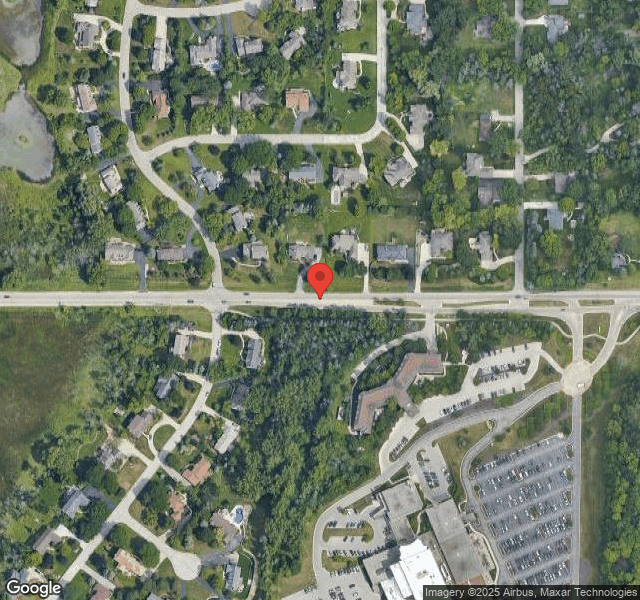
19525 W NORTH AVE, BROOKFIELD, WI 53045 (262) 785-1114
Non profit - Corporation 110 Beds ASCENSION LIVING Data: November 2025
Trust Grade
0/100
#279 of 321 in WI
Last Inspection: November 2024

Within standard 12-15 month inspection cycle. Federal law requires annual inspections.

Overview

Franciscan Woods has received a Trust Grade of F, indicating poor performance with significant concerns about the care provided. It ranks #279 out of 321 nursing homes in Wisconsin, placing it in the bottom half of facilities in the state, and #11 out of 17 in Waukesha County, suggesting limited better options nearby. The facility's trend is worsening, with issues increasing from 12 in 2024 to 14 in 2025. While staffing is rated 4 out of 5 stars, indicating a strength with staff retention at 59% turnover, the overall quality of care is below average. The facility has incurred $181,760 in fines, which is concerning as it is higher than 86% of Wisconsin facilities, and there have been troubling incidents, such as a resident not receiving necessary treatment for pressure injuries, which led to a deterioration in their condition.

Trust Score
F
0/100
In Wisconsin
#279/321
Bottom 14%
Safety Record
High Risk
Review needed
Inspections
Getting Worse
12 → 14 violations
Staff Stability
⚠ Watch
59% turnover. Above average. Higher turnover means staff may not know residents' routines.
Penalties
○ Average
$181,760 in fines. Higher than 57% of Wisconsin facilities. Some compliance issues.
Skilled Nurses
✓ Good
Each resident gets 43 minutes of Registered Nurse (RN) attention daily — more than average for Wisconsin. RNs are trained to catch health problems early.
Violations
⚠ Watch
52 deficiencies on record. Higher than average. Multiple issues found across inspections.
★☆☆☆☆
1.0
Overall Rating
★★★★☆
4.0
Staff Levels
★★☆☆☆
2.0
Care Quality
★☆☆☆☆
1.0
Inspection Score
Stable
2024: 12 issues
2025: 14 issues

The Good

  • 4-Star Staffing Rating · Above-average nurse staffing levels
  • Full Sprinkler Coverage · Fire safety systems throughout facility
  • No fines on record

Facility shows strength in staffing levels, fire safety.

The Bad

1-Star Overall Rating

Below Wisconsin average (3.0)

Significant quality concerns identified by CMS

Staff Turnover: 59%

13pts above Wisconsin avg (46%)

Frequent staff changes - ask about care continuity

Federal Fines: $181,760

Well above median ($33,413)

Significant penalties indicating serious issues

Chain: ASCENSION LIVING

Part of a multi-facility chain

Ask about local staffing decisions and management

Staff turnover is elevated (59%)

11 points above Wisconsin average of 48%

The Ugly 52 deficiencies on record

5 actual harm
May 2025 3 deficiencies
CONCERN (D) 📢 Someone Reported This

A family member, employee, or ombudsman was alarmed enough to file a formal complaint

Potential for Harm - no one hurt, but risky conditions existed

Accident Prevention (Tag F0689)

Could have caused harm · This affected 1 resident

**NOTE- TERMS IN BRACKETS HAVE BEEN EDITED TO PROTECT CONFIDENTIALITY** The facility's Safe Lifting and Moving of Patients policy and procedure developed 12/2016, last revised 12/2019, and last approv...

Read full inspector narrative →
**NOTE- TERMS IN BRACKETS HAVE BEEN EDITED TO PROTECT CONFIDENTIALITY** The facility's Safe Lifting and Moving of Patients policy and procedure developed 12/2016, last revised 12/2019, and last approved 1/2024 documents: .Policy Interpretation and Implementation D. Associates responsible for direct Resident care will be trained in the use of manual)gait/transfer belts, lateral boards) and mechanical lifting devices. G. Associates will be observed for competency in using mechanical lifts and observed periodically for adherence to policies and procedures regarding use of equipment and safe lifting techniques . 2) R16 was admitted to the facility on [DATE] with diagnoses of Human Immunodeficiency Disease (attacking the body's immune system), Unspecified Protein-Calorie Malnutrition (deficiency of both protein and energy), Anemia(lack of blood), Chronic Kidney Disease (progressive damage and loss of function in the kidneys), and Epilepsy(disorder in which nerve cell activity in brain is disturbed causing seizures). R16 was discharged from the facility on 5/3/25. R16's Significant Change Minimum Data Set (MDS) completed 3/3/25 documents R16's Brief Interview for Mental Status (BIMS) score to be 13, indicating R13 was cognitively intact for daily decision making. R16's MDS also documented R16 had range of motion (ROM) impairment on the lower extremity on one side. R16 required supervision for mobility and transfers. R16's Fall Risk Assessment completed 4/29/25 documented R16's score to be 19 which indicated R16 is at moderate risk for falls. R16's CNA (certified nursing assistant) and care plan initiated 2/27/25 documents R16 required extensive assist of two person staff support for transfers. At time of discharge on [DATE], R16 was still a two person extensive assist for transfers. On 3/19/25, the facility submitted a facility reported incident (FRI) documenting R16's allegation Certified Nursing Assistant (CNA)-C picked up R16 by the biceps by themselves and without a gait belt to assist with a transfer. The facility summary of the FRI documents a left shoulder and left hip x-ray was ordered and completed. The x-rays were negative for fractures. The facility summary documents CNA-C did not follow R16's care plan and did not transfer R16 properly as CNA-C completed the transfer by themselves and without a gait belt. R16's care plan documented R16 was a two person physical assist pivot with a gait belt. The facility summary documented on 3/25/25 physical therapy re-evaluated R16's transfer status and determined R16 continued to require a two person physical assist with a gait belt. Surveyor notes R16's FRI indicates facility nursing staff were re-educated on safe transfers. Surveyor noted the facility was unable to provide documentation re-education was completed with facility nursing staff. R16's care plan was not followed and there is no documentation of facility nursing staff being re-educated on safe transfers. 3) R23 was admitted to the facility on [DATE] with diagnoses of Dementia (loss of memory, language, problem-solving and other thinking abilities severe enough to interfere with daily life), Essential Hypertension (chronic condition of persistently high blood pressure), Atherosclerotic Heart Disease of the Native Coronary Artery (plaque buildup narrows the arteries that supply blood to the heart), Type 2 Diabetes Mellitus (adult onset of trouble controlling blood sugar), and Dysphagia (difficulty swallowing foods). R23 is currently on hospice. R23's Quarterly MDS completed 4/19/25 documents R23's Brief Interview for Mental Status (BIMS) score to be 3, indicating R23 demonstrates severely impaired skills for daily decision making. R23 has no Range of Motion (ROM) impairment. R23 is dependent on staff for showers, dressing, mobility, and transfers. R23's CNA (certified nursing assistant) Karadex and care plan initiated 10/4/23 document R23 requires extensive assist of two person support for transfers with a mechanical lift. R23 is transferred into a broda chair. On 3/25/25, the facility submitted a facility reported incident (FRI) documenting a large purple bruise was discovered on the back of R23's upper extremity. The facility determined the bruise likely occurred as the CNAs grabbed R23's arm to roll R23 instead of using the sheet when in bed or that R23's arm was hanging over the arm of the chair which would align with the bruise. The FRI summary documents staff will be re-educated on proper techniques of Resident handling and repositioning and physical therapy will do an evaluation of R23's wheelchair and make recommendations for additional support for R23's right side to prevent bruising in the future. Surveyor notes R23's FRI indicates facility nursing staff were re-educated on proper techniques of Resident handling and repositioning. The facility was unable to provide documentation that any re-education was completed with facility nursing staff. On 5/6/25, at 11:07 AM, Surveyor interviewed physical therapy assistant rehabilitation director (PTA)-L in regards to R23's wheelchair evaluation that was to be completed. PTA-L informed Surveyor physical therapy never received an order to evaluate R23. On 5/6/25, at 11:23 AM, Director of Nursing (DON)-B confirmed the therapy department did not complete an evaluation for proper positioning of R23 when in the wheelchair. DON-B believes that hospice just gave R23 a chair. Surveyor notes a therapy evaluation was not completed and re-education of facility nursing staff on proper techniques of Resident handling and repositioning was not completed. On 5/6/25, at 2:17 PM, Surveyor shared the concern with Nursing Home Administrator (NHA)-A of R16, and R23 care plan not being followed which resulted in pain and/or bruising. Surveyor also shared R16's, and R23's completed FRI summaries, it is documented re-education of all facility nursing staff would be completed on safe transfers, positioning, and mobility of a Resident. The facility did not provide documentation re-education was completed with all facility nursing staff. No further information has been provided by the facility at this time. Based on observation, interview, and record review the facility did not ensure 3 (R14 R16, and R23) of 7 residents reviewed for accidents received adequate supervision and assistance devices to prevent accidents. * R14 sustained two falls from R14's bed, 4/07/25 and 4/28/25. Staff did not to follow R14's care plan requiring 2-person assistance with bed mobility. Both falls required R14 to be transporter to the ER (emergency room) for evaluation after hitting R14's head. On 4/7/25, R14 was evaluated in the ER for 2 hematomas on R14's forehead and left cheek. On 4/28/25 R14 was evaluated in the ER (emergency room) for a bump on the back of R14's head. *R16's care plan documents the need for assist of 2 staff for transfers. R16 reported staff picked them up by the biceps and without a gait belt for a transfer and they experienced pain. The facility self report documented all staff would received education on transfers to prevent future falls. The re-education did not occur. *R23's care plan documents the need for extensive assist of 2 staff and a mechanical lift for transfers. R23 was found with a large purple bruise on the upper back that was thought to have occurred when staff grabbled R23's arm to assist with rolling in bed or because R23's arm hung over the wheelchair. The facility self report documented staff would receive education on proper techniques for repositioning residents and physical therapy would evaluate the fit of R23's wheelchair. These interventions did not occur. Findings include: Facility Policy titled: Falls implemented 12/17, Revised 7/23, Reviewed 1/24, documents: Fall Policy Policy Statement/Overview The purposes of this procedure is to provide guidelines for evaluation of a resident in the event a fall occurred and to assist associates in identification of potential causes of the fall. Policy Detail Direct care associates shall evaluate the area where the fall occurred for possible contributors. A Licensed Nurse shall notify the resident's Attending Physician and Resident Representative of the event. The Licensed Nurse shall document the fall in the resident's clinical record. The documentation of the identified interventions should be maintained in the resident clinical record and available to the direct care associates. A Licensed Nurse shall observe clinical status for 72 hours after an observed or suspected fall, and document findings in the resident clinical record. The falls should be reviewed at the Daily Stand - Up Meeting following the fall for identification of any additional individualized interventions to reduce the risk of falls. Facility Policy titled: Training and Education Policy, latest version: documents: The goal of our ministry is to provide healthcare that works, healthcare that is safe, and healthcare that leaves no one behind. Consistent with our core values and learning strategy, we are committed to offering learning opportunities for associates to provide quality and compassionate care to our residents. The purpose of this policy is to provide specific guidelines with respect to required training and education courses. POLICY STATEMENT: Ascension Living provides associate training and education to meet job, state and federal requirements as well as to support career development opportunities. Definition(s) Key terms used in the procedure are listed below. To view the definitions for these terms, please refer to the document. Procedure/Guidelines: A. Required Training Courses 1 A summary of mandatory job specific, state, federal and Ascension Living training courses is developed each year by a cross functional team of leaders. 2 The list of mandatory courses is communicated to associates by the manager. 3 (Surveyor noted Policy skips to 4) 4 Full-time, part-time and PRN associates are expected to comply with the expectations. 5 New associates are expected to complete required training within forty- five (45) calendar days of start date. 6 Associates are expected to complete the courses assigned. 7 The manager is responsible for communicating all training and educational requirements to associates. 8 Online course completion or in-person course attendance will be tracked 9 Associate is paid for time spent completing mandatory training and education and must report as such in the timekeeping system. 10 Associate is responsible for discussing with his/her manager any scheduling conflicts, concerns or unplanned absences during mandatory in-person training. 11 Annual performance evaluation may include opportunity for manager and associate to confirm compliance with course expectations. D. Non-Compliance Process Associate Coaching Associates who do not complete mandatory training or assigned educational courses are subject to the procedures of the Associate Counseling and Corrective action. A. An associate approved in advance for Paid Time Off during an in-person training session must discus course completion options with the manager. B. An associate on an approved leave of absence is expected to complete required courses within thirty (30) calendar days after returning to work. c. Manager is responsible for addressing non-compliance issues in a timely manner in accordance with Associate Counseling and Corrective action. 1. R14 was admitted to the facility on [DATE] with diagnoses that included Dysphagia (difficulty swallowing foods or liquids) following a Cerebral Infarction (death of brain tissue) causing R14 to take nutrition via tube feeding, Vascular Dementia (cognitive impairment caused by small strokes), Muscle weakness (causing R14 to be totally dependent on staff for mobility). R14's Quarterly MDS (Minimum Data Set) with an assessment reference date of 4/13/25 documents a BIMS (Brief Interview for Mental Status) score of 99, indicating that R14 is unable to complete the assessment. Staff assessment for mental status indicates R14 has short- and long-term memory problems and severely impaired cognitive ability for daily decision making, indication R14 never/rarely made decisions. Section GG (Functional abilities) documents R14 is completely dependent on staff for all bed mobility performance (R14 is unable to move in bed, staff does all or most of the work for R14's bed mobility). R14's ADL (activities of daily living) Care plan start date:1/06/25 documents under the Interventions section, Bed Mobility: I need total assistance with 2 person staff support. I use no assistive device(s). Resident tends to hang leg over side of bed when rolled on side. Second CNA (certified Nursing Assistant) to ensure leg is back on bed, start date 1/6/25. R14's Fall Care plan start date:1/06/25 documents under the Interventions section, Check for proper positioning of resident while doing cares start date 4/7/25. Huddle forms (shift to shift written report form), start date 4/29/25. Larger bed, start date 5/2/25. R14's CNA worksheet dated 5/6/25, documents: Bed Mobility: I need total assistance with 2 person staff support. I use no assistive device(s). Resident tends to hang leg over side of bed when rolled on side. Second CNA (certified Nursing Assistant) to ensure leg is back on bed. Director of Nursing DON-B informed Surveyor this information on CNA worksheet dated 5/6/25 was the same information for both of R14's CNA worksheet's on 4/7/25 and 4/28/25. Fall 1 R14's nursing note dated 4/7/25, at 06:22 AM, documents: Resident fell from bed witnessed by CNA (Certified Nursing Assistant) at 0445 (4:45) am 4/7/25. Resident noted to be face down with feet toward___ (sic) and head toward___ (sic) in room. CNA was doing care on her and when she went to turn her, she fell. When writer entered the room, she was face down on the ground next to her bed. Resident was having cares down (sic) on her. Injury noted at time of fall. Hematoma in middle of her forehead very red and size of a golf ball. Resident was hoyer back into bed after the fall, when 911 arrived she was in bed. Resident makes statement of pain at time of fall. During assessment she was grimacing .pain to forehead and L (left) side arm and knee. Resident current level of consciousness is alert with no change from baseline. Md (doctor) and on-call agreed to send to ER (emergency room). Resident range of motion limited to lower extremities, no difference noted between side of body, with no change from baseline. Resident makes statement of pain with range of motion. Resident assisted up to bed by 2 staff using a full body lift. Safety measures in place at time of fall including low bed. Fall interventions in place include low bed. Care plan reviewed with interventions updated as indicated. Nurse Practitioner from facility medical company called back about 5:30 am orders were to send to ER. Send out to ER. POA (power of attorney) 4/7/25 @ (at) 6:15. R14's nursing note dated 4/7/25, at 6:22 AM, documents: R14 back from ER around 7:15 AM forehead bump . R14's investigative Summary dated 4/7/25 documents: A general skin check was completed on 4/7/2025 by the floor nurse immediately after the incident had occurred. New areas of concern noted which were as follows; A golf sized hematoma to the left forehead measuring 2.8 x 2.0 x < (less than) 0.l. A marble sized hematoma and redness to the left cheek measuring 1.2 x 0.8 x <0.1. At [hospital name], a CT (computed tomography scan) Cervical Spine WO (without) Contrast and a CT Head Critical Fall WO Contrast imaging tests were completed. The CT of the cervical spine shows no evidence of spinal fractures. The CT of the head shows no intracranial bleeding and no skull fractures. R14 was sent back to [name of facility] with no new orders. Nurse Practitioner with facility medical provider company was notified of results and no new orders. Emergency contact and activated power of attorney [family member] was notified of results and no new orders. Intervention that was placed in R14's care plan following the incident on 4/7/2025 was to check for proper positioning of the resident while providing care in bed. A signed witness statement from CNA-U regarding R14's 4/7/24 fall from bed dated 4/7/25 documents: Incident date: 4/7/25. Incident time: 5:00 AM. Role/Duties during incident: CNA-check and changing PT (patient). Statement of witness or information regarding the incident: I entered room of R14 began to check and change R14 as I turned her she rolled over on her stomach. As I began to turn her more towards me R14's head went towards the floor I tried catching her by her legs but she was too heavy for me to grasp onto at (sic) the top of R14 slowly rolled onto the floor head first. CNA-U's witness statement regarding R14's fall from bed on 4/7/25 documents: When I got to my assigned floor on 4/6 the 2nd shift aide gave me the run on the residents on 1East. There is only one aide on night shifts (sic) so she told me we only do check and changes no get ups. The morning of 4/7 @ 5am I made it to my last room for check and changes, I began to check (R14's) room to see if she was dry or wet or had a bm (bowel movement). As I turned R14 she rolled all the way over onto her stomach I began to turn her more towards me and on her side off of her stomach but as soon as I took my hand off the chuck underneath her that helped me turn her upper body began to fall towards the floor. I quickly grabbed her legs and as I tried to reach for her upper body she slowly fell to the floor hitting her head first. I did not try to transfer this resident it was only a check and change. I never got report that she was a two person assist. On 4/7/25, at 06:00 AM, Licensed Practical Nurse (LPN)-X was an interview by LPN-W which documented LPN-X informed LPN-W she (CNA-U) had a care plan given to her (CNA-U) at the beginning of the shift, and I (LPN-X) gave her (CNA-U) report on the residents. Fall 2 R14's nursing note dated 4/28/25, at 03:16 PM, documents: Writer/RN was called to residents' room at approximately 1407 (2:07 PM) by CNA-V who stated resident rolled out of bed during cares. Resident rolled out of left side of bed landing in a supine position. She is awake and alert without LOC (loss of consciousness), PERRLA (Puplis, Equal, Round, Reactive to Light). Active ROM (Range of Motion) present to upper extremities without grimacing. Passive ROM applied to lower extremities without grimacing. Nods no when asked if any pain, numbness/tingling present. There is no obvious injury. Of note, the bed was locked and in the lowest position/height. Nurse Practitioner aware and would like for resident to be evaluated at a tertiary setting [name of hospital]. SBAR (Situation Background, Assessment, Recommendation) to follow, will monitor. R14's nursing note dated 4/28/25, at 04:04 PM, documents: Transported to hospital via ambulance. All paperwork/forms sent with. Will await resident return and monitor accordingly. R14's nursing note dated 4/28/25, at 05:16 PM, documents: Returned from hospital via ambulance transport, will monitor. R14's nursing note dated 4/28/25, at 06:37 PM, documents: POA (Power of Attorney) DTR (daughter) at bedside. Updated individualized PPOC (Physician's Plan of Care) discussed. DTR grateful for update, will continue to monitor. R14's nursing note dated 4/29/25, at 10:50 PM, documents: Resident is being monitored d/t (due to) witnessed falls on 4.28.25. Resident had no complaints of pain during AM shift. Neurocheck was performed and negative. Resident tolerated tube feeding well. ROM WNL (within normal limits). VSS (vital signs stable), Temp:97.8 BP 145/77 Resp:18 Pulse: 76bpm O2 stat: 98% Blood Sugar: 115. R14's investigative Summary dated 4/7/25 documents: A general skin check was completed on 4/28/2025 by the floor nurse immediately after the incident had occurred. New area of concern noted were as follows; A bump to the lower back right of her head measuring 6.0 x 4.0 x UTD (unable to determine).[Name of hospital], a CT (computed tomography scan) Head Critical Fall WO (without) Contrast imaging test was completed. The CT of the head shows no intracranial bleeding and no skull fractures. R14 was sent back to [name of facility] with no new orders. Nurse Practitioner with [name of medical provider company] was notified of results. New orders were received to start R14 on scheduled ibuprofen three times a day for pain related to the fall, as well as a repeat Head CT WO Contrast to be completed in 1-2 weeks. Emergency contact and activated power of attorney [name] was notified of hospital results, and of the new orders for R14, she was accepting about both. A signed witness statement from CNA-V regarding R14's 4/28/24 fall from bed dated 4/28/25 documents: Incident date: 4/28/25. Incident time: 2:00 PM. Role/Duties during incident: CNA-Full bed change/bath. Statement of witness or information regarding the incident: Rolled Resident towards myself. With one hand firmly on resident hip I (the CNA) walked around the bed to make sure resident was thoroughly cleaned up. While tucking sheet more under the resident. She had a coughing spell that hitched her weight forward causing her to roll out of bed. Resident landed on back-No head injury from what I could see. Immediately got (first name) and (first name) for help. On 5/5/25, at 11:12 AM Surveyor interviewed R14. Surveyor asked R14 if R14 was doing well today. R14 replied to Surveyor yes. Surveyor asked R14 if R14 was in any pain today. R14 gave no further response verbally. Surveyor observed R14 made only very small physical movements of extremities. On 5/5/25, at 04:12 PM Surveyor interviewed Nursing Home Administrator (NHA)-A about getting the education and working status of the CNA-U and CNA-V. NHA-A informed Surveyor both CNAs were asked not to return to the facility. Surveyor requested the punch reports along with their education and competencies received at the facility. NHA-A informed Surveyor that CNA-U was agency and there was a binder on the units for agency staff. Surveyor asked NHA-A for the other documentation requested, Staff education, ER discharge and Neurological-checks NHA-A informed Surveyor that NHA-A would talk with Director of Nursing (DON)-B about Surveyor's requests. On 5/6/25, at 09:44 AM, Surveyor interviewed Director of Nursing (DON)-B about R14's falls and interventions the facility implemented to prevent future occurrences. Surveyor asked DON-B why the larger bed documented in R14's the care plan with the date of 5/2/25 was not implemented. DON-B informed Surveyor the Power of Attorney (POA) declined the larger bed because R14 is already in a bariatric bed and the POA feels the room is too small. DON-B informed Surveyor the facility offered R14 a larger room but R14's POA declined it because the POA wants R14 to stay on this unit. Surveyor asked if the risks and befits were explained to R14's POA of using a larger bed. DON-B informed Surveyor DON-B did explain risks and benefits to R14's POA, but R14's POA who is a nursing assistant feels that if the staff would have followed the care plan and used 2 staff for R14's bed mobility as the care plan states, R14 would not have fallen out of bed. DON-B informed Surveyor DON-B agrees R14 would not have fallen if CNA-U and CNA-V had followed R14's care plan, and the both staff involved acknowledged to DON-B they were aware of the 2-staff assist required for R14's bed mobility. DON-B informed Surveyor CNA-V acknowledged they had often moved R14 independently without incident despite knowing R14's plan of care. DON-B informed Surveyor when a larger room opens on R14's current unit the facility will implement the larger bed. Surveyor asked DON-B what the Huddle notes intervention in R14's falls plan of care indicated. DON-B informed Surveyor DON-B implemented a shift-to-shift report system to focus on safety issues like following the care plan and other critical follow up of resident concerns. On 5/6/25, at 10:01 AM, Surveyor observed R14 in bed. Surveyor observed that R14 makes no pronounced physical movements without staff assistance in moving R14 to change position in bed. On 5/6/25, at 01:40 PM Surveyor interviewed NHA-A about the Surveyors concerns with R14's falls on 4/7/25 and 4/28/25. Surveyor informed NHA-A R14 had 2 falls within the month of April 2025 because staff did not follow R14's care plan to use 2 staff assistance for all bed mobility. NHA-A informed Surveyor the falls were a concern for NHA-A especially when they gave an extensive education to their staff including to CNA-V on safety and following the care plan after R14's 4/7/25 fall. NHA-A informed Surveyor CNA-V told NHA-A that CNA-V was aware of 2 staff being required in R14's care plan for bed mobility but had no previous problems in the past turning R14 so CNA-V continued to do single staff for bed changes and checks. No further information was provided.
CONCERN (D) 📢 Someone Reported This

A family member, employee, or ombudsman was alarmed enough to file a formal complaint

Potential for Harm - no one hurt, but risky conditions existed

Pharmacy Services (Tag F0755)

Could have caused harm · This affected 1 resident

**NOTE- TERMS IN BRACKETS HAVE BEEN EDITED TO PROTECT CONFIDENTIALITY** Based on interview and record review the facility did not provide pharmaceutical services to ensure medications were available t...

Read full inspector narrative →
**NOTE- TERMS IN BRACKETS HAVE BEEN EDITED TO PROTECT CONFIDENTIALITY** Based on interview and record review the facility did not provide pharmaceutical services to ensure medications were available to be administered as ordered by their physician to meet their medical needs for 1 (R15) of 3 residents. R15 has an order to receive Ingrezza 40 mg (milligrams) once daily for Tardive Dyskinesia (uncontrolled involuntary muscle movements). R15 did not receive this medication on 12/3/24 & from 12/13/24 to 12/24/24. On 2/3/25 R15's Ingrezza was increased to 60 mg daily. R15 did not receive the correct dose of Ingrezza from 2/3/25 to 2/9/25. Findings include: R15 was admitted to the facility on [DATE]. Diagnoses includes congestive heart failure (heart doesn't pump enough blood to meet the body's needs), morbid obesity, drug induced subacute Dyskinesia (uncontrolled, involuntary muscle movements) and major depressive disorder. R15's hospital Discharge summary dated [DATE] includes Valbenazine Tosylate (Ingrezza) 40 mg (milligrams) with direction to take 40 mg by mouth daily. R15's nursing note dated 11/5/24, at 1844 (6:44 p.m.) documents Resident was admitted on [DATE], at 1600 (4:00 p.m.) from [hospital name]. She is admitted for skilled nursing care/rehab for PT (physical therapy), OT (occupational therapy) with Pt, OT. Other pertinent diagnoses/medical history include HTN (hypertension) (high blood pressure), CHF, sleep apnea (breathing repeatedly stops & starts). She is admitted to room [number] and transferred from stretcher to bed with total assistance of 2 person. Resident is alert, orientated to person, place time. General skin check completed. Skin is intact, refer to skin condition for complete documentation. admission orders reviewed and obtained from [Dr. Name] and sent to [Name] Pharmacy. Resident was orientated to room, call light, meals, wheelchair. R15's physician orders with a start date of 11/6/25 includes Ingrezza 40 mg capsule [Valbenazine] 40 mg by mouth every day for Tardive Dyskinesia. Surveyor reviewed R15's December 2024 MAR (medication administration record) and noted Ingrezza 40 mg capsule [Valbenazine] 40 mg by mouth every day for Tardive Dyskinesia. Takes at bedtime; pt (patient) own supply in bottle Day shift. Surveyor noted R15 received Ingrezza 40 mg during the day shift even though the MAR documents takes at bedtime on 12/1, 12/2, 12/4, 12/5, 12/6, 12/7, 12/8, 12/9, 12/10, 12/11, 12/12, 12/25, 12/26, 12/27, 12/28/ 12/29, & 12/30. On 12/31/24 R15's order was changed and R15 received this medication at HS (hour sleep). R15 did not receive Ingrezza 40 mg on 12/3 and from 12/13/24 to 12/24/24. R15 missed 13 doses of Ingrezza 40 mg. Surveyor reviewed R15's progress notes during this time period, 12/3/24 & 12/13/24 to 12/24/24 and did not note any documentation the pharmacy was contacted, R15's physician was notified and why R15 did not receive Ingrezza 40 mg per physician orders. R15's nurses note dated 2/3/25, at 1715 (5:15 p.m.), documents N/O (new order) Ingrezza increase to 60 mg Q HS (every hour of sleep). N/O Lasix increase to 60 mg X (times) 3 days then 40 mg QD (every day). R15's nurses note dated 2/4/25, at 2138 (9:38 p.m.), documents No adverse reactions to med (medication) change. No complaints offered. [Pharmacy Name] called to stat out the new dose of Ingrezza. They are unable to provide at this time, they called [Pharmacy Name] Speciality clinics but they were closing and unable to fill today to stat out. Per [Pharmacy Name] [Pharmacy] will call in the AM (morning) as they need some information and once they get that they can stat out the proper dose. [Physician Name] was here today and said just give the 40 mg dose as she has been getting tonight so she is not without any. R15's nurses note dated 2/5/25, at 2244 (11:44 p.m.), documents Resident tolerating Lasix 60 mg with no A/R (adverse reactions) noted. Residents new dose of Ingrezza was not delivered nor did [Pharmacy Name] Speciality Clinic call regarding this. Resident received her 40 mg dose of Ingrezza at HS. VSS (vital signs stable). R15's nurses note dated 2/6/25, at 0527 (5:27 a.m.), documents Patient has NOR (new order received) for increase dose of Ingrezza and increased Lasix, no AR (adverse reactions) noted. R15's nurses note dated 2/6/25, at 2222 (10:22 p.m.), documents Resident still has not received new medication for new order of Ingrezza. Called [Name] pharmacy, aware of issue. R15's nurses note dated 2/7/25, at 1255 (12:55 p.m.), documents Resident is being monitored r/t (related to) increase in Ingrezza. VSS. Afebrile (without fever). Denies pain or discomfort this shift. Tolerating increase in Ingrezza. No adverse reactions or side effects. R15's nurses note dated 2/9/25, at 1154 (11:54 a.m.), documents Ingrezza sent from pharmacy incorrect dose. Dose sent 40 mg, 60 mg is new dose. Writer attempted to call pharmacy and pharmacy is closed. Writer called [Medical Group Name] awaiting call back. On 2/10/25 a new order was received which documents Ingrezza 40 mg capsule [Valbenazine] 40 mg by mouth every day for Tardive Dyskinesia. Takes at bedtime: pt own supply in bottle; Diagnosis/reason Tardive Dyskinesia. Surveyor noted R15 did not receive the correct dose of Ingrezza from 2/3/25 to 2/9/25. On 5/6/25, at 1:59 p.m., Surveyor interviewed Licensed Practical Nurse (LPN)/Wound Nurse (WN)-N regarding R15. Surveyor informed LPN/WN-N R15 had an order for Ingrezza 40 mg daily. Surveyor reviewed R15's December 2024 MAR and noted R15 did not receive Ingrezza 40 mg on 12/3/24 and from 12/13/24 to 12/24/24. On 2/3/25 R15's Ingrezza was increased to 60 mg. R15 did not receive the correct dose of Ingrezza from 2/3/25 through 2/9/25. LPN/WN-N informed Surveyor she would have to look into this and get back to Surveyor. On 5/6/25, at 2:55 p.m., Surveyor asked LPN/WN-N about R15 not receiving Ingrezza 40 mg daily from 12/13/24 to 12/24/24 and there is no documentation in R15's medical record regarding R15 not receiving the medication as ordered by R15's physician. LPN/WN-N informed Surveyor they had a lot of agency nurses and were working with them on charting. Surveyor then asked LPN/WN-N if there was any information as to why R15 did not receive the correct dose of Ingrezza from 2/3/25 to 2/9/25 and asked if R15 ever received the 60 mg dose. LPN/WN-N informed Surveyor R15 did not receive the 60 mg dose as they couldn't get an answer from [Physician's name] as to whether to discontinue Quinidine which was contraindicated for Ingrezza 60 mg. Surveyor asked LPN/WN-N if they were unable to get a hold of the doctor did they involve the medical director. LPN/WN-N informed Surveyor they didn't.
CONCERN (D) 📢 Someone Reported This

A family member, employee, or ombudsman was alarmed enough to file a formal complaint

Potential for Harm - no one hurt, but risky conditions existed

Deficiency F0757 (Tag F0757)

Could have caused harm · This affected 1 resident

Based on interview and record review the facility did not ensure monitoring for adverse reactions to a high risk medication were implemented for 1 (R22) of 3 residents. R22 receives Eliquis (anticoagu...

Read full inspector narrative →
Based on interview and record review the facility did not ensure monitoring for adverse reactions to a high risk medication were implemented for 1 (R22) of 3 residents. R22 receives Eliquis (anticoagulant) 5 mg (milligram) every 12 hours for DVT (deep vein thrombosis) (blood clot) prophylaxis. The facility was not monitoring for presence of bleeding. Findings include: The facility's policy titled, Anticoagulant and last revised 12/2017 under the section Monitoring and Follow-Up documents E. The associates and physician will monitor for possible complications in individuals who are being anticoagulated, and will mange related problems. R22's diagnoses includes history of pulmonary embolism (condition where one or more arteries in the lungs are blocked by a blood clot) and long term use of anticoagulant. R22's physician orders with an order date of 4/8/24 documents Eliquis 5 mg (milligram) tablet [Apixaban] - 5 mg by mouth every 12 hours for DVT prophylaxis. R22's care plan [R22's first name] is at risk for complications from blood thinning medications. List names of medication(s): on Eliquis, hx (history) of bilateral pulmonary emboli. Approaches include Monitor for presence or absence of active bleeding such as hematuria, petchiae, bruising, bloody stools, or nose bleeds at least daily with a start date of 4/9/24. Surveyor reviewed R22's medical record including progress notes, MAR (medication administration record) & TAR (treatment administration record) and was unable to locate evidence the facility was monitoring R22 for complications from Eliquis 5 mg. On 5/6/25, at 8:44 a.m., Surveyor asked (Registered Nurse) RN-F if a resident is on a blood thinner where would Surveyor locate monitoring for bleeding. RN-F informed Surveyor he was trying to think who was on a blood thinner. Surveyor informed RN-F the name of R22. RN-F looked in the computer and then stated to Surveyor let me find out and get back to you. RN-F informed Surveyor he will have to ask the Director of Nursing (DON). On 5/6/25, at 9:35 a.m., Surveyor asked RN Manager-H if a resident is on a blood thinner where would Surveyor find evidence of monitoring for bleeding. RN Manager-H replied there should be an order. Surveyor informed RN Manager-H R22 is on Eliquis 5 mg and R22's care plan has an intervention to monitor for presence or absence of active bleeding. Surveyor informed RN Manager-H Surveyor was unable to locate this monitoring. RN Manager-H stated I will have to ask & see and get back to you on that. On 5/6/25, at 12:49 p.m., Surveyor asked RN Manager-H if she has any information regarding monitoring for R22's Eliquis. RN Manager-H replied no and explained it's been a crazy day. RN Manager-H explained she was going to speak with [first name] corporate. On 5/6/25, at 1:44 p.m., RN Manager-H informed Surveyor regarding monitoring of Eliquis they chart by exception. Surveyor informed RN Manager-H Surveyor was unaware of any current standards of practice for charting by exception and asked RN Manager-H to provide this standard of practice. Surveyor informed RN Manager-H R22's care plan has an intervention to monitor at least daily. On 5/6/25, at 1:46 p.m., Surveyor informed Director of Nursing (DON)-B R22 is on an anticoagulant, Eliquis and the facility is not monitoring for bleeding.
Mar 2025 8 deficiencies 2 Harm
SERIOUS (G) 📢 Someone Reported This

A family member, employee, or ombudsman was alarmed enough to file a formal complaint

Actual Harm - a resident was hurt due to facility failures

Pressure Ulcer Prevention (Tag F0686)

A resident was harmed · This affected 1 resident

**NOTE- TERMS IN BRACKETS HAVE BEEN EDITED TO PROTECT CONFIDENTIALITY** 3.) R7 was admitted to the facility on [DATE] with diagnoses that include, Subarachnoid hemorrhage, Dementia, Palliative care, A...

Read full inspector narrative →
**NOTE- TERMS IN BRACKETS HAVE BEEN EDITED TO PROTECT CONFIDENTIALITY** 3.) R7 was admitted to the facility on [DATE] with diagnoses that include, Subarachnoid hemorrhage, Dementia, Palliative care, Anxiety, Depression, Muscle contracture of right and left knee. R7's Quarterly Minimum Data Set assessment dated [DATE] documents R7 is severely cognitively impaired. R7 is dependent for all cares and transfers. R7 requires substantial/maximum assist for bed mobility. R7 is at risk for pressure injuries but does not have a current pressure injury. R7 is always incontinent of bowel and bladder. R7 has an activated healthcare Power of Attorney (POA) and is currently on hospice. R7's Pressure Ulcer/Injury Care Area Assessment (CAA) dated 8/16/24 documents, in part: Pressure ulcers CAA triggered secondary to potential and presence of actual pressure ulcer . Contributing factors include [activity of daily living]/functional mobility impairment, actual pressure ulcer, cognitive loss and use of medications that can contribute to skin breakdown, incontinence and pain. R7's Braden Score (Assessment used for predicting pressure score risk) dated 2/3/25 documents a score of 15 which indicates R7 is at moderate risk for developing a pressure injury. R7's At risk for pressure ulcers Care Plan dated 9/17/21 documents the following pertinent interventions: Keep bed linens wrinkle free. Observe skin for redness and breakdown during routine care. Follow community skin care protocol. Reposition with rounding and [as needed]. Air mattress, monitor air mattress function [every] shift. R7's SBAR (Situation, Background, Assessment and Recommendation) Professional Communication form dated 3/9/25 at 10:51 AM, documents, in part: Small open area to mid thoracic back region . started on 3/9/25 . The facility's 24-hour nursing report board dated 3/9/25 documents, in part: small open area on resident back (middle area) . Area cleansed, barrier cream applied, and area covered with dressing. R7's pressure injury packet includes an Incident witness statement form dated 3/9/25, which documents, in part: [Certified Nursing Assistant (CNA)] called me into resident's room stating resident was bleeding. A small open area was found on the mid-thoracic back region Hospice updated and family aware . R7's MD order dated 3/9/25 documents Zinc barrier cream- Every day cleanse small open area to mid back and apply zinc barrier cream. Cover area with foam dressing. Surveyor reviewed R7's skin assessments within R7's medical record. Surveyor did not locate an assessment of R7's open area to R7's mid back including measurements and a thorough description of the wound. On 3/18/25 at 1:05 PM, Surveyor interviewed Licensed Practical Nurse (LPN)-H, who is the nurse who discovered R7's open area to R7's mid back on 3/9/25. Surveyor asked what the process is when a new skin integrity issue is found on a resident. LPN-H stated that LPN-H would let the Unit Manager know, fill out the pressure injury packet, inform the provider, family and hospice. Document the area in the electronic medical record and place the resident on the 24-hour board. Surveyor asked what is included in the first assessment. LPN-H stated the nurse who finds it will measure the wound and note the surrounding area skin. LPN-H stated that LPN-H would cleanse the area and treat the area. LPN-H would confirm treatment orders with the MD. Surveyor asked how R7's pressure injury was found. LPN-H stated that bleeding was noted and that is when the area was found. Surveyor asked if LPN-H knew what caused the open area. LPN-H stated that LPN-H thought it could be from added pressure where R7's Lidocaine patch was located. On 3/19/25 at 9:12 AM, Surveyor returned to LPN-H. Surveyor asked if LPN-H was able to complete an initial assessment of R7's open area. LPN-H stated that LPN-H did not complete an initial assessment. LPN-H indicated that R7 can be uncooperative at times and that played a part in the inability to complete the assessment. R7's progress note dated 3/10/25 at 12:59 PM documents: Resident is on the 24-hour board due to an open area on the mid-thoracic region. Area cleansed, barrier cream applied, and bandage placed. Will continue to monitor. Surveyor reviewed R7 skin assessments within R7's electronic medical record and did not locate an assessment of R7's wound until 3/13/25. On 3/13/25, R7 was assessed by the facility's Wound Nurse Practitioner (NP)-M. NP-M's Wound Care assessment dated [DATE], documents, in part: . Mid back (stage 2 pressure injury). Partial- thickness wound measuring 0.1 [centimeters (cm)] x 0.1 cm x [less than] 0.1 cm. 100% smooth red tissue . Status-new. Surveyor noted that the first thorough assessment of R7's pressure injury occurred 4 days after the wound was found. R7's Impaired skin integrity related to mid back pressure injury Care Plan, dated 3/13/25 documents the following pertinent interventions: Provide treatment as ordered. Wound APNP to follow. Assist with repositioning during rounding and cares . Surveyor noted that R7's care plan was not updated until 4 days after R7's wound was found. Surveyor reviewed R7's Treatment Administration Record (TAR). Surveyor noted that R7's pressure injury treatment was not documented as completed on 3/16/25. On 3/18/25 at 11:00 AM, Surveyor interviewed Registered Nurse, Unit Manager (UM)-C. Surveyor asked what is expected of a nurse who finds a new pressure injury. UM-C stated that the nurse should report the area immediately to a unit manager. The nurse should complete the skin packet (injury or pressure) and should enter a skin assessment in the electronic health record. UM-C stated the care plan should be updated. UM-C indicated that the nurse could do the initial assessment but stated that an RN is available at any time to assess a new skin concern. UM-C stated that any of the unit managers or the facility wound nurse is available. Surveyor asked what happens on weekends. UM-C stated that the manager on call would come in to assess a new wound if necessary. On 3/19/25 at 12:01 PM, Surveyor asked if R7's wound was assessed on 3/9/24. UM-C stated UM-C would look. UM-C stated that UM-C was not aware who was on call since it was a Sunday. UM-C stated that per the facility policy, facility staff have 24 hours to comprehensively assess the wound. Surveyor asked what standard of practice the facility uses that indicates a 24-hour timeline to assess a new wound. UM-C stated, state compliance. Surveyor asked if there is no assessment or measurements done when found, how would a nurse know if a wound was getting or better or worse. UM-C stated by the measurements. Surveyor asked when the care plan should be updated. UM-C stated that it is placed initially when found or discussed at the morning meeting the next day to make sure the interventions are appropriate. On 3/19/25 at 12:33 PM, UM-C returned to Surveyor with a document completed on R7. UM-C stated the facility completed a skin sweep where they completed a full skin assessment on every resident in the facility. UM-C handed Surveyor the document of R7's skin assessment. Surveyor reviewed the skin assessment dated [DATE] which documents, in part: . Pressure injury #1 mid back. 0.2 x 0.1 x 0.1. Stage 2. Surveyor noted the skin assessment completed on 3/11/25 was not in R7's electronic medical record. Surveyor noted the skin assessment did not include a comprehensive assessment including a description of the tissue and surrounding tissue of the pressure injury. On 3/19/25 at 12:55 PM, Surveyor interviewed Director of Nursing (DON)-B. Surveyor asked when an assessment of a new wound should take place. DON-B stated it should be assessed when found and reported to the MD and POA. Treatment orders should be obtained. DON-B stated that the facility wound nurse should be updated so that the resident can be added to wound rounds which occur every Thursday. DON-B stated the nurse who finds the wound should complete a skin packet and incident report. Surveyor asked what should be included in the initial wound assessment. DON-B stated it should include the location, drainage, color of the wound, and measurement. DON-B stated that this information is documented in the skin packet and in the electronic medical record. Surveyor asked about the facility wide skin sweep. DON-B stated that the sweep was completed on 3/11/25. DON-B stated that it is a different electronic program than the facility's electronic health record. Surveyor asked if staff nurses would be able to see what is documented on the skin sweep. DON-B indicated that staff nurses would not be able to see the information from the skin sweep. Staff nurses need to use the facility's electronic medical record to view any documentation on residents. On 3/20/25 at 8:00 AM, Surveyor observed NP-M assess and change R7's mid back wound dressing. Surveyor noted a dressing with the date 3/19/25. NP-M removed the dressing. Surveyor noted a very small area of redness on R7's back. NP-M stated that the wound does not appear to be a pressure injury anymore. NP-M stated that that it looks more like a pimple or ingrown hair. NP-M put pressure around the area and expressed white matter. NP-M stated that NP-M will change the treatment to an antibiotic ointment. NP-M measured the area and stated the measurements remain the same as the previous week. NP-M informed Surveyor that the wound presented as a pressure injury last week but now appears to be an ingrown hair. On 3/20/25 at 9:42 AM, Surveyor informed DON-B of the concerns: that R7 had a new wound found on 3/9/25 and it was not assessed comprehensively until 3/13/25 when NP-M assessed the area as a stage 2 pressure injury. The skin sweep completed on 3/11/25 was not documented in the electronic medical record for all nursing staff to view. R7's care plan was not updated until 3/13/25 which was 4 days after the wound was found. R7's wound treatment was not documented as completed on 3/16 25. DON-B indicated that DON-B will investigate that and get back to Surveyor. On 3/20/25 at 10:56, DON-B indicated that R7 did not have an assessment completed on the new wound when it was found. DON-B agreed the care plan was not updated until 4 days after the wound developed. DON-B stated that the nurse who took care of R7 on 3/16/25 did not document that the treatment was completed. On 3/20/25 at 2:07 PM, Surveyor informed Nursing Home Administrator (NHA)-A and DON-B of the concerns with R7's wound: The wound was found on the 3/9/25 and was not comprehensively assessed until 3/13/25. R7's care plan was not updated until 3/13/25. R7's wound treatment was not documented as completed on 3/16/25. Uncorrected on Revisit Based on observation, interview, and record review, the Facility did not ensure that residents with pressure injuries received necessary treatment and services consistent with professional standards of practice to promote healing and prevent new pressure injuries from developing for 3 (R6, R7, R8) of 3 residents reviewed for pressure injuries. *R6 developed a deep tissue injury (DTI) which was discovered on 2/19/25 by a Licensed Practical Nurse (LPN). There is no documentation that the DTI was evaluated by a Registered Nurse until the Wound Nurse Practitioner saw it on 2/27/25. Additionally, R6 did not have nutritional interventions attempted and R6's care plan was delayed in being updated. The DTI declined to a stage 3 pressure injury. *R8 developed a Stage 2 pressure injury to left buttocks on 3/10/25. The wound was not comprehensively assessed until 3/13/25. Treatment for the pressure injury was not obtained until 3/13/25 and R8's care plan was not updated until 3/13/25. *Facility staff documented R7 developed a new wound to R7's mid back on 3/9/25. The wound was not comprehensively assessed until 3/13/25 when the Wound Nurse Practitioner (NP)-M documented that the wound was a stage 2 pressure injury. R7's care plan was not updated with new interventions until 3/13/25, 4 days after the development of the pressure injury. On 3/16/25, R7's wound care was not documented as completed. Findings include: 1.) R6 was admitted to the facility on [DATE]with pertinent diagnoses that include type 2 diabetes mellitus, cardiomyopathy, heart failure, cognitive communication deficit, mild cognitive impairment, and vascular dementia. On 1/30/25, the following diagnoses were added: unspecified severe protein-calorie malnutrition and encounter for palliative care. R6's Quarterly Minimum Data Set (MDS) with an assessment reference date of 11/16/2024, documents a Brief Interview for Mental Status (BIMS) score of 04, indicating that R6 has severe cognitive impairment. The MDS documents that R6 was assessed to have no behaviors exhibited during the look back period. R6 is always incontinent of bowel and bladder. No swallowing disorders were noted, R6 was assessed to have a mechanically altered diet. The MDS assesses no weight loss of 5% or more in the last month or loss of 10% or more in the last 6 months. The MDS documents that no pressure injury was present, but that R6 is at risk of developing pressure injuries. R6 has an activated Power of Attorney (POA). R6's Significant Change MDS with an assessment reference date of 2/6/2025 does not document a BIMS assessment. The MDS documents that R6 was assessed to have no behaviors exhibited during the look back period. R6 is always incontinent of bowel and bladder. No swallowing disorders were noted, R6 was assessed to have a mechanically altered diet. The MDS assesses that Weight loss of 5% or more in the last month or loss of 10% or more in the last 6 months occurred and R6 was not on a physician prescribed weight loss regimen. The MDS assesses that no pressure injury was present, but that R6 is at risk of developing pressure injuries. R6 had multiple Braden Scale for Predicting Pressure Score Risk evaluations done. Braden evaluations dated 3/9/24, 8/20/24 and 1/31/25 documented that R6 was assessed to have a score of 10, indicating R6 is at very high risk of developing a pressure injury. R6's Braden evaluation dated 11/10/24 documents R6's risk of developing a pressure injury to be a moderate risk with a score of 16. R6's Pressure Ulcers/Skin Prevention care plan documents the following interventions: Follow community skin care protocol. Start 11/10/2021 Treatments, as indicated, see physician order sheet. Start 11/10/2021 Pressure reducing mattress on bed. Start 11/10/2021 Air mattress with bolsters, check for proper functioning Q (each) shift. Start 4/6/2022 Assist with repositioning when in bed and Broda chair during rounding and cares. Start 4/6/2022 cushion to w/c (wheelchair). Start 12/27/2022 Tubi grips on from hand to elbow in early am and off at bedtime. Hole cut for thumb. Start 8/9/2023 Prevalon Boots while in bed. Start 2/21/2025 (R6) has impaired skin integrity related to right lateral heel DTI (deep tissue injury) noted on 2/19/25 Goal: (R6) will be free from signs and symptoms of infection and will demonstrate optimal healing Interventions: Provide treatment as ordered. Start 3/11/25 Follow with wound APNP (Advanced Practice Nurse Practitioner). Start 3/11/25 Per wound rounds on 3/13/25, with wound APNP, wound is now classified as a stage III (3) pressure injury. Start 3/14/25 (R6) has impaired skin integrity related to right medial heel DTI noted on 3/6/25 Goal: (R6) will be free from signs and symptoms of infection and will demonstrate optimal healing Interventions: Provide treatment as ordered. Start 3/11/25 Follow with wound APNP. Start 3/11/25 R6's physician order dated 1/28/25 documents severe protein calorie malnutrition: hospice to eval (evaluate) and treat. R6's physician order dated 1/30/25 documents admit to (name of) Hospice Surveyor noted that R6's DTI was found on 2/19/25 and Prevalon boots were added on 2/21/25, which was 2 days after the DTI was identified. Surveyor noted that the rest of R6's care plan was updated 3/11/25 and 3/14/25. Surveyor noted that R6's the right medial heel has progressed to a stage 3 pressure injury, not the right lateral heel as documented in R6's care plan. R6's physician order dated 2/19/25 documents skin prep-topical every shift to be applied to right heel q (each) shift for protection and Heels to be elevated off bed with pillows-topical continuous for protection R6's progress note, written by Licensed Practical Nurse (LPN)-X dated 2/19/2025, at 3:39 pm, documents: bed bath given. A 5.2 cm (centimeter) x 4.5 cm darkened area was noted on right heel. On call RN (Registered Nurse) Supervisor aware and will assess. Heels elevated on pillows. Skin prep to be applied q shift R6's progress note, written by LPN-X dated 2/20/2025, at 2:52 pm, documents: on 2-19-25 a 1. cm x 2.0 cm, darkened area was found on resident's right heel during a bed bath and skin check. On call RN Supervisor was updated, (name of medical group) was updated, and POA (power of attorney) was updated. Skin prep ordered and a Prevalon boot to right foot. No pain to area Surveyor noted there was a discrepancy in R6's right heel measurements listed on 2/19/25 and on 2/20/25 when R6's medical doctor (MD) and POA were informed. On 2/19/25, a Skin Evaluation Form was completed for R6 by LPN-X. Documentation for the heel right is length 5.2 cm, width 4.5 cm, depth 0 cm. and the treatment of skin prep q shift, to be assessed by RN R6's physician order dated 2/20/25 documents Prevalon boot-topical every shift to be worn on right foot for protection On 2/20/25, a Skin Evaluation Form was completed for R6 by wound LPN-E. Documentation for the heel right is length 1.0 cm, width 2.0 cm, depth UTD (unable to determine) cm, cause is identified as pressure, tissue type is 0 = closed/resurfaced, exudate amount is 0 = none and stage is deep tissue injury The treatment section remained the same skin prep q shift, to be assessed by RN On 2/27/25, a Wound Care Assessment was completed by wound Nurse Practitioner (NP)-M, the right heel DTI documentation status is documented as new. Deep tissue pressure injury 0.9 x 2.5 cm. Intact, purple, no drainage. Peri wound is dry, intact. No sign/symptom infection. Surveyor noted this is the first documented comprehensive assessment of the wound by an RN. On 3/6/25, a Wound Care Assessment was completed by wound NP-M, the right heel DTI documentation is right lateral heel (DTI), deep tissue pressure injury 1 x 2 cm. Intact, purple, no drainage. Peri wound is dry, intact. No sign/symptom infection. Status- stable. A second pressure injury is discovered. Documentation is right medial heel (DTI), deep tissue pressure injury 0.5 x 1 cm. Intact, purple, no drainage. Peri wound is dry, intact. No sign/symptom infection. Status- new. On 3/13/25, a Wound Care Assessment was completed by wound NP-M, documentation is right lateral heel (DTI), deep tissue pressure injury 1 x 2 cm. Intact, purple, no drainage. Peri wound is dry, intact. No sign/symptom infection. Status- stable. Documentation for right medial heel (stage 3 pressure injury), full thickness wound measuring 1 x 1.5 cm. 100% granular tissue. Scant serosanguinous drainage. Peri wound is dry, intact. No sign/symptom infection. Status- decline. On 3/13/25, wound LPN-E completed the Skin Evaluation Form which documented the right lateral heel size is 1.0 cm x 1.5 cm x 0.1 cm and staged as a stage 3 pressure injury. The right medial heel size is 1.0 cm x 1.0 cm x UTD, and stage is deep tissue injury. Surveyor noted from 3/6/25 to 3/13/25 the DTI on the right medial heel declined to stage 3 as the measurements went from 0.5 x 1 cm to 1 x 1.5 cm. Surveyor noted wound LPN-E incorrectly documented the right lateral heel as the stage 3 pressure injury. Surveyor noted observing wound care on 3/19/25, at 8:38am, and the stage 3 pressure injury is on the right medial heel, as NP-M documented. Surveyor noted a delay in reporting of DTI to R6's physician and POA. Surveyor noted there was a delay in implementing R6's Prevalon boot as it was not added until 2/20/25, one day after R6's DTI was found. Additionally, Surveyor noted that there is no documentation that an RN assessed R6's heel until 2/27/25, seven days after it was initially discovered, and wound NP-M noted the DTI as new. Surveyor noted that on 3/6/25, a DTI to R6's right medial heel was also discovered. At the time, R6's wound documentation is changed from right heel to right lateral heel for the DTI found 2/19/25. On 3/13/25, the right medial heel DTI progressed to a stage 3 pressure injury per wound NP-M. R6's Interdisciplinary note, written by Registered Dietician (RD)-Y dated 1/29/25, documents: aware of current weight 107 pounds which reflects a significant weight loss of 10% in the past month. Intake appears to have decreased slightly but not significantly. Continues to accept 4oz ensure enlive TID between meals. Family has decided to proceed with hospice care. Will continue to monitor. R6's interdisciplinary note, written by RD-Y dated 3/18/25, documents monitoring wounds to RLE (right lower extremity) (venous ulcer-suspicious for cancerous lesion) and Right lateral heel (DTI). Both are stable. Patient admitted to hospice 1/30/25. Oral intake varies from poor to good although R6 has had an overall decrease as evidence by significant 13.85% weight loss in the past 6 months. R6 does receive 4 oz ensure enlive TID (three times per day) for additional calories/protein. Due to end stage diagnosis weight and wound changes unavoidable. Will continue to offer supplement and food/fluid as patient desires. Surveyor noted R6's RD note dated 3/18/25 was written a month after R6's right heel DTI was found and did not document that R6's right medial heel had progressed to stage 3. Surveyor noted R6 had a severe weight loss (more than 10%) over 6 months, not significant (less than 10%) as indicated in the 3/18/25 note. On 3/19/25, at 12:35pm, Surveyor interviewed RD-Y and asked about any intervention changes when R6's weight loss was detected, as Surveyor could not locate any in R6's medical record. RD-Y informed Surveyor that R6 was palliative care so RD-Y was not super aggressive in developing interventions for R6. RD-Y stated that in January RD-Y saw R6 and that R6 gets ensure. RD-Y stated that in January R6's family proceeded with hospice care. Surveyor asked if RD-Y updated R6's care plan and was told if a resident is losing weight the goal stays the same, to provide nutritional needs. RD-Y removed the part in the care plan about R6 not having a weight change. RD-Y stated the goal was to provide food and fluids to try to prevent further weight loss, this is for comfort. Surveyor asked about improving R6's nutrition and was told RD-Y did not implement further interventions because hospice was being discussed with the family. RD-Y saw a gradual decrease in R6's appetite, comfort was the goal. Surveyor noted R6 had no interventions that were attempted which could improve protein intake. Surveyor noted R6 had been on hospice previously from 9/30/21 to 9/14/22, 2 years ago. On 3/19/25, at 1:23pm, Surveyor interviewed Hospice RN-AA about weight loss and pressure injuries. Surveyor asked Hospice RN-AA about R6's pressure injury and who monitors it. Hospice RN-AA stated the facility cares for it and that pressure injuries are fairly common at the end of life, especially with R6's diagnosis due to the lack of protein. Surveyor asked if R6 needs a protein supplement or other interventions and was told not necessarily as pressure injuries are part of the decline. On 3/18/25, at 2:20pm, Surveyor interviewed wound LPN-E and was told the wound NP-M stages the wounds, LPN-E just puts in what NP-M says. If a skin issue is found and it is not by the wound rounding day with NP-M, LPN-E grabs a RN to stage and documents what they say. Surveyor asked if anyone was monitoring the right heel between 2/27/25 and 3/6/25 when the new DTI was discovered by wound NP-M. LPN-E stated yes, at the weekly bath skin check and when the skin prep was applied q shift. Surveyor asked if hospice followed the wound and was told no, they are aware and are given updates weekly, but they refer to the wound NP-M for treatments. Surveyor asked why there was no RN assessment on the 19th when the DTI was found and was told there were no managers here at that point, LPN-E believes they have 24 hours for RN to put eyes on it. On 3/18/25, at 3:20pm, Surveyor interviewed LPN-X, who found R6's right heel DTI. LPN-X informed Surveyor that R6's DTI was discovered during R6's skin check, 2/19/25, on bath day. LPN-X let the unit manager know over the phone and was told the wound team would look at it the next day. The wound was not open when it was found. On 3/19/25, at 10:25am, Surveyor interviewed wound LPN-E again after reviewing wound NP-M notes. Surveyor asked why the wound was found on 2/19/25, charted on by LPN-E on 2/20/25, and assessed by NP-M on 2/27/25 as new. LPN-E will look into the documentation. On 3/19/25, at 12:13pm, LPN-E got back to Surveyor that since wound NP-M was coming on the 20th, LPN-E printed wound rounds on the 19th before the DTI was found, so it was not on the sheet. After NP-M left, LPN-E remembered the DTI so took RN Unit Manager-C with to assess. Surveyor asked for documentation of the RN assessing the wound and was told it is noted in treatment section. Surveyor noted it reads to be assessed by RN in the treatment section. Surveyor asked about interventions to keep heels off bed before the DTI was discovered and LPN-E will look into. Surveyor noted no documentation was provided. On 3/19/25, at 12:47pm, Surveyor interviewed RN Unit Manager-C and was told they had been called the night before (2/19/25) about the new wound and took care of the assessment the next day. Surveyor noted no documentation was provided of the RN assessment. On 3/20/25, at 8:08am, Surveyor interviewed wound NP-M who stated the 2nd pressure injury developed because R6 always kicks boots off. Surveyor asked about interventions in place before the DTI was discovered and NP-M cannot speak to that. Surveyor reviewed the CNA Worksheet provided by Facility and R6 is a 2 person assist for transfers, bed mobility, dressing and bathing. It is not documented on the worksheet for R6 to be turned or repositioned on any schedule, float heels or wear Prevalon boots. On 3/20/25, at 10:18am, Surveyor interviewed R6's POA and asked if they had been notified of R6's weight loss. R6's POA responded that R6's weight loss had been mentioned casually. R6's POA stated they bring food in for R6 and R6 has no trouble eating the food. POA felt R6 gets lots of skin tears and feels the bad nutrition would affect skin integrity. On 3/20/25, at 2:06pm, Surveyor spoke with Director of Nursing (DON)-B about the concerns for R6 regarding the lack of RN assessment, lack of care plan interventions or nutrition supplementation that led to a DTI progressing to a stage 3 pressure injury. No further information was provided at the time of write up regarding no documentation that the DTI was evaluated by a Registered Nurse (RN) until the Wound Nurse Practitioner (NP) saw it on 2/27/25, R6 did not have nutritional interventions attempted and R6's care plan was delayed in being updated. Cross-reference F692. 2.) R8 is a [AGE] year-old resident who was admitted to the facility on [DATE]. R8's diagnoses include osteoarthritis, polyneuropathy, basal cell carcinoma, stage 2 left buttocks pressure injury. R8's Quarterly Minimum Data Set (MDS) completed on 2/1/25 documents that R8 is a partial/moderate assist with toileting, showering, dressing, and transferring. R8 is occasionally incontinent of urine and always incontinent of bowels. R8 has one stage 2 unhealed pressure injury. R8 is documented as having a Brief Interview for Mental Status (BIMS) score of 13, indicating R8 is cognitively intact. R8's Care Area Assessment (CAA) for Pressure Ulcer/Injury dated 11/14/24, documents R8 was admitted on [DATE]. R8 was admitted to (name of) hospital on [DATE] for weakness and falls. R8 has a past medical history for anxiety, depression, chronic pain, Chronic Obstructive Pulmonary Disorder (COPD), Gastroesophageal Reflux Disease (GERD), Hypertension (HTN), and shingles pain. R8 reports over the past few months she has had an increased number of falls. R8 has lived at an Assisted Living Facility (ALF) for the past 3 years. R8 is independent living until 3 weeks ago when she was moved to assisted living. R8 is having issues with falls and needed more help with medications and Activities of Daily Living (ADL)s. R8 has the following impairments: transfers, gait, balance, Range of Motion (ROM), strength, endurance/activity tolerance, safety awareness/judgment, fall risk, and pain in low back. Benefits for R8 at rehab will be additional physical therapy to address deficits. R8's care plan, dated 11/4/24, documents: R8 is at risk for pressure ulcers and other skin related injuries (dated 11/4/24). Interventions include: Braden Scale to be completed (dated 11/4/24). Keep bed linens wrinkle free and do not use excess pads (dated 11/4/24). Observe skin for redness and breakdown during routine care (dated 11/4/24). Use pressure relieving devices, cushion on wheelchair and off of heels, as indicated (dated 11/4/24). Follow community skin care protocol (dated 11/4/24). Treatments, as indicated, see physician order sheet (dated 11/4/24). Pressure reducing mattress on bed (dated 11/4/24). R8 has impaired skin integrity related to cancerous hyperpigmentation on old site from biopsy, present on admission (dated 11/11/24) Interventions include: Follows with wound Advanced Practice Nurse Practitioner (APNP) for monitoring (dated 11/11/24). R8 has stage 2 pressure ulcer buttock (dated 2/4/25) Interventions include: See Electronic Treatment Administration Record (ETAR) (dated 2/4/25). Follows with APNP for monitoring (dated 2/4/25). 2/20/25: left buttock pressure injury resolved: denuded fragile skin due to healed pressure area (dated 3/13/25). 3/13/25: left buttock pressure injury resurfaced, now stage 2 (dated 3/13/25). Provide treatment as ordered (dated 3/13/25). Assist with repositioning during rounding and cares (dated 3/13/25). Surveyor reviewed R8's medical recorder which documents the following: *Order placed on 11/6/24 to apply z-guard to coccyx every shift. *R8 received a bath on 3/10/25. Certified Nursing Assistant (CNA)- T performed the bath on R8 and documents R8 having a new reopened pressure wound to the left buttocks. *R8's Skin Evaluation form dated 3/12/25 documents, denuded fragile skin due to healed pressure area to the left buttocks. Treatment includes z-guard to coccyx every shift. *R8's Skin Evaluation form dated 3/13/25 documents, left buttocks denuded fragile skin due to healed pressure area. Treatment includes z-guard to coccyx every shift. *R8's Skin Evaluation form dated 3/13/25 documents, Stage 2 full thickness wound pressure injury to left buttocks. Resurfaced 100% smooth, red, granulation, serosanguineous drainage, and moderate exudate present. Cause is pressure. Treatment changed to cleanse with Normal Saline (NS), pat dry, followed by Foam Border Dressing (FBD) to be changed daily and as needed (PRN). Surveyor notes this was the second Skin Evaluation performed for R8 on 3/13/25 which was performed by Licensed Practical Nurse (LPN) Unit Manager/Wound Nurse- E who rounds with the wound care Nurse Practitioner (NP) on Thursdays. On 3/18/25, at 10:19 AM, Surveyor interviewed R8 who was sitting in the recliner on top of a pillow. R8[TRUNCATED]
SERIOUS (G) 📢 Someone Reported This

A family member, employee, or ombudsman was alarmed enough to file a formal complaint

Actual Harm - a resident was hurt due to facility failures

Deficiency F0692 (Tag F0692)

A resident was harmed · This affected 1 resident

**NOTE- TERMS IN BRACKETS HAVE BEEN EDITED TO PROTECT CONFIDENTIALITY** Based on observation, interview, and record review the Facility did not ensure residents maintained acceptable parameters of nut...

Read full inspector narrative →
**NOTE- TERMS IN BRACKETS HAVE BEEN EDITED TO PROTECT CONFIDENTIALITY** Based on observation, interview, and record review the Facility did not ensure residents maintained acceptable parameters of nutritional status for 1 (R6) of 1 resident reviewed for weight loss. R6 experienced severe weight loss over a period of 6 months, during which time R6 developed pressure injuries. The weight loss was not prescribed, and no new interventions were implemented to prevent R6's weight loss. Surveyor was unable to locate any documentation that the Facility updated the Power of Attorney or R6's physician. Findings include: The facility policy and procedure titled, Nutritional Screening, Assessment, and Monitoring and last revised 11/2022, documents, in part: Policy Statement It is the policy of Ascension Living that a comprehensive nutritional assessment is completed upon admission, annually, or when a significant change occurs for each resident. Policy Interpretation and Implementation A. The RD (Registered Dietician) should complete a comprehensive nutritional assessment on each resident according to the admission date and MDS (Minimum Data Set) schedule, and clinical nutrition need. B. A validated malnutrition screening tool will be utilized to determine malnutrition risk, as per community policy. C. The individualized plan of care will be written and reviewed regularly when changes are noted. The plan of care will be shared with and agreed upon by the resident and/or representative. D. A member of the food and nutrition services team will participate in the IDT (Interdisciplinary Team) care planning process and meetings according to the community's policy . F. The dietitian will monitor regularly to ensure residents maintain acceptable parameters of nutritional status. G. Residents are offered a therapeutic diet when it has been determined that there is a benefit . Procedures C. Interval assessment / Progress note will be completed for the following but are not limited to: 1. Resident with a confirmed significant change in weight will receive a re-assessment as soon as possible but no longer than 5-days after notification, and the follow-up note will be done a minimum of weekly until weight stabilization occurs or there is a determination in the plan of care to discontinue weekly weights. 2. Resident with insidious weight loss (gradual unintended progressive weight loss over an extended time). 3. Residents with a new pressure injury will receive a re-assessment as soon as possible, but no longer than 5 days after notification, and the follow-up note will be done minimally monthly - until pressure injury is resolved . The Facility Policy and Procedure titled, Procedure: Assistance with Meals and last revised 1/1/2025, documents, in part: Purpose Statement It is the policy of Ascension Living that residents shall receive assistance with meals in a manner that meets the individual needs of each resident. Policy Interpretation and Implementation A. Dining Room Residents 1. All residents are encouraged to eat in the dining room for socialization . 4. Residents who require assistance with eating should be provided with self-help devices and/or provided help as needed. 5. Residents who are unable to feed themselves should be fed with attention to safety, comfort, and dignity . R6 was admitted to the facility on [DATE] with pertinent diagnoses that include type 2 diabetes mellitus, cardiomyopathy, heart failure, cognitive communication deficit, mild cognitive impairment, and vascular dementia. On 1/30/25, the following diagnoses were added: unspecified severe protein-calorie malnutrition and encounter for palliative care. R6's Quarterly Minimum Data Set (MDS) with an assessment reference date of 11/16/2024, documents a Brief Interview for Mental Status (BIMS) score of 04, indicating that R6 has severe cognitive impairment. The MDS documents that R6 was assessed to have no behaviors exhibited during the look back period. R6 is always incontinent of bowel and bladder. No swallowing disorders were noted, R6 was coded to have a mechanically altered diet. The MDS documents no weight loss of 5% or more in the last month or loss of 10% or more in the last 6 months. The MDS documents that no pressure injury was present, but that R6 is at risk of developing pressure injuries. R6 has an activated Power of Attorney (POA). R6's Significant Change MDS with an assessment reference date of 2/6/2025 does not document a BIMS assessment. The MDS documents that R6 was assessed to have no behaviors exhibited during the look back period. R6 is always incontinent of bowel and bladder. No swallowing disorders were noted, R6 was coded to have a mechanically altered diet. The MDS documents that Weight loss of 5% or more in the last month or loss of 10% or more in the last 6 months occurred and R6 was not on a physician prescribed weight loss regimen. The MDS documents that no pressure injury was present, but that R6 is at risk of developing pressure injuries. R6's care plan documents Nutritional Status, (R6) is at risk for impaired nutrition related to end stage diagnosis. Goal: (R6) will have nutritional needs met. (R6) is offered diet as prescribed, see physician order sheet. Start 11/10/21 Provide supplement as ordered. Start 11/10/21 Provide assist as needed. Start 12/27/22 Surveyor noted R6 had previously been on hospice from 9/30/21 to 9/14/22. R6 began hospice services again on 1/30/25. R6's care plan documents Dehydration/Fluid Maintenance. (R6) has a potential for fluid volume deficit related to . poor vision, may need staff assist with fluid intake use of diuretic for dx (diagnosis) of CHF (congestive heart failure). Goal: (R6) will be free from signs and symptoms of dehydration and will be well hydrated as evidenced by physical conditions. Keep fresh water, or beverage of preference, in reach. Start 4/4/22 Assess (R6's) preferred fluids and provide. Start 4/4/22 Offer 120 mL fluids with medication pass. Start 4/4/22 Staff to assist with all hot liquids and (R6) to drink hot liquids while sitting at table only. Start 4/4/22 Surveyor noted R6 did not have a diuretic currently prescribed. Surveyor noted there were no updates to R6's care plan when R6 was taken off hospice and when R6's diuretic was discontinued. Surveyor also noted that there were no new interventions when R6's weight loss was discovered. R6's physician order dated 10/21/22 documents Monthly weight - due on the first Wednesday of every new month. Document refusals . R6's physician orders dated 10/31/23 document diet: consistent carbohydrate, pureed diet . and diet: thin liquids. R6's physician order dated 1/28/25 documents severe protein calorie malnutrition: hospice to eval (evaluate) and treat. R6's physician order dated 1/30/25 documents admit to (name of) Hospice. While investigating a Facility Reported Incident Surveyor reviewed R6's electronic medical record (EMR) and found R6's weights progressively declined from 7/3/2024 to the last weight taken on 1/26/25. Prior to 7/3/24, R6's weight had been stable. On 7/3/24 R6's documented weight was 131.0 pounds. On 8/7/24 R6's documented weight was 124.2 pounds. On 9/4/24 R6's documented weight was 120.8 pounds. On 10/2/24 R6's documented weight was 119.4 pounds. On 11/6/24 R6's documented weight was 118.0 pounds. On 12/10/24 R6's documented weight was 119.0 pounds. On 1/15/25 R6's documented weight was 108.2 pounds. On 1/24/25 R6's documented weight was 105.9 pounds. On 1/26/25 R6's documented weight was 107.0 pounds. Surveyor noted that there is an active physician order for monthly weights. Despite this order, Surveyor noted that 1/26/25 was the last recorded weight for R6. Surveyor noted that R6 experienced a severe weight loss of 18.32% from 7/3/24 to 1/26/25 (6 months), 10.39% from 10/2/24 to 1/26/25 (3 months), and 10.8% from 12/10/24 to 1/26/25 (1 month). R6's annual Nutrition Risk Assessment dated 8/16/24, completed by Registered Dietician (RD)-Y, documents under the food and nutrition history section 4 oz ensure enlive TID (three times daily). R6's feeding ability is marked as extensive assistance. Surveyor noted per staff interviews (which follow) it was determined that R6 is totally dependent on staff for eating and drinking, RD-Y did not mark R6 as total dependence on assessment. Meal intakes (average) was marked as 51-75%. R6 has chewing difficulty and no swallowing problems per assessment. Surveyor noted R6 is missing many teeth per an interview with staff. At the time of the assessment the current weight was noted as 120.8 pounds (recorded in September by Facility) and the weight trend for last 6 months was marked as stable. Comments/recommendations were Resident seen for annual review . Intake fair at meals. Mostly fed at meals. Weight 120.8 pounds, stable the past 6 months. No new interventions needed at this time. Currently free of pressure injury. Will continue to monitor. Surveyor noted the 7/3/24 weight was 131.0 pounds, and the weight used for assessment is 120.8 which is a loss, not stable. On 8/20/24, R6 had a compliance visit with R6's internal medicine doctor. The follow-up note reads monitor behaviors, dementia, progressive decline, right lower extremity wound. Continue ongoing plan of management/care with close monitoring. R6's quarterly Nutrition Risk Assessment dated 11/14/24, completed by RD-Y, documents under the food and nutrition history section 4 oz ensure enlive TID remained and encourage fluids with medication pass was added. On 11/11/24 a nursing order was added to R6's physician orders to encourage fluids with medication pass - 3 times per day. Provide resident with 240ml with each medication pass. Surveyor noted in an interview with RD-Y it was indicated that this was added due to a nursing initiative. Feeding ability remained extensive assistance and meal intakes (average) were marked again as 51-75%. Chewing difficulty was indicated and no swallowing problems were noted. R6's current weight is recorded as 118 pounds and the weight trend in the last 6 months was marked as stable. Comments included resident seen for quarterly review . Intake fair at meals. Needs assistance at meals. Weight 118 pounds, stable the past 6 months. No new interventions needed at this time. Currently free of pressure injury. Will continue to monitor. Surveyor noted that R6's 7/3/24 weight was 131.0 pounds, and the weight used for assessment is 118.0 which is a loss, not stable. R6's monthly visit note from (name of NP group), written by the APRN-BC (Advanced Practice Registered Nurse-Board Certified) after a face-to-face visit on 11/20/24, documents (R6) is a [AGE] year-old . being seen today for a follow-up visit. Chart and medications reviewed. Patient and staff interviewed. (R6) is compliant with medication regimen. (R6) is transferred by Hoyer lift and enjoys spending time sitting in Geri chair with the other residents. Weight this month is 118.0 pounds, which is down from 125 pounds in June 2024 and down from 127.2 pounds in November 2023. Staff continue to assist with meals. Discussed weight loss with nurse manager. Voicemail left for daughter/POA. Will discuss potential hospice services with POA given weight loss. Surveyor noted that R6's weight is being recorded as trending down and the information is shared with Facility staff by (name of nurse practitioner (NP) group) APRN-BC. An email, written on 11/26/24, from Register Nurse (RN) Unit Manager-C to R6's POA was provided to Surveyor. The email documents .we did have a care conference last week, (name of NP group) was present as well. I attempted to reach out and contact you during the meeting. I left a message. I'm sorry to hear you didn't receive a notice prior to the meeting . Surveyor noted there is no mention of R6's weight loss. This email was provided when Surveyor requested documentation that R6's POA was updated by the Facility regarding R6's weight loss. R6's follow up visit note from (name of NP group), written by APRN-BC after a face-to-face visit with R6 on 12/9/24, documents (R6) is a [AGE] year old . being seen today for a follow-up visit. Chart and medications reviewed. Patient and staff interviewed. (R6) is compliant with medication regimen. (R6) is transferred by Hoyer lift and enjoys spending time sitting in Geri chair with the other residents. (R6's) most recent weight is 118.0 pounds, which is down from 125 pounds in June and down from 127.2 pounds in November 2023. Staff continue to assist with meals. Voicemail message left for daughter/POA to discuss potential hospice services with POA given weight loss. R6's clinical note written by the (name of NP group) APRN-BC on 12/18/24, which was communicated with POA and Registered Nurse at Facility documents .(R6) most recent weight is 119.0 pounds, which is down from 125 pounds in June 2024 and down from 127.2 pounds in November 2023. Staff continue to assist with meals and R6 drinks ensure. Discussed vascular dementia, weight loss/protein calorie malnutrition with daughter/POA and nurse manager. (R6) has a painful lower extremity venous ulcer full thickness wound and a chronic scab to the right side of nose. Daughter/POA notes that this area on right lower extremity has been an area of concern by dermatologist in the past - likely a skin malignancy. POA also reports she would like comfort goal of care for (R6). Plan for a hospice referral due to vascular dementia, weight loss and protein calorie malnutrition. POA is in agreement. Order given to Nurse Manager. R6's clinical note written by the (name of NP group) APRN-BC on 1/16/25, which was communicated with Nurse Manager at Facility documents Chart review completed. Met with (R6) who is resting comfortably in bed. (R6) states is tired and would like to sleep . Spoke with Nurse Manager and reviewed. Daughter had wanted dermatology consult for chronic wound on right shin and this was being scheduled. Called and spoke with daughter/POA. Discussed chronic wound to right shin and concern for its removal and biopsy which could possibly create an even larger wound area, and if grafting was needed would actually create 2 wounds. Also discussed weight loss, recorded weight show (R6) has lost another 10 pounds in the last month, current weight 108 pounds. POA under impression that biopsy could be completed at SNF (skilled nursing facility). Discussed that was not possible and (R6) would need to be sent for outpatient . POA has decided does not want dermatology referral and would like wound team at SNF to continue treating the wound as they have been. Discussed hospice referral . At the end of the conversation POA did agree to have a hospice evaluation for (R6) and have hospice contact her to discuss and answer all her questions. Called and spoke with 1st Floor Nurse Manager- who will cancel dermatology referral . (R6's) progress note, written by RN Unit Manager-C dated 1/17/2025, documents Writer spoke with (name of NP group), who had followed up with family regarding dermatology consult. POA has decided that is not the route she wants to go. POA stated would prefer to move towards hospice . Surveyor noted no documentation of the Facility discussing weight loss with POA or R6's physician was located. On 1/17/2025, R6 was seen by the APNP (Advanced Practice Nurse Practitioner) for a monthly follow up appointment. The Chief Complaint section documents APNP monthly compliance visit - dementia with decline, anxiety, plans for hospice. Surveyor noted was not able to find documentation of the weight loss being discussed with APNP in the evaluation or nursing concerns. R6's Interdisciplinary note, written by RD-Y, dated 1/29/25, documents aware of current weight 107 pounds which reflects a significant weight loss of 10% in the past month. Intake appears to have decreased slightly but not significantly. Continues to accept 4oz ensure enlive TID between meals. Family has decided to proceed with hospice care. Will continue to monitor. Upon admission to hospice the hospice provider completed a Hospice Interdisciplinary Group Comprehensive Assessment and Plan of Care Update Report which has the following pertinent orders dated 1/30/25. Skilled nursing to educate patient/family on dietary modification to improve overall nutrition as tolerated including Providing small, frequent meals, offer small amounts of fluids frequently, offer but do not force food/fluids. Skilled nursing to educate caregivers on offering, but not forcing food/fluids. Surveyor noted these hospice orders were not integrated into R6's care plan. On 3/19/25, at 1:23pm, Surveyor interviewed Hospice RN-AA about monthly weights. RN-AA stated that facilities in general do monthly weights, when on hospice, facilities can stop taking weights. Hospice can request for them to take weights though. Surveyor asked RN-AA what interventions were in place for R6 weight loss. Hospice RN-AA told Surveyor weight loss is a normal part of the process with R6's hospice diagnosis of unspecified severe protein calorie malnutrition with prognosis of 6 months or less if the disease runs its normal course. Per RN-AA even if R6 took in more calories R6 would lose weight due to the diagnosis. It is completely normal with R6's diagnosis and being on hospice in general for weight loss to occur. Surveyor asked about the Interdisciplinary Group orders for skilled nursing to educate patient/family on dietary modification to improve overall nutrition as tolerated including Providing small, frequent meals, offer small amounts of fluids frequently, offer but do not force food/fluids. Skilled nursing to educate caregivers on offering, but not forcing food/fluids. Per RN-AA skilled nursing refers to the hospice RN and they should educate staff how to offer food and fluids. This is part of the normal decline, a resident will not eat/drink as much because it is part of the dying process. Surveyor asked if resident is actively dying and was told no declining now. Surveyor asked if small frequent meals should be an order and was told no not necessarily. Staff should offer fluids at regular intervals and feed at mealtime, RN-AA was not sure if R6 gets snacks. RN-AA informed Surveyor it is fairly certain R6 is not eating much as that is part of R6's end of life diagnosis. Surveyor asked RN-AA about R6's pressure injury and who monitors it. RN-AA stated the facility cares for it and that pressure injuries are fairly common at the end of life, especially with R6's diagnosis due to the lack of protein. Surveyor asked if R6 needs a protein supplement or other interventions and was told not necessarily as pressure injuries are part of the decline. R6's significant change Nutrition Risk Assessment dated 2/6/25, completed by RD-Y, documents under the food and nutrition history section 4 oz ensure enlive TID and encourage fluids with medication pass remained. Feeding ability remained extensive assistance and meal intakes (average) were changed to 26-50%. Chewing difficulty was indicated and no swallowing problems were noted. R6's current weight was recorded as 107 pounds and the weight trend in the last 6 months was recorded as significant weight loss. Comments/Recommendations are written as (R6) seen for significant change assessment . Intake fair-poor at meals. Needs assist at meals. Weight 107 pounds, weight loss of 9% times 1 month noted from December to January. Family has opted for hospice care. No new interventions needed at this time. Right shin venous/stasis wound noted. Will continue to monitor. On 3/19/25, at 12:35pm, Surveyor interviewed RD-Y and asked about any intervention changes when R6's weight loss was detected, as Surveyor could not locate any in R6's medical record. RD-Y informed Surveyor that R6 was palliative care so RD-Y was not super aggressive in developing interventions for R6. RD-Y stated that in January RD-Y saw R6 and that R6 gets ensure. RD-Y stated that in January R6's family proceeded with hospice care. Surveyor asked if RD-Y updated R6's care plan and was told if a resident is losing weigh the goal stays the same, to provide nutritional needs. RD-Y removed the part about R6 not having a weight change from the care plan. RD-Y stated the goal was to provide food and fluids to try to prevent further weight loss, this is for comfort. Surveyor asked about improving R6's nutrition and was told RD-Y did not implement further interventions because hospice was being discussed with the family. RD-Y saw a gradual decrease in R6's appetite, comfort was the goal. Surveyor noted R6 had no interventions attempted which could provide comfort for R6 and prevent further weight loss. Surveyor noted R6 had been on hospice previously from 9/30/21 to 9/14/22, 2 years ago. R6's progress note written by Licensed Practical Nurse (LPN)-X dated 2/19/2025, at 3:39pm, documents bed bath given. A 5.2cm (centimeter) x 4.5cm darkened area was noted on right heel. On call RN (Register Nurse) Supervisor aware and will assess. Heels elevated on pillows. Skin prep to be applied q shift. R6's progress note, written by LPN-X dated 2/20/2025, at 2:52pm, documents on 2-19-25 a 1.0cm x 2.0cm, darkened area was found on resident's right heel during a bed bath and skin check. On call RN Supervisor was updated, (name of medical group) was updated, and POA was updated. Skin prep ordered and a Prevalon boot to right foot. No pain to area. Surveyor noted there was a discrepancy in R6's right heel measurements listed on 2/19/25 and on 2/20/25 when R6's physician and POA were informed. Surveyor noted that on 3/6/25, a DTI to the right medial heel is also discovered and on 3/13/25, the right medial heel DTI progressed to a stage 3 pressure injury. Surveyor notes no documentation of nutritional interventions are found. R6's interdisciplinary note, written by RD-Y dated 3/18/25, documents monitoring wounds to RLE (venous ulcer-suspicious for cancerous lesion) and Right lateral heel (DTI) (Deep tissue injury). Both are stable. Patient admitted to hospice 1/30/25. Oral intake varies from poor to good although (R6) has had an overall decrease as evidence by significant 13.85% weight loss in the past 6 months. R6 does receive 4 oz ensure enlive TID for additional calories/protein. Due to end stage diagnosis weight and wound changes unavoidable. Will continue to offer supplement and food/fluid as patient desires. Surveyor noted R6's RD note dated 3/18/25 was written a month after R6's right heel DTI was found and did not document the R6's right medial heel had progressed to stage 3. Surveyor noted R6 had a severe weight loss (more than 10%) over 6 months, not significant (less than 10%) as indicated in the 3/18/25 note. Surveyor noted no further assessment completed related to R6 oral intake decreasing, for instance determination of what food R6 likes and may be more likely to consume. Surveyor noted was unable to locate any documentation why, with only a slightly decreased intake, R6 would suffer severe weight loss. Surveyor noted that R6 had no new interventions identified for R6's weight loss other than hospice services. On 3/18/25, at 1:50pm, Surveyor interviewed LPN-H who confirmed R6 is supposed to get monthly weights. On 3/18/25, at 2:20pm, Surveyor interviewed wound LPN-E who stated R6 has lots of issues. Regarding weight loss, R6 is on hospice so decline is expected. If resident is on hospice facility staff do not do weights unless hospice orders them. Surveyor noted an active physician order for monthly weights dated 10/21/22. On 3/18/24, at 3:20pm, Surveyor interviewed LPN-X regarding weight loss. LPN-X states that the unit nurse manager tracks weights. R6 is on hospice, is fed by staff and accepts food but is not a big eater. Weight loss was happening before R6 was on hospice. R6 has very few teeth so gets a soft diet. Prefers food warm and with coffee. Surveyor noted on 12/10/21 R6's POA elected eye care from the Facility provider, dental was not selected. On 3/19/25, at 1:54pm, Surveyor interviewed RN Unit Manager-C who stated that the RD monitors weights and then staff talk at the daily meetings about this information. On 3/20/25, at 8:08am, Surveyor interviewed Certified Nursing Assistant (CNA)-J about how R6 is set up for meals and was told R6 is a total assist of puree diet. Staff feed R6 every meal. Staff stop and give sips of water during the day. If R6 refuses or will not finish the whole meal it is entered in the charting as the percent eaten. R6 has been a total assist a long time, more than a year. On 3/20/2025, at 9:53 am, Surveyor interviewed RN Unit Manager-C and asked for evidence the Facility informed R6's POA or physician of the weight loss. Surveyor noted only (name of NP group) notes were provided that showed POA being updated by (name of NP group) APRN-BC. Surveyor asked for evidence R6 was being fed all 3 meals and was told the January intake forms were provided to Surveyor, RN Unit Manager-C knows there are holes in the documentation, however, assures Surveyor that they check whenever they work that everyone is being fed appropriately. Surveyor noted while reviewing the intake forms many time slots (holes) were left blank hence not documented if a meal was attempted. In 31 days, 44 meals were not recorded and 49 were documented on. Surveyor asked what happens with the hospice plan of care report and was told staff are to read it for reference. When asked if the small meals and snacks should have been added to the care plan the response was RN Unit Manager-C felt the ensure between meals was the snack and resident could eat as much of meal as wanted. On 3/20/25, at 10:00am, Surveyor interviewed RD-Y again. Surveyor asked why there is a difference in charting. The MDS reads R6 is totally dependent, [NAME] reads max assistance, meal ticket has needs assist and RD assessments show extensive assistance. Per RD-Y extensive assistance has no set definition other than the resident needs someone with them the whole time. The meal ticket with needs assist means the resident needs to be fed. Surveyor asked why R6 had a puree diet and was told the altered diet had been in place even before the current order. Per RD-Y, R6 loves puree and has never complained. Surveyor asked why RD-Y referred to weight loss as significant when it is severe and was told it is the verbiage RD-Y uses, RD-Y does not use the severe category like Surveyors. Again, Surveyor clarified that no interventions were attempted in the last 6 months when weight loss occurred and was told none were added. On 3/20/25, at 10:18am, Surveyor interviewed R6's POA and asked if they had been notified of R6's weight loss. R6's POA responded that R6's weight loss had been mentioned casually. R6's POA stated they bring food in for R6 and R6 has no trouble eating the food. POA felt R6 gets lots of skin tears and feels the bad nutrition would affect skin integrity. On 3/20/25, between 12:40pm and 12:55pm, Surveyor observed R6 being assisted to eat by LPN-H. R6 stated help me multiple times during the observation, LPN-H would ask what can I help you with and R6 would reply food. R6 was assisted to drink coffee between bites of food. Surveyor requested labs from the RN Unit Manager-C and was provided labs done on 2/16/25 and 2/17/25. On 3/20/25, at 1:30pm, Surveyor asked RN Unit Manager-C for labs prior to the 2025 labs provided and was told labs had not been completed in quite a while because R6 was on hospice, off hospice and back on again, labs had not been done in over a year. On 3/20/25, at 2:45pm, Surveyor interviewed MD-Z and asked if there was a significant weight change in a resident should they be notified and was told not directly. MD-Z makes rounds at several facilities, staff should contact the on-site NP who will then contact MD-Z if there are concerns. Surveyor asked if MD-Z was aware R6 had weight loss and was told MD-Z last saw R6 in February and knows R6 lost 10 pounds in one month. Surveyor asked if any interventions should have been started and was told the family was thinking about hospice. With R6 having advanced dementia and the leg wound MD-Z would expect a decline, R6 gets ensure and was eating fair to good, MD-Z felt the RD could handle. On 3/20/25, at 2:06pm, Surveyor spoke with Director of Nursing (DON)-B regarding R6's weight loss. DON-B stated they were not aware of the issue. Surveyor stated no interventions being put in place is a concern and was told during daily clinical report significant changes are brought up, nursing would not be involved with nutrition interventions. Surveyor also stated that the RD charted R6's weight as stable in assessments when weight loss was occurring. Surveyor told DON-B they had requested documentation that R6's POA or MD had been updated about the weight loss by the Facility and none had been provided. Surveyor also discussed the intake forms not being charted on daily so there is no evidence R6 is being fed three meals a day. After the weight loss a pressure injury developed. No further information was provided at the time of write up regarding the severe weight loss R6 experienced that was not prescribed. No new interventions were implemented to prevent R6's weight loss.
CONCERN (D) 📢 Someone Reported This

A family member, employee, or ombudsman was alarmed enough to file a formal complaint

Potential for Harm - no one hurt, but risky conditions existed

Grievances (Tag F0585)

Could have caused harm · This affected 1 resident

**NOTE- TERMS IN BRACKETS HAVE BEEN EDITED TO PROTECT CONFIDENTIALITY** Based on interviews and record review the facility did not document a thorough investigation and did not resolve grievances as o...

Read full inspector narrative →
**NOTE- TERMS IN BRACKETS HAVE BEEN EDITED TO PROTECT CONFIDENTIALITY** Based on interviews and record review the facility did not document a thorough investigation and did not resolve grievances as outlined in the facility policy for 3 (R4, R12 and R13) of 6 residents reviewed for grievances. *R4 filed a grievance on 1/29/25. The facility did not document a thorough investigation. The grievance was not resolved by issuing a final written grievance decision to R4 as outlined in the facility policy. *R12 filed a grievance regarding a negative interaction with a Certified Nursing Assistant (CNA). The facility did not document a thorough investigation and did not document a resolution. *R13 filed a grievance about a request to be double briefed. The facility did not document a thorough investigation and did not a document a resolution. Findings include: The facility policy titled Complaints and Grievances with a last reviewed date of 5/2023, documents, in part: This policy sets forth the minimum standards . which must be met at each senior living community with respect to complaints and grievances .It is the policy of [facility] to provide residents and family members . the opportunity to voice complaints and grievances free from restraint, interference, coercion, discrimination or reprisal . Complaints and grievances will be documented and managed in accordance to this policy . The Grievance Official or designee, will be responsible for the complaint and grievance process through their conclusion to include: 1. Review and provide an acknowledgement of receipt of grievances to complainant. 2. Coordinating the investigation . to include but not limited to: Reviewing reports for any reportable issues. Interviewing complainant, staff and/or witnesses. Reviewing the medical records . Acknowledging the grievance within 7 working days from receipt. Issuing a final written grievance decision to the resident and/or family members within a reasonable time frame but not to exceed 30 days . Immediately report all alleged violations involving neglect, abuse, including injuries of unknown source, and/or misappropriation of resident property . Retain evidence, documents, or reports demonstrating the results of all complaints or grievances for a period of no less than 3 years from the issue date of the grievance decision . 3. Documentation of complaints and grievances must be captured and include: Date the grievance or complaint was received orally or in writing. A summary statement of the resident's or resident representative's grievance. The steps actions taken to investigate the grievance. A summary of the pertinent findings or conclusions regarding the resident's . concerns. A statement as to whether the grievance was confirmed or not confirmed .Date the written decision was issued to complainant in response to their grievance. 4. Response timeline for complaints and grievances will be as follows: All complaints and grievances received by associates will be documented and reported by end of shift. Acknowledgment of grievance will be provided to complainant when available within 7 working days from date of receipt. Issuing of a final decision in writing on all grievances will be provided to the complainant when available within a reasonable time frame but not to exceed 30 days from date of receipt . 1.) R4 was admitted to the facility on [DATE] for rehabilitation after a surgical procedure. R4's admission Minimum Data Set (MDS) assessment dated [DATE], documents R4's cognition is intact. Surveyor reviewed the facility's grievance log. Surveyor noted a grievance filed by R4 on 1/29/25 which documents: Resident stated that staff did not check on her for hours. Nurse manager spoke with staff who answered residents call light multiple times. Resident also received a pain pill at 3 PM. Nurse manager spoke with resident regarding the above. Resident stated staff did check on her, but it felt like they didn't all afternoon. Residents denied questions/concerns. Concern resolved 1/30/25. On 3/19/25, Surveyor asked Nursing Home Administrator (NHA)-A for the investigation into the grievance that R4 filed on 1/29/25. NHA-A informed Surveyor that the facility did not have any further documentation other than what is listed on the grievance log. On 3/19/25 at 9:32 AM, Surveyor interviewed Unit Manager (UM)-D. Surveyor asked if UM-D was the Nurse Manger listed in R4's grievance. UM-D stated yes. Surveyor asked what UM-D discovered during the investigation of R4's grievance. UM-D stated that R4 returned from a MD appointment on 1/29/25 and R4's bed was not made. This upset R4. R4 did not report being upset until the next day (1/30/25) and that is when UM-D began to investigate. R4 told UM-D about the bed being unmade and that R4 was not checked on for hours. UM-D stated that UM-D spoke to the Certified Nursing Assistant (CNA) and the Nurse who cared for R4 on 1/29/25. UM-D stated that the CNA promptly made R4's bed. The CNA brought R4's lunch to R4 and answered the call light 2 times. UM-D stated the nurse assessed R4's pain and provided pain medication the afternoon of 1/29/25. UM-D stated that UM-D informed R4 of these additional interactions with staff on 1/29/25. UM-D stated that R4 stated that R4 was just upset with the room condition and that is what made R4 upset. Surveyor asked if UM-D had documentation of her investigation and interviews with staff and R4. UM-D stated No. Surveyor asked if UM-D documents the resolution of grievances or provides a final decision in writing. UM-D stated No. Surveyor noted that the facility did not document the steps taken and the interviews completed during the investigation of R4's grievance. On 3/19/25 at 11:49 AM, Surveyor interviewed Social Worker (SW)-G, who is the grievance officer for the facility. Surveyor asked what the process is for filing and investigating a grievance. SW-G indicated that grievances are reported to SW-G at any time and will sometimes be reported to SW-G during morning meeting. SW-G will log the grievance. If it is nursing related, the nurse manager will investigate. If it is dietary, the dietary manager will investigate. SW-G indicated that once the investigation, the department who handled the grievance will follow up with the resident/resident representative. Once all of that is completed, SW-G will close the grievance and will follow up as needed. Surveyor asked for additional documentation for R4's grievance on 1/29/25. SW-G indicated that UM-D took care of that grievance. SW-G stated that the only documentation that SW-G has is the grievance log. Surveyor asked if R4 should have received a written resolution letter as outlined in the facility policy. SW-G stated yes. Surveyor asked if R4 was given a written resolution letter. SW-G stated that SW-G did not think she was given a written resolution letter. Surveyor noted that R4 was not given a written resolution letter as outlined in the facility policy. On 3/19/25 at 3:05 PM, Surveyor informed NHA-A and Director of Nursing (DON)-B of the concern that R4's grievance investigation was not documented as outlined in the facility policy and R4 was not provided a written resolution letter as outlined in the facility policy. NHA-A stated that NHA-A understood. No further information was provided as to why the facility did not document a thorough investigation and did not resolve grievances as outlined in the facility policy. 2.) On 3/18/25 Surveyor obtained, and reviewed, the facility Grievance Log. The Log documents: The date, resident, department assigned, room number, who voiced concern and summary of concern with resolved date. On 1/14/25 (R12) stated they did not like their interactions with on of the Certified Nursing Assistants (CNA). The Nurse Manager spoke with the CNA and that CNA was no longer assigned to the resident. (R12) also stated that they only are receiving 20 minutes of therapy per session. Discussed therapy session durations with therapy and (R12). Social Service (SS) followed up with (R12) regarding therapy and (R12) stated it was getting better and denied further concerns. Concern resolved 1/16/25. On 3/18/25, at 3:00 PM, at the facility exit meeting with Nursing Home Administrator (NHA) - A and Director of Nurses (DON) - B, Surveyor requested the investigation for R12's concerns. On 3/19/25, the facility had placed in the conference room, 10 interview sheets dated 1/15/25. The interview questions were related to interactions with CNA-I. It was discovered that Social Worker (SW) - F provided the forms and these were resident interviews. On 3/19/25, at 8:50 AM, Surveyor interviewed CNA-I. CNA-I stated (R12) was spitting toothpaste at them while talking and pointing their finger in their face. CNA-I stated R12 was not nice and was disrespectful. R12's girlfriend was in the room and told CNA-I to leave R12 alone. CNA-I stated (R12) was telling lies and not being nice. The CNA-I stated they told the Unit Manager (UM) -D and SW-F right away. The CNA-I stated (R12) was not on their assignment after that and moved to a different unit. On 3/19/25, at 9:11 AM, Surveyor interviewed SW-F. SW-F stated they just log the concerns on the Grievance Log. They talk about concerns in the morning meetings as a group. There is not a written document completed for concerns/grievances. SW-F does not conduct the investigations. SW-F completed the resident interviews for CNA-I's assignment from 1/14/25. SW-F thought they were directed to complete the interviews. SW-F stated the UM- D would complete the investigation. SW-F did not have any documentation of the investigation process, and what the actual interactions were between CNA-I and R12. On 3/19/25, at 9:35 AM. Surveyor interviewed UM-D. UM-D provided 6 typed, resident interview sheets, dated 1/15/25. UM-D did not know SW-F provided, and conducted, resident interviews on 1/15/25. UM-D stated R12 brought up the concern with CNA-I during a Care Conference on 1/14/25. UM-D stated R12 did not provide the exact interaction with CNA-I. R12 expressed they just do not get along with CNA-I. UM-D removed R12 from CNA-I assignment. UM-D stated they educated CNA-I to get a nurse if they have a conflict with a resident. The UM-D does not have a written documentation of their investigation process, details of the interaction to determine appropriate corrective action, along with resolution. UM-D did not have written interviews from CNA-I or any other potential witnesses. There is not a written documentation of the investigative process to confirm, or not to confirm, the allegation occurred. On 3/20/25, at 1:44 PM, Surveyor interviewed R12. R12 could not recall the exact details anymore. R12 stated that CNA-I had a bad attitude. R12 stated CNA-I was getting loud and theatrical in the hallway that day. R12 has not had CNA-I help them after that event. R12 did not have any other staff concerns. On 3/20/25, at 9:49 AM, Surveyor interviewed NHA-A. NHA-A was not the Administrator on 1/14/25. The NHA-A does not have any additional information. The facility did not have evidence of a comprehensive investigation process of R12's care concerns with CNA-I. 3.) On 3/18/25 Surveyor obtained, and reviewed, the facility Grievance Log. The Log documents: The date, resident, department assigned, room number, who voiced concern and summary of concern with resolved date. On 1/21/25 (R13) reported to Social Worker (SW) that a Certified Nursing Assistant (CNA) told them no when (R13) had asked to be double briefed. SW, nurse manager and Administrator all spoke with (R13) in regards to why staff at the facility cannot double brief. R13 understood. Resolved 1/21/25. On 3/18/25, at 3:00 PM, at the facility exit meeting with, Nursing Home Administrator (NHA) - A and Director of Nurses (DON) - B, Surveyor requested the investigation for R13 concerns. On 3/19/25, at 9:11 AM, Surveyor interviewed SW-F. SW-F stated they just log the concerns on the Grievance Log. They talk about concerns in the morning meetings as a group. There is not a written document completed for concerns/grievances. SW-F does not conduct the investigations. SW-F did not have any documentation related to R13's concern on 1/21/25. On 3/19/25, at 9:35 AM. Surveyor interviewed UM-D who oversees R13 care needs. UM-D stated the social worker is in charge of grievances. UM-D did not have any information on R13. On 3/20/24, at 9:35 AM, DON-B spoke with Surveyor. DON-B stated corporate human resources completed the investigation on R13's concerns. DON-B did not have any documentation on the investigation process related to R13's concerns. On 3/20/25, at 9:49 AM, Surveyor interviewed NHA-A. NHA-A was not the Administrator on 1/14/25. The NHA-A does not have any additional information. On 3/20/25, at 11:23 AM, DON-B provided Surveyor an email from corporate human resources. The email did not include any information related to R13's concern. DON-B did not have any information related to R13's concern. R13 was not available for a interview during the survey. The alleged CNA was not known. There was not documentation of the investigative process.
CONCERN (D) 📢 Someone Reported This

A family member, employee, or ombudsman was alarmed enough to file a formal complaint

Potential for Harm - no one hurt, but risky conditions existed

Report Alleged Abuse (Tag F0609)

Could have caused harm · This affected 1 resident

Based on record reviews and interviews, the facility did not ensure allegations of abuse were reported to the Administrator, and the State Survey Agency, as required. This was observed with 3 (R11, R1...

Read full inspector narrative →
Based on record reviews and interviews, the facility did not ensure allegations of abuse were reported to the Administrator, and the State Survey Agency, as required. This was observed with 3 (R11, R10 and R9) of 3 residents reviewed for alleged abuse. *R11 alleged she asked to be changed and Certified Nursing Assistant (CNA) - V stated they just started their shift and would be back, and eventually, came back. CNA-V told R11 to quit looking at the clock to see how long it's been. CNA-V told R11 to turn their light, and television off, and go to bed, however R11 wanted these on. CNA-V told R11 just because their old doesn't mean they can't learn. R11 said ouch during cares provided by CNA-V. CNA-V told R11 they are not going to help them if they keep saying ouch. There is no evidence these concerns/interactions were reported to the Nursing Home Administrator and the State Survey Agency. *R10 reported a poor interaction with a CNA on 1/29/25. A facility email by corporate human resources documents: CNA-V went into R10's room to change them, at midnight, and told R10 not to call again. CNA-V threw R10's blankets and clothing across the room then left R10 in just a brief in bed and did not come back until 5:00 AM (5 hours later). There is no evidence this was reported to the Nursing Home Administrator and the State Survey Agency. *Surveyor investigated R9's care concerns from 2/17/25 related to not wanting a male caregiver to assist them with cares. The male caregiver did not relay this information to anyone else. R9 did not receive cares during the male caregivers 8 hour shift. There is no evidence this was reported to the State Survey Agency. The facility's policies and procedures Abuse Investigation and Reporting revised 11/2023. The Policy Statement documents: All reports of resident abuse, neglect, exploitation, misappropriation of resident property, mistreatment, electronic mail, social media, videotaping, photographing, and other imaging of resident, and/or injuries of unknown source (abuse) shall be promptly reported to local, state and federal agencies (as defined by current regulations) and thoroughly investigated by community management. Conclusions of investigations will also be reported, as defined by the [name of the company] Abuse Prevention Policy.; A. All alleged violations involving abuse, neglect, exploitation, or mistreatment, including injuries of unknown source and misappropriation of property will be reported to the Administrator or designee and to the following officials or agencies; 1. The State licensing/certification agency responsible for surveying/licensing the community; 2. Other officials in accordance with State Law. Findings include: 1.) On 3/20/25, at 11:23 AM, Director of Nursing (DON)-B provided Surveyor an email correspondence between corporate human resources and Unit Manager (UM)- E. Surveyor notes DON-B was also included in the email correspondence. The email, dated 1/29/25, documents R11's concern regarding Certified Nursing Assistant (CNA)-V. The email is the only documentation of R11's care concerns. R11 alleged she asked to be changed and Certified Nursing Assistant (CNA) - V stated they just started their shift and would be back, and eventually, came back. CNA-V told R11 to quit looking at the clock to see how long it's been. CNA-V told R11 to turn their light, and television off, and go to bed, however R11 wanted these on. CNA-V told R11 just because their old doesn't mean they can't learn. R11 said ouch during cares provided by CNA-V. CNA-V told R11 they are not going to help them if they keep saying ouch. On 3/20/25, at 9:49 AM, Surveyor interviewed Nursing Home Administrator (NHA)- A. NHA-A did not recall any Facility Reported Incidents (FRI) for R11's care concerns with CNA-V. NHA-A did not recall being aware of any concerns with R11. On 3/20/25, at 11:00 AM, Surveyor interviewed UM-E. The UM-E stated DON-B was included in the email on 1/29/25 regarding R11. UM-E became aware of R11's care concern with CNA-V, through interviewing other residents while completing an investigation into R10's concerns. UM-E stated CNA-V was a float pool staff and they (human resources) would take care of it. UM-E did not have any documentation of an investigation into R11's care concerns or notification of NHA-A of the concern. On 3/20/25, at 11:23 AM, Surveyor interviewed the DON-B regarding R11's care concerns with CNA-V. DON-B stated they talk about resident concerns in morning meetings and DON-B had only submitted 2 FRI's in the last 9 months. The previous Administrator submitted them. DON-B stated she did not know at the time the concerns expressed by R11 against CNA-V would be a reportable incident. R11 care concerns with CNA-V were not reported to the Nursing Home Administrator, and the State Survey Agency, as required. 2.) On 3/18/25 Surveyor obtained, and reviewed, the facility Grievance Log. The Log documents the date, resident name, department assigned to address the grievance, room number, who voiced concern, and summary of concern with resolved date. The Grievance Log documents: On 1/29/25 R10 reported they had a poor interaction with a CNA. Nurse Manager followed up with R10 and R10 felt the interaction was poor customer service. The CNA is a float pool and they will follow up. R10 reported CNA-V went into R10's room to change them, at midnight, and told R10 not to call again. CNA-V threw R10's blankets and clothing across the room then left R10 in just a brief in bed and did not come back until 5:00 AM (5 hours later). On 3/18/25, at 3:00 PM, at the facility daily exit meeting with Nursing Home Administrator (NHA) - A and Director of Nurses (DON) - B, Surveyor requested the investigation for R10's concerns. On 3/20/25, at 11:23 AM, DON-B provided Surveyor an email correspondence between corporate human resources and Unit Manager (UM)- E. Surveyor notes DON-B was also included in the email correspondence. The email, dated 1/29/25, documents R10's concerns regarding CNA-V. DON-B stated they did not have any additional documentation. On 3/20/25, at 9:49 AM, Surveyor interviewed NHA-A. NHA-A did not recall any Facility Reported Incidents (FRI) for R10 care concerns with CNA-V. NHA-A did not recall being aware of any concerns with R10. On 3/20/25, at 11:00 AM, Surveyor interviewed UM-E. UM-E stated the DON-B was included in the email on 1/29/25 regarding R10. The UM-E stated CNA-V was a float pool staff and they, (human resources) would take care of it. UM-E did not have any documentation of an investigation of R10's care concerns. On 3/20/25, at 11:23 AM, Surveyor interviewed DON-B regarding R10 care concerns with CNA-V. DON-B stated they talk about resident concerns in morning meetings. DON-B has only submitted 2 FRI's in the last 9 months. The previous Administrator submitted them. DON-B stated they did not know at the time R10's concerns against CNA-V would be a reportable incident. R10's care concerns with CNA-V were not reported to the Nursing Home Administrator, and the State Survey Agency, as required. 3.) On 3/20/25, at 8:00 AM, Surveyor interviewed Director of Nursing (DON)-B regarding R9's care concerns. R9's family expressed care concerns on 2/17/25. Surveyor notes this was documented on the facility Grievance Log, however there was no details, or documentation, on what care concerns were voiced. DON-B stated the Unit Manager (UM)-E has worked closely with R9 and their daughter. DON-B did not have any additional information. On 3/20/25, at 9:49 AM, Surveyor interviewed Nursing Home Administrator (NHA)-A. NHA-A stated they were in the process of investigating a care concern of R9 from 3/13/25. NHA-A stated they would look into information regarding R9's care concerns from February. NHA-A did not recall any Facility Reported Incidents (FRI) for R9 prior to the current investigation. On 3/20/25, at 11:00 AM, Surveyor interviewed Unit Manager (UM)-E. UM-E stated there was nothing that happened on 2/17/25, contrary to the date on the Grievance Log. UM-E stated there was a concern with a male agency CNA. UM-E did not know the date, or the name of the CNA at this time. UM-E stated R9 did not want cares by a male CNA, and the male CNA-W, did not tell anyone that R9 needed cares. So care was not provided to R9 during CNA-W's shift. On 3/20/25, at 2:33 PM, Surveyor interviewed NHA-A. Surveyor was provided with a Coaching Feedback form for CNA-W. The form documents: On 2/18/25 a female resident (R9) declined care from the male caregiver (CNA-W). CNA-W did not report this to anyone else. R9 did not receive any care for CNA-W's 8 hour shift. CNA-W was re-educated on performance expectations. NHA-A felt this was an issue of the CNA-W not telling anyone and did not originally identify the concern of R9 not receiving care. Surveyor notes R9's care concern was not reported to the State Survey Agency as required.
CONCERN (D) 📢 Someone Reported This

A family member, employee, or ombudsman was alarmed enough to file a formal complaint

Potential for Harm - no one hurt, but risky conditions existed

Deficiency F0700 (Tag F0700)

Could have caused harm · This affected 1 resident

Based on observation, record review and interview, the facility did not comprehensively assess a resident before applying bed mobility devices. This was observed with 1 (R9) of 1 residents observed wi...

Read full inspector narrative →
Based on observation, record review and interview, the facility did not comprehensively assess a resident before applying bed mobility devices. This was observed with 1 (R9) of 1 residents observed with bed mobility devices. * R9 was observed with bilateral bed mobility devices. There was not a comprehensive assessment completed. Findings include: The facility's policy and procedure Device Evaluation Form dated 1/2024. The policy documents: Any resident for whom a safety or assistive is being considered will have a Device Evaluation form completed and reviewed by the interdisciplinary team. On 3/19/25, at 12:35 AM, Surveyor observed R9 in their bed. The bed had bilateral mobility devices. R9's medical record documents in the Progress Notes: on 3/13/25 (R9) was readmitted from the hospital and is alert and oriented. (R9's) family requested bed railings on the bed. The bed rails will be installed tomorrow by maintenance. The Maintenance Work Order, dated 3/13/25, documents bed mobility devices were installed on R9's bed. R9's Device Evaluation form, dated 3/16/25, indicates no device needed. R9 signed a consent for Use of Assistive Devices form on 3/13/25. This form is a check box style. It documents, bed rail, for assist device type. R9's comprehensive plans of care were provided. The Activity of Daily Living Functional/ Rehab Potential dated 3/19/25, under, The Bed Mobility, is 1 person staff support and uses a slide sheet. The plan of care does not document bed mobility devices. R9's physician plan of care dated 3/19/25. There is not a physician order for bed mobility devices. On 3/20/25, at 8:00 AM, Surveyor interviewed the Director of Nurses (DON) - B. DON-B did not know why the Device Evaluation form was checked for no. DON-B will look for more information. On 3/20/25, at 11:00 AM, Surveyor interviewed R9's Unit Manager (UM) - E. UM-E stated they can apply bed rails per family requests. The bed rails are not considered a restraint. UM-E did not have a documented comprehensive assessment for the bed mobility devices. UM-E stated R9's daughter wanted them on the bed. On 3/20/25, at 11:31 AM, DON-B spoke with Surveyor. DON-B provided a signed consent for mobility devices. DON-B did not provide documentation of a comprehensive assessment for the use of the bed mobility devices. On 3/20/25, at 2:30 PM,Surveyor shared the concerns with R9's bed mobility devices with the Nursing Home Administrator-A, and DON-B.
CONCERN (E) 📢 Someone Reported This

A family member, employee, or ombudsman was alarmed enough to file a formal complaint

Potential for Harm - no one hurt, but risky conditions existed

Abuse Prevention Policies (Tag F0607)

Could have caused harm · This affected multiple residents

Based on record reviews and interviews, the facility did not implement their written policies and procedures for investigating, and reporting, allegations of abuse. This was observed with 3 (R11, R10 ...

Read full inspector narrative →
Based on record reviews and interviews, the facility did not implement their written policies and procedures for investigating, and reporting, allegations of abuse. This was observed with 3 (R11, R10 and R9) of 3 residents reviewed with allegations of abuse. The facility did not implement a documented, comprehensive investigative process for determining abuse which has the potential to effect all 84 residents in the facility. *R11 asked to be changed and Certified Nursing Assistant (CNA) -V stated they just started their shift and would be back, and eventually, came back. CNA-V told R11 to quit looking at the clock to see how long it's been. CNA-V told R11 to turn their light, and television off, and go to bed, however R11 wanted these on. CNA-V told R11 just because their old doesn't mean they can't learn. R11 said ouch during cares provided by CNA-V. CNA-V told R11 they are not going to help them if they keep saying ouch. * Facility Grievance Log documents R10 reported a poor interaction with a CNA on 1/29/25. A facility email by corporate human resources documents: CNA-V went into R10's room to change them, at midnight, and told R10 not to call again. CNA-V threw R10's blankets, and clothing, across the room then left R10 in just a brief, in bed, and did not come back until 5:00 AM (5 hours later). * R9 did not want a male caregiver to assist them with cares. The male caregiver did not relay this information to anyone else. Subsequently, R9 did not receive cares during the male caregivers shift. CROSS REFERENCE F585, F609 and F610. Findings include: 1. The facility's policies and procedures Abuse Investigation and Reporting revised 11/2023. The Policy Statement documents: All reports of resident abuse, neglect, exploitation, misappropriation of resident property, mistreatment, electronic mail, social media, videotaping, photographing, and other imaging of resident, and/or injuries of unknown source (abuse) shall be promptly reported to local, state and federal agencies (as defined by current regulations) and thoroughly investigated by community management. Conclusions of investigations will also be reported, as defined by the [Corporation's name] Abuse Prevention Policy.; The Policy Interpretation And Implementation documents: A. If an incident or suspected incident of resident abuse, mistreatment, neglect or injury of unknown source is reported, the Administrator or designee will assign the investigation to an appropriate individual. B. The Administrator or Designee will provide any supporting documents relative to the alleged incident to the person in charge of the investigation. C. The Administrator or designee will keep the resident and his/her representative informed of the progress of the investigation. D. The Administrator or designee will suspend immediately any employee who has been accused of resident abuse, pending the outcome of the investigation.: The Role of the Investigator documents: A. The individual conducting the investigation will, at a minimum: 1. Review the completed documentation forms; 2. Review the resident's medical record to determine events leading up to the incident; 3. Interview the person (s) reporting the incident; 4. Interview any witnesses to the incident; 5. Interview the resident; 6. Interview the resident's attending physician as needed; 7. Interview associates members (on all shifts) who have had contact with the resident during the period of the alleged incident; 8. Interview the resident's roommate, family members, and visitors; 9. Interview other residents to whom the accused employee provides care or services; 10. Review events leading up to the alleged incident. B. 3. Witness reports will be obtained in writing. Either the witness will write his/her statement and sign and date it, or the investigator may obtain a statement, read it back to the member and have them sign and date it; Reporting documents: A. All alleged violations involving abuse, neglect, exploitation, or mistreatment, including injuries of unknown source and misappropriation of property will be reported to the Administrator or designee and to the following officials or agencies; 1. The State licensing/certification agency responsible for surveying/licensing the community; 2. Other officials in accordance with State Law; . F. If the investigation reveals that the allegation(s) of abuse are founded, appropriate corrective actions will be taken, including but not limited to terminating the involved employee (s) and reporting the employee to applicable licensing agency and governing authorities. On 3/18/25, at 3:00 PM, at the facility daily exit meeting with Nursing Home Administrator (NHA) - A and Director of Nurses (DON) - B, Surveyor requested the investigation for R10's concerns with a CNA documented on the facility Grievance Log. On 3/20/25, at 8:00 AM, Surveyor interviewed DON-B regarding R9's care concerns. R9's family expressed care concerns on 2/17/25. The concern was documented on the facility Grievance Log, however there were no details, or documentation, on what care concerns were voiced. DON-B stated Unit Manager (UM)-E has worked closely with R9 and their daughter. DON-B did not have any further documentation related to the concerns. On 3/20/25, at 9:35 AM, DON-B informed Surveyor that an email correspondence regarding R10's concern on 1/29/25, was being sent to them by corporate human resources. On 3/20/25, at 11:23 AM, DON-B provided Surveyor with an email correspondence between corporate human resources and Unit Manager (UM)- E. Surveyor noted DON-B was also included in the email correspondence. The email, dated 1/29/25, documents R10's concern and R11's concern. R10 and R11 voiced concerns regarding CNA-V on 1/29/25. On 3/20/25, at 9:49 AM, Surveyor interviewed NHA-A. NHA-A stated he is in the process of investigating a care concern by R9 from 3/13/25. NHA-A stated he would look into information regarding R9's care concerns from February. NHA-A stated he did not recall any Facility Reported Incidents (FRI) for R10, or R11 related to care concerns with CNA-V. NHA-A did not recall being aware of any concerns expressed by R10 and R11. On 3/20/25, at 11:00 AM, Surveyor interviewed UM-E. UM-E stated nothing happened on 2/17/25, contrary to the date on the Grievance Log. UM-E stated there was a concern with a male agency CNA. UM-E did not know the date, or the CNA's name. UM-E stated R9 did not want cares by a male CNA, and the male CNA assigned to care for her did not tell anyone R9 needed cares. The UM-E stated DON-B was included in the email on 1/29/25 regarding R10 and R11's concerns with CNA-V. UM-E found out about R11's care concern with CNA-V while interviewing other residents due to R10's original concern with CNA-V. UM-E stated CNA-V was a Float Pool (Company owned pool of staff that float where needed.) staff and the corporate human resources would take care of it. UM-E did not have any documentation of a thorough investigation into the concerns expressed by R9's family, and R10 and R11. On 3/20/25, at 11:23 AM, Surveyor interviewed DON-B regarding R10's and R11's care concerns with CNA-V. DON-B stated they talk about resident concerns in morning meetings. DON-B has only submitted 2 FRI's in the last 9 months, the previous Administrator submitted them. DON-B stated she did not know at the time the concerns against CNA-V would be a reportable incident of alleged abuse. On 3/20/25, at 2:33 PM, Surveyor interviewed NHA-A. Surveyor was provided with a Coaching Feedback form for CNA-W. The form documented on 2/18/25 a female resident (R9) declined care from the male caregiver (CNA-W). CNA-W did not report this to anyone else. R9 did not receive any care during CNA-W's 8 hour shift. CNA-W was re-educated on performance expectations. NHA-A felt the concern was related to CNA-W not telling anyone R9 did not want male caregivers. NHA-A stated he did not view this as a neglect of care and services for R9. Surveyor notes this neglect allegation was not thoroughly investigated or reported to the State Survey Agency. The facility did not implement their policies and procedures related to protecting residents from abuse, reporting allegations to the Nursing Home Administrator and State Survey Agency or complete a thorough investigation into allegations of abuse.
CONCERN (E) 📢 Someone Reported This

A family member, employee, or ombudsman was alarmed enough to file a formal complaint

Potential for Harm - no one hurt, but risky conditions existed

Investigate Abuse (Tag F0610)

Could have caused harm · This affected multiple residents

**NOTE- TERMS IN BRACKETS HAVE BEEN EDITED TO PROTECT CONFIDENTIALITY** Based on interview and record review, the Facility did not thoroughly investigate allegations of abuse to prevent further abuse,...

Read full inspector narrative →
**NOTE- TERMS IN BRACKETS HAVE BEEN EDITED TO PROTECT CONFIDENTIALITY** Based on interview and record review, the Facility did not thoroughly investigate allegations of abuse to prevent further abuse, neglect, exploitation and mistreatment from occurring for 5 (R5, R6, R11, R10 and R9) of 6 residents reviewed for abuse. R5's mistreatment allegation was not thoroughly investigated. R6's Power of Attorney made an allegation of abuse due to an injuries of unknown origin being discovered, no evidence of a thorough investigation can be provided. R11's abuse allegation was not thoroughly investigated R10's abuse allegation was not thoroughly investigated. 9's allegation of neglect was not thoroughly investigated. Findings include: The Facility Policy titled Abuse Investigation and Reporting Policy, revised 11/2023, documents, in part . Policy Statement: All reports of resident abuse, neglect, exploitation, misappropriation of resident property, mistreatment, electronic mail, social media, videotaping, photographing, and other imaging of residents, and/or injuries of unknown sources (abuse) shall be promptly reported to local, state and federal agencies (as defined by current regulations) and thoroughly investigated by community management. Conclusions of investigation will also be reported as defined by the Facility Abuse Prevention policy. Role of the Investigator: A. The individual conducting the investigation will, at minimum: 1. Review the completed documentation forms; 2. Review the resident's medical record to determine events leading up to the incident; 3. Interview the person(s) reporting the incident; 4. Interview any witnesses to the incident; 5. Interview the resident (as medically appropriate); 6. Interview the resident's Attending Physician as needed to determine the resident's current level of cognitive function and medical condition; 7. Interview associates members (on all shifts) who have had contact with the resident during the period of the alleged incident; 8. Interview the resident's roommate, family members, and visitors; 9. Interview other residents to whom the accused employee provides care or services; 10. Review event leading up to the alleged incident; 11. Review use of community camera/video footage of incident if available. Reporting: A. All alleged violations involving abuse, neglect, exploitation, or mistreatment, including injuries of an unknown source and misappropriation of property will be reported to the Administrator or designee and to the following other officials or agencies: 1. The State licensing/certification agency responsible for surveying/licensing the community; 2. Other officials in accordance with State Law, including to Adult Protective Services where state law provides jurisdiction on long term facilities; 3. The Resident's Representative (Sponsor) of Record; 4. The residents Attending Physician; 5. And the community Medical Director. B. All alleged violations involving abuse, neglect, exploitation, or mistreatment (including injuries of an unknown source and misappropriation of property) will be reported: 1. Abuse or Serious Bodily Harm-Immediately but not later than 2 hours if the alleged violation involves abuse or results in serious bodily injury. 2. No Serious Bodily Injury-As soon as practical, but no later than 24 hours if the alleged violation involves neglect, exploitation, mistreatment, or misappropriation of resident property; does not result in serious bodily injury. E. The Administrator or his/her designee, will provide the appropriate agencies or individuals listed above with a written report of the findings of the investigation within five (5) working days of the occurrence of the incident. R5 admitted to the facility on [DATE] with diagnoses to include acute cystitis with hematuria, vesicointestinal fistula, malignant neoplasm of bladder, and type 2 diabetes mellitus. R5's quarterly Minimum Data Set (MDS) assessment, dated 12/31/24, documents a Brief Interview for Mental Status (BIMS) score of 15 indicating R5 is cognitively intact for daily decision making. On 1/30/25, R5 accused CNA-S of making R5 wait for over an hour to be taken to the bathroom and when CNA-S assisted R5 to bed that evening R5's legs were slammed into the bed frame causing bruising. R5 believed CNA-S didn't want to take care of her. Surveyor reviewed the Facility Reported Incident (FRI) dated 2/10/25, which documented five resident interviews were conducted by Licensed Practical Nurse (LPN)- Unit Manager-D on 1/31/25 when the Facility became aware of the allegation. The residents interviewed resided on the 2W (West) unit and were assigned to Certified Nursing Assistant (CNA)-S on 1/30/25 when the alleged abuse occurred. One resident stating he was given a sponge bath last time but wanted a shower. No other concerns related to the care CNA-S provided were identified. CNA-S's work schedule on the day of alleged abuse and the following day when CNA-S, continued working, includes the following days: 1/30/25, am (day) shift, 3W (West) 1/30/25 pm (evening) shift, 2W 1/31/25 am shift, 2E (East) On 1/30/25, day of alleged abuse, no interviews were conducted for residents on 3W when CNA-S was assigned first shift nor on 1/31/25 on 2E, the following day where CNA-S continued to work. Also, on 1/30/25, during the PM shift, no other residents on the same unit CNA-S was assigned to and whom CNA-S could have assisted were interviewed. On 3/18/25, at 3:20 pm, Surveyor interviewed CNA-I who states, the residents are divided by unit and assigned to a CNA. When Surveyor asked if she would help out other residents not assigned to her, CNA-I states, if she is busy, the other CNA on unit would help out. Yes, these are all of our residents, even the nurse will help out. On 3/19/25, at 8:05 am, Surveyor interviewed LPN-P, who states even when CNA's are assigned to particular unit on the floor, they will absolutely help out the other residents on unit, including the entire floor. On 3/18/25, at 11:45 am, Surveyor interviewed DON-B who states the process for her investigation is to interview all staff involved, interview residents on the unit, interview resident/family of alleged incident, assess resident, potentially suspend caregiver pending investigation and potentially to call to police. On 3/19/25 at 8:33 am, Surveyor interviewed DON-B who indicates she believes the investigation was complete and thorough. Surveyor states to DON-B that the Facility Reported Incident (FRI) had missing components. Surveyor informed DON-B of the concern, residents who were either cared for or may have been cared for by CNA-S on the same day of alleged abuse on 1/30/25 nor the residents who CNA-S cared for on the day after were interviewed. DON-B states, she understood. On 3/19/25, at 3:05 pm, Surveyor notified both NHA-A and DON-B of the above concerns. 2) R6 was admitted to the facility on [DATE] with diagnoses that include type 2 diabetes mellitus, cardiomyopathy, heart failure, cognitive communication deficit, mild cognitive impairment, and vascular dementia. On 1/30/25, the following diagnoses were added: unspecified severe protein-calorie malnutrition and encounter for palliative care. R6's Quarterly Minimum Data Set (MDS) with an assessment reference date of 11/16/2024, documents a Brief Interview for Mental Status (BIMS) score of 04, indicating R6 has severe cognitive impairment. The MDS documents R6 was assessed to have no behaviors exhibited during the look back period. R6 is always incontinent of bowel and bladder, no pressure injury was present, but that R6 is at risk of developing pressure injuries. R6 has an activated Power of Attorney (POA). R6's Significant Change MDS with an assessment reference date of 2/6/2025 does not document a BIMS assessment. The MDS documents R6 was assessed to have no behaviors exhibited during the look back period. R6 is always incontinent of bowel and bladder. No swallowing disorders were noted, R6 was coded to have a mechanically altered diet. Weight loss of 5% or more in the last month or loss of 10% or more in the last 6 months was coded as yes, not on a physician prescribed weigh loss regimen. The MDS documents that no pressure injury was present, but that R6 is at risk of developing pressure injuries. Surveyor reviewed the Facility Reported Incident dated 2/18/2025 that documents R6's daughter voicing concerns that R6 was being abused by someone. She stated that R6 has bruised wrists, three skin tears and a UTI (urinary tract infection). She stated that she has found R6 tossed into bed like a rag doll with feet butt up against the footboard or bed and another time found R6 in bed with wet sheets and the room temperature lowered. She further stated she found the air mattress unplugged twice. Surveyor reviewed the Facility investigation documentation provided which included 11 staff interviews and 4 of like residents. None of the staff reported seeing any bruises or skin tears on R6. None of the residents reported any abuse concerns. Surveyor requested the police report involving R6's daughter's allegation of abuse from the police department and reviewed it. The police report documented that daughter reported R6 is possibly being abused by nursing staff due to bruising her wrist within the last 3 weeks. I was unable to speak with R6. Social Worker advised, all incidents are being investigated and have been reported to the state. No elder abuse was suspected. Surveyor noted that 5 dates were used by the Facility to sample nurses and Certified Nursing Assistants (CNAs) who worked with R6 leading up to the discovery of the injures. Surveyor notes on those 5 dates, 2 nurses and 5 CNAs that worked with R6 were not interviewed as part of the investigation. R6's Pressure Ulcers/Skin Prevention care plan documents the following pertinent interventions: -Air mattress with bolsters, check for proper functioning Q (per) shift. Start 4/6/2022 -Tubigrips on from hand to elbow in early am and off at bedtime. Hole cut for thumb. Start 8/9/2023 On 3/18/25, at 10:36 am, Surveyor observed R6 in bed sleeping. The air mattress was plugged in and functioning. R6's left hand was visible and a tubigrip was on with the thumb hole cut out and thumb protruding. On 3/18/25, at 10:42 am, Surveyor interviewed Licensed Practical Nurse (LPN)-H who stated R6 wears the tubigrips on their arms due to thin skin, they protect the skin. On 3/18/25, at 1:50 pm, Surveyor interviewed LPN-H again regarding the allegations of skin tears and bruises suffered by R6. LPN-H stated R6 has fragile skin. R6 likes to contract arms up to body and push the tubigrips up and down arms. LPN-H stated this could be how R6's skin was injured leading to the allegation of abuse involving R6. On 3/18/25, at 3:20 pm, Surveyor interviewed LPN-X about R6's wrists and was told R6 has always had bruising and skin tears on and off that is why the tubigrips were started. R6 takes them off and staff put back on. R6 crosses her arms and hands are at opposite wrist, her skin is frail and LPN-X feels R6 can squeeze wrists in this position. On 3/19/25, at 11:02 am, Director of Nursing (DON)-B provided Surveyor documentation titled Safety Event Manager that related to the investigation of this incident. Surveyor reviewed the Safety Event Manager documentation. The document stated the first skin integrity issue that occurred was reported 2/18/25 and is listed as a skin tear/discoloration. The description states contacted by unit manager regarding an email received by family. Discoloration noted to right hand and forearm, skin tear to distal aspect of right wrist, skin tear between thumb and right index finger, and skin tear/scab and discoloration to dorsal aspect of left hand. Arm protectors in place. Resident seen by wound care nurse and social work. Resident unaware of skin changes. Surveyor notes the closure date is listed as 2/19/25, and lists the closure reason as: closed with increased monitoring of similar occurrences. In the additional details section, it lists: no deviation from generally accepted performance standards, there were no preventable known complications, event was not preventable, event was not a safety event. Surveyor noted no additional documentation of the investigation was included within the document. The second skin integrity that is documented occurred on 2/19/25 and was reported 2/20/25. It listed the event type as skin integrity and nature is pressure injury. The description is upon skin assessment a darkened area measuring 1.0 cm (centimeters) x 2.0 cm was noted on residents right heel. On call supervisor updated. [Medical group updated. Skin prep applied. Prevalon boot applied. The closure date is listed as 2/25/25, with the closure reason listed as: closed with increased monitoring of similar occurrences. Surveyor noted no additional documentation of the investigation was included within the document. Surveyor noted the Safety Event Manager documents and the staff and residents' interviews are the only investigation documentation provided. Surveyor noted a root cause was not determined during the investigation to help identify interventions that would prevent further injury or abuse allegations from occurring. Surveyor noted no evidence of monitoring of similar occurrences was provided as stated in the Safety Event Manager documents. On 3/19/25, at 12:23 pm, Surveyor interviewed RN (Registered Nurse) Unit Manager-C regarding the bruises and skin tears on R6's wrists that were alleged as potential abuse on 2/18/25. Surveyor requested documentation of the investigation. RN Unit Manager-C stated they interviewed the CNAs and nurses that had contact with R6. The root cause of the skin tears was determined to be a blood draw, and the rest was chalked up to fragile skin. Surveyor noted no documentation of the root cause of R6's skin tears was provided and no interventions were put into place to prevent injury or abuse allegations from occurring. On 3/19/25, at 3:05 pm, during the daily exit meeting with DON-B and Nursing Home Administrator (NHA)-A, Surveyor informed them of the concern related to the lack of a thorough investigation regarding R6's abuse allegation on 2/18/25. Surveyor informed DON-B and NHA-A of the concern there is no root cause for the skin injuries or identification of interventions to prevent further injury or abuse allegations from occurring. Surveyor informed NHA-A and DON-B that not all staff were interviewed that worked with R6 on the sampled dates of 1/26/25, 2/6/25, 2/9/25, 2/13/25 and 2/16/25 to identify if they had additional information to add to the investigation. No additional information was provided as to why the Facility did not thoroughly investigate R6's POA's allegation of abuse on 2/18/25. 3.) Surveyor reviewed a facility email which documented R11's concern with the care provided by Certified Nursing Assistant (CNA)-V. The email documented R11 asked to be changed and CNA-V stated they just started their shift and would be back, and eventually came back. CNA-V told R11 to quit looking at the clock to see how long it's been. CNA-V told R11 to turn their light and television off, and go to bed, however R11 wanted these on. CNA-V told R11 just because their old doesn't mean they can't learn. R11 said ouch during cares by CNA-V. CNA-V told R11 they are not going to help them if they keep saying ouch. On 3/20/25, at 11:23 AM, Director of Nursing (DON)-B provided Surveyor an email correspondence between corporate human resources and Unit Manager (UM)- E. DON-B was also included in the email correspondence. The email, dated 1/29/25, documents R11's concerns regarding CNA-V. The email is the only documentation of R11's care concerns related to CNA-V. DON-B stated they did not have any additional information. On 3/20/25, at 9:49 AM, Surveyor interviewed Nursing Home Administrator (NHA)-A. NHA-A stated they did not recall any Facility Reported Incidents (FRI) related to R11's concerns with the care provided by CNA-V. NHA-A stated they did not recall being aware of any concerns expressed by R11. On 3/20/25, at 11:00 AM, Surveyor interviewed UM-E. UM-E stated DON-B was included in the email on 1/29/25 regarding R11. UM-E stated they found out about R11's care concern with CNA-V, through interviewing other residents related to R10's original concern. The UM-E stated CNA-V was a float pool staff (pool of staff that work for the organization but float to different buildings), and they would take care of it. UM-E stated they did not have any documentation of an investigation into R11's care concerns related to CNA-V. On 3/20/25, at 11:23 AM, Surveyor interviewed DON-B regarding R11's care concerns with CNA-V. DON-B stated they talk about resident concerns in the morning meeting. DON-B stated they only submitted 2 FRI's in the last 9 months. DON-B stated the previous Administrator submitted them. DON-B stated they did not know at the time that R11's concerns against CNA-V would be considered a reportable incident. Surveyor notes the Facility did not complete a thorough investigation into R11's concerns about the care provided by CNA-V 4.) On 3/18/25 Surveyor obtained and reviewed the Facility Grievance Log. The log documents the date, resident name, department assigned to address the grievance, room number, who voiced concern and summary of concern with resolved date. The log documents: On 1/29/25, R10 reported they had a poor interaction with a CNA (Certified Nursing Assistant). Nurse Manager followed up with R10 and R10 felt the interaction was poor customer service. The CNA is a float pool staff person (pool of staff that work for the organization but float to different buildings), and the Nurse Manager will follow up. On 3/18/25, at 3:00 PM, at the facility exit meeting with Nursing Home Administrator (NHA) - A and Director of Nurses (DON) - B, Surveyor requested the investigation completed related to R10's concerns. On 3/20/25, at 11:23 AM, DON-B provided Surveyor with an email correspondence between corporate human resources and Unit Manager (UM)- E. DON-B was also included in the email correspondence. The email, dated 1/29/25, documents R10's concern about CNA-V. The email documents CNA-V went into R10's room to change them at midnight, and told R10 not to call again. CNA-V threw R10's blankets and clothing across the room. Then left R10 in just a brief in bed and did not come back until 5:00 AM (5 hours later). On 3/20/25, at 9:49 AM, Surveyor interviewed NHA-A. NHA-A stated they did not recall any Facility Reported Incidents (FRI) related to R10's care concerns with CNA-V. NHA-A did not recall being aware of any concerns with R10. On 3/20/25, at 11:00 AM, Surveyor interviewed UM-E. UM-E stated DON-B was included in the email on 1/29/25 regarding R10. UM-E stated CNA-V was a float pool staff, and they, would take care of it. UM-E did not have any further documentation of investigation into R10's care concerns. On 3/20/25, at 11:23 AM, Surveyor interviewed DON-B regarding R10's care concerns with CNA-V. DON-B stated they talk about resident concerns in the morning meetings. DON-B stated they had only submitted 2 FRI's in the last 9 months. The previous Administrator submitted them. DON-B stated she did not know at the time the concerns against CNA-V, would be considered a reportable incident. Surveyor notes the Facility did not complete a thorough investigation into R10's care concerns with CNA-V. 5.) On 3/20/25, at 8:00 AM, Surveyor interviewed Director of Nursing (DON)-B regarding R9's care concerns. DON-B stated R9's family expressed care concerns on 2/17/25. Surveyor noted this was documented on the Facility's Grievance Log, however there were no details or documentation as to what care concerns were voiced. DON-B stated Unit Manager (UM)-E has worked closely with R9 and their daughter and DON-B did not have any additional information. On 3/20/25, at 9:49 AM, Surveyor interviewed Nursing Home Administrator (NHA)-A. NHA-A stated he is in the process of investigating a care concern by R9 from 3/13/25. NHA-A stated he would look into information regarding R9's care concerns from February. On 3/20/25, at 11:00 AM, Surveyor interviewed UM-E. UM-E stated nothing happened on 2/17/25, contrary to the date on the Grievance Log. UM-E stated she was aware there was a concern with a male agency CNA and R9. UM-E did not know the date she became aware of the concern or the CNA's name. UM-E stated R9 did not want cares provided by a male CNA, and the CNA did not tell anyone R9 needed care assistance. On 3/20/25, at 2:33 PM, Surveyor interviewed NHA-A. Surveyor was provided with a Coaching Feedback form for CNA-W. The form documents: on 2/18/25 a female resident (R9) declined care from the male caregiver CNA-W. CNA-W did not report this concern to anyone else. R9 did not receive any care for the 8 hour shift CNA-W worked. NHA-A stated CNA-W was re-educated on performance expectations. CNA-W signed and acknowledgement of this on 2/25/25. NHA-A felt the concern was CNA-W not telling anyone of R9's concerns and not R9 receiving cares. Surveyor notes the Facility did not conduct a thorough investigation of R9's concerns.
CONCERN (F) 📢 Someone Reported This

A family member, employee, or ombudsman was alarmed enough to file a formal complaint

Potential for Harm - no one hurt, but risky conditions existed

Infection Control (Tag F0880)

Could have caused harm · This affected most or all residents

Based on record review and interview, the facility did not have documentation for investigating, and controlling, an outbreak. The facility did not document infection organisms for surveillance preven...

Read full inspector narrative →
Based on record review and interview, the facility did not have documentation for investigating, and controlling, an outbreak. The facility did not document infection organisms for surveillance prevention. This had the potential to effect all 84 residents in the facility. * The facility had an influenza A outbreak in February 2025. There is no documented investigation summary for identifying, preventing and controlling, the spread of infection. * The facility on-going surveillance does not identify infection organisms. Findings include: The facility's policy and procedures Outbreak of Communicable Diseases dated 1/2024. The policy documents: The outbreaks of communicable diseases within the the community (facility) will be promptly identified and appropriately handled. The facility's policy and procedures Infection Prevention and Control Program dated 8/2024. The policy document includes: The Infection Prevention Control Program (IPCP) is designed to provide a safe, sanitary and comfortable environment and to help prevent the development and transmission of communicable diseases and infections; The Policy and Procedures documents: 1. a.) Prevent, detect, investigate, and control infections in the community; 1. d.) Maintain records of incidents and corrective actions related to infections; Surveillance documents: 3. Surveillance tools are used for recognizing the occurrence of infections, recording their number and frequency, detecting outbreaks and epidemics, monitoring associate infections, and detecting unusual pathogens with infection control implications; Facility Outbreak Management documents: 4. a.) Determining the presence of an outbreak; 4. b.) Managing the impacted residents and associates; 4. c.) Preventing the spread to other residents and associates; 4. d.) Documenting information about the outbreak; 4. e.) Reporting the information to appropriate public health authorities; 4. f.) Educating associates and visitors; 4. g.) Monitoring for reoccurrences; 4. h.) Reviewing the care after the outbreak has subsided. Surveyor reviewed the facility's Surveillance Logs from the last 3 months, along with any infection outbreaks. The Surveillance Logs from January 2025, February 2025 and March 2025, do not include the organism related to the infection. The February Surveillance Log includes a resident line list for influenza A. There are 14 residents from the 3rd floor on this list. On 3/18/25, at 11:24 AM, Surveyor interviewed the Infection Preventionist (IP) - R. IP-R stated they only have a line list for the influenza A outbreak. IP-R stated they will look for any additional information. On 3/18/25, at 2:00 PM, Surveyor interviewed IP-R. The facility Surveillance Logs were reviewed during the interview. IP-R did not have any more documentation on the influenza A outbreak. IP-R stated there was no staff that got sick. IP-R stated some residents were admitted with the influenza A. All the positive residents were in isolation. IP-R stated they did not document an investigative summary for the influenza A outbreak. IP-R did not provide a reason why they did not document it. IP-R did provide an covid outbreak investigative summary from January 2025. The facility Surveillance Logs were reviewed . IP-R does not track infection organisms unless they are a reportable organism. IP-R stated they have been only documented the MDRO's (multidrug-resistant organisms). IP-R did not provide a reason for not tracking all organisms that caused infection in the facility. On 3/18/25, at 3:00 PM, Surveyor shared the infection control program concerns with Nursing Home Administrator (NHA) - A and Director of Nurses (DON) - B.
Feb 2025 2 deficiencies 1 Harm
SERIOUS (G) 📢 Someone Reported This

A family member, employee, or ombudsman was alarmed enough to file a formal complaint

Actual Harm - a resident was hurt due to facility failures

Pressure Ulcer Prevention (Tag F0686)

A resident was harmed · This affected 1 resident

**NOTE- TERMS IN BRACKETS HAVE BEEN EDITED TO PROTECT CONFIDENTIALITY** Based on observations, interviews and record review, the facility did not ensure residents received care, consistent with profes...

Read full inspector narrative →
**NOTE- TERMS IN BRACKETS HAVE BEEN EDITED TO PROTECT CONFIDENTIALITY** Based on observations, interviews and record review, the facility did not ensure residents received care, consistent with professional standards of practice, and the necessary treatment and services to promote healing, prevent infection and prevent new pressure injuries from developing for that 1 (R3) of 3 residents reviewed for pressure injuries. * R3 did not receive pressure injury treatments for a pressure injury that was discovered during admission. There was no evidence that R3's physician was notified of R3's newly discovered pressure injury and there was a delay in implementing pressure relieving interventions and pressure injury treatments for R3. During this delay, R3's pressure injury increased in size and the condition deteriorated while they were not receiving treatment and interventions. Findings include: The facility procedure titled Pressure Injury Assessment/Treatment dated as last approved July 2024 documents (in part): .The purpose of this procedure is to provide guidelines for a consistent method of identification of and for the initial care of identified pressure injuries, alterations in skin integrity, and the prevention of acquiring additional pressure injuries . Interventions/ Care Strategies: Pressure injury treatment requires a comprehensive approach, including and not limited to: C. Preventative measures to reduce the risk of further tissue loss. E. Interventions that increase the potential for healing. 1.) R3 was admitted to the facility on [DATE] with a diagnoses that includes history of fall, open reduction and internal fixation surgical procedure for fracture intertrochanteric fracture to the femur, protein - calorie malnutrition, Parkinson's disease and neurocognitive disorder with Lewy bodies. R3's initial MDS (minimum data set) with an assessment reference date of 2/1/2025, documented a BIMS (brief interview mental status) score of 7 which indicates severely impaired cognition for R3. R3 is assessed as being substantial to maximal assist for rolling left and right and is dependent for chair/bed to transfers & toilet transfer. R3 is assessed as always being incontinent of urine and bowel. R3's pressure injury/skin prevention care plan dated 1/28/2025 documents under the interventions section: Observe skin for redness and break down during routine care, treatments- as indicated- see physician order sheet, pressure reducing mattress on bed. Use pressure relieving devices, cushion on wheelchair and off heals, as indicated. R3's discharge report from the hospital dated 1/28/2025 does not document any wound treatment or an open area to R3's heel. R3's initial skin assessment dated [DATE] and completed by RN-I documents: Pressure injury to left upper heel. Tissue type granulation. Light exudate. Measurements 0.2 x 0.3 x 0.1(centimeters); Under the stage it section it documents, further assessment required. Surveyor reviewed R3's electronic medical record and was unable to locate any evidence that R3 received treatment to R3's left upper heel pressure injury from 1/28/25 to 1/30/25. Surveyor also was unable to locate any interventions that were put in place to reduce pressure for R3's newly discovered pressure injury as documented on 1/28/25. Surveyor was unable to locate any evidence that R3's physician was notified and consulted of R3's pressure injury to the left upper heel as documented on 1/28/25. R3's initial visit document dated 1/29/25 and completed by a Nurse Practitioner (NP) documents: Skin-no masses, no rashes, no lesion on exposed skin, dressing to right hip, clean dry and intact. Surveyor could not find any documentation, related to a physician or NP being updated on the pressure injury observed on admission. The NP note dated 1/29/25 did not include any details on the pressure injury to R3's left upper heel as documented on 1/28/25. R3's MAR (Medication Administration Record) and TAR (Treatment Administration Record) does not document any wound treatment for R3 from 1/28/25 to 1/30/25. R3's skin assessment dated [DATE] documents: Full thickness wound/ pressure injury to left upper heel. Tissue type 100% slough. Moderate exudate. Measurements 0.8 x 0.5 x 0.1 under stage it documents, Unstageable slough and or eschar. R3's pressure injury care plan documents new interventions put in place as of 1/30/25 which included: Prevalon boots on while in bed, every shift; air mattress, Prevalon boots, repositioning, and provide treatment as ordered. R3's physician order dated 1/31/25 documents: Change dressing to left heel - once every day, cleanse with normal saline, pat dry, followed by Medi-honey, followed by dressing, change daily and as needed. Surveyor noted that from 1/28/25 to 1/30/25, no documented pressure relieving interventions were put in place. Surveyor noted that from 1/28/25 to 1/30/25, R3 did not receive any treatments to his left upper heel pressure injury. R3's left upper heel pressure injury showed a decline in wound health, as there was an increase in the wound size and a decline in the wound bed of the pressure injury. On 2/10/2025, at 11:56 AM, Surveyor interviewed Registered Nurse (RN)-G regarding pressure injuries. RN-G stated that if there was a new open area discovered, RN-G would measure the area, and call the MD (medical doctor) to update them. RN-G stated the expectations after finding a pressure injury would be to place orders received in the medical record. RN-G informed Surveyor that an update to the next shift would also be expected, as staff would place the concern on the follow up board, so upcoming shifts know to monitor and document on the new concern or condition. On 2/10/2025, at 1:41 PM, Surveyor interviewed Licensed Practical Nurse (LPN) Manager-C who stated that if a new area is discovered on admission, the floor nurse would contact the MD. The floor nurse would be expected to get new orders for treatment. LPN Manager-C stated the facility expects any new orders received to be started and to be documented in the resident's medical record. LPN-C stated the only way LPN Manager-C would know if there is a new pressure injury area is by going back and reviewing progress notes and assessments. LPN Manager-C informed Surveyor that there is nothing in the electronic health record that triggers or notifies LPN Manager-C of new pressure injuries. LPN Manager-C informed Surveyor that LPN Manager-C was the person that was responsible for reviewing residents on the third floor, but that LPN Manager-C does not review residents every day. Surveyor requested R3's wound documentation and was provided with R3's facility skin evaluations. Surveyor was advised that LPN Manager-C is the wound care nurse and was informed that LPN Manager-C is not wound certified and rounds with a wound nurse practitioner (NP) on a weekly basis. Surveyor was informed that the wound NP is the one who completed R3's wound assessments and measurements with LPN Manager-C. On 2/10/2025, at 1:53 PM, Surveyor informed LPN Manager-C of the above findings. Surveyor informed LPN-Manager-C that R3 had no treatment in place or MD update documented that Surveyor could locate in R3's medical record. LPN Manager-C stated no dressing was in place on 1/30/2025 when LPN Manager-C completed wound assessment. LPN Manager-C stated to have looked at R3's physician orders and stated that Prevalon boots were ordered. Surveyor explained to LPN Manager-C that this order wasn't started until after 1/30/2025. Surveyor explained there was a lack of documented updates to to R3's physician and no documented treatment completed from admission until 1/30/25. Surveyor verbalized the concern that during the days of no treatment or interventions there was documented decline to R3's pressure injury. On 2/10/2025, at 2:07 PM, Surveyor interviewed LPN Manager-C whom stated LPN Manager-C was not able to find any documentation that R3's physician was updated or that new treatment orders by RN-I (the nurse that completed initial wound assessment) that documented that R3 received treatment or had interventions in place for R3's left upper heel pressure injury were put in place after R3's pressure injury was discovered upon admission. On 2/10/2025, at 2:37 PM, Surveyor interviewed Director of Nursing (DON)-B. Surveyor asked DON-B if three was any additional information regarding concerns that R3's physician was not updated and the noted delay in treatment to R3's left upper heel pressure injury. DON-B stated expectations of nursing staff is to update MD on new areas and to document any new orders received. DON-B stated that DON-B would need to look through R3's medical record and get back to surveyor. On 2/11/2025, at 10:15 AM, Surveyor observed wound care for R3. Surveyor was able to confirm the documentation of R3's left upper heel pressure injury. On 2/11/2025, during the daily exit meeting, Surveyor informed Nursing Home Administrator (NHA)-A and DON-B, of the above findings. NHA-A and DON-B stated that the wound communication to management was being addressed. No additional information was provided as to why R3 did not get care, consistent with professional standards of practice, and the necessary treatment and services to promote healing, prevent infection and prevent new pressure injuries from developing for residents reviewed for pressure injuries.
CONCERN (D) 📢 Someone Reported This

A family member, employee, or ombudsman was alarmed enough to file a formal complaint

Potential for Harm - no one hurt, but risky conditions existed

Quality of Care (Tag F0684)

Could have caused harm · This affected 1 resident

**NOTE- TERMS IN BRACKETS HAVE BEEN EDITED TO PROTECT CONFIDENTIALITY** 2.) R2 admitted to the facility on [DATE]. Diagnoses include lumbar compression fracture, Depression, Dementia and moderate maln...

Read full inspector narrative →
**NOTE- TERMS IN BRACKETS HAVE BEEN EDITED TO PROTECT CONFIDENTIALITY** 2.) R2 admitted to the facility on [DATE]. Diagnoses include lumbar compression fracture, Depression, Dementia and moderate malnutrition. Surveyor reviewed R2's medical record. The facility admission observation/evaluation form dated 1/21/25 documented no skin impairments. Facility progress notes dated 1/23/25 documented R2 had increased combativeness, increased agitation during PM shift, husband witnessed and apologetic for behaviors. Facility progress note dated 1/24/24 documented a left forearm skin tear 3 x 3 x 0.1. 100% flap. Steri strips placed, foam border dressing - change 3 times a week or PRN (as needed). Surveyor noted the Treatment Administration Record (TAR) did not include treatment orders for the skin tear and there was no other documentation in the nursing progress notes regarding the skin tear. Facility progress note dated 1/31/24 documented a new order left forearm skin tear: Xerofoam, bordered foam dressing change 3 times a week and PRN. Keflex 500 milligrams four times daily x 5 days for wound infection. Surveyor noted there was no evidence the facility was assessing R2's skin tear after it was identified on 1/24/25 and no treatment was implemented on the TAR. The skin tear became infected, an antibiotic was ordered, and new treatment was implemented on 1/31/25. On 2/10/25 at 11:15 AM, Surveyor observed R2 lying in bed watching TV. R2's spouse/Power of Attorney was present. R2's spouse reported his granddaughter noticed the skin tear and notified the nurse. He reported it became infected and she was on antibiotic but it's pretty much healed now. Surveyor observed the skin tear was healed with a linear scab and there were no signs or symptoms of infection noted. R2's spouse reported R2 can be resistive, agitated and hits out at staff at times. On 2/10/25 at 1:45 PM, Surveyor spoke with Director of Nursing (DON)-B and advised her of concern R2's granddaughter notified staff of a skin tear on 1/24/25. There is no evidence staff monitored or assessed the skin tear for signs of infection, no treatment was implemented on the TAR and 1 week later, on 1/31/25, R2 was placed on an antibiotic for infection. DON-B reported she understood the concern and no additional information was provided. On 2/11/25 at 1:30 PM, Surveyor spoke with Licensed Practical Nurse (LPN) Manager-C. She reported on 1/24/25 she was called to the room by R2' granddaughter. The resident had a skin tear on her left forearm which was covered with a clear Tegaderm dressing. LPN Manager-C reported she removed the dressing, cleansed the wound and applied steri strips to approximate the edges. Surveyor confirmed there was no documentation of the skin tear prior to R2's granddaughter advising the facility, although a clear dressing was covering the wound. Surveyor advised LPN Manager-C there was no treatment implemented on the TAR, no evidence the facility was monitoring or assessing the wound for signs of infection and 1 week later, on 1/31/25, R2 was placed on an antibiotic for infection. LPN Manager-C stated, I'm sure they (referring to nurses) were looking at it. Surveyor asked how would nurses know to monitor and assess the wound if there was no documentation and it wasn't on the TAR. LPN Manager-C reported the expectation is that the TAR would indicate monitoring of the wound and dressing changes. On 2/11/25 during the daily exit meeting, Surveyor advised Nursing Home Administrator (NHA)-A and DON-B of the above concern. No additional information was provided. Based on observations, interview and record review, the facility did not ensure 3 (R1, R2, and R3) of 3 residents that based on the comprehensive assessment of a resident, residents received treatment and care in accordance with professional standards of practice, the comprehensive person-centered care plan, and the residents' choices. * R1 was admitted on [DATE] with vascular wounds to his left dorsal foot and left shin. The facility did not complete a comprehensive skin assessment or Braden scale assessment for R1. * R2's had a skin tear noted on 1/24/25. No treatment, assessment, or monitoring of R2's skin tear was implemented until 1 week later. * R3 sustained a skin tear on 1/9/25 related to a fall. There is no evidence the facility is monitoring R1's skin tear for signs and symptoms of infection. Findings include: The facility's policy titled Skin Identification, Evaluation, and Monitoring dated 01/2018, last reviewed 11/2024, documents: Licensed nursing associate will evaluate the skin integrity through a physical skin evaluation and use of the Braden Skin at Risk tool. Upon admission, weekly for three weeks, and quarterly and when a significant change is identified. Upon admission: 1. Licensed Nursing Associate will complete physical skin evaluation, document findings 2. Complete Braden Skin at Risk on admission, then weekly for the next 3 weeks, following admission. The facility policy titled Skin Tears - Abrasions and Minor Breaks dated 12/2016, last reviewed 01/2018, documents: The purpose of this procedure is to guide the prevention and treatment of abrasions, skin tears, and minor breaks in the skin. Record any problems or resident complaints related to the procedure. Record any complications related to the abrasion (example: pain, redness, drainage, swelling, bleeding, decreased movement). 1.) R1 was re-admitted to the facility on [DATE] with a diagnoses that includes cerebral infarction, aphasia, hemiplegia, and chronic venous hypertension with ulcer of bilateral lower extremities. R1's Significant Change Minimum Data Set (MDS) completed on 1/24/25 documents R1 is dependent with transfers, showering and toileting. R1's MDS documents 2 venous and ulcers present. R1 was documented as having a Brief Interview for Mental Status (BIMS) score of 15, indicating R1 is cognitively intact. R1's a Braden Scale (an assessment tool evaluating R1's risk of developing pressure injuries) dated 11/28/24, documents R1 being slightly at risk for developing pressure injuries. Surveyor noted the facility did not complete a Braden Scale for R1 after his admission on [DATE]. R1's care plan dated 1/20/25, documents: R1 has impaired skin integrity related to Chronic Venous Hypertension (HTN) with ulcer to the left lower extremity. Interventions include, provide treatment as ordered and R1 follows with wound provider. R1 has Chronic Venous HTN with ulcer of right lower extremity. Interventions include, provide treatment as ordered and R1 follows with wound provider. Surveyor reviewed R1's medical record which documents a facility skin assessment dated [DATE]. Surveyor noted that R1 was admitted on [DATE] and the first facility skin assessment being completed on 1/23/25, which documents R1 having a left dorsal foot vascular wound measuring 3.9 x 2 x 0.1 cm with 50% granulation and 50% epithelial tissue and a left shin vascular wound measuring 10.5 x 8 x 0.1 cm with 50% granulation and 50% epithelial tissue. R1's skin assessment dated [DATE] documents that R1 has a a left dorsal foot vascular wound measuring 2 x 1 x 0.1 cm with 100% granulation, a left shin vascular wound measuring 10.5 x 8 x 0.1 cm with 50% granulation and 50% epithelial tissue, and a right shin vascular wound measuring 4 x 2 x 0.1 with 50% granulation and 50% epithelial tissue. R1's Treatment Administration Record (TAR) documents: *) Change dressing to left lower extremity (LLE) three times per week, every other day. Cleanse with Normal Saline (NS), pat dry, apply ammonium lactate to surrounding skin (do not put lotion on wound bed), apply silver alginate to wound bed followed by abdominal pad dressing (ABD) and 4-layer wraps (wrap from toe to below knee), dated 1/9/25. Surveyor notes R1 received treatments on 1/21/25 and 1/23/25 after admission and did not have a delay in wound care treatment after his admission on [DATE]. *) Change dressing to LLE three times per week, every other day. Cleanse with NS, pat dry, apply ammonium lactate to surrounding skin (do not put lotion on wound bed), apply silver alginate to wound bed followed by ABD and 4-layer wraps (wrap from toe to below knee), dated 1/23/25. *) Change dressing to LLE and top of left foot three times per week, every other day. Cleanse with NS, pat dry, apply ammonium lactate to surrounding skin (do not put lotion on wound bed), apply silver alginate to wound bed followed by ABD and 4-layer wraps (wrap from toe to below knee). Currently no open area wraps with 4-layer wraps, if reopens update skin documentation and apply silver alginate, followed by ABD and 4-layer wraps, dated 1/30/25. *) Change dressing to right lower extremity (RLE) three times per week, every other day. Cleanse with NS, pat dry, apply ammonium lactate to surrounding skin (do not put lotion on wound bed), apply silver alginate to wound bed followed by ABD and 4-layer wraps (wrap from toe to below knee), dated 1/30/25. On 2/10/25, at 12:17 PM, Surveyor interviewed Licensed Practical Nurse (LPN)- F who indicated the facility nurse will get report from the hospital nurse who will mention if the resident has wounds and treatments. The facility nurse will also review the hospital discharge paperwork that is sent with the resident upon admission. LPN-F stated the facility nurse will complete a whole-body skin assessment that would include measurements and descriptors of any wounds present on admission. LPN- F states this skin assessment is to be completed immediately upon admission by the admitting nurse and wound care orders are to be discussed with the provider. LPN- F also stated a Braden Scale is to be completed on admission especially if the resident has been out of the facility for greater than 24 hours. On 2/11/25, at 9:09 AM, Surveyor interviewed LPN- E who indicated that Braden Scales are to be completed with any new admit or readmission from the hospital. LPN- E then stated that the nurse should complete a Braden Scale if the resident is coming back from a hospitalization because you never know what happened while the resident was at the hospital. On 2/11/25, at 10:22 AM, Surveyor notified Director of Nursing (DON)- B of concerns with R1 being readmitted to the facility post hospitalization on 1/20/25 with no repeat Braden Scale and the facility not completing a skin assessment on R1 until 1/23/25. DON- B acknowledged the concerns with R1 and Surveyor requested additional information if available. None was provided. 3.) R3 was admitted to the facility on [DATE]. Diagnoses include: history of fall, open reduction and internal fixation surgical procedure for fracture intertrochanteric fracture to the femur, protein - calorie malnutrition, Parkinson's disease and neurocognitive disorder with Lewy bodies. R3's skin care plan, dated 1/28/2025 documents under the Focus area section: impaired skin integrity related to right elbow skin tear, present on admission. Appropriate interventions implemented to include (in part): (G)R3 will be free from signs and symptoms of infection and will demonstrate optimal healing. (A) provide treatment as ordered. Surveyor reviewed wound care assessments notes from nurse practitioner, dated 2/6/2025, that stated R3's right forearm skin tear was resolved. However, Surveyor noted that the care plan for R3's skin tear remained open. Surveyor reviewed the interdisciplinary notes, dated: 2/9/2025, a witness fall occurred resulting in a skin tear to the left hand, and Steri-Strips applied. MD notified and orders to continue to monitor documented on progress note. No update was noted to R3's care plan to reflect the new open area. On 2/10/2025 Surveyor reviewed medication and treatment record for R3. Surveyor noted no new orders for the treatment of R3's left hand skin tear resulting from a fall on 2/9/2025. R3's skin evaluation form dated 2/9/2025 documents under the location section: Left hand; type: skin tears, size: length-6 centimeters. Surveyor reviewed the follow up board (24-hour board), a form found at the nurse's station, which updates the nursing staff on new areas of concern or changes of condition. This form had an area where each of the three shifts are expected to give an update, on an issue or concern that is being monitored. The documented days reviewed by surveyor showed: On 2/9/2025, R3 was on the follow up board for a witnessed fall. It was documented for R3 on the follow up board, no head injury, no pain, no issues related to fall. On 2/10/2025, R3 was on the follow up board, report sheet for a fall on 2/9/2025, no documentation was found on any of the three shifts that pertain to R1's skin tear. On 2/11/2025, R3 was on the board for a fall on 2/9/2025 and no mention of a skin tear was documented. Surveyor could not locate any documentation that R3's skin tear was being monitored. Progress notes from 2/9/2025 stated a physician order was to continue to monitor the area. On 2/11/2025, at 8:15 AM, Surveyor and Licensed Practical Nurse (LPN)-H reviewed R3's progress notes from 2/9/2025. LPN-H stated orders to monitor were observed in the progress note. LPN-H stated if LPN-H would have received those orders, then the expectations would be to place an order to monitor the skin tear into the Treatment Administration Record (TAR). LPN-H stated new skin tear would also be added to the follow-up board for oncoming shifts to be aware of new skin tear and new orders. On 2/11/2025, at 10:15 AM, Surveyor observed resident in bed. Surveyor observed LPN-H to be looking at Steri-Strips on R3's left arm, as the area had dried blood that was on R3's blanket. Surveyor observed 4 Steri-Strips to lateral left hand and dried blood along the tear site. On 2/11/2025, at 10:44 AM, Surveyor interviewed Director of Nursing (DON)-B, who stated the expectations of the nursing staff, which is to put orders received into the TAR and to place new concerns and orders on the follow-up board for monitoring. On 2/11/2025, at the daily exit meeting, concerns were brought to DON-B and Nursing Home Administer (NHA)-A, related to monitoring of skin tear not being documented. NHA-A and DON-B stated communication to management is being addressed. No additional information was provided as to why R3 was receiving care and monitoring for the skin tear sustained as a result of a fall on 2/9/25.
Jan 2025 1 deficiency
CONCERN (D) 📢 Someone Reported This

A family member, employee, or ombudsman was alarmed enough to file a formal complaint

Potential for Harm - no one hurt, but risky conditions existed

Deficiency F0757 (Tag F0757)

Could have caused harm · This affected 1 resident

**NOTE- TERMS IN BRACKETS HAVE BEEN EDITED TO PROTECT CONFIDENTIALITY** Based on interview and record review the facility did not ensure 1 (R1) of 2 residents reviewed for anticoagulant medication wer...

Read full inspector narrative →
**NOTE- TERMS IN BRACKETS HAVE BEEN EDITED TO PROTECT CONFIDENTIALITY** Based on interview and record review the facility did not ensure 1 (R1) of 2 residents reviewed for anticoagulant medication were free from unnecessary medications. * R1 received warfarin (anticoagulant) without adequate monitoring by ensuring PT/INR (prothrombin time test and international normalized ration) labs were conducted. On 12/25/24 R1 had orders for the lab to draw a PT (PT)/International Normalized Ratio (INR). The lab was not drawn until 12/31/24 and R1 was given his Warfarin from 12/23/24 to 12/31/24. R1's results from the PT/INR on 12/31/24 was 5.8 which was above therapeutic level of 2-3. (A high PT/INR level indicates the blood is clotting more slowly than normal.) Findings include: R1 was admitted to the facility on [DATE] with diagnoses including left femur fracture with surgical intervention, history of cerebral infarct and longtime use of anticoagulants. R1's care plan, initiated 1/3/25, documented, Potential for complications from blood thinning medications due to warfarin, with a goal documented, Administer medications and monitor labs per orders. On 1/14/25, R1's admission orders dated 12/23/24 were reviewed and documented: repeat INR on 12/25/24. This order was not transcribed to the facility admission orders. On 1/14/25, R1's Medication Administration Record (MAR) was reviewed and indicated R1 was given warfarin 7.5 milligrams (MG) on Sunday, Monday, Wednesday and Friday from 12/23/24 to 12/30/24 and warfarin 5MG on Tuesday, Thursday and Saturday. On 1/14/25, R1's physician's orders were reviewed and documented: PT/INR on 12/31/24 and then twice weekly. Warfarin was discontinued on 12/31/24 with the elevated PT/INR and R1's Warfarin was held on 12/31/24 and 1/1/25. R1 was noted to have orders for 5MG of Warfarin daily starting 1/2/24 after his PT/INR returned to therapeutic levels. On 1/14/25, at 10:45 AM, Director of Nurses (DON)-B was interviewed and indicated R1 should have had a PT/INR lab drawn on 12/25/24 and it was not completed. DON-B indicated the admitting nurse should have caught it on the discharge orders from the hospital and did not. DON-B indicated even if they come without PT/INR orders and are on Warfarin the admitting nurse should ask the physician for PT/INR orders. R1's medical record was reviewed and showed no documentation of bleeding or blood clots. On 1/14/25, the facility's procedure titled Anticoagulant dated 1/24 was reviewed and documented: The physician will order appropriate lab testing to monitor anticoagulant therapy and potential complications. On 1/14/25, at 1:00 PM, the above findings were shared with Nursing Home Administrator-A and DON-B. Additional information was requested if available as to why R1 did not receive his ordered PT/INR on 12/25/24. None was provided.
Dec 2024 1 deficiency
CONCERN (D) 📢 Someone Reported This

A family member, employee, or ombudsman was alarmed enough to file a formal complaint

Potential for Harm - no one hurt, but risky conditions existed

Pharmacy Services (Tag F0755)

Could have caused harm · This affected 1 resident

**NOTE- TERMS IN BRACKETS HAVE BEEN EDITED TO PROTECT CONFIDENTIALITY** Based on observation, interviews, and record review the facility did not provide pharmaceutical services, including procedures t...

Read full inspector narrative →
**NOTE- TERMS IN BRACKETS HAVE BEEN EDITED TO PROTECT CONFIDENTIALITY** Based on observation, interviews, and record review the facility did not provide pharmaceutical services, including procedures that assure the accurate acquiring, receiving, dispensing, and administering of all drugs and biological's, to meet the needs of each resident for 1 of 3 (R185) residents reviewed for medications. R185 did not receive an antibiotic as indicated on the hospital discharge summary. Findings include: R185 admitted to the facility on [DATE] with diagnoses that include small bowel obstruction, hypertension, acute kidney injury superimposed on chronic kidney disease, Failure to thrive, demand ischemia and Peripheral Artery Disease. R185 discharged to the hospital for a clogged gastrostomy tube on 11/11/24 and did not return to the facility. Surveyor asked DON (Director of Nursing)-B for a facility policy and procedure regarding admission orders and transcribing of orders. DON-B reported the facility did not have a policy related to admission orders or transcribing orders. DON-B provided Surveyor the facility policy titled admission Criteria date last approved 6/22 which documents (in part) . Our community will admit only those residents whose medical and nursing care needs can be met. A. The objectives of our admission criteria policy are to: . 3. Address concerns of residents and families during the admission process. E. Prior to or at the time of admission, the resident's Attending Physician must provide the community with information needed for the immediate care of the resident, including orders covering at least: . 2. Medication orders, including (as necessary) a medical condition or problem associated with each medication. On 12/23/24, at 10:15 AM, Surveyor spoke with R185's POA (Power of Attorney). R185's POA advised Surveyor the surgeon told her R185 was to continue the antibiotic for another course after he discharged from the hospital. She reported on the first night at the facility, the nurse (unknown name) confirmed the resident had an order for Ceftin. The next day when (POA) asked about the Ceftin, she was told by a different nurse that he didn't have an order. R185's POA advised Surveyor she spoke with DON (Director of Nursing)-B several times asking about the antibiotic but was told he did not come with orders for the antibiotic. R185's POA reported she told DON-B the surgeon said he was to continue the antibiotic for another week at the facility, but DON-B said, We're not just going to give him an antibiotic and nothing else was done. The POA advised Surveyor she expressed concern to facility staff regarding the antibiotic at least 3 times. Surveyor reviewed R185's Hospital Physician Discharge summary dated [DATE]. Surveyor noted although Ceftin was not listed on the medication list, the discharge summary documented (highlighted via bold letters) Surgical midline incision cellulitis/Leukocytosis - on Ceftriaxone IP, infection is healing nicely. Per Surgery continue Ceftin x 7 more days. Surveyor noted R185's Medication Administration Record did not include an order for Ceftin, and he did not receive the antibiotic while residing in the facility. On 12/23/24, Surveyor spoke with DON-B and asked if the facility follows Physician's orders from the Hospital Discharge Summary or the AVS (After Visit Summary). DON-B reported the facility transcribes orders from the Discharge Summary, not the AVS. Surveyor asked if it is the expectation the nurse reads the entire Hospital Discharge Summary. DON-B stated, The manager reads the whole thing and I always review it too. Most times orders come before resident's admit, so they can be reviewed and entered. Surveyor asked DON-B if she had any conversations with R185's POA regarding an antibiotic for R185. DON-B stated, Yes, she did call me asking about the antibiotic, but I looked at the Discharge Summary and he didn't have orders for an antibiotic. Surveyor showed DON-B the Hospital Discharge Summary which documented Per Surgery continue Ceftin x 7 more days. DON-B stated, I don't know, I just looked at the medication orders and didn't see an order for an antibiotic. Surveyor asked DON-B if, after R185's POA called expressing concern R185 was not receiving the antibiotic, did she or anyone call the doctor to clarify orders. DON-B stated, No because it wasn't on the medication orders. Surveyor confirmed with DON-B the expectation is for nursing to read the entire discharge summary, which included the order in bold per surgery continue Ceftin x 7 more days. Surveyor informed DON-B of the concern the facility did not call R185's Physician or surgeon to clarify the order and the antibiotic (Ceftin) was not transcribed or administered to R185 while he resided in the facility.
Nov 2024 10 deficiencies 1 Harm
SERIOUS (G) 📢 Someone Reported This

A family member, employee, or ombudsman was alarmed enough to file a formal complaint

Actual Harm - a resident was hurt due to facility failures

Tube Feeding (Tag F0693)

A resident was harmed · This affected 1 resident

**NOTE- TERMS IN BRACKETS HAVE BEEN EDITED TO PROTECT CONFIDENTIALITY** Based on observation, interview, record review, and policy review, the facility failed to ensure one out of two sampled resident...

Read full inspector narrative →
**NOTE- TERMS IN BRACKETS HAVE BEEN EDITED TO PROTECT CONFIDENTIALITY** Based on observation, interview, record review, and policy review, the facility failed to ensure one out of two sampled residents (Resident (R)185) reviewed for tube feeding was provided with tube feeding administration in accordance with physician's orders. The facility failed to administer the prescribed formula and failed to ensure medication (pills) were crushed. R185 was hospitalized on [DATE] with a clogged feeding tube. The facility staff administered R185 medications in a pill form that were not sufficiently crushed which clogged the feeding tube. R185 was hospitalized and a surgical procedure was necessary to unclog the feeding tube due to the pill lodged in the tube. Findings include: Review of the facility's Enteral Nutrition (tube feeding) policy dated 01/2024 and provided by the facility revealed, Adequate nutritional support through enteral feeding should be provided to the resident as ordered . The nurse should confirm that there are appropriate orders for oral (PO) intake or restrictions for nothing by mouth (NPO), as appropriate . Review of the undated Profile Face Sheet in the Electronic Medical Record (EMR) under the Profile tab revealed R185 was admitted to the facility on [DATE] with diagnoses including encounter for surgical aftercare following surgery on the digestive tract, cellulitis (a bacterial infection that affects the deep layers of the skin and underlying tissue) of the abdominal wall, dysphagia (impaired swallowing), and with a gastrostomy tube (a tube inserted through the wall of the abdomen directly into the stomach). Review of the Physician's Orders from 11/04/24 - 11/12/24 in the EMR under the Orders tab revealed orders for: Nothing by mouth initiated on 11/06/24. Osmolite 1.2 tube feeding formula, 75 milliliters (ml) per hour continuous feeding, check for placement and function every shift dated 11/04/24; and May crush appropriate medications dated 11/04/24. Observations and interview revealed R185 was not administered the tube feeding formula ordered by the Physician, Osmolite 1.2, as follows: During an observation on 11/11/24 at 2:56 PM, R185 was lying in bed and was administered Jevity 1.2 tube feeding solution at 75 ml an hour. During an observation on 11/13/24 at 2:30 PM, there was a supply of Jevity 1.2 and Jevity 1.5 tube feeding formula in the kitchen storeroom. There was no Osmolite tube feeding solution in the storeroom. Review of the Manufacturer's website ([NAME] Nutrition), https://www.abbottnutrition.com/our-products/jevity-1_2-cal, Jevity 1.2 tube feeding formula provides 285 calories per 8 fluid ounces (237 mL), with 13.2 grams of protein, 9.3 grams of fat, 40.2 grams of carbohydrates, and 4 grams of dietary fiber per serving; it is considered a high-protein, fiber-fortified formula designed for tube feeding, and contains a full spectrum of vitamins and minerals to meet nutritional needs Review of the Manufacturer's website ([NAME] Nutrition), https://www.abbottnutrition.com/our-products/osmolite-1_2-cal, Osmolite 1.2 tube feeding formula provides feeding formula provides 285 calories per 8 fluid ounces (237 mL), with 13.2 grams of protein, 9.3 grams of fat, 37.5 grams of carbohydrates, and no dietary fiber per serving. The primary difference is the absence of fiber in Osmolite 1.2 versus Jevity 1.2. Review of the Medication Administration Record (MAR) dated November 2024 and provided by the facility documented Osmolite 1.2 was administered, when Jevity 1.2 was administered. During an interview on 11/13/24 at 2:20 PM, the Registered Dietitian (RD) stated she started R185's nutritional assessment on 11/05/24 and completed it on 11/08/24. The RD stated Jevity was the facility's house formula, and the facility did not have Osmolite in stock. The RD stated Jevity had fiber and was generally a better formula. The RD stated she assessed R185's tube feeding regimen of 75 ml/hour of Jevity 1.2 when completing her nutritional assessment. The RD stated this was a new feeding tube for R185 and the Jevity 1.2 formula at 75 ml/hour met his nutritional needs. The RD reviewed the EMR and physician's orders and confirmed the physician's order currently read Osmolite 1.2 was prescribed and not Jevity 1.2. The RD stated the order should have been changed. The RD stated nursing had consulted with her about administering Jevity instead of Osmolite and she told nursing Jevity would be okay. During an interview on 11/12/24 at 3:18 PM, Licensed Practical Nurse (LPN)3 stated R185 had been administered Jevity 1.2 since admission. LPN3 stated the current order called for Osmolite 1.2. LPN3 stated she was not sure if the formulas were comparable. During an interview on 11/13/24 at 10:16 AM, the Director of Nursing (DON) stated R185's tube feeding order called for Osmolite 1.2. The DON verified the order should have been corrected to reflect Jevity 1.2 Review of a nursing Interdisciplinary Note dated 11/11/24 at 9:11 PM, Resident's G-tube was occluded. Writer was unable to administer medication or tube feeding. Multiple attempts were made to unclog but were unsuccessful. Paged on-call provider through (name of medical practice) and spoke with NP (Nurse Practitioner) [name]. Writer was advised to flush with Coca-Cola; if it didn't work, then to send patient to [name] ER [emergency room]. Attempts were unsuccessful. Writer contacted charge nurse [name] and on call manager, [name] to advise that patient was being sent out. [Name] ambulance arrived at approximately 1930 [7:30 PM] and patient was transported to [name] ER. Observations on 11/11/24 - 11/14/24 at 7:45 PM revealed R185 did not return to the facility from the hospital. During an interview on 11/12/24 at 3:18 PM, LPN3 stated she was informed in shift change report on this date that R185's G tube was clogged and he had been sent to the ER. LPN3 stated R185 had resided in the facility for a couple weeks and he came with staples down his abdomen for surgery due to a crimped colon. LPN3 confirmed R185 had been getting a continuous tube feeding regimen of Jevity 1.2 administered via a pump at 75 ml/hour. LPN3 stated she checked for placement and residuals on her shift and administered water flushes as ordered. During an interview on 11/13/24 at 10:16 AM, the DON stated R185's feeding tube was clogged, and he was sent to the ER. She stated there was no additional information regarding R185's status. Review of the hospital Gastroenterology Consult dated 11/12/24 at 7:49 AM revealed, Clogged G-tube etiology to clog not clear .Ct scan of the abdomen recommended to assess the G-tube site . This tube was placed surgically less than a month ago so the tract from the stomach to the wall is possible not quite mature for GI to feel comfortable about changing it at the bedside and even endoscopically (plus that puts him at risk for sedation with a procedure). Given that this was a surgically placed G-tube with sutures in place . we would feel more comfort having surgery . attempting to unclog or replace this G-tube given that it was surgically placed . Review of the hospital General Surgery Consult dated 11/12/24 at 2:18 PM and provided by the facility revealed, Chief Complaint: G tube issue . [R185] . was admitted to [name of hospital] from 09/25/24 to 11/04/24 and during his hospital stay he underwent exploratory laparotomy with lysis of adhesions and gastrostomy tube placement on 10/17/24 with [name of physician] for small bowel obstruction who presents today from [nursing home name] due to malfunctioning G tube . I attempted flushing the tube at the bedside and it did not flush. It appeared there was a blockage in the distal tube. The surgeon proceeded with the exchange of the feeding tube at the bedside. The surgeon documented, Ok to resume tube feeds at this time. Surgery will sign off. Please call for any questions or concerns. Please crush pills completely prior to administering as the tube was blocked by pill within the distal tube. During an interview on 11/14/24 at approximately 3:00 PM, the DON was shown the surgeon's report indicating a pill had not been crushed and that it was the source of the clogged feeding tube. The DON, who just obtained the report from the hospital, stated she had not read the report and was not aware of this. During an interview on 11/14/24 at 06:01 PM, the DON stated R185's pills should have been crushed; there was a physician's order to crush them. The DON stated she had not yet interviewed any of the nurses to find out what happened with the administration of his pills. The DON verified the tube became clogged in the facility; nursing staff passed all R185's medications via his feeding tube, and if a pill was not crushed, the facility was responsible.
CONCERN (D) 📢 Someone Reported This

A family member, employee, or ombudsman was alarmed enough to file a formal complaint

Potential for Harm - no one hurt, but risky conditions existed

Notification of Changes (Tag F0580)

Could have caused harm · This affected 1 resident

**NOTE- TERMS IN BRACKETS HAVE BEEN EDITED TO PROTECT CONFIDENTIALITY** Based on record review, interview, and policy review, the facility failed to ensure one out of 26 sampled residents' (Resident (...

Read full inspector narrative →
**NOTE- TERMS IN BRACKETS HAVE BEEN EDITED TO PROTECT CONFIDENTIALITY** Based on record review, interview, and policy review, the facility failed to ensure one out of 26 sampled residents' (Resident (R)40) Responsible Party (RP) was notified of changes in condition for R40. Specifically, the RP was not notified when R40 developed a new pressure injury and when he sustained purple marks to his right arm pit. Findings include: Review of the facility's policy titled, Change in a Resident's condition or Status dated 01/2024 and provided by the facility revealed, Our community shall promptly notify the resident, his or her health care provider, and representative of changes in the resident's medical/mental condition and/or status . The nurse will notify the resident's health care provider or physician on call when there has been a (an): 1. Accident or incident involving the resident; 2. Discover of injuries of an unknown source; . 4. significant change in the resident's physical/emotional/mental condition . Review of the undated Profile Face Sheet in the Electronic Medical Record (EMR) under the Profile tab revealed R40 was admitted to the facility on [DATE] with diagnoses including dementia, anxiety, and contractures. The Profile Face Sheet revealed a diagnosis of pressure injury of left heel unstageable was added on 06/06/24. Family Member (F)3 was R40's RP. Review of the annual Minimum Data Set (MDS) with an Assessment Reference Date (ARD) of 08/16/24 in the EMR under the MDS tab revealed R40 was severely impaired in cognition with a Brief Interview for Mental Status (BIMS) score of six out of 15. R40 was dependent on staff for all activities of daily living. a. R40 sustained a pressure injury on his left foot on 06/06/24. Review of the Nurse Practitioner's Wound Care Assessment dated 06/06/24 and provided by the facility revealed R40 was identified with a, left heel (unstageable pressure injury).There was no documentation on the Wound Care Assessment of the RP being notified of the new pressure injury. Review of Interdisciplinary Notes for 06/2024 and provided by the facility did not show documentation of R40's RP was notified of the new pressure injury. During an interview on 11/12/24 at 11:54 AM, RP stated she was not notified at the time R40 developed the pressure injury on his left foot. During an interview on 11/13/24 at 3:01 PM, the Director of Nursing (DON) stated R40's pressure injury to his left foot started on 06/06/24 and that the family should have been contacted at the time the pressure injury was first identified. The DON stated there was no documentation to show the RP was notified of the left pressure injury when it developed. b. Review of a Nurse's Interdisciplinary Note dated 08/17/24 and provided by the facility revealed R40 was being monitored for 3 purple marks near R [right] armpit - self-induced . During an interview on 11/14/24 at 1:27 PM, the RP stated she was not notified and was unaware of R40's purple marks to the arm pit.
CONCERN (D)

Potential for Harm - no one hurt, but risky conditions existed

Grievances (Tag F0585)

Could have caused harm · This affected 1 resident

**NOTE- TERMS IN BRACKETS HAVE BEEN EDITED TO PROTECT CONFIDENTIALITY** Based on interview, record review, and policy review, the facility failed to address a grievance from the Responsible Party (RP)...

Read full inspector narrative →
**NOTE- TERMS IN BRACKETS HAVE BEEN EDITED TO PROTECT CONFIDENTIALITY** Based on interview, record review, and policy review, the facility failed to address a grievance from the Responsible Party (RP) regarding the care for one of 26 sample residents (Resident (R)186). This created the potential for R186's needs to go unmet. Findings include: Review of the facility's policy titled, Complaints and Grievances dated 05/2023 and provided by the facility revealed, It is the policy of Ascension Living to provide residents and family members/legal representative the opportunity to voice complaints and grievances . Such complaints or grievances include those with respect to care and treatment which has been furnished as well as that which has not been furnished . Definitions . Grievance - Any moderately complex complaint or service issue received verbally or in writing from residents or resident representative regarding treatment or services that require intervention and a written resolution letter. All written complaints received by residents or resident representatives through any means will be considered a grievance. Review of the undated Profile Face Sheet in the electronic medical record (EMR) under the Profile tab revealed R186 was admitted to the facility on [DATE] with diagnoses including Alzheimer's disease, chronic obstructive pulmonary disease (COPD), and muscle weakness. Review of the quarterly Minimum Data Set (MDS) with an Assessment Reference Date (ARD) of 09/15/24 in the EMR under the MDS tab revealed R186 was severely impaired in decision making. R186 required partial/moderate assistance with toileting hygiene and getting on and off the toilet, and substantial/maximal assistance with showers/bathing, dressing, and personal hygiene. R186 was frequently incontinent of urine and always incontinent of bowel. During an interview on 11/11/24 at 4:54 PM, the RP stated that the staff did not change R186's incontinence brief or toilet her regularly and R186 was frequently saturated with urine. The RP stated R186 was soaked on 11/08/24 in the afternoon at around 5:15 PM including her incontinence brief, pants, socks, and her shoes had a puddle of urine in them. The RP stated she had complained about the failure to toilet R186 and changed her incontinence brief to management (Administrator) previously. During a subsequent interview on 11/12/24 at 4:27 PM, the RP stated when R186 was completely saturated with urine on 11/08/24. The RP stated she had sent the unit manager, RN1, an email on 11/09/24 at 9:57 AM regarding her concern of R186 being saturated with urine and she had not heard anything back. The RP stated she considered her email to be a formal complaint/grievance. During an interview on 11/13/24 at 12:41 PM, Registered Nurse (RN)1 stated she was not aware that the RP had emailed her about R186 being saturated with urine. RN1 reviewed the email in the computer and stated it should be handled as a grievance, and she would turn it into a grievance. During an interview on 11/14/24 at 2:24 PM, Social Service Director (SSD) stated she maintained the grievance log documentation and worked with the Administrator to get grievances assigned and investigated. SSD stated no one had brought it to her attention of R186's RP concern regarding R186 being found saturated with urine. SSD stated this issue had not been logged and rose to the level of a grievance. During an interview on 11/14/24 at 4:25 PM, the Director of Nursing (DON) stated RN1 mentioned an issue to her about urine in R186's shoes. The DON stated she was not sure if this rose to the level of a grievance. During an interview on 11/14/24 at 6:30 PM, the Administrator stated staff should return phone calls and emails promptly from families/responsible parties. The Administrator stated he worked with the social workers to go over the grievance log and they shared the responsibility for grievances. He confirmed R186's concern expressed to RN1 had not made it into the grievance process and was not currently logged. The Administrator stated the SSD maintained the log and tracked grievances.
CONCERN (D)

Potential for Harm - no one hurt, but risky conditions existed

Transfer Notice (Tag F0623)

Could have caused harm · This affected 1 resident

Based on record review, interview and policy review, the facility failed to ensure that a written transfer notice was provided to a resident and the resident's responsible party when one of one reside...

Read full inspector narrative →
Based on record review, interview and policy review, the facility failed to ensure that a written transfer notice was provided to a resident and the resident's responsible party when one of one resident (R)23) reviewed for hospitalization was transferred to the hospital. This had the potential to affect the resident and the resident's responsible party understanding the reason for the transfer and the resident's right to appeal. Findings include: During an interview on 11/11/24 at 10:37 AM, R23 stated she went to the hospital. She stated she did not remember the date that she was sent to the hospital and that she did not remember receiving a written transfer notice. Review of R23's admission Minimum Data Set (MDS) with an assessment reference date (ARD) of 09/07/24 and located in the MDS tab of the electronic medical record (EMR) revealed a Brief Interview for Mental Status (BIMS) score of 15 out of 15 indicating she was cognitively intact. Review of R23's progress notes located in the ID notes section of the EMR revealed a nurse's note dated 08/23/24 and at 11:14 PM which indicated R23 was transferred and admitted to the hospital with diagnoses of shock and renal failure. Review of R23's EMR reviewed no documentation that the resident and the resident's responsible party received a written transfer notice. Interview on 11/14/24 at 3:30 PM, the Administrator stated they had not been providing written discharge/transfer notices when residents were sent to the hospital. Review of the facility's policy titled Clinical Protocol: Transfer or Discharge Notice dated 06/2020 indicated the resident and/or resident representative would be informed of a discharge or transfer in writing as soon as practicable.
CONCERN (D) 📢 Someone Reported This

A family member, employee, or ombudsman was alarmed enough to file a formal complaint

Potential for Harm - no one hurt, but risky conditions existed

ADL Care (Tag F0677)

Could have caused harm · This affected 1 resident

**NOTE- TERMS IN BRACKETS HAVE BEEN EDITED TO PROTECT CONFIDENTIALITY** Based on observation, interview, record review, and policy review, the facility failed to ensure two out of four sampled residen...

Read full inspector narrative →
**NOTE- TERMS IN BRACKETS HAVE BEEN EDITED TO PROTECT CONFIDENTIALITY** Based on observation, interview, record review, and policy review, the facility failed to ensure two out of four sampled residents (Resident (R)40 and R186) reviewed for activities of daily living (ADLS) were provided with adequate assistance to maintain cleanliness and hygiene. R186 and R40 were not provided with adequate assistance with toileting, incontinence care, and baths/showers. Findings include: Review of the facility's policy titled, Clinical Protocol: Urinary Incontinence dated 01/2024 provided by the facility revealed, As part of the initial assessment, continence status will be identified through interview of resident/resident representative and review of the resident's medical record . As appropriate, based on assessment of the category and causes of incontinence the associate will provide scheduled toileting, prompted voiding, or other interventions to try to improve the individual's continence status . 1. Review of the undated Profile Face Sheet in the electronic medical record (EMR) under the Profile tab revealed R186 was admitted to the facility on [DATE] with diagnoses including Alzheimer's disease, chronic obstructive pulmonary disease (COPD), and muscle weakness. Review of the quarterly Minimum Data Set (MDS) with an Assessment Reference Date (ARD) of 09/15/24 in the EMR under the MDS tab revealed R186 was severely impaired in decision making. The Brief Interview for Mental Status (BIMS) score was not conducted. R186 required partial/moderate assistance with toileting hygiene and getting on and off the toilet, and substantial/maximal assistance with showers/bathing, dressing, and personal hygiene. A voiding trial had not been conducted and the R186 was frequently incontinent of urine and always incontinent of bowel. Review of the Care Plan dated 10/20/24 in the EMR under the Care Plan tab revealed a focus area of, [R186] has altered elimination due to can be incontinent of bowel and bladder, dx [diagnosis] of Alzheimer's dementia with deficits in mobility and self-cares. Interventions include, Assist [R186] with toileting upon arising, before lunch, in mid-afternoon, after supper and at HS [bedtime]. Review of the Care Plan dated 10/20/24 in the EMR under the Care Plan tab revealed a focus area of, [R186] needs assistance with daily ADL care . The goal was for R186 to, have daily care needs met through next review. Interventions included, Toileting: I need extensive assistance with 1 person staff support . I am occasionally incontinent of bladder and incontinent of bowel. I use pull ups . Bathing: I need extensive assistance with 1 person staff support I prefer a shower Friday AM after lunch . Review of the Shower Schedule posted at the second-floor west nursing station revealed R186 was scheduled for a weekly shower on Thursday afternoons. Review of the paper Weekly Bath Check records provided by the facility and Daily Charting for R186 provided by the facility revealed R186 did not always receive one shower per week as follows: Review of the Weekly Bath Check for 08/2024 (starting 08/15/24) revealed showers were given on: 08/15/24, 08/22/24, on 08/29/24. Review of the Daily Charting form for 09/05/24 revealed a shower was given on this date. Review of the Weekly Bath Check forms for 09/2024 revealed R186's next shower was on 09/08/24). The remaining showers in 09/2024 were given on 09/12/24, and on 09/19/24. No additional showers were documented for 09/2024. Review of the Weekly Bath Check forms for 10/2024 revealed R186's next shower was on 10/03/24 (a gap of 14 days since the previous shower on 09/19/24). The remaining showers in 10/2024 were given on 10/10/24, and 10/17/24, R186 did not receive a shower due to being in the hospital. R186's last shower in October was documented on 10/24/24. No additional documentation was provided showing showers were given after 10/24/24 in October. Review of the Daily Charting form for 11/2024 (through 11/14/24) revealed R186 received her next shower on 11/07/24 (showing a gap of 14 days since the previous shower on 10/24/24). During an interview on 11/11/24 at 4:54 PM, Family Member (F)1 stated the staff did not change R186's incontinence brief or toilet her regularly and R186 was frequently saturated with urine. F1 stated R186 was soaked on 11/08/24 in the afternoon at around 5:15 PM including her incontinence brief, pants, socks, and her shoes had a puddle of urine in them. F1 took R186 to the toilet during the interview on 11/11/24 at 4:54 PM; R186 used a walker to walk a few steps to the toilet and voided (urine) on the toilet. F1 came out of the bathroom holding R186's pants and they were saturated with urine on one side from the waist band to below the knee. F1 stated the person who came on afternoon shift must think that R186 had been changed or toileted when she had not been. F1 stated she had complained about this to management and there was some improvement but recently it had gotten worse. F1 stated she showered R186 on her shower days (the records reflected F1 as giving R186 some of her showers). F1 stated she toileted R186 and R186 voided on the toilet. F1 stated R186 smelled at times due to being urine soaked. During a subsequent interview on 11/12/24 at 4:27 PM, F1 stated when R186 was completely saturated with urine on 11/08/24, she had shown the nurse and Certified Nurse Aide (CNA) on duty R186's urine-soaked clothing and shoes. Neither of these staff members were regular employees of the facility or available for interview during the survey. There was no documentation of this incident. F1 stated staff applied two briefs, double briefed R186 and she had kept track of this this with the most recent instance occurring on 10/13/24. Observations during the survey showed R186's hair was greasy and flattened against her scalp on 11/12/24 at 10:54 AM and 3:36 PM; and on 11/13/24 at 5:38 AM and 1:05 PM. On 11/13/24 at 1:05 PM, RN1 went with the surveyor and looked at R186's hair and stated R186's hair was greasy, and it might need to be washed more often. RN1 stated R186's shower day was on Thursday (the next day). During an interview on 11/12/24 at 2:25 PM, CNA3 stated she worked day shift and came on duty at 6:30 AM and worked until 2:30 PM. CNA3 stated she had toileted R186 at 7:15 AM, 10:15 AM, and 1:30 PM today and she was finished providing care at this time (2:30 PM). CNA3 stated R186 urinated on the toilet when she had taken her. CNA3 stated R186 was cooperative with care but was unable to speak or use the call light. CNA3 stated R186 was not usually wet when she worked with her because R186 voided on the toilet. CNA3 stated R186 wore pull up incontinence products during the day. R186 stated she assisted R186 with hygiene and dressing and showers were completed once a week in the afternoon and she did not give them. During an interview on 11/12/24 at 3:10 PM Licensed Practical Nurse (LPN)3 stated she worked afternoon/evening shift. LPN3 stated F1 had expressed concerns to her about R186 being wet. LPN3 stated when there was a seasoned aide on the unit versus agency/pool staff, it made all the difference. LPN3 stated the goal during her shift was to make sure R186 was toileted before supper and after going to bed. LPN3 stated R186 raised her hands or said Help if she needed to use the toilet. During an interview on 11/13/24 at 12:41 PM, Registered Nurse (RN)1 stated R186 voided on the toilet but there was no scheduled toileting plan for her. RN1 reviewed an email F1 sent to her on 11/09/24 in the computer and the staff who were working on 11/08/24 (the date F1 reported R186 was saturated with urine). RN1 stated the staff on Friday afternoon (11/08/24) were agency staff and not regular staff. RN1 stated the agency staff might not have known that R186 should be toileted. RN1 stated, when afternoon shift staff came on duty at 2:30 PM they did not toilet residents right away and verified it could be a while before R186 was toileted after last being toileted around 1:30 PM by day staff. The Care Plan dated 10/20/24 in the EMR under the Care Plan tab directed toileting mid-afternoon and then not again until after supper. 2. Review of the undated Profile Face Sheet in the EMR under the Profile tab revealed R40 was admitted to the facility on [DATE] with diagnoses including dementia, anxiety, and contractures. R40 received hospice care. Review of the annual MDS with an ARD of 08/16/24 in the EMR under the MDS tab revealed R40 was severely impaired in cognition with a BIMS score of six out of 15. R40 did not exhibit any behaviors during the assessment period. R40 was dependent on staff for all activities of daily living (toileting/hygiene, shower/baths, dressing, rolling in bed). Attempts were not made to transfer R40 into a tub or shower due to medical condition/safety). R40 was always incontinent of bowel and bladder. Review of the Care Plan dated 12/08/22 in the EMR under the Care Plan tab revealed a focus area of [R40 needs assistance with daily ADL care dx of SAH [subarachnoid hemorrhage, a medical emergency that occurs when blood pools in the space between the brain and the membrane that covers it] , hydrocephalus . expressive & receptive aphasia [a language disorder that makes it difficult to understand, read, write, and speak], hx L [left ] hemiparesis [partial paralysis, weakness on one side of the body]. The goal was for R40 to, have daily care needs met through next review period. Interventions in pertinent part included, Wash face daily with soap and water, apply thin layer or Vaseline daily after face is washed to dry flaky areas . I am incontinent of bladder and incontinent of bowel. I use briefs, pull ups .Bathing: I need total assistance with 2 person staff support. Review of the Care Plan dated 12/08/22 in the EMR under the Care Plan tab revealed a focus area of, [R40] has altered elimination due to b/b [bowel and bladder] incont [incontinence]. The goal was for R40's, skin to remain clean, dry and free of breakdown related to incontinence. Interventions included, Provide adult incontinent products and monitor for incontinence . Incontinence cares during rounding, cares and PRN [as needed]. Review of the Shower Schedule posted at the second-floor west nursing station revealed R40 was scheduled for a weekly shower by facility staff on Monday afternoons. Bath/shower records from 08/15/24 through 11/14/24 were requested of the DON on 11/14/24. There were no paper Weekly Bath Check records provided by the facility. The Daily Charting for R186 provided by the facility revealed R186 did not receive one shower per week by facility staff as follows: Review of the Daily Charting form for 08/19/24 revealed a shower was given on this date. No other showers were documented after 08/19/24 for the remainder of August 2024. Review of the Daily Charting form for 09/09/24 revealed a shower was given on this date. This shower was provided 21 days after the previous shower on 08/19/24. One additional shower was provided on 09/30/24, 21 days after the previous shower on 09/09/24. Review of the Daily Charting form revealed the next two showers were given on 10/07/24 and 10/14/24. No additional documentation was provided to demonstrate R40 had been provided any showers since 09/30/24. As of 11/14/24, a period more than six weeks (09/30/24 - 11/14/24) had occurred without a shower being documented as being given by the facility. No additional information was provided showing R40 had refused showers. Review of the hospice Visit Note Reports for 08/23/24, 08/30/24, 09/06/24, 09/20/24 and provide by the facility revealed the hospice aide gave a bed bath and washed the R40's hair on these dates. On 09/13/24 the Visit Note Report revealed R40 revealed a bed bath, but his hair was not washed. Neither the facility nor hospice staff had provided a bath or shower since 09/30/24, a period of more than six weeks. During an observation on 11/11/24 at 2:53 PM, R40 was lying in bed, with his long hair unkempt and a long shaggy beard. During an observation on 11/12/24 at 10:48 AM, R40 was lying in bed. The skin on his face was scaly, dry, and flaking. R40's hair and beard were long and unkempt. During observations on 11/13/24 at 05:46 AM and 6:21 AM, R40's hair and beard were long and unkempt. During an interview on 11/12/24 at 7:06 PM, Family Member (F)2 stated she had found R40 double diapered on the morning on 09/14/24 when she arrived to feed him breakfast. F2 stated R40 was agitated, and she could tell he was soiled with bowel movement. F2 stated she called an aide into the room and when they pulled back the sheets, the bedding had a dried urine mark in a two-foot diameter from his chest to his calves. F2 stated that when she and the aide went to change him, R40 was noted to be wearing two soiled incontinent briefs. F2 stated she reported the incident to the Administrator. F2 stated R40's hair was frequently not clean, and his face had a scaly dry flakes that were a result of his lack of cleanliness. F2 stated neither she nor F3 had received phone calls that R40 was combative, and the staff could not wash or bathe him. F2 stated R40 smelled terrible last Sunday when she came in. F2 stated R40 was supposed to receive one bath per week. During an interview on 11/12/24 at 11:54 AM, F3 stated R40 was frequently not clean, and his hair was greasy. F3 stated it smelled a lot in R40's room (bowel movement and urine). F3 stated R40 was occasionally shaved. F3 stated R40 was soiled and the staff put another incontinence brief on top of the soiled one. F3 stated this was reported to the Administrator. During a follow up interview on 11/14/24 at 1:36 PM, F2 and F3 stated the facility had not talked to them about R40 refusing showers or the inability to bathe him. During an interview on 11/12/24 at 3:03 PM, LPN3 stated R40 could exhibit behavior of verbal aggression, and he struck out. LPN3 stated R40 was dependent on care for everything, and staff were to check and check his incontinence brief. LPN3 stated he should be checked for incontinence at least every two hours. During an interview on 11/13/24 at 5:24 AM, CNA6 stated she changed R40 around 4:40 AM. At time R40 stated no, but she stated she could get R40 to cooperate. During an interview on 11/14/24 at 7:31 AM, CNA8 stated R40 only received bed baths. CNA8 stated R40 received one bed bath a week in lieu of a shower/tub bath. CNA8 stated she washed R40's hair once, further stating R40 did not always like his face washed. CNA8 stated she was able to provide care based on modifying her approach and explaining what she was doing. During an interview on 11/13/24 1:01 PM, RN1 stated staff should offer R40 showers, but he probably got bed baths. During an interview on 11/14/24 at 10:55 AM, R40's Hospice Nurse (HN) stated the hospice aide went to see R40 weekly and shaved him or trimmed his beard, washed him, and combed his hair. HN stated she had noticed R40's flaky dry skin on his face. HN stated she had concerns about R40's hygiene stating he was unkempt at times. During an interview on 11/13/24 at 10:16 AM , the Director of Nursing (DON) stated if a resident was bedridden, they received bed baths but otherwise, residents received showers. When bed baths and showers were provided, staff were to wash hair, do nails, and shave residents.
CONCERN (D)

Potential for Harm - no one hurt, but risky conditions existed

Medication Errors (Tag F0758)

Could have caused harm · This affected 1 resident

**NOTE- TERMS IN BRACKETS HAVE BEEN EDITED TO PROTECT CONFIDENTIALITY** Based on interview, record review, and policy review, the facility failed to ensure one out of five residents (Resident (R)40) r...

Read full inspector narrative →
**NOTE- TERMS IN BRACKETS HAVE BEEN EDITED TO PROTECT CONFIDENTIALITY** Based on interview, record review, and policy review, the facility failed to ensure one out of five residents (Resident (R)40) reviewed for unnecessary medications did not receive an unnecessary medication. R40 was prescribed an anti-anxiety medication on an as needed (PRN) basis without a stop date identified. Findings include: Review of the facility's Psychotropic Medication policy dated 10/2024 and provided by the facility revealed, Residents will not receive PRN doses of psychotropic medications unless that medication is necessary to treat a specific condition that is documented in the clinical record. The need to continue PRN orders for psychotropic medication beyond 14 days requires that the practitioner document the rationale for the extended order. The specific duration for the PRN order will be indicated in the order. Review of the undated Profile Face Sheet in the Electronic Medical Record (EMR) under the Profile tab revealed R40 was admitted to the facility on [DATE] with diagnoses including dementia and anxiety. R40 was receiving hospice care. Review of the annual Minimum Data Set (MDS) with an Assessment Reference Date (ARD) of 08/16/24 in the EMR under the MDS tab revealed R40 was severely impaired in cognition with a Brief Interview for Mental Status (BIMS) score of six out of 15. R40 did not exhibit any behavior during the assessment period. R40 was taking an antianxiety medication. Review of the current Physician's Orders from 04/08/19 through 11/12/24 in the EMR under the Orders tab revealed R40 was prescribed Ativan (antianxiety medication) .5 milligrams (mg) every two hours for anxiety PRN, initiated on 10/14/24. There was no end date specified on the order. Review of the Medication Administration Record (MAR) for 10/2024 and MAR for 11/2024 provided by the facility revealed R40 was administered the PRN Ativan once on the following days: 10/15/24, 10/16/24, 10/17/24, 10/20/24, 10/21/24, 10/22/24, 10/23/24, 10/24/24, 10/30/24, 11/01/24, 11/03/24, and 11/10/24. During an interview on 11/12/24 at 3:03 PM, Licensed Practical Nurse (LPN)3 stated R40 exhibited behavior in the afternoon, and he called help, help, help, which he was heard calling softly at the time of the interview. LPN3 stated R40 did not usually need anything when he called out but liked seeing someone come. LPN3 stated R40 exhibited verbal aggression and had struck at staff occasionally. LPN3 stated the Ativan helped somewhat. During an interview on 11/13/24 at 1:01 PM, Registered Nurse (RN)1 stated the PRN Ativan was ordered on 10/14/24 and typically PRN orders for antianxiety medications were for a duration of 120 days. RN1 reviewed the Physician's Order for Ativan and stated there was no stop date identified, further stating the stop date needed to be included as part of the order. During an interview on 11/14/24 at 4:54 PM, the Director of Nursing (DON) stated the Pharmacist typically identified orders for PRN psychotropic medications that lacked stop dates and that was how the facility became aware and corrected the orders. The DON verified there was no Pharmacist's recommendation regarding the PRN Ativan. The DON verified the PRN order for Ativan should include a stop date.
CONCERN (E)

Potential for Harm - no one hurt, but risky conditions existed

Food Safety (Tag F0812)

Could have caused harm · This affected multiple residents

Based on observation, interview, and policy review, the facility failed to ensure dietary staff adhered to proper glove use/hand hygiene when serving meals to 15 residents residing on the west side of...

Read full inspector narrative →
Based on observation, interview, and policy review, the facility failed to ensure dietary staff adhered to proper glove use/hand hygiene when serving meals to 15 residents residing on the west side of the second floor. This created the potential for cross contamination and spread of food borne illness. Findings include: Review of the facility's Disposable Glove Use policy dated 01/2023 and provided by the facility revealed, Disposable gloves must be changed, and hands washed when the gloves are dirty or ripped and when moving from one task to another . Observation on 11/11/24 at 9:02 AM of meal service in the kitchenette on the west side of the second floor. Dietary Aide (DA)1 was serving food from a steam table to residents who resided on the west side of the second floor. DA1 dished up three plates of breakfast which included scrambled eggs and breakfast meat. DA1 scooped the scrambled eggs and meat onto these plates and then repositioned the food on the plate using her gloved hands. In between touching the ready to eat food, she touched the paper tray cards, plates, and utensils. During lunch observations on the west side of the second floor on 11/11/24 11:58 AM to 1:29 PM the following observations were made: On 11/11/24 at 12:31 PM the first plate was served which contained steak, mashed potatoes, broccoli, and a roll. DA1 placed the roll on the plate with her gloved hand and then touched paper tray cards, plates, and serving utensils. On 11/11/24 at 12:32 PM, DA1 served the second plate and touched the broccoli on the plate to position it, then dished up the rest of the foods. She placed the roll on the plate with her gloved hand. DA1 then wiped her face with her gloved hand, touched paper tray cards, and utensils prior to serving the next plate. DA1 did not change her gloves or perform hand hygiene. During an interview on 11/11/24 at 12:38 PM, DA1 stated it was her normal practice to serve the rolls with gloved hands. DA1 stated she did not use tongs for serving bread. DA1 continued this procedure of touching the roll with gloved hand and utensils, tray cards, plates, the counter in between without changing gloves or performing hand hygiene until all residents on the second-floor west side were served. Twelve residents were eating in the dining room and a few in their rooms. During an observation on 11/11/24 at 1:01 PM, DA1 was cutting pieces of cake and serving them to five residents who were sitting in the dining room. DA1 touched each piece of cake with her gloved hand while placing it on a plate and then touched the knife, plate, counter and without changing gloves or performing hand hygiene. During an interview on 11/13/24 at 1:29 PM, the Dietary Manager (DM) stated staff should not touch the food on the tray line with gloved hands. The DM stated DA1 should have used tongs for serving the rolls and should not have touched ready to eat food with gloved hands when using the same gloves to touch other items. The DM stated there was a potential for cross contamination from the gloves to the food.
CONCERN (E)

Potential for Harm - no one hurt, but risky conditions existed

Infection Control (Tag F0880)

Could have caused harm · This affected multiple residents

Based on observation, interviews, record review, policy review, and Centers for Disease Control (CDC) guidance, the facility failed to ensure that staff wore appropriate Personal Protective Equipment ...

Read full inspector narrative →
Based on observation, interviews, record review, policy review, and Centers for Disease Control (CDC) guidance, the facility failed to ensure that staff wore appropriate Personal Protective Equipment (PPE) for two of 18 residents (Resident (R)15, and 40) reviewed for enhanced barrier precautions (EBP) when direct care was provided. The facility staff failed to clean and disinfect patient equipment used for three of eight residents (R24, R48, and R68) reviewed for infection control. These failures could promote the spread of multi-drug-resistant organisms (MDROs) throughout the facility. Findings include: 1. Review of R40's undated admission Record in the Profile tab of the electronic medical record (EMR) revealed an admission date of 04/08/19 and diagnosis of moderate protein-calorie malnutrition. Review of R40's quarterly Minimum Data Set (MDS) with an assessment reference date (ARD) of 08/16/24, located in the EMR MDS tab, revealed a Brief Interview for Mental Status (BIMS) score of five out of 15 which indicated R40 was severely cognitively impaired. During an observation in R40's room on 11/14/24 at 7:36 AM, Licensed Practical Nurse (LPN) 2 assisted with wound care. LPN2 performed hand hygiene and donned gloves. She held R40's left leg/foot to complete a wound care treatment. LPN2 removed gloves and performed hand hygiene again. LPN2 did not wear a gown throughout patient care. R40 had a pressure ulcer to the left heel requiring the use of EBP. 2. Review of R15's undated admission Record in the Profile tab of the EMR revealed most recent admission date of 08/15/24 and diagnosis of Alzheimer's disease. Review of R15's significant change in status MDS with an ARD of 08/19/24, located in the EMR MDS tab, revealed a BIMS score of 14 out of 15 which indicated R15 was cognitively intact. During an observation in R15's room on 11/14/24 at 7:43 AM, LPN2 assisted the visiting wound care nurse practitioner (NP) with wound care. LPN2 performed hand hygiene and donned gloves. She removed R15's right foot sock and bandage, and held R15's foot while the NP assessed and completed wound care. LPN2 doffed gloves and performed hand hygiene. LPN2 did not wear a gown throughout direct resident wound treatment. During an interview on 11/14/24 7:53 AM, LPN2 stated, This resident should be on EBP, and we should wear PPE when caring for this resident. LPN2 stated this resident hasn't ever been on EBP during the 4-5 months he's had the wound. During an interview on 11/14/24 at 2:23 PM, the Infection Preventionist (IP) stated, I haven't given any formal in-services yet. I go around and verbally remind all staff about using proper infection control practices. If someone is admitted on EBP or goes on EBP then I let the nurse know and then they are responsible for passing the information on to their nursing staff. Staff should wear PPE for wounds, MDROs, catheters, gastrostomy tubes (G-tube), and colostomy. During an interview on 11/14/24 at 2:43 PM, the Director of Nursing (DON) stated, My expectation is that anyone on EBP requires staff to wear PPE. This would include active MDROs or wounds, or any type of indwelling device such as a G-tube, colostomy, or indwelling urinary catheter. It was an oversight that R15 wasn't identified as being on EBP. Review of the facility's policy titled, Enhanced Barrier Precautions in Skilled Nursing Communities, revised 03/2024, indicated, under the section Policy. Each community will fully implement Enhanced Barrier Precautions (EBP) . shall be implemented during high-contact resident care activities when caring for residents that have an increased risk for acquiring and/or transmitting a multi-drug-resistant organism (MDRO) such as resident with wounds, indwelling medical devices and residents with colonization with an MDRO. Section 5 indicated, Examples of high-contact resident care activities requiring gown and glove use for EBP include: dressing, bathing/showering, transferring, providing hygiene, changing linens, changing briefs or assisting with toileting, device care or use: central line, urinary catheter, feeding tube, tracheostomy/ventilator, and wound care . Review of the CDC website https://www.cdc.gov/long-term-care-facilities/hcp/ prevent-mdro/PPE.html, titled, Implementation of Personal Protective Equipment Use in Nursing Homes to Prevent Spread of Multi-drug resistant Organisms, updated: 04/02/24 revealed, Enhanced Barrier Precautions expand the use of PPE and refer to the use of gown and gloves during high-contact resident care activities that provide opportunities for transfer of MDROs to staff hands and clothing. MDROs may be indirectly transferred from resident-to-resident during these high-contact care activities. Nursing home residents with wounds and indwelling medical devices are at especially high risk of both acquisition of and colonization with MDROs. The use of gown and gloves for high-contact resident care activities is indicated, when Contact Precautions do not otherwise apply, for nursing home residents with wounds and/or indwelling medical devices regardless of MDRO colonization as well as for residents with MDRO infection or colonization. Examples of high-contact resident care activities requiring gown and glove use for Enhanced Barrier Precautions include: Dressing Bathing/showering Transferring Providing hygiene Changing linens Changing briefs or assisting with toileting Device care or use: central line, urinary catheter, feeding tube, tracheostomy/ventilator wounds and indwelling medical devices are at especially high risk of both acquisition of and colonization with MDROs. The use of gown and gloves for high-contact resident care activities is indicated, when Contact Precautions do not otherwise apply, for nursing home residents with wounds and/or indwelling medical devices regardless of MDRO colonization as well as for residents with MDRO infection or colonization . Because Enhanced Barrier Precautions do not impose the same activity and room placement restrictions as Contact Precautions, they are intended to be in place for the duration of a resident's stay in the facility or until resolution of the wound or discontinuation of the indwelling medical device that placed them at higher risk. 3. Review of R68's undated admission Record in the Profile tab of the EMR revealed an admission date of 06/23/24 and diagnosis of diverticulitis of large intestine with perforation and abscess without bleeding. Review of R68's quarterly MDS with an ARD of 11/07/24, located in the EMR MDS tab, revealed a BIMS score of 15 out of 15 which indicated R68 was cognitively intact. During an observation in R68's room on 11/13/24 at 7:39 AM revealed, LPN5 retrieved the portable vital sign machine/equipment on wheels. She applied the blood pressure cuff to R68's upper left arm and obtained the reading. She applied the finger pulse oximeter to R68's left index finger and obtained the reading. LPN5 performed hand hygiene but did not clean patient care equipment after use. 4. Review of R48's undated admission Record in the Profile tab of the EMR revealed an admission date of 10/01/2024 and diagnosis of vascular dementia. Review of R48's admission MDS with an ARD of 10/08/24, located in the EMR MDS tab, revealed a BIMS score of 14 out of 15 which indicated R48 was cognitively intact. During an observation in R48's room on 11/13/24 at 8:15 AM revealed, LPN5 used the same portable vital sign machine/equipment on wheels. She applied the blood pressure cuff to R48. She applied the finger pulse oximeter to R48's right index finger. LPN5 performed hand hygiene but did not clean patient care equipment after use. 5. Review of R24's undated admission Record in the Profile tab of the EMR revealed an admission date of 12/08/23 and diagnosis of arterial sclerosis heart disease of coronary artery without angina pectoris. Review of R24's quarterly MDS with an ARD of 08/21/24, located in the EMR MDS tab, revealed a BIMS score of nine out of 15 which indicated R24 was moderately cognitively impaired. During an observation in R24's room on 11/13/24 at 8:37 AM, LPN5 used the same portable vital sign machine/equipment on wheels that was used on R48. She applied the blood pressure cuff to upper right arm and obtained the reading. She applied the finger pulse oximeter to right index finger and obtained the reading. LPN5 performed hand hygiene but did not clean patient care equipment after use. During an interview on 11/13/24 1:54 PM, LPN5 stated, We clean the blood pressure cuffs and any patient care equipment when we come on shift or at the beginning of our medication pass and after each resident use with the Sani cleaning clothes on our med carts. I didn't clean them after residents' use. During an interview on 11/14/24 at 2:23 PM, the IP stated, Patient care equipment should be cleaned in between each resident and after use with Cavi disinfectant wipes and then let it air dry for 2 minutes During an interview on 11/14/24 at 2:43 PM, the DON stated, Staff know and are expected to clean all patient care equipment between each resident and before and after use. I know the nurse said she was nervous about being observed. But we're going to reeducate all staff. Review of the facility's policy titled, Cleaning and Disinfection of Resident-Care Items and Equipment, revised 12/2017, indicated, under the section, Policy Statement. Resident care equipment, including reusable items and durable medical equipment will be and disinfected according to current CDC recommendations for disinfection ., Section Policy Interpretation and Implementation revealed, A.4. Reusable items are cleaned and disinfected or sterilized between residents (e.g., stethoscopes, durable medical equipment). C. Durable medical equipment (DME) must be cleaned and disinfected before reused by another resident. D. Reusable resident care equipment will be decontaminated and/or sterilized between residents according to manufacturer's instructions. Review of the CDC website https://www.cdc.gov/healthcare-associated-infections/hcp/cleaning-global/procedures.html#toc, titled, Healthcare-Associated Infections (HAIs), Environmental Cleaning Procedures, updated: 03/19/24, indicated, Overview: Current best practices for environmental cleaning procedures in patient care areas Section 4.7 revealed, Noncritical patient care equipment: Portable or stationary noncritical patient care equipment includes IV poles, commode chairs, blood pressure cuffs, and stethoscopes. These high-touch items are: Used by healthcare workers to touch patients (i.e., stethoscopes). Frequently touched by healthcare workers and patients (i.e., IV poles). Often shared between patients. These are the best practices for selection and care of noncritical patient care equipment: All clean these items with the same frequency, Table 27. Recommended Material Cleaning and Disinfectant Compatibility Considerations: Alcohols (60-80%). Could deteriorate glues and cause damage to plastic tubing, silicone, and rubber. Good for disinfecting small equipment or devices that can be immersed (e.g., stethoscopes, thermometers).
CONCERN (F) 📢 Someone Reported This

A family member, employee, or ombudsman was alarmed enough to file a formal complaint

Potential for Harm - no one hurt, but risky conditions existed

Deficiency F0725 (Tag F0725)

Could have caused harm · This affected most or all residents

**NOTE- TERMS IN BRACKETS HAVE BEEN EDITED TO PROTECT CONFIDENTIALITY** Based on observation, interview, record review, and document review, the facility failed to ensure there were sufficient staff a...

Read full inspector narrative →
**NOTE- TERMS IN BRACKETS HAVE BEEN EDITED TO PROTECT CONFIDENTIALITY** Based on observation, interview, record review, and document review, the facility failed to ensure there were sufficient staff adequately deployed to meet six out of 26 sampled residents needs (Resident (R)186, R40, R15, R45, R27, and R184). Residents were double briefed, waited too long for call lights to be answered, did not get timely incontinence care/toileting, showers, or the provision of hygiene. Residents remained in bed due to the fear staff would not put them back to bed in time if they got up. Agency staff (internal pool and outside pool) were frequently used. Residents, families, and staff reported agency staff were not well trained/aware of residents' needs. Findings include: 1. Review of the undated Profile Face Sheet in the electronic medical record (EMR) under the Profile tab revealed R186 was admitted to the facility on [DATE] with diagnoses including Alzheimer's disease, chronic obstructive pulmonary disease (COPD), and muscle weakness. Review of the quarterly Minimum Data Set (MDS) with an Assessment Reference Date (ARD) of 09/15/24 in the EMR under the MDS tab revealed R186 was severely impaired in decision making. R186 required partial/moderate assistance with toileting hygiene and substantial/maximal assistance with showers/bathing. Review of the paper Weekly Bath Check records provided by the facility and Daily Charting for R186 provided by the facility from 08/15/24 - 11/14/24 revealed R186 did not receive one shower per week as follows: -R186 went 14 days between showers from 09/19/24 - 10/03/24. -R186 went 14 days between showers from 10/24/24 - 11/07/24. Observations during the survey showed R186's hair was greasy and flattened against her scalp on 11/12/24 at 10:54 AM and 3:36 PM; and on 11/13/24 at 5:38 AM and 1:05 PM. On 11/13/24 at 1:05 PM, RN1 observed R186's hair and stated that R186's hair was greasy, and it might need to be washed more often. During an interview on 11/11/24 at 4:54 PM, Family Member (F)1 stated the staff did not change R186's incontinence brief or toilet her regularly and R186 had been saturated with urine. On 11/11/24 at 4:54 PM, F1 came out of the bathroom holding R186's pants and they were saturated with urine on one side from the waist band to below the knee. F1 stated the facility was cutting staff. F1 stated the afternoon shift nurse now covered both sides (east and west) with one CNA on each side and a floater went in between both sides. F1 stated it was hard for the staff to take care of everything due to heavy care needs such as a lot of residents that required transfers with the Hoyer lift (requiring two staff members). During a subsequent interview on 11/12/24 at 4:27 PM, F1 stated when R186 was completely saturated with urine on 11/08/24, she had shown the nurse and CNA on duty R186's urine-soaked clothing and shoes. Neither of these staff members were regular employees of the facility. F1 stated staff applied two incontinence briefs on R186, double briefed R186 with the most recent instance occurring on 10/13/24. During an interview on 11/12/24 at 3:10 PM Licensed Practical Nurse (LPN)3 stated she worked afternoon/evening shift. LPN3 stated when there was a seasoned aide on the unit versus agency/pool staff, it made all the difference. LPN3 indicated R186, who needed to be toileted, was toileted when staff worked. During an interview on 11/13/24 at 12:41 PM, Registered Nurse (RN)1 stated F1's allegation of staff not toileting R186 on 11/08/24 occurred on a day when all the staff on duty were agency staff. RN1 stated the agency staff might not have known that R186 should be toileted. (Cross refer to F677 for Activities of Daily Living (ADLs) citation regarding R186) 2. Review of the admission MDS with an ARD of 08/16/24 in the EMR under the MDS tab revealed R184 was admitted to the facility on [DATE] and was unimpaired in cognition with a BIMS score of 15 out of 15. During an interview on 11/11/24 at 3:16 PM, R184 stated she had waited as long as 45 minutes for her call light to be answered. R184 stated she had to sit in bowel movement (BM) while waiting for staff to come assist her. During observations on 11/13/24 at 6:18 AM, R184 activated her call light. There were no nurses or CNAs on the unit at this time. During an interview at 06:36 AM, R184 stated she turned the call light on so she could be pulled up in bed. R184 slumped in an awkward position. R184 further stated she was soiled and needed her incontinence brief changed. During an observation on 11/13/24 at 6:37 AM, CNA1 (day shift CNA and regular facility employee) went to R184's room to answer the call light. R184 waited 19 minutes for staff to answer her call light; there had been no nurses or CNAs on the unit from the time the call light was activated until 6:37 AM 3. Review of the undated Profile Face Sheet in the Electronic Medical Record (EMR) under the Profile tab revealed R40 was admitted to the facility on [DATE] with diagnoses including dementia, anxiety, and contractures. R40 received hospice care. Review of the annual MDS with an ARD of 08/16/24 in the EMR under the MDS tab revealed R40 was severely impaired in cognition with a BIMS score of six out of 15. R40 was dependent on staff for all activities of daily living. Review of the hospice Visit Note Report and the facility's Daily Charting forms for 08/15/24 - 11/14/24, provided by the facility, revealed a lack of recent bed baths and showers. The most recent shower was provided on 09/30/24. During an observation on 11/11/24 at 2:53 PM, R40 was lying in bed, with his long hair unkempt and a long shaggy beard. During an observation on 11/12/24 at 10:48 AM, R40 was lying in bed. The skin on his face was scaly, dry, and flaking. R40's hair and beard were long and unkempt. During observations on 11/13/24 at 05:46 AM and 6:21 AM, R40's hair and beard were long and unkempt. During an interview on 11/12/24 at 11:54 AM, F3 stated R40 was frequently not clean, and his hair was greasy. F3 stated it smelled a lot in R40's room (bowel movement and urine). F3 stated R40 was soiled and the staff put another incontinence brief on top of the soiled one. F3 stated she had spoken with the Administrator recently, about staffing issues. F3 stated there were some good regular staff, but there were a lot of agency (pool) staff. F3 stated there was low staffing on the weekends and her family members came in on the weekends to monitor R40's care. During an interview on 11/12/24 at 7:06 PM, F2 stated she had found R40 double diapered on the morning on 09/14/24 when she arrived to feed him breakfast. F2 stated she called an aide into the room and when they pulled back the sheets, the bedding had a dried urine mark in a two-foot diameter from his chest to his calves. F2 stated that when she and the aide went to change him, R40 was noted to be wearing two soiled incontinent briefs. F2 stated R40's hair was frequently not clean, and his face had a scaly dry flakes that were a result of his lack of cleanliness. F2 stated R40 smelled terrible last Sunday when she came in. During an interview on 11/14/24 at 1:40 PM F2 stated she came in on a weekend recently and one staff member was sleeping, and the other one was talking on her cell phone. F2 indicated these were the two nursing assistants assigned to R40's unit. During an interview on 11/12/24 at 3:03 PM, LPN3 stated R40 was dependent on care for everything, and staff were to check his incontinence brief at least every two hours. During an interview on 11/14/24 at 7:31 AM, CNA8 stated she had worked with R40 for a couple of years, and he only received bed baths. During an interview on 11/13/24 1:01 PM, RN1 stated staff should offer R40 showers, but he probably got bed baths. During an interview on 11/14/24 at 10:55 AM, R40's Hospice Nurse (HN) stated she had concerns about R40's hygiene stating he was unkempt at times. (Cross refer to F677 for Activities of Daily Living (ADLs) citation regarding R40) 4. Review of the significant change MDS with an ARD of 08/19/24 revealed R15 was admitted to the facility on [DATE]. R15 was unimpaired in cognition with a BIMS score of 15 out of 15, was dependent for toileting, and required substantial to maximum assistance with showers. During an interview on 11/11/24 at 12:53 PM, F4 (R15's family member) stated there were more agency staff on the weekends and holidays. F4 stated R15 did not get up until 9:00 AM due to short staffing. F4 stated she never knew how many staff were going to show up. F4 stated staffing could be short on all shifts every day, but weekends were the worst. 5. Review of the quarterly 'MDS with an ARD of 09/22/24 revealed R45 was admitted to the facility on [DATE]. R45 was intact in cognition with a BIMS score of 15 out of 15. R45 was dependent on staff for toileting and baths. During an interview on 11/11/24 at 3:55 PM, R45 stated she was unable to move independently in the bed. R45 stated two staff had to use a Hoyer lift to transfer her. R45 stated once she was transferred into her reclining wheelchair, she was dependent on staff to move her, and she had to stay where staff put her. R45 stated staffing on the first floor had been reduced with one CNA on each side and a third person assisting. R45 stated the facility was shorthanded at times. R45 stated that sometimes when she needed help, she did not get help, and she yelled to get assistance. R45 stated she had waited up to an hour for the call light to be answered and it was frustrating. R45 stated short staffing made her apprehensive to get out of bed at times due to her dependence on staff for locomotion and dependence on staff to get back in bed. 6. Review of the annual MDS with an ARD of 09/23/24 in the EMR under the MDS tab revealed R27 was admitted to the facility on [DATE]. R27 was unimpaired in cognition with a BIMS score of 15 out of 15. R27 was impaired to both sides of his upper and lower extremities. R27 was dependent on staff for showers, hygiene, and dressing. During an interview on 11/11/24 at 10:40 AM, R27 stated the staff had not gotten him out of bed in many months, since therapy was discontinued. R27 verified a Hoyer lift was needed with two staff to get him out of bed. R27 stated he needed reliable help after getting out of bed; he needed to lay back down when he became tired and did not have the physical strength to remain up. R27 stated he did not trust the CNAs to get him back to bed on time if he got up. 7. Observations were made on the first floor, primarily one west, on 11/13/24 starting at 5:30 AM. There were two CNAs on the first floor and Licensed Practical Nurse (LPN)1 who floated between both sides. There were 33 residents in total residing on the first floor. The first-floor layout was a long W shaped hallway with east rooms on one end and west rooms on the opposite end. There was a dining room and common area in between (separating) the east and west sides. Observations on one west revealed: During an observation at 5:15 AM, CNA6 was in a room with a resident. CNA6 came out of the room and stated most of the residents on this unit did not use call lights. CNA6 stated she had checked and changed (incontinence briefs) for the residents approximately every two hours and her checks were completed at this time for her shift that ended at 6:30 AM. CNA6 stated she was waiting for the nurse who was on one east to come over and help her with a Hoyer lift transfer for a resident who had to get up early for a medical appointment. No other staff were on the unit. CNA6 stated she was finishing her work because she had to leave early at 6:00 AM instead of 6:30 AM. CNA6 verified she was an agency staff and not a facility employee. When asked who would cover her shift when she left early, CNA6 stated she did not know but had gotten permission to leave early. During an interview on 11/13/24 at 5:31 AM, CNA6 stated she was waiting for the nurse to help her transfer the resident who had a medical appointment. CNA6 stated she had a total of 16 residents she was caring for on the west side. During an observation at 5:50-5:56 AM, CNA6 waited for LPN1 to come and help her transfer the resident with the Hoyer lift. LPN1 was assisting with preparations to send a resident out of the facility. During an observation at 6:16 AM, CNA6 went down the elevator and left the facility. There were no nurses or CNAs on one west from this time until 6:37 AM when CNA1 came on duty. During the period when there were no nurses or CNAs on one west, observation showed that R184's call light was turned on at 6:18 AM. During an interview at 06:36 AM, R184 stated she turned the call light on so she could be pulled up in bed. R184 slumped in an awkward position. R184 further stated she was soiled and needed her incontinence brief changed. During an interview at 6:39 AM, CNA1 stated the night shift CNA should not leave until the day shift CNA came on duty. CNA1 stated there should be two CNAs on day shift for each side; however, a lot of times there was one CNA on each side and a CNA that floated between one east and one west. CNA1 stated she was able to get everything done when three CNAs were working day shift on one west, but she was consistently late completing her work and clocking out. CNA1 stated there were agency staff working on one west every day. During an interview on 11/13/24 at 6:58 AM, LPN1 stated LPN1 stated she was responsible for the 100 floor on night shift and took care of all the residents on 100 [NAME] and 100 East Halls. When she was asked if she was aware there was no nursing staff on 100 [NAME] Hall after CNA6 left this morning, LPN1 stated, I'm aware there was no one on the other side. The CNA on the other side had to go home to get her son. When LPN1 was asked what happened when an emergent situation or someone needing immediate assistance occurred on 100 [NAME] Hall, like she had to address this morning on 100 East Hall, LPN shrugged her shoulders and stated, Well Administration gives the okay to do it. Besides, it was only 15 minutes. The CNA left at 6:15 AM today. 8. Additional staff were interviewed, and their comments were as follows: During an interview on 11/12/24 at 2:30 PM CNA3 stated she worked days primarily (6:30 AM -2:30 PM) and was a regular facility staff. CNA3 stated, when she worked on the weekends, there were less staff scheduled. CNA3 stated there were also less staff on the weekends due to call offs. CNA3 stated there were times when there were not enough staff to get everything done. CNA3 stated a lot of residents on one west were dependent for care and needed Hoyer lift transfers. CNA3 stated two staff were needed for transferring with the lift and it could be challenging getting the second person. During an interview on 11/12/24 at 3:21 PM, LPN3 a regular facility nurse, stated staffing depended on the census, but there should be two aides and one nurse on each side. LPN3 worked on one west on the second (afternoon/evening) shift. LPN3 stated some days she was as one nurse with a medication technician (med tech) instead of the second nurse; this occurred a couple times a week. LPN3 stated that the med tech passed medication, and she did everything for the floor which could be challenging. LPN3 stated there were times when there were three CNAs instead of four. LPN3 stated there were heavy care residents on the first floor and on one west, there were about eight who were transferred with the Hoyer lift and four residents who had to be fed their meals. LPN3 stated things got delayed when staffing was short. During an interview on 11/13/24 at 12:45 PM, RN1 stated the staffing on the first floor was typically two CNAs on east and west and two nurses for first and second shifts. RN1 stated if the census was low CNA staffing would be reduced. RN1 stated the first floor was the heaviest care area and a lot of residents were transferred with Hoyer and required feeding. RN1 stated there should not be periods of time in which the east or west unit had no nursing staff on it, as was the case on this morning when CNA6 left at 6:15 AM. RN1 stated there should always be at least one person on the floor. RN1 stated the CNA on one east should have come over to cover until the day shift CNA arrived since LPN1 was also on east side. During an interview on 11/13/24 at 6:09 AM, CNA9 stated she felt like they were working short staffed all the time. During an interview on 08/11/14/24 at 7:34 AM, CNA8 stated there were not enough staff to get all the work done. CNA8 stated residents waited for call lights to be answered and stated sometimes she was the only aide on the unit. In that case, CNA8 stated baths did not get done. CNA8 stated the weekends were always short staffed and the first shift could be a problem. During an interview on 11/14/24 at 4:25 PM, the Director of Nursing (DON) stated residents were scheduled for one bath a week due to staffing limitations, such as the number of CNAs available to give baths. The DON stated it was unrealistic to provide more than one bath a week based on CNA staffing levels. During an interview on 11/14/24 at 6:04 PM, the DON stated there should be at least one nursing staff on both east and west sides at any given time. The DON stated she had done spot checks and residents waited five to ten minutes for lights to be answered; however, stated it could take longer. The DON stated the staffing was higher on the first floor due to it being heavier care. She stated, typically there were four CNAs on first and second shifts on the first floor. The DON stated if there were only three CNAs, the work would be divided evenly between them. The DON stated double briefs being put on residents was not condoned or allowed. During an interview on 11/14/24 at 6:48 PM, the Administrator stated they staffed four aides and two nurses for days and evening (PM) on the floors. Medication Technicians were only used on PM shift.
MINOR (C)

Minor Issue - procedural, no safety impact

Staffing Information (Tag F0732)

Minor procedural issue · This affected most or all residents

Based on observation and staff interviews, the facility failed to ensure the nurse staff information contained the resident census, failed to post it daily, and failed to maintain the nurse staffing d...

Read full inspector narrative →
Based on observation and staff interviews, the facility failed to ensure the nurse staff information contained the resident census, failed to post it daily, and failed to maintain the nurse staffing data for a minimum of 18 months. This deficient practice had the potential to affect all residents and visitors being uninformed about the facility's staffing status. Findings include: An observation on 11/14/24 at 8:36 AM, the nurse staffing information with the title Ascension Living posted on top of the receptionist desk at the entrance of the facility did not include the resident census number. During an interview on 11/14/24 at 1:36 PM, the Director of Nursing (DON) verified the document did not include the resident census. During the interview, the nurse staff information documents were requested for the past 18 months. She provided the documents for 11/01/24 through 11/13/24. She stated they had not been posting them for a while because they hired a new Staffing Coordinator, and she did not start posting them until October 2024. During an interview on 11/14/24 at 10:00 AM, the Staffing Coordinator was asked to provide the nurse staffing information sheets. The Staffing Coordinator provided the documents for 10/20/24 through 11/13/24. She stated she was not aware she was supposed to be posting the nurse staffing information until 10/20/24. She stated 10/20/24 was the first day she posted it. She stated she was unable to locate any nurse staffing information sheets prior to 10/20/24.
Apr 2024 1 deficiency
CONCERN (E) 📢 Someone Reported This

A family member, employee, or ombudsman was alarmed enough to file a formal complaint

Potential for Harm - no one hurt, but risky conditions existed

Medical Records (Tag F0842)

Could have caused harm · This affected multiple residents

Based on interviews, record review, and facility policy review, the facility failed to document the provision of activities of daily living (ADLs), the percentage of meals eaten, and the administratio...

Read full inspector narrative →
Based on interviews, record review, and facility policy review, the facility failed to document the provision of activities of daily living (ADLs), the percentage of meals eaten, and the administration of scheduled treatments for 4 (R1, R2, R4, and R5) of 18 sampled residents. Findings included: 1. A review of a facility policy titled, Shower/Tub Bath, revised in February 2024, revealed, The purposes of this procedure are to promote cleanliness, provide comfort to the resident and to observe the condition of the resident's skin. The policy indicated, The following information should be recorded on the resident's ADL record and /or in the resident's medical record: A. The date and time the shower/tub bath was performed. B. All assessment data (e.g., any reddened areas, sores, etc. [et cetera, other similar things], on the resident's skin) obtained during the shower/tub bath. C. How the resident tolerated the shower/tub bath. D. If the resident refused the shower/tub bath, the reason(s) why and the intervention taken. E. The signature and title of the person recording the data. A review of R4's Detailed Summary revealed the facility admitted the resident on 09/22/2023 with diagnoses that included hemiplegia (paralysis on one side of the body), aphasia (language comprehension and communication disorder), and muscle weakness. A review of an admission Minimum Data Set (MDS), with an Assessment Reference Date (ARD) of 09/26/2023, revealed R4 had a Brief Interview for Mental Status (BIMS) score of 0, indicating the resident had severe cognitive impairment. According to the MDS, the resident was totally dependent on staff for showers and baths. A review of R4's Care Plan revealed a Category addressing ADL Functional/Rehab [rehabilitation] Potential, dated 09/22/2023, that indicated the resident required assistance with daily ADL care, including extensive assistance with bathing. A review of R4's October 2023 Monthly Charting/Flow Sheet revealed ten days in which one of two shifts and three days in which two of two shifts had no documentation to indicate if a shower or bath was provided. During an interview on 04/05/2024 at 8:15 AM, the Director of Nursing (DON) said bed baths should be provided as needed in between shower days. He said staff should document whether a shower or bath was completed in the ADL logs for each resident. During an interview on 04/05/2024 at 8:26 AM, Certified Nursing Assistant (CNA) F said showers were provided to residents once a week and bed baths were done as needed. She said she documented in the computer when showers were provided. She said the facility utilized a yes or no documentation system, and there was no option to document a refusal. During an interview on 04/05/2024 at 10:13 AM, Licensed Practical Nurse (LPN) G said the CNAs typically provided showers and bed baths to residents. She said showers should be offered one to two times a week, depending on the resident's needs. She said bed baths should ideally be provided every day. She said CNAs documented baths and showers in the computer, and she expected CNAs to notify her if a resident refused care. She said she was familiar with R4 and did not recall them refusing care. During an interview on 04/05/2024 at 10:50 AM, LPN H said residents were usually scheduled for one, sometimes two, showers a week, with bed baths provided as needed in between. She said there should be documentation that reflected showers and bed baths were provided. LPN H said gaps in the documentation of ADL care probably meant that it was not charted, not necessarily that the care was not provided. She said a CNA could tell the nurse if a resident refused care, and the nurse could document the refusal. During an interview on 04/05/2024 at 1:16 PM, all progress notes that reflected any refusals of ADL care by R4 were requested from the DON. The DON checked and said there were no documented refusals found for R4. During an interview on 04/05/2024 at 8:50 AM, the DON stated he had been with the facility for one year. He stated staff should document when and what care was provided to residents. He stated it was known the facility had a documentation issue in their nursing records, especially the CNA documentation of daily care. He stated without proper documentation of the care provided, it was difficult to prove it happened. During an interview on 04/05/2024 at 2:23 PM, the Executive Director (ED) stated he thought there was a place in the computer for staff to document the ADL care they provided, including baths and showers. 2. A review of R5's Detailed Summary revealed the facility admitted the resident on 04/05/2023. According to the Detailed Summary, the resident had a medical history that included diagnoses of quadriplegia and legal blindness. A review of a quarterly Minimum Data Set (MDS), with an Assessment Reference Date (ARD) of 07/11/2023, revealed a Staff Assessment for Mental Status (SAMS) determined R5 had short- and long-term memory problems and severely impaired cognitive skills for daily decision making. The MDS indicated the resident was totally dependent on staff for personal hygiene and bathing. A review of R5's Care Plan revealed the resident was legally blind, nonverbal, and required assistance with ADLs. The care plan Category addressing assistance with ADL care indicated the resident required one-person support for hygiene and oral care. A review of R5's Monthly Charting/Flow Sheets for the timeframe from December 2023 through March 2024 revealed multiple days without documentation to indicate if oral care was provided. For December 2023, there were 19 days in which two of two shifts and eight days in which one of two shifts had no documentation as to whether oral care was provided. For January 2024, there were 12 days in which two of two shifts and 11 days in which one of two shifts had no documentation as to whether oral care was provided. For February 2024, there were 14 days in which two of two shifts and 13 days in which one of two shifts had no documentation as to whether oral care was provided. For March 2024, there were 13 days in which two of two shifts and 13 days in which one of two shifts had no documentation as to whether oral care was provided. During an interview on 04/03/2024 at 5:16 PM, Certified Nursing Assistant (CNA) A said they had worked with R5 a few times in the past. She said R5 was fully dependent on staff for ADL care, and oral care should be provided every shift. During an interview on 04/03/2024 at 5:36 PM, CNA D said staff provided oral care at bedtime using either a toothbrush or mouth swabs. During an interview on 04/05/2024 at 8:26 AM, CNA F said oral care should be provided every day before breakfast, and again at night before the resident went to bed. She said oral care was documented under hygiene in the computer. During an interview on 04/05/2024 at 8:50 AM, the DON said grooming and oral care were expected to be provided to residents daily. He stated staff should document when and what care was provided to residents. He stated it was known the facility had a documentation issue in their nursing records, especially the CNA documentation of daily care. He stated without proper documentation of the care provided, it was difficult to prove it happened. During an interview on 04/05/2024 at 10:50 AM, LPN H said gaps in the documentation of ADL care probably meant that it was not charted, not necessarily that the care was not provided. She said a CNA could tell the nurse if a resident refused care, and the nurse could document the refusal. During an interview on 04/05/2024 at 1:16 PM, all progress notes that documented any refusals of ADL care by R5 were requested from the DON. The DON checked and provided two Interdisciplinary Notes, neither of which reflected the refusal of oral care. During an interview on 04/05/2024 at 2:23 PM, the Executive Director (ED) said he thought there was a place in the computer for staff to document the ADL care they provided, including oral care. 3. A review of the facility policy titled, Pressure Injury Assessment/Treatment, revised in January 2018, revealed Documentation The following information should be recorded in the resident's medical record, treatment sheet or designated wound form: A. The date and time the dressing was changed. A review of R2's Profile Face Sheet revealed the facility admitted the resident on 09/22/2023, with diagnoses that included chronic peripheral venous insufficiency, hypertension, trigeminal nerve disorder, thrombocytopenia, muscle weakness, lymphedema, urinary tract infection, non-pressure chronic ulcer of right calf, obesity, overactive bladder, and polyneuropathy. A review of R2's admission Minimum Data Set (MDS), with an Assessment Reference Date (ARD) of 09/26/2023, revealed the resident had a Brief Interview for Mental Status (BIMS) score of 15, which indicated the resident was cognitively intact. The MDS revealed the resident was at risk of developing pressure ulcers/injuries, had three venous and arterial ulcers present, and moisture associated skin damage. A review of R2's undated care plan, revealed the resident was at risk for pressure ulcers and other skin related injuries due to diagnoses of lymphedema, venous stasis dermatitis, and obesity. A review of R2's physician's orders revealed an order dated 09/22/2023, that directed staff to clean the resident's bilateral lower extremities with soap and water, pat dry, apply gentamycin to the resident's right lower extremity, Aquaphor to the resident's bilateral lower extremities, and cover with a 2x2 gauze and a dressing every day. On 10/17/2023, this order was discontinued. Per the physician orders, a new order dated 10/17/2023, directed staff to clean the resident's bilateral lower extremities with soap and water, pat dry, and apply Aquaphor every day. A review of R2's treatment record for September 2023, revealed no evidence to indicate staff performed the resident's wound care on 09/29/2023 and 09/30/2023. A review of R2's treatment and medication record for December 2023, revealed no evidence to indicate staff performed the resident's wound care on 12/21/2023. A review of R2's treatment and medication record for January 2024. revealed no evidence to indicate staff performed the resident's wound care on 01/02/2024. During an interview on 04/05/2024 at 8:50 AM, the Director of Nursing acknowledged the facility had a documentation issue. The DON stated without documentation it was difficult to prove what happened. During a telephone interview on 04/05/2024 at 2:22 PM, the Executive Director stated wound care should be provided as ordered by the physician. During an interview on 04/05/2024 at 3:29 PM, Licensed Practical Nurse (LPN) R stated she had worked at the facility as an agency nurse since March 2023. Per LPN R, she worked with R2 during the resident's stay in the facility. According to LPN R, the resident's leg care would be done on the day shift. During an interview on 04/05/2024 at 3:38 PM, Certified Nursing Assistant (CNA) K stated she worked at the facility through the internal float pool for the past two years and with R2 during the resident's stay in the facility. Per CNA K, she remembered R2 well. According to CNA K, at times she witnessed the nurses provide wound care on the resident's legs. 4. A review of the facility policy titled, Nutritional Intake Monitoring and Documentation, revised in June 2020, revealed It is the standard of [facility name] to monitor Resident nutritional intake routinely. A review of R1's Detailed Summary revealed the facility admitted the resident on 06/08/2023, with diagnoses to include pulmonary embolism, muscle weakness, noncompliance with treatment and medications, and legal blindness. A review of R1's quarterly Minimum Data Set (MDS), with an Assessment Reference Date (ARD) of 12/13/2023, revealed R1 had a Staff Assessment for Mental Status (SAMS) which indicated the residents had moderately impaired cognitive skills for daily decision making. The MDS revealed the resident was dependent on staff for eating and the resident refused the ability to transfer to and from a bed to a chair. The MDS revealed the resident was on a mechanically altered diet. A review of R1's care plan, started on 06/08/2023, revealed the resident was at risk for impaired nutrition related to lying flat while eating and poor intake at meals. A review of R1's physician orders, revealed an order dated 07/11/2023, for a mechanical soft diet. A review of R1's breakfast, lunch, and dinner meal intake logs for June 2023, revealed no evidence staff documented how much the resident ate for breakfast on 06/10/2023 and 06/17/2023; lunch on 06/10/2023, 06/172023, and 06/30/2023; and dinner on 06/09/2023, 06/11/2023, 06/12/2023, 06/16/2023 - 06/18/2023, 06/20/2023, 06/24/2023, 06/26/2023, 06/29/2023, and 06/30/2023. A review of R1's breakfast, lunch, and dinner meal intake logs for July 2023, revealed no evidence staff documented how much the resident ate for breakfast and lunch on 07/02/2023, 07/05/2023, 07/14/2023, 07/16/2023, 07/22/2023, and 07/25/2023 and dinner on 07/02/2023 - 07/04/2023, 07/07/2023 - 07/10/2023, 07/14/2023, 07/16/2023, 07/17/2023, 07/21/2023 - 07/24/2023, 07/26/2023, 07/28/2023, and 07/31/2023. A review of R1's breakfast, lunch, and dinner meal intake logs for August 2023, revealed no evidence staff documented how much the resident ate for breakfast on 08/01/2023, 08/05/2023, 08/06/2023, 08/16/2023, and 08/30/2023; lunch on 08/03/2023 - 08/06/2023, 08/16/2023, 08/30/2023, and 08/31/2023; and dinner on 08/01/2023, 08/02/2023, 08/04/2023, 08/06/2023, 08/08/2023, 08/13/2023, 08/13/2023, 08/22/2023, 08/25/2023, 08/28/2023, and 08/30/2023. A review of R1's breakfast, lunch, and dinner meal intake logs for September 2023, revealed no evidence staff documented how much the resident ate for breakfast and lunch on 09/08/2023, 09/11/2023, 09/21/2023, 09/24/2023, 09/27/2023, and 09/28/2023 and dinner on 09/01/2023, 09/02/2023, 09/04/2023, 09/05/2023, 09/08/2023, 09/10/2023, 09/14/2023 - 09/16/2023, 09/18/2023, 09/20/2023, 09/23/2023 - 09/25/2023, 09/27/2023, and 09/28/2023. A review of R1's breakfast, lunch, and dinner meal intake logs for October 2023, revealed no evidence staff documented how much the resident ate for breakfast and lunch on 10/10/2023, 10/12/2023, 10/22/2023, 10/24/2023, 10/25/2023, and 10/29/2023 and dinner on 10/01/2023, 10/02/2023, 10/05/2023, 10/06/2023, 10/08/2023 - 10/13/2023, 10/15/2023 - 10/17/2023, 10/19/2023 - 10/21/2023, and 10/30/2023. A review of R1's breakfast, lunch, and dinner meal intake logs for November 2023, revealed no evidence staff documented how much the resident ate for breakfast and lunch on 11/03/2023, 11/10/2023, 11/12/2023 - 11/14/2023, 11/17/2023, 11/21/2023, 11/23/2023, 11/24/2023, 11/28/2023, and 11/30/2023 and dinner on 11/02/2023 - 11/04/2023, 11/06/2023 - 11/09/2023, 11/11/2023 - 11/16/2023, 11/19/2023 - 11/22/2023, and 11/26/2023 - 11/30/2023. A review of R1's breakfast, lunch, and dinner meal intake logs for 12/01/2023 to 12/21/2023, revealed no evidence staff documented how much the resident ate for breakfast on 12/04/2023, 12/06/2023, 12/08/2023 - 12/10/2023, 12/13/2023 - 12/18/2023, 12/20/2023, and 12/21/2023. During an interview on 04/04/2024 at 5:30 PM, Licensed Practical Nurse (LPN) O stated R1 was dependent on staff for meals and often refused meals. LPN O stated the resident was a picky eater and their visitors often brought them food to eat. During an interview on 04/05/2024 at 10:25 AM, the Registered Dietitian (RD) stated she had been contracted with the facility for 25 years. The RD stated the resident was not a phenomenal eater, and supplements were attempted but the resident refused for most of their stay. The RD stated the resident was very specific in what they would and would not do. According to the RD, when R1 admitted to the facility, they had a diagnosis of protein malnutrition. Per the RD, R1 drank well and loved cranberry juice which was provided at each meal and as requested. The RD stated the resident's weight remained consistent throughout their stay in the facility. During an interview on 04/05/2024 at 8:50 AM, the Director of Nursing (DON) acknowledged the facility had a documentation issue. The DON stated without documentation it was difficult to prove what happened.
Oct 2023 7 deficiencies
CONCERN (D) 📢 Someone Reported This

A family member, employee, or ombudsman was alarmed enough to file a formal complaint

Potential for Harm - no one hurt, but risky conditions existed

Quality of Care (Tag F0684)

Could have caused harm · This affected 1 resident

**NOTE- TERMS IN BRACKETS HAVE BEEN EDITED TO PROTECT CONFIDENTIALITY** Based on interview and record review the facility did not ensure 1 (R9) of 18 residents reviewed for quality of care, received c...

Read full inspector narrative →
**NOTE- TERMS IN BRACKETS HAVE BEEN EDITED TO PROTECT CONFIDENTIALITY** Based on interview and record review the facility did not ensure 1 (R9) of 18 residents reviewed for quality of care, received care and treatment in accordance with professional standards of practice. * On 8/10/23 at 9:00 pm, R9 slipped off her bed and fell to the floor. There was no Registered Nurse (RN) assessment completed after this fall prior to transferring R9 back into bed. R9 was not added to the facility's 24-hour board for monitoring of R9 after the fall. There were conflicting investigative statements, where Licensed Practical Nurse (LPN)-I reported Certified Nursing Assistant (CNA)-J transferred R9 back into bed alone while CNA-J indicated the nurse came and helped get R9 up. There was no call to R9's responsible party or MD. There is no documentation on 8/10/23 regarding this fall. On 8/14/23 R9 complained of pain, denying fall or injury. The physician assistant was updated and R9 was transported to the hospital, where R9 was diagnosed with multiple fractures of the left sided ribs. The 8/18/23, the facility documented a late entry for the fall that occurred on 8/10/23. Findings include: R9 admitted to the facility on [DATE]. Diagnoses include: Parkinson's Disease, hypertensive Chronic Kidney Disease stage 4, anemia, depression, hypothyroidism, history of venous thrombosis and embolism and Restless Leg Syndrome. She has a Brief Interview for Mental Status score of 14, indicating no cognitive impairment with daily decision making skills. R9's care plan dated 4/13/23 documents: Potential for falls related to recent admission to community. Goal: At risk for falls related to change in environment. Appropriate interventions and revisions were implemented. Facility Interdisciplinary (ID) note dated 8/14/23 at 4:09 PM documented: Resident alert and responsive, able to make needs known. Resident reports increased pain/discomfort to left sided chest. Resident c/o (complaint of) pain/discomfort 10/10 with palpation/inhale/cough. No bruising noted to left side. Resident denies fall or injury. PRN (as needed) APAP (Tylenol) administered with no relief per resident. PA (Physician Assistant) updated. NOR (new order received): May transport to (hospital) via ambulance for evaluation and treatment as indicated. Facility ID note dated 8/18/23 (entered by Licensed Practical Nurse-I) documented: Late entry for 8/10/23 CNA (Certified Nursing Assistant) reported to writer that resident slipped off the side of her bed to get something that fell on the floor. The bed was in the lowest position so CNA helped resident back into bed prior to writer getting to room. Resident said that head was never bumped. No pain or discomfort. No swelling or bumps. ROM (range of motion) to all extremities were all good. Resident could not find the item that fell on the floor. CNA was going to look for item. The facility Fall Packet and Checklist which was completed and signed by LPN-I on 8/17/23 (7 days after the fall) documented: To be completed by staff nurse: Check resident for injury and notify Nursing Supervisor (check mark). Ensure RN (Registered Nurse) assessment prior to moving resident (check mark). Witness statements obtained (check mark). Hand written note (LPN-I) will put in note on 8/18. Date/time of incident: 8/10/23 9:00 PM. To be completed by the team caring for the resident at the time of the incident: Position of resident - next to bed on back, legs straight out, just lying on her back. Bed in low position. Floor dry, wearing non skid socks. Toileted shortly prior to going to bed. NP (Nurse Practitioner) aware on 8/16/23. Surveyor noted there was no RN assessment completed after the fall. There was no documentation in the ID notes regarding R9's fall on or after 8/10/23, until the late entry was documented on 8/18/23. R9 was not added to the facility 24 hour board following the fall. The incident witness statement form dated 8/17/23, completed by LPN-I documented the CNA had gotten the resident into bed alone. Didn't call family or NP on call. The incident witness statement form dated 8/16/23, completed by CNA-J documented: Unwitnessed, did push call light after she fell. On ground, helped sit her up. She had dropped something and was grabbing at it. Nurse came in and helped get her up. Patient was on back (she thinks). When asked if anything hurt or hit head she said no. Had helped resident into bathroom earlier, not incontinent. Surveyor noted conflicting witness statements between the LPN-I and the CNA-J regarding movement of R9 following the fall. The hospital Discharge summary dated [DATE] documents: Discharge diagnosis: Multiple fractures of ribs, left side, initial encounter for closed fracture. Closed fracture of multiple ribs of left side. X ray ribs Left with/PA chest - result date 8/14/23. History: fall 4 days ago, left rib pain. Chest pain, unspecified. Lungs: There is a left pleural effusion. No pneumothorax. Impression: posterolateral mildly displaced left rib fractures involving the fourth through seventh ribs. small left pleural effusion. No discernible pneumothorax on this exam. The hospital History and Physical dated 8/14/23 documents: Patient presents with fall. She suffered a fall at home on 8/10/23 and came to the ER (emergency room) for evaluation. Over the weekend she noticed that her left sided rib pain increased. She says it did not affect her breathing but was uncomfortable to the point where she spoke with a nurse who recommended that she come to the ER today for further evaluation. In the ER VS (vital signs) are stable. Rib x ray showed posterior lateral mildly displaced left rib fractures involving the fourth through seventh rib, small pleural effusion. Review of R9's August 2023 Medication Administration Record documented: Assess pain and document every shift. Surveyor noted night shift recorded pain at 0 from 8/1/23 to 8/14/23. AM shift recorded pain at 0 from 8/1/23 to 8/9/23, 1 on 8/10 and 8/11/23, 0 on 8/12 and 8/13/23 and 5 on 8/14/23. Evening shift documented 0 from 8/1/23 to 8/13/23 and 5 on 8/14/23. There was no evidence or documentation of increased pain reported by R9 until 8/14/23. On 10/5/23 at 9:56 AM Surveyor spoke with Director of Nursing (DON)-B about R9's fall. DON-B reported R9 is a poor historian at times. DON-B reported R9 had a fall on 8/10/23. There was no signs or symptoms of injury or pain. R9 went to the hospital on 8/14/23 and was diagnosed with rib fractures. DON-B reported R9 told the hospital she fell on 8/14/23, but she didn't. On 10/5/23 at 11:06 AM Surveyor spoke with DON-B and advised there was no documentation in the facility ID notes that R9 fell on 8/10/23 until the late entry entered on 8/18/23. DON-B stated: I know, we didn't know she fell, the nurse and aide didn't say anything to anyone. Surveyor confirmed LPN-I was an agency nurse and was not available for interview. DON-B stated: We didn't know until the hospital said the resident reported she fell, that's what precipitated the investigation and we found out that she fell on 8/10/23. DON-B reported the facility provided education to the nursing staff. Surveyor reviewed the education provided, a board labeled frequent fallers which included interventions and education on more frequent/purposeful rounding, paying attention to cues and interventions to prevent falls. Please review the full display board, sign acknowledgement form and place in provided envelope. Surveyor reviewed signed forms by nursing staff from 8/15 through 8/28/23. Surveyor confirmed with DON-B there was no RN assessment following R9's fall, no assessments the days following the fall and no education to nursing staff to include completion of an RN assessment, not moving residents after a fall, or reporting when a fall occurs. On 10/5/23 at 10:45 AM Surveyor advised NHA-A and DON-B of concern regarding R9's fall: Conflicting staff statements in the fall investigation as to who moved the resident following the fall. No RN assessment prior to moving R9 off the floor. No documentation in the medical record of R9's fall on 8/10 until the late entry on 8/18/23. R9's Physician not notified of the fall, R9 was not added to the 24 hour board to alert staff of the fall and complete follow up assessments. Education was not provided to nursing staff regarding an RN assessment prior to moving residents after a fall. No additional information was provided.
CONCERN (D) 📢 Someone Reported This

A family member, employee, or ombudsman was alarmed enough to file a formal complaint

Potential for Harm - no one hurt, but risky conditions existed

Pressure Ulcer Prevention (Tag F0686)

Could have caused harm · This affected 1 resident

**NOTE- TERMS IN BRACKETS HAVE BEEN EDITED TO PROTECT CONFIDENTIALITY** Based on observations, interviews and record review the facility did not ensure that residents received care, consistent with pr...

Read full inspector narrative →
**NOTE- TERMS IN BRACKETS HAVE BEEN EDITED TO PROTECT CONFIDENTIALITY** Based on observations, interviews and record review the facility did not ensure that residents received care, consistent with professional standards of practice, to prevent pressure injuries and residents with pressure injuries received the necessary treatment and services to promote healing, prevent infection and prevent new pressure injuries from developing for 2 of 6 (R23 and R19 ) residents reviewed for pressure injuries. * R23 did not have a comprehensive assessment or measurements of her stage 4 sacral pressure injury upon admission and was missing consistent weekly assessments and measurements. * R19 was observed to not have heels offloaded when in bed. Findings include: The facility procedure titled, Pressure Injury Assessment/Treatment dated last approved August, 2023 documents (in part) .The purpose of this procedure is to provide guidelines for a consistent method of identification of and for the initial care of identified pressure injuries, alterations in skin integrity, and the prevention of acquiring additional pressure injuries. Documentation: The following information should be recorded in the resident's medical record, treatment sheet or designated form: B. Wound appearance, including wound bed, edges, presence of drainage. E. All assessment data (i.e., wound bed color, size, drainage, etc.) obtained when inspecting the wound. 1. R23 was admitted to the facility on [DATE]. Diagnoses include: Stage IV (4) sacral pressure injury, hypertensive heart disease, neuralgic amyotrophy, adult failure to thrive, myalgia, palliative care, vascular dementia and protein calorie malnutrition. R23 was admitted to Hospice on 6/14/23. R23 has a pressure injury/skin prevention care plan in place. Appropriate interventions implemented to include (in part) an air mattress and roho cushion appropriate for stage 4 pressure injuries and offloading/limiting time up in chair. Review of Interdisciplinary notes and care planning meeting notes document education with R23 on importance of repositioning/offloading. Care planning note dated 9/28/23 with R23 and family in attendance documented: Discussed wounds and treatments. Hospice nurse stated wounds are starting to improve and hopes they will eventually be able to be healed. Discussed that resident has been laying down more in the afternoon. Resident educated on importance of laying down throughout the day. Resident understood but stated that if there is an activity that she would like to participate in, that she would like to go to that. Surveyor asked for R23's wound documentation and was provided R23's facility skin/wound tracking reports and Advanced Practice Nurse Practitioner (APNP)-C weekly wound care assessments. Surveyor was advised Licensed Practical Nurse (LPN)-E is the wound care nurse. LPN-E advised Surveyor she is not wound certified, she rounds with APNP-C weekly who completed the assessment and measurements. LPN-E reported she just copies the information onto the skin/wound tracking report. LPN-E advised Surveyor the APNP wound care assessments would have the most accurate information, as sometimes the skin/wound tracking report just copies the same information at times. Surveyor reviewed R23's medical record and located sacral pressure injury measurements prior to admission (from the previous facility) on 5/5/23 documented: 4.22 x 6.35 x 3.5 cm (centimeters). R23's skin/wound tracking report dated 5/12/23 (the day after admission on [DATE]) documents: Stage IV pressure ulcer coccyx full thickness wound. Tissue type granulation. Light exudate. No measurements of the wound were documented until 10 days later on 5/22/23. APNP-C's wound care assessments document: 5/22/23 initial evaluation. Sacral wound stage IV pressure injury full thickness wound measuring 5.5 x 9 x UTD (unable to determine) cm. 60% eschar, 20% granulation, 20% epithelial tissue. Moderate to large serosanguinous drainage. Periwound fragile, macerated, blanchable erythema. No signs and symptoms (s/sx) of acute infection. Present on admission. Plan 1/4 strength Dakins moistened gauze packed gently into the wound and cover with bordered foam twice a day and as needed. After the 5/22/23 initial assessment, there was no comprehensive assessment or measurements completed until 14 days later on 6/5/23. On 6/5/23 measurements were 7.5 x 7.5 x UTD cm. 50% eschar 50% granulation tissue. Undermining 4.5 at 5 o'clock. Moderate serosanguinous drainage. No s/sx infection. Status - stable. No change in treatment. On 6/12/23 measurements were 6.5 x 8.3 x 4.8 cm. 50% eschar/slough 50% granular tissue. Undermining 4.7 at 1 o'clock. Moderate serosanginuous drainage. No acute s/sx of infection. Status stable. No change in treatment. After the 6/12/23 assessment there was no comprehensive assessment or measurements completed until 14 days later on 6/26/23. On 6/26/23 measurements were 7.5 x 3.7 x 2.6 cm. 50% slough, 50% granular tissue. Undermining 4.6 at 3 o'clock. Moderate serosanguinous drainage. No acute s/sx of infection. Status - improved. No change in treatment. After the 6/26/23 assessment, there was no comprehensive assessment or measurements completed until 14 days later on 7/10/23. On 7/10/23 measurements were 4 x 5.5 x 1.1 cm. 20% slough, 80% granular tissue. Undermining 2.9 at 4 o'clock. Moderate serosanguinous drainage. No acute s/sx of infection. Status - improved. No change in treatment. R23 subsequently developed additional pressure injuries to the left gluteal fold (which healed) and the left thigh. Surveyor noted weekly assessments and measurements completed thereafter with the exception of the week of 9/7/23. There was no decline in the wounds. On 9/28/23 the most recent measurements were sacral 3.1 x 2 x 0.8 100% granular tissue. moderate serosanguinous drainage. No undermining. Status - improved. Left thigh 2.3 x 1.7 x 3.7 cm 100% granular tissue. moderate serosanguinous drainage. Status - improved. On 10/3/23 at 3:15 PM during the daily exit meeting with Nursing Home Administrator (NHA)-A and Director of Nursing (DON)-B, Surveyor was advised APNP-D does rounds every Thursday. LPN-E rounds with APNP-D and utilizes her assessment and measurements and enters onto the skin evaluation record. Surveyor asked who was responsible for assessing and measuring wounds upon admission or when identified. DON-B reported the admitting nurse is responsible for measuring wounds upon admission or when found and consults with the wound care nurse. On 10/4/23 at 1:40 PM, Surveyor spoke with LPN-E who reported she does rounds with APNP-C weekly. Surveyor asked what she would do if APNP-E was not available. LPN-E reported she would measure the wounds and have the RN assess and stage. LPN-E stated: But the NP has seen her every week. Surveyor reviewed R23's wound documentation with LPN-E, noting R23's sacral wound was not measured upon admission and the weekly assessments and measurements that were not consistently completed. LPN-E had no information why R23's wound was not measured until 5/22/23 and no information as to why weekly assessments and measurements were not completed on the above dates discussed. On 10/4/23 at 2:18 PM, DON-B was advised of the above concerns. DON-B discussed the dates of the missing weekly assessments and measurements. DON-B reported he feels this is odd and will look for additional information. No additional information was provided. Surveyor identified no concerns with treatment. Treatments were implemented and change accordingly. On 10/5/23 at 8:42 AM while waiting for APNP-C and LPN-E to watch wound care, Surveyor spoke with R23. R23 reported she was told she had to stay in bed because they have to change the dressing. Surveyor asked R23 if she lays down during the day. R23 stated: Sometimes, it depends if there's an activity I want to go to, they're having more activities now (smiled). Surveyor asked if staff encourages her to lay down. R23 stated: 'Yes, they're always bothering me and telling me I should lay down. I do sometimes. I did yesterday afternoon. APNP-C and LPN-E entered the room. Surveyor advised we were talking about limiting time up in chair and laying down in bed. APNP-C stated: Oh yes, we are always telling (R23) how important that is to get off her butt for awhile because of her wounds. R23 stated: But isn't it my choice? APNP-C advised R23 it is her choice, but we just want the wounds to get better and not worse, so changing position is important. R23 stated: I know, but it is my choice. APNP-C stated: Yes, it is your choice, we just hope you choose to sometimes lay down during the day. Surveyor observations of wounds: Gluteal (healed) area has pink scar tissue, no open area observed. Left posterior thigh open wound appears as hole approximate size of a nickel. Wound bed clean, no active drainage, no odor or s/sx infection, granular tissue, no slough or necrosis present. APNP-C reports wounds are looking so much better, I'm optimistic. Sacral wound: APNP-C described size of wound upon admission. Surveyor noted pink scar tissue in area described. Wound bed is pink granular tissue, no active drainage, no odor or s/sx infection. No slough or necrosis noted. Surveyor spoke with APNP-C after the treatment. APNP-C reported R23's wounds are unavoidable due to her overall health, failure to thrive and malnutrition. Protein supplements are in place. APNP-C reported R23 has always had an air mattress and cushion in her chair and staff is really good about turning and repositioning. APNP-C stated, the hardest struggle is convincing her [R23] how important it is to lay down throughout the day to get off her butt. When she first admitted , it's my understanding she spent a lot of time in bed at the other place (facility). I'm not sure if that's the reason she doesn't want to lay down much, but she often tells me she likes to stay up because there's so much to do an she likes all the activities. She is getting better and a little more cooperative with lying down because I keep telling her how the wound is improving and maybe it will heal and we won't have to do these treatments all the time. 2. Surveyor reviewed the facility's policy and procedure Pressure Injury Assessment/Treatment revised 8/2023. This includes under Interventions/Care Strategies: -Eliminate or reduce the source of pressure using positioning techniques -Preventative measures to reduce the risk of further tissue loss. On 10/02/23 at 10:10 AM, Surveyor observed R19 in bed. R19 was on an air mattress. R19's heels were resting against the air mattress and not off-loaded. On 10/04/23 at 7:57 AM, Surveyor observed R19 in bed laying in bed. R19 was on an air mattress. R19 heels were resting on the air mattress and not off-loaded. Surveyor reviewed R19's medical record. The Quarterly Minimum Data Set (MDS) assessment completed 8/29/23 indicates R19 is at risk for pressure ulcers. The MDS indicates R19 does not have any pressure injuries. The MDS indicates R19 requires staff assist with bed mobility and transfers. R19's plan of care for Pressure Ulcer Prevention, dated 9/22/21, includes an intervention to off load heels. On 10/04/23 at 3:24 PM Surveyor shared the observation of R19's heels resting on the air mattress with Director of Nurses (DON)-B. DON-B indicated they would look into it. On 10/5/23 at 10:30 AM DON-B indicated R19's heels did not need to be off-loaded because they have an air mattress.
CONCERN (D) 📢 Someone Reported This

A family member, employee, or ombudsman was alarmed enough to file a formal complaint

Potential for Harm - no one hurt, but risky conditions existed

Pharmacy Services (Tag F0755)

Could have caused harm · This affected 1 resident

Based on observation, interview and record review the facility did not provide pharmaceutical services including procedures that assure the accurate acquiring, receiving, dispensing, and administering...

Read full inspector narrative →
Based on observation, interview and record review the facility did not provide pharmaceutical services including procedures that assure the accurate acquiring, receiving, dispensing, and administering of all drugs and biological's to meet the needs of each resident. Expired medications were observed in 1 of 2 unit refrigerators which involved 1 discharged resident (R1A) and 1 of 3 medication carts observed which involved (R30). Findings include The facility policy titled Medication Disposal and Returns effective 6/21/17 documents (in part) . .3. Nursing staff shall dispose of any discontinued and expired medications that have been opened, or are not returnable to the pharmacy in accordance with policies and procedures. Policy: Facilities will dispose of discontinued and expired medications that are not returnable to the pharmacy in accordance with local State and Federal regulations and per facility protocols. The facility policy titled Medication Administration effective 6/21/17 documents (in part) . 5. Multi-dose vials: a. After initial use are to be labeled with date opened and initials of healthcare professional. Opened vials are to be discarded within twenty-eight (28) days unless otherwise specified by the manufacturer. 6. Follow the manufacturer's instruction for storage and expiration. Ensure that the opened date is documented on the vial or pen. 1. On 10/3/23 at 7:57 AM Surveyor observed Licensed Practical Nurse (LPN)-F during medication pass on the 1 east unit. LPN-F removed an insulin pen belonging to R30. The label read: Levemir insulin multi dose vial 100 units/ml (milliliter) dated opened 9/4/23. Surveyor confirmed the opened date with LPN-F. Surveyor noted the insulin to be beyond 28 days since opened. On 10/4/23 at 8:00 AM Surveyor asked LPN-F if he knew how long insulin was good for once opened. LPN-F reported he thought 31 days. On 10/4/23 at 8:07 AM LPN-F asked to speak to Surveyor. LPN-F reported he called pharmacy to confirm how long insulin good for once opened, and was told 28 days. LPN-F reported he was confused because the label read OK to store at room temperature 45 days and they always store insulin in the refrigerator. LPN-F reported he thought insulin was good for 31 days after opening. 2. On 10/4/23 at 7:55 AM Surveyor observed the unit 2 west medication room refrigerator. On the inside door Surveyor located the following: A bottle of Amoxicillin/Clavulanate Potassium suspension 250mg (milligrams)/62.5mg per 5 ml. 5ml po (by mouth) q (every) 12 hours for PNA (pneumonia) for 5 days - discard unused portion after 8/27/23, and a bottle of Gabapentin solution 250mg/5 ml - give 10 ml BID (twice daily) dated opened 8/20/23. Surveyor verified through facility records that the resident named on the label of the above medications (R1A) was discharged from the facility on 8/31/23. On 10/4/23 at 1:20 PM Surveyor asked Director of Nursing (DON)-B for the facility policy regarding monitoring and medication expiration dates. DON-B reported the pharmacy comes to the facility every month and does a cart review. Surveyor asked if they also check the refrigerators, DON-B reported he believed so. On 10/4/23 at 1:30 PM Nursing Home Administrator (NHA)-A and DON-B were advised of the above concerns regarding expired medications. No additional information was provided.
CONCERN (D) 📢 Someone Reported This

A family member, employee, or ombudsman was alarmed enough to file a formal complaint

Potential for Harm - no one hurt, but risky conditions existed

Medication Errors (Tag F0758)

Could have caused harm · This affected 1 resident

**NOTE- TERMS IN BRACKETS HAVE BEEN EDITED TO PROTECT CONFIDENTIALITY** Based on record review and staff interview, the facility did not ensure residents psychotropic medications were adequately monit...

Read full inspector narrative →
**NOTE- TERMS IN BRACKETS HAVE BEEN EDITED TO PROTECT CONFIDENTIALITY** Based on record review and staff interview, the facility did not ensure residents psychotropic medications were adequately monitored for indications for use. This was observed with 2 (R18 and R55) of 5 residents reviewed on psychotropic medications. * R18 was admitted on antianxiety and anti-depressant medications without behavioral indications for use and monitoring. * R55 was admitted on antipsychotics and antianxiety medication without behavioral indications for use and monitoring. This is evidenced by: Policy Review: Behavioral Assessments, Interventions and Monitoring last revised 12/2019 Procedure(includes) C. Residents with behavioral expressions and those on a psychotropic medication will have their behaviors monitored routinely. D. Specific, individualized, interventions will be put into place to aide in behavior management that includes non- pharmacological modalities. 1. The interdisciplinary Team will meet to review and discuss the following: a. specific resident behavior b. Appropriateness and effectiveness of interventions c. Current medications- including pharmacy recommendations related to psychotropic service recommendations. d. Psychiatric service recommendations e. AIMS or other findings. f. Resident behavior health needs will be addressed on the resident's person-centered plan of care. 1. R18 was admitted to the facility on [DATE] with diagnosis that included anxiety and depression. The admission MDS (minimum Data Set), dated 9/6/23 indicates that R18 received antianxiety medications 3 days, Antidepressant medication 7 days during the assessment reference period. The facility completed that Psychoactive Medication Evaluation on 9/7/23. The evaluation states that R18 is receiving Alprazolam 0.5 milligrams, as needed in the evening and Duloxetine 30 milligrams every evening for uncontrolled anxiety and depression. No apparent drug reactions. A review of R18's individual plan of care indicated that R18 had potential for drug related complications associated with the use of psychotropic medications related to antidepressant and antianxiety use. Interventions included to monitor for target behaviors/ symptoms and document per facility policy. Also, to monitor for increase in depressive/ behavior symptoms and document PRN (as needed) interventions as appropriate. Surveyor conducted further medical record review for R18 and noted that the facility had not been monitoring, on a daily basis, R18's behaviors and indications for continued use of the medications. On 10/05/23 at 09:10 AM Surveyor conducted an interview with DON (Director of Nursing) - B who stated he does not have any behavior monitoring for R18. DON- B states that he believes they are doing behavior monitoring, just don't have it for this resident. DON- B stated that the facility has their behavior meeting today and will address it during this time. 2. R55 was admitted to the facility originally on 6/6/23 and re-admitted on [DATE] with diagnosis that included post traumatic seizures, history of traumatic brain injury and other dissociative and conversion disorders. On 8/17/23, the facility conducted a Psychoactive Medication Evaluation. R55 is on the following antipsychotic medications: Zoloft 25 milligrams 1 time daily. Lamictal 100 milligrams every evening. Geodon 20 milligrams twice daily. Clobazm 5 milligrams twice daily. The evaluation states that the diagnosis warranting use of medication is seizures, depression, and bipolar disorder. Surveyor conducted a review of the admission MDS (minimum data set) , dated 8/21/23. The MDS states that R55 received antipsychotic medications 6 days during the 7-day reference period. R55 also received an antidepressant 5 days. The MDS states that R55 has received antipsychotics on a routine basis since admission. A review of R55's individual plan of care indicated that R55 had potential for drug related complications associated with the use of psychotropic medications related to antipsychotic, antidepressant and antianxiety and antiseizure use. Interventions included to monitor for target behaviors/ symptoms and document per facility policy. Also, to monitor for increase in depressive/ behavior symptoms and document PRN (as needed) interventions as appropriate. Surveyor conducted further medical record review for R55 and noted that the facility had not been monitoring, on a daily basis, R55's behaviors and indications for continued use of the medications. On 10/05/23 at 09:10 AM, Surveyor conducted an interview with DON (Director of Nursing) - B who stated he does not have any behavior monitoring for R55. DON- B stated he believes they are doing behavior monitoring, just don't have it for this resident. DON- B stated the facility has their behavior meeting today and will address it during this time.
CONCERN (E) 📢 Someone Reported This

A family member, employee, or ombudsman was alarmed enough to file a formal complaint

Potential for Harm - no one hurt, but risky conditions existed

Report Alleged Abuse (Tag F0609)

Could have caused harm · This affected multiple residents

**NOTE- TERMS IN BRACKETS HAVE BEEN EDITED TO PROTECT CONFIDENTIALITY** 2. R9 was admitted to the facility on [DATE]. R9's diagnoses include: Parkinson's Disease, hypertensive Chronic Kidney Disease s...

Read full inspector narrative →
**NOTE- TERMS IN BRACKETS HAVE BEEN EDITED TO PROTECT CONFIDENTIALITY** 2. R9 was admitted to the facility on [DATE]. R9's diagnoses include: Parkinson's Disease, hypertensive Chronic Kidney Disease stage 4, anemia, depression, hypothyroidism, history of venous thrombosis and embolism and Restless Leg Syndrome. R9's Brief Interview for Mental Status score of 14 indicates no cognitive impairment with daily decision making skills. R9 sustained a change in condition as evidenced by an Interdisciplinary (ID) note dated 8/14/23 at 4:09 PM which documented (in part) .Resident reports increased pain/discomfort to left sided chest. Resident c/o (complaint of) pain/discomfort 10/10 with palpation/inhale/cough. No bruising noted to left side. Resident denies fall or injury. PRN (as needed) APAP (Tylenol) administered with no relief per resident. PA (Physician Assistant) updated. NOR (new order received): May transport to (hospital) via ambulance for evaluation and treatment as indicated. Surveyor located evidence R9 sustained a fall on 8/10/23. The facility ID note dated 8/18/23 documented a late entry for 8/10/23: Certified Nursing Assistant (CNA) reported to writer that resident slipped off the side of her bed to get something that fell on the floor. The bed was in the lowest position so CNA helped resident back into bed prior to writer getting to room. Resident said that head was never bumped. No pain or discomfort. No swelling or bumps. ROM (range of motion) to all extremities were all good. Resident could not find the item that fell on the floor. CNA was going to look for item. The hospital History and Physical dated 8/14/23: patient presents with fall. She suffered a fall at home on 8/10/23 and came to the ER (emergency room) for evaluation. Over the weekend she noticed that her left sided rib pain increased. She says it did not affect her breathing but was uncomfortable to the point where she spoke with a nurse who recommended that she come to the ER today for further evaluation. In the ER VS (vital signs) are stable. Rib X-ray showed posterior lateral mildly displaced left rib fractures involving the fourth through seventh rib, small pleural effusion. On 10/5/23 at 10:46 AM, Surveyor spoke with DON-B and Nursing Home Administrator (NHA)-A. Surveyor asked if a self report for injury of unknown source was filed with the State Agency in regard to R9's rib fractures. NHA-A and DON-B looked at each other and both stated No. Surveyor asked why a self report was not filed. DON-B stated, Because she fell on the 10th. Surveyor asked how the facility came to the conclusion R9's rib fractures were from the fall. DON-B stated, Because she said when she fell she hit the bed on that side of her body. Surveyor advised DON-B there was no documentation in the fall investigation, staff statements, or ID notes to support that statement and asked if the facility had information. DON-B stated Probably not. On 10/5/23 at 10:45 AM Surveyor advised NHA-A and DON-B of concern the facility did not submit a self report with the State Agency regarding R9's rib fractures as an injury of unknown source. No additional information was provided by the facility. Based on interviews and record reviews, the facility did not report allegations to the State Agency within the required timeframes. This was discovered with 4 (R41, R9, R116, and R10) of 5 Facility Reportable Incidents. -R41 alleged physical abuse by staff and this was not reported to the State Agency within 2 hours as required. -R9 sustained rib fractures of unknown origin that were not reported at all to the State Agency as required. -R116 had an allegation of sexual misconduct of a staff that was not reported to the State Agency within the 24 hours and 5-day required timeframes. -R10 had an allegation of neglect with an injury that was not reported to the State Agency within 2 hours as required. Findings include: Surveyor reviewed the facility's policy and procedure Abuse Prevention revised 6/2022. The Abuse Prevention policy documents the following: Monitoring and Follow UP: Monitoring, documentation and applicable interventions will be completed by clinical associates; Prevention: Identification, ongoing assessment, care planning, and appropriate interventions and monitoring of residents with needs and behaviors that may lead to conflict or neglect; Identification: If there is concern related to possible abuse and/or neglect of the resident, a nurse will assess the individual and document findings: Reporting/Response: will immediately, but no later than 2 hours after the allegation is made, if the events that cause the allegation involve abuse or result in serious bodily injury, or not later than 24 hours if the events that cause the allegation do not involve abuse and do not result in serious bodily injury, report alleged violations involving abuse, neglect, exploitation, or mistreatment, including injuries of unknown source. 1. Surveyor reviewed a Facility Reportable Incident (FRI) regarding R41 alleging a staff member punched them in the face. The FRI indicates this was discovered on 6/11/23 at 11:30 AM, before lunchtime, when staff assisted R41 out of bed. R41 alleged Certified Nursing Assistant (CNA)-G punched them in the face the night before. R41 had a bruise and swollen, left lip/face. The Police Report indicates they were notified of the allegation on 6/11/23 at 12:39 PM. The Police Report indicates R41 alleged CNA-G punched them in the face last night, however R41 could not recall any factors. R41 has dementia and is under a Guardianship. The Hospital Emergency Department (ED) notes/assessment on 6/11/23 at 1:12 PM indicates swelling and bruising at the corner of the left side of the mouth. There are no fractures. There is some swelling and dental impressions noted on the inner cheek as well. No active bleeding. No concerns with oral intake. No pain with jaw movement. The facility self-report was submitted to the State Agency on 6/11/23 at 8:22 PM and the completed investigation due within 5 days was submitted 6/16/23 at 4:36 PM. The 24 hour report form for the State Agency indicates physical abuse. This allegation of abuse was not reported within the 2 hour timeframe. The allegation was discovered at 11:30 AM on 6/11/23 and was not reported to the State Agency until almost 9 hours later at 8:22 PM. On 10/04/23 at 09:29 AM, Surveyor spoke with Nursing Home Administrator (NHA)-A. Surveyor queried NHA-A regarding the 2 hour reporting time for allegation of physical abuse with injury. NHA-A indicated they investigated the allegation when it was discovered and will look for more information regarding the reporting to the State Agency. On 10/04/23 at 1:01 PM, Director of Nurses (DON)-B and NHA-A spoke with Surveyor. NHA-A indicated they made attempts on 6/11/23 to send the report to the State Agency and couldn't get into the system. Surveyor contacted the Office of Caregiver Quality, the State Agency for reporting allegations of caregiver misconduct. According to the Office of Caregiver Quality, there were no concerns with the reporting system noted on 6/11/23. On 10/4/23 at 3:00 PM, at the end of the day facility meeting, Surveyor shared the reporting concerns with R41's allegation of physical abuse. There was no additional information provided by the facility. 4. Surveyor reviewed a facility reportable incident regarding the facility becoming aware R10 had a fall on 9/25/23 when Hospice Certified Nursing Assistant (CNA)-S did not follow the care plan and which resulted in R10 sustaining a left femur fracture. The facility self-report indicated on 9/28/23, Hospice Director-T notified Nursing Home Administrator (NHA)-A that Hospice CNA-S was negligent in care during a transfer which resulted in a fall on 9/25/23. Hospice Director-T stated Hospice CNA-S did not follow the care plan. NHA-A submitted the initial self report on 9/29/23 and not within the required 2 hour timeframe after an allegation of neglect occurred that resulted in serious bodily injury. The nurses note dated 9/25/23 indicates, Hospice CNA was conducting cares on resident in her bedroom when nurse heard resident scream out. Nurse walked in room and found resident slipping out of wheelchair. Resident complains of pain in L (left) leg. BP 158/77, pulse 72 pulse ox 97%, temp 97.3. Nurse Manager is going to call (PA-physician) to update. Family updated. The facility fall investigation dated 9/25/23 indicates Hospice CNA-S's statement indicates she was repositioning R10 in the wheelchair and R10 slid out of the wheelchair and slid to the floor. The medical record indicates an X-ray for the left femur was ordered and obtained on 9/26/23. The medical record indicates the facility was awaiting the results of the x-ray and on 9/27/23 the initial results reported no fracture. The medical record indicates on 9/28/23 the facility received an updated result of the x-ray to the left femur, which revealed an acute distal femur fracture. The hospice facility conducted their own investigation. On 9/26/23, they obtained a statement from Hospice CNA-S and in this statement Hospice CNA-S stated she transferred R10 without the use of the Hoyer and assistance as per care plan. Hospice CNA-S stated she doesn't know why she didn't follow the care plan. Surveyor reviewed the hospice and facility care plan, which indicates R10 needed a two person staff support along with a total lift assistive device. On 10/5/23 at 1:50 p.m., Surveyor interviewed NHA-A. Surveyor asked NHA-A when was he notified Hospice CNA-S didn't follow the care plan which resulted in R10's femur fracture? NHA-A stated Hospice Director-T notified him on 9/28/23 that Hospice CNA-S stated she didn't follow the care plan regarding transferring for R10. NHA-A stated he didn't feel it was neglect because Hospice CNA-S did not willfully not follow the care plan. NHA-A stated he submitted the self report on 9/29/23 because Hospice Director-T stated she was going to send her own self report to the state agency regarding this allegation of neglect. On 10/5/23 at 2:10 p.m., Surveyor interviewed Hospice Director-T. Hospice Director-T stated they conducted their own investigation into R10's 9/25/23 fall. Hospice Director-T stated Hospice CNA-S changed her story multiple times and finally stated she did not follow R10's care plan regarding transfers and transferred R10 alone without a mechanical lift. Hospice Director-T stated they made NHA-A aware of the allegation of neglect on 9/28/23 and on 9/29/23 made NHA-A aware the hospice facility submitted a self report to the state agency regarding the allegation of neglect. 3. Surveyor conducted a review of the facility's self-report investigation regarding R116 reporting to Social Worker (SW)-R, after she was discharged from the facility, that a male CNA made inappropriate comments to R116 with a CNA stating, I can't get it up anymore. R116 reported that this made her feel uncomfortable. The self-report stated that the date of discovery of this allegation was 4/7/23. The Department of Health Services form F-62617, Alleged Nursing Home Resident Mistreatment, Neglect, and Abuse Report, was submitted to the state survey agency on 4/10/23 and was prepared by Nursing Home Administrator (NHA)-A. The allegation type is abuse: hitting, slapping, threats of harm, assault, humiliation. The instruction for this form is that the completion is necessary to meet the requirements in Federal regulation 42 CFR 483.12(c)(1) and must be reported no later than 24 hours after the discovery of the incident. NHA-A submitted the report on 4/10/23 at 8:31 a.m. The Department of Health Services form F-62447, Misconduct Incident Report, was submitted to the state survey agency on 4/21/23 and was prepared by NHA-A. Instructions for this form is that upon completion of the entity's internal investigation of the incident, submit the completed form, any available documentation, and the results of your investigation within 5 working days (Monday-Friday, excluding legal holidays) of the date the entity knew or should have known of the incident. The due date for this submission was 4/14/23. Surveyor interviewed NHA-A on 10/5/23 at 1:45 p.m. regarding the self-report involving R116. Surveyor asked NHA-A why both the 24-hour report and the 5-day report were submitted late. NHA-A stated he was not sure why they were both submitted late and would need to look back at his notes. As of the time of exit on 10/5/23, NHA-A did not provide any additional information regarding the late reporting.
CONCERN (E) 📢 Someone Reported This

A family member, employee, or ombudsman was alarmed enough to file a formal complaint

Potential for Harm - no one hurt, but risky conditions existed

Investigate Abuse (Tag F0610)

Could have caused harm · This affected multiple residents

**NOTE- TERMS IN BRACKETS HAVE BEEN EDITED TO PROTECT CONFIDENTIALITY** 3. R9 admitted to the facility on [DATE]. Diagnoses include: Parkinson's Disease, hypertensive Chronic Kidney Disease stage 4, a...

Read full inspector narrative →
**NOTE- TERMS IN BRACKETS HAVE BEEN EDITED TO PROTECT CONFIDENTIALITY** 3. R9 admitted to the facility on [DATE]. Diagnoses include: Parkinson's Disease, hypertensive Chronic Kidney Disease stage 4, anemia, depression, hypothyroidism, history of venous thrombosis and embolism and Restless Leg Syndrome. R9 has a Brief Interview for Mental Status score of 14, indicating no cognitive impairment. R9 sustained a change in condition as evidenced by an Interdisciplinary (ID) noted dated 8/14/23 at 4:09 PM which documented (in part) .Resident reports increased pain/discomfort to left sided chest. Resident c/o (complaint of) pain/discomfort 10/10 with palpation/inhale/cough. No bruising noted to left side. Resident denies fall or injury. PRN (as needed) APAP (Tylenol) administered with no relief per resident. PA (Physician Assistant) updated. NOR (new order received): May transport to (hospital) via ambulance for evaluation and treatment as indicated. Surveyor located evidence R9 sustained a fall on 8/10/23. The facility ID note dated 8/18/23 documented a late entry for 8/10/23: CNA (Certified Nursing Assistant) reported to writer that resident slipped off the side of her bed to get something that fell on the floor. The bed was in the lowest position so CNA helped resident back into bed prior to writer getting to room. Resident said that head was never bumped. No pain or discomfort. No swelling or bumps. ROM (range of motion) to all extremities were all good. Resident could not find the item that fell on the floor. CNA was going to look for item. The hospital History and Physical dated 8/14/23: patient presents with fall. She suffered a fall at home on 8/10/23 and came to the emergency room (ER) for evaluation. Over the weekend she noticed that her left sided rib pain increased. She says it did not affect her breathing but was uncomfortable to the point where she spoke with a nurse who recommended that she come to the ER today for further evaluation. In the ER VS (vital signs) are stable. Rib x-ray showed posterior lateral mildly displaced left rib fractures involving the fourth through seventh rib, small pleural effusion. On 10/5/23 at 10:46 AM Surveyor spoke with Director of Nursing (DON)-B and Nursing Home Administrator (NHA)-A. Surveyor asked if the facility completed an investigation as to how the rib fractures occurred. NHA-A and DON-B both stated No. Surveyor asked why an investigation was not completed. DON-B stated, Because she fell on the 10th. Surveyor asked how the facility came to the conclusion R9's rib fractures were from the fall. DON-B stated, Because she said when she fell she hit the bed on that side of her body. Surveyor advised DON-B there was no documentation in the fall investigation, staff statements or ID notes to support that statement and asked if the facility had information. DON-B stated Probably not. On 10/5/23 at 11:06 AM Surveyor spoke with DON-B and advised there was no documentation in the facility ID notes that R9 fell on 8/10/23 until the late entry entered on 8/18/23. DON-B stated, I know, we didn't know she fell. The nurse and aid didn't say anything to anyone. Surveyor confirmed the LPN-I was an agency nurse and was not available for interview. DON-B stated, We didn't know until the hospital said the resident reported she fell, that's what precipitated the investigation and we found out that she fell on 8/10/23. Surveyor confirmed with DON-B the facility did not complete an investigation as to how R9's rib fractures occurred. DON-B stated, We figured the fractures were related to the fall on 8/10/23 because that was her last fall prior to her complaints of pain. On 10/5/23 at 10:45 AM Surveyor advised NHA-A and DON-B of concern the facility concluded R9's rib fractures were the result of a fall 4 days prior. There were conflicting staff statements and the facility did not complete a thorough investigation as to the cause of her rib fractures an injury of unknown source. No additional information was provided. Based on interviews and record reviews, the facility did not ensure allegations of abuse were thoroughly investigated, including preventative/corrective action. This was discovered with 4 (R41, R36, R9, and R116) of 4 Facility Reportable Incidents (FRI). -R41 had an allegation of physical abuse by staff that was not thoroughly investigated, including preventative action. -R36 had an allegation of verbal abuse investigated without preventive/corrective action. -R9 had an injury of unknown origin of rib fractures that was not thoroughly investigated, including preventative/corrective action. -R116 had an allegation of sexual misconduct by staff that was not thoroughly investigated. Findings include: Surveyor reviewed the facility's policy and procedure on Abuse Investigation and Reporting revised 10/23. The procedures include: interview resident, staff and anyone with potential information; reviewing medical record for events leading up to event; witness reports will be obtained in writing, signed and dated. Reporting: All alleged violations involving abuse will be reported to the Administrator/designee and Agencies-State Agency, Adult Protective Services, resident representative, resident physician and Medical Director. Surveyor reviewed the facility's policy and procedure Abuse Prevention revised 6/2022 which documents; Monitoring and Follow UP: Monitoring, documentation and applicable interventions will be completed by clinical associates; Prevention: Identification, ongoing assessment,care planning, and appropriate interventions and monitoring of residents with needs and behaviors that may lead to conflict or neglect. 1. Surveyor reviewed a Facility Reportable Incident (FRI) regarding R41 alleging Certified Nursing Assistant (CNA)-G punched them in the face the night before. The FRI Initial Reporting Form for the State Agency indicates a date of 6/11/23 for discovery and no time. A statement from Licensed Practical Nurse (LPN)-K indicates on 6/11/23 at 11:15 AM R41 had a bruise and swelling on the left lip/face. The Hospital Emergency Department (ED) notes/assessment on 6/11/23 at 1:12 PM indicates swelling and bruising at the corner of the left side of the mouth .there is no fractures .there is some swelling and dental impressions noted on the inner cheek as well .No active bleeding. No concerns with oral intake. No pain with jaw movement. The FRI investigation included staff statements and resident statements. A staff statement by CNA-L that worked the NOC (night) shift (before it was reported later that morning on 6/11/23 at 11:15 AM) indicated they (CNA-L) noticed around 3:00 AM- 4:00 AM a knot around R41's left lip/face. R41 did not say what happened to their face and was combative during cares. There is no indication CNA-L's observation of R41 having a knot around R41's left lip/face as observed on 6/11/23 at 3:00 AM - 4:00 AM, was reported or followed up on. The FRI Summary indicates the investigation did not identify the cause of the injury or perpetrator. On 10/02/23 at 1:40 PM Surveyor spoke with R41's Legal Guardian-M who reported the facility called them on 6/11/23 and told them R41 had been punched by staff. Legal Guardian-M went to the Emergency Department (ED) to meet R41 and spoke with the Police. Legal Guardian-M stated the Police apparently had a suspect and there was no witnesses to the event. The Police interviewed staff and the suspect. Legal Guardian-M stated the ED indicated there was no other etiology except trauma. The FRI did not include the Police Report, R41 care plans, and preventative/corrective action. On 10/03/23 at 11:24 AM Surveyor asked Nursing Home Administrator (NHA)-A if Surveyor received all the information related to R41's FRI investigation. NHA-A indicated there was no additional information. Surveyor obtained, and reviewed, the [NAME] Police Report with the cased was closed on 6/17/23. According to the Police Report, the facility called 911 on 6/11/23 at 12:39 PM. The police went to the hospital to talk [R41]. [R41] could not state what happened and was talking about babies. [R41] indicated they were out in a bar and got in an altercation with [CNA-G]. The police took pictures. The police came to the facility and interviewed all staff potentially involved. The alleged [CNA-G] did not have any information. R41 does have a behavior of yelling out and verbally and physically aggressive. The resident's room was observed. There is a transfer bar on the bed. There was no evidence to charge any staff with battery. There was no observations of the event. The Police Report indicates they will refer it to the State Agency for review. On 10/04/23 at 9:29 AM Surveyor spoke with NHA-A who stated they would double check CNA-L's statement from NOC shift regarding a knot by R41's mouth. NHA-A indicated the facility took action with CNA-G right away. NHA-A informed Surveyor of the following, the Police did not feel it was consistent with a blunt fist and they were not going to proceed, NHA-A met with Legal Guardian-M and discussed the investigation in which the facility did not substantiate abuse. NHA-A stated the facility has not allowed CNA-G back into the building however, CNA-G does work at the corporations other facility's as a float staff. NHA-A stated the Director of Nurses (DON)-B went into R41's room to see any potential areas that could cause injury however DON-B did not discover any. NHA-A could establish there was a disagreement during cares and that [R41] can become combative. NHA-A did not conduct any staff re-education regarding reporting allegations of abuse and handling difficult behaviors. Surveyor noted R41's Plan of Care for Behavior/Cognitive, and Communication, started on 9/17/2021 indicates 2 assist for cares as a continued intervention. On 10/03/23 at 1:05 PM the CNA care plan for R41 indicates the use of a buddy system for all cares. On 10/04/23 at 12:23 PM Surveyor spoke with RN (Registered Nurse)-H. RN-H started the Unit Manager position after 6/11/23 and before July 2023. According to RN-H, [R41] was already on the buddy system, staff aware of [R41's] behavior and to re-approach. RN-H stated [R41] uses 2 staff for a Hoyer lift, and [R41] uses 1- 2 staff depending on behaviors. If R41 exhibits behaviors they may use 2 staff. RN-H stated RN-H has seen 1 - 2 staff assist for [R41's] cares. On 10/04/23 at 1:01 PM Surveyor spoke with DON-B and NHA-A regarding R41's buddy system utilizing 2 staff for cares. DON-B and NHA-A indicated the facility's investigation into R41's 6/11/23 allegation of abuse did not include investigating as to why staff were not using a buddy system to provide cares for R41 as indicated to do so in R41's care plan which initiated the use of the buddy system on 9/17/21. Additionally, there was no revisions to R41's plan of care or information pertaining to using the buddy system. NHA-A indicated CNA-L NOC shift statement, obtained after the allegation, indicates CNA-L did not report to the floor nurse CNA-L's observation of R41 having a knot on his lip/face. NHA-A reviewed the staff protocol, provided verbal counseling to CNA-L, as it was felt to be an isolated incident. CNA-G was not allowed to work at this facility. On 10/04/23 at 1:22 PM Surveyor spoke via phone to CNA-G who stated they were not involved with this incident involving [R41] and was no longer able to work at the the facility. CNA-G also stated the facility did not provide any training prior to R41 being observed with the bruise and there was no training on resident behaviors prior to the 6/11/23 incident. On 10/4/23 at 3:00 PM at the Facility end of the day meeting Surveyor shared concerns involving R41's FRI investigation. The investigation was not thoroughly investigated to identify the NOC staff observed the injury on 6/11/23 between 3:00-4:00 pm already with a knot around the left lip/face area and did not report this to anyone. The investigation also was not thorough in that the facility did not investigate as to why staff were not using a buddy system as indicated in R41's care plan. The facility did not re-educate staff on the facility's abuse policy and procedures to prevent reoccurrence. No additional information was provided. 2. Surveyor reviewed a Facility Reportable Incident (FRI) regarding R36. R36 alleged verbal abuse on 9/24/23 at 5:30 PM from Certified Nursing Assistant (CNA)-O. R36 alleges CNA-O called them a swear word and to shut up during cares. The FRI included staff and resident interviews. The completed investigation concluded that CNA-O was verbally abusive. The conclusion did not include any staff, or resident, follow up with preventative/corrective action. R36's medical record was reviewed by Surveyor. There is no documentation in the medical record regarding R36's allegation of abuse, nor any indication of follow-up with R36's physician, resident representative and follow-up support with R36. A Quarterly Minimum Data Set (MDS) assessment completed on 9/19/23, indicates no behavior concerns, no cognitive impairment. On 10/05/23 at 9:08 AM Surveyor spoke with Licensed Practical Nurse (LPN)-P who was the Supervisor in the facility when this occurred. LPN-P informed surveyor the agency nurse working the unit called and indicated there was an argument. LPN-P went to R36's room and spoke with [R36]. LPN-P indicated action was taken with CNA-O and LPN-P spoke to other residents on the unit, with no further concerns identified. LPN-P reported the floor nurse would have contacted the doctor and made a IDT note. LPN-P reported both the floor nurse and the CNA were both agency staff. LPN-P also reported the allegation to the Manager-On-Call. On 10/05/23 at 9:15 AM Surveyor spoke with R36 who indicated CNA-O was an Agency Aide and they have had them before. R36 reported this was the first time they had an issue with CNA-O. R36 stated [CNA-O] wanted to leave and did not want to assist getting R36 into bed. R36 indicated their incontinence brief was not on right. R36 stated [CNA-O] called them fat and was arguing. R36 stated they were not bothered by the event. R36 reported they told [CNA-O] they were not nice and called [CNA-O] ignorant. The Nursing Home Administrator (NHA)-A talked to R36 the next day and indicated [CNA-O] will not be coming back to the facility. NHA-A stated [CNA-Q] overheard the bickering between [CNA-O] and [R36] and reported it. [LPN-P] also talked to me and told [CNA-O] to go home. NHA-A stated [R36 ] did not talk with police and did not see why they would be involved with this. NHA-A stated Registered Nurse (RN)-[H] who is also the unit manager for R36 followed up with [R36] after the event. On 10/05/23 at 9:34 AM Surveyor spoke with CNA-Q. CNA-Q reported reported she was charting in the hallway and heard bickering. CNA-Q stated [CNA-O] was an agency float and -was not happy to begin with. CNA-Q stated [CNA-O] came out [R36's] room as CNA-Q was walking in the hallway. CNA-Q stated [CNA-O] wanted me to go in to [R36's] room because [R36] is taking too long. CNA-Q went into [R36's] room and assisted [R36] into bed. CNA-Q stated she did not hear any cuss word between [CNA-O] and [R36]. CNA-Q stated [R36] told the floor nurse about [CNA-O] at the same time. On 10/05/23 at 9:54 AM Surveyor spoke with NHA-A who indicated they contacted [CNA-O's] Agency telling them CNA-O was not to return to the facility. NHA-A did not feel any additional staff re-education was needed. NHA-A stated the facility does the required Abuse Training. NHA-A stated the Police were not called due to the incident not being a criminal event .it was an argument and not a criminal offense. NHA-A was not aware the allegation of verbal abuse was not documented in R36's medical record. NHA-A did not implement any re-education on abuse training for both staff and agency staff after this incident. 4. Surveyor conducted a review of the facility's self-report investigation regarding R116 reporting to Social Worker (SW)- R, after she (R116) was discharged from the facility, that a male Certified Nursing Assistant (CNA) made inappropriate comments to R116. R116 informed SW-R that the CNA stated, I can't get it up anymore and [R116] reported this made her feel uncomfortable. The self- report stated the date of discovery of this allegation was 4/7/23. The description of the incident is that SW- R contacted Nursing Home Administrator (NHA)- A to inform of an allegation that a caregiver stated I can't get it up anymore to R116. SW- R also stated the staff member also came back to her room to offer a shower on at least 3 occasions, which made her (R116) uncomfortable. It was noted that the description of the incident did not indicate an exact date this incident occurred or of a name of the particular accused person. The summary of the facility's investigation states that writer (NHA-A) contacted former staff member (facility determined that CNA-N was the only male caregiver during this time). NHA-A documented, in a phone interview with CNA- N on 4/12/23 at 1:30 p.m., CNA- N stated he, didn't say anything like that to [R116] and that he would never speak to a resident like that . CNA-N stated, I was told to reapproach residents who refused earlier in the shift and that is what I was doing. NHA-A's investigative summary continued to state, [R116] discharged approximately 1 month ago (discharge date [DATE]) and there were no residents still residing on that unit that may have been under CNA- N's care at that time. There were no other care issues noted with CNA- N while he worked in the building. Writer interviewed several residents throughout the facility regarding any type of mistreatment. All stated that they have been treated appropriately and had no concerns regarding any type of abuse. The facility's conclusion documented that based on the information provided and interviews conducted, the facility was unable to substantiate abuse. Surveyor conducted further review of R116's medical record and it was noted that R116 did need the physical assistance of 1 staff member for bathing/ showering. Surveyor conducted a review of the facility's schedules and noted there was other male staff that had worked on the floor/ unit in which R116 resided. The facility's investigation did not include interviews with any additional staff members who may have had knowledge of this incident. On 10/5/23 at 1:45 p.m., Surveyor conducted an interview with NHA- A who determined a timeframe for the incident and how he concluded that the incident involved CNA-N. NHA- A stated he spoke almost daily with [R116], and she had previously had a grievance about why a CNA had kept asking her about taking a shower. NHA- A stated he explained to [R116] that the staff are told to reapproach residents after some time passes to ensure the task is completed. NHA- A was asked if SW- R had provided him with a date or a name of an accused individual. NHA- A stated he couldn't recall but he just assumed that it was regarding the same grievance that was filed on 3/20/23 regarding the showers. It was noted that the grievance did not include the statements made about not getting it up anymore. NHA- A was asked if he had reviewed the schedules as well as the bath schedule for R116 to possibly assist in determining when the incident occurred. NHA -A stated the shower schedule didn't matter because they do not follow it on the rehab unit, the staff just ask when they have time. Surveyor asked again if NHA- A had interviewed any additional staff who may have had knowledge of this incident. Administrator- A stated that he felt it was logical that it was CNA-N and had no additional information to provide.
MINOR (C) 📢 Someone Reported This

A family member, employee, or ombudsman was alarmed enough to file a formal complaint

Minor Issue - procedural, no safety impact

Abuse Prevention Policies (Tag F0607)

Minor procedural issue · This affected most or all residents

Based on interview and record review the facility did not implement their abuse prevention policy by ensuring 3 of 8 facility staff had the necessary background information disclosure (BID) form compl...

Read full inspector narrative →
Based on interview and record review the facility did not implement their abuse prevention policy by ensuring 3 of 8 facility staff had the necessary background information disclosure (BID) form completed upon hire in order to work at the facility. The BID form is 1 of a 3 part screening process which requires applicants/employees to disclose various information such as; if they have any criminal charges pending against them, if they have ever been convicted of a crime in federal, state, local, military, and tribal courts, if any government agency found the individual to have committed child abuse or neglect or if they have ever been found to have abused or neglected any person or client. This deficient practice had the potential for affect all 74 residents residing in the facility at the time of the survey. Registered Nurse (RN)-H was hired on 4/18/19 and there is no evidence the background information disclosure (BID) was obtained. Certified Nursing Assistant (CNA)-G was hired on 6/19/18 and there is no evidence the BID was obtained. Licensed Practical Nurse (LPN)-E was hired on 8/28/18 and there is no evidence the BID was obtained. Findings include: The facility's abuse prevention policy with last review of date of 6/2020, indicate: Screening A. It is the policy of this community to screen employees and volunteers prior to working with residents. Screening components include verification of references, certification and verification of license and criminal background check. Will not knowingly employ or otherwise engage any individual who has: 1. Been found guilty of abuse, neglect, exploitation, misappropriation of property, or mistreatment by court of law; 2. Had a finding entered into the State nurse aide registry concerning abuse, neglect, exploitation, mistreatment of residents or misappropriation of their property; or 3. Had a disciplinary action in effect against his or her professional license by a state licensure body as a result of a finding of abuse, neglect, exploitation, mistreatment of residents or misappropriation of resident property. On 10/4/23 Surveyor was reviewing the background checks completed for eight sampled staff. RN-H was hired on 4/18/19 and there is no evidence the background information disclosure (bid) was obtained. CNA-G was hired on 6/19/18 and there is no evidence the BID was obtained. LPN-E was hired on 8/28/18 and there is no evidence the BID was obtained. On 10/4/23 at 3:00 p.m. during the daily exit meeting with Nursing Home Administrator (NHA) A and Director of Nursing (DON) B, Surveyor explained RN-H, LPN-E and CNA-G did not have a BID completed. NHA-A stated he would look into it. NHA-A stated the background checks are completed and held at their corporate office. On 10/5/23 at 10:00 a.m. Surveyor asked for NHA-A for the BIDs for the three staff and NHA-A stated he did not have the BID for the three staff.
Mar 2023 1 deficiency
CONCERN (D) 📢 Someone Reported This

A family member, employee, or ombudsman was alarmed enough to file a formal complaint

Potential for Harm - no one hurt, but risky conditions existed

Notification of Changes (Tag F0580)

Could have caused harm · This affected 1 resident

**NOTE- TERMS IN BRACKETS HAVE BEEN EDITED TO PROTECT CONFIDENTIALITY** Based on record review and staff interview, the facility did not notify the physician for 1 (Resident (R) 1) of 5 sampled reside...

Read full inspector narrative →
**NOTE- TERMS IN BRACKETS HAVE BEEN EDITED TO PROTECT CONFIDENTIALITY** Based on record review and staff interview, the facility did not notify the physician for 1 (Resident (R) 1) of 5 sampled residents when a change in treatment might be needed. R1 refused a wound vacuum (vac) change due to pain and the facility did not notify the physician. R1 also requested to get a lidocaine treatment prior to wound vac change. The facility did not notify the physician regarding R1's request. Findings include: According to the Electronic Medical Record (EMR), R1 was admitted to the facility on [DATE] with a diagnosis of a hematoma (a pool of mostly clotted blood that forms in an organ, tissue or body space) evacuation. The hospital Discharge summary, dated [DATE] indicated after completion of the surgical procedure, R1 had a wound on the left lower extremity that measured 12.5 centimeters (CM) X 23.0 cm. The discharge summary had orders to have the facility change the wound vac twice weekly on Tuesday and Fridays. The February 2023 Treatment Administration Record (TAR) indicated the wound vac dressing change was not completed on 02/03/23. On 03/07/23 at 9:40 AM, the Surveyor interviewed Licensed Practical Nurse Unit Manager (LPN UM) A as the nurse who had worked with R1 on 02/03/23, was unavailable for interview. LPN UM A stated that she had spoken to the nurse who had worked with R1 on 02/03/23 about the TAR. LPN UM A indicated she was told that R1 refused the wound vac dressing change until R1 could have lidocaine placed prior to the treatment to assist with pain control. LPN UM A stated the nurse told her she had called the physician's office and gave an update of refusing the treatment and that R1 requested a lidocaine treatment in conjunction with the wound vac dressing change. LPN UM A stated she was also informed by the nurse that the physician had given an order. LPN UM A verified there was no documentation of the alleged refusal, updating the physician or that the physician was notified that R1 would like lidocaine added to the regime. There was also no documentation of a lidocaine order. On 03/07/23 at 12:20 PM, the Surveyor conducted a telephone interview with Physician's Assistant (PA) B. PA B stated the physician's office had not been notified on 02/03/23, that R1 refused the wound vac dressing change due to pain. PA B also stated the facility did notify the physician's office on 02/05/23 about R1's pain and it was re-iterated to use oxycodone every 4 hours as needed and prior to the wound vac dressing change. PA B indicated it was not relayed that R1 was requesting a lidocaine treatment to be completed also prior to the procedure.
Jan 2023 3 deficiencies
CONCERN (D) 📢 Someone Reported This

A family member, employee, or ombudsman was alarmed enough to file a formal complaint

Potential for Harm - no one hurt, but risky conditions existed

Report Alleged Abuse (Tag F0609)

Could have caused harm · This affected 1 resident

**NOTE- TERMS IN BRACKETS HAVE BEEN EDITED TO PROTECT CONFIDENTIALITY** Based on staff interview and record review, the facility did not ensure an injury of unknown origin was reported timely to the S...

Read full inspector narrative →
**NOTE- TERMS IN BRACKETS HAVE BEEN EDITED TO PROTECT CONFIDENTIALITY** Based on staff interview and record review, the facility did not ensure an injury of unknown origin was reported timely to the State Agency (SA) for 1 Resident (R) (R3) of 13 sampled residents. R3 was transferred to the hospital on [DATE] due to chest pain and returned to the facility with diagnoses of pneumonia and an acute right rib fracture. The facility did not report the injury of unknown origin to the SA. Findings include: The facility's Abuse Investigation and Reporting policy, revised 7/2022, indicated: All reports of resident abuse, neglect, misappropriation .and/or injuries of unknown source shall be promptly reported and thoroughly investigated by community management. Reporting: B. Suspected abuse, neglect, exploitation or mistreatment (including injuries of unknown source and misappropriation of resident property) will be reported within 2 hours. R3 was admitted to the facility on [DATE] with diagnoses to include acute and chronic respiratory failure with hypoxia, chronic obstructive pulmonary disease (COPD), dysphagia and dementia. R3's Minimum Data Set (MDS), dated [DATE], contained a Brief Interview for Mental Status (BIMS) score of 5/15 which indicated R3 was severely cognitively impaired. On 1/17/23, Surveyor reviewed R3's medical record which contained the following: ~A progress note on 10/18/22 at 7:34 AM indicated: R3 complained of chest pain, had an POX (pulse oxygen level) of 83-88% with expiratory wheeze and audible congestion in the left lung. R was sent to the emergency room (ER). ~A progress note on 10/18/22 at 5:39 AM indicated: R3 returned from the ER at approximately 3:30 PM. An after summary visit stated R3 had a closed fracture of one rib on the right side and chronic pulmonary aspiration. ~An ER note, dated 10/18/22 indicated: .there is an acute right 10th rib fracture .clearly has source of pain with the 10th right rib fracture of unclear mechanism .will be discharged back to facility . On 10/18/22, R3's physician (MD (Medical Doctor)-C) saw R3 after R3 returned from the ER. MD-C's visit note indicated R3 had a right side rib fracture of unclear origin without any known recent falls or direct injury. A physician progress note on 10/21/22 indicated it was unclear how R3 fractured the rib; however, R3 coughed intermittently which may have contributed to the fracture. On 1/17/23 at 2:35 PM, Surveyor interviewed former Director of Nursing (DON)-H who indicated R3 had no pain prior to 10/18/22 and the facility did not think the injury occurred during an allegation of rough treatment on 10/10/22 as there was no reports of pain or trauma on R3's body following the incident. DON-H stated it wasn't until after the facility was aware of the abuse allegation involving Certified Nursing Assistant (CNA)-I (which R3 alleged occurred on 10/10/22) that DON-H spoke with MD-C who believed the fracture could be due to coughing. DON-H stated when R3 was transferred to the ER, R3 complained of chest pain and DON-H was surprised when R3 came back with a rib fracture. DON-H indicated the conversation with MD-C did not occur when R3 returned from the hospital on [DATE], but occurred after an investigation was started regarding the allegation of abuse reported on 10/20/22. On 1/17/23 at 3:34 PM, Surveyor again interviewed DON-H who reiterated R3 had no complaints of pain between 10/10/22 and 10/18/22. DON-H reviewed R3's X-ray on 10/20/22 and wanted to make sure the information was included in the facility's self report regarding the allegation CNA-I was rough with R3 on 10/10/22. DON-H wanted to include the information in case the fracture occurred during the incident; however, DON-H did not believe the injury occurred at that time as stated in the above interview. On 1/17/23 at 3:16 PM, Surveyor interviewed MD-C who did not recall a conversation with DON-H on 10/18/22 (when R3 returned from the hospital) about what may have caused the rib fracture. MD-C discussed R3's status with an Registered Nurse (RN) on R3's unit on 10/18/22, but did not have sufficient information to make a determination. On 1/17/23 at 4:22 PM, Surveyor interviewed Nursing Home Administrator (NHA)-A who stated the facility felt the rib fracture occurred during the incident on 10/10/22 when R3's call light box came out of the wall. NHA-A stated CNA-I indicated R3 was wrapped in oxygen tubing and it appeared R3's elbow may have hit R3's chest. Surveyor informed NHA-A Surveyor interviewed other staff who felt the fracture did not occur during the incident because there was no trauma or bruising on R3's body and R3 did not exhibit any pain between 10/10/22 and 10/18/22. Surveyor inquired about the facility's policy and procedure regarding injuries of unknown origin. NHA-A stated the facility wasn't aware of the allegation of abuse when R3 returned from the hospital on [DATE], but knew R3 was wrapped in oxygen tubing on 10/18/22 and the call light box came out of the wall. The facility was unable to provide documentation that R3's fractured rib of unknown origin was reported to the State Agency.
CONCERN (D) 📢 Someone Reported This

A family member, employee, or ombudsman was alarmed enough to file a formal complaint

Potential for Harm - no one hurt, but risky conditions existed

Investigate Abuse (Tag F0610)

Could have caused harm · This affected 1 resident

**NOTE- TERMS IN BRACKETS HAVE BEEN EDITED TO PROTECT CONFIDENTIALITY** Based on interview and record review, the facility did not ensure an injury of unknown origin was thoroughly investigated for 1 ...

Read full inspector narrative →
**NOTE- TERMS IN BRACKETS HAVE BEEN EDITED TO PROTECT CONFIDENTIALITY** Based on interview and record review, the facility did not ensure an injury of unknown origin was thoroughly investigated for 1 Resident (R) (R3) of 13 sampled residents. R3 returned from the emergency room (ER) with a right rib fracture and did not have a known fall or other indication of trauma prior to the ER transfer. The facility did not thoroughly investigate the injury of unknown origin. Findings include: The facility's Abuse Investigation and Reporting policy, revised 7/2022, indicated: All reports of resident abuse, neglect, misappropriation .and/or injuries of unknown source shall be promptly reported and thoroughly investigated by community management. Role of the Investigator: Review the completed documentation forms; Review the resident's medical record to determine events leading up to the incident; Interview the resident as medically appropriate; Interview the resident's physician as needed to determine current level of cognitive function and medical condition. Interview associate members on all shifts who have had contact with the resident during the period of the alleged incident; Interview the resident's roommate, family members, and visitors; Review events leading up to the alleged incident. R3 was admitted to the facility on [DATE] with diagnoses to include acute and chronic respiratory failure with hypoxia, chronic obstructive pulmonary disease (COPD), dysphagia and dementia. R3's Minimum Data Set (MDS), dated [DATE], contained a Brief Interview for Mental Status (BIMS) score of 5/15 which indicated R3 was severely cognitively impaired. On 1/17/23, Surveyor reviewed a facility-reported incident (FRI) that stated on 10/20/22, R3 reported Certified Nursing Assistant (CNA)-I was rough during cares on 10/10/22. The Brief Summary of Incident indicated: R3 had chest pain on 10/18/22, was transferred to the hospital and returned to the facility with an acute rib fracture. R3 told former Director of Nursing (DON)-H that CNA-I pushed R3 into a wall in front of the nurse on duty on the night of 10/10/22. On 1/17/22, Surveyor reviewed the Investigative Summary submitted with the FRI and noted the summary did not contain an investigation regarding the origin of R3's rib fracture. The Investigative Summary only mentioned the allegation of abuse against CNA-I. On 1/17/23, Surveyor reviewed R3's medical record which contained the following: ~A progress note on 10/18/22 at 7:34 AM indicated: R3 complained of chest pain, had an POX (pulse oxygen level) of 83-88% with expiratory wheeze and audible congestion in the left lung and was sent to the emergency room (ER). ~A progress note on 10/18/22 at 5:39 AM indicated: R3 returned from the ER at approximately 3:30 PM. An after summary visit stated R3 had a closed fracture of one rib on the right side and chronic pulmonary aspiration. ~An ER note, dated 10/18/22, indicated: .there is an acute right 10th rib fracture .clearly has source of pain with the 10th right rib fracture of unclear mechanism .will be discharged back to facility . On 10/18/22, R3's physician (MD (Medical Doctor)-C) saw R3 after R3 returned from the ER. MD-C's visit note indicated R3 had a right side rib fracture of unclear origin without any known recent falls or direct injury. A physician progress note on 10/21/22 indicated it was unclear how R3 fractured the rib; however, R3 coughed intermittently which may have contributed to the fracture. On 1/17/23 at 2:25 PM and 3:34 PM, Surveyor interviewed DON-H who stated when the facility investigated the allegation of abuse that occurred on 10/10/22, but was reported on 10/20/22, DON-H reviewed R3's X-ray and included the rib fracture in the FRI; however, R3 had no complaints of pain between 10/10/22 and 10/18/22 and DON-H did not believe the rib fracture occurred during the incident in which R3 was wrapped in the oxygen tubing. DON-H stated DON-H spoke to MD-C who thought the fracture may have occurred due to R3's increased coughing. DON-H stated the conversation with MD-C did not occur until after the FRI investigation began on 10/20/22. On 1/17/23 at 4:22 PM, Surveyor interviewed Nursing Home Administrator (NHA)-A who stated the facility felt the rib fracture occurred during the incident on 10/10/22 when R3's call light box was ripped out of the wall. NHA-A interviewed CNA-I who indicated R3 was wrapped in oxygen tubing and it seemed R3's elbow may have hit R3's chest. Surveyor informed NHA-A that Surveyor interviewed other staff who felt the fracture did not occur during the incident on 10/10/22 because there was no trauma or bruising on R3's body and R3 did not report any pain between 10/10/22 and 10/18/22. Surveyor inquired about the facility's policy and procedure regarding injuries of unknown origin. NHA-A stated the facility was unaware of the allegation of abuse at the time of the incident; however, they knew R3 was wrapped in oxygen tubing and the call light box came out of the wall. NHA-A was unable to provide documentation that a thorough investigation was completed regarding the fractured rib of unknown origin.
CONCERN (D) 📢 Someone Reported This

A family member, employee, or ombudsman was alarmed enough to file a formal complaint

Potential for Harm - no one hurt, but risky conditions existed

Pharmacy Services (Tag F0755)

Could have caused harm · This affected 1 resident

**NOTE- TERMS IN BRACKETS HAVE BEEN EDITED TO PROTECT CONFIDENTIALITY** Based on record review and staff interview, the facility did not provide pharmacy services to ensure the accurate administration...

Read full inspector narrative →
**NOTE- TERMS IN BRACKETS HAVE BEEN EDITED TO PROTECT CONFIDENTIALITY** Based on record review and staff interview, the facility did not provide pharmacy services to ensure the accurate administration of medication for 1 Resident (R) (R1) of 2 residents reviewed. R1's medication administration record (MAR) contained an order for potassium chloride ER (extended release) 20 mEq (milliequivalents) every day for hypokalemia (low potassium level in the blood) with an end date of 9/10/22; however, the order was transcribed incorrectly and should not have contained an end date. R1 did not receive potassium chloride ER 20 mEq from 9/10/22 through 9/16/22. Findings include: On 1/17/23, Surveyor reviewed R1's medical record. R1 was admitted to the facility on [DATE] and was discharged to the emergency room (ER) on 9/16/22. R1 had diagnoses to include unspecified severe protein-calorie malnutrition, failure to thrive, closed left subtrochanteric femur (hip) fracture and osteoporosis. R1's Power of Attorney for Health Care (POAHC) was activated on 5/18/22. R1's MAR contained an order for potassium chloride ER 20 mEq daily for hypokalemia with a start date of 8/13/22 and an end date of 9/10/22. On 1/17/23, Surveyor reviewed R1's Provider notes which contained the following information: ~An Initial Visit note by Nurse Practitioner (NP)-D, dated 8/12/22, contained an order for potassium chloride 20 mEq daily. The order did not contain an end date. ~A History and Physical by Medical Doctor (MD)-C, dated 8/19/22, contained an order for potassium chloride 20 mEq daily. The order did not contain an end date. On 1/17/23 at 3:14 PM, Surveyor interviewed MD-C regarding R1's potassium order. MD-C stated NP-D was covering that day and MD-C most likely would not be updated unless NP-D had a concern. On 1/17/23 at 3:35 PM, Surveyor interviewed NP-D who verified staff called NP-D earlier regarding R1's potassium order and stated, I did not give an order to discontinue (R1's) potassium. NP-D stated NP-D and MD-C's Initial Visit and History and Physical notes contained orders for potassium chloride 20 mEq daily with no end dates. On 1/17/23 at 3:49 PM, Surveyor interviewed Licensed Practical Nurse (LPN)-E regarding who reviewed MD and NP notes after resident visits. LPN-E was unsure who reviewed the notes. On 1/17/23 at 4:00 PM, Surveyor interviewed LPN-F regarding who reviewed MD and NP notes after resident visits. LPN-F was unsure who reviewed the notes. On 1/17/23 at 4:10 PM, Surveyor interviewed LPN-G regarding who reviewed MD and NP notes after resident visits. LPN-G was also unsure who reviewed the notes, but stated LPN-G thought any nurse could do so. On 1/17/23 at 4:22 PM, Surveyor interviewed Nursing Home Administrator (NHA)-A who verified all nurses can review MD and NP notes. On 1/17/23 at 4:30 PM, Surveyor interviewed NHA-A regarding the discontinuation of R1's potassium on 9/10/22 when NP-D and MD-C's orders did not contain a stop date. NHA-A stated, I am not comfortable answering that question.
Jul 2022 15 deficiencies 1 Harm
SERIOUS (G)

Actual Harm - a resident was hurt due to facility failures

Quality of Care (Tag F0684)

A resident was harmed · This affected 1 resident

**NOTE- TERMS IN BRACKETS HAVE BEEN EDITED TO PROTECT CONFIDENTIALITY** Based on observation, record review, and interview, the facility did not ensure residents received treatment and care in accorda...

Read full inspector narrative →
**NOTE- TERMS IN BRACKETS HAVE BEEN EDITED TO PROTECT CONFIDENTIALITY** Based on observation, record review, and interview, the facility did not ensure residents received treatment and care in accordance with professional standards of practice for residents with non-pressure injuries and changes of condition for 2 (R1 and R46) of 2 residents reviewed. *R1 was admitted with gangrenous fingertips and the areas were not comprehensively assessed or treated on admission. The Nurse Practitioner (NP) applied a band aid to one finger that then became infected when it was not monitored for three days requiring antibiotics. *R46 was sent to the hospital and no documentation was found of an assessment describing the change of condition that occurred requiring hospitalization. Findings: The facility policy and procedure entitled Skin Identification, Evaluation and Monitoring dated 1/2022 states: Upon admission: The Licensed Nursing Associate: A. Complete physical skin evaluation, document findings. If a skin condition is present on admission: 1. Initiate protective dressing; 2. Notify health care provider of findings and for further treatment orders; 3. Notification/Education of resident and resident representative of findings and physician orders; 4. Document evaluation in the medical record. B. Initiate preventative and/or treatment intervention, as indicated. D. Document findings, notifications and interventions. Weekly: A. Complete a General Skin Check to evaluate for changes in skin integrity. B. Document in medical record the finding of general skin check. 1. If wound is present and previously identified: a. Document integumentary findings. i. Appearance of the wound, including measurements; ii. Treatment applied/initiated per health care provider order in the medical record. 2. If new wound is identified: a. Initiate protective dressing; b. Notify health care provider of findings and for further treatment orders. 3. Notification/Education of resident and resident representative of finding and physician orders; 4. Document evaluation in the medical record. C. Update plan of care with each intervention. 1. R1 was admitted to the facility on [DATE] with diagnoses of metabolic encephalopathy, malnutrition, heart disease, diabetes, dysphagia, and gangrene. On the admission Minimum Data Set (MDS) assessment dated [DATE], R1 had a Brief Interview for Mental Status (BIMS) score of 14 indicating cognitively intact. R1's Power of Attorney (POA) was activated while in the hospital. The arterial gangrenous wounds to the fingers were not coded on the MDS assessment. R1 needed extensive assistance with all activities of daily living and received all nutrition through a gastrostomy tube. The hospital Discharge summary dated [DATE] stated the hospital course was complicated by vasopressor-induced ischemia of bilateral fingers. R1 was seen by the wound care and surgical team and R1 refused amputation of fingers at that time. The discharge exam indicated the distal fingertips bilaterally appeared dusky and gangrenous with dry gangrene of the right fourth digit and loss of muscle bulk. The discharge diagnosis stated: Dry gangrene of the fingertips due to vasopressor induced ischemia -patient refused amputation; hand surgery consult if pt (patient) becomes agreeable. On 6/30/2022 on the Skin Evaluation Form, nursing charted the right fingers 1 through 4 had dry gangrene with necrotic tissue on all four fingertips. No measurements or descriptors were documented for any of the fingertips. The treatment documented was open to air. On 6/30/2022 on the Skin Evaluation Form, nursing charted the left fingers 1 through 4 had dry gangrene with necrotic tissue on all four fingertips. No measurements or descriptors were documented for any of the fingertips. The treatment documented was open to air. On 7/1/2022 at 12:17 AM in the progress notes, nursing charted R1 arrived at facility in no apparent distress from the hospital. R1 was oriented to the room and call light. New orders were received. R1 was alert and oriented times three with no complaints of pain and gastrostomy tube was patent. The Nursing Comprehensive admission Observation/Evaluation form was initiated on 7/1/2022 at 12:19 AM. The Skin/Nails section of the form indicated the fingernails were long. A separate Skin Condition Form for all Skin Documentation was to be completed and was documented on the Skin Evaluation Form on 6/30/2022. On 7/1/2022, R1 had a telehealth visit with the Physician Assistant (PA). The PA charted R1's extremities had no edema, clubbing or cyanosis and the skin had no masses, rashes, or lesions on exposed skin. The assessment and plan section of the documentation stated R1 had Gangrene, not elsewhere classified: Dry to fingertips, due to vasopressor induced ischemia. s/p (status post) wound team and surgical consult. Patient refused amputation. Consult hand surgery if patient becomes agreeable. On 7/2/2022 on the Skin Evaluation Form, nursing charted the site to be the Finger left #2 and the description stated, 8 of 10 finger tips have dry gangrene. No measurements or descriptions of the wounds were documented. On 7/2/2022 at 9:13 PM in the progress notes, nursing charted R1's fingers remain with black tips. On 7/5/2022, R1 had a telehealth visit with the PA. The PA charted R1 believes she had bleeding from the fingers last night, however none has been noted by nursing staff overnight or currently. R (1) states she has ongoing pain to the fingers, is made aware that recommendation is to consult with hand surgeon which patient has declined, nursing staff is made aware to f/u (follow up) with local wound cares. The PA charted R1's extremities had no edema, clubbing or cyanosis, but had gangrene to fingertips. The assessment and plan section of the documentation stated R1 had Gangrene, not elsewhere classified: Dry to fingertips, due to vasopressor induced ischemia. s/p (status post) wound team and surgical consult. Patient refused amputation. Consult hand surgery if patient becomes agreeable. Continue local wound cares. On 7/5/2022, an order was entered to monitor for bleeding from gangrenous digits on hands every shift. On 7/6/2022 at 4:05 AM in the progress notes, nursing charted R1's fingers bilaterally remained discolored per usual, and the skin remained intact. On 7/6/2022, R1 had an order to paint the gangrenous tissue to the digits on the right and left hand with betadine daily. On 7/8/2022 on the Skin Evaluation Form, Registered Nurse (RN)-C charted the right fingers had gangrene with 100% eschar and bloody drainage. No measurements of the wounds were documented. The treatment was betadine paint to gangrenous tissue on digit number 1, 2, 3, and 4. On 7/8/2022 on the Skin Evaluation Form, RN-C charted the left fingers had gangrenous tissue on digits with 100% eschar. No measurements of the wounds were documented. The treatment was betadine paint to gangrenous tissue on digits 2, 3, 4, and 5. On 7/9/2022 at 9:11 PM in the progress notes, nursing charted: digit number 3 right hand. band aide is stuck to the eschar. An SBAR (Situation, Background, Assessment, Recommendation) was completed at that time. The nursing notes on the SBAR stated the resident reported that a band aid was placed on the finger 2-3 days ago and was hurting. The band aid was stuck and attached to the eschar. The current treatment was betadine to fingers. The digit number 3 is open, pink skin with white area, black eschar on the top side. R1 complained of pain and acetaminophen was given. The supervisor was notified for assist in examining and the director of nursing was notified and was contacting the wound care nurse. New orders were received for iodosorb, adaptic, and a 4x4 gauze to the digit. On 7/9/2022 at 10:38 PM on the Skin Evaluation Form, nursing charted the right finger #3 had eschar peeling off and was open and red with swelling. No measurements were documented. The treatment to the area was iodosorb, adaptic, and a 4x4. On 7/9/2022 at 11:00 PM on the Skin Evaluation Form, DON-B initially charted the right finger #2 was the location of the wound, but then amended the area and charted the right finger #3 had eschar lifting off of the finger that was dry gangrene. The wound measured 2 cm x 3 cm x 0.2 cm with eschar surrounding the wound. The wound had a moderate amount of purulent yellow foul-smelling drainage. The wound base was not described. The treatment order to the area was to cleanse with wound spray, pat dry, apply iodosorb and oil emulsion, cover with 4x4 and secure with tape daily and as needed. The treatment order in the Treatment Administration Record on 7/9/2022 stated Left second finger cleanse with wound spray, pat dry, and apply iodosorb and oil emulsion, cover with a 4x4 and secure with tape daily and as needed. Surveyor noted the finger that had the open area was the right middle finger. On 7/10/2022, R1 had an order for Doxycycline 100 mg every 12 hours for 10 days for finger infection. On 7/10/2022 at 1:12 AM in the progress notes, nursing charted no weeping was observed from the right hand third finger. On 7/10/2022 at 1:01 PM in the progress notes, nursing charted no bleeding was noted to digits. On 7/10/2022 at 5:55 PM in the progress notes, nursing charted betadine was applied to bilateral fingers and the treatment was done to digit #3. On 7/11/2022, R1 had an in-person visit with the PA. The PA documented R1 was seen in the room resting in bed comfortably. The PA had been updated by the wound NP and DON that concern had been raised regarding infection to a finger and had been started on oral antibiotics for management. The PA charted R1's extremities had no edema, clubbing or cyanosis; gangrene to fingertips, the right middle finger dressing was clean, dry, and intact. The Assessment and Plan section stated: Gangrene, not elsewhere classified: Dry to fingertips, due to vasopressor induced ischemia. s/p (status post) wound team and surgical consult. Patient refused amputation. Consult Hand surgery if agreeable - family & patient are still discussing per recent care conference. Continue local wound cares; wound NP follows at facility. On 7/11/2022 at 5:36 PM in the progress notes, nursing charted betadine was applied to bilateral fingers and the treatment was done to digit #3. On 7/12/2022 at 10:12 AM, Surveyor asked R1 if R1 had any pain. R1 stated she had pain to her fingers. R1 held up both hands. Surveyor observed blackened eschar to the right second (pointer) finger, the right fourth (ring) finger, the left second (pointer) finger, the left fourth (ring) finger, and the left fifth (pinky) finger. The right third (middle) finger had a 4x4 gauze wrapped around it and the finger could not be visualized. On 7/12/2022 at 10:52 PM in the progress notes, nursing charted: bilateral fingers and dressing to the right completed and tolerated well. On 7/13/2022 on the Skin Evaluation Form, RN-C documented the fingers on the right hand had 100% eschar with bloody drainage. The documentation did not indicate how many fingers were bleeding or where they were bleeding from. The wounds were not measured or described. The treatment was betadine paint to the gangrenous tissue on digit numbers 1, 2, 3, and 4. On 7/13/2022 on the Skin Evaluation Form, RN-C documented the fingers on the left hand had 100% eschar. The treatment was betadine paint to the gangrenous tissue on digit numbers 2, 3, 4, and 5. The wounds were not measured. On 7/14/2022 at 12:36 PM in the progress notes, nursing charted R1 was seen by writer and wound care NP for gangrene to digits of bilateral hands. Continue current treatment orders at this time. On 7/14/2022 on the Skin Evaluation Form, RN-C documented the right finger #3 had eschar lifting off of the finger with dry gangrene. The area measured 2 cm x 3 cm with no depth and purulent yellow foul-smelling drainage. The wound where the eschar had lifted was not described. At the daily exit with the facility on 7/14/2022 at 3:01 PM, Surveyor shared the concern with Nursing Home Administrator (NHA)-A and DON-B R1 did not have a comprehensive assessment of the fingers that had gangrene, with no measurements of any of the areas until the right third finger had eschar pulled off when removing a band aid. Surveyor asked DON-B where the band aid come from and who put a band aid on R1's finger. DON-B thought R1's daughter put the band aid on but was not completely sure. DON-B stated R1 was told the fingers could not get wet. Surveyor requested NP-D's wound care notes. On 7/18/2022, Surveyor was given a copy of NP-D's wound care note dated 7/6/2022. On 7/6/2022, R1 had an initial wound visit by the wound NP. NP-D charted R1 developed vasopressor induced ischemia of fingers, refused amputation. Today patient is seen lying in bed, she asks what time it is repeatedly. She has some awareness of the condition of her fingers will need amputation, but pending her agreement. We will keep her as comfortable as able, and steer off infection as best as able. The Physical Exam section of the notes stated: left hand digits 1-2-3-4 -dry gangrene, paint with Betadine daily. Right hand digit #3, ring finger, open area, will cover with Band-Aid at this point, observe daily. Left hand (sic) digits 2-3-4-5 -dry gangrene, paint with Betadine daily. Hand-written on the printed copy of the Wound Care Assessment form provided to Surveyor was a statement indicating the second finger, not the ring finger, had the open area. No measurements of the affected fingertips were documented. On 7/18/2022 at 8:43 AM, Surveyor went to see R1 to get a better assessment of which fingers had gangrene. The documentation of the gangrenous areas was not easily understood or comprehensive. Surveyor made the following observations of R1's fingers: RIGHT HAND: -Second (pointer) finger had eschar from the tip of the finger measuring approximately 2.5 cm on the palm side of the finger. -Third (middle) finger had eschar from the tip of the finger to the first knuckle and an open area on the inner aspect below the first knuckle measuring approximately 3 cm x 2 cm. The wound did not look infected. -Fourth (ring) finger had eschar from the tip of the finger to the first knuckle all the way around the finger including the fingernail. LEFT HAND: -Second (pointer) finger had eschar from the tip of the finger to the first knuckle all the way around the finger including the fingernail. -Fourth (ring) finger had eschar from the tip of the finger measuring approximately 1 cm on the palm side of the finger and below the nail on the outer aspect of the finger. -Fifth (pinky) finger had eschar from the tip of the finger measuring approximately 1 cm on the palm side of the finger and a small amount of the fingernail. Surveyor noted the right first (thumb) finger, the right fifth (pinky) finger, the left first (thumb) finger, and the left third (middle) finger did not have any eschar. In an interview on 7/18/2022 at 9:47 AM, Surveyor asked RN-C what the expectation for wound charting was, such as how often and what should be documented. RN-C stated at the minimum, the floor nurses should document any treatment done and any signs or symptoms of infection or pain with treatment. RN-C stated weekly the wounds should have measurements and a wound description of each area. RN-C stated wound rounds are done weekly by RN-C and NP-D. RN-C stated NP-D does the treatment on rounds and RN-C takes notes. RN-C stated all wounds are looked at weekly except for surgical incisions. Surveyor asked RN-C why there were no measurements for each finger that had gangrene. RN-C stated they had not been measuring R1's wounds due to the extensiveness of it and R1's skin was not the best. RN-C stated he did not know how you would record all the different areas. Surveyor asked RN-C if a resident had a wound to the left knee, the right heel, and the right elbow, would each area be documented individually or would they all be put together in one Skin Assessment. RN-C stated each wound would be charted on individually. Surveyor asked RN-C why each finger would not be considered a separate area. RN-C stated he was not sure, and that he did not know he had to separate them out. RN-C stated he did not know how to chart the individual fingers in the computer charting system. RN-C stated the wounds were circumferential, so he did not know how to document that. Surveyor asked RN-C if RN-C could document the wounds were circumferential, just like RN-C had stated. RN-C said yes. RN-C stated the problem with the computer charting is that when they put the site description in, there is not enough space to put the information; the documentation is really hard to put in. RN-C stated he copied the descriptor from one of the nurses where she put digit #3 and RN-C did not know how she got that to be designated; RN-C stated he was still learning the charting system. Surveyor asked RN-C if RN-C had put the band aid on R1's finger. RN-C stated he thought NP-D had put the band aid on because R1 was trying to use a scissors to cut eschar off. RN-C stated he did not know NP-D had put the band aid on until he saw the NP note last week. (Surveyor had asked for the NP note dated 7/6/2022 on 7/14/2022 and it was provided on 7/18/2022. The NP note was not available prior to Surveyor asking for it.) In an interview on 7/18/2022 at 10:23 AM, Surveyor shared the concern with DON-B R1's gangrenous fingers were not comprehensively assessed on admission and have still not been individually documented on. Surveyor shared with DON-B the difficulty in following the wound documentation with digit numbers and finger names not matching. DON-B stated it was hard for her to follow the documentation as well. DON-B stated the nurses got confused as to what to call the fingers, like is it one thumb and four fingers? Surveyor asked DON-B why the fingers were not documented on individually. DON-B stated, I don't know. DON-B stated she looked at R1's fingers with the floor nurse when R1 was admitted but did not document anything at that time. DON-B stated the nurses are having a hard time with the computer program and RN-C does not know the program. DON-B stated Licensed Practical Nurses (LPNs) know not to stage things, but they have too many people putting notes in different places when it comes to skin. Surveyor shared with DON-B the observations made by Surveyor of R1's fingers with the description of each finger with approximate measurements. Surveyor shared the concern with DON-B that the documentation was very vague as to what fingers were affected by the gangrene and did not match the observations made by Surveyor of what fingers were affected and how many fingers were affected. DON-B stated the documentation of the assessments of the fingers was messy. In an interview on 7/18/2022 at 2:17 PM, NP-D stated on 7/6/2022, NP-D saw R1 had gangrenous fingers and did not want amputation so NP-D wanted to protect those fingers as best she could. NP-D stated R1 wanted to get scissors to cut off the black tissue. NP-D stated R1 was using the hand for writing so NP-D put a band aid on the ring finger to protect it because you do not want to lift the eschar off the finger. Surveyor clarified with NP-D which finger NP-D was referring to. NP-D held up the right hand and indicated the middle finger. NP-D stated NP-D does not wear rings so was not sure which finger was the ring finger. NP-D stated a little bit of the eschar lifted off the right middle finger and could see some viable tissue underneath and was hoping to save the fingers. NP-D stated R1 was getting betadine to eight digits on 7/6/2022 and when there was the change of condition on the right middle finger, NP-D made sure the treatment was different for that finger. NP-D stated gangrene stays pretty stable; if the finger became redder than what it was or if it started to open even more, that would be an emergent situation. NP-D stated you cannot measure the areas; you have to wait to have the gangrene dry up on its own and then take the scab off. NP-D stated betadine is used to dry it out. NP-D stated if there was an open ulcer, then they would measure it. Surveyor asked NP-D if an order was put in to change the band aid to prevent infection. NP-D stated she would assume someone would have noticed the band aid and changed it, but NP-D did not think the band aid caused the infection. Surveyor asked NP-D if NP-D had told anyone NP-D had put a band aid on R1's right middle finger. NP-D stated she felt someone would have seen it and changed the band aid. DON-B had been present for the interview with NP-D on 7/18/2022 at 2:17 PM. After NP-D left the interview, Surveyor asked DON-B if the band aid applied to R1's right middle finger should have had an order to change the band aid or remove the band aid on a specific date. DON-B stated no one knew NP-D had put a band aid on R1's finger and would not have known to remove it or change it. DON-B stated it was not until R1 complained of pain to the finger that the band aid was removed. Surveyor shared the concern with DON-B that R1's finger became infected after the band aid was applied and the area underneath was not monitored for three days. DON-B agreed the band aid should not have been applied with no follow up or knowledge by the rest of the staff. DON-B stated she totally understood Surveyor's concern. No further information was provided at that time. 2. The Facility Policy and Procedure Guidelines for Charting and Documentation last approved 01/2022 (which was the only policy the facility provided to Surveyor related to assessments) documented (in part) . .Purpose: The purpose of charting and documentation is to provide: A. A complete account of the resident's care, treatment, response to the care, signs, symptoms, etc (etcetera) and the progress of the resident's care. B. Nursing service personnel with a record of the physical and mental status of the resident. Nursing Summaries and/or Assessments: When charting nursing summaries or making assessments, include (as they may apply) the following information: P. Unusual Occurrence/Significant Events: Describe the condition(s). Indicate whether the condition(s) improved or worsened. Q. Vital signs: Indicate whether or not the resident's vital signs were fluctuating, elevated, or stable. R46 was admitted to the facility on [DATE] and had diagnoses that included Metastatic Breast Cancer, Coronary Artery Disease, Anxiety Disorder, Chronic Kidney Disease stage 3 and Hypertension. R46's Quarterly Minimum Data Set (MDS) with an Annual Reference Date of 3/25/22 documented a Brief Interview for Mental Status score of 15, indicating R46 to be cognitively intact. Facility progress notes dated 5/12/22 at 2:21 PM documented: Resident is c/o (complaining of) SOB (shortness of breath), N/V (nausea and vomiting) and diarrhea. NP (Nurse Practitioner) aware. (named hospital) is hospital of choice, they have been called and given report. Surveyor noted there was no evidence or documentation a comprehensive assessment of R46 was completed to include a respiratory assessment, lung or cardiac assessment, bowel assessment or vital signs related to R46's complaints. There was no SBAR (Situation, Background, Assessment, Recommendation) completed. Facility progress notes dated 5/12/22 at 2:32 PM documented: Resident has been visibly unsatisfied and upset with the building not having air condition working. Building is very hot and unbearable for resident. Resident was non compliant with medications except for Oxycontin and cancer medication. Resident refused all other medications. Resident felt very dizzy, overheated and thought she might have a heart attack. Staff at (facility) called ambulance per request from resident to be sent to (named hospital). Resident was sent out via ambulance at 2:10 PM. The nurse that entered the above progress note was an agency nurse and was not available for interview. Surveyor noted there was no evidence or documentation of an assessment of R46 to include a respiratory assessment, lung or cardiac assessment, bowel assessment or vital signs related to R46's complaints. There was no SBAR (Situation, Background, Assessment, Recommendation) completed. Facility progress notes dated 5/13/22 at 7:40 AM documented: Resident was aware that an ambulance had been called to take her to (named hospital) per her request. Resident became behavioral because she didn't want to wait, so she called 911 on her own. The police and ambulance arrived at the same time as the ambulance that had originally been called for transport. The nurse that entered the above note was on vacation, thus was not available for interview. Facility progress notes dated 5/13/22 documented: Spoke with RN (Registered Nurse) at (hospital). (R46) had a Cardiac work up which was negative. They are still running other tests and currently expect her to be there two more nights. Facility progress notes dated 5/16/22 documented: Spoke with RN at hospital. (R46) will be having more scans and a bone biopsy completed today. They are working on transferring her off the cardiac floor and to the oncology floor. CXR (chest X-ray) and nuclear medicine scan showed pulmonary nodules and metastasis to the spine. Cardiology has signed off. They expect her to be there at least 2 days yet. Facility progress notes dated 5/20/22 documented: Spoke with RN at hospital. (R46) has been moved to the oncology floor. Biopsy of the iliac crest was positive. Had US (ultrasound) of gallbladder, liver and pancreas today, no results as of yet. Testing and treatment is ongoing. SW (Social Worker) is involved. No planned discharge date at this time. R46 re-admitted to the facility on [DATE]. The Hospital Discharge Summary documented (in part) . .Presented on 5/12/22 with c/o (complaints of) chest/abdominal pain. ED (Emergency Department) EKG (Electrocardiogram) and troponin negative. CT (Computed Tomography) abdomen and pelvis found to show extensive sclerotic foci t/o (throughout) visualized skeleton, liver lesions concerning for metastatic disease. Metastatic carcinoma consistent with primary breast cancer with metastasis iliac crest and liver. Due to advanced age, multiple comorbidities, oncology did not feel patient was good candidate for chemotherapy. Followed by palliative medicine but not ready to transition to hospice at this time. On 7/14/22 at 9:39 AM Surveyor spoke with Director of Nursing (DON)-B regarding R46's discharge to the hospital on 5/12/22. DON-B stated: I was there the day she went out and was involved. She was insisting she wanted to go out, unfortunately she had done this several times before, and the hospital would send her back with no findings. That day, before she went out, she was not in any distress, she was sitting at the reception eating and drinking. Surveyor advised DON-B the facility progress notes documented R46 complained of SOB, N/V, diarrhea, and there was no evidence an assessment was completed on R46. DON-B stated: There should be an SBAR. DON-B reviewed R46's medical record and was unable to locate an SBAR. Surveyor advised DON-B of facility documentation indicating R46 reported feeling dizzy, lightheaded and though she might have a heart attack. Surveyor asked DON-B if she would you expect the nurse to do an assessment. DON-B stated: Yes. I would expect the nurse to do, and document an assessment. I was not aware of the statement she thought she might have a heart attack. She (R46) may have been exaggerating because she was upset about the heat. But I can tell you, she was not in any distress. I spoke to her several times that day and saw her in the cooling area. Before she was sent out, she was sitting at the reception desk eating and drinking, and was not in any distress. Surveyor advised DON-B of concern an assessment was not completed on R46 based on the residents' voiced complaints. DON-B stated: I understand what you're saying. The bottom line is yes, I expect an assessment to have been done. On 7/14/22 at 2:17 PM Surveyor advised DON-B of concern the facility did not complete an assessment on R46 prior to hospitalization. No additional information was provided.
CONCERN (D)

Potential for Harm - no one hurt, but risky conditions existed

Deficiency F0582 (Tag F0582)

Could have caused harm · This affected 1 resident

**NOTE- TERMS IN BRACKETS HAVE BEEN EDITED TO PROTECT CONFIDENTIALITY** Based on record review and interview, the facility did not ensure 1 (R21) of 3 sampled residents were issued a written liability...

Read full inspector narrative →
**NOTE- TERMS IN BRACKETS HAVE BEEN EDITED TO PROTECT CONFIDENTIALITY** Based on record review and interview, the facility did not ensure 1 (R21) of 3 sampled residents were issued a written liability notice documenting when their Medicare covered services were terminated and their payer source changed when the residents remained at the facility. R21's Medicare Part A benefit ended on 6/27/22 and R21 remained in the facility. The facility did not provide written notification of financial liability when R21's payer source changed. Findings include: As a part of the Beneficiary Protection Notification task, Surveyor reviewed R21's financial liability documentation. R21 was admitted to the facility on [DATE]. R21's Medicare Part A benefits last covered date was 6/27/22. The facility provided R21 with a Notice of Non Medicare Coverage form (Form 10123-NOMNC) on 6/23/22 that was signed by R21. The facility provided R21 with an Advance Beneficiary Notice of Noncoverage (ABN), (Form CMS-R-131) that documented the price for non covered services and a daily room rate. Surveyor noted that R21 received and signed the ABN form on 6/28/22, one day after R21's Medicare Part A benefits last covered date. Surveyor was not provided with the written notification of the financial liability issued to R21 when R21 remained at the facility and payer source changed. On 7/14/22 at 3:16 p.m., Surveyor informed NHA (Nursing Home Administrator)-A of the above findings. Surveyor asked NHA-A if R21 had received her Advance Beneficiary Notice of Noncoverage (ABN), (Form CMS-R-131) prior to 6/27/22, when R21's Medicare Part A benefits ended. NHA-A informed Surveyor that he (NHA-A) was late in providing R21 with the Advance Beneficiary Notice of Noncoverage (ABN), (Form CMS-R-131) prior to 6/27/22. NHA-A informed Surveyor that despite this, R21 did not incur any non covered charges. No additional information was provided as to why R21 was not provided with a written liability notice documenting their financial liability when their payer source changed.
CONCERN (D)

Potential for Harm - no one hurt, but risky conditions existed

Report Alleged Abuse (Tag F0609)

Could have caused harm · This affected 1 resident

**NOTE- TERMS IN BRACKETS HAVE BEEN EDITED TO PROTECT CONFIDENTIALITY** Based on interview and record review, the facility did not report to the State Agency 1 (R37) of 1 resident investigations revie...

Read full inspector narrative →
**NOTE- TERMS IN BRACKETS HAVE BEEN EDITED TO PROTECT CONFIDENTIALITY** Based on interview and record review, the facility did not report to the State Agency 1 (R37) of 1 resident investigations reviewed which documented an injury of unknown origin. * R37 sustained an injury of an unknown origin to her left eye on 4/15/22 that was not reported to the State Agency. Findings include: The facility's policy dated July 2021 documents, Reporting: All alleged violations involving abuse, neglect, exploitation, or mistreatment, including injuries of unknown source and misappropriation of property will be reported to the Administrator or designee and to the following other officials or agencies: 1. The State licensing/certification agency responsible for surveying/licensing the community. R37 was admitted to the facility on [DATE] with a diagnosis that included Parkinson's Disease, Anxiety Disorder and Dementia without Behavioral Disturbance. R37's Quarterly MDS (Minimum Data Set) dated 6/27/22 documents a BIMS (Brief Interview for Mental Status) score of 6, indicating that R37 is severely cognitively impaired. R37's nursing note dated 4/15/22 documents, Res (resident) alert/forgetful with periods of sleepiness. Tolerated med (medication) pass. Bruise to left inner eye remains. Res no c/o (complains of) or s/s (signs or symptoms) of pain or visual impairment. Res up in broda for meals. Call light within reach in room. R37's nursing note dated 4/16/22 documents, Resident continues with bruising to let inner eye, also the eyelid and eyebrow/above the eye as well as a lump above the eye measuring 3.5 cm (centimeters) by 2 cm with fading bruising in that spot. Director of nursing and PM nursing supervisor are aware as well as POA (power of attorney) being notified on 4/15/22. Resident denies pain or vision difficulties.medical contacted and updated again, no new orders at this time. On 7/14/22 at 2:16 p.m., Surveyor informed DON (Director of Nursing)-B of the above findings. Surveyor asked DON-B if the facility initiated an investigation into the origin of R37's left eye bruising. DON-B informed Surveyor that the facility had investigated R37's left eye bruising as an injury of unknown origin and would provide it to Surveyor. On 7/18/22 at 8:46 a.m., DON-B provided Surveyor with an investigation of R37's left eye bruising. R37's Checklist for Accidents/Incidents dated 4/15/22 documents, Staff was starting to get resident ready for morning get up and when staff turned on the big light and to put resident dress on, staff noticed a dark area in the corner of the resident left eye so staff turned resident all the way around and noticed that it was a black eye and and a bruise. The investigation contained a statement from R37 that documented, How did the incident occur: I don't know; How do you think this could have been prevented: No answer; Did anyone hurt you: No; Do you feel safe: Yes. The investigation contained a statement from LPN (Licensed Practical Nurse)-E which documented, Describe in detail any information or observations you have regarding the incident: Unaware of anything. I worked late half on PM shift 4/14/22 and did not observe any bruising and none was reported to me. The investigation contained a statement from CNA (Certified Nursing Assistant)-F which documented, Describe in detail any information or observations you have regarding the incident: Nothing that I can think of because I did not witness or see any marks or bruising on her (R37). On 7/8/22 at 11:43 a.m., Surveyor informed DON (Director of Nursing)-B of the above findings. Surveyor asked DON-B if the facility had reported R37's left eye bruising as an injury of unknown origin to the state agency. DON-B informed Surveyor that the facility did not report R37's left eye bruising as an injury of unknown origin to the state agency because she didn't feel like anyone did it. DON-B informed Surveyor that going forward she would report any injury of unknown origin to the state agency. No additional information was provided as to why the facility did not report R37's left eye bruising as an injury of unknown origin to the state agency.
CONCERN (D)

Potential for Harm - no one hurt, but risky conditions existed

Investigate Abuse (Tag F0610)

Could have caused harm · This affected 1 resident

**NOTE- TERMS IN BRACKETS HAVE BEEN EDITED TO PROTECT CONFIDENTIALITY** Based on record review and interview, the facility did not ensure that 1 (R37) of 1 injuries of unknown origin were thoroughly i...

Read full inspector narrative →
**NOTE- TERMS IN BRACKETS HAVE BEEN EDITED TO PROTECT CONFIDENTIALITY** Based on record review and interview, the facility did not ensure that 1 (R37) of 1 injuries of unknown origin were thoroughly investigated. * R37 sustained an injury of an unknown origin to her left eye on 4/15/22 that was not thoroughly investigated. Findings include: The facility's policy dated July 2021 documents, If an incident or suspected incident of resident abuse, mistreatment, neglect or injury of unknown source is reported, the Administrator or designees will assign the investigation to an appropriate individual; The individual conducting the investigation, at a minimum: 1. Review the completed documentation forms; 2. Review the resident's medial record to determine events leading up to the incident; 3. Interview the person(s) reporting the incident; 4. Interview any witnesses's to the incident; 5. Interview the resident (as medically appropriate); 6. Interview associates members (on all shifts) who have had contact with the resident during the period of alleged incident; 7. Interview the resident's attending physician as needed to determine the resident's current level of connive function and medial condition; 8. Interview the resident's roommate, family members, and visitors; 9. Interview other residents to whom the accused employee provides care or services and; 10. Review events leading up to the alleged incident. R37 was admitted to the facility on [DATE] with a diagnosis that included Parkinson's Disease, Anxiety Disorder and Dementia without Behavioral Disturbance. R37's Quarterly MDS (Minimum Data Set) dated 6/27/22 documents a BIMS (Brief Interview for Mental Status) score of 6, indicating R37 is severely cognitively impaired. R37's nursing note dated 4/15/22 documents, Res (resident) alert/forgetful with periods of sleepiness. Tolerated med (medication) pass. Bruise to left inner eye remains. Res no c/o (complains of) or s/s (signs or symptoms) of pain or visual impairment. Res up in broda for meals. Call light within reach in room. R37's nursing note dated 4/16/22 documents, Resident continues with bruising to let inner eye, also the eyelid and eyebrow/above the eye as well as a lump above the eye measuring 3.5 cm (centimeters) by 2 cm with fading bruising in that spot. Director of nursing and PM nursing supervisor are aware as well as POA (power of attorney) being notified on 4/15/22. Resident denies pain or vision difficulties. medical contacted and updated again, no new orders at this time. On 7/14/22 at 2:16 p.m., Surveyor informed DON (Director of Nursing)-B of the above findings. Surveyor asked DON-B if the facility initiated an investigation into the origin of R37's left eye bruising. DON-B informed Surveyor that the facility had investigated R37's left eye bruising as an injury of unknown origin and would provide it to Surveyor. On 7/18/22 at 8:46 a.m., DON-B provided Surveyor with an investigation of R37's left eye bruising. R37's Checklist for Accidents/Incidents dated 4/15/22 documents, Staff was starting to get resident ready for morning get up and when staff turned on the big light and to put resident dress on, staff noticed a dark area in the corner of the resident left eye so staff turned resident all the way around and noticed that it was a black eye and and a bruise. The investigation contained a statement from R37 that documented, How did the incident occur: I don't know; How do you think this could have been prevented: No answer; Did anyone hurt you: No; Do you feel safe: Yes. The investigation contained a statement from LPN (Licensed Practical Nurse)-E which documented, Describe in detail any information or observations you have regarding the incident: Unaware of anything. I worked late half on PM shift 4/14/22 and did not observe any bruising and none was reported to me. The investigation contained a statement from CNA (Certified Nursing Assistant)-F which documented, Describe in detail any information or observations you have regarding the incident: Nothing that I can think of because I did not witness or see any marks or bruising on her (R37). Surveyor noted that the investigation only contained two staff and R37's statements and did not include any other staff statements from the 7 other employees working on 4/14/22. The investigation also did not include any statements from any other residents. On 7/8/22 at 11:43 a.m., Surveyor informed DON (Director of Nursing)-B of the above findings. Surveyor asked DON-B why the facility had not obtained any other statements from the 7 other employees working on the PM and night shift of 4/14/22 or any other statements from any other residents. DON-B informed Surveyor that she did not think any one injured R37 and that going forward she would obtain statements from other residents and all staff members working on the date of any incident. No additional information was provided as to why the facility did not thoroughly investigate R37's left eye bruising as an injury of unknown origin.
CONCERN (D)

Potential for Harm - no one hurt, but risky conditions existed

Transfer Notice (Tag F0623)

Could have caused harm · This affected 1 resident

**NOTE- TERMS IN BRACKETS HAVE BEEN EDITED TO PROTECT CONFIDENTIALITY** Based on record review and interview, the facility did not notify the resident or resident's representative in writing of the tr...

Read full inspector narrative →
**NOTE- TERMS IN BRACKETS HAVE BEEN EDITED TO PROTECT CONFIDENTIALITY** Based on record review and interview, the facility did not notify the resident or resident's representative in writing of the transfer and the reasons for the move including the effective date of transfer, the location to which the resident is transferred, a statement of the resident's appeal rights with the name, address, and telephone number of the entity which receives the request and information on how to obtain an appeal, as well as the name, address, and telephone number of the Office of the State Long-Term Care Ombudsman for 1 (R47a) of 3 residents reviewed for transfer to the hospital. *R47a was transferred to the hospital on 6/19/2022. No documentation was found indicating a transfer notice with appeal rights was provided to R47's Power of Attorney (POA). Findings: The facility policy and procedure entitled Bed-Holds and Returns dated 12/2017 states: 3. Prior to a transfer, written information will be given to the residents and the resident representatives that explains in detail: . c. The details of the transfer (per the Notice of Transfer). R47a was admitted to the facility on [DATE]. Per the face sheet, R47a had an activated POA. R47a was sent to the hospital on 6/17/2022 for increased confusion and returned to the facility a few hours later with an order for antibiotics for a urinary tract infection. R47a was sent to the hospital on 6/18/2022 for increased confusion and returned to the facility a couple hours later with no new orders. On 6/19/2022 at 3:19 AM in the progress notes, nursing charted R47a remained in isolation for COVID-19, was afebrile, had an occasional dry cough, and an episode of confusion. R47a denied any pain and stated R47a was just tired. On 6/19/2022 at 10:41 AM in the progress notes, nursing charted R47a was very confused and hallucinating stating there were birds in the room flying everywhere. R47a felt this was funny and was laughing. A Certified Nursing Assistant (CNA) attempted to help R47a eat, but R47a became slightly aggressive and swiped the hand across the table spilling everything on the table. R47a made snoring-type sounds with open mouth breathing. Vital signs were stable. On 6/19/2022 at 1:42 PM in the progress notes, nursing charted R47a was very pale with respirations 24, oxygen saturation 84% on room air. Oxygen at 2 liters was applied and the oxygen saturation went up to 91%. R47a would open eyes with verbal/tactile stimuli. R47a's POA called R47a's room phone while the nurse was doing the assessment and updated the POA on R47a's decline. R47a's POA stressed R47a was a Do Not Resuscitate (DNR). The DON was notified of the change of condition and felt R47a should be sent to the hospital for a re-evaluation. The nurse attempted to call R47a's POA and left a message to call the facility back. On 6/19/2022 at 2:20 PM in the progress notes, nursing charted 911 was called and R47a was sent to the hospital. In an interview on 7/14/2022 at 11:26 AM, DON-B stated R47a's POA was not in the area to get a bed hold, but DON-B got a verbal okay for a bed hold. Surveyor requested the paperwork that was sent to R47a's POA upon transfer. DON-B stated the paperwork should have been scanned in but could not find any for 6/19/2022. In an interview on 7/18/2022 at 9:05 AM, Nursing Home Administrator (NHA)-A asked Surveyor if a transfer notice needed to be given to the POA when a resident left the facility after 911 was called. Surveyor provided the regulation to NHA-A that written notice was a requirement. NHA-A stated NHA-A would check with the business office to see if that was done for R47a. On 7/18/2022 at 1:21 PM, NHA-A stated if a resident is sent out 911, only a verbal notification is done for a transfer. NHA-A stated they do not have anything to show a written notification was sent to R47a's POA. No further information was provided at that time.
CONCERN (D)

Potential for Harm - no one hurt, but risky conditions existed

Deficiency F0625 (Tag F0625)

Could have caused harm · This affected 1 resident

**NOTE- TERMS IN BRACKETS HAVE BEEN EDITED TO PROTECT CONFIDENTIALITY** Based on record review and interview, the facility did not notify at the time of transfer the resident or resident's representat...

Read full inspector narrative →
**NOTE- TERMS IN BRACKETS HAVE BEEN EDITED TO PROTECT CONFIDENTIALITY** Based on record review and interview, the facility did not notify at the time of transfer the resident or resident's representative in writing of the state bed-hold policy, the duration of the bed hold, the reserve bed payment policy, and the return to the facility for 1 (R47a) of 3 residents reviewed for bed hold notice. *R47a was transferred to the hospital on 6/19/2022. No documentation was found indicating a bed hold notice was provided to the Power of Attorney (POA). Findings: The facility policy and procedure entitled Bed-Holds and Returns dated 12/2017 states: At the time of transfer for hospitalization or therapeutic leaves, nursing facility must provide to the residents or resident representatives written notice which specifies the duration of the bed-hold. 3. Prior to a transfer, written information will be given to the residents and the resident representatives that explains in detail: a. The duration of the bed-hold; b. The reserve bed payment policy as indicated by the state plan; and c. The details of the transfer (per the Notice of Transfer). R47a was admitted to the facility on [DATE]. Per the face sheet, R47a had an activated POA. R47a was sent to the hospital on 6/17/2022 for increased confusion and returned to the facility a few hours later with an order for antibiotics for a urinary tract infection. R47a was sent to the hospital on 6/18/2022 for increased confusion and returned to the facility a couple hours later with no new orders. On 6/19/2022 at 3:19 AM in the progress notes, nursing charted R47a remained in isolation for COVID-19, was afebrile, had an occasional dry cough, and an episode of confusion. R47a denied any pain and stated R47a was just tired. On 6/19/2022 at 10:41 AM in the progress notes, nursing charted R47a was very confused and hallucinating stating there were birds in the room flying everywhere. R47a felt this was funny and was laughing. A Certified Nursing Assistant (CNA) attempted to help R47a eat, but R47a became slightly aggressive and swiped the hand across the table spilling everything on the table. R47a made snoring-type sounds with open mouth breathing. Vital signs were stable. On 6/19/2022 at 1:42 PM in the progress notes, nursing charted R47a was very pale with respirations 24, oxygen saturation 84% on room air. Oxygen at 2 liters was applied and the oxygen saturation went up to 91%. R47a would open eyes with verbal/tactile stimuli. R47a's POA called R47a's room phone while the nurse was doing the assessment and updated the POA on R47a's decline. R47a's POA stressed R47a was a Do Not Resuscitate (DNR). The DON was notified of the change of condition and felt R47a should be sent to the hospital for a re-evaluation. The nurse attempted to call R47a's POA and left a message to call the facility back. On 6/19/2022 at 2:20 PM in the progress notes, nursing charted 911 was called and R47a was sent to the hospital. In an interview on 7/14/2022 at 11:26 AM, DON-B stated R47a's POA was not in the area to get a bed hold, but DON-B got a verbal okay for a bed hold. Surveyor requested the paperwork that was sent to R47a's POA upon transfer. DON-B stated the paperwork should have been scanned in but could not find any for 6/19/2022. In an interview on 7/18/2022 at 9:05 AM, Nursing Home Administrator (NHA)-A asked Surveyor if a bed hold notice needed to be given to the POA when a resident left the facility after 911 was called. Surveyor provided the regulation to NHA-A that written notice was a requirement. NHA-A stated NHA-A would check with the business office to see if that was done for R47a. On 7/18/2022 at 1:21 PM, NHA-A stated if a resident is sent out 911, only a verbal notification is done for a transfer. NHA-A stated they do not have anything to show a written notification was sent to R47a's POA. No further information was provided at that time.
CONCERN (D)

Potential for Harm - no one hurt, but risky conditions existed

Deficiency F0660 (Tag F0660)

Could have caused harm · This affected 1 resident

**NOTE- TERMS IN BRACKETS HAVE BEEN EDITED TO PROTECT CONFIDENTIALITY** Based on interview and record review, the facility did not develop and implement an effective discharge planning process for 1 (...

Read full inspector narrative →
**NOTE- TERMS IN BRACKETS HAVE BEEN EDITED TO PROTECT CONFIDENTIALITY** Based on interview and record review, the facility did not develop and implement an effective discharge planning process for 1 (R47) of 1 residents reviewed. R47's discharge plan was originally to stay at the facility. R47 was abruptly discharged to another facility and no discharge planning occurred for R47 to be transferred to another facility. Findings Include: R47 was admitted to the facility on [DATE] with a diagnosis that included Alzheimer's Disease, Dementia without Behavioral Disturbance and Anxiety Disorder. While R47 was at the facility, R47 had an activated POA (power of attorney). R47 was discharged from the facility on 5/31/22. R47's Quarterly MDS (Minimum Data Set) dated 4/1/22 documents a BIMS (Brief Interview for Mental Status) score of 1, indicating that R47 is severely cognitively impaired. Section Q (Participation in Assessment and Goal Setting) documents that R47 did not have any expectations to be discharged and that R47 did not have any plans to discharge. R47's Return to the Community Referral care plan with no date documents, R47 plans to make the community a long term home; Goal: R47 will be assisted with the plan to stay in the community long term, through the next review period; Action: Associates will support R47's plan to stay long term. R47's social services note dated 4/7/22 documents that the facility met with R47 and R47's POA (power of attorney) for a quarterly care conference. The note documents that R47 had no discharge plans and was planning to stay at the facility long term. R47's nursing note dated 5/25/22 documents, Left message for POA about R47 discharge that is on May 31, 2022 .transportation set up with transport, the cost is 90 dollars. R47's nursing noted dated 5/31/22 documents, Res (Resident) discharged to memory care via transport. All belongings sent with res (resident) .Scripts sent with hospice nurse. Res had no complaints or questions at time of discharge. Surveyor was unable to locate a discharge care planning or documentation for R47's discharge from the facility on 5/31/22. Surveyor was unable to locate any social services notes that documented the facility assisted R47 in discharging from the facility. Surveyor also was unable to locate a care plan for R47 that reflected R47's discharge from the facility on 5/31/22. On 7/18/22 at 11:06 a.m., Surveyor informed NHA (Nursing Home Administrator)-A of the above findings. Surveyor asked NHA-A if R47 had any discharge care planning, an updated discharge care plan or social services notes documenting assistance in discharging from the facility on 5/31/22, as Surveyor was unable to locate any in R47's medical record. NHA-A informed Surveyor that the facility's social worker had gone out on leave and that he could not provide any additional information regarding R47's discharge care planning. No additional information was provided as to why the facility did not develop and implement an effective discharge planning process for R47.
CONCERN (D)

Potential for Harm - no one hurt, but risky conditions existed

Deficiency F0661 (Tag F0661)

Could have caused harm · This affected 1 resident

**NOTE- TERMS IN BRACKETS HAVE BEEN EDITED TO PROTECT CONFIDENTIALITY** Based on interview and record review the facility did not ensure 1 (R47) of 1 residents reviewed for discharge received a comple...

Read full inspector narrative →
**NOTE- TERMS IN BRACKETS HAVE BEEN EDITED TO PROTECT CONFIDENTIALITY** Based on interview and record review the facility did not ensure 1 (R47) of 1 residents reviewed for discharge received a completed discharge summary in order to communicate necessary information to the resident, continuing care provider, and other authorized persons at the time of the anticipated discharge. * R47 was discharged from the facility to another facility and there is no documented evidence a discharge summary was completed. Findings Include: R47 was admitted to the facility on [DATE] with a diagnosis that included Alzheimer's Disease, Dementia without Behavioral Disturbance and Anxiety Disorder. While R47 was at the facility, R47 had an activated POA (power of attorney). R47 was discharged from the facility on 5/31/22. R47's Quarterly MDS (Minimum Data Set) dated 4/1/22 documents a BIMS (Brief Interview for Mental Status) score of 1, indicating that R47 is severely cognitively impaired. Section Q (Participation in Assessment and Goal Setting) documents that R47 did not have any expectations to be discharged and that R47 did not have any plans to discharge. R47's social services note dated 4/7/22 documents that the facility met with R47 and R47's POA (power of attorney) for a quarterly care conference. The note documents that R47 had no discharge plans and was planning to stay at the facility long term. R47's nursing note dated 5/25/22 documents, Left message for POA about R47 discharge that is on May 31, 2022 .transportation set up with transport, the cost is 90 dollars. R47's nursing noted dated 5/31/22 documents, Res (Resident) discharged to memory care via transport. All belongings sent with res (resident) .Scripts sent with hospice nurse. Res had no complaints or questions at time of discharge. Surveyor was unable to locate a discharge summary, instructions, or reconciliation of R47's post-discharge medications upon R47's discharge from the facility on 5/31/22. On 7/18/22 at 11:06 a.m., Surveyor informed NHA (Nursing Home Administrator)-A of the above findings. Surveyor asked NHA-A if R47 had a recapitulation of R47's stay, a final summary of R47's status, or reconciliation of post-discharge medications completed for R47's discharge from the facility, as Surveyor was unable to locate any in R47's medical record. NHA-A informed Surveyor that the facility's social worker had gone out on leave and that he could not provide any additional information regarding R47's discharge summary. No additional information was provided as to why the facility did not ensure that R47 received a completed discharge summary in order to communicate necessary information to the resident, continuing care provider, and other authorized persons at the time of the anticipated discharge.
CONCERN (D)

Potential for Harm - no one hurt, but risky conditions existed

Respiratory Care (Tag F0695)

Could have caused harm · This affected 1 resident

**NOTE- TERMS IN BRACKETS HAVE BEEN EDITED TO PROTECT CONFIDENTIALITY** Based on observation, interview and record review the facility did not ensure that each resident received necessary respiratory ...

Read full inspector narrative →
**NOTE- TERMS IN BRACKETS HAVE BEEN EDITED TO PROTECT CONFIDENTIALITY** Based on observation, interview and record review the facility did not ensure that each resident received necessary respiratory care and services, consistent with professional standards of practice and the comprehensive person-centered care plan for 2 of 2 (R5 and R41) residents reviewed for oxygen. R5 and R41 were observed to have empty portable oxygen (O2) tanks. R5's portable O2 tank was observed to be empty for a period of 2 hours on 7/12/22 and over 2 hours on 7/13/22. R41's portable O2 tank empty for period of over 2.5 hours on 7/13/22. Findings: The facility Policy and Procedure titled Oxygen Administration last approved 11/2020 documented (in part) . .Purpose: The purpose of this procedure is to provide guidelines for safe oxygen administration. Steps in the procedure: G. Turn on the oxygen. Unless otherwise ordered, start the flow of oxygen at the rate of 2 to 3 liters per minute. If no order for flow rate, an order shall be obtained. H. Place appropriate oxygen device on the resident (i.e., mask, nasal cannula, and/or nasal catheter) I. Adjust the oxygen delivery device so that it is comfortable for the resident and the proper flow of oxygen is being administered. K. Check the mask, tank, humidifying jar, etc. to be sure they are in good working order and are securely fastened. M. Observe the resident upon setup and periodically thereafter to be sure oxygen is being tolerated. 1. R5 admitted to the facility on [DATE]. Diagnoses include: Congestive Heart Failure, Atrial Fibrillation, Hypertension, Dementia, Anxiety disorder, Alzheimer's disease, Adult failure to thrive. R5's Physicians orders dated 1/7/22 document: O2 (oxygen) 2L (liters) every shift to keep SpO2 (oxygen saturation) > (greater than) 90%. On 2L O2 NC (nasal cannula) for SOB (shortness of breath). R5's July, 2022 TAR (Treatment Administration Record) documents: Nurse to check that portable oxygen tank is full. If not, nurse/CNA (Certified Nursing Assistant) need to fill tank ASAP (as soon as possible) every shift - signed out as completed. R5's July, 2022 TAR documents: O2 2L every shift to keep SpO2 > 90% on 2L O2 NC - signed out as completed. On 7/12/22 at 9:32 AM Surveyor observed R5 sitting in her wheelchair (w/c) in the lounge area. Surveyor noted R5 to have a nasal cannula and tubing hooked up to a portable oxygen tank on the back of her wheelchair (w/c), with the dial set at 2L. Surveyor noted the needle on the tank was in the red area which indicated empty. The green section indicated full. Surveyor picked up the black strap on the O2 tank on each side separately, the needle did not move, it remained in the red section indicating the tank was empty. Surveyor noted R5 did not appear SOB. On 7/12/22 at 11:52 AM Surveyor asked a facility CNA (unknown name) how to know if a portable O2 tank is full or empty. The CNA advised Surveyor to pick it up by the strap to check. The facility CNA proceed to pick up R5's portable oxygen tank by the black strap and stated: This one is empty. The CNA proceeded to fill the O2 tank and returned it to R5. On 7/13/22 at 8:05 AM Surveyor observed R5 sitting in her w/c in the lounge area. Surveyor observed the nasal cannula resting on the arm rest of the w/c. Surveyor picked up the tank by the black strap and observed the portable tank to be empty. On 7/13/22 at 10:00 AM Surveyor observed R5 sitting in her w/c in the lounge area. Surveyor noted the O2 cannula to be in her nares. Surveyor picked up the portable tank by the black strap and noted the tank to be empty as evidenced by the needle did not move from the red (empty) area. R5 did not appear SOB. On 7/13/22 at 10:12 AM Surveyor observed R5 in her room with the nurse present. Surveyor observed CNA-J leave R5's room carrying a portable O2 tank. Licensed Practical Nurse (LPN)-L reported R5 was in the bathroom. On 7/13/22 at 10:19 AM Surveyor observed CNA-K and CNA-J (each carrying a portable O2 tank) in the hall walking toward R5's room. Surveyor asked if either of the tanks were for R5, to which both CNA-K and CNA-J replied yes. On 7/13/22 at 10:32 AM Surveyor spoke with CNA-J and CNA-K. Surveyor asked who was responsible for filling the portable O2 tanks. CNA-J stated: It's supposed to be night shift, but they never do. It would be nice. 2. R41 admitted to the facility on [DATE] and had diagnoses that include: Cerebral Infarction, Hemiplegia, Aphasia and Hypoxemia (an abnormally low concentration of oxygen in the blood). R41's Physician Orders dated 6/3/22 document: O2 via NC at 2 L/hr (hour). 2 L inhalation every shift for hypoxia. R41's July, 2022 TAR documents: O2 via NC at 2L/hr every shift for hypoxia - signed out as completed. On 7/13/22 at 7:30 AM Surveyor observed R41 sitting in her Broda chair in the lounge area. Surveyor observed the nasal cannula in her nares and tubing connected to a portable oxygen tank behind the chair, with the dial set at 2L. Surveyor noted the needle on the tank was in the red area which indicated empty. The green section indicated full. Surveyor picked up the portable tank by the black strap and noted the tank to be empty, as evidenced by the needle did not move from the red area. On 7/13/22 at 10:00 AM Surveyor observed R41 sitting in her Broda chair in the lounge area. R41's O2 canister dial was set at 2L. Surveyor picked up the portable tank by the black strap and noted the tank to be empty. On 7/13/22 at 10:10 AM Surveyor observed R41 sitting in her Broda chair in the lounge area. Surveyor observed Quality Director-I unhook the portable tank strap from the wheelchair. Surveyor asked Quality Director-I how to tell if the tank is empty. Quality Director-I stated: Well if it's just hanging, it will always look like it's empty. You have to actually hold it by the strap to see it it's full or empty. Quality Director-I proceeded to hold the strap and showed Surveyor. Quality Director-I stated: And I see that this one is empty. Surveyor advised Quality Director-I of observation of the portable tank to be empty since 7:30 AM this morning. Quality Director-A stated: I just sent the girl to fill it up. On 7/13/22 at 3:00 PM Surveyor advised Nursing Home Administrator (NHA)-A and Director of Nursing (DON)-B of observations and concern R5's portable O2 tank to be empty for a period of 2 hours on 7/12/22 and over 2 hours on 7/13/22. Surveyor advised of concern R41's portable O2 tank empty for period of over 2.5 hours on 7/13/22. No additional information was provided.
CONCERN (D)

Potential for Harm - no one hurt, but risky conditions existed

Deficiency F0740 (Tag F0740)

Could have caused harm · This affected 1 resident

**NOTE- TERMS IN BRACKETS HAVE BEEN EDITED TO PROTECT CONFIDENTIALITY** Based on record review and interview, the facility did not provide necessary behavioral health care and services to attain the h...

Read full inspector narrative →
**NOTE- TERMS IN BRACKETS HAVE BEEN EDITED TO PROTECT CONFIDENTIALITY** Based on record review and interview, the facility did not provide necessary behavioral health care and services to attain the highest practicable mental and psychosocial well-being for 1 (R42) of 5 residents reviewed for unnecessary medications. R42 was seen by a behavioral health Nurse Practitioner on 4/11/2022 with recommendations for R42 to be seen monthly for psychotherapy to reduce the need for an antidepressant medication. R42 did not receive any psychotherapy and continued with the antidepressant medication. Findings: The facility policy and procedure entitled Psychotropic Medication dated 6/2022 states: I. Diagnoses alone do not warrant the use of psychotropic medication. In addition to the above criteria, psychotropic medications will generally only be considered if the following conditions are also met: . b. Behavioral interventions have been attempted and included in the plan of care . P. The associates will observe, document, and report to the health care practitioner information regarding the effectiveness of any interventions, including antipsychotic medications. R42 was admitted to the facility on [DATE] with diagnoses of cellulitis of the left lower limb, diabetes, morbid obesity, heart disease, and depression. R42's Quarterly Minimum Data Set (MDS) assessment indicated R42 was cognitively intact with a Brief Interview for Mental Status (BIMS) score of 15. On admission, R42 had an order for escitalopram 10 mg daily for depression. On 4/11/2022, R42 had an initial psychiatric evaluation by a behavioral health Nurse Practitioner (NP). The Chief Complaint was sadness and withdrawn. Treatment recommendations were psychotherapy, discontinue melatonin, and R42 declined medication change and would like to try psychotherapy. The follow up appointment was noted to be in one month. On 7/12/2022 at 9:21 AM, Surveyor talked with R42 about any concerns R42 might have while at the facility. R42 stated a person came to see R42 a few months ago and they talked about R42's depression and they discussed someone coming to see R42 on a regular basis to talk about his feelings, like therapy, but that never happened. R42 stated no one has come to see R42 since that first visit. Surveyor reviewed R42's medical record and no further psychiatric visits or psychotherapy notes were found after the 4/11/2022 initial visit. On 7/13/2022 at 3:05 PM, Surveyor requested from Nursing Home Administrator (NHA)-A and Director of Nursing (DON)-B all psychiatric consults and notes from psychiatric visits. On 7/14/2022 at 3:01 PM, Surveyor asked DON-B if R42 had been seen by psychiatric services after the 4/11/2022 initial visit. DON-B stated she would look for the psychiatric notes. In an interview on 7/18/2022 at 10:32 AM, DON-B stated R42 was seen on 4/11/2022 by the psychiatric NP and a different NP came to the facility twice after that, once in May and once in June. DON-B stated she was still trying to get notes from those visits. Surveyor shared the concern with DON-B that R42 had a recommendation on 4/11/2022 for psychotherapy and there is no documentation R42 received psychotherapy. DON-B agreed the psychiatric notes should have been available to the facility for continuity of care. No further information was provided at that time.
CONCERN (D)

Potential for Harm - no one hurt, but risky conditions existed

Drug Regimen Review (Tag F0756)

Could have caused harm · This affected 1 resident

**NOTE- TERMS IN BRACKETS HAVE BEEN EDITED TO PROTECT CONFIDENTIALITY** 2. R42 was admitted to the facility on [DATE] with diagnoses of cellulitis of the left lower limb, diabetes, morbid obesity, hea...

Read full inspector narrative →
**NOTE- TERMS IN BRACKETS HAVE BEEN EDITED TO PROTECT CONFIDENTIALITY** 2. R42 was admitted to the facility on [DATE] with diagnoses of cellulitis of the left lower limb, diabetes, morbid obesity, heart disease, and depression. R42's Quarterly Minimum Data Set (MDS) assessment indicated R42 was cognitively intact with a Brief Interview for Mental Status (BIMS) score of 15. On 4/12/2022, the pharmacist reviewed R42's medical record and made the following recommendations: 1) Please add area to document SBP (systolic blood pressure) to Spironolactone 50mg qd (every day) at 1100. 2) Regarding the order for Digoxin 0.125 mg qd: per ID (interdisciplinary) note on 3/28/22, the parameters for holding the dose should be: hold if SBP < 110 & BPM (beats per minute) <50. _Please correct the parameters for holding in the direction of Digoxin. _Please add areas to document SBP and Pulse to the order for Digoxin. _Please scan all consult notes and orders (such as 3/28/22 cardiology consult note and orders). 3) Please add area to document PAIN SCALE to the order for APAP (Tylenol) 650 mg q4h prn (every 4 hours as needed) pain/fever. 4) Please add an appropriate diagnosis and ICD10 code to this resident's main diagnosis list in the electronic record to support the use of _Allopurinol for GOUT; _Escitalopram for DEPRESSION. In an interview on 7/13/2022 at 3:05 PM, Director of Nursing (DON)-B stated the Unit Manager would be the person responsible for following up on any pharmacy recommendations. DON-B stated the physician and the Physician Assistant get the pharmacy recommendations as well. On 7/14/2022 at 3:01 PM, Surveyor shared with Nursing Home Administrator (NHA)-A and DON-B the concern some of the recommendations made by the pharmacist on 4/12/2022 were not followed up on. DON-B stated she would look into it. In an interview on 7/18/2022 at 10:32 AM, Surveyor reviewed with DON-B the pharmacy recommendations for R42 that were made on 4/12/2022: adding areas to document the blood pressure and pulse for digoxin and adding a pain scale to the order for Tylenol. DON-B accessed R42's electronic medical record and added those areas at that time. No further information was provided at that time. Based on interview and record review, the facility did not ensure the drug regimen of each resident was reviewed at least once a month by a licensed pharmacist, and that irregularities identified by the the pharmacist were reviewed, and action was taken to address them, for 2 of 5 (R14 and R42) residents reviewed. R14 did not have follow up on pharmacy Medical Record Review recommendations. R42 did not have follow up on pharmacy Medical Record Review recommendations. Findings include: The facility policy titled Pharmacy Services - Role of the Consultant Pharmacist last approved 06/2022 documents (in part) . .C. The community obtains the services of a licensed pharmacist who: 1. Provides consultation on aspects of the provisions of pharmacy services in the community. 3. Determines that drug records are in order and that an account of controlled drugs is maintained and periodically reconciled through MRR (Medical Record Review). The MRR will be conducted monthly. a. Irregularity includes, but is not limited to, the use of any drug that meets the criteria for an unnecessary drug. b. The pharmacist will report on the MRR and will submit recommendations to the physician and DON (Director of Nursing). c. The DON, or designee will ensure that recommendations are followed through on a timely basis, which does not exceed 30 days. d. Irregularities will be addressed immediately, but not to exceed 24 hours. D. Reviews and evaluates the pharmaceutical services by helping the community identify, evaluate, and address medication issues that may affect resident care, medical care and quality of life. 1. R14 admitted to the facility on [DATE] and has diagnoses that include: Malignant neoplasm of appendix, secondary malignant neoplasm of retroperitoneum and peritoneum, small intestine, Severe protein calorie malnutrition, Sacral pressure injury stage 4, urine retention/urinary device, colostomy, adult failure to thrive, anxiety disorder, major depressive disorder and Hypertension, R14's Pharmacy MMR dated 2/9/22 documented: 1). Regarding the order for Mirtazapine (Remeron) 15 mg (milligrams) q (every) HS (hour of sleep) for Depression/Appetite: - Please add targeted behavior monitoring related to depression. - Please confirm that an informed consent is completed and scanned into Matrix. 2). Regarding the order for Enoxaparin 40 mg subq (subcutaneous) qd (daily) for DVT (deep vein thrombosis) prevention: Per Enoxaparin administration guidelines: Alternate the injection site with each injection. - Please consider adding area to document SITE to the MAR (Medication Administration Record) on the order for Enoxaparin. Surveyor noted none of the above pharmacy recommendations were completed. Surveyor noted there was no pharmacy MRR for the month of March 2022. R14's Pharmacy MMR dated 4/13/22: documented: 1). Regarding the orders for Sertraline (Zoloft) for mood. - Please correct the diagnosis in the directions of the Sertraline order. The diagnosis is depression/anxiety. (Mood is not sufficient). - Please add targeted behavior monitoring to the MAR related to depression/anxiety. 2). Regarding the order for Enoxaparin 40 mg subq qd for DVT prevention: Per Enoxaparin administration guidelines: Alternate the injection site with each injection. - Please consider adding area to document SITE to the MAR on the order for Enoxaparin. Surveyor noted none of the above pharmacy recommendations were completed. R14's Pharmacy MMR For recommendations created between 5/1/22 and 5/31/22 documented: The following is a list of residents which were reviewed during the consultant pharmacist's visit, but did not require any recommendations. Surveyor noted R14's name was on the list. Surveyor noted there was no pharmacy MRR for the month of June 2022. R14's Pharmacy MMR dated 7/9/22 documented: No recommendations. On 7/13/22 at 10:18 AM Surveyor advised DON-B of concern R14's pharmacy MRR recommendations were not followed up on and there were no MRR's for the months of March or June 2022. Surveyor asked DON-B who is responsible to follow up on pharmacy recommendations. DON-B reported the Nurse Manager's are responsible to follow up on the pharmacy recommendations. No additional information was provided.
CONCERN (D)

Potential for Harm - no one hurt, but risky conditions existed

Medication Errors (Tag F0758)

Could have caused harm · This affected 1 resident

**NOTE- TERMS IN BRACKETS HAVE BEEN EDITED TO PROTECT CONFIDENTIALITY** Based on record review and interview, the facility did not ensure residents who have a PRN (as needed) order for a psychotropic ...

Read full inspector narrative →
**NOTE- TERMS IN BRACKETS HAVE BEEN EDITED TO PROTECT CONFIDENTIALITY** Based on record review and interview, the facility did not ensure residents who have a PRN (as needed) order for a psychotropic medication was limited to 14 days for 1 (R37) of 5 resident reviewed for unnecessary medications. R37 did not have a stop date for a PRN anti-anxiety medication. Findings: R37 was admitted to the facility on [DATE] with a diagnosis that included Parkinson's Disease, Dementia without Behavioral Disturbance, Anxiety and Depressive Disorder. R37's Quarterly MDS (Minimum Data Set) dated 6/27/22 documents a BIMS (Brief Interview for Mental Status) score of 6, indicating R37 is severely cognitively impaired. Section D (Mood) documents a score of 9, indicating mild depression symptoms for R37. Section N (Medications) documents that R37 received antidepressant medication for 7 of 7 assessment days and 1 anti-anxiety medication for 1 of 7 assessment days. R37's Psychotropic Medication CAA (Care Area Assessment) dated 10/4/22 documents under the Causes and Contributing Factors section, R37 is on anti-anxiety and antidepressant med (medication) with no s/s (signs or symptoms) of adverse effect noted. Res. (resident) has hx (history) of depression and anxiety and is being followed up by psych (psychiatric) NP (nurse practitioner). Staff will continue to monitor res (resident) and will notify MD (Medical Doctor) for any significant changes with res (resident) mood and behavior. R37's physician order with a start date of 8/24/21 documents, Lorazepam 0.5 mg PRN (as needed) BID (twice a day). R37's Pharmacy Prescriber Recommendations dated 1/12/22 documents, The resident currently has an order for Lorazepam 0.5 mg po (by mouth) twice as day as needed for anxiety. PRN orders for psychotropic medications which are not antispsychotic medications are limited to 14 days. The attending physician/prescriber may extend the order beyond the 14 days if he or she thinks it is appropriate. If the attending physician extends the PRN order for the psychotropic medication, the medical record must contain: Documented rationale and DETERMINED DURATION for use; Please contact MD (medical doctor) and add an appropriate stop date to bring this order into CMS (Centers for Medicaid and Medicare) compliance. R37's Pharmacy Prescriber Recommendations dated 2/8/22 documents, ***I could not find that the following has been addressed from previous MRR (Medication Record Review)** The resident currently has an order for Lorazepam 0.5 mg po (by mouth) twice as day as needed for anxiety. PRN orders for psychotropic medications which are not antispsychotic medications are limited to 14 days. The attending physician/prescriber may extend the order beyond the 14 days if he or she thinks it is appropriate. If the attending physician extends the PRN order for the psychotropic medication, the medical record must contain: Documented rationale and DETERMINED DURATION for use; Please contact MD (medical doctor) and add an appropriate stop date to bring this order into CMS (Centers for Medicaid and Medicare) compliance. R37's Pharmacy Prescriber Recommendations dated 4/14/22 documents, Please add a stop date of 6/5/22 to the PRN Lorazepam order. R37's July 2022 MAR (Medication Administration Record) documents that R37 received the above medication on 7/8/22, 7/10/22, 7/11/22, 7/12/22 and 7/17/22. Surveyor was unable to locate any documentation in R37's medical record that documented a duration and or rationale for R37's continued PRN Lorazepam use beyond 14 days and noted that R37's Lorazepam order did not have a stop date as recommended in R37's Pharmacy Prescriber Recommendations dated 4/14/22. On 7/14/22 at 2:10 p.m., Surveyor informed DON (Director of Nursing)-B of the above findings. Surveyor asked DON-B if R37 had a documented rationale or physician documentation for R37's continued PRN use of the anti-anxiety medication Lorazepam beyond 14 days as of 4/14/22, as Surveyor was unable to locate any in R37's medical record. DON-B informed Surveyor that she could not provide Surveyor with any documented rationale or physician documentation for R37's continued PRN use of the anti-anxiety medication Lorazepam beyond 14 days as of 4/14/22. DON-B informed Surveyor that she would speak with R37's physician to obtain a stop date and documented rationale for R37's PRN Lorazepam use. No additional information was provided as to why the facility did not have a documented rationale that indicated the duration for R37's Lorazepam PRN use beyond 14 days.
CONCERN (D)

Potential for Harm - no one hurt, but risky conditions existed

Food Safety (Tag F0812)

Could have caused harm · This affected 1 resident

Based on observation, record review, and interview the facility did not ensure that food was prepared, distributed, and served in accordance with professional standards for food service safety in 1 of...

Read full inspector narrative →
Based on observation, record review, and interview the facility did not ensure that food was prepared, distributed, and served in accordance with professional standards for food service safety in 1 of 4 kitchenettes. * Dietary Aide-G was observed not taking the temperature of all of the food being served to ensure that all food being served was at safe serving temperatures. This deficient practice has the potential to affect 3 residents whom receive puree and mechanical from the 1 [NAME] kitchenette. Findings include: On 7/13/22 at 12:02 p.m., Surveyor observed Dietary Aide-G take the temperature of the food being served to the 1 [NAME] residents during the lunch meal. Surveyor observed Dietary Aide-G take the temperature of all of the regular food items with the exception of the puree vegetable and ground ham. Surveyor asked Dietary Aide-G if she had completed taking all of the food temperature readings before she started serving the food. Dietary Aide-G stated she had completed taking all of the food temperature readings of the food despite Surveyor observing she (Dietary Aide-G) had not taken the temperature of the puree vegetable and ground ham. On 7/14/22 at 1:52 p.m., Surveyor informed Dietary Manager-H of the above findings. Surveyor asked Dietary Manager-H if dietary staff should be taking the temperature of all the food prior to serving to ensure that food is at a safe temperature to prevent food borne illnesses. Dietary Manager-H informed Surveyor that dietary staff should be taking the temperature of all the food prior to serving. No additional information was provided as to why the facility did not ensure that food was prepared and served in accordance with professional standards for food service safety
CONCERN (D)

Potential for Harm - no one hurt, but risky conditions existed

Infection Control (Tag F0880)

Could have caused harm · This affected 1 resident

**NOTE- TERMS IN BRACKETS HAVE BEEN EDITED TO PROTECT CONFIDENTIALITY** Based on observation, interview and record review the facility did not maintain an infection prevention and control program to p...

Read full inspector narrative →
**NOTE- TERMS IN BRACKETS HAVE BEEN EDITED TO PROTECT CONFIDENTIALITY** Based on observation, interview and record review the facility did not maintain an infection prevention and control program to provide a safe, sanitary and comfortable environment and to help prevent the development and transmission of communicable diseases and infections for 2 of 2 (R14 and R36) residents reviewed for infection control. R14's catheter bag was observed lying directly on the floor. R36's catheter bag was observed lying directly on the floor. The Facility Policy and Procedure titled Catheter Care, Urinary last approved 01/2022 documents (in part) . .Purpose: The purpose of this procedure is to prevent catheter-associated urinary tract infections. Infection Control: A. Use standard precautions when handling or manipulating the drainage system. B. Maintain clean technique when handling or manipulating the catheter, tubing or drainage bag. 2. Be sure the catheter tubing and drainage bag are kept off the floor. 1. R14 admitted to the facility on [DATE] and has diagnoses that include: Malignant neoplasm of appendix, secondary malignant neoplasm of retroperitoneum and peritoneum, small intestine. sacral pressure injury stage 4, urine retention/urinary device, colostomy, On 7/13/22 at 7:35 AM Surveyor observed R14 lying in bed. Surveyor observed catheter tubing extending out the left side of the bed, hooked onto the bed frame with the catheter bag uncovered, directly touching the floor without a barrier. On 7/13/22 at 1:02 PM Surveyor observed R14 sitting in the wheelchair (w/c) in the dining room for lunch. Surveyor observed R14's catheter bag hanging on a bar under the w/c, not covered and the bottom of the bag was resting directly on the floor. 2. R36 admitted to the facility on [DATE] and has diagnoses that include Hypertension, Chronic Kidney Disease, Benign Prostatic Hyperplasia, bladder neck obstruction, depression, Malignant neoplasm of bladder and retention of urine. On 7/12/22 at 9:52 AM Surveyor observed R36 lying in bed at the lowest position. Surveyor observed catheter tubing extending out the left side of the bed, with the catheter bag uncovered, lying directly on the floor without a barrier. On 7/13/22 at 7:30 AM Surveyor observed R36 lying in bed. Surveyor observed catheter tubing extending out the left side of the bed, with that catheter bag uncovered, lying directly on the floor without a barrier. On 7/13/22 at 1:00 PM Surveyor observed R36 lying in bed. Surveyor observed the catheter bag hooked onto the bed frame with the bag uncovered, lying directly on the floor without a barrier. On 7/13/22 at 2:05 PM Surveyor advised Director of Nursing (DON)-B of concern related to multiple observations R14 and R36's catheter bags directly touching the floor without a barrier. DON-B stated: It's on the floor? Surveyor advised DON-B of the above multiple observations. DON-B stated: OK, I'll take care of it. Surveyor asked DON-B what was the expectation regarding catheter bags. DON-B stated: Of course I expect the bag not to be touching the floor. It's should have a cover. No additional information was provided. On 7/14/22 at 9:15 AM Surveyor observed R14 and R36's catheter bags to each have a cover to protect them from touching the floor.
CONCERN (E)

Potential for Harm - no one hurt, but risky conditions existed

Abuse Prevention Policies (Tag F0607)

Could have caused harm · This affected multiple residents

Based on staff interviews and record review, the facility did not ensure their abuse policy was implemented for 5 of 8 employees reviewed for background checks. Findings include: The facility's polic...

Read full inspector narrative →
Based on staff interviews and record review, the facility did not ensure their abuse policy was implemented for 5 of 8 employees reviewed for background checks. Findings include: The facility's policy dated 6/8/21 and titled New Hire Procedure documents, Onboarding: 1. Background checks; HR (Human Resources) Talent Acquisition is responsible for coordinating a background check on the selected applicant(s) in consideration. Background checks will include, but are not limited to, verification of employment, education and professional references. 1. CNA (Certified Nursing Assistant)-N was hired by the facility on 1/23/18. Surveyor was provided with a BID (Background Information Disclosure) dated 1/23/18, DOJ (Department of Justice) and IBIS (Integrated Background Information System Letter) background checks both dated 12/20/17. Surveyor noted that CNA-N did not have a complete caregiver background check every 4 years and not since the dates listed above. 2. CNA-O was hired by the facility on 1/29/19. Surveyor was not provided with a BID (Background Information Disclosure) that was completed within 60 days of hire and not since the date listed above. 3. CNA-P was hired by the facility on 4/5/04. Surveyor was not provided with a BID (Background Information Disclosure) that was completed every 4 years and not since the date listed above. 4. LPN (Licensed Practical Nurse)-Q was hired by the facility on 4/17/06. Surveyor was not provided with a BID (Background Information Disclosure) that was completed every 4 years and not since the date listed above. 5. Maintenance Director-M was hired by the facility on 12/17/07. Surveyor provided with a BID (Background Information Disclosure) dated 12/11/07. Surveyor noted that Maintenance Director-M did not have a complete background check that was completed every 4 years and not since the date listed above. On 7/18/22 at 9:09 a.m., Surveyor informed NHA (Nursing Home Administrator)-A and DON (Director of Nursing)-B of the above findings. NHA-A informed Surveyor that he would attempt to gather more information from corporate and let Surveyor know. On 7/18/22 at 12:52 p.m., NHA-A informed Surveyor that he had yet to hear back from corporate regarding the above employees background check documentation. NHA-A informed Surveyor that he would email Surveyor with additional information. On 7/20/22, NHA-A emailed the Southeastern Regional Office and provided additional documentation regarding employee's background checks. However, NHA-A did not provide any information for the above employees that ensured the facility's abuse policy was implemented for 5 of 8 employees reviewed for background checks. No additional information was provided.
Understanding Severity Codes (click to expand)
Life-Threatening (Immediate Jeopardy)
J - Isolated K - Pattern L - Widespread
Actual Harm
G - Isolated H - Pattern I - Widespread
Potential for Harm
D - Isolated E - Pattern F - Widespread
No Harm (Minor)
A - Isolated B - Pattern C - Widespread

Questions to Ask on Your Visit

  • "Why is there high staff turnover? How do you retain staff?"
  • "Can I speak with families of current residents?"
  • "What's your RN coverage like on weekends and overnight?"

Our Honest Assessment

Strengths
  • • Licensed and certified facility. Meets minimum state requirements.
Concerns
  • • Multiple safety concerns identified: 5 harm violation(s), $181,760 in fines, Payment denial on record. Review inspection reports carefully.
  • • 52 deficiencies on record, including 5 serious (caused harm) violations. Ask about corrective actions taken.
  • • $181,760 in fines. Extremely high, among the most fined facilities in Wisconsin. Major compliance failures.
  • • Grade F (0/100). Below average facility with significant concerns.
Bottom line: Trust Score of 0/100 indicates significant concerns. Thoroughly evaluate alternatives.

About This Facility

What is Franciscan Woods's CMS Rating?

CMS assigns FRANCISCAN WOODS an overall rating of 1 out of 5 stars, which is considered much below average nationally. Within Wisconsin, this rating places the facility higher than 0% of the state's 100 nursing homes. A rating at this level reflects concerns identified through health inspections, staffing assessments, or quality measures that families should carefully consider.

How is Franciscan Woods Staffed?

CMS rates FRANCISCAN WOODS's staffing level at 4 out of 5 stars, which is above average compared to other nursing homes. Staff turnover is 59%, which is 13 percentage points above the Wisconsin average of 46%. High turnover can affect care consistency as new staff learn residents' individual needs.

What Have Inspectors Found at Franciscan Woods?

State health inspectors documented 52 deficiencies at FRANCISCAN WOODS during 2022 to 2025. These included: 5 that caused actual resident harm, 45 with potential for harm, and 2 minor or isolated issues. Deficiencies causing actual harm indicate documented cases where residents experienced negative health consequences.

Who Owns and Operates Franciscan Woods?

FRANCISCAN WOODS is owned by a non-profit organization. Non-profit facilities reinvest revenue into operations rather than distributing to shareholders. The facility is operated by ASCENSION LIVING, a chain that manages multiple nursing homes. With 110 certified beds and approximately 60 residents (about 55% occupancy), it is a mid-sized facility located in BROOKFIELD, Wisconsin.

How Does Franciscan Woods Compare to Other Wisconsin Nursing Homes?

Compared to the 100 nursing homes in Wisconsin, FRANCISCAN WOODS's overall rating (1 stars) is below the state average of 3.0, staff turnover (59%) is significantly higher than the state average of 46%, and health inspection rating (1 stars) is much below the national benchmark.

What Should Families Ask When Visiting Franciscan Woods?

Based on this facility's data, families visiting should ask: "How do you ensure continuity of care given staff turnover, and what is your staff retention strategy?" "Can I visit during a mealtime to observe dining assistance and food quality?" "How do you handle medical emergencies, and what is your hospital transfer rate?" "Can I speak with family members of current residents about their experience?" These questions are particularly relevant given the facility's high staff turnover rate.

Is Franciscan Woods Safe?

Based on CMS inspection data, FRANCISCAN WOODS has a clean safety record: no substantiated abuse findings (meaning no confirmed cases of resident harm), no Immediate Jeopardy citations (the most serious violation level indicating risk of serious injury or death), and is not on the Special Focus Facility watch list (a federal program monitoring the lowest-performing 1% of nursing homes). The facility has a 1-star overall rating and ranks #100 of 100 nursing homes in Wisconsin. While no facility is perfect, families should still ask about staff-to-resident ratios and recent inspection results during their visit.

Do Nurses at Franciscan Woods Stick Around?

Staff turnover at FRANCISCAN WOODS is high. At 59%, the facility is 13 percentage points above the Wisconsin average of 46%. High turnover means new staff may not know residents' individual needs, medications, or preferences. It can also be disorienting for residents, especially those with dementia who rely on familiar faces. Families should ask: What is causing the turnover? What retention programs are in place? How do you ensure care continuity during staff transitions?

Was Franciscan Woods Ever Fined?

FRANCISCAN WOODS has been fined $181,760 across 1 penalty action. This is 5.2x the Wisconsin average of $34,896. Fines at this level are uncommon and typically indicate a pattern of serious deficiencies, repeated violations, or failure to correct problems promptly. CMS reserves penalties of this magnitude for facilities that pose significant, documented risk to resident health or safety. Families should request specific documentation of what issues led to these fines and what systemic changes have been implemented.

Is Franciscan Woods on Any Federal Watch List?

FRANCISCAN WOODS is not on any federal watch list. The most significant is the Special Focus Facility (SFF) program, which identifies the bottom 1% of nursing homes nationally based on persistent, serious quality problems. Not being on this list means the facility has avoided the pattern of deficiencies that triggers enhanced federal oversight. This is a positive indicator, though families should still review the facility's inspection history directly.