THE PINES POST ACUTE AND MEMORY CARE
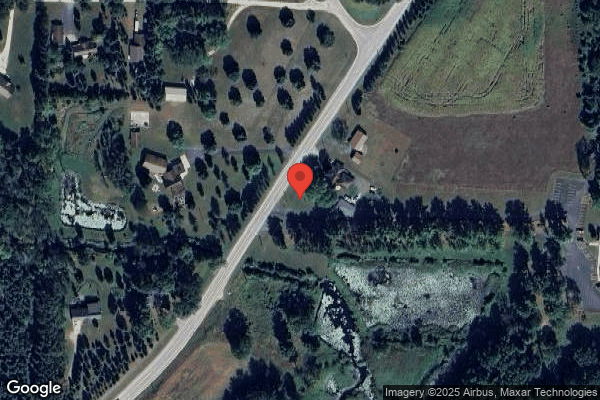

1625 E MAIN ST, CLINTONVILLE, WI 54929 (715) 823-3135
For profit - Corporation 50 Beds THE ENSIGN GROUP Data: November 2025 1 Immediate Jeopardy citation
Trust Grade
48/100
#177 of 321 in WI
Last Inspection: July 2025

Inspected within the last 6 months. Data reflects current conditions.

Overview

The Pines Post Acute and Memory Care has a Trust Grade of D, which means it is below average and raises some concerns about the quality of care. Ranking #177 out of 321 facilities in Wisconsin places it in the bottom half, and #6 out of 8 in Waupaca County indicates that there are only two local options that are better. Unfortunately, the facility's trend is worsening, with issues doubling from 5 in 2024 to 10 in 2025. Staffing is a relative strength with a rating of 4 out of 5 stars and a turnover rate of 40%, which is below the state average, suggesting that many staff members remain long-term and know the residents well. However, there are significant concerns, such as a critical finding where a resident with Alzheimer’s was physically restrained in bed, limiting their movement and access to call for help, and another incident where a resident with Parkinson's fell when a bed alarm meant to alert staff was not functioning properly. Overall, while there are some positive aspects, families should carefully consider the facility's serious issues and declining trend.

Trust Score
D
48/100
In Wisconsin
#177/321
Bottom 45%
Safety Record
High Risk
Review needed
Inspections
Getting Worse
5 → 10 violations
Staff Stability
○ Average
40% turnover. Near Wisconsin's 48% average. Typical for the industry.
Penalties
✓ Good
No fines on record. Clean compliance history, better than most Wisconsin facilities.
Skilled Nurses
✓ Good
Each resident gets 44 minutes of Registered Nurse (RN) attention daily — more than average for Wisconsin. RNs are trained to catch health problems early.
Violations
⚠ Watch
20 deficiencies on record. Higher than average. Multiple issues found across inspections.
★★★☆☆
3.0
Overall Rating
★★★★☆
4.0
Staff Levels
★★★★★
5.0
Care Quality
★★☆☆☆
2.0
Inspection Score
Stable
2024: 5 issues
2025: 10 issues

The Good

  • 4-Star Staffing Rating · Above-average nurse staffing levels
  • 5-Star Quality Measures · Strong clinical quality outcomes
  • Full Sprinkler Coverage · Fire safety systems throughout facility
  • No fines on record
  • Staff turnover below average (40%)

    8 points below Wisconsin average of 48%

Facility shows strength in staffing levels, quality measures, fire safety.

The Bad

3-Star Overall Rating

Near Wisconsin average (3.0)

Meets federal standards, typical of most facilities

Staff Turnover: 40%

Near Wisconsin avg (46%)

Typical for the industry

Chain: THE ENSIGN GROUP

Part of a multi-facility chain

Ask about local staffing decisions and management

The Ugly 20 deficiencies on record

1 life-threatening 1 actual harm
Jul 2025 6 deficiencies
CONCERN (D)

Potential for Harm - no one hurt, but risky conditions existed

Deficiency F0558 (Tag F0558)

Could have caused harm · This affected 1 resident

**NOTE- TERMS IN BRACKETS HAVE BEEN EDITED TO PROTECT CONFIDENTIALITY** Based on observation, staff and resident interview, and record review, the facility did not ensure 1 resident (R) (R21) of 16 sa...

Read full inspector narrative →
**NOTE- TERMS IN BRACKETS HAVE BEEN EDITED TO PROTECT CONFIDENTIALITY** Based on observation, staff and resident interview, and record review, the facility did not ensure 1 resident (R) (R21) of 16 sampled residents had a call light within reach and was provided hearing aids. On 7/16/25, R21 was in R21's room without access to a call light or a means to notify staff if assistance was needed. In addition, R21 did not have hearing aids in either ear on 7/15/25. Findings include:From 7/15/25 to 7/17/25, Surveyor reviewed R21's medical record. R21 was admitted to the facility on [DATE] and had diagnoses including hemiplegia (paralysis on one side of body) and hemiparesis (weakness on one side of the body) following a stroke affecting the left non-dominant side, anxiety, chronic pain, asthma, and neuromuscular dysfunction of bladder with urinary incontinence. R21's Minimum Data Set (MDS) assessment, dated 4/29/25, had a Brief Interview for Mental Status (BIMS) score of 15 out of 15 which indicated R21 had intact cognition. The MDS assessment also indicated R21 had hearing aids. R21 had a Guardian who assisted with healthcare decisions.R21's plan of care indicated R21 was at risk for falls related to left hemiparesis and contained interventions to be sure the call light was within reach and encourage R21 to use the call light to call for assistance. R21's plan of care also indicated R21 was at risk for impaired visual function but did not indicate R21 had impaired hearing. On 7/15/25 at 11:00 AM and 11:18 AM, Surveyor interviewed R21 who stated, Sometimes they (staff) put my call light on my left side where I can't reach it. They do it on purpose. I have a reacher and I have to be creative to reach the things I need. R21 also indicated R21 had two hearing aids that were not very good ones. Surveyor noted R21 did not have hearing aids in either ear. R21 indicated R21 was not wearing hearing aids because staff did not put them in. R21 stated R21 had to ask staff to put them in.On 7/16/25 at 11:49 AM, Surveyor observed Certified Nursing Assistant (CNA)-I provide cares for R21. CNA-I left the room and was halfway down the hallway when Surveyor informed CNA-I that R21's call light was hung on the left bedrail and out of R21's reach.On 7/16/25 at 11:57 AM, Surveyor interviewed CNA-I who verified the call light was not within R21's reach. CNA-I then placed the call light on R21's abdomen.On 7/16/25 at 1:25 PM, Surveyor interviewed Director of Nursing (DON)-B who verified R21's plan of care did not address hearing/hearing aids. DON-B also verified R21's MDS assessment indicated R21 had hearing aids and agreed R21 should have had a care plan for hearing/hearing aids. On 7/17/25 at 10:45 AM, Surveyor interviewed DON-B who verified R21's call light should have been within reach due to R21's limited mobility from a stroke that affected the left upper extremity. DON-B indicated the facility did not have a call light policy and stated it was a standard of care that call lights need to be within residents' reach.
CONCERN (D)

Potential for Harm - no one hurt, but risky conditions existed

Deficiency F0628 (Tag F0628)

Could have caused harm · This affected 1 resident

**NOTE- TERMS IN BRACKETS HAVE BEEN EDITED TO PROTECT CONFIDENTIALITY** Based on staff interview and record review, the facility did not ensure a written transfer and/or bed hold notice or Ombudsman n...

Read full inspector narrative →
**NOTE- TERMS IN BRACKETS HAVE BEEN EDITED TO PROTECT CONFIDENTIALITY** Based on staff interview and record review, the facility did not ensure a written transfer and/or bed hold notice or Ombudsman notification was provided when 2 residents (R) (R45 and R47) of 2 sampled residents transferred to the hospital and/or discharged from the facility.R45 was transferred to the hospital on 4/14/25 and 5/13/25. Neither R45 or R45's Guardian were provided a written transfer notice. R45 was also transferred to the hospital on 4/29/25. Neither R45 or R45's Guardian were provided a written transfer or bed hold notice. In addition, the Ombudsman was not notified of the transfers or R45's discharge from the facility following the 5/13/25 hospital transfer.R47 was discharged to an assisted living facility on 5/12/25. The Ombudsman was not notified of the discharge. Findings include:The facility's Admission/Discharge/Transfer: Subject: Bed Hold - Transfer/Discharge - Ombudsman notification policy, revised 7/17/25, indicates: It is the policy of this facility to inform the resident or the resident's representative in writing of the right to exercise the bed hold provision of 15 days upon admission and before transfer to a general acute care hospital .A written transfer/discharge notice must be completed at the time of transfer or discharge and the Ombudsman is to be notified of all transfers and discharges. A copy of the bed hold notification along with the transfer/discharge notice shall become a part of the resident's health record at the time of transfer .each transfer/discharge notice shall include: The reason for the transfer or discharge, the right to appeal the transfer or discharge, and the contact information of the state Ombudsman and the Disability Rights Commission.1. From 7/15/25 to 7/17/25, Surveyor reviewed R45's medical record. R45 was admitted to the facility on [DATE] and had diagnoses including stroke affecting the left non-dominant side, seizures, and depression. R45's Minimum Data Set (MDS) assessment, dated 4/22/25, had a Brief Interview for Mental Status (BIMS) score of 2 out of 15 which indicated R45 had severely impaired cognition. R45 had a Guardian for healthcare decisions.On 4/14/25, R45 was transferred to the hospital following a fall. R45 was diagnosed with an intraventricular hemorrhage in the posterior right ventricle (brain bleed). R45's medical record did not not indicate a written transfer notice was provided to R45 or R45's Guardian or that the Ombudsman was notified of the transfer.On 4/29/25, R45 was transferred to the hospital and diagnosed with a complicated urinary tract infection (UTI). R45 returned to the facility the same day. R45's medical record did not indicate a written transfer or bed hold notice was provided to R45 or R45's Guardian or that the Ombudsman was notified of the transfer.On 5/13/25, R45 was transferred to the hospital and diagnosed with pneumonia. R45 did not return to the facility. R45's medical record did not indicate a transfer notice was provided to R45 or R45's Guardian or that the Ombudsman was notified of the transfer and discharge.On 7/17/25 at 11:16 AM, Surveyor interviewed Nursing Home Administrator (NHA)-A who was not aware that a transfer notice should be completed for residents who are transferred to the hospital. NHA-A verified R45 and R45's Guardian were not provided with a written transfer and/or bed hold notice and the Ombudsman was not notified. On 7/17/25 at 12:36 PM, Surveyor interviewed Director of Nursing (DON)-B who verified neither R45 or R45's Guardian were provided a bed hold notice for R45's 4/29/25 hospital transfer. DON-B indicated the Ombudsman notifications for May were missed.2. From 7/15/25 to 7/17/25, Surveyor reviewed R47's medical record. R47 was admitted to the facility on [DATE] and had diagnoses including Alzheimer's disease, cognitive communication deficit, epilepsy, and history of repeated falls. R47's MDS assessment, dated 3/31/25, had a BIMS score of 4 out of 15 which indicated R47 had severely impaired cognition. R47 had a Guardian for healthcare decisions.On 5/12/25, R47 was discharged to an assisted living facility. R47's medical record did not indicate the Ombudsman was notified of the discharge. On 7/17/25 at 1:20 PM, Surveyor interviewed NHA-A who verified Ombudsman transfer and discharge notifications were missed in May and were sent on 7/17/25.
CONCERN (D)

Potential for Harm - no one hurt, but risky conditions existed

Accident Prevention (Tag F0689)

Could have caused harm · This affected 1 resident

Based on observation, staff interview, and record review, the facility did not ensure the resident environment was as free of accident hazards as possible for 1 resident (R) (R10) of 4 sampled residen...

Read full inspector narrative →
Based on observation, staff interview, and record review, the facility did not ensure the resident environment was as free of accident hazards as possible for 1 resident (R) (R10) of 4 sampled residents.R10 had a fall with injury on 6/6/25. Following the fall, the facility did not implement or add physical therapy recommendations to R10's plan of care to prevent future falls or injury.Findings include:The facility's Nursing Clinical Safety Assessment-Falls policy, revised 1/2025, indicates: It is the policy of this facility to evaluate extent of injury after a fall and prevent complications .16. If there is an existing plan of care in the resident's medical record pertaining to falls, it must be updated to reflect newly identified risk factors and approaches .On 7/15/25, Surveyor reviewed R10's medical record. R10 had diagnoses including dementia, diabetes mellitus type 2, unsteadiness on feet, long term use of anticoagulants, and general weakness. R10's Minimum Data Set (MDS) assessment, dated 5/20/25, had a Brief Interview for Mental Status(BIMS) score of 3 out of 15 which indicated R10 had severely impaired cognition. R10 had an activated Power of Attorney for Healthcare (POAHC). A progress note, dated 6/6/25, indicated the writer was outside R10's room and heard R10 say R10 needed to use the restroom badly. The writer saw R10 sit up on R10's bed, lock the walker, and stand. R10 was wearing gripper socks. R10 started to walk toward the bathroom and left the writer's view. R10 yelled that R10 had fallen and hit R10's head. The walker was observed on top of R10's chest. When the writer asked if R10 had moved too fast and lost R10's footing, R10 indicated that must have been what happened. R10 reported pain and the writer observed redness on the left side of R10's forehead. R10's vital signs were within normal limits. Staff assisted R10 up and R10 walked to bed with the walker. R10 then used the restroom with the assistance of staff. An Interdisciplinary Team (IDT) note, dated 6/9/25, indicated the fall occurred on 6/6/25 and R10 was referred for physical therapy (PT) and occupational therapy (OT) with an authorization date of 6/17/25.A care plan, dated 6/11/25, indicated R10 was independent or needed limited assistance with ambulation with a walker in R10's room. R10 was independent with wheelchair mobility and used an assistive device-walker, wheelchair. R10 was independent or needed limited assistance with transfers. The care plan contained interventions to provide supportive care and assistance with mobility as needed and document assistance as needed. A therapy referral was ordered. A Fall Risk Evaluation, dated 6/12/25, indicated R10 was at moderate risk for falls. Surveyor noted R10's transfer and ambulation statuses were not updated following the therapy referral on 6/17/25. On 7/17/2025 at 8:15 AM, Surveyor interviewed Director of Rehabilitation (DOR)-G who indicated R10 currently worked with OT and was discharged from PT on 7/14/25. DOR-G confirmed PT/OT was ordered due to a fall on 6/6/25 and indicated the goal was to get R10 back to independent with transfers and ambulation. DOR-G confirmed R10 required the assistance of one staff with a gait belt for all transfers and ambulation which was recommended by PT/OT on 6/19/25 and discussed with nursing staff in a morning meeting. DOR-G indicated transfer and ambulation status is conveyed to nursing staff during morning meetings and it is the responsibility of nursing staff to update residents' care plans. DOR-G also indicated things get lost in the system at times and care plans do not always get updated. DOR-G indicated DOR-G had documentation of the discussion during the 6/19/25 morning meeting and would provide the documentation to Surveyor. On 7/17/25 at 8:35 AM, Surveyor interviewed Certified Nursing Assistant (CNA)-F who indicated R10 was independent with transfers and ambulation unless R10 requested assistance and used the call light. CNA-F confirmed R10 did not use the call light for transfers or ambulation. On 7/17/25, Surveyor received the 6/19/25 morning meeting documentation from DOR-G. Surveyor noted R10's PT/OT evaluation was completed and indicated R10 transferred with the assistance of 1staff, a four-wheeled walker, and a gait belt. On 7/17/25 at 11:56 AM, Surveyor interviewed Registered Nurse (RN)-H who indicated R10 was referred to PT/OT so R10 could maintain independence. RN-H indicated therapy staff give nursing staff a recommendation sheet with a resident's transfer/ambulation status following an evaluation which is how nursing staff know the resident's care plan should be updated. RN-H indicated therapy staff should provide a recommendation sheet and not just update staff in morning meeting. RN-H indicated a new Director of Rehabilitation had just started and the team should discuss how to ensure care plans get updated. RN-H confirmed R10's care plan did not accurately reflect R10's current transfer and ambulation status.
CONCERN (D)

Potential for Harm - no one hurt, but risky conditions existed

Deficiency F0692 (Tag F0692)

Could have caused harm · This affected 1 resident

**NOTE- TERMS IN BRACKETS HAVE BEEN EDITED TO PROTECT CONFIDENTIALITY** Based on staff interview and record review, the facility did not ensure appropriate weight monitoring was provided for 1 residen...

Read full inspector narrative →
**NOTE- TERMS IN BRACKETS HAVE BEEN EDITED TO PROTECT CONFIDENTIALITY** Based on staff interview and record review, the facility did not ensure appropriate weight monitoring was provided for 1 resident (R) (R14) of 3 sampled residents.The facility did not update the physician regarding R14's weight loss of 6.15% from 6/6/25 to 7/4/25. In addition, the facility did not use the same device to obtain R14's weight on each weigh date. Findings include:The facility's Nursing Administration - Nutrition policy, revised 1/2025, indicates: It is the policy of this facility to ensure all residents maintain acceptable parameters of nutritional status, such as body weight and protein levels, unless the resident's clinical condition demonstrates that this is not possible .Significant weight loss - 5% in one month, 7.5% in three months, or 10% in six months, as well as unplanned weight loss that occurs over time that does not meet the guidelines for significant weight loss and does not trigger review of the nutritional status .should be addressed in the care plan .Weights should be obtained via the same device on each weigh date .The Interdisciplinary Team (IDT) will further assess nutritional needs and goals of the resident in the context of his/her overall condition. Nutritional assessment may include: Weighing and weight changes .2. Any resident weight that varies from the previous reporting by 5% in 30 days, 7.5% in 90 days, and 10% in 180 days will be evaluated by the IDT to determine the cause of the weight loss/gain and interventions required. Family member/responsible party and attending physician will be notified by the unit manager .4. The nurse will notify the physician, family, and/or resident of the weight loss/gain with interventions. 5. Any resident meeting the criteria for weight loss and any resident at risk will be weighed weekly with the weight entered in the weekly weight progress notes. Weekly weights will be reviewed each week by the dietary manager. Any obscure weights will be re-weighed the next day .From 7/15/25 to 7/17/25, Surveyor reviewed R14's medical record. R14 was admitted to the facility on [DATE] and had diagnoses including nontraumatic intracerebral hemorrhage, vascular dementia with mood disturbance, cognitive communication deficit, and hemiplegia affecting the right dominant side. R14's Minimum Data Set (MDS) assessment, dated 4/15/25, had a Brief Interview for Mental Status (BIMS) score of 4 out of 15 which indicated R14 had severely impaired cognition. R14 had an activated Power of Attorney for Healthcare (POAHC). A care plan, revised 1/8/25, indicated R14 was at high nutritional risk secondary to cerebrovascular accident, diabetes, dementia, hypertension, anxiety, and dysphagia, needed a therapeutic diet, and had significant weight loss. The care plan contained the following interventions: Will maintain adequate nutritional status as evidenced by maintaining weight, however, incremental weight loss (1 kilogram/week) beneficial related to high body mass index (BMI) - goal <30; No concentrated sweet, regular texture diet (no corn, no peas), thin liquids; dependent for eating; Sit on R1's right side to help encourage R1 to keep head upright; Usually able to complete liquids independently; Encourage healthy snacks between meals low in refined carbs; Offer cottage cheese; Meals in Blue Spruce dining area; Monitor intake and record every meal; Monitor/assess per primary care physician recommendations with any reported coughing concerns with meals; No preference for mealtimes; Offer and encourage fluids throughout day to help maintain hydration status. Provide 240 milliliters (ml) of fluids between meals. Monitor for signs and symptoms of dehydration. Report significant changes to provider; Weekly weights times four weeks and then monthly if stable.Surveyor reviewed R14's weights and noted the following:~ On 7/4/25 at 11:39 AM, R14 weighed 190.7 pounds (sitting) ~ On 6/27/25 at 11:43 AM, R14 weighed 192.0 pounds (sitting) ~ On 6/20/25 at 12:32 PM, R14 weighed 188.4 pounds (sitting) ~ On 6/14/25 at 11:21 AM, R14 weighed 189.4 pounds (Hoyer scale) ~ On 6/13/25 at 1:02 PM, R14 weighed 199.7 pounds (Hoyer scale) ~ On 6/6/25 at 12:32 PM, R14 weighed 203.2 pounds (sitting) ~ On 5/30/25 at 1:01 PM, R14 weighed 201.4 pounds (Hoyer scale) ~ On 5/23/25 at 11:27 AM, R14 weighed 198.6 pounds (Hoyer scale) ~ On 5/16/25 at 11:05 AM, R14 weighed 200.4 pounds (Hoyer scale) ~ On 5/9/25 at 12:13 PM, R14 weighed 198.3 pounds (sitting) ~ On 5/2/25 at 11:17 AM, R14 weighed 199.2 pounds (sitting) ~ On 4/25/25 at 11:10 AM, R14 weighed 199.4 pounds (sitting)A weight/skin assessment, completed by Registered Dietitian (RD)-K and dated 6/26/25 at 9:21 PM, indicated R10 had a current weight (as of 6/20/25) of 188.4 pounds and a BMI of 29.1 (which was considered overweight). R10 flagged for weight loss. R10's weight loss history included a loss of -5.1% (significant) in 1 month. R10 was prescribed a diuretic medication and mild weight fluctuations were expected. There was no edema noted. The assessment indicated gradual weight loss (1-2 kilograms/week) was beneficial due to R10's high BMI. R10 was prescribed a no concentrated sweets, regular, thin liquids (no corn, no peas) diet and had an order for 240 ml of fluids three times daily between meals. R10's meal intake was between 76-100% with 9 of 10 snacks accepted. The assessment indicated to continue to offer snacks and fluids between meals and continue to monitor R10's weight.A weight/skin assessment, completed by RD-K and dated 7/9/25 at 7:25 PM, indicated R10 currently weighed (as of 7/4/25) 190.7 pounds and had a BMI of 29.4 (which was considered overweight). R10 flagged for weight loss. R10's weight loss history included a loss of -6.2% (significant) in 1month. R10 was prescribed a diuretic medication and mild weight fluctuations were expected. No recent edema was noted. The assessment indicated gradual weight loss (1-2 kilograms/week) was beneficial due to R10's high BMI. R10 was prescribed a no concentrated sweets, regular, thin liquids (no corn, no peas) diet and had an order for 240 ml of fluids three times daily between meals. R10's meal intake was between 76-100% with 11 of 11 snacks accepted. The assessment indicated to continue to offer snacks and fluids between meals. On 7/16/25 at 11:52 AM, Surveyor interviewed Registered Nurse (RN)-J who confirmed R14's weight loss of 12.5 pounds from 6/6/25 to 7/4/25. RN-J did not know why R14 was losing weigh and was not sure if the physician was notified of the weight loss.On 7/16/25 at 2:03 PM, Surveyor interviewed Director of Nursing (DON)-B who confirmed R14 had a significant weight loss of 6.2% from 6/3/25 to 7/11/25. DON-B indicated the physician was not updated regarding the weight loss. DON-B met with RD-K during a monthly weight review meeting on 7/9/25 and indicated R14's weight loss was reviewed during the meeting. DON-B also acknowledged R14's weights were obtained via Hoyer scale and sitting and stated R14's weights should have been obtained in the same manner.
CONCERN (E)

Potential for Harm - no one hurt, but risky conditions existed

Deficiency F0761 (Tag F0761)

Could have caused harm · This affected multiple residents

Based on observation, staff interview, and record review, the facility did not ensure drugs and biologicals were stored in accordance with the facility's policy. One of three medication carts was obse...

Read full inspector narrative →
Based on observation, staff interview, and record review, the facility did not ensure drugs and biologicals were stored in accordance with the facility's policy. One of three medication carts was observed unlocked and unattended during medication administration. This practice had the potential to affect more than 4 of the 44 residents residing in the facility.The Memory Lane medication cart was unlocked and unattended during medication administration on 7/17/25. Findings include:The facility's Medication Storage policy indicates: .b.Medication rooms, carts, and medication supplies are locked or attended by persons with authorized access.On 7/17/25 at 9:35 AM, Surveyor noted the medication cart on Memory Lane was unlocked and unattended. During the observation, Registered Nurse (RN)-C returned to the medication cart. The medication cart was left unlocked and unattended for 10 minutes. On 7/17/25 at 9:45 AM, Surveyor interviewed RN-C who verified RN-C left the medication cart unlocked and unattended. RN-C indicated it was an accident and RN-C's practice was to lock the medication cart.On 7/17/25 at 9:59 AM, Surveyor interviewed Director of Nursing (DON)-B who indicated medication carts should be locked when unattended.
CONCERN (E)

Potential for Harm - no one hurt, but risky conditions existed

Food Safety (Tag F0812)

Could have caused harm · This affected multiple residents

**NOTE- TERMS IN BRACKETS HAVE BEEN EDITED TO PROTECT CONFIDENTIALITY** Based on observation, staff interview, and record review, the facility did not ensure food was stored and prepared in a sanitary...

Read full inspector narrative →
**NOTE- TERMS IN BRACKETS HAVE BEEN EDITED TO PROTECT CONFIDENTIALITY** Based on observation, staff interview, and record review, the facility did not ensure food was stored and prepared in a sanitary manner. This practice had the potential to affect all 44 residents residing in the facility.Staff did not test the parts per million (PPM) of the Quaternary sanitizing solution per the manufacturer's instructions.The reach-in cooler did not maintain a consistent and safe temperature for items that required storage at 41 degrees Fahrenheit (F) or below.The reach-in cooler contained unlabeled, undated, and/or expired items.Findings include:On 7/15/25, Lead [NAME] (LC)-D indicated the facility follows the Wisconsin Food Code. Sanitizing Solution Testing:The Hydrion Quaternary test strip package insert indicates the test solution should be between 65 and 75 degrees F at the time of testing.During an initial kitchen tour on 7/15/25 at 8:21 AM, Surveyor observed the three-compartment sink which contained a bucket of sanitizing solution. Surveyor also observed a sanitizer bucket log which contained PPM documentation. Surveyor noted the log did not indicate the temperature of the sanitizing solution. Surveyor also noted a poster above the three-compartment sink that indicated the recommended water temperature for the Oasis 146 QUAT sanitizer was 65 to 73 degrees F.During a continuous kitchen observation that began at 10:25 AM on 7/16/25, Surveyor interviewed LC-D and Director of Food and Nutrition (DFN)-E. DFN-E indicated kitchen staff use the three-compartment sink to prepare sanitizer buckets used to clean dining and food prep areas. DFN-E confirmed staff do not test or document the temperature of the water added to the the sanitizer buckets. LC-D then temped the water from the faucet that is used to prepare sanitizer buckets and showed Surveyor the thermometer which read 98.4 degrees F. LC-D indicated the temperature was above the recommended range. DFN-E filled another container with water from the faucet and indicated the temperature was 79.5 degrees F. DFN-E again indicated the water temperature was above the manufacture's recommended temperature range of 65 to 75 degrees F. Reach-In Cooler:The 2022 Wisconsin Food Code documents at 3-202.11 Temperature: .Perishable food items must be stored at appropriate temperatures to prevent spoilage and reduce the risk of foodborne illnesses. Refrigerators should be set below 41 F (5 Celsius (C)) and freezers at or below 0 F (-18 C) .The 2022 Wisconsin Food Code documents at 3-501.17 Ready-to-Eat, Time/Temperature Control for Safety Food, Date Marking: .Refrigerated, ready-to-eat, time/temperature control for safety food prepared and held in a food establishment for more than 24 hours shall be clearly marked to indicate the date or day by which the food shall be consumed on the premises, sold, or discarded when held at a temperature and time combination of 5 degrees C (41 degrees F) (A) A food specified under 3-501.17 (A) or (B) shall be discarded if it: (1) Exceeds the temperature and time combination specified in 3-501.17 (A), except time that the product is frozen; (2) Is in a container or package that does not bear a date or day.During an initial kitchen tour that began at 8:21 AM on 7/15/25, Surveyor noted the reach-in cooler thermometer read 49 degrees F and observed the following items in the reach-in cooler:~ Two unopened gallons of milk~ One open and half-full gallon of milk~ One case of string cheese~ One three-quarters full case of yogurt ~ Three containers of Magic Cups~ One half-full case of whipped margarine spread~ One unlabeled container (dated 7/14) of thickened pre-mixed honey consistency red juice~ One container of honey consistency thickened water (dated 7/11)~ One container of nectar consistency apple juice (dated 7/8)~ Two open containers of Med Pass 2.0 (one dated 4/20 and the other dated 6/2)~ Three containers of Prairie brand lactose-free milk During a continuous kitchen observation that began at 10:25 AM on 7/16/25, Surveyor noted the reach-in cooler thermometer read 51 degrees F. Surveyor interviewed DFN-E who indicated a 50 degree temperature in the reach-in cooler was concerning and the food in the cooler needed to be brought to the correct temperature or it would not be served. Surveyor noted the following items in the reach-in cooler:~ One unopened gallon of milk~ One open gallon of milk~ One case of string cheese~ One three-quarters full case of yogurt~ Three containers of Magic Cups~ One half-full case of whipped margarine spread~ One container of thickened juice (dated 7/14)~ One unlabeled container of thickened pre-mixed honey consistency red juice (dated 7/14)~ One container of honey consistency thickened water (dated 7/11)~ One container of nectar consistency apple juice (dated 7/8)~ Two open containers of Med Pass 2.0 (one dated 4/20 and the other dated 6/2)~ One covered tray of individual bowls of fruit cocktail Surveyor observed LC-D remove the fruit cocktail during lunch service and obtain a temperature of 49.6 degrees F. The fruit cocktail was served to residents during lunch. Surveyor noted thickened liquids and juice from the reach-in cooler were also served to residents during lunch and milk from the cooler was thickened with Simply Thick and served to residents. Expired Items in Reach-In Cooler:The 2022 Wisconsin Food Code documents at 3-501.17 Ready-to-Eat, Time/Temperature Control for Safety Food, Date Marking: (A) Except when packaging food using a reduced oxygen packaging method as specified under 3-502.12, and except as specified in (E), (F), and (H) of this section, refrigerated, ready to eat, time/temperature control for safety food prepared and held in a food establishment for more than 24 hours shall be clearly marked to indicate the date or day by which the food shall be consumed on the premises, sold, or discarded when held at a temperature and time combination of 5 degrees C (41 degrees F) or less for a maximum of 7 days. The day of preparation shall be counted as Day 1 .(2) The day or date marked by the food establishment may not exceed a manufacturer's use-by date if the manufacturer determined the use-by date based on food safety .(D) A date marking system that meets the criteria stated in (A) and (B) of this section may include: .(3) Marking the date or day the original container is opened in a food establishment, with a procedure to discard the food on or before the last date or day by which the food must be consumed on the premises, sold, or discarded as specified under (B) of this section .Disposition: (A) A food specified under 3-501.17 (A) or (B) shall be discarded if it: (1) Exceeds the temperature and time combination specified in 3-501.17 (A), except time that the product is frozen; (2) Is in a container or package that does not bear a date or day.According to Simply Thick (a food and beverage thickener designed to improve the lives of people living with swallowing disorders, otherwise known as dysphagia) documents at https://www.simplythick.com: You can keep beverages thickened with Simply Thick Easy Mix in the refrigerator for up to 72 hours after mixing. After this period, it is recommended to discard the beverage to ensure safety and effectiveness .After this period, the beverage should not be consumed for safety reasons.According to [NAME] Health makers of Med Pass 2.0 (a supplement that provides additional calories and protein) documents at [NAME].Health.com .Once opened, Med Pass 2.0 can stay in the refrigerator for up to 4 days if properly refrigerated .During an initial kitchen tour that began at 8:21 AM on 7/15/25, Surveyor observed the following items in the reach-in cooler:~ Three containers of Prairie Farms lactose-free milk with best-by dates of 7/10/25~ One container of thickened juice (dated 7/14)~ One container of thickened pre-mixed honey consistency juice~ One container of thickened pre-mixed nectar consistency water~ Thickened apple juice (dated 7/8)~ Two open containers of Med Pass 2.0 (one dated 4/20 and one dated 6/2)During a continuous kitchen observation that began at 10:25 AM on 7/16/25, Surveyor interviewed LC-D who confirmed the facility uses Simply Thick to thicken drinks for residents who require thickened liquids. During a continuous kitchen observation that began at 10:25 AM on 7/16/25, Surveyor interviewed DFN-E who indicated thickened apple juice should not be in the cooler and stated thickened juices and Med Pass 2.0 can be kept pre-mixed in the cooler for seven days. DFN-E also verified the Prairie Farms lactose-free milk was expired and disposed of on 7/15/25.
Jun 2025 2 deficiencies 1 Harm
SERIOUS (G) 📢 Someone Reported This

A family member, employee, or ombudsman was alarmed enough to file a formal complaint

Actual Harm - a resident was hurt due to facility failures

Accident Prevention (Tag F0689)

A resident was harmed · This affected 1 resident

**NOTE- TERMS IN BRACKETS HAVE BEEN EDITED TO PROTECT CONFIDENTIALITY** 2. On 6/19/25, Surveyor reviewed R2's medical record. R2 was admitted to the facility on [DATE] and had a diagnosis of Parkinson...

Read full inspector narrative →
**NOTE- TERMS IN BRACKETS HAVE BEEN EDITED TO PROTECT CONFIDENTIALITY** 2. On 6/19/25, Surveyor reviewed R2's medical record. R2 was admitted to the facility on [DATE] and had a diagnosis of Parkinson's disease. R2's MDS assessment, dated 5/2/25, had a BIMS score of 9 out of 15 which indicated R2 had moderate cognitive impairment. R2 had a POAHC. R2's care plan indicated the following: ~ Sensor alarm to bed and chair to alert staff of self-ambulating so staff can assure R2 is using R2's walker ~ Do not put feet up in recliner, unable to put down independently Surveyor reviewed a fall investigation that indicated R2 was found on the floor of R2's room on 4/27/25 at 6:15 PM. CNA staff had assisted R2 to bed less than five minutes prior. A Licensed Practical Nurse (LPN) entered R2's room to administer medication at 6:15 PM and observed R2 ambulating independently in the room and bleeding above the right eye. The bed alarm was not sounding when the LPN entered the room. R2 was unable to state what occurred but reported that R2 fell. R2 was transferred to the emergency room (ER) for evaluation. It was determined that staff did not turn on the bed alarm when they assisted R2 to bed. The Interdisciplinary Team (IDT) reviewed the incident and verified that failure to follow R2's care plan resulted in the lack of immediate notification of R2's fall although R2 was discovered shortly afterward. The fall resulted in the reopening of a prior cut that needed to be resutured (stitches were removed from R2's right eye on 4/26/25). Immediate education was provided to the staff who did not follow R2's care plan and education was provided to all staff in the following days. The investigation included an interview with CNA-F who indicated R2 was toileted prior to being assisted to bed. CNA-F was aware that R2 needed a chair alarm but not a bed alarm. The investigation also included an interview with CNA-G who indicated R2 was toileted prior to being assisted to bed. CNA-G was not aware that R2 needed a bed alarm. On 6/19/25 at 9:35 AM, Surveyor observed a staff assist R2 into R2's recliner. Surveyor heard the alarm pad beep twice as R2 sat in the recliner. The staff ensured R2's call light was within reach and exited the room. On 6/19/25 at 9:37 AM, Surveyor observed R2 stand up from the recliner and heard the alarm sound. RN-H and LPN-I immediately responded and assisted R2 back into the recliner. Surveyor observed RN-H raise the footrest of the recliner and ensure R2's call light was within reach. RN-H and LPN-I then exited the room. On 6/19/25 at 9:58 AM, Surveyor interviewed DON-B who showed Surveyor the Kardex behind R2's door. DON-B verified the Kardex indicated the footrest of the recliner should not be raised. DON-B verified R2's footrest was in a raised position and lowered R2's footrest for safety. On 6/19/25 at 10:08 AM, Surveyor interviewed RN-H who verified RN-H responded to R2's alarm and raised the footrest on R2's recliner. RN-H did not realize R2's care plan indicated the footrest should not be raised. RN-H was aware care plan interventions were listed in the computer and on the back of room doors. RN-H verified staff had received education a couple months ago regarding falls and the importance of following care plan interventions. Based on observation, staff interview, and record review, the facility did not ensure fall prevention interventions were in place for 2 residents (R) (R1 and R2) of 5 sampled residents. R1's care plan contained interventions for bed and chair alarms for fall prevention. On 5/16/25, staff did not ensure R1 had a wheelchair alarm and R1 fell. On 5/26/25, staff did not ensure R1 had a bed alarm. R1 fell while attempting to get out of bed. On 6/7/25, staff did not ensure R1 had a wheelchair alarm. R1 self-transferred, fell, and sustained a hip fracture that required hospitalization. (This example is being cited at a level G.) R2's care plan contained interventions for bed and chair alarms for fall prevention. On 4/27/25, staff did not ensure R2 had a bed alarm. R2 fell and reopened a suture line on R2's forehead sustained in a previous fall. In addition, R2's care plan indicated R2 was not to have the footrest raised while in R2's recliner. On 6/19/25, staff raised the footrest while R2 was in the recliner. Findings include: The facility's Falls Program policy, dated 4/2025, indicates: It is the policy of this facility to reduce the number and severity of falls and to identify high risk residents and take precautionary measures .3. Staff to check at beginning of every shift for correct application of care planned interventions (i.e., alarms, floor mats, call light within reach, restraints, wheelchairs, bed rails, etc.) . 1. On 6/19/25, Surveyor reviewed R1's medical record. R1 was admitted to the facility on [DATE] and had diagnoses including dementia, chronic multifocal osteomyelitis in right ankle and foot, and diabetes. R1's Minimum Data Set (MDS) assessment, dated 5/20/25, had a Brief Interview for Mental Status (BIMS) score of 13 out of 15 which indicated R1 had intact cognition. R1 had an activated Power of Attorney for Healthcare (POAHC). A care plan (initiated 5/15/25) indicated R1 was at risk for falls related to weakness and multiple sclerosis and contained the following intervention: Fall prevention devices per orders and/or per Kardex (an abbreviated care plan used by nursing staff) - chair alarm and bed alarm due to impulsiveness, does not always ask for assistance (initiated 5/19/25). A care plan (initiated 5/15/25) indicated R1 had an activities of daily living (ADL) self-care performance deficit related to multiple sclerosis and contained the following intervention: Transfer: Two assist pivot transfer with gait belt and walker (initiated 5/15/25). A care plan (initiated 6/1/25) indicated R1 was on diuretic therapy related to hypertension (high blood pressure) and contained the following interventions: May cause dizziness, postural hypotension (low blood pressure), fatigue, and an increased risk for falls. Observe for possible side effects (every) shift (initiated 6/1/25); Monitor for increased falls with position changes (initiated 6/1/25). A progress noted, dated 6/7/25 at 12:45 PM, indicated the writer was called to R1's room by an activity staff who was in the hallway and heard noise from the room. R1 was observed on the floor on R1's left side with R1's legs in the bathroom and upper body in the bedroom. R1's walker was between the bed and the doorway and R1's wheelchair was next to the recliner. R1 had a hematoma and was bleeding from the left side of the head at the hairline. R1 reported head pain but denied arm and leg pain. R1 later complained of upper left thigh pain when sitting in the wheelchair. The on-call provider was notified and R1 was sent to the Emergency Department (ED). On 6/19/25, Surveyor reviewed a facility-reported incident (FRI) that indicated on 6/7/25 at 11:25 AM, Activities Aide (AA)-J witnessed R1 fall. AA-J called for assistance and told Assistant Director of Nursing (ADON)-K what had occurred. ADON-K assisted R1 and notified the on-call doctor at approximately 11:40 AM. Emergency Medical Services (EMS) arrived and transported R1 to the hospital. ADON-K interviewed staff on the unit and discovered R1's care plan was not followed regarding the use of a chair alarm. As a result of the fall, R1 was hospitalized with a hip fracture. Surgical repair was scheduled, however, R1 passed away on 6/11/25 with the cause as death listed as acute encephalopathy (a sudden disturbance in brain function often caused by systemic issues rather than direct brain injury). The fall investigation contained an interview with ADON-K, dated 6/7/25, that indicated ADON-K was notified by activity staff at approximately 11:25 AM that R1 was on the floor in R1's bedroom. ADON-K observed R1 on the floor and noted R1 was bleeding from the head. ADON-K applied pressure to the area and completed a neuro assessment. The bleeding was not controlled and the physician was notified at approximately 11:40 AM. R1 was sent to the ED for evaluation and treatment due to a head injury, anticoagulant use, and upper left thigh pain. ADON-K noted R1's chair alarm/sensor pad was not in the wheelchair and observed a sensor pad on the floor next to R1's recliner with the alarm in the side pocket of the recliner. R1 was last seen in the sun room in a wheelchair. An undated interview with AA-J indicated AA-J was in the hallway on 6/7/25 at approximately 11:30 AM and heard the clinking sounds of a walker bumping into something. AA-J looked in R1's room and saw R1 fall backwards and hit R1's head on the floor. AA-J saw ADON-K at the end of the hallway and notified ADON-K that R1 fell. An interview with Certified Nursing Assistant (CNA)-L, dated 6/11/25, indicated CNA-L had gotten R1 up before breakfast on 6/7/25 and was unaware that R1 should have a chair alarm, but knew R1 had bed an recliner alarms. CNA-L indicated R1 went to the sun room for breakfast and worked on a puzzle in the sun room after breakfast. Prior to lunch, CNA-L went to another wing that needed assistance and was not on the unit when R1 fell. An undated handwritten statement from CNA-L indicated CNA-L thought R1 self-transferred to a rocking chair from R1's wheelchair and then walked to the bathroom. The chair alarm was on the floor and CNA-L saw R1 laying on the floor by R1's bathroom door. On 6/19/25 at 1:50 PM, Surveyor interviewed Nursing Home Administrator (NHA)-A and Director of Nursing (DON)-B who verified staff did not follow R1's care plan and did not ensure R1 had a chair alarm on 6/7/25. Education was provided to all staff regarding following care plan interventions, however, current noncompliance was observed during the survey. (See example 2)
CONCERN (D) 📢 Someone Reported This

A family member, employee, or ombudsman was alarmed enough to file a formal complaint

Potential for Harm - no one hurt, but risky conditions existed

Abuse Prevention Policies (Tag F0607)

Could have caused harm · This affected 1 resident

Based on staff interview and record review, the facility did not implement written policies and procedures that prohibit and prevent abuse for 1 (Certified Nursing Assistant (CNA)-C) of 8 staff review...

Read full inspector narrative →
Based on staff interview and record review, the facility did not implement written policies and procedures that prohibit and prevent abuse for 1 (Certified Nursing Assistant (CNA)-C) of 8 staff reviewed for caregiver background checks. The facility did not ensure a thorough caregiver background check was completed for CNA-C. Findings include: The facility's Abuse Prevention Program, dated 5/2025, indicates: It is the policy of this facility that each resident has a right to be free from abuse, neglect, misappropriation of resident property, and exploitation .Residents must not be subjected to abuse by anyone, including but not limited to, facility staff, other residents, consultants or volunteers, staff of other agencies serving the resident .2. All employees will be properly screened for criminal background at a minimum of on hire and every four years . Wisconsin Caregiver Program: Offenses Affecting Caregiver Eligibility For Chapter 50 Programs, dated 4/2020, indicates: This document lists Wisconsin crimes and other offenses that the Wisconsin State Legislature, under the Caregiver Law, Wis. Stat. § 50.065, has determined require rehabilitation review approval before a person may receive regulatory approval, work as a caregiver, reside as a non-client resident at, or contract with an entity .Additional information must be obtained when: .The Background Information Disclosure (BID) or Department of Justice (DOJ) response indicates a conviction of any of the following, where the conviction occurred five years or less from the date on which the information was obtained .6. Disorderly conduct Wis. Stat. § 947.01 .Note: These seven convictions do not prohibit employment, but do require the entity to obtain the criminal complaint and judgment of conviction from the Clerk of Courts office in the county where the person was convicted . On 6/19/25, Surveyor reviewed background check information for 8 facility staff, including CNA-C, and noted CNA-C was a contracted CNA whose hire date was listed as 10/1/24. CNA-C's BID form was dated 1/13/25. The facility did not provide CNA-C's Wisconsin DOJ criminal background check letter or Integrated Background Information System (IBIS) letter. An Attestation Notification indicated CNA-C's agency no longer provided copies of background check results due to an increased focus on privacy laws, federal and/or state regulations, the Fair Credit Reporting Act, restrictions set forth by contracts, and increased focus on joint employer liability. On 6/19/25 at 2:57 PM, Surveyor interviewed Human Resource Manager (HRM)-D who indicated staffing agencies provide the facility's scheduler with agency staff members' criminal background check information and the scheduler sends the information to HRM-D who keeps files on all agency staff. When asked about the DOJ and IBIS letters for CNA-C, HRM-D indicated the agency that CNA-C worked for no longer provides criminal background check documents to the facility due to a data breach. On 6/19/25 at 3:18 PM, Surveyor interviewed Agency Manager (AM)-E via phone who verified AM-E was the manager of the agency that employed CNA-C. AM-E indicated the agency does not provide criminal background check information to facilities in order to protect the privacy of agency employees. During the interview, AM-E emailed CNA-C's DOJ and IBIS letters to Surveyor. With AM-E on the phone, Surveyor reviewed CNA-C's DOJ letter, dated 1/16/25, and IBIS letter, dated 1/16/24. The DOJ letter indicated CNA-C was charged with Disorderly Conduct Wis. Stat. § 947.01(1) in 2021. The charge was dismissed and CNA-C was instead convicted of Disorderly Conduct Wis. Stat. § 31.02(1). AM-E was unaware of the Wisconsin Caregiver Program: Offenses Affecting Caregiver Eligibility For Chapter 50 Programs document and indicated the agency has its own hiring standards which do not include a detailed review of Disorderly Conduct Wis. Stat. § 947.01 if an agency staff is convicted of such.
May 2025 2 deficiencies 1 IJ
CRITICAL (J) 📢 Someone Reported This

A family member, employee, or ombudsman was alarmed enough to file a formal complaint

Immediate Jeopardy (IJ) - the most serious Medicare violation

Deficiency F0604 (Tag F0604)

Someone could have died · This affected 1 resident

**NOTE- TERMS IN BRACKETS HAVE BEEN EDITED TO PROTECT CONFIDENTIALITY** Based on staff interview and record review, the facility did not ensure 1 resident (R) (R1) of 3 sampled residents was free from...

Read full inspector narrative →
**NOTE- TERMS IN BRACKETS HAVE BEEN EDITED TO PROTECT CONFIDENTIALITY** Based on staff interview and record review, the facility did not ensure 1 resident (R) (R1) of 3 sampled residents was free from being physically restrained. R1 had Alzheimer's disease and had a history of tearing apart R1's incontinence brief. On the 4/1/25 PM shift at approximately 9:30 PM, Certified Nursing Assistant (CNA)-C tied the sleeves of R1's nightgown closed with R1's arms inside and tucked a blanket across R1's lap and under both sides of the mattress after R1 repeatedly tried to rip off R1's brief. R1 was restrained in bed until approximately 12:10 AM when staff on the next shift did a routine check on R1. R1 was restrained in such a way that R1 could not access R1's hands or call light and could not move freely in bed. The facility's failure to ensure R1 was not physically restrained and its failure to ensure R1 could move freely in bed and had access to R1's hands and call light created a finding of immediate jeopardy that began on 4/1/25. Nursing Home Administrator (NHA)-A was notified of the immediate jeopardy on 4/24/25 at 5:00 PM. The immediate jeopardy was removed and corrected on 4/2/25. This is being cited as past noncompliance. Findings include: The facility's Restraint Assessment, Physical policy, revised 8/2007, indicates: It is the policy of this facility to ensure that no resident is placed in physical restraints for the purpose of discipline or convenience and that restraints are only applied to treat the resident's medical symptoms .A physical restraint is defined as any manual method or physical or mechanical device, material or equipment attached or adjacent to the resident's body, that the resident cannot remove easily, and restricts freedom of movement or normal access to one's body . On 4/24/25, Surveyor reviewed R1's medical record. R1 was admitted to the facility on [DATE] and had diagnoses including Alzheimer's disease, hemiplegia (weakness on one side of the body) and hemiparesis (paralysis on one side of the body) following cerebral infarction (stroke) affecting the right dominant side, major depressive disorder, and aphasia (an inability to comprehend or formulate language due to damage to the brain). R1's Minimum Data Set (MDS) assessment, dated 2/4/25, documented a Brief Interview for Mental Status (BIMS) score of 2 out of 15 which indicated R1 had severe cognitive impairment. R1 had a court appointed Guardian who was responsible for R1's healthcare decisions. R1's medical record indicated R1 required total assistance of one staff for lower torso cares including incontinence brief changes. R1 could wash R1's face if instructed to do so. R1's plan of care indicated R1 had been tearing R1's incontinence brief apart since 3/2/20 and contained an intervention for staff to check and change R1 frequently. R1's plan of care plan also indicated R1 would sit on R1's bed with R1's legs crossed at times. On 4/24/25, Surveyor reviewed a facility investigation that indicated Licensed Practical Nurse (LPN)-D entered R1's room to provide care on 4/2/25 at 12:10 AM. LPN-D pulled back R1's bedding and noted the sleeves of R1's nightgown were tied tightly shut with R1's arms inside and prevented R1 from being able to access R1's hands. LPN-D also observed a folded blanket placed across R1's waist and tucked under the mattress on both sides of the bed. LPN-D immediately untied the sleeves of R1's nightgown and untucked the blanket from the mattress. When LPN-D asked Certified Nursing Assistant (CNA)-E what was mentioned during shift change report for R1, CNA-E stated the PM shift agency CNA (CNA-C) said R1 was ripping off R1's brief and throwing things around but CNA-C got R1 to stop. Physical and pain assessments were completed with no sign of injury. Bruising was noted on the tops of R1's hands, however, a nurse determined they were not new bruises. The facility's Social Worker (SW) interviewed R1 and determined R1 felt safe did and did not recall an altercation. NHA-A, local law enforcement, R1's Guardian, R1's physician, and the State Agency (SA) were notified timely. CNA-C was removed from all future shifts. Ongoing physical and psychosocial monitoring was initiated for R1. On 4/24/25 at 12:10 PM, Surveyor interviewed LPN-G via phone. LPN-G verified LPN-G worked the 4/1/25 PM shift. LPN-G indicated the last time LPN-G saw R1 was at approximately 6:30 PM when LPN-G observed R1 in a chair in R1's room watching TV. LPN-G was unsure what time R1 was assisted to bed and indicated last rounds by PM CNAs were usually done between 9:30 PM and 10:00 PM. LPN-G did not know when CNA-C restrained R1 and indicated LPN-G was upset when LPN-G heard what had happened. On 4/24/25 at 1:41 PM, Surveyor interviewed NHA-A who indicated the facility determined CNA-C restrained R1 during last rounds on the 4/1/25 PM shift at approximately 9:30 PM. On 4/24/25 at 2:06 PM, Surveyor interviewed LPN-D via phone. LPN-D indicated R1 was restless at the beginning of the overnight shift from 4/1/25 into 4/2/25. LPN-D indicated R1 appeared in no distress but was not sleeping like R1 usually did. LPN-D discovered R1 at approximately 12:00 AM with R1's arms inside R1's night gown lying loosely on R1's abdominal area. LPN-D indicated the sleeves of R1's night gown were turned inside out on the inside of the night gown and indicated R1 may have done that by R1's self. LPN-D indicated R1 was wearing an incontinence brief which R1 had a habit of shredding. LPN-D indicated LPN-D immediately untied the sleeve ends and provided care to R1. On 4/24/25, Surveyor reviewed an email from CNA-C's agency, dated 4/2/25, that stated, .Here is the statement received from (CNA-C) .Yeah. That was a dumb idea. The resident was ripping stuff apart and trying to smear stuff on the walls so I tied the end of the sleeves so (R1) couldn't rip at anything anymore. I don't recall putting the blanket under the mattress. I remember tucking it under (R1) like I usually do . On 4/24/25 at 9:31 AM, Surveyor interviewed R1 who was only able to provide yes/no and one word answers. R1 indicated R1 felt fine and staff were nice to R1. R1 indicated no one had hurt R1 at the facility. R1 was observed in a wheelchair in the day room with no visible restraints. The failure to ensure R1 was not physically restrained and the failure to ensure R1 access to R1's hands and call light and could move freely in bed created a reasonable likelihood for serious harm which led to a finding of immediate jeopardy. The facility removed the jeopardy and corrected the deficient practice on 4/2/25 when it completed the following: 1. Initiated ongoing physical and psychosocial monitoring for R1. 2. Completed skin assessment for other cognitively impaired residents. 3. Notified CNA-C's staffing agency and did not allow CNA-C to return to the facility. 4. Educated facility and agency staff on the facility's abuse and restraint policies.
CONCERN (D) 📢 Someone Reported This

A family member, employee, or ombudsman was alarmed enough to file a formal complaint

Potential for Harm - no one hurt, but risky conditions existed

Abuse Prevention Policies (Tag F0607)

Could have caused harm · This affected 1 resident

Based on staff interview and record review, the facility did not implement policies and procedures to prevent abuse and complete a thorough and timely background check for 1 (Certified Nursing Assista...

Read full inspector narrative →
Based on staff interview and record review, the facility did not implement policies and procedures to prevent abuse and complete a thorough and timely background check for 1 (Certified Nursing Assistant (CNA)-H) of 8 sampled staff. The facility did not ensure a background check was completed every four years for CNA-H, including a Background Information Disclosure (BID) form, Department of Justice (DOJ) report, and an Integrated Background Information System (IBIS) letter. Findings include: The facility's Pre-Employment Investigations policy, dated January 2022, indicates: Post Employment Offer Procedures: Wisconsin Department of Health Caregiver and Department of Justice Criminal Background Checks Required Every Four Years: These checks shall be performed every four years or at any time within that period that the company has reason to believe new checks should be obtained. On 4/24/25, Surveyor reviewed a sample of employees for caregiver background check compliance, including CNA-H. Surveyor noted CNA-H was an agency CNA who started working at the facility on 7/1/23. The background check information provided to Surveyor by the facility on 4/24/25 indicated CNA-H's BID form, DOJ report, and IBIS letter were last completed and reviewed by the agency on 8/14/19. On 4/24/25 at 1:50 PM, Surveyor interviewed NHA (Nursing Home Administrator)-A who indicated CNA-H was an agency staff who began working at the facility on 7/1/23. NHA-A verified CNA-H had worked in the facility in the last three months and the only background check information the facility had for CNA-H was dated 8/14/19. NHA-A stated it is the facility's policy to ensure background checks are completed every four years for all staff, including agency staff.
May 2024 5 deficiencies
CONCERN (D)

Potential for Harm - no one hurt, but risky conditions existed

Incontinence Care (Tag F0690)

Could have caused harm · This affected 1 resident

Based on observation, staff interview, and record review, the facility did not ensure 1 resident (R) (R49) of 1 resident observed during catheter care received appropriate care and services to prevent...

Read full inspector narrative →
Based on observation, staff interview, and record review, the facility did not ensure 1 resident (R) (R49) of 1 resident observed during catheter care received appropriate care and services to prevent urinary tract infections (UTIs). Staff did not ensure R49 received catheter care in a manner that decreased the risk for infection. Findings include: The facility's Catheter Care, Foley policy, last revised 3/2016, indicates: Purpose: To promote hygiene, comfort and decrease risk of infection for catheterized residents Procedure: .9. Using soap and water on a washcloth, clean the catheter insertion site in a downward motion (front to back). Clean the length of the Foley catheter (from resident toward bag). Changing sides of washcloth with each swipe. On 5/14/24, Surveyor reviewed R49's medical record. R49 had an activated healthcare decision maker and admission diagnoses of sepsis due to urinary tract infection and benign prostatic hyperplasia with lower urinary tract symptoms of retention of urine and indwelling catheter. R49's Minimum Data Set (MDS) assessment, dated 4/25/24, stated R49 had a Brief Interview for Mental Status (BIMS) score of 9 out 15 which indicated R49 had moderately impaired cognition. R49 was recently prescribed cefdinir (an antibiotic medication) 300 mg (milligrams) twice daily for 6 days for sepsis due to UTI with an end date of 4/24/24. On 5/14/24 at 10:15 AM, Surveyor observed Certified Nursing Assistant (CNA)-D perform catheter care for R49. Surveyor observed CNA-D use a washcloth to clean the length of the Foley catheter tubing starting at the drainage bag and going toward R49. When Surveyor stopped CNA-D from improperly cleaning R49's Foley catheter in a method that could prevent the spread of infection, CNA-D indicated CNA-D did not know the proper procedure to prevent the spread of infection was to clean the length of the Foley catheter from R49 toward the drainage bag. On 5/14/24 at 2:15 PM, Surveyor interviewed Director of Nursing (DON)-B who confirmed staff should start at the resident and clean in a downward motion toward the catheter drainage bag during catheter care. DON-B indicated nursing staff recently completed skills training and assessments for catheter care.
CONCERN (D)

Potential for Harm - no one hurt, but risky conditions existed

Pharmacy Services (Tag F0755)

Could have caused harm · This affected 1 resident

**NOTE- TERMS IN BRACKETS HAVE BEEN EDITED TO PROTECT CONFIDENTIALITY** Based on observation, staff interview, and record review, the facility did not provide pharmaceutical services to ensure the acc...

Read full inspector narrative →
**NOTE- TERMS IN BRACKETS HAVE BEEN EDITED TO PROTECT CONFIDENTIALITY** Based on observation, staff interview, and record review, the facility did not provide pharmaceutical services to ensure the accurate acquiring, receiving, dispensing, and administering of all drugs and biologicals for 2 residents (R) (R35 and R12) of 5 residents observed during medication pass. On 5/14/24 at 8:45 AM, Surveyor observed Licensed Practical Nurse (LPN)-H administer an Advair Diskus inhaler (corticosteroid inhaler used for emphysema) to R35. An order for the inhaler indicated R35 should rinse R35's mouth with water and spit the water in a cup. LPN-H did not offer R35 water after administration of the inhaler or encourage R35 to rinse and spit. In addition, LPN-H crushed R35's enteric-coated ferrous (iron) sulfate tablet. On 5/14/24 at 8:55 AM, Surveyor observed LPN-H administer a Breo Ellipta (a corticosteroid inhaler used for asthma) inhaler to R12. An order for the inhaler indicated R12 should rinse and spit after use. LPN-H did not offer R12 water after administration of the inhaler or encourage R12 to rinse and spit. In addition, LPN-H provided R12 with 120 cc (cubic centimeters) of Med Pass 2.0 (a supplement to help promote weight gain). R12 did not have an order for Med Pass 2.0. Findings include: Patient information for Advair Diskus indicates: .Rinse your mouth with water after breathing the medication. Spit out the water. Do not swallow it. Ferrous sulfate (Feosol, Feratab) Copyright ©2011-2024 GoodRx, Inc. states via its website: An enteric coating is a specific coating that not only protects the stomach but prevents medications from dissolving too early. This ensures they reach the small intestine for better absorption. Crushing, splitting, or chewing enteric-coated pills could result in irritation or a less effective treatment. Patient information for Breo Ellipta indicates: .Rinse your mouth with water after you have used the inhaler and spit the water out. Do not swallow the water. 1. On 5/14/24, Surveyor reviewed R35's medical record. R35 was admitted to the facility on [DATE] with diagnoses including stroke, anemia, dementia, aphasia, and asthma. R35's Minimum Data Set (MDS) assessment, dated 4/23/24, stated R35 had a Brief Interview for Mental Status (BIMS) score of 3 out of 15 which indicated R35 had severely impaired cognition. R35's medical record contained the following orders: ~ Advair Diskus Aerosol powder breath activated 250-50 mcg (micrograms)/dose 1 inhalation orally every 12 hours for mild persistent asthma, rinse mouth with water and spit back into cup after administration ~ Ferrous sulfate 325 (65 FE) mg give 1 tab by mouth once daily for supplement On 5/14/24 at 8:55 AM, Surveyor observed LPN-H administer an Advair Diskus inhaler to R35. LPN-H did not offer R35 water to rinse R35's mouth as ordered. LPN-H also administered a crushed (per R35's request) enteric-coated ferrous sulfate tablet. On 5/15/24 at 10:03 AM, Surveyor interviewed LPN-H who verified the facility's stock supply of ferrous sulfate is enteric-coated. LPN-H also verified the medication should not be crushed. On 5/15/24 at 10:13 AM, Surveyor interviewed Assisted Director of Nursing (ADON)-E who confirmed enteric-coated ferrous sulfate should not be crushed and stated the facility will get a different form of the medication (liquid or chewable) if R35 cannot swallow the medication. 2. On 5/14/24, Surveyor reviewed R12's medical record. R12 was admitted to the facility on [DATE] with diagnoses including non-traumatic brain dysfunction, dementia, and asthma. R12's MDS assessment, dated 3/19/24, stated R12 had a BIMS score of 4 out of 15 which indicated R12 had severely impaired cognition. R12's medical record contained the following orders: ~ Breo Ellipta powder breath activated 100-25 mcg/dose 1 puff inhale orally once daily for emphysema. Rinse mouth with water and spit back into cup after use ~ House Supplement two times daily for a history of weight loss and low body mass index (BMI) (The order did not contain a dose or amount) On 5/14/24 at 8:45 AM, Surveyor observed LPN-H administer 120 cc of Med Pass 2.0 to R12. On 5/14/24 at 8:48 AM, Surveyor observed LPN-H administer R12's Breo Ellipta inhaler. LPN-H did not offer R12 water to rinse R12's mouth as ordered. On 5/15/24 at 11:03 AM, Surveyor interviewed Director of Nursing (DON)-B who indicated the House Supplement is made by dietary services and should be served between meals. DON-B verified Med Pass 2.0 is not the House Supplement.
CONCERN (D)

Potential for Harm - no one hurt, but risky conditions existed

Infection Control (Tag F0880)

Could have caused harm · This affected 1 resident

Based on observation, staff interview, and record review, the facility did not maintain an infection prevention and control program designed to reduce the transmission of disease and infection for 1 r...

Read full inspector narrative →
Based on observation, staff interview, and record review, the facility did not maintain an infection prevention and control program designed to reduce the transmission of disease and infection for 1 resident (R) (R16) of 1 resident during the provision of wound care. R16 was on Enhanced Barrier Precautions (EBP). During an observation of wound care on 5/13/24, Licensed Practical Nurse (LPN)-C did not don the appropriate personal protective equipment (PPE) and did not perform appropriate hand hygiene. Findings include: The facility's IPCP (Infection Prevention Control Program) Standards and Transmission-Based Precautions policy, last revised 3/2024, indicates: Transmission-based precautions are the second tier of basic infection control and used in addition to standard precautions for patients who are or may be infected or colonized with certain infectious agents for which additional precautions are needed to prevent infection transmission .1. Standard precautions are infection prevention practices that apply to the care of all residents, regardless of suspected or confirmed infection or colonization status. They are based on the principle that all blood, body fluids, secretions, and excretions (except sweat) may contain transmissible infectious agents. Standard precautions include: .b. Hand hygiene .3. EBP are used in conjunction with standard precautions and expand the use of PPE to gown and gloves during high-contact resident care activities that provide opportunities for indirect transfer of multi-drug resistant organisms (MDROs) to staffs' hands and clothing which can then be transferred to residents or from resident-to-resident (e.g., residents with wounds and indwelling medical devices are at especially high risk of both acquisition of and colonization with MDROs) .PPE: The use of gown and gloves for high-contact resident care activities is indicated, when contact precautions do not otherwise apply, for nursing home residents with .I. Wounds and/or indwelling medical devices regardless of known MDRO infection or colonization. Wounds include but are not limited to: chronic wounds, pressure injuries, diabetic foot ulcers, unhealed surgical wounds and venous stasis ulcers .C. Examples of high-contact resident care activities requiring gown and glove use for EBP include .wound care: any skin opening requiring a dressing. On 5/13/24, Surveyor reviewed R16's medical record. R16 had diagnoses including methicillin susceptible Staphylococcus aureus (MSSA) infection as the cause of diseases classified elsewhere, non-pressure chronic ulcer of left calf with fat layer exposed, local infection of the skin and subcutaneous tissue, and seborrheic dermatitis. R16's Minimum Data Set (MDS) assessment, dated 3/19/24, stated R16 had a Brief Interview for Mental Status (BIMS) score of 13 out of 15 which indicated R16 had intact cognition. R16's medical record contained the following: ~EBP: MDRO: MSSA/Pseudomonas/Aeruginosa/Chronic Wound ~Wound care to bilateral lower extremities: Cover superficial open area to back of left lower extremity with ABD pad (a highly absorbent dressing that provides padding and protection for large wounds) and wrap with Kerlix (woven gauze) until healed. ~Cleanse bilateral lower extremities with mild soap and water daily. ~Apply ammonium lactate to dry areas of legs. ~Apply ABD pads to weeping areas and secure with Kerlix. On 5/13/24 at 9:11 AM, Surveyor interviewed R16 in R16's room. A sign next to R16's door indicated R16 was on EBP. R16 stated R16 had eczema and open areas on R16's bilateral lower extremities. R16 stated nursing staff provide daily wound care for R16's bilateral lower extremities. During the interview, LPN-C entered the room to perform wound care and placed a barrier and supplies on R16's bedside table. LPN-C filled a bucket with warm water and soap, cleansed hands, and donned 2 sets of gloves. LPN-C did not don a gown or any other PPE. LPN-C removed Kerlix from R16's right leg and washed the leg. LPN-C stated R16's right heel had an open area that wept and placed cream on the area. With the same gloved hands, LPN-C applied ammonium lactate on R16's right leg. LPN-C then removed the first set of gloves, placed an ABD pad on R16's right heel, and rolled R16's right leg in Kerlix. LPN-C then removed the second set gloves and dated/initialed a piece of tape to secure the Kerlix. LPN-C removed another roll of Kerlix from a drawer and put the Kerlix on R16's bedside table. LPN-C then cleansed hands and again donned two sets of gloves. LPN-C filled a bucket with warm water and soap, removed Kerlix from R16's left leg, and washed the leg. With the same gloved hands, LPN-C applied ammonium lactate to R16's left leg. LPN-C removed the first set of gloves and wrapped R16's left leg with Kerlix. LPN-C then removed the second set of gloves and exited R16's room to get more Kerlix. Without performing hand hygiene or donning gloves and a gown, LPN-C re-entered R16's room, donned gloves, and continued to wrap R16's left leg. LPN-C then removed gloves and dated/initialed a piece of tape to secure the Kerlix. On 5/13/24 at 9:49 AM, Surveyor interviewed LPN-C who verified R16 was on EBP and verified LPN-C should have worn a gown during wound care. LPN-C indicated LPN-C prefers to wear two sets of gloves during wound care so LPN-C can remove bandages and clean wounds, remove the first set of gloves, and then apply creams and not have to perform hand hygiene. LPN-C confirmed when LPN-C left R16's room to get more Kerlix, LPN-C did not perform hand hygiene before donning gloves and resuming wound care. On 5/14/24 at 2:15 PM, Surveyor interviewed Director of Nursing (DON)-B who confirmed LPN-C spoke with DON-B regarding wound care and was educated that donning two sets of gloves during wound care is not in accordance with the facility's infection control policy and procedure. DON-B indicated staff are expected to wear the appropriate PPE during high-contact cares for residents who are on EBP.
CONCERN (E)

Potential for Harm - no one hurt, but risky conditions existed

Deficiency F0761 (Tag F0761)

Could have caused harm · This affected multiple residents

**NOTE- TERMS IN BRACKETS HAVE BEEN EDITED TO PROTECT CONFIDENTIALITY** Based on observation, staff interview, and record review, the facility did not ensure 1 of 2 refrigerators in the medication sto...

Read full inspector narrative →
**NOTE- TERMS IN BRACKETS HAVE BEEN EDITED TO PROTECT CONFIDENTIALITY** Based on observation, staff interview, and record review, the facility did not ensure 1 of 2 refrigerators in the medication storage room that contained vaccines and insulin maintained a temperature between 36 and 46 degrees. In addition, the facility did not ensure medications for 11 residents (R) (R23, R41, R11, R9, R12, R13, R32, R39, R7, R35, and R30) of 49 residents in 3 out of 3 medications carts were labeled and/or dated appropriately. Refrigerator temperature log sheets indicated temperatures were more than 46 degrees for a refrigerator in the medication storage room. During observations on [DATE], the thermometer in the refrigerator indicated the temperature was 52 degrees and 54 degrees. The refrigerator contained vaccines and insulin which should be stored between 36 and 46 degrees Fahrenheit (F) to preserve their integrity. Medication carts contained an insulin pen, inhalers, and eye drops which were not labeled or dated appropriately. Findings include: The facility's Medication Storage/Storage of Medications policy (Nursing Care Center Pharmacy Policy and Procedure Manual 2007) indicates: .11. Medications requiring refrigeration or temperature between 36 degrees and 46 degrees are kept in a refrigerator with a thermometer to allow temperature monitoring .the temperature of any refrigerator that stores vaccines should be monitored and recorded twice daily .12. Insulin products should be stored in refrigerator until opened. Note the date on the label for insulin vials and pens when first used. Storage information for Purified Protein Derivative (PPD) (for tuberculosis tests) indicates the storage temperature should be between 35 and 46 degrees F. In-use vials should be discarded after 30 days. Packaging information for insulin aspart, insulin lispro (Humalog), and insulin glargine indicates unopened vials are good until the expiration date when stored between 36 and 46 degrees F. Opened vials should be discarded after 28 days. Packaging information for Levemir indicates unopened vials are good until the expiration date when stored between 36 and 46 degrees F. Opened vials should be discarded after 42 days Packing information for Humulin R indicates unopened vials are good until the expiration date when stored between 36 and 46 degrees F. Opened vials should be discarded after 31 days. Packaging information for Spiriva Respimat indicates: .Three months after insertion of cartridge, throw away the Spiriva Respimat even if has not been used, or when the inhaler is locked, or when it expires, whichever comes first. Packaging information for Breo Ellipta indicates: .Write the tray opened and discard dates on the inhaler label. The discard date is 6 weeks from the date you open the tray. Packaging information for fluticasone salmeterol (Advair HFA) indicates: .Do not use the inhaler after the expiration date, which is on the packaging it comes in. 1. On [DATE] at 12:55 PM, Surveyor reviewed medication refrigerator temperature logs. The [DATE] log contained 3 temperatures of 48 degrees which were not in the acceptable range of 36 to 46 degrees. On [DATE] at 1:02 PM, Surveyor observed the medication refrigerator in the medication storage room which contained PPD skin test vials, influenza vaccines, insulin, and contingency medications. Surveyor observed a temperature log on the front of the refrigerator for [DATE] which documented 6 out of 13 temperatures in excess of 46 degrees (48 degrees). Surveyor checked the medication refrigerator thermometer located inside the door which read 52 degrees. Following the observation, the thermometer was moved to the inside shelf. In addition, Surveyor noted the medication refrigerator temperature log contained only one temperature entry per day. Licensed Practical Nurse (LPN)-G (who was present during the observation) confirmed the temperature log should be filled out twice daily (day and night). On [DATE] at 1:12 PM, Surveyor interviewed Director of Nursing (DON)-B who indicated DON-B was not sure of the temperature range requirements for the medication refrigerator and stated the temperature should be checked once daily. On [DATE] at 2:44 PM, Surveyor rechecked the medication refrigerator thermometer which read 54 degrees. 2. On [DATE] at 10:37 AM, Surveyor observed 3 medication carts and noted 12 of 49 residents' medications were improperly labeled or expired. Medication Tech (MT)-F confirmed the items below were improperly labeled, not dated, or expired: ~ An open and undated Humalog KwikPen for R23 ~ An open and undated bottle of prednisolone one AC eye drops for R41 ~ An open bottle of Artificial Tears for R11 (dated [DATE]) ~ Open and undated albuterol inhalers for R9, R11, R12, R13, and R32 ~ An open bottle of Artificial Tears for R39 (dated [DATE]) ~ An open and undated Spiriva Respimat inhaler for R7 ~ An open and undated albuterol inhaler for R7 ~ An open and undated Breo Ellipta inhaler for R12 ~ An open albuterol inhaler for R35 (dated 12/7) ~ Open and undated fluticasone salmeterol inhalers for R35 and R13 ~ An open and undated fluticasone salmeterol inhaler without a name (for R30) On [DATE] at 2:40 PM, Surveyor interviewed DON-B who confirmed the above medications should contain open/expiration dates and resident names and should be disposed of when beyond the open date timeframe guidelines. On [DATE] at 9:37 AM, Surveyor interviewed Pharmacist (PH)-I who indicated eye drops are considered expired 30 days after opening. PH-I indicated the facility should document their expectations for eye drop expiration in their policy. A policy regarding storage and labeling for eye drops was not provided upon Surveyor's request.
CONCERN (E)

Potential for Harm - no one hurt, but risky conditions existed

Food Safety (Tag F0812)

Could have caused harm · This affected multiple residents

**NOTE- TERMS IN BRACKETS HAVE BEEN EDITED TO PROTECT CONFIDENTIALITY** Based on staff interview and record review, the facility did not ensure safe food handling practices were implemented. This had ...

Read full inspector narrative →
**NOTE- TERMS IN BRACKETS HAVE BEEN EDITED TO PROTECT CONFIDENTIALITY** Based on staff interview and record review, the facility did not ensure safe food handling practices were implemented. This had the potential to affect multiple residents residing in the facility. Food cooling logs indicated food was cooled incorrectly on 6 occasions from December 2023 to April 2024. Findings include: On 5/13/24, Surveyor conducted an initial tour of the kitchen. Dietary Manager (DM)-J indicated the facility follows the Wisconsin Food Code. The Wisconsin Food Code documents at 3-501.14 Cooling: (A) Cooked time/temperature control for safety food shall be cooled: (1) Within 2 hours from 135 degrees Fahrenheit (F) to 70 degrees F; and (2) Within a total of 6 hours from 135 degrees F to 41 degrees F or less. A facility-provided [NAME] Cooling Food document contained the following directions: Cool food from 135 degrees to 70 degrees F in 2 hours or less. Corrective Action: If the food is more than 70 degrees F at 2 hours, reheat to 165 degrees F and start over or discard. Reheating can only be done one time. If it has been more than 2 hours, the food must be discarded. If 70 degrees F or less in 2 hours, continue to cool to 41 degrees F in a total of 6 hours. Corrective Action: If total cooling time exceeds 6 hours the food must be discarded. The document contained date, food, start time, start temp, 2 hours (less than 70), 4 hours, 8 hours (less than 41), corrective action and initial columns. The document did not contain a column for 6 hours. On 5/13/24, Surveyor reviewed the facility's food cooling logs which contained the following information: ~ 12/24/23 - An entry for roast contained a start time of 12:00 PM with a start temperature of 191 degrees F. The 2 hour cooling temperature was 201 degrees. The 4 hour cooling temperature was 78 degrees. The 8 hour cooling temperature was 38 degrees. The corrective action column contained the word No. ~ 1/4/24 - An entry for meat sauce contained a start time of 7:50 AM with a start temperature of 191 degrees. The 2 hour cooling temperature was 71 degrees. The corrective action column contained the word No. ~ 2/7/24 - An entry for lasagna contained a start time of 10:00 AM with a start temperature of 199 degrees. The 2 hour cooling temperature was 78 degrees. The corrective action column contained the word No. ~ 2/13/24 - An entry for chicken noodle contained a start time of 6:45 AM with a start temperature of 181 degrees. The 2 hour cooling temperature was 79 degrees. The corrective action column contained the word No. ~ 2/22/24 - An entry for lasagna contained a start time of 12:20 PM with a start temperature of 150 degrees. No further entries were completed. ~ 4/4/24 - An entry for mulligan contained a start time of 10:00 AM with a start temperature of 201 degrees. The two hour cooling temperature was 71 degrees. No corrective action was documented. On 5/14/24 at 9:45 AM, Surveyor interviewed DM-J who confirmed cooked food should be cooled to a temperature of 70 degrees within 2 hours and cooled to 41 degrees over a period of 6 hours. Surveyor reviewed the above cooling log entries with DM-J who indicated kitchen staff should be re-educated on the food cooling process. On 5/14/24 at 12:33 PM, Surveyor interviewed Nursing Home Administrator (NHA)-A who indicated the facility uses the [NAME] Cooling Food document as their policy/procedure for cooling food and follows the Wisconsin Food Code. Surveyor reviewed the above food cooling entries with NHA-A who indicated education was initiated for kitchen staff on proper cooling methods.
May 2023 3 deficiencies
CONCERN (D) 📢 Someone Reported This

A family member, employee, or ombudsman was alarmed enough to file a formal complaint

Potential for Harm - no one hurt, but risky conditions existed

Investigate Abuse (Tag F0610)

Could have caused harm · This affected 1 resident

Based on staff interview and record review, the facility did not ensure an allegation of sexual abuse was thoroughly investigated for 2 Residents (R) (R22 and R39) of 2 sampled residents. Staff witnes...

Read full inspector narrative →
Based on staff interview and record review, the facility did not ensure an allegation of sexual abuse was thoroughly investigated for 2 Residents (R) (R22 and R39) of 2 sampled residents. Staff witnessed R22 grab R39's breast. The facility did not complete a thorough investigation for the allegation of sexual abuse. Findings include: The facility's Abuse Prevention Policy and Procedure contained the following information: The investigation shall consist of: interviews with any witnesses to the incident and .an interview with staff members (on all shifts) having contact with the resident(s) during the period of the alleged incident. Surveyor reviewed a facility-reported incident (FRI) that involved an allegation of abuse involving R22 and R39. The FRI indicated on 4/21/23, R22 grabbed R39's breast. Licensed Practical Nurse (LPN)-G was the only witness. R22 and R39 were immediately separated. R39 was assessed and had no injury. R22 and R39 were interviewed by Director of Nursing (DON)-B as indicated in nursing documentation. At the time of investigation, both R22 and R39 did not recall the incident. Surveyor reviewed R22's medical record. R22 had diagnoses to include paranoid schizophrenia and moderate intellectual disabilities. R22's most recent Minimum Data Set (MDS) assessment contained a Brief Interview for Mental Status (BIMS) score of 10 out of 15 which indicated R22 had moderate cognitive impairment. R22 had an activated Power of Attorney for Healthcare (POAHC) who was responsible for R22's health care decisions. R22's medical record indicated R22 had escalating inappropriate behaviors which were monitored. R22's care plan was revised and contained interventions to protect other residents and R22's medications were adjusted. Surveyor reviewed R39's medical record. R39 had diagnoses to include dementia and depression. R39's most recent MDS assessment contained a BIMS score of 5 out of 15 which indicated R39 had severe cognitive impairment. R39 was on Hospice and had a Guardian who was responsible for R39's health care decisions. On 5/10/23 at 9:48 AM, Surveyor interviewed Social Worker (SW)-H who stated Nursing Home Administrator (NHA)-A and DON-B interviewed R22 and R39 after the incident. On 5/10/23 at 10:51 AM, Surveyor interviewed NHA-A who stated there was no need to interview LPN-G following the incident because LPN-G was the only witness and what LPN-G witnessed was written in the progress note. NHA-A stated interviews with other staff were not completed, including interviews regarding R22's recent behaviors and other incidents that may have occurred. Surveyor reviewed the investigatory process with NHA-A who verified a thorough investigation was not completed in accordance with the the facility's Abuse Prevention Policy and Procedure.
CONCERN (D)

Potential for Harm - no one hurt, but risky conditions existed

Accident Prevention (Tag F0689)

Could have caused harm · This affected 1 resident

**NOTE- TERMS IN BRACKETS HAVE BEEN EDITED TO PROTECT CONFIDENTIALITY** Based on observation, staff interview, and record review, the facility did not ensure supervision in accordance with the residen...

Read full inspector narrative →
**NOTE- TERMS IN BRACKETS HAVE BEEN EDITED TO PROTECT CONFIDENTIALITY** Based on observation, staff interview, and record review, the facility did not ensure supervision in accordance with the resident's plan of care was provided for 1 Resident (R) (R22) of 15 residents reviewed. R22's plan of care contained an intervention for a motion detector on R22's door to alert staff when R22 exited the room. R22's plan of care also contained an intervention for R22 to be within eye sight while out of R22's room. The interventions were not consistently implemented. Findings include: 1. R22 was admitted to the facility on [DATE] with diagnoses that included intellectual disabilities, paranoid schizophrenia, and cognitive communication deficit. R22's Minimum Data Set (MDS) assessment, dated 3/15/23, contained a Brief Interview for Mental Status (BIMS) score of 10 out of 15 which indicated R22 had mild cognitive impairment. During the survey, R22 was observed self-propelling a wheelchair with R22's feet. On 4/21/23, a care plan was initiated for R22 related to the potential to demonstrate physical behaviors (sexual) due to poor impulse control and verbal behaviors (sexual). The care plan was initiated following an incident when R22 grabbed R39's breast. The allegation of abuse was reported to the State Agency. The care plan included the following approaches, dated 4/21/23: ~Motion detector on my door to alert when I leave my room ~Staff to have me within eye sight while out of room. On 5/9/23 at 9:54 AM, Surveyor observed R22 in R22's room. Surveyor observed a white box attached to the door frame at approximately waist level. On 5/9/23 at 10:15 AM, Surveyor noted R22's call light was activated. Surveyor observed Certified Nursing Assistant (CNA)-C enter and exit R22's room. Surveyor did not hear the motion alarm sound. On 5/9/23 at 10:18 AM, Surveyor noted R22's call light was activated. At 10:23 AM, Surveyor observed CNA-C enter and exit R22's room. Surveyor did not hear the motion alarm sound. On 5/9/23 at 10:25 AM, Surveyor noted R22's call light was activated. At 10:27 AM, Surveyor observed Nursing Home Administrator (NHA)-A enter R22's room. At 10:29 AM, Surveyor observed NHA-A exit R22's room. Surveyor did not hear the motion alarm sound. On 5/9/23 at 10:31 AM, Surveyor noted R22's call light was activated. At 10:34 AM, Surveyor observed CNA-C enter and exit R22's room. Surveyor did not hear the motion alarm sound. On 5/9/23 at 10:43 AM, Surveyor interviewed CNA-C who stated CNA-C was a contracted staff and worked at the facility for approximately one month. When asked about an alarm on R22's door, CNA-C stated CNA-C thought the alarm should be activated around meal times. Surveyor asked CNA-C how the alarm worked. CNA-C stated the alarm was a motion alarm and should sound when passed by. CNA-C stated sometimes if staff walk quickly through the plane of the alarm, the alarm doesn't sound. CNA-C stated R22 is slower and the alarm would definitely go off if R22 entered or exited the room. CNA-C confirmed the alarm was not activated. CNA-C activated the alarm, waved a hand in front of the alarm multiple times and noted the alarm sounded. Surveyor showed CNA-C R22's care plan which indicated the alarm should be activated when R22 is in R22's room due to an incident that occurred with another resident. When asked how CNA-C receives care plan updates and is made aware of residents' care plan interventions, CNA-C stated CNA-C looks in the computer for changes since the last time CNA-C worked. CNA-C also stated R22 displayed a lot of sexual behaviors toward staff lately. On 5/9/23 at 1:39 PM, Surveyor observed R22 sitting in the hallway. Surveyor noted there were no staff within eye-sight of R22. Surveyor then observed R22 self-propel R22's wheelchair up the hallway toward the main corridor. Surveyor also observed R20 sitting in a wheelchair in the hallway. Surveyor observed R22 self-propel past R20. Surveyor walked to R22's room and noted R22's motion alarm was turned off. At 1:46 PM, Surveyor observed staff exit a resident's room and ask R22 where R22 was going. Surveyor noted R22 was not within eyesight for 7 minutes while out of R22's room. On 5/10/23 at 8:56 AM, Surveyor observed R22 sitting in R22's doorway directly in line of the door alarm. Surveyor noted the motion alarm did not sound. Surveyor also noted the alarm was turned off. On 5/10/23 at 9:08 AM, Surveyor interviewed Licensed Practical Nurse (LPN)-D who confirmed R22 had an alarm and stated the alarm worked sporadically. Surveyor noted R22 was still sitting in the doorway at that time. LPN-D stated R22 may have turned the alarm off. LPN-D flipped the switch to the on position; however, the alarm did not sound. R22 said to LPN-D, I want to punch you. LPN-D took the alarm off the bracket, adjusted the alarm and noted the alarm then sounded. LPN-D took the alarm off the door and stated LPN-D would try to find different batteries. On 5/10/23 at 10:02 AM, Surveyor interviewed Director of Nursing (DON)-B who stated LPN-D brought the alarm to DON-B and thought the batteries needed to be replaced. DON-B stated staff were monitoring R22 on a 1:1 basis until staff figured out if they could continue to use the alarm or needed to implement another intervention. DON-B verified the alarm should have been turned on and in working order when R22 was in R22's room.
CONCERN (D)

Potential for Harm - no one hurt, but risky conditions existed

Deficiency F0805 (Tag F0805)

Could have caused harm · This affected 1 resident

**NOTE- TERMS IN BRACKETS HAVE BEEN EDITED TO PROTECT CONFIDENTIALITY** Based on observation, staff interview, and record review, the facility did not ensure pureed food in accordance with a diet tria...

Read full inspector narrative →
**NOTE- TERMS IN BRACKETS HAVE BEEN EDITED TO PROTECT CONFIDENTIALITY** Based on observation, staff interview, and record review, the facility did not ensure pureed food in accordance with a diet trial was provided for 1 Resident (R22) of 15 residents reviewed. R22 did not receive a pureed diet as indicated for the lunch meal on 5/8/23. Findings include: R22 was admitted to the facility on [DATE] with diagnoses that included intellectual disabilities, paranoid schizophrenia, cognitive communication deficit, and dysphagia (difficulty swallowing). R22's Minimum Data Set (MDS) assessment, dated 3/15/23, contained a Brief Interview for Mental Status (BIMS) score of 10 out of 15 which indicated R22 had mild cognitive impairment. On 5/8/23, Surveyor noted R22 had a physician's order for a NCS (No Concentrated Sweets) diet, mechanical soft texture, honey-thick consistency. R22 was to be supervised in the dining area while eating. On 5/8/23, Surveyor noted the following progress notes in R22's medical record: ~A progress note, dated 5/5/23 at 2:11 PM, stated R22 was observed choking while eating baked fish and fried rice with beans and salsa during the lunch meal. The note stated the Heimlich maneuver was performed and R22 started coughing up rice and beans. After the incident, Speech Therapy entered the dining room and was updated. Speech Therapy wrote a trial for pureed food and honey-thickened liquids. R22's Power of Attorney (POA), Director of Nursing (DON)-B, and R22's physician were updated. ~A progress note, dated 5/6/23 at 2:56 PM, stated R22 refused breakfast and was eating fast during lunch. Staff reminded R22 to slow down; however, R22 did not slow down. R22 was coughing and choking despite the fact R22's food was pureed and drink was honey-thickened liquid. After staff talked to R22 about the importance of eating slowly, R22 got upset and refused to continue eating. R22 was offered a snack later, but refused. ~A progress note, dated 5/7/23 at 1:40 PM, stated R22 asked for cheese and berries that R22's family brought the day before. Staff explained R22 couldn't eat cheese or berries due to the choking risk. R22 was upset and continued to eat fast and cough at times while eating pureed food. ~A progress note, dated 5/7/23 at 5:59 PM, stated R22's POA visited and brought cheese cubes and fresh berries. Staff reminded R22's POA about R22's diet trial of pureed food and honey-thickened liquids. The note stated all staff were aware of R22's diet. On 5/8/23 at 11:50 AM, Surveyor entered the dining area on R22's wing. Surveyor observed R22 eating lunch while sitting at a table facing the window. Surveyor noted R22 had mechanical soft broccoli, mechanical soft meat, and buttered noodles. R22 was eating independently and coughing. NHA-A, who was assisting another resident at a nearby table, reminded R22 to eat slowly. Surveyor left R22's table to reference R22's diet. Surveyor observed Speech Therapist (ST)-E enter the room and ask NHA-A how R22 was doing. ST-E looked at R22's plate and said R22 was supposed to have a pureed diet. NHA-A took R22's plate and staff went to the kitchen to retrieve a plate with pureed food. On 5/8/23 at 12:00 PM, Surveyor interviewed ST-E who stated ST-E was contacted last Friday (5/5/23) after R22's choking incident and downgraded R22's diet to a pureed trial. ST-E stated ST-E wrote a slip and gave the slip to Dietary Manager (DM)-F and the nurse manager. On 5/8/23 at 12:09 PM, Surveyor interviewed DM-F who confirmed ST-E notified DM-F of R22's downgraded diet on 5/5/23. Surveyor reviewed R22's meal ticket for the 5/8/23 lunch meal which indicated a mechanical soft diet. DM-F stated DM-F did not change R22's diet in the meal ticket system. DM-F stated DM-F thought R22 received the pureed diet over the weekend because DM-F put a note in the kitchen. On 5/10/23 at 10:02 AM, Surveyor interviewed DON-B who confirmed R22 was on a pureed trial diet through 5/10/23. DON-B verified R22 should have received a pureed diet on 5/8/23.
Dec 2022 2 deficiencies
CONCERN (D) 📢 Someone Reported This

A family member, employee, or ombudsman was alarmed enough to file a formal complaint

Potential for Harm - no one hurt, but risky conditions existed

ADL Care (Tag F0677)

Could have caused harm · This affected 1 resident

**NOTE- TERMS IN BRACKETS HAVE BEEN EDITED TO PROTECT CONFIDENTIALITY** Based on observations and interview, the facility did not ensure two Residents (R1) of three Residents reviewed for activities o...

Read full inspector narrative →
**NOTE- TERMS IN BRACKETS HAVE BEEN EDITED TO PROTECT CONFIDENTIALITY** Based on observations and interview, the facility did not ensure two Residents (R1) of three Residents reviewed for activities of daily living received necessary services to maintain cleanliness and services to assist with vision and hearing deficits. R1 was observed to have food crumbs and stains on R1's clothing and food crumbs and debris in R1's wheelchair. R1 was observed to be without R1's hearing aides and glasses. Staff interviews indicated staff inconsistencies with knowledge of these devices for R1. Findings: R1 was admitted to the facility on [DATE]. R1's diagnoses included dementia with psychosis (a mental condition in which thought and emotions are lost with external reality), insomnia and low back pain. R1's care plan indicated: Encourage to participate to the fullest extent possible with each interaction. Wears eyeglasses - ensure that they are accessible to (R1) and assist with cleaning as needed. The care plan did not note hearing aides. On 12/6/22 at 1:15 PM, Surveyor observed R1 seated in a Broda chair (a type of wheelchair). Surveyor observed R1 to have food crumbs on R1's lap. R1's clothing was noted to have food stains on which appeared to be from that day as they were not yet set-in. R1's Broda chair had food crumbs and debris in the crevices and on the seat. The arm rests of R1's Broda chair had food debris and/or stains as well as a sticky material noted on them. R1 was noted to not have R1's glasses on nor hearing aides in. On 12/6/22 at 1:33 PM, Surveyor interviewed day shift Certified Nursing Assistant (CNA)-E who indicated not being aware R1 had glasses or hearing aides. CNA-E confirmed the unit in which R1 resides is the unit CNA-E is regularly assigned to. With regards to R1's Broda chair, CNA-E indicated that R1's spouse (Power of Attorney for Health Care (POAHC-C)) has complained more than once of R1's wheelchair being dirty. With regards to crumbs on resident's lap and clothing, CNA-E indicated with only one CNA on the unit, it can be hard to get to wiping up residents after meals. On 12/6/22 at 2:00 PM, Surveyor interviewed Nursing Home Administrator (NHA)-A. NHA-A indicated R1 did have glasses but NHA-A was not aware of hearing aides. On 12/6/22 at 2:10 PM, Surveyor interviewed Hospice Registered Nurse (RN)-F. RN-F indicated that R1 does need glasses. RN-F indicated R1 did have glasses on yesterday when seen by RN-F. RN-F indicated R1 did not have hearing aides, indicating that R1 may not leave hearing aides in. On 12/6/22 at 3:28 PM, Surveyor interviewed evening shift CNA-G. CNA-G indicated R1 had not worn hearing aides since admission, due to R1 throwing them out when left in ears. CNA-G indicated R1 had glasses and wore them almost every day, they were located in R1's top drawer in R1's room. CNA-G indicated R1 would typically allow glasses to stay on. CNA-G indicated that resident wheelchairs were cleaned once a week on the resident's shower/bath day; CNAs bring the wheelchair to the shower room for cleaning and a nurse watched the unit during that time. CNA-G indicated if there were too many active residents on the unit, the wheelchairs may not get done (cleaned). On 12/6/22 at 3:45 PM, Surveyor interviewed Social Worker (SW)-D who indicated that during a care conference in mid-November, R1's Power of Attorney for Healthcare (POAHC)-C complained of R1's wheelchair being dirty. SW-D stated, and it (wheelchair) was (dirty). SW-D indicating having the wheelchair cleaned and that SW-D notified Director of Nursing (DON)-B and the unit nurse of this (dirty wheelchair concern) right away. On 12/6/22 at 5:30 PM, Surveyor interviewed Licensed Practical Nurse (LPN)-K who indicated never seeing R1 with glasses on or hearing aides in. LPN-K indicated, R1 probably would not leave them on/in as R1 doesn't always leave R1's socks on. On 11/7/22 at 7:45 AM, Surveyor interviewed Hospice CNA-L who indicated R1 has hearing aides and glasses. CNA-L indicated when CNA-L is the one getting R1 ready in the morning, CNA-L will put R's glasses on and R1 allows them to stay on. CNA-L said R1's hearing aides are kept in the nurse's cart and that the nurse puts R1's hearing aides in. On 11/7/22 at 8:25 AM, Surveyor interviewed day shift CNA-N who indicated having heard R1 has a hearing aide, but CNA-N has never seen one. CNA-N confirmed R1 has glasses and the CNA-N puts them on the days CNA-N works and R1 keeps them on. Regarding wheelchair, CNA-N confirmed R1's wheelchair has been dirty. CNA-N indicated the wheelchair is to be cleaned on R1's shower day. On 11/7/22 at 8:36 AM, Surveyor interviewed LPN-J regarding R1's hearing aids. LPN-J looked in the nurse's medication cart which LPN-J was utilizing on R1's unit for R1's hearing aids and then indicated, they (hearing aids) are not in here (the cart). On 11/7/22 at 8:57 AM, Surveyor interviewed Regional Nurse Manager (RN)-O who indicated RN-O thought R1's hearing aids were once housed in the nurse station desk because R1 did not use them. Surveyor requested an admission inventory for R1, RN-O reviewed the inventory for R1 and indicated R1's hearing aids were not noted on the admission inventory. RN-O indicated that LPN-J had now contacted R1's POAHC-C to see if POAHC took them home and POAHC-C confirmed they had not taken hearing aids home. On 11/7/22 at 9:08 AM, Surveyor interviewed LPN-M. LPN-M indicating not being aware R1 had hearing aides. LPN-M confirmed R1 wore glasses. On 11/7/22 at 10:01 AM, Surveyor interviewed NHA-A who indicated having worked night shift the previous evening and NHA-A washed R1's wheelchair. NHA-A informed Surveyor, the facility had now located R1's hearing aids in the nurse station. On 10/7/22 at 10:56 AM, Surveyor interviewed POAHC-C who indicated upon admission, POAHC-C was assured that R1's hearing aid would be put in every day. POAHC-C indicated that when visiting, R1 did not consistently have glasses on and never had hearing aides in. POAHC-C further indicated that R1 was not kept clean, noting that food has been seen on R1's face on visits and that R1's wheelchair was observed to be dirty during family visits.
CONCERN (D) 📢 Someone Reported This

A family member, employee, or ombudsman was alarmed enough to file a formal complaint

Potential for Harm - no one hurt, but risky conditions existed

Quality of Care (Tag F0684)

Could have caused harm · This affected 1 resident

**NOTE- TERMS IN BRACKETS HAVE BEEN EDITED TO PROTECT CONFIDENTIALITY** Based on observation, record review and interview, the facility did not ensure care was in accordance with professional standard...

Read full inspector narrative →
**NOTE- TERMS IN BRACKETS HAVE BEEN EDITED TO PROTECT CONFIDENTIALITY** Based on observation, record review and interview, the facility did not ensure care was in accordance with professional standards of practice for one Resident (R) (R1) of three Residents whose care needs were reviewed. R1 had an artificial bladder sphincter device implanted (a device which utilizes a button implanted in the scrotum which must be activated in order to urinate) which prohibits catheterization. R1's medical record contained a physician order to straight cath (catheterize) R1 when unable to void or uncomfortable. R1's care plan did not include the artificial bladder sphincter device. Findings: National Library of Medicine article titled The artificial urinary sphincter and urinary catheterization: what every physician should know and do to avoid serious complications read as follows: The artificial urinary sphincter is an effective tool for urinary incontinence that is being seen in more patients because of the increased numbers of artificial sphincters being implanted and increased patient life span. If a patient with an artificial urinary sphincter is catheterized without manipulation of the artificial sphincter, serious irreversible complications may result. All of these complications are easily preventable by physician and nurse awareness of the artificial urinary sphincter and knowledge of how it works. Therefore, it is important for every physician to be knowledgeable about the artificial urinary sphincter (initiated 5/14/21) .ZA R1 was admitted to the facility on [DATE]. R1's diagnoses included dementia with psychosis (a mental condition in which thought and emotions are lost with external reality), insomnia and low back pain. R1's bladder care plan indicated, R1 has bowel/bladder incontinence related to dementia and impaired mobility. Use disposable briefs. Change and check prn (as needed). R1's orders indicated If unable to void or uncomfortable may bladder scan or straight cath. If unable to bladder scan, straight cath for more than 300 ml or for discomfort and update attending (doctor). On 12/6/22 at 12:51 PM, Surveyor interviewed Social worker (SW)-D who indicated during a care conference in November 2022, R1's activated Power of Attorney for Healthcare (POAHC)-C discussed R1's artificial urinary sphincter. SW-D indicated POAHC-C stated POAHC-C made SW-D aware of this device on R1's admission. SW-D did not recall POAHC-C telling SW-D about the device. SW-D confirmed the facility staff were not aware of this device. SW-D indicated the Nursing Home Administrator (NHA)-A did an investigation related to the device and it was determined the device was implanted in 2005. SW-D provided Surveyor with documentation of an email to R1's facility physician, MD-H, from SW-D which was dated 11/16/22. The email included that family had indicated to the facility during a care conference that R1 has an artificial urinary sphincter that was placed about 18 years ago. SW-D provided Surveyor with documentation in which Advanced Practice Nurse Practitioner (APNP)-I outlined a phone call to POAHC-C. The document was dated 11/16/22. The document included POAHC-C indicated to APNP-I that due to the artificial sphincter device, patient should not be straight catheterized. APNP-I indicated that per chart review, the device was placed by (named Urologist) in 2005. The document included orders for the facility to call (named Urologist) for further instructions or recommendations regarding urinary sphincter. Surveyor reviewed R1's medical record which contained a progress note dated 11/16/22 that R1 was seen by APNP-I who ordered (named Urologist) be called for further instruction or recommendation regarding urinary sphincter. On 12/6/22 at 1:15 PM, Surveyor interviewed day shift Certified Nursing Assistant (CNA)-E who indicated not being aware of a urinary device for R1. CNA-E confirmed R1 utilized an incontinence brief. On 12/6/22 at 1:58 PM, Surveyor interviewed Hospice Registered Nurse (RN)-F. RN-F indicated not being aware of R1's implant until 11/19/22 when POAHC-C brought it up on R1's second intake for Hospice. (R1 had previously been on Hospice while at the facility, graduated off and was then again admitted to Hospice services in November.) RN-F indicated the Hospice Medical Director also was unaware of the implant until POAHC-C brought it up on 11/19. RN-F indicated R1 will tell you when R1 has to go to the bathroom, R1 sits on the commode and will go. RN-F indicated not having to activate the implant's button to initiate urination for R1. On 12/6/22 at 3:29 PM, Surveyor interviewed evening shift CNA-G. CNA-G was not aware of R1's implant. CNA-G indicated R1 utilizes an incontinence brief but will sometimes alert staff that R1 has to go to the bathroom. On 12/6/22 at 3:53 PM, Surveyor interviewed R1's facility physician, MD-H. MD-H initially indicated not being aware of the article implant sphincter for R1. Upon further discussion with MD-H, MD-H then stated, I have not heard about it (device) in awhile to be honest with you. On 12/6/22 at 4:37 PM, Surveyor interviewed NHA-A who indicated first finding out about the device following the November care conference when POAHC-C brought it up. On 12/6/22 at 4:38 PM, Surveyor interviewed Director of Nursing (DON)-B who indicated becoming aware of the device following the November care conference. (DON-B was not employed at the facility at the time of R1's admit.) DON-B indicated staff conducted an assessment of R1 and located the device button implanted in R1's scrotum. DON-B indicated having requested access to R1's hospital records and located the procedure note related to the device being implanted. DON-B provided Surveyor with the hospital procedure document. Hospital-obtained records indicated that on 7/13/2005, R1 had an artificial urinary sphincter device implanted due to post prostatectomy stress urinary incontinence. Discharge summary read as follows: (R1) was explicitly instructed that under no circumstances should anybody other than a urologist attempt Foley catheter placement. On 12/7/22 at 7:45 AM, Surveyor interviewed Hospice CNA-L who indicated not being aware of a artificial sphincter pump for R1. ON 12/7/22 at 9:08 AM, Surveyor interviewed DON-B who confirmed APNP-I's order for the facility to contact (named Urologist) for recommendations or instructions related to R1's artificial sphincter device. DON-B indicated that an initial attempt was made to contact (named Urologist) a the time of APNP-I's order by Licensed Practical Nurse (LPN)-M and a voice message left; however, (named Urologist) had not returned the facility's call. DON-B confirmed further attempts to contact (named Urologist) had not been made. NHA-A and DON-B indicated staff who care for R1 and R1's care plan were not updated regarding the sphincter due to the sphincter no longer functioning as it was intended to. On 12/7/22 at 10:56 AM, Surveyor interviewed POAHC-C who indicated during a care conference in November 2022, POAHC brought up R1's artificial sphincter device as a possibility for R1's agitation. POAHC indicated that facility staff present at the care conference where unaware that R1 had this device. POAHC indicated that at the time of R1's admission on [DATE], POAHC provided Social Worker (SW)-D with a bracelet R1 was to wear which indicated the artificial sphincter device was implanted. POAHC indicated the bracelet was a means to alert medical staff of the device so that catheterization did not occur.
Understanding Severity Codes (click to expand)
Life-Threatening (Immediate Jeopardy)
J - Isolated K - Pattern L - Widespread
Actual Harm
G - Isolated H - Pattern I - Widespread
Potential for Harm
D - Isolated E - Pattern F - Widespread
No Harm (Minor)
A - Isolated B - Pattern C - Widespread

Questions to Ask on Your Visit

  • "What changes have you made since the serious inspection findings?"
  • "Can I speak with families of current residents?"
  • "What's your RN coverage like on weekends and overnight?"

Our Honest Assessment

Strengths
  • • No fines on record. Clean compliance history, better than most Wisconsin facilities.
  • • 40% turnover. Below Wisconsin's 48% average. Good staff retention means consistent care.
Concerns
  • • Multiple safety concerns identified: 1 life-threatening violation(s), 1 harm violation(s). Review inspection reports carefully.
  • • 20 deficiencies on record, including 1 critical (life-threatening) violation. These warrant careful review before choosing this facility.
  • • Grade D (48/100). Below average facility with significant concerns.
Bottom line: Trust Score of 48/100 indicates significant concerns. Thoroughly evaluate alternatives.

About This Facility

What is The Pines Post Acute And Memory Care's CMS Rating?

CMS assigns THE PINES POST ACUTE AND MEMORY CARE an overall rating of 3 out of 5 stars, which is considered average nationally. Within Wisconsin, this rating places the facility higher than 0% of the state's 100 nursing homes. This mid-range rating indicates the facility meets federal standards but may have areas for improvement.
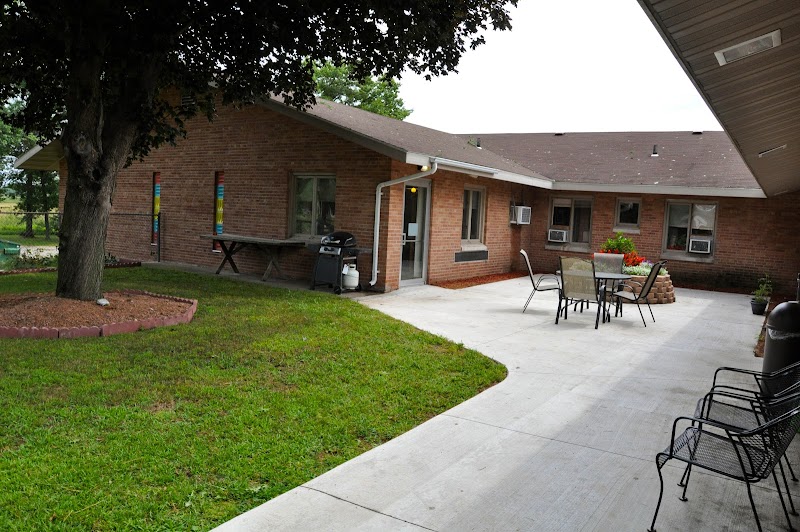
How is The Pines Post Acute And Memory Care Staffed?

CMS rates THE PINES POST ACUTE AND MEMORY CARE's staffing level at 4 out of 5 stars, which is above average compared to other nursing homes. Staff turnover is 40%, compared to the Wisconsin average of 46%. This relatively stable workforce can support continuity of care.

What Have Inspectors Found at The Pines Post Acute And Memory Care?

State health inspectors documented 20 deficiencies at THE PINES POST ACUTE AND MEMORY CARE during 2022 to 2025. These included: 1 Immediate Jeopardy (the most serious level, indicating potential for serious harm or death), 1 that caused actual resident harm, and 18 with potential for harm. Immediate Jeopardy findings are rare and represent the most serious regulatory concerns. They require immediate corrective action.
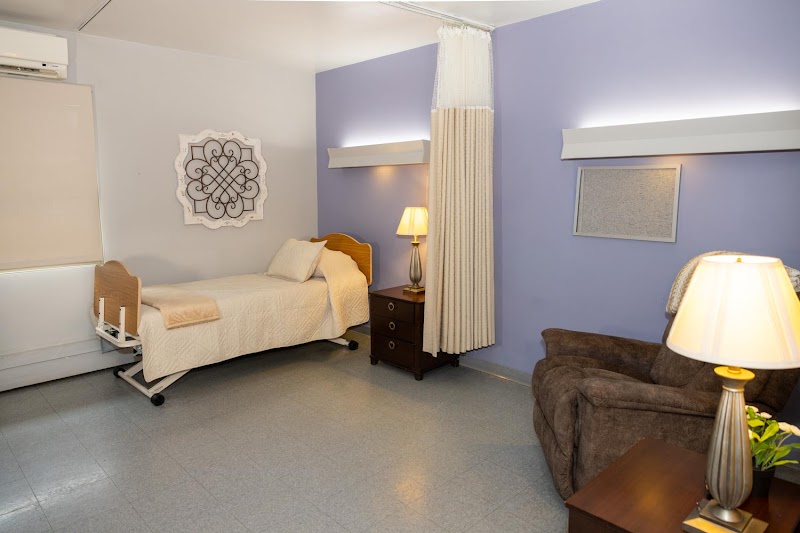
Who Owns and Operates The Pines Post Acute And Memory Care?

THE PINES POST ACUTE AND MEMORY CARE is owned by a for-profit company. For-profit facilities operate as businesses with obligations to shareholders or private owners. The facility is operated by THE ENSIGN GROUP, a chain that manages multiple nursing homes. With 50 certified beds and approximately 45 residents (about 90% occupancy), it is a smaller facility located in CLINTONVILLE, Wisconsin.
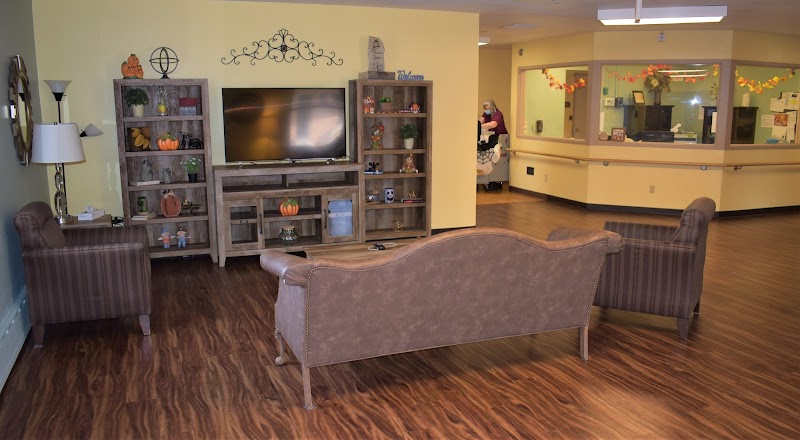
How Does The Pines Post Acute And Memory Care Compare to Other Wisconsin Nursing Homes?

Compared to the 100 nursing homes in Wisconsin, THE PINES POST ACUTE AND MEMORY CARE's overall rating (3 stars) matches the state average, staff turnover (40%) is near the state average of 46%, and health inspection rating (2 stars) is below the national benchmark.

What Should Families Ask When Visiting The Pines Post Acute And Memory Care?

Based on this facility's data, families visiting should ask: "What changes have been made since the serious inspection findings, and how are you preventing similar issues?" "Can I visit during a mealtime to observe dining assistance and food quality?" "How do you handle medical emergencies, and what is your hospital transfer rate?" "Can I speak with family members of current residents about their experience?" These questions are particularly relevant given the facility's Immediate Jeopardy citations.

Is The Pines Post Acute And Memory Care Safe?

Based on CMS inspection data, THE PINES POST ACUTE AND MEMORY CARE has documented safety concerns. Inspectors have issued 1 Immediate Jeopardy citation (the most serious violation level indicating risk of serious injury or death). The facility has a 3-star overall rating and ranks #1 of 100 nursing homes in Wisconsin. Families considering this facility should ask detailed questions about what corrective actions have been taken since these incidents.

Do Nurses at The Pines Post Acute And Memory Care Stick Around?

THE PINES POST ACUTE AND MEMORY CARE has a staff turnover rate of 40%, which is about average for Wisconsin nursing homes (state average: 46%). Moderate turnover is common in nursing homes, but families should still ask about staff tenure and how the facility maintains care continuity when employees leave.

Was The Pines Post Acute And Memory Care Ever Fined?

THE PINES POST ACUTE AND MEMORY CARE has no federal fines on record. CMS issues fines when nursing homes fail to meet care standards or don't correct problems found during inspections. The absence of fines suggests the facility has either maintained compliance or corrected any issues before penalties were assessed. This is a positive indicator, though families should still review recent inspection reports for the full picture.

Is The Pines Post Acute And Memory Care on Any Federal Watch List?

THE PINES POST ACUTE AND MEMORY CARE is not on any federal watch list. The most significant is the Special Focus Facility (SFF) program, which identifies the bottom 1% of nursing homes nationally based on persistent, serious quality problems. Not being on this list means the facility has avoided the pattern of deficiencies that triggers enhanced federal oversight. This is a positive indicator, though families should still review the facility's inspection history directly.