Avina of Fond du Lac
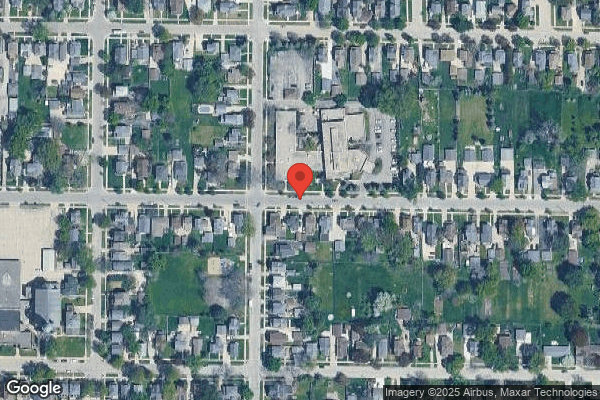
115 E ARNDT ST, FOND DU LAC, WI 54935 (920) 923-7040
For profit - Individual 50 Beds AVINA HEALTHCARE Data: November 2025 1 Immediate Jeopardy citation
Trust Grade
26/100
#257 of 321 in WI
Last Inspection: July 2025

Inspected within the last 6 months. Data reflects current conditions.

Overview

Avina of Fond du Lac has received a Trust Grade of F, indicating significant concerns about the facility's performance and care quality. It ranks #257 out of 321 nursing homes in Wisconsin, placing it in the bottom half, and #6 out of 7 in Fond Du Lac County, suggesting limited local options for families. The facility's situation is worsening, with the number of issues found increasing from 6 in 2024 to 11 in 2025. Staffing is relatively stable with a turnover rate of 36%, which is better than the state average, but the facility provides less RN coverage than 93% of Wisconsin facilities, raising concerns about adequate care. Notably, there were critical incidents, including a resident being discharged to an uninhabitable motorhome and staff failing to ensure an RN was present for adequate supervision, which poses a risk to residents’ safety and health.

Trust Score
F
26/100
In Wisconsin
#257/321
Bottom 20%
Safety Record
High Risk
Review needed
Inspections
Getting Worse
6 → 11 violations
Staff Stability
○ Average
36% turnover. Near Wisconsin's 48% average. Typical for the industry.
Penalties
✓ Good
$7,446 in fines. Lower than most Wisconsin facilities. Relatively clean record.
Skilled Nurses
○ Average
Each resident gets 33 minutes of Registered Nurse (RN) attention daily — about average for Wisconsin. RNs are the most trained staff who monitor for health changes.
Violations
⚠ Watch
25 deficiencies on record. Higher than average. Multiple issues found across inspections.
★☆☆☆☆
1.0
Overall Rating
★★★☆☆
3.0
Staff Levels
★☆☆☆☆
1.0
Care Quality
★★☆☆☆
2.0
Inspection Score
Stable
2024: 6 issues
2025: 11 issues

The Good

  • Full Sprinkler Coverage · Fire safety systems throughout facility
  • No fines on record
  • Staff turnover below average (36%)

    12 points below Wisconsin average of 48%

Facility shows strength in fire safety.

The Bad

1-Star Overall Rating

Below Wisconsin average (3.0)

Significant quality concerns identified by CMS

Staff Turnover: 36%

10pts below Wisconsin avg (46%)

Typical for the industry

Federal Fines: $7,446

Below median ($33,413)

Minor penalties assessed

Chain: AVINA HEALTHCARE

Part of a multi-facility chain

Ask about local staffing decisions and management

The Ugly 25 deficiencies on record

1 life-threatening
Jul 2025 9 deficiencies
CONCERN (D)

Potential for Harm - no one hurt, but risky conditions existed

Deficiency F0558 (Tag F0558)

Could have caused harm · This affected 1 resident

**NOTE- TERMS IN BRACKETS HAVE BEEN EDITED TO PROTECT CONFIDENTIALITY** Based on observation, staff interview, and record review, the facility did not ensure a call light was within reach for 1 reside...

Read full inspector narrative →
**NOTE- TERMS IN BRACKETS HAVE BEEN EDITED TO PROTECT CONFIDENTIALITY** Based on observation, staff interview, and record review, the facility did not ensure a call light was within reach for 1 resident (R) (R16) of 23 sampled residents.During multiple observations, R16's call light was not within reach. In addition, R16's ability to use the call light was not assessed. Findings include: The facility's Call Light Policy, dated 10/2024, indicates: The purpose of this policy is to assure the facility is adequately equipped with a call light at each resident's bedside, toilet, and bathing facility to allow residents to call for assistance. Call lights will directly relay to a staff member or centralized location to ensure appropriate response .1. All staff will be educated on the proper use of the resident call system, including how the system works and ensuring resident access to the call light .3. Each resident will be evaluated for unique needs and preferences to determine any special accommodations that may be needed in order for the resident to utilize the call system. 4. Special accommodations will be identified on the resident's person-centered plan of care, and provided accordingly. (Examples include touch pads, larger buttons, bright colors, etc.). 5. Staff will ensure the call light is within reach of resident and secured as needed. 6. The call system will be accessible to residents while in their bed or other sleeping accommodations within the resident's room. From 7/15/25 to 7/17/25, Surveyor reviewed R16's medical record. R16 was admitted to the facility on [DATE] following a stroke, did not have the ability to talk, and was bedridden. R16 had diagnoses including cerebral vascular accident (CVA) (otherwise known as stroke), hemiplegia, dysphasia, neuromuscular dysfunction of bladder, ulcerative colitis, and delirium. R16's Minimum Data Set (MDS) assessment, dated 7/9/25, indicated R16 was severely cognitively impaired and was dependent on staff for toileting, hygiene, transfers, eating, and mobility. R16's fall and bowel and bladder care plans, dated 7/3/25, contained interventions to keep R16's call light within reach. On 7/15/25 at 8:55 AM, Surveyor observed R16 who appeared disheveled. R16's hair was not combed and one boot was off. There were multiple items on R16's floor. A push button call light was clipped to the mattress behind R16 and above R16's head and was not within reach. On 7/15/25 at 11:42 AM, Surveyor noted R16's call light was hung on the wall behind R16 and not within reach. On 7/15/25 at 12:46 PM, Surveyor interviewed Family Member (FM)-M who expressed concerns regarding R16's ability to use the call light and stated staff do not check on R16 often enough. On 7/16/25 at 8:23 AM, Surveyor noted R16's call light was hung on the wall behind R16 and not within reach. On 7/16/25 at 1:17 PM, Surveyor attempted to interview R16, however, R16 was not able to respond or act on Surveyor's request to activate the call light. Surveyor noted the call light was under R16's bedsheet and not within reach. On 7/17/25 at 9:31 AM, Surveyor observed R16's call light under R16's arm pit and not within reach. On 7/17/25 at 11:54 AM, Surveyor interviewed Occupational Therapist (OT)-I who indicated it is nursing staffs' responsibility to determine if a resident has the ability to use a call light. OT-I indicated OT-I had seen R16 pick up the call light but not use the light to call for assistance. On 7/17/25 at 12:01 PM, Surveyor interviewed Certified Nursing Assistant (CNA)-H who indicated R16 does not use the call light and has never had the ability to use the call light. On 7/17/25 at 1:16 PM, Surveyor interviewed Nursing Home Administrator (NHA)-A and Director of Nursing (DON)-B who indicated staff determine if a resident has the ability to use a call light and which type of call light to use upon admission. DON-B indicated R16 likely could not use a push button call light since R16 had a CVA. DON-B indicated the facility addresses a resident's inability to use a call light in the resident's care plan with more frequent checks or another type of call light. NHA-and DON-B verified R16's call light should have been within reach and R16's ability to use a push button call light should have been assessed.
CONCERN (D)

Potential for Harm - no one hurt, but risky conditions existed

Abuse Prevention Policies (Tag F0607)

Could have caused harm · This affected 1 resident

Based on staff interview and record review, the facility did not implement policies and procedures to prevent abuse for 3 ((Certified Nursing Assistant)-C, CNA-D, and Laundry Aide (LA)-E) of 8 employe...

Read full inspector narrative →
Based on staff interview and record review, the facility did not implement policies and procedures to prevent abuse for 3 ((Certified Nursing Assistant)-C, CNA-D, and Laundry Aide (LA)-E) of 8 employees reviewed for caregiver background checks.The facility did not ensure Background Information Disclosure (BID) forms were signed and dated for CNA-C, CNA-D, and LA-E.Findings include:The facility's Abuse Prevention Program policy, dated 3/6/25, indicates the purpose of the policy is to assure the facility is doing all that is within its control to prevent occurrences of abuse, neglect, exploitation, misappropriation of property, deprivation of goods and services by staff, and mistreatment of residents. The policy indicates this will be done by .conducting pre-employment screening of employees.From 7/15/25 through 7/17/25, Surveyor reviewed caregiver background check information for 8 facility employees and noted the following:~ CNA-C was hired on 4/9/20. CNA-C's BID form was not signed or dated.~ CNA-D was hired on 5/30/25. CNA-D's BID form was not signed or dated.~ LA-E was hired on 6/30/18. LA-E's BID form was not signed or dated.On 7/16/25 at 12:39 PM, Surveyor interviewed Human Resources (HR)-F who was was employed by the facility for approximately 2 years. HR-F stated the missing date and signature on CNA-D's BID form was an oversight on HR-F's part. HR-F stated CNA-C and LA-E were hired prior to HR-F's employment and was unsure why CNA-C and LA-E's BID forms were not signed or dated.On 7/17/25 at 3:58 PM, Surveyor interviewed Nursing Home Administrator (NHA)-A who confirmed all employee BID forms should contain a signature and date.
CONCERN (D)

Potential for Harm - no one hurt, but risky conditions existed

Deficiency F0688 (Tag F0688)

Could have caused harm · This affected 1 resident

**NOTE- TERMS IN BRACKETS HAVE BEEN EDITED TO PROTECT CONFIDENTIALITY** Based on staff and resident interview and record review, the facility did not ensure range of motion (ROM) exercises were comple...

Read full inspector narrative →
**NOTE- TERMS IN BRACKETS HAVE BEEN EDITED TO PROTECT CONFIDENTIALITY** Based on staff and resident interview and record review, the facility did not ensure range of motion (ROM) exercises were completed in accordance with a range of motion program for 1 resident (R) (R6) of 1 sampled resident.An occupational therapy (OT) discharge note indicated R6 was provided ROM exercises to decrease contractures and maintain ROM. R6's plan of care did not include the ROM exercises and staff did not provide ROM for R6. Findings include:From 7/15/25 to 7/17/25, Surveyor reviewed R6's medical record. R6 was admitted to the facility on [DATE] and had diagnoses including cerebral vascular accident (CVA) (otherwise known as stroke) with aphasia, hemiplegia and hemiparesis affecting the right dominant side, and pressure ulcer of the sacral region. R6's Minimum Data Set (MDS) assessment, dated 4/21/24, had a Brief Interview for Mental Status (BIMS) assessment that was completed by staff due to R6's impaired cognition. R6 had a Guardian for decision making.A care plan, revised 7/15/24, indicated R6 had limited physical mobility related to a history of CVA with right-sided hemiplegia. (The care plan did not contain an intervention for ROM exercises as ordered by OT on 8/13/24.)An OT discharge note, dated 8/13/24, indicated caregiver training would be completed for upper extremity (UE) exercises to decrease contractures and maintain ROM and for R6 to participate in self-feeding tasks. The note also indicated a handout would be provided for ROM exercises.Surveyor reviewed R6's Medication Administration Record (MAR) and Treatment Administration Record (TAR) which did not indicate staff provided upper extremity (UE) ROM exercises for R6.On 7/16/25 at 11:48 AM, Surveyor interviewed R6 and noted R6 had rolled wash cloths in both hands due to contractures. R6 indicated staff give R6 rolled wash cloths to place in both hands at times but do not provide ROM exercises for R6's hands. R6 saw therapy a while ago and indicated it is difficult to eat and drink due to the contractures.On 7/16/25 at 12:13 PM, Surveyor interviewed Licensed Practical Nurse (LPN)-J who verified R6's plan of care did not contain ROM exercises. LPN-J indicated staff try to put rolled wash cloths in R6's hands but R6 usually refuses. On 7/16/25 at 12:16 PM, Surveyor interviewed Certified Nursing Assistant (CNA)-Q who indicated R6 may have had ROM exercises in the past but they did not work. CNA-Q verified R6's CNA Kardex (an abbreviated care plan used by nursing staff) did not contain ROM exercises and staff were not instructed to provide ROM exercises for R6.On 7/17/25 at 8:36 AM, Surveyor observed R6 in the dining room with rolled wash cloths in both [NAME] 7/17/25 at 9:12 AM, Surveyor interviewed Occupational Therapist (OT)-I who indicated staff received training on ROM exercises for R6 with a handout that illustrated the exercises. OT-I verified R6's plan of care did not contain ROM exercises and indicated ROM exercises should have been added. OT-I reviewed R6's OT note, dated 8/13/24, that indicated staff received training on ROM exercises including finger stretching and ROM for R6's UEs. OT-I indicated training is typically done with CNAs, however, staff did not sign that they received the training and OT-I was unsure when the training took place.On 7/17/25 at 9:46 AM, Surveyor interviewed Director of Nursing (DON)-B who verified R6's plan of care did not contain ROM exercises as ordered by OT. DON-B indicated OT-I did not update nursing staff on the therapy recommendations or provide staff with a handout for ROM exercises.
CONCERN (D)

Potential for Harm - no one hurt, but risky conditions existed

Accident Prevention (Tag F0689)

Could have caused harm · This affected 1 resident

**NOTE- TERMS IN BRACKETS HAVE BEEN EDITED TO PROTECT CONFIDENTIALITY** Based on staff interview and record review, the facility did not ensure an evaluation of smoking risks was completed for 1 resid...

Read full inspector narrative →
**NOTE- TERMS IN BRACKETS HAVE BEEN EDITED TO PROTECT CONFIDENTIALITY** Based on staff interview and record review, the facility did not ensure an evaluation of smoking risks was completed for 1 resident (R) (R29) of 2 sampled residents.A Comprehensive Smoking Evaluation, dated 10/21/24, indicated R29 required supervision while smoking. On 7/10/25, staff completed a Smoking Quarterly Review that indicated R29 did not require supervision while smoking. Staff did not complete a comprehensive evaluation that supported the change from supervised to unsupervised smoking. Findings include:The facility's Resident Smoking Policy, dated 3/2025, indicates it is the policy of the facility to provide a safe and healthy environment for residents, visitors, and non-smoking residents .6. Residents who smoke will be further assessed, using the Resident Safe Smoking Assessment, to determine whether or not supervision is required for smoking, or if the resident is safe to smoke at all. A. Residents must be able to take themselves outside and back inside the facility. B. Residents must be able to smoke/vape independently and without supervision .13. Documentation to support decision making will be included in the medical record, including but not limited to: a. Resident's wishes, or those of the resident's representative, b. Assessment of relevant functional and cognitive factors affecting the ability to smoke safely, c. Response to smoking cessation interventions, d. Compliance with smoking policy.From 7/15/25 to 7/17/25, Surveyor reviewed R29's medical record. R29 was admitted to the facility on [DATE] and had diagnoses including history of traumatic brain injury, alcohol abuse, nicotine dependence, and major depressive disorder. R29's Minimum Data Set (MDS) assessment, dated 4/26/25, had a Brief Interview for Mental Status (BIMS) score of 7 out of 15 which indicated R29 had severe cognitive impairment. R29 had an activated Power of Attorney for Healthcare (POAHC).A Smoking Evaluation (Comprehensive), dated 10/21/24, indicated R29 was disoriented with unclear speech. The evaluation indicated R29 did not exhibit safe smoking awareness and did not have adequate fine motor skills to safely hold smoking materials or remove lit materials that fell on R29. In addition, the evaluation indicated R29 was unable to maintain an upright seated position, was unable to independently transport to the smoking location, and was unable to self-extinguish smoking materials or manage ashes. The evaluation indicated R29 required supervision while smoking.A Smoking Evaluation (Comprehensive), dated 11/13/24, maintained the prior evaluation responses and also indicated R29 required supervision while smoking.A health status progress note, dated 3/14/25 at 2:15 PM, indicated R29 was outside smoking and had brief seizure activity upon return to the unit.A nursing progress note, dated 4/16/25 at 5:45 PM, indicated R29 was outside smoking with R29's POAHC who indicated R29 had a seizure while outside.A Smoking Quarterly Review, dated 4/17/25, indicated there were no changes to R29's initial Smoking Evaluation and indicated R29 required supervision while smoking.A behavior progress note, dated 6/9/25, indicated R29 was outside asking other residents for cigarettes. R29 stated R29 borrowed some from another resident and was paying back what R29 owed. R29 was reminded of the smoking policy.A Smoking Quarterly Review, dated 7/10/25, indicated there were no changes to R29's initial Smoking Evaluation, however, the evaluation indicated R29 was changed from supervised to unsupervised smoking.On 7/17/25 at 10:43 AM, Surveyor interviewed Certified Nursing Assistant (CNA)-G who was unsure if R29 required supervision while smoking and verified the facility had supervised smoking times. CNA-G stated R29's smoking materials should be kept at the nursing station. CNA-G stated R29's POAHC provides smoking materials to R29 who does not always give them to the nurses.On 7/17/25 at 1:40 PM, Surveyor interviewed Director of Nursing (DON)-B who stated R29 does not require supervision for smoking. DON-B stated DON-B changed R29's smoking status on 7/10/25 after DON-B completed R29's Smoking Quarterly Review which was based on DON-B's observations of R29. DON-B verified a Comprehensive assessment was not completed. DON-B stated R29 was unable to hold a lighter upon admission, however, that had changed. DON-B stated the facility changed the smoking policy on 4/9/25 and no longer allows supervised smoking unless a resident's family is willing to supervise them. DON-B stated an evaluation was done for R29 but confirmed supporting documentation was not completed.On 7/17/25 at 3:58 PM, Surveyor interviewed Nursing Home Administrator (NHA)-A who confirmed a new evaluation should have been documented prior to changing R29's smoking status to unsupervised.
CONCERN (D)

Potential for Harm - no one hurt, but risky conditions existed

Deficiency F0692 (Tag F0692)

Could have caused harm · This affected 1 resident

**NOTE- TERMS IN BRACKETS HAVE BEEN EDITED TO PROTECT CONFIDENTIALITY** Based on staff and resident interview and record review, the facility did not ensure 1 resident (R) (R35) of 23 sampled resident...

Read full inspector narrative →
**NOTE- TERMS IN BRACKETS HAVE BEEN EDITED TO PROTECT CONFIDENTIALITY** Based on staff and resident interview and record review, the facility did not ensure 1 resident (R) (R35) of 23 sampled residents received the necessary care and services to prevent or monitor weight loss.R35 had a significant weight loss. Appropriate follow-up was not completed, including timely notification of the physician, Registered Dietitian (RD), and R35's Power of Attorney for Healthcare (POAHC). Findings include: The facility's Weight Monitoring policy, revised 7/11/25, indicates: A comprehensive nutritional assessment will be completed upon admission to identify those at risk for unplanned weight loss, gain, or compromise nutritional status. Assessments should include the following information: .c. Weight (do not use the hospital weight) .3. Information gathered from the nutritional assessment and current dietary standards of practice are used to develop an individualized care plan to address the resident's specific nutritional concerns and preferences. The care plan should address the following .: a. Identified causes of impaired nutritional status; b. Reflect the resident's personal goals and preferences; c. Identify resident specific interventions; d. And parameters for monitoring; e. Updated as needed such as when the resident's condition changes, goals are met, interventions are determined to be ineffective, or a new cause or nutrition-related problems are identified .6. Weight analysis: The resident's newly recorded weight should be compared to the previously recorded weight. A significant change in weight is defined as: a. A 5% change in weight in one month (30 days); b. A 7.5% change in weight in three months (90 days); c. A 10% change in weight in six months (180 days) .The physician should be informed of a significant change in weight and may order nutritional interventions .The Registered Dietitian or Dietary Manager should be consulted to assist with interventions; actions are recorded in the nutrition progress notes. F. Observations pertinent to the resident's weight status should be recorded in the medical record as appropriate .The facility's Notification of Changes policy, dated 1/20/25, indicates: The purpose of this policy is to ensure the facility promptly informs the resident, consults the resident's physician, and notifies, consistent with his or her authority, the resident's representative when there is a change requiring notification .2. Significant change in the resident's physical, mental, or psychosocial condition such as deterioration in health, mental, or psychosocial status .From 7/15/25 to 7/17/25, Surveyor reviewed R35's medical record. R35 was admitted to the facility on [DATE] and had diagnoses including dementia, congestive heart failure, chronic kidney disease, and mild intellectual disabilities. R35's Minimum Data Set (MDS) assessment, dated 6/25/25, did not contain a Brief Interview for Mental Status (BIMS) score. R35 had an activated Power of Attorney for Healthcare (POAHC).R35's plan of care included the following: Alteration in nutritional status (initiated 2/27/25); COVID-19 positive decreased intake with acute illness (3/2025); Significant weight loss (5/2025); Desired weight gain past month, intake within usual range (6/2025) .Resident will receive adequate nutrition and hydration as evidenced by no weight changes equal to or greater than 7.5% through next care plan review (initiated 2/27/25); Weigh resident per Medical Doctor (MD)/Registered Dietitian (RD) order. Document and notify MD/RD of any significant weight changes (initiated 2/27/25).R35 had a physician order, dated 3/1/25, for weekly weights x 4 weeks then monthly on the first of each month.R35's medical record indicated R35's weight was not obtained upon admission on [DATE] and the first facility documented weight was on 3/1/25. R35's medical record indicated R35 had a severe weight loss of 16.98% in approximately 4.5 months. On 3/1/25, R35 weighed 163.1 pounds. On 7/1/25, R35 weighed 135.4 pounds (which was a -16.98 % weight loss). R35's weight monitoring indicated the following: 3/1/25: 163.1 pounds; 3/10/25: 163.8 pounds; 3/31/25: 163.8 pounds; 4/10/25: 141.3 pounds (which was a 22.5 pound weight loss in 10 days); 4/17/25: 143.2 pounds; 5/1/25: 137.5 pounds; 5/5/25: 137.5 pounds; 5/5/25: 136.1 pounds; 5/19/25: 136.1 pounds; 6/4/25: 145.1 pounds; 7/1/25: 135.4 poundsA progress note, dated 4/21/25 and written by RD-L indicated R35 weighed 143.23 pounds (verified through re-weigh) which indicated R35 had a significant 12.5% weight loss over two weeks (On 3/31/25, R35 weighed 163.8 pounds). The note indicated will continue to monitor weight. On 4/21/25, RD-L requested 4 ounces of a house supplement three times daily for R35. The physician approved the request on 4/22/25. On 5/21/25, the physician ordered nutritional supplements twice daily.R35's medical record did not include any new weight orders related to R35's significant weight loss. Surveyor reviewed R35's Medication Administration Record (MAR) and Treatment Administration Record (TAR) and noted an order for monthly weights on the first of each month. In addition, R35's medical record did not indicate R35's POAHC, physician, or RD-L were notified of the significant weight loss on 4/10/25. The next progress note for R35's weight loss was 11 days later on 4/21/25 in which RD-L noted the weight loss and indicated RD-L would notify the physician. A progress note, dated 4/22/25, indicated the physician was notified of the weight loss and R35's family was updated.On 7/17/25 at 12:58 PM, Surveyor interviewed Director of Nursing (DON)-B who indicated R35's loss of 22.5 pounds in ten days should have been addressed right away. DON-B verified RD-L, the physician, and R35's POAHC should have been notified right away and an assessment should have been done with a re-weight. On 7/17/25 at 2:15 PM, Surveyor interviewed RD-L who worked once per week and reviewed residents' weights once weekly. RD-L indicated R35's 4/10/25 weight was obtained just after RD-L had worked and RD-L saw the weight the following week. RD-L asked for a re-weight and saw R35's 4/17/25 weight the next time RD-L worked at the facility. RD-L notified the physician on 4/21/25 of R35's weight loss from 4/10/25 and requested supplements for R35.On 7/17/25 at 3:35 PM, Surveyor interviewed Director of Nursing (DON)-B who indicated RD-L is responsible for tracking weights and following-up as needed with the physician. DON-B indicated it can be problematic if RD-L only reviews weights once weekly. DON-B thought RD-L looked at weights more often and indicated weights should be reviewed more often to address issues more timely. DON-B indicated R35's weight loss should have been addressed sooner than 11 days. On 7/17/25 at 4:02 PM, Surveyor interviewed Nursing Home Administrator (NHA)-A who indicated R35's weight loss should have been addressed sooner than 11 days. NHA-A indicated a re-weight should have been done immediately and the physician and RD-L should have been notified right away.
CONCERN (D)

Potential for Harm - no one hurt, but risky conditions existed

Respiratory Care (Tag F0695)

Could have caused harm · This affected 1 resident

**NOTE- TERMS IN BRACKETS HAVE BEEN EDITED TO PROTECT CONFIDENTIALITY** Based on observation, staff interview, and record review, the facility did not ensure the necessary respiratory care and service...

Read full inspector narrative →
**NOTE- TERMS IN BRACKETS HAVE BEEN EDITED TO PROTECT CONFIDENTIALITY** Based on observation, staff interview, and record review, the facility did not ensure the necessary respiratory care and services were provided for 3 residents (R) (R2, R26, and R3) of 3 sampled residents.R2 used a nebulizer (a machine that transforms liquid medication into a fine mist that can be inhaled directly into the lungs) but did not have an order to clean the nebulizer after use. In addition, R2's care plan did not address how to clean or care for the nebulizer. R2 also used a continuous positive airway pressure (CPAP) machine but did not have orders for settings or maintenance of the machine.R26 used a nebulizer but did not have an order or care plan that addressed how to properly clean or care for the nebulizer after use.R3 had an order for as needed (PRN) oxygen that did not specify a flow rate. In addition, R3's plan of care did not indicate R3 used oxygen. Findings include: The facility's Noninvasive Ventilation policy, revised 12/3/24, indicates: It is the policy of this facility to provide noninvasive ventilation per physician’s orders and current standards of practice .2. The facility will obtain an order for the use of a CPAP .device from the practitioner .5. Replace equipment routinely in accordance with manufacturer's recommendations .a. Face mask and tubing - once every three months, b. Headgear, non-disposable filters, and humidifier chamber - once every six months, c. Disposable filters - twice monthly. The facility's Nebulizer Therapy policy, dated 1/20/25, indicates: It is the policy of this facility for nebulizer treatments, once ordered, to be administered by nursing staff as directed using proper technique and standard precautions .13. When medication delivery is complete, turn the machine off. Treatment may be considered complete when the onset of nebulizer is sputtering. 14. Disassemble and rinse the nebulizer with water and allow to air dry. Care of the Equipment - 1. Clean after each use .3. Disassemble parts after every treatment, 4. Rinse the nebulizer cup and mouthpiece with water, 5. Shake off excess water, 6. Air dry on an absorbent towel .Record the administration in resident's medical record. The facility’s undated Oxygen Administration policy indicates: Oxygen will be safely administered per physician orders .D. Regulate the flow of oxygen according to the physician's order . 1.From 7/15/25 to 7/17/25, Surveyor reviewed R2’s medical record. R2 was admitted to the facility on [DATE] and had diagnoses including obstructive sleep apnea, end stage renal failure with dialysis dependence, and chronic obstructive pulmonary disease (COPD). R2’s Minimum Data Set (MDS) assessment, dated 6/20/25, had a Brief Interview for Mental Status (BIMS) score of 12 out of 15 which indicated R2 had moderate cognitive impairment. R2 had an activated Power of Attorney (POA). On 7/15/25 at 10:40 AM, Surveyor noted R2’s nebulizer was hooked up to a medication cup and mouthpiece. Surveyor interviewed R2 who indicated R used the nebulizer that morning and it was not cleaned. R2 also indicated the nebulizer tubing had not been changed since admission. Surveyor also observed R2’s CPAP machine and noted the tubing did not contain a date. R2 indicated R2 did not have the correct mask for the CPAP machine since admission and staff were aware. Surveyor noted R2's medical record did not contain a physician’s order for CPAP use and did not contain CPAP or nebulizer cleaning schedules. R2’s Medication Administration Record (MAR) contained the following order: CPAP at (SPECIFY) centimeters (cm) with 6 liters (L) of supplemental oxygen at bedtime for obstructive sleep apnea. Cleanse mask before and after use. Remove in AM. May also apply if napping and remove per schedule (dated 6/14/25). (R2's medical record did not contain CPAP settings.) On 7/16/25 at 11:02 AM, Surveyor noted R2’s nebulizer medication cup, mouthpiece, and tubing were still attached to the compressor; however, the mouthpiece was hanging over the edge of the table and in contact with the floor. On 7/16/25 at 11:05 AM, Surveyor interviewed Med Tech (MT)-N who confirmed R2 received a nebulizer treatment that morning. MT-N indicated after a nebulizer treatment is completed, the mouthpiece is disassembled from the medication cup and rinsed and the pieces are then put back together since MT-N has to use them again. MT-N indicated MT-N did not rinse R2’s nebulizer equipment that morning. When Surveyor asked if the equipment should have been rinsed after use, MT-N indicated not right away because R2 receives two treatments daily and MT-N can rinse the pieces later. When Surveyor informed MT-N that R2’s medication cup and mouthpiece were on the floor, MT-N indicated R2 must have done that. When Surveyor asked how staff ensure the medication cup and mouthpiece are rinsed after each use, MT-N indicated there is no documentation to indicate the equipment was rinsed or cleaned and there is no place to document in the MAR or Treatment Administration Record (TAR). MT-N indicated MT-N did not know how often the tubing, medication cup, and mouthpiece should be changed and indicated it is the nurses' responsibility to change nebulizer tubing and equipment. On 7/16/25 at 11:38 AM, Surveyor interviewed Licensed Practical Nurse (LPN)-O who confirmed R2 did not have orders or a care plan that addressed nebulizer care. On 7/17/2025 at 12:14 PM, Surveyor interviewed Director of Nursing (DON)-B and confirmed R2 did not have a CPAP care plan. 2. From 7/15/25 to 7/17/25, Surveyor reviewed R26’s medical record. R26 was admitted to the facility on [DATE] and had diagnoses including heart failure and COPD. R26’s MDS assessment, dated 4/26/25, had a BIMS score of 15 out of 15 which indicated R26 had intact cognition. R26’s medical record did not contain a care plan for nebulizer care. On 7/15/25 at 9:59 AM, Surveyor observed a nebulizer machine on R26's bedside table and noted the tubing, a mouthpiece, and medication cup were still still hooked to the compressor machine. The medication cup and mouthpiece did not appear to have been cleansed after use. Surveyor also noted two empty vials inside an empty compartment of the machine. R26 indicated the tubing had not been changed or cleaned and staff continued to use same tubing, medication cup, and mouthpiece and just added medicine to the cup. R26 indicated R26 did not see staff clean and dry the equipment after use. On 7/16/25 at 11:05 AM, Surveyor interviewed MT-N who confirmed R26 received a nebulizer treatment that morning. MT-N indicated after a nebulizer treatment is completed, the mouthpiece is disassembled from the medication cup and rinsed and the pieces are then put back together. When Surveyor informed MT-N that R26 indicated staff did not rinse the medication cup and mouthpiece, MT-N indicated R26 was not in the room when MT-N cleaned the equipment. When Surveyor asked how staff ensure the medication cup and mouthpiece are rinsed after each use, MT-N indicated there is no documentation to indicate the equipment was rinsed or cleaned and no place to document in the MAR or TAR. MT-N indicated MT-N did not know how often the tubing, medication cup, and mouthpiece should be changed and indicated it is the nurses' responsibility to change nebulizer tubing and equipment. On 7/16/25 at 11:38 AM, Surveyor interviewed LPN-O who confirmed R26 did not have orders or a care plan to address nebulizer care. On 7/16/25 at 11:46 AM, Surveyor interviewed DON-B who indicated nebulizer equipment and tubing should be changed every 5 days. DON-B also indicated the standard of practice is to rinse the medication cup and mouthpiece after each use. DON-B indicated nebulizer equipment should be rinsed and dried before attaching the mouthpiece and medication cup back together following each treatment. 3. On 7/15/25, Surveyor reviewed R3's medical record. R3 was admitted to the facility on [DATE] and had diagnoses including macular degeneration, presbyopia, age related cataracts, and bipolar disorder. R3's MDS assessment, dated 5/11/25, contained a BIMS score of 15 out of 15 which indicated R3 had intact cognition. A care plan, initiated 9/5/24, indicated R3 had altered respiratory status and difficulty breathing related to shortness of breath and cough. The care plan contained interventions for staff to monitor R3 for air hunger and document signs of respiratory distress. The care plan did not refer to oxygen therapy. Surveyor also noted R3's Kardex (an abbreviated care plan used by nursing staff) did not include oxygen use or the need to monitor for signs and symptoms of respiratory distress. On 7/15/25 at 9:59 AM, Surveyor observed R3’s room and noted a portable oxygen container on the floor in the front corner of the room. On 7/15/25 at 9:59 AM, Surveyor interviewed R3 who indicated R3 did not use oxygen but would like to. R3 indicated Licensed Practical Nurse (LPN)-J twice told R3 that R3 did not need oxygen when R3 asked for it. R3 indicated R3 does not ask for oxygen anymore even though R3 would like to and feels R3 needs it at times. On 7/16/25 at 10:18 AM, Surveyor interviewed R3 who indicated R3 was not asked if R3 needed oxygen since Surveyor last spoke with R3. R3 indicated R3 did not need oxygen so far that day but would like to be able to use it if R3 wanted. On 7/16/25 at 2:16 PM, Surveyor interviewed LPN-J who indicated R3 had not used oxygen in approximately one year and had not had respiratory trouble lately. When asked if LPN-J had checked with R3 lately, LPN-J indicated R3 used oxygen more on the night shift. When asked if LPN-J ever denied R3 oxygen, LPN-J indicated R3 had never asked for oxygen on the AM shift. LPN-J indicated R3 could use oxygen on any shift if R3 asked for it. On 7/16/25 at 2:18 PM, Surveyor interviewed LPN-K who joined Surveyor's interview with LPN-J and indicated R3 had not used oxygen or an inhaler for a long time. LPN-K was not aware of staff denying oxygen to R3 and indicated R3 could use oxygen on any shift if R3 asked for it. On 7/17/25 at 12:58 PM, Surveyor interviewed DON-B who indicated R3 had PRN oxygen therapy. DON-B indicated a resident's care plan should contain the resident's needs so staff know how to care for the resident appropriately. DON-B confirmed a resident who uses oxygen should have a care plan for oxygen therapy including how many liters per minute are required per the physician's order. DON-B indicated a resident's Kardex should also indicate the resident's oxygen needs and an assessment should be completed with any changes. DON-B stated if a resident indicates they feel short of breath and/or need oxygen, staff should apply oxygen and follow the physician's order.
CONCERN (D)

Potential for Harm - no one hurt, but risky conditions existed

Deficiency F0698 (Tag F0698)

Could have caused harm · This affected 1 resident

**NOTE- TERMS IN BRACKETS HAVE BEEN EDITED TO PROTECT CONFIDENTIALITY** Based on staff interview and record review, the facility did not ensure ongoing communication with a dialysis facility for 1 res...

Read full inspector narrative →
**NOTE- TERMS IN BRACKETS HAVE BEEN EDITED TO PROTECT CONFIDENTIALITY** Based on staff interview and record review, the facility did not ensure ongoing communication with a dialysis facility for 1 resident (R) (R2) of 1 resident who received dialysis services.R2 received dialysis three times per week. The facility did not ensure ongoing communication between the nursing facility and the dialysis facility prior to and following R2's dialysis appointments. In addition, R2's medical record did not specify which days of the week R2 went to dialysis.Findings include:The facility's Hemodialysis policy, revised 12/2/24, indicates: This facility will provide the necessary care and treatment, consistent with professional standards of practice, physician orders, the comprehensive person-centered care plan, and the resident's goals and preferences, to meet the medical, nursing, mental, and psychosocial needs of residents receiving hemodialysis .The facility will assure that each resident receives care and services for the provision of hemodialysis consistent with professional standards of practice. This will include: The ongoing assessment of the resident's condition and monitoring of complications before and after dialysis treatments .Ongoing assessment and oversight of the resident before, during, and after dialysis treatments, including monitoring of the resident's condition during treatments, monitoring for complications.and ongoing communication and collaboration with the dialysis facility regarding dialysis care and services .3. The facility will coordinate and collaborate with the dialysis facility to assure that: a. The resident's needs related to dialysis treatments are met . c. Documentation requirements are met to assure the treatments are provided as ordered by the nephrologist, attending practitioner, and dialysis team, and d. There is ongoing communication and collaboration for the development and implementation of the dialysis care plan by nursing home dialysis staff .5. The licensed nurse will communicate to the dialysis facility via telephonic communication or written format, such as a dialysis communication form or other form, that will include, but not limit itself to: a. Timely medication administration (initiated, held or discontinued) by the nursing home and/or dialysis facility, b. Physician/treatment orders, laboratory value, and vital signs, c.Any changes or need for further discussion with the resident/representative , and practitioners, d. Nutritional/fluid management including documentation of weights, resident compliance with food/fluid restrictions, or the provision of meals before, during, and/or after dialysis and monitoring intake and output measurements as ordered .8. The nurse will monitor and document the status of the resident's access site upon return from the dialysis treatment to observe for bleeding or other complications .13. The nurse will ensure the dialysis access site is checked before and after dialysis treatments and every shift for patency by auscultating for a bruit and palpating for a thrill .From 7/15/25 to 7/17/25, Surveyor reviewed R2's medical record. R2 was admitted to the facility on [DATE] with diagnoses including obstructive sleep apnea, end stage renal failure with dialysis dependence, and chronic obstructive pulmonary disease (COPD). R2's Minimum Data Set (MDS) assessment, dated 6/20/25, had a Brief Interview for Mental Status (BIMS) score of 12 out of 15 which indicated R2 had moderate cognitive impairment. R2 had an activated Power of Attorney (POA).Surveyor reviewed R2's dialysis center communication record forms and noted the following:~ A 6/14/25 form did not have the pre/post facility nurse section completed; A note from the dialysis center requested R2's med list and tuberculosis skin test results for 6/19/25. The 6/19/25 form did not have facility's pre/post note section completed; The dialysis center requested a med list be sent with R2 on 6/21/25; The facility's 6/21/25 form did not have the post dialysis facility nurse section completed. The dialysis center requested R2's med list again; The facility's 6/24/25 and 6/26/25 forms did not have the post dialysis facility nurse section completed; The facility's 6/28/25 and 7/1/25 forms did not have the post dialysis facility nurse section completed; The 7/3/25 form did not have the dialysis nurse section and post dialysis facility nurse sections completed; The facility's 7/5/25, 7/7/25, 7/9/25, 7/11/25, and 7/14/25 forms did not have post dialysis facility nurse sections completed. A hospital Discharge summary, dated [DATE], indicated R2's dialysis days were changed to Tuesday, Thursday, and Saturday to ensure transportation. R2's medical record did not contain an order or care plan that indicated which days R2 received dialysis. In addition, R2's Medication Administration Record (MAR) and Treatment Administration Record (TAR) did not contain monitoring or documentation related to R2's dialysis access site.On 7/17/25 at 10:36 AM, Surveyor interviewed Med Tech (MT)-N who indicated R2's dialysis days were changed the week of 7/4/25 to Monday, Wednesday, and Friday. MT-N confirmed MT-N received the call from the dialysis center regarding the change and informed Assistant Director of Nursing (ADON)-P. The change was not documented in R2's medical record. When Surveyor asked if R2 had a care plan to ensure pre/post dialysis assessments were completed, ADON-P confirmed R2's medical record did not contain an area to document an assessment of the access site. ADON-P indicated there should be documentation to ensure the access site is assessed for bleeding.Surveyor also noted R2's medical record did not indicate R2's POA was notified of the R2's dialysis schedule change. Surveyor was unable to interview R2's POA during the investigation.On 7/17/25 at 11:55 AM, Surveyor interviewed Director of Nursing (DON)-B who indicated nurses do not chart Permacath (a tunneled hemodialysis catheter used for long-term vascular access) assessments unless there are issues. DON-B indicated staff should assess for thrills/bruits as well as obtain vital signs and monitor for bleeding and infection, however, the assessments are not documented unless they are abnormal. DON-B confirmed R2's POA was not notified of the dialysis schedule change and indicated it was the dialysis center's responsibility to update R2's POA. DON-B indicated R2's dialysis treatment schedule was not documented in R2's medical record and confirmed there was no documentation of MT-N's communication of the schedule change.On 7/17/25 at 4:00 PM, Surveyor interviewed Nursing Home Administrator (NHA)-A, who indicated a resident's medical record should contain their dialysis schedule to ensure staff are aware of the schedule. NHA-A indicated when R2 goes to dialysis, the scheduler puts it in a transport binder at the nurses' station and it is relayed in shift report. NHA-A confirmed the schedule should be noted in R2's care plan and contained in an order. NHA-A also indicated staff should document any communications with the dialysis center and fill out dialysis communication forms with assessments and vital signs pre/post dialysis.
CONCERN (E)

Potential for Harm - no one hurt, but risky conditions existed

Pharmacy Services (Tag F0755)

Could have caused harm · This affected multiple residents

**NOTE- TERMS IN BRACKETS HAVE BEEN EDITED TO PROTECT CONFIDENTIALITY** Based on observation, staff and resident interview, and record review, the facility did not ensure the safe and accurate adminis...

Read full inspector narrative →
**NOTE- TERMS IN BRACKETS HAVE BEEN EDITED TO PROTECT CONFIDENTIALITY** Based on observation, staff and resident interview, and record review, the facility did not ensure the safe and accurate administration of medication for 4 residents (R) (R3, R18, R28, and R7) of 23 sampled residents.Medication was observed on R3's overbed table. R3 did not have an assessment or a physician's order that indicated R3 could self-administer medication or store medication at the bedside.Medications were observed in a bin in R18's room and on R18's bedside table. R18 did not have an assessment or a physician's order that indicated R18 could self-administer medication or store medication at the bedside. In addition, R18 did not have an order for one of the medications.Medication was observed on R28's overbed table. R28 did not have an assessment or a physician's order that indicated R28 could self-administer medication or store medication at the bedside. In addition, R28 did not have an order for one of the medications.Medication was observed on R7's bedside table. Self-administration of medication assessments, dated 6/3/25 and 7/15/25, indicated R7 did not want to self-administer medication. Findings include: The facility's Self-Administration of Medication policy, dated 4/9/25, indicates: .1. Each resident is offered the opportunity to self-administer medications during the routine assessment by the facility’s Interdisciplinary Team (IDT). 2. Resident’s preference will be documented on the appropriate form and placed in the medical record .4. The results of the IDT assessment are recorded on the Medication Self Administration Form which is placed in the resident’s medical record. 5. Upon notification of the use of bedside medication by the resident, the medication nurse records the self-administration on the Medication Administration Record (MAR) .8. All nurses and aides are required to report to the charge nurse on duty any medication found at the bedside not authorized for bedside storage. Unauthorized medications are given to the charge nurse for return to the family or responsible party. Families or responsible parties are reminded of policy and procedures regarding resident self-administration when necessary .14. The care plan must reflect resident self-administration and storage arrangements for such medications . 1. On 7/15/25, Surveyor reviewed R3's medical record. R3 was admitted to the facility on [DATE] and had diagnoses including macular degeneration, presbyopia, age related cataracts, and bipolar disorder. R3's Minimum Data Set (MDS) assessment, dated 5/11/25, contained a Brief Interview for Mental Status (BIMS) score of 15 out of 15 which indicated R3 had intact cognition. R3’s care plan did not indicate R3 was able to self-administer medication or keep medication at the bedside and stated medications should be given as ordered. On 7/15/25 at 9:59 AM, Surveyor observed R3’s room and noted a container of miconazole nitrate 2% antifungal powder on R3’s overbed table. On 7/15/25 at 9:59 AM, Surveyor interviewed R3 who indicated staff leave the medication on R3’s overbed table. R3 indicated R3 does not self-administer the medication and stated staff apply it daily to R3's affected areas. On 7/16/25 at 10:18 AM, Surveyor noted the miconazole nitrate 2% antifungal powder medication was still on R3’s table. R3 indicated staff had applied the powder earlier that day and left it there. A self-administration of medication assessment, dated 5/5/25, indicated R3 was not able to self-administer medication. In addition, R3's medical record did not contain an order for miconazole nitrate 2% antifungal power to be left at the bedside. 2. On 7/15/25, Surveyor reviewed R18's medical record. R18 was admitted to the facility on [DATE] and had diagnoses including dementia, anxiety, and depression. R18's MDS assessment, dated 7/14/25, contained a BIMS score of 10 out of 15 which indicated R18 had moderately impaired cognition. R18’s care plan did not indicate R18 was able to self-administer medication or keep medication at the bedside and stated medications should be given as ordered. On 7/15/25 at 10:11 AM, Surveyor interviewed R18 and observed a bin of assorted self-care products and medications on R18's bedside table, including miconazole nitrate 2% antifungal powder and a pharmacy-labeled bag that contained diclofenac sodium 1% topical gel. R18 indicated staff assist R18 with the medications and leave them on the table. A self-administration of medication assessment, dated 2/12/25 and completed by Director of Nursing (DON)- B, indicated R18 was not able to self-administer medication. In addition, R18’s medical record did not contain an order for miconazole nitrate 2% antifungal powder. On 7/16/25 at 10:16 AM, Surveyor again observed miconazole nitrate 2% antifungal powder and diclofenac sodium 1% topical gel on R18’s bedside table. On 7/16/25, Surveyor observed a new self-administration of medication assessment (dated 7/16/25 and completed by DON-B) that indicated R18 could self-administer diclofenac sodium 1% topical gel. The assessment did not address miconazole nitrate 2% antifungal powder and Surveyor noted R18 still did not have an order for the medication. 3. On 7/15/25, Surveyor reviewed R28's medical record. R28 was admitted to the facility on [DATE] and had diagnoses including liver cirrhosis, type 2 diabetes, muscle wasting, and atrophy. R28's MDS assessment, dated 6/25/25, contained a BIMS score of 15 out of 15 which indicated R28 had intact cognition. R28’s care plan did not indicate R28 was able to self-administer medication or keep medication at the bedside and stated medications should be given as ordered. On 7/15/25 at 9:43 AM, Surveyor interviewed R28 and observed [NAME] Pain Relief gel (Biofreeze), DermaSarra external analgesic cream, and Deep Sea Premium saline solution on R28’s overbed table. R28 indicated staff apply the analgesic and pain relief gel on R28's legs and feet for diabetic neuropathy and leave the medications on the table. R28 indicated R28 cannot apply the medications and cannot reach R28's toes. A self-administration of medication assessment, dated 6/18/25, indicated R28 was not able to self-administer medication. R28's medical record did not contain an order for [NAME] Pain Relief gel. On 7/16/25 at 10:20 AM, Surveyor again observed [NAME] Pain Relief gel (Biofreeze), DermaSarra external analgesic cream, and Deep Sea Premium saline solution on R28’s overbed table. On 7/16/25, Surveyor noted R28's medical record contained a new order for Biofreeze (dated 7/16/25) and a new self-administration of medication assessment (dated 7/16/25 and completed by DON-B) that indicated R28 could self-administer Biofreeze and keep the medication at the bedside. The assessment did not address DermaSarra external analgesic cream or Deep Sea Premium saline solution. Surveyor also noted R28’s plan of care had a new entry for Biofreeze to be applied to R28’s lower legs and kept at the bedside. R28's plan of care did not address DermaSarra external analgesic cream or Deep Sea Premium saline solution. On 7/16/25 at 2:16 PM, Surveyor interviewed Licensed Practical Nurse (LPN)-J who indicated there were no residents on R3, R18, and R28's floor who were able to self-administer medication or keep medication at the bedside. On 7/16/25 at 2:18 PM, Surveyor interviewed LPN-K who joined Surveyor's interview with LPN-J. LPN-K confirmed no residents on R3, R18, and R28's floor could self-administer medication or keep medication at the bedside, including R3, R18, and R28. On 7/17/25 at 12:58 PM, Surveyor interviewed DON-B who indicated residents should not keep medication in their rooms unless they have a physician order for beside medication and a self-administration of medication assessment that indicates they can do so. DON-B indicated staff should let DON-B know if a resident wants to self-administer medication or store medication at the bedside. DON-B confirmed all medications should have a physician's order. DON-B indicated care plans should also indicate if residents are able to self-administer medication and store medication at the bedside. DON-B was unsure why R3 and R28 had medications in their rooms that were not prescribed. DON-B indicated DON-B started staff education the previous evening after Surveyor asked about bedside medications for R28 and indicated all staff will be educated on bedside medications, medication orders, and self-administration of medication. When Surveyor asked why R28 was assessed on 6/18/25 as not able to self-administer medication but was assessed as able to do so on 7/16/25, DON-B indicated DON-B spoke to R28 after Surveyor's interview on 7/15/25 and R28 indicated R28 wanted the medications in R28's room. DON-B was not aware R28 was unable to apply the medications independently. 4. From 7/15/25 to 7/17/25, Surveyor reviewed R7’s medical record. R7 was admitted to the facility on [DATE] and had diagnoses including seasonal allergic rhinitis, cirrhosis of liver, and anxiety. R7’s MDS assessment, dated 6/29/25, had a BIMS score of 15 out of 15 which indicated R7 had intact cognition. On 7/15/25 at 10:30 AM, Surveyor observed a bottle of Flonase nasal spray on R7's bedside table. R7 indicated R7 was supposed to self-administer the nasal spray and give it back to the nurse. R7 was not sure if a self-administration of medication assessment was completed or not. On 7/15/25 at 10:59 AM, Surveyor interviewed Med Tech (MT)-N who was not sure if R7 was able to self-administer Flonase. Surveyor also interviewed Assistant Director of Nursing (ADON)-P who indicated R7 was able to keep Flonase at the bedside per a self-administration of medication assessment on 6/2/25. R7’s medical record contained an order for Flonase allergy relief nasal suspension 50 micrograms/actuation, give 1 spray in both nostrils two times a day for allergies. Self-administration of medication assessments, dated 6/3/25 and 7/14/25, indicated R7 did not want to self-administer medication. R7's medical record did not contain an order for self-administration of Flonase. On 7/16/25 at 10:13 AM, Surveyor interviewed R7 who indicated R7 administered Flonase independently that morning while MT-N was not present and then gave the Flonase back to MT-N. On 7/16/25 at 11:13 AM, Surveyor interviewed MT-N, who confirmed MT-N allowed R7 to self-administer Flonase that morning without supervision and indicated R7 had a self-administration order for Flonase. When Surveyor asked to see the order, MT-N indicated MT-N would show Surveyor after MT-N administered medication to another resident. On 7/16/25 at 11:17 AM, Surveyor and MT-N reviewed R7’s medical record and which did not contain a self-administration order for Flonase. MT-N also confirmed R7’s self-administration of medication assessment indicated R7 did not want to self-administer medication. On 7/16/25 at 11:19 AM, Surveyor interviewed DON-B who indicated in order to self-administer medication, R7 should have a self-administration of medication assessment that indicates R7 wants to and is capable of self-administering medication.
CONCERN (F)

Potential for Harm - no one hurt, but risky conditions existed

Deficiency F0727 (Tag F0727)

Could have caused harm · This affected most or all residents

Based on staff interview and record review, the facility did not ensure a Registered Nurse (RN) was on duty at least 8 consecutive hours per day 7 days per week. This practice had the potential to aff...

Read full inspector narrative →
Based on staff interview and record review, the facility did not ensure a Registered Nurse (RN) was on duty at least 8 consecutive hours per day 7 days per week. This practice had the potential to affect all 43 residents residing in the facility.The facility did not have an RN on duty 8 consecutive hours per day 7 days per week on 1/4/25, 1/5/25, and 2/16/25. From 7/15/25 through 7/17/25, Surveyor reviewed the nurse staffing schedules for sampled days based on the facility's Payroll Based Journal (PBJ). The facility triggered for low weekend staffing for Fiscal Year (FY) Quarter 2 (January 2025 through March 2025). The facility did not trigger for No RN Hours.The facility provided schedules for the following requested dates: 1/3/25, 1/4/25, 1/5/25, 1/6/25, 2/14/25, 2/15/25, 2/16/25, 2/17/25, 3/21/25, 3/22/25, 3/23/25, and 3/24/25.Surveyor cross-referenced the posted nurse staffing schedules with employee punches and noted there was not an RN scheduled on 3 (1/4/25, 1/5/25, and 2/16/25) of the 12 days reviewed.On 7/17/25 at 1:46 PM, Surveyor interviewed Director of Nursing (DON)-B who confirmed an RN did not work on 1/4/25, 1/5/25, and 2/16/25. DON-B acknowledged there are days when an RN is not on the schedule or in the building but indicated it is infrequent. DON-B was aware that an RN is required to work 8 consecutive hours per day 7 days per week and indicated the facility does not consistently have an RN on the schedule for weekends. DON-B could not confirm if the facility submitted a nursing waiver to the State Agency.On 7/17/25 at 3:58 PM, Surveyor interviewed Nursing Home Administrator (NHA)-A who confirmed the facility does not always have an RN on the schedule. NHA-A verified the facility did not submit a waiver to the SA.
Mar 2025 2 deficiencies
CONCERN (D) 📢 Someone Reported This

A family member, employee, or ombudsman was alarmed enough to file a formal complaint

Potential for Harm - no one hurt, but risky conditions existed

Resident Rights (Tag F0550)

Could have caused harm · This affected 1 resident

**NOTE- TERMS IN BRACKETS HAVE BEEN EDITED TO PROTECT CONFIDENTIALITY** Based on observation, staff and resident interview, and record review, the facility did not ensure 2 residents (R) (R10 and R11)...

Read full inspector narrative →
**NOTE- TERMS IN BRACKETS HAVE BEEN EDITED TO PROTECT CONFIDENTIALITY** Based on observation, staff and resident interview, and record review, the facility did not ensure 2 residents (R) (R10 and R11) were allowed continued use of assistive devices to enhance their quality of life. When R10 and R11 were admitted to the facility, R10 and R11 were allowed to use an electric wheelchair/ motorized scooter inside the facility. R10 and R11 were no longer allowed to to use the devices inside the facility after the facility changed their policy. Findings include: The facility's Motorized Mobility Aids: Wheelchairs, Carts, and Scooters policy, dated 10/29/24, indicates: .Motorized mobility aids are permitted in any outside area of the facility unless they pose a direct threat to the safety of others .Motorized mobility aids are operated in such a manner that they do not impede or interfere with normal resident flow, including a roommate's ability to freely access the common area of the room. When common area activities are in progress and crowded, the facility may request that those using motorized devices enter or exit prior to or after other residents to encourage safe resident traffic flow . On 3/14/25 at 12:25 PM, Nursing Home Administrator (NHA-A) indicated the facility did not have any residents who used scooters or electric wheelchairs. NHA-A indicated the facility does not allow scooter or electric wheelchair use on inside the facility any longer. NHA-A did not recall the date the facility's policy changed and indicated it was a process to stop using scooters and electric wheelchairs. NHA-A indicated residents who had a medical need for a scooter or electric wheelchair had to discharge before the facility initiated no scooter/electric wheelchair use inside the facility. NHA-A indicated the last resident with a medical need for an electric wheelchair discharged on 2/3/25. NHA-A indicated a Managed Care Organization (MCO) Ombudsman informed NHA-A that NHA-A had to decide all or nothing regarding scooter and electric wheelchair use for residents in the facility. NHA-A met with all residents who used scooters and electric wheelchairs in October and November of 2024 and notified them the facility's policy was changing and they would no longer allow scooter or electric wheelchair use in the facility. NHA-A indicated all [NAME] of Attorney for Healthcare (POAHC) and Guardians of residents who used scooters and electric wheelchairs were updated via phone. 1. On 3/14/25, Surveyor reviewed R10's medical record. R10 was admitted to the facility on [DATE] and had diagnoses including dementia, type 2 diabetes, bipolar disorder, anxiety disorder, post-traumatic stress disorder, venous insufficiency, difficulty in walking, and edema. R10's Minimum Data Set (MDS) assessment, dated 1/20/25, had a Brief Interview for Mental Status (BIMS) score of 13 out of 15 which indicated R10 had intact cognition. R10 made R10's own medical decisions. On 3/14/25 at 2:11 PM, Surveyor interviewed R10 who indicated R10 was excited when the Veterans Administration (VA) brought R10's electric wheelchair to the facility. R10 used the electric wheelchair twice before R10 was told electric wheelchair were no longer allowed inside the facility. R10 was told the policy changed but did not receive a copy of the new policy. R10 indicated R10 felt a mixture of mild anger and depression about the policy change. R10 was upset about the change and contacted the Ombudsman but did not hear back. R10 indicated R10 was [AGE] years old and it wore on R10's hands to self propel a manual wheelchair. R10 indicated a Certified Nursing Assistant (CNA) used to bring R10 to the electric wheelchair. R10 transferred to the wheelchair, signed out, and wheeled out of the dining hall and out the exterior door if R10 was going to use the electric wheelchair. 2. On 3/14/25, Surveyor reviewed R11's medical record. R11 was admitted to the facility on [DATE] and had diagnoses including polymyalgia rheumatica, lymphedema, asthma, chronic obstructive pulmonary disease, depression, anxiety, and delusional disorders. R11's MDS assessment, dated 1/29/25, had a BIMS score of 15 out of 15 which indicated R11's cognition was intact. R11 made R11's own medical decisions. On 3/14/25 at 2:24 PM, Surveyor interviewed R11 and observed a Styrofoam lunch tray in R11's room. R11 indicated R11 used a scooter in the facility and stated, They took it away. R11 stated R11 did not have any unsafe incidents in the facility when using the scooter. R11 indicated when R11 first arrived at the facility, a scooter was purchased to use inside and outside the building. R11 was devastated when informed R11 could no longer use the scooter in the facility. R11 indicated without the scooter, R11 could no longer go to the activity room independently and wash dishes. R11 indicated the bathroom sink in R11's room was too small to wash dishes. R11 stated R11 no longer went to activities because the CNAs were too busy to bring R11 to the activity room. If R11 felt unwell at an activity, R11 did not feel the CNAs could take R11 back to R11's room in a timely manner. R11 indicated R11 no longer ate meals in the dining room because R11 felt uncomfortable and could not self propel a manual wheelchair. On 3/14/25 at 2:47 PM, Surveyor interviewed NHA-A who indicated the facility's policy explicitly states residents may not use scooters or electric wheelchairs in the facility. NHA-A indicated each resident's situation is different depending on the resident's needs. NHA-A indicated some residents are able to transfer to an electric scooter or wheelchair and independently leave the facility. NHA-A indicated the reason for the policy change was the potential hazard to other residents.
CONCERN (E) 📢 Someone Reported This

A family member, employee, or ombudsman was alarmed enough to file a formal complaint

Potential for Harm - no one hurt, but risky conditions existed

Food Safety (Tag F0812)

Could have caused harm · This affected multiple residents

Based on observation, staff interview, and record review, the facility did not ensure dishes were washed and food was prepared in a safe and sanitary manner. This practice had the potential to affect ...

Read full inspector narrative →
Based on observation, staff interview, and record review, the facility did not ensure dishes were washed and food was prepared in a safe and sanitary manner. This practice had the potential to affect all 46 residents residing in the facility. Staff did not appropriately test the sanitizing solution in the dishwashing sink. Cook (CK)-C did not wear gloves or wash hands appropriately when preparing pureed fish. Findings include: The facility's undated Cleaning Dishes-Manual Dishwashing policy, indicates: Dishes and cookware will be cleaned and sanitized after each meal .Check sanitation sink frequently using a test strip to assure the level of sanitizing solution is appropriate. Follow chemical manufacturer's guidelines to prepare sanitizing solution .Measure the appropriate amount of sanitizing chemical into the appropriate amount of water following the manufacturer's guidelines. Water should be 75 to 100° Fahrenheit (F). Test the sanitizing solution in the sink using the manufacturer's suggested test strips to assure appropriate level . On 3/14/25, Surveyor reviewed the posted manufacturer's instructions for Hydrion QT-40 test strips to measure the concentration of sanitizer in the dishwashing solution. The instructions indicated the dishwashing solution should be between 65 and 75 degrees F when testing the sanitizer concentration. On 3/14/25 at 9:10 AM, Surveyor interviewed CK-C who indicated the hot water heater supplying the dishwasher broke in February of 2025. CK-C indicated staff had to hand wash dishes when the hot water heater was not functioning. Surveyor observed CK-C test the concentration of sanitizer in the three-compartment sink with a Hydrion QT-40 test strip. CK-C did not obtain the water temperature prior to testing the sanitizing solution. On 3/14/25 at 9:40 AM, Surveyor interviewed Maintenance Director (MD)-F who confirmed the hot water heater that supplied the dishwasher was broken from 12/29/24 to 1/2/25 and 1/19/25 to 2/18/25. On 3/14/25 at 10:40 AM, Surveyor interviewed Dietary Aide (DA)-D who indicated DA-D did not know how to test the concentration of the sanitizer in the three-compartment sink. DA-D indicated washing dishes was one of DA-D's job duties. On 3/14/25 at 11:05 AM, Surveyor interviewed DA-E who indicated DA-E did not know how to test the concentration of the sanitizer in the three-compartment sink. DA-E indicated washing dishes was one of DA-E's job duties. On 3/14/25 at 11:12 AM, Surveyor observed CK-C change the dishwashing water in the three-compartment sink. CK-C did not obtain the water temperature in the sink prior to testing the sanitizing solution. CK-C indicated CK-C does not test the dishwater temperature prior to testing the sanitizer concentration. On 3/14/25 at 11:25 AM, Surveyor observed CK-C prepare pureed fish. CK-C removed tinfoil from a pan of baked fish and touched the lid of a garbage bin when CK-C threw the tinfoil away. CK-C did not wash CK-C's hands before returning to prepare the pureed fish. CK-C removed several pieces of fish from the pan and put the fish in a bowl. CK-C then removed the fish from the bowl with bare hands and put the fish in a blender. Surveyor observed CK-C rinse dirty dishes and put the pureed fish in a holding container. CK-C then rinsed and washed dirty dishes. At 11:40 AM, CK-C removed tin foil from pans that contained lunch items. CK-C did not wash hands between washing dirty dishes and preparing lunch. On 3/14/25 at 2:15 PM, Surveyor interviewed Dietary Manager (DM)-G who indicated cooks are assigned to check the sanitizer concentration in the three-compartment sink. DM-G indicated cooks are supposed to temp the dishwater prior to testing the sanitizing solution. DM-G confirmed the dishwater should be between 65 and 75 degrees F when tested to obtain an accurate result.
Jun 2024 4 deficiencies
CONCERN (D)

Potential for Harm - no one hurt, but risky conditions existed

Transfer Notice (Tag F0623)

Could have caused harm · This affected 1 resident

**NOTE- TERMS IN BRACKETS HAVE BEEN EDITED TO PROTECT CONFIDENTIALITY** Based on staff and resident interview and record review, the facility did not ensure 1 resident (R) (R8) of 1 resident reviewed ...

Read full inspector narrative →
**NOTE- TERMS IN BRACKETS HAVE BEEN EDITED TO PROTECT CONFIDENTIALITY** Based on staff and resident interview and record review, the facility did not ensure 1 resident (R) (R8) of 1 resident reviewed for hospitalization received a transfer notice that included the date of the transfer, the reason for the transfer, the location of the transfer, and appeal rights. R8 was transferred to the hospital on 3/4/24 and 4/28/24. R8 was not provided with a written transfer notice for either transfer. Findings include: The facility's Notice of Transfer and Discharge policy, with a revision date of 8/10/22, indicates: Prior to discharge or transfer, the facility will notify the resident and the resident's representative(s) of the transfer or discharge and the reasons for the move in writing .Written notice of transfer or discharge will contain the following: The reason for transfer or discharge; the effective date of transfer or discharge; the specific location .A statement of the resident's appeal rights, including the name, address (mailing and email), and telephone number of the entity which receives such requests and how to obtain an appeal form and assistance in completing the form and submitting the appeal hearing request; The name, address (mailing and email) and telephone number of the Office of the State Long-Term Care Ombudsman; Information on how to obtain an appeal form . From 6/3/24 to 6/5/24, Surveyor reviewed R8's medical record. R8 was admitted to the facility on [DATE] with diagnoses of non-ST-elevation myocardial infarction (NSTEMI) (a less severe form of heart attack), transient ischemic attack (temporary blockage of blood flow to the brain) and cerebral infarction (otherwise known as stroke). R8's Minimum Data Set (MDS) assessment, 5/12/24, documented R8 had a Brief Interview for Mental Status (BIMS) score of 15 out of 15 which indicated R8 had intact cognition. R8 did not have an activated power of attorney for healthcare (POAHC). R8's medical record indicated R8 was transferred to the hospital on 3/4/24 and 4/28/24 due to chest pain and shortness of breath (SOB). R8's medical record did not contain a written notice for either transfer. On 6/3/24 at 10:19 AM, Surveyor interviewed R8 who indicated R8 did not remember receiving written transfer notices when R8 was transferred to the hospital. On 6/4/24 at 3:08 PM, Surveyor requested copies of R8's transfer notices from Nursing Home Administrator (NHA)-A. The transfer notices were not provided. On 6/5/24 at 11:48 AM, Surveyor interviewed Director of Nursing (DON)-B who stated R8's medical record contained eInteract transfer forms for R8's change of condition. DON-B verified R8 should have received a written notice for both transfers. On 6/5/24 11:50 AM, Surveyor interviewed NHA-A who indicated eInteract is not the correct transfer notice and verified transfer notices with the required information should have been provided to R8.
CONCERN (D)

Potential for Harm - no one hurt, but risky conditions existed

Accident Prevention (Tag F0689)

Could have caused harm · This affected 1 resident

**NOTE- TERMS IN BRACKETS HAVE BEEN EDITED TO PROTECT CONFIDENTIALITY** Based on staff interview and record review, the facility did not ensure neurological checks were completed per policy for 2 resi...

Read full inspector narrative →
**NOTE- TERMS IN BRACKETS HAVE BEEN EDITED TO PROTECT CONFIDENTIALITY** Based on staff interview and record review, the facility did not ensure neurological checks were completed per policy for 2 residents (R) (R35 and R38) of 4 residents reviewed for falls. Staff did not consistently complete neurological checks after R35 fell on 2/3/24, 2/21/24, 4/13/24, and 4/21/24. Staff did not consistently complete neurological checks after R38 fell on 3/28/24. Findings include: The facility's Fall Prevention Program, effective date 5/17/22, contained the following information: Procedure: .7) Residents will be evaluated after a fall has occurred in an attempt to identify any causative factors that need correction. 8) At the time of the fall, the resident will be evaluated for any injuries . The facility's Neurological Assessment policy, revised on 9/25/23, contained the following information: Residents will have a neurological assessment completed when they experience a head injury or a change in condition that deems it necessary .Neurological assessments will be completed .when indicated for a change of resident's condition, after all head injuries, and when nursing judgment deems necessary. 2) Observe, assess, and document the resident's level of consciousness, speech, pupils, hand grasps and vital signs. 3) Unless otherwise ordered by the physician, neurochecks will be completed along the following schedule: every 15 minutes x 1 hour, every 30 minutes x 1 hour, every hour x 4 hours, and every shift x 72 hours or as ordered by the attending physician. From 6/4/24 to 6/5/24, Surveyor reviewed R35's medical record. R35 was admitted to the facility on [DATE] with diagnoses including restlessness, agitation, fracture of left femur (thighbone), and diabetes. R35's Minimum Data Set (MDS) assessment, dated 2/26/24, documented a Brief Interview for Mental Status (BIMS) score of 14 out of 15 which indicated R35 had intact cognition. The MDS indicated R35 was impaired on one side of the body and required substantial assistance for transfers. R35's medical record indicated R35 had unwitnessed falls on 2/3/24, 2/21/24, 4/13/24, and 4/21/24. Surveyor reviewed R35's neurochecks and noted the following: On 2/3/24, there were four missing neurochecks. On 2/21/24, there were two incomplete neurochecks. On 4/13/24, there was one missing neurocheck. On 4/21/24, there were six missing neurochecks. From 6/4/24 to 6/5/24, Surveyor reviewed R38's medical record. R38 was admitted to the facility on [DATE] with diagnoses including stroke and flaccid hemiplegia (decreased muscle tone and paralysis) affecting the left side. R38's MDS assessment, dated 4/22/24, documented R38 had a BIMS score of 12 out of 15 which indicated R38 had moderately impaired cognition. The MDS indicated R38 was impaired on one side of the body and was dependent on staff for transfers. R38's medical record indicated R38 had an unwitnessed fall on 3/28/24. Surveyor reviewed R38's neurochecks and noted the following: On 3/28/24, there were five missing neurochecks. On 6/4/24 at 2:13 PM, Surveyor interviewed Licensed Practical Nurse (LPN)-D who stated unwitnessed fall neurochecks were completed in the facility's electronic health record system. LPN-D indicated staff no longer completed neurochecks on paper. On 6/4/24 at 2:39 PM, Surveyor interviewed Director of Nursing (DON)-B who verified R35 and R38 had missing neurochecks and DON-B expects staff to complete all neurochecks.
CONCERN (F)

Potential for Harm - no one hurt, but risky conditions existed

Deficiency F0727 (Tag F0727)

Could have caused harm · This affected most or all residents

Based on staff interview and record review, the facility did not ensure a Registered Nurse (RN) was on duty at least 8 consecutive hours per day 7 days per week. This practice had the potential to aff...

Read full inspector narrative →
Based on staff interview and record review, the facility did not ensure a Registered Nurse (RN) was on duty at least 8 consecutive hours per day 7 days per week. This practice had the potential to affect all 46 residents residing in the facility. The facility did not have an RN on duty for 8 consecutive hours per day 7 days per week on 24 of 26 days reviewed. Findings include: Between 6/3/24 and 6/5/24, Surveyor reviewed the nurse staffing schedules for sampled days based on the facility's Payroll Based Journal (PBJ). The facility triggered for no RN hours on 25 weekend days between October 2023 and December 2023. On 6/3/24 at 11:42 AM, Surveyor interviewed Power of Attorney for Healthcare (POAHC)-H who indicated on Memorial Day (5/27/24), POAHC-H visited the facility and could not find a nurse. On 6/4/24, the facility provided schedules for the following requested dates: 10/1/23, 10/14/23, 10/15/23, 10/21/23, 10/22/23, 10/28/23, 10/29/23, 11/4/23, 11/5/23, 11/11/23, 11/12/23, 11/18/23, 11/19/23, 11/25/23, 11/26/23, 12/2/23, 12/3/23, 12/9/23, 12/10/23, 12/16/23, 12/17/23, 12/23/23, 12/24/23, 12/30/23, 12/31/23, and 5/27/24. On 6/4/24, Surveyor cross-referenced employees who worked their roles and noted on 2 of the 26 days reviewed, Director of Nursing (DON)-B's name was on the schedule. On the other 24 weekend or holiday days, the schedule contained Licensed Practical Nurses (LPNs) but no RNs. On 6/4/24 at 3:25 PM, Surveyor interviewed LPN-D who stated LPN-D mostly worked PM shifts and also worked weekends. LPN-D stated the facility hired an RN a few months ago who worked every other weekend. LPN-D stated either DON-B or Assistant Director of Nursing (ADON)-G were on-call on the opposite weekends. LPN-D stated there was always someone on-call and DON-B or ADON-G came in if needed. On 6/5/24 at 9:23 AM, Surveyor interviewed LPN-F who stated the facility hired an RN to work every other weekend a couple of months ago. LPN-F stated DON-B or ADON-G were on-call and available via phone on the opposite weekends. LPN-F indicated LPN-F called DON-B or ADON-G if something was needed and they came in to assist. On 6/5/24 at 10:33 AM, Surveyor interviewed Certified Nursing Assistant (CNA)-E who stated CNA-E did the facility's schedule. CNA-E was currently working on the schedule and had names on the schedule, but no roles. CNA-E stated CNA-E did not know which staff on the list were RNs and which were LPNs, but stated the facility has more LPNs than RNs. CNA-E also stated weekend staff were sometimes just LPNs and an RN was on-call. CNA-E stated DON-B scheduled who was on-call for nurses on the weekends. On 6/5/24 at 11:48 AM, Surveyor interviewed DON-B who confirmed the facility had an RN scheduled for a shift every other weekend. DON-B stated DON-B and ADON-G took turns being on-call on the opposite weekends. DON-B stated sometimes if DON-B picked up a shift due to a call in, DON-B's name was added to the schedule. When Surveyor showed DON-B the 10/14/23 and 10/15/23 schedules which contained DON-B's name, DON-B confirmed DON-B probably worked the floor those days. DON-B stated on weekend days when DON-B was in the building, DON-B was mostly in DON-B's office doing paperwork. DON-B was unable to verify those dates, but stated when DON-B was in the building it was for 6 to 8 hours. DON-B indicated if intravenous (IV) therapy or an assessment was needed, DON-B or ADON-G came in to complete what was needed. DON-B stated DON-B thought the facility had a waiver for RN staffing. When DON-B asked Nursing Home Administrator (NHA)-A about a waiver for RN staffing, NHA-A stated NHA-A would check but didn't think so. DON-B and NHA-A acknowledged the PBJ report listed the dates without RN coverage for 8 consecutive hours per day.
CONCERN (F)

Potential for Harm - no one hurt, but risky conditions existed

Food Safety (Tag F0812)

Could have caused harm · This affected most or all residents

**NOTE- TERMS IN BRACKETS HAVE BEEN EDITED TO PROTECT CONFIDENTIALITY** Based on observation, staff interview, and record review, the facility did not ensure food was stored and prepared in a sanitary...

Read full inspector narrative →
**NOTE- TERMS IN BRACKETS HAVE BEEN EDITED TO PROTECT CONFIDENTIALITY** Based on observation, staff interview, and record review, the facility did not ensure food was stored and prepared in a sanitary manner. This practice had the potential to affect 46 of 46 residents residing in the facility. The facility did not ensure time/temperature control foods were labeled with open or use-by dates. Findings include: On 6/3/24 at 8:39 AM, Dietary Manager (DM)-C stated the facility follows the Wisconsin Food Code as their standard of practice. Open/Unlabeled/Undated/Expired Food: The Wisconsin Food Code 2020 documents at 3-501.17 Ready-to-Eat, Time/Temperature Control for Safety (TCS) Food, Date Marking: (A) Except when packaging food using a reduced oxygen packaging method as specified under § 3-502.12, and except as specified in (E), (F), and (H) of this section, refrigerated, ready to eat, time/temperature control for safety food prepared and held in a food establishment for more than 24 hours shall be clearly marked to indicate the date or day by which the food shall be consumed on the premises, sold, or discarded when held at a temperature and time combination of 5 degrees C (Celsius) (41 degrees F (Fahrenheit)) or less for a maximum of 7 days. The day of preparation shall be counted as day 1 .(2) The day or date marked by the food establishment may not exceed a manufacturer's use-by date if the manufacturer determined the use-by date based on food safety .(D) A date marking system that meets the criteria stated in (A) and (B) of this section may include: .(3) Marking the date or day the original container is opened in a food establishment with a procedure to discard the food on or before the last date or day by which the food must be consumed on the premises, sold, or discarded as specified under (B) of this section .Disposition. (A) A food specified under 3-501.17 (A) or (B) shall be discarded if it: (1) Exceeds the temperature and time combination specified in 3-501.17 (A) Except time that the product is frozen; (2) Is in a container or package that does not bear a date or day. The facility's undated Food Storage Policy and Procedure Manual includes the following: .C. Date marking will be visible on all high risk food to indicate the date by which a ready-to-eat, TCS food should be consumed, sold, or discarded. 8 .All containers must be legible and accurately labeled and dated. Refrigerated Food Storage: All foods shall be covered, labeled, and dated. Frozen Foods: All foods shall be covered, labeled, and dated. During an initial tour of the kitchen on 6/3/24 at 8:39 AM, Surveyor and DM-C observed the following items: Dry Storage: -7.5 loaves of unlabeled and undated bread. -2.5 bags of unlabeled and undated hamburger buns. -An open bag of mini marshmallows, dated 5/27/24 (open date per DM-C) with no use-by date. -An open bag of chocolate chips, dated 6/2 (open date per DM-C) with no use-by date. -An open box of [NAME] Crocker Mashed Potatoes, dated 6/1 (open date per DM-C) with no use-by date. -An open bag of vanilla pudding, dated 6/16 (open date per DM-C) with no use-by date. -An open container of breadcrumbs, dated 2/21/24 (open date per DM-C) with no use-by date. -An open box of dry hashbrowns, dated 6/1 (open date per DM-C) with no use-by date. -A container of powdered sugar, dated 2/9/24 (put in/open date per DM-C) with no use-by date. -A container of flour, dated 5/20/24 (put in/open date per DM-C) with no use-by date. -A container of white sugar, dated 3/21/24 (put in/open date per DM-C) with no use-by date. -An unlabeled plastic container of Frosted Flakes (identified by DM-C), dated 5/28 (put in/open date per DM-C) with no use-by date. -An unlabeled plastic container of Raisin Bran (identified by DM-C), dated 5/1 (put in/open date per DM-C) with no use-by date. -An unlabeled plastic container of Corn Flakes (identified by DM-C), dated 5/5 (put in/open date per DM-C) with no use-by date. -An unlabeled, undated plastic container of Cheerios (identified by DM-C). Walk-In Cooler: -An undated container of shredded cheese. -A 1 gallon container of mayonnaise, dated 5/12 (delivery date per DM-C) and 5/30 (open date per DM-C) with no use-by date. -A container labeled Chicken noodle, dated 6/1 (put in/open date per DM-C) with no use-by date. -Two hard boiled eggs in a baggie, dated 5/28 with a use-by date of 6/1. (DM-C threw the eggs away because they were past the use-by date.) -A container of sliced cheese, dated 5/26 (put in/open date per DM-C) with no use-by date. -A container of shredded mozzarella cheese, dated 5/11 (put in/open date per DM-C) with no use-by date. Freezer -A container of pinto beans, dated 5/23/24 (made date and/or frozen date per DM-C) with no use-by date. -A container of meatballs, dated 5/15 (made date and/or frozen date per DM-C) with no use-by date. -A container of chicken fried steak, dated 5/19 (made date and/or frozen date per DM-C) with no use-by date. -A container of meat sauce, dated 3/6 (made date and/or frozen date per DM-C) with no use-by date. -A container of pulled pork, dated 5/27 (made date and/or frozen date per DM-C) with no use-by date. -A pan of spice cake, dated 5/6 (made date and/or frozen date per DM-C) with no use-by date. -A container of diced pork, dated 6/1 (made date and/or frozen date per DM-C) with no use-by date. First Floor Unit Refrigerator/Freezer: -Various sandwiches, food items, and snacks for residents without use-by dates. Second Floor Unit Refrigerator/Freezer: -Various sandwiches, food items, and snacks for residents without use-by dates. Surveyor interviewed DM-C throughout the initial kitchen tour. DM-C verified the facility uses a first in/first out (FIFO) food storage process. DM-C stated staff should date items with the date the item was opened/made and a use-by date. DM-C stated DM-C did not have a reference sheet regarding how long to safely store food items and was told by the facility's contracted kitchen company last week that the dating system the facility used was insufficient. DM-C stated DM-C had not had time in the past week to find a food storage guideline, but DM-C intended to find a food storage guideline and share it with kitchen staff. During a subsequent kitchen visit on 6/4/24 at 7:43 AM, Surveyor interviewed DM-C who stated DM-C expects staff to date all food items correctly.
May 2024 2 deficiencies
CONCERN (D) 📢 Someone Reported This

A family member, employee, or ombudsman was alarmed enough to file a formal complaint

Potential for Harm - no one hurt, but risky conditions existed

Report Alleged Abuse (Tag F0609)

Could have caused harm · This affected 1 resident

**NOTE- TERMS IN BRACKETS HAVE BEEN EDITED TO PROTECT CONFIDENTIALITY** Based on staff interview and record review, the facility failed to develop and/or implement policies and procedures for ensuring...

Read full inspector narrative →
**NOTE- TERMS IN BRACKETS HAVE BEEN EDITED TO PROTECT CONFIDENTIALITY** Based on staff interview and record review, the facility failed to develop and/or implement policies and procedures for ensuring the reporting of a reasonable suspicion of a crime in accordance with section 1150B of the Act for 2 residents (R) (R3 and R2) of 3 sampled residents. In addition, the facility did not report an allegation of neglect to the State Agency (SA) for 1 (R1) of 3 sampled residents. The facility did not report an allegation of sexual abuse involving R3 and R2 to the SA, local law enforcement, R3's Power of Attorney for Healthcare (POAHC), or R2's court-appointed guardian. The facility did not report an allegation of neglect involving R1 to the SA. Findings include: The facility's Abuse Prevention Policy indicates: The purpose of the policy is to assure the facility is doing all that is within its control to prevent occurrences of abuse, neglect, exploitation, misappropriation of property, deprivation of goods and services by staff and mistreatment of residents .This will be done by: .filing accurate and timely investigative reports .Supervisors shall immediately inform the administrator or person designated to act in the administrator's absence of all reports of incidents, allegations or suspicion of potential abuse, neglect .Any allegation of abuse or any incident that results in serious bodily injury will be reported to the required regulatory agencies immediately, but no more than two hours after the allegation of abuse. Any incident that does not involve abuse and does not result in serious bodily injury shall be reported within 24 hours .8. Final Investigation Report: The investigator will report the conclusions of the investigation in writing to the administrator or designee within five working days of the reported incident .The administrator or designee is responsible for completing and submitting the Department of Quality Assurance (DQA) form F-62447 within five working days of the reported incident .When an allegation of abuse, exploitation, neglect .has been made, the administrator or designee shall complete and submit DQA form F-62617 notifying DQA that an occurrence of potential abuse, neglect .has been reported to the administrator and is being investigated .The facility shall also contact local law enforcement authorities in the following situations .sexual abuse of a resident by a staff member, another resident, or visitor. The resident's representative will also be immediately informed of the report of an occurrence of potential abuse, neglect .and that an investigation is being conducted .Within five business days after the report of the occurrence, the administrator or designee shall complete and submit a Misconduct Incident Report form notifying the regulatory agency of the conclusion of the investigation . 1. On 5/1/24, Surveyor reviewed R3's medical record. R3 had an activated POAHC and diagnoses including dementia. R3's Minimum Data Set (MDS) assessment, dated 3/10/24, stated R3 had a Brief Interview for Mental Status (BIMS) score of 10 out of 15 which indicated R3 had moderately impaired cognition. A care plan, with a revision date of 2/5/24, indicated R3 attempted inappropriate sexual contact with other female residents and staff. The care plan contained interventions including 1:1 supervision with R3 when exhibiting sexual/physical inappropriateness (revised 2/6/24), administer medications as ordered, and monitor/document for side effects and effectiveness (initiated 2/6/24). A progress note, dated 3/22/24, indicated R3 was walking in the hallway with R3's 1:1 staff when R3 reached out and inappropriately touched R2 on the buttocks. R3 was redirected from the area and administration was notified of the incident. A progress note, dated 2/1/24, indicated R3 reached out and touched R2 on the buttocks. R3 was redirected from the area and administration was notified of the incident. On 5/1/24, Surveyor reviewed R2's medical record. R2 had court-appointed guardian for financial and healthcare decisions and diagnoses including traumatic brain injury, depressive disorder, and generalized anxiety disorder. R2's MDS assessment, dated 2/27/24, stated R2 had a BIMS score of 13 out of 15 which indicated R2 had intact cognition. On 5/1/24, Surveyor reviewed a facility-reported incident (FRI) for an allegation of sexual abuse that indicated R3 inappropriately touched R2 on the buttocks on 2/1/24. Surveyor noted a FRI was not completed for the allegation of sexual abuse involving R3 and R2 on 3/22/24 On 5/1/24 at 11:14 AM, Surveyor interviewed Nursing Home Administrator (NHA)-A and Director of Nursing (DON)-B regarding the incident between R3 and R2 on 3/22/24. NHA-A and DON-B indicated the incident was not reported to the SA, R3's POAHC, R2's court-appointed guardian or local law enforcement. NHA-A indicated NHA-A thought the incident was not reportable because R2 felt it was okay and R2 indicated R2 did not want to get R3 in trouble. When Surveyor asked about the facility's policy for reporting and mentioned that the incident between R3 and R2 on 2/1/24 was reported to the SA and contained the same allegation of abuse as the incident on 3/22/24, NHA-A asked, So every time this happens it needs to be reported? DON-B indicated education was provided following the incident on 3/22/24 regarding the duties of 1:1 staff and administration decided no further action was necessary. 2. On 5/1/24, Surveyor reviewed R1's medical record. R1 was admitted to the facility on [DATE] with diagnoses including colon and liver cancer, depression, fibromyalgia, anxiety, and insomnia. R1's MDS assessment, dated 3/6/24, stated R1 had a BIMS score of 11 out of 15 which indicated R1 had moderately impaired cognition. R1 received Hospice services and passed away on 3/26/24. A progress note, dated 3/24/24, indicated: (R1's) Power of Attorney (POA) was here and very upset .POA stated, You guys are neglecting (R1). This is pure neglect and nobody does anything to help. (R1) is just laying here dying. On 5/1/24 at 11:05 AM, Surveyor interviewed DON-B who verified the facility did not report the allegation of neglect to the SA.
CONCERN (D) 📢 Someone Reported This

A family member, employee, or ombudsman was alarmed enough to file a formal complaint

Potential for Harm - no one hurt, but risky conditions existed

Investigate Abuse (Tag F0610)

Could have caused harm · This affected 1 resident

**NOTE- TERMS IN BRACKETS HAVE BEEN EDITED TO PROTECT CONFIDENTIALITY** Based on staff interview and record review, the facility did not ensure allegations of abuse and neglect were thoroughly investi...

Read full inspector narrative →
**NOTE- TERMS IN BRACKETS HAVE BEEN EDITED TO PROTECT CONFIDENTIALITY** Based on staff interview and record review, the facility did not ensure allegations of abuse and neglect were thoroughly investigated for 3 residents (R) (R3, R2, and R1) of 3 sampled residents. The facility did not thoroughly investigate an allegation of sexual abuse involving R3 and R2. The facility did not thoroughly investigate an allegation of neglect involving R1. Findings include: The facility's Abuse Prevention Policy indicates: The purpose of this policy is to assure that the facility is doing all that is within it's control to prevent occurrences of abuse, neglect .This will be done by: .Identifying occurrences and patterns of potential mistreatment .Immediately protecting residents involved in identified reports of possible abuse, neglect .and making the necessary changes to prevent future occurrences .Supervisors shall immediately inform the administrator or person designated to act in the administrator's absence of all reports of incidents, allegations or suspicion of potential abuse, neglect .Upon learning of the report, the administrator or a designee shall initiate an incident investigation .The facility will take steps to prevent potential abuse while the investigation is underway .Residents who allegedly abused another resident shall be immediately evaluated to determine the most suitable therapy, care approaches, and placement, considering his or her safety, as well as the safety of other residents and employees of the facility. In addition, the facility shall take all steps necessary to ensure the safety of residents, including but not limited to, the separation of residents .Internal investigation: 1. All incidents will be documented, whether or not abuse, neglect .occurred, was alleged, or suspected. 2. Any incident or allegation involving abuse, neglect .will result in an investigation .4. Investigation procedures: The appointed investigator will, at a minimum, attempt to interview the person who reported the incident and the resident, if interviewable. Any written statements submitted will be reviewed along with any pertinent medical records or other documents . 1. On 5/1/24, Surveyor reviewed R3's medical record. R3 had an activated Power of Attorney for Healthcare (POAHC) and diagnoses including dementia. R3's Minimum Data Set (MDS) assessment, dated 3/10/24, stated R3 had a Brief Interview for Mental Status (BIMS) score of 10 out of 15 which indicated R3 had moderately impaired cognition. A care plan, revised on 2/5/24, indicated R3 attempted inappropriate sexual contact with other female residents and staff. The care plan contained interventions including 1:1 supervision with R3 when exhibiting sexual/physical inappropriateness (revised 2/6/24), administer medications as ordered, and monitor/document for side effects and effectiveness (initiated 2/6/24). A progress note, dated 3/22/24, indicated R3 was walking in the hallway with R3's 1:1 staff when R3 reached out and inappropriately touched R2 on the buttocks. R3 was redirected from the area and administration was notified of the incident. A progress note, dated 2/1/24, indicated R3 reached out and touched R2 on the buttocks. R3 was redirected from the area and administration was notified of the incident. On 5/1/24, Surveyor reviewed R2's medical record. R2 had a court-appointed guardian for financial and healthcare decisions and diagnoses including traumatic brain injury, depressive disorder, and generalized anxiety disorder. R2's MDS assessment, dated 2/27/24, stated R2 had a BIMS score of 13 out of 15 which indicated R2 had intact cognition. R2's medical record indicated R2 had a history of abusive relationships and previous trauma. Surveyor noted the allegation of abuse involving R3 and R2 on 2/1/24 was reported to the State Agency (SA); however, the allegation of abuse involving R3 and R2 on 3/22/24 was not reported to the SA. On 5/1/24 at 11:14 AM, Surveyor interviewed Nursing Home Administrator (NHA)-A and Director of Nursing (DON)-B regarding the incident between R3 and R2 on 3/22/24. NHA-A stated R2 indicated the interaction was okay and stated R2 did not want to get (R3) in trouble. When Surveyor asked NHA-A if an assessment of R2's ability to consent to sexual touch was completed, NHA-A stated an assessment was not completed. When Surveyor asked if R2's history of marital abuse and trauma played a role in R2's statement that the touch was okay and R2 did not want to get R3 in trouble, DON-B indicated DON-B thought R2 would tell DON-B if the touch was not okay because DON-B and R2 had a good relationship. When Surveyor asked if resident and staff interviews were obtained, NHA-A indicated staff were educated on 1:1 job duties which was how the facility kept residents safe and ensured abuse did not occur. When Surveyor asked NHA-A how the facility continued to safeguard residents from abuse with an intervention that did not prevent abuse during the incident on 3/22/24, DON-B indicated staff education on 1:1 job duties was completed. NHA-A and DON-B confirmed the allegation of abuse was not thoroughly investigated and new interventions were not put in place to immediately ensure the safety of residents. On 5/1/24 at 1:13 PM, Surveyor interviewed Certified Nursing Assistant (CNA)-G who confirmed CNA-G was R3's 1:1 staff on 3/22/24. CNA-G indicated R3 was on 1:1 supervision due to sexually inappropriate behavior, including touching other residents. CNA-G indicated CNA-G redirected R3 on 3/22/24 when R3 inappropriately touched R2 by stating others do not like to be touched. CNA-G stated CNA-G documented and reported the incident to administration. CNA-G stated training on 1:1 duties is provided online and before staff start as a 1:1. CNA-G did not recall receiving training after the incident on 3/22/24. 2. On 5/1/24, Surveyor reviewed R1's medical record. R1 was admitted to the facility on [DATE] with diagnoses including colon and liver cancer, depression, fibromyalgia, anxiety, and insomnia. R1's MDS assessment, dated 3/6/24, stated R1 had a BIMS score of 11 out of 15 which indicated R1 had moderately impaired cognition. R1 received Hospice services and passed away on 3/26/24. A progress note, dated 3/24/24, indicated: R1's Power of Attorney (POA) was here and very upset .POA stated, You guys are neglecting (R1). This is pure neglect and nobody does anything to help. (R1) is just laying here dying. On 5/1/24 at 11:05 AM, Surveyor interviewed DON-B who verified the facility did not investigate R1's POA's allegation of neglect.
Nov 2023 1 deficiency
CONCERN (D) 📢 Someone Reported This

A family member, employee, or ombudsman was alarmed enough to file a formal complaint

Potential for Harm - no one hurt, but risky conditions existed

Quality of Care (Tag F0684)

Could have caused harm · This affected 1 resident

**NOTE- TERMS IN BRACKETS HAVE BEEN EDITED TO PROTECT CONFIDENTIALITY** Based on staff interview and record review, the facility did not ensure an assessment was completed by a Registered Nurse (RN) w...

Read full inspector narrative →
**NOTE- TERMS IN BRACKETS HAVE BEEN EDITED TO PROTECT CONFIDENTIALITY** Based on staff interview and record review, the facility did not ensure an assessment was completed by a Registered Nurse (RN) when a change in condition occurred for 1 Resident (R) (R2) of 3 residents reviewed. R2 had a change in condition that included slurred speech, increased confusion, and a left eye that wouldn't open. R2 was not assessed by an RN. R2 was sent to the hospital approximately two hours later and underwent brain surgery for a stroke. Findings include: On 11/2/23, Surveyor reviewed R2's medical record. R2 was admitted to the facility on [DATE] and had diagnoses that included acute kidney failure, recurring complicated urinary tract infections, acute respiratory failure, diabetes mellitus, and overactive bladder. R2's Minimum Data Set assessment, dated 9/1/23, contained a Brief Interview for Mental Status (BIMS) score of 14 out of 15 which indicated R2 had intact cognition. R2 required up to extensive assistance with activities of daily living (ADLs). On 11/2/23 at 9:30 AM, Surveyor interviewed Licensed Practical Nurse (LPN)-D who indicated on 10/5/23 at approximately 3:30 PM, Family Member (FM)-E exited R2's room and requested LPN-D come to R2's room because something was wrong with R2. LPN-D noted R2 had slurred speech, increased confusion, was unable to open R2's left eye, and was not acting like R2's self. LPN-D obtained a set of vital signs and an oxygen saturation level that were within normal limits. R2's pupils were equal and reactive, and R2's hand grasps were weak, but equal in strength. LPN-D indicated R2 became more clear when LPN-D talked with R2 and took R2's vital signs. LPN-D indicated LPN-D reported the change in condition to Assistant Director of Nursing (ADON)-C. LPN-D stated ADON-C directed LPN-D to update R2's provider with the findings and request a urinalysis because R2 had a history of urinary tract infections (UTIs) and presented with similar symptoms (slurred speech and increased confusion) when R2 had a UTI. LPN-D notified R2's provider who ordered a urinalysis and urology referral. On 11/2/23 at 12:55 PM, Surveyor interviewed ADON-C who indicated ADON-C observed R2 in R2's wheelchair watching television when ADON-C passed R2's room prior to leaving the facility. ADON-C stated ADON-C did not observe any issues and told LPN-D to update ADON-C with any changes. ADON-C indicated ADON-C did not assess R2 before ADON-C left the facility. ADON-C indicated based on LPN-D's report that R2 had cleared somewhat when LPN-D talked with R2 and obtained vital signs, ADON-C did not think it was necessary to do an assessment on R2. On 11/2/23 at 9:30 AM, Surveyor interviewed LPN-D who indicated FM-F (R2's daughter) arrived at the facility at approximately 5:30 PM on 10/5/23. FM-F asked LPN-D to come to R2's room because FM-F thought R2 had a change in condition. LPN-D went to R2's room, and noted R2's symptoms had worsened. LPN-D indicated R2 had increased confusion, was slurring words, had a decreased oxygen saturation level, was yelling out, and could not open R2's left eye. LPN-D notified ADON-C who directed LPN-D to send R2 to the emergency room (ER). LPN-D called R2's provider and 911. LPN-D stated LPN-D checked on R2 after R2's spouse left the facility and prior to FM-F's arrival, but didn't notice any worsening symptoms until LPN-D was called to R2's room by FM-F. On 11/2/23 at 11:48 AM, Surveyor interviewed Medical Doctor (MD)-G who indicated R2's outcome likely would not have changed if R2 was sent to the ER when the change in condition was first noted on 10/5/23.
Oct 2023 3 deficiencies 1 IJ
CRITICAL (J) 📢 Someone Reported This

A family member, employee, or ombudsman was alarmed enough to file a formal complaint

Immediate Jeopardy (IJ) - the most serious Medicare violation

Deficiency F0660 (Tag F0660)

Someone could have died · This affected 1 resident

**NOTE- TERMS IN BRACKETS HAVE BEEN EDITED TO PROTECT CONFIDENTIALITY** Based on resident and staff interviews and record review, the facility did not ensure a safe discharge for 1 of 3 residents R1 (...

Read full inspector narrative →
**NOTE- TERMS IN BRACKETS HAVE BEEN EDITED TO PROTECT CONFIDENTIALITY** Based on resident and staff interviews and record review, the facility did not ensure a safe discharge for 1 of 3 residents R1 (Resident) reviewed for discharge. Prior to admission R1 lived in a motorhome in a campground, which is not wheelchair or walker accessible and has a [NAME] bed. On 10/13/23, R1 was taken, by transport van, to his motorhome, with 2 staff accompanying. R1 was unable to navigate the three steps into the motorhome with staff assistance. R1 started to fall backwards, and staff assisted R1 into his wheelchair. Staff observations of the interior of R1's motorhome were it was uninhabitable, with multiple jugs of urine, no bathroom facilities, no running water, no food, and full of junk. Staff contacted NHA A (Nursing Home Administrator) to make her aware of their observations. NHA A informed staff to have the transport van take R1 to the emergency room at the local hospital and leave him as he was no longer a resident of the facility. R1 was taken to the hospital and left by the transport driver. The transport driver called the police and indicated to the hospital that he had been instructed to leave R1 there. The hospital had no reason to admit R1 so R1 was then taken to a hotel. The next day R1 was returned to his motorhome as he had nowhere else to go. R1 climbed into his motorhome and the [NAME] bed where he spent three days, without being able to leave the [NAME], urinating in jugs and defecating in his clothing and a plastic bag, until the Sheriff's Department was called and R1 was transported and admitted to a local hospital. The facility's failure to ensure a safe discharge created a finding of immediate jeopardy that began on 10/13/23. NHA A was notified of the immediate jeopardy on 10/19/23 at 4:45 PM. The facility removed the jeopardy on 10/19/23, however, the deficient practice continues at a scope/severity of D (potential for harm that is not immediate jeopardy/isolated) as the facility continues to implement its action plan. Evidenced by: The facility's Discharge/Transfer of Resident policy, dated 5/3/22, includes, in part, the following: Purpose: To provide safe departure from the facility. To provide for continuity of care and treatment. Procedure: 1. Explain discharge procedure to resident and family. Provide additional health education or medication instruction information for resident or family as indicated in lay terms. 2. An attending physician order is required to discharge. Verbal or telephone orders are acceptable. 3. Inform all departments of anticipated and actual discharge. 4. Should the resident's family or resident desire to discharge without a physician's order, the resident or sponsor shall be required to sign a Discharge Against Medical Advice form. 5. Assist resident to dress and pack all personal belongings. Obtain items from storage. 6. Have resident or sponsor sign Personal Inventory of Effects Form if able. 7. Complete Transfer Form accurately and completely including vital signs. 8. Assist resident into wheelchair and escort to vehicle (if necessary) or assist attendants with transport onto stretcher. 9. Notify family and receiving facility when being transferred to another acute care facility. 10. Thoroughly assess resident prior to discharge/transfer. 11. Document discharge summary. Include notes on specific instructions given (medications, dressings, etc.) to resident an [sic] responsible parties in lay terminology. 12. Follow up with acute care receiving facility for admit diagnosis as applicable. R1's diagnoses include, in part, motorcycle accident, open fracture of shaft of left tibia, closed fracture of twelfth thoracic vertebra, closed fracture of transverse process of lumbar vertebra, spleen laceration, and pleural effusion. R1's admission MDS (Minimum Data Set), dated 7/31/23, indicates that R1 understands and is understood and is cognitively intact. R1 has no behaviors. R1's Behavior Monitoring for the dates of 9/20/23 - 10/13/23 indicates No behaviors observed. R1's Discharge Planning Review, dated 8/1/23, includes, in part, the following: A. Anticipated Length of Stay 1. Anticipated LOS (Length of Stay): TBD (to be determined) 2. As stated by whom: Resident 3. Select one for resident's overall goal established during assessment process: Expects to be discharged to the community 4. What determination was made by the resident and the care planning team regarding discharge to the community: Determination not made B. Home Environment 1. Lives: Alone 3. List any concerns about returning home (i.e. finances, stairs, yard work, driving, etc.): Lives in mobile home, not wheelchair or walker accessible. Has [NAME] bed. 4. Does the resident have family or a support network to provide assistance post-discharge: No C. Treatment Care/Needs 2. Additional home care supports required: Possibly placement, in home care pending process D. Overall Summary of Potential For/Discharge [sic]: Resident lives in a remodeled mobile home that he primarily uses for storage and sleeping. He has a [NAME] bed. Ability to discharge home dependent on progress. R1's Care Plan Focus The resident has an ADL (Activities of Daily Living), self-care performance deficit r/t (related to) lumbar fracture, revision on 9/18/23. Interventions include, in part, Bathing/Showering: The resident is able to bath with 1 assist. Revision on: 7/27/23. Toilet use: The resident is independent with bump over transfer to/from wheelchair/toilet for toileting. Revision on: 9/8/23. Transfer: The resident is independent using a slide board to/from wheelchair/bed as necessary. Revision on: 9/8/23. R1's Care Plan Focus The resident would like to discharge home or community, revision on 8/2/23. Interventions include: Evaluate the resident's motivation and ability to safely return to the community. Date Initiated: 7/25/23. R1's Care Plan Focus The resident has limited physical mobility r/t lumbar fracture, revision on 7/27/23. Locomotion: The resident is able to: use a wheelchair for mobility at this time. Revision on 7/27/23. R1's Progress Note, written by NP H (Nurse Practitioner), dated 9/7/23, includes, in part, the following: Assessment/Plan: . Motorcycle accident - questioning if he is some type of residual memory concern. He repeats the same stories over and over again every time this provider is in the room. When you mention to him that you already heard the story, he states that you were mistaken. R1's Discharge Notice, dated 9/13/23, includes, in part, the following: This letter serves as a notice of discharge from (Facility Name). The reason for your being discharged is that: Your health and/or safety and/or the safety of others is endangered by your remaining at this facility. The anticipated date of your discharge is 10/13/23. The location to which you'll be discharging to is home. You have a right to relocation assistance and to be prepared for and oriented to being discharged . A separate notice will be provided inviting you to a discharge planning conference. R1's Physical Therapy Discharge summary, dated [DATE], includes, in part, the following: Short Term Goals: #1. Once standing, the patient will improve ability to safely ambulate at least 10 feet in a room, corridor, or similar space with adequate cardiopulmonary function using two-wheeled walker with independence. Discharge 10/12/23: Partial/moderate assistance. Goal: #2. Patient will improve ability to safely go up and down a curb and/or one step with partial/moderate assistance, using handrails and AD (assistive device) in the presence of high sensory demand situation and with ability to right self to achieve/maintain balance. Discharge 10/12/23: Partial/moderate assistance. Goal: #6. Patient will safely ambulate 15 feet using two-wheeled walker on inclines and on declines with supervision or touching assistance with implementation of compensatory strategies in order to facilitate increased participation in functional activity and to increase independence within household environment. Discharge 10/12/23: 5 feet, partial/moderate assistance. Status/Prior Living/discharge: Prior Living Environment = Patient resided in private residence. Prior Living Description: Pt (patient) lives in mobile home with 3 - 4 STE (stairs to enter), limited room in mobile home for AD (assistive device) if needed. Standard toilet with grab bar, utilizes shower stall where mobile home is parked. Independent with all transfers, mobility, ADLs, and IADLs. Discharge Location: Patient discharged to home w/ (with) support/(A) (assist) from others. Assistance/Support to be Provided = AM assistance/caregiver available, PM assistance caregiver available. Functional Skills Assessment: Ambulation: Walk 10 feet = Partial/moderate assistance. Walk 50 feet with Two Turns = Partial/moderate assistance. Walk 150 feet = Substantial/maximal assistance. Stairs/Curbs: 1 step (curb) = Partial/moderate assistance. W/C Mobility: Resident uses a wheelchair and/or scooter? = Yes. Other: Picking up an object = Not attempted due to medical conditions or safety concerns. Discharge Recommendations and Status: Discharge Recommendations: Patient would benefit from BLE (bilateral lower extremity) HEP (home exercise program), wheelchair for mobility, and continue home health to further progress in skilled therapy. Prognosis to Maintain CLOF (current level of function) = Other Prognosis: Factors Impacting Prognosis = Cognitive status, Risk for change in medical condition. D/C Destination: Home. D/C Reason: Other. R1's Progress Notes include, in part, the following: 9/13/23, 16:13 (4:13 PM), Type: Health Status Note: Resident was provided discharge notice. Resident was explained that he has the right to appeal and the process. Social Worker present. Care Conference pertaining to discharge planning scheduled for 9/20. MD (Medical Doctor) updated. 9/20/23, 11:06 (AM), Type: Care Conference Summary. Social Service Review (Mood/Affect/Behavior/Cognition/Communication/D/C (discharge) Plans, Concerns & Goals: Reviewed discharge plan in depth. Resident was given a 30-day discharge notice 9/13/23, due to being a threat and endangerment to others. Resident indicated that he would not talk about his living arrangements when asked. Previously indicated he would return to his mobile home and that it is an option for discharge. Resident agreeable to discharge to mobile home, discussed need for ramp d/t (due to) 2 stairs to enter home. Resident also needs a two-wheeled walker and possibly a shower chair. Discussed that medications will be sent to pharmacy of choice. Resident stated he is unsure which pharmacy he will use. Writer will follow up with him prior to discharge to coordinate. Educated resident PT (Physical Therapy) and OT (Occupational Therapy) will likely be ordered as recommended by facility therapy team to continue therapies at home. Notified resident air mattress will be provided by facility d/t resident having a lofted bed. Discussed a referral to Family Care/options counseling. Resident prefers not to communicate referral process with facility staff at this time. Resident open to meeting with ADRC (Aging and Disability Resource Center). Writer will complete a referral. Therapy/Restorative Review (ADLs-Improve/Decline, Continence Programs/Participation, Goals): Resident is walking 50 - 100 feet twice with two-wheeled walker with CGA (Caregiver Assist). Therapy is planning to work with him in his room to evaluate his mobility in the room with the two-wheeled walker as well as transfers from bed to standing. He is independent at wheelchair level with mobility, dressing, donning and doffing his brace and personal hygiene. OT planning to discharge next week. 9/28/23, 16:01 (4:01 PM), Type: Social Service Note: Discussed with resident setting up another care conference to discuss discharge planning. Resident told writer that he's not planning anything. Writer notified resident care conference is already scheduled for 10/2 at 1:30 PM, unless he would like to change it. Resident did not respond. Writer offered resident written reminder of care conference. Resident told writer to hang it on the door. Writer hung care conference reminder on resident's door, with conference information facing the door for resident's privacy. When writer passed by resident's room approximately 15 minutes later, the care conference reminder was flipped to have the conference information facing out towards the hallway. 10/2/23, 14:00 (2:00 PM), Type: Social Services Note: Resident had care conference at 1330 (1:30 PM). At that time writer observed resident exit the building and sitting outside. Writer approached resident and reminded him of care conference in the conference room. Resident did not respond, writer stated she will wait for him in conference room. After 15 minutes (NHA A) approached resident outside, asking the resident to come in for care conference. Resident did not respond. Writer, (NHA A) and (DON B (Director of Nursing) approached resident outside. Brought him to picnic table area. Writer and (NHA A) asked resident about where he plans to discharge to. Resident refused to reply. (NHA A) asked about stairs into his home, he declined to reply. Stated he will not be doing any talking. Writer asked if any other DME (Durable Medical Equipment) is needed. Resident did not reply. (NHA A) informed resident that he will be discharged on 10/13 with transportation arranged. Medications will be sent to (Pharmacy) in (City Name). Writer will coordinate getting resident a two-wheeled walker for discharge as well. An air mattress will be ordered via Amazon and will be given to resident prior to discharge. Administrator is also looking into purchasing portable steps for him. Resident was asked if he had any questions, to which he did not reply. Writer reminded him if he had any questions he can let writer know, and writer plans to follow up with him later this week. Offered to bring resident into building, resident declined. Staff checked on resident a short bit later, and he agreed to be wheeled in. 10/4/23, 14:06 (2:06 PM), Type: Health Status Note: Resident refused to answer questions in regard to installing a ramp at resident home prior to discharge. APS (Adult Protective Services) contacted in regard to resident discharging on 10/13. Resident continues to be offered services and given resources in the community prior to discharge. 10/6/23, 14:24 (2:24 PM), Type: Health Services Note: (MS E (Maintenance Staff) and (HR F (Human Resources) asked resident in regard to installing a ramp at his home. Resident refused to answer. (MS E) asked for dimensions and permissions to install a ramp, resident refused to answer. Resident stated, I'm not talking about this. (MS E) stated that the facility will pay and install the ramp but needs to know an answer today. Resident continued to refuse to answer. 10/12/23, 11:10 (AM), Type: Health Status Note: SS (Social Services) went into resident's room to speak to him about discharge. Medication list sent to (Pharmacy) in (Town Name). SS inquired about discharge address and lot number so that medications could be mailed. Resident stated, That's non [sic] of your business. Medications will remain at (Pharmacy) for pick up due to resident's refusal to be mailed. 10/13/23, 09:45 (AM), Type: Health Status Note: reviewed dc (discharge) and medications/times with resident, resident aware scripts ready at (Pharmacy) in (Town Name) will send resident home with remaining medications from facility. Resident aware has f/u (follow up) appointment with MD 10/25 and needs to arrange for transportation to appointment. DC folder given to resident. Resident agreed to have staff follow transport van to follow home. 10/13/24, 14:24 (2:24 PM), Type: Orders-Administration Note: Resident discharged . R1's Discharge Summary Information, dated 10/11/23, includes, in part, the following: A. Discharge Information 1. Type of discharge: Planned 2. Planned discharge date : [DATE] 3. Mode of Transport: Other Describe Other: Wheelchair taxi 4. Accompanied by: Self 5. Reason for discharge: Issued a 30-day discharge notice due to safety concerns. C. Physical Assessment on Discharge and Instructions Physical & Mental Functional Status (including ADLs and Ambulation): 1. Independent with cares/dressing. Independent at wheelchair level. Able to safely use wheelchair for mobility, can also walk with a two-wheeled walker. Mental, Psychosocial and Behavior Status: 4. Resident is cognitively intact, has some mental health dx (diagnosis). Resident has multiple behaviors at the facility, including recording staff with his cell phone and being verbally abusive towards staff. Social Service Discharge Summary: 3. Resident admitted post hospitalization for a fractured lumbar following a MVA (motor vehicle accident). Resident worked with PT and OT and is now independent at wheelchair level. Resident has been uncooperative with discharge planning after being issued a 30-day notice of discharge. Per IDT's (Interdisciplinary Team's) best knowledge, DME needed for his home has been ordered for his discharge. He will be transported back to his home via (Transport Company). Medications sent to (Pharmacy); PT/OT orders sent to (Home Health Agency). Timeline provided to Surveyor by NHA A includes, in part, the following: 10/11 - Writer went in with ADON (Assistant Director of Nursing) as witness to deliver a recap of resident's discharge. Resident was on the phone with (FM I (Family Member). (FM I) asked to be filled in on what is happening in regard to resident's discharge. Resident gave permission for writer to speak with (FM I). (FM I) asked if she could call (NHA A's) direct line and continue the conversation. Resident gave permission to (NHA A). (NHA A) later spoke with (FM I) and informed her of resident's discharge, ultimate reason for the discharge, and resources that were offered to (R1). (FM I) expressed that (R1) stated he was not able to return back to the address on file due to not having heat and running water. (NHA A) stated that she has called the owner of the lot that (R1) resides at previously but, would call him again to get clarification. (FM I) stated that there was no need to as she is going to figure it out from here on since the facility has done what they could for him. (FM I) asked if resident could transfer to another facility in the area. (NHA A) stated that it would be unrealistic to get him transferred to another facility by Friday and expressed concerns with a facility accepting him due to behaviors. (FM I) acknowledged that the facility has offered him numerous resources and apologized on behalf of resident's behavior. (FM I) agreed to meet (R1) at his trailer at 1:30 PM on 10/13. 10/12 - (RFOD J (Regional Field Operations Director) called (NHA A) to further discuss resident's discharge. (RFOD J) expressed that more information was provided to her in regard to concern with resident not having electric or heat at his camper/trailer. (FM I) did express concern with this, however, told writer not to worry about it as she heard it from (R1) and was not sure if it was true. After speaking with (RFOD J), writer decided to contact (CO K (Campground Owner) again. Writer inquired about heat and water at the long-term rental lots and (CO K) stated that a female actually called him today inquiring the same information for (R1's) lot. (NHA A) expressed she could not confirm that she was calling for (R1). (CO K) expressed that (R1) has lived at the campground for a few years and went through a few [NAME]. (CO K) stated that (R1) is able to return back to the campground and that the campground does have electric and heat. Water is shut off before winter, but (R1) usually has jugs of water within his trailer/camper. Knowing this information, the facility will send (R1) with gallons of water. (NHA A) also informed (RFOD J) that facility is offering to send staff with to (R1's) residence to ensure his safety. Law enforcement will also be contacted to escort resident out of the facility due to threatening to cause a disturbance. 10/13 - Law enforcement at facility to assist with escorting resident from the facility. Residents were removed from the hallway to avoid a disturbance. (R1) continued to record staff and law enforcement. Medications and appointments went over with (DON B). Facility offered assistance in having staff tag along with back to his trailer. (R1) in agreement however denied having (DON B) go with and instead requested a different staff member. Facility sent (HUC G (Health Unit Coordinator) and (MS E (Maintenance Staff) with. (Transport Company) transported resident and stopped at (Pharmacy) for prescriptions prior to going to his residence. Resident was sent with an air mattress due to having a lofted bed, facility wheelchair, facility walker, and facility reacher. When facility staff and (R1) made it to his residence staff reported that (R1) was able to get up on the first step of the trailer but, stated he was going to fall on the second. Both staff stated it appeared (R1) could get up the steps but, by the way he was acting and what he was stating it appeared he wanted to fall. Staff assisted (R1) back into his wheelchair and then into the cab while they went into the trailer/camper. (HUC G) and (MS E) expressed that (R1's) residence was filled with junk and there was an estimated 20 plus gallons of urine that was scattered throughout the trailer. Both staff attempted to empty and clean out what they could but ultimately there was too much stuff for them to continue. (R1) was offered to go to the ER (Emergency Room) not for not being able to make it into the trailer/camper but, because the trailer was too cluttered and dirty for them to leave him there. Information that (R1) did not disclose to the facility. In collecting (MS E's) statement, (MS E) stated that he could have build [sic] a ramp into the trailer/camper however that was not the issue. The issue was the condition of the home. (R1) was taken to (Hospital Name) by (Transport Company). Social Worker at the hospital called the facilities [sic] Admissions Coordinator for an update on R1. Admissions Coordinator gave SS (Social Services) at the hospital an update on (R1's) living situation and his behaviors. At the hospital, (R1) reported to the SS that he fell at his trailer and was unsure why (Facility Name) discharged him when he was not able to ambulate. SS made aware that resident did not fall. (R1) then informed the ER (Emergency Room) doctor that he was walking around (City Name) when he fell and was lowered to the ground. ER Doctor refused to increase resident's oxycodone like asked and proceeded to discharge (R1) back to his trailer in (city name) due to no medical reason for resident to remain at the hospital. On 10/19/23 at 9:00 AM, Surveyor spoke with R12. Surveyor asked R12 if she remembered R1. R12 stated R1 would often visit her and that she never heard R1 yell at anyone. R12 also stated that nursing staff would be reporting R1 all the time for things he did not do. Surveyor asked R12 if she was ever afraid of R1. R12 stated, No, I was never afraid of him. On 10/19/23 at 1:00 PM, Surveyor interviewed R13. Surveyor asked R13 if she remembered R1. R13 stated yes, he would come in and visit me and he talked to me about his accident. R1 was very pleasant, he knew I couldn't do anything for myself and would offer to get me things if staff were busy. Surveyor asked R13 if she was afraid of R1. R13 stated he was never mean to me. I was never afraid of him, he was always very nice to me. On 10/19/23 at 1:10 PM, Surveyor interviewed R15. Surveyor asked R15 if she remembered R1. R15 stated yes, R1 would sit outside and talk with R15 all the time. Surveyor asked if R15 was afraid of R1. R15 stated she felt safe around R1, R1 would stick up for other residents, but would complain about staff. On 10/19/23 at 1:15 PM, Surveyor interviewed R14. Surveyor asked R14 if she remembered R1. R14 stated yes, I remember him. Surveyor asked R14 if she was ever afraid of R1? R14 stated, oh, he yelled a couple of times but that is nothing new around here, people are always yelling but I was never afraid of him. On 10/19/23 at 10:00 AM, Surveyor interviewed PTA D (Physical Therapy Assistant). Surveyor asked about R1's therapy, including abilities. PTA D stated, when R1 started therapy, he was seen by me and OT (Occupational Therapy). R1 was a sit to stand and parallel bars. At time of discharge R1 transferred with a bump transfer and slide board with one assist. Surveyor asked PTA D if R1 had completed therapy goals and therapy at time of discharge. PTA D stated, in my opinion R1 was not ready for discharge from therapy. Surveyor asked PTA D if R1 ever refused therapy. PTA D stated, R1 refused therapy one time after he received his involuntary discharge and another time before that when I was late. R1 was usually good with me. I never had any issues with him. Surveyor asked PTA D if she ever witnessed R1 become aggressive with residents. PTA D stated, R1 never complained about other residents but would about staff. Surveyor asked PTA D if R1 ever recorded her or if PTA D ever witnessed R1 record any residents. PTA D stated, he had a brace or phone in his lap a lot of the time and he would record me at times. I never asked him to stop. I believed at the time he was doing it so he could remember the exercises. Surveyor asked PTA D if she ever noted any cognitive issues with R1. PTA D stated, I believe he had some. R1 would forget I worked with him. It took a long time for R1 to remember me and R1 would often repeat himself. Surveyor asked PTA D if R1 would be able to climb a ladder into his [NAME] bed. PTA D stated, No. Surveyor asked PTA D if R1 would be able to get up off a mattress if it was placed on the floor. PTA D stated, No. Surveyor asked PTA D if anyone from the facility had ever discussed with her R1's abilities prior to discharge. PTA D stated, at the time of R1's discharge, No. No one came and talked with me about him though I was his main PTA. On 10/16/23 at 9:10 AM, Surveyor interviewed R1 via telephone. Surveyor asked R1 about his stay at the facility. R1 stated he started to have a difficult time with staff after asking for an advocate number for the State Agency. R1 stated staff would not answer his call light timely, staff would turn off R1's call light and leave without assisting R1, staff would not assist R1 with his cares when he requested, R1 did not regularly receive showers, and staff would not empty his urinal. Surveyor asked R1 about his discharge. R1 stated he was given a 30-day Involuntary Discharge and told he had to leave. Surveyor asked R1 about his living situation. R1 stated he lived in a smaller motorhome, there was no running water, no bathroom, nowhere to sit, and had a lofted bed about 4 feet off the ground. R1 stated he would have to climb up into the [NAME], which he did not think he could do at this time. R1 stated he used most of the camper for storage. R1 states he was too embarrassed to tell anyone at the facility the state of his camper, but everyone, including NHA A, knew he lived in a camper. Surveyor asked R1 about his day of discharge. HUC G and MS E were to follow R1 to his camper. R1 stated he was taken, via van transport, to the pharmacy to get his medications and then to the campground where his camper is parked. R1 stated he got up the first step, but when attempting to step up on the second step started to fall backwards, staff assisted R1 back into his wheelchair. R1 stated he did not have the strength to get up the steps. R1 stated he was wet and cold, R1 only had a t-shirt and shorts on. R1 was returned to the transport van while staff went into R1's camper. R1 heard HUC G tell MS E that the camper was not fit to live in. R1 stated MS E locked the camper door and informed R1 they were returning to the city they came from. R1 thought he was returning to the facility. R1, TD L (Transport Driver), HUC G and MS E all stopped at a gas station. TD L got out of the transport van and spoke with staff. TD L got back into the van and drove towards the city they came from. R1 informed TD L that he was in the wrong lane to return to the facility. TD L stated to R1 that he was taking R1 to the hospital Emergency Room. TD L left R1 inside the emergency room entrance, spoke with emergency room staff and left. R1 was given a blanket by emergency room staff due to being cold and wet. R1 was assessed by a physician and told he had to leave due to no medical need to be admitted to the hospital. R1 was informed by hospital security he had to leave the hospital no later than 7:30 PM. R1 called the facility, asking if he could return. Facility staff told R1 he could not return as he was discharged , and they would no longer take R1's calls. R1 called FM I for assistance. FM I paid for a cab to take R1 to a hotel, which FM I paid for, for the night. 10/14/23, FM I paid for a cab to return R1 to his camper, as R1 stated he had nowhere else to go. R1 was dropped off at his camper with his wheelchair, walker, and belongings and left outside by the cab. R1 crawled up the outside steps backwards, into the camper. R1 had a blanket and pillow and laid on the floor of the camper after closing the camper door. R1 stated he could hardly move. R1 used a water jug to urinate in and a plastic bag to have a bowel movement in. R1 had no way to clean himself up and was unable to get onto the makeshift toilet. R1 stated he got onto the lofted bed, this took R1 many hours, leaving R1 in a great deal of pain. R1 stated he called FM I to let her know he got to the camper, and he had no food and no way to get food. FM I had a pizza delivered to R1 at FM I's expense. R1 stated he was unable to care for himself while he was in the camper. R1 stated he did not leave the lofted bed the entire time he was in the camper and soiled himself due to not being able to get to any bathroom facilities. On 10/12/23 at 4:52 PM, Surveyor interviewed CO K (Campground Owner). Surveyor asked CO K if R1 had a camper at the campground. CO K stated yes, R1 has lived at the campground for the past few years. Surveyor asked CO K if R1 had water in his camper. CO K stated the water at the campground would be turned off on 10/15/23 until the spring of 2024. R1 would have to bring water in if he wanted water in his camper. Surveyor asked CO K if R1's camper had a bathroom. CO K stated R1's camper did not have a bathroom. Surveyor asked CO K if R1's camper had heat. CO K stated he did not know if R1's camper had heat. CO K stated he had seen R1 at the beginning of October 2023. CO K stated he did not believe R1 could get into the camper using a walker. CO K stated he did not believe that it would be safe for R1 to live in the camper at this time as he would not be able to care for himself and was not sure R1 would be able to do everything needed to safely live in the camper in the winter in his current state of health. On 10/16/23 at 10:27 AM, Surveyor interviewed FM I via telephone. Surveyor asked FM I if she was aware of R1's discharge. FM I stated she was made aware of R1's discharge by R1. FM I stated she had spoken with NHA A a few days before R1's discharge and voiced her concerns to NHA A about R1 not being safe to live in his camper independently at this time due to his current condition. FM I stated she asked NHA A if R1 could be referred to another facility. NH A told FM I that R1's choices for discharge were his camper or a homeless shelter. Surveyor asked FM I if she offered to take care of or assist R1 after he was discharged . FM I stated she did not tell NHA A she could take care of or assist R1 after he was discharged . FM I stated she has her own family to care for. On 10/17/23 at 2:15 PM, Surveyor interviewed R1 via telephone. R1 stated on 10/17/23 someone at the campground called the Sheriff's Department to do a well person check on R1. R1 was then
CONCERN (D) 📢 Someone Reported This

A family member, employee, or ombudsman was alarmed enough to file a formal complaint

Potential for Harm - no one hurt, but risky conditions existed

Report Alleged Abuse (Tag F0609)

Could have caused harm · This affected 1 resident

Based on record review and resident and staff interviews, the facility did not ensure all allegations of abuse were reported timely to the State for 2 Residents (R4 and R9) of 11 sampled residents. R4...

Read full inspector narrative →
Based on record review and resident and staff interviews, the facility did not ensure all allegations of abuse were reported timely to the State for 2 Residents (R4 and R9) of 11 sampled residents. R4 had an altercation with a staff member around other residents. The facility did not report the incident to the State. R9 complained that a staff member was rude, constantly yelling, and laughs at him. The facility did not report the incident to the State. Findings include: The facility's policy titled Abuse Policy, undated, contains the following information, in part . Policy: This facility affirms the right of our residents to be free from abuse, neglect, exploitation, misappropriation of property or mistreatment. This facility therefore prohibits abuse, neglect, exploitation, misappropriation of property, and mistreatment of residents. The purpose of this policy is to assure that the facility is doing all that is within its control to prevent occurrences of abuse, neglect, exploitation, misappropriation of property and mistreatment of residents. IV. Internal Reporting Requirements and Identification of Allegations Employees are required to report any incident, allegation or suspicion of potential abuse, neglect, exploitation, mistreatment or misappropriation of resident property they observe, hear about, or suspect to the administrator immediately, to an immediate supervisor who must then immediately report it to the administrator or to a compliance hotline or compliance officer. In the absence of the administrator, reporting can be made to an individual who has been designated to act in the administrator's absence. V. Protection of Residents The facility will take steps to prevent potential abuse while the investigation is underway. Employees of this facility who have been accused of abuse, neglect, exploitation, mistreatment or misappropriation of resident property will be removed from resident contact immediately. The employee shall not be permitted to return to work until the results of the investigation have been reviewed by the administrator and it is determined that any allegation of abuse, neglect, exploitation, mistreatment or misappropriation of resident property is unsubstantiated. VI. Internal Investigation 2. Any incident or allegation involving abuse, neglect, exploitation, mistreatment or misappropriation of resident property will result in a thorough and concise investigation. VII. External Reporting 1. Initial Reporting of Allegations. When an allegation of abuse, neglect, exploitation, mistreatment or misappropriation of resident property had been made, the administrator, or designee, shall complete and submit a DQA (Division of Quality Assurance) for F-62617, notifying DQA that an occurrence of potential abuse, neglect, exploitation, mistreatment or misappropriation of resident property has been reported to the administrator and is being investigated. This report shall be made immediately. The term immediately as it is used in this policy in relation to reporting abuse, neglect, exploitation, mistreatment or misappropriation of resident property, and suspicion of a crime shall be defined as, following management of the immediate risk to the resident or residents involved or not later than two hours after forming the suspicion, if the events that cause the suspicion result in serious bodily injury, or not later than 24 hours if the events that cause suspicion do not result in serious bodily injury. 2. Five-day Final Investigation Report. Within five working days after the report of the occurrence, the Administrator or designee shall complete and submit a Misconduct Incident form (F-62447) notifying the regulatory agency of the conclusion of the investigation. Example 1: On 10/19/23, Surveyor reviewed R4's nurses notes. A nurses note from 9/22/23 at 15:06 (3:06 PM) states, Activity Assistant reported to writer that resident lost control verbally. Started screaming at Activities Assistant, swung at her in an effort to hit her (did not make contact). Activities Assistant stayed calm to diffuse situation. Resident demanded a cell phone and proceeded to swear at Activities Assistant. Activities Assistant moved other residents out of the way and resident continued to follow Activities Assistant around, swearing at her. Resident then barricaded herself in room (number). After a CNA (Certified Nursing Assistant) came to ask Activities Assistant what was going on, resident came out and screamed at both staff members, calling them fucking bitches. On 10/19/23 at 3:50 PM, Surveyor interviewed NHA A (Nursing Home Administrator). Surveyor asked NHA A if anyone reviews Nurses Notes? NHA A stated DON B (Director of Nursing) does that. Surveyor asked NHA A to review nurses note from R4. Surveyor then asked NHA A if she believed this is something that should have been reported and investigated. NHA A stated, Yes. I will do it now. Example 2: On 10/19/23 at 9:20 AM, R9 and his significant other requested to speak with Surveyor regarding some concerns at the facility. During this conversation, R9 and significant other brought up concerns related to a staff member. R9's significant other indicated that this was reported to NHA A, DON B, and SSD C (Social Services Director) during a care conference. Surveyor requested a copy of a grievance that was completed for R9 related to his concerns. On 10/12/23, a Resident Concern Report was completed on behalf of R9 by his significant other. The Resident Concern Report states, CNA (CNA name), very rude, constantly rushing him and yelling at him to hurry up and pee, stating she has more people to take of [sic], constantly making him wait to use the urinal. Refuses to bring in ice water, states we have no ice. Also states to him you can take care of yourself. When R9 tells her to just leave she laughs at him. This has been going on every time she works with him. 2nd time reporting. On 10/19/23 at 3:50 PM, Surveyor interviewed NHA A and DON B regarding R9's concerns. DON B provided Surveyor a copy of the grievance form that was completed on 10/12/23. DON B indicated that they were still working on the grievance. Surveyor asked NHA A if concerns reported by R9 should have been reported and investigated? NHA A stated, I was not aware. I will do it right now. DON B did not report abuse allegations that she was aware of for R4 and R9 to NHA A.
CONCERN (D) 📢 Someone Reported This

A family member, employee, or ombudsman was alarmed enough to file a formal complaint

Potential for Harm - no one hurt, but risky conditions existed

Investigate Abuse (Tag F0610)

Could have caused harm · This affected 1 resident

**NOTE- TERMS IN BRACKETS HAVE BEEN EDITED TO PROTECT CONFIDENTIALITY** Based on observation, interviews, and record review, the facility did not ensure that all alleged violations involving abuse wer...

Read full inspector narrative →
**NOTE- TERMS IN BRACKETS HAVE BEEN EDITED TO PROTECT CONFIDENTIALITY** Based on observation, interviews, and record review, the facility did not ensure that all alleged violations involving abuse were fully investigated and the resident was protected during the investigation in accordance with State law through established procedures in 2 of 3 alleged abuse investigations out of a total sample of 11 residents reviewed (R4 and R9). R4 had an altercation with a staff member around other residents. The facility did not investigate the concern. R9 complained that a staff member was rude, constantly yelling, and laughs at him. The facility did not fully investigate the concern. Findings include: The facility's policy, titled Abuse Policy, undated, contains the following information, in part . Policy: This facility affirms the right of our residents to be free from abuse, neglect, exploitation, misappropriation of property or mistreatment. This facility therefore prohibits abuse, neglect, exploitation, misappropriation of property, and mistreatment of residents. The purpose of this policy is to assure that the facility is doing all that is within its control to prevent occurrences of abuse, neglect, exploitation, misappropriation of property and mistreatment of residents. V. Protection of Residents The facility will take steps to prevent potential abuse while the investigation is underway. Employees of this facility who have been accused of abuse, neglect, exploitation, mistreatment or misappropriation of resident property will be removed from resident contact immediately. The employee shall not be permitted to return to work until the results of the investigation have been reviewed by the administrator and it is determined that any allegation of abuse, neglect, exploitation, mistreatment or misappropriation of resident property is unsubstantiated. VI. Internal Investigation 2. Any incident or allegation involving abuse, neglect, exploitation, mistreatment or misappropriation of resident property will result in a thorough and concise investigation. Example 1 R4 was admitted to the facility on [DATE] with diagnoses to include unspecified intracranial injury without loss of consciousness, anxiety disorder, recurrent depressive disorder, and history of traumatic brain injury. R4's Minimum Data Set (MDS) assessment, dated 8/02/23, indicated R4 needed limited assistance of one staff member for bed mobility, transfers, dressing, toileting and hygiene. R4 was frequently incontinent of urine and occasionally incontinent of bowel. R4's care plan, dated 8/17/23, states in part . Focus: The resident has expressed of self-harmful ideation and/or behavior. This appears related to: TBI (traumatic brain injury). Interventions: As warranted conduct/carry out (as situations occur): Daily monitoring and supervision of resident. Room safety checks. Personal wellness checks. Mouth check during medication pass. Behavioral monitoring of the resident, look especially for any change. Evaluation of mental status, mood state, thought content. Conduct a psychiatric evaluation. Review the persons risk for harm. Hourly checks. R4's care plan, dated 8/03/23, states in part . Focus: Potential for anxiety r/t (related to) traumatic life event related to being abused by her ex husband, in and out of group homes, and life threatening car accidents. Interventions: Assess anxiety level to determine severity of condition and course of treatment or therapy. Facility psych meets with resident. Provide calming and reassuring environment to help lesson or relieve anxiety and promote feeling of safety. Resident is able to recall traumatic events and is comfortable talking to staff about them. Watch for signs of ineffective coping skills when conversating with resident. On 10/19/23, Surveyor reviewed R4's nurses notes. A nurses note from 9/22/23 at 15:06 (3:06 PM) states, Activity Assistant reported to writer that resident lost control verbally. Started screaming at Activities Assistant, swung at her in an effort to hit her (did not make contact). Activities Assistant stayed calm to diffuse situation. Resident demanded a cell phone and proceeded to swear at Activities Assistant. Activities Assistant moved other residents out of the way and resident continued to follow Activities Assistant around, swearing at her. Resident then barricaded herself in room (number). After a CNA (Certified Nursing Assistant) came to ask Activities Assistant what was going on, resident came out and screamed at both staff members, calling them fucking bitches. On 10/19/23 at 3:50 PM, Surveyor interviewed NHA A (Nursing Home Administrator). Surveyor asked NHA A if the allegation involving R4 and other residents should have been investigated. NHA A stated, Yes. Example 2 R9 was admitted to the facility on [DATE] with diagnoses to include palliative care, cirrhosis of liver with ascites, COPD (chronic obstructive pulmonary disease), type 2 diabetes mellitus, chronic kidney disease stage 3, pulmonary hypertension and rheumatic heart failure. R9's Minimum Data Set (MDS) assessment, dated 9/28/23, indicated R4 requires one staff assist for bed mobility, dressing, toileting, transfers, and hygiene. R1 is frequently incontinent of bowel and bladder. R9's care plan, dated 10/06/23, states in part . Focus: The resident is resistive to care (ADLs (activities of daily living)) r/t adjustment to nursing home. Interventions: Give clear explanation of all care activities prior to and as they occur during each contact. Provide consistency in care to promote comfort with ADLs. Maintain consistency in timing of ADLs, caregivers and routine, as much as possible. R9's care plan, dated 10/09/23, states in part . Focus: The resident has potential to be verbally aggressive and yell at staff. Interventions: Assess residents coping skills and support system. Assess resident's understanding of the situation. Allow time for the resident to express self and feelings towards the situation. When the resident becomes agitated: Intervene before agitation escalates; Guide away from source of distress; Engage calmly in conversation; If response is aggressive, staff to walk calmly away, and approach later. On 10/19/23 at 9:20 AM, R9 and his significant other requested to speak with Surveyor regarding some concerns at the facility. During this conversation, R9 and significant other brought up concerns related to a staff member. R9's significant other indicated that this was reported to NHA A, DON B (Director of Nursing) and SSD C (Social Services Director) during a care conference. Surveyor requested a copy of a grievance that was completed for R9 related to his concerns. On 10/12/23 a Resident Concern Report was completed on behalf of R9 by his significant other. The Residents Concern Report states, CNA (CNA name), very rude, constantly rushing him and yelling at him to hurry up and pee, stating she has more people to take of [sic], constantly making him wait to use the urinal. Refuses to bring in ice water, states we have no ice. Also states to him you can take care of yourself. When R9 tells her to just leave she laughs at him. This has been going on every time she works with him. 2nd time reporting. On 10/19/23 at 3:40 PM, Surveyor interviewed DON B. Surveyor asked DON B if she had any grievances or concerns reported by R9. DON B stated, R9 complained that he had concerns regarding a CNA with his call light for assist. Surveyor asked DON B if this is something that should have been investigated. DON B stated, Yes. We are working on it. On 10/19/23 at 3:50 PM, Surveyor interviewed NHA A regarding R9's concerns. Surveyor asked NHA A if the allegations in R9's grievance should have been investigated. NHA A stated, Yes. I am usually really good about doing these. On 10/19/23 at 4:10 PM, Surveyor interviewed SSD C. Surveyor asked SSD C if she was informed of the concerns reported by R9 during the care conference. SSD C stated, there was a concern brought forward that when R9 requests to go to the bathroom the CNA continues to ask, Are you done yet, are you done yet? R9's significant other also reported concerns in the care conference with the nursing staff refusing to answer R9's call light and complete cares.
May 2023 2 deficiencies
CONCERN (D)

Potential for Harm - no one hurt, but risky conditions existed

Pharmacy Services (Tag F0755)

Could have caused harm · This affected 1 resident

**NOTE- TERMS IN BRACKETS HAVE BEEN EDITED TO PROTECT CONFIDENTIALITY** Based on staff and resident interview and record review, the facility did not ensure the accurate administration of medication f...

Read full inspector narrative →
**NOTE- TERMS IN BRACKETS HAVE BEEN EDITED TO PROTECT CONFIDENTIALITY** Based on staff and resident interview and record review, the facility did not ensure the accurate administration of medication for 1 Resident (R) (R10) of 5 residents. R10 did not receive pain and anxiety medications timely because the facility did not have the medications available. Findings include: R10 was admitted to the facility on [DATE] with diagnoses that included bipolar disorder, anxiety disorder, Rheumatoid Arthritis, pain in right knee, radiculopathy (commonly referred to as a pinched nerve) lumbar region, pain in left leg, pain in thoracic spine, low back pain, bilateral osteoarthritis of the knee, chronic pain, and opioid dependence. R10's Minimum Data Set (MDS) assessment, dated 3/1/23, contained a Brief Interview for Mental Status (BIMS) score of 15 out of 15 which indicated R10 did not have impaired cognition. On 5/15/23 at 11:54 AM, Surveyor interviewed R10 who stated the facility keeps running out of R10's lorazepam (anti-anxiety medication) and Percocet (narcotic pain medication) that R10 can have every 4 hours. R10 stated R10 has chronic pain and is anxious and the facility has run out of the medications a few times. R10 stated R10 is frustrated and is unsure why the facility keeps running out of medication. Between 5/15/23 and 5/17/23, Surveyor reviewed R10's medical record and noted the following: ~R10 had a physician order for 1.5 milligram of lorazepam as needed three times daily (not 8 hours apart). ~R10 had a physician order for oxycodone-acetaminophen (Percocet) with instructions to give one 10-325 milligram tablet by mouth every 4 hours as needed for pain/discomfort with a maximum of 5 tablets per day. ~R10 regularly saw a pain clinic physician who prescribed Percocet. In addition, R10 had orders for fentanyl, baclofen, ibuprofen, and Tylenol for pain management. R10 also had non-pharmacological interventions available. ~R10 saw a psychiatrist related to mental health diagnoses of bipolar disorder, anxiety, and depression. R10 also saw a psychologist that came to the facility for individual sessions and weekly group sessions. ~A nursing note, dated 3/14/23 at 12:34 AM, contained the following information: Resident requests PRN (as needed) Percocet 10/325. Writer notes we are completely out. Pharmacy phoned and stated it will be sent in the morning. Do not have an exact match dosage-wise in the contingency box, so the on-call provider is being contacted to request a short-term prescription of 10 mg oxycodone by itself be sent to pharmacy before I am able to access the box. Awaiting call back from the on-call provider. ~A nursing note, dated 3/14/23 at 1:43 AM, contained the following information: Spoke with the on-call (provider) who prescribed 2 of the oxycodone 10 mg which we did have in contingency. Pulled 1 pill from box per pharmacist's instructions and was told that I could call (pharmacy) back if I needed the 2nd pill later on. Meds given to resident. No other complaints at this time. R10's Medication Administration Record (MAR) for March 2023 indicated R10 requested PRN lorazepam at least once daily. For 3/15/23 and 3/16/23, Surveyor noted lorazepam was not dispensed. On 5/17/23 at 1:17 PM, Surveyor interviewed Assistant Director of Nursing (ADON)-C who confirmed R10's lorazepam was reordered on 3/14/23 and the facility ran out of R10's Lorazepam for those dates. A late entry nursing note, dated 4/10/23 at 9:23 AM, contained the following information: Called (physician's) office again after multiple attempts on Friday (4/7/23) about resident's lorazepam. Resident has been out since Friday (4/7/23) morning. Office says they will check into it and call back. R10's April 2023 MAR indicated R10 requested lorazepam at least once daily. Surveyor noted R10 was administered lorazepam on 4/7/23 at 8:11 AM. R10 did not receive lorazepam again until 4/12/23 at 7:44 PM. On 5/16/23 at 1:23 PM, R10 approached Surveyor and stated R10 did not receive pain medication that morning. R10 stated R10 requested pain medication and likes to keep a certain level in R10's system for pain management; however, the facility didn't have any left. R10 was tearful and stated R10 had pain all over. Surveyor observed Licensed Practical Nurse (LPN)-E ask R10 if R10 wanted Tylenol. R10 agreed and was administered Tylenol. On 5/16/23 at 1:50 PM, Surveyor interviewed LPN-E who verified R10 requested pain medication at approximately 8:00 AM and there was none left. LPN-E stated R10 is prescribed 10-325 mg of Percocet, but the facility does not keep that dosage in contingency. LPN-E contacted the pharmacy to refill R10's pain medication and send to the facility immediately. LPN-E then contacted the pain clinic to see if LPN-E could administer two of the 5-325 mg tablets because the facility had that dosage in contingency. The pain clinic stated they would send the prescription within 30 minutes; however, the facility did not receive the prescription until approximately 5 minutes prior. LPN-E stated it takes a week to get anything from the doctor's office. LPN-E stated nurses are told to call for refills earlier, but it still takes a week. LPN-E stated 30 tablets of Percocet are sent and R10 can request Percocet up to 5 times daily. LPN-E stated R10 requests the medication regularly and is usually running out within a week. LPN-E stated R10's lorazepam is also prescribed by a clinic and takes a week to refill. LPN-E stated it was the first time LPN-E worked that R10 ran out of Percocet. On 5/16/23 at 2:14 PM, Surveyor interviewed ADON-C and Director of Nursing (DON)-B. ADON-C stated R10's pain medication was ordered that morning and confirmed it wasn't ordered prior. ADON-C stated when R10's medication runs low, staff should call the pharmacy to see if there is an active prescription. If there is not an active prescription, staff should contact the clinic. ADON-C stated R10's lorazepam is also prescribed by a clinic and both clinics want requests a week in advance. ADON-C stated staff call the clinic and hope the order gets to the pharmacy. ADON-C stated each prescription contains a 30 day supply and since R10 uses the medications regularly, R10 often needs another prescription within a week. Both DON-B and ADON-C confirmed the facility should not run out of PRN medications and the medications should be available when requested by residents.
CONCERN (D)

Potential for Harm - no one hurt, but risky conditions existed

Infection Control (Tag F0880)

Could have caused harm · This affected 1 resident

Based on observation, staff and resident interview, and record review, the facility did not maintain an infection control program designed to help prevent the development and transmission of disease a...

Read full inspector narrative →
Based on observation, staff and resident interview, and record review, the facility did not maintain an infection control program designed to help prevent the development and transmission of disease and infection for 1 Resident (R) (R8) of 6 residents observed for infection control practices. Certified Nursing Assistant (CNA)-D did not appropriately change gloves and cleanse hands during the provision of cares for R8. Findings include: The facility's Hand Hygiene policy, revised 5/23, contains the following information: Hand Hygiene means cleaning hands by using handwashing (washing hands with soap and water), antiseptic hand wash, or antiseptic hand rub (i.e. alcohol-based hand sanitizer including foam or gel). On 5/15/23 at 9:04 AM, Surveyor observed CNA-D provide perineal and catheter care for R8. CNA-D applied lotion to R8's legs with gloved hands and then grabbed clean wash cloths from a staff who entered the room. CNA-D put socks on R8 and pulled shorts up to R8's calves. With the same gloved hands, CNA-D handed a wash cloth to R8 to wash R8's face and assisted R8 with removing R8's shirt. CNA-D washed, rinsed and dried underneath R8's arms. CNA-D then put powder on R8's chest, handed R8 deodorant and assisted R8 with putting on a clean shirt. CNA-D then washed, rinsed and dried R8's stomach folds and scrotum. Without removing gloves and cleansing hands, CNA-D used a clean wash cloth to cleanse R8's Foley catheter tubing. With the same gloved hands, CNA-D pulled up R8's shorts and touched multiple surfaces, including R8's bedside table. CNA-D then removed gloves, but did not cleanse hands. CNA-D opened R8's door and retrieved clean wash cloths from a staff. Without cleansing hands, CNA-D donned clean gloves. CNA-D then rolled R8 to the right and washed, rinsed and dried R8's buttocks area. With the same gloved hands, CNA-D applied cream to R8's buttocks and touched R8's shorts. CNA-D then removed gloves. Without cleansing hands, CNA-D donned clean gloves, pulled R8's catheter drainage bag through R8's shorts and helped R8 put on shoes. CNA-D brought R8's walker and gait belt to the bedside, assisted R8 onto the bed and straightened R8's shirt. CNA-D applied lotion to R8's back and transferred R8 to a wheelchair via gait belt and walker. CNA-D hung R8's drainage bag under the wheelchair, put soiled linens in a bag, placed R8's bottle of powder, container of cream and deodorant on the opposite bedside table and emptied a basin used during cares into the sink. CNA-D then removed gloves, but did not cleanse hands. CNA-D opened R8's door, exited R8's room with the bag of soiled linen and put the bag in the soiled linen room. CNA-D still did not wash or sanitize hands. On 5/15/23 at 9:31 AM, Surveyor interviewed CNA-D who verified CNA-D did not wash or sanitize hands during the provision of cares for R8. CNA-D was able to tell Surveyor when CNA-D should have removed gloves and cleansed hands and verified CNA-D was trained when to wash hands during cares.
Mar 2023 1 deficiency
CONCERN (D) 📢 Someone Reported This

A family member, employee, or ombudsman was alarmed enough to file a formal complaint

Potential for Harm - no one hurt, but risky conditions existed

Pharmacy Services (Tag F0755)

Could have caused harm · This affected 1 resident

**NOTE- TERMS IN BRACKETS HAVE BEEN EDITED TO PROTECT CONFIDENTIALITY** Based on observation, staff interview, and record review, the facility did not ensure medications were secure, self-administrati...

Read full inspector narrative →
**NOTE- TERMS IN BRACKETS HAVE BEEN EDITED TO PROTECT CONFIDENTIALITY** Based on observation, staff interview, and record review, the facility did not ensure medications were secure, self-administration of medication assessments were completed and physician orders were obtained for medications brought from home for 2 Residents (R) (R2 and R3) of 3 sampled residents. Staff left R2 and R3's medications at bedside without assessing R2 and R3 for self-administration of medication. In addition, staff did not obtain physician orders for medications brought from home. Findings include: The facility's undated Medication Administration policy contained the following information: Policy: Medications will be administered to residents as prescribed by the physician and are done so in a manner consistent with good infection control and standards of practice. Administration: 2. Medications are administered in accordance with written orders of the attending physician or physician extender .11. Residents are allowed to self-administer medications when specifically authorized by the attending physician and in accordance with procedures for self-administration of medications. 1. On 3/21/23, Surveyor reviewed R2's medical record. R2 was admitted to the facility on [DATE] with diagnoses to include diabetes, high blood pressure, falls and other acute and subacute respiratory conditions due to chemicals, gases, fumes and vapors. R2's Minimum Data Set (MDS) assessment, dated 3/12/23, contained a Brief Interview for Mental Status (BIMS) score of 15 out of 15 which indicated R2 had no cognitive impairment. On 3/21/23 at 10:03 AM, Surveyor observed a Combivent inhaler (used to treat and prevent symptoms, such as wheezing and shortness of breath, caused by ongoing lung disease) on top of R2's bedside table. R2 confirmed the inhaler was brought from home. R2 stated staff were aware of the inhaler because R2 requested to leave the inhaler at bedside in order to utilize the inhaler quickly when needed. On 3/21/23, Surveyor reviewed R2's medical record and noted R2 did not have a physician's order for the Combivent inhaler or an assessment for self-administration of the inhaler. On 3/21/23 at 10:17 AM, Surveyor interviewed Licensed Practical Nurse (LPN)-C who verified R2 did not have an order for self-administration of medication. LPN-C indicated medications should be taken immediately and not left at the bedside. On 3/21/23 at 10:27 AM, Surveyor interviewed Director of Nursing (DON)-B who confirmed medications should not be left in a resident's room without a self-administration of medication order. DON-B stated during the admission process, nurses review the self-administration of medication policy with residents. DON-B stated if residents choose to self-administer medication, they are assessed and sign a form allowing medications to be left at the bedside. 2. On 3/21/23, Surveyor reviewed R3's medical record. R3 was admitted to the facility on [DATE] with diagnoses to include a stress fracture to the left ankle, pain to the left ankle/joint, weakness and morbid obesity. R3's MDS, dated [DATE], contained a BIMS score of 15 out of 15 which indicated R2 had no cognitive impairment. On 3/21/23 at 10:07 AM, Surveyor observed a 3 ounce tube of Biofreeze gel and Breztri Aerosphere inhaler (160 mcg (micrograms)-9 mcg-4.8 mcg per inhalation) inhaler (used to reduce irritation and swelling of the airways) on R3's bedside table. Surveyor interviewed R3 regarding the Biofreeze and Breztri inhaler. R3 stated the Breztri inhaler was provided by the facility and the Biofreeze was brought in by R3's family. R3 stated Biofreeze was kept at R3's bedside for several months. On 3/21/23, Surveyor reviewed R3's medical record and noted R3 did not have a physician's order for the Breztri inhaler or a self-administration of medication assessment. On 3/21/23 at 10:17 AM, Surveyor interviewed LPN-C who verified R3 did not have an order for self-administration of medication. LPN-C indicated medications should be taken immediately and not left at the bedside. On 3/21/23 at 11:07 AM, Surveyor interviewed DON-B who confirmed medications should not be left at the bedside without a completed self-administration of medication assessment and provider order. On 3/21/23 at 11:50 AM, Surveyor interviewed Nursing Home Administrator (NHA)-A regarding R3's Biofreeze. NHA-A stated NHA-A did not know R3 had an order for Biofreeze. NHA-A also stated when residents choose to use medications from home, staff should be informed and obtain an order from the provider.
Mar 2023 1 deficiency
CONCERN (F) 📢 Someone Reported This

A family member, employee, or ombudsman was alarmed enough to file a formal complaint

Potential for Harm - no one hurt, but risky conditions existed

Deficiency F0727 (Tag F0727)

Could have caused harm · This affected most or all residents

Based on staff interview and record review, the facility did not ensure a Registered Nurse (RN) worked for at least eight consecutive hours a day seven days a week on 6 of 42 days reviewed. The facili...

Read full inspector narrative →
Based on staff interview and record review, the facility did not ensure a Registered Nurse (RN) worked for at least eight consecutive hours a day seven days a week on 6 of 42 days reviewed. The facility did not have an RN on duty for at least eight consecutive hours on 2/4/23, 2/5/23, 2/12/23, 2/26/23, 3/4/23 and 3/5/23. Findings include: On 3/15/23, Surveyor reviewed the facility's nursing schedules for February 2023 and the first 14 days of March 2023. On the following weekend dates, the facility did not have an RN scheduled to work at least eight consecutive hours within a 24-hour period: 2/4/23, 2/5/23, 2/12/23, 2/26/23, 3/4/23 and 3/5/23. On 3/15/23 at 12:55 PM, Surveyor interviewed Nursing Home Administrator (NHA)-A, Director of Nursing (DON)-B and Assistant Director of Nursing (ADON)-C regarding RN coverage on 2/4/23, 2/5/23, 2/12/23, 2/26/23, 3/4/23 and 3/5/23. NHA-A, DON-B and ADON-C verified an RN did not work on those dates and stated it was difficult to get an RN to work weekends when DON-B and/or ADON-C were not scheduled to work.
Understanding Severity Codes (click to expand)
Life-Threatening (Immediate Jeopardy)
J - Isolated K - Pattern L - Widespread
Actual Harm
G - Isolated H - Pattern I - Widespread
Potential for Harm
D - Isolated E - Pattern F - Widespread
No Harm (Minor)
A - Isolated B - Pattern C - Widespread

Questions to Ask on Your Visit

  • "What changes have you made since the serious inspection findings?"
  • "Can I speak with families of current residents?"
  • "What's your RN coverage like on weekends and overnight?"

Our Honest Assessment

Strengths
  • • 36% turnover. Below Wisconsin's 48% average. Good staff retention means consistent care.
Concerns
  • • Multiple safety concerns identified: 1 life-threatening violation(s). Review inspection reports carefully.
  • • 25 deficiencies on record, including 1 critical (life-threatening) violation. These warrant careful review before choosing this facility.
  • • Grade F (26/100). Below average facility with significant concerns.
Bottom line: Trust Score of 26/100 indicates significant concerns. Thoroughly evaluate alternatives.

About This Facility

What is Avina Of Fond Du Lac's CMS Rating?

CMS assigns Avina of Fond du Lac an overall rating of 1 out of 5 stars, which is considered much below average nationally. Within Wisconsin, this rating places the facility higher than 0% of the state's 100 nursing homes. A rating at this level reflects concerns identified through health inspections, staffing assessments, or quality measures that families should carefully consider.

How is Avina Of Fond Du Lac Staffed?

CMS rates Avina of Fond du Lac's staffing level at 3 out of 5 stars, which is average compared to other nursing homes. Staff turnover is 36%, compared to the Wisconsin average of 46%. This relatively stable workforce can support continuity of care.

What Have Inspectors Found at Avina Of Fond Du Lac?

State health inspectors documented 25 deficiencies at Avina of Fond du Lac during 2023 to 2025. These included: 1 Immediate Jeopardy (the most serious level, indicating potential for serious harm or death) and 24 with potential for harm. Immediate Jeopardy findings are rare and represent the most serious regulatory concerns. They require immediate corrective action.
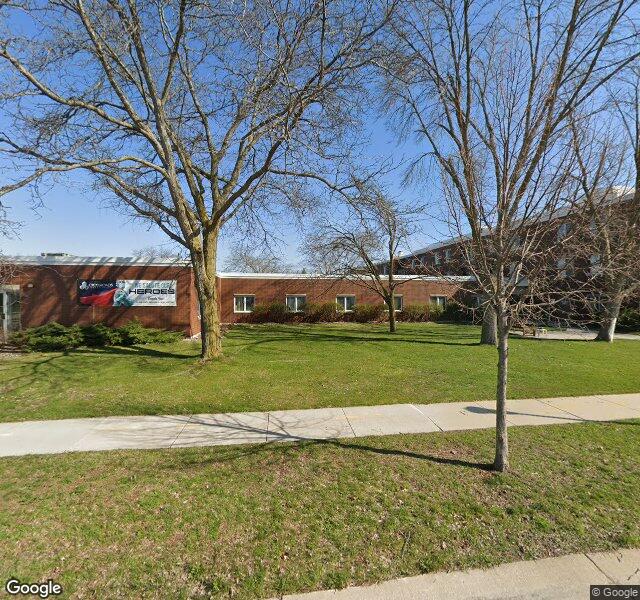
Who Owns and Operates Avina Of Fond Du Lac?

Avina of Fond du Lac is owned by a for-profit company. For-profit facilities operate as businesses with obligations to shareholders or private owners. The facility is operated by AVINA HEALTHCARE, a chain that manages multiple nursing homes. With 50 certified beds and approximately 42 residents (about 84% occupancy), it is a smaller facility located in FOND DU LAC, Wisconsin.

How Does Avina Of Fond Du Lac Compare to Other Wisconsin Nursing Homes?

Compared to the 100 nursing homes in Wisconsin, Avina of Fond du Lac's overall rating (1 stars) is below the state average of 3.0, staff turnover (36%) is significantly lower than the state average of 46%, and health inspection rating (2 stars) is below the national benchmark.

What Should Families Ask When Visiting Avina Of Fond Du Lac?

Based on this facility's data, families visiting should ask: "What changes have been made since the serious inspection findings, and how are you preventing similar issues?" "Can I visit during a mealtime to observe dining assistance and food quality?" "How do you handle medical emergencies, and what is your hospital transfer rate?" "Can I speak with family members of current residents about their experience?" These questions are particularly relevant given the facility's Immediate Jeopardy citations.

Is Avina Of Fond Du Lac Safe?

Based on CMS inspection data, Avina of Fond du Lac has documented safety concerns. Inspectors have issued 1 Immediate Jeopardy citation (the most serious violation level indicating risk of serious injury or death). The facility has a 1-star overall rating and ranks #100 of 100 nursing homes in Wisconsin. Families considering this facility should ask detailed questions about what corrective actions have been taken since these incidents.

Do Nurses at Avina Of Fond Du Lac Stick Around?

Avina of Fond du Lac has a staff turnover rate of 36%, which is about average for Wisconsin nursing homes (state average: 46%). Moderate turnover is common in nursing homes, but families should still ask about staff tenure and how the facility maintains care continuity when employees leave.

Was Avina Of Fond Du Lac Ever Fined?

Avina of Fond du Lac has been fined $7,446 across 1 penalty action. This is below the Wisconsin average of $33,153. While any fine indicates a compliance issue, fines under $50,000 are relatively common and typically reflect isolated problems that were subsequently corrected. Families should ask what specific issues led to these fines and confirm they've been resolved.

Is Avina Of Fond Du Lac on Any Federal Watch List?

Avina of Fond du Lac is not on any federal watch list. The most significant is the Special Focus Facility (SFF) program, which identifies the bottom 1% of nursing homes nationally based on persistent, serious quality problems. Not being on this list means the facility has avoided the pattern of deficiencies that triggers enhanced federal oversight. This is a positive indicator, though families should still review the facility's inspection history directly.