HARBOR HAVEN HEALTH & REHABILITATION
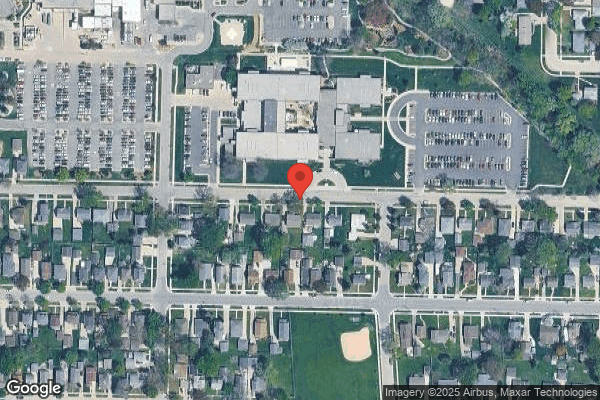
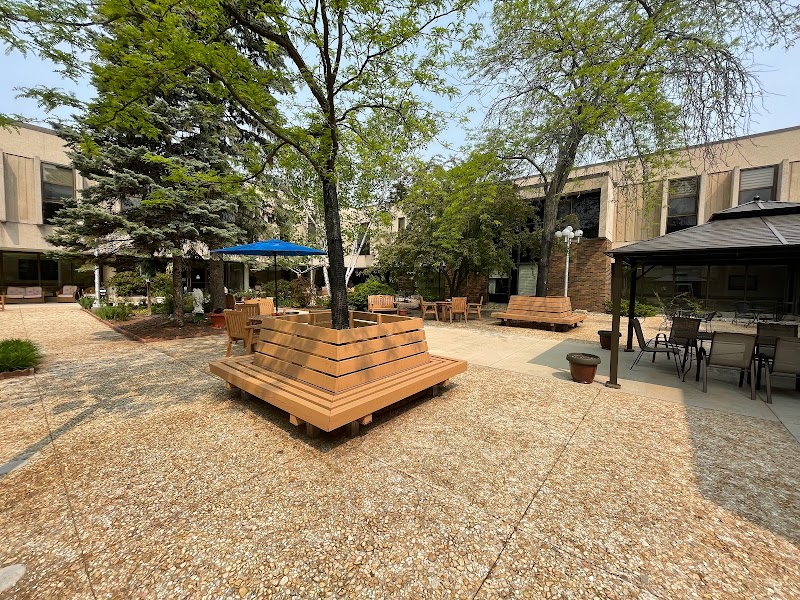
459 E 1ST STREET, FOND DU LAC, WI 54935 (920) 929-3500
Government - County 85 Beds Independent Data: November 2025
Trust Grade
90/100
#40 of 321 in WI
Last Inspection: April 2025

Within standard 12-15 month inspection cycle. Federal law requires annual inspections.

Overview

Harbor Haven Health & Rehabilitation has earned a Trust Grade of A, indicating it is an excellent facility highly recommended for care. It ranks #40 out of 321 nursing homes in Wisconsin, placing it in the top half of facilities statewide, and holds the top position in Fond Du Lac County among 7 local options. The facility is improving, with issues decreasing from 2 in 2024 to none reported in 2025. Staffing is a strong point, with a 5-star rating and a turnover rate of 38%, which is lower than the state average, meaning staff are more likely to stay and provide consistent care. While the facility has no fines on record, there were concerns noted in inspections, such as a resident's call light being out of reach and inadequate pain management for another resident, highlighting areas that still need attention. Overall, the facility shows many strengths but must address these specific concerns to enhance resident safety and care quality.

Trust Score
A
90/100
In Wisconsin
#40/321
Top 12%
Safety Record
Low Risk
No red flags
Inspections
Getting Better
2 → 0 violations
Staff Stability
○ Average
38% turnover. Near Wisconsin's 48% average. Typical for the industry.
Penalties
✓ Good
No fines on record. Clean compliance history, better than most Wisconsin facilities.
Skilled Nurses
✓ Good
Each resident gets 72 minutes of Registered Nurse (RN) attention daily — more than 97% of Wisconsin nursing homes. RNs are the most trained staff who catch health problems before they become serious.
Violations
✓ Good
Only 3 deficiencies on record. Cleaner than most facilities. Minor issues only.
★★★★★
5.0
Overall Rating
★★★★★
5.0
Staff Levels
★★★★☆
4.0
Care Quality
★★★★★
5.0
Inspection Score
Stable
2024: 2 issues
2025: 0 issues

The Good

  • 5-Star Staffing Rating · Excellent nurse staffing levels
  • 4-Star Quality Measures · Strong clinical quality outcomes
  • Full Sprinkler Coverage · Fire safety systems throughout facility
  • No fines on record
  • Staff turnover below average (38%)

    10 points below Wisconsin average of 48%

Facility shows strength in staffing levels, quality measures, fire safety.

The Bad

Staff Turnover: 38%

Near Wisconsin avg (46%)

Typical for the industry

The Ugly 3 deficiencies on record

Feb 2024 2 deficiencies
CONCERN (D)

Potential for Harm - no one hurt, but risky conditions existed

Deficiency F0558 (Tag F0558)

Could have caused harm · This affected 1 resident

Based on observation, resident and staff interview, and record review, the facility did not ensure call lights were within reach for 1 Resident (R) (R24) of 20 sampled residents. On 2/19/24, Surveyor ...

Read full inspector narrative →
Based on observation, resident and staff interview, and record review, the facility did not ensure call lights were within reach for 1 Resident (R) (R24) of 20 sampled residents. On 2/19/24, Surveyor observed R24's call light on the wall behind an armoire. The call light contained a call button, but not a cord. The call light was not within reach or easily accessible to R24. Findings include: The facility's Resident Call Light policy, dated 6/16/97, indicates: Every resident shall have a functioning call light accessible to them at all times while on bedrest, therefore, allowing the resident to call for assistance from nursing staff as needed (as they are cognitively and physically able) .8. Position call light so as to make it accessible to resident. When appropriate, review call light placement and use with resident before leaving the room. The facility's undated ADL (activities of daily living) Standards of Care policy states in bold, capitalized underlined letters: Ensure call light or appropriate communication device is within resident reach. 1. On 2/19/24 at 11:23 AM, Surveyor entered R24's room and noted R24's call light was on the wall behind an armoire that was approximately 6-7 feet tall, 4 feet wide, and 2 feet deep. The call light was a button unit without a cord and was approximately 4 inches long from the wall. The call light was not within reach or easily accessible to R24. In addition, Surveyor noted a nightstand on the right front side of the armoire also prevented access to the call light. On 2/20/24, Surveyor reviewed R24's medical record. R24's plan of care indicated R24 was at risk for falls. Call light use was not indicated in R24's care plan. Surveyor requested a call light assessment to evaluate R24's ability to use the call light system. An assessment was not provided. On 2/21/24 at 9:53 AM, Surveyor interviewed Certified Nursing Assistant (CNA)-H who indicated R24 had not fallen. CNA-H verified in order for R24 to use the call light, there needed to be a longer cord that reached around the armoire. On 2/21/24 at 10:08 AM, Surveyor interviewed CNA-I who did not know R24 had a 4-inch call light and was unsure why. CNA-I indicated R24 needed to be in close range in order to use the call light behind the armoire. On 2/21/24 at 10:24 AM, Surveyor interviewed Registered Nurse (RN)-J who stated RN-J did not know R24 had a 4-inch call light and wasn't sure if R24 could use a call light. On 2/21/24 at 12:25 PM, Surveyor interviewed Director of Nursing (DON)-B who stated DON-B believed staff didn't take the call light location into consideration when they moved R24's armoire. DON-B stated the armoire would be moved again to provide access to the call light. On 2/21/24 at 2:23 PM, Nursing Home Administrator (NHA)-A informed Surveyor the facility did not complete a specific call light assessment, however, the facility completed multiple other assessments prior to R24's admission.
CONCERN (D) 📢 Someone Reported This

A family member, employee, or ombudsman was alarmed enough to file a formal complaint

Potential for Harm - no one hurt, but risky conditions existed

Deficiency F0697 (Tag F0697)

Could have caused harm · This affected 1 resident

**NOTE- TERMS IN BRACKETS HAVE BEEN EDITED TO PROTECT CONFIDENTIALITY** Based on staff and resident interview, and record review, the facility did not ensure effective pain management was provided for...

Read full inspector narrative →
**NOTE- TERMS IN BRACKETS HAVE BEEN EDITED TO PROTECT CONFIDENTIALITY** Based on staff and resident interview, and record review, the facility did not ensure effective pain management was provided for 1 Resident (R) (R218) of 20 sampled residents. R218 was not provided effective pain management from 12/21/23 through 12/26/23. Findings include: The facility's Pain Management policy, dated 11/30/216, contained the following information: Pain is whatever the experiencing person says it is, existing whenever he/she says it does .4. Complete an assessment of the pain and document the assessment in ECS (electronic medical charting system) when any of the following conditions are present: a. Pain rating of 4 or greater (moderate and above); b. Continues unchanged for 48 hours; c. Daily pain is reported for 7 days. From 2/19/24 through 2/21/24, Surveyor reviewed R218's medical record. R218 was admitted to the facility on [DATE] with diagnoses including dementia, coronary artery disease, heart failure, and peripheral vascular disease (PVD). R218 had an activated power of attorney (POA). According to staff, R218 could make R218's needs known. R218 discharged from the facility on 12/27/23. A nursing note, dated 12/21/23, indicated R218 was yelling out in pain, reported pain in the left hip, and had a hard time lifting or moving the left leg. R218 yelled out when staff attempted to move R218, stated the ball and socket was out of place, and requested to stay in bed. R218 also had increased anxiety about the holidays and seeing family. R218's physician was updated and ordered an X-ray of the left hip. The X-ray was negative for fracture. There were no new orders on 12/21/23 for R218's pain. Surveyor reviewed R218's medication administration records (MARs) which included the following orders: -Acetaminophen 500 milligrams (mg) 2 tablets three times daily for pain (start date 5/2/22). -Alprazolam 0.25 mg three times daily for anxiety (start date 5/2/22). -Acetaminophen 500 mg 1 tablet every 6 hours for pain (start date 5/2/22). -Alprazolam 0.25 mg twice daily as needed (PRN) for anxiety (start date 12/22/23). -Tramadol 50 mg twice daily for pain (start date 12/26/23). -Tramadol 50 mg one time dose at 11:30 AM on 12/27/23. R218 received scheduled medication as ordered. R218's first documented dose of PRN acetaminophen was on 12/25/23 at 3:15 PM, with no follow up result documented. On 12/26/23 at 5:44, AM staff documented no further complaints of pain in response to R218's PRN acetaminophen administered on 12/25/23. On 12/26/23, a new order for tramadol was received for continued reports of left hip pain. R218's MAR documented two doses of tramadol were administered on 12/26/23 in addition to R218's current pain regimen. On 12/27/23, R218's MAR indicated R218 received a scheduled dose and a onetime dose of tramadol before R218 was transferred to the hospital. R218's medical record did not include documentation of non-pharmacological pain interventions between 12/21/23 and 12/27/23. R218's medical record contained a quarterly pain assessment, dated 11/13/23, that indicated R218 did not have pain. A head-to-toe assessment, dated 12/19/23, indicated R218 had chronic shoulder and neck pain and used oral analgesics three times daily and PRN along with rest. A head-to-toe assessment, dated 12/26/23, indicated R218 had chronic leg pain and used oral analgesics and ice. A pain assessment and evaluation of R218's left hip, dated 12/26/23, indicated R218's pain level was not acceptable and new orders were obtained. R218's medical record contained nursing notes, dated 12/21/23, regarding R218's new onset of acute left hip pain. R218's medical record did not contain any follow up assessments of R218's left hip pain and did not indicate other pharmacological or non-pharmacological interventions were offered or provided from 12/21/23 through 12/25/23. On 2/20/23 at 11:46 AM, Surveyor interviewed Certified Nursing Assistant (CNA)-C who indicated R218 had the most pain while being transferred via sit-to-stand lift. CNA-C recalled a discussions of changing R218's transfer status to a Hoyer lift, but was unsure if R218's transfer status was changed. On 2/20/23 at 12:29 PM, Surveyor interviewed CNA-D who stated R218 had the most pain while transferring via sit-to-stand lift. CNA-D indicated CNA-D helped care for R218 on and off from 12/21/23 through 12/26/23 and stated R218 ate in bed more, was in R218's recliner more, and was not R218's usual self. CNA-D stated R218 liked to sit in R218's wheelchair which was not comfortable at that time. On 2/20/23 at 2:17 PM, Surveyor interviewed CNA-E who stated R218 completed of pain more while transferring to the bathroom via sit-to-stand lift. CNA-E stated CNA-E provided ice packs for R218's pain. CNA-E indicated R218 told CNA-E that R218 knew R218's hip was broken, but an X-ray indicated it was not. CNA-E stated R218 liked to be in R218's wheelchair and liked bingo, however, R218 was in bed and R218's recliner more during that time. CNA-E could not recall if R218's transfer status was evaluated or changed. On 2/21/24 at 9:43 AM, Surveyor interviewed Physical Therapist (PT)-F who worked with R218 from 11/2/23 through 12/12/23 for upper body strengthening. PT-F stated PT-F was not asked to evaluate R218's transfer status after R218 reported left hip pain. PT-F verified between 12/21/23 and 12/27/23, R218 was not evaluated by physical therapy. PT-F also verified R218 remained a sit-to-stand transfer from 12/21/23 through 12/27/23. On 2/21/24 at 12:17 PM, Surveyor interviewed Director of Nursing (DON)-B who stated with a new onset of pain, nurses are expected to assess a resident. DON-B indicated nurses have options in a resident's medical record to initiate a to do list specific for a resident assessment, including a stop and watch tool and a nursing 24 hour board to follow acute situations. When Surveyor indicated R218's medical record did not contain follow up assessments of R218's left hip pain between 12/21/23 and 12/26/23, DON-B verified the above process did not occur and recommended Surveyor interview Medical Director (MD)-G (R218's physician). On 2/21/24 at 1:12 PM, Surveyor interviewed MD-G who stated nursing staff notified MD-G of R218's pain, but could not verify when MD-G was notified. MD-G indicated when staff noted R218 had increased pain, MD-G ordered an X-ray, talked about a therapy evaluation, and ordered a CT (Computed Tomography) scan. On 12/27/23, R218 was sent to the hospital for a CT scan which indicated a left hip fracture. R218 did not return to the facility. MD-G indicated R218 was not visibly in a lot of pain while sitting, but complained of pain more during transfers. MD-G stated MD-G expected nursing staff to involve physical therapy to evaluate R218's transfer status. R218 had a diagnosis of dementia which also contributed to increased confusion during that time frame. R218's medical record indicated MD-G was updated on 12/21/23, 12/26/23 and 12/27/23. No other documentation was provided.
Mar 2023 1 deficiency
CONCERN (E) 📢 Someone Reported This

A family member, employee, or ombudsman was alarmed enough to file a formal complaint

Potential for Harm - no one hurt, but risky conditions existed

Report Alleged Abuse (Tag F0609)

Could have caused harm · This affected multiple residents

**NOTE- TERMS IN BRACKETS HAVE BEEN EDITED TO PROTECT CONFIDENTIALITY** 2. On 3/1/23, Surveyor reviewed R1's medical record. R1's latest admission to the facility was on 8/25/22 with diagnoses to incl...

Read full inspector narrative →
**NOTE- TERMS IN BRACKETS HAVE BEEN EDITED TO PROTECT CONFIDENTIALITY** 2. On 3/1/23, Surveyor reviewed R1's medical record. R1's latest admission to the facility was on 8/25/22 with diagnoses to include dementia with behavioral disturbance, restlessness and agitation. R1's MDS assessment, dated 2/20/23, contained a BIMS score of 1 out of 15 which indicated R1 had severe cognitive impairment. On 3/1/23, Surveyor reviewed R2's medical record. R2 was admitted to the facility on [DATE] and had diagnoses to include Alzheimer's disease, unspecified dementia with other behavioral disturbance and obsessive-compulsive disorder (OCD) (a pattern of unwanted thoughts and fears (obsessions) that leads one to do repetitive behaviors (compulsions)). R2's MDS assessment, dated 12/19/22, contained a BIMS score of 7 out of 15 which indicated R2 had severe cognitive impairment. On 3/1/23, Surveyor reviewed facility-provided investigation documents regarding a resident-to-resident altercation that occurred on 12/24/25 at 12:00 PM. After R2 finished eating lunch, R2 approached the sliding garbage receptacle while R1 stood by the garbage receptacle and moved the receptacle back and forth. R2 threw R2's food away and closed the garbage receptacle lid on R1's left hand which resulted in an abrasion to R1's left thumb. Prior to the incident, R1 was wandering in the dining area with staff supervision. Staff indicated R2 fixates on dining times and what R2 perceives as residents being in the right place during those times. R2 may have been upset because R1 was not in the right place and wandering around. R1 and R2 were separated and remained separated. R1 and R2 were interviewed as well as staff who were present and other residents. Staff education was completed. R1 and R2's representatives and provider were contacted following the incident. R1 and R2's care plans were updated and SW-F followed up with both residents. The Interdisciplinary Team (IDT) discussed the incident, but could not substantiate if R2's action was deliberate. On 3/1/23 at 11:53 AM, Surveyor interviewed DON-B who confirmed LPN-G was the nurse on duty at the time of the incident. DON-B verified LPN-G reported the incident to DON-B on 12/24/22 at 12:00 PM; however, DON-B did not report the incident to the SA until 12/25/22 at 8:30 PM. DON-B stated DON-B was on-call 24 hours on the day of 12/25/22, but could not find a computer to submit the above incident within 24 hours after being informed. DON-B stated DON-B's earliest access to a computer was at 8:30 PM on 12/25/22. When Surveyor asked DON-B if anybody else could have reported the incident, DON-B indicated Nursing Home Administrator (NHA)-A and SW-F had access to submit reports online via the Misconduct Incident Reporting (MIR) system. DON-B indicated NHA-A was out of the country and SW-F was not working. DON-B agreed DON-B could have called SW-F to submit the incident. Based on record review and staff interview, the facility did not ensure all alleged violations involving resident-to- resident altercations were reported timely to the State Agency (SA) and/or reported timely to the facility's administration for 4 Residents (R) (R5, R4, R1 and R2) of 6 sampled residents. The facility's administration was informed of a resident-to-resident altercation between R4 and R3 on 2/11/23. During the investigation, the facility was alerted to a previous resident-to-resident altercation between R4 and R5 on 2/11/23. Staff did not report the interaction between R4 and R5 to the facility's administration timely. In addition, the facility did not report the altercation between R4 and R5 to the SA until 2/20/23. The facility's administration was informed on 12/5/22 of a resident-to-resident altercation that occurred between R1 and R2 at 12:00 PM. The facility did not report the resident-to-resident altercation to the SA within the required timeframe. Findings include: The facility's Resident Abuse/Complaints-Investigation and Prevention policy, dated 7/17/19, contained the following information: .Staff members are trained on this subject at every new employee orientation, for all staff at least annually, and additionally based on the needs of the facility as assessed at any given time. Furthermore, each staff member is responsible for immediately reporting any allegations or complaints in person and ensuring the safety of the residents, regardless of a diagnosis, psychosis, delusions, or cognitive impairment, as part of his/her assigned duties. Allegations involving resident mistreatment, neglect, abuse, misappropriation of resident property, exploitation, and injuries of unknown source shall be reported immediately and not to exceed 24 hours after the incident. This immediate reporting shall be made to the Nursing Home Administrator or designees, who will complete the electronic Alleged Nursing Home Resident Mistreatment, Neglect, and Abuse Report form via the Misconduct Incident Reporting (MIR) system .The purpose of this procedure is to investigate and document any resident complaint or concern about any issue, regardless of a resident's diagnosis of psychosis, delusions, or cognitive impairment, in order to ensure that the resident's complaint or concern is dealt with on a timely basis and in a complete manner . 1. On 3/1/23, Surveyor reviewed R3's medical record. R3 was admitted to the facility on [DATE] with diagnoses to include dementia with behavioral disturbance and metabolic encephalopathy (abnormalities of the water, electrolytes, vitamins, and other chemicals that adversely affect brain function). R3's Minimum Data Set (MDS) assessment, dated 12/12/22, contained a Brief Interview for Mental Status (BIMS) score of 11 out of 15 which indicated R3 had moderate cognitive impairment. R3's guardianship documents, dated 1/21/22, indicated R3's court-appointed guardian was responsible for R3's healthcare decisions. On 3/1/23, Surveyor reviewed R4's medical record. R4 was admitted to the facility on [DATE] with diagnoses to include dementia with behavioral disturbance, major depressive disorder and anxiety disorder. R4's MDS assessment, dated 1/9/23, contained a BIMS score of 4 out of 15 which indicated R4 had severe cognitive impairment. R4's guardianship documents, dated 11/18/19, indicated R4's court-appointed guardian was responsible for R4's healthcare decisions. On 3/1/23, Surveyor reviewed R5's medical record. R5 was admitted to the facility on [DATE] with diagnoses to include dementia with behavioral disturbance and anxiety disorder. R5's MDS assessment, dated 12/19/22, contained a BIMS score of 2 out of 15 which indicated R5 had severe cognitive impairment. R5s guardianship documents, dated 3/11/21, indicated R5's court-appointed guardian was responsible for R5's healthcare decisions. On 3/1/23, Surveyor reviewed facility-provided investigation documents which contained the following information: .On 2/11/23 at approximately 4:00 PM on (R4's unit), staff observed (R4) swat (R3) in the left arm/shoulder area with a magazine .Based on further investigation, it should be noted (R4) also made brief and light contact with another resident with the same magazine. (R4) previously took the magazine (R4) used to hit (R3) in the arm from another resident (R5). Staff reported (R5) objected to (R4) taking the magazine from (R5) at which point (R4) lightly swatted (R5) on the top of the hand as (R5) was telling (R4) to give (the magazine) back . The investigation documents included a written statement from Registered Nurse (RN)-D, dated 2/13/23, that contained the following information: (R4) (was increasingly) anxious all shift. (R4) approached (R5) .and grabbed a magazine out of (R5's) hand. (R5) stated, That's mine! Give it back! (R4) swatted (R5) on the hand (with) the magazine. (RN-D) intervened. (R4) walked toward (R3) who was sitting at the nurses' station. (R3) told (R4) that (R4) started it. (R4) swatted (R3) on the (left arm) (with) the magazine. (RN-D) intervened . Included in the investigative documents was a print-out of R4's nursing progress notes which contained an entry, dated 2/11/23, with the following information: .BEHAVIOR: Snatched the magazine (R5) was holding. (R5) retaliated and screamed this is mine, give it to me! (R4) slapped (R5's) hand with the magazine, staff intervened and set them apart. (R5) went in (R5's) room and (R4) turned to (R3). When (R3) commented that (R4) was the one who started the fight, (R4) hit (R3's) arm with the magazine as well . Hand written on the print-out was *DON (Director of Nursing) notified of incident between (R4) (and) (R3). Further information (regarding) (R5) (and) (R4) was discovered on 2/13/23 after initial report was submitted. On 3/1/23 at 12:25 PM, Surveyor interviewed RN-D who verified RN-D was the nurse on duty at the time of the above incidents. RN-D reiterated the events as indicated in RN-D's statement and stated RN-D's main concern was keeping residents safe. RN-D stated RN-D stayed on the unit to ensure resident safety and did not return to the nurses' station until the next nurse arrived for duty. RN-D stated RN-D gave report to Licensed Practical Nurse (LPN)-C and included the incident between R4 and R5 as well as the incident between R4 and R3. RN-D stated, I think (LPN-C) was the one that called (DON-B). RN-D indicated the incidents occurred at approximately 4:30 PM on 2/11/23 and RN-D's shift ended at 6:00 PM. RN-D stated shift change report was verbal and verified there was no documentation of what was said in shift change reports. On 3/1/23 at 12:53 PM, Surveyor interviewed LPN-C via phone. LPN-C verified LPN-C received shift report from RN-D on 2/11/23. LPN-C stated LPN-C called DON-B at approximately 6:30 PM and stated, I told (DON-B) (R4) hit (R3) with a magazine. When questioned, LPN-C verified RN-D told LPN-C in report that R4 also hit R5. When questioned, LPN-C stated LPN-C also told DON-B that R4 hit R5. On 3/1/23 at 1:00 PM, Surveyor interviewed DON-B who verified LPN-C notified DON-B of the incident between R4 and R3. DON-B stated, (LPN-C) had called me and walked me through that (R4) had a magazine or paper. (R3) had made a comment and (R4) tapped (R3) lightly with magazine. I then had (LPN-C) give the phone to (Certified Nursing Assistant (CNA)-E) who was the CNA that was there (when it happened). DON-B stated DON-B spoke with CNA-E and said, I had (CNA-E) walk me thru about what happened between (R4) and (R3). DON-B indicated the initial report was about R4 and R3 then stated, But on Monday (2/13/23) when we reviewed (name brand of electronic medical record) charting we noticed (R4) had hit (R5) prior to hitting (R3). When questioned what DON-B would have done had DON-B been told about both incidents on 2/11/23, DON-B stated I would have reported (to SA) separately. On 3/1/23 at 1:33 PM, Surveyor interviewed DON-B who indicated the facility provided staff with one-on-one re-education regarding reporting timely when we called them for interviews. DON-B verified LPN-C only told DON-B about the incident between R4 and R3 because that what was told to (LPN-C) in report. DON-B verified the facility did not re-educate all staff about reporting timely. On 3/1/23 at 2:14 PM, Surveyor interviewed Social Worker (SW)-F who provided Surveyor with the document below. SW-F verified the document indicated RN-D was the only staff member re-educated on reporting requirements. On 3/1/23, Surveyor reviewed a facility-provided undated and unsigned document that contained the following information: Social worker met with (RN-D) on Monday, February 13, 2022 (sic) to obtain information regarding a resident-to-resident incident reported to DON that occurred between (R4) and (R3) on Saturday, February 11, 2022 (sic). Upon reviewing information for (R4) and (R3) related to the incident, behavior documentation for (R4) indicated (R4) had contact with an additional resident, (R5), prior to making contact with resident (R3) .(SW-F) spoke with (RN-D) regarding the importance of reporting incidents to the DON/Administrator when more than one resident may have been impacted .
Understanding Severity Codes (click to expand)
Life-Threatening (Immediate Jeopardy)
J - Isolated K - Pattern L - Widespread
Actual Harm
G - Isolated H - Pattern I - Widespread
Potential for Harm
D - Isolated E - Pattern F - Widespread
No Harm (Minor)
A - Isolated B - Pattern C - Widespread

Questions to Ask on Your Visit

  • "Can I speak with families of current residents?"
  • "What's your RN coverage like on weekends and overnight?"

Our Honest Assessment

Strengths
  • • Grade A (90/100). Above average facility, better than most options in Wisconsin.
  • • No major safety red flags. No abuse findings, life-threatening violations, or SFF status.
  • • No fines on record. Clean compliance history, better than most Wisconsin facilities.
  • • Only 3 deficiencies on record. Cleaner than most facilities. Minor issues only.
Concerns
  • • No significant concerns identified. This facility shows no red flags across CMS ratings, staff turnover, or federal penalties.
Bottom line: Generally positive indicators. Standard due diligence and a personal visit recommended.

About This Facility

What is Harbor Haven Health & Rehabilitation's CMS Rating?

CMS assigns HARBOR HAVEN HEALTH & REHABILITATION an overall rating of 5 out of 5 stars, which is considered much above average nationally. Within Wisconsin, this rating places the facility higher than 99% of the state's 100 nursing homes. This rating reflects solid performance across the metrics CMS uses to evaluate nursing home quality.
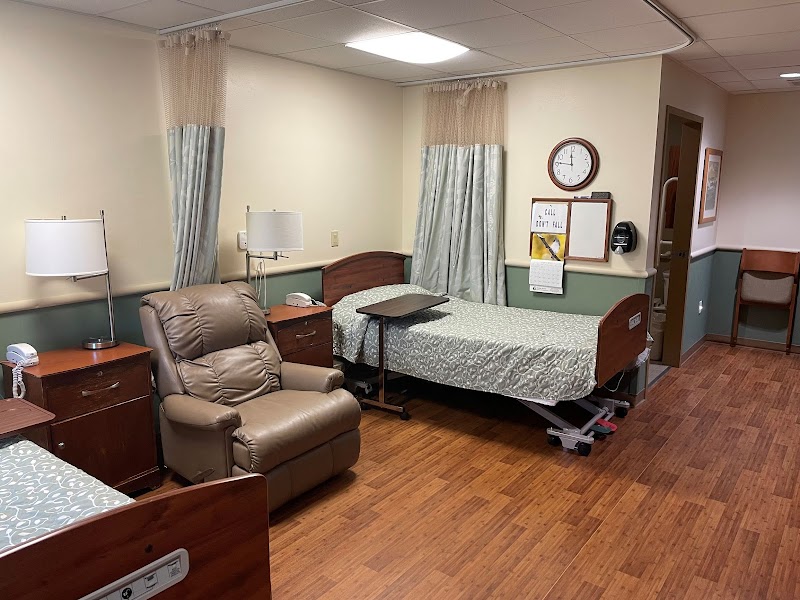
How is Harbor Haven Health & Rehabilitation Staffed?

CMS rates HARBOR HAVEN HEALTH & REHABILITATION's staffing level at 5 out of 5 stars, which is much above average compared to other nursing homes. Staff turnover is 38%, compared to the Wisconsin average of 46%. This relatively stable workforce can support continuity of care.

What Have Inspectors Found at Harbor Haven Health & Rehabilitation?

State health inspectors documented 3 deficiencies at HARBOR HAVEN HEALTH & REHABILITATION during 2023 to 2024. These included: 3 with potential for harm.
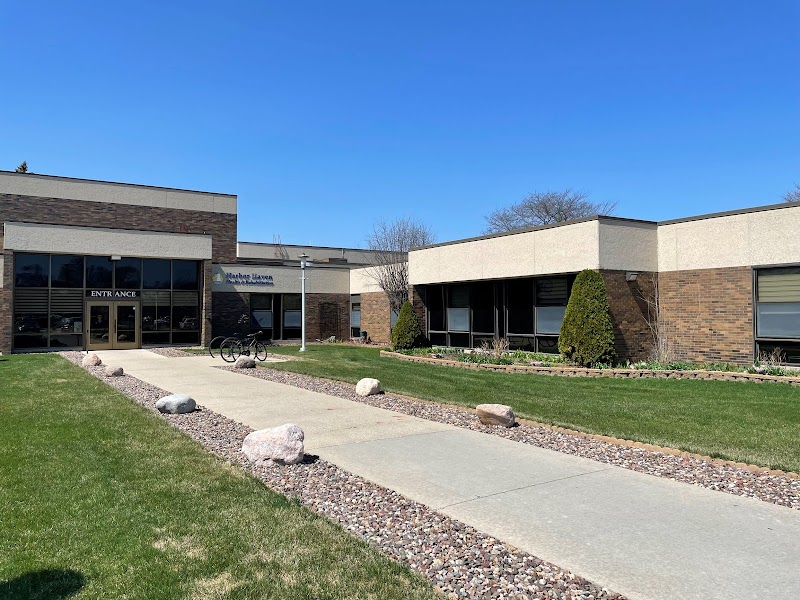
Who Owns and Operates Harbor Haven Health & Rehabilitation?

HARBOR HAVEN HEALTH & REHABILITATION is owned by a government entity. Government-operated facilities are typically run by state, county, or municipal agencies. The facility operates independently rather than as part of a larger chain. With 85 certified beds and approximately 74 residents (about 87% occupancy), it is a smaller facility located in FOND DU LAC, Wisconsin.
How Does Harbor Haven Health & Rehabilitation Compare to Other Wisconsin Nursing Homes?

Compared to the 100 nursing homes in Wisconsin, HARBOR HAVEN HEALTH & REHABILITATION's overall rating (5 stars) is above the state average of 3.0, staff turnover (38%) is near the state average of 46%, and health inspection rating (5 stars) is much above the national benchmark.

What Should Families Ask When Visiting Harbor Haven Health & Rehabilitation?

Based on this facility's data, families visiting should ask: "Can I visit during a mealtime to observe dining assistance and food quality?" "How do you handle medical emergencies, and what is your hospital transfer rate?" "Can I speak with family members of current residents about their experience?"

Is Harbor Haven Health & Rehabilitation Safe?

Based on CMS inspection data, HARBOR HAVEN HEALTH & REHABILITATION has a clean safety record: no substantiated abuse findings (meaning no confirmed cases of resident harm), no Immediate Jeopardy citations (the most serious violation level indicating risk of serious injury or death), and is not on the Special Focus Facility watch list (a federal program monitoring the lowest-performing 1% of nursing homes). The facility has a 5-star overall rating and ranks #1 of 100 nursing homes in Wisconsin. While no facility is perfect, families should still ask about staff-to-resident ratios and recent inspection results during their visit.

Do Nurses at Harbor Haven Health & Rehabilitation Stick Around?

HARBOR HAVEN HEALTH & REHABILITATION has a staff turnover rate of 38%, which is about average for Wisconsin nursing homes (state average: 46%). Moderate turnover is common in nursing homes, but families should still ask about staff tenure and how the facility maintains care continuity when employees leave.

Was Harbor Haven Health & Rehabilitation Ever Fined?

HARBOR HAVEN HEALTH & REHABILITATION has no federal fines on record. CMS issues fines when nursing homes fail to meet care standards or don't correct problems found during inspections. The absence of fines suggests the facility has either maintained compliance or corrected any issues before penalties were assessed. This is a positive indicator, though families should still review recent inspection reports for the full picture.

Is Harbor Haven Health & Rehabilitation on Any Federal Watch List?

HARBOR HAVEN HEALTH & REHABILITATION is not on any federal watch list. The most significant is the Special Focus Facility (SFF) program, which identifies the bottom 1% of nursing homes nationally based on persistent, serious quality problems. Not being on this list means the facility has avoided the pattern of deficiencies that triggers enhanced federal oversight. This is a positive indicator, though families should still review the facility's inspection history directly.