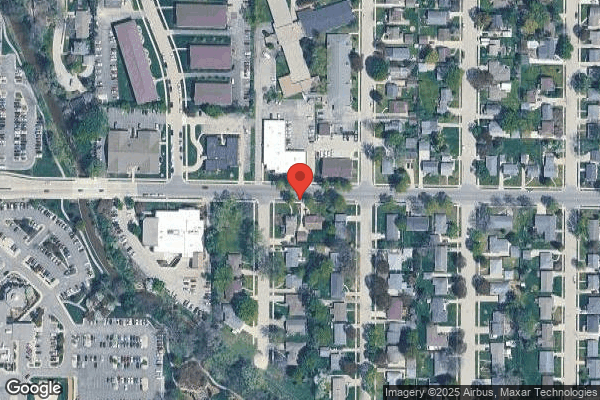
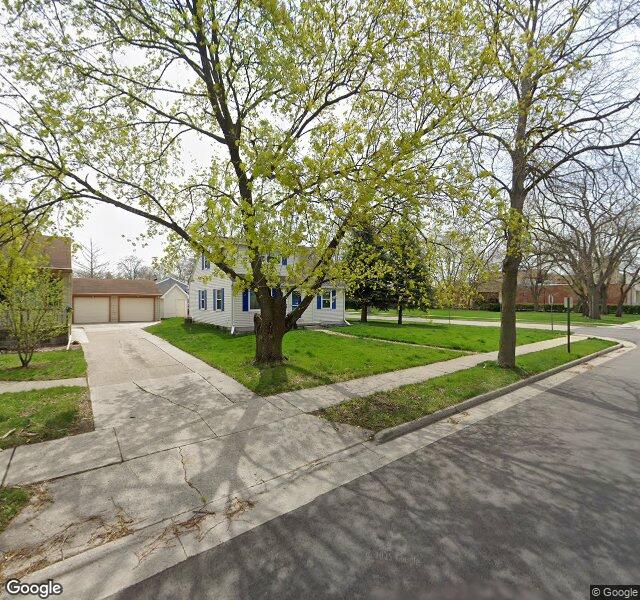
Avina on Division

517 E DIVISION ST, FOND DU LAC, WI 54935 (920) 921-6800
For profit - Limited Liability company 50 Beds AVINA HEALTHCARE Data: November 2025
Trust Grade
60/100
#133 of 321 in WI
Last Inspection: May 2025

Inspected within the last 6 months. Data reflects current conditions.

Overview

Avina on Division has a Trust Grade of C+, which means it is considered decent and slightly above average compared to other facilities. It ranks #133 out of 321 in Wisconsin, placing it in the top half, and #4 out of 7 in Fond Du Lac County, meaning there are only three local options that are better. The facility is improving, with issues decreasing from 13 in 2024 to 5 in 2025, indicating a positive trend. However, staffing is a weakness, rated at 1 out of 5 stars, with a turnover rate of 32%, which is better than the state average but still concerning. While there have been no fines, the inspection revealed issues such as kitchen equipment not being properly cleaned, garbage containers left uncovered, and a dietary manager lacking the necessary qualifications, which raises concerns about food safety and hygiene.

Trust Score
C+
60/100
In Wisconsin
#133/321
Top 41%
Safety Record
Low Risk
No red flags
Inspections
Getting Better
13 → 5 violations
Staff Stability
○ Average
32% turnover. Near Wisconsin's 48% average. Typical for the industry.
Penalties
✓ Good
No fines on record. Clean compliance history, better than most Wisconsin facilities.
Skilled Nurses
○ Average
RN staffing data not reported for this facility.
Violations
⚠ Watch
36 deficiencies on record. Higher than average. Multiple issues found across inspections.
★★★☆☆
3.0
Overall Rating
★☆☆☆☆
1.0
Staff Levels
★★★★★
5.0
Care Quality
★★★☆☆
3.0
Inspection Score
Stable
2024: 13 issues
2025: 5 issues

The Good

  • 5-Star Quality Measures · Strong clinical quality outcomes
  • Full Sprinkler Coverage · Fire safety systems throughout facility
  • No fines on record
  • Staff turnover below average (32%)

    16 points below Wisconsin average of 48%

Facility shows strength in quality measures, fire safety.

The Bad

3-Star Overall Rating

Near Wisconsin average (3.0)

Meets federal standards, typical of most facilities

Staff Turnover: 32%

13pts below Wisconsin avg (46%)

Typical for the industry

Chain: AVINA HEALTHCARE

Part of a multi-facility chain

Ask about local staffing decisions and management

The Ugly 36 deficiencies on record

May 2025 5 deficiencies
CONCERN (D)

Potential for Harm - no one hurt, but risky conditions existed

Deficiency F0558 (Tag F0558)

Could have caused harm · This affected 1 resident

**NOTE- TERMS IN BRACKETS HAVE BEEN EDITED TO PROTECT CONFIDENTIALITY** Based on observation, staff and resident interview, and record review, the facility did not ensure a call light was within reach...

Read full inspector narrative →
**NOTE- TERMS IN BRACKETS HAVE BEEN EDITED TO PROTECT CONFIDENTIALITY** Based on observation, staff and resident interview, and record review, the facility did not ensure a call light was within reach for 1 resident (R) (R17) of 15 sampled residents. On 5/20/25, R17's call light was out of reach and not accessible to R17. Findings include: The facility's Call Lights: Accessibility and Timely Response policy, dated 3/6/25, indicates staff will ensure the call light is within reach of the resident and secured as needed. The call system will be accessible to the resident while in their bed or other sleeping accommodations within the resident's room. On 5/20/25, Surveyor reviewed R17's medical record. R17 was admitted to the facility on [DATE] and had diagnoses including hemiplegia and hemiparesis following cerebral infarction affecting the right dominant side. R17's Minimum Data Set (MDS) assessment, dated 4/8/25, had a Brief Interview for Mental Status (BIMS) score of 15 out of 15 which indicated R17 had intact cognition. The MDS assessment also indicated R17 had impairment on one side of the upper and lower extremities and required substantial/maximum assistance with rolling to the left and right sides and returning to lying on R17's back in bed. On 5/20/25 at 12:25 PM, Surveyor observed R17 in bed. Surveyor interviewed R17 who indicated R17 could not find the call light. R17 indicated R17 wanted to be repositioned and needed assistance. Surveyor observed a call light cord at the top of R17's bed on the left side under R17's pillow. When Surveyor informed R17 the call light was on the left side of R17's bed near the pillow, R17 attempted to reach the call light but could not. Surveyor informed R17 that Surveyor would ask staff to assist R17 with repositioning. On 5/20/25 at 12:33 PM, Surveyor notified Certified Nursing Assistant (CNA)-D that R17 required assistance with repositioning and could not reach the call light. CNA-D with the assistance of CNA-E entered R17's room. Surveyor observed CNA-E reach under R17's pillow, pull out the call light, and hand the call light to R17. CNA-E verified R17 could not reach the call light. CNA-D and CNA-E then repositioned R17. On 5/21/25 at 9:27 AM, Surveyor interviewed Director of Nursing (DON)-B who stated R17's call light should be within reach as indicated by the facility's call light policy.
CONCERN (D)

Potential for Harm - no one hurt, but risky conditions existed

Pharmacy Services (Tag F0755)

Could have caused harm · This affected 1 resident

**NOTE- TERMS IN BRACKETS HAVE BEEN EDITED TO PROTECT CONFIDENTIALITY** Based on observation, staff and resident interview, and record review, the facility did not ensure the accurate administration o...

Read full inspector narrative →
**NOTE- TERMS IN BRACKETS HAVE BEEN EDITED TO PROTECT CONFIDENTIALITY** Based on observation, staff and resident interview, and record review, the facility did not ensure the accurate administration of medication for 2 residents (R) (R8 and R11) of 15 sampled residents. On 5/19/25, Surveyor observed medication at R8's bedside hours after the morning medication pass. Staff did not return and check on R8 to ensure the medication was taken but documented the medication as administered. In addition, R8 did not have a quarterly self-administration of medication assessment. On 5/19/25, Surveyor observed Medication Technician (MT)-E prepare mediation for R11 and leave the medication at the bedside. R11 had an order to self-administer medication but did not have a current self-administration of medication assessment. Findings include: The facility's Resident Self-Administration of Medication policy, dated 4/9/25, indicates: It is the policy of this facility to support each resident's right to self-administer medication. A resident may only self-administer medication after the facility's interdisciplinary team has determined which medications may be self-administered safely. 1. Resident is offered the opportunity to self-administer medications during the routine assessment by the facility's interdisciplinary team .4. The results of the interdisciplinary team assessment are recorded on the medication self-administration assessment form which is placed in the resident's medical record .14. The care plan must reflect resident self-administration and storage arrangements for such medications . The facility's Medication Administration policy, dated 1/9/25, indicates: .17. Administer medication as ordered in accordance with manufacturer specifications .18. Observe resident consumption of medication .20. Sign Medication Administration Record (MAR) after administered .22. Report and document any adverse side effects or refusals. 23. Correct any discrepancies and report to nurse manager . 1. On 5/19/25, Surveyor reviewed R8's medical record. R8 was admitted to the facility on [DATE] and had diagnoses including chronic kidney disease, asthma, hypertension, anxiety, and depression. R8's Minimum Data Set (MDS) assessment, dated 5/8/25, had a Brief Interview for Mental Status (BIMS) score of 15 out of 15 which indicated R8 had intact cognition. On 5/19/25 at 12:18 PM, Surveyor interviewed R8 and noted a container of pudding that contained pills on R8's bedside table. Surveyor counted 14 pills visible on top of the pudding and noted other pills that appeared to have melted/disintegrated and others that were under the top of the pudding. Surveyor also noted a box of Effervescent antacid medication and a container of pain relief medication with an expiration date of 1/2023 on the bedside table. R8 indicated a nurse left the pills in the pudding earlier that morning around breakfast time and had not been back to check if R8 took the medication. R8 indicated the box of Effervescent antacid medication and container of pain relief medication were from home and the facility knew R8 had them. R8 indicated R8 had not taken any of R8's medications that morning and was not going to. On 5/19/25 at 4:13 PM, Surveyor observed R8's room and noted the container of pudding and pills was still on R8's bedside table. Surveyor counted 14 pills on top of the pudding and noted others that appeared to have melted/disintegrated and/or were under the pudding. Surveyor also noted the Effervescent antacid medication and container of pain relief medication with an expiration date of 1/2023 were still on the bedside table. R8's medical record contained the following physician's order: Okay to leave medications within reach at bedside table. Nurse to recheck in an hour to ensure medications are taken. If (R8) is not taking medications, please document. (Start date: 2/3/25). R8's medical record did not contain a self-administration of medication assessment. R8 also did not have a care plan that indicated R8 could self-administer medication or store medication at the bedside. Surveyor reviewed R8's MAR and noted 18 medications (not including medications that would not have been in pudding, i.e., insulin) were signed out as administered during the AM medication pass despite the fact some of the medications were refused by R8 and not taken. On 5/20/25 at 7:33 AM, Surveyor interviewed Licensed Practical Nurse (LPN)-J who indicated staff who administer medication for R8 are supposed to go back and check if R8 took the medication. On 5/21/25 at 11:15 AM, Surveyor interviewed Director of Nursing (DON)-B who indicated residents must have orders for all medication. DON-B indicated R8 should have had a self-administration of medication assessment to determine if R8 was capable to self-administer medication. DON-B indicated R8 should not self-administer medication without an assessment. DON-B indicated staff are required to go back after leaving medication at the bedside to check if the resident took the medication and should document accordingly. DON-B indicated staff should return within an hour to check on the resident. On 5/22/25 at 2:40 PM, Surveyor interviewed Nursing Home Administrator (NHA)-A who indicated nursing staff are aware of and should follow the facility's medication administration and storage policies. NHA-A also indicated staff should follow standards of practice for medication and medication orders. 2. On 5/19/25 at 11:25 AM, Surveyor observed MT-E prepare mediation for R11 and leave the medication at R11's bedside. On 5/20/25, Surveyor reviewed R11's medical record. R11 had diagnoses including debility, cardiorespiratory conditions, urinary tract infection, neurogenic bladder, end stage renal disease, hypertension, diabetes mellitus, and anxiety disorder. R11's MDS assessment, dated 5/12/25, had a BIMS score of 15 out of 15 which indicated R11 had intact cognition. R11's plan of care indicated R11 had a physician's order for unsupervised self-administration of all medications and staff could leave the medication at the bedside. The care plan contained an intervention to assess R11's ability to safely self-administer medication on admission/readmission, quarterly, and with changes in condition. R11's MAR indicated R11 had an order (dated 2/16/23) to keep medication at the bedside. R11's medical record contained self-administration of medication assessments dated 2/17/23 and 12/23/24. On 5/20/25 at 12:45 PM, Surveyor interviewed DON-B who confirmed residents with a self-administration of medication order should have an assessment completed quarterly or with a change in condition. DON-B indicated if medication is left at the bedside for a resident to self-administer, staff who prepared the medication should check back to ensure the resident took the medication.
CONCERN (E)

Potential for Harm - no one hurt, but risky conditions existed

Infection Control (Tag F0880)

Could have caused harm · This affected multiple residents

Based on observation, staff interview, and record review, the facility did not maintain an infection prevention and control program designed to prevent the transmission of communicable disease and inf...

Read full inspector narrative →
Based on observation, staff interview, and record review, the facility did not maintain an infection prevention and control program designed to prevent the transmission of communicable disease and infection. This practice had the potential to affect more than 4 of the 33 residents residing in the facility. R17 was on contact precautions. On 5/19/25, Licensed Practical Nurse (LPN)-K twice entered R17's room and administered medication without wearing the appropriate personal protective equipment (PPE). On 5/19/25, Laundry Aide (LA)-C transported uncovered clean clothes in hallways and delivered them to residents' rooms. On 5/20/25, LA-C wheeled a cart of clean linens from the clean side of the laundry room through the dirty side and into the housekeeping closet. In addition, a soiled linen hamper was observed in the clean area of the laundry room. Findings include: The facility's Personal Protective Equipment (PPE) policy, revised 11/2024, indicates: PPE refers to a variety of barriers used alone or in combination to protect mucous membranes, skin, and clothing from contact with infectious agents. It includes gloves, gowns, face protection, and respiratory protection .1. All staff who have contact with residents and/or their environments must wear PPE as appropriate during resident care activities and at other times in which exposure to blood, body fluids, or potentially infectious material is likely. 2. PPE will be utilized as part of standard precautions regardless of a resident's suspected or confirmed infection status. The facility's Laundry policy, revised 1/21/25, indicates: The facility launders linens and clothing in accordance with current Centers for Disease Control and Prevention (CDC) guidelines to prevent transmission of pathogens .3. Soiled laundry shall be kept separate from clean laundry at all times . Per the CDC, the best practices for management of clean linen .Sort, package, transport, and store clean linens in a manner that prevents risk of contamination by dust, debris, soiled linens, or other soiled items. Clean Linen Storage- Designated areas: .Use separate rooms or designated areas for storing clean linens. Secure Storage: Store clean linen in closed carts or containers to prevent contamination. Separate Soiled and Clean Linen: Keep soiled linen separate from clean linen to prevent cross contamination. 1. On 5/19/25 at 3:52 PM, Surveyor observed LPN-K prepare medication for R17 who had a contact precautions sign on R17's door. LPN-K entered R17's room without donning PPE. When Surveyor asked if LPN-K should be wearing PPE, LPN-K indicated yes, exited R17's room, and donned gloves. LPN-K then re-entered R17's room and administered R17's medication. Surveyor observed LPN-K lean against R17's bed rail when LPN-K administered the medication. At 4:06 PM, Surveyor observed LPN-K enter R17's room with gloved hands to administer a second medication. LPN-K again leaned against the bed rail while administering the medication. LPN-K did not wear a gown during the observation. On 5/20/25 at 12:45 PM, Surveyor interviewed Director of Nursing (DON)-B who indicated staff should follow posted signs and should wear a gown and gloves when entering the room of a resident on contact precautions. 2. On 5/19/25 at 12:38 PM, Surveyor observed Laundry Aide (LA)-C carry laundry on hangers down a hallway in LA-C's hands. Surveyor interviewed LA-C who indicated the clothes in LA-C's hands were clean. When Surveyor asked if that was how LA-C usually transports clean clothing, LA-C indicated yes and confirmed LA-C walks laundry to residents' rooms. LA-C stated the facility has a cart, but it is too full and not many residents have laundry done at the facility. LA-C also indicated the cart does not fit through the door and the facility does not have a cover for it. LA-C indicated staff have never covered clothing or been told to cover clothing when transporting it from the laundry room to residents' rooms. On 5/20/25 at 12:45 PM, Surveyor interviewed DON-B who indicated clean clothing that is being transported from the laundry room should be covered when in the hallway. 3. On 5/20/25 at 9:50 AM, Surveyor toured the laundry room and observed LA-C wheel a clean basket of towels through the dirty side past the washing machines and into the housekeeping/dirty clothes storage area. Surveyor interviewed LA-C who indicated dirty and clean clothes should be kept separate at all times. LA-C indicated there is no other way to get clean towels back to the housekeeping storage area except to go by the washing machines. LA-C indicated the cart was left in the housekeeping/dirty linen area for housekeeping staff to put away. Surveyor also observed a hamper that was labeled soiled linen in the clean side of the laundry room near the folding area. On 5/20/25 at 12:45 PM, Surveyor interviewed DON-B who indicated clean laundry should never cross back into the dirty area and dirty items should not be on the clean side.
CONCERN (F)

Potential for Harm - no one hurt, but risky conditions existed

Food Safety (Tag F0812)

Could have caused harm · This affected most or all residents

Based on observation, staff interview, and record review, the facility did not ensure kitchen equipment and dishware used to serve residents were free from residue accumulation. This practice had the ...

Read full inspector narrative →
Based on observation, staff interview, and record review, the facility did not ensure kitchen equipment and dishware used to serve residents were free from residue accumulation. This practice had the potential to affect all of the 33 residents residing in the facility. Kitchen equipment and dishware used to serve residents contained visible white residue that made it difficult to tell if the equipment and dishware were clean. Findings include: During an initial kitchen tour on 5/19/25 at 10:55 AM, Surveyor interviewed Dietary Manager (DM)-F who stated the facility follows the Federal Food Code. The 2022 FDA Food Code documents at 4-601.11 Equipment, Food-Contact Surfaces, Nonfood-Contact Surfaces, and Utensils: (A) Equipment food-contact surfaces and utensils shall be clean to sight and touch. (B) The food-contact surfaces of cooking equipment and pans shall be kept free of encrusted grease deposits and other soil accumulations. The 2022 FDA Food Code documents at 4-602.13 Nonfood-Contact Surfaces: Nonfood-contact surfaces of equipment shall be cleaned at a frequency necessary to preclude accumulation of soil residue. The 2022 FDA Food Code documents at 4-903.11 Equipment, Utensils, Linens, and Single-Service and Single-Use Articles: (a) Except as specified in (d) of this section, cleaned equipment and utensils, laundered linens, and single-service and single-use articles shall be stored: (1) in a clean, dry location; (2) where they are not exposed to splash, dust, or other contamination; and (3) at least 15 centimeters (cm) (6 inches) above the floor. (b) Clean equipment and utensils shall be stored as specified under (a) of this section and shall be stored: (1) in a self-draining position that allows air drying; and (2) covered or inverted. The facility's undated The Dining Experience: Staff Responsibilities policy indicates: The dining experience will enhance each individual's quality of life through person-centered dining providing nourishing, palatable, and attractive meals .2b. Providing an attractive, safe, functional, sanitary, home-like or restaurant-like dining environment (depending on the facility) that is roomy, comfortable with nice decor, contrasting colors, and appropriate furniture for patients/residents, staff and the public . During an initial kitchen tour that began on 5/19/25 at 10:55 AM, Surveyor observed an accumulation of white/gray residue on food prep equipment, including a food processor and pots and pans. The food processor contained so much white residue that the clear canister could not be seen through. Surveyor noted pots, pans, and shelves also contained white residue. DM-F indicated the food processor was clean, but confirmed the residue was hard to see through. DM-F indicated the residue was a hard water issue that the facility had been dealing with for at least two months. DM-F indicated DM-F heard the facility had not gotten salt for the water softener. DM-F indicated kitchen staff soaked the silverware in vinegar so it did not look dirty but they were unable to clean residents' plates, cups, bowls, pots, pans, and equipment. On 5/20/25 at 9:17 AM, Surveyor interviewed Dietary Aide (DA)-G who was washing dishes. DA-G indicated the residue on the cups, bowls, plates, pots, pans, and equipment made it hard to tell if the items were clean or dirty. DA-G indicated DA-G just rewashed two plates that contained so much residue that DA-G couldn't tell if the plates were clean. DA-G picked up a coffee pot and stated, Look at this coffee pot. It's disgusting. I wouldn't drink out of that. Surveyor noted the silver and black coffee pot was covered in white residue on the inside and outside. DA-G showed Surveyor a plate out of the dishwasher that was supposed to be clean but was covered in white residue. DA-G indicated it was embarrassing that residents ate on dishware that looked like that. DA-G indicated the residue had been there for a while and had occurred in the past. DA-G indicated DA-G heard the facility was out of water softener pellets and stated someone should get salt pellets if that was the issue. On 5/20/25 at 9:23 AM, Surveyor and DA-G took photos of a coffee pot, a plate, a rack of plastic cups used by residents at breakfast, a bowl, and insulated plate covers all of which were covered in white hard water residue and were supposed to be clean. On 5/20/25 at 9:29 AM, Surveyor interviewed DA-H who indicated the white residue on the dishware, cups, and equipment was gross. DA-H stated DA-H would not use the facility's dishware and brought dishware from home. DA-H indicated the issue had been ongoing for a few months. DA-H indicated DA-H was told the facility did not have water softener pellets. On 5/20/25 at 10:17 AM, Surveyor interviewed Maintenance Director (MD)-I who confirmed there was a billing issue with the provider who delivered salt for the water softener which contributed to the hard water residue and build-up on the dishware and equipment. MD-I indicated MD-I spoke with the provider yesterday and worked out the billing issue which will put the facility back on a salt delivery schedule soon. MD-I indicated the issue had been occurring for one and a half to two months. When asked why the facility did not buy salt themselves or find another provider, MD-I indicated it was too much salt to purchase on their own and they were trying to work it out with the provider. MD-I indicated MD-I understood the dishware and equipment looked bad but stated they were clean from a sanitization standpoint. MD-I indicated that was the worst the residue had ever been. On 5/20/25 at 12:43 PM, Surveyor interviewed R10 who stated R10 did not know if the cups R10 drank out of were clean or not. On 5/21/25 at 12:03 PM, Surveyor interviewed R6 who indicated R6 did not like residue on R6's cups and dishware and stated R6 had dirty drinking glasses. R6 indicated R6 asked staff about the residue and was told it was the dishwasher and the cups were clean. R6 indicated R6 was skeptical and hoped the cups were clean. R6 felt the glasses were dirty and wanted dishes and cups that appeared clean. On 5/21/25 at 12:19 PM, Surveyor interviewed R3 who indicated R3 could not see but did not want to drink out of dirty cups. R3 hoped the facility provided clean cups. On 5/22/25 at 2:40 PM, Surveyor interviewed Nursing Home Administrator (NHA)-A who indicated residents should have visibly clean dishes to eat and drink from and clean equipment to prepare food.
CONCERN (F)

Potential for Harm - no one hurt, but risky conditions existed

Garbage Disposal (Tag F0814)

Could have caused harm · This affected most or all residents

Based on observation, staff interview, and record review, the facility did not ensure garbage and refuse were properly disposed of in outside garbage receptacles. This practice had the potential to af...

Read full inspector narrative →
Based on observation, staff interview, and record review, the facility did not ensure garbage and refuse were properly disposed of in outside garbage receptacles. This practice had the potential to affect all of the 33 residents residing in the facility. The garbage containers outside the facility were not covered and contained loose/unbagged garbage. Findings include: The facility's Disposal of Garbage and Refuse policy, revised 12/2/24, indicates: .1. Garbage shall be disposed of in refuse containers with plastic liners and lids. 2. Garbage and refuse containers shall be durable, cleanable, and free from cracks or leaks and covered when not in use .7. Refuse containers and dumpsters outside the facility shall be designed and constructed to have tightly fitting lids, doors, or covers. Containers and dumpsters shall be kept covered when not being loaded . During an initial kitchen tour on 5/19/25 at 10:55 AM, Surveyor and Dietary Manager (DM)-F observed two approximately 8 feet long by 3 feet wide rolling containers positioned against the building outside the right side of the door. One container was full of bags of garbage and the second container was half full of bags of garbage. The second container also contained unbagged garbage and debris including food wrappers, food particles, unidentified matter, and paper coffee cups. Both of the rolling containers were not covered and Surveyor did not observe any lids with which the containers could be covered. DM-F thought either housekeeping or maintenance staff brought the garbage from the rolling containers to the dumpsters across the parking lot. When asked how often the rolling containers were emptied, DM-F thought they were emptied when they were full. DM-F indicated the garbage in the rolling containers was left uncovered. On 5/20/25 at 10:14 AM, Surveyor and Dietary Aide (DA)-H observed the two rolling containers outside the door. The container nearest the door was two-thirds full of bagged garbage. The second container had approximately 4 inches of loose garbage and debris on the bottom. DA-H indicated the rolling dumpsters are emptied daily by housekeeping staff. DA-H indicated the second container should not contain loose garbage and debris and should have bagged garbage only.
Nov 2024 1 deficiency
MINOR (C) 📢 Someone Reported This

A family member, employee, or ombudsman was alarmed enough to file a formal complaint

Minor Issue - procedural, no safety impact

Garbage Disposal (Tag F0814)

Minor procedural issue · This affected most or all residents

Based on observation and staff interview, the facility did not ensure garbage and refuse were properly disposed of in outside garbage storage receptacles. This practice had the potential to affect all...

Read full inspector narrative →
Based on observation and staff interview, the facility did not ensure garbage and refuse were properly disposed of in outside garbage storage receptacles. This practice had the potential to affect all 32 residents residing in the facility. The facility's outside garbage receptacles were open on 11/18/24 and were routinely left open during the AM shift. Findings include: On 11/18/24 at 8:22 AM, Surveyor and Nursing Home Administrator (NHA)-A observed two garbage receptacles outside the facility and noted both receptacle lids were open. NHA-A indicated a neighbor of the facility had issues with garbage left outside and yelled at staff. NHA-A indicated NHA-A talked with the landlord and staff were trying to keep the receptacle lids closed. NHA-A indicated AM staff had issues closing the lids due to their height, and maintenance staff made sure the lids were closed in the evening. NHA-A verified the receptacle lids were left open during the day and closed in the evening. On 11/18/24 at 10:23 AM, Surveyor interviewed Anonymous Person (AP) who indicated the facility didn't close the garbage receptacle lids and it smelled awful during the summer. AP also stated the garbage receptacles were currently open. AP indicated AP has called the facility but staff don't answer the phone.
Mar 2024 12 deficiencies
CONCERN (D)

Potential for Harm - no one hurt, but risky conditions existed

Deficiency F0551 (Tag F0551)

Could have caused harm · This affected 1 resident

**NOTE- TERMS IN BRACKETS HAVE BEEN EDITED TO PROTECT CONFIDENTIALITY** Based on staff interview and record review, the facility did not ensure the wishes of 2 Residents (R) (R23 and R25) of 14 reside...

Read full inspector narrative →
**NOTE- TERMS IN BRACKETS HAVE BEEN EDITED TO PROTECT CONFIDENTIALITY** Based on staff interview and record review, the facility did not ensure the wishes of 2 Residents (R) (R23 and R25) of 14 residents were followed when they admitted R23 and R25 whose Power of Attorney for Healthcare (POAHC) paperwork indicated R23 and R25 did not want to be admitted to a nursing home. R23 had an activated POAHC prior to admission to the facility on 3/13/23. R23's POAHC paperwork indicated R23 did not want R23's POAHC to admit R23 to a nursing home. R25 had an activated POAHC prior to admission to the facility on [DATE]. R25's POAHC paperwork indicated R25 did not want R25's POAHC to admit R25 to a nursing home. Findings include: Wisconsin Chapter 155.20(2)(c)2 indicates: A health care agent may consent to the admission of a principal to the following facilities, under the following conditions: a. To a nursing home, for recuperative care for a period not to exceed 3 months, if the principal is admitted directly from a hospital inpatient unit, unless the hospital admission was for psychiatric care. b. If the principal lives with his or her health care agent, to a nursing home or a community-based residential facility, as a temporary placement not to exceed 30 days, in order to provide the health care agent with a vacation or to release temporarily the health care agent for a family emergency. 1. R23 was admitted to the facility on [DATE] with diagnoses including cerebral infarction. R23's Minimum Data Set (MDS) assessment, dated 3/19/24, contained a Brief Interview for Mental Status (BIMS) score of 0 out of 15 which indicated R23 had severe cognitive impairment. R23 had an activated POAHC. Between 3/25/24 and 3/27/24, Surveyor reviewed R23's medical record and noted the following. ~On 6/11/18, R23 signed POAHC paperwork that indicated under Section 5 admission to Nursing Home or Community-Based Residential Facilities: My health care agent may admit me to a nursing home or residential-based facility for short-term stays for recuperative or respite care. If I have checked Yes to the following, my health care agent may admit me for a purpose other than recuperative care or respite care, but if I have checked No to the following, my health care agent may not admit me. A. A Nursing home - R23 checked No. ~R23's Statement of Incapacity form was signed by a second physician on 3/6/23 which was 7 days prior to R23's admission to the facility. ~R23 was initially admitted to the facility for rehabilitation, but resided at the facility since 3/13/23. -Section Q0400 of R23's Annual MDS, dated [DATE], indicated R23 did not have an active discharge plan. 2. R25 was admitted to the facility on [DATE] with diagnoses including Alzheimer's disease. R25's MDS assessment, dated 3/6/24, contained a BIMS score of 6 out of 15 which indicated R25 had severe cognitive impairment. R25 had an activated POAHC. Between 3/25/24 and 3/27/24, Surveyor reviewed R25's medical record and noted the following: ~On 3/7/05, R25 signed POAHC paperwork which indicated: My health care agent may admit me to a nursing home or community-based residential facility for short-term stays for recuperative care or respite care. Agent Authority to admit me to a nursing home or community-based residential facility for long-term care. If I check no I cannot be admitted to a Wisconsin long-term care facility without a court order. R25 checked the box that indicated: No, my health care agent does not have the authority to admit me to a nursing home or a community-based residential facility for a long term stay. ~On 11/27/23, R25's Statement of Incapacity form was signed by a second physician which activated R25's POAHC 2 days prior to R25's admission to the facility. ~Section Q0400 of R25's Significant Change of Condition MDS, dated [DATE], indicated R25 did not have an active discharge plan. On 3/26/24 at 12:31 PM, Surveyor interviewed Social Worker (SW)-L who indicated R23 was initially admitted to the facility for rehab but remained at the facility for long-term care. SW-L indicated R25's family planned on having R25 stay at the facility. SW-L indicated SW-L discussed discharge with R25's POAHC, however, R25's POAHC indicated R25 knew the staff at the facility and did not want R25 to discharge at that time. SW-L indicated SW-L was aware if the admission to nursing home box was checked 'No' on a POAHC document, a resident should not be admitted for long-term care. SW-L confirmed R23 and R25 needed to go through the court system to remain in the facility based on their wishes when they created their POAHC documents.
CONCERN (D)

Potential for Harm - no one hurt, but risky conditions existed

Notification of Changes (Tag F0580)

Could have caused harm · This affected 1 resident

**NOTE- TERMS IN BRACKETS HAVE BEEN EDITED TO PROTECT CONFIDENTIALITY** Based on staff interview and record review, the facility did not ensure a physician and Power of Attorney for Healthcare (POAHC)...

Read full inspector narrative →
**NOTE- TERMS IN BRACKETS HAVE BEEN EDITED TO PROTECT CONFIDENTIALITY** Based on staff interview and record review, the facility did not ensure a physician and Power of Attorney for Healthcare (POAHC) were notified of a change in condition for 1 Resident (R) (R25) of 14 sampled residents. R25's physician and POAHC were not notified when staff observed a bump and bruise on R25's head on 2/26/24. Findings include: On 3/25/24, Surveyor reviewed R25's medical record. R25 was admitted to the facility on [DATE] and had diagnoses including Alzheimer's disease. R25's Minimum Data Set (MDS) assessment, dated 3/6/24, contained a Brief Interview for Mental Status (BIMS) score of 6 out of 15 which indicated R25 had severe cognitive impairment. R25 had an activated POAHC (POAHC-M and POAHC-P) and received Hospice services. A hospice communication form, dated 2/26/24, contained handwritten and highlighted information on the bottom of the form that indicated: Noticed bruise/bump right eye/cheek/eyebrow. Spoke to (Certified Nursing Assistant) (CNA-N) who noticed the injuries at lunch. R25's medical record did not indicate R25's physician or POAHC were notified and did not contain progress notes, skin assessments, pain assessments, or follow up documentation after the bump/bruise was discovered. On 3/26/24 at 3:24 PM, Surveyor reviewed a Risk Management Report, dated 2/26/24 at 1:29 PM, that was completed by [NAME] President of Clinical Services (VPCS)-C. The report indicated: Nursing Description: (R25) was noted to have a bruise to right forehead above the eye. Resident Description: Unable to answer questions. Immediate Action Taken: Investigation determined (R25) bumped forehead and was seen by writer leaning forward reaching for dropped utensil. Writer notified (POAHC-P) and Medical Doctor (MD-O). No new orders were obtained. Injury report post incident: No injuries observed post incident. Witnesses: (Name was left blank); Relation: Staff; Date 2/26/24. Agencies/People Notified: MD-O and POAHC-P. Notes: 2/26/24 (R25) was witnessed by writer leaning forward reaching for item causing a bruise to forehead above right eye (signed VPCS-C). The bottom of the report indicated the report was privileged and confidential and not part of R25's medical record. On 3/26/24 at 1:19 PM, Surveyor interviewed CNA-N who indicated CNA-N noticed R25's face during lunch. CNA-N indicated R25's face had just started to bruise and pointed to CNA-N's right forehead to indicate the location of the bruise. CNA-N indicated a Hospice aide also noticed the bruise and asked what happened. CNA-N stated R25 couldn't tell staff what happened. CNA-N indicated the Hospice aide was going to notify the Hospice nurse of the bruise/bump. CNA-N stated CNA-N reported the injury to a facility nurse but was unsure if there was any follow-up. On 3/26/24, Surveyor reviewed the facility's staffing schedules. Surveyor interviewed Licensed Practical Nurse (LPN)-Q who indicated LPN-Q usually worked a different wing and was not informed of a bruise on R25's face on 2/26/24. Surveyor left a message for the Registered Nurse (RN) who worked on 2/26/24 but did not receive a return call. On 3/27/24 at 1:11 PM, Surveyor interviewed POAHC-M and POAHC-P who were visiting in R25's room. POAHC-M and POAHC-P stated they noticed the bruise on R25's right eye during their regular visit but were not notified of the bruise or told how it occurred. POAHC-M thought R25 rolled in bed and hit R25's head. POAHC-M indicated the facility usually called POAHC-M because POAHC-P was hard of hearing on the phone. POAHC-M indicated R25 had a bruise that puffed up a little bit. During a follow-up interview on 3/27/24 at 11:59 AM, CNA-N indicated CNA-N was in the dining room prior to lunch when R25 walked in and CNA-N noticed R25's bruise. CNA-N stated Hospice staff took R25 from the dining room between 12:30-12:45 and noticed the bruise at that time. On 3/27/24 at 2:43 PM, Surveyor interviewed [NAME] President of Clinical Services (VPCS)-C via phone who indicated Risk Management Reports are not part of residents' medical records. VPCS-C could not recall where and when VPCS-C observed R25 hit R25's head. VPCS-C indicated VPCS-C was in the facility doing a mock survey and saw R25 lean over and hit R25's head. When Surveyor indicated the Risk Management Report provided by the facility did not contain details of where or when the injury occurred, VPCS-C stated don't quote me and indicated the injury occurred in the dining room in the afternoon. VPCS-C indicated VPCS-C notified MD-O of R25's bruise via phone. VPCS-C indicated staff informed VPCS-C that POAHC-P was R25's POAHC. VPCS-C could not recall how VPCS-C contacted POACH-P. VPCS-C then indicated VPCS-C thought POAHC-P was in the building and VPCS-C told POAHC-P. VPCS-C stated sometimes POAHC-P is forgetful. VPCS-C indicated when notes are entered in the Risk Management program, they should pull into the residents' electronic medical records; however, the facility had issues with pulling information between medical records and the Risk Management program. On 3/27/24 at 3:04 PM, Surveyor interviewed MD-O via phone. MD-O indicated Nursing Home Administrator (NHA)-A reminded MD-O that Hospice noted the bruising. MD-O stated when Hospice enters a note in their system, the resident's electronic medical record at the hospital tags MD-O. MD-O indicated the note from Hospice indicated an investigation was being completed. MD-O verified facility staff did not contact MD-O regarding R25's bruising, but MD-O was electronically notified from Hospice. On 3/27/24 at 3:10 PM, Surveyor interviewed NHA-A who verified the facility should have notified MD-O of R25's injury and documented MD-O's response in R25's medical record. NHA-A also confirmed POAHC notification should have been documented in R25's medical record.
CONCERN (D)

Potential for Harm - no one hurt, but risky conditions existed

Assessment Accuracy (Tag F0641)

Could have caused harm · This affected 1 resident

**NOTE- TERMS IN BRACKETS HAVE BEEN EDITED TO PROTECT CONFIDENTIALITY** 2. R24 was admitted to the facility on [DATE] with diagnoses including obstructive sleep apnea. On 3/26/24, Surveyor reviewed R...

Read full inspector narrative →
**NOTE- TERMS IN BRACKETS HAVE BEEN EDITED TO PROTECT CONFIDENTIALITY** 2. R24 was admitted to the facility on [DATE] with diagnoses including obstructive sleep apnea. On 3/26/24, Surveyor reviewed R24's medical record. R24's admission MDS assessment, dated 2/11/24, indicated R24 did not use a CPAP machine. On 3/27/24 at 12:26 PM, Surveyor observed a CPAP machine in R24's room. On 3/27/24 at 12:10 PM, Surveyor interviewed MDSC-J who stated MDSC-J looks at residents' medical charting, vital signs, and physician orders when completing section O0110G3A. MDSC-J verified R24's MDS assessment did not indicate R24 used a CPAP machine but R24 had a physician order for CPAP therapy. Based on staff interview and record review, the facility did not accurately code Minimum Data Set (MDS) 3.0 assessments correctly for 2 Residents (R) (R23 and R24) of 14 sampled residents. R23's MDS assessment, dated 3/19/24, did not indicate R23 smoked. R24 had a physician order for continuous positive airway pressure (CPAP) therapy. R24's MDS assessment, dated 2/11/24, did not indicate R24 used a CPAP machine. Findings include: 1. R23 was admitted to the facility on [DATE] with diagnoses including cerebral infarction (stroke). Between 3/25/24 and 3/27/24, Surveyor reviewed R23's medical record. R23's medical record contained a smoking care plan and R23 was observed smoking outside. R23's Annual MDS assessment, dated 3/19/24, indicated R23 did not use tobacco. On 3/27/24 at 12:10 PM, Surveyor interviewed Minimum Data Set Coordinator (MDSC)-J who indicated MDSC-J codes residents' MDS assessments, works in the facility approximately 2 days per week, and also works at a sister facility. MDSC-J indicated MDSC-J looks for a smoking assessment when completing section J1300. MDSC-J indicated MDSC-J must have missed the assessment and verified R23's MDS should have been coded to indicate R23 uses tobacco.
CONCERN (D)

Potential for Harm - no one hurt, but risky conditions existed

Accident Prevention (Tag F0689)

Could have caused harm · This affected 1 resident

**NOTE- TERMS IN BRACKETS HAVE BEEN EDITED TO PROTECT CONFIDENTIALITY** Based on observation, staff interview, and record review, the facility did not ensure smoking materials were safely stored for 1...

Read full inspector narrative →
**NOTE- TERMS IN BRACKETS HAVE BEEN EDITED TO PROTECT CONFIDENTIALITY** Based on observation, staff interview, and record review, the facility did not ensure smoking materials were safely stored for 1 Resident (R) (R23) of 2 residents. R23's care plan indicated staff should store R23's smoking materials when not in use. On multiple occasions from 3/25/24 through 3/26/24, Surveyor observed cigarettes and a lighter on R23's bedside table. Findings include: The facility's undated Smoking/Vaping Safety policy indicates: The facility has the right to enforce a policy prohibiting residents from keeping any smoking materials in his/her possession for health, safety, and security reasons. A smoking assessment will be completed to determine the level of assistance and supervision needed during smoking, the ability to carry and store smoking materials, and if a smoking apron is indicated. The plan of care shall reflect the results of this assessment. This assessment will be completed upon admission, quarterly, and with significant change. The facility's undated Smoking/Vaping guidelines indicate: Smoking materials may be kept by a resident in his or her room if assessed to be independent, but must be locked up while not in use due to safety precautions. All smoking products will be kept in a secure area if resident is assessed to need supervision while smoking. R23 was admitted to the facility on [DATE] with diagnoses including cerebral infarction (stroke). R23's Minimum Data Set (MDS) assessment, dated 3/19/24, contained a Brief Interview for Mental Status Score (BIMS) score of 0 out of 15 which indicated R23 had severely impaired cognition. Between 3/25/24 and 3/27/24, Surveyor reviewed R23's medical record and noted the following: ~A communication care plan indicated R23 could answer yes/no questions and could write simple responses if needed. ~A smoking care plan was initiated on 6/12/23 when R23 began smoking again. The care plan contained an intervention indicated: Facility storage of tobacco, fire material, e-cigarette, disposable vape(s). On 3/25/24 at 10:00 AM, Surveyor interviewed R23 who appeared to understand Surveyor but had difficulty with expressive language. On 3/25/24 at 2:17 PM, Surveyor observed a pack of cigarettes and a lighter on a bedside table in R23's room. On 3/26/24 at 9:37 AM, Surveyor observed R23 in R23's room and observed a pack of cigarettes and a lighter on R23's bedside table. On 3/26/24 at 1:14 PM, Surveyor observed R23 in R23's room and observed a pack of cigarettes and a lighter on R23's bedside table. On 3/26/24 at 1:20 PM, Surveyor interviewed Certified Nursing Assistance (CNA)-K who confirmed R23 smoked. CNA-K stated residents' cigarettes are stored at the nursing station in a box; however, R23 liked to keep R23's cigarettes in Social Worker (SW)-L's office. When Surveyor informed CNA-K that Surveyor observed cigarettes and a lighter in R23's room, CNA-K indicated R23 should not have smoking materials in R23's room. On 3/26/24 at 1:25 PM, Surveyor interviewed SW-L who indicated SW-L kept R23's cigarettes and lighter in SW-L's desk drawer. SW-L opened the drawer and showed Surveyor a carton of cigarettes. When Surveyor informed SW-L that Surveyor observed smoking materials on R23's bedside table, SW-L confirmed R23 should not have smoking materials in R23's room. SW-L indicated R23 should pick up R23's smoking materials on the way to smoke and drop them off when R23 is finished.
CONCERN (D)

Potential for Harm - no one hurt, but risky conditions existed

Respiratory Care (Tag F0695)

Could have caused harm · This affected 1 resident

**NOTE- TERMS IN BRACKETS HAVE BEEN EDITED TO PROTECT CONFIDENTIALITY** Based on observation, staff and resident interview, and record review, the facility did not ensure 1 Resident (R) (R11) of 2 res...

Read full inspector narrative →
**NOTE- TERMS IN BRACKETS HAVE BEEN EDITED TO PROTECT CONFIDENTIALITY** Based on observation, staff and resident interview, and record review, the facility did not ensure 1 Resident (R) (R11) of 2 residents received the necessary care and services for respiratory therapy. The facility provided R11 with respiratory therapy via continuous positive airway pressure (CPAP) without a physician's order. In addition, R11's need for and use of CPAP therapy was not care planned, assessed, or monitored. Findings include: The facility's CPAP Therapy policy, dated 5/3/22, indicates: .CPAP is used to treat obstructive sleep apnea (OSA). The goals of this therapy include improve ventilation, improve quality of sleep, decrease hospitalizations, improve cognitive function, improve oxygen saturation during sleep, decrease work of breathing, and improve lung compliance. Procedure: 10) Verify physician orders .18) If ordered, adjust ramp to prescribed time. Cleaning and Maintenance: 4) Follow these steps for cleaning your CPAP patient circuit .I. Remove the headgear from the mask or nasal pillows shell. Disconnect the mask or shell, swivel, and tubing. J. With a soft cloth, gently wash the mask or pillows with a solution of warm water, and a mild clear liquid detergent. K. Rinse thoroughly .L. Allow the mask or pillows to air dry .M. Wash tubing as necessary with a solution of warm water, and a mild clear liquid detergent. Rinse thoroughly and allow to air dry. N. Clean and inspect all components regularly .5) Clean the CPAP unit as necessary. E. Unplug the unit before cleaning. Never immerse the unit in water. F. Using a damp cloth, wipe the outside of the unit. G. Use a dry cloth to wipe the unit dry. H. Make sure the unit is thoroughly dry before plugging it in again. 6) Filter maintenance .Disposable filters should be replaced per manufacturers' recommendations. Reusable filters should be rinsed of dust and allowed to air dry. Never put a damp filter in your CPAP unit. The facility's Respiratory Therapy-Prevention of Infection policy, revised 4/2012, indicates: The purpose of this procedure is to guide prevention of infection associated with respiratory therapy tasks and equipment .Preparation: 1) Review the resident's care plan to assess for any special circumstances or precautions related to the resident .General Guidelines: 1) Distilled water used in respiratory therapy must be dated and initiated when opened and discarded after 24 hours. 2) Condensate in the breathing circuits must be drained back into waste bottles, which must be marked with resident's name, and emptied into the toilet or hopper at the end of every shift. Condensate should be considered infectious. Condensate should never be drained back into the breathing circuit or cascade. From the website: https://www.sleepfoundation.org/cpap/how-to-clean-a-cpap-machine: Continuous positive airway pressure (CPAP) machines are a standard treatment for sleep apnea, a serious breathing disorder. While they are an effective way to treat sleep apnea, CPAP machines do require frequent care and cleaning. Given that the mask, tubing, and other components are breathed into and deliver air throughout the night, their cleanliness can be a serious health concern. Daily cleaning removes dangerous microbes, mold, dust, and debris to ensure your CPAP treatment makes you feel better and not worse. While daily cleaning may seem overwhelming, it is a relatively quick process that is easy to integrate into your daily schedule. Manufacturers and experts tend to recommend daily cleaning of your CPAP machine's components, and users should commit to weekly cleaning at a minimum. On 3/25/24, Surveyor reviewed R11's medical record. R11 was admitted to the facility on [DATE] with diagnoses including OSA, congestive heart failure (CHF), and type 2 diabetes mellitus. R11's Minimum Data Set (MDS) assessment, dated 2/22/24, contained a Brief Interview for Mental Status (BIMS) score of 13 out of 15 which indicated R11 had intact cognition. R11's medical record indicated R11 had an activated Power of Attorney (POA). During multiple observations from 3/25/24 through 3/27/24, Surveyor observed a CPAP machine on R11's nightstand. The machine's tubing was not labeled with a date to indicate when it was connected for use or last changed. On 3/26/24, Surveyor reviewed R11's medical record and noted R11 did not have an order for CPAP therapy and R11's plan of care did not contain a CPAP cleaning schedule. On 3/26/24 at 11:59 AM, Surveyor interviewed Registered Nurse (RN)-I who confirmed R11 did not have an order for CPAP therapy or a CPAP cleaning schedule. On 3/26/24 at 1:53 PM, Surveyor interviewed R11 who indicated R11's CPAP machine was not cleaned since R11 was admitted on [DATE]. On 3/26/24 at 1:56 PM, Surveyor completed a follow-up interview with RN-I who indicated R11 should have an order for CPAP therapy and a cleaning schedule and stated R11's provider should be contacted for an order. On 3/26/24 at 2:06 PM, Surveyor interviewed Assistant Director of Nursing (ADON)-H who confirmed R11 did not but should have an order for CPAP therapy, a cleaning schedule for the equipment, and a care plan with interventions for CPAP use.
CONCERN (D)

Potential for Harm - no one hurt, but risky conditions existed

Deficiency F0806 (Tag F0806)

Could have caused harm · This affected 1 resident

**NOTE- TERMS IN BRACKETS HAVE BEEN EDITED TO PROTECT CONFIDENTIALITY** Based on observation, resident and staff interview, and record review, the facility did not ensure food preferences were honored...

Read full inspector narrative →
**NOTE- TERMS IN BRACKETS HAVE BEEN EDITED TO PROTECT CONFIDENTIALITY** Based on observation, resident and staff interview, and record review, the facility did not ensure food preferences were honored for 1 Resident (R) (R4) of 14 sampled residents. R4's meal card stated NO GRAVY and no mashed potatoes. On 3/26/24, R4 was served mashed potatoes with gravy for lunch. Findings include: On 3/25/24, Surveyor reviewed R4's medical record. R4 was admitted to the facility on [DATE]. R4's Minimum Data Set (MDS) assessment, dated 12/10/23, contained a Brief Interview for Mental Status (BIMS) score of 15 out of 15 which indicated R4 had intact cognition. R4's care plan indicated R4 was at risk for nutritional problems due to a diagnosis of adult failure to thrive and tolerated a general diet with soft or pureed foods per R4's preference. R4's activities of daily living self-care performance deficit related to osteoarthritis care plan, initiated on 3/6/23 and revised on 7/18/23, indicated R4 was able to eat items per choice with set up assistance and was allowed to choose pureed or soft foods. On 3/25/24 at 9:43 AM, Surveyor interviewed R4 who indicated R4's food preferences were not consistently honored. R4 indicated R4 wanted pureed food; however, R4 preferred regular scrambled eggs and not pureed eggs. R4 indicated R4 was served pureed eggs for breakfast and showed Surveyor a plastic container of what appeared to be pureed eggs. On 3/26/24 at 8:38 AM, Surveyor interviewed R4 who indicated R4 received pureed eggs again for breakfast. R4 indicated R4 informed staff many times that R4 did not want pureed eggs but R4 continued to receive them. On 3/26/24 at 12:24 PM, Surveyor observed staff deliver R4's room tray. The meal card on R4's bedside table stated NO GRAVY and no mashed potatoes. R4's lunch meal included applesauce, chocolate cake, pureed peas, scalloped potatoes, and mashed potatoes with gravy. Surveyor noted the gravy was poured over the scalloped and mashed potatoes and was partially on the pureed peas. R4 stated R4 did not like gravy and refused to eat the meal. R4 indicated R4 liked scalloped potatoes and wanted to eat them, but there was gravy on them. R4 also indicated R4 was served food that R4 disliked and was served pureed eggs daily. On 3/26/24 at 12:30 PM, Surveyor interviewed Dietary Manager (DM)-D who indicated R4's food preferences were only vegetables, no gravy, and chicken at times and stated R4 had a choice of consistency of pureed or soft. DM-D indicated R4 ate regular scrambled eggs instead of pureed eggs. DM-D indicated food preferences are printed on residents' meal cards. DM-D stated menus are printed every Thursday and given to residents. If there are no changes to the menu, residents are provided what is on the menu. If a resident wants something different than what is on on the menu, the unwanted item is crossed out. DM-D stated residents fill out the menu per their preference and the dietary department accommodates them as able or offers an alternative. DM-D indicated DM-D meets with R4 to determine R4's vegetable preference. Per DM-D, R4 goes back and forth with pureed and soft depending on the day. Surveyor informed DM-D that R4's lunch contained scalloped and mashed potatoes with gravy and R4 wanted a new serving of scalloped potatoes. Surveyor also informed DM-D that R4's eggs were pureed. DM-D indicated DM-D was not aware of the errors and stated DM-D would bring R4 a new lunch tray and ensure R4's eggs were scrambled. On 3/26/24 at 1:47 PM, Surveyor completed a follow-up interview with DM-D who confirmed R4's lunch meal contained mashed potatoes and gravy. DM-D indicated meals should honor R4's preferences and stated mashed potatoes and gravy should not have been served.
CONCERN (D)

Potential for Harm - no one hurt, but risky conditions existed

Medical Records (Tag F0842)

Could have caused harm · This affected 1 resident

**NOTE- TERMS IN BRACKETS HAVE BEEN EDITED TO PROTECT CONFIDENTIALITY** Based on staff interview and record review, the facility did not ensure a medical record contained accurate and complete informa...

Read full inspector narrative →
**NOTE- TERMS IN BRACKETS HAVE BEEN EDITED TO PROTECT CONFIDENTIALITY** Based on staff interview and record review, the facility did not ensure a medical record contained accurate and complete information for 1 Resident (R) (R25) of 14 sampled residents. On 2/26/24, staff discovered a bump and bruise on R25's head. R25's medical record did not contain information regarding the injury. Findings include: On 3/25/24, Surveyor reviewed R25's medical record. R25 was admitted to the facility on [DATE] with diagnoses including Alzheimer's disease. R25's Minimum Data Set (MDS) assessment, dated 3/6/24, contained a Brief Interview for Mental Status (BIMS) score of 6 out of 15 which indicated R25 had severely impaired cognition. R25 had Activated [NAME] of Attorney for Healthcare (POAHC-M and POAHC-P) and received Hospice services. Surveyor reviewed a Hospice note, dated 2/26/24. The note was handwritten, scanned into R25's medical record, and contained highlighted information at the bottom that indicated: Noticed bruise/bump right eye/cheek/eyebrow. Spoke to Certified Nursing Assistant (CNA-N) who noticed it at lunch. R25's medical record did not contain any other information regarding the injury, including notifications, follow-up, assessments, care plan updates, or an investigation to determine how the injury occurred. On 3/26/24 at 3:24 PM, Surveyor reviewed a Risk Management Report, dated 2/26/24. The report was completed by [NAME] President of Clinical Services (VPCS)-C on 2/26/24 at 1:29 PM and contained the following information: Incident Description: Nursing Description: (R25) was noted to have bruise to right forehead above the eye. Resident Description: Unable to answer questions. Immediate Action Taken: Investigation determined (R25) bumped forehead. Was seen by writer leaning forward reaching for dropped utensil. Writer notified (POAHC-P) and (Medical Doctor (MD)-O). No new orders were obtained. Injury report post incident: No injuries observed post incident. Witnesses: (Name was blank); Relation: Staff; Date 2/26/24. Agencies/People Notified: Physician (MD-O) and (POAHC-P). Notes: 2/26/24 (R25) was witnessed by writer leaning forward reaching for item causing a bruise to forehead above right eye (signed VPCS-C). The bottom of the report indicated the report was privileged and confidential and not part of R25's medical record. On 3/27/24 at 2:39 PM, Surveyor interviewed Nursing Home Administrator (NHA)-A who indicated Risk Management Reports are not part of residents' medical records. On 3/27/24 at 2:43 PM, Surveyor interviewed VPCS-C via phone who indicated Risk Management Reports are not part of residents' medical records. On 3/27/24 at 3:10 PM, Surveyor interviewed NHA-A who verified a description of R25's bump/bruise, assessment, MD and POAHC notification, and follow-up were not contained in R25's medical record. NHA-A confirmed R25's medical record should contain documentation regarding notification, MD recommendations, and follow up.
CONCERN (D)

Potential for Harm - no one hurt, but risky conditions existed

Infection Control (Tag F0880)

Could have caused harm · This affected 1 resident

Based on observation, staff interview, and record review, the facility did not establish and maintain and infection control program designed to provide a safe and sanitary environment to help prevent ...

Read full inspector narrative →
Based on observation, staff interview, and record review, the facility did not establish and maintain and infection control program designed to provide a safe and sanitary environment to help prevent the development and transmission of disease and infection for 1 Resident (R) (R8) of 2 residents observed during the provision of care. During an observation of peri and Foley care for R8, CNA (Certified Nursing Assistant)-G did not appropriately remove gloves and cleanse hands. Findings include: The facility's Hand Hygiene/Handwashing policy indicates: Hand hygiene means cleaning your hands by using either handwashing (washing hands with soap and water), antiseptic hand wash, or antiseptic hand rub (i.e. alcohol-based hand sanitizer including foam or gel). Examples of when to perform hand hygiene (either alcohol-based hand sanitizer or handwashing): ~Before and after having direct contact with a patient's intact skin (taking a pulse or blood pressure, performing physical examinations, lifting the patient in bed). ~After contact with blood, body fluids or excretions, mucous membranes, non intact skin, or wound dressings. ~After contact with inanimate objects (including medical equipment) in the immediate vicinity of the patient. ~If hands will be moving from a contaminated body site to a clean body site during patient care. ~After glove removal. On 3/26/24, Surveyor reviewed R8's medical record. R8 was admitted to facility on 9/6/23 with diagnoses including spina bifida, paraplegia, neuromuscular dysfunction of bladder, MRSA (methicillin-resistant Staphylococcus aureus) and CRE (carbapenem-resistant Enterobacterales). R8's Minimum Data Set (MDS) assessment, dated 2/29/24, contained a Brief Interview for Mental Status (BIMS) score of 15 out of 15 which indicated R8 had intact cognition. The MDS also indicated R8 was dependent on staff for transfers, bed mobility, dressing, and personal hygiene. On 3/26/24 at 9:31 AM, Surveyor observed CNA-F and CNA-G complete peri and Foley care for R8. When Surveyor entered R8's room, CNA-F and CNA-G were in the room wearing gowns and gloves. CNA-G gave R8 a clean wash cloth. R8 washed R8's face and under arms. CNA-G then removed gloves, sanitized hands, and donned clean gloves. CNA-G washed, rinsed, and dried R8's belly folds and scrotum. CNA-G then washed, rinsed, and dried R8's Foley tubing from the meatus downward. CNA-G removed gloves, and without performing hand hygiene, donned clean gloves. CNA-G touched R8 and R8's blanket as CNA-F and CNA-G assisted R8 onto R8's right side. CNA-G washed R8's buttocks from front to back with a clean cloth. Surveyor noted a dressing and an open wound on R8's sacral area. CNA-G continued washing R8's buttocks near the open wound and then rinsed and dried the area. CNA-G pushed a soiled Chux pad and sheet under R8 and touched R8 in the process. CNA-G then removed gloves, sanitized hands, and donned clean gloves. CNA-F and CNA-G removed R8's soiled sheets and replaced them with a clean Chux pad and clean sheets. CNA-F and CNA-G then removed gloves, sanitized hands, and donned clean gloves. CNA-F and CNA-G assisted R8 with getting dressed and removed the soiled linens from the room. On 3/26/24 at 10:06 AM, Surveyor interviewed CNA-G who verified CNA-G did not wash or sanitize hands after providing frontal pericare and completing care on R8's buttocks near an open wound.
CONCERN (E)

Potential for Harm - no one hurt, but risky conditions existed

Deficiency F0645 (Tag F0645)

Could have caused harm · This affected multiple residents

**NOTE- TERMS IN BRACKETS HAVE BEEN EDITED TO PROTECT CONFIDENTIALITY** Based on staff interview and record review, the facility did not ensure Pre-admission Screen and Resident Review (PASRR) require...

Read full inspector narrative →
**NOTE- TERMS IN BRACKETS HAVE BEEN EDITED TO PROTECT CONFIDENTIALITY** Based on staff interview and record review, the facility did not ensure Pre-admission Screen and Resident Review (PASRR) requirements were met for 4 Residents (R) (R24, R26, R5, and R133) of 5 sampled residents. R24 was admitted to the facility with a diagnosis of spastic diplegic cerebral palsy. R24's PASRR Level I Screen did not indicate R24 had a suspected intellectual disability/developmental disability (ID/DD). The facility did not obtain county exemption for R24's admission and the facility was unable to provide documentation that R24 was referred for a PASRR Level II Screen. R26's PASRR Level I Screen was not completed timely and a county exemption was not obtained. R5's PASRR Level I Screen indicated R5 had a mental illness (MI) and received medications to treat the symptoms/behaviors of the MI. The facility did not obtain county exemption for R5's admission and R5's PASRR Level II Screen was not completed timely. R133's PASRR Level I Screen indicated R133 had an MI and received medications to treat the symptoms/behaviors of the MI. The facility did not obtain county exemption for R133's admission and R133's PASRR Level II Screen was not completed timely. Findings include: According to the State of Wisconsin Department of Health Services, PASRR is a federal requirement that all applicants to Medicaid-certified nursing facilities be assessed to determine whether they might have an ID/DD and/or MI. This is called a Level I Screen. The purpose of a Level I Screen is to identify individuals whose total needs require they receive additional services for their ID/DD and/or MI. Individuals who test positive at Level I are then evaluated in depth to confirm the determination of an ID/DD and/or MI for PASRR purposes. This is a Level II Screen. This assessment produces a set of recommendations for necessary services that are meant to inform the individual's plan of care. Nursing facilities may seek county exemption for applicants with ID/DD and/or MI whose stay in the facility is expected to be recuperative care or short-term. 1. From 3/25/24 to 3/27/24, Surveyor reviewed R24's medical record. R24 was admitted to the facility on [DATE] with diagnoses including spastic diplegic cerebral palsy (a condition related to abnormal development of the brain). R24 had a physician's order for Zoloft (an antidepressant medication) with a corresponding diagnosis of depression related to spastic diplegic cerebral palsy. A PASRR Level I Screen was completed for R24 upon admission; however, the Level I Screen indicated R24 did not have an MI or ID/DD and was not prescribed psychotropic medication. A county exception was not completed for R24's admission and a Level II Screen was not completed when R24 remained in the facility. On 3/26/24 at 12:31 PM, Surveyor interviewed Social Worker (SW)-L who stated SW-L originally marked Yes on the form that R24 had an ID/DD; however, Contracted Agency (CA)-R (who was responsible for completion of Level II Screens) informed SW-L that R24 did not qualify for a Level II Screen and indicated SW-L should change the response to No. SW-L indicated SW-L did not document the conversation with CA-R. On 3/26/24 at 12:45 PM, Surveyor spoke with CA-R who did not have record of R24 in their system or documentation of a response related to completion of a Level II Screen. CA-R stated in this instance, their process was to issue a Canceled Level II or a Partial Level II. 2. From 3/25/24 to 3/27/24, Surveyor reviewed R26's medical record. R26 was admitted to the facility on [DATE] with diagnoses including major depressive disorder, recurrent, and anxiety disorder, unspecified. PASRR Level I and Level II Screens were completed on 5/24/23 and indicated R26 had an MI diagnosis. A county exception was not completed for R26 prior to admission. 3. From 3/25/24 to 3/27/24, Surveyor reviewed R5's medical record. R5 was admitted to the facility on [DATE] with diagnoses including major depressive disorder, single episode, severe with psychotic features, agoraphobia, and generalized anxiety disorder. R5 had physician orders for Zyprexa (an antipsychotic medication) and Valium (a medication used to treat anxiety). A PASRR Level I Screen was completed upon admission and indicated R5 had a diagnosed MI and was prescribed psychotropic medication. A county exception was not completed for R5 prior to admission and a Level II Screen was completed on 12/21/23 which was 6 days after R5's admission. 4. From 3/25/24 to 3/27/24, Surveyor reviewed R133's medical record. R133 was admitted to the facility on [DATE] with diagnoses including dysthymic disorder (a milder, but long-lasting form of depression). R133 had a physician's order for Wellbutrin (an antidepressant medication) with a corresponding diagnosis of depression related to other specified anxiety disorders. A PASRR Level I Screen was completed upon admission which indicated Yes to MI and Yes to psychotropic medication. A county exception was not completed for R133 prior to admission and a Level II Screen was completed on 3/22/24 which was 6 days after R133's admission. On 3/26/24 at 3:31 PM, Surveyor completed a follow-up interview with SW-L who indicated SW-L did not do county exemptions for residents with MI or ID/DD prior to admission to the facility. On 3/27/24 at 2:14 PM, Surveyor interviewed Nursing Home Administrator (NHA)-A who was not aware SW-L did not complete county exemptions. NHA-A stated since the recent change in the PASRR system, NHA-A was unsure of the process for county exemptions. NHA-A stated NHA-A expected county exemptions to be completed as specified on the Level I Screen.
CONCERN (F)

Potential for Harm - no one hurt, but risky conditions existed

Deficiency F0801 (Tag F0801)

Could have caused harm · This affected most or all residents

Based on staff interview and record review, the facility did not designate a person to serve as the food and nutrition services director who was a certified dietary manager, had a national certificati...

Read full inspector narrative →
Based on staff interview and record review, the facility did not designate a person to serve as the food and nutrition services director who was a certified dietary manager, had a national certification for food service management and safety from a national accrediting body, or had an associates or higher level degree in food service management or hospitality. This had the potential to affect all 31 residents residing in the facility. Dietary Manager (DM)-D did not complete an approved dietary manager or food service manager certification course or other related education. Findings include: On 3/26/24 at 11:27 AM, Surveyor interviewed DM-D who indicated DM-D completed a ServSafe course in October of 2023. DM-D indicated DM-D started as the Dietary Manager approximately 2 years prior and had no prior experience or training in food service management. DM-D indicated DM-D was learning what needs to be done to meet the regulations and acknowledged there were things DM-D was not aware DM-D should be doing, including cleaning and disinfecting the filter on the ice machine, maintaining a testing log for the sanitizing buckets, and dating bread. DM-D acknowledged DM-D was not aware of the regulation that Dietary Managers must complete an approved dietary manager or food service manager course or have an associates or higher level degree in food service management or hospitality. DM-D indicated the facility did not have a full time dietitian onsite, but indicated a dietitian came to the facility once weekly and was available via email if needed.
CONCERN (F)

Potential for Harm - no one hurt, but risky conditions existed

Food Safety (Tag F0812)

Could have caused harm · This affected most or all residents

Based on observation, staff interview, and record review, the facility did not ensure food was stored and prepared in a safe and sanitary manner. This practice had the potential to affect all 31 resid...

Read full inspector narrative →
Based on observation, staff interview, and record review, the facility did not ensure food was stored and prepared in a safe and sanitary manner. This practice had the potential to affect all 31 residents residing in the facility. The ice machine contained black slime on the back inside filter. Two microwaves contained dried food debris. The freezer in the solarium did not contain a thermometer and a temperature log was not maintained. Multiple food items did not contain open or use-by dates. Logs that contained parts per million (PPM) testing of the sanitizer buckets were not maintained. Findings include: On 3/25/24 at 8:27 AM, Surveyor began an initial kitchen tour with Dietary Aide (DA)-E. On 3/26/24 at 11:27 AM, Dietary Manager (DM)-D indicated the facility follows the Wisconsin Food Code. Ice Machine: The Wisconsin Food Code documents at 4-602.11 Equipment Food Contact Surfaces and Utensils: (E) .Surfaces of utensils and equipment contacting food that is not time/temperature control for safety food shall be cleaned: (4) In equipment such as ice bins and beverage dispensing nozzles and enclosed components of equipment such as ice makers, cooking oil storage tanks and distribution lines, beverage and syrup dispensing lines or tubes, coffee bean grinders, and water vending equipment: (a) At a frequency specified by the manufacturer, or more frequently as necessary to preclude accumulation of soil or mold, or (b) Absent manufacturer specifications, at a frequency necessary to preclude accumulation of soil or mold. During the initial kitchen tour on 3/25/24, Surveyor observed an ice machine in a room across the hall from the kitchen. Surveyor noted a gray plastic filter on the back of the ice machine contained dark and slimy areas throughout the filter. Surveyor placed a finger on the black substance and noted it felt slimy. Surveyor observed water flowing over areas that contained the slimey substance. On 3/26/24 at 11:27 AM, Surveyor and DM-D observed the ice machine. DM-D indicated DM-D cleaned the machine monthly and wiped down the inside walls with a sanitizer rag but did not clean the filter. DM-D confirmed there was a black slimy substance throughout the filter. On 3/27/24 at 2:30 PM, Surveyor interviewed DM-D who indicated DM-D was researching how to clean mold out of an ice machine. Surveyor referred DM-D to the user's manual or manufacturer specifications for cleaning and disinfecting the ice machine. Microwave Cleanliness: The Wisconsin Food Code documents at 4-601.11 Equipment, Food Contact Surfaces, Nonfood-Contact Surfaces, and Utensils: (A) Equipment food-contact surfaces and utensils shall be clean to sight and touch. (B) The food-contact surfaces of cooking equipment and pans shall be kept free of encrusted grease deposits and other soil accumulations. (C) Nonfood-contact surfaces of equipment shall be kept free of an accumulation of dust, dirt, food residue, and other debris. The Wisconsin Food Code documents at 4-602.12 Cooking and Baking Equipment: (B) The cavities and door seals of microwave ovens shall be cleaned at least every 24 hours by using the manufacturer's recommended cleaning procedure. During the initial kitchen tour on 3/25/24, Surveyor observed the inside of the microwave in the kitchen. Surveyor noted the top of the microwave contained multiple areas of dried splattered food. DA-E confirmed the top of the microwave was dirty and indicated staff must clean the sides but not the top. On 3/26/24 at 10:33 AM, Surveyor observed the a microwave in the solarium. Surveyor observed the inside of the microwave and noted the top of the microwave contained multiple areas of dried food. On 3/26/24 at 11:33 AM, Surveyor interviewed DM-D who confirmed microwaves should not contain dried food and should be cleaned when they are dirty. Freezer Thermometer and Temperature Log: The Wisconsin Food Code documents at 3-501.16 Time/Temperature Control for Safety Food, Hot and Cold Holding: .Time/temperature control for safety food shall be maintained: (1) 135 degrees Fahrenheit (F) or above, except that roasts cooked to a temperature and for a time specified in paragraph 3-401.11 (B) Or reheated as specified in paragraph 3-403.11 (E) May be held at a temperature of 130 degrees F or above; or (2) At 41 degrees F or less. On 3/26/24 at 10:33 AM, Surveyor observed a refrigerator and freezer in the solarium which were used to store resident food from outside sources. Surveyor observed a refrigerator temperature log on top of the refrigerator. Surveyor could not locate a temperature log for the freezer and noted the freezer did not contain a thermometer. On 3/26/24 at 11:33 AM, Surveyor interviewed DM-D who indicated activity staff maintain the refrigerator and freezer and provide DM-D with temperature logs at the end of each month. DM-D indicated DM-D received logs for the refrigerator but not the freezer. DM-D confirmed the freezer should contain a thermometer and staff should maintain a log with freezer temperatures. Dating: The Wisconsin Food Code documents at 3-501.17 Ready-to-Eat, Time/Temperature Control for Safety Food:(A) .Refrigerated, ready to eat, time/temperature control for safety food prepared and held in a food establishment for more than 24 hours shall be clearly marked to indicate the date or day by which the food shall be consumed on the premises, sold, or discarded when held at a temperature and time combination of 5 degrees Celsius (C) (41 degrees F) or less for a maximum of 7 days. The day of preparation shall be counted as Day 1. Commercially processed food open and held cold .refrigerated, ready to eat, time/temperature control for safety food prepared and packaged by a food processing plant shall be clearly marked at the time the original container is opened in a food establishment and, if the food is held for more than 24 hours, to indicate the date or day by which the food shall be consumed on the premises, sold, or discarded, based on the temperature and time combinations specified in paragraph (A) of this section and; (1) The day the original container is opened in the food establishment shall be counted as Day 1; and (2) The day or date marked by the food establishment may not exceed a manufacturer's use-by date if the manufacturer determined the use-by date based on food safety. During the initial kitchen tour on 3/25/24, Surveyor observed the following: ~Thirty two loaves of bread on the top shelf of the walk-in cooler did not contain delivery or best by dates. ~Six loaves of bread on a shelf in the freezer did not contain delivery or best by dates. ~One open and undated gallon of 2% milk in the walk-in cooler. ~One open and undated 5 pound package of devil's food cake mix. ~The snack cart used for resident snack delivery contained 7 undated paper bowls of fruit with plastic drink covers and 4 undated paper bowls of mandarin oranges with plastic drink covers. During the initial kitchen tour on 3/25/24, DA-E indicated when food items are delivered, staff should date the items with a delivery date. DA-E also indicated when items are opened, staff should date the items with an open date. DA-E confirmed the gallon of milk was undated and indicated gallons of milk in the walk-in cooler are mostly used for recipes. DA-E was unsure when the gallon was opened. DA-E also indicated the fruit bowls on the snack cart should be dated. On 3/26/24 at 11:33 AM, Surveyor interviewed DM-D who was not aware the bread should have been dated because it did not contain a manufacturer's best by date. DM-D also confirmed open items and items on the snack cart should be dated. Sanitizer Bucket Logs: The Wisconsin Food Code documents at 1-106.14 (B) Maintain and provide to the regulatory authority or the department upon request records specified under section 1-106.12 that demonstrate that the following is routinely employed: (2) Monitoring of the critical control points. The Wisconsin Food Code documents at 3-304.14 Wiping Cloths, Use Limitation: (B) Cloths in use for wiping counters and other equipment surfaces shall be: (1) Held between uses in a chemical sanitizer solution at a concentration specified. The Wisconsin Food Code documents at 4-501.116 Warewashing Equipment, Determining Chemical Sanitizer Concentration: Concentration of the sanitizing solution shall be accurately determined by using a test kit or other device. On 3/26/24 at 11:33 AM, Surveyor interviewed DM-D and asked to review the logs for the sanitizer buckets. DM-D indicated the facility did not test the buckets to ensure the sanitizing solution reached the required PPM. DM-D indicated the facility recently received test strips from their provider; however, DM-D was not aware that staff should maintain a testing log.
MINOR (C)

Minor Issue - procedural, no safety impact

Staffing Information (Tag F0732)

Minor procedural issue · This affected most or all residents

Based on staff interview and record review, the facility did not ensure the posted daily nurse staffing data was retained for a minimum of 18 months. This practice had the potential to affect all resi...

Read full inspector narrative →
Based on staff interview and record review, the facility did not ensure the posted daily nurse staffing data was retained for a minimum of 18 months. This practice had the potential to affect all residents residing in the facility. The facility did not retain daily nurse staffing data for the required minimum 18 months. Findings include: On 3/25/24, Surveyor reviewed the facility's nurse staffing posting and requested to review the previous three months of nurse staffing postings. On 3/26/24 at 10:30 AM, Surveyor interviewed Nursing Home Administrator (NHA)-A who indicated the facility did not have the requested 3 months of nurse staffing postings. NHA-A stated the night nurse did not save the nurse staffing postings as required. On 3/27/24 at 2:15 PM, Surveyor completed a follow-up interview with NHA-A who stated staff education will be completed to ensure the nurse staffing postings are maintained going forward.
Mar 2023 17 deficiencies
CONCERN (D)

Potential for Harm - no one hurt, but risky conditions existed

Deficiency F0551 (Tag F0551)

Could have caused harm · This affected 1 resident

**NOTE- TERMS IN BRACKETS HAVE BEEN EDITED TO PROTECT CONFIDENTIALITY** 3. WI state statute chapter 55.18 contains the following information: Annual review of protective placement. All of the followin...

Read full inspector narrative →
**NOTE- TERMS IN BRACKETS HAVE BEEN EDITED TO PROTECT CONFIDENTIALITY** 3. WI state statute chapter 55.18 contains the following information: Annual review of protective placement. All of the following shall be performed with respect to any individual who is subject to an order for protective placement under s. 55.12 or to an order for protective placement initially issued under s. 55.06 (9) (a), 2003 stats.: .(1)(a) The county department of the individual's county of residence shall, except as provided in sub. (1m), annually review the status of each individual who has been provided protective placement. From 3/5/23 through 3/7/23, Surveyor reviewed R4's medical record which documented R4 had a legal guardian. Surveyor noted an annual review of protective placement was not contained in R4's medical record. On 3/6/23 at 1:38 PM, Surveyor interviewed SW-C regarding R4's annual review of protective placement. SW-C verified the facility did not have R4's annual review of protective placement. On 3/6/23 at 2:16 PM, Surveyor interviewed NHA-A who verified residents with a legal guardian are supposed to be reviewed annually. 2. From 3/5/23 thorough 3/7/23, Surveyor reviewed R27's medical record which documented R27 had a legal guardian (LG-E) at the time of re-admission to the facility on [DATE]. Surveyor noted protective placement documents were not contained in R27's medical record. On 3/7/23 at 11:26 AM, Surveyor interviewed NHA-A who stated R27 should have had protective placement in place while at the facility. NHA-A stated NHA-A was now aware and would educate SW-C who was newer on the requirements of residents with legal guardians. Based on staff interview and record review, the facility did not ensure a legal guardian exercised rights within the limits set by Wisconsin (WI) state statute chapter 55 for 3 Residents (R) (R14, R27, and R4) of 6 sampled residents. The facility did not file a petition for protective placement for R14, who had a legal guardian, when R14's stay at the facility exceeded 60 days from admission on [DATE]. The facility did not file a petition for protective placement for R27, who had a legal guardian, when R27's stay at the facility exceeded 60 days from admission on [DATE]. The facility did not ensure R4's protective placement was annually reviewed by the county department and deemed appropriate. Findings include: WI state statute chapter 55.055(1)(b) contains the following information: The guardian of an individual who has been adjudicated incompetent may consent to the individual's admission to a nursing home or other facility not specified in par. (a) for which protective placement is otherwise required for a period not to exceed 60 days. In order to be admitted under this paragraph, the individual must be in need of recuperative care or be unable to provide for his or her own care or safety so as to create a serious risk of substantial harm to himself or herself or others. Prior to providing that consent, the guardian shall review the ward's right to the least restrictive residential environment and consent only to admission to a nursing home or other facility that implements that right. Following the 60-day period, the admission may be extended for an additional 60 days if a petition for protective placement under s. 55.075 has been brought, or, if no petition for protective placement under s. 55.075 has been brought, for an additional 30 days for the purpose of allowing the initiation of discharge planning for the individual. 1. From 3/5/23 thorough 3/7/23, Surveyor reviewed R14's medical record which documented R14 had a legal guardian (Legal Guardian (LG)-D) when R14 was admitted to the facility on [DATE]. Surveyor noted protective placement documents were not contained in R14's medical record. On 3/5/23 at 2:45 PM, Surveyor interviewed LG-D regarding R14's stay. LG-D denied knowledge of protective placement paperwork or requirements. On 3/6/23 at 2:16 PM, Nursing Home Administrator (NHA)-A confirmed protective placement documents were not contained in R14's medical record. NHA-A stated NHA-A called R14's county of origin Adult Protective Services (APS) who stated the facility was not named in R14's paperwork. NHA-A confirmed Social Worker (SW)-C was responsible for protective placements; however, SW-C was new and not trained on the process to date.
CONCERN (D)

Potential for Harm - no one hurt, but risky conditions existed

Deficiency F0582 (Tag F0582)

Could have caused harm · This affected 1 resident

Based on staff interview and record review, the facility did not ensure a legal guardian was provided written notification of a payer source change with appeal rights information in the recipient's pr...

Read full inspector narrative →
Based on staff interview and record review, the facility did not ensure a legal guardian was provided written notification of a payer source change with appeal rights information in the recipient's preferred language when Medicare Part A benefits ended for 1 Resident (R) (R27) of 3 residents reviewed for advanced beneficiary notifications. The facility did not provide R27's legal guardian (Legal Guardian (LG)-E) with written notification in R27 and LG-E's preferred language (Spanish) and a professional translator to explain the information verbally when presented via telephone. Findings include: Surveyor reviewed R27's Notice of Medicare Non-Coverage (NOMNC) and Skilled Nursing Facility Advance Beneficiary Notice of Non-Coverage (SNF ABN) forms and noted the NOMNC was not signed by LG-E; however, telephone notification to LG-E was documented. Surveyor noted translator information was not included and both forms were printed in English. R27's care plan documented R27's primary and preferred language was Spanish. On 3/6/23 at 11:00 AM, Surveyor interviewed Social Worker (SW)-C regarding R27's advanced beneficiary notices. SW-C stated a facility housekeeper assisted with communicating NOMNC and SNF ABN information to LG-E because LG-E's preferred language was Spanish. SW-C confirmed Spanish language forms were not provided to R27. SW-C acknowledged the importance of a professional translator due to the technical language requirements of healthcare and insurance.
CONCERN (D) 📢 Someone Reported This

A family member, employee, or ombudsman was alarmed enough to file a formal complaint

Potential for Harm - no one hurt, but risky conditions existed

Report Alleged Abuse (Tag F0609)

Could have caused harm · This affected 1 resident

**NOTE- TERMS IN BRACKETS HAVE BEEN EDITED TO PROTECT CONFIDENTIALITY** Based on resident and staff interview and record review, the facility did not report an allegation of misappropriation of proper...

Read full inspector narrative →
**NOTE- TERMS IN BRACKETS HAVE BEEN EDITED TO PROTECT CONFIDENTIALITY** Based on resident and staff interview and record review, the facility did not report an allegation of misappropriation of property to law enforcement for 1 Resident (R) (R3) of 4 residents reviewed for abuse, neglect and misappropriation. R3 alleged R3's cell phone was stolen. The facility did not contact law enforcement regarding R3's allegation of misappropriation. The facility's Abuse Prevention Program Facility Procedures Training Program and Staff Materials, revised 8/19/22, contained the following information: If there is a reasonable suspicion that a crime has been committed .and does not involve serious bodily injury, then a report to local law enforcement as soon as possible but within 24 hours of when the suspicion was formed . From 3/5/23 through 3/7/23, Surveyor reviewed R3's medical record. R3 was admitted to the facility on [DATE] and had diagnoses to include Guillain-Barre Syndrome (a condition in which the immune system attacks the nerves), diabetes mellitus and obesity. R3 was cognitively intact and required extensive assistance with bed mobility, transfers and toileting. The facility submitted a facility-reported incident (FRI) on 2/7/23 related to R3's report of a missing cell phone. The facility initiated an investigation, interviewed staff and other residents and assisted R3 in getting another cell phone; however, the investigation indicated law enforcement was not contacted. On 3/7/23 at 11:40 AM, Surveyor interviewed R3 who stated R3 didn't know law enforcement could have been contacted for R3's missing cell phone. R3 alleged R3's phone was stolen. On 3/7/23 at 12:10 PM, Surveyor interviewed Nursing Home Administrator (NHA)-A who was unsure why NHA-A did not contact law enforcement. NHA-A stated law enforcement was called for any amount of missing money; however, NHA-A did not think to call law enforcement regarding R3's missing cell phone. NHA-A agreed law enforcement should have been contacted.
CONCERN (D) 📢 Someone Reported This

A family member, employee, or ombudsman was alarmed enough to file a formal complaint

Potential for Harm - no one hurt, but risky conditions existed

Transfer Requirements (Tag F0622)

Could have caused harm · This affected 1 resident

**NOTE- TERMS IN BRACKETS HAVE BEEN EDITED TO PROTECT CONFIDENTIALITY** Based on resident and staff interview, and record review, the facility did not ensure a discharge was documented for 1 Resident ...

Read full inspector narrative →
**NOTE- TERMS IN BRACKETS HAVE BEEN EDITED TO PROTECT CONFIDENTIALITY** Based on resident and staff interview, and record review, the facility did not ensure a discharge was documented for 1 Resident (R) (R188) of 1 resident who was involuntarily discharged from the facility. R188 was transferred to Hospital-R on 2/14/23. On 2/14/23, the facility informed Hospital-R the facility could not readmit R188 to the facility. As a result, the facility involuntarily discharged R188 who's medical record did not include documentation regarding the reason R188 was not readmitted to the facility. Findings include: The facility's admission agreement entitled Agreement Between Resident and Facility and signed on 1/26/23 by R188, indicated the facility may complete an involuntary transfer or discharge of a resident for one or more of the following reasons at any time by giving thirty days written notice to the resident as required by Wisconsin law and regulations. Reasons to transfer or discharge include: medical reasons; health has improved so no longer needs services provided; physical safety of the resident, or for the resident's welfare; resident's needs cannot be met in the facility; physical safety or health of other residents, facility staff or visitors; late payment or nonpayment; the facility ceases to operate; or as otherwise permitted by law. On 3/5/23, Surveyor reviewed R188's closed medical record. R188 was admitted to the facility with diagnoses to include debility, atrial fibrillation, diabetes mellitus, arthritis, chronic obstructive pulmonary disease (COPD), cardiomyopathy, congestive heart failure (CHF), post traumatic stress disorder, chronic kidney disease, anxiety, depression, and morbid obesity. R188's admission Minimum Data Set (MDS) assessment, dated 2/1/23, documented R188's cognition was 15 out of 15 (the higher the score, the more cognizant). Additionally, the MDS documented R188 had clear speech, understands and is understood. The MDS documented R188 rejected care one to three days and required extensive assistance from two staff for bed mobility. The MDS also documented R188 did not ambulate and required extensive assistance from two plus staff for transfers, dressing, toilet use, and personal hygiene. In addition, the MDS indicated R188 did not have an active discharge plan in place to return to the community and R188 did not need to be asked about discharge. R188's discharge MDS, dated [DATE], documented R188 had an active discharge plan. A progress note, dated 2/14/23 at 9:31 AM, documented R188's vitals on 2/10/23 at 10:03 PM were as follows: blood pressure 128/70, pulse 75, respirations 16, temperature 98 degrees Fahrenheit, and oxygen saturation 95% on room air. Outcomes of the physical assessment indicated R188 was positive for a change in condition with shortness of breath, edema and other genitourinary concerns. R188 was sent to the Emergency Department (ED) for evaluation and treatment per R188's request and was sent to the ED of R188's choice per R188's request. A progress note, dated 2/14/23 at 10:19 AM, documented R188 was sent to the ED via ambulance for evaluation and treatment for complaints of shortness of breath, bilateral lower extremity edema, and urethral pain. A progress note, dated 2/14/23 at 10:33 AM, documented a report was called to the receiving hospital ED. A progress note, dated 2/14/23 at 11:55 AM, documented Care Manager (CM)-N was notified R188 wanted to go to go to the hospital to be seen. The facility set up transportation to the hospital of R188's choice. A progress note, dated 2/14/23 at 2:52 PM, documented R188 was at the ED. A progress note, dated 2/15/23 at 7:17 AM, documented R188 was at the hospital. A progress note, dated 2/15/23 at 3:29 PM, documented R188 was admitted (to the hospital). A progress note, dated 2/16/23 at 9:35 AM, documented R188 was at the hospital. There were no further progress notes documented in R188's medical record. On 3/6/23 at 9:29 AM, Surveyor interviewed hospital Case Management Supervisor (CMS)-O via telephone regarding the facility's decision not to readmit R188. CMS-O stated Director of Care Transitions (DCT)-P called Hospital-R (which was approximately 34 miles from the facility) after R188 left the facility and was en route to Hospital-R. DCT-P stated the facility was not going to take R188 back because R188 took too much of staffs' time when R188 kept two staff in R188's room for two plus hours. DCT-P indicated the facility did not have enough staff to allow two staff to spend two hours assisting R188 along with R188's allegations of abuse/neglect. CMS-O asked DCT-P why R188 was not taken to a hospital near the facility (Hospital-S was located approximately .1 mile away). DCT-P stated R188 was sent to Hospital-R because the visit was non-emergent and R188 wanted to see R188's physician at Hospital-R from which R188 was admitted . Additionally, DCT-P stated it was too expensive to send R188 to (City-T) where R188 wanted to go. CMS-O stated R188 did not have a primary care physician at Hospital-R because R188 was only at the hospital for three days prior to R188's admission to the facility. R188 was sent to Hospital-R with all of R188's belongings and the facility paid for a non-emergent ambulance transport. R188 was not admitted to Hospital-R because there was not a medical reason for admission. R188 remained at Hospital-R under observation because R188 did not have a safe discharge plan. The facility used Hospital-R as a discharge plan even though R188 did not have a discharge plan in place prior to the transfer. On 3/6/23 at 11:00 AM, Surveyor interviewed R188 via telephone. R188 stated on 2/13/23 in the evening, Social Worker (SW)-C entered R188's room giddy and smiling. SW-C stated SW-C had good news and R188 was going to a hospital in (City-T) where R188's physician was. R188 stated on the morning of 2/14/23, SW-C and Nursing Home Administrator (NHA)-A entered R188's room with two boxes and stated it was time to get dressed because transport was picking up R188 soon. R188 stated SW-C packed all of R188's belongings in the boxes. Transport then entered R188's room with a gurney and stated they were there to transport R188 to Hospital-R. R188 stated to SW-C and NHA-A, Wait a minute, you said I was going to the doctor in (City-T). The response to R188 was, Right now, we need to send you to (Hospital-R), we'll go from there. R188 stated R188 didn't ask to go to the hospital for shortness of breath, edema or urethral pain. On 3/6/23 at 11:47 AM, Surveyor interviewed SW-C via telephone. SW-C confirmed the non-emergent transfer to Hospital-R was set up on 2/13/23 for transport on 2/14/23. SW-C stated R188 was particular about others touching R188's things and SW-C was happy to bring extra boxes and pack R188's belongings. SW-C verified a resident's belongings are not usually packed to go to the hospital; however, SW-C was going with what everyone (NHA-A and Director of Nursing (DON)-B) was telling SW-C to do. SW-C thought R188's assumption was to be seen at Hospital-R and return to the facility. On 3/6/23 at 12:01 PM, Surveyor interviewed NHA-A via telephone. NHA-A confirmed the facility paid for R188's transportation to Hospital-R because the transport company needed a credit card on file prior to transporting R188. NHA-A stated the transport company will reimburse the facility if R188's insurance pays for the transport. NHA-A stated Hospital-R did not call with R188's status and did not indicate R188 wanted to return to the facility. NHA-A stated the facility was under the assumption R188 was going to (City-T) and did not have (R188's) number to call to see if R188 wanted to return. NHA-A verified there was usually communication between the hospital and DCT-P; however, NHA-A was not sure if DCT-P called Hospital-R because DCT-P was busy with three buildings. NHA-A then stated it was Hospital-R's responsibility to find placement and update the facility. On 3/6/23 at 12:31 PM, Surveyor interviewed DCT-P via telephone. DCT-P confirmed non-emergent transport was set up on 2/13/23 by DCT-P and NHA-A to send R188 to Hospital-R because R188 was admitted from Hospital-R and it was felt (the facility) had wool pulled over our eyes when R188 was sent to the facility. Rather than sending the problem (R188) to (Hospital-S) (located approximately .1 mile away), sent (R188) to hospital that sent R188 here. DCT-P stated prior to R188's admission, R188 was denied admission to the facility multiple times due to behaviors and mental health. DCT-P stated the facility was desperate for admissions and decided to accept R188 after denying admission multiple times because hospital staff stated R188 was nothing but sweet. DCT-P stated the facility wished (they) hadn't admitted R188. Per DCT-P, R188 kept two staff in R188's room for two plus hours and the facility did not have enough staff to manage the care of all residents when R188 took that much of staffs' time. DCT-P advised CMS-O the facility was sort of tricked into taking R188 and advised CMS-O that DCT-P was so sorry, (R188) needs help, but not the kind of help an SNF (skilled nursing facility) can provide. DCT-P stated the facility is not appropriate placement for R188. With R188 taking so much of staffs' time, it is affecting other residents and their quality of life because there are not enough staff available to them. DCT-P stated if R188 remained at the facility, the problem would get bigger and other families would be calling State on the facility. DCT-P stated when R188 was loaded into the ambulance, R188 stated I don't want to go to (Hospital-R). R188 stated R188 only wanted to go to (City-T). DCT-P felt Hospital-R would have more luck getting R188 to a hospital in (City-T) for non-emergent treatment. DCT-P then stated the facility hoped when R188 was sent to Hospital-R, Hospital-R would find better placement for R188. DCT-P verified DCT-P did not call Hospital-R to see when or if R188 would be returning to the facility because DCT-P knew Hospital-R was upset and didn't want to make Hospital-R more upset than they already were. Additionally, DCT-P stated DCT-P would normally call the hospital for an update on a resident; however, DCT-P did not call Hospital-R back after speaking with them when R188 was loaded into the ambulance for transport. DCT-P stated the facility made referrals to 36 facilities in the (City-T) and (City-U) areas prior to transferring R188 to Hospital-R. DCT-P stated the facilities that responded would not admit R188. On 3/6/23 at 1:23 PM, Surveyor interviewed Ambulance [NAME] Supervisor (ABS)-Q who stated DCT-P and NHA-A called for non-emergent transport on 2/13/23 for R188 to transfer care to Hospital-R. ABS-Q stated when asked where to take R188 at Hospital-R, DCT-P and NHA-A stated to drop R188 off at the door or in the parking lot, and if Hospital-R called to transport R188 back to the facility, the answer was no, the facility would not accept R188. ABS-Q also stated the facility stated they would pay for R188's transport. On 3/6/23 at 2:10 PM, Surveyor interviewed CM-N via telephone. CM-N stated two days after R188 was admitted to the facility, NHA-A called CM-N and stated NHA-A was not at the facility the day R188 was admitted or the facility would not have accepted R188. On 2/14/23, SW-C called CM-N to advise CM-N that R188 was short of breath and the facility was sending R188 to Hospital-R. When CM-N spoke with R188, R188 stated R188 was always short of breath, and did not request to go to Hospital-R. When CM-N spoke with CMS-O, CMS-O stated when Hospital-R called the facility to advise the facility there was nothing medically wrong and R188 would be returning to the facility, the facility stated they would not take R188 back because R188 was difficult and the facility could not meet R188's needs. The facility did not call CM-N to let CM-N know R188 would not be returning to the facility. CM-N stated CM-N was assisting Hospital-R with placement because no one will accept R188 who is a two person assist with a Hoyer lift. On 3/9/23 at 9:19 AM, Surveyor received an email from ABS-Q with an attached recording of the conversation that began at approximately 3:30 PM on 2/13/23 between DCT-P, NHA-A, dispatch, and ABS-Q. Surveyor noted dispatch answered the call and DCT-P and/or NHA-A indicated a ride needed to be set up for tomorrow (2/14/23) for R188 unless transport could pick up R188 that day (2/13/23). Dispatch indicated transport wasn't available on 2/13/23 and asked where R188 should be dropped off at Hospital-R on 2/14/23. While laughing, DCT-P and/or NHA-A answered, Drop (R188) off at the front door is fine (or) even the parking lot. Dispatch stated, It doesn't work that way. It was determined R188 would be taken to the Emergency Room. Dispatch asked what the reason for transport was, transfer of care? DCT-P and/or NHA-A indicated pressure injuries and/or shortness of breath as diagnoses, but then stated, Transfer of care, that's perfect, and if they call you to tell you to bring (R188) back (to the facility), the answer is NOOOO. DCT-P and NHA-A were transferred to ABS-Q in billing to provide a credit card for the transportation cost of $1,835. R188 was not provided with a 30 day discharge notice prior to being involuntarily discharged from the facility.
CONCERN (D) 📢 Someone Reported This

A family member, employee, or ombudsman was alarmed enough to file a formal complaint

Potential for Harm - no one hurt, but risky conditions existed

Deficiency F0624 (Tag F0624)

Could have caused harm · This affected 1 resident

- Based on staff and resident interview, and record review, the facility failed to provide and document sufficient preparation and orientation to ensure a safe and orderly discharge for 1 Resident (R)...

Read full inspector narrative →
- Based on staff and resident interview, and record review, the facility failed to provide and document sufficient preparation and orientation to ensure a safe and orderly discharge for 1 Resident (R) (R188) of 1 resident reviewed for discharge. R188 was involuntarily discharged to Hospital-R on 2/14/23. Findings include: On 3/5/23, Surveyor reviewed R188's closed medical record. R188 was admitted to the facility with diagnoses to include debility, atrial fibrillation, diabetes mellitus, arthritis, chronic obstructive pulmonary disease (COPD), cardiomyopathy, congestive heart failure (CHF), post traumatic stress disorder, chronic kidney disease, anxiety, depression, and morbid obesity. R188's admission Minimum Data Set (MDS) assessment, dated 2/1/23, documented R188's cognition was 15 out of 15 (the higher the score, the more cognizant). In addition, the MDS documented R188 had clear speech, understands and is understood. The MDS also documented R188 rejected care one to three days and required extensive assistance from two staff for bed mobility. In addition, R188 did not ambulate and required extensive assistance from two plus staff for transfers, dressing, toilet use, and personal hygiene. The MDS documented R188 did not have an active discharge plan in place to return to the community and R188 did not need to be asked about discharge. R188's Discharge MDS assessment, dated 2/14/23, documented R188 had an active discharge plan. R188's plan of care, initiated 2/3/23, indicated R188 wanted to discharge to another facility. The goal indicated R188 would be able to verbalize/communicate required assistance post-discharge and the services required to meet R188's needs before discharge. Interventions included encouraging R188 to discuss feelings and concerns with the impending discharge and monitor for/address episodes of anxiety, fear and distress. A care conference summary on 2/8/23 at 2:00 PM indicated R188's plan for the future and behaviors were discussed. R188 stated R188 would like to get closer to (City-T). The note indicated Social Worker (SW)-C would send referrals for R188 in the (City-T) area. Staff expressed continued concerns that R188 took too much of staffs' time during cares. R188 understood and a boundary was set of approximately 20 to 30 minutes at a time. There was no further discussion of discharge. On 3/6/23 at 11:00 AM, Surveyor interviewed R188 via telephone. R188 stated on the evening of 2/13/23, SW-C entered R188's room giddy and smiling. SW-C advised R188 that SW-C had good news and R188 was going to (City-T) where R188's physician was. R188 stated on the morning of 2/14/23, SW-C and Nursing Home Administrator (NHA)-A entered R188's room with two boxes and stated it was time to get dressed because transport was picking up R188 soon. R188 stated SW-C packed R188's belongings in the boxes. Transport then entered R188's room with a gurney and stated they were there to transport R188 to Hospital-R. R188 stated to SW-C and NHA-A, Wait a minute, you said I was going to the doctor in (City-T). R188 stated their response was, 'Right now, we need to send you to (Hospital-R). We'll go from there. R188 stated, I didn't know I was being discharged from the facility to (Hospital-R). On 3/6/23 at 11:47 AM, Surveyor interviewed SW-C via telephone. SW-C stated SW-C thought R188's assumption was to be seen at Hospital-R and return to the facility which is why R188 was not provided with a discussion regarding discharge. R188 was involuntarily discharged on 2/14/23 to Hospital-R and did not have an orderly discharge plan.
CONCERN (D) 📢 Someone Reported This

A family member, employee, or ombudsman was alarmed enough to file a formal complaint

Potential for Harm - no one hurt, but risky conditions existed

Deficiency F0625 (Tag F0625)

Could have caused harm · This affected 1 resident

2. From 3/5/23 through 3/7/23, Surveyor reviewed R14's medical record which documented R14 had a court-ordered legal guardian (Legal Guardian (LG)-D). R14's care was transferred to an in-patient hospi...

Read full inspector narrative →
2. From 3/5/23 through 3/7/23, Surveyor reviewed R14's medical record which documented R14 had a court-ordered legal guardian (Legal Guardian (LG)-D). R14's care was transferred to an in-patient hospital or hospital Emergency Department on 8/3/22, 8/29/22, 9/12/22, 10/18/22, 12/5/22, 1/7/23, and 3/4/23. R14's medical record contained some bed-hold notifications with verbal documented on the resident signature line. On 3/5/23 at 2:45 PM, Surveyor interviewed LG-D who denied LG-D received written notification of the facility's bed hold policy when R14 was transferred to the hospital for care. On 3/7/23 at 11:40 AM, Surveyor interviewed LPN-F, who was also the Assistant Director of Nursing (ADON), regarding bed-hold policy notification. LPN-F stated when a resident with a surrogate decision maker was transferred to the hospital, LPN-F called the surrogate decision maker to explain where the resident was being transferred and why. LPN-F then requested the surrogate sign the bed-hold form the next time the surrogate visited the building. LPN-F denied LPN-F provided a copy of the bed-hold policy form when the signature was obtained. Based on staff and resident interview, and record review, the facility did not ensure written notification of the facility's bed-hold policy was provided for 2 Residents (R) (R188 and R14) of 4 residents reviewed for bed-hold policy notification. The facility did not provide written notification of the bed hold policy to R188 when the facility transferred R188's care to Hospital-R. The facility did not provide written notification of the bed hold policy to Legal Guardian (LG)-D when the facility transferred R14's care to a local. hospital. 1. On 3/5/23, Surveyor reviewed R188's closed medical record which indicated R188 was transferred to the hospital on 2/14/23. R188's medical record did not contain a written bed-hold notification. On 3/5/23 at 1:51 PM, Surveyor interviewed Licensed Practical Nurse (LPN)-F regarding written bed-hold notification provided at the time of R188's transfer to Hospital-R. LPN-F verified a bed-hold notification was not provided to R188 at the time of the transfer because providing a written notification slipped LPN-F's mind at the time of the non-emergent transfer. On 3/5/23 at 2:25 PM, Surveyor interviewed Nursing Home Administrator (NHA)-A regarding written bed-hold notification provided at the time of R188's transfer. NHA-A verified written bed-hold notification was not provided to R188 on 2/14/23 when R188 was transferred to Hospital-R. On 3/6/23 at 11:00 AM, Surveyor interviewed R188 via telephone regarding bed-hold notification provided at the time of R188's transfer to Hospital-R. R188 verified written bed-hold notification was not provided to R188 on 2/14/23 when R188 was transferred to Hospital-R. R188 was involuntarily discharged from the facility on 2/14/23 and not permitted to return. (For additional information, see F622 and F626).
CONCERN (D) 📢 Someone Reported This

A family member, employee, or ombudsman was alarmed enough to file a formal complaint

Potential for Harm - no one hurt, but risky conditions existed

Safe Transfer (Tag F0626)

Could have caused harm · This affected 1 resident

**NOTE- TERMS IN BRACKETS HAVE BEEN EDITED TO PROTECT CONFIDENTIALITY** Based on record review and staff interview, the facility did not allow 1 Resident (R) (R188) of 1 residents to return to the fac...

Read full inspector narrative →
**NOTE- TERMS IN BRACKETS HAVE BEEN EDITED TO PROTECT CONFIDENTIALITY** Based on record review and staff interview, the facility did not allow 1 Resident (R) (R188) of 1 residents to return to the facility following a hospital transfer. R188 was transferred to the Emergency Department (ED) via non-emergent ambulance and was not allowed to return to the facility even though R188 did not have a medical reason to remain at the hospital. Findings include: The facility's undated Discharge/Transfer of Resident policy, stated the purpose of the policy was to provide safe departure from the facility and to provide continuity of care/treatment and contained the following information: The discharge procedure is to be explained to the resident and family. Assist resident to dress and pack all personal belongings. Have resident sign personal inventory form. Thoroughly assess resident prior to discharge/transfer. Document discharge summary. Follow up with acute care receiving facility for admit diagnosis as applicable. Ensure resident's current physical and psycho/social assessment, medications, and current treatment is completely described and available to the receiving facility upon transfer. Assure required notices are sent with the resident. Note time of leaving. On 3/5/23, Surveyor reviewed R188's closed medical record. R188 was admitted to the facility with diagnoses to include debility, atrial fibrillation, diabetes mellitus, arthritis, chronic obstructive pulmonary disease (COPD), cardiomyopathy, congestive heart failure (CHF), post traumatic stress disorder, chronic kidney disease, anxiety, depression, and morbid obesity. R188's admission Minimum Data Set (MDS) assessment, dated 2/1/23, documented R188's cognition was 15 out of 15 (the higher the score, the more cognizant). In addition, the MDS documented R188 had clear speech, understands and is understood. The MDS also documented R188 rejected care one to three days and required extensive assistance from two staff for bed mobility. R188 did not ambulate and required extensive assistance from two plus staff for transfers, dressing, toilet use, and personal hygiene. The MDS indicated R188 did not have an active discharge plan in place to return to the community and R188 did not need to be asked about discharge. R188's Discharge MDS, dated [DATE], documented R188 had an active discharge plan. A progress note, dated 2/14/23 at 9:31 AM, documented R188's vitals on 2/10/23 at 10:03 PM were as follows: blood pressure 128/70, pulse 75, respirations 16, temperature 98 degrees Fahrenheit, and oxygen saturation 95% on room air. Outcomes of the physical assessment indicated R188 was positive for a change in condition with shortness of breath, edema and other genitourinary concerns. R188 was sent to the ED for evaluation and treatment per R188's request and was sent to the ED of R188's choice per R188's request. A progress note, dated 2/14/23 at 10:19 AM, documented R188 was sent to the ED via ambulation for evaluation and treatment for complaints of shortness of breath, bilateral lower extremity edema, and urethral pain. A progress note, dated 2/14/23 at 2:52 PM, documented R188 was at the ED. A progress note, dated 2/15/23 at 7:17 AM, documented R188 was at the hospital. A progress note, dated 2/15/23 at 3:29 PM, documented R188 was admitted (to the hospital). A progress note, dated 2/16/23 at 9:35 AM, documented R188 was at the hospital. There were no further progress notes documented in R188's medical record. On 3/6/23 at 9:29 AM, Surveyor interviewed Case Management Supervisor (CMS)-O via telephone regarding the facility's decision not to readmit R188. CMS-O stated Director of Care Transitions (DCT)-P called Hospital-R after R188 left the facility and was en route to Hospital-R. DCT-P stated the facility was not going to take R188 back because R188 took too much of staffs' time when R188 kept two staff in R188's room for two plus hours. DCT-P stated the facility did not have enough staff to allow two staff to spend two hours assisting R188 along with R188's allegations of abuse/neglect. On 3/6/23 at 2:10 PM, Surveyor interviewed Care Manager (CM)-N via telephone. CM-N stated two days after R188 was admitted to the facility, Nursing Home Administrator (NHA)-A called CM-N and stated NHA-A was not at the facility the day R188 was admitted or the facility would not have accepted R188. When CM-N spoke with CMS-O, CMS-O stated when Hospital-R called the facility to advise the facility there was nothing medically wrong with R188 and R188 would be returning to the facility, the facility stated they would not take R188 back because R188 was difficult and the facility could not meet R188's needs. On 3/9/23 at 9:19 AM, Surveyor received an email from Ambulance [NAME] Supervisor (ABS)-Q with an attached recording of a conversation that began at approximately 3:30 PM on 2/13/23 between DCT-P, NHA-A, dispatch, and ABS-Q. Surveyor noted dispatch answered the call and DCT-P and/or NHA-A indicated a ride needed to be set up for tomorrow (2/14/23) for R188 unless transport could pick up R188 that day (2/13/23). Dispatch indicated transport wasn't available on 2/13/23 and asked where R188 should be dropped off at Hospital-R. While laughing, DCT-P and/or NHA-A answered, Drop (R188) off at the front door is fine (or) even the parking lot. Dispatch stated, It doesn't work that way. It was determined R188 would be taken to the emergency room by dispatch. Dispatch asked what the reason for transport was, transfer of care? DCT-P and/or NHA-A indicated pressure injuries and/or shortness of breath as diagnoses, but then stated, Transfer of care, that's perfect, and if they call you to tell you to bring (R188) back (to the facility), the answer is NOOOO. DCT-P and NHA-A were transferred to ABS-Q in billing to provide a credit card for the transportation cost of $1,835.
CONCERN (D)

Potential for Harm - no one hurt, but risky conditions existed

Deficiency F0645 (Tag F0645)

Could have caused harm · This affected 1 resident

**NOTE- TERMS IN BRACKETS HAVE BEEN EDITED TO PROTECT CONFIDENTIALITY** Based on staff interview and record review, the facility did not ensure 1 Resident (R) (R20) of 5 sampled residents met the Pre-...

Read full inspector narrative →
**NOTE- TERMS IN BRACKETS HAVE BEEN EDITED TO PROTECT CONFIDENTIALITY** Based on staff interview and record review, the facility did not ensure 1 Resident (R) (R20) of 5 sampled residents met the Pre-admission Screen and Resident Review (PASRR) requirements. R20's Level 1 PASRR documented R20 had a current diagnosis of a major mental disorder. No further PASRR screens were completed for R20. Findings include: From [DATE] to [DATE], Surveyor reviewed R20's medical record. Surveyor noted R20's medical record contained a Level I PASRR; however, a Level II PASRR was not submitted as required. R20 had a diagnosis of paranoid schizophrenia and was prescribed the antipsychotic medications Clozaril and fluphenazine. Surveyor noted a Level I PASRR screen was completed on [DATE] and indicated R20 was suspected of having a serious mental illness. In Section A of the PASRR Level I, Question 1 asks, Does the person have a major mental disorder under the Diagnostic and Statistical Manual of Mental Disorders, 3rd edition, revised (DSM III-R) or DSM 5? The yes box was checked. In Section B, Question 1 asks, Is this person entering the nursing facility from a hospital for the purpose of convalescing from a medical problem for 30 days or less? The yes box was checked. Instructions on the Level I PASRR indicate if, during the short-term stay, it is established that the person will be staying for a longer period of time than permitted above, the person must be referred for a Level II Screen on or before the last day of the permitted time period. R20's medical record contained no further PASRR screens after the 30-day hospital discharge exemption expired on [DATE]. On [DATE] at 2:32 PM, Surveyor interviewed Nursing Home Administrator (NHA)-A who verified R20 should have a Level II PASRR and the facility was looking for the paperwork. NHA-A later verified R20's Level II PASRR was completed or submitted.
CONCERN (D)

Potential for Harm - no one hurt, but risky conditions existed

Deficiency F0679 (Tag F0679)

Could have caused harm · This affected 1 resident

**NOTE- TERMS IN BRACKETS HAVE BEEN EDITED TO PROTECT CONFIDENTIALITY** Based on staff interview, and record review, the facility did not ensure activities were designed and provided to meet interests...

Read full inspector narrative →
**NOTE- TERMS IN BRACKETS HAVE BEEN EDITED TO PROTECT CONFIDENTIALITY** Based on staff interview, and record review, the facility did not ensure activities were designed and provided to meet interests for 1 Resident (R) (R14) of 1 resident reviewed for activities. The facility did not comprehensively assess, care plan, and provide activities for R14 since R14's admission on [DATE]. Findings include: From 3/5/23 through 3/7/23, Surveyor reviewed R14's medical record which documented R14 was admitted with diagnoses including expressive aphasia (the inability to vocally express one's self). Legal Guardian (LG)-D was responsible for R14's decision making. R14's admission Minimum Data Set (MDS) activities assessment, dated 8/7/22, indicated R14 was not interviewable and LG-D was not interviewed as part of the assessment. R14's activities care plan documented R14 had little or no activity involvement related to depression, disinterest, immobility, physical limitations, and poor adjustment to the facility/unit. R14's activity care plan documented R14 preferred to stay in R14's room alone and sleep during the day, socialize with friends that visited, and watch television (TV). Surveyor noted R14's care plan did not detail what genres of entertainment R14 preferred to watch on TV. R14's activity goal was to have one-on-one visits one to two times per week if R14 allowed. Activity documentation revealed one one-on-one visit was offered and provided to R14 on 2/23/23 between R14's admission on [DATE] and the time of the investigation. Additionally, R14 was offered but declined a music activity on 9/7/22 and offered and accepted an (unspecified) afternoon activity on 2/10/22. Surveyor noted there were three total offers of activities documented in 31 weeks between R14's admission and the investigation. On 3/5/23 at 2:16 PM, Surveyor interviewed LG-D who stated prior to R14's stroke, R14 enjoyed watching court TV and was a singer who enjoyed multiple genres of music, especially rhythm and blues and ballads. LG-D stated R14 was supposed to have one-on-one activity visits a few times per week; however, LG-D thought the visits were not occurring. LG-D confirmed staff at the facility did not interview LG-D in depth regarding R14's activity preferences. On 3/7/23 at 1:02 PM, Surveyor interviewed Activity Director (AD)-H regarding the activity assessment process. AD-H stated AD-H typically interviewed residents; however, if a resident was not interviewable, AD-H spoke with the resident's family member instead. AD-H stated AD-H typically did not document if a family member was not available as the alternate assessment source because AD-H usually had success contacting a family member when needed. AD-H recalled speaking with LG-D regarding R14's activities. AD-H stated LG-D said R14 liked to watch TV; however, when AD-H reviewed paper copies of resident assessments, AD-H was not able to locate an assessment with LG-D regarding R14. Surveyor viewed R14's MDS, dated [DATE], with AD-H. AD-H confirmed the documentation showed no activities assessment interview occurred. AD-H verified R14's care plan indicated one-on-one activities were supposed to be offered to R14 one to two times per week. AD-H denied documenting when activities were offered and declined or if R14 was sleeping at the time AD-H planned to offer R14 one-on-one activities. AD-H explained R14 was frequently sleeping when AD-H planned to offer activities to R14. AD-H confirmed AD-H was the only activity staff person and denied existence of alternate record keeping documents for participation. AD-H reviewed activity documentation with Surveyor and confirmed only three activity offers were documented in R14's record since admission.
CONCERN (D) 📢 Someone Reported This

A family member, employee, or ombudsman was alarmed enough to file a formal complaint

Potential for Harm - no one hurt, but risky conditions existed

Deficiency F0692 (Tag F0692)

Could have caused harm · This affected 1 resident

**NOTE- TERMS IN BRACKETS HAVE BEEN EDITED TO PROTECT CONFIDENTIALITY** Based on staff interview and record review, the facility did not ensure treatment and care were provided in accordance with prof...

Read full inspector narrative →
**NOTE- TERMS IN BRACKETS HAVE BEEN EDITED TO PROTECT CONFIDENTIALITY** Based on staff interview and record review, the facility did not ensure treatment and care were provided in accordance with professional standards of practice for 2 Resident (R) (R11 and R24) of 3 sampled residents reviewed for weight monitoring. R11 had an order for daily weights and to update the physician with weight changes of plus or minus 3 pounds per day or plus or minus 5 pounds per week. The facility did not consistently monitor R11's weight and/or notify R11's physician of weight changes. R24 had an order for monthly weights. The facility did not consistently monitor R24's weight on a monthly basis. Findings include: The National Library of Medicine, in a web-based article published in 2022 regarding Furosemide, indicated: A boxed warning suggests the cautious use of Furosemide as it is a potent diuretic, which can predispose to excessive loss of water and electrolytes, resulting in dehydration with electrolyte depletion .Careful monitoring of the patient's clinical condition, daily weight, fluids intake, urine output, electrolytes, i.e., potassium and magnesium, kidney function monitoring with serum creatinine and serum blood urea nitrogen level is vital to monitor the response of Furosemide . The facility's Weight Monitoring Program policy, revised 9/1/22, states, Weights are to be taken (by nursing staff) at least monthly or as ordered by the physician. 1. From 3/5/23 through 3/7/23, Surveyor reviewed R11's medical record. R11 was re-admitted to the facility on [DATE] with diagnoses to include chronic kidney disease stage 3, atrial flutter (an abnormal heart rate), pulmonary hypertension, atrial fibrillation, diabetes mellitus and normal pressure hydrocephalus (an abnormal buildup of cerebrospinal fluid in the brain's ventricles). R11's medial record contained the following physician orders: ~Daily weight in morning. Check on the same scale, with the same amount of clothing and at the same time each morning. Every day shift for heart failure, dated 12/15/22. ~Notify MD (Medical Doctor)/NP (Nurse Practitioner) and Cardiology if weight increases by 3 pounds in one day or 5 pounds in one week, increase SOB (shortness of breath) or edema, dated 12/15/22. ~Weight plus or minus 3 pounds per day or plus or minus 5 pounds per week, update MD, dated 12/15/22. ~Furosemide Tablet 40 mg (milligrams) give 1 tablet by mouth one time a day related to pulmonary hypertension. R11's medical record indicated the following weight changes and missed daily weights for R11: ~12/16/22: 264 lbs. There were no weights documented on 12/17/22 and 12/18/22. R11's weight on 12/19/22 was 260.8 lbs. There was a 3.2 lbs weight loss between 12/16/22 and 12/19/22. ~There was no weight documented on 12/24/22. ~12/28/22: 257.6 lbs. There was no weight documented on 12/29/22. On 12/30/22, R11 weighed 254.3 pounds. There was a 3.3 pound weight loss between 12/18/22 and 12/30/22. ~12/31/22: 254.6 lbs. There was no weight documented on 1/1/23 and 1/2/23. On 1/3/23, R11 weighed 259 pounds. There was a 4.4 pound weight gain between 12/31/22 and 1/3/23. ~There was no weight documented on 1/7/23 and 1/8/23. ~1/15/23: 256.8 pounds and 1/16/23: 253.6 pounds. There was a 3.2 pound weight loss between 1/15/23 and 1/16/23. ~1/18/23: 254.6 pounds and 1/19/23: 258.1 pounds. There was a 3.5 pound weight gain between 1/18/23 and 1/19/23. ~There was no weight documented on 1/21/23. ~2/3/23: 257.3 pounds. There was no weight documented on 2/4/23 and 2/5/23. On 2/6/23, R11 weighed 252.4 pounds. There was a 4.9 pound weight loss between 2/3/23 and 2/6/23. ~There was no weight documented on 2/18/23. ~2/26/23: 252.8 pounds and 2/27/23: 256.8 pounds. There was a 4 pound weight gain between 2/26/23 and 2/27/23. ~3/4/23: 255.5 pounds and 3/5/23: 248.9 pounds. There was a 6.6 pound weight loss between 3/4/23 and 3/5/23. R11's medical record did not contain evidence of physician notification of R11's weight changes as ordered. On 3/6/23 at 4:20 PM, NHA-A verified R11's physician was not updated regarding R11's weight changes until R11's weight change on 3/6/23. NHA-A stated the electronic medical record did not flag weight changes unless they were greater than 5 pounds. See additional interview in example 2. 2. From 3/5/23 through 3/7/23, Surveyor reviewed R24's medical record. R24 was admitted to the facility on [DATE] with diagnose to include atrial fibrillation, delirium due to known physiological condition, major depressive disorder, psychotic disorder with delusions, dementia with behavioral disturbances and hypertension. R24's medial record contained the following physician orders: ~Monthly weights every evening shift, dated 1/28/23. ~Monthly weights, start date 9/3/21 and end date 1/27/23. ~Furosemide Tablet 20 mg give 1 tablet by mouth one time a day for peripheral edema related to hypertension, dated 1/26/23. R11's medical record included the following weights: ~6/15/22: 175.8 pounds ~10/3/22: 175.6 pounds ~11/30/22: 176.3 pounds ~12/21/22: 173.5 pounds ~1/25/23: 162 pounds ~There were no weights documented in R24's medical record in July, August and September of 2022 and February of 2023. On 3/6/23, Surveyor asked Director of Nursing (DON)-B for R24's physician orders and weights. After Surveyor received the documentation, Surveyor observed a documented weight on 3/6/23 of 155.2 pounds. On 3/6/23 at 3:42 PM, Surveyor interviewed Nursing Home Administrator (NHA)-A regarding R11 and R24's physician orders and weights. NHA-A verified there was missed documentation for R11 and R24. NHA-A stated NHA-A expected staff to follow physician orders, obtain weights and update the physician as ordered.
CONCERN (D)

Potential for Harm - no one hurt, but risky conditions existed

Deficiency F0699 (Tag F0699)

Could have caused harm · This affected 1 resident

Based on staff interview and record review, the facility did not ensure creation of a culturally competent, trauma-informed care plan for 1 Resident (R) (R14) of 1 resident with an identified trauma h...

Read full inspector narrative →
Based on staff interview and record review, the facility did not ensure creation of a culturally competent, trauma-informed care plan for 1 Resident (R) (R14) of 1 resident with an identified trauma history and assessed as having intermittent issues with coping and functioning related to surviving trauma. The facility did not develop a trauma-informed care plan after assessing R14 as a trauma survivor on 10/27/22. Findings include: According to Substance Abuse and Mental Health Services Administration (SAMHSA, 2014) (https://www.ncbi.nlm.nih.gov/books/NBK207191/), The impact of trauma can be subtle, insidious, or outright destructive. How an event affects an individual depends on many factors, including characteristics of the individual, the type and characteristics of the event(s), developmental processes, the meaning of the trauma, and sociocultural factors. SAMHSA explains trauma causes immediate and delayed emotional, behavioral, physical, cognitive, and existential reactions. From 3/5/23 through 3/7/23, Surveyor reviewed R14's medical record which documented Legal Guardian (LG)-D was responsible for R14's decision making. R14's diagnoses included schizoaffective disorder and expressive aphasia (the inability to verbally communicate). R14 was prescribed escitalopram oxalate (a psychotropic medication used to treat anxiety and depression). R14's care plan did not identify target behaviors or non-pharmacological interventions for R14's mental health. On 10/27/22, the facility completed a brief trauma questionnaire with R14 based on head nodding and shaking (due to expressive aphasia) which documented R14 experienced a serious accident, was in a natural or technological disaster, had a life-threatening illness, was physically assaulted as an adult, and was forced or pressured into unwanted sexual contact. R14 rated the impact level of the trauma as having intermittent issues with coping or functioning and was not able to state possible triggers (due to expressive aphasia). Surveyor noted there was no follow-up interview with LG-D for additional trauma information (such as identification of triggers) and trauma was not mentioned in R14's plan of care. R14's medical record documented R14's physical status declined throughout R14's stay and R1 was transferred to the hospital seven times during thirty one weeks at the facility. R14 began refusing tube feedings and lost a significant amount of weight (8.97% over the past one and three months; 15.08% over 6 months; 23.85% during the duration of R14's stay) which was documented as unavoidable. On 9/1/22, in response to notification that R14 was refusing tube feedings and refusing to eat or drink, MD ordered the facility to discuss Hospice care with R14 and LG-D. Hospice services were declined at that time. On 9/14/22, R14's MD signed an order for a psychiatric consult. R14's medical record did not contain evidence psychiatric service was provided during R14's stay at the facility. During an interview with Surveyor on 3/5/23 at 2:31 PM, Family Member (FM)-L stated FM-L believed R14 was not happy at the facility and R14's abilities decreased during the duration of R14's stay. FM-L stated R14 lost so much weight that R14 looked like a different person. On 3/7/23 at 10:50 AM, Surveyor interviewed Nursing Home Administrator (NHA)-A regarding R14. NHA-A verified R14 had an order for a psychiatric consult; however, there was no documentation the consult took place. On 3/7/23 at 11:51 AM, Surveyor interviewed Minimum Data Set Coordinator (MDS)-J who verified MDS-J was responsible for creating care plans. MDS-J reviewed R14's trauma questionnaire with Surveyor and indicated a care plan should be developed when something is triggered on an assessment.
CONCERN (D)

Potential for Harm - no one hurt, but risky conditions existed

Deficiency F0740 (Tag F0740)

Could have caused harm · This affected 1 resident

Based on staff interview and record review, the facility did not ensure 1 Resident (R) (R14) of 3 residents reviewed for behavioral health with a diagnosed mental health disorder and trauma history wa...

Read full inspector narrative →
Based on staff interview and record review, the facility did not ensure 1 Resident (R) (R14) of 3 residents reviewed for behavioral health with a diagnosed mental health disorder and trauma history was provided with a Medical Doctor (MD) ordered psychiatric consult. The facility did not obtain a psychiatric consult for R14 after an MD ordered the consult on 9/14/22. Findings include: From 3/5/23 through 3/7/23, Surveyor reviewed R14's medical record which documented Legal Guardian (LG)-D was responsible for R14's decision making. R14's diagnoses included schizoaffective disorder and expressive aphasia (the inability to verbally communicate). R14 was prescribed escitalopram oxalate (a psychotropic medication used to treat anxiety and depression). R14's care plan did not identify target behaviors or non-pharmacological interventions for R14's mental health. On 10/27/22, the facility completed a brief trauma questionnaire with R14 based on head nodding and shaking (due to expressive aphasia) that indicated R14 experienced a serious accident, was in a natural or technological disaster, had a life-threatening illness, was physically assaulted as an adult, and was forced or pressured into unwanted sexual contact. R14 rated the impact level of the events/trauma as having intermittent issues with coping or functioning and R14 was not able to state possible triggers (due to expressive aphasia). Surveyor noted there was no follow-up interview with LG-D for additional trauma information (such as identification of triggers) and trauma was not mentioned in R14's plan of care. R14's medical record indicated R14's physical status declined throughout R14's stay and R14 was transferred to the hospital seven times during the thirty one weeks R14 resided at the facility. R14 began refusing tube feedings and lost a significant amount of weight (8.97% over the past one and three months; 15.08% over 6 months; 23.85% during the duration of R14's stay) which was documented as unavoidable. In response to a pharmacy recommendation, dated 9/9/22, R14's Medical Doctor (MD) signed an order, dated 9/14/22, for a psychiatry consult. R14's record did not contain evidence of psychiatric service being provided during R14's stay at the facility. During an interview with Surveyor on 3/5/23 at 2:31 PM, Family Member (FM)-L expressed a belief that R14 was not happy at the facility. FM-L explained R14's abilities decreased during the duration of R14's stay. FM-L indicated R14 lost so much weight that R14 looked like a different person. On 3/7/23 at 10:50 AM, Surveyor interviewed Nursing Home Administrator (NHA)-A regarding R14. NHA-A verified R14 had an order for a psychiatry consult; however, there was no documentation to indicate the consultation took place. NHA-A reviewed R14's care plan with Surveyor and confirmed the only intervention on R14's depression care plan was to provide medications as prescribed. NHA-A stated when a resident had antidepressant medication, NHA-A expected staff to develop a care plan that identified target behaviors and non-pharmacological interventions. NHA-A confirmed behavior monitoring of target behaviors was also expected.
CONCERN (D)

Potential for Harm - no one hurt, but risky conditions existed

Medication Errors (Tag F0758)

Could have caused harm · This affected 1 resident

Based on staff interview and record review, the facility did not ensure behavioral interventions and psychotropic medication monitoring was implemented for 1 Resident (R) (R14) of 5 residents reviewed...

Read full inspector narrative →
Based on staff interview and record review, the facility did not ensure behavioral interventions and psychotropic medication monitoring was implemented for 1 Resident (R) (R14) of 5 residents reviewed for medications. The facility did not develop R14's psychotropic medication care plan, identify target behaviors, develop non-pharmacological interventions, or implement monitoring for target behaviors and medication side effects. Findings include: From 3/5/23 through 3/7/23, Surveyor reviewed R14's medical record which documented Legal Guardian (LG)-D was responsible for R14's decision making. R14's diagnoses included schizoaffective disorder and expressive aphasia (the inability to verbally communicate). R14 was prescribed escitalopram oxalate (a psychotropic medication used to treat anxiety and depression). R14's plan of care did not identify target behaviors or non-pharmacological interventions for R14's mental health. On 3/7/23 at 10:50 AM, Surveyor interviewed Nursing Home Administrator (NHA)-A regarding R14. NHA-A reviewed R14's care plan with Surveyor and confirmed the only intervention contained in the care plan was to provide medications as prescribed. NHA-A stated NHA-A expected when psychotropic medications were prescribed, a care plan was developed that identified target behaviors and non-pharmacological interventions. NHA-A confirmed behavior monitoring of target behaviors was also expected.
CONCERN (E) 📢 Someone Reported This

A family member, employee, or ombudsman was alarmed enough to file a formal complaint

Potential for Harm - no one hurt, but risky conditions existed

Transfer Notice (Tag F0623)

Could have caused harm · This affected multiple residents

**NOTE- TERMS IN BRACKETS HAVE BEEN EDITED TO PROTECT CONFIDENTIALITY** 3. From 3/5/23 to 3/7/23, Surveyor reviewed R3's medical record which indicated R3 was transferred to the hospital on 1/10/23 fo...

Read full inspector narrative →
**NOTE- TERMS IN BRACKETS HAVE BEEN EDITED TO PROTECT CONFIDENTIALITY** 3. From 3/5/23 to 3/7/23, Surveyor reviewed R3's medical record which indicated R3 was transferred to the hospital on 1/10/23 for pneumonia and a urinary tract infection (UTI). Surveyor noted R3 was provided a bed hold notice; however, R3's medical record did not contain a written transfer notice. See interview under example 2. 4. From 3/5/23 to 3/7/23, Surveyor reviewed R20's medical record which indicated R20 was transferred to the hospital on [DATE] for hypoxia/lethargy AGB (arterial blood gas) levels. Surveyor noted R20 was provided a bed hold notice; however, R20's medical record did not not contain a written transfer notice. See interview under example 2. 2. From 3/5/23 through 3/7/23, Surveyor reviewed R14's medical record which documented R14 had a court ordered legal guardian (Legal Guardian (LG)-D). R14's care was transferred to an in-patient hospital or hospital Emergency Department on 8/3/22, 8/29/22, 9/12/22, 10/18/22, 12/5/22, 1/7/23, and 3/4/23. R14's medical record did not contain documentation of written transfer notification. On 3/5/23 at 2:45 PM, Surveyor interviewed LG-D who denied LG-D received written transfer notification and did not recall receiving advocacy contact information when R14 transferred to the hospital for care. On 3/7/23 at 11:40 AM, Surveyor interviewed LPN-F regarding written notification provided at the time of hospital transfers. LPN-F stated the facility only had a bed-hold policy form. LPN-F confirmed the form did not contain advocacy group contact information. On 3/7/23 at 11:42 AM, Corporate Consultant (CC)-G approached Surveyor and stated CC-G identified written notification of transfer was not provided to residents and/or their representatives when Surveyors began requesting transfer notice documentation during the investigation. CC-G confirmed the bed-hold form did not meet written notification of transfer requirements. Based on staff interview and resident interview, and record review, the facility did not ensure a written notification of transfer was provided for 4 Residents (R) (R188, R14, R3, and R20) of 4 residents reviewed for transfer notification. The facility did not provide written notification of transfer, including advocacy information, to R188, R14, R3, and R20 (or their representatives) when transferring care responsibilities to the hospital. Findings include: 1. On 3/5/23, Surveyor reviewed R188's closed medical record which indicated R188 was transferred to Hospital-R on 2/14/23 with shortness of breath, bilateral lower extremity edema, and urethral pain. On 3/5/23 at 1:51 PM, Surveyor interviewed Licensed Practical Nurse (LPN)-F regarding notification provided at the time of R188's hospital transfer. LPN-F verified written notice of transfer was not provided to R188 on 2/14/23 when R188 was transferred to Hospital-R. On 3/5/23 at 2:25 PM, Surveyor interviewed Nursing Home Administrator (NHA)-A regarding notification provided at the time of R188's hospital transfer. NHA-A verified written notice of transfer was not provided to R188 on 2/14/23 when R188 was transferred to Hospital-R. On 3/6/23 at 11:00 AM, Surveyor interviewed R188 via telephone regarding notification provided at the time of R188's transfer to Hospital-R. R188 verified written notice of transfer was not provided to R188 on 2/14/23 when R188 was transferred to Hospital-R. R188 was involuntarily discharged from the facility on 2/14/23 and not permitted to return. (For additional information, see F622 and F626).
CONCERN (E)

Potential for Harm - no one hurt, but risky conditions existed

Accident Prevention (Tag F0689)

Could have caused harm · This affected multiple residents

4. On 3/5/23 at 10:52 AM, Surveyor entered R8's room and observed a charger connected to an outlet in the room. R8 stated the charger was for a motorized scooter and verified the motorized scooter was...

Read full inspector narrative →
4. On 3/5/23 at 10:52 AM, Surveyor entered R8's room and observed a charger connected to an outlet in the room. R8 stated the charger was for a motorized scooter and verified the motorized scooter was always charged in R8's room. See interview under example 2. Based on observation, resident and staff interview, and record review, the facility did not ensure the safety of 4 Residents (R) (R14, R17, R18 and R8) of 6 residents reviewed for accidents and hazards related to motorized scooters, smoking and unwitnessed falls. The facility did not complete neurological checks to monitor for nervous system issues after R14's unwitnessed falls. The facility did not charge R17's motorized scooter in an area to minimize damage from risk of fire. The facility did not provide supervision per R18's assessment and care plan or ensure R18's smoking materials were stored safely when not in use. The facility did not charge R8's motorized scooter in an area to minimize damage from risk of fire. Findings include: The facility did not provide a requested neurological checks policy. The facility's form titled Neurological Assessment indicated neurological checks should occur initially then every 15 minutes for the first hour, every 30 minutes for the second and third hours, once an hour for hours four through seven, and once every four hours for the eighth and ninth hours. 1. From 3/5/23 through 3/7/23, Surveyor reviewed R14's medical record which documented R14 had unwitnessed falls at the facility on 8/2/22, 8/9/22, 8/27/22, and 8/29/22. Following R14's fall on 8/2/22, R14 was transferred to the hospital approximately two hours later when R14 developed a hematoma (area with a collection of blood, may appear like a lump or a bruise) on the temporal lobe (part of the head) and family alerted staff R14 was not acting at baseline. R14 was sent to the hospital directly after an unwitnessed fall on 8/29/22 because R14 hit R14's head. One neurological assessment sheet, dated 8/9/22, that contained six total neurological checks was provided to Surveyor. On 3/5/23 at 2:28 PM, Surveyor interviewed Family Member (FM)-L regarding R14's care. FM-L expressed dissatisfaction with how the facility handled R14's fall within the first few days at the facility. FM-L said the facility communicated R14 fell on R14's bottom; however, when FM-L visited, FM-L saw a knot on R14's head and alerted staff. On 3/7/23 at 1:33 PM, Nursing Home Administrator (NHA)-A confirmed the facility only had a neurological assessment monitoring document for 8/9/22. NHA-A stated NHA-A expected neurological check monitoring was completed after each unwitnessed fall. 2. On 3/5/23 at 12:27 PM, Surveyor entered R17's room and observed a charger connected to an outlet in the room. R17 stated the charger was for the motorized scooter R17 was seated in during the interview. R17 stated R17 plugged the scooter in independently in the room to charge the scooter at night. On 3/6/23 at 11:44 AM, Surveyor interviewed Licensed Practical Nurse (LPN)-I regarding charging motorized scooters. LPN-I stated R17 and R8 charged their electric scooters in their rooms and both R17 and R8 plugged their electric scooters in independently. On 3/6/23 at 2:16 PM, NHA-A stated the facility did not have a policy regarding charging motorized scooters. NHA-A stated NHA-A expected motorized devices to be charged in the chapel for safety. 3. The facility's undated Smoking/Vaping Guidelines policy, contained the following information: Smoking materials may be kept by a resident in his or her room if assessed to be independent but must be locked up while not in use due to safety precautions. All smoking products will be kept in a secure area if resident is assessed to need supervision while smoking .Residents who are assessed to need supervision will be assisted by staff at scheduled times. On 3/5/23 at 1:30 PM, Surveyor observed a carton of cigarettes in R18's right lapel pocket. R18 stated R18 kept smoking materials on R18's person during the day and in an unlocked drawer at night. R18 confirmed R18 was one of the residents Surveyor observed unsupervised in the smoking area at approximately 8:00 AM. Surveyor observed R18 unsupervised in the smoking area multiple times during the investigation. From 3/5/23 through 3/7/23, Surveyor reviewed R18's medical record. R18's smoking safety assessment, dated 11/5/22, and smoking care plan documented R18 was supposed to be supervised while smoking and the facility was supposed to store R18's smoking materials. Surveyor noted none of the assessment items related to independence conveyed R18's ability to smoke independently. On 3/6/23 at 3:28 PM, Surveyor interviewed LPN-M who stated R18 was an independent smoker and went out to smoke almost every hour on the hour. LPN-M stated residents were supposed to drop smoking materials off at the nursing station between uses. On 3/6/23 at 3:22 PM, NHA-A and Surveyor reviewed R18's smoking assessment and care plan. NHA-A indicated there may have been an error in the assessment. NHA-A stated NHA-A believed R18 was able to independently smoke. NHA-A confirmed that regardless of independence level, smoking materials were supposed to be in a locked location at night when not in use. NHA-A stated R18 should have been offered a lock box to keep smoking materials in if R18 wanted to keep materials in R18's room.
CONCERN (E)

Potential for Harm - no one hurt, but risky conditions existed

Food Safety (Tag F0812)

Could have caused harm · This affected multiple residents

Based on observation, staff interview, and record review, the facility did not ensure food was stored under sanitary conditions. This practice had the potential to affect multiple residents, including...

Read full inspector narrative →
Based on observation, staff interview, and record review, the facility did not ensure food was stored under sanitary conditions. This practice had the potential to affect multiple residents, including R11 and R12. In November 2022, staff stopped monitoring the temperature of a refrigerator and freezer that contained resident food and beverages. Staff did not apply dating practices to opened time and temperature controlled foods for safety. Staff did not discard expired foods and beverages, including items labeled for R11 and R12. Findings include: On 3/5/23 at 8:50 AM, Dietary Manager (DM)-K stated DM-K was uncertain which standard guided facility practices and indicated DM-K was in the process of completing dietary manager training online. Refrigerator/Freezer Temperature Monitoring FDA Food Code 2022 documented at 3-501.16 Time/Temperature Control for Safety Food, Hot and Cold Holding. (A) Except during preparation, cooking, or cooling, or when time is used as the public health control as specified under §3-501.19, and except as specified under ¶ (B) and in ¶ (C) of this section, TIME/TEMPERATURE CONTROL FOR SAFETY FOOD shall be maintained: .(2) At 5°C (41°F) or less On 3/5/23 at 9:55 AM, DM-K walked Surveyor to an activities area to look at a refrigerator/freezer unit in the area. DM-K stated kitchen staff did not monitor the refrigerator and DM-K's understanding was that activity staff took care of the refrigerator/freezer and its contents which were primarily personal resident foods brought in by friends and family. Surveyor noted the refrigerator thermometer was 46 degrees Fahrenheit (F) and the freezer did not contain a thermometer. At the time of the observation, Activity Director (AD)-H suggested the refrigerator temperature may be above the required range because AD-H had the refrigerator door open before Surveyor entered the area. Surveyor observed and AD-H verified there was not a thermometer in the freezer. Surveyor requested the temperature monitoring log. AD-H stated there used to be a process for checking refrigerator and freezer temperatures; however, AD-H was not sure who was responsible for temperature monitoring at that time. AD-H showed Surveyor a temperature log, dated November 2021, that contained one entry on 11/1/21. On 3/7/23 at 1:48 PM, Surveyor interviewed DM-K who verified temperature monitoring was required for food safety in every refrigerator and freezer that contained food. Expired Products On 3/5/23, during an initial kitchen tour beginning at 8:50 AM, Surveyor observed and DM-K verified the kitchen contained the following expired products: Dry storage 6 - 32 ounce (oz) boxes of baking soda best by 9/20/21; 1 box was open. 5 - 16 oz containers of corn starch best by 9/29/22. 8 - 80 oz bags of old fashioned grits best by 4/15/22; 1 bag was open. Walk-in refrigerator 2 - 32 oz boxes of baking soda best by 9/20/21; both boxes were open. One box had a black powdery substance on the packaging exterior that released onto Surveyor's fingers upon touch; the other box was solid to Surveyor's touch. 1 - 24 oz container of mustard manufacturer best by dated 5/17/21. 1 - 16.7 oz container of caramel sauce opened 12/16/22, manufacturer best by dated 12/21/22. On 3/5/23 at 9:55 AM, Surveyor observed and AD-H verified the activity area refrigerator/freezer contained the following expired products: 1 - 5.3 oz container of toasted coconut vanilla yogurt labeled for R11's use, manufacturer expiration dated 1/20/23. 1 - 5.3 oz container of vanilla yogurt labeled for R11's use, manufacturer expiration dated 3/3/23. 1 - 5.3 oz container of strawberry yogurt labeled for R11's use, manufacturer expiration dated 3/4/23. 2 - 5.5 oz containers of tomato juice manufacturer best by dated 10/26/22. 1 - 11 oz container of strawberry protein shake, manufacturer best by dated 11/5/22. 1 - 52 oz open container of orange juice, manufacturer best by dated 12/7/22. 1 - 54 oz container of lime sherbet, manufacturer best by dated 11/2/21. Open, Undated Foods/Beverages Food and Drug Administration (FDA) Food Code 2022 documents at 3-501.17(B) Except as specified in ¶¶ (E) - (G) of this section, refrigerated, READY-TO-EAT TIME/TEMPERATURE CONTROL FOR SAFETY FOOD prepared and PACKAGED by a FOOD PROCESSING PLANT shall be clearly marked, at the time the original container is opened in a FOOD ESTABLISHMENT and if the FOOD is held for more than 24 hours, to indicate the date or day by which the FOOD shall be consumed on the PREMISES, sold, or discarded, based on the temperature and time combinations specified in ¶ (A) of this section and: (1) The day the original container is opened in the FOOD ESTABLISHMENT shall be counted as Day 1; and (2) The day or date marked by the FOOD ESTABLISHMENT may not exceed a manufacturer's use-by date if the manufacturer determined the use-by date based on FOOD safety. On 3/5/23, during an initial kitchen tour beginning at 8:50 AM, Surveyor observed and DM-K verified the kitchen contained the following open items without date markings and/or beyond the allowable usage date after opening: 1 - 1 gallon of 2% milk open and undated. DM-K indicated a gallon of milk was not consumed in 24 hours. 1 - 64 oz container of prune juice open, dated 8/27/22 and labeled for R12's use. 1 - 24 oz container of salsa open, dated 2/12/23. On 3/5/23 at 9:55 AM, Surveyor observed and AD-H verified the activity area refrigerator/freezer contained the following open items without date markings and/or beyond the allowable usage date after opening: 1 - restaurant style container of rice with an orange colored sauce and no date marking. 1 - Ziploc bag containing a cheese and meat sandwich with no date marking and no resident name. 1 - Tupperware container of what AD-H identified as beans, with no date marking and no resident name. 1 - Rubbermaid container of possibly ground hot dog or sausage, with no date marking and no resident name
CONCERN (F)

Potential for Harm - no one hurt, but risky conditions existed

Deficiency F0727 (Tag F0727)

Could have caused harm · This affected most or all residents

Based on record review and staff interview, the facility did not ensure a Registered Nurse (RN) worked at the facility for at least eight consecutive hours per day, seven days per week on multiple dat...

Read full inspector narrative →
Based on record review and staff interview, the facility did not ensure a Registered Nurse (RN) worked at the facility for at least eight consecutive hours per day, seven days per week on multiple dates from April of 2022 to March of 2023. The facility did not have an RN in the facility for at least eight consecutive hours on multiple days and weekends dating back to April of 2022. Findings include: State of Wisconsin DHS (Department of Health Services) 132.62 contains the following information: Nursing services .(2) Nursing administration .(b) Charge nurses in skilled care facilities and intermediate care facilities. 1. Staffing requirement. A skilled nursing facility shall have at least one charge nurse on duty at all times, and: a. A facility with fewer than 60 residents in need of skilled nursing care shall have at least one Registered Nurse, who may be the director of nursing services, on duty as charge nurse during every daytime tour of duty . From 3/5/23 to 3/7/23, Surveyor reviewed the facility's nurse staffing schedules dating back to April of 2022. The following dates revealed the facility did not have RN coverage for at least 8 consecutive daytime hours in a 24 hour period: April 2022 4/23, 4/24, and 4/30 May 2022 5/1, 5/7, 5/8, 5/14, 5/15, 5/21, 5/22, 5/28, and 5/29 June 2022 6/4, 6/5, 6/11, 6/12, 6/18, 6/19, 6/25, and 6/26 July 2022 7/3, 7/4, and 7/17 August 2022 8/7, 8/13, and 8/14 September 2022 9/5, 9/10, 9/11, 9/24, and 9/25 October 2022 10/1 to 10/25 November 2022 11/6, 11/7, 11/13, 11/14, 11/20, and 11/27 March 2023 3/5 On 3/6/23 at 1:38 PM, Surveyor interviewed Director of Nursing (DON)-B who stated DON-B was the only RN in the facility except Minimum Data Set Coordinator (MDS)-J who was only in the facility once or twice per week. DON-B verified the facility did not have any nurse staffing waivers. DON-B stated if DON-B is not in the facility, there is no RN coverage for 8 consecutive hours, including the weekends. DON-B verified there was no RN coverage on the weekends when DON-B was not in the facility. DON-B stated the facility has tried to hire RNs; however, they have been unable to do so because nobody wants to work at the facility.
Dec 2022 1 deficiency
CONCERN (E) 📢 Someone Reported This

A family member, employee, or ombudsman was alarmed enough to file a formal complaint

Potential for Harm - no one hurt, but risky conditions existed

Safe Environment (Tag F0584)

Could have caused harm · This affected multiple residents

Based on interview, observation, and record review the facility did not provide a clean and homelike environment that included the resident bathtub not being properly cleaned, resident rooms not being...

Read full inspector narrative →
Based on interview, observation, and record review the facility did not provide a clean and homelike environment that included the resident bathtub not being properly cleaned, resident rooms not being consistently deep cleaned, and resident room blinds that were missing and/or broken. This affected 7 Residents (R) (R1, R4, R5, R6, R8, R9, R10) of a sample of 10 residents chosen. The facility bathtub jets were observed to be dirty, the disinfect button was not in working condition and the back up cleaning solution was not used properly. R4 and R8 rooms were observed to be dirty. Room blinds for R1, R4, R5, R6, R8, R9, R10, and 1 empty room (ER-11) were broken and/or missing which resulted in the windows not being fully. Findings include: 1. On 12/5/22 at 11:03 AM, Surveyor interviewed Anonymous Staff (AS-D) who indicated that AS-D had never seen the tub properly cleaned. AS-D indicated that AS-D had cleaned the tub with a toothbrush and denture cleaner in recent weeks because it was so dirty. AS-D was concerned with the amount of dead skin and grime that AS-D pulled out of the jets while cleaning the bathtub. AS-D indicated it should be sanitized between each use. On 12/5/22 at 11:30 AM, Surveyor interviewed CNA-F who indicated the disinfectant button on the tub was not working and hadn't been for some time. CNA-F stated that after each use staff should be using that disinfect button which would disinfect the tub properly. Instead, CNA-F indicated staff utilized a disinfectant spray after each use. CNA-F shared they would applys the spray on the tub and wipe the tub down. CNA-F stated they left the product on the surface for a few minutes. Surveyor reviewed the spray bottle and noted it to be a Quaternary Disinfectant cleaner mix. Instructions for use were: use on surfaces such as countertops, walls, etc. Thoroughly wet surface with solution using cloth, mop, or spray. Allow solution to remain on for 10 minutes, rinse or allow it to air dry. CNA-F indicated the application was not timed to be sure it had been left for 10 minutes. CNA-F indicated it was left it on for a few minutes. On 12/5/22 at 12:55 PM, Surveyor interviewed Maintenance Director (MD-C) who indicated MD-C was not aware that the bathtub disinfectant button was broken. On 12/5/22 at 1:56 PM, Surveyor interviewed CNA-F who explained that they had verbally told maintenance staff multiple times that the disinfect button was not working on the tub. CNA-F was unsure what other way to inform maintenance staff. CNA-F confirmed that staff were currently utilizing the tub to give baths to residents. On 12/5/22 at 2:07 PM, Surveyor interviewed CNA-E who confirmed the tub disinfect button had been broken since CNA-E started employment in September. CNA-E also verified the jets looked dirty. CNA-E stated they sprayed down the tub after use and let the disinfectant sit (sometimes for 1/2 hour). CNA-E indicated the tub would be wiped down but the jets did not get scrubbed inside, further confirming there was dirt and grime in the jets. Surveyor also noted a document on a clipboard in the tub room acting as a sign off sheet for cleaning the tub. The expectation was that staff would sign when the tub was cleaned. Surveyor noted there were no signatures on the sheet. CNA-E indicated that CNA-E had not ever seen this sheet and thought it was new. On 12/5/22 at 1:36 PM, Surveyor interviewed Nursing Home Administrator (NHA-A) who indicated the expectation of cleaning the tub was that it would be cleaned after each use. NHA-A also verified recently staff informed NHA-A the tub should be cleaned more often and there was an audit sheet in the tub room. NHA-A confirmed education was completed during an All staff meeting but maybe not everyone received the training. NHA-A verified the tub was broken for a long time, had been fixed at the beginning of summer. NHA-A indicated prior to that time, staff were using the shower for bathing. NHA-A indicated they were not aware the disinfect button on the tub was not working and thought maybe staff were not using the bathtub at all if it was broken. On 12/5/22 at 2:22 PM, Surveyor interviewed Director of Nursing (DON-B) who, after observing the bathtub with Surveyor, confirmed the jets were dirty. DON-B indicated they were not aware the disinfect button was broken and also confirmed the expectation that the tub should be cleaned after each use. 2. On 12/5/22 at 10:16 AM, Surveyor observed the room window in which R1 previously resided and noted the screens contained dust and dirt and the left window blind was not functioning. The blind was noted to be between the panes of the window glass, not attached to the window, that should be turned to open and close the blinds. On 12/5/22 at 10:00 AM, Surveyor interviewed R6. Surveyor observed blankets hung over R6's windows, no screen on windows or pull cord available to close the vertical blinds (located behind the blankets.) R6 indicated during an interview, they preferred a dark room due to migraine headaches (bright light worsens or tirggers migraines) and blinds in R6's room did not work. R6 further voiced windows and blinds had been in that condition since R6 moved into that room. R6 said the blankets were hung to shield the sun and provide privacy, because blinds were ineffective. On 12/5/22 at 2:55 PM, Surveyor conducted a tour of the north and south halls which held rooms that utilized vertical blinds as window coverings. Surveyor observed the following rooms having missing vertical blinds. ~R9's room was missing 3 vertical blinds. ~ER-11 was missing 2 vertical blinds ~R10's room was missing 2 Vertical blinds ~R5's room was missing 2 vertical blinds. This resulted in the window not being fully covered when the vertical blinds were closed. None of the Residents with missing vertical blinds had no concerns with privacy when interviewed. On 12/5/22 at 3:08 PM, Surveyor interviewed NHA-A who indicated if vertical blinds were missing, the expectation would be to replace them; the process likely to involve MD-C and corporate decision makers to ensure funds were available. 3. On 12/5/22 at 10:42 AM Surveyor interviewed R4 in their room. Surveyor observed floor covered with debris and what appeared to be dark grime between tiles, discovered later to be dried glue. R4's bathroom floor was also visibly soiled with black spots in front of toilet. R4 indicated dirt had been that way for a while. Surveyor observed R4's window blinds; the left side blinds could not be closed and did not provide privacy. R4 indicated this had been non functional since admitted to the room. On 12/5/22 at 10:50 AM Surveyor interviewed R8. R8 indicated they been at facility since 11/23, had not seen housekeeping sweep the floor or mop the floor since admission. Visible debris was noted on the floor. R8 also indicated the room fan was very dirty and had never been cleaned. Surveyor observed fan; all blades had visible thick layer of dirt and dust on blades. Surveyor observed blinds between window panes; left side blinds were not functioning, could not close to provide privacy. On 12/5/22 at 10:47 AM Surveyor interviewed MD-C who indicated the blinds between the windows didn't consistently work, manufacturer did not make replacement parts and corporate leaders would have to approve replacing the windows on that unit. On 12/5/22 at 11:17 AM Surveyor interviewed Hskg (Housekeeping)-G. Hskg indicated that they were the only housekeeper and had been for a long time now. Hskg-G indicated there were previously 2 housekeepers employed and always 1 housekeeper at facility at all times. Hskg-G indicated they worked every other weekend and 1 day during the week. Hskg-G indicates that the other housekeeper would work the opposite weekend, but they no longer have one. Hskg-G indicated they were doing their best to keep up.
Understanding Severity Codes (click to expand)
Life-Threatening (Immediate Jeopardy)
J - Isolated K - Pattern L - Widespread
Actual Harm
G - Isolated H - Pattern I - Widespread
Potential for Harm
D - Isolated E - Pattern F - Widespread
No Harm (Minor)
A - Isolated B - Pattern C - Widespread

Questions to Ask on Your Visit

  • "Can I speak with families of current residents?"
  • "What's your RN coverage like on weekends and overnight?"

Our Honest Assessment

Strengths
  • • No major safety red flags. No abuse findings, life-threatening violations, or SFF status.
  • • No fines on record. Clean compliance history, better than most Wisconsin facilities.
  • • 32% turnover. Below Wisconsin's 48% average. Good staff retention means consistent care.
Concerns
  • • 36 deficiencies on record. Higher than average. Multiple issues found across inspections.
Bottom line: Mixed indicators with Trust Score of 60/100. Visit in person and ask pointed questions.

About This Facility

What is Avina On Division's CMS Rating?

CMS assigns Avina on Division an overall rating of 3 out of 5 stars, which is considered average nationally. Within Wisconsin, this rating places the facility higher than 0% of the state's 100 nursing homes. This mid-range rating indicates the facility meets federal standards but may have areas for improvement.

How is Avina On Division Staffed?

CMS rates Avina on Division's staffing level at 1 out of 5 stars, which is much below average compared to other nursing homes. Staff turnover is 32%, compared to the Wisconsin average of 46%. This relatively stable workforce can support continuity of care.

What Have Inspectors Found at Avina On Division?

State health inspectors documented 36 deficiencies at Avina on Division during 2022 to 2025. These included: 34 with potential for harm and 2 minor or isolated issues.

Who Owns and Operates Avina On Division?

Avina on Division is owned by a for-profit company. For-profit facilities operate as businesses with obligations to shareholders or private owners. The facility is operated by AVINA HEALTHCARE, a chain that manages multiple nursing homes. With 50 certified beds and approximately 31 residents (about 62% occupancy), it is a smaller facility located in FOND DU LAC, Wisconsin.

How Does Avina On Division Compare to Other Wisconsin Nursing Homes?

Compared to the 100 nursing homes in Wisconsin, Avina on Division's overall rating (3 stars) matches the state average, staff turnover (32%) is significantly lower than the state average of 46%, and health inspection rating (3 stars) is at the national benchmark.

What Should Families Ask When Visiting Avina On Division?

Based on this facility's data, families visiting should ask: "Can you walk me through typical staffing levels on day, evening, and night shifts?" "Can I visit during a mealtime to observe dining assistance and food quality?" "How do you handle medical emergencies, and what is your hospital transfer rate?" "Can I speak with family members of current residents about their experience?" These questions are particularly relevant given the below-average staffing rating.

Is Avina On Division Safe?

Based on CMS inspection data, Avina on Division has a clean safety record: no substantiated abuse findings (meaning no confirmed cases of resident harm), no Immediate Jeopardy citations (the most serious violation level indicating risk of serious injury or death), and is not on the Special Focus Facility watch list (a federal program monitoring the lowest-performing 1% of nursing homes). The facility has a 3-star overall rating and ranks #1 of 100 nursing homes in Wisconsin. While no facility is perfect, families should still ask about staff-to-resident ratios and recent inspection results during their visit.

Do Nurses at Avina On Division Stick Around?

Avina on Division has a staff turnover rate of 32%, which is about average for Wisconsin nursing homes (state average: 46%). Moderate turnover is common in nursing homes, but families should still ask about staff tenure and how the facility maintains care continuity when employees leave.

Was Avina On Division Ever Fined?

Avina on Division has no federal fines on record. CMS issues fines when nursing homes fail to meet care standards or don't correct problems found during inspections. The absence of fines suggests the facility has either maintained compliance or corrected any issues before penalties were assessed. This is a positive indicator, though families should still review recent inspection reports for the full picture.

Is Avina On Division on Any Federal Watch List?

Avina on Division is not on any federal watch list. The most significant is the Special Focus Facility (SFF) program, which identifies the bottom 1% of nursing homes nationally based on persistent, serious quality problems. Not being on this list means the facility has avoided the pattern of deficiencies that triggers enhanced federal oversight. This is a positive indicator, though families should still review the facility's inspection history directly.