EDENBROOK OF FOND DU LAC
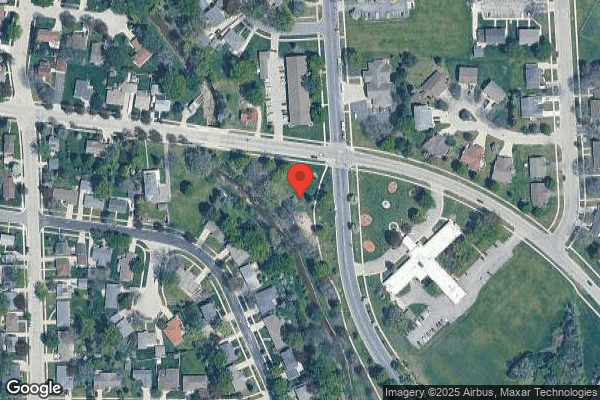
265 S NATIONAL AVE, FOND DU LAC, WI 54935 (920) 922-7342
For profit - Corporation 90 Beds EDEN SENIOR CARE Data: November 2025 1 Immediate Jeopardy citation
Trust Grade
43/100
#206 of 321 in WI
Last Inspection: June 2025

Inspected within the last 6 months. Data reflects current conditions.

Overview

Edenbrook of Fond du Lac has a Trust Grade of D, indicating below-average quality and some concerning issues. It ranks #206 out of 321 facilities in Wisconsin, placing it in the bottom half of all nursing homes in the state, and #5 out of 7 in Fond Du Lac County, meaning only two local options are worse. The facility's performance trend is stable, with 6 issues reported in both 2024 and 2025. Staffing is average with a 3/5 rating and a turnover rate of 50%, which aligns with the state average. There are no fines on record, which is a positive sign, and the facility has average RN coverage. However, there are serious concerns as one critical incident involved a resident who wandered away from the facility unnoticed by staff, indicating inadequate supervision. Additionally, there were multiple findings related to food safety, including staff failing to wash hands before handling clean dishes and improperly storing food, which could affect all residents. While there are some strengths, such as no fines and decent RN coverage, families should weigh these against the significant supervision and safety issues highlighted in the inspector findings.

Trust Score
D
43/100
In Wisconsin
#206/321
Bottom 36%
Safety Record
High Risk
Review needed
Inspections
Holding Steady
6 → 6 violations
Staff Stability
⚠ Watch
50% turnover. Above average. Higher turnover means staff may not know residents' routines.
Penalties
✓ Good
No fines on record. Clean compliance history, better than most Wisconsin facilities.
Skilled Nurses
✓ Good
Each resident gets 50 minutes of Registered Nurse (RN) attention daily — more than average for Wisconsin. RNs are trained to catch health problems early.
Violations
⚠ Watch
17 deficiencies on record. Higher than average. Multiple issues found across inspections.
★★☆☆☆
2.0
Overall Rating
★★★☆☆
3.0
Staff Levels
★★★★☆
4.0
Care Quality
★★☆☆☆
2.0
Inspection Score
Stable
2024: 6 issues
2025: 6 issues

The Good

  • 4-Star Quality Measures · Strong clinical quality outcomes
  • Full Sprinkler Coverage · Fire safety systems throughout facility
  • No fines on record

Facility shows strength in quality measures, fire safety.

The Bad

2-Star Overall Rating

Below Wisconsin average (3.0)

Below average - review inspection findings carefully

Staff Turnover: 50%

Near Wisconsin avg (46%)

Higher turnover may affect care consistency

Chain: EDEN SENIOR CARE

Part of a multi-facility chain

Ask about local staffing decisions and management

The Ugly 17 deficiencies on record

1 life-threatening
Jun 2025 4 deficiencies 1 IJ
CRITICAL (J) 📢 Someone Reported This

A family member, employee, or ombudsman was alarmed enough to file a formal complaint

Immediate Jeopardy (IJ) - the most serious Medicare violation

Accident Prevention (Tag F0689)

Someone could have died · This affected 1 resident

**NOTE- TERMS IN BRACKETS HAVE BEEN EDITED TO PROTECT CONFIDENTIALITY** Based on staff and resident interview and record review, the facility did not ensure adequate supervision was provided for 1 res...

Read full inspector narrative →
**NOTE- TERMS IN BRACKETS HAVE BEEN EDITED TO PROTECT CONFIDENTIALITY** Based on staff and resident interview and record review, the facility did not ensure adequate supervision was provided for 1 resident (R) (R28) of 2 residents reviewed for elopement.R28's care plan indicated R28 was at risk for wandering/elopement after an episode of confusion while outside on 10/7/24. A WanderGuard (a security device that triggers an alarm if the wearer exits the facility) was placed on R28's left ankle. On 5/20/25 at 3:36 AM, the local police department notified the facility that R28 was found two and a half blocks from the facility. Staff were unaware R28 had left the facility. An assessment indicated R28 had no injuries. An investigation determined R28 exited the facility through the front door which had an alarm that sounded, however, staff did not follow the facility's procedure to conduct a search of the perimeter outside or complete a head count when the alarm sounded.The facility's failure to provide adequate supervision for a resident assessed to be at risk for elopement and staffs' failure to follow the facility's elopement procedure created a finding of immediate jeopardy that began on 5/20/25. Nursing Home Administrator (NHA)-A was notified of the immediate jeopardy on 6/10/25 at 1:45 PM. The immediate jeopardy was removed on 5/20/25 and corrected on 5/26/25. The deficiency is being cited as past non-compliance.Findings include:The facility's Elopement/Unsafe Wandering policy, with a review date of 6/2/22, indicates: Door Alarm: Procedure on How to Respond When an Armed Door Alarms: 1. All stuff must respond immediately to any door alarm. 2. Staff must identify which door was triggered. 3. Notify the Administrator (NHA) and Director of Nursing (DON) that an exit door alarm was triggered. 3. Staff responding to a door alarm must open the alarming door, check the outside of the building and the immediate surrounding area to make sure no resident exited the building through that door. 4. Unit nurse must immediately conduct a head count of all residents on the unit to make sure everyone is accounted for. Report the final count to the DON/designee. 5. If a resident is identified as missing (a resident who has left the facility without signing themselves out of the facility or has wandered away from the facility), initiate the following steps: a. Notify the Administrator and DON immediately b. Notify the charge nurse c. Call a Code Yellow (missing resident).On 6/9/25, Surveyor reviewed R28's medical record. R28 was admitted to the facility on [DATE] and had diagnoses including Parkinson's disease, diabetes, insomnia, anxiety, and depression. R28's Minimum Data Set (MDS) assessment, dated 4/3/25, had a Brief Interview for Mental Status (BIMS) score of 10 out of 15 which indicated R28 had moderately impaired cognition. R28 had a court-appointed Guardian.R28's care plan, revised on 4/7/25, indicated R28 was at risk for elopement/wandering/leaving the facility without notice. R28 had a WanderGuard because it was unsafe for R28 to go outside and ambulate on R28's own due to a large hill that put R28 at risk (for falls). R28's care plan also indicated R28 was at high risk for falls due to Parkinson's disease with a history of a fall and fracture while outside the facility in October 2024.A skilled nursing note, dated 12/1/24, indicated R28 attempted to exit the facility but was redirected by staff.On 6/9/25, Surveyor reviewed the facility's investigation which indicated on 5/20/25 at approximately 3:20 AM, staff were alerted to the front door alarm. Certified Nursing Assistant (CNA)-E had difficulty disarming the alarm box and requested assistance from Med Tech (MT)-F who silenced the alarm using a system-wide override code. Staff did not complete a check of the area outside the facility, did not conduct a head count of residents, and did not notify Registered Nurse (RN)-G of the alarm. Approximately ten to fifteen minutes later, the facility was notified by the local police department that they had R28 in their custody approximately two blocks from the facility. R28 was last been seen by staff walking up and down the unit at approximately 2:30 AM.The police report indicated the police department received a call at 3:26 AM of an elderly male walking in the street wearing a dark coat and a tan hat. The police called the facility at 3:36 AM and returned R28 to the facility at 3:44 AM.R28's statement indicated R28 was not sure if R28 was going to be able to get out but R28 wanted to test the fortress and see how far R28 could get. R28 indicated R28 was gone for approximately forty five minutes and had left R28's walker behind in R28's room on purpose.CNA-E's statement, dated 5/20/25, indicated CNA-E was in the bathroom when CNA-E heard the front door alarm sounding. CNA-E was unable to disarm the system by using the door alarm code and asked MT-F for assistance. CNA-E did not notify RN-G that the door alarm sounded or conduct a check outside the facility to see if any residents had exited through the front door. CNA-E then returned to CNA-E's duties.MT-F's statement, dated 5/20/25, indicated MT-F disarmed the door alarm by using the WanderGuard override code and returned to MT-F's assigned unit. MT-F stated MT-F did not think to ask CNA-E if CNA-E checked outside for residents. MT-F stated MT-F was not aware that R28 was missing until the police called.RN-G's statement, dated 5/20/25, indicated RN-G was in a resident's room at the time R28 eloped from the facility and did not hear the alarm sounding. RN-G stated RN-G wasn't aware R28 was missing until after MT-F stated the police called and had R28 in their custody. At that time, RN-G notified NHA-A and DON-B and completed a head count of all residents.According to weatherunderground.com, the temperature at the time R28 left the facility was approximately 48 degrees with wind gusts around 12 miles per hour.On 6/10/25, Surveyor reviewed a map of the city and noted Lake Winnebago was approximately three miles from the facility. Surveyor noted R28 walked down a steep driveway, through a busy four-way stop, and across a bridge over a creek before being found by police.The facility's investigation summary indicated staff did not know R28 had left the facility until the police called because staff did not check the area outside the facility, did not complete a head count of residents, and did not notify the appropriate people when the alarm sounded. Upon re-enactment of the event, the facility determined the WanderGuard alarm did not trigger the door lock appropriately if a WanderGuard bracelet was on a resident's ankle due to the bracelet's distance from the receiver. The facility received a quote on 6/3/25 for a new WanderGuard system. The investigation included statements from R28 and staff and door alarm audits.On 6/9/25 and 6/10/25, Surveyor observed R28 multiple times during the AM and PM shifts and observed a functioning WanderGuard on R28's right wrist. Surveyor also noted the facility's WanderGuard and door alarm systems were armed and functioning.On 6/9/25 at 9:42 AM and 6/10/25 at 11:23 AM, Surveyor observed staff respond appropriately to door alarms.On 6/10/25 at 10:14 AM, Surveyor interviewed MT-F regarding door alarms. MT-F verified staff are supposed to respond immediately to door alarms and look outside in the immediate vicinity for any residents.The facility's failure to follow their elopement procedure when a door alarm sounded on the night shift created a reasonable likelihood for serious harm which led to a finding of immediate jeopardy. The facility removed the immediate jeopardy on 5/20/25 and corrected it on 5/26/25 when it completed the following:1. Initiated fifteen minute checks for R28 and other at risk residents2. Set doors to alarm at all hours3. Moved all WanderGuard bracelets to residents' wrists2. Interviewed and assessed residents for elopement risk3. Educated all staff on elopement and the facility's door alarm system4. Completed elopement drills and tested both alarm systems weekly
CONCERN (D)

Potential for Harm - no one hurt, but risky conditions existed

Deficiency F0552 (Tag F0552)

Could have caused harm · This affected 1 resident

**NOTE- TERMS IN BRACKETS HAVE BEEN EDITED TO PROTECT CONFIDENTIALITY** Based on staff interview and record review, the facility did not ensure 1 resident (R) (R23) of 5 sampled residents had document...

Read full inspector narrative →
**NOTE- TERMS IN BRACKETS HAVE BEEN EDITED TO PROTECT CONFIDENTIALITY** Based on staff interview and record review, the facility did not ensure 1 resident (R) (R23) of 5 sampled residents had documentation that indicated their legal representative was informed of the risks and benefits of prescribed psychotropic medication. R23 was prescribed lorazepam (antianxiety medication). The facility did not ensure an informed consent for medication was reviewed and completed with R23's legal Guardian. Findings include: The facility's Psychotropic Medication policy, revised 5/1/25, indicates: 5. The resident or the durable power of attorney/responsible party will be advised on the non-pharmacological interventions attempted and the resident's response. The need for psychotropic medication, indication for use, and any potential side effects will be presented to assist them with making an informed decision. Facilities in every state may use the informed consents available from the Wisconsin Department of Health Services. 6. Psychotropic medications will be administered upon a physician's order and informed consent by the resident or the durable power of attorney/responsible party. b. Wisconsin specific: i. Prior to administering a psychotropic medication to a resident, a nursing home shall obtain written informed consent from the resident or, if the resident is incapacitated, a person acting on behalf of the resident, on a form provided by the Department of Health .vi. The facility will obtain oral consent from the resident or, if the resident is incapacitated, a person acting on behalf of the resident, before administering the psychotropic medication .1. The oral consent shall be entered in the resident's medical record. 2. The oral consent shall be valid for 10 days after which time the nursing home may not continue to administer the psychotropic medication unless it has obtained written informed consent. From 6/9/25 to 6/11/25, Surveyor reviewed R23's medical record. R23 was admitted to the facility on [DATE] and had diagnoses including schizophrenia, generalized anxiety disorder, major depressive disorder, and mood affective disorder. R23's Minimum Data Set (MDS) assessment, dated 5/23/25, had a Brief Interview for Mental Status (BIMS) score of 15 out of 15 which indicated R23 had intact cognition. R23 had a legal Guardian who was appointed on 9/28/11 with the latest protective placement dated 12/3/24. On 6/9/25, Surveyor reviewed R23's current physician orders which included the following medication with a black box warning (the strictest warning on the label of prescription drugs or drug products by the Food and Drug Administration (FDA) when there is reasonable evidence of an association of a serious hazard with the drug): ~ Lorazepam oral tablet 1 milligram (mg). Give 1 tablet by mouth every 12 hours as needed for anxiety related to generalized anxiety disorder for 6 months, dated 5/22/25. Surveyor was unable to locate informed consent for medication documentation for lorazepam in R23's medical record and requested the documentation from Nursing Home Administrator (NHA)-A. On 6/10/25 at 2:33 PM, Surveyor received R23's signed informed consent documentation for lorazepam. Surveyor noted the documentation was signed by R23's Guardian and dated 6/10/25. On 6/10/25 at 3:17 PM, Surveyor interviewed Director of Nursing (DON)-B who indicated the facility usually obtains informed consent when psychotropic medications are ordered. DON-B indicated Social Worker (SW)-C attempted to inform R23's Guardian but was unable to make contact. DON-B indicated staff do not administer psychotropic medications unless informed consents are signed. Surveyor reviewed R23's Medication Administration Record (MAR) and noted R23 had not received lorazepam thus far. When Surveyor asked for documentation regarding the attempted contact of R23's Guardian, DON-B indicated Surveyor should interview SW-C. On 6/11/25 at 10:16 AM, Surveyor interviewed SW-C who confirmed SW-C had just obtained R23's Guardian's informed medication consent signature on 6/10/25. SW-C indicated consent should have been obtained when lorazepam was first ordered on 5/22/25. SW-C indicated DON-B wants SW-C to obtain consent when a medication is changed, however, it is the admitting nurse's responsibility to obtain consent verbally or in writing during admission. SW-C indicated SW-C informed R23's Guardian about lorazepam on 6/10/25 and there was no documentation of verbal consent prior to 6/10/25. SW-C verified SW-C emailed R23's Guardian informed consent documentation on 6/10/25 to obtain a signature.
CONCERN (D)

Potential for Harm - no one hurt, but risky conditions existed

Pharmacy Services (Tag F0755)

Could have caused harm · This affected 1 resident

**NOTE- TERMS IN BRACKETS HAVE BEEN EDITED TO PROTECT CONFIDENTIALITY** Based on observation, staff and resident interview, and record review, the facility did not ensure 1 resident (R) (R304) of 17 s...

Read full inspector narrative →
**NOTE- TERMS IN BRACKETS HAVE BEEN EDITED TO PROTECT CONFIDENTIALITY** Based on observation, staff and resident interview, and record review, the facility did not ensure 1 resident (R) (R304) of 17 sampled residents were provided safe administration of drugs and biologicals. On 6/9/25, Surveyor observed an albuterol 90 base inhaler (albuterol inhaler) and artificial eye gel drops on R304's bedside table. R304 did not have an order for the eye drops or an order for either medication to be left at the bedside. Findings include: The facility's Policy and Procedure Administering Medications, dated 1/22/24, indicates: .Medications shall be administered per provider's written/verbal orders upon resident's identity when no contraindications are identified, and the medication is labeled according to accepted standards . The facility's Policy and Procedure Medication Self Administration, dated 3/1/24, indicates: .1. The resident shall have a screen completed by a licensed nurse to determine factors that may impact the safe administration of medications .3. Residents who have been deemed appropriate to self-administer medications independently or with supervision/cuing or after set-up shall have a physician order to do so . From 6/9/25 to 6/11/25, Surveyor reviewed R304's medical record. R304 was admitted to the facility on [DATE] and had diagnoses including heart failure, chronic obstructive pulmonary disease (COPD), type 2 diabetes, and pneumonitis due to inhalation of food and vomit. A Minimum Data Set (MDS) assessment was not yet completed due to R304's recent admission. Nursing notes, dated 5/30/25, indicated R304 was alert and oriented to person, place and time and could make R304's needs known. R304 made R304's own medical decisions. On 6/9/25 at 9:36 AM, Surveyor observed an albuterol 90 inhaler and a bottle of artificial eye gel drops on R304's bedside table. Surveyor interviewed R304 who indicated R304 used the inhaler for shortness of breath and indicated R304's spouse administered the artificial eye gel drops for R304. R304's medical record contained a self-administration of medication assessment, dated 5/30/25, that indicated R304 could use a nebulizer independently. The assessment did not contain any other medications. R304 had an order, dated 5/30/25, that indicated R304 could administer a nebulizer treatment after set up by the nurse. R304 also had an order, dated 5/29/25, for an albuterol inhaler to be administered every 4 hours for shortness of breath. R304 did not have an order for the albuterol inhaler to be left at the bedside and did not have an order to administer artificial eye gel drops or store the eye drops at the bedside. On 6/11/25 at 9:19 AM, Surveyor interviewed Registered Nurse (RN)-H who verified the albuterol inhaler and artificial eye gel drops were at R304's bedside. RN-H tried to remove the medications from R304's bedside, however, R304 refused. RN-H indicated the albuterol inhaler and artificial eye gel drops should not be stored at the bedside without a physician's order. On 6/11/25 at 10:09 AM, Surveyor interviewed Director of Nursing (DON)-B who indicated R304 should have an order for the artificial eye gel drops. DON-B indicated there should be orders to store the albuterol inhaler and artificial eye gel drops at the bedside if a self-administration of medication assessment is completed and deems R304 appropriate to have medications at the bedside.
CONCERN (D)

Potential for Harm - no one hurt, but risky conditions existed

Infection Control (Tag F0880)

Could have caused harm · This affected 1 resident

**NOTE- TERMS IN BRACKETS HAVE BEEN EDITED TO PROTECT CONFIDENTIALITY** Based on observation, staff interview, and record review, the facility did not ensure staff followed enhanced barrier precaution...

Read full inspector narrative →
**NOTE- TERMS IN BRACKETS HAVE BEEN EDITED TO PROTECT CONFIDENTIALITY** Based on observation, staff interview, and record review, the facility did not ensure staff followed enhanced barrier precautions (EBP) for 1 resident (R) (R34) of 5 sampled residents. R34 was on EBP due to colonization of a multidrug-resistant organism (MDRO) to prevent the spread of the organism/infection to other residents. On 6/10/25, Registered Nurse (RN)-D did not wear the appropriate personal protective equipment (PPE) while completing high-contact resident cares for R34. Findings include: The facility's Enhanced Barrier Precautions policy, dated 3/26/24, indicates: It is the policy of this facility that enhanced barrier precautions (EBP), in addition to standard and contact precautions, will be implemented during high-contact resident care activities when caring for residents who have an increased risk for acquiring a multidrug-resistant organism (MDRO) such as a resident with chronic wounds requiring a dressing, indwelling medical devices, or residents with infection or colonization with an MDRO .The purpose of enhanced barrier precautions is to prevent opportunities for transfer of MDROs to employees' hands and clothing during cares .High-contact resident care activities include: .Changing linens .EBP are used in conjunction with standard precautions and expand the use of PPE to donning of gown and gloves during high-contact resident care activities that provide opportunities for transfer of MDROs to staffs' hands and clothing . On 6/9/25, Surveyor reviewed R34's medical record. R34 was admitted to the facility on [DATE] and had diagnoses including atrial fibrillation, mild cognitive impairment, and history of urinary tract infection. R34's Minimum Data Set (MDS) assessment, dated 5/10/25, had a Brief Interview for Mental Status (BIMS) score of 9 out of 15 which indicated R34 had moderate cognitive impairment. R34 had a court-appointed Guardian who was responsible for R34's healthcare decisions. On 6/9/25 at 9:01 AM, Surveyor observed a sign near R34's door that indicated R34 required EBP and staff should wear a gown and gloves during high-contact resident cares. On 6/10/25 at 8:32 AM, Surveyor observed RN-D prepare and administer R34's morning medications which included eye drops. Surveyor observed RN-D enter R34's room to administer medication without donning a gown or gloves. (The administration of medications is typically not considered high-contact care in most circumstances.) After RN-D administered R34's oral medications, Surveyor observed RN-D don gloves and administer eye drops by leaning over the bed to reach R34's head which was on the opposite side of the bed from where RN-D was standing. Surveyor noted RN-D's uniform top touched R34's bed linens during the administration of the eye drops. RN-D then removed gloves and cleansed hands. Without donning clean gloves, RN-D removed a pillow from under R34's head, adjusted the pillowcase, and placed the pillow back under R34's head. Surveyor noted RN-D's uniform top touched R34's bed linens while RN-D leaned over the bed to place the pillow under R34's head. RN-D then exited the room and cleansed hands. On 6/10/25 at 8:47 AM, Surveyor interviewed RN-D who verified RN-D should have worn PPE while administering R34's eye drops and while adjusting R34's pillow and pillow case. RN-D indicated R34 was on EBP due to colonization of an MDRO. On 6/10/25 at 11:32 AM, Surveyor interviewed Director of Nursing (DON)-B who verified RN-D should have worn PPE while administering R34's eye drops and while adjusting R34's pillow and pillow case.
May 2025 1 deficiency
CONCERN (D) 📢 Someone Reported This

A family member, employee, or ombudsman was alarmed enough to file a formal complaint

Potential for Harm - no one hurt, but risky conditions existed

Incontinence Care (Tag F0690)

Could have caused harm · This affected 1 resident

**NOTE- TERMS IN BRACKETS HAVE BEEN EDITED TO PROTECT CONFIDENTIALITY** Based on staff and resident interview and record review, the facility did not provide appropriate catheter care and services for...

Read full inspector narrative →
**NOTE- TERMS IN BRACKETS HAVE BEEN EDITED TO PROTECT CONFIDENTIALITY** Based on staff and resident interview and record review, the facility did not provide appropriate catheter care and services for 1 resident (R) (R1) of 3 sampled residents. R1 had a history of kidney stones, took anticoagulant mediation, and had a Foley catheter. R1 had an order to flush the catheter with acetic acid. On 4/23/25, R1's catheter was flushed with vinegar. The facility did not update R1's physician timely when R1 experienced gross hematuria (a large amount of blood in the urine). Findings include: The facility's Foley Catheter Management policy, revised 1/28/25, indicates proper care will be provided for the management of a Foley catheter to drain urine from the bladder. The facility's Change in Condition policy, revised 11/13/24, indicates the policy's purpose is to ensure prompt notification of the resident, the attending physician, and durable power of attorney/responsible party of changes in the resident's physical, psychosocial, and/or mental condition and/or status. The physician will be notified when there has been a change that is a marked difference in usual signs/symptoms. Specific information that requires prompt notification includes but is not limited to a medication error and a need to alter the resident's medical treatment significantly. On 5/6/25, Surveyor reviewed R1's medical record. R1 was admitted to the facility on [DATE] and had diagnoses including neuromuscular dysfunction of bladder, chronic heart failure, and atrial fibrillation. R1's Minimum Data Set (MDS) assessment, dated 2/3/25, had a Brief Interview for Mental Status (BIMS) score of 15 out of 15 which indicated R1 was not cognitively impaired. R1 was responsible for R1's healthcare decisions. R1's medical record indicated R1 was hospitalized on [DATE] and re-admitted to the facility on [DATE]. R1's medical record included physician orders (which were in place prior to R1's hospitalization on 4/28/25) for bladder irrigation via R1's urinary catheter. R1's physician orders indicated nurses should use 60 milliliters (ml) of 0.25% acetic acid irrigation solution to irrigate R1's bladder by flushing R1's catheter with the solution, clamping the catheter for 30 minutes, and then releasing the clamp to allow the solution to flow into the drainage bag. On 5/6/25 at 10:01 AM, Surveyor interviewed R1 who indicated a nurse used vinegar to flush R1's bladder. R1 stated, It burned like a fire down there. R1 indicated R1 told the nurse R1 couldn't stand it but the vinegar was already in. R1 indicated the nurse clamped R1's catheter and left the vinegar in R1's bladder for 30 minutes. R1 stated, It burned the whole time, just terrible. I don't wish that on anybody. R1's medical record contained the following documentation: A note, dated 4/23/25 at 9:40 PM, indicated R1 did not want acetic acid flushes due to a burning sensation when administered. R1 wanted to discontinue the acetic acid flush and go back to normal saline flushes. R1's physician was updated. R1's medical record contained a fax, dated 4/23/25, that indicated R1 refused an acetic acid flush due to a burning sensation and asked if the solution should be diluted. The fax indicated NP-D responded on 4/24/25 with an order to not dilute but decrease the frequency to once daily. A note, dated 4/24/25 at 10:24 AM, indicated R1's Nurse Practitioner (NP) changed the frequency of acetic acid flushes from twice daily to once daily. A note, dated 4/26/25 at 5:18 AM, indicated R1 did not want an acetic acid flush because it burned. R1 requested a normal saline flush instead. Normal saline was used to flush R1's bladder per R1's request. A note, dated 4/27/25 at 2:25 PM, indicated R1 continued to have gross hematuria. R1's NP was faxed and the facility was awaiting a response. R1's medical record contained a fax, dated 4/27/25, that indicated R1 continued to have gross hematuria for four days. R1's vital signs were stable. R1 did not have a fever and denied pain or discomfort. R1 was on Eliquis (used to prevent blood clots) and had a history of kidney stones. The fax indicated NP-D responded on 4/28/25 for staff to update urology. A note, dated 4/28/25 at 1:19 PM, indicated R1's family expressed concern regarding R1's gross hematuria for the past five days. The nurse noted red blood in R1's catheter drainage bag. R1's NP requested urology be updated and a message was left for R1's urologist. A note, dated 4/28/25 at 3:14 PM, indicated R1's urologist called the facility and recommended R1 be transferred to the emergency room (ER) for evaluation. A note, dated 4/28/25 at 3:38 PM, indicated R1's vital signs were within normal limits. There was blood in R1's urine and R1 complained of dysuria (painful urination). On 5/6/25 at 10:12 AM, Surveyor interviewed Director of Nursing (DON)-B who indicated R1's bladder was flushed with vinegar instead of acetic acid on 4/23/25. DON-B indicated the incident was not reported to the facility at the time and DON-B learned of the incident from R1's family on 4/29/25. DON-B spoke with nurses who all denied flushing R1's bladder with vinegar. DON-B indicated DON-B spoke via phone with the last nurse left to interview, Licensed Practical Nurse (LPN)-C, who worked the night shift. LPN-C admitted to flushing R1's bladder with vinegar on 4/23/25. DON-B disciplined LPN-C for not reporting the medication error and R1's physician should have been updated. On 5/6/25 at 10:30 AM, Surveyor interviewed NP-D who indicated NP-D heard a rumor that vinegar was used to flush R1's bladder but thought, at the time, it was a rumor and not valid. NP-D indicated DON-B updated NP-D after R1 was hospitalized that vinegar was used for a bladder flush. When asked what happens when vinegar is instilled in the bladder, NP-D indicated it could be corrosive. NP-D indicated NP-D, R1's physician, and/or R1's urologist should have been notified within 24 hours regarding R1's gross hematuria. NP-D indicated if NP-D had been notified, NP-D would have instructed staff to update R1's urologist. Surveyor reviewed the facility's investigation which indicated on 4/29/25, an email was received by R1's Family Member ((FM)-E) who indicated FM-E and the hospital were told R1 received vinegar flushes daily instead of acetic acid flushes. DON-B viewed notes in the hospital's medical record system which stated the facility's NP relayed the information to the hospital nurse. When DON-B asked if NP-D had reported the information to the hospital and was notified that staff completed vinegar flushes, NP-D stated no. DON-B spoke to floor nurses who stated acetic acid flushes were completed and notified the hospital that R1 had been receiving acetic acid flushes. Upon further conversation with FM-E, DON-B was told a staff had flushed R1's bladder with vinegar one night the week prior. DON-B interviewed Licensed Practical Nurse (LPN)-C who fit the description that was provided. LPN-C indicated LPN-C had flushed R1's bladder with vinegar once but did not clamp the catheter per the order and let the solution run back out into the bag because R1 stated something was not right. LPN-C indicated there were no further complaints from R1. A disciplinary action was discussed because the indicent was considered an unreported medication error and LPN-C did notify R1's physician or family. DON-B updated NP-D on the medication error. NP-D noted the update and stated the vinegar flush would do no harm. There were no new orders at that time. Staff education was in progress regarding following catheter flush orders as written. DON-B updated FM-E on the investigation. The investigation included a Medication Error Report (error date of 4/23/25) that indicated the wrong solution was instilled via R1's catheter. The investigation indicated LPN-C was coached on the medication error/reporting of a medication error and that all nurses were being educated on ensuring the correct solution is administered via catheter and at no time should nurses deviate or substitute the order unless ordered by the provider (dated 4/29/25). The investigation included an Employee Corrective Action Form signed/dated on 4/29/25 for LPN-C and a Staff Education Record with a start date of 4/29/25 through 5/6/25 which stated, By signing this, I understand that when giving report on a resident I am caring for, I will report objective information. My report will be accurate based on my direct observations and assessments. At no time will I report 'hearsay' information .(then handwritten at bottom) To note - catheter flushes are to be done with the solution ordered by the provider. At no time will we be substituting without approval from the provider. The handwritten section was signed by DON-B. On 5/6/25, Surveyor reviewed emails to/from FM-E and DON-B that indicated: ~ An email from FM-E dated 4/28/25 at 10:07 PM, indicated: (R1) mentioned (R1) was told at your facility it was part vinegar .It was unlike (R1) today when (R1) told (family member) not to come visit because (R1) was in bed hoping to minimize the blood loss. (Family member) then called RN around (1:30 PM) to check on (R1's) bleeding status and get an update. It was concerning to (family member) when (family member) was informed by the RN that (RN) didn't know how (R1) was or the status of the bleeding today, but it was noted by night shift (R1) was still bleeding last night. (Family member) requested that a reason for the bleeding be determined and mentioned wondering if repositioning the (catheter) would reduce the bleeding. (Family member) also said (family member) (would) feel best if urology was advised of the 5 days of bleeding. This was all around 1:30 PM. At (3:00 PM), (family member) was advised by your facility that (R1's urologist) wanted (R1) at the ER. ~ DON-B's response on 4/29/25 at 8:41 AM indicated: I am unsure where the vinegar discussion came from. I did hear the same rumor, so I have interviewed all the staff .and came to the conclusion that at no time was the flush completed with vinegar. I talked to (R1) a few days back to reassure (R1) .I will talk with the nurse that was here yesterday on the day shift. I agree, (the nurse) should have known the status of (R1's) urine well before 1:30 PM. If that is indeed the case, I will make some corrections with that nurse. I hope (R1) is doing ok .According to the notes I'm seeing at the hospital, it sounds like those stones are the culprit. On 5/6/25, Surveyor reviewed R1's hospital records which indicated R1 was hospitalized from [DATE] to 5/1/25 with bladder calculi (stones) and gross hematuria. Hospital records indicated a computed tomography (CT) scan conducted 4/28/25 revealed stones in R1's bladder and significantly decreased stone burden on the left kidney (compared to a previous study). On 5/6/25 at 11:48 AM, Surveyor interviewed DON-B who indicated DON-B had overheard the buzz at the nurses' station about vinegar being used but at the end of the day it was hearsay. DON-B indicated it occurred approximately two days prior to R1's hospitalization. DON-B indicated DON-B spoke with R1 about the flushes, but could not recall when the discussion occurred. DON-B indicated R1 complained that the flushes burned. DON-B reassured R1 they were the same flushes R1 had been getting the entire time. DON-B indicated R1 never used the word vinegar during the conversation. On 5/6/25 at 12:33 PM, Surveyor interviewed LPN-C via phone. LPN-C indicated LPN-C was unable to locate the vials of acetic acid for R1's catheter flush and thought acetic acid and vinegar were the same so LPN-C used vinegar to flush R1's catheter. LPN-C indicated once the vinegar entered R1's bladder, R1 complained of burning so LPN-C did not clamp the catheter. LPN-C indicated when LPN-C came back to work the next night shift, LPN-C was told by the PM shift nurse that R1 complained about burning with flushes. LPN-C indicated, at the time of the incident, LPN-C thought acetic acid and vinegar were the same but now knows the dilution is different. LPN-C indicated LPN-C has used acetic acid since. LPN-C indicated there was no blood in R1's urine immediately after the vinegar flush. LPN-C indicated LPN-C observed blood in R1's collection bag a day or two after the incident. LPN-C indicated LPN-C did not document the incident and learned later that it was considered a medication error. On 5/6/25 at 2:09 PM, Surveyor interviewed DON-B who indicated typically blood in the urine should prompt notification to the physician right away. DON-B verified the description of gross hematuria in R1's notes (as indicated above) was likely more than just pink-tinged urine. DON-B indicated there were several conversations regarding the blood in R1's urine between the nurses, NP-D, and DON-B, however, the conversations were not documented. DON-B verified the facility had not provided education to staff about reporting blood in urine timely to the physician. On 5/13/25 at 9:43 AM, Surveyor interviewed Urologist (UR)-F via phone. UR-F indicated acetic acid is not an irrigating solution UR-F typically uses. UR-F indicated R1's primary physician ordered acetic acid flushes when normal saline flushes no longer seemed to help R1. UR-F indicated the fine print on the pre-mixed acetic acid solution indicates the pre-mixed solution can cause bleeding or discomfort. UR-F indicated straight vinegar would be an irritant. UR-F stated UR-F had treated R1 since 2019 and indicated R1 had a history of hydronephrosis (the swelling of a kidney due to a build-up of urine) and required catheter replacement several times. R1 started with bleeding during the summer of 2024 and had a large kidney stone in R1's left kidney as well as bladder stones. UR-F advised surgical intervention but then R1 became sick and medically decompensated with other issues. UR-F indicated at some point, R1's primary physician changed from normal saline flushes to acetic acid flushes. UR-F indicated typically if a patient experiences bleeding with a catheter, the provider should be updated within a day. UR-F indicated R1's case was challenging because R1 had a history of bladder stones, received anticoagulation, and was recommended for surgery. UR-F indicated when UR-F was consulted at the hospital on 4/28/25, R1 was not passing significant clots but R1's output was low. UR-F indicated in R1's case, UR-F would like to have been notified as soon as the bleeding occurred. UR-F indicated after five days of bleeding, R1's blood counts were still fine but R1 had a big pile of stones in R1's bladder that needed to be cleared out.
Mar 2025 1 deficiency
CONCERN (D) 📢 Someone Reported This

A family member, employee, or ombudsman was alarmed enough to file a formal complaint

Potential for Harm - no one hurt, but risky conditions existed

Infection Control (Tag F0880)

Could have caused harm · This affected 1 resident

**NOTE- TERMS IN BRACKETS HAVE BEEN EDITED TO PROTECT CONFIDENTIALITY** Based on observation, staff interview, and record review, the facility did not maintain an infection prevention and control prog...

Read full inspector narrative →
**NOTE- TERMS IN BRACKETS HAVE BEEN EDITED TO PROTECT CONFIDENTIALITY** Based on observation, staff interview, and record review, the facility did not maintain an infection prevention and control program designed to prevent the transmission of communicable disease and infection for 1 resident (R) (R6) of 1 resident observed during the provision of cares. On 3/5/25, staff did not ensure enhanced barrier precautions (EBP) were followed during high-contact resident cares for R6. Findings include: The facility's Enhanced Barrier Precautions policy, dated 3/26/24, indicates: .EBP, in addition to standard and contact precautions, will be implemented during high-contact resident care activities when care for residents who have an increased risk for acquiring a multidrug-resistant organism (MDRO), such as a chronic wounds requiring a dressing, indwelling medical devices, or residents with infection or colonization with an MDRO .The purpose of EBP is to prevent opportunities for transfer of MDROs to employees' hands and clothing during cares, beyond situations in which staff anticipate exposure to blood or body fluids. High-contact resident care activities include .transferring, providing hygiene or changing briefs, or assisting with toileting . On 3/5/25, Surveyor reviewed R6's medical record. R6 was admitted to the facility on [DATE] and had diagnoses including vascular dementia, benign prostatic hyperplasia with lower urinary tract symptoms, and extended-spectrum beta lactamase (ESBL) (an enzyme produced by certain bacteria that makes them resistant to a broad range of antibiotics) in urine. R6's Minimum Data Set (MDS) assessment, dated 12/17/24, had a Brief Interview for Mental Status (BIMS) score of 5 out of 15 that indicated R6 had severely impaired cognition. On 3/5/25 at 10:15 AM, Surveyor observed Certified Nursing Assistant (CNA)-C and CNA-D complete peri-care and a mechanical lift transfer for R6. Surveyor noted there was an EBP sign on R6's door and a personal protective equipment (PPE) cart near R6's door, however, CNA-C and CNA-D donned gloves but not gowns. After CNA-C and CNA-D transferred R6 and began peri-care, Surveyor asked CNA-C and CNA-D if R6 was on EBP. CNA-D was not familiar with EBP. CNA-C indicated the PPE cart in the hallway was for the resident in the next room. CNA-C and CNA-D then proceeded with peri-care for R6. On 3/5/25 at 10:55 AM, Surveyor reviewed R6's medication administration record (MAR) and noted R6 was on EBP. In addition, R6's care plan indicated R6 had colonized MDROs as evidenced by Klebsiella pneumoniae in R6's urine. The care plan contained an intervention for EBP. On 3/5/25 at 11:52 AM, Surveyor interviewed Director of Nursing (DON)-B who confirmed staff should wear a gown and gloves and possibly a face shield/mask during high-contact cares for a resident on EBP. DON-B confirmed transfers and peri-care are considered high-contact resident cares.
Nov 2024 1 deficiency
CONCERN (D) 📢 Someone Reported This

A family member, employee, or ombudsman was alarmed enough to file a formal complaint

Potential for Harm - no one hurt, but risky conditions existed

Infection Control (Tag F0880)

Could have caused harm · This affected 1 resident

Based on observation, staff interview, and record review, the facility did not maintain an infection prevention and control program to help prevent the spread of communicable disease and infection for...

Read full inspector narrative →
Based on observation, staff interview, and record review, the facility did not maintain an infection prevention and control program to help prevent the spread of communicable disease and infection for 1 resident (R) (R6) of 6 sampled residents. R6 was on enhanced barrier precautions (EBP). During an observation of pericare on 11/7/24, Certified Nursing Assistant (CNA)-D reached inside CNA-D's gown with soiled gloves to retrieve a walkie talkie. In addition, CNA-D threw soiled linens on R6's floor and did not change gloves or complete hand hygiene appropriately. Findings include: The facility's Infection Control Program-Policy and Procedure, with a revision date of 5/8/24, indicates: The facility must require staff to clean their hands after each direct resident contact using the most appropriate hand hygiene professional practices .Personnel must handle, store, process, and transport linens so as to prevent the spread of infection . The facility's Enhanced Barrier Precautions (EBP) policy and procedure, dated 3/26/24, indicates: The purpose of EBP is to prevent opportunities for transfer of multidrug-resistant organisms (MDROs) to employees' hands and clothing during cares, beyond situations in which staff anticipate exposure to blood or body fluids .High-contact resident cares include: dressing, bathing/showering, transferring, providing hygiene, changing linens, changing briefs or assisting with toileting . The facility's Hand Hygiene policy and procedure, revised 5/8/24, indicates: Alcohol-based hand gel (ABHG) should be used .B. Before entering and leaving an isolation room .E. After handling items potentially contaminated with blood, body fluids, or secretions, F. Before moving from a contaminated body site to a clean body site during cares. G. After providing direct resident care. On 11/7/24 Surveyor reviewed R6's medical record. R6 had diagnoses including sepsis, cellulitis (infection of the skin) of right lower limb, type 2 diabetes, methicillin-resistant Staphylococcus-aureus infection (MRSA), extended-spectrum beta-lactamase (ESBL), non-pressure ulcer of right lower leg with fat layer exposed, resistance to multiple antimicrobial drugs, pressure ulcer of right ankle-stage 4, and non-pressure ulcer chronic to left and right lower legs. R6's Minimum Data Set (MDS) assessment, dated 8/6/24, had a Brief Interview for Mental Status (BIMS) score of 15 out of 15 which indicated R6 had intact cognition. On 11/7/24 at 9:38 AM, Surveyor observed CNA-C and CNA-D provide pericare for R6 who was on EBP. During the provision of pericare, Surveyor observed CNA-D reach under CNA-D's gown twice to use a walkie talkie. Surveyor also observed CNA-D touch the front of CNA-D's uniform with soiled gloves. In addition, CNA-D did not change gloves between dirty and clean tasks and threw dirty linens on R6's floor. During the observation, CNA- D left the room to get a sling to assist R6 out of bed. Prior to leaving the room, CNA-D removed CNA-D's gown and gloves but did not perform hand hygiene. On 11/7/24 at 1:04 PM, Surveyor interviewed CNA-D who confirmed gloves should be changed between dirty and clean tasks and dirty linens should not be put on the floor. CNA-D indicated hand hygiene should be completed before putting on and after removing gloves. CNA-D confirmed CNA-D should not have reached under CNA-D's gown with soiled gloves while wearing personal protective equipment (PPE). On 11/7/24 at 1:08 PM, Surveyor interviewed Director of Nursing (DON)-B who confirmed R6 was on EBP for carbapenem-resistant Acinetobacter baumannii (a type of bacteria that is highly resistant to antibiotics) (CRAB). DON-B indicated staff should follow the facility's EBP policy and contact precautions. DON-B confirmed dirty linens should not be placed on the floor. DON-B indicated staff should complete hand hygiene prior to putting on gloves and after glove removal. DON-B also indicated staff should not reach under their gown while providing care for a resident on precautions.
May 2024 5 deficiencies
CONCERN (D)

Potential for Harm - no one hurt, but risky conditions existed

Abuse Prevention Policies (Tag F0607)

Could have caused harm · This affected 1 resident

Based on staff interview and record review, the facility did not implement its written policies and procedures to prohibit mistreatment, neglect and abuse of residents for 1 (Cook (CK)-F) of 8 staff r...

Read full inspector narrative →
Based on staff interview and record review, the facility did not implement its written policies and procedures to prohibit mistreatment, neglect and abuse of residents for 1 (Cook (CK)-F) of 8 staff reviewed during the caregiver background compliance check. CK-F was hired on 2/20/24. CK-F's Department of Justice (DOJ) document indicated CK-F was charged with a qualifying offense on 6/27/24. The facility did not have additional information from the Clerk of Courts regarding the disposition of the case and the facts of the incident. Findings include: The Wisconsin Background Check and Misconduct Investigation Program Manual by the Department of Health Services (DHS), with a revision date of January 2024, indicates: At a minimum, a complete caregiver background check completed for a caregiver consists of the following three documents: 1. A completed DHS form F-82064, Background Information Disclosure (BID) 2. A response from the DOJ, either: A 'no record found' response or criminal record transcript; and 3. A Governmental Findings Report (previously know as the Integrated Background Information System (IBIS) letter) that indicates the person's status, including administrative findings or licensing restrictions. The facility's Vulnerable Adult Abuse and Neglect Prevention policy, with a revision date of 10/4/23, states it is the policy of the facility to provide residents with a safe environment that is free from harm. The resident protection program policy and procedure indicates a criminal background check will be conducted on all prospective employees. On 5/13/24, Surveyor selected a sample of 8 staff to review for background checks. CK-F started at the facility on 2/20/24. The facility obtained a BID form from CK-F on 2/20/24 that indicated CK-F answered yes to Section A(2) that CK-F was convicted of a crime. No further information was provided on the BID form. On 2/20/24, the facility received CK-F's DOJ document that indicated CK-F was arrested for bodily harm or threat to an employee of health care facility or family on 6/24/23. The charge was amended and issued on 6/27/23 for battery. The facility did not obtain the criminal complaint or the judgment of conviction from CK-F prior to CK-F's employment with the facility. On 5/13/24, Surveyor interviewed Nursing Home Administrator (NHA)-A who provided Surveyor with the case summary. NHA-A stated CK-F was convicted of disorderly conduct on 4/19/24 which CK-F did not disclose to the facility per the facility's policy. NHA-A stated CK-F was suspended pending the facility's ability to obtain additional information on the conviction. On 5/14/24 at 8:07 AM, Surveyor reviewed the Judgement of Conviction, dated 4/19/24, which indicated CK-F did not work at the facility at the time the incident occurred and the incident did not involve health care personnel from the facility. On 5/14/24 at 12:14 PM, Surveyor interviewed Nursing Home Administrator (NHA)-A who stated Human Resource Director (HRD)-G is responsible for completion of employee background checks. NHA-A stated NHA-A and HRD-G were aware of the circumstances of the charges and CK-F was not yet convicted. NHA-A stated HRD-G reviewed all other background records for current employees to ensure there were no other issues. On 5/14/24 at 12:25 PM, Surveyor interviewed HRD-G who stated HRD-G completed an online training from the facility that reviewed the Wisconsin Department of Health Services and Division of Quality Assurance form (P-00274), dated 10/2023, titled Wisconsin Background Check and Misconduct Investigation Program: Offenses Affecting Eligibility. HRD-G stated when HRD-G reviewed the form, HRD-G did not feel additional information was necessary until after CK-F was formally convicted. HRD-G stated that CK-F did not update the facility of the conviction. HRD-G acknowledged HRD-G did not follow up with CK-F on the pending charges. HRD-G stated HRD-G will implement a process to ensure follow-up is completed.
CONCERN (D)

Potential for Harm - no one hurt, but risky conditions existed

PASARR Coordination (Tag F0644)

Could have caused harm · This affected 1 resident

Based on staff interview and record review, the facility did not ensure 1 resident (R) (R30) of 5 sampled residents met the Pre-admission Screening and Resident Review (PASRR) requirements. R30 had a ...

Read full inspector narrative →
Based on staff interview and record review, the facility did not ensure 1 resident (R) (R30) of 5 sampled residents met the Pre-admission Screening and Resident Review (PASRR) requirements. R30 had a positive updated PASRR Level I Screen, dated 4/10/24, that indicated R30 had mental illness. A Level II Screen was not completed when R30 was prescribed psychotropic medication. Findings include: 1. R30's most recent admission to the facility was on 4/10/24. R30 had diagnoses including schizoaffective disorder, major depressive disorder, and anxiety. R30's Minimum Data Set (MDS) assessment, dated 4/16/24, documented a Brief Interview for Mental Status (BIMS) score of 14 out of 15 which indicated R30 had intact cognition. An updated PASRR Level I Screen, dated 4/10/24, indicated R30 was prescribed Clozaril (antipsychotic medication) 100 mg 5 times daily plus 50 mg every day and Paxil (an antidepressant medication) 20 mg BID. A PASRR Level II Screen was not completed following a change in condition as noted in R30's medical record. A daily skilled charting note, dated 4/20/24, indicated: Monitoring for behaviors due to recent auditory/visual hallucinations and medication changes. A health status note, dated 4/20/24, indicated R30's physician ordered paroxetine (Paxil) 10 mg (milligrams) twice daily (BID) and clozapine (Clozaril) 50 mg three times daily (TID) and 450 mg at bedtime (HS). On 5/15/24 at 10:30 AM, Surveyor and Social Services Director (SSD)-H interviewed Behavioral Consulting Services Staff (BCSS)-I for clarification regarding when a PASRR Level II Screen should be completed after an updated PASRR Level I Screen is completed. Per BCSS-I, if there is a change in medication or if mental illness symptoms are not controlled and the resident requires a new medication, a PASRR Level II Screen should be completed. SSD-H confirmed R30 had a change in mental illness condition and a Level II Screen should have been completed. On 5/15/24 at 10:42 AM, Surveyor interviewed SSD-H who confirmed an updated PASRR Level II Screen for R30 was not submitted. SSD-H indicated R30 would have benefited from a Level II Screen. On 5/15/24 at 11:38 PM, Surveyor interviewed Director of Nursing (DON)-B who confirmed R30 had mental illness changes. DON-B indicated if there are mental illness changes, a PASRR Level II referral should be initiated. On 5/15/24 at 1:07 PM, Surveyor interviewed DON-B who stated the facility does not have a PASRR policy.
CONCERN (E)

Potential for Harm - no one hurt, but risky conditions existed

Deficiency F0757 (Tag F0757)

Could have caused harm · This affected multiple residents

Based on staff interview and record review, the facility did not ensure potential adverse reactions to high-risk medications were monitored for 4 residents (R) (R22, R46, R11, and R30) of 5 residents ...

Read full inspector narrative →
Based on staff interview and record review, the facility did not ensure potential adverse reactions to high-risk medications were monitored for 4 residents (R) (R22, R46, R11, and R30) of 5 residents reviewed for unnecessary medications. Staff did not monitor R22, R46, and R11 for potential side effects or adverse reactions to antibiotic medication. Staff did not monitor R22, R46, and R30 for potential side effects or adverse reactions to anticonvulsant medication. Findings include: The facility's Seizure Assessment and Management policy, revised 3/13/24, indicates: The nurse will monitor for complications related to antiepileptic medications; for example, dizziness, ataxia, somnolence, headache, diplopia, blurred vision, nausea, vomiting, and rash. The Centers for Disease Control and Prevention (CDC) Healthy Habits: Antibiotic Dos and Don'ts indicate common side effects of antibiotics range from minor to very severe health problems including rash, dizziness, nausea, diarrhea, yeast infections, Clostridicum (C) difficile infection, severe and life-threatening allergic reactions, and antimicrobial-resistant infections. 1. On 5/14/24 Surveyor reviewed R22's medical record which indicated R22 had a diagnosis of chronic osteomyelitis. R22 had an order for gabapentin (an anticonvulsant medication) 300 mg (milligrams) give 2 capsules by mouth three times daily for pain (ordered 7/7/23). Surveyor noted the facility did not monitor R22 for adverse side effects of gabapentin, including drowsiness, dizziness, blurred vision, cold and flu-like symptoms and delusions. R22 also had an order for Bactrim double stength (DS) (an antibiotic medication) 800-160 mg give 1 tablet by mouth twice daily for chronic infection (ordered 11/21/22) and azithromycin (an antibiotic medication) 500 mg give 1 tablet by mouth as needed prior to dental appointments (ordered 11/21/22). Surveyor noted the facility did not monitor R22 for adverse reactions to the antibiotic medications, including rash, diarrhea, and yeast infection. On 5/15/25 at 10:33 AM, Surveyor interviewed Director of Nursing (DON)-B who verified staff did not monitor R22 for adverse reactions to gabapentin until 5/14/24. DON-B also stated R22's care plan indicated R22 had an infection but did not contain monitoring interventions for Bactrim DS and azithromycin. 2. On 5/14/24, Surveyor reviewed R46's medical record which indicated R46 had a diagnosis of displaced trimalleolar fracture of the left lower leg following a motor vehicle accident and an external fixator (a metal device attached to the bones of the leg with pins of screws that pass through the skin and muscle to treat unstable or complex fractures) on the left lower leg. R46 had an order for Lyrica (an anticonvulsant medication) oral capsule 150 mg give 1 capsule by mouth three times daily for pain for 30 days (ordered 4/19/24) and an order for sulfamethoxazole-trimethoprim (an antibiotic medication) oral tablet 800-160 mg give 1 tablet by mouth two times daily for 14 days for infection of the skin and/or soft tissue (ordered 5/8/24). Surveyor noted R46's plan of care did not contain monitoring interventions for adverse reactions to Lyrica and sulfamethoxazole-trimethoprim. On 5/14/24 at 12:45 PM, Surveyor interviewed Nursing Home Administrator (NHA)-A who verified a consent for Lyrica, dated 4/18/24, included a list of common side effects including swelling of extremities, dizziness, drowsiness, headache, fatigue, weight gain, dry mouth, uncoordination, and double vision. NHA-A verified staff did not monitor R46 for adverse reactions to Lyrica. On 5/14/24 at 1:45 PM, Surveyor interviewed DON-B who indicated the facility did not have specific monitoring interventions for antibiotics. DON-B verified R46's care plan, dated 5/9/24, indicated R46 had a wound/skin infection to the left ankle surgical site, however, R46's plan of care did not include monitoring interventions for adverse reactions to sulfamethoxazole-trimethoprim. 3. On 5/13/24, Surveyor reviewed R11's medical record which indicated R11 was prescribed minocycline hydrocholride (an antibiotic medication) 100 mg give 1 tablet by mouth once daily for bollous pemphigoid (a rare skin disorder that causes large fluid filled blisters). Surveyor noted R11's plan of care did not contain monitoring interventions for adverse reactions, including rash, diarrhea and yeast infection, to the antibiotic medication. On 5/15/24 at 10:33 AM, Surveyor interviewed DON-B who verified staff did not monitor R11 for adverse reactions to minocycline hydrochloride. 4. On 5/14/24, Surveyor reviewed R30's medical record which indicated R30 had diagnoses including diabetes type 2 and neuropathy. R30 had an order for gabapentin oral capsule 400 mg give 2 capsules by mouth at bedtime for neuropathy. Surveyor noted R30's plan of care did not contain monitoring interventions for adverse reactions, including drowsiness, dizziness, blurred vision, cold or flu-like symptoms, and delusions, to the anticonvulsant medication. On 5/14/24 at 2:49 PM, Surveyor interviewed NHA-A who indicated staff did not monitor R30 for adverse reactions to gabapentin.
CONCERN (E)

Potential for Harm - no one hurt, but risky conditions existed

Infection Control (Tag F0880)

Could have caused harm · This affected multiple residents

Based on observation, staff interview, and record review, the facility did not ensure staff performed hand hygiene before administering medication and providing assistance for 4 residents (R) (R30, R2...

Read full inspector narrative →
Based on observation, staff interview, and record review, the facility did not ensure staff performed hand hygiene before administering medication and providing assistance for 4 residents (R) (R30, R24, R2, and R43) of 6 residents observed during medication administration. Licensed Practical Nurse (LPN)-J did not consistently perform hand hygiene during medication administration and while providing assistance to residents. Findings include: The facility's Administering Medications Policy and Procedure, revised on 1/22/24, indicates: .15. Adherence to established facility infection control procedures shall be followed during the administration of medications: Hand hygiene per policy shall be required between residents. The facility's Hand Hygiene Policy and Procedure, revised on 1/16/23, indicates: Wash hands with soap and water: a) When hands are visibly dirty or soiled .b) Before applying gloves and after removing gloves or other personal protective equipment (PPE) .f) After providing direct resident care .i) If exposure to an infectious disease is suspected or proven .Use an alcohol-based hand rub for all the following situations: a) When hands are not visibly soiled .c) Before preparing or handling medication; d) Before applying gloves and after removing gloves or other PPE .m) After contact with inanimate objects (e.g., medical equipment) in the immediate vicinity of the resident . On 5/13/24 at 12:01 PM, Surveyor observed LPN-J prepare and administer R30's noon medication. LPN-J did not perform hand hygiene prior to or after LPN-J administered R30's medication. On 5/13/24 at 12:09 PM, Surveyor observed LPN-J enter R24's room. Surveyor noted R24 was on contact precautions. Without performing hand hygiene, LPN-J opened R24's sorbet cup. On 5/13/24 at 12:16 PM, Surveyor observed LPN-J prepare R24's insulin without performing hand hygiene. During the observation, an alcohol wipe fell on the floor. LPN-J picked the alcohol wipe off the floor, opened the package, wiped the top of the insulin vial, and drew insulin into a syringe. LPN-J then donned gloves, entered R24's room, administered the insulin, and removed gloves. Without performing hand hygiene, LPN-J touched the medication cart and computer keys. On 5/13/24 at 12:19 PM, Surveyor observed LPN-J prepare an as needed (PRN) medication for R24 when LPN-J was interrupted by R2 who requested assistance. R2 was on enhanced barrier precautions. LPN-J opened R2's fruit cup and spilled some of the juice on R2's wheelchair. LPN-J handed the fruit cup back to R2 and wiped the juice with a tissue. Without performing hand hygiene, LPN-J entered R24's room and administered R24's PRN medication. On 5/13/24 at 12:34 PM, Surveyor observed LPN-J pour R43's liquid lactulose (for constipation) in a 30 milliliter medication cup. R43 refused the medication. LPN-J educated R43 on the importance of lactulose, however, R43 continued to refuse. At 12:39 PM, Surveyor observed LPN-J dispose of the lactulose in a drug buster in the medication room. LPN-J did not complete hand hygiene after the lactulose was disposed. On 5/13/24 at 1:45 PM, Surveyor interviewed LPN-J who confirmed LPN-J recalled at least 3 opportunities where LPN-J did not perform hand hygiene but should have. LPN-J verified the alcohol pad that dropped on the floor should have been discarded and LPN-J should have performed hand hygiene. LPN-J verified hand hygiene should be performed when staff move from one surface to another and especially between residents. On 5/14/24 at 8:22 AM, Surveyor interviewed Director of Nursing (DON)-B who stated nurses should perform hand hygiene between residents and after medication disposal. Per DON-B, hands should be washed prior to leaving the medication room and after picking up items off the ground.
CONCERN (F)

Potential for Harm - no one hurt, but risky conditions existed

Food Safety (Tag F0812)

Could have caused harm · This affected most or all residents

Based on observation, staff interview, and record review, the facility did not ensure food was stored and prepared in a safe and sanitary manner. This practice had the potential to affect all 47 resid...

Read full inspector narrative →
Based on observation, staff interview, and record review, the facility did not ensure food was stored and prepared in a safe and sanitary manner. This practice had the potential to affect all 47 residents residing in the facility. Staff did not complete hand hygiene prior to handling clean dishes. Staff did not maintain cooling logs for leftover food. Findings include: On 5/13/24 at 8:57 AM, Surveyor began an initial kitchen tour with Dietary Manager (DM)-C who indicated the facility followed the Food and Drug Administration (FDA) 2022 Food Code. 1. The 2022 FDA Food Code documents at 2-301.14: Food employees shall clean their hands and exposed portions of their arms as specified under § 2-301.12 immediately before engaging in food preparation including working with exposed food, clean equipment and utensils, and unwrapped single-service and single-use articles and (E) After handling soiled equipment or utensils. The facility's undated FS-1: Dishwashing procedure indicates: .9. Before any dish machine operator moves from soiled dishes to clean dishes one of the following must occur: A. Hands shall be washed using proper handwashing procedures. B. If using gloves, soiled gloves shall be removed, hands washed using proper hand washing procedures and clean, unused gloves must be put on. On 5/14/24 at 12:42 PM, Surveyor observed [NAME] (CK)-D wash dishes and clean food scraps from dirty dishes with gloved hands. CK-D then removed the gloves but did not wash CK-D's hands. CK-D then removed clean dishes from a tray on the right side of the dishwasher, moved dirty dishes into the left side of the dishwasher, and unloaded clean trays. On 5/14/24 at 12:55 PM, Surveyor observed CK-D remove clean dish trays from the right side of the dishwasher while wearing the same gloves CK-D wore to load dirty dishes. Surveyor observed CK-D then remove the soiled gloves, however, CK-D did not wash CK-D's hands before CK-D put away clean plates. On 5/14/24 at 1:05 PM, Surveyor interviewed CK-D who stated staff are expected to wash hands before touching clean dishes. Surveyor also interviewed Dietary Aide (DA)-E who stated during the dish washing process, one staff should handle dirty dishes while another staff handles clean dishes. DA-E stated hand washing is expected before staff touch clean dishes. On 5/14/24 at 1:29 PM, Surveyor interviewed with DM-C who stated DM-C expects two staff members to wash the dishes to prevent cross-contamination. DM-C stated DM-C expects one staff to handle dirty dishes while a different staff handles clean dishes. DM-C stated the same employee should not be working on both sides of the dishwasher. 2. The 2022 FDA Food Code documents at 3-501.14: (A) Cooked time/temperature control for safety food shall be cooled: (1) Within 2 hours from 135º Fahrenheit (F) to 70° F; and (2) Within a total of 6 hours from 135º F to 41° F or less. (B) Time/Temperature Control for Safety Food (TCS) shall be cooled within 4 hours to 41 degrees F or less if prepared from ingredients at ambient temperature, such as reconstituted foods and canned tuna. The 2022 FDA Food Code documents at 3-501.15 Cooling Methods: (A) Cooling shall be accomplished in accordance with the time and temperature criteria specified under § 3-501.14 by using one or more of the following methods based on the type of food being cooled: (1) Placing the food in shallow pans; (2) Separating the food into smaller or thinner portions; (3) Using rapid cooling equipment; (4) Stirring the food in a container placed in an ice water bath; (5) Using containers that facilitate heat transfer; (6) Adding ice as an ingredient; or (7) Other effective methods. (B) When placed in cooling or cold holding equipment, food containers in which food is being cooled shall be: (1) Arranged in the equipment to provide maximum heat transfer through the container walls; and (2) Loosely covered or uncovered if protected from overhead contamination as specified under subparagraph 3-305.11(A)(2), during the cooling period to facilitate heat transfer from the surface of the food. The facility's Cooling Food Temperature Log policy and procedure, dated 6/19/23, indicates: .1. Cooked TCS foods shall be cooled under refrigeration within 2 hours from 135 degrees F or greater to 70 degrees F and within a total of 6 hours from 135 degrees F or greater to 41 degrees F or less. 2. Temperatures of TCS foods placed in the cooler shall be recorded by the cook on the Cooling Food Temperature Log and re-heated or discarded as directed on the form .4. When a temperature of 41 degrees F is reached, food shall be covered tightly, labeled, and dated. If the temperature is greater than 41 degrees F after 6 hours, the food item shall be discarded. On 5/13/24 at approximately 9:00 AM, Surveyor observed a container of leftover soup in the walk-in refrigerator. On 5/14/24 at 11:50 AM, Surveyor interviewed DM-C who stated leftovers are not routinely kept, however, certain items (i.e., soup, vegetables, and hamburger patties) are occasionally kept as leftovers. DM-C stated the procedure is to place the leftovers in an ice bath, cool the leftovers as quickly as possible, and place the leftovers in the refrigerator when cooled. DM-C stated staff do not check the temperature of the leftovers before they put the leftovers in the refrigerator. DM-C also stated dietary staff do no maintain a cooling temperature log.
Apr 2023 2 deficiencies
CONCERN (D)

Potential for Harm - no one hurt, but risky conditions existed

Quality of Care (Tag F0684)

Could have caused harm · This affected 1 resident

Based on observation, resident and staff interview, and record review, the facility did not ensure care was provided in accordance with a physician order for 1 Resident (R) (R1) of 14 sampled resident...

Read full inspector narrative →
Based on observation, resident and staff interview, and record review, the facility did not ensure care was provided in accordance with a physician order for 1 Resident (R) (R1) of 14 sampled residents. R1 had a physician's order for a daily dressing change to an open wound on the right knee. The order was not consistently followed Findings include: R1 was admitted to the facility with a right artificial knee and hardware infection that required daily prophylactic antibiotic treatment. R1's right knee wound healed and then re-opened and required dressing changes. R1's medical record contained a physician order, dated 4/13/23, that stated, Cleanse open area to right knee with wound cleanser. Apply Mepilex (a foam border) dressing. Change once daily and prn (as needed) every evening shift. On 4/18/23 at 3:15 PM, Surveyor observed Licensed Practical Nurse (LPN)-D perform wound care for R1's right knee. LPN-D removed R1's dressing and verified the dressing was dated 4/16 and initialed by LPN-D. LPN-D stated it appeared R1's dressing was not changed on 4/17/23 and LPN-D last worked on 4/16/23. LPN-D verified R1's treatment order stated to change the dressing daily and as needed. Surveyor noted R1's dressing contained purulent (consisting of, containing or discharging pus) drainage that shadowed through the dressing. Surveyor immediately interviewed R1 who stated R1's dressing was not changed on 4/17/23. On 4/18/23 at 3:35 PM, Surveyor noted R1's Treatment Administration Record (TAR) contained documentation that indicated R1's right knee dressing was changed on 4/17/23 by Medication Technician (MT)-E. On 4/18/23 at 3:49 PM, Surveyor interviewed Director of Nursing (DON)-B and Nursing Home Administrator (NHA)-A who verified R1's dressing should be changed daily on the PM shift and confirmed R1's TAR indicated MT-E changed the dressing on 4/17/23. On 4/19/23 at 9:10 AM, Surveyor interviewed MT-E who stated MT-E did not and does not perform R1's dressing change. MT-E stated MT-E did not realize MT-E initialed R1's right knee treatment. MT-E stated MT-E may have clicked too fast in R1's TAR without reading what MT-E initialed as completed.
CONCERN (F) 📢 Someone Reported This

A family member, employee, or ombudsman was alarmed enough to file a formal complaint

Potential for Harm - no one hurt, but risky conditions existed

Food Safety (Tag F0812)

Could have caused harm · This affected most or all residents

Based on observation, staff interview, and record review, the facility did not ensure food was stored and prepared in a safe and sanitary manner which had the potential to affect all 56 residents resi...

Read full inspector narrative →
Based on observation, staff interview, and record review, the facility did not ensure food was stored and prepared in a safe and sanitary manner which had the potential to affect all 56 residents residing in the facility. Uncovered desserts and drinks were transported from the hallway into resident rooms and the dining room. The dishwasher rinse temperature was above the required threshold of 194 degrees Fahrenheit (F). Juice cartridges in the juice machine were undated. A juice machine, microwave, and can opener were not in clean condition. A box with twelve containers of Quaker Oats Oatmeal was stored on the floor in the dry storage room. Findings include: On 4/17/23 at 9:47 AM, Surveyor began a kitchen tour with Assistant Dietary Manager (ADM)-C who stated the facility follows the State of Wisconsin Food Code. 1. Uncovered Items for Transport The Wisconsin State Food Code at 3-307.11, Miscellaneous Sources of Contamination indicates: Food shall be protected from contamination that may result from a factor or source not specified under Subparts 3-301 to 3-306. Appendix PP of the Centers for Medicare and Medicaid Services (CMS) indicates under Food Distribution: Food safety requires consistent temperature control from the time food leaves the kitchen, to transport and distribution to prevent contamination (e.g., covering food items). During an initial tour of the kitchen on 4/17/23, ADM-C stated food is plated from the tray line in the kitchen. The plates are then placed on trays which are transported to each wing and the dining room on insulated food carts. ADM-C stated the north wing and the dining room are on the same cart. On 4/17/23 at 12:00 PM, Surveyor observed dining room and room service and observed a cart parked outside the dining room. Surveyor observed multiple staff take trays out of the cart and carry the trays down the hall to resident rooms. On 4/18/23 at 11:28 AM, Surveyor observed meal tray service and noted an uncovered dessert on each meal tray. Surveyor also noted uncovered juice on some trays. On 4/18/23 at 11:44 AM, Surveyor observed the first meal cart delivered to the lower level. At 11:51 AM, the second cart was delivered. Surveyor observed Certified Nursing Assistant (CNA)-F and CNA-G move trays in the hallway from cart to cart. CNA-F placed trays on the bottom and middle rack of an open air three shelf cart. Surveyor noted the dessert and beverages CNA-F and CNA-G poured were left uncovered on the trays. CNA-F then picked up the trays and placed them back in the cart. CNA-F stated some residents changed rooms and CNA-F and CNA-G moved trays from cart to cart so CNA-G could take the cart to another wing on the lower level. On 4/18/23 between 11:52 AM and 12:02 PM, Surveyor observed CNA-F deliver trays to resident rooms. CNA-F pushed the cart down the hall, opened the door and carried the trays from the hallway into resident rooms. Surveyor observed CNA-F deliver all room trays down the hallway in the same fashion. Surveyor also noted the desserts and drinks were uncovered. On 4/18/23 at 12:19 PM, Surveyor interviewed ADM-C who was not aware all items needed to be covered when trays were carried from the food cart in the hallway into resident rooms. 2. Dishwasher Rinse Temperature The Wisconsin State Food Code at 4-501.112, Mechanical Warewashing Equipment, Hot Water Sanitization Temperatures at section (A) indicates: In a mechanical operation, the temperature of the fresh hot water sanitizing rinse as it enters the manifold may not be more than 90°C (Celsius) (194°F). The Federal Food Code (2022) indicates: When the sanitizing rinse temperature exceeds 90ºC (194ºF) at the manifold, the water becomes volatile and begins to vaporize reducing its ability to convey sufficient heat to utensil surfaces. On 4/18/23 at 1:10 PM, Surveyor observed the dishwasher in operation and noted the rinse temperature was 198 degrees F. On 4/18/23 at 1:12 PM, Surveyor observed a second dishwasher cycle and noted the rinse temperature was 199 degrees F. On 4/18/23 at 1:14 PM, Surveyor interviewed [NAME] (CK)-H who stated CK-H noticed the rinse temperature ran hot. On 4/18/23, Surveyor reviewed the facility's dishwashing temperature logs for March and April 2023. Surveyor noted dishwasher temperatures were recorded three times daily. In March 2023, the dishwasher temperature log contained temperatures above 194 degrees F in 44 of 93 documented entries. In April 2023, the rinse temperature was above 194 degrees F in 24 of 46 documented entries. On 4/18/23 at 2:00 PM, Surveyor interviewed Dietician (DT)-I who stated the dishwasher rinse temperature should not go above 194 degrees. 3. Dated Juice Containers The Wisconsin State Food Code at 3-501.17, Ready-to-Eat, Time/Temperature Control for Safety Food indicates: Commercially processed food open and hold cold .(B) .shall be clearly marked at the time the original container is opened in a food establishment and, if the food is held for more than 24 hours, to indicate the date or day by which the food shall be consumed on the premises, sold, or discarded, based on the temperature and time combinations specified in paragraph (A) of this section and; (1) The day the original container is opened in the food establishment shall be counted as Day 1; During an initial tour of the kitchen on 4/17/23, Surveyor observed a juice dispensing machine and noted 4 juice cartridges in the machine were undated. ADM-C was unable to tell Surveyor when the cartridges were put in the machine. ADM-C thought the facility went through juice cartridges within a few days and was not aware the cartridges should be dated. 4. Cleanliness of Equipment The Wisconsin State Food code at 4-601.11, Contact Surfaces, Nonfood-Contact Surfaces, and Utensils indicates: (A) equipment food-contact surfaces and utensils shall be clean to sight and touch .(C) nonfood-contact surfaces of equipment shall be kept free of an accumulation of dust, dirt, food residue, and other debris. During an initial tour of the kitchen on 4/17/23, Surveyor observed a juice machine and noted 4 white tip heads where juice was dispensed were covered with dried juice. ADM-C verified the tips needed to be cleaned, and removed the tips. During an initial tour of the kitchen on 4/17/23, Surveyor observed the microwave and noted the inside top of the microwave contained dried food residue. ADM-C verified the microwave should be cleaned daily and stated the microwave should be cleaned right away. During an initial tour of the kitchen on 4/17/23, Surveyor observed a can opener and noted dried food residue stuck to the tip. ADM-C verified the can opener should be cleaned and stated the can opener was usually run through the dishwasher. 3. Box on Floor The Wisconsin State Food Code at 3-305.11, Food Storage indicates: Food shall be protected from contamination by storing the food: .(3) At least 15 cm (6 inches) above the floor. During an initial tour of the kitchen on 4/17/23, Surveyor observed a box containing twelve 42 ounce round containers of Quaker Oats Oatmeal sitting on the floor in the dry storage area. ADM-C stated the box was there a few days and should not be sitting on the floor.
Nov 2022 3 deficiencies
CONCERN (D) 📢 Someone Reported This

A family member, employee, or ombudsman was alarmed enough to file a formal complaint

Potential for Harm - no one hurt, but risky conditions existed

Pressure Ulcer Prevention (Tag F0686)

Could have caused harm · This affected 1 resident

**NOTE- TERMS IN BRACKETS HAVE BEEN EDITED TO PROTECT CONFIDENTIALITY** Based on observation, record review and interview, the facility did not ensure one Resident (R) (R1) of three residents observed...

Read full inspector narrative →
**NOTE- TERMS IN BRACKETS HAVE BEEN EDITED TO PROTECT CONFIDENTIALITY** Based on observation, record review and interview, the facility did not ensure one Resident (R) (R1) of three residents observed for pressure injury (PI) prevention received care to prevent pressure injuries from developing or recurring. R1's care plan indicated R1 was to be repositioned every two hours and R1's heels were to be elevated. Surveyor observed these care plan interventions were not being followed. Findings: Facility policy titled Pressure Injury Management and Wound Care Management with a revision date of 4/27/21 read as follows: It is the policy of this facility that each resident receives the necessary care and services to attain or maintain the highest practicable physical, mental, and psychosocial well-being, in accordance with the comprehensive assessment and care plan. The facility will ensure that a resident who is admitted without pressure injury does not develop a pressure injury unless clinically unavoidable. Policy: A resident who has a pressure injury will receive care and services to promote healing and to prevent additional ulcers. Procedure: 12. Wound and skin care interventions will be monitored and evaluated for effectiveness. Care plans will include specific and measurable goals and interventions. The care plan will be reviewed and revised at least quarterly, or with significant change in condition. Prevention and Treatment Guidelines: 1. Pressure reduction surfaces should be provided on beds and chairs for at-risk residents unless intolerance or lack of need is noted and documented. 6. Residents at risk for development of a pressure injury will have their individualized care interventions and approaches documented in the resident care plan. On 11/2/22, Surveyor reviewed R1's Electronic Health Record (EHR). R1 was admitted to the facility on [DATE] with diagnoses to include cardiomyopathy (a disease that affects the heart muscle), urine retention, rheumatoid arthritis. Minimal Data Set (MDS) Assessments dated 6/30/22 and 9/30/22 indicated R1 requires extensive assistance of two staff physical contact for bed mobility and transfers and extensive assistance of one staff physical assist for eating. R1's nutrition care plan read: Provide assistance: One person assist. Date Initiated: 12/31/2021. R1's skin integrity care plan read, I have a pressure Ulcer-SDTI (suspected deep tissue injury) (a purple or maroon localized area of a discolored intact skin or blood-filled blister due to damage of underlying soft tissue from pressure and/or shear. The area may be preceded by tissue that is painful, firm, mushy, boggy, warmer or cooler as compared to adjacent tissue.) on the right inner heel r/t (related to) bedfast, impaired mobility and functional ability, decreased sensory perception, with hospice services in place. (Date Initiated: 9/1/22. Revision: 10/19/22.) Interventions: Heels-up pillow at all times when in bed with pillow between my knees to ensure bilateral lower extremities do not cross. Separate my feet. Turn and reposition me at least every two hours, and on a schedule that is specific to my routine. (Date Initiated: 9/1/22). Physician orders indicated: Start date 2/23/22: Monitor heels bilat. (bilateral). Encourage heel protectors while in bed. Encourage repositioning min (minimum) every 2 hours. Document refusals every shift, hx (history) of heel break down and non-compliance with heel boots. Start date 9/1/22: Paint right inner heel reddened area (SDTI) with Betadine twice daily. Monitor right heel with treatment and update WCCN (Wound care certified nurse), hospice with any concerns. PI (pressure injury) Risk assessment dated [DATE] indicated R1 was at mild risk for skin breakdown. R1's Pressure Injury Risk assessment dated [DATE] indicated R1 was at moderate risk for skin breakdown. The assessment indicated R1's mobility is very limited: makes occasional slight changes in body or extremity position but unable to make frequent or significant changes independently. Documentation dated 1/30/22 read: Patient with complaints of right heel discomfort. Writer assessed both heels and noted a small area to right heel. Area was deep purple non blanchable. Area measures .7 cm x .49 cm. Skin surrounding skin alteration was reddened/blanchable. Boggy with palpation. Documentation dated 9/1/22 read as follows: Hospice Nurse (RN)-D with (Hospice Agency) here at the facility to assess resident. RN reports to DON (Director of Nursing) that RN identified a new reddened area to the resident right heel. WCCN (Wound Care Certified Nurse) and DON assessed area to right heel and note a reddened area which is mostly blanchable except to the center for the reddened area. Classified as a SDTI in-house acquired Resident is on hospice services, has a Foley catheter, eating minimally, on an air mattress, with heels-up pillow under resident bilateral feet at all times Skin and Wound Evaluation assessment dated [DATE] indicated R1 had a now-resolved pressure injury, staged as a deep tissue injury (DTI) to R1's right heel which was labeled to be in-house acquired. The assessment indicated additional care needs of heel suspension/protective device, mobility aids provided, nutrition/dietary supplementation and turning/repositioning program. On 11/2/22 at 10:25 AM, Surveyor observed R1 in R1's room laying on R1's back in bed. R1's heels were directly on the mattress. There was a flattened bed pillow under R1's calves. R1's Power of Attorney for Health Care (POAHC)-C was present in the room at the time. POAHC indicated R1 is not able to reposition self from side to side or from R1's back on R1's own. POAHC-C indicated R1 is supposed to be turned every two hours by staff, but that staff do not turn R1 every two hours. POAHC-C stated, I have been here (in R1's room) since 7:30 AM and R1 has been on R1's back and not turned since. POAHC-C further indicated that Hospice staff tell the facility staff to turn R1 and put pillows under R1. POAHC-C points to three bed pillows and a blue cushion, which POAHC-C confirmed is the heels-up cushion, piled on a couch in R1's room. POAHC-C indicated, this blue cushion (heels-ups cushion) is supposed to go under R1's feet so R1's heels are not on the bed because R1 is starting to get bed sores. POAHC-C indicated that nursing staff come in and put Betadine on R1's right heel. POAHC-C indicated that when Hospice staff are at the facility, they (Hospice staff) do turn R1. POAHC-C indicated Hospice Certified Nursing Assistant (CNA) comes every Tuesday and Friday. POAHC-C stated, Hospice knows, every two hours (R1) needs to be turned. POAHC-C indicated that Hospice staff tell the facility staff to be sure to turn R1, but facility staff only do it every once in a great while. POAHC-C indicated, I know they (the facility) are hurting for staff, but that is not our problem. POAHC-C explained there was a time a few months back that R1 was turned by the Hospice CNA in the morning before breakfast and there was a fork under R1's back. POAHC-C indicated, it (the fork) must have been there since suppertime the evening prior and POAHC-C assumed no one had turned R1 after supper until morning or staff would have found the fork. POAHC-C indicated that R1 requires staff assistance for eating meals. POAHC-C indicated there was a mark on R1's back for a couple weeks from the fork. POAHC indicated that POAHC comes to the facility 5 out of 7 days a week and is there from 7:30 AM to 1:00 PM and assists R1 with eating breakfast and lunch. On 11/2/22 at 11:30 PM, Surveyor observed R1 in room on R1's back as R1 was laying previously. R1's heels were directly on the mattress with a flat bed pillow under calves. POAHC-C was present in R1's room and stated, They are supposed to take these pillows and get R1 off R1's back, but it doesn't happen half the time. Surveyor observed three bed pillows and the blue heels-up cushion to remain piled on the couch. POAHC-C picks up two purple cushioned boots from floor and indicated, (R1) is supposed to have these on too, but (R1) hates them so they are not used. POAHC-C indicated that R1 will tolerate the heels-up cushion though. On 11/2/22 at 12:35 PM, Surveyor observed R1 in room now to be positioned off back with bed pillows behind R1's right side propping R1's back up off the bed. R1's ankles had a pillow between them, the left ankle and side of heel were to the mattress. R1 confirmed staff had recently turned R1. On 11/2/22 at 12:53 PM, Surveyor interviewed CNA-E who confirmed R1 was to be repositioned every two hours. CNA-E indicated if family (POAHC) is in the room, we will say we will come back or we will ask them to leave at times also so we can turn R1. CNA-E confirmed the blue cushion in R1's room is the heels-up cushion and is to be used to elevate R1's heels. CNA-E indicated sometimes if R1 does not like the blue cushion, they will use regular pillows to elevate R1's heels. On 11/2/22 at 1:51 PM, Surveyor interviewed POAHC-C who indicated staff did come in at 12:25 PM and repositioned R1 off R1's back. POAHC-C indicated that is not usually what they do, with you (Surveyors) here, someone chewed them (CNAs) out. On 11/2/22 at 3:00 PM, Surveyor interviewed Hospice Case Manager (CM)-F. CM-F confirmed caring for R1 at the facility. Regarding repositioning, CM-F stated, Honestly, I do see they are lacking in repositioning. CM-F acknowledged staffing shortages and indicated, So we try to make it there more often. CM-F indicated, we (Hospice nursing staff) do general education with facility nursing staff regarding repositioning. CM-F confirmed having documentation of a fork being found under R1. CM-F indicated based on documentation that the fork was likely under R1 for awhile as it had left marks on R1's back. On 11/2/22, Surveyor reviewed facility-provided documentation dated 8/2/22 which indicated, Hospice CNA reports that while providing cares, a fork was found in resident bed which caused an abrasion to the resident's right mid back. Documentation dated 8/3/22 indicated, skin is intact and appears to be the start of a bruise . Areas is right mid back. POA was here at the time of the finding of the fork and is aware . Surveyor observed a photo in R1's EHR of R1's back dated 8/23/22 which showed evidence of discolored marks from the fork pressure as described by CM-F and R1's EHR. On 11/2/22 at 3:12 PM, Surveyor observed R1 to be laying in bed in the same position as seen at 12:35 PM. On 11/2/22 at 3:37 PM, Surveyor observed Licensed Practical Nurse (LPN)-H accompany CNA to R1's room. LPN-H confirmed they were going to reposition R1. LPN-H confirmed R1 is to be repositioned every two hours. LPN-H and Surveyor observed R1's right heel. While observing the skin on R1's right heel to have an abnormal appearance as compared to the skin around it and as compared to the left heel, LPN-H indicated it's is a pressure sore caused by being in one position too long. LPN-H then indicated it is now a healed pressure sore. Surveyor observed the skin on the heel to be intact and not open, but with evidence of prior injury to the area. On 11/3/22 at 9:53 AM, Surveyor interviewed Hospice CNA-G via phone. CNA-G confirmed being the primary Hospice CNA for R1, seeing R1 two times a week. CNA-G confirmed repositioning R1 at CNA-G's visits, indicating CNA-G mostly repositions R1 to R1's side from R1's back. CNA-G confirmed being the CNA who found a fork underneath R1 while in bed under R1's back while turning R1 from R1's back to R1's side. CNA-G indicated it was before breakfast on the day that it was found, CNA-G adding that at that time (August), R1 was CNA-G's first patient CNA-G cared for during the day. CNA-G confirmed POAHC-C was in the room at the time the fork was found. CNA-G indicated the prongs were pointing towards to the mattress, but there was a mark on R1's back from the handle of the fork, describing the pattern on the handle to match the marks on R1's back. CNA-G indicated that CNA-G assumed the fork was in R1's bed from supper the evening prior as R1 had not ate breakfast at the time of discovering the fork. CNA-G indicated staff usually feed R1 supper and POAHC-C feeds R1 breakfast and lunch. On 11/3/22 at 10:07 AM, Surveyor interviewed Hospice Registered Nurse (RN)-D. RN-D confirmed being R1's Hospice nurse. RN recalls being notified of the fork under R1 and referred to RN-D's medical record documentation as visiting R1 on 8/3/22 and the indentation mark from the fork still to be present measuring .1 cm x 4 cm. RN-D indicated, R1 did have a pressure area in a line in which you could tell where the fork was; the skin was not open. RN-D indicated POAHC-C has told RN-D that POAHC-C has been visiting for hours on end and staff do not reposition R1. On 11/2/22, Surveyor interviewed NHA-A who indicated not being made aware of concerns related to R1 not being repositioned.
CONCERN (D) 📢 Someone Reported This

A family member, employee, or ombudsman was alarmed enough to file a formal complaint

Potential for Harm - no one hurt, but risky conditions existed

Deficiency F0887 (Tag F0887)

Could have caused harm · This affected 1 resident

**NOTE- TERMS IN BRACKETS HAVE BEEN EDITED TO PROTECT CONFIDENTIALITY** Based on interview and record review, the facility did not ensure education regarding risks and benefits of Covid-19 (a mild to ...

Read full inspector narrative →
**NOTE- TERMS IN BRACKETS HAVE BEEN EDITED TO PROTECT CONFIDENTIALITY** Based on interview and record review, the facility did not ensure education regarding risks and benefits of Covid-19 (a mild to severe respiratory illness that is caused by a coronavirus and at the time of this situation considered pandemic, meaning worldwide spread) vaccination was provided which affected 1 Resident (R) (R5) of 5 residents reviewed for immunizations. Facility medical records did not contain documented proof R5's Power of Attorney for Healthcare (POAH) Agent was offered or educated about Covid-19 vaccination. Findings include: Facility provided policy titled Covid-19 Vaccine with revision date of 8/30/21 stated, CDC (Centers for Disease Control and Prevention) recommends residents of long-term care facilities receive Covid-19 vaccines to help save the lives of those who are most at risk of dying from Covid-19 . 1. Covid-19 vaccine will be offered, and education provided to all residents of the facility unless medically contraindicated. A. The resident's medical record will include documentation that indicates, at a minimum, the following: i. That the resident or resident representative was provided education regarding the benefits and potential risks associated with Covid-19 vaccine; . iii. If the resident did not receive the Covid-19 vaccine due to medical contraindications or refusal . 2. EUA (Emergency Use Authorization) Fact sheets will be provided to the resident and/or legal representative for the applicable vaccine. If a resident is unable to make medical decisions due to decreased mental capacity or illness, the EUA fact sheet will be provided to the person appointed to make medical decisions on their behalf (the medical proxy or power of attorney) . On 11/2/22, Surveyor reviewed R5's medical record. R5 was admitted to the facility on [DATE] with diagnoses to includ Urinary Tract Infection, Acute Respiratory Failure (medical condition in which there is an extremely low oxygen content in the blood), Dementia (a group of symptoms associated with a decline in memory severe enough to reduce a person's ability to perform everyday activities) and Cognitive Communication Deficit (difficulty with any aspect of communication that is affected by disruption of cognition). R5's Minimum Data Set (MDS) assessment dated [DATE] stated R5's Brief Interview for Mental Status (BIMS) score was 03 out of 15 which indicated R5 had severe cognitive impairment. R5's medical record contained a Power of Attorney for Healthcare (POAH) document dated 1/20/97 and activated on 6/14/22 which indicated R5's POAH Agent was responsible for R5's healthcare decisions. On 11/2/22, Surveyor reviewed R5's medical record which indicated R5's POAH Agent was provided education on and declined offer for R5 to receive vaccinations for Influenza and Pneumococcal infections with form dated 10/3/22. R5's medical record did not contain documentation of education and offer for R5 to receive Covid-19 vaccination. On 11/2/22 at 3:29 PM, Surveyor interviewed Assistant Director of Nursing (ADON)-I who stated, I am not aware that we have a Covid-19 declination (refusal) form. ADON-I indicated ADON-I had called all resident representatives just prior to Covid-19 vaccine booster clinic held at facility on 10/19/22. ADON-I indicated ADON-I entered progress notes in the medical records of the residents whose resident representatives ADON-I had spoken to regarding discussion and whether or not Covid-19 vaccine booster was allowed or declined. ADON-I verified R5 was a resident at the facility at the time ADON-I made those calls. Surveyor along with ADON-I reviewed R5's progress notes. ADON-I verified R5's progress notes did not contain documentation that R5's POAH Agent was offered or provided education on Covid-19 vaccination for R5. When questioned whether or not ADON-I had called R5's POAH Agent, ADON-I stated, I must not have (called R5's POAH Agent).
CONCERN (E) 📢 Someone Reported This

A family member, employee, or ombudsman was alarmed enough to file a formal complaint

Potential for Harm - no one hurt, but risky conditions existed

Infection Control (Tag F0880)

Could have caused harm · This affected multiple residents

**NOTE- TERMS IN BRACKETS HAVE BEEN EDITED TO PROTECT CONFIDENTIALITY** 2. Centers for Disease Control (CDC) publication dated 2009 titled Guideline for Prevention of Catheter-Associated Urinary Tract...

Read full inspector narrative →
**NOTE- TERMS IN BRACKETS HAVE BEEN EDITED TO PROTECT CONFIDENTIALITY** 2. Centers for Disease Control (CDC) publication dated 2009 titled Guideline for Prevention of Catheter-Associated Urinary Tract Infections read as follows: III. Proper Techniques for Urinary Catheter Maintenance: Keep the collecting bag below the level of the bladder at all times. Do not rest the bag on the floor. On 11/2/22, Surveyor reviewed R1's Electronic Health Record (EHR). R1 was admitted to the facility on [DATE] with diagnoses to include urine retention. R1's Minimum Data Set (MDS) indicated R1 required extensive assistance for activities of daily living (ADLs). R1's physician orders indicated, R1 utilized a urinary catheter due to obstructive uropathy. On 11/2/22 at 10:30 AM, Surveyor observed R1 to be in bed, R1's catheter bag was connected to the frame of the bed without a cover around it and the bottom of the catheter bag was resting directly on the floor. Surveyor observed a cloth catheter bag also attached to the bed frame next to where the catheter bag was placed. R1's Power of Attorney for Health Care (POAHC)-C was present in the room at the time and indicated, when Hospice staff care for R1, they place a cloth under the catheter bag; however, the facility staff only do so once in a while. Based on record review and interview, the facility did not establish and maintain an infection surveillance program designed to help prevent the development and transmission of disease and infection which had the potential to affect all 50 Residents in the facility. Additionally, based on observation, record review and interview, the facility did not ensure implementation of infection control standards designed to prevent the transmission of disease and infection which had the potential to affect 1 Resident (R) (R1) of 2 residents reviewed for use of urinary catheter. Facility did not consistently maintain Infection Surveillance Logs designed to assist with the detection of disease transmission patterns. R1's catheter bag was placed directly on the floor with no protective barrier between the bag and the floor. Findings include: 1. Facility provided policy titled Infection Control Program with revision date of 1/8/20 stated, . The infection control program exists to assure a safe, sanitary and comfortable environment for residents and personnel. It is designed to help prevent the development and transmission of disease and infection . The intent of this policy is to assure, through the infection control program a system is in place to: - Provide surveillance, investigation and monitoring to prevent, to the extent possible, the onset and the spread of infection . - Prevent outbreaks by clustering or cohorting of residents to reduce spread of infection; - Develop, implement, maintain nursing home processes using data records of incidents, corrective action taken, and staff education to improve infection outcomes . Surveillance based on systematic data collection to identify infections in residents . On 11/2/22 at 9:52 AM, Surveyor interviewed Nursing Home Administrator (NHA)-A who indicated Director of Nursing (DON)-B was facility Infection Preventionist. NHA-A indicated DON-B started employment at facility on 10/17/22. On 11/2/22 at 1:14 PM, Surveyor interviewed NHA-A who provided Surveyor with facility Infection Surveillance Logs. NHA-A indicated the facility's previous Infection Preventionist (IP) left employment mid-September 2022. NHA-A indicated Surveillance Logs go up to 9/10/22 then start again in October. NHA-A stated, We have the information for September in [named electronic medical record system] but need to add it to the log. On 11/2/22, Surveyor reviewed Infection Surveillance Log Binder provided by NHA-A. Binder contained Infection Surveillance Logs from January through April 2022 then nothing until October 2022. October 2022 log was partially completed, missing some information from 10/26/22 through 10/31/22. There were lines with resident names listed (R8, R10, R11, R12, R13, R14, R15, R16, R17, R18, R19, R4 and R20) with symptom onset dates, ranging between 10/26/22 and 10/29/22, but no other columns, such as signs or symptoms of infection exhibited, completed. On 11/2/22 at 1:25 PM, Surveyor interviewed NHA-A. NHA-A provided Surveyor with Infection Surveillance Logs for May, June, July and August 2022. NHA-A stated, Still working on September. On 11/2/22 at 1:40 PM, Surveyor interviewed NHA-A who provided Surveyor with September 2022 Infection Surveillance Log. NHA-A provided Surveyor with Order Listing Report from facility electronic medical record system for the dates of 9/10/22 through 9/30/22 for antibiotic, antifungal, antiviral and [NAME]-infective medication classes. NHA-A stated, This (Order Listing Report) is what we would go by to add to log. On 11/2/22, Surveyor reviewed September Infection Surveillance Log which contained complete information involving seven residents with dates of onset between 9/7/22 and 9/10/22. Order Listing Report contained physician orders for eleven residents (R1, R21, R13, R22, R23, R24, R25, R26, R19, R27 and R10). The Order Listing Report did not contain signs or symptoms of infection, symptom onset dates, culture information, precautions taken or resolution dates. On 11/2/22 at 2:19 PM, Surveyor interviewed Assistant Director of Nursing (ADON)-I who verified previous IP left employment mid-September. ADON-I indicated ADON-I was the previous DON but stepped down and left on a two-week vacation about the same time the previous IP left employment. ADON-I indicated ADON-I was interim DON for about a week until DON-B started employment at facility. ADON-I indicated during the time ADON-I functioned as interim DON, ADON-I monitored if resident signs and symptoms met criteria for infection, updated resident care plans and placed residents in Transmission Based Precautions if needed. ADON-I indicated ADON-I was not updating Surveillance Logs and stated, The new DON took that (Infection Surveillance) over when [DON-B] started. ADON-I stated, As far as I know, new DON has everything caught up. ADON-I indicated DON-B was on sick leave and not at facility. ADON-I stated, When I was on vacation, I think the regional nurse was looking at infections. ADON-I additionally stated, We are kinda in that weird place trying to figure out who is going to do what pieces. ADON-I verified October 2022 Infection Surveillance Logs were not filled out completely for dates of 10/26/22 through 10/29/22. ADON-I verified residents on Order Listing Report for time frame of 9/10/22 through 9/30/22 should have had their infections on the Infection Surveillance Log as well as any other residents who may have had symptoms of infection but did not require treatment with the medication categories listed on the Order Listing Report. ADON-I verified Infection Surveillance was not completed for the time frame of 9/10/22 through 9/30/22. ADON-I stated, I don't know who was delegated (to perform Infection Surveillance) while I was not here (in September 2022).
Understanding Severity Codes (click to expand)
Life-Threatening (Immediate Jeopardy)
J - Isolated K - Pattern L - Widespread
Actual Harm
G - Isolated H - Pattern I - Widespread
Potential for Harm
D - Isolated E - Pattern F - Widespread
No Harm (Minor)
A - Isolated B - Pattern C - Widespread

Questions to Ask on Your Visit

  • "What changes have you made since the serious inspection findings?"
  • "Can I speak with families of current residents?"
  • "What's your RN coverage like on weekends and overnight?"

Our Honest Assessment

Strengths
  • • No fines on record. Clean compliance history, better than most Wisconsin facilities.
Concerns
  • • Multiple safety concerns identified: 1 life-threatening violation(s). Review inspection reports carefully.
  • • 17 deficiencies on record, including 1 critical (life-threatening) violation. These warrant careful review before choosing this facility.
  • • Grade D (43/100). Below average facility with significant concerns.
Bottom line: Trust Score of 43/100 indicates significant concerns. Thoroughly evaluate alternatives.

About This Facility

What is Edenbrook Of Fond Du Lac's CMS Rating?

CMS assigns EDENBROOK OF FOND DU LAC an overall rating of 2 out of 5 stars, which is considered below average nationally. Within Wisconsin, this rating places the facility higher than 0% of the state's 100 nursing homes. A rating at this level reflects concerns identified through health inspections, staffing assessments, or quality measures that families should carefully consider.
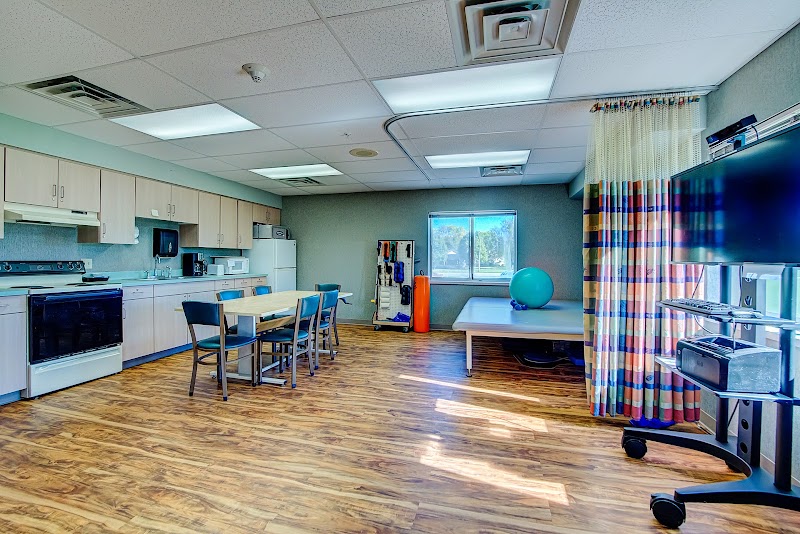
How is Edenbrook Of Fond Du Lac Staffed?

CMS rates EDENBROOK OF FOND DU LAC's staffing level at 3 out of 5 stars, which is average compared to other nursing homes. Staff turnover is 50%, compared to the Wisconsin average of 46%.

What Have Inspectors Found at Edenbrook Of Fond Du Lac?

State health inspectors documented 17 deficiencies at EDENBROOK OF FOND DU LAC during 2022 to 2025. These included: 1 Immediate Jeopardy (the most serious level, indicating potential for serious harm or death) and 16 with potential for harm. Immediate Jeopardy findings are rare and represent the most serious regulatory concerns. They require immediate corrective action.

Who Owns and Operates Edenbrook Of Fond Du Lac?

EDENBROOK OF FOND DU LAC is owned by a for-profit company. For-profit facilities operate as businesses with obligations to shareholders or private owners. The facility is operated by EDEN SENIOR CARE, a chain that manages multiple nursing homes. With 90 certified beds and approximately 49 residents (about 54% occupancy), it is a smaller facility located in FOND DU LAC, Wisconsin.
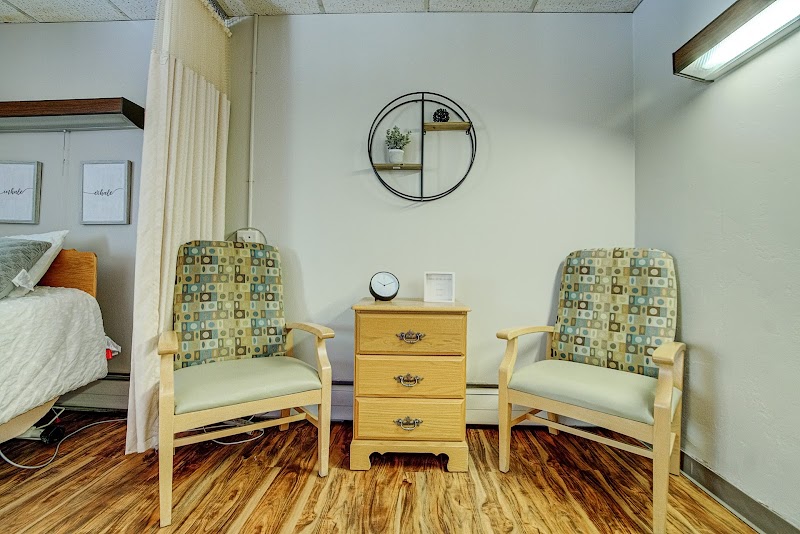
How Does Edenbrook Of Fond Du Lac Compare to Other Wisconsin Nursing Homes?

Compared to the 100 nursing homes in Wisconsin, EDENBROOK OF FOND DU LAC's overall rating (2 stars) is below the state average of 3.0, staff turnover (50%) is near the state average of 46%, and health inspection rating (2 stars) is below the national benchmark.

What Should Families Ask When Visiting Edenbrook Of Fond Du Lac?

Based on this facility's data, families visiting should ask: "What changes have been made since the serious inspection findings, and how are you preventing similar issues?" "Can I visit during a mealtime to observe dining assistance and food quality?" "How do you handle medical emergencies, and what is your hospital transfer rate?" "Can I speak with family members of current residents about their experience?" These questions are particularly relevant given the facility's Immediate Jeopardy citations.

Is Edenbrook Of Fond Du Lac Safe?

Based on CMS inspection data, EDENBROOK OF FOND DU LAC has documented safety concerns. Inspectors have issued 1 Immediate Jeopardy citation (the most serious violation level indicating risk of serious injury or death). The facility has a 2-star overall rating and ranks #100 of 100 nursing homes in Wisconsin. Families considering this facility should ask detailed questions about what corrective actions have been taken since these incidents.

Do Nurses at Edenbrook Of Fond Du Lac Stick Around?

EDENBROOK OF FOND DU LAC has a staff turnover rate of 50%, which is about average for Wisconsin nursing homes (state average: 46%). Moderate turnover is common in nursing homes, but families should still ask about staff tenure and how the facility maintains care continuity when employees leave.

Was Edenbrook Of Fond Du Lac Ever Fined?

EDENBROOK OF FOND DU LAC has no federal fines on record. CMS issues fines when nursing homes fail to meet care standards or don't correct problems found during inspections. The absence of fines suggests the facility has either maintained compliance or corrected any issues before penalties were assessed. This is a positive indicator, though families should still review recent inspection reports for the full picture.

Is Edenbrook Of Fond Du Lac on Any Federal Watch List?

EDENBROOK OF FOND DU LAC is not on any federal watch list. The most significant is the Special Focus Facility (SFF) program, which identifies the bottom 1% of nursing homes nationally based on persistent, serious quality problems. Not being on this list means the facility has avoided the pattern of deficiencies that triggers enhanced federal oversight. This is a positive indicator, though families should still review the facility's inspection history directly.