FOND DU LAC LUTHERAN HOME
244 N MACY ST, FOND DU LAC, WI 54935 (920) 921-9520
Non profit - Corporation 85 Beds Independent Data: November 2025 1 Immediate Jeopardy citation
Trust Grade
16/100
#278 of 321 in WI
Last Inspection: July 2024

Within standard 12-15 month inspection cycle. Federal law requires annual inspections.

Overview

Fond du Lac Lutheran Home has a Trust Grade of F, indicating significant concerns and poor overall quality. Ranking #278 out of 321 in Wisconsin places it in the bottom half of nursing facilities statewide, and it is the lowest-rated option in Fond Du Lac County. The facility appears to be improving, as the number of issues reported decreased from 21 in 2024 to just 4 in 2025. However, staffing remains a concern with a high turnover rate of 61%, well above the state average of 47%, which affects care quality. Specific incidents include a resident with a pacemaker who was not properly monitored, leading to a hospitalization due to pacemaker failure, and another resident who eloped from the facility when staff failed to provide adequate supervision. Overall, while there are some signs of improvement, families should weigh these serious concerns against the facility's strengths before making a decision.

Trust Score
F
16/100
In Wisconsin
#278/321
Bottom 14%
Safety Record
High Risk
Review needed
Inspections
Getting Better
21 → 4 violations
Staff Stability
⚠ Watch
61% turnover. Above average. Higher turnover means staff may not know residents' routines.
Penalties
⚠ Watch
$14,020 in fines. Higher than 84% of Wisconsin facilities, suggesting repeated compliance issues.
Skilled Nurses
✓ Good
Each resident gets 45 minutes of Registered Nurse (RN) attention daily — more than average for Wisconsin. RNs are trained to catch health problems early.
Violations
⚠ Watch
51 deficiencies on record. Higher than average. Multiple issues found across inspections.
★☆☆☆☆
1.0
Overall Rating
★★☆☆☆
2.0
Staff Levels
★☆☆☆☆
1.0
Care Quality
★★☆☆☆
2.0
Inspection Score
Stable
2024: 21 issues
2025: 4 issues

The Good

  • Full Sprinkler Coverage · Fire safety systems throughout facility
  • No fines on record

Facility shows strength in fire safety.

The Bad

1-Star Overall Rating

Below Wisconsin average (3.0)

Significant quality concerns identified by CMS

Staff Turnover: 61%

15pts above Wisconsin avg (46%)

Frequent staff changes - ask about care continuity

Federal Fines: $14,020

Below median ($33,413)

Minor penalties assessed

Staff turnover is elevated (61%)

13 points above Wisconsin average of 48%

The Ugly 51 deficiencies on record

1 life-threatening 1 actual harm
Mar 2025 4 deficiencies 1 IJ
CRITICAL (J) 📢 Someone Reported This

A family member, employee, or ombudsman was alarmed enough to file a formal complaint

Immediate Jeopardy (IJ) - the most serious Medicare violation

Accident Prevention (Tag F0689)

Someone could have died · This affected 1 resident

**NOTE- TERMS IN BRACKETS HAVE BEEN EDITED TO PROTECT CONFIDENTIALITY** Based on staff interview and record review, the facility did not ensure 1 resident (R) (R1) of 1 resident received adequate supe...

Read full inspector narrative →
**NOTE- TERMS IN BRACKETS HAVE BEEN EDITED TO PROTECT CONFIDENTIALITY** Based on staff interview and record review, the facility did not ensure 1 resident (R) (R1) of 1 resident received adequate supervision to prevent elopement. On 2/23/25, R1 was assessed to be at risk for elopement after R1 attempted to elope fromv the facility. Staff placed a WanderGuard bracelet on R1. On 2/24/25, R1 expressed a desire to leave the facility and go to a local store. On 2/26/25, R1 cut off R1's WanderGuard and a new WanderGuard was applied. On 2/28/25 at 8:35 AM, R1 left the facility without staffs' knowledge and was redirected back into the facility. On 2/28/25 at 3:30 PM, staff found R1 outside walking back from a local store that was approximately 0.3 miles from the facility. R1 had eloped from the facility without staffs' knowledge. The facility's failure to supervise a resident who was assessed as an elopement risk and had a history of elopement attempts and cutting off a WanderGuard led to a finding of Immediate Jeopardy that began on 2/28/25. Surveyor notified Nursing Home Administrator (NHA)-A of the Immediate Jeopardy on 3/25/25 at 4:22 PM. The Immediate Jeopardy was removed and corrected on 3/26/25; however, the deficient practice continues at a scope/severity level D (potential for more than minimal harm/isolated) as the facility continues to implement its action plan. Findings include: The facility's Elopement Prevention policy, dated 8/10/23, indicates interventions for individuals at risk for elopement will be identified and implemented. Procedure: A) At the time of screening and/or upon admission, gather data regarding history of wandering or elopement. B) A licensed nurse will complete the Elopement Risk Evaluation upon admission to the facility, quarterly, and change of condition .An interim plan of care for minimizing the risk for elopement will be initiated upon high-risk determination .D) The Interdisciplinary Team (IDT) will initiate a plan of care for any individual determined at high risk for elopement. Facility-specific measures as well as individual-specific measures will be included in each high-risk individual's plan of care to minimize risk factors .F) Interventions to decrease risk of wandering such as devices and monitoring will be initiated as deemed appropriate by the IDT and documented in the individual's plan of care. On 3/25/25, Surveyor reviewed R1's medical record. R1 was admitted to the facility on [DATE] and had diagnoses including hepatic encephalopathy, alcoholic cirrhosis of liver, delirium due to known physiological condition, anxiety disorder, depression, and history of falling. R1 was ambulatory and used a front-wheeled walker and wheelchair for mobility. R1 was semi-independent and required minimal assistance and cueing with activities of daily living (ADLs). An admission Minimum Data Set (MDS) assessment, dated 1/29/25, had a Brief Interview for Mental Status (BIMS) score of 12 out of 15 which indicated R1 had moderate cognitive impairment. A Discharge MDS assessment, dated 3/10/25, had a BIMS score of 11 out of 15 which indicated R1 had moderate cognitive impairment. R1 had an activated Power of Attorney for Healthcare (POAHC) who was responsible for R1's healthcare decisions. R1 discharged from the facility on 3/10/25. An Elopement Risk Assessment, dated 1/22/25, indicated R1 was at low risk for elopement and was non-ambulatory. On 2/2/25, R1 was hospitalized with a diagnosis of hepatic encephalopathy and increased confusion. R1 was readmitted to the facility on [DATE]. An Elopement Risk Assessment, dated 2/12/25, indicated R1 was at low risk for elopement. A progress note, dated 2/15/25 at 9:56 PM, indicated R1 was forgetful and had difficulty finding words to express R1's self. There was a noted increase in wandering the halls after supper. By 9:00 PM, R1 had changed clothes 3 times, wandered into another resident's room, and went to the elevator. Staff redirected R1 back to R1's room. Staff talked with R1 and indicated R1's behavior could be due to an increased ammonia level. Staff offered an additional dose of lactulose but R1 refused. The night nurse was updated. A progress note, dated 2/16/25 at 1:14 AM, indicated R1 wandered quite a bit and went into other residents' rooms. R1 was easily redirected, however as soon as staff left R1's room, R1 started to wander again. A progress note, dated 2/16/25 at 4:09 AM, indicated R1 asked to leave the facility and went to the emergency room (ER) via ambulance at approximately 4:05 AM due to increased confusion, restlessness, wandering, and decreased urination. A progress note, dated 2/21/25 at 4:48 PM, indicated R1 was alert and oriented and was readmitted from the hospital in a wheelchair with a diagnosis of hepatic encephalopathy. An Elopement Risk Assessment, dated 2/21/25, indicated R1 was at high risk for elopement. The assessment indicated R1's risk could be related to confusion and the hospital's statement that R1 was sundowning. A progress note, dated 2/23/25 at 8:05 PM, indicated R1 attempted to elope twice on the AM shift. R1 attempted to use the door at the stairwell but staff intervened. When family arrived later in the day, R1 was in the lobby signing R1's self out in the visitor log. Family was concerned that R1 may try to leave again and requested a WanderGuard be placed. A progress note, dated 2/23/25 at 11:26 PM, indicated R1 was up ad lib (as desired) and wandered in and out of rooms and hallways frequently from 9:00 PM to 10:00 PM. An Elopement Risk Assessment, dated 2/23/25, indicated R1 was at high risk for elopement. The assessment indicated R1 attempted to elope twice on the AM shift. Family was concerned R1 may try to leave again and requested a WanderGuard. A progress note, dated 2/24/25 at 2:14 AM, indicated R1 walked the hallways with and without a walker, repeatedly changed clothes, and moved items around R1's room. R1 did not use a call light or ask for assistance and was put back to bed several times. R1 thanked staff and closed R1's eyes but was up again in the hallway a few minutes later. R1 declined to sit in a recliner in the sunroom. Lorazepam (an anxiety medication) was ineffective. There was a WanderGuard on R1's right ankle. A progress note, dated 2/24/25 at 7:23 AM, indicated staff spoke with R1's POAHC about moving R1 to a room closer to the nurses' station on the first floor or a room on the second floor for better WanderGuard monitoring. R1's POAHC asked to consult with other family members and R1's physician before making a decision. A progress note, dated 2/24/25 at 4:17 PM, indicated staff notified R1's family that R1 wanted to walk to a local store. R1's family was in agreement with a WanderGuard. The Nurse Practitioner was notified and a WanderGuard was placed on R1. An Elopement Risk Care Plan, initiated 2/24/25, indicated R1 attempted to leave the facility unattended. The care plan contained the following interventions: Distract R1 from wandering by offering pleasant diversions, structured activities, food, conversation, television, books. R1 prefers gardening, floral design, word games, socializing with others (initiated 2/24/25); Provide structured activities: toileting, walking inside and outside, reorientation strategies including signs, pictures and memory boxes (initiated 2/24/25); Identify pattern of wandering: Is wandering purposeful, aimless, or escapist? Is resident looking for something? Does it indicate the need for more exercise? Intervene as appropriate (initiated 2/24/25); Wander alert bracelet placed. Staff to check placement every shift and functioning every day (initiated 2/24/25); Monitor location of R1 via frequent checks. 1:1 if available and needed. Family to assist with 1:1 visits as able (initiated 3/4/25). On 3/25/25 at 1:00 PM, Surveyor interviewed Director of Nursing (DON)-B who clarified WanderGuard placement was initiated on 2/23/25 following R1's elopement assessment. The WanderGuard was placed on R1 early on 2/24/25 after review with family. DON-B indicated the note from later in the day on 2/24/25 is when WanderGuard monitoring was placed on R1's medication administration record (MAR). DON-B indicated R1 cut off R1's WanderGuard prior to the elopement on 2/28/25. DON-B stated the first time R1 cut off the WanderGuard was either 2/24/25 or 2/25/25. DON-B stated after R1's request to leave and go to a local store on 2/24/25, it was recommended to R1's family to move R1 to the second floor for closer monitoring. DON-B stated R1 initially did not want to move but was moved to the second floor on 2/26/25. DON-B indicated no other interventions were put in place. On 3/25/25 at 2:02 PM, Surveyor followed-up with DON-B who reported a correction to DON-B's original statement that on 2/25/25, DON-B checked the placement of R1's WanderGuard and noted the WanderGuard was intact. DON-B stated housekeeping staff alerted DON-B on 2/26/25 that R1's WanderGuard was found in the garbage. DON-B stated 2/26/25 was the first time R1 had cut off the WanderGuard. A progress note, dated 2/27/25 at 9:17 PM, indicated R1 cut the WanderGuard off again. A WanderGuard was placed on R1's wheelchair. A progress note, dated 2/28/25 at 8:35 AM, indicated R1 continued to exit seek and left the building without staffs' knowledge. R1 was educated on the risk of leaving the building. R1 did not understand and stated R1 would go out if R1 wanted. Family was aware that R1 needed supervision at all times when awake and R1 should not have any items that could be used to cut off the WanderGuard. A progress note, dated 2/28/25 at 3:58 PM, indicated R1 disappeared from the unit and was found walking back from a local store after buying wine and other items. New WanderGuards were placed on R1's left wrist and 2-wheeled walker. R1 was placed on 1:1 supervision. The note indicated if there were not enough Certified Nursing Assistants (CNAs) for 1:1 supervision, R1 needed to follow the nurse during medication pass. Family agreed to help with 1:1 supervision. On 3/25/25 at 1:58 PM, Surveyor interviewed DON-B who stated R1 cut off R1's WanderGuard on 2/28/25 and used the elevator to get to the ground floor and leave the facility via the front door. DON-B stated R1 may have been cognizant enough to use the stairwell door code to get down the stairs, however, R1 had a walker at the time and DON-B did not feel R1 was able to maneuver the stairs with a walker. On 3/25/25 at 2:33 PM, Surveyor interviewed Licensed Practical Nurse (LPN)-F who worked the PM shift on 2/28/25. LPN-F stated R1 was not on 1:1 supervision but was on frequent checks and staff left R1's door open for monitoring. LPN-F stated R1 was quick and fast. A progress note, dated 3/1/25 at 1:39 PM, indicated R1 attempted to leave the unit multiple times during the shift and asked for scissors all shift. Staff were unable to locate R1 at one point. R1 was found fully dressed in a bathtub with the water running and stated, I need my hair washed. R1 was assisted out of the bathtub by staff. R1 self- propelled a wheelchair in the hallway and asked to go downstairs. An Elopement Risk Assessment, dated 3/4/25, indicated R1 was at high risk for elopement. The assessment indicated a WanderGuard was in place, however, R1 removed several WanderGuards from R1's body and mobility devices. Staff continued to replace the WanderGuards and attempted to put them in places R1 was not aware of. 1:1 supervision was in place when available. If 1:1 supervision was not available, frequent checks were in place. On 3/25/25 at 2:37 PM, Surveyor interviewed Registered Nurse (RN)-E who was R1's nurse on 3/1/25. RN-E confirmed staff found R1 in the bathtub fully clothed. RN-E stated R1 was not missing for long. RN-E could not recall if R1 was on 1:1 supervision prior to 3/1/25 or after. RN-E confirmed R1 was not on 1:1 supervision on 3/1/25 when R1 went missing. On 3/25/25 at 2:47 PM, Surveyor interviewed DON-B who stated R1 was started on 1:1 supervision immediately after R1's 2/28/25 elopement. DON-B confirmed R1 should have been on 1:1 supervision on 3/1/25 unless family was there or hourly checks were completed. DON-B stated hourly checks should have been documented in R1's MAR or treatment administration record (TAR). Surveyor reviewed R1's MAR and TAR and noted a nursing order, dated 3/6/25, to check on R1's location and WanderGuard placement (walker, wheelchair, purse and left ankle to ensure still on) hourly. Surveyor could not locate any hourly checks prior to 3/6/25. On 3/25/25 at 2:21 PM, Surveyor observed the second floor stairwell doors. The doors were secured with an electronic door pad that required a code to open. Surveyor observed a permanent sign on each of the stairwell doors that contained the code to open the door and deactivate the alarm. The failure to supervise a resident with a history of elopement attempts and who eloped from the facility without staffs' knowledge created a reasonable likelihood for serious harm thus leading to a finding of Immediate Jeopardy. The facility removed the jeopardy on 3/26/25 when it completed the following: 1. Reviewed the facility's Elopement Prevention Policy and updated elopement protocol. 2. Provided all staff education upon next working shift regarding supervision for residents at risk for elopement and steps to take if a resident cuts off a WanderGuard, requests a tool to cut off a WanderGuard, and/or continues to express a desire to leave the unit. 3. Removed plaques at each stairwell doorway that contained a code to enter and exit the unit and placed a small label with the door code at the top of the door frame. 4. Conducted a thorough sweep of all residents for elopement risk and exit-seeking behavior on 3/26/25 and ensured care plans were updated with interventions to address exit-seeking/unsafe behavior and/or statements to ensure safety. 5. Initiated audits of residents with exit-seeking behavior for proper documentation, effectiveness of interventions, and elopement events. Audits will be completed weekly for 4 weeks. Audit results will be brought to the monthly Quality Assurance Performance Improvement committee for review.
CONCERN (D) 📢 Someone Reported This

A family member, employee, or ombudsman was alarmed enough to file a formal complaint

Potential for Harm - no one hurt, but risky conditions existed

Safe Environment (Tag F0584)

Could have caused harm · This affected 1 resident

**NOTE- TERMS IN BRACKETS HAVE BEEN EDITED TO PROTECT CONFIDENTIALITY** Based on observation and staff and resident interview, the facility did not provide a safe, sanitary, or home-like environment f...

Read full inspector narrative →
**NOTE- TERMS IN BRACKETS HAVE BEEN EDITED TO PROTECT CONFIDENTIALITY** Based on observation and staff and resident interview, the facility did not provide a safe, sanitary, or home-like environment for 1 resident (R) (R5) of six sampled residents. On 3/25/25, bowel movement (BM) soiled cloths were observed on R5's bathroom sink. Findings include: The facility provided an undated Standard Activities of Daily Living (ADL) Protocol that did not mention where staff should place soiled items during the provision of care. On 3/25/25, Surveyor reviewed R5's medical record. R5 was admitted to the facility on [DATE] and had diagnoses including hemiplegia and hemiparesis following cerebral infarction affecting the left non-dominant side and post-polio syndrome. R5's Minimum Data Set (MDS) assessment, dated 1/17/25, had a Brief Interview for Mental Status (BIMS) score of 15 out of 15 which indicated R5 had no cognitive impairment. R5 was responsible for R5's healthcare decisions. On 3/25/25 at 11:56 AM, Surveyor interviewed R5 who was in bed. When asked about the cleanliness of the facility R5 stated, It could be better. I think the bathroom should be cleaned better. Surveyor observed R5's bathroom and noted BM soiled cloths on the rim of R5's sink. At 12:01 PM, Medication Technician (MT)-C entered the room and administered medication to R5. Surveyor interviewed MT-C who verified the cloths on the rim of the sink were soiled with BM. MT-C indicated soiled linens should not be placed on the sink during cares and should be put in a bag to be taken to the utility room. MT-C indicated MT-C had assisted with R5's cares earlier that day. MT-C indicated the BM soiled cloths were not on the sink at that time. R5 indicated R5 was incontinent of BM and other staff assisted R5 with care at approximately 11:20 AM. On 3/25/25 at 1:48 PM, Surveyor interviewed Director of Nursing (DON)-B who indicated staff usually put soiled linens directly in a bag to take to the utility room. DON-B verified BM soiled cloths should not have been placed on R5's sink. On 3/25/25 at 2:15 PM, Surveyor interviewed DON-B who indicated the facility does not have a policy that addresses what staff should do with soiled items and provided Surveyor with the above mentioned policy.
CONCERN (D) 📢 Someone Reported This

A family member, employee, or ombudsman was alarmed enough to file a formal complaint

Potential for Harm - no one hurt, but risky conditions existed

Deficiency F0947 (Tag F0947)

Could have caused harm · This affected 1 resident

Based on staff interview and record review, the facility did not ensure required nurse aid training was completed for 1 of 5 sampled Certified Nursing Assistants (CNAs). CNA-D was hired on 8/23/23. C...

Read full inspector narrative →
Based on staff interview and record review, the facility did not ensure required nurse aid training was completed for 1 of 5 sampled Certified Nursing Assistants (CNAs). CNA-D was hired on 8/23/23. CNA-D did not have 12 hours of in-service training during CNA-D's most recent anniversary hire year. Findings include: According to the Wisconsin Department of Health Services' Webpage titled Nurse Aide Program: Maintaining Registry Status, when an individual is placed on the Wisconsin Nurse Aid Registry, they are given two eligibilities: federal and state. Federal eligibility is mandated by federal law for individuals who work in federally licensed nursing homes. (https://www.dhs.wisconsin.gov/caregiver/nurse-aide/maintain-status.htm) The facility's Quality Assurance and Performance Improvement (QAPI) Plan policy indicates all staff will participate in ongoing annual QAPI training which includes quality improvement principles and practices, how to identify areas for improvement, updates on current performance improvement projects, and how staff can be involved in performance improvement projects. On 3/27/25, Nursing Home Administrator (NHA)-A indicated the facility follows Wisconsin state laws to maintain nurse aid registration requirements. On 3/27/25 at 12:30 PM, Surveyor reviewed CNA-D's in-service training during the most recent anniversary hire year. Surveyor reviewed electronic training hours for CNA-D and noted CNA-D had only completed 2.25 hours of training over the last anniversary hire year. Surveyor noted CNA-D attended 5 meetings between 8/23/23 and 8/23/24. The 2.25 hours CNA-D completed did not cover any of the required education on resident rights, abuse and reporting requirements, dementia training, QAPI process, infection control, compliance and ethics, or resident behavioral health; however, the 5 meetings CNA-D attended covered all the aforementioned education requirements except QAPI. On 3/27/25 at 1:43 PM, Surveyor interviewed Director of Nursing (DON)-B who indicated staff meetings are usually an hour long depending on the material covered. DON-B verified CNA-D had attended 5 staff meetings and completed 2.25 hours in the facility's electronic training system which indicated CNA-D had completed 7.25 hours of the 12 required hours. DON-B indicated NHA-A sent emails containing meeting content and questions about the content to staff that did not attend meetings. DON-B contacted NHA-A to ascertain if NHA-A had emails from CNA-D. On 3/27/25 at 2:02 PM, Surveyor interviewed NHA-A who indicated it had been difficult to ensure CNA-D completed the required education. NHA-A indicated since CNA-D was hired on 8/23/23, CNA-D failed to complete online training by the due date and was expected to complete the required training by 1/5/25. NHA-A provided a copy of an email NHA-A sent to CNA-D on 3/16/25 that indicated CNA-D had overdue electronic trainings that were due on 4/1/25. The content of the email was a list of 5 trainings from the facility's electronic training system. NHA-A did not provide a response from CNA-D from the email sent on 3/16/25.
MINOR (C) 📢 Someone Reported This

A family member, employee, or ombudsman was alarmed enough to file a formal complaint

Minor Issue - procedural, no safety impact

Deficiency F0846 (Tag F0846)

Minor procedural issue · This affected most or all residents

Based on staff interview, the facility did not have policies and procedures in place to use in the case of a facility closure. This had the potential to affect all 56 residents residing in the facilit...

Read full inspector narrative →
Based on staff interview, the facility did not have policies and procedures in place to use in the case of a facility closure. This had the potential to affect all 56 residents residing in the facility. The facility did not have policies and procedures to address a facility closure. Findings include: On 3/27/25 at 12:53 PM, Surveyor interviewed Nursing Home Administrator (NHA)-A who indicated the facility would follow state regulations in the event of a closure. NHA-A indicated the facility does not have a written policy to address a facility closure.
Dec 2024 1 deficiency
CONCERN (D) 📢 Someone Reported This

A family member, employee, or ombudsman was alarmed enough to file a formal complaint

Potential for Harm - no one hurt, but risky conditions existed

Abuse Prevention Policies (Tag F0607)

Could have caused harm · This affected 1 resident

Based on staff interview and record review, the facility did not implement policies and procedures that prohibit and prevent abuse for 1 of 8 facility and contracted staff reviewed for caregiver backg...

Read full inspector narrative →
Based on staff interview and record review, the facility did not implement policies and procedures that prohibit and prevent abuse for 1 of 8 facility and contracted staff reviewed for caregiver background checks. The facility did not ensure a thorough and timely background check was completed for Certified Nursing Assistant (CNA)-D. Findings include: The facility's Comprehensive Abuse, Neglect, Mistreatment and Misappropriation of Resident Property Program policy, with a review date of 11/8/23, indicates: The object of the abuse policy is to comply with the seven-step approach to abuse and neglect detection and prevention .Screening: .It is the policy of this facility to screen employees .prior to working with residents. Screening components include verification of references, certification and verification of license, and criminal background check. Procedure: 1. Employee Screening and Training - a. Before new employees are permitted to work with residents, references provided by the prospective employee will be verified as well as appropriate board registrations and certifications regarding the prospective employee's background .d. A criminal background check will be conducted on all prospective employees as provided by the facility's policy on criminal background checks. A significant finding on the background check will result in denial accordance with state and federal regulations . On 12/19/24, Surveyor reviewed background check information for 8 facility and contracted staff, including CNA-D. CNA-D's hire dates were listed as 3/19/13 and 6/3/24 (rehired). The facility provided a BID form that was not dated. The facility did not provide proof that a BID form was completed for CNA-D prior to or on the date CNA-D was rehired. On 12/19/24 at 2:42 PM, Surveyor interviewed Assistant Nursing Home Administrator (ANHA)-E who indicated BID forms are completed before new staff can start working. ANHA-E verified CNA-D's BID form was not dated and was unsure why. ANHA-E indicated BID forms should be dated. On 12/19/24 at 2:49 PM, Surveyor left a message for Human Resources (HR)-I. Surveyor did not receive a return call as of this writing.
Sept 2024 2 deficiencies 1 Harm
SERIOUS (G) 📢 Someone Reported This

A family member, employee, or ombudsman was alarmed enough to file a formal complaint

Actual Harm - a resident was hurt due to facility failures

Quality of Care (Tag F0684)

A resident was harmed · This affected 1 resident

**NOTE- TERMS IN BRACKETS HAVE BEEN EDITED TO PROTECT CONFIDENTIALITY** Based on staff and resident interview and record review, the facility did not ensure care and treatment were provided for 1 resi...

Read full inspector narrative →
**NOTE- TERMS IN BRACKETS HAVE BEEN EDITED TO PROTECT CONFIDENTIALITY** Based on staff and resident interview and record review, the facility did not ensure care and treatment were provided for 1 resident (R) (R1) of 3 sampled residents with a pacemaker (a device placed in the body to support the electrical system in the heart). Staff did not assist R1 in scheduling appointments with a cardiologist to check R1's cardiac health or ensure R1's pacemaker worked properly. On [DATE], R1 was admitted to the hospital after R1's pacemaker battery died and R1's heart rate was in the 30s. (A typical resting heart rate for adults is between 60 and 100 beats per minute.) Findings include: On [DATE], Surveyor reviewed R1's medical record. R1 was admitted to the facility on [DATE] and re-admitted on [DATE] following hospitalization for pacemaker failure. R1 had diagnoses including acute congestive heart failure (CHF), dyspnea (shortness of breath) and respiratory abnormalities, symptomatic bradycardia (a low heart rate), and sick sinus syndrome (a group of abnormal heart rhythms usually caused by a malfunction of the sinus node, the heart's primary pacemaker). R1's Minimum Data Set (MDS) assessment, dated [DATE], had a Brief Interview for Mental Status (BIMS) score of 11 out of 15 which indicated R1 had moderate cognitive impairment. R1's medical record indicated R1 was responsible for R1's healthcare decisions. R1's care plan did not contain a focus, goal, or interventions for pacemaker use. An office visit progress note, dated [DATE], indicated R1's pacemaker was checked on [DATE] and was functioning appropriately. The remaining battery life was estimated at 23 months. (R1 was admitted to the facility on [DATE] which was approximately 12 months after the [DATE] pacemaker check which allowed for 11 months of battery life after R1's admission.) A hospital Discharge summary, dated [DATE], indicated R1 was diagnosed with tachy-[NAME] syndrome (a heart rhythm disorder) and had a pacemaker. A progress note, dated [DATE], indicated R1 had a dual chamber pacemaker. An emergency medicine provider note, dated [DATE], indicated R1 had a pacemaker for tachybradycardia syndrome. Per Emergency Medical Services (EMS), R1's heart rate was bradycardic in the low 30s with no syncope (fainting). The note indicated staff were unable to obtain a report for the pacemaker because they could not get it to read. The clinic sent a nurse to read the pacemaker. The nurse was unable to get a signal and suspected device failure. Heart block or significant bradycardia required an urgent transfer to the cath lab for a pacemaker. A hospital initial encounter note, dated [DATE], indicated R1's pacemaker's battery life had expired. Because R1's heart rate was in the 30s and the pacemaker was not functioning, R1 was admitted to the hospital for acute on chronic heart failure with preserved ejection fraction. A progress note, dated [DATE] at 11:56 PM, indicated R1 was re-admitted to the facility at 5:00 PM with a diagnosis of CHF exacerbation. R1 was alert and oriented x 4 and denied pain or shortness of breath (SOB). R1's pacemaker was replaced at the hospital (upper left upper chest) and the site was covered with gauze. On [DATE] at 11:00 AM, Surveyor interviewed Registered Nurse (RN)-G who stated there were 3 residents on RN-G's unit with a pacemaker. RN-G stated each resident with a pacemaker had a transmission box in their room and the pacemaker clinic contacted nursing staff with any concerns and to schedule appointments to check the pacemakers. On [DATE] at 11:15 AM, Surveyor interviewed RN-F who stated there was one resident (R4) on RN-F's unit with a pacemaker who was seen yearly at the pacemaker clinic. RN-F indicated pacemaker checks were completed by the clinic who contacted the facility with any updates or concerns. RN-F was able to locate the transmission device in R4's room. On [DATE] at 1:24 PM, Surveyor interviewed R1 who indicated R1 had a pacemaker for 11 years and resided at the facility for 2 years. R1 indicated to the best of R1's knowledge, a pacemaker check was not done at the facility until September of 2024. On [DATE] at 3:30 PM, Surveyor interviewed Assistant Director of Nursing (ADON)-C regarding the facility's expectation when a resident is admitted with a pacemaker. Assistant Nursing Home Administrator (ANHA)-D and Social Worker (SW)-E were present during the interview. ADON-C indicated it was the facility's expectation that residents with pacemakers were followed by cardiology and/or the pacemaker clinic. When asked if the facility was aware of R1's pacemaker, ADON-C indicated nothing tipped them off because R1 had stable vital signs. ADON-C indicated R1's doctor was aware that R1 had a pacemaker. SW-E indicated the facility did not have a process in place for residents admitted with pacemakers. On [DATE] at 5:00 PM, Surveyor interviewed Medical Doctor (MD)-H via telephone. MD-H indicated R1 had increasing heart failure problems, but R1's vitals signs had been stable. MD-H indicated MD-H was aware R1 had a pacemaker but was not sure why there was no follow-up care related to the pacemaker since R1 had a number of cardiologists. MD-H indicated MD-H did not check R1's room for a pacemaker transmitter. MD-H stated R1's pacemaker worked until it didn't which resulted in R1's admission to the hospital where it was determined R1's pacemaker was not functioning and had not been checked. MD-H stated MD-H was not sure who was responsible for checking R1's pacemaker and indicated R1 and R1's family bore some responsibility because there would have been a transmitter at R1's home which should have been brought to the facility when R1 was admitted .
CONCERN (D) 📢 Someone Reported This

A family member, employee, or ombudsman was alarmed enough to file a formal complaint

Potential for Harm - no one hurt, but risky conditions existed

Investigate Abuse (Tag F0610)

Could have caused harm · This affected 1 resident

Based on staff and resident interview and record review, the facility did not thoroughly investigate allegations of abuse and misappropriation for 2 residents (R) (R2 and R3) of 2 sampled residents. ...

Read full inspector narrative →
Based on staff and resident interview and record review, the facility did not thoroughly investigate allegations of abuse and misappropriation for 2 residents (R) (R2 and R3) of 2 sampled residents. The facility did not thoroughly investigate an allegation of abuse for R2. The facility did not thoroughly investigate an allegation of misappropriation for R3. Findings include: The facility's Abuse, Neglect, Mistreatment and Misappropriation policy, with a review date of 11/8/23, indicates: It is the policy of the facility that everyone will be free from abuse .Verbal abuse involves the use of speech, sound, writing, or gestures when communicating with residents or their families or when within their hearing or sight regardless of their age, ability to comprehend or disability .Misappropriation of resident property means the deliberate misplacement, exploitation, or wrongful, temporary, or permanent use of a resident's belongings or money without the resident's consent .E. Investigation: .It is the policy of this facility that reports of abuse are promptly and thoroughly investigated .Investigation regarding misappropriation: Complete an active search for missing items including documentation of the investigation: The investigation will consist of at least the following: A review of the completed complaint report, an interview with the person or persons reporting the incident, interviews with any witness to the incident, a review of the resident's medical record if indicated, a search of the resident's room, an interview with staff members having contact with the resident during relevant periods or shifts of the alleged incident, interviews with the resident's roommate, family members, and visitors, a root-cause analysis of all circumstances surrounding the incident .Immediately upon receiving a report of alleged abuse, the Executive Director and or designee will coordinate delivery of appropriate medical and/or psychological care and attention. Ensuring safety and well-being for the vulnerable resident are of utmost priority. Safety, security and support of the resident, their roommate, if applicable and other residents with the potential to be affected will be provided. This should include .iv. Examine, assess, and interview the resident and other residents potentially affected immediately to determine any injury and identify any immediate clinical interventions necessary .Internal reporting: Employees must always report any abuse or suspicion of abuse immediately to the Executive Director. On 9/24/24, Surveyor received a staff list from Assistant Nursing Home Administrator(ANHA)-D. Surveyor noted 67 employees were listed on the form, including 29 Certified Nursing Assistants (CNAs), 1 Director of Nursing(DON), 1 Assistant Director of Nursing (ADON), 8 Registered Nurses (RNs), and 6 Licensed Practical Nurses(LPNs). 1. On 9/24/24, Surveyor reviewed R2's medical record. R2 had diagnoses including type 2 diabetes, chronic kidney disease (CKD), placement of colostomy, and major depressive disorder. R2's Minimum Data Set (MDS) assessment, dated 8/7/24, had a Brief Interview for Mental Status (BIMS) score of 15 out of 15 which indicated R2 had intact cognition. On 9/24/24, Surveyor reviewed a facility-reported incident (FRI) regarding an allegation of verbal abuse involving R2 and CNA-I. The incident was reported on 9/7/24 and the investigation concluded on 9/12/24. Surveyor noted staff education on abuse, neglect, and misappropriation was not included in the FRI. Surveyor requested the information from ANHA-D on 9/24/24 at 12:15 PM. ANHA-D indicated staff education and training were provided and ANHA-D would provide the information to Surveyor. On 9/24/24 at 2:19 PM, Surveyor received the staff education documentation from ANHA-D who indicated the documents were education sign-off sheets from the facility's All Staff meeting where abuse and neglect education was provided to all staff. ANHA-D indicated the education was provided a few days ago and was still ongoing. ANHA-D indicated the information covered at the meeting was attached to the employee sign-off sheet. Surveyor reviewed the facility's All Staff document, dated 9/19, that contained staff signatures. Surveyor noted the following nursing staff received abuse, neglect, and misappropriation training during the meeting: 18 out of 67 total employees, including 13 CNAs, 3 RNs, and 1 LPN. The training materials included Reporting Abuse/Neglect/Misappropriation: Who is the Abuse Coordinator, what do you do if you have a suspicion of abuse/neglect/misappropriation, when do you report concerns? An additional form contained the answers to the questions. Surveyor noted there were no additional sign-off sheets for training provided to employees after the All Staff meeting. On 9/24/24 at 3:15 PM, Surveyor interviewed ANHA-D and requested any additional information regarding the number of staff that were trained. ANHA-D confirmed the education was ongoing and ANHA-D was under the assumption the education could be provided after the investigation concluded. ANHA-D indicated ANHA-D was unaware that an allegation of abuse (which was substantiated by the facility's investigation and resulted in the employee being terminated) warranted education on abuse, neglect, and misappropriation as soon as possible to prevent any further incidents. 2. On 9/24/24, Surveyor reviewed R3's medical record. R3 had diagnoses including type 2 diabetes, CKD, presence of pacemaker, anxiety, and depression. R3's MDS assessment, dated 8/15/24, had a BIMS score of 12 out of 15 which indicated R3 had moderately impaired cognition. On 9/24/24, Surveyor reviewed a FRI regarding an allegation of misappropriation involving R3 who reported to nursing staff on 8/10/24 that $12 was missing from R3's dresser drawer. R3 was unsure when the money was taken. The investigation concluded on 8/16/24. Surveyor noted the investigation did not include documentation of follow-up with R3 regarding psychosocial/emotional needs following the incident. The investigation indicated R3 was not interviewed regarding the incident until 8/16/24 and like residents were not interviewed until 8/16/24. In addition, staff interviews were not dated. Surveyor noted an interview with a nursing staff indicated the staff was informed by R3's daughter that R3's money was missing and reported the allegation to administration. The interview indicated another RN was informed of the missing money by R3 and R3's daughter a few days before but nothing was done. The investigation indicated 25 nursing staff were interviewed. An interview with CNA-J indicated CNA-J was informed of the missing money by R3 last week. The investigation did not contain staff education on abuse, neglect, or misappropriation or reporting of allegations. The investigation also did not contain findings, results, resolution, root cause analysis, or follow-up with R3. There were also no interventions put in place to safeguard R3's belongings. On 9/24/24 at 12:15 PM, Surveyor interviewed ANHA-D regarding missing documentation in the investigation for R3's allegation of misappropriation. ANHA-D indicated ANHA-D did not complete the report and wasn't part of the investigation but would find the education documentation. ANHA-D also indicated ANHA-D would attempt to find any additional documentation including why the resident interviews were delayed. On 9/24/24 at 12:50 PM, Surveyor interviewed R3 who indicated R3 did not know what was concluded regarding R3's missing money. R3 indicated someone was supposed to follow-up with R3. R3 stated R3 felt bad because the money was from R3's birthday and R3 didn't have much money. On 9/24/24 at 2:24 PM, Surveyor received staff education documentation from ANHA-D who indicated the documents were education sign-off sheets from the facility's All Staff meeting where staff education on abuse and neglect was provided to all staff. ANHA-D indicated the facility did not have a good reason for the delay of resident interviews and believed employee interviews were completed between 8/12/24 and 8/16/24. ANHA-D acknowledged follow-up for emotional needs was not provided to R3. ANHA-D also indicated follow-up and resolution was not provided to R3 because R3 did not indicate R3 was upset about the missing money, the facility did not find evidence of theft, and the money was not replaced. Surveyor reviewed an All Staff document, dated 8/15, that contained staff signatures. Surveyor noted 43 of 67 total employees received abuse, neglect, and misappropriation training, including 17 CNAs, 4 RNs, and 2 LPNs. The training materials included Reporting Abuse/Neglect/Misappropriation: Who is the Abuse Coordinator, what do you do if you have a suspicion of abuse/neglect/misappropriation, when do you report concerns? An additional form provided answers to the questions. Surveyor noted CNA-J did not receive abuse, neglect, or misappropriation training on 8/15 or 9/19.
Jul 2024 15 deficiencies
CONCERN (D)

Potential for Harm - no one hurt, but risky conditions existed

Resident Rights (Tag F0550)

Could have caused harm · This affected 1 resident

**NOTE- TERMS IN BRACKETS HAVE BEEN EDITED TO PROTECT CONFIDENTIALITY** Resident #45 Dignity 07/08/24 10:32 AM - Interview. States that the staff could be more courteous when coming into his room. Sta...

Read full inspector narrative →
**NOTE- TERMS IN BRACKETS HAVE BEEN EDITED TO PROTECT CONFIDENTIALITY** Resident #45 Dignity 07/08/24 10:32 AM - Interview. States that the staff could be more courteous when coming into his room. States that there are some who knock and wait for him to respond, but other will not wait, or not knock at all. States this is his home and he shouldn't have to feel his privacy isn't acknowledged. States that a CNA a month or so ago (maybe two weeks), was very rude and came in while he was using the rest room. States he does not remember specifically who the nurse was. States that he didn't tell anyone about it, as he didn't feel it was necessary. 07/08/24 10:32 AM States the food is ok, but overcooked a lot of the time and it's hard to cut into tough meat with a plastic fork and knife. States that sometimes they have regular utensils and sometimes not. Surveyor observed several Styrofoam cups in residents room and plastic utensils in the garbage. Resident states that he get his coffee in the Styrofoam, states this is all he drinks, he doesn't drink the water as he doesn't like the taste. 07/10/24 12:16 PM - resident stated that he doesn't have as much of an issue with the cups, but the plastic utensils are frustrating and flimsy, irritating to try and cut with. Between 7/8/24 and 7/10/24 surveyor made multiple observations of staff entering rooms and interacting with residents. No issues or concerns noted. Based on observation and staff and resident interview, the facility did not ensure dignity was maintained for 3 residents (R) (R305, R45, and R12) of 19 sampled residents who were served meals on disposable dishware. On 7/8/24, breakfast was served in Styrofoam containers because the kitchen was short staffed. During lunch service, staff were observed serving milk and coffee in Styrofoam cups. In addition, resident interviews indicated residents were provided with disposable utensils which made it difficult to cut food. Findings include: During the breakfast meal on 7/8/24, Surveyor observed staff serve breakfast in Styrofoam containers. On 7/8/24 at 10:11 AM, Surveyor noted R305's Cream of Wheat was served in a Styrofoam bowl with plastic cutlery. R305 stated the Cream of Wheat was cold On 7/8/24 at 10:32 AM, Surveyor observed several Styrofoam cups and plastic utensils in R45's garbage can. R45 stated sometimes R45 received plasticware with meals and staff served R45's coffee in a Styrofoam cup. R45 stated it was difficult to cut meat with plastic utensils. In a follow up interview, R45 stated R45 did not have much of an issue with the Styrofoam cups, however, the plastic utensils were frustrating, flimsy, and irritating to cut with. On 7/8/24 at 11:57 AM, Surveyor observed Administrative Assistant (AA)-V at a beverage station on the unit assist with preparing residents' lunch trays by pouring coffee and milk. Surveyor observed AA-V pour milk into a large Styrofoam cup and put the cup on a resident's meal tray. Surveyor interviewed AA-V who stated if a resident's meal ticket indicates the resident wants extra milk or coffee, staff use large Styrofoam cups to serve the resident's beverage because the facility does not have large enough cups to accommodate the resident's request. Surveyor observed a number of small plastic drink cups and regular size plastic coffee cups on the unit. On 7/8/24 at 12:57 PM, Surveyor interviewed R12 who stated sometimes R12's food was served on Styrofoam which R12 did not like and made R12 feel like something was wrong with the kitchen. R12 stated R12 preferred to use a regular plate and regular silverware because it was [NAME] when R12's meal was served on Styrofoam. R12 stated R12 had mobility issues that made it difficult to use Styrofoam and plasticware. R12 stated R12 kept silverware in R12's room so R12 had something to use if R12 received plasticware. On 7/9/24 at 11:44 AM, Surveyor interviewed Dietary Manager (DM)-P who stated the kitchen was short staffed on 7/8/24 so breakfast was served on Styrofoam. When asked about plasticware, DM-P stated residents receive regular silverware unless all meals are served on Styrofoam or a resident is on precautions. DM-P stated if a resident is on any type of precautions, the meal tray is covered in plastic and everything is served on disposable ware. DM-P stated there were 3 residents in the facility who were on precautions and received all meals on Styrofoam. DM-P was not sure why some residents received plasticware On 7/10/24 at 9:15 AM, Surveyor interviewed DM-P regarding the use of Styrofoam DM-P confirmed kitchen staff used Styrofoam containers for the 7/8/24 breakfast meal because there were not enough staff in the kitchen. DM-P acknowledged Styrofoam was not a home-like option for residents. When Surveyor informed DM-P that Styrofoam cups are used to serve residents that want or need extra fluids with meals, DM-P stated nursing staff pass drinks and DM-P was unsure why nursing staff used Styrofoam cups. DM-P stated the kitchen sends plenty of plastic drink cups and coffee cups to the units. DM-P agreed staff can pour 2 plastic cups of milk or coffee if residents want extra. DM-P stated Styrofoam cups should only be used for water pass.
CONCERN (D)

Potential for Harm - no one hurt, but risky conditions existed

Deficiency F0551 (Tag F0551)

Could have caused harm · This affected 1 resident

**NOTE- TERMS IN BRACKETS HAVE BEEN EDITED TO PROTECT CONFIDENTIALITY** Based on staff interview and record review, the facility did not ensure protective placement was obtained for 1 resident (R) (R4...

Read full inspector narrative →
**NOTE- TERMS IN BRACKETS HAVE BEEN EDITED TO PROTECT CONFIDENTIALITY** Based on staff interview and record review, the facility did not ensure protective placement was obtained for 1 resident (R) (R43) of 2 residents reviewed for guardianship. R43 had a legal guardian. The facility did not ensure R43 had court-ordered protective placement in the least restrictive environment at the facility. Findings include: Statute Chapter 55.03(4) states the law requires court-ordered protective placement for any resident admitted to a nursing home who has a legal guardian and whose nursing home stay exceeds ninety days. Between 7/8/24 and 7/10/24, Surveyor reviewed R43's medical record. R43 was admitted to the facility on [DATE] with diagnoses including unspecified intellectual disability, senile degeneration of brain, bipolar disorder, and dementia with behavioral disturbance. R43's Minimum Data Set (MDS) assessment, dated 6/5/24, indicated R43 was severely cognitively impaired. R43 had a guardian as a decision maker. R43's medical record contained R43's Letters of Guardianship for a Successor, dated 1/3/1994. Surveyor requested R43's protective placement paperwork. On 7/10/24 at 10:45 AM, Surveyor interviewed Social Worker (SW)-C who stated R43 did not have protective placement paperwork. SW-C stated R43 had previously resided at a group home and came to the facility with a guardianship that was in place for a long time. SW-C was not aware that R43 did not have protective placement or that the facility needed to ensure protective placement was obtained. SW-C stated SW-C had other residents who had protective placement, however, those residents were admitted with protective placement already in place. SW-C stated SW-C had contacted the Aging and Disability Resource Center (ADRC) to ask about protective placement for R43.
CONCERN (D)

Potential for Harm - no one hurt, but risky conditions existed

Deficiency F0554 (Tag F0554)

Could have caused harm · This affected 1 resident

**NOTE- TERMS IN BRACKETS HAVE BEEN EDITED TO PROTECT CONFIDENTIALITY** Based on observation, staff interview, and record review, the facility did not ensure 1 resident (R) (R45) of 1 sampled resident...

Read full inspector narrative →
**NOTE- TERMS IN BRACKETS HAVE BEEN EDITED TO PROTECT CONFIDENTIALITY** Based on observation, staff interview, and record review, the facility did not ensure 1 resident (R) (R45) of 1 sampled resident had a self-administration of medication assessment or a physician's order to self-administer medication. R45 did not have a self-administration of medication assessment that indicated R45 could safely and accurately self-administer medication. In addition, R45 did not have a physician's order to self-administer medication. Findings include: The facility's Policies and Procedures: Pharmacy Services Section II Medication Administration Policy (effective date: May 2018) Preparation and General Guidelines Section B. Administration 14 indicates: Residents can self-administer medications when specifically authorized by the attending physician and in accordance with procedures for self-administration of medication. On 7/9/24, Surveyor reviewed R45's medical record. R45 was admitted to the facility on [DATE] with diagnoses including diabetes mellitus and dementia. R45's Minimum Data Set (MDS) assessment, dated 5/15/24, had a Brief Interview for Mental Status (BIMS) score of 15 out of 15 which indicated R45 had intact cognition. On 7/10/24 at 12:20 PM, Surveyor observed Nurse Extern (NE)-O draw up 17 units of insulin Lispro 100 units/ml (milliliter) (9 units in addition to 8 units per sliding scale) in a syringe and hand the syringe to R45. R45 wiped R45's abdomen with an alcohol swab and self-injected the insulin into the right lower quadrant of R45's abdomen. Prior to entering R45's room, NE-O told Surveyor not to be surprised if R45 self-injected the insulin which was R45's norm. Surveyor noted R45's medical record did not contain a self-administration of medication assessment or a physician's order to self-administer insulin. On 7/9/24 at 2:18 PM, Surveyor interviewed Director of Nursing (DON)-B who verified R45 did not have a self-administration of medication assessment or a physician's order to self-administer insulin. DON-B stated DON-B expects staff to obtain a physician's order and complete a self-administration of medication assessment prior to allowing a resident to self-administer insulin.
CONCERN (D)

Potential for Harm - no one hurt, but risky conditions existed

Free from Abuse/Neglect (Tag F0600)

Could have caused harm · This affected 1 resident

**NOTE- TERMS IN BRACKETS HAVE BEEN EDITED TO PROTECT CONFIDENTIALITY** Based on observation, staff and resident interview, and record review, the facility did not ensure an environment that was free ...

Read full inspector narrative →
**NOTE- TERMS IN BRACKETS HAVE BEEN EDITED TO PROTECT CONFIDENTIALITY** Based on observation, staff and resident interview, and record review, the facility did not ensure an environment that was free from abuse for 1 resident (R) (R305) of 1 sampled resident. The facility did not protect R305's right to be free from verbal and mental abuse by R14. Findings include: The facility's Comprehensive Abuse, Neglect, Mistreatment and Misappropriation of Resident Property policy, dated 11/8/24, indicates: It is the policy of the facility that each resident will be free from abuse .Abuse is the willful infliction of .intimidation .or mental anguish .Abuse includes verbal abuse .Verbal abuse involves the use of speech, sound, writing, or gestures when communicating with residents or their families or within their hearing or sight, regardless of their age, ability to comprehensive, or disability .Mental abuse is the use of verbal or nonverbal conduct which causes, or has the potential to cause, the resident to experience humiliation, intimidation, fear, shame, agitation, or degradation .It is the policy of this facility that all staff monitor residents and know how to identify potential signs and symptoms of abuse. Occurrences, patterns and trends that may constitute abuse will be investigated .The facility will ensure that all alleged violations involving abuse .mistreatment .are reported immediately, but not later than 2 hours after the allegation is made if the events that cause the allegation involve abuse .to the Executive Director of the facility .Employees must always report any abuse or suspicion of abuse immediately to the Executive Director. On 7/8/24, Surveyor reviewed R305's medical record. R305 was admitted to the facility on [DATE] with diagnoses including short-bowel syndrome (a condition that has symptoms of diarrhea, malnutrition, weight loss, and foul-smelling stool), depression, and anxiety disorder. R305's Minimum Data Set (MDS) assessment, dated 7/5/24, had a Brief Interview for Mental Status (BIMS) score of 15 out of 15 which indicated R305 had intact cognition. On 7/8/24 at 10:08 AM, Surveyor interviewed R305 who was visibly upset and intermittently crying throughout the interview and stated R305 had conflict with R14. R305 described an incident when R305 exited R305's room and R14 told R305 to get the f*** out of my way. R305 indicated the incident was distressing and stated R305 also witnessed R14 mock other residents for being fat and retarded. R305 stated R14's language was offensive and R305 experienced emotional distress due to interactions with R14. Surveyor noted R14's room was across the hall from R305's room. On 7/8/24, Surveyor reviewed R14's medical record. R14 was admitted to the facility on [DATE] with diagnoses including anxiety and major depressive disorder. R14's MDS assessment, dated 5/29/24, had a BIMS score of 13 out of 15 which indicated R14 had intact cognition. R14's medical record contained a behavior note, dated 7/6/24 at 2:33 PM, that indicated: R14 became agitated when R305 approached the desk and asked for R305's medications because R305 was leaving the facility for a couple of hours. R14 stated R305 skipped R14 which R305 always does and next time R14 would show (R305) because R14 was done with (R305's) f****** shit and (R305) needed to take (R305's) shitting upstairs. R14 referred to R305 as shitzilla several times throughout the rest of the evening. On 7/9/24 at 12:43 PM, Surveyor interviewed Registered Nurse (RN)-D who stated R14 often cussed and complained about other residents to staff. RN-D indicated R14 habitually complained about other residents getting in R14's way and made vague threats such as I wanna kick 'em in the butt. On 7/9/24 at 3:24 PM, Surveyor interviewed RN-E who stated R14 was recently upset with R305 and cussed about R305 at RN-E's medication cart. RN-E stated R14 used foul language with staff and other residents and spoke badly about other residents within earshot. RN-E stated R14 told RN-E that R14 and R305 had a verbal confrontation in the front lobby. R14 cussed at R305, told R305 to get off the lobby phone, and stated R305 shouldn't touch anything in the common areas because of R305's diarrhea. On 7/9/24 at 3:33 PM, Surveyor interviewed Medication Technician (MT)-F who stated R14 often swore and talked negatively about other residents. MT-F said R14 was known to complain about other residents within earshot and without concern for offending them. On 7/9/24 at 3:43 PM, Surveyor interviewed Nursing Home Administrator (NHA)-A who stated NHA-A was aware that R14 spoke poorly about other residents to staff. NHA-A reviewed a report on 7/8/24 that informed NHA-A of the altercation between R14 and R305 on 7/6/24. NHA-A stated NHA-A did not consider the altercation between R14 and R305 to be willful abuse. On 7/10/24 at 9:11 AM, Surveyor interviewed R14 who stated R305 should not have been admitted to the facility and called R305 nutzo and a pig. R14 indicated R14 was bothered by R305's diarrhea and stated (R305) belongs in a zoo because (R305) shits all over the place. R14 described an incident when R305 pointed a finger at R14. In response, R14 told R305 that R14 was sick of (R305's) shit. On 7/10/24 at 10:42 AM, Surveyor interviewed RN-G who stated RN-G was aware that R14 had a problem with R305 and stated R14 spoke poorly about R305 to RN-G. In response, RN-G advised R14 to avoid R305.
CONCERN (D)

Potential for Harm - no one hurt, but risky conditions existed

Report Alleged Abuse (Tag F0609)

Could have caused harm · This affected 1 resident

**NOTE- TERMS IN BRACKETS HAVE BEEN EDITED TO PROTECT CONFIDENTIALITY** Based on observation, staff and resident interview, and record review, the facility did not ensure an allegation of abuse was re...

Read full inspector narrative →
**NOTE- TERMS IN BRACKETS HAVE BEEN EDITED TO PROTECT CONFIDENTIALITY** Based on observation, staff and resident interview, and record review, the facility did not ensure an allegation of abuse was reported to the State Agency (SA) for 1 resident (R) (R305) of 1 sampled resident. The facility did not report an allegation of verbal abuse to the SA for R305. Findings include: The facility's Comprehensive Abuse, Neglect, Mistreatment and Misappropriation of Resident Property program, dated 11/8/24, indicates: It is the policy of this facility that all staff monitor residents and will know how to identify potential signs and symptoms of abuse. Occurrences, patterns and trends that may constitute abuse will be investigated .The facility will ensure that all alleged violations involving abuse .are reported immediately, but not later than 2 hours after the allegation is made if the events that cause the allegation involve abuse .to the Executive Director of the facility .Employees must always report any abuse or suspicion of abuse immediately to the Executive Director .If an incident or allegation is considered reportable, the Executive Director or designee will make an initial (immediate or within 24 hours) report to the State Agency. On 7/8/24, Surveyor reviewed R305's medical record. R305 was admitted to the facility on [DATE] with diagnoses including short-bowel syndrome (a condition that has symptoms of diarrhea, malnutrition, weight loss, and foul-smelling stool), depression, and anxiety disorder. R305's Minimum Data Set (MDS) assessment, dated 7/5/2024, had a Brief Interview for Mental Status (BIMS) score of 15 out of 15 which indicated R305 had intact cognition. On 7/8/24 at 10:08 AM, Surveyor interviewed R305 who was visibly upset and intermittently crying throughout the interview. R305 stated R305 had a conflict with R14 and described an incident when R305 exited R305's room and R14 told R305 to get the f*** out of my way. R305 stated the incident was distressing to R305 and R305 had also witnessed R14 mock other residents for being fat and retarded. R305 stated R14's language was offensive and R305 experienced emotional distress from interactions with R14. Surveyor noted R14's room was across the hall from R305's room. On 7/8/24, Surveyor reviewed R14's medical record. R14 was admitted to the facility on [DATE] with diagnoses including anxiety and major depressive disorder. R14's MDS assessment, dated 5/29/24, had a BIMS score of 13 out of 15 which indicated R14 had intact cognition. A behavior assessment indicated R14 had physical behavior directed toward others (e.g., hitting, kicking, pushing, scratching, grabbing, abusing others sexually) which occurred from 1-3 days. R14's functional ability assessment indicated R14 used a wheelchair independently. R14's medical record contained a behavior note, dated 7/6/24 at 2:33 PM, that indicated: R14 became agitated when R305 approached the desk and asked for R305's medications because R305 was leaving the facility for a couple of hours. R14 stated R305 skipped R14 which R305 always does and next time R14 would show (R305) because R14 was done with (R305's) f***** shit and (R305) needed to take (R305's) shitting upstairs. R14 referred to R305 as shitzilla several times throughout the rest of the evening. On 7/9/2024 at 3:43 PM Surveyor interviewed Nursing Home Administrator (NHA)-A who stated NHA-A was not notified of the altercation between R14 and R305 on 7/6/24. NHA-A stated NHA-A reviewed a report on 7/8/24 that informed NHA-A of the altercation between R14 and R305. NHA-A stated, We (NHA-A and DON-B) haven't observed R14's behavior ourselves. NHA-A concluded the altercation between R14 and R305 did not rise to the level of willful abuse and wasn't reported to the SA.
CONCERN (D)

Potential for Harm - no one hurt, but risky conditions existed

Comprehensive Care Plan (Tag F0656)

Could have caused harm · This affected 1 resident

**NOTE- TERMS IN BRACKETS HAVE BEEN EDITED TO PROTECT CONFIDENTIALITY** Based on observation, staff interview, and record review, the facility did not ensure the comprehensive care plan was implemente...

Read full inspector narrative →
**NOTE- TERMS IN BRACKETS HAVE BEEN EDITED TO PROTECT CONFIDENTIALITY** Based on observation, staff interview, and record review, the facility did not ensure the comprehensive care plan was implemented for 1 resident (R) (R50) of 19 sampled residents. R50's comprehensive care plan indicated R50 was at risk for developing pressure injuries. The facility did not implement R50's care plan intervention to ensure the prevention of skin breakdown. Findings include: The Facility Assessment, titled Bowel and Bladder Management, dated 8/10/23, indicates: The facility will put prevention measure in place to promote bowel and bladder health. Staff will adopt a person-centered interdisciplinary care plan and implement interventions/approaches to bowel and bladder management to meet the goals of the individual. Per Nursing Home Administrator (NHA)-A, the facility does not have a specific policy for repositioning. Between 7/8/24 through 7/10/24, Surveyor reviewed R50's medical record. R50 was admitted to the facility on [DATE] with diagnoses including unspecified dementia, severe with agitation, violent behavior, history of falling, and muscle weakness. R50's Minimum Data Set (MDS) assessment, dated 5/21/24, indicated R50 was severely cognitively impaired. R50 had a guardianship in place. R50's care plan, dated 5/21/24, indicated R50 had the potential for pressure injury development related to R50's disease process of dementia and immobility. The care plan also stated R50 was incontinent of bowel and bladder and included the following interventions: ~ Follow facility policy/protocols for the prevention/treatment of skin breakdown ~ Assist with routine toileting and skincare for incontinence ~ Assist with turning and repositioning at least every 2-3 hours, more often and as needed or requested ~ Pressure reducing device on bed and chair ~ Change when wet every 2-3 hours and as needed ~ Assist to toilet every 2-3 hours and as needed if incontinent. Wash, rinse and dry perineum. Change clothing as needed after incontinence episodes ~ Toilet Use: The resident is able to: ambulate to the toilet with 1 assist, needs 1 assist for toileting ~ Transfers: The resident requires assistance of 1 staff to move between surfaces every 2-3 hours and as needed R50's care plan also indicated R50 had a communication problem related to unclear speech and could not always communicate needs. Between 7/8/24 through 7/10/24, Surveyor observed the following: On 7/8/24 at 9:33 AM and 12:33 PM, Surveyor observed R50 in a recliner in the TV room with the back rest reclined and R50's legs extended. On 7/9/24 at 9:46 AM, 1:24 PM, and 2:05 PM, Surveyor observed R50 asleep in a recliner in the TV room with the back rest reclined and R50's legs extended. On 7/10/24 at 10:43 AM, Surveyor observed R50 asleep in a recliner in the TV room with the back rest reclined and R50's legs extended. On 7/9/24 at 1:24 PM, Surveyor interviewed Nurse Extern (NE)-O who stated R50 used to require 1 staff for transfers but lately required several staff to get R50 up. NE-O confirmed R50 was unable to put the leg rest down or get up by R50's self. NE-O stated staff do not reposition R50 as often as they should and was unsure how often R50 should be repositioned. NE-O indicated R50 is usually in the recliner all day and stated staff get R50 up before breakfast and assist R50 back to bed after dinner. NE-O also stated staff assist R50 with meals in the recliner. On 7/9/24 at 2:06 PM, Surveyor interviewed Certified Nursing Assistant (CNA)-X who stated R50 requires the assistance of 1 staff for transfers on a good day, and the assistance of 2 staff on a bad day. CNA-X was unsure how often R50 is repositioned and stated CNA-X knows there are days when R50 is left there all day. CNA-X stated there are times when R50 can get up from the recliner by R50's self, but R50 is not able to put the footrest down and works around it. On 7/9/24 at 2:18 PM, Surveyor interview Director of Nursing (DON)-B who confirmed staff should assist R50 to the bathroom, and change and/or reposition R50 every 2-3 hours.
CONCERN (D)

Potential for Harm - no one hurt, but risky conditions existed

ADL Care (Tag F0677)

Could have caused harm · This affected 1 resident

**NOTE- TERMS IN BRACKETS HAVE BEEN EDITED TO PROTECT CONFIDENTIALITY** Based on observation and staff and resident interview, the facility did not ensure assistance with activities of daily living (A...

Read full inspector narrative →
**NOTE- TERMS IN BRACKETS HAVE BEEN EDITED TO PROTECT CONFIDENTIALITY** Based on observation and staff and resident interview, the facility did not ensure assistance with activities of daily living (ADLs) was provided care in a timely and consistent manner for 1 resident (R) (R2) of 19 sampled residents. R2 waited 31 minutes for staff to provide care. In addition, staff turned R2's call light off prior to providing care. Findings include: 1. On 7/8/24, Surveyor reviewed R2's medical record. R2 had a urinary catheter and was admitted to the facility on [DATE] with a diagnosis of neurogenic bladder. R2's Minimum Data Set (MDS) assessment, dated 5/17/23, had a Brief Interview for Mental Status (BIMS) score of 15 out of 15 which indicated R2 had intact cognition. On 7/8/24 at 10:27 AM, Surveyor interviewed R2. Surveyor noted R2's call light had previously been activated, but was off during the interview. R2 stated R2 had activated the call light because R2 wanted to get up. R2 stated staff had come in and R2 told staff what R2 wanted, but staff turned the call light off. R2 stated R2 has used R2's cell phone to call staff because of long call light wait times. On 7/9/24 at 10:34 AM, Surveyor noted R2's call light was activated. On 7/9/24 at 10:43 AM, Surveyor observed Nurse Extern (NE-O) enter R2's room, turn off R2's call light, and exit the room. On 7/9/24 at 10:51 AM, Surveyor entered R2's room and asked if R2 received the care that R2 requested. R2 stated R2 activated R2's call light because R2 wanted to be changed. R2 stated NE-O told R2 that Certified Nursing Assistant (CNA)-N was on break and would help R2 when CNA-N returned. On 7/9/24 at 11:05 AM, Surveyor observed CNA-N enter R2's room. On 7/9/24 at 11:11 AM, Surveyor observed CNA-N exit R2's room with a bag. Surveyor interviewed CNA-N who stated R2 wanted R2's brief changed which CNA-N did. On 7/9/24 at 1:29 PM, Surveyor interviewed NE-O who verified NE-O turned R2's call light off but confirmed NE-O should have left the call light on until care was provided. NE-O stated NE-O told CNA-N that R2 wanted to be changed when CNA-N returned from break. On 7/9/24 at 3:18 PM, Surveyor informed Director of Nursing (DON)-B that R2 had waited 31 minutes for care to be provided and that NE-O turned off R2's call light and told R2 that CNA-N would change R2 when CNA-N returned from break. DON-B stated DON-B expects staff to leave call lights on until care is provided and confirmed 31 minutes is a longer than expected call light response time.
CONCERN (D)

Potential for Harm - no one hurt, but risky conditions existed

Accident Prevention (Tag F0689)

Could have caused harm · This affected 1 resident

**NOTE- TERMS IN BRACKETS HAVE BEEN EDITED TO PROTECT CONFIDENTIALITY** Based on observation, staff interview, and record review, the facility did not ensure the resident environment remained free of ...

Read full inspector narrative →
**NOTE- TERMS IN BRACKETS HAVE BEEN EDITED TO PROTECT CONFIDENTIALITY** Based on observation, staff interview, and record review, the facility did not ensure the resident environment remained free of accident hazards for 1 resident (R) (R14) of sampled 19 residents. An unsecured oxygen cylinder was stored in R14's room. Findings include: The facility's Safe Use of Oxygen policy, dated 11/8/23, indicates: .ii. If oxygen cylinders are in use, oxygen cylinders shall be secured in an upright position. If stored up upright, cylinders must be secured. On 7/8/24, Surveyor reviewed R14's medical record. R14 was admitted to the facility on [DATE] and had a diagnosis of chronic obstructive pulmonary disease (COPD). On 7/8/24 at 9:29 AM, Surveyor observed an unsecured oxygen cylinder with an oxygen regulator that was connected stored upright in R14's closet. On 7/9/24 at 12:43 PM, Surveyor interviewed RN-D who verified there was an unsecured oxygen tank in R14's closet and indicated the oxygen cylinder should be in a secured holder or secured in the closet. On 7/9/24 at 12:50 PM, Surveyor interviewed Facility Manager (FM)-I who confirmed the oxygen cylinder was unsecured in R14's room and stated oxygen cylinders should be secured in appropriate holders. On 7/9/24 at 1:00 PM, Surveyor notified Director of Nursing (DON)-B who stated DON-B expects oxygen cylinders to be properly secured. On 7/10/24 at 9:11 AM, Surveyor again observed an unsecured oxygen tank in R14's room closet.
CONCERN (D)

Potential for Harm - no one hurt, but risky conditions existed

Incontinence Care (Tag F0690)

Could have caused harm · This affected 1 resident

**NOTE- TERMS IN BRACKETS HAVE BEEN EDITED TO PROTECT CONFIDENTIALITY** Resident #12 Bladder and Bowel Incontinence 07/08/24 01:07 PM Reports Friday & sunday: ostomy was not emptied in timely fashion...

Read full inspector narrative →
**NOTE- TERMS IN BRACKETS HAVE BEEN EDITED TO PROTECT CONFIDENTIALITY** Resident #12 Bladder and Bowel Incontinence 07/08/24 01:07 PM Reports Friday & sunday: ostomy was not emptied in timely fashion. Ostomy bag overfilled & Leaked. Resident reports sitting in stool for several hours. Resident claims this has happened numerous times. Facility runs out of the appropriate ostomy bags, when wrong size is used she has issues with leakage. 07/10/24 09:36 AM Type: Nurse's Note Focus: Effective Date: 6/10/2024 01:04:00 Department: *Nursing Position: *Registered Nurse Created By: [NAME] Created Date : 6/10/2024 01:05:45 Record review: 6/10/2024 01:04 Nurse's Note Note Text: colostomy wafer & bag changed d/t blowout. Tolerated procedure well 07/10/24 11:19 AM Record review: No tasks for ostomy care. No regular documentation of ostomy care. No orders for ostomy dressing or care. 07/10/24 12:07 PM Interview with [NAME]: Has never had to change [NAME] ostomy, would check orders for ostomy dressing change. Typically ostomys are changed weekly. Has changed ostomy for another resident ([NAME]) as directed in care plan (qthurdays). Per [NAME], no policy on ostomy care. Last MDS 2/23/23: BIMS 15 Type: Nurse's Note Focus: Effective Date: 7/4/2024 03:18:00 Department: *Nursing Position: *Registered Nurse Created By: [NAME] Created Date : 7/4/2024 03:30:28 Res. on call light multiple times tonight. Stating she is having bladder spasms. Foley checked twice and is patent. Clear yellow urine present in bag and tubing. Brief wet a sm. amt. Res. takes oxybutynin, tizanidine and renicidin irrigations as treatment for foley. Also having issues with colostomy bag leakage around the wafer. Entire appliance changed on PM shift and again on this shift. Res. states she may go to ER later today so they can figure out my catheter and because I'm in severe pain. Res. is currently up in bed, eating 3 ice creams and watching a movie on her laptop. 07/10/24 01:08 PM Interview with adon [NAME]: ostomy care orders were discontinued when she went to the hospital on [DATE] & orders were not resumed when she returned from the hospital. Expectation for ostomy care orders to be in chart. Expectation would be to change every 3 days and prn. Has problems with filling quickly due to poor compliance with ileostomy diet, often needs bag emptied q2 hours or more frequently. She has now reentered the orders for [NAME] ostomy care.
CONCERN (D)

Potential for Harm - no one hurt, but risky conditions existed

Deficiency F0691 (Tag F0691)

Could have caused harm · This affected 1 resident

**NOTE- TERMS IN BRACKETS HAVE BEEN EDITED TO PROTECT CONFIDENTIALITY** Based on staff and resident interview and record review, the facility did not ensure 1 resident (R) (R12) of 1 sampled resident ...

Read full inspector narrative →
**NOTE- TERMS IN BRACKETS HAVE BEEN EDITED TO PROTECT CONFIDENTIALITY** Based on staff and resident interview and record review, the facility did not ensure 1 resident (R) (R12) of 1 sampled resident received appropriate ileostomy care. R12's ileostomy care was not care planned which resulted in stool leakage from R12's ileostomy dressing. Findings include: From 7/8/24 to 7/10/24, Surveyor reviewed R12's medical record. R12 was admitted to the facility on [DATE] and had a medical history which included a colectomy with end ileostomy. R12's Minimum Data Set (MDS) assessment, dated 2/23/24, had a Brief Interview for Mental Status (BIMS) score of 15 out of 15 which indicated R12 had intact cognition. On 7/8/24 at 1:07 PM, Surveyor interviewed R12 who stated R12's ileostomy collection bag was not emptied in a timely manner over the weekend (7/5/24 to 7/7/24) which caused the bag to overfill and leak multiple times. R12 also stated the facility does not consistently use the appropriate ostomy supplies and R12's ileostomy appliance leaked stool when the facility used ill-fitting ostomy dressings. A nursing note, dated 6/10/24 at 1:04 AM and written by Registered Nurse (RN)-J, indicated R12's ostomy appliance was changed due to stool leakage. A nursing note, dated 7/4/24 at 3:30 AM and written by RN-K, indicated R12's colostomy bag leaked around the wafer. The note indicated the ileostomy appliance was changed twice on 7/4/24 due to stool leakage. Surveyor noted R12 did not have orders for ileostomy care and R12's Treatment Administration Record (TAR) did not contain ileostomy care. Surveyor also noted R12's medical record did not have routine documentation of ileostomy care. On 7/10/24 at 12:07 PM, Surveyor interviewed RN-D who was assigned to care for R12 at the time of the interview. RN-D stated RN-D was not familiar with R12's ostomy care and would refer to R12's orders for information. RN-D stated the facility's standard is to change ostomy appliances weekly. On 7/10/24 at 12:43 PM, Surveyor interviewed Nursing Home Administrator (NHA)-A who stated the facility did not have a policy on ostomy care. On 7/10/24 at 1:08 PM, Surveyor interviewed Assistant Director of Nursing (ADON)-L who stated R12's orders for ostomy care were not resumed when R12 returned from a hospitalization on 5/6/24. ADON-L stated ADON-L expects ostomy care orders to be in R12's medical record and for staff to document ostomy care on R12's TAR. ADON-L also stated R12's ostomy appliance should be changed every 3 days and as needed.
CONCERN (D)

Potential for Harm - no one hurt, but risky conditions existed

Deficiency F0700 (Tag F0700)

Could have caused harm · This affected 1 resident

**NOTE- TERMS IN BRACKETS HAVE BEEN EDITED TO PROTECT CONFIDENTIALITY** Based on observation, staff interview, and record review, the facility did not ensure use of bed rails was assessed and care pla...

Read full inspector narrative →
**NOTE- TERMS IN BRACKETS HAVE BEEN EDITED TO PROTECT CONFIDENTIALITY** Based on observation, staff interview, and record review, the facility did not ensure use of bed rails was assessed and care planned for 1 resident (R) (R38) of 1 sampled resident. R38 had half rails on R38's bed. R38 did not have a risk assessment for the use of half rails. In addition, a risk versus benefits statement was signed by R38, however, R38 had an activated Power of Attorney for Healthcare (POAHC). Findings include: The facility did not have a policy for the use of bed rails. On 7/9/24, Surveyor reviewed R38's medical record. R38 was admitted to the facility on [DATE] with diagnoses including dementia, anxiety, depression, and encounter for palliative care. R38's Minimum Data Set (MDS) assessment, dated 5/29/24, had a Brief Interview for Mental Status (BIMS) score of 5 out of 15 which indicated R38 had severely impaired cognition. R38 had an APOAHC since 10/25/23. On 7/9/24 at 10:15 AM, Surveyor observed R38 in bed with half rails in place. On 7/9/24, Surveyor requested an assessment for R38's half rails. On 7/10/24 at 11:19 AM, Surveyor reviewed a side rail consent and release form signed by R38 on 5/7/24. Surveyor noted R38 had an activated POAHC at the time R38 had signed the form. On 7/10/24 at 12:07 PM, Surveyor interviewed Director of Nursing (DON)-B who stated the facility did not have a policy for side rails. DON-B stated an agency nurse had R38 sign the side rail consent and release form and confirmed the form should have been signed by R38's POAHC. DON-B stated there is a side rail assessment in the electronic medical record for staff to use but the assessment was not completed for R38.
CONCERN (D)

Potential for Harm - no one hurt, but risky conditions existed

Pharmacy Services (Tag F0755)

Could have caused harm · This affected 1 resident

Based on observation, staff interview, and record review, the facility did not ensure a controlled drug was disposed of appropriately for 1 resident (R) (R22) of 15 sampled residents reviewed for medi...

Read full inspector narrative →
Based on observation, staff interview, and record review, the facility did not ensure a controlled drug was disposed of appropriately for 1 resident (R) (R22) of 15 sampled residents reviewed for medication administration. Nurse Extern (NE)-O disposed of oxycodone (a schedule IV opioid medication used to treat severe pain) in the medication cart trash bin. In addition, NE-O did not document the destruction of the oxycodone and did not have a second witness present. Findings include: The facility's Disposal of Medication and Medication Related Supplies policy and procedure states: A. Unused, unwanted, and non-returnable medications should be removed from their storage area and secured until destroyed .C. Options to dispose of non-flushable prescription drugs include: .2. B. Mix drugs with an undesirable substance, such as cat litter or used coffee grounds .E. Medication destruction occurs only in the presence of at least two licensed healthcare professionals or according to regulation and applicable law. F. The licensed healthcare professional witnessing the destruction ensures that the following information be entered on the medication disposition form: 1) Date of destruction; 2) Resident's name; 3) Name and strength of medication; 4) Prescription number, if applicable; 5) Amount of medication destroyed; 6) Signatures of witnesses. On 7/9/24 at 11:43 AM, Surveyor observed NE-O dispose of an oxycodone 5 mg (milligram) tablet for R22 in the medication cart trash bin. When Surveyor asked NE-O why the medication was thrown in the garbage, NE-O responded I don't know and stated NE-O usually put discarded medication in a bottle. NE-O then dug through the garbage to retrieve the oxycodone tablet. (Of note, NE-O had also discarded a gabapentin 600 mg tablet and a methocarbamol 500 mg tablet into the garbage and retrieved them.) NE-O then entered the second floor medication room and disposed of the medication in a Destroyer Drug Disposal bottle (commonly known as a drug buster) (a plastic container with a solution used to dissolve controlled substances). NE-O did not verify what medication NE-O disposed of with a second witness prior to placing the oxycodone in the drug buster. NE-O also did not document the destruction of the oxycodone in the narcotic log book.
CONCERN (D)

Potential for Harm - no one hurt, but risky conditions existed

Deficiency F0761 (Tag F0761)

Could have caused harm · This affected 1 resident

Based on observation, staff interview, and record review the facility did not ensure medications were labeled and dated appropriately for 6 residents (R) (R38, R1, R32, R45, R19, and R9) of 15 sampled...

Read full inspector narrative →
Based on observation, staff interview, and record review the facility did not ensure medications were labeled and dated appropriately for 6 residents (R) (R38, R1, R32, R45, R19, and R9) of 15 sampled residents observed during medication administration. In addition, the facility also did not ensure medications in the second floor mediation refrigerator were dated when opened and disposed of when expired. During multiple observations of medication administration, Surveyor observed staff administer open and undated medications to R38, R1, R32, R45, R19, and R9. During an observation of medication administration, Nurse Extern (NE)-O administered the wrong dose of medication to R38 due to an incorrect label. In addition, NE-O administered a medication to R45 at the wrong time due to an incorrect label. The second floor medication refrigerator contained an open and undated multi-dose vial of octreotide acetate and 4 syringes of expired influenza vaccine. Findings include: The facility's Medication Storage in the Facility policy indicates: C. Certain medications or package types, such as .multiple dose injectable vials, ophthalmics .once opened, require an expiration date shorter than the manufacturer's expiration date to ensure medication purity and potency .D. When the original seal of a manufacturer's container or vial is initially broken, the container or vial will be dated. 1) The nurse shall place a date opened sticker on the medication and enter the date opened and the new date of expiration .E. The nurse will check the expiration date of each medication before administering it. F. No expired medication will be administered to a resident. G. All expired medications will be removed from the active supply and destroyed in the facility, regardless of amount remaining. 1. On 7/9/24 at 9:30 AM, Surveyor observed NE-O prepare and administer tamsulosin HCL 0.4 mg (milligram) 1 capsule daily for R38 as stated on the label. Following the observation, Surveyor noted R38 had a physician's order for tamsulosin HCL capsule 0.4 mg give 2 capsules by mouth once daily. Surveyor interviewed NE-O who verified the label was incorrect and should have said to give 2 capsules daily. 2. On 7/9/24 at 12:06 PM, Surveyor observed NE-O prepare and administer Admelog (lispro) insulin for R1. Surveyor noted the multi-dose vial was not dated when opened. NE-O verified the insulin vial and its packaging were not dated when opened. 3. On 7/9/24 at 12:13 PM, Surveyor observed NE-O prepare and administer Admelog insulin for R32. Surveyor noted the multi-dose vial was not dated when opened. NE-O verified the insulin vial and its packaging were not dated when opened. 4. On 7/9/24 at 12:16 PM, Surveyor observed NE-O prepare and administer gabapentin 400 mg for R45. Surveyor noted the medication label stated to give 1 capsule at bedtime. Following the observation, Surveyor noted R45 had a physician's order for gabapentin oral capsule 400 mg give 1 capsule by mouth once daily for neuropathy at noon. Surveyor interviewed NE-O who verified the medication should have been administered at noon. R45 was also administered 17 units of insulin lispro. Surveyor noted the insulin vial was not dated when opened. NE-O verified the insulin vial and its packaging were not dated when opened. 5. On 7/9/24 at 12:37 PM Surveyor observed NE-O prepare and administer Refresh tears 0.5% Ophthalmic Solution 1 drop both eyes four times a day for R19. Surveyor noted the bottle was not dated when opened. NE-O verified the bottle and its packaging were not dated when opened. 6. On 7/9/24 at 12:44 PM, Surveyor observed NE-O prepare and administer Genteal Tears Solution 1 drop both eyes four times per day for R9. Surveyor noted the bottle was not dated when opened. NE-O verified the bottle and its packaging were not dated when opened. On 7/10/24 at 10:37 AM, Surveyor toured the second floor medication room with Assistant Director of Nursing (ADON)-L. At 10:43 AM, Surveyor observed 4 syringes of Afluria Quadrivalent influenza vaccine with a manufacturer's expiration date of 6/30/24 in the medication refrigerator and a multi-dose vial of octreotide acetate that was not dated when opened. ADON-L stated medications should be labeled with an open date and expired medications should be disposed of.
CONCERN (D)

Potential for Harm - no one hurt, but risky conditions existed

Infection Control (Tag F0880)

Could have caused harm · This affected 1 resident

**NOTE- TERMS IN BRACKETS HAVE BEEN EDITED TO PROTECT CONFIDENTIALITY** FACILITY Infection Control Sample one staff to verify compliance with requirements for educating and offering COVID-19 immunizat...

Read full inspector narrative →
**NOTE- TERMS IN BRACKETS HAVE BEEN EDITED TO PROTECT CONFIDENTIALITY** FACILITY Infection Control Sample one staff to verify compliance with requirements for educating and offering COVID-19 immunization (select one staff from the actual working schedules for all staff provided during entrance conference). 1. [NAME] CNA : INTV 0906- Educated on COVID w pamphlets. Received COVID vax x2. no boosters. Received info on IC in Relias like Donning & Doffing PPE & res who might be at risk Reviewed COVID Vax Pfizer 9/26/22 & 12/12/22 INTV DON 1244: in AM mtg will go over which res is on what precaution & when they come of it.no list of what res are on what precautions currently but will put together a list Sample three residents on transmission-based precautions (TBP) for purposes of determining compliance with infection prevention and control national standards, as well as resident care, screening, testing, and reporting. 1. [NAME] Per DON Not on Contact 2. [NAME] 3. [NAME] 4. [NAME] Sample five residents for influenza, pneumococcal, and COVID-19 immunizations review. 1. [NAME] R38 RM [ROOM NUMBER] A FLU: 10/30/23 PNA: Prevnar 13 11/19/16 Pneumovax Dose 1 2/24/20 Prevnar 20 11/29/23 COVID 19: email states refused has viral hepatitis & HIV admit: [DATE] MDS 5/29/24 BIMS: 5 POAHC ACTIVATED DX: Chronic inflammatory demyelinating polyneuritis, chronic viral Hepatitis B, dementia, adrenocortical insufficiency, depression, anxiety, CKD 3, Asymptomatic Human Immunodeficiency Virus (HIV), ortho hypotension, urine retention OBS 07/09/24 01:04 PM : droplet precaution signage on PPE bin outside of rm. PPE bin only contains face shield & garbage bags . See [NAME]'s notes Staff did not mask but did HH. Sign says Everyone must: clean their hand, including before entering & when leaving rm. Make sure their eyes, nose, & mouths are fully covered before rm entry. INTV DON 07/09/24 04:28 PM: wrong signage up. is not on Droplet but is on EBP because has catheter, Viral Hepatitis, & HIV. & told the ADON to fix signage. Maskw EBP would not be required depending on what they were doing but would be needed if doing direct contact care>>Wrong signage >>[NAME] will CITE 2. [NAME] R24 RM [ROOM NUMBER] A age [AGE] admit: [DATE] MDS 4/24/24 BIMS 5 DX: mod intellectual disabilities, OSA, Hypothyroid, GERD, recurrent PNA, gastrostomy, depression, conduct disorder, chronic resp failure w hypoxia, RA, anxiety, impulse disorder **has peg tube SOI: 11/28/19 FLU: per WIR: Influenza Quadrivalent 10/6/22 Reviewed documentation 9/28/23: POA gave consent for FLu but res refused PNA: Pneumovax Dose 1 1/25/17 Prevnar 20 Consent refused Reviewed documentation 8/8/23 POA refused COVID 19: consent refused Reviewed documentation 3/24/22 Res refused INTV DON 07/09/24 04:32 PM: is on EBP. Had cart but no signage. Would expect staff to gown & glove if doing TF INTV/OBS [NAME] Ns Extern 7/8/24 1123: Supposed to be on EBP but no signage or PPE Bin. [NAME] had donned gown & gloved & had done HH prior to gloving. HOB almost flat. [NAME] had obtained gown from another PPE Bin. Dsg to Peg tube intact; just changed earlier in AM. Flushed w 60 ml H2O then gave Valproic acid in syringe per gravity. Did not flush w H2O after Med given because was taught by facility staff here did not need to do & could just hook up TF. Stated in school to flush before & after med given via peg & between med administration & TF initiation; have not been doing that here. Did flush w 60 cc H2O after noted by Surveyor. Hung Jevity 1.2 cal @ 300 ML/HR(Info given to [NAME]) INTV [NAME] Ns Extern 7/8/24 1135: For someone on EBP would need to wear gown & gloves. Example of res who may need EBP are those w feeding tube, cath & wound. OBS 07/09/24 01:11 PM : PPE bin outside of rm but no signage. PPE bin only has gowns.>>informed DON INTV R24 07/09/24 01:14 PM : asked if staff wear gown & gloves & eyewear when providing cares such as handling TF>>the only time they do that is when there's COVID. They didn't put any on at all today even when handling TF. Will FYI 3. [NAME] R305 RM [ROOM NUMBER] age [AGE] DX: polyosteoarthritis, DM2, diarrhea, Short bowel syndrome, CHF, Pulm HTN, Hypothyroid, [NAME], depression, anxiety, GERD, restless [NAME] syndrome, ostoporosis FLU: 11/30/23 PNA: Pneumovax Dose 1 8/14/07 Pneumovax Dose 2 5/7/18 Prevnar 13 5/2/17 ** per CDC app Recommendations: Based on shared clinical decision-making decide whether to administer one dose of PCV20 at least 5 yrs after the last pneumococcal vax dose. Regardless of whether PCV20 is adminiestered their pneumococcal vaccinations are complete. Age> 65. PPSV23: has received prior doses at or after age [AGE] yrs PCV 13 has received prior doses. Risk factors: N/A COVID 19: 2/24/21 Moderna Booster 10/28/22 Pfizer Booster 11/30/23 4. [NAME] RM [ROOM NUMBER] A age [AGE] admit: [DATE] MDS 4/5/24 BIMS 13 DX: DM2 w diabetic neuropathy, HTN, Non-pressure chronic ulcer R ankle, DM2 w foot ulcer, Per H & P 3/29/24: necrotizing fasciitis w diabetic foot ulcer & cellulitis RLE. SP radical excision debridement gangrenous necrotizing fasciitis on 2/29 w cx growing MRSA. Is S/p R leg lateral compartment fasciotomy & I & D w wound VAC placement 3/1/24. FLU: 11/14/23 PNA: Pneumovax Dose 1 11/10/15 Prevnar 20 5/20/22 COVID 19: 7/3/21 Spikevax 12 11/14/23 has MRSA R ft OBS 07/09/24 12:55 PM: CONTACT precautions signage on top of PPE bin outside of room w door closed INTV DON 07/09/24 04:35 PM : is on Contact precautions 5. [NAME] RM [ROOM NUMBER] A age [AGE] >>CITE Admit 6/3/24 DX: Dementia, PI St 4 (sacral decubitus) , Gout, HTN, GERD, SOI 4/22/24 MDS 6/10/24 BIMS 10 H & P 6/11/24 : wound vac FLU: 9/25/23 PNA: Prevnar 13 1/17/17 & Pneumovax 23 3/7/18 >>ok COVID 19: Moderna 4/24/21, 5/22/21, 1/6/22 Moderna Bvlnt Booster 11/7/22 Spikevax (2023-24) 12+ 9/25/23 **per CDC app>>Give one dose PCV15 or PCV20. If PCV20 is used their Pneumococcal vax are complete. has wound vac OBS 07/09/24 01:01 PM: door closed. no PPE or signage on door or outside of rm INTV DON 07/09/24 04:36 PM : not on list for EBP which he should be. & would expect signage for EBP & PPE Bin outside of room General Standard Precautions: Staff are performing the following appropriately: Respiratory hygiene/cough etiquette, Environmental cleaning and disinfection, and Reprocessing of reusable resident medical equipment (e.g., cleaning and disinfection of glucometers per device and disinfectant manufacturer's instructions for use). Residents, visitors, and others at the facility wear appropriate source control, in accordance with national standards. When there is a known communicable disease outbreak, the facility should screen visitors for signs and symptoms of the communicable disease in accordance with national standards and/or state and local health department recommendations. Screening may be conducted by active or passive (e.g., self-screening) means, depending upon national, state or local recommendations. Hand Hygiene: OBS throughout Med Pass>>OBS [NAME] Ns Extern perform without concerns using ABHR. Reviewed HH policy last revised 9/20/23>> no concerns. Appropriate hand hygiene practices (i.e., alcohol-based hand rub (ABHR) or soap and water) are followed. Staff wash hands with soap and water when their hands are visibly soiled (e.g., blood, body fluids), or after caring for a resident with known or suspected C. difficile infection (CDI) or norovirus during an outbreak, or if endemic rates of CDI are high. ABHR is not appropriate to use under these circumstances. Staff perform hand hygiene (even if gloves are used) in the following situations: Before and after contact with the resident; After contact with blood, body fluids, or visibly contaminated surfaces; After contact with objects and surfaces in the resident's environment; After removing personal protective equipment (e.g., gloves, gown, eye protection, facemask); and Before performing a procedure such as an aseptic task (e.g., insertion of an invasive device such as a urinary catheter, manipulation of a central venous catheter, and/or dressing care). When being assisted by staff, resident hand hygiene is performed after toileting and before meals. How are residents reminded to perform hand hygiene? OBS RES: had wipes on trays & ([NAME] will cite HH during cares) Interview appropriate staff to determine if hand hygiene supplies (e.g., ABHR, soap, paper towels) are readily available and who they contact for replacement supplies. INTV [NAME] CNA 7/8/24 0939: HH & PPE supplies available? yes what if you run out? i stock the whole building if someone on droplet then will stock them more like a face shield if droplet w/c RES need EBP prior to providing high contact care activities?if have cath then we do EBP. Is PPE readily available? always have PPE bin. what PPE are you to wear? gown , glove, & mask before enter rm & will hh before donning PPE if a RES is on contact precautions what PPE do you need to wear? gown, gloves, mask , *before being offered vax for COVID--yes have had series of 2 & have had boosters x3. informed of risks & bene via form from Agency & email. received before got here. got last booster outside of facility Personal Protective Equipment (PPE) Use For Standard Precautions: Determine if staff appropriately use and discard PPE including, but not limited to, the following: Gloves are worn if potential contact with blood or body fluid, mucous membranes, or non-intact skin; Gloves are removed after contact with blood or body fluids, mucous membranes, or non-intact skin (and hand hygiene performed); Gloves are changed and hand hygiene is performed before moving from a contaminated body site to a clean body site during resident care; An isolation gown is worn for direct resident contact if the resident has uncontained secretions or excretions (e.g., changing a resident and their linens when excretions would contaminate staff clothing); Appropriate mouth, nose, and eye protection (e.g., facemasks, goggles, face shield) along with isolation gowns are worn for resident care activities or procedures that are likely to contaminate mucous membranes, or generate splashes or sprays of blood, body fluids, secretions or excretions; All staff are following appropriate source control (i.e., facemasks or respirators) in accordance with national standards; PPE is appropriately discarded after resident care, prior to leaving room (except in the case of extended use of PPE per national and/or local recommendations), followed by hand hygiene; If facilities are experiencing PPE shortages outside of their control, they are using PPE optimizing strategies in accordance with national standards; and Supplies necessary for adherence to proper PPE use (e.g., gloves, gowns, masks) are readily accessible in resident care areas (e.g., nursing units, therapy rooms). OBS:yes Interview appropriate staff to determine if PPE supplies are readily available, accessible, and used by staff, and who they contact for replacement supplies. INTV STAFF: see [NAME] CNA INTV Are there sufficient PPE supplies available to follow infection prevention and control guidelines? yes In the event of PPE shortages, what procedures is the facility taking to address this issue? NA Enhanced Barrier Precautions (EBP): EBP use is evaluated when investigating specific care activities, such as wound care, enteral feeding, urinary catheter care, etc. EBP are indicated during high contact care activities for residents with infection or colonization with a CDC targeted MDRO (when contact precautions do not apply) or for any resident who has a chronic wound and/or indwelling medical device. High-contact resident care activities include dressing, bathing/showering, transferring, toileting, providing hygiene, changing linens or briefs, device care or use: central line, urinary catheter, feeding tube, tracheostomy/ventilator, or wound care: generally, for residents with a chronic wound(s), not skin breaks or tears covered with an adhesive bandage (e.g., Band-Aid) or similar dressing. Interview staff to determine if they are aware of which residents require the use of EBP prior to providing high-contact care activities? Is PPE readily available to staff? INTV [NAME] Ns Extern 1123>>Res [NAME] is supposed to be on EBP since has a feeding tube but no PPE bin or signage to ID res is on EBP; does not know why no PPE available. OBS 1125>> [NAME] obtained gown from another PPE bin & donned gown, did HH, & put on gloves (no mask) before attending to Res. Flushed peg tube w 60 ml H2O prior to giving valproic acid via gravity. Did not initially flush w H2O after giving med. Per [NAME] was taught by staff at facility when training to not flush after med administered & just hook up TF. Verified in school was taught to flush before & after med administered prior to Enteral feeding administration. After Surveyor noted TF not flushed after med given, [NAME] did flush w 60 ml H2O. Hung Jevity 1.2 cal at 3oo ml/hr. Disposed of PPE in Rm and did HH. >>info given to [NAME] INTV [NAME] Ns Extern 1135>>PPE needed for EBP are gown & gloves. Examples of Res at risk are the ones w feeding tube, cath, or wound. Transmission-Based Precautions (TBP): Determine if appropriate transmission-based precautions are implemented, including but not limited to: For a resident on contact precautions: staff don gloves and isolation gown before contact with the resident and/or his/her environment; [NAME] on line list. Onset sx 5/26/24- diarrhea. hx recurrent CDif. stool spec obtained>>on Contact Precautions For a resident on droplet precautions: staff don a facemask and eye protection (goggles or face shield) within six feet of a resident and prior to resident room entry; No res on Droplet precautions ***OBS/INTV: [NAME] Ns Extern 7/8/24 0928: Did HH & donned gown, gloves & mask & was going to enter res rm [NAME] who was on Droplet precautions (PPI bin outside door & sign Droplet Precaution on top of bin that stated: make sure eyes, nose, & mouth are fully covered before entering RM. Surveyor interrupted [NAME] before entering room without Eyewear. Surveyor asked if needed to put goggles on & [NAME] looked at Droplet sign & said yes and stated no goggles in bin. Stated DON is supposed to stock. [NAME] proceeded to enter Rm without eyewear. Stated Res on Droplet precautions since is HIV+ & has cath >>res not on Droplet precautions but is EBP INTV [NAME] CNA 1135 7/8/24>> is responsible for distributing PPE on 1st floor. Would place protective eyewear in bins for Res on Droplet precautions but she places them in all bins anyway in case needed. Surveyor brought to her attn that Res [NAME] lacking eyewear in PPE bin. For a resident on airborne precautions: staff don a fit-tested N95 or higher-level respirator prior to room entry of a resident; no res on airborne precautions For a resident with an undiagnosed respiratory infection: staff follow standard, contact, and droplet precautions (i.e., facemask, gloves, isolation gown) with eye protection when caring for a resident unless the suspected diagnosis requires airborne precautions (e.g., tuberculosis) >>no res w undx resp infection Dedicated or disposable noncritical resident-care equipment (e.g., blood pressure cuffs, blood glucose monitor equipment) is used, or if not available, then reusable resident medical equipment is cleaned and disinfected according to manufacturers' instructions using an EPA-registered disinfectant for healthcare settings and effective against the identified organism (if known) prior to use on another resident. Objects and environmental surfaces that are touched frequently and in close proximity to the resident (e.g., bed rails, over-bed table, bedside commode, lavatory surfaces in resident bathrooms) are cleaned and disinfected with an EPA-registered disinfectant for healthcare settings and effective against the organism identified (if known) at least daily and when visibly soiled. Surveyor OBS Housekeeper no concerns Signage on the use of specific PPE (for staff) is posted in appropriate locations in the facility (e.g., outside of a resident's room, wing, or facility-wide). OBS: See above w [NAME] Residents on TBP are placed in a private/single room if available/appropriate, or are cohorted with residents with the sam e pathogen, or share a room with a roommate with limited risk factors, in accordance with national standards. OBS: yes Before visiting a resident, who is on TBP or quarantine, the facility informs visitors of the potential risk of visiting and precautions necessary when visiting the resident. INTV DON 0940: carts outside doors that tells them what res are on & will indicate see nurse before entering Observe staff to determine if they use appropriate infection control precautions when moving between resident rooms, units and other areas of the facility. OBS STAFF: no issues Interview appropriate staff to determine if they are aware of processes/protocols for transmission-based precautions and how staff is monitored for compliance. INTV DON RE TBP 0944: if sx put on 24 hr board & monitor for sx & determine what kind of precautions needed & will put signage up & PPE bin outside rm. Would do the same thing for someone on EBP, expect PPE bin outside & put signage 0 If concerns are identified, expand the sample to include more residents on transmission-based precautions. INTV DON 07/09/24 04:36 PM : [NAME] not on list for EBP which he should be. & would expect signage for EBP & PPE Bin outside of room >>CITE Given list of Res on Contact by DON: RM [ROOM NUMBER] [NAME], RM [ROOM NUMBER] [NAME], RM [ROOM NUMBER] [NAME]. Res on EBP: RM [ROOM NUMBER]- wounds- [NAME], RM [ROOM NUMBER]-catheter- [NAME], RM [ROOM NUMBER]-colostomy- [NAME], RM [ROOM NUMBER]-wounds/catheter= [NAME], RM [ROOM NUMBER]- catheter/wounds- [NAME], RM [ROOM NUMBER]-wounds- [NAME], RM [ROOM NUMBER]-catheter-[NAME], RM [ROOM NUMBER]- wounds- [NAME], RM [ROOM NUMBER]- TF- [NAME], RM [ROOM NUMBER]- catheter- [NAME], RM [ROOM NUMBER]-wounds-[NAME] 1. Did the staff use appropriate infection control practices (e.g., hand hygiene, use of PPE, environmental cleaning and disinfection, and reprocessing of reusable resident medical equipment)? 0 Yes 0 No F880 IPCP Standards, Policies, and Procedures: The facility established a facility-wide IPCP including written IPCP standards, policies, and procedures that are current and based on the facility assessment [according to §483.70(e)] and national standards (e.g., for undiagnosed respiratory illness and COVID-19). REVIEW P & P: IP & Control Program last review date 9/20/23>> no concerns The facility's policies or procedures include which communicable diseases are reportable to local and/or state public health authorities. The facility has a current list of reportable communicable diseases. Staff (e.g., infection preventionist) can identify and describe the communication protocol with local/state public health officials (e.g., to whom and when communicable diseases, healthcare-a ssociated infections (as appropriate), and potential outbreaks must be reported). INTV IP 0945: will call or email public health. Recently contacted Public Health in the County & sent expectations for communicable diseases The policies and procedures are reviewed at least annually. 2. Does the facility have an IPCP including standards, policies, and procedures that are current, based on national standards, and reviewed at least annually? 0 Yes 0 No F880 Infection Surveillance: The facility prohibits employees with a communicable disease or infected skin lesions from direct contact with residents or their food, if direct contact will transmit disease. Staff are excluded from work according to national standards. Reviewed Staff Surveillance & Monitoring P & P last review date 9/20/23>>no concerns The facility has established/implemented a surveillance plan, based on a facility assessment, for identifying, tracking, monitoring and/or reporting of infections, communicable diseases and outbreaks among residents and staff. Interview staff and review the surveillance plan to determine how the staff monitors residents to identify possible infections and communicable diseases. The plan includes early detection, management of a potentially infectious, symptomatic resident that requires laboratory testing and/or the implementation of appropriate TBP/PPE (the plan may include tracking this information in an infectious disease log). The plan uses evidence-based surveillance criteria (e.g., CDC NHSN Long-Term Care or revised McGeer Criteria) to define infections and the use of a data collection tool. The plan includes ongoing analysis of surveillance data and documentation of follow-up activity in response. The facility has a process for communicating at time of transfer to an acute care hospital or other healthcare provider the diagnosis to include infection or multidrug-resistant organism colonization status, special instructions or precautions for ongoing care such as transmission-based precautions, medications [e.g., antibiotic(s)], laboratory and/or radiology test results, treatment, and discharge summary (if discharged ). INTV DON/IP 0947: give ns to ns report at tx & also tell paramedics & paperwork sent indicates what type of precautions res is on The facility has a process for obtaining pertinent notes such as discharge summary, lab results, current diagnoses, treatment, and infection or multidrug-resistant organism colonization status when residents are transferred back from acute care hospitals. INTV DON 0950: admissions coord will obtain info on res in ER & those admitted & to be admitted will then pass this on to NSG Interview appropriate staff to determine if infection control concerns are identified, reported, and acted upon. The facility conducts testing of staff and residents for communicable diseases (e.g., COVID-19) in accordance with national standards. Based on observation or interview, the facility conducts specimen collection and testing in a manner consistent with standards of practice. 3. Did the facility provide appropriate infection surveillance? 0 Yes 0 No F880 Water Management: INTV [NAME] Maintenance Director 07/10/24 11:12 AM: -will test random rooms on each floor monthly for hot H2O temps. 120 is what state allows & I usually keep it at 112. & check main H2O heater daily & kept 140 deg for kitchen & floors 110-120 Through interview (or record review as necessary), determine whether the facility has: Assessed (e.g., description of the building water systems using text and flow diagrams) where Legionella and other opportunistic waterborne pathogens can grow and spread>>Reviewed Risk Management Plan for Legionella Control>>risk analysis done w scoring (low, mod, high, very high). Have a H2O flow diagram. Measures to prevent the growth of Legionella and other opportunistic waterborne pathogens in building water systems that is based on nationally accepted standards (e.g., ASHRAE, CDC, U.S. Environmental Protection Agency or EPA). For example, control measures can include visible inspections, disinfectant, temperature control (that may require mixing valves to prevent scalding); System component Pot Hazardous event Risk score Poss Control Measures Control Procedures -Incoming H2O low chlorine med install chlorinator @ campus City FDL controls H2O tx before gets to campus -Hot H2O storage Temp may be too low med temps measured daily turn up thermostat if too low/adjust temp when stored -Cold H2O storage n/a cold H2o on demand- no storage tanks used -Pipework/plumbing some piping > 100 y.o high Continuously run H2O through Don't allow H2O to sit in old lines -Outlets poorly maintained, not used outlets- 3rd floor high drains collect/H2O sits Flush toilets & flush drains 2x weekly>>now doing drains weekly --legionella environmental assessment form last completed 1/10/23--emergency H2O ie sprinkler head flow tests Yes done quarterly 12/21/22, no fountains. have ice machines * need log for monitoring hot H2O temp: reviewed no concerns * areas not used, how often flushed>> 3rd FLR now doing weekly; unused Showers on 3rd are flushed weekly as well. Had H2O fountains in lobby & one on ea floor were disconnected from main H2O source. *is there routine process to run faucets, showers, & to flush toilets when rms are closed d/t low census? if rms are empty then done weekly as well *any corrective actions taken? not really *verify last review date of H2O mgmt plan .plan states will be reviewed annually>> up to date was done 12/23 A way to monitor the measures they have in place (e.g., testing protocols, acceptable ranges), and established ways to intervene when control limits are not met; and Had a resident with legionellosis since the last recertification survey. Interview the infection preventionist (IP) to determine whether the facility has had a case(s). Interview ADON 07/10/24 11:15 AM : had never had Legionella in facility in ten yrs she is here. (and perform record review as necessary) to determine what actions the facility took in response to the identified case in the facility. The State Survey Agency should work with local/state public health authorities, if possible, to determine if the water management program was inadequate to prevent the growth of Legionella or other opportunistic waterborne pathogens and whether the facility implemented adequate prevention and control measures once the issue was identified. 4. Did the facility have measures to prevent the growth of Legionella and other opportunistic waterborne pathogens in building water systems? 0 Yes 0 No F880 0 N/A, not a recertification survey Laundry Services: INTV/ OBS [NAME] Laundry aide 07/09/24 12:26 PM in am collect dirty laundry from dirty utility rm. CNAs bag personal items from linen & put in dirty utility rm. then bring in through the the soiled laundry door then open up bags to separate clothes from whites etc. Superior Laundry an outside service does linens. wears apron when goes to collect dirty laundry & gloves. & before sorting. CNAs are supposed to rinse out laundry soiled w feces before they send it down otherwise i have to rinse it out. place in washer & preprogrammed to dispense soap soln for rags, whites & colored items. linen carts are covered for clean linens & deliver to floor by 1000. from washer goes to dryers. lint filters are cleaned q day. OBS ; dryer vent clean. personal items are separated into baskets w res name & rm #. & hanging clothes are organize by floor. each floor gets washed separately unless its whites or sweaters. if res report missing clothing will search lost & found & will let SW know. not sure if she fills out grievance. sometimes may have been sent out to Superior & eventually comes back. facility will replace if cant find. Overall laundry rm> no concerns Determine whether staff handle, store, and transport linens appropriately including, but not limited to: Using standard precautions (e.g., gloves, gowns when sorting and rinsing) and minimal agitation for contaminated linen; Holding contaminated linen and laundry bags away from his/her c7lothing/body during transport; Bagging/containing contaminated linen where collected, and sorted/rinsed only in the contaminated laundry area (double bagging of linen is only recommended if the outside of the bag is visibly contaminated or is observed to be wet on the outside of the bag); Transporting contaminated and clean linens in separate carts; if this is not possible, the contaminated linen cart should be thoroughly cleaned and disinfected per facility protocol before being used to move clean linens. Clean linens are transported by methods that ensure cleanliness, e.g., protect from dust and soil; and If a laundry chute is in use, laundry bags are closed with no loose items. OBS: Laundry Rooms - Determine whether staff: Maintain/use washing machines/dryers according to the manufacturer's instructions for use; If concerns, request evidence of maintenance log/record REVIEW LOG Use detergents, rinse aids/additives, and follow laundering directions according to the manufacturer's instructions for use. OBS: 5. Did the facility store, handle, transport, and process linens properly? 0 Yes 0 No F880 0 N/A, not a recertification survey Antibiotic Stewardship Program: Determine wheth[TRUNCATED]
CONCERN (E)

Potential for Harm - no one hurt, but risky conditions existed

Deficiency F0725 (Tag F0725)

Could have caused harm · This affected multiple residents

Based on observation, staff and resident interview, and record review, the facility did not ensure sufficient staffing to meet residents' care needs. This had the potential to affect multiple resident...

Read full inspector narrative →
Based on observation, staff and resident interview, and record review, the facility did not ensure sufficient staffing to meet residents' care needs. This had the potential to affect multiple residents residing in the facility. Fifteen of 30 staffing shifts reviewed did not meet Certified Nursing Assistant (CNA)-to-resident staffing ratios outlined in the the Facility Assessment which was last updated in April of 2024. Observations indicated call lights were not answered timely and resident care was not provided timely. Resident and staff interviews identified concerns with the provision and receipt of timely and complete care. Findings include: The Facility Assessment, dated April 2024, contained the following information: Staffing Plan: There are 2 Registered Nurses (RNs) and 1 Licensed Practical Nurse (LPN) scheduled for the AM/PM shift and 1 RN for the night (NOC) shift. One Medication Administration Assistant (MAA) is scheduled for the AM/PM shift if an LPN is not available. The following ratios are scheduled for CNAs in response to daily census numbers: 1:11 on AMs, 1:13 on PMs, and 1:22 on NOCs. Between 7/8/24 through 7/10/24, Surveyor reviewed daily nurse staffing postings and schedules for CNA staffing from 6/30/24 through 7/9/24. The following CNA staffing ratios were not met per the Facility Assessment for the shifts outlined below: ~ On 6/30/24, the facility's census was 56. The AM shift listed 4 CNAs for a ratio of 1:14. The NOC shift listed 2 CNAs for a ratio of 1:28. ~ On 7/1/24, the facility's census was 55. The PM shift listed 4 CNAs for a ratio of 1:14. ~ On 7/2/24, the facility's census was 55. The AM shift listed 5 CNAs with 4 CNAs for half of the shift for a ratio of 1:14. The PM shift listed 4 CNAs for a ratio of 1:14. ~ On 7/3/24, the facility's census was 56. The AM shift listed 4.5 CNAs for a ratio of 1:12. ~ On 7/4/24, the facility's census was 56. The NOC shift listed 2 CNAs for a ratio of 1:28. ~ On 7/5/24, the facility's census was 56. The PM shift listed 4 CNAs for a ratio of 1:14. The NOC shift listed 2 CNAs for a ratio of 1:28. ~ On 7/6/24, the facility's census was 57. The NOC shift listed 2 CNAs for a ratio of 1:29. ~ On 7/7/27, the facility's census was 57. The PM shift listed 4 CNAs for a ratio of 1:14 with 2 CNAs after 8:00 PM for a ratio of 1:29. The NOC shift listed 2 CNAs for a ratio of 1:29. ~ On 7/8/24 the facility's census was 57. The PM shift listed 3.8 CNAs for a ratio of 1:15. The NOC shift listed 2 CNAs for a ratio of 1:29. ~ On 7/9/24 the facility's census was 57. The NOC shift listed 2 CNAs for a ratio of 1:29. In summary, 15 of 30 shifts reviewed did not meet the CNA staffing ratio outlined in the Facility Assessment. Observations: 1. On 78/24, Surveyor reviewed R2's medical record. R2 had a urinary catheter and a diagnosis of neurogenic bladder. R2's Minimum Data Set (MDS) assessment, dated 5/17/23, had a Brief Interview for Mental Status (BIMS) score of 15 out of 15 which indicated R2 had intact cognition. On 7/8/24 at 10:27 AM, Surveyor interviewed R2. Surveyor noted that R2's call light was previously activated, but was off at the time of the interview. R2 stated R2 activated the call light because R2 wanted to get up. R2 stated staff entered the room and turned the call light off after R2 told staff what R2 wanted. R2 stated R2 had a cell phone that R2 has used to call staff due to long call light wait times. On 7/9/24 at 10:34 AM, Surveyor noted R2's call light was activated. On 7/9/24 at 10:43 AM, Surveyor observed Nurse Extern (NE)-O enter R2's room, turn off R2's call light, and exit the room. On 7/9/24 at 10:51 AM, Surveyor entered R2's room and asked if R2 was provided the service R2 requested. R2 stated R2 activated the call light because R2 wanted to be changed. R2 stated NE-O told R2 that CNA-N was on break and would help R2 when CNA-N returned. On 7/9/24 at 11:05 AM, Surveyor observed CNA-N enter R2's room. On 7/9/24 at 11:11 AM, Surveyor observed CNA-N exit R2's room with a bag. Surveyor interviewed CNA-N who stated R2 wanted R2's brief changed which CNA-N did. On 7/9/24 at 3:18 PM, Surveyor informed Director of Nursing (DON)-B that R2 waited 31 minutes for care to be provided and that NE-O turned R2's call light off and stated CNA-N would change R2 when CNA-N returned from break. DON-B stated DON-B expects staff to leave a resident's call light on until care is provided and verified 31 minutes is a longer than expected call light response time. 2. On 7/10/24 at 10:31 AM, Surveyor observed R21 activate R21's call light. At 11:08 AM, a CNA entered the room and turned the call light off. R21's call light was activated for a total of 37 minutes. Surveyor observed a CNA assist residents in 2 other rooms before the CNA assisted R21. Resident Interviews: On 7/8/24 at 10:02 AM, Surveyor interviewed R28 who stated the facility is short staffed and it can take 30-45 minutes for staff to answer R28's call light. R28 also stated residents are supposed to receive a shower at least once per week which does not always happen. R28 stated staff cannot always complete all cares and will sometimes change R28's brief without washing R28. On 7/8/24 at 10:32 AM, Surveyor interview R45 who stated the facility is understaffed and it can take awhile for staff to answer R45's call light. R45 stated the CNAs are busy and R45 does not want to make a fuss. On 7/8/24 at 1:14 PM, Surveyor interviewed R12 who stated weekend staffing is poor and call light response time on the weekends is slow. R12 also stated R12's ostomy is not emptied timely and has overfilled and leaked. R12 stated R12 had sat in stool for several hours overnight. On 7/8/24 at 12:10 PM, Surveyor interviewed R20 who expressed difficulty with getting help in the morning and at night. R20 stated call light response times can be 20-30 minutes. R20 stated R20 soiled R20's self several times because staff did not answer R20's call light timely. Staff Interviews: On 7/10/24 at 10:46 AM, Surveyor interviewed CNA-S who stated CNA-S does not feel like CNA-S has enough time to complete tasks, especially with only 2 CNAs which occurs frequently. CNA-S stated there have been days when there is only one CNA on the PM shift. CNA-S stated staff are asked daily to work over or pick up hours. CNA-S stated residents' nail care, oral care, and hygiene suffers because there is not enough staff and there are times when residents don't get washed up. CNA-S stated the facility stopped using agency CNAs a couple of months ago. On 7/10/24 at 10:47 AM, Surveyor interviewed CNA-Q who stated 70% of the time the facility does not have enough CNAs to provide adequate care. CNA-Q stated 2 CNAs are not enough when the census is full. CNA-Q stated the facility stopped using agency CNAs several months ago and the facility has not had enough staff since. CNA-Q also stated CNA-Q gets mandated to stay past CNA-Q's scheduled shift due to staff call-ins and feels pressured to rush through resident care. CNA-Q stated residents complain about call light response times which are longer when the census is higher. On 7/10/24 at 10:54 AM, Surveyor interviewed CNA-R who stated CNA-R does not think there are enough staff. CNA-R stated call lights can be on for 30-60 minutes before staff can respond. CNA-R stated CNA-R feels rushed with resident care and feels pressured to use a Hoyer lift with one 1 person because there is not always enough staff to use 2 staff. CNA-R stated the facility loses staff because of call-ins and poor staffing levels. CNA-R verified residents have complained about call light response times. CNA-R stated it is not uncommon for CNA-R to find residents soaked in urine at the start of the morning shift. CNA-R stated CNA-R feels the NOC shift does not have enough staff to change residents timely. On 7/10/24 at 11:01 AM, Surveyor interviewed CNA-T who stated staffing is an issue and makes it difficult to get tasks done timely. On 7/10/24 at 11:56 AM, Surveyor interviewed CNA-U who stated the facility is short staffed approximately 50% of the time. CNA-U stated residents are often either not washed up or washed up quickly as a result. On 7/10/24 at 1:08 PM, Surveyor interviewed Scheduler (SC)-W who stated on the AM and PM shifts, the facility prefers to have 5 CNAs, but the minimum is 4. SC-W stated Nursing Home Administrator (NHA)-A could answer Surveyor's questions better because SC-W was only employed by the facility for a short time. SC-W stated when SC-W started at the facility, SC-W was told the preferences and minimums for staffing but did not know what the Facility Assessment was or where to find it. On 7/10/24 at 1:19 PM, Surveyor interviewed NHA-A who acknowledged the facility does not always have the staff they need. NHA-A stated there are often 4 CNAs when they hope for 5 and verified the facility is low in meeting the Facility Assessment ratios. When Surveyor asked NHA-A about PM shift staffing on 7/1/24 when the census was 55, NHA-A stated the facility's goal was to have 5 CNAs for a 1:11 ratio and acknowledged the staffing was low because the facility did not have 5 CNAs. NHA-A stated the facility tries to meet the Facility Assessment ratios but staffing is tough.
Apr 2024 3 deficiencies
CONCERN (D) 📢 Someone Reported This

A family member, employee, or ombudsman was alarmed enough to file a formal complaint

Potential for Harm - no one hurt, but risky conditions existed

Quality of Care (Tag F0684)

Could have caused harm · This affected 1 resident

**NOTE- TERMS IN BRACKETS HAVE BEEN EDITED TO PROTECT CONFIDENTIALITY** Based on staff interview and record review, the facility did not ensure treatment and care in accordance with professional stand...

Read full inspector narrative →
**NOTE- TERMS IN BRACKETS HAVE BEEN EDITED TO PROTECT CONFIDENTIALITY** Based on staff interview and record review, the facility did not ensure treatment and care in accordance with professional standards of practice for 1 resident (R) (R2) of 21 sampled residents. The facility did not obtain detailed physician orders for R2's insulin and blood sugar monitoring. The facility also did not assess R2 for self-administration of insulin or accuchecks. In addition, the facility did not monitor R2's insulin use and blood sugar levels or monitor for signs and symptoms of hypoglycemia (low blood sugar) or hyperglycemia (high blood sugar). Findings include: The facility's undated Standard Diabetes Mellitus (a disease in which blood sugar levels are too high) Protocol indicates: .Patient has potential for fluctuating blood sugar and/or complications of diabetes mellitus .Monitor meal and fluid intake. Check blood sugars/labs as ordered. Monitor for compliance . On 4/10/24, Surveyor reviewed R2's medical record. R2 was admitted to the facility on [DATE] with diagnoses including diabetes mellitus. R2's Minimum Data Set (MDS) assessment, dated 11/21/23, contained a Brief Interview for Mental Status (BIMS) score of 15 out of 15 which indicated R2 had intact cognition. R2's medical record indicated R2 was responsible for R2's healthcare decisions. R2 was discharged home on [DATE]. R2's Hospital Discharge summary, dated [DATE], indicated R2 had an insulin pump, but did not contain orders for blood sugar monitoring. The Discharge Summary contained an order for Humalog (used to treat high blood sugars) 100 unit/ml (units per milliliter) vial .Carb (carbohydrate) count 1:15 with correction factor for 1:50 over blood glucose of 150. Max daily dose of 80 units. R2's medical record did not contain a self-medication assessment or self-management of diabetic monitoring assessment. R2's medical record also did not contain insulin pump orders or orders for frequency of blood sugar monitoring. R2's care plan indicated staff should monitor for signs and symptoms of hypo/hyperglycemia, however, R2's medical record did not contain proof of monitoring for hypo/hyperglycemia. R2's medical record contained the following blood sugar results (which were the only documented results in R2's medical record other than those listed in the nursing progress notes that follow): ~11/15/23 at 5:44 AM: 60.0 mg/dL (milligrams per deciliter) (normal blood sugar range 70 to 110 mg/dL) ~11/28/23 at 3:01 AM: 256.0 mg/dL R2's nursing progress notes indicated R2 had an insulin pump and obtained R2's blood sugar readings. R2's nursing progress notes did not contain blood sugar results or specific insulin doses until the following: ~11/28/23 at 11:58 PM: .One-time order obtained from (Physician). (R2's) blood sugar was 558 at 9:39 PM. I gave Lantus (used to treat high blood sugars) 10u (units) (usual dose) and called for further advisement. (Physician) ordered a one-time dose of 10u of Humalog. Blood sugar at 12:01 AM was 553. Will continue to monitor. ~11/29/23 at 1:45 PM: .New order from NP (Nurse Practitioner) to change sliding scale and to discontinue Lantus and sliding scale insulin once (R2) has (R2's) insulin pump working. On 4/10/24 at 12:50 PM, Surveyor interviewed Nursing Home Administrator (NHA)-A who indicated the facility did not have a diabetic management policy. On 4/10/24 at 12:54 PM, Surveyor interviewed Director of Nursing (DON)-B who indicated staff should ask for physician orders for blood sugar checks when a resident is admitted on insulin. DON-B indicated insulin pump orders should be in R2's medical record and the facility should have an order indicating R2 is able to manage R2's blood sugar checks and insulin pump. DON-B indicated R2 had a blood sugar monitoring device implanted in R2's skin that transmitted the results to R2 on a cellular-based device. DON-B verified the facility did not assess R2 for diabetic management but should have. DON-B was unsure if R2 kept record of R2's insulin use or blood sugar results. DON-B verified the facility did not have documented proof that monitoring for signs and symptoms of hypo/hyperglycemia was completed.
CONCERN (D) 📢 Someone Reported This

A family member, employee, or ombudsman was alarmed enough to file a formal complaint

Potential for Harm - no one hurt, but risky conditions existed

Accident Prevention (Tag F0689)

Could have caused harm · This affected 1 resident

**NOTE- TERMS IN BRACKETS HAVE BEEN EDITED TO PROTECT CONFIDENTIALITY** Based on staff interview and record review, the facility did not ensure a fall was thoroughly investigated to determine root cau...

Read full inspector narrative →
**NOTE- TERMS IN BRACKETS HAVE BEEN EDITED TO PROTECT CONFIDENTIALITY** Based on staff interview and record review, the facility did not ensure a fall was thoroughly investigated to determine root cause, implement appropriate interventions to prevent reoccurrence, or ensure the environment was as free from accident hazards as possible for 1 resident (R) (R7) of 3 sampled residents. On 3/19/24, a Hospice Registered Nurse (RN) documented that R7 had a witnessed fall. The facility did not complete a follow up investigation and did not implement safety precautions to prevent further reoccurrence. R7 had additional falls on 3/23/24 and 3/27/24. Findings include: The facility's Falls policy, with a review date of 6/24/22, indicates the facility has preventative measures put in place to reduce the occurrence of falls and the risk of injuries due to falls. This includes completion of a Fall Incident Report, care plan updates with identified interventions, and follow up assessments. On 4/10/24, Surveyor reviewed R7's medical record. R7 was admitted to the facility on [DATE], received Hospice services, and had diagnoses including unspecified intellectual disabilities, bipolar disorder, unspecified dementia with other behavioral disturbance, and epilepsy. R7's Minimum Data Set (MDS) assessment, dated 3/5/24, indicated R7 had several falls (two or more) with injury (except major) since admission or since the prior assessment. A progress note by a Hospice RN, dated 3/19/24, indicated at the end of the Hospice RN's visit, R7 was lowered to the floor during a transfer from wheelchair to rocking chair. R7's medical record did not contain a fall investigation or intervention(s) to prevent future falls. R7 had two additional falls. Documentation on 3/23/24 indicated R7 had a fall with no injuries. Documentation on 3/27/24 indicated R7 sustained a 1-inch reddened area to the center of the forehead due to a fall. On 4/10/24 at 3:15 PM, Surveyor interviewed Assistant Director of Nursing (ADON)-C who stated the only documentation regarding R7's fall on 3/19/24 was from the Hospice RN. ADON-C acknowledged the facility did not complete a fall investigation and did not put safety interventions in place to prevent future falls.
CONCERN (D) 📢 Someone Reported This

A family member, employee, or ombudsman was alarmed enough to file a formal complaint

Potential for Harm - no one hurt, but risky conditions existed

Deficiency F0726 (Tag F0726)

Could have caused harm · This affected 1 resident

**NOTE- TERMS IN BRACKETS HAVE BEEN EDITED TO PROTECT CONFIDENTIALITY** Based on observation, staff interview, and record review, the facility did not ensure intravenous (IV) therapy treatment was adm...

Read full inspector narrative →
**NOTE- TERMS IN BRACKETS HAVE BEEN EDITED TO PROTECT CONFIDENTIALITY** Based on observation, staff interview, and record review, the facility did not ensure intravenous (IV) therapy treatment was administered by competent staff for 1 resident (R) (R1) of 1 sampled resident. On 11/18/23, Licensed Practical Nurse (LPN)-D administered IV fluids to R1 through R1's implanted port; however, LPN-D was not qualified to administer IV fluids through an implanted port. Findings include: Wisconsin State Legislature Chapter N 6 titled Standards Of Practice For Registered Nurses And Licensed Practical Nurses indicates: .'Direct supervision' means immediate availability to continually coordinate, direct, and inspect at first hand the practice of another .In the performance of acts in basic patient situations, the LPN. shall, under the general supervision of an RN or the direction of a provider: (a) Accept only patient care assignments which the LPN is competent to perform .Performance of acts in complex patient situations. In the performance of acts in complex patient situations the LPN shall do all of the following: .Perform delegated acts beyond basic nursing care under the direct supervision of an RN or provider . On 4/10/24, Surveyor reviewed R1's medical record. R1 was admitted to facility on 10/27/23 with diagnoses including malignant neoplasm of brain and protein-calorie malnutrition. R1's Minimum Data Set (MDS) assessment, dated 11/3/23, contained a Brief Interview for Mental Status (BIMS) score of 9 out of 15 which indicated R1 had moderate cognitive impairment. R1's medical record indicated R1's Power of Attorney for Healthcare (POAHC) was responsible for R1's healthcare decisions. R1 was transferred to a hospital on [DATE] and did not return to the facility. R1's medical record indicated R1's IV access was maintained through an implanted port (a surgically implanted device that provides direct access to the blood near the heart - considered a central line). R1's medical record contained a progress note written by LPN-D on 11/18/23 at 1:55 PM that indicated: Writer called on-call (provider) related to (R1's) temperature of 102.8 degrees, diaphoresis (excessive sweating, often described as cold and clammy) and inability to swallow oral meds today. Awaiting call back. R1's medical record contained the following order, dated 11/18/23, which R1's Medication Administration Record (MAR) indicated LPN-D administered on 11/18/23: Sodium Chloride Solution 0.9 % Use 100 ml/hr (milliliters per hour) intravenously every hour for one time bolus of 500 ccs (cubic centimeters) 0.9% NaCl (sodium chloride), 100 ccs (equal to milliliters) every hour for 5 hours. R1's MAR indicated the IV fluids were administered from 3:00 PM to 8:00 PM. On 4/10/24, LPN-D was unavailable for interview and did not return Surveyor's call. On 4/10/24 at 12:54 PM, Surveyor interviewed Director of Nursing (DON)-B who indicated LPN-D was IV certified and that DON-B checked off LPN-D's skills. On 4/10/24, Surveyor reviewed Certificates of Completion Infusion Knowledge for LPN-D, dated 6/10/23, which included modules on midline IVs, peripheral IVs, legal aspects, IV medications and fluids, geriatric IV considerations and a module on medication error reduction practices. The certificates did not mention of central lines. The certificates indicated Registered Nurse Educator (RNE)-E from the facility's contracted pharmacy was the instructor. On 4/10/24, Surveyor reviewed Nurse Delegation of Skills and Tasks to LPN, signed and dated 4/21/23 by LPN-D and DON-B, that indicated: .These tasks include the following: Other (please list): IV Therapy It is important that you know the proper procedures to follow in all of these delegated areas. In addition to my orientation of the above tasks, please review the written procedures and ask if you have any questions or concerns .There were no written procedures attached or provided to Surveyor. On 4/10/24, Surveyor reviewed the nursing schedule for 11/18/23 which indicated an RN was not assigned to work the 11/18/23 PM shift when LPN-D administered R1's IV fluids. On 4/10/24 at 2:41 PM, Surveyor interviewed Nursing Home Administrator (NHA)-A who verified an RN was not assigned to work the 11/18/23 PM shift due to a call-in. NHA-A indicated a Nurse Manager RN was in the facility until 5:00 PM. NHA-A verified an RN was not in the facility between 5:00 PM and 10:00 PM on 11/18/23. On 4/10/24 at 2:49 PM, Surveyor interviewed DON-B who indicated DON-B watched LPN-D administer IV medication into an unnamed resident's peripherally inserted central catheter (PICC) line for a competency check. DON-B verified DON-B only watched LPN-D once. DON-B indicated LPN-D was not trained to access an implanted port. DON-B verified there was not always an RN in the facility when LPN-D performed IV tasks. When asked DON-B's expectation when LPN-D received orders for an IV fluid bolus via R1's implanted port, DON-B indicated one of the RN managers or the previous DON should have come in to administer the order. On 4/10/24 at 3:41 PM, Surveyor interviewed RNE-E via phone. RNE-E verified RNE-E conducted IV certification courses for the facility. RNE-E indicated RNE-E provided the facility with specific competency assessment forms to be used to verify competency after an LPN completed certificate training in the assigned task. RNE-E indicated the certificate courses do not cover central lines because LPNs are not allowed to access central lines and verified only RNs can access central lines in Wisconsin. RNE-E indicated an RN must be present in the facility any time an LPN performs IV access. RNE-E indicated what LPNs are allowed to do per Wisconsin legislation is covered in the legal portion of the certification course.
Nov 2023 3 deficiencies
CONCERN (D) 📢 Someone Reported This

A family member, employee, or ombudsman was alarmed enough to file a formal complaint

Potential for Harm - no one hurt, but risky conditions existed

Grievances (Tag F0585)

Could have caused harm · This affected 1 resident

**NOTE- TERMS IN BRACKETS HAVE BEEN EDITED TO PROTECT CONFIDENTIALITY** Based on resident and staff interview, and record review, the facility did not ensure grievances were thoroughly investigated an...

Read full inspector narrative →
**NOTE- TERMS IN BRACKETS HAVE BEEN EDITED TO PROTECT CONFIDENTIALITY** Based on resident and staff interview, and record review, the facility did not ensure grievances were thoroughly investigated and resolved for 1 Resident (R) (R6) of 8 sampled residents. On 10/3/23, R6's significant other filed a grievance regarding call light response times and incontinence care. R6 denied R6 received follow up and resolution of the grievance. On 10/20/23, R6 filed a grievance regarding care received by Certified Nursing Assistant (CNA)-I. R6 denied R6 received follow up and resolution of the grievance. Findings include: The facility's Grievance Policy and Procedure, with a revision date of 3/8/23, indicated the facility fosters an environment of prompt resolution. The policy stated an assigned manager will investigate the grievance and follow up with the individual filing the grievance within 5 business days unless further investigation is needed. The Grievance Policy and Procedure did not identify a Grievance Official. On 11/27/23, Surveyor reviewed the facility's grievance log. At 11:15 AM, Surveyor spoke with Nursing Home Administrator (NHA)-A and requested full investigations for the grievances. NHA-A stated since grievances are not self-reports (to the State Agency), the facility just does a review and summary on the Grievance form. NHA-A stated if additional information was needed, Surveyor should speak with Director of Nursing (DON)-B. 1. On 11/27/23, Surveyor reviewed R6's medical record. R6 was admitted to the facility on [DATE] with diagnoses including hemiplegia (paralysis on one side of the body) and hemiparesis (muscle weakness and partial paralysis on one side of the body), diverticulitis, other disorders of the bladder, depression, and generalized anxiety disorder. R6's most recent Minimum Data Set (MDS) assessment, dated 9/29/23, contained a Brief Interview for Mental Status (BIMS) score of 12 out of 15 which indicated R6 had severely impaired cognition. The MDS also indicated R6 was dependent on staff for transfers and toileting. On 11/27/23, Surveyor reviewed the facility's grievances and noted a grievance, dated 10/3/23, filed by R6's significant other regarding concerns about call light response times and incontinence care. Under the Investigation Findings section, the grievance form indicated the facility reviewed call light response times, followed up with aides on R6's unit about incontinence, and noted R6 refused cares at times. The grievance form indicated R6's care plan was updated to indicate R6 should be toileted 2 times per shift on the AM and PM shifts. The grievance was assigned to DON-B and was dated as resolved on 10/9/23. On 11/27/23 at 1:02 PM, Surveyor interviewed R6 who recalled the grievance filed by R6's significant other on 10/3/23. R6 stated call light response times are terrible and indicated staff enter R6's room, turn off the call light, say they will be right back to help, but forget or do not return. R6 stated R6 does not eat all of R6's meals because R6 fears R6 will have to have a bowel movement and staff won't respond for an hour. Surveyor noted a meal tray on R6's table contained a significant amount of uneaten food. R6 referred to a clock on the wall that R6 uses to tell how long R6's call light has been activated. R6 stated call light response times have gotten worse since R6 was admitted . R6 denied R6 received follow up regarding the grievance and indicated R6 would have liked a written grievance resolution. On 11/27/23 at 2:15 PM, Surveyor requested additional information for the 10/3/23 grievance investigation. DON-B provided a signed education regarding call lights, dated 10/3/23. The education indicated all residents must always have a call light within reach, and directed staff on what to do if they discover a call light is not working. The education did not address call light response times. Surveyor reviewed monthly staff meeting notes, dated 10/19/23, which also did not address call light response times. Surveyor reviewed the call light log for R6, which confirmed a wait time of 51 minutes and 5 seconds on 10/2/23. No other investigative documents were provided. 2. On 11/27/23, Surveyor review the facility's grievances which included a grievance filed by R6 on 10/20/23. The grievance expressed concern with care provided by CNA-I. Under the Investigation Findings section, the grievance form indicated DON-B spoke with R6 on 10/24/23 who stated R6 did not have any additional contact with CNA-I and had no further concerns. The grievance form indicated rounding audits will be done several times by several nurses, and staff are aware nurses are rounding on them per request. The grievance was dated as resolved on 10/24/23. On 11/27/23 at 1:02 PM, Surveyor interviewed R6 who recalled the grievance from 10/20/23 and stated CNA-I entered R6's room in the middle of the night, checked R6's brief, stated R6's brief was fine, and did not check or change R6 again that night. R6 stated when R6 woke up the next morning, R6 felt R6 was on fire from being soaked in feces and reported the incident to AM staff. R6 stated NHA-A discussed the grievance with R6, recorded information, and told R6 the situation would be taken care of. R6 stated CNA-I continued to care for R6 after R6 filed the grievance and stated that (CNA-I) is f***ing useless. R6 reported continued concerns and anger regarding the incident. R6 denied R6 received follow up or resolution for the grievance and indicated R6 would have liked a written grievance resolution. On 11/27/23 at 4:10 PM, Surveyor interviewed DON-B and requested to review audits completed as part of the resolution for R6's 10/20/23 grievance. DON-B provided a handwritten audit from 10/14/23 which was prior to the grievance date. DON-B also provided email communication from DON-B in which a nurse was unable to recall the date an audit was done. No official audits reports were provided by the facility. DON-B stated DON-B had a conversation with CNA-I, however, the conversation was not documented. DON-B also acknowledged no other residents were interviewed during the investigation.
CONCERN (D) 📢 Someone Reported This

A family member, employee, or ombudsman was alarmed enough to file a formal complaint

Potential for Harm - no one hurt, but risky conditions existed

Quality of Care (Tag F0684)

Could have caused harm · This affected 1 resident

**NOTE- TERMS IN BRACKETS HAVE BEEN EDITED TO PROTECT CONFIDENTIALITY** Based on staff interview and record review, the facility did not ensure care and treatment were provided in accordance with prof...

Read full inspector narrative →
**NOTE- TERMS IN BRACKETS HAVE BEEN EDITED TO PROTECT CONFIDENTIALITY** Based on staff interview and record review, the facility did not ensure care and treatment were provided in accordance with professional standards of practice for 1 Resident (R) (R2) of 12 sampled residents. R2 vomited on 11/10/23 and 11/11/23. The facility did not administer physician ordered anti-nausea medication. Findings include: On 11/27/23, Surveyor reviewed R2's medical record. R2 was admitted to the facility on [DATE] on Hospice services with diagnoses including vascular dementia (a general term describing problems with reasoning, planning, judgment, memory and other thought processes caused by brain damage from impaired blood flow to the brain). R2's Minimum Data Set (MDS) assessment, dated 9/29/23, contained a Brief Interview for Mental Status (BIMS) score of 3 out of 15 which indicated R2 had severe cognitive impairment. R2's Power of Attorney for Healthcare (POAHC) document, dated 5/16/19 and activated on 6/19/19, indicated R2's POAHC was responsible for R2's healthcare decisions. R2 passed away at the facility on 11/20/23. R2's nursing progress notes contained the following: ~ A progress note, dated 11/10/23 at 10:40 PM, indicated: (R2) had an emesis this evening. Drank two full cups of juice earlier, red in color. Appeared to be what came back up when (R2) had emesis. Family aware. ~ A progress note, dated 11/11/23 at 5:31 AM, indicated: (R2) vomited up moderate amount of dark blood. Head of bed elevated. Called Hospice and they are going to come out and see (R2). Family will need to be updated. ~ A Hospice note, dated 11/11/23 at 9:55 AM, indicated: On-Call Nursing Visit: Upon arrival met with (Registered Nurse (RN)-E) and spoke to (RN-E) regarding follow up on zofran (brand name for Ondansetron) and if it was effective. Writer was informed by (RN-E) that it was not given and (R2) had another episode of emesis. Teaching provided to (RN-E) regarding zofran to crush and to draw up with syringe if having difficulty with administering medications. (RN-E) gave writer Ondansetron 4 mg (milligrams) for (R2). Order reads 1 tab every 4 hours. Writer administered to (R2) via syringe Ondansetron 4 mg 1 tab crushed with a bit of water for relief from emesis. (R2) was awake and stated to writer, 'please help me, I'm dying!' R2's medical record contained a physician order which stated, Ondansetron (used to treat nausea and vomiting) Oral Tablet Disintegrating 4 mg .Give 1 tablet by mouth every 4 hours as needed for nausea or vomiting may give rectally if needed, with a start date of 10/11/23. On 11/27/23, Surveyor reviewed R2's Medication Administration Record (MAR) for November 2023 which indicated R2 was administered Ondansetron twice, once at 9:22 PM on 11/2/23 and once at 8:57 AM on 11/11/23 (the dose documented by the Hospice nurse in the above note). On 11/27/23 at 3:01 PM, Surveyor interviewed Hospice RN (HRN)-C who provided Surveyor with copies of R2's Hospice notes from 11/11/23. HRN-C indicated HRN-C was the supervisor to Hospice staff who provided care for R2. HRN-C indicated the Hospice company contracted with an on-call triage service who received a call from facility staff at 5:17 AM on 11/11/23. HRN-C indicated the on-call triage company had telephone issues, but were able to reach the Hospice company's RN (HRN-D) who was assigned to R2 at 6:16 AM on 11/11/23 and that HRN-D called facility staff with instructions to administer R2's as needed Ondansetron. On 11/27/23, Surveyor reviewed the following Hospice notes: ~ A note, dated 11/11/23 at 5:17 AM, indicated: .(facility) reports that (R2) is vomiting a lot of dark colored blood. Onset of symptoms started a few minutes ago. (R2) hasn't been eating and has been drinking very little. (R2) is not running a fever .(staff) reports that (R2) had one other vomiting episode last night on PM shift. Confirmed that (staff) will keep monitoring (R2) for now, and will call us back if further assistance is needed. (Staff) is also requesting for a visit some time today by the nurse . ~ A note, dated 11/11/23 at 6:16 AM, indicated: Triage RN contacted (HRN-D) and relayed message above. (HRN-D) will give the facility a call . ~ A note, dated 11/11/23 at 6:43 AM, indicated: Received call from (on-call company) at (6:20 AM) on November 11, 2023 and stated facility nurse requesting visit for (R2) regarding nausea and vomiting (twice) during the night. Writer called (facility) and spoke with (RN-E) who states (R2) had 1 emesis (episode of vomiting) during the night and another coffee ground type emesis this morning. Writer offered zofran or compazine (used to treat nausea and vomiting) to be given. (RN-E) states (RN-E) will give zofran the next time (R2) vomits. Writer offered visit and it was agreed for Hospice visit. Writer gave (estimated time of arrival). On 11/27/23, Surveyor reviewed a Hospice Skilled Nursing Visit Note for R2, dated 11/11/23, with a total visit time of 72 minutes that stated the exact same verbage as the above Hospice note on 11/11/23 at 9:55 AM. On 11/27/23 at 4:02 PM, Surveyor interviewed Director of Nursing (DON)-B regarding the timeline of when R2 vomited on the 11/10/23 PM shift, during the night leading into 11/11/23, and on the 11/11/23 AM shift. DON-B verified Ondansetron was not administered until HRN-D administered Ondansetron to R2 at 8:57 AM on 11/11/23. DON-B verified facility staff should have administered Ondansetron when R2 vomited during the 11/10/23 PM shift, the night shift leading into 11/11/23, and on the 11/11/23 AM shift as Ondansetron could be given every four hours as needed. DON-B indicated DON-B was not aware of the delay in providing Ondansetron to R2 until 11/27/23. On 11/29/23 at 10:06 AM, Surveyor interviewed HRN-D via phone who indicated HRN-D received a call from triage at 6:20 AM on 11/11/23. HRN-D verified facility staff reported R2 had another emesis between the time HRN-D spoke to RN-E and the time HRN-D arrived at the facility on 11/11/23. HRN-D verified RN-E should have administered Ondansetron to R2, as instructed by HRN-D during a phone conversation earlier that day, prior to HRN-D's arrival at the facility. Following a discussion of the above timeline of R2's episodes of vomiting, HRN-D verified facility staff should have administered Ondansetron to R2 as ordered every 4 hours on as needed basis for R2's comfort.
CONCERN (E) 📢 Someone Reported This

A family member, employee, or ombudsman was alarmed enough to file a formal complaint

Potential for Harm - no one hurt, but risky conditions existed

Infection Control (Tag F0880)

Could have caused harm · This affected multiple residents

Based on observation, staff interview, and record review, the facility did not maintain an infection prevention and control program to help prevent the transmission of communicable disease and infecti...

Read full inspector narrative →
Based on observation, staff interview, and record review, the facility did not maintain an infection prevention and control program to help prevent the transmission of communicable disease and infection. This had the potential to affect multiple residents residing in the facility. In addition, staff did not perform proper hand hygiene during the provision of care for 3 Residents (R) (R1, R5 and R4) of 8 sampled residents. The facility did not follow current Centers for Disease Control and Prevention (CDC) guidance for COVID-19 positive residents when they discontinued transmission-based precautions (TBP) (also referred to as isolation which indicates staff are to wear personal protective equipment (PPE), including a gown, gloves, N95 mask, and eye protection upon entering the room of a resident on TBP for COVID-19) before the recommended ten days for 9 residents (R9, R10, R11, R12, R1, R7, R4, R13, and R14) who resided on one unit. Certified Nursing Assistant (CNA)-F did not consistently perform appropriate hand hygiene on 11/27/23 when CNA-F worked the unit on which R1, R5 and R4 resided. Findings include: According to the Centers for Disease Control and Prevention (CDC) at https://www.cdc.gov/coronavirus/2019-ncov/hcp/infection-control-recommendations.html, updated 5/8/2023, .Duration of Transmission-Based Precautions for Patients with SARS-CoV-2 Infection: The following are criteria to determine when Transmission-Based Precautions could be discontinued for patients with SARS-CoV-2 infection and are influenced by severity of symptoms and presence of immunocompromising conditions .Patients with mild to moderate illness who are not moderately to severely immunocompromised: At least 10 days have passed since symptoms first appeared and at least 24 hours have passed since last fever without the use of fever-reducing medications and symptoms (e.g., cough, shortness of breath) have improved. The facility's Personal Protective Equipment policy, with a review date of 7/22/22, indicated: The organization will provide Personal Protective Equipment (PPE) to staff and visitors to reduce the spread of communicable disease .2. Masks a. Must be worn when it is anticipated that blood or body fluids could splash back exposing employee mucous membrane to potential infection. b. In accordance with CDC guidance. (The policy did not address when staff should perform hand hygiene after touching PPE worn by staff.) The facility's Hand Hygiene policy, with a review date of 9/20/23, indicated: The organization will promote clean hands as the single most important factor in preventing the spread of pathogens, antibiotic resistance, and incidence of infections .Specific Indications for Hand Hygiene .5. After contact with blood, body fluids, or contaminated surfaces. (The policy did not address when staff should perform hand hygiene after touching PPE worn by staff.) A CDC publication titled Implementation of Personal Protective Equipment (PPE) Use in Nursing Homes to Prevent Spread of Multidrug-resistant Organisms (MDROs) indicated: Residents in nursing homes are at increased risk of becoming colonized and developing infection with MDROs .Standard Precautions are a group of infection prevention practices that apply to the care of all residents, regardless of suspected or confirmed infection or colonization status .(the following is from a table/chart in the document) Standard Precautions .Depending on anticipated exposure: gloves, gown, or facemask or eye protection (Change PPE before caring for another resident). 1. On 11/27/23 at approximately 12:00 PM, Surveyor reviewed the facility's COVID-19 outbreak line list which included nine residents (R9, R10, R11, R12, R1, R7, R4, R13, and R14) who remained at the facility during the duration of their isolation and resided on the same unit. The residents were all symptomatic. The line list indicated the following: R9's onset of symptoms (day 0) 11/9/23; Isolation discontinued 11/16/23 (day 7) R10's onset of symptoms (day 0) 11/11/23; Isolation discontinued 11/17/23 (day 6) R11's onset of symptoms (day 0) 11/11/23; Isolation discontinued 11/17/23 (day 6) R12's onset of symptoms (day 0) 11/13/23; Isolation discontinued 11/19/23 (day 6) R1's onset of symptoms (day 0) 11/14/23; Isolation discontinued 11/20/23 (day 6) R7's onset of symptoms (day 0) 11/14/23; Isolation discontinued 11/20/23 (day 6) R4's onset of symptoms (day 0) 11/15/23; Isolation discontinued 11/21/23 (day 6) R13's onset of symptoms (day 0) 11/15/23; Isolation discontinued 11/21/23 (day 6) R14's onset of symptoms (day 0) 11/16/23; Isolation discontinued 11/22/23 (day 6) On 11/27/23 at approximately 3:00 PM, Infection Preventionist (IP)-G provided Surveyor the COVID-19 guidance titled Ending Isolation and Precautions for People with COVID-19: Interim Guidance updated 8/22/23 .This page is intended for use by healthcare professionals who are caring for people in the community setting under isolation with COVID-19 .These recommendations do not apply to healthcare personnel in the healthcare setting, and do not supersede state, local, tribal, or territorial laws, rules, and regulations. For healthcare settings, please see Managing Healthcare Personnel with SARS-CoV2 Infection or Exposure to SARS-CoV2 and Interim Infection Prevention and Control Recommendations for Healthcare Personnel . In addition, IP-G provided two emails between IP-G and Public Health Registered Nurse (PHRN)-H, dated 10/23/23, that included a request for guidance for a community-based residential facility (CBRF) COVID-19 positive resident to which PHRN-H replied with COVID-19 isolation to end after day five and for the resident to wear a mask day five through day ten. On 11/27/23 at 3:09 PM, Surveyor interviewed PHRN-H who verified the guidance PHRN-H provided to IP-G was for CBRF settings and not for long-term care settings because the email from IP-G requested guidance for a COVID-19 positive CBRF resident. PHRN-H stated for long-term care facilities, residents should be in isolation for ten days, with day zero being the onset of symptoms. PHRN-H indicated isolation should be discontinued on day eleven. On 11/27/23 at 3:36 PM, Surveyor interviewed IP-G who stated residents in isolation for COVID-19 in long-term care should be in isolation for five days. IP-G was not aware the CDC guidance indicated isolation for long-term care residents should be ten days. 2. On 11/27/23, Surveyor performed a continuous observation from 10:26 AM to 12:14 PM on the unit on which R1, R5 and R4 resided and observed the following: ~ At 10:33 AM, Surveyor observed CNA-F exit R1's room wearing an N95 mask and carrying bags. CNA-F entered the utility room near the nurses' station and closed the door. ~ At 10:34 AM, Surveyor observed CNA-F exit the utility room, pull CNA-F's N95 mask down onto CNA-F's neck, and then position the mask back onto CNA-F's face. Without performing hand hygiene, CNA-F moved a mechanical lift from the hallway into R5's room and closed the door. ~ At 10:34 AM, Surveyor observed CNA-F exit R5's room wearing an N95 mask. CNA-F spoke to a housekeeper and re-entered R5's room. ~ At 10:46 AM, Surveyor observed CNA-F walk and talk in the hallway with Director of Nursing (DON)-B with CNA-F's N95 mask around CNA-F's neck. ~ At 10:47 AM, Surveyor observed CNA-F reposition CNA-F's N95 mask onto CNA-F's face. Without performing hand hygiene, CNA-F entered a code on an alarm pad, exited the unit, and ascended a stairwell toward an upper resident care unit. ~ At 10:53 AM, Surveyor observed CNA-F enter R1's room with CNA-F's N95 mask placed on CNA-F's chin and not covering CNA-F's nose. CNA-F spoke with R1 and exited the room. ~ At 11:09 AM, Surveyor observed CNA-F pull CNA-F's N95 mask onto CNA-F's chin in the hallway. Without performing hand hygiene, CNA-F opened a utility room door, entered the room, and exited the room with supplies. ~ At 11:25 AM, Surveyor observed CNA-F enter R5's room wearing an N95 mask. ~ At 11:35 AM, Surveyor observed CNA-F exit R5's room wearing an N95 mask, enter the utility room, and exit the utility room. CNA-F then removed CNA-F's N95 mask and ran CNA-F's hands through CNA-F's hair while CNA-F walked down the hallway toward the nurses' station. ~ At 11:37 AM, Surveyor observed CNA-F in the hallway with CNA-F's N95 mask in CNA-F's hand. CNA-F then put on the N95 mask, donned gloves and a gown, and entered R4's room. R4's door contained a sign that indicated R4 was on contact precautions. ~ At 11:51 AM, Surveyor observed CNA-F exit R4's room wearing an N95 mask, but no other PPE. Surveyor observed CNA-F perform hand hygiene, retrieve a mechanical lift from the hallway, don gloves and a gown, and take the lift into R4's room. ~ At 12:14 PM, Surveyor observed CNA-F exit R4's room wearing an N95 mask. CNA-F then entered the utility room. On 11/27/23 at 12:15 PM, Surveyor interviewed CNA-F who removed CNA-F's N95 mask at the beginning of interview and held the mask in CNA-F's hands. CNA-F indicated the facility provided staff education regarding PPE use. When asked why CNA-F wore an N95 mask, CNA-F stated, I just wear one all the time. I prefer these. Those (surgical masks) make me itch. When asked how often CNA-F switched to a new mask, CNA-F indicated CNA-F wore the same N95 mask all shift and verified CNA-F wore the same N95 mask while caring for different residents. When asked when CNA-F performed hand hygiene, CNA-F stated, Usually when I walk into a room, during cares and when I leave a room. When asked if the facility educated CNA-F to perform hand hygiene after touching CNA-F's PPE, CNA-F stated, Yes. Following a discussion of the above observations, CNA-F stated, I just get so hot. I should carry sanitizer with me. I just have it (N95 mask) on all the time. Really don't need it. When asked about PPE use between residents, CNA-F indicated staff should remove all PPE, perform hand hygiene, and reapply PPE before entering the next room. CNA-F indicated CNA-F used a new N95 mask for each shift. CNA-F indicated CNA-F performed hand hygiene between residents, but did not always perform hand hygiene immediately after touching or removing CNA-F's N95 mask and before touching other items. During the above continuous observation period, Surveyor did not observe hand sanitizer wall units in the hallway or in resident rooms. Surveyor observed small bottles of hand sanitizer on isolation carts in the hallway and at the nurses' station. On 11/27/23 at 2:06 PM, Surveyor interviewed DON-B who indicated staff were expected to use hand sanitizer from isolation carts or wash their hands in resident rooms. DON-B indicated N95 masks should only be worn in rooms with COVID-19 positive residents. DON-B indicated the facility was not in a COVID-19 outbreak at that time and stated, When in total outbreak, we would wear N95s throughout the unit from room to room. On 11/27/23 at 3:58 PM, Surveyor interviewed DON-B who verified staff should perform hand hygiene after removal of PPE, including N95 masks. On 11/27/23 at 4:00 PM, Surveyor interviewed IP-G who verified CNA-F should perform hand hygiene immediately after touching or removing CNA-F's PPE.
Aug 2023 1 deficiency
CONCERN (D) 📢 Someone Reported This

A family member, employee, or ombudsman was alarmed enough to file a formal complaint

Potential for Harm - no one hurt, but risky conditions existed

Pharmacy Services (Tag F0755)

Could have caused harm · This affected 1 resident

**NOTE- TERMS IN BRACKETS HAVE BEEN EDITED TO PROTECT CONFIDENTIALITY** Based on staff interview and record review, the facility did not ensure 1 Resident (R) (R1) of 3 sampled residents was free from...

Read full inspector narrative →
**NOTE- TERMS IN BRACKETS HAVE BEEN EDITED TO PROTECT CONFIDENTIALITY** Based on staff interview and record review, the facility did not ensure 1 Resident (R) (R1) of 3 sampled residents was free from a medication error. On 7/11/23, R2's medication was found in R1's room. Later that day, R1 was sent to the emergency room (ER) for a change of condition. The facility did not conduct a thorough investigation to determine if a medication error occurred. Findings include: The facility's Medication Error policy, revised 6/13/23, contained the following information: 1. Any individual suspecting a potential medication error, shall report it to a Licensed Nurse. 2. Licensed Nurse is responsible for: a. completing an investigation, b. if confirmed, complete medication error assessment in Electronic Medical Record (EMR) 3. Medication errors will be reviewed through the Quality Assurance Performance Improvement Process. R1 was admitted to the facility on [DATE] with diagnoses that included left sided hemiplegia (paralysis) following a stroke, hypertension, atrial fibrillation, and depression. R1's Minimum Data Set (MDS) assessment, dated 4/7/23, contained a Brief Interview for Mental Status (BIMS) score of 13 out of 15 which indicated R1 had intact cognition. R1's MDS also indicated R1 required the assistance of 1-2 staff for activities of daily living (ADLs). R1 discharged to the hospital on 7/11/23. On 8/3/23, Surveyor reviewed R1's medical record which contained the following nursing progress notes: - 7/11/23 at 9:55 PM: RA (Resident Aide) brought a medication cup to writer with a green and purple capsule in it stating (R1) in (room number) would like to know what pill this is. (R1) doesn't recall taking this before. (LPN (Licensed Practical Nurse)-C) passed medications this shift. Writer discovered it was not (R1's) medication by looking through all of (R1's) med cards. Pill identified as diltiazem 240 mg (milligrams) (blood pressure medication) and it was prescribed to another resident (R2). Medication was properly discarded. Writer spoke with (R1) and informed (R1) it was indeed not (R1's) pill and asked (R1) if (R1) knew what other pills (R1) took. (R1) stated (R1) takes a 'bunch of white pills' in the evening. Writer reported to NOC (night) shift RN (Registered Nurse) the above information. - 7/11/23 at 11:45 PM: Per shift report from PMs, it is suspected that (R1) received the wrong medication tonight. When staff entered room to put (R1) to bed, (R1) was unconscious. Unable to wake (R1) with stimuli. VS (vital signs) WNL (within normal limits). Pupils pinpoint. Paramedics called and (R1) taken to ER at this time. - 7/12/23 at 1:58 AM: (Hospital) called and reported that (R1) is still very sedated and only arousing to painful stimuli at this time. They are admitting (R1) to PCU (progressive care unit) for further monitoring. - 7/12/23 at 12:10 PM: Family updated about (R1's) hospital results and what (MD (Medical Doctor)-F) found out about (R1's) (diagnosis) possibly being cardiac. On 8/3/23, Surveyor reviewed R1's hospital notes. An emergency room note, dated 7/12/23 at 1:28 AM, contained the following information: .noted to be excessively somnolent (sedated) .Medications they (the facility) believe (R1) had taken include acetaminophen 1300 mg (analgesic medication), atorvastatin 40 mg (cholesterol medication), Austedo 6 mg (medication that treats abnormal involuntary movements), clozapine 150 mg (antipsychotic medication), famotidine 20 mg (antihistamine/antacid medication), benztropine 1 mg (anti-tremor medication), and metoprolol 25 mg (blood pressure medication) .suspect majority of symptoms relate to clozapine side effects. Some bigeminy (abnormal heart rhythm) may also relate to Austedo effects. On 8/3/23 at 1:28 PM, Surveyor interviewed RN-D who stated RN-D was at the nurses' station charting when RN-D overheard Certified Nursing Assistant (CNA)-E talking with LPN-C regarding R1's concern about an unidentified medication. RN-D verified CNA-E approached LPN-C twice regarding R1's concern, but was not sure if LPN-C talked with R1 about the medication. LPN-C went home at approximately 9:30 PM and CNA-E brought the pill to RN-D on the next shift. RN-D identified the medication as R2's diltiazem. RN-D spoke with R1 about the medication and indicated R1 was not sure what other medications R1 took that shift. RN-D verified RN-D passed on in report that R1 may have taken R2's medications and to monitor R1. RN-D stated RN-D observed LPN-C, as well as additional nursing staff, prepare multiple residents' medications at one time. RN-D indicated RN-D educated staff to only prepare one resident's medications at a time to prevent medication errors. On 8/3/23 at 1:58 PM, Surveyor interviewed MD-F regarding R1's medications and hospitalization. MD-F verified R1 went to the hospital on 7/11/23 for an unresponsive episode and that cardiac issues seemed to be ruled out. MD-F stated it was hard to prove a medication error occurred, but that it could not be ruled out. MD-F verified R1's symptoms could have been due to receiving R2's medications listed above. MD-F stated the facility was unsure how R2's diltiazem ended up in R1's room. MD-F stated R1 was admitted for a few days of observation, but did not receive any additional medication or treatment while in the hospital. On 8/3/23 at 2:46 PM, Surveyor interviewed LPN-C who indicated LPN-C's practice is to prepare one resident's medications at a time. LPN-C stated that on 7/11/23, LPN-C passed medications on the PM shift to R1 and R2. LPN-C indicated LPN-C was in the process of bringing R2's their medications, but stopped on the way to R2's room to assist R1 with PRN (as needed) eye drops. LPN-C verified LPN-C entered R1's room with R2's medications. LPN-C assisted R1 with administering eye drops and left the room with R2's medications. LPN-C was unable to state how R2's diltiazem ended up in R1's room. LPN-C did not recall that any staff mentioned R1 had concerns about R1's medications or asked LPN-C to talk to R1. On 8/3/23 at 3:17 PM, Surveyor interviewed CNA-E who verified CNA-E worked with R1 on 7/11/23. CNA-E stated R1 handed CNA-E a medication cup that contained a teal/blue pill and asked what the medication was. CNA-E left the cup in the room, approached LPN-C and stated R1 did not recognize one of R1's pills. LPN-C told CNA-E they were the same medications LPN-C always gave R1. CNA-E verified CNA-E approached LPN-C a second time and stated R1 wanted LPN-C to explain what the medication was. On 8/23/23 at 3:43 PM, Surveyor interviewed Director of Nursing (DON)- B who verified the potential medication error was not investigated. DON-B indicated interviews with additional staff and residents and a review of medication administration related to the potential medication error were not completed because the facility believed R1's condition was due to a cardiac cause rather than a medication error. DON-B stated LPN-C had a Performance Improvement Plan (PIP) in place with a goal of (LPN-C) will safely pass medications to 1 resident at a time, (LPN-C) will follow the rights of medication administration . DON-B verified the only education provided to staff was regarding sharing only the facts when giving report to families, Emergency Medical Services (EMS), hospitals, physicians, etc.
Jul 2023 2 deficiencies
CONCERN (D)

Potential for Harm - no one hurt, but risky conditions existed

Deficiency F0883 (Tag F0883)

Could have caused harm · This affected 1 resident

**NOTE- TERMS IN BRACKETS HAVE BEEN EDITED TO PROTECT CONFIDENTIALITY** Based on staff interview and record review, the facility did not ensure 1 Resident (R) (R2) of 5 sampled residents was offered t...

Read full inspector narrative →
**NOTE- TERMS IN BRACKETS HAVE BEEN EDITED TO PROTECT CONFIDENTIALITY** Based on staff interview and record review, the facility did not ensure 1 Resident (R) (R2) of 5 sampled residents was offered the Pneumococcal vaccine as indicated. R2 was eligible for Pneumococcal vaccination and was not offered a Pneumococcal vaccine. Findings include: The facility's Individual Immunizations policy, reviewed date 7/22/22, stated, . Prophylactic immunizations will be offered to individuals to promote the absence of Health Care Acquired Infections . a. Upon admission, the organization will verify the individual's immunization status, update Primary Care Provider (PCP) as indicated, and administer immunizations as ordered. b. Individual will be offered immunizations based upon the Center for Disease Control (CDC) recommendations and guidelines and as prescribed by their PCP . The Centers for Disease Control and Prevention (CDC) publication found at https://www.cdc.gov/vaccines/vpd/pneumo/hcp/who-when-to-vaccinate.html titled Pneumococcal Vaccination: Summary of Who and When to Vaccinate stated, . CDC recommends pneumococcal vaccination for adults 19 through [AGE] years old who have certain chronic medical conditions or other risk factors .(listed included): Chronic lung disease, including chronic obstructive pulmonary disease, emphysema, and asthma . On 7/17/23, Surveyor reviewed R2's medical record. R2 was admitted to the facility on [DATE] with diagnoses to include pulmonary embolism (blood clot in the lung) and asthma. R2's Minimum Data Set (MDS) assessment, dated 4/21/23, contained a Brief Interview for Mental Status (BIMS) score of 13 out of 15 which indicated R2 had intact cognition. R2's medical record indicated R2 was [AGE] years old and was responsible for R2's healthcare decisions. R2's medical record did not indicate R2 was offered or received a Pneumococcal vaccine. On 7/17/23 at 2:33 PM, Surveyor interviewed Director of Nursing (DON)-B who indicated the facility did not offer R2 a Pneumococcal vaccine. On 7/17/23 at 3:28 PM, Surveyor interviewed DON-B who verified R2's diagnoses of pulmonary embolism and asthma put R2 at increased risk for Pneumococcal illness.
CONCERN (D)

Potential for Harm - no one hurt, but risky conditions existed

Deficiency F0887 (Tag F0887)

Could have caused harm · This affected 1 resident

**NOTE- TERMS IN BRACKETS HAVE BEEN EDITED TO PROTECT CONFIDENTIALITY** Based on staff interview and record review, the facility did not ensure 1 Resident (R) (R2) of 5 sampled residents was offered a...

Read full inspector narrative →
**NOTE- TERMS IN BRACKETS HAVE BEEN EDITED TO PROTECT CONFIDENTIALITY** Based on staff interview and record review, the facility did not ensure 1 Resident (R) (R2) of 5 sampled residents was offered a COVID-19 vaccine as indicated. R2 was eligible for COVID-19 vaccination and was not offered a COVID-19 vaccine. Findings include: The facility's Individual Immunizations policy, review date 7/22/22, stated, . Prophylactic immunizations will be offered to individuals to promote the absence of Health Care Acquired Infections .a. Upon admission, the organization will verify the individual's immunization status, update Primary Care Provider (PCP) as indicated, and administer immunizations as ordered. b. Individual will be offered immunizations based upon the Center for Disease Control (CDC) recommendations and guidelines and as prescribed by their PCP . The Centers for Disease Control and Prevention (CDC) publication titled Interim Clinical Considerations for Use of COVID-19 Vaccines in the United States found at https://www.cdc.gov/vaccines/covid-19/clinical-considerations/interim-considerations-us.html stated, . COVID-19 vaccination is recommended for everyone ages 6 months and older in the United States for the prevention of COVID-19 . On 7/17/23, Surveyor reviewed R2's medical record. R2 was admitted to the facility on [DATE] with diagnoses to include pulmonary embolism (blood clot in the lung) and asthma. R2's Minimum Data Set (MDS) assessment, dated 4/21/23, contained a Brief Interview for Mental Status (BIMS) score of 13 out of 15 which indicated R2 had intact cognition. R2 was responsible for R2's healthcare decisions. R2's medical record did not indicate R2 was offered or received a COVID-19 vaccine. On 7/17/23 at 2:33 PM, Surveyor interviewed Director of Nursing (DON)-B who indicated the facility did not offer R2 a COVID-19 vaccine.
May 2023 10 deficiencies
CONCERN (D)

Potential for Harm - no one hurt, but risky conditions existed

Deficiency F0554 (Tag F0554)

Could have caused harm · This affected 1 resident

**NOTE- TERMS IN BRACKETS HAVE BEEN EDITED TO PROTECT CONFIDENTIALITY** Based on observation, staff and resident interview, and record review, the facility did not ensure 2 Residents (R) (R12 and R29)...

Read full inspector narrative →
**NOTE- TERMS IN BRACKETS HAVE BEEN EDITED TO PROTECT CONFIDENTIALITY** Based on observation, staff and resident interview, and record review, the facility did not ensure 2 Residents (R) (R12 and R29) of 21 residents were assessed as able to safely and accurately self-administer medication. R12 did not have a current self-administration of medication assessment for medications to be left at the bedside. R29 did not have a self-administration of medication assessment or a physician order to self administer medication. Findings include: The facility's Self-Administration of Medications policy, dated May 2018, contained the following information: In order to maintain residents' highest level of independence, residents who desire to self-administer medications are permitted to do so if the facility's interdisciplinary team has determined that the practice would be safe for the resident and other residents of the facility and there is a Prescriber's order to self-administer .C. For those residents who self-administer, the interdisciplinary team verifies the resident's ability to self-administer medications by means of a skill assessment conducted on a quarterly basis or when there is a significant change in condition. 1. On 5/22/23, Surveyor reviewed R12's medical record. R12 was admitted to the facility on [DATE] and had diagnoses that included depression, anxiety, diabetes mellitus, and hearing loss. R12's most recent Minimum Data Set (MDS) assessment contained a Brief Interview for Mental Status (BIMS) score of 12 out of 15 which indicated R12 had moderately impaired cognition. On 5/22/23 at 10:39 AM, Surveyor interviewed R12 and observed a cup of medications on R12's bedside table. R12 stated the medications were R12's AM medications left by staff for R12 to take. Between 5/22/23 and 5/24/23, Surveyor reviewed R12's medical record and noted an assessment for self-administration of medication completed on 5/8/22. R12 had a care plan related to self-administration of medication with an intervention, dated 5/11/22, to assess R12's ability to safely self-administer medication specified on admission/re-admission, quarterly, with change in medication orders and with significant changes in condition. On 5/24/23 at 1:09 PM, Surveyor interviewed Director of Nursing (DON)-B who stated the 5/8/22 assessment was the only self-administration of medication assessment completed for R12 and verified self-administration of medication assessments should be completed at least quarterly. 2. Between 5/22/23 and 5/24/23, Surveyor reviewed R29's medical record. R29 was admitted to the facility on [DATE] with diagnoses that included acute and chronic respiratory failure, severe morbid obesity and nicotine dependence. R29's most recent MDS assessment contained a BIMS score of 12 out of 15 which indicated R29 had moderately impaired cognition. On 5/22/23 at 9:22 AM, Surveyor interviewed R29 and observed an Albuterol Sulfate inhaler on R29's bedside table. R29 stated R29 used the inhaler as needed for shortness of breath. R29 stated R29 kept the inhaler in R29's room, but did not have a self-administration order to keep the inhaler at bedside. On 5/23/23 at 12:15 PM, Surveyor again interviewed R29 regarding the inhaler and observed R29 retrieve the inhaler from R29's right shirt pocket. Surveyor noted 20 out of 100 puffs left on the meter which indicated R29 used 80 puffs. On 5/23/23 at 11:46 AM, Surveyor reviewed R29's physician orders and noted R29 had a physician order for Albuterol Sulfate HFA Aerosol Solution 108 (90 Base) MCG/ACT, 2 puffs inhale orally every 4 hours as needed (PRN) for shortness of breath. R29 did not have a physician order for self-administration of medication and R29's medical record did not contain a self-administration of medication assessment. On 5/23/23 at 11:53 AM, Surveyor reviewed R29's Medication Administration Records (MARs) and noted the PRN Albuterol inhaler was not documented as used from December 2022 to May 2023. On 5/23/23 at 12:34 PM, Surveyor interviewed Registered Nurse (RN)-D who verified R29 did not have a self-administration of medication order and was unaware R29 kept an inhaler in R29's room. RN-D and Surveyor entered R29's room and confirmed the inhaler was in R29's pocket. RN-D stated R29 should not have medication in R29's room without a physician order or a self-administration of medication assessment. On 5/23/23 at 1:10 PM, Surveyor interviewed Director of Nursing (DON)-B who was unsure if R29 had a self-administration of medication assessment. DON-B stated if a resident has medication in their room, DON-B expects the resident to have a physician order for self-administration and a completed self-administration assessment to ensure the resident is able to self-administer medication safely; if a resident does not have a self-administration of medication order, the med tech or nurse should remain with the resident until the medication is taken and not leave medication in the residents' room.
CONCERN (D)

Potential for Harm - no one hurt, but risky conditions existed

Grievances (Tag F0585)

Could have caused harm · This affected 1 resident

**NOTE- TERMS IN BRACKETS HAVE BEEN EDITED TO PROTECT CONFIDENTIALITY** Based on staff and resident interview, and record review, the facility did not ensure prompt resolution of a grievance for 1 Res...

Read full inspector narrative →
**NOTE- TERMS IN BRACKETS HAVE BEEN EDITED TO PROTECT CONFIDENTIALITY** Based on staff and resident interview, and record review, the facility did not ensure prompt resolution of a grievance for 1 Resident (R) (R47) of 21 residents. In addition, the grievance was not contained in the facility's grievance file. The facility did not document, investigate, and follow up with R47 or R47's Power of Attorney (POA) when the facility was notified of R47's missing hearing aid. Findings include: The facility's Policy and Procedure for Grievance, dated 3/8/23, contained the following information: I. Policy: Individual, guardian, and/or individual representative will be informed of the process to file a grievance or complaint and the facility's process to make prompt efforts to resolve grievances. II. Procedure: The facility fosters an environment of direct communication, prompt resolution, and continuous process improvement. Grievances may be brought to any staff member at any time orally, in writing, or made anonymously. Grievances will be forwarded to the designated Grievance Officer and investigated through the QAPI Committee. A. Notification and information: 1. The right to file grievances, the contact information of the Grievance Officer, a reasonable expected time frame for completing the review of the grievance, the right to obtain a written decision regarding their grievance and contact information for the pertinent State Agency will be clearly posted in the facility. B. Formal Grievance: 1. All staff have access to the formal Grievance Form. A formal grievance is to be submitted to the Grievance Officer upon completion. 2. The Grievance Officer will log all formal complaints onto the Grievance Tracking Log. The Grievance Officer will provide a Quality Assurance designee with the written Grievance Form and keep a copy. The Quality Assurance designee will assign a manager to complete the Quality Assurance Grievance investigation. 3. The assigned manager will investigate the grievance and respond to the individual, guardian, and/or individual representative within five (5) working days, unless further investigation is needed. From 5/22/23 to 5/24/23, Surveyor reviewed R47's medical record. R47 was admitted to the facility on [DATE] with diagnoses that included bilateral sensorineural hearing loss (permanent hearing loss caused by damage to the inner ear or the nerve from the ear to the brain) and generalized anxiety disorder. R47's most recent Minimum Data Set (MDS) assessment, dated 4/5/23, contained a Brief Interview for Mental Status (BIMS) score of 99 which indicated R47 was unable to complete the interview. R47 had an activated POA. On 5/22/23 at 10:39 AM, Surveyor interviewed R47 who stated R47 was worried about hearing. R47 stated R47 had hearing aids; however, the right hearing aid was missing and R47 was hard of hearing. During the interview, R47 responded to Surveyor with what and huh multiple times. On 5/24/23 at 2:13 PM, Surveyor interviewed R47's POA who stated they were upset the facility did not follow up on R47's missing hearing aid. R47's POA stated they didn't know how to go about ensuring R47 had both hearing aids due to the expensive cost. R47's POA stated they would like R47 to have both hearing aids in order to hear family when they visit. On 5/24/23 at 1:01 PM, Surveyor interviewed Assistant Director of Nursing (ADON)-C who confirmed ADON-C was notified of the missing hearing aid on 5/13/23, but did not initiate a grievance. ADON-C verified ADON-C should have initiated a grievance right away and followed up with R47.
CONCERN (D)

Potential for Harm - no one hurt, but risky conditions existed

Report Alleged Abuse (Tag F0609)

Could have caused harm · This affected 1 resident

**NOTE- TERMS IN BRACKETS HAVE BEEN EDITED TO PROTECT CONFIDENTIALITY** Based on staff and resident interview, and record review, the facility did not ensure an allegation of abuse for 1 Resident (R) ...

Read full inspector narrative →
**NOTE- TERMS IN BRACKETS HAVE BEEN EDITED TO PROTECT CONFIDENTIALITY** Based on staff and resident interview, and record review, the facility did not ensure an allegation of abuse for 1 Resident (R) (R6) of 21 sampled residents was reported to the State Agency (SA) in a timely manner. R6 reported an allegation of abuse to staff on 5/19/23. The allegation of abuse was not reported to the SA in a timely manner. Findings include: The facility's Comprehensive Abuse, Neglect, Mistreatment, and Misappropriation of Resident Property Program, dated 12/1/22, contained the following information: The facility will ensure all alleged violations involving abuse, neglect, exploitation or mistreatment, including injuries of unknown source and misappropriation of resident property are reported immediately, but not later than 2 hours after the allegation is made, if the events that cause the allegation involve abuse or result in serious bodily injury, or not later than 24 hours if the events that cause the allegation do not involve abuse and do not result in serious bodily injury, to the executive director of the facility and to other officials, including the State Survey Agency and Adult Protective Services where state law provides for jurisdiction in long-term care facilities in accordance with state law through established procedures. In addition, local law enforcement will be notified of any reasonable suspicion of a crime against a resident in the facility. 1. On 5/23/23, Surveyor reviewed R6's medical record. R6 was admitted to the facility on [DATE] with diagnoses to include hypertensive heart and chronic kidney disease with heart failure, emphysema, chronic pain and muscle weakness. R6's most recent Minimum Data Set (MDS) assessment, dated 4/7/23, indicated R6 was not cognitively impaired and required the assistance of one staff for most activities of daily living (ADLs). On 5/22/23 at 12:42 PM, Surveyor interviewed R6 who immediately voiced a concern that Certified Nursing Assistant (CNA)-I is rough with cares and abusive. R6 demonstrated to Surveyor that CNA-I grabs R6 by the neck when rolling R6 over which causes R6's neck and head to hyperextend and causes pain. When Surveyor asked if R6 told staff about the concern, R6 stated R6 spoke to Assistant Director of Nursing (ADON)-C. On 5/22/23 at 1:32 PM, Surveyor interviewed ADON-C who stated ADON-C spoke to R6 on the morning of 5/19/23 as part of the guardian angel program. ADON-C verified R6 reported a concern with care provided by CNA-I. ADON-C stated R6 reported CNA-I is rude and pulls roughly on R6. ADON-C stated after the conversation with R6, ADON-C brought R6's concern to the facility's morning meeting and verified Nursing Home Administrator (NHA)-A was present. ADON-C stated when CNA-I arrives for CNA-I's next shift, ADON-C will do a written communication with CNA-I regarding R6's complaint. ADON-C verified the form used for the guardian angel program was in NHA-A's office. On 5/23/23 at 8:24 AM, Surveyor reviewed the facility's investigation, including the guardian angel worksheet, flowchart of entity investigation and reporting requirements for caregiver misconduct and injuries of unknown source, dated 5/19/23. The guardian angel worksheet indicated CNA-I was to rude to R6 and pulled on R6. The flowchart of entity investigation and reporting requirements for caregiver misconduct and injuries of unknown source indicated the facility should conduct a thorough investigation. Surveyor reviewed R6's interview with Social Worker (SW)-G, other resident interviews, and record of conversation, dated 5/22/23 and 5/23/23. Surveyor noted during R6's interview with SW-G on 5/22/23, R6 said CNA-I was trying to pull me up in bed but you don't do that by my neck and throat, you use the pad to do that. On 5/23/23 at 8:41 AM, Surveyor interviewed NHA-A, ADON-C and Director of Nursing (DON)-B regarding R6's allegation of abuse. NHA-A stated NHA-A was not aware of the allegation until Surveyor brought it to NHA-A's attention on 5/22/23. Surveyor provided NHA-A with SW-G's interview with R6 on 5/22/23 and asked if pulling on a resident by the neck and throat is abuse. NHA-A reported the care provided was not okay and the allegation would be taken seriously. ADON-C stated ADON-C was not aware CNA-I was pulling R6 by the neck and throat until 5/22/23. Surveyor asked NHA-A, ADON-C and DON-B if R6's allegation of abuse on 5/19/23 should have been reported to the SA. NHA-A stated NHA-A believed R6 had concerns that R6's favorite CNA was taken away from R6 and believed R6's allegation was a behavioral thing and verified all allegations of abuse should be reported to the SA.
CONCERN (D)

Potential for Harm - no one hurt, but risky conditions existed

Investigate Abuse (Tag F0610)

Could have caused harm · This affected 1 resident

**NOTE- TERMS IN BRACKETS HAVE BEEN EDITED TO PROTECT CONFIDENTIALITY** Based on resident and staff interview, and record review, the facility did not ensure an allegation of abuse was thoroughly inv...

Read full inspector narrative →
**NOTE- TERMS IN BRACKETS HAVE BEEN EDITED TO PROTECT CONFIDENTIALITY** Based on resident and staff interview, and record review, the facility did not ensure an allegation of abuse was thoroughly investigated for 1 Resident (R) (R6) of 21 sampled residents. On 5/19/23, R6 reported an allegation of abuse. The allegation of abuse was not thoroughly investigated. Findings include: The facility's Comprehensive Abuse, Neglect, Mistreatment, and Misappropriation of Resident Property Program, dated 12/1/22, contained the following information: Section A. Investigation of Abuse: When an incident or suspected incident of abuse is reported, the Executive or designee will investigate the incident with the assistance of appropriate personnel. The investigation will include: i. Who was involved. ii. Resident's statement. iv. Involved staff and witness statement of events. v. A description of the resident's behavior and environment at the time of the incident. vi. Injuries present including a resident assessment. ii. Observation of resident and staff behaviors during the investigation. Section F. Protection. Abuse Policy Requirements: It is the policy of this facility that the resident(s) will be protected from the alleged offender(s). 1. On 5/23/23, Surveyor reviewed R6's medical record. R6 was admitted to the facility on [DATE] with diagnoses to include hypertensive heart and chronic kidney disease with heart failure, emphysema, chronic pain, and muscle weakness. R6's most recent Minimum Data Set (MDS) assessment, dated 4/7/23, indicated R6's cognition was intact and R6 required the assistance of one staff for most activities of daily living (ADLs). On 5/22/23 at 12:42 PM, Surveyor interviewed R6 who immediately voiced a concern that Certified Nursing Assistant (CNA)-I is rough with cares and abusive. R6 demonstrated that CNA-I grabs R6 by the neck when rolling R6 over which causes R6's neck and head to hyperextend and causes pain. When Surveyor asked if R6 reported the concern to staff, R6 stated R6 spoke to Assistant Director of Nursing (ADON)-C. On 5/22/23 at 1:32 PM, Surveyor interviewed ADON-C who stated ADON-C spoke to R6 on the morning of 5/19/23 as part of the guardian angel program. ADON-C stated R6 voiced a concern with care provided by CNA-I. ADON-C stated R6 said CNA-I is rude and pulls roughly on R6. ADON-C stated ADON-C mentioned R6's concern during the facility's morning meeting and verified Nursing Home Administrator (NHA)-A was present. ADON-C stated when CNA-I arrives for CNA-I's next shift, ADON-C will do a written communication with CNA-I regarding R6's complaint. ADON-C verified the form used for the guardian angel program was in NHA-A's office. On 5/23/23 at 8:24 AM, Surveyor reviewed facility's investigation, including the guardian angel worksheet, flowchart of entity investigation and reporting requirements for caregiver misconduct and injuries of unknown source, dated 5/19/23. The guardian angel worksheet stated CNA-I is rude to R6 and pulls on R6. The flowchart of entity investigation and reporting requirements for caregiver misconduct and injuries of unknown source indicated the facility should conduct a thorough investigation. Surveyor reviewed R6's interview with Social Worker (SW)-G, other resident interviews, and record of conversation, dated 5/22/23 and 5/23/23. Surveyor noted during SW-G's interview with R6 on 5/22/23, R6 stated CNA-I was trying to pull me up in bed but you don't do that by my neck and throat, you use the pad to do that. On 5/23/23 at 8:41 AM, Surveyor interviewed NHA-A, ADON-C and Director of Nursing (DON)-B regarding R6's allegation of abuse. NHA-A stated NHA-A was not aware of the allegation of abuse until Surveyor brought it to NHA-A's attention on 5/22/23. ADON-C stated ADON-C was not aware CNA-I was pulling R6 by the neck and throat until 5/22/23. NHA-A stated R6's favorite CNA was taken away from R6 and NHA-A believed R6's allegation of abuse was a behavioral thing. When Surveyor asked if R6's allegation of abuse should be investigated, NHA-A verified all allegations of abuse should be investigated. When Surveyor asked if CNA-I provided resident care on 5/22/23, DON-B stated CNA-I was supervised at the beginning of the shift until DON-B was able to observe CNA-I provide care. DON-B stated DON-B did not have a concern with CNA-I providing safe care. When Surveyor asked if CNA-I was supervised throughout the shift, DON-B verified CNA-I was not. When asked if the investigation regarding R6's allegation of abuse was complete, NHA-A verified the investigation was not complete and stated staff still needed to debrief on the investigation.
CONCERN (D)

Potential for Harm - no one hurt, but risky conditions existed

ADL Care (Tag F0677)

Could have caused harm · This affected 1 resident

**NOTE- TERMS IN BRACKETS HAVE BEEN EDITED TO PROTECT CONFIDENTIALITY** Based on staff and resident interview, and record review, the facility did not ensure 3 Residents (R) (R2, R153, and R154) of 21...

Read full inspector narrative →
**NOTE- TERMS IN BRACKETS HAVE BEEN EDITED TO PROTECT CONFIDENTIALITY** Based on staff and resident interview, and record review, the facility did not ensure 3 Residents (R) (R2, R153, and R154) of 21 residents who required assistance of staff for activities of daily living (ADLs) were provided care in a timely and consistent manner. R2 was admitted to the facility on [DATE] and had one documented shower and three skin evaluations since admission. R153 was admitted to the facility on [DATE] and had one documented shower since admission. R154 was admitted to the facility on [DATE] and had no documented showers since admission. Findings include: 1. R2 was admitted to the facility on [DATE]. R2's Minimum Data Set (MDS) assessment, dated 4/11/23, indicated R2 required the assistance of two staff for bathing. On 5/23/23 at 9:16 AM, R2 stated to Assistant Director of Nursing (ADON)-C during morning cares that R2 had not received a shower in two weeks and would like one. On 5/23/23 at 1:55 PM, Surveyor interviewed R2 regarding showers. R2 was unable to recall when R2 was last offered a shower. R2 stated when R2 asks staff for a shower, staff tell R2 they do not have time. R2 stated R2 was not offered a shower on 5/22/23. Between 5/22/23 and 5/24/23, Surveyor reviewed R2's medical record and noted R2 received a shower on 5/8/23. R2's medical record indicated R2 refused a shower on 5/22/23 and was unavailable for a shower on 4/17/23. Surveyor noted R2 was hospitalized from [DATE] until 4/21/23. Surveyor noted 4 missed opportunities for showers. Surveyor also noted one skin evaluation, dated 5/16/23, and an admission skin integrity on 4/4/23 and 4/21/23. Surveyor noted 5 missed opportunities for skin evaluations. On 5/23/23 at 2:20 PM, Surveyor interviewed Certified Nursing Assistant (CNA)-F who verified staff are unable to complete residents' showers at times because there is not enough staff. On 5/23/23 at 2:31 PM, Surveyor interviewed Registered Nurse (RN)-D who stated the facility was staffed with two CNAs at the time which wasn't enough staff. On 5/23/23 at 2:56 PM, Surveyor interviewed ADON-C who verified ADON-C expected residents to receive weekly showers and verified there was no paper documentation for R2. On 5/23/23 at 13:43 PM, Surveyor interviewed Director of Nursing (DON)-B who verified DON-B expected showers to be offered weekly. 2. R153 was admitted to the facility on [DATE]. R153's MDS assessment, dated 5/10/23, indicated R153 required the assistance of two staff for bathing. On 5/22/23 at 10:01 AM, Surveyor interviewed R153 who stated R153 would like to shower more often. R153 stated staff wipe up R153 daily, but it would be nice to get in the shower. Between 5/22/23 and 5/24/23, Surveyor reviewed R153's medical record and noted one documented shower (5/8/23) since admission. *See staff interviews under examples 1 and 3. 3. R154 was admitted to the facility on [DATE]. R154's MDS assessment, dated 3/31/23, indicated R154 required the assistance of one staff for bathing. On 5/22/23 at 11:13 AM, Surveyor interviewed R154 who stated R154 received one shower since admission and had daily bed baths; however, R154 would like to shower more frequently. R154 stated R154 received a shower after R154's family spoke to staff. On 5/23/23 at 10:02 AM, Surveyor reviewed R154's medical record and noted no documented showers since admission. The facility was unable to provide documentation that R154 received a shower. On 5/24/23 at 10:26 AM, Surveyor interviewed Med Tech (MT)-K who stated staff should fill out a paper shower sheet when a resident receives a shower and also if the resident refuses a shower. MT-K stated MT-K documents in the resident's medical whether the shower was completed or refused. MT-K stated the facility has a shower schedule; however, due to staffing, showers in the shower rooms sometimes do not get done and may not get documented if they are done. MT-K stated MT-K has not seen R153 or R154 receive a shower, but R153 and R154 receive bed baths daily and sometimes refuse them. On 5/24/23 at 1:06 PM, Surveyor interviewed Director of Nursing (DON)-B who stated DON-B expected showers to be documented and completed weekly.
CONCERN (D)

Potential for Harm - no one hurt, but risky conditions existed

Quality of Care (Tag F0684)

Could have caused harm · This affected 1 resident

**NOTE- TERMS IN BRACKETS HAVE BEEN EDITED TO PROTECT CONFIDENTIALITY** Based on observation, staff and resident interview, and record review, the facility did not provide the necessary care and servi...

Read full inspector narrative →
**NOTE- TERMS IN BRACKETS HAVE BEEN EDITED TO PROTECT CONFIDENTIALITY** Based on observation, staff and resident interview, and record review, the facility did not provide the necessary care and services to maintain the highest practicable physical and mental well-being for 1 Residents (R) (R102) of 21 sampled residents. R102's Admit/Readmit Screener, dated 5/19/23, did not contain documentation of a cyst R102 had surgically drained in the hospital prior to admission. R102 was not provided care for the cyst for three days after admission. Findings include: The facility's Policy and Procedure for Pressure Injury Prevention and Managing Skin Integrity contained the following information: .3. Skin Check Frequency: i. Upon admission or readmission 1. Skin check will be done upon admission and then done every shift for 72 hours after admission . 1. R102 was admitted on [DATE] with diagnoses of muscle weakness, need for assistance with personal care, and symptoms and signs involving cognitive functions and awareness. R102 had an activated Power of Attorney for Healthcare (POAHC). On 5/22/23 at 9:40 AM, Surveyor observed Medication Technician (MT)-L provide pericare for R102. When MT-L cleansed R102's groin area, R102 stated, Ouch! R102 informed MT-L that R102 had a cyst cut open and drained in the hospital prior to R102's admission to the facility. On 5/22/23 and 5/23/23, Surveyor reviewed R102's medical record. R102's hospital Discharge summary, dated [DATE], indicated R102 had chronic right groin cysts and stated, Right groin S/P (status post) I&D (incision and drainage) cysts healing fair. A wound document, dated 5/22/23 at 1:58 PM, indicated R102's wound measured 3.11 centimeters (cm) (length) by 1.92 cm (width). The document contained the following information from Wound Nurse Practitioner (NP)-Q: Right inner groin with induration (thickening and hardening of soft tissue like skin), site of previous I&D (incision and drainage). No open areas; however, painful and drainage. On 5/23/23, Surveyor reviewed R102's medical record which contained the following orders: ~Diflucan 150 milligrams (mg) for wound tx (treatment); to help prevent yeast infection for 1 day. Order date 5/22/23, start date 5/23/23, end date 5/24/23. ~Doxycycline Monohydrate 100 mg give 1 tablet by mouth every morning and at bedtime for wound treatment for 14 days. Order date 5/22/23, start date 5/22/23, end date 6/5/23. On 5/23/23 at 11:56 AM, Surveyor interviewed Assistant Director of Nursing (ADON)-C who verified R102 had a cyst in the groin area that was post surgically drained and not documented on R102's Admit/Readmit Screener or monitored on R102's TAR (Treatment Administration Record). ADON-C verified MT-L notified ADON-C of pain related to R102's cyst on 5/22/23 and stated ADON-C and NP-Q assessed R102 on 5/22/23. On 5/31/23 at 7:48 AM, Surveyor interviewed NP-Q who stated NP-Q first was informed of R102's right groin cyst on 5/22/23. NP-Q stated R102 sits a lot, has poor hygiene and needs to stay clean and dry. NP-Q stated R102's wound was not urgent, but NP-Q ordered antibiotics.
CONCERN (D)

Potential for Harm - no one hurt, but risky conditions existed

Pressure Ulcer Prevention (Tag F0686)

Could have caused harm · This affected 1 resident

**NOTE- TERMS IN BRACKETS HAVE BEEN EDITED TO PROTECT CONFIDENTIALITY** Based on observation, staff interview, and record review, the facility did not ensure 2 Residents (R) (R102 and R22) of 3 reside...

Read full inspector narrative →
**NOTE- TERMS IN BRACKETS HAVE BEEN EDITED TO PROTECT CONFIDENTIALITY** Based on observation, staff interview, and record review, the facility did not ensure 2 Residents (R) (R102 and R22) of 3 residents reviewed for pressure injuries received the necessary care and services to promote healing. R102 was admitted to the facility on [DATE] with a stage 2 pressure injury. A treatment order was not obtained until 5/22/23 when Wound Nurse Practitioner (NP)-Q assessed R102 and determined the pressure injury was unstageable. R22's medical record indicated R22 had a stage 3 pressure injury on the buttocks. During an observation of care, Assistant Director of Nursing (ADON)-C stated R22 had a foam dressing over the pressure injury which was not in accordance with R22's treatment order. Findings include: The facility's Policy and Procedure for Pressure Injury Prevention and Managing Skin Integrity contained the following information: .2. Identify Interventions and Care Plan .i. The care and intervention for any identified skin breakdown or wound is intended to prevent any further advancement of the wound or additional skin breakdown. 1. There will be collaboration with the interdisciplinary team (IDT) regarding the presence of breakdown and the intervention plan. 2. When indicated, a referral to additional resources (i.e.,Wound Care Specialist .). 3 .a. Skin Check Frequency: i. Upon admission or readmission. 1. Skin check will be done upon admission and then done every shift for 72 hours after admission . 1. On 5/23/23, Surveyor reviewed R102's medical record. R102 was admitted to the facility on [DATE] with muscle weakness and need for assistance with personal care. R102's Admit/Readmit Screener, dated 5/19/23, indicated R102 had a stage 2 pressure injury on the coccyx. R102's medical record did not contain physician or wound care orders, a plan of care or interventions for the pressure injury. On 5/23/23 at 11:56 AM, Surveyor interviewed ADON-C who stated the nurse who completed R102's admission skin assessment contacted ADON-C on the evening of 5/19/23 and informed ADON-C that R102 had a stage 2 pressure injury on the coccyx. ADON-C stated ADON-C told the nurse just make sure you document that on admission screener. ADON-C stated NP-Q assessed R102's pressure injury on 5/22/23 and indicated the pressure injury was 76-100% covered in slough which made the wound unstageable. ADON-C verified there were no treatment orders implemented prior to 5/22/23. ADON-C stated ADON-C expected the nurse to obtain a treatment order on 5/19/23. 2. On 5/23/23, Surveyor reviewed R22's medical record. R22 was admitted to the facility with cellulitis of the lower legs and a stage 3 sacral region decubitus ulcer (pressure injury). R22's Minimum Data Set (MDS) assessment, dated 5/9/23, indicated R22 was at risk for the development of pressure injuries and had two stage 3 pressure injuries upon admission. Interventions in R22's plan of care included pressure reducing devices for bed and chair and pressure injury care. R22's medical record contained the following orders: ~Cleanse coccyx then apply Hydrofera Blue (antibacterial foam for wounds) and Mepilex (foam dressing) every three days and PRN (as needed) for soiling in the morning every 3 day(s), start date 5/3/23 at 6:00 AM. Surveyor noted the order was discontinued on 5/18/23 at 11:48 AM. The order was only documented as completed on 5/18/23. ~Zinc to buttocks TID (three times daily.) Avoid dressings at this time due to moisture. Three times a day for wound treatment, start date 5/2/23 at 6:00 AM. The order was documented as completed for every shift from 5/2/23 through 5/23/23. On 5/23/23 at 11:07 AM, Surveyor observed ADON-C measure R22's pressure injury. ADON-C stated ADON-C removed a foam dressing from R22's buttocks prior to Surveyor entering the room. ADON-C verified the dressing did not contain initials or a date and stated there should not have been a foam dressing over the pressure injury. On 5/23/23 at 11:24 AM, Surveyor interviewed ADON-C who stated R22 did not have a past or current physician order for a Hydrofera Blue and Mepilex dressing to the coccyx and did not have a pressure injury on the coccyx. ADON-C was unsure why the order was on R22's Treatment Administration Record (TAR) and removed the order on 5/18/23 after a nurse brought the order to ADON-C's attention. ADON-C stated when ADON-C discontinued the order, ADON-C did not check to see if R22 had a foam dressing on the wound, but should have checked and removed any dressings. On 5/23/23 at 2:31 PM, Surveyor interviewed Director of Nursing (DON)-B and who verified the Hydrofera Blue order was removed from R22's TAR on 5/18/23 and stated the only active order for R22's pressure injury was NP-Q's order, dated 5/2/23, which stated: Bilateral buttocks with multiple scattered stage 2 pressure injuries. MASD (moisture associated skin damage) New Rx (prescription): zinc paste TID. Will avoid dressing due to moisture.
CONCERN (D)

Potential for Harm - no one hurt, but risky conditions existed

Accident Prevention (Tag F0689)

Could have caused harm · This affected 1 resident

**NOTE- TERMS IN BRACKETS HAVE BEEN EDITED TO PROTECT CONFIDENTIALITY** 2. R29 was admitted to the facility on [DATE] with diagnoses to include acute and chronic respiratory failure, severe morbid obe...

Read full inspector narrative →
**NOTE- TERMS IN BRACKETS HAVE BEEN EDITED TO PROTECT CONFIDENTIALITY** 2. R29 was admitted to the facility on [DATE] with diagnoses to include acute and chronic respiratory failure, severe morbid obesity and nicotine dependence. R29's most recent Minimum Data Set (MDS) assessment contained a Brief Interview for Mental Status (BIMS) score of 12 out of 15 which indicated R29 had moderately impaired cognition. On 5/22/23 at 9:22 AM, Surveyor interviewed R29 who stated R29 smokes independently outside throughout the day and keeps R29's smoking supplies (pack of cigarettes and lighter) in R29's jacket pocket in R29's room. On 5/23/23 at 12:34 PM, Surveyor interviewed Registered Nurse (RN)-D who verified R29's cigarettes and lighter are kept with R29 in R29's room. Based on observation, staff and resident interview, and record review, the facility did not ensure the resident environment was as free of accident hazards as possible for 2 Residents (R) (R102 and R29) of 21 sampled residents. R102 and R29 stored cigarettes and lighters in their rooms which was not in accordance with the facility's protocol. Findings include: The facility's Policy and Procedure for Individual Smoking contained the following information: Policy: Any individual requesting to smoke while residing in the facility will be assessed and interventions will be put in place for safety. 1. On 5/22/23 at 3:37 PM, Surveyor noted a strong odor of cigarette smoke outside R102's closed door and asked Registered Nurse (RN)-N to check on R102. RN-N knocked and entered R102's room and also noted an odor of cigarette smoke. When RN-N asked R102 about the odor, R102 denied smoking in R102's room. When RN-N asked if R102 had cigarettes and a lighter in R102's room, R102 stated R102 had cigarettes. When RN-N retrieved the cigarettes, RN-N also discovered a lighter. RN-N removed the smoking materials from R102's room and stated it was the facility's policy and procedure to keep smoking materials at the nurses' station. On 5/22/23 at 3:50 PM, Surveyor interviewed Certified Nursing Assistant (CNA)-M who stated CNA-M forgot to take R102's cigarettes and lighter after CNA-M supervised R102 smoking outside earlier in the day. On 5/22/23 at 10:27 PM, RN-N documented in a progress note that State Surveyors were in the facility and a Surveyor smelled cigarette smoke coming from R102's room. The note stated RN-N also smelled smoke, but R102 denied smoking in R102's room and stated R102 had smoke in clothes. When asked if R102 had cigarettes and a lighter in the room, R102 admitted to having cigarettes. RN-N opened R102's drawer and removed four cigarettes and a lighter. R102 was reminded of the facility's protocol that smoking materials were not allowed in resident rooms and should be kept by nursing staff. R102 stated R102 understood and Assistant Director of Nursing (ADON)-C was notified. On 5/23/23 at 3:59 PM, Surveyor interviewed Director of Nursing (DON)-B who verified resident smoking materials, including cigarettes and lighters, should be stored in a locked area behind the nurses' station regardless of whether the resident is assessed as able to independently smoke.
CONCERN (D)

Potential for Harm - no one hurt, but risky conditions existed

Deficiency F0883 (Tag F0883)

Could have caused harm · This affected 1 resident

**NOTE- TERMS IN BRACKETS HAVE BEEN EDITED TO PROTECT CONFIDENTIALITY** Based on staff interview and record review, the facility did not ensure 2 Residents (R19 and R16) of 5 residents reviewed for im...

Read full inspector narrative →
**NOTE- TERMS IN BRACKETS HAVE BEEN EDITED TO PROTECT CONFIDENTIALITY** Based on staff interview and record review, the facility did not ensure 2 Residents (R19 and R16) of 5 residents reviewed for immunizations were offered a pneumococcal vaccine. R19's medical record did not contain documentation that R19 was offered a 2nd pneumococcal vaccine. R16's medical record did not contain documentation that R16 was offered a pneumococcal vaccine. Findings include: The facility's Individual Immunizations policy, dated 7/22/22, contained the following information: 1a. Upon admission, the organization will verify the individual's immunization status, update Primary Care Provider (PCP) as indicated, and administer immunizations as ordered. B. Individual will be offered immunizations based upon the Centers for Disease Control and Prevention (CDC) recommendations and guidelines and as prescribed by their PCP. 2a. Vaccination Information Sheet (VIS) will be provided and reviewed with individuals including benefits, risks, and potential side effects associated with vaccination. 3b. Immunization consent and/or refusal shall be documented within the electronic medical record. The most recent CDC recommendations for pneumococcal vaccinations indicate: For adults 65 years or older who have only received PPSV23, the CDC recommends: Give 1 dose of PCV15 or PCV20. The PCV15 or PCV20 dose should be administered at least 1 year after the most recent PPSV23 vaccination. Regardless of if PCV15 or PCV20 is given, an additional dose of PPSV23 is not recommended since they already received it. 1. R19 was admitted to the facility on [DATE] and was [AGE] years old. Between 5/22/23 and 5/24/23, Surveyor reviewed R19's medical record and noted R19 received the PPSV23 vaccine on 7/25/01 when R19 was [AGE] years old. R19's medical record did not indicate R19 was offered the PCV15 or PCV20 vaccine. On 5/23/23, Surveyor requested documentation regarding consent or declination of PCV15 or PCV20. On 5/24/23, Surveyor reviewed a progress note, dated 5/24/23 at 8:15 AM, that contained the following information: Writer called (R19's) guardian to discuss whether or not they would like (R19) to receive the pneumo13 vaccine. Voicemail left. 2. R16 was admitted to the facility on [DATE] and was [AGE] years old. Between 5/22/23 and 5/24/23, Surveyor reviewed R16's medical record and noted R16's medical record did not contain documentation that R16 was offered the pneumococcal vaccine. On 5/23/24, Surveyor requested documentation regarding consent or declination for the pneumococcal vaccine. On 5/24/24, Surveyor reviewed a fax to R16's physician that contained the following information: Can you verify (R16's) allergies? (R16) states (R16) cannot receive any vaccines due to allergic reaction. (R16) has no immunization history on the WIR (Wisconsin Immunization Record). R16's physician responded: (R16) is allergic to tetanus toxoid. No other vaccine allergies. (R16) is due for Prevnar 20 and shingrex. On 5/24/24 at 11:09 AM, Surveyor interviewed Infection Preventionist (IP)-J who stated IP-J took over the infection control program in January 2023 and was aware pneumococcal vaccines were not being tracked well. IP-J stated IP-J recently reviewed all residents and added WIR information to each resident's medical record. IP-J stated the next step was to determine which residents should be offered a vaccine.
CONCERN (F)

Potential for Harm - no one hurt, but risky conditions existed

Deficiency F0725 (Tag F0725)

Could have caused harm · This affected most or all residents

**NOTE- TERMS IN BRACKETS HAVE BEEN EDITED TO PROTECT CONFIDENTIALITY** Based on observation, resident and staff interview, and record review, the facility did not ensure sufficient staffing to meet r...

Read full inspector narrative →
**NOTE- TERMS IN BRACKETS HAVE BEEN EDITED TO PROTECT CONFIDENTIALITY** Based on observation, resident and staff interview, and record review, the facility did not ensure sufficient staffing to meet residents' care needs. This had the potential to affect all 59 residents residing in the facility. Thirteen of seventeen staffing shifts reviewed did not meet the Certified Nursing Assistant (CNA) to resident staffing ratios outlined in the Facility Assessment which was updated in April 2023. Residents and staff interviewed expressed concerns with receiving and providing timely and complete care. Observations indicated call lights weren't answered timely, resident care was not provided timely and a resident who returned from the hospital was not attended to in a timely manner. Findings include: The Facility Assessment, dated April 2023, contained the following information: ~Staffing Plan: There are 2 Registered Nurses (RNs) and 1 Licensed Practical Nurse (LPN) scheduled for the AM/PM shift and 1 RN for the night (NOC) shift. One Medication Administration Assistant is scheduled for the AM/PM shift if an LPN is not available. The following ratios are scheduled for CNAs in response to daily census numbers: 1:11 on AMs, 1:13 on PMs, and 1:22 on NOCs. Staffing Record Review Surveyor reviewed daily nurse staffing forms regarding CNA staffing for 5/19/23 through 5/24/23. The following CNA staffing ratios were not met per the Facility Assessment for the shifts outlined below: -On 5/19/23, the facility's census was 60. The AM shift listed 5 CNAs for a ratio of 1:12. The NOC shift listed 2 CNAs for a ratio of 1:30. -On 5/20/23, the facility's census was 61. The AM shift listed 5 CNAs for a ratio of 1:12. The NOC shift listed 2 CNAs for a ratio of 1:30. -On 5/21/23, the facility's census was 61. The AM shift listed 5 CNAs for a ratio of 1:12. The PM shift listed 4 CNAs for a ratio of 1:15. The NOC shift listed 2 CNAs for a ratio of 1:30. -On 5/22/23, the facility's census was 61. The AM shift listed 5 CNAs for a ratio of 1:12. The PM shift listed 3 CNAs plus 2 CNAs that split a shift which equaled 4 CNAs for a ratio of 1:15. The NOC shift listed 2 CNAs for a ratio of 1:30. -On 5/23/23, the facility's census was 60. The AM shift listed 4.5 CNAs for a ratio of 1:12. The NOC shift listed 2 CNAs for a ratio of 1:30. -On 5/24/23, the facility's census was 59. The AM shift listed 5 CNAs for a ratio of 1:12. In summary, 13 of 17 shifts reviewed did not meet the CNA staffing ratio outlined in the Facility Assessment. Resident and Staff Interviews On 5/22/23 at 10:01 AM, Surveyor interviewed R153 who stated R153 would like to have a shower, not just a bed bath. Surveyor reviewed R153's medical record and noted 1 documented shower since R153's admission on [DATE]. On 5/22/23 at 10:39 AM, Surveyor interviewed R102 who was waiting in the lobby. R102 called Surveyor over and stated R102 had a complaint. R102 stated R102 is supposed to have scheduled smoking times at 10:00 AM and 2:00 PM, but R102 had been waiting 30 minutes for staff to take R102 outside for R102's scheduled cigarette. On 5/22/23 at 11:13 AM, Surveyor interviewed R154 who stated R154 only had one shower since admission on [DATE]. Surveyor reviewed R154's medical record and noted there was no documentation of a shower given to R154. On 5/23/23 at 1:55 PM, Surveyor interviewed R2 regarding showers. R2 was unable to recall when R2 was last offered a shower. R2 stated when R2 asks staff for a shower, staff tell R2 they do not have time. On 5/22/23 at 10:18 AM, Surveyor interviewed RN-E who stated staffing lately has been (for AM shift) 1 RN, 1 LPN or Med Tech, and 2 CNAs. RN-E stated on the 5/22/23 AM shift there was just RN-E and 2 CNAs so it was very busy. On 5/23/23 at 10:25 AM, Surveyor interviewed Medication Technician (MT)-L who stated the NOC shift has 2 CNAs and 1 nurse for all residents on the 1st and 2nd floors and the AM shift has 2 CNAs and 1 nurse for each floor. MT-L stated staff cannot see call lights in the hall where rooms 129 and higher are located. MT-L stated the only way to know a call light is activated is by the call light indicator at the opposite end of the hall at the nurses' station where the call light alarms, or by physically visualizing the call light. MT-L stated that has been an issue for years. MT-L stated staff should be going to the nurses' station to see which call light has been on the longest and answer that light first; however, if there are three call lights on in a row, staff answer those lights otherwise they have to walk back and forth to the nurses' station which takes time due to the length of the unit. MT-L stated if staff answer call lights by answering the lights they see, they cannot see the call lights down the other two units. MT-L stated first floor definitely could use one more aide. MT-L also stated staff used to be able to ambulate residents when they had more CNAs. MT-L stated if NHA-A or other staff are available, they answer call lights and assist if possible or tell a nurse. On 5/23/23 at 2:20 PM, Surveyor interviewed CNA-F who verified staff are unable to complete residents' showers at times because there is not enough staff. On 5/23/23 at 2:31 PM, Surveyor interviewed RN-D who stated the facility was staffed with 2 CNAs at the time which wasn't enough staff. Call Light/Care Observations On 5/23/23 at 9:11 AM, Surveyor observed the call light board at the nurses' station on unit 2. Surveyor noted R30, R15 and R41's call lights were activated. The call light board indicated R30's call light was activated for 17 minutes, R15's call light was activated for 25 minutes and R41's call light was activated for 26.5 minutes. On 5/23/23 at 12:22 PM, Surveyor observed R2 return from the emergency room (ER) with paramedics who brought R2 to R2's room. On 5/23/23 at 1:55 PM, Surveyor observed R2 in bed. Surveyor noted R2's catheter drainage bag was in a plastic basin resting on R2's lower legs and was above the level of R2's bladder. Surveyor also noted R2's call light was on the bedside table and not within R2's reach. Surveyor asked R2 if staff attended to R2 since R2 returned to the facility. R2 stated staff had not yet checked on R2. On 5/23/23 at 2:20 PM, Surveyor interviewed CNA-F who verified CNA-F had not yet seen R2 since R2 returned from the ER. On 5/23/23 at 2:31 PM, Surveyor interviewed RN-D who verified RN-D had not yet seen R2 since R2 returned from the ER. On 5/23/23 at 2:41 PM, Surveyor again observed R2 who asked Surveyor to assist R2 with repositioning. Surveyor notified RN-D of R2's request. On 5/23/23 at 2:43 PM, Surveyor and RN-D entered R2's room. RN-D verified R2's call light was not within reach and R2's catheter drainage bag was above the level of R2's bladder. On 5/23/23 at 2:50 PM, Surveyor interviewed Assistant Director of Nursing (ADON)-C regarding the expectation of staff when a resident returns from the ER. ADON-C stated if a resident is out of the facility for less than 24 hours, staff are not required to do an assessment; however, staff should complete a progress note, check the resident's vital signs and update the resident's primary care provider upon the resident's return. On 5/24/23 at 7:15 AM, Surveyor noted R28's call light was activated. The call light alarm at the nurses' station indicated the call light was on for 61 minutes. At 7:22 AM, Surveyor interviewed R28 who asked where breakfast was and stated R28 turned R28's call light on awhile ago. Surveyor observed R28 in bed laying on top of blankets with one blanket over R28's mid section. Surveyor noted R28's linen appeared soiled with stool. R28 stated R28 wanted to make sure R28 did not miss breakfast. On 5/24/34 at 7:25 AM, Surveyor observed RN-R enter R28's room. Surveyor heard the toilet flush, but did not hear voices. RN-R turned R28's call light off and exited the room. Surveyor interviewed RN-R who stated R28 was asleep and RN-R flushed R28's toilet. On 5/24/23 at 7:27 AM, Surveyor and RN-E entered R28's room. RN-E asked R28 what R28 needed because R28's call light was just on. R28 stated R28 wanted breakfast. RN-E obtained R28's vital signs and stated RN-E was going to send a CNA to help R28 get ready for breakfast. On 5/24/23 at 7:39 AM, Surveyor entered R28's room with MT-K who provided morning cares and assisted R28 into R28's recliner. O 5/24/23 at 8:26 AM, Surveyor interviewed MT-K who stated due to staffing, the cares provided to R28 that Surveyor just observed were not always completed timely and were usually completed after breakfast. MT-K stated some resident cares are difficult to complete and do not always get done. MT-K stated repositioning and checking/changing soiled incontinence briefs should be done every two hours, but at times residents get repositioned, and checked and changed every three to four hours. MT-K also stated showers are not always completed weekly. MT-K stated call lights down the hallway where rooms 126 through 130 are located are difficult to see unless staff are down that hall and are difficult to hear unless staff are near the nursing station where the call lights sound. On 5/24/23 at 4:43 PM, Surveyor interviewed Nursing Home Administrator (NHA)-A and Scheduler (SC)-S who stated SC-S uses acuity and census to determine staffing numbers for each floor. SC-S stated SC-S currently schedules the following for each shift: Floor 1 - AM and PM shift: 2 CNAs NOC shift: 1 CNA Floor 2 - AM and PM shift: 3 CNAs NOC shift: 1 CNA SC-S stated SC-S might take into account the staff scheduled because some staff know the residents better and can meet residents' needs better than other staff. NHA-A stated the facility expects call lights to be answered within 8 minutes. Surveyor reviewed the care concerns, call light response times, and staff and resident interviews with NHA-A and SC-S who acknowledged the facility was not meeting the CNA to resident staffing ratios listed in the Facility Assessment.
Mar 2023 1 deficiency
CONCERN (D) 📢 Someone Reported This

A family member, employee, or ombudsman was alarmed enough to file a formal complaint

Potential for Harm - no one hurt, but risky conditions existed

Report Alleged Abuse (Tag F0609)

Could have caused harm · This affected 1 resident

Based on staff interview and record review, the facility did not ensure an allegation of verbal abuse was reported to the State Survey Agency (SA) for 2 Residents (R) (R4 and R5) of 5 sampled resident...

Read full inspector narrative →
Based on staff interview and record review, the facility did not ensure an allegation of verbal abuse was reported to the State Survey Agency (SA) for 2 Residents (R) (R4 and R5) of 5 sampled residents. Staff did not report to the SA when Family Member (FM)-C alleged R5 confronted R4 and FM-C from R4's doorway, accused R4 and FM-C of talking about R5, cursed at R4 and FM-C and said, F*** you! Findings include: The facility's Abuse, Neglect, Mistreatment and Misappropriation of Resident Property policy, dated 12/1/22, contained the following information: Verbal abuse is defined as the use of oral, written or gestured language that willfully includes disparaging and derogatory terms to residents or their families, or within their hearing distance, regardless of their age, ability to comprehend, or disability .If an incident or allegation is considered reportable, the Executive Director or designee will make an initial (immediate or within 24 hours) report to the State Agency. On 3/17/23, Surveyor reviewed the facility's grievance file which included an allegation by FM-C that on 2/16/23, FM-C was visiting R4 in R4's room when R5 confronted R4 and FM-C from the doorway and asked in an aggressive tone of voice, Why are you talking about me? FM-C asked for R5's name. R5 replied, F*** you! F*** you and everybody! Certified Nursing Assistant (CNA) written statements indicated CNA-D and CNA-E both heard R5 yell at R4 and FM-C. CNA-E heard FM-C ask for R5's name. CNA-D and CNA-E both heard R5 state, F*** you. F*** your family and friends. R5 then accused CNA-E of not defending R5 when CNA-E heard R4 and FM-C talking about R5. R5 then told CNA-E to shut up and go to hell. On 3/17/23 at 12:55 PM, Nursing Home Administrator (NHA)-A stated NHA-A was made aware of the incident on the day the incident occurred. NHA-A reviewed the definition of verbal abuse and verified R5's statements toward R4 and FM-C met the definition of verbal abuse and should have been reported to the SA.
Feb 2023 4 deficiencies
CONCERN (D) 📢 Someone Reported This

A family member, employee, or ombudsman was alarmed enough to file a formal complaint

Potential for Harm - no one hurt, but risky conditions existed

Notification of Changes (Tag F0580)

Could have caused harm · This affected 1 resident

Based on staff interview and record review, the facility did not ensure a designated Power of Attorney for Health Care (POAHC) and medical provider were notified of a change in condition for 2 Residen...

Read full inspector narrative →
Based on staff interview and record review, the facility did not ensure a designated Power of Attorney for Health Care (POAHC) and medical provider were notified of a change in condition for 2 Residents (R) (R2 and R1) of 4 sampled residents. R2 had missing Fentanyl patches (a highly potent synthetic opioid medication used to treat pain) during body checks on 12/28/22 and 12/30/22. The facility did not notify R2's POAHC following both incidents. The facility also did not notify R2's physician following the 12/30/22 incident. R1 reported an allegation of abuse by Certified Nursing Assistant (CNA)-C on 1/12/23. R1's physician was not notified of the allegation. Findings include: 1. On 2/2/23, Surveyor reviewed the Facility-Reported Incident (FRI) related to R2's missing Fentanyl patches. R2 was admitted to the facility with diagnoses to include Multiple sclerosis (a disease in which the immune system eats away at the protective covering of nerves), diabetes mellitus with diabetic neuropathy (nerve damage that most often affects the legs and feet), Alzheimer's disease and anxiety. R2's most recent Minimum Data Set (MDS) assessment, dated 1/16/23, contained a Brief Interview for Mental Status (BIMS) score of 12 which indicated R2's cognition was mildly impaired. R2 had an activated POAHC who made health care decisions for R2. On 2/2/23 at 3:58 PM, Surveyor interviewed Registered Nurse Consultant (RNC)-D and verified the timeline of events as follows: 1. On 12/27/22, a Fentanyl patch was on R2's chest. 2. On the 12/28/22 AM shift, agency Registered Nurse (RN)-E noted R2's Fentanyl patch was on R2's right chest. 3. On the 12/28/22 PM shift, RN-F noted R2's Fentanyl patch was missing and and notified Management. RN-F also notified R2's Nurse Practitioner (NP) and obtained a new order for a Fentanyl patch. 4. On the 12/30/22 AM shift, RN-E noted R2's Fentanyl patch was missing and documented in R2's Medication Administration Record (MAR) as not applicable (NA) which indicated the Fentanyl patch was not on R2's body. RN-E did not document the finding in a progress note and did not notify R2's medical provider. In addition, R2's POAHC was not notified either. RNC-D verified there was no investigation regarding the missing Fentanyl patch on 12/30/22 and the appropriate notifications were not made. On 2/2/23 at 3:53 PM, Surveyor interviewed RN-F who verified R2's POAHC was not notified regarding the missing Fentanyl patch on 12/28/22. 2. On 2/2/23, Surveyor reviewed the FRI related to R1's allegation of abuse involving CNA-C. The FRI indicated on 1/12/23, CNA-C assisted R1 with rolling onto R1's side and R1 bumped R1's head on the wall. CNA-C reported immediately to Licensed Practical Nurse (LPN)-G who assessed R1 and noted no injuries. R1 told LPN-G that CNA-C punched R1 in the chest. The FRI did not indicate R1's physician was notified of the incident or allegation. On 2/2/23 at 2:46 PM, Surveyor interviewed Director of Nursing (DON)-B who was unable to provide documentation that R1's physician was notified of R1's repositioning incident or allegation of abuse.
CONCERN (D) 📢 Someone Reported This

A family member, employee, or ombudsman was alarmed enough to file a formal complaint

Potential for Harm - no one hurt, but risky conditions existed

Abuse Prevention Policies (Tag F0607)

Could have caused harm · This affected 1 resident

Based on record review and staff interview, the facility did not implement their written policy and procedure to prohibit and prevent abuse, neglect, injuries of unknown origin, and misappropriation o...

Read full inspector narrative →
Based on record review and staff interview, the facility did not implement their written policy and procedure to prohibit and prevent abuse, neglect, injuries of unknown origin, and misappropriation of resident property by conducting a thorough background check for 1 (Certified Nursing Assistant (CNA)-C) of 8 staff reviewed for background checks. CNA-C's staffing agency background check indicated CNA-C was convicted of disorderly conduct in 2022. The facility did not request a copy of CNA-C's criminal complaint, judgement of conviction, or any relevant court and police documents as instructed by the Background Information Disclosure (BID) form as well as the Department of Health Services (DHS) memo P-00274 Wisconsin Caregiver Program: Offenses Affecting Caregiver Eligibility. Findings include: The DHS memo P-00274 titled Wisconsin Caregiver Program: Offenses Affecting Caregiver Eligibility for Chapter 50 Programs, dated 4/2020, contains the following information: This document lists Wisconsin crimes and other offenses that the Wisconsin State Legislature, under the Caregiver Law, Wis. Stat. § 50.065, has determined require rehabilitation review approval before a person may receive regulatory approval, work as a caregiver, reside as a non client resident at, or contract with an entity .Additional information must be obtained when: The BID or Department of Justice (DOJ) response indicates a conviction of any of the following, where the conviction occurred five years or less from the date on which the information was obtained .6. Disorderly conduct These convictions do not prohibit employment, but do require the entity to obtain the criminal complaint and judgment of conviction from the Clerk of Courts office in the county where the person was convicted. The facility's Caregiver Background Checks policy, revised 5/2022, contained the following information: A reported history of criminal activity will be reviewed by the Human Resource Department for further consideration of hiring decisions. On 2/2/23, Surveyor completed the Caregiver Background Check task for 8 sampled staff, including CNA-C. CNA-C began employment at the facility on 1/11/22 and completed a BID prior to employment. CNA-C's pre-employment background check information provided to the facility by CNA-C's staffing agency indicated CNA-C was charged with a misdemeanor disorderly conduct charge on 11/17/22. On 2/2/23 at 9:58 AM, Surveyor interviewed Director of Nursing (DON)-B who stated the facility did not request additional information related to CNA-C's disorderly conduct charge prior to Surveyor's request for documentation. DON-B verified all staff, including agency staff, required a full background check prior to employment at the facility.
CONCERN (D) 📢 Someone Reported This

A family member, employee, or ombudsman was alarmed enough to file a formal complaint

Potential for Harm - no one hurt, but risky conditions existed

Report Alleged Abuse (Tag F0609)

Could have caused harm · This affected 1 resident

Based on record review and staff interview, the facility did not ensure two allegations of misappropriation of property for 1 Resident (R) (R2) of 4 sampled residents were reported to the State Survey...

Read full inspector narrative →
Based on record review and staff interview, the facility did not ensure two allegations of misappropriation of property for 1 Resident (R) (R2) of 4 sampled residents were reported to the State Survey Agency as required. R2 had missing Fentanyl patches (a highly potent synthetic opioid medication used to treat pain) during body checks on 12/28/22 and 12/30/22. The facility did not report the 12/28/22 incident to the State Survey Agency in a timely manner and did not report the 12/30/22 incident to the State Survey Agency at all. In addition, local law enforcement was not notified in either instance. Findings include: Surveyor reviewed R2's medical record. R2 was admitted to the facility with diagnoses to include Multiple sclerosis (a disease in which the immune system eats away at the protective covering of nerves) , heart failure, diabetes mellitus with diabetic neuropathy (nerve damage that often affects the legs and feet), Alzheimer's disease and anxiety. R2's most recent Minimum Data Set (MDS) assessment, dated 1/16/23, contained a Brief Interview for Mental Status (BIMS) score of 12 which indicated R2's cognition was mildly impaired. R2 had an activated Power of Attorney for Health Care (POAHC) who made health care decisions for R2. Surveyor noted R2 had an order for a Fentanyl Patch to be applied on the skin one time, every three days for pain. The order specified the Fentanyl patch should be checked for placement on R2's body every shift. On 2/2/23 at 1:29 PM, Surveyor interviewed Nursing Home Administrator (NHA)-A regarding the missing Fentanyl patch discovered on 12/28/22. NHA-A verified NHA-A was informed of the missing Fentanyl patch on 12/28/22; however, the initial report regarding potential misappropriation was submitted to the State Agency on 12/30/22. NHA-A verified the initial report should have been filed within twenty-four hours of discovery. NHA-A submitted the five-day report to the State Agency on 1/5/23. NHA-A verified the five-day report should have been submitted by 1/4/23. NHA-A provided Surveyor with an email NHA-A wrote to NHA-A's self, dated 2/2/23, that indicated NHA-A received a text regarding the missing Fentanyl patch on 12/30/22 and the Misconduct Incident Reporting (MIR) system was down. NHA-A did not indicate to Surveyor that NHA-A attempted to report the potential misappropriation at that time or any time thereafter. NHA-A verified the potential misappropriation should have been reported to the State Survey Agency within twenty-four hours of discovery. On 2/2/23 at 3:58 PM, Surveyor interviewed Registered Nurse Consultant (RNC)-D who verified the timeline of events as follows: 1. On 12/27/22, a Fentanyl patch was on R2's chest. 2. On the 12/28/22 AM shift, agency Registered Nurse (RN)-E noted R2's Fentanyl patch was on R2's right chest. 3. On the 12/28/22 PM shift, RN-F noted R2's Fentanyl patch was missing and notified Management. RN-F also notified R2's Nurse Practitioner (NP) and obtained a new order for a Fentanyl patch. 4. On the 12/30/22 AM shift, RN-E noted R2's Fentanyl patch was missing and documented in R2's Medication Administration Record (MAR) as not applicable (NA) which meant the patch was not on R2's body. RN-E did not document the missing Fentanyl patch in a progress note, did not notify R2's medical provider, did not notify R2's POAHC and did not notify local law enforcement.
CONCERN (D) 📢 Someone Reported This

A family member, employee, or ombudsman was alarmed enough to file a formal complaint

Potential for Harm - no one hurt, but risky conditions existed

Investigate Abuse (Tag F0610)

Could have caused harm · This affected 1 resident

**NOTE- TERMS IN BRACKETS HAVE BEEN EDITED TO PROTECT CONFIDENTIALITY** Based on record review and staff interview, the facility did not ensure all alleged violations involving abuse and misappropriat...

Read full inspector narrative →
**NOTE- TERMS IN BRACKETS HAVE BEEN EDITED TO PROTECT CONFIDENTIALITY** Based on record review and staff interview, the facility did not ensure all alleged violations involving abuse and misappropriation were thoroughly investigated for 2 Residents (R) (R1 and R2) of 4 sampled residents. R1 reported an allegation of abuse involving Certified Nursing Assistant (CNA)-C. The facility did not conduct a thorough investigation of the incident to include interviews with additional residents and staff education. R2 had a missing Fentanyl patch (a highly potent synthetic opioid medication used to treat pain) on 12/30/22. The facility did not conduct a thorough investigation of the missing patch. Findings include: The facility's Abuse, Neglect, Mistreatment, and Misappropriation of Resident Property policy, revised 12/1/22, contained the following information: The facility will comply with the seven-step approach to abuse and neglect detection and prevention and the facility will strive to educate staff and other applicable individuals in techniques to protect all parties. 1. On 2/2/23, Surveyor reviewed the Facility-Reported Incident (FRI) regarding R1's allegation of abuse involving CNA-C. The facility's investigation did not include interviews with residents, other than R1, to ensure any additional resident concerns involving abuse, neglect, and mistreatment were identified. The FRI also did not indicate staff education was completed to ensure system-wide compliance with reporting and investigating all allegations of abuse. On 2/2/23 at 2:34 PM, Surveyor interviewed Director of Nursing (DON)-B who verified the facility's investigation did not contain additional resident interviews or any specific education related to the incident. 2. Surveyor reviewed R2's medical record. R2 was admitted to the facility on [DATE] with diagnoses to include Multiple sclerosis (a disease in which the immune system eats away at the protective covering of nerves), heart failure, diabetes mellitus with diabetic neuropathy (nerve damage that often affects the legs and feet), Alzheimer's disease and anxiety. R2's most recent Minimum Data Set (MDS) assessment, dated 1/16/23, contained a Brief Interview for Mental Status (BIMS) score of 12 which indicated R2's cognition was mildly impaired. R2 had an activated Power of Attorney for Health Care (POAHC) who made health care decisions for R2. Surveyor noted R2 had an order for a Fentanyl Patch to be applied on the skin one time, every three days for pain. The order specified the Fentanyl patch should be checked for placement on R2's body every shift. On 2/2/23 at 3:58 PM, Surveyor interviewed Registered Nurse Consultant (RNC)-D who verified the timeline of events as follows: On the 12/30/22 AM shift, RN-E noted R2's Fentanyl patch was missing and documented in R2's Medication Administration Record (MAR) as not applicable (NA) which indicated there was no patch on R2's chest. RN-E did not document the missing Fentanyl patch in a progress note. RNC-D verified there was no investigation regarding the missing Fentanyl patch on 12/30/22. Nursing Home Administrator (NHA)-A provided Surveyor with an email NHA-A wrote to NHA-A's self, dated 2/2/23, that indicated NHA-A received a text regarding the missing patch on 12/30/22; however NHA-A verified an investigation was not completed. Surveyor reviewed the Medication Error Investigation Form which contained only two interviews with staff, Licensed Practical Nurse (LPN)-G and RN-E. The Employee Statement forms were not signed or dated. R2 and other residents were not interviewed. On 2/2/23 at 2:37 PM, Surveyor interviewed DON-B who verified audits were not completed to determine if other narcotic patches were missing. No additional information was provided as to Surveyor as to why the facility did not thoroughly investigate the potential misappropriation discovered on 12/30/22.
Nov 2022 2 deficiencies
CONCERN (D) 📢 Someone Reported This

A family member, employee, or ombudsman was alarmed enough to file a formal complaint

Potential for Harm - no one hurt, but risky conditions existed

Report Alleged Abuse (Tag F0609)

Could have caused harm · This affected 1 resident

**NOTE- TERMS IN BRACKETS HAVE BEEN EDITED TO PROTECT CONFIDENTIALITY** 2. On 11/14/22, Surveyor reviewed R5's medical record. R5 was admitted to the facility on [DATE] with diagnoses to include muscu...

Read full inspector narrative →
**NOTE- TERMS IN BRACKETS HAVE BEEN EDITED TO PROTECT CONFIDENTIALITY** 2. On 11/14/22, Surveyor reviewed R5's medical record. R5 was admitted to the facility on [DATE] with diagnoses to include muscular dystrophy (a group of genetic diseases that cause progressive weakness and loss of muscle mass), quadriplegia (paralysis of all four limbs), neuromuscular dysfunction of the bladder (when a person lacks bladder control due to brain, spinal cord or nerve problems), chronic pain, anxiety disorder, bipolar disorder (episodes of mood swings ranging from depressive lows to manic highs), post-traumatic stress disorder and cirrhosis of the liver (chronic liver damage). R5's quarterly Minimum Data Set (MDS) assessment, dated 7/12/22, indicated R5's cognition was 15 out of 15 (the higher the score, the more cognizant). R5 required extensive assistance of one staff for bed mobility and toileting and was totally dependent on staff for transferring. On 11/14/22, Surveyor reviewed a facility-reported incident involving an allegation of abuse during pericare and repositioning. The investigation stated on 9/20/22, R5 reported CNA-J and CNA-K were assisting R5 with repositioning and pericare on 9/18/22 when R5 stated to CNA-J and CNA-K that R5's knee was sore. R5 stated R5 felt CNA-J was being too rough during pericare and voiced the concern to CNA-J and CNA-K; however, CNA-J did not change how CNA-J provided care to R5. R5 reported CNA-J and CNA-K transferred R5 to bed and CNA-J grabbed R5's knee and shoved R5 over in bed to remove a Hoyer sling. R5 stated CNA-J's provision of care hurt R5. The initial report was not submitted until 9/26/22 and the five-day investigation was not submitted until 9/27/22. On 11/14/22 at 10:14 AM, Surveyor interviewed DON-B regarding the facility-reported incident. DON-B verified the facility-reported incident involving R5 was not submitted within 24 hours of discovery. Based on staff interview and record review, the facility did not ensure timely submission of a facility-reported incident (FRI) to the State Agency for 2 (R) (R1 and R5) of 7 residents reviewed for complaints and FRIs. On 10/23/22, staff reported an allegation of neglect involving R1 that occurred on 10/22/22. The facility did not report the allegation of neglect to the State Agency until 10/25/22. On 9/20/22, R5 reported an allegation of abuse. The facility did not report the allegation of abuse to the State Agency until 9/26/22. Findings include: The facility's Comprehensive Abuse, Neglect, Mistreatment and Misappropriation of Resident Property Program, review date 11/4/2020, states: Initial reporting of allegations: If an incident or allegation is considered reportable, the Administrator or designee will make an initial (immediate or within 24 hours) report to the State Agency. A follow up investigation will be submitted to the State Agency within five (5) working days. When making a report, Misconduct Incident Reporting (MIR) system will be used. 1. On 11/14/22, Surveyor reviewed the medical record for R1. R1's medical record revealed R1 admitted to the facility on [DATE]. R1 had diagnoses including, but not limited to, multiple sclerosis, neuromuscular dysfunction of the bladder, overactive bladder, and personal history of chronic urinary tract infections (UTI). R1 was cognitively impaired with a Brief Interview for Mental Status (BIMS) score of 3 out of 15 and had an activated decision maker. On 11/14/22, the facility provided Surveyor with an investigative report regarding an incident that occurred in which R1's indwelling urinary catheter was clamped (clamping does not allow free flow of urine from the bladder) for an extended period of time starting on 10/22/22 at 12:41 AM. Per investigation review, the catheter remained clamped until discovered by staff on 10/22/22 just after 8:00 PM. Investigation records revealed Director of Nursing (DON)-B was notified of the extended period of clamping of the catheter on 10/23/22 at 4:42 AM. The facility submitted the initial report to the State Agency on 10/25/22 at 12:09 PM which was more than 48 hours after management was made aware of the incident. On 11/14/22 at 10:14 AM, Surveyor interviewed DON-B regarding the facility-reported incident. DON-B verified the allegation of neglect was not not submitted to the State Agency within 24 hours of discovery.
CONCERN (D) 📢 Someone Reported This

A family member, employee, or ombudsman was alarmed enough to file a formal complaint

Potential for Harm - no one hurt, but risky conditions existed

Investigate Abuse (Tag F0610)

Could have caused harm · This affected 1 resident

**NOTE- TERMS IN BRACKETS HAVE BEEN EDITED TO PROTECT CONFIDENTIALITY** Based on interview and record review, the facility did not ensure all residents were protected during an investigation regarding...

Read full inspector narrative →
**NOTE- TERMS IN BRACKETS HAVE BEEN EDITED TO PROTECT CONFIDENTIALITY** Based on interview and record review, the facility did not ensure all residents were protected during an investigation regarding an allegation of abuse for 1 Resident (R) (R5) of 4 residents. An allegation of abuse was reported to the facility on 9/20/22 regarding R5. The Certified Nursing Assistant (CNA) was not suspended from work and was not supervised while working with residents pending the results of the investigation. Findings include: The facility's Comprehensive Abuse, Neglect, Mistreatment and Misappropriation of Resident Property Program, review date 11/4/2020, states: a. Procedures must be in place to provide the individual with a safe, protected environment during the investigation. i. The alleged perpetrator will immediately be removed and individual protected. Employees accused of alleged Abuse will be immediately removed from the facility and will remain removed pending the results of a thorough investigation. On 11/14/22, Surveyor reviewed R5's medical record. R5 was admitted to the facility on [DATE] with diagnoses to include muscular dystrophy (a group of genetic diseases that cause progressive weakness and loss of muscle mass), quadriplegia (paralysis of all four limbs), neuromuscular dysfunction of the bladder (when a person lacks bladder control due to brain, spinal cord or nerve problems), chronic pain, anxiety disorder, bipolar disorder (episodes of mood swings ranging from depressive lows to manic highs), post-traumatic stress disorder and cirrhosis of the liver (chronic liver damage). R5's quarterly Minimum Data Set (MDS) assessment, dated 7/12/22, indicated R5's cognition was 15 out of 15 (the higher the score, the more cognizant). R5 required extensive assistance of one staff for bed mobility and toileting and was totally dependent on staff for transfering. On 11/14/22, Surveyor reviewed a facility-reported incident regarding an allegation abuse with pericare and repositioning. The five-day investigation, with a submission date of 9/27/22, indicated on 9/20/22, R5 reported CNA-J and CNA-K assisted R5 with repostioning and pericare on 9/18/22. R5 stated R5 told CNA-J and CNA-K that R5's knee was sore. R5 stated R5 felt CNA-J was being too rough during pericare and voiced the concern to CNA-J and CNA-K; however, CNA-J did not change how CNA-J provided care to R5. R5 stated when CNA-J and CNA-K transferred R5 to bed, CNA-J grabbed R5's knee and shoved R5 over in bed to remove a Hoyer sling. R5 stated CNA-J's provision of care hurt R5. On 9/20/22, CNA-J was moved to a different unit to work away from R5. On 11/14/22, Surveyor reviewed the facility's staffing schedule from 9/20/22 through 9/27/22. Surveyor noted CNA-J worked in the facility on 9/20/22, 9/21/22, 9/23/22, 9/25/22 and 9/26/22. On 11/14/22 at 11:58 AM, Surveyor interviewed admission Staff Member (ASM)-I (the previous Interim Nursing Home Administrator) regarding CNA-J's work status pending the results of the investigation. ASM-I verified CNA-J continued to work in the building on a different unit than R5. On 11/14/22 at 12:02 PM, Surveyor interviewed Director of Nursing (DON)-B regarding CNA-J's work status pending the results of the investigation. DON-B stated DON-B expected an accused staff member be removed from the facility during an investigation of abuse.
May 2022 3 deficiencies
CONCERN (D)

Potential for Harm - no one hurt, but risky conditions existed

ADL Care (Tag F0677)

Could have caused harm · This affected 1 resident

**NOTE- TERMS IN BRACKETS HAVE BEEN EDITED TO PROTECT CONFIDENTIALITY** Based on observation, resident (R) interview, staff interview and record review, the facility did not ensure timely assistance f...

Read full inspector narrative →
**NOTE- TERMS IN BRACKETS HAVE BEEN EDITED TO PROTECT CONFIDENTIALITY** Based on observation, resident (R) interview, staff interview and record review, the facility did not ensure timely assistance for 3 (R2, R36, and R53) of 19 residents dependent on staff for activities of daily living (ADLs). R2 waited 27 minutes for assistance getting fresh water. R36 waited 30 minutes for assistance in the bathroom. R53 waited 50 minutes for assistance into bed. Findings include: 1. On 5/23/22 at 10:00 AM, Surveyor noted R2's call light was activated. At 10:25 AM, staff responded to R2's call light. Surveyor heard R2 ask staff for fresh water. Surveyor observed staff bring R2 fresh water at 10:27 AM. Surveyor noted 27 minutes passed between when R2's call light was activated and assistance was provided. 2. On 5/23/22 at 9:51 AM, Surveyor noted R36's bathroom call light was activated. Surveyor observed the facility's call light system at 10:00 AM and noted R36's bathroom call light was on for 13 minutes. Surveyor observed staff enter R36's room at 10:17 AM. Surveyor noted 30 minutes passed between when R36 activated the bathroom call light and assistance was provided. On 5/23/22 through 5/25/22, Surveyor reviewed R36's medical record. R36's Minimum Data Set (MDS), dated [DATE], indicated R36 required extensive assistance with one person physical assist for toileting. On 5/25/22 at 2:16 PM, Surveyor interviewed R36 regarding call light response times. R36 stated at times it took awhile, especially in the morning. 3. On 5/23/22 at 9:51 AM, Surveyor noted R53's call light was activated. Surveyor observed the facility's call light system at 10:00 AM and noted R53's call light was activated for 27 minutes. At 10:15 AM, Surveyor entered R53's room. R53 stated R53 wanted to lay down. R53 stated staff came in and said they were going to come back, but did not come back. At 10:23 AM, staff responded to R53's call light and assisted R53 to bed. Surveyor noted 50 minutes passed between when R53 activated the call light and assistance was provided. On 5/23/22 through 5/25/22, Surveyor reviewed 53's medical record. R53's MDS, dated [DATE], indicated R53 required extensive assistance and one person physical assist for transfers. R53's care plan indicated R53 was totally dependent on one staff for transfers. On 5/23/22, Surveyor interviewed R21 as part of the initial pool process. R21 stated call lights took anywhere from 15 minutes to an hour to be answered. R21 stated R21's only concern was the call light response time. On 5/23/22, Surveyor interviewed R28 as part of the initial pool process. R28 stated call lights took 20 minutes to an hour to answer. On 5/23/22, Surveyor interviewed R9 as part of the initial pool process. R9 stated when R9 activated R9's call light, it took staff a long time to respond. R9 indicated call light response times ranged from 30 minutes to an hour. R9 also stated staff say they will be back, but don't come back. On 5/23/22 at 10:18 AM, Surveyor interviewed ASM (Anonymous Staff Member)-C regarding call light response times. ASM-C verified call light response times were longer than usual on 5/23/22. On 5/25/22 at 2:22 PM, Surveyor interviewed ASM-D regarding if the facility had enough staff to complete cares and answer call lights timely. ASM-D stated when only two Certified Nursing Assistants (CNAs) worked, there were not enough staff. ASM-D verified baths and repositioning might be missed, but stated staff did their best. On 5/25/22 at 2:28 PM, Surveyor interviewed CNA-E regarding if the facility had enough staff to complete cares and answer call lights timely. CNA-E stated when two CNAs worked, staff could not complete all cares for residents on the second floor. CNA-E verified at times it took 30 to 45 minutes to respond to call lights. On 5/25/22 at 2:12 PM, Surveyor interviewed NHA (Nursing Home Administrator)-A regarding call light response times. NHA-A stated NHA-A expected staff to respond to call lights within twenty minutes, but try to respond as soon as they could.
CONCERN (D)

Potential for Harm - no one hurt, but risky conditions existed

Accident Prevention (Tag F0689)

Could have caused harm · This affected 1 resident

**NOTE- TERMS IN BRACKETS HAVE BEEN EDITED TO PROTECT CONFIDENTIALITY** Based on observation, interview and record review, the facility did not ensure implemented interventions to reduce hazard(s) and...

Read full inspector narrative →
**NOTE- TERMS IN BRACKETS HAVE BEEN EDITED TO PROTECT CONFIDENTIALITY** Based on observation, interview and record review, the facility did not ensure implemented interventions to reduce hazard(s) and risk(s) were followed for 1 Resident (R) (R11) of 17 sampled residents. The facility did not redirect R11 when R11 wandered in another resident's room and was in other residents' personal space. Findings include: R11 was admitted to the facility on [DATE] with diagnoses to include frontotemporal dementia, epilepsy, unspecified visual loss, primary angled-closure glaucoma and aphasia. R11's Minimum Data Set (MDS) assessment, dated 2/23/22, stated R11's Brief Interview for Mental Status (BIMS) score was not completed because R11 was rarely/never understood. R11 had an activated power of attorney (POA) for health care, dated 8/29/18. On 5/23/22 at 11:58 AM, Surveyor observed R11 wander in the dining room which was full of other residents eating lunch. R11 paced from one side near a table of residents. R11 stood with R11's feet touching R12's wheelchair while R12 ate lunch. R11 then walked across the room. R11 stood next to R40. R11 held a clothing protector which hung from R11's hands and touched the Broda chair of R40. Staff were not in the dining area. On 5/24/22 at 11:14 AM, Surveyor observed R11 walk into R2's room. Certified Nursing Assistant (CNA)-G came out of R7's room across the hall. CNA-G saw R11 in R2's room and stated to Licensed Practical Nurse (LPN)-K, (R11) is in (R2's) room. LPN-K stood at the medication cart two doors down from R2's room on the same side. At 11:16 AM, LPN-K and Registered Nurse (RN)-H had a conversation about obtaining blood sugars. During the conversation, RN-H stood in front of R7's door. At 11:17 AM, LPN-K looked into R2's room and stated, (R11) come out here as LPN-K filled up an ice pitcher from an ice cooler in the hallway. LPN-K filled up the ice pitcher, walked back to the medication cart and pushed the cart to another wing. No other staff were present in the hallway at that time. Surveyor noted R2 was in bed. Surveyor observed R11 walk in circles next to R2's bed. R2 stated multiple times, (R11) this is not your room. Can you leave? R2 then stated, (R11) you better leave my room before I get mean. At 11:20 AM, RN-H left R7's room. Surveyor intervened and reported to RN-H that R11 was in R2's room. RN-H escorted R11 by hand out of R2's room and walked R11 to the lobby. On 5/24/22 at 11:23 AM, Surveyor interviewed R2 who explained that R11 comes in R2's room a few times a week, but has never hurt R2. R2 stated R11 tried to sit on the edge of R2's bed. On 5/24/22 at 11:30 AM, Surveyor interviewed RN-H who stated staff should redirect R11 when R11 wanders in other residents' rooms. On 5/24/22 at 11:31 AM, Surveyor interviewed CNA-I who stated staff try their best to redirect R11 when they see R11 wandering. CNA-I stated R11 entered some rooms more than others. If staff were busy, staff attempted to ask others for help with redirection. On 5/25/22 at 9:23 AM, Surveyor observed R11 pace up and down the 200 wing. R11 attempted to enter R44's room and bumped R11's head on the door jam. Life Enrichment Aide (LEA)-J responded to R11. LEA-J walked R11 to the nursing station and reported the bump to the hospice nurse. R11's care plan interventions for elopement and wandering included: -Redirect resident when wandering in resident rooms, when in other residents' personal space, or for any safety concerns. -Distract resident from wandering by offering pleasant diversions, structured activities, food, conversation, television, book. Record Review of R11's progress notes included: 5/18/2022 11:50 Hospice Note . Every evening R11 displaying increased anxiety and aggressive behaviors. (Facility) staff reports that R11 has been moving tables in the dining room and throwing other peoples' food from their dinner trays. New orders use of (facility) giving scheduled lorazepam every evening at 1630. Scheduled Lorazepam is helpful. During this certification period increased difficulty with vision noted due to multiple injuries with (R11) walking into walls and door jams including the computer on the wall in the hallway . 5/19/2022 19:46 Nurse's Note Text: Resident has been going into (residents') room(s) and takes items like a remote, stuffed animals, blankets etc. or attempts to rearrange rooms and moves furniture. R11 turned the table in the dining room upside down. Monitored closely. Easily redirected. Resident had a BM in the hallway and took (resident's) brief off and threw that in the hallway as well. Several attempts to get R11 to take R11's medications. R11 likes the mighty shakes. social services updated on new behavior. On 5/24/22 at 1:17 PM, Surveyor interviewed Nursing Home Administer (NHA)-A regarding R11's interventions and what staff should do to prevent R11 from wandering in other residents' rooms. NHA-A stated R11 is not in other residents' rooms. RN-H was in the room during the interview and verified RN-H had to assist R11 out of R2's room that morning.
CONCERN (D)

Potential for Harm - no one hurt, but risky conditions existed

Deficiency F0698 (Tag F0698)

Could have caused harm · This affected 1 resident

Based on interview and record review, the facility did not ensure ongoing communication with a dialysis facility was consistent with professional standards of practice for 1 Resident (R) (R52) of 1 re...

Read full inspector narrative →
Based on interview and record review, the facility did not ensure ongoing communication with a dialysis facility was consistent with professional standards of practice for 1 Resident (R) (R52) of 1 resident who received dialysis care and services. The facility did not ensure ongoing communication occurred between the nursing facility and the dialysis facility before, during and after dialysis treatments for R52. Findings include: The facility's Dialysis policy, last reviewed on 10/21/2020, stated the following: I. Policy: The care for a resident receiving dialysis will be coordinated and communicated between the Skilled Nursing Facility (SNF) staff and the relevant dialysis staff. II. Procedure: B. Resident records will reflect the coordination and collaboration with the relevant dialysis facility including exchange of pertinent information before, during, and post dialysis including emergency protocol contact information (reference attached example). Attachments: Dialysis/Skilled Nursing Facility Communication Form Instruction on the attached dialysis communication form read: Instructions: Nursing Facility - Completes the top portion of form prior to resident dialysis treatment and sends with resident each treatment Instructions: Dialysis unit - complete this portion of the form at the end of treatment. Copy for dialysis record and send original back to the nursing facility . R52 was admitted to facility on 10/26/21. R52's pertinent diagnoses included end stage renal disease (ESRD) and dependence on renal dialysis. R52's Minimum Data Set (MDS) assessment, dated 5/5/22, stated R52's Brief Interview for Mental Status (BIMS) score was 13 out of 15 which indicated R52 had no cognitive impairment. R52's Care Plan indicated: (R52) needs dialysis related to ESRD. Dialysis fistula right upper extremity. Encourage resident to go for the scheduled dialysis appointments. On 5/23/22 at 8:52 AM, Surveyor interviewed R52 who stated R52 started dialysis prior to R52's admission to the the facility. R52 attended dialysis every Tuesday, Thursday and Saturday. R52 did not have trouble with getting to appointments on time. On 5/25/22 at 9:33 AM, Surveyor interviewed Licensed Practical Nurse (LPN)-F regarding communication between the facility and the dialysis center regarding R52's care. LPN-F stated the facility did not send any form of paperwork and dialysis should call if there were any problems. On 5/25/22 at 10:08 AM, Surveyor interviewed R52 who stated there was no paperwork sent back and forth when R52 went to dialysis. R52 was not aware of how the facility and dialysis communicated information regarding care. On 5/25/22 at 11:23 AM, Surveyor interviewed Nursing Home Administrator (NHA)-A who stated there was no documentation of communication between the facility and dialysis.
Understanding Severity Codes (click to expand)
Life-Threatening (Immediate Jeopardy)
J - Isolated K - Pattern L - Widespread
Actual Harm
G - Isolated H - Pattern I - Widespread
Potential for Harm
D - Isolated E - Pattern F - Widespread
No Harm (Minor)
A - Isolated B - Pattern C - Widespread

Questions to Ask on Your Visit

  • "What changes have you made since the serious inspection findings?"
  • "Why is there high staff turnover? How do you retain staff?"
  • "Can I speak with families of current residents?"
  • "What's your RN coverage like on weekends and overnight?"

Our Honest Assessment

Strengths
  • • Licensed and certified facility. Meets minimum state requirements.
Concerns
  • • Multiple safety concerns identified: 1 life-threatening violation(s), 1 harm violation(s). Review inspection reports carefully.
  • • 51 deficiencies on record, including 1 critical (life-threatening) violation. These warrant careful review before choosing this facility.
  • • $14,020 in fines. Above average for Wisconsin. Some compliance problems on record.
  • • Grade F (16/100). Below average facility with significant concerns.
Bottom line: Trust Score of 16/100 indicates significant concerns. Thoroughly evaluate alternatives.

About This Facility

What is Fond Du Lac Lutheran Home's CMS Rating?

CMS assigns FOND DU LAC LUTHERAN HOME an overall rating of 1 out of 5 stars, which is considered much below average nationally. Within Wisconsin, this rating places the facility higher than 0% of the state's 100 nursing homes. A rating at this level reflects concerns identified through health inspections, staffing assessments, or quality measures that families should carefully consider.
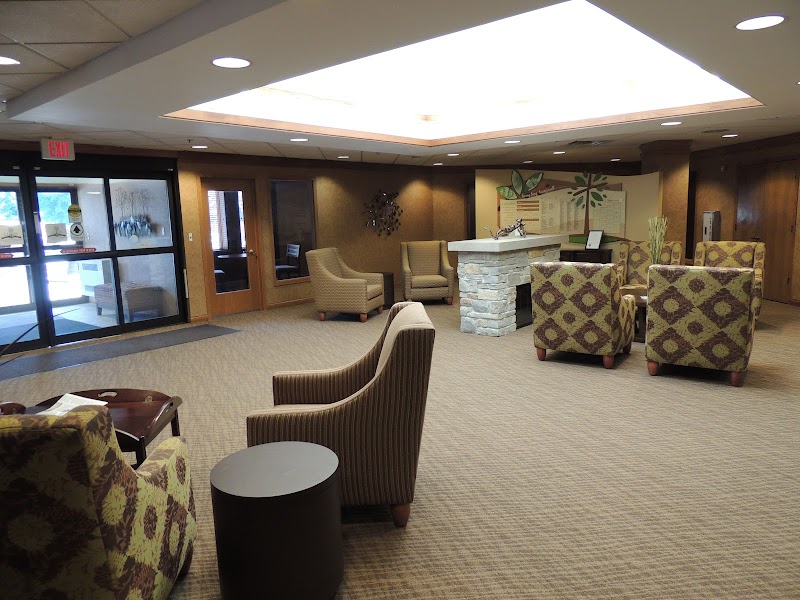
How is Fond Du Lac Lutheran Home Staffed?

CMS rates FOND DU LAC LUTHERAN HOME's staffing level at 2 out of 5 stars, which is below average compared to other nursing homes. Staff turnover is 61%, which is 15 percentage points above the Wisconsin average of 46%. High turnover can affect care consistency as new staff learn residents' individual needs. RN turnover specifically is 61%, which is notably high. RNs provide skilled clinical oversight, so turnover in this role can affect medical care quality.

What Have Inspectors Found at Fond Du Lac Lutheran Home?

State health inspectors documented 51 deficiencies at FOND DU LAC LUTHERAN HOME during 2022 to 2025. These included: 1 Immediate Jeopardy (the most serious level, indicating potential for serious harm or death), 1 that caused actual resident harm, 48 with potential for harm, and 1 minor or isolated issues. Immediate Jeopardy findings are rare and represent the most serious regulatory concerns. They require immediate corrective action.
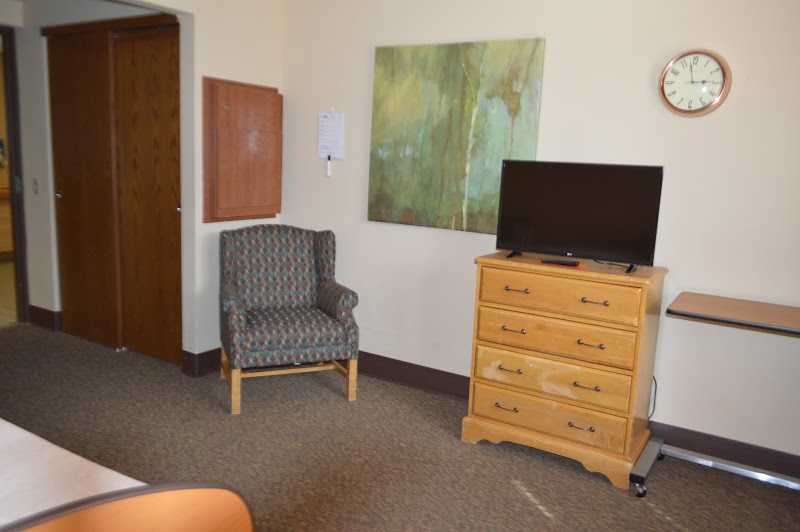
Who Owns and Operates Fond Du Lac Lutheran Home?

FOND DU LAC LUTHERAN HOME is owned by a non-profit organization. Non-profit facilities reinvest revenue into operations rather than distributing to shareholders. The facility operates independently rather than as part of a larger chain. With 85 certified beds and approximately 57 residents (about 67% occupancy), it is a smaller facility located in FOND DU LAC, Wisconsin.
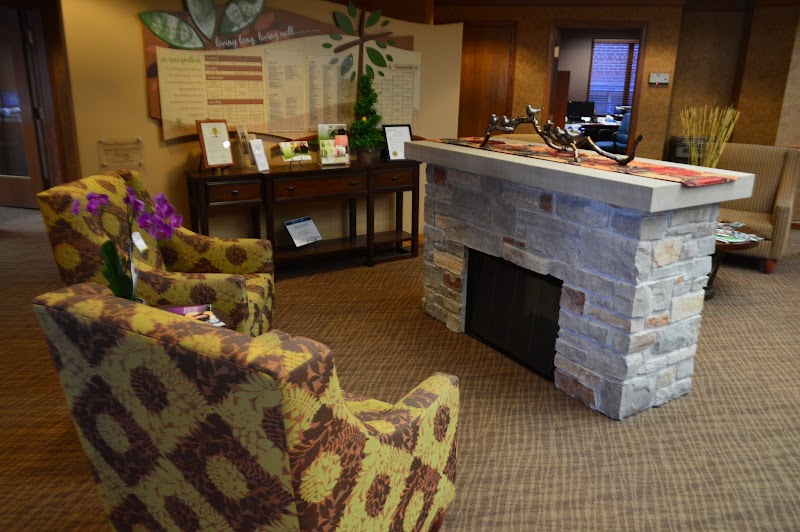
How Does Fond Du Lac Lutheran Home Compare to Other Wisconsin Nursing Homes?

Compared to the 100 nursing homes in Wisconsin, FOND DU LAC LUTHERAN HOME's overall rating (1 stars) is below the state average of 3.0, staff turnover (61%) is significantly higher than the state average of 46%, and health inspection rating (2 stars) is below the national benchmark.

What Should Families Ask When Visiting Fond Du Lac Lutheran Home?

Based on this facility's data, families visiting should ask: "What changes have been made since the serious inspection findings, and how are you preventing similar issues?" "How do you ensure continuity of care given staff turnover, and what is your staff retention strategy?" "Can you walk me through typical staffing levels on day, evening, and night shifts?" "Can I visit during a mealtime to observe dining assistance and food quality?" These questions are particularly relevant given the facility's Immediate Jeopardy citations, the facility's high staff turnover rate, and the below-average staffing rating.

Is Fond Du Lac Lutheran Home Safe?

Based on CMS inspection data, FOND DU LAC LUTHERAN HOME has documented safety concerns. Inspectors have issued 1 Immediate Jeopardy citation (the most serious violation level indicating risk of serious injury or death). The facility has a 1-star overall rating and ranks #100 of 100 nursing homes in Wisconsin. Families considering this facility should ask detailed questions about what corrective actions have been taken since these incidents.

Do Nurses at Fond Du Lac Lutheran Home Stick Around?

Staff turnover at FOND DU LAC LUTHERAN HOME is high. At 61%, the facility is 15 percentage points above the Wisconsin average of 46%. Registered Nurse turnover is particularly concerning at 61%. RNs handle complex medical decisions and coordinate care — frequent RN changes can directly impact care quality. High turnover means new staff may not know residents' individual needs, medications, or preferences. It can also be disorienting for residents, especially those with dementia who rely on familiar faces. Families should ask: What is causing the turnover? What retention programs are in place? How do you ensure care continuity during staff transitions?

Was Fond Du Lac Lutheran Home Ever Fined?

FOND DU LAC LUTHERAN HOME has been fined $14,020 across 1 penalty action. This is below the Wisconsin average of $33,219. While any fine indicates a compliance issue, fines under $50,000 are relatively common and typically reflect isolated problems that were subsequently corrected. Families should ask what specific issues led to these fines and confirm they've been resolved.

Is Fond Du Lac Lutheran Home on Any Federal Watch List?

FOND DU LAC LUTHERAN HOME is not on any federal watch list. The most significant is the Special Focus Facility (SFF) program, which identifies the bottom 1% of nursing homes nationally based on persistent, serious quality problems. Not being on this list means the facility has avoided the pattern of deficiencies that triggers enhanced federal oversight. This is a positive indicator, though families should still review the facility's inspection history directly.