FREDERIC NURSING AND REHAB COMMUNITY
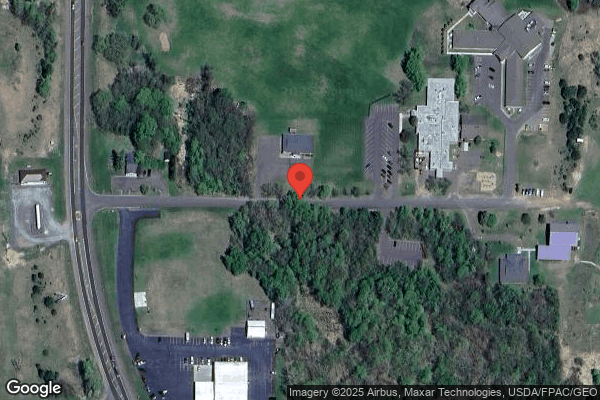
205 UNITED WAY, FREDERIC, WI 54837 (715) 327-4297
For profit - Corporation 60 Beds ATRIUM CENTERS Data: November 2025
Trust Grade
75/100
#91 of 321 in WI
Last Inspection: February 2025

Within standard 12-15 month inspection cycle. Federal law requires annual inspections.

Overview

Frederic Nursing and Rehab Community has a Trust Grade of B, indicating it is a solid choice for care, though not without its issues. It ranks #91 out of 321 facilities in Wisconsin, placing it in the top half, and #1 out of 6 in Polk County, meaning it is the best option available locally. Unfortunately, the facility's performance is worsening, with the number of issues increasing from 6 in 2024 to 7 in 2025. Staffing is rated average with a turnover rate of 47%, which is in line with the state average, suggesting some staff stability. On a positive note, there are no fines on record, indicating good compliance with regulations, and there is average RN coverage, which is important for catching potential problems. However, there have been concerning incidents, such as staff not properly wearing hairnets or practicing hand hygiene when handling food, and failing to provide written notification for residents transferred to hospitals. Overall, while the facility has strengths, families should be aware of its recent decline in performance and specific areas needing improvement.

Trust Score
B
75/100
In Wisconsin
#91/321
Top 28%
Safety Record
Low Risk
No red flags
Inspections
Getting Worse
6 → 7 violations
Staff Stability
⚠ Watch
47% turnover. Above average. Higher turnover means staff may not know residents' routines.
Penalties
✓ Good
No fines on record. Clean compliance history, better than most Wisconsin facilities.
Skilled Nurses
✓ Good
Each resident gets 44 minutes of Registered Nurse (RN) attention daily — more than average for Wisconsin. RNs are trained to catch health problems early.
Violations
⚠ Watch
18 deficiencies on record. Higher than average. Multiple issues found across inspections.
★★★★☆
4.0
Overall Rating
★★★☆☆
3.0
Staff Levels
★★★★☆
4.0
Care Quality
★★★★☆
4.0
Inspection Score
Stable
2024: 6 issues
2025: 7 issues

The Good

  • 4-Star Quality Measures · Strong clinical quality outcomes
  • Full Sprinkler Coverage · Fire safety systems throughout facility
  • No fines on record

Facility shows strength in quality measures, fire safety.

The Bad

Staff Turnover: 47%

Near Wisconsin avg (46%)

Higher turnover may affect care consistency

Chain: ATRIUM CENTERS

Part of a multi-facility chain

Ask about local staffing decisions and management

The Ugly 18 deficiencies on record

Jul 2025 4 deficiencies
CONCERN (D) 📢 Someone Reported This

A family member, employee, or ombudsman was alarmed enough to file a formal complaint

Potential for Harm - no one hurt, but risky conditions existed

Deficiency F0558 (Tag F0558)

Could have caused harm · This affected 1 resident

**NOTE- TERMS IN BRACKETS HAVE BEEN EDITED TO PROTECT CONFIDENTIALITY** Based on observation, interview and record review, the facility did not ensure residents received services in the facility with ...

Read full inspector narrative →
**NOTE- TERMS IN BRACKETS HAVE BEEN EDITED TO PROTECT CONFIDENTIALITY** Based on observation, interview and record review, the facility did not ensure residents received services in the facility with reasonable accommodation of resident needs reviewed for 1 of 12 residents (R), R5. R5's call light was observed to be out of reach and cord not long enough to reach bed. This is evidenced by: R5 was admitted to the facility on [DATE], with pertinent diagnoses of memory deficit following other cerebrovascular disease, age-related osteoporosis, nonexudative age-related macular degeneration, diabetes mellitus type 2, and long-term use of anticoagulants. R5's most recent quarterly Minimum Data Set (MDS) assessment, dated 04/03/25, noted a Brief Interview for Mental Status (BIMS) score of 10/15, indicating moderate cognition impairment, makes self-understood and understands others. R5 is noted to have no impairment in range of motion, uses a walker for mobility, is independent with most ADLs, but requires supervision with shower/bathing. R1 is noted have shortness of breath with exertion and has had no falls since admission or prior assessment. R5's care plan, dated 06/26/24, with a target date of 07/11/25, states: Resident has potential for falls with interventions to keep call light within reach, remind to use call light and wait for assistance, keep light witch cord within reach while in bed to enable adequate lighting . On 07/01/25 at 10:33 AM, Surveyor observed R5 sitting in recliner in room with call light attached to the back of the head rest. Call light cord was connected to the wall behind the recliner. R5's bed was located on the opposite side of the room from the call light approximately 8 feet away. Surveyor asked R5 if staff ensure the call light is within reach whenever leaving the room. R5 stated that she doesn't usually use the call light, and it does not reach all the way to the bed. Surveyor asked R5 how she alerts staff if she needs assistance. R5 stated she usually just goes out into the hallway or to the nurse's station if she needs something. On 07/01/25 at 3:32 PM, Surveyor interviewed Certified Nursing Assistant (CNA) E regarding R5's call light. Surveyor asked CNA E if staff ensure R5's call light is within reach when leaving room. CNA E stated R5 doesn't really use the call light, but it is attached to the recliner if needed. Surveyor asked CNA E if staff ensure R5 has the call light while in bed. CNA E stated not being sure. Surveyor asked CNA E to demonstrate that the call light can reach to R5's bed. Surveyor observed that the call light cord was approximately 12 inches away from the bed when stretched to its full length and would not reach R5's bed. On 07/01/25 at 5:20 PM, Surveyor interviewed Director of Nursing (DON) B regarding call lights. DON B stated all residents should have call light in reach. If concerns arise regarding room size, there are longer call light cords available. Surveyor asked DON B what the process is for independent residents who do not like to use the call light. DON B stated their care plan would be updated to include other measures of safety, such as more frequent rounding, ensuring a phone is readily available to communicate with staff, or another individualized intervention would be implemented. Surveyor asked DON B if she was aware that R5's call light was not long enough to reach her bed. DON B stated no. Surveyor asked if this had been assessed and care planned. DON B stated no. DON B acknowledged this was a problem and presented a potential risk to R5 and would be addressed.
CONCERN (D) 📢 Someone Reported This

A family member, employee, or ombudsman was alarmed enough to file a formal complaint

Potential for Harm - no one hurt, but risky conditions existed

Pharmacy Services (Tag F0755)

Could have caused harm · This affected 1 resident

**NOTE- TERMS IN BRACKETS HAVE BEEN EDITED TO PROTECT CONFIDENTIALITY** Based on observation, interview and record review, the facility did not provide pharmaceutical services that ensure the accurate...

Read full inspector narrative →
**NOTE- TERMS IN BRACKETS HAVE BEEN EDITED TO PROTECT CONFIDENTIALITY** Based on observation, interview and record review, the facility did not provide pharmaceutical services that ensure the accurate administering of all drugs and biologicals reviewed for 1 of 1 resident (R), R4. Findings include: Facility policy titled, Self-Administration of Medications reviewed January 2025, states, 1. If a resident request to self-administer medications, a licensed nurse will complete the Self-Administration of medication observation in the electronic health record. R4 was admitted to the facility on [DATE], with diagnoses including Alzheimer's disease, other lack of coordination, weakness, cataract, allergic rhinitis, and macular cyst. Minimum Data Set (MDS) dated [DATE] an admission assessment documented R4's Brief Interview for Mental Status (BIMS) score of 10/15, meaning cognition is moderately impaired. R4 requires staff supervision for hygiene. On 06/20/25, a self-administration of medication assessment was completed. The assessment was marked R4 does not want to self-administer medication. The rest of the assessment was not completed. On 07/01/25 at 10:37 AM, Surveyor interviewed R4 and observed 2 medications, fluticasone propionate nasal spray and loteprednol etabonate eye drops, on R4's over the bed tray table. Surveyor asked R4 if she administers the medications. R4 stated staff leave the medications for R4 to take and staff don't always return to pick up the medications. R4 stated usually R4 will bring the medications to the nurse in the hallway. Physician orders document fluticasone propionate spray, suspension; 50 mcg/actuation; amount: 1 spray; nasal, special instruction: Inhale 1 spray into affected nostril(s) once daily, 4:30 PM. Loteprednol etabonate drops, gel; 0.5%; amt: 1 drop left eye; ophthalmic eye. Special instructions: for eye inflammation, twice a day at 8:00 AM and 6:00 PM. On 07/01/25 at 4:38 PM, Surveyor interviewed Nursing Home Administrator (NHA) A about R4's medications left in room. Surveyor reviewed the observation of fluticasone and loteprednol eye drops on R4's over the bed tray table and R4 stating self-administering of the medications. NHA A stated an assessment would be completed for self-administering medications. Surveyor reviewed the assessment, dated 06/20/25, documented declining to self-administering medication and Surveyor requested a copy. NHA A stated the medication should not have been left in R4's room.
CONCERN (D) 📢 Someone Reported This

A family member, employee, or ombudsman was alarmed enough to file a formal complaint

Potential for Harm - no one hurt, but risky conditions existed

Deficiency F0883 (Tag F0883)

Could have caused harm · This affected 1 resident

**NOTE- TERMS IN BRACKETS HAVE BEEN EDITED TO PROTECT CONFIDENTIALITY** Based on interview and record review, the facility did not ensure immunizations were administered to 1 of 3 residents (R), R9 re...

Read full inspector narrative →
**NOTE- TERMS IN BRACKETS HAVE BEEN EDITED TO PROTECT CONFIDENTIALITY** Based on interview and record review, the facility did not ensure immunizations were administered to 1 of 3 residents (R), R9 reviewed. R9 had a signed consent to receive the influenza, covid-19, and Respiratory Syncytial Virus (RSV) vaccination and never received it. This is evidenced by: Facility policy, titled Influenza Vaccine Policy, with a review date of 01/2025, states in part: It is the policy of this facility to minimize the risk of acquiring, transmitting or experiencing complications from influenza by offering our residents, staff members, and volunteer workers annual immunization against influenza. Policy Explanation and Compliance Guidelines: 2. Influenza vaccinations will be routinely offered annually from October 1st through March 31st unless such immunization is medically contraindicated, the individual has already been immunized during this time period or refuses to receive the vaccine. Facility policy, titled Covid-19 Vaccine Program, with a reviewed date of 01/2025, states in part: It is the policy of this facility to minimize the risk of acquiring, transmitting or experiencing complications from Covid-19 (SARS-CoV-2) by educating and offering our residents and staff the Covid-19 vaccine. Policy Explanation and Compliance Guidelines: 14. The facility will educate and offer the Covid-19 vaccine to residents, resident representatives and staff and maintain documentation of such. R9 was admitted to the facility on [DATE] with pertinent diagnoses of cerebral infarction due to unspecified occlusion or stenosis of right middle cerebral artery and vascular dementia. R9's most recent discharge Minimum Data Set (MDS) assessment, dated 01/13/25, noted a Brief Interview for Mental Status (BIMS) score of 6/15, indicating severe cognitive impairment. Surveyor reviewed R9's physician orders and noted no orders for immunizations of influenza, covid-19, or RSV. Surveyor reviewed R9's Treatment Administration Record (TAR) and noted no administration of immunizations for influenza, covid-19, or RSV. Surveyor reviewed the Wisconsin Immunization Record (WIR) website and noted no immunizations were administered for R9 during R9's residency at the facility between 09/10/24 - 01/13/25. Surveyor reviewed R9's signed consents and noted the following: On 09/10/24, documentation states, Vaccination Consent Form - Multiple Vaccines, signed by R9's parent, giving consent to receive influenza, covid-19, and pneumococcal vaccinations. On 10/03/24, documentation states, Vaccination Consent Form - Multiple Vaccines, signed by R9's parent, giving consent to receive influenza, covid-19, and RSV. The pneumococcal vaccination did not have a 'yes' or 'no' identified. A handwritten note was on the bottom stating, Verbal consent 10/01/24. On 07/01/25 at 3:08 PM, Surveyor interviewed Director of Nursing (DON) B regarding R9's immunizations. Surveyor asked DON B about the differing signed consents in R9's EMR. DON B was unable to explain why there were two different consents. Surveyor asked DON B why this was not followed up on or clarified. DON B was unable to provide an answer. Surveyor asked DON B for documentation of administering R9's vaccinations. DON B was unable to provide documentation of the facility administering any vaccinations while R9 was in the facility and no explanation as to why it was not administered.
MINOR (C) 📢 Someone Reported This

A family member, employee, or ombudsman was alarmed enough to file a formal complaint

Minor Issue - procedural, no safety impact

Deficiency F0628 (Tag F0628)

Minor procedural issue · This affected most or all residents

Based on record review and interview, the facility did not ensure residents/representatives were notified of the rate to reserve the resident's bed and was not documented in the Wisconsin Bed Hold and...

Read full inspector narrative →
Based on record review and interview, the facility did not ensure residents/representatives were notified of the rate to reserve the resident's bed and was not documented in the Wisconsin Bed Hold and Notice of Transfer. This has the potential to affect all 53 residents. R4, R8, and R11 received a bed hold notice with no daily rate documented. This is evidenced by: Facility's policy titled Bed Hold with reviewed date of 01/25 read in part, .2. The facility shall provide the bed hold policy Acknowledgement to the resident or the resident representative with any resident initiated therapeutic leave or transfer to alternative healthcare community including a hospital admission. This acknowledgement will provide information to the resident and/or resident representative that explains the duration, the reserved bed payment policy and also facility permitting return of the resident to the next available bed .4. Bed-hold days in excess of our State Medicaid Plan are considered non-covered services. A resident will be required to pay for any additional days that he/she wishes the facility to hold the bed .6. Non-Medicaid residents will be required to provide the facility with written authorization to either reserve or release the bed space within 24 hours of the resident's transfer from the facility. On 06/15/25, R4 was transferred to the hospital and was issued a bed-hold acknowledgement notice with the revised date of 2/19/25. The notice documented and was checked, 1. I agree to pay the facility the continuing daily rate I am charged for the period of the resident's absence from the facility. I will notify the facility anytime during the absence if I do not want to continue holding the bed. Bed-hold charges will cease the day following removal of resident belongings. Surveyor noted this bed-hold acknowledgement notice did not document the rate of the bed hold charges. On 03/19/25, R8 was transferred to the emergency room by family member. On 03/20/25, the facility was notified of the transfer and the admission to the hospital and the bed-hold acknowledgement notice with revised date of 02/19/25 was sent. The notice documented and was checked by the representative, 1. I agree to pay the facility the continuing daily rate I am charged for the period of the resident's absence. Surveyor noted this bed-hold acknowledgement notice did not document the rate of the bed hold charges. R11 was on therapeutic leave from 04/16/25-04/23/25. R11's bed hold agreement, dated 04/16/25, was signed and checked by R11, 1. I agree to pay the facility the continuing daily rate I am charged for the period of the resident's absence. Surveyor noted this bed-hold acknowledgement notice did not document the rate of the bed hold charges. On 07/01/25 at 4:36 PM, Surveyor interviewed Nursing Home Administrator (NHA) A asking about the bed-hold acknowledgement notice daily rate. NHA A indicated the rate is reviewed with the resident or representative at the time of admission. Surveyor reviewed with NHA A and Director of Nursing (DON) B of the regulation of the rate to be documented on the notice and reviewed the facility's bed-hold acknowledgement notice of not having a rate listed.
Apr 2025 1 deficiency
CONCERN (D) 📢 Someone Reported This

A family member, employee, or ombudsman was alarmed enough to file a formal complaint

Potential for Harm - no one hurt, but risky conditions existed

Pharmacy Services (Tag F0755)

Could have caused harm · This affected 1 resident

**NOTE- TERMS IN BRACKETS HAVE BEEN EDITED TO PROTECT CONFIDENTIALITY** Based on observation, interview and record review, the facility did not ensure the accurate dispensing and administration of all...

Read full inspector narrative →
**NOTE- TERMS IN BRACKETS HAVE BEEN EDITED TO PROTECT CONFIDENTIALITY** Based on observation, interview and record review, the facility did not ensure the accurate dispensing and administration of all drugs. The facility did not ensure that R2 took their 8:00 AM medications. This is based on 1 of 1 random observation. Findings include: Facility policy titled, Self-Administration of Medications that was reviewed January 2025, states, Residents may noy exercise the right to self-administer medications until IDT [interdisciplinary team] has determined if the resident is safe to self-administer medications. On 04/07/25 at 9:35 AM, Surveyor observed a small plastic cup that held 7 pills sitting on a bedside table in R2's room next to R2's bed. Surveyor observed that room door was open. Medications were within clear sight from the hallway, and R2 was not in the room or bathroom. R2 was admitted to the facility on [DATE] with diagnoses that include cerebral infarction, chronic systolic heat failure, and aphasia following cerebral infraction. On 04/07/25 at 10:05 AM, Surveyor asked Licensed Practical Nurse (LPN) C to accompany Surveyor to R2's room for an interview. Surveyor asked if R2 was assessed to self-administer medications. LPN C said they would need to check; they were not sure. Surveyor then asked if it was concerning that there was a small cup full of pills left unattended in R2's room. LPN C said, Yes, even if a resident is able to self-administer their own medications, I will ask them politely to take them while they are in the room to ensure they are not falling into the wrong hands. Record review of the medications not administered accurately at 8:00AM as per orders and left out were: - Furosemide 40mg, two tablets - Levetiracetam 500mg - Magnesium Oxide 400mg - Metoprolol Succinate 25mg - Potassium Chloride 20mEq - Spironolactone 25mg Record review of R2's self-administration assessment at entry to facility indicated that R2 did not want to self-administer medications. On 04/07/25 at 3:00 PM, Surveyor interviewed Director of Nursing (DON) B regarding expectations for staff administering medications for residents. DON B stated they would expect staff to ensure that residents take the medications and do so while they are watching. If a resident does not feel like taking medications, ask politely and then they would expect staff to stay in the room to make sure residents took their medications per physician orders. In R2's case they would have expected R2 to have taken the medications with the nurse administering them.
Feb 2025 2 deficiencies
CONCERN (D)

Potential for Harm - no one hurt, but risky conditions existed

Infection Control (Tag F0880)

Could have caused harm · This affected 1 resident

Based on observation, interview and record review, the facility did not maintain an infection prevention and control program designed to provide a safe, sanitary, and comfortable environment to help p...

Read full inspector narrative →
Based on observation, interview and record review, the facility did not maintain an infection prevention and control program designed to provide a safe, sanitary, and comfortable environment to help prevent the development and transmission of communicable diseases and infections for 2 of 5 residents (R49 and R25) observed during medication administration. Staff did not perform hand hygiene before putting on gloves before performing a nursing procedure. Findings: Facility policy titled, HAND WASHING/HAND HYGIENE, reviewed 01/2025 stated in part: Practicing Hand Hygiene is a simple effective way to prevent infections by preventing the spread of germs. Wash hands and other skin surfaces when: .4. Before and after nursing treatments or procedures (dressing changes, catheter insertion, eye drop instillation, etc.) . Example 1 On 02/17/25 at 6:41 AM, Surveyor observed Licensed Practical Nurse (LPN) E administer eye drops to R49. Surveyor noted that after gathering all of the medications and bringing them into R49's room, LPN E did not perform any hand hygiene before putting on gloves and instilling eye drops into R49's eyes. On 02/17/25 at 6:45 AM, Surveyor shared the observation made of no hand hygiene before putting on gloves, before instilling eye drops in R49's eyes. LPN E replied, I should have performed hand hygiene before I put on the gloves. Example 2 On 02/17/25 at 7:26 AM, Surveyor observed LPN F administer eye drops to R25. Surveyor noted that after gathering and touching the med cart and preparing all of the medications, LPN F brought them into R25's room. LPN F did not perform any hand hygiene before putting on gloves and instilling eye drops into R25's eyes. On 02/17/25 at 7:30 AM, Surveyor shared the observation with LPN F of no hand hygiene before putting on gloves and instilling eye drops in R25's eyes. LPN F replied, I should have performed hand hygiene before I put on the gloves. On 02/17/25 at 7:35 AM, Surveyor shared the above observations of no hand hygiene before putting on gloves to administer eye drops to Regional Clinical Director (RCD) D. Surveyor asked RCD D what the expectation is for hand hygiene. RCD D replied, Staff should have performed hand hygiene before putting on the gloves.
CONCERN (E)

Potential for Harm - no one hurt, but risky conditions existed

Transfer Notice (Tag F0623)

Could have caused harm · This affected multiple residents

**NOTE- TERMS IN BRACKETS HAVE BEEN EDITED TO PROTECT CONFIDENTIALITY** Example 4 R48 was admitted to the facility on [DATE], with diagnoses including fracture of left ischium, wedge compression fract...

Read full inspector narrative →
**NOTE- TERMS IN BRACKETS HAVE BEEN EDITED TO PROTECT CONFIDENTIALITY** Example 4 R48 was admitted to the facility on [DATE], with diagnoses including fracture of left ischium, wedge compression fracture of T11-T12 vertebra, aplastic anemia, myelodysplastic syndrome, pancytopenia, nonrheumatic aortic (valve) stenosis, and pulmonary hypertension. Record review identified R48 transferred to the hospital on [DATE] due to critical lab levels. Review of R48's medical record did not reveal a written notice of the reason for transfer to the hospital. On 02/18/25 at 9:26 AM, Surveyor confirmed with Regional Clinical Director D that no written notice of the reason for transfer was given to R48. Based on interview and record review, the facility did not provide written notice of reason for transfer to the resident or resident representative for 4 of 4 residents (R) reviewed for hospitalization. (R27, R56, R47, R48) Findings include: Example 1 R27 was admitted to the facility on [DATE] with the following diagnoses, in part, type 2 diabetes mellitus with diabetic neuropathy, chronic respiratory failure, weakness and history of falling. On 02/16/25 at 12:34 PM, R27 stated he had a fall in January and was sent to the hospital where they found he had fractured both the tibia and fibula of his left leg. R27 was admitted to the hospital for surgical repair of the fracture. Surveyor reviewed R27's medical record and was able to find a signed bed hold notice for the hospitalization on 01/11/25 but there was no notice explaining in writing the reason for transfer to the hospital. On 02/17/25 at 2:54 PM, Surveyor interviewed Nursing Home Administrator (NHA) A and asked if they had given a written notice of discharge or transfer with the reason for the transfer to R27 when he was transferred to the hospital on [DATE]. NHA A was unsure if they provided such a document, but would check. On 02/17/25 at 3:02 PM, NHA A returned and explained Business Office Manager (BOM) C provides residents with the bed hold notice and notifies the regional Ombudsman when residents are transferred to the hospital. On 02/17/25 at 3:04 PM, Surveyor interviewed BOM C and asked if she gave a written notice explaining the reason for transfer to R27 when he was transferred to the hospital on [DATE]. BOM C stated they faxed the bed hold notice to the hospital for R27 to sign, and faxed a notification of the transfer to the regional Ombudsman. BOM C stated they did not know anything about a written notice of reason for transfer. Surveyor reviewed the bed hold notice document with BOM C and clarified it did not include a written notice of reason for transfer. BOM C confirmed they do not provide such documentation for any residents when transferred to the hospital. Example 2 R56 was admitted to the facility on [DATE] for short term therapy services following a hospitalization for malignant neoplasm of pelvic bones and associated pain. Record review identified R56 had a fall and change in condition at the facility on 12/09/24 and was transferred to the hospital for evaluation. The record identified R56 was admitted to the hospital due to stroke-like symptoms. Surveyor was able to identify the bed hold notice that was signed by R56's representative, but was unable to find a written notice of reason for transfer that was given to R56's representative when R56 was transferred to the hospital. On 02/17/25 at 3:04 PM, Surveyor confirmed with BOM C that no written notice of reason for transfer was given to R56's representative at the time of transfer to the hospital. Example 3 R47 was admitted to the facility on [DATE] for surgical aftercare following surgery on the circulatory system and atherosclerosis (build up of fats on the artery walls) and right lower extremity chronic wounds. Review of R47's medical chart: On 12/24/2024 at 3:10 PM, R47 left with his wife at 2:30 pm on leave of absence (LOA) until 12/26/24. On 12/26/2024 at 6:50 PM, R47 was sent out to the emergency room (ER) for uncontrolled bleeding from R47's right lower extremity (RLE) wounds. R47 was admitted to acute care hospital. Surveyor reviewed R47's medical record and was unable to find a notice explaining in writing the reason for transfer on 12/26/24. On 02/18/25 at 6:58 AM, Surveyor interviewed NHA A, who indicated that the resident had just returned from LOA overnight with family for two nights. When R47 returned from the stay, he had wounds on his legs that were bleeding that the facility could not control so the facility sent him out. NHA stated, We notified the family why we were sending him out and the resident was obviously aware why we were sending him to acute hospital. On 02/18/25 at 7:00 AM, NHA A provided Surveyor with the interact form describing the incident. The description on the interact indicates the bleeding won't stop from wound. Surveyor asked NHA A, Was anything provided to resident in writing as to the reason for transfer in language they understand? NHA replied, No.
Jan 2024 6 deficiencies
CONCERN (D)

Potential for Harm - no one hurt, but risky conditions existed

Pressure Ulcer Prevention (Tag F0686)

Could have caused harm · This affected 1 resident

**NOTE- TERMS IN BRACKETS HAVE BEEN EDITED TO PROTECT CONFIDENTIALITY** Based on observation, interview and record review, the facility did not provide appropriate care and treatment when a pressure c...

Read full inspector narrative →
**NOTE- TERMS IN BRACKETS HAVE BEEN EDITED TO PROTECT CONFIDENTIALITY** Based on observation, interview and record review, the facility did not provide appropriate care and treatment when a pressure cushion was not placed in wheelchair for pressure relief for 1 of 2 sampled residents (R) R15 who have a pressure injury. Findings include: The facility policy entitled, Pressure Injury Prevention and Care, dated reviewed 01/2022, states in part: Interventions will be implemented, and care planned to prevent pressure injury development or to promote pressure injury resolution. Examples of interventions based on individual resident needs may include the following: #4. G. Repositioning of residents; provision of required assistance as allowed and tolerated. H. Use positioning devices (pillow, blanket, folded sheet, etc.) to prevent skin-on-skin contact when positioning a resident on their side in bed. I. Maintain the head of the bed at the lowest position based on a resident medical condition. J. Encourage and promote the elevation of residents' heels when in bed and prevent residents' feet from encountering footboard. #5. Pressure injuries will be assessed and documented upon admission, readmission, discovery, and weekly thereafter. Assessment may include the size, location, category/stage, odor (if any), drainage (if any), peri-wound condition, wound edges, undermining, tunneling, exudate, pain, and current treatment order. Guidelines from the National Pressure Injury Advisory Panel (NPIAP) 2016, Pressure Injury Prevention Points, accessed 24, January 2024, Prevention Points | National Pressure Ulcer Advisory Panel (npiap.com), states in part: Turn and reposition all individuals at risk for pressure injury, turn the individual into a 30-degree side lying position and use your hand to determine if the sacrum is off the bed, ensure that the heels are free from the bed, use heel offloading devices for high-risk pressure injuries. R15 was admitted on [DATE] and the current diagnoses, in part: non-Alzheimer's dementia, diabetes mellitus, anxiety, anemia, hypertension, and arthritis. Surveyor completed record review of the Minimum Data Set assessment (MDS), dated [DATE], which indicates the resident's most recent Brief Interview for Mental Status (BIMS) score was a 15 out of 15 total points. According to the BIMS assessment, a score of 15 indicates the resident has intact cognition. The MDS documents R15 being at high risk of pressure injury, and frequently incontinent of bladder and bowel. R15 is dependent on staff for activities of daily living and maximum assistance of staff to roll in bed. R15 is dependent on staff for transfers with a Hoyer lift assist of 2. R15 has a stage 2 partial thickness loss of dermis presenting as a shallow open ulcer with a red/pink wound bed, without slough. Nurse notes indicated through assessments that the Braden scale was conducted for R15 with a score of 12. Braden scale is utilized to measure pressure sore at risk and 10-12 is considered high risk. Care plan from 01/11/24 indicates that R15 needs assistance with care and repositioning. For a pressure redistribution mattress, conduct a systematic skin inspection weekly per facility policy. R15 needs help to move. Physician orders from 12/22/23 indicate ensuring a pressure-reducing device for the chair when in a wheelchair. 12/26/23 indicates weekly skin assessments. On 01/22/24 at 11:55 AM, Surveyor observed Certified Nursing Assistant (CNA) D and CNA I transfer R15 to wheelchair via Hoyer lift. Surveyor did not observe wheelchair cushion applied in wheelchair before placing R15 in wheelchair. R15 screamed and cried out loud when R15 was placed in a wheelchair, It hurts, it hurts. CNA D and CNA I explained to R15 that sitting in a wheelchair will only be for lunch and then R15 could get back in bed. R15 sat in wheelchair crying. On 01/22/24 at 1:45 PM, Surveyor interviewed Rehab Director G and asked if R15 is supposed to have a cushion in the wheelchair when out of bed. Rehab Director G indicated that R15 is to always have cushion in wheelchair when up. Rehab Director G indicated that R15 did not use a cushion today in a wheelchair but was unsure why. Rehab Director G indicated that R15 let Rehab Director G know last week that the cushion doesn't fit and R15 does not want to use the cushion anymore as it is too tight in the wheelchair. Rehab Director G indicated that Rehab Director G should have received an order to reassess for a new cushion and then place an order for a roho cushion for R15. Rehab Director G indicated the order has not been placed. On 01/22/24 at 3:56 PM, Surveyor interviewed Director of Nursing (DON) B and asked about the wound on R15's coccyx. Surveyor asked DON B about expectations for use of pressure reduction cushion in R15's chair. DON B indicated any time R15 is up and out of bed that R15 should have a pressure reduction cushion in place in the wheelchair.
CONCERN (D)

Potential for Harm - no one hurt, but risky conditions existed

Deficiency F0761 (Tag F0761)

Could have caused harm · This affected 1 resident

Based on observation and interview, the facility did not ensure all drugs and biologicals were stored a in accordance with currently accepted professional principles and did not ensure only authorized...

Read full inspector narrative →
Based on observation and interview, the facility did not ensure all drugs and biologicals were stored a in accordance with currently accepted professional principles and did not ensure only authorized personnel had access to medication carts. This occurred for 2 of 2 medication carts/storage rooms observed. During the three-day survey, 2 of 9 observations were made of medication carts left unlocked when unattended and out of view of staff. Findings include: Facility Policy entitled General Dose Preparation and Medication Administration last revised 01/01/22, stated in part: .Facility staff should not leave medications or chemical unattended . Example 1 On 01/22/24 at 7:14 AM, Surveyor observed Licensed Practical Nurse (LPN) F leave the medication cart unlocked, enter R28's room and administer medications to R28. Surveyor observed a vitamin D bottle with pills inside lying on top of the medication cart unattended. On 01/22/24 at 7:42 AM, Surveyor observed LPN F at the medication cart reviewing medications for R24. LPN F walked down the hallway to R38's room leaving the medication cart unlocked. LPN F grabbed R38's pillow and walked down the hallway to place the pillow behind R38's shoulders in a wheelchair. LPN F went back to the medication cart and continued prepping medications for R24. LPN F walked down the hall to the dining room where R24 was sitting and administered a blood sugar check. Surveyor observed the medication cart was left unlocked. On 01/22/24 at 7:44 AM, Surveyor interviewed LPN F and asked if LPN F had any concerns with the medication cart unlocked. LPN F indicated that she has not been locking the medication cart. Example 2 On 01/22/24 at 5:08 PM, Surveyor observed LPN H take a pink plastic container out of a drawer on the medication cart and open it. The container had a vial of insulin and an insulin pen for R33. LPN H placed additional supplies in the container and carried it to R33's room. R33 was unavailable to check a blood sugar, so LPN H returned to the medication cart and placed the container with the insulin vial and pen on top of the cart. LPN H then took another container out of the cart and carried it to R37's room to check R37's blood sugar. LPN H left R33's insulin unattended on top of the medication cart while in R37's room. After checking R37's blood sugar, LPN H carried the container back to the medication cart and placed it on top. The container had two insulin pens labeled for R37 inside. LPN H took one of the insulin pens and prepared it to administer an insulin dose to R37. LPN H carried the insulin pen back to R37's room to administer the medication. When LPN H left the medication cart and entered R37's room, the container with R33's insulin vial and insulin pen and R37's second insulin pen were left unattended on top of the medication cart. Immediately following this observation, Surveyor asked LPN H if it was a usual practice to leave medications unattended on top of the cart when the cart was unattended. LPN H stated they should have locked R33's and R37's insulin in the drawer when they left the medication cart unattended. On 01/23/24 at 8:05 AM, Surveyor interviewed Director of Nursing (DON) B and explained observations of nursing staff leaving medications unattended on top of medication cart when leaving the cart unattended during medication administration. DON B stated no medications should be left out on the top of the cart when the cart was unattended. DON B stated the medication cart should always be locked when left unattended.
CONCERN (E)

Potential for Harm - no one hurt, but risky conditions existed

Deficiency F0583 (Tag F0583)

Could have caused harm · This affected multiple residents

Example 2 On 01/22/24 at 7:42 AM, Surveyor observed LPN F at the medication cart prepping medications for R24. LPN F walked down the hallway to R38's room leaving the medication cart unlocked and R24'...

Read full inspector narrative →
Example 2 On 01/22/24 at 7:42 AM, Surveyor observed LPN F at the medication cart prepping medications for R24. LPN F walked down the hallway to R38's room leaving the medication cart unlocked and R24's medical record exposed on the computer. LPN F grabbed R38's pillow and walked down the hallway to place the pillow behind R38's shoulders in a wheelchair. LPN F went back to the medication cart and continued prepping medications and viewing medical records on the computer for R24. On 01/22/24 at 7:47 AM, Surveyor interviewed LPN F and asked what the expectation of confidentiality was during the medication pass and the medication cart. LPN F indicated that all personal resident information should be turned over or minimized on the medication cart before leaving the medication cart. LPN F identified that LPN F did not minimize the computer screen with R24's information on the screen before walking down the hallway to complete a quick task. Based on observation and interview, the facility did not ensure the privacy and confidentiality of resident medical records. Staff left the Medication Administration Record (MAR) open and visible when unattended during medication administration. This occurred for 4 of 9 residents (R) during medication administration. (R23, R33, R37, and R24) Findings include: Example 1 On 01/22/24 at 5:04 PM, Surveyor approached the medication cart on Maple hall. No one was present by the cart and Surveyor heard a nurse in a room across the hall. The MAR was open with R23's information visible to anyone who walked by the medication cart. At 5:08 PM, Licensed Practical Nurse (LPN) H returned to the medication cart and opened the MAR to R33's information. LPN H took supplies out of the medication cart to check R33's blood sugar and walked down the hall to R33's room. LPN H left the MAR screen open and R33's information was available for anyone to see when LPN H left the medication cart unattended. R33 was unavailable for blood sugar check, so LPN H returned to the medication cart and opened the MAR screen to R37's information. LPN H took supplies out of the medication cart to check R37's blood sugar and carried them to R37's room. LPN H left the MAR opened with R37's information visible when the cart was left unattended. R37's private information was visible to anyone who walked past the unattended medication cart. At 5:18 PM, LPN H returned to the medication cart and gathered medications and insulin to administer to R37. After preparing medications to administer, LPN H returned to R37's room. LPN H left the MAR open with R37's information visible when the medication cart was left unattended. Immediately following the observation, Surveyor interviewed LPN H and asked if she usually left the MAR screen up with resident information visible when leaving the medication cart unattended. LPN H stated they did not usually close the MAR when leaving the cart. On 01/23/24 at 8:05 AM, Surveyor interviewed Director of Nursing (DON) B and explained observations of nursing staff leaving the MAR screen open with resident information visible when the medication cart was left unattended during medication administration. DON B stated the MAR screen should be closed, or minimized, so no resident information was visible when left unattended.
CONCERN (E)

Potential for Harm - no one hurt, but risky conditions existed

Infection Control (Tag F0880)

Could have caused harm · This affected multiple residents

On 01/22/24 at 7:40 AM, Surveyor observed LPN F exit R38's room, go to the medication cart, and grab the nebulizer albuterol ampule. Surveyor did not observe hand hygiene performed after exiting R38's...

Read full inspector narrative →
On 01/22/24 at 7:40 AM, Surveyor observed LPN F exit R38's room, go to the medication cart, and grab the nebulizer albuterol ampule. Surveyor did not observe hand hygiene performed after exiting R38's room. LPN F entered R6's room, grabbed R6's nebulizer mask, placed entire hand into the mask opening, and dropped albuterol ampule liquid medication into the mask. LPN F applied the nebulizer mask to R6 and turned the nebulizer machine on. LPN F exited R6's room and did not perform hand hygiene. On 01/22/24 at 7:42 AM, Surveyor observed LPN F at the medication cart reviewing medications for R24. LPN F walked down the hall to the dining room, sanitized hands, and administered a blood sugar check to R24. LPN F then walked back to the medication cart. Surveyor did not observe hand hygiene performed. On 01/22/24 at 7:45 AM, Surveyor observed LPN F grab another albuterol ampule and enter R6's room. R6's nebulizer had spilled all over R6's shirt. LPN F grabbed R6's nebulizer mask, placed an entire hand into the mask opening, and dropped albuterol ampule liquid medication into the mask. LPN F applied the nebulizer mask to R6 and turned the nebulizer machine on. LPN F exited R6's room and did not perform hand hygiene. Based on observation, interview and record review, the facility did not maintain an infection prevention and control program to provide a safe, sanitary and comfortable environment and to help prevent the development and transmission of communicable diseases and infections. Staff did not perform appropriate hand hygiene during cares and medication administration for 2 of 4 resident (R) observations. (R21 and R6) Staff did not sanitize multi-use equipment between residents for 5 of 5 observations. (R21, R198, R5, R38, R15) Findings include: Facility policy entitled, Hand Washing/Hand Hygiene last reviewed 04/23, stated in part: .Wash hands and other skin surfaces when: .2. After removing gloves or other personal protective equipment; 3. After care of each resident; 4. Before and after nursing treatments or procedures . Facility policy entitled, Cleaning/Disinfecting Resident-Care Items and Equipment last reviewed 01/24, stated in part: .Reusable items are cleaned and disinfected between residents (e.g., stethoscopes, durable medical equipment) . On 01/22/24 at 7:59 AM, Surveyor observed Certified Nursing Assistants (CNA) D and I perform morning cares and perineal care for R21. Both CNAs used hand sanitizer when they entered the room and applied gloves. Both CNAs assisted R21 to roll over. CNA D unfastened the incontinent brief and put socks and pants on R21's lower extremities. CNA I provided skin care to perineal area in front with washcloth and soap, rinsed area with a clean cloth, and dried area with a towel. CNA I removed gloves, threw away, and put on clean gloves. CNA I did not wash hands or use hand sanitizer before putting on clean gloves. CNA I dried R21's front with towel and applied deodorant. CNA I removed gloves and put on clean gloves without washing hands or using hand sanitizer. CNA I instructed R21 to hold on to bars and stand up, while CNA I raised the lift. CNA D positioned the wheelchair beside the bed. CNA D washed R21's bottom, rinsed and dried. CNA D removed the gloves and threw them away. CNA D did not wash hands or use hand sanitizer after removing gloves. CNA D assisted CNA I to put a brief on R21 and pull up pants. CNA D washed hands with soap and water. CNA I finished cleaning up room, made bed and washed hands with soap and water. CNA I carried laundry and trash bags to hampers in hall and pushed the mechanical lift to the soiled utility room down the hall. CNA I placed the lift in the utility room beside the counter and closed the door. CNA I did not clean or sanitize the mechanical lift before leaving it in the utility room. On 01/22/24 at 9:41 AM, Surveyor observed Licensed Practical Nurse (LPN) F bring the vital signs machine into R198's room and check R198's blood pressure with the device. LPN F exited R198's and brought the vital signs machine to the Physical Therapy (PT) room and used the device to check vital sings on R5. LPN F did not clean or sanitize the equipment between use on R198 and R5. After use on R5, LPN F returned the device to the medication cart and plugged in to charge. LPN F did not clean or sanitize the device after use. On 01/22/24 at 11:04 AM, Surveyor observed CNA D and CNA I bring a mechanical lift out of a utility room on Evergreen hallway and take it into R21's room. CNA D and CNA I used the lift to transfer R21 into bed from the wheelchair. CNA D and CNA I did not clean or sanitize the mechanical lift before or after use with R21. Surveyor observed CNA D bring the mechanical lift directly from R21's room into R38's room. CNA D used the mechanical lift to transfer R38 out of wheelchair into a recliner. CNA D brought the mechanical lift out of R38's room and placed it in the utility room. CNA D did not clean or sanitize the mechanical lift before or after use on R38. On 01/22/24 at 11:31 AM, Surveyor observed CNA D and CNA I bring a Hoyer lift out of a utility room on Maple hall and bring it to R15's room. Both CNAs used the Hoyer lift to transfer R15 to a wheelchair before lunch. CNA I brought the Hoyer lift out of R15's room and placed it in a utility room on Maple hall. CNA D and CNA I did not clean or sanitize the lift before or after use on R15. On 01/22/24 at 1:13 PM, Surveyor interviewed CNA I and asked if they were supposed to wash their hands or use hand sanitizer when changing gloves during cares on a resident. CNA I stated they do not need to wash their hands during cares if they are working on the same resident, unless their hands are visibly soiled. CNA I stated they wash their hands with soap and water after finished with cares on one resident. Surveyor asked CNA I if they were supposed to clean or sanitize mechanical lifts after each use. CNA I stated they were supposed to wipe down the mechanical lift after each use with a bleach wipe when they return it to the soiled utility room. Surveyor asked CNA I if that was done during observations today. CNA I stated they forgot to wipe down the lifts today. On 01/22/24 at 1:16 PM, Surveyor interviewed CNA D and asked if they were supposed to wash their hands or use hand sanitizer when changing gloves during resident cares. CNA D stated they are supposed to use hand sanitizer or wash hands when changing gloves, but CNA D did not think they did that during the cares observation for R21 earlier today. Surveyor asked CNA D if they were supposed to clean or sanitize mechanical lifts after each use. CNA D stated they were supposed to wipe down the mechanical lifts with bleach wipes after each use. CNA D stated the wipes were located in the utility room where the lifts were stored. CNA D was not able to locate the container of bleach wipes in the utility room to show Surveyor and had to obtain a container of wipes from a different supply room. On 01/22/24 at 2:14 PM, Surveyor interviewed Director of Nursing (DON) B and explained the observations described above. DON B stated the CNAs should have washed their hands or used hand sanitizer between glove changes. DON B stated the staff was supposed to wipe down the mechanical lifts or any other multi-use equipment with bleach wipes after each use.
CONCERN (F)

Potential for Harm - no one hurt, but risky conditions existed

Food Safety (Tag F0812)

Could have caused harm · This affected most or all residents

Based on observation, interview and record review, the facility did not store, prepare, distribute and serve food in accordance with professional standards for food service safety by not wearing hairn...

Read full inspector narrative →
Based on observation, interview and record review, the facility did not store, prepare, distribute and serve food in accordance with professional standards for food service safety by not wearing hairnets appropriately, and did not ensure proper hand hygiene with food handling. This has the potential to affect all 45 of the 45 residents residing in the facility. Findings include: The facility policy, entitled Dietary Dress Code, dated August 2023, states in part: Hairnets or hair restraints are to be worn. Hair should be completely under the hair restraint with no bangs protruding from any side of one's scalp. The facility policy, entitled Safe Food Handling, dated April 2021, states in part: Associates wash their hands before handling or consuming food. On 01/21/24 at 11:32 AM, Surveyor observed Dietary Aide (DA) M leave the cooking area with gloved hands and walked to the rear of the kitchen where the office and a room where employees keep personal items is located. DA M took a drink from a personal coffee mug and returned to the kitchen. When DA M returned to the cooking area, gloves were not changed, and hand hygiene was not performed. DA M continued cooking noodles and preparing other dishes for lunch. On 01/21/24 at 12:20 PM, Surveyor observed DA M serve food at the steam table. DA M was wearing a beard net that was covering the lower part of their beard but was leaving the mustache area and area near the corner of their mouth uncovered and exposed. DA M had a full beard and mustache. DA M was also wearing a hat with a hairnet underneath the hat. The hair net did not cover all exposed hair. Surveyor observed exposed hair on the back of DA M's neck to the bottom of their hat. DA N was also assisting with plating food in the kitchen at this time. DA N was wearing a hair net. There were long strands of hair approximately four inches long protruding from below the hair net behind the ears. The hair was not restrained. On 01/21/24 at 12:20 PM, Surveyor observed DA O breaking down boxes in the kitchen near the rear exit. DA O's hands were gloved, and when DA O was done breaking down boxes, DA O entered the freezer and brought out a box of frozen breadsticks. DA O grabbed a clean pan, and using their contaminated gloved hands, DA O placed the breadsticks on the pan to be cooked. DA O did not change gloves after breaking down boxes, and DA O did not wash hands after breaking down boxes before continuing to handle food. On 01/21/24 at 12:22 PM, Surveyor interviewed Dietary Manager (DM) K regarding their expectations for hair restraints and hand hygiene while handling food. DM K said they would expect all hair to be restrained. DM K would also expect that anytime staff leave the kitchen area to perform another task, that staff member would first wash their hands and then don new gloves before continuing to handle food.
CONCERN (F)

Potential for Harm - no one hurt, but risky conditions existed

Staffing Data (Tag F0851)

Could have caused harm · This affected most or all residents

Based on interview and record review, the facility did not ensure that the mandatory staffing data that had been submitted from 7/1/23-9/30/23 was complete, accurate, and auditable. This has the poten...

Read full inspector narrative →
Based on interview and record review, the facility did not ensure that the mandatory staffing data that had been submitted from 7/1/23-9/30/23 was complete, accurate, and auditable. This has the potential to affect all 45 residents that reside in the facility. This is evidenced by: The Payroll Based Journal (PBJ) Staffing Data Reports that were generated quarterly document that the facility triggered for Excessively low weekend staffing from 7/1/23-9/30/23 for specified dates. The specified dates are as follows: FY (Fiscal Year) Q4 (Quarter 4) 2023 (July 1-September 30). The facility was not able to produce the data that was submitted during this time frame for the specified dates therefore Surveyor was not able to audit the exact document(s) that were submitted. Surveyor reviewed the facility's daily schedule sheets for each date for the last four weeks and all dates had appropriately licensed staff on duty for each shift. Surveyor reviewed the facility's daily census sheets for each date from 07/01/23 to 01/23/24 and all dates had appropriately licensed staff on duty for each shift. On 01/23/24 at 11:48 AM, Surveyor interviewed Director of Nursing (DON) B, Nursing Home Administrator (NHA) A, and Corporate Clinical Resource (CCR) C. Surveyor asked who submitted the PBJ data to Center for Medicare and Medicaid Services (CMS). CCR C indicated that NHA A submits the data given to NHA A from DON B. DON B indicated that the facility has recently changed payroll systems and must not be tracking information correctly. CCR C indicated that contracted staff might not be included in the staffing reporting. NHA A indicated that the facility will be working the issue out right away to ensure the PBJ data is submitted accurately.
Dec 2022 5 deficiencies
CONCERN (D)

Potential for Harm - no one hurt, but risky conditions existed

Deficiency F0582 (Tag F0582)

Could have caused harm · This affected 1 resident

Based on staff interview and record review, the facility did not provide Residents (R) whose Medicare Part A coverage was ended with Advanced Beneficiary Notice (ABN) of non-coverage for 2 (R15 and R3...

Read full inspector narrative →
Based on staff interview and record review, the facility did not provide Residents (R) whose Medicare Part A coverage was ended with Advanced Beneficiary Notice (ABN) of non-coverage for 2 (R15 and R36) of 3 residents reviewed for notices required at the termination of Medicare Part A stay. -R15 and R36 remained in the facility and were not given an ABN form when Medicare Part A ended. This is evidenced by: On 12/07/22, Surveyor reviewed a sample of residents whose Medicare Part A benefit ended. Surveyor chose 3 residents and asked the Nursing Home Administrator (NHA) A to provide their ABN to review. NHA A returned with an ABN form for 1 of the 3 residents Surveyor requested. On 12/07/22 at 12:45 PM, Surveyor interviewed Registered Nurse (RN) D who is also the Regional MDS Nurse and asked if there was a signed ABN form for R15 and R36. RN D indicated she could not find one and the last MDS coordinator left last Friday and left a mess. Surveyor asked if that meant there was no ABN form and RN D indicated not that she could find.
CONCERN (D)

Potential for Harm - no one hurt, but risky conditions existed

Abuse Prevention Policies (Tag F0607)

Could have caused harm · This affected 1 resident

Based on interview and record review, the facility did not implement abuse prohibition policies for 1 of 8 random staff reviewed for caregiver compliance. The facility did not screen an agency employe...

Read full inspector narrative →
Based on interview and record review, the facility did not implement abuse prohibition policies for 1 of 8 random staff reviewed for caregiver compliance. The facility did not screen an agency employee for abuse allegations or criminal charges in Wisconsin. This is evidenced by: Surveyor requested Background Information Disclosure (BID), Department of Justice (DOJ) Response and Integrated Background Information System (IBIS) letters for 8 random staff. Surveyor reviewed the criminal background checks. When Surveyor was reviewing the documents received for Licensed Practical Nurse (LPN) E, who was hired by the facility on 10/08/22 as an agency staff. Surveyor had only received a Background Study Clearance from Minnesota. On 12/07/22 at about 4:00 PM, Surveyor asked Director of Nursing (DON) B if they had the BID, DOJ and IBIS letter for LPN E. DON B indicated she did not, she only had the Background Study Clearance from Minnesota.
CONCERN (D)

Potential for Harm - no one hurt, but risky conditions existed

Accident Prevention (Tag F0689)

Could have caused harm · This affected 1 resident

**NOTE- TERMS IN BRACKETS HAVE BEEN EDITED TO PROTECT CONFIDENTIALITY** Based on interview and record review, the facility did not ensure the residents' environment remains as free of accident hazards...

Read full inspector narrative →
**NOTE- TERMS IN BRACKETS HAVE BEEN EDITED TO PROTECT CONFIDENTIALITY** Based on interview and record review, the facility did not ensure the residents' environment remains as free of accident hazards as possible. The facility did not do a smoking safety assessment or reassessment for 2 of 4 residents (R) reviewed for smoking. (R36 and R26) The facility did not initiate a safe smoking care plan for 3 of 4 residents reviewed. (R36, R26, and R22) Findings include: Facility smoking policy, dated 3/2018, stated in part, .Each resident who expresses the desire to smoke will be assessed by the safe smoking assessment (form 16.2.A) to evaluate their physical and cognitive abilities to comprehend safe handling of smoking materials. This evaluation will be done on admission, quarterly, annually, at significant change of condition and will determine if the resident is capable of safe smoking practices, and determine if assistance is needed . Example 1: R36 was admitted to the facility on [DATE] with diagnoses including in part, acute kidney failure, adult failure to thrive, delusional disorders, generalized anxiety disorder, and cerebral infarction due to thrombosis of left cerebellar artery. R36's Minimum Data Set (MDS) assessment, dated 08/23/22, indicated R36 used tobacco products. R36's Brief Interview for Mental Status (BIMS) score on the MDS assessment was 15. This indicated R36 was cognitively intact. On 12/06/22 at 1:35 PM, Surveyor interviewed R36, who stated they did smoke. R36 stated they were currently out of cigarettes and was waiting for someone to buy cigarettes. R36 did not recall if anyone did a safety assessment for smoking when R36 first started smoking at the facility. Review of R36's medical record identified the following orders, 08/19/22 nicotine patch 24 hour; 21 mg/24 hr; amt: 1 patch; transdermal Special Instructions: Remove previous patch and apply new patch. Once A Day .10/19/22 Remove Nicotine patch if wanting to smoke Every Shift . Surveyor identified the following note on R36's medical record, 10/30/2022 09:51 AM Writer noted at approximately 0900 that resident had a cigar in his pocket out on patio during smoke time. Writer attempted to educate resident on facility's smoking policy and resident noted to get upset with writer. Writer informed resident that cigarettes and cigars needed to be kept in the container and locked up in the medication room. Oncoming shift updated. Record review identified a smoking consent form signed by R36 on 10/05/22. Surveyor was unable to identify a safe smoking assessment or smoking safety care plan on R36's medical record. On 12/08/22 at 6:51 AM, Surveyor interviewed Licensed Practical Nurse (LPN) C, who reported R36 did have a nicotine patch while not smoking. LPN C stated R36 was smoking now, so they were holding the patch. LPN C stated every resident who smoked had an assessment done to determine they were safe to smoke, they reviewed the facility smoking policy with them, and had them sign a consent form. Their smoking materials were kept locked in the medication room. The facility had a smoking schedule and staff went out to the smoking area with the residents who smoked at the scheduled times to supervise them when they were smoking. LPN C stated each resident who smoked had a safe smoking care plan that explained what measures were required for the resident's safety. On 12/08/22 at 8:04 AM, Surveyor asked Director of Nursing (DON) B for the safe smoking assessment and safe smoking care plan for R36. On 12/08/22 at 8:13 AM, Surveyor received a copy of the smoking consent form signed signed by R36, and a safe smoking care plan from Nursing Home Administrator (NHA) A. The care plan was created by DON B on 12/08/22. On 12/08/22 at 8:53 AM, Surveyor interviewed DON B, who stated there was not a safe smoking care plan on R36's medical record, so they just created it. DON B was unable to find the safe smoking assessment on R36's medical record. Example 2: R26 was admitted to the facility on [DATE] with the following diagnoses in part, Wernicke's encephalopathy, alcohol use with alcohol-induced persisting dementia, peripheral vascular disease, anxiety disorder, and alcoholic cirrhosis of liver with ascites. On 12/06/22 at 11:31 AM, Surveyor interviewed R26, who reported they smoked 4 cigarettes per day. R26 thought they did an assessment for safety with smoking when they first came to the facility about a year ago, but did not remember if they did a reassessment since that time. Record review identified the admission MDS assessment, dated 01/24/22, indicated R26 had current use of tobacco products at the time of admission. Review of R26's medical record identified a smoking consent form signed by R26 on 6/22/22 when they were readmitted to the facility after a hospitalization. Surveyor was unable to locate a safe smoking assessment at the time of initial admission on [DATE], or readmission on [DATE]. Surveyor was unable to locate a safe smoking care plan on R26's medical record. Surveyor requested this documentation from DON B. On 12/08/22 at 9:10 AM, Surveyor received a safe smoking assessment completed on 1/30/22 for R26. Facility smoking policy stated the safe smoking assessment would be completed quarterly and with a significant change in condition. R26's medical record identified R26 had a Significant change MDS assessment completed on 10/27/22. No quarterly or significant change smoking assessments were received. On 12/08/22 at 9:24 AM, Surveyor received a smoking safety care plan for R26 from DON B. The care plan was initiated on 12/08/22. DON B stated there was not a smoking safety care plan on R26's chart, so they just created one now. Surveyor asked DON B how often they did a safe smoking assessment. DON B was not sure and would have to look at the policy, but did know they did the assessment on admission and did a reassessment if the resident had a change in condition. DON B did not think R26 was reassessed for smoking safety after the initial assessment dated [DATE]. Example 3: R22 was admitted to the facility on [DATE] with the following diagnoses in part, cerebral infarction due to unspecified occlusion or stenosis of left cerebellar artery, end stage renal disease, metabolic encephalopathy, type 2 diabetes mellitus, and focal seizures. Record review identified the admission MDS assessment, dated 09/19/22, indicated R22 had current use of tobacco products at the time of admission. Surveyor reviewed R22's medical record and identified a safe smoking assessment and smoking consent form signed at the time of readmission from the hospital. Surveyor was unable to locate a safe smoking care plan on R22's medical record. On 12/08/22 at 9:24 AM, Surveyor received R22's smoking safety care plan from DON B. The care plan was initiated on 12/08/22. DON B stated there was not a smoking safety care plan on R22's chart, so they just created one now. DON B was not sure who was responsible to make sure the safe smoking care plan was initiated for residents who smoke, but would follow up on that.
CONCERN (D)

Potential for Harm - no one hurt, but risky conditions existed

Medication Errors (Tag F0758)

Could have caused harm · This affected 1 resident

**NOTE- TERMS IN BRACKETS HAVE BEEN EDITED TO PROTECT CONFIDENTIALITY** Example 2: R17 was admitted on [DATE], and has diagnoses that include Alzheimer's, dementia, major depressive disorder, genera...

Read full inspector narrative →
**NOTE- TERMS IN BRACKETS HAVE BEEN EDITED TO PROTECT CONFIDENTIALITY** Example 2: R17 was admitted on [DATE], and has diagnoses that include Alzheimer's, dementia, major depressive disorder, generalized anxiety disorder and hypertension. Review of R17's medical record identified a quarterly Minimum Data Set (MDS) assessment dated [DATE]. This assessment indicated the R17 had a Brief Interview for Mental Status (BIMS) score of 00 out of 15. This score means R17 had severe impairment Review of R17's medical record identified the following medication order, 12/03/22 Lorazepam 0.25 ml every 2 hours PRN anxiety/restlessness. The order is open ended with no end date. R17 was previously prescribed Lorazepam 0.25 ml every 2 hours PRN from 09/02/22 thru 12/02/22. Surveyor reviewed R17's medical record that indicated R17 did not receive a dose of the PRN Lorazepam during the whole month of November 2022. Surveyor was unable to locate a rationale for continuing the PRN Lorazepam or find behavior tracking. Surveyor requested the rationale and behavior tracking but did not receive any. Based on observation, interview and record review, the facility did not ensure residents who received PRN (as needed) psychotropic medications had behavior monitoring to show rationale for ongoing use of these medications and did not ensure prescribing provider documented rationale for extending PRN psychotropic medications beyond 14 days for 2 of 2 residents (R) reviewed. (R33 and R17) Findings include: Example 1: R33 was admitted to the facility on [DATE] with the following diagnoses, in part, chronic obstructive pulmonary disease, acute and chronic respiratory failure with hypoxia and hypercapnia, generalized anxiety disorder, and bipolar disorder. On 12/06/22 at 9:24 AM, Surveyor observed R33 lying quietly in bed. R33 stated they did not want to visit right now, and declined to be interviewed. On 12/07/22 at 8:33 AM, Surveyor observed R33 sitting crossed legged on the bed eating breakfast. R33 appeared calm. R33 declined to be interviewed. Review of R33's medical record identified a quarterly Minimum Data Set (MDS) assessment, dated 10/07/22. This assessment indicated R33 had a Brief Interview for Mental Status (BIMS) score of 11 out of 15. This score means R33 had moderate cognitive impairment. The MDS assessment also identified R33 did not have any verbal or physical behaviors directed toward self or others during the assessment period. The MDS assessment identified the only behaviors R33 had during the assessment period were rejection of cares on 1 to 3 days during the assessment period. R33's medical record identified the following medication order, 03/29/22 Lorazepam (antianxiety medication) 0.125 mg [milligrams] every 4 hours PRN anxiety/agitation. The order was in place greater than 14 days and had no end date. Review of R33's medical record identified the following care plan, Problem: Resident receives Antianxiety medication (Lorazepam) R/T [related to] Anxiety & Agitation .Approach: Quantitatively and objectively document the resident's behavior/mood. Surveyor was unable to find any quantitative or objective documentation of R33's behaviors on the medical record. Surveyor was unable to find documentation of a rationale for extending the PRN Lorazepam greater than 14 days from the prescriber. On 12/07/22 at 1:53 PM, Surveyor interviewed Director of Nursing (DON) B about a rationale for extending R33's PRN lorazepam greater than 14 days and if there was an end date for the PRN medication. DON B stated they asked for that documentation in the past from the hospice provider. DON B showed Surveyor a document from the hospice medical director that stated the PRN lorazepam was an ongoing standing order with no end date and it would be re-evaluated at the next hospice recertification date. The document did not provide a rationale for continuing the PRN lorazepam beyond 14 days and did not provide an end date for the medication. Surveyor asked DON B if they had any quantitative or objective documentation of R33's behaviors to show the need for the PRN lorazepam. DON B did not provide any behavior documentation. Surveyor asked DON B how many doses of the PRN lorazepam R33 had received in the past month and if there was documentation of R33's response to the medication, if given. DON stated there were only two doses of the PRN lorazepam given in the past month and no behavior documentation on R33's chart to show rationale for ongoing PRN lorazepam.
CONCERN (E)

Potential for Harm - no one hurt, but risky conditions existed

Deficiency F0839 (Tag F0839)

Could have caused harm · This affected multiple residents

Based on record review and interview, the facility did not ensure 2 of 3 professional staff reviewed was licensed in accordance with Wisconsin State law. This had the potential to affect the residents...

Read full inspector narrative →
Based on record review and interview, the facility did not ensure 2 of 3 professional staff reviewed was licensed in accordance with Wisconsin State law. This had the potential to affect the residents cared for by RN F and LPN E. Licensed Practical Nurse (LPN) E and Registered Nurse (RN) F worked in the facility without a Wisconsin nursing license. Findings include: On 12/08/22 at about 8:15 AM, Surveyor asked Director of Nursing (DON) B for proof of WI licenses for 3 agency staff. Surveyor asked DON B for proof of Wisconsin nursing license for LPN E who started on 10/08/22 and RN F who started working in the facility on 07/31/22. LPN E indicated she would have to contact the agency. At the time of exit, no proof of WI nursing license was provided to Surveyor.
Understanding Severity Codes (click to expand)
Life-Threatening (Immediate Jeopardy)
J - Isolated K - Pattern L - Widespread
Actual Harm
G - Isolated H - Pattern I - Widespread
Potential for Harm
D - Isolated E - Pattern F - Widespread
No Harm (Minor)
A - Isolated B - Pattern C - Widespread

Questions to Ask on Your Visit

  • "Can I speak with families of current residents?"
  • "What's your RN coverage like on weekends and overnight?"

Our Honest Assessment

Strengths
  • • No major safety red flags. No abuse findings, life-threatening violations, or SFF status.
  • • No fines on record. Clean compliance history, better than most Wisconsin facilities.
Concerns
  • • 18 deficiencies on record. Higher than average. Multiple issues found across inspections.
Bottom line: Generally positive indicators. Standard due diligence and a personal visit recommended.

About This Facility

What is Frederic Nursing And Rehab Community's CMS Rating?

CMS assigns FREDERIC NURSING AND REHAB COMMUNITY an overall rating of 4 out of 5 stars, which is considered above average nationally. Within Wisconsin, this rating places the facility higher than 99% of the state's 100 nursing homes. This rating reflects solid performance across the metrics CMS uses to evaluate nursing home quality.

How is Frederic Nursing And Rehab Community Staffed?

CMS rates FREDERIC NURSING AND REHAB COMMUNITY's staffing level at 3 out of 5 stars, which is average compared to other nursing homes. Staff turnover is 47%, compared to the Wisconsin average of 46%.

What Have Inspectors Found at Frederic Nursing And Rehab Community?

State health inspectors documented 18 deficiencies at FREDERIC NURSING AND REHAB COMMUNITY during 2022 to 2025. These included: 17 with potential for harm and 1 minor or isolated issues.

Who Owns and Operates Frederic Nursing And Rehab Community?

FREDERIC NURSING AND REHAB COMMUNITY is owned by a for-profit company. For-profit facilities operate as businesses with obligations to shareholders or private owners. The facility is operated by ATRIUM CENTERS, a chain that manages multiple nursing homes. With 60 certified beds and approximately 52 residents (about 87% occupancy), it is a smaller facility located in FREDERIC, Wisconsin.

How Does Frederic Nursing And Rehab Community Compare to Other Wisconsin Nursing Homes?

Compared to the 100 nursing homes in Wisconsin, FREDERIC NURSING AND REHAB COMMUNITY's overall rating (4 stars) is above the state average of 3.0, staff turnover (47%) is near the state average of 46%, and health inspection rating (4 stars) is above the national benchmark.

What Should Families Ask When Visiting Frederic Nursing And Rehab Community?

Based on this facility's data, families visiting should ask: "Can I visit during a mealtime to observe dining assistance and food quality?" "How do you handle medical emergencies, and what is your hospital transfer rate?" "Can I speak with family members of current residents about their experience?"

Is Frederic Nursing And Rehab Community Safe?

Based on CMS inspection data, FREDERIC NURSING AND REHAB COMMUNITY has a clean safety record: no substantiated abuse findings (meaning no confirmed cases of resident harm), no Immediate Jeopardy citations (the most serious violation level indicating risk of serious injury or death), and is not on the Special Focus Facility watch list (a federal program monitoring the lowest-performing 1% of nursing homes). The facility has a 4-star overall rating and ranks #1 of 100 nursing homes in Wisconsin. While no facility is perfect, families should still ask about staff-to-resident ratios and recent inspection results during their visit.

Do Nurses at Frederic Nursing And Rehab Community Stick Around?

FREDERIC NURSING AND REHAB COMMUNITY has a staff turnover rate of 47%, which is about average for Wisconsin nursing homes (state average: 46%). Moderate turnover is common in nursing homes, but families should still ask about staff tenure and how the facility maintains care continuity when employees leave.

Was Frederic Nursing And Rehab Community Ever Fined?

FREDERIC NURSING AND REHAB COMMUNITY has no federal fines on record. CMS issues fines when nursing homes fail to meet care standards or don't correct problems found during inspections. The absence of fines suggests the facility has either maintained compliance or corrected any issues before penalties were assessed. This is a positive indicator, though families should still review recent inspection reports for the full picture.

Is Frederic Nursing And Rehab Community on Any Federal Watch List?

FREDERIC NURSING AND REHAB COMMUNITY is not on any federal watch list. The most significant is the Special Focus Facility (SFF) program, which identifies the bottom 1% of nursing homes nationally based on persistent, serious quality problems. Not being on this list means the facility has avoided the pattern of deficiencies that triggers enhanced federal oversight. This is a positive indicator, though families should still review the facility's inspection history directly.