GLENHAVEN

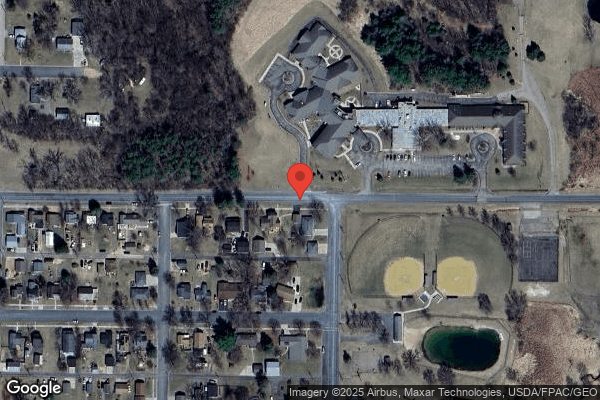
612 E OAK ST, GLENWOOD CITY, WI 54013 (715) 265-4555
Non profit - Corporation 44 Beds Independent Data: November 2025
Trust Grade
45/100
#211 of 321 in WI
Last Inspection: December 2024

Within standard 12-15 month inspection cycle. Federal law requires annual inspections.

Overview

Glenhaven nursing home has received a Trust Grade of D, indicating below-average performance with some concerning issues. It ranks #211 out of 321 facilities in Wisconsin, placing it in the bottom half of all state options, and is #7 out of 8 in St. Croix County, meaning only one local facility is rated lower. While the facility is improving, having reduced its issues from 9 in 2024 to 5 in 2025, it still faces challenges, including a high staff turnover rate of 62%, which is above the state average. Staffing is a relative strength, with a rating of 4 out of 5, but the facility has been noted for several concerning incidents, such as not ensuring food safety during preparation, failing to maintain accurate staffing records, and lacking a proper infection control program. Although there have been no fines, these weaknesses suggest potential risks for residents that families should carefully consider.

Trust Score
D
45/100
In Wisconsin
#211/321
Bottom 35%
Safety Record
Low Risk
No red flags
Inspections
Getting Better
9 → 5 violations
Staff Stability
⚠ Watch
62% turnover. Above average. Higher turnover means staff may not know residents' routines.
Penalties
✓ Good
No fines on record. Clean compliance history, better than most Wisconsin facilities.
Skilled Nurses
✓ Good
Each resident gets 53 minutes of Registered Nurse (RN) attention daily — more than average for Wisconsin. RNs are trained to catch health problems early.
Violations
⚠ Watch
29 deficiencies on record. Higher than average. Multiple issues found across inspections.
★★☆☆☆
2.0
Overall Rating
★★★★☆
4.0
Staff Levels
★★☆☆☆
2.0
Care Quality
★★☆☆☆
2.0
Inspection Score
Stable
2024: 9 issues
2025: 5 issues

The Good

  • 4-Star Staffing Rating · Above-average nurse staffing levels
  • Full Sprinkler Coverage · Fire safety systems throughout facility
  • No fines on record

Facility shows strength in staffing levels, fire safety.

The Bad

2-Star Overall Rating

Below Wisconsin average (3.0)

Below average - review inspection findings carefully

Staff Turnover: 62%

15pts above Wisconsin avg (46%)

Frequent staff changes - ask about care continuity

Staff turnover is elevated (62%)

14 points above Wisconsin average of 48%

The Ugly 29 deficiencies on record

Aug 2025 2 deficiencies
CONCERN (D) 📢 Someone Reported This

A family member, employee, or ombudsman was alarmed enough to file a formal complaint

Potential for Harm - no one hurt, but risky conditions existed

Investigate Abuse (Tag F0610)

Could have caused harm · This affected 1 resident

**NOTE- TERMS IN BRACKETS HAVE BEEN EDITED TO PROTECT CONFIDENTIALITY** Based on interview and record review, the facility did not ensure possibility of abuse was thoroughly investigated for 1 of 3 re...

Read full inspector narrative →
**NOTE- TERMS IN BRACKETS HAVE BEEN EDITED TO PROTECT CONFIDENTIALITY** Based on interview and record review, the facility did not ensure possibility of abuse was thoroughly investigated for 1 of 3 residents (R), R1 reviewed.R1 obtained multiple bruises of unknown origin; the facility did not complete a thorough investigation of the incident.Federal regulation states, 483.12(c) In response to allegations of abuse, neglect, exploitation, or mistreatment, the facility must: S483.12(c)(2) Have evidence that all alleged violations are thoroughly investigated.R1 was admitted on [DATE] with diagnoses that include dementia with anxiety and behaviors, atrial fibrillation, obesity, fibromyalgia, insomnia, and low back pain. R1's minimum data set (MDS), dated [DATE], notes R1 has severe cognitive impairment, is independent with bed mobility and ambulation using a wheeled walker. R1 requires supervision or touching assistance with transfers, toileting, and eating. Surveyor spoke with R1 who could not articulate well enough to communicate effectively.On 08/25/25, Surveyor reviewed the facility self-report that identified Certified Nursing Assistant (CNA) C gave R1 a shower on 08/17/25 and discovered multiple bruises:-3 bruises on right forearm: 3 x 3 cm, 0.7 x 0.6 cm, 0.5 x 0.5 cm.-2 bruises on eft upper arm: 6 x 4.5 cm, 1 x 0.4 cm-1 bruise on left calf: 6.3 x 4.2 cm-1 bruise of right calf: 5 x 4.5 cm-1 bruise behind left knee: 7.7 x 10 cm-1 bruise behind right knee: 14 x 9 cmThis was immediately reported to Registered Nurse (RN) D who assessed R1, updated Director of Nursing (DON) B, R1's activated Power of Attorney, and the on-call physician. RN D obtained statements from all staff working at that time and interviewed residents if they were hurt or feel safe. No concerns were identified; however, there were no skin checks completed to observe for bruising for non-interviewable residents to ensure this was not abuse.-Assessment identified: R1 is alert and oriented to person only, has impaired memory, unstable walking, and was not able to remember how bruising would have occurred. RN D noted that no staff saw how bruises would have occurred and R1 receives blood thinning medication.-Physician ordered CBC and INR labs to be drawn on 08/18/25.-Statement written by CNA C on 08/17/25 mentioned the cause could have been from rolling up compression stockings. There was no evidence that the facility investigated this as a possible cause. DON B began a misconduct investigation on 08/17/25 and noted the following: DON reviewed previous skin assessments from 08/03/25 of which were negative for any acute findings. R1 had an INR on 08/14/25 that was 4.2 with orders to hold the coumadin dose that evening and resume coumadin therapy on 08/15/25. It is noted that R1 sits on hard wooden chairs at meals; secondary to her elevated INR, DON is resolving this report claim.The facility assumed the cause of the bruising was the high INR and resident sitting hard on the wooden chair in the dining room. Surveyor observed the chair did have a cushion that would protect the back of residents' legs and back; however, nothing was noted how the bruising on the arms possibly occurred. A critical event form was completed by the interdisciplinary team (IDT) on 08/17/25 that indicated, The toilet is a hard seat, a shower chair potentially as well. There is no evidence that an assessment or interventions were completed to address if the toilet seat and/or shower chair was the root cause.Surveyor reviewed R1's progress note dated 08/15/25. Note stated R1 hit staff multiple times during toileting. The staff had to finish up R1's cares, apply new pad, and pull up pants. They then assisted R1 to bed to rest. This was not investigated as potential root cause of the arm bruising. On 08/25/25, Surveyor asked RN E why this was not completed. RN E reported calling DON B who said once they found a high INR, they felt they did not need to look any further.
CONCERN (D) 📢 Someone Reported This

A family member, employee, or ombudsman was alarmed enough to file a formal complaint

Potential for Harm - no one hurt, but risky conditions existed

Accident Prevention (Tag F0689)

Could have caused harm · This affected 1 resident

**NOTE- TERMS IN BRACKETS HAVE BEEN EDITED TO PROTECT CONFIDENTIALITY** Based on observations, interview and record review, the facility did not ensure the resident environment remains free from accid...

Read full inspector narrative →
**NOTE- TERMS IN BRACKETS HAVE BEEN EDITED TO PROTECT CONFIDENTIALITY** Based on observations, interview and record review, the facility did not ensure the resident environment remains free from accident hazards as possible and each resident receives adequate supervision and assistive devices to prevent accidents for 1 of 3 residents (R) reviewed. (R1)R1 had multiple bruises to arms and legs. The facility did not find root cause of the arm bruises or put interventions in place to prevent reoccurrence and did not educate staff on ways to prevent injury or recurring bruises.Federal regulation states facilities must ensure that resident's environment remains as free of accident hazards as is possible and each resident receives adequate supervision and assistance devices to prevent accidents.R1 was admitted on [DATE] with diagnoses that include dementia with anxiety and behaviors, atrial fibrillation, obesity, fibromyalgia, insomnia, and low back pain. R1's minimum data set (MDS), dated [DATE], notes R1 has severe cognitive impairment, is independent with bed mobility and ambulation using a wheeled walker. R1 requires supervision or touching assistance with transfers, toileting, and eating. Surveyor spoke with R1 who could not articulate well enough to communicate effectively.On 08/25/25, Surveyor reviewed the facility self-report that identified Certified Nursing Assistant (CNA) C gave R1 a shower on 08/17/25 and discovered multiple bruises:-3 bruises on right forearm: 3 x 3 cm, 0.7 x 0.6 cm, 0.5 x 0.5 cm.-2 bruises on eft upper arm: 6 x 4.5 cm, 1 x 0.4 cm-1 bruise on left calf: 6.3 x 4.2 cm-1 bruise of right calf: 5 x 4.5 cm-1 bruise behind left knee: 7.7 x 10 cm-1 bruise behind right knee: 14 x 9 cmThis was immediately reported to Registered Nurse (RN) D who assessed R1, updated Director of Nursing (DON) B, R1's activated Power of Attorney, and the on-call physician. RN D obtained statements from all staff working at that time and interviewed residents on if they were hurt or feel safe. -Assessment identified: R1 is alert and oriented to person only, has impaired memory, unstable walking, and was not able to remember how bruising would have occurred. RN D noted that no staff saw how bruises would have occurred and R1 receives blood thinning medication.-Statement written by CNA C on 08/17/25 mentioned the cause could have been from rolling up compression stockings. There was no evidence that the facility addressed this issue to prevent possible recurrence of bruising.Surveyor reviewed the facility self-report, critical event form, and R1's electronic health record and found no documentation how the bruising on the arms possibly occurred and no intervention was added to the care plan to prevent recurrence of arm bruising. A critical event form was completed by the interdisciplinary team (IDT) on 08/17/25 that indicated, The toilet is a hard seat, a shower chair potentially as well. There is no evidence that an assessment or interventions were completed to address the toilet seat and shower chair to prevent recurrence of bruising.Critical event form also noted education was completed on 08/18/25; however, no education regarding interventions to prevent bruising was found following the incident on 08/17/25. Surveyor asked Registered Nurse (RN) E who verbalized calling DON B and reported back that they have no proof the education was completed after the incident. Surveyor reviewed R1's progress note dated 08/15/25. Note stated R1 hit staff multiple times during toileting. The staff had to finish up her cares, apply new pad, and pull up pants. They then assisted R1 to bed to rest. This was not investigated as potential reason for bruising and no new intervention was added to the care plan regarding how to mitigate combativeness during care for R1 to prevent further injury and bruising.On 08/25/25, Surveyor asked RN E why there was no interventions in place to protect R1's skin from recurrent bruising from the toilet, shower chair, or compression stockings that were identified as possible causes, and no interventions were added to address arm bruises. RN E requested to get back to Surveyor. RN E returned stating she called DON B and felt addressing the INR and the dining room chair was sufficient but understands they need to prevent recurring injury and bruising for R1.
Apr 2025 3 deficiencies
CONCERN (D) 📢 Someone Reported This

A family member, employee, or ombudsman was alarmed enough to file a formal complaint

Potential for Harm - no one hurt, but risky conditions existed

Report Alleged Abuse (Tag F0609)

Could have caused harm · This affected 1 resident

**NOTE- TERMS IN BRACKETS HAVE BEEN EDITED TO PROTECT CONFIDENTIALITY** Based on record review and staff interviews, the facility did not ensure that an alleged violation involving abuse by a Resident...

Read full inspector narrative →
**NOTE- TERMS IN BRACKETS HAVE BEEN EDITED TO PROTECT CONFIDENTIALITY** Based on record review and staff interviews, the facility did not ensure that an alleged violation involving abuse by a Resident (R1) was reported immediately to the Nursing Home Administrator (NHA) and to the State Survey and Certification Agency. An incident involving R1 and R2 occurred on 02/27/25. R1 hit R2 with a closed fist. The facility did not report the abuse to the State Survey and Certification Agency. Findings Include: Facility policy titled, Abuse Policy, shows a most recent review date of 10/04/16, stated, Law Enforcement: All reports of suspected crime and/or alleged sexual abuse must be immediately reported to local law enforcement to be investigated. Facility staff will fully cooperate with the local law enforcement designee. R1 was admitted to the facility on [DATE] with diagnoses that include Alzheimer's, chronic kidney disease, dementia, difficulty in walking, unsteadiness on feet, and cognitive communication deficit. R1's most recent [NAME] Data Set (MDS) assessment dated [DATE] indicated that R1 was able to ambulate independently and has a Brief Interview for Mental Status (BIMS) score of 05/15, which indicates severe cognitive impairment. R2 was admitted to the facility on [DATE] with diagnoses that include dementia, major depressive disorder, and fibromyalgia. R2's most recent MDS assessment dated [DATE] indicated that R2 has a BIMS score of 1/15, which indicates severe cognitive impairment. Facility reported incident submitted to state agency on 02/27/25 states, On 2/27/25, [R1] and [R2] were present in the E household living area. [R2] was walking past [R1] as she sat in the living room. [R1] commented to [R2] to wipe that look off your face. (resident [R2] had a flat look on her face). [R2] got closer to [R1] and stated: why don't you mind your own business?!. This upset [R1] and she struck [R2] in the upper right arm with a closed fist. [R2] became more upset after being struck and raised right hand as if to strike back. Staff was able to intervene before this happened. There were no other residents in the living area or dining area at the time of the incident in which to witness it. [staff] that did see the incident and was able to intervein [sp]. Both residents were agitated at that point. [Staff] assisted [R1] to her room to decompress as it was less stimulating. [R1] did kick [staff] during that process. [R2] remained in the dining room and drank some cocoa. The facility completed an investigation on 02/27/25 that included notification to both residents' power of attorney, notification to medical director, facility investigation, and notification to state agency. There was no evidence of notification to police regarding the potential crime of assault. On 04/01/25 at 11:05 AM, Surveyor interviewed Director of Nursing (DON) B regarding the lack of local law enforcement involvement. DON B said they felt this situation did not require it. On 04/02/25 at 1:10 PM, Surveyor asked DON B if they felt this incident could have been a potential crime. DON B said they did not think so. R1 hit R2 softly and they did not find any injury, so they felt it was not assault or some other crime.
CONCERN (D) 📢 Someone Reported This

A family member, employee, or ombudsman was alarmed enough to file a formal complaint

Potential for Harm - no one hurt, but risky conditions existed

Investigate Abuse (Tag F0610)

Could have caused harm · This affected 1 resident

**NOTE- TERMS IN BRACKETS HAVE BEEN EDITED TO PROTECT CONFIDENTIALITY** Based on interview and record review, the facility did not ensure, in response to resident-to-resident physical abuse, a thoroug...

Read full inspector narrative →
**NOTE- TERMS IN BRACKETS HAVE BEEN EDITED TO PROTECT CONFIDENTIALITY** Based on interview and record review, the facility did not ensure, in response to resident-to-resident physical abuse, a thorough investigation was conducted to prevent further potential abuse for 1 of 2 (R1) residents reviewed for abuse. The facility did not conduct a thorough investigation of the resident-to-resident-altercation that occurred to R2 on 02/27/25. The facility did not conduct other resident interviews for potential abuse. Findings include: Facility policy titled, Abuse Policy, shows a most recent review date of 10/04/16, stated, Examine, assess and interview the resident and other residents potentially affected immediately to determine any injury and identity and immediate clinical interventions necessary. R1 was admitted to the facility on [DATE] with diagnoses that include Alzheimer's, chronic kidney disease, dementia, difficulty in walking, unsteadiness on feet, and cognitive communication deficit. R1's most recent [NAME] Data Set (MDS) assessment dated [DATE] indicated that R1 was able to ambulate independently and has a Brief Interview for Mental Status (BIMS) score of 05/15, which indicates severe cognitive impairment. R2 was admitted to the facility on [DATE] with diagnoses that include dementia, major depressive disorder, and fibromyalgia. R2's most recent MDS assessment dated [DATE] indicated that R2 has a BIMS score of 01/15, which indicates severe cognitive impairment. Facility reported incident submitted to state agency on 02/27/25 On 2/27/25, [R1] and [R2] were present in the E household living area. [R2] was walking past [R1] as she sat in the living room. [R1] commented to [R2] to wipe that look off your face. (resident [R2] had a flat look on her face). [R2] got closer to [R1] and stated: why don't you mind your own business?!. This upset [R1] and she struck [R2] in the upper right arm with a closed fist. [R2] became more upset after being struck and raised right hand as if to strike back. Staff was able to intervene before this happened. There were no other residents in the living area or dining area at the time of the incident in which to witness it. [Staff] that did see the incident and was able to intervein [sp]. Both residents were agitated at that point. [staff] assisted [R1] to her room to decompress as it was less stimulating. [R1] did kick [staff] during that process. [R2] remained in the dining room and drank some cocoa. The facility completed an investigation on 02/27/25 that included notification to both residents' power of attorney, notification to medical director, facility investigation, and notification to state agency. There was no evidence of interviews with other residents to ensure they were also not targeted by R1 or R2. On 04/02/25 at 1:10 PM, Surveyor interviewed Director of Nursing (DON) B regarding the lack of interviews with other residents. DON B said they felt like this was an isolated event and they did not think other residents were affected. When asked if R1 or R2 had access to other residents DON B said yes, but they know their residents well and there were no changes. DON B also stated that after conversations with surveyor they did go and interview other residents to ensure they were not targeted.
CONCERN (D) 📢 Someone Reported This

A family member, employee, or ombudsman was alarmed enough to file a formal complaint

Potential for Harm - no one hurt, but risky conditions existed

Accident Prevention (Tag F0689)

Could have caused harm · This affected 1 resident

**NOTE- TERMS IN BRACKETS HAVE BEEN EDITED TO PROTECT CONFIDENTIALITY** Based on interview and record review, the facility did not ensure the resident environment remained as free of accidents hazards...

Read full inspector narrative →
**NOTE- TERMS IN BRACKETS HAVE BEEN EDITED TO PROTECT CONFIDENTIALITY** Based on interview and record review, the facility did not ensure the resident environment remained as free of accidents hazards as possible. The facility did not update resident's care plan after each event of a fall. This has the potential to affect 1 of 3 residents (R) (R1) reviewed for accidents. Facility did not update R1's care plan after R1's fall risk score increased from 12 to 16 on 02/16/25, and did not update care plan following a bruise noted on 03/05/25 from a fall. Findings include: The facility policy titled, Falls reviewed October 2023, states, 2. When notified a fall has occurred, the licensed nurse will: . R. fill out a care plan update sheet with new interventions for the MDS coordinator S. Make sure intervention and fall are reported through the 24 hr report sheet. t. [Director of Nursing] DON or designee will bring incident report to morning meeting where management team will review to make sure intervention is new, appropriate, documented and accessible to all staff. R1 was admitted to the facility on [DATE] with diagnoses that include Alzheimer's, chronic kidney disease, dementia, difficulty in walking, unsteadiness on feet, and cognitive communication deficit. R1's most recent [NAME] Data Set (MDS) assessment dated [DATE] indicated that R1 was able to ambulate independently and has a Brief Interview for Mental Status (BIMS) score of 05/15, which indicates severe cognitive impairment. On 01/17/25, facility performed a falls risk assessment for R1 where R1 scored a 12.0 indicating they were at risk for falls. On 02/16/25, facility performed a fall risk assessment for R1 where R1 scored a 16.0 indicating that fall risk was increasing. There was no change to resident's care plan as the risk of falls increased. On 03/05/25, progress notes indicated that R1 was discovered to have bruising and pain on left foot. R1 said they believe they fell in the restroom of their room. After fall IDT team reviewed and replaced intervention that previously worked. The facility added a pressure alarm to R1's bed. On 03/08/25 at 9:41 AM, progress note related to new fall stated, Residents bed alarm was alarming, CNA, went in to check the alarm at 6:38, Resident was kneeling on the floor mat next to the bed. Boot was on the left foot. No complaints of pain noted nonvisible bruising. Record review of incident revealed that R1's interventions on the care plan were not changed; there were no new care plan updates or strategies to insure R1's safety. Care plan only indicated that resident is likely to try and ambulate. On 04/02/25 at 1:10 PM, Surveyor interviewed DON B regarding the lack of interventions after R1's most recent fall. DON B said they felt the intervention that was already in place was ok and emphasizing that staff need to get to R1's room as they are prone to falling when they get out of bed due to forgetting they are wearing a walking boot for a broken foot. Surveyor then asked if there were any other interventions the facility could have implemented. DON B said they did not think so; staff need to get to the room when the bed alarm goes off. Facility failed to update R1's care with interventions to ensure no further incidents of falls.
Dec 2024 9 deficiencies
CONCERN (D)

Potential for Harm - no one hurt, but risky conditions existed

Comprehensive Care Plan (Tag F0656)

Could have caused harm · This affected 1 resident

**NOTE- TERMS IN BRACKETS HAVE BEEN EDITED TO PROTECT CONFIDENTIALITY** Based on interview and record review, the facility did not develop and implement a comprehensive person-centered care plan addre...

Read full inspector narrative →
**NOTE- TERMS IN BRACKETS HAVE BEEN EDITED TO PROTECT CONFIDENTIALITY** Based on interview and record review, the facility did not develop and implement a comprehensive person-centered care plan addressing medical and nursing needs for residents on blood thinners and bleeding risk. This occurred for 1 of 2 residents (R) reviewed (R3). Findings include: R3 was admitted on [DATE]. R3's diagnoses include unspecified dementia, chronic atrial fibrillation, and essential hypertension. R3's Minimum Data Set (MDS) assessment, completed on 10/22/24, confirmed R3 is currently using an anticoagulant daily for the last 7 days. R3's care plan was reviewed and did not have an anticoagulant/ bleeding risk care plan in place. R3's physician orders indicated: -Warfarin oral tablet 5mg, give 1 tab one time a day every Tuesday, Wednesday, Thursday, Saturday, and Sunday for atrial fibrillation. -Warfarin oral tablet 7.5mg, give 1 tablet by mouth one time a day Monday, and Friday for atrial fibrillation. On 12/09/24 at 12:23 PM, Surveyor interviewed R3's Power of Attorney (POA) I and asked about R3's medication regimen. POA I indicated that POA I is concerned that R3 is not receiving proper care for certain medications R3 is on such as anticoagulant therapy. POA I indicated that R3 is on Warfarin. On 12/10/24 at 7:29 AM, Surveyor interviewed Registered Nurse (RN) E and asked RN E if RN E assessed R3 for possible risk of bleeding and where would Surveyor find the assessments in the Electronic Health Record (EHR). RN E indicated that RN E assesses R3's skin for any bleeding issues, but there is no set assessment documentation in the EHR. On 12/11/24 at 3:07 PM, Surveyor interviewed Assistant Director of Nursing (ADON) C and asked how the facility assesses R3 for bleeding risk since R3 is on anticoagulant therapy. ADON C indicated that R3 received INR draw when physician orders. Surveyor asked how staff are to know that R3 could be a potential bleeding risk without R3 having an anticoagulant/bleeding risk care plan. ADON C indicated R3 does not have a care plan for bleeding risk being on anticoagulation in place. ADON C indicated that staff have no way to know to monitor for bleeding risk and that expectation is for staff to be monitoring R3 for bleeding risk.
CONCERN (D)

Potential for Harm - no one hurt, but risky conditions existed

Pressure Ulcer Prevention (Tag F0686)

Could have caused harm · This affected 1 resident

**NOTE- TERMS IN BRACKETS HAVE BEEN EDITED TO PROTECT CONFIDENTIALITY** Based on observation, interview and record review, the facility did not provide care consistent with professional standards to p...

Read full inspector narrative →
**NOTE- TERMS IN BRACKETS HAVE BEEN EDITED TO PROTECT CONFIDENTIALITY** Based on observation, interview and record review, the facility did not provide care consistent with professional standards to prevent development of a pressure injury (PI) for one of three residents (R) reviewed for pressure injuries (R2) R2 was admitted to the facility on [DATE], with no skin impairments and developed a stage 2 pressure injury to the coccyx area (tailbone), which remains unhealed, has lack of timely care plan interventions, and lack of repositioning. Findings include: According to the National Pressure Injury Advisory Panel (NPIAP) Prevention and Treatment of Pressure Ulcers/Injuries: Clinical Practice Guideline, 2019, Reposition all individuals with or at risk of pressure injuries on an individualized schedule, unless contraindicated. Determine repositioning frequency with consideration to the individual's level of activity and ability to independently reposition. Reposition the individual in such a way that optimal offloading of all bony prominences and maximum redistribution of pressure is achieved. According to the National Pressure Injury Advisory Panel (NPIAP) Prevention and Treatment of Pressure Ulcers/Injuries: Clinical Practice Guideline, 2019, A pressure injury is defined as localized damage to the skin and/or underlying tissue, as a result of pressure or pressure in combination with shear. Pressure injuries usually occur over a bony prominence but may also be related to a device or other object. R2 was admitted to the facility on [DATE] with the following diagnoses, in part, chronic obstructive pulmonary disease with (acute) lower respiratory infection, dysphagia following cerebral infarction, hemiplegia and hemiparesis following cerebral infarction affecting left non-dominant side, unilateral primary osteoarthritis, left hip. On 12/09/24 at 11:01 AM, Surveyor interviewed R2, who acknowledged he had pain on his bottom by nodding yes to the question, Do you have any pain at or around your bottom area? R2's admission Minimum Data Set (MDS) assessment dated [DATE] stated R2 was completely dependent on caregivers for all Activities of Daily Living (ADLs) and all mobility. The MDS assessment also identified R2 was at risk for the development of pressure injuries but had no current unhealed pressure injuries. Under the skin and ulcer treatment section of the MDS assessment, No was marked for turning/repositioning program, and nutrition or hydration program to manage skin problems. There were no refusals or rejection of cares documented on the MDS. R2's admission MDS assessment dated [DATE] stated R2 was completely dependent on caregivers for all Activities of Daily Living (ADLs) and all mobility. The MDS assessment identified R2 was at risk for the development of pressure injuries but had no current unhealed pressure injuries. Under the skin and ulcer treatment section of the MDS assessment, No was marked for turning/repositioning program, and nutrition or hydration program to manage skin problems. There were no refusals or rejection of cares documented on the MDS. R2's admission MDS assessment, dated 10/14/24, stated R2 was completely dependent on caregivers for all Activities of Daily Living (ADLs) and all mobility. The MDS assessment identified R2 was at risk for the development of pressure injuries but had no current unhealed pressure injuries. Under the skin and ulcer treatment section of the MDS assessment, No was marked for turning/repositioning program, and nutrition or hydration program to manage skin problems. There were no refusals or rejection of cares documented on the MDS. R2's Braden score was 12.0 on 11/07/24, which indicated R2 was high risk for developing pressure injuries. R2's Braden score was 12.0 on 11/07/24, which indicated R2 was high risk for developing pressure injuries. R2's baseline care plan, dated 07/26/24, had nothing indicating current or history of skin integrity issues. On 12/10/24, Surveyor reviewed R2's care plan and there was no care plan for skin integrity concerns or pressure injuries. The Skin Only document dated 07/26/24, indicated R2 had no skin impairments. The Skin Only document, dated 10/30/24, indicated that R2 had a pressure ulcer/injury to the left (L) inner/lower buttock (most distal). It was staged as a stage II: partial thickness with skin loss and measured 0.6cm long and 1.3cm wide. The first documentation (progress note) indicating that R2 had a skin issue was dated 10/30/24 and stated, Skin Evaluation: Skin is ashen in color. Skin warm/dry to touch. Decreased skin turgor. Resident has current skin issues. Skin Issue: Pressure Ulcer / Injury. Skin issue location: L inner/lower buttock (most distal) Pressure Ulcer / Injury Stage: Stage II - Partial thickness skin loss. Length: 0.6cm Width: 1.3cm Skin Issue: Pressure Ulcer / Injury. Skin issue location: L inner/lower buttock (most proximal) Pressure Ulcer / Injury Stage: Stage II - Partial thickness skin loss. Length: 0.6cm Width: 0.7cm Skin Issue: Other skin issue. Other skin issue: bruise from edge of brief Skin issue location: L outer/lower buttock Length: 5.2cm Width: 0.3cm Skin Issue: Other skin issue. Other skin issue: bruise from edge of brief Skin issue location: right (R) side Length: 7.5cm Width: 0.3cm Skin Issue: Other skin issue. Other skin issue: bruise from edge of brief Skin issue location: L side Length: 5cm Width: 0.4cm Note / Notification / Education: Skin note: Has been sitting in his recliner for the past few weeks during the day and night, as he cannot breathe well laying in bed, even with the head up; does have a cushion in his w/c and recliner chair when he is up. Comfort cares, not moving a lot or getting up out of his recliner chair a lot. Did get him to lay down in bed for an hour this am on his side, but is up again. The Skin Only document, dated 11/07/24, indicated R2 had a superficial open area (excoriation/pressure), on the lower/inner buttock. The skin condition measured 5cm long and 3.5 cm wide; there was no depth indicated. Skin issue number two indicated that R2 has a superficial open area (excoriation/pressure), location was open slit in coccyx which measured 2.5cm long by .01cm wide no depth indicated. A physician's orders, dated 12/05/25, stated, Coccyx: apply barrier cream & leave open to air (OTA), two times a day AND as needed qday (every day) as needed (PRN). Care plan related to pressure injuries was not added at this time, and no changes to the care plan were completed until 12/11/24. On 12/10/24 at 8:23 AM, Surveyor observed R2 being offered to get up out of bed. R2 chose not to get up yet. R2 was lying on back with head of bed elevated approximately 25 degrees. On 12/10/24 at 9:10 AM, Surveyor observed peri cares being performed by Certified Nursing Assistant (CNA) H and CNA F for R2. CNA H and CNA F rolled R2 to the left side towards the wall. Surveyor observed a 2.5-inch horizontal open area on R2's left buttock. Surveyor observed CNA H take soapy wet washcloth and cleanse it by rubbing vigorously upwards on the open area. The 2.5-inch open area began bleeding a little and R2 indicated that sore was painful. CNA H dried the area and applied moisture barrier cream to the open area and R2's buttocks. CNA H and CNA F rolled R2 to his back and finished covering R2 up with blankets. Surveyor asked CNA H if the open area on R2's left buttock was new. CNA H indicated the open area comes and goes but it has been open for about two weeks now. CNA H indicated the wound nurse was made aware when it opened and told staff that wound nurse would be at the facility today to address the open area on R2's buttocks. CNA H indicated when it was open in past nurses would apply a mepilex but we haven't done that for a while. On 12/10/24 at 10:12 AM, Surveyor observed R2 still lying on back in same position, lying on back with head of bed elevated. Surveyor had been observing outside of resident's room since 8:05 AM this morning. On 12/10/24 at 11:27 AM, Surveyor observed R2 lying in bed on back and CNA F transferred R2 to toilet. Surveyor observed Registered Nurse (RN) E clean R2's bottom up and apply clempstine to R2's buttocks. Surveyor observed CNA F and RN E transfer R2 to recliner. Surveyor observed R2 sitting directly on buttocks with no off-loading noted. On 12/10/24 at 11:34 AM, Surveyor interviewed RN E and asked if RN E is aware that R2's left buttock is opened. RN E indicated that RN E worked last weekend, and R2's left buttock opened up. RN E reported this to hospice nurse. RN E indicated that hospice nurse discontinued mepilex dressing as it was holding moisture from R2's sweating and it always became wrinkled. RN E indicated hospice nurse ordered to keep area dry as possible and apply barrier cream to the opened area on left buttock. On 12/11/24 at 4:10 PM, Surveyor interviewed Assistant Director of Nursing (ADON) C regarding expectations for a resident who is assessed to be at risk for pressure injuries. ADON C would expect that residents with pressure injuries be offloaded on average every two hours for an extended period. There was a time that R2 really preferred their armchair, but recently they have been in bed more. ADON C would also expect that a care plan related to pressure injury care be created right away when a pressure injury is indicated. ADON C said they have not updated the care plan as of 12/11/24.
CONCERN (D)

Potential for Harm - no one hurt, but risky conditions existed

Accident Prevention (Tag F0689)

Could have caused harm · This affected 1 resident

**NOTE- TERMS IN BRACKETS HAVE BEEN EDITED TO PROTECT CONFIDENTIALITY** Based on observation, interview and record review, the facility did not ensure resident safety through assessment and ensure the...

Read full inspector narrative →
**NOTE- TERMS IN BRACKETS HAVE BEEN EDITED TO PROTECT CONFIDENTIALITY** Based on observation, interview and record review, the facility did not ensure resident safety through assessment and ensure the environment remains as free of accident hazards as is possible for 3 of 4 residents (R) reviewed (R12, R16, and R15). -R12 was evaluated by the facility to be a fall risk with assist of 1 during ambulation. R12 was observed self-ambulating to R12's room from dining room. -R16 was evaluated by the facility to be a fall risk with assist of 1 during ambulation. R16 was observed self-ambulating to R16's room from dining room. -R15 was evaluated by the facility for choking hazard during mealtimes. R15 was observed eating meals alone without supervision. Findings include: R12 was admitted on [DATE]. R12's diagnoses include Parkinson's, history of falling, schizoaffective disorder, polyneuropathy, unsteadiness on feet, reduced mobility, and lack of coordination. R12's MDS assessment, completed on 11/05/24, confirmed R12 scored 9 out of 15 on the Brief Interview for Mental Status (BIMS), indicating moderate cognition impairment. R12 requires supervision touch assistance with sitting to standing. R12 requires partial to moderate assistance from staff walking 50-150 feet distance. R12's care plan was initiated on 03/07/22, and included the following interventions: Activities of Daily Living: -Ambulation: The resident is able to ambulate with his 4 wheeled walker and standby assist throughout the facility revised on 10/10/24. -Locomotion: The resident is able to perform ambulation with 4 wheeled walker to and from meals with contact guard assist revised on 10/10/24. -Transfers: Assist of 1 with contact guard assist for all transfers. Prompt resident to take their time and move slowly secondary to balance issues revised on 10/10/24. On 12/09/24 at 10:59 AM, Surveyor observed R12 get up from recliner in lounge and ambulate to R12's room alone, no staff present. On 12/10/24 at 8:22 AM, Surveyor observed R12 ambulating out of room down the hallway, while Certified Nursing Assistant (CNA) D was dropping off trash in the soiled utility room. R12 walked about 200 feet before CNA D approached R12 and walked beside R12. Surveyor did not observe CNA D use contact guard assist during ambulation. R12 walked to dining room table and sat down. CNA D walked over to Household D. On 12/10/24 at 1:20 PM, Surveyor observed R12 ambulating from dining room to R12's room. No staff were present to assist R12. On 12/11/24 at 11:10 AM, Surveyor interviewed Assistant Director of Nursing (ADON) C and asked what expectations are for R12's transfer status. ADON C indicated that R12 is assist of one with gait belt and contact guard assist. ADON C explained contact guard assist is light touch assistance when ambulating. Surveyor stated to ADON C that Surveyor observed R12 ambulating by R12's self-several times to and from meals to R12's room down the hallway. ADON C indicated that R12 ambulating alone is not acceptable and staff will be educated on importance of ambulating with R12 to and from meals and while ambulating on unit. Example 2 R16 was admitted on [DATE]. R16's diagnoses include unspecified dementia, abnormality of gait and mobility, lack of coordination, hypothyroidism, and type 2 diabetes mellitus. R16's Minimum Data Set (MDS) assessment, completed on 09/17/24, confirmed R16 scored 9 out of 15 on the BIMS, indicating moderate cognition impairment. R16 requires supervision touch assistance with sitting to standing. R16 requires partial to moderate assistance from staff during transfers. R16's care plan was initiated on 03/26/24, and included the following interventions: Activities of Daily Living: -Ambulation: The resident is able to ambulate with walker and standby assist revised on 07/23/24. -Resident needs cues to remember to place both hands on handles of walker and not one on frame of walker for safety. On 12/10/24 at 8:27 AM, Surveyor observed R16 self-propelling in wheelchair to R16's room. R16 shut bedroom door. On 12/10/24 at 8:31 AM, Surveyor heard a fast loud alarm go off in R16's room. On 12/10/24 at 8:35 AM, Surveyor interviewed CNA D who was sitting at dining room table and asked what alarm is going off in R16's room. CNA D indicated the alarm Surveyor is hearing is R16's recliner sensor, probably R16 transferring self from wheelchair to recliner. On 12/10/24 at 8:37 AM, Surveyor observed CNA D use walkie while sitting at dining room to call for assistance to answer R16's chair alarm. On 12/10/24 at 8:40 AM, Surveyor observed CNA H enter R16's room and noticed that R16 transferred self to recliner. CNA H turned recliner sensor alarm off and walked out of R16's room. On 12/10/24 at 8:43 AM, Surveyor interviewed CNA H and asked if R16 should be ambulating by R16's self. CNA H indicated that R16 should be one assist with gait belt doing transfers but is caught self-transferring a lot. On 12/11/24 at 11:10 AM, Surveyor interviewed ADON C and asked what interventions were put into place for R16 after falling on 10/11/24. ADON C indicated that bathroom light is to be on over shower at all times, ensure clear path to the bathroom and doorway at night to ensure safety. ADON C admitted the intervention was documented in the fall progress note when the event occurred but was not initiated on the care plan. Surveyor asked ADON C how staff would know to follow this intervention when caring for R16. ADON C indicated the intervention should have been initiated on care plan but did not revise care plan until today on 12/11/24. Surveyor asked ADON C if ADON C knew what R16's status for transfer is. ADON C indicated that R16 is an assist of 1 with gait belt with front wheel walker. Surveyor told ADON C that Surveyor observed R16 self-transfer several times throughout the 3-day survey. ADON C indicated that staff should be present to help R16 transfer to meals, from recliner, and to bathroom. Example 3 R15 was admitted on [DATE]. R15's diagnoses include hemiplegia and hemiparesis following cerebral infarction affecting right dominant side, aphasia, conversion disorder with seizures, diabetes mellitus, and dementia with behavioral disturbance. R15's MDS assessment, completed on 09/24/24, confirmed R15 scored 00 during a Brief Interview for Mental Status (BIMS), indicating not able to assess due to severe cognition impairment. R15 requires supervision and setup assistance with eating. R15's care plan was initiated on 06/16/23, and included the following interventions: Nutrition: -Eating: Monitor, document, and report as needed any signs and symptoms of dysphagia: pocketing, choking, coughing, drooling, holding food in mouth, several attempts at swallowing, refusing to eat, and appears concerned during meals. -Needs meal set up and supervision during meals. On 12/10/24 at 7:55 AM, Surveyor observed 6 residents (R3, R16, R11, R19, R15, and R1) in the dining room on Household E at the meal table. Three residents were eating breakfast. Surveyor did not observe any staff in the dining room to monitor residents while eating. On 12/10/24 at 8:02 AM, Surveyor observed kitchen staff walk from Household D to Household E and serve R15 breakfast meal. Kitchen staff walked back out of dining room and over to Household D. R15 began eating R15's breakfast. Surveyor did not observe any staff in close proximity of Household E's dining room to assist/supervise R15 during breakfast meal. On 12/10/24 at 8:12 AM, Surveyor observed CNA H walk into kitchenette on Household E, wave at R15, grabbed a dish out of cupboard and walked back over to Household D. On 12/10/24 at 8:16 AM, Surveyor observed CNA D serve R19 the breakfast meal and walk out of dining room to Household D. On 12/10/24 at 8:24 AM, Surveyor observed CNA D serve R13 breakfast and sit down to assist at the assist table. On 12/10/24 at 9:35 AM, Surveyor observed CNA H deliver a brownie to R15 in R15's room. CNA H exited R15's room and walked down the hallway. On 12/10/24 at 10:05 AM, Surveyor did not observe any staff member go into R15's room to check on R15 while eating the brownie CNA H gave R15. On 12/11/24 at 11:10 AM, Surveyor interviewed ADON C and asked what expectation is for R15 during mealtimes. ADON C indicated that ADON C expects staff to supervise R15 during meals as R15 is a choking hazard with post stroke symptoms. Surveyor indicated to ADON C that Surveyor observed R15 left alone to eat breakfast on 12/10/24. ADON C indicated that R15 should always be supervised while eating due to pocketing food.
CONCERN (D)

Potential for Harm - no one hurt, but risky conditions existed

Incontinence Care (Tag F0690)

Could have caused harm · This affected 1 resident

**NOTE- TERMS IN BRACKETS HAVE BEEN EDITED TO PROTECT CONFIDENTIALITY** Based on interview and record review, the facility did not ensure residents (R) with indwelling Foley catheters received care an...

Read full inspector narrative →
**NOTE- TERMS IN BRACKETS HAVE BEEN EDITED TO PROTECT CONFIDENTIALITY** Based on interview and record review, the facility did not ensure residents (R) with indwelling Foley catheters received care and treatment consistent with professional standards of practice to prevent complications or urinary tract infections (UTI) from the catheter. R2's Foley catheter was changed on a routine monthly basis without clinical indications and not following professional standards of practice. This occurred for 1 of 2 residents reviewed for urinary catheters. (R2). Findings include: The Centers for Disease Control and Prevention (CDC) suggests changing indwelling catheters or drainage bags at routine, fixed intervals is not recommended. Rather, it is suggested to change catheters and drainage bags based on clinical indications such as infection, obstruction, or when the closed system is compromised. Record review identified R2 was admitted to the facility on [DATE], with the following diagnoses, in part: benign prostatic hyperplasia with lower urinary tract symptoms, hemiplegia and hemiparesis following cerebral infarction affecting left non-dominant side, other obstructive and reflux uropathy. Record review identified R2 had an indwelling catheter, R2's orders stated, Change catheter 16 FR every day shift every 4 weeks on Tue for benign prostate hyperplasia, obstruction AND as needed for plugging not relieved by flushing or for UA collection. This order was activated on 12/03/24. On 12/11/24 at 8:30 AM, Surveyor requested reasoning for indwelling catheter change on a 4-week basis. On 12/11/24 at 11:14 AM, Surveyor interviewed Assistant Director of Nursing (ADON) C regarding catheter orders for R2. ADON C said they could not find a physician reason for the change in catheter orders on a monthly basis. They did know about the change in the standard of practice and believed that most of their residents were currently following the standard. ADON C said it would be the facility's expectation to follow the current standard of practice. No other documentation regarding a reason for R2's orders were given to surveyor by end of survey.
CONCERN (D)

Potential for Harm - no one hurt, but risky conditions existed

Deficiency F0745 (Tag F0745)

Could have caused harm · This affected 1 resident

**NOTE- TERMS IN BRACKETS HAVE BEEN EDITED TO PROTECT CONFIDENTIALITY** Based on observation, interview and record review, the facility did not provide medically related social services to address Pos...

Read full inspector narrative →
**NOTE- TERMS IN BRACKETS HAVE BEEN EDITED TO PROTECT CONFIDENTIALITY** Based on observation, interview and record review, the facility did not provide medically related social services to address Post Traumatic Stress Disorder (PTSD) for 1 of 19 residents (R) reviewed to ensure appropriate social services are provided for each resident to attain or maintain their highest practicable physical, mental, and psychosocial well-being (R17). -The facility failed to provide medically related social service for developing a plan of care addressing R17's PTSD. -The facility failed to provide non-pharmacological interventions for R17 to cope with PTSD and anxiety. This is evidenced by: Findings include: R17 was admitted to the facility on [DATE] with diagnosis which include post-traumatic stress disorder (PTSD), generalized anxiety disorder, major depressive disorder, sleep disturbance, psychophysiological insomnia, and agoraphobia disorder. R17's Minimum Data Set (MDS) assessment, dated 11/26/24, indicated that R17 has a Brief Interview for Medical Status (BIMS) score of 15 out of 15, which indicates R17 has intact cognition. R17's Patient Health Questionnaire (PHQ)-9 indicated, R17 scored a 02 with little interest or pleasure in doing things, feeling down, depressed, or hopeless for 2-6 days out of the week. R17's care plan was reviewed and did not have a PTSD care in place. Surveyor reviewed R17's psychiatric progress note, dated 11/11/24, Patient Health Questionnaire (PHQ)-9 indicated R17 scored a 10 for moderate severity in depression with functional impairment as very difficult. Surveyor reviewed R17's physician orders indicating, Give Lorazepam oral tablet 1mg three times a day for anxiety and give 1mg oral every 8 hours as needed for anxiety-ordered on 12/06/24. On 12/09/24 at 11:31 AM, Surveyor interviewed R17 and asked about any emotional or social concerns. R17 indicated that R17 had PTSD and a history of PTSD. R17 indicated that staff are great and knock before entering room and announce self, but I like my door always left open. R17 indicated that facility just started R17 on Lorazepam for anxiety beginning of December. R17 indicated that R17 is always depressed and just wants to leave. Surveyor asked R17 if R17 has options to speak to someone about R17's emotional well-being. R17 indicated that facility does not have an actual social worker and most times nurses just tell R17 to take another anxiety medication to relive symptoms. On 12/10/24 at 8:45 AM, Surveyor observed R17 lying in bed crying in the dark. Surveyor interviewed R17 who indicated that R17 just did not want to be here. On 12/10/24 at 11:41 AM, Surveyor observed R17 lying in bed in the dark. Surveyor did not observe R17 get out of bed for breakfast or lunch. On 12/10/24 at 3:05 PM, Surveyor observed R17 lying in bed in the dark, awake but staring at ceiling. On 12/11/24 at 2:07 PM, Surveyor interviewed Social Worker/Health Unit Clerk (HUC) J and asked who helps R17 with emotional support. Social Worker/HUC J indicated that residents can talk to Social Worker/HUC J whenever they want. Social Worker/HUC J indicated that R17 has come into Social Worker/HUC J's office many times and we have talked. Surveyor asked Social Worker/HUC J if Social Worker/HUC J can provide documentation of the sessions and any other non-pharmacological interventions put into place. Social Worker/HUC J indicated Social Worker/HUC J does not always chart the sessions. Surveyor could not find any documentation in R17's Electronic Medical Record (EHR) pertaining to Social Worker/HUC J and R17's sessions. On 12/11/24 at 2:18 PM, Surveyor interviewed Assisted Director of Nursing (ADON) C and asked how the facility is managing R17's emotional well-being and support for PTSD/anxiety as Surveyor could not find a PTSD care plan, non-pharmacological interventions put into place for R17. ADON C indicated that R17 does not have a care plan addressing PTSD but will make one right away. Surveyor asked ADON C if R17 had any behavior monitoring for anxiety and PTSD. ADON C indicated there was not behavior monitoring in place at this time but would implement a PTSD care plan and behavior monitoring. On 12/11/24 at 2:31 PM, Surveyor observed R17 lying in bed in the dark. Surveyor did not observe R17 get out of bed today. Surveyor reviewed tasks and Treatment Administration Record (TAR) and found no documentation of behavior monitoring for anxiety or PTSD.
CONCERN (D)

Potential for Harm - no one hurt, but risky conditions existed

Deficiency F0849 (Tag F0849)

Could have caused harm · This affected 1 resident

Based on interview and record review, the facility did not ensure that a communication process was implemented, including how the communication will be documented between the long term care (LTC) faci...

Read full inspector narrative →
Based on interview and record review, the facility did not ensure that a communication process was implemented, including how the communication will be documented between the long term care (LTC) facility and the hospice provider, to ensure that the needs of the resident are addressed and met 24 hours per day. The facility did not have a communication binder for hospice services to relay information to the facility regarding hospice services. This has the potential to effect 1 of 1 resident (R) investigated for hospice services (R2). Findings include: Surveyor completed record review of R2's progress notes and could not find the communication with hospice besides notes documented by facility staff members. On 12/11/24 at 2:15 PM, Surveyor requested communication for R2 regarding hospice communication and the orders for wound care. The Assistant Director of Nursing (ADON) C admitted they could not locate a communication binder with hospice for R2. Surveyor asked if they had a different system and ADON C said the hospice binder was their main way to communicate with hospice. Hospice does not have access to the facility's Electronic Medical Record. Hospice typically leaves a binder for a resident on hospice, and they have binders for all other residents on hospice in the facility. ADON C said the facility will need to talk to hospice to determine why they did not have the communication binder that they typically have.
CONCERN (F)

Potential for Harm - no one hurt, but risky conditions existed

Food Safety (Tag F0812)

Could have caused harm · This affected most or all residents

Based on observation, interview and policy review, the facility did not store, prepare, distribute and serve food in accordance with professional standards for food service safety. When staff heated u...

Read full inspector narrative →
Based on observation, interview and policy review, the facility did not store, prepare, distribute and serve food in accordance with professional standards for food service safety. When staff heated up Resident (R) 124's food in the microwave, staff did not check to ensure the food was at safe eating temperatures. In the kitchen refrigerator there was food that was not dated appropriately to ensure food safety. This has the potential the affect all 19 of 19 residents (R) residing in the facility. Findings include: Example 1 Facility Policy titled, Food temperatures, states, 6. To take hot food temperature, insert the thermometer at 45 degree angle to the middle of the food items taking care not to touch the container or bone if it has one. Wait for the thermometer to rise to the maximum temperature, read and record the temperature and then remove the thermometer from the food item and immediately clen with a fresh alcohol swab. Repeat this process until all hot food temperatures have been taken . 15. Leftovers must be, labeled, covered, cooled and stored (within ½ hour after cooking or service) in a refrigerator. Prior to re-serving, leftover foods must be reheated to a minimum internal temperature for 165 degrees Fahrenheit for a minimum of 15 seconds. On 12/10/24 at 12:22 PM, Surveyor observed Dietary Aide (DA) L heating up R124's lunch of hamburger and mashed potatoes in the microwave. After being in the microwave for 90 seconds DA L did not temp the food to ensure safe food temperatures before serving to R124. Surveyor asked DA L why they did not temp it and they were not sure. DA L said they do the same thing every day and they did wonder that, but what they did know is that R124 likes the food steaming hot or will ask it to be heated up again. DA L has always put it in for a minute and a half. DA L agreed that temping the food would make sense for resident safety. On 12/10/24 at 12:31 PM, Surveyor interviewed Dietary Manager (DM) K regarding not temping food out of the microwave. DM K said, Oh yes, that makes sense we should be temping the food to make sure it is not too hot. They did not have a known time management system to ensure heating, but facility will implement soon as possible. Example 2 On 12/09/24 at 9:15 AM, Surveyor conducted an initial tour of the facility's kitchen and noted the following: *A plastic zip bag with uncooked hotdogs dated 12/05/24 and unlabeled with expiration or discard date in facility cooler *2 plastic sealed containers of canned cranberries labeled with prep date of 12/03/24 and unlabeled with expiration date or discard date in facility cooler *A 3-tier cart with a sealed plastic container that later was identified as breadcrumbs by DM K unlabeled and undated. *A deep fryer uncleaned and pieces of French fries and crumbs. On 12/09/24 at 9:35 AM, Surveyor interviewed DM K regarding findings. DM K stated that the bag of hotdogs and container of cranberries should have been labeled with expiration or discard date and that both items should have been discarded after 3 days. DM K stated the container of breadcrumbs should have been labeled and dated with discard or expired date. DM K immediately removed container and disposed of contents. DM K stated they used the deep fryer the evening prior for cooking French fries and indicated the fryer should have been cleaned immediately after use.
CONCERN (F)

Potential for Harm - no one hurt, but risky conditions existed

Staffing Data (Tag F0851)

Could have caused harm · This affected most or all residents

Based on interview and record review, the facility did not ensure the mandatory staffing data that had been submitted from 01/01/24-09/30/24 was complete, accurate, and auditable. The submitted data f...

Read full inspector narrative →
Based on interview and record review, the facility did not ensure the mandatory staffing data that had been submitted from 01/01/24-09/30/24 was complete, accurate, and auditable. The submitted data from 01/01/24-09/30/24 was not complete, accurate, or auditable. This has the ability to affect all 19 of 19 residents in the facility. This is evidenced by: The Payroll Based Journal (PBJ) Staffing Data Reports that were generated quarterly document that the facility triggered No RN Hours for the dates of 01/08/24 (MO), 02/02/24 (FR), 03/15/24 (FR), 03/29/24 (FR). The PBJ Staffing Data Reports that were generated quarterly document that the facility triggered Failed to have Licensed Nursing Coverage 24 Hours/Day for the dates of 05/13/24 (MO), 05/16/24 (TH), 05/17/24 (FR), 06/02/24 (SU), 06/03/24 (MO), 06/09/24 (SU), 06/30/24 (SU), 07/06/24 (SA), 08/03/24 (SA), 09/06/24 (FR), 09/29/24 (SU). Surveyor completed record review of daily postings for infraction dates, including nursing schedules, Director of Nursing pay stubs, and Multiple Data Set (MDS) Coordinator pay stubs. Surveyor did not find any dates where the facility did not have 24 hour nursing coverage of no registered nurse coverage for at least 8 hours. On 12/11/24 at 1:15 PM, Surveyor interviewed Administrator Assistant (AA) M regarding PBJ data reporting. AA M determined that on the dates of infraction the MDS Coordinator or Director of Nursing covered as the registered nurse for the facility, and they were not coded as the registered nurse even though they were covering that position. Both the Director of Nursing and MDS Coordinator are registered nurses. They would expect that PBJ data be submitted accurately, and they might have to do more manual submissions to ensure that.
CONCERN (F)

Potential for Harm - no one hurt, but risky conditions existed

Infection Control (Tag F0880)

Could have caused harm · This affected most or all residents

**NOTE- TERMS IN BRACKETS HAVE BEEN EDITED TO PROTECT CONFIDENTIALITY** Based on interview and record review, the facility did not establish an Infection Control Program under which it investigates, c...

Read full inspector narrative →
**NOTE- TERMS IN BRACKETS HAVE BEEN EDITED TO PROTECT CONFIDENTIALITY** Based on interview and record review, the facility did not establish an Infection Control Program under which it investigates, controls, and prevents infections in the facility, and a system for recording incidents identified under the facility's Infection Control Program, including corrective action in a timely manner, for both residents and staff. This has the potential to affect all 19 residents in the facility. -The facility did not a have a clear water management process or plan in effect to prevent transmission of Legionella infection. This has the potential to affect 19 of 19 residents reviewed. -The facility did not have a complete tracking program in place for the early detection of infections and potentially exposed residents (R). -Observations were made of the facility not implementing Transmission Based Precautions (TBP) for 1 of 1 sampled resident on TBP. -Facility did not have a clear process for handling infectious linens. This is evidenced by: Example 1 The facility policy titled, Water Management Plan-Water Flow Diagram, dated 11/29/24, states in part: Plan Strategies - . #1.2. Areas to be documented will include temperature monitoring, disinfection procedures, flushing protocols . Regular Audits and Review- #3.1. Conduct routine audits and reviews of the implemented measures and the accuracy of documentation related to Legionella prevention and control . The Center for Disease Control and Prevention (CDC) guidelines titled, Controlling Legionella in potable water systems, last reviewed March 15, 2024, states in part: Flush low-flow piping runs and dead legs at least weekly and flush infrequently used fixtures (e.g., eye wash stations, emergency showers) regularly as-needed to maintain water quality parameters within control limits. On 12/11/24 at 9:17 AM, Surveyor reviewed the facility's Water Management Plan (WMP) and did not observe the flow diagram or WMP updated with locations of hot spots/stagnation areas deemed high risk areas of Legionella growth. Surveyor did not find a description in the WMP explaining how often and how long household B/C sinks/toilets are to be ran and flushed. Surveyor did not observe weekly flushes for unoccupied rooms on household D (D7 and D8), and household E (E1). On 12/12/24 at 10:01 AM, Surveyor interviewed Assistant Director of Nursing (ADON) C and asked ADON C about the facility's WMP. ADON C indicated that Nursing Home Administrator (NHA) A and Maintenance usually work on monitoring the WMP, but ADON C knows that Infection Control (IC) plays a role as well. On 12/12/24 at 5:05 PM, Surveyor interviewed NHA A who indicated that NHA A and Maintenance are responsible for the WMP in the facility. Surveyor indicated to NHA A that the WMP was missing stagnation areas on the flow diagram, description in the WMP for process for flushing household B/C as well as no weekly flushes completed for unoccupied rooms on household D/E. NHA A indicated that NHA A thought this was being done but it would be fixed right away. Example 2 Surveyor reviewed Infection Control (IC) surveillance logs and found missing information identifying onset of symptoms, when precautions were implemented, any testing, last well date, when symptoms ended, when precautions ended, and if provider was notified. Surveyor reviewed IC 2024 data line lists for residents and staff. Surveyor noted that all line lists from January 2024-December 2024 were inconsistent and missing data. Surveyor reviewed and noted line lists were missing the symptoms onset date, description of symptoms, pathogen/organism, testing, symptoms resolution, outcome (hospital, death, etc.), precautions type, precautions start and stop dates, antibiotics type, antibiotics start and finish dates, and provider notified. Line lists had incomplete data. On 12/11/24 at 10:13 AM, Surveyor interviewed ADON C who is the Infection Preventionist (IP). Surveyor asked ADON C about the process for tracking surveillance of resident infections and sicknesses. ADON C indicated that line lists were incomplete throughout the whole year for 2024 to present as ADON C did not realize all data needed to be tracked on the line lists. ADON C indicated that ADON C has not been tracking the incomplete data on the line lists located in the IC binder. Example 3 R13 was admitted to the facility on [DATE] and had diagnoses that include necrotizing fasciitis, paroxysmal atrial fibrillation, and acute respiratory failure with hypoxia. Surveyor reviewed R13's progress notes and vital signs indicating, .-On 12/02/24 cough present, dry nonproductive cough noted. -On 12/03/24 temperature 100.0, with 92% oxygen on room air, frequent hacking cough, fine crackles with minimal air movement in right base of lungs. -On 12/04/24 provider noted chest x-ray resulted pneumonia with new order of Augmentin 875/125mg twice a day for seven days. -On 12/05/24 some cough noted. -On 12/06/24 temperature 99.3, cough present, receiving antibiotics. -On 12/08/24 temperature 100.0, right posterior middle lobe diminished on auscultation, rhonchi on auscultation, left posterior lower lobe crackles on auscultation. -12/10/24 fax sent to provider updating that today is [R13's] last day of antibiotic for pneumonia but continues to have a cough, lung sounds still very diminished in the right base fine crackles in the left base, temperature 99.9 this AM, and [R13] feels like [R13's] is starting to cough some stuff up. Had a temperature of 100.0 over the weekend as well. New order placed for chest x-ray with diagnosis of cough by provider . On 12/09/24 at 9:44 AM, Surveyor observed Enhanced Barrier Precautions (EBP) sign on R13's door and an EBP cart outside of R13's room. CNA F used hand sanitizer and donned gown and gloves. CNA F entered R13's room and provided cares. CNA F doffed gown and gloves, then hand sanitized and exited R13's room. Surveyor did not observe CNA F wearing a mask. On 12/09/24 at 1:13 PM, Surveyor observed Enhanced Barrier Precautions (EBP) sign on R13's door and an EBP cart outside of R13's room. On 12/10/24 at 9:41 AM, Surveyor observed RN E enter R13's room with gown and gloves on. RN E administered nebulizer to R13. RN E doffed gown and gloves and exited R13's room. Surveyor did not observe RN E wearing a mask. On 12/10/24 at 1:13 PM, Surveyor reviewed R13's EHR (Electronic Health Record) which stated R13 has a fever of 100.0 that started this morning 12/10/24 around 10:00 AM. Surveyor did not observe a droplet precaution sign on R13's door. Surveyor only observed an EBP sign on door. On 12/10/24 at 1:47 PM, Surveyor interviewed RN E and asked if R13 was on droplet precautions due to R13's fever. RN E indicated that RN E did not know that R13 should be on droplet precautions. RN E indicated that RN E reached out to the provider this morning when RN E completed vitals and assessed R13 to have a temperature. RN E indicated that R13 had a fever on Saturday as well. RN E indicated that RN E was keeping an eye on it since RN E worked the next few days but R13 still had fever today on 12/10/24. Surveyor asked RN E what the usual process for precautions is when someone has a fever to prevent infection from spreading. RN E indicated that is usually decided by ADON/IC C. RN E indicated that RN E did not implement precautions as should have for fever and cough present. On 12/10/24 at 2:20 PM, Surveyor interviewed ADON C and asked why R13 was not on droplet precautions due to pneumonia and recent spike in fever. ADON C indicated that ADON C did not realize that R13 was infectious. ADON C indicated that no one let ADON C know that R13 had spiked a fever over the weekend. Surveyor asked ADON C what ADON C's expectation for staff is to report fever or symptoms of R13 to ADON C. ADON C indicated that RN E should have let ADON C know about R13 spiking a fever on Saturday, but that RN E did not. ADON C indicated that R13 should have been placed on droplet precautions right away when fever spiked over the weekend. ADON C indicated that ADON C will be investigating the incident right away. On 12/11/24 at 8:21 AM, Surveyor observed droplet precautions sign on R13's door. Surveyor interviewed CNA D and asked what process CNA D utilizes when providing cares for R13 now that R13 has droplet precautions sign on. CNA D indicated that CNA D would wear face mask, gloves, and gown when entering R13's room now. Surveyor asked CNA D if CNA D has been utilizing a mask when entering R13's room the past two days. CNA D indicated that CNA D has not been wearing a mask until the morning of 12/11/24 when the droplet sign was implemented. CNA D was not aware that R13 should have been on droplet precautions. Example 4 On 12/11/24 at 7:51 AM, Surveyor toured laundry services. Surveyor observed Laundry Aide (LA) G walk Surveyor through process of sorting dirty linens. LA G donned a laundry gown to protect clothes and gloves then began sorting through clear plastic bags of soiled linens. LA G opened a clear plastic bag and noticed a bloody washcloth and set the bloody washcloth aside. LA G continued sorting laundry and placed soiled linens into the washer. Surveyor interviewed LA G and asked what LA G's process for contaminated infectious linens is. LA G indicated that all linens are handled the same unless it's a really severe infectious linen. LA G indicated that then LA G would don eye protection and possibly a mask. Surveyor asked if the bloody washcloth is supposed to be in a red biohazard bag or clearly identified to be potential infectious linen. LA G indicated that LA G has never seen red biohazard bags or any bags other than the clear bags. LA G indicated that Surveyor would need to ask ADON/IC C about the process. LA G then placed bloody washcloth in a bleached basin to soak with another soiled Bowel Movement (BM) towel to sit for a while. LA G indicated that LA G lets the basin sit all day until the next morning then throws in the washing machine with all other soiled linens. LA G finished the washing cycle, doffed gloves, and then doffed gown and hung soiled gown over top of the other clean gowns. LA G indicated that all gowns get washed at the end of the day, but that LA G reuses the soiled gown for the next cycle of soiled linens. On 12/11/24 at 8:48 AM, Surveyor requested handling contaminated infectious linens policy from ADON/IC C. On 12/11/24 at 1:10 PM, Surveyor interviewed ADON/IC C and asked about correct process for handling potentially infectious linens and bloody washcloths. ADON/IC C indicated that ADON C was not aware the bloody washcloth needed to be labeled potentially infectious, but that LA G should be wearing full PPE when handling infectious linen. ADON/IC C indicated full PPE is eye wear, gloves, and gown. ADON/IC C indicated that the infectious linen handling policy needed to be revamped.
Nov 2023 6 deficiencies
CONCERN (D)

Potential for Harm - no one hurt, but risky conditions existed

Deficiency F0657 (Tag F0657)

Could have caused harm · This affected 1 resident

**NOTE- TERMS IN BRACKETS HAVE BEEN EDITED TO PROTECT CONFIDENTIALITY** Based on record review and interview, the facility did not review and revise the comprehensive care plan for falls interventions...

Read full inspector narrative →
**NOTE- TERMS IN BRACKETS HAVE BEEN EDITED TO PROTECT CONFIDENTIALITY** Based on record review and interview, the facility did not review and revise the comprehensive care plan for falls interventions for 1 of 8 sampled residents (R), R2. This is evidenced by: The facility policy, entitled Updated Care Plans, date reviewed October 2023, stated: It is the policy of Glenhaven that the resident care plans are updated with any changes to ensure that the residents are receiving the care that is specific to their needs and wants. R2 was admitted to the facility on [DATE] and has diagnoses that include acute on chronic diastolic (congestive) heart failure, type 2 diabetes mellitus without complications, unspecified systolic (congestive) heart failure, hyperlipidemia, anxiety disorder, and depression. R2's minimum data set (MDS) assessment, dated 08/11/23, indicated that R2 had a Brief Interview for Mental Status (BIMS) score of six, meaning the resident is rarely understood. On 11/29/23 at 10:48 AM, record review of R2's most recent fall did not indicate on the care plan the interventions that were put into place after R2 fell on [DATE]. The incident report reads, The cnas came and told me resident was [on] the floor I found resident sitting on the floor in [their] room. Resident was in distress at present. [They] stated [they] was trying to get [their] phone and slide out on [their] butt. Resident had no increased pain c/o pain and no visual skin alterations at the present. The care plan dated 08/24/23 reads, FALL RISK The resident is at risk for falls r/t the following dx, DM, HTN, CKD, CHF, Charcot joint, severe bilateral shoulder arthritis, RA, hyperlipidemia, age-related cognitive decline, and anemia. Resident receives medications that may potentiate a fall. Resident has muscle weakness. Hx of falling from w/c after failing to lock the brakes. - The resident will be free of falls through the review date. - Nurses -- administer medications as orders, monitor for s/e or adverse reactions, monitor labs per orders, monitor for behavior changes, assure adequate pain management. Nurse Aide -- collaborative rounding at shift change, assist with tubi-grips and shoes every am and hs, report any changes in functional ability, sign on bathroom door reminding to lock w/c brakes, grippy socks, encourage to wear shoes when making bed, offer assist in unmaking of bed after supper The fall occurred 9/16/23; the care plan had not been updated since 8/24/23. On 11/30/23 at 7:56 AM, Surveyor interviewed Director of Nursing (DON) B regarding the fall R2 experienced. DON B remembers discussing R2 during the next IDT meeting after the fall and said they determined the root cause to be the phone was out of reach of R2 and that the intervention they were to put into place was to make sure R2's phone was within reach. Surveyor then asked where that might be found in the care plan, and DON B could not find that intervention. DON B said they do not keep IDT notes or notes on the interventions from the IDT meeting. DON B said that as far as they can tell, the care pan was not updated, although it should have been. On 11/30/23 at 11:47 AM, Surveyor interviewed Nursing Home Administrator (NHA) A regarding expectations of care plan updates. NHA A would expect the care plan to be updated after a fall investigation was completed and interventions decided upon.
CONCERN (D) 📢 Someone Reported This

A family member, employee, or ombudsman was alarmed enough to file a formal complaint

Potential for Harm - no one hurt, but risky conditions existed

Deficiency F0692 (Tag F0692)

Could have caused harm · This affected 1 resident

**NOTE- TERMS IN BRACKETS HAVE BEEN EDITED TO PROTECT CONFIDENTIALITY** Based on observation, interview and record review, the facility did not notify a provider or put nutritional interventions in pl...

Read full inspector narrative →
**NOTE- TERMS IN BRACKETS HAVE BEEN EDITED TO PROTECT CONFIDENTIALITY** Based on observation, interview and record review, the facility did not notify a provider or put nutritional interventions in place for a resident who had significant weight loss for 1 of 2 residents (R) reviewed for weight loss. (R10) R10 had a weight loss of greater than 15 pounds in the past six months and lost 10.8 pounds in the past month. The provider was not notified, and no new dietary interventions were put in place. Findings include: R10 was admitted to the facility on [DATE] with diagnoses, including in part: type 2 diabetes mellitus; chronic kidney disease, stage 2; kidney transplant; Alzheimer's disease; and bipolar disorder. On 11/28/23 at 10:53 AM, Surveyor observed R10 sitting in resident's room with breakfast tray still sitting on the over bed table. The breakfast was approximately half eaten. R10 stated she was never very hungry and thought she had lost about 20 pounds recently. On 11/28/22 at 12:30 PM, Surveyor observed R10 served a hot ham and cheese sandwich, coleslaw, sweet potato fries and a Jello dessert with mandarin oranges in it. R10 also received an 8-ounce glass of milk, 8-ounce glass of red juice and water. A staff member set up the tray and cut the sandwich in half. R10 was seated in a chair in the TV area with over bed table in front of her. R10 fed herself while watching TV. At 1:05 PM, Surveyor observed a staff member take the tray away. R10 had eaten approximately 1/2 of the food and drank 3/4 of the liquids. R10 stated she was full. On 11/28/23 at 2:49 PM, Surveyor interviewed R10's daughter/Power of Attorney for Health Care (POAHC). R10's daughter reported her mother had lost a significant amount of weight over the past several months and did not think the staff was addressing this concern. The daughter reported R10 had been hospitalized twice in the past month and felt the weight loss and poor nutritional status contributed to the hospitalizations. Record review identified the following weights: On 05/20/23, R10 weighed 127.4 pounds. On 11/20/23, R10 weighed 112.2 pounds. This was a 15.2-pound loss or 11.93 % weight loss in 6 months. On 10/20/23, R10 weighed 123.0 pounds. On 11/20/23, R10 weighed 112.2 pounds. This was a 10.8-pound loss or 8.78 % loss in one month. R10 had the following diet order, dated 11/17/23: Regular diet, IDDSI [International Dysphasia Diet Standardisation Initiative] 7-Regular texture, Thin consistency. Surveyor did not locate any nutritional interventions or supplements in R10's orders. R10's nutritional care plan included the following focus area: The resident has potential for unintended weight gain r/t [related to] kidney transplant recipient. Key medications that can have an affect [SIC] on nutritional status; on steroids for kidney transplant (Prednisone). Manifest by BMI [Body Mass Index] 31 and side effects of Prednisone = increase appetite, hyperglycemia. regular Diet- IIDSI Level 7- Regular texture and thin liquids. November 2023 - triggers significant weight loss over past 30 days. This was revised on 11/14/23. Goal: Stable weight 115# [pounds] +/- 5# This was revised on 11/14/23 with a decrease in the goal weight. Interventions: Nurses -- Weights as ordered. Administer medications as ordered, observe for adverse effects on food intake. Nurse Aide -- Obtain weight as ordered. Dietary -- Provide ordered diet. Surveyor noted the nutritional interventions were initiated on 02/16/21 and there were no revisions to the nutritional interventions to address the significant weight loss. On 11/29/23 at 1:05 PM, Surveyor interviewed Registered Nurse (RN) G who reported they were aware of R10's weight loss. RN G stated R10 was not receiving any nutritional supplements and did not think R10's diet orders had changed due to the weight loss. On 11/29/23 at 1:20 PM, Surveyor interviewed Director of Nursing (DON) B and asked if they had discussed R10's weight loss concerns with the Registered Dietician (RD) or R10's provider. DON B stated no, they had not discussed R10's weight loss with RD or provider. DON B stated they tried different things like snacks and offering foods R10 likes but did not think they had added or tried nutritional supplements. DON B was not sure if those interventions were added to R10's nutritional care plan or diet orders. DON B would review the medical record and provide copies of R10's orders and nutrition care plan for Surveyor. On 11/29/23 at 1:50 PM, Surveyor interviewed Dietary Director (DD) C who was involved in the daily meetings when they discuss residents with weight loss. DD C stated they did not communicate with the RD about R10's significant weight loss. On 11/30/23 at 10:20 AM, Surveyor interviewed DON B after reviewing R10's care plan and orders. Surveyor asked if there was any documentation on R10's medical record to show if they notified a provider about R10's significant weight loss. Surveyor also asked what interventions were put in place to address R10's significant weight loss. DON B was unsure of the answers to those questions and stated to check with RN D. On 11/30/23 at 11:12 AM, Surveyor interviewed RN D who reported they did not notify RD or a provider when R10 triggered for significant weight loss because R10 had recently been hospitalized and it was felt the weight loss was due to the hospitalization. Surveyor noted R10 had begun to lose weight prior to the hospitalization on 10/31/23 and had continued to lose weight since returning to the facility. Surveyor asked if a provider was updated about R10's continued weight loss after hospitalization, or if any nutritional interventions or diet order changes were made to address the significant weight loss. RN D stated the provider was not notified and RN D was not sure if any new interventions were added to R10's orders or care plan to address the weight loss. No additional documentation was provided to show a provider was consulted about R10's weight loss, or new orders or nutritional interventions added to address R10's significant weight loss.
CONCERN (F)

Potential for Harm - no one hurt, but risky conditions existed

Deficiency F0801 (Tag F0801)

Could have caused harm · This affected most or all residents

Based on interview and record review, the facility did not designate a person to serve as the director of food and nutrition services who had completed the minimum qualification requirements for the p...

Read full inspector narrative →
Based on interview and record review, the facility did not designate a person to serve as the director of food and nutrition services who had completed the minimum qualification requirements for the position. This practice could potentially affect all 19 residents residing in the facility. Findings include: On 11/28/23 at 10:10 AM, Surveyor interviewed Dietary Director (DD) C regarding their qualifications. DD C said they had started the classes at a previous facility but had not had the opportunity to complete them. At the time of the survey, they were in the process of working on finding a preceptor for DD C so they could continue the classes. When asked if DD C had any other qualifications that would satisfy the regulation, they said they did not. On 11/30/23 at 11:00 AM, record review revealed that DD C was hired on 08/01/23 about four months prior to the survey. Surveyor noted there was no monitoring or supervision of the kitchen operations by the dietician. On 11/30/23 at 11:47 AM, Surveyor interviewed Nursing Home Administrator (NHA) A regarding expectations for the Dietary Director's qualifications. NHA A would expect the Dietary Director to have the necessary qualifications, but due to location and availability, they wanted to take the best available person who was willing to get their Certified Dietary Manager certificate.
CONCERN (F)

Potential for Harm - no one hurt, but risky conditions existed

Food Safety (Tag F0812)

Could have caused harm · This affected most or all residents

Based on observation, interview and record review, the facility did not store, prepare, distribute, and serve food in accordance with professional standards for food service safety; uncovered food, ha...

Read full inspector narrative →
Based on observation, interview and record review, the facility did not store, prepare, distribute, and serve food in accordance with professional standards for food service safety; uncovered food, handling dirty potholder, low holding food temperatures. This has the potential to affect all residents (R) in the facility; 19 of 19 residents could be affected. Findings include: On 12/28/23 at 11:40 AM, Surveyor observed Dietary Aide (DA) F drop a potholder used for holding hot items. DA F was loading hot food for the skilled nursing facility when they dropped the potholder on the floor. DA F picked up the potholder off the floor and continued to use the same potholder to load the rest of the hot food. The hot food packed was pureed, mechanical, and normal diet-type foods. The dirty potholder had contact with the food trays being loaded. On 12/28/23 at 11:55 AM, Surveyor observed food temperatures being taken at the point of service. When DA F took the temperature of the pureed vegetables that were being kept on the steam table, it read 117 degrees. On 12/30/23 at 12:05 PM, record review of the facility's diet plans showed that residents who ate a strictly pureed diet were R6, R14, and R7. Surveyor received the previous point of service temperature logs and noted that the pureed vegetables on the prior day were recorded at 100 degrees Fahrenheit. On 12/28/23 at 12:37 PM, Surveyor observed uncovered Jell-O being brought to three different resident rooms. The Jell-O was in a small cup that was not on the main dish, and there was no covering for the Jell-O. The food trays were brought to R15, R221, and R171's rooms. The trays traveled out of the dining area and into the hallways past other residents' rooms before being delivered to the intended residents. This would allow contaminants to get into the uncovered jello. On 12/30/23 at 11:30 AM, Surveyor interviewed DA F regarding the dropped potholder and the lower temperatures in the foods. DA F said they did not realize they had dropped the potholder and that, being very new to the position, they did not recognize that the pureed food was low. On 12/30/23 at 11:40 AM, Surveyor interviewed Dietary Director (DD) C regarding the concerns that Surveyor observed. DD C did not realize that the potholder had dropped even though they were in the kitchen; if they had seen it, they should have asked DA F to set it aside, perform hand hygiene, and get a clean potholder. DD C did not know that the pureed vegetables were low on the steam table and would expect them to be above 135 degrees. DD C would also expect all food to be covered when delivered to residents' rooms.
CONCERN (F)

Potential for Harm - no one hurt, but risky conditions existed

Staffing Data (Tag F0851)

Could have caused harm · This affected most or all residents

Based on interview and record review, the facility did not ensure that the mandatory staffing data that had been submitted from 4/1/23-6/30/23 was complete, accurate, and auditable. This has the abili...

Read full inspector narrative →
Based on interview and record review, the facility did not ensure that the mandatory staffing data that had been submitted from 4/1/23-6/30/23 was complete, accurate, and auditable. This has the ability to affect the census of 19. This is evidenced by: The Payroll Based Journal (PBJ) Staffing Data Reports that were generated quarterly document that the facility triggered for Failed to have Licensed Nursing Coverage 24 Hours/Day from 4/1/23-6/30/23 for specified dates. The specified dates are as follows: FY (Fiscal Year) Q3 (Quarter 3) 2023 (April 1-June 30): 4/1, 4/3, 4/8, 4/10, 4/17, 4/19, 4/23, 4/25, 4/27, 4/29, 4/30, 5/6, 5/16, 5/20, 6/28. The facility was not able to produce the data that was submitted during this time frame for the specified dates therefore the Surveyor was not able to audit the exact document(s) that were submitted. Surveyor reviewed the facility's timecard sheets for each date that was specified in the report and all dates had licensed staff on duty for each shift. Surveyor reviewed the facility's Daily Schedule sheets for each date that was specified in the report and all dates had licensed staff on duty for each shift. On 11/29/23 at 2:35 PM, Surveyor interviewed Nursing Home Administrator (NHA) A. Surveyor asked NHA A who submits the PBJ data to Centers for Medicare and Medicaid Services (CMS). NHA A explained that there were different people in the roles and the facility was submitting the PBJ data incorrectly and accidently putting agency staff into one number versus their own single number which probably triggered that they were understaffed. NHA A stated they corrected this once they saw the error in the report. The NHA A stated they are now submitting each staff agency as their own number now versus submitting them all under one. Surveyor reviewed other PBJ reports. All PBJ reporting was accurate and complete after 6/30/23, showing the facility was in compliance at the time of the survey. This is being cited as past noncompliance.
MINOR (C)

Minor Issue - procedural, no safety impact

Infection Control (Tag F0880)

Minor procedural issue · This affected most or all residents

Based on observation, interview and record review, the facility did not maintain an infection prevention and control program designed to provide a safe, sanitary, and comfortable environment to help p...

Read full inspector narrative →
Based on observation, interview and record review, the facility did not maintain an infection prevention and control program designed to provide a safe, sanitary, and comfortable environment to help prevent the development and transmission of communicable diseases and infections; no documented control measures for the Legionella Water Management.This had the potential to affect 19 of 19 residents residing in the facility. Findings include: The facility policy entitled, Infection Prevention - Water Management Program (Legionella), states in part: .This policy addresses our facility's water management program elements in line with accepted American Society of Heating, Refrigerating and air-conditioning Engineers (ASHRAE). The facility's Water Management Plan (WMP) was not based on current standards of practice and did not: - Describe the building's water system using a flow diagram of the system to include an assessment of the facility's water system to identify all locations where Legionella could grow and spread. - Document a process to confirm the WMP was being implemented and was effective. Surveyor observed the flow diagram, which was generic and does not specify any distinguished locations or areas where Legionella could grow, spread, or any measures to control the possible spread. The facility has a bathroom assignment sheet for management staff to conduct weekly flushing of empty rooms for the 2 wings (B & E) that are currently unoccupied to make sure legionella bacteria won't form in the unoccupied areas of the nursing home; however, there was no documentation to support that his has been completed on an on going basis. On 11/29/23 at 2:26 PM, Surveyor interviewed Director of Environmental Services E, who indicated that flushing of rooms is done weekly by staff as assigned but is not aware of logs being kept or requirement to log room assignment. On 11/29/23 at 2:49 PM, Surveyor requested from Nursing Home Administrator (NHA) A weekly flushing rooms logs. NHA A stated that management staff are assigned to utilize the rooms they are assigned to and are reminded during daily morning meeting to complete the task every week. Facility does not keep logs, but NHA A states confidence that staff are using/flushing the toilets and running the showers. NHA A stated, I suppose we could keep logs or have a signature sheet. On 11/30/23 at 8:02 AM, Surveyor requested plumbing flow diagram and received the building blueprints from NHA. Surveyor requested building flow diagram describing building water system flow to prevent the risk of Legionella in the water systems. NHA A confirmed the facility only had building blueprints, not a flow diagram on paper. On 11/30/23 at 10:30 AM, Surveyor interviewed Registered Nurse/Infection Preventionist (RN/IP) D, who is also responsible for the facility's infection preventionist, regarding weekly flushing per room assigned sheet. RN stated turn on the shower, faucet and uses toilet at least weekly. RN indicates there is no designated length of time and they do not log information upon completion. On 11/30/23 at 8:02 at AM, Surveyor interviewed NHA A regarding expectation of process for flushing rooms in the unused section of the building. NHA A stated that management staff are expected to use their assigned room bathrooms, turn on the shower, use the toilet and wash hands and turn off shower weekly. The maintenance director is responsible for the household faucets, hopper rooms, and laundry room. NHA A acknowledged no documentation of the water management process.
Mar 2023 2 deficiencies
CONCERN (D) 📢 Someone Reported This

A family member, employee, or ombudsman was alarmed enough to file a formal complaint

Potential for Harm - no one hurt, but risky conditions existed

Investigate Abuse (Tag F0610)

Could have caused harm · This affected 1 resident

**NOTE- TERMS IN BRACKETS HAVE BEEN EDITED TO PROTECT CONFIDENTIALITY** Based on interview and record review, the facility did not ensure all incidents involving potential abuse were thoroughly invest...

Read full inspector narrative →
**NOTE- TERMS IN BRACKETS HAVE BEEN EDITED TO PROTECT CONFIDENTIALITY** Based on interview and record review, the facility did not ensure all incidents involving potential abuse were thoroughly investigated and for 3 of 3 residents (R) reviewed (R1, R2, R3). R1 had bruising on R1's buttocks and leg. Staff did not report bruising when first identified, facility did not interview other residents for other incidences of potential abuse, and facility did not implement protective measures to ensure further incidences of abuse did not occur. R1 was touched on the thigh by R2. Staff did not report the incident. Documentation was found in the chart. Facility did not interview other residents for potential abuse and the facility did not implement protective measures to ensure further abuse did not occur to R1. R3 had a large bruise on R3's left shoulder, left chest, and left breast. The facility did not interview other residents for other incidences of potential abuse, and facility did not implement protective measures to ensure further incidences of potential abuse did not occur. Findings include: The facility's Abuse Policy, not dated, states: It is the policy of Glenhaven that each resident will be free from Abuse. Abuse can include verbal, mental, sexual, or physical abuse, corporal punishment, or involuntary seclusion. The resident will also be free from physical or chemical restraints imposed for purposes of discipline or convenience and that are not required to treat the resident's medical symptoms. Additionally, residents will be protected from abuse, neglect, and harm while they are residing at the facility. No abuse or harm of any type will be tolerated, and residents and staff will be monitored for protection. The facility will strive to educate staff and other applicable individuals in techniques to protect all parties. E. Investigation Abuse Policy Requirements: It is the policy of this facility that reports of abuse (mistreatment, neglect, or abuse, including injuries of unknown source, exploitation, and misappropriation of property) are promptly and thoroughly investigated. Procedure: The investigation is the process used to try to determine what happened. The designated facility personnel will begin the investigation immediately. A root cause investigation and analysis will be completed. The information gathered is given to administration. a. Investigation of abuse: When an incident or suspected incident of abuse is reported, the Administrator or designee will investigate the incident with the assistance of appropriate personnel. The investigation will include: i. Who was involved. ii. Residents' statements a. For non-verbal residents, cognitively impaired residents or residents who refuse to be interviewed, attempt to interview resident first. If unable, observe resident, complete an evaluation of resident behavior, affect and response to interaction, and document findings. iii. Resident's roommate statement (if applicable). iv. Involved staff and witness statements of events. v. A description of the resident's behavior and environment at the time of the incident. vi. Injuries present including resident assessment. vii. Environmental considerations. Investigation of injuries of unknown origin or suspicious injuries: must be immediately investigated to rule out abuse: i. Injuries include, but not limited to bruising of the inner thigh, chest, face, and breast, bruises of an unusual size, multiple unexplained bruises, and/or bruising in an area not typically vulnerable to trauma. F. Protection Abuse Policy Requirements: It is the policy of this facility that the resident(s) will be protected from the alleged offender(s). Procedure: Immediately upon receiving a report of alleged abuse, the Administrator, and/or designee will coordinate delivery of appropriate medical and/or psychological care and attention. Ensuring safety and well-being for the vulnerable individual are of utmost priority. Safety, security and support of the resident, their roommate, if applicable and other residents with the potential to be affected will be provided. This should include as appropriate: i. The alleged perpetrator will immediately be removed and resident protected. Employees accused of alleged abuse will be immediately removed from the facility and will remain removed pending the results of a thorough investigation. iv. Examine, assess, and interview the resident and other residents potentially affected immediately to determine any injury and identify any immediate clinical interventions necessary. Notify resident physician. v. Social Services or designee should keep in frequent contact with the resident and/or resident representative. Education will be provided as needed to all parties involved. Example 1 On 03/22/23, Surveyor reviewed R1's medical record. Documentation on 03/07/23 states bruising was found on NOC shift by the Licensed Practical Nurse (LPN). LPN documented that bruises were present on R1's buttocks and leg and R1 complained of pain so an analgesic was administered. LPN documented no one was witness to any acute trauma that may have caused the bruises. LPN documented R1 was not fearful of any staff and did not act differently during cares other than complaints of pain. R1 does have chronic pain. LPN documented bruise to left medial thigh measured 1cm x 1cm, bruise to left buttock measured 1.5cm x 2cm, and bruise to the right buttocks measured 10cm x 7.5cm. R1 was admitted to the facility on [DATE]. R1's diagnoses include but are not limited to Alzheimer's Disease, pain in unspecified knee, hypertension, atrial fibrillation-unspecified, long-term use of anticoagulants, unspecified macular degeneration, anxiety, insomnia, and dysthymic disorder. R1's quarterly Minimum Data Set (MDS) assessment dated [DATE] documents R1's Brief Interview for Mental Status (BIMS) score of 0 out of 15, which indicates severe cognitive impairment. R1 requires extensive assist with bed mobility, transfers, dressing, toilet use, and personal hygiene. R1 requires supervision for movement on unit and is independent with movement off unit and is independent with eating after set-up help. R1's Care Plan: Focus: Date initiated: 04/21/21. Resident has an alteration in hematological status related to anticoagulant side effects. Goals: Date initiated: 04/21/21. Resident will remain free from injury. Interventions: Date initiated: 04/21/21. Complete skin assessment per facility protocol. Monitor vital signs PRN (as needed). Notify MD (Medical Doctor) of significant abnormalities. Obtain and monitor lab/diagnostic work as ordered. Report results to MD and follow up as needed. Report any signs of bleeding and pain indicators. R1's care plan documents use of antidepressant medication related to agitation. Resident has physical and verbal aggressive behavior. Focus-Skin integrity. Date initiated: 05/14/21. Resident has potential and history for actual impairment to skin integrity of the hands and legs related to wandering activities. Resident is frequently going through doorways without staff assistance. Resident will get caught in between doorways and bump her hands and legs on doors and door frames while maneuvering her wheelchair through them. Goals: Date initiated: 05/14/21. The resident will have no complications related to bruising or skin tears of the hands and legs through the review period (revision on 05/17/21) target date: 04/05/23). Interventions: Date initiated: 05/14/21. Educate and reorient resident of causative factors and measures to prevent skin injury. Identify/document potential causative factors when skin alterations occur and eliminate/resolve where possible. R1's medical record documents weekly skin assessments. Skin assessments document no skin issues. Last skin assessment prior to discovery of bruising was on 03/04/23, which documented no skin issues. On 03/22/23 at 11:45 a.m., Surveyor interviewed Certified Nursing Assistant (CNA) C about bruising on R1. CNA C stated R1 propels self around, can get agitated, bangs around, is not careful. CNA doesn't know when the bruising occurred. On 03/22/23 at 11:55 a.m., Surveyor interviewed Registered Nurse (RN) D and asked about R1's bruising. RN D stated saw the bruising after the incident was reported. RN D stated R1 moves a lot on her own, bangs on doors, bruises easily. RN D stated R1 was on Xarelto (anticoagulant) until recently and it was discontinued. On 03/22/23 at 12:23 p.m., Surveyor placed a call to CNA E regarding R1's bruising. CNA E stated she worked at the facility about 3 weeks ago and if R1 had a bruise, she would have reported it. Surveyor asked if any other residents had different behaviors or complained of injuries or cares. CNA E stated, No. Surveyor asked if any other resident acted as though they were afraid to be in the facility. CNA E stated, No. On 03/22/23 at 12:30 p.m., return call received from CNA F. Surveyor asked if CNA F observed any bruising on R1. CNA F stated she noticed a bruise on R1's buttocks, but it was greenish/yellow in color, and she thought it looked like an old bruise. CNA F stated she did not mention it to anyone because of that. Surveyor asked if any resident acted fearful of being at the facility or complained about cares or treatment. CNA F stated, No. On 03/22/23 at 12:50 p.m., Surveyor placed a call to RN G regarding R1's bruising. RN G stated she does not know how the bruising occurred. RN G stated a CNA reported it. RN G stated she did speak with the physician and the family. RN G stated R1 was on Xarelto until recently when it was discontinued. Example 2 On 03/22/23 Surveyor reviewed R1's medical record. Documentation states during a routine chart review, documentation from a contract agency registered nurse (RN) was found that indicated the potential for sexual abuse. It was documented that R2, was seen by RN, touching R1's thigh. R2 was redirected and stopped behavior. Facility interviewed RN and RN stated R1 had wheeled up to the right side of R2's w/c in the dining room. R2 placed his hand on R1's thigh. R1 stared at R2 with a blank grin and did not seem to understand what R2 was doing. R1 showed no behavior or reaction to this event. R1 was admitted to the facility on [DATE]. R1's diagnoses include but are not limited to Alzheimer's Disease, pain in unspecified knee, hypertension, atrial fibrillation-unspecified, long-term use of anticoagulants, unspecified macular degeneration, anxiety, insomnia, and dysthymic disorder. R1's quarterly Minimum Data Set (MDS) assessment dated [DATE] documents R1's Brief Interview for Mental Status (BIMS) score of 0 out of 15, which indicates severe cognitive impairment. R1 requires extensive assist with bed mobility, transfers, dressing, toilet use, and personal hygiene. R1 requires supervision for movement on unit and is independent with movement off unit and is independent with eating after set-up help. R1's care plan documents R1 at risk for wandering/elopement initiated 04/21/21. Goals: Initiated 04/21/21 state resident will not elope. Interventions: Initiated 04/21/21 to administer medications as ordered and monitor for adverse effects. Intervene and redirect as needed and monitor placement of wander guard every shift. R1's care plan documents that resident uses antidepressant due to wandering, agitation. Resident can have physical and verbal aggression. Date initiated 04/21/21. Goals: Date initiated: 04/21/21 Resident will be free from discomfort or adverse reactions related to antidepressant. Date initiated: 11/09/22. Resident will have less than 15 episodes of behaviors affecting others weekly. Interventions: Date initiated 04/21/21. Administer antidepressant medications as ordered by physician. Monitor/document side effects and effectiveness. Educate resident/family/caregivers about risks, benefits, and the side effects and/or toxic symptoms. Monitor/document/report as needed adverse reactions to antidepressant therapy: change in behavior/mood/cognition, hallucinations/delusions, social isolation, suicidal thoughts, withdrawal, decline in ADL (activity of daily living) ability, continence, no voiding, constipation, fecal impaction, diarrhea, gait changes, rigid muscles, balance problems, movement problems, tremors, muscle cramps, falls, dizziness/vertigo, fatigue, insomnia, appetite loss, weight loss, dry mouth, and dry eyes. Pharmacist routinely assess medications, and wander guard attached to wheelchair. Placement assessed every shift. R2's medical record documents R2 was admitted to the facility on [DATE] with diagnoses including but not limited to cerebral infarction, hemiplegia and hemiparesis following cerebral infarction affecting left dominant side, major depressive disorder, hypertension, chronic obstructive pulmonary disease, muscle weakness, other abnormalities of gait and mobility, neurologic neglect syndrome. R2's MDS dated [DATE] documents a BIMS score of 12 out of 15, which indicates moderate cognitive impairment. R2's care plan documents Focus with date initiated: 06/17/19. Behaviors-Diagnosis of CVA (cerebrovascular accident), which has left dependent for most of needs, depression. Per daughter-long history of being short-tempered and rude. Target Behaviors: Verbal aggression, abusive outbursts, racial slurs, demanding behavior, argumentative and sexual advancements towards females. Goals: Date initiated-02/21/21. Behavior will not impact others for three months. Date initiated-11/09/22. Resident will have 10 or less behavioral disturbances weekly. Interventions: Date initiated-11/17/20. Administer medications as ordered. Monitor/document for side effects and effectiveness. Analyze of key times, places, circumstances, triggers, and what de-escalates behavior and document. Nurses: Assess/treat pain. Nurse's Aide: Record behaviors, offer food or fluids. All Staff: Trigger: incontinence management. If asking for a new incontinent product, simply change the one R2 is wearing regardless of amount of incontinence present. Date initiated: 03/17/23. All staff monitor for inappropriate sexual behavior (verbal/physical): position away from females; if behavior noted, explain firmly of inappropriateness. R2's medical record documents document behaviors routinely. R2 will repeat what other residents are saying, make inappropriate comments to staff, yell at other residents. Documentation states R2 is redirected/distracted with activities, food, and drink. R2 received Seroquel 25mg tablet by mouth at bedtime from 11/11/22 to 02/16/23 until pharmacist recommended discontinuing medication due to lack of clear benefit. Physician ordered on 02/16/23 to switch to Lexapro, decrease fluoxetine 20 mg x 7 days then stop, start Lexapro 10 mg x 7 days then increase to 20 mg daily, discontinue Seroquel after switch complete or do this in 2 weeks. Documentation shows Seroquel was discontinued on 02/24/23, Fluoxetine was received by R2 02/17/23 until 02/23/23, and Lexapro was started on 02/17/23 until 02/23/23, and then ordered to continue at 10mg daily starting 02/24/23. R2's medical record documentation shows since incident with R1 on 02/28/23, R2's behaviors of inappropriateness with staff and yelling at other residents continue. No further incidence of behaviors exhibited as advances toward other female residents. Example 3 This was a facility reported incident. On 11/26/22 a large bruise was noted on R3's left shoulder, chest, and breast area. Documentation states the bruise was directly in line with the sling of the sit to stand lift. The bruise was observed on 11/25/22 but was not reported by Certified Nursing Assistant (CNA) H (who no longer works at the facility). On 03/22/23, Surveyor reviewed R3's medical record. R3 was admitted to the facility on [DATE] with diagnoses including but not limited to unspecified fracture of upper end right tibia, repeated falls, other abnormality of gait and mobility, difficulty in walking, pain in right thigh, primary generalized osteoarthritis, Type 2 diabetes mellitus with diabetic polyneuropathy, restless leg syndrome, hypertensive heart disease with heart failure, unspecified systolic (congestive) heart failure, major depressive disorder, generalized anxiety disorder, and insomnia. R3 was receiving an anticoagulant (Xarelto) from 07/18/22 until 11/04/22 when the medication was discontinued. R3 was [AGE] years of age. R3's progress notes document R3 bruises easily and has had incidents of bruising. Documentation states on 10/25/22 R3 questioned whether Xarelto was needed with R3 moving around more. Physician was at the facility on 11/04/22 and Xarelto was discontinued at that time. Documentation on 11/21/22 states bruising not as frequent since Xarelto discontinued. On 11/26/22, documentation stated the on-call physician was notified regarding the bruising on R3's left shoulder, chest, and breast area. Physician ordered x-ray of left shoulder/upper arm if pain worsens. On 11/28/22, x-rays of left shoulder, upper arm, chest, and breast were completed, and results were normal. On 11/30/22, R3 exhibited new bruising on abdomen from insulin injections. During this timeframe R3 was experiencing low blood sugar readings, which were from 50s-70s. Physician made changes in insulin dosages. Physician notified of this in addition to the bruising. On 12/01/22, R3's blood pressure was 96/50 and pulse was 48. R3 was confused and skin was pale. Physician ordered R3 to be sent to the hospital for evaluation. R3 was admitted for high potassium and bradycardia. Documentation states daughter reported to the facility that R3's shoulder was partially broken. R3 continued to decline in the hospital and expired on 12/10/22. R3's care plan: Focus: Date initiated: 06/21/22. Resident has limited physical mobility related to weakness and musculoskeletal abnormalities. Goals: Date initiated 06/21/22, revision date: 10/04/22. Resident will increase level of mobility by decreased dependence on mobility device. Interventions: Date initiated: 10/04/22. Custom brace off at night and while in chair for all transfers and standing. Date initiated 06/21/22. Revised: 10/20/22 Per Physical Therapy may begin self-transfers with walker and 1 person. CNA to assist to and from bed and toilet. Can utilize EZ stand sometimes if she is unable to. Transfer safely. Utilize green straps on the sling. Ensure platform is on second highest notch. R3 had care plan for anticoagulant therapy but was discontinued when medication discontinued. On 03/22/23 at 11:55 a.m., Surveyor interviewed Registered Nurse (RN) D about R3's bruising. RN D stated she doesn't recall much about it. RN D stated she was probably called into the room when the bruising was noted. Surveyor asked if R3 acted frightened or stated if anyone hurt her. RN D stated R3 stated she was not hurt by anyone. Surveyor asked RN D how the bruising could have occurred. RN D stated the bruising could have been caused from the EZ stand sling. Surveyor asked if the facility offered any education/in-service on abuse/reporting. RN D stated she couldn't recall. On 03/22/23 at 1:35 p.m. Surveyor interviewed R5 and asked if R5 feels safe at the facility. R5 stated, Yes. Surveyor asked R5 had any injuries at the facility. R5 stated, No. On 03/22/23 at 1:45p.m., Surveyor interviewed R6 and asked if R6 feels safe at the facility. R6 stated, Yes. Surveyor asked R6 if R6 had any injuries at the facility. R6 stated, No. On 3/22/23 at 1:55 p.m., Surveyor interviewed R7 and asked if R7 feels safe at the facility. R7 stated, Yes. Surveyor asked R7 if R7 had any injuries at the facility. R7 stated, No. On 03/23/23 at 2:40 p.m., Surveyor interviewed DON B. Surveyor asked DON B about R1's incident and if other residents were interviewed about feeling safe in the facility. DON B stated no other residents were interviewed. Surveyor asked any measures were implemented to protect R1 from further injuries/potential abuse. DON B stated no measures were implemented for R1. Surveyor asked if other residents were interviewed for potential abuse by R2 or other residents. DON B stated no other residents were interviewed. Surveyor asked if protective measures were put into place to prevent further abuse incidents. DON B stated R2's care plan was updated to address the sexual advances including positioning R2 away from females, monitoring closely when females are around, and positive reinforcement strategy of expressing behavior's inappropriateness and requesting apology if behavior occurs. DON B stated R1's care plan was not updated with protective interventions. Surveyor asked DON B if other residents were interviewed when R3's bruising incident was noted regarding other residents feeling safe or not in the facility or if other residents have sustained injuries staff may not be aware of. DON B stated no other resident interviews were conducted because R3 was alert and oriented and stated no one injured her, so it wasn't needed to question other residents. Surveyor asked if any measures were put into place to prevent R3 from future injuries. DON B stated no measures were taken to prevent further bruising injuries.
CONCERN (D) 📢 Someone Reported This

A family member, employee, or ombudsman was alarmed enough to file a formal complaint

Potential for Harm - no one hurt, but risky conditions existed

Deficiency F0657 (Tag F0657)

Could have caused harm · This affected 1 resident

**NOTE- TERMS IN BRACKETS HAVE BEEN EDITED TO PROTECT CONFIDENTIALITY** Based on interview and record review, the Comprehensive Care Plan was not revised for 2 of 3 residents (R) reviewed (R1, R3). R1...

Read full inspector narrative →
**NOTE- TERMS IN BRACKETS HAVE BEEN EDITED TO PROTECT CONFIDENTIALITY** Based on interview and record review, the Comprehensive Care Plan was not revised for 2 of 3 residents (R) reviewed (R1, R3). R1 had bruising of unknown origin on thigh and leg and facility did not update Comprehensive Care Plan with protective measures to prevent further incidents. R1 was touched inappropriately on the thigh by R2 and facility did not update Comprehensive Care Plan with protective measures to prevent further abuse incidents. R3 had bruising to R3's left shoulder, left chest, and left breast. Facility did not update Comprehensive Care Plan with the bruising nor implement protective measures to prevent further incidents. Example 1 On 03/22/23, Surveyor reviewed R1's medical record. Documentation on 03/07/23 states bruising was found on NOC shift by the Licensed Practical Nurse (LPN). LPN documented that bruises were present on R1's buttocks and leg and R1 complained of pain so an analgesic was administered. LPN documented no one was witness to any acute trauma that may have caused the bruises. LPN documented R1 was not fearful of any staff and did not act differently during cares other than complaints of pain. R1 does have chronic pain. LPN documented bruise to left medial thigh measured 1cm x 1cm, bruise to left buttock measured 1.5cm x 2cm, and bruise to the right buttocks measured 10cm x 7.5cm. R1 was admitted to the facility on [DATE]. R1's diagnoses include but are not limited to Alzheimer's Disease, pain in unspecified knee, hypertension, atrial fibrillation-unspecified, long-term use of anticoagulants, unspecified macular degeneration, anxiety, insomnia, and dysthymic disorder. R1's quarterly Minimum Data Set (MDS) assessment dated [DATE] documents R1's Brief Interview for Mental Status (BIMS) score of 0 out of 15, which indicates severe cognitive impairment. R1 requires extensive assist with bed mobility, transfers, dressing, toilet use, and personal hygiene. R1 requires supervision for movement on unit and is independent with movement off unit and is independent with eating after set-up help. R1's Care Plan: Focus: Date initiated: 04/21/21. Resident has an alteration in hematological status related to anticoagulant side effects. Goals: Date initiated: 04/21/21. Resident will remain free from injury. Interventions: Date initiated: 04/21/21. Complete skin assessment per facility protocol. Monitor vital signs PRN (as needed). Notify MD (Medical Doctor) of significant abnormalities. Obtain and monitor lab/diagnostic work as ordered. Report results to MD and follow up as needed. Report any signs of bleeding and pain indicators. R1's care plan documents use of antidepressant medication related to agitation. Resident has physical and verbal aggressive behavior. Focus-Skin integrity. Date initiated: 05/14/21. Resident has potential and history for actual impairment to skin integrity of the hands and legs related to wandering activities. Resident is frequently going through doorways without staff assistance. Resident will get caught in between doorways and bump her hands and legs on doors and door frames while maneuvering her wheelchair through them. Goals: Date initiated: 05/14/21. The resident will have no complications related to bruising or skin tears of the hands and legs through the review period (revision on 05/17/21) target date: 04/05/23). Interventions: Date initiated: 05/14/21. Educate and reorient resident of causative factors and measures to prevent skin injury. Identify/document potential causative factors when skin alterations occur and eliminate/resolve where possible. No documentation in Comprehensive Care Plan of interventions implemented to protect R1 from further incidents following bruising identified on 03/07/23. Example 2 On 03/22/23, Surveyor reviewed R1's medical record. Documentation states during a routine chart review, documentation from a contract agency registered nurse (RN) was found that indicated the potential for sexual abuse. It was documented that R2, was seen by RN, touching R1's thigh. R2 was redirected and stopped behavior. Facility interviewed RN and RN stated R1 had wheeled up to the right side of R2's wheelchair in the dining room. R2 placed his hand on R1's thigh. R1 stared at R2 with a blank grin and did not seem to understand what R2 was doing. R1 showed no behavior or reaction to this event. R1 was admitted to the facility on [DATE]. R1's diagnoses include but are not limited to Alzheimer's Disease, pain in unspecified knee, hypertension, atrial fibrillation-unspecified, long-term use of anticoagulants, unspecified macular degeneration, anxiety, insomnia, and dysthymic disorder. R1's quarterly Minimum Data Set (MDS) assessment dated [DATE] documents R1's Brief Interview for Mental Status (BIMS) score of 0 out of 15, which indicates severe cognitive impairment. R1 requires extensive assist with bed mobility, transfers, dressing, toilet use, and personal hygiene. R1 requires supervision for movement on unit and is independent with movement off unit and is independent with eating after set-up help. Upon review of R1's Comprehensive Care Plan, the care plan was not revised to implement protective measures to ensure R1 was free from abuse with interventions to keep R1 away from R2. Example 3 On 03/22/23, Surveyor reviewed R3's medical record. Documentation on 11/26/22 states a large bruise was noted on R3's left shoulder, chest, and breast area. Documentation states the bruise was directly in line with the sling of the sit to stand lift. The bruise was observed on 11/25/22 but was not reported by Certified Nursing Assistant (CNA) H (who no longer works at the facility). R3 was admitted to the facility on [DATE] with diagnoses including but not limited to unspecified fracture of upper end right tibia, repeated falls, other abnormality of gait and mobility, difficulty in walking, pain in right thigh, primary generalized osteoarthritis, Type 2 diabetes mellitus with diabetic polyneuropathy, restless leg syndrome, hypertensive heart disease with heart failure, unspecified systolic (congestive) heart failure, major depressive disorder, generalized anxiety disorder, and insomnia. R3 was receiving an anticoagulant (Xarelto) from 07/18/22 until 11/04/22 when the medication was discontinued. Upon review of R3's Comprehensive Care Plan, the care plan was not revised documenting impaired skin integrity with bruising and interventions to prevent further incidents from occurring. On 03/22/23 at 2:40 p.m., Surveyor interviewed Director of Nursing (DON) B and asked about the incidents involving R1 and R3. DON B stated R1's care plan was not updated with measures to protect R1 from further incidents of bruising. DON B stated R1's care plan was not updated with measures to protect R1 from further abuse, but R2's care plan was updated to address R2's sexual advances. DON B stated R3's care plan was not updated for measures to prevent further occurrences of bruising.
Oct 2022 7 deficiencies
CONCERN (D)

Potential for Harm - no one hurt, but risky conditions existed

Notification of Changes (Tag F0580)

Could have caused harm · This affected 1 resident

**NOTE- TERMS IN BRACKETS HAVE BEEN EDITED TO PROTECT CONFIDENTIALITY** Based on interview and record review, the facility did not immediately consult with the resident's physician when there was a ne...

Read full inspector narrative →
**NOTE- TERMS IN BRACKETS HAVE BEEN EDITED TO PROTECT CONFIDENTIALITY** Based on interview and record review, the facility did not immediately consult with the resident's physician when there was a need to alter treatment for 1 of 9 residents reviewed (R18). R18's physician was not immediately notified when nurse identified a heart rate presenting outside of parameters. This is evidenced by: R18 was admitted on [DATE]. Diagnoses include, in part, dementia, atrial fibrillation on warfarin (blood thinning medication), coronary artery disease, and peripheral vascular disease. Orders signed by R18's physician, MD G, dated 02/17/22, indicate in part, pulse parameters to call the doctor if heart rate is less than 60 beats per minute or greater than 100 beats per minute. This is also part of the facility's standing house orders. Surveyor requested policies on heart rate parameters from Director of Nursing (DON) B. DON B reported that there is no policy for vital signs and that vital sign parameters are set by residents' primary care providers. R18's medications include in part, Metoprolol Tartrate Tablet 50 MG, Give 1 tablet by mouth two times a day for Atrial Fibrillation. Order began on 08/31/21 20:00 and was changed on 08/14/22 following emergency room visit that identified bradycardia. According to the Physician's desk reference on Metoprolol, bradycardia is listed as a severe adverse reaction. Progress notes are as follows: ~08/12/22 at 21:25 p.m., Pulse was 49 and would recheck. ~08/13/22 at 1:04 a.m., Pulse was 51. ~08/14/22 at 2:15 a.m., resident experienced a fall and MD H was notified of R18's fall but not low heart rate. R18 was combative and resisting assessment. ~08/14/22 at 3:45 a.m. R18 was cooperative and heart rate noted to be 43 beats per minute at that time. ~08/14/22 at 4:00 a.m., DON B spoke with MD H and updated him on the low heart rate. Order received to hold metoprolol for one dose and if R18 responded well to change dose to 25mg twice a day. MD H then called back 15 minutes later and decided to have R18 sent to the emergency room for a CT scan and an electrocardiogram. ~8/14/22 at 5:00 a.m., R18 was sent to the emergency room. R18 returned to the facility at 11:00 a.m. emergency room notes dated 08/14/22 stated that the staff said he had a low heart rate for the last 3-4 days. R18 was found to be bradycardic (low heart rate). Metoprolol dose was reduced from 50mg twice a day to 25mg twice a day.
CONCERN (D)

Potential for Harm - no one hurt, but risky conditions existed

ADL Care (Tag F0677)

Could have caused harm · This affected 1 resident

**NOTE- TERMS IN BRACKETS HAVE BEEN EDITED TO PROTECT CONFIDENTIALITY** Based on observation, interview and record review, the facility did not ensure a resident who is unable to carry out activities ...

Read full inspector narrative →
**NOTE- TERMS IN BRACKETS HAVE BEEN EDITED TO PROTECT CONFIDENTIALITY** Based on observation, interview and record review, the facility did not ensure a resident who is unable to carry out activities of daily living receives the necessary services to maintain good nutrition, grooming and personal and oral hygiene. This occurred for 1 of 3 residents (R)13 observed for cares. R13 was provided only frontal peri-care when incontinent of urine and the entire incontinence brief was visibly soiled with urine. This is evidenced by: Review of R13's Minimum Data Set (MDS), dated [DATE], documented R13 requiring extensive assist of one person to use the toilet, requiring extensive assist of two staff for personal hygiene, and is frequently incontinent of bladder and bowel. On 10/19/22 at 9:41 a.m., Surveyor observed Certified Nursing Assistant (CNA) J provide incontinence cares for R13. CNA J indicated R13 has behaviors of hitting and kicking at staff with cares. CNA J applied gloves without hand hygiene and applied Tena peri wash to washcloth and wet the washcloth. CNA J removed R13's brief and washed the groin area and then peri area appropriately and dried the area with a clean towel. While CNA J was removing the brief and providing peri-care, R13 was reaching and holding on CNA J's hands and arm. CNA J rolled the wet brief and soaker pad under R13 and rolled R13 over and removed the brief and soaker pad. Surveyor observed the brief being yellow and saturated with urine. The fitted sheet was yellow and wet and a strong urine smell. The pillow that was used for positioning was observed to be yellow and wet on the edge of the pillowcase. CNA J placed the clean soaker pad over the wet fitted sheet and placed the clean brief on R13. CNA J did not cleanse R13's buttocks or lower back. CNA J removed gloves and took R13's shirt off and applied a clean shirt. R13 was yelling out and hitting and grabbing at CNA J. CNA J removed blanket and top sheet and applied a clean top sheet and blanket. CNA J did not place a clean fitted sheet or a clean pillowcase. CNA J attempted to position R13's head and R13 started to yell out and push staff away. Surveyor asked CNA J if R13's shirt was wet. CNA J indicated the shirt was wet also from the supplement drink. CNA J indicated the last time she was in R13's room was around 6:30 a.m. R13 was observed having excessive amount of facial hair on her upper lip. Surveyor asked CNA J if R13 allows staff to shave the facial hair. CNA J indicated R13 will not always allow staff to shave her. CNA J indicated she will try to shave R13 if she allows. At 9:57 a.m., Surveyor interviewed CNA J asking when R13's buttocks and back are to be cleansed since R13 was incontinent of a large amount of urine. CNA J indicated R13's back side should be cleansed and will come back later as R13 was not having it. Surveyor asked when the fitted sheet would be changed as it also was yellow and wet. CNA J indicated she will come back later to change the sheet. Surveyor continued to observe R13's room until 10:30 a.m. with no staff returning to assist with cares. During the care observation, CNA J did not request additional staff to assist with personal cares to ensure R13 was completely clean and bed linens were clean and dry.
CONCERN (D)

Potential for Harm - no one hurt, but risky conditions existed

Medication Errors (Tag F0758)

Could have caused harm · This affected 1 resident

**NOTE- TERMS IN BRACKETS HAVE BEEN EDITED TO PROTECT CONFIDENTIALITY** Based on record review and interview, the facility did not ensure residents who use psychotropic medications receive gradual dos...

Read full inspector narrative →
**NOTE- TERMS IN BRACKETS HAVE BEEN EDITED TO PROTECT CONFIDENTIALITY** Based on record review and interview, the facility did not ensure residents who use psychotropic medications receive gradual dose reduction, and behavioral interventions, unless clinically contraindicated, in an effort to discontinue these medication for 2 of 5 residents (R13 and R15) reviewed. R13 receives an antidepressant medication and did not have two Gradual Dose Reduction (GDR) trials or a clinical rationale to continue the medication within the first year being prescribed the medication. R15 did not have a care plan with targeted behaviors or individual approaches to address behaviors, or rationale for increasing antipsychotic medication. This is evidenced by: Review of R13's medical record documented current diagnoses of anxiety disorder, and major depressive disorder single episode. Review of physician orders, document in part: 07/27/22 Sertraline 100 mg Give 1 tablet by mouth in the evening for anxiety/depression CRUSH MEDICATION AND PUT IN LIQUID. 07/27/22 LORazepam Tablet 1 MG *Controlled Drug* Give 1 tablet by mouth every day shift for Restlessness & Anxiety CRUSH MEDICATION AND PUT IN LIQUID (Upon rising) 07/27/22 LORazepam Tablet 0.5 MG *Controlled Drug* Give 1 tablet by mouth in the afternoon for Agitation related to dementia CRUSH MEDICATION AND PUT IN LIQUID Review of behaviors monitored : In the last 30 days behaviors of grabbing others, hitting others, kicking others, pushing others, physically aggressive towards others, scratching others, cursing at others, express frustration/anger at others, spitting and refusing cares. Non-pharmacological interventions tried with no change to behavior. Review of MDS, dated [DATE], a quarterly assessment documented 1 to 3 days of behaviors for physical, verbal, and rejection of cares. MDS, dated [DATE], an annual assessment documented R13 as having no behaviors. The original order date for Sertraline 100 mg was on 04/1/21 the only GDR request was on 11/26/21 and was give a clinical rationale: as pt is improved of late, getting oob most days, cooperative, happy. No further GDR was requested for the two dose reductions within the first year and yearly thereafter. Review of the orders document no dosage change since the original order 4/1/21. Example 2 R15 was admitted [DATE] with diagnoses that include unspecified dementia with behavioral disturbance, Parkinson's disease and major depressive disorder. R15's medication orders include: 7/01/22 Quetiapine 25 milligrams (MG) orally at bedtime for Alzheimer's dementia without behavior disturbance. Initiated on 12/18/20. 10/27/21 Sertraline 50 mg every day for major depressive disorder, give with 25 mg (75 mg total), Initiated 12/18/20. R15's most recent Minimum Data set (MDS) was a quarterly MDS completed on 7/19/22. The MDS indicates resident usually understands, usually is understood and is cognitively intact. He had no noted behavioral disturbance. He had (4) mood indicators of feeling tired 2-6 days, trouble falling or staying asleep 2-6 days, little interest in things 7-11 days and thoughts of being better off dead 0-1 day. R15 had no hallucinations and no delusions. He takes an antipsychotic and an antidepressant 7/7 days evaluated. R15's most recent comprehensive significant change in status MDS dated [DATE] notes sometimes understood, usually understands and is cognitively intact. He had no behavioral indicators. He had (3) mood indicators of trouble concentrating 2-6 days, feeling down or depressed 2-6 days, feeling tired 2-6 days. No hallucinations and no delusions. He takes Antipsychotic and Antidepressant medications 7/7 days evaluated. R15's care plan was reviewed by the Surveyor. Surveyor found no identified behaviors, no targeted behavioral goals and no individual interventions addressing any behavioral concerns. Surveyor reviewed R15's behavioral monitoring and Intervention report since 10/01/21 to 10/20/22. The report showed 1 incident of anxiousness on 8/22/22. There were no other noted behaviors in the timeframe. Surveyor noted physician visit note dated 6/07/22 states: ~With regard to the Quetiapine he has not had any disruptive psychotic phenomena for some time now and it is reasonable to try to wean him off of it. 6/09/22 physician orders note trail taper of Seroquel (Quetiapine) to 12.5 mg PO (by mouth) Q HS (every evening). 7/01/22 physician orders note Quetiapine 25 mg at HS for Alzheimer dementia without behavioral disturbance. Of note the record shows no behavioral concerns or justification for R15's Quetiapine to return to 25 mg every evening. Surveyor observed R15 throughout the survey in his room and in the dining room. At no point did the Surveyor observe any behavioral disturbance. On 10/20/22 at 6:52 am, Surveyor spoke with Director of Nursing (DON) B regarding R15's psychotropic medications, the intended use of the medication and the facility's process for evaluating effectiveness of the medication. DON B indicated the facility should evaluate targeted behaviors and the triggers for the behaviors. A care plan should be developed with a goal related to the targeted behaviors with individual approaches to address the behaviors. The facility QAA (quality assurance committee) should discuss the medication effectiveness. R15 had behaviors of being anxious, fixated and seen things in the past. R15 did not have any behaviors noted in the past year other than the incident noted on 8/22/22. R15 did not have a care plan with targeted behaviors or individual approaches to address behaviors nor is there evidence the QAA committee reviewed R15's medication effectiveness and need to continue use or increase on 7/01/22.
CONCERN (D)

Potential for Harm - no one hurt, but risky conditions existed

Unnecessary Medications (Tag F0759)

Could have caused harm · This affected 1 resident

**NOTE- TERMS IN BRACKETS HAVE BEEN EDITED TO PROTECT CONFIDENTIALITY** Based on observation, interview and record review, the facilty did not ensure a medication rate of less than 5%. During the Medi...

Read full inspector narrative →
**NOTE- TERMS IN BRACKETS HAVE BEEN EDITED TO PROTECT CONFIDENTIALITY** Based on observation, interview and record review, the facilty did not ensure a medication rate of less than 5%. During the Medication Administration Task, Surveyor identified two errors from 29 opportunities, yielding a medication error rate of 6.9%. This is evidenced by: Example 1: Observation on 10/19/22 at 9:50 a.m., RN I administed medication to R5 which included, in part, polythelene glycol 1 cap ful with 4 ounces of water. Polyethylene glycol was left at table in dining room on secured dementia unit for resident to drink. 10:08 a.m., RN I left the dining room and the polyethylene glycol was still in cup on table. 10:15 a.m., CNA brought R5 to room to lay her down. Observed that R5 had only drank 1/4 of the medicated mixture. 10:20 a.m., R16 approached the table via scooting w/c with feet and grabbed napkins that were approximately 12 inches from the medication until R16 was redirected by DA F that she would take the napkins because they were dirty. DA F picked up all items on table including medicated solution. R16 has a (Brief Interview for Mental Status score) BIMS of 2 on (Minimum Data Set) MDS quarterly assessment dated [DATE] that indicates R16's cognition is severely impaired. Care Plan Dated 4/22/21 to 11/28/22 revision date. SELF ADMINISTRATION OF MEDICATIONS note that R5 is unable to self administer medications and wears an Identification Bracelet for safe med administration. R3 received 5 units of Novolog flexpen insulin by using an injectable pen that a safety check was not completed on to ensure the injectable pen was dispensing insulin before administration. This is evidenced by: On 10/19/22 at 12:01 p.m., Surveyor observed Registered Nurse (RN) I prepare R3's medication and insulin Novolog Flexpen. RN I dialed the Flexpen to 5 units and did not follow manufacturer's instruction of selecting 2 units and observing insulin at the needle tip before administering to R3. At 1:32 p.m., Surveyor interviewed RN I asking about the proper administration use of an insulin pen. RN I was unable to describe the need to prime the insulin pen. Surveyor reviewed the need to prime the insulin pen with 2 units or as the manufacturer's recommended process to ensure the needle is working correctly to deliver the correct dose of insulin to the resident. RN I voiced understanding.
CONCERN (E)

Potential for Harm - no one hurt, but risky conditions existed

Infection Control (Tag F0880)

Could have caused harm · This affected multiple residents

Dining Observation On 10/19/22 at 12:06 p.m., Surveyor observed R3 being brought to the dining room table by Registered Nurse (RN) I and did not offer hand hygiene before lunch was served. At 12:21 p....

Read full inspector narrative →
Dining Observation On 10/19/22 at 12:06 p.m., Surveyor observed R3 being brought to the dining room table by Registered Nurse (RN) I and did not offer hand hygiene before lunch was served. At 12:21 p.m., Surveyor observed R219 being brought to the dining room table by RN I and did not offer hand hygiene before lunch was served. At 12:25 p.m., Surveyor observed R18 being brought to the dining room table by RN I and did not offer hand hygiene before lunch was served. Care Observation: On 10/19/22 at 9:41 a.m., Surveyor observed Certified Nursing Assistant (CNA) J provide incontinence cares for R13. CNA J gathered a plastic bag from garbage can next to toilet and placed the garbage bag on the counter. CNA J applied gloves without hand hygiene and applied Tena peri wash to washcloth and wet the washcloth. CNA J went to R13's bed side and with the same gloved hands moved the garbage can next to the bed. With the same contaminated gloved hands, CNA J removed R13's brief and washed the groin area and then peri area appropriately and dried the area with a clean towel. CNA J removed gloves and applied clean gloves without hand hygiene. CNA J rolled the wet brief and soaker pad under R13 and rolled R13 over and removed the brief and soaker pad. Surveyor observed the brief being yellow and saturated with urine. The fitted sheet was yellow and wet and a strong urine smell. The pillow that was used for positioning was observed to be yellow and wet on the edge of the pillow case. CNA J placed the clean soaker pad over the wet fitted sheet and placed the clean brief on R13. CNA J removed blanket and top sheet and applied a clean top sheet and blanket. CNA J did not place a clean fitted sheet or a clean pillow case. On 10/20/22 at 11:27 a.m., Surveyor interviewed Director of Nursing (DON) B asking about hand hygiene. DON B indicated hands should be cleansed when gloves are removed. Education to staff will be completed. Based on observation and interview, the facility staff did not perform hand hygiene when warranted during resident cares and did not offer 7 of 19 residents hand hygiene before eating in the D and E dining rooms (R1, 2, 17, 15, R3, R219, R18). Meals observed in the E dining room showed R1, R2, R15, and R17 not receiving hand hygiene prior to eating. Observations in the D dining room showed R3, R219 and R18 not receiving hand hygiene prior to eating. Staff did not wash hands or remove gloves per standards of practice when providing cares to R13. This is evidenced by: On 10/18/22 at 12:00 PM, Surveyor observed lunch service in the E dining room. At 12:20 pm, Surveyor observed staff serving residents beverages of choice at tables in the dining room. Certified Nursing Assistant (CNA) D served chicken lasagna, garlic bread and mixed vegetables to R1. CNA D placed a bowl in R1's left hand and fork in her right hand. R1 began eating and was not offered hand hygiene. CNA D served R15, R17 and R2 lunch. R15 and R17 began drinking their beverages and R2 began eating her lunch. R2, R15 and R17 were not offered hand hygiene before eating. R2, R15 and R17 had ambulated to the dining room and were observed touching various presumably dirty items with their hands on the way to the dining room. R2, R15 and R17 were observed eating lunch, including garlic bread with their presumably dirty hands. R1 was observed wiping foods from her face and licking foods from her fingers and her hand had not been washed. On 10/20/22 at 1:03 PM, Surveyor spoke with CNA D about resident hand hygiene before eating. CNA D indicated hands are washed before leaving resident rooms and coming to the dining room. Surveyor discussed residents touching items in their environment on way to dining room. CNA D expressed resident hands should be washed before eating, finger foods brought to their mouth and their hands are not clean, contaminated, should be washed. On 10/20/22 at 1:17 PM, Surveyor spoke with Director of Nursing (DON) B about the observation. DON B responded, Absolutely hands should be washed, further expressing residents on E wing are active and touch lots of things, hands should be washed before eating.
CONCERN (F)

Potential for Harm - no one hurt, but risky conditions existed

Food Safety (Tag F0812)

Could have caused harm · This affected most or all residents

Based on observation and interview, the facility did not prepare, store or distribute food under sanitary conditions. This has the potential to affect all 19 residents. The kitchen's mixers were obser...

Read full inspector narrative →
Based on observation and interview, the facility did not prepare, store or distribute food under sanitary conditions. This has the potential to affect all 19 residents. The kitchen's mixers were observed stored in a manner to become potentially contaminated before use. The kitchen's large flour bin was observed to have a measuring cup/scoop stored in the flour. The handle of the measuring cup was buried in the flour. The handle of the cup is handled by staff and returned to the bin contaminating the flour. Eggs observed stored in the kitchen and D unit kitchenette refrigerators are not marked with expiration dates. Milk observed stored in the kitchen and unit kitchenette were observed to not be labeled with a use by date. Dietary Aide (DA) F was observed unloading the dishes from the dishwasher in a manner that contaminated the clean dishes. This is evidenced by: On 10/18/22 at 9:53 AM, Surveyor conducted an initial tour of the kitchen along with Dietary Manager (DM) C. DMC indicted she has overseen the kitchen's operation since July 1st, 2022 and is in the process of pursuing Dietary Manager certification. DM C further expressed the previous dietary manager walked off the job and she was asked to assume the position. DM C expressed she had previously been the facility's activity director. Example 1 During the tour, Surveyor observed a large industrial type mixer that was not in use. The mixer had a large bowl stored under the mixer and the mixer was not covered. Surveyor asked DM C about the mixer use and manner of storage. DM C indicated the mixer is used 1-2 times a week in the evening for things like mixing cakes. The mixer is stored in the manner observed by the Surveyor. Surveyor also observed a kitchen aide mixer on the counter where food is prepared. The kitchen aide mixer also had a bowl under the mixer. The mixer was not in use or covered. Surveyor asked DM C about the mixer use and manner of storage. DM C expressed the mixer is used almost daily and is stored in the manner observed by the surveyor. Surveyor asked DM C if the manner of storage for the mixers has the potential for contamination. DM C responded storing the mixer with the bowls under which are not inverted or covered has the potential for dust accumulation and contamination. Further expressing it would be more sanitary to cover the mixers when not in use or invert the mixer bowl so dust can not get in the bowl before its next use. Example 2 During the tour, Surveyor observed a large bin of flour dated 9/05/22. The flour bin had a measuring cup with handle, in the flour. Surveyor asked DM C about the flour and measuring cup in the bin. DM C indicated large bulk flour is poured into the bin and dated when opened. The measuring cup is dedicated to the flour and stored in the bin of flour. Surveyor asked DM C if the manner of storing the scoop/measuring cup has the potential to contaminate the flour. DM C responded the handle of the cup is handled by staff hands and then returned to the bin contaminated. The cup should not be stored in the bin. Example 3 During the tour, Surveyor observed 4 flats of eggs stored on the shelf of the refrigerator, The eggs had been removed from their original container. There were no expiration dates on the flats of eggs. Surveyor asked DM C about the manner of storing eggs and the eggs' expiration dates. DM C expressed it is the facility's practice to remove eggs from the original box. The box has the eggs' expiration date. The flats are not dated with expiration thus staff do not know when the eggs expire. On 10/19/22 at 7:19 AM, Surveyor observed Dietary Aide (DA) F preparing to serve breakfast from the D unit kitchenette. Surveyor observed a bowl of eggs in the refrigerator that were not dated. Surveyor asked DA F about the eggs' expiration. DA F responded she would not know the expiration as the eggs are not labeled. Further expressing the eggs should be labeled and dated. Example 4 During the tour, Surveyor observed gallons of milk stored in the refrigerator. The caps of the lids were noted with an open by date. There were no use by dates on the open containers of milk. On 10/19/22 at 7:19 AM, Surveyor observed Dietary Aide (DA) F preparing to serve breakfast in the D unit's kitchenette. Surveyor observed DA F removing a gallon of milk from the refrigerator and pouring residents glasses of milk. Again Surveyor noted the milk with open dates and no date to use the milk by. Example 5 On 10/19/22 at 9:54 AM, Surveyor observed dishwashing in the D unit kitchenette. Surveyor observed DA F wash her hands and don gloves. DA F went to the sink of dishes soaking in water and began spraying food debris from the dirty dishes. Surveyor observed the contaminated spray and food debris splashing against DA F's uniform top. DA F proceeded to unload the dishes from the dishwasher that is under the counter. DA F's contaminated uniform top draped across the clean dishes as she bent down to pick up the tray of clean dishes. DA F's contaminated uniform top was observed touching the clean dishes she was unloading and putting away. Surveyor asked DA F if she usually does dishes as part of her responsibilities. DA F indicated it is part of her daily duties. Surveyor asked DA F if she usually dons any items before dish washing. DA F indicated she does not. Surveyor discussed observation with DA F with her uniform top being contaminated as she is handling clean dishes. DA F indicated she should wear an apron when washing dishes so her top would not get dirty. The apron could be removed before handling clean dishes. DA F further expressed she has worked at the facility several months and and wished she had something like an apron available so the dishes did not get dirty, but she does not. DA F continued to wash dishes. On 10/19/22 at 2:39 PM, Surveyor spoke with DM C and Nursing Home Administrator (NHA) A regarding observations made with DA F dishwashing. DM C expressed staff should wear an apron with washing dishes, remove the apron and wash hands prior to putting clean dishes away to prevent cross contamination. DM C further expressed there are aprons in the cupboard in the D unit kitchenette for that purpose. Additionally Surveyor asked DM C about the facility practice for dating milk. DM C indicated milk is dated when opened with an open date. The facility practice is to use the milk by manufacturer's use by date. DM C further expressed she is unaware of any other guide for milk use by dates.
MINOR (B)

Minor Issue - procedural, no safety impact

Deficiency F0645 (Tag F0645)

Minor procedural issue · This affected multiple residents

**NOTE- TERMS IN BRACKETS HAVE BEEN EDITED TO PROTECT CONFIDENTIALITY** Example 2 Surveyor reviewed R6's medical record. The medical record documented in part, current diagnoses of bipolar disorder, m...

Read full inspector narrative →
**NOTE- TERMS IN BRACKETS HAVE BEEN EDITED TO PROTECT CONFIDENTIALITY** Example 2 Surveyor reviewed R6's medical record. The medical record documented in part, current diagnoses of bipolar disorder, major depressive disorder, persistent mood disorder, and dementia without behavioral disturbance. Review of the physician orders document in part: 09/29/22 Remeron Tablet 15 MG (Mirtazapine) Give 0.5 tablet by mouth at bedtime for Depression (total dose 7.5 mg) 04/29/21 FLUoxetine HCl Capsule 20 MG Give 1 capsule by mouth one time a day every Mon, Tue, Thu, Fri, Sat, Sun for Depression Review of Level 1 PASARR completed on 02/18/20 which documented a serious mental illness with current diagnoses of major mental disorder and taking medication. No level 2 PASARR was completed. Example 3 Surveyor reviewed R13's medical record. The medical record documented in part, current diagnoses of anxiety disorder, and major depressive disorder single episode Review of physician orders document in part: 07/27/22 Sertraline 100 mg Give 1 tablet by mouth in the evening for anxiety/depression CRUSH MEDICATION AND PUT IN LIQUID. 07/27/22 LORazepam Tablet 1 MG *Controlled Drug* Give 1 tablet by mouth every day shift for Restlessness & Anxiety CRUSH MEDICATION AND PUT IN LIQUID (Upon rising) 07/27/22 LORazepam Tablet 0.5 MG *Controlled Drug* Give 1 tablet by mouth in the afternoon for Agitation related to dementia CRUSH MEDICATION AND PUT IN LIQUID Review of the PASARR level 1 was completed on 12/07/20 which marked a serious mental illness with current diagnoses of major mental disorder and taking medication. No level 2 PASARR was completed. Based on record review and interview, the facility did not complete a Level 2 PASARR (Preadmission Screen and Resident Review) for 3 of 3 (R17, R6, R13) sampled residents. The facility did not complete a Level 2 PASARR to determine needs for specialized services for R17, R6 and R13. This is evidenced by: Surveyor reviewed R17's record and noted R17 was admitted [DATE] with diagnosis that includes Schizoaffective Disorder, depressive type. R17's medications include: 2/21/22: Quetiapine 150 mg ER 1 tablet by mouth at bedtime for Schizophrenia 2/21/22: Lorazepam 0.5 mg 1 tablet twice a day for generalized anxiety 2/21/22 Fluoxetine 20 mg 1 capsule every day for Schizoaffective disorder, depressive type Resident County review of nursing home referral indicates R17 was granted a hospital discharge exemption with a 30 day maximum exemption for Preadmission Screening and Resident Review (PASARR). R17's Preadmission Screen and Resident Review (PASARR) Level 1 dated 2/17/22 (prior to resident admission) notes R17 has a serious mental illness, Current diagnosis includes a major mental disorder and R17 has taken medications in the past 6 months including psychotropic medications to treat symptoms or behaviors of major mental disorder . Surveyor reviewed R17's medical record and no Level 2 PASARR was located. On 10/19/22 at 1:50 pm, Surveyor requested a Level 2 screening from Director of Nursing (DON) B. DON B expressed the facility had not conducted a Level 2 screening for R17 as the former Social Services Director left employment with others, including the DON picking up her responsibilities with not a lot of training. The staff who picked up the duties, including completing PASARRs, did not know the requirement of completing the Level 2 PASARR thus they were not completed.
Understanding Severity Codes (click to expand)
Life-Threatening (Immediate Jeopardy)
J - Isolated K - Pattern L - Widespread
Actual Harm
G - Isolated H - Pattern I - Widespread
Potential for Harm
D - Isolated E - Pattern F - Widespread
No Harm (Minor)
A - Isolated B - Pattern C - Widespread

Questions to Ask on Your Visit

  • "Why is there high staff turnover? How do you retain staff?"
  • "Can I speak with families of current residents?"
  • "What's your RN coverage like on weekends and overnight?"

Our Honest Assessment

Strengths
  • • No major safety red flags. No abuse findings, life-threatening violations, or SFF status.
  • • No fines on record. Clean compliance history, better than most Wisconsin facilities.
Concerns
  • • 29 deficiencies on record. Higher than average. Multiple issues found across inspections.
  • • Grade D (45/100). Below average facility with significant concerns.
  • • 62% turnover. Above average. Higher turnover means staff may not know residents' routines.
Bottom line: Trust Score of 45/100 indicates significant concerns. Thoroughly evaluate alternatives.

About This Facility

What is Glenhaven's CMS Rating?

CMS assigns GLENHAVEN an overall rating of 2 out of 5 stars, which is considered below average nationally. Within Wisconsin, this rating places the facility higher than 0% of the state's 100 nursing homes. A rating at this level reflects concerns identified through health inspections, staffing assessments, or quality measures that families should carefully consider.

How is Glenhaven Staffed?

CMS rates GLENHAVEN's staffing level at 4 out of 5 stars, which is above average compared to other nursing homes. Staff turnover is 62%, which is 15 percentage points above the Wisconsin average of 46%. High turnover can affect care consistency as new staff learn residents' individual needs.

What Have Inspectors Found at Glenhaven?

State health inspectors documented 29 deficiencies at GLENHAVEN during 2022 to 2025. These included: 27 with potential for harm and 2 minor or isolated issues.

Who Owns and Operates Glenhaven?

GLENHAVEN is owned by a non-profit organization. Non-profit facilities reinvest revenue into operations rather than distributing to shareholders. The facility operates independently rather than as part of a larger chain. With 44 certified beds and approximately 21 residents (about 48% occupancy), it is a smaller facility located in GLENWOOD CITY, Wisconsin.

How Does Glenhaven Compare to Other Wisconsin Nursing Homes?

Compared to the 100 nursing homes in Wisconsin, GLENHAVEN's overall rating (2 stars) is below the state average of 3.0, staff turnover (62%) is significantly higher than the state average of 46%, and health inspection rating (2 stars) is below the national benchmark.

What Should Families Ask When Visiting Glenhaven?

Based on this facility's data, families visiting should ask: "How do you ensure continuity of care given staff turnover, and what is your staff retention strategy?" "Can I visit during a mealtime to observe dining assistance and food quality?" "How do you handle medical emergencies, and what is your hospital transfer rate?" "Can I speak with family members of current residents about their experience?" These questions are particularly relevant given the facility's high staff turnover rate.

Is Glenhaven Safe?

Based on CMS inspection data, GLENHAVEN has a clean safety record: no substantiated abuse findings (meaning no confirmed cases of resident harm), no Immediate Jeopardy citations (the most serious violation level indicating risk of serious injury or death), and is not on the Special Focus Facility watch list (a federal program monitoring the lowest-performing 1% of nursing homes). The facility has a 2-star overall rating and ranks #100 of 100 nursing homes in Wisconsin. While no facility is perfect, families should still ask about staff-to-resident ratios and recent inspection results during their visit.

Do Nurses at Glenhaven Stick Around?

Staff turnover at GLENHAVEN is high. At 62%, the facility is 15 percentage points above the Wisconsin average of 46%. High turnover means new staff may not know residents' individual needs, medications, or preferences. It can also be disorienting for residents, especially those with dementia who rely on familiar faces. Families should ask: What is causing the turnover? What retention programs are in place? How do you ensure care continuity during staff transitions?

Was Glenhaven Ever Fined?

GLENHAVEN has no federal fines on record. CMS issues fines when nursing homes fail to meet care standards or don't correct problems found during inspections. The absence of fines suggests the facility has either maintained compliance or corrected any issues before penalties were assessed. This is a positive indicator, though families should still review recent inspection reports for the full picture.

Is Glenhaven on Any Federal Watch List?

GLENHAVEN is not on any federal watch list. The most significant is the Special Focus Facility (SFF) program, which identifies the bottom 1% of nursing homes nationally based on persistent, serious quality problems. Not being on this list means the facility has avoided the pattern of deficiencies that triggers enhanced federal oversight. This is a positive indicator, though families should still review the facility's inspection history directly.