WI VETERANS HOME MOSES HALL
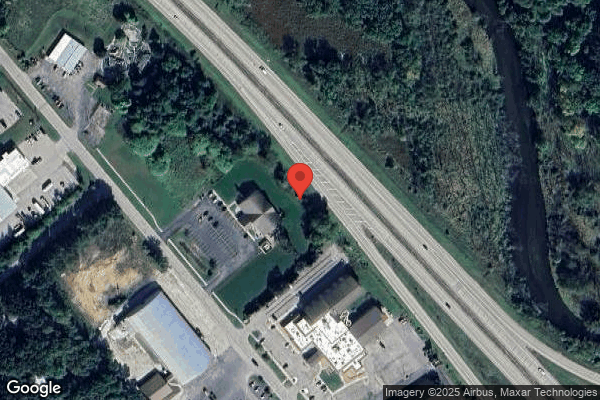
210 CUMBERLIDGE AVE, KING, WI 54946 (715) 258-5586
Government - State 192 Beds Independent Data: November 2025
Trust Grade
70/100
#129 of 321 in WI
Last Inspection: March 2025

Within standard 12-15 month inspection cycle. Federal law requires annual inspections.

Overview

The WI Veterans Home Moses Hall has a Trust Grade of B, indicating it is a good and solid choice for care, though there may be areas for improvement. It ranks #129 out of 321 facilities in Wisconsin, placing it in the top half, and #4 out of 8 in Waupaca County, meaning there are only three facilities better in the local area. However, the facility is facing some challenges, as the trend is worsening, with the number of reported issues increasing from 4 in 2024 to 7 in 2025. Staffing is a strong point, earning a perfect 5/5 rating with a turnover rate of 35%, which is significantly lower than the state average of 47%. Notably, there have been serious concerns, including significant medication errors for two residents that resulted in emergency hospitalizations, as well as issues with food safety practices that could potentially affect all residents. While the facility has no fines on record, the recent increase in incidents highlights the need for ongoing monitoring and improvement.

Trust Score
B
70/100
In Wisconsin
#129/321
Top 40%
Safety Record
Moderate
Needs review
Inspections
Getting Worse
4 → 7 violations
Staff Stability
○ Average
35% turnover. Near Wisconsin's 48% average. Typical for the industry.
Penalties
✓ Good
No fines on record. Clean compliance history, better than most Wisconsin facilities.
Skilled Nurses
✓ Good
Each resident gets 63 minutes of Registered Nurse (RN) attention daily — more than 97% of Wisconsin nursing homes. RNs are the most trained staff who catch health problems before they become serious.
Violations
⚠ Watch
17 deficiencies on record. Higher than average. Multiple issues found across inspections.
★★★★☆
4.0
Overall Rating
★★★★★
5.0
Staff Levels
★★★★☆
4.0
Care Quality
★★★☆☆
3.0
Inspection Score
Stable
2024: 4 issues
2025: 7 issues

The Good

  • 5-Star Staffing Rating · Excellent nurse staffing levels
  • 4-Star Quality Measures · Strong clinical quality outcomes
  • Full Sprinkler Coverage · Fire safety systems throughout facility
  • No fines on record
  • Staff turnover below average (35%)

    13 points below Wisconsin average of 48%

Facility shows strength in staffing levels, quality measures, fire safety.

The Bad

Staff Turnover: 35%

11pts below Wisconsin avg (46%)

Typical for the industry

The Ugly 17 deficiencies on record

1 actual harm
Mar 2025 7 deficiencies 1 Harm
SERIOUS (G)

Actual Harm - a resident was hurt due to facility failures

Deficiency F0760 (Tag F0760)

A resident was harmed · This affected 1 resident

**NOTE- TERMS IN BRACKETS HAVE BEEN EDITED TO PROTECT CONFIDENTIALITY** Based on staff interview and record review, the facility was not free of significant medication errors for 2 residents (R) (R54 ...

Read full inspector narrative →
**NOTE- TERMS IN BRACKETS HAVE BEEN EDITED TO PROTECT CONFIDENTIALITY** Based on staff interview and record review, the facility was not free of significant medication errors for 2 residents (R) (R54 and R170) of 11 sampled residents. R54 received five extra doses of baclofen (a medication used to treat muscle spasms) on 1/15/25 and 1/16/25 due to a transcription error. R54 experienced overdose symptoms that required emergency transport and admission to the hospital on 1/17/25. R170 was administered double the ordered dose of long-acting insulin on 3/1/25 and 3/2/25. Findings include: The facility's Medication Administration policy, revised 2/6/25, indicates: .All medications shall be administered following the seven rights of administration. Right: Medication, Dose, Member, Route, Time, Documentation, Indication .Orders and administration instructions shall be followed at all times .Medication errors shall be reported immediately to the Registered Nurse (RN) . The facility's Orders Management policy, revised 5/1/24, indicates: .The RN is responsible to review the member's plan of care to address revisions needed based on prescribed orders. Orders transcribed in the electronic health record by anyone other than a nurse shall require RN review for accuracy and confirmation prior to administration. Orders from other than the Primary Care Physician (PCP)/designee shall be reviewed and verified with the PCP/designee .Order clarifications shall be documented in the clinical record. Holding orders shall require an end date or duration. Hold orders without an end date or duration shall be clarified with the provider and discontinued, requiring a new provider's order to restart. All orders shall be addressed and processed promptly unless clarification is needed; those needing clarification shall be addressed timely for processing. All transcription errors shall be promptly reported to the RN .When transcribing orders, the prescriber shall always be identified as the ordering provider . 1. On 3/17/25, Surveyor reviewed R54's medical record. R54 was admitted to the facility on [DATE] and had diagnoses including Parkinson's disease and chronic kidney disease. R54's Minimum Data Set (MDS) assessment, dated 1/8/25, had a Brief Interview for Mental Status (BIMS) score of 10 out of 15 which indicated R54 had moderate cognitive impairment. R54 had a Power of Attorney for Healthcare (POAHC) who was responsible for R54's healthcare decisions. R54's medical record indicated R54 was transferred to the hospital on 1/17/25 and readmitted to the facility on [DATE]. An Order note, dated 1/14/25 at 4:59 PM, indicated baclofen 10 milligrams (mg) four times daily (QID) exceeded the usual frequency of one to three times per day. An Administration note by Licensed Practical Nurse (LPN)-F, dated 1/14/25 at 5:05 PM, indicated there was a duplicate order. A Respiratory Therapy note, dated 1/16/25 at 2:00 PM, indicated R54 was extremely drowsy during nebulizer treatments. The Respiratory Therapist reported the information to an RN. An Administration note by LPN-F, dated 1/16/25 at 8:43 PM, indicated R54 was unable to safely take a medication due to lethargy. A Notification note, dated 1/16/25 at 10:11 PM, indicated the on-call physician was notified of a medication error at 9:40 PM. The physician instructed staff to hold baclofen until R54 was alert and monitor R54 overnight. The note indicated R54's POAHC was notified of the medication error and monitoring order. An Incident note, dated 1/16/25 at 10:15 PM, indicated a new order was received on 1/14/25 to increase baclofen 10 mg from three times daily (TID) to QID; however, the TID order was not discontinued and an order to administer baclofen 10 mg QID was added. The error was found in the evening on 1/16/25. R54's vital signs were within normal limits, however, R54 exhibited increased fatigue and weakness. A note, dated 1/17/25 at 12:30 AM, indicated R54 was assessed by an RN. Adverse effects from the medication error were unknown at that time because R54 was sleeping soundly and slept through the assessment. R54's respiratory rate was even, shallow, and unlabored with no concerns. A Health Status note, dated 1/17/25 at 6:51 AM, indicated an RN was called to R54's room at approximately 5:25 AM because R54's legs were shaking. The RN observed R54 in bed and noted both lower legs were shaking with the left leg shaking more than the right. R54's arms could not extend and R54's fists were clenched. R54 was confused, answered only yes or no, and had a delayed response to questions. The on-call physician (who was already aware of the medication error) was notified and requested staff administer carbidopa/levodopa (a medication used to treat Parkinson's disease symptoms of stiff joints and movement), however, R54 was too sleepy to use a straw or swallow. The on-call physician instructed staff to send R54 to the emergency room (ER). R54 left the facility with Emergency Medical Services (EMS) at approximately 6:10 AM. The RN was unable to obtain vital signs due to R54's condition. ER physician notes, dated 1/17/25, indicated R54 was alert and had tremors of both lower legs with stiffness. R54 was sedate but responded to painful and loud verbal stimuli. R54 was conversant upon EMS' arrival at the facility but was sedate and tremulous upon arrival at the ER. The ER physician discussed the case with Poison Control and obtained additional blood levels based on Poison Control's recommendations. The levels were reassuring and R54's condition appeared to be an accidental baclofen overdose. A hospital history and physical note, dated 1/17/25, indicated there was difficulty assessing R54's neurological status at the time of admission to the hospital from the ER. R54 appeared uncomfortable. R54's eyes were open, however, R54 did not follow commands, moaned incomprehensible words, and did not answer questions. R54's arms were stiff with mild tremors. On 3/19/25 at 10:15 AM, Surveyor interviewed Medical Director (MD)-G via phone. MD-G indicated MD-G was aware of the baclofen medication error within 24 hours if not the same day. MD-G indicated the on-call physician was immediately notified when the error was discovered. MD-G indicated MD-G would have issued the same orders as the on-call physician. MD-G indicated when R54's baclofen order was increased by a specialty physician, the nurse should have entered the order in R54's medical record correctly by discontinuing the previous baclofen TID order or should have questioned the physician with any concerns. MD-G indicated the medication error led to R54's hospitalization and indicated the most severe outcomes of a baclofen overdose are mild respiratory distress, sedation, and cognitive changes. MD-G indicated the quantity of baclofen R54 received for the short period of time was not life-threatening but could cause cognitive changes. MD-G participated in the facility's improvement process to determine the cause of the error and reeducate staff in collaboration with the pharmacy. MD-G indicated R54's medical record should have triggered an alert when the order was entered because both the TID and QID orders together exceeded the standard dosing. MD-G indicated standard dosing for baclofen should not exceed 80 mg total per day. MD-G indicated the medication error put (R54) close to that. On 3/19/25 at 10:34 AM, Surveyor again interviewed MD-G via phone. MD-G indicated R54's medical record did generate an alert (see note above) and MD-G believed the pharmacy discontinued the TID order from their end. Surveyor reviewed R54's January 2025 medication administration record (MAR) which contained the following orders: ~ Baclofen 10 mg TID: ordered 9/4/24 and discontinued 1/16/25 at 8:36 PM - received all scheduled doses in January as ordered (at 6:30 AM, 10:30 AM and 6:30 PM) with the following exceptions: no signature on 1/14/25 for the 10:30 AM dose, the 1/14/25 6:30 PM dose was held, no signature on 1/16/25 for the 6:30 PM dose. ~ Baclofen 10 mg QID: ordered 1/14/25 at 3:00 PM and discontinued 1/21/25 at 11:58 AM - received all scheduled doses as ordered (6:30 AM, 10:30 AM, 2:30 PM and 6:30 PM) with the following exceptions: the 6:30 PM dose was documented as refused on 1/16/25. All doses thereafter were not administered because R54 was hospitalized . Based on the above information, R54's MAR indicated R54 received double doses of baclofen (a total of 20 mg each time) on 1/15/25 at 6:30 AM, 10:30 AM, and 6:30 PM and on 1/16/25 at 6:30 AM and 10:30 AM for a total of five double doses. On 3/19/25 at 10:49 AM, Surveyor interviewed Director of Nursing (DON)-B. Immediately after discovering the error, DON-B indicated the facility re-educated all nurses regarding the transcription process and provided one-on-one education to the RN who transcribed R54's baclofen order incorrectly. DON-B indicated LPN-F reported the duplicate order to the RN on 1/14/25 and the RN indicated the RN would take care of it but got distracted. DON-B indicated the facility conducted informal audits of orders following R54's medication error but had no documentation of the audits. DON-B indicated no medication errors had occurred since then. On 3/19/25, Surveyor reviewed the facility's investigation for the medication error which contained a Record of Conversation/Notice, dated 1/25/25, that indicated RN-H was counseled regarding failure to discontinue a duplicate order for a medication which resulted in a medication overdose and hospitalization. The investigation did not indicate a process change was implemented to prevent additional errors and did not contain audits to determine if any other residents were affected. On 3/19/25 at 1:51 PM, Surveyor interviewed DON-B who indicated the process change implemented in response to the medication error is to have staff enter the ordering physician's name with the order unless the PCP is the ordering provider. DON-B verified the process change did not really fix the root cause of the medication error. DON-B indicated the education provided to staff was on the process change plus the overall transcription process. 2. From 3/17/25 to 3/19/25, Surveyor reviewed R170's medical record. R170 was admitted to the facility on [DATE] and had diagnosis of type 2 diabetes mellitus. R170's most recent MDS assessment, dated 2/3/25, indicated R170 had moderate cognitive impairment. On 3/17/25 at 10:21 AM, Surveyor interviewed R170 who indicated R170 had unpredictable fluctuations in R170's blood glucose levels since admission to the facility. On 3/19/25, Surveyor reviewed R170's MAR which included the following long-acting insulin orders: ~ Lantus SoloStar Subcutaneous Solution Pen-injector 100 units/milliliter (ml) (insulin glargine) Inject 14 units subcutaneously at bedtime for diabetes type 2. When pen is completed, please refer to Semglee order. Have RN initiate Semglee order and discontinue Lantus (ordered and started 1/27/25; discontinued 2/7/25). ~ Semglee Subcutaneous Solution Pen-injector 100 units/ml (insulin glargine-yfgn) Inject 14 units subcutaneously at bedtime for diabetes type 2 (ordered 1/27/25; started 1/29/25; discontinued 3/3/25). ~ Lantus SoloStar Subcutaneous Solution Pen-injector 100 units/ml (insulin glargine) Inject 12 units subcutaneously at bedtime for diabetes type 2. When pen is completed, please refer to Semglee order. Have RN initiate Semglee order and discontinue Lantus (ordered and started 2/7/25 for indefinite). R170's medical record indicated R170 was to transition from Lantus SoloStar to Semglee when R170's home supply of Lantus SoloStar was exhausted. The order for Semglee was entered and held from 1/27/25 to 1/29/25. On 3/1/25, Semglee was started but Lantus SoloStar was not discontinued. On 3/1/25 at 6:30 PM, R170 received 14 units of Semglee (insulin glargine-yfgn) and 12 units of Lantus (insulin glargine). On 3/2/25 at 2:30 AM, R170 had an episode of asymptomatic hypoglycemia (low blood sugar). R170's continuous glucose monitoring device alarmed for a blood glucose of 78. On 3/2/25 at 6:30 PM, R170 received 14 units of Semglee (insulin glargine-yfgn) and 12 units of Lantus (insulin glargine). On 3/3/25 at 4:36 AM, R170 had an episode of asymptomatic hypoglycemia. R170's continuous glucose monitoring device alarmed for a blood glucose of 78. On 3/19/25 at 1:54 PM, Surveyor interviewed DON-B who indicated there was not an investigation for the insulin error and staff were not interviewed following the error. DON-B indicated staff education was not completed and a process change(s) was not implemented to prevent similar medication errors.
CONCERN (D)

Potential for Harm - no one hurt, but risky conditions existed

Deficiency F0558 (Tag F0558)

Could have caused harm · This affected 1 resident

**NOTE- TERMS IN BRACKETS HAVE BEEN EDITED TO PROTECT CONFIDENTIALITY** Based on observation, staff interview, and record review, the facility did not ensure a call light was within reach for 1 reside...

Read full inspector narrative →
**NOTE- TERMS IN BRACKETS HAVE BEEN EDITED TO PROTECT CONFIDENTIALITY** Based on observation, staff interview, and record review, the facility did not ensure a call light was within reach for 1 resident (R) (R118) of 35 sampled residents. On 3/17/25, R118 did not have a call light within reach. Findings include: The facility's Member Rounds policy, dated 1/7/25, indicates call lights should be within reach. From 3/17/25 to 3/19/25, Surveyor reviewed R118's medical record. R118 was admitted to the facility on [DATE] and had diagnoses including Alzheimer's dementia, chronic obstructive pulmonary disease, and adult failure to thrive. R118's Minimum Data Set (MDS) assessment, dated 2/25/25, had a Brief Interview for Mental Status (BIMS) score of 11 out of 15 which indicated R118 had moderately impaired cognition. R118's risk for falls care plan indicated R118 was at risk for falls due to a screening evaluation and several predisposing factors. The care plan contained an intervention (dated 12/16/22) to remind R118 to be safe and call for assistance. On 3/17/25 at 10:25 AM, Surveyor observed R118 in a recliner with a pressure sensitive pad alarm. R118 did not have a call light within reach and was unable to call for assistance. Surveyor noted R118's call light was wrapped around a trapezius bar positioned above R118's bed. On 3/17/25 at 10:34 AM, Surveyor interviewed Licensed Practical Nurse (LPN)-E who observed R118's call light. LPN-E verified R118's call light was not within reach and R118 was unable to call for assistance. On 3/18/25 at 2:51 PM, Surveyor interviewed Director of Nursing (DON)-B who indicated residents should have call lights within reach.
CONCERN (D) 📢 Someone Reported This

A family member, employee, or ombudsman was alarmed enough to file a formal complaint

Potential for Harm - no one hurt, but risky conditions existed

Investigate Abuse (Tag F0610)

Could have caused harm · This affected 1 resident

**NOTE- TERMS IN BRACKETS HAVE BEEN EDITED TO PROTECT CONFIDENTIALITY** Based on staff interview and record review, the facility did not ensure an allegation of misappropriation was thoroughly investi...

Read full inspector narrative →
**NOTE- TERMS IN BRACKETS HAVE BEEN EDITED TO PROTECT CONFIDENTIALITY** Based on staff interview and record review, the facility did not ensure an allegation of misappropriation was thoroughly investigated for 1 resident (R) (R73) of 3 sampled residents. On 12/19/24, R73 reported that $150 was missing from R73's room. The facility did not thoroughly investigate the allegation of misappropriation. Findings include: The facility's Prohibition and Prevention of Member Abuse, Neglect, and Exploitation policy, dated 7/2/24, indicates: .To protect the member's right to be free from abuse, neglect, exploitation, and misappropriation of member's property .4. The nursing supervisor or facility administrator immediately initiates initial reporting and conducts a thorough investigation .8. A list of possible witnesses is given to the nursing supervisor as soon as possible .8.2. The Registered Nurses (RNs) follow-up with all staff who were on duty and may have provided care for the affected member at the time of discovery and during the two previous shifts .9. The nursing supervisor continues the investigation by potentially implementing additional interventions to maintain member safety; further investigation may include: .9.3. Interviewing the alleged victim, witnesses, accused individuals, and other members and staff . On 3/17/25, Surveyor reviewed R73's medical record. R73 was admitted to the facility on [DATE] and had diagnoses including multiple sclerosis and unspecified dementia without behavioral disturbance. R73's Minimum Data Set (MDS) assessment, dated 1/22/25, had a Brief Interview for Mental Status (BIMS) score of 15 out of 15 which indicated R73 was not cognitively impaired. R73 had a Power of Attorney for Healthcare (POAHC) who was responsible for R73's healthcare decisions. On 3/17/25, Surveyor reviewed an investigation regarding R73's allegation of missing money. The investigation indicated R73 withdrew money from a bank account on the morning of 12/18/24 for a shopping trip on 12/19/24. R73 refused to have the money securely stored on the night of 12/18/24. When R73 left for the shopping trip on 12/19/24, the money was no longer in the bank envelope. The investigation included an Initial Statement Related to Incident form that contained nine staff names and signatures under the statement, I have no knowledge regarding this incident. Four of the signatures were dated 12/19/24, one signature was dated 12/20/24, two signatures were dated 12/24/24, one signature was dated 12/25/24, and one signature was undated. The investigation also included a Statement Related to Incident, dated 12/19/24, that indicated a staff member had reported R73's missing money to an RN on 12/19/24. On 3/17/25 at 12:09 PM, Surveyor interviewed Commandant (CMD)-C who (following a review of the investigation with Surveyor) verified all staff who had access to R73's room should have been interviewed during the timeframe in question. On 3/17/25 at 1:13 PM, Surveyor interviewed Director of Nursing (DON)-B who indicated DON-B sent an email to CMD-C to be printed for Surveyor. DON-B verified all staff named in the email should have been interviewed regarding R73's missing money. DON-B verified not all staff were interviewed according to the investigation. On 3/17/25, Surveyor reviewed staffing documents from 12/18/24 and 12/19/24 along with an email from DON-B that explained which staff were assigned to R73's unit and on which shift on 12/18/24 and 12/19/24. Of the staff who had access to R73's room during the AM shift on 12/18/24 and 12/19/24, the PM shift on 12/18/24, and the night(NOC) shift from 12/18/24 to 12/19/24, four staff were not interviewed during the investigation.
CONCERN (D)

Potential for Harm - no one hurt, but risky conditions existed

Incontinence Care (Tag F0690)

Could have caused harm · This affected 1 resident

**NOTE- TERMS IN BRACKETS HAVE BEEN EDITED TO PROTECT CONFIDENTIALITY** Based on observation, staff and resident interview, and record review, the facility did not ensure the provision of care and tre...

Read full inspector narrative →
**NOTE- TERMS IN BRACKETS HAVE BEEN EDITED TO PROTECT CONFIDENTIALITY** Based on observation, staff and resident interview, and record review, the facility did not ensure the provision of care and treatment to prevent urinary tract infections (UTIs) for 1 resident (R) (R54) of 3 sampled residents. Staff did not provide suprapubic catheter (a tube that drains urine from the bladder through a small incision in the abdomen) site care for R54. Findings include: The facility did not provide a policy related to suprapubic catheter site care. From 3/17/25 to 3/19/25, Surveyor reviewed R54's medical record. R54 was admitted to the facility on [DATE] and had diagnoses including Parkinson's disease and chronic kidney disease. R54's Minimum Data Set (MDS) assessment, dated 1/8/25, had a Brief Interview for Mental Status (BIMS) score of 10 out of 15 which indicated R54 had moderate cognitive impairment. R54 had a Power of Attorney for Healthcare (POAHC) who was responsible for R54's healthcare decisions. R54's medical record indicated R54 had a suprapubic urinary catheter due to urinary retention as a result of an atonic bladder (a condition where the bladder muscles don't contract which makes it hard to urinate). R54's medical record did not contain an order or indicate routine suprapubic catheter site care was provided to prevent UTIs. R54's medical record indicated R54's suprapubic catheter was changed monthly as ordered by the physician. On 3/17/25 at 11:12 AM, Surveyor interviewed R54 who indicated R54 experienced frequent UTIs at the end of summer in 2024. R54 indicated those have gotten better more recently. On 3/19/25 at 8:56 AM, Surveyor observed Certified Nursing Assistant (CNA)-I empty R54's catheter drainage bag. CNA-I indicated R54's catheter site care was provided by night (NOC) shift staff. On 3/19/25 at 10:56 AM, Surveyor interviewed Director of Nursing (DON)-B who indicated nurses completed suprapubic catheter care. DON-B verified R54's medical record did not contain documentation that suprapubic catheter site care was completed. DON-B was unsure if the facility had a policy specific to suprapubic catheter care. On 3/19/25 at 12:53 PM, Surveyor interviewed DON-B who indicated DON-B searched suprapubic catheter care and the results indicated suprapubic catheter site care should be completed twice daily. DON-B indicated the handwriting on the below mentioned document was DON-B's handwriting from the search. On 3/19/25, Surveyor reviewed an email to DON-B, dated 3/19/25, that indicated the facility had a policy that indicated staff should cleanse suprapubic catheter sites with insertion and removal (when catheter tubing is changed). The email indicated the policy for catheter changes referenced another policy that only addressed routine perineal care with a Foley catheter (a tube inserted in the bladder through the urethra (natural tube through which urine normally exits body)). Handwriting on the email indicated to wash the site with warm soapy water, secure the catheter, and wipe down primal to distal with morning and evening care, and report any redness. On 3/19/25 at 1:55 PM, Surveyor interviewed DON-B who indicated DON-B could not provide documentation that R54 received suprapubic catheter site care. DON-B verified suprapubic catheter site care should have been completed.
CONCERN (D)

Potential for Harm - no one hurt, but risky conditions existed

Respiratory Care (Tag F0695)

Could have caused harm · This affected 1 resident

**NOTE- TERMS IN BRACKETS HAVE BEEN EDITED TO PROTECT CONFIDENTIALITY** Based on staff and resident interview and record review, the facility did not provide the necessary respiratory care and service...

Read full inspector narrative →
**NOTE- TERMS IN BRACKETS HAVE BEEN EDITED TO PROTECT CONFIDENTIALITY** Based on staff and resident interview and record review, the facility did not provide the necessary respiratory care and services for 1 resident (R) (R147) of 2 residents reviewed for oxygen therapy. R147 did not have a physician order for oxygen therapy. Findings include: The facility's Oxygen Therapy policy, revised 10/2/24, indicates: A provider's order is required for extended oxygen use .Orders must indicate the liter flow rate and if delivery is to be continuous or on demand .Humidification bottle shall be replaced as needed; bottles shall be labeled with date opened and shall be discarded no later than 30 days from labeled date .Nasal cannula (NC) shall be replaced at least weekly and when visibly soiled or contaminated .Filters on concentrator units shall be cleaned weekly in warm, soapy water and allowed to air dry prior to replacing .1) When oxygen is ordered, each oxygen delivery device should be labeled with an identification band/label that includes the member's name, facility, room number, and oxygen order .4) When oxygen is discontinued or no longer used, discard all supplies .5) Replace NC/masks weekly Sundays on night shift and when visibly soiled or .6) Once per month, Certified Nursing Assistants (CNAs) replace in-use extension tubing on Sunday night shift when replacing NC/masks .Concentrator unit: .10) Record oxygen administration and member's response in the electronic health record .13) If in use, replace humidification bottle as needed and no later than 30 days since last replaced. When placing a new bottle, indicate date of opening on bottle with a permanent marker .14) When oxygen is no longer needed or discontinued power unit off, remove oxygen supplies from member .Remove unit from member's room . From 3/17/25 to 3/19/25, Surveyor reviewed R147's medical record. R147 was admitted to the facility on [DATE] and had diagnoses including chronic diastolic (congestive) heart failure, obstructive sleep apnea, and type 2 diabetes mellitus with diabetic chronic kidney disease. R147's Minimum Data Set (MDS) assessment, dated 2/12/25, had a Brief Interview for Mental Status (BIMS) score of 15 out of 15 which indicated R147 had intact cognition. R147's medical record did not include physician orders or a care plan for oxygen therapy. On 3/17/25 at 10:23 AM, Surveyor observed R147 with oxygen running at 6 liters per minute (LPM) via nasal cannula connected to an oxygen concentrator. Surveyor noted R147's tubing and humidifier canister were not dated. Surveyor interviewed R147 who indicated R147 needed oxygen and had used oxygen for a while. On 3/18/25 at 1:11 PM, Surveyor interviewed Respiratory Therapist (RT)-J who reviewed R147's medical record and confirmed R147 did not have an order for oxygen even though R147 was known to use oxygen. RT-J indicated a resident on oxygen therapy should have orders for the dose, route, and pulse oximetry parameters. RT-J indicated CNAs were responsible for changing oxygen tubing once per week. On 3/18/25 at 1:20 PM, Surveyor interviewed Director of Nursing (DON)-B who confirmed R147 did not have an order or care plan for oxygen therapy. DON-B indicated R147 should have an oxygen order and care plan. On 3/18/25 at 2:15 PM, DON-B provided Surveyor with a written physician order for R147 (dated 9/17/24) for oxygen 1-2 liters to keep saturation above 88%. DON-B indicated the order dropped off R147's physician orders but should not have.
CONCERN (D)

Potential for Harm - no one hurt, but risky conditions existed

Infection Control (Tag F0880)

Could have caused harm · This affected 1 resident

**NOTE- TERMS IN BRACKETS HAVE BEEN EDITED TO PROTECT CONFIDENTIALITY** Based on observation, staff interview, and record review, the facility did not establish and maintain an infection prevention an...

Read full inspector narrative →
**NOTE- TERMS IN BRACKETS HAVE BEEN EDITED TO PROTECT CONFIDENTIALITY** Based on observation, staff interview, and record review, the facility did not establish and maintain an infection prevention and control program designed to prevent the transmission of communicable disease and infection for 2 residents (R) (R79 and R72) of 3 sampled residents. R79 was on enhanced barrier precautions (EBP). On 3/18/25, Licensed Practical Nurse (LPN)-D did not wear a gown during catheter care for R79. R72 was on EBP. On 3/8/25, LPN-D did not wear a gown while administering medications via gastrostomy tube (G-tube) to R72. Finding includes: The facility's Transmission-Based Precautions policy, dated 4/11/24, indicates: Enhanced Barrier Precautions (EBP): For members with novel or targeted multidrug-resistant organism (MDRO) infections, indwelling medical devices and wounds, including as part of a public health containment response. This type of precaution falls between standard and contact precautions and requires gown and glove use for certain members during specific high-contact member care activities that have been found to be at increased risk for MDRO transmission .Residents with device care or use: central line, urinary catheters, feeding tubes, tracheostomy/ventilator . 1. From 3/17/25 to 3/19/25, Surveyor reviewed R79's medical record. R79 was admitted to the facility on [DATE] and had diagnoses including diabetes and disorder of the bladder. R79 had an indwelling urinary catheter. R79's Minimum Data Set (MDS) assessment, dated 2/10/25, had a Brief Interview for Mental Status (BIMS) score of 15 of 15 which indicated R79 was not cognitively impaired. On 3/18/25 at 11:50 AM, Surveyor observed LPN-D empty R79's Foley catheter bag without wearing a gown. Surveyor interviewed LPN-D who verified LPN-D should have worn a gown when emptying R79's catheter bag per the facility's EBP policy. LPN-D verified R79 was on EBP. 2. From 3/17/25 to 3/19/25, Surveyor reviewed R72's medical record. R72 was admitted to the facility on [DATE] and had diagnoses including dysphagia, chronic obstructive pulmonary disease, and heart failure. R72 had a G-tube. R72's MDS assessment, dated 12/26/24, had a BIMS score of 15 out of 15 which indicated R72 was not cognitively impaired. On 3/18/25 at 11:56 AM, Surveyor observed LPN-D administer medication to R72 via G-tube without wearing a gown. Surveyor interviewed LPN-D who verified LPN-D should have won a gown when administering medication to R72 per the facility's EBP policy. LPN-D verified R72 was on EBP. On 3/18/25 at 2:53 PM, Surveyor interviewed Director of Nursing (DON)-B who indicated R79 and R72 were on EBP and LPN-D should have worn a gown during high-contact resident cares. DON-B indicated emptying a catheter bag and administering medication via G-tube were considered high-contact resident cares.
CONCERN (E)

Potential for Harm - no one hurt, but risky conditions existed

Food Safety (Tag F0812)

Could have caused harm · This affected multiple residents

Based on observation, staff interview, and record review, the facility did not ensure food was stored and prepared in a safe and sanitary manner. This practice had the potential to affect more than 4 ...

Read full inspector narrative →
Based on observation, staff interview, and record review, the facility did not ensure food was stored and prepared in a safe and sanitary manner. This practice had the potential to affect more than 4 of the 176 residents residing in the facility. Food items for resident consumption were not appropriately labeled and/or were beyond the discard date. Equipment in the main kitchen was not in clean condition and/or covered. Findings include: On 3/17/25 at 9:20 AM, Surveyor interviewed Dietary Manager (DM)-K who stated the facility follows the Federal Food Code. Food Labeling/Storage: The 2022 FDA Food Code documents at 3-501.17 Ready-to-Eat, Time/Temperature Control for Safety Food, Date Marking: .(B) Except as specified in (E)-(G) of this section, refrigerated, ready-to-eat time/temperature control for safety food prepared and packaged by a food processing plant shall be clearly marked, at the time the original container is opened in a food establishment and if the food is held for more than 24 hours, to indicate the date or day by which the food shall be consumed on the premises, sold, or discarded, based on the temperature and time combinations specified in (A) of this section and: (1) The day the original container is opened in the food establishment shall be counted as day 1; and (2) The day or date marked by the food establishment may not exceed a manufacturer's use-by date if the manufacturer determined the use-by date based on food safety. During an initial kitchen tour that began at 9:20 AM on 3/17/25, Surveyor noted an item in the cooler labeled tater tot casserole with a prepped date of 12/12/23, a pulled date of 12/13/23, and no use-by date. Surveyor noted an item in the freezer labeled gluten free (GF) hot dog bun (single) dated 2/12 with no year or use-by date. Surveyor also noted an open box of turkey breasts dated 9/25/22 with no use-by date. On 3/17/25 at 9:20 AM, Surveyor interviewed DM-K who confirmed the tater tot casserole, hot dog bun, and turkey breasts were past their expiration dates and should have been discarded. Cleanliness: The 2022 FDA Food Code documents at 4-601.11 Equipment, Food-Contact Surfaces, Nonfood-Contact Surfaces, and Utensils: (A) Equipment food-contact surfaces and utensils shall be clean to sight and touch. (B) The food-contact surfaces of cooking equipment and pans shall be kept free of encrusted grease deposits and other soil accumulations. The 2022 FDA Food Code documents at 4-602.13 Nonfood-Contact Surfaces: Nonfood-contact surfaces of equipment shall be cleaned at a frequency necessary to preclude accumulation of soil residue. The 2022 FDA Food Code documents at 4-903.11 Equipment, utensils, linens, and single-service and single-use articles: (a) Except as specified in (d) of this section, cleaned equipment and utensils, laundered linens, and single-service and single-use articles shall be stored: (1) in a clean, dry location; (2) where they are not exposed to splash, dust, or other contamination; and (3) at least 15 centimeters (cm) (6 inches) above the floor. (b) Clean equipment and utensils shall be stored as specified under (a) of this section and shall be stored: (1) in a self-draining position that allows air drying; and (2) covered or inverted. During an initial tour of the kitchen that began at 9:20 AM on 3/17/25, Surveyor observed a coffee dispensing machine and noted dried coffee ground-like debris on the interior compartment. Surveyor also noted a cleaning sign off log posted on the exterior of the dispenser. The cleaning log indicated the coffee dispenser should be cleaned weekly on Fridays and was last cleaned on 1/10/25. On 3/17/25 at 9:20 AM, Surveyor interviewed DM-K who confirmed the coffee dispenser should be cleaned weekly on Fridays. DM-K acknowledged the dried debris on the interior of the dispenser and verified the last time staff indicated it was cleaned was on 1/10/25. During a follow-up tour of the kitchen that began at 12:01 PM on 3/18/25, Surveyor noted the coffee dispenser appeared to have been cleaned and the cleaning log contained a date of 3/17/25. On 3/17/25 at 9:20 AM, Surveyor observed three standing mixers in the main kitchen. The mixers were not in use and were not covered. Surveyor also observed a vertical cutter mixer (VCM) and 5+ VCM disc blades that were hung on the wall. The VCM and disc blades were not covered. On 3/17/25 at 9:20 AM, Surveyor interviewed DM-K who stated the three stand mixers, the VCM, and the blades are not covered when not in use.
Jan 2024 3 deficiencies
CONCERN (D)

Potential for Harm - no one hurt, but risky conditions existed

Comprehensive Care Plan (Tag F0656)

Could have caused harm · This affected 1 resident

**NOTE- TERMS IN BRACKETS HAVE BEEN EDITED TO PROTECT CONFIDENTIALITY** Based on resident and staff interview and record review, the facility did not ensure a comprehensive resident-centered care plan...

Read full inspector narrative →
**NOTE- TERMS IN BRACKETS HAVE BEEN EDITED TO PROTECT CONFIDENTIALITY** Based on resident and staff interview and record review, the facility did not ensure a comprehensive resident-centered care plan was developed for 1 Resident (R) (R118) of 32 sampled residents. R118 expressed delusional statements. The facility did not assess for the validity of the statements or develop a comprehensive care plan with individualized interventions to address the delusional statements. Findings include: On 1/29/24, Surveyor reviewed R118's medical record. R118 was admitted to the facility on [DATE] with diagnoses including Alzheimer's disease and anxiety disorder. R118's Minimum Data Set (MDS) assessment, dated 11/1/23, contained a Brief Interview for Mental Status (BIMS) score of 11 out of 15 which indicated R118 had moderate cognitive impairment. R118's Power of Attorney for Healthcare (POAHC) document, activated on 1/22/20, indicated R118's POAHC was responsible for R118's healthcare decisions. On 1/29/24 at 9:37 AM, Surveyor interviewed R118 who stated, . Men tried to trap me down in the office by the church. When I got down to the bottom, three of them worked me over . R118 indicated there were coyotes or something there and stated, I'm sure my mom wouldn't like it. They notified the police. On 1/29/24 at 10:28 AM, Surveyor interviewed POAHC-C via phone. When informed of the above statements from R118, POACH-C stated, (R118) doesn't know what's going on, not right in the head. On 1/29/24, Surveyor reviewed R118's care plan which contained no mention of a history of delusional thoughts or statements. R118's medical record contained documentation of other monitored behaviors, but the listed behaviors did not include delusional statements. R118's nursing progress notes did not contain mention of R118's delusional statements. R118's medical record contained a physician note, dated 11/9/23, that indicated: (R118) is a poor historian(secondary) to dementia, but continues false fixed belief about recent assault. This was the same conversation during my September interview with (R118). 'They threw a rock at me' 'Tore all my clothes off' 'Beat me down' .confusion noted .moderate late onset Alzheimer's dementia without behavioral disturbance, psychotic disturbance, mood disturbance, or anxiety . On 1/30/24 at 1:33 PM, Surveyor interviewed Certified Nursing Assistant (CNA)-D who indicated R118 can be pretty delusional at times. CNA-D stated, Sometimes (R118) will say two men put me in the basement and hit me with a brick. That's the kind of a story (R118) will go back to. Hard to redirect (R118). When asked what interventions staff use to help R118 during those times, CNA-D indicated staff try to change the subject or use food as a distraction. CNA-D stated, (R118) hangs onto things, even if we try to reassure (R118). (R118) has knee pain and sometimes (R118) will say (the above story) is the cause of (R118's) pain. On 1/30/24 at 1:41 PM, Surveyor interviewed Social Worker (SW)-E and asked if the facility's interdisciplinary team was aware of the above statements that R118 expressed to Surveyor. SW-E stated, (R118) has said that to (R118's) family too. We are aware of it. There was never any injury. SW-E indicated staff assess for injury when R118 expresses the delusional statements. When Surveyor indicated R118's care plan does not contain mention of delusional statements, SW-E stated, I haven't heard (R118) has said that in a long time. I was not aware (R118) has said that since admitted to [NAME] (Hall). (R118) said it when in (previous facility on same campus). When asked why R118's delusional statements were not contained in R118's care plan, SW-E stated, I don't have a good answer to give you. Following a discussion regarding CNA-D's interview and the 11/9/23 physician note, Surveyor asked if the delusional statements should be addressed in R118's care plan. SW-E stated, Yes and it will be.
CONCERN (D)

Potential for Harm - no one hurt, but risky conditions existed

Deficiency F0757 (Tag F0757)

Could have caused harm · This affected 1 resident

Based on staff interview and record review, the facility did not ensure monitoring of high-risk medications for 1 Resident (R) (R41) of 5 residents reviewed for unnecessary medications. R41's medical ...

Read full inspector narrative →
Based on staff interview and record review, the facility did not ensure monitoring of high-risk medications for 1 Resident (R) (R41) of 5 residents reviewed for unnecessary medications. R41's medical record did not contain monitoring documentation for adverse reactions to anticoagulant and opioid medications. Findings include: According to the Davis's Drug Guide for Nurses 18th edition copyright 2023 adverse reactions/side effects of oxycodone include, but are not limited to: orthostatic hypertension, dry mouth, dizziness, loss of appetite, altered mental status, anxiety, constipation, depression, nausea, vomiting, pruritus, respiratory distress, sedation, urinary retention .Monitor for respiratory depression, rate, depth, after administration of pain medications. According to the Davis's Drug Guide for Nurses 18th edition copyright 2023 adverse reactions/side effects of Eliquis include bruise and bleed more easily or longer than usual .notify health care professional immediately if signs of bleeding (unusual bruising, pink or brown urine, red or black, tarry stools, coughing up blood, vomiting blood, pain or swelling in a joint, headache, dizziness, weakness, recurring nose bleeds, unusual bleeding from gums, heavier than normal menstrual bleeding, dyspepsia, abdominal pain, epigastric pain) occurs or if injury occurs, especially head injury. On 1/31/24, Surveyor reviewed R41's medical record. R41 had diagnoses including atrial fibrillation, muscle weakness, type 2 diabetes with diabetic polyneuropathy, chronic pain syndrome, and primary generalized osteoarthritis. R41's Minimum Data Set (MDS) assessment, dated 12/6/23, contained a Brief Interview for Mental Status (BIMS) score of 13 out of 15 which indicated R41 had intact cognition. R41 did not have an activated decision maker. R41's medical record contained orders for Eliquis (an anticoagulant medication) 2.5 mg (milligrams) one tablet twice daily, oxycodone hydrochloride (an opioid medication used to treat pain) 5 mg every six hours as needed, and tramadol (an opioid medication used to treat pain) 50 mg every twelve hours as needed, but did not indicate staff monitored R41 for adverse reactions to the medications. On 1/31/24 at 9:02 AM, Surveyor interviewed Director of Nursing (DON)-B who indicated the facility's expectation is that staff monitor residents for adverse reactions to high-risk medications, such as anticoagulant and opioid medications, and that high-risk medications are included in residents' care plans. DON-B verified R41 had orders for Eliquis, oxycodone and tramadol. DON-B indicated staff know the residents well and recognize changes in condition. When Surveyor asked about agency staff and new hires who are not familiar with the residents and their medications, DON-B confirmed the information, including monitoring for adverse reactions, should be included in residents' care plans. DON-B stated DON-B would review R41's care medical record and care plan for monitoring of the high-risk medications. On 1/31/24 at 10:10 AM, DON-B approached Surveyor and confirmed R41's medical record and care plan did not include monitoring for adverse reactions of anticoagulant and opioid medications per the facility's expectation.
CONCERN (F)

Potential for Harm - no one hurt, but risky conditions existed

Food Safety (Tag F0812)

Could have caused harm · This affected most or all residents

Based on observation, staff interview and record review, the facility did not ensure kitchen equipment was monitored appropriately to ensure food safety. This practice had the potential to affect all ...

Read full inspector narrative →
Based on observation, staff interview and record review, the facility did not ensure kitchen equipment was monitored appropriately to ensure food safety. This practice had the potential to affect all 164 residents residing in the facility. Mechanical warewashing wash, sanitization, and internal surface temperature logs were not consistently completed. Cooking and cooling temperature logs for food cooked in the oven were not consistently completed. Logs that documented parts per million (PPM) of the sanitizing solution in sanitizer buckets and sanitization levels in the 3 compartment sink were not consistently completed. Findings include: On 1/29/24 at 8:40 AM, Surveyor began an initial kitchen tour with Dietary Administrator (DA)-F and Food Service Manager (FSM)-I. DA-F indicated the facility followed the US Food and Drug Administration (FDA) Food Code. The FDA Food Code 2022 at 3-402.12 Records, Creation and Retention indicates: Records must be maintained to verify that the critical limits required for food safety are being met. Records provide a check for both the operator and the regulator in determining that monitoring and corrective actions have taken place. 1. The FDA Food Code 2022 at 4-501.110 Mechanical Warewashing Equipment, Wash Solution Temperature indicates: (A) The temperature of the wash solution in spray type warewashers that use hot water to sanitize may not be less than: (4) For a multi-tank, conveyor, multi-temperature machine, 150 degrees Fahrenheit (F). The FDA Food Code 2022 at 4-501.112 Mechanical Warewashing Equipment, Hot Water Sanitization Temperatures indicates: (A) .in a mechanical operation, the temperature of the fresh hot water sanitizing rinse .(2) For all other machines, 180 degrees F. During the initial kitchen tour on 1/29/24, Surveyor requested to review the January 2024 dishwasher temperature log. FSM-I provided the log and Surveyor noted there were missing dates. On 1/30/24 at 11:08 AM, DA-F provided additional requested logs. DA-F stated the log should be filled out by the kitchen supervisor prior to the morning dish cycle and again during the afternoon dish cycle. Surveyor noted: ~The November 2023 dishwasher temperature log indicated temperatures were documented at least once daily for 10 out of 30 days and 20 days contained no documentation. ~The December 2023 dishwasher temperature log indicated temperatures were documented at least once daily for 11 out of 31 days and 20 days contained no documentation. ~The January 2024 dishwasher temperature log indicated temperatures were documented at least once daily for 14 out of 28 days and 14 days contained no documentation. Surveyor noted on the dates the temperatures were recorded, the warewashing machine external and internal sani-disk temperatures were within the appropriate wash and sanitization ranges. On 1/30/24 at 11:08 AM, DA-F indicated the logs should be completed twice daily by the kitchen supervisors. 2. The FDA Food Code 2022 at 3-501.14 Cooling indicates: (A) Cooked time/temperature control for safety food shall be cooled: (1) Within 2 hours from 135º Fahrenheit (F) to 70°F; and (2) Within a total of 6 hours from 135ºF to 41°F or less. (B) Time/Temperature Control for Safety Food (TCS) shall be cooled within 4 hours to 41 degrees F or less if prepared from ingredients at ambient temperature, such as reconstituted foods and canned tuna. During the initial kitchen tour on 1/29/24, Surveyor requested to review cook temperature logs to ensure food was cooked to the appropriate temperature and cooled within the regulatory timeframe. On 1/30/24 at 11:08 AM, DA-F provided 4 logs for January 2024. The logs indicated at the top: Record product name along (include all versions) and final cooking temperature. Record cooling temperatures every hour during the cooling cycle. Record corrective action, if applicable. The food service manager will verify that the production staff is cooking and cooling food properly by visually monitoring production employees during the shift and reviewing, initialing, and dating this log daily. DA-F stated the facility uses a cook chill system in which some items are cooked in bulk in large kettles. The kettles are digitally monitored for time and temperature through the cooking and cooling process by a computerized line graph on a paper wheel. The facility uses a paper log for food items cooked in the oven and then cooled for the cook chill system. The paper log contains cook temperatures and cooling temperatures. For the month of January, DA-F provided a log for 1/8/24, 1/10/24, 1/15/24, and 1/29/24. On 1/30/24 at 11:22 AM, Surveyor interviewed [NAME] (CK)-G who confirmed paper logs are filled out for food cooked and cooled in the oven. CK-G and DA-F indicated the oven is not used every day, but was used more than the 4 days that were documented. DA-F indicated when food is cooked in the oven, staff should be document the cooking and cooling temperatures. Surveyor also noted the log was not completely filled out per the instructions at the top that indicated the food service manager would review, initial, and date the log daily. 3. The FDA Food Code 2022 at 4-501.114 Manual and Mechanical Warewashing Equipment, Chemical Sanitization-Temperature, pH, Concentration, and Hardness indicates: A chemical sanitizer used in a sanitizing solution for a manual or mechanical operation at contact times specified under 4-703.11(C) shall meet the criteria specified under 7-204.11 Sanitizers, Criteria, shall be used in accordance with the EPA-registered label use instructions. The FDA Food Code 2022 at 4-501.116 Warewashing Equipment, Determining Chemical Sanitizer Concentration indicates: Concentration of the sanitizing solution shall be accurately determined by using a test kit or other device. The facility's PPM Monitoring for 3 Compartment Sanitation Sink and Sanitation Buckets policy, dated 11/6/15, indicates: The PPM of the sanitizing sink or bucket must be checked every 2 hours to ensure appropriate sanitizing levels. Procedure: At the indicated times on the recording sheet . The facility's Sanitizing Solution Concentration/Wiping Cloth Use policy, with a review date of April 2011, indicates: A PPM monitoring record shall be maintained with the daily mixing of sanitizing solution for spray bottles and sanitizing buckets. Completed monitoring records shall be filed along with the Bureau of Dietary Services for a period of at least 6 months. During the initial kitchen tour on 1/29/24, Surveyor requested to review the 3 compartment sink and sanitization bucket test logs. FSM-I provided logs for January 2024 that were incomplete. On 1/30/24, DA-F provided the November and December 2023 logs which contained the following information: Sanitization Bucket: ~The December 2023 log was completed for 3 out of 31 days. ~The January 2024 log was completed for 7 out of 28 days. 3 Compartment Sink: ~The November 2023 log was completed for 16 out of 30 days. ~The December 2023 log was completed for 17 out of 31 days. ~The January 2024 log was completed for 17 out of 29 days. On 1/30/23 at 11:08 AM, DA-F indicated sanitization bucket and 3 compartment sink testing should be completed per policy.
Jan 2024 1 deficiency
CONCERN (D) 📢 Someone Reported This

A family member, employee, or ombudsman was alarmed enough to file a formal complaint

Potential for Harm - no one hurt, but risky conditions existed

Quality of Care (Tag F0684)

Could have caused harm · This affected 1 resident

**NOTE- TERMS IN BRACKETS HAVE BEEN EDITED TO PROTECT CONFIDENTIALITY** Based on staff interview and record review, the facility did not ensure pathology results were processed in a timely manner for ...

Read full inspector narrative →
**NOTE- TERMS IN BRACKETS HAVE BEEN EDITED TO PROTECT CONFIDENTIALITY** Based on staff interview and record review, the facility did not ensure pathology results were processed in a timely manner for 1 Resident (R) (R3) of 1 resident reviewed. R3 had a skin biopsy on 5/16/23. The biopsy results were received by the facility on 6/5/23. The facility did not act on or ensure R3 was updated on the biopsy results until 8/1/23. Findings include: The facility's Notification of Member Status Change policy, last reviewed 3/29/23, indicated the facility will immediately inform the member, consult with the physician, and notify the member's representative (consistent with his or her authority) when there is a need to alter treatment significantly. On 1/16/24, Surveyor reviewed R3's medical record. R3 was admitted to the facility on [DATE]. A diagnosis of malignant neoplasm of skin was added to R3's diagnoses list on 1/2/24. R3's most recent Minimum Data Set (MDS) assessment, dated 12/27/23, contained a Brief Interview for Mental Status (BIMS) score of 14 out of 15 which indicated R3 had intact cognition. The MDS also indicated R3 required assistance with some activities of daily living (ADLs). On 1/16/24 at 10:07 AM, Surveyor interviewed Unit Clerk (UC)-D who indicated R3 had a skin biopsy on 5/16/23 and returned to the facility with orders on how to care for the biopsy site. UC-D indicated Dermatology Office (DO)-C stated they would get back to the facility with the biopsy results and next steps. UC-D indicated the facility received the biopsy results on 6/5/23 and uploaded the results into R3's medical record. On 1/16/24 at 10:25 AM, Surveyor interviewed Registered Nurse (RN)-E who indicated R3 asked about the biopsy results after the procedure. RN-E looked up the results in EPIC (an electronic medical records system) and noted a document, dated 5/16/23, from DO-C that stated, Follow up in 1 year. Other Instructions: Pending pathology. RN-E could not recall if RN-E saw the statement Pathology pending when RN-E reviewed the document in EPIC. On 1/16/24 at 11:02 AM, Surveyor interviewed R3 who stated, They scheduled it for removal pretty quick .I can't remember if I asked the nurse about the biopsy. On 1/16/24 at 11:25 AM, Surveyor interviewed Social Worker (SW)-F who indicated R3 was R3's own decision maker, but preferred R3's daughter be updated with health issues and other concerns. On 1/16/24 at 12:29 PM, Surveyor interviewed Director of Nursing (DON)-B who recalled a conversation with R3's daughter regarding a lack of communication between DO-C and the facility regarding the biopsy results. Surveyor showed DON-B a document from DO-C, dated 5/16/23, that stated on page 2, Follow up in 1 year. Other instructions: Pending pathology. DON-B indicated staff could have done better in handling the communication related to R3's biopsy results. On 1/16/24 at 12:59 PM, Surveyor called DO-C and spoke to Dermatology Staff (DS)-G who indicated DO-C's records indicated DO-C called the facility on 6/5/23, spoke with a nurse (name unknown), and faxed the pathology report that indicated R3 had basal cell carcinoma. DS-G stated DO-C called the facility again on 7/5/23 and left a message requesting a call back. DO-C called the facility again on 8/1/23 and spoke with a nurse (name unknown). DS-G indicated an appointment was made on 8/1/23 for surgical removal of R3's cancerous skin lesion on 8/30/23.
Aug 2023 1 deficiency
CONCERN (D) 📢 Someone Reported This

A family member, employee, or ombudsman was alarmed enough to file a formal complaint

Potential for Harm - no one hurt, but risky conditions existed

Report Alleged Abuse (Tag F0609)

Could have caused harm · This affected 1 resident

**NOTE- TERMS IN BRACKETS HAVE BEEN EDITED TO PROTECT CONFIDENTIALITY** Based on staff interview and record review, the facility failed to implement policies and procedures for ensuring the reporting ...

Read full inspector narrative →
**NOTE- TERMS IN BRACKETS HAVE BEEN EDITED TO PROTECT CONFIDENTIALITY** Based on staff interview and record review, the facility failed to implement policies and procedures for ensuring the reporting of a reasonable suspicion of a crime in accordance with section 1150B of the Act for 1 Member (M) (M2) of 6 sampled members. On 6/21/23, M2 reported to the facility that all of M2's money was missing from M2's wallet. The facility did not report the suspected crime of misappropriation of member property to law enforcement. Findings include: The facility's Prohibition and Prevention of Member Abuse, Neglect, and Exploitation policy, with a revision date of April 25, 2023, stated the purpose of the policy was to protect the member's right to be free from abuse, neglect, exploitation, and misappropriation of member's property. All incidents shall be investigated and reported to the appropriate agency as required. Incidents not resulting in serious bodily injury must be reported to law enforcement no later than 24 hours after forming a suspicion. On 8/1/23, Surveyor reviewed M2's medical record. M2 was admitted to the facility with diagnoses to include diabetes mellitus and end stage renal disease. M2's annual Minimum Data Set (MDS) assessment, dated 7/19/23, indicated M2's cognition was 15 out of 15 (the higher the score, the more cognizant). On 8/1/23, Surveyor reviewed M3's medical record. M3 was admitted to the facility with diagnoses to include a history of alcohol abuse and dementia. M3's quarterly MDS assessment, dated 6/28/23, indicated M3's cognition was 15 out of 15. On 8/1/23, Surveyor reviewed a facility-reported incident (FRI) with a date occurred of 6/21/23. The FRI indicated M2 reported to Registered Nurse Supervisor (RNS)-C that M2 was at the vending machines and placed M2's wallet on the counter. While getting purchases, M2 dropped change. M3 wheeled over and offered to help M2 look for the change. When M2 put the change found back in M2's wallet, the rest of M2's money was missing from M2's wallet. M2 indicated M2 had 25 dollars (all [NAME]) in the wallet. When RNS-C asked if M2 wanted law enforcement called, M2 declined and did not want to press charges. M2 just wanted M2's money back. Permission was obtained to view security tape from the vending area. Upon review of the security tape, it was discovered M3 assisted M2 at the vending machine, left the area, took the elevator somewhere, came back to the lobby, and left the facility via taxi. M3 was interviewed and stated M3 assisted another member with looking for change in the vending machine area. M3 gave permission for the facility to search M3's room. Two bottles of vodka were found in M3's room. M3 verified M3 took a taxi to the gas station and bought the alcohol which cost almost 15 dollars and the cost of the taxi was 10 dollars with tip included. M3 then stated M3 had not been accused of stealing before. M3 had 24 dollars in M3's room. M3 gave the money to the facility to give back to M2 and the facility provided one dollar to total 25 dollars which was returned to M2 on 6/22/23. The investigation indicated law enforcement was not notified by the facility on the 24 hour and five day reports submitted to the State Agency (SA). On 8/1/23 at 11:54 AM, Surveyor interviewed Assistant Director of Nursing (ADON)-D regarding the facility's policy on notifying law enforcement after an allegation of misappropriation of member property. ADON-D verified law enforcement was not notified after M3 stole money from M2's wallet and stated, I was not aware police needed to be called if a member doesn't want police called even though M3 committed theft, which is a crime. On 8/1/23 at 1:58 PM, Surveyor interviewed Nursing Home Administrator (NHA)-A regarding the facility's policy on notifying law enforcement after an allegation of misappropriation of member property. NHA-A verified M3 took M2's money. NHA-A indicated taking money is theft and theft is a crime.
Jan 2023 5 deficiencies
CONCERN (D)

Potential for Harm - no one hurt, but risky conditions existed

Deficiency F0576 (Tag F0576)

Could have caused harm · This affected 1 resident

**NOTE- TERMS IN BRACKETS HAVE BEEN EDITED TO PROTECT CONFIDENTIALITY** 2. R72 was admitted to the facility on [DATE] and had a diagnosis of legal blindness. R72 recently moved to a private room in th...

Read full inspector narrative →
**NOTE- TERMS IN BRACKETS HAVE BEEN EDITED TO PROTECT CONFIDENTIALITY** 2. R72 was admitted to the facility on [DATE] and had a diagnosis of legal blindness. R72 recently moved to a private room in the newly constructed building. R72 had a Brief Interview for Mental Status (BIMS) score (a brief verbal test that indicates an individuals level of cognition) of 15/15 which indicated R72 was cognitively intact. On 1/3/23 at 10:45 AM, Surveyor interviewed R72 who stated the only thing R72 wanted was a working phone in R72's room. R72 stated R72 had a cordless phone that worked fine in R72's previous building; however there was no place to plug in R72's cordless phone in the new room and nothing seemed to work. On 1/3/23 at 11:38 AM, Surveyor observed R72 in the dining/lobby area of R72's household. R72 yelled for help and stated, I need a button pusher. Staff assisted R72 who made two phone calls while in the lobby. Surveyor could hear R72's conversations. Surveyor also observed other residents sitting in the dining/lobby area during R72's phone conversations. On 1/4/23 at 9:12 AM, Surveyor completed a follow-up interview with R72 who stated the facility's phones did not reach R72's room. R72 called R72's spouse daily and stated the only phone to use was in the lobby. R72 stated a private area for conversing would be nice. On 1/4/23 at 9:45 AM, Surveyor interviewed Unit Clerk (UC)-Q who didn't think there were land line phones in residents rooms. UC-Q also stated cell phones didn't work in the building. When asked about cordless phones to take into resident rooms, UC-Q stated, They will go a little bit down the hall, but once you enter the resident's room, they stop working. UC-Q verified residents used the phone in the dining/lobby area. UC-Q was not aware of a private space residents could use a phone and stated no one asked UC-Q. On 1/4/23 at 3:17 PM, Surveyor interviewed Ombudsman (OMB)-R regarding another topic. OMB-R asked Surveyor if there were phone issues in the new building. OMB-R stated OMB-R spoke with SW-H in November of 2022 (when there were approximately 20 residents in the building) regarding phones not working in resident rooms and concerns that the only phones residents could use were in the lobby. At that time, OMB-R stated SW-H said, No one wants to come out in their jammies to make a phone call. OMB-R stated SW-H said there was a plan in place to rectify the situation; however, the plan was nixed. OMB-R was curious if it was still an issue because OMB-R had not heard anything since then. Based on observation and resident and staff interview, the facility did not ensure 2 Residents (R) (R21 and R72) of 2 residents had access to the use of a telephone in a private area in which calls could be made without being overheard. R21's room did not contain a phone jack. R21's family purchased a modem to connect a land line phone per the facility's suggestion; however, the system did not work. R21 was offered use of the facility's dining room phone; however, the phone was not in a private area which made it difficult for R21 to use with hearing aides. R72's room did not contain a working phone. R72 stated R72 had to use the phone in the dining room which was not in a private area. Findings include: 1. R21 was admitted to the facility on [DATE]. R21 moved to the newly constructed [NAME] Hall in October of 2022. On 1/03/23 at 10:51 AM, Surveyor interviewed R21. R21 stated R21's biggest concern was that R21's telephone did not work and pointed to a land line phone in R21's room. Surveyor noted the telephone was lit and displayed the date and time. The telephone was plugged into an electrical outlet and also contained a cord which was connected to a modem that contained two antennae. R21 stated R21's family brought in three different phones, but none of them worked. Surveyor observed a list of names and phone numbers next to the phone which R21 stated were family and friends. R21 asked Surveyor to try dialing out. Surveyor lifted the receiver; however, no dial tone was heard and after dialing a number, nothing happened. R21 stated, I don't have anyone to talk to so it would be nice to able to call my family or friends. R21 stated there was a phone in the dining room; however, it was difficult for R21 to use because R21 had hearing aides. R21 stated R21 had a speaker feature on the room phone that worked better with the hearing aides and prevented the plastic on the hearing aides from hitting the plastic on the phone. R21 also stated the location of the dining room phone was hard for someone in a wheelchair to reach on their own. Surveyor recalled that prior to interviewing R21, Surveyor observed another resident using the dining room phone at approximately 10:00 AM while other residents were in the room within listening distance. Surveyor observed the countertop where the phone was located and noted the counter was centrally located in the dining room. Surveyor also noted the counter was deep in width and if the phone was set on the back of the counter, the phone could be hard to reach for someone attempting to access it from a wheelchair. On 1/3/23 at 2:00 PM, Surveyor attempted to utilize a cellular phone within the facility to contact resident representatives and noted there were issues with cellular reception. On 1/04/23 at 10:13 AM, Surveyor interviewed Social Worker (SW)-H. SW-H stated, Phones have been a challenge. SW-H indicated the newly constructed building did not have phone [NAME] in resident rooms. SW-H verified R21's family brought R21 a phone and stated, I struggle to get that thing (room phone) to work. SW-H stated R21's family did exactly what they were supposed to do. SW-H also stated another resident obtained a modem and it seemed to work; however, the same system did not work for R21's phone. SW-H indicated R21 also had a cell phone, but it did not work either as cell phones frequently did not work in the building. SW-H stated residents had to get a modem or use the phone located in the dining room counter or a phones in a staff's office. SW-H stated that from what SW-H heard, the desk phones (which had a cordless handset) dropped off fairly quickly (in terms of reception) when taken down hallways where resident rooms were located. SW-H confirmed offices were only open when staff were working (weekday/day shift mostly). Surveyor noted the doors to offices and non-public areas had automatic closing devices and most required a badge to enter. SW-H sent a letter to families regarding the phone issues and verified SW-H saw residents use the telephone in the dining room. On 1/4/23 at 11:13 AM, Surveyor interviewed Activities Staff (AS)-N who assisted residents with phone usage. AS-N verified the facility did not have phone [NAME] installed in resident rooms; therefore, residents did not have land lines. AS-N stated there were modems residents could purchase (outside the facility) which enabled Wi-Fi calls. AS-N stated, I am struggling to get them to work to be honest. I don't know if it is due to the concrete jungle we are in. Surveyor asked the distance a desk phone with a cordless handset reached if a resident tried to utilize one in their room. AS-N responded, I don't know how far from the base they go, my guess would not be far. On 1/4/23 at 11:30 AM, Surveyor reviewed R21's electronic health record (EHR) which included the following progress notes documented by SW-H: 10/24/2022 at 2:56 PM, Social Service Progress Note: .Returned call to POAHC (Power of Attorney for Health Care) today, as POAHC was concerned that (R21) had not answered (R21's) cell phone lately. I checked phone and it was charged next to (R21's) bed. Will check volume on phone to be sure (R21) can hear it ring . 10/25/2022 at 1:54 PM, Social Service Progress Note: .I checked on (R21's) phone again today. Tried to call POA (Power of Attorney), but phone says there is no service. Told (R21) that (R21) can call (R21's) family from the nurse's station until we can get this phone situation figured out . 10/27/2022 at 2:22 PM, Care Conference Assessment Note: Care Conference Date: 11/02/2022 Summary: (R21) attended meeting and POAHC attended via phone. We reviewed care and adjustment since move .POAHC is aware of phone difficulties we are having. (R21's spouse) will eventually get (R21) a new phone, hopefully with the capability of Wi-Fi calling .(R21) was escorted back to (R21's) room. On 1/05/23 at 11:54 AM, Surveyor interviewed SW-H again who confirmed SW-H received family complaints related to phones not working. SW-H stated, It was hard during the holidays. Family has had to take on the burden of finding this modem as well. SW-H also stated, Some residents may not even have noticed the lack of phone calls coming in yet, but families are certainly aware. On 1/05/23 at 1:10 PM, Surveyor interviewed Nursing Home Administrator (NHA)-A. NHA-A stated, Phone reception in this facility is not good. NHA-A verified residents can use phones located in the lobby or the conference rooms; however, the conference rooms were locked and required a badge to enter. NHA-A also stated the facility's Social Workers knew different systems residents could use to have better reception. NHA-A confirmed there were no phone [NAME] for land lines in resident rooms and stated there were no documented grievances related to the phone system. NHA-A also verified the facility did not have a designated room in which residents could make a private phone calls.
CONCERN (D)

Potential for Harm - no one hurt, but risky conditions existed

Report Alleged Abuse (Tag F0609)

Could have caused harm · This affected 1 resident

**NOTE- TERMS IN BRACKETS HAVE BEEN EDITED TO PROTECT CONFIDENTIALITY** Based on record review and resident and staff interview, the facility did not ensure all allegations of abuse and misappropriati...

Read full inspector narrative →
**NOTE- TERMS IN BRACKETS HAVE BEEN EDITED TO PROTECT CONFIDENTIALITY** Based on record review and resident and staff interview, the facility did not ensure all allegations of abuse and misappropriation of property were reported to Nursing Home Administrator (NHA)-A and the State Agency (SA) for 3 Residents (R) (R34, R28 and R21) of 35 sampled residents. R34 accused R28 of sexual abuse. R34 also alleged Registered Nurse (RN)-L was rough with R34. In addition, R34 alleged R34's Power of Attorney (POA) took money from R34 and tried to have R34 killed. The allegations were not reported to NHA-A, the SA or law enforcement. R21 alleged R21 was missing money as well as other possessions. The allegation was not reported to NHA-A or the SA. (Of note, the words resident and member and Executive Director (ED) and Nursing Home Administrator (NHA) are used interchangeably in this citation). Findings include: The facility's Prohibition and Prevention of Member Abuse, Neglect and Exploitation policy, with a review date of December 2022, contained the following information: Purpose: To protect the member's right to be free from abuse, neglect, exploitation and misappropriation of member's property. Policy: All staff shall be expected to immediately report any, and all, observed or alleged abuse and other reportable incidents. All incidents shall be investigated and reported to the appropriate agency as required by the agency. Reporting: 1. On observation of actual or suspected abuse, or other reportable incident, staff immediately reports event to the RN, Nursing Supervisors or Executive Director, e.g., injury of unknown source, member to member, missing property, suspicious bruising, etc. In circumstances where it is suspected that a crime has been perpetrated against a member, an Elder Justice Report is required. 3. RN immediately reports the event to the nursing supervisor, who notifies the Executive Director. 4. The Nursing Supervisor or Executive Director immediately initiates initial reporting . 5. The Nursing Supervisor or Executive Director submits all incidents meeting regulatory criteria .to the appropriate agency as soon as possible, and no later than 2 hours after forming the suspicion that the event involved abuse or resulted in serious bodily injury, and not to exceed 24 hours from discovery. 1. On 1/4/23 at 1:40 PM, Surveyor reviewed R34's electronic health record (EHR). R34 was admitted to the facility on [DATE] and had an activated POA. A nursing note, dated 9/26/22 at 4:30 AM by RN-J, contained the following information: I'm afraid of (R28) (R34's roommate). (R28) stuck a 39 inch penis up my (expletive) and (R28) is laughing at me because (R28) has all (R28's) electronics on. Member offered PRN (as needed) lorazepam (a medication commonly used as a sedative and/or for anxiety) several times, but refused. On 1/4/23 at 2:31 PM, Surveyor interviewed Director of Nursing (DON)-B who was unaware of the allegation of abuse. In the presence of Surveyor, DON-B interviewed RN-L who verified RN-L was aware of the allegation of abuse. DON-B reminded RN-L to report allegations of abuse to which RN-L stated, We did. RN-L stated, (R34) hallucinates. The other day (R34) told me that (RN-L) was rough on (R34). (R34) sees me all the time, but didn't realize it was me (that R34 was talking to). DON-B confirmed the allegations of abuse should have been reported to the SA. On 1/4/23 at 2:56 PM, Surveyor interviewed NHA-A who did not have any Facility-Reported Incidents (FRIs) or grievances related to R34 and was unaware of the allegations of abuse. NHA-A stated the allegations should have been reported to the night shift RN Supervisor, in morning report and to the SA. On 1/4/23 at 3:44 PM, Surveyor interviewed Social Worker (SW)-I who was not aware of the the allegations of abuse. On 1/4/23 at 7:30 PM, Surveyor interviewed RN-J who recalled the allegation of abuse reported by R34 and stated it was reported at approximately 3:30 AM. RN-J said RN-J contacted the night shift RN Supervisor which was either RN-E or RN-F. RN-J stated the RN Supervisor instructed RN-J to chart the allegation because R28 could not physically get to R34 (both residents required staff assistance for transfers) and the allegation was not believed to have occurred. RN-J also relayed the allegation of abuse to AM shift staff during morning report. RN-J stated R34 makes flippant comments and also made allegations against R34's POA. RN-J stated the allegations regarding R34's POA were made on the PM shift and charted by RN-K. RN-J also confirmed R34 did not want RN-L in R34's room. RN-J believed it was because RN-L completed R34's wound care which was painful. On 1/5/23 at 9:26 AM, Surveyor interviewed RN-E who was not aware of the allegation of abuse involving R34 and R28. On 1/5/23 at 9:42 AM, Surveyor interviewed Assistant Director of Nursing (ADON)-C who confirmed RN-E and RN-F were the night shift RN Supervisors when R34 reported an allegation of abuse involving R28. ADON-C stated the facility's process was for the unit nurse to document which RN Supervisor they contacted. On 1/5/23 at 9:52 AM, Surveyor interviewed RN-F who did not recall the allegation of abuse involving R34 and R28. Surveyor conducted further review of R34's EHR. A nursing note, dated 11/3/2022 at 8:37 PM by RN-K, contained the following information: While changing dressing this PM, member asked if writer could sit and talk. Member began telling writer that this (person) stole all my money over the years. Member also noted the person member was speaking about had at some time tried to have the member murdered .member eventually said, I don't know what to do or who to talk to. I don't have any family or friends. Writer noted member did have friends listed in medical record, noted POA .and member stated, That's the (person) who took my money and tried to have me murdered!' Writer offered to have SW come speak to R34 tomorrow .R34 requested same, but stated, I've talked to Social Workers before and when I mention murder they just shut down and stop listening. A progress note, dated 11/4/2022 at 9:33 AM by SW-G, contained the following information: Writer notified of member concern shared with RN .Writer went to talk with member this AM. Member was asleep. Writer spoke with RN-L and RN-L stated member often speaks like this. Member has made comments like this regarding others as well. SLUMS (St. Louis University of Mental Status Examination) score of 3 (indicates dementia) .Writer will attempt to talk with member again today and will update SW-H for follow up .If POA visits, will ask member if would like to see POA and if so, will ask if member would like to visit in an area that can be observed by staff. Writer will call POA to discuss . A progress note, dated 11/4/22 at 9:49 AM by SW-G, contained the following information: .Writer spoke with POA regarding member's concern. POA stated hasn't been to see member for about 4 weeks. POA stated when POA was there, member was able to recognize POA, but member thought member was in China .Writer suggested when POA comes to visit, they visit in an area they can be observed .POA will check in with nursing staff prior to visit to see how member is . On 1/05/23 at 12:19 PM, Surveyor interviewed SW-H who was aware R34 had a friend who R34 accused of trying to kill R34. SW-H stated there was no evidence that occurred. SW-H stated R34's care plan briefly contained an intervention to have the friend (POA) visit in a common area. SW-H was unsure if R34 had missing money. When asked if R34 alleged RN-L was rough and requested RN-L not enter R34's room, SW-H was unaware of the allegation. On 1/05/23 at 1:10 PM, Surveyor interviewed NHA-A who was not aware of the allegations regarding R34's POA and RN-L. NHA-A stated NHA-A expected staff to notify NHA-A when allegations were made. 2. R21 was admitted to the facility on [DATE] and was R21's own decision maker. On 1/3/23 at 10:35 AM, Surveyor interviewed R21 who was upset due to personal items that were missing, including a dictionary. R21 stated R21 told several staff members, but nothing was done. R21 stated, I don't even bother telling them anymore. On 1/4/23 at 2:17 PM, R21 requested to speak with Surveyor and stated R21 told SW-H about missing money a couple weeks ago. R21 stated SW-H said staff would look for the money; however, R21 did not see SW-H again. R21 also told other staff about the missing money which included a 10 dollar bill in one instance and a 5 dollar bill in another instance. On 1/4/23 at 9:48 AM, Surveyor interviewed ADON-D who stated if a resident told staff something was missing, staff were to tell the RN who would then tell the RN Supervisor. On 1/4/23 at 10:13 AM, Surveyor interviewed SW-H who stated R21 changed rooms multiple times. SW-H unpacked R21's belongings following the last move, did not recall seeing a dictionary and stated a dictionary was not on R21's inventory list On 1/5/23 at 12:14 PM, Surveyor interviewed SW-H regarding the allegation of missing money. SW-H stated R21 reported a missing red pocket knife and staff searched for it; however, R21 did not report missing money. On 1/5/23 at 1:10 PM, Surveyor interviewed NHA-A who was unaware of R21's missing items and confirmed the missing items were not reported to the SA. NHA-A stated NHA-A expected staff to notify NHA-A of all allegations of misappropriation.
CONCERN (D)

Potential for Harm - no one hurt, but risky conditions existed

Deficiency F0645 (Tag F0645)

Could have caused harm · This affected 1 resident

**NOTE- TERMS IN BRACKETS HAVE BEEN EDITED TO PROTECT CONFIDENTIALITY** 3. On 1/3/23, Surveyor reviewed R102's medical record. R102 was admitted to the facility on [DATE] with diagnoses to include maj...

Read full inspector narrative →
**NOTE- TERMS IN BRACKETS HAVE BEEN EDITED TO PROTECT CONFIDENTIALITY** 3. On 1/3/23, Surveyor reviewed R102's medical record. R102 was admitted to the facility on [DATE] with diagnoses to include major depressive disorder, single episode, PTSD and anxiety disorder. R102's medical record did not contain PASRR Level 1 or Level 2 documents and did not contain a physician's order for medication to treatment major mental illness. On 1/5/23, Surveyor reviewed 102's PASRR Level 1, dated 3/11/22, which indicated R102 was not suspected of having a serious mental illness. On 1/5/23, Surveyor reviewed R102's MDS assessment, dated 4/27/22, which indicated in Section A 1510 that R102 had a serious mental illness. On 1/5/23 at 11:31 AM, Surveyor interviewed Assistant Director of Nursing (ADON)-C who stated the facility did not have a referral Level 2 screen for R102. On 1/5/23 at 4:00 PM, Surveyor interviewed Advanced Practice Nurse Practitioner (APNP)-P who confirmed R102 had mental illness diagnoses which would require referral for a PASRR Level 2 screen at the time of admission. Based on record review and staff interview, the facility did not ensure PASRR (Pre-admission Screen and Resident Review) requirements were met for 3 Residents (R) (R83, R104 and R102) of 35 sampled residents. R83's Level 1 PASRR documented R83 had no diagnosis of a major mental disorder; however, upon admission to the facility, R83 had a diagnosis of a major mental disorder. R83's Level 1 screen was completed incorrectly and a Level 2 PASRR evaluation was not completed for R83. R104's Level 1 PASRR documented R104 had a diagnosis of a major mental disorder and received medication to treat the symptoms/behaviors of the major mental disorder. A Level 2 PASRR evaluation was not completed for R104. R102's Level 1 PASRR documented R102 had no diagnosis of a major mental disorder; however, upon admission to the facility, R102 had a diagnosis of a major mental disorder. R102's Level 1 screen was completed incorrectly and a Level 2 PASRR evaluation was not completed for R102. Findings include: The facility's policy, dated 11/15/21, contained the following information: Level I Preadmission Screen and Resident Review (PASARR) F-22191 shall be completed for all applicants prior to admission to WVH-K (Wisconsin Veterans Home-King). The admitting facility shall be responsible for completing the screen and its accuracy .Under DHFS (Department of Health and Family Services) sections 42 USC 1396r(b)(3)(F) nursing facilities must not admit any new resident who is: a) Mentally ill unless the State mental health authority has determined, prior to admission, that because of physical and mental condition the individual requires the level of services provided by a nursing facility .Screens indicating evidence of a major mental illness or developmental disability shall be submitted to contracted services for a Level II screen. DHS F-20822 shall be completed and submitted to the county of residence if requesting a short exemption for the following reasons: Hospital Discharge Exemption .Records of the PASARR screening and assessments shall be maintained within the clinical record in accordance with State record retention policy . 1. On 1/3/23, Surveyor reviewed R83's medical record. R83 was admitted to the facility on [DATE] with diagnoses to include major depressive disorder (a mental disorder characterized by a persistently depressed mood and long-term loss of pleasure or interest in life) and post-traumatic stress disorder (PTSD) (a mental health condition that develops following a traumatic event). R83's medical record did not contain PASRR Level 1 or Level 2 documents. R83's medical record did not contain a physician's order for medication to treat major mental illness. On 1/5/23, Surveyor reviewed R83's PASRR Level 1, dated 6/1/20, which indicated R83 was not suspected of having a serious mental illness. On 1/5/23, Surveyor reviewed R83's Minimum Data Set (MDS) assessment, dated 4/27/22, which indicated in Section A at 1500 No to the question Is the resident currently considered by the state level II PASRR process to have a serious mental illness and/or intellectual disability or a related condition? On 1/5/23 at 11:30 AM, Surveyor interviewed Registered Nurse (RN)-O who verified RN-O completed MDS assessments at the facility; however, the facility's Social Workers routinely completed Section A of the MDS assessment. RN-O verified R83's medical record contained diagnoses of major depressive disorder and PTSD. On 1/5/23 at 12:00 PM, Surveyor interviewed Social Worker (SW)-H who verified R83's PASRR Level 1 was not completed correctly and R83 should have had a Level 2 completed. 2. On 1/3/23, Surveyor reviewed R104's medical record. R104 was admitted to the facility on [DATE] with diagnoses to include major depressive disorder. R104's medical record did not contain PASRR Level 1 or Level 2 documents. R104's medical record contained a physician's order for sertraline (medication used to treat depression). On 1/4/23 at 8:15 AM, Surveyor reviewed R104's PASRR Level 1, dated 12/6/22, which indicated a PASRR Level 2 was required. A sticky note attached to R104's PASRR Level 1 stated, (R104) . (named contracted servicer) contact 12/13/22 for f/u (follow up) review msg (message) left today (1/3/23) for f/u went to hospital to (sic) 30 day extension. On 1/4/23, Surveyor reviewed the census tab of R104's medical record which indicated after admission on [DATE], R104 was hospitalized on [DATE], was readmitted to the facility on [DATE], was hospitalized on [DATE], was readmitted to the facility on [DATE], was hospitalized on [DATE] and was readmitted to the facility on [DATE]. On 1/5/23, Surveyor reviewed R104's PASRR level 2, dated 12/13/22, which indicated R104 did not need specialized services. On 1/5/23 at 12:04 PM, Surveyor interviewed SW-H who indicated the facility's Admissions staff were responsible for completing Level 1 screens. On 1/5/23, Surveyor reviewed R104's PASRR Level 1, dated 9/27/22, which indicated R104 was suspected of having a serious mental illness and received antidepressants within the previous six months. The PASRR Level 1 indicated R104 was admitted to the facility for the purpose of convalescing for 30 days or less. On 1/5/23, Surveyor reviewed a County Review, dated 9/28/22, for R104's PASRR's Level 1 which indicated a 30 day exemption from the PASRR Level 2 process was granted. On 1/5/23 at 12:58 PM, Surveyor interviewed SW-H who verified the PASRR Level 2 process should have been completed for R104 when R104 stayed at facility longer than 30 days. SW-H was unsure why the PASRR process was not followed up until 12/6/22.
CONCERN (D)

Potential for Harm - no one hurt, but risky conditions existed

Deficiency F0657 (Tag F0657)

Could have caused harm · This affected 1 resident

**NOTE- TERMS IN BRACKETS HAVE BEEN EDITED TO PROTECT CONFIDENTIALITY** Based on observation, resident and staff interview and record review, the facility did not ensure the care plan was revised time...

Read full inspector narrative →
**NOTE- TERMS IN BRACKETS HAVE BEEN EDITED TO PROTECT CONFIDENTIALITY** Based on observation, resident and staff interview and record review, the facility did not ensure the care plan was revised timely after a choking incident for 1 Resident (R) (R80) of 34 sampled residents. R80 had choking incidents on 11/15/22 and 12/25/22. R80's care plan did not contain timely revisions to indicate how R80 and R80's Power of Attorney (POA) wished to address a potential change in diet to minimize R80's further risk of choking. Findings include: The facility's Notification of Member Status Change policy, revised on 11/3/2017, contained the following information: Changes in status shall require the initiation of a Temporary Care Plan (TCP) or changes/additions to the Total Plan of Care (TPOC). Procedure: 6. E. Based on the status change, appropriate changes are made in the TPOC .or a TPC is initiated .The care plan must be specific about what is to be done, who will do it, timetables for initiating repeat assessments and follow-up, etc. 7. All further documentation in the EHR (electronic health record) indicates the success or lack of success of the defined approaches, any further assessment necessary and that this information is being communicated with other members of the interdisciplinary team. R80 was admitted to the facility on [DATE] and had diagnoses to include dysphagia (swallowing difficulties), dementia and Alzheimer's disease. R80 was admitted to Hospice services on 9/29/22. R80's Minimum Data Set (MDS), dated [DATE], contained a Brief Interview for Mental Status (BIMS) (a brief verbal test that indicates the level of an individual's cognition) score of 14/15 which indicated R80 was cognitively intact. R80 had an activated POA as well. Between 1/3/23 and 1/5/23, Surveyor reviewed R80's EHR which contained the following information: On 11/15/22 at 12:15 PM, a progress note indicated: At around 12:05 (PM), member had a choking episode. CNA (Certified Nursing Assistant) reported member's hands were waving, member was turning blue and member did not answer questions. CNA performed the Heimlich maneuver (a first aid procedure that uses abdominal thrusts to treat upper airway obstruction) and member coughed, but did not cough anything up. When writer arrived, member was alert and talking. Writer asked if member had anything stuck in throat and member stated, Don't know.After a couple of minutes when writer was assessing, member coughed up a small amount of liquid and a small piece of carrot. Denies SOB (shortness of breath). No respiratory distress noted. Hospice RN (Registered Nurse) was there .will notify the POA. VSS (vital signs stable). On 11/15/22 at 12:50 PM, a progress note indicated: At 12:27 (PM), Hospice RN reported member had a large emesis. At time of writer assessment member lying in bed . Hospice RN reported member had another emesis .States not to get an X-ray right now .wants to wait see how member is and if member develops a fever. On 12/22/22 at 8:14 PM, a progress note indicated: Hospice visit due to recent declines. Member has been having difficulty with transfers and is requiring a sit-to-stand (mechanical lift) to transfer. Member also required increased assistance with eating and drinking and is having increased tremors. On 12/25/22 at 6:05 PM, a progress note indicated: Member in lobby area observed by CNA staff choking while eating an orange, unable to speak. Five abdominal (thrusts) administered, able to cough up one solid piece of orange followed by the ability to speak and forcefully cough. One episode of emesis followed. On 12/26/2022 at 1:31 PM, a Focused Assessment contained the following information: .member with single emesis during lunch. Member states it was the salad, must have been the texture or something. Member denies nausea at this time as well as at time of incident .Member and staff to report new/worsening concerns. Will continue to monitor. On 10/7/22, R80's most recent nutrition assessment indicated: Diet Order: General texture with thin liquids. Chewing difficulty: none documented or reported. Swallowing difficulty: none documented or reported. Member had diagnosis of dysphagia. Member was discontinued from Speech Therapy on 9/27/22 with recommendation to continue with regular texture with thin liquids. R80's nutrition care plan contained a diagnoses of dysphagia and stated stated R80 was at increased risk for altered nutritional status related to diagnoses: .diabetes with variable blood sugar, significant weight variances, dysphagia, admitted to Hospice care 9/29/22. (Initiated: 9/16/19, Revised: 10/7/22). The care plan indicated R80 was on a general diet, regular texture with thin liquids (Initiated: 7/22/20). Surveyor noted R80's care plan was not updated to reflect the choking incidents and did not contain an intervention to monitor for choking or approaches on how to safely assist R80 with eating. Surveyor noted R80's medical record did not contain follow-up documentation regarding the 12/25/22 choking incident, including interviews with R80 and R80's POA regarding a potential change in diet or a Speech Therapy evaluation. On 1/5/23 at 8:58 AM, Surveyor interviewed Speech Therapist (ST)-S who was not aware of either choking incident; however, ST-S noted R80 was on Hospice and any therapy had to be approved through Hospice. ST-S stated ST-S usually received an email following a choking incident and then contacted Hospice for members who received Hospice services. ST-S was unable to locate any orders for R80. On 1/5/23 at 9:54 AM, Surveyor interviewed Registered Dietician (RD)-T who was also unaware of the choking incidents and stated Hospice determined a member's diet texture which for residents on Hospice was often more about quality of life. On 1/5/23 at 10:00 AM, Surveyor interviewed Hospice RN-U who stated for individuals on Hospice, Speech Therapy was not normally utilized. RN-U stated when choking incidents occurred, a change in diet depended on what the resident and family's goals were and sometimes residents chose to remain on a regular diet for quality of life. RN-U spoke with MDS coordinator, RN-V, the previous week who stated RN-V would speak with R80 about trialing a chopped or pureed diet. RN-U believed the 11/15/22 incident was a one time thing; however, after the second incident, RN-U spoke with R80's POA who stated R80's diet should be per R80's choice. RN-U did not hear back from RN-V as to whether R80 wanted to trial a different diet and did not have documentation or notes regarding the conversations. RN-U confirmed there was no follow-up documentation on the Hospice side regarding R80's most recent choking incident on 12/25/22; however, RN-U confirmed on-call Hospice was notified. RN-U stated RN-U expected the choking incident to be addressed sooner. On 1/5/23 at 10:35 AM, Surveyor interviewed RN-V who confirmed RN-V spoke to RN-U last week and was supposed to speak with R80 regarding trialing a different diet. RN-V tried speaking with R80 yesterday (1/4/23); however, R80 was sleeping. RN-V stated R80's MDS (a comprehensive assessment completed at regular intervals for each resident) was almost due and R80 was also doing the assessment interviews for the upcoming quarterly evaluation. RN-V observed R80 at lunch yesterday (1/4/23) with no concerns. RN-V stated RN-V expected resolution within a week or so of the choking incident. On 1/5/23 at 12:47 PM, Surveyor observed R80 at lunch. Surveyor noted R80 ate 100% of R80's meal with no concerns. On 1/5/23 at 12:54 PM, Surveyor interviewed R80 who verified no one spoke to R80 regarding the possibility of a diet change following the 12/25/22 choking incident to make it easier for R80 to chew and swallow. R80 was agreeable to trialing different diets and stated R80 hadn't choked since 12/25/22. On 1/5/23 at 2:06 PM, Surveyor interviewed Assistant Director of Nursing (ADON)-D who confirmed R80's most recent choking incident should have been addressed in a more timely manner. ADON-D was unable to provide follow-up documentation or an updated care plan regarding the choking incident.
CONCERN (E)

Potential for Harm - no one hurt, but risky conditions existed

Investigate Abuse (Tag F0610)

Could have caused harm · This affected multiple residents

**NOTE- TERMS IN BRACKETS HAVE BEEN EDITED TO PROTECT CONFIDENTIALITY** Based on record review and resident and staff interview, the facility did not ensure all allegations of abuse and misappropriati...

Read full inspector narrative →
**NOTE- TERMS IN BRACKETS HAVE BEEN EDITED TO PROTECT CONFIDENTIALITY** Based on record review and resident and staff interview, the facility did not ensure all allegations of abuse and misappropriation were thoroughly investigated for 3 Residents (R) (R34, R28 and R21) of 35 sampled residents. R34 alleged R28 sexually abused R34. R34 also alleged Registered Nurse (RN)-L was rough with R34. In addition, R34 alleged R34's Power of Attorney (POA) took money from R34 and tried to kill R34. The allegations of abuse and misappropriation were not thoroughly investigated. R21 alleged R21 was missing money as well as other possessions. The allegation of misappropriation was not thoroughly investigated. (Of note, the word resident and member are used interchangeably in the citation). Findings include: The facility's Prohibition and Prevention of Member Abuse, Neglect and Exploitation, with a review date of December 2022, contained the following information: Purpose: To protect the member's right to be free from abuse, neglect, exploitation, and misappropriation of member's property. Policy: All incidents shall be investigated .Immediate interventions shall be initiated to maintain member safety with all observed or suspected allegations. Reporting: 4. The Nursing Supervisor or Executive Director immediately initiates initial reporting and conducts a thorough investigation. Alleged Mistreatment:. 3. Any accused staff should be removed from directly working with members . 3.1. During the investigation, the person, if known, who allegedly committed the act will be interviewed for their statement. 4. The Nursing Supervisor or Executive Director/designee conducts an initial evaluation of the incident. 5. The RN notifies the member/legal representative of the alleged incident. 9. The Nursing Supervisor continues the investigation process by potentially implementing additional interventions to maintain member safety. 10. The Social Worker will be involved in taking statements from the members involved in the situation and those who also could have been affected by this or a similar incident. 14. A file containing the Supervisor's summary, initial incident report, staff statements, any supporting documentation, and items submitted to DQA (Division of Quality Assurance) is routed to Administration .a copy goes to the building Executive Director. On 1/4/23 at 1:40 PM, Surveyor reviewed R34's electronic health record (EHR). R34 was admitted to the facility on [DATE] and had an activated POA (Power of Attorney). A nursing progress note, dated 9/26/22 at 4:30 AM and written by RN-J, read as follows: I'm afraid of (R28). (R28) stuck a 39 inch penis up my (expletive) and (R28) is laughing at me because (R28) has all (R28's) electronics on. Member offered PRN (as needed) lorazepam (a medication commonly used as a sedative and/or for anxiety) several times, but refused. On 1/4/23 at 2:31 PM, Surveyor interviewed Director of Nursing (DON)-B who was unaware of the allegation of sexual abuse. In the presence of Surveyor, DON-B interviewed RN-L who was aware of the allegation and stated, (R34) hallucinates. The other day (R34) told me that (RN-L) was rough on (R34). (R34) sees me all the time, but didn't realize it was me (that R34 was talking to). DON-B confirmed the allegations should have been thoroughly investigated. On 1/4/23 at 2:56 PM, Surveyor interviewed Nursing Home Administrator (NHA)-A who had no Facility-Reported Incidents (FRIs) or grievances related to R34 and was unaware of the allegations of abuse reported by R34. NHA-A verified the allegations should have been thoroughly investigated. On 1/4/23 at 7:30 PM, Surveyor interviewed RN-J. RN-J recalled R34's allegation of sexual abuse involving R28. RN-J stated RN-J contacted either RN-E or RN-F who were the night Nurse Supervisors when the allegation was reported. When asked if an investigation was conducted, RN-J stated one of the RN Supervisors told RN-J to chart the allegation since R28 could not physically get to R34 (both residents required staff assistance for transfers) and the allegation was not believed to have occurred. RN-J stated R34 made the allegation at approximately 3:30 AM and RN-J also reported the allegation to day shift staff during morning report. RN-J stated (R34) makes flippant comments and indicated R34 also made allegations against R34's POA. RN-J indicated the allegations against R34's POA were made on a PM shift and were charted by RN-K. RN-J further stated R34 made comments about RN-L and did not want RN-L in R34's room. Surveyor conducted further review of R34's EHR. A progress note, dated 11/3/2022 at 8:37 PM by RN-K, contained the following information: While changing dressing this PM, member asked if writer could sit and talk. Member began telling writer that this guy stole all my money over the years. Member also noted the person member was speaking about had at some time tried to have member murdered .Member eventually said, I don't know what to do or who to talk to. I don't have any family or friends . Writer .noted POA and member stated, That's the guy who took my money and tried to have me murdered! Writer offered to have Social Worker speak to member tomorrow . A progress note, dated 11/4/2022 at 9:33 AM by SW-G, contained the following information: .Writer notified of member concern shared with RN .Writer went to talk with member this AM. Member was asleep. Writer spoke with RN-L and RN-L stated member often speaks like this. Member has made comments like this regarding others as well .Writer will attempt to talk with member again today and will update Social Worker (SW)-H for follow up .If POA visits, will ask member if would like to see POA and if so, will ask if member would like to visit in an area that can be observed by staff. Writer will call POA to discuss . A progress note, dated 11/4/22 at 9:49 AM by SW-G, contained the following information: .Writer spoke with POA regarding member's concern. POA stated hasn't been up to see member for about 4 weeks. POA stated that when POA was there, member was able to recognize POA, but that member thought member was in China .Writer suggested when POA comes to visit, they visit in an area they can be observed .Additionally, POA will check in with nursing staff prior to visit to see how member is . On 1/5/23 at 12:19 PM, Surveyor interviewed SW-H who was aware R34 had a life-long friend (POA) who R34 accused of trying to kill R34. SW-H stated there was no evidence the allegation occurred. SW-H was not aware of the allegation that POA took money from R34. SW-H stated R34's care plan briefly contained an intervention to have POA visit in a common area. SW-H was unsure if an investigation was completed. When asked about the allegation regarding RN-L, SW-H was not aware of the allegation and, therefore, was unsure if an investigation was completed. On 1/5/23 at 1:10 PM, Surveyor interviewed NHA-A who was not aware of the allegations involving R34's POA or RN-L and confirmed investigations were not completed. 2. R21 was admitted to the facility on [DATE]. R21 was R21's own decision maker. On 1/3/23 at 10:35 AM, Surveyor interviewed R21 who was upset due to missing personal items, including a dictionary. R21 stated R21 told several staff members; however, nothing was done. On 1/4/23 at 2:17 PM, R21 requested to speak with Surveyor. R21 stated R21 reported missing money to SW-H a couple weeks ago and was told staff would look for it. R21 reported a missing 10 dollar bill. In another instance, R21 reported a missing 5 dollar bill. On 1/5/23 at 10:13 AM, Surveyor interviewed SW-H. SW-H stated R21 moved rooms multiple times. SW-H was not aware of a missing dictionary and stated it was not on R21's inventory list. On 1/5/23 at 12:14 PM , Surveyor interviewed SW-H about R21's allegation of missing money. SW-H did not recall an allegation of missing money and was unsure if the allegations of misappropriation were investigated. On 1/5/23 at 1:10 PM, Surveyor interviewed NHA-A who was not aware of the missing items and confirmed the allegations of misappropriation were not investigated.
Understanding Severity Codes (click to expand)
Life-Threatening (Immediate Jeopardy)
J - Isolated K - Pattern L - Widespread
Actual Harm
G - Isolated H - Pattern I - Widespread
Potential for Harm
D - Isolated E - Pattern F - Widespread
No Harm (Minor)
A - Isolated B - Pattern C - Widespread

Questions to Ask on Your Visit

  • "Can I speak with families of current residents?"
  • "What's your RN coverage like on weekends and overnight?"

Our Honest Assessment

Strengths
  • • No fines on record. Clean compliance history, better than most Wisconsin facilities.
  • • 35% turnover. Below Wisconsin's 48% average. Good staff retention means consistent care.
Concerns
  • • 17 deficiencies on record, including 1 serious (caused harm) violation. Ask about corrective actions taken.
Bottom line: Mixed indicators with Trust Score of 70/100. Visit in person and ask pointed questions.

About This Facility

What is Wi Veterans Home Moses Hall's CMS Rating?

CMS assigns WI VETERANS HOME MOSES HALL an overall rating of 4 out of 5 stars, which is considered above average nationally. Within Wisconsin, this rating places the facility higher than 99% of the state's 100 nursing homes. This rating reflects solid performance across the metrics CMS uses to evaluate nursing home quality.

How is Wi Veterans Home Moses Hall Staffed?

CMS rates WI VETERANS HOME MOSES HALL's staffing level at 5 out of 5 stars, which is much above average compared to other nursing homes. Staff turnover is 35%, compared to the Wisconsin average of 46%. This relatively stable workforce can support continuity of care.

What Have Inspectors Found at Wi Veterans Home Moses Hall?

State health inspectors documented 17 deficiencies at WI VETERANS HOME MOSES HALL during 2023 to 2025. These included: 1 that caused actual resident harm and 16 with potential for harm. Deficiencies causing actual harm indicate documented cases where residents experienced negative health consequences.

Who Owns and Operates Wi Veterans Home Moses Hall?

WI VETERANS HOME MOSES HALL is owned by a government entity. Government-operated facilities are typically run by state, county, or municipal agencies. The facility operates independently rather than as part of a larger chain. With 192 certified beds and approximately 180 residents (about 94% occupancy), it is a mid-sized facility located in KING, Wisconsin.

How Does Wi Veterans Home Moses Hall Compare to Other Wisconsin Nursing Homes?

Compared to the 100 nursing homes in Wisconsin, WI VETERANS HOME MOSES HALL's overall rating (4 stars) is above the state average of 3.0, staff turnover (35%) is significantly lower than the state average of 46%, and health inspection rating (3 stars) is at the national benchmark.

What Should Families Ask When Visiting Wi Veterans Home Moses Hall?

Based on this facility's data, families visiting should ask: "Can I visit during a mealtime to observe dining assistance and food quality?" "How do you handle medical emergencies, and what is your hospital transfer rate?" "Can I speak with family members of current residents about their experience?"

Is Wi Veterans Home Moses Hall Safe?

Based on CMS inspection data, WI VETERANS HOME MOSES HALL has a clean safety record: no substantiated abuse findings (meaning no confirmed cases of resident harm), no Immediate Jeopardy citations (the most serious violation level indicating risk of serious injury or death), and is not on the Special Focus Facility watch list (a federal program monitoring the lowest-performing 1% of nursing homes). The facility has a 4-star overall rating and ranks #1 of 100 nursing homes in Wisconsin. While no facility is perfect, families should still ask about staff-to-resident ratios and recent inspection results during their visit.

Do Nurses at Wi Veterans Home Moses Hall Stick Around?

WI VETERANS HOME MOSES HALL has a staff turnover rate of 35%, which is about average for Wisconsin nursing homes (state average: 46%). Moderate turnover is common in nursing homes, but families should still ask about staff tenure and how the facility maintains care continuity when employees leave.

Was Wi Veterans Home Moses Hall Ever Fined?

WI VETERANS HOME MOSES HALL has no federal fines on record. CMS issues fines when nursing homes fail to meet care standards or don't correct problems found during inspections. The absence of fines suggests the facility has either maintained compliance or corrected any issues before penalties were assessed. This is a positive indicator, though families should still review recent inspection reports for the full picture.

Is Wi Veterans Home Moses Hall on Any Federal Watch List?

WI VETERANS HOME MOSES HALL is not on any federal watch list. The most significant is the Special Focus Facility (SFF) program, which identifies the bottom 1% of nursing homes nationally based on persistent, serious quality problems. Not being on this list means the facility has avoided the pattern of deficiencies that triggers enhanced federal oversight. This is a positive indicator, though families should still review the facility's inspection history directly.