HILLVIEW HEALTH CARE CTR
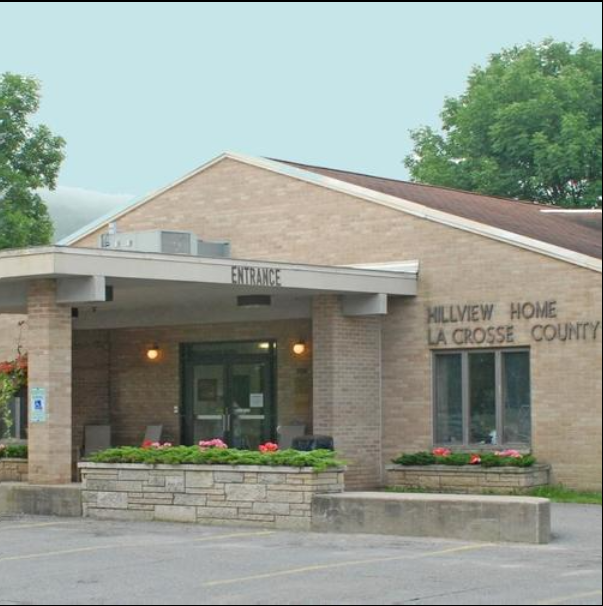
3501 PARK LANE DR, LA CROSSE, WI 54601 (608) 789-4800
Government - County 40 Beds Independent Data: November 2025 1 Immediate Jeopardy citation
Trust Grade
61/100
#96 of 321 in WI
Last Inspection: November 2024

Within standard 12-15 month inspection cycle. Federal law requires annual inspections.

Overview

Hillview Health Care Center has a Trust Grade of C+, indicating it is decent and slightly above average compared to other facilities. It ranks #96 out of 321 in Wisconsin, placing it in the top half of nursing homes in the state, and #3 out of 7 in La Crosse County, which means only two local options are better. The facility is improving, having reduced its issues from six in 2023 to two in 2024. Staffing is a strength, with a perfect 5/5 rating and a turnover rate of 34%, significantly lower than the state average, suggesting experienced staff who are familiar with residents. However, there are concerns as the facility has faced $15,593 in fines, which is average, and there were some serious incidents, including a critical finding where a resident fell and suffered fractures due to inadequate staff assistance, and another case where food safety protocols were not followed, potentially risking residents' health.

Trust Score
C+
61/100
In Wisconsin
#96/321
Top 29%
Safety Record
High Risk
Review needed
Inspections
Getting Better
6 → 2 violations
Staff Stability
○ Average
34% turnover. Near Wisconsin's 48% average. Typical for the industry.
Penalties
✓ Good
$15,593 in fines. Lower than most Wisconsin facilities. Relatively clean record.
Skilled Nurses
✓ Good
Each resident gets 106 minutes of Registered Nurse (RN) attention daily — more than 97% of Wisconsin nursing homes. RNs are the most trained staff who catch health problems before they become serious.
Violations
⚠ Watch
12 deficiencies on record. Higher than average. Multiple issues found across inspections.
★★★★☆
4.0
Overall Rating
★★★★★
5.0
Staff Levels
★★☆☆☆
2.0
Care Quality
★★★☆☆
3.0
Inspection Score
Stable
2023: 6 issues
2024: 2 issues

The Good

  • 5-Star Staffing Rating · Excellent nurse staffing levels
  • Full Sprinkler Coverage · Fire safety systems throughout facility
  • No fines on record
  • Staff turnover below average (34%)

    14 points below Wisconsin average of 48%

Facility shows strength in staffing levels, fire safety.

The Bad

Staff Turnover: 34%

11pts below Wisconsin avg (46%)

Typical for the industry

Federal Fines: $15,593

Below median ($33,413)

Minor penalties assessed

The Ugly 12 deficiencies on record

1 life-threatening 1 actual harm
Nov 2024 2 deficiencies
CONCERN (F)

Potential for Harm - no one hurt, but risky conditions existed

Food Safety (Tag F0812)

Could have caused harm · This affected most or all residents

Based on observation, interview and record review, the facility did not maintain a safe and sanitary environment in which food is prepared, stored, and distributed. This has the potential to affect al...

Read full inspector narrative →
Based on observation, interview and record review, the facility did not maintain a safe and sanitary environment in which food is prepared, stored, and distributed. This has the potential to affect all 51 residents who reside in the facility. Facility staff did not conduct appropriate hand hygiene and were observed touching ready to eat foods with contaminated gloved hands. This is evidenced by: Facility's policy Hand Hygiene-Kitchen with the revised date of 08/31/22 read in part, 2. How to wash hands: .c. Scrub well with soap and additional water as needed, scrubbing all areas thoroughly. Pay close attention to the fingernails using a brush as needed. Scrub for a minimum of 10 to 15 seconds within the 20 second hand washing procedure. Apply vigorous friction between the fingers and fingertips. Rinse with clean, running warm water. d. Rinse thoroughly. e. Dry hands with paper towel. f. Use a clean paper towel to turn the faucet off and open the door if needed, and then discard towel. On 11/12/24 at 7:37 AM, Surveyor observed Culinary Services Assistant (CSA) H washing hands. When CSA H completed washing hands, CSA H turned the faucet off with clean hands then dried his hands. On 11/12/24 at 7:39 AM, Surveyor observed CSA I was preparing a salad and removed gloves. CSA I touched the lid of the garbage can and threw gloves away. CSA I, with contaminated hands, picked up a cover and placed on the salad container. CSA I dated the salad and put it into the refrigerator. On 11/12/24 at 7:42 AM, Surveyor observed CSA I completed hand washing and turned the faucet off with their clean hands. CSA I dried hands, applied gloves, and started the meal tray line. CSA I wore the same gloves during the service of the meal trays. CSA I touched the cart with fruit cups, moved a butter container from another counter, and touched a cake pan. CSA I was cutting a cake in a pan and touched the pieces. Multiple times during tray line CSA I touched the cake, the bread bag, placed the bread in the toaster, and held the toast to butter. On 11/12/24 at 8:35 AM, Surveyor observed CSA K with gloved hands bring a tray cart to the unit and came back to the kitchen with the same gloves on. CSA K then touched the napkins, moved the silverware tray to another table, and brought the tray cart to the dish room. CSA K removed gloves, washed hands, turned the faucet off with clean hands and then dried hands. On 11/12/24 at 11:45 AM, Surveyor observed Food Service Supervisor (FSS) L ask CSA J to remove gloves and wash hands after touching hair net and face. CSA J washed hands for approximately 5 seconds and turned the faucet off with her clean hands. CSA J applied gloves and continued with meal tray line. On 11/13/24 at 9:37 AM, Surveyor interviewed FSS L about hand hygiene within the kitchen. Surveyor reviewed with FSS L of Surveyor's observations of staff's hand hygiene process. FSS L indicated the proper procedure is to wash hands and dry with the water still running and take a new paper towel to turn the faucet off. FSS L indicated staff during tray line should not be wearing gloves and should be using tongs and spatulas to serve the ready to eat foods. FSS L indicated they had training on Relias within the last year and written audits have not been completed but do daily visual audits of staff. FSS L indicated hand hygiene training will begin.
CONCERN (F)

Potential for Harm - no one hurt, but risky conditions existed

Infection Control (Tag F0880)

Could have caused harm · This affected most or all residents

**NOTE- TERMS IN BRACKETS HAVE BEEN EDITED TO PROTECT CONFIDENTIALITY** Example 4 Facility policy titled, Transmission Based Precautions with a most recent revised date of 04/30/24 states in part: .St...

Read full inspector narrative →
**NOTE- TERMS IN BRACKETS HAVE BEEN EDITED TO PROTECT CONFIDENTIALITY** Example 4 Facility policy titled, Transmission Based Precautions with a most recent revised date of 04/30/24 states in part: .Standard precautions are designed to reduce the risk of transmission of microorganisms from both recognized and unrecognized sources of infection in the facility. Enhanced Barrier mirrors Contact Precautions though are used in specific care activities .designated high contact activities include dressing, bathing, hygiene, transferring, linen change, toileting/brief change, indwelling line care, wound care. Enhanced Barrier Precautions will be used, in addition to Standard Precautions, for a resident who is known to be colonized with MDROs, has a chronic wound, or has an indwelling medical device. Examples of indwelling medical devices include central lines, urinary catheters, feeding tubes, or tracheostomies. .Enhanced Barrier Precautions-PPE use: Glove, gown, mask and eye protection as stated in Contact Precautions [Mask and eye protection used when activity likely to generate splashes or spray of blood, body fluids, secretions, and excretions.] Findings: R11 was admitted to the facility on [DATE] with pertinent diagnoses of obstructive uropathy (urine unable to drain normally) and the presence of a chronic suprapubic catheter. R11's care plan included Enhanced Barrier Precautions (EBP) due to the presence of a catheter. On 11/13/24 at 9:53 AM, Surveyor observed Licensed Practical Nurse (LPN) G enter R11's room to clean R11's suprapubic catheter site and apply a split gauze. LPN G completed hand hygiene, donned gloves after entering, and placed catheter care supplies on covered bedside table. LPN G did not don a gown before beginning cares for R11. Surveyor observed LPN G lean against the side of R11's bed to reach R11's catheter and completed catheter cares. On 11/13/24 at 9:55 AM, Surveyor asked LPN G why R11 was on EBP. LPN G stated because he had a catheter and for providing cares during catheter cares. Surveyor asked LPN G what PPE should be used for EBP. LPN G stated gown and gloves. Based on observation and interview, the facility did not establish and maintain an infection prevention and control program designed to provide a safe, sanitary, and comfortable environment, and to help prevent the development and transmission of communicable diseases and infections for observations of mishandled laundry, having the potential to affect all 51 residents, and 1 of 1 (R) resident observed for catheter care while on Enhanced Barrier Precautions (R11). This is evidenced by: Example 1 Facility policy titled Transmission Based Precautions, last reviewed and revised 04/30/24, states, Standard precautions are used by staff and residents at all times. Standard precautions are the primary strategy for control and prevention of infections. Standard precautions are designed to reduce the risk of transmission of microorganisms from both recognized and unrecognized sources of infection in the facility. Under section titled Contact Precautions - Gowns states in part, Remove gown and discard of gown appropriately, after gown removal, staff should ensure that clothing does not contact potentially contaminated environmental surfaces to avoid transfer of microorganisms to other residents or environment. On 11/12/24 at 10:54 AM, Surveyor observed Activities of Daily Living cares (ADL) followed by wound care on R4. On 11/12/24 at 11:20 AM, Surveyor observed Certified Nursing Assistant (CNA) C complete ADL cares on R4. CNA C placed dirty linens in a plastic bag, removed PPE gown, rolled up into a ball, and without placing in a bag, exited into hallway and discarded in hamper situated in hallway two doors down. On 11/12/24 at 11:57 AM, Surveyor observed Registered Nurse (RN) E, after completing R4's wound care, remove gown and without putting PPE gown into a bag, exited into hall and discarded in hamper situated in hallway two doors down. On 11/12/24 at 11:59 AM, Surveyor observed Nurse Manager D after assisting with R4's wound care, remove gown and without putting PPE gown into a bag, exited into hall and discarded in hamper situated in hallway two doors down. On 11/13/24 at 10:59 AM, Surveyor interviewed RN E regarding procedure of discarding PPE after use. RN E stated in the past we would toss linens down a laundry chute, but since laundry services are no longer at facility every day, we use the two hampers in the hallway that separate linens from PPE and staff are to bring cart outside resident room. Surveyor shared observation of RN E on 11/12/24 removing contaminated PPE after assisting R4 with ADLs and wound care and exiting room with contaminated gown and discarding in hamper down hall without bagging. RN E stated we should be putting them in a plastic bag before leaving a resident's room. On 11/13/24 at 11:06 AM, Surveyor interviewed Nurse Manager D (who is the facility's Infection Preventionist) regarding processes and observations on 11/12/24 of R4's ADL and wound care, performed by Nurse Manager D, CNA C, and RN E. Nurse Manager D stated they probably should place contaminated PPE in a plastic bag before exiting a resident room or have bins in the room. On 11/13/24 at 11:59 AM, Surveyor interviewed Director of Nursing (DON) B regarding observation and expectations with discarding contaminated PPE. DON B stated expectation would be for all laundry items to be bagged before leaving the resident's room per facility's policy of remove gown and discard of gown appropriately. Example 2 On 11/13/24 at 9:47 AM, Surveyor observed CNA M coming out of resident room [ROOM NUMBER] with a bath blanket tucked under her left arm. CNA M was observed standing in the hallway talking to a volunteer who had brought in three small dogs for pet visits. There was an Enhanced Barrier Precautions (EBP) sign on the door of room [ROOM NUMBER]. CNA M was then observed going to a dirty laundry bin in the hallway and putting the bath blanket in the dirty laundry bin. At 10:15 AM, Surveyor observed CNA M coming out of resident room [ROOM NUMBER] with linen tucked under her left arm. At 10:34 AM, CNA M was in resident room [ROOM NUMBER]. There was a sign on the door of room [ROOM NUMBER] for EBP. At 10:49 AM, Surveyor observed CNA M exit room [ROOM NUMBER] with several linen items in her hands. CNA M was also holding a pair of goggles in her right hand. In CNA M's left hand was a clear bag with washcloths and towels. A PPE gown was draped over CNA M's left forearm and two dark blue cloth napkins were on top of the PPE gown. These items were up against her body to hold them. CNA M then switched these linens to be held with her right arm up against her body to use her left arm to place the linen in the dirty linen bins. The PPE gown was placed in the bin labeled SOILED LINEN HILLVIEW ONLY (all residents personal items) personal clothing, personal bedding, PPE gowns, gripper socks. The PPE gown was not contained in a clear plastic bag. The clear plastic bag and blue cloth napkins were placed in the bin labeled, SOILED LINEN (BANDBOX ONLY) (all bedding & linens) bedspreads, flat/fitted sheets, pillowcases, bath towels, hand towels, wash clothes, blue pads, bath blankets, blue linen clothing protectors. At 11:12 AM, Surveyor interviewed CNA M who stated that the soiled linen bins are supposed to be next to the door of the room or in front of door so linen can be placed in them. At 11:50 AM, Surveyor observed CNA M walking down the 600 wing hallway past Surveyor with a large amount of dirty linens in her hands/arms. Linens were not contained and open to the air. CNA M disposed of linens in a dirty laundry bin in the hallway. CNA M sanitized her hands and entered a clean linen room. CNA M was observed coming out of the linen room a few minutes later with a clean, folded flat sheet tucked under her left armpit. Example 3 R102 was admitted to the facility with diagnoses of displaced fracture of shaft of left clavicle, Parkinson's disease, dementia, and nephrostomy. On 11/12/24 at 9:57 AM, Surveyor observed RN D provide care to R102's nephrostomy tube site. RN D sanitized hands, applied a gown, and set up supplies with a barrier on the over the bed tray table. RN D removed the nephrostomy site dressing and noted the dressing had a little serosanguineous drainage. RN D removed gloves, sanitized hands, applied gloves, and cleaned the site with gauze and saline. RN D removed gloves, sanitized hands, and applied clean gloves. RN D dried area with a clean gauze. RN D removed gloves, sanitized hands, removed gown, sanitized hands, and left the room with the gown not contained in a bag, to gather supplies of split gauze. RN D returned and sanitized hands, applied a gown, washed hands, and applied clean gloves. RN D cleansed the site again using the same process. RN D removed gloves, sanitized hands, applied clean gloves, and applied the split gauze to the nephrostomy site. RN D removed gloves, sanitized hands, applied clean gloves, and applied medipore over the split gauze. RN D removed gloves, sanitized hands, gathered supplies and garbage. RN D washed hands and removed gown by keeping the gown inside out and left R102's room with the gown in hand and not contained in a plastic bag. RN D walked down the hallway past two resident rooms, placed the gown in the laundry bin, and sanitized hands. On 11/13/24 at 12:00 PM, Surveyor interviewed DON B about her expectation of Surveyor's observation of RN D removing gown in R102's room and walking down the hallway with gown not contained in a bag. DON B stated the expectation is to bag the dirty linen before bringing out of the room.
Sept 2023 5 deficiencies
CONCERN (D)

Potential for Harm - no one hurt, but risky conditions existed

Deficiency F0583 (Tag F0583)

Could have caused harm · This affected 1 resident

Based on observation, interview and record review, the facility did not maintain confidentiality of resident medical record information for 4 of 7 sampled and supplemental residents (R) reviewed. Dur...

Read full inspector narrative →
Based on observation, interview and record review, the facility did not maintain confidentiality of resident medical record information for 4 of 7 sampled and supplemental residents (R) reviewed. During the three-day survey, Surveyor had four observations of computer screens left open and unattended on medication carts with resident identifiable information visible for R28, R46, R36 and R8. This is evidenced by: Surveyor requested and reviewed the facility policy titled HIPAA-Notice of Privacy Practices dated February 2023. The policy in part reads: ~Hillview Health Care Center is required by law to maintain the privacy of your health information. ~We will not use or disclose your health information without your authorization in this notice. ~We will share your protected health information with members of your treatment team . On 09/25/23 at 12:05 PM, Surveyor observed Registered Nurse (RN) L administer medications to R28. Upon entering room RN L, left cart outside the room unlocked with patient identifier on computer. Surveyor did not observe RN L close computer or close out of the patient identification. RN L administered medications, exited room and charted on computer. RN L went to next resident for medication administration. On 09/26/23 at 8:27 AM, Surveyor observed RN L administering medications to R46. Upon entering the room, RN L left cart outside the room unlocked with patient identifier on computer. Surveyor did not observe RN L close computer or close out of the patient identification. RN L administered medications, exited room and charted on computer. On 09/26/23 at 8:32 AM, Surveyor observed RN L administering medications to R36 . Upon entering the room, RN L left cart outside the room unlocked with patient identifier on computer. The door to the room was not closed after RN L entered. R47, who is R36's roommate, was sitting on edge of bed eating breakfast looking outside the door where R36's information was up on computer on cart outside the door. Surveyor did not observe RN L close computer or close out of the patient identification. RN L administered medications, exited room and charted on computer. On 09/26/23 at 9:21 AM, Surveyor observed RN L walk into R8's room with cart outside the room unlocked with patient identifier on computer. Surveyor observed medications in a cup on top of medication cart outside the door. RN L was behind R8's curtain speaking with R8. Surveyor did not observe RN L close computer or close out of the patient identification. On 09/26/23 at 9:30 AM, Surveyor interviewed RN L about the process of medication administration when going in and out of resident rooms. RN L indicated that normally I minimize computer and lock the medication cart when entering a resident's room to give a medication. On 09/26/23 at 9:50 AM, Surveyor interviewed Director of Nursing (DON) B about what the expectation/process is for the medication cart, and HIPAA practices during medication administration. DON B indicated that medication cart and any patient identifiers/health information are to be kept locked and out of sight for anyone else to see. DON B indicated that all computers are supposed to be minimized or locked if not present and medication cart locked.
CONCERN (D)

Potential for Harm - no one hurt, but risky conditions existed

Comprehensive Care Plan (Tag F0656)

Could have caused harm · This affected 1 resident

**NOTE- TERMS IN BRACKETS HAVE BEEN EDITED TO PROTECT CONFIDENTIALITY** Based on interview and record review, the facility did not ensure 2 of 16 residents (R) R29 and R16, reviewed for comprehensive ...

Read full inspector narrative →
**NOTE- TERMS IN BRACKETS HAVE BEEN EDITED TO PROTECT CONFIDENTIALITY** Based on interview and record review, the facility did not ensure 2 of 16 residents (R) R29 and R16, reviewed for comprehensive care plans had a developed care plan specific to the resident. R29 had a diagnosis of deep vein thrombosis (DVT) and atrial fibrillation, requiring the use of anticoagulation medication (Eliquis). R29 did not have a comprehensive care plan to include the risk of bleeding due to the use of Eliquis. R16 has a Suspected Deep Tissue Injury (SDTI). R16 did not have a comprehensive care plan to address the SDTI. This was evidenced by: Example 1 On 9/26/23, Surveyor reviewed R29's medical record. R29 was admitted to the facility on [DATE] with diagnoses in part to include DVT, atrial fibrillation, long term (current) use of anticoagulants, and dementia. R29's orders indicated R29 was prescribed Eliquis 5mg (milligram) twice per day for deep vein thrombosis starting on 6/13/22. Review of R29's care plan showed there was nothing written concerning anticoagulation use and the risk of bleeding. On 9/26/23 at 10:17 AM, Surveyor asked Assistant Director of Nursing (ADON) C if there was anything in R29's care plan concerning anticoagulation use and the risk of bleeding. ADON C could not find anything in R29's care plan that included anticoagulation use or bleeding risk. Example 2 Braden scale, completed on 07/19/23, shows a score of 15 indicating mild risk for pressure injury development. Nurses' notes, dated 07/28/23, states that a SDTI was noted to R16's right great toe. Initial assessment, dated 07/28/23, states that R16 tends to slide down in bed at which point R16's toes touch the footrest. R16 wears pressure relief boots but these will slide up as she slides down exposing her toes due to foot drop. Interventions in nurses' note state to remove the Velcro padding from the footboard as this was touching R16's toes. The padding between the foot board and mattress was moved upward above the foot board to keep R16's toes from touching the foot board. R16's Activated Durable Power of Attorney (ADPOA) refused the pressure relieving boots and heels up cushion stating that it did not look very comfortable for R16. The physician was updated on 07/28/23 and an order was received to apply betadine to right great toe two times a day. R16 does not have a care plan in place for the SDTI on the right great toe. On 09/26/23, Surveyor requested the care plan for R16's SDTI from ADON C, who is also the facility wound care nurse. R16's care plan for SDTI was received from ADON C with a creation date of 09/26/23, after Surveyor requested the care plan.
CONCERN (D)

Potential for Harm - no one hurt, but risky conditions existed

Accident Prevention (Tag F0689)

Could have caused harm · This affected 1 resident

**NOTE- TERMS IN BRACKETS HAVE BEEN EDITED TO PROTECT CONFIDENTIALITY** Based on interview and record review, the facility did not ensure the resident's environment remained as free of accident hazard...

Read full inspector narrative →
**NOTE- TERMS IN BRACKETS HAVE BEEN EDITED TO PROTECT CONFIDENTIALITY** Based on interview and record review, the facility did not ensure the resident's environment remained as free of accident hazards as possible, and residents received adequate supervision and assistive devices to prevent accidents. This occurred for 2 of 4 residents (R) who were reviewed for falls (R29 and R37) and 1 of 1 Resident (R37) who was reviewed for wandering. R29 and R37 had falls while at the facility and both residents did not have fall risk assessments completed at the required frequency. R37 was identified as an explorer but had never had an elopement risk assessment completed. Findings include: The facility policy, entitled Falls Prevention and Assessment, dated 2/28/23, states: Recognition of risk .Complete fall (safety) assessment reviewing physical abilities and activity level upon admission, quarterly and with change of condition . Example 1 On 9/26/23, Surveyor reviewed R29's record and identified R29 was admitted to the facility on [DATE] with diagnoses including, in part, diabetes, anxiety, deep vein thrombosis, long term use of anticoagulants, atrial fibrillation, mental and behavioral disorders, and dementia. R29's care plan stated resident was at risk for injuring self due to fall risk with appropriate interventions in place. R29's fall risk assessments were completed in August 2022 and November 2022. No further fall risk assessments were completed for R29. The fall risk assessments should have been completed at least quarterly. On 9/26/23 at 10:10 AM, Surveyor interviewed the Assistant Director of Nursing (ADON) C to see if there was a recent fall risk assessment completed on R29. ADON C said they do not have any fall risk assessments completed this year for R29. Surveyor asked ADON C what the expectation was for completing fall risk assessments on the residents. ADON C said fall risk assessments are to be completed upon admit, quarterly, and if any changes of condition or concerns. Example 2 On 9/26/23, Surveyor reviewed R37's record and identified R37 was admitted to the facility on [DATE] with diagnoses including, in part, dementia, Alzheimer's, vascular dementia with anxiety, restlessness and agitation, unsteadiness on feet, repeated falls and diabetes. R37's care plan stated resident was at risk for injuring self due to fall risk and wandering with appropriate interventions in place. R37's fall risk assessments were completed in August 2022, February 2023, and August 2023. No further fall risk assessments were completed for R37. The fall risk assessments should have been completed at least quarterly. R37 did not have an elopement risk assessment completed. R37's minimum data set (MDS) assessment completed 7/19/23 stated R37 had behavior of wandering daily. R37's orders indicated .Explorer: remind staff to check whereabouts every 30 minutes. Check every AM to ensure bracelet is on to identify as an explorer . On 9/26/23 at 11:32 AM, Surveyor interviewed Certified Nursing Assistant (CNA) H about if R37 had ever eloped out of the building. CNA H said no, R37 had not left the building or attempted to leave. CNA H said R37 did wander the hall and was easily redirected. On 9/26/23 at 11:50 AM, Surveyor interviewed CNA I about if R37 had ever eloped out of the building. CNA I said R37 had not left the building. R37 usually just wanders in the hall. CNA I said about 1 year ago R37 was found looking out the outside door at the end of the hall, so R37 was placed on the wandering list. R37 was also on every 15-minute checks for falls/wander risk. On 9/27/23 at 10:00 AM, Surveyor asked Registered Nurse (RN) G for R37's fall risk assessments and elopement risk assessments. On 9/27/23 at 10:25 AM, RN G provided R37's fall risk assessments that included only August 2022, February 2023, and August 2023. No other fall risk assessments provided for R37. RN G said R37 does not have an elopement risk assessment completed.
CONCERN (E)

Potential for Harm - no one hurt, but risky conditions existed

Deficiency F0761 (Tag F0761)

Could have caused harm · This affected multiple residents

Based on observation and interview, the facility did not ensure all drugs and biologicals were stored and labeled in accordance with currently accepted professional principles, did not ensure only aut...

Read full inspector narrative →
Based on observation and interview, the facility did not ensure all drugs and biologicals were stored and labeled in accordance with currently accepted professional principles, did not ensure only authorized personnel had access to medication carts, and did not ensure expired medications were removed from stock supply. This occurred for 3 of 4 medication carts/storage rooms observed. During the three-day survey, 4 of 7 observations were made of medication carts left unlocked when unattended and out of view of staff. One observation was made of resident (R) medications left on top of the medication cart when the cart was unattended and out of view of staff. (R8) One observation was made of a stock bottle of Maalox 3/4ths empty not labeled with an open or expiration date stored in the stock supply room. One observation was made of R30's ipratropium bromide nasal spray not labeled with an open or expiration date. Findings include: Surveyor requested and reviewed the facility policy titled Medication Administration-oral dated August 31st, 2023. The policy in part reads: The medication cart is to be kept in clear view and in reach of administering medications at all times . Surveyor requested and reviewed the facility policy titled Storage of Medications dated April 2012. The policy in part reads: ~Outdated, contaminated, deteriorated medications and those in containers that are cracked, soiled, or without secure closures are immediately removed from inventory, and disposed of. ~The nurse will check the expiration date of each medication before administering it . On 09/25/23 at 12:05 PM, Surveyor observed Registered Nurse (RN) L administer medications to R28. Upon entering room RN L left cart outside the room unlocked. On 09/26/23 at 8:27 AM, Surveyor observed RN L administering medications to R46. Upon entering the room, RN L left cart outside the room unlocked. Surveyor did not observe RN L lock medication cart before leaving it outside R46's door. On 09/26/23 at 8:32 AM, Surveyor observed RN L administering medications to R36. Upon entering room, RN L left the cart outside the room unlocked. Surveyor did not observe RN L lock medication cart before leaving it outside R36's door. On 09/26/23 at 9:21 AM, Surveyor observed RN L walk into R8's room with cart outside the room unlocked. Surveyor observed medications in a cup on top of medication cart outside R8's door. RN L was behind R8's curtain speaking with R8. Surveyor did not observe RN L lock medication cart. Surveyor never observed RN L lock medication cart during medication passes from 4 of the 7 observations. On 09/26/23 at 9:30 AM, Surveyor interviewed RN L about the process of medication administration when going in and out of resident rooms. RN L indicated that normally I minimize computer and lock the medication cart when entering a resident's room to give a medication. On 09/26/23 at 7:55 AM, Surveyor observed RN M administrate ipratropium bromide nasal spray to R30. Surveyor did not observe a top or open date/expiration date on the nasal spray bottle. Surveyor interviewed RN M about what normally occurs when a medication is found with no open date. RN M stated it's usually good for 28 days, but I would have to check the sheet located in the med room. RN M still administered nasal spray and placed into R30's compartment in med cart when finished. RN M also found an empty nasal spray in R30's compartment which RN M stated she was unsure how long that's been there as it doesn't have a label, and RN M tossed it in trash. On 09/26/23 at 9:30 AM, Surveyor observed med storage room on Hall 900 with Assistant Director of Nursing (ADON) C. Surveyor observed an opened Maalox bottle with sticky substance running down about 3/4ths empty without an open date or expiration label. ADON C indicated that the Maalox bottle should not be in the cabinet opened without an open date label. ADON C specified that usually once a stock bottle is opened it is taken to a medication cart not stored in the stock supply cabinet. On 09/26/23 at 9:50 AM, Surveyor interviewed Director of Nursing (DON) B about what the expectation/process is for the medication cart/storage, and medication administration. DON B indicated that medication cart and storage rooms are to be kept locked and all medications safely stored. DON B indicated that all medications such as liquids like the Maalox, any sprays, and insulins are to be labeled with an open date so that the expiration rule can be followed. DON B indicated that this is not in the policy verbiage, but it is expected from the nursing staff.
CONCERN (E)

Potential for Harm - no one hurt, but risky conditions existed

Infection Control (Tag F0880)

Could have caused harm · This affected multiple residents

**NOTE- TERMS IN BRACKETS HAVE BEEN EDITED TO PROTECT CONFIDENTIALITY** Example 4 On 09/26/23 at 7:55 AM, Surveyor observed Registered Nurse (RN) M administrate ipratropium bromide nasal spray to R30....

Read full inspector narrative →
**NOTE- TERMS IN BRACKETS HAVE BEEN EDITED TO PROTECT CONFIDENTIALITY** Example 4 On 09/26/23 at 7:55 AM, Surveyor observed Registered Nurse (RN) M administrate ipratropium bromide nasal spray to R30. RN M pulled R30's nasal spray out of another resident's medication compartment on the medication cart. Surveyor did not observe a top on the nasal spray bottle nor was it in a contained zip lock bag. Surveyor interviewed RN M about what normally occurs when a medication is found in another's compartment opened or not in its own bag. RN M indicated this usually does not happen and unsure why it's in there. RN M proceeded into R30's room with the uncapped bottle and administered the nasal spray. Surveyor did not observe any cleaning of the tip of the nasal spray actuator before administering two puffs into each nostril for R30. RN M placed a clear bag over the tip of the nasal spray bottle and placed into R30's correct compartment in med cart when finished. On 09/26/23 at 9:50 AM, Surveyor interviewed DON B about what the expectation/process is for infection control measures pertaining to the medication cart/storage, and medication administration. DON B indicated that medication carts and storage rooms are to be kept clean, labeled correctly, and stored in each resident's individualized compartments. DON B indicated that the nasal spray without a top should have been tossed in trash as the facility is unaware what the tip has touched or been exposed to prior to administration. DON B indicated that a new nasal spray bottle should have been obtained prior to administering the medication. The facility did not provide hand hygiene to the residents before eating meals for residents R32, R37, R44, R34, R31, and R49. Findings include: The facility policy, entitled Resident Care General Approaches, dated 5/31/23, states: .Encourage or assist resident to wash their hands before eating or handling food . On 9/25/23 at 11:52 AM, Surveyor observed lunch served in the 800-hall dining room. Staff did not offer hand hygiene to the residents (R32, R37, R44, R34, R31, and R49) prior to eating. On 9/26/23 at 7:05 AM, Surveyor observed residents (R37, R32, R44, R34, and R31) in the 800-hall dining room waiting for breakfast to be served. Staff did not offer hand hygiene to the residents. On 9/26/23 at 7:49 AM, staff started to serve breakfast to the residents (R37, R32, R44, R34, and R31) in the dining room. No hand hygiene offered to the residents prior to eating. On 9/26/23 at 11:10 AM, Surveyor observed Certified Nursing Assistant (CNA) H bring in R44 and then R34 into the 800-hall dining room. No hand hygiene was offered to the residents. On 9/26/23 at 11:21 AM, Surveyor observed CNA H bring in R37 into the 800-hall dining room with no hand hygiene offered to the resident. On 9/26/23 at 11:25 AM, Surveyor observed CNA H bring in R49 into the 800-hall dining room with no hand hygiene offered to the resident. On 9/26/23 at 11:27 AM, Surveyor observed CNA I bring in R31 into the 800-hall dining room with no hand hygiene offered to the resident. On 9/26/23 at 11:32 AM, R32 came into the 800-hall dining room. Staff did not offer R32 hand hygiene. On 9/26/23 at 11:59 AM, Surveyor observed the residents R44, R34, R37, R49, R31, R32 served lunch. No hand hygiene was offered to the residents before eating. On 9/26/23 at 12:14 PM, Surveyor asked CNA H if the residents were offered hand hygiene before eating meals. CNA H said we should be offering hand sanitizer to the residents before they eat meals. Example 3 R1 was admitted to the facility on [DATE] with a Brief Interview for Mental Status (BIMS) of 04 indicating that R1's cognition was severely impaired. Diagnoses include pressure injury right heel, chronic buttock ulcer and diabetes. R1's doctor's orders include skin cleanse the left inner buttocks ulcer, apply calmoseptine to buttocks and coccyx twice a day. On 09/26/23 at 10:41 AM, Surveyor observed wound care completed by Registered Nurse (RN) D. RN D performed hand hygiene using Alcohol Based Hand Rub (ABHR) and put on single use gloves. RN D pulled R1's incontinent product down to R1's knees and positioned R1 onto the right-side lying position in bed. RN D then removed the gloves and put on new gloves without performing hand hygiene. The rest of the wound care observation was appropriate with standards of care. R20 was admitted to the facility on [DATE] with a BIMS of 14 indicating that R20 was cognitively intact. Diagnoses include cerebral infarct (disrupted blood flow to the brain due to problems with the blood vessels that supply it), dysphagia (swallowing difficulties). On 09/25/23 at 12:35 PM, Surveyor observed R20's tray delivered to room by Certified Nursing Assistant (CNA) E. CNA E placed tray on bedside table. CNA E assisted R20 to an upright position. No hand hygiene offered to R20 before the meal. On 09/26/23 at 8:31 AM, Surveyor observed R20's breakfast tray delivered to room by CNA F. CNA F removed the plate cover, sat R20 upright from a reclining position, placed clothing protector on R20 and no hand hygiene offered to R20. CNA F left the room. Based on observation, interview and record review, the facility did not maintain an infection prevention and control program designed to provide a safe, sanitary, and comfortable environment and help to prevent the development and transmission of communicable diseases and infections. This affected 14 of 55 residents (R) in the building. (R4, R36, R33, R25, R7, R20, R32, R37, R44, R31, R34, R49, R1, and R30) Staff did not sanitize mechanical lift between use for residents R33, R36 and R4. Staff did not provide hand hygiene for residents prior to meals for 12 residents. (R33, R25, R4, R7, R36, R20, R32, R37, R44, R31, R34, and R49) Staff did not perform hand hygiene when changing gloves during wound care for R1. Staff administered nasal spray to R30, that was stored without a cap and comingled with other resident medications. Findings include: Example 1 Facility policy titled Mechanical Lift Cleaning/Maintenance last reviewed/revised on 07/31/23, stated in part, .When transfer is completed, clean all contact areas with disinfectant wipe. All lifts should have a vinyl bag attached to hold cleaning wipes. Notify Central Supply if the lift is missing a bag . On 09/25/23 at 11:43 AM, Surveyor observed Certified Nursing Assistant (CNA) J bring a mechanical lift out of a resident room after using the lift to transfer a resident. CNA J did not wipe down the lift with a sanitizing wipe after use. CNA J brought the lift down the hall and placed it beside the bed in room [ROOM NUMBER]. There were no sanitizing wipes in the bag on the lift. On 09/25/23 at 12:42 PM, Surveyor observed CNA K take the mechanical lift from room [ROOM NUMBER] and take it to R33's room to transfer R33 from their chair. CNA K did not wipe down the lift with a sanitizing wipe before taking it into R33's room. At 12:53 PM, Surveyor observed CNA K bring the mechanical lift out of R33's room. CNA K did not wipe it down with a sanitizer wipe. CNA K brought the lift into room [ROOM NUMBER] and placed it beside the bed. On 09/26/23 at 7:35 AM, Surveyor observed CNA K bring a mechanical lift out of a resident's room after using the lift to transfer a resident. CNA K took the lift to room [ROOM NUMBER] and placed it beside the bed and left the room. CNA K did not sanitize the lift after using it to transfer a resident. On 09/26/23 at 9:15 AM, Surveyor observed CNA J take the mechanical lift out of room [ROOM NUMBER] and bring it to R36's room to transfer R36 out of bed. CNA J did not wipe down the wipe with a sanitizer wipe before taking it into R36's room. At 9:46 AM, Surveyor observed CNA J bring the mechanical lift out of R36's room and place it in room [ROOM NUMBER] beside the bed. CNA did not wipe down the lift with a sanitizer wipe prior to placing it in room [ROOM NUMBER]. On 09/26/23 at 1:05 PM, Surveyor observed CNA J bring the mechanical lift from where it had been stored in room [ROOM NUMBER] into R4's room. CNA J did not wipe the lift with sanitizer wipes before bringing it into the room. There were no sanitizer wipes in the bag on the lift. CNA J and CNA K transferred R4 from wheelchair to toilet and then from toilet into bed using the mechanical lift. Immediately following the transfer, Surveyor asked CNA J and CNA K if they sanitized the mechanical lift before or after use of the lift. CNA K stated they were supposed to wipe it down between residents, and there were supposed to be sanitizer wipes on each lift. Both CNAs said they didn't have any wipes on the lifts on the 600 hall, so they had not been wiping them down after each resident use. On 09/26/23 at 1:26 PM, Surveyor observed none of the mechanical lifts on the 600 unit and none of the lifts in the hallway on the 800 unit had sanitizer wipes in the bags on the lifts. On 09/26/23 at 2:30 PM, Surveyor interviewed Assistant Director of Nursing (ADON) C about facility policy for cleaning and sanitizing multi-use lifts between residents. ADON C stated they were supposed to wipe down the lifts after each use, and each lift should have a container of sanitizer wipes in a bag on the lift. Surveyor explained the observations of lift use on the 600 hall over the past two days with no sanitization after use. ADON stated they should have been sanitizing the lifts after each use. Example 2 On 09/25/23 at 12:35 PM, Surveyor observed a lunch tray delivered to R33's room. The staff member set up the tray in front of R33 and R33 began feeding self. No hand hygiene was offered to R33 prior to eating. At 12:37 PM, Surveyor observed a staff member deliver a lunch tray to R25's room. No hand hygiene was offered to R25 prior to feeding self. On 09/26/23 at 7:51 AM, Surveyor observed R4 brought to a table in the 600 dayroom and served breakfast. R4 began feeding self. No hand hygiene was offered to R4 prior to eating. 09/26/23 at 7:59 AM, Surveyor observed R7 sit down at a table in the 600 dayroom. A staff member served R7 breakfast and R7 began feeding self. No hand hygiene was offered to R7 prior to eating. On 09/26/23 at 8:53 AM, Surveyor observed R36 served breakfast in resident room. No hand hygiene was offered to R36 prior to feeding self.
May 2023 1 deficiency 1 IJ
CRITICAL (J) 📢 Someone Reported This

A family member, employee, or ombudsman was alarmed enough to file a formal complaint

Immediate Jeopardy (IJ) - the most serious Medicare violation

Accident Prevention (Tag F0689)

Someone could have died · This affected 1 resident

**NOTE- TERMS IN BRACKETS HAVE BEEN EDITED TO PROTECT CONFIDENTIALITY** Based on observation, interview, and record review, the facility did not ensure that each resident received adequate supervision...

Read full inspector narrative →
**NOTE- TERMS IN BRACKETS HAVE BEEN EDITED TO PROTECT CONFIDENTIALITY** Based on observation, interview, and record review, the facility did not ensure that each resident received adequate supervision to prevent accidents for 1 of 3 residents reviewed for fall concerns, out of a total sample of 3 (R1). On [DATE], a Certified Nursing Assistant (CNA) attempted to provide care to R1 without waiting for a second person to assist as directed in R1's care plan. R1 rolled off the bed and fell approximately 4 feet to the floor. R1 suffered multiple fractures and a secondary fat emboli secondary to multiple fractures. This created a finding of immediate jeopardy that began on [DATE]. NHA A (Nursing Home Administrator) was informed of the Immediate Jeopardy on [DATE] at 1:50 PM. On [DATE], the facility recognized the deficient practice by the CNA and took steps to correct the deficient practice and ensure compliance at the time of the survey. Based on this determination, the IJ was removed and corrected on [DATE]. This is being cited as past noncompliance. Evidenced by: The facility policy entitled Fall Prevention and Management, revised [DATE], includes, in part: . Policy: The policy of this facility to minimize or avoid resident falls. All residents will be observed and assessed for fall risks with a preventative intervention implemented (as applicable) on admission, quarterly and with a condition change or fall. Staff will reduce fall risks and risk of fall related to injuries while maximizing quality of life. Process: All residents will be monitored for safety. Staff will identify and report all safety concerns to their supervisor or administration. [Facility Name] will collect data regarding falls to share with QAPI committee for review and recommendations. Procedure: All residents in the facility are potentially at risk for falls. Staff will recognize and/or identify who is at risk so they may appropriately assess, treat, and monitor for fall prevention . According to For Elderly, Even Short Falls Can Be Deadly: Adults 70-Plus Three Times as Likely to Die Following Low-Level Falls (Science Daily [DATE]), .ground level falls, essentially falls from a standing position, with feet touching the ground prior to the fall, have traditionally been considered minor injuries. But the new study found elderly adults - 70 years of older - who experience ground-level falls are much more likely to be severely injured and less likely to survive their injuries compared to adults younger than 70 years. Elderly patients are three times as likely to die following a ground-level fall compared to their under-70 counterparts .approximately 4.5 percent of elderly patients (70 years and above) died following a ground-level fall, compared to 1.5 percent of non-elderly patients. Elderly patients remained in the hospital and the intensive care unit longer and only 22 percent were able to function on their own after they left the hospital, compared to 41 percent of non-elderly patients. https://www.sciencedaily.com/releases/[DATE].htm According to the Center for Disease Control (CDC), Twenty to thirty percent of people who fall suffer moderate to severe injuries such as lacerations, hip fractures, or head traumas. According to the CDC, falls are the most common cause of traumatic brain injuries; traumatic brain injury accounts for 46% of fatal falls among older adults (those 65 or older). Among older adults, falls are the leading cause of injury death and are the most common cause of nonfatal injuries and hospital admissions for trauma. The CDC notes that in 2008, over 19,700 older adults died from unintentional fall injuries. http://www.cdc.gov/homeandrecreationalsafety/falls/adultfalls.html. R1, who was [AGE] years old, was admitted to the facility on [DATE] with diagnoses including in part, CVA (cerebral vascular accident), Hemiplegia and Hemiparesis following intracerebral hemorrhage affecting left non-dominant side, aphasia, and dementia. R1's most recent Minimum Data Set (MDS) with Assessment Reference Date (ARD) of [DATE] indicates R1 has a BIMS (Brief Interview for Mental Status) score of 6 out of 15, indicating she has moderate cognitive impairment. R1's MDS indicates she is dependent of two staff for bed mobility and transfers, is extensive assist of two staff members for dressing and toileting, and extensive assistance of one staff member for hygiene. R1's Comprehensive Care Plan, dated [DATE], includes in part: . I: can't complete my cares on my own. Because I: have left sided paralysis due to a stroke, have left sided neglect following stroke, confusion/anxiety following stroke. I Show This By: needing assistance with cares, unable to move left arm and leg independently, occasional refusals with cares, ADL (activities of daily living) restorative program discontinued due to lack of participation (5/22). I: need help transferring and repositioning. Because I: have left sided paralysis due to a stroke, weak muscles, have a right femur fracture (non-surgical). I Show This By: being unable to move left arm and leg independently, prefer to stay in bed. I Reposition in Bed: with the help of 2 people, I use bilateral grab bars (Per POA request), I get up late morning and to bed around 1830 (6:30 PM). Provide clear instructions and reassurance with repositioning. R1's Comprehensive Care Plan, dated [DATE], includes in part . I am at risk for injuring myself. Because I had a stroke with left sided paralysis, confusion/anxiety following stroke. I Show This By: poor balance, no longer safely transferring with the EZ stand requiring Medi lift transfer, recent fall with right femur fracture, unable to use a wide mattress as she requires an air mattress due to high risk of skin breakdown, need two people to assist with repositioning and bed mobility. In The Past: I have fallen in facility, I have a PT (physical therapy) evaluate for transfers (4/20), a sign was used to use call light for assistance-no longer needed as I am physically unable to transfer independently and have not made attempts to self-transfer. I need my aides to--- Left side tray table up and foot pedals on w/c (wheelchair) when in wheelchair and tuck left arm in while transferring (now a Medi lift transfer 5/2022), reposition and provide cares with assist of 2. R1's Certified Nursing Assistant (CNA) Care Card, includes, in part: . Bed mobility: Turn side to side, two staff assist with bed mobility and cares. R1's Incident Report, dated [DATE] at 5:30 AM, includes in part . Describe Event: Resident was having incontinent care done at 5:15 AM. She slid down the left side of bed and she hit left side of forehead on floor. In assessment, her right leg and hip were externally rotated, and her right leg was a little shorter than the left. Root Cause Analysis: she was turned during cares towards window with assist of 1. 5 Why: Resident is assist of 2 for repositioning. Injury: Completed skin check and Inspection of head injury. Complaints Of: pain with the right hip. Range of Motion: Shortening/Lengthening of limbs present: shortening of right leg. Rotation: external rotation of the right leg. Pain: complaints of pain right hip. Actions: transferred to emergency room. Hospital Notes dated [DATE] at 6:52 AM, state the following in part . [AGE] year-old female nursing home resident with an activated POA (power of attorney) here with RLE (right lower extremity) deformity after a fall OOB (out of bed). On exam, she has evidence of head trauma with a left frontal cephalohematoma as well as an RLE (right lower extremity) external rotation and shortening. Concern for hip fracture. Will CT head and C-spine given her inability to provide much history and previous deficits 2/2 (secondary to) CVA as well as right hip and chest given anticipated OR as well as questionable hypoxia. Without pain now, but fentanyl prn (as needed) to facilitate imaging. 1. I independently reviewed the pt.'s (patients) x-rays and CT scans and my personal interpretation shows no acute fx (fracture). Results d/w (discussed with) POA/brother (Power of Attorney) and pt. is non-ambulatory at baseline and agrees w/not (with not) pursuing further imaging for definitive fx (fracture) identification. Pt dc'd (discharged ) for PCP (primary care physician) f/u (follow up) and fall safety precautions. Pt's brother verbalized understanding and denied further questions. Return precautions given verbal and written. Head CT without contrast: 2. Extensive encephalomalacia (softening or loss of brain tissue) in the right cerebral hemisphere in the region of prior hemorrhage seen in 2017. Nurses Note, dated [DATE] at 13:24 (1:24 PM), states in part . Family/Guardian Contact The resident's guardian was again contacted as the resident has noted tachycardia (fast heart rate), and tachypnea (fast breathing) with low O2 sats. This writer explained to him what was happening and the options that were available to him, of keeping her here, and keeping her comfortable, or to send back to the emergency room, for further evaluation. He stated to send her back over to be sure they did not miss something else. Nurses Note, dated [DATE] at 15:39 (3:39 PM), states in part . follow-up: fall / ER return (emergency room): R1 returned from ER at approximately 0930 (9:30 AM). She appeared per her usual upon return, denied any pain, and was transferred with the Medi lift without difficulty. She was lying in bed and CNA stated that she was diaphoretic (cool, clammy skin) and pale at approximately 1100 (11:00 AM). Stated that the 'bump on her head hurt' give ice pack and Tylenol. At 1100 she was tachycardic with pulse with 111 and respirations of 36. At this time, she had just finished talking with staff and laughing. CMA (certified medication aide) was asked to get another set of VS (vital signs) in an hour. At 1200 she remains tachy at P: (pulse) 108 and R: (respirations) 32. Staff attempted to assist her in eating her lunch but, she only had a couple of bites. Nurse came in to do full assessment at 1215 (12:15 PM): R1 remained diaphoretic, pale, denied pain. She has L (left) sided hemiplegia; staff was assisting to apply her hand splint. Resident typically has a contracture to this hand and cannot open it fully. While applying the brace it was noted that her fingers were flaccid (loose, floppy fingers) and were not contracted at all. Her hands are warm to the touch, radial pulse is equal bilaterally. She cannot feel sensation per her usual. Apical heart rate was regular and 110 bpm (beats per minute), respirations were shallow and 40 per minute. She remained afebrile and O2 sat remained at 90% since return to [facility name]. Her O2 sat is typically in the mid 90's, heart rate in the low to mid 80's, and respirations at 16-18. R1 appeared comfortable and was alert and talkative. She was unable to follow directions to take a deep breath for lung auscultation. She has no cough, and her lungs were clear with her shallow breaths. Her L great to [sic] was also observed to have a large bruise at the base. PA (Physician's Assistant) was called and informed of the above information along with fall and ER visit from this AM (morning). She stated to call the POA to find out his wishes: 1) to keep at [facility name] and monitor as well as keep her comfortable or 2) send her to the ER for eval again. POA-HC (Power of Attorney for Health Care), was called and wished for her to be sent in. Hospital Notes dated [DATE] at 5:11 PM, states in part . R1 is a 77 y.o. (year old) F (female) w (with) PMH (past medical history) of severe dementia with activated POA resides at SNF (skilled nursing facility), osteoporosis with fractures in the past who presents after a fall out of bed with a L hip fracture. I called and spoke with her POA. Orthopedic surgery wasn't sure she was a surgical candidate given her debility but will review tomorrow. When I see her she is very confused and doesn't know where she is at. Per POA this is her baseline. Most of her history is obtained via chart review. She in the ER was given 2 L (liters) NC (nasal cannula). CT was negative for PE (pulmonary embolism). Assessment and Plan: Pathologic Osteoporotic L hip fracture/moderate L knee effusion/R tibial plateau fracture. Acute hypoxic respiratory failure: suspect fat emboli syndrome, CTA (clear to auscultation) negative for PE or infiltrates. Hospital Notes dated [DATE] at 10:50 AM, states in part . Principal Diagnosis: Closed left hip fracture. Hospital Course: Diagnosis . Closed left hip fracture; fracture of right tibial plateau - likely acute on chronic - non-weightbearing. Medication List: enoxaparin (Lovenox-blood thinner) 40 mg (milligrams)/0.4 mL (milliliters), inject 0.4 mL (40 mg) under the skin daily. Closed Hip Fracture - Pt was seen by orthopedic team and surgical vs nonsurgical options were discussed and both surgery and the POA felt a nonoperative approach was appropriate. Pt is tolerating transfers w/o excessive pain and has pain meds available as well. Pt will discharge back to SNF (skilled nursing facility) with non-weightbearing status. She f/u with Ortho (Orthopedics) on a prn (as needed) basis. We are treating her with Vit D (Vitamin D) supplementation and 30 days of DVT (deep vein thrombosis) prevention dose LMWH (low molecular weight heparin). Pt will see PT/OT (physical and occupational therapy) at SNF, and they can decide if and how long to continue therapies. Fracture of right tibial plateau - Likely acute on chronic. Non-weightbearing Nurses Note, dated [DATE] at 10:54 AM, states in part . Late Entry for: [DATE] R1 was admitted with a left hip fracture-family deciding on surgery or non-operative management. Nurses Note dated [DATE] at 15:36 (3:36 PM), states . R1 returned from the hospital with diagnosis of closed L hip fx. She is verbal but, does not always answer appropriately. She has pain when repositioning or moving any extremities, unable to tell nurse where the pain is located. Oxycodone was administered and seemed to be helpful. Heart is regular but, remains tachycardic with Pulse 115. She continues with O2 sat of 91% on RA (room air) and she typically runs about 94-96%. She does not appear to be SOB (short of breath), Respirations are 24 per minute. Lungs: intermittent wheezing noted but, mostly clear with auscultation. Her L fingers are once again contracted. She has a 12 x 6 cm bruise to her left inner upper arm. No crepitus noted to the shoulder but, she does have intermittent pain with movement of that arm. PA (Physician Assistant) was here and ordered an x-ray to be done prior to OT working with her. She continues with a dry scab to her left occipital area where she had bumped her head during the fall - almost healed. R1 has what appears to be a fractured left great toe as it is bruised on both sides and medical [sic] aspect with retraction of the toe - she is non-weight bearing - PA is aware and looked it, no new orders. There are bruises to her R posterior knee, R lateral malleolus, R hip has a very faint bruise with a firm area measuring 8 x 12 cm around this - PA aware with no new orders. Her R elbow has a dry scabbed area due to her fall also. Nurses Note dated [DATE] at 17:30 (5:30 PM), states, X-RAY: x-ray left humerus shows a mildly displaced fracture involving the surgical neck of the proximal left [sic] humerus. Remainder of the humerus is intact. PA reviewed with new orders. Nurses Note dated [DATE] at 17:37 (5:37 PM), states, The resident's POA and his wife were updated on recent x-ray results of the left upper extremity and new orders by PA. Updated that the hospital failed to recognize concerns of the left upper extremity while hospitalized , but when the resident returned to facility, we continued to have concerns due to bruising and mild pain. During today's conversation I was able to update the family on the facilities investigation, education that was provided with the CNA involved and the facilities continuous monitoring/auditing. Offered ombudsman contact information if they felt like facility was not following through appropriately, but the family declined this information. They stated they felt they know mistakes can happen and continued to communicate understanding of the situation. A review of hospital notes and facility notes indicate R1 experienced the following related to the fall . Left hip fracture Left frontal cephalohematoma (is an accumulation of blood under the scalp, specifically in the sub-periosteal space.) Left proximal humerus fracture Suspected fat emboli (is the presence of fat particles within the microcirculation, while fat emboli syndrome is the systemic manifestation of fat emboli within the microcirculation. Common systemic manifestations include respiratory distress, altered mental status, and a rash. Fat emboli syndrome is most often associated with orthopedic trauma.) Acute on chronic right tibial plateau fracture (is a break of the larger lower leg bone below the knee that breaks into the knee joint itself.) Note: During the facility annual survey in 7/2022, Surveyor identified a deficient practice related to R1. It was noted on that survey that R1 was having cares performed with 1 staff member instead of the 2 which her plan of care indicated. R1 fell from the bed, sustaining right femur and right tibial plateau fractures. This is the second incident of a fall with fracture for R1 related to the facility's noncompliance with following the plan of care. On [DATE] at 9:02 AM, Surveyor interviewed R1. Surveyor asked R1 how she was doing and if she had any recent falls or concerns. R1 stated, Oh my god, yes! I fell off the bed, it was awful. I am scared to fall out of bed again. On [DATE] at 10:00 AM, Surveyor interviewed Nurse Tech D. Surveyor asked Nurse Tech D if she had a recent education? Nurse Tech D stated, Recent education done in Relias on what can do and what can't do. The nurse provides direction also. This was all within the last month. Surveyor asked where CNAs can find the information on transfers or staff needed for cares for a residents. Nurse Tech D stated, It will indicate on [NAME] (CNA care plan) if one or two staff is needed, located in the nurse charting, and on the care plan. On [DATE] at 10:00 AM, Surveyor interviewed CNA E. Surveyor asked CNA E if she had a recent education? CNA E stated, Recent training in Relias and from manager. Surveyor asked where CNAs can find the information on transfers or staff needed for cares for residents? CNA E stated, It will indicate on [NAME] (CNA care plan) if one or two staff is needed, located in the computer, and on the care plan. On [DATE] at 10:00 AM, Surveyor interviewed CNA F. Surveyor asked CNA F if she had a recent education? CNA F stated, Recently education provided in Relias and by manager. Surveyor asked where CNAs can find the information on transfers or staff needed for cares for a residents? CNA F stated, It will indicate on [NAME] (CNA care plan) if one or two staff is needed and on the care plan. On [DATE] at 10:10 AM, Surveyor interviewed ADON C (Assistant Director of Nursing). Surveyor asked ADON C if she has received any recent training on accidents, falls, and care plans? She stated, All supervisors completed the training which included audits on how they know where to find information, 1-2 assist transfers, made observations of transfers and bed positioning. Audit was completed on all shifts. Relias training was completed on care plans and what's in the MARs (medication administration record), staff were to read and sign immediately. Facility started a PIP (performance improvement plan) that morning to ensure CNAs know where to find the information. On [DATE] at 10:30 AM, Surveyor interviewed CNA G. Surveyor asked CNA G if she has had any recent education? CNA G stated, Yes, recent education done in Relias and by the manager. Surveyor asked where CNAs can find the information on transfers or staff needed for cares for residents? CNA G stated, It will indicate on [NAME] (CNA care plan) if one or two staff is needed and on the care plan. On [DATE] at 12:50 PM, Surveyor interviewed IDON B (Interim Director of Nursing), NHA A (Nursing Home Administrator), and ADON C. ADON C immediately stated that CNA I was known to study resident care plans while working even prior to this event. NHA A stated, This was CNA I's first day off her 10-day training. CNA I was previously a CNA in another facility before coming to work in this facility and prior to that she worked in a local Assisted Living Facility. She worked last night so we have not been able to get ahold of her. The night of the incident she was able to indicate that she did not look at R1's care plan prior to doing cares. CNA I had stated to NHA A that during her training it was always her and another staff member and she did not realize she was the second person for cares. NHA A states, the night of the incident she immediately came into work and began education with CNA I. CNA I has been really upset about this incident and we have been trying to provide support as needed. CNA I also completed 3 additional days of training and she completed the new hire checklist that was inadvertently missed when she first started. We believe this was missed due to having a new HR (human resources) employee. On [DATE] at 1:20 PM, Surveyor interviewed RN H (Registered Nurse). Surveyor asked RN H about the events of the day [DATE]. RN H stated, I am the night Supervisor and was called to R1's room. During my exam of R1 I noted shortening of the leg, along with internal and external rotation of the leg. Surveyor asked RN H if RN H had spoken with CNA I following the incident. RN H stated that he had started education with CNA I following sending R1 to the hospital on following the care plan and that R1 was an assist of 2 staff for bed mobility and cares. Surveyor asked RN H if he had ever witnessed CNA I not following the care plan when assisting residents prior to this event. RN H indicated he had not witnessed anything else. The facility's failure to follow R1's Care Plan resulted in R1's fall with multiple fractures. These failures created a situation of immediate jeopardy that began on [DATE]. On [DATE], the facility recognized the deficient practice by the CNA and took steps to correct the deficient practice and ensure compliance at the time of the survey. Based on this determination, the IJ was removed on [DATE] and corrected on [DATE] when the facility implemented the following: On [DATE]: 7:00 AM CNA I was removed from the floor. It was the end of her shift. 7:00 AM Audits began immediately to capture nights and day shift on [NAME] locations and purpose. And how individuals transfer/reposition. 8:00 AM Reported to La [NAME] Police dept 8:30 AM Reported to DHS MIR [NAME] 10:00 AM Reviewed CNA I's file immediately that morning. Asking HR for her file to view background check, BID, DOJ, application, references. CNA I previously a CNA at another local nursing home for over a year. CNA I worked prior to a CNA as an RCA for a local CBRF All information reviewed was good and no concerns 10:00 AM Reviewed our orientation process. At the time, all Relias training and competencies were to be completed before hitting the floor for on-the-job orientation. This was completed specifically for CNA I. 10:30 AM Interviewed residents available about the care they receive from our staff. No concerns 11:30 AM Interviewed staff that have worked with CNA I. Asked how she works with residents as a caregiver. No concerns Noon Reviewed CNA I's orientation check off list while on the floor. This was not found in CNA I's file. It was identified CNA I did not receive this tool. It was identified she completed 10 days of orientation it was her first night off orientation. PIP 1 12:30 PM called staff who orientated CNA I. Asked if they trained her on understanding person centered care and knowing what and where the [NAME]/care plan is located for this information. ?All staff who we talked to agreed they did review what and where the [NAME] is located with CNA I. Staff did not identify using the checklist during her orientation. Trainers will be provided additional guidance on our expectations. Will investigate Wis Caregivers process to model after. PIP 2 2:00 PM began team work on creating PIP 1 pulled information and assessed interventions/changes to improve process. 3:00PM began team work on creating PIP 2 4:30PM Reviewed Wi Caregivers Mentor training program material and saved to internal drive. Will use information to assist in creating a new process for us. In the meantime, education current trainers on using checklist in their orientation process will be created. Train using tools and ensure competencies. 4:30 PM Staff development uploaded and assigned education to all direct care staff regarding care plans and [NAME]. 11:00 PM NHA came into follow up with CNA I. Interview questions: see interview write up. It is clear CNA I felt she had a thorough orientation in her 10 days. Comments made that it could have been more structured, [NAME] clipboard could be labeled for better identification, [NAME] could be simplified for easier means to identify important info that is necessary quickly when reviewing. She confirmed she was trained on what the [NAME] is and its location. Confirmed she did not receive orientation checklist. PIP 3 Prior to CNA I working the floor she completed additional Relias Education Care plan and [NAME] policy was reviewed explaining expectations of CNAs to use with all cares provided. completed and signed by CNA I. Orientation checklist was issued and discussed with [NAME], the trainer to review and orientate over the next few nights that she works to use the [NAME] in all trainings. I explained our expectations of [NAME] as a trainer. On [DATE]: 7:00 AM [NAME] and repositioning audits including education continued days 7:00 AM Completed a Performance Improvement Plan with CNA I defining our goals for her, extending her orientation for 3 days, review orientation checklist and admin staff being available to her for any questions. 7:30 AM [NAME] clipboards were labeled as suggested by CNA I that evening. 9:00 AM Educated HR staff regarding the importance of utilizing and providing the orientation check off list 10:00 AM education provided to all agency staff on care plans and [NAME] Audits of all New Orientation Check off Lists since [DATE]st show that CNA I, not receiving her checkoff list, was an isolated event. All other new staff received their checkoff list. This was an isolated event. We would ensure mentor training and/or trainer expectations would be completed prior to any new staff starting. 1:00 PM Identified which staff perform training on new hires. List compiled by Staff Scheduler. NHA was creating the education. 2:30 PM [NAME] and repositioning audits continued p.m. 4:30 PM Training was developed and set for staff scheduler to review in person as many staff as she could. Material was printed and signature sheet once reviewed ready for first thing, Monday morning to capture nights staff and days immediately on Monday 11:00 PM [NAME] and repositioning audits continued nights On [DATE]: 6:30 AM Began 1:1 training of trainers and reviewed expectations 7:30 AM Discussed Audits and the benefits of ongoing audits. Reached out to staff development to work on creating? PIP 4 Nursing Audit Form is being created; monthly audits brought back to QAPI with no end date. This will be seen as a triple check to ensure continued compliance. Audit to include: b. Handwashing, foley and peri care, repositioning, [NAME] identification and knowing residents and their specific care PIP 1 includes new process to ensure orientation checkoff list is given to all new employees. This list MUST be completed and turned into staff scheduler prior to being scheduled to hit the floor. This would include the new employee signing off that they understand and the trainer signing off that they are competent. A completed copy will be turned into HR for personnel file. HR will audit to ensure completion of checklist prior to scheduled solo and filed in new staff's personnel folder. PIP 2 Mentor Program. All new staff working with a mentor for an entire year. Current staff will be offered this as an opportunity. They would apply for this position. The mentor would be trained to be a mentor and ensure new staff are competent. In the meantime, all trainers will be trained on expectations of them as a trainer. Audits after implemented new PIP include ensure all new staff are trained with use of individualize care plan directions, referring to them upon care with each resident. PIP 3 [NAME] is being assessed how we can ensure important information stands out for CNAs to read. Font color in blue of any 2 person for repositioning and/or transfer. In addition, a new process is being created. Nurse will print CNA assignment sheet for each CNA on their hall. The assignment sheet will include repositioning and transfers. Each aid will have their own copy and can refer to it in those immediate need moments. PIP 4 Nursing Audits monthly to ensure continued compliance in nursing tasks such as handwashing, foley care, peri care, repositioning, [NAME] identification and knowing each resident and the care they need. Findings will be brought to and reviewed by QAPI each month.
Jul 2022 4 deficiencies 1 Harm
SERIOUS (G)

Actual Harm - a resident was hurt due to facility failures

Accident Prevention (Tag F0689)

A resident was harmed · This affected 1 resident

**NOTE- TERMS IN BRACKETS HAVE BEEN EDITED TO PROTECT CONFIDENTIALITY** Based on interview, and record review, the facility did not ensure each resident received staff assistance to prevent accidents ...

Read full inspector narrative →
**NOTE- TERMS IN BRACKETS HAVE BEEN EDITED TO PROTECT CONFIDENTIALITY** Based on interview, and record review, the facility did not ensure each resident received staff assistance to prevent accidents for 1 of 4 residents (R48) reviewed for incidents/accidents out of a total sample of 19. R48 has severe cognitive impairment, left sided paralysis due to stroke, and requires extensive assist of two staff with bed mobility and transfers. Staff determined that R48 was a 1 assist vs. a 2 assist without a nursing assessment and attempted to perform cares on R48 with 1 staff member rather than with the assistance of 2 staff members per R48's MDS (minimum data set) assessment. R48 was rolled away from the staff rather than towards staff resulting in a fall with a fracture of the right femur and tibial plateau. This is evidenced by: The facility Policy, titled, Falls Prevention and Assessment, updated 05/2022, states in part: . Policy: The policy of this facility to minimize or avoid resident falls. All resident's (sic) will be observed and assessed for fall risks with a preventative intervention implemented (as applicable) on admission, quarterly and with a condition change or fall. Staff will reduce fall risks and risk of fall related injuries while maximizing quality of life. Process: All residents will be monitored for safety. Staff will identify and report all safety concerns to their supervisor or administration. Procedure: All residents in the facility are potentially at risks for falls. Staff will recognize and/or identify who is at risk so they may appropriately assess, treat and monitor for fall prevention. - Document risk factors for falling in resident's care plan and discuss at care conferences. - Complete fall (safety) assessment reviewing physical abilities and activity level upon admission, quarterly and with change of condition . Per Turning patients over in bed: MedlinePlus Medical Encyclopedia it is indicated that you should stand on the opposite side of the bed the patient will be turning towards, and lower the bed rail. Move the patient towards you, then put the side rail back up. Step around to the other side of the bed and lower the side rail. Ask the patient to look towards you. This will be the direction in which the person is turning. It is indicated that you're to turn residents towards you and not away from you when providing care/repositioning in bed with just one care giver.) R48 was admitted to the facility on [DATE] with diagnoses that include in part . anxiety disorder, vascular dementia with behavioral disturbance, delusional disorders hallucinations, personal history of other mental and behavioral disorders PTSD (Post Traumatic Stress Disorder), and dysphagia following nontraumatic intracerebral hemorrhage. R48's Annual Minimum Data Set (MDS) dated [DATE] indicates R48's Brief Interview of Mental Status (BIMS) is 03, indicating severe cognitive impairment. R48 has an Activated Health Care Power of Attorney (HCPOA). Section G0110, Functional Status, bed mobility extensive assistance of two staff, transfers dependent of two staff, and dressing, toileting, and hygiene extensive of one staff. Section G0400, Functional Limitation in Range of Motion: Upper Extremity - Impairment on one side. Lower extremity - Impairment on one side. Section H0300, always incontinent of urine. Section H0400, always incontinent of bowel. R48's Comprehensive Care Plan, dated 6/13/22, states in part . Problem: I: can't complete my cares on my own. Because I: have left sided paralysis due to a stroke, have left sided neglect following stroke, confusion/anxiety following stroke. I Show This By: needing assistance with cares, unable to move left arm and leg independently, occasional refusals with cares. I Reposition in Bed: with the help of 1-2 people, I use bilateral grab bars (per POA request), I go to bed about 2000 [8:00 PM] and up about 0700 [7:00 AM] but usually get up late morning and to bed around 1830 [6:30 PM]. I Transfer: with the help of 2 people and a Medi lift [full body lift]. I Toilet: (no male staff please), wear incontinent brief, check/change with cares, repositioning, mealtimes, HS [bedtime] and as needed. (R48's MDS assessment on 6/1/22 indicates she needs extensive assistance from 2 staff for bed mobility (moving to/from lying position, turning side to side, and positioning of the body while in bed or alternate sleep furniture.) and R48's care plan dated 6/13/22 indicates 1-2 for repositioning in bed. R48's care plan does not address when it's appropriate for staff to use 1 vs. 2 for bed mobility. CNA staff are not able to determine if a resident is safe for 1 vs. 2 assist, due to CNA's cannot assess a Residents mobility status as it is not in their scope of practice. R48 according to her MDS functional status assessment is to be a 2 person assist with bed mobility/positioning.) The facility document, titled, Fall Risk Assessment, dated 3/24/20, states in part: . Total Score: 6. Risk: Resident is not at risk. (Note: Per facility policy staff will recognize and/or identify who is at risk so they may appropriately assess, treat, and monitor for fall prevention. A fall risk assessment has not been completed for R48 since 3/24/20, indicating staff have assessed R48's fall risk potential in the last 2 years.) The facility document, titled, Fall Report, dated 6/20/22 at 15:10 [3:10 PM], states in part: . Location: resident's room. Describe Event: Staff member was changing residents brief/cleaning her up, resident was holding the grab bar wit [sic] her good hand, resident then began to slip and lean off the bed. Staff member, CNA D attempted to pull her back but couldn't hold her weight up as she rolled off the bed onto the floor. 5 Why's: Resident has poor balance, resident has had a stroke and has left sided paralysis, resident is confused, resident is unable to assist with transfer/rolling. Injury: Inspection of head for injury - superficial abrasion/bump to crown of head and left occipital area. Ice applied to areas. Actions: Continue to observe, continue with neurochecks per protocol, ice applied to bumps on head. Risk education: Necessary that resident is an assist of 2 for any/all cares/repositioning. Clinician Notified: PA-C H (Physician Assistant-Certified). Date: 6/20/22. Time: 15:40 [3:40 PM]. (Fall report indicates that R48 is unable to assist with transfer/rolling, the CNA rolled R48 without a 2nd person to assist with R48's cares. ) On 7/13/22 at 2:51 PM, Surveyor interviewed CNA D (Certified Nursing Assistant). Surveyor asked CNA D if she could describe what happened on 6/20/22 when R48 fell while she was completing cares. CNA D stated, I was in doing her cares and I had her turned on her left side. R48 reached over and was trying to grab something on her nightstand and moving her feet. I reached over her waist to stop her from rolling out of the bed it didn't work and she rolled out of bed. I got the nurse and all that good stuff. I don't know for sure what assist she needed I always did her with one assist, but I usually work the 800 wing or float. The Nurses assessed her and did her vitals. R48 did not complain of pain she was mostly scared, and I would be too. The bed was at waist level when she fell. We got a medi lift to get her up and put her back into bed. Surveyor asked CNA D if R48 was noted to have any injury after the fall. CNA D stated, When she fell, she rolled under bed and hit her head. She needed to ice her head, then we just monitored her the rest of the night. Surveyor asked CNA D if she ever received any education following the fall. CNA D stated, After the fall they didn't really talk with me about it, but I have been asking for more help lately. I just am using two from now on. She won't roll in her bed unless someone is there to console her, she gets very paranoid and scared, just since the fall. (Note: Subsequent nursing assessments indicate there is only movement in the right arm. Cross reference F580.) Nurses Note from 6/21/22 at 10:02 AM, states, Musculoskeletal Status: Recent incident where the resident fell from bed during repositioning. Neuro checks have been initiated. During repositioning today, resident was fearful and having discomfort along the right lower extremity. No shortening or lengthening of the extremity noted. No bruising or redness noted. Discomfort with bending of her knee and lifting the leg up. Due to cognitive deficits, she was unable to describe where the pain was exactly. She would rub her right thigh with movement of the leg. PA-C H was updated with new orders provided. Nurses Note from 6/21/22 at 13:20 [1:20 PM], states, X-Ray: Findings: AP and lateral views are obtained. Visualization is limited. There is a fracture of the medial aspect of the distal metaphysis of the femur, seen best on the AP view. Milk impaction is present. Detail is poor in the lateral view. There appears to be a joint effusion. Impression: Fracture medial aspect of the distal metaphysis of the femur with mild impaction and an associated hemarthrosis. MD [Medical Doctor] Updated. Action: Family notified POA [Power of Attorney] was updated by DON B [Director of Nursing]. Reported xray results that MD stated she would need to be evaluated in the EW [sic] to see if surgery was needed. POA requested that she be sent over for evaluation. Nurses Note from 6/21/22 at 14:13 [2:13 PM], states, Resident has been kept on bedrest waiting for x-ray. When asked, resident will admit to pain/discomfort, and states, it's my right leg. VSS [vital signs stable]. Neuro checks WNL [within normal limits]. Resident appeared to be having discomfort vs anxiety when turned in bed. Resident was given Tylenol PRN [as needed] which was not effective in reducing pain, per the resident. X-ray present and complete. X-ray results back and POA called. Ambulance here and resident taken via stretcher to [Hospital Name]. Hospital admission History and Physical from 6/21/22, states in part . R48 is a 76 y.o. [year old] female with PMH [personal medical history] of dementia with activated POA, history of hemorrhagic stroke with left-sided hemiplegia, left-sided visual neglect, hypothyroidism, depression, delusions. She resides at [facility name] where per report she fell today. Xray was obtained showing distal fracture of her right femur. Transferred to ED [emergency department] for additional eval. In the emergency department CT R [right] knee was obtained showing: 1. Impacted and minimally displaced right distal femur fracture, which extends from the medial cortex of the distal femur metaphysis into the intercondylar notch. 2. Minimally depressed lateral tibial plateau fracture. 3. Moderate knee joint effusion. Distal right femur fracture: -CT obtained in ED - orthopedics consulted, per report will discuss management options with POA. - Fentanyl for pain control. - NPO given uncertainty of possible intervention. Hospital Discharge Summary from 6/23/22, states in part . Non-weight bearing: Non-weight bearing right lower extremity. CPB [controlled position brace] brace to be work [sic] full-time; remove only for hygiene. CPB brace must be locked straight at all times with the exception of knee range of motion. When seated, unlock the brace to work on unrestricted motion a minimum of 3-5 times per day. Lock brace when exercises are finished. Hospital Course: R48 was admitted to the inpatient unit in stable condition on 6/21. Orthopedics was consulted. She was not felt to be a surgical candidate and non-operative management was pursued. It was felt that she her [sic] injury did not warrant anticoagulation she was not in rigid immobilization and the fracture would not change her previous level of mobility. She was discharged back to nursing home on 6/23. R48's MAR includes the following medications and changes since admission . Order 6/23/22: Tylenol 325mg, give 2 tabs [650mg] by mouth every 4 hours as needed for pain, discontinued on 6/26/22. Order 6/23/22: Oxycodone HCL 5mg, give 1 tablet by mouth every 6 hours as needed for pain x [times] 3 days, discontinued 6/26/22. Order 6/26/22: Oxycodone HCL 5mg, give 1 tablet by mouth every 6 hours as needed for pain x3 days, discontinued 6/29/22. Order 6/26/22: Tylenol 325mg, give 2 tabs (650mg) by mouth three times per day 0800 [8:00 AM], 1300 [1:00 PM], 2000 [8:00 PM] for pain, discontinued 7/08/22. Order 6/26/22: Tylenol 325mg, give 2 tabs (650mg) by mouth daily prn [as needed] for pain, discontinued 7/08/22. Order 6/29/22: Oxycodone HCL 5mg, give 1 tablet by mouth every 6 hours as needed for pain through 7/12/22, discontinued 7/11/22. Order 7/08/22: Tylenol 500mg, give 2 tabs (1000mg) by mouth three times per day 0800 [8:00 AM], 1300 [1:00 PM], 2000 [8:00 PM] for pain. Order 7/11/22: Oxycodone HCL 5mg, give 0.5 tablet/2.5mg by mouth every 6 hours as needed for pain, discontinued 6/29/22. On 7/13/22 at 11:10 AM, Surveyor interviewed Nurse Tech E. Surveyor asked Nurse Tech E if she could describe what happened with R48's fall on 6/20/22. Nurse Tech E stated, Basically what happened is, I got called by the staff to come into R48's room. A single staff was doing cares and she was doing cares alone. The CNA said R48 must not have had a good grip on the grab bar. R48 was on her left hip holding the grab bar with right hand while cares were being done. The CNA also said that she was leaning forward, she couldn't pull her back, and she fell off the bed. I called the Supervisor, then we got her up off the floor with the medi lift and 3 staff assist. Further assessment was completed once R48 was in bed. Neuro assessment showed, bumps in two spots but no bleeding. Surveyor asked Nurse Tech E if she was aware of what the care plan said for R48's assistance need prior to the fall. Nurse Tech E stated, I believe in the chart she was a two staff assist but with staffing shortages people started doing her 1 assist, she usually rolls really well, and we never had issues before this. She is now always two assist, and we try to give her PRN pain medication before moving her for pain control. She has been anxious since this happened, so we always do two assist. Surveyor asked Nurse Tech E if any discussion was had with the CNA following the fall. Nurse Tech E stated, We discussed how it should be two assist after the fall with the CNA and she would need to wait for assistance. Surveyor asked Nurse Tech E who is able to decide if a resident is one or two assist. Nurse Tech E stated, I am not sure if therapy decides or the nurse/CNA. We talk amongst ourselves. (Nurse Tech E indicated that R48's chart indicated R48 is a two staff assist and due to staff shortages, staff started providing cares as 1 assist.) On 7/13/22 at 3:22 PM, Surveyor interviewed DON B. Surveyor asked DON B if she could describe what happened on 6/20/22 when R48 fell. DON B stated, On the PM shift the aides were going into to do cares and the resident grabs the grab bar when rolled on to the side. R48 did not grab the grab bar and fell to the floor. Surveyor asked DON B if R48 complained of pain following the fall. DON B stated, She was not having very bad pain and (was) not weight bearing. She had no pain that was different for her until morning. When went to get up or sometime in the morning she complained and that is when they noted pain was more than expected. Staff called for Xray, called MD and asked about sending to ER versus not. PA-C H said ortho needed to sign off and the POA was updated. The POA wanted R48 to be sent and have her evaluated. R48 was considered a nonsurgical candidate. She came back with the brace and non-weight bearing. Since R48 has been back her anxiety vs pain control has been a challenge. R48 has history of PTSD, and she is scared now but unable to get exactly what she is scared of. Surveyor asked DON B if R48 takes anything for pain related to the fracture. DON B stated, Recently R48 was switched to Oxycodone to keep her comfortable. Surveyor asked DON B what staff can determine if a resident is a one or two assist. DON B stated, The CNA cannot decide if a resident can be 1 or 2 assist. That needs to come from the Nurse or therapy. (R48's care plan indicates 1-2 for bed mobility, where her MDS indicates she needs extensive assistance of 2. The CNA determined R48 could be assisted by 1 instead of 2 for her cares, when a CNA is not able to assess or determine a residents care needs or fall risk potential.) On 7/13/22 at 2:58 PM, Surveyor interviewed RN F (Registered Nurse). Surveyor asked RN F if she could describe what happened with R48's fall on 6/20/22. RN F stated, So what happened was just came on duty and I walked out, and they said they needed me in R48's room. CNA D was doing her cares and her weight shifted and she fell out of bed onto the floor. Surveyor asked RN F if she was aware what the care plan said for staff assistance for R48. RN F stated, Initially one person would do her cares but after that I changed the care plan to two assist. The care plan did say 1-2 assist and ADON G (Assistant Director of Nursing) was in building still and I talked with her, and she said two assist at all times. Surveyor asked RN F who is able to decide if a resident is one or two assist. RN F stated, Any nursing staff can make that decision. When there is an incident, we have to put an intervention in place. It depends on if they are able to reposition or the resident is cooperative then could use one. CNA D has done it before in the past with one assist. The CNAs are able to determine if a resident is one or two assist. They let us know if something needs to be assessed. We go by what the CNAs think, they are the ones that are doing the cares and they can come to us if something is going on and more assistance is needed. Surveyor asked RN F if any education was given to CNA D following R48's fall. RN F stated, Told CNA's that R48 was to be a two assist at all times that is all. The facility failed to ensure R48 received adequate staff assistance, due to CNA D assisting R48 alone, without having a nurse assess her ability to be a 1 vs. a 2 assist at that time, and despite R48's MDS indicating she needed 2 assist with bed mobility. The CNA did not roll R48 towards her when assisting R48 alone, as she rolled R48 away from her, which resulted in R48 having a shift in her gravity point and body weight that resulted in R48 falling out of the bed and sustaining a fracture.
CONCERN (D)

Potential for Harm - no one hurt, but risky conditions existed

Notification of Changes (Tag F0580)

Could have caused harm · This affected 1 resident

**NOTE- TERMS IN BRACKETS HAVE BEEN EDITED TO PROTECT CONFIDENTIALITY** Based on interview, and record review, the facility did not ensure each residents physician was notified of a change in conditio...

Read full inspector narrative →
**NOTE- TERMS IN BRACKETS HAVE BEEN EDITED TO PROTECT CONFIDENTIALITY** Based on interview, and record review, the facility did not ensure each residents physician was notified of a change in condition for 1 of 4 residents (R48) reviewed for incidents/accidents out of a total sample of 19. R48 fell on 6/20/22, resulting in a fracture of the femur and tibial plateau. R48 is indicated as not being able to move her RLE (right lower extremity). R48's PA-C H (Physician Assistant) was not informed of R48's change in ROM (range of motion) to her RLE until 6/21/22. This is evidenced by: The facility Policy, titled, Falls Prevention and Assessment, updated 05/2022, states in part: .Process: All residents will be monitored for safety. Staff will identify and report all safety concerns to their supervisor or administration. Procedure: .When a resident falls, the nurse needs to immediately evaluate head, neck spine and extremities to determine evidence of significant injury, need for emergency assistance or first aid. - Preform head to toe skin assessment, assess further range of motion of extremities, determine by inspection or report of resident or witness if resident hit their head, if so begin neurochecks per facility protocol and notify provider immediately. - Transfer resident to the hospital if they exhibit; uncontrolled bleeding, probable fracture, deformity of limbs, acute change of neurological status or condition or changes in functional status after discussing findings with provider and resident and/or POA-HC-A (Power of Attorney - Healthcare - Activated). R48 was admitted to the facility on [DATE] with diagnoses that include in part . anxiety disorder, vascular dementia with behavioral disturbance, delusional disorders hallucinations, personal history of other mental and behavioral disorders PTSD (Post Traumatic Stress Disorder), and dysphagia following nontraumatic intracerebral hemorrhage. (R48 has left sided parlysis due to a stroke) R48's Annual Minimum Data Set (MDS) dated [DATE] indicates R48's Brief Interview of Mental Status (BIMS) is 03, indicating severe cognitive impairment. R48 has an Activated Health Care Power of Attorney (HCPOA). Section G0110, Functional Status, bed mobility extensive assistance of two staff, transfers dependent of two staff, and dressing, toileting, and hygiene extensive of one staff. Section G0400, Functional Limitation in Range of Motion: Upper Extremity - Impairment on one side. Lower extremity - Impairment on one side. Section H0300, always incontinent of urine. Section H0400, always incontinent of bowel. R48's Comprehensive Care Plan, dated 6/13/22, states in part . Problem: I: can't complete my cares on my own. Because I: have left sided paralysis due to a stroke, have left sided neglect following stroke, confusion/anxiety following stroke. I Show This By: needing assistance with cares, unable to move left arm and leg independently, occasional refusals with cares. I Reposition in Bed: with the help of 1-2 people, I use bilateral grab bars (per POA request), I go to bed about 2000 [8:00 PM] and up about 0700 [7:00 AM] but usually get up late morning and to bed around 1830 [6:30 PM]. I Transfer: with the help of 2 people and a Medi lift [full body lift]. I Toilet: (no male staff please), wear incontinent brief, check/change with cares, repositioning, mealtimes, HS [bedtime] and as needed. The facility document, titled, Fall Report, dated 6/20/22 at 15:10 [3:10 PM], states in part: . Location: resident's room. Describe Event: Staff member was changing residents brief/cleaning her up, resident was holding the grab bar wit [sic] her good hand, resident then began to slip and lean off the bed. Staff member, CNA D attempted to pull her back but couldn't hold her weight up as she rolled off the bed onto the floor. 5 Why's: Resident has poor balance, resident has had a stroke and has left sided paralysis, resident is confused, resident is unable to assist with transfer/rolling. Injury: Inspection of head for injury - superficial abrasion/bump to crown of head and left occipital area. Ice applied to areas. Actions: Continue to observe, continue with neurochecks per protocol, ice applied to bumps on head. Risk education: Necessary that resident is an assist of 2 for any/all cares/repositioning. Clinician Notified: PA-C H (Physician Assistant-Certified). Date: 6/20/22. Time: 15:40 [3:40 PM]. (There is no indication that the PA-C H was updated on R48's change in ROM to her RLE at this time. ) Nurses Note dated 6/20/22 at 16:55 [4:55 PM] states in part . Date: 6/20/22. Time: 15:30 [3:30 PM]. Level on Consciousness: full conscious (awake, aware, oriented). Movement: right arm only. Hand grasps: equal and strong left weakness. Speech: clear. Vital Signs: BP 157/89, P 104, R28, Temp. 98.1. Nurses Note dated 6/20/22 at 20:48 [8:48 PM] states in part . Date: 6/20/22. Time: 15:45 [3:45 PM]. Level on Consciousness: full conscious (awake, aware, oriented). Movement: right arm only. Hand grasps: equal and strong left weakness. Speech: clear. Vital Signs: BP 138/89, P 108, R22, Temp. 97.5. Nurses Note dated 6/20/22 at 20:49 [8:49 PM] states in part . Date: 6/20/22. Time: 16:00 [4:00 PM]. Level on Consciousness: full conscious (awake, aware, oriented). Movement: right arm only. Hand grasps: equal and strong left weakness. Speech: clear. Vital Signs: BP 139/85, P 101, R20, Temp. 97. Nurses Note dated 6/20/22 at 20:50 [8:50 PM] states in part . Date: 6/20/22. Time: 16:15 [4:15 PM]. Level on Consciousness: full conscious (awake, aware, oriented). Movement: right arm only. Hand grasps: equal and strong left weakness. Speech: clear. Vital Signs: BP 140/84, P 104, R18, Temp. 97.9. Nurses Note dated 6/20/22 at 21:06 [9:06 PM] states in part . Date: 6/20/22. Time: 16:30 [4:30 PM]. Level on Consciousness: full conscious (awake, aware, oriented). Movement: right arm only. Hand grasps: equal and strong left weakness. Speech: clear. Vital Signs: BP 128/81, P 103, R17, Temp. 98.1. Nurses Note dated 6/20/22 at 21:07 [9:07 PM] states in part . Date: 6/20/22. Time: 17:30 [5:30 PM]. Level on Consciousness: full conscious (awake, aware, oriented). Movement: right arm only. Hand grasps: equal and strong left weakness. Speech: clear. Vital Signs: BP 125/79, P 104, R18, Temp. 97.7. Nurses Note dated 6/20/22 at 21:08 [9:08 PM] states in part . Date: 6/20/22. Time: 18:30 [6:30 PM]. Level on Consciousness: full conscious (awake, aware, oriented). Movement: right arm only. Hand grasps: equal and strong left weakness. Speech: clear. Vital Signs: BP 132/79, P 107, R18, Temp. 98.1. Nurses Note dated 6/20/22 at 21:09 [9:09 PM] states in part . Date: 6/20/22. Time: 19:30 [7:30 PM]. Level on Consciousness: full conscious (awake, aware, oriented). Movement: right arm only. Hand grasps: equal and strong left weakness. Speech: clear. Vital Signs: BP 118/71, P 113, R17, Temp. 98.3. Nurses Note dated 6/20/22 at 21:10 [9:10 PM] states in part . Date: 6/20/22. Time: 20:30 [8:30 PM]. Level on Consciousness: full conscious (awake, aware, oriented). Movement: right arm only. Hand grasps: equal and strong left weakness. Speech: clear. Vital Signs: BP 112/75, P 110, R19, Temp. 98.0. Nurse Note dated 6/21/22 at 5:25 AM, states, Recent fall: Resident has denied pain related to recent fall this shift. Nurses Note dated 6/21/22 at 6:08 AM, states in part . Level on Consciousness: full conscious (awake, aware, oriented). Movement: right arm only. Hand grasps: equal and strong left weakness. Speech: clear. Vital Signs: BP 143/82, P 106, R16, Temp. 98.0. (Note: All assessments up to this point indicate there is only movement in the right arm and no indication that a medical provider was updated.) Nurses Note from 6/21/22 at 10:02 AM, states, Musculoskeletal Status: Recent incident where the resident fell from bed during repositioning. Neuro checks have been initiated. During repositioning today, resident was fearful and having discomfort along the right lower extremity. No shortening or lengthening of the extremity noted. No bruising or redness noted. Discomfort with bending of her knee and lifting the leg up. Due to cognitive deficits, she was unable to describe where the pain was exactly. She would rub her right thigh with movement of the leg. PA-C H was updated with new orders provided. Nurses Note from 6/21/22 at 13:20 [1:20 PM], states in part, X-Ray: Findings: AP and lateral views are obtained .Impression: Fracture medial aspect of the distal metaphysis of the femur with mild impaction and an associated hemarthrosis. MD [Medical Doctor] Updated. Action: Family notified POA [Power of Attorney] was updated by DON B [Director of Nursing]. Reported xray results that MD stated she would need to be evaluated in the EW [sic] to see if surgery was needed. POA requested that she be sent over for evaluation. Nurses Note dated 6/21/22 at 13:59 [1:55 PM] states in part . Date: 6/21/22. Time: 11:00 AM. Level on Consciousness: full conscious (awake, aware, oriented). Movement: no/unusual movement. Hand grasps: left weakness. Vital Signs: BP 124/82, P 100, R20, Temp. 97.4. Hospital admission History and Physical from 6/21/22, states in part . R48 is a 76 y.o. [year old] female with PMH [personal medical history] of dementia with activated POA, history of hemorrhagic stroke with left-sided hemiplegia, left-sided visual neglect, hypothyroidism, depression, delusions. She resides at [facility name] where per report she fell today. Xray was obtained showing distal fracture of her right femur. Transferred to ED [emergency department] for additional eval. Hospital Discharge Summary from 6/23/22, states in part . It was felt that she her [sic] injury did not warrant anticoagulation she was not in rigid immobilization and the fracture would not change her previous level of mobility. She was discharged back to nursing home on 6/23. On 7/13/22 at 3:22 PM, Surveyor interviewed DON B realted to R48's fall. Surveyor asked DON B if she would be able to locate any pain or range of motion charting following the fall. DON B stated, I would expect they would have done a pain and range of motion assessment. The nurse needed to complete those before she got R48 up off the floor and pain should have been documented every shift. On 7/13/22 at 2:51 PM, Surveyor interviewed CNA D related to R48's fall. Surveyor asked CNA D if R48 was noted to have any injury after the fall. CNA D stated, When she fell, she rolled under bed and hit her head. She needed to ice her head, then we just monitored her the rest of the night. On 7/14/22 at 8:31 AM, Surveyor interviewed RN C. Surveyor showed RN C Neuro Assessments completed on R48. Surveyor asked if the documentation of movement in only the right arm would have been a normal finding for R48. RN C stated, 'Looking at the neuro sheet I would say that is a change. If you ask her to lift her leg she could, and you could move it. On 7/14/22 at 8:33 AM, Surveyor interviewed ADON G (Assistant Director of Nursing). Surveyor asked ADON G if prior to the fall on 6/20/22, R48 would be able to lift her right leg. Yes, resident was able to move right side prior to fall. Surveyor showed ADON G neuro assessments completed on R48 and asked if this would be a normal finding for R48. ADON G stated, When you look at the Neuro sheets on paper and in the computer, they indicate no movement RL (right leg), LA (left arm), LL (left leg) and she should have had movement on the RL. This would have been a change for the resident. On 7/14/22 at 9:42 AM, Surveyor interviewed PA-C H. Surveyor asked PA-C H if she can describe what was reported to her following R48's fall on 6/20/22. PA-C H stated, The staff said cares were being done with bed in raised position when R48 rolled her feet off the bed, causing her to fall off the bed falling onto knee and then onto side. She was then Medi lifted to bed to complete assessment and there were no concerns at that time. Surveyor asked PA-C H if the Nurse stated she did a pain or range of motion assessment. PA-C H stated, The Nurse stated she did a full assessment and had no concerns at that time. Pain and range of motion should have been included in that assessment. Surveyor asked PA-C H if no movement in R48's right leg would have been a change that she would have expected to have been notified of. PA-C H stated, she has hemiparesis on the L (left) but no movement in the right leg would have been abnormal for her. I would have more questions for the nurse on what that statement meant. It is not clear to me what she was saying by R (right) arm movement only as she has movement in the right leg. If they are documenting a change from baseline I would expect to be notified. If they are documenting a change from prior baseline I would want to be notified of that change. That would be a change and then yes I would want to be notified of that. The facility failed to ensure a medical provider was notified on 6/20/22 that R48, was unable to move her right lower extremity/right leg.
CONCERN (E)

Potential for Harm - no one hurt, but risky conditions existed

Deficiency F0655 (Tag F0655)

Could have caused harm · This affected multiple residents

**NOTE- TERMS IN BRACKETS HAVE BEEN EDITED TO PROTECT CONFIDENTIALITY** Based on observation, interview, and record review the facility did not ensure that each resident and his/her family member rece...

Read full inspector narrative →
**NOTE- TERMS IN BRACKETS HAVE BEEN EDITED TO PROTECT CONFIDENTIALITY** Based on observation, interview, and record review the facility did not ensure that each resident and his/her family member received a written summary of the baseline care plan for 2 of 19 (R43 and R52) sampled and 3 of 3 supplemental residents (R3, R45, and R47) reviewed. The facility had no evidence that they provided a written summary of the resident baseline care plan for R3, R43, R45, R47, and R52. Evidenced by: Facility policy titled Care Plan-Development and Updating, last revised 3/31/22, states in part: .Procedure: Initial Care Plan: The initial care plan will be started on the day of admission by nursing and social services if necessary. Residents have the right to participate in the development and implementation of his or her person-centered plan of care initially and as updates occur. Updates to this will continue until the finalized care plan is finished on day 21. Care plans are developed by the care conference interdisciplinary team. The resident/representative must be included in this process. The resident/representative shall be provided a summary of the care plan including initial goals, meds, treatments, and diet. The initial care plan is finalized on day 21. Example 1 R3 was admitted to the facility on [DATE]. There is no evidence that the facility shared or reviewed R3's care plan with R3 or her representative within 48 hours of admission. Example 2 R43 was admitted to the facility on [DATE]. There is no evidence that the facility shared or reviewed R43's care plan with R43 or her representative within 48 hours of admission. Example 3 R45 was admitted to the facility on [DATE]. There is no evidence that the facility shared or reviewed R45's care plan with R45 or her representative within 48 hours of admission. Example 4 R47 was admitted to the facility on [DATE]. There is no evidence that the facility shared or reviewed R47's care plan with R47 or his representative within 48 hours of admission. Example 5 R52 was admitted to the facility on [DATE]. There is no evidence that the facility shared or reviewed R52's care plan with R52 or his representative within 48 hours of admission. On 7/13/22 at 3:06 PM, Surveyor interviewed RN C (Registered Nurse). Surveyor asked RN C who completes the residents' initial care plan. RN C stated, The Nursing staff does. The yellow sheet is completed on admission by the admission nurse which varies. Surveyor asked RN C if anyone reviews the initial care plan with the resident or their representative. RN C stated, I know someone does but I am not sure who, maybe the social worker or the MDS [Minimum Date Set] Nurse. On 7/13/22 at 3:24 PM, Surveyor interviewed DON B (Director of Nursing). Surveyor asked DON B process for completing the initial care plan. DON B stated, Initial care plan are completed in the first 48 hours on the yellow sheet of paper. In the first care conference the care plan is reviewed by the resident and/or their representative and signed then. On 7/14/22 at 11:32 AM, Surveyor again spoke with DON B. DON B stated, I did not realize there was a difference between the initial care plan and the comprehensive care plan.
CONCERN (F)

Potential for Harm - no one hurt, but risky conditions existed

Food Safety (Tag F0812)

Could have caused harm · This affected most or all residents

Based on observation, interview and record review, the facility did not store, prepare, distribute and serve food in accordance with professional standards for food service safety. This has the potent...

Read full inspector narrative →
Based on observation, interview and record review, the facility did not store, prepare, distribute and serve food in accordance with professional standards for food service safety. This has the potential to affect all 59 residents. The sanitizing solution in the kitchen's three compartment sink did not meet manufacturer parts per million (PPM) requirements. An ice machine was observed with rust-looking residue on the interior. Hood vents were observed with clumping dust. Findings include Example 1 The facility's main kitchen uses a three compartment sink to wash larger pots and pans as a supplement to the dishwashing machine. One of these compartments uses a sanitizing agent to complete the dishwashing process. Sanitizer dispenses from a machine through a hose into the sink basin. On 7/13/22 at 10:11 AM, Surveyor observed multiple kitchen staff using the three-compartment sink to wash dishes. On the wall above the sink and on a nearby wall, Surveyor observed signs prepared by: 1) the sanitization manufacturer, 2) the company that services the facility's dishwashing equipment, and 3) the facility. Each sign stated the sanitization of the three-compartment sink was to be tested at a temperature of 75 degrees Fahrenheit and was to reach 200 PPM (Parts Per Million). Additionally, the posting by the sanitization manufacturer states, Testing sanitizer solution above or below recommended temperatures may result in inaccurate reading. Surveyor then tested the temperature of the sanitizer siting in the sink and found it to be 92 degrees. Surveyor then put sanitizer in a cup and waited for the sanitizing solution temperature to cool. At 10:30 AM, Surveyor, along with DM I (Dietary Manager), tested the solution at a temperature of 77 degrees Fahrenheit. The manufacturer recommended test strips were used to test the solution and did not change color, indicating the solution's PPM was 0. DM I observed and agreed the test strip did not change color. On 7/14/22 at 9:24 AM, DM I stated to Surveyor that the water that comes from the sanitizer hose is a perfect blend of sanitizer and water. Additional water does not need to be added from the faucet that sits over the sink, but staff were adding water to the sanitizing solution because the solution was coming out so hot. Therefore, when staff were attempting to cool the solution, they were inadvertently diluting it. Example 2 On 7/11/22 at 10:46 AM, Surveyor observed, in the main kitchen's ice machine, a rust-looking residue on the ceiling of the ice machine. Surveyor was able to wipe the residue off, which had a sand or dust-like consistency to it. At 10:48 AM, DM I stated to Surveyor that the ice machine needed cleaning and was missed. Example 3 On 7/11/22 at 10:31 AM, Surveyor observed clumps of dust on the hood vents in the facility's main kitchen. The visible clumps of dust were located above a stove top that was currently being used by facility staff to prepare food. DM I acknowledged the clumps of dust on the hood vent and stated that the hood vents are deep cleaned twice per year, but may need to be cleaned more regularly on an as-needed basis.
Understanding Severity Codes (click to expand)
Life-Threatening (Immediate Jeopardy)
J - Isolated K - Pattern L - Widespread
Actual Harm
G - Isolated H - Pattern I - Widespread
Potential for Harm
D - Isolated E - Pattern F - Widespread
No Harm (Minor)
A - Isolated B - Pattern C - Widespread

Questions to Ask on Your Visit

  • "What changes have you made since the serious inspection findings?"
  • "Can I speak with families of current residents?"
  • "What's your RN coverage like on weekends and overnight?"

Our Honest Assessment

Strengths
  • • 34% turnover. Below Wisconsin's 48% average. Good staff retention means consistent care.
Concerns
  • • Multiple safety concerns identified: 1 life-threatening violation(s), 1 harm violation(s). Review inspection reports carefully.
  • • 12 deficiencies on record, including 1 critical (life-threatening) violation. These warrant careful review before choosing this facility.
  • • $15,593 in fines. Above average for Wisconsin. Some compliance problems on record.
Bottom line: Mixed indicators with Trust Score of 61/100. Visit in person and ask pointed questions.

About This Facility

What is Hillview Health Care Ctr's CMS Rating?

CMS assigns HILLVIEW HEALTH CARE CTR an overall rating of 4 out of 5 stars, which is considered above average nationally. Within Wisconsin, this rating places the facility higher than 99% of the state's 100 nursing homes. This rating reflects solid performance across the metrics CMS uses to evaluate nursing home quality.
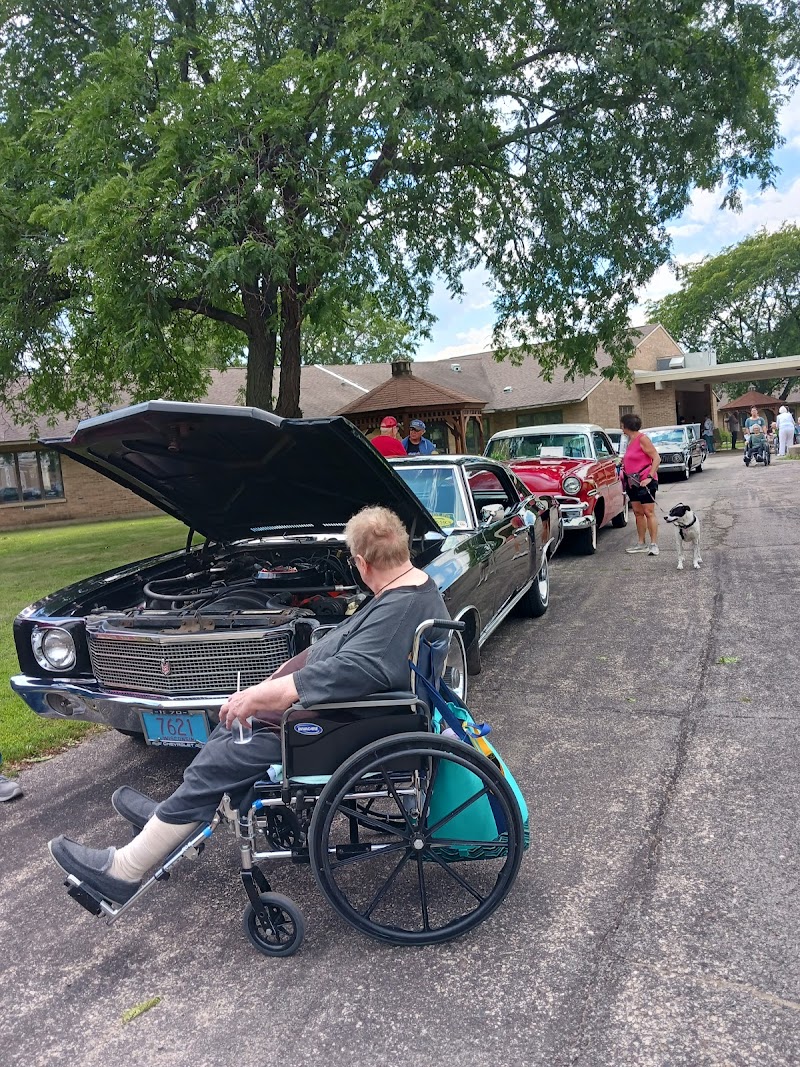
How is Hillview Health Care Ctr Staffed?

CMS rates HILLVIEW HEALTH CARE CTR's staffing level at 5 out of 5 stars, which is much above average compared to other nursing homes. Staff turnover is 34%, compared to the Wisconsin average of 46%. This relatively stable workforce can support continuity of care.

What Have Inspectors Found at Hillview Health Care Ctr?

State health inspectors documented 12 deficiencies at HILLVIEW HEALTH CARE CTR during 2022 to 2024. These included: 1 Immediate Jeopardy (the most serious level, indicating potential for serious harm or death), 1 that caused actual resident harm, and 10 with potential for harm. Immediate Jeopardy findings are rare and represent the most serious regulatory concerns. They require immediate corrective action.
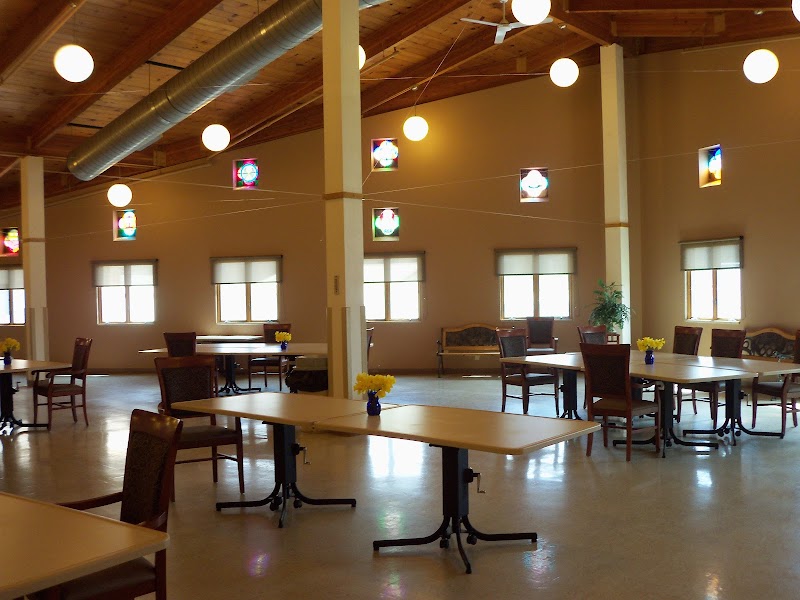
Who Owns and Operates Hillview Health Care Ctr?

HILLVIEW HEALTH CARE CTR is owned by a government entity. Government-operated facilities are typically run by state, county, or municipal agencies. The facility operates independently rather than as part of a larger chain. With 40 certified beds and approximately 39 residents (about 98% occupancy), it is a smaller facility located in LA CROSSE, Wisconsin.
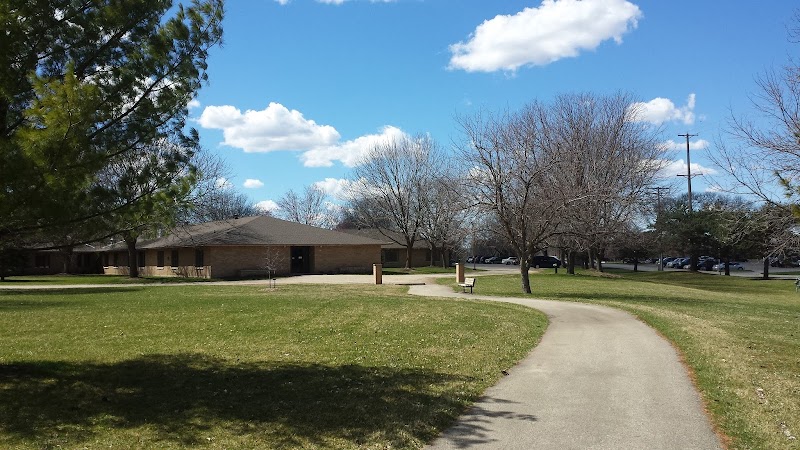
How Does Hillview Health Care Ctr Compare to Other Wisconsin Nursing Homes?

Compared to the 100 nursing homes in Wisconsin, HILLVIEW HEALTH CARE CTR's overall rating (4 stars) is above the state average of 3.0, staff turnover (34%) is significantly lower than the state average of 46%, and health inspection rating (3 stars) is at the national benchmark.

What Should Families Ask When Visiting Hillview Health Care Ctr?

Based on this facility's data, families visiting should ask: "What changes have been made since the serious inspection findings, and how are you preventing similar issues?" "Can I visit during a mealtime to observe dining assistance and food quality?" "How do you handle medical emergencies, and what is your hospital transfer rate?" "Can I speak with family members of current residents about their experience?" These questions are particularly relevant given the facility's Immediate Jeopardy citations.

Is Hillview Health Care Ctr Safe?

Based on CMS inspection data, HILLVIEW HEALTH CARE CTR has documented safety concerns. Inspectors have issued 1 Immediate Jeopardy citation (the most serious violation level indicating risk of serious injury or death). The facility has a 4-star overall rating and ranks #1 of 100 nursing homes in Wisconsin. Families considering this facility should ask detailed questions about what corrective actions have been taken since these incidents.

Do Nurses at Hillview Health Care Ctr Stick Around?

HILLVIEW HEALTH CARE CTR has a staff turnover rate of 34%, which is about average for Wisconsin nursing homes (state average: 46%). Moderate turnover is common in nursing homes, but families should still ask about staff tenure and how the facility maintains care continuity when employees leave.

Was Hillview Health Care Ctr Ever Fined?

HILLVIEW HEALTH CARE CTR has been fined $15,593 across 1 penalty action. This is below the Wisconsin average of $33,235. While any fine indicates a compliance issue, fines under $50,000 are relatively common and typically reflect isolated problems that were subsequently corrected. Families should ask what specific issues led to these fines and confirm they've been resolved.

Is Hillview Health Care Ctr on Any Federal Watch List?

HILLVIEW HEALTH CARE CTR is not on any federal watch list. The most significant is the Special Focus Facility (SFF) program, which identifies the bottom 1% of nursing homes nationally based on persistent, serious quality problems. Not being on this list means the facility has avoided the pattern of deficiencies that triggers enhanced federal oversight. This is a positive indicator, though families should still review the facility's inspection history directly.