GOLDEN YEARS OF LAKE GENEVA
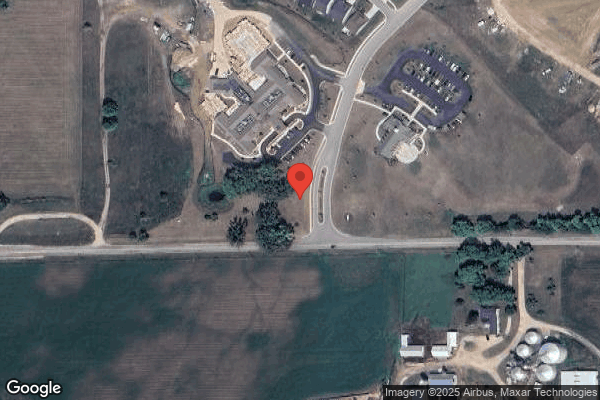
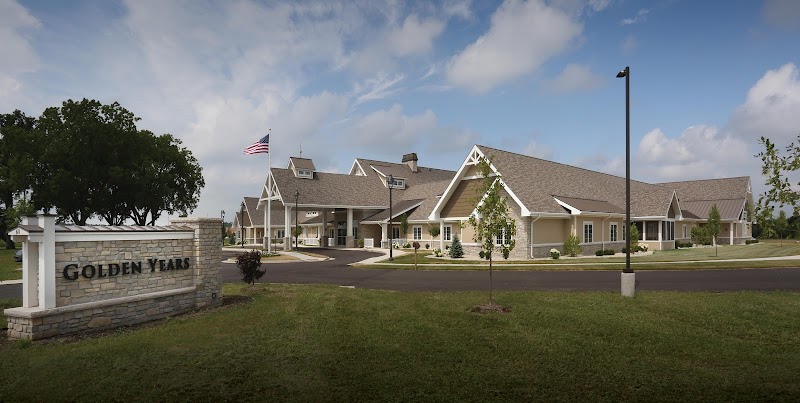
611 HARMONY DRIVE, LAKE GENEVA, WI 53147 (262) 249-1960
For profit - Corporation 54 Beds Independent Data: November 2025
Trust Grade
90/100
#36 of 321 in WI
Last Inspection: May 2025

Inspected within the last 6 months. Data reflects current conditions.

Overview

Golden Years of Lake Geneva has received an impressive Trust Grade of A, indicating it's considered excellent and highly recommended among nursing homes. In Wisconsin, it ranks #36 out of 321 facilities, placing it in the top half, and it's the best option among the seven nursing homes in Walworth County. The facility is improving, having reduced its issues from five in 2024 to just one in 2025, and it boasts a strong staffing turnover rate of 0%, which is well below the state average. However, there are some concerns, including a reported incident where a resident did not receive pain medication as prescribed, and another case involving a resident who alleged physical abuse that was not thoroughly investigated. While the nursing home has no fines and good RN coverage, it's important for families to weigh these strengths against the specific incidents of concern.

Trust Score
A
90/100
In Wisconsin
#36/321
Top 11%
Safety Record
Low Risk
No red flags
Inspections
Getting Better
5 → 1 violations
Staff Stability
○ Average
Turnover data not reported for this facility.
Penalties
✓ Good
No fines on record. Clean compliance history, better than most Wisconsin facilities.
Skilled Nurses
✓ Good
Each resident gets 82 minutes of Registered Nurse (RN) attention daily — more than 97% of Wisconsin nursing homes. RNs are the most trained staff who catch health problems before they become serious.
Violations
⚠ Watch
11 deficiencies on record. Higher than average. Multiple issues found across inspections.
★★★★★
5.0
Overall Rating
★★★★☆
4.0
Staff Levels
★★☆☆☆
2.0
Care Quality
★★★★★
5.0
Inspection Score
Stable
2024: 5 issues
2025: 1 issues

The Good

  • 4-Star Staffing Rating · Above-average nurse staffing levels
  • Full Sprinkler Coverage · Fire safety systems throughout facility
  • No fines on record

Facility shows strength in staffing levels, fire safety.

The Bad

No Significant Concerns Identified

This facility shows no red flags. Among Wisconsin's 100 nursing homes, only 0% achieve this.

The Ugly 11 deficiencies on record

Jan 2025 1 deficiency
CONCERN (D) 📢 Someone Reported This

A family member, employee, or ombudsman was alarmed enough to file a formal complaint

Potential for Harm - no one hurt, but risky conditions existed

Pharmacy Services (Tag F0755)

Could have caused harm · This affected 1 resident

**NOTE- TERMS IN BRACKETS HAVE BEEN EDITED TO PROTECT CONFIDENTIALITY** Based on record review and interviews, the facility failed to ensure one of five residents (Resident (R) 1) reviewed received hi...

Read full inspector narrative →
**NOTE- TERMS IN BRACKETS HAVE BEEN EDITED TO PROTECT CONFIDENTIALITY** Based on record review and interviews, the facility failed to ensure one of five residents (Resident (R) 1) reviewed received his pain medications as ordered creating the potential for increased discomfort. Findings include: Review of the facility's 2024 policy titled, Pain Assessment and management revealed The care team will respect and support every patient's right to optimal pain relief through education, initial and ongoing assessment, and effective and appropriate pain management. Review of the Face Sheet located under the Demographics tab in the electronic medical record (EMR) revealed R1 was admitted on [DATE] with diagnoses including unilateral primary osteoarthritis, left knee; open wound of lower back and pelvis without penetration into retroperitoneum; non-pressure chronic ulcer of other part of right foot limited to breakdown of skin. Review of the admission Minimum Data Set (MDS) with an assessment reference date (ARD) of 10/06/24 revealed a Brief Interview for Mental Status (BIMS) score of 15 out of 15 which indicated R1 was cognitively intact. Review of the October 2024 Physician Orders located under the Orders tab in the EMR noted R1 had an order for pregabalin -Schedule V (controlled substance) capsule; 25 mg (milligram); amt (amount): 25 mg/1capsule; oral Once A Day AM with a Start Date of 10/02/24. Review of the Informed Consent for Medication, form, located in the Documents tab in the EMR, dated 10/01/24, was signed by R1 and a facility nurse. The form identified the medication, for consent, as Pregabalin for pain. Review of the October 2024 Medication Administration Orders (MARS) provided by the Director of Nursing (DON), revealed from 10/03/24 through 10/15/24, that the Pregabalin was not administered with the reason noted as not administered: drug/item unavailable. The MAR did not identify why the medication was not administered on 10/02/24. Review of the Progress Notes located under the Resident tab in the EMR, dated 10/16/24, Script sent for Pregabalin to (Pharmacy). Pharmacy Query completed. The notation was written by the Nurse Practitioner. During an interview on 01/08/25 at 11:45 AM, the family of R1 (F1) said the resident could have been much more comfortable. F1 stated, I was told they ran out of the Pregabalin, for his pain, and didn't get it reordered. During an interview, on 01/09/25 at 3:20 PM, with R1's Nurse Practitioner (NP), also the facility DON, the NP stated, I am in the building Monday-Friday and see the majority of the residents. I saw R1 almost every day because of his care needs. When (F1) asked about the Pregabalin, that he was used to taking at home, I sent a script. I don't know what happened with the escribe (electronic prescription) order. In our state, narcotic prescriptions have to go directly to the pharmacy. The DON/NP said she was not informed by the nurses that the Pregabalin was unavailable. In an interview on 01/09/25 at 5:00 PM, neither the Administrator nor the DON/NP said they had a policy regarding escribes to ensure all medications are ordered as intended.
Feb 2024 5 deficiencies
CONCERN (D) 📢 Someone Reported This

A family member, employee, or ombudsman was alarmed enough to file a formal complaint

Potential for Harm - no one hurt, but risky conditions existed

Report Alleged Abuse (Tag F0609)

Could have caused harm · This affected 1 resident

**NOTE- TERMS IN BRACKETS HAVE BEEN EDITED TO PROTECT CONFIDENTIALITY** Based on interview and record review, the facility failed to develop and/or implement policies and procedures for ensuring the r...

Read full inspector narrative →
**NOTE- TERMS IN BRACKETS HAVE BEEN EDITED TO PROTECT CONFIDENTIALITY** Based on interview and record review, the facility failed to develop and/or implement policies and procedures for ensuring the reporting of a reasonable suspicion of a crime in accordance with section 1150 B of the Act for 1 (R11) of 1 residents reviewed for an allegation of a crime. R11 alleged facility staff forced her to take a shower and slammed her into the wall. R11's allegation of abuse was not reported timely to local law enforcement. Findings include: R11 was admitted to the facility on [DATE] with diagnosis that included Anxiety disorder. R11's quarterly MDS (minimum data set) dated 1/15/24 indicates R11 was assessed as having a Brief Interview for Mental Status score of 13 which indicates R11 is cognitively intact. On 2/7/24, at 9:37 AM, R11 was interviewed by this Surveyor and reported a few days ago she was forced to take a shower against her will and was slammed into the wall. R11 indicated she would like the allegation reported right away and taken care of. On 2/7/24, at 9:45 AM, this Surveyor reported R11's allegation to Nursing Home Administrator-A and Director of Nurses-B. On 2/6/24, R11's progress notes were reviewed and the following was written by Licensed Practical Nurse (LPN)-F on 2/2/24, at 10:00 PM: Writer called to room tonight due to resident (R11)refusing shower or bed bath. Upon entrance, resident notably soiled the bed and required a full bed strip and shower. Resident (R11) agitated and stated there is no need for a shower and just needed clean sheets. Writer re-educated the importance of clean hygiene and proper peri (perennial) care to prevent infection, and that cleaning of the mattress and new bed sheets were required. Resident (R11) then agreed to transfer to shower chair. Per Certified Nursing Assistant (CNA), resident (R11) stated towards the end of the shower that she will report the CNA due to giving her a shower against her will. After being told that resident (R11) was going to report CNA, writer went to check on resident, but sleeping sound. The facility self report dated 2/6/24 indicates R11 remembered CNA in training-D giving her the shower but did not remember who else was helping. R11 indicated she was not harmed and no other incident like this had ever happened to her before. The Facility interview with R11 did not contain any statements about the shower itself, how she was forced to shower or her refusal to shower. The report indicated the other staff that assisted with the shower was Hospitality Aide (HA)-E. On 2/7/24, Nursing Home Administrator (NHA)-A provided this Surveyor with a copy of the completed facility investigation. The Surveyor asked if the police had been notified of the allegation of abuse. NHA-A indicated the police had not been called because they didn't believe the reported incident happened. NHA-A then notified the police more then 24 hours after the allegation was made to the Surveyor. On 2/7/24, the Facility's Policy titled Resident Protection Policy dated 12/20 was reviewed and read: All alleged violations involving mistreatment, exploitation, neglect or abuse are reported immediately to to the Administrator and Office of Caregiver Quality. Immediately means as soon as possible, but not later than 2 hours after the allegation is made, if the events that cause the allegation involve abuse. The local law enforcement entity and adult protective services will be notified in addition when there is a reasonable suspicion of a crime as defined by law. The above findings were shared with the Nursing Home Administrator and DON-B on 2/7/24 at 3:00 PM at the daily exit meeting. Additional information was requested if available. None was provided.
CONCERN (D) 📢 Someone Reported This

A family member, employee, or ombudsman was alarmed enough to file a formal complaint

Potential for Harm - no one hurt, but risky conditions existed

Investigate Abuse (Tag F0610)

Could have caused harm · This affected 1 resident

**NOTE- TERMS IN BRACKETS HAVE BEEN EDITED TO PROTECT CONFIDENTIALITY** Based on interview & record review, the Facility did not ensure that 1 (R11) of 1 resident alleged incidents of physical abuse w...

Read full inspector narrative →
**NOTE- TERMS IN BRACKETS HAVE BEEN EDITED TO PROTECT CONFIDENTIALITY** Based on interview & record review, the Facility did not ensure that 1 (R11) of 1 resident alleged incidents of physical abuse was thoroughly investigated, and the results of the investigation reported to the State Agency. R11 alleged staff forced her to take a shower and slammed her into the wall. The allegation was not thoroughly investigated as all staff involved were not interviewed, a physical assessment was not completed for injuries and other residents were not interviewed to see if they had similar concerns. Findings include: R11 was admitted to the facility on [DATE] with diagnosis that included Anxiety disorder. R11's quarterly MDS (minimum data set) dated 1/15/24 indicate R11 was assessed as having a Brief Interview for Mental Status score of 13 which indicates R11 is cognitively intact. On 2/7/24, at 9:37 AM, Surveyor interviewed R11 who indicated a few days ago she was forced to take a shower against her will and was slammed into the wall. R11 indicated she would like the allegation reported right away and taken care of. On 2/7/24 at 9:45 AM the allegation from R11 was reported to the Nursing Home Administrator-A and Director of Nurses-B. On 2/6/24, R11's progress notes were reviewed and the following was written by Licensed Practical Nurse (LPN)-F on 2/2/24, at 10:00 PM, Writer called to room tonight due to resident (R11)refusing shower or bed bath. Upon entrance, resident notably soiled the bed and required a full bed strip and shower. Resident (R11) agitated and stated there is no need for a shower and just needed clean sheets. Writer re-educated the importance of clean hygiene and proper peri (perennial) care to prevent infection, and that cleaning of the mattress and new bed sheets were required. Resident (R11) then agreed to transfer to shower chair. Per Certified Nursing Assistant (CNA), resident (R11) stated towards the end of the shower that she will report the CNA due to giving her a shower against her will. After being told that resident (R11) was going to report CNA, writer went to check on resident, but sleeping sound. The Facility Reported Incident (FRI) investigation dated 2/6/24 indicates R11 remembered CNA in training-D giving her the shower but did not remember who else was helping. R11 indicated she was not harmed and no other incidents like this had ever happened to her before. The interview with R11 did not contain any statement about the shower itself, how she was forced or her refusal. The report indicated the other staff that helped with the shower was Hospitality Aide (HA)-E. No statement from HA-E was completed, a physical assessment of R 11 for injuries was not completed and no other residents were interviewed to see if they had similar concerns. On 2/8/24, at 10:30 AM, Nursing Home Administrator-A was interviewed and indicated HA-E was not interviewed as part of the investigation and he could not provide any evidence that other residents were interviewed and there is no documentation R11 was assessed for potential injuries. The above findings were shared with Nursing Home Administrator-A and Director of Nursing-B on 2/7/24, at 3:00 PM, at the daily exit meeting. Additional information was requested if available. None was provided.
CONCERN (D)

Potential for Harm - no one hurt, but risky conditions existed

Tube Feeding (Tag F0693)

Could have caused harm · This affected 1 resident

**NOTE- TERMS IN BRACKETS HAVE BEEN EDITED TO PROTECT CONFIDENTIALITY** Based on observation, interview, and record review the Facility did not ensure that 1 (R134) of 1 Residents observed during medi...

Read full inspector narrative →
**NOTE- TERMS IN BRACKETS HAVE BEEN EDITED TO PROTECT CONFIDENTIALITY** Based on observation, interview, and record review the Facility did not ensure that 1 (R134) of 1 Residents observed during medication pass with a gastronomy tube (G-tube) receives the appropriate treatment and services. R134's G-tube placement was not checked prior to administering medication via the G-tube. Findings include: R134 was admitted to the facility on [DATE] with diagnosis that included Dysphasia. On 2/7/24, at 7:45 AM, Registered Nurse (RN)-C was observed administering medication to R134. RN-C prepared the medication then flushed R134's gastronomy tube with water. RN-C-then administered R134's medication one at a time flushing the tube with water between each medication and after the administration was complete. Immediately after the observation RN-C was interviewed and indicated it is the facility's policy not to check gastronomy tube placement by any means before administration of medication or feeding formula. On 2/7/24, Surveyor reviewed the Facility's policy and procedure titled: Tube Feeding dated 11/22 which read: Auscultation is no longer recommended for checking placement of the feeding tube, Movement of air would likely be heard whether the tube was in the correct or incorrect location. Residual check for tube placement is also not recommended for individuals who are alert and able to report symptoms that indicate feeding is not well tolerated. On 2/7/24, at 11:00 AM, Director of Nurses (DON)- B was interviewed and indicated it is the facility's policy not to check placement of a gastronomy tube by any means, DON-B indicated they would rely on the resident to tell them something was wrong with their gastronomy tube. DON-B was not able to provide the Surveyor with a standard of practice the Facility's policy was based on. The above information was shared with Nursing Home Administrator-A and DON-B on 2/7/24 at 3:00 PM. Additional information was requested if available. None was provided.
MINOR (C)

Minor Issue - procedural, no safety impact

Transfer Notice (Tag F0623)

Minor procedural issue · This affected most or all residents

**NOTE- TERMS IN BRACKETS HAVE BEEN EDITED TO PROTECT CONFIDENTIALITY** Based on interview and record review, the facility did not ensure 1 (R11) of 1 sampled residents reviewed for a facility initiat...

Read full inspector narrative →
**NOTE- TERMS IN BRACKETS HAVE BEEN EDITED TO PROTECT CONFIDENTIALITY** Based on interview and record review, the facility did not ensure 1 (R11) of 1 sampled residents reviewed for a facility initiated discharge received a written transfer/discharge notice that included the date of transfer, reason for transfer, location of transfer, appeal rights and contact information of the State Long-Term Care Ombudsman. R11 was transferred to the hospital on [DATE] and 12/6/23. R11 and their representative was not provided a written notice of transfer. Findings include: R11 was admitted to the facility on [DATE]. On 2/7/24, the Surveyor reviewed R11's medical record which indicated R11 was transferred to the hospital on [DATE] and 12/6/23. The resident's medical record did not include documentation that a transfer notice had been given to the resident and/or their representative related to the hospitalization. On 2/8/24, at 10:06 AM, the Surveyor interviewed Director of Nurses (DON)-B who indicated they could not find a written transfer notice for R11's transfers to the hospital on [DATE] and 12/6/23. On 2/8/24, the Facility's policy titled Transfer and Discharge from the Facility dated 8/17 was reviewed and read: If the facility initiates transfer the facility will provide the resident and resident's representative with notice of transfer or discharge. On 2/8/24, at 11:00 AM, the above findings were shared with Nursing Home Administrator-A and Director of Nurses-B. Additional information was requested if available. None was provided.
MINOR (C)

Minor Issue - procedural, no safety impact

Deficiency F0625 (Tag F0625)

Minor procedural issue · This affected most or all residents

**NOTE- TERMS IN BRACKETS HAVE BEEN EDITED TO PROTECT CONFIDENTIALITY** Based on interview and record review the facility did not ensure 1 (R11) of 1 residents reviewed for transfers or therapeutic le...

Read full inspector narrative →
**NOTE- TERMS IN BRACKETS HAVE BEEN EDITED TO PROTECT CONFIDENTIALITY** Based on interview and record review the facility did not ensure 1 (R11) of 1 residents reviewed for transfers or therapeutic leave received a written bed hold notice with the specific duration of the bed hold and policy information. Findings include: R11 was transferred to the hospital on [DATE] and 12/6/23. R11 and their representative was not provided a written bed hold notice. Findings include: R11 was admitted to the facility on [DATE]. On 2/7/24, the Surveyor reviewed R11's medical record and it indicated R11 was transferred to the hospital on [DATE] and 12/6/23. The resident's medical record did not include documentation that a bed hold notice had been given to the resident and their representative for the hospitalizations. On 2/8/24, at 10:06 AM, the Surveyor interviewed Director of Nurses (DON)-B who indicated they could not find a bed hold notice for R11's transfers to the hospital on [DATE] and 12/6/23. On 2/8/24, this Surveyor reviewed the Facility's policy titled Bed Hold Policy dated 7/17 which read: Residents will be provided with bed-hold policy and reiteration of the duration of bed-hold at time of transfer to the hospital. On 2/8/24 at 11:00 AM the above findings were shared with Nursing Home Administrator-A and Director of Nurses-B. Additional information was requested if available. None was provided.
Nov 2022 5 deficiencies
CONCERN (D)

Potential for Harm - no one hurt, but risky conditions existed

Pressure Ulcer Prevention (Tag F0686)

Could have caused harm · This affected 1 resident

**NOTE- TERMS IN BRACKETS HAVE BEEN EDITED TO PROTECT CONFIDENTIALITY** Based on interview, observation and record review, the facility did not ensure that a resident with a deep tissue injury receive...

Read full inspector narrative →
**NOTE- TERMS IN BRACKETS HAVE BEEN EDITED TO PROTECT CONFIDENTIALITY** Based on interview, observation and record review, the facility did not ensure that a resident with a deep tissue injury receives necessary treatment and services, consistent with professional standards of practice, to promote healing, prevent infection and prevent new deep tissue injuries from developing for 1 (R6) of 4 residents reviewed for pressure injuries. R6 developed a deep tissue injury and the facility did not implement an intervention put in place to promote healing. Findings include: The facility policy, entitled Pressure Ulcer Treatment, dated 2020, states: A. To promote tissue healing. B. To prevent further tissue breakdown by relieving pressure, reducing friction and shear, correcting or containing incontinence, improving nutritional status, and educating resident and/or significant other. C. Follow established treatment program focused on assessment of resident and pressure ulcer. Section B: Plan: 1. Reduce or eliminate causative factors: pressure, shear, friction, moisture, circulatory impairment, and neuropathy. Section C: Interventions: 1. Management of tissue loads (pressure relief, friction, shear, and moisture) d). Use devices such as pillows and foam wedge to prevent direct contact between bony prominence's. R6 was admitted to the facility on [DATE] with the following diagnoses: Dementia, Non-Hodgkin lymphoma, Malignant neoplasm of unspecified site of right female breast, Arthritis, Parkinson's disease and Neuralgia and neuritis, unspecified of bilateral feet. R6's Significant Change in Status MDS (Minimum Data Set) dated 10/21/22, indicated that R6 has a BIMS (Brief Inventory of Mental Status) score of 2 indicating severe cognitive impairment. MDS also indicated R6 requires extensive staff assistance for bed mobility, transfers, dressing, toileting and personal hygiene. MDS indicated R6 is at risk for developing pressure ulcers/injuries and currently has one unhealed unstageable pressure injury presenting as deep tissue injury. Skin treatment indicated are: pressure reducing device for chair, pressure reducing device for bed, pressure ulcer/injury care and applications of ointments/medications other than to feet. On 10/14/22 the Norton Scale was completed. The assessment indicated a score of 13 which indicates R6 is at risk for skin breakdown. On 10/19/22, at 16:00, the facility documented the following progress note for R6: Resident has new deep tissue injury to the distal end of her right great toe (1 x 1 cm). Likely caused by pushing toes into the bar on her wheelchair footrest. Pillow placed on footrest and toe padded with gauze and secured with hipafix tape. Hospice and daughter notified. Will continue to monitor. The facility documented the following physician orders for R6: 10/19/2022, Measure pressure wound to right great toe: Document weekly assessment in Wound Management Tool. Notify MD (Medical Doctor) if decline, and update Care Plan if necessary. 10/19/22, Treatment to pressure wound to right great toe: Flush w/NS (normal saline), apply skin prep and cover with gauze, secure with Hipafix tape. Change Tues/Thurs/Sat and PRN (as needed). 10/19/22, Pressure wound to right great toe: Monitor injury q (each) shift for s/s (signs/symptoms) of infection or worsening condition. Notify MD if decline. R6's Care Plan titled, I know that my skin is at higher risk for breakdown, dated 10/20/22 included interventions: Make sure I have a pillow on the footrest of my Brota (sic) chair to prevent pressure to my toes R6's Care Plan titled, Resident has a pressure injury to right great toe, dated 11/6/22 included interventions: Make sure I have a pillow on the foot of my Brota (sic) chair so that I cannot press my toes into the bar at the front, make sure the blankets are tented over my toes when I am in bed, assess and record the condition of the skin surrounding the pressure ulcer, assess the pressure ulcer for location, stage, size, presence/absence of granulation tissue and epithelization weekly. Review of the Individual Care Plan Worksheet documents the following supportive device: pillows on footrest. Weekly wound rounds were completed on 10/19/22, 10/25/22, 11/1/11, and 11/8/22 by the ADON-D (Assistant Director of Nursing). On 10/19/22 the unstageable deep tissue injury measures 1x1 with a comment documenting the following: The DTI (Deep Tissue Injury) likely caused by resident pressing toes of her feet into the bar on her Brota (sic) chair footrest. A pillow will be kept in place at all times to prevent this from happening, and to allow for healing. On 11/09/22, at 08:06 AM, Surveyor observed R6 sitting upright in a Broda chair by the front desk wearing an enclosed gray tennis shoes with pink laces. R6's feet were dangling with no supportive footrest in place below the feet. No observation of pillow present. On 11/09/22, at 8:44 AM, Surveyor observed R6 in the dining room eating breakfast. Staff is present and assisting R6 with breakfast. R6 is wearing enclosed gray tennis shoes with pink laces and feet are resting directly on footrest of Broda chair. No observation of pillow present. On 11/09/22, at 11:10 AM, Surveyor observed R6 sitting in Broda chair by the front desk. R6 is asleep with her feet slightly elevated. R6 is wearing enclosed gray tennis shoes with pink laces. No observation of pillow present. On 11/09/22, at 11:14 AM, Surveyor interviewed CNA-E (Certified Nursing Assistant) and asked what interventions were in place for R6 for the deep tissue injury. CNA-E informed Surveyor that they are not putting shoes on because they are bandaging the toe. When asked what type of shoe R6 should be wearing CNA-E stated, open toe sandals are okay to wear. Surveyor asked CNA-E if a pillow should be utilized. CNA-E informed Surveyor that they remove the pillow when R6 is eating meals but use the pillow when R6 is laying down. On 11/09/22, at 11:22 AM, Surveyor interviewed RN-F (Registered Nurse) about the current treatments for R6 and the DTI. RN-F informed Surveyor that they are flushing the injury with saline, applying a skin prep and then gauze. Surveyor asked what type of footwear R6 should be wearing. RN-F stated R6 should be wearing sock and no shoes. R6 is not mobile and does not need shoes. R6 should have a pillow under feet and feet should not be touching the footrest. On 11/09/22, at 11:27 AM, Surveyor interviewed RN-G and asked about current treatments for R6 and the DTI. RN-G informed Surveyor that R6 should be wearing slippers and socks and no shoes. They are changing and cleansing the injury with saline, skin prep and gauze. When Surveyor asked if a closed toe tennis shoe should be worn RN-G stated, No a sneaker would put pressure on the toes. RN-G informed Surveyor that slippers or socks should be worn and pillows used anytime R6 is in the Broda chair to float feet off bottom of leg rest. On 11/09/22, at 11:41 AM, Surveyor interviewed ADON-D. Surveyor asked ADON-D what interventions are in place for R6 and the DTI. ADON-D explained that the main issues with R6 is her atrial fibrillation which cause R6 to have a lot of tension during the episodes. What they think happened is that when R6 is tense, R6 shoves her toes into the bar on the footrest of the Broda chair. That is why we have the pillow on R6's footrest. R6 wear sandals during the day and when in bed they tent foot area. Surveyor clarified if a pillow should be used when R6 is in the Broda chair. ADON-D stated yes. Surveyor asked ADON-D what type of footwear R6 should be wearing. ADON-D informed Surveyor that there is gauze over the toe therefore R6 is just wearing sandals. Surveyor asked ADON-D if staff are aware that R6 should be wearing sandals and how that would be communicated. ADON-D informed Surveyor that she did not have it care planned. ADON-D stated that the information would have only been verbally communicated to the CNAs. On 11/09/22, at 12:32 PM, the DON-B (Director of Nursing) and ADON-D came and provided documentation requested. DON-B pointed out that in the wound care note 10/19/22 documents that a pillow will be used when in Broda chair. Use of pillow is also care planned. Surveyor asked how they were addressing pressure to the toes and ADON-D stated that R6 should be wearing sandals however she did just check and there is one pair of gym shoe that appear large enough that it should not cause additional pressure to the toes. Surveyor asked if the tennis shoes were assessed prior to now and ADON-D stated no. On 11/10/22, at 12:08 PM, Surveyor informed DON-B of the above findings. No additional information presented at the time.
CONCERN (D)

Potential for Harm - no one hurt, but risky conditions existed

Tube Feeding (Tag F0693)

Could have caused harm · This affected 1 resident

**NOTE- TERMS IN BRACKETS HAVE BEEN EDITED TO PROTECT CONFIDENTIALITY** Based on observation, interview, and record review the Facility did not ensure that 1 (R19) of 1 Residents observed during medic...

Read full inspector narrative →
**NOTE- TERMS IN BRACKETS HAVE BEEN EDITED TO PROTECT CONFIDENTIALITY** Based on observation, interview, and record review the Facility did not ensure that 1 (R19) of 1 Residents observed during medication pass with a gastrostomy tube (G-tube) receives the appropriate treatment and services. R19's G-tube placement was not checked prior to administering medication via the G-tube. Findings include: R19 was admitted to the facility on [DATE] with diagnosis that included Cancer of the tonsils and thyroid gland as well as Dysphasia On 11/10/22 the facilities policy and procedure titled Tube Feeding dated 2018 was reviewed and read: Assess tube placement by aspirating stomach contents. The policy does not say how often placement should be checked. On 11/9/22 at 11:37 AM the surveyor observed Registered Nurse (RN)-G administer medication to R19's G-tube. RN-G flushed R19's G-Tube to which no tube feeding was running prior and then administered 50 milligrams of liquid Vancomycin via R19's G-tube. RN-G then flushed R19's G-Tube with more water and hooked her up to her feeding pump. RN-G did not check placement of R19's G-tube at any time during the observation. On 11/10/22 at 9:30 AM Director of Nurses (DON)-B was interviewed and indicated she was unaware when a G-tube's placement should be checked. The surveyor made her aware that the facility's policy did not indicate how often a G-tube placement check should be done but simply indicated it should be done. DON-B indicated she would look into it but had no knowledge of frequency at that time. On 11/10/22 R19's medical record was reviewed and no information on how often placement of her G-tube should be checked could be found. The above information was shared with the Administrator and DON on 11/10/22 at 10:30 AM. Additional information was requested if available. None was provided.
CONCERN (D)

Potential for Harm - no one hurt, but risky conditions existed

Pharmacy Services (Tag F0755)

Could have caused harm · This affected 1 resident

**NOTE- TERMS IN BRACKETS HAVE BEEN EDITED TO PROTECT CONFIDENTIALITY** 2.) R16 was admitted to the facility on [DATE] with diagnosis that included Congestive Heart Failure. R16's most recent Quarter...

Read full inspector narrative →
**NOTE- TERMS IN BRACKETS HAVE BEEN EDITED TO PROTECT CONFIDENTIALITY** 2.) R16 was admitted to the facility on [DATE] with diagnosis that included Congestive Heart Failure. R16's most recent Quarterly Minimum Data Set (MDS) dated [DATE] indicated R16 and a Brief Score for Metal Status of a 9 indicating moderate cognitive impairment. On 11/9/22 at 8:39 AM the surveyor observed Registered Nurse (RN)-G administer medication to R16. RN-G placed Sertraline 200 milligrams (MG), Myrbetriq 25mg, Miododrine 2.5 mg, Loratadine 10mg, Gabapentin 300mg, aspirin 81mg, and Acyclovir 400mg into a medication cup and placed them next to R16's plate in the dining room. RN-G then left the dining room indicating R16 will take them by herself. On 11/9/22 R16's medical record was reviewed and no assessment indicating she could safely administer her own medication was found. On 11/10/22 at 10:00 AM Director of Nurses-B was interviewed and indicated that R16 should be observed to take her medication and it should not be left to take on her own. The above findings were shared with the Administrator and DON on 11/10/22 at 10:30 AM. Additional information was requested if available. None was provided. Based on observation, record review and staff interview, the facility did not ensure residents received their medications. This was discovered with 2 (R3 and R16) of 4 residents that did not receive their medication as ordered. R3 and R4 had medications that were not administered to them as ordered. Findings include: The facility's policy and procedure for Medications, dated 1/2018, was reviewed by Surveyor. The procedure includes: Identify resident by name before administration and observe that all medications are taken. 1.) R3's medical record was reviewed. The Progress Note on 11/01/2022 at 5:40 AM indicates the Writer found a cup of medications in resident medication cabinet containing the following: - one acetaminophen 325 mg(milligram) tablet - two Seroquel 25 mg tabs - one 2 mg loperamide tab - one 5-325 mg Norco The DON-B (Director of Nurses) was notified. R3 takes these medications twice a day and therefore hard to determine which shift the error occurred on. R3 was admitted on Hospice care on 5/8/22 for Dementia. R3 has an activated POA (Power of Attorney). R3 had a Quarterly Minimum Data Set (MDS) assessment on 9/2/22 which indicates severe cognitive impairment. R3 has no self-administer of medication assessment. The MD was notified via fax on 11/3/22 regarding the missed medication. There was no new orders. The POA was notified on 11/3/22 of the missed medications. On 11/09/22 at 9:40 AM Surveyor spoke with the DON-B (Director of Nurses). The DON-B talked to Nurses that were working that day the medications were found. DON-B emailed all the Nurses and informed them not to not leave the medications in the rooms. R3 had no effects from not having medication. The MD (Medical Doctor) and POA were notified on 11/3/22 of the missed medication and there were no new orders or effects. On 11/8/22 at 3:00 PM at the facility Exit Meeting Surveyor shared the concerns with R3's medications.
CONCERN (D)

Potential for Harm - no one hurt, but risky conditions existed

Medication Errors (Tag F0758)

Could have caused harm · This affected 1 resident

**NOTE- TERMS IN BRACKETS HAVE BEEN EDITED TO PROTECT CONFIDENTIALITY** Based on record review and staff interview, the facility did not ensure psychotropic PRN (as needed) medication had indications ...

Read full inspector narrative →
**NOTE- TERMS IN BRACKETS HAVE BEEN EDITED TO PROTECT CONFIDENTIALITY** Based on record review and staff interview, the facility did not ensure psychotropic PRN (as needed) medication had indications for long term use. This was discovered with 2 (R3 and R2) of 4 residents reviewed for medication. R3 and R2 have received PRN Ativan beyond 14 days without indications for use to continue. Findings include: The facility's policy and procedure for Use of Psychotropic Medications/Psychotropic Medication Reviews, dated 1/2018, was reviewed by Surveyor. The policy indicates: The goal of the facility is to make every effort to practice according to current medical guidelines and best practices related to the use of psychopharmacological medications in the long term care facility, to include regular reviews, continued need, appropriate dosage, side effects and risks and benefits. 1.) R3's medical record was reviewed by Surveyor. R3 was admitted on Hospice care on 5/8/22 for Dementia. R3 has an activated POA (Power of Attorney). R3 had a Quarterly MDS (minimum data set) assessment on 9/2/22 which indicates severe cognitive impairment. The MAR (Medication Record Administration) was reviewed by Surveyor. The PRN (as needed) Ativan was ordered on 5/27/22. R3's physician order date of 5/27/22 indicates: Ativan 0.5 mg 1-2 tabs every 2 hours as needed for anxiety. There is no stop date. The May MAR indicates R3 received Ativan on 5/29/22. The June MAR had no administrations. The July MAR indicates the Ativan was administered on the 16th and twice on the 17th. The August MAR indicates no administration. The September MAR indicates Ativan was administrated on the 2nd. The October MAR indicates Ativan was administered the 21st, 25th and 31st. The November MAR indicates the Ativan PRN order was discontinued on 11/9/22. There is a new order that started on 11/9/22 with a stop date of 1/20/23. On 11/09/22 at 9:40 AM Surveyor spoke with DON-B (Director of Nurses) and requested additional information related to R3 Ativan PRN medication. DON-B indicated they will look into it. On 11/9/22 at 3:00 PM at the facility Exit Meeting Surveyor shared the concerns with R3's Ativan order. On 11/10/22 08:44 AM Surveyor spoke with DON-B. They contacted R3's Hospice Nurse and they obtained a new Ativan order with a stop date. There was not a physician or practitioner that assessed R3 with this new order. 2). R2 was admitted to the facility on [DATE] with diagnoses that include, unspecified dementia, unspecified severity, without behavioral disturbance, psychotic disturbance, mood disturbance, and anxiety. R2 started hospice on 7/25/22. R2's Quarterly MDS (Minimum Data Set) dated 10/21/22 documents a BIMS (Brief Inventory of Mental Status) of 4 which indicates that R2 is severely cognitively impaired. Review of R2's medical record documents a physician order dated 7/25/22 that reads, Ativan/Lorazepam Tablet 0.5mg (milligrams) Give 0.5mg (1 tablet) every 2 hours as needed for anxiety or terminal restlessness with a start date of 7/25/22 and end date, open ended. R2's MAR (Medication Administration Record) dated 8/1/22 - 8/31/22 documents that R2 received Ativan/Lorazepam Tablet 0.5mg (milligrams) Give 0.5mg (1 tablet) every 2 hours as needed for anxiety or terminal restlessness, on 8/8/22, 8/17/22, 8/18/22 and 8/22/22. R2's MAR dated 9/1/22 - 9/30/22 documents that R2 received Ativan/Lorazepam Tablet 0.5mg (milligrams) Give 0.5mg (1 tablet) every 2 hours as needed for anxiety or terminal restlessness, on 9/9/22. On 11/09/22, at 9:40 AM, Surveyor spoke with DON-B (Director of Nurses) and requested additional information related to R2's Ativan PRN medication. DON-B indicated they will look into it. On 11/9/22 R2's new physician order dated 11/9/22 reads, Ativan/Lorazepam Tablet 0.5mg (milligrams) Give 0.5mg (1 tablet) every 2 hours as needed for anxiety or terminal restlessness with a start date of 11/9/22 and end date, 1/13/23. On 11/10/22, at 08:44 AM, Surveyor spoke with DON-B. They contacted R2's Hospice Nurse and they obtained a new Ativan order with a stop date. There was not a physician or practitioner that assessed R2 with this new order. On 11/10/22, at 12:08 PM, Surveyor informed facility DON-B (Director of Nursing) of the above findings. No additional information was provided.
CONCERN (D)

Potential for Harm - no one hurt, but risky conditions existed

Unnecessary Medications (Tag F0759)

Could have caused harm · This affected 1 resident

**NOTE- TERMS IN BRACKETS HAVE BEEN EDITED TO PROTECT CONFIDENTIALITY** Based on observation, interview and record review the facility did not ensure that it maintained a medication error rate below 5...

Read full inspector narrative →
**NOTE- TERMS IN BRACKETS HAVE BEEN EDITED TO PROTECT CONFIDENTIALITY** Based on observation, interview and record review the facility did not ensure that it maintained a medication error rate below 5 percent during observations of medication administration affecting 1 (R18) of 5 residents observed. Two medication errors were observed out of thirty-one opportunities, for a total error rate of 6.45%. * R18 was administered Potassium Chloride Extended Release 10 Millequivalents (MEQ) extended release and Sublingual (under the tongue) Vitamin B12 1,000 milligrams (MG) crushed when they should not have been. Findings include: On 11/10/22 the website Drugs.com was reviewed for instructions on how to take Potassium Chloride extended release and read: Do not crush, chew, break, or suck on an extended-release tablet or capsule. Swallow the pill whole. Breaking or crushing the pill may cause too much of the drug to be released at one time. On 11/10/22 the website Drugs.com was reviewed for instructions on how to take sublingual vitamin B12 and read: Place under tongue and let dissolve all the way. Do not chew, suck or swallow tablet. R18 was admitted to the facility on [DATE] with diagnoses that included heart failure and anemia On 11/9/22 at 8:50 a.m. the surveyor observed Registered Nurse (RN)-G administer medication to R18. RN-G prepared R18's medications including Potassium Chloride extended release and Sublingual Vitamin B12 which she crushed and placed separate cups and mixed them with applesauce. RN- G then administered R18's medication to him in the dining room. On 11/9/22 at 9:30 a.m. RN-G was interviewed and asked to look at the medication card for R18's sublingual vitamin B-12. RN-G indicated the medication should have been given sublingual but that she crushed it. The above findings were shared with the Administrator and Director of Nurses on 11/10/22 at 1:00 p.m. Additional information was requested if available. None was provided.
Understanding Severity Codes (click to expand)
Life-Threatening (Immediate Jeopardy)
J - Isolated K - Pattern L - Widespread
Actual Harm
G - Isolated H - Pattern I - Widespread
Potential for Harm
D - Isolated E - Pattern F - Widespread
No Harm (Minor)
A - Isolated B - Pattern C - Widespread

Questions to Ask on Your Visit

  • "Can I speak with families of current residents?"
  • "What's your RN coverage like on weekends and overnight?"

Our Honest Assessment

Strengths
  • • Grade A (90/100). Above average facility, better than most options in Wisconsin.
  • • No major safety red flags. No abuse findings, life-threatening violations, or SFF status.
  • • No fines on record. Clean compliance history, better than most Wisconsin facilities.
Concerns
  • • 11 deficiencies on record. Higher than average. Multiple issues found across inspections.
Bottom line: Generally positive indicators. Standard due diligence and a personal visit recommended.

About This Facility

What is Golden Years Of Lake Geneva's CMS Rating?

CMS assigns GOLDEN YEARS OF LAKE GENEVA an overall rating of 5 out of 5 stars, which is considered much above average nationally. Within Wisconsin, this rating places the facility higher than 99% of the state's 100 nursing homes. This rating reflects solid performance across the metrics CMS uses to evaluate nursing home quality.
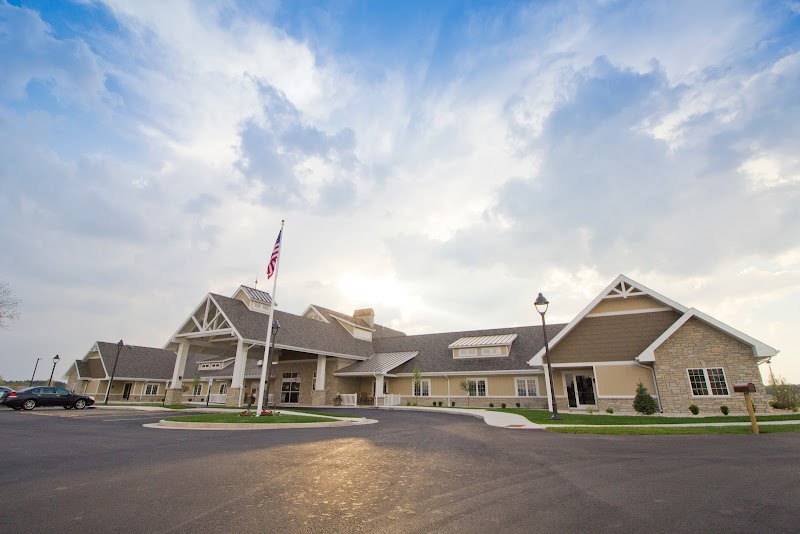
How is Golden Years Of Lake Geneva Staffed?

CMS rates GOLDEN YEARS OF LAKE GENEVA's staffing level at 4 out of 5 stars, which is above average compared to other nursing homes.

What Have Inspectors Found at Golden Years Of Lake Geneva?

State health inspectors documented 11 deficiencies at GOLDEN YEARS OF LAKE GENEVA during 2022 to 2025. These included: 9 with potential for harm and 2 minor or isolated issues.
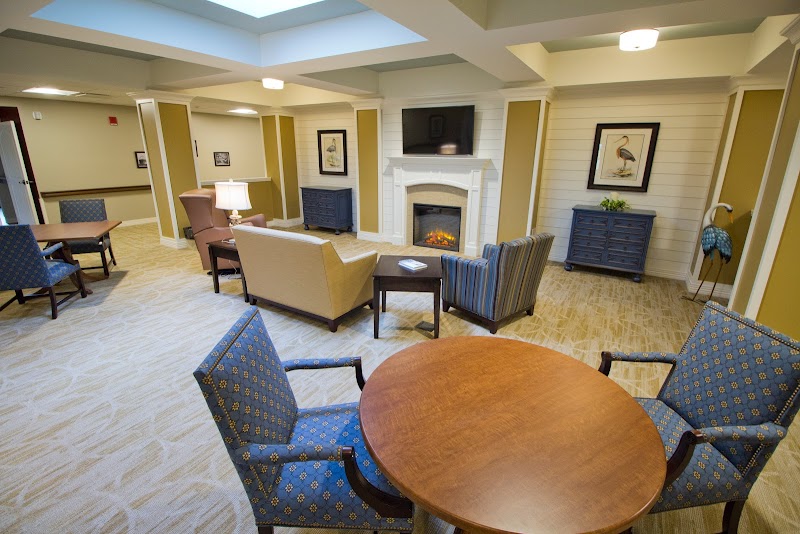
Who Owns and Operates Golden Years Of Lake Geneva?

GOLDEN YEARS OF LAKE GENEVA is owned by a for-profit company. For-profit facilities operate as businesses with obligations to shareholders or private owners. The facility operates independently rather than as part of a larger chain. With 54 certified beds and approximately 32 residents (about 59% occupancy), it is a smaller facility located in LAKE GENEVA, Wisconsin.
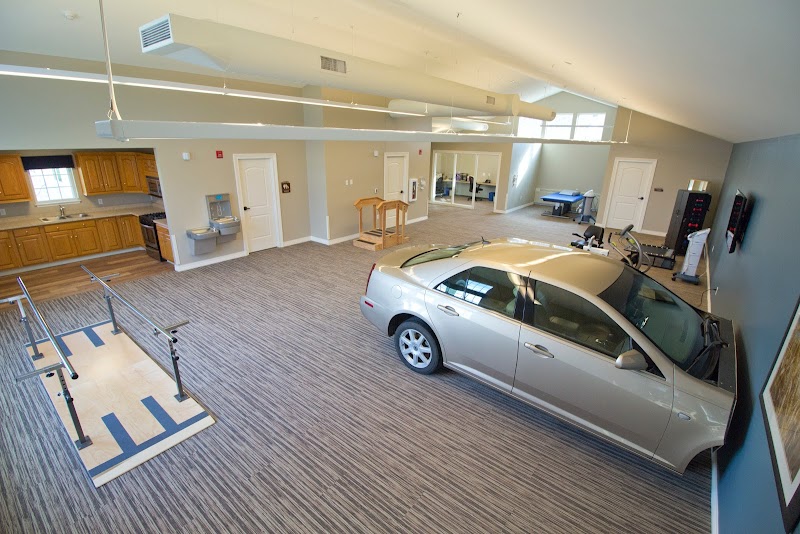
How Does Golden Years Of Lake Geneva Compare to Other Wisconsin Nursing Homes?

Compared to the 100 nursing homes in Wisconsin, GOLDEN YEARS OF LAKE GENEVA's overall rating (5 stars) is above the state average of 3.0 and health inspection rating (5 stars) is much above the national benchmark.

What Should Families Ask When Visiting Golden Years Of Lake Geneva?

Based on this facility's data, families visiting should ask: "Can I visit during a mealtime to observe dining assistance and food quality?" "How do you handle medical emergencies, and what is your hospital transfer rate?" "Can I speak with family members of current residents about their experience?"

Is Golden Years Of Lake Geneva Safe?

Based on CMS inspection data, GOLDEN YEARS OF LAKE GENEVA has a clean safety record: no substantiated abuse findings (meaning no confirmed cases of resident harm), no Immediate Jeopardy citations (the most serious violation level indicating risk of serious injury or death), and is not on the Special Focus Facility watch list (a federal program monitoring the lowest-performing 1% of nursing homes). The facility has a 5-star overall rating and ranks #1 of 100 nursing homes in Wisconsin. While no facility is perfect, families should still ask about staff-to-resident ratios and recent inspection results during their visit.

Do Nurses at Golden Years Of Lake Geneva Stick Around?

GOLDEN YEARS OF LAKE GENEVA has not reported staff turnover data to CMS. Staff turnover matters because consistent caregivers learn residents' individual needs, medications, and preferences. When staff frequently change, this institutional knowledge is lost. Families should ask the facility directly about their staff retention rates and average employee tenure.

Was Golden Years Of Lake Geneva Ever Fined?

GOLDEN YEARS OF LAKE GENEVA has no federal fines on record. CMS issues fines when nursing homes fail to meet care standards or don't correct problems found during inspections. The absence of fines suggests the facility has either maintained compliance or corrected any issues before penalties were assessed. This is a positive indicator, though families should still review recent inspection reports for the full picture.

Is Golden Years Of Lake Geneva on Any Federal Watch List?

GOLDEN YEARS OF LAKE GENEVA is not on any federal watch list. The most significant is the Special Focus Facility (SFF) program, which identifies the bottom 1% of nursing homes nationally based on persistent, serious quality problems. Not being on this list means the facility has avoided the pattern of deficiencies that triggers enhanced federal oversight. This is a positive indicator, though families should still review the facility's inspection history directly.