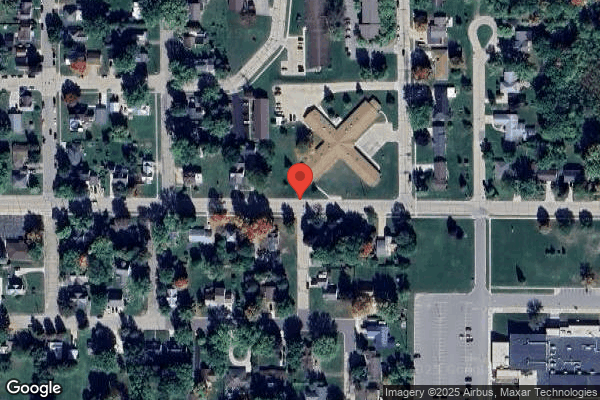
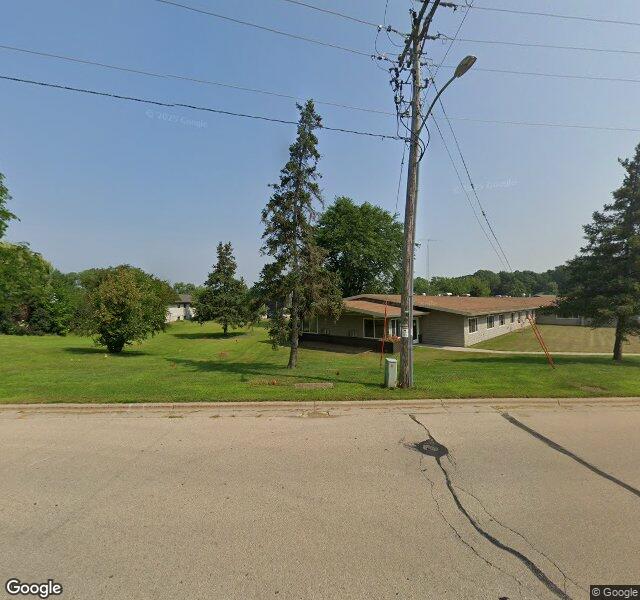
MANAWA COM NUR CTR

400 EAST 4TH ST, MANAWA, WI 54949 (920) 596-2566
For profit - Individual 25 Beds Independent Data: November 2025 1 Immediate Jeopardy citation
Trust Grade
31/100
#221 of 321 in WI
Last Inspection: April 2025

Within standard 12-15 month inspection cycle. Federal law requires annual inspections.

Overview

Manawa Community Nursing Center has received a Trust Grade of F, indicating significant concerns with care quality and safety. Ranking #221 out of 321 facilities in Wisconsin places it in the bottom half of the state, and #7 out of 8 in Waupaca County means there is only one local option that is better. The facility is showing some improvement, as the number of issues reported has decreased from 18 in 2024 to 6 in 2025. Staffing is a potential strength, with a low turnover rate of 0%, but the overall rating is only 2 out of 5 stars, suggesting that staffing quality may not be ideal. However, there have been critical incidents reported, such as a resident sustaining a serious injury due to improper transfer techniques, and a failure to adequately supervise a resident following an altercation with a visitor, highlighting significant safety concerns.

Trust Score
F
31/100
In Wisconsin
#221/321
Bottom 32%
Safety Record
High Risk
Review needed
Inspections
Getting Better
18 → 6 violations
Staff Stability
○ Average
Turnover data not reported for this facility.
Penalties
✓ Good
$16,801 in fines. Lower than most Wisconsin facilities. Relatively clean record.
Skilled Nurses
✓ Good
Each resident gets 61 minutes of Registered Nurse (RN) attention daily — more than 97% of Wisconsin nursing homes. RNs are the most trained staff who catch health problems before they become serious.
Violations
⚠ Watch
30 deficiencies on record. Higher than average. Multiple issues found across inspections.
★★☆☆☆
2.0
Overall Rating
★★☆☆☆
2.0
Staff Levels
★★★☆☆
3.0
Care Quality
★★☆☆☆
2.0
Inspection Score
Stable
2024: 18 issues
2025: 6 issues

The Good

  • Full Sprinkler Coverage · Fire safety systems throughout facility
  • No fines on record

Facility shows strength in fire safety.

The Bad

2-Star Overall Rating

Below Wisconsin average (3.0)

Below average - review inspection findings carefully

Federal Fines: $16,801

Below median ($33,413)

Minor penalties assessed

The Ugly 30 deficiencies on record

1 life-threatening 1 actual harm
Apr 2025 6 deficiencies
CONCERN (D)

Potential for Harm - no one hurt, but risky conditions existed

ADL Care (Tag F0677)

Could have caused harm · This affected 1 resident

**NOTE- TERMS IN BRACKETS HAVE BEEN EDITED TO PROTECT CONFIDENTIALITY** Based on observation, staff interview, and record review, the facility did not ensure 1 resident (R) (R8) of 3 sampled residents...

Read full inspector narrative →
**NOTE- TERMS IN BRACKETS HAVE BEEN EDITED TO PROTECT CONFIDENTIALITY** Based on observation, staff interview, and record review, the facility did not ensure 1 resident (R) (R8) of 3 sampled residents who was unable to carry out activities of daily living (ADLs) was provided assistance with nail care. R8 was not provided routine nail care. Findings include: The facility's Activities of Daily Living (ADL) policy, dated 2/15/12, indicates: It is the policy of the facility that residents' ADL needs will be met .It is the goal of the facility to provide necessary care and services. From 4/28/25 to 4/30/25, Surveyor reviewed R8's medical record. R8 was admitted to the facility on [DATE] and had diagnoses including Marfan syndrome (an inherited disorder that affects connective tissue), dementia, and cerebrovascular accident (CVA) (stroke). R8's Minimum Data Set (MDS) assessment, dated 3/27/25, had a Brief Interview for Mental Status (BIMS) score of 5 out of 15 which indicated R8 had severe cognitive impairment. The MDS assessment also indicated R8 required substantial/maximal assistance of staff for bathing. R8 had an activated Power or Attorney for Healthcare (POAHC). A care plan, dated 5/4/23, indicated R8 had an ADL self-care performance deficit related to a stroke. The care plan contained an intervention for bathing/showering: check nail length and trim and clean on bath day and as necessary. An activity participation note, dated 3/18/25, indicated R8 participated in 15 minutes of activity during which R8's nails were trimmed, filed, and cleaned. On 4/28/25 at 10:02 AM, Surveyor observed R8's fingernails and noted they were clean but approximately ¼ inch long. Surveyor attempted to interview R8 but R8 was unable to answer Surveyor's questions. On 4/29/25 at 12:08 PM, Surveyor interviewed Certified Nursing Assistant (CNA)-F who indicated R8 received showers on the Saturday AM shift. CNA-F was not assigned to R8 the previous Saturday but was aware R8 did not receive a shower because the key to the shower room was missing. CNA-F indicated R8's nails should have been trimmed even though R8 did not receive a shower. Surveyor reviewed a shower sheet that indicated R8 was scheduled to receive a shower on the Saturday AM shift including a skin check, nails/toes, ears, and vital signs. On Saturday 4/26/25, R8's vital signs were documented, however, the documentation did not indicate if a shower was provided or if nail care was done. On 4/29/25 at 12:15 PM, Surveyor interviewed Restorative Aide (RA)-E who verified R8's fingernails were long. On 4/30/25 at 10:24 AM, Surveyor interviewed Director of Nursing (DON)-B who verified documentation indicated R8's nails were last trimmed on 3/18/25. DON-B indicated R8's nails should be kept short.
CONCERN (D)

Potential for Harm - no one hurt, but risky conditions existed

Respiratory Care (Tag F0695)

Could have caused harm · This affected 1 resident

**NOTE- TERMS IN BRACKETS HAVE BEEN EDITED TO PROTECT CONFIDENTIALITY** Based on observation, staff interview, and record review, the facility did not provide the necessary respiratory care and servic...

Read full inspector narrative →
**NOTE- TERMS IN BRACKETS HAVE BEEN EDITED TO PROTECT CONFIDENTIALITY** Based on observation, staff interview, and record review, the facility did not provide the necessary respiratory care and services for 1 resident (R) (R18) of 1 sampled resident. R18 had an order for 1 to 4 liters of oxygen as needed via nasal cannula for respiratory distress or discomfort, titrate to maintain greater than 90% (oxygen saturation level) with a start date of 3/21/22. R18 did not have an order to change or maintain R18's oxygen equipment or a care plan for respiratory therapy. Findings include: The facility's Oxygen Therapy Policy and Procedure, dated 5/22/23, indicates: .Change tubing weekly, unless otherwise specified in patient's orders .Care plan is updated regularly by licensed nursing staff. From 4/28/25 to 4/30/25, Surveyor reviewed R18's medical record. R18 was admitted to the facility on [DATE] and had diagnoses including type 2 diabetes mellitus with diabetic neuropathy, complete traumatic amputation at knee level left lower leg, and unspecified chronic kidney disease. R18's Minimum Data Set (MDS) assessment, dated 2/7/25, had a Brief Interview for Mental Status (BIMS) score of 13 out of 15 which indicated R18 had little to no cognitive impairment. The MDS assessment also indicated R18 used continuous oxygen therapy. On 4/28/25 at 9:53 AM, Surveyor attempted to interview R18, however, R18 was asleep in a wheelchair. R18 was receiving 2 liters of oxygen via nasal cannula. R18's medical record contained an order for as needed oxygen with a start date of 3/21/22 (from a prior admission). Staff tracked R18's oxygen use per minute starting on 3/23/25. R18 used oxygen 50 to 880 minutes per day in April 2025 for the time frame that was reviewed. R18's Treatment Administration Record (TAR) did not contain a maintenance order for oxygen tubing. R18 also did not have a care plan for oxygen therapy. On 4/29/25, Surveyor reviewed R18's plan of care and noted an oxygen therapy care plan dated 4/29/25 as well as tubing change and PRN oxygen orders dated 4/29/25. On 4/29/25 at 1:02 PM, Surveyor interviewed Director of Nursing (DON)-B who confirmed R18's oxygen therapy care plan was initiated that day. DON-B indicated R18 did not need oxygen, however, R18 had requested oxygen since March (2025) and the facility monitored the amount R18 had been using. DON-B verified a care plan should have been developed when R18 started using oxygen on a consistent basis. DON-B also indicated there should be an order in R18's TAR to change R18's oxygen tubing weekly per the facility's policy.
CONCERN (E)

Potential for Harm - no one hurt, but risky conditions existed

Deficiency F0761 (Tag F0761)

Could have caused harm · This affected multiple residents

Based on observation, staff interview, and record review, the facility did not ensure medication was secured and stored appropriately. This practice had the potential to affect more than 4 of the 23 r...

Read full inspector narrative →
Based on observation, staff interview, and record review, the facility did not ensure medication was secured and stored appropriately. This practice had the potential to affect more than 4 of the 23 residents residing in the facility. On 4/29/25, a bottle of aspirin 81 milligrams (mg) and a bottle of Lactobacillus 100 mg for R20 were left on top of the medication cart. The medication cart was left unlocked and unattended by a licensed nurse. Findings include: The facility's Medication Storage Policy, dated 3/1/05, indicates: Only licensed nurses, the consultant pharmacist, and those lawfully authorized to administer medication (medication aides) are allowed access to medication. Medication rooms, carts, and medication supplies are locked or attended by persons with authorized access. The facility's Medication Administration Policy, dated 4/4/17, indicates: .13. Lock medication cart before entering resident room to prevent accidental ingestion of medication and diversion of medication. Note: Never leave the medication cart open and unattended. On 4/29/25, Surveyor observed a medication cart unlocked from the start of medication pass at 7:52 AM until 8:32 AM when Registered Nurse (RN)-K obtained water for a resident. The medication cart was unattended in the hallway while RN-K administered medication in residents' rooms. Surveyor observed staff and residents pass by in the hallway. At one point during the observation, RN-K was in a resident's room with the door closed. On 4/29/25 from 8:12 AM to 8:19 AM, Surveyor observed a bottle of aspirin 81 mg and a bottle of Lactobacillus (a probiotic) 100 mg for R20 on top of the medication cart. On 4/29/25 AM at 8:19 AM, Surveyor interviewed RN-K who verified the medications should have been put back in the medication cart. On 4/29/25 at 10:16 AM, Surveyor interviewed RN-K who indicated RN-K remembered to lock the medication cart at least once prior to 8:32 AM, however, Surveyor did not observe that. RN-K indicated at other facilities where RN-K worked, the medication cart could be kept unlocked if within eyesight. RN-K verified RN-K could not see the medication cart when RN-K administered medication to a resident in the dining room. On 4/30/25 at 10:24 AM, Surveyor interviewed Director of Nursing (DON)-B who was aware RN-K left medications on top of the medication cart and left the medication cart unlocked and unattended. DON-B verified medications should not be on top of medication cart and the medication cart should be locked when unattended.
CONCERN (E)

Potential for Harm - no one hurt, but risky conditions existed

Infection Control (Tag F0880)

Could have caused harm · This affected multiple residents

**NOTE- TERMS IN BRACKETS HAVE BEEN EDITED TO PROTECT CONFIDENTIALITY** Based on observation, staff interview, and record review, the facility did not maintain an infection prevention and control prog...

Read full inspector narrative →
**NOTE- TERMS IN BRACKETS HAVE BEEN EDITED TO PROTECT CONFIDENTIALITY** Based on observation, staff interview, and record review, the facility did not maintain an infection prevention and control program designed to prevent the transmission of communicable disease and infection. This practice had the potential to affect more than 4 of the 23 residents residing in the facility. Infection control line lists for residents and staff did not contain last symptom dates, times, and/or return to work dates in accordance with the facility's policy. Staff did not ensure infection control procedures were maintained during the provision of care and handling of linens for R18 and R17. Findings include: The facility's Infection Prevention and Control policy, dated 1/12/19, indicates: The facility establishes a program under which it: Provides a system of surveillance to identify possible communicable disease or infection before they can be spread in the facility; Provides standard and transmission-based precautions to be followed to prevent the spread of infection; Maintains a record of incidents and corrective actions related to infections .Institutional Factors: Provide other resources needed to contain infections such as disposable items, laundry facilities and staff trained in infection control; Document employee health . The facility's Coronavirus COVID-19 policy, dated 3/20/20, indicates: Manawa Community Living Center (MCLC) will actively monitor staff, residents, and visitors for the following symptoms. MCLC will continue to follow guidance provided from local heal department agencies, the WI Department of Health Services (DHS), the Centers for Medicare and Medicaid Services (CMS), and the Centers for Disease Control and Prevention (CDC) .MCLC will follow guidance pertaining to COVID-19 as updates are provided from local departments, the CDC, WI DHS, and CMS. MCLC nursing staff will be monitored for signs and symptoms of COVID-19 at the beginning of their shifts . The facility's Guidance Regarding Return to Work of Healthcare Personnel Following COVID-19 Exposure policy, updated 2/15/21, indicates: It is the policy of MCLC to comply with DHS, CMS and CDC guidance pertaining to healthcare professionals return to work criteria. Update 12/4/20 indicates: Quarantine can end after day 10 without testing if no symptoms have been reported during daily monitoring .When diagnostic testing resources are sufficient and available then quarantine can end after day 7 if a diagnostic specimen tests negative and if no symptoms were reported during daily monitoring. The specimen may be collected and tested within 48 hours before the time of planned discontinuation, but quarantine cannot be discontinued earlier than after day 7. CDC (dated 3/21/24), 42a. category IB recommends healthcare personnel with gastrointestinal (GI) illnesses, particularly those with symptoms like vomiting or diarrhea, be excluded from work for a minimum of 48 hours after their symptoms have resolved. The facility's Perineal Care (Peri-Care) policy and procedure, dated 4/20/21, indicates: Females: .Wash downward front to back repeating the motion as needed using a different part of the washcloth or disposable wipe product for each stroke. Rinse and dry using the same technique .Assist the resident into a side lying position. Cleanse the rectal area, wiping from front to back, repeating as needed. Use more than one disposable wipe if necessary, rinse and dry using the same technique. After completion of peri-care, remove gloves and wash hands before assisting the resident with dressing and grooming. All soiled washcloths, towels, and clothing should be placed in a plastic bag before leaving the resident's room. Certified Nursing Assistant (CNA) training material provided by facility indicates: .Linen Handling the Basics: Never place linen in these areas: .On the floor. This includes clean or soiled linen. Once on the floor, it is considered contaminated; In sinks. Sinks are not for linen storage or disposal. They are for hand washing and medical cleaning only Clean linen handling: If clean linen touches the floor or any unclean surface, it must be considered soiled. Floor Policy: No dirty or clean linen, supplies, or equipment should ever be placed on the floor. The floor is considered a contaminated surface at all times .Peri-care: .Use clean clothes for each area. On 4/28/25, Surveyor reviewed the facility's infection control staffing line list and noted the following: April 2025: ~ Hospitality Aide (HA)-L had emesis with an onset date of 4/10/25, a last symptom date of 4/11/25, and a return to work date of 4/13/25. The line list did not indicate the time of HA-L's last symptom on 4/11/25. February 2025: ~ Licensed Practical Nurse (LPN)-Q had a fever and cough with an onset date of 2/9/25, a last symptom date of 2/11/25, and a return to work date of 2/13/25. The line list did not indicate the time of LPN-Q's last symptom on 2/11/25. ~ Certified Nursing Assistant (CNA)-N was COVID-19 positive on 2/10/25 and had a return to work date of 2/17/25. The date and time of CNA-N's last symptom was unknown. ~ CNA-O was COVID-19 positive on 2/17/25 and had a return to work date of 2/28/25. The date and time of CNA-O's last symptom was unknown. ~ Dietary Manager (DM)-H was COVID-19 positive on 2/18/25 and had a return to work date of 2/24/25. The date and time of DM-H's last symptom was unknown. ~ Kitchen Lead (KL)-P was COVID-19 positive on 2/10/25 and had a return to work date of 2/17/25. The date and time of KL-P's last symptom was unknown. Surveyor requested tracking of COVID-19 testing on day 5 and day 7. The facility did not provide test results before the survey ended on 4/30/25. (Of note: The line list contained 4 COVID-19 positive staff.) January 2025: ~ CNA-R had vomiting and diarrhea with an onset date of 1/7/25, a last symptoms date of 1/9/25, and a return to work date of 1/11/25. The line list did not indicate the time of CNA-R's last symptom on 1/9/25. ~ Registered Nurse (RN)-T had vomiting and diarrhea with an onset date of 1/8/25, a last symptom date of 1/11/25, and a return to work date of 1/13/25. The line list did not indicate the time of RN-T's last symptom on 1/11/25. ~ RN-Y had a fever on 1/9/25 and a return to work date of 1/15/25. The line list did not indicate the date and time of RN-Y's last symptom. ~ RN-Y had vomiting and diarrhea with an onset date of 1/11/25, a last symptom date of 1/13/25, and a return to work date of 1/15/25. The line list did not indicate the time of RN-Y's last symptom on 1/13/25. ~ CNA-X had vomiting with an onset date of 1/11/25, a last symptom date of 1/12/25, and a return to work date of 1/14/25. The line list did not indicate the time of CNA-X's last symptom on 1/12/25. ~ CNA-W had vomiting and diarrhea with an onset date of 1/11/25, a last symptom date of 1/15/25, and a return to work date of 1/17/25. The line list did not indicate the time of CNA-W's last symptom on 1/15/25. ~ CNA-U had vomiting and diarrhea with an onset date of 1/9/25, a last symptom date of 1/12/25, and a return to work date of 1/14/25. The line list did not indicate the time of CNA-U's last symptom on 1/12/25. ~ Director of Nursing (DON)-B was COVID-19 positive on 1/19/25, had a last symptom date of 1/20/25, and a return to work date of 1/27/25. The line list did not indicate the time of DON-B's last symptom on 1/20/25. ~ Dietary Aide (DA)-V was COVID-19 positive on 1/7/25 and returned to work on 1/15/25. The date and time of DA-V's last symptom was unknown. Surveyor requested tracking of COVID-19 testing on day 5 and day 7. The facility did not provide test results before the survey ended on 4/30/25. (Of note: The line list contained 2 positive COVID-19 staff.) On 4/28/25, Surveyor reviewed the facility's resident line list and noted the following: March 2025: ~ R15 was COVID-19 positive from 2/18/25 to 2/25/25. On 3/4/25, R15 had a temperature of 100 degrees Fahrenheit (F). A chest X-ray indicated R15 had pneumonia. R15 was placed on precautions on 3/4/25 and removed the same day. February 2025: ~ R15 had a temperature of 99.9 degrees F on 2/17/25 and a negative COVID-19 test. On 2/18/25, R15 tested positive for COVID-19 and was placed on isolation precautions which ended on 2/25/25. ~ Routine testing indicated R6 was COVID-19 positive on 2/19/25. R6 was placed on isolation precautions which ended on 2/26/25. January 2025:. ~ R15 had cold symptoms on 1/21/25. R15 tested negative for COVID-19 on 1/21/25 and 1/22/25. Testing information on 1/24/25 did not contain results. R15 was on isolation precautions from 1/21/25 to 1/24/25. ~ R21 was added to line list on 1/4/25 and 1/20/25. No data was completed. ~ R18 was added to line list on 1/4/25. No data was completed. ~ R21 was added to the GI line list on 1/8/25 and put on precautions. The line list did not contain a last symptom date or indicate when R21 was removed from precautions. ~ R11 was added to the GI line list on 1/9/25 with a last bowel movement date of 1/9/25. R11 was removed from precautions on 1/11/25. The line list did not indicate the time of R11's last symptom. ~ R2 was added to the GI line list on 1/12/25 with a last bowel movement date of 1/17/25. R2 was removed from precautions on 1/19/25. The line list did not indicate the time of R2's last symptom. On 4/30/25 at 11:01 AM, Surveyor interviewed and reviewed the above line lists with DON-B who verified the line lists were not completed correctly and were missing information. DON-B also confirmed the facility used residents' and staffs' test date/COVID-19 positive date as day one and not day zero. On 4/30/25 at 12:03 PM, Surveyor interviewed County Health Nurse (CHN)-BB who indicated CHN-BB does not advise facilities on what they should do for infection control and indicated each facility should have their own policies and procedures. CHN-BB indicated CHN-BB gives guidance if a facility needs help and directs the facility to the Department of Health Services (DHS) or the CDC for the current regulations and updates. 2. From 4/28/25 to 4/3025, Surveyor reviewed R18's medical record. R18 was admitted to the facility on [DATE] and had diagnoses including type 2 diabetes mellitus with diabetic neuropathy, complete traumatic amputation at knee level left lower leg, and unspecified chronic kidney disease. R18's Minimum Data Set (MDS) assessment, dated 2/7/25, had a Brief Interview for Mental Status (BIMS) score of 13 out of 15 which indicated R18 had little to no cognitive impairment. On 4/29/25 at 7:27 AM, Surveyor observed Assistant Director of Nursing (ADON)-C in R18's room and noted R18's top sheet was on the floor. ADON-C picked the top sheet off the floor and put it back on R18's bed. A short time later, ADON-C covered R18 with the top sheet. R18 refused to be covered and indicated the sheet was saturated with urine. ADON-C then put the top sheet in a dirty laundry basket. On 4/29/25 at 8:03 AM, Surveyor observed CNA-Z complete peri-care for R18 who was incontinent. Surveyor noted CNA-Z had only two washcloths, one with soap and one to rinse. CNA-Z completed frontal peri-care and put the soiled washcloth on R18's bed without a barrier. CNA-Z completed peri-care with the rinse washcloth which CNA-Z also put on R18's bed without a barrier. With the help of ADON-C, CNA-Z rolled R18 on the right side and used the same two washcloths to wash and rinse R18's buttock. CNA-Z then put both soiled washcloths on R18's bed. Without changing gloves or cleansing hands, CNA-Z then put a clean brief on R18. CNA-Z then used the same soiled gloves to situate R18 in a lift. On 4/29/25 at 12:50 PM, Surveyor interviewed CNA-Z who confirmed CNA-Z used the same 2 washcloths during peri-care for R18. CNA-Z also confirmed dirty linens should be placed on a barrier or in the laundry basket. CNA-Z indicated hand hygiene and a glove change should take place between dirty and clean items. On 4/29/25 at 12:55 PM, Surveyor interviewed DON-B who indicated staff use 2 blue washcloths for peri-care and instructed Surveyor to speak to RN-D who is the facility's staff development person. DON-B confirmed the same 2 washcloths are used to clean residents' front and back peri areas. DON-B also confirmed dirty items should not be put on a resident's bed without a barrier . On 4/29/25 at 1:02 PM, Surveyor interview RN-D who confirmed staff use 2 washcloths with the 4 square method to ensure a clean surface with each stroke. When asked how the facility ensures when staff complete backside peri-care they use a clean area of the washcloth that was not used on the front, RN-D indicated staff should use wipes first if a resident is incontinent and then use washcloths. RN-D provided Surveyor with CNA Training for peri-care that is posted at each CNA station. 3. On 4/30/25 at 7:46 AM, Surveyor observed CNA-AA prepare to complete catheter care for R17. CNA-AA turned on the water and put washcloths in R17's sink. CNA-AA did not sanitize the sink prior to placing washcloths in the sink. On 4/30/25 at 7:52 AM, Surveyor interviewed CNA-AA and asked if washcloths should have been placed in the sink. CNA-AA confirmed CNA-AA should not have put the washcloths in the sink and should have used a basin instead. On 4/30/25 at 1:52 PM, Surveyor interviewed RN-D who indicated washcloths should not be put in sinks and staff should use a basin for cares. RN-D referred to the CNA Training sheets for reference.
CONCERN (F)

Potential for Harm - no one hurt, but risky conditions existed

Deficiency F0801 (Tag F0801)

Could have caused harm · This affected most or all residents

Based on staff interview and record review, the facility did not designate a person to serve as the food and nutrition services director who was a certified dietary manager, had a national certificati...

Read full inspector narrative →
Based on staff interview and record review, the facility did not designate a person to serve as the food and nutrition services director who was a certified dietary manager, had a national certification for food service management and safety from a national accrediting body, or had an associates or higher level degree in food service management or hospitality. This practice had the potential to affect all 23 residents residing in the facility. Dietary Manager (DM)-H did not complete an approved dietary manager or food service manager certification course or other related education. Findings include: On 4/28/25 at 8:42 AM, Surveyor began an initial kitchen tour with DM-H who indicated DM-H was enrolled in a certified dietary manager (CDM) course. DM-H indicated DM-H started the course approximately one month ago. On 4/30/25 at 10:30 AM, Surveyor interviewed DM-H who indicated DM-H was hired in March of 2024. DM-H indicated DM-H had signed up for a CDM course in August (2024) but had just started the course a month ago and planned to complete the course in August of 2025. DM-H indicated DM-H had one year to complete the course, however, due to personal reasons and staffing-related issues, DM-H just started the course a month ago. On 4/30/25 at 10:35 AM, Surveyor interviewed Director of Nursing (DON)-B who indicated the facility thought DM-H just needed to be enrolled in a course.
CONCERN (F)

Potential for Harm - no one hurt, but risky conditions existed

Menu Adequacy (Tag F0803)

Could have caused harm · This affected most or all residents

Based on observation, staff and resident interview, and record review, the facility did not ensure menus met the nutritional needs of residents in accordance with established national guidelines. This...

Read full inspector narrative →
Based on observation, staff and resident interview, and record review, the facility did not ensure menus met the nutritional needs of residents in accordance with established national guidelines. This practice had the potential to affect all 23 residents residing in the facility. The facility did not implement an extended menu that delineated the differences between diet types and portion sizes for residents. Findings include: The facility's Standard Portions policy, dated 12/19/17, indicates: Uniform food portions shall be established for each diet and served to all patients .Recipes and menus will have appropriate portions noted. On 4/29/25 at 12:12 PM, Surveyor began an observation of lunch service and interviewed Dietary Staff (DS)-J who indicated the facility did not have a menu that indicated how much of each item or what diet type residents should receive. Surveyor observed a menu on the refrigerator that indicated the lunch meal was Polish sausage and cabbage, hot German potato salad, and bread and butter. The alternative was a turkey sandwich. Dessert was a pumpkin bar. The menu did not indicate those on No Added Salt (NAS) or No Concentrated Sweets (NCS) diets should receive anything other than the main meal. When Surveyor asked about portion sizes, DS-J indicated there were no portion sizes indicated on the menu. DS-J indicated DS-J and other staff know to use a green scoop for sides (2 ounces) and a gray scoop (4-5 ounces) for the main course. On 4/29/25 at 12:38 PM, Surveyor reviewed residents' meal cards and noted residents had either a regular, NAS, or NCS diet. The diet cards did not contain portion sizes and there were no changes listed between the diets. The diet cards were hand marked to indicate what items residents wanted or did not want for lunch. On 4/29/25 at 12:55 PM, Surveyor observed DS-J puree sausage and cabbage in a blender for 4 residents on pureed diets who were eating in the dining room. After DS-J finished pureeing, DS-J divided the food evenly onto each plate with a spatula. DS-J indicated DS-J evenly divides the food between residents and if there is any left, DS-J puts the remainder on the plate of a resident who is known to eat more. Surveyor noted DS-J did not use a scoop for proper portion sizes. On 4/30/25 at 9:41 AM, Surveyor interviewed Dietary Manager (DM)-H who indicated the facility uses one menu that is created by DM-H and is approved by the dietitian. DM-H indicated there are no portion sizes or diet types on the menu. There is also no delineation between NAS and NCS diets and if residents should receive different items with their meals. DM-H indicated residents choose what they want and staff know to use certain scoops for certain items. DM-H indicated the facility has an upcoming meeting with a menu company to standardize things. DM-H indicated Registered Dietitian (RD)-I just started a couple of weeks ago. On 4/30/25 at 10:03 AM, Surveyor interviewed RD-I who verified RD-I started employment a couple of weeks ago. RD-I indicated RD-I met with kitchen staff and recommended menu systems for the facility to purchase. RD-I verified portion sizes and menus should be standardized for all diets which includes moving from an NCS diet for residents who are diabetic to more of a Consistent Carbohydrate (CCH) diet. RD-I indicated the menu should state what a CCH diet would receive for that particular meal to stay within nutritional guidelines.
Oct 2024 5 deficiencies 1 IJ
CRITICAL (J) 📢 Someone Reported This

A family member, employee, or ombudsman was alarmed enough to file a formal complaint

Immediate Jeopardy (IJ) - the most serious Medicare violation

Accident Prevention (Tag F0689)

Someone could have died · This affected 1 resident

**NOTE- TERMS IN BRACKETS HAVE BEEN EDITED TO PROTECT CONFIDENTIALITY** Based on staff interview and record review, the facility did not ensure adequate assistance to prevent falls was provided for 2 ...

Read full inspector narrative →
**NOTE- TERMS IN BRACKETS HAVE BEEN EDITED TO PROTECT CONFIDENTIALITY** Based on staff interview and record review, the facility did not ensure adequate assistance to prevent falls was provided for 2 residents (R) (R3 and R5) of 5 sampled residents. On 8/19/24, Certified Nursing Assistant (CNA)-E transferred R3 without a gait belt which was required per R3's plan of care. R3 fell and sustained a 4 centimeter (cm) forehead laceration and a subdural hematoma that required steri-strips and neurological monitoring. CNA-E was not provided education prior to returning to work on 8/24/24 (which was before the facility's investigation was completed.) On 8/24/24, CNA-E was observed transferring R5 without a mechanical lift which was required per R5's plan of care. The facility's failure to ensure a staff who transferred a resident incorrectly which resulted in a fall with injury was educated prior to returning to work and transferring another resident incorrectly created a reasonable likelihood for serious harm which led to a finding of immediate jeopardy that began on 8/19/24. Nursing Home Administrator (NHA)-A was notified of the immediate jeopardy on 10/17/24 at 8:22 AM. The immediate jeopardy was removed on 8/26/24, however, the deficient practice continues at a scope/severity level D (potential for more than minimal harm/isolated) as the facility continues to implement its action plan. Findings include: The facility's undated Abuse, Neglect, Mistreatment, and Misappropriation policy indicates residents will be kept safe during an investigation and staff will be educated as necessary pending a full investigation. The facility's undated Transfer/Lift policy indicates staff are responsible to use the gait belt with any resident who is not independent with transfers and/or ambulation or use an assisted mechanical device (i.e., sit-to-stand and full body lift (Hoyer)) and that transfer status will be detailed in the resident's care plan. On 10/16/24, Surveyor reviewed R3's medical record. R3 was admitted to the facility on [DATE] with diagnoses including Alzheimer's disease, anxiety, delusional disorder, arthritis, and chronic pain. R3's most recent Minimum Data Set (MDS) assessment, dated 8/8/24, had a Brief Interview for Mental Status (BIMS) score of 0 out of 15 which indicated R3 had severe cognitive impairment. R3's care plan, revised 8/8/24, indicated R3 required a gait belt and the assistance of one staff for transfers. On 10/16/24, Surveyor reviewed R5's medical record. R5 was admitted to the facility on [DATE] with diagnoses including dementia, depression, and chronic kidney disease. R5's most recent MDS assessment, dated 8/8/24, had a BIMS score of 0 out of 15 which indicated R5 had severe cognitive impairment. R5's care plan, implemented 11/30/23, indicated R5 required a mechanical sit-to-stand lift and the assistance of one staff for transfers. On 10/16/24, Surveyor reviewed a facility-reported incident (FRI) submitted to the SA on 8/19/24 that indicated CNA-E transferred R3 without a gait belt which resulted in a fall. The investigation indicated: ~ CNA-E confirmed CNA-E did not use a gait belt when CNA-E transferred R3. ~ Registered Nurse (RN)-F indicated CNA-E asked several times if CNA-E would get fired after the incident. RN-F indicated CNA-E was known to transfer residents without a gait belt. ~ RN-F's assessment indicated R3 sustained a 4 cm forehead laceration, a depression to the forehead, and a hematoma. ~ Licensed Practical Nurse (LPN)-G indicated CNA-E returned to work on 8/24/24 and was observed transferring R5 without a mechanical lift or gait belt by a CNA in training. On 10/16/24 at 10:39 AM, Surveyor interviewed RN-F regarding the incident on 8/19/24. RN-F indicated RN-F thought R3 needed stitches, however, Hospice staff declined to send R3 to the hospital. RN-F stated Hospice staff applied steri-strips and a foam border dressing to the wound and completed neurological checks. RN-F verified RN-F worked with CNA-E for a couple years and knew to watch out for CNA-E completing unsafe transfers. RN-F indicated management was told in the past that CNA-E completed unsafe transfers, however, RN-F was not sure if anything was done. On 10/16/24 at 1:13 PM, Surveyor interviewed LPN-G regarding the incident on 8/24/24. LPN-G was aware that something occurred with CNA-E and R3 on 8/19/24 but was not sure what. LPN-G stated LPN-G heard CNA-E was known to not follow care plan interventions related to transfers. LPN-G assigned a CNA in training to work with CNA-E during the 8/24/24 AM shift. LPN-G was not aware if CNA-E received education prior to returning to work. LPN-G indicated the CNA in training reported that CNA-E transferred R5 without a mechanical lift or gait belt. LPN-G notified administration immediately. On 10/16/24 at 2:45 PM, Surveyor interviewed Director of Nursing (DON)-B regarding the incident on 8/19/24. DON-B verified CNA-E confirmed CNA-E did not use a gait belt when transferring R3 on 8/19/24. DON-B instructed RN-F to send R3 to the hospital, however, R3's Hospice agency declined to do so and chose to assess and provide care at the facility. DON-B verified CNA-E was not provided education related to following care plan interventions prior to returning to work on 8/24/24 because it was the weekend and administrative staff were not available to provide the education. On 10/16/24, Surveyor reviewed CNA-E's personnel file and noted the following: ~ CNA-E was provided transfer education during orientation on 8/5/24. ~ A Coaching/Counseling Plan, dated 7/18/23, indicated CNA-E was involved in an incident in which a resident incurred an ankle fracture during a transfer with a sit-to-stand lift. The Plan of Action indicated CNA-E would alert nursing staff immediately if an injury occurred during a transfer and would ensure residents' care plans were followed. The document indicated a 6 month review would be completed in 2024. On 10/16/24 at 2:45 PM, Surveyor interviewed DON-B regarding CNA-E's Coaching/Counseling Plan from 7/18/23. DON-B could not recall details of the incident or why the note about following the care plan was documented. DON-B verified CNA-E's 6 month follow-up related to the incident did not occur. The failure to educate CNA-E on following a resident's care plan during a transfer (which resulted in a fall with injury) and allowing CNA-E to return to work without education and transfer another resident incorrectly created a reasonable likelihood for serious harm which led to a finding of immediate jeopardy. The facility removed the jeopardy on 8/26/24 when it completed the following: 1. Educated direct care/nursing staff on following care cards/care plan interventions related to transfer status. 2. Updated a binder to be kept at the nurses' station with care cards and individual service plans for residents. 3. Conducted audits to ensure accuracy of transfer status.
CONCERN (D) 📢 Someone Reported This

A family member, employee, or ombudsman was alarmed enough to file a formal complaint

Potential for Harm - no one hurt, but risky conditions existed

Investigate Abuse (Tag F0610)

Could have caused harm · This affected 1 resident

Based on staff interview and record review, the facility did not ensure an allegation of potential neglect was thoroughly investigated for 1 resident (R) (R3) of 5 sampled residents. On 8/19/24, Certi...

Read full inspector narrative →
Based on staff interview and record review, the facility did not ensure an allegation of potential neglect was thoroughly investigated for 1 resident (R) (R3) of 5 sampled residents. On 8/19/24, Certified Nursing Assistant (CNA)-E transferred R3 without a gait belt. R3 fell and incurred a forehead laceration and hematoma. The facility did not complete the investigation or provide education to CNA-E before CNA-E returned to work on 8/24/24. Findings include: The facility's undated Abuse, Neglect, Mistreatment, and Misappropriation of Resident Property policy indicates: Staff will receive education about resident mistreatment and neglect .that an alleged perpetrator of abuse or neglect will immediately be removed and will remain removed pending the results of a thorough investigation .If the investigation shows maltreatment occurred, reporting to the appropriate agencies and education will be provided to all parties as needed. On 10/16/24, Surveyor reviewed a facility-reported incident (FRI) that was submitted to the State Agency (SA) on 8/19/24. The report stated CNA-E was accused of transferring R3 without a gait belt as care planned. As a result, R3 fell and sustained a 4 centimeter laceration to the forehead and a hematoma. CNA-E was suspended on 8/19/24 pending a thorough investigation. It was determined through interviews that the allegation of neglect was substantiated. Upon review of the investigation, Surveyor noted CNA-E returned to work on 8/24/24. A statement from Licensed Practical Nurse (LPN)-G indicated CNA-E transferred R5 (who required a sit-to-stand lift for all transfers) from R5's bed to wheelchair without a sit-to-stand lift or a gait belt on 8/24/24. On 10/16/24 at 1:14 PM, Surveyor interviewed Director of Nursing (DON)-B who verified staff were educated about falls and following care plan interventions beginning on 8/26/24. DON-B verified CNA-E was not provided education prior to returning to work on 8/24/24. DON-B also verified the facility's final investigation was not completed or submitted to the SA until 8/26/24.
CONCERN (D) 📢 Someone Reported This

A family member, employee, or ombudsman was alarmed enough to file a formal complaint

Potential for Harm - no one hurt, but risky conditions existed

Deficiency F0944 (Tag F0944)

Could have caused harm · This affected 1 resident

Based on staff interview and record review, the facility did not ensure 2 staff (Certified Nursing Assistance (CNA)-I and CNA-J) of 5 staff reviewed for education requirements received Quality Assuran...

Read full inspector narrative →
Based on staff interview and record review, the facility did not ensure 2 staff (Certified Nursing Assistance (CNA)-I and CNA-J) of 5 staff reviewed for education requirements received Quality Assurance and Performance Improvement (QAPI) training. CNA-I and CNA-J did not receive QAPI training. Findings include: On 10/22/24, the facility provided a list of trainings that new employees receive on their first day of employment. Onboarding Training Day 1 was handwritten on the form. QAPI was listed as a training that new employees should receive. Surveyor noted CNA-I was hired by the facility on 5/16/17 and CNA-J was hired by the facility on 7/22/15. On 10/22/24, Surveyor reviewed one year of electronic and paper training records for CNA-I and CNA-J which did not include QAPI training. Surveyor requested CNA-I and CNA-J's QAPI training documents. On 10/22/24 at 2:00 PM, Business Office Manager (BOM)-C indicated BOM-C was responsible for training and onboarding but could not locate CNA-I and CNA-J's QAPI training records. BOM-C indicated staff are trained on QAPI during orientation. BOM-C confirmed the facility should have a record of QAPI training for CNA-I and CNA-J.
CONCERN (E) 📢 Someone Reported This

A family member, employee, or ombudsman was alarmed enough to file a formal complaint

Potential for Harm - no one hurt, but risky conditions existed

Medical Records (Tag F0842)

Could have caused harm · This affected multiple residents

**NOTE- TERMS IN BRACKETS HAVE BEEN EDITED TO PROTECT CONFIDENTIALITY** Based on staff interview and record review, the facility did not ensure medical records contained complete information for 4 res...

Read full inspector narrative →
**NOTE- TERMS IN BRACKETS HAVE BEEN EDITED TO PROTECT CONFIDENTIALITY** Based on staff interview and record review, the facility did not ensure medical records contained complete information for 4 residents (R) (R3, R5, R6, and R8) of 5 sampled residents. Physician visit notes were not readily accessible and available in R3, R5, R6, and R8's medical records. Findings include: The facility's undated Long Term Facilities Retention Plan indicates medical records should be kept 7 years after discharge. On 10/22/24, Surveyor reviewed R3's medical record. R3 was admitted to the facility on [DATE] with diagnoses including Alzheimer's disease, dementia, and hypertension. On 10/22/24, Surveyor reviewed R5's medical record. R5 was admitted to the facility on [DATE] with diagnoses including dementia. On 10/22/24, Surveyor reviewed R6's medical record. R6 was admitted to the facility on [DATE] with diagnoses including Alzheimer's disease, anxiety, and hypertension. On 10/22/24, Surveyor reviewed R8's medical record. R8 was admitted to the facility on [DATE] with diagnoses including hypothyroidism, arthritis, and hypertension. Surveyor noted physician visit notes were missing from R3, R5, R6, and R8's medical records and requested the notes from Director of Nursing (DON)-B. On 10/22/24 at 3:30 PM, Surveyor had not received the physician visit notes and interviewed DON-B who indicated the facility contacted the physician's office and was waiting for the notes to be sent. DON-B indicated the facility switched providers around December of 2023 and said the facility had access to physician visit notes through the previous provider's electronic portal system. DON-B indicated the facility did not have access to medical records through the current provider's portal because the portal had not been set up. DON-B confirmed physician visit notes should be part of residents' medical records and should be easily accessible. On 10/24/24 at 8:43 AM, Surveyor interviewed Assistant Director of Nursing (ADON)-H via phone who indicated the physician's office had sent all but R5's physician visit notes. On 10/24/24 at 9:08 AM, Surveyor received an email with physician visit notes for R3, R6, and R8 and noted there was 1 physician visit note for R3, 3 physician visit notes for R6, and 1 physician visit note for R8. On 10/24/24 at 1:48 PM, Surveyor received an email which contained 2 of R5's physician visit notes.
CONCERN (F) 📢 Someone Reported This

A family member, employee, or ombudsman was alarmed enough to file a formal complaint

Potential for Harm - no one hurt, but risky conditions existed

Deficiency F0801 (Tag F0801)

Could have caused harm · This affected most or all residents

Based on staff interview and record review, the facility did not designate a person to serve as the director of food and nutrition services who was a certified dietary manager, a certified food servic...

Read full inspector narrative →
Based on staff interview and record review, the facility did not designate a person to serve as the director of food and nutrition services who was a certified dietary manager, a certified food service manager, had a national certification for food service management and safety from a national certifying body, or who had an associate's or higher-level degree in food service management or hospitality. This had the potential to affect all 23 residents residing in the facility. Dietary Manager (DM)-D did not complete an approved dietary manager or food service manager certification course or other related education. Findings include: The facility provided a staff roster that indicated DM-D was a lead cook and was hired on 3/26/24. On 10/16/24 at 8:13 AM, Surveyor entered the kitchen and spoke with DM-D who was the Dietary Manager. DM-D indicated a Registered Dietitian came to the facility roughly monthly and was in contact with DM-D on a regular basis. DM-D indicated DM-D started as the DM around April of 2024. During a continuous kitchen observation that started at 11:50 AM on 10/16/24, DM-D indicated DM-D was ServSafe certified and was going to enroll in a Certified Dietary Manager (CDM) program soon. On 10/16/24 at 12:24 PM, Surveyor interviewed Director of Nursing (DON)-B who indicated DM-D was the Dietary Manager and was going to enroll in the training program. DON-B indicated DM-D was previously employed by the facility but left employment when the facility hired a new Dietary Manager. The previous Dietary Manager left employment and DM-D was rehired in April of 2024. DON-B confirmed DM-D was hired in April of 2024 to be the Dietary Manager and the facility was not currently looking for a Dietary Manager. DON-B indicated DM-D was going to complete the CDM course. On 10/16/24 at 12:34 PM, Surveyor interviewed Business Office Manager (BOM)-C who indicated DM-D was going to take the Dietary Manager certification course but had to leave employment. When DM-D was rehired, DM-D was going to take the course but had not started it yet. BOM-C indicated DM-D was going to take the course but confirmed DM-D was not currently enrolled in the course and had not been enrolled since DM-D was rehired in April of 2024.
Jul 2024 1 deficiency
CONCERN (E) 📢 Someone Reported This

A family member, employee, or ombudsman was alarmed enough to file a formal complaint

Potential for Harm - no one hurt, but risky conditions existed

Safe Environment (Tag F0584)

Could have caused harm · This affected multiple residents

Based on observation and staff, resident, and family interview, the facility did not ensure a safe, clean, and home-like environment for 4 Residents (R) (R1, R2, R3, and R4) as well as other residents...

Read full inspector narrative →
Based on observation and staff, resident, and family interview, the facility did not ensure a safe, clean, and home-like environment for 4 Residents (R) (R1, R2, R3, and R4) as well as other residents who use the 100 wing lounge. Facility administration indicated water from heavy rains penetrated the exterior walls of R1, R2, R3, and R4's rooms on 7/5/24. In each of the rooms, Surveyor noted a black and/or dark green, damp, and smudgeable substance on baseboards removed from the walls and on the drywall surface of the lower walls. In addition, Surveyor observed a white fuzzy growth on the surfaces and noted a mildew-like smell in R1, R2, and R3's rooms. In addition, the 100 wing lounge contained remodeling supplies including seven approximately six-foot long wooden baseboards, three pieces of drywall, a roll of insulation, and a bed stored in the center of the room. Findings include: A Post Crescent news article, dated 7/6/24, stated, Up to 100 homes, including a nursing home, were evacuated Friday (7/5) after erosion caused the bank of the edge of the Manawa Mill Pond dam to fail .mid-morning Friday, Manawa started getting heavy rain that amounted to about 4 inches .We started experiencing high flooding . The Centers for Disease Control and Prevention (CDC) website section, dated 5/29/24, titled Mold indicates: Stachybotrys chartarum is a greenish-black mold. It can grow on material with a high cellulose content, such as fiberboard, gypsum board, and paper. Growth occurs when there is moisture from water damage, water leaks, condensation, water infiltration, or flooding. Constant moisture is required for its growth .At present, no test exists that proves an association between Stachybotrys chartarum and particular health symptoms. Individuals with persistent symptoms should see their physician. However, if Stachybotrys chartarum or other molds are found in a building they should be removed . On 7/26/24 at 9:37 AM, Surveyor toured the facility and noted a resident lounge on the 100 wing contained a bed in the center of the room. Surveyor also observed seven approximately six-foot long pieces of baseboard on a table, three pieces of drywall, and a roll of insulation. On 7/26/24 at 10:34 AM, Surveyor interviewed Family Member (FM)-C who was visiting R5. FM-C stated FM-C toured the facility on 7/17/24 which the day before residents returned from an evacuation that occurred on 7/5/24. FM-C stated FM-C smelled something that wasn't right in the lounge and was sensitive to mold-like smells due to asthma. FM-C indicated the facility should have completed water damage repairs while the residents resided at the evacuation facility from 7/5/24 to 7/17/24. FM-C stated FM-C brought concerns to facility management who immediately began work on the lounge. FM-C stated R5's room was moved until the lounge carpet was removed and replaced and work was completed in other areas of the lounge. FM-C stated the facility did not block off the lounge while they worked on repairs. On 7/26/24 at 12:50 PM, Surveyor toured R1, R2, R3, and R4's rooms which were on the side of the facility where flooding through exterior walls occurred. When interviewed about the flooding, R1 stated, I feel pretty good about it just as long as there is not mold. Surveyor noted the vinyl baseboard on R1's exterior wall was removed and propped against the wall. The baseboard and drywall surface on the lower wall contained a black and dark green substance that was damp and smudgeable with a finger. Surveyor also noted smaller areas on the drywall that contained a white fuzzy substance and noted a mildew/musty smell near the lower wall. In R4's room, Surveyor noted the vinyl baseboard on the exterior wall was removed and propped against the wall. The baseboard and drywall surface on the lower portion of the wall contained a black and dark green substance that was damp and smudgeable with a finger. Surveyor also noted smaller areas on the drywall that contained a white fuzzy substance and noted a mildew/musty smell near the lower wall. In R2's room, Surveyor noted the vinyl baseboard on the exterior wall was removed and propped against the wall. The baseboard and drywall on the lower wall contained a significant amount of black and dark green spore-like substance that was damp and smudgeable with a finger. Surveyor also noted areas on the baseboard and drywall that contained a white fuzzy substance and noted a mildew/musty smell near the exterior wall. R2's bed was in a low position and approximately two feet from the exterior wall. In R3's room, Surveyor noted the vinyl baseboard was removed from the exterior wall and laying on the floor nearby. The baseboard and drywall on the lower wall contained a small amount of black substance that was damp and smudgeable with a finger. The growth was not as extensive as R1, R2, and R4's rooms. On 7/26/24 at 1:07 PM, Surveyor observed R2's room with Nursing Home Administrator (NHA)-A who stated NHA-A found the same substance while doing repairs in other areas where rainwater flooded through the exterior walls. NHA-A stated R1, R2, R3, and R4's rooms would be repaired within a few days to a week. NHA-A stated NHA-A was working on two other vacated rooms which would be used to house R1, R2, R3, and R4 while their rooms were repaired. On 7/26/24 at 3:40 PM, NHA-A received instructions from the County Public Health Department that the above-noted substances needed to be tested to determine what they were, however, if they were assumed to be mold, NHA-A could clean the areas with a water/bleach solution to eliminate the mold. On 7/26/24 at 3:50 PM, NHA-A received instructions from the facility's Medical Director to monitor R1, R2, R3, and R4 for respiratory symptoms while they resided in their rooms and to relocate any resident with symptoms indicative of an allergy to the substance. Following NHA-A's conversations with the County Public Health Department and the Medical Director, Surveyor observed NHA-A coordinate with R1, R2, R3, and R4 to clean their rooms during supper that evening.
Jun 2024 2 deficiencies
CONCERN (E) 📢 Someone Reported This

A family member, employee, or ombudsman was alarmed enough to file a formal complaint

Potential for Harm - no one hurt, but risky conditions existed

Report Alleged Abuse (Tag F0609)

Could have caused harm · This affected multiple residents

**NOTE- TERMS IN BRACKETS HAVE BEEN EDITED TO PROTECT CONFIDENTIALITY** Based on staff interview and record review, the facility did not ensure allegations of abuse were reported to Nursing Home Admin...

Read full inspector narrative →
**NOTE- TERMS IN BRACKETS HAVE BEEN EDITED TO PROTECT CONFIDENTIALITY** Based on staff interview and record review, the facility did not ensure allegations of abuse were reported to Nursing Home Administrator (NHA)-A, the State Agency (SA), and/or local law enforcement for 4 residents (R) (R1, R2, R3, and R6) of 6 sampled residents. On 5/29/24 and 6/9/24, R1 verbally abused R2. Staff did not report the allegations of abuse to NHA-A in a timely manner. In addition, the allegations of abuse were not reported to the SA. On 6/2/24, R1 verbally abused R3. Staff did not report the allegation of abuse to NHA-A in a timely manner. In addition, the allegation of abuse was not reported to the SA. On 6/7/24, R6 allegedly sexually abused R2. Staff did not report the allegation of abuse to NHA-A in a timely manner. In addition, the allegation of abuse was not reported to the SA or local law enforcement. Findings include: The facility's Abuse, Neglect, Mistreatment and Misappropriation of Resident Property policy, dated February 2023, indicates: It is the policy of the facility to encourage and support all residents, staff, families, visitors, volunteers, and resident representatives in reporting any suspected acts of abuse, neglect, exploitation, involuntary seclusion, or misappropriation of resident property .Any nursing home employee or volunteer who becomes aware of abuse, mistreatment, neglect, exploitation, or misappropriation shall immediately report to the Nursing Home Administrator or designee. The Nursing Home Administrator or designee will report abuse to the State Agency per state and federal requirements .A resident-to-resident altercation should be reviewed as a potential situation of abuse .Having a mental disorder or cognitive impairment does not automatically preclude a resident from engaging in deliberate or non-accidental actions .Staff should monitor for any behaviors that may provoke a reaction by residents or others which include, but are not limited to: Verbally aggressive behavior, such as screaming, cursing, bossing around/demanding, insulting to race or ethnic group, intimidating .Sexually aggressive behavior such as saying sexual things, inappropriate touching/grabbing .All reports of suspected crime and/or alleged sexual abuse must be immediately reported to local law enforcement to be investigated . On 6/12/24, Surveyor reviewed R1's medical record. R1 was admitted to the facility on [DATE] with diagnoses including dysthymic disorder (a type of depression that occurs over a long period of time), alcohol-induced dementia, low back pain, and anxiety disorder. R1's Minimum Data Set (MDS) assessment, dated 5/23/24, stated R1's Brief Interview for Mental Status (BIMS) score was 00 out of 15 which indicated R1 had severe cognitive impairment. R1's medical record indicated R1's Power of Attorney for Healthcare (POAHC) was responsible for R1's healthcare decisions. On 6/12/24, Surveyor reviewed R2's medical record. R2 was admitted to the facility on [DATE] with diagnoses including Huntington's chorea (a neurodegenerative disease exhibited by problems with mood or mental abilities and a general lack of coordination). R2's MDS assessment, dated 4/18/24, stated R2's BIMS score was 10 out of 15 which indicated R2 had moderate cognitive impairment. R2's medical record indicated R2's POAHC was responsible for R2's healthcare decisions. On 6/12/24, Surveyor reviewed R3's medical record. R3 was admitted to the facility on [DATE] with diagnoses including Parkinson's disease (a progressive nervous system disorder that affects movement). R3's MDS assessment, dated 4/25/24, stated R3's BIMS score was 8 out of 15 which indicated R3 had moderate cognitive impairment. R3's medical record indicated R3's POAHC was responsible for R3's healthcare decisions. On 6/12/24, Surveyor reviewed R6's medical record. R6 was admitted to the facility on [DATE] with diagnoses including Parkinson's disease. R6's MDS assessment, dated 5/11/24, stated R6's BIMS score was 15 out of 15 which indicated R6 had no cognitive impairment. R6's medical record indicated R6 was responsible for R6's healthcare decisions. On 6/12/24, Surveyor reviewed R1's nursing notes which included the following: ~ A note, dated 5/19/24, indicated: R1 was aggressive with PM shift staff upon shift change. R1 yelled at and pushed R2 in R2's wheelchair. Staff attempted to intervene. R1 cursed and yelled, I'm going to kill you. I should just off you now. Staff attempted to re-direct R1 and move R1 away from R2 who was tearful and upset. The Activity Director provided 1:1 with R1 in a separate room until R1 settled. ~ A note, dated 6/2/24, indicated: R1 got into an argument with R3 by the nurses' station. R1 stated to R3, Go to hell. You're in my house. You don't live here. Get the f*** out. A Certified Nursing Assistant (CNA) separated R1 and R3. R1 was reluctant to leave the area and cursed and pushed the CNA. All interventions and re-direction were ineffective. R3's medical record did not contain a corresponding nursing note for the incident on 6/2/24. ~ A note, dated 6/9/24, indicated: R1 talked to R2. It was unknown what R1 said but it upset R2. R1 was not easily redirected. R2's medical record contained the following corresponding nursing note for the incident on 6/9/24: ~ A note, dated 6/9/24, indicated: R1 stood by R2 and said something unknown. R2 screamed at R1 and stated, Leave me alone, I don't like you. R2's face was beet red. R2 cried, kicked R2's legs, and threw R2's arms up. Staff took R2 to another part of the building. On 6/12/24 at 9:40 AM, Surveyor interviewed Hospitality Aide (HA)-C who stated R1 does not interact in a kind or friendly manner. HA-C stated R1 cusses and scowls at other residents and occasionally touches other residents. On 6/12/24 at 10:46 AM, Surveyor interviewed Licensed Practical Nurse (LPN)-D via phone. LPN-D stated LPN-D works PM shifts at the facility and often tells Director of Nursing (DON)-B and the Social Worker (SW) the next day to check LPN-D's nursing notes after an incident occurs between R1 and another resident. LPN-D stated resident-to-resident incidents happen pretty often with R1. LPN-D stated, I get the brunt of it on PM shift. When asked if the above incidents were reportable, LPN-D stated, Yes I would say so. I reported to (DON-B). LPN-D stated the incidents were not always reported at the time they occurred because it happens so often. On 6/12/24 at 11:13 AM, Surveyor interviewed DON-B who stated R1's behaviors had worsened with increased agitation and sun-downing. DON-B verified R1 was verbally aggressive with other residents. Following a review of the above incidents, DON-B verified the incidents were reportable resident-to-resident altercations. When asked when DON-B learned of the incidents, DON-B stated, A couple of them just now. DON-B stated staff should report incidents as soon as everyone is safe. When asked if waiting until the next day to report is acceptable, DON-B stated, I would prefer not. In addition, R2's medical record contained the following nursing note: ~ A note, dated 6/7/24, indicated: R2 cried today after R6 grabbed R2's hand and asked R2 to touch R6. Staff moved R2 away from R6 and kept R2 close so staff could monitor R2. R6's medical record contained the following nursing notes: ~ A note, dated 5/11/24, indicated: Two CNAs witnessed R6 outside R2's room while R2 was in R2's wheelchair watching TV. R6 asked R2 for a kiss. The CNAs told R6 that was not okay and asked R6 to leave R2's doorway. When R6 was asked if R6 asked R2 for a kiss, R6 stated R6 did but said R6 would never kiss (R2) but blows kisses. Staff told R6 that R6 cannot ask R2 or any other residents for kisses or blow kisses. R6 stated R6 would no longer do that and called the two CNAs stupid. ~ A note, dated 5/13/24 and written by the SW, indicated: There has been an increase in R6's unwanted sexual interest in a younger resident and an increase in R6's inappropriate sexual comments toward some of the younger staff members. R6 admitted R6 asked R2 if R2 wants a kiss. R6 stated if R2 says yes, R6 blows R2 a kiss, and if R2 says no, R6 leaves R2 alone. The SW informed R6 the behavior was upsetting to R2 and staff. R6 stated R6 didn't expect to kiss R2 but asked R2 for a kiss as a way to interact with R2. The SW suggested R6 say hello if R6 wanted to interact with R2. R6 agreed. ~ A note, dated 6/7/24, indicated: R6 held R2's hand and asked R2 to touch R6. Staff moved R2 away which upset R6 who asked multiple times why staff moved R2. R6 wanted staff to bring R2 back so R6 could talk to R2. R2 appeared upset and staff keep the residents separated. ~ A note, dated 6/8/24, indicated: R6 again attempted to touch/be close to R2. R6 was reminded that R6's behavior was unwanted and inappropriate. R6 yelled and stated, You take the fun out of everything. Staff again explained the seriousness of the situation. Staff returned R6 to R6's room. Staff will update DON-B and the SW. R6's care plan contained the following problem statement, initiated on 3/1/22: I have been verbally sexually inappropriate with (opposite gender) staff members. No additional updates were made to R6's care plan regarding inappropriate behavior with R2 or other residents. On 6/12/24 at 11:35 AM, Surveyor interviewed DON-B who, following a review of the incident between R6 and R2 on 6/7/24, stated, I didn't know about that either. DON-B verified the incident should have been reported to the SA and verified the documentation sounded sexual in nature. During an exit conference on 6/12/24 at 1:35 PM, DON-B verified the incident between R6 and R2 on 6/7/24 should have been reported to local law enforcement.
CONCERN (E) 📢 Someone Reported This

A family member, employee, or ombudsman was alarmed enough to file a formal complaint

Potential for Harm - no one hurt, but risky conditions existed

Investigate Abuse (Tag F0610)

Could have caused harm · This affected multiple residents

**NOTE- TERMS IN BRACKETS HAVE BEEN EDITED TO PROTECT CONFIDENTIALITY** Based on staff interview and record review, the facility did not ensure allegations of abuse were thoroughly investigated for 4 ...

Read full inspector narrative →
**NOTE- TERMS IN BRACKETS HAVE BEEN EDITED TO PROTECT CONFIDENTIALITY** Based on staff interview and record review, the facility did not ensure allegations of abuse were thoroughly investigated for 4 residents (R) (R1, R2, R3, and R6) of 6 sampled residents. On 5/29/24 and 6/9/24, R1 verbally abused R2. The facility did not thoroughly investigate the allegations of abuse. On 6/2/24, R1 verbally abused R3. The facility did not thoroughly investigate the allegation of abuse. On 6/7/24, R6 allegedly sexually abused R2. The facility did not thoroughly investigate the allegation of abuse. Findings include: The facility's Abuse, Neglect, Mistreatment and Misappropriation of Resident Property policy, dated February 2023, indicates: It is the policy of the facility to encourage and support all residents, staff, families, visitors, volunteers, and resident representatives in reporting any suspected acts of abuse, neglect, exploitation, involuntary seclusion, or misappropriation of resident property .The investigation is the process used to try to determine what happened. The designated facility personnel will begin the investigation process immediately. A root cause investigation and analysis will be completed . On 6/12/24, Surveyor reviewed R1's medical record. R1 was admitted to the facility on [DATE] with diagnoses including dysthymic disorder (a type of depression that occurs over a long period of time), alcohol-induced dementia, low back pain, and anxiety disorder. R1's Minimum Data Set (MDS) assessment, dated 5/23/24, stated R1's Brief Interview for Mental Status (BIMS) score was 00 out of 15 which indicated R1 had severe cognitive impairment. R1's medical record indicated R1's Power of Attorney for Healthcare (POAHC) was responsible for R1's healthcare decisions. On 6/12/24, Surveyor reviewed R2's medical record. R2 was admitted to the facility on [DATE] with diagnoses including Huntington's chorea (a neurodegenerative disease exhibited by problems with mood or mental abilities and a general lack of coordination). R2's MDS assessment, dated 4/18/24, stated R2's BIMS score was 10 out of 15 which indicated R2 had moderate cognitive impairment. R2's medical record indicated R2's POAHC was responsible for R2's healthcare decisions. On 6/12/24, Surveyor reviewed R3's medical record. R3 was admitted to the facility on [DATE] with diagnoses including Parkinson's disease (a progressive nervous system disorder that affects movement). R3's MDS assessment, dated 4/25/24, stated R3's BIMS score was 8 out of 15 which indicated R3 had moderate cognitive impairment. R3's medical record indicated R3's POAHC was responsible for R3's healthcare decisions. On 6/12/24, Surveyor reviewed R6's medical record. R6 was admitted to the facility on [DATE] with diagnoses including Parkinson's disease. R6's MDS assessment, dated 5/11/24, stated R6's BIMS score was 15 out of 15 which indicated R6 had no cognitive impairment. R6's medical record indicated R6 was responsible for R6's healthcare decisions. On 6/12/24, Surveyor reviewed R1's nursing notes which included the following: ~ A note, dated 5/19/24, indicated: R1 was aggressive with PM shift staff upon shift change. R1 yelled at and pushed R2 in R2's wheelchair. Staff attempted to intervene. R1 cursed and yelled, I'm going to kill you. I should just off you now. Staff attempted unsuccessfully to re-direct R1 and move R1 away from R2 who was tearful and upset. The Activity director provided 1:1 with R1 in a separate room until R1 settled. ~ A note, dated 6/2/24, indicated: R1 got into an argument with R3 by the nurse's station and stated to R3, Go to hell. You're in my house. You don't live here. Get the f*** out. A Certified Nursing Assistant (CNA) separated R1 and R3. R1 was reluctant to leave the area and cursed at and pushed the CNA. All interventions and re-direction were ineffective with R1's behaviors. R3's medical record did not contain a corresponding nursing note. ~ A note, dated 6/9/24, indicated: R1 talked to R2. It was unknown what R1 said but R2 was upset. R1 was not easily redirected. R2's medical record contained the following corresponding nursing note: ~ A note, dated 6/9/24, indicated: R1 stood by R2 and said something unknown. R2 screamed at R1 and said, Leave me alone. I don't like you. R2 was worked up and R2's face was beet red. R2 cried, kicked R2's legs, and threw R2's arms up. Staff removed R2 and took R2 to another part of the building. On 6/12/24 at 11:13 AM, Surveyor interviewed Director of Nursing (DON)-B who stated R1's behaviors had worsened with increased agitation and sun-downing. DON-B verified R1 was verbally aggressive with other residents. Following a review of the above incidents, DON-B verified the incidents were reportable resident-to-resident altercations. When asked when DON-B learned of the incidents, DON-B stated, A couple of them just now. DON-B was unsure if the incidents were thoroughly investigated. In addition, R2's nursing notes contained the following: ~ A note, dated 6/7/24, indicated: R2 cried today. R6 grabbed R2's hand and asked R2 to touch R6. Staff moved R2 away from R6 and kept R2 closer so staff could monitor R2. R6's medical record contained the following notes: ~ A note, dated 5/11/24, indicated: Two CNAs witnessed R6 outside R2's room while R2 was in a wheelchair watching TV. R6 asked R2 for a kiss. The CNAs told R6 that was not okay and asked R6 to leave R2's doorway. R6 was interviewed and admitted R6 asked R2 for a kiss. R6 said R6 would never kiss R2 but blows kisses. Staff told R6 that R6 cannot ask R2 or anyone else for kisses or blow kisses. R6 stated R6 would no longer do that and called the two CNAs stupid. ~ A note, dated 5/13/24, indicated: There has been an increase in R6's unwanted sexual interest in a younger resident and an increase in R6's inappropriate sexually charged comments toward some of the younger staff members. R6 admitted that R6 asked R2 if R2 'wants a kiss'. R6 stated if R2 says yes, R6 blows R2 a kiss, but if R2 says no, R6 leaves R2 alone. R6 was informed R6's behavior was upsetting to R2 and staff. R6 stated R6 didn't expect to kiss R2, but just asks R2 for a kiss as a way of interacting with R2. Staff suggested R6 say hello if R6 wants to interact with R2. R6 agreed. ~ A note, dated 6/7/24, indicated: R6 held R2's hand and asked R2 to touch R6. Staff moved R2 away which upset R6. R6 asked multiple times why staff moved R2 and wanted staff to bring R2 back so R6 could talk to R2. R2 appeared upset and staff kept the residents separated. ~ A note, dated 6/8/24, indicated: R6 again attempted to touch/be close to R2. R6 was reminded that R6's behavior was unwanted and inappropriate. R6 yelled at writer, You take the fun out of everything. Staff again explained the seriousness of the situation and returned R6 to R6's room. Staff will update DON-B and the SW. R6's care plan contained the following problem statement, dated 3/1/22: I have been verbally sexually inappropriate with (opposite gender) staff members. No additional updates were made to R6's care plan regarding inappropriate behavior with R2 or other residents. On 6/12/24 at 11:35 AM, Surveyor interviewed DON-B who, following a review of the above incident between R6 and R2 on 6/7/24, stated, I didn't know about that either. On 6/12/24 at 1:20 PM, Surveyor interviewed DON-B who verified the facility did not have documentation that any of the above incidents were investigated.
May 2024 3 deficiencies
CONCERN (D) 📢 Someone Reported This

A family member, employee, or ombudsman was alarmed enough to file a formal complaint

Potential for Harm - no one hurt, but risky conditions existed

Deficiency F0605 (Tag F0605)

Could have caused harm · This affected 1 resident

**NOTE- TERMS IN BRACKETS HAVE BEEN EDITED TO PROTECT CONFIDENTIALITY** Based on staff interview and record review, the facility did not ensure 1 resident (R) (R2) of 5 sampled residents was free from...

Read full inspector narrative →
**NOTE- TERMS IN BRACKETS HAVE BEEN EDITED TO PROTECT CONFIDENTIALITY** Based on staff interview and record review, the facility did not ensure 1 resident (R) (R2) of 5 sampled residents was free from a chemical restraint administered for behavior and not prescribed to the resident. On 4/9/24, Licensed Practical Nurse (LPN)-C administered lorazepam (a sedative medication) to R2 to stop R2 from pacing. R2 did not have a physician's order for lorazepam and consent was not obtained from R2's activated Power of Attorney for Healthcare (POAHC). Findings include: The facility's Resident Rights policy, with an effective date of 4/4/17, indicates: .be free from mental and physical abuse, and be free from chemical and physical restraints except as authorized in writing by a physician, physician assistant, or advanced practice nurse prescriber for a specified and limited period of time and documented in the resident's medical record . On 5/1/25, Surveyor reviewed R2's medical record. R2 was admitted to the facility on [DATE] with diagnoses including dysthymic disorder (a type of depression that occurs over a long period of time), unspecified dementia, anxiety, and major depressive disorder. R2's Minimum Data Set (MDS) assessment, dated 2/22/24, stated R2's Brief Interview for Mental Status (BIMS) score was 00 out of 15 which indicated R2 had severely impaired cognition. R2's medical record indicated POAHC-H was responsible for R2's healthcare decisions. On 5/1/24, Surveyor reviewed R4's medical record. R4 was admitted to the facility on [DATE] with diagnoses including aortic stenosis (a heart valve disease that reduces or blocks blood flow from the heart to the aorta and body), myocardial infarction (heart attack/death of heart muscle), and chronic kidney disease. R4's MDS assessment, dated 2/28/24, stated R4's BIMS score was 15 out of 15 which indicated R4 had intact cognition. R4's medical record indicated R4's POAHC was responsible for R4's healthcare decisions. On 5/1/24, Surveyor reviewed an investigation that indicated: On 4/10/24, Director of Nursing (DON)-B received a text message from Business Office Manager (BOM)-D. DON-B called BOM-D at 8:05 PM and was notified that Hospitality Aide (HA)-E stated LPN-C told HA-E that LPN-C administered another resident's lorazepam to R2 for anxiety on the 4/9/24 PM shift. HA-E told LPN-F the next evening who advised HA-E to call BOM-D immediately. R2 was not prescribed lorazepam, an order was not obtained to administer lorazepam, and consent to administer lorazepam was not obtained from POAHC-H. LPN-C told staff that LPN-C administered lorazepam because R2 was pacing and upset, however, LPN-C denied actually administering the medication. The facility's investigation included a handwritten statement from HA-E, dated 4/10/24, that indicated: On the 4/9/24 PM shift around dinner time, LPN-C stated to HA-E, I just gave (R2) some of (R4)'s lorazepam. LPN-C also said, I just can't handle this tonight regarding R2. HA-E knew R2 didn't have an order for lorazepam and LPN-C gave R2 lorazepam against POAHC-H's wishes. When HA-E left the building at approximately 6:55 PM, R2 was calm and relaxed which was unlike R2. LPN-C said, Seems like it's finally kicking in. The facility's investigation contained a urine drug panel for R2, collected on 4/11/24, that indicated 135 nanograms per milliliter (ng/ml) of lorazepam were detected in R2's urine. A urine drug panel for R4, collected on 4/11/24, indicated 110 ng/ml of lorazepam were detected in R4's urine. R2's medical record did not contain a physician's order for lorazepam or any documentation from 4/9/24. R2's nursing notes contained documentation prior to and after 4/9/24 that indicated R2's behaviors were unchanged as a result of the incident on 4/9/24. R4's medical record contained the following orders: ~ Lorazepam oral tablet 0.5 mg (milligrams) give 1 tablet by mouth every 2 hours as needed for anxiety ~ Lorazepam oral tablet 0.5 mg give 2 tablets by mouth every 2 hours as needed for moderate to severe anxiety R4's April 2024 Medication Administration Record (MAR) indicated LPN-C administered two 0.5 mg tablets of lorazepam to R4 on 4/9/24 at 3:00 PM. On 5/1/24, Surveyor reviewed an email from Police Chief (PC)-G to DON-B, dated 4/11/24, that indicated: PC-G interviewed LPN-C who said the Certified Nursing Assistants (CNAs) and HA-E were yelling back and forth with R2 and LPN-C told them LPN-C gave R2 medication to calm R2 down. LPN-C told the staff to let R2 sit in the chair and LPN-C would be back in 15 minutes to talk to R2. LPN-C said LPN-C was busy and didn't have time to deal with it. On 5/1/24 at 2:56 PM, Surveyor interviewed DON-B via phone who verified LPN-C's actions were considered a chemical restraint which was against the facility's policy. On 5/3/24, following an open records request to PC-G, Surveyor reviewed a Deputy Supplemental Report completed by PC-G, dated 4/16/24, that indicated: PC-G asked DON-B and BOM-D for records regarding the delivery of medication for R4 and R2. DON-B provided the records and explained them to PC-G. On 4/9/24 at 3:00 PM, LPN-C documented that LPN-C administered two 0.5 mg tablets of lorazepam to R4 and none to R2. DON-B and BOM-D interpreted the lab results as proof that LPN-C administered one 0.5 mg tablet of lorazepam to R4 and one 0.5 mg tablet of lorazepam to R2. At approximately 4:00 PM, PC-G interviewed HA-E who stated HA-E worked at the facility on 4/9/24 after school. HA-E said R2 was R2's normal self when HA-E saw R2. HA-E stated R2 walks around and talks to people and tells them what's on R2's mind. At approximately 5:30 PM, R2 was sitting in a chair by the dinning room and the nurses' station. LPN-C approached R2 and administered R2's medication in applesauce. LPN-C stated LPN-C couldn't handle this tonight and gave R2 some of R4's lorazepam. HA-E said R2 became drowsy and sat quietly in the chair until HA-E went home at 7:00 PM, however, R2 was usually very active and followed LPN-C around during HA-E's shift. When HA-E was ready to go home, LPN-C indicated something was finally kicking in. HA-E took that to mean the lorazepam LPN-C stated LPN-C gave R2. On 5/3/24, Surveyor reviewed a Deputy Supplemental Report completed by PC-G, dated 4/24/24, that indicated: On 4/24/24 at approximately 7:30 AM, PC-G spoke to POAHC-H and confirmed that POAHC-H did not give consent to treat or administer any prescription medication to R2 without proper prescription or consent.
CONCERN (E) 📢 Someone Reported This

A family member, employee, or ombudsman was alarmed enough to file a formal complaint

Potential for Harm - no one hurt, but risky conditions existed

Report Alleged Abuse (Tag F0609)

Could have caused harm · This affected multiple residents

**NOTE- TERMS IN BRACKETS HAVE BEEN EDITED TO PROTECT CONFIDENTIALITY** Based on staff interview and record review, the facility did not ensure allegations of abuse and misappropriation were reported ...

Read full inspector narrative →
**NOTE- TERMS IN BRACKETS HAVE BEEN EDITED TO PROTECT CONFIDENTIALITY** Based on staff interview and record review, the facility did not ensure allegations of abuse and misappropriation were reported to the Nursing Home Administrator (NHA), the State Agency (SA), or local law enforcement in a timely manner for 4 residents (R) (R2, R4, R5, and R3) of 5 sampled residents. On 4/9/24, Licensed Practical Nurse (LPN)-C administered a dose of R4's lorazepam (a sedative medication) to R2 to stop R2 from pacing. R2 did not have a physician's order for lorazepam or consent from R2's Power of Attorney for Healthcare (POAHC). Staff did not report the allegations of abuse and misappropriation to administration or local law enforcement in a timely manner. On 4/10/24, Hospitality Aide (HA)-E alleged that Certified Nursing Assistant (CNA)-J physically abused R5 with a hot washcloth on an undisclosed date. Staff did not report the incident to administration in a timely manner and did not report the allegation of abuse to the SA. On 4/25/24, CNA-I alleged LPN-C misappropriated a dose of R3's lorazepam on 7/17/23. Staff did not report the incident to administration in a timely manner and did not report the allegation of misappropriation to the SA. Findings include: The facility's undated Freedom from Abuse, Neglect and Exploitation Policy and Procedure indicates: All staff will be trained during orientation and on an annual basis .The training program will consist of but not be limited to: .How and when to report suspected abuse, neglect and misappropriation .How to recognize resident and staff behaviors that could suggest a potential for abuse .Any allegation involving mistreatment, neglect or abuse, including those of .misappropriation of resident property will immediately be reported to the charge nurse and the charge nurse will immediately notify the RN (Registered Nurse) on call. The RN on call will contact the Administrator or designee if applicable. The Administrator or designee will complete the online report (to the SA) immediately .Allegations of abuse will be reported to other agencies, such as Adult Protective Services or law enforcement immediately . 1. On 5/1/25, Surveyor reviewed R2's medical record. R2 was admitted to the facility on [DATE] with diagnoses including dysthymic disorder (a type of depression that occurs over a long period of time), unspecified dementia, anxiety, and major depressive disorder. R2's Minimum Data Set (MDS) assessment, dated 2/22/24, stated R2's Brief Interview for Mental Status (BIMS) score was 00 out of 15 which indicated R2 had severely impaired cognition. R2's medical record indicated POAHC-H was responsible for R2's healthcare decisions. On 5/1/24, Surveyor reviewed R4's medical record. R4 was admitted to the facility on [DATE] with diagnoses including aortic stenosis (a heart valve disease that reduces or blocks blood flow from the heart to the aorta and body), myocardial infarction (heart attack/death of heart muscle), and chronic kidney disease. R4's MDS assessment, dated 2/28/24, stated R4's BIMS score was 15 out of 15 which indicated R4 had intact cognition. R4's medical record indicated R4's POAHC was responsible for R4's healthcare decisions. On 5/1/24, Surveyor reviewed a facility investigation that indicated: On 4/10/24, Director of Nursing (DON)-B received a text message from Business Office Manager (BOM)-D. DON-B called BOM-D at 8:05 PM and was notified that HA-E stated LPN-C told HA-E that LPN-C administered lorazepam to R2 for R2's anxiety on the 4/9/24 PM shift and the lorazepam came from another resident (R4). HA-E initially told LPN-F the next evening who advised HA-E to call BOM-D immediately. The investigation indicated R2 was not prescribed lorazepam, an order was not obtained to administer lorazepam, and consent was not obtained from POAHC-H. LPN-C told the staff that LPN-C gave R2 the lorazepam because R2 was pacing and upset, however, but LPN-C denied actually administering the medication. The facility's investigation contained a handwritten statement from HA-E, dated 4/10/24, that indicated: On the 4/9/24 PM shift around dinner time, LPN-C stated to HA-E, I just gave (R2) some of (R4)'s lorazepam. LPN-C also said, I just can't handle this tonight regarding R2. HA-E knew R2 didn't have an order for lorazepam and that LPN-C gave R2 lorazepam against POAHC-H's wishes. When HA-E left the building at approximately 6:55 PM, R2 was calm and relaxed which was unlike R2. LPN-C said, Seems like it's finally kicking in. On 5/1/24, Surveyor reviewed an email from Police Chief (PC)-G to DON-B, dated 4/11/24, that indicated: PC-G interviewed LPN-C who said the CNAs and HA-E were yelling back and forth with R2 and LPN-C told them that LPN-C gave R2 medication to calm R2 down. LPN-C told staff to let R2 sit in the chair and LPN-C would be back in 15 minutes to talk to R2. LPN-C said LPN-C was busy and didn't have time to deal with it. On 5/1/24 at 1:34 PM, Surveyor interviewed DON-B who verified HA-E did not report the above incident to administration in a timely manner. DON-B indicated HA-E was educated on timely reporting. DON-B verified the facility did not educate all staff on timely reporting. DON-B stated the facility reported the above incident to law enforcement on 4/11/24. On 5/3/24, following an open records request, Surveyor reviewed a report completed by PC-G that indicated: On 4/11/24 at 9:31 AM, PC-G received a call from DON-B who stated earlier in the week an LPN told a staff member that the LPN gave another resident's medication to R2 to calm R2 down. DON-B indicated the facility notified the SA and would like the police to do an investigation. 2. On 5/1/24, Surveyor reviewed R5's medical record. R5 was admitted to the facility on [DATE] with diagnoses including unspecified dementia without behavioral disturbances and major depressive disorder. R5's MDS assessment, dated 4/11/24, indicated R5 was rarely/never understood. R5's medical record indicated R5's POAHC was responsible for R5's healthcare decisions. On 5/1/24, Surveyor reviewed a facility investigation that included a handwritten statement from HA-E, dated 4/10/24, that indicated: HA-E was asked to help put R5 to bed. HA-E turned on the faucet and put washcloths in the sink. HA-E lowered R5's bed and retrieved a brief. When CNA-J wiped R5's face, CNA-J did not allow the washcloth to cool which caused R5 pain. R5 yelled ow, ow stop, that's hot, and please stop it's hot. HA-E stated R5 might lack the ability to form sentences, but it was very very clear that R5 was in pain. The investigation contained a document that indicated: Reviewed note from HA-E. Education was provided to staff on 4/10/24 related to Hospitality Aide duties that outlined what Hospitality Aides are able to do. Regarding R5 stating the water was hot, skin checks were done with no reports of injury. HA-E and CNA-J both worked on 4/5/24. R5's progress notes indicated there was no incident or concern with behaviors or injuries. On 5/1/24 at 1:34 PM, Surveyor interviewed DON-B who verified HA-E did not report the incident to administration in a timely manner. DON-B indicated HA-E was educated on timely reporting. DON-B verified the facility did not educate all staff on timely reporting. DON-B verified when CNA-J did not stop when R5 indicated the water was too hot could be considered abuse and should have been reported to the SA. 3. On 5/1/24, Surveyor reviewed R3's medical record. R3 was admitted to the facility on [DATE] with diagnoses including Alzheimer's disease. R3's MDS assessment, dated 2/9/24, indicated R3 was rarely/never understood. R3's medical record indicated R3's POAHC was responsible for R3's healthcare decisions. On 5/1/24, Surveyor reviewed a facility investigation that contained a handwritten statement from CNA-I, dated 4/25/24, that indicated: On 7/17/23, Assisted Living Resident (ALR)-K started to have behaviors and showed signs of anxiety when ALR-K couldn't go to the farm to milk cows which was a normal behavior that occurred on the PM shift. CNA-I stated ALR-K's behavior started when CNA-I started work. CNA-I stated LPN-C administered ALR-K's scheduled dose of 0.5 mg of lorazepam during medication pass. After supper, ALR-K was still unable to be redirected. CNA-I and LPN-C went to LPN-C's medication cart which was in front of the medication room in the nurses' station. CNA-I didn't realize until later in the night that LPN-C took R3's lorazepam card and punched one tablet into a medication cup. CNA-I stated LPN-C went to the Skilled Nursing Narcotics binder, crossed out the medication, and wrote wasted at approximately 6:00 PM. On 5/1/24 at 10:51 AM, Surveyor interviewed DON-B who verified the facility did not report the allegation of misappropriation to the SA. DON-B verified CNA-I did not report incident to administration in a timely manner. DON-B indicated CNA-I initially reported the incident during a police interview regarding the incident on 4/9/24 (listed above) and then provided a handwritten report on 4/25/24.
CONCERN (E) 📢 Someone Reported This

A family member, employee, or ombudsman was alarmed enough to file a formal complaint

Potential for Harm - no one hurt, but risky conditions existed

Investigate Abuse (Tag F0610)

Could have caused harm · This affected multiple residents

**NOTE- TERMS IN BRACKETS HAVE BEEN EDITED TO PROTECT CONFIDENTIALITY** Based on staff interview and record review, the facility did not ensure all allegations of abuse and misappropriation were thoro...

Read full inspector narrative →
**NOTE- TERMS IN BRACKETS HAVE BEEN EDITED TO PROTECT CONFIDENTIALITY** Based on staff interview and record review, the facility did not ensure all allegations of abuse and misappropriation were thoroughly investigated for 4 residents (R) (R2, R4, R5 and R3) of 5 sampled residents. On 4/9/24, Licensed Practical Nurse (LPN)-C administered a dose of R4's lorazepam (a sedative medication) to R2 to stop R2 from pacing. R2 did not have a physician's order for lorazepam and the facility did not obtain consent from R2's Power of Attorney for Healthcare (POAHC) to administer lorazepam. The facility did not thoroughly investigate the allegations of abuse and misappropriation. On 4/10/24, Hospitality Aide (HA)-E alleged Certified Nursing Assistant (CNA)-J physically abused R5 with a hot washcloth on an undisclosed date. The facility did not thoroughly investigate the allegation of abuse. On 4/25/24, CNA-I alleged LPN-C misappropriated a dose of R3's lorazepam on 7/17/23. The facility did not thoroughly investigate the allegation of misappropriation. Findings include: The facility's undated Freedom from Abuse, Neglect and Exploitation Policy and Procedure indicates: .A designated staff member will conduct and complete the internal investigation .When an incident of suspected abuse is reported, the Administrator or designee will investigate the incident with the assistance of appropriate personnel. The investigation will include: i. Who was involved; ii. Resident statements; a. For non-verbal residents, cognitively impaired residents, or residents who refuse to be interviewed, attempt to interview the resident first. If unable, observe the resident, complete an evaluation of the resident's behavior including the affect and response of the interaction, and document the findings; iii. Resident roommate's statement (if applicable); iv. Involved staff and witness statements of events and timeline; v. A description of the resident's behavior and environment at the time of the incident; vi. Injuries present including a resident assessment; vii. Observation of resident and staff behaviors during the investigation; viii. Environmental considerations .The investigation is the process used to try to determine what happened. Designated facility personnel will begin the investigation immediately. A root cause investigation and analysis will be completed . 1. On 5/1/24, Surveyor reviewed R2's medical record. R2 was admitted to the facility on [DATE] with diagnoses including dysthymic disorder (a type of depression that occurs over a long period of time), unspecified dementia, anxiety, and major depressive disorder. R2's Minimum Data Set (MDS) assessment, dated 2/22/24, stated R2's Brief Interview for Mental Status (BIMS) score was 00 out of 15 which indicated R2 had severely impaired cognition. R2's medical record indicated POAHC-H was responsible for R2's healthcare decisions. On 5/1/24, Surveyor reviewed R4's medical record. R4 was admitted to the facility on [DATE] with diagnoses including aortic stenosis (a heart valve disease that reduces or blocks blood flow from the heart to the aorta and body), myocardial infarction (heart attack/death of heart muscle), and chronic kidney disease. R4's MDS assessment, dated 2/28/24, stated R4's BIMS score was 15 out of 15 which indicated R4 had intact cognition. R4's medical record indicated R4's POAHC agent was responsible for R4's healthcare decisions. On 5/1/24, Surveyor reviewed a facility investigation that indicated: On 4/10/24, Director of Nursing (DON)-B received a text message from Business Office Manager (BOM)-D. DON-B called BOM-D at 8:05 PM and was notified that HA-E stated LPN-C told HA-E that LPN-C administered another resident's (R4) lorazepam to R2 for anxiety on the 4/9/24 PM shift. HA-E told LPN-F the next evening who advised HA-E to call BOM-D immediately. R2 was not prescribed lorazepam, an order was not obtained to administer lorazepam, and permission to administer lorazepam was not obtained from POAHC-H. LPN-C told staff that LPN-C gave R2 lorazepam because R2 was pacing and upset, however, LPN-C denied actually administering the medication. The facility's investigation included a handwritten statement from HA-E, dated 4/10/24, that indicated: On the 4/9/24 PM shift around dinner time, LPN-C stated to HA-E, I just gave (R2) some of (R4)'s lorazepam. LPN-C also said, I just can't handle this tonight regarding R2. HA-E knew R2 didn't have an order for lorazepam and that LPN-C gave R2 lorazepam against POAHC-H's wishes. When HA-E left the building at approximately 6:55 PM, R2 was calm and relaxed which was unlike R2. LPN-C said, Seems like it's finally kicking in. The investigation included a urine drug panel for R2, collected on 4/11/24, that indicated 135 nanograms per milliliter (ng/ml) of lorazepam was detected in R2's urine. A urine drug panel for R4, collected on 4/11/24, indicated 110 ng/ml of lorazepam was detected in R4's urine. R2's medical record did not contain a physician's order for lorazepam and R2's nursing notes did not contain any documentation for 4/9/24. R2's nursing notes contained documentation prior to and after 4/9/24 that indicated R2's behaviors were unchanged as a result of the incident on 4/9/24. R4's medical record contained the following orders: ~ Lorazepam oral tablet 0.5 mg (milligrams) give 1 tablet by mouth every 2 hours as needed for anxiety ~ Lorazepam oral tablet 0.5 mg give 2 tablets by mouth every 2 hours as needed for moderate to severe anxiety R4's April 2024 Medication Administration Record (MAR) indicated LPN-C administered two tablets of lorazepam 0.5 mg to R4 at 3:00 PM on 4/9/24. On 5/1/24, Surveyor reviewed an email from Police Chief (PC)-G to DON-B, dated 4/11/24, that indicated: PC-G interviewed LPN-C who said the CNAs and HA-E were yelling back and forth with R2 and LPN-C told them LPN-C gave R2 medication to calm R2 down. LPN-C told staff to let R2 sit in the chair and LPN-C would be back in 15 minutes to talk to R2. LPN-C said LPN-C was busy and didn't have time to deal with it. On 5/1/24 at 1:34 PM, Surveyor interviewed DON-B who verified the facility did not interview other residents to determine if other residents were affected. DON-B also verified not all staff were interviewed, including the night shift nurses who conducted controlled substance counts with LPN-C. On 5/1/24 at 1:52 PM, Surveyor interviewed LPN-L who verified LPN-L worked night shifts at the facility. LPN-L stated LPN-L was not interviewed regarding the incident and indicated LPN-L did not notice anything unusual about the controlled substance counts LPN-L completed with LPN-C. 2. On 5/1/24, Surveyor reviewed R5's medical record. R5 was admitted to the facility on [DATE] with diagnoses including unspecified dementia without behavioral disturbances and major depressive disorder. R5's MDS assessment, dated 4/11/24, indicated R5 was rarely/never understood. R5's medical record indicated R5's POAHC was responsible for R5's healthcare decisions. On 5/1/24, Surveyor reviewed a facility investigation that contained a handwritten statement from HA-E, dated 4/10/24, that indicated: HA-E was asked to help put R5 to bed. HA-E turned on the faucet and put washcloths in the sink. HA-E lowered R5's bed and retrieved a brief. When CNA-J wiped R5's face, CNA-J did not allow the washcloth to cool which caused R5 pain. R5 yelled ow, ow stop, that's hot, and please stop it's hot. HA-E stated R5 might lack the ability to form sentences, but it was very very clear that R5 was in pain. The investigation contained a document that indicated: Reviewed note from HA-E. Education was provided to staff on 4/10/24 related to Hospitality Aide duties that outlined what Hospitality Aides were able to do. Regarding R5 stating the water was hot, skin checks were done with no reports of injury. HA-E and CNA-J both worked on 4/5/24. R5's progress notes indicated there was no incident or concern with behaviors or injuries. The investigation included water temperature audits conducted on 4/18/24 that indicated all water temperatures were found in acceptable ranges. The investigation also included perineal care competency checklists (which indicated the use of warm water was expected) for several CNAs, including CNA-J (dated 4/18/24). CNA-J's time cards indicated CNA-J worked on 4/10/24 from 2:00 PM to 8:10 PM, on 4/11/24 from 2:00 PM to 8:00 PM, and on 4/18/24 from 2:00 PM to 8:00 PM. On 5/1/24 at 12:00 PM, Surveyor interviewed DON-B who indicated administration talked to CNA-J regarding the allegation of abuse but did not document the interview. On 5/1/24 at 12:18 PM, Surveyor interviewed CNA-J via phone. CNA-J did not recall administration talking to CNA-J about a hot water concern and stated CNA-J did not receive education regarding hot water temperatures while providing cares. On 5/1/24 at 1:34 PM, Surveyor interviewed DON-B who verified the facility did not interview other residents to determine if other residents were affected. DON-B verified other staff were not interviewed, including staff who routinely worked with CNA-J. 3. On 5/1/24, Surveyor reviewed R3's medical record. R3 was admitted to the facility on [DATE] with diagnoses including Alzheimer's disease. R3's MDS assessment, dated 2/9/24, indicated R3 was rarely/never understood. R3's medical record indicated R3's POAHC was responsible for R3's healthcare decisions. On 5/1/24, Surveyor reviewed a facility investigation that included a handwritten statement from CNA-I, dated 4/25/24, that indicated: On 7/17/23, Assisted Living Resident (ALR)-K started to have behaviors and showed signs of anxiety when ALR-K couldn't go to the farm to milk cows which was a normal behavior that occurred on the PM shift. CNA-I stated ALR-K's behavior started when CNA-I started work. LPN-C administered ALR-K's scheduled dose of 0.5 mg of lorazepam during medication pass. After supper, ALR-K was still unable to be redirected. CNA-I and LPN-C went to LPN-C's medication cart which was in front of the medication room in the nurses' station. CNA-I didn't realize until later in the night that LPN-C took R3's lorazepam card and punched one tablet into a medication cup. CNA-I stated LPN-C went to the Skilled Nursing Narcotics binder, crossed out the medication, and wrote wasted at approximately 6:00 PM. The investigation also contained information that indicated: During an interview regarding the incident on 4/9/24, CNA-I stated CNA-I was aware of a situation that occurred in which ALR-K received lorazepam that was not ALR-K's. The date on the controlled drug use record was crossed off and the time was altered. admission notes for ALR-K indicated ALR-K was combative and assaulted staff. On 7/2/23, a telephone order was obtained for lorazepam. In the CBRF (community-based residential facility) (which was attached to skilled nursing facility), staff were not allowed to pull from contingency and had to wait for the pharmacy to deliver the medication. CNA-I submitted a verbal statement to the police on 4/25/24 that the incident occurred in the fall of 2023. While reviewing CNA-I's statement and the controlled substance sign out forms, the writer noted there was a day in July where a dose of R3's lorazepam was wasted. The date was difficult to read. Based on CNA-I's statement, the date was narrowed to 7/17/23 when ALR-K was administered ALR-K's scheduled 3:00 PM dose of lorazepam, continued to be difficult to redirect, and was administered another PRN (as needed) dose by CNA-I and LPN-C at 6:00 PM. Surveyor reviewed R3's nursing notes which did not contain documentation from LPN-C on 7/17/23. R3's July 2023 MAR indicated R3 was administered 0.5 mg of lorazepam at 10:22 AM by another nurse on 7/18/23. There were no other lorazepam doses documented for R3. On 5/1/24 at 1:34 PM, Surveyor interviewed DON-B who verified the facility did not interview other residents to determine if other residents were affected. DON-B also verified other staff were not interviewed, including night shift nurses who conducted controlled substance counts with LPN-C.
Mar 2024 7 deficiencies 1 Harm
SERIOUS (G) 📢 Someone Reported This

A family member, employee, or ombudsman was alarmed enough to file a formal complaint

Actual Harm - a resident was hurt due to facility failures

Accident Prevention (Tag F0689)

A resident was harmed · This affected 1 resident

**NOTE- TERMS IN BRACKETS HAVE BEEN EDITED TO PROTECT CONFIDENTIALITY** Based on observation, resident and staff interview, and record review, the facility did not provide adequate supervision to prev...

Read full inspector narrative →
**NOTE- TERMS IN BRACKETS HAVE BEEN EDITED TO PROTECT CONFIDENTIALITY** Based on observation, resident and staff interview, and record review, the facility did not provide adequate supervision to prevent further abuse following a visitor-to-resident altercation for 1 Resident (R) (R3) of 2 residents. Assisted Living Resident (ALR)-G visited ALR-G's spouse (R4) in the facility and had a known history of physical aggression. On 2/13/24, R3 was struck in the face by ALR-G during an altercation. Following the incident, the facility did not implement measures to supervise ALR-G while ALR-G was in the facility. Although R3 did not recall the incident due to a diagnosis of dementia, the reasonable person standard was implemented as a person who was hit in the face by a visitor in their home would likely incur mental anguish. Findings include: The facility's Abuse, Neglect, Mistreatment and Misappropriating of Resident Property policy, revised 1/10/24, indicates the facility has the right to set visitation policies with safety restrictions such as denying access or providing limited and supervised access to a visitor who has been found to be abusive. The policy indicates physical abuse includes hitting, slapping and other forms of aggression. From 3/10/24 through 3/12/24, Surveyor reviewed R3's medical record. R3 was admitted to the facility on [DATE] and had diagnoses including dementia, depression, and anxiety. R3's Minimum Data Set (MDS) assessment, dated 1/10/24, contained a Brief Interview for Mental Status (BIMS) score of 10 out of 15 which indicated R3 had moderately impaired cognition. The MDS also indicated R3 was hard of hearing and required assistance with activities of daily living (ADLs). From 3/10/24 through 3/12/24, Surveyor reviewed a facility-reported incident (FRI) involving R3 and ALR-G. The investigation indicated on 2/13/24 at 9:30 AM, staff heard yelling near the dining room, observed ALR-G with ALR-G's hand raised, and observed R3 holding R3's cheek. Staff separated R3 and ALR-G. The investigation indicated ALR-G hit R3 twice across the face with an open hand and was the third incident of physical aggression by ALR-G since ALR-G's admission to the building's assisted living facility on 6/28/23. ALR-G was interviewed and stated ALR-G was walking behind R4's wheelchair when R3 backed into R4's wheelchair and did not hear ALR-G tell R3 to stop. ALR-G stated ALR-G lost it because R3 was going to hurt (R4). An assessment indicated R3 had no injuries. R3 was interviewed by staff immediately following the incident, but did not recall the incident. From 3/10/24 through 3/12/24, Surveyor also reviewed a FRI involving R16 and ALR-G. The investigation indicated on 1/21/24, ALR-G was visiting in R4's room when R16 pushed R15 (who was in a wheelchair) into R4's room. When ALR-G pushed R15 out of the room, R16 yelled at ALR-G and ALR-G hit R16 on the left arm with the back of ALR-G's hand. Staff separated R16 and ALR-G. An assessment indicated R16 had no injuries. ALR-G was interviewed and indicated R16 pushed R15 into R4's room and ALR-G pushed R15 back into the hallway. ALR-G stated R16 yelled at ALR-G and ALR-G yelled back, lost ALR-G's temper, and hit R16 to make R16 stop. ALR-G was educated to ask for assistance when ALR-G was frustrated with another resident or staff. On 3/11/24 at 9:00 AM, Surveyor observed ALR-G in the 300 wing lobby with R4 and a staff member who was working with another resident. On 3/11/24 at 10:30 AM, Surveyor interviewed Director of Nursing (DON)-B who indicated staff monitored ALR-G's whereabouts when ALR-G visited R4. On 3/11/24 at 11:45 AM, Surveyor interviewed Social Worker (SW)-D who indicated after the incident between R16 and ALR-G, staff worked with R16 to stop R16 from pushing other residents' wheelchairs. DON-B stated R16 thought R16 was an employee of the facility and was trying to be helpful. Following the incident between R3 and ALR-G, SW-D indicated staff felt congestion when entering and exiting the dining room during meal times led to the altercation. SW-D indicated measures were put in place to decrease congestion during meal times. SW-D was not aware of specific interventions that were implemented to supervise ALR-G or restrict ALR-G's access to other residents. On 3/11/24 at 12:00 PM, Surveyor interviewed Certified Nursing Assistant (CNA)-E who indicated staff monitored ALR-G's whereabouts when ALR-G visited R4, but ALR-G's access to other residents was not restricted. On 3/11/24 at 12:05 PM, Surveyor interviewed CNA-F who also indicated staff monitored ALR-G's whereabouts when ALR-G visited R4, but indicated ALR-G's access to other residents was not restricted. Additional nursing staff interviews indicated ALR-G came and went without a set schedule and accessed the facility through a doorway that separated the skilled nursing and assisting living portions of the building. Staff interviews indicated there were no specific monitoring interventions in place for ALR-G. On 3/11/24 at 12:10 PM, Surveyor observed ALR-G in the doorway of R4's room requesting staff assistance. On 3/11/24 at 1:00 PM, Surveyor observed ALR-G in R4's room. On 3/12/24 at 8:15 AM, Surveyor observed ALR-G in the dining room at a table with R4. On 3/12/24 at 11:30 AM, Surveyor interviewed Nursing Home Administrator (NHA)-A and DON-B who verified specific monitoring interventions should have been implemented to restrict ALR-G's access to other residents or supervise ALR-G more closely.
CONCERN (D) 📢 Someone Reported This

A family member, employee, or ombudsman was alarmed enough to file a formal complaint

Potential for Harm - no one hurt, but risky conditions existed

Report Alleged Abuse (Tag F0609)

Could have caused harm · This affected 1 resident

**NOTE- TERMS IN BRACKETS HAVE BEEN EDITED TO PROTECT CONFIDENTIALITY** Based on staff interview and record review, the facility failed to implement policies and procedures for ensuring the reporting ...

Read full inspector narrative →
**NOTE- TERMS IN BRACKETS HAVE BEEN EDITED TO PROTECT CONFIDENTIALITY** Based on staff interview and record review, the facility failed to implement policies and procedures for ensuring the reporting of a reasonable suspicion of a crime in accordance with section 1150B of the Act following a physical altercation for 1 Resident (R) (R3) of 3 sampled residents. R3 was struck in the face by Assisted Living Resident (ALR)-G during an altercation in the facility on 2/13/24. Law enforcement was not notified of the incident. Findings include: The facility's Abuse, Neglect, Mistreatment and Misappropriation of Resident Property policy, revised 1/10/24, indicates physical abuse includes hitting and slapping and local law enforcement will be notified of any reasonable suspicion of a crime against a resident. From 3/10/24 through 3/12/24, Surveyor reviewed R3's medical record. R3 was admitted to the facility on [DATE] and had diagnoses including dementia, depression, and anxiety. R3's Minimum Data Set (MDS) assessment, dated 1/10/24, contained a Brief Interview for Mental Status (BIMS) score of 10 out of 15 which indicated R3 had moderately impaired cognition. The MDS also indicated R3 was hard of hearing and required assistance with activities of daily living (ADLs). From 3/10/24 through 3/12/24, Surveyor reviewed a facility-reported incident (FRI) involving R3 and ALR-G. The investigation indicated on 2/13/24 at 9:30 AM, staff heard yelling near the dining room, observed ALR-G with ALR-G's hand raised, and observed R3 holding R3's cheek. Staff separated R3 and ALR-G. The investigation indicated ALR-G hit R3 twice across the face with an open hand. ALR-G was interviewed and stated ALR-G was walking behind ALR-G's spouse's (R4) wheelchair when R3 backed into R4's wheelchair and did not hear ALR-G tell R3 to stop. ALR-G stated ALR-G lost it because R3 was going to hurt (R4). The FRI indicated R3 had no injuries, did not have any lasting effects, and did not recall the incident. The investigation did not indicate law enforcement was notified. On 3/11/24 at 10:30 AM, Surveyor interviewed Director of Nursing (DON)-B who indicated law enforcement was not notified following the altercation between R3 and ALR-G. DON-B indicated R3's power of attorney for healthcare (POAHC) was notified and did not indicate they wanted law enforcement notified. DON-B indicated R3 did not suffer ill effects, and R3 and ALR-G had dementia with behaviors. DON-B acknowledged law enforcement should have been notified following the incident.
CONCERN (D)

Potential for Harm - no one hurt, but risky conditions existed

Deficiency F0757 (Tag F0757)

Could have caused harm · This affected 1 resident

Based on staff interview and record review, the facility did not ensure high-risk medications were monitored for 3 Residents (R) (R2, R7, and R14) of 5 residents reviewed for unnecessary medications. ...

Read full inspector narrative →
Based on staff interview and record review, the facility did not ensure high-risk medications were monitored for 3 Residents (R) (R2, R7, and R14) of 5 residents reviewed for unnecessary medications. The facility failed to monitor R2, R7, and R14 for potential side effects or adverse reactions of opioid medication. Findings include: The facility's Pain policy indicates the purpose is for recognition and management of pain, to help a resident attain or maintain his or her highest practicable level of well-being, and to prevent or manage pain. Adverse consequence is defined as an unpleasant symptom or event that is due to or associated with a medication, such as impairment or decline in a resident's mental or physical condition or functional or psychosocial status. Drugs.com medically reviewed and updated February 28, 2024 indicates: Morphine is used to treat moderate to severe pain when alternative pain relief medicines are not effective or not tolerated. Morphine is an opioid pain-relieving medication that usually provides significant pain relief for short-term or chronic pain. Common morphine side effects include: drowsiness, dizziness, tiredness, anxiety, nausea, vomiting, stomach pain, gas, constipation, sweating, low oxygen levels, feelings of light-headedness, or feelings of extreme happiness or sadness. Serious morphine side effects include: allergic reaction, respiratory depression, agitation, hallucinations, fever, sweating, muscle stiffness, twitching, or loss of coordination. Drugs.com medically reviewed and updated February 29, 2024, indicates: Fentanyl is a prescription opioid used to treat moderate to severe pain. Common fentanyl side effects include: headache, dizziness, drowsiness, pale skin, feeling weak or tired, constipation, nausea, vomiting, stomach pain, insomnia, swelling in hands or feet, increased sweating, or cold feeling; for patches: itching, redness, or rash where a patch is worn. Serious fentanyl side effects include: allergic reaction, slow breathing, death, agitation, hallucinations, fever, sweating, shivering, fast heart rate, muscle stiffness, twitching, or loss of coordination. 1. On 3/11/24, Surveyor reviewed R2's medical record and noted an order, dated 2/25/23, for fentanyl patch 72 hour 25 mcg/hr (microgram/hours) apply 1 patch transdermally every 72 hours for pain control. R2's care plan and physician orders did not contain monitoring interventions for potential side effects or adverse reactions related to fentanyl. On 3/12/24 at 1:29 PM, Surveyor interviewed Director of Nursing (DON)-B who verified R2's physician orders and plan of care did not contain monitoring interventions for side effects or adverse reactions related to fentanyl. DON-B indicted monitoring was an expectation. 2. On 3/10/24, Surveyor reviewed R7's medical record and noted an order for morphine sulfate oral tablet 15 mg (milligrams) give 1 tablet by mouth every 6 hours as needed for pain. R7's care plan and physician orders did not contain monitoring interventions for potential side effects or adverse reactions related to morphine. On 3/12/24 at 1:33 PM, Surveyor interviewed DON-B who verified R7's physician orders and plan of care did not contain monitoring interventions for side effects or adverse reactions related to morphine. DON-B indicated monitoring was an expectation. 3. On 3/12/24, Surveyor reviewed R14's medical record and noted an order for morphine sulfate (concentrate) oral solution 100 mg/5 ml (milliliters) give 0.25 ml by mouth every 1 hour as needed for pain or shortness of breath. R14's care plan and physician orders did not contain monitoring interventions for potential side effects or adverse reactions related to morphine. On 3/12/24 at 1:38 PM, Surveyor interviewed DON-B who verified R14's physician orders and plan of care did not contain monitoring interventions for side effects or adverse reactions related to morphine. DON-B indicated monitoring was an expectation.
CONCERN (D)

Potential for Harm - no one hurt, but risky conditions existed

Deficiency F0883 (Tag F0883)

Could have caused harm · This affected 1 resident

**NOTE- TERMS IN BRACKETS HAVE BEEN EDITED TO PROTECT CONFIDENTIALITY** Based on staff interview and record review, the facility did not ensure vaccinations were reviewed, offered, and administered fo...

Read full inspector narrative →
**NOTE- TERMS IN BRACKETS HAVE BEEN EDITED TO PROTECT CONFIDENTIALITY** Based on staff interview and record review, the facility did not ensure vaccinations were reviewed, offered, and administered for 3 Residents (R) (R14, R10, and R4) of 5 residents reviewed for vaccines. The facility did not review R14, R10, and R4's vaccination history or offer R14, R10, and R4 the PCV20 (Prevnar 20®) vaccine. Findings include: Abbreviations (www.cdc.gov): PCV13: 13-valent pneumococcal conjugate vaccine (Prevnar13®) PCV20: 20-valent pneumococcal conjugate vaccine (Prevnar 20®) PPSV23: 23-valent pneumococcal polysaccharide vaccine (Pneumovax23®) The most recent Centers for Disease Control and Prevention (CDC) recommendations for pneumococcal vaccinations indicate: For adults 65 years or older who have only received PPSV23, the CDC recommends: Give 1 dose of PCV15 or PCV20. The PCV20 dose should be administered at least 1 year after the most recent PPSV23 vaccination. Regardless of if PCV20 is given, an additional dose of PPSV23 is not recommended since they already received it. For those who have received PCV13 and 1 dose of PPSV23, the CDC recommends you give 1 dose of PCV20 at least 5 years after the last pneumococcal vaccine. For adults 65 years or older who have received PCV13, give 1 dose of PCV20 or PPSV23 at least 1 year after PCV13. Regardless of vaccine used, their vaccines are then complete. The facility's Resident Immunizations and Vaccinations, Pneumovax Vaccine nursing procedure indicates the following: .2. Upon admission, follow the standing orders protocol to determine eligibility to receive the vaccine. The facility's standing orders for Administering Pneumococcal Vaccines (PCV13 and PPSV23) to adults does not include the PCV20 vaccine. 1. R14 was admitted to the facility on [DATE] with diagnoses including Parkinson's disease, dementia, and hemiplegia. R14's medical record indicated R14 received a PPSV23 vaccine on 9/23/14 and a PCV13 vaccine on 10/17/16. R14's medical record did not indicate R14 was offered or administered the PCV20 vaccine. 2. R10 was admitted to the facility on [DATE] with diagnoses including COVID-19 (9/23/23), chronic kidney disease stage 3, dementia, hemiplegia, and diabetes. R10's medical record indicated R10 received a PPSV23 vaccine on 10/31/16 and a PCV13 vaccine on 10/9/15. R10's medical record did not indicate R10 was offered or administered the PCV20 vaccine. 3. R4 was admitted to the facility on [DATE] with diagnosis including Alzheimer's disease, COVID-19 (9/30/23), and dementia. R4's medical record indicated R4 received a PPSV23 vaccine on 2/10/04 and a PCV13 vaccine on 12/30/15. R4's medical record did not indicate R4 was offered or administered the PCV20 vaccine. On 3/12/24 at 8:44 AM, Surveyor interviewed Director of Nursing (DON)-B who was the facility's Infection Preventionist. DON-B indicated new residents are offered the PCV20 vaccine upon admission; however, the facility has not audited or offered the PCV20 vaccine to existing residents. DON-B indicated DON-B did not discuss the PCV20 vaccine with residents because the facility was attempting to get through COVID-19 and influenza vaccines. DON-B stated Assistant Director of Nursing (ADON)-C was starting to take over some of the infection control responsibilities. On 312/24 at 10:29 AM, Surveyor interviewed ADON-C who verified ADON-C was assisting with follow-up on vaccines. ADON-C indicated ADON-C audited residents upon admission for the PCV13 and PPSV23 vaccines, but did not audit residents for the PCV20 vaccine.
CONCERN (F)

Potential for Harm - no one hurt, but risky conditions existed

Deficiency F0727 (Tag F0727)

Could have caused harm · This affected most or all residents

Based on record review and staff interview, the facility did not ensure a Registered Nurse (RN) worked for at least eight consecutive hours per day seven days per week on multiple dates in November 20...

Read full inspector narrative →
Based on record review and staff interview, the facility did not ensure a Registered Nurse (RN) worked for at least eight consecutive hours per day seven days per week on multiple dates in November 2023, December 2023, and January 2024. This had the potential to affect all residents who resided in the facility on those dates. The facility did not have an RN on duty for at least eight consecutive hours on 9 days from 11/4/23 through 1/7/24. Findings include: From 3/10/24 to 3/12/24, Surveyor reviewed the facility's nurse staffing schedules from October 2023 through January 2024. The schedules indicated the facility did not have RN coverage for at least 8 consecutive hours in a 24-hour period on the following dates: November 2023: ~11/4/23 ~11/11/23 ~11/12/23 ~11/25/23 December 2023: ~12/9/23 ~12/10/23 ~12/16/23 ~12/24/23 January 2024: 1/7/24 On 3/11/24 at 10:39 AM, Surveyor interviewed Business Office Manager (BOM)-I who verified the facility did not have RN staffing every other weekend for several months. BOM-I stated BOM-I was aware of the requirement for an RN on duty for 8 consecutive hours within a 24-hour period. BOM-I stated Director of Nurses (DON)-B lived twenty minutes from the facility and was on-call on those dates to assist with any concerns. On 3/11/24 at 2:03 PM, Surveyor interviewed DON-B who indicated DON-B was aware of the regulatory requirement to have an RN on duty for 8 consecutive hours within a 24-hour period. DON-B stated DON-B was on-call for the days with no RN coverage.
CONCERN (F)

Potential for Harm - no one hurt, but risky conditions existed

Deficiency F0801 (Tag F0801)

Could have caused harm · This affected most or all residents

Based on staff interview and record review, the facility did not designate a person to serve as the director of food and nutrition services who was a certified dietary manager, a certified food servic...

Read full inspector narrative →
Based on staff interview and record review, the facility did not designate a person to serve as the director of food and nutrition services who was a certified dietary manager, a certified food service manager, had a national certification for food service management and safety from a national certifying body, or who had an associate's or higher level degree in food service management or hospitality. This had the potential to affect all 23 residents residing in the facility. Dietary Manager (DM)-H did not complete an approved dietary manager or food service manager certification course or other related education. Findings include: The facility provided a staff roster that indicated DM-H was hired on 9/20/23. On 3/11/24 at 11:33 AM, Surveyor interviewed DM-H who stated DM-H started in kitchen service as a dietary aide. DM-H stated that although DM-H held the title of Dietary Manager, DM-H functioned as more of a glorified cook. DM-H stated DM-H oversaw food ordering, cooking, and instruction for kitchen staff. DM-H verified DM-H did not receive training aside from the ServSafe program which is not an accredited food service program. DM-H stated Registered Dietitian (RD)-J came to the facility once per month and indicated the last time RD-J was in the facility, collaboration in the kitchen did not go well. On 3/12/24 at 10:02 AM, Surveyor interviewed RD-J who stated RD-J was at the facility once per month and was available by email when not in the facility. RD-J stated RD-J worked with DM-H as much as allowed on kitchen processes; however, RD-J felt RD-J's feedback and collaboration were not well received. On 3/12/24 at 10:35 AM, Surveyor interviewed Business Office Manager (BOM)-I who indicated to BOM-I's knowledge, ServSafe was an approved course and BOM-I would look at how to implement a higher level of education and understanding for all kitchen staff.
CONCERN (F)

Potential for Harm - no one hurt, but risky conditions existed

Food Safety (Tag F0812)

Could have caused harm · This affected most or all residents

Based on observation, staff interview, and record review, the facility did not ensure food was prepared and served under sanitary conditions. This practice had the potential to affect all 23 residents...

Read full inspector narrative →
Based on observation, staff interview, and record review, the facility did not ensure food was prepared and served under sanitary conditions. This practice had the potential to affect all 23 residents residing in the facility. The facility did not have an internal surface temperature monitoring device used to routinely monitor and ensure the warewashing machine (dishwasher) was functioning correctly. Dietary Manager (DM)-H did not ensure the dishwasher consistently reached the required minimum temperatures for the wash and rinse cycles. Findings include: On 3/11/24 at 12:39 PM, DM-H stated DM-H was unsure what food code the facility followed. On 3/12/24 at 10:35 AM, Business Office Manager (BOM)-I stated the facility used ServSafe, which is based on the Food and Drug Administration (FDA) Food Code, as its standard of practice. Dishwasher Internal Surface Temperature Monitoring: The FDA Food Code 2022 documents at 4-302.13 Temperature Measuring Devices, Manual and Mechanical Warewashing .(B) In hot water mechanical warewashing operations, an irreversible registering temperature indicator shall be provided and readily accessible for measuring the utensil surface temperature; and documents at 4-703.11 Hot Water and Chemical. After being cleaned, equipment food-contact surfaces and utensils shall be sanitized in: .(B) Hot water mechanical operations by being cycled through equipment that is set up as specified under §§ 4-501.15, 4-501.112, and 4-501.113 and achieving a utensil surface temperature of 71 degrees C (Celsius) (160 degrees Fahrenheit (F)) as measured by an irreversible registering temperature indicator. On 3/11/24 at 11:31 AM, Surveyor interviewed DM-H who indicated DM-H was not aware of internal surface temperature monitoring and did not know if the facility had logs or a process for monitoring the internal surface temperature of the dishwashing machine. DM-H was unsure if the dishwashing machine used chemical or heat sanitization and deferred Surveyor to BOM-I. On 3/11/24 at 12:09 PM, Surveyor interviewed DM-H who verified with BOM-I that the dishwashing machine was a hot water sanitization machine. DM-H was not able to provide Surveyor with internal temperature monitoring logs. Dishwasher Temperature Monitoring: The FDA Food Code 2022 documents at 4-501.110 Mechanical Warewashing Equipment, Wash Solution Temperature. (A) The temperature of the wash solution in spray type warewashers that use hot water to sanitize may not be less than: .(2) For a stationary rack, dual temperature machine, 66 degrees C (150 degrees F); and documents at 4-501.112 Mechanical Warewashing Equipment, Hot Water Sanitization Temperatures. (A) Except as specified in (B) of this section, in a mechanical operation, the temperature of the fresh hot water sanitizing rinse as it enters the manifold may not be more than 90 degrees C (194 degrees F), or less than: .(2) For all other machines, 82 degrees C (180 degrees F). On 3/11/24 at 9:25 AM, Surveyor observed DM-H wash dishes in the dishwashing machine. Surveyor noted the temperature dials displayed a bouncing needle between 135-148 degrees F for the wash cycle and 186 degrees F for the rinse cycle. DM-H verified DM-H observed the needle bounce between the stated range for three separate wash cycles of pots, pans, and utensils. Surveyor noted DM-H did not re-wash the dishes and stated the company that leases the machine was in the facility on 3/8/24 and verified the machine was working properly. On 3/11/24 at 1:24 PM, Surveyor observed DM-H wash pots and pans in the dishwashing machine. Surveyor noted the temperature dial displayed 140 degrees F for the wash cycle and 182 degrees F for the rinse cycle. On 3/11/24 at 2:53 PM, Surveyor observed staff from the company that services the machine increase the machine's temperature. Surveyor then noted the external temperature dial for the wash cycle reached 150 degrees F and the rinse cycle reached 190 degrees F. The internal surface temperature of the cups measured 160 degrees F. On 3/12/24 at 9:30 AM, Surveyor interviewed DM-H who verified the facility had one temperature monitoring log. Surveyor noted log did not contain a month, but DM-H stated the log was for February 2024. When Surveyor asked what temperature is documented when the needle is bouncing, DM-H stated staff average the reading. Surveyor reviewed the temperature log and noted the wash cycles were documented as 168, 169, or 170 degrees F. On 3/12/24 at 11:00 AM, Surveyor interviewed BOM-I who verified the facility did not have additional temperature logs or a policy for internal or external temperature log monitoring.
Mar 2023 6 deficiencies
CONCERN (D)

Potential for Harm - no one hurt, but risky conditions existed

Report Alleged Abuse (Tag F0609)

Could have caused harm · This affected 1 resident

Based on resident and staff interview, the facility did not ensure an allegation of abuse was reported to the State Agency (SA) for 1 Resident (R) (R16) of 2 residents reviewed for abuse. The facility...

Read full inspector narrative →
Based on resident and staff interview, the facility did not ensure an allegation of abuse was reported to the State Agency (SA) for 1 Resident (R) (R16) of 2 residents reviewed for abuse. The facility did not submit an initial facility-reported incident (FRI) to the SA within 24 hours of R16's allegation of physical abuse. Findings include: The facility's Freedom from Abuse, Neglect, and Explotation (sic) policy, revised 4/3/17, contained the following information: Any allegations .The administrator or designee will complete the online report immediately. On 2/27/23 at 9:52 AM, Surveyor interviewed R16 who alleged a male staff slapped R16's face during the night shift approximately one month prior. R16 did not know the accused staff's name. R16 stated R16 did not report the incident to anyone at the facility. Surveyor communicated to R16 that Surveyor was a mandated reporter and would report the incident to the Nursing Home Administrator (NHA) designee, who was also Director of Nursing (DON)-B. On 2/27/23 at 10:17 AM, Surveyor reported R16's allegation to NHA designee, DON-B. On 2/28/23 at 1:54 PM, Surveyor followed-up with DON-B regarding R16's allegation of abuse. DON-B stated the facility did not submit a FRI to the SA and no male caregivers worked in the building during the timeframe of R16's allegation. DON-B concluded there was no way R16's allegation could have occurred, therefore, DON-B did not submit a FRI. (Surveyor noted the facility had male dietary and maintenance staff).
CONCERN (D)

Potential for Harm - no one hurt, but risky conditions existed

Drug Regimen Review (Tag F0756)

Could have caused harm · This affected 1 resident

Based on staff interview and record review, the facility did not ensure pharmacy recommendations regarding resident medications were acted upon for 2 Residents (R) (R7 and R16) of 5 residents reviewed...

Read full inspector narrative →
Based on staff interview and record review, the facility did not ensure pharmacy recommendations regarding resident medications were acted upon for 2 Residents (R) (R7 and R16) of 5 residents reviewed for medications. The facility did not take action in response to a pharmacy recommendation, dated 12/7/22, to monitor R7 for signs and symptoms of bleeding, evaluate the risks versus benefits of continued use of Meloxicam (a non-steroidal anti-inflammatory drug which increases the risk of gastrointestinal bleeding, especially in high risk groups), and consider a proton pump inhibitor (PPI) for gastroprotection. The facility did not take action in response to pharmacy recommendations, dated 9/11/22 and 10/14/22, to develop a list of symptoms/target behaviors R16's antipsychotic medications (olanzapine and Seroquel) were supposed to treat, monitor the identified symptoms/target behaviors, and document individualized non-pharmacological interventions in place for use with the identified symptoms/target behaviors. Findings include: 1. From 2/27/23 through 3/1/23, Surveyor reviewed R7's medical record and noted R7's medications included Meloxicam, which was started at 7.5 milligrams (mg) on 12/2/22 and increased to 15 mg on 1/17/23. A pharmacy recommendation, dated 12/7/22, recommended the facility monitor R7 for signs and symptoms of bleeding, evaluate the risks versus benefits of continued use of Meloxicam, and consider prescribing a PPI for gastroprotection. Surveyor noted R7's medical record did not contain monitoring for signs and symptoms of bleeding, a risk versus benefit statement for Meloxicam use, or documentation of PPI consideration. On 3/1/23 at 9:57 AM, Director of Nursing (DON)-B verified R7 was not being monitored for bleeding and stated monitoring could have been implemented through a nursing order instead of a physician's order. DON-B confirmed DON-B generally processed pharmacy recommendations. After DON-B reviewed R7's medical record, DON-B confirmed not all recommendations on R7's 12/7/22 pharmacy recommendation list were addressed. 2. From 2/27/23 through 3/1/23, Surveyor reviewed R16's medical record and noted R16's medications included olanzapine and Seroquel. R16's diagnoses included Alzheimer's disease, anxiety with psychosis, panic disorder, and major depressive disorder with psychotic symptoms. Pharmacy recommendations, dated 9/11/22 and 10/14/22, recommended developing of a list of symptoms/target behaviors R16's antipsychotic medications (olanzapine and Seroquel) were supposed to treat (including impact on resident well-being), monitoring the identified symptoms/target behaviors, and documenting individualized non-pharmacological interventions in place for use with the identified symptoms/target behaviors. A response from R16's psychiatrist on 9/1/22 addressed Seroquel indications by changing R16's associated diagnosis from anxiety related to insomnia to anxiety psychosis. In addition, a note on 10/31/22 documented R16 had psychotic features. Surveyor noted R16's care plan did not identify R16's psychosis/psychotic features (as target behaviors or symptoms), did not document non-pharmacological interventions to use when R16 experienced symptoms or behaviors related to psychosis, and did not establish treatment goals. On 3/1/23 at 10:02 AM, Surveyor interviewed DON-B who verified R16's 9/11/22 and 10/14/22 pharmacy recommendations contained multiple recommendations and were nearly identical, but were not acted upon. DON-B stated R16's psychosis presented as visual hallucinations of children in R16's room which was not disturbing to R16; however, DON-B also stated R16 hallucinated the building was being torn down with R16 in it which was distressing to R16. DON-B verified the hallucinatory information was not contained in R16's care plan, non-pharmacological interventions were not developed, and symptom/behavior monitoring was not in place related to R16's psychosis/psychotic features.
CONCERN (D)

Potential for Harm - no one hurt, but risky conditions existed

Medication Errors (Tag F0758)

Could have caused harm · This affected 1 resident

Based on staff interview and record review, the facility did not ensure behavioral interventions and symptom/behavior monitoring related to antipsychotic medication were in place for 1 Resident (R) (R...

Read full inspector narrative →
Based on staff interview and record review, the facility did not ensure behavioral interventions and symptom/behavior monitoring related to antipsychotic medication were in place for 1 Resident (R) (R16) of 5 residents reviewed for medications. The facility did not identify symptoms/target behaviors related R16's psychosis/psychotic features, identify the impact of the symptoms on R16, establish monitoring for the symptoms/behaviors, or develop a care plan to identify non-pharmacological interventions to use when R16 experienced psychosis/psychotic features. Findings include: From 2/27/23 through 3/1/23, Surveyor reviewed R16's medical record and noted R16's medications included olanzapine and Seroquel. R16's diagnoses included Alzheimer's disease, anxiety with psychosis, panic disorder, and major depressive disorder with psychotic symptoms. R16 had a psychiatric provider who oversaw R16's psychotropic drug use. Surveyor noted psychiatric provider progress notes were not contained in R16's medical record. (The facility obtained the notes on 3/1/23 per Surveyor request). A psychiatry progress note, dated 8/29/22, documented R16 experienced a delusional belief that R16 had a castle somewhere. A psychiatry progress note, dated 9/26/22, documented R16 had no evidence of gross psychosis. Surveyor noted R16's care plan did not identify the manner in which R16's psychosis/psychotic features presented (target behaviors or symptoms), did not contain non-pharmacological interventions to use when R16 experienced symptoms/behaviors related to psychosis, and did not establish treatment goals. On 3/1/23 at 10:02 AM, Surveyor interviewed Director of Nursing (DON)-B who stated R16's psychosis displayed as visual hallucinations of children in R16's room which was not disturbing to R16; however, DON-B also stated R16 hallucinated the building was being torn down with R16 in it which was distressing to R16. DON-B verified the hallucinatory information was not contained in R16's care plan, non-pharmacological interventions were not developed, and symptom monitoring was not in place for R16's symptoms/behaviors related to psychosis.
CONCERN (D)

Potential for Harm - no one hurt, but risky conditions existed

Deficiency F0761 (Tag F0761)

Could have caused harm · This affected 1 resident

Based on observation and staff interview, the facility did not ensure medications were stored in a locked compartment for 1 Resident (R) (R2) of 4 residents during medication administration. Licensed...

Read full inspector narrative →
Based on observation and staff interview, the facility did not ensure medications were stored in a locked compartment for 1 Resident (R) (R2) of 4 residents during medication administration. Licensed Practical Nurse (LPN)-C dispensed and attempted to administer R2's AM medication. After R2 refused the medication, LPN-C left R2's medication unattended on top of the medication cart while LPN-C passed medication and assisted other residents. Findings include: The facility's Medication Administration policy, dated 4/3/17, contained the following information: The licensed nurse and/or medication assistant will administer medication according to State specific regulations. The licensed nurse and/or medication assistant will check the following to administer medication. 21. Lock the cart and store in a secure, locked location to prevent: *Accidental ingestion of medication *Diversion of medication On 2/28/23 at 8:12 AM, Surveyor observed LPN-C dispense R2's medication into a medication cup. LPN-C then entered the dining area to administer the medication; however, R2 refused the medication at that time. Surveyor observed LPN-C return to the medication cart in the hallway, place another medication cup inside R2's medication cup and place R2's medication on top of the medication cart. LPN-C then dispensed R1's medication, entered the dining area and left R2's medication unattended on top of the medication cart. LPN-C administered R1's medication, returned to the medication cart and dispensed R9's medication. LPN-C then entered the dining area again and left R2's medication unattended on top of the medication cart. Surveyor noted while LPN-C administered R9's medication, R10 wheeled R10's self in front of the medication cart and waited. LPN-C returned to the medication cart and assisted R10 back to the dining area. LPN-C then returned to the medication cart and dispensed R18's medication. LPN-C again left R2's medication unattended on top of the medication cart and entered the dining area to administer R18's medication. LPN-C then returned to the medication cart. On 2/28/23 at 8:41 AM, Surveyor interviewed LPN-C who verified LPN-C left R2's medication unattended on top of the medication cart multiple times.
CONCERN (F)

Potential for Harm - no one hurt, but risky conditions existed

Food Safety (Tag F0812)

Could have caused harm · This affected most or all residents

Based on observation, staff interview, and record review, the facility did not ensure food was prepared and served under sanitary conditions which had the potential to affect all 21 residents residing...

Read full inspector narrative →
Based on observation, staff interview, and record review, the facility did not ensure food was prepared and served under sanitary conditions which had the potential to affect all 21 residents residing in the facility. The facility did not have an internal surface temperature monitoring device used to routinely monitor and ensure the warewashing machine (dishwasher) was functioning correctly. Dietary Manager (DM)-D and Dietary Aide (DA)-E did not ensure the dishwasher consistently reached the required minimum temperatures for the wash and rinse cycles. DM-D and DA-E did not wash hands when moving from dirty dishes to clean dishes. Findings include: On 2/27/23 at 8:32 AM, DM-D stated the facility used ServSafe, which is based on the Food and Drug Administration (FDA) Food Code, as its standard of practice. Dishwasher Internal Surface Temperature Monitoring FDA Food Code 2022 documents at 4-302.13 Temperature Measuring Devices, Manual and Mechanical Warewashing .(B) In hot water mechanical WAREWASHING operations, an irreversible registering temperature indicator shall be provided and readily accessible for measuring the UTENSIL surface temperature and at 4-703.11 Hot Water and Chemical. After being cleaned, equipment food-contact surfaces and utensils shall be sanitized in: . (B) Hot water mechanical operations by being cycled through EQUIPMENT that is set up as specified under §§ 4-501.15, 4-501.112, and 4-501.113 and achieving a UTENSIL surface temperature of 71oC (160oF) as measured by an irreversible registering temperature indicator On 2/27/23 at 8:48 AM, Surveyor reviewed dishwasher monitoring logs and noted internal surface temperature monitoring was not documented. DM-D confirmed the dishwasher was a hot water sanitization machine. DM-D stated the facility did not have a device to use for internal surface temperature monitoring and, therefore, internal surface temperature monitoring was not completed on a regular basis. Dishwasher Temperature Monitoring FDA Food Code 2022 documents at 4-501.110 Mechanical Warewashing Equipment, Wash Solution Temperature. (A) The temperature of the wash solution in spray type warewashers that use hot water to SANITIZE may not be less than: .(2) For a stationary rack, dual temperature machine, 66oC (150oF); and at 4-501.112 Mechanical Warewashing Equipment, Hot Water Sanitization Temperatures. (A) Except as specified in ¶ (B) of this section, in a mechanical operation, the temperature of the fresh hot water SANITIZING rinse as it enters the manifold may not be more than 90oC (194oF), or less than: .(2) For all other machines, 82oC (180oF) On 2/27/23 at 8:53 AM, Surveyor observed DA-E process dishes. Surveyor noted the dishwasher temperature dials displayed 138 degrees Fahrenheit (F) for wash and 168 degrees F for rinse. DA-E was unsure what to do if the dishwasher did not meet the minimum temperatures. Surveyor noted DA-E did not reprocess the dishes that were processed in cycles that did not meet the minimum temperature requirements. On 2/28/23 at 11:23 AM, Surveyor observed DM-D prepare food for the lunch meal meal. DM-D placed a blender in the dishwasher between pureeing items and left the dishwashing room while the machine ran. Surveyor noted the dishwasher temperature dials displayed 138 degrees F for wash and 168 degree F for rinse. Surveyor then observed DM-D use the blender to puree more food. On 2/28/23 at 1:02 PM, Surveyor observed DM-D process dishes in the dishwasher. Surveyor noted the dishwasher wash temperature was 138 degrees F then 140 degrees F. The dishwasher rinse temperature was 170 degrees F then 180 degrees F. On 2/28/23 at 1:18 PM, DM-D verified sometimes the dishwasher did not reach minimum temperatures and stated if the machine was idle for a period of time, the machine needed to be operated for several cycles prior to reaching the proper temperatures. Hand Washing FDA Food Code 2022 documents at 2-301.14 When to Wash. FOOD EMPLOYEES shall clean their hands and exposed portions of their arms as specified under § 2-301.12 immediately before engaging in FOOD preparation including working with exposed FOOD, clean EQUIPMENT and UTENSILS, and unwrapped SINGLE-SERVICE and SINGLE-USE ARTICLES and: .(E) After handling soiled EQUIPMENT or UTENSILS On 2/27/23 at 8:53 AM, Surveyor observed DA-E process dishes. DA-E loaded dirty dishes in the dishwasher. Without washing hands, DA-E removed clean dishes from the machine, and put the dishes away for use. At one point, DA-E wiped DA-E's hands on DA-E's jeans when DA-E moved from dirty dishes to clean dishes. DA-E verified hands should be washed before touching clean dishes. On 2/28/23 at 1:02 PM, Surveyor observed DM-D process dishes. DM-D repeatedly brought dirty dishes from the dining room to the dish room, loaded the dishes onto dishwasher racks and moved the dirty dishwasher racks into the dishwasher. Without washing hands, DM-D removed clean dishes from the dishwasher and put the dishes away. DM-D verified hands should be washed when moving from dirty to clean equipment.
MINOR (C)

Minor Issue - procedural, no safety impact

Infection Control (Tag F0880)

Minor procedural issue · This affected most or all residents

Based on staff interview and record review, the facility did not establish and maintain an infection prevention and control program based on current standards of practice designed to provide a safe en...

Read full inspector narrative →
Based on staff interview and record review, the facility did not establish and maintain an infection prevention and control program based on current standards of practice designed to provide a safe environment and to help prevent the development and transmission of communicable disease and infection. The deficient practice had the potential to affect all 21 residents residing in the facility. The facility's Water Management Plan was not based on current standards of practice and did not: - Include water management team members who were knowledgeable about Legionella (a bacteria that causes legionellosis, including a pneumonia-type illness called Legionnaire's disease and a mild flu-like illness called Pontiac fever) and the facility's water system. - Describe the building's water system using text and an accurate flow diagram of the system. - Include an assessment of the facility's water system to identify all locations where Legionella could grow and spread. - Identify where control measures should be applied based on where Legionella could grow and spread. - Identify acceptable ranges of control limits (temperature ranges) and corrective actions when control limits were not met. - Include a process to confirm the Water Management Plan was being implemented and was effective. As of 3/1/23, the facility did not have a system for preventing the growth and spread of Legionella in the facility's water system. Findings include: The 7/6/18 revised CMS (Centers for Medicare and Medicaid Services) Quality, Safety and Oversight Letter 17-30 titled, Requirement to Reduce Legionella Risk in Healthcare Facility Water Systems to Prevent Cases and Outbreaks of Legionnaires' Disease states: Facilities must have water management plans and documentation that, at a minimum, ensure each facility: - Conducts a facility risk assessment to identify where Legionella and other opportunistic waterborne pathogens (e.g., Pseudomonas, Acinetobacter, Burkholderia, Stenotrophomonas, nontuberculous mycobacteria, and fungi) could grow and spread in the facility's water system. - Develops and implements a water management program that considers the ASHRAE (American Society of Heating, Refrigerating and Air-Conditioning Engineers) industry standard and the CDC (Centers for Disease Control and Prevention) toolkit. - Specifies testing protocols and acceptable ranges for control measures and documents the results of testing and corrective actions taken when control limits are not maintained. The 6/24/21 CDC Toolkit titled Developing a Water Management Program to Reduce Legionella Growth & Spread in Buildings identifies the key elements of a water management program for healthcare facilities to include: 1. Establish a water management program team. 2. Describe the building's water system using text and flow diagrams. 3. Identify areas where Legionella could grow and spread. 4. Describe where control measures should be applied and how to monitor them. 5. Establish ways to intervene when control limits are not met. 6. Make sure the program is running as designed and is effective. 7. Document and communicate all activities. The CDC's Core Infection Prevention and Control Practices for Safe Healthcare Delivery in All Settings located at https://www.cdc.gov/infectioncontrol/guidelines/core-practices/index.html#anchor_72633 states, This document concisely describes a core set of infection prevention and control practices that are required in all healthcare settings, regardless of the type of healthcare provided. The practices were selected from among existing CDC recommendations and are the subset that represent fundamental standards of care that are not expected to change based on emerging evidence or to be regularly altered by changes in technology or practices and are applicable across the continuum of healthcare settings . Core Practice Category 4. Performance Monitoring and Feedback notes: 1. Identify and monitor adherence to infection prevention practices and infection control requirements. 2. Provide prompt, regular feedback on adherence and related outcomes to healthcare personnel and facility leadership. 3. Train performance monitoring personnel and use standardized tools and definitions. 4. Monitor the incidence of infections that may be related to care provided at the facility and act on the data and use information collected through surveillance to detect transmission of infectious agents in the facility. On 3/1/23 at 10:05 AM, Surveyor interviewed Maintenance Director (MD)-F regarding testing of the facility's water system. MD-F stated the facility does not test the water system; however, the City of Manawa does so annually. Surveyor verified the facility does not use flow diagrams or other methods to identify where Legionella or other opportunistic waterborne pathogens can grow and spread. MD-F indicated no knowledge of how to test the water for Legionella or other opportunistic waterborne pathogens. MD-F assumed the city would treat bacteria if found by shutting down wells or whatever they needed to do to fix the problem. MD-F stated the facility has cases of bottled water in the event of a concern and no run-off is done in the facility. On 3/1/23 at 11:41 AM, Surveyor interviewed Director of Nursing (DON)-B who verified the facility only used the annual Water Quality Reports provided by the City of Manawa. On 03/1/23 at 1:26 PM, Surveyor again interviewed MD-F who verified MD-F was not trained regarding Legionella. MD-F also verified MD-F did not conduct an assessment of the facility's water system to identify all locations where Legionella could grow and spread. MD-F checked and documented resident room faucet temperatures; however, there was no documentation of a plan to correct and no documentation of inspection of water heaters and/or mixing valves. On 3/1/23, Surveyor reviewed the City of Manawa Annual Water Quality Report which was posted in the facility on 5/13/22. The document did not specifically document the absence of Legionella in the facility's water system. On 3/1/23, Surveyor reviewed a CDC Legionella Environmental Assessment Form completed by the facility on 1/23/23. Surveyor noted the facility's answer for Question 18 (Does the facility have a Water Management Plan?) the facility marked yes. For the follow-up question (Does the facility ever test for Legionella in water samples?) The facility marked no. Other portions of the assessment were not completed, such as manufacturer and model or catalog numbers for ice machines and water softeners used on incoming water installed on the hot, cold, or both water systems. Although the assessment was partially completed, no further methods were completed to establish a water management program that considers the ASHRAE industry standard and the CDC toolkit. On 3/1/23, Surveyor requested the Water Management policy and was given the Water Outage policy and the Water Protection Program policy. The Water Outage policy indicates if water becomes contaminated, the facility will stop using the water to drink, possibly to bathe and will also consider evacuation. The Water Protection Program policy indicates the facility will annually review the Water Quality Report by the City of Manawa and if the facility's water quality is below safe standards, the facility will work with (a local water distributor) to provide an emergency water supply. Neither of the policies (which were considered the facility's Water Management policy) were consistent with current standards of practice and failed to: - Designate a water management team. - Include a complete facility assessment to identify where Legionella could grow and spread in the facility's water system-for example, failed to identify dead legs (sections of potable water piping systems that that have been altered, abandoned or capped such that water cannot flow through them leading to stagnation which contributes to the growth of Legionella and other opportunistic water borne pathogens). - Identify and describe the building's water system using text and flow diagrams to determine where Legionella would likely grow. - Identify measures to prevent the growth of opportunistic waterborne pathogens including Legionella and how to monitor them. - Establish ways to intervene when control limits are not met. - Develop a process to determine if the Water Management policy is running as designed and effective (verification and validation). - Document and communicate all activities.
Understanding Severity Codes (click to expand)
Life-Threatening (Immediate Jeopardy)
J - Isolated K - Pattern L - Widespread
Actual Harm
G - Isolated H - Pattern I - Widespread
Potential for Harm
D - Isolated E - Pattern F - Widespread
No Harm (Minor)
A - Isolated B - Pattern C - Widespread

Questions to Ask on Your Visit

  • "What changes have you made since the serious inspection findings?"
  • "Can I speak with families of current residents?"
  • "What's your RN coverage like on weekends and overnight?"

Our Honest Assessment

Strengths
  • • Licensed and certified facility. Meets minimum state requirements.
Concerns
  • • Multiple safety concerns identified: 1 life-threatening violation(s), 1 harm violation(s), Payment denial on record. Review inspection reports carefully.
  • • 30 deficiencies on record, including 1 critical (life-threatening) violation. These warrant careful review before choosing this facility.
  • • $16,801 in fines. Above average for Wisconsin. Some compliance problems on record.
  • • Grade F (31/100). Below average facility with significant concerns.
Bottom line: Trust Score of 31/100 indicates significant concerns. Thoroughly evaluate alternatives.

About This Facility

What is Manawa Com Nur Ctr's CMS Rating?

CMS assigns MANAWA COM NUR CTR an overall rating of 2 out of 5 stars, which is considered below average nationally. Within Wisconsin, this rating places the facility higher than 0% of the state's 100 nursing homes. A rating at this level reflects concerns identified through health inspections, staffing assessments, or quality measures that families should carefully consider.

How is Manawa Com Nur Ctr Staffed?

CMS rates MANAWA COM NUR CTR's staffing level at 2 out of 5 stars, which is below average compared to other nursing homes.

What Have Inspectors Found at Manawa Com Nur Ctr?

State health inspectors documented 30 deficiencies at MANAWA COM NUR CTR during 2023 to 2025. These included: 1 Immediate Jeopardy (the most serious level, indicating potential for serious harm or death), 1 that caused actual resident harm, 27 with potential for harm, and 1 minor or isolated issues. Immediate Jeopardy findings are rare and represent the most serious regulatory concerns. They require immediate corrective action.

Who Owns and Operates Manawa Com Nur Ctr?

MANAWA COM NUR CTR is owned by a for-profit company. For-profit facilities operate as businesses with obligations to shareholders or private owners. The facility operates independently rather than as part of a larger chain. With 25 certified beds and approximately 23 residents (about 92% occupancy), it is a smaller facility located in MANAWA, Wisconsin.

How Does Manawa Com Nur Ctr Compare to Other Wisconsin Nursing Homes?

Compared to the 100 nursing homes in Wisconsin, MANAWA COM NUR CTR's overall rating (2 stars) is below the state average of 3.0 and health inspection rating (2 stars) is below the national benchmark.

What Should Families Ask When Visiting Manawa Com Nur Ctr?

Based on this facility's data, families visiting should ask: "What changes have been made since the serious inspection findings, and how are you preventing similar issues?" "Can you walk me through typical staffing levels on day, evening, and night shifts?" "Can I visit during a mealtime to observe dining assistance and food quality?" "How do you handle medical emergencies, and what is your hospital transfer rate?" These questions are particularly relevant given the facility's Immediate Jeopardy citations and the below-average staffing rating.

Is Manawa Com Nur Ctr Safe?

Based on CMS inspection data, MANAWA COM NUR CTR has documented safety concerns. Inspectors have issued 1 Immediate Jeopardy citation (the most serious violation level indicating risk of serious injury or death). The facility has a 2-star overall rating and ranks #100 of 100 nursing homes in Wisconsin. Families considering this facility should ask detailed questions about what corrective actions have been taken since these incidents.

Do Nurses at Manawa Com Nur Ctr Stick Around?

MANAWA COM NUR CTR has not reported staff turnover data to CMS. Staff turnover matters because consistent caregivers learn residents' individual needs, medications, and preferences. When staff frequently change, this institutional knowledge is lost. Families should ask the facility directly about their staff retention rates and average employee tenure.

Was Manawa Com Nur Ctr Ever Fined?

MANAWA COM NUR CTR has been fined $16,801 across 1 penalty action. This is below the Wisconsin average of $33,247. While any fine indicates a compliance issue, fines under $50,000 are relatively common and typically reflect isolated problems that were subsequently corrected. Families should ask what specific issues led to these fines and confirm they've been resolved.

Is Manawa Com Nur Ctr on Any Federal Watch List?

MANAWA COM NUR CTR is not on any federal watch list. The most significant is the Special Focus Facility (SFF) program, which identifies the bottom 1% of nursing homes nationally based on persistent, serious quality problems. Not being on this list means the facility has avoided the pattern of deficiencies that triggers enhanced federal oversight. This is a positive indicator, though families should still review the facility's inspection history directly.