NEIGHBORS - WEST NEIGHBORHOOD (THE)
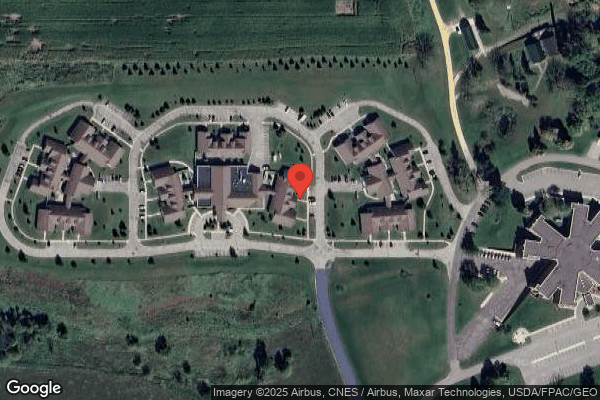
651 HOWISON CIRCLE, MENOMONIE, WI 54751 (715) 232-2661
Government - County 46 Beds Independent Data: November 2025
Trust Grade
85/100
#50 of 321 in WI
Last Inspection: January 2025

Within standard 12-15 month inspection cycle. Federal law requires annual inspections.

Overview

Neighbors - West Neighborhood in Menomonie, Wisconsin has a Trust Grade of B+, indicating it's above average and recommended for families seeking care. It ranks #50 out of 321 facilities in Wisconsin, placing it in the top half, and #3 out of 4 in Dunn County, meaning only one local facility is rated higher. The facility is improving, with issues dropping from 7 in 2023 to just 2 in 2025. Staffing is a strong point, earning a 5/5 rating with turnover at 49%, which is average for the state but indicates some stability. Notably, there have been no fines recorded, suggesting compliance with regulations. However, there are some concerns. A serious incident involved a resident with a history of aggression who caused a fall resulting in a fracture, indicating a failure to protect other residents. Additionally, hand hygiene was not offered to several residents before meals, which raises infection risks. Lastly, there was a concern regarding incomplete weekly wound assessments for a resident, which could impact their care. Overall, while there are strengths in staffing and compliance, families should be aware of the specific incidents that highlight areas needing improvement.

Trust Score
B+
85/100
In Wisconsin
#50/321
Top 15%
Safety Record
Moderate
Needs review
Inspections
Getting Better
7 → 2 violations
Staff Stability
⚠ Watch
49% turnover. Above average. Higher turnover means staff may not know residents' routines.
Penalties
✓ Good
No fines on record. Clean compliance history, better than most Wisconsin facilities.
Skilled Nurses
✓ Good
Each resident gets 71 minutes of Registered Nurse (RN) attention daily — more than 97% of Wisconsin nursing homes. RNs are the most trained staff who catch health problems before they become serious.
Violations
○ Average
10 deficiencies on record. Average for a facility this size. Mostly minor or procedural issues.
★★★★★
5.0
Overall Rating
★★★★★
5.0
Staff Levels
★★★☆☆
3.0
Care Quality
★★★★☆
4.0
Inspection Score
Stable
2023: 7 issues
2025: 2 issues

The Good

  • 5-Star Staffing Rating · Excellent nurse staffing levels
  • Full Sprinkler Coverage · Fire safety systems throughout facility
  • No fines on record

Facility shows strength in staffing levels, fire safety.

The Bad

Staff Turnover: 49%

Near Wisconsin avg (46%)

Higher turnover may affect care consistency

The Ugly 10 deficiencies on record

1 actual harm
Jan 2025 2 deficiencies
CONCERN (D)

Potential for Harm - no one hurt, but risky conditions existed

Quality of Care (Tag F0684)

Could have caused harm · This affected 1 resident

**NOTE- TERMS IN BRACKETS HAVE BEEN EDITED TO PROTECT CONFIDENTIALITY** Based on interview and record review, the facility did not complete comprehensive weekly wound assessments for 1 of 2 residents ...

Read full inspector narrative →
**NOTE- TERMS IN BRACKETS HAVE BEEN EDITED TO PROTECT CONFIDENTIALITY** Based on interview and record review, the facility did not complete comprehensive weekly wound assessments for 1 of 2 residents (R)30 to ensure that residents receive treatment and care in accordance with professional standards of practice. R30 did not receive weekly measuring and comprehensive assessment of a skin injury. This is evidenced by: Review of the facility's policy titled: Wound management with the revised date of 12/03/21, read in part: .PURPOSE: To track, prevent, heal pressure ulcers/wounds according to standards of practice . PROCEDURE: .II. Assistant Clinical Mentors or licensed designee are responsible for weekly wound documentation. Review of the facility's Treatment Order form, read in part: 9. Weekly measurement and documentation (in Matrix under wound management tab) on Wed. AM's until healed (pressure sores, venous stasis, arterial, diabetic ulcers, open surgical wound) R30 was admitted to the facility on [DATE] and has current diagnoses of open wound left lower leg, osteoporosis with current pathological fracture right femur, Alzheimer's disease, and dementia. The event report, dated 11/02/24 at 4:32 AM, documented R30 developed a skin tear to the left posterior lower calf measuring 5.5 cm by 3 cm. R30 stated had a itch on her leg and scratched to hard. Wound edges were irregular. R30's progress notes documented on 11/02/24 at 8:03 AM, Writer (Registered Nurse) went to change pt bandage that was placed on overnights on the back of pt's left calf due to blood dripping on to the Broda. Pt had c/o burning sensation from wound. Writer unwrapped and planned to place ABD and coban wrap on. Writer did see fatty tissue and protruding from the wound and with the bleeding, made the call to send pt to ER via non emergent ambulance. Progress notes documented on 11/02/24 at 10:15 AM, Pt returned from ER at 0845. Transported back by son [name] in personal vehicle. Transfer out of vehicle with staff was appropriate. Stitches that were placed, they are to be removed in two weeks (11/16). Review of the Treatment Administration Record (TAR) documented 11/02/24 - 11/17/24 dressing changes were completed every other day and as needed and monitored daily of drainage, wound edges, odor, pain, type of drainage, and wound progression. Progress notes documented on 11/13/24 at 2:42 PM, .Night CNA mentioned that bandage was being picked at. CNA staff changed bedding and writer and CCM changed bandage in the bathroom. Moderate to heavy drainage noted in the bandage. VSS . Progress notes documented on 11/14/24 at 1:02 PM, Md alerted to res digging at her left post calf wound repeatedly (sic) and will try coban 2 for further padding and protection . The TAR documented on 11/17/24, small amount of serosanguinous drainage, no odor, and wound is stable. Progress notes documented on 11/18/24 at 2:47 PM, Writer (RN) received call from POA [Name] that res is at ortho appt and hip is fine however res left LE post calf wound with green drainage at appt; res in a lot of pain r/t wound so they want to admit resident and send her back in am . [R30] was admitted to the hospital for debridement of the wound. Hospital wound care notes dated 11/25/24 documented wound length 5.8 cm, wound width 4.2 cm, wound depth 1 cm, wound bed is red, granulation, yellow, no odor, small amount exudate of serosanguineous fluid. On 11/27/24, R30 was readmitted to the facility with orders for a wound vac to the left calf wound. Dressing to be changed every Monday, Wednesday, and Friday. Progress notes documented on 11/27/24 at 1:02 PM, .res also sustained a new skin tear next to the wound vac wound as she frequently will pull it off; there is a foam drsg on the new skin tear; res is on 2 po abx for current wound ; res does have equagel cushion in [NAME] and w/c; not restless and cooperative at present; staff instructed to keep close eye on wound vac as may need to be plugged in. Surveyor noted the facility did not complete a comprehensive wound assessment on 11/27/24 when the wound vac was first changed in the facility. On 12/04/24 at 12:43 PM, a wound management detail report in part: The wound length is 4.3 cm and width 3.8 cm, incision with open area, skin surrounding incision is normal color and warm. Incision drainage: serous (clear, amber, thin and watery). Wound healing status: Improving Comments: wound vac at 75mmhg cont; depth is 1cm. This assessment did not assess and describe the wound bed. Note this is the first documented report of a comprehensive assessment of the wound, one week after admission. No further wound comprehensive assessments were completed for the month of December. The next assessment of the wound size was documented in the progress notes on 01/02/25, four weeks later, .inpsected (sic) res left IE with wound vac in place and no redness noted as well as size is significantly smaller compared to what it was; ~3x4cm and filling in per TL (team lead) . This assessment did not measure the depth of the wound, describe the wound bed, and if any drainage. On 01/08/24 at 8:46 AM, Surveyor interviewed Director of Nursing (DON) B about R30's comprehensive wound assessments. DON B indicated the facility does not complete measurements of surgical wounds. R30 wound was sutured, and it was closed. The wound did not open and when DON B assessed the area there was no odor or signs of infection. DON B was not surprised of an infection developing since R30 would scratch at the area and remove the dressing. Surveyor asked when R30 returned from the hospital with wound vac orders post debridement, would the facility expect a complete comprehensive wound assessment to be done. Surveyor asked about the missing weekly assessments that would include measurements, description of the wound depth, appearance of the wound bed to determine wound healing. DON B indicated this is a surgical wound and they don't do weekly measurement for surgical incisions. We do assessments on pressure sores, venous stasis, arterial, and diabetic ulcers. We can tell if the area is healing with granulation tissue and the wound edges pulling together when changing the wound vac.
CONCERN (D)

Potential for Harm - no one hurt, but risky conditions existed

Infection Control (Tag F0880)

Could have caused harm · This affected 1 resident

**NOTE- TERMS IN BRACKETS HAVE BEEN EDITED TO PROTECT CONFIDENTIALITY** Example 5 The facility policy titled Pandemic Plan dated reviewed 05/22/23, states in part. Pandemic viruses can be introduced t...

Read full inspector narrative →
**NOTE- TERMS IN BRACKETS HAVE BEEN EDITED TO PROTECT CONFIDENTIALITY** Example 5 The facility policy titled Pandemic Plan dated reviewed 05/22/23, states in part. Pandemic viruses can be introduced through facility personnel and visitors; once a pandemic virus enters such facilities, controlling it's spread is problematic .diseases and outbreaks . Outbreak measures will be used to reduce the chances of transmitting pandemic viruses to others within the facility Wear masks when caring for residents. On 01/07/25 at 4:35 PM, Surveyor observed CNA C in the day room pushing a resident in her broda chair out to the dayroom for supper. As CNA C did this she wore her face mask below the level of her chin. The mask worn this way exposed both her nose and mouth. There were 5 residents in the day room at the time. On 01/08/25 at 11:30 AM, Surveyor interviewed DON B who is also the facility's infection preventionist. Surveyor relayed the above observation to DON B. DON B stated that CNA C is aware of how to wear a mask appropriately. DON B stated that all staff should have been masking at the time. Signs and masks are available at the entrances to the unit. Staff are currently masking as a preventative measure in place as the facility had an outbreak a while ago, and they implement masking for 14 days following this. Example 2 R30 was admitted to the facility on [DATE] and has current diagnoses of open wound left lower leg, osteoporosis with current pathological fracture right femur, Alzheimer's disease, and dementia. R30 returned from the hospital on [DATE] with a diagnosis of a wound infection with bacteria of staphylococcus aureus, staphylococcus epidermidis, which are both resistive to oxacillin antibiotic, and escherichia coli. R30 was placed on EBP. Surveyor observed the door frame at the entrance of R30's room has a sign attached stating EBP. On 01/07/25 at 7:36 AM, Surveyor observed Certified Nursing Assistant (CNA) D transfer R30 in the Broda chair to R30's room. CNA D did not apply gown and gloves. Gown and gloves are required PPE for a resident on EBP. CNA D used a gait belt and transferred R30 from the Broda chair to the toilet. CNA D applied gloves and pulled R30's pants and brief down. CNA D removed the urine soaked brief, removed gloves, and without hand hygiene, applied clean gloves then applied a clean brief. CNA D assisted R30 to stand and cleaned frontal peri area with wipes and with clean wipes cleansed perineum and buttocks. With the same gloves, CNA D applied barrier cream to R30's buttocks. CNA D removed gloves and pivot transferred R30 to the Broda chair. CNA D washed hands for approximately 5 seconds, turned faucet off with clean hands, dried hands, and applied clean gloves to brush R30's hair. During the entire observation CNA D did not apply a gown. On 01/08/25 at 9:09 AM, Surveyor observed CNA E without wearing a gown assist R30 in bed and pull R30's pants down. Surveyor asked CNA E if CNA E had transferred R30 into bed. CNA E indicated yes she just transferred R30 to bed and pulled R30's pants down. Registered Nurse (RN) F stated to CNA E you should be wearing a gown when doing cares with R30. CNA E stated she just transferred R30 to bed. RN F washed hands, and without wearing a gown or gloves, RN F went to R30's bed side and removed R30's left leg from the pant leg. Then RN F applied gown and gloves. Example 3 On 01/08/25 at approximately 9:10 a.m., Surveyor observed RN F complete wound care for R30. RN F placed a barrier under R30's leg. RN F removed R30's sock, tubi grip, and ace bandage. RN F gathered supplies and placed on barrier on the overbed tray table. RN F used scissors to cut off kerlix bandage from R30's leg. RN F removed gloves, washed hands and applied clean gloves. RN F washed the wound with saline wound wash and dried area. RN F applied skin prep to the surrounding skin of the wound. RN F did not clean the scissors that were used to cut the old dressing. RN F used the contaminated scissors, cut the zeroform dressing and placed the cut dressing into R30's wound bed. RN F applied gauze sponge over the wound, applied kerlix dressing around the leg, and applied ace wrap around. RN F removed gloves, gathered garbage and washed hands. Surveyor interviewed RN F about using the scissors to cut old dressing then used the same scissors to cut the new zeroform dressing without prior cleaning of the scissors. RN F indicated she should have cleaned the scissors before cutting the new dressing. Surveyor asked if a gown should be worn before providing cares and when CNA transferred R30 to bed. RN F indicated yes a gown should be worn when providing cares and transferring because R30 is on precautions. On 01/09/25 at 3:48 p.m., Surveyor interviewed DON B about the use of PPE for R30's cares. Surveyor reviewed the observations with DON B, and DON B indicated PPE of a gown and gloves to be worn when providing cares and education will be provided. Example 4 On 01/06/25 at 12:38 PM, Surveyor observed CNA G and CNA E complete a transfer with R11 using sit-to-stand lift. After transfer was complete, CNA G was observed disinfecting sit-to-stand and placing sling on top of the lift. Sling was not disinfected after use with R11. On 01/06/25 at 12:48 AM, Surveyor interviewed CNA G. Surveyor asked CNA G if the slings used for transfer with the sit-to-stand were used for multiple residents. CNA G stated they were. Surveyor asked CNA G if the slings were disinfected after use with a resident. CNA G stated no because there are only a few residents who use them. On 01/08/25 at 7:08 AM, Surveyor observed CNA H complete a transfer with R21 using sit-to-stand lift. After transfer was complete, CNA H disinfected sit-to-stand, placed sling on lift, and disinfected the sling straps. The body of the sling was not disinfected after use with R21. On 01/08/25 at 2:30 PM, Surveyor interviewed DON B regarding disinfecting slings. Surveyor asked if there was a policy on disinfecting slings after resident use. DON B was unable to provide a policy but stated the expectation is for staff to disinfect slings after every use with either a wipe or a spray disinfectant. Surveyor informed DON B of observation of staff not disinfecting slings after use. DON B stated disappointment with staff not practicing infection prevention practices and stated staff would be re-educated on this. DON B stated recognition of the potential of spreading infection from resident to resident if slings were not disinfected between uses. Based on observation, interview and record review, the facility did not maintain an infection prevention and control program designed to help prevent the development and transmission of communicable diseases and infections. Staff did not initiate enhanced barrier precautions (EBP) for 1 of 3 residents observed (R21) with a wound. Facility staff did not wear personal protective equipment (PPE) for R30 who is on EBP or perform proper hand hygiene with cares. Facility staff used contaminated scissors to cut a wound dressing treatment and placed the cut dressing in R30's skin wound. Staff did not disinfect body sling after use for R11 and R21. Staff wore mask below nose when assisting one resident. This was evidenced by: Centers for Disease Control and Prevention (CDC) Enhanced Barrier Precautions recommendations, dated 06/28/24, state in part: Enhanced Barrier Precautions are recommended for residents with any of the following: 1) infection or colonization with a MDRO or 2) a wound or indwelling medical device, even if the resident is not known to be infected or colonized with a MDRO. Facility policy titled, Enhanced Barrier Precautions, with a revised date of 10/18/24, states in part: POLICY: Facility will implement Enhanced Barrier Precautions for the prevention of transmission of certain multidrug-resistant organisms. DEFINITIONS: Enhanced Barrier Precautions (EBP): refer to an infection control intervention to reduce transmission of multidrug-resistant organisms that employ targeted gown and gloves use during high contact resident activities. 2. Initiation of Enhanced Barrier Precautions b. An order for EBP will be initiated for residents with any of the following: ii. Wounds (e.g. chronic wounds such as pressure ulcers, diabetic foot ulcers, unhealed surgical wounds, and chronic venous stasis ulcers) 3. Implementation of Enhanced Barrier Precautions b. PPE for EBP is only necessary when performing high-contact care activities and may not be donned prior to entering the resident's room. 4. High-Contact Resident Care Activities Include a. Dressing b. Bathing c. Transferring d. Providing hygiene e. Changing linen f. Changing of incontinence products or assisting with toileting g. Device care or use: central lines, urinary catheters, feeding tubes, tracheostomy h. Wound care of chronic skin opening requiring a dressing Example 1 R21 was admitted to the facility on [DATE] with pertinent diagnoses of diabetes mellitus type 2, congestive heart failure, and chronic kidney disease. R21's Minimum Data Set (MDS) assessment, dated 11/10/24, indicated that R21 had 1 current unhealed, unstageable diabetic foot ulcer with treatment of application of dressing to feet. R21's care plan, dated 05/15/24, with a target date of 02/05/25, states: Impaired skin integrity and potential for impaired skin integrity. No interventions listed for implementation and use of EBP. R21's orders included: Wound--DTI left heel--daily documentation until healed x7 days then DC. Daily documentation should include: amount drainage, type of drainage, dressing intact, odor after cleansing, pain, progress of wound, wound edges, healed. Special Instructions: Notify MD of symptoms of infection - change of appearance Once A Day START: 4/16/24 No orders found to initiate EBP. On 01/08/25 at 2:30 PM, Surveyor interviewed Director of Nursing (DON) B regarding initiation of EBP. Surveyor asked DON B when EBP should be initiated. DON B stated EBP would be initiated for residents who have any indwelling device - such as a foley catheter or feeding tube, multidrug-resistant organism (MDRO), pressure injury, or chronic wound/ulcer. Surveyor asked DON B if this included chronic diabetic ulcers. DON B stated yes. Surveyor asked why EBP was not ordered or initiated for R21 who has a documented diabetic ulcer. DON B stated that even though R21 was receiving daily dressing changes for this wound, the presence of eschar provided a natural barrier and did not feel this required EBP. Surveyor asked DON B where this indication came from. DON B stated it was based on her experience and wound care training. Surveyor asked DON B if this was in agreement with facility policy and current practice recommendations. DON B shrugged and stated she did not know but felt R21 did not need EBP for her diabetic ulcer.
Dec 2023 7 deficiencies 1 Harm
SERIOUS (G)

Actual Harm - a resident was hurt due to facility failures

Free from Abuse/Neglect (Tag F0600)

A resident was harmed · This affected 1 resident

**NOTE- TERMS IN BRACKETS HAVE BEEN EDITED TO PROTECT CONFIDENTIALITY** Based on record review and interviews, the facility did not implement interventions to protect other residents from abuse by a r...

Read full inspector narrative →
**NOTE- TERMS IN BRACKETS HAVE BEEN EDITED TO PROTECT CONFIDENTIALITY** Based on record review and interviews, the facility did not implement interventions to protect other residents from abuse by a resident (R) (R97) with a history of aggressive behaviors which resulted in a fall with fracture for 1 of 1 resident (R28) reviewed for falls. Findings include: The facility policy entitled Reporting & Investigating Resident Rights Violations, approved on: March 9, 2007, reads in part It is the intent and desire of [Then [sic] Neighbors of [NAME] County] to provide resident care in a safe and professional manner and to avoid allegations of resident abuse or other misconduct. R97 was admitted [DATE] and has diagnoses that include Alzheimer's, depression, and anxiety disorder. Surveyor reviewed R97's Minimum Data Set (MDS) quarterly assessment dated [DATE]. The MDS documented R97 as having severely impaired cognitive skills for daily decision making and continuous behavior of inattention and disorganized thinking. R97 has delusions, physical and verbal behavioral symptoms directed toward others occurring one to three days and wandering occurring daily. Surveyor reviewed R97's Certified Nursing Assistant (CNA) care plan. Written on the bottom of the care plan is, Close supervision when angry to avoid res to res. dated 08/07/23. Surveyor reviewed R97's comprehensive care plan with the start date of 12/21/22 for anti-depressant medication. On 10/21/23, there was an update to the care plan for an increase in aggressive behaviors towards others. The comprehensive care plan did not document approaches or interventions to prevent R97 from abusing or having aggressive behaviors towards residents. Surveyor reviewed R97's chart for any history of abuse. On 05/15/23, R97 slapped and poked a female peer on left arm and left side. On 07/22/23, another resident accused R97 of hitting her across her face. R28 was admitted to the facility on [DATE] and has diagnoses that include neurocognitive disorder with Lewy bodies, neuroleptic induced parkinsonism, dementia, generalized anxiety disorder, and is unsteady on their feet. R28's Minimum Data Set (MDS) assessment indicated that R28 has a Brief Interview for Mental Status (BIMS) score of 00 which indicates that R28 has severe impairment. Surveyor reviewed an incident report involving R97 and R28 for a fall that happened on 08/04/23. Creator of the report is Registered Nurse (RN) G. The chronological description of the event reads: [Homemaker H] was in the kitchenette, she reports seeing [R28] and [R97] next to each other and when [R28] walked past [R97], [R97] reached out and grabbed [R28's] right arm with both hands and pulled down on [R28's] arm forcefully. [R28] staggered, losing their balance and fell backwards onto their right side/back. Further review of the incident report documented: Why did this occur stated, Fellow resident having behaviors. How did this occur, Fellow resident pulled on R28's arm. Outcome of the incident/accident/event, Fall resulted in injury to R28's right arm. Swelling and bruising noted. Other resident redirected and calmed. Surveyor reviewed R28's progress notes. On 08/04/23, a mobile x-ray was done, and it showed a possible fracture. R28 was sent to the ER for right shoulder pain and swelling and was diagnosed with a closed right humerus fracture. On 12/13/23 at 1:33 PM, Surveyor interviewed Nursing Home Administrator (NHA) A about investigation notes for the 08/04/23 incident and asked if they investigated this incident as abuse. NHA A indicated they do not have a formal investigation due to not believing it was an abuse situation. Surveyor asked NHA A what they did to protect the other residents on the household from R97 after these incidents. NHA A indicated for the 05/15/23 incident the residents were separated. Surveyor noted no interventions were put into place to protect all residents from R97. For the 07/22/23 incident, a cloth barrier was placed on the resident's door to deter R97 from entering the room. Surveyor noted that no interventions were put into place to protect all residents from R97. On 12/13/23 at 2:36 PM, Surveyor interviewed Director of Nursing (DON) B and asked what interventions were put into place to protect all residents from R97. DON B indicated that they redirected R97 and that R97 was already on 15-minute checks due to safety reasons, not due to aggression.
CONCERN (D)

Potential for Harm - no one hurt, but risky conditions existed

Report Alleged Abuse (Tag F0609)

Could have caused harm · This affected 1 resident

**NOTE- TERMS IN BRACKETS HAVE BEEN EDITED TO PROTECT CONFIDENTIALITY** Based on interview and record review, the facility failed to develop and/or implement policies and procedures for ensuring the r...

Read full inspector narrative →
**NOTE- TERMS IN BRACKETS HAVE BEEN EDITED TO PROTECT CONFIDENTIALITY** Based on interview and record review, the facility failed to develop and/or implement policies and procedures for ensuring the reporting of a reasonable suspicion of a crime in accordance with section 1150B of the Act when a resident to resident abuse was not reported immediately but not later than 2 hours after the allegation is made, to the administrator of the facility and to other officials (including to the State Survey Agency and adult protective services where state law provides for jurisdiction in long-term care facilities) in accordance with State law for 1 of 1 incidents with (R) R97 and R28 reviewed. Findings include: The facility policy entitled, Reporting & Investigating Resident Rights Violations Policy and Procedure, approved on March 9, 2007, reads in part Residents may be the intended or unintended recipients of abuse or the cause of abuse resident-to-resident abuse must also be reported immediately. R97 was admitted [DATE] and has diagnoses that include Alzheimer's, depression, anxiety disorder, and hypertensive heart disease. R97's Minimum Data Set (MDS) assessment indicated that R97 has a Brief Interview for Mental Status (BIMS) score of 00 which indicates that R97 has severe impairment. R28 was admitted to the facility on [DATE] and has diagnoses that include neurocognitive disorder with Lewy bodies, neuroleptic induced Parkinson's, dementia, generalized anxiety disorder, and is unsteady on their feet. R28's Minimum Data Set (MDS) assessment indicated that R28 has a Brief Interview for Mental Status (BIMS) score of 00 which indicates that R28 has severe impairment. On 12/13/23, Surveyor reviewed an incident report for a fall that happened on 08/04/23. Creator of the report is Registered Nurse (RN) G. The chronological description of the event reads, [Homemaker H] was in the kitchenette, she reports seeing [R28] and [R97] next to each other and when [R28] walked past [R97], [R97] reached out and grabbed [R28's] right arm with both hands and pulled down on [R28's] arm forcefully. [R28] staggered, losing their balance and fell backwards onto their right side/back. Further review of the incident report under why did this occur the report says, Fellow resident having behaviors. How did this occur, Fellow resident pulled on [R28's] arm. Outcome of the incident/accident/event, Fall resulted in injury to [R28's] right arm. Swelling and bruising noted. Other resident redirected and calmed. Surveyor reviewed R28's progress notes. On 08/04/23, a mobile x-ray was done, and it showed a possible fracture. R28 was sent to the ER for right shoulder pain and swelling and was diagnosed with a closed right humerus fracture. On 12/13/23 at 1:33 PM, Surveyor interviewed Nursing Home Administrator (NHA) A about investigation notes for the 08/04/23 incident and asked if they reported the incident to the police and state agency. NHA A indicated they did not report it as it wasn't aggressive action towards R28. Surveyor asked NHA A what they follow to determine if an incident needs to be reported. NHA A indicated they use the resident to resident altercation flowchart put out by the Department of Health Services/Division of Quality Assurance. Surveyor reviewed the incident report with NHA A that states R97 forcefully grabbed R28's arm pulling downwards and R28 staggered, losing balance, falling, and causing injury of a humerus fracture. Following the flowchart this would be a reportable incident.
CONCERN (D)

Potential for Harm - no one hurt, but risky conditions existed

Investigate Abuse (Tag F0610)

Could have caused harm · This affected 1 resident

**NOTE- TERMS IN BRACKETS HAVE BEEN EDITED TO PROTECT CONFIDENTIALITY** Based on interviews and record review, the facility did not thoroughly investigate an incident of potential resident to resident...

Read full inspector narrative →
**NOTE- TERMS IN BRACKETS HAVE BEEN EDITED TO PROTECT CONFIDENTIALITY** Based on interviews and record review, the facility did not thoroughly investigate an incident of potential resident to resident abuse for 1 of 1 incident reviewed. Findings include: R97 was admitted [DATE] and has diagnosis that include Alzheimer's, depression, anxiety disorder and hypertensive heart disease. R97's Minimum Data Set (MDS) assessment, indicated that R97 has a Brief Interview for Mental Status (BIMS) score of 00 which indicates that R97 has severe impairment. R28 was admitted to the facility on [DATE] and has diagnoses that include neurocognitive disorder with Lewy bodies, neuroleptic induced Parkinson, dementia, generalized anxiety disorder, and is unsteady on their feet. R28's Minimum Data Set (MDS) assessment indicated that R28 has a Brief Interview for Mental Status (BIMS) score of 00 which indicates that R28 has severe impairment. On 12/13/23, Surveyor reviewed an incident report for a fall that happened on 08/04/23. Creator of the report is Registered Nurse (RN) G. The chronological description of the event reads, [Homemaker H] was in the kitchenette, she reports seeing [R28] and [R97] next to each other and when [R28] walked past [R97], [R97] reached out and grabbed [R28's] right arm with both hands and pulled down on [R28's] arm forcefully. [R28] staggered, losing their balance and fell backwards onto their right side/back. Further review of the incident report under why did this occur the report says, Fellow resident having behaviors. How did this occur, Fellow resident pulled on [R28's] arm. Outcome of the incident/accident/event, Fall resulted in injury to [R28's] right arm. Swelling and bruising noted. Other resident redirected and calmed. No further resident to resident abuse investigation information was documented. Surveyor reviewed R28's progress notes. On 08/04/23, a mobile x-ray was done, and it showed a possible fracture. R28 was sent to the ER for right shoulder pain and swelling and was diagnosed with a closed right humerus fracture. On 12/13/23 at 1:33 PM, Surveyor interviewed Nursing Home Administrator (NHA) A and asked if the facility did a resident to resident abuse investigation on the incident. NHA A indicated there was no investigation, just an incident report as it wasn't aggressive action towards R28.
CONCERN (D)

Potential for Harm - no one hurt, but risky conditions existed

Comprehensive Care Plan (Tag F0656)

Could have caused harm · This affected 1 resident

**NOTE- TERMS IN BRACKETS HAVE BEEN EDITED TO PROTECT CONFIDENTIALITY** Based on observation, interview and record review, the facility did not develop a comprehensive person-centered care plan that r...

Read full inspector narrative →
**NOTE- TERMS IN BRACKETS HAVE BEEN EDITED TO PROTECT CONFIDENTIALITY** Based on observation, interview and record review, the facility did not develop a comprehensive person-centered care plan that reflected resident care and needs related to urinary catheters for 1 of 3 residents (R) with catheters. (R22) Findings include: R22 was admitted to the facility on [DATE] with the following diagnoses, in part: paraplegia, chronic kidney disease stage 2, neuromuscular dysfunction of bladder, and retention of urine. On 12/11/23 at 11:53 AM, Surveyor observed R22 in a chair in her room with a urinary drainage bag hanging from the side of the chair. R22 said they had a suprapubic catheter, but it fell out and could not be re-inserted. R22 stated they put a regular Foley catheter in until they can get in to the urologist to have the suprapubic catheter replaced. Surveyor reviewed R22's medical record and identified R22 had a suprapubic catheter placed in June of 2023. Surveyor reviewed R22's comprehensive care plan and identified a bowel and bladder care plan that was initiated on 09/28/22. The care plan stated the following, in part: Bladder: -Both continent and incontinent of bladder Resident is at increased risk for incontinence r/t [related to]: -limited mobility, non-ambulatory-requires hoyer lift for transfers .-paraplegia-receives diuretic and antidepressant medication .-dx [diagnosis] mixed urinary incontinence-hx [history] urinary retention . The bowel and bladder care plan problem had the following interventions, in part: .Assess for type of absorbent disposable product and measure for correct size. Assist to the bathroom as needed. Assist with perineal care and disposable absorbent product as needed .Provide well lit, clear path to bathroom or commode and easy access to devices such as urinal or bed pan . The bowel and bladder care plan made no reference to R22 having a suprapubic catheter placed in June and also no reference to the temporary placement of an indwelling Foley catheter after the suprapubic catheter was dislodged. There was no other problem on R22's comprehensive care plan related to a suprapubic or Foley catheter. On 12/12/23 at 1:03 PM, Surveyor interviewed Director of Nursing (DON) B and asked if R22 had a care plan related to the suprapubic catheter or the temporary placement of the indwelling Foley catheter. DON B provided Surveyor with a copy of the bowel and bladder care plan which had a hand written note, dated 06/02/23, that said suprapubic, and another hand-written note below that, dated 06/13/23, that said suprapubic. The words from the original problem under Bladder and incontinent of bladder were crossed off. There were no updates or additions to the care plan interventions related to suprapubic or indwelling Foley catheter. Surveyor asked DON B if this was an individualized care plan that reflected R22's status of having a suprapubic catheter and then a temporary indwelling Foley catheter. DON B stated somehow the notes about the suprapubic catheter got dropped from the bowel and bladder care plan in the electronic medical record. Surveyor asked DON B if the approaches on R22's bowel and bladder care plan were generic and not individualized to reflect that R22 had a urinary catheter. DON B agreed this was a standardized care plan and not individualized to reflect R22's current status. DON B stated the comprehensive care plan would be updated to include a problem related to R22's urinary catheter.
CONCERN (D)

Potential for Harm - no one hurt, but risky conditions existed

Medication Errors (Tag F0758)

Could have caused harm · This affected 1 resident

**NOTE- TERMS IN BRACKETS HAVE BEEN EDITED TO PROTECT CONFIDENTIALITY** Based on interview and record review, the facility did not ensure a resident with a dementia diagnosis had a Gradual Dose Reduct...

Read full inspector narrative →
**NOTE- TERMS IN BRACKETS HAVE BEEN EDITED TO PROTECT CONFIDENTIALITY** Based on interview and record review, the facility did not ensure a resident with a dementia diagnosis had a Gradual Dose Reduction (GDR) of psychotropic medications in the past year. This occurred for 1 of 5 residents (R) reviewed for unnecessary medications. (R26) Findings include: According to the American Psychiatric Association patients with dementia who show adequate response of behavioral/psychological symptoms to treatment with an antipsychotic drug, an attempt to taper and withdraw the drug should be made within 4 months of initiation, unless the patient experienced a recurrence of symptoms with prior attempts at tapering of antipsychotic medication. (The American Journal of Psychiatry, May 2016) R26 was admitted to the facility on [DATE] with the following diagnoses, in part: unspecified dementia with mood disturbance and anxiety, unspecified mood disorder, major depressive disorder single episode, anxiety disorder, dementia with psychotic disturbance, visual hallucinations. Record review identified R26 had the following psychotropic medication orders: Clonazepam (antianxiety medication) 0.5 mg (milligrams) twice per day for anxiety. Escitalopram (antidepressant) 10 mg daily for negative statements, sad facial expression, and crying. Olanzapine (anti-psychotic medication) 7.5 mg daily at bed time for hallucinations. R26's most recent Minimum Data Set (MDS) assessment, dated 10/07/23, identified R26 had a Brief Mental Status Score (BIMS) of 10 which means R26 had moderate cognitive impairment. The PHQ-9 score (depression indicator) was 00. The MDS assessment also identified R26 had no hallucinations or delusions and exhibited no behaviors during the assessment period. Surveyor reviewed the MDS assessments for the past year and all of the assessments identified R26 had no hallucinations or delusions and exhibited no behaviors. Surveyor reviewed the behavior monitoring documentation on R26's medical record from 10/01/23 to 12/13/23. The behavior monitoring documentation showed R26 had no behaviors. Surveyor reviewed the nursing progress notes on R26's medical record for the past year and did not identify any documentation describing any hallucinations or behaviors. The documentation did identify R26 had some intermittent anxiety. On 12/12/23 at 10:35 AM, Surveyor interviewed Registered Nurse (RN) I and asked if R26 had any behaviors or hallucinations or delusions. RN I stated they had never observed any hallucinations or delusions and was not aware of R26 ever having any hallucinations or behaviors. RN I stated R26 occasionally had trouble with anxiety. Surveyor identified a Note To Attending Physician/Prescriber dated 12/21/22 from the consultant pharmacist that said, [R26] is taking the following medication, Zyprexa [olanzapine] and Clonazepam. Routine assessment of this medication to ensure positive outcomes and avoid the use of unnecessary medications is recommended. PLEASE CONSIDER THE FOLLOWING: Review the above psychotropic medication for appropriateness. Consider a gradual dose reduction if clinically indicated. If therapy is to continue, it is recommended that the prescriber document an assessment of risk versus benefit, indicating that is continues to be a valid therapeutic intervention for this individual. The prescriber checked the box Disagree and wrote a note stating See Dictation. The physician dictation note dated 12/21/22 stated, in part, .We received a note from pharmacy regarding her Zyprexa and clonazepam. She takes Zyprexa 7.5 mg at bedtime. This has helped reduce nighttime hallucinations. Her clonazepam is 0.5 mg twice daily, which is helpful for her anxiety. She would like that clonazepam dose increased, which I do not this is appropriate. However, I do not think a dosage decrease should be attempted at this time, as her hallucinations, anxiety, and restless legs all seem to be under reasonable control at this time. On 12/13/23 at 11:15 AM, Surveyor interviewed Director of Nursing (DON) B and asked since the documentation showed R26 was not having any behaviors, delusions, or hallucinations in the past year, did they attempt a GDR of R26's psychotropic medications since the prescriber declined a GDR of those medications a year ago. DON B stated the providers had reviewed R26's psychotropic medications several times over the past year and decided it was not a good idea to try a GDR of any of the psychotropic medications. DON B stated they would look for rationale from the provider why a GDR was clinically contraindicated. On 12/13/23 at 12:43 PM, DON B provided a few progress notes that mentioned R26 had anxiety and one note that mentioned phantom music. None of the documentation described any disturbing hallucinations that would make a GDR of antipsychotic medication clinically contraindicated. Surveyor asked DON B since the documentation over the past year did not show any behaviors or hallucinations that would make a GDR of psychotropic medications clinically contraindicated, was there a rationale for not attempting a GDR. DON B stated they would address this with the provider.
CONCERN (D)

Potential for Harm - no one hurt, but risky conditions existed

Deficiency F0811 (Tag F0811)

Could have caused harm · This affected 1 resident

Based on observations, record review and interviews, the facility did not prevent untrained staff from feeding residents (R27 and R31) for 2 of 2 observations. This is evidenced by: Surveyor reviewed ...

Read full inspector narrative →
Based on observations, record review and interviews, the facility did not prevent untrained staff from feeding residents (R27 and R31) for 2 of 2 observations. This is evidenced by: Surveyor reviewed R31's medical record. Current diagnoses include dementia and Parkinson's disease. Review of Minimum Data Set (MDS) quarterly assessment with the review date of 10/06/23, documented R31 as being dependent on staff to assist with meals. Surveyor reviewed R27's medical record. Current diagnoses include non-traumatic brain dysfunction and dementia. Review of MDS quarterly assessment with the review date of 11/11/23, documented R27 needing partial to moderate assistance from staff with meals. On 12/13/23 at 8:12 AM, Surveyor observed Homemaker C give R31 a bite of their eggs. On 12/13/23 at 8:14 AM, Surveyor observed Homemaker C sitting next to resident R31 giving them bites of their breakfast again. On 12/13/23 at 8:27 AM, Surveyor observed Homemaker C give R27 a bite of their breakfast. On 12/13/23 at 11:38 AM, Surveyor interviewed Director of Nursing (DON) B and asked if they employed paid feeding assistants. DON B indicated they do not. Surveyor then asked DON B if homemakers are allowed to assist with feeding residents. DON B indicated no. Surveyor asked if there was any policy on who is allowed to assist residents with eating. DON B indicated they did not know but will check. DON B came back to the conference room and indicated there was no policy that they could find.
CONCERN (E)

Potential for Harm - no one hurt, but risky conditions existed

Infection Control (Tag F0880)

Could have caused harm · This affected multiple residents

Based on observation, interview and record review, the facility did not establish and maintain an infection prevention and control program designed to provide a safe, sanitary, and comfortable environ...

Read full inspector narrative →
Based on observation, interview and record review, the facility did not establish and maintain an infection prevention and control program designed to provide a safe, sanitary, and comfortable environment and to help prevent the development and transmission of communicable diseases and infections; hand hygiene before meals was not offered for 10 of 43 residents (R) (R24, R14, R40, R12, R8, R36, R23, R197, R6, and R21) Findings include: A facility policy specific to resident hand hygiene was requested. Surveyor received the facility policy titled, Hand Washing, Hand Hygiene, not dated; it stated in part, The facility will utilize hand hygiene practices that assist in the decrease of infectious disease transmittal. On 12/12/23 at 11:38 AM, Surveyor observed coffee, water, and milk being served to residents seated in the dining room for lunch. No hand hygiene was given to residents R24, R14, R40, R12, R8, R36, R6, and R21. On 12/12/23 at 11:51 AM, Surveyor observed that no hand hygiene had been offered to residents R24, R14, R40, R12, R8, R36, R6, and R21 yet. On 12/12/23 at 11:53 AM, Surveyor observed utensils wrapped in a cloth napkin being handed out to R24, R14, R40, R12, R8, R36, R6, and R21. Residents were putting cloth napkins on their laps and rearranging utensils; no hand hygiene was observed being offered to residents. On 12/12/23 at 11:57 AM, Surveyor observed food being served, and no hand hygiene was given to residents R24, R14, R40, R12, R8, R36, R6, and R21; residents started eating. On 12/12/23 at 12:06 PM, Surveyor observed R197 and R23 entering the dining area for lunch. R23 was assisted in a wheelchair, and R197 used a walker and staff assistance to enter the dining area. Both residents were seated at the table; no hand hygiene was offered to either resident before receiving food and eating. On 12/12/23 at 1:02 PM, Surveyor interviewed Certified Nursing Assistant (CNA) D and CNA E about hand hygiene before lunch that day. CNA D said hand hygiene was in the back of their mind, but it did not get done. CNA E said that they do as residents wash hands in their rooms before coming to meals. Surveyor asked CNA E about the possibility of a resident who uses a wheelchair touching something dirty like their wheels or a resident touching a handrail. CNA E mentioned that most residents would prefer soap and water and that hand washing would be better than the hand wipes they have. On 12/13/23 at 11:07 AM, Surveyor interviewed Director of Nursing (DON) B regarding expectations of resident hand washing before meals. DON B said they would expect hand hygiene to be performed before every meal. DON B mentioned that they would not necessarily expect hand hygiene to be done only in the dining room, but they do have alcohol and hand wipes to be used in the dining room for the residents.
Nov 2022 1 deficiency
CONCERN (D)

Potential for Harm - no one hurt, but risky conditions existed

Accident Prevention (Tag F0689)

Could have caused harm · This affected 1 resident

**NOTE- TERMS IN BRACKETS HAVE BEEN EDITED TO PROTECT CONFIDENTIALITY** Based on observation, interview and record review, the facility did not ensure a resident received adequate supervision and assi...

Read full inspector narrative →
**NOTE- TERMS IN BRACKETS HAVE BEEN EDITED TO PROTECT CONFIDENTIALITY** Based on observation, interview and record review, the facility did not ensure a resident received adequate supervision and assistance to prevent accidents. No smoking safety assessment was completed and no smoking safety care plan developed for 1 of 1 residents (R) reviewed for smoking. (R6) Findings include: Facility Policy and Procedure entitled, Resident and Visitor Smoking Policy, last revised 10/16/13, stated in part, .The interdisciplinary team of The Neighbors which directs the individual resident's plan of care will make the determination if individual residents are able to smoke independently or not .: R6 was admitted to the facility on [DATE] with a diagnosis of multiple sclerosis. R6's most recent Minimum Data Set assessment, dated 09/03/22, identified R6's short and long term memories were okay. The assessment also indicated R6 was independent with decision-making and made consistent and reasonable decisions regarding tasks of daily living. The assessment identified R6 required set up only for locomotion off the unit and did not demonstrate any wandering behaviors. On 11/01/22 at 9:36 AM, Surveyor interviewed R6 who reported they smoke occasionally. R6 stated when they wanted to smoke, staff assisted them to get into power wheelchair, gave R6 a cigarette, assisted R6 to exit the building, lit the cigarette, and R6 was then required to leave the facility grounds to smoke. R6 rang the doorbell when done smoking, and staff assisted them back into the building. Surveyor asked if any staff had assessed R6 for safety with smoking independently. R6 did not remember anyone doing a safety assessment. Surveyor reviewed R6's medical record and did not identify a smoking safety assessment or a smoking safety care plan. On 11/02/22 at 7:45 AM, Surveyor interviewed Assistant Clinical Mentor (ACM) C about their smoking policy. ACM C stated they are technically a non-smoking facility, but if a resident wanted to smoke they were required to smoke off the campus grounds. Surveyor asked if they did a smoking safety assessment for R6 to determine they were safe to smoke independently off campus grounds. ACM C stated they used to do smoking safety assessments, but was not sure if an assessment was done recently for R6. ACM C stated they would look in R6's medical record for a smoking safety assessment. On 11/02/22 at 1:22 PM, ACM C informed Surveyor they could not find a smoking safety assessment on R6's medical record. ACM C stated they did one today and determined R6 was safe to smoke independently. Surveyor asked ACM C if they had a safe smoking plan on R6's comprehensive plan of care. ACM C stated they did not have a safe smoking care plan in place for R6, but they should probably add one.
Understanding Severity Codes (click to expand)
Life-Threatening (Immediate Jeopardy)
J - Isolated K - Pattern L - Widespread
Actual Harm
G - Isolated H - Pattern I - Widespread
Potential for Harm
D - Isolated E - Pattern F - Widespread
No Harm (Minor)
A - Isolated B - Pattern C - Widespread

Questions to Ask on Your Visit

  • "Can I speak with families of current residents?"
  • "What's your RN coverage like on weekends and overnight?"

Our Honest Assessment

Strengths
  • • Grade B+ (85/100). Above average facility, better than most options in Wisconsin.
  • • No fines on record. Clean compliance history, better than most Wisconsin facilities.
Concerns
  • • 10 deficiencies on record, including 1 serious (caused harm) violation. Ask about corrective actions taken.
Bottom line: Generally positive indicators. Standard due diligence and a personal visit recommended.

About This Facility

What is Neighbors - West Neighborhood (The)'s CMS Rating?

CMS assigns NEIGHBORS - WEST NEIGHBORHOOD (THE) an overall rating of 5 out of 5 stars, which is considered much above average nationally. Within Wisconsin, this rating places the facility higher than 99% of the state's 100 nursing homes. This rating reflects solid performance across the metrics CMS uses to evaluate nursing home quality.

How is Neighbors - West Neighborhood (The) Staffed?

CMS rates NEIGHBORS - WEST NEIGHBORHOOD (THE)'s staffing level at 5 out of 5 stars, which is much above average compared to other nursing homes. Staff turnover is 49%, compared to the Wisconsin average of 46%.

What Have Inspectors Found at Neighbors - West Neighborhood (The)?

State health inspectors documented 10 deficiencies at NEIGHBORS - WEST NEIGHBORHOOD (THE) during 2022 to 2025. These included: 1 that caused actual resident harm and 9 with potential for harm. Deficiencies causing actual harm indicate documented cases where residents experienced negative health consequences.

Who Owns and Operates Neighbors - West Neighborhood (The)?

NEIGHBORS - WEST NEIGHBORHOOD (THE) is owned by a government entity. Government-operated facilities are typically run by state, county, or municipal agencies. The facility operates independently rather than as part of a larger chain. With 46 certified beds and approximately 43 residents (about 93% occupancy), it is a smaller facility located in MENOMONIE, Wisconsin.

How Does Neighbors - West Neighborhood (The) Compare to Other Wisconsin Nursing Homes?

Compared to the 100 nursing homes in Wisconsin, NEIGHBORS - WEST NEIGHBORHOOD (THE)'s overall rating (5 stars) is above the state average of 3.0, staff turnover (49%) is near the state average of 46%, and health inspection rating (4 stars) is above the national benchmark.

What Should Families Ask When Visiting Neighbors - West Neighborhood (The)?

Based on this facility's data, families visiting should ask: "Can I visit during a mealtime to observe dining assistance and food quality?" "How do you handle medical emergencies, and what is your hospital transfer rate?" "Can I speak with family members of current residents about their experience?"

Is Neighbors - West Neighborhood (The) Safe?

Based on CMS inspection data, NEIGHBORS - WEST NEIGHBORHOOD (THE) has a clean safety record: no substantiated abuse findings (meaning no confirmed cases of resident harm), no Immediate Jeopardy citations (the most serious violation level indicating risk of serious injury or death), and is not on the Special Focus Facility watch list (a federal program monitoring the lowest-performing 1% of nursing homes). The facility has a 5-star overall rating and ranks #1 of 100 nursing homes in Wisconsin. While no facility is perfect, families should still ask about staff-to-resident ratios and recent inspection results during their visit.

Do Nurses at Neighbors - West Neighborhood (The) Stick Around?

NEIGHBORS - WEST NEIGHBORHOOD (THE) has a staff turnover rate of 49%, which is about average for Wisconsin nursing homes (state average: 46%). Moderate turnover is common in nursing homes, but families should still ask about staff tenure and how the facility maintains care continuity when employees leave.

Was Neighbors - West Neighborhood (The) Ever Fined?

NEIGHBORS - WEST NEIGHBORHOOD (THE) has no federal fines on record. CMS issues fines when nursing homes fail to meet care standards or don't correct problems found during inspections. The absence of fines suggests the facility has either maintained compliance or corrected any issues before penalties were assessed. This is a positive indicator, though families should still review recent inspection reports for the full picture.

Is Neighbors - West Neighborhood (The) on Any Federal Watch List?

NEIGHBORS - WEST NEIGHBORHOOD (THE) is not on any federal watch list. The most significant is the Special Focus Facility (SFF) program, which identifies the bottom 1% of nursing homes nationally based on persistent, serious quality problems. Not being on this list means the facility has avoided the pattern of deficiencies that triggers enhanced federal oversight. This is a positive indicator, though families should still review the facility's inspection history directly.