LINDENGROVE MUKWONAGO
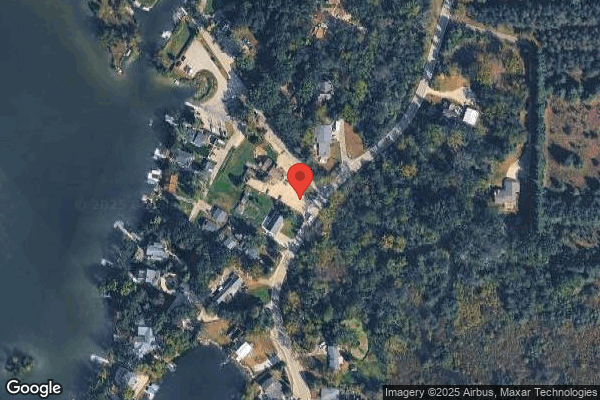
837 E VETERANS WAY, MUKWONAGO, WI 53149 (262) 363-6830
Non profit - Corporation 47 Beds Independent Data: November 2025
Trust Grade
60/100
#154 of 321 in WI
Last Inspection: July 2024

Within standard 12-15 month inspection cycle. Federal law requires annual inspections.

Overview

Lindengrove Mukwonago has a Trust Grade of C+, indicating it is slightly above average but not exceptional. It ranks #154 out of 321 nursing homes in Wisconsin, placing it in the top half, and #5 out of 17 in Waukesha County, meaning only four local facilities are considered better. The facility's performance trend is stable, with five issues reported in both 2024 and 2025. Staffing is a positive aspect, with a 4 out of 5 star rating and better RN coverage than 84% of Wisconsin facilities, although the turnover rate is 57%, which is average. There have been no fines, but there are concerning issues; for instance, food was not prepared in a sanitary manner, and there were delays in reporting incidents of resident injuries, suggesting some lapses in care protocols.

Trust Score
C+
60/100
In Wisconsin
#154/321
Top 47%
Safety Record
Low Risk
No red flags
Inspections
Holding Steady
5 → 5 violations
Staff Stability
⚠ Watch
57% turnover. Above average. Higher turnover means staff may not know residents' routines.
Penalties
✓ Good
No fines on record. Clean compliance history, better than most Wisconsin facilities.
Skilled Nurses
✓ Good
Each resident gets 78 minutes of Registered Nurse (RN) attention daily — more than 97% of Wisconsin nursing homes. RNs are the most trained staff who catch health problems before they become serious.
Violations
⚠ Watch
17 deficiencies on record. Higher than average. Multiple issues found across inspections.
★★★☆☆
3.0
Overall Rating
★★★★☆
4.0
Staff Levels
★★★☆☆
3.0
Care Quality
★★★☆☆
3.0
Inspection Score
Stable
2024: 5 issues
2025: 5 issues

The Good

  • 4-Star Staffing Rating · Above-average nurse staffing levels
  • Full Sprinkler Coverage · Fire safety systems throughout facility
  • No fines on record

Facility shows strength in staffing levels, fire safety.

The Bad

3-Star Overall Rating

Near Wisconsin average (3.0)

Meets federal standards, typical of most facilities

Staff Turnover: 57%

11pts above Wisconsin avg (46%)

Frequent staff changes - ask about care continuity

Staff turnover is elevated (57%)

9 points above Wisconsin average of 48%

The Ugly 17 deficiencies on record

May 2025 2 deficiencies
CONCERN (D) 📢 Someone Reported This

A family member, employee, or ombudsman was alarmed enough to file a formal complaint

Potential for Harm - no one hurt, but risky conditions existed

Report Alleged Abuse (Tag F0609)

Could have caused harm · This affected 1 resident

**NOTE- TERMS IN BRACKETS HAVE BEEN EDITED TO PROTECT CONFIDENTIALITY** Based on interview and record review, the facility did not ensure that 1 (R1) of 1 residents with an injury of unknown origin wa...

Read full inspector narrative →
**NOTE- TERMS IN BRACKETS HAVE BEEN EDITED TO PROTECT CONFIDENTIALITY** Based on interview and record review, the facility did not ensure that 1 (R1) of 1 residents with an injury of unknown origin was reported to the State Survey Agency withing the required reporting timeframe. R1's Alleged Nursing Home Resident Mistreatment, Neglect, and Abuse Report documenting a bruise of unknown origin was submitted to the State Survey Agency on [DATE]. Nursing Home Administrator (NHA)-A stated in an interview that the Misconduct Incident Report was submitted to the State Survey Agency on [DATE], which is past the 5-business day required timeframe. Findings include: The facility policy with a last reviewed date of [DATE], titled Abuse, Neglect, Mistreatment and Misappropriation of Resident Property documents, in part: It is the policy of the facility that each individual will be free from Abuse . The Nursing Home Administrator or designee will report abuse to the state agency per State and Federal Guidelines . If an incident or allegation is considered reportable, the Executive Director or designee will make an initial (immediate or within 24 hours) report to the State Agency. A follow up investigation will be submitted to the State Agency within five (5) working days. When making a report, Misconduct Incident Reporting (MIR) system will be used. Report the results of all investigations to the Executive Director or his or her designated representative and to other officials in accordance with State law, including immediate or 24-hour reporting to the State Survey Agency, law enforcement and the follow up report to the State Agency, within 5 working days of the incident . R1 was admitted to the facility on [DATE]. R1's Quarterly Minimum Data Set (MDS) assessment dated [DATE], documents R1 is severely cognitively impaired. R1's progress note dated [DATE] at 1:23 PM documents: New bruise noted on left forearm. [R1] states [R1] bumped it on the machine. Resident does not remember when this happened. Bruise measures 7.5 x 6 [centimeters]. No pain with palpation. Skin is intact. Vitals stable. On [DATE] at 10:55 AM, Surveyor interviewed Certified Nursing Assistant (CNA)-C, who was the CNA who first saw R1's bruise. CNA-C stated that CNA-C went into R1's room to help R1. R1 pointed at R1's wrist and told CNA-C to look at R1's wrist. CNA-C stated that CNA-C asked R1 how the bruise happened. R1 did not tell CNA-C how it happened but stated that it occurred last night. Surveyor asked if R1 mentioned that the bruise occurred while using the sit-to stand transfer device or if R1 mentioned bumping into the transfer device. CNA-C stated no. CNA-C stated that there was no transfer that CNA-C helped with that R1 hit R1's wrist on the transfer device. CNA-C stated that R1 does self-propel while R1 is in R1's wheelchair. CNA-C stated that R1 can be seen rolling in R1's room and moving belongings around. CNA-C thought that R1 might have bumped into something in R1's room and that could have been the cause of the bruise. Surveyor asked what CNA-C did after finding the bruise. CNA-C stated that CNA-C told the nurse. On [DATE] at 10:50 AM, Surveyor interviewed Registered Nurse (RN)-D, who was one of the nurses who assessed R1's bruise after it was found. RN-D stated that the bruise was brought to RN-D's attention by another nurse. RN-D stated that RN-D went to R1's room two times to see if R1 could tell RN-D how and when the bruise occurred. RN-D stated that R1 indicated that R1 bumped R1's left arm on the machine and pointed to the sit to stand transfer device. RN-D stated that the bruise was assessed and measured, R1's Power of Attorney and MD were notified, and administration was notified. Surveyor asked if R1 mentioned any names in association with how the bruise occurred. RN-D stated no. Surveyor reviewed the staff schedules and noted that CNA-C and CNA-E were some of the staff working on [DATE] the evening before R1's bruise was found. On [DATE] at 1:24 PM, Surveyor interviewed CNA-E. CNA-E stated that CNA-E has helped with transferring R1 in the past. Surveyor asked if there was ever a time that R1 was injured or bumped R1's arm during a transfer. CNA-E stated no. Surveyor asked if CNA-E recalled seeing or hearing about a bruise on R1's arm. CNA-E stated no but if CNA-E had seen the bruise, CNA-E would have alerted a nurse right away. Surveyor reviewed the facilities self report regarding R1's bruise. The self-report contained a summary of findings, an interview with R1, interviews with all other residents on R1's unit and 2 staff interviews. Surveyor did not locate a completed Misconduct Incident Report form documenting the submission of the investigative findings to the State Agency. On [DATE] at 12:53 PM, Surveyor interviewed NHA-A about the self-report on R1's bruise. NHA-A stated that NHA-A was made aware of the bruise on [DATE]. NHA-A indicated that NHA-A talked to R1. NHA-A asked R1 if any staff were involved when R1 received the bruise. R1 stated no. NHA-A asked R1 how the bruise happened, R1 pointed at R1's dresser drawer and then pointed to the sit to stand transfer device. NHA-A stated that R1 pointed more at the drawer. NHA-A stated that after the interview with R1, it was noted that a drawer in R1's dresser was not opening correctly, and maintenance had to come and fix R1's dresser drawer. NHA-A stated that resident interviews were completed, and NHA-A talked to staff. NHA-A stated that there have been no other injuries of unknown origin on the unit. NHA-A concluded that no abuse occurred and no one intentionally hurt R1. Surveyor asked about the report to the State Agency. NHA-A stated that the account that NHA-A uses to report an incident like this had expired. NHA-A stated that NHA-A created a new account. NHA-A tried multiple times to put in the new credentials to enter the report, but NHA-A was not successful. NHA-A sent an email to the Office of Caregiver Quality on [DATE] alerting the Agency of the bruise and the investigation. NHA-A stated that NHA-A submitted the final investigation (the five day) on [DATE] with all the attachments. Surveyor asked for evidence that the 5-day report was submitted. NHA-A state that it was submitted on the 22nd. NHA-A stated that the system accepted the report but there is nothing to give to Surveyor to provide evidence of the submission. NHA-A stated that NHA-A knew that the 5-day report was late but still wanted to make sure that the report was submitted. On [DATE] at 2:08 PM, NHA-A and Director of Nursing (DON)-B were notified of the concern that the final investigation findings of R1's injury of unknown origin were not submitted to State Agency within 5 working days of the incident.
CONCERN (D) 📢 Someone Reported This

A family member, employee, or ombudsman was alarmed enough to file a formal complaint

Potential for Harm - no one hurt, but risky conditions existed

Investigate Abuse (Tag F0610)

Could have caused harm · This affected 1 resident

**NOTE- TERMS IN BRACKETS HAVE BEEN EDITED TO PROTECT CONFIDENTIALITY** Based on interviews and record review, the facility did not ensure an injury of unknown origin was thoroughly investigated for 1...

Read full inspector narrative →
**NOTE- TERMS IN BRACKETS HAVE BEEN EDITED TO PROTECT CONFIDENTIALITY** Based on interviews and record review, the facility did not ensure an injury of unknown origin was thoroughly investigated for 1 (R1) of 1 residents reviewed. Facility staff found a bruise on R1's left forearm on 4/13/25. Certified Nursing Assistant (CNA)-C informed Surveyor that R1 told CNA-C that the bruise happened the night before. R1 told Registered Nurse (RN)-D that R1 bumped R1's arm on the sit-to-stand transfer device. The facility investigation into R1's bruise included 2 staff interviews from CNA-C and RN-D. The facility did not interview or get statements from other staff members that had worked with R1 in the previous shifts before the bruise was found. Findings include: The facility policy with a last reviewed date of 11/8/2023, titled Abuse, Neglect, Mistreatment and Misappropriation of Resident Property documents, in part: It is the policy of the facility that each individual will be free from Abuse . It is the policy of this facility that reports of abuse are promptly and thoroughly investigated . The investigation is the process used to try to determine what happened . Investigation of injuries of unknown origin or suspicious injuries: must be immediately investigated to rule out abuse . R1 was admitted to the facility on [DATE]. R1's Quarterly Minimum Data Set (MDS) assessment dated [DATE], documents R1 is severely cognitively impaired. R1's progress note dated 4/13/25 at 1:23 PM documents: New bruise noted on left forearm. [R1] states [R1} bumped it on the machine. Resident does not remember when this happened. Bruise measures 7.5 x 6 [centimeters]. No pain with palpation. Skin is intact. Vitals stable. On 5/14/25 at 10:40 AM, Surveyor interviewed R1. Surveyor asked about R1's bruise that R1 had about a month ago. R1 did not recall the bruise. Surveyor asked if R1 felt safe at the facility. R1 stated yes. Surveyor asked if R1 was in pain. R1 stated No. Surveyor asked if R1 had any concerns with facility staff. R1 stated No. On 5/14/25 at 10:55 AM, Surveyor interviewed Certified Nursing Assistant (CNA)-C, who was the CNA who first saw R1's bruise. CNA-C stated that CNA-C went into R1's room to help R1. R1 pointed at R1's wrist and told CNA-C to look at R1's wrist. CNA-C stated that CNA-C asked R1 how the bruise happened. R1 did not tell CNA-C how it happened but stated that it occurred last night. Surveyor asked if R1 mentioned that the bruise occurred while using the sit-to stand transfer device or if R1 mentioned bumping into the transfer device. CNA-C stated no. CNA-C stated that there was no transfer that CNA-C helped with that R1 hit R1's wrist/arm on the transfer device. CNA-C stated that R1 does self-propel R1's wheelchair. CNA-C stated that R1 can be seen rolling in R1's room and moving belongings around. CNA-C thought that R1 might have bumped into something in R1's room and that could have been the cause of the bruise. Surveyor asked what CNA-C did after finding the bruise. CNA-C stated that CNA-C told the nurse. Surveyor noted that R1 told CNA-C that the bruise occurred the night before the bruise was found. On 5/14/25 at 10:50 AM, Surveyor interviewed Registered Nurse (RN)-D, who was one of the nurses who assessed R1's bruise after it was found. RN-D stated that the bruise was brought to RN-D's attention by another nurse. RN-D stated that RN-D went to R1's room two times to see if R1 could tell RN-D how and when the bruise occurred. RN-D stated that R1 indicated that R1 bumped R1's left arm on the machine and pointed to the sit to stand transfer device. RN-D stated that the bruise was assessed and measured, R1's Power of Attorney and MD were notified, and administration was notified. Surveyor asked if R1 mentioned any names in association with how the bruise occurred. RN-D stated no. Surveyor noted that R1 told RN-D that the bruise happened by bumping R1's arm on the sit-to-stand transfer device. Surveyor reviewed the facilities Self report regarding R1's bruise. The self-report contained a summary of findings, an interview with R1, interviews with all other residents on R1's unit and 2 staff interviews (CNA-C and RN-D). Surveyor noted that the facility did not review the staff schedules from the previous shifts to interview staff that were working prior to the development of the bruise. Surveyor noted that staff on previous shifts were not asked if there was a transfer that R1 hit R1's arm on the transfer device, were not asked if any bruising or other skin alteration was noted in the previous shifts and were not asked if they witnessed anything that would've caused R1 to bruise. Surveyor reviewed the staff schedules and noted that CNA-C and CNA-E were some of the staff working on 4/12/24 the evening before R1's bruise was found. On 5/14/25 at 1:24 PM, Surveyor interviewed CNA-E. CNA-E stated that CNA-E has helped with transferring R1 in the past. Surveyor asked if there was ever a time that R1 was injured or bumped R1's arm during a transfer. CNA-E stated no. Surveyor asked if CNA-E recalled seeing or hearing about a bruise on R1's arm. CNA-E stated no but if CNA-E had seen the bruise, CNA-E would have alerted a nurse right away. Surveyor attempted to interview other staff working the shifts prior to R1's development of the bruise but was unsuccessful. Surveyor noted that the local police department completed an investigation into R1's bruise. Surveyor reviewed the police report with an incident date of 4/13/25. Surveyor noted that after investigation, the case was closed and there were no charges filed in relation to R1's bruise. On 5/14/25 at 12:53 PM, Surveyor interviewed NHA-A about the self-report on R1's bruise. NHA-A stated that NHA-A was made aware of the bruise on 4/14/25. NHA-A indicated that NHA-A talked to R1. NHA-A asked R1 if any staff were involved when R1 received the bruise. R1 stated no. NHA-A asked R1 how the bruise happened, R1 pointed at R1's dresser drawer and then pointed to the sit to stand transfer device. NHA-A stated that R1 pointed more at the drawer. NHA-A stated that after the interview with R1, it was noted that a drawer in R1's dresser was not opening correctly, and maintenance had to come and fix R1's dresser drawer. NHA-A stated that resident interviews were completed, and NHA-A talked to staff. NHA-A stated that there have been no other injuries of unknown origin on the unit. NHA-A concluded that no abuse occurred and no one intentionally hurt R1. Surveyor asked if there are any additional staff statements or interviews that were completed. NHA-A stated that NHA-A would get the staff statements for Surveyor. NHA-A returned to Surveyor with CNA-C and RN-D's statements. On 5/14/25 at 2:08 PM, Surveyor informed NHA-A and Director of Nursing (DON)-B of the concern that a thorough investigation into R1's bruise was not completed. The facility did not interview staff who worked with R1 in the shifts prior to R1's development of the bruise. No additional information was provided.
Mar 2025 3 deficiencies
CONCERN (D) 📢 Someone Reported This

A family member, employee, or ombudsman was alarmed enough to file a formal complaint

Potential for Harm - no one hurt, but risky conditions existed

Deficiency F0553 (Tag F0553)

Could have caused harm · This affected 1 resident

**NOTE- TERMS IN BRACKETS HAVE BEEN EDITED TO PROTECT CONFIDENTIALITY** Based on interview and record review the facility did not provide the opportunity for 1 (R1) of 4 residents reviewed to particip...

Read full inspector narrative →
**NOTE- TERMS IN BRACKETS HAVE BEEN EDITED TO PROTECT CONFIDENTIALITY** Based on interview and record review the facility did not provide the opportunity for 1 (R1) of 4 residents reviewed to participate in the development and implementation of their person-centered plan of care. *R1's Activated Healthcare Power of Attorney (HCPOA) was not formally invited by the facility to participate in R1's Quarterly care conferences Findings Include: 1.) R1 was admitted to the facility on [DATE] with diagnoses of Dementia with anxiety, Mood disturbance and Edema. R1's Quarterly Minimum Data Set (MDS) dated [DATE] documents R1's Brief Interview for Mental Status (BIMS) score to be a 00, indicating R1 is severely cognitively impaired and unable to conduct daily decision making. R1 has an activated HCPOA. On 3/19/25 at 10:15 AM, Surveyor reviewed the grievance log and noted there were multiple grievance from regarding R1. Surveyor requested copies of grievances. On 3/19/25 at 10:47 AM, Surveyor interviewed R1's activated HCPOA over the phone in regards to care conferences. R1's activated HCPOA stated that the facility had requested multiple care conference both in person and over the phone. R1's activated HCPOA informed Surveyor that R1's HCPOA has not been invited by facility to participate with quarterly care conferences. On 3/20/25, Surveyor noted grievance concern forms regarding R1's HCPOA not being routinely invited or made aware of quarterly care conferences. Surveyor reviewed R1's HCPOA participation in care conferences and noted the following: 11/26/24-There is no documentation that R1's HCPOA was invited and/or participated. 2/26/25-There is no documentation that R1's HCPOA was invited and/or participated. On 3/20/25 at 11:10 AM, Surveyor interviewed Life Coach-E. Surveyor asked Life Coach-E if residents who have an activated HCPOA should be invited to quarterly care conferences. Life Coach-E responded that the expectation would be to include activated HCPOA and residents for quarterly care conferences. On 3/20/25 at 1:15 PM, Surveyor shared the concern with Administrator (NHA-A) and Director of Nursing (DON-B) the concern that R1's activated HCPOA has not been invited to care conferences and has not been given the opportunity to be a part of R1's care planning process. No additional information was provided.
CONCERN (D) 📢 Someone Reported This

A family member, employee, or ombudsman was alarmed enough to file a formal complaint

Potential for Harm - no one hurt, but risky conditions existed

Investigate Abuse (Tag F0610)

Could have caused harm · This affected 1 resident

Based on record review and staff interview, the facility did not ensure all allegations involving potential neglect were thoroughly investigated for 1 of 1 self-reports reviewed. * A Facility Miscondu...

Read full inspector narrative →
Based on record review and staff interview, the facility did not ensure all allegations involving potential neglect were thoroughly investigated for 1 of 1 self-reports reviewed. * A Facility Misconduct Incident self-report submitted to the State Agency on 3/18/25 documents allegations that R4 was neglected by Certified Nursing Assistant (CNA)-F. The facility did not conduct a thorough investigation into this allegation of neglect when the facility's investigation did not include all interviews from other Residents in order to determine a possible pattern of neglect. Findings Include: Surveyor noted the facility had properly completed the following related to R4's allegation of neglect: -Submitted the Alleged Nursing Home Resident Mistreatment, Neglect, and Abuse Report within the required reporting time to the State Agency. -Submitted the Misconduct Incident Report within the required reporting time to the State Agency. Upon review of this self-report, Surveyor was unable to identify documentation of interviews with other residents in order to establish if there was a pattern of neglect from CNA-F. The self-report did not establish if all residents on the South unit who had the potential to have contact with CNA-F were interviewed by staff. On 3/20/25 at 11:10 AM, Surveyor conducted interview with Life Coach-E. Life Coach-E had been responsible for conducting an investigation related to R4's allegations of neglect by CNA-F. Surveyor asked Life Coach-E if there was a reason that they only attempted interviewing 12 of 16 residents on the South unit pertaining to R4's allegation of neglect by CNA-F. Life Coach-E responded that they were unaware that they should have attempted to conduct interviews with all residents on the South unit as they thought they only needed to review a sample of residents on the unit. Surveyor noted that attempting to interview all residents whom had the potential to work with CNA-F would ensure that a thorough investigation into potential neglect was conducted. On 3/20/25 at 1:15 PM, Surveyor conducted interview with NHA (Nursing Home Administrator)-A. Surveyor shared concern the facility had not completed interviews or obtained statements from all residents who may have had knowledge of allegations of CNA-F having a pattern of neglectful behavior towards residents on the South Unit. The facility was unable to provide additional information to Surveyor at this time.
CONCERN (D) 📢 Someone Reported This

A family member, employee, or ombudsman was alarmed enough to file a formal complaint

Potential for Harm - no one hurt, but risky conditions existed

Comprehensive Care Plan (Tag F0656)

Could have caused harm · This affected 1 resident

**NOTE- TERMS IN BRACKETS HAVE BEEN EDITED TO PROTECT CONFIDENTIALITY** Based on observation, record review, and interview, the facility did not develop and implement a comprehensive person-centered c...

Read full inspector narrative →
**NOTE- TERMS IN BRACKETS HAVE BEEN EDITED TO PROTECT CONFIDENTIALITY** Based on observation, record review, and interview, the facility did not develop and implement a comprehensive person-centered care plan for 2 (R2 and R3) of 4 residents to meet a resident's medical, nursing and mental and psychosocial needs that are identified in the comprehensive assessment. * R2 and R3 frequently refused care and treatment and no care plan for refusal of care was developed. Findings include: The facilities policy titled Comprehensive Person-Centered Care Plan dated 8/10/23 documents: Within 21 consecutive days after admission, a comprehensive assessment will be completed, and a written care plan will be developed based on the individuals history, preferences and assessments from appropriate disciplines and the physician's evaluation and orders. 1.) R2 was admitted to the facility on [DATE] with diagnoses that included Myocardial Infarction and Pressure Injury of the sacrum. R2 discharged from the facility on 10/16/24 On 3/19/25, R2's progress notes were reviewed from 9/19/24 to 9/21/24 and notes were written for each shift indicating R2 refused to have his hospital acquired coccyx pressure injury evaluated. On 9/21/24, R2 allowed the assessment, and it was assessed to be a Deep Tissue Injury measuring 11 centimeters (cm) X 9 cm. Several notes also indicated R2 refused repositioning and was educated on the risks and benefits of refusal. On 9/24/24 an agreement was reached with R2 that he would reposition at least every 4 hours to which he agreed. On 3/19/25 at 1:11 PM, Registered Nurse (RN)-D who is the facilities wound nurse, was interviewed and indicated that R2 would frequently refuse care and treatment for his pressure injury. RN-D stated that R2 also refused care and treatment on previous admissions to the facility. On 3/20/25, R2's care plan was reviewed and did not include any care plans for refusal of care for his stay at the facility 9/19/24 to 10/16/24. On 3/20/25 at 11:30 AM, Director of Nurses (DON)-B was interviewed and indicated that a refusal of care care-plan should have been in place for R2 and was not. On 3/20/25 at 2:30 PM, the above findings were shared with Nursing Home Administrator (NHA)-A and DON-B. Additional information was requested if available and none was provided as to why R2 did not have a refusal of care care-plan developed. 2.) R3 was admitted to the facility on [DATE] with diagnoses that included Dementia and Chronic Pain. On 3/20/25, R3's current Physicians orders were reviewed and read: 2/28/24 heel boots to be worn in bed and in broad (type of wheelchair). On 3/20/25 at 9:45 AM, R3 was observed to be in the common area in the broad chair without heel boots on. The heel boots were observed in the chair in R3's room. On 3/20/25, R3's pressure injury assessment dated [DATE] was reviewed and documented a stage 2 pressure injury measuring 5 millimeters (mm) x 8 mm to her right ankle. On 3/20/25 at 10:00 AM, Certified Nursing Assistant (CNA)-C was interviewed and indicated that R3 refused her heel boots that morning and refuses them and kicks them off often. On 3/20/25, R3's Treatment Administration Record was reviewed and documented at least 12 refusals to wear heal boots from 1/1/25-3/20/25. On 3/20/25, R3's care plan was reviewed and did not include any care plans for refusal of care. On 3/20/25 at 11:30 AM, Director of Nurses (DON)-B was interviewed and indicated that a refusal of care care-plan should have been in place for R3 and was not. On 3/20/25 at 2:30 PM, the above findings were shared with Nursing Home Administrator-A and DON-B. Additional information was requested if available and none was provided as to why R3 did not have a refusal of care care-plan developed.
Dec 2024 1 deficiency
CONCERN (F) 📢 Someone Reported This

A family member, employee, or ombudsman was alarmed enough to file a formal complaint

Potential for Harm - no one hurt, but risky conditions existed

Food Safety (Tag F0812)

Could have caused harm · This affected most or all residents

Based on observation, interview, and record review, the Facility did not ensure food was prepared and served in a sanitary manner. This practice had the potential to affect 3 of 3 kitchens serving foo...

Read full inspector narrative →
Based on observation, interview, and record review, the Facility did not ensure food was prepared and served in a sanitary manner. This practice had the potential to affect 3 of 3 kitchens serving food and 39 of 39 residents residing in the facility. * Vents over the sink and near the dishwasher in the main preparation kitchen were contaminated with dark brown spots on the surface. * Food in the 2 refrigerators in the main preparation kitchen was stored without an open on date and liquid egg cartons were not sealed. * The Rehab/West Unit did not have an approved dish washing machine. There were 2 kitchen staff utilizing this dish washing machine. * The Main/Long Term Care Unit kitchen was observed with staff not utilizing preventative infection control practices. Findings include: 1.) On 12/2/24, at 8:39 AM, Surveyor observed the main preparation kitchen and saw that the air vent by the dish machine and the air vent above the sinks had dark brown spots around the intake area. Surveyor interviewed Dietary Manager-F and asked about the vents and was told they believe the vents are cleaned monthly. On 12/2/24, at 9:35 AM, Surveyor interviewed Director of Environmental Services-C regarding the cleaning of the vents and was told they are done every six months per protocol. On 12/2/24, at 9:40 AM, Surveyor interviewed Facility Services Manager-D regarding the cleaning of the vents and was told it should be done every 6 months, but they are behind schedule, the cleaning has not been done since 4/11/24. The manager is waiting for a quote to schedule the next cleaning. When Programmed Cleaning comes into the Facility, they do the grease traps and vents in the whole building. Surveyor notes that over seven and a half months have passed since the last cleaning of the vents. On 12/2/24, at 11:24 AM, Surveyor told Nursing Home Administrator-A of the concern with the vents in the main kitchen being dirty and not serviced per the 6 month standard operating procedure Surveyor was advised of. No further information was provided. 2.) The Facility Policy and Procedure titled, Food Acceptance with no dates, states in part: Procedure . 4. Perishable foods will be properly covered, labeled and dated and promptly stored in the refrigerator or freezer as appropriate. On 12/2/24, at 8:39 AM, Surveyor observed the main kitchen refrigerators. Several items were observed to not be dated or not be covered leaving them open to contamination. -Sliced American cheese, no date on saran wrap -Liquid whole eggs, carton open -White meat in a stainless dish, no date on saran wrap -Sliced ham, no date on saran wrap -Shredded cheddar cheese, no date on the bag -1/2 of an apple, no date on the saran wrap -1/2 of a tomato, no date on the saran wrap -Bag of lettuce, opened with no date on the bag On 12/2/24, at 8:39 AM, Surveyor interviewed Dietary Manager-F about the food with no dates and the open carton as Dietary Manager-F was grabbing the items off the refrigerator shelves. The Surveyor was told that yes, the items should be dated and sealed and that is why they are being removed now to be put in the garbage. On 12/2/24, at 10:21 AM Surveyor requested the food dating policy from Dietary Manager-F due to the concern of items not dated and open in refrigerator. On 12/2/24, at 11:24 AM, Surveyor told Nursing Home Administrator-A of the concern with the open and undated food in the refrigerator in the main kitchen. No further information was provided. The facility's High Temp Dish machine Guidelines, undated document: Always wash your hands and use clean gloves before handling clean dishes. REHAB/WEST UNIT KITCHEN 3.) On 12/2/24, at 9:20 AM, Surveyor observed, and interviewed, Dietary Staff (DS)-I. DS-I was cleaning up after the breakfast meal. Surveyor observed plates, and mugs, laying upright on a towel. There were dirty pans in the adjacent room off the kitchen. The adjacent room had a commercial dish washer and a garbage disposal sink. Surveyor observed dirty pans in the sink area. DS-I stated the commercial dish machine has not worked for awhile. The DS-I stated they use the residential size dish machine. DS-I stated they wash all the dishes on the unit. On 12/2/24, at 11:15 AM, Surveyor observed, and interviewed, DS-G. DS-G stated the commercial dish machine has not worked for awhile. Surveyor observed DS-G load some dirty dishes into the residential dish machine. DS-G stated they wash all the dishes in the residential dish machine and if they are still wet, they dry them off with a towel. DS-G stated they use the Cascade tablets on the counter. DS-G did not have any sanitization or temperature logs. DS-G stated they use the Cascade tablets. On 12/2/24, at 11:24 AM, Surveyor shared the kitchen concerns with Nursing Home Administrator (NHA)-A. NHA-A stated they will follow up with the contracted kitchen manager. On 12/2/24, at 11:44 AM, Surveyor interviewed Dietary Manager (DM)-F. The DM-F stated there is not operational dish machine on the West/Rehab Unit. The staff are not supposed to use the residential dish machine. The staff are supposed to wash their dishes in the Long Term Care kitchen or main kitchen. LONG TERM CARE KITCHEN/MAIN UNIT The facility's policy and procedure for Hair Restraints, undated documents: All staff entering a kitchen will wear a hairnet/hair restraint, ensuring that all hair is completely covered by the hairnet. The facility's policy and procedure Dishware and Glassware, undated document: Glass and China and silverware once washed and sanitized need to AIR DRY prior to being stacked. 4.) On 12/2/24, at 9:31 AM, Surveyor observed and interviewed, DS-H load used dishware into racks. DS-H did not utilize gloves and pre-washed all the dishware. After the dishware was finished in the dish machine the trays of clean dishes were lined up for air drying. DS-H then handled the clean dishware with their bare hands without utilizing hand hygiene. DS-H handled used dishware without hand hygiene in between handling clean dishware. Surveyor observed this with 8 racks of clean dishware. DS-H stated they rinse off their hands in the used pre-wash sink water. DS-H stated the process is to wash their hands, however feels putting their hands in the pre-wash water is sufficient. On 12/2/24, at 9:37 AM. Surveyor observed Certified Nursing Assistant (CNA)-E in the kitchen. CNA-E was using the toaster and had no hair restraint. CNA-E stated they thought they only needed a hair restraint with resident food. Stating the toast they were making was for themselves. CNA-E did go obtain a hairnet after being queried by Surveyor. Surveyor observed, there is a sign with bolded print on the kitchen entry door stating: NOTICE hairnet required beyond this point. On 12/2/24, at 9:40 AM, Surveyor shared the kitchen concerns with NHA-A. NHA-A stated they would look into it; there should be hand hygiene and hairnets. On 12/2/24, at 10:21 AM, Surveyor interviewed DM-F. DM-F stated staff should be washing their hands between dirty and clean dishware. DM-F stated they educated staff about hand hygiene last week. DM-F stated that it is a known fact to wear hairnets in the kitchen.
Jul 2024 4 deficiencies
CONCERN (D)

Potential for Harm - no one hurt, but risky conditions existed

Deficiency F0678 (Tag F0678)

Could have caused harm · This affected 1 resident

**NOTE- TERMS IN BRACKETS HAVE BEEN EDITED TO PROTECT CONFIDENTIALITY** Based on observation, interview and record review, the facility did not ensure the resident's record reflected the accurate resu...

Read full inspector narrative →
**NOTE- TERMS IN BRACKETS HAVE BEEN EDITED TO PROTECT CONFIDENTIALITY** Based on observation, interview and record review, the facility did not ensure the resident's record reflected the accurate resuscitation code status election for 1 (R13) of 12 residents reviewed for code status. *R13's Emergency Care Do Not Resuscitate Order (DNR) form was signed by R13 and R13's Physician on 7/3/2024. R13's physician orders from 7/3/2024-7/22/2024 documents R13 is a full code. R13's code status in the Electronic Health Record (EHR) did not match R13's wishes for the first 19 days of R13's stay in the facility. Findings include: 1.) R13 was admitted to the facility on [DATE] with diagnosis that includes Hip fracture after a fall, Chronic heart failure, and Type 2 Diabetes. R13's admission Minimum Data Set Assessment, dated 7/10/2024, documents R13 is cognitively intact. R13's Emergency Care DNR form was signed by R13 and R13 Physician on 7/3/2024. R13's Physician order with a start date of 7/3/2024, documents: FULL code, every shift monitor bracelet placement. R13's Treatment Administration Record (TAR) for July 2024 documents that R13 is wearing a Full Code bracelet from 7/3/2024-7/22/2024. Surveyor noted that R13's DNR election was not transcribed into R13's EHR when R13 signed the Emergency Care DNR form on 7/3/2024. On 7/22/2024 at 2:26 PM, Surveyor interviewed Certified Nursing Assistant (CNA)-E. Surveyor asked how staff know a resident's code status. CNA-E stated code status is listed on a resident's bracelet. On 7/22/2024 at 2:38 PM, Surveyor observed R13 wearing a facility bracelet. The bracelet did not convey R13's DNR status and was not observed on R13's bracelet. On 7/22/2024 at 2:28 PM, Surveyor interviewed Licensed Practical Nurse (LPN)-F and LPN-G. Surveyor asked how staff know a resident's code status. LPN-F stated code status is documented in the Medication Administration Record (MAR). LPN-F indicated a signed copy of the Emergency Care DNR form would be in a paper chart at the nurse's station. Surveyor asked, what is R13's current code status? LPN-F stated, [R13] is a full code. LPN-G, who was showing Surveyor the file cabinet drawer with the resident's charts, located R13's paper chart. LPN-G stated that R13 has a signed DNR form on file in the paper chart. LPN-G stated that R13 and the physician signed the DNR form on 7/3/2024. LPN-F looked in R13's EHR and noted that R13's code status was listed as a Full code. LPN-F indicated the EHR, and the DNR form in R13's paper chart do not match. LPN-F stated LPN-F would correct the EHR. Surveyor asked what the process is for documenting code status on admission. LPN-G stated if a resident wishes to be a DNR, the resident signs the Emergency Care DNR form. The form is faxed to the physician to be signed. Once signed, the form is sent to medical records to be scanned into the EHR. A copy of the form is placed in the paper chart at the nurse's station. Surveyor noted that the signed Emergency Care DNR form was not scanned into R13's EHR. R13's July 2024 MAR (Medication Administration Record) documents: DNR, Full Code (discontinued as of 7/22/2024 2:30 PM). R13's Physician order with a start date of 7/22/2024 documents: DNR, every shift monitor bracelet placement. On 7/23/2024 at 9:30 AM, Surveyor observed R13 wearing a facility bracelet. R13's DNR status was observed on R13's bracelet. On 7/23/2024 at 11:33 AM, Surveyor interviewed Director of Nursing (DON)-B. Surveyor asked what the process is for obtaining code status and entering code status into the EHR. DON-B indicated admission orders go to health information services department and that department will enter the admission orders. A staff nurse will then verify and activate the orders. All the orders are then sent to the physician for the physician to sign. Regarding code status, DON-B stated if the hospital records indicate a resident is FULL code, a facility nurse will still verify code status with the resident or resident representative on admission. The admission nurse will change the code status order as necessary so that it matches the resident's wishes. Surveyor informed DON-B, R13's code status in EHR did not match R13's signed DNR form. DON-B stated that DON-B was made aware by nursing staff on 7/22/2024. DON-B indicated DON-B did not know why there was a discrepancy with R13's code status. DON-B stated that R13's signed DNR form should have been in R13's EHR. DON-B stated it could have been a computer issue. DON-B stated that because of the discrepancy, DON-B completed a sweep of the building to verify code status for all residents. DON-B stated no other issues were found. On 7/23/2024 at 3:12 PM, at the daily exit meeting, Nursing Home Administrator (NHA)-A and DON-B were made aware that R13's code status in EHR, did not match R13's wishes for the first 19 days of R13's stay in the facility. No other information was provided as to why the facility did not ensure the resident's record reflected the accurate resuscitation code status election.
CONCERN (D)

Potential for Harm - no one hurt, but risky conditions existed

Pharmacy Services (Tag F0755)

Could have caused harm · This affected 1 resident

**NOTE- TERMS IN BRACKETS HAVE BEEN EDITED TO PROTECT CONFIDENTIALITY** Based on interview and record review the facility did not ensure 1(R24) of 5 residents had physician orders transcribed correctl...

Read full inspector narrative →
**NOTE- TERMS IN BRACKETS HAVE BEEN EDITED TO PROTECT CONFIDENTIALITY** Based on interview and record review the facility did not ensure 1(R24) of 5 residents had physician orders transcribed correctly. R24 had a physician order dated 2/5/24 for clonazepam 0.5 mg twice daily as needed for anxiety X 14 days. On 7/23/24, R24 continued to have this order and was receiving this medication despite the original order indicating it was only for 14 days. Findings include: 1.) R24 was admitted to the facility on [DATE] with diagnoses of COPD (chronic obstructive pulmonary disease), sleep apnea and panic disorder. R24's physician orders dated 2/5/24 document: clonazepam 0.5 mg twice daily as needed for anxiety X (for) 14 days. The MAR (medication administration record) indicates R24 continues to receive clonazepam 0.5 mg as needed. On 7/23/24 at 1:11 p.m., Surveyor interviewed DON-B regarding R24 physician order for clonazepam. Surveyor asked DON-B why is R24 still receiving clonazepam when the order was written for 14 days. DON-B stated she will look into it. On 7/23/24 at 2:40 p.m., DON-B explained to Surveyor the clonazepam order for R24 was extended for another 6 months. DON-B provided Surveyor with a pharmacy recommendation signed by the NP (nurse practitioner) on 3/8/24, to extend the order for 6 months for continued intermittent anxiety. Surveyor explained to DON-B this new order was not transcribed to the physician orders and on the MAR. DON-B agreed this was not done. No additional information was provided as to why the facility did not ensure R24's clonazepam medication order had physician orders transcribed correctly.
CONCERN (D)

Potential for Harm - no one hurt, but risky conditions existed

Deficiency F0804 (Tag F0804)

Could have caused harm · This affected 1 resident

**NOTE- TERMS IN BRACKETS HAVE BEEN EDITED TO PROTECT CONFIDENTIALITY** Based on observation, interview, and record review the facility did not ensure that food was prepared to conserve nutritive valu...

Read full inspector narrative →
**NOTE- TERMS IN BRACKETS HAVE BEEN EDITED TO PROTECT CONFIDENTIALITY** Based on observation, interview, and record review the facility did not ensure that food was prepared to conserve nutritive value and flavor. This has the potential to effect 1 (R11) of 1 residents on pureed diet. R11 informed Surveyor that R11's food lacked flavor. The Dining Room Manager (DM-D) did not follow a recipe for preparing texture and modified consistency diet for pureed food. Findings include: The facility policy titled, Dining-Preparation with a revision date of 5/23/2006 documents, in part: Foods shall be prepared by methods that conserve nutritive value, flavor and appearance and shall be served at the proper temperature . Foods shall be ground or pureed to meet individual needs . 1.) R11 was admitted to the facility on [DATE] with diagnoses that include Chronic heart failure, Protein-calorie malnutrition, and Colon Cancer. R11's Quarterly Minimum Data Set (MDS) assessment dated [DATE] documents R11 is cognitively intact. On 7/23/2024 at 1:45 PM Surveyor interviewed R11 about the taste of R11's food. R11 stated, I don't recognize the taste at all. It doesn't taste like anything. On 7/23/2024 at 11:15 AM, Surveyor observed DM-D preparing pureed food. DM-D stated the facility has one resident on a pureed diet. DM-D put one baked chicken breast in the blender. DM-D took an unmeasured amount of hot water into the blender. DM-D blended the mixture. Surveyor asked how DM-D knows if the food is the correct texture. DM-D stated she knows because of DM-D's experience and practice. DM-D stated the pureed food should not have chunks. DM-D pointed at a container of thickening powder and stated that DM-D also has thickener to reach the correct consistency. Surveyor noted DM-D did not use thickener while preparing the pureed food. DM-D indicated that the chicken was at the correct consistency. DM-D poured the pureed food into a container, covered the container, and put the food in a warmer. Surveyor noted the mixture poured into the container was not a pudding like consistency. Surveyor asked if DM-D used a recipe to prepare pureed food. DM-D stated, No. Surveyor asked how much water DM-D put into the blender. DM-D stated DM-D did not measure the water but goes off experience to know how much to put in the blender. DM-D indicated that if DM-D was pureeing 4 ounces of meat, DM-D would use 2 ounces of water. On 7/23/2024 at 11:38 AM, Surveyor interviewed Food Service Director (FSD)-C. Surveyor asked if recipes should be used for pureed food. FSD-C stated that FSD-C does have recipes, but FSD-C needed to print the recipes. FSD-C stated that FSD-C dropped the ball on that. On 7/23/2024 at 12:29 PM, Surveyor interviewed Dietician D-H. Surveyor asked if a recipe should be used for a resident on a pureed diet. D-H stated a recipe should be used. D-H indicated that Kitchen staff and Dieticians have access to a computer program that has recipes created for each of the dishes served. Surveyor asked if there is a recipe for a baked chicken breast. D-H stated yes and provided the recipe for Surveyor. Surveyor reviewed recipe titled, Puree Baked Chicken Breast. Listed under ingredients: Baked chicken breast, prepared servings-1 serving (1 each). Chicken Broth, Hot- 1 [fluid ounce]. Thickener- ¾ [teaspoon]. Listed under Method . 1. Measure the number of pureed portions required from the regular recipe. 2. Add to food processor and process to fine consistency. 3. Combine hot broth and thickener. Gradually add to meat while processing. All liquid may not be required. 4. Scrape down sides of processor and process for 30 seconds . Notes: May add commercial thickener if needed to obtain smooth pudding like consistency. Surveyor noted DM-D used water instead of chicken broth and therefore did not conserve nutritive value. DM-D did not add thickener and the pureed food did not appear to be a smooth pudding like consistency. On 7/23/2024 at 3:12 PM, at the daily exit meeting, Surveyor informed Nursing Home Administrator (NHA)-A and Director of Nursing (DON)-B of the concern DM-D did not use a recipe to prepare pureed food, DM-D used water instead of chicken broth and R11 indicated that R11's food is tasteless. No further information was provided as to why the facility did not ensure that food was prepared to conserve nutritive value and flavor.
CONCERN (D)

Potential for Harm - no one hurt, but risky conditions existed

Deficiency F0840 (Tag F0840)

Could have caused harm · This affected 1 resident

Based on record review and interview the facility did not acquire a current contract /agreement in writing for outside dialysis services for 1(R19) of 1 residents receiving hemodialysis. Findings incl...

Read full inspector narrative →
Based on record review and interview the facility did not acquire a current contract /agreement in writing for outside dialysis services for 1(R19) of 1 residents receiving hemodialysis. Findings include: On 7/23/24 at 10:00 AM, Director of Nursing (DON)-B was asked for the dialysis contract/agreement for the company that R19 uses for renal dialysis. DON-B indicated at that time one could not be found but the provider was going to send an updated contract. On 7/24/24 at 10:15 AM, Nursing Home Administrator (NHA)-A was interviewed and indicated the facility had no contract/agreement with R19's dialysis company and one should be in place. R19's current physician orders were reviewed and documented that R19 receives dialysis 3 times a week and a communication binder is to be sent back and forth with every visit. On 7/24/24 at 10:15 AM, Surveyor informed NHA-A of the above findings. Additional information was requested if available and none was provided as to why the facility had no dialysis contract/agreement in place for R19's dialysis provider.
Oct 2023 2 deficiencies
CONCERN (D) 📢 Someone Reported This

A family member, employee, or ombudsman was alarmed enough to file a formal complaint

Potential for Harm - no one hurt, but risky conditions existed

Report Alleged Abuse (Tag F0609)

Could have caused harm · This affected 1 resident

**NOTE- TERMS IN BRACKETS HAVE BEEN EDITED TO PROTECT CONFIDENTIALITY** Based on record review, staff interviews, and policy review, the facility failed to report allegations of abuse and neglect to t...

Read full inspector narrative →
**NOTE- TERMS IN BRACKETS HAVE BEEN EDITED TO PROTECT CONFIDENTIALITY** Based on record review, staff interviews, and policy review, the facility failed to report allegations of abuse and neglect to the State agency immediately and failed to report the results of the investigation within five working days of the incident. This involved three (Resident (R) 1 R2, and R3) of three allegations of abuse/neglect investigation reports reviewed. Findings include: 1. Record review of R1's electronic medical record (EMR) revealed the resident was admitted o the facility on 05/08/23 and discharged from the facility on 05/20/23. Review of R1 discharge Minimum Data Set (MDS) with an Assessment Reference Date (ARD) of 05/20/23 located in the MDS tab of the electronic medical record (EMR) identified the resident as having a Brief Interview for Mental Status score (BIMS) score of 11 indicating she was moderately cognitively impaired and she required extensive assistance with bed mobility, transfers, locomotion, dressing, toilet use and personal hygiene. An un-timed and undated written statement written by the Director of Nursing (DON) stated on 05/10/23 she spoke with the resident and the family regarding the resident's complaint of the staff being rough and the staff moving her call light out of reach. The statement did not contain any times. The resident did not know the aide's name but was able to describe her. The resident stated the aide got her dressed and was moving her from the bed to the wheelchair. The DON ask the resident if she thought the aide was being rough, mean or trying to hurt her on purpose and she stated the aide wasn't trying to hurt her on purpose but after she was placed in the wheelchair the aide came in and took her call light away and threw it on the bed. According to the statement the residents call button was located on the resident's bed within reach of the resident. The DON wrote she left the room and talked to Certified Nurse Aide (CNA) 4. She wrote CNA4 stated, she got the resident up, dressed her and put her in her wheelchair. She stated she did not think she was being rough with the resident. When asked about the call light, CNA4 stated the call light was in the resident's lap and the resident kept dosing off and activating the call light so she put the call light on the mattress but within reach of the resident. The DON told CNA4 to not provide care for R1 and CNA4 expressed sorrow and was sorry R1 was upset. Per the statement, the DON returned to the room and explained why CNA4 moved her call light and was told CNA4 would not be caring for her anymore. Review of the staffing schedule for 05/10/23 revealed CNA4 worked the day shift from 6:00 AM to 2:00 PM on the date the alleged incident was reported. Review of a document titled, Summary of Findings/Self-Report, dated 05/24/23. written by the Administrator, revealed on 05/17/23 R1's son contacted her with a concern that his mother had reported that CNA4 had relocated her call light; showered her roughly; and had oxygen tubing moved roughly. The statement was silent to what date the son was alleging this happened. The report stated the DON had met with the resident and daughters previously and it was reported by the resident that the staff was moving too fast during care and the call light was placed on the bed within site and reach of the resident. According to the document the son stated the resident probably had injuries and as result a body check was completed and no bruises, marks, scratches, or pain in range of motion were found. The report stated CNA4 was removed from assignment during the investigation. Review of a statement written by the Social Worker (SW), dated 05/18/23, revealed she interviewed the resident on 05/18/23. During the interview R1 told her the aide grabbed her cheeks and twisted as hard as she could. The resident stated her son told her the aide's name (CNA4) and the SW asked the resident when the last time the aide assisted her and she stated today. After checking the schedule, she told the resident CNA4 was not working to which the resident stated, I don't know, they all look alike. Review of a document titled, Department of Health Services Division of Quality Assurance Alleged Nursing Home Resident Mistreatment, Neglect, and Abuse Report with a submission date of 05/19/23 at 12:24 PM, revealed the Administrator documented the incident was discovered on 05/17/23 and was reported to the State Agency on 05/19/24 at 12:24 PM by the Administrator. According to the statement written by the DON the resident initially made the allegation on 05/10/23, therefore it was not reported to the State Agency within 24 hours. During an interview on 10/25/23 at 10:53 AM, the Administrator stated the incident was not reported to the State Agency on 05/10/23 when R1 initially made the allegations because she and the DON decided it was all just a misunderstanding. She verified it was not reported until 05/19/24 two days after the son called her (05/17/23) and stated his mother informed him of the allegation. Review of a document titled, Department of Health Services Division of Quality Assurance Misconduct Incident Report The instructions in the report stated the facility was to submit the completed form, any available documentation, and the results of the investigation within five working days. Review of the report revealed it was submitted on 05/24/23 at 3:58 PM. Review of the calendar revealed it was five working days after 05/17/23 and 10 working days after 05/10/23, the date the initial allegation was made. 2. Review of R15's EMR revealed she was admitted to the facility on [DATE] and was discharged on 09/23/23. Review of her admission MDS assessment and with ARD of 08/09/23 revealed she had a BIMS score of 15, indicating she was cognitively intact. She required extensive assistance with bed mobility, transfers, toilet use and personal hygiene. Review of a document titled, Interview, dated 08/10/23 and signed by the Physical Therapist, revealed on 08/10/23 R15 reported to her that a night shift CNA took her call button and water away because she called too many times. She wrote that she reported it to the SW immediately. Review of a written statement from the SW, dated 08/10/23, revealed she spoke to the resident and the resident told her the aide took her call light and water away and told her she was on the call light too much and going to the bathroom too much, so she was putting her on a two hour time out. Review of a document titled, Summary of Findings - Self Report, dated 08/17/23, revealed on 08/11/23 the resident's son relayed to staff that the resident told him that a CNA had removed water from the resident. The resident stated that she had spilled water on herself while she was in bed. The report stated the staff member did not replace the water and moved the call light from her reach. The resident described the aide, and the aide was identified as CNA 7. According to the statement CNA7 was removed from the schedule and was not allowed to return to the facility. The aide was from a staffing agency and the staffing agency was informed not to send CNA7 back to the facility. The Administrator contacted the police department who came to the facility and reviewed the details of the incident. R15 declined talking to the police stating, I want to move on, everyone has been good to me especially the night nurses, other girls who help me and the therapist and as long as that one person is gone, I am good. According to the report the facility could not definitely prove intentional abuse or neglect by this person. However, felt that further scheduling of this aide was not in the best interest of the facility. Review of a document titled, (facility name) Written Statement, dated 08/11/23 (no time) and written by the Administrator, revealed the resident stated she put her call light on when she spilled water. She stated a CNA removed her water glass and placed her call light cord out of her reach. She did not know the CNA's name but was able to describe the CNA and the Administrator determined it was CNA7. According to the report the incident happened on the night shift and both aides and the nurse on duty at the time of the alleged incident were interviewed. CNA7 denied the incident however she was the only person on duty who met the description and CNA1 and RN5 each stated they did not witness the alleged incident. Review of a document titled, Department of Health Services Division of Quality Assurance Alleged Nursing Home Resident Mistreatment, Neglect, and Abuse Report revealed the facility initially reported the incident to the State Agency on 08/11/23 at 1:26 PM, the day after the allegation was reported to the facility. 3. Review of R2's EMR revealed she was admitted to the facility on [DATE] and discharged on 10/09/23. According to the admission MDS with an ARD of 09/27/23 the resident had a BIMS score of 15 and required extensive assistance with bed mobility, transfers, locomotion, dressing, toilet use and personal hygiene. Review of an undated written statement from the Occupational Therapist (OT) revealed the resident complained to her of not sleeping well because she is on her back, and it was difficult to breathe. When the OT advised her to put the head of her bed up to breathe better, she stated the CNA would not let her. She stated she ask for the remote to raise the head of the bed and the aide said, what do you need that for? and did not give it to her. According to a document titled, (facility name) Written Statement written by the SW and dated 09/22/23, she wrote the OT made her aware of the resident stated the aide on night shift (09/21/23 to 09/22/23) refused to raise the head of her bed and refused to give her the bed remote to do it herself. She wrote she went to talk to the resident and the resident told her she had no recollection of any issues and stated all the aides had taken good care of her and she felt safe at the facility and had no complaints. Interview with the OT on 10/25/23 at 12:02 PM, she verified her statement did not contain a date or time. She stated in it was on 09/22/23 just before lunch. She stated the resident could not tell who the aide was or provide a description of the aide. She stated she immediately told the SW because the DON was on the phone. A review of the documentation collected during the investigation of the complaint revealed all the staff who worked that shift were interviewed. Review of resident interviews revealed three residents were interviewed on 09/27/23, five days after the allegation was reported. Review of documents titled Department of Health Services Division of Quality Assurance Misconduct Incident Report and Summary of Findings Self-Report revealed the first time this was reported to the State Agency was on 09/29/23 at 5:52 PM five days after the resident told the OT that the aide refused to give her the bed controls. Review of a policy titled, Comprehensive Abuse, Neglect, Mistreatment, and misappropriation of resident property program with a review date of 12/01/2022 was reviewed. The policy stated the following: The Executive Director or Designee will report abuse to the State Agency per State and Federal requirements. A summary of the investigation will be submitted to the State Agency within five working days of the initial report. It is the policy of the facility that abuse allegations are reported per Federal and State Law. The facility will ensure that all alleged violations involving abuse, neglect, exploitation or mistreatment, including injuries of unknown source are reported immediately but not later than 2 hours after the allegation is made, if the events that cause the allegation involve abuse or result in serious bodily injury or not later than 24 hours if the events that cause the allegation do not involve abuse or do not result in serious bodily injury, the executive director of the facility and other officials (including the State Survey Agency and adult protective services where stat law provides for jurisdiction in long-term care facilities).
CONCERN (D) 📢 Someone Reported This

A family member, employee, or ombudsman was alarmed enough to file a formal complaint

Potential for Harm - no one hurt, but risky conditions existed

Investigate Abuse (Tag F0610)

Could have caused harm · This affected 1 resident

**NOTE- TERMS IN BRACKETS HAVE BEEN EDITED TO PROTECT CONFIDENTIALITY** Based on record review, staff interview, and policy review, the facility failed to ensure allegations of abuse and/or neglect we...

Read full inspector narrative →
**NOTE- TERMS IN BRACKETS HAVE BEEN EDITED TO PROTECT CONFIDENTIALITY** Based on record review, staff interview, and policy review, the facility failed to ensure allegations of abuse and/or neglect were thoroughly investigated in a timely manner, failed to prevent potential further abuse, and failed to report allegations of abuse and neglect to the Administrator and the State agency immediately. This involved three (Resident (R) 1 R2, and R3) of three allegations of abuse/neglect investigation reports reviewed. Findings include: 1. Review of the admission sheet under the profile tab of the Electronic Medical Record (EMR) revealed she was admitted to the facility on [DATE] and was discharged on 05/20/23. Review of R1 discharge Minimum Data Set (MDS) with an Assessment Reference Date (ARD) of 05/20/23 located in the MDS tab of the electronic medical record (EMR) identified the resident as having a Brief Interview for Mental Status score (BIMS) score of 11 indicating she was moderately cognitively impaired and she required extensive assistance with bed mobility, transfers, locomotion, dressing, toilet use and personal hygiene. hygiene. An un-timed and undated written statement written by the Director of Nursing (DON) stated on 05/10/23 she spoke with the resident and the family regarding the resident's complaint of the staff being rough and the staff moving her call light out of reach. The statement did not contain any times. The resident did not know the aide's name but was able to describe her. The resident stated the aide got her dressed and was moving her from the bed to the wheelchair. The DON ask the resident if she thought the aide was being rough, mean or trying to hurt her on purpose and she stated the aide wasn't trying to hurt her on purpose. The resident stated after she was placed in the wheelchair the aide came in and took her call light away and threw it on the bed. According to the statement the residents call button was located on the resident's bed within reach of the resident. The DON wrote she left the room and talked to Certified Nursing Assistant (CNA)4. She wrote CNA4 stated, she got the resident up, dressed her and put her in her wheelchair. She stated she did not think she was being rough with the resident. When asked about the call light CNA4 stated the call light was in the resident's lap and the resident kept dosing off and activating the call light so she put the call light on the mattress but within reach of the resident. The DON told CNA4 to not provide care for R1 and CNA4 expressed sorrow and was sorry R1 was upset. Per the statement the DON returned to the room and explained why CNA4 moved her call light and was told CNA4 would not be caring for her anymore. Review of the staffing schedule for 05/10/23 revealed CNA4 worked the day shift from 6:00 AM to 2:00 PM on the date of the alleged incident. Review of a document titled, Summary of Findings Self-Report, dated 05/24/23 written by the Administrator, revealed on 05/17/23 R1's son contacted her with a concern that his mother had reported that CNA4 had relocated her call light; showered her roughly; and had oxygen tubing moved roughly. The statement was silent to what date the son was alleging this happened. The report stated the DON had met with the resident and her daughter previously and it was reported by the resident that the staff was moving too fast during care and the call light was placed on the bed within site and reach of the resident. According to the document the son stated the resident probably had injuries and as result a body check was completed and no bruises, marks, scratches, or pain in range of motion were found. The report stated the CNA4 was removed from assignment during the investigation. Review of a statement written by the Social Worker (SW) and dated 05/18/23 revealed she interviewed the resident on 05/18/23. During the interview, R1 told her the aide grabbed her cheeks and twisted as hard as she could. The resident stated her son told her the aide's name (CNA4) and the SW asked the resident when the last time was the aide assisted her and she stated today. After checking the schedule, she told the resident CNA4 was not working to which the resident stated, I don't know, they all look alike. The investigation documentation provided did not include documentation related to interviews with additional staff or residents. On 10/26/23 at 7:15 AM the Administrator was asked if any other residents or staff were interviewed during the investigation of this allegation. She looked at the investigation documentation and stated she did not see any documentation to show that any additional residents or employees were interviewed. On 10/25/23 at 10:53 AM, the SW, Administrator and DON were interviewed. During the interview the DON stated the family and resident informed her of the resident being treated roughly after breakfast but before lunch on 05/10/23. She stated she did not write down the time and she did not remember what time it was when she spoke to them, but it was between breakfast and lunch. The DON stated after the daughters left, she gave the resident a bath at the resident's request and the resident did not have any new skin issues such as bruises or scratches indicative of rough care or abuse. She stated she did not document the shower or skin check in the resident's medical record. The DON stated she told the Administrator what happened, and they decided it was all a misunderstanding and they did not believe it was abuse or neglect and then when the son talked to the Administrator, she reported it to the State Agency. The DON stated she told CNA4 not to care for R1, but she did not remove her from the schedule and the police were not informed. On 10/26/23 at 7:31 AM the Scheduler provided the Web Time Sheets for CNA4. Review of time sheet for CNA4 revealed she worked on 05/10/23 from 6:00 AM to 2:00 PM; 05/11/23 from 6:00 AM to 2:00 PM; on 05/12/23 from 6:00 AM to 2:15 PM; on 05/15/23 from 4:00 PM to 10:00 PM: on 05/16/23 from 6:00 AM to 9:00 PM; on 05/17/23 from 6:00 AM to 2:00 PM; on 05/19/23 from 10:00 PM to 6:00 AM; and on 05/20/23 from 6:00 AM to 2:00 PM. The scheduler verified CNA4 worked on the dates listed on the Web Time Sheets. On 10/26/23 at 8:33 PM the Scheduler stated CNA4 has not worked in or been back to the facility since 05/20/23. On 10/26/23 at 7:44 AM the Department of Health Services Division of Quality Assurance Misconduct Incident Report was reviewed with the Administrator, and she verified it stated the CNA was removed from the schedule. The Web Time Sheets were reviewed with her and she verified CNA4 continued working after the allegation was made by the resident on 05/10/23 and again on 05/17/23 by the son. She stated she removed CNA4 from the assignment so she would not be caring for R1. 2. Review of R15's EMR revealed she was admitted to the facility on [DATE] and was discharged on 09/23/23. Review of her admission MDS assessment and with ARD of 08/09/23 revealed she had a BIMS score of 15, indicating she was cognitively intact. She required extensive assistance with bed mobility, transfers, toilet use and personal hygiene Review of a document titled, Interview, dated 08/10/23 and signed by the Physical Therapist revealed on 08/10/23 R15 reported to her that a night shift CNA took her call button and water away because she called too many times. She wrote that she reported it to the Social Worker (SW) immediately. Review of a written statement from the SW, dated 08/10/23, revealed she spoke to the resident and the resident told her the aide took her call light and water away and told her she was on the call light too much and going to the bathroom too much, so she was putting her on a two hour time out. Review of a document titled, Summary of Findings - Self Report, dated 08/17/23, revealed on 08/11/23 the resident's son relayed to staff that the resident told him that a CNA had removed water from the resident. The resident stated that she had spilled water on herself while she was in bed. The report stated the staff member did not replace the water and moved the call light from her reach. The resident described the aide, and the aide was identified as CNA7. According to the statement CNA7 was removed from the schedule and was not allowed to return to the facility. The aide was from a staffing agency and the staffing agency was informed not to send CNA7 back to the facility. The Administrator contacted the police department who came to the facility and reviewed the details of the incident. R15 declined to speak to the police stating, I want to move on, everyone has been good to me especially the night nurses, other girls who help me and the therapist and as long as that one person is gone, I am good. According to the report the facility could not definitely prove intentional abuse or neglect by this person. However, felt that further scheduling of this aide was not in the best interest of the facility. Review of a document titled (name of facility) Written Statement, dated 08/11/23 (no time) and written by the Administrator, revealed she spoke with the resident. The resident stated she put her call light on when she spilled her water. She stated a CNA removed her water glass and placed her call light cord out of her reach. She did not know the CNA's name but was able to describe the CNA and the Administrator determined it was CNA7. According to the report the incident happened on the night shift and both aides and the nurse on duty at the time of the alleged incident were interviewed. CNA7 denied the incident however she was the only person on duty who met the description and CNA1 and RN5 each stated they did not witness the alleged incident. According to the report CNA5 was the resident's assigned aide but did not meet the description the resident gave however CNA7 was also on duty and did meet the description given by the resident. The investigation was reviewed in its entirety and was silent to the facility interviewing any additional resident related to this allegation. On 10/26/23 at 7:15 AM the Administrator verified no additional residents were interviewed. 3. Review of R2's EMR revealed she was admitted to the facility on [DATE] and discharged on 10/09/23. According to the admission MDS with an ARD of 09/27/23 the resident had a BIMS score of 15 and required extensive assistance with bed mobility, transfers, locomotion, dressing, toilet use and personal hygiene. Review of an undated written statement from the Occupational Therapist (OT) revealed the resident complained to her of not sleeping well because she was on her back, and it was difficult to breathe. When the OT advised her to put the head of her bed up to breathe better, she stated the CNA would not let her. She stated she ask for the remote to raise the head of the bed and the aide said, what do you need that for? and did not give it to her. According to a document titled, (name of facility) Written Statement written by the Social Worker and dated 09/22/23, she wrote the OT made her aware of the resident stating the aide on night shift (09/21/23 to 09/22/23) refused to raise the head of her bed and refused to give her the bed remote to do it herself. She wrote she went to talk to the resident and the resident told her she had no recollection of any issues and stated all the aides had taken good care of her and she felt safe at the facility and had no complaints. On 10/25/23 at 12:02 PM the OT was interviewed, and she verified her statement did not contain a date or time. She stated in it was on 09/22/23 just before lunch. She stated the resident could not tell how the aide was or provide a description of the aide. She stated she immediately told the SW because the DON was on the phone. A review of the documentation collected during the investigation of the complaint revealed all the staff who worked that shift were interviewed. Review of resident interviews revealed three residents were interviewed on 09/27/23, five days after the allegation was reported. Review of a policy titled, Comprehensive Abuse, Neglect, Mistreatment, and Misappropriation of Resident Property Program, with a review date of 12/01/2022 was reviewed. The policy stated the following: The Executive Director or Designee will report abuse to the State Agency per State and Federal requirements. The designated facility personnel will begin the investigation immediately. A root cause investigation and analysis will be completed. The information gathered is given to the Administrator. When an incident or suspected incident of abuse is reported, the executive or designee will investigate the incident with the assistance of appropriate personnel. The investigation will include: Who was involved. Resident statements Resident roommates Involved staff and witnesses. A description of the resident's behavior and environment at the time of the incident. Injuries present including a resident assessment. Observation of resident and staff behaviors during the investigation. Environmental considerations. A summary of the investigation will be submitted to the State Agency within five working days of the initial report. .Under section F Protection - it stated the resident will be protected from the alleged offender. The alleged perpetrator will immediately be removed, and the resident protected. Employees accused of alleged abuse will be immediately removed from the facility and will remain removed pending the results of a thorough investigation. Examine, assess, and interview the resident and other residents potentially affected immediately to determine any injury and identify any immediate clinical interventions needed. Notify the physician. Notify law enforcement and/or SA.
Apr 2023 4 deficiencies
CONCERN (D)

Potential for Harm - no one hurt, but risky conditions existed

Deficiency F0657 (Tag F0657)

Could have caused harm · This affected 1 resident

**NOTE- TERMS IN BRACKETS HAVE BEEN EDITED TO PROTECT CONFIDENTIALITY** Based on record review and interview the Facility did not revise 1 (R22) of 12 Resident's care plans. * R22 had a fall on 3/16/2...

Read full inspector narrative →
**NOTE- TERMS IN BRACKETS HAVE BEEN EDITED TO PROTECT CONFIDENTIALITY** Based on record review and interview the Facility did not revise 1 (R22) of 12 Resident's care plans. * R22 had a fall on 3/16/23. R22's care plan was not revised with new interventions to try to prevent future falls. Findings include: R22 was admitted to the facility on [DATE] with diagnoses that included osteoporosis and history of fall with fracture of the right femur. R22's Significant change Minimum Data Set (MDS) dated [DATE] was reviewed and indicated R22 had 1 fall with injury and was assessed to have a brief interview for mental status (BIMS) score of 13 (no cognitive impairment). On 4/4/23 R22's fall report dated 3/16/22 was reviewed and read: (R22) sitting on buttocks, wheelchair behind her back and over the bed table in front of her. R22 stated I was trying to reach for my staff on top of the table, but I couldn't then I guess I leaned to far and fell. No injury noted. The report did not indicate the IDT team met to discuss the fall and no new interventions to try to prevent future falls were indicated on the report. On 4/4/23 R22's care plan for falls was reviewed dated 3/13/23 and interventions included: be sure residents call light is within reach and encourage resident to use it as needed. The resident needs prompt response to all requests for assistance. This intervention was added 3/13/23 and no new interventions were added after 3/13/23. On 4/5/23 at 10:30 AM Director of Nurses (DON)-B was interviewed and indicated the IDT did not meet after R22's fall on 3/16/23 and they should have. DON-B also indicated no new interventions to try to prevent future falls for R22 were developed and put on the care plan and should have, DON-B indicated the facility must have missed reviewing this fall and it should have been done. On 4/4/23 the facility's policy and procedure titled Falls dated 6/24/22 was reviewed and read: The care plan will be updated with a suggested identified intervention. The above findings were shared with the Administrator-A and DON-B on 4/4/23 at 10:30 AM. Additional information was requested if available. None was provided.
CONCERN (D)

Potential for Harm - no one hurt, but risky conditions existed

Pressure Ulcer Prevention (Tag F0686)

Could have caused harm · This affected 1 resident

**NOTE- TERMS IN BRACKETS HAVE BEEN EDITED TO PROTECT CONFIDENTIALITY** Based on observation, interview and record review the facility did not ensure the prevention of pressure injury development for ...

Read full inspector narrative →
**NOTE- TERMS IN BRACKETS HAVE BEEN EDITED TO PROTECT CONFIDENTIALITY** Based on observation, interview and record review the facility did not ensure the prevention of pressure injury development for 1 (R1) of 1 residents reviewed for pressure injuries. R1 developed 3 facility acquired pressure injuries (coccyx, right heel and right lateral ankle) and the care plan did not identify risk factors to prevent the development of pressure injuries (an immobilizer for the right leg post surgery) from occurring nor revision of the care plan after pressure injuries were found. Findings include: The facility policy, entitled Pressure Injury Prevention and Managing Skin Integrity, reviewed date of 6/24/22, states: Policy: Prevention measures are put in place to reduce the occurrence of pressure injuries. Procedure: 1. Risk Assessment (c) Based on the individual's Braden Scale Score, pressure reduction interventions will be implemented by nursing and documented in the individual's medical record. 2. Identify Interventions and Care Plan (a) Identify Interventions: The care and intervention for any identified skin breakdown or wound is intended to prevent any further advancement of the wound or additional skin breakdown. 1. There will be collaboration with the interdisciplinary team (IDT) regarding the presence of breakdown and the intervention plan. 3. Identification of risk factors present or acquired that compromise skin integrity will be considered. (b) Care Plan: In developing a plan of care, the following will be considered: 1. Individual pressure injury history 2. Cognitive changes or impairment of the individual 3. Current state of skin integrity and personal hygiene practices of the individual that impact skin health. 5. Risk for pressure ulcer development (Braden Scale) R1 was admitted to the facility on [DATE] with diagnoses that include fracture of lower end of right femur, periprosthetic fracture around internal prosthetic right knee, congestive heart failure, and depression. R1 was admitted with an immobilizer for the right leg and non-weight bearing status. R1's admission Minimum Data Set (MDS) dated [DATE] documents a Brief Interview for Mental Status score of 11 indicating R1 is moderately impaired. Section G documents bed mobility, transfers and toilet use as extensive assistance, two + person's physical assist. It also documents balance during transitions and walking as not steady and only able to stabilize with staff assistance. Functional limitation in range of motion affecting the lower extremity impairment on one side. Section M documents R1 does not have any pressure ulcer/injury at the time of admission and that R1 is at risk of developing a pressure ulcer/injury. On 4/03/23, at 10:05 AM, Surveyor observed R1 in a recliner and noted R1's right heel and lateral right ankle to have a wound. Surveyor reviewed R1's Care Plan dated 2/21/23. The alteration in Skin integrity due to right femur fracture, incision includes the following intervention: pressure reducing device for bed and pressure reducing device for chair, date initiated 2/21/23. The potential for alteration in skin integrity care plan dated 2/21/23 documents the following interventions: float heel to reduce pressure on heels and pressure points, turn and reposition, notify MD of any declining changes, check for redness, skin tears, swelling or pressure areas. Report any signs of skin breakdown and do not massage skin over pressure points, date initiated 2/21/23. Surveyor reviewed R1's Care Plan dated 3/14/23 which documents, increased nutrition needs due to increased demand for calorie and protein for healing as evidenced by scab to heel and pressure area to coccyx. The Braden Scale for Predicting Pressure Sore Risk dated 2/28/23 documents a score of 13 which indicates R1 is at moderate risk of developing a pressure injury. Documented under Friction and Shear section is a score of 2 indicating Friction and Shear is a potential problem. Surveyor reviewed R1's current physician orders: -Hydrofera Blue Ready Foam External Pad (Wound Dressings), Apply to right posterior ankle topically in the morning every 3 day(s) for wound healing apply to right posterior ankle during dressing changes, Active date 3/27/2023. -Skin Prep Wipes Miscellaneous (Ostomy Supplies), Apply to right heel pressure area topically two times a day for skin protectant monitor for s/sx of infection, Active date 3/20/2023. -Complete Weekly Skin Check and bath (According to Shower Schedule) in the morning every Friday, if any new skin abnormalities upon assessment, complete Skin Only Evaluation. Document bath refusals, Active date 3/3/2023. -Change dressing to left buttock fold every 3 days every evening shift every 3 days for shearing, Active date 3/1/23. -Change dressing to right femur and apply ace wrap, maintain immobilizer daily in the morning for right femur fracture, Active 3/1/23. Review of the Certified Nursing Assistant (CNA) Care Card created 2/22/23 documents R1 is non-weight bearing, has bed mobility of 2+ persons physical help, wears an incontinence brief, uses a bedpan and immobilizer to right leg at all times. Surveyor notes that the facility was aware that R1 was at risk for friction and shear injuries from the Braden Scale Assessment completed on 2/28/23. Surveyor was unable to identify updated interventions that were put into place after 3/1/23 when the shear to the coccyx was identified and on 3/13/23 when the two pressure injuries were acquired on the right heel and lateral ankle. The care plan does not identify risk factors such as wearing an immobilizer on the right leg nor any additional risk factors such as being non-weight bearing, wearing incontinent briefs and using a bed pan and the prevention of shear injuries. Additionally, the CNA Care Card was not updated or revised after 2/22/23 after R1 developed 3 pressure injuries. Surveyor reviewed R1's progress notes: 4/3/23 Note documents, Wound rounds completed. DTI to right heel is improving, shrinking in size. Skin remains intact. Unstageable. Skin prep applied. No c/o pain. Right posterior ankle pressure/abrasion from immobilizer is also improving. Surface area reduced. Some scant blooding drainage after removal of dressing. No s/sx of infection. On 4/05/23, at 09:08 AM, Surveyor reviewed Weekly Wound Tool documentation. -3/13/23 right posterior ankle, date acquired 3/13/23, abrasion stage 2, 50 mm x 10 mm x 0 depth, treatment daily dressing change to right posterior ankle. Current treatment plan - special air mattress, heel boots when in bed, daily foam dressing change. -3/20/23 right posterior ankle, stage 2, worsening, 55 mm x 35 mm x 0, infection suspected, new yellow drainage. Peri-wound surrounding edges is red, inflamed. Changes to treatment plan: requesting triple antibiotic ointment. Current treatment plan - special air mattress, heel boots when in bed, daily foam dressing change. -3/20/23 right heel, initial stage 1, 25 mm x 28 mm x 0, skin prep BID, Skin prep BID heel boots when in bed, special air mattress. - 3/29/23 right posterior ankle, abrasion caused by immobilizer, stage 2, improving, 32 mm x 27 mm x 0, no signs of infection, Treatment - NP suggested hydrofera blue q3 days, continue with heel boots and air mattress. Less drainage. No yellow discharge noted. Smaller in size, healing. -3/29/23 right heel, suspected DTI, 25 mm x 20 mm x 0, no change to treatment, continue with special air mattress, heel boots and skin prep BID. - 4/3/23 right posterior ankle, healed. 25 mm x 10 x 0. -4/3/23 right heel, suspected DTI, improving, 23 mm x 10 mm x 0, no change to treatment, continue with skin prep BID, heel boots when in bed and special air mattress. On 4/04/23, at 07:52 AM, Surveyor interviewed Registered Nurse-C (RN) who confirmed that R1 has a facility acquired wound on the back of the right ankle and deep tissue injury (DTI) to right heel. RN-C explained that the DTI gets skin prep daily and the lateral wound gets Hydrofera blue. RN-C explained that R1 did have a shear to the coccyx, after her admission however it was healed. She stated that they use barrier cream and have an air mattress to prevent breakdown. On 4/05/23 08:27 AM, Surveyor interviewed RN-C who stated that the lateral injury to right ankle was acquired from the immobilizer brace R1 was wearing upon admission. RN-C explained that the treatment has been working for both pressure areas on the right foot. RN-C stated that R1 only wears the immobilizer when R1 is out of bed, which was not a lot which is why the treatment has been working. RN-C further explained that staff makes sure that R1's boots are on when R1 is in bed, spending minimal time in recliner and elevates feet with a pillow. RN-C informed Surveyor that pressure injuries should be care planned and that the care plan should be updated after a wound is found. RN-C explained that the Director of Nursing (DON) typically is the one updating care plans. On 4/05/23, at 10:39 AM, Surveyor interviewed DON-B. DON-B explained that the normal process is to update the nursing care plan after a pressure injury is found. DON-B acknowledged that they currently only have the physician orders for R1. DON-B explained that they would expect weekly measurement of pressure injury and that risk factors should be in the care plan as well. Surveyor informed DON-B of concerns that there are no updates to R1's Care Plan after identification of the shear injury to R1's coccyx on 3/1/23 and the two pressure injuries found on 3/13/23. DON-B stated, we are still learning the new system. On 4/05/23, at 12:30 PM, Surveyor spoke with Nursing Home Administrator (NHA)-A regarding concerns that R1's care plan was not revised or updated after a shear injury was found to R1's coccyx on 3/1/23 and two facility acquired pressure injuries were found on 3/13/23. NHA-A acknowledged that the care plan should have been updated. No additional information was provided.
CONCERN (D)

Potential for Harm - no one hurt, but risky conditions existed

Accident Prevention (Tag F0689)

Could have caused harm · This affected 1 resident

**NOTE- TERMS IN BRACKETS HAVE BEEN EDITED TO PROTECT CONFIDENTIALITY** Based on observation, interview and record review the facility did not ensure 1 (R22) of 7 residents received the necessary serv...

Read full inspector narrative →
**NOTE- TERMS IN BRACKETS HAVE BEEN EDITED TO PROTECT CONFIDENTIALITY** Based on observation, interview and record review the facility did not ensure 1 (R22) of 7 residents received the necessary services to prevent falls. * R22 had a fall on 3/16/22 without injury. The facility did not meet with the interdisciplinary team (IDT) to discuss the fall and develop new interventions to prevent future falls. Findings include: R22 was admitted to the facility on [DATE] with diagnosis that included osteoporosis and history of fall with fracture of the right femur. R22's significant change Minimum Data Set (MDS) dated [DATE] was reviewed and indicated R22 had 1 fall with injury and was assessed to have a brief interview for mental status (BIMS) score of 13 (no cognitive impairment). On 4/4/23 R22's fall report dated 3/16/22 was reviewed and read: (R22) sitting on buttocks, wheelchair behind her back and over the bed table in front of her. R22 stated I was trying to reach for my staff on top of the table, but I couldn't then I guess I leaned to far and fell. No injury noted. The report did not indicate the IDT team meet to discuss the fall and no new interventions to try to prevent future falls were indicated on the report. On 4/4/23 R22's fall risk assessment dated [DATE] was reviewed and indicated R22 was at moderate risk for falls related to her history of falling, predisposing disease and medication prescribed. On 4/3/23 R22 was observed in her room sitting in her chair. R22's call light was in reach and over bed table in easy reach. On 4/4/23 R22's care plan for falls was reviewed dated 3/13/23 and interventions included: be sure residents call light is within reach and encourage resident to use it as needed. The resident needs prompt response to all requests for assistance. This intervention was added 3/13/23 and no new interventions were added after 3/13/23. On 4/5/23 at 10:30 AM Director of Nurses (DON)-B was interviewed and indicated the IDT did not meet after R22's fall on 3/16/23 and they should have. DON-B also indicated no new interventions to try to prevent future falls for R22 were developed and put on the care plan and should have, DON-B indicated the facility must have missed reviewing this fall and it should have been done. On 4/4/23 the facility's policy and procedure titled Falls dated 6/24/22 was reviewed and read: The care plan will be updated with a suggested identified intervention. The IDT using root cause analysis, will gather information to investigate and gather relevant information. The above findings were shared with the Administrator-A and DON-B on 4/4/23 at 10:30 AM. Additional information was requested if available. None was provided.
CONCERN (D)

Potential for Harm - no one hurt, but risky conditions existed

Deficiency F0692 (Tag F0692)

Could have caused harm · This affected 1 resident

**NOTE- TERMS IN BRACKETS HAVE BEEN EDITED TO PROTECT CONFIDENTIALITY** Based on observation, interview and record the facility did not ensure 1 (R77) of 1 resident on fluid restriction received the n...

Read full inspector narrative →
**NOTE- TERMS IN BRACKETS HAVE BEEN EDITED TO PROTECT CONFIDENTIALITY** Based on observation, interview and record the facility did not ensure 1 (R77) of 1 resident on fluid restriction received the necessary services to monitor their fluid intake. R77 had an order on 3/28/23 to monitor the fluid intake due to being on an 1800 cc (cubic centimeter) fluid restriction. The facility were not consistently monitoring her daily fluid intake. Findings include: The facility policy regarding fluid restriction dated October 2011 indicate: 1. Obtain order for fluid restriction. 2. Notify Nutrition Services. The registered dietician or designee evaluates the fluid restriction order relative to other dietary restrictions and preferences and visits the patient to discuss the fluid restriction. 3. Registered dietician or dietetic technician registered completes assessment/evaluation and confers with nursing to determine the amount of fluid needed by nursing for administration of medication and meals. 4. Fluid restriction is noted on the tray identification ticket. The type and amount of fluids to be served are clearly identified on the tray ticket. 5. Fluid intake is entered into electronic medical record. 6. The care team periodically assesses resident's fluid intake and preferences. R77 was admitted to the facility on [DATE] with diagnoses of pulmonary hypertension, cardiomyopathy, atrial fibrillation and congestive heart failure. The admission MDS (minimum data set) dated 3/28/23 indicate R77 has mild cognitive impairment and needs supervision with meals. The CAA (care area assessment) dated 3/28/23 indicate Resident triggers CAA for receiving a therapeutic diet, NAS (no added salt) r/t CHF exacerbation. Fluid restriction was ordered today. Also triggers CAA for BMI too high, BMI 33. Weight changes not unexpected with fluid changes r/t diuretic use Weight loss is desired by (R77) and resident was actively trying to lose weight prior to rehab admission, goal weight is under 200#. The MAR (medication administration record) for March and April 2023 indicate:1800 cc fluid restriction: chart fluids q (every) shift. 1800 cc q 24 hrs. On 4/4/23 Surveyor asked Nursing Home Administrator (NHA) A for R77's daily fluid monitoring. Surveyor reviewed the fluid monitoring provided by NHA A. The documentation indicates total intakes on: 3/28/23 240 cc 3/29/23 720 cc 3/30/23 175 cc 3/31/23 840 cc 4/1/23 440 cc 4/2/23 800 cc 4/3/23 600 cc The dietary assessment dated [DATE] indicate R77 has been independently limiting her fluids since admit, RD met with resident (3/22) to discuss nutrition plan of care including food/beverage preferences, appetite/intake and weight hx (history). A&O (alert and oriented), very pleasant and talkative, able to make needs known. Fluid restriction of 1800ml/day ordered today. Diet card updated. The nutrition care plan dated 3/28/23 indicate fluid restriction (3/28) Breakfast 12 ounces, lunch 8 ounces, dinner 8 ounces. On 4/3/23 at 12:10 p.m. Surveyor observed R77 eating independently in the dining room. On 4/5/23 at 11:19 a.m. Surveyor interviewed Director of Nursing (DON) B. Surveyor asked DON B, how do the staff monitor fluid intake on a resident with fluid restriction. DON B stated the nurses document the fluids a resident consumes on each shift. Surveyor explained R77 daily fluids are not being consistently monitored and documented. Surveyor showed DON B documentation where R77 only consumed 175 cc all day. Surveyor explained R77 daily fluid intakes don't come close to the 1800 cc restriction. DON B stated she understood and had no additional information.
Feb 2022 1 deficiency
CONCERN (D)

Potential for Harm - no one hurt, but risky conditions existed

Respiratory Care (Tag F0695)

Could have caused harm · This affected 1 resident

**NOTE- TERMS IN BRACKETS HAVE BEEN EDITED TO PROTECT CONFIDENTIALITY** Based on observation, interview and record review, the Facility did not ensure the necessary care and services to provide respir...

Read full inspector narrative →
**NOTE- TERMS IN BRACKETS HAVE BEEN EDITED TO PROTECT CONFIDENTIALITY** Based on observation, interview and record review, the Facility did not ensure the necessary care and services to provide respiratory care for 2 (R10 and R6) of 3 Residents receiving oxygen care. * R10 did not have physician orders for oxygen and the oxygen tubing was not dated. * R6's oxygen tubing and humidifier bottle was not dated. Findings include: The Oxygen Therapy and Oxygen Concentrator policy and procedure last revised 1/20/14 under procedure for Oxygen Concentrator documents Verify physician's orders. The order must include liter flow, duration and type of device for administration. Oxygen tubing is changed every 5 days and is recorded on the TAR (Treatment Administration Record) and If a humidifier is used, it is changed every 5 days and is recorded on TAR. 1. R10 was admitted to the facility on [DATE] with diagnoses which include pneumonia, anxiety disorder and dementia. The nurses note dated 1/25/22 includes documentation of Lungs are clear, no cough noted. SOB (shortness of breath) with activity. Reported that she felt SOB, pulse ox 84%. Per DC (discontinue) papers uses oxygen PRN (as needed). Applied at 2L (liter) via NC (nasal cannula) and pulse ox at 90%. The nurses note dated 1/26/22 includes documentation of Lungs are clear, no cough noted. SOB with activity and during the night. Pulse ox 93% on 1.5L. HOB (head of bed) elevated to relieve SOB. The nurses note dated 1/29/22 includes documentation of .Lungs have crackles to bilateral bases. No cough observed. SOB with exertion. Resident is 95% on 3L. The admission MDS (Minimum data set) with an assessment reference date of 1/30/22 documents a BIMS (brief interview mental status) score of 12 which indicates moderately impaired. R10 is checked as having oxygen therapy while a resident in the facility. The nurses note dated 1/31/22 documents Continues on oral antibiotic for infiltrate. No noted adverse effects. Lungs are clear, SOB with exertion. Pulse ox 98% on 2L. The nurses note dated 2/2/22 documents Follow up charting r/t (related to) PNA (pneumonia), (pulmonary infiltrate) Patient is A+Ox2-3 (alert and orientated times 2-3) forgetful. She is pleasant and cooperative. Lung sounds diminished but clear. Mild SOB noted at rest. encourage to deep breathing. Denies cough. she is on O2 (oxygen) at 1 liters. SPO2 90%. it drops when taking oxygen off. Trace edema noted to BLE (bilateral lower extremities) continued to received oral ABT (antibiotic) Ceftin 250 mg (milligrams) BID (twice daily) x 7 days for PNA. No side effect of med (medication), All other VSS (vital signs stable) Will continue to monitor. The nurses note dated 2/6/22 includes documentation of .Lungs diminished throughout. States productive cough. Pulse ox 91% on 2L O2, increased O2 to 3L. HOB elevated SOB at times with exertion, continues on oral abt (antibiotic) for infiltrate. The nurses note dated 2/8/22 includes documentation of .LSCA (lung sounds clear auscultation), but diminished sounds to lower bases only. Mild SOB with exertion noted. She has being sic (been) working with PT (physical therapy) trying to wing sic (wean) her off the Oxygen therapy. SPO2 90%. Trace edema remains to BLE. Temp (temperature) 97.0. The physician orders with an order date of 2/9/22 documents May wean off oxygen (O2) Surveyor noted R10's physicians orders does not include an order for Oxygen to be administered. The nurses note dated 2/11/22 includes documentation of .Alert and orientated. Lungs diminished. Oxygen on at 2 liters per nc and difficult to wean, pox decreases without O2. Sob with exertion. The nurses note dated 2/14/22 includes documentation of .LS CTA, currently wears O2 at 2L/min (minute) via NC (nasal cannula), 93% on assessment. Attempting to wean off O2. Pt (patient) tends to become SOB with activity. The nurses note dated 2/18/22 includes documentation of .Lungs are diminished, no noted cough or SOB. Pulse ox on room air while sleeping at 87-88%, oxygen applied at 1L and pulse ox at 91%. HOB elevated for comfort and to reduce SOB. The nurses note dated 2/20/22 includes documentation of Lungs are diminished. Edema to BLE noted. Heels skin prepped every shift and heels up when in bed. SOB with activity. Oxygen at 1 lpm (liter per minute) tonight with POX 91%. Assist of one for transfers and cares. Using call light appropriately. On 2/21/22 at 9:36 a.m. Surveyor observed an oxygen concentrator in R10's room with the oxygen tubing which is connected to the oxygen concentrator on R10's bed. Surveyor did not observe the oxygen tubing labeled with a date the tubing was changed. On 2/21/22 at 1:29 p.m. Surveyor observed R10 sitting in a recliner in R10's room with an over bed table in front of her. R10 is receiving oxygen via nasal cannula at .5 liters per minute. Surveyor did not observe R10's oxygen tubing is labeled with a date the tubing was changed. On 2/21/22 at 3:22 p.m. Surveyor observed R10 sleeping in bed on her back. R10 is receiving oxygen via nasal cannula. The nurses note dated 2/23/22 includes documentation of .LS CTA, currently wears O2 at 1L/min via NC. Attempting to wean off O2, pulse ox at rest 92% on RA. Pt tends to become SOB with activity. On 2/23/22 at 8:20 a.m. Surveyor observed R10 sitting in a recliner in R10's room with a pillow behind her back and legs extended. Surveyor observed R10 is not receiving oxygen at this time and the oxygen tubing is on R10's bed. Surveyor observed the oxygen tubing is not labeled with a date when the oxygen tubing was changed. R10 informed Surveyor they disconnected her oxygen but doesn't know why. Surveyor reviewed January and February 2022 TAR (Treatment Administration Record) and did not note documentation R10's oxygen tubing was being changed every 5 days. On 2/23/22 at 11:14 a.m. Surveyor informed RN (Registered Nurse)-C Surveyor was unable to locate an order for R10's oxygen and asked where Surveyor would be able to find the order. RN-C informed Surveyor the order is usually under the treatments. Surveyor informed RN-C Surveyor reviewed the treatment section of R10's physician orders but did not see an order. RN-C reviewed R10's physician orders and stated I'm not seeing one for her. RN-C explained usually [name of physician] will have an order for 1 to 5 liters per nasal cannula as needed for shortness of breath. Surveyor asked RN-C if the oxygen tubing should be labeled with a date when the tubing is changed. RN-C informed Surveyor the night shift will change the oxygen tubing and usually they date the tubing. RN-C informed Surveyor she is going to change the oxygen tubing as it looks like it fell on the floor. Surveyor informed RN-C Surveyor did not observe R10's oxygen tubing was labeled. On 2/23/22 at 12:00 p.m. Surveyor informed DON (Director of Nursing)-B of the above. 2. R6 was admitted to the facility on [DATE] with diagnoses which include pneumonia and acute respiratory failure with hypoxia. The physician's orders dated 1/19/22 document Oxygen at 1-5 liters/min (minute) per nasal cannula. The admission MDS (Minimum Data Set) with an assessment reference date of 1/25/22 documents a BIMS (brief interview mental status) score of 15 which indicates cognitively intact. Oxygen therapy is checked for while not a resident and while a resident. On 2/21/22 at 9:30 a.m. Surveyor observed R6 sitting in a recliner in his room watching TV. Surveyor observed an oxygen concentrator with a humidifier bottle. Surveyor did not observe R6's oxygen tubing or humidifier bottle are labeled with a date when they were changed. R6 informed Surveyor he has pneumonia, is on the third day of antibiotics and uses oxygen at night. On 2/23/22 at 8:08 a.m. Surveyor observed R6 sitting in a recliner in his room with his legs extended. Surveyor observed R6 is sitting on pressure relieving cushion and the call pad is in reach. Surveyor asked R6 how long he has been on oxygen. R6 informed Surveyor he was off oxygen and two weeks ago developed pneumonia. R6 informed Surveyor he just uses the oxygen at night. Surveyor asked R6 if he knows how many liters the oxygen is set at. R6 replied 2 at night. Surveyor observed neither the oxygen tubing or the humidifier are dated when they were last changed and the nasal cannula with tubing is laying on the floor. On 2/23/22 at 11:14 a.m. Surveyor asked RN-C if the oxygen tubing should be labeled with a date when the tubing is changed. RN-C informed Surveyor the night shift will change the oxygen tubing and usually they date the tubing. Surveyor asked RN-C if the humidifier bottle connected to the oxygen concentrator should be dated. RN-C informed Surveyor usually just the tubing is dated. Surveyor informed RN-C Surveyor did not observe the humidifier bottle or R6's oxygen tubing dated when they were changed. On 2/23/22 at 11:58 a.m. Surveyor asked DON (Director of Nursing)-B if the humidifier bottle connected to the oxygen concentrator should be dated. DON-B informed Surveyor they don't date the bottle as the water runs out and then they have to put a new bottle on. Surveyor informed DON-B R6's humidifier bottle and oxygen tubing are not labeled as to when these were last changed. Surveyor was unable to locate evidence in R6's medical record the humidifier bottle and oxygen tubing were changed every five days according to the Facility's procedures.
Understanding Severity Codes (click to expand)
Life-Threatening (Immediate Jeopardy)
J - Isolated K - Pattern L - Widespread
Actual Harm
G - Isolated H - Pattern I - Widespread
Potential for Harm
D - Isolated E - Pattern F - Widespread
No Harm (Minor)
A - Isolated B - Pattern C - Widespread

Questions to Ask on Your Visit

  • "Why is there high staff turnover? How do you retain staff?"
  • "Can I speak with families of current residents?"
  • "What's your RN coverage like on weekends and overnight?"

Our Honest Assessment

Strengths
  • • No fines on record. Clean compliance history, better than most Wisconsin facilities.
Concerns
  • • 17 deficiencies on record. Higher than average. Multiple issues found across inspections.
  • • 57% turnover. Above average. Higher turnover means staff may not know residents' routines.
Bottom line: Mixed indicators with Trust Score of 60/100. Visit in person and ask pointed questions.

About This Facility

What is Lindengrove Mukwonago's CMS Rating?

CMS assigns LINDENGROVE MUKWONAGO an overall rating of 3 out of 5 stars, which is considered average nationally. Within Wisconsin, this rating places the facility higher than 0% of the state's 100 nursing homes. This mid-range rating indicates the facility meets federal standards but may have areas for improvement.
How is Lindengrove Mukwonago Staffed?

CMS rates LINDENGROVE MUKWONAGO's staffing level at 4 out of 5 stars, which is above average compared to other nursing homes. Staff turnover is 57%, which is 11 percentage points above the Wisconsin average of 46%. High turnover can affect care consistency as new staff learn residents' individual needs.

What Have Inspectors Found at Lindengrove Mukwonago?

State health inspectors documented 17 deficiencies at LINDENGROVE MUKWONAGO during 2022 to 2025. These included: 17 with potential for harm.
Who Owns and Operates Lindengrove Mukwonago?

LINDENGROVE MUKWONAGO is owned by a non-profit organization. Non-profit facilities reinvest revenue into operations rather than distributing to shareholders. The facility operates independently rather than as part of a larger chain. With 47 certified beds and approximately 41 residents (about 87% occupancy), it is a smaller facility located in MUKWONAGO, Wisconsin.

How Does Lindengrove Mukwonago Compare to Other Wisconsin Nursing Homes?

Compared to the 100 nursing homes in Wisconsin, LINDENGROVE MUKWONAGO's overall rating (3 stars) matches the state average, staff turnover (57%) is significantly higher than the state average of 46%, and health inspection rating (3 stars) is at the national benchmark.

What Should Families Ask When Visiting Lindengrove Mukwonago?

Based on this facility's data, families visiting should ask: "How do you ensure continuity of care given staff turnover, and what is your staff retention strategy?" "Can I visit during a mealtime to observe dining assistance and food quality?" "How do you handle medical emergencies, and what is your hospital transfer rate?" "Can I speak with family members of current residents about their experience?" These questions are particularly relevant given the facility's high staff turnover rate.

Is Lindengrove Mukwonago Safe?

Based on CMS inspection data, LINDENGROVE MUKWONAGO has a clean safety record: no substantiated abuse findings (meaning no confirmed cases of resident harm), no Immediate Jeopardy citations (the most serious violation level indicating risk of serious injury or death), and is not on the Special Focus Facility watch list (a federal program monitoring the lowest-performing 1% of nursing homes). The facility has a 3-star overall rating and ranks #1 of 100 nursing homes in Wisconsin. While no facility is perfect, families should still ask about staff-to-resident ratios and recent inspection results during their visit.

Do Nurses at Lindengrove Mukwonago Stick Around?

Staff turnover at LINDENGROVE MUKWONAGO is high. At 57%, the facility is 11 percentage points above the Wisconsin average of 46%. High turnover means new staff may not know residents' individual needs, medications, or preferences. It can also be disorienting for residents, especially those with dementia who rely on familiar faces. Families should ask: What is causing the turnover? What retention programs are in place? How do you ensure care continuity during staff transitions?

Was Lindengrove Mukwonago Ever Fined?

LINDENGROVE MUKWONAGO has no federal fines on record. CMS issues fines when nursing homes fail to meet care standards or don't correct problems found during inspections. The absence of fines suggests the facility has either maintained compliance or corrected any issues before penalties were assessed. This is a positive indicator, though families should still review recent inspection reports for the full picture.

Is Lindengrove Mukwonago on Any Federal Watch List?

LINDENGROVE MUKWONAGO is not on any federal watch list. The most significant is the Special Focus Facility (SFF) program, which identifies the bottom 1% of nursing homes nationally based on persistent, serious quality problems. Not being on this list means the facility has avoided the pattern of deficiencies that triggers enhanced federal oversight. This is a positive indicator, though families should still review the facility's inspection history directly.