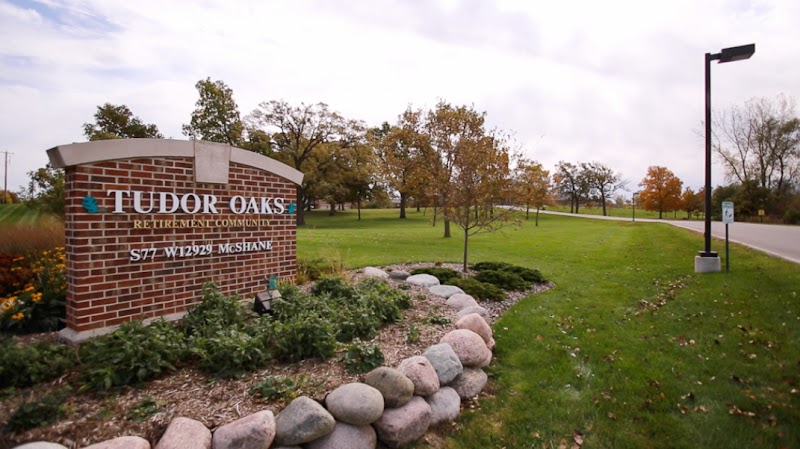
TUDOR OAKS HEALTH CENTER

S77 W12929 MCSHANE DR, MUSKEGO, WI 53150 (414) 529-0100
Non profit - Church related 50 Beds AMERICAN BAPTIST HOMES OF THE MIDWEST Data: November 2025
Trust Grade
28/100
#248 of 321 in WI
Last Inspection: June 2025

Inspected within the last 6 months. Data reflects current conditions.

Overview

Tudor Oaks Health Center has received a Trust Grade of F, indicating significant concerns about the quality of care provided at this facility. They rank #248 out of 321 nursing homes in Wisconsin, placing them in the bottom half of all state facilities, and #8 out of 17 in Waukesha County, meaning only a few local options are worse. Unfortunately, the facility is worsening, with reported issues increasing from 2 in 2024 to 18 in 2025. While staffing received an average rating of 3 out of 5 stars, the turnover rate is concerning at 65%, significantly higher than the state average of 47%. Specific incidents include a resident who fell and fractured their hip due to inadequate supervision and another resident who developed a pressure injury due to delayed treatment and poor care planning. Overall, while there are some strengths like average staffing levels, the serious issues raised in inspections suggest families should consider these factors carefully when evaluating this nursing home.

Trust Score
F
28/100
In Wisconsin
#248/321
Bottom 23%
Safety Record
High Risk
Review needed
Inspections
Getting Worse
2 → 18 violations
Staff Stability
⚠ Watch
65% turnover. Above average. Higher turnover means staff may not know residents' routines.
Penalties
✓ Good
$5,000 in fines. Lower than most Wisconsin facilities. Relatively clean record.
Skilled Nurses
✓ Good
Each resident gets 53 minutes of Registered Nurse (RN) attention daily — more than average for Wisconsin. RNs are trained to catch health problems early.
Violations
⚠ Watch
37 deficiencies on record. Higher than average. Multiple issues found across inspections.
★★☆☆☆
2.0
Overall Rating
★★★☆☆
3.0
Staff Levels
★★★★☆
4.0
Care Quality
★★☆☆☆
2.0
Inspection Score
Stable
2024: 2 issues
2025: 18 issues

The Good

  • 4-Star Quality Measures · Strong clinical quality outcomes
  • Full Sprinkler Coverage · Fire safety systems throughout facility
  • No fines on record

Facility shows strength in quality measures, fire safety.

The Bad

2-Star Overall Rating

Below Wisconsin average (3.0)

Below average - review inspection findings carefully

Staff Turnover: 65%

19pts above Wisconsin avg (46%)

Frequent staff changes - ask about care continuity

Federal Fines: $5,000

Below median ($33,413)

Minor penalties assessed

Chain: AMERICAN BAPTIST HOMES OF THE MIDWE

Part of a multi-facility chain

Ask about local staffing decisions and management

Staff turnover is elevated (65%)

17 points above Wisconsin average of 48%

The Ugly 37 deficiencies on record

3 actual harm
Aug 2025 3 deficiencies
CONCERN (D) 📢 Someone Reported This

A family member, employee, or ombudsman was alarmed enough to file a formal complaint

Potential for Harm - no one hurt, but risky conditions existed

Free from Abuse/Neglect (Tag F0600)

Could have caused harm · This affected 1 resident

Based on record review and staff interviews, the facility did not always ensure that 3 out of 5 residents reviewed (R11, R297, R298) were free from physical and verbal abuse. R11 was provided cares by...

Read full inspector narrative →
Based on record review and staff interviews, the facility did not always ensure that 3 out of 5 residents reviewed (R11, R297, R298) were free from physical and verbal abuse. R11 was provided cares by an agency CNA (Certified Nursing Assistant) on 6/15/25. During this time, a facility CNA was present in the room and did not intervene when she witnessed the agency CNA being rough with R11. R297 and R298 were allegedly both physically and verbally abused by a facility Registered Nurse on 6/18/25. The facility staff did not ensure that R297 and R298 were kept safe and free from any additional abuse by immediately reporting the allegations of abuse. Findings include: The facility's policy dated as implemented on 4/24/25 and titled, Abuse, neglect and Exploitation documents: Policy: It is the policy of this facility to provide protections for the health, welfare and rights of each resident by developing and implementing written policies and procedures that prohibit and prevent abuse, neglect, exploitation and misappropriation of resident property.VI. Protection of ResidentThe facility will make efforts to ensure all residents are protected from physical and psychosocial harm, as well as additional abuse, during and after the investigation. Examples include but are not limited to: A. Responding immediately to protect the alleged victim and integrity of the investigation. 1.) On 8/4/24, Surveyor conducted a review of the facility’s self-reported incident involving R11 on 6/15/25. The facility’s report documents that R11 made a complaint that CNA (Certified Nursing Assistant)- J was rough during cares. R11 stated that “(CNA- J) pulled my legs hard apart to put brief on, and also (CNA- J) was rough wiping her with the washcloths”. The time of this occurrence was documented at 5:20 AM on 6/15/25. Surveyor conducted review of the facility’s investigation into R11’s allegations. The investigation included a written statement from CNA- F who was present in R11’s room while CNA- J was providing cares to R11. CNA- F stated that CNA-J asked her to help change R11. When CNA- J started cleaning R11 with the washcloths, she was very rough. R11 was telling CNA- J that she was hurting her. CNA- J said “sorry” but continued. When CNA- J was cleaning the backside of R11, she was rough again and R11 made another statement saying, “stop you are being so rough”. CNA-J said “sorry”. R11 then stated, “why do you keep saying sorry but still continuing to be rough with me”. When it was time to roll R11 towards CNA- J. CNA-J pulled R11 by the arm. R11 yelled out “OW”. CNA- F stated that she finished getting R11 comfortable and CNA-J walked out of the room mumbling under her breath. After the cares were completed, CNA- F did report her concerns to Nurse on the unit who then checked on R11 to make sure she felt safe. Nursing Home Administrator (NHA)- A was made aware of the situation and CNA- J was asked to leave the building and to not return until an investigation was complete. On 8/4/25 at 2:34 PM, Surveyor interviewed SSD (Social Services Director)- E who completed the investigation regarding the allegation of abuse/ rough treatment by CNA-J. SSD-E confirmed that CNA- F did write in her witness statement that she observed rough treatment to R11 by CNA- J. Surveyor asked SSD- E if the expectation would be that CNA- F should have intervened to keep R11 safe from further rough /abusive treatment. SSD- E state that yes, CNA- F should have tried to diffuse the situation right away saying something like “I can take over for you” or “can I help you with this”. CNA- F would have been expected not to leave the room until she was sure that R11 was safe. Surveyor asked SSD- E if she was aware how long the interaction between CNA -J, CNA- F and R11 lasted. SSD- E stated that they have record that R11 placed her call light on at 5:03 AM on 6/15/25. Staff stated that they immediately went in by R11 to provide cares to her and then exited the room at approximately 5:20 AM on 6/15/25. On 8/5/25 at 7:35 AM, Surveyor interviewed NHA (Nursing Home Administrator)-A regarding the allegation that CNA- J was rough with R11 while providing cares and this was witnessed by CNA-F who did not intervene. NHA- A stated that yes, CNA-F should have immediately intervened to protect R11 from any potential harm. NHA- A stated that CNA-F had been previously trained on abuse prevention and that protecting the resident comes first. No additional information had been provided as to why CNA- F did not keep R11 safe from further potential harm when she witnessed CNA- J being rough with R11 during cares. 2.) R297's diagnoses includes dementia (loss of cognitive function that interferes with a person's daily life & activities), paraplegia (loss or impairment of motor & sensory functions in both lower legs), heart failure (chronic condition in which the heart doesn't pump blood as well as it should), and anxiety disorder. R297's quarterly MDS (minimum data set) with an assessment reference date of 6/10/25 has a BIMS (brief interview mental status) score of 2 which indicates severe cognitive impairment. R297 is assessed as being dependent for toileting hygiene, requires substantial/maximal assistance for rolling left & right, is frequently incontinent of urine and always incontinent of bowel. On 8/6/25, at 8:39 a.m., Director of Social Services (DSS)-E provided Surveyor with Facility Reported Incidents (FRI) Surveyor had requested. On 8/6/25, at 9:20 a.m. Surveyor spoke with Anonymous Staff (AS)-F on the telephone. During this conversation AS-F informed Surveyor Registered Nurse (RN)-H verbally and physically abused two residents and provided Surveyor with the names of two residents including R297. AS-F informed this abuse occurred on the same night. Certified Nursing Assistant (CNA)-I reported this abuse to Registered Nurse (RN)-C and CNA-I wrote a statement which was placed under the Director of Nursing (DON)-B's door. Surveyor reviewed the Facility Reported Incident for R297. Surveyor noted the date occurred is documented as 6/18/25 and date discovered documents 6/19/25. Under brief summary of incident documents while Administrator and Director of Social Services were meeting with [name of Certified Nursing Assistant (CNA)-G] for education regarding abuse reporting, we were made aware of another potential abuse incident from 6/18/25. [CNA-G's first name] told us that statements had been left under the Director of Nursing (DON's) office door. DON was not in the facility, so Administrator obtained the statements from her office. They describe an incident in which CNA [CNA-I's name] witnessed Registered Nurse (RN)-H, say to resident [R297's name], Oh stop, I can do whatever I want to you, all while wiping stool from [R297's initials] buttocks aggressively. When the cares for [R297's initials] were completed [CNA-I's name] reported the incident to RN [RN-C's name]. Once the Administrator and Dir. of SS (Director of Social Services) were made aware, an investigation was initiated and this initial self report was submitted. CNA-I's written statement regarding R297, which was left under the DON-B's door, dated 6/18/25 at 6:40 a.m., documents I was changing [R297's first name] when I rolled him he got poop all over the green pad. He didn't want me to change him but I told him he had poop & I should. I went to get [RN-H's first name] to help me. I was up against the wall and we rolled [R297's first name] to me. She rolled him quite aggressively. [R297's first name] was verbally upset with the roll & got worse when she started wiping him. She was very aggressive when whipping (sic) him. He was grabbing me because of this, pushing on me trying to roll back to stop her, yelling at her to stop & this is when [RN-H's first name] said Oh stop I can do whatever I want to you. Whipping (sic) very aggressive on his butt. The facility's investigation summary written by Director of Social Services (DSS)-E includes documentation of this writer called [RN-C's name] and [RN-C's first name] stated [CNA-I's first name] reported the incident to me, and I told [CNA-I's first name] to go back and check on the residents. If the residents were not okay, I told her I would go and check on the residents. I didn't want to go into Team 1 because I was afraid [RN-H's name] would get suspicious as to why I would be in Team 1. [CNA-I's first name] reported back to me that [R297's first name] and [R298's first name] were okay. [RN-C's first name] instructed [CNA-I's first name] to write out a statement of what happened, and [RN-C's first name] put their statements under the office door of the DON. On 8/6/25, at 12:50 p.m., Surveyor asked DSS-E how she became aware of the verbal & physical abuse allegation involving RN-H with R297. DSS-E explained she and Nursing Home Administrator (NHA)-A were educating [first name of CNA-G] on abuse. Surveyor asked what day was this. DSS-E informed Surveyor the 18th. Surveyor asked why was the date of discovery on the facility reported incident 6/19/25. DSS-E informed Surveyor she would have to double check the date. At 1:12 p.m. DSS-E informed Surveyor she did not speak with CNA-G until the 19th (6/19/25). DSS-E explained while they were educating CNA-G about abuse, CNA-G said what about [CNA-I's first name] and they asked CNA-G what about CNA-I. DSS-E informed Surveyor this is when they were informed CNA-I witnessed RN-H's allegation of abuse with R297. The nurse & CNA-I put statements under DON's door. The DON was not here so NHA-A went to the DON's office and they were under the door. Surveyor asked whose statement was under the DON's door. DSS-E replied at that time only [first name of CNA-I] and the nurse, the one who she reported it to, [RN-C's first name]. Surveyor asked DSS-E if they notified the police. DSS-E replied we did not. Surveyor asked DSS-E why they didn't contact the police. DSS-E replied I didn't see any harm. On 8/6/25, at 1:54 p.m. Surveyor asked NHA-A how she became aware of the allegation of verbal and physical abuse involving RN-H with R297. NHA-A informed Surveyor she and [name of DSS-E] were meeting with [name of CNA-G] on 6/19/25 about the abuse policy and [first name of CNA-G] said what about the other night with [first name of CNA-I]. [First name of CNA-I] and nurse left statements. NHA-A informed Surveyor they asked where were the statements left. CNA-G informed them under the DON's door. NHA-A informed Surveyor this is the first they were hearing about it and the DON was on vacation. Surveyor asked NHA-A if she asked RN-C why she didn't report the allegation of verbal and physical abuse immediately & why RN-C didn't go to the unit where RN-C was working. NHA-A informed Surveyor RN-C didn't know the DON was off. NHA-A informed Surveyor RN-C was being snippy to co-workers, acting passive aggressive. RN-C was hesitate. Surveyor asked NHA-A why RN-C didn't report the allegation of abuse to her. NHA-A replied I don't know and explained RN-C went to report to the DON and didn't realize she was off. Surveyor reviewed RN-H's employee time sheet and noted RN-H worked until 6:46 a.m. on 6/18/25. RN-H returned to work on 6/18/25 at 10:20 p.m. and worked until 6:48 a.m. on 6/19/25. This allegation was not reported immediately to Nursing Home Administrator (NHA)-A as CNA-I's statement was slid under the DON's door. Residents were not protected from further potential abuse. 3.) R298's diagnoses includes hemiplegia (paralysis on one side of the body) and hemiparesis (weakness on one side) following cerebral infarction (type of stroke) affecting left non dominate side, heart failure (chronic condition in which the heart doesn't pump enough blood as well as it should), diabetes mellitus (high blood sugar), and dementia (loss of cognitive function that interferes with a person's daily life & activities). On 8/6/25, at 9:20 a.m. Surveyor spoke with Anonymous Staff (AS)-F on the telephone. During this conversation AS-F informed Surveyor Registered Nurse (RN)-H verbally and physically abused two residents and provided Surveyor with the names of two residents including R298. AS-F informed this abuse occurred on the same night. Certified Nursing Assistant (CNA)-I reported this abuse to Registered Nurse (RN)-C and CNA-I wrote a statement which was placed under the Director of Nursing (DON) door. Certified Nursing Assistant (CNA)-I's statement dated 6/18/25 at 6:40 a.m. for R298 documents [Name of ] Registered Nurse-H said she wanted to see [first name of R298] butt so I asked if she just wanted to come in when I changed him. She said yes. [First name] call light went off so I answered it & she wanted her remote. After I went to [R298's first name] room she was in the middle of changing him. She rolled rolled him aggressively onto his bad side & wiping him aggressively also to the point where he was showing he was in pain. On 8/6/25, at 12:50 p.m., Surveyor asked DSS-E if she is involved when there is an allegation of abuse. DSS-E replied yes. Surveyor inquired what DSS-E's role is. DSS-E informed Surveyor when an allegation is brought to her attention she will initiate an investigation, reports the allegation to the State, interviews residents and staff if needed and does the investigation summary. DSS-E informed Surveyor she and Nursing Home Administrator (NHA)-A became aware of CNA-I's statement when they were providing abuse education to CNA-G on 6/19/25. On 8/6/25, at 1:46 p.m., Surveyor telephoned RN-C. Surveyor left a messaging asking RN-C to return Surveyor's call. Surveyor did not receive a return call from RN-C. Surveyor reviewed RN-H's employee time sheet and noted RN-H worked until 6:46 a.m. on 6/18/25. RN-H returned to work on 6/18/25 at 10:20 p.m. and worked until 6:48 a.m. on 6/19/25. This allegation was not reported immediately to Nursing Home Administrator (NHA)-A as CNA-I's statement was slid under the DON's door. Residents were not protected from further potential abuse. No additional information was provided.
CONCERN (D) 📢 Someone Reported This

A family member, employee, or ombudsman was alarmed enough to file a formal complaint

Potential for Harm - no one hurt, but risky conditions existed

Report Alleged Abuse (Tag F0609)

Could have caused harm · This affected 1 resident

Based on record review and staff interviews, the facility did not ensure that allegations of potential verbal and physical abuse involving 3 out of 5 residents (R11,R297, R298) reviewed were reported ...

Read full inspector narrative →
Based on record review and staff interviews, the facility did not ensure that allegations of potential verbal and physical abuse involving 3 out of 5 residents (R11,R297, R298) reviewed were reported to the Nursing Home Administrator (NHA) or Designee and Law Enforcement. The facility did not contact the local law enforcement after they became aware that an agency CNA was witnessed to be rough with R11 when providing cares on 6/15/25. R297 was allegedly physically and verbally abused by a facility Registered Nurse (RN-H) on 6/18/25. This allegation was not immediately reported to the NHA . This allegation was not reported to Law Enforcement as a possible crime of abuse. R298 was allegedly physically abused by a facility Registered Nurse (RN-H) on 6/18/25. This allegation was not immediately reported to the NHA. This allegation was not reported to Law Enforcement as a possible crime of abuse. Findings include: The facility's policy dated as implemented on 4/24/25 and titled Abuse, Neglect and Exploitation documents: Policy: It is the policy of this facility to provide protections for the health, welfare and rights of each resident by developing and implementing written policies and procedures that prohibit and prevent abuse, neglect, exploitation and misappropriation of resident property. VII. Reporting/ Response 1. Reporting of all alleged violations to the administrator, state agency, adult protective services and to all other required agencies ( e.g., law enforcement when applicable) within specified timeframes: a.) Immediately, but not later than 2 hours after the allegation is made, if the events that cause the allegation involve abuse or result in serious bodily injury, or b.) Not later than 24 hours if the events that cause the allegation do not involve abuse and do not result in serious bodily injury. 1.) On 8/4/24, Surveyor conducted a review of the facility’s self-reported incident involving R11 dated 6/15/25. The facility’s report documents that R11 made a complaint that CNA (Certified Nursing Assistant)- J was rough during cares. R11 stated that “(CNA- J) pulled my legs hard apart to put brief on, and also (CNA- J) was rough wiping her with the washcloths”. The time of this occurrence was documented at 5:20 AM on 6/15/25. Surveyor conducted review of the facility’s investigation into R11’s allegations. The investigation included a written statement from CNA- F who was present in R11’s room while CNA- J was providing cares to R11. CNA- F stated that CNA-J asked her to help change R11. When CNA- J started cleaning R11 with the washcloths, she was very rough. R11 was telling CNA- J that she was hurting her. CNA- J said “sorry” but continued. When CNA- J was cleaning the backside of R11, she was rough again and R11 made another statement saying, “stop you are being so rough”. CNA-J said “sorry”. R11 then stated, “why do you keep saying sorry but still continuing to be rough with me”. When it was time to roll R11 towards CNA- J. CNA-J pulled R11 by the arm. R11 yelled out “OW”. CNA- F stated that she finished getting R11 comfortable and CNA-J walked out of the room mumbling under her breath. After the cares were completed, CNA- F did report her concerns to the Nurse on the unit who then checked on R11 to make sure she felt safe. NHA- A was made aware of the situation and CNA- J was asked to leave the building and to not return until an investigation was complete. Surveyor conducted a review of Form F- 62447 “Misconduct Incident Report” that is required to be completed by the facility and submitted to the state survey agency within 5 working days of the date the facility knew of the incident. The form indicates that law enforcement was not involved or contacted by the facility, per policy and regulation. On 8/5/25 at 7:35 AM, Surveyor interviewed NHA-A regarding the allegation that CNA- J was rough with R11 while providing cares and this was witnessed by CNA-J . Surveyor asked NHA- A why law enforcement was not contacted. NHA- A stated that since R11 didn’t really say that she was abused by CNA-J, law enforcement was not contacted. As of the time of exit on 8/6/25, no additional information has been provided as to why the facility did not contact law enforcement when they became aware of an allegation that R11 was treated roughly/abused by CNA- J during cares on 6/15/25. 2.) R297's diagnoses includes dementia (loss of cognitive function that interferes with a person's daily life & activities), paraplegia (loss or impairment of motor & sensory functions in both lower legs), heart failure (chronic condition in which the heart doesn't pump blood as well as it should), and anxiety disorder. R297's quarterly MDS (minimum data set) with an assessment reference date of 6/10/25 has a BIMS (brief interview mental status) score of 2 which indicates severe cognitive impairment. R297 is assessed as being dependent for toileting hygiene, requires substantial/maximal assistance for rolling left & right, is frequently incontinent of urine and always incontinent of bowel. On 8/6/25, at 8:39 a.m., Director of Social Services (DSS)-E provided Surveyor with Facility Reported Incidents (FRI) Surveyor had requested. On 8/6/25, at 9:20 a.m. Surveyor spoke with Anonymous Staff (AS)-F on the telephone. During this conversation AS-F informed Surveyor Registered Nurse (RN)-H verbally and physically abused two residents and provided Surveyor with the names of two residents including R297. AS-F informed this abuse occurred on the same night. Certified Nursing Assistant (CNA)-I reported this abuse to Registered Nurse (RN)-C and CNA-I wrote a statement which was placed under the Director of Nursing (DON) door. Surveyor reviewed the Facility Reported Incident for R297. Surveyor noted the date incident occurred is documented as 6/18/25 and date discovered documents 6/19/25. Under brief summary of incident documents: While Administrator and Director of Social Services were meeting with [name of Certified Nursing Assistant (CNA)-G] for education regarding abuse reporting, we were made aware of another potential abuse incident from 6/18/25. [CNA-G's first name] told us that statements had been left under the Director of Nursing (DON's) office door. DON was not in the facility, so Administrator obtained the statements from her office. They describe an incident in which CNA [CNA-I's name] witnessed Registered Nurse (RN)-H, say to resident [R297's name], Oh stop, I can do whatever I want to you, all while wiping stool from [R297's initials] buttocks aggressively. When the cares for [R297's initials] were completed [CNA-I's name] reported the incident to RN [RN-C's name]. Once the Administrator and Dir. of SS (Director of Social Services) were made aware, an investigation was initiated and this initial self report was submitted. CNA-I's written statement dated 6/18/25 at 6:40 a.m., left under the DON office door, documents I was changing [R297's first name] when I rolled him he got poop all over the green pad. He didn't want me to change him but I told him he had poop & I should. I went to get [RN-H's first name] to help me. I was up against the wall and we rolled [R297's first name] to me. She rolled him quite aggressively. [R297's first name] was verbally upset with the roll & got worse when she started wiping him. She was very aggressive when whipping (sic) him. He was grabbing me because of this, pushing on me trying to roll back to stop her, yelling at her to stop & this is when [RN-H's first name] said Oh stop I can do whatever I want to you. Whipping (sic) very aggressive on his butt. The facility's investigation summary written by Director of Social Services (DSS)-E documents: This writer called [RN-C's name] and [RN-C's first name] stated [CNA-I's first name] reported the incident to me, and I told [CNA-I's first name] to go back and check on the residents. If the residents were not okay, I told her I would go and check on the residents. I didn't want to go into Team 1 because I was afraid [RN-H's name] would get suspicious as to why I would be in Team 1. [CNA-I's first name] reported back to me that [R297's first name] and [R298's first name] were okay. [RN-C's first name] instructed [CNA-I's first name] to write out a statement of what happened, and [RN-C's first name] put their statements under the office door of the DON. On 8/6/25, at 12:50 p.m., Surveyor asked DSS-E how she became aware of the verbal & physical abuse allegation involving RN-H with R297. DSS-E explained she and Nursing Home Administrator (NHA)-A were educating [first name of CNA-G] on abuse. Surveyor asked what day was this. DSS-E informed Surveyor the 18th. Surveyor asked why was the date of discovery on the facility reported incident 6/19/25. DSS-E informed Surveyor she would have to double check the date. At 1:12 p.m. DSS-E informed Surveyor she did not speak with CNA-G until the 19th (6/19/25). DSS-E explained while they were educating CNA-G about abuse, CNA-G said what about [CNA-I's first name] and they asked CNA-G what about CNA-I. DSS-E informed Surveyor this is when they were informed CNA-I witnessed RN-H's allegation of abuse with R297. The nurse & CNA-I put statements under DON's door. The DON was not here so NHA-A went to the DON's office and they were under the door. Surveyor asked whose statement was under the DON's door. DSS-E replied at that time only [first name of CNA-I] and the nurse, the one who she reported it to, [RN-C's first name]. Surveyor asked DSS-E if they notified the police. DSS-E replied we did not. Surveyor asked DSS-E why they didn't contact the police. DSS-E replied I didn't see any harm. On 8/6/25, at 1:54 p.m. Surveyor asked NHA-A how she became aware of the allegation of verbal and physical abuse involving RN-H with R297. NHA-A informed Surveyor she and [name of DSS-E] were meeting with [name of CNA-G] on 6/19/25 about the abuse policy and [first name of CNA-G] said what about the other night with [first name of CNA-I]. [First name of CNA-I] and nurse left statements. NHA-A informed Surveyor they asked where were the statements left. CNA-G informed them under the DON's door. NHA-A informed Surveyor this is the first they were hearing about it and the DON was on vacation. Surveyor asked NHA-A if she asked RN-C why she didn't report the allegation of verbal and physical abuse immediately & why RN-C didn't go to the unit where RN-C was working. NHA-A informed Surveyor RN-C didn't know the DON was off. NHA-A informed Surveyor RN-C was being snippy to co-workers, acting passive aggressive. RN-C was hesitate. Surveyor asked NHA-A why RN-C didn't report the allegation of abuse to her. NHA-A replied I don't know and explained RN-C went to report to the DON and didn't realize she was off. Surveyor asked NHA-A if she knew why the police weren't called. NHA-A replied I do not. Surveyor noted that the allegation of verbal and physical abuse involving R297 were not reported immediately to NHA-A and the police were not contacted. 3.) On 8/6/25, at 8:39 a.m., Director of Social Services (DSS)-E provided Surveyor with Facility Reported Incidents (FRI) Surveyor had requested. On 8/6/25, at 9:20 a.m. Surveyor spoke with Anonymous Staff (AS)-F on the telephone. During this conversation AS-F informed Surveyor Registered Nurse (RN)-H verbally and physically abused two residents and provided Surveyor with the names of two residents including R298. AS-F informed this abuse occurred on the same night. Certified Nursing Assistant (CNA)-I reported this abuse to Registered Nurse (RN)-C and CNA-I wrote a statement which was placed under the Director of Nursing (DON) door. On 8/6/25, at 10:30 a.m., Surveyor reviewed the facility's self reported incidents that DSS-E had provided to Surveyor. Surveyor noted there was not an investigation for R298. R298's diagnoses includes hemiplegia (paralysis on one side of the body) and hemiparesis (weakness on one side) following cerebral infarction (type of stroke) affecting left non dominate side, heart failure (chronic condition in which the heart doesn't pump blood as well as it should), diabetes mellitus (high blood sugar), and dementia (loss of cognitive function that interferes with a person's daily life & activities). Certified Nursing Assistant (CNA)-I's statement dated 6/18/25 at 6:40 a.m. for R298 documents [Name of ] Registered Nurse-H said she wanted to see [first name of R298] butt so I asked if she just wanted to come in when I changed him. She said yes. [First name] call light went off so I answered it & she wanted her remote. After I went to [R298's first name] room she was in the middle of changing him. She rolled rolled him aggressively onto his bad side & wiping him aggressively also to the point where he was showing he was in pain. On 8/6/25, at 12:50 p.m., Surveyor asked DSS-E if she is involved when there is an allegation of abuse. DSS-E replied yes. Surveyor inquired what DSS-E's role is. DSS-E informed Surveyor when an allegation is brought to her attention she will initiate an investigation, reports the allegation to the State, interviews residents and staff if needed and does the investigation summary. Surveyor inquired if this allegation of physical abuse in CNA-I's statement regarding RN-H with R298 was reported to the State. DSS-E replied no because he's his own person and said nothing happened. Surveyor informed DSS-E, CNA-I's statement dated 6/18/25 alleges physical abuse involving RN-H and should have been reported. On 8/6/25, at 1:46 p.m., Surveyor telephoned RN-C. Surveyor left a messaging asking RN-C to return Surveyor's call. Surveyor did not receive a return call from RN-C. On 8/6/25, at 1:54 a.m. Surveyor asked Nursing Home Administrator (NHA)-A if the physical abuse allegation involving R298 & RN-H was reported to the State. NHA-A replied no. NHA-A informed Surveyor she thinks CNA-I's statement was emotionally charged. Surveyor informed NHA-A this allegation should have been reported to the State and should have been reported to her immediately. Surveyor asked NHA-A if the police were contacted. NHA-A replied no. The allegation of physical abuse involving R298 was not reported to the State agency and the police were not contacted. No additional information was provided.
CONCERN (D) 📢 Someone Reported This

A family member, employee, or ombudsman was alarmed enough to file a formal complaint

Potential for Harm - no one hurt, but risky conditions existed

Investigate Abuse (Tag F0610)

Could have caused harm · This affected 1 resident

Based on interview and record review the facility did not ensure 1 (R298) of 3 allegations of abuse were investigated.* The facility did not conduct an investigation for R298's allegation of physical ...

Read full inspector narrative →
Based on interview and record review the facility did not ensure 1 (R298) of 3 allegations of abuse were investigated.* The facility did not conduct an investigation for R298's allegation of physical abuse.Findings include:The facility's policy titled, Abuse, Neglect and Exploitation and dated 4/24/25, documents under the policy section: It is the policy of this facility to provide protections for the health, welfare and rights of each resident by developing and implementing written policies and procedures that prohibit and prevent abuse, neglect, exploitation and misappropriation of resident property. Under section V. Investigation of Alleged, Abuse, Neglect and Exploitation it documents: A. An immediate investigation is warranted when suspicion of abuse, neglect or exploitation, or reports of abuse, neglect or exploitation occur. B. Written procedures for investigations include: 1. Identifying staff responsible for the investigation; 2. Exercising caution in handling evidence that could be used in a criminal investigation (e.g., not tampering or destroying evidence); 3. Investigating different types of alleged violations; 4. Identifying and interviewing all involved persons, including the alleged victim, alleged perpetrator, witnesses, and other who might have knowledge of the allegations; 5. Focusing the investigation on determining if abuse, neglect, exploitation, and/or mistreatment has occurred, the extend, and cause; and 6. Providing complete and thorough documentation of the investigation.On 8/6/25, at 8:39 a.m., Director of Social Services (DSS)-E provided Surveyor with Facility Reported Incidents (FRI) Surveyor had requested. On 8/6/25, at 9:20 a.m. Surveyor spoke with Anonymous Staff (AS)-F on the telephone. During this conversation AS-F informed Surveyor Registered Nurse (RN)-H verbally and physically abused two residents and provided Surveyor with the names of two residents including R298. AS-F informed this abuse occurred on the same night. Certified Nursing Assistant (CNA)-I reported this abuse to Registered Nurse (RN)-C and CNA-I wrote a statement which was placed under the Director of Nursing (DON) door. On 8/6/25, at 10:30 a.m., Surveyor reviewed the facility's self reported incident reports that DSS-E provided to Surveyor. Surveyor noted there was not an investigation for any allegation involving R298.R298's diagnoses includes hemiplegia (paralysis on one side of the body( and hemiparesis (weakness on one side) following cerebral infarction (type of stroke) affecting left non dominate side, heart failure (chronic condition in which the heart doesn't pump blood as well as it should), diabetes mellitus (high blood sugar), and dementia (loss of cognitive function that interferes with a person's daily life and activities).Certified Nursing Assistant (CNA)-I's statement dated 6/18/25 at 6:40 a.m. for R298 documents: [Name of ] Registered Nurse-H said she wanted to see [first name of R298] butt so I asked if she just wanted to come in when I changed him. She said yes. [First name] call light went off so I answered it & she wanted her remote. After I went to [R298's first name] room she was in the middle of changing him. She rolled rolled him aggressively onto his bad side & wiping him aggressively also to the point where he was showing he was in pain.On 8/6/25, at 12:50 p.m., Surveyor asked DSS-E if she is involved when there is an allegation of abuse. DSS-E replied yes. Surveyor inquired what DSS-E's role is. DSS-E informed Surveyor when an allegation is brought to her attention she will initiate an investigation, report the allegation to the state agency, interview residents and staff if needed, and complete the investigation summary. Surveyor inquired if there is an investigation regarding an allegation of physical abuse in CNA-I's statement regarding RN-H with R298. DSS-E replied no because he's his own person and said nothing happened. Surveyor informed DSS-E, CNA-I's statement dated 6/18/25 alleges physical abuse involving RN-H and that this allegation should have been investigated.On 8/6/25, at 1:46 p.m., Surveyor telephoned RN-C. Surveyor left a messaging asking RN-C to return Surveyor's call. Surveyor did not receive a return call from RN-C.On 8/6/25, at 1:54 a.m. Surveyor asked Nursing Home Administrator (NHA)-A if the physical abuse allegation involving R298 & RN-H was investigated. NHA-A replied no. NHA-A informed Surveyor she thinks CNA-I's statement was emotionally charged. Surveyor informed NHA-A this allegation should have been investigated.No additional information was provided as to why the facility did not ensure that the statement involving R298 and alleged abuse was thoroughly investigated.
Jun 2025 14 deficiencies 1 Harm
SERIOUS (G)

Actual Harm - a resident was hurt due to facility failures

Accident Prevention (Tag F0689)

A resident was harmed · This affected 1 resident

**NOTE- TERMS IN BRACKETS HAVE BEEN EDITED TO PROTECT CONFIDENTIALITY** Based on interview and record review, the facility did not ensure 6 of 10 residents (R34, R11, R23, R2, R9, and R13) reviewed re...

Read full inspector narrative →
**NOTE- TERMS IN BRACKETS HAVE BEEN EDITED TO PROTECT CONFIDENTIALITY** Based on interview and record review, the facility did not ensure 6 of 10 residents (R34, R11, R23, R2, R9, and R13) reviewed received adequate supervision and assistance devices to prevent accidents. * R34's fall on 10/29/24 was not thoroughly investigated and a root cause was not determined to help prevent additional falls. On 5/16/25, R34 fell, was transferred to the hospital, and diagnosed with a hip fracture. R34 had been observed prior to this fall coming out the bathroom by herself. The facility did not implement interventions after observing R34 coming out of the bathroom prior to R34's fall. R34 was not assessed by a Registered Nurse (RN) prior to being placed in a wheelchair after the fall even though there was an RN available. The facility's investigation did not include a root cause analysis of R34's fall to help prevent additional falls. * R11 fell from the wheelchair on 5/28/24. The facility did not conduct a thorough investigation as the facility did not investigate how R11 was seated in her wheelchair, the investigation does not include whether R11 was interviewed regarding the fall, and R11's fall care plan was not developed until 8/30/24. R11 fell on [DATE]. R11 was not transferred according to R11's plan of care when R11 fell. * R23's resident to resident altercation on 11/2/24 was not investigated and no revisions to R23's plan of care were implemented after R23's resident to resident altercation. * R2 sustained multiple falls from bed. The facility did not investigate how R2 rolled out of bed, did not determine if previous interventions were in place, did not consistently determine the root cause of R2's falls, and did not investigate how R2 fell from the bed multiple times when bilateral body pillows were in place. * R9 sustained a fall on 2/17/25. The facility did not thoroughly investigate this fall and did not determine a root cause. On 3/29/25, R9 had an unwitnessed fall. The facility did not thoroughly investigate this fall and did not investigate whether previous interventions were in place. R9's wander alert bracelet was observed on the metal bar on the back of R9's wheelchair. Per the manufacturer the wander alert bracelet should not be placed on this metal bar. * R13's intervention of fall mat was not in place and the body pillows were incorrectly placed when R13 sustained a fall on 2/4/25. On 3/29/25, R13 fell while attempting to self transfer. R13's new toileting plan was not added to the care plan until 5/19/25. On 4/1/25, R13 had a fall in another resident's bathroom. R13's care planned intervention of toileting after meals was not followed. On 5/3/25, R13 sustained a fall from bed. The facility did not thoroughly investigate this fall to determine if previous interventions were in place. During the survey, R13's body pillow was not placed correctly. R34 is being cited at severity level 3 (actual harm). R11, R23, R2, R9 and R13 are being cited at severity level 2 (potential for more than minimal harm). Findings include: The facility's policy titled, Falls Management and Prevention, and revised December 2024 under Policy documents: Residents are assessed for their risk of falling upon admission, significant change and quarterly thereafter. Resident with risk for falling will have interventions implemented through the resident centered care plan. When a resident experiences a fall, a licensed nurse assesses the resident's condition, provides care for, safety and comfort. Under Post Fall Procedure documents 1. When a resident falls the licensed nurse is notified. The nurse completes an assessment of the resident's condition including an interview, if possible, completion of vital signs and a body assessment. 2. The medical provider is notified of the fall and resident condition. Orders, if given, are implemented. 3. The resident's representative (as applicable) is notified of the fall and the resident's condition. 4. The DON (Director of Nursing) and Administrator or designees are notified of the fall. 5. The environment of the fall is evaluated for possible contributing factors and addressed. 1.) R34 was admitted to the facility on [DATE] with diagnoses that include dementia (loss of cognitive function that interferes with a person's daily life and activities), atrial fibrillation (irregular and rapid heart beat), and hypertensive heart disease with heart failure (prolonged high blood pressure that leads to the heart inability to pump blood effectively). R34's fall risk assessment dated [DATE] has a score of 12 (a score of 10 or higher indicates high risk of falling.) R34's nurses note dated 9/14/24, at 14:11 (2:11 p.m.), written by Licensed Practical Nurse (LPN)-W documents: Resident on report for being new admit to unit s/p (status post) multiple falls, encephalopathy, and AMS (altered mental status). Resident adjusting to unit well. AandO (alert and orientated) to self and place. Makes needs known. No issues or complaints. Ate well at meal times. Checked frequently to maintain safety. VSS (vital signs stable) per resident baseline. R34's Fall CAA (care area assessment) dated 9/18/24 under analysis of finds for nature of problem documents: Fall CAA triggered r/t (related to) recent fall at home with UTI (urinary tract infection), AMS (alerted mental status)/hospitalization. admitted for rehab with goal to dc (discharge) home. Resident requires moderate assist with most ADL (activities of daily living). BIMS (Brief Interview for Mental Status)-8. On scheduled diuretic, anticoagulant, antihtn (antihypertensive). Occasionally incontinent of bowel and bladder. No falls during look back. Remains a fall risk d/t (due to) cognitive impairment with poor safety awareness. Under the care plan considerations it documents: Fall CAA triggered r/t recent fall at home with UTI, AMS/hospitalization. admitted for rehab with goal to dc home. Resident requires moderate assist with most ADL. BIMS-8. On scheduled diuretic, anticoagulant, antihtn. Occasionally incontinent of bowel and bladder. No falls during look back. Remains a fall risk d/t cognitive impairment with poor safety awareness. R34's falls care plan initiated and revised 9/18/24 documents the following interventions: *Fall risk evaluation on admission, quarterly, and PRN (as needed). Post fall evaluation PRN. Initiated 9/18/24. *Labs when ordered, report abnormal findings to NP/PA/MD (Nurse Practitioner/Physician Assistant/Medical Doctor). Initiated 9/18/24. *Monitor for side effects of medication: *Cardiac medication as ordered. Monitor weekly vital signs and labs as ordered. *Psychotropic medications as ordered. BIMS (brief interview mental status) evaluation, sleep log, and behavior monitoring per protocol. *Narcotic pain medication as ordered. Monitor for side effects such as dizziness, lethargy, increased confusion, decreased respiration, and report to NP/PA/MD. Initiated 9/18/24. *Toileting per urinary/bowel section of this care plan. Initiated 9/18/24. *Fall risk. Initiated 9/27/24. *Bed in low position, call light within reach. Initiated 9/27/24. *Encourage [R34's first name] to be in common areas for supervision d/t (due to) frequent self transferring. She often refuses. Initiated 5/29/25. *Frequent safety checks to prevent falls. [R34's first name] self transfers and is non-compliant with call light d/t (due to) memory issues. Initiated and revised 5/29/25. R34's nurses note dated 10/29/24, at 22:20 (10:20 p.m.), written by Registered Nurse (RN)-BB documents: Writer was doing HS (hour sleep) med pass when CNA (Certified Nursing Assistant) answered a bathroom call light coming from residents' room. CNA yelled out to writer that resident was on the floor from doorway. Writer went into residents' room and found resident on the floor sitting straight up on bottom near residents' foot of bed. Writer asked resident what happened resident stated she just slid out of bed when trying to get up. Writer asked resident what she was trying to do and resident stated trying to get up to go by husband that was in the living room area of their room. Resident stated she did not have pain anywhere and did not hit head. Writer did a full Neurology assessment determined all WNL (within normal limits), Writer then took residents Vitals B/P (blood pressure): 106/69, HR (heart rate): 75, 02(oxygen): 98% RA (room air), T (temperature):97.7, R (respirations): 18. Resident was then Hoyered off the floor by writer and CNA into residents w/c (wheelchair). Neuro checks were then initiated. R34's progress note dated 10/31/24, at 10:03 a.m., written by Nursing Home Administrator (NHA)-A documents: IDT (interdisciplinary team) met to review fall from 10/29/24. Nursing, Soc. (Social) Services, therapy, and admin (Administrator) were in attendance. Documentation was reviewed. MD and patient representative were contacted. Neuro checks were initiated. Resident had moved from her private room to a shared room with her husband that date. Immediate intervention was to transfer resident to the bed on left side of room, which is similar to her previous bedroom set-up. Surveyor noted R34's fall care plan was not revised to include this intervention. Surveyor reviewed the facility's fall investigation for R34's fall on 10/29/24. The facility's fall investigation includes a fall statement from the CNA who found R34 on the floor but does not include any other staff statements or indications other staff who may have seen R34 were interviewed, how was R34 positioned in bed, and the root cause of this fall. R34's quarterly MDS (Minimum Data Set) with an assessment reference date of 4/14/25 has a BIMS (Brief Interview for Mental Status) score of 2 which indicates severe cognitive impairment. R34 is assessed as refusing care and wandering for 1 to 3 days during the assessment period. R34 is assessed as requiring set up for toileting hygiene, supervision for roll left and right, and chair/bed to chair transfer. R34 is occasionally incontinent of urine and continent of bowel. R34 is assessed as not having any falls since prior assessment period. R34's fall risk assessment dated [DATE] has a score of 19 (a score of 10 or higher indicates the resident is at high risk of falling). R34's nurses note dated 5/16/25, at 03:36 (3:36 a.m.), written by Registered Nurse (RN)-FF documents: Resident in [Room Number], [R34's name] was found on the floor in her room. Resident told nurse she was getting up to go to the bathroom and noted the floor was coming up to her. Resident hit the side of her head and has a bruised area that is 1.5cm (centimeter) x (times) 4.3cm and is raised. Resident C/O (complained of) left hip pain. Per nurse caring for resident the resident could not bear weight on her left leg. Nurse then went to see resident who was already in a w/c (wheelchair) and continued to c/o of left hip pain and resident was noted to have a low B/P (blood pressure) of 75/38 with a heart rate of 57. Resident denies being lightheaded or dizzy at this time. Message sent to Dr [Name] also at this time and will be sending resident out for evaluation. Will be sending resident out for evaluation at this time. The nurses note dated 5/16/25, at 05:54 (5:54 a.m.), written by Licensed Practical Nurse (LPN)-F documents: UWF (unwitnessed fall): CNA found res on the floor at 0250 (2:50 a.m.), sitting/lying in front of her bed with w/c (wheelchair) to her left, where it had been all NOC (night). Res (Resident) was witnessed walking in room per CNA who res was assigned and found, coming from BR (bathroom) earlier in NOC and was assisted back to bed w/(with) safety precautions in place and call light on chest. Rounds completed per CNA at 0100 (1:00 a.m.) and res toileted; per writer at 0200 (2:00 a.m.) and res asleep. Safety precautions/call light in place w/ BR light on. Injuries noted-left brow hematoma, c/o (complained of) left hip pain/disc (discomfort) noted. RN notified and escorted to room per writer and assessed. Writer initiated neuros checks per protocol. [Name] Ambulance called at 0345 (3:45 a.m.). V/S (vital signs) and res stable w/hypotension noted. BP increased as time went on per EMT (emergency medical technician) taking last BP before leaving unit at 0430 (4:30 a.m.). APAPx1 (acetaminophen times one) per pain/disc noted to left hip-7/10 and ineffective prior to leaving-6/10. RN notified MD/DON (Medical Doctor/Director of Nursing). Writer updated POA (Power of Attorney) son [Name] at 0354 (3:45 a.m.) and directed to have res transferred to [Name] hospital for eval/tx (evaluation/treatment), and POA will meet res there, appreciative for being notified per writer. Res was able to move all extremities w/ (with) noticeable, and c/o left hip pain noted. Writer will report off to AM (morning) RN to call [Hospital Name] for updated report. R34's nurses note dated 5/16/25, at 10:57 a.m., by RN-GG documents: Per SW (Social Worker) who spoke with son, resident is being admitted with hip fx (fracture). Surgery will be completed tomorrow. Son talked with resident's husband and explained what is happening. R34's progress note dated 5/16/25, at 16:21 (4:21 p.m.), written by Nursing Home Administrator (NHA)-A documents: IDT (interdisciplinary team) met to review fall from this am. Nursing, Soc. (Social) Services, and Admin (Administrator) were present. Documentation was reviewed. MD and patient representative were notified. Resident was noted to be hypotensive immediately after fall. She was transported to ER (emergency room) and admitted with hip fracture. Will assess resident for change of condition upon return, and update care plan as needed. Surveyor reviewed R34's fall investigation for R34's fall on 5/16/25. The check off sheet for falls documents: non compliant with call light; transfers. R34's fall care plan does not address R34 being non compliant with call light or transfers. The fall investigation was not thorough as this investigation does not include a root cause to help prevent further falls. R34 was readmitted to the facility on [DATE]. R34's fall care plan was not revised until 5/29/25. R34's significant change MDS with an assessment reference date of 5/24/25 has a BIMS score of 2 which indicates severe cognitive impairment. R34 is assessed as being dependent for toileting hygiene, roll left and right, chair/bed to chair transfer, and toilet transfer. R34 is assessed as always incontinent of urine and frequently incontinent of bowel. R34's fall CAA (care area assessment) dated 5/28/25 under analysis of findings for nature of problem documents: Fall CAA triggered r/t (related to) resident here for LTC (long term care). Recent fall at facility with femur fx (fracture)/hospitalization with surgical repair. readmitted for rehab with goal to stay LTC (long term care). Resident has dementia with poor safety awareness. BIMS-2. Resident is dependent on staff for most ADL (activities daily living). On scheduled antihtn (antihypertensive), diuretic, anticoagulant, antidepressant, PRN (as needed) opiate. Under care plan considerations documents Fall CAA triggered r/t resident here for LTC. Recent fall at facility with femur fx/hospitalization with surgical repair. readmitted for rehab with goal to stay LTC. Resident has dementia with poor safety awareness. BIMS-2. Resident is dependent on staff for most ADL. On scheduled antihtn, diuretic, anticoagulant, antidepressant, PRN opiate. On 6/12/25 at 7:24 a.m., Surveyor observed R34 in bed on the left side, there is a heels up pad and the call pad is within reach. Surveyor observed R34's bed is at a low position but not at the lowest position. On 6/12/25 at 10:04 a.m., Surveyor observed R34 in bed on the right side. There is a heels up pad and the call pad is within reach. Surveyor observed R34's bed is at a low position but not at the lowest position. On 6/16/25 at 8:32 a.m., Surveyor met with Registered Nurse/Unit Manager (RN/UM)-D to discuss R34. Surveyor asked RN/UM-D when R34 is in bed what position should R34's bed be in. RN/UM-D explained R34's bed should be in a low position, not the lowest position, as R34 self transfers from the bed and the bed should be locked. Surveyor inquired what frequent checks are. RN/UM-D informed Surveyor they round on residents more frequently than they normally do every two hours and if the call light is on they should get in there quick. Surveyor asked RN/UM-D who should Surveyor speak to regarding R34's fall investigations for R34's falls on 10/29/24 and 5/16/25. RN/UM-D informed Surveyor Surveyor should speak with DON-B and NHA-A as they track falls more than she does. On 6/16/25 at 8:39 a.m., Surveyor observed R34 sitting in a wheelchair in her room. On 6/16/25 at 12:05 p.m., Surveyor met with DON-B and Corporate Nurse (CN)-C to discuss R34's falls. Surveyor informed DON-B and CN-C R34's fall on 10/29/24 was not thoroughly investigated as there was only the staff statement from the CNA who found R34 but no other staff statements or indications other staff that may have seen R34 were interviewed, there is no indication as to how R34 was in bed, was she on the edge or in the middle of the bed, and root cause was not identified to help prevent further falls. R34's fall on 5/16/25, RN-FF's nurses note documents R34 was in the wheelchair. There was no RN assessment of R34 prior to R34 being transferred into the wheelchair. LPN-F's nurses note documents R34 was found coming out of the bathroom by herself earlier in the shift. There is no evidence staff increased rounds/checks on R34 after R34 was observed ambulating by herself or implemented any additional interventions to prevent R34 from getting up by self. Surveyor inquired if R34 fell at 2:50 a.m. why wasn't the ambulance called for almost an hour at 3:45 a.m. The facility's investigation does not include a root cause. DON-B did not provide Surveyor with any additional information regarding R34's falls on 10/29/24 and 5/16/25. 2.) R11 was originally admitted to the facility on [DATE]. R11's diagnoses include anxiety disorder, depressive disorder, and polyneuropathy (general term for peripheral nervous system disorders that impact nerve functions in multiple areas of the body). R11's mobility care plan initiated 8/6/24 includes an intervention of GG - Chair/Bed-to-Chair Transfer - EZ stand and 2 assist. Initiated 8/28/24 and revised on 8/30/24. R11's falls care plan initiated and revised on 8/20/24 documents the following interventions: *Call light within reach at all times. Initiated 8/30/24. *Fall risk evaluation on admission, quarterly, and PRN (as needed). Post fall evaluation PRN. Initiated 8/30/24. *Monitor for side effects of medication: *Cardiac medication as ordered. Monitor weekly vital signs and labs as ordered. *Psychotropic medications as ordered. BIMS (brief interview mental status) evaluation, sleep log, and behavior monitoring per protocol. *Narcotic pain medication as ordered. Monitor for side effects such as dizziness, lethargy, increased confusion, decreased respirations, and report to NP/PA/MD (Nurse Practitioner/Physician Assistant/Medical Doctor). Initiated 8/30/24. *Resident to wear proper and non slip footwear. Initiated 8/30/24. R11's fall risk assessment dated [DATE] has a score of 5 (a score of 10 or higher is high risk). R11's Quarterly MDS with an assessment reference date of 5/24/24 documents BIMS (Brief Interview for Mental Status) score of 15, which indicates that R11 has intact cognition. R11 is assessed as not having any behaviors. R11 is assessed as requiring substantial/maximal assistance for toileting hygiene, chair/bed to chair transfer, and toilet transfer. R11 is frequently incontinent of bowel and bladder. R11's nurses note dated 5/27/24 at 9:37 a.m., written by Licensed Practical Nurse (LPN)-DD documents: Resident had an unwitnessed fall @ (at) 0845 (8:45 a.m.) in room [Number]. Resident was placed in WC (wheelchair) by CNA (Certified Nursing Assistant) [Name] to get ready for a shower. CNA stated resident was weak so she proceeded to go get the EZ stand. CNA stated resident was safely sitting in wheel chair when she left the room and when coming back into the room resident was found on knees with lower legs behind buttock. Resident was safely lowered flat to the floor with pillow behind head so writer could take vital signs and start neuro check. Resident was able to move arms and legs and stated she did not hit her head when asked. Resident is alert and orientated and rated pain an 8 on a scale from 1-10 10 being the worst pain. Pain is located in legs and residents normal edema is present. POA (Power of Attorney), DON (Director of Nursing), Doctor, [Managed Care Name] were notified. Residents shower was completed with no noted skin issues. R11's progress note dated 5/28/24, at 10:33 a.m., written by Nursing Home Administrator (NHA)-A documents: IDT(Interdisciplinary team) met to review unwitnessed fall from 5/27/24. Nursing, SS (Social Service), admin (Administrator), and therapy present. Resident had been transferred into her wheelchair and was waiting for CNA to return for shower. When CNA returned to her room, resident was on her knees. MD and family were notified. Resident was unable to state what she was trying to do. Nursing will check orthostatic blood pressures and request lab work as resident said that she felt weak. Resident is currently receiving PT (physical therapy) intervention. Surveyor reviewed the facility's fall investigation for R11's fall on 5/27/24. The facility did not conduct a thorough investigation as the facility did not investigate how R11 was seated in her wheelchair, the investigation does not include whether R11 was interviewed regarding the fall, did not determine a root cause, and R11's fall care plan was not developed until 8/30/24. R11's quarterly MDS with an assessment reference date of 8/21/24 has a BIMS score of 14 which indicates intact cognition. R11 is assessed as not having any behaviors. R11 is assessed as requiring partial/moderate assistance for toileting hygiene, chair/bed to chair transfer, and toilet transfer. R11 is frequently incontinent of bowel and bladder. R11's fall risk assessment dated [DATE] has a score of 7 which indicates low risk. R11's nurses note dated 10/5/24, at 22:52 (10:52 p.m.), written by Registered Nurse (RN)-BB documents: CNA assigned to resident came to writer and mentioned that resident had fallen and was on the floor during transferring. Writer took vital cart into resident room and assessed resident ROM (range of motion) which was WNL (within normal limits). Denied hitting head or any injuries. Resident states CNA was inexperienced and unable to transfer resident right and she slid to the floor. Resident was lifted off the floor via Hoyer, vitals were taken B/P (blood pressure): 123/69, HR (heart rate): 62, T (temperature): 96.8, R (respirations): 20, 02 (oxygen): 93% RA (room air). R11's progress note dated 10/7/24, at 16:47 (4:47 p.m.), written by NHA-A documents: IDT (interdisciplinary) met to review fall from 10/5/2024. Nursing, Soc. (Social) Services, Therapy and Admin were present. Documentation was reviewed. MD and patient representative were notified. Neuro checks were not necessary as fall was witnessed and resident did not hit her head. Therapy will provide resident specific transfer training with CNA that was assigned. In addition, resident specific transfer training will be arranged for all CNAs that have been hired since September 1. Surveyor reviewed the facility's investigation which included only a fall statement dated 10/5/24 from CNA-SS, the CNA who was with R11 when R11 fell. R11 was not transferred according to R11's plan of care as the mobility care plan indicates R11 is transferred with an EZ stand and 2 assist. R11's fall CAA (care area assessment) dated 12/3/24 documents under analysis of findings section: Fall CAA triggered r/t (related to) resident here for LTC (long term care). Dx (diagnoses) of COPD (chronic obstructive pulmonary disease), DM (diabetes mellitus) (high blood sugar) with neuropathy. Resident is dependent to supervision with ADLs (activities daily living). On scheduled antihtn (antihypertensive), diuretic, diabetic meds, anticoagulant and non narcotic pain meds. Frequently incontinent of bladder and occasionally incontinent of bowel. 1 fall without injury in the last quarter. Under the care plan considerations it documents: Fall CAA triggered r/t resident here for LTC. Dx of COPD, DM with neuropathy. Resident is dependent to supervision with ADLs. On scheduled antihtn, diuretic, diabetic meds, anticoagulant and non narcotic pain meds. Frequently incontinent of bladder and occasionally incontinent of bowel. 1 fall without injury in the last quarter. On 6/11/25 at 10:40 a.m., Surveyor spoke with R11 who was sitting in a wheelchair with the call light in reach in R11's room. Surveyor asked R11 if she remembers her fall in October. R11 informed Surveyor the CNA was new and she told the CNA when she had me situated she was not right and was going down. Surveyor asked R11 what she meant by she was not right. R11 informed Surveyor she had her on the edge of the chair, went down with both legs under her. Surveyor asked R11 if the CNA was using a gait belt. R11 replied no. Surveyor asked R11 if the CNA was using a mechanical lift. R11 replied no. Surveyor asked R11 if there is anything else she remembers. R11 replied all I remember is I laid there for quite a while with my legs under me. She finally went and got help. On 6/16/25 at 12:01 p.m., Surveyor met with Director of Nursing (DON)-B and Corporate Nurse (CN)-C regarding R11's falls. Surveyor informed DON-B the facility did not conduct a thorough investigation as the investigation didn't include a root cause, how R11 was seated in the wheelchair, or whether R11 was interviewed regarding the fall. Surveyor also informed DON-B and CN-C there is not a fall care plan until 8/30/24. CN-C reviewed R11's care plans and informed Surveyor there was not a care plan prior to 8/30/24. Surveyor informed DON-B and CN-C R11 had a fall on 10/5/24 with a CNA. According to R11's care plan, R11 should have been transferred with an EZ stand and 2 assist. 3.) R23's diagnoses includes Alzheimer's Disease, dementia, depressive disorder, and anxiety disorder. Surveyor reviewed R23's care plans and noted the following: Elopement risk initiated and revised 4/25/24; PASAAR (Pre admission Screening and Resident Review) initiated 4/25/24; Psychosocial Well Being, Adjustment New Admission, Unfamiliar with staff routine, environment initiated 4/25/24; Advanced Directives initiated 4/25/24; Discharge Planning initiated 5/15/24; Nutrition Alteration initiated 4/29/24 and revised 2/13/25; Communication Problem initiated and revised 5/2/24; Falls initiated and revised 5/2/24; Pain initiated and revised 5/2/24; Oral/Dental Health Problems initiated and revised 5/2/24; Potential for Impaired Visual Function initiated and revised 5/2/24; Potential for Constipation initiate [NAME] revised 5/2/24; Potential Fluid Deficit initiated and revised 5/2/24; Impaired Cardiac Status initiated and revised 5/2/24; Hospice Care initiated 5/13/24 and revised 6/4/24; Risk for Ineffective Peripheral Tissue Perfusion initiated 6/25/24; AROM (active range of motion) Restorative Nursing Program initiated and revised 6/26/24; Transfer Restorative Nursing Program initiated and revised 6/26/24, Self Care initiated and revised 9/10/24, Bowel and Bladder initiated and revised 5/19/25, Chronic/Progressive decline in Intellectual functioning initiated and revised 4/25/24; Mobility initiated and revised 9/10/24; Potential for Impaired Skin Integrity initiated and revised 2/17/25; Feelings of sadness, emptiness, anxiety, uneasiness, depression characterized by ineffective coping, low self esteem, tearfulness, motor agitation, withdrawal from care/activities initiated 4/25/24 and revised 5/2/24; Activities initiated 11/14/24 and revised 2/13/25; Cognition initiated and revised 5/29/25; Anti-anxiety medication initiated and revised 5/12/25; and Antidepressant medication initiated 5/12/25. R23's Annual MDS (minimum data set) with an assessment reference date of 5/13/25 has a BIMS (brief interview mental status) score of 3 which indicates severe cognitive impairment. R23 is assessed as not having any behavior other than wandering 1 to 3 days during the assessment period. R23 receives hospice services. R23's nurses note dated 11/2/24, at 12:31 p.m., documents Resident has a red mark to L (left) cheek and a bruised scratch to L neck. Skin is intact with no bleeding. Noted bruised scratch to L neck. Both areas were cleaned with an alcohol wipe. Scratches occurred from another resident. Both residents were separated. R23's nurses note dated 11/2/24, at 13:15 (1:15 p.m.), documents: POA (Power of Attorney) updated @ (at) 1316 (1:16 p.m.). R23's nurses note dated 11/2/24, at 15:09 (3:09 p.m.), documents: Writer went to check on residents L cheek and L neck scratches. No marks noted to L cheek. Noted scratch to L lower neck. Skin remains intact. R23's nurses note dated, 11/3/24 at 03:31 (3:31 a.m.), documents: Resident is on report for incident that occurred on 11/2/24 with another resident. Resident has small red scratch to left side of neck. Skin is intact. No mark noted on left cheek. Resident has been sleeping well this noc (night) and voices no C/O's (complaint of) of any pain. No Bx's (behaviors) this noc. Surveyor noted none of R23's care plans were revised and/or a resident to resident care plan was not initiated following R23's incident on 11/2/24. On 6/11/25 at 3:10 p.m., during the end of the day meeting with Nursing Home Administrator (NHA)-A and Director of Nursing (DON)-B, Surveyor requested any investigation the facility did for R23's resident to resident altercation which occurred on 11/22/24. On 6/16/25 at 9:06 a.m., Surveyor received a statement that is not signed or dated which documents: Re: Incident 11/2/24 Resident #1 was showing signs of distress and was in the hallway calling out. She had already received medication for pain and anxiety. [R23's first name], being the compassionate soul that she is, went over to the resident in an attempt to console her. Resident #1, not recognizing the gesture due to her dementia and distress, reached out to grab [R23's first name] shirt. With this motion [R23's first name] received a small scratch on the left side of her neck. The residents were moved apart. At the time, [R23's first name] apologized saying that she was just trying to help out. She was not negatively affected by the interaction. This was not interpreted as a resident-to-resident altercation - it was not confrontational, intentional or willful. The behavior did not continue. It was not felt to be reportable. On 6/16/25 at 12:12 p.m., met with Director of Nursing (DON)-B and Corporate Nurse (CN)-C. Surveyor asked DON-B if DON-B knew who the other resident involved in the resident to resident altercation with R23 was. DON-B replied that was my question, believe it was [Name of R13]. Surveyor inquired if there was an investigation as Surveyor only received a statement which Surveyor read to DON-B and CN-C. DON-B informed Surveyor that was NHA-A's note. CN-C informed Surveyor Surveyor should speak with NHA-A or Director of Social Services (DSS)-K. On 6/16/25, at 12:18 p.m., Surveyor asked DSS-K if she was aware of an altercation on 11/2/24 with R23 and another Resident. DSS-K replied vaguely and explained NHA-A was more involved. Surveyor asked DSS-K if she knew who the other resident was. DSS-K informed Surveyor she thinks it was R295. Surveyor asked DSS-K if there was an investigation. DSS-K informed Surveyor when they talked about it there was a misunderstanding as R295 didn't do anything intentionally, she was anxious and R23 was trying to help. Surveyor informed DSS-K the altercation may not have had to be reported to the state agency but should have been investigated. On 6/16/25, at 2:46 p.m., Surveyor showed NHA-A the statement Surveyor was provided and asked who wrote this statement as it's not dated or signed. NHA-A informed Surveyor she did. Surveyor asked who was the other resident involved[TRUNCATED]
CONCERN (D)

Potential for Harm - no one hurt, but risky conditions existed

Deficiency F0554 (Tag F0554)

Could have caused harm · This affected 1 resident

**NOTE- TERMS IN BRACKETS HAVE BEEN EDITED TO PROTECT CONFIDENTIALITY** Based on observation, interview, and record review, the facility did not ensure 1 (R12) of 1 resident was clinically appropriate...

Read full inspector narrative →
**NOTE- TERMS IN BRACKETS HAVE BEEN EDITED TO PROTECT CONFIDENTIALITY** Based on observation, interview, and record review, the facility did not ensure 1 (R12) of 1 resident was clinically appropriate to self administer medications. * R12 was observed with 7 medication pills in a medication cup on the over bed table next to R12. R12's self administration assessment dated [DATE] documents that R12 not approved for the self-administration of medications. Findings include: The facility's undated policy titled, Resident Self-Administration of Medication documents under the Policy section: It is the policy of this facility to support each resident's right to self-administer medications after the facility's interdisciplinary team has determined which medications may be self-administered safely. Under Policy Explanation and Compliance Guidelines: document 3. When determining if self-administration is clinically appropriate for a resident, the interdisciplinary team should at a minimum consider the following: a. The medications appropriate and safe for self-administration; b. The resident's physical capacity to: swallow without difficulty, open medication bottles, administer injections; c. The resident's cognitive status, including their ability to correctly name their medications and know what conditions they are taken for; d. The resident's capability to follow directions and tell time to know when medications need to be taken; e. The resident's comprehension of instructions for the medications they are taking, including the dose, timing, and signs of side effects, and when to report to facility staff; f. The resident's ability to understand what refusal of medication is, and appropriate steps taken by staff to educate when this occurs; g. The resident's ability to ensure that medication is stored safely and securely. 4. The results of the interdisciplinary team assessment are recorded on the Medication Self-Administration Assessment Form, which is placed in the resident's medical record. 1.) R12's diagnosis include dementia (loss of cognitive function that interferes with a person's daily life and activities). R12's power of attorney for healthcare was activated on 1/22/25. R12's self administration of medication assessment dated [DATE] answers no, indicating that R12 is not approved for self-administration of medications. R12's quarterly MDS (minimum data set) with an assessment reference date of 5/8/25 documents a BIMS (brief interview mental status) score of 11, which indicates moderate cognitive impairment for R12. On 6/16/25, at 8:18 a.m., Surveyor observed R12 sitting in a recliner in R12's room reading the newspaper. Surveyor observed on the over bed table to the right of R12, a medication cup containing 7 pills. R12 stated to Surveyor I (R12) haven't taken my medication yet. Surveyor observed there was not a licensed nurse &/or medication tech in R12's room. On 6/16/25, at 8:23 a.m., Surveyor asked Licensed Practical Nurse (LPN)-U if she gave R12 medication. LPN-U replied yes. Surveyor asked LPN-U why she left R12's medication with R12. LPN-U replied because she told me to and that LPN-U left them (the medication pills) because R12 asked me to. R12's June 2025 MAR (medication administration record) documents that LPN-U checked & initialed (which indicates medication was administered) the following medication: Bumetanide 0.5 mg (milligrams), Carvedilol 12.5 mg, Doxycycline Hyclate 100 mg, Lisinopril 20 mg, Probiotic oral capsule, Senna 8.6 mg, and Spironolactone 12.5 mg. On 6/16/25, at 8:31 a.m., Surveyor asked Registered Nurse/Unit Manager (RN/UM)-D if R12 self administers her own medication. RN/UM-D replied no. Surveyor informed RN/UM-D of the observation of R12's medication in a cup on the over bed table next to R12. On 6/16/25, at 8:41 a.m., Surveyor observed RN/UM-D talking with R12 stating may I take them, referring to R12's medication, and bring them back if you aren't ready to take them. RN/UM-D indicated they have to chart the time when R12 takes the medication. At 8:42 a.m. Surveyor observed R12 start to take her medication with RN/UM-D. On 6/12/25, at 3:15 p.m., during the end of the day meeting Surveyor informed Nursing Home Administrator (NHA)-A, Director of Nursing (DON)-B and Corporate Nurse-C R12 of the above findings. No additional information was provided as to why the facility did not ensure that R12 was clinically appropriate to self administer medications.
CONCERN (D) 📢 Someone Reported This

A family member, employee, or ombudsman was alarmed enough to file a formal complaint

Potential for Harm - no one hurt, but risky conditions existed

Free from Abuse/Neglect (Tag F0600)

Could have caused harm · This affected 1 resident

**NOTE- TERMS IN BRACKETS HAVE BEEN EDITED TO PROTECT CONFIDENTIALITY** Based on interview and record review, the facility did not protect 1 (R16) of 1 Resident by not implementing their written polic...

Read full inspector narrative →
**NOTE- TERMS IN BRACKETS HAVE BEEN EDITED TO PROTECT CONFIDENTIALITY** Based on interview and record review, the facility did not protect 1 (R16) of 1 Resident by not implementing their written policies and procedures to prohibit and prevent the right to be free from verbal abuse from Registered Nurse (RN)-E. * Staff did not report allegations of verbal abuse made by R16 regarding RN-E to the Nursing Home Administrator (NHA)-A immediately. This allowed for additional potential allegations of verbal abuse to occur to other residents whom RN-E provided nursing care to for the remainder of the shift. Findings Include: The facility's undated Abuse, Neglect, and Exploitation documents: Policy Explanation and Compliance Guidelines: 1. The facility will develop and implement written policies and procedures that: a. Prohibit and prevent abuse, neglect, and exploitation of Residents and misappropriation of Resident property b. Establish policies and procedures to investigate any such allegations c. Include training for new and existing staff on activities that constitute abuse, neglect, exploitation, and misappropriate of Resident property, reporting procedures, and dementia management and Resident abuse prevention d. Establish coordination with the QAPI program 3. The facility will provide ongoing oversight and supervision of staff in order to assure that its policies are implemented as written. Protection of Resident The facility will make efforts to ensure all Residents are protected from physical and psychosocial harm, as well as additional abuse, during and after the investigations. Examples include but are not limited to: A. Responding immediately to protect the alleged victim and integrity of the investigation F. Providing emotional support and counseling to the Resident during and after the investigation as needed G. Revision of the Resident's care plan if the Resident's medical, nursing, physical, mental, or psychosocial needs or preferences change as a result of the incident of abuse Reporting/Response A. The facility will have written procedures that include: 1. Reporting of all alleged violations to the Administrator, state agency, adult protective services and to all other required agencies within specified timeframes a. Immediately, but not later than 2 hours after the allegations is made, if the events that cause the allegation involve abuse or result in serious bodily injury 5. Taking all necessary actions as a result if the investigation, which may include, but are not limited to, the following: a. Analyzing the occurrence(s) to determine why abuse, neglect, misappropriation of Resident property or exploitation occurred, and what changes are needed to prevent further occurrences b. Defining how care provision will be changed and/or improved to protect Resident receiving services B. The Administrator will follow-up with government agencies, during business hours, to confirm the initial report was received, and to report the results of the investigation when final within 5 working days of the incident, as required by state agencies. 1.) R16 was admitted to the facility on [DATE] with diagnoses of Chronic Kidney Disease(progressive damage and loss of function in the kidneys), Anemia(lack of blood), Chronic Congestive Heart Failure(long term condition where the heart muscle is too weak or still to pump blood efficiently), and Dementia(loss of memory, language, problem-solving and other thinking abilities severe enough to interfere with daily life). R16's Quarterly Minimum Data Set(MDS) completed 3/26/25 documents R16's Brief Interview for Mental Status(BIMS) score to be a 6, indicating R16 demonstrates severely impaired skills for daily decision making. R16's MDS documents at time of assessment that R16 did not have mood or behavior symptoms. R16 is set-up for eating. R16 requires substantial/maximum assistance for showers, mobility, transfers, toileting. R16 requires partial/moderate assistance for upper dressing and is dependent for lower dressing. R16 is frequently incontinent of urinary and occasionally incontinent of bowel. On 4/29/25, at 3:21 PM, the facility submitted a Nursing Home Resident Mistreatment, Neglect, and Abuse Report documenting an allegation of verbal abuse involving RN-E and R16 occurring at 4:30 AM on 4/29/25. It is documented that Certified Nursing Assistant (CNA)-G heard RN-E tell R16 There is no reason you need to be getting up at 4:00 in the morning, there better be something in the toilet once your are done. CNA-G reported immediately to Licensed Practical Nurse (LPN)-F. The report documents that the Nursing Home Administrator (NHA)-A, Director of Nursing (DON)-B, and Director of Social Services (DSS)-K were immediately notified of the allegation The facility's Misconduct Incident Report submitted 5/6/25 documents that RN-E worked until the end of the shift and only then was she removed from the facility and the work schedule. Surveyor noted the shift ends at 7:00 AM. LPN-F was aware of the allegation of verbal abuse by RN-E at 4:30 AM, but did not report the allegation of verbal abuse immediately to NHA-A, DON-B, and DSS-K. RN-E remained in the facility until 7:00 AM, allowing time for RN-E to have contact with other Residents in the facility. RN-E was not immediately removed from Resident care areas. Surveyor reviewed the working punch detail for RN-E that documents RN-E arrived at the facility at 10:12 PM and left the facility at 6:48 AM. On 4/29/2025, at 5:35 AM, RN-E documented in R16's electronic health record(EMR): R16 called for staff around 430 am and hollering out to get to the toilet, CNA placed R16 on bedpan, but R16 had no results, R16 again hollering out to go to toilet, writer and CNA transferred R16 to toilet with steady lift, R16 was crying its not fair, you people just don't know and think I am crazy R16 was assured by writer that no one believes that, R16 stated I wish I was just dead, GOD please take me, again writer consoled R16. R16 had recent decrease in Lexapro and showing increased behaviors. R16 quiet at this time resting in bed. On 6/11/25, at 12:35 PM, Surveyor interviewed CNA- G via telephone in regards to the allegation of verbal abuse from RN-E directed at R16. CNA-G stated that RN-E and CNA-H were in the process of toileting R16. CNA-G confirmed that CNA-G heard RN-E tell R16 there was no reason for R16 to be up at 4:00 AM and that there better be something in the toilet. CNA-G informed LPN-F immediately of what CNA-G overheard. CNA-G stated that RN-E finished the shift and continued to pass medications. CNA-G stated , that RN-E informed CNA-G at the end of the shift that R16 had expressed R16 wanted to kill herself. CNA-G explained that R16 was screaming at the time CNA-G overheard RN-E tell R16 there was no reason to be up and there better be something in the toilet. CNA-G stated that behavior was very unusual because R16 is normally happy as can be and very thankful for us helping her. On 6/11/25, at 12:58 PM, Surveyor interviewed LPN-F vial telephone in regards to the allegation of verbal abuse from RN-E directed at R16. LPN-F confirmed that CNA-G informed LPN-G of the allegation of verbal abuse involving R16 and RN-E at approximately 4:30 AM. LPN-F stated that CNA-G was very visibly distressed by what CNA-G heard RN-E say to R16 and very upset the rest of the shift and has been still upset about the incident. LPN-F confirmed that LPN-F did not report immediately to NHA-A, DON-B, or DSS-K. LPN-F had other staff write up statements and LPN-F informed DON-B at the end of the shift when DON-B arrived to the facility. LPN-F informed Surveyor that about 5 other CNAs have informed LPN-G that RN-E can be verbally abusive to Residents. On 6/12/25, at 6:46 AM, Surveyor interviewed DON-B. DON-B confirmed that LPN-F approached DON-B in the morning after the shift and provided written statements from staff members. LPN-F explained the circumstances of the allegation of verbal abuse from RN-E towards R16. DON-B then reported the concern to NHA-A. DON-B stated, DON-B has no involvement with allegations of abuse, investigation, or contact with staff members involved in the allegations. DON-B stated that CNA-G is still very distraught about the incident. DON-B was not asked by anyone to place R16 on the 24 hour report board for follow-up. DON-B confirmed that LPN-F did not call DON-B at the actual time the allegation of verbal abuse was reported by CNA-G. On 6/12/25, at 10:55 AM, Surveyor interviewed DSS-K in regards to the allegation of verbal abuse involving R16 and RN-E. DSS-K confirmed DSS-K that DSS-K is part of the team that works on the facility facility reported incidents as well as helping to compile and investigate. NHA-A and DSS-K work together to make sure everything is completed. DSS-K stated that DSS-K was informed in the morning when DSS-K arrived to the facility. Surveyor shared with DSS-K there are 3 missing staff statements from the shift of when the allegation of verbal abuse occurred. DSS-K will look for the statements and confirm when abuse/neglect training was last completed. On 6/12/25, at 11:54 AM, DSS-K stated that DSS-K did not submit the missing staff statements to the State Survey Agency because the statements were hearsay. DSS-K stated DSS-K completes training on abuse/neglect and dementia at time of orientation which includes reviewing the facility policy and procedure to immediately report any observations of abuse. DSS-K stated the most recent all staff training on abuse/neglect and dementia was completed in May 2024. On 6/12/25, at 3:24 PM, Surveyor informed NHA-A, DON-B, and Corporate Consultant (CC)-C that LPN-F did not report immediately the allegation of verbal abuse by RN-E directed at R16. Surveyor explained it was reported by CNA-G to LPN-F at approximately 4:30 AM, but RN-E finished the shift which ended at 7:00 AM. Surveyor also shared the concern that the facility did not investigate the statements for 3 employees in order to determine if there was a pattern of RN-E verbally abusing Residents or had additional information to provide. No additional information has been provided by the facility at this time as to why the allegation of verbal abuse involving R16 and RN-E was not immediately reported which resulted in RN-E working the rest of the shift until 7:00 AM potentially placing other Residents in a vulnerable state and exposing to potential verbal abuse.
CONCERN (D) 📢 Someone Reported This

A family member, employee, or ombudsman was alarmed enough to file a formal complaint

Potential for Harm - no one hurt, but risky conditions existed

Report Alleged Abuse (Tag F0609)

Could have caused harm · This affected 1 resident

**NOTE- TERMS IN BRACKETS HAVE BEEN EDITED TO PROTECT CONFIDENTIALITY** Based on record reviews and interviews, the facility did not ensure allegations of verbal abuse were immediately reported to the...

Read full inspector narrative →
**NOTE- TERMS IN BRACKETS HAVE BEEN EDITED TO PROTECT CONFIDENTIALITY** Based on record reviews and interviews, the facility did not ensure allegations of verbal abuse were immediately reported to the Administrator and/or Grievance Officer. This was observed with 1 (R16) of 1 Resident reviewed for alleged verbal abuse. * An allegation of verbal abuse by Registered Nurse (RN)-E towards R16 was reported by Certified Nursing Assistant (CNA)-G at approximately 4:30 AM to Licensed Practical Nurse (LPN)-F on 4/29/25. LPN-F informed Director of Nursing (DON)-B at approximately 7:00 AM, after RN-E's shift had ended at the facility. Findings Include: The facility's undated Abuse, Neglect, and Exploitation documents: .Policy Explanation and Compliance Guidelines: 1. The facility will develop and implement written policies and procedures that: a. Prohibit and prevent abuse, neglect, and exploitation of Residents and misappropriation of Resident property b. Establish policies and procedures to investigate any such allegations c. Include training for new and existing staff on activities that constitute abuse, neglect, exploitation, and misappropriate of Resident property, reporting procedures, and dementia management and Resident abuse prevention d. Establish coordination with the QAPI program 3. The facility will provide ongoing oversight and supervision of staff in order to assure that its policies are implemented as written. Employee Training B. Existing staff will receive annual education through planned in-services and as needed. C. Training topics will include: 1. Prohibiting and preventing all forms of abuse, neglect, misappropriation of Resident property and exploitation 2. Identifying what constitutes abuse, neglect, exploitation, and misappropriation of Resident property 3. Recognizing signs of abuse, neglect, exploitation, and misappropriation of Resident property, such as physical or psychosocial indicators 4. Reporting process for abuse, neglect, exploitation, and misappropriation of Resident property, including injuries of unknown sources 5. Understanding behavioral symptoms of Resident that may increase the risk of abuse and neglect such as: d. Outbursts or yelling our Prevention of Abuse, Neglect and Exploitation The facility will implement policies and procedures to prevent and prohibit all types of abuse, neglect, misappropriation of Resident property, and exploitation that achieves: D. The identification, ongoing assessment, care planning for appropriate interventions, and monitoring of Residents with needs and behaviors which might lead to conflict or neglect. H. Assigning responsibility for the supervision of staff on all shifts for identifying inappropriate staff behaviors. Protection of Resident The facility will make efforts to ensure all Residents are protected from physical and psychosocial harm, as well as additional abuse, during and after the investigations. Examples include but are not limited to: A. Responding immediately to protect the alleged victim and integrity of the investigation F. Providing emotional support and counseling to the Resident during and after the investigation as needed G. Revision of the Resident's care plan if the Resident's medical, nursing, physical, mental, or psychosocial needs or preferences change as a result of the incident of abuse Reporting/Response A. The facility will have written procedures that include: 1. Reporting of all alleged violations to the Administrator, state agency, adult protective services and to all other required agencies within specified timeframes a. Immediately, but not later than 2 hours after the allegatins is made, if the events that cause the allegation involve abuse or result in serious bodily injury 5. Taking all necessary actions as a result if the investigation, which may include, but are not limited to, the following: a. Analyzing the occurrence(s) to determine why abuse, neglect, misappropriation of Resident property or exploitation occurred, and what changes are needed to prevent further occurrences b. Defining how care provision will be changed and/or improved to protect Resident receiving services B. The Administrator will follow-up with government agencies, during business hours, to confirm the initial report was received, and to report the results of the investigation when final within 5 working days of the incident, as required by state agencies. R16 was admitted to the facility on [DATE] with diagnoses of Chronic Kidney Disease(progressive damage and loss of function in the kidneys), Anemia(lack of blood), Chronic Congestive Heart Failure(long term condition where the heart muscle is too weak or still to pump blood efficiently), and Dementia(loss of memory, language, problem-solving and other thinking abilities severe enough to interfere with daily life). R16 currently has an activated Health Care Power of Attorney(HCPOA) to assist with decision making. R16's Quarterly Minimum Data Set(MDS) completed 3/26/25 documents R16's Brief Interview for Mental Status(BIMS) score to be a 6, indicating R16 demonstrates severely impaired skills for daily decision making. R16's MDS documents at time of assessment that R16 did not have mood or behavior symptoms. R16 is set-up for eating. R16 requires substantial/maximum assistance for showers, mobility, transfers, toileting. R16 requires partial/moderate assistance for upper dressing and is dependent for lower dressing. R16 is frequently incontinent of urinary and occasionally incontinent of bowel. On 4/29/25, at 3:21 PM, the facility submitted A nursing Home Resident Mistreatment, Neglect, and Abuse Report documenting an allegation of verbal abuse involving RN-E and R16 occurring at 4:30 AM on 4/29/25. It is documented that Certified Nursing Assistant (CNA)-G heard RN-E tell R16 There is no reason you need to be getting up at 4:00 in the morning, there better be something in the toilet once your are done. CNA-G reported immediately to Licensed Practical Nurse (LPN)-F. The report documents that the Nursing Home Administrator (NHA)-A, Director of Nursing (DON)-B, and Director of Social Services (DSS)-K were immediately notified of the allegation The facility's Misconduct Incident Report submitted 5/6/25 documents that RN-E worked until the end of the shift and was then taken off the schedule. Surveyor notes the shift ends at 7:00 AM. LPN-F was aware of the allegation of verbal abuse by RN-E at 4:30 AM, but did not report the allegation of verbal abuse immediately to NHA-A, DON-B, and DSS-K. RN-E remained in the facility until 7:00 AM, allowing time for RN-E to have contact with other Residents in the facility. RN-E was not immediately removed from Resident care areas. Surveyor reviewed the working punch detail for RN-E that documents RN-E arrived at the facility at 10:12 PM and left the facility at 6:48 AM. On 4/29/2025, at 5:35 AM, RN-E documented in R16's electronic health record(EMR): R16 called for staff around 430 am and hollering out to get to the toilet, CNA placed R16 on bedpan, but R16 had no results, R16 again hollering out to go to toilet, writer and CNA transferred R16 to toilet with steady lift, R16 was crying its not fair, you people just don't know and think I am crazy R16 was assured by writer that no one believes that, R16 stated I wish I was just dead, GOD please take me, again writer consoled R16. R16 had recent decrease in Lexapro and showing increased behaviors. R16 quiet at this time resting in bed. On 6/11/25, at 12:35 PM, Surveyor interviewed CNA- G via telephone in regards to the allegation of verbal abuse from RN-E directed at R16. CNA-G stated that RN-E and CNA-H were in the process of toileting R16. CNA-G confirmed that CNA-G heard RN-E tell R16 there was no reason for R16 to be up at 4:00 AM and that there better be something in the toilet. CNA-G informed LPN-F immediately of what CNA-G overheard. CNA-G stated that RN-E finished the shift and continued to pass medications. CNA-G stated , that RN-E informed CNA-G at the end of the shift that R16 had expressed R16 wanted to kill herself. CNA-G explained that R16 was screaming at the time CNA-G overheard RN-E stated that to R16. CNA-G stated that behavior was very unusual because R16 is normally happy as can be and very thankful for us helping her. On 6/11/25, at 12:58 PM, Surveyor interviewed LPN-F vial telephone in regards to the allegation of verbal abuse from RN-E directed at R16. LPN-F confirmed that CNA-G informed LPN-G of the allegation of verbal abuse involving R16 and RN-E at approximately 4:30 AM. LPN-F stated that CNA-G was very visibly distressed by what CNA-G heard RN-E say to R16 and very upset the rest of the shift and has been still upset about the incident. LPN-F confirmed that LPN-F did not report immediately to NHA-A, DON-B, or DSS-K. LPN-F had other staff write up statements and LPN-F informed DON-B at the end of the shift when DON-B arrived to the facility. LPN-F informed Surveyor that about 5 other CNAs have informed LPN-G that RN-E can be verbally abusive to Residents. On 6/12/25, at 6:46 AM, Surveyor interviewed DON-B. DON-B confirmed that LPN-F approached DON-B in the morning after the shift had been completed and provided written statements from staff members. LPN-F explained the circumstances of the allegation of verbal abuse from RN-E towards R16. DON-B then reported the concern to NHA-A. DON-B stated, DON-B has no involvement with allegations of abuse, investigation, or contact with staff members involved the allegations. DON-B confirmed that LPN-F did not call DON-B at the actual time the allegation of verbal abuse was reported by CNA-G. On 6/12/25, at 10:55 AM, Surveyor interviewed DSS-K regarding the allegation of verbal abuse involving R16 and RN-E. DSS-K confirmed DSS-K that DSS-K is part of the team that works on the facility facility reported incidents(FRI) as well as helping to compile and investigate. NHA-A and DSS-K work together to make sure everything is completed. DSS-K stated that DSS-K was informed in the morning of 4/29/25 at approximately 8:00 AM, when DSS-K arrived to the facility. On 6/12/25, at 3:24 PM, Surveyor shared the concern with NHA-A, DON-B, and Corporate Consultant (CC)-C that LPN-F did not report immediately the allegation of verbal abuse from RN-E directed at R16. Surveyor explained it was reported by CNA-G to LPN-F at approximately 4:30 AM, but RN-E finished the shift which ended at 7:00 AM. No additional information was provided by the facility as to why the allegation of verbal abuse involving R16 and RN-E was not immediately reported to the Administrator which resulted in RN-E working the rest of the shift until 7:00 AM potentially placing other Residents in a vulnerable state and exposing to potential verbal abuse.
CONCERN (D) 📢 Someone Reported This

A family member, employee, or ombudsman was alarmed enough to file a formal complaint

Potential for Harm - no one hurt, but risky conditions existed

Investigate Abuse (Tag F0610)

Could have caused harm · This affected 1 resident

**NOTE- TERMS IN BRACKETS HAVE BEEN EDITED TO PROTECT CONFIDENTIALITY** Based on record review and staff interview, the facility did not ensure all allegations involving potential verbal abuse were th...

Read full inspector narrative →
**NOTE- TERMS IN BRACKETS HAVE BEEN EDITED TO PROTECT CONFIDENTIALITY** Based on record review and staff interview, the facility did not ensure all allegations involving potential verbal abuse were thoroughly investigated for 1 (R16) of 1 reviewed facility reported incidents (FRI). *An allegation of verbal abuse on 4/29/25 by Registered Nurse (RN)-E towards R16 was not thoroughly investigated. Findings Include: The facility's undated Abuse, Neglect, and Exploitation documents: Policy Explanation and Compliance Guidelines: 1. The facility will develop and implement written policies and procedures that: a. Prohibit and prevent abuse, neglect, and exploitation of Residents and misappropriation of Resident property b. Establish policies and procedures to investigate any such allegations c. Include training for new and existing staff on activities that constitute abuse, neglect, exploitation, and misappropriate of Resident property, reporting procedures, and dementia management and Resident abuse prevention d. Establish coordination with the QAPI program 3. The facility will provide ongoing oversight and supervision of staff in order to assure that its policies are implemented as written. Protection of Resident The facility will make efforts to ensure all Residents are protected from physical and psychosocial harm, as well as additional abuse, during and after the investigations. Examples include but are not limited to: A. Responding immediately to protect the alleged victim and integrity of the investigation F. Providing emotional support and counseling to the Resident during and after the investigation as needed G. Revision of the Resident's care plan if the Resident's medical, nursing, physical, mental, or psychosocial needs or preferences change as a result of the incident of abuse Investigation of Alleged Abuse, Neglect and Exploitation A. An immediate investigation is warranted when suspicion of abuse, neglect or exploitation, or reports of abuse, neglect or exploitation occur. B. Written procedures for investigations include: 1. Identifying staff responsible for the investigation 3. Investigating different types of alleged violations 4. Identifying and interviewing all involved person, including the alleged victim, alleged perpetrator, witnesses, and others who might have knowledge of the allegations 5. Focusing the investigation on determining if abuse, neglect, exploitation, and/or mistreatment has occurred, the extent and cause 6. Providing complete and thorough documentation of the investigation Reporting/Response A. The facility will have written procedures that include: 1. Reporting of all alleged violations to the Administrator, state agency, adult protective services and to all other required agencies within specified timeframes a. Immediately, but not later than 2 hours after the allegations is made, if the events that cause the allegation involve abuse or result in serious bodily injury 5. Taking all necessary actions as a result if the investigation, which may include, but are not limited to, the following: a. Analyzing the occurrence(s) to determine why abuse, neglect, misappropriation of Resident property or exploitation occurred, and what changes are needed to prevent further occurrences b. Defining how care provision will be changed and/or improved to protect Resident receiving services B. The Administrator will follow-up with government agencies, during business hours, to confirm the initial report was received, and to report the results of the investigation when final within 5 working days of the incident, as required by state agencies. 1.) R16 was admitted to the facility on [DATE] with diagnoses of Chronic Kidney Disease(progressive damage and loss of function in the kidneys), Anemia(lack of blood), Chronic Congestive Heart Failure(long term condition where the heart muscle is too weak or still to pump blood efficiently), and Dementia(loss of memory, language, problem-solving and other thinking abilities severe enough to interfere with daily life). R16's Quarterly Minimum Data Set(MDS) completed 3/26/25 documents R16's Brief Interview for Mental Status(BIMS) score to be a 6, indicating R16 demonstrates severely impaired skills for daily decision making. R16's MDS documents at time of assessment that R16 did not have mood or behavior symptoms. R16 is set-up for eating. R16 requires substantial/maximum assistance for showers, mobility, transfers, toileting. R16 requires partial/moderate assistance for upper dressing and is dependent for lower dressing. R16 is frequently incontinent of urinary and occasionally incontinent of bowel. On 4/29/25, at 3:21 PM, the facility submitted A Nursing Home Resident Mistreatment, Neglect, and Abuse Report documenting an allegation of verbal abuse involving RN-E and R16 occurring at 4:30 AM on 4/29/25. It is documented that Certified Nursing Assistant (CNA)-G heard RN-E tell R16 There is no reason you need to be getting up at 4:00 in the morning, there better be something in the toilet once your are done. CNA-G reported immediately to Licensed Practical Nurse (LPN)-F. The report documents that the Nursing Home Administrator (NHA)-A, Director of Nursing (DON)-B, and Director of Social Services (DSS)-K were immediately notified of the allegation. The facility's Misconduct Incident Report submitted 5/6/25 documents that RN-E was at the end of the shift and taken off the schedule. Surveyor reviewed R16's comprehensive care plan. R16's care plan was not updated addressing any psychosocial issues R16 may have. Surveyor noted the shift ends at 7:00 AM. LPN-F was aware of the allegation of verbal abuse by RN-E at 4:30 AM, but did not report the allegation of verbal abuse immediately to NHA-A, DON-B, and DSS-K. RN-E remained in the facility until 7:00 AM, allowing time for RN-E to have contact with other Residents in the facility. RN-E was not immediately removed from Resident care areas. Surveyor reviewed the working punch detail for RN-E that documents RN-E arrived at the facility at 10:12 PM and left the facility at 6:48 AM. Surveyor obtained the schedule from the NOC shift for 4/29/25 and determined that 3(CNA-I, CNA-J, and LPN-F) staff statements were not readily available to Surveyor or submitted with the FRI to the State Survey Agency. On 4/29/2025, at 5:35 AM, RN-E documented in R16's electronic health record(EMR): R16 called for staff around 430 am and hollering out to get to the toilet, CNA placed R16 on bedpan, but R16 had no results, R16 again hollering out to go to toilet, writer and CNA transferred R16 to toilet with steady lift, R16 was crying its not fair, you people just don't know and think I am crazy R16 was assured by writer that no one believes that, R16 stated I wish I was just dead, GOD please take me, again writer consoled R16. R16 had recent decrease in Lexapro and showing increased behaviors. R16 quiet at this time resting in bed. On 6/11/25, at 12:35 PM, Surveyor interviewed CNA-G via telephone in regards to the allegation of verbal abuse from RN-E directed at R16. CNA-G stated that RN-E and CNA-H were in the process of toileting R16. CNA-G confirmed that CNA-G heard RN-E tell R16 there was no reason for R16 to be up at 4:00 AM and that there better be something in the toilet. CNA-G informed LPN-F immediately of what CNA-G overheard. CNA-G stated that RN-E finished the shift and continued to pass medications. CNA-G stated , that RN-E informed CNA-G at the end of the shift that R16 had expressed R16 wanted to kill herself. CNA-G explained that R16 was screaming at the time CNA-G overheard RN-E telling R16, there was no reason to be up at that time and there better be something in the toilet. CNA-G stated that behavior was very unusual because R16 is normally happy as can be and very thankful for us helping her. On 6/11/25, at 12:58 PM, Surveyor interviewed LPN-F vial telephone in regards to the allegation of verbal abuse from RN-E directed at R16. LPN-F confirmed that CNA-G informed LPN-G of the allegation of verbal abuse involving R16 and RN-E at approximately 4:30 AM. LPN-F stated that CNA-G was very visibly distressed by what CNA-G heard RN-E say to R16 and very upset the rest of the shift and has been still upset about the incident. LPN-F confirmed that LPN-F did not report immediately to NHA-A, DON-B, or DSS-K. LPN-F had other staff write up statements and LPN-F informed DON-B at the end of the shift when DON-B arrived to the facility. LPN-F informed Surveyor that about 5 other CNAs have informed LPN-G that RN-E can be verbally abusive to Residents. LPN-F stated LPN-F has not seen R16 crying any other time or distressed except during this allegation. On 6/12/25, at 6:46 AM, Surveyor interviewed DON-B. DON-B confirmed that LPN-F approached DON-B in the morning after the shift and provided written statements from staff members. LPN-F explained the circumstances of the allegation of verbal abuse from RN-E towards R16. DON-B then reported the concern to NHA-A. DON-B stated, DON-B has no involvement with allegations of abuse, investigation, or contact with staff members involved in the allegations. DON-B stated that CNA-G is still very distraught about the incident. DON-B was not asked by anyone to place R16 on the 24 hour report board for follow-up. DON-B confirmed that LPN-F did not call DON-B at the actual time the allegation of verbal abuse was reported by CNA-G. DON-B stated that RN-E has a history of be very direct with Residents. On 6/12/25, at 9:02 AM, Surveyor interviewed RN-E via telephone. RN-E stated that R16 gets very frustrated with us, says stuff like that, R16 is confused, but has never seen R16 cry. RN-E did not tell DSS-K of R16's psychosocial status. On 6/12/25, at 10:55 AM, Surveyor interviewed DSS-K in regards to the allegation of verbal abuse involving R16 and RN-E. DSS-K confirmed DSS-K that DSS-K is part of the team that works on the facility facility reported incidents as well as helping to compile and investigate. NHA-A and DSS-K work together to make sure everything is completed. DSS-K stated that DSS-K was informed in the morning when DSS-K arrived to the facility. Surveyor shared with DSS-K there are 3 missing staff statements from the shift of when the allegation of verbal abuse occurred. DSS-K will look for the statements and confirm when abuse/neglect training was last completed. DSS-K stated that DSS-K did not feel the need to update the psychologist who is currently treating R16. DSS-K stated that R16 is usually pleasant with an occasion of tearfulness. On 6/12/25, at 11:54 AM, DSS-K stated that DSS-K did not submit the missing staff statements to the State Survey Agency because the statements were hearsay. DSS-K confirmed DSS-K did not follow-up on the statements provided by CNA-I, CNA-J, and LPN-F. DSS-K stated DSS-K completes training on abuse/neglect and dementia at time of orientation which includes reviewing the facility policy and procedure to immediately report any observations of abuse. DSS-K confirmed that it is not normal for R16 to state R16 did not want to live. On 5/11/2025, at 4:14 PM, RN-QQ documented: R16 had R16's escitalopram decreased from 10 mg to 5 mg on 4/24/25. Today R16 seems more confused and is having trouble finding her room and seems very anxious. LCTA, respirations are even and unlabored, HR is irregular, BS with in normal limits, no edema noted to BLE. Vs 98.2-89-141/94-22-and 93% on RA. R16 stated that R16 can't remember anything and that R16 might as well be dead. Updated MD and added to report board for monitoring. Surveyor reviewed R16's documented psychology note by Psychology NP (Psych NP)-RR indicates that Psych NP-RR was not notified by the facility that R16 had made expressions of feeling distressed, specifically expressions of not wanting to be alive. On 6/12/25, at 3:24 PM, Surveyor shared the concern with NHA-A, DON-B, and Corporate Consultant (CC)-C that LPN-F did not report immediately the allegation of verbal abuse from RN-E directed at R16. Surveyor explained it was reported by CNA-G to LPN-F at approximately 4:30 AM, but RN-E finished the shift which ended at 7:00 AM. Surveyor also shared the concern that the facility did not investigate the statements for 3 employees in order to determine if there was a pattern of RN-E verbally abusing Residents or had additional information to provide. Further, there was no follow-up on R16's expressions of not wanting to live. No additional information was provided by the facility at this time as to why the allegation of verbal abuse was not thoroughly investigated and R16' expressions of not wanting to live with no follow-up.
CONCERN (D)

Potential for Harm - no one hurt, but risky conditions existed

Deficiency F0657 (Tag F0657)

Could have caused harm · This affected 1 resident

**NOTE- TERMS IN BRACKETS HAVE BEEN EDITED TO PROTECT CONFIDENTIALITY** 2.) R12's diagnoses include dementia (loss of cognitive function that interferes with a person's daily life and activities), atr...

Read full inspector narrative →
**NOTE- TERMS IN BRACKETS HAVE BEEN EDITED TO PROTECT CONFIDENTIALITY** 2.) R12's diagnoses include dementia (loss of cognitive function that interferes with a person's daily life and activities), atrial fibrillation (irregular and rapid heart beat), and syncope (fainting) and collapse. R12's nurses note dated 12/12/24, at 11:45 a.m., documents : Arrived to unit on 12/12/2014 at 1045. Came from [Name] Assisted Living - [Name] house. Resident has fall in her AL (assisted living) apartment and sustained R (right) humerus fx (fracture), no repair. Has RUE (right upper extremity) sling. A&Ox4 (alert and orientated times four). Diabetic on insulin. LCTA (lungs clear to auscultation). No pacemaker. Slight nonpitting edema to BLE (bilateral lower extremity). Continent of bowel and bladder but wears depends or pads in underwear. Has hard time falling asleep. Has reading glasses, not present at time of admission. Natural teeth. Will have occasional pain to RUE with movement. VS (vital signs) at time of admission 167/68 mmHg (millimeters of mercury), 97% room air, 98.2 f (Fahrenheit), 57 bpm (beats per minute), no pain at time of admission. R12's mobility care plan initiated & revised 12/12/24 includes an intervention dated 12/12/24 of *GG Chair/Bed-to-Chair Transfer - 2 assist sit-to-stand. R12's nurses note dated 5/20/25, at 12:26 p.m., by Registered Nurse (RN)-AA documents: Writer was called down to resident's room by HUC (health unit coordinator). CNA (Certified Nursing Assistant) was assisting resident to the bathroom and per CNA resident's legs gave out and CNA was unable to get her back into recliner. CNA had to lower resident to the floor. Resident did not hit head. Resident was incontinent at the time of the fall; CNA was trying to get her to the bathroom to be changed. Resident was assessed and denies pain. No injuries noted at the time of assessment. Writer and two CNAs assisted resident from floor back into wheelchair. Resident was able to stand in the bathroom with CNA assist to get onto toilet. VSS (vital signs stable). Resident stated that her tailbone hurt when sitting on the toilet. Resident has area already noted to left buttocks. Hospice, NP (Nurse Practitioner), POA (Power of Attorney), DON (Director of Nursing), CCM aware of witnessed fall. On 6/16/25, at 2:41 p.m., Surveyor met with Nursing Home Administrator (NHA)-A to discuss R12's falls. Surveyor informed NHA-A R12's fall on 5/20/25 documents the CNA had to lower R12 to the floor. Surveyor informed NHA-A according to R12's mobility care plan R12 was a sit to stand transfer with 2 staff. NHA-A informed Surveyor R12 was a sit to stand when she was first admitted , therapy changed her transfer status and the care plan may not have been revised to indicate this change. NHA-A informed Surveyor she will look for therapy's recommendation and provide the recommendation to Surveyor. On 6/16/25, at approximately 3:00 p.m., NHA-A provided Surveyor with therapy note dated 1/21/25 which documents: For tasks Pt (patient) to transfer with 2ww (wheeled walker) x (times) 1 assist. Surveyor noted that the facility did not revise R12's mobility care plan to reflect the change in transfer status. No additional information was provided. Based on interview and record review the facility did not ensure 2 (R24 and R12) of 12 residents care plans reviewed were revised accordingly. * R24's care plan was not revised after developing a stage 2 pressure injury to the right heel. * R12's care plan was not revised after therapy gave new recommendations for R12's transfer status. Findings include: The facility policy titled Care Plan Revisions Upon Status Change with no implementation or reviewed/revised date documented, documents: Policy: The purpose of this procedure is to provide a consistent process for reviewing and revising the care plan for those residents experiencing a status change. Policy Explanation and Compliance Guidelines: 1. The comprehensive care plan with be reviewed and revised as necessary, when a resident experiences a status change. 2. Procedure for reviewing and revising the care plan when a resident experiences a status change: . d. The care plan will be updated with new or modified interventions. e. Staff involved in the care of the resident will report resident response to new or modified interventions. f. Care plans will be modified as needed by the MDS coordinator or other designated staff member. h. The unit manager or other designated staff member will conduct an audit on all residents experiencing a change in status, at the time the change in status identified, to ensure care plans have been updated to reflect current resident needs. 1.) R24 was admitted to the facility on [DATE] and has diagnoses that include Alzheimer's, Dementia, severe protein-calorie malnutrition, muscle weakness, cognitive communicative deficit, and weakness. R24's admission Minimum Data Set (MDS) dated [DATE] documents a Brief Interview for Mental Status (BIMS) score of 5, indicating that R24 had severely impaired cognition. The MDS documents that the facility assessed R24 being modified independent with 1 staff member for repositioning, and maximal assistance with 1 staff member for putting on and taking off footwear and lower body dressing. R24's Pressure injury Care Area Assessment (CAA) dated 5/3/25 documents: R24's recent hospitalization after a fall at home without major injury, pneumonia with sepsis, and dementia. R24 was admitted for rehab with a goal to discharge home. R24 requires maximal to moderate assistance with most activities of daily living (ADLs) and has a BIMS score of 5. R24 receives scheduled antiplatelet, antidepressant, antihypertension, and anticonvulsant medications and is occasionally incontinent of bowel and bladder. R24 has a history of falling at home and no pressure injuries are noted on the admission skin assessment. R24's Braden Scale for Pressure Injury Development dated 4/30/24 documents a score of 16, indicating that R24 is at moderate risk for pressure injury development. R24's potential for impaired skin integrity related to immobility care plan was initiated on 5/7/2025 with the following interventions: - Apply moisture barrier as needed. - Braden skin risk evaluation completed on admission, every week for 4 weeks, quarterly, and with any significant change. - Certified nursing assistants (CNAs) to observe skin with morning (am) and bedtime (HS) cares and report any abnormalities to the nurse. - Consult dietician for nutritional assessment as needed (PRN). - Maintain good skin hygiene. Moisturize dry skin PRN. - Monitor labs and weights as ordered. - Observe for alteration in skin integrity and report to nurse practitioner (NP)/physician assistant (PA)/ medical doctor (MD). Skin inspected by licensed staff weekly per schedule. - Pressure relieving device in wheelchair- gel cushion. - Provide adequate nutrition and hydration. Nutritional supplements and vitamins as ordered. On 5/20/2025, at 11:45 AM, in the progress notes nursing documented (nursing) notified that (R24) right heel was bleeding. (R24) has a 1cm X 1cm blister that opened up at the bottom and was bleeding. New orders received from NP . (R24) to wear Prevalon boots when in bed and use gripper socks, to avoid wearing shoes for next couple of weeks. Discontinue skin prep to bilateral heels each shift. R24's potential for impaired skin integrity was revised on 6/10/2025 documenting R24 had a stage 2 pressure injury to the right heel with the following revisions: - Provide dressing changes per MD order - Heel boots while in bed. Surveyor noted that R24's care plan was not revised until 6/10/2025. R24 developed a pressure injury to the right heel on 5/20/2025. On 6/16/2025, at 11:45 AM, Surveyor interviewed Registered Nurse Unit Manager (RNUM)-D who stated that when an area of concern in noted a care plan revision is completed. Surveyor shared that R24's care plan was not revised until 6/10/2025 for R24's pressure injury that was noted on 5/20/2025. RNUM-D stated that the tasks get updated and then do the care plan later. RNUM-D stated that now staff are revising the care plan right away because staff did not realize when the tasks is updated it does not feed into the care plan. Surveyor and RNUM-D reviewed R24 tasks and could not determine when the tasks were added to R24's medical record. RNUM-D and Surveyor reviewed R24's CNA Kardex and did not locate interventions for R24's right heel pressure injury. On 6/16/2025, at 3:10 PM, Surveyor shared concerns with Nursing Home Administrator (NHA)-A that R24 care plan was not revised on 5/20/2025 when R24 was noted to have a stage 2 pressure injury to the right heel until 6/10/2025. NHA-A stated that the pillow boots were added to the tasks sheet. Surveyor shared that the initiation date of the pillow boots was not able to be located until 6/10/2025 on the care plan. NHA-A understood the concern and shared that R24 was getting the proper interventions right away on 5/20/2025. Surveyor shared that R24's care plan should reflect the revisions on 5/20/2025 when the concern to R24's right heel was first observed, but not documented until 6/10/2025.
CONCERN (D)

Potential for Harm - no one hurt, but risky conditions existed

Pressure Ulcer Prevention (Tag F0686)

Could have caused harm · This affected 1 resident

**NOTE- TERMS IN BRACKETS HAVE BEEN EDITED TO PROTECT CONFIDENTIALITY** 2.) R12 was admitted to the facility on [DATE] with diagnoses that include dementia, depressive disorder, chronic kidney disease...

Read full inspector narrative →
**NOTE- TERMS IN BRACKETS HAVE BEEN EDITED TO PROTECT CONFIDENTIALITY** 2.) R12 was admitted to the facility on [DATE] with diagnoses that include dementia, depressive disorder, chronic kidney disease (progressive damage and loss of kidney function), atrial fibrillation(irregular and rapid heartbeat), malignant neoplasm of colon (cancer), and diabetes mellitus. R12's skin pressure injury care plan initiated 12/12/24 & revised 5/29/25 documents the following interventions: *Apply moisture barrier as needed. Initiated 12/12/24 & revised 12/16/24. *Braden skin risk evaluation completed on admission, Q (every) week for 4 weeks, quarterly, and with any significant change. Initiated 12/12/24. *CNA's (Certified Nursing Assistant) to observe skin with am (morning) and hs (hour sleep) cares and report any abnormalities to the nurse. Initiated 12/12/24 & revised 12/16/24. *Dressing changes per MD (Medical Doctor) order. Initiated 6/10/25. *Mild skin risk per Braden. Initiated 2/17/25. *Observe for alteration in skin integrity and report to NP/PA/MD (Nurse Practitioner/Physician Assistant/Medical Doctor). Skin inspected by licensed staff weekly per schedule. Initiated 12/12/24. *Pressure relieving device in W/C (wheelchair) and on bed. Initiated 12/12/24 & revised 2/17/25. *Encourage [R12's first name] to reposition herself often in bed. Initiated and revised 6/10/25. R12's Braden Scale assessments dated 12/12/24, 12/19/24, & 12/26/24 have a score of 18 which indicates mild risk for pressure injury development. R12's Braden Scale assessments dated 1/2/25 & 1/9/25 have a score of 14 which indicates moderate risk for pressure injury development. R12's Braden Scale assessment dated [DATE] & 2/5/25 have a score of 18 which indicates mild risk for pressure injury development. R12's significant change MDS (minimum data set) with an assessment reference date of 2/6/25 has a BIMS (brief interview mental status) score of 12 which indicates moderate cognitive impairment. R12 is assessed as not having any behavior including refusal of care. R12 is assessed as requiring supervision or touching assistance for toileting hygiene, roll left and right, chair/bed to chair transfer and toilet transfers. R12 is assessed as being occasionally incontinent of urine and always incontinent of bowel. R12 is at risk for pressure injury development and is assessed as not having any pressure injuries. R12's N Advc(Advanced) -Skin Issues -V7 dated 3/1/25 and completed by Licensed Practical Nurse (LPN)-CC documents Skin Issue: Pressure ulcer/Injury, Location: Coccyx, Length (cm) (centimeters): 0.5, Width (cm): 0.5, Depth (cm): 0, Tunneling: No, Undermining: No, Presence of wound pain: Yes. Surveyor reviewed R12's medical record and was unable to locate a comprehensive assessment of R12's coccyx. R12's nurses note dated 3/11/25, at 8:49 a.m., written by Registered Nurse/Unit Manager-D documents Resident assessed for reported redness to bilateral buttocks. Resident has blanchable redness with a scant (0.5 x 0.6) denuded area on each side. Resident is continent of bowel and bladder, is clean and dry upon inspection. Barrier cream ordered to be applied BID (twice daily) with cares. Resident understands explanation of possibility of pressure area and agrees to shift weight while in chair and try to sleep on one side or the other vs on her back. Will monitor with wound rounds to prevent open area. Surveyor was unable to locate a comprehensive assessment of R12's coccyx. R12's nurses note dated 3/12/25, at 9:46 a.m., written by Licensed Practical Nurse (LPN)-DD documents Resident is on the board for wounds to L (left) foot and an open area to coccyx. Resident is tolerating dressing changes well with no complaints of pain or discomfort. Resident is encouraged to reposition and drink fluids. Resident refused to eat breakfast this AM (morning) shift and insulin was held. Surveyor was unable to locate a comprehensive assessment of R12's coccyx. R12's nurses note dated 3/13/25, at 10:52 a.m., written by RN-AA documents Resident is being monitored for wounds. No concerns at this time. No complaints of pain noted. Taking in fluids. R12's nurses note dated 3/14/25, at 10:35 a.m., written by LPN-DD documents Resident is on the board for wounds to L foot and an open area to coccyx. Resident is tolerating dressing changes well with no complaints of pain or discomfort. Resident is encouraged to reposition and drink fluids. Resident is in a pleasant mood and ate 100% of breakfast. Surveyor was unable to locate a comprehensive assessment of R12's coccyx. R12's nurses note dated 3/16/25, at 21:19 (9:19 p.m.), written by LPN-CC documents Resident on report for area to L toe. Writer cleaned area with wound wash and patted dry. Betadine applied to gauze and toe dressing complete. Resident also had OA (open area) to coccyx. Denies pain to both areas. Resident has a CNS (culture and sensitivity) pending due to dysuria and frequency. Surveyor was unable to locate a comprehensive assessment of R12's coccyx. R12's nurses note dated 3/18/25, at 22:04 (10:04 p.m.), written by LPN-CC documents Resident on report for skin tear to L toe, OA to coccyx and positive for UTI (urinary tract infection). Resident toe dressing completed by writer. No complaints of pain. Resident states open area to coccyx does not bother her. Resident had first dose of Cipro 250 mg BID x 7 days and is tolerating well. Surveyor was unable to locate a comprehensive assessment of R12's coccyx. R12's weekly wound assessment dated [DATE] documents present on admission 1/21/25. Site documents 31) right buttocks. Under type for other documents abrasion. Length is 0.6, width 0.6, depth 0, and Stage n/a (not applicable). For describe in further detail wound site location documents abrasion on each side of gluteal cleft. Under comments documents abrasions present upon re-admission from hospital 1/21/25. Resident is continent of B & B (bowel and bladder). Abrasions are not over bony prominence. Barrier cream for protection, new seat cushion placed on WC (wheelchair). Resident reminded to shift weight often. R12's nurses note dated 3/23/25, at 6:19 a.m., written by LPN-EE documents Resident remains on report for ST (skin tear) to area between 4&5 toes on the left foot, area is open to air and resident denies pain. Also small open area to coccyx and calazinc cream applied every shift and PRN (as needed). Also on report for a UTI (urinary tract infection), resident denies any dysuria (painful urination). Temp (temperature) 97.7 Fluids enc (encouraged) and are provided at bedside. Remains on PO (by mouth) Cipro 250 mg (milligrams) Bid (twice daily)thru 3/25/25 No adverse reaction noted to ABT (antibiotic). Resident also being monitored for hypoglycemia. Resident is alert and verbal, speech is clear and is responding appropriately. Skin is warm and dry. Surveyor was unable to locate a comprehensive assessment of R12's coccyx. R12's nurses note dated 3/24/25, at 4:45 a.m., written by LPN-EE documents Resident is on report for skin tear to left foot between 4 & 5 toes. Area is open to air and resident denies any pain to areas. Also on report for open area to coccyx, barrier cream applied per order. Resident also is taking Cipro 250 mg Bid thru 3/25/25 for a UTI. No adverse reaction noted to ABT. Resident denies any dysuria. Fluids enc and are provided at bedside. Temp 97.5. Surveyor was unable to locate a comprehensive assessment of R12's coccyx. R12's skin check dated 4/23/25 written by RN-BB documents .#003: Skin issues has not been evaluated. Location: Coccyx. Laterality/Orientation: Middle. Issue type: Pressure ulcer/injury. Wound acquired in-house. Wound is new. Undermining: No. Tunneling: No. Surveyor was unable to locate a comprehensive assessment of R12's coccyx pressure injury until 5/7/25, 14 days later, treatment for R12's coccyx press injury was not initiated until 5/7/25, and R12's skin pressure injury care plan was not revised until 6/10/25. R12's Braden Scale assessment dated [DATE] has a score of 16 which indicates mild risk for pressure injury development. R12's progress note dated 5/7/25, at 4:51 a.m., written by RN-FF documents Resident had a skin assessment done at this time and was noted to have a very small-1.0 cm x (times) 0.5 cm open area on left buttock. Wound has no peri wound redness and no drainage noted. Wound cleansed with soap and water and patted dry with a foam dressing applied. Residents nurse also at bedside and aware of the wound. Resident also noted to have a few old bruises on bilateral LE's (lower extremities) and right shin has a very small scab noted with no s/s (sign/symptom) of infection noted. Resident repositioned also at this time. R12's weekly wound assessment dated [DATE] documents in house acquired on 5/7/25. Site is documented as 23) coccyx. Type is pressure. Length is 0.8, width 0.8, depth is 0.1 and Stage is II (2). Wound bed is 100% epithelial tissue. Under comments documents NP (Nurse Practitioner)/POA (Power of Attorney)/Hospice aware of wound. Dressing orders in place. R12's quarterly MDS with an assessment reference date of 5/8/25 has a BIMS score of 11 which indicates moderate cognitive impairment. R12 is assessed as not having any behavior including refusal of care. R12 is assessed as requiring supervision or touching assistance for toileting hygiene, roll left and right, chair/bed to chair transfer and toilet transfers. R12 is assessed as being occasionally incontinent of urine and always incontinent of bowel. R12 is at risk for pressure injury development and is assessed as having one Stage 2 pressure injury which was not present upon admission. R12's progress note dated 5/8/25, at 15:04 (3:04 p.m.), written by RN/UM-D documents Writer spoke with resident POA (power of attorney) this morning to update on coccyx wound. POA stated her is concerned that [R12's first name] is more tired and having urine soaked clothes in the dirty laundry. Hospice updated of concern with NNO (no new orders). R12's nurses note dated 5/12/25, at 22:51 (10:51 p.m.), written by RN-BB documents Resident is on the board for COC (change of condition) and OA (open area) to buttocks. Dressing to buttock changed this evening due to being in the wrong place and not covering wound. Resident refused to get up for dinner, resident did get up later in the evening and was given a snack to eat Surveyor noted R12's weekly wound assessment from 5/14/25 through 6/11/25. R12's comprehensive assessment dated [DATE] documents for site 23) coccyx, type is pressure, length 0.4, depth 0.2, depth <0.1 (less than 0.1) and stage is II (2). Under describe in further detail wound site location documents. Above measured wound is left of the coccyx. Resident has a small spot of denuded skin on the right buttock, intact a this time 1.0 x 1.2. Wound bed is 100% epithelial tissue. Under comments documents stable. On 6/10/25, at 9:21 a.m., Surveyor observed R12 sitting in a personal type recliner in R12's room wearing clothing with a bathrobe over the clothing. During the conversation with R12, Surveyor asked R12 if she has any skin concerns. R12 stated I have a hole in my butt which they are treating. Surveyor asked R12 how she developed the hole. R12 replied from sitting I think, I'm not used to sitting. Surveyor asked R12 if there is a cushion in her recliner. R12 replied my fanny, there is nothing extra on it, I brought in my own chair. Surveyor did not observe a cushion in R12's personal type recliner but did observe a comfort cushion in R12's wheelchair. On 6/10/25, at 10:27 a.m., Surveyor observed R12 continues to be sitting in the personal type recliner with her eyes closed. Surveyor did not observe a cushion on R12's personal type recliner. On 6/10/25, at 11:14 a.m., Surveyor observed R12 continues to be sitting in the personal type recliner. Surveyor did not observe a cushion on R12's personal type recliner. On 6/10/25, at 12:08 p.m., Surveyor observed R12 continues to be sitting in a personal type recliner eating lunch. Surveyor did not observe a cushion on R12's personal type recliner. On 6/10/25, at 1:55 p.m., Surveyor observed R12 continues to be sitting in a personal type recliner with her eyes closed and talking to herself. Surveyor did not observe a cushion on R12's personal type recliner. On 6/10/25, at 2:25 p.m., Surveyor observed R12 in bed on her back sleeping. Surveyor observed there is not a cushion in R12's personal type recliner. On 6/12/25, at 8:29 a.m., Surveyor observed Certified Nursing Assistant (CNA)-GG and CNA-HH transfer R12 from the bed into the bathroom using a sit to stand lift. CNA-GG lowered R12's product and R12 was lowered onto the toilet. At 8:32 a.m. R12 was asked if she wanted privacy and CNA-GG & CNA-HH removed their gloves and left R12's room. At 8:33 a.m. CNA-HH entered R12's room and placed gloves on. At 8:34 a.m. RN/UM-D entered R12's bathroom, dated the foam dressing and placed gloves on. RN/UM-D placed soap & water on four by four gauze, asked R12 if she was ready to stand up & asked R12 if she was able to help stand up. R12 was then raised to a standing position and wheeled out of the bathroom. RN/UM-D removed the dressing, cleansed R12's coccyx pressure injury, waved the foam dressing over the pressure injury to help dry the pressure injury and place the foam dressing over R12's coccyx pressure injury. Surveyor noted RN/UM-D completed R12's pressure injury treatment according to physician orders. On 6/16/25, at 12:24 p.m., Surveyor asked RN/UM-D if she is the facility's wound nurse. RN/UM-D replied yes. Surveyor asked RN/UM-D how she becomes aware if a resident develops a pressure injury. RN/UM-D informed Surveyor staff updates her if one is found during a shower check or a CNA sees a spot. Surveyor asked RN/UM-D once she is made aware of a resident having a pressure injury what does she do. RN/UM-D replied I go around do an assessment, get measurements and stage if need be. Surveyor asked RN/UM-D how often are pressure injury assessments are completed. RN/UM-D informed Surveyor she does wound rounds weekly on Wednesday. Surveyor asked R/UM-D who is responsible for revising the care plan. RN/UM-D replied that would be me or who ever puts an intervention should update, if its someone else other than me. Surveyor informed RN/UM-D R12's skin assessment dated [DATE] documents a coccyx pressure injury with measurements and Surveyor was unable to locate a RN assessment of R12's coccyx. Surveyor informed RN/UM-D there are multiple notes during March regarding an open area on R12's coccyx but no comprehensive assessments. On 4/23/25 RN-BB documents a new coccyx pressure injury but does not include measurements or description of wound bed. Surveyor was not able to locate a comprehensive assessment until 5/7/25 and treatment for the pressure injury was not ordered until 5/7/25. Surveyor informed RN/UM-D of the observations of R12 sitting on the personal type recliner without a pressure relief cushion. RN/UM-D informed Surveyor she doesn't know if they a cushion for the recliner care planned. Surveyor asked how they are providing pressure relief when R12 is sitting in the personal recliner. RN/UM-D informed Surveyor R12 they encourage repositioning and usually doesn't sit in the recliner. Surveyor informed RN/UM-D the first day of survey, Surveyor observed R12 sitting in the personal type recliner most of the day. Surveyor asked RN/UM-D if RN-BB made her aware of R12's coccyx pressure injury. RN/UM-D informed Surveyor she will have to see if there are any old emails and wouldn't know why she wouldn't of done an assessment. RN/UM-D informed Surveyor she will do some digging and get back to Surveyor. RN/UM-D did not provide Surveyor with any additional information. 3) R13 was admitted to the facility on [DATE] with diagnoses of Hypertensive Heart Disease(long term conditions developed from chronic high blood pressure), Varicose Veins(enlarged veins in legs and feet), Hyperlipidemia(high levels of fat particles in blood), Alzheimer's(progressive disease that destroys memory and other important mental functions), Dementia(loss of memory, language, problem-solving and other thinking abilities severe enough to interfere with daily life), Major Depressive Disorder(persistent feelings of sadness, hopelessness, and a loss of interest or pleasure in activities), and Anxiety Disorder(mental health disorder characterized by feelings of worry, fear that interfere with daily activities). R13 currently has an activated Health Care Power of Attorney(HCPOA) to assist with decision making. R13's Quarterly Minimum Data Set(MDS) completed 3/27/25 documents a Brief Interview for Mental Status(BIMS) score to be 2, indicating R13 demonstrates severely impaired skills for daily decision making. R13's MDS documents R13 has disorganized thinking, delusions, physical behavioral symptoms, rejection of care, and wandering daily. R13 requires set-up for meals. R13 requires partial/moderate assistance for showers and upper dressing. R13 requires substantial/maximum assistance for lower dressing, mobility, and transfers. R13 has no range of motion impairment. R13's current physician order document to check R13's wanderguard for placement every shift effective 10/17/24. Surveyor notes that R13's physician orders do not document to check for skin integrity under the wanderguard. Surveyor reviewed R13's Medication Administration Records(MARS) and Treatment Administration Record(TARS). Surveyor notes that R13's MARS and TARS indicates nursing staff are not completing daily checks for R13's skin integrity under R13's wanderguard. Surveyor reviewed R13's Elopement care plan initiated 3/7/25 which does not document any intervention to check R13's skin integrity under R13's wanderguard. Surveyor reviewed R13's risk of breakdown due to chronic incontinence and reduced mobility initiated 2/17/25 which does not document any intervention to check R13's skin integrity under R13's wanderguard. On 6/10/25, at 10:39 AM, Surveyor observed R13's wanderguard placed on R13's left ankle. R13's wanderguard is directly on R13's skin with no sock underneath. Wanderguard on left ankle. Is all over the unit. Requires a lot of redirection, wanderguard is not on a sock On 6/11/25, at 2:05 PM, Surveyor observed R13 in the lounge. R13 has R13's wanderguard on left ankle, directly on the skin with no sock underneath. On 6/12/25, at 12:08 PM, Surveyor interviewed Registered Nurse Unit Manager (RN)-D in regards to skin integrity checks related to R13's placement of R13's wanderguard. RN-D stated that the nursing staff checks for placement and function of the wanderguard but does not complete actual skin checks with placement of the wanderguard. RN-D stated, we need to work on wording. On 6/12/25, at 3:24 PM, Surveyor shared the concern with Nursing Home Administrator (NHA)-A, Director of Nursing (DON)-B, and Corporate Consultant (CC)-C that there is no documentation that nursing staff have been completing daily skin checks with the placement of R13's wanderguard in order to maintain skin integrity. No further information has been provided by the facility at this time in regards to why R13 has not had daily skin checks completed due to R13's placement of R13's wanderguard directly on the skin of R13's ankle. On 6/16/25, at 10:26 AM, DON-B provided documentation to Surveyor that R13's physician orders document to check R13's wanderguard placement and skin integrity every shift effective 6/13/25. No additional information was provided. Based on observation, interview, and record review, the facility did not ensure that residents received necessary treatment and services consistent with professional standards of practice to promote healing and prevent new pressure injuries from developing for 3 (R38, R12, and R13) of 3 residents reviewed for pressure injuries. * R38 was admitted with moisture associated skin damage (MASD) on 4/16/2025 to R38 buttocks. On 5/2/2025, R38 developed an open area on the buttocks and the facility did not reassess the area as a stage 2 pressure injury and did not revise R38's care plan until 6/10/2025. The facility did not complete a weekly skin assessment for R38 between 4/18/2025 and 5/2/2025. R38 was observed sitting in the recliner chair without pressure relief. * R12 was identified to have a pressure injury on 3/1/2025. R12 did not have comprehensive assessments completed. On 4/23/2025, R12 had another documented pressure injury and a comprehensive assessment and treatment were not implemented until 5/7/2025. There were observations on R12 sitting in the recliner chair without pressure relief. * R13 did not have daily skin checks/ assessments to monitor the skin underneath R13's wanderguard. Findings include: The facility policy titled Prevention and Treatment of Skin Breakdown/ Pressure Injury revised on 12/2024 documents: Purpose: Maintaining intact skin is integral to resident health and wellness. Care and services are delivered to maintain skin integrity and promote skin healing if skin breakdown should occur. Policy: Resident skin integrity is assessed upon admission and weekly thereafter. A skin risk assessment is completed upon admission, weekly for 4 weeks, upon significant change and quarterly thereafter. Those residents at an increased risk for impaired skin integrity are provided preventative measures to reducing [sic] the potential for skin breakdown. Those residents' who experience a break in skin integrity or wounds are provided care and service to improve the skin according to professional standards of care. Procedure: I.Skin Assessment . A resident centered care plan is implemented/ updated for skin risk with interventions based upon: - Areas of risk - Resident Assessment - Braden evaluation score of 15 or less - Clinicians' assessment/ evaluation - Resident Preferences . 3. Skin integrity is monitored, and abnormal findings are documented: - Skin is observed daily with cares. If any skin concerns are noted, they are reported to the licensed nurse. - Weekly skin audits are performed by a licensed nurse. II. Treatment of impaired pressure injury . If a resident is admitted with impaired skin integrity or new pressure injury . 1. Documentation of the skin impairment is completed in the medial record. Staging is completed as necessary by trained licensed nursing associates. 2. Standing orders/protocol for skin impairment are initiated. 5. Evaluate current pressure reduction interventions and revise resident centered care plan. 10. Weekly the licensed nurse will stage, measure, and examine the wound bed and surrounding skin. 1.) R38 was admitted to the facility on [DATE] and has diagnoses that include respiratory failure, pulmonary fibrosis, muscle weakness, and anxiety disorder. R38's Admissions Minimum Data Set (MDS) dated [DATE] documents a Brief Interview for Mental Status (BIMS) score of 15, indicating that R38 has intact cognition. The MDS assessed R38 as needing maximal assistance with 1 staff member for toileting hygiene, and moderate to minimal assistance with 1 staff member for transferring and repositioning. R38's Braden Scale for Predicting Pressure Injury risk dated 4/16/2025 documents a score of 18, indicating that R38 is at mild risk for pressure injury development. R38's admission Care Area Assessment (CAA) dated 4/22/2025 for pressure injuries documents: R38 triggered area for recent hospitalization with COVID/pneumonia. (R38) was admitted to the facility for rehab with a goal to discharge back to home. (R38) required maximal assistance to moderate assistance with most activities of daily living (ADLs). (R38) is frequently incontinent of bowel and bladder . (R38) was admitted with moisture associated skin damage (MASD) and excoriations on buttocks. (R38) did not have pressure injuries on admission on [DATE]. R38's potential for impaired skin integrity related to debility, altered mobility, weakness, and fragile skin care plan was initiated on 4/16/2025 with the following interventions: -Apply moisture barrier as needed. - Apply topical medications as ordered. - Braden skin risk evaluation completed on admission, every week for 4 weeks, quarterly, and with any significant change. - Certified nursing assistants (CNAs) to observe skin with Day (AM) and Evening (HS) cares and report any abnormalities to the nurse. - Consult dietician for nutritional assessment as needed. - Maintain good hygiene. Moisturize dry skin as needed. - Monitor labs and weights as ordered. - Observe for alteration in skin integrity and report to nurse practitioner (NP)/ physician assistant (PA)/ medical doctor (MD). Skin inspected by licensed staff weekly per schedule. - Pressure relieving device in wheelchair, gel cushion. - Provide adequate nutrition and hydration. Nutritional supplements and vitamins as ordered. - Toileting per elimination section of this care plan. - use lift sheet as needed to move (R38) in bed. On 5/2/2025, at 6:29 AM, in the progress notes nursing documented: Certified nursing assistant (CNA) took R38 to the bathroom and noted an open area on R38's left buttock area. No drainage, or signs of infection noted. R38's wound data assessment dated [DATE] documents: - Coccyx, MASD - 0.2 X 0.5 X <0.1 (Length X Width X Depth), partial thickness, superficial - 100% epithelial tissue, no drainage - Macerated, MASD with open area from shearing force. There are two open areas present, same size, one directly above the other. Below level of coccyx. - Redness noted upon admission, has new open areas within the redness due to shearing force. Dressing applied and will monitor for improvement. R38 continues to have weekly wound rounds completed. On 5/21/2025, 5/28/2025, and 6/4/2025 nursing documented that the area to R38's coccyx area was healed. On 6/10/2025 Surveyor reviewed the facility's list documenting the residents that have pressure injuries in the building. R38 was documenting as having a stage 2 pressure injury to the coccyx area and documented as being present on admission. Surveyor noted that R38 was documented to have MASD on the coccyx/ buttock area and on 5/2/2025 there were 2 open areas to the coccyx area. Surveyor noted that the classification of the area was still documented as MASD and not revised to state Stage 2 pressure injury. On 6/11/2025 in the progress notes nursing documented (R38's) previously resurfaced skin has re-opened to a scant slit in the skin at the tip of coccyx within the gluteal cleft. Coccyx, MASD. 0.4 cm X 0.2 cm X <0.1 cm, 100% epithelial tissue. Surveyor notes that the open area on the coccyx is being described as MASD and not a stage 2 pressure injury Surveyor reviewed R38's weekly skin assessments and noted that R38's prior skin assessment/check was documented to be completed on 4/18/2025 and nursing documented that R38 had redness to the buttock and groin area. Surveyor noted that there was not another skin assessment/check completed until 5/2/2025 when R38 was observed to have 2 open areas. On 6/12/2025 Surveyor reviewed R38's care plan and noted that there was no review or revisions made to R38's care plan after R38 was noted to have open area to the buttock/coccyx area on 5/2/2025 and 6/11/2025 to determine in the interventions in place were still appropriate or had to be revised to prevent further breakdown of skin. On 6/12/2025, at 10:16 AM, Surveyor observed R38 sitting in recliner chair on a bed pillow. Surveyor asked R38 if R38 had another cushion R38 was supposed to sit on while in the recliner. R38 stated that R38 put the pillow in because it felt better and that there was not another cushion. On 6/16/2025, at 8:15 AM, Surveyor interviewed registered nurse unit manager (RNUM)-D. Surveyor asked RNUM-D if R38 was admitted to the facility with a stage 2 pressure injury to the coccyx area. RNUM-D stated that R38 was admitted with MASD and then 2 open areas developed, closed, and there is a little area that has reopened recently. Surveyor asked what the classification of the open area would be. RNUM-D stated that it would be a stage 2. Surveyor shared concern that on R38 wound assessments the areas on R38 buttock/coccyx area were documented as MASD. RNUM-D stated that R38's MASD should have been reclassified as a stage 2 on 5/2/2025 when open areas were observed on R38's buttock/coccyx area. Surveyor shared that a weekly skin assessment could not be located between 4/18/2025 until 5/2/2025 when R38 was noted to have the open areas. RNUM-D reviewed R38's medical record and acknowledged that RNUM-D could not find a skin assessment or nursing progress note to reflect a skin assessment for R38 between 4/18/2025 and 5/2/2025. RNUM-D stated that there should have been a skin assessment, and if R38 refused there should still have been documentation. Surveyor shared Surveyors observations of R38 sitting on a bed pillow when sitting in R38's recliner chair because it felt better. RNUM-D stated that cushions are only put in wheelchairs and do not put in the recliner chairs because the recliner chairs are already padded. Surveyor shared that R38 did not think her recliner chair was comfortable and put in a bed pillow to sit on. RNUM-D stated would look into getting a cushion for R38's recliner chair. Surveyor asked when care plan revisions are completed. RNUM-D stated that the Kardex gets updated right away and then will do the care plan later. Surveyor shared that R38's care plan was never revised or reviewed on 5/2/2025 or 6/11/2025 when R38 was noted to have open areas. RNUM-D reviewed R38's care plan and shared that R38's Kardex probably was updated but the care plan should have been updated as well. Surveyor and RNUM-D reviewed R38's Kardex dated as of 6/16/2025 and noted the following interventions for skin: 1. Daily skin inspection. Report abnormalities to the nurse. 2. Monitor Skin observation. RNUN-D stated that there should be more interventions since R38 had open areas and an area has reopened. On 3/16/2025, at 3:10 PM, Surveyor informed Nursing Home Administrator (NHA)-A that R38 did not have a skin assessment/ check completed between 4/18 through 5/2/2025 and was noted to have 2 open areas to R38's coccyx area on 5/2/2025. R38's care plan or Kardex was not reviewed or revised on 5/2/2025 after R38 was noted to have developed open areas. Surveyor also shared that R38 was admitted with MASD and was not re-classified on 5/2/2025 and 6/11/2025 to indicate R38's MASD transitioned to Stage 2. Surveyor also shared that R38 was observed to be sitting in R38's recliner on a bed pillow because it felt better. NHA-A stated that R38's tasks were updated when R38's open area to the buttock was observed. Surveyor shared that no evidence of R38's care plan or Kardex and certified nursing assistant (CNA) tasks could be identified that it was revised or reviewed on 5/2/2025 or 6/11/2025 when R38 was noted to having open areas.
CONCERN (D)

Potential for Harm - no one hurt, but risky conditions existed

Deficiency F0687 (Tag F0687)

Could have caused harm · This affected 1 resident

**NOTE- TERMS IN BRACKETS HAVE BEEN EDITED TO PROTECT CONFIDENTIALITY** 2.) R11's diagnoses includes diabetes mellitus (high blood sugar). R11's diabetic mellitus care plan initiated & revised on 12/1...

Read full inspector narrative →
**NOTE- TERMS IN BRACKETS HAVE BEEN EDITED TO PROTECT CONFIDENTIALITY** 2.) R11's diagnoses includes diabetes mellitus (high blood sugar). R11's diabetic mellitus care plan initiated & revised on 12/15/22 documents the following interventions: *Check all of body for breaks in skin and treat promptly as ordered by doctor. Initiated 12/15/22. *Diabetes medication/insulin as ordered by doctor. Monitor/document for side effects and effectiveness. Initiated 12/15/22 & revised 3/9/23. *Fasting serum blood sugar as ordered by doctor. Initiated 12/15/22. *Monitor/document/report to MD (Medical Doctor) PRN (as needed) s/sx (signs/symptoms) of hypoglycemia: sweating, tremor, increased heart rate (Tachycardia), pallor, nervousness, confusion, slurred speech, lack of coordination, staggering gait. Initiated 12/15/22. Monitor/document/report to MD PRN for s/sx of hyperglycemia: increased thirst and appetite, frequent urination, weight loss, fatigue, dry skin, poor wound healing, muscle cramps, abd (abdominal) pain, Kussmaul breathing (rapid, deep and consistent breathing), acetone breath (smells fruity), stupor, coma. Initiated 12/15/22. *Monitor/document/report to MD PRN for s/sx of infection to any open areas: redness, pain, heat, swelling, or pus formation. Initiated 12/15/22 Inspect feet daily for open areas, sores, pressure areas, blisters, edema or redness. Report any of the above to the nurse.Initiated 8/19/24 & revised 9/6/24. Surveyor reviewed R11's medical record and was unable to locate diabetic foot checks for R11. On 6/12/25, at 12:07 p.m., Surveyor asked Registered Nurse/Unit Manager (RN/UM)-D about diabetic foot checks. RN/UM-D informed Surveyor they do weekly shower checks and the CNA (Certified Nursing Assistant) should be documenting. Surveyor asked RN/UM-D if daily foot checks for residents with diabetes mellitus are done. RN/UM-D replied we do not. Surveyor informed RN/UM-D Surveyor was unable to locate daily diabetic foot checks for R11. On 6/12/25, at 3:15 p.m., during the end of the day meeting, Surveyor informed Nursing Home Administrator (NHA)-A, Director of Nursing (DON)-B and Corporate Nurse-C R11 has a diagnosis of diabetes mellitus and Surveyor was unable to locate daily diabetic foot checks for R11. \ Surveyor was not provided with any additional information as to why diabetic foot checks were not being completed for R11. 3.) R12's diagnosis includes diabetes mellitus (high blood sugar). R12's diabetic mellitus care plan initiated & revised 12/20/24 documents the following interventions: *Diabetes medication/insulin as ordered by doctor. Monitor/document for side effects and effectiveness. Initiated & revised 12/20/24. *Dietary consult for nutritional regimen and ongoing monitoring. Initiated 12/20/24. *Discuss meal times, portion sizes, dietary restrictions, snacks allowed in daily nutritional plan, compliance with nutritional regimen. Initiated 12/20/24. *Educate regarding medications and importance of compliance. Have resident verbally state an understanding. Initiated 12/20/24. *Educate resident/family/caregiver: Diabetes is a chronic disease and that compliance is essential to prevent complications of the disease, review complications and prevention with the resident/family/caregiver, Elicit a verbal understanding from the resident/family/caregiver, That nails should always be cut straight across, never cut corners. File rough edges with emery board. Initiated 12/20/24. *Educate resident/family/caregivers as to the correct protocol for glucose monitoring and insulin injections and obtain return demonstrations. Continue until comfort level with procedures is achieved. Initiated 12/20/24. *If infection is present, consult doctor regarding any changes in diabetic medications. Initiated 12/20/24. *Monitor/document/report to MD (Medical Doctor) PRN (as needed) s/sx (signs/symptoms) of hypoglycemia: sweating, tremor, increased heart rate (Tachycardia), pallor, nervousness, confusion, slurred speech, lack of coordination, staggering gait. Initiated 12/20/24. *Monitor/document/report to MD PRN for s/sx of hyperglycemia: increased thirst and appetite, frequent urination, weight loss, fatigue, dry skin, poor wound healing, muscle cramps, abd (abdominal) pain, Kussmaul breathing (rapid, deep and consistent breathing), acetone breath (smells fruity), stupor, coma. Initiated 12/20/24. *Monitor/document/report to MD PRN for s/sx of infection to any open areas: redness, pain, heat, swelling or pus formation. Initiated 12/20/24. Surveyor noted R12's care plan does not address diabetic foot checks. Surveyor reviewed R12's medical record and was unable to locate diabetic foot checks for R12. On 6/12/25, at 12:07 p.m., Surveyor asked Registered Nurse/Unit Manager (RN/UM)-D about diabetic foot checks. RN/UM-D informed Surveyor they do weekly shower checks and the CNA (Certified Nursing Assistant) should be documenting. Surveyor asked RN/UM-D if daily foot checks for residents with diabetes mellitus are done. RN/UM-D replied we do not. Surveyor informed RN/UM-D Surveyor was unable to locate daily diabetic foot checks for R12. On 6/12/25, at 3:15 p.m., during the end of the day meeting Surveyor informed Nursing Home Administrator (NHA)-A, Director of Nursing (DON)-B and Corporate Nurse-C R12 has a diagnosis of diabetes mellitus and Surveyor was unable to locate daily diabetic foot checks for R12. Surveyor was not provided with any additional information as to why diabetic foot checks were not being completed for R12. Based on interview and record review, the facility did not ensure that residents that are diabetic received routine diabetic foot checks in accordance with professional standards of practice for 3 (R9, R11, and R12) of 3 sampled residents reviewed for diabetic foot checks. *R9 has a diagnosis of Type 2 Diabetes Mellitus with Diabetic Chronic Kidney Disease(Diabetic Nephropathy) and has no documentation of diabetic foot checks. *R11 has a diagnosis of Type 2 Diabetes Mellitus with Diabetic Neuropathy and has no documentation of diabetic foot checks. *R12 has a diagnosis of Type 2 Diabetes Mellitus with Diabetic Polyneuropathy and has no documentation of diabetic foot checks. Findings Include: The facility's undated Skin Integrity-Foot Care policy documents: Policy: It is the policy of this facility to ensure Residents receive proper treatment and care within professional standards of practice and state scope of practice, as applicable, to maintain mobility and good foot health. This policy pertains to maintaining the skin integrity of the foot. Policy Explanation and Compliance Guidelines: 1.The facility will provide foot care and treatment in accordance with professional standards of practice, including the prevention of complications from the Resident's medical conditions. a. The facility will utilize a systematic approach for the prevention and management of foot ulcers, including efforts to identify risk; stabilize, reduce, or remove underlying risk factors; monitor the impact of the interventions; and modify the interventions as appropriate. 2. Assessment of Risk b. The comprehensive assessment process will be utilized for identifying additional risk factors or conditions that increase risk for impaired skin integrity of the foot. Examples include, but are not limited to: diabetes, peripheral vascular disease, peripheral arterial disease, venous insufficiency, peripheral neuropathy, and lack of sensation in feet. 3. Interventions for Prevention and to Promote Healing a. Interventions will be based on specific factors identified in the risk assessment, skin assessment, and assessment of any foot ulcers i. As needed, licensed nurses with adequate training may perform nail care to non-diabetic Residents, or diabetic Residents who are low risk as determined by podiatrist or physician. b. Medical conditions will be managed and interventions will be implemented in accordance with professional standards of practice to prevent complications of medical conditions. 4. Monitoring b. RNs and LPNs will participate in the management of medical conditions by following physician orders, assessment of Residents, and reporting changes in condition to the Resident's physician orders, assessment of Residents, and reporting changes in condition to the Residents' physicians. Referrals to other interdisciplinary team members will be made as appropriate. 5. Modification of Interventions b. Interventions will be modified in a Resident's plan of care as needed. Considerations for needed modifications include: i. Changes in medical condition or degree of risk for developing foot ulcers ii. New onset or recurrent foot ulcer iii. Lack of progression towards healing iv. Resident non-compliance v. Changes in the Resident's goals and preferences . 1) R9 was admitted to the facility on [DATE] with diagnoses of Type 2 Diabetes Mellitus with Diabetic Chronic Kidney Disease(Diabetic Nephropathy), Chronic Kidney Disease(progressive damage and loss of function in the kidneys), Paroxysmal Atrial Fibrillation(irregular heartbeats occur intermittently and spontaneously resolve within 7 days), Alzheimer's(progressive disease that destroys memory and other important mental functions), Major Depressive Disorder(persistent feelings of sadness, hopelessness, and a loss of interest or pleasure in activities), and Anxiety Disorder(mental health disorder characterized by feelings of worry, fear that interfere with daily activities). R9 currently has an activated Health Care Power of Attorney(HCPOA) to assist with decision making. R9's Annual Minimum Data Set(MDS) completed 3/25/25 documents R9's Brief Interview for Mental Status(BIMS) score to be 6, indicating R9 demonstrates severely impaired skills for daily decision making. R9's MDS documents no mood or behavior symptoms. R9 requires supervision for eating. R9 demonstrates partial/moderate assistance for showers, lower dressing, and transfers. R9 requires supervision for upper dressing and mobility. R9 has no range of motion impairment. R9's current physician orders document R9 is prescribed Metformin HCI ER Tablet Extended Release 24 Hour 1000 mg by mouth one time a day for Diabetes Mellitus effective 11/12/24. Surveyor notes there is no physician order for daily diabetic foot checks per professional standards of practice. R9's Medication Administration Records(MARS) and Treatment Administration Records(TARS) do not documents that the nursing staff are completing daily diabetic foot checks per professional standards of practice. R9's comprehensive care plan documents: R9 has Diabetes Mellitus Initiated 10/4/22 Intervention: Check all of body for breaks in skin and treat promptly as ordered by doctor Initiated 10/4/24 Surveyor noted there were no intervention for R9 to have completed diabetic foot checks. On 6/12/25, at 12:08 PM, Surveyor interviewed Registered Nurse (RN-Unit Manager)-D regarding diabetic foot checks. RN-D informed Surveyor that skin checks are completed one time a week with the resident's weekly shower checks. RN-D confirmed that weekly or daily diabetic foot checks are not completed. On 6/12/25, at 03:24 PM, Surveyor informed Nursing Home Administrator (NHA)-A, Director of Nursing (DON)-B, and Corporate Consultant (CC)-C that daily diabetic foot checks as recommended by professional standards of practice and that they are not being completed for R9. No additional information has been provided by the facility at this time as to why daily diabetic foot checks have not been completed for R9.
CONCERN (D)

Potential for Harm - no one hurt, but risky conditions existed

Deficiency F0757 (Tag F0757)

Could have caused harm · This affected 1 resident

**NOTE- TERMS IN BRACKETS HAVE BEEN EDITED TO PROTECT CONFIDENTIALITY** Based on interview and record review the facility did not ensure 3 (R11, R34, & R13) of 5 residents drug regimen were free of un...

Read full inspector narrative →
**NOTE- TERMS IN BRACKETS HAVE BEEN EDITED TO PROTECT CONFIDENTIALITY** Based on interview and record review the facility did not ensure 3 (R11, R34, & R13) of 5 residents drug regimen were free of unnecessary drugs. * R11 is prescribed Eliquis (Apixaban) 2.5 mg (milligrams), an anticoagulant, for history of pulmonary embolism (condition where one or more arteries in the lungs are blocked by a blood clot). There is no monitoring for signs/symptoms of anticoagulant complications. * R34 is prescribed Rivaroxaban 15 mg, an anticoagulant, for blood clots. There is no monitoring for signs/symptoms of anticoagulant complications. * R13 is prescribed Eliquis (Apixaban) 2.5 mg, an anticoagulant, for history of pulmonary embolism. There is no monitoring for signs/symptoms of anticoagulant complications. Findings include: The facility's policy titled, High Risk Medications - Anticoagulants and not dated under policy documents This facility recognizes that some medications, including anticoagulants, are associated with greater risks of adverse consequences that other medications. This policy addresses the facility's collaborative, systematic approach to managing anticoagulant therapy for efficacy and safety. Under Policy Explanation and Compliance Guidelines documents 4. The resident's plan of care shall alert staff to monitor for adverse consequences. Risks associated with anticoagulants include: a. Bleeding and hemorrhage (bleeding gums, nosebleed, unusually bruising, blood in urine or stool). b. Fall in hematocrit or blood pressure. c. Thomboembolism (a blood clot that breaks loose, travels through the bloodstream, blocks a different blood vessel obstructing blood flow). 1.) R11's diagnosis includes personal history of pulmonary embolism. R11's physician orders include: Eliquis Tablet 2.5 mg (Apixaban)/ Give 1 tablet by mouth two times a day related to personal history of pulmonary embolism; order date 4/23/21. R11's anticoagulant therapy care plan initiated & revised 9/18/24 documents the following interventions: *Labs as ordered. Report abnormal labs results to the MD (medical doctor). Initiated 9/18/24. *Monitor/document/report to MD PRN (as needed) s/sx (signs/symptoms) of anticoagulant complications: blood tinged or frank blood in urine, black tarry stools, dark or bright red blood in stools, sudden severe headaches, nausea, vomiting, diarrhea, muscle joint pain, lethargy, bruising, blurred vision, SOB (shortness of breath), loss of appetite, sudden changes in mental status, significant or sudden changes in v/s (vital signs). Initiated 9/18/24. *Resident/family/caregiver teaching to include the following: Take/give medication at the same time each day, Use soft toothbrush, Use electric razor, Avoid activities that could result in injury, Take precautions to avoid falls, Signs/symptoms of bleeding, Avoid foods high in Vitamin K. These include greens such as spinach and turnips, asparagus, broccoli, cabbage, Brussels sprouts, milk, and cheese. Initiated 9/18/24. Surveyor reviewed R11's medical record which included R11's MAR/TAR (medication administration record/treatment administration record), progress notes, and assessments. Surveyor was unable to locate evidence the facility was monitoring R11 for signs/symptoms of anticoagulant complications. On 6/12/25, at 12:09 p.m. Surveyor informed Registered Nurse/Unit Manager-D R11 is prescribed an anticoagulant and asked if R11 is monitored for complications. RN/UM-D replied oh ya, bleeding bruising, anything like that. Surveyor asked RN/UM-D where Surveyor would be able to locate monitoring in R11's medical record. RN/UM-D informed Surveyor there's not an order, doesn't think its in there, and it's a nursing judgement. Surveyor informed RN/UM-D Surveyor was unable to locate evidence the facility was monitoring R11 for complications of R11's prescribed Eliquis. On 6/16/25 Surveyor noted R11's anticoagulant therapy care plan was revised by RN/UM-D to include an intervention initiated 6/13/25 for daily skin inspection; report abnormalities to the nurse. 2.) R34's diagnoses includes atrial fibrillation (irregular and rapid heart rate) and hypertensive heart disease with heart failure (prolonged high blood pressure that leads to the heart's inability to pump blood effectively). R34's physician orders include: Rivaroxaban oral tablet 15 mg (milligrams) (Rivaroxaban). Give 1 tablet by mouth in the evening for blood clots. Give with dinner; order date 5/21/25. R34's anticoagulant therapy care plan initiated & revised 9/18/24 documents the following interventions: *Labs as ordered. Report abnormal lab results to the MD (medical doctor). Initiated 9/18/24. *Monitor/document/report to MD PRN (as needed) s/sx (signs/symptoms) of anticoagulant complications: blood tinged or frank flood in urine, black tarry stools, dark or bright red blood in stools, sudden severe headaches, nausea, vomiting, diarrhea, muscle joint pain, lethargy, bruising, blurred vision, SOB (shortness of breath), loss of appetite, sudden changes in mental status, significant or sudden changes in v/s (vital signs). Initiated 9/18/24. *Resident/family/caregiver teaching to include the following: Take/give medication at the same time each day, Use soft toothbrush, Use electric razor, Avoid activities that could result in injury, Take precautions to avoid falls, Signs/symptoms of bleeding, Avoid foods high in Vitamin K. These include greens such as spinach and turnips, asparagus, broccoli, cabbage, Brussels sprouts, milk, and cheese. Initiated 9/18/24. Surveyor reviewed R34's medical record which included R34's MAR/TAR (medication administration record/treatment administration record), progress notes, and assessments. Surveyor was unable to locate evidence the facility was monitoring R34 for signs/symptoms of anticoagulant complications. On 6/12/25, at 12:09 p.m. Surveyor informed Registered Nurse/Unit Manager-D R34 is prescribed an anticoagulant and asked if R34 is monitored for complications. RN/UM-D replied oh ya, bleeding bruising, anything like that. Surveyor asked RN/UM-D where Surveyor would be able to locate monitoring in R34's medical record. RN/UM-D informed Surveyor there's not an order, doesn't think its in there, and it's a nursing judgement. Surveyor informed RN/UM-D Surveyor was unable to locate evidence the facility was monitoring R34 for complications of R34's prescribed Rivaroxaban. 3.) R13 was admitted to the facility on [DATE] with diagnoses of Hypertensive Heart Disease(long term conditions developed from chronic high blood pressure), Varicose Veins(enlarged veins in legs and feet), Hyperlipidemia(high levels of fat particles in blood), Alzheimer's(progressive disease that destroys memory and other important mental functions) Dementia(loss of memory, language, problem-solving and other thinking abilities severe enough to interfere with daily life), Major Depressive Disorder(persistent feelings of sadness, hopelessness, and a loss of interest or pleasure in activities), and Anxiety Disorder(mental health disorder characterized by feelings of worry, fear that interfere with daily activities). R13's Quarterly Minimum Data Set(MDS) completed 3/27/25 documents R13's Brief Interview for Mental Status(BIMS) score to be 2, indicating R13 demonstrates severely impaired skills for daily decision making. R13's MDS documents R13 has disorganized thinking, delusions, physical behavioral symptoms, rejection of care, and wandering daily. R13 requires set-up for meals. R13 requires partial/moderate assistance for showers and upper dressing. R13 requires substantial/maximum assistance for lower dressing, mobility, and transfers. R13 has no range of motion impairment. Surveyor reviewed R13's current physician orders which document that R13 is prescribed Eliquis Tablet 2.5 mg(Apixaban) 2 times a day for history of Pulmonary Embolism; effective 5/26/21. Surveyor notes that R13's physician orders does not have an order to monitor bleeding, bruising, severe headache, blood in the urine or stools, changes in mental status, or significant vital signs. Surveyor reviewed R13's comprehensive care plan. R13's care plan does not document R13 being prescribed Eliquis, an anticoagulant, including interventions to monitor signs/symptoms of the anticoagulant. On 6/12/25, at 12:08 PM, Surveyor interviewed Registered Nurse Unit Manager (RN)-D who stated that nursing monitors for bruising, bleeding based on nursing judgment, however, there is no documentation that nursing staff are monitoring for bleeding, bruising every shift, daily. On 6/12/25, at 3:24 PM, Surveyor shared the concern with Nursing Home Administrator (NHA)-A, Director of Nursing (DON)-B and Corporate Consultant (CC)-C that R13 has not been monitored for signs of bleeding and bruising for R13 being on an anticoagulant on a daily basis. Surveyor also shared that R13's care plan does not have documentation of R13's anticoagulant including interventions to monitor signs/symptoms of the anticoagulant. The facility provided no additional information as to why the facility has not been monitoring daily for signs/symptoms of R13's anticoagulant like, but not limited to, bleeding or bruising, severe headache, blood in the urine or stools, changes in mental status, or significant vital signs.
CONCERN (D)

Potential for Harm - no one hurt, but risky conditions existed

Deficiency F0849 (Tag F0849)

Could have caused harm · This affected 1 resident

**NOTE- TERMS IN BRACKETS HAVE BEEN EDITED TO PROTECT CONFIDENTIALITY** 2.) R12's diagnoses includes dementia (loss of cognitive function that interferes with a person's daily life and activities), at...

Read full inspector narrative →
**NOTE- TERMS IN BRACKETS HAVE BEEN EDITED TO PROTECT CONFIDENTIALITY** 2.) R12's diagnoses includes dementia (loss of cognitive function that interferes with a person's daily life and activities), atrial fibrillation (irregular and rapid heart beat), depressive disorder, diabetes mellitus (high blood sugar), and malignant neoplasm of colon (cancer). R12's significant change MDS (minimum data set) with an assessment reference date of 2/6/25 has a BIMS (brief interview mental status) score of 12 which indicates moderate cognitive impairment. Hospice care is checked for while a resident. R12's nurses note dated 2/7/25 documents Resident is being monitored for readmission. Resident is now on [Name] hospice. Resident out for breakfast today. VSS (vital signs stable). Taking in fluids. Denies pain. BGL (blood glucose level) 186 before breakfast. R12's hospice care plan initiated 2/13/25 documents the following interventions: *Establish and coordinate POC (plan of care) and services between LTC (long term care) and Hospice Team. Maintain communication to fulfill POC and inform of changes. Initiated 2/13/25. *Hospice related medications and supplies to be provided by hospice services. Initiated 2/13/25. *Medications as ordered by Hospice/MD (Medical Doctor) order. Initiated 2/13/25. *Will update and review as changes occur. Initiated 2/13/25. R12's nurses note dated 5/1/25, at 15:45 (3:45 p.m.), documents: Called [Name] hospice to update on residents COC (change of condition) by being very lethargic, refusing cares, and refusing meals. Hospice nurse is to be giving writer a call back regarding when they can come out to see resident. R12's nurses note dated 5/1/25, at 23:03 (11:03 p.m.), documents: Resident on the board for COC. Hospice nurse came out this evening to assess resident and when they arrived residents was being helped out of bed and dressed for the evening. Resident was awake and alert when hospice assessed. They expressed could be resident slowly declining but no concern at the time. Resident up for dinner, ate 75% of meal. Fell asleep at dining table and when writer asked if she wanted to go back to her room she said no she just want to be. An hour later resident was heard yelling and moaning from dining room, resident was very lethargic and writer check residents blood sugar twice from two separate glucometers getting BS (blood sugar) of 279. Resident was not responding to any questions at this time and unable to open eyes, vitals were taken and all WNL (within normal limits). Once resident woke up a little, still not responding with words was able to give bilateral hand grasp equal in strength, pick up both arms with no drift, smile was equal and able to stick out tongue. Resident was taken to the bathroom per resident's request by CNA and writer and slowly started to talk but only in one word. Resident is still responding only in one words and express feeling off and just sleepy. Writer taken residents BS (blood sugar) again at 9 PM before HS (hour sleep) insulin and BS was 465. Surveyor was unable to locate hospice communication note regarding hospice visit on 5/1/25. R12's Quarterly MDS with an assessment reference date of 5/8/25 has a BIMS (brief interview mental status) score of 11 which indicates moderate cognitive impairment. Hospice care is checked for while a resident. On 6/11/25, at 10:25 a.m., Surveyor reviewed the facility's hospice agreement with [Name] at home hospice dated July 26, 2023. Surveyor noted this agreement is not signed by the hospice representative. Nursing Home Administrator (NHA)-A received a signed agreement on 6/16/25 which was originally signed by the hospice representative on 7/27/23. On 6/11/25, at 11:08 a.m. Surveyor reviewed R12's hospice binder located on a shelf behind where Health Unit Coordinator (HUC)-T is located. Surveyor noted R12's hospice binder contains the first names of the hospice team, hospice agreement dated 2/5/25 signed by R12's POA (power of attorney) and hospice team member [Name], RN (Registered Nurse) on 2/4/25, the hospice discharge criteria, hospice benefit election, informed consent and Medicare/Medicaid benefit election signed by R12's POA on 2/4/25. An email from Nursing Home Administrator (NHA)-A dated 2/6/25 which documents to please make sure that daily skilled documentation continues to be completed on the following residents. Surveyor noted R12 is not on this list of residents. There is a calendar with scheduled visits for February 2025, March 2025, & April 2025. Surveyor noted there is not calendar indicating when R12's scheduled hospice visits are after April 2025. There are hospice notes dated 2/10/25 regarding shower/sponge bath, 4/12/25 PRN (as needed) visit due to change in condition by a hospice RN and the last notation is dated 5/30/25. There are no further hospice communication notes after 5/30/25. Surveyor reviewed R12's medical record and noted under the document section of R12's medical record there are two notes. There are hospice visit reports dated 3/1/25 and 5/25/25. Surveyor was unable to locate any additional communication notes from hospice. On 6/11/25, at 11:29 a.m., Surveyor spoke with Hospice Aide (HA)-LL who Surveyor had observed wheel R12 out of activities and into the shower room for a shower. HA-LL informed Surveyor she comes three times a week. She gives R12 a shower twice a week, does R12's nails, sits with R12 in activities and often will take R12 to her hair appointment and sit with R12. On 6/11/25, at 3:10 p.m., during the end of the day meeting with Nursing Home Administrator (NHA)-A and Director of Nursing (DON)-B Surveyor inquired where Surveyor would locate hospice notes. DON-B informed Surveyor there is a hospice binder kept at the HUC station and hospice started emailing their notes which are being uploaded under documents. Surveyor asked DON-B if hospice communication notes are not in the binder or under the document section of the resident's medical record is there anywhere else Surveyor should look. DON-B replied no. Surveyor asked who is the facility's hospice liaison. NHA-A stated think it's always the DON. DON-B indicated she just started then stated sure, they (hospice) stop in by her. On 6/12/25 at 9:15 a.m. Surveyor interviewed HUC-T regarding hospice communication notes. HUC-T informed Surveyor [Name] hospice gives her the visit forms and she uploads them right way into the resident's medical record. Surveyor asked about [Hospice Name], which is R12's hospice,. HUC-T informed Surveyor they put their notes in the binder. Surveyor inquired if the notes get uploaded into the medical record. HUC-T replied no. Surveyor asked HUC-T if anyone is responsible to ensure hospice is providing their hospice notes. HUC-T informed Surveyor she knows hospice give a report to nursing on what cares they did but doesn't know if they specifically as for a sheet. On 6/12/25, at 12:14 p.m. Surveyor asked Registered Nurse/Unit Manager (RN/UM)-D who is the facility's hospice liaison. RN/UM-D informed Surveyor she doesn't know if there is one designated. Surveyor asked RN/UM-D the process for communication with hospice. RN/UM-D informed Surveyor they typically tell the nurse on duty what they did, if there are any orders they write telephone orders or they will send the orders to the pharmacy. Surveyor asked RN/UM-D if hospice leaves any paperwork. RN/UM-D informed Surveyor they should be going to their binders and put their paper work in there unless it as an order. Surveyor asked if hospice attends the interdisciplinary team meetings. RN/UM-D replied they typically do may be one person. Surveyor asked if hospice social worker or chaplain comes into the facility. RN/UM-D replied yes and informed Surveyor sometimes there is music therapy or massage therapy. Surveyor was not able to locate any notes from the hospice social worker or chaplain. Surveyor asked if hospice provides a schedule when they are coming in. RN/UM-D informed Surveyor sometimes they give the CNA (Certified Nursing Assistant) a schedule but can't say it's consistent. Surveyor informed RN/UM-D the last schedule in R12's hospice binder is from April. On 6/12/25, at 9:30 a.m., Surveyor rechecked R12's hospice binder and noted the last note in the binder is still dated 5/30/25. No additional information was provided. 3.) R23's diagnoses includes Alzheimer's Disease, Anxiety Disorder and Depressive Disorder. R23's physician orders includes Hospice eval (evaluation) & tx (treat) dated 5/13/24. R23's social service note dated 5/13/24 at 13:59 (1:59 p.m.) written by Social Service (SS)-Y documents Resident signed on with [Name] Hospice Services. R23's hospice care plan initiated 5/13/24 & revised 6/4/24 documents the following interventions: *Ancillary services (PT/OT) (physical therapy/occupational therapy) for resident comfort as determined by MD/NP (medical doctor/nurse practitioner), Hospice, LTC (long term care). Initiated & revised 5/22/24. *DME (durable medical equipment) and hospice related medications and supplies to be provided by hospice service. Initiated & revised 5/22/24. *Establish and coordinate POC (plan of care) and services between LTC and hospice team. Maintain communication to fulfill POC (plan of care) and inform of changes. Initiated & revised 5/22/24. *Establish and coordinate POC and services between [Facility name] nursing staff and hospice team. Maintain communication to fulfill POC and inform of changes. Initiated 5/22/24. *Hospice related medications and supplies to be provided by hospice service. Initiated 5/22/24. *Hospice staff to document provisions of care for LTC staff. Will update and review as changes occur. Initiated & revised 5/22/24. *Hospice staff to document provisions of care for [Facility name] nursing staff. Will update and review as changes occur. Initiated 5/22/24. *Medications as ordered per hospice/MD order. Initiated 5/22/24. *Medications as ordered. Initiated & revised 5/22/24. R23's social service note dated 6/6/24, at 10:23 a.m., written by SS-Y documents: Writer met with resident's dtr/POA (daughter/power of attorney) [Name], DON (Director of Nursing), and [Name] Hospice team to discuss POC (plan of care). Hospice team will be bringing in volunteer to spend more time with res (resident) when becoming restless/agitated. No concerns were noted at this time. Hospice and IDT (interdisciplinary team) will continue to follow and assist resident and family with needs. R23's annual MDS (minimum data set) with an assessment reference date of 5/13/25 has a BIMS (brief interview mental status) score of 3 which indicates severe cognitive impairment. Hospice care is checked for while a resident. On 6/11/25, at 11:24 a.m., Surveyor reviewed R23's [Name] Hospice binder. Surveyor noted this binder contains [Hospice name] team form which has not been filled out, a note tab with interdisciplinary progress notes starting 6/13/24 to 3/13/25 and section for bowel movement tracker which has not been completed. Surveyor noted there are no hospice communication notes after 3/13/25. On 6/11/25, at 3:10 p.m., during the end of the day meeting with Nursing Home Administrator (NHA)-A and Director of Nursing (DON)-B, Surveyor inquired where Surveyor would locate hospice notes. DON-B informed Surveyor there is a hospice binder kept at the HUC (health unit coordinator) station and hospice started emailing their notes which are being uploaded under documents. Surveyor asked DON-B if hospice communication notes are not in the binder or under the document section of the resident's medical record is there anywhere else Surveyor should look. DON-B replied no. Surveyor asked who is the facility's hospice liaison. NHA-A stated think it's always the DON. DON-B indicated she just started then stated sure, they (hospice) stop in by her. On 6/12/25, at 9:15 a.m., Surveyor interviewed HUC-T regarding hospice communication notes. HUC-T informed Surveyor [Name] hospice gives her the visit forms and she uploads them right way into the resident's medical record. Surveyor asked about [Hospice Name], which is R23's hospice,. HUC-T informed Surveyor they put their notes in the binder. Surveyor inquired if the notes get uploaded into the medical record. HUC-T replied no. Surveyor asked HUC-T if anyone is responsible to ensure hospice is providing their hospice notes. HUC-T informed Surveyor she knows hospice give a report to nursing on what cares they did but doesn't know if they specifically as for a sheet. On 6/12/25, at 12:14 p.m., Surveyor asked Registered Nurse/Unit Manager (RN/UM)-D who is the facility's hospice liaison. RN/UM-D informed Surveyor she doesn't know if there is one designated. Surveyor asked RN/UM-D the process for communication with hospice. RN/UM-D informed Surveyor they typically tell the nurse on duty what they did, if there are any orders they write telephone orders or they will send the orders to the pharmacy. Surveyor asked RN/UM-D if hospice leaves any paperwork. RN/UM-D informed Surveyor they should be going to their binders and put their paper work in there unless it as an order. Surveyor asked if hospice attends the interdisciplinary team meetings. RN/UM-D replied they typically do may be one person. Surveyor asked if hospice social worker or chaplain comes into the facility. RN/UM-D replied yes and informed Surveyor sometimes there is music therapy or massage therapy. Surveyor was not able to locate any notes from the hospice social worker or chaplain. Surveyor asked if hospice provides a schedule when they are coming in. RN/UM-D informed Surveyor sometimes they give the CNA (Certified Nursing Assistant) a schedule but can't say it's consistent. On 6/12/25, at 10:03 a.m., Surveyor observed R23 sitting in a wheelchair in her room with Hospice Registered Nurse (RN)-MM. On 6/12/25, at 10:06 a.m., Surveyor spoke with Hospice RN-MM. Hospice RN-MM informed Surveyor this is her first visit at the facility and explained she is a visit nurse and not the case manager. Surveyor inquired if she leaves any hospice communication notes with the facility. Hospice RN-MM informed Surveyor her directions are there is apparently a white [name of hospice] binder she is to look for and write a brief summary of the visit. Hospice RN-MM informed Surveyor that there is also an email sent to DON [Name] (Previous Director of Nursing-II), Director Social Services-K, R23's daughter who is R23's POA and R23's case manager. Surveyor asked if there is a hospice care plan. Hospice RN-MM replied yes, have to look at it before she goes to the facility. Surveyor asked if the care plan is in her hospice computer. Hospice RN-MM replied yes. No additional information was provided. Based on interview and record review, the facility did not ensure hospice collaboration and communication processes were established to ensure continuity of care between hospice and the facility for 3 (R2, R12, and R23) of 4 residents reviewed for hospice services. *R2's current hospice plan of care, visit notes, and schedule of hospice providers were not available to facility staff. The facility did not have a facility hospice care plan developed. The facility did not designate a staff member to coordinate the plan of care with the hospice provider. *R12's current hospice plan of care, visit notes, and schedule of hospice providers were not available to facility staff. The facility did not designate a staff member to coordinate the plan of care with the hospice provider. The facility did not designate a staff member to coordinate the plan of care with the hospice provider. *R23's current hospice plan of care, visit notes, and schedule of hospice providers were not available to facility staff. The facility did not have a facility hospice care plan developed. The facility did not designate a staff member to coordinate the plan of care with the hospice provider. Findings include: The facility's undated Coordination of Hospice policy and procedure documents: Policy: When a Resident chooses to receive hospice care and services, the facility will coordinate and provide care in cooperation with hospice staff in order to promote the Resident's highest practicable physical, mental, and psychosocial well-being. Policy Explanation and Compliance Guidelines: 1. The facility maintains written agreements with hospice providers that specify the care and services to be provided and the process for hospice and nursing home communication of necessary information regarding the Resident's care. 2. The facility and hospice provider will coordinate a plan of care and will implement interventions in accordance with Resident's needs, goals, and recognized standards of practices in consultation with the Resident's attending physician/practitioner and Resident's representative, to the extent possible. 3. The plan of care will identify the care and services that each entity will provide in order to meet the needs of the Resident and his/her expressed desire for hospice care. a. The hospice provider retains primary responsibility for the provision of hospice care and services that are necessary for the care of the Resident's terminal illness and related conditions. b. The facility retains primary responsibility for implementing those aspects of care that are not related to the duties of the hospice. 4. The facility will communicate with hospice and identify, communicate, follow and document all interventions put into place by hospice and the facility. 5. The facility will monitor and evaluate the Resident's response to the hospice care plans. 6. The facility will maintain communication with hospice as it relates to the Resident's plan of care and services to ensure each entity is aware of their responsibilities. 7. The plan of care will include directives for managing pain and other uncomfortable symptoms and will be revised and updated as necessary. 1) R2 was admitted to the facility on [DATE] with diagnoses of Unspecified Protein-Calorie Malnutrition (deficiency of both protein and energy), Peripheral Vascular Disease(circulatory condition in which narrowed blood vessels reduce blood flow to limbs), Unspecified Dementia(loss of memory, language, problem-solving and other thinking abilities severe enough to interfere with daily life), Major Depressive Disorder(persistent feelings of sadness, hopelessness, and a loss of interest or pleasure in activities), and Anxiety Disorder(mental health disorder characterized by feelings of worry, fear that interfere with daily activities). R2's Significant Change Minimum Data Set(MDS) completed 5/20/25 documents R2's Brief Interview for Mental Status(BIMS) score to be 2, indicating R2 demonstrates severely impaired skills for daily decision making. R2 has no mood symptoms. R2 displays physical and verbal symptoms and rejection of care. R2 has no range of motion impairment. R2 requires set-up for eating. The MDS also documents that R2 requires dependent care for showers and substantial/maximum care for dressing, mobility, and transfers. R2's current physician orders document R2 is being treated by hospice effective 5/14/25. Surveyor reviewed R2's comprehensive care plan. R2's comprehensive care plan did not document that R2 is receiving hospice services. Surveyor reviewed R2's hospice agreement signed on 4/16/24. R2's hospice agreement documents: Plan of Care means a written care plan established, maintained, reviewed and modified, if necessary, at intervals identified by the Interdisciplinary Team(IDT). The plan of care must reflect hospice patient and family goals and interventions based on the problems identified in the hospice patient assessments. The plan of care will reflect the participation of the hospice, facility and the hospice patient and family to the extent possible. Specifically, the plan of care includes: -an identification of the hospice services, including interventions for pain management and symptom relief, needed to meet such hospice patient's needs and the related needs of hospice patient's family -a detailed statement of the scope and frequency of such hospice services -measurable outcomes anticipated from implementing and coordinating the plan of care -drugs and treatment necessary to meet the needs of the hospice patient -medical supplies and appliances necessary to meet the needs of the hospice patient -IDT documentation of the hospice patient's or representative's level of understanding, involvement and agreement with the plan of care. Hospice and facility will jointly develop and agree upon a coordinated plan of care which is consistent with the hospice philosophy and is responsive to the unique needs of hospice patient and his or her expressed desire for hospice care. The Plan of Care will identify which provider is responsible for performing the respective functions that have been agree upon and included in the plan of care. Coordination of Care -Facility shall participate in any meeting, when requested, for the coordination, supervision and evaluation by hospice of the provision of facility services. Hospice and facility shall communicate with one another regularly and as needed, for each particular hospice patient. Each party is responsible for documenting such communications in its respective clinical records to ensure that the needs of hospice patients are met 24 hours per day. Design of Plan of Care -In accordance with applicable federal and state laws and regulations, facility shall coordinate with hospice in developing a plan of care for each hospice patient. Hospice retains primary responsibility for development of the plan of care. Modifications to Plan of Care -Facility will assist with periodic review and modification of the plan of care. Facility will not make any modifications to the plan of care without first consulting hospice. Hospice retains the sole authority for determining the appropriate level of hospice care provided to each hospice patient. Coordination and Evaluation -Hospice shall retain responsibility for coordinating, evaluating and administering the hospice program, as well as ensuring the continuity of care of hospice patients, which shall include coordination of facility services. Hospice's IDT shall communicate with facility's medical director, hospice patient's attending physician and other physicians participating in the care of a hospice patient as needed to coordinate hospice services with the medical care provided by other physicians. Designation of Hospice Representative -For each hospice patient, hospice shall designate a registered nurse who will be responsible for coordinating and supervising services provided to a hospice patient and be available for consultation with facility concerning a hospice patient's plan of care. -The hospice representative shall be responsible for communicating with facility representatives and other health care providers who participate in the care of a hospice patient's terminal illness and related conditions to ensure quality of care for hospice patients and their families. Provision of Information -Hospice shall promote open and frequent communication with facility and shall provide facility with sufficient information to ensure that the provision of facility services under this agreement is in accordance with the hospice's patient's plan of care, assessments, treatment planning and care coordination. Records -Each party shall prepare and maintain complete and detailed records concerning each hospice patient receiving facility services under this agreement in accordance with prudent record-keeping procedures and as required by applicable federal and state laws and regulations. -Each clinical record shall completely, promptly and accurately document all services provided to, and events concerning, each hospice patient, including evaluations, treatments, progress notes, authorizations to admission to hospice and/or facility, physician orders entered to pursuant to this agreement and discharge summaries. -Each record shall document that the specified services are furnished in accordance with this agreement and shall be readily accessible and systemically organized to facilitate retrieval by either party. Provision of Plan of Care to Facility -Upon a hospice patient's admission to facility for inpatient services, hospice shall furnish a copy of the current plan care. Copy of Plan of Care -Hospice shall document in the patient's record that the plan of care has been provided to facility and specify the inpatient services that facility will furnish. Hospice shall periodically review hospice patients' records to verify that these requirements are met. Inpatient Clinical Records -Hospice shall periodically review hospice patients' inpatient clinical records to determine that they include a record of all inpatient services furnished and events regarding care that occurred at facility. On 6/11/25, at 7:34 AM, Surveyor reviewed R2's hospice binder located at the facility's nursing station. R2's binder conatined R2's certification for hospice 5/14/25-7/12/25, consent and election of benefit statement, list of medications, hospice contacts with phone numbers, a nurse initial visit and assessment dated [DATE], and an aide care plan report. R2's binder does not contain a documented hospice plan of care or hospice visit notes. There was no schedule when hospice providers will be at the facility to provide service to R2. Surveyor notes R2's electronic medical record(EMR) did not contain a documented hospice care plan or hospice visit notes. On 6/11/25, at 2:03 PM, Surveyor interviewed Unit Secretary (US)-T. US-T is not aware of any schedule from hospice being provided to facility staff when hospice providers will be providing cares to R2. On 6/11/25, at 3:19 PM, Nursing Home Administrator (NHA)-A and Director of Nursing (DON)-B explained the hospice binders are located at the nurse's stations. NHA-A explained that hospice providers email hospice visit notes and the documentation gets 'uploaded' in the Resident's EMR. Surveyor asked who is the facility designated liaison between the facility and hospice providers. NHA-A stated it has always been the Director of Nursing. DON-B stated DON-B started employment in February but was not aware that DON-B is the designated liaison between the facility and hospice providers. DON-B stated that sometimes hospice will stop in by DON-B or the Social Worker. On 6/12/25, at 12:08 PM, Surveyor interviewed Registered Nurse Unit Secretary (RN)-D in regards to the communication between R2's hospice provider and the facility. RN-D does not know if there is a facility designated hospice liaison. RN-D stated that hospice should be placing visit notes in the hospice binder. RN-D stated that all hospice disciplines come in and provide care to R2 and sometimes hospice provides an aide schedule, but it is not consistent. On 6/12/25, at 3:24 PM, Surveyor shared the concern with NHA-A, DON-B, and Corporate Consultant (CC)-C that there is no collaboration between R2's hospice and facility. Surveyor explained R2's hospice binder and EMR does not contain documentation of hospice visit notes, or a hospice care plan. Surveyor also shared the concern that the facility has not implemented a hospice care plan and the facility has not had a designated hospice liason. The facility has not provided further information as to why there is no collaboration between R2's hospice provider and the facility and that there is no coordinated person plan of care with interventions in accordance with R2's needs, goals, and preferences.
CONCERN (E)

Potential for Harm - no one hurt, but risky conditions existed

Deficiency F0628 (Tag F0628)

Could have caused harm · This affected multiple residents

**NOTE- TERMS IN BRACKETS HAVE BEEN EDITED TO PROTECT CONFIDENTIALITY** Based on interview and record review, the facility did not ensure 4 (R12, R34, R39, & R41 ) of 4 residents were notified of the ...

Read full inspector narrative →
**NOTE- TERMS IN BRACKETS HAVE BEEN EDITED TO PROTECT CONFIDENTIALITY** Based on interview and record review, the facility did not ensure 4 (R12, R34, R39, & R41 ) of 4 residents were notified of the reason for transfer/discharge & bed hold policy in writing to the resident & their representative and the rate to reserve the residents bed was not documented in the Transfer, Bed hold Notice and readmission Rights form. Findings include: The facility's undated policy titled, Bed Hold Notice documents: It is the policy of this facility to provide written information to the resident and/or the resident representative regarding bed hold practices both well in advance, and at the time of, a transfer for hospitalization or therapeutic leave. Under Policy Explanation and Compliance Guidelines documents 1. As part of the admission packet and at the time of a transfer to the hospital or therapeutic leave, the facility will provide the resident and/or the resident representative written information that specifics: a. The duration of the State bed-hold policy, if any, during which the resident is permitted to return and resume residence in the nursing facility; b. The reserve bed payment policy in the state plan policy, if any. c. The facility policies regarding bed-hold periods to include allowing a resident to return to the next available bed. d. Conditions upon which the resident would return to the facility: The resident requires the services which the facility provides; The resident is eligible for Medicare skilled nursing facility services or Medicaid nursing facility services. 2. In the event of an emergency transfer of a resident, the facility will provide written notice of the facility's bed-hold policies to the resident and/or the resident representative within 24 hours. The facility will document multiple attempts to reach the resident's representative in cases where the facility was unable to notify the representative. 3. The facility will keep a signed and dated copy of the bed-hold notice information given to the resident and/or resident representative in the resident's file and/or medical record. 4. The facility will provide this written information to all facility residents, regardless of their payment source. 1.) R12's diagnoses includes dementia (loss of cognitive function that interferes with a person's daily life and activities), atrial fibrillation (irregular and rapid heart beat), depressive disorder, diabetes mellitus (high blood sugar), and malignant neoplasm of colon (cancer). R12's nursing note dated 1/17/25, at 15:41 (3:41 p.m.), by Previous Director of Nursing (DON)-II documents: Residents labs came back H&H (hemoglobin and hematocrit) was down from last labs 7.0 and 21.3 MD (Medical Doctor) aware and if resident is symptomatic may send to ER (Emergency Room) may need possible transfusion. Resident feels dizzy when asked and has complaints of just being off and not feeling like herself. She was agreeable to go to the ER for possible transfusion if it would help her feel better. She was also ok with writer updating her family Son was called and left a message to call writer back. SW had also text son as he is traveling now. Awaiting return call from the family. [Name] ambulance was called, and resident and paperwork were sent to [Name] memorial hospital. Report was called to ER [Name] nurse took report. R12's social service note dated 1/20/25, at 9:23 a.m., documents: Writer obtained verbal consent to hold bed from resident's son. R12 was readmitted to the facility on [DATE]. Surveyor noted R12's transfer, bed hold notice and readmission rights form dated 1/17/25 under the document section in R12's medical record. This form documents the reason for transfer. Under Bed hold and readmission rights documents 1. If you are paying for your stay from either Private funds or Medicare with Private funds back up: *As outlined in your contact for care, while you are hospitalized or on leave from the facility your bed will bed at the daily current rate 2. If you are paying for your stay from Medicaid (T-19) funds: If you are hospitalized , your bed will be held for 15 days unless you waive this right. * If your hospital duration goes beyond 15 days, you and/or your legal Representative/Responsible Party are able to hold the bed from Private funds at 100% of your current daily rate being charged Surveyor noted for resident/resident representative signature line documents [Name] verbal consent. Date documents 1/20/25. Verbal consent was obtained three days after R12 was discharged to the hospital, written transfer notice & bed hold policy was not provided to R12 and R12's representative and the transfer, bed hold notice & readmission rights form does not have what the daily rate is to hold R12's bed. R12's nurses note dated 1/30/25, at 11:21 a.m., written by LPN-JJ documents Resident refused her AM (morning) medication, insulin, and breakfast. Blood sugar before breakfast was 215. Resident refused to get out of bed. Resident responded to writer stating that she wanted to be left alone and that she wanted to sleep. That she did not want to get up and that it was her right if she wanted to stay in bed. Writer educated resident on the importance of her eating her breakfast because of her diabetes but the resident continued to refuse. [Name] NP (Nurse Practitioner) updated. B/P (blood pressure) 140/68, T (temperature) 98.0, P (pulse) 68, R (respirations) 18 even nonlabored, POX 97% ORA. [Name] NP was in the building and she went to see resident. 1045 [Name] NP came into the nursing office and told writer to call 911, unresponsive episode. Writer called 911. Writer called POA (Power of Attorney) son [Name] updated [Name], received permission to send resident out to hospital. Order received from [Name] NP to send resident out to ER (emergency room) for unresponsive episode. 1100 EMS (emergency medical services) arrived B/P 191/73,T 98.1, P 72, R 18, Pox 95% ORA, Blood Sugar 238 Resident responsive to questioning appropriately. Stated that she wanted to be left alone. Resident went to hospital @ 1130 via ambulance. R12 was readmitted to the facility on [DATE]. Surveyor noted R12's transfer, bed hold notice and readmission rights form dated 1/30/25 under the document section in R12's medical record. This form documents the reason for transfer. Under Bed hold and readmission rights documents 1. If you are paying for your stay from either Private funds or Medicare with Private funds back up: *As outlined in your contact for care, while you are hospitalized or on leave from the facility your bed will bed at the daily current rate 2. If you are paying for your stay from Medicaid (T-19) funds: If you are hospitalized , your bed will be held for 15 days unless you waive this right. * If your hospital duration goes beyond 15 days, you and/or your legal Representative/Responsible Party are able to hold the bed from Private funds at 100% of your current daily rate being charged Surveyor noted for resident/resident representative signature line documents [Name] verbal yes from son. Date documents 1/30/25. Surveyor noted that written transfer notice & bed hold policy was not provided to R12 and R12's representative and the transfer, bed hold notice & readmission rights form does not have what the daily rate is to hold R12's bed. On 6/12/25, at 12:11 p.m., Surveyor asked Registered Nurse/Unit Manager (RN/UM)-D to explain the process when a resident is transferred/discharged to the hospital. RN/UM-D explained if Health Unit Coordinator (HUC)-T is she will do the paper work and if not the nurse sending the resident out will. RN/UM-D explained they send to the hospital a face sheet, order summary, power of attorney papers, and their medication administration record. The nurse should contact the POA if the resident can't speak and ask if they want a bed hold while they are out. Surveyor asked if written notice of transfer and bed hold policy is sent to the resident and resident representative. RN/UM-D informed Surveyor they get the verbal consent and was not sure if admissions sends this but it is not sent by nursing. On 6/12/25, at 12:25 p.m., Surveyor asked HUC-T if she could explain to Surveyor what she does when a resident is transferred/discharged to the hospital. HUC-T explained to Surveyor she has a blue folder with transfer sheet, face sheet, MAR (medication administration record), TAR (treatment administration record), code status, and any POA paperwork which she sends to the hospital. The nurse contacts the POA or asks the resident about the bed hold. Surveyor asked HUC-T what happens with the bed hold paperwork. HUC-T informed Surveyor the nurse fills out the bed hold paperwork. Surveyor asked HUC-T if any paperwork is sent to the POA. HUC-T replied no the nurse calls. On 6/12/25, at 2:05 p.m., Surveyor asked admission Coordinator (AC)-KK if she is involved with any paper work when a resident is transferred/discharged to the hospital. AC-KK replied no. Surveyor asked AC-KK if she is involved with the bed hold policy or notice of transfer. AC-KK replied no. On 6/12/25, at 2:11 p.m., Surveyor asked Director Social Service (DSS)-K if she is involved with any paper work when a resident is transferred/discharged to the hospital. DSS-K informed Surveyor the nurses review the notice of bed hold and transfer. Surveyor asked what happens with this paperwork. DSS-K informed Surveyor it is usually put into the medical record. 2.) R34's diagnoses include dementia (loss of cognitive function that interferes with a person's daily life and activities), atrial fibrillation (irregular and rapid heart rate) and hypertensive heart disease with heart failure (prolonged high blood pressure that leads to the heart's inability to pump blood effectively). R34's nurses note dated 5/16/25, at 5:54 a.m., written by LPN-F documents: CNA found res on the floor at 0250 (2:50 a.m.), sitting/lying in front of her bed with w/c to her left, where it had been all NOC (night). Res (Resident) was witnessed walking in room per CNA who res was assigned and found, coming from BR (bathroom) earlier in NOC and was assisted back to bed w/ (with) safety precautions in place and call light on chest. Rounds completed per CNA at 0100 (1:00 a.m.) and res toileted; per writer at 0200 (2:00 a.m.) and res asleep. Safety precautions/call light in place w/ BR light on. Injuries noted- left brow hematoma, c/o (complained of) left hip pain/disc (discomfort) noted. RN (Registered Nurse) notified and escorted to room per writer and assessed. Writer initiated neuro checks per protocol. [Name] Ambulance called at 0345 (3:45 a.m.). V/S (vital signs) and res stable w/hypotension noted. BP (blood pressure) increased as time went on per EMT (emergency medical technician) taking last BP before leaving unit at 0430 (4:30 a.m.). APAP (acetaminophen) x1 (times one) per pain/disc (discomfort) noted to left hip-7/10 and ineffective prior to leaving- 6/10. RN notified MD/DON (Medical Doctor/Director of Nursing). Writer updated POA (Power of Attorney) son [Name] at 0354 (3:45 a.m.) and directed to have res transferred to [Name] hospital for eval/tx (evaluation/treatment), and POA will meet res there, appreciative for being notified per writer. Res was able to move all extremities w/ (with) noticeable, and c/o left hip pain noted. Writer will report off to AM (morning) RN to call [hospital name] for updated report. R34 was readmitted to the facility on [DATE]. Surveyor noted R34's transfer, bed hold notice and readmission rights form dated 5/16/25 under the document section in R34's medical record. This form documents the reason for transfer. Under Bed hold and readmission rights documents 1. If you are paying for your stay from either Private funds or Medicare with Private funds back up: *As outlined in your contact for care, while you are hospitalized or on leave from the facility your bed will bed at the daily current rate 2. If you are paying for your stay from Medicaid (T-19) funds: If you are hospitalized , your bed will be held for 15 days unless you waive this right. * If your hospital duration goes beyond 15 days, you and/or your legal Representative/Responsible Party are able to hold the bed from Private funds at 100% of your current daily rate being charged Surveyor noted for resident/resident representative signature line documents Res's son [Name] via phone 5/16/25. Surveyor noted that written transfer notice & bed hold policy was not provided to R34 and R34's representative and the transfer, bed hold notice & readmission rights form does not have what the daily rate is to hold R34's bed. On 6/10/25, at 10:48 a.m., Surveyor spoke with R34's POA on the telephone. Surveyor asked when R34 was discharged to the hospital on 5/16/25 did the facility provide to you in writing the reason for the transfer and bed hold policy. R34's POA replied no they told me verbally why being transferred. On 6/12/25, at 12:11 p.m., Surveyor asked Registered Nurse/Unit Manager (RN/UM)-D to explain the process when a resident is transferred/discharged to the hospital. RN/UM-D explained if Health Unit Coordinator (HUC)-T is she will do the paper work and if not the nurse sending the resident out will. RN/UM-D explained they send to the hospital a face sheet, order summary, power of attorney papers, and their medication administration record. The nurse should contact the POA if the resident can't speak and ask if they want a bed hold while they are out. Surveyor asked if written notice of transfer and bed hold policy is sent to the resident and resident representative. RN/UM-D informed Surveyor they get the verbal consent and was not sure if admissions sends this but it is not sent by nursing. On 6/12/25, at 12:25 p.m., Surveyor asked HUC-T if she could explain to Surveyor what she does when a resident is transferred/discharged to the hospital. HUC-T explained to Surveyor she has a blue folder with transfer sheet, face sheet, MAR (medication administration record), TAR (treatment administration record), code status, and any POA paperwork which she sends to the hospital. The nurse contacts the POA or asks the resident about the bed hold. Surveyor asked HUC-T what happens with the bed hold paperwork. HUC-T informed Surveyor the nurse fills out the bed hold paperwork. Surveyor asked HUC-T if any paperwork is sent to the POA. HUC-T replied no the nurse calls. On 6/12/25, at 2:05 p.m., Surveyor asked admission Coordinator (AC)-KK if she is involved with any paper work when a resident is transferred/discharged to the hospital. AC-KK replied no. Surveyor asked AC-KK if she is involved with the bed hold policy or notice of transfer. AC-KK replied no. On 6/12/25, at 2:11 p.m., Surveyor asked Director Social Service (DSS)-K if she is involved with any paper work when a resident is transferred/discharged to the hospital. DSS-K informed Surveyor the nurses review the notice of bed hold and transfer. Surveyor asked what happens with this paperwork. DSS-K informed Surveyor it is usually put into the medical record. No additional information was provided. 3.) R39 was admitted to the facility on [DATE] and has diagnoses that include myelodysplastic syndrome (group of cancers in which the bone marrow does not produce enough healthy cells), congestive heart failure, hyponatremia (low sodium), anemia, and syndrome of inappropriate secretion of antidiuretic hormone (SIADH, produces to much antidiuretic hormone and body retains to much water). R39 is their own person. On 5/2/2025, R39 was admitted to the hospital for high potassium level and readmitted to the facility on [DATE]. On 6/12/2025, Surveyor reviewed R39's medical record and noted R39's signed transfer, bed hold notice, and readmission rights form from when R39 was transferred and admitted to the hospital on [DATE]. The bed hold and readmission rights documents: . 1. If you are paying for your stay from either private funds or Medicare with private funds back up: as outlined in your contract for care, while you are hospitalized or on leave from the facility your bed will be held at the current daily rate. Surveyor noted that the documents does not indicate what the daily rate it. On 6/16/2025, at 3:10 PM, Surveyor shared concern with nursing home administrator (NHA)-A that the bed hold document provided on 5/2/2025 to R39 when transferred and admitted to the hospital did not specify the bed hold amount R39 would have to pay. NHA-A stated that when a resident is admitted they are provided a sheet with all the prices on it and should refer to that sheet. Surveyor stated that the amount should be specified on the transfer/ bed hold document at the time of transfer in the event the prices change or the resident is not aware of the pricing at the time of transfer. 4.) R41 was admitted to the facility on [DATE] and has diagnoses that include chronic obstructive pulmonary disease with (acute) exacerbation (lung disease making it difficult to breathe), acute bronchitis (inflammation of the airways), chronic kidney disease stage 3 (impaired kidney function), type 2 diabetes mellitus (difficulty regulating blood sugar), cognitive communication deficit (difficulty remembering), anemia (lower than normal red blood cells) in chronic kidney disease, anxiety disorder, major depressive disorder, localized edema (swelling), hyperlipidemia (excess fats in the blood), unspecified urinary incontinence (impaired bladder control), and spondylosis of the lumbosacral region (arthritis of lower spine). R41 was transferred and admitted to the hospital on [DATE]. R41 was discharged from the hospital to an assisted living facility and did not readmit back to the facility. On 6/16/25 at 09:40 am, Surveyor reviewed R41's medical record and located written bed hold notice signed and dated by R41 and the facility on 3/31/25. Surveyor noted a bed hold notice specifies the reason for transfer to the hospital. Surveyor noted R41 marked an X next to the statement: I have been informed of the bed hold option and decline at this time. Surveyor noted the following verbiage on the bed hold notice: as outlined in your contract for care, while you are hospitalized or on leave from the facility your bed will be held at the current daily rate. Surveyor noted there is not a bed hold rate documented on this form. On 6/16/25 at 3:10 pm, Surveyor informed Nursing Home Administrator (NHA)-A that no bed hold rate was documented on the facility's bed hold notice. NHA-A stated residents get informed of the daily rate on admission in the admission packet, and all residents have the same daily rate amount. NHA-A stated the pay rate is specified in the admission packet, but not given on transfer again. Surveyor informed NHA-A the rate should be specified on the bed hold document at the time of transfer. No additional information was provided.
CONCERN (F)

Potential for Harm - no one hurt, but risky conditions existed

Food Safety (Tag F0812)

Could have caused harm · This affected most or all residents

Based on observation, interview and record review, the facility did not store, prepare, distribute and serve food in accordance with professional standards for food service safety for 2 of 2 resident ...

Read full inspector narrative →
Based on observation, interview and record review, the facility did not store, prepare, distribute and serve food in accordance with professional standards for food service safety for 2 of 2 resident unit refrigerators in the facility. The facility did not ensure food was stored in a safe manner and, kitchen staff member had beard hair exposed and uncovered while preparing food, which had the potential to affect all 41 Residents currently living in the facility. *Temperature logs were not maintained for unit refrigerator/freezers. *Multiple food items were observed undated on the metal racks located in the facility's freezer. *Hand scoops were observed left in the ready to use sugar, flour, and rice flour bins. *Cook-Q was observed not wearing a beard hair guard on 6/11/25 while preparing food in the kitchen. Findings include: Temperatures Not Documented for Unit Refrigerators and Freezers The facility's undated policy General HACCP Guidelines for Food Safety documents: a.Take the internal temperatures of each unit b. Periodically, take internal temperatures of foods in the unit . On 6/12/25, at 7:30 AM, Surveyor observed Unit 1 refrigerator. Surveyor observed 4 large tubs of ice cream that are undated in the freezer, 1 yogurt not dated in the refrigerator, no thermometer in the freezer or refrigerator, dripping water from the freezer into the refrigerator and no documented temperature logs on or near the freezer and refrigerator. Surveyor also observed Unit 2 refrigerator. Surveyor observed all items dated, but no documented temperature logs on or near the freezer and refrigerator. The facility was unable to provide documentation that the facility was maintaining temperature logs for the unit refrigerators and freezers. On 6/12/25, at 9:41 AM, Surveyor informed Executive Chef (EC)-L that the facility has no documentation that the refrigerators/freezer on the units temperatures were being monitored. On 6/16/25, at 8:52 AM, Dietary Manager (DM)-R stated that the kitchen does not maintain temperatures of the unit refrigerators/freezers and does not maintain food items to be stored in a safe manner in the unit refrigerator and freezers. DM-R stated that is the responsibility of the nursing department. Food Storage The facility's undated Storage policy documents: Scoops must be provided for bulk foods(such as sugar, flour, and spices). Scoops should be kept covered in a protected area near the containers rather than in the containers. Scoops should be washed and sanitized on a regular basis. The facility's Accepting Food Deliveries undated policy documents: 4. Perishable foods will be properly covered, labeled, and dated and promptly stored in the refrigerator or freezer as appropriate. On 6/10/25, at 8:50 AM, during the initial tour of the kitchen with Bistro (B)-N, Surveyor observed unopened packages of Ribeye, Bags of Fries, Bags of Onion Rings, Bags of Tamale Pie Filling, Bag of [NAME] Chicken, Bags of Onion Rings, and 2 Pork Loins with no dates located on the freezer metal racks. Items were located freely on a metal rack and not on top of a box with similar items. B-N was not aware of and undated items in the freezer, removed some of the undated items, and stated the freezer would be checked for more undated items. Surveyor also observed on 6/10/25, at 8:50 AM scoops in the sugar and flour bin touching the sugar and flour. On 6/11/25, at 7:53 AM, Surveyor conducted another tour with Executive Chef (EC)-L in the freezer. Surveyor shared that there were 2 pork loins undated. Surveyor asked if EC-L observed any dates on the pork loin packaging. I don't see one, I have been doing healthcare for 1 year and I haven't known freezer items to be dated. they are frozen. Surveyor also observed on 6/11/25, at 7:53 AM, that the sugar, flour, and rice flour scoops are located in the bin. Surveyor observed the bin to be dirty on the outside with dried food items on the bins. On 6/12/25, at 7:35 AM, Surveyor conducted a 3rd tour of the kitchen coolers and freezer. In the first cooler, Surveyor observed a beef top round thawing with no date. Surveyor observed in the freezer a bag of pancakes undated, 5 bags of potatoes undated, 1 onion ring bag undated, 2 boneless pork loins undated, and 1 bag of white chicken undated. Surveyor also observed the scoop in the sugar bin and all 3 flours bins along with being dirty on the outside, sticky food droppings on the lids. On 6/12/25, at 7:50 AM, B-N stated that cooks are responsible for dating the items in the freezer and others are responsible for dating the items when stocking the orders. On 6/12/25, at 9:33 AM, Surveyor interviewed [NAME] (Cook)-M. Cook-M stated that the items are dated by supervisors when the order arrives. Cook-M stated Cook-M dates when preparing the food items and puts the items in the cooler or freezer. Usually use a range of 5 days, will write the date on masking tape. Cook-M knows everything needs to be dated. On 6/12/25, at 9:41 AM, Surveyor shared with EC-L a list of undated items in the freezer and the concern that the items were unpacked from the boxes, the box with a date is no longer present, and the bags of items are undated. EC-L did not want the list of all items located in the freezer that were undated from Surveyor. Surveyor also shared that the scoops were left in the sugar and flour bins that were also dirty on the outside with dried food on the bin. On 6/12/25, at 10:59 AM, Surveyor observed the sugar and 3 flour bins with the scoops located inside. The facility acknowledged that there is a required Cleaning and Sanitation of Dining and Food Service Areas, however, regular cleaning of the sugar and flour bins are not on the cleaning schedule. On 6/16/25, at 8:52 AM, shared the concern with Dietary Manager (DM)-R the concerns that items in the freezer were observed to be undated and the scoops were observed in the sugar and flour bins and the bins were observed to be dirty on the outside. Surveyor shared the concern that when the original packaging is not there, and no date on the food packaging, no one knows what the expiration date is. DM-R understands the concerns and provided no additional information. Hair Restraint Use The facility's undated Personal Hygiene and Health Reporting policy and procedure documents: b. Hair should be neat and clean. Hair restraints must be worn around exposed foods, in the kitchen or food service areas and dining areas. c. Beards and mustaches should be closely cropped and neatly trimmed. When around exposed foods, beards must be restrained using beard covers. On 6/11/25 at 10:59 AM, Surveyor observed [NAME] (Cook)-Q arrive into the kitchen, and wash hands. Cook-Q had a baseball hat on. Surveyor observed no beard guard on Cook-Q. Surveyor observed Cook-Q has facial hair(growth of a beard) and hair on chin, and Cook-Q also has a mustache. Surveyor observed Cook-Q put gloves on and chopped up lemons. Washed hands, put new gloves on, took out rolls from the oven. Working on chopping up other vegetables. On 6/11/25, at 11:30 AM, Surveyor shared the concern with Executive Chef (EC)-L that Cook-Q did not have a beard guard on. EC-L stated, That's a 2 day growth; Didn't think it was an issue. On 6/12/25, at 9:33 AM, Surveyor observed Cook-Q is completely shaved on this date. On 6/12/25, at 9:41 AM, Surveyor shared the concern with EC-L the observation of Cook-Q not wearing a beard guard. ECL disagrees with the beard guard issue and stated that it is only 2 days of beard growth. On 6/16/25, at 8:52 AM, Surveyor shared the concern with Dietary Manager (DM)-R the observation of Cook-Q not having a beard guard on. No additional information was provided as to why the facility did not store, prepare, distribute and serve food in accordance with professional standards for food service safety.
CONCERN (F)

Potential for Harm - no one hurt, but risky conditions existed

Infection Control (Tag F0880)

Could have caused harm · This affected most or all residents

**NOTE- TERMS IN BRACKETS HAVE BEEN EDITED TO PROTECT CONFIDENTIALITY** Based on observation, interview, and record review, the facility did not maintain an infection prevention and control program de...

Read full inspector narrative →
**NOTE- TERMS IN BRACKETS HAVE BEEN EDITED TO PROTECT CONFIDENTIALITY** Based on observation, interview, and record review, the facility did not maintain an infection prevention and control program designed to reduce the transmission of disease and infection. * The facility was not computing baseline rates of infections for prevalent infections. * The eye wash station was not flushed weekly. * R12 has Stage 2 coccyx pressure injury. R12 was not placed on EBP (enhanced barrier precautions) staff was observed not wearing the appropriate PPE (personal protective equipment) during personal care & treatment observations and hand hygiene concerns were identified during R12's treatment observation. * Hand hygiene concerns were identified during R23's medication administration. * R24 was not placed on EBP. R24 has a heel pressure injury. * R38 was not placed on EBP. R38 has a Stage 2 coccyx pressure injury. * R3's catheter collection bag and tubing was observed during multiple observations to be laying directly on the floor. This has the potential to affect the 41 residents currently residing in the facility. Findings include: The facility's policy titled, Infection Prevention and Control Program and not dated under policy documents This facility has established and maintains an infection prevention and control program designed to provide a safe, sanitary, and comfortable environment and to help prevent the development and transmission of communicable diseases and infections as per accepted national standards and guidelines. Under Policy Explanation and Compliance Guidelines documents 1. The designed Infection Preventionist is responsible for oversight of the program and serves as a consultant to our staff on infectious diseases, resident room placement, implementing isolation precautions, staff and resident exposures, surveillance and epidemiological investigations of exposures of infectious diseases. 2. All staff are responsible for following all policies and procedures related to this program. 3. Surveillance: a. A system of surveillance is utilized for prevention, identifying, reporting, investigating, and controlling infections and communicable disease for all residents, staff, volunteers, visitors, and other individuals providing services under a contractual arrangement based upon a facility assessment and accepted national standards. b. The Infection Preventionist serves as the leader in surveillance activities, maintains documentation of incidents, findings and any corrective actions made by the facility and reports surveillance findings to the facility's Quality Assessment and Assurance Committee. The facility's policy titled, Hand Hygiene and noted dated under policy documents All staff will perform proper hand hygiene procedures to prevent the spread of infection to other personnel, residents, and visitors. This applies to all staff working in all locations within the facility. The facility's policy titled, Enhanced Barrier Precaution and dated March 2024 under Policy documents It is the policy of American Baptist Homes of the Midwest to reduce transmission of multidrug-resistant organisms through an infection control intervention designed that employs targeted gown and glove use during high contact resident activities known as Enhanced Barrier Precautions (EBPs). Under the procedure section it documents: 1. EBPs are used in conjunction with standard precautions and expand the use of PPE (personal protective equipment) to donning (placing on) of gown and gloves during high-contact resident care activities that provide opportunities for transfer of MDROs (multidrug resistant organisms) to staff hands and clothing. 4. Wounds generally include chronic wounds, not shorter-lasting wounds, such as skin breaks or skin tears covered with an adhesive bandage (e.g., Band-Aid) or similar dressing. Examples of chronic wounds include, but are not limited to pressure ulcers, diabetic foot ulcers, unhealed surgical wounds and venous stasis ulcers. 8. EBPs employ target gown and glove use during high contact resident care activities when contact precautions do not otherwise apply. a. Gloves and gowns are applied prior to performing the high contact resident care activity (as opposed to before entering the room). b. Personal protective equipment (PPE) is changed before caring for another resident. c. Face protection may be used if there is a also a risk of splash or spray. 9. For residents whom EBP are indicated, EBP is employed when performing the following high-contact resident care activities: a. Dressing, b. Bathing/showering, c. Transferring, d. Providing hygiene, e. Changing linens. f. Changing briefs or assisting with toileting. g. Device care or use: central lines, urinary catheter, feeding tube, tracheostomy/ventilator, h. Wound care: any skin opening requiring a dressing. 15. Signs are posted on the door or wall outside the resident room indicating the type of precautions and PPE required. 1.) On 6/11/25, at 12:09 p.m., Surveyor reviewed the infection control binder provided by Infection Preventionist (IP)-Z. Surveyor noted the facility is calculating one rate of infection and not baseline rates of infection for the facility's prevalent infections. Infection rates are as follows: January 2025 the HAI (Healthcare Associated Infection) rate documents 20.21/1000 patient days. January 2025 Monthly Infection Rates Total (Community and Facility Acquired) documents 22.23/1000 patient days. February 2025 the HAI rate documents 3.77/1000 patient days. February 2025 Monthly Infection Rates total (Community and Facility Acquired) documents 4.52/1000 patient days. March 2025 HAI rate documents 4.41/1000 patient days. March 2025 Monthly Infection Rates total (Community and Facility Acquired) documents 6.62/1000 patient days. April 2025 HAI rate documents 5.85/1000 resident days. April 2025 Monthly Infection Rates (Community and Facility Acquired) documents 10.23/1000 resident days. May 2025 infections rates were not calculated. On 6/12/25, at 10:48 a.m., Surveyor met with IP-Z to discuss the facility's infection control program. During this interview Nursing Home Administrator (NHA)-A was also present. During the interview, Surveyor informed IP-Z Surveyor had reviewed her infection control binder and noted one rate of infection based on 1000 resident days. Surveyor asked IP-Z if she is calculating baseline rates of infections based on their prevalent infections. IP-Z informed Surveyor looks like its the over all rate. Surveyor informed IP-Z they should be calculating individual baseline rates of infection for their prevalent infections. On 6/16/25, at 9:55 a.m., IP-Z informed Surveyor they retroactively figured out the individual rates of infections for their prevalent infections on Friday going back to January 2025. 2.) On 6/12/25, at 12:41 p.m., during the water management interview with Environmental Services Director (ESD)-NN Surveyor inquired if there are any eye wash stations at the facility and how often the eye wash station is flushed. ESD-NN informed Surveyor he believes Environmental Supervisor (ES)-OO has the documentation. On 6/12/25, at 1:11 p.m., ES-OO provided Surveyor with the weekly eye wash inspection form which states to run water for 15 seconds to see that there is a proper flow and that running water does not appear dirty or cloudy. Water temperature is tepid. Surveyor reviewed this weekly log and note for May 2025 the week of 5/4/25 to 5/10/25 and 5/18/25 to 5/24/25 the log does not indicate the eye wash station was flushed. Surveyor informed ES-OO the log for the week of 5/4/25 to 5/10/25 does not indicate the eye wash station was flushed. ES-OO stated I was probably gone, ya I was gone. Surveyor asked when she is not working is there anyone else responsible for flushing the eye wash station. ES-OO replied no, could of assigned someone. Surveyor then asked ES-OO if she knows why the eye wash station was not flushed during the week of 5/18/25 to 5/24/25. ES-OO replied no I don't know. Surveyor noted during May 2025 the eye wash station was not flushed during 2 of the 4 weeks. 3.) R12 has a Stage 2 coccyx pressure injury. R12's quarterly MDS (minimum data set) with an assessment reference date of 5/8/25 has a BIMS (brief interview mental status) score of 11 which indicates moderate cognitive impairment. R12 is assessed as requiring supervision or touching assistance for toileting hygiene, roll left and right, chair/bed to chair transfer and toilet transfers. R12 is assessed as being occasionally incontinent of urine and always incontinent of bowel. R12 is at risk for pressure injury development and is assessed as having one Stage 2 pressure injury which was not present upon admission. On 6/10/25, at 9:21 a.m., Surveyor observed R12 sitting in a personal type recliner in R12's room wearing clothing with a bathrobe over the clothing. During the conversation with R12, Surveyor asked R12 if she has any skin concerns. R12 stated I have a hole in my butt which they are treating. On 6/10/25, at 10:37 a.m., Surveyor did not observe an EBP (enhanced barrier precaution sign) on or around R12's door frame. On 6/11/25, at 11:34 a.m., Surveyor observed Certified Nursing Assistant (CNA)-J and CNA-GG in R12's room with gloves on. Neither CNA-J or CNA-GG are wearing gowns. The sit to stand lift was placed in front of R12, the belt was connect around R12's legs and staff placed a sling around R12 and hooked the sling to the lift. R12 was raised off the bed and wheeled into the bathroom. CNA-J lowered R12's pants & product and R12 was lowered onto the toilet. Staff informed R12 they would give her a couple minutes and closed the accordion bathroom door. CNA-J & CNA-GG removed their gloves and cleansed their hands. Surveyor did not observe an EBP (enhanced barrier precaution sign) on or around R12's door frame. On 6/11/25, at 11:41 a.m., CNA-J and CNA-HH entered R12's room and placed gloves on. Neither CNA-J or CNA-HH placed a gown on. CNA-J asked R12 if she was ready and R12 was raised off the toilet. CNA-J wiped R12's perineal area with a disposable wipe, applied barrier cream and R12's incontinence product and pants were pulled up. R12 was wheeled out of the bathroom, CNA-HH informed R12 she was going down and R12 was lowered into the wheelchair. CNA-HH & CNA-J removed the sling from around R12, removed their gloves and cleansed their hands. On 6/12/25, at 7:28 a.m., Surveyor asked Certified Nursing Assistant (CNA)-PP if there are any residents on the unit who are on isolation precautions. CNA-PP replied no, there are no residents on isolation. On 6/12/25, at 8:23 a.m., Surveyor observed R12 in bed on her back stating hurry I have to go to the bathroom. Surveyor observed R12's pants were down at her knees, wearing sneakers, and there is a sit to stand lift in R12's room. On 6/12/25, at 8:26 a.m., CNA-HH entered R12's room, cleansed her hands, and placed gloves on. CNA-HH was not wearing a gown. CNA-HH assisted R12 with sitting on the edge of the bed. R12 was telling CNA-HH to hurry. CNA-HH placed the sling around R12 and connected the sling to the lift. At 8:29 a.m. CNA-HH removed her gloves and cleansed her hands. CNA-HH informed R12 I'll tell her to hurry and left R12's room. CNA-HH returned a few seconds later with CNA-GG. CNA-HH and CNA-GG cleansed their hands and placed gloves on. Neither CNA-HH or CNA-GG are wearing a gown. CNA-HH informed R12 she was going up and R12 was raised off the bed, wheeled into the bathroom and CNA-GG lowered R12's incontinence product. R12 started to urinate as she was lowered onto the toilet. CNA-HH removed R12's incontinence product. At 8:32 a.m. R12 was asked if she wanted privacy and CNA-GG & CNA-HH removed their gloves and left R12's room. At 8:33 a.m. CNA-HH entered R12's room and placed gloves on. CNA-HH was not wearing a gown. At 8:34 a.m. RN/UM-D entered R12's bathroom, dated the foam dressing and placed gloves on. RN/UM-D was not wearing a gown. RN/UM-D placed soap & water on four by four gauze, asked R12 if she was ready to stand up & asked R12 if she was able to help stand up. R12 was then raised to a standing position and wheeled out of the bathroom. RN/UM-D removed the dressing and cleansed R12's coccyx pressure injury. RN/UM-D did not remove her gloves and perform hand hygiene. RN/UM-D waved the foam dressing over the pressure injury to help dry the pressure injury and place the foam dressing over R12's coccyx pressure injury. Using a disposable wipe, RN/UM-D wiped R12's frontal perineal area. RN/UM-D and CNA-HH pulled up R12's incontinence product & pants, R12 was wheeled out of the bathroom and lowered into the wheelchair. RN/UM-D removed her gloves and cleansed her hands. CNA-HH changed R12's shirt, brushed her hair, gathered the garbage, removed her gloves and cleansed her hands. On 6/12/25, at 8:44 a.m., Surveyor asked RN/UM-D if there are any residents on isolation. RN/UM-D informed she believes [name of R6] is on enhanced barrier precautions. R6 is the only one. On 6/12/25, at 9:10 a.m., Surveyor asked CNA-HH if any resident is on isolation. CNA-HH replied just [room number] with body fluids. Surveyor noted this is not R12's room. On 6/12/25, at 10:48 a.m., during the infection control interview with Infection Preventionist (IP)-Z & NHA-A present, Surveyor asked IP-Z if they have residents on EBP. IP-Z replied yes. Surveyor asked IP-Z how they determine when a resident is placed on EBP. IP-Z informed Surveyor they follow the guidance, they have a non healing wound, artificial tube, Foley. Surveyor asked IP-Z if EBP signs are posted. IP-Z informed Surveyor for resident dignity the signs are in the room and caddy's (for PPE) are in the room. Surveyor asked if residents with pressure injuries, stage 2, 3, or 4 should they be placed on EBP. IP-Z replied yes. Surveyor asked who is responsible to place a resident on EBP if they are admitted with a pressure injury or develop a pressure injury. IP-Z informed Surveyor she would be the one reviewing the admission information. Surveyor informed IP-Z R12 has a Stage 2 coccyx pressure injury and Surveyor did not observe an EBP sign or caddy and staff were observe during personal cares and treatment observation not wearing the appropriate PPE. IP-Z informed Surveyor she will place R12 on EBP and may not have captured that one. R12's nurses note dated 6/12/25, at 12:09 p.m. written by IP-Z documents EBP initiated. Primary nursing staff updated. On 6/12/25, at 1:47 p.m., Surveyor observed an EBP sign and cart in R12's bathroom. 4.) On 6/12/25, at 8:02 a.m., Surveyor observed Registered Nurse/Unit Manager (RN/UM)-D prepare R23's medication. RN/UM-D removed R23's blister packs from the drawer and placed gloves on. Surveyor observed RN/UM-D did not perform any hand hygiene prior to placing gloves on. RN/UM-D dispensed Buspirone 5 mg (milligrams) one tablet onto her gloved hand and then placed the tablet into the medication cup. RN/UM-D repeated this process for Gabapentin 100 mg 2 capsules, Senna 8.6 mg one tablet, Memantine 10 mg one tablet, Klor Con M 10 ER 1 tablet, and Sertraline 50 mg one tablet. RN/UM-D with her gloved hands, opened a drawer in the medication cart and removed Acetaminophen 500 mg bottle. RN/UM-D poured two tablets of Acetaminophen into her gloved hands and placed the tablets into the medication cup. RN/UM-D opened the drawer of the medication cart and removed a metamucil fiber packet, opened the packet and emptied the packet into a Styrofoam cup. At 8:06 a.m., RN/UM-D removed her gloves, approached R23 stating to R23 she gave her the wrong flavor drink and left the dining room where RN/UM-D had been preparing R23's medication. At 8:08 a.m. RN/UM-D placed the vanilla ensure on the table, mixed 8 ounces of water with the fiber and then administered R23's medication one tablet at a time with the fiber drink after. At 8:16 a.m. Surveyor observed RN/UM-D cleanse her hands. On 6/12/25, at 8:52 a.m., Surveyor observed RN/UM-D place gloves on, asked R23 to remove her glasses and placed R23's glasses on top of the medication cart. RN/UM-D did not perform hand hygiene prior to placing her gloves on. RN/UM-D administered one drop of Polyvinyl alcohol 1.4% lubricating drops in R23's right eye and then one drop in R23's left eye. RN/UM-D handed R23 her eye glasses and removed her gloves. RN/UM-D then placed the eye drops in the medication cart. Surveyor did not observe RN/UM-D perform any hand hygiene during this observation. On 6/12/25, at 11:12 a.m., Surveyor asked IP-Z what is expectation for hand hygiene during medication pass. IP-Z informed Surveyor before starting medication pass, after any contamination and when exiting the room. Surveyor informed IP-Z of Surveyor's observation during medication pass with RN/UM-D. 5.) R38 was admitted to the facility on [DATE] and has diagnoses that include respiratory failure, pulmonary fibrosis, muscle weakness, and anxiety disorder. R38's Admissions Minimum Data Set (MDS) dated [DATE] documents a Brief Interview for Mental Status (BIMS) score of 15, indicating that R38 is cognitively intact. The MDS documents that R38 requires maximal assistance with 1 staff member for toileting hygiene, and moderate to minimal assistance with 1 staff member for transferring and repositioning. R38's admission Care Area Assessment (CAA) dated 4/22/2025 for pressure injuries documents: R38 triggered area for recent hospitalization with COVID/pneumonia. (R38) was admitted to the facility for rehab with a goal to discharge back to home. (R38) required maximal assistance to moderate assistance with most activities of daily living (ADLs). (R38) is frequently incontinent of bowel and bladder . (R38) was admitted with moisture associated skin damage (MASD) and excoriations on buttocks. (R38) did not have pressure injuries on admission on [DATE]. On 5/2/2025, at 6:29 AM, in the progress notes nursing documented certified nursing assistant (CNA) took R38 to the bathroom and noted an open area on R38's left buttock area. No drainage, or signs of infection noted. R38's wound data assessment dated [DATE] documents: - Coccyx, MASD - 0.2 X 0.5 X <0.1 (Length X Width X Depth), partial thickness, superficial - 100% epithelial tissue, no drainage - Macerated, MASD with open area from shearing force. There are two open areas present, same size, one directly above the other. Below level of coccyx. -Redness noted upon admission, has new open areas within the redness due to shearing force. Dressing applied and will monitor for improvement. On 6/10/2025 Surveyor reviewed the facility's list documenting the residents that have pressure injuries in the building. R38 was documenting as having a stage 2 pressure injury to the coccyx area. On 6/11/2025, at 3:42 PM Surveyor noted R38 in R38's bedroom. Surveyor noted that R38 did not have an enhanced barrier precaution (EBP) sign in room to notify staff/ visitors that personal protective equipment (PPE) is needed when providing care for R38. Surveyor also noted that PPE was not readily available to staff or visitors to put on when providing care for R38. Surveyor reviewed R38's medical record and did not note an order for R38 to be on EBP for stage 2 pressure injury to coccyx area. On 6/12/2025, at 8:06 AM, Surveyor interviewed licensed practical nurse (LPN)-W. Surveyor asked LPN-W what policy is for when someone is on EBP. LPN-W stated that if a resident has a foley catheter, any drains, and certain kinds of wounds the resident gets put on EBP. Surveyor asked what wound would require a resident to be put on EBP. LPN-W stated not specifically sure which wounds would require EBP, LPN-W stated that most definitely infected wound require EBP. Surveyor asked who determines when a resident needs to be on EBP. LPN-W stated that the infection preventionist (IP) would determine if a resident should be on EBP. Surveyor asked how staff know someone is on EBP. LPN-W stated that there would be an order included on the resident's medical record and documented on a banner, the resident will also have an EBP sign and PPE located in the resident's room. On 6/12/2025, observed staff assisting R38 with cares. Staff did not put on PPE when providing care for R38. On 6/12/2025, at 11:37 AM, A Surveyor interviewed infection preventionist (IP)-Z who stated residents that have pressure injuries should be on EBP and a EBP sign is placed in the room along with a bin of PPE. IP-Z stated that admissions are reviewed to determine if a resident would require EBP. If a resident develops a pressure injury or any situation that may require EBP it could have been missed and would need to evaluate and review. On 6/12/2025, at 3:14 PM, Surveyor shared concern with nursing home administrator (NHA)-A and director of nursing (DON)-B of Surveyors observations that R38 did not have EBP initiated when noted to have a stage 2 pressure injury to R38's coccyx area on 5/2/2025. NHA-A and DON-B agreed that R38 should be on EBP for R38's Pressure injury. 6.) R24 was admitted to the facility on [DATE] and has diagnoses that include Alzheimer's, Dementia, severe protein-calorie malnutrition, muscle weakness, cognitive communicative deficit, and weakness. R24's admission Minimum Data Set (MDS) dated [DATE] documents a Brief Interview for Mental Status (BIMS) score of 5, indicating that R24 has severely impaired cognition. The MDS documents that R24 has modified independence with 1 staff member for repositioning, and maximal assistance with 1 staff member for putting on and taking off footwear and lower body dressing. R24 had no pressure injuries noted on the admission skin assessment. On 5/20/2025, at 11:45 AM in the progress notes nursing documented nursing notified (R24) had bleeding to the right heel. Nursing noted a 1 cm X 1 cm blister that had opened at the bottom that had opened and was bleeding. On 5/21/2025, R24's weekly wound assessment documented: - Right heel pressure injury, Stage 2 - 1.1 cm X 1.1 cm X <0.1 cm (length X width X depth), scant serous drainage, 100% epithelial tissue. - Nursing informed that (R24) had popped blister to the right heel. No flap present appears as stage 2. Dressing order placed, heels up in device while in bed, and gripper socks until healed. On 6/10/2025, Surveyor reviewed the facility's list documenting the residents that have pressure injuries in the building. R24 was documenting as having a stage 2 pressure injury to the right heel. On 6/10/2025, at 11:26 AM, Surveyor observed R24 sitting in a wheelchair in the unit's dining/activity area. Surveyor walked past R24's bedroom and noted that there was not an enhanced barrier protection (EBP) sign indicating personal protective equipment (PPE) was required when providing cares for R24, Surveyor noted that there was not PPE readily available for staff or visitors to put on when providing cares for R24. Surveyor reviewed R24's medical record and did not note an order for R24 to be on EBP for stage 2 pressure injury to the right heel. On 6/12/2025, at 8:06 AM, Surveyor interviewed licensed practical nurse (LPN)-W. Surveyor asked LPN-W what policy is for when someone is on EBP. LPN-W stated that if a resident has a foley catheter, any drains, and certain kinds of wounds the resident gets put on EBP. Surveyor asked what wound would require a resident to be put on EBP. LPN-W stated not specifically sure which wounds would require EBP, LPN-W stated that most definitely infected wound require EBP. Surveyor asked who determines when a resident needs to be on EBP. LPN-W stated that the infection preventionist (IP) would determine if a resident should be on EBP. Surveyor asked how staff know someone is on EBP. LPN-W stated that there would be an order included on the resident's medical record and documented on a banner, the resident will also have an EBP sign and PPE located in the resident's room. On 6/12/2025, at 9:00 AM, Surveyor observed certified nursing assistance (CNA)-X assist R24 with getting washed up and dressed for the day. CNA-X did not put on appropriate PPE when providing care for R24. Surveyor asked CNA-X how staff are notified or know when someone requires EBP. CNA-X stated that the infection preventionist (IP)-Z will notify staff when a resident requires EBP and make sure the appropriate sign and PPE gets put into the resident's room. On 6/12/2025, at 11:37 AM, A Surveyor interviewed infection preventionist (IP)-Z who stated residents that have pressure injuries should be on EBP and a EBP sign is placed in the room along with a bin of PPE. IP-Z stated that admissions are reviewed to determine if a resident would require EBP. If a resident develops a pressure injury or any situation that may require EBP it could have been missed and would need to evaluate and review. On 6/12/2025, at 3:14 PM, Surveyor shared concern with nursing home administrator (NHA)-A and director of nursing (DON)-B of Surveyors observations that R24 did not have EBP initiated when noted to have a stage 2 pressure injury to R24's right heel area on 5/20/2025. NHA-A and DON-B agreed that R24 should be on EBP for R24's Pressure injury. The facility's policy titled Catheter Care Policy, with no implementation or reviewed/revision date document, documents . 1. Catheter care will be performed every shift and as needed by nursing personnel; 2. Privacy bags will be available and catheter drainage bags will be covered at all times while in use; 3. Privacy bags will be changed out when soiled, with a catheter change or as needed; 4. Leg bags may be used for ambulatory residents or per resident request; . 9. Ensure drainage bag is located below the level of the bladder to discourage backflow of urine. 7.) R3 was admitted to the facility on [DATE] with diagnoses that included unspecified dementia without behavioral disturbance, malignant neoplasm (cancer) of bladder, and obstructive and reflux uropathy (blockage of urine flow). R3's admission MDS (Minimum Data Set) dated 4/7/25 documents a BIMS (Brief Interview for Mental Status) score of 13, indicating R3 has intact cognition; requires partial/moderate assistance with bed mobility, substantial/maximal assistance for toileting hygiene and toilet transfers, and is unable to ambulate; has an indwelling catheter placed for urinary needs and is frequently incontinent of bowel. R3's Urinary Incontinence and Indwelling Catheter Care Area Assessment (CAA) dated 4/7/25 documents under the Care Plan Considerations section, Urinary CAA triggered because resident admitted for long term care (LTC)/Hospice care. (R3) requires max to moderate assist with most activities of daily living (ADL). On scheduled diuretic, PRN (as needed) anti-anxiety. (R3) has an indwelling foley catheter in use, frequently incontinent of bowel. On 6/10/25 at 10:00 am, Surveyor observed R3 sitting in wheelchair. Surveyor observed R3's catheter bag hanging on the bottom of the wheelchair with no privacy cover and catheter tubing resting on the floor. Surveyor noted there was no barrier between the catheter tubing and catheter bag and the floor. On 6/10/25 at 11:53 am, Surveyor observed R3 sitting in wheelchair. Surveyor observed R3's catheter bag hanging on the bottom of the wheelchair with no privacy cover and catheter tubing resting on the floor. Surveyor noted there was no barrier between the catheter tubing and catheter bag and the floor. On 6/10/25 at 2:14 pm, Surveyor observed R3 sitting in wheelchair. Surveyor observed R3's catheter bag hanging on the bottom of the wheelchair with no privacy cover and catheter tubing resting on the floor. Surveyor noted there was no barrier between the catheter tubing and catheter bag and the floor. Surveyor interviewed R3 and asked if R3 was aware there was not a cover on the catheter bag. R3 did not understand what Surveyor was referencing when asked about the catheter bag being visible to others. On 6/11/25 at 7:48 am, Surveyor observed R3 laying supine (on their back) in bed. Surveyor observed R3's catheter tubing and catheter bag to be resting on the floor with no privacy cover. Surveyor noted there was no barrier between the catheter tubing and catheter bag and the floor. On 6/11/25 at 3:32 pm, Surveyor observed R3 sitting in wheelchair. Surveyor observed R3's catheter bag inside a privacy bag and catheter tubing dragging on the floor. Surveyor noted there was no barrier between the catheter tubing and the floor. On 6/12/25 at 8:23 am, Surveyor interviewed certified nursing assistant (CNA)-X regarding the care provided to residents with a catheter. CNA-X replied with catheter care, we empty it once per shift and drain it at the end of the shift and report any changes in smell or color to nurse. CNA-X stated (R3) has a privacy bag underneath her wheelchair which we put it in. On 6/12/25 during the daily exit meeting, Surveyor informed Nursing Home Administrator (NHA)-A and Director of Nursing (DON)-B of Surveyor's observations of R3's catheter bag being uncovered and catheter bag and tubing resting on the floor without a barrier between the catheter bag, tubing, and floor for protection against possible infection. NHA-A and DON-B understood Surveyor's concerns. On 6/16/25, at 1:58 pm, Surveyor interviewed Infection Preventionist (IP)-Z regarding the expectations to prevent infections for residents using a catheter. IP-Z replied the resident should have indication for use, orders for routine peri-care and catheter care, orders for catheter exchange, foley bag covers. Surveyor asked what the expectation would be if catheter tubing or catheter bag is observed resting on the floor. IP-Z replied that staff should pick up catheter tubing and catheter bag off the floor and keep it contained. No additional information was provided.
MINOR (C)

Minor Issue - procedural, no safety impact

Staffing Information (Tag F0732)

Minor procedural issue · This affected most or all residents

Based on interview and record review, the facility did not ensure staff postings displayed were accurate to the actual staffing of the facility. Review of staffing schedules and required staff postin...

Read full inspector narrative →
Based on interview and record review, the facility did not ensure staff postings displayed were accurate to the actual staffing of the facility. Review of staffing schedules and required staff postings from 5/9/2025 - 6/9/2025 revealed 14 of 30 days had discrepancies between the documents. This resulted in inaccuracies with the total number and the actual hours worked for licensed and non-licensed staff directly responsible for resident care each shift. This deficient practice has potential to affect 41 out of 41 residents. Findings include: The facility policy titled Nurse Staffing Posting Information with no initiated or reviewed/revised date documents: Policy: It is the policy of this facility to make nurse staffing information readily available in a readable format to resident, staff, and visitors at any given time. Policy Explanation and Compliance guidelines: 1. The nurse staffing sheet will be posted on a daily basis and will contain the following information: . d. The total number and the actual hours worked by the following categories of licensed and unlicensed nursing staff directly responsible for resident care per shift: i. Registered Nurses ii. Licensed Practical Nurses . iii. Certified Nursing Aides . 4. A copy of the schedule will be available to all supervisors to ensure the information posted is up-to-date and current. a. The information shall reflect staff absences on that shift due to callouts and illnesses. After the start of each shift, actual hours will be updated to reflect such. Surveyor reviewed the schedules and staff postings from 5/9/2025 through 6/9/2025. Surveyor compared the actual staffing schedules with the staff positings and noted the following inaccuracies: 5/17/2025 AM SHIFT: Staff Posting: 1 registered nurse (RN), 2 licensed practical nurses (LPNs), 6 certified nursing assistants (CNAs); Staff Schedule: 0 RNs, 2 LPNs, 5 CNAs PM SHIFT: Staff posting: 6 CNAs; Staff schedule: 5 CNAs 5/18/2025: AM SHIFT: Staff Posting: 1 RN, 1 LPN, 6 CNAs; Staff Schedule: 2 LPNs, 5 CNAs PM SHIFT: Staff Posting: 6 CNAs; Staff Schedule: 5 CNAs 5/19/2025: AM SHIFT: Staff Posting: 6 CNAs; Staff Schedule: 5 CNAs PM SHIFT: Staff Posting: 6 CNAs; Staff Schedule: 5 CNAs 5/20/2025: AM SHIFT: Staff Posting: 6 CNAs; Staff Schedule: 5 CNAs PM SHIFT: Staff Posting: 6 CNAs; Staff Schedule: 5 CNAs 5/21/2025: PM SHIFT: Staff Posting: 2 RNs, 1 LPN; Staff Schedule: 1 RN, 1 LPN Night (NOC) SHIFT: Staff Posting: 5 CNAs (documents 1 CNA orientating); Staff schedule: 4 CNAs listed, none are documented as being orientated. 5/25/2025: NOC SHIFT: Staff Posting: 2 RNs, 1 LPN; Staff Schedule: 2 RNs, 0 LPNs 5/28/2025: AM SHIFT: Staff Posting: 6 CNAs; Staff Schedule: 5 CNAs NOC SHIFT: Staff Posting: 1 RN, 1 LPN; Staff Schedule: 2 RNs, 1 LPN 5/29/2025: AM SHIFT: Staff Posting: 2 RNs; Staff Schedule: 1 RN, 1 LPN PM SHIFT: Staff posting: 2 RNs, 1 LPN; Staff Schedule: 1 RN, 1 LPN 5/30/2025: AM SHIFT: Staff Posting: 6 CNAs; Staff Schedule: 5 CNAs NOC SHIFT: Staff Posting: 1 RN, 1 LPN; Staff Schedule: 1 RN, 2 LPNs 5/31/2025: AM SHIFT: Staff Posting: 2 LPNs, 6 CNAs; Staff Schedule: 1 LPN, 1 LPN documented as calling off at 6:30AM, 5 CNAs NOC SHIFT: Staff Posting: 1 RN, 2 LPNs; Staff Schedule: 1 RN, 1 LPN 6/5/2025: AM SHIFT: Staff Posting: 6 CNAs; Staff Schedule: 4 CNAs 6/7/2025: NOC SHIFT: Staff Posting: 5 CNAs; Staff Schedule: 4 CNAs 6/8/2025: AM SHIFT: Staff Posting: 6 CNAs; Staff Schedule: 5 CNAs (down to 4 CNAs after 11:00am) 6/9/2025: AM SHIFT: Staff Posting: 6 CNAs; Staff Schedule: 4 CNAs Surveyor noted that the staffing total hours for all the dates indicated above are not accurate and that there was discrepancies in the staff schedules and staff postings for 14 of 30 days reviewed between 5/9/2025 through 6/9/2025. On 6/16/2025, at 10:59 AM, Surveyor interviewed Scheduler-V who stated NOC (night) shift posts the new staff posting for the day and nursing is in charge of documenting the staffing changes throughout the day. The staff postings are given to Scheduler-V and Scheduler-V files the postings and schedules. Surveyor asked if Scheduler-V reviews the staff postings and confirms with the schedules the accuracy of both. Scheduler-V stated Scheduler-V used to but has not been recently. Surveyor shared concerns of the above days where the staff postings did not match what was shown on the schedule for actual staffing. Scheduler-V stated that Scheduler-V would have to start reviewing the staff postings with the schedules again. On 6/16/2025, at 11:24 AM, Surveyor informed Nursing Home Administrator (NHA)-A of the above dates and the discrepancies between the staff postings and staff schedules. NHA-A stated that Scheduler-V reviews all the staff postings with the staff schedules. Surveyor informed NHA-A that Scheduler-V stated Scheduler-V has not been comparing the staff postings with the staff schedules. NHA-A stated that Scheduler-V should be comparing the staff postings with the staff schedules and will be doing some reeducation. NHA-A stated that education will be done with nursing staff as well because the staff postings should be adjusted accordingly throughout the day as changes occur. No additional informtion was provided.
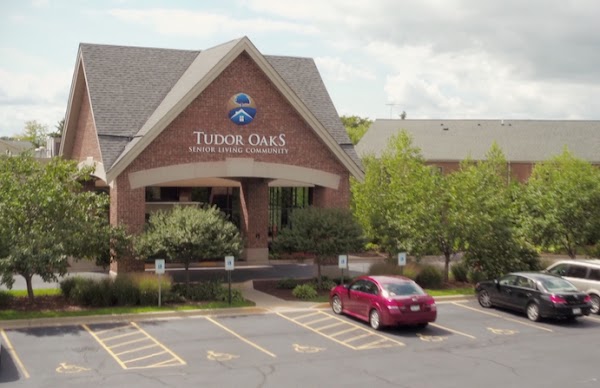
Apr 2025 1 deficiency 1 Harm
SERIOUS (G) 📢 Someone Reported This

A family member, employee, or ombudsman was alarmed enough to file a formal complaint

Actual Harm - a resident was hurt due to facility failures

Accident Prevention (Tag F0689)

A resident was harmed · This affected 1 resident

**NOTE- TERMS IN BRACKETS HAVE BEEN EDITED TO PROTECT CONFIDENTIALITY** 2.) R3 was admitted to the facility on [DATE] with a primary diagnosis of parkinsonism. R3's admission Minimum Data Set (MDS) a...

Read full inspector narrative →
**NOTE- TERMS IN BRACKETS HAVE BEEN EDITED TO PROTECT CONFIDENTIALITY** 2.) R3 was admitted to the facility on [DATE] with a primary diagnosis of parkinsonism. R3's admission Minimum Data Set (MDS) assessment completed 1/2025 documents that R3 has no cognitive impairment, upper extremity impairment on one side, wheelchair for mobility, does not walk and requires staff assistance with ADLs. R3's Care Area Assessment (CAA) for Falls documents under the Analysis of Findings section: The Fall CAA triggered related to recent fall at home with hospitalization. R3 requires maximum to moderate assist with most ADLs. There were falls reported at home prior to hospitalization and no falls in look back period. On 4/23/25 at 9:30 AM, Surveyor interviewed, and observed, R3 in R3's room. R3 was sitting in their wheelchair with their feet firmly on the ground. R3 had sneakers on their feet. R3 stated they had 2 falls in the facility. The first fall was from the wheelchair. R3 stated the staff told them a driver was here to transport them to an appointment. R3 thought the appointment was a video conference. R3 stated their foot got into the wheelchair wheel and they fell forward. R3 stated they had to get stitches on their head. R3 stated the second fall was from their bed. They remember something fell and they reached for it and kept going. R3 stated they did not have any injuries from the second fall. R3 has not had any falls since then. R3 stated these falls occurred just after their admission to the facility. R3 uses a wheelchair for mobility and requires staff assist with mobility. R3 does not propel self in wheelchair. R3 had a physical therapy evaluation completed on 1/20/25. This evaluation documents: - transfer with 2 staff and Sara Steady (sit-to-stand). - maximum assist with lower and upper dressing. - moderate staff assist with bed mobility. - is a fall risk. - spastic left upper extremity limiting functional ability. R3's progress notes on 2/4/25 at 2:55 PM, by Registered Nurse (RN)-C, document: RN-C was getting shift report and a Transport Driver arrived to pick up R3 for an appointment. They had Certified Nursing Assistant (CNAs) transfer R3 into their wheelchair. One CNA was pushing R3 in their wheelchair to their doorway. The second CNA had the wheelchair pedals in their hands to place on the wheelchair. Then the Transport Driver knocked on the Nurses Station window and told RN-C R3 had fallen. R3 was not sure what happened and just stated they went forward. R3 was bleeding from their forehead. After RN-C assessment, 911 was called, R3 was sent to the hospital. R3's emergency room (ER) record on 2/4/25 documents: R3 fell forward from their wheelchair and hit their forehead on the ground. R3 did not lose consciousness. R3 is on blood thinners. R3 received 4 sutures in their forehead and was discharged back to the facility. R3's Plan of Care (POC) for Falls, created on 1/23/25, with a target date of 4/25/25. Interventions include: -2/5/25 bed in low position with mat on floor next to bed. Clip call light to resident's blanket/gown. (This was added after the fall from the bed.) - 1/23/25 Fall prevention/reduction precautions per facility protocol. - 2/5/25 Foot pedals to be applied (at time of sitting in chair) to wheelchair for out of facility appointments. (This was added from the fall from wheelchair.) -1/23/25 call light in reach. - 1/23/25 Labs when ordered, report abnormal findings to Nurse Practitioner/ Medical Doctor/Physician Assistant. - 1/23/25 Reinforce need to call for assistance. - 1/23/25 Toileting per urinary/bowel section of the care plan. R3's Plan of Care (POC) for Mobility, created on 1/23/25, with a target date of 4/25/25, Interventions include: - 1/23/25 Staff assist of two to transfer resident using the Sara Steady. - 1/20/25 unable to walk. R3 uses a wheelchair for mobility and is wheeled by staff. The wheelchair pedals were not applied with mobility. On 4/23/25 at 12:45 PM, Surveyor interviewed CNA-E. CNA-E was present when R3 fell from their wheelchair. CNA-E was getting R3's wheelchair pedals. R3 was being wheeled out of their room by CNA-D. CNA-E wanted to put the wheelchair pedals on in the hallway. CNA-E did not see what caused R3 to fall forward. The CNA-E typically applies wheelchair pedals. R3 fell before they could apply them. On 4/23/25 at 12:53 PM, Surveyor interviewed CNA-D. CNA-D stated they were wheeling R3 out of their room. They wanted to apply the wheelchair pedals in the hallway. CNA-D stated R3 just fell forward. They thought R3 passed out or something. R3 is alert and oriented, and did not say anything. CNA-D does not know how R3 fell out of the wheelchair. CNA-D stated CNA-E was behind them with the wheelchair pedals. CNA-D stated it happened fast and they could not stop R3 from falling. On 4/23/25 at 2:25 PM, Surveyor interviewed RN-C. RN-C did not see what caused R3 to fall forward. R3 did not have foot pedals on the wheelchair and would assume their foot hit the wheel. RN-C stated R3 had no foot injury. R3 was alert the whole time. R3 fell in front of their room. RN-C assessed R3 for injury and vital signs, then sent them out 911 for head bleeding. On 4/24/25 at 2:00 PM, Surveyor shared R3 fall concerns with Nursing Home Administrator (NHA)-A, Executive Director (ED)-F, and Director of Nurses (DON)-B. No additional information was provided. Based on interview and record review, the facility did not ensure residents received adequate supervision to prevent accidents for 2 of 3 residents (R1 and R3) reviewed for falls. *R1 had four unwitnessed falls that were not thoroughly investigated to determine a root cause and develop interventions that addressed the cause to prevent future falls. R1 had a fifth unwitnessed fall that resulted in a displaced left femoral neck fracture. *R3 did not have wheelchair pedals on when moving in R3's wheelchair. R3 fell and received sutures on their forehead. Findings include: The facility's policy and procedure titled, Falls Management and Prevention last revised December 2024, documents: Purpose: Fall risk assessment, identification and implementation of appropriate interventions as necessary, to maintain resident safety, prevent falls and reduce further injury from falls . Policy: Residents are assessed for their risk of falling upon admission, significant change and quarterly thereafter. Residents with risk for falling will have interventions implemented through the resident centered care plan. When a resident experiences a fall, a licensed nurse assesses the resident's condition, provides care for, safety and comfort. Procedure . 3. Residents at risk for falls have an individualized resident centered care plan developed. Care plan interventions are based on the finding of the fall risk assessment. 4. Additional professionals may be contacted to provide assessment and/or interventions regarding fall risk and prevention, including but not limited to, attending physician/provider, pharmacist, physical therapist, occupational therapist, and speech therapist. 5. Residents are provided education, as appropriate, regarding her/his fall risk and interventions to reduce falls based on the fall risk assessment . Post Fall Procedure 1. When a resident falls the licensed nurse is notified. The nurse completes an assessment of the resident's condition including an interview, if possible, completion of vital signs and a body assessment . 5. The environment of the fall is evaluated for possible contributing factors and addressed. 6. The interdisciplinary team reviews the fall and care plan changes and may, if needed, implement additional interventions. 7. Additional professionals may be contacted to provide assessment and/or interventions regarding fall risk and prevention, including but not limited to, attending physician/provider, pharmacist, physical therapist, occupational therapist, and speech therapist. 8. Documentation of the above items is completed . 1.) R1 was admitted to the facility on [DATE] on hospice services with pertinent diagnoses that include Pulmonary Heart Disease and Chronic Diastolic Heart Failure. R1's admission Assessment Minimum Data Set (MDS) with an assessment reference date of 12/18/2024 documents a Brief Interview for Mental Status (BIMS) score of 15, indicating R1 is cognitively intact. R1 was assessed as being understood by others and able to understand others with clear comprehension. R1 was assessed as having adequate vision. The MDS documents R1 was assessed to have no behaviors exhibited during the look back period and the behavior section indicates neither hallucinations or delusions were present. R1's MDS indicates there is no impairment to R1's upper or lower extremities and R1 uses a walker or wheelchair for mobility. R1 is occasionally incontinent of bowel and bladder, and per the MDS no trial of a toileting program was attempted. R1's Fall Risk Assessment completed on 12/21/24 documented R1 is at risk of falls with a score of 12. R1's care plan for Bowel and Bladder: I am incontinent of Bowel and Bladder at times. I require assistance with toileting was initiated on 12/13/2024 with the following interventions: -Bowel and bladder evaluation with screening on admission and quarterly with treatment plan annually and PRN. Created on: 12/13/2024 -Bowel medications as ordered. Record BMs every shift as they occur. Monitor bowel record daily for constipation. Notify NP/PA/MD should a pattern of constipation occur. Created on: 12/13/2024 -Provide adequate nutrition and hydration. Provide water at the bedside, encourage Resident to drink to remain hydrated. Created on: 12/13/2024 -Staff assist to transfer on/off toilet per mobility section of this Care Plan. Created on: 12/13/2024 -Staff assist with peri cares and manipulating clothing as needed. Created on: 12/13/2024 -Staff assist with toileting tasks per resident request. Created on: 12/13/2024 Surveyor noted there is no toileting plan identified in the bowel and bladder care plan. R1's care plan for Mobility: I need assist with Ambulation, transfers, and bed mobility due weakness. I am at risk for a decline in ambulation d/t (due to) respiratory failure was initiated on 12/13/2024 with the following interventions: -Provide assistance with bed mobility as necessary. Created on: 12/13/2024 -Staff assist of one to provide assist for resident to transfer using a gait belt and walker Created on: 12/13/2024 -Staff to ensure call light is in resident's reach while in room and encourage to use it to make needs known. Created on: 12/13/2024 Surveyor was unable to locate documentation of Staff assist to transfer on/off toilet per mobility section of this Care Plan information in the mobility section of R1's care plan. R1's Falls care plan: I am at risk for falls due to declining mobility, chronic respiratory failure was created on 12/13/2024 and initiated on 12/19/2024 and has the following pertinent interventions: -Fall risk evaluation on admission, quarterly, and PRN. Post fall evaluation PRN. Created on: 12/19/2024 -Monitor for side effects of medication: *Cardiac medication as ordered. Monitor weekly vital signs and labs as ordered. *Psychotropic medications as ordered. BIMS evaluation, sleep log, and behavior monitoring per protocol. *Narcotic pain medication as ordered. Monitor for side effects such as dizziness, lethargy, increased confusion, decreased respirations, and report to NP/PA/MD. Created on: 12/19/2024 -PT to eval and treat per hospice orders and company. Created on: 01/20/2025 o RESOLVED: Toileting per urinary/bowel section of this care plan. Created on: 12/19/2024 R1's care plan for I require a Transfer Restorative Nursing Program due to weakness was initiated on 12/20/24 with the following interventions: -Refer to Therapy if needed. Created on: 12/20/2024 -RN to evaluate the Restorative Nursing Program periodically and make changes if indicated. Created on: 12/20/2024 -Staff report changes in resident participation to nursing staff. Created on: 12/20/2024 R1's care plan for I require an ambulation Restorative Nursing Program due to weakness was initiated on 01/17/2025 with the following interventions: -Refer to Therapy if needed. Created on: 01/17/2025 -RN to evaluate the Restorative Nursing Program periodically and make changes if indicated. Created on: 01/17/2025 -Staff report changes in resident participation to nursing staff. Created on: 01/17/2025 Surveyor noted restorative walking was the intervention that was added after R1's 1/5/25 fall but was not added to R1's care plan until 1/17/25. R1's care plan for I require an AROM Restorative Nursing Program due to weakness was initiated on 12/20/2024 with the following interventions: -Refer to Therapy if needed. Created on: 12/20/2024 -RN to evaluate the Restorative Nursing Program periodically and make changes if indicated. Created on: 12/20/2024 -Staff report changes in resident participation to nursing staff. Created on: 12/20/2024 Surveyor noted the post fall interventions for R1's toileting plan and call don't fall signs were not added to the care plan. The admission fall interventions of mat next to bed and bed in lowest position were not located in R1's care plan. Surveyor noted that the admission fall interventions of mat next to bed and bed in lowest position when resident is in it were on the Kardex which is used by Certified Nursing Assistants (CNA) to complete cares for residents. Surveyor noted that the interventions for sign posted call don't fall to remind resident to use call light for safety and toilet resident upon rising before and after meals at HS (bedtime) and prn. Toilet resident upon request were added to the Kardex only and not R1's care plan. Per an interview with the Nursing Home Administrator (NHA)-A on 4/23/25, at 12:16 PM, NHA-A had to reactivate R1's record to print the Kardex for Surveyor which changed all of the dates interventions were initiated to 4/23/25. R1's physician order dated 12/16/25 documents: Oxygen on at all times. Every shift. Surveyor noted no liter setting identified, or monitoring of resident oxygen saturation level included with order. R1's admission progress note written on 12/12/2024 documents: Resident is a new admit, from vitas hospice facility . primary diagnosis Pulmonary Heart Disease and Chronic Diastolic Heart Failure . Fall risk due to HX (history) of attempting to self transfer at night. Fall mat on floor and bed in lowest position. Resident is a 1 assist transfer with walker. Resident is on continuous O2 NC (oxygen nasal cannula) at 3L (liters), does take off at time and become Hypoxic with delusions of seeing a women named Katie. Resident is Regular diet, thin liquids allergy to lactose. Resident is on Vitas Hospice . resident is continent of bowel and bladder and noted as a fall risk with intervention of fall mat. Surveyor noted R1 was a known fall risk at admission with the interventions of fall mat and bed in low position in place on Kardex, but not in R1's care plan. Surveyor reviewed R1's fall packet for the fall that occurred on 12/21/24 at 3:00 AM. This was an unwitnessed fall in which R1 was noted as attempting to self toilet and was found on the floor next to the bed which was in lowest position with fall mat next to it, call light noted as in reach. Per the report R1 was last toileted at 2:30 AM. An intervention for a toileting plan upon rising, before and after meals, at bedtime, and as needed was initiated on the Kardex, but not to R1's care plan. R1's progress note written on 12/21/2024, at 04:15 AM, documents:: Patient was found in the floor. 'Patient stated was trying to get to the bathroom and fell. Patient states not hitting her head and forgot to press the call light' . Bed was at lowest position floor mat next to bed, call light within reach. R1's interdisciplinary progress note written 12/23/2024, at 10:18 AM, documents:: IDT (interdisciplinary team) team met to review the fall. Intervention put in place to set up toilet plan. Offer toileting upon arising before and after meals before bed PRN and per resident request. Surveyor noted this fall occurred in the early morning, not when the resident was rising for the day. Surveyor noted the toileting plan was added to R1's Kardex but not R1's care plan. Surveyor reviewed R1's fall packet for the fall that occurred on 1/5/25 at 5:15 PM. It was documented that R1 was last seen at 5:10 PM in bed. The CNA reported R1 stated that she got up to move a plant and tripped over her own feet. Then got up, put on call light and laid in bed. An intervention to start restorative walking was initiated. R1's progress note written on 1/5/2025 at 5:56 PM, documents: Resident in bed CNA reports she has a large egg sized swelling of a hematoma to left forehead resident states she fell and got herself back in bed after attempting to move a plant to her dresser. She did not use her walker or use her call light until after the fall. Also she has a skin tear slightly larger than a pea to her left forearm with a hematoma approx (approximately) 1.5 inch in diameter . Hospice notified and they will send out a nurse for further eval (evaluation) . Hospice documented a Focus Visit on 1/5/25 at 9:25 PM, Resident had a fall with a golf ball sized hematoma to the left forehead above the eye with bruising surrounding. Patient rated pain/discomfort at 6/10 and stated that she had 2 more hours before she could have pain medication. MD (medical doctor) was called and gave new pain medication orders. Neuro (neurological) check was negative. ROM (range of motion) per resident baseline. Patient stated that she wanted to move her plants. The hospice Interdisciplinary Plan of Care Revision/Physician Order dated 1/5/25, documents: a change in the morphine order and ice packs to hematoma TID (three times per day) x 2 days for 20 minutes. Surveyor noted the IDT team met on 1/15/25 and determined the intervention of restorative walking was to be added. Surveyor reviewed R1's fall packet for the fall that occurred 1/6/25 at 4:05 AM. It was documented that R1 had an unwitnessed fall while attempting to self toilet. R1 was found on the floor next to R1's bed and fall mat. The CNA documented that the walker was in bathroom doorway and so was O2 (oxygen) cord. It was documented that the last time R1 was toileted was 3:00 AM. The intervention added was call don't fall sign to remind resident for safety. R1's progress note written on 1/6/2025 at 05:00 AM, documents: Staff heard resident calling out 'help.' She was found on the floor in the middle of her room lying slightly on her right side. Her walker and her nasal cannula were both in the bathroom. BP (blood pressure) was 139/63 and heart rate was 123. Spoke with Hospice Nurse and she is aware of VSS (vital signs stable). She stated resident does have a history of orthostatic hypotension and also A.fib (atrial fibrillation). They will send out a Hospice nurse sometime today. Resident denies pain/discomfort. Soft touch call light within reach right by her hand. She was instructed to use it. The interdisciplinary note written on 1/8/2025, at 11:53 AM, documents: The IDT meet to review fall. intervention will post signs call don't fall to remind resident to use call light for safety. Surveyor reviewed R1's fall packet for the fall that occurred on 1/15/25 at 6:45 AM. It was documented that R1 had an unwitnessed fall while attempting to self toilet. R1 was found in the bathroom on the floor. It was documented that R1 was last toileted 2 hours before and last seen 5-10 minutes prior. An intervention to ask hospice physical therapy to work with resident was initiated. R1's progress note written on 1/15/2025 at 07:41 AM, documents: Resident was found sitting on her bathroom floor leaning up against the wall. Her oxygen was on and in place. She stated 'I had to go to the bathroom but I don't know what happened.' Denied hitting her head. Old bruising and old hematoma noted to her L (left) temple and cheek from a previous fall in the recent past. She was incontinent of urine. BP was 99/59 and resident has a hx of Orthostatic Hypotension. She was hoyered back to the bed with assist of 2 . Hospice will be coming in to assess the resident. Hospice documented a Focus Visit on 1/15/25 at 5:45 PM; the Interventions Performed section documents: Patient had a scheduled visit for a follow up fall. Patient denied any pain/discomfort. No new onset of bruising/bleeding noted, VSS and WNL (within normal limits). Patient alert and oriented. ROM (range of motion) per patient baseline. The interdisciplinary note written on 1/15/2025 at 10:58 AM documents: IDT team met to review fall resident is in hospice but still feels like she can get up and wants to maintain as much as her functional status as she can. Resident has states use it or lose it despite education provided to resident to ask for assistance. Intervention: set resident up to work with restorative CNA to help with ambulation. R1's interdisciplinary note written on 1/16/2025 at 08:10 AM, documents: IDT met to review fall. Resident very much thinks she can do more then she can. Call placed to Hospice to get order for PT (physical therapy) eval for safety. Hospice got order and will send out their PT to work with resident. R1's progress note written on 1/17/2025, at 08:37 AM, documents: Hospice called . in regard to resident falling and her last fall on 1/15/2025. The IDT team would like to know about PT eval for safety since resident continues to want to be up and active as much as possible and she has had a few falls. Awaiting a return call from hospice. Surveyor noted that discrepancy of 1/16/25 IDT note reading hospice got order and will send out their PT and the 1/17/25 progress note that facility was awaiting a return call from hospice regarding PT. R1's Hospice documentation Nursing-Updated Comprehensive Assessment, dated 1/17/25, documents: in the Prevent falls section to assess environment, provide frequent checks, anticipate patients needs. Surveyor was unable to locate documentation of hospice providing physical therapy intervention. Surveyor reviewed R1's fall packet for the fall that occurred on 1/21/25 at 7:34 AM. It was an unwitnessed fall. It was documented that R1 states was sitting on edge of bed and slid down. It was documented that R1 was wearing socks, no floor mat was down, the bed was in lowest position. For the question last time resident toilet n/a (not applicable) was the answer. R1's progress note written by LPN-G on 1/21/2025 at 08:43 AM, documents: Resident is on the board for an UWF (unwitnessed fall) this AM shift at 0730. Writer was headed to another room and noticed room [ROOM NUMBER] call light was on. Writer knocked on the door to room [ROOM NUMBER] and resident was sitting on the floor next to bed. Bed was in the lowest position. Floor mat was not in place. Resident was dressed, but no shoes on. Resident had c/o (complaints of) pain to left leg. Left leg appears to be rotated out and shorter than right leg. PRN pain medication given. Writer checked ROM and started neuro checks. Writer called for assistance and CNA helped writer mechanical lift resident back into bed. Resident stated that she slid off the side of her bed onto the floor. X-Ray ordered (#46320150) . R1 was found on the floor by an LPN. The LPN and CNA used a hoyer to get R1 back into bed. A Registered Nurse (RN) did not assess R1 until after the transfer back to bed. R1's progress note written on 1/21/2025 at 11:11 AM, documents: Called trident care for an ETA (estimated time of arrival), ETA is about 11:40 AM. Called POA . Son does not wish for resident to be sent to the ER(emergency room). Would like to wait for in house X-Ray. Son does not want any surgical intervention just pain management at facility. Called and spoke with . Vitas hospice regarding the above . Hospice stated will be in for a visit shortly. Hospice documented a Focus Visit on 1/21/25 at 12:00 PM, The Interventions Performed section reads writer received call from DON stating patient had sustained a fall with possible hip fracture. DON stated mobile x ray was contacted and awaiting arrival. Writer called family to update and family instructed patient should not go to hospital . instead pain should be managed at facility. Doctor put in orders to increase morphine and add Ativan and senna. Writer went to facility to assess patient's pain level and discovered patient rated pain 20/10 when she is turned. Writer informed doctor and he suggested foley placement . R1's progress note written on 1/21/2025 at 1:20 PM, documents: X-Ray results are fracture of the LEFT femoral neck with displacement of the distal fragment. Femoral head appropriately positioned. Joint space narrowing. Mild soft tissue swelling. ROM intact. Conclusion is Acute, displaced left femoral neck fracture as noted. Hospice updated on X-Ray results. Surveyor noted in just over a month R1 had five falls at the facility. Three were recorded as self transfers to use the bathroom. The post fall statements do not document whether R1 was wearing oxygen at the time of falls, one documents: oxygen line was in bathroom, not on R1. At the time of the last fall, the intervention of floor mat was noted to not be in place resulting in R1 sustaining a displaced left femoral neck fracture. Hospice documented a Psychosocial/Spiritual Updated Comprehensive Assessment on 1/21/25, which reads in part she was participating in facility activities before her recent fall and going out to dining room for meals. The Response to Care section reads bedrest after a fall, sustained left hip fracture. The hospice social worker (SW) added to the comment section, patient sustained a left hip fracture after falling from the bed today. SW met with patient, her son and daughter in law (DIL). Provided emotional support. DIL advised that this was patients 4th fall at this facility. Patient used to fall at home as well despite having a caregiver. Patient was waking up at night to use bathroom without asking for help. R1's progress note written on 1/23/2025 at 09:30 AM, documents: Resident was found pulseless around 0920. Hospice called to notify. Hospice nurse in at this time. R1's interdisciplinary note written on 1/27/2025 at 8:44 PM, documents: IDT met to review fall from 1/21/25 . Documentation was reviewed . Patient was receiving hospice services and POA chose to have no surgical intervention, no hospitalization, comfort measures only. Care plan included morphine for pain management, foley catheter for bladder management, and air mattress replacement for pressure reduction. Surveyor reviewed R1's Medication Administration Record (MAR) and it was documented that the first PRN morphine was administered to resident at 8:14 AM, on 1/21/25, after the fall. None had been administered prior to the fall. On 4/23/25 at 10:56 AM, Surveyor interviewed LPN-G who responded when R1 was found on the floor after R1's fifth fall at the facility. Per LPN-G, the girls came to get LPN-G who called hospice and asked what to do as resident was in a lot of pain. LPN-G got orders from hospice for an Xray. R1's bed was made, R1 was dressed, and laying on the floor. Surveyor asked if a Registered Nurse (RN) assessed R1 and was told guessing somebody from management came in there. Surveyor asked about R1 prior to the fall and was told R1 was active, when R1 would self transfer staff would remind R1 to call for help, up until the last fall R1 could walk with a walker and assist of 1. On 4/23/25 at 10:58 AM, Surveyor interviewed CNA-I who saw R1 on the floor. CNA-I came in at 7 AM that day for work, R1's room door was slightly open, R1 was not up when CNA-I came in. CNA-I went to resident across the hall first because that call light was on. When CNA-I stepped back out in hall, while resident was in bathroom, CNA-I saw the nurse in with R1 who was on the floor. LPN-G was the only nurse to assess R1 before they got R1 off the floor and in bed using a Hoyer lift. Hospice came in and put a catheter in because using the bed pan hurt R1 so much. Staff gave R1 medication for the pain. On 4/23/25 at 11:02 AM, Surveyor interviewed CNA-H who helped Hoyer lift R1 back to bed. It was just CNA-H and LPN-G with R1 until the DON came. There was no fall mat on the floor. On 4/23/25 at 12:38, Surveyor interviewed DON-B who stated they were walking by when staff were getting resident into bed and went in. DON-B assessed resident. Not sure if fall mat was on the floor. Prior to the fall, resident was an assist of one with a walker. After the fall, resident had orders to stay in bed. On 4/23/25 at 1:53 PM, Surveyor interviewed Hospice Manager-J and confirmed R1's admission to hospice was for pulmonary heart disease. Hospice was notified of R1's previous falls and the nurse tried to do education with R1 not to self transfer. Hospice Team Manager-J shared that R1's quality of life changed after the fall. Before that, R1 was an assist of 1, then declined fast after the fall. Hospice Manager-J stated there is a correlation there that the fall expedited R1's death. On 4/23/25 at 2:52 PM, Surveyor interviewed Medical Doctor (MD)-K who stated that R1 had heart and respiratory issues. The last note MD-K had on R1 was dated 1/16/25 and at that time there had not been any changes in R1's condition. R1 had multiple issues, the fall could have accelerated R1's passing of course. Could R1 have lasted longer without the fall, it's possible, but can't say it was the cause of death. Pain control would have been MD-K's recommendation, no surgery at R1's age. On 4/24/25 at 9:32 AM, Surveyor interviewed NHA-A who is part of the interdisciplinary team and decision making for interventions after a fall. After the first fall, R1 stated that R1 still feels can get up and wants to use it so doesn't lose it. As falls progressed, facility felt R1 was so functional that they wanted restorative to help with ambulation and staff to walk with R1 to keep skills up. Surveyor asked why the signs to remind to call when R1 fell at 4 AM. Per NHA-A, R1 had toileted self and was on the way back to bed when fell. After they put R1 in bed they reminded R1 to use the call light and put it by R1's head. They then put the signs up as reminder to call for help. Per NHA-A since R1 was a hospice patient they asked hospice about therapy involvement because R1 is going to try to keep doing this. On 4/24/25 at 12:03 PM, Surveyor interviewed NHA-A regarding why some interventions were on the Kardex but not the care plan. Per NHA-A, nurses were used to putting interventions in the task list with old computer system. In Point Click Care, the new system, it's done differently. They did education with nurses back in July or August. Surveyor notes the training was months before R1 admitted to facility and nurses still weren't doing care plan correctly. On 4/24/25 at 1:20 PM, Surveyor interviewed NHA-A about R1 being monitored for delusions due to hypoxia per the admission progress note and was told that they were not monitoring R1, they had no reason to believe there was an issue. There is no documentation that supports the admission progress no[TRUNCATED]
Jun 2024 1 deficiency
CONCERN (D) 📢 Someone Reported This

A family member, employee, or ombudsman was alarmed enough to file a formal complaint

Potential for Harm - no one hurt, but risky conditions existed

Accident Prevention (Tag F0689)

Could have caused harm · This affected 1 resident

Based on observation, interview, and record review, the facility failed to ensure a licensed practical nurse (LPN) classified an incident in which a resident was found on the floor beside their bed as...

Read full inspector narrative →
Based on observation, interview, and record review, the facility failed to ensure a licensed practical nurse (LPN) classified an incident in which a resident was found on the floor beside their bed as a fall for 1 (R1) of 4 sampled residents reviewed for accidents. As a result, the LPN did not implement all post-fall protocols in accordance with facility policies and practices, including the completion of a post-fall evaluation, a post-fall fall risk evaluation, immediate initiation of a fall investigation, communication of a fall to the oncoming shift, and listing the fall on the facility's fall tracking log. In addition, the facility failed to ensure certified nursing assistants (CNAs) transferred a resident using a Hoyer lift (a type of full-body mechanical lift) per the resident's assessment and plan of care for 1 (R2) of 4 sampled residents reviewed for accidents. Findings included: An undated facility policy titled, Falls Management and Prevention, revealed, Purpose: Fall risk assessment, identification and implementation of appropriate interventions as necessary, to maintain resident safety, prevent falls and reduce further injury from falls. The section of the policy titled, Post Fall Procedure indicated, 12. The interdisciplinary team reviews the fall and care plan changes and may, if needed, implement additional interventions. 13. Additional professionals may be contacted to provide assessment and/or interventions regarding fall risk and prevention, including but not limited to, attending physician/provider, pharmacist, physical therapist, occupational therapist, and speech therapist. 14. Documentation of the above items is completed. The policy defined a fall as an unintentional change in position coming to rest on the ground or onto the next lower surface (e.g. [exempli gratia, for example] onto a bed, chair or bedside mat). The fall may be witnessed, reported by the resident or an observer or identified when a resident is found on the floor or ground. An undated facility document titled, HELP I'VE [I have] FALLEN .NOW WHAT?? revealed, as you walk by a room, you glance and see a resident on the floor next to their bed, in the bathroom, dining room, etc. [et cetera, other similar items] What do you do now?? DON'T PANIC! Just follow these simple steps. This document indicated nurses should, -Complete a progress note, risk management assessment, fall risk assessment, and place the resident on the 24 hour report [a report used to communicate information from shift to shift]. The document indicated nurses should also, Obtain statements from all staff on duty and attach them to the fall report and place them under the DON [Director of Nursing] door. A facility policy titled, Accident / Incident Occurrence- Fall Response, dated 09/26/2018, revealed, The purpose of this procedure is to provide guidelines for assessing a resident after an accident/incident occurrence and to provide guidance in investigating the root cause(s) of the accident/incident. The policy indicated, 2. Investigate Fall Circumstances a. After evaluating and treating the resident, the licensed nurse will initiate an investigation at the time of the fall, evaluating chains of events or circumstances preceding a fall to identify possible or likely causes of the incident. 1) The licensed nurse should talk with the nursing assistant who was assigned to the resident at the time of the fall 2) The staff person that discovered or witnessed the fall should draw the fall scene using stick figures. 3)They should brainstorm together to determine likely causes 4) Re-enacting the incident may be necessary to evaluate the situation more thoroughly. It is critical that the investigation occurs immediately so that valuable clues are not missed. The policy further indicated, 3. Record Circumstances, Resident Outcomes and Staff Response a. The licensed nurse will initiate the Risk Management (SNF [skilled nursing facility]), Incidents (AL) process. b. A progress note should be written by the licensed nurse/s describing the accident/incident in its entirety. The policy specified, d. The incident/accident is added to the monthly incident log for further review by the Falls Management Program team and for QAPI (Quality Assurance and Performance Improvement) analysis/statistics. 1.) R1's admission Record revealed the facility admitted the resident on 12/04/2023. According to the admission Record, the resident had a medical history that included diagnoses of unspecified dementia, personal history of pathological fracture, orthostatic hypertension, repeated falls, dizziness and giddiness, vertigo, age-related osteoporosis, and other specified disorders of bone density and structure. A quarterly Minimum Data Set (MDS), with an Assessment Reference Date (ARD) of 03/08/2024, revealed R1 had a Brief Interview for Mental Status (BIMS) score of 13, which indicated the resident had intact cognition. According to the MDS, the resident had no functional impairment in range of motion, used a walker and a wheelchair for mobility, and transferred from one surface to another with supervision or touch assistance. Per the MDS, the resident had sustained one fall without injury since their prior assessment. R1's Care Plan included a focus area, initiated on 12/13/2023, that indicated the resident was at risk of for falls related to dementia, orthostatic hypotension (low blood pressure upon standing), and a history of falls. An intervention dated 12/13/2023 directed staff to follow the facility's fall protocol. An undated facility document titled, Investigation Summary for [R1], signed by the Director of Social Services (DSS), revealed on 05/08/2024, R1 had complaints of pulled muscle pain in their groin area. Per the document, on 05/09/2024, the DSS began collecting statements from staff who worked with the resident, and CNA E reported they found R1 on the floor on 05/07/2024 around 7:20/7:30 PM. The document also indicated that the resident's assigned CNA on the evening of 05/07/2024 was CNA K. According to the summary, CNA K reported she had assisted the resident to bed sometime around 7:00 PM and had not witnessed a fall or assisted in getting the resident off the floor. CNA K reported she was informed of the fall by LPN D, who indicated she was completing the fall incident report. However, the document further indicated that LPN D denied knowledge of a fall in her initial statement and during subsequent follow-ups. The document indicated, It was determined that [LPN D] did not follow the standard of care management protocol when a resident has a fall. A May 2024 Tudor Oaks Falls Tracking log did not reflect a fall involving R1 on 05/07/2024, when the resident was found on the floor by staff. R1's Progress Notes revealed a Health Status Note, documented by LPN D on 05/07/2024 at 10:16 PM, that indicated LPN D observed the resident climbing into [his/her] bed, and the resident reported they went to the bathroom and were getting back into bed but thought they may have pulled a muscle in their left inguinal region. While the note reflected the resident was assessed and the resident's bed was low to the floor, a fall mat was in place beside the bed, and the resident's call light was within reach, LPN D's documentation did not specify the resident was found on the floor or sustained an unwitnessed fall. Continued review of R1's Progress Notes revealed no evidence LPN D immediately initiated a fall investigation or began gathering statements from staff, as directed by the facility policy. There was also no indication a post-fall evaluation tool, post-fall fall risk assessment, and risk management assessment were completed related to R1 being found on the floor by staff on 05/07/2024. An email from CNA E to the DSS, sent on 05/13/2024, revealed CNA E provided a typed accounting of her knowledge regarding the incident involving R1 on 05/07/2024. Per the email, CNA E reported R1 was not technically on her assignment list for the day but she did help the resident to the bathroom a few times during the shift. CNA E indicated that later in the evening, after the resident had already been put to bed, she heard the resident screaming for help, and the resident told her they had fallen. CNA E said she saw the resident on the floor near their bed, and the resident told her they fell approaching their bed after toileting themselves independently. CNA E indicated LPN D, and other staff arrived to the room shortly after, and R1 denied pain multiple times. The email further indicated CNA E reported it seemed as though the other staff involved did not feel the need to consider the incident a fall, because the resident had been experiencing multiple falls. CNA E indicated she did not feel she was responsible for saying anything about that because LPN D was also present and as a nurse, knew more about the procedures for falls. During a telephone interview on 06/04/2024 at 10:45 AM, CNA E confirmed she found R1 on the floor sitting by their bed on 05/07/2024. CNA E indicated staff notified LPN D the resident was on the floor again. An Investigation Statement of Staff from LPN D, dated 05/08/2024, revealed LPN D reported she observed R1 climbing around in bed on 05/07/2024, and the resident said they thought they may have pulled a muscle in their left groin. Per the statement, LPN D assessed the resident with no injuries noted and notified the physician and the resident's family. During a telephone interview on 06/03/2024 at 7:12 PM, LPN D stated she remembered R1. LPN D indicated R1 had just moved to the long-term care unit from the rehabilitation unit. LPN D said R1 climbed in and out of bed and got up and down all night long, and the aides had to assist the resident numerous times because the resident was out of bed. LPN D said R1 did not have a fall on 05/07/2024, to her knowledge, but then stated the resident was on the floor on a fall mat. LPN D again stated she did not think the resident fell, but confirmed she knew the resident was on the fall mat. LPN D said no one told her the resident fell, only that the resident was on the floor. During a telephone interview on 06/03/2024 at 6:36 PM, LPN P stated she was not working on 05/07/2024 but worked on the morning of 05/08/2024. LPN P said when she came onto her shift, LPN D did not report that R1 had sustained a fall. During an interview on 06/05/2024 at 11:10 AM, the Administrator (NHA) stated if a resident had a fall, she expected staff to report the fall to her or the Director of Nursing (DON). The Administrator said when a resident was found on the ground, she expected whoever found them to notify the nurse, and the nurse then obtained statements from any staff with knowledge of the incident. The Administrator said the nurse was responsible for starting the investigation, so they could attempt to determine what caused the fall and implement interventions to prevent further incidents. The Administrator said they should also complete a post-fall evaluation, a risk management assessment, and a new fall risk evaluation. During an interview on 06/05/2024 at 11:37 AM, the DON stated she expected the nurse to immediately begin an investigation if a resident fell. The DON said the nurse should also complete the required assessments, including a post-fall evaluation, a skin check, and a fall risk assessment. The DON said if a resident was found on the floor, it was considered a fall and indicated LPN D knew the definition of a fall. 2. A facility policy titled, Lifting Machine, Using a Mechanical, revised in 07/2017, revealed, The purpose of this procedure is to establish the general principles of safe lifting using a mechanical lifting device. It is not a substitute for manufacture's training or instruction. General Guidelines 1. At least two (2) nursing assistants are needed to safely move a resident with a mechanical lift. 2. Mechanical lifts may be used for tasks that require: a. Lifting a resident from the floor; b. Transferring a resident from bed to chair; c. Lateral transfers; d. Lifting limbs; e. Toileting or bathing: or f. Repositioning. The policy indicated, Steps in the Procedure 1. Before using a lifting device, assess the resident's current condition including: a. Physical:(1) Can the resident assist with transfer? (2) Is the resident's weight and medical condition appropriate for the use of a lift? b. Cognitive/Emotional: (1) Can the resident understand and follow instructions? The policy directed staff to, Document the following in the medical record: 1. The reason for the transfer. 2. The type of lift used. 3. Equipment size and condition. 4. The names and titles of staff assisting. 5. The resident's physical and mental condition before and after the procedure. 6. How the resident tolerated the procedure. R2's admission Record revealed the facility admitted on the resident on 04/19/2024. According to the admission Record, the resident had a medical history that included diagnoses of a displaced fracture of the lateral malleolus of right fibula, unspecified fall, muscle weakness, difficulty in walking, unsteadiness on feet, reduced mobility, need for assistance with personal care, hemiplegia and hemiparesis, morbid obesity, and vascular dementia. An admission Minimum Data Set (MDS), with an Assessment Reference Date (ARD) of 04/23/2024, revealed R2 had a Brief Interview for Mental Status (BIMS) score of 10, which indicated the resident had moderately impaired cognition. According to the MDS, the resident had a functional limitation in range of motion on both sides of their upper and lower extremities and was dependent on staff for transfers. R2's Assistive Device Evaluation, effective 04/19/2024, revealed the resident could not transfer independently. The evaluation specified the resident was to use a walker with therapy's assistance but was to be transferred using a Hoyer lift by staff on the unit and indicated if the device was not used, the resident would be at risk for falls. R2's care plan included a focus area, initiated on 04/30/2024, that indicated the resident was at risk for falls related to deconditioning and a recent fall while at home. Another focus area, initiated on 04/30/2024, indicated the resident had an activities of daily living (DL) self-care performance deficit related to hemiplegia. The goal included demonstrating appropriate use of adaptive devices to increase the resident's abilities. An intervention dated 04/30/2024 indicated the resident would be evaluated and treated by physical therapy (PT) and occupational therapy (OT) per physician's orders; however, the care plan did not specify how staff should assist the resident with transfers. A Physical Therapy Plan of Care, signed by a physical therapist on 04/21/2024, revealed R2 was unsafe with a walker and various models of sit-to stand mechanical lifts, including an EZ stand lift, and the resident required a Hoyer lift at this time. R2's PT/OT/ST [speech therapy] Recommendations to Caregivers, dated 04/21/2024, revealed PT directed staff to utilize two staff members with a Hoyer lift when transferring R2. An undated facility document titled, CNA ASSIGNMENT [sic] #5, also reflected R2 required two staff and the use of a Hoyer lift for transfers. An Alleged Nursing Home Resident Mistreatment, Neglect and Abuse Report, dated 04/26/2024, revealed R2's assigned CNA prepared the resident for a transfer from their wheelchair back to bed using an EZ stand (a type of sit-to-stand mechanical lift). Per the report, during the transfer, the resident had difficulty holding onto the handles of the lift, slid down in the mechanical lift, and ended up sitting on the edge of their mattress. Per the report, the resident did not sustain any injuries, but a post-incident review discovered the resident was supposed to be transferred using a Hoyer lift. During a telephone interview on 06/03/2024 at 10:07 AM, CNA J stated that on 04/26/2024 she and CNA I transferred R2 with a sit-to-stand mechanical lift. CNA J said that during the transfer, the resident started sliding and let go. According to CNA J, the sit-to-stand mechanical lift was approved by therapy, but when asked what R2's care plan reflected for transfer requirements, CNA J said she thought it said Hoyer lift. CNA J said on the day of the incident, she was shown a binder that reflected each resident's transfer requirements. During an interview on 06/03/2024 at 2:14 PM, CNA I stated she remembered the incident involving R2. CNA I said CNA J asked her to assist with transferring R2, and when CNA I asked CNA J what the resident's transfer status was, CNA J said the resident used a sit-to-stand mechanical lift. CNA I indicated she did not know much about the resident, because she had not been assigned to care for them before. CNA I said they used the sit-to stand mechanical lift to transfer R2 from their wheelchair to the bed, but during the transfer, the resident started slipping, and a family member who was also present, held the resident up by their pants to keep them from falling to the floor, while the CNAs maneuvered the resident up onto the bed with the lift. During an interview on 06/03/2024 at 12:10 PM, the Director of Nursing (DON) stated R2 required a Hoyer lift for transfers and had not been assessed to use a sit-to-stand mechanical lift at the time of the incident. During a telephone interview on 06/03/2024 at 6:36 PM, LPN P stated on the day of the incident, the CNAs reported they used a sit-to-stand lift; however, LPN P said she did not think the resident was supposed to be transferred with that type of lift. LPN P said R2 required the use of a Hoyer lift instead. During a telephone interview on 06/04/2024 at 1:03 PM, LPN O stated he remembered the incident involving R2. LPN O said he believed it was a misunderstanding between the CNAs on how the resident was supposed to be transferred. LPN O said the resident was supposed to be transferred using a Hoyer lift, but the CNAs used an EZ Stand lift instead. During an interview on 06/05/2024 at 9:50 AM, the Certified Occupational Therapy Assistant/Rehab Manager (COTA/RM) stated she remembered R2. The COTA/RM said that when R2 first came to the facility, they were very weak and required a Hoyer lift for transfers. She said she was the only PT staff involved when staff transferred R2 using the wrong lift. The COTA/RM said on the day of the incident, staff got her, and when she entered the resident's room, the resident was connected to the EZ Stand lift, and appeared to be sliding down, with their buttocks half-way on the bed. The COTA/RM said that after they got the resident situated in the bed, she notified the Administrator the CNAs used the wrong lift, so that the Administrator could address it with the staff. During an interview on 06/05/2024 at 11:10 AM, the Administrator stated she expected staff to follow the care plan and expected a resident's assigned CNA to know how to care for the resident. During an interview on 06/05/2024 at 11:37 AM, the DON stated CNAs should know their residents before they transferred them. The DON further stated CNAs could always check and verify the appropriate mode of transfer if there was a question.
Jan 2024 1 deficiency
CONCERN (D) 📢 Someone Reported This

A family member, employee, or ombudsman was alarmed enough to file a formal complaint

Potential for Harm - no one hurt, but risky conditions existed

Accident Prevention (Tag F0689)

Could have caused harm · This affected 1 resident

**NOTE- TERMS IN BRACKETS HAVE BEEN EDITED TO PROTECT CONFIDENTIALITY** Based on interviews, record review, and facility policy review, the facility failed to ensure staff provided two-person assistan...

Read full inspector narrative →
**NOTE- TERMS IN BRACKETS HAVE BEEN EDITED TO PROTECT CONFIDENTIALITY** Based on interviews, record review, and facility policy review, the facility failed to ensure staff provided two-person assistance when 1 (R1) of 3 sampled residents reviewed for falls. R1 was assessed to require extensive assistance of two persons with toilet use and bed mobility. On 10/07/23, Certified Nursing Assistant (CNA) J provided incontinence care to R1 alone. CNA J left R1 unattended lying on his side in bed. R1 rolled off the bed onto the floor, and sustained a laceration an hematoma to the left forehead. Findings included: A review of the facility policy titled, Falls and Fall Risk, Managing, revised in March 2018, revealed, Based on previous evaluations and current data, the staff will identify interventions related to the resident's specific risks and causes to try to prevent the resident from falling and to try to minimize complications from falling. A review of the facility policy titled, Fall Risk Assessment, revised in March 2018, revealed, The nursing staff, in conjunction with the attending physician, consultant pharmacist, therapy staff, and others, will seek to identify and document risk factors for falls and establish a resident-centered falls prevention plan based on relevant assessment information. R1 was admitted on [DATE] with diagnoses that included Alzheimer's disease, epilepsy, repeated falls, and weakness. A review of R1's quarterly Minimum Data Set (MDS), with an Assessment Reference Date (ARD) of 09/07/23, revealed the Staff Assessment for Mental Status (SAMS) score revealed the resident was severely impaired in cognitive skills for daily decision making with long and short-term memory problems. Per the MDS, R1 required extensive assistance of two plus persons for bed mobility, transfers and toilet use and was always incontinent of bowel and bladder. A review of R1's care plan initiated on 07/01/22, revealed the resident had a self-care deficit for feeing, bathing, hygiene, grooming, and toileting related to a decline in functional status secondary to falls. Interventions directed the staff to provide two-person assistance with toileting. A review of R1's fall report, dated 10/07/2023 at 1:15 PM, revealed LPN L (Licensed Practical Nurse was approached by a CNA who stated the resident rolled out bed. The fall report revealed the resident was noted lying on the floor on the left side of their bed. Per the fall report, the resident had a laceration to the left forehead with a moderate amount of bleeding. The fall report revealed a hematoma formed and the laceration measured 3.2 centimeters (cm) by (x) 1.0 cm x 0.3 cm. A review of CNA J's Fall Statement, dated 10/07/23, revealed on 10/07/23 around 1:15 PM, CNA J checked R1's incontinence brief and left the resident on lying on their right hip facing the wall, While CNA J left the resident to get an incontinence brief, the CNA heard a thump and noted the resident on the floor. A review of LPN L's Fall Statement, dated 10/07/2023, revealed on 10/07/2023 at 1:15 PM, CNA J informed the LPN that as he changed R1's incontinence brief, he left the resident to go into the bathroom to get supplies and while in the bathroom, he heard a thump. Per the Fall Statement, when CNA J exited the bathroom, he observed R1 on the floor. A review of R1's Progress Notes, dated 10/07/2023 at 3:53 PM, revealed the resident had an unwitnessed fall in their room on 10/07/2023 at 1:15 PM. Per the Progress Note, Resident rolled out of the bed. Reason for the fall was evident. CNA reports he was providing incontinent cares and went into the bathroom to gather supplies and then heard a thump. When he went back into the room resident was laying on [his/her] left side on the floor next to [his/her] bed. Did an injury occur as a result of the fall: Yes. Resident noted with laceration to the left forehead measuring 3.2cm x 1cm x 0.3 cm. Hematoma forming to left forehead as well. During an interview on 01/10/2024 at 11:42 AM, CNA J acknowledged that he cared for R1. CNA J stated at the time of the resident's fall, he left the resident lying on their right side to go the bathroom to get an incontinence brief for the resident. CNA J stated when he returned from the bathroom, the resident had rolled onto the floor. During an interview on 01/10/2024 at 2:44 PM, ED C (Executive Director) stated R1 fell out of the bed and sustained a facial injury. ED C stated after a fall, an investigation would be completed based on root cause analysis with appropriate interventions put in place to prevent further falls.
Sept 2023 3 deficiencies
CONCERN (D) 📢 Someone Reported This

A family member, employee, or ombudsman was alarmed enough to file a formal complaint

Potential for Harm - no one hurt, but risky conditions existed

Report Alleged Abuse (Tag F0609)

Could have caused harm · This affected 1 resident

**NOTE- TERMS IN BRACKETS HAVE BEEN EDITED TO PROTECT CONFIDENTIALITY** Based on interview and record review, the facility did not ensure that all alleged violations involving abuse, neglect, exploita...

Read full inspector narrative →
**NOTE- TERMS IN BRACKETS HAVE BEEN EDITED TO PROTECT CONFIDENTIALITY** Based on interview and record review, the facility did not ensure that all alleged violations involving abuse, neglect, exploitation, including misappropriation of resident property, were reported immediately, but not later than 24 hours to the administrator of the facility and to other officials (including to the State Survey Agency) for 1 (R2) of 2 sampled residents. R2's caregiver reported a missing cell phone and cell phone charger to facility staff on 04/22/23. The facility did not report this allegation to the Nursing Home Administrator or the State Agency until 4/25/23. Findings include: The facility policy and procedure titled, Abuse, Neglect, Exploitation or Misappropriation - Reporting and Investigating, states, All reports of resident abuse (including injuries of unknown origin), neglect, exploitation, or theft/misappropriation of resident property are reported to local, state, and federal agencies (as required by current regulations) and thoroughly investigated by facility management. Findings of all investigations are documented and reported. Policy Interpretation and Implementation Reporting Allegations to the Administrator and Authorities 1. If resident abuse, neglect, exploitation, misappropriation of resident property or injury of unknown source is suspected, the suspicion must be reported immediately to the administrator and to other officials according to state law. 2. The administrator or the individual making the allegation immediately reports his or her suspicion to the following persons or agencies a. The state licensing/certification agency responsible for surveying/licensing the facility . 3. Immediately is defined as: a. within two hours of an allegation involving abuse or result in serious bodily injury; or b. within 24 hours of an allegation that does not involve abuse or result in serious bodily injury . R2 was admitted to the facility on [DATE] with diagnosis that include chronic diastolic (congestive) heart failure, type 2 diabetes mellitus with diabetic neuropathy, unspecified, pulmonary hypertension, shortness of breath, major depressive disorder, single episode, unspecified. R2's Annual MDS (Minimum Data Set) dated 07/20/23, documents a BIMS (Brief Interview for Mental Status) score of 12, indicating R2 has moderate cognitive impairment. R2 has an activated Health Care Power of Attorney (POA) who is identified as POA-I. On 04/22/23, at 14:18 (02:18 PM), the facility progress notes document, Resident cell phone and charger missing, caregiver was here and informed, written by LPN (Licensed Practical Nurse)-M. On 04/22/23, at 20:49 (08:49 PM), the facility progress notes document, Sent email to S.W.(Social Worker), regarding missing cell phone., written by LPN-M Surveyor reviewed the Facility Reported Incident (FRI) investigation dated 04/25/23, which documents the date the facility discovered R2's phone missing was 04/24/23. The report was submitted by SSD (Social Services Director)-G on 04/25/23. Surveyor notes facility staff was actually made aware of R2's missing cell phone and charging cord on 04/22/23 as documented in R2's medical record. On 09/25/23, at 10:20 AM, Surveyor spoke with R2 in their room. R2 greeted Surveyor and welcomed them inside the room to talk. R2 mentioned to Surveyor that they have trouble hearing so Surveyor should speak up and into R2's left ear. R2 informed Surveyor that they have little to no family in the area, and all their closest relatives live over an hour away. POA-I, does not live in the country full time and is often overseas. Surveyor asked R2 if any property had been lost at the facility, R2 responded that yes, they had lost their cell phone and charger. R2 told Surveyor that they had left it in their room and went to breakfast and when they returned it was gone. R2 told Surveyor they didn't realize how much they depended on their cell phone stating, I have a new one now. It was quite expensive. Surveyor noted in the summary section of the FRI investigation, Social Service Director (SSD)-G documents, this writer was informed by [Staff Name] SW (Social Worker)-H, that on 4/22/23, (R2's) iPhone and cell phone charger were noticed missing. On 09/25/23. at 11:15 AM, Surveyor interviewed SW-H regarding being the first notified of the allegation. SW-H did not recall being told about a missing cell phone for R2 or when it happened. SW-H mentioned R2 is not a resident on their assigned floor and SW-H does not have much involvement with R2. SW-H told Surveyor that for instances of misappropriation, their procedure is to report it to a non-emergency (law enforcement) number within a day as well as the state agency. SW-H told Surveyor that they may have further information in their notes and they would check and get back to Surveyor. On 09/25/23, at 11:30 AM, Surveyor reviewed staff schedules from 04/22/23, and 04/25/23. Surveyor noted that Licensed Practical Nurse (LPN)-M was noted on the schedule but did not have a statement included in the FRI investigation. On 09/25/23, at 12:19 PM, SW-H met with Surveyor along with SSD-G to clarify the conflicting dates of the self-report. Surveyor was told by SW-H that they were made aware of the missing cell phone on 04/24/23, and that was through an email sent to the facility from POA-I that alleging the phone was possibly stolen. SSD-G explained that SW-H was initially told about the missing cell phone on 04/24/23, because SSD-G was on vacation. Upon SSD-G's return to the facility on [DATE], SSD-G took over the investigation. SSD-G told Surveyor that when POA-I emailed the facility, they began their investigation. Surveyor asked what is the date that the facility was made aware of the missing phone, SSD-G told Surveyor that it was the day that POA-I emailed them. Surveyor reviewed the email provided by SSD-G from POA-I. Surveyor notes that the email was sent 04/24/23 at 1:45 PM directly to SSD-G. POA-I informed SSD-G that R2's phone went missing on Friday, 04/21. POA-I asked SSD-G if anyone had information of what happened to the phone. On 09/25/23, at 12:54 PM, Surveyor interviewed CNA (Certified Nursing Aide)-K who stated that if a resident, family member, or caregiver informs them of missing property, they would go and inform the nurse on duty as well as the social worker. CNA-K told Surveyor if the social worker and nurse are unavailable that a note is passed (to the nurse on duty) and they would likely begin searching for the item themselves. On 09/26/23, at 08:04 AM, Surveyor interviewed POA-I to ask when they noticed R2's cell phone and charger went missing. POA-I told Surveyor it was R2's personal caregiver, Caregiver-J who first noticed the missing property and notified the facility about it. POA-I explained this occurred while they were out of the country. POA-I further explained that a lot of the communication happened over the phone or email and that they are uncertain as to exactly when the phone went missing. On 09/26/23, at 08:29 AM, Surveyor interviewed Caregiver-J, who informed Surveyor that they don't recall the exact date they noticed the phone and charger missing, but they did immediately inform the nurse. Caregiver-J could not recall if they informed SSD-G directly regarding the missing phone, but that they did notify the nurse. On 09/26/23, at 08:59 AM, Surveyor attempted to contact LPN-M regarding the progress notes where they documented R2's phone went missing on 04/22/23. Surveyor was not successful in reaching LPN-M. On 09/26/23, at 9:04 AM, Surveyor interviewed SSD-G, asking what is the procedure for informing administration of allegations while social services staff is out of the building. SSD-G stated staff are to contact the DON (Director of Nursing)-B, or the nurse on call. SSD-G told Surveyor that they do not believe there is any documentation that LPN-M notified the DON-B on 04/22/23 regarding a missing cell phone. On 09/26/23, at 9:18 AM, SSD-G entered the conference room and informed Surveyor that LPN-M did not verbally tell anyone (about missing cell phone) and the facility was starting an in-service for all staff today in regards to immediate notification to administration of allegations of abuse and misappropriation in order to begin a thorough investigation into allegations. On 09/26/23, at 10:23 AM, SSD-G confirmed to Surveyor that allegations of caregiver misconduct, related to misappropriation of resident property, must be reported within 24 hours. On 09/26/23, at 10:25 AM, Surveyor interviewed NHA (Nursing Home Administrator)-A, to ask what procedure was for reporting allegations of care giver misconduct when administrative staff and social services staff are not in the building. NHA-A told Surveyor that they are on call 24 hours a day and should be called on the weekends for allegations that would involve law enforcement. Surveyor informed NHA-A that R2's medical record documents that facility staff was notified of the missing phone on 04/22/23. NHA-A responded that LPN-M who no longer works at the facility, sent an email but nobody called (NHA-H or the nurse manager on duty) about the allegation of a missing phone and phone charger. NHA-A told Surveyor that they are beginning a staff education today around abuse and reporting. On 09/26/23, at 10:30 AM, Surveyor informed NHA-A and DON-B about the concern facility staff was made aware of R2's missing cell phone and charger on 04/22/23, however, it was not investigated or reported to NHA-A or the State Agency until 04/25/23. Surveyor asked for any further documentation regarding this allegation.
CONCERN (D) 📢 Someone Reported This

A family member, employee, or ombudsman was alarmed enough to file a formal complaint

Potential for Harm - no one hurt, but risky conditions existed

Investigate Abuse (Tag F0610)

Could have caused harm · This affected 1 resident

**NOTE- TERMS IN BRACKETS HAVE BEEN EDITED TO PROTECT CONFIDENTIALITY** Based on interview and record review the facility did not ensure all allegations of misappropriation were thoroughly investigate...

Read full inspector narrative →
**NOTE- TERMS IN BRACKETS HAVE BEEN EDITED TO PROTECT CONFIDENTIALITY** Based on interview and record review the facility did not ensure all allegations of misappropriation were thoroughly investigated for 1 (R2) of 2 sampled residents. On 04/22/23, the facility was informed that R2's iPhone and charger were missing. The facility did not conduct a thorough investigation into the allegation to identify the timeline of events related to the missing item including who was informed R2's iPhone and charger were missing and when were they informed to allow for an investigation to be initiated timely and thoroughly conducted. This is evidenced by: The facility policy titled, Abuse, Neglect, Exploitation or Misappropriation - Reporting and Investigating, dated September 2022, states the following: Policy Statement All reports of resident abuse (including injuries of unknown origin), neglect, exploitation or theft/misappropriation of resident property are reported to local, state, and federal agencies (as required by current regulations) and thoroughly investigated by facility management. Findings of all investigations are documented and reported Investigating Allegations 1. All allegations are thoroughly investigated. The administrator initiates investigations. 2. Investigations may be assigned to an individual trained in reviewing, investigating, and reporting such allegations 7. The individual conducting the investigation as a minimum: a. reviews the documentation and evidence. b. reviews the resident's medical record to determine the resident's physical and cognitive status at the time of the incident and since the incident. c. observes the alleged victim, including his or her interactions with staff and other residents. d. interviews the person(s) reporting the incident. e. interviews any witnesses to the incident. f. interviews the resident (as medically appropriate) or the resident's representative . h. interviews staff members (on all shifts) who have had contact with the resident during the period of the alleged incident; i. interviews the resident's roommate, family members, and visitors; j. interviews other residents to whom the accused employee provides cares or services; k. reviews all events leading up to the alleged incident; and l. documents the investigation completely and thoroughly. R2 was admitted to the facility on [DATE] with diagnoses that include chronic diastolic (congestive) heart failure, type 2 diabetes mellitus with diabetic neuropathy, unspecified, pulmonary hypertension, shortness of breath, major depressive disorder, single episode, unspecified. R2's Annual MDS (Minimum Data Set) dated 07/20/23, documents a BIMS (Brief Interview for Mental Status) score of 12, indicating R2 has moderate cognitive impairment. Surveyor notes the Electronic Health Record (EHR) contains progress notes that document the following: On 04/22/23, at 14:18 (02:18 PM), Resident cell phone and charger missing, caregiver was here and informed. Documented by LPN (Licensed Practical Nurse)-M On 04/22/23, at 20:49 (08:49 PM), sent email to S.W. (Social Worker), regarding missing cell phone. Documented by LPN-M Surveyor reviewed the Facility Reported Incident (FRI) investigation dated 04/25/23, which documents the investigation into R2's missing cell phone which was conducted by SSD (Social Services Director)-G. SSD-G documented twelve interviews with staff on 04/25/23. Surveyor noted the staff interview forms did not contain an interview from LPN-M who documented the report of the missing cell phone on 04/22/23. Surveyor also noted the investigation did not contain any interviews of other residents to identify if there were other concerns of missing items. Surveyor noted the FRI investigation documented Social Service Director (SSD)-G documented, This writer was informed by [Social Worker (S.W.)-H's Name] that on 04/22/23, [R2]'s iPhone and cell phone charger were noticed missing. SSD-G documented, Got investigation statements from staff, and no one knows the whereabouts of the iPhone or charger. This writer spoke with the resident's daughter, [Power of Attorney (POA) - I's Name] and [POA-I's Name] informed this writer that she attempted to use the Find My Phone option and it was unsuccessful. SSD-G also documented their conversation with R2. This writer spoke with (R2), who has dementia, and (R2) had no helpful information regarding the phone or charger. (R2) also shows no added distress related to missing items. The [City's Name] Police were called, and an initial self report was submitted. Police officer [Officer's Name] visited with (R2) and called (R2's) daughter, [POA-I's Name] to get as much information as he could. On 09/25/23, at 10:20 AM, Surveyor interviewed R2 who stated they absolutely lost items while at the facility, specifically their cell phone and charger. R2 told Surveyor that they don't remember the exact date it was stolen, but that it was in the bedroom on the bedside table when R2 went to breakfast and it was not there when R2 returned. R2 told Surveyor that they did not realize how much they depended on the phone until it was stolen. R2 told Surveyor that all of their family is more than an hour away and that they cannot come to visit often. R2 also told Surveyor that they would get photos from their family on the phone. On 09/25/23, at 11:30 AM, Surveyor reviewed the staff schedules from 04/22/23 to 04/25/23 that were provided by the facility. Surveyor noted that of the twelve staff interviews SSD-G gathered for the investigation, only three of them were working on 04/22/23, the date LPN-M documented R2's phone being missing. On 09/25/23, at 12:19 PM, Surveyor interviewed SSD-G regarding the investigation. SSD-G was asked if they interviewed any other residents about missing items while they conducted their investigation. SSD-G responded that no, they did not get any other resident interviews, stating, Why would I ask other residents if they're missing something if they don't tell me they're missing anything? On 09/26/23, at 7:30 AM, Surveyor reviewed the police report and noted that the police were notified of the missing cell phone and charger on 04/25/23. On 09/26/23, at 8:09 AM, Surveyor interviewed R2's Power of Attorney (POA)-I who informed Surveyor the incident was reported to them (POA-I) by R2's personal caregiver (Caregiver-J). The personal caregiver is the one who reported it to the facility. POA-I could not recall the exact date the cell phone went missing. On 09/26/23, at 8:29 AM, Surveyor interviewed Caregiver-J who stated they went to visit R2 and noticed the phone was not in its usual spot. Caregiver-J said that once this was noticed, they made the nurse on shift aware that the phone was missing. Caregiver-J could not recall if they had spoken directly to SSD-G, but they did make the nurse aware that the phone was missing. Caregiver-J told Surveyor that R2 uses their phone for texts and receives photos from family on the phone, so it is very important to (R2) On 09/26/23, at 9:04 AM, Surveyor interviewed SSD-G and asked if there was any documentation from LPN-M related to R2's missing cell phone other than what is documented in R2's medical record. SSD-G said I don't think I spoke to Caregiver-J, I only spoke to POA-I. On 09/26/23, at 09:18 AM, SSD-G informed Survey team that LPN-M did not verbally tell anyone (in administration) about the missing cell phone and that today (09/26/23) the facility is starting an in-service for all staff, related to immediately reporting abuse/misappropriation allegations directly to administration, that an email is not sufficient, and all new employees/volunteers will receiving training on the abuse policy prior to direct or indirect resident contact. On 09/26/23, at 10:25 AM, Surveyor interviewed NHA (Nursing Home Administrator)-A about the expectation for investigating missing property or other allegations. NHA-A told Surveyor the information should be provided to a nurse on the floor and they should contact us (administration). We would come in (to the facility) for allegations that require law enforcement and start the facility self-report. Typically we get as much information and start a self-report; now state wants more information for that self-report. When we are notified (of allegations) we ask questions of the resident or the family. We often involve the family. Surveyor informed NHA-A of the concern LPN-M did not inform administration of the concern for the missing iPhone and charger causing a delay in the investigation and the investigation was not thorough as the reported timeline of events was inaccurate and those with knowledge of the missing items were not interviewed. On 09/26/23, at 10:57 AM, NHA-A provided Surveyor with an Abuse Inservice September 2023 document. NHA-A informed Surveyor that this was an in-service that started today. Within the document, Surveyor notes, For any allegation of abuse, neglect, misappropriation investigation must begin including statements from all staff who were working in that area or who may have some knowledge of occurrence. Respond immediately to protect the alleged victim and the integrity of the investigation.
CONCERN (D) 📢 Someone Reported This

A family member, employee, or ombudsman was alarmed enough to file a formal complaint

Potential for Harm - no one hurt, but risky conditions existed

Accident Prevention (Tag F0689)

Could have caused harm · This affected 1 resident

**NOTE- TERMS IN BRACKETS HAVE BEEN EDITED TO PROTECT CONFIDENTIALITY** Based on observation, interview and record review the facility did not ensure 2 (R3 and R1) of 3 Residents reviewed for accident...

Read full inspector narrative →
**NOTE- TERMS IN BRACKETS HAVE BEEN EDITED TO PROTECT CONFIDENTIALITY** Based on observation, interview and record review the facility did not ensure 2 (R3 and R1) of 3 Residents reviewed for accidents received adequate supervision, assistance and assistive devices necessary to prevent falls. *On 6/16/23, R3 was provided care with improper technique by a Certified Nursing Assistant leading to a fall with a hematoma to the left temple, cut to the left ear, and skin tears to the left arm, abrasion to the left knee, and swelling to the left elbow. *Surveyor observed R1's documented fall prevention intervention of dycem under the wheelchair cushion not in place. Findings Include: Surveyor reviewed the facility's Falls and Fall Risk, Managing policy and procedure revised 3/2018 and notes the following applicable: . Policy Statement Based on previous evaluations and current data, the staff will identify interventions related to Resident's specific risks and causes to try and prevent the Resident from falling and to try to minimize complications from falling. Resident-Centered Approaches to Managing Falls and Fall Risk 1. The staff, with the input of the attending physician, will implement a Resident-centered fall prevention plan to reduce the specific risk factor(s) of falls for each Resident at risk or with a history of falls. Monitoring Subsequent Falls and Fall Risk 1. The staff will monitor and document each Resident's response to interventions intended to reduce falling or the risks of falling. Surveyor was also provided a Check Off Sheet for Falls which includes interventions added to the electronic medical record (EMR) tasks, [NAME], and care plan. On 9/26/23 at 8:57 AM, Nursing Home Administrator (NHA)-A stated the Facility does not have a policy and procedure for following a care plan because the staff should be automatically doing that. 1) R3 was admitted to the facility on [DATE] with diagnoses of Hemiplegia and Hemiparesis Following Cerebral Infarction Affecting Left Non-Dominant Side, Type 2 Diabetes Mellitus, Essential Hypertension, Chronic Ischemic Heart Disease, Anxiety, Major Depressive Disorder, and Vascular Dementia. R3 has an activated Health Care Power of Attorney (HCPOA). R3's Quarterly Minimum Data Set (MDS) dated [DATE], documents R3's Brief Interview for Mental Status (BIMS) score to be 14, indicating R3 is cognitively intact for daily decision making. R3's MDS documents R3 requires extensive assistance of 2 staff for bed mobility, transfers, toileting, and hygiene. R3's MDS also documents R3 has range of motion (ROM) impairment on 1 side of both upper and lower extremity. R3's Fall Risk Assessment completed 6/9/23 documents a score of 15, indicating R3 is at high risk for falling. R3's [NAME], which instructs staff on how to care for R3, documents effective 8/31/21 that R3 requires max (maximum) assist of 2 (staff) for dressing and repositioning. R3's [NAME] also documents to ensure R3 is situated on one side of the bed prior to rolling opposite direction for check and changes. The Certified Nursing Assistant (CNA) assignment sheet identifies R3 has a floor mat and body pillow. R3' care plan documents R3 is at risk for falls related to history of CVA (Cerebral Vascular Accident) with left hemiparesis. Dependent on staff for mobility needs. Initiated: 9/15/21. Interventions put into place without an initiated on date: -Assist with all mobility and transfer needs, offer position changes with toileting and before/after meals. -Keep call light with in [R3's] reach and respond to meet [R3's] request in a timely fashion. -L (left) side paresis. -Transfer with hoyer and 2 assist. On 6/16/23, R3's medical record documents: Rolled out of the right side of the bed while [CNA-D] was doing cares. [R3] sustained a hematoma to the left temple, skin tears to the left arm, cut behind the ear, abrasion to the left knee, and swelling to the left elbow. All notifications were completed along with a registered nurse assessment. R3 was sent to the emergency room and upon return neurochecks were completed. Per R3's EMR, R3 returned the facility on the same day and has a contusion to left elbow. CT (Computerized Tomography) of face, cervical spine and head were negative. X-rays of chest, left elbow, and left shoulder were also negative. On 9/26/23, at 8:07 AM, NHA-A informed Surveyor the facility does not have the hospital discharge summary from R3's emergency room visit on 6/16/23. On 9/25/23, at 12:05 PM, Surveyor interviewed CNA-D. CNA-D witnessed R3 roll out of bed. CNA-D stated CNA-D was alone when doing cares for R3. R3 rolled to the right side. CNA-D stated they believe the mattress air when all to the left and nothing on the right. CNA-D stated they do not work for the facility and CNA-D and stated they did not go through an orientation to the facility before working at the facility. CNA-D stated they had been coming to the facility for about 1 year. CNA-D states there is an assignment list which includes how to take care of a Resident and CNA-D would get report verbally before a shift. Surveyor confirmed CNA-D received a re-education by the facility after R3's fall out of bed, but no other staff received a re-education. On 9/26/23 at 10:16 AM, Educator (ED-C) informed Surveyor the staff are trained to roll the Residents towards themselves in order to use their body as a brace and thus the caregiver has more control. ED-C stated in regards to R3 rolling out of bed, We can assume CNA-D rolled R3 away from CNA-D. On 9/25/23 at 12:42 PM, Surveyor knocked on R3's door and observed CNA-E providing care assistance to R3. Surveyor waited outside the room and interviewed CNA-E after CNA-E had completed performing cares. CNA-E confirmed CNA-E was alone in the room while changing R3's brief. CNA-E stated that CNA-F had helped CNA-E use the hoyer to move R3 into bed. CNA-E confirmed CNA-E rolled R3 side to side to do cares. CNA-E informed Surveyor that CNA-E knows R3 should be assist of 2 staff for bed mobility but CNA-E Just wanted to get it done. On 9/25/23 at 1:10 PM, Surveyor interviewed ED-C who stated the expectation is if a Resident requires assist of 2 staff for bed mobility, then 2 staff should be present, especially when rolling side to side. On 9/25/23 at 2:45 PM, Surveyor shared the concern with Nursing Home Administrator (NHA)-A) and Director of Nursing (DON)-B Surveyor that R3 rolled out of bed on 6/16/23 as a result of CNA-D providing cares alone when R3 was assessed to require assist of 2 staff when providing cares in bed and CNA-D rolled R3 away from and R3 rolled out of bed. R3 sustained multiple injuries as a result of the fall from bed. Surveyor shared the observation of CNA-E providing cares to R3 by themselves when R3 continues to be assessed to require assist of 2 staff. Both NHA-A and DON-B understand the concerns and provided no further information at this time. 2) R1 was admitted to the facility on [DATE] with diagnoses of Chronic Obstructive Pulmonary Disease, Fibromyalgia, Neuromuscular Dysfuction of Bladder, Essential Hypertension, Peripheral Vascular Disease, Unspecified Dementia, Bipolar Disorder, Generalized Anxiety Disorder, and Obsessive-Compulsive Disorder. R1 has an activated Health Care Power of Attorney (HCPOA). R1's Annual MDS (Minimum Data Set) assessment dated [DATE] documents a Brief Interview of Mental Status (BIMS) score of 12, indicating R1 demonstrates moderately impaired skills for daily decision making. R1's Patient Health Questionnaire (PHQ-9) score is 4 indicating minimal depression. R1 requires extensive assistance of 2 staff for bed mobility, transfers, dressing, and toileting. R1 has no ROM (Range of Motion) deficits. R1's Fall Risk Assessment completed 6/28/23 documents a score of 15, indicating R1 is at high risk for falls. R1's [NAME], which instructs staff on how to care for R1, documents R1 should have a body pillow when in bed (dated: 9/22/19) and dycem to wheelchair, placed under cushion (dated: 11/6/19). R1's comprehensive care plan documents R1 has frequent falls characterized by history of falls/injury, multiple risk factors related to: decreased mobility, medication regimen, impulsive behaviors, poor safety awareness, initiated: 8/8/19. Interventions documented with no dates of initiation: -Bariatric bed for safety -Body pillow when in bed -Dycem to wheelchair, place under cushion -Ensure environment is free of clutter and well lit -Reassess [R1]'s need for certain medications that have potential to increase falls risk -Reinforce need to call for assistance -[R1] to wear proper and non slip footwear -Soft touch call light placed at hip level to prevent falls On 9/25/23 at 9:27 AM, Surveyor observed R1 being transferred from bed to wheelchair with the assistance of a hoyer lift. R1 was in bed with a soft touch call light clipped at hip level. R1 was then rolled with the assistance of 2 staff to place the large sling under R1. R1 was then transferred by hoyer lift using proper technique. CNA-F positioned R1's wheelchair to be accessible as R1 was lowered into it. Surveyor asked CNA-F to lift up the cushion and Surveyor observed no dycem under the cushion. CNA-F confirmed to Surveyor there was no dycem under the cushion as documented as a fall prevention intervention in R1's care plan. On 9/25/23 at 2:45 PM, Surveyor shared the concern with Nursing Home Administrator (NHA)-A and Director of Nursing (DON)-B that R1 was observed to not have the fall prevention intervention of dycem under the wheelchair cushion to prevent slipping. Both NHA-A and DON-B stated they understand the concern and provided no further information at this time. On 9/26/23 at 12:31 PM, NHA-A and DON-B shared with Surveyor re-eduction of staff has been started.
Apr 2023 1 deficiency
CONCERN (D) 📢 Someone Reported This

A family member, employee, or ombudsman was alarmed enough to file a formal complaint

Potential for Harm - no one hurt, but risky conditions existed

Investigate Abuse (Tag F0610)

Could have caused harm · This affected 1 resident

Based on staff interview and record review, the facility did not ensure an allegation of abuse was thoroughly investigated for 1 Resident (R) (R2) of 1 resident. A visitor reported to staff they witne...

Read full inspector narrative →
Based on staff interview and record review, the facility did not ensure an allegation of abuse was thoroughly investigated for 1 Resident (R) (R2) of 1 resident. A visitor reported to staff they witnessed Certified Nursing Assistant (CNA)-D yell and grab R2 in the dining room during dinner on 3/17/23. The visitor also reported they witnessed CNA-D argue with R2 at the nurses' station. The allegation of abuse was not thoroughly investigated. Findings include: The facility's Abuse, Neglect, Exploitation or Misappropriation-Reporting and Investigating document, revised in April 2021, indicated all reports of resident abuse (including injuries of unknown origin, neglect, exploitation, or theft/misappropriation of resident property) are reported to local, state and federal agencies (as required by current regulation) and thoroughly investigated by facility management. Findings of all investigations are documented and reported .The individual conducting the investigation at a minimum: .h. Interviews staff members (on all shifts) who have had contact with the resident during the period of the alleged incident .j. Interviews other resident to whom the accused employee provides care or services .The following guidelines are used when conducting interviews .d. Witness statements are obtained in writing, signed and dated. The witness may write his/her statement, or the investigator may obtain a statement . Surveyor reviewed R2's medical record. R2 was admitted to the facility with diagnoses that included dementia with behavioral disturbance and Alzheimer's disease. R2's Minimum Data Set (MDS) assessment, dated 2/24/23, contained a Brief Interview for Mental Status (BIMS) score of 2 out of 15 which indicated R2 had severe cognitive impairment. R2 had an activated decision maker and required moderate/extensive assistance for activities of daily living (ADLs) and full assistance with transfers. On 4/28/23, Surveyor reviewed a facility-reported incident (FRI) regarding an allegation of abuse involving R2 and CNA-D. The initial report, submitted to the State Agency on 3/20/23, stated an allegation of abuse occurred on 3/17/23 and was reported to the facility on 3/20/23. The summary indicated a visitor observed CNA-D yell and grab R2 in the dining room during dinner on 3/17/23. The five-day investigation, submitted to the State Agency on 3/21/23, stated R2 had dementia, did not recall the incident and showed no distress related to the incident. Other residents and staff in the vicinity of where the incident occurred were interviewed and did not see or hear any signs of verbal or physical abuse. Nursing Home Administrator (NHA)-A was informed of the incident. R2 was interviewed and assessed with no emotional distress or physical marks found. Social Worker (SW)-C contacted all employees working on the unit, kitchen staff and residents who may have witnessed the incident. SW-C confirmed CNA-D was not scheduled until further notice. Included with the five-day investigation was a summary, signed and dated (3/20/23) by SW-C. The summary included the following interviews conducted on 3/20/23 by SW-C: SW-C interviewed CNA-D who stated R2 was agitated, wouldn't eat, and talked of wanting to go to R2's mother's house. CNA-D tried to redirect R2 and told R2 that when CNA-D was finished feeding other residents, CNA-D would take R2 out of the dining room. R2 became increasingly agitated, dropped utensils on the floor and put food in R2's lap blanket. CNA-D stated R2 pushed the table toward R2's tablemates and was redirected. When R2 would not accept further food options, CNA-D took R2 to a quiet area at the nurses' station. CNA-D stated CNA-D did not touch R2 during the incident. SW-C interviewed Kitchen Staff (KS)-O who observed CNA-D attempt to calm R2 by offering other meal options. KS-O verified CNA-D's attempts were unsuccessful. SW-C interviewed Licensed Practical Nurse (LPN)-N who was not in the dining room, but saw CNA-D bring R2 to the nurses' station. SW-C interviewed Certified Nursing Assistant (CNA)-L who was not in the dining room and did not see what occurred between CNA-D and R2. SW-C interviewed CNA-R who observed R2 yell, swear, and throw utensils. CNA-R heard CNA-D tell R2, If you don't calm down, (CNA-D) will have to take you out of the dining room. CNA-R stated R2 did not calm down and CNA-D removed R2 from the dining room. CNA-R did not see CNA-D touch R2. SW-C interviewed CNA-K who stated R2 was agitated and resistive in the dining room. CNA-K stated several staff attempted to calm and redirect R2 but nothing was working. CNA-K did not see CNA-D touch R2 because CNA-K was feeding other residents and not facing CNA-D and R2. The summary also stated R2's tablemates had dementia and were unable to be interviewed regarding the incident. Surveyor noted other residents who may have received care from CNA-D were not interviewed. Surveyor also noted other staff who worked with CNA-D were not interviewed. The summary indicated the facility was unable to substantiate verbal or physical abuse. Surveyor also noted the investigation did not contain signed and dated statements from witnesses, staff or residents and no further investigative actions were provided. On 4/28/23 at 10:15 AM, Surveyor requested supporting documentation for the investigation related to R2's allegation of abuse, including documentation of actions taken, education, interviews, and witness statements. On 4/28/23 at 10:20 AM, SW-C provided Surveyor with additional documentation. An Investigation Statement for R2, dated 3/20/23, indicated R2 had no recall of the incident. An Investigation Statement for R6, dated 3/20/23, indicated R6 did not experience any physical abuse or have knowledge of any abuse. Surveyor noted no other residents who received care from CNA-D were interviewed. An Investigation Statement from Registered Nurse (RN)-M, signed and dated 3/20/23, indicated RN-M received a call on 3/20/23 from a visitor who witnessed CNA-D grab R2's forearm in the dining room on 3/17/23 when R2 tried to stand and yell at R2 to sit down. The statement indicated R2 was agitated and trying to get out of R2's wheelchair. The visitor also witnessed CNA-D argue with R2 by the nurses' station. An Investigation Statement from LPN-N, signed and dated 3/20/23, indicated LPN-N was told by a visitor on 3/17/23 that CNA-D pulled R2 out of the dining room. LPN-N was sitting at another table assisting a resident with eating and asked CNA-R what occurred. CNA-R stated R2 was disruptive, but did not witness what occurred between R2 and CNA-D. An Investigation Statement from LPN-G, signed and dated 3/20/23, indicated R2 yelled and cursed at staff in the dining room and was unable to be redirected. CNA-D stated CNA-D could not take (R2) out of the dining room until (CNA-D) was done feeding other residents. Surveyor noted there were no other Investigation Statements from staff regarding care provided by CNA-D, including statements from CNA-R, CNA-K, CNA-L and CNA-D. On 4/28/23 at 1:10 PM, Surveyor interviewed NHA-A who stated a thorough investigation would include a random sample of resident interviews to ensure other residents did not experience abuse. NHA-A verified R2 had advanced dementia and like residents may have difficulty reporting. At 1:15 PM, NHA-A stated CNA-D's last shift was on 3/19/23 and when the allegation of abuse was received on 3/20/23, CNA-D was no longer employed by the facility. On 4/28/23 at 1:35 PM, Surveyor interviewed SW-C who stated no other residents or staff were interviewed during the investigation. SW-C stated SW-C only interviewed residents and staff who were in the dining room on 3/17/23 when the incident occurred. On 4/2/8/23 at 1:45 PM, SW-C provided a copy of the nursing schedule for 3/17/23. SW-C stated CNA-D, who was an agency staff, worked the AM shift on 3/11, 3/12, 3/17 and 3/19 as well as the PM shift on 3/06, 3/07, 3/10, 3/11, 3/13 and 3/17. SW-C verified CNA-D did not work on the same unit or with the same residents all the time. SW-C stated R6 was the only additional resident interviewed because R6 was the only resident in the dining room at the time of the incident who was able to report what R6 witnessed. Surveyor reviewed the nursing schedule for 3/17/23 and noted CNA-E, CNA-F CNA-G, CNA-H, RN-I and RN-J worked, but were not interviewed. On 4/28/23 at 2:30 PM, Surveyor interviewed NHA-A who stated NHA-A found it hard to believe R6 was the only resident interviewed during the investigation. Surveyor encouraged NHA-A to provide additional staff and resident interviews if able; however, as of this writing, Surveyor has not received additional resident or staff interviews.
Jan 2023 13 deficiencies 1 Harm
SERIOUS (G)

Actual Harm - a resident was hurt due to facility failures

Pressure Ulcer Prevention (Tag F0686)

A resident was harmed · This affected 1 resident

**NOTE- TERMS IN BRACKETS HAVE BEEN EDITED TO PROTECT CONFIDENTIALITY** Based on interview and record review, the facility did not ensure that Residents without a Pressure Injury (PI) do not develop p...

Read full inspector narrative →
**NOTE- TERMS IN BRACKETS HAVE BEEN EDITED TO PROTECT CONFIDENTIALITY** Based on interview and record review, the facility did not ensure that Residents without a Pressure Injury (PI) do not develop pressure injuries, and receive appropriate care, treatment, & preventative measures to promote healing for 1 (R2) of 3 Residents reviewed for pressure injuries. R2 developed a coccyx pressure injury which was identified on 12/03/22. The treatment was not implemented until 12/05/22. On 12/06/22, Facility staff assessed R2's pressure injury and incorrectly staged the pressure injury as Stage 2 when there was 70% slough. R2's pressure injury continued to be incorrectly staged, the care plan was not revised after R2 developed the pressure injury, and R2's heels were observed not being offloaded according to the plan of care. Findings include: R2's diagnoses include unspecified protein calorie malnutrition, dementia, anxiety, depressive disorder, and peripheral vascular disease. R2 started receiving hospice services on 11/28/22. The risk for pressure ulcers care plan initiated 5/11/17, includes the following interventions: * Air mattress: ensure is on and functioning properly. Dated 8/19/17. * Cleanse perineal area well with each incontinence episode. Dated 5/11/17. * Consult Dietitian for nutritional assessment, and MD (medical doctor) if impaired skin integrity is noted. Dated 5/11/17. * Elevate heels off bed. Dated 1/26/21. * Monitor skin weekly on scheduled bath day to assure skin remains intact. Dated 5/11/17. * Offer afternoon nap, encourage side lying position to relieve pressure off coccyx dated 8/1/21 & revised 8/23/21. * Record percentage of meal consumed. Dated 5/11/17. * TX's (treatments) per MD order. Dated 5/11/17. The [NAME] as of 1/3/22 under skin section documents * Elevate heels off the bed. Not dated. * Ensure air mattress is on and working. Dated 5/1/2022. * MONITOR - Turn and Reposition Q2Hr (every two hours). Dated 10/17/19. * Monitor for changes in skin integrity. Not dated. * Offer afternoon nap. Encourage side-lying position to relieve pressure off coccyx. Dated 3/26/2021. The skin only evaluation dated 11/21/22 documents Skin: Skin warm & dry, skin color WNL (within normal limits) and turgor is normal. Skin Issue: #001: Needs Review. Issue type: Redness. Location: Buttocks - generalized. Painful: No. Skin note: Bed bath given per resident request. Redness to buttocks present; cream applied. Completed Clinical Suggestions: Surveyor noted there is no documentation after completed clinical suggestions:. The Braden assessment dated [DATE] documents a score of 12 which indicates high risk. The skin only evaluation dated 11/28/22 documents Skin: Skin warm & dry, skin color WNL (within normal limits) and turgor is normal. Skin Issue: #001: Needs Review. Issue type: Redness. Location: Buttocks - generalized. Painful: No. Completed Clinical Suggestions: Surveyor noted there is no documentation after completed clinical suggestions:. The significant change MDS (minimum data set) with an assessment reference date of 12/1/22, documents a BIMS (brief interview mental status) score of 2 which indicates severe impairment. R2 requires extensive assistance with one person physical assist for bed mobility, transfer, & toilet use, requires supervision with one person physical assist for eating, is always incontinent of urine & occasionally incontinent of bowel. R2 is at risk for pressure injuries and is coded as not having any pressure injuries. The nurses note dated 12/3/22, at 6:39 p.m., documents, Resident noted to have a stage 2 pressure ulcer during cares tonight above the coccyx area. Weight off loaded to her side using a pillow. [Name of] hospice nurse notified. Nurse will be out this evening to assess. There was no revision in R2's at risk for pressure ulcer care plan after R2 developed a stage 2 coccyx pressure injury. The nurses note dated 12/4/22, at 6:30 a.m., documents, Alert. Has pressure ulcer to coccyx site. Cream applied. Site is clean with no bleeding. No pain and or itching. VSS (vital signs stable). The nurses note dated 12/4/22, at 1:57 p.m., documents, Writer was told by the last shift nurse that a Hospice RN (Registered Nurse) was coming today to eval resident's coccyx wound. No one has come to the facility yet; awaiting Hospice nurse. Drsg (dressing) in place is clean, dry, and intact. The nurses note dated 12/4/22, at 4:44 p.m., documents, Hospice nurse in to assess open area on coccyx. Wound size is 2.0 cm (centimeter) x 1.0 cm. Treatment orders received and placed in orders in TAR (treatment administration record). There was no revision in R2's at risk for pressure ulcer care plan. The nurses note dated 12/4/22, at 6:35 p.m., documents, Foam dressing applied to open wound above coccyx. Area cleansed and resident off loaded coccyx to side with pillow. The physician's telephone orders dated 12/5/22, documents Hospice order: Wound care Change every 72 hr (hour) & PRN (as needed). Cleanse coccyx area with mild soap & H2O (water) F/B (followed by) N/S (normal saline) wound cleaner. Pat dry with gauze. Apply skin prep/therahoney if indicated. F/B optifoam. Surveyor noted this is two days after R2's pressure injury was identified. Review of R2's December 2022 TAR (treatment administration record) reveals the coccyx treatment started on 12/5/22. There were no other coccyx treatments documented on R2's December 2022 TAR. The nurses note dated 12/5/22, documents Resident remains on 24 hour report for O/A (open area) on coccyx. Dressing CD&I (clean dry and intact). No drainage noted. Wound care weekly and PRN (as needed). Reposition with rounds when in bed. Denies any pain or discomfort. The physician note dated 12/5/22, documents Patient with decline, weight loss. Now on hospice care. Appetite poor. Denies pain. No fevers or chills. No CP (chest pain), palpitations, or dizziness. No SOB (shortness of breath), DOE (dyspnea on exertion), or cough. No N/V (nausea/vomiting) or abdominal pain. No signs or symptoms of GI (gastrointestinal) bleed. No dysuria or hematuria. No agitation or anxiety. Surveyor noted this physician note does not include R2's pressure injury. The nurses note dated 12/6/22, documents Resident is being monitored for stage 2 PI (pressure injury) to coccyx. Wound rounds were completed today by DON (Director of Nursing) and CCMs (Clinical Care Managers). Dressing completed by them today. Resident has lower intake and is currently on hospice. Resident has air mattress on bed at this time. Cushion in w/c (wheelchair). Resident lays down after every meal per request. The wound assessment dated [DATE] for week 1 documents Stage/type as 2. Measurements for length are 2.3, width 1.7, and depth 0.1. Exudate is serosangious. For tissue type, color/percent/location is checked for granulation 30% & slough 70%. The wound margins is defined and surrounding tissue intact. The current treatment documents cleanse/SP (skin prep) or therahoney as indicated f/b (followed by) optifoam at HS (hour sleep) MWF (Monday, Wednesday, Friday). Current prevention interventions documents frequent turns while in bed (refuses frequently), nutritional or medical interventions ensure 4 oz qid (four times daily). Surveyor noted R2's pressure injury was incorrectly staged as a Stage 2 pressure injury does not have slough and 70% slough would be unstageable. There was no revision in R2's at risk for pressure ulcer care plan after this assessment. The late entry nurses note dated 12/7/22, documents Resident was seen for unit wide skin assessment on 12/6/22. Continued recent stage 2 PI to coccyx area measuring 2.3 x 1.7 x 0.1. Resident recently joined [name of] hospice and has orders as follows: HOSPICE ORDER: Cleanse coccyx area with mild soap and water/NS wound cleaner. Pat dry with gauze. Apply Skin prep/Therahoney if indicated. Apply Optifoam dressing. Change Q72 hr and prn at bedtime. Will follow with weekly wound rounds. The wound assessment dated [DATE], for week #2 documents Stage/type as 2. Measurements for length are 1.8, Width 1.6, and Depth 0.1. The tissue type, color/percent/location is checked for granulation 100%,. The wound margins are defined & surrounding tissue is intact. For current treatment & current preventative interventions Same is documented. Surveyor noted R2's pressure injury continues to be incorrectly staged as 100% granulation tissue would be a Stage 3. There was no revision in R2's at risk for pressure ulcer care plan after this assessment. The wound assessment dated [DATE], for week 3 documents Stage/type 2. Measurements for length are 1.0, width 0.7, and depth 0.1. The tissue type, color/percent/location is checked for 100% granulation. The wound margins are defined & surrounding tissue is intact. For current treatment & current preventative interventions Same is documented. Surveyor noted R2's pressure injury continues to be incorrectly staged and there was no revision in R2's at risk for pressure ulcer care plan after this assessment. The wound assessment dated [DATE], for week 4 documents stage/type 2. Measurements for length are 0.4 & width 0.2. The tissue type, Color/percentage/location checked for 50% epithelial & 50% granulation. The wound margins are defined & surrounding tissue intact. For current treatment documents cleanse/SP/Optifoam Q72 hours and PRN (as needed). The current preventative interventions document Frequent Repo. (repositioning) Nutritional and/or medical interventions ensure 4 oz QID. Surveyor noted R2's pressure injury continues to be incorrectly staged and there was no revision in R2's at risk for pressure ulcer care plan after this assessment. The wound assessment dated [DATE], for week 5 documents Stage 2. Measurements for length are 1.8 & width 0.6. For tissue type color/percentage/location checked for 100% epithelial. The periwound wound margins are closed & surrounding tissue is discoloration. For current treatment is cleanse/sp/optifoam Q72 hours & prn. The current preventative interventions documents frequent repo/cover for protection. Nutritional and/or medical interventions documents ensure qid 4 oz (ounce). Surveyor noted R2's pressure injury continues to be incorrectly staged and there was no revision in R2's at risk for pressure ulcer care plan after this assessment. On 1/3/23, at 9:27 a.m. Surveyor asked RN (Registered Nurse)-F if there are any residents on the unit with pressure injuries or any other skin concerns. RN-F informed Surveyor [name of R2] has Stage 2 pressure injury on the coccyx. Surveyor inquired if this pressure injury was facility acquired or was R2 admitted with the pressure injury. RN-F informed Surveyor facility acquired. On 1/3/23, at 9:33 a.m., Surveyor observed R2 in bed on her right side, head of the bed elevated, and on an air mattress. R2 asked Surveyor when are they going to get her up. On 1/3/23, at 9:48 a.m. Surveyor observed R2 propelling her high back wheelchair by moving her feet down the hallway. Surveyor observed there is a cushion in the wheelchair. On 1/3/23, at 10:33 a.m., Surveyor observed R2 sitting in a high back wheelchair in the hallway opposite the nurses station. On 1/3/23, at 11:16 a.m., Surveyor observed R2 continues to be sitting in a high back wheelchair in the hallway adjacent to the nurses station. On 1/3/23, at 12:23 p.m., Surveyor observed CNA (Certified Nursing Assistant)-H with gloves on place a gait belt around R2 and transfer R2 from the wheelchair into bed. CNA-H lowered R2's pants, unfastened the incontinence product, removed a disposable wipe from the container and wipe R2's frontal perineal area. R2 was positioned on her side and CNA-H wiped R2's rectal area with a wipe. Surveyor observed there was a foam dressing dated 1/3/23 on R2's coccyx area. CNA-H placed an incontinence product under R2 told R2 she could go back, fastened the incontinence product & pulled up R2's pants. CNA-H placed a pillow under R2's lower legs. Surveyor observed R2's heels are resting directly on the pillow. CNA-H covered R2 with a blanket, placed a body pillow along the right side, removed R2's glasses, lowered the bed, elevated the head of the bed and placed the call pad within reach. On 1/3/23, at 2:22 p.m., Surveyor observed R2 continues to be in bed on her back. Surveyor observed R2's heels are not being offloaded. On 1/4/23, at 7:33 a.m., Surveyor asked CNA-I if R2 usually lays down after breakfast. CNA-I informed Surveyor R2 lays down after breakfast, gets up for lunch, then lays down after lunch. Surveyor inquired if she got R2 up this morning. CNA-I replied no and explained third shift got R2 up. On 1/4/23, at 7:36 a.m., Surveyor observed CNA-I place a bath blanket on R2's bed and place gloves on. CNA-I placed a gait belt around R2 and transferred R2 onto the bed. CNA-I removed the gait belt & R2's shoes and then swung R2's legs so R2 was laying on her back. CNA-I placed a pillow under R2's calves and placed gripper socks on R2. Surveyor observed R2's heels are resting directly on the pillow and are not being offloaded. CNA-I covered R2 with a blanket, placed a body pillow along the right side, elevated the head of the bed, provided R2 with a drink of water, placed the bed in the low position and placed the call light in R2's reach. On 1/4/23, at 9:31 a.m., Surveyor observed R2 continues to be in bed on her back and R2's heels are not being offloaded. On 1/4/23, at 12:52 p.m., Surveyor observed R2 in bed on her back with the head of the bed elevated. There is a pillow under R2's lower legs. R2's heels are resting directly on the pillow and are not being offloaded. On 1/5/23, at 8:28 a.m., Surveyor observed R2 in bed on her right side with the air mattress on. On 1/5/23, at 8:31 a.m. Surveyor asked CNA-N if CNA-N could accompany Surveyor to R2's room. Surveyor asked CNA-N to lift R2's bedding so Surveyor could observed R2's feet. Surveyor observed R2 is wearing stockings on her feet and R2's heels are resting directly on the mattress. On 1/5/23, at 11:20 a.m., Surveyor asked RN (Registered Nurse)-F if R2's heels should be offloaded. RN-F replied yes and explained they put a pillow under her knees. Surveyor informed RN-F of the observations of R2's heels not being offloaded. On 1/5/23, at 11:37 a.m., Surveyor asked CNA-G if R2 likes to lay on her side. CNA-G replied no not really and explained she likes to lay on her back with pillows on each side of her. On 1/5/23, at 12:23 p.m., Surveyor met with DON (Director of Nursing)-B to discuss R2's pressure injury. Administrator-A was also in the office during this time. Surveyor asked DON-B how R2 developed the coccyx pressure injury. DON-B informed Surveyor R2 is on hospice, spends most of the day in bed, they encourage turning and repositioning but R2 often refuses. DON-B informed Surveyor this area has opened in the past and they had a covering for protection. Surveyor informed DON-B Surveyor didn't note any order or documentation in the TAR (treatment administration record) regarding a dressing for protection. DON-B informed Surveyor they may have taken the order out when there was a change. DON-B looked at R2's electronic medical record and informed Surveyor there was an order in 5/13/18 for skin prep and an dressing but that was for an open area. Surveyor asked DON-B to look at R2's October & November 2022 TAR for the protection treatment. DON-B informed Surveyor the protection treatment was discontinued 8/22/22 and they just had on an air mattress and try to do frequent repositioning. DON-B informed Surveyor they have a body pillow on both sides, R2 won't let them turn her terribly far, she is one that eats breakfast and then goes back to bed and does the same for lunch. Surveyor asked DON-B when she did the assessment on 12/6/22 why did she stage the pressure injury as stage 2? DON-B replied because it was open with slough in there & staged as stage 2. Surveyor informed DON-B the pressure injury was incorrectly staged as 70% slough should have been staged as unstageable. DON-B informed Surveyor the next week was granulation so it was a Stage 2. Surveyor informed DON-B there is not granulation tissue in a Stage 2 and should have been a Stage 3. Surveyor informed DON-B Surveyor was unable to locate any revisions in R2's at risk for pressure ulcer care plan. Administrator-A informed Surveyor she does not see a revision. Surveyor informed DON-B and Administrator-A of the observations of R2's heels not being offloaded according to the plan of care. On 1/9/23 the Facility emailed the following: 12/5/2022 note from [Name] ON CALL VISIT R/T TO WOUND TO COCCYX - PATIENT IN BED ON ARRIVAL - PATIENT A/O X 1 TO SELF, NO S/S OF PAIN OR SOB. PATIENT ANSWERING QUESTIONS APPROPRIATELY, VSS TAKEN AND NOTED. SKIN ASSESSMENT COMPLETED, UNSTAGEABLE WOUND TO COCCYX MEASURING APPROXIMATELY 2.0CM X 1.0CM WOUND COVERED WITH YELLOW SLOUGH. WOUND CARE ORDER OBTAINED. PATIENT BECAME EXTREMELY AGITATED MIDWAY THROUGH WOUND ASSESSMENT AND REFUSED WOUND CARE TO BE COMPLETED. WRITER UPDATED FACILITY NURSE [name] OF PATIENTS REFUSAL TO WOUND CARE. PATIENT WELL PALLIATED AT END OF VISIT. WRITER UPDATED RN CM VIA TEAMS. This information does not change the deficient practice.
CONCERN (D)

Potential for Harm - no one hurt, but risky conditions existed

Comprehensive Care Plan (Tag F0656)

Could have caused harm · This affected 1 resident

**NOTE- TERMS IN BRACKETS HAVE BEEN EDITED TO PROTECT CONFIDENTIALITY** Based on observation, interview and record review, the facility did not develop a comprehensive resident centered care plan for ...

Read full inspector narrative →
**NOTE- TERMS IN BRACKETS HAVE BEEN EDITED TO PROTECT CONFIDENTIALITY** Based on observation, interview and record review, the facility did not develop a comprehensive resident centered care plan for 1 (R4) of 12 residents reviewed for a wanderguard. The facility did not develop a plan of care to identify elopement risk, interventions or monitoring related to the use of a wanderguard for R4. This is evidenced by: The facility policy, entitled Elopement - Prevention and Management Process, dated 6/2010, states: The facility (SNF (Skilled Nursing Facility), CBRF (Community Based Residential Facility), and RCAC (Residential Care Apartment Complex)) will have an Elopement Prevention and Management Process. Assessment for Risk of Elopement - Procedure #5. If it is indicated that the resident is at a risk for elopement, this information will be documented in the medical record and interventions noted in the plan of care. a. Develop a plan of care to prevent elopement and/or wandering specific for each individual resident. R4 was admitted to the facility on [DATE] with diagnoses of chronic obstructive pulmonary disease, muscle weakness, dysphagia, bipolar disorder and generalized anxiety disorder. R4's Annual MDS (Minimum Data Set) assessment, dated 7/8/22, documents a BIMS (Brief Interview for Mental Status) score of 15, indicating R4 is cognitively intact; requires extensive assist with two plus person physical assist for bed mobility and toilet use and total dependence with two plus person physical assist for transfers. On 01/03/23, at 1:04 PM, R4 was observed wearing a wanderguard on her right ankle. R4's physician orders include Monitor placement of wanderguard every shift for wandering with a date initiated on 12/19/22. Surveyor noted the physician order does not document to check the function of the wanderguard. Surveyor reviewed R4's care plan and it does not document interventions related to the use of a wanderguard related to concerns of wandering or identify the need to monitor R4 for placement and function of the wanderguard on a regular basis. Surveyor reviewed R4's [NAME] and it does not document safety interventions related to the use of a wanderguard or the need to check function and placement. On 1/04/23, at 10:30 AM, Surveyor interviewed Licensed Practical Nurse (LPN)-O. LPN-O was not aware of R4 having a wanderguard now nor in the past. On 1/04/23, at 2:21 PM, Surveyor interviewed the Director of Nursing (DON-B). DON-B informed Surveyor that one day R4 began verbalizing that she was going shopping and was trying to make her way out the front door unassisted. DON-B explained they were able to redirect her back but the concern is that R4 may try to leave again. Surveyor asked DON-B what the physicians order for a wanderguard should include. DON-B stated the order should include checking the placement and functioning of the wanderguard. Surveyor informed DON-B the current physician order only includes checking for placement not functioning. Surveyor asked if the use of a wanderguard should be care planned and she said yes. DON-B continued to explain they are checking each shift for placement and function of the wanderguard. DON-B provided a copy of the daily shift checks for placement and function of R4's wanderguard. On 1/04/23, at 2:30 PM, Surveyor informed the Nursing Home Administrator (NHA-A) of the concern there was no physician's order to check function of R4's wanderguard and no care plan for the use of a wanderguard and she stated that it is something that should be care planned. On 1/4/23, at 1:00 PM, NHA-A informed Surveyor R4's physician orders were updated to include checking for placement and function of the wanderguard and the wanderguard was added to the care plan. No additional information was provided.
CONCERN (D)

Potential for Harm - no one hurt, but risky conditions existed

Quality of Care (Tag F0684)

Could have caused harm · This affected 1 resident

**NOTE- TERMS IN BRACKETS HAVE BEEN EDITED TO PROTECT CONFIDENTIALITY** 2.) R4 was admitted to the facility on [DATE] with diagnoses of chronic obstructive pulmonary disease, muscle weakness, dysphagi...

Read full inspector narrative →
**NOTE- TERMS IN BRACKETS HAVE BEEN EDITED TO PROTECT CONFIDENTIALITY** 2.) R4 was admitted to the facility on [DATE] with diagnoses of chronic obstructive pulmonary disease, muscle weakness, dysphagia and morbid obesity. R4's Annual MDS (Minimum Data Set) assessment, dated 7/8/22, documents a BIMS (Brief Interview for Mental Status) score of 15, indicating R4 is cognitively intact; requires extensive assist with two plus person physical assist for bed mobility and toilet use and total dependence with two plus person physical assist for transfers. R4's care plan, initiated 8/8/19, documents R4 is at risk for falls related to decreased mobility and medication regimen. The interventions section documents to use a bariatric bed for safety, body pillow when in bed, dycem to wheelchair, environment free of clutter and well lit, fall matt next to bed, reassess R4's need for certain medications that have potential to increase falls, reinforce need to call for assistance, non slip footwear and educating staff on resident's level of care and needs. Surveyor reviewed R4's medical record and noted R4 had an unwitnessed fall on 12/18/22 and was found on the floor next to bed. Surveyor reviewed R4's fall statement, dated 12/18/22, that documents R4's fall was not observed. Surveyor reviewed the Neurological Assessment form for the 12/18/22 fall. Instruction's document, Perform frequent neurologic assessments every: initial set, 15 minutes for one hour, 30 minutes for two hours, 60 minutes for four hours, four hours for 24 hours and eight hours until at least 72 hours have elapsed, and resident is stable. Surveyor noted the 12/20/22 0115 AM row is left blank as well as the AM and PM row for 12/21/22. R4 had an unwitnessed fall on 12/20/22 and was found on the floor next to the bed. This fall was documented as unwitnessed. Surveyor reviewed the Neurologic Assessment form for the 12/20/22 fall. Surveyor noted the 12/21/22 night shift (NOC) row and 12/22/22 AM row left blank. Additionally, on 12/22/22 the NOC shift row is left blank and on 12/23/22 the AM row is left blank. R4 had an unwitnessed fall on 12/26/22 and was found on the floor next to the bed. This fall was documented as unwitnessed. Surveyor reviewed the Neurologic Assessment form for the 12/26/22 fall. Surveyor noted the 12/26/22 1100, 1130, 1200 rows left blank and on 12/27/22 00:30 and 4:30 rows are left blank. On 01/05/23, at 12:12 PM, Surveyor interviewed the Director of Nursing (DON-B). DON-B informed Surveyor the expectation is for neurological checks to be completed immediately when someone has an unwitnessed fall. Surveyor shared with DON-B that R4 had an unwitnessed falls on 12/18/22, 12/20/22 and 12/26/22 with neurological checks that were not fully completed. DON-B stated they should be completed fully, and that R4 had been experiencing several falls back-to-back in December due to medication changes and that some checks may have been missed. Surveyor asked DON-B who was responsible to ensure that the forms are being completed and she stated that no one is actually checking the neurological assessment form to complete audits. On 01/05/23, at 3:40 PM, Surveyor shared the concern regarding incomplete neurological checks for R4 with three unwitnessed falls with the Nursing Home Administrator (NHA-A) and DON-B. No additional information was provided by the facility. Based on interview and record review the Facility did not ensure that 2 (R24 & R4 ) of 4 Residents reviewed received treatment and care in accordance with professional standards of practice. * Neuro checks were not consistently completed following unwitnessed falls for R24 & R4. Findings include: The facility Neurological Assessment policy & procedure, 2001 Med Pass, Inc. Revised October 2010 under General Guidelines documents 1. Neurological assessment are indicated: a. Upon physician order; b. Following an unwitnessed fall; c. Following a fall or other actual accident/injury involving head trauma; or d. When indicated by resident's condition. 2. When assessing neurological status, always include frequent vital signs. Particular attention should be paid to widening pulse pressure (difference between systolic and diastolic pressures). This may be indicative of increasing intracranial pressure (ICP). 3. Any change in vital signs or/neurological status in a previously stable resident should be reported to the physician immediately. Under the Documentation section the following information should be recorded in the resident's medical record includes, If the resident refused the procedure, the reason(s) why and the intervention taken. 1.) R24's diagnoses includes Parkinson's Disease, anxiety disorder, hypertension, orothostatic hypotension, depressive disorder and dementia. The quarterly MDS (minimum data set) with an assessment reference date of 10/3/22, documents a BIMS (brief interview mental status) score of 4 which indicates severe cognitive impairment. The nurses note dated 7/19/22, at 6:22 a.m., documents, Resident was found by staff on floor in bedroom at 1140 p.m Resident was lying on back with head at foot of the bed. Resident stated he hit his head. No bump or bleeding noted to head. ROM (range of motion) was WDL (within defined limits). No c/o (complaint of) pain or discomfort noted at this time. Assist of 4 to stand, resident walked to bed. Neuro checks started at that time, resident was not awaken during night for multiple neuro checks due to resident was getting agitated. VSS (vital signs stable). The post fall evaluation for fall details: Date/Time of Fall: 7/18/22 11:40 p.m. Fall was not witnessed Fall Details Note:Resident found on floor by CNA with his head toward the foot of the bed. [first name of R24] states he hit his head, no bump/bruising/pain noted. Neuro checks for R24's unwitnessed fall were started on 7/18/22 at 11:40 p.m. & completed on 7/19/22 at 12:00 a.m., 12:15 a.m., & 12:30 a.m. At 12:45 a.m., 1:15 a.m., 1:45 a.m., 2:15 a.m., 2:45 a.m., 3:45 a.m., & 4:45 a.m. sleeping is documented. At 5:45 a.m. neuro checks were completed. At 6:45 a.m. neuro checks were not completed. The nurses note dated 9/11/22, documents Resident had Unwitnessed Fall at 2015 (8:15 p.m.). Found in Activity Room by CNA (Certified Nursing Assistant), lying on his right side, eating vanilla ice cream, with another tub of chocolate at his side. Writer saw resident on his back with legs bent and feet flat on floor. Told writer I am hungry and want to eat ice cream . Denies hitting his head, indicates he landed on his butt. Resident was in Broda chair last check in Activity area, no c/o (complaint of) pain or discomfort, ROM (range of motion) wnlfr (within normal limits for resident), no complaints to BLE (bilateral lower extremities), BUE (bilateral upper extremities), Head, Back. No change in vision or speech, no c/o headache. VS (vital signs): BP (blood pressure) 151/90, P (pulse) 69, R (respirations) 20, T (temperature) 96.9. Resident assisted up with three staff members and Hoyer back into Broda chair. Placed at table with TV on and requested to continue eating his ice cream. Will initiate Neurological checks ppp (per policy and procedure), no apparent injury noted at this time, will continue to monitor and update accordingly. Initiating new intervention to offer at HS (hour sleep), ice cream. Spouse-[name of] updated at 2045 (8:45 p.m.), [physician's name] and CCM (clinical care manager) emailed to update, DON-[name] updated in person. R24's neuro checks were not completed on 9/14/22 for the AM (morning) & PM (evening) shifts and on 9/15/22 for the NOC (night) shift. The sections for vital signs, pain, eyes open, level of consciousness, speech, & motor response were all blank. The nurses note dated 10/13/22 documents Resident fell at approximately 16:30 (4:30 p.m.) this afternoon in the activity room. It was unwitnessed, therefore, writer has placed him on neuro checks. [Name of R24] denies any injury, although he said he landed on his right elbow. There is no hematoma or swelling to the area and he denies having any pain. [Physician's name], [name of],DON, [name of],CCM (clinical care manager), [name of], UM (unit manager),and POA (power of attorney) [name] (spouse) have been notified. Neuro checks were not consistently completed following R24's fall on 10/13/22. The vital sign section during the AM (morning) shift on 10/15/22 was not completed, on 10/16/22 for the AM shift & on 10/17/22 NOC (night) shift neuro checks were not completed. The sections for vital signs, pain, eyes open, level of consciousness, speech, & motor response were all blank. The nurses note dated 10/22/22, documents Fall-Unwitnessed: Writer called to resident room [ROOM NUMBER]/22/22 at approx 1715 (5:15 p.m.). CNA found resident lying on bathroom floor. Resident was laying on floor cleaning floor with toilet paper. Large BM (bowel movement) noted in toilet, BM noted on resident thigh, hand and floor. Told writer I thought I could do it myself, I guess not, and wanted to clean the floor and have a Pepsi. Denies hitting his head, no c/o (complaint of) headache or dizziness, resident last seen in Broda chair in room, no c/o pain or discomfort, ROM wnlfr, no c/o visual change, VS: 124/77, 67, 20, 97.3, Resident cleaned up and brief changed, assisted staff getting up using grab bar, assisted into Broda chair, placed back in room by bedside table with dinner served, Neuro check form initiated ppp, Left knee noted with small abrasion with scabbed edges noted (old area possibly from prior fall) .5 x 1.0 cm (centimeter), no active bleeding, bilateral knees noted pink/reddened, will continue to monitor, new intervention for staff to frequently check on resident d/t (due to) fall risk and self transfer,spouse-[name] updated at 1745 (7:45 p.m.), [Physician's name] emailed to update, CCM and DON-[name] emailed to update, resident resting quietly in bed, mat on floor at bedside, call light in reach, will continue to monitor and pass on in report. Neuro checks were not consistently completed following R24's fall on 10/22/22. On 10/23/22 at 8:15 a.m., 12:15 p.m., & 4:15 p.m. neuro checks were not completed. The sections for vital signs, pain, eyes open, level of consciousness, speech, & motor response were all blank. On 1/5/23, at 11:23 a.m., Surveyor asked RN (Registered Nurse)-F if anyone reviews neuro checks to ensure they are completed. RN-F informed Surveyor she doesn't know and explained neuro checks go to DON (Director of Nursing)-B. On 1/5/23, at 11:26 a.m., Surveyor met with CCM/RN (Clinical Care Manager/Registered Nurse)-L and CCM/RN-M. Surveyor inquired about neuro checks. CCM/RN-L informed Surveyor they are both new and are learning. CCM/RN-L informed Surveyor neuro checks go to DON-B. On 1/5/23, at 12:41 p.m., Surveyor informed DON-B of the concern R24's neuro checks were not being consistently completed. DON-B informed Surveyor R24 may have refused. Surveyor inquired if R24 refused should there be documentation. DON-B informed Surveyor she hoped they would write refuse, there should be charting that is the expectation. Surveyor informed DON-B there is no evidence in R24's medical record neuro checks were refused.
CONCERN (D)

Potential for Harm - no one hurt, but risky conditions existed

Accident Prevention (Tag F0689)

Could have caused harm · This affected 1 resident

**NOTE- TERMS IN BRACKETS HAVE BEEN EDITED TO PROTECT CONFIDENTIALITY** Based on observation, interview, and record review the Facility did not ensure 2 (R2 & R24) of 6 Residents reviewed for accident...

Read full inspector narrative →
**NOTE- TERMS IN BRACKETS HAVE BEEN EDITED TO PROTECT CONFIDENTIALITY** Based on observation, interview, and record review the Facility did not ensure 2 (R2 & R24) of 6 Residents reviewed for accidents received adequate supervision and assistance devices to prevent accidents. * R2's fall care plan interventions were not implemented. * R24 had a fall on 10/13/22 fall. The facility did not investigate the fall to determine the root cause. Findings include: The Falls and Fall Risk, Managing policy and procedure 2001 Med Pass Inc., Revised March 2018 under Resident-Centered Approaches to Managing Falls and Fall Risk documents, The staff, with the input of the attending physician, will implement a resident-centered fall prevention plan to reduce the specific risk factor(s) of falls for each resident at risk or with a history of falls. The Assessing Falls and Their Causes policy and procedure 2001 Med Pass Inc., Revised March 2018 under Identifying Causes of a Fall or Fall Risk documents 1. Within 24 hours of a fall, begin to try to identify possible or likely causes of the incident. Refer to resident-specific evidence including medical history, known functional impairments, etc. 3. Continue to collect and evaluate information until the cause of falling is identified or it is determined that the cause cannot be found. 1.) R2's diagnoses includes dementia, anxiety disorder, depressive disorder, and peripheral vascular disease. The fall risk assessment dated [DATE] documents a score of 13 which indicates at risk. The significant change MDS (minimum data set) with an assessment reference date of 12/1/22, documents a BIMS (brief interview mental status) score of 2 which indicates severe impairment. R2 requires extensive assistance with one person physical assist for bed mobility, transfer, & toilet use. R2 is always incontinent of urine & occasionally incontinent of bowel. R2 is coded as not falling since prior assessment. The risk for falls care plan, initiated 5/11/17, includes an intervention of gripper socks on while in bed dated 8/1/2021. The [NAME] as of 1/3/23, under the safety section includes Gripper socks on while in bed dated 5/23/2019. On 1/3/23, at 12:23 p.m., Surveyor observed CNA (Certified Nursing Assistant)-H with gloves on place a gait belt around R2 and transfer R2 from the wheelchair into bed. CNA-H lowered R2's pants, unfastened the incontinence product and provided incontinence care. After incontinence care was provided CNA-H placed an incontinence product on R2 and pulled up R2's pants. CNA-H placed a pillow under R2's lower legs. Surveyor observed R2 is wearing only stockings and CNA-H did not place gripper socks on R2 according to the plan of care. CNA-H covered R2 with a blanket, placed a body pillow along the right side, removed R2's glasses, lowered the bed, elevated the head of the bed and placed the call pad within reach. On 1/3/23, at 2:22 p.m., Surveyor observed R2 continues to be in bed on her back and is not wearing gripper socks. On 1/4/23, at 7:36 a.m,. Surveyor observed CNA-I place a bath blanket on R2's bed and place gloves on. CNA-I placed a gait belt around R2 and transferred R2 onto the bed. CNA-I removed the gait belt & R2's shoes and then swung R2's legs so R2 was laying on her back. CNA-I placed a pillow under R2's calves and placed gripper socks on R2. CNA-I covered R2 with a blanket, placed a body pillow along the right side, elevated the head of the bed, provided R2 with a drink of water, placed the bed in the low position and placed the call light in R2's reach. On 1/4/23, at 7:43 a.m., Surveyor asked CNA-I if R2 usually wears gripper socks in bed. CNA-I replied yes, it's in her charting. On 1/5/23, at 8:28 a.m., Surveyor observed R2 in bed on her right side, with the bed down low and a mat on the right side of R2's bed. On 1/5/23, at 8:31 a.m., Surveyor asked CNA-N if CNA-N could accompany Surveyor to R2's room. Surveyor asked CNA-N to lift R2's bedding so Surveyor could observed R2's feet. Surveyor observed R2 is wearing only stockings and is not wearing gripper socks according to her plan of care. On 1/5/23t, at 11:19 a.m. Surveyor asked RN (Registered Nurse)-F if R2 should be wearing gripper socks in bed. RN-F replied yes, it's under the task list for gripper socks on in bed. Surveyor informed RN-F of the observations of R2 not wearing gripper socks. On 1/5/23, at 12:47 p.m. Surveyor informed Administrator-A and DON (Director of Nursing)-B of the observations of R2 not wearing gripper socks in bed according to her plan of care. 2.) R24's diagnoses includes Parkinson's Disease, anxiety disorder, hypertension, orothostatic hypotension, depressive disorder and dementia. The fall risk assessment dated [DATE] has a score of 20 which indicates R24 is at risk for falls. The quarterly MDS (minimum data set) with an assessment reference date of 10/3/22, documents a BIMS (brief interview mental status) score of 4 which indicates severe impairment. R24 requires extensive assistance with two plus person physical assist for bed mobility, transfer, & toilet use and does not ambulate. R24 is frequently incontinent of urine & stool. R24 is coded as having fallen since prior assessment period with two or more falls with no injury and one with injury except major. The nurses note dated 10/13/22, documents, Resident fell at approximately 16:30 (4:30 p.m.) this afternoon in the activity room. It was unwitnessed, therefore, writer has placed him on neuro checks. [R24] denies any injury, although he said he landed on his right elbow. There is no hematoma or swelling to the area and he denies having any pain. [Physician's name] , [name of], DON (Director of Nursing), [name of],CCM (Clinical Care Manager), [name of] UM (Unit Manager),and POA (power of attorney) [name of] (spouse) have been notified. On 1/5/22, at 2:14 p.m. Surveyor met with DON (Director of Nursing)-B and Administrator-A regarding R24's falls. Surveyor informed DON-B and Administrator-A Surveyor was unable to locate an investigation with the root cause for R24's 10/13/22 fall and didn't note the care plan was revised. Administrator-A informed Surveyor the care plan was revised with a new intervention of dycem in the seat of R24's Broda chair. Surveyor was not provided with an investigation including the root cause of R24's 10/13/22 fall.
CONCERN (D)

Potential for Harm - no one hurt, but risky conditions existed

Incontinence Care (Tag F0690)

Could have caused harm · This affected 1 resident

**NOTE- TERMS IN BRACKETS HAVE BEEN EDITED TO PROTECT CONFIDENTIALITY** Based on observation, record review and interview, the facility did not ensure 1 (R4) of 2 residents reviewed received appropria...

Read full inspector narrative →
**NOTE- TERMS IN BRACKETS HAVE BEEN EDITED TO PROTECT CONFIDENTIALITY** Based on observation, record review and interview, the facility did not ensure 1 (R4) of 2 residents reviewed received appropriate treatment and services related to catheter care. R4's medical record did not indicate what type of catheter R4 had, did not include orders for the care and treatment of the suprapubic catheter. Findings include: The facility policy, entitled Suprapubic Catheter Care, with a revision date of October 2010, states: The purpose of this procedure is to prevent skin irritation around the stoma site and to prevent infection of the resident's urinary tract. Preparation #1. Review the resident's care plan to assess for any special needs of the resident. R4 was admitted to the facility on [DATE] with diagnoses of neuromuscular dysfunction of bladder, personal history of urinary tract infections, muscle weakness, and long term use of antibiotics. R4's Annual MDS (Minimum Data Set) assessment, dated 7/8/22, documents a BIMS (Brief Interview for Mental Status) score of 15, indicating R4 is cognitively intact; requires extensive assist with two plus person physical assist for bed mobility and toilet use and total dependence with two plus person physical assist for transfers; and has an indwelling catheter and ostomy. On 1/03/23, at 8:34 AM, R4 was observed in her room, lying in bed. R4 reported to the Surveyor that at times her catheter feels like it is slipping out and can become sore and irritated at times. R4's care plan, initiated 8/08/19, documents the use of a suprapubic catheter. Catheter to be changed monthly by Aurora at home nursing. Interventions include, to be clean, dry and odor free, check and change every 2 hours. Additional intervention initiated on 7/12/22 include check tubing for patency and urinary output every shift, contact isolation (enhanced barrier precautions) and monitor for signs and symptoms of infection. Surveyor reviewed R4's physician orders and was unable to locate a current physician order for R4's suprapubic catheter. Surveyor reviewed R4's current treatment administration record (TAR) and was unable to locate any documentation of care of R4's suprapubic catheter. On 1/04/23, at 8:09 AM, Surveyor interviewed Certified Nursing Assistant (CNA)-H. CNA-H was aware R4 had a catheter and stated R4 does complain sometimes about catheter discomfort and she reports those concerns to a nurse. CNA-H was not aware of any current concerns regarding R4's catheter. On 1/04/23, at 10:30 AM, Surveyor interview Licensed Practical Nurse (LPN)-O. LPN-O was not aware of R4 having any concerns with her catheter at this time. LPN-O informed Surveyor that a nurse from ProHealth comes in to do the catheter changes. She thought it was being done monthly. Surveyor asked LPN-O if there was a current physician order for R4's catheter and LPN-O stated there should be orders as R4 came to the unit with the catheter several years ago. When LPN-O checked for current physician orders, she confirmed that she could not find any. On 1/04/23, at 3:30 PM at the end of the day meeting Surveyor requested the facility's assessment of indwelling catheter policy and procedures. On 1/05/23, at 9:33 AM, the Nursing Home Administrator (NHA-A) informed Surveyor that they do not have an assessment of indwelling catheter policy and procedures. NHA-A provided Surveyor with a policy for Suprapubic Catheter Care. Surveyor informed NHA-A R4 currently has a suprapubic catheter and there are no physician orders for the indication of use and no physician orders for the care of or maintenance of the suprapubic catheter. NHA-A informed the Surveyor that there should be. On 1/05/9:48 AM, the Director of Nursing (DON-B) informed Surveyor that the facility was reaching out to ProHealth to have them provide documentation for R4's suprapubic catheter and to have general physician ordered added. No additional information was provided.
CONCERN (D)

Potential for Harm - no one hurt, but risky conditions existed

Deficiency F0692 (Tag F0692)

Could have caused harm · This affected 1 resident

**NOTE- TERMS IN BRACKETS HAVE BEEN EDITED TO PROTECT CONFIDENTIALITY** Based on observation, record review, and interview, the facility did not recognize, evaluate, and address the needs of 1 (R39) o...

Read full inspector narrative →
**NOTE- TERMS IN BRACKETS HAVE BEEN EDITED TO PROTECT CONFIDENTIALITY** Based on observation, record review, and interview, the facility did not recognize, evaluate, and address the needs of 1 (R39) of 2 Residents reviewed for weight loss. R39 sustained a severe weight loss over one month. The facility failed to address this weight loss timely and R39 continued to lose weight. Findings include: Facility policy entitled, Weight Assessment and Intervention, documents: Weight Assessment .3) Any weight change of 5% or more since the last weight assessment is retaken the next day for confirmation. a. If the weight is verified, nursing will immediately notify the dietician in writing. .5) the threshold for significant unplanned and undesired weight loss will be based on the following criteria . a. 1 month- 5% weight loss is significant; greater than 5% is severe. b. 3 months- 7.5% weight loss is significant; greater than 7.5% is severe. c. 6 months-10% weight loss is significant; greater than 10% is severe. Care Planning .2) Individualized care plans shall address to the extent possible: a. The identified causes of weight loss b. Goals and benchmarks for improvement; and c. Time frames and parameters for monitoring and reassessment . R39 was admitted to the facility on [DATE] with diagnoses including Alzheimer's disease, encounter for closed fracture with routine healing, atrial fibrillation and rheumatoid arthritis. R39's most recent annual Minimum Data Set assessment dated [DATE] documents R39 had a weight loss of 5% or more in the last month or 10% or more in the last six months while not on a prescribed weight loss regime. R39's care area assessments documents R39 does not want to be assisted or encouraged during meals and R39 frequently exits dining room prior to completion of meals. R39's Care Plan, initiated 01/19/22, states: Fall with left shoulder fracture, variable intakes, Arthritis and Fibromyalgia, Altered Cardiac status and Alzheimer's and Dementia; progressive weight loss in 6 months; 11/22 and 12/22. Interventions include: o Encourage intakes . set up and cut up meal as needed. Revised on 08/17/2022 o Monitor nutrition related labs. o Offer Regular Diet as ordered. Dietitian o Provide Boost Breeze supplement 8 oz (ounces) BID (two times a day), increased to TID (three times a day) 11/9/22, followed by decrease to 4 oz TID due to resident's acceptance. Chocolate magic cup with lunch daily 9/14/22. o Remeron 15 mg (milligrams) daily for appetite stimulant. 11/14/22 o Weekly weights starting 9/26/22. R39's CNA (Certified Nursing Assistant) [NAME] documents: encourage intakes .set up and cut meal as needed; offer regular diet as ordered; provide Boost Breeze supplement 8oz (ounce) BID (twice a day), increased to TID (three times a day) 11/9/22 f/b (followed by) decrease to 4 oz TID 11/28/22 due resident's acceptance; and chocolate magic cup with lunch daily 09/14/22. R39's weights were documented as follows: 12/29/2022 17:28 115.6 Lbs (pounds) 12/4/2022 13:51 115.4 Lbs 11/5/2022 19:03 116.2 Lbs 10/22/2022 22:10 117.0 Lbs 10/1/2022 17:30 121.6 Lbs 9/6/2022 10:15 119.4 Lbs 08/01/2022 13:45 121 Lbs 07/10/2022 14:25 121.8 Lbs 07/05/2022 13:06 123.2 Lbs 06/13/2022 12:25 133 Lbs 05/24/2022 20:45 124.6 Lbs 04/13/2022 14:08 132.4 Lbs Surveyor noted between 06/13/22 and 07/05/22, R39 sustained a 9.8 lb weight loss which is a 7.3% weight decrease, in less than one month. Surveyor also noted between 06/13/22 and 12/4/22, R39 lost a total of 17.6 lbs which was a 13.2% weight decrease in a little less than six months. Surveyor noted the following documentation in R39's medical record regarding the weight loss: On 7/18/2022, at 15:24 PM, a physician's progress note states, .Appetite is fair and [gender of resident] has had weight loss. [Gender of resident] is on a regular diet and has Boost Breeze ordered .121 lb .Weight loss . Boost Breeze supplement, monitor. At this point, in July of 2022, R39 had a physician's order for Boost Breeze Supplement, 8 oz, twice a day with a start date of 01/12/22. This order remained the same until November 9th, 2022 when it was increased to three times a day. Surveyor could not locate any documentation between 07/05/22 and 07/18/22 relating to the facility addressing R39's weight loss or updating the physician or dietician on R39's weight loss. On 08/29/22, R39's Nutrition Quarterly Assessment documented: Resident has frequent poor - fair intakes of meals resulting in 10% weight loss in past 6 months. She feeds herself in DR (dining room) and exits DR prior to completion of meal. She remains able to propel own WC (wheelchair) . Resident enjoys Boost Breeze 8 oz BID. Fluctuating appetite is likely r/t (related to) Dx (diagnosis) of Alzheimers Dementia. Son, POAHC (Power of Attorney Healthcare) was called requesting potential ideas for favorite foods/snacks to enhance caloric intake to prevent additional weight loss. Brownies and chocolate/caramel candy were mentioned. Will provide prn (as needed) along with family . Weight loss is not desirable and is r/t variable appetite. Surveyor noted the above dietician documentation of consulting with R39's family was the first documented weight loss intervention Surveyor could locate since the R39's weight loss on 07/05/2022. Surveyor could not locate dietician documentation between 07/05/22 and 08/29/22 addressing R39's weight loss which continued to decline as documented: on 07/05/22 weight was 123.2 lbs, on 07/10/22 weight was 121.8 lbs and on 08/01/22 weight was 121 lbs. On 9/15/2022 at 11:38 AM a dietician progress notes documents: Weight 119.4#(pounds) is decreased 14.5# in 6 mos (months) (11%). Resident exits DR early during lunch. Chocolate magic cup was offered yesterday with lunch and resident ate 1/2. Magic cup is added to lunch daily. Boost Breeze also continues to be accepted as supplement. Goal for weight mtn (management) continues. Surveyor noted the addition of the magic cup at lunch was done on 09/15/2022, more than two months after R39's first documented weight loss on 07/05/2022. On 9/26/2022, at 8:42 AM a dietician progress note documents, Weekly weights are started following weight review with nursing. Surveyor reviewed R39's EMAR (Electronic Medication Administration Record) for weekly weights after 09/26/22 and noted the following: R39's weights were documented on 10/01/22, 10/22/22 and 11/05/22. On 10/8/22, 10/29/22, 11/12/22 and 11/26/22 R39's EMAR documented the weekly weight order being completed, but no numerical value is documented. On 10/15/22 R39's EMAR documented refused weight. On 11/19/22 R39's EMAR documented the weekly weight order as other, with no further explanation. Surveyor could not locate documentation that the missed weekly weights were addressed. On 11/9/2022, at 10:38 AM, a dietician progress notes documents, November weight 11/5/22 116.2# indicates ongoing progressive weight loss of 5.4# in 1 month and 20# (14.7%) in 6 mos. Resident eats best for breakfast and poorly for other meals. She eats lunch and dinner in the aquarium lounge. She remains able to eat independently. She accepts Boost Breeze supplement 8 oz bid and will increase to TID today. She also receives magic cup which she often accepts 50%. Resident remains difficult to encourage. Quarterly nutrition assessment will follow. On 11/9/2022, at 12:47 PM, a dietician progress note documents: Resident's weight change and intakes reviewed with nursing. Note left for [name of resident's doctor] requesting consideration of Remeron for appetite stimulation. Will continue to follow. On 11/16/2022, at 11:16 AM, a dietician progress note documented, New orders are received for Remeron as requested. Will follow for appetite and weight changes. On 11/28/2022, at 12:59 PM a dietician progress note documents, Intakes for meals remain variable following start of Remeron. Supplement is decreased to 4 oz TID following review of acceptance with med assistant. Will continue to follow resident for intakes of meals and supplements and for weight changes. R39 continued to have the weekly weight order, however R39 was weighed on 11/5/22 and not again until 12/4/22. Surveyor could not find documentation that the missed weights were addressed either by nursing or by the dietician. In December 2022, R39 continued with the physician's order for weekly weights. The only documented weights for R39 in December 2022 were on 12/4/22, 115.4 lbs, and on 12/29/22, 115.6 lbs. Surveyor could not locate documentation the facility addressed the missed weekly weights. On 01/04/23, at 9:46 AM, Surveyor interviewed RD (Registered Dietician) Q. RD Q informed Surveyor the facility has a once-a-month weight and skin review to identify weight changes. Surveyor asked RD Q if she was aware of R39's weight loss and any interventions that were in place. RD Q acknowledged R39 had a significant weight loss. RD Q informed Surveyor R39 gets Boost Breeze but doesn't always like it and R39 should get a magic cup at lunch. RD Q thought at first R39 was disagreeable to the magic cup, but then R39 started eating the magic cup so that was added to R39's lunch order. RD Q explained the magic cup would not be a physician's order, it would be added to R39's meal ticket. On 01/04/23, at 9:49 AM, Surveyor asked RD Q about interventions specifically added on, or shortly after, 07/05/22 when it was first documented R39 had a weight loss. RD Q reviewed a binder with weight information and informed Surveyor it appeared R39 had a decline in May but then the weight went up and then declined from there. RD Q stated she would have to review R39's medical record on her computer and get back to Surveyor with time specific interventions. On 01/04/23, RD Q provided Surveyor with a copy of R39's nutrition assessment dated [DATE] and a copy of R39's MD progress note dated 07/18/22. No additional information was provided by RD Q. On 01/05/23 at 9:36 AM, Surveyor interviewed floor nurse RN (Registered Nurse) F. Surveyor asked RN F what the nursing staff does when a weight irregularity is identified. RN F explained she would notify the MD and the dietician for a 3 lb weight change in a week or any significant change she noticed. RN F stated she would have the CNA (Certified Nursing Assistants) reweigh the resident if the weight was inaccurate. Surveyor asked RN F if she was familiar with R39 and R39's weight loss interventions. RN F informed Surveyor she was familiar with R39 and R39 is quick to leave the dining room, but staff try to encourage R39 to eat more. RN F was uncertain if R39 was on a supplement or had any other weight loss interventions. On 01/05/23, at 9:42 AM, Surveyor interviewed CCM (Clinical Care Manager) RN (Registered Nurse) L. Surveyor explained R39 had a significant weight loss documented on 07/05/22. Surveyor asked CCM RN-L what interventions were added when the weight loss was documented. CCM RN-L informed Surveyor she was not working with the company at that time but would look at R39's chart, CCM RN L reviewed R39's medical record and informed Surveyor R39's Boost was increased on 11/09/22, and a magic cup supplement was added to lunch on 09/14/22. CCM RN L continued to review R39's chart and stated a significant weight loss was documented on 08/01/22 and informed Surveyor to speak with the RD. Per CCM RN L, the RD would know more about the interventions. On 01/05/23, at 10:06 AM, Surveyor interviewed DON (Director of Nursing) B. Surveyor asked what the facility did after R39's weight loss was identified in July 2022. DON B informed Surveyor the staff probably should have done a reweigh. DON B stated RD Q had spoken with R39 and at first R39 refused the magic cup, but now was accepting the magic cup. DON B reviewed R39's medical record and told Surveyor R39 was started on Remeron, but not until November. Surveyor asked DON B what the nurse should do when a change in weight is identified. DON B explained the staff should do a reweigh, reach out to the dietician and notify the medical doctor (MD). DON B informed Surveyor if a resident was on a diuretic there would be weight change parameters such as updating the MD for a weight change of three or more pounds in a day. For all other residents, the facility did not have specific weight parameters to follow, relating to updating the MD. Surveyor relayed concerns that R39's weight loss was not addressed when it was documented on July 5th, 2022 and R39 continued to lose weight. Surveyor expressed concerns the facility did not attempt any new interventions until the dietician documented speaking with R39's family on 08/29/2022, which was almost two months after weight loss was documented on 07/05/2022. DON B continued to review R39's medical record. DON B read Surveyor an MD progress note dated July 18th, 2022, which documented weight loss and monitor. Surveyor asked what the facility did to monitor. DON B continued to review R39's medical record and asked if Surveyor had spoken with the dietician. Surveyor replied yes and informed DON B that RD Q gave Surveyor nutrition assessment from 08/29/2022 and MD progress note from 07/18/2022. Surveyor expressed concerns that R39's weight loss was documented on 07/05/2022, the MD's progress note was dated 07/18/2022 and did not contain any interventions; the dietician's assessment, and first weight loss interventions were dated 08/29/2022; and other interventions such as adding weekly weights, increasing Boost Supplement and adding an appetite stimulant were not done until September and later. Surveyor asked for any additional information on what the facility did in July when R39 was documented as having a severe weight loss. No additional information was given.
CONCERN (D)

Potential for Harm - no one hurt, but risky conditions existed

Drug Regimen Review (Tag F0756)

Could have caused harm · This affected 1 resident

**NOTE- TERMS IN BRACKETS HAVE BEEN EDITED TO PROTECT CONFIDENTIALITY** Based on record review and interview the facility did not ensure the attending physician reviewed and acted on irregularities id...

Read full inspector narrative →
**NOTE- TERMS IN BRACKETS HAVE BEEN EDITED TO PROTECT CONFIDENTIALITY** Based on record review and interview the facility did not ensure the attending physician reviewed and acted on irregularities identified by the pharmacist for 1 (R34) 5 Residents reviewed for unnecessary medications. The facility failed to act upon a pharmacist identified medication irregularity from October 2022 for R34. Findings include: R34 was admitted to the facility on [DATE] with diagnoses that include: Alzheimer's disease, dementia with behavior disturbances and anxiety disorder. Surveyor reviewed R34's monthly pharmacy medication reviews and noted there was an irregularity identified in October of 2022. Surveyor could not locate documentation regarding this irregularity. On 01/04/23, at 3:23 PM, during the end of the day meeting with DON (Director of Nursing) B and NHA (Nursing Home Administrator) A, Surveyor asked for a copy of R34's pharmacy recommendation from October. On 01/05/23, NHA A handed Surveyor a document entitled, Consultant Pharmacist's Medication Review. NHA A explained to Surveyor she was still looking for the original physician's signed copy, but the recommendation had been addressed by the physician and R34's medication order had been adjusted accordingly. This document reported: Medications involved: Acetaminophen 325mg (milligrams) tablet Irregularities or comments: The resident has the following APAP (acetaminophen) orders, which as written run the possibility of exceeding the daily limit of APAP: APAP 325mg (650mg BID (twice a day)) APAP 325mg (1-2 tabs Q4h (every 4 hours) PRN (as needed) max 3500mg/24hr (hours) Suggested Course of Action: Recommend keeping the scheduled order as-is, while reducing the PRN order to APAP 325mg tab (650mg TID (three times a day) PRN, max 3500mg/24hr) to reduce overdose risk. Follow-up or Action Taken: Above recommendation has been: Please circle one ACCEPTED or REJECTED. Surveyor noted ACCEPTED was circled. This document was signed by the pharmacist on 10/21/2022, signed by the attending physician on [DATE]th, 2023 but not signed by the Director of Nursing/Designee. Surveyor reviewed R34's medical record and noted the following active physician's orders: Acetaminophen Tablet 325mg: Give two tablets by mouth two times a day for chronic pain Acetaminophen Tablet 325mg: Give 1-2 tablets by mouth every four hours as needed for mild pain/fever; Max 3500 per 24 hours. Surveyor could not locate the pharmacy recommended order which decreased the PRN Acetaminophen from every four hours to three times a day. On 01/05/23, at 9:47 AM, Surveyor interviewed CCM (Clinical Care Manager)-RN (Registered Nurse) L. Surveyor showed CCM-RN L the pharmacy recommendation for R34 and asked if the Acetaminophen order was changed. CCM-RN L reviewed R34's medical record and read the Acetaminophen orders to Surveyor which included Acetaminophen 325mg 1-2 tablets every four hours. CCM-RN L stated she does not deal directly with the pharmacy recommendations and was unsure if the attending physician had approved this recommendation but confirmed the Acetaminophen order had not been changed. CCM-RN informed Surveyor to check R34's hard chart because a physician signed copy may be in the chart. Surveyor reviewed R34's hard chart and could not locate a copy of this pharmacy recommendation. On 01/05/23, at 10:03 AM, Surveyor interviewed DON-B. Surveyor showed DON-B R34's pharmacy recommendation and asked if the Acetaminophen order was adjusted. DON-B reviewed R34's medical record and informed Surveyor she would change the order right now because it had not been changed. Surveyor asked DON-B what the facility procedure was for reviewing the pharmacy recommendations. DON-B informed Surveyor she usually reviews the recommendations after the physician signs off on them and makes any changes accordingly. DON-B was unsure how this pharmacy recommendation was not transcribed and did not have any additional information for Surveyor.
CONCERN (D)

Potential for Harm - no one hurt, but risky conditions existed

Deficiency F0757 (Tag F0757)

Could have caused harm · This affected 1 resident

Based on record review and interview, the Facility did not keep 1 (R24) of 2 residents reviewed for antibiotic use free from unnecessary drugs. * R24 received an antibiotic when they did not have appr...

Read full inspector narrative →
Based on record review and interview, the Facility did not keep 1 (R24) of 2 residents reviewed for antibiotic use free from unnecessary drugs. * R24 received an antibiotic when they did not have appropriate signs and symptoms for use of the antibiotic. Findings include: On 1/5/22 the Facility provided Surveyor with the Facility's policy for Urinary Tract Infections/Bacteriuria - Clinical Protocol 2001 Med Pass, Inc. (Revised April 2018) and the following McGeer Criteria for Urinary Tract Infections (UTIs), UTI without indwelling catheter. This criteria documents Both Criteria 1 & 2 MUST be met: 1. At least 1 of the following: a. Dysuria or acute pain, swelling or tenderness of the testes, epididymis or prostate. b. Fever OR leukocytosis AND at least ONE of the following: - Costovertebral angle tenderness (mid/center back). - Gross hematuria. - New or increased incontinence. - New or increased urgency. - New or increased frequency. c. If no fever or leukocytosis, then TWO or more of the following: - Suprapubic pain - Gross hematuria - New or increased incontinence. - New or increased urgency. -New or increased frequency. 2. One of the following: a. > (greater than or equal to) 10 to the 5th cfu (colony forming units)/ml (milliliter) of < (less than or equal to) 2 organisms in voided urine. b. > (greater than or equal to) 10 to the 2nd cfu/ml of any number of organisms of in/out catheter sample. R24's diagnoses includes Parkinson's Disease, anxiety disorder, hypertension, orothostatic hypotension, depressive disorder and dementia. The nurses note dated 9/19/22, at 11:27 p.m., documents, Caregiver approached me at 2315 (11:15 p.m.) States [first name of R24] is on the floor. Resident laying flat on his back in the middle of his room. Resident is not responding when spoken to. Resident had all his dresser drawers laying on the floor by him. Called 911 D/T (due to) not responding Temp (temperature) 97.7 P (pulse) 60 R (respirations) 16 Pox (pulse oximetry) 95% rm (room) air BP (blood pressure) 171/88 Updated wife Would like him sent to [name of hospital]. The nurses note dated 9/20/22, at 4:59 a.m., documents, Resident returned back to facility at 0445 (4:45 a.m.) via ambulance. Resident alert and responsive. New orders for Bactrim DS Bid (twice times a day) x (times) 7 days. The physician telephone order dated 9/20/22, documents Bactrim DS 800-160 mg (milligram) give one tablet in the morning and evening x (times) 7 days per [name of hospital] ER (emergency room)/[name of physician]. Surveyor noted the previous progress note prior to R24 being sent to the hospital on 9/19/22 following the unwitnessed fall is dated 9/14/22 which documents, Resident resolved from 24 hr board, and post-fall Neuro checks. Resident had no injury from fall and continues to function at baseline. There is no documentation regarding urinary concerns signs/symptoms for R24. The infection note dated 9/20/22, documents, Type of Infection: UTI (urinary tract infection) Vital Signs/Labs/X-rays: Positive UA (urinalysis) at hospital. Describe Signs & Symptoms that meet McGeer Criteria: falls confusion. Intervention: ABT (antibiotic) as ordered by hospital Enc (encourage) fluids. Provide good pericare every shift and PRN (as needed). Monitor vital sign. Antibiotic/Medication Ordered: Bactrim DS 800-160 mg One tablet Bid x 7 days. Adverse Reaction to Medication: monitor NKA (no known allergies). The nurses note dated 9/21/22, includes documentation of Resident also on report for a UTI. Receiving Bactrim DS Bid thru 9/27/22 Fluids enc (encouraged) Temp 97.9. Resident has been incontinent this noc (night). On 1/4/23, at 1:53 p.m., Surveyor asked RN (Registered Nurse)-C, who is the Facility's infection preventionist, if the Facility uses McGeer criteria as their definition of infection. RN-C replied yes. On 1/5/23, at 9:55 a.m., Surveyor spoke with RN (Registered Nurse)-E on the telephone. Surveyor asked RN-E if she was the infection preventionist for the Facility while RN-C was out on leave. RN-E replied yes. Surveyor asked RN-E if she was aware R24 received an antibiotic from the hospital following a fall on 9/19/22. RN-E informed Surveyor she doesn't recall as this was quite a few months ago but was probably aware of it. RN-E informed Surveyor she didn't see [name of R24] on the line listing and he's been on antibiotics several times. Surveyor inquired who would place a resident on the line listing. RN-E informed Surveyor she would. Surveyor inquired how she would become aware of a resident being placed on an antibiotic. RN-E informed Surveyor typically a nurse would call her or she would look at the 24 hour board. RN-E informed Surveyor she does have a call out to the hospital. Surveyor informed RN-E Surveyor wasn't able to locate any signs or symptoms of a urinary tract infection in R24's medical record prior to R24 going to the emergency room. RN-E informed Surveyor she looked at the medical record also. Surveyor informed RN-E Surveyor doesn't see how R24 met the McGeer criteria for a UTI. RN-E replied I agree. On 1/5/23, at 10:29 a.m., DON (Director of Nursing)-B provided Surveyor with R24's lab work completed at [name of] hospital on 9/20/22. The lab work included a urinalysis. Surveyor informed DON-B R24 did not have any urinary signs or symptoms prior to going to the emergency room and the urinalysis alone does not meet the McGeer criteria.
CONCERN (E)

Potential for Harm - no one hurt, but risky conditions existed

Grievances (Tag F0585)

Could have caused harm · This affected multiple residents

Based on record review and interviews with staff and residents, the facility did not ensure they made prompt efforts to resolve grievances. Resident Council members expressed concerns to Administratio...

Read full inspector narrative →
Based on record review and interviews with staff and residents, the facility did not ensure they made prompt efforts to resolve grievances. Resident Council members expressed concerns to Administration staff during Resident Council Meetings in September, October and November 2022 regarding the noise level heard from the hallway on 3rd (night shift). Individual interviews were conducted with residents during the survey and statements were made that residents (R14, R23 and R38) are still hearing loud talking and disturbances on night shift. The grievance documents do not identify how the grievances were investigated, if interviews with staff/residents were completed, or the outcome of the investigation. Resident Council Minutes did not include actions taken regarding the concerns voiced by residents. This is evidenced by: The facility policy, entitled Filing Grievance/Complaints, dated 2001, states: Our facility will help resident, their representative (sponsors), other interested family members, or resident advocates file grievances or complaints when such requests are made 3. Grievances and/or complaints may be submitted orally or in writing. 5. Upon receipt of a grievance and/or complaint, the Director of Social Services or designee will investigate the allegations and submit a written report of such findings to the Administrator within (5) working days of receiving the grievance and/or complaint. 7. The resident, or person filing the grievance and/or complaint on behalf of the resident, will be informed of the findings of the investigation and the actions that will be taken to correct any identified problems. On 1/3/22, at 10:17 a.m. Surveyor spoke with R23. R23 informed Surveyor she brings stuff up at resident council but nothing is done. R23 informed Surveyor she hates night time at the Facility as there is so much noise. R23 informed Surveyor she has a noisy neighbor pointing to the room behind her and there is also a lot of dementia on the floor. R23 indicated she was told this is their place also. Surveyor asked R23 if she has brought up her concern of noise during resident council. R23 replied oh yes but nothing is ever done. R23 informed Surveyor she doesn't want to go to bed at night because nothing is going to happen. R23 informed Surveyor the noise on 1st and 2nd shift doesn't bother her it's third shift. R23 informed Surveyor she told SSS (Social Service Supervisor)-D she is getting crabbier and crabbier. R23 informed Surveyor her personality is changing to deal with it and doesn't like it because she's not that type of person. R23 informed Surveyor she wished they would listen to you more. On 1/04/23, at 8:00 a.m., Surveyor conducted a review of Resident Council meeting minutes from the last 4 months. The resident council meetings are held monthly with members living on various units of the facility. The purpose and goals of Resident Council meetings is to provide a forum for Residents to discuss concerns, solutions, and ideas for improving their homes and community. Review of meeting minutes dated September 12, 2022: Nursing concerns discussed regarding the noise in the halls on 3rd shift is disrupting sometimes. Social Services Supervisor-D will follow up with nursing regarding these concerns. Review of meeting minutes dated October 19, 2022: Nursing concerns discussed included statements that the noise during 3rd shift is disrupting sometimes. Social Services Supervisor-D will follow up with nursing regarding these concerns. Follow up Review: The noise at night is still being investigated. The staff are attempting to assess if the noise is possibly coming from the second floor. Follow up for next meeting: 3rd shift noise. Review of meeting minutes dated November 14, 2022: Nursing concerns discussed included statements that the noise from the 2nd floor is loud. Social Services Supervisor-D will follow up with nursing regarding these concerns. Follow up Review: The noise from 3rd shift was investigated and it was noted as normal community living disturbances. An agenda for the Resident Council held on December 30, 2022, was given to Surveyor, however, there were no meeting minutes attached. On 1/04/23 at 10:00 a.m., Surveyors conducted a group interview with 7 alert and orientated residents of the facility who have attended resident council meetings previously. Surveyors asked questions about staff interactions. Residents commented that it is noisy in the hallways on night shift. R14 stated they have been complaining about the noise level on 3rd shift for months and nothing gets done about it. R23 agreed with R14 and added that staff are heard outside her bedroom having meetings and they are not quiet at night when she is trying to sleep. R14 added that she too also hears loud discussion outside of her room in the hallway. R38 stated at night the noise can be distracting and startling at times. The grievance documents were reviewed for September, October, November, and December 2022. The grievance documents do not identify how the grievances were investigated, if interviews with staff/residents were completed, or the outcome of the investigation. Resident Council Minutes did not include actions taken regarding the concerns voiced by residents. On 01/04/23, at 10:52 AM, Surveyor interviewed SSS-D who is responsible for coordinating Resident Council meetings, recording meeting minutes and providing follow up on concerns. Surveyor asked SSS-D if she was aware residents were expressing concerns with noise levels on 3rd shift. SSS-D informed Surveyor that she did speak with the Director of Nursing (DON-B) and DON-B spoke to the nurses about the noise level. But it's not just the noise from staff they are concerned about, they are also complaining about other resident noise. When asked how SSS-D investigates the noise concerns SSS-D stated, we cannot control community noise. On 01/04/23, at 10:57 AM, Surveyor interviewed the DON-B and Nursing Home Administrator (NHA-A). Surveyor asked if they were aware of any noise complaints from the residents expressed during Resident Council meetings. DON-B stated she thought it was mentioned at one point so she sent an email to staff to keep the noise level down. DON-B stated she sent the email to staff about 3 months ago. The NHA-A informed Surveyor that when Resident Council resumed in person after covid-19 the department heads were not attending. Going forward we will now have department heads attend so they can provide quicker resolutions. On 01/04/23, at 3:23 PM, at the end of the day meeting, Surveyor requested the facilities grievance policy. On 01/04/23, at 3:37 PM, NHA-A informed Surveyor that a communication to all staff was just sent out to remind them to keep noise level down and to consider changing shift to shift reports to another location. On 01/05/23, at 2:33 PM, SSS-D requested to speak to Surveyor. SSS-D remembered that she looked into the noise complaint and found that the noise was coming from the 2nd floor. Surveyor asked if she had interviewed other resident to see if they too had noise complaints. SSS-D stated she did interview other residents however did not have any documentation of this. She stated, we think it's just community noise. SSS-D informed Surveyor she does not put the complaints on the grievance log because she feels like she is following up on the concerns in Resident Council. She stated that she didn't feel she could find a satisfactory solution to the problem. SSS-D stated, I cannot control community noise. And when asked if she followed up with the residents who complained about the noise, she stated, No, they'll never be satisfied. No additional information was provided to show what investigation action was taken, what resolutions were identified and the follow up provided to residents that voiced concerns at the Resident Council meetings that occurred from September to December.
CONCERN (E)

Potential for Harm - no one hurt, but risky conditions existed

Deficiency F0657 (Tag F0657)

Could have caused harm · This affected multiple residents

**NOTE- TERMS IN BRACKETS HAVE BEEN EDITED TO PROTECT CONFIDENTIALITY** 3.) R2's diagnoses includes dementia, anxiety disorder, depressive disorder, and peripheral vascular disease. The risk for fall...

Read full inspector narrative →
**NOTE- TERMS IN BRACKETS HAVE BEEN EDITED TO PROTECT CONFIDENTIALITY** 3.) R2's diagnoses includes dementia, anxiety disorder, depressive disorder, and peripheral vascular disease. The risk for falls care plan initiated 5/11/17 has the following interventions: * leaf r/t (related to) fall risk. Dated 3/30/18. * Analyze previous fall to determine whether pattern/trend can be addressed if fall occurs. Revised 5/11/17. * Body pillow to both sides of bed. Dated 8/1/21 & revised 8/23/21. * Do not leave alone in bathroom. Dated 1/2/19. * Encourage [R2] to use handrails in bathroom properly to assist with transferring to toilet. Revised 5/11/17. * Ensure bed side tray is free of clutter, ask [R2] which items are important to her, ensure table is locked within reach. Dated 1/10/19. * Ensure environment is free of clutter and well lit. Dated 5/11/17. * Evaluate effectiveness and side effects of psychotropic drugs with physician for possible decrease in dosage/elimination of medication if adverse effects are noted. Revised 5/11/17. * Get resident up at her usual time even on shower days. Dated 8/1/21 & revised 8/23/21. * Get up at 7 r/t fall risk, if alert and requesting lay back down for comfort. Dated 8/1/21 & revised 8/23/21. * Gripper socks on at HS (hour sleep). Dated 3/30/18. * Gripper socks on while in bed. Dated 8/1/21 & revised 8/23/21. * Have commonly used articles within easy reach when in room. Revised 5/11/17. * HOB (head of bed) elevated when in bed. Dated 10/18/21. * If resident is awake during 0400 (4:00 a.m.) rounds offer to assist her up as she typically goes back to bed after breakfast. Dated 12/18/20. * Keep call light within reach when in room. Revised 5/11/17. * Low bed, ensure bed is in lowest position for safety. Dated 1/2/19. * [R2] to wear proper and non slip footwear. Revised 5/11/17. * Offer and assist with toileting and/or checks and changes at 0400 am * Position back of w/c (wheelchair) against wall with window at foot of bed. Revised 8/23/21. * Prefers to lie down after breakfast. Dated 3/26/21. * PT, OT, ST (physical therapy, occupational therapy, speech therapy) eval (evaluate) and treat. Dated 11/22/21. * Reassess need for certain medications that have potential to increase falls risk if adverse effects are noted. Revised 5/11/17. The quarterly MDS (minimum data set) with an assessment reference date of 6/3/22, documents a BIMS (brief interview mental status) score of 6 which indicates severe cognitive impairment. R2 requires extensive assistance with one person physical assist for bed mobility, transfer, & toilet use and does not ambulate. The fall risk assessment dated [DATE] documents a score of 11 which indicates at risk. On 6/25/22, at 4:45 a.m. R2 fell in R2's room while being transferred by CNA (Certified Nursing Assistant) when R2 became uncooperative during the transfer, started to yell & R2's knees buckled. Surveyor did note R2's care plan was not revised after R2 fell on 6/25/22. On 1/5/23 at 11:23 a.m. Surveyor asked RN (Registered Nurse)-F who updates care plans. RN-F informed Surveyor the managers. On 1/5/23, at 11:26 a.m., Surveyor met with CCM/RN (Clinical Care Manager/Registered Nurse)-L and CCM/RN-M. Surveyor inquired who updates care plans. CCM/RN-L informed Surveyor they are both new and are learning. CCM/RN-L informed Surveyor she just learned about care plans yesterday and CCM/RN-M informed Surveyor she hasn't learned that. On 1/5/23, at 12:47 p.m. Surveyor met with DON (Director of Nursing)-B and Administrator-A to discuss R2. Surveyor informed DON-B and Administrator-A after R2 fell on 6/25/22 Surveyor did not note R2's plan of care was revised. Administrator-A informed Surveyor she's not seeing any revisions and let her look at the task list and orders as these are part of the care plan. Administrator-A reviewed R2's electronic record and then informed Surveyor there were no revisions in R2's care plan. Based on interview and record review the facility did not ensure 3 (R31, R20 and R2) of 12 residents reviewed have their care plan updated with interventions after a fall occurrence. R31, R20 and R2 had falls and the care plan was not updated with fall prevention interventions. Findings include: 1) R20 was admitted to the facility on [DATE] with diagnoses of COPD (chronic obstructive pulmonary disease), diabetes and atrial fibrillation. The significant change of condition MDS (minimum data set) dated 10/28/22, indicates R20 has cognitive impairment and needs extensive assistance with transfer and bed mobility. It also indicates R20 needs limited assistance with walking in the room. The medical record indicates R20 had falls on 12/14/22, 12/20/22, 12/22/22 and 12/26/22. Surveyor reviewed the post fall evaluations for each fall and the care plan. Surveyor was unable to identify fall prevention interventions that were put into place to prevent falls. On 1/5/23, at 9:25 a.m. Surveyor interviewed DON (Director of Nursing) B. Surveyor reviewed each fall with DON B to discuss interventions put into place for each fall. DON B stated the falls are reviewed with the interdisciplinary team and interventions are discussed. DON B stated each intervention is documented in risk management. DON B explained each intervention to Surveyor. Surveyor explained the interventions have not been placed on the care plan or [NAME]. DON B reviewed the [NAME] and care plan and acknowledge the interventions are not documented. Surveyor asked DON B who is in charge of updating the care plan/[NAME] with the interventions. DON B stated she is responsible. Surveyor asked DON B if there a reason why the interventions are not documented in the medical record and DON B stated she just missed updating the care plan/[NAME]. 2) R31 was admitted to the facility on [DATE] with diagnoses of Alzheimer's disease, hypothyroid and hypertension. The 11/28/22 significant change of condition Minimum Data Set (MDS) indicates R31 has severe cognitive impairment, needs limited assistance with transfers, bed mobility and walking in room. The medical record indicates R31 had falls on 10/7/22, 10/14/22 and 12/17/22. Surveyor reviewed the post fall evaluations for each fall and R31's care plan. Surveyor was unable to identify interventions that were put into place to prevent falls. On 1/5/23, at 9:25 a.m., Surveyor interviewed DON (Director of Nursing)B. Surveyor reviewed each fall with DON B to discuss interventions put into place for each fall. DON B stated the falls are reviewed with the interdisciplinary team and interventions are discussed. DON B stated each intervention is documented in risk management. DON B explained each intervention to Surveyor. Surveyor explained the interventions have not been placed on the care plan or [NAME]. DON B reviewed the [NAME] and care plan and acknowledge the interventions are not documented. Surveyor asked DON B who is in charge of updating the care plan/[NAME] with the interventions and DON B stated she is responsible. Surveyor asked DON B is there a reason why the interventions are not documented in medical record and DON B stated she just missed updating the care plan/[NAME].
CONCERN (E)

Potential for Harm - no one hurt, but risky conditions existed

Medication Errors (Tag F0758)

Could have caused harm · This affected multiple residents

**NOTE- TERMS IN BRACKETS HAVE BEEN EDITED TO PROTECT CONFIDENTIALITY** 3.) R4 was admitted to the facility on [DATE] with diagnoses of chronic obstructive pulmonary disease, muscle weakness, dysphagi...

Read full inspector narrative →
**NOTE- TERMS IN BRACKETS HAVE BEEN EDITED TO PROTECT CONFIDENTIALITY** 3.) R4 was admitted to the facility on [DATE] with diagnoses of chronic obstructive pulmonary disease, muscle weakness, dysphagia, bipolar disorder and generalized anxiety disorder. R4's Annual MDS (Minimum Data Set) assessment, dated 7/8/22, documents a BIMS (Brief Interview for Mental Status) score of 15, indicating R4 is cognitively intact. Review of R4's medical record documents a physician order that documents, Lorazepam Tablet 0.5 mg (milligrams) Give 1 tablet every 6 hours as needed for anxiety with a start date of 11/29/22 and end date, open ended. Review of R4's discontinued physician orders documents in November 2022, Ativan Tablet 0.5 mg (milligrams) (Lorazepam) Give 1 tablet by mouth as needed for anxiety, agitation give 0.5 mg as needed twice daily for anxiety/agitation, at least 6 hours apart with a start date on 11/15/22. This order was discontinued 11/24/22 when R4 was in the hospital. R4 was transferred to the hospital on [DATE] and returned to the facility on [DATE] with the same Lorazepam order. R4's MAR (Medication Administration Record) dated 12/1/22 - 12/31/22 documents R4 received Lorazepam Tablet 0.5 mg (milligrams) Give 1 tablet every 6 hours as needed for anxiety on 12/7/22. Surveyor reviewed the monthly pharmacy reviews and noted that November 2022 monthly review identified an irregularity. The irregularity identified was Lorazepam exceeding the 14-day use. The PRN Psychotropic Medication Review form dated 11/15/22, documents the duration of the extension of the Lorazepam of 14 days however it documents no rational for continuation of the PRN psychotropic order of Lorazepam. On 1/04/23, at 2:12 PM, Surveyor interviewed the Director of Nursing (DON-B) who informed the Surveyor there should be an end date for R4's PRN Lorazepam order. Surveyor asked DON-B if there is any documentation of the physician providing a face-to-face evaluation of R4 on 11/29/22 when she returned from the hospital to provide a rational for the PRN Lorazepam order. DON-B stated that the physician may or may not be doing an actual face to face evaluation in that situation. On 1/4/23, at 2:20 PM, Surveyor informed the Nursing Home Administrator (NHA-A) R4's current physician order for PRN Lorazepam did not have an end date and no current rational for use. NHA-A informed Surveyor that there should be an end date. On 1/04/23, at 3:36 PM, NHA-A informed Surveyor that R4's PRN Lorazepam order was now discontinued. Based on interview and record review, the Facility did not ensure that 3 (R2, R24, & R4) of 3 Resident's who received as needed psychotropic medications were free from unnecessary drugs. * R2's, R24's, & R4's PRN Lorazepam (Ativan) does not have a stop date or rationale to extend the use of this medication past 14 days. Finding include: The Facility policy entitled, Antipsychotic Medication Use, policy 2001 Med-Pass, Inc., Revised December 2016, documents, . Policy Interpretation and Implementation includes documentation of: . 13. Residents will not receive PRN (as needed) doses of psychotropic medications unless that medication is necessary to treat a specific condition that is documented in the clinical record. 14. The need to continue PRN orders for psychotropic medication beyond 14 days requires that the practitioner document the rationale for the extended order. The duration of the PRN order will be indicated in the order. 1.) R2's diagnoses includes dementia, anxiety, and depressive disorder. R2 started receiving hospice services on 11/28/22. The significant change MDS (minimum data set) with an assessment reference date of 12/1/22 documents a BIMS (brief interview mental status) score of 2 which indicates severe impairment. Under the section medications received during the last 7 days 0 is coded for antianxiety medication. On 1/3/23, at 12:57 p.m., Surveyor reviewed R2's physician's orders and noted the physician order dated 12/2/22 documents Ativan (Lorazepam) Tablet 0.5 mg (milligram) with instructions to give 0.5 mg by mouth every four hours as needed for shortness of breath, anxiety. Surveyor noted there is no end date. The pharmacy PRN psychotropic medication review for R2 dated 12/15/22, for Ativan 0.5 mg every 4 hours as needed documents in the regulatory guidance section 483.45 (e) (4) PRN orders for psychotropic drugs are limited to 14 days. Except as provided in 483.45 (e) (5), if the attending physician or prescribing practitioner believes that it is appropriate for the PRN order to be extended beyond 14 days, he or she should document their rationale in the resident's medical record and indicate the duration for the PRN order. Under the section Rational for continuation of PRN Psychotropic Order it has not been completed. Surveyor did note there is a providers signature dated 12/15/22. On 1/4/23, at 3:24 p.m., during the end of the day meeting with Administrator-A and DON (Director of Nursing)-B Surveyor informed staff Surveyor was unable to locate an end date for R2's prn Ativan ordered on 12/2/22 and physician rationale for extending this medication beyond 14 days. On 1/5/23, DON-B wrote a physician telephone orders which documents Clarification order: Continue Lorazepam 0.5 mg po (by mouth) Q4 (every four) hours for anxiety/restlessness for hospice care x 14 days. On 1/5/23, DON-B informed Surveyor R2's POA (power of attorney) wants the Ativan to be kept in place. 2.) R24's diagnoses includes Parkinson's Disease, anxiety disorder, depressive disorder and dementia. The quarterly MDS (minimum data set) with an assessment reference date of 10/3/22 documents a BIMS (brief interview mental status) score of 4 which indicates severe impairment. Under the section medications received during the last 7 days 0 is coded for antianxiety medication. On 1/3/23 at 1:07 p.m. Surveyor reviewed R24's physician orders and noted physician order dated 12/5/22 Lorazepam 0.5 mg (milligrams) with instructions to give one tablet by mouth every 6 hours as needed for anxiety/restlessness. The nurses note dated 12/5/22, documents New order per [name of] APNP (Advanced Practice Nurse Prescriber) for Lorazepam 0.5 mg. Q6 (every six) hours prn/anxiety. Will request Psych review of meds d/t (due to) increased agitation. The pharmacy PRN psychotropic medication review for R24, dated 12/15/22, for Ativan 0.5 mg every 6 hours as needed. The regulatory guidance section documents, 483.45 (e) (4) PRN orders for psychotropic drugs are limited to 14 days. Except as provided in 483.45 (e) (5), if the attending physician or prescribing practitioner believes that it is appropriate for the PRN order to be extended beyond 14 days, he or she should document their rationale in the resident's medical record and indicate the duration for the PRN order. Under the section Rational for continuation of PRN Psychotropic Order has not been completed. Surveyor did note there is a providers signature dated 12/15/22. Review of R24's December 2022 & January 2023 MAR (medication administration record) reveals R24 received prn Ativan (Lorazepam) 0.5 mg on 12/5, 12/6, 12/7, 12/8, 12/9, 12/12, 12/14, 12/15, 12/16, 12/17, 12/18, 12/21, 12/25, 12/28, 12/30, 12/31, 1/1, 1/3, & 1/5. On 1/4/23, at 11:21 a.m., Surveyor asked Administrator-A where would this Surveyor be able to locate physician documentation for justification for extension of PRN psychotropic medication past 14 days. Administrator-A informed Surveyor it should be on the pharmacy recommendation section. On 1/4/23, at 3:24 p.m., during the end of the day meeting with Administrator-A and DON (Director of Nursing)-B Surveyor informed staff Surveyor was unable to locate an end date for R24's prn Ativan ordered on 12/5/22 and physician rationale for extending this medication beyond 14 days. On 1/5/23, Surveyor was provided with Physician-P's progress note dated 1/4/23 at 9:21 p.m. which documents [name of R24] continues to exhibit intermittent anxiety and benefits from prn Ativan. This was discussed with the nursing staff and we will keep the prn order for another 30 days, followed by reassessment. [Name of R24] also has impulsiveness and severe orthostatic hypotension that predisposes him to falls and potential injury. Control of his anxiety is essential to prevent this possibility. On 1/5/23 DON-B wrote a physician telephone orders which documents Clarification order: Continue Lorazepam 0.5 mg po (by mouth) Q6 (every six) hours PRN x (times) 30 days for anxiety.
CONCERN (E)

Potential for Harm - no one hurt, but risky conditions existed

Infection Control (Tag F0880)

Could have caused harm · This affected multiple residents

**NOTE- TERMS IN BRACKETS HAVE BEEN EDITED TO PROTECT CONFIDENTIALITY** Based on interview and record review the Facility did not maintain an infection prevention and control program to prevent the de...

Read full inspector narrative →
**NOTE- TERMS IN BRACKETS HAVE BEEN EDITED TO PROTECT CONFIDENTIALITY** Based on interview and record review the Facility did not maintain an infection prevention and control program to prevent the development and transmission of communicable diseases and infections. On 10/24/22, R149 experienced 3 loose stools, on 10/25/22, R149 self reported one loose stool and on 10/26/22 R149 had 2 loose stools. R149's physician was not consulted to inquire about a stool culture and there is no evidence R149 was placed on isolation. Starting on 11/1/22, R149 had a fever and emesis. The Facility did not test R149 for Covid. On 11/3/22, R149 was transferred to the hospital and was diagnosed with Covid 19. R149 returned to the facility on [DATE]. This has the potential to affect a pattern of Residents residing on team one. During the survey, there were 31 Residents residing on team one. Findings include: QSO-20-38-NH memo, revised 9/23/22, under Testing of Staff and Residents with COVID-19 Symptoms or Signs includes documentation of Residents who have signs or symptoms of COVID-19, regardless of vaccination status, must be tested as soon as possible. While testing results are pending, residents with signs or symptoms should be placed on transmission-based precautions (TBP) in accordance with CDC (Center for Disease Control and Prevention) guidance. Once test results are obtained, the facility must take the appropriate actions based on the results. R149 was readmitted to the facility on [DATE]. Diagnoses includes hypertension, diabetes mellitus, history of malignant neoplasm of breast, spinal stenosis, depressive disorder, anxiety disorder, and chronic kidney disease. The quarterly MDS (minimum data set) with an assessment reference date of 12/21/22, documents a BIMS (brief interview mental status) score of 15 which indicates cognitively intact. R149 requires extensive assistance with two plus person physical assist for transfers & toilet use, does not ambulate, and is coded as occasionally incontinent of bowel. The nurses note dated 10/24/22, at 2:06 p.m., documents Resident has had 3 loose stools this morning. PRN (as needed) Immodium given. VSS (vital signs stable). Taking in fluids. The nurses note dated 10/24/22, at 10:32 p.m, documents No loose stools this shift. Skin warm, dry. No c/o (complaint of) GI (gastrointestinal) discomfort. T. (temperature) 98.3 forehead. Ate well for supper. Fluids encouraged. The nurses note dated 10/25/22, at 6:04 a.m., documents Resident being followed for loose stool x3 (times three). VSS, denies any GI SXS (signs/symptoms) but self reports one loose stool probably on PM (evening) shift, no stools during NOC (night). The nurses note dated 10/25/22, at 9:42 a.m., documents Resident is being monitored for loose stools yesterday. No loose stools noted on shift so far. VSS. Resident taking in fluids. Working with therapy this AM (morning). The nurses note dated 10/25/22, at 10:29 p.m., documents No loose stools this shift. c/o GI discomfort at supper, and refused to eat. Abdomen soft, NT (non tender). BS (bowel sounds) active x4. Given Tums with good effect. Fluids encouraged. T.98.4 forehead. The nurses note dated 10/26/22, at 3:24 a.m., documents Resident remains on report for 3 loose stools on 10/24/22 No loose stools this night. Resident denies any GI discomfort Temp 97.7. The nurses note dated 10/26/22, at 12:29 p.m., documents Resident on report for having 3 loose stools on 10/24/2022. Resident had small loose stool early this AM shift, 10/26/2022. Resident had another loose stool later in the morning around 0930 (9:30 AM). Resident was given PRN (as needed) Loperamide HCl Capsule 2 MG by CMA (Certified Medication Aide). Resident told Writer PRN Loperamide has been effective. Resident has no complaints of GU upset other than the 2 loose stools this AM shift. VSS. The nurses note dated 10/26/22, at 10:09 p.m., documents No stools this shift. Skin warm, dry. Came to DR (dining room) for supper and ate fair. Denies GI discomfort. Abdomen soft, NT. BS hyperactive x4. T.97.7 forehead-P (pulse) 65-R (respirations) 15-BP (blood pressure) 108/51. PO2 (partial pressure if oxygen)= (equals) 95% on room air. Fluids encouraged. The nurses note dated 10/27/22, at 6:48 a.m., documents Resident on report for having 3 loose stools on 10/24. No loose stools this shift. Slept through the night. No c/o GI upset during med pass at 0445 (4:45 a.m.). The nurses note dated 10/27/22, at 2:48 p.m., documents Resolved from report. The nurses note dated 10/31/22, at 3:45 a.m., documents Called by CNA (Certified Nursing Assistant) to resident room after emesis. resident states nausea came on very fast and that she feels much better, sl (slight) queezy. Denies any pain, no diarrhea. Had been given Immodium x2 (times two). BS (bowel sounds) active all 4 quads (quadrants). VSS (vital signs). Given Tums and will monitor. The nurses note dated 10/31/22, at 6:00 a.m., documents Resident with some residual nausea no addl (additional) emesis. Held tylenol. The nurses note dated 11/1/22, at 9:59 p.m., documents Resident c/o nausea and burning up at approximately 17:40 (5:40 p.m.) this afternoon. Ref'd (refused) tylenol, and TUMs. Alert and Oriented to person and place only. Temp = 99 per non contact forehead. Lungs CTA (clear to auscultation) bilat. (bilateral) Bowel sounds hyperactive, and painful with deep palpation. HRRR (heart rate and rhythm regular) at 74 bpm (beats per minute); RR (respiratory rate) = 18; SPO2 (oxygen saturation) = 97% on room air. Peripheral pulses present in all four extremities with no pitting edema present. MD (medical doctor) notified per email and MD order received to give Zofran 4mg (milligram) PO (by mouth), Q6 hrs PRN (every six hours as needed) Nausea/Vomiting; and if vomiting or abdominal pain worsens send to ER (emergency room). Zofran 4mg given PO at approx. 21:30 (9:30 p.m.); Med tech [name] also convinced her to take Tylenol for generalized discomfort. Resident states feeling better at 21:55 (9:55 p.m.). VS (vital signs): 99.2 Tympanic; BP = 112/66; PR = 65 bpm; RR = 16; SPO2 = 93% on room air. The nurses note dated 11/2/22, at 6:03 a.m., documents Resident on report for complaints of nausea and low grade temp. Resident sleeping all shift, when woken up for med pass, says she feels stiff and requested another blanket because she was cold. No complaints of nausea or emesis this shift. The nurses note dated 11/2/22, at 2:06 p.m., documents Resident on report for nausea and vomiting x 1 on 11/1/2022 along with abdominal pain. Resident had no emesis this AM shift, 11/02/2022. Resident did c/o nausea and PRN Zofran Tablet 4 mg given at 0956 (9:56 a.m.). PRN Zofran was effective at relieving nausea. Resident had no other GI complaints. Resident had no c/o abdominal pain this AM shift. Resident did state her stomach feels rumbling but not painful. Writer encouraged Resident to stay in room and Resident stayed in room for AM (morning) shift. Writer encouraged Resident to increase fluid intake. Resident ate 75-100% of meal at breakfast and lunch. VSS. BP 112/66 mmHg, Temp 97.7 f, Pulse 75 bpm, Resp 16 breaths/min, 02 97% on room air. Resident currently asleep in bed with call light within reach. The nurses note dated 11/2/22, at 8:05 p.m., documents Resident c/o nausea and refused supper tonight. Stated Zofran helped a little. Sipping ginger ale. Abdomen soft, with tenderness over upper quads and epigastric region. +BS x4. Stools are WNL (within normal limits). Pt. had vomiting yesterday, none today. Resident has been c/o stomach discomfort on and off over the last week. She has been refusing meals at times. T.99.3 forehead-P77-R17-BP142/98. PO2=95% on room air. [Physician's name] emailed to update. The nurses note dated 11/3/22, at 5:21 a.m., documents Resident on report for c/o nausea and stomach pain. Slept through the night with no incidents. At med pass 0500 (5:00 a.m.), stated her stomach was rolling and that she doesn't feel well, but not as bad as earlier in the day. Writer is aware of [physician's name] advice to send resident to the ER on AM (morning) shift and will report this to AM nurse. The nurses note dated 11/3/22, at 9:06 a.m., documents Sent to [name of hospital] for eval (evaluate) and treat for abd (abdominal) pain and n/v (nausea/vomiting). The nurses note dated 11/3/22, at 2:47 p.m., documents Resident arrived back from ER at 1410 (2:10 p.m.). Resident is Covid positive. CT scan negative. The nurses note dated 11/3/22, at 7:46 p.m., documents Resident c/o nausea at supper-refused foods. She is sipping white soda and wants to remain lying down in bed. Has chills and stomach discomfort. T.99.0 tympanic-P86-R18-BP156/102. PO2=89% on room air. Lungs clear. On Isolation Precautions for Covid 19+. The nurses note dated 11/4/22, at 6:05 a.m., documents Resident f/u (follow up) for N/V, abd pain, and positive for COVID. Skin warm and dry. Resident denies any N/V this shift. Resident denies any c/o abd (abdominal) pain. Lungs CTA, no cough noted. Respirations even and non-labored. Resident denies any SOB (shortness of breath). Resident c/o stiffness all over this AM per usual. Scheduled Tylenol given at this time. VS: 97.9-68-18. The nurses note dated 11/4/22, at 12:31 p.m., documents Patient remains in isolation for Covid 19. She reports no new symptoms today and is alert to baseline resting comfortably in bed.-117/51 POX 94% RA (room air). The late entry physician note on 11/4/22, at 5:35 p.m., includes documentation of 80 yo (year old) female who is at SAR (sub acute rehab) after hospitalization for UTI (urinary tract infection). All events since the last visit were reviewed. Pt had c/o nausea and not feeling well for several days. Food and fluid intake was minimal. She was receiving PRN Zofran. Sent to the ED for evaluation. Abdominal CT was negative for acute findings. The patient was positive for COVID-19. She was sent back to the facility. Today she is resting in bed. Complains of nausea and fatigue. Taking sips of liquid, not eating meals. She denies pain. Blood sugars in the 100s, no hypoglycemia. Participating in therapy. Taking anastrozole for hx of breast CA. On Protonix for GERD. No fevers or chills. No CP (chest pain), palpitations, dizziness, or lightheadedness. No SOB, DOE (dyspnea on exertion), cough. No abdominal pain. No signs or symptoms of GI bleed. No dysuria or hematuria. No agitation or anxiety. The nurses note dated 11/8/22, at 9:42 a.m., documents Resident is being monitored for n/v and being Covid positive. Resident continues to state she feels nauseous at times. No emesis. PRN zofran given this AM. Resident ate breakfast today. VSS. Bowel sounds active. Resident continues on isolation at this time. No resp sx noted. The nurses note dated 11/9/22, at 11:09 a.m., documents Resident on report for being Covid positive with nausea and vomiting. Resident remains in droplet isolation. Resident had no emesis this AM shift 11/09/2022. Resident c/o nausea, PRN Zofran given at 0837 (8:37 a.m.) and was effective. Resident VSS, BP 103/66 mmHg, Temp 97.3 f, Pulse 67 bpm, Resp 17 breaths/min, 02 95% on room air, no complaints of pain. Resident states she is feeling much better but am ready to get out of this room. Resident in room with call light within reach. The nurses note dated 11/10/22, at 9:47 a.m., documents Resolved from report, out of isolation. On 1/4/23, at 9:23 a.m., Surveyor asked LPN (Licensed Practical Nurse)-O how they monitor Residents for signs/symptoms of COVID. LPN-O explained Resident's temperature & pulse ox are taken and documented in the TAR (treatment administration record). LPN-O explained on first shift half the unit is completed and 2nd shift completes the other half. Surveyor inquired what would happen if a Resident was screened in the morning and didn't have a temperature but in the afternoon had a temperature. LPN-O explained the Resident would stay in their room, would do a rapid binex test and if positive they would be placed in isolation. A respiratory panel & pcr test would be done. Surveyor inquired where the results of a rapid test would be documented. LPN-O informed Surveyor the results would be in the progress notes. LPN-O informed Surveyor typically if a Resident tests positive for COVID all the Residents on the unit would be tested with a rapid test. Surveyor asked LPN-O if a Resident was having loose stools would they be placed in isolation. LPN-O replied yes and explained the doctor would be notified as they probably would order a culture. On 1/4/23, at 9:56 a.m., LPN-O showed Surveyor in the treatment record where the respiratory screen is documented. Surveyor asked LPN-O if a Resident's usual temperature was 97 and then the Resident had a temperature of 99 would she consider this a fever. LPN-O replied yes. Surveyor asked if the doctor would be notified when a Resident has loose stools. LPN-O explained if a Resident has one, no but if the Resident has two or three, yes. Surveyor inquired if notifying the doctor be documented in the progress notes. LPN-O replied yes. On 1/4/23, at 10:10 a.m., Surveyor asked R149 at the end of October when she was having loose stools does she remember the staff who were taking care of her wearing yellow gowns. R149 informed Surveyors she doesn't remember and doesn't remember having loose stools. On 1/4/23, at 1:58 p.m., Surveyor confirmed with RN (Registered Nurse)-C she is the infection preventionist at the Facility. Surveyor inquired if a Resident has loose stools is the infection preventionist notified. RN-C informed Surveyor if the Resident has 2 or more yes, if one then no. Surveyor asked if she would notify the Resident's physician of the loose stools. RN-C replied no and explained the nurse would notify the doctor and send her an email of what the doctor recommended and whether to get a stool specimen. Surveyor asked if the Resident would be placed in isolation. RN-C replied yes if two or more in a 24 hour period. Surveyor went over the dates when R149 was having loose stools and informed RN-C Surveyor did not note where R149 was placed in isolation, if the physician or the infection preventionist who was covering for her was notified. Surveyor then went over the dates when R149 had a fever with nausea and vomiting. Surveyor informed RN-C Surveyor doesn't understand why R149 was not tested for Covid. RN-C informed Surveyor she couldn't say as she wasn't in the building. Surveyor asked RN-C if she was in the building would she have tested R149 for Covid. RN-C replied absolutely based on the fact she had emesis and a temperature. Surveyor asked RN-C if she was here when R149 had 3 loose stool what would she have done. RN-C informed Surveyor she would have asked the doctor for a stool specimen. On 1/5/23, at 10:00 a.m., Surveyor spoke with RN-E on the telephone. RN-E was covering for RN-C when RN-C was out on leave. Surveyor inquired if she was aware R149 was having loose stools at the end of October. RN-E informed Surveyor she doesn't recall, knows R149 has intermittent GI as she has GERD (gastroesophageal reflux disease). Surveyor informed RN-E Surveyor did not note R149's physician was notified when she was having loose stools. Surveyor asked RN-E if R149 should have been placed in isolation. RN-E informed Surveyor if a Resident has two or more should be placed on isolation regardless of their history. Surveyor informed RN-E Surveyor was not able to locate evidence R149 was on isolation for loose stools. Surveyor informed RN-E Surveyor wasn't able to locate evidence R149 was tested for Covid when she was having emesis and a fever. RN-E informed Surveyor she thought maybe R149 was dehydrated and no she was not tested at the time. Surveyor inquired if she was aware of R149 having temperatures and emesis. RN-E replied yes because that's right before she went to the hospital. RN-E informed Surveyor R149 was on the line list for Covid when she came back from the hospital. Surveyor inquired when R149 came back from the hospital with a positive Covid diagnosis what did the Facility do. RN-E informed Surveyor R149 was placed in droplet isolation, received zofran for her nausea, and followed the direction from Waukesha County Health Department which included three rounds of testing Residents who resided on the unit. RN-E informed Surveyor no additional Residents tested positive for Covid. Surveyor inquired about staff testing. RN-E informed Surveyor she would have to get back to Surveyor regarding staff testing. RN-E did not get back to Surveyor.
CONCERN (F)

Potential for Harm - no one hurt, but risky conditions existed

Food Safety (Tag F0812)

Could have caused harm · This affected most or all residents

**NOTE- TERMS IN BRACKETS HAVE BEEN EDITED TO PROTECT CONFIDENTIALITY** Based on observation, staff interviews, and record review, the facility did not ensure food was prepared, stored, and served und...

Read full inspector narrative →
**NOTE- TERMS IN BRACKETS HAVE BEEN EDITED TO PROTECT CONFIDENTIALITY** Based on observation, staff interviews, and record review, the facility did not ensure food was prepared, stored, and served under sanitary conditions. These deficient practices had the potential to affect all 45 residents of the facility. Cook K did not follow a puree recipe affecting 1 of 3 residents receiving a pureed diet. Gloves were not changed appropriately leading to possible cross contamination of ready to eat food items with the potential to affect all 45 residents of the facility. Findings include: Pureed Meals: According to the National Food Service Management Institute, recipes will ensure that nutritional values per serving are valid and consistent - nutrients per serving for a recipe can be altered significantly when a recipe is not followed. On 01/04/23, at 11:45 AM, Surveyor observed [NAME] K prepare a pureed meal for one resident. [NAME] K placed the following in a blender: the contents of a dinner sized plate containing a pre-made lettuce based salad with cucumbers and tomatoes, two cooked chicken breasts, two servings of salad dressing and water (amount was not measured). [NAME] K informed Surveyor for one puree order he will double the order. For this order, [NAME] K stated, I added one salad, two chicken breasts, two dressings and a little water to loosen it up. [NAME] K pureed the ingredients together in the blender and poured the salad onto a divided plate. The pureed salad was gray in color with specks of green and was a liquid texture not a pureed texture. Surveyor asked [NAME] K if he used a recipe. [NAME] K pointed to a binder containing pureed recipes and to a piece of paper posted on the side of the refrigerator titled, Health Center Items to be Mechanical and Pureed, and informed Surveyor the facility has recipes in the binder and guidance for pureeing meals. [NAME] K explained to Surveyor the facility purees items when the items are ordered, so for this meal the resident ordered the salad with chicken and since the resident requires a pureed diet the salad was pureed. Surveyor reviewed Health Center Items to be Mechanical and Pureed binder, [Not dated] - In section How to Puree Food it documents: Chop solid food into small pieces. Place the food in a blender. Add a liquid such as milk, gravy, or broth to the blender. Puree the mixture. Add thickener to mixture until correct consistency is achieved, see chart for proper measuring. I.E. (example): for 3 portions, use 3 burgers. Add liquid. Measure total amount, divide by 3 to get proper portion size. On 01/04/23, at 1:50 PM, Surveyor interviewed DS (Dietary Supervisor) J. Surveyor relayed concerns regarding the pureed salad and [NAME] K not following a pureed recipe. DS J informed Surveyor the facility purees foods to order and has done that since he was employed there. For example, if a resident ordered beef stew the cook would put the beef stew in the blender and then add water to make it the correct texture. Surveyor asked if the cooks followed recipes for pureed meals. DS J informed Surveyor there was a recipe book downstairs. DS J informed Surveyor the residents have the right to order what they want, and the kitchen staff try to accommodate their requests. DS J explained, if a resident ordered the chicken salad with bacon dressing but requires a pureed diet, the kitchen staff would puree the salad. Surveyor relayed palatability concerns regarding the pureed salad. DS J informed Surveyor the pureed salad was a weird request but the resident ordered it so the staff pureed it. On 01/04/23, at 3:23 PM, during the end of the day meeting with Director of Nursing B and Nursing Home Administrator A Surveyor relayed concerns regarding the cook not following a recipe and the palatability of a pureed salad. Surveyor asked for any additional information. On 01/05/23, at 9:01 AM, DS J asked to meet with Surveyor. DS J had a binder containing recipes for puree meals, the document titled, Health Center Items to be Mechanical and Pureed, a document titled, Modified Diets at [name of facility] and a document titled, Mechanical Soft Diet. DS J informed Surveyor, the above documents are what the facility follows in relation to modified diets. Surveyor asked DS J if he had implemented the International Dysphagia Diet Standardization Initiative. DS J was unaware of the initiative. DS J explained the pureed salad was a weird request, but the resident wanted a salad. Surveyor asked if a recipe was followed. DS J showed Surveyor a puree recipe for chicken salad which contained specific measurements for a mayonnaise based pureed chicken salad. Surveyor explained the cook did not follow the above recipe and in fact the above recipe was for something completely different than Surveyor had observed. Surveyor again relayed concerns regarding the palatability of the pureed salad and the cook not following a recipe. DS J had no additional information. On 01/09/2023, Surveyor received documentation from NHA-A entitled, Chicken Salad with Hot Bacon Dressing Recipe. The recipe states, Ingredients: 2-4 oz (ounces) Sous [NAME] Chicken Breasts; 4 oz Hot Bacon Dressing; 6 oz lettuce blend; 6 cherry tomatoes; 4 oz cucumbers and ¼ cup of cold chicken broth. Procedure: dice pre-cooked chicken breasts into manageable size pieces. Combine all listed ingredients, starting with the broth. Pulse in blender for 10 seconds, continue to blend on medium high speed until a nice smooth consistency is reached. Thicken to desired consistency using Hormel Thick N' Easy Guide on the package. Surveyor did not observe [NAME] K dice the chicken breasts; the chicken breasts were placed in the blender whole. Surveyor did not observe [NAME] K measure ¼ cup of chicken broth and add it to the blender first; as the last ingredient [NAME] K added an unmeasured amount of water to the blender. Surveyor did not observe [NAME] K add Hormel Thick N' Easy to the puree when preparing the ordered puree chicken salad. Glove Use: According to Wisconsin Food Code section 3-304.15: (A) If used, SINGLE-USE gloves shall be used for only one task such as working with READY-TO-EAT FOOD or with raw animal FOOD, used for no other purpose, and discarded when damaged or soiled, or when interruptions occur in the operation. On 01/04/23, at 11:40 AM, Surveyor observed [NAME] K in the SNF (Skilled Nursing Facility) satellite kitchen. [NAME] K had begun serving lunch and was donning a pair of disposable gloves. Surveyor observed [NAME] K grab a piece of garlic bread with his left gloved hand, place it on the cutting board, cut it and then use his left gloved hand to place it on the plate. Surveyor also observed [NAME] K use his left gloved hand to pick up a cooked chicken breast, place it on the cutting board, cut it and then use his left gloved hand to pick up the chicken and place it on the plate. [NAME] K continued serving lunch this way: touching the garlic bread and chicken breasts with his left gloved hand. On 01/04/23 at 11:45 AM, Surveyor observed [NAME] K open the refrigerator and use both hands to take out a tray of pre-made salads. [NAME] K then grabbed multiple menu tickets and organized the tickets using both hands. During this time, Surveyor observed [NAME] K touch counter tops and multiple utensils with both gloved hands. [NAME] K then continued to serve lunch using the same methods as before: picking up the garlic bread and chicken breasts with his left gloved hand. [NAME] K did not change his gloves or perform hand hygiene between touching non-food items and ready to eat items. On 01/04/23 at 11:51 AM, Surveyor observed [NAME] K doff his gloves and perform hand hygiene. [NAME] K donned a new pair of gloves. This was the first time Surveyor observed [NAME] K change gloves and perform hand hygiene. On 01/04/23 1:50 PM, Surveyor interviewed DS (Dietary Supervisor) J. Surveyor relayed concerns regarding observations of [NAME] K using his gloved hand to touch non-food items and then touch ready to eat items. DS J agreed it was concerning and informed Surveyor hand hygiene education would be started immediately. On 01/04/23 at 3:23 PM, during the end of the day meeting with Director of Nursing B and Nursing Home Administrator A Surveyor relayed concerns regarding [NAME] K using his gloved hand to touch non-food items and then touch ready to eat items. Surveyor asked for any additional information. On 01/05/23 Infection Preventionist RN (Registered Nurse) C gave Surveyor a copy of the education provided to facility staff titled, Glove Usage with Dietary Staff. RN C informed Surveyor education had begun immediately.
Understanding Severity Codes (click to expand)
Life-Threatening (Immediate Jeopardy)
J - Isolated K - Pattern L - Widespread
Actual Harm
G - Isolated H - Pattern I - Widespread
Potential for Harm
D - Isolated E - Pattern F - Widespread
No Harm (Minor)
A - Isolated B - Pattern C - Widespread

Questions to Ask on Your Visit

  • "Why is there high staff turnover? How do you retain staff?"
  • "Can I speak with families of current residents?"
  • "What's your RN coverage like on weekends and overnight?"

Our Honest Assessment

Strengths
  • • $5,000 in fines. Lower than most Wisconsin facilities. Relatively clean record.
Concerns
  • • Multiple safety concerns identified: 3 harm violation(s), Payment denial on record. Review inspection reports carefully.
  • • 37 deficiencies on record, including 3 serious (caused harm) violations. Ask about corrective actions taken.
  • • Grade F (28/100). Below average facility with significant concerns.
  • • 65% turnover. Above average. Higher turnover means staff may not know residents' routines.
Bottom line: Trust Score of 28/100 indicates significant concerns. Thoroughly evaluate alternatives.

About This Facility

What is Tudor Oaks's CMS Rating?

CMS assigns TUDOR OAKS HEALTH CENTER an overall rating of 2 out of 5 stars, which is considered below average nationally. Within Wisconsin, this rating places the facility higher than 0% of the state's 100 nursing homes. A rating at this level reflects concerns identified through health inspections, staffing assessments, or quality measures that families should carefully consider.

How is Tudor Oaks Staffed?

CMS rates TUDOR OAKS HEALTH CENTER's staffing level at 3 out of 5 stars, which is average compared to other nursing homes. Staff turnover is 65%, which is 19 percentage points above the Wisconsin average of 46%. High turnover can affect care consistency as new staff learn residents' individual needs. RN turnover specifically is 75%, which is notably high. RNs provide skilled clinical oversight, so turnover in this role can affect medical care quality.

What Have Inspectors Found at Tudor Oaks?

State health inspectors documented 37 deficiencies at TUDOR OAKS HEALTH CENTER during 2023 to 2025. These included: 3 that caused actual resident harm, 33 with potential for harm, and 1 minor or isolated issues. Deficiencies causing actual harm indicate documented cases where residents experienced negative health consequences.

Who Owns and Operates Tudor Oaks?

TUDOR OAKS HEALTH CENTER is owned by a non-profit organization. Non-profit facilities reinvest revenue into operations rather than distributing to shareholders. The facility is operated by AMERICAN BAPTIST HOMES OF THE MIDWEST, a chain that manages multiple nursing homes. With 50 certified beds and approximately 43 residents (about 86% occupancy), it is a smaller facility located in MUSKEGO, Wisconsin.

How Does Tudor Oaks Compare to Other Wisconsin Nursing Homes?

Compared to the 100 nursing homes in Wisconsin, TUDOR OAKS HEALTH CENTER's overall rating (2 stars) is below the state average of 3.0, staff turnover (65%) is significantly higher than the state average of 46%, and health inspection rating (2 stars) is below the national benchmark.

What Should Families Ask When Visiting Tudor Oaks?

Based on this facility's data, families visiting should ask: "How do you ensure continuity of care given staff turnover, and what is your staff retention strategy?" "Can I visit during a mealtime to observe dining assistance and food quality?" "How do you handle medical emergencies, and what is your hospital transfer rate?" "Can I speak with family members of current residents about their experience?" These questions are particularly relevant given the facility's high staff turnover rate.

Is Tudor Oaks Safe?

Based on CMS inspection data, TUDOR OAKS HEALTH CENTER has a clean safety record: no substantiated abuse findings (meaning no confirmed cases of resident harm), no Immediate Jeopardy citations (the most serious violation level indicating risk of serious injury or death), and is not on the Special Focus Facility watch list (a federal program monitoring the lowest-performing 1% of nursing homes). The facility has a 2-star overall rating and ranks #100 of 100 nursing homes in Wisconsin. While no facility is perfect, families should still ask about staff-to-resident ratios and recent inspection results during their visit.

Do Nurses at Tudor Oaks Stick Around?

Staff turnover at TUDOR OAKS HEALTH CENTER is high. At 65%, the facility is 19 percentage points above the Wisconsin average of 46%. Registered Nurse turnover is particularly concerning at 75%. RNs handle complex medical decisions and coordinate care — frequent RN changes can directly impact care quality. High turnover means new staff may not know residents' individual needs, medications, or preferences. It can also be disorienting for residents, especially those with dementia who rely on familiar faces. Families should ask: What is causing the turnover? What retention programs are in place? How do you ensure care continuity during staff transitions?

Was Tudor Oaks Ever Fined?

TUDOR OAKS HEALTH CENTER has been fined $5,000 across 1 penalty action. This is below the Wisconsin average of $33,129. While any fine indicates a compliance issue, fines under $50,000 are relatively common and typically reflect isolated problems that were subsequently corrected. Families should ask what specific issues led to these fines and confirm they've been resolved.

Is Tudor Oaks on Any Federal Watch List?

TUDOR OAKS HEALTH CENTER is not on any federal watch list. The most significant is the Special Focus Facility (SFF) program, which identifies the bottom 1% of nursing homes nationally based on persistent, serious quality problems. Not being on this list means the facility has avoided the pattern of deficiencies that triggers enhanced federal oversight. This is a positive indicator, though families should still review the facility's inspection history directly.