ST CROIX HEALTH CENTER
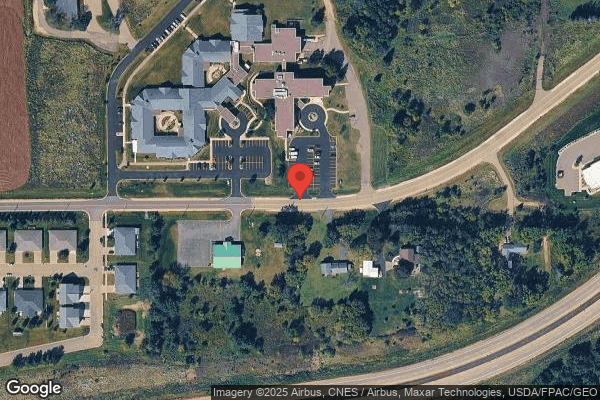
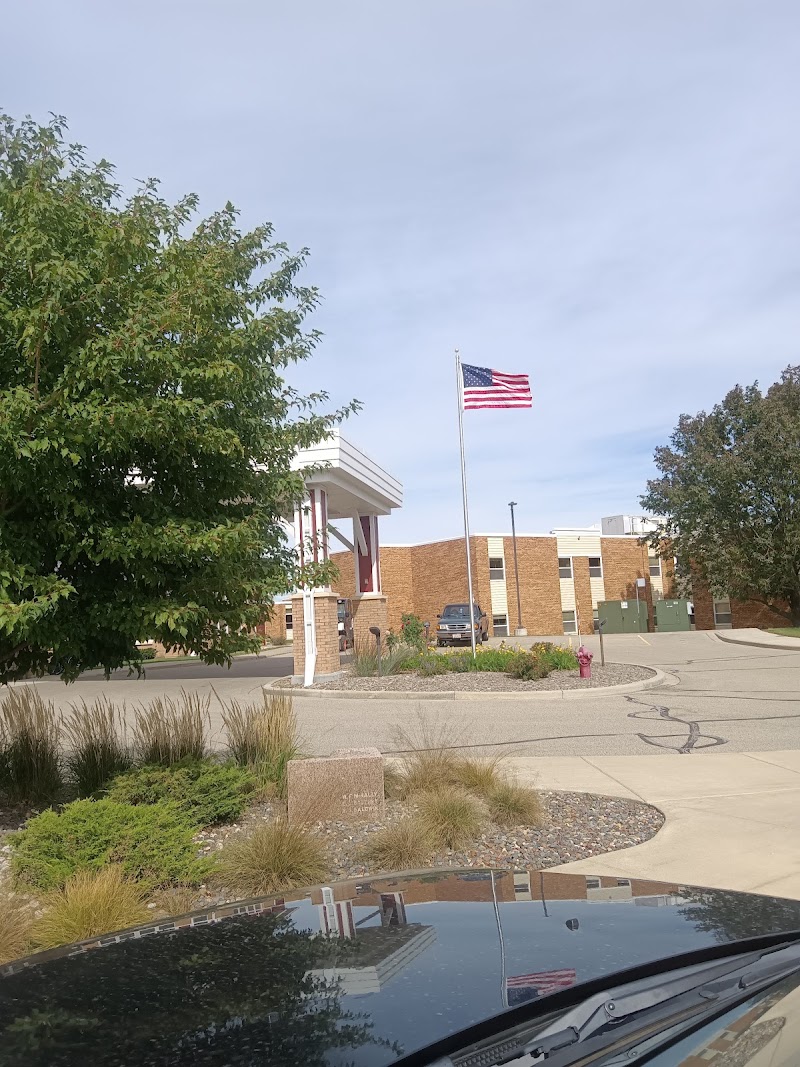
1445 N FOURTH ST, NEW RICHMOND, WI 54017 (715) 246-8211
Government - County 50 Beds Independent Data: November 2025
Trust Grade
85/100
#69 of 321 in WI
Last Inspection: September 2024

Within standard 12-15 month inspection cycle. Federal law requires annual inspections.

Overview

St. Croix Health Center has a Trust Grade of B+, which indicates it is recommended and above average in quality compared to other facilities. It ranks #69 out of 321 nursing homes in Wisconsin, placing it in the top half, and #4 out of 8 in St. Croix County, meaning only three local facilities are ranked higher. Unfortunately, the facility's trend is worsening, as the number of compliance issues increased from 5 in 2023 to 6 in 2024. Staffing is a strong point, with a 5/5 star rating and a turnover rate of 46%, which is slightly below the state average, suggesting that staff are relatively stable and familiar with the residents. However, there are some concerning findings, such as staff not wearing hair restraints while preparing food and a lack of proper hand hygiene when serving meals, which could pose risks for infection and food safety. Overall, while St. Croix Health Center has strengths in staffing and overall quality, families should be aware of the recent compliance issues and the need for improvement in food safety practices.

Trust Score
B+
85/100
In Wisconsin
#69/321
Top 21%
Safety Record
Low Risk
No red flags
Inspections
Getting Worse
5 → 6 violations
Staff Stability
⚠ Watch
46% turnover. Above average. Higher turnover means staff may not know residents' routines.
Penalties
✓ Good
No fines on record. Clean compliance history, better than most Wisconsin facilities.
Skilled Nurses
✓ Good
Each resident gets 56 minutes of Registered Nurse (RN) attention daily — more than average for Wisconsin. RNs are trained to catch health problems early.
Violations
⚠ Watch
19 deficiencies on record. Higher than average. Multiple issues found across inspections.
★★★★★
5.0
Overall Rating
★★★★★
5.0
Staff Levels
★★★★★
5.0
Care Quality
★★★★☆
4.0
Inspection Score
Stable
2023: 5 issues
2024: 6 issues

The Good

  • 5-Star Staffing Rating · Excellent nurse staffing levels
  • 5-Star Quality Measures · Strong clinical quality outcomes
  • Full Sprinkler Coverage · Fire safety systems throughout facility
  • No fines on record

Facility shows strength in staffing levels, quality measures, fire safety.

The Bad

Staff Turnover: 46%

Near Wisconsin avg (46%)

Higher turnover may affect care consistency

The Ugly 19 deficiencies on record

Sept 2024 6 deficiencies
CONCERN (D)

Potential for Harm - no one hurt, but risky conditions existed

Abuse Prevention Policies (Tag F0607)

Could have caused harm · This affected 1 resident

Based on interview and record review, the facility failed to follow procedures that prohibit and prevent abuse, neglect, and exploitation of residents. The facility did not perform a Minnesota backgro...

Read full inspector narrative →
Based on interview and record review, the facility failed to follow procedures that prohibit and prevent abuse, neglect, and exploitation of residents. The facility did not perform a Minnesota background check in the last 4 years for a staff member that has direct contact with residents. This was found for 1 of 8 staff members investigated for background check compliance. Findings include: The facility policy entitled, Abuse Policy, dated 04/24/24 states: Screening: Potential employees of St. Croix Health Center are screened for any history of abuse, neglect, or mistreatment of residents. A criminal background check and a call to the Caregiver Background Registry is performed by Human Resources upon hire. (Note: Policy does not mention follow up background checks.) On 09/17/24 at 10:00 AM, Surveyor performed record review of eight employees' background checks and found that one employee, Certified Nursing Assistant (CNA) I, did not have a Minnesota background check. CNA I's only background information in the file was for the state of Wisconsin. Surveyor reviewed the personnel file for CNA I that noted a hire date of 06/25/01. The background information disclosure (BID) form, dated 09/24/21, noted, .Have you resided outside the state of Wisconsin in the last 3 years. The box was marked yes and stated in Minnesota. It is also noted that CNA I has a MN address. No Minnesota background check was provided at that time. On 09/17/24 at 12:20 PM, Surveyor interviewed Nursing Home Administrator (NHA) A and asked how often the criminal background checks (CBC) are completed for staff which NHA A stated, Every 4 years. Surveyor asked if staff resided out of state in the last 3 years, do you complete CBCs for those states as well. NHA A replied that they do. Surveyor asked where CNA I's background check was for the state of Minnesota. NHA A stated they hire a company to do the CBCs and NHA A will check with them. NHA A left the room, then came back at 1:45 PM and provided a background check on CNA I dated 09/12/17. NHA A stated they do not have one completed in the last 4 years, but they are doing one now. Surveyor asked NHA A what the expectation is for background checks. NHA A said they would expect that the proper background checks including Minnesota be completed to ensure resident safety.
CONCERN (D)

Potential for Harm - no one hurt, but risky conditions existed

ADL Care (Tag F0677)

Could have caused harm · This affected 1 resident

**NOTE- TERMS IN BRACKETS HAVE BEEN EDITED TO PROTECT CONFIDENTIALITY** Based on observation, record review and interview, the facility did not provide necessary services to maintain good personal hyg...

Read full inspector narrative →
**NOTE- TERMS IN BRACKETS HAVE BEEN EDITED TO PROTECT CONFIDENTIALITY** Based on observation, record review and interview, the facility did not provide necessary services to maintain good personal hygiene for 1 of 3 residents (R) observed for care (R2). This is evidenced by: Surveyor reviewed R2's most recent quarterly Minimum Data Set (MDS), completed on 8/06/24. The MDS notes R2 is understood, usually understands and has severely impaired cognition. R2 is dependent on staff for bed mobility, transfer and hygiene. R2 is always incontinent of bowel and bladder. R2's diagnoses include heart failure, renal insufficiency and non-Alzheimer's dementia. Surveyor reviewed R2's care plan and noted: Need: I have the potential to have skin injury Goal: keep my skin healthy and intact Date: 08/09/24 three months Approach: Check and change me upon arising, before/after meals at bedtime and on night rounds. Surveyor reviewed R2's [NAME] guidelines for daily care and noted: Check and change as needed upon arising, before/after meals, hs (hour of sleep) and night rounds Surveyor requested the facility policy regarding Activities of Daily Living (ADL) for dependent residents. Nursing Home Administrator (NHA) A informed Surveyor the facility did not have a policy; it is an expectation staff provide the needed care for dependent residents. On 9/17/24 at 7:05 AM, Surveyor observed Certified Nursing Assistant (CNA) C provide R2 morning care. CNA C checked R2's brief and informed Surveyor R2 was not incontinent and peri care was not completed. During the observation Surveyor asked CNA C about R2's usual routine. CNA C expressed she is an agency CNA and is not familiar with R2. CNA C further expressed she is taking direction from CNA D who is familiar with R2. At 7:26 AM, Surveyor observed CNA C and D transfer R2 to her wheelchair and take her to the lounge next to the dining room. R2 remained in the lounge until taken to the dining room for breakfast. R2 remained in the dining room until 9:27 AM when staff wheeled her back to the lounge and placed her in front of the fireplace. R2 remained in the lounge until 10:24 AM when she was wheeled to an activity room for church. At 11:06 AM, R2 was taken back to her unit and again placed in front of fireplace in lounge where she previously was seated. R2 remained in the lounge until Surveyor concluded the observation at 11:26 AM. R2 remained up in her wheelchair for 4 hours without receiving incontinence care. On 9/17/24 at 7:37 AM, Surveyor interviewed CNA D about R2's normal routine. CNA D explained R2 gets up early, usually around 5:30 AM as she goes to bed early. CNA D explained she works night shift and day shift and provides care to R2 routinely. When working night shift, she gets R2 up around 5:30 am. If she is working day shift, R2 is the first to get up in morning just after 6:00 AM. R2 lays down after lunch around 12:45. Incontinence care is done when laid down. CNA D further explained R2 sleeps in her chair mostly during the day. On 9/17/24 at 12:19 PM, Surveyor interviewed Nurse Supervisor/RN (NS) E about the observation and the expectation for providing R2 incontinence care. NS E indicated R2 is at risk for the development of pressure injuries; she is immobile and incontinent. NS E expressed she would expect staff to provide incontinent care as written in R2's plan of care, upon arising and before and after meals. NS E stated that R2 is incontinent; staff did not check and change her as expected which is not acceptable. Staff need to follow resident care plan not their own routine.
CONCERN (D)

Potential for Harm - no one hurt, but risky conditions existed

Pressure Ulcer Prevention (Tag F0686)

Could have caused harm · This affected 1 resident

**NOTE- TERMS IN BRACKETS HAVE BEEN EDITED TO PROTECT CONFIDENTIALITY** Based on observation, record review and interview, the facility did not provide the necessary care and treatment to prevent the ...

Read full inspector narrative →
**NOTE- TERMS IN BRACKETS HAVE BEEN EDITED TO PROTECT CONFIDENTIALITY** Based on observation, record review and interview, the facility did not provide the necessary care and treatment to prevent the development of pressure injuries for 1 of 3 residents (R) reviewed for pressure injuries (R2). This is evidenced by: Surveyor requested and reviewed the facility policy titled Prevention and Treatment of Skin Breakdown dated as most recently updated on 5/2024. The policy in part read: Purpose: To properly identify and assess residents whose clinical conditions increase the risk for impaired skin integrity and pressure ulcers; to implement preventative measures . Procedure: ~Prevention of Pressure Ulcers: Braden Scale will be done: Upon admission Review quarterly Annually. Surveyor reviewed R2's most recent Minimum Data Set (MDS) which was a quarterly assessment completed on 8/06/24. The MDS notes R2 is understood, usually understands and has severely impaired cognition. R2 is dependent on staff for bed mobility, transfer and hygiene. R2 is at risk for pressure injury. R2 uses a wheelchair. R2's diagnoses include heart failure, renal insufficiency and non-Alzheimer's dementia. Surveyor reviewed R2's care plan and noted: Need: I have the potential to have skin injury Goal: keep my skin healthy and intact Date: 08/09/24 three months Approach: Check and change me upon arising, before/after meals at bedtime and on night rounds. Surveyor reviewed R2's [NAME] guidelines for daily care and noted: Check and change as needed upon arising, before/after meals, hs (hour of sleep) and night rounds Surveyor requested R2's most recent Braden Scale for Predicting Pressure Sore Risk assessment. Surveyor was provided the assessment dated [DATE] (the day requested). The assessment noted the following: Mobility: Completely immobile, does not even make slight changes in body/extremity position without assistance. Friction/Shear: Potential problem-moves with minimal assist. Some sliding with repositioning. Occ. slides down in chair or w/c. Activity: Chairfast: ability to walk severely limited/none. Can't bear weight and/or assisted to chair or w/c. Moisture: occasionally moist-skin is occasionally moist; requiring an extra linen change approx. once a day. Nutrition: Probably inadequate: rarely eats full meal; usually eats 1/2 food offered. Eats 3 protein/day. Occ. supplement. Total score: 13=moderate risk On 9/17/24 at 7:05 AM, Surveyor observed Certified Nursing Assistant (CNA) C provide R2 morning care. During the observation, Surveyor asked CNA C about R2's usual routine. CNA C expressed she is an agency CNA and is not familiar with R2. CNA C further expressed she is taking direction from CNA D who is familiar with R2. At 7:26 AM, Surveyor observed CNA C and D transfer R2 to her wheelchair and take her to the lounge next to the dining room. R2 remained in the lounge until taken to the dining room for breakfast. R2 remained in the dining room until 9:27 AM when staff wheeled her back to the lounge and placed her in front of the fireplace. R2 remained in the lounge until 10:24 AM when she was wheeled to an activity room for church. At 11:06 AM, R2 was taken back to her unit and again placed in front of fireplace in lounge where she previously was seated. R2 remained in the lounge until Surveyor concluded the observation at 11:26 AM. R2 remained up in her wheelchair for 4 hours without repositioning. On 9/17/24 at 7:37 AM, Surveyor interviewed CNA D about R2's normal routine. CNA D explained R2 gets up early, usually around 5:30 AM as she goes to bed early. CNA D explained she works night shift and day shift and provides care to R2 routinely. When working night shift, she gets R2 up around 5:30 AM. If she is working day shift, R2 is the first to get up in morning just after 6:00 AM. R2 lays down after lunch around 12:45 PM. CNA D further explained R2 sleeps in her chair mostly during the day. On 9/17/24 at 12:19 PM, Surveyor interviewed Nurse Supervisor/RN (NS) E about the observation, asking about R2's risk for the development of pressure injuries and the expectation for repositioning R2. NS E indicated R2 is at risk for the development of pressure injuries; she is immobile and incontinent. NS E expressed she would expect staff to provide repositioning as written in R2's plan of care. Staff should reposition R2 when taken back to bed, change her pad and get resident back up in her chair. R2 is at risk for the development of pressure injury; staff did not reposition her as expected which is not acceptable. Staff need to follow resident care plan not their own routine.
CONCERN (D)

Potential for Harm - no one hurt, but risky conditions existed

Deficiency F0688 (Tag F0688)

Could have caused harm · This affected 1 resident

**NOTE- TERMS IN BRACKETS HAVE BEEN EDITED TO PROTECT CONFIDENTIALITY** Based on observation, record review and interview, the facility did not provide the necessary services in attempt to prevent any...

Read full inspector narrative →
**NOTE- TERMS IN BRACKETS HAVE BEEN EDITED TO PROTECT CONFIDENTIALITY** Based on observation, record review and interview, the facility did not provide the necessary services in attempt to prevent any further decrease in range of motion for 1 of 3 residents (R) reviewed (R2). This is evidenced by: Surveyor requested the facility policy regarding Restorative/Range of Motion (ROM) programs. Nursing Home Administrator (NHA) informed Surveyor the facility does not have a policy regarding ROM programs; it is an expectation Certified Nursing Assistants perform ROM. Surveyor reviewed R2's most recent quarterly Minimum Data Set (MDS), completed on 8/06/24. The MDS notes R2 is understood, usually understands and has severely impaired cognition. R2 is dependent on staff for bed mobility and transfer. R2 has range of motion impairment on one upper extremity. R2 uses a wheelchair. R2's diagnoses include heart failure, renal insufficiency and non-Alzheimer's dementia. Surveyor reviewed R2's care plan and noted: I need help with all may cares, have dementia and not able to sequence tasks, I also have muscle weakness and decreased mobility, I have contractures of my left wrist and hand. Goal: Nursing staff will anticipate my needs and provide needed cares . Goal time: 8/09/24 x three months Approach: Assist me with PROM to my legs every morning. [NAME], Guidelines for daily care indicated: Restorative: Perform passive range of motion with legs every morning. On 9/17/24 at 7:05 AM, Surveyor observed Certified Nursing Assistant (CNA) C provide morning care for R2. R2's legs were suspended on a pillow. CNA C donned R2's socks and pants to her ankles with her legs suspended. CNA C rolled R2 side to side in bed to pull R2's pants up to her waist. CNA C did not provide any range of motion (ROM) to R2's lower extremities. Surveyor observed R2's ankles to be turned inward with contracture. Following the observation, Surveyor asked CNA C if R2 has any range of motion programs that are completed by CNA staff. CNA C expressed she is not aware of any ROM programs for R2. CNA C referenced R2's [NAME] guidelines for daily care which read perform passive ROM w/legs Q (every) morning 1 x a day (AM). CNA C expressed she thought therapy does the ROM. R2's therapy communication (physical) read: Please perform passive range of motion with pts (patients) legs every morning (as shown in the following program) to help maintain ROM. Attached were instructions for hip and knee range of motion and ankle and foot exercises. Surveyor reviewed R2's documentation for completion of her ROM for the past 3 months (6/17/24-9/17/24). The documentation showed ROM occurred on 7 occasions in three months. On 09/17/24 at 12:19 PM, Surveyor interviewed Nurse Supervisor (NS)/RN E about R2's ROM. NS E expressed R2 has a passive ROM program for her legs which is done every morning with her cares. The expectation is for CNAs to perform for each joint of both R2's legs. The program is important to prevent further contractures of R2's legs.
CONCERN (D)

Potential for Harm - no one hurt, but risky conditions existed

Accident Prevention (Tag F0689)

Could have caused harm · This affected 1 resident

**NOTE- TERMS IN BRACKETS HAVE BEEN EDITED TO PROTECT CONFIDENTIALITY** Based on observation, interview and record review, the facility did not ensure resident safety through assessment and that the e...

Read full inspector narrative →
**NOTE- TERMS IN BRACKETS HAVE BEEN EDITED TO PROTECT CONFIDENTIALITY** Based on observation, interview and record review, the facility did not ensure resident safety through assessment and that the environment remains free of accident hazards as is possible for 2 of 4 residents (R) R31 and R2 reviewed. Facility did not complete a smoking risk assessment or implement care plan interventions for smoking safety for R31. R2 was evaluated by the facility to be a fall risk. R2 was observed sitting unsupervised on edge of bed in high position and fall mat not in place. Findings include: Facility policy entitled, Non-smoking Campus, last updated 04/24/24, stated in part, .we are a NON-SMOKING campus and there is NO smoking on our grounds. R31 was admitted to the facility on [DATE] with pertinent diagnoses of parkinsonism, polyneuropathy, muscle weakness, nicotine dependence, hemiplegia right side, corticobasal degeneration, and emphysema. R31's most recent admission Minimum Data Set (MDS), dated [DATE], had a Brief Interview for Mental Status (BIMS) score of 15, indicating cognition is intact. R31 had impairment on both lower extremities and used a motorized wheelchair. Review of R31's personalized care plan did not include safety assessment or interventions for smoking. Review of R31's record did not include a smoking safety/risk assessment of R31's ability to safely light, handle and put out cigarette safely. No documentation noted of where smoking materials are kept. On 09/16/24 at 10:30 AM, Surveyor asked Nursing Home Administrator (NHA) A during entrance conference if there were any residents who smoked in the facility. NHA A stated that the facility is non-smoking, but there is one resident R31 that does sneak out to smoke. Surveyor asked for the facility's policy for smoking. NHA A stated the facility did not have a policy as it is a non-smoking campus. Surveyor asked for the facility's policy/procedure for assessing residents that smoke. NHA A stated the facility did not have a policy for assessment because they do not allow smoking on facility grounds. On 09/17/24 at 10:34 AM, Surveyor interviewed R31 regarding smoking. R31 became angry and stated being aware of the no smoking rule and has been talked to numerous times about it. R31 stated he does not smoke on the property. R31 stated being his own person and will smoke if and when he chooses. On 09/18/24 at 6:12 AM, Surveyor observed R31 exit the facility's main doors on motorized wheelchair. R31 was wearing shorts and a t-shirt. R31 did not have shoes or socks on. R31 drove wheelchair through parking lot to the roadway. Surveyor observed R31 position wheelchair between the road and parking lot entrance and light cigarette. No concerns with R31 safely maneuvering self in wheelchair observed. No other individuals observed with R31. Surveyor entered facility and observed that the reception desk window was closed, and no staff was monitoring the entrance doors for residents entering/exiting facility. On 09/18/24 at 10:39 AM, Surveyor interviewed Nurse Supervisor (NS) E about R31 smoking. NS E stated that staff are aware R31 goes outside to smoke. Surveyor asked if a safety/risk assessment for smoking had been completed on R31. NS E stated no. Surveyor asked if any safety interventions had been care planned regarding smoking for R31. NS E stated no. NS E stated recognizing the safety risk knowing R31 continues to disregard the facility policy of not smoking. NS E stated that facility staff had completed education with R31 multiple times regarding the no-smoking policy and safety risk, educated family about the policy and not to bring in smoking materials, but R31 is their own person, and they can't restrict his movements. Surveyor asked NS E if there were other interventions that could have been implemented to ensure R31's safety. NS E stated that yes, they could have implemented other interventions such as a pass to indicate when R31 was going to be exiting the facility so that staff could be aware when R31 was outside of building. NS E stated recognition that the failure to assess safety/risk for smoking and implement care plan interventions for knowing R31's non-compliance of facility's non-smoking policy had the potential for harm. Surveyor requested and reviewed the facility policy titled Accident/Incident reporting updated most recently on 4/24/24. The policy in part read: Purpose: To provide documentation of accident/incidents and improve resident safety. Procedure: Each accident/Incident is reviewed and investigated as deemed as necessary. The residents care plans will be revised and updated as needed. Surveyor reviewed R2's most recent quarterly Minimum Data Set (MDS), completed on 8/06/24. The MDS notes R2 is understood, usually understands and has severely impaired cognition. R2 is dependent on staff for bed mobility and transfer. R2 has range of motion impairment on one upper extremity. R2 uses a wheelchair. R2's diagnoses include heart failure, renal insufficiency and non-Alzheimer's dementia. R2 had not experienced falls. Surveyor requested R2's most recent fall risk assessment. Surveyor was provided with R2's fall risk assessment dated [DATE] which was not completed. Surveyor reviewed R2's care plan and noted: Need/Preference: 8/09/24 I am unaware of safety risks have dementia/Alzheimer's disease: I also have decreased mobility and need assistance for all moving. Goal: avoid injury Goal time: date: 8/09/24-three months Approach: I need my aides to make sure my bed is in low position and the mat is on the floor next to my bed when I am in bed. [NAME]: guidelines for daily care: Special equipment/needs: low bed, bedside mat On 9/17/24 at 7:05 AM, Surveyor observed Certified Nursing Assistant (CNA) C provide morning care to R2. Upon entering R2's room, Surveyor noted R2's bed to be in low position, with the bed against the wall on one side and a mat on the floor in front of the bed. CNA C raised R2's bed height and removed the floor mat and proceeded to the bathroom to fill a basin. Surveyor asked CNA C if she was familiar with R2's care needs. CNA C expressed she is a little familiar with the residents; she takes direction from CNA D and there are care sheets to direct staff with resident needs. During R2's care, CNA C walked from bedside to the bathroom and closet with R2's mat not in place and her bed remaining in high position. After care was completed, CNA C exited R2's room to retrieve a Hoyer lift. CNA C did not put the mat down or lower R2's bed when she exited the room. On 9/17/24 at 7:37 AM, Surveyor interviewed CNA D about R2's fall risk and interventions used in attempt to prevent a future fall and keep R2 free of injury if she falls from bed. CNA D expressed she works with R2 routinely and is familiar with her needs. R2 should have a low bed with mat in front of her bad whenever she is in bed. Further expressing R2 has rolled from bed or tried to get up from bed in the past. CNA D stated, If she is in bed the bed should always be in low position with mat on the floor. CNA D explained the [NAME] should be used to direct staff in these approaches. On 9/17/24 at 7:52 AM, Surveyor interviewed CNA C about R2's low bed and mat related to fall risk. CNA C showed Surveyor R2's [NAME] at nurses station which does not direct staff in R2's low bed or bedside mat. CNA C expressed she has been a CNA for about 6 months and has worked at the facility a few times through her agency. CNA C explained she saw the mat on the floor and R2's bed in low position when entering R2's room, she did not think about lowering the bed and placing the mat down when walking away from R2's bed. CNA C further expressed she should have gathered her supplies first, brought everything to R2's bedside and stayed with R2 if her bed is in high position. Record shows R2 experienced a fall on 11/05/23 at 5:01 AM observed on floor Injury type: no apparent injury, resident found laying on the mat on the floor next to bed Root cause: slid from bed onto floor mat at bedside 11/06/23: IDT met to review fall from 11/05/23. POC reviewed. Current interventions in place were successful (low bed/bedside mat) On 09/17/24 at 12:11 PM, Surveyor spoke with Nurse Supervisor (NS)/RN E about the observation, R2's fall risk and interventions used in attempt to keep R2 free of injury should she fall from bed. NS E expressed the care observation is concerning. R2 is not a not a huge risk for falling but will randomly throw her legs over the side of her bed or attempt to rise. R2 experienced a previous fall from bed and continues to have the potential risk for falls. The fall risk assessment should have been done most recently when R2 fell on [DATE] and it was not. NS E expressed she would expect staff to follow R2's care plan due to resident risk for falling.
CONCERN (F)

Potential for Harm - no one hurt, but risky conditions existed

Food Safety (Tag F0812)

Could have caused harm · This affected most or all residents

Example 3 The facility policy titled, Employee Sanitary Practices, states, in part, .All employees shall: 1. Wear hair restraints (hairnet, hat, and/or beard restraint) to prevent hair from contacting...

Read full inspector narrative →
Example 3 The facility policy titled, Employee Sanitary Practices, states, in part, .All employees shall: 1. Wear hair restraints (hairnet, hat, and/or beard restraint) to prevent hair from contacting exposed food . On 09/18/24 at 8:23 AM, Surveyor observed Certified Nursing Assistant (CNA) H enter the Bluebird dining hall and grab a bowl and a can of chicken noodle soup, opened the can of soup, and poured it into a bowl. CNA H then placed it into microwave and heated it. Breakfast was being served in the same area at this time. CNA H was not wearing a hair restraint. Surveyor asked CNA H if she was ever told to wear a hair restraint when preparing food and/or in the kitchenette where food is being served. CNA H said no one has told her that. CNA H then asked the Dietary Aide (DA) J if there was a hair net in the kitchenette and DA J said no. CNA H then left the food service area. On 09/18/24 at 8:41 AM, Surveyor interviewed DM G and asked what the expectation is regarding hair restraints. DM G stated that all staff should be wearing them anywhere food is being prepared. Surveyor informed DM G about the above observation and DM G replied that this needs collaboration with the Director of Nursing to address the hair restraint expectations with the CNAs. Based on observation, record review and interview, the facility did not serve foods in a sanitary manner which has the potential to affect all 42 residents. Nutritional Aide (NA) F touched her reading glasses several times when preparing and serving lunch without performing hand hygiene and continuing to serve foods. While checking the lunch foods temperatures NA F did not allow the thermometer probe to air dry after sanitizing with alcohol and before inserting into foods. Staff did not wear hair restraint when preparing food and when in the kitchenette where food was being served. This is evidenced by: Surveyor requested and received facility policies as follows: ~Handwashing dated 2010 notes: Policy: Staff will wash hands frequently as needed throughout the day following proper hand washing procedure. Procedure: During food preparation as often as necessary to remove soil and contamination and to prevent cross contamination . ~Taking Accurate Temperatures dated 2010 notes: To take temperatures a clean, rinsed, sanitized and air-dried thermometer .is needed. Example 1 On 9/16/24 at 12:25 PM, Surveyor observed NA F preparing for lunch service in the 300 wing kitchenette. NA F went to the sink, washed her hands and removed food items from a cart that was placed on burners on the counter. NA F used an alcohol preparation pad to wipe the thermometer probe and immediately inserted the thermometer into the pork chops being served for lunch. NA F did not air dry the thermometer probe prior to inserting the probe into the pork chops. NA F wiped the thermometer again with a clean alcohol prep pad and inserted the probe into sweet potatoes. NA F repeated this process for all foods being served, wiping the thermometer probe with an alcohol prep pad and immediately inserting the probe into the foods. Example 2 NA F removed her glasses from the top of her head and placed them on her face to record each food's temperature. NA F replaced her glasses to the top of her head after recording each food's temperature without washing her hands after touching her glasses (presumably dirty) and before proceeding to take additional food's temperature. NA F placed her glasses back to the top of head and donned gloves with no hand hygiene completed NA F removed bread from bag to make a grilled cheese sandwich at the stove. NA F began plating foods. NA F put her glasses back on to read the resident lunch slips as she served. NA F placed her glasses back to top of her head and did not perform hand hygiene before gathering scoops for serving. NA F went back and forth to the stove to make grilled cheese sandwiches. As she walked to the stove, she removed her glasses and placed them to the top of her head. When she returned to reading lunch slips to plate resident foods she placed her glasses back on. NA F did not wash her hands after touching her glasses and proceeding to reach inside the bread bag and obtain bread, and touch the surface of plates where she then placed the food items when serving lunch. On 9/17/24 at 6:42 AM, Surveyor interviewed NA F about the observation. NA F expressed she had been on staff since January 2024 and has never been given instruction about allowing the thermometer probe to air dry after wiping with alcohol prep pad and she was not aware of a wait time to allow the probe to air dry after wiping with the alcohol prep pad. NA F expressed, Makes sense to air dry the alcohol before inserting into foods. NA F also explained she doesn't even think about touching her glasses. She understands the glasses are not clean and hand hygiene should be done after touching her glasses. On 9/17/24 at 8:02 AM, Surveyor interviewed Dietary Manager (DM) G who has been on staff about one month through a contracted service about the observation. DM G expressed she is a certified dietary manager with many years of experience. DM G indicated she would expect staff to be aware of what they are doing with their hands. Staff should leave glasses on and don't touch them. If glasses are touched, she would expect staff to wash their hands after touching them. DM G expressed she would expect staff to allow the thermometer probe to air dry after wiping with alcohol prep pad before inserting into foods. DM G further expressed she talked with the server and instructed her to count to 10 after wiping the thermometer with alcohol pad and before inserting into foods to prevent contamination of foods.
Aug 2023 5 deficiencies
CONCERN (D)

Potential for Harm - no one hurt, but risky conditions existed

ADL Care (Tag F0677)

Could have caused harm · This affected 1 resident

**NOTE- TERMS IN BRACKETS HAVE BEEN EDITED TO PROTECT CONFIDENTIALITY** Based on observation, record review and interviews, the facility did not ensure that 1 of 12 sampled residents (R) who are unabl...

Read full inspector narrative →
**NOTE- TERMS IN BRACKETS HAVE BEEN EDITED TO PROTECT CONFIDENTIALITY** Based on observation, record review and interviews, the facility did not ensure that 1 of 12 sampled residents (R) who are unable to carry out activities of daily living received the necessary services to maintain good nutrition, grooming and personal and oral hygiene. (R280) R280 was not offered and did not receive toileting every hour as care plan stated. Findings include: R280 was admitted on [DATE]. R280 had the following diagnoses, in part, infantile cerebral palsy, right hemiparesis, intractable epilepsy, schizophrenia, and mood disorder with a Brief Interview of Mental Status (BIMS) score of 8 indicating moderately impaired cognition. R280's most recent Minimum Data Set (MDS) assessment dated [DATE] identified R280 required extensive assist of 2 person for transfers and toileting. R280's nursing care plan, stated in part, for toileting plan: .due to decreased awareness offer toileting approximately hourly with safety checks while awake, turn and reposition approximately every two hours . Intervention under mobility care plan stated in part: .assist of two/walker, offer toileting approximately hourly with safety checks while awake . Intervention under risk/alteration in skin integrity care plan to prevent skin breakdown stated in part: .offer toileting hourly, turn and reposition in chair every hour and every two hours when in bed . On 08/29/23 at 7:45 AM, Surveyor observed R280 up in wheelchair in the lobby. On 08/29/23 at 8:00 AM, Surveyor observed Certified Nurse Aide (CNA) D bring R280 in dining room for breakfast from lobby. CNA D did not ask if R280 had to use the bathroom before breakfast. On 08/29/23 at 9:08 AM, Surveyor observed R280 finish breakfast. CNA D wheeled R280 to the lobby area to watch TV. Surveyor did not observe CNA D offer or inquire about toileting to R280. On 08/29/23 at 9:25 AM, Surveyor observed Activity Aide (AA) F take R280 to activities. Surveyor did not observe AA F offer or inquire about toileting to R280. On 08/29/23 at 9:50 AM, Surveyor observed AA F bring R280 back to lobby from activities. Surveyor did not observe AA F offer or inquire about toileting to R280. On 08/29/23 at 9:53 AM, Surveyor observed CNA G push R280 over to an activity table to work crossword puzzles. Surveyor did not observe CNA G offer or inquire about toileting to R280. On 08/29/23 at 9:58 AM, Surveyor observed CNA G take R280 to physical therapy. Surveyor did not observe CNA G offer or inquire about toileting to R280 prior to physical therapy. On 08/29/23 at 10:40 AM, Surveyor observed Physical Therapist Assistant (PTA) E take R280 to activities room for church services. Surveyor did not observe PTA E offer or inquire about toileting to R280 prior to church services. On 08/29/23 at 11:00 AM, Surveyor observed AA F bring R280 back to lobby to watch TV from activities. Surveyor did not observe AA F offer or inquire about toileting to R280. On 08/29/23 at 11:55 AM, Surveyor observed CNA D take R280 from lobby to dining room for lunch. Surveyor did not observe CNA D offer or inquire toileting to R280. On 08/29/23 at 11:15 AM, Surveyor interviewed PTA E and asked if R280 was toileted during physical therapy. PTA E stated that R280 never asked or inquired about using the restroom and PTA E did not offer or toilet R280. On 08/29/23 at 11:30AM, Surveyor interviewed CNA G and asked what the process is for toileting R280 and how they follow all care plans for residents. CNA G indicated that they are to follow the care plans for what's expected such as toileting R280 which is to offer or toilet every hour while awake. CNA G indicated that maybe PTA E had toileted R280, but that CNA G nor CNA D has toileted R280 because it is a two-assist transfer to toilet. Surveyor noted R280 had been sitting up in wheelchair and had not been offered or assisted to the bathroom for almost 4 hours. On 08/29/23 at 11:40 AM, Surveyor interviewed Nurse Supervisor (NS) C and asked what the expectations and process is for implementing care plans for residents. NS C indicated that care plans are made with the interdisciplinary team (IDT) and that all other team members such as CNAs are expected to follow individualized care plans for each resident. CNAs are to be following R280's care plan for offering or toileting every hour. On 08/29/23 at 11:55 AM, Surveyor interviewed Director of Nursing (DON) B and asked what the expectations and process is for implementing specific care plans for residents. DON B indicated that all CNAs should be following care plans as indicated on the individualized care plans. DON B stated that all CNAs should be offering toileting to R280 as care planned.
CONCERN (D)

Potential for Harm - no one hurt, but risky conditions existed

Deficiency F0688 (Tag F0688)

Could have caused harm · This affected 1 resident

**NOTE- TERMS IN BRACKETS HAVE BEEN EDITED TO PROTECT CONFIDENTIALITY** Based on observation, interview and record review, the facility did not provide the services necessary to maintain Range of Moti...

Read full inspector narrative →
**NOTE- TERMS IN BRACKETS HAVE BEEN EDITED TO PROTECT CONFIDENTIALITY** Based on observation, interview and record review, the facility did not provide the services necessary to maintain Range of Motion (ROM) for 1 of 1 resident reviewed. (R3) R3's care plan indicated R3 should wear a palm protector on left hand due to contractures. Throughout the survey on 08/28/23 and 08/29/23, Surveyor observed R3 wearing a palm protector on her right hand, providing no measures for R3's left hand contracture. This is evidenced by: R3 was admitted to the facility in 2018 with diagnoses including contracture of left hand, dementia, depression, and anxiety. The Minimum Data Set (MDS) dated [DATE] indicated R3 has limited ROM to upper extremity on one side, requires one person assistance with eating, dressing, toileting and completing personal hygiene. R3's most recent occupational therapy (OT) services were in December 2022. R3 scored 11/15 during Brief Interview for Mental Status (BIMS) indicating moderately impaired cognition. R3 has an activated power of attorney (POA). R3's care plan included the following: -07/10/23, I have the potential to have a skin injury. I need my aides to . Palm protector with finger separators in left hand every morning, wear during the day as tolerated. -07/10/23, I have contractures of my left wrist and hand. I need my aides to . Encourage me to complete self-feeding as much as I can. Palm protector with finger separators in left hand every morning, wear during the day as tolerated. R3's [NAME] (a summary) included . Palm protector with finger separator in left hand every morning, wear during day as tol. R3's physician order included orders for: -12/01/22, lorazepam 2 mg for anxiety related to nail care. Give 1 hour prior to nail care. -12/21/22, Left Hand: Intradry in palm, change daily (works best to floss it in). Daily AM. -06/28/23, oxycodone 5 mg for pain. Give 1 hour prior to nail care. On 08/28/23 at 11:36 AM, Surveyor observed R3 sleeping in a reclined wheelchair. Surveyor observed a palm protector on R3's right hand. R3's left hand was contracted and curled into a fist, resting on her abdomen. R3 was not wearing a palm protector or any other device on her left hand. On 08/28/23 at 12:13 PM, Surveyor observed Certified Nursing Assistant (CNA) K feeding R3 lunch. On 08/29/23 at 1:47 PM, Surveyor observed R3 in her bed. R3's palm protector was on her right hand. There was no device on R3's left hand. On 08/29/23 at 1:56 PM, Surveyor interviewed CNA L. CNA L reported R3's palm protector is applied to her right hand. CNA L and Surveyor observed R3 was wearing palm protector to right hand and no device to left hand. During observation, a carrot (therapy device, shaped like a carrot) was found lying on R3's right chest/shoulder area. Surveyor asked CNA L what the carrot was for, and CNA L replied she didn't know. CNA L and Surveyor reviewed R3's [NAME] and care plan to confirm the palm protector was to be applied to R3's left hand. There was no mention to use a carrot in either care plan or [NAME]. Surveyor then interviewed Registered Nurse (RN) N. RN N reported he was not sure which hand R3's palm protector was to be in, but he thought the palm protector was used to prevent R3's fingernails from cutting into her palm. RN N stated he would have to ask another nurse. Surveyor and CNA L were reviewing R3's shower logs and skin assessments and CNA M was present. CNA M reported palm protector is placed in R3's right hand as she refuses to wear it in her left hand. There were no concerns regarding R3's skin. During this time, Surveyor observed RN N exiting R3's room. RN N stated, I missed placing intradry in left palm this morning, I just completed it now. RN N reported he spoke with another staff nurse regarding R3's palm protector and it is not placed in left hand because it is too difficult to get into R3's left palm due to her contractures. Surveyor observed intradry to R3's left palm, observed that intradry was laced through R3's fingers on her left hand. Palm protector was still on R3's right hand. On 08/29/23 at 3:15 PM, Surveyor interviewed Certified Occupational Therapy Assistant (COTA) O. COTA O is also the Director of Rehab services. COTA O and Surveyor went to R3's room, where she was lying in bed. COTA observed R3's hands and completed a small assessment by maneuvering his finger between R3's clenched left fist. COTA O reported R3's palm was, Pretty moist. COTA O confirmed that intradry placed between R3's fingers was not effective. COTA O asked R3 to open her right hand, R3 did this and was able to open her right hand and extend her fingers. COTA O stated the palm protector was not effective on R3's right hand and should be placed on her left hand, as that is the hand affected. COTA O confirmed R3's left hand contracture could improve with therapy services. On 08/30/23 at 9:09 AM, Surveyor observed that R3 did not have palm protector on either hand. Surveyor interviewed CNA K. CNA K stated she is an agency nurse. CNA K was unsure which hand R3's palm protector was to be in. When Surveyor showed CNA K R3's [NAME] indicating it should be in the left hand, CNA K agreed, stating, Because she squeezes that hand. CNA K and Surveyor observed R3's left hand and noted her middle fingernail was pressed into her palm; however, the skin underneath was still intact. CNA K confirmed R3 has no skin concerns. CNA K attempted to put palm protector on R3's left hand, R3 pulled her hand away and scowled at CNA K. CNA K did not attempt further. CNA K stated if R3 refuses, CNAs are to update the nurse. CNA K reported if the palm protector was placed on the wrong hand, the nurses should make sure it is placed on the correct hand. CNA K confirmed licensed nurses complete R3's nail care due to difficulty. Surveyor reviewed R3's record for refusal to wear palm protector, no documentation to support R3 refuses to wear palm protector on left hand. R3's progress notes indicated on 12/01/22, staff attempted nail care on R3. R3 would not open her left hand. Assessment reported R3's nails were long and there was a cheesy odor with rust colored discharge from R3's left hand. Staff updated R3's Nurse Practitioner, and an order for lorazepam prior to nail care was received. Staff requested an OT evaluation for hand contractures. Surveyor reviewed OT care plan from 12/01/22-12/29/22, with goals to decrease pain in left hand in order to perform contracture management with splinting and tolerate hand splints to prevent skin breakdown. R3's progress notes indicate the following regarding R3's nail care: -02/08/23, update to POA, considering having R3's nail care completed outside of facility due to difficulty. -02/23/23, nail care completed and partially successful. -05/23/23, nail care partially successful. -06/28/23, NP order for oxycodone 1 hour prior to nail care. Medication Administration Record (MAR) indicated R3 received lorazepam and oxycodone on 07/18/23 and 08/15/23. Surveyor was not able to find documentation to confirm nail care had been completed or effective on these dates. On 08/30/23 at 9:35 AM, Surveyor interviewed COTA O. COTA O stated therapy can complete a screen or evaluation when a resident has a change in condition. COTA O confirmed R3's refusals to wear palm protector and difficulty with nail care would be considered a change in condition, and the expectation would be to complete a therapy screen or evaluation. On 08/30/23 at 9:44 AM, Surveyor interviewed Director of Nursing (DON) B. DON B reported R3 admitted with hand contractures and had received OT services related to contractures. DON B confirmed palm protector to left hand was a referral from therapy from September 2019. DON B was unsure why palm protector was not in R3's treatment administration record (TAR), as nurses should confirm placement and sign off daily. DON B stated she would have expected nursing staff to request an OT screen or evaluation when R3 started refusing to wear palm protector.
CONCERN (D)

Potential for Harm - no one hurt, but risky conditions existed

Unnecessary Medications (Tag F0759)

Could have caused harm · This affected 1 resident

Based on observation, record review and interview, the facility did not ensure a medication error rate of 5% or less. During medication administration task, Surveyor observed 5 errors out of 30 medica...

Read full inspector narrative →
Based on observation, record review and interview, the facility did not ensure a medication error rate of 5% or less. During medication administration task, Surveyor observed 5 errors out of 30 medication opportunities, resulting in an error rate of 16.67%. This affected residents (R79, R83, and R21) 3 of 6 residents in the medication administration sample. R79 and R83 were administered insulin inappropriately based on technique errors while using insulin pens. The pen was not primed before administration, and the pen was not held to ensure the full dose was administered, resulting in two errors. R21 was administered 3 crushed oral medications that were extended release (ER)/enteric coated (EC). Doing so can result in too much of the medication given at once and not spread out over time as intended, resulting in three errors. This is evidenced by: The manufacturer's instructions for the Insulin Lispro injection KwikPen states: .Priming your pen: Prime before each injection. Priming your pen means removing the air from the needle and cartridge that may collect during normal use and ensures that the pen is working correctly. If you do not prime before each injection, you may get too much or too little insulin . The instructions continue with how to prime the pen.Injecting the Lispro dose .Insert the needle into the skin. Push the dose knob all the way in. Continue to hold the dose knob in and slowly count to 5 before removing the needle . The manufacturer's instructions for the Insulin Lantus injection prefilled pen states: .Do a safety test. Always do a safety test before each injection to check your pen and the needle to make sure they are working properly and make sure that you get the correct Lantus dose . The instructions continue with how to do a safety test.Injecting the Lantus dose .Keep the injection button held in and when you see 0 in the dose window, slowly count to 10. This will make sure you get the full dose . The facility policy, entitled Oral Medication Administration, dated 05/18, states: .Refer to crushing guidelines (See Appendix 6: Medication Crushing Guidelines) prior to crushing any medication for assurance that it can be pulverized .Appendix 6: Medication Crushing Guidelines states .Medications that should not be crushed or chewed: When a resident's condition prohibits the administration of solid dosage forms (tablets, capsules, etc.), the nurse administering the medication should check to see that there is no contraindication to crushing the medications in question. If crushing is contraindicated, the nurse should consult the pharmacist for assistance in obtaining the medication in liquid form, if possible, and obtain a physician's order to change dosage forms and directions. The rational for not crushing some medications includes: .Time release tablets are designed to release medication over a sustained period, usually 8 to 24 hours. These formulations are utilized to reduce stomach irritation in some cases and to achieve prolonged medication action in other cases. In either case these tablets should not be crushed . R79 Order for Lantus Insulin 10 units subcutaneous for diagnosis of diabetes. R83 Order for Lispro Insulin for diagnosis of diabetes. Insulin Lispro subcutaneous three times per day at 8am, 12pm, 5pm sliding scale insulin directions: 150-200 = 1 u, 201-250 = 2u, 251-300 = 3 u, 301-350 = 4u, 351-400 = 5 u, >401 call provider. For blood sugars <70 treat with oral glucose replacement then recheck after treatment, then 30 min after treatment, then 60 min after treatment and notify provider. R21 Order for: Aspirin EC 81mg 1 tab daily for ischemic stroke. Metoprolol Succinate ER 50mg 1 tab daily for high blood pressure. Metformin ER 500mg 2 tabs daily for diabetes. Omeprazole 40mg Delayed Release (DR) 1 cap daily for gastroesophageal reflux disease. On 08/29/23 at 7:22 AM, Surveyor observed Licensed Practical Nurse (LPN) I administer Lispro insulin 3 units via insulin pen to R83. LPN I did not prime the insulin pen prior to administration and only held the needle in the SQ tissue for 2 seconds. This is an error in technique which could result in the wrong dose being given. On 08/29/23 at 7:30 AM, Surveyor observed LPN I administer Lantus insulin 10 units via insulin pen to R79. LPN I did not prime the insulin pen prior to administration and only held the needle in the SQ tissue for 2 seconds. This is an error in technique which could result in the wrong dose being given. On 08/29/23 at 7:45 AM, Surveyor observed LPN I crush the following medications and administer to R21: Omeprazole Delayed Release 40mg 1 cap, Metformin Extended Release 500mg 2 tabs, Aspirin Enteric Coated 81mg 1 tab, and Metoprolol Succinate Extended Release 50mg 1 tab. This is an error in technique and could result in changes in the rate at which the medication is absorbed and processed within the body. On 08/29/23 at 8:01 AM, Surveyor asked LPN I if she primes the insulin pens before use. LPN I said no she had never primed the insulin pens and was never taught that. Surveyor asked LPN I how long she holds the insulin needle in the SQ tissue upon injection and she said only a few seconds. On 08/29/23 at 10:25 AM, Surveyor spoke with the charge nurse Registered Nurse (RN) J about priming and holding in place insulin pens. RN J said the pens need to be primed with 2 units before administration and hold the needle in the SQ for 6-10 seconds. Surveyor asked RN J if medications that were ER or EC can be crushed. RN J said they need an order for that from the provider as the provider needs to decide if a medication can be crushed. RN J said if the medication was ER or EC, then it cannot be crushed. Surveyor asked RN J if R21 had an order to have medications crushed. RN J said she will look into it. On 08/29/23 at 10:36 AM, Surveyor interviewed Director of Nursing (DON) B about priming insulin pens. DON B said it depends on the pen. Surveyor asked for the manufacturer's instructions for Lispro and Lantus insulin pens. Surveyor then asked DON B about crushed ER or EC medications. DON B said there was a standing order for crushing medications. If the medication was ER or EC, then we can have the medication changed to a crushable one if okay with the provider or talk with the pharmacy to see if it was ok to crush. DON B stated they would get new orders today for the medications that were crushed and start education for use of insulin pens.
CONCERN (D)

Potential for Harm - no one hurt, but risky conditions existed

Deficiency F0760 (Tag F0760)

Could have caused harm · This affected 1 resident

Based on observation, interview and record review, the facility did not ensure 1 of 6 residents reviewed during medication administration task (R21) was free of significant medication errors. The faci...

Read full inspector narrative →
Based on observation, interview and record review, the facility did not ensure 1 of 6 residents reviewed during medication administration task (R21) was free of significant medication errors. The facility did not ensure R21 was administered crushed oral medication inappropriately based on the observation of Licensed Practical Nurse (LPN) I crushing Metoprolol Succinate Extended Release (ER). ER tablets are not to be crushed or chewed. Doing so can result in too much of the medication given at once and not spread out over time as intended, along with increasing the risk of lowering the blood pressure or heart rate to critical low levels. This is evidenced by: The facility policy, entitled Oral Medication Administration, dated 05/18, states: .Refer to crushing guidelines (See Appendix 6: Medication Crushing Guidelines) prior to crushing any medication for assurance that it can be pulverized .Appendix 6: Medication Crushing Guidelines states .Medications that should not be crushed or chewed: When a resident's condition prohibits the administration of solid dosage forms (tablets, capsules, etc.), the nurse administering the medication should check to see that there is no contraindication to crushing the medications in question. If crushing is contraindicated, the nurse should consult the pharmacist for assistance in obtaining the medication in liquid form, if possible, and obtain a physician's order to change dosage forms and directions. The rational for not crushing some medications includes: .Time release tablets are designed to release medication over a sustained period, usually 8 to 24 hours. These formulations are utilized to reduce stomach irritation in some cases and to achieve prolonged medication action in other cases. In either case these tablets should not be crushed . R21 has diagnoses that include in part ischemic stroke, high blood pressure, diabetes, and gastroesophageal reflux disease. R21's physician orders state Aspirin Enteric Coated (EC)81mg 1 tab daily, Metoprolol Succinate ER 50mg 1 tab daily, Metformin ER 500mg 2 tabs daily, and Omeprazole 40mg Delayed Release (DR) 1 cap daily. On 08/29/23 at 7:45 AM, Surveyor observed LPN I crush Metoprolol Succinate Extended Release 50mg 1 tab and administer to R21. This medication is not to be crushed and could cause a significant impact on R21's blood pressure and heart rate. On 08/29/23 at 10:25 AM, Surveyor asked the charge nurse Registered Nurse (RN) J if medications that were ER can be crushed. RN J said they need an order for that from the provider as the provider needs to decide if a medication can be crushed. RN J said if the medication was ER, then it cannot be crushed. Surveyor asked RN J if R21 had an order to have medications crushed. RN J said she will look into it. On 08/29/23 at 10:36 AM, Surveyor spoke with Director of Nursing (DON) B about crushed ER medications. DON B said there was a standing order for crushing medications. If the medication was ER, then we can have the medication changed to a crushable one if okay with the provider or talk with the pharmacy to see if it was ok to crush. Surveyor asked DON B for the policy on crushed medicine and if R21's ER medication had been approved by the provider to be crushed. DON B indicated they would contact the provider and get new orders for crushable medications.
CONCERN (E)

Potential for Harm - no one hurt, but risky conditions existed

Food Safety (Tag F0812)

Could have caused harm · This affected multiple residents

On 08/29/23 at 8:26 AM, Surveyor observed CNA D drop menu on floor, picked it off the floor and placed it back on the serving counter. CNA D then delivered R18's tray to the table and prepped the piec...

Read full inspector narrative →
On 08/29/23 at 8:26 AM, Surveyor observed CNA D drop menu on floor, picked it off the floor and placed it back on the serving counter. CNA D then delivered R18's tray to the table and prepped the piece of toast with a knife and applied peanut butter while using her bare left fingers to hold the toast in place. Surveyor did not observe CNA D use hand hygiene or apply gloves before or after prepping R18's toast. On 08/29/23 at 11:20 AM, Surveyor interviewed CNA D and asked what the process is for hand hygiene in the dining room when touching foods. CNA D indicated that CNA D should have worn gloves when touching the toast before applying peanut butter. CNA D stated that washing hands and applying gloves is normally what would be performed before touching foods. On 08/28/23 at 12:12 PM, Surveyor observed CNA K assist R3 with lunch. CNA K with bare hands picked up R3's hamburger bun to place condiments on the hamburger. CNA K placed the hamburger bun back on the hamburger and then pressed down on the bun. Based on observation and interview, the facility did not ensure food was distributed, and served in accordance with professional standards for food service. This affected 4 of 33 residents (R). Surveyors observed staff touching ready to eat foods with bare hands during food service and set up for 4 residents. (R79, R14, R18, and R3) Findings include: On 08/28/23 at 12:20 PM, Surveyor observed Certified Nursing Assistant (CNA) H pick up the top bun from R79's plate with bare hands to place it on the burger. CNA H then held the bun with bare hands when cutting it in quarters for R79 to eat. On 08/28/23 at 12:28 PM, Surveyor observed CNA D remove the top bun from R14's burger with bare hands to put ketchup on the burger. CNA D then placed the bun back on the burger with bare hands. On 08/30/23 at 9:15 AM, Surveyor explained to Director of Nursing (DON) B the observations of staff touching resident ready to eat foods with bare hands during meal set up. Surveyor asked DON B what the facility expectation was when staff assist residents with ready to eat foods. DON B stated staff should use a glove or utensil when serving or setting up ready to eat foods and should not touch ready to eat foods with bare hands.
Jul 2022 8 deficiencies
CONCERN (D)

Potential for Harm - no one hurt, but risky conditions existed

Comprehensive Care Plan (Tag F0656)

Could have caused harm · This affected 1 resident

**NOTE- TERMS IN BRACKETS HAVE BEEN EDITED TO PROTECT CONFIDENTIALITY** Based on observations, interviews, and record review, the facility did not implement the plan of care for 1 of 12 sampled reside...

Read full inspector narrative →
**NOTE- TERMS IN BRACKETS HAVE BEEN EDITED TO PROTECT CONFIDENTIALITY** Based on observations, interviews, and record review, the facility did not implement the plan of care for 1 of 12 sampled residents (R18). The facility did not follow the care plan to include using baby wash and fluoride mouthwash. Findings include: R18 was admitted to the facility on [DATE], and has diagnoses that include Alzheimer's disease and dementia. R18's Minimum Data Set (MDS) on admission was a score of 00, which indicates that R18 has severe impairment. R18's Care Plan dated 06/13/22 states in part wash my eyes and entire face with baby wash/soap . perform oral cares use fluoride mouthwash. On 07/23/22 at about 7:40 AM, Surveyor observed Certified Nursing Assistant (CNA) G wash R18's eyes and face with a washcloth. CNA G then dried R18's eyes and face with a dry cloth. On 07/23/22 at about 7:45 AM, Surveyor interviewed CNA G and asked what she used to wipe R18's face with; CNA G indicated, just warm water. CNA G then brushed R18's teeth with toothpaste, gave R18 some water to rinse her mouth and told R18 to spit it in the basin. CNA G did not use the fluoride mouthwash as instructed on the care plan. On 07/23/22 at about 9:00 AM, Surveyor interviewed CNA G and asked her how she knew what cares each resident needed. CNA G pulled out a piece of paper from her pocket and showed Surveyor a [NAME] with a list of residents and the guidelines for their daily cares. R18 also has a 2 page [NAME] that is kept at the nurses' station in a binder.
CONCERN (D)

Potential for Harm - no one hurt, but risky conditions existed

Medical Records (Tag F0842)

Could have caused harm · This affected 1 resident

On 07/28/22 at about 9:25 AM, Surveyor observed a medication cart in the Wildflower hallway unattended; computer screen was open, identifiable resident information for R29 was visible on the screen by...

Read full inspector narrative →
On 07/28/22 at about 9:25 AM, Surveyor observed a medication cart in the Wildflower hallway unattended; computer screen was open, identifiable resident information for R29 was visible on the screen by anyone who walked by. After about 5 minutes, Registered Nurse (RN) F opened the door of a resident's room and went to the medication cart. Surveyor interviewed RN F and asked about the computer screen having resident information up and available for others to see. RN F indicated she did not think she would be that long but the resident kept asking questions. Based on observation and interview, the facility did not ensure that resident identifiable information was kept confidential. During the four day survey, Surveyors had two observations of computer screens left open and unattended on medication carts with resident (R) identifiable information visible (R85, R29.) Findings include: Facility policy entitled, St. Croix County HIPPA Security Policies and Procedures, last updated August 2020, states in part, .Health Information Physical Security .Computer monitors should, when possible, be situated so that unauthorized people cannot view the information on the screen . On 07/26/22, at 6:58 AM, Surveyor observed a medication cart in the hallway outside R85's room. The door to the resident room was closed. The computer screen was up with R85's resident information visible. No staff was present in the area. At 7:00 AM, Surveyor observed Licensed Practical Nurse (LPN) C exit R85's room and go to the medication cart. On 07/27/22, at 9:00 AM, Surveyor interviewed Director of Nursing (DON) B and explained the above observation. DON B stated the computer screen should always be closed or made not visible when the nurse leaves the medication cart to enter a resident room to administer medications.
CONCERN (D)

Potential for Harm - no one hurt, but risky conditions existed

Infection Control (Tag F0880)

Could have caused harm · This affected 1 resident

**NOTE- TERMS IN BRACKETS HAVE BEEN EDITED TO PROTECT CONFIDENTIALITY** Based on observation, interview, and record review, the facility did not establish and maintain an infection prevention and cont...

Read full inspector narrative →
**NOTE- TERMS IN BRACKETS HAVE BEEN EDITED TO PROTECT CONFIDENTIALITY** Based on observation, interview, and record review, the facility did not establish and maintain an infection prevention and control program designed to help prevent the development and transmission of disease and infection. The facility did not ensure staff performed proper hand hygiene during observations made during personal cares and dressing changes. This directly affected Residents (R) R335, R18, and R10 during 3 out of 4 observations of cares. Findings include: The facility's Operational Policy Title: Infection Prevention & Control Policy COVID-19 states .Hand Hygiene using Alcohol Based Hand Sanitizer before and after all patient contact, contact with infectious material and before and after removal of PPE, including gloves . Example 1: On 07/26/22 at 11:18 AM, Surveyor observed Licensed Practical Nurse (LPN) C perform bilateral knee dressing change on R335. LPN C cleaned hands upon entering room with ABHR and donned gloves. LPN C began by removing old dressings from both knees starting with the right knee. LPN C then removed his gloves in the garbage and reapplied new gloves. LPN C did not wash hands or use ABHR before applying clean gloves. LPN C cleaned both wounds. LPN C then removed dirty gloves and reapplied new gloves. LPN C did not wash hands or use ABHR before applying clean gloves. LPN C applied new dressings to the knee wounds. LPN C then took the garbage bag out of the garbage can and picked up the unused dressing supplies from the bedside table with the same gloved hand and went into the bathroom. After returning supplies to the bathroom, LPN C removed the gloves and washed with ABHR upon leaving R335's room. On 07/27/2022 at 9:00 AM, Surveyor interviewed Director of Nursing (DON) B, who stated the policy specifies that staff should wash hands or use ABHR whenever removing gloves. They may use ABHR up to three times then they must wash their hands with soap and water. Example 3: R10 was admitted to the facility on [DATE] with diagnoses of right tibia and fibula fracture and wound infection with complicating hardware. On 07/26/2022 04:30 p.m., Surveyor observed LPN C and RN L perform a dressing change on R10's right leg. LPN C and RN L washed hands and donned gloves. RN L removed boot, right leg brace, ace wrap, and dressings. RN L removed gloves, washed hands, then placed a towel under R10's right leg. LPN C applied gauze and iodine to the wound, removed gloves, did not wash or sanitize hands, reapplied new gloves, wiped leg with iodine, removed gloves again, did not wash or sanitize hands, and reapplied gloves. RN L washed hands and applied gloves. LPN C applied gauze over right knee sutures, sprayed gauze with wound cleaner, removed gloves, did not wash or sanitize hands, then reapplied new gloves. LPN C applied 1/2 abdominal pads over wound. RN L wrapped R10's right leg with kerlix gauze. LPN C removed gloves, did not wash or sanitize hands, and applied new gloves. RN L reminded LPN C to sanitize hands. LPN C then took gloves off, sanitized hands, and applied new gloves. LPN C cut Adaptic dressing, removed gloves, sanitized hands, and applied new gloves. Example 2: On 07/27/22 at about 7:26 AM, Surveyor observed Certified Nursing Assistants (CNAs) G and H perform cares on R18. CNA G had gloves on, did peri-cares on R18; CNA G removed her gloves and disposed of them, put a new pair of gloves on, and did not sanitize hands in between changing her gloves. On 07/27/22 at about 7:50 AM, Surveyor interviewed CNA G and asked when she changed her gloves after doing peri care and then put on a clean pair of gloves if she missed doing anything. CNA G indicated she should have washed her hands. On 07/27/22 at about 2:45 PM, Surveyor interviewed DON B and told her of the above observation, Surveyor asked DON B what the practice was when changing out gloves. DON B indicated staff should have used hand sanitizer or washed hands. On 07/27/22 at about 8:00 AM, R18 was in her chair. Surveyor observed CNA G wipe R18's face and eyes with a washcloth, wiping both eyes with the same area of the cloth. On 07/27/22 at about 2:45 PM, Surveyor interviewed DON B and asked if CNA G should have used the same area of the washcloth to wash R18's eyes. DON B indicated absolutely not, the CNA should have used a different part of the washcloth.
CONCERN (E)

Potential for Harm - no one hurt, but risky conditions existed

Deficiency F0700 (Tag F0700)

Could have caused harm · This affected multiple residents

**NOTE- TERMS IN BRACKETS HAVE BEEN EDITED TO PROTECT CONFIDENTIALITY** Example 5: On 07/26/22 7:24 a.m., Surveyor observed R10's bed having bilateral grab bars. Review of R10's medical record documen...

Read full inspector narrative →
**NOTE- TERMS IN BRACKETS HAVE BEEN EDITED TO PROTECT CONFIDENTIALITY** Example 5: On 07/26/22 7:24 a.m., Surveyor observed R10's bed having bilateral grab bars. Review of R10's medical record documented current diagnoses of tibia and fibula fracture, muscle weakness, neuropathy, osteomyelitis, and DM type 2 controlled. Resident was a recent admission to the facility and the Minimum Data Set (MDS) was not completed. Review of the base line care plans documented grab bars as equipment being used. Review of CNA documentation identified R10 is extensive assist of one staff with bed mobility and extensive assist of two staff for transfers. Review of the medical record documented a consent signed by R10 on 07/19/22 with list of risks example death, bruising, asphyxiation, and strangulation. Review of the facility's Physical Device Assessment with no date, for the use of bilateral grab bars. The assessment question number 2, What alternatives (least restrictive) have been utilized (i.e., verbal instructions, diversional activities, positioning devices) and what was the outcome of the other alternatives/devices trialed? was not filled out. This assessment did not assess the risk for entrapment with the use of grab bars. On 07/26/22 at 8:30 a.m., Surveyor interviewed R10 asking about the use of the grab bars. R10 stated that she uses the grab bars to promote her independence because her goal is to return home. Example 6: On 07/26/22 7:24 a.m., Surveyor observed R85's bed having bilateral grab bars. Review of R85's medical record documented current diagnoses of respiratory failure with hypoxia, dysphagia, dementia, pneumonitis d/t inhale of food and vomit, and type 2 DM with neuropathy. Resident was a recent admission to the facility and the Minimum Data Set (MDS) was not completed. Review of the base line care plans documented grab bars as equipment being used. Review of CNA documentation identified R85 is limited assist of one staff with bed mobility and transfers. Review of the medical record documented a consent signed by R85's Power of Attorney on 07/11/22 with list of risks example death, bruising, asphyxiation, and strangulation. Review of the facility's Physical Device Assessment with no date, for the use of bilateral grab bars. The assessment question number 2, What alternatives (least restrictive) have been utilized (i.e., verbal instructions, diversional activities, positioning devices) and what was the outcome of the other alternatives/devices trialed? was not filled out. This assessment did not assess the risk for entrapment with the use of grab bars. Example 2: R3 was admitted to the facility on [DATE], with diagnoses including in part, Chronic Obstructive Pulmonary Disease (COPD), congestive heart failure, and respiratory failure. The Minimum Data Set (MDS) assessment, dated 07/12/22, identified R3 had a Brief Interview for Mental Status (BIMS) score of 12. This score indicated R3 had moderate cognitive impairment. The MDS assessment also identified R3 required limited assist of one for bed mobility, and extensive assist of one for transfers. On 07/25/22, at 10:54 AM, Surveyor observed two grab bars on the upper half of R3's bed. Surveyor noted R3 also had an alternating pressure air mattress on the bed. R3 stated he used the grab bars for repositioning in bed. Surveyor reviewed R3's paper and electronic medical record. A physical device assessment form was located on the paper chart dated 03/22/22. There was no documentation of assessment for risk of entrapment on the form. The second page of the document was a consent form with risks of bedrail use. The consent was signed on 03/22/22. There was no documentation of alternatives tried before implementing the grab bars. Example 3: R23 was admitted to the facility on [DATE], with diagnoses including in part, cerebral infarction (stroke), hemiplegia and hemiparesis following cerebral infarction affecting left non-dominant side, and unspecified dementia with behavioral disturbances. The Minimum Data Set (MDS) assessment, dated 06/20/22, identified R23 had a BIMS score of 1. This score indicated R23 had severe cognitive impairment. The MDS assessment also identified R23 required extensive assist of two for bed mobility, and was totally dependent on two for transfers. On 07/25/22, at 2:52 PM, Surveyor observed two grab bars on the upper half of R23's bed. Surveyor reviewed R3's paper and electronic medical record. A physical device assessment form was located on the paper chart dated 03/09/22. There was no documentation of assessment for risk of entrapment on the form. The second page of the document was a consent form with risks of bedrail use. The consent was signed on 03/09/22. There was no documentation of alternatives tried before implementing the grab bars. The medical record also identified R23 had two falls in April. The fall note dated 04/29/22 stated in part, R23 was seen lying next to his bed, facing bed on his left side. R23's right arm and leg are strong and he most likely grabbed the grab bar and flipped himself out of the bed. On 07/26/22, at 12:47 PM, Surveyor interviewed Certified Nursing Assistant (CNA) K, who reported the grab bars were just always on all of the beds. CNA K stated that R23 did not use the grab bars on the bed for turning or transfers. CNA K stated R23 was totally dependent for bed mobility and transfers. Example 4: R185 was admitted to the facility on [DATE] from an acute care hospital after a fall with right hip fracture and surgical repair. R185 had an additional diagnosis of dementia. R185's initial BIMS score was 12 on 07/25/22. This score indicated R185 had moderate cognitive impairment. R185's baseline care plan indicated R185 required assist of one for bed mobility, and mechanical sit-to-stand lift assist of two for transfers. On 07/25/22 02:04 PM, Surveyor observed two grab bars on the upper half of R185's bed. Surveyor reviewed R185's paper and electronic medical record. A physical device assessment form was located on the paper chart dated 07/22/22. There was no documentation of assessment for risk of entrapment on the form. The second page of the document was a consent form with risks of bedrail use. The consent was signed on 07/22/22. There was no documentation of alternatives tried before implementing the grab bars. Based on observation, interview, and record review, the facility did not assess resident risk for entrapment or attempt alternative methods prior to installing bedrails for 6 of 6 Residents (R) reviewed (R87, R3, R23, R185, R10, R85.) R87, R3, R23, R185, R10, and R85 had grab bars on their beds without an assessment completed to determine their risk for entrapment and without first attempting alternate methods prior to installing the rails on their beds. This is evidenced by: Example 1: On 07/25/22 at 11:45 a.m., Surveyor observed R87's bed having bilateral grab bars. Review of R87's medical record documented current diagnosis of nondisplaced fracture, 2nd metatarsal bone left foot. Resident was a recent admission to the facility and the Minimum Data Set (MDS) was not completed. Review of the base line care plans documented grab bars as equipment being used. Review of Certified Nursing Assistant (CNA) documentation identified R87 is independent with bed mobility. Review of the medical record documented a consent signed by R87 on 07/22/22 with list of risks example death, bruising, asphyxiation, and strangulation. Review of the facility's Physical Device Assessment with no date, for the use of bilateral grab bars. The assessment question number 2, What alternatives (least restrictive) have been utilized (i.e., verbal instructions, diversional activities, positioning devices) and what was the outcome of the other alternatives/devices trialed? was not filled out. This assessment did not assess the risk for entrapment with the use of grab bars. Observations of R87 on 07/25/22 showed R87 being independent with bed mobility and transfers. Interview with R87 asking if able to use the grab bars. R87 indicated able to use grab bars for getting out of bed. On 07/27/22 12:52 p.m., Surveyor interviewed Director of Nursing (DON) B asking about the bedrail assessments for alternatives trialed before placement and if the resident is assessed for entrapment. DON B indicated when a resident is admitted to the facility, the grab bars are already on the bed. If the assessment did not have alternatives trialed, then it was not completed. DON B understood the assessments did not have risk for entrapment.
CONCERN (E)

Potential for Harm - no one hurt, but risky conditions existed

Deficiency F0761 (Tag F0761)

Could have caused harm · This affected multiple residents

**NOTE- TERMS IN BRACKETS HAVE BEEN EDITED TO PROTECT CONFIDENTIALITY** On 07/28/22 at about 9:25 am, Surveyor was on Wildflower Hallway and noticed a medication cart in the hallway; no staff were aro...

Read full inspector narrative →
**NOTE- TERMS IN BRACKETS HAVE BEEN EDITED TO PROTECT CONFIDENTIALITY** On 07/28/22 at about 9:25 am, Surveyor was on Wildflower Hallway and noticed a medication cart in the hallway; no staff were around the cart, the medication cart was unlocked and out of sight of nursing staff. After about 5 minutes Registered Nurse (RN) F opened the door of a resident's room and went to the medication cart. Surveyor interviewed RN F and asked about the medication cart being unlocked. RN F indicated she did not think she would be that long but the resident kept asking questions. Based on observation and interview, the facility did not ensure all drugs and biologicals were stored in locked compartments, and did not ensure controlled drugs were stored in separately locked, permanently affixed compartments. Multiple observations were made of medication carts left unlocked when unattended and out of view of staff. Observations were made of controlled medications left open on top of medication cart when cart was unattended and out of view of staff. Two of two medication carts were observed stored in the resident hallways when not in use. Findings include: On 07/26/22, at 06:58 AM, Surveyor observed a medication cart in the hallway outside a room on the 400 hall. The door to the resident room was closed. One of the medication drawers was partially opened and the cart was not locked. No staff was present in the area. At 7:00 AM Surveyor observed Licensed Practical Nurse (LPN) C exit the room and go to the medication cart. On 07/26/22, at 07:09 AM, Surveyor observed LPN C place a bottle of liquid morphine and a bottle of liquid lorazepam on the top of the medication cart in the hallway outside of resident room [ROOM NUMBER]. LPN C filled a syringe with morphine and a syringe with lorazepam. LPN C left the cart and entered a resident room and closed the door. Surveyor observed both the morphine and lorazepam bottles unattended on top of the medication cart with the caps not on the bottles. The medication cart was not locked. At 07:11 AM, Surveyor observed LPN C exit the resident room and return to the medication cart. On 07/27/22, at 09:00 AM, Surveyor interviewed Director of Nursing (DON) B and explained the above observations. DON B stated the medication cart should always be locked when not attended, and the controlled substances should not have been left open and unattended on the medication cart when the nurse left the cart. On 07/26/22 10:40 a.m., Surveyor observed on Bluebird wing, the medication cart at the end of the hallway near the nurse's desk was unattended and unlocked. There was not a nurse or other staff at the nurse's desk. This medication cart is approximately 25 feet from the door to the outside of the building. This cart is not affixed to a permanent fixture in the facility. At 10:52 a.m., Licensed Practical Nurse (LPN) C returned to cart and then left the medication cart unlocked at the end of the hallway. Surveyor observed this medication cart continued to be unlocked and unattended at the end of the hallway from 10:59 a.m. until 11:53 a.m. Surveyor observed medication administration at 12: 41 p.m. for R14. LPN C prepared morphine into a syringe. LPN C placed the bottle of morphine into the morphine box and left it on the medication cart and went into R14's room to administer the medication. At 12:44 p.m., Surveyor interviewed LPN C asking if it is appropriate to leave the morphine in the box on the medication cart unattended. LPN C indicated the medication should be locked in the medication cart. Surveyor asked if the medication cart is to be locked when unattended. LPN C indicated the medication cart is to be locked. Surveyor reviewed observations of LPN C leaving the medication cart unlocked and unattended. On 07/27/22 at 7:20 a.m., Surveyor interviewed Registered Nurse (RN) D asking if the medication cart was at the end of the hallway near the nurse's station upon the beginning of her shift. RN D indicated the medication cart was in the same spot in the hall when she came in at 6:00 a.m. The medication cart when not in use, stays at the end of the hall; before they tried to store it next to the nurse's desk but it got in the way of the scale. Surveyor asked if they ever keep the medication cart in the medication room. RN D indicated the medication room is small and the medication cart would hit against the wall. On 07/27/22 at 12:26 p.m., Surveyor interviewed LPN E asking where the medication carts are stored when not in use for medication pass. LPN E is working on Juniper wing. LPN E indicated the medication carts are left locked by the nurse's desk on the Juniper wing at the end of the hall. Surveyor asked if the nurse's desk always have staff at the desk. LPN E indicated staff are not always at the desk. On 07/27/22 at 1:15 p.m., Surveyor interviewed Director of Nursing (DON) B about the medication carts left unlocked and unattended at the end of the hallway. DON B indicated she does not have a policy for storage of the medication carts when not in use. DON B indicated the medication carts are to be stored in the medication room when not in use. DON B indicated the medication carts are to be locked when the nurse is not at the cart or in a resident's room. Surveyor reviewed the observations of medication carts not being used and stored at the end of the hallways near the exit door and the medication carts being unlocked and narcotic medication on top of the cart left unattended. DON B indicated a message education was sent out to all nurses to have the medication carts locked in the medication room when not in use.
CONCERN (E)

Potential for Harm - no one hurt, but risky conditions existed

Deficiency F0909 (Tag F0909)

Could have caused harm · This affected multiple residents

**NOTE- TERMS IN BRACKETS HAVE BEEN EDITED TO PROTECT CONFIDENTIALITY** Example 5: On 07/26/22 7:24 a.m., Surveyor observed R10's bed having bilateral grab bars. Review of R10's medical record documen...

Read full inspector narrative →
**NOTE- TERMS IN BRACKETS HAVE BEEN EDITED TO PROTECT CONFIDENTIALITY** Example 5: On 07/26/22 7:24 a.m., Surveyor observed R10's bed having bilateral grab bars. Review of R10's medical record documented current diagnoses of tibia and fibula fracture, muscle weakness, neuropathy, osteomyelitis, and DM type 2 controlled. Resident was a recent admission to the facility and the Minimum Data Set (MDS) was not completed. Review of the base line care plans documented grab bars as equipment being used. Review of CNA documentation identified R10 is extensive assist of one staff with bed mobility and extensive assist of two staff for transfers. Review of the medical record documented a consent signed by R10 on 07/19/22 with list of risks example death, bruising, asphyxiation, and strangulation. Surveyor was unable to identify documentation that routine maintenance inspections of the grab bars were completed. Example 6: On 07/26/22 7:24 a.m., Surveyor observed R85's bed having bilateral grab bars. Review of R85's medical record documented current diagnoses of respiratory failure with hypoxia, dysphagia, dementia, pneumonitis d/t inhale of food and vomit, and type 2 DM with neuropathy. Resident was a recent admission to the facility and the Minimum Data Set (MDS) was not completed. Review of the base line care plans documented grab bars as equipment being used. Review of CNA documentation identified R85 is limited assist of one staff with bed mobility and transfers. Review of the medical record documented a consent signed by R85's Power of Attorney on 07/11/22 with list of risks example death, bruising, asphyxiation, and strangulation. Surveyor was unable to identify documentation that routine maintenance inspections of the grab bars were completed. On 07/26/22 at 1:35 p.m., Surveyor interviewed Maintenance Staff (MS) I asking about bed inspections. MS I indicated the facility follows manufacturer guidelines for installing grab bars and rails. They check rails or bars only in the event of a request from staff to have them added, removed, or fixed. Example 2: R3 was admitted to the facility on [DATE], with diagnoses including in part, Chronic Obstructive Pulmonary Disease (COPD), congestive heart failure, and respiratory failure. The Minimum Data Set (MDS) assessment, dated 07/12/22, identified R3 had a Brief Interview for Mental Status (BIMS) score of 12. This score indicated R3 had moderate cognitive impairment. The MDS assessment also identified R3 required limited assist of one for bed mobility, and extensive assist of one for transfers. On 07/25/22, at 10:54 AM, Surveyor observed two grab bars on the upper half of R3's bed. Surveyor noted R3 also had an alternating pressure air mattress on the bed. R3 stated he used the grab bars for repositioning in bed. Surveyor was unable to identify documentation that routine maintenance inspections of the grab bars were completed. Example 3: R23 was admitted to the facility on [DATE], with diagnoses including in part, cerebral infarction (stroke), hemiplegia and hemiparesis following cerebral infarction affecting left non-dominant side, and unspecified dementia with behavioral disturbances. The Minimum Data Set (MDS) assessment, dated 06/20/22, identified R23 had a BIMS score of 1. This score indicated R23 had severe cognitive impairment. The MDS assessment also identified R23 required extensive assist of two for bed mobility, and was totally dependent on two for transfers. On 07/25/22, at 2:52 PM, Surveyor observed two grab bars on the upper half of R23's bed. Surveyor was unable to identify documentation that routine maintenance inspections of the grab bars were completed. Example 4: R185 was admitted to the facility on [DATE] from an acute care hospital after a fall with right hip fracture and surgical repair. R185 had an additional diagnosis of dementia. R185's initial BIMS score was 12 on 07/25/22. This score indicated R185 had moderate cognitive impairment. R185's baseline care plan indicated R185 required assist of one for bed mobility, and mechanical sit-to-stand lift assist of two for transfers. On 07/25/22 02:04 PM, Surveyor observed two grab bars on the upper half of R185's bed. Surveyor was unable to identify documentation that routine maintenance inspections of the grab bars were completed. Based on observation, interview, and record review, the facility did not ensure that they conducted regular inspections and routine maintenance of bed systems when bedrails are used for 6 of 6 sampled Residents (R) using bedrails (R23, R10, R85, R185, R87, and R3). Regularly scheduled maintenance and inspections of beds with bedrails to prevent potential entrapment for R87, R3, R23, R185, R10, and R85 were not conducted as part of a regular maintenance program. This is evidenced by: Example 1: On 07/25/22 at 11:45 a.m., Surveyor observed R87's bed having bilateral grab bars. Review of R87's medical record documented current diagnosis of nondisplaced fracture 2nd metatarsal bone left foot. Resident was a recent admission to the facility and the Minimum Data Set (MDS) was not completed. Review of the base line care plans documented grab bars as equipment being used. Review of Certified Nursing Assistant (CNA) documentation identified R87 is independent with bed mobility. Review of the medical record documented a consent signed by R87 on 07/22/22 with list of risks example death, bruising, asphyxiation, and strangulation. Surveyor was unable to identify documentation that routine maintenance inspections of the grab bars were completed. On 07/27/22 at 12:52 p.m., Surveyor asked DON B if maintenance has documentation of inspection of the beds with the bedrails and for risk of entrapment and if the beds are functioning properly. DON B indicated not sure if maintenance does inspections of the beds or bedrails. 07/27/22 at 3:15 p.m., Surveyor interviewed Nursing Home Administrator (NHA) A asking about maintenance's routine inspection of the bed and use of grab bars and risk of entrapment. NHA A indicated the maintenance director has not been doing the inspections and mattress measurements. Surveyor asked if assessments have been completed when a new mattress or air mattress that is not the manufacturer's mattress is used. NHA A indicated no assessments were completed and they will be starting the assessments immediately.
MINOR (B)

Minor Issue - procedural, no safety impact

Transfer Notice (Tag F0623)

Minor procedural issue · This affected multiple residents

**NOTE- TERMS IN BRACKETS HAVE BEEN EDITED TO PROTECT CONFIDENTIALITY** Based on interviews and record review, the facility did not ensure 3 of 3 residents (R) reviewed for hospitalization were notifi...

Read full inspector narrative →
**NOTE- TERMS IN BRACKETS HAVE BEEN EDITED TO PROTECT CONFIDENTIALITY** Based on interviews and record review, the facility did not ensure 3 of 3 residents (R) reviewed for hospitalization were notified in writing of the reason for transfer from the facility, which included appeal rights, related contact information, and Ombudsman contact information (R3, R24, and R35.) Findings include: Example 1: R3 was admitted to the facility on [DATE], with diagnoses including in part, chronic obstructive pulmonary disease (COPD), congestive heart failure, and respiratory failure. Record review showed R3 was hospitalized on [DATE] due to respiratory symptoms. No written notice of transfer was identified in R3's medical record. On 07/26/22, at 12:14 PM, Surveyor interviewed Director of Social Services (DSS) J who stated a bed hold policy was given to the resident by nursing staff at the time of transfer to the hospital, but did not think a copy of the signed form was kept in the medical record. DSS J stated the nurses put a progress note in the medical record about the bed hold policy. DSS J provided a copy of the bed hold policy document for Surveyor to review. The document did not include notice of discharge or transfer information. Surveyor review the nursing progress notes in R3's medical record and no documentation was found about a bed hold policy given to resident at time of hospitalization on 04/09/22. On 07/27/22, at 11:22 AM, Surveyor interviewed Nursing Home Administrator (NHA) A and (Director of Nursing (DON) B, who reported they did not have any evidence of written notice of discharge given to the resident or representative at the time of transfer to the hospital. Example 2: R24 was admitted to the facility on [DATE] with diagnoses including in part, disorder of arteries, history of MRSA, and non-pressure chronic ulcer of ankle. On 07/25/22, at 11:25 AM, Surveyor interviewed R24 who reported she had gone to the hospital twice in the recent past due to a seizure and a wound infection. Review of R24's medical record identified R24 was hospitalized on [DATE] and 07/03/22. Surveyor identified a note dated 06/26/22 that included in part, Bed hold policy sent? yes. No written notice of discharge or transfer was found in the medical record for the hospital transfer on 06/26/22 or 07/03/22. On 07/27/22, at 11:22 AM, Surveyor interviewed NHA A and DON B, who reported they did not have any evidence of written notice of discharge given to the resident or representative at the time of transfer to the hospital. Example 3: R35 was admitted to the facility on [DATE] after hospitalization for a left humerus fracture after a fall at home. R35 had additional diagnoses of cirrhosis of the liver, alcoholism, and COPD. R35 was discharged from the facility on 04/30/22 and was no longer a resident. Review of R35's closed medical record identified R35 was transferred to the hospital for breathing difficulty on 04/03/22. No written notice of discharge or transfer was found in the medical record for the hospital transfer. On 07/27/22, at 11:22 AM, Surveyor interviewed NHA A and DON B, who reported they did not have any evidence of written notice of discharge given to the resident or representative at the time of transfer to the hospital.
MINOR (B)

Minor Issue - procedural, no safety impact

Deficiency F0625 (Tag F0625)

Minor procedural issue · This affected multiple residents

**NOTE- TERMS IN BRACKETS HAVE BEEN EDITED TO PROTECT CONFIDENTIALITY** Based on record review and interview, the facility did not provide written notice of bed hold policy for 3 of 3 residents (R) re...

Read full inspector narrative →
**NOTE- TERMS IN BRACKETS HAVE BEEN EDITED TO PROTECT CONFIDENTIALITY** Based on record review and interview, the facility did not provide written notice of bed hold policy for 3 of 3 residents (R) reviewed for transfer to the hospital (R3, R24, and R35.) At the time of transfer to the hospital, all 3 residents, or their representatives, did not receive written notice of bed hold policy. Findings include: Example 1: R3 was admitted to the facility on [DATE], with diagnoses including in part, chronic obstructive pulmonary disease (COPD), congestive heart failure, and respiratory failure. Record review showed R3 was hospitalized on [DATE] due to respiratory symptoms. No written notice of bed hold policy was identified in R3's medical record. On 07/26/22, at 12:14 PM, Surveyor interviewed Director of Social Services (DSS) J who stated a bed hold policy was given to the resident by nursing staff at the time of transfer to the hospital, but did not think a copy of the signed form was kept in the medical record. DSS J stated the nurses put a progress note in the medical record about the bed hold policy. DSS J provided a blank copy of the bed hold policy document for Surveyor to review. Surveyor review the nursing progress notes on R3's medical record and no documentation was found about a bed hold policy given to resident at time of hospitalization on 04/09/22. On 07/27/22, at 11:22 AM, Surveyor interviewed Nursing Home Administrator (NHA) A and (Director of Nursing (DON) B, who reported they did not have any evidence of written notice of bed hold policy given to the resident or representative at the time of transfer to the hospital. Example 2: R24 was admitted to the facility on [DATE] with diagnoses including in part, disorder of arteries, history of MRSA, and non-pressure chronic ulcer of ankle. On 07/25/22, at 11:25 AM, Surveyor interviewed R24 who reported she had gone to the hospital twice in the recent past due to a seizure and a wound infection. Review of R24's medical record identified R24 was hospitalized on [DATE] and 07/03/22. Surveyor identified a note dated 06/26/22 that included in part, Bed hold policy sent? yes. No written notice of bed hold policy was found in the medical record for the hospital transfer on 06/26/22 or 07/03/22. On 07/27/22, at 11:22 AM, Surveyor interviewed NHA A and DON B, who reported they did not have any evidence of written notice of bed hold policy given to the resident or representative at the time of transfer to the hospital. Example 3: R35 was admitted to the facility on [DATE] after hospitalization for a left humerus fracture after a fall at home. R35 had additional diagnoses of cirrhosis of the liver, alcoholism, and COPD. R35 was discharged from the facility on 04/30/22 and was no longer a resident. Review of R35's closed medical record identified R35 was transferred to the hospital for breathing difficulty on 04/03/22. No written notice of bed hold policy was found in the medical record for the hospital transfer. On 07/27/22, at 11:22 AM, Surveyor interviewed NHA A and DON B, who reported they did not have any evidence of written notice of bed hold policy given to the resident or representative at the time of transfer to the hospital.
Understanding Severity Codes (click to expand)
Life-Threatening (Immediate Jeopardy)
J - Isolated K - Pattern L - Widespread
Actual Harm
G - Isolated H - Pattern I - Widespread
Potential for Harm
D - Isolated E - Pattern F - Widespread
No Harm (Minor)
A - Isolated B - Pattern C - Widespread

Questions to Ask on Your Visit

  • "Can I speak with families of current residents?"
  • "What's your RN coverage like on weekends and overnight?"

Our Honest Assessment

Strengths
  • • Grade B+ (85/100). Above average facility, better than most options in Wisconsin.
  • • No major safety red flags. No abuse findings, life-threatening violations, or SFF status.
  • • No fines on record. Clean compliance history, better than most Wisconsin facilities.
Concerns
  • • 19 deficiencies on record. Higher than average. Multiple issues found across inspections.
Bottom line: Generally positive indicators. Standard due diligence and a personal visit recommended.

About This Facility

What is St Croix's CMS Rating?

CMS assigns ST CROIX HEALTH CENTER an overall rating of 5 out of 5 stars, which is considered much above average nationally. Within Wisconsin, this rating places the facility higher than 99% of the state's 100 nursing homes. This rating reflects solid performance across the metrics CMS uses to evaluate nursing home quality.
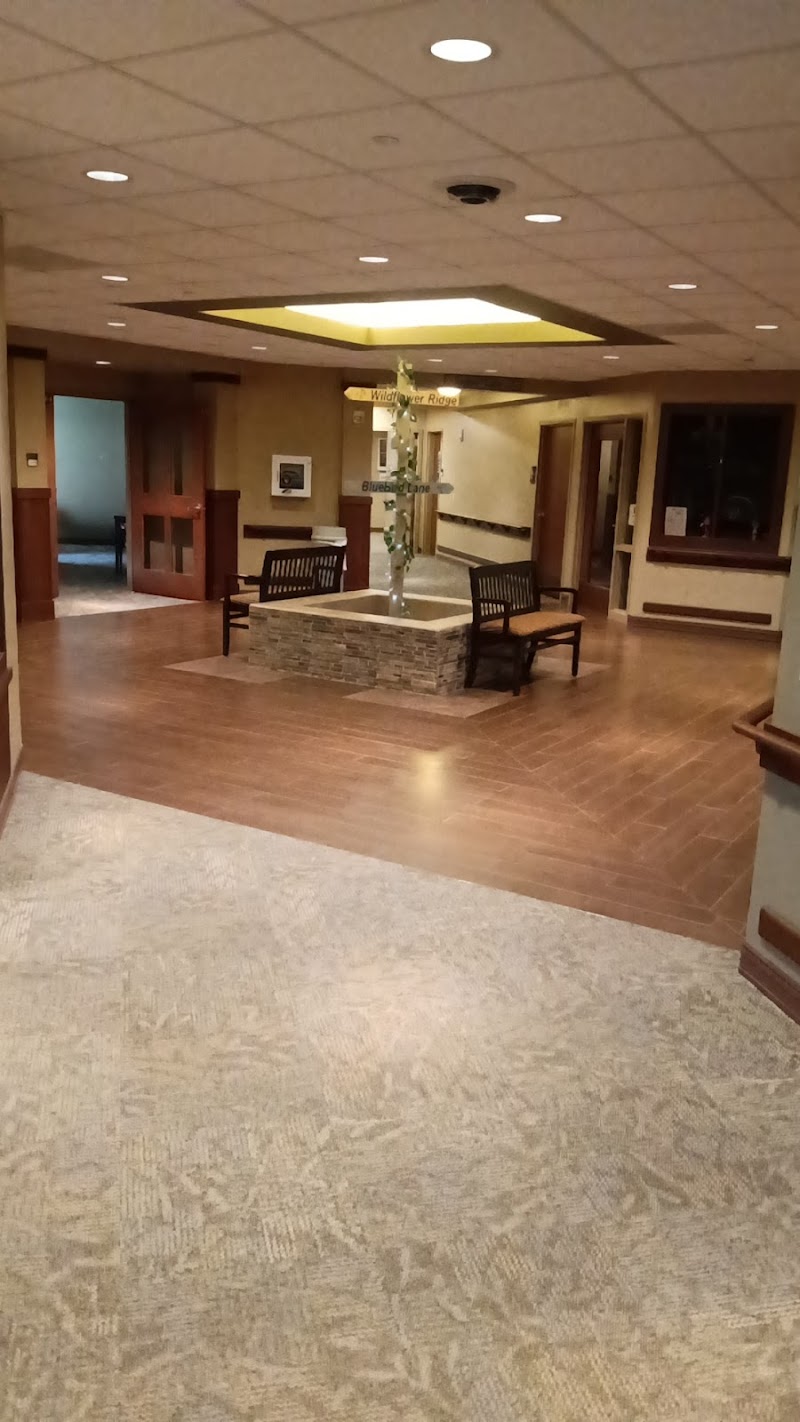
How is St Croix Staffed?

CMS rates ST CROIX HEALTH CENTER's staffing level at 5 out of 5 stars, which is much above average compared to other nursing homes. Staff turnover is 46%, compared to the Wisconsin average of 46%.

What Have Inspectors Found at St Croix?

State health inspectors documented 19 deficiencies at ST CROIX HEALTH CENTER during 2022 to 2024. These included: 17 with potential for harm and 2 minor or isolated issues.
Who Owns and Operates St Croix?

ST CROIX HEALTH CENTER is owned by a government entity. Government-operated facilities are typically run by state, county, or municipal agencies. The facility operates independently rather than as part of a larger chain. With 50 certified beds and approximately 43 residents (about 86% occupancy), it is a smaller facility located in NEW RICHMOND, Wisconsin.
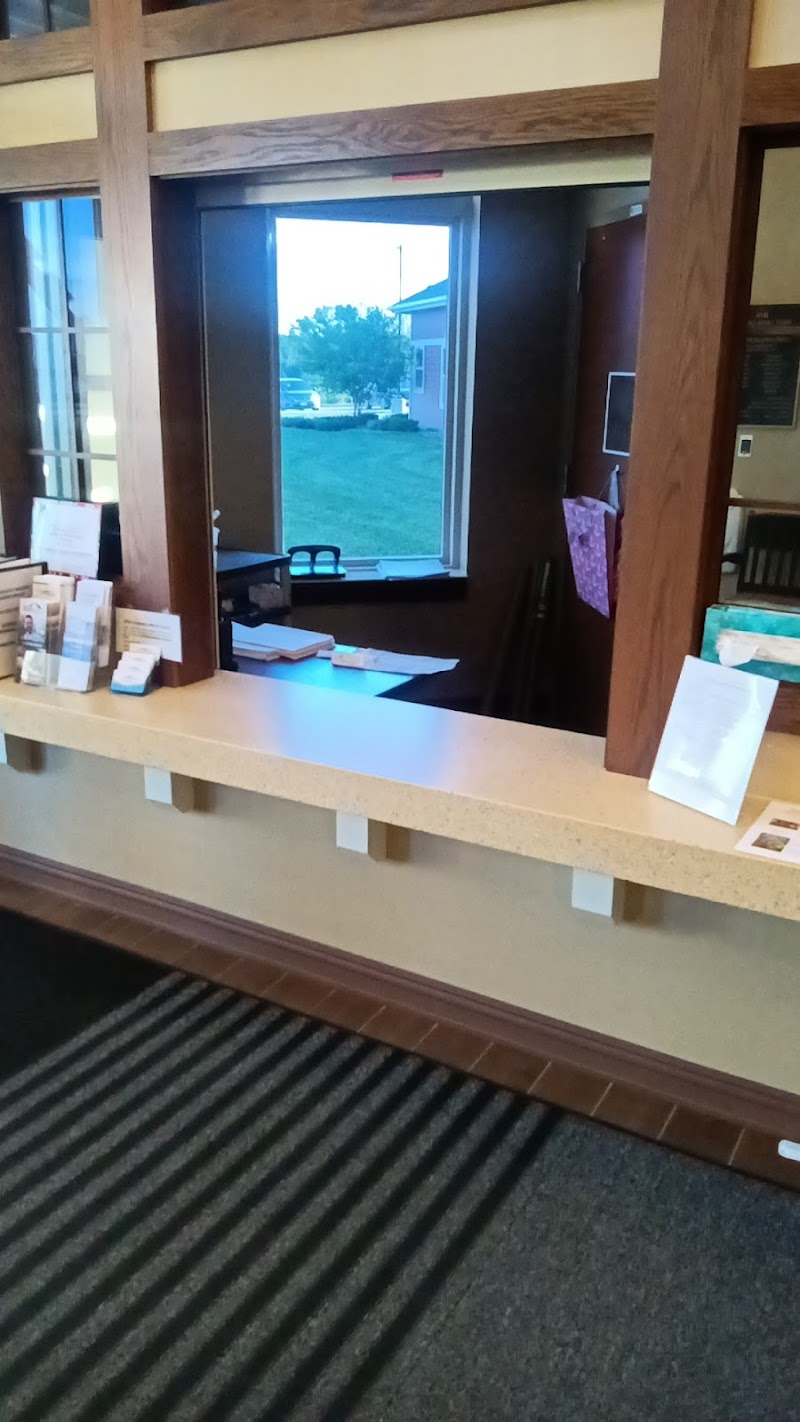
How Does St Croix Compare to Other Wisconsin Nursing Homes?

Compared to the 100 nursing homes in Wisconsin, ST CROIX HEALTH CENTER's overall rating (5 stars) is above the state average of 3.0, staff turnover (46%) is near the state average of 46%, and health inspection rating (4 stars) is above the national benchmark.

What Should Families Ask When Visiting St Croix?

Based on this facility's data, families visiting should ask: "Can I visit during a mealtime to observe dining assistance and food quality?" "How do you handle medical emergencies, and what is your hospital transfer rate?" "Can I speak with family members of current residents about their experience?"

Is St Croix Safe?

Based on CMS inspection data, ST CROIX HEALTH CENTER has a clean safety record: no substantiated abuse findings (meaning no confirmed cases of resident harm), no Immediate Jeopardy citations (the most serious violation level indicating risk of serious injury or death), and is not on the Special Focus Facility watch list (a federal program monitoring the lowest-performing 1% of nursing homes). The facility has a 5-star overall rating and ranks #1 of 100 nursing homes in Wisconsin. While no facility is perfect, families should still ask about staff-to-resident ratios and recent inspection results during their visit.

Do Nurses at St Croix Stick Around?

ST CROIX HEALTH CENTER has a staff turnover rate of 46%, which is about average for Wisconsin nursing homes (state average: 46%). Moderate turnover is common in nursing homes, but families should still ask about staff tenure and how the facility maintains care continuity when employees leave.

Was St Croix Ever Fined?

ST CROIX HEALTH CENTER has no federal fines on record. CMS issues fines when nursing homes fail to meet care standards or don't correct problems found during inspections. The absence of fines suggests the facility has either maintained compliance or corrected any issues before penalties were assessed. This is a positive indicator, though families should still review recent inspection reports for the full picture.

Is St Croix on Any Federal Watch List?

ST CROIX HEALTH CENTER is not on any federal watch list. The most significant is the Special Focus Facility (SFF) program, which identifies the bottom 1% of nursing homes nationally based on persistent, serious quality problems. Not being on this list means the facility has avoided the pattern of deficiencies that triggers enhanced federal oversight. This is a positive indicator, though families should still review the facility's inspection history directly.