MEADOWBROOK AT OCONTO FALLS
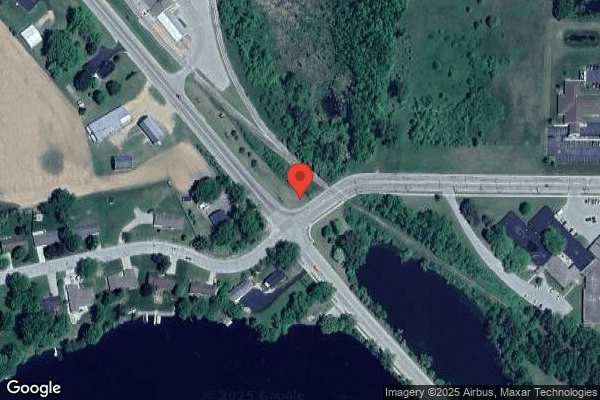
100 E HIGHLAND DR, OCONTO FALLS, WI 54154 (920) 848-3272
For profit - Corporation 99 Beds SYNERGY SENIOR CARE Data: November 2025 1 Immediate Jeopardy citation
Trust Grade
8/100
#223 of 321 in WI
Last Inspection: May 2025

Inspected within the last 6 months. Data reflects current conditions.

Overview

Meadowbrook at Oconto Falls has received a Trust Grade of F, indicating significant concerns about its care quality. Ranking #223 out of 321 facilities in Wisconsin places it in the bottom half, though it is #1 out of 3 in Oconto County, meaning it is the best option locally. The facility is improving, with issues decreasing from 21 in 2024 to 6 in 2025. Staffing is a relative strength, earning a 4 out of 5 stars with a turnover rate of 33%, which is lower than the state average. However, the facility has incurred $76,264 in fines, which is concerning and suggests ongoing compliance issues. There are serious weaknesses to consider here, including a critical incident where a vulnerable resident was not adequately supervised, leading to a reported sexual assault by another resident. Additionally, a resident fell from a Hoyer lift during a transfer that should have involved two staff members, resulting in a hip fracture. Lastly, there was a period when no Registered Nurse was on duty for over 48 hours, raising concerns about the level of medical oversight. Overall, families should weigh these factors carefully when considering this nursing home.

Trust Score
F
8/100
In Wisconsin
#223/321
Bottom 31%
Safety Record
High Risk
Review needed
Inspections
Getting Better
21 → 6 violations
Staff Stability
○ Average
33% turnover. Near Wisconsin's 48% average. Typical for the industry.
Penalties
✓ Good
$76,264 in fines. Lower than most Wisconsin facilities. Relatively clean record.
Skilled Nurses
✓ Good
Each resident gets 44 minutes of Registered Nurse (RN) attention daily — more than average for Wisconsin. RNs are trained to catch health problems early.
Violations
⚠ Watch
41 deficiencies on record. Higher than average. Multiple issues found across inspections.
★★☆☆☆
2.0
Overall Rating
★★★★☆
4.0
Staff Levels
★★★★☆
4.0
Care Quality
★★☆☆☆
2.0
Inspection Score
Stable
2024: 21 issues
2025: 6 issues

The Good

  • 4-Star Staffing Rating · Above-average nurse staffing levels
  • 4-Star Quality Measures · Strong clinical quality outcomes
  • Full Sprinkler Coverage · Fire safety systems throughout facility
  • No fines on record
  • Staff turnover below average (33%)

    15 points below Wisconsin average of 48%

Facility shows strength in staffing levels, quality measures, fire safety.

The Bad

2-Star Overall Rating

Below Wisconsin average (3.0)

Below average - review inspection findings carefully

Staff Turnover: 33%

13pts below Wisconsin avg (46%)

Typical for the industry

Federal Fines: $76,264

Well above median ($33,413)

Moderate penalties - review what triggered them

Chain: SYNERGY SENIOR CARE

Part of a multi-facility chain

Ask about local staffing decisions and management

The Ugly 41 deficiencies on record

1 life-threatening 1 actual harm
May 2025 6 deficiencies
CONCERN (D)

Potential for Harm - no one hurt, but risky conditions existed

Pressure Ulcer Prevention (Tag F0686)

Could have caused harm · This affected 1 resident

**NOTE- TERMS IN BRACKETS HAVE BEEN EDITED TO PROTECT CONFIDENTIALITY** Based on staff interview, and record review, the facility did not provide the necessary care and services to prevent pressure in...

Read full inspector narrative →
**NOTE- TERMS IN BRACKETS HAVE BEEN EDITED TO PROTECT CONFIDENTIALITY** Based on staff interview, and record review, the facility did not provide the necessary care and services to prevent pressure injuries from developing and/or promote healing for 1 resident (R) (R24) of 3 sampled residents. R24's wound care order was changed following a wound clinic appointment on 5/19/25. The facility did not implement the new order or order the needed supplies in a timely manner. In addition, the facility did not notify R24's physician or obtain an alternate order until the supplies could be obtained. Findings include: The facility's undated Skin Management policy indicates: Residents receive care to aid in the prevention or worsening of wounds and/or pressure ulcers. Individuals at risk for skin compromise are identified, assessed, and provided treatment to promote healing, prevent infection, and prevent new ulcers from developing. Ongoing monitoring and evaluation are provided for optimal resident outcomes. From 5/27/25 to 5/29/25, Surveyor reviewed R24's medical record. R24 was admitted to the facility on [DATE] and had diagnoses including osteomyelitis, use of antibiotics, quadriplegia, anoxic brain damage, dysphagia, contractures, and chronic pain syndrome. R24's Minimum Data Set (MDS) assessment, dated 5/15/25, had a Brief Interview for Mental Status (BIMS) score of 9 out of 15 which indicated R24 had moderately impaired cognition. R24 had a skin integrity care plan that indicated R24 had pressure injuries related to decreased mobility and contractures. R24 had a stage 4 pressure injury on the right 5th metatarsal head and an unstageable pressure injury on the left 5th toe. The care plan was initiated on 5/17/25 and revised on 5/23/25. R24 had a physician order, dated 4/6/25, that indicated: Wound dressing instructions right 5th metatarsal head: Remove dressing. Irrigate wound with saline. Apply small amount of Iodosorb or Iodoflex over the wound. Cover with Mepilex border. Apply rest of foam over Mepilex border if available for offloading. Change every other day and as needed for dressing soilage. One time a day on odd days and as needed. On 5/19/25, R24 went to the wound clinic. R24's treatment order for the right 5th metatarsal head was changed to: Remove dressing. Irrigate wound with saline. Apply small amount of Iodosorb or Iodoflex over the wound. Apply cut out maypad (sic) around the wound on the periwound skin for offloading (these can be obtained through durable medical equipment (DME)). (A phone number was included to order if needed.) Cover with dry dressing. Change every other day (maypad (sic), if not soiled and remains in place, can be left in place for 7 days and changed weekly) and as needed for dressing soilage On 6/4/24, Surveyor interviewed Wound Clinic Nurse (WCN)-K who indicated the maypad referred to in R24's wound care order was a mayo pad which WCN-K described as a felt pad cut out around the wound in order to apply no weight bearing and protect the wound. Surveyor noted the 5/19/25 wound clinic order was not transcribed or added to R24's plan of care and staff were still completing the treatment order from 4/6/25. On 5/29/25 at 8:59 AM, Surveyor interviewed Director of Nursing (DON-B) regarding R24's most recent wound care order. DON-B indicated the facility had to order mayo pads. DON-B indicated the staff who ordered supplies had been off for a while but was back and would order them. On 5/29/25 at 10:44 AM, Surveyor interviewed Materials Management (MM)-H who confirmed MM-H ordered medical supplies for the facility. MM-H indicated MM-H is notified via staff or email when supplies need to be ordered. MM-H confirmed R24's mayo pads were not ordered because MM-H had been off from 5/16/25 to 5/27/25. MM-H indicated MM-H would order the mayo pads on Friday (5/30/25) and they would be delivered on Tuesday (6/3/25). When asked who ordered supplies when MM-H was off, MM-H indicated MM-H did not have a backup. On 5/29/25 at 10:45 AM, Surveyor interviewed Wound Nurse (WN)-I who completed R24's wound care that day and noted R24's wound had improved. WN-I indicated R24's wound care order was not changed yet because the facility did not have mayo pads. WN-I indicated WN-I would call the wound clinic to let them know and find out if they recommended an alternative until the mayo pads arrived. WN-I verified WN-I was not notified that the facility did not have the supplies for R24's new order and confirmed WN-I would have contacted the wound clinic about an alternative until the supplies were received.
CONCERN (D)

Potential for Harm - no one hurt, but risky conditions existed

Accident Prevention (Tag F0689)

Could have caused harm · This affected 1 resident

**NOTE- TERMS IN BRACKETS HAVE BEEN EDITED TO PROTECT CONFIDENTIALITY** Based on observation, staff interview, and record review, the facility did not ensure adequate assistance to prevent accidents w...

Read full inspector narrative →
**NOTE- TERMS IN BRACKETS HAVE BEEN EDITED TO PROTECT CONFIDENTIALITY** Based on observation, staff interview, and record review, the facility did not ensure adequate assistance to prevent accidents was provided for 1 resident (R) (R43) of 3 sampled residents. R43 was observed without care planned fall prevention interventions on multiple occasions from 5/27/25 to 5/29/25. Findings include: The facility's Fall Reduction Policy, dated October 2020, states residents will be assessed for risk of falling and risk management should monitor to ensure the facility's policies and protocols are followed, including implementation and effectiveness of interventions. On 5/27/25, Surveyor reviewed R43's medical record. R43 was admitted to the facility on [DATE] and had diagnoses including hemiplegia (weakness on one side of the body) and hemiparesis (paralysis on one side of the body) on the left side, dysphagia (difficulty swallowing), type 2 diabetes, anxiety, and depression. R43's most recent Minimum Data Set (MDS) assessment, dated 3/21/25, had a Brief Interview for Mental Status (BIMS) score of 6 out of 15 which indicated R43 had severe cognitive impairment. The MDS assessment also indicated R43 had functional impairment of the bilateral lower extremities and one upper extremity (left) and required substantial assistance for all activities of daily living (ADLs). R43's comprehensive care plan, revised 6/28/24, indicated R43 was at risk for falls related to deconditioning due to a stroke. The care plan contained interventions for non-skid socks and/or shoes (6/21/24), a door bell call light on the wall next to the bed and on the bedside table (10/14/24), and an air conditioning unit in the window (5/21/25). R43's most recent fall risk assessment, dated 3/29/25, indicated R43 was at risk for falls. R43's medical record indicated R43 fell on 5/25/25, 5/21/25, 3/19/25, 1/15/25, and 12/24/24. On 5/27/25 at 10:06 AM, Surveyor noted R43's door bell call light was out of reach and did not observe a window air conditioning unit in R43's room. On 5/28/25 at 9:03 AM, 10:12 AM, 11:56 AM, 1:23 PM, and 2:02 PM, Surveyor observed R43 in R43's room in a Broda chair in bare feet without non-skid socks or shoes and did not observe a window air conditioning unit in R43's room. On 5/29/25 at 9:04 AM and 10:40 AM, Surveyor noted R43's door bell call light was out of reach on R43's impaired (left) side. Surveyor noted R43's room had a window air conditioning unit at that time. On 5/29/25 at 10:55 AM, Surveyor interviewed Registered Nurse (RN)-D who verified R43 should have non-skid footwear on at all times. RN-D also stated R43's call light should be placed on the right side. RN-D indicated R43 occasionally used the call light to make R43's needs known. RN-D verified the window air conditioning unit was installed sometime between 5/28/25 and 5/29/25. On 5/29/25 at 11:20 AM, Surveyor interviewed Director of Nursing (DON)-B who verified R43's call light should always be within reach on R43's right side which was R43's stronger side. DON-B also confirmed R43 should always have non-skid footwear/socks on. DON-B indicated fall interventions should be put in place immediately (or as soon as possible) after a fall and the resident's care plan should be updated. On 5/29/25 at 1:30 PM, Surveyor interviewed Maintenance Director (MD)-J who indicated DON-B sent a message to MD-J at approximately 4:00 PM on 5/28/25 to install R43's air conditioning unit. MD-J stated MD-J had a few window units in storage and was able to install the unit right away.
CONCERN (D)

Potential for Harm - no one hurt, but risky conditions existed

Deficiency F0692 (Tag F0692)

Could have caused harm · This affected 1 resident

**NOTE- TERMS IN BRACKETS HAVE BEEN EDITED TO PROTECT CONFIDENTIALITY** Based on staff interview and record review, the facility did not ensure the necessary care and treatment to prevent weight loss ...

Read full inspector narrative →
**NOTE- TERMS IN BRACKETS HAVE BEEN EDITED TO PROTECT CONFIDENTIALITY** Based on staff interview and record review, the facility did not ensure the necessary care and treatment to prevent weight loss and dehydration was provided for 2 residents (R) (R40 and R51) of 5 sampled residents. R40 had significant weight loss. Weekly weights were not implemented per Registered Dietician (RD)-G's recommendation and a nutrition care plan was not implemented timely. R40's quarterly evaluation for nutrition, dated 4/2/25, contained a weight from 1/6/25 and did not indicate a current weight was requested at the quarterly review. In addition, R40's family's request to evaluate R40's stomach issues was not completed timely. R51 had severe weight loss without appropriate follow-up. In addition, R51 had an order for weekly weights which was not implemented or completed. Findings include: The facility's Weight Management policy, revised November 2021, indicates: Residents' nutritional status will be monitored on a regular basis to aid in the maintenance of acceptable parameters, such as body weight and protein levels, unless the resident's clinical condition demonstrates that this is not possible. Accurate weights are obtained by having staff follow a consistent approach to weighing and using an appropriately serviced and functioning scale .The measurement of weight is a guide in determining nutritional status. Therefore, the evaluation of the significance of weight gain or loss is a part of the assessment process. Nutritional status, including weight, is influenced by calories, protein, and fluid. Weight can be a useful indicator of nutritional status when evaluated within the context of the individual's personal history and overall condition. Significant unintended changes in weight (loss or gain) or insidious weight loss may indicate a nutritional problem .Complete monthly weights in the same week each month .7. Staff members will be assigned to: Obtain weight and re-weight data .b. determine residents that should be re-weighed. The interdisciplinary team (IDT) will update the care plan and communicate with the resident, the resident's representative, and staff regarding interventions to be implemented. 1. From 5/27/25 to 5/29/25, Surveyor reviewed R40's medical record. R40 was admitted to the facility on [DATE] and had diagnoses including gastroesophageal reflux disease (GERD), generalized anxiety disorder, depression, and muscle weakness. R40's Minimum Data Set (MDS) assessment, dated 4/4/25, had a Brief Interview for Mental Status (BIMS) score of 13 out of 15 which indicated R40 had intact cognition. R40's medical record indicated: ~ R40 did not have a weight completed between 1/6/25 and 5/5/25. ~ R40's Treatment Administration Record (TAR) noted R40 refused to be weighed on 2/3/25, 3/3/25, 5/10/25, and 5/12/25. On 4/28/25, nothing was recorded. On 5/10/25, R40 had an order for daily weights for 5 days. R40 was weighed on 5/11/25, 5/13/25, and 5/14/25. On 5/10/25 and 5/12/25, R40 refused to be weighed. ~ A mini-nutrition assessment, dated 4/2/25, indicated 40 had mild dementia and a body mass index (BMI) of 23 or greater. R40's weight was documented as 160.3 pounds (from 1/6/25). The assessment indicated R40 did not have a decrease in food intake or weight loss in the last 3 months and did not suffer psychological stress or acute disease. R40 was able to get out of R40's bed/chair but did not go out. R40's mini nutrition score was 12.0 which indicated R40 had normal nutritional status. A physician note, dated 4/7/25, indicated R40 complained of stomach pain and pointed to R40's epigastric region. R40's PPI (proton pump inhibitor) (a class of medications used to reduce stomach acid production) dose was previously lowered. R40 requested Tums (an antacid medication used to relieve heartburn and acid indigestion). An increase in R40's PPI would be considered if Tums was ineffective. The note indicated the physician would reduce R40's Depakote (an anticonvulsant and mood stabilizing medication) to see if R40's weakness improved. A progress note, dated 4/8/25 at 10:50 AM, indicated R40's managed care organization (MCO) and power of attorney (POA) notified the writer of some concerns. They were updated on R40's physician visit on 4/7/25. They asked if R40 could try therapy again and stated they were concerned about R40's stomach issues and wanted to pursue further diagnostic testing. R40's physician was updated. Surveyor noted R40's meal intakes decreased around 4/11/25 and went from 50-100% to 0-50%. On 5/2/25, the facility added an order to weigh R40 monthly one time a day every 4 weeks on Friday. Surveyor noted R40 did not have an order for weekly weights. An At-Risk IDT Review, dated 5/9/2025 at 1:12 PM, indicated the IDT team reviewed R40 for weight loss. R40 was on a 5 day weight regimen to determine R40's base weight. R40 often refused weights. R40's current weight was 129.8 pounds. R40's meal intake was 0-25% and fluid intake was an average of 1178 milliliters (ml) over 7 days. RD-G was waiting to find out R40's base weight to determine the best regimen. A nutrition/dietary note, dated 5/11/25 at 7:45 PM, indicated R40's weight had decreased 16% in 5 months. R40 weighed 134 pounds and had a BMI of 19.9 which was near underweight. R40 was on a CC4/regular/thin diet with no chewing/swallowing problems and no signs/symptoms of diet intolerance. R40's meal intake was 0-25% and fluid intake was 1.2 liters. R40 received Mighty Shakes (a supplement drink) three times daily and ice cream twice daily. R40 received as needed (PRN) medication for constipation and drank well during fluid pass. The note contained a recommendation for juice three times daily between meals and at fluid pass to provide 600 kilocalories and 18 grams of protein. Weekly weights were also recommend due poor intake. If weight loss continued, there was a recommendation to switch twice daily ice cream to Magic Cups. The note contained an instruction to continue to monitor weight, labs, and skin and alert RD-G as needed. A note to the physician, dated 5/12/25 at 4:18 PM, indicated R40 had significant weight loss since admission and frequently refused to be weighed. R40 generally ate 0-25% of meals and was offered nutritional drinks. The physician was asked to review and advise. R40's weights were as follows: ~ On 5/11/25, R40 weighed 134.8 pounds. ~ On 5/5/25, R40 weighed 129.8 pounds. ~ On 1/6/25, R40 weighed 160.3 pounds. ~ On 12/29/24, R40 weighed 160.0 pounds. ~ On 12/28/24, R40 weighed 160.2 pounds. ~ On 12/27/24, R40 weighed 161.4 pounds. A progress note, dated 5/12/25, indicated staff asked the physician to see R40 for notable weight loss and poor oral intake. The physician addressed R40's weight loss and indicated orders would likely start with a computed tomography (CT) scan of the chest, abdomen, and pelvis. Labs were ordered. On 5/23/25, R40 had a CT scan. The results indicated R40 had a large colorectal stool burden with distention of the rectum to 8.2 centimeters (cm). There was no evidence of obstruction or perforation. A Nurse Practitioner (NP) note, dated 5/27/25 at 6:42 AM, indicated there was nothing to explain R40's abdominal pain, weight loss, and decline. Miralax 17 grams daily was started. R40 was referred for an esophagogastroduodenoscopy (EGD) that staff should schedule. On 5/28/25 at 11:26 AM, Director of Nursing (DON)-B informed Surveyor that staff could not find paperwork that indicated the physician was notified when R40's POA and MCO requested further evaluation of R40's stomach issues (as indicated in the 4/8/25 progress note). DON-B indicated the family was updated on R40's physician visit the previous day and Tums order. DON-B was not sure if further testing was completed between the family's request on 4/8/25 and R40's identified weight loss on 5/10/25. On 5/28/25, Surveyor noted R40 did not have a care plan related to weight loss. Later on 5/28/25, the facility added a care plan that indicated R40 had a potential nutritional problem and recent hospitalization with goals of no gastrointestinal (GI) complains or significant weight loss. On 5/29/25, Surveyor observed R40's lunch. R40 ate in R40's room and refused lunch but accepted 2 [NAME] bars. On 5/28/25 at 1:40 PM, Surveyor interviewed RD-G who stated employment in November of 2024. RG-D was at the facility twice per month and could be reached via email or phone. RD-G took over nutritional charting approximately 2 months ago when the staff who completed quarterly charting left the facility. RD-G verified R40's medical record did not contain an order for weekly weights. RD also confirmed if a resident refused to be weighed, the refusal should be documented and the resident should be reapproached. RD-G indicated RD-G communicated the order changes for weights to Director of Nursing (DON)-B. RD-G confirmed R40 did not have a nutritional care plan until 5/2/25 and indicated either RD-G or nursing staff complete care plans when concerns are identified. RD-G also confirmed RD-G used a weight from January of 2025 for R40's quarterly nutritional evaluation. RD-G indicated RD-G preferred to have an updated weight but there were none available. 2. On 5/27/25, Surveyor reviewed R51's medical record. R51 was admitted to the facility on [DATE] and had diagnoses including GERD, osteoporosis, history of falls, unsteadiness on feet, overactive bladder, and weakness. R51's MDS assessment, dated 3/15/25, had a BIMS score of 11 out of 15 which indicated R51 had moderately impaired cognition. R51 had an activated Power of Attorney for Healthcare (POAHC). R51 was currently hospitalized (not related to the investigation). R51's plan of care indicated R51 was at risk of malnutrition due to chronic kidney disease. R51's care plan contained a goal that R51 would intake nutrients to meet R51's metabolic needs and have no significant weight change through the review date. R51's medical record indicated R51 had a 9.12% weight loss over the 6 months R51 resided at the facility. Surveyor noted R51's most recent weight was on 3/14/25. Surveyor reviewed R51's weights from admission to the present and noted the following: ~ On 12/6/24, R51 weighed 155.6 pounds. ~ On 12/7/24, R51 weighed 150.5 pounds. ~ On 12/8/24, R51 weighed 149.0 pounds. ~ On 1/16/25, R51 weighed 145.2 pounds. ~ On 1/21/25, R51 weighed 144.4 pounds. ~ On 1/28/25, R51 weighed 144.0 pounds. ~ On 2/4/25, R51 weighed 143.8 pounds. ~ On 3/10/25, R51 weighed 143.8 pounds. ~ On 3/14/25, R51 weighed 142.6 pounds. On 5/28/25 at 10:47 AM, Surveyor interviewed Hospital Registered Nurse (HRN)-F who indicated the hospital weighed R51 that morning and R51's current weight was 141.4 pounds. Surveyor reviewed R51's Medication Administration Record (MAR) and Treatment Administration Record (TAR). Surveyor noted an order that indicated: Weight-monthly. One time a day every 4 weeks on Tuesday. Start date: 2/4/25. Surveyor noted R51's April and May 2025 MAR/TAR did not contain documentation of R51's weights. R51's May 2025 MAR/TAR was marked as not applicable (NA) since R51 was absent from the facility. Surveyor used the following formula to determine percentage of weight loss for R51: Percent of body weight loss = (usual weight - actual weight)/(usual weight) x 100. The following table was used to analyze the results: ~ 1 month = Significant Loss - 5%, Severe Loss - Greater than 5% ~ 3 months = Significant Loss - 7.5%, Severe Loss - Greater than 7.5% ~ 6 months = Significant Loss - 10%, Severe Loss - Greater than 10% Surveyor used R51's admission weight as the usual weight. Surveyor applied the facility weights as documented (using the nearest applicable dates) along with R51's 5/28/25 hospital weight to determine the following percentages of weight loss for R51: ~ 1 month (12/6/24 - 1/16/25): 6.68% weight loss which was considered a severe loss in a one month period. ~ 3 months (12/6/24 - 3/10/25): 7.58% weight loss which was considered a severe loss in a three month period. ~ 6 months (12/6/24 - 5/28/25): 9.12% weight loss which was just under the significant loss criteria of 10%. A nutritional assessment, completed by RD-G and dated 12/13/24 (and was the only nutritional assessment since R51's 12/6/24 admission), indicated R51 did not have edema, was on a regular diet with no restrictions, did not take supplements, and did not have weight loss. The assessment indicated R51's weight was 149 pounds (from 12/8/24). RD-G indicated if significant weight loss occurs, RD-G sends a recommendation for a health shake. Surveyor noted R51 had a 6.6 pound weight loss in two days despite the fact the assessment indicated R51 did not have any weight loss. A mini nutrition note, dated 3/10/25, indicated R51 did not have a decrease in food intake or weight loss in the last 3 months, had not suffered psychological stress or acute disease, and had no psychological problems. R51's BMI was 23 or greater. R51 had a mini nutrition score of 14.0 which indicated R51 had normal nutritional status. A Nutritional Assessment/Screening Summary, dated 3/13/25, indicated R51 was on a regular diet with meal intakes of 51-75% and fluid intakes of 1500 cubic centimeters (cc). R51 was not on any supplements. R51 weighed 143.8 pounds which was an 11 pound weight loss since admission. RD-G and nursing were aware. The note contained an instruction to continue to monitor weights and intakes weekly and consult RD-G as needed. On 5/28/25 at 12:48 PM, Surveyor interviewed DON-B who indicated R51 was not on the facility's list of residents with weight loss. When asked about nutritional documentation on 3/10/25 that indicated R51 did not have weight loss and nutritional documentation on 3/13/25 that indicated R51 had an 11 pound weight loss, DON-B indicated it should have been looked into. DON-B indicated RD-G had access to residents' weights, including R51. DON-B indicated R51 should have had an order for weekly weights. DON-B indicated it was concerning that there were no weights documented for R51 after 3/14/25 considering R51 experienced severe weight loss at the facility, DON-B indicated R51's weight refusals should have been documented and DON-B would follow-up with RD-G on the oversight. On 5/28/25 at 1:39 PM, Surveyor interviewed RD-G who indicated the facility's computer system notified RD-G if a resident had a significant weight loss and RD-G followed up with the IDT. When Surveyor asked if there was a nutritional assessment summary from 3/13/25 that listed weekly weights for R51, RD-G indicated weekly weights should have been obtained. RD-G did not know why weekly weights were not completed and stated the weekly weight note should have been given to DON-B and added to R51's orders. When asked about the nutritional note on 3/10/25 that indicated R51 did not have any weight loss, RD-G indicated RD-G did not enter that note in the system. When asked why R51's weight loss was not addressed, RD-G indicated RD-G reviewed weights with the IDT, however, R51's weight did not trigger. RD-G indicated R51's weight loss should have been addressed and weekly weights should have been completed if that is what the nutritional summary indicated.
CONCERN (D)

Potential for Harm - no one hurt, but risky conditions existed

Deficiency F0699 (Tag F0699)

Could have caused harm · This affected 1 resident

**NOTE- TERMS IN BRACKETS HAVE BEEN EDITED TO PROTECT CONFIDENTIALITY** Based on staff interview and record review, the facility did not develop a culturally competent, trauma-informed care plan for 1...

Read full inspector narrative →
**NOTE- TERMS IN BRACKETS HAVE BEEN EDITED TO PROTECT CONFIDENTIALITY** Based on staff interview and record review, the facility did not develop a culturally competent, trauma-informed care plan for 1 resident (R) (R33) of 2 sampled residents with an identified trauma history and intermittent issues with coping and functioning related to surviving trauma. R33 was a trauma survivor. The facility did not develop a trauma-informed plan of care to address R33's firework-related trauma. On 5/24/25, there was a fireworks show near the facility. Findings include: Substance Abuse and Mental Health Services Administration (SAMHSA, 2014) (https://www.ncbi.nlm.nih.gov/books/NBK207191/) indicates: The impact of trauma can be subtle, insidious, or outright destructive. How an event affects an individual depends on many factors, including characteristics of the individual, the type and characteristics of the event(s), developmental processes, the meaning of the trauma, and sociocultural factors. SAMHSA indicates trauma causes immediate and delayed emotional, behavioral, physical, cognitive, and existential reactions. The facility's Comprehensive Care Plan policy, revised January 2023, indicates: It is the policy of this facility to develop and implement a comprehensive person-centered care plan for each resident consistent with the resident's rights that includes measurable objectives and time frames to meet a resident's medical, nursing, and mental and psychosocial needs identified in the resident's comprehensive assessment .Trauma informed care is an approach to delivering care that involves understanding, recognizing, and responding to the effects of all types of trauma. A trauma informed approach to care delivery recognizes the widespread impact and signs and symptoms of trauma in residents and incorporates knowledge about trauma into care plans, policies, procedures, and practices to avoid re-traumatization .1. The care planning process includes an assessment of the resident's strengths and needs and incorporates the resident's personal and cultural preferences in developing goals of care. Services provided or arranged by the facility .shall be culturally competent and trauma informed. 2. The comprehensive care plan will be developed within seven days after the completion of the comprehensive Minimum Data Set (MDS) assessment .3. The comprehensive care plan will describe, at a minimum, the following: .g. Individualized interventions for trauma survivors that recognize the interrelation between trauma and symptoms of trauma .Trigger specific interventions will be used to identify ways to decrease the resident's exposure to triggers which re-traumatize the resident, as well as identify ways to mitigate or decrease the effect of the trigger on the resident . On 5/27/25, Surveyor reviewed R33's medical record. R33 was admitted to the facility on [DATE], 2/28/25, and 5/5/25. R33 had diagnoses including chronic post traumatic stress disorder (PTSD), bipolar disorder, anxiety, and depression. R33's MDS assessment, dated 5/5/25, had a Brief Interview for Mental Status (BIMS) score of 15 out of 15 which indicated R33 had intact cognition. R33 was responsible for R33's medical decisions. Trauma informed care assessments, completed on 2/28/25 and 5/6/25, indicated R33 had trauma related to fireworks. R33's medical record did not contain a care plan for trauma informed care or interventions for R33's PTSD diagnosis. On 5/29/25 at 10:22 AM, Surveyor interviewed Social Worker (SW)-E who reviewed R33's trauma questionnaire with Surveyor and indicated a care plan should be developed when something is triggered on an assessment. SW-E indicated R33's care plan and [NAME] (an abbreviated care plan used by nursing staff) should have trauma information so staff can appropriately care for R33. When Surveyor asked about a fireworks show that occurred near the facility on 5/24/25, SW-E was not aware of the fireworks show. SW-E indicated staff would have been able to help R33 with any firework-related trauma, however, staff were not aware of interventions without a care plan. On 5/29/25 at 11:22 AM, Surveyor interviewed R33 who indicated R33 had PTSD and a history of PTSD related to fireworks. R33 indicated R33 heard the fireworks show on 5/24/25 that was approximately one mile away. R33 turned the volume up on R33's television to drown out the noise and did R33's best to deal with it. R33 indicated no one checked on R33 during the fireworks show or preventively tried to help R33 prepare for possible trauma triggers related to fireworks. R33 indicated R33 would like someone to check on R33 when there are fireworks in the area. On 5/29/25 at 11:35 AM, Surveyor interviewed Director of Nursing (DON)-B who indicated residents with a diagnosis of PTSD should have a care plan for the diagnosis. DON-B indicated staff use a resident's care plan and [NAME] to be aware of issues and to provide care and interventions appropriately. DON-B indicated staff should have already been providing that service to R33.
CONCERN (E)

Potential for Harm - no one hurt, but risky conditions existed

Deficiency F0761 (Tag F0761)

Could have caused harm · This affected multiple residents

Based on observation, staff interview, and record review, the facility did not ensure drugs and biologicals were stored in accordance with the facility's policy. One of three medication carts was obse...

Read full inspector narrative →
Based on observation, staff interview, and record review, the facility did not ensure drugs and biologicals were stored in accordance with the facility's policy. One of three medication carts was observed unlocked and unattended during medication pass. This practice had the potential to affect more than 4 of the * residents residing in the facility. The 300 wing medication cart was unlocked and unattended during medication administration on 5/28/25. Findings include: The facility's Medication Storage policy, revised 1/2023, indicates: .c. During a medication pass, medications must be under the direct observation of the person administering medications or locked in the medication storage area/cart. On 5/28/25 at 9:07 AM, Surveyor observed Licensed Practical Nurse (LPN)-L administer medication to residents. During the observation, LPN-L returned to the medication cart to retrieve a medication for a resident and left the medication cart unlocked and unattended in the hallway after entering the resident's room. The medication cart was left unlocked and unattended for 20 minutes. On 5/28/25 at 9:42 AM, Surveyor interviewed LPN-L who verified LPN-L left the medication cart open and unattended. LPN-L indicated it done on accident and LPN-L's practice was to lock the medication cart when unattended. On 5/29/25 at 11:11 AM, Surveyor interviewed Director of Nursing (DON)-B who indicated medication carts should always be locked when unattended.
CONCERN (E)

Potential for Harm - no one hurt, but risky conditions existed

Infection Control (Tag F0880)

Could have caused harm · This affected multiple residents

**NOTE- TERMS IN BRACKETS HAVE BEEN EDITED TO PROTECT CONFIDENTIALITY** Based on observation, staff interview, and record review, the facility did not maintain an infection prevention and control prog...

Read full inspector narrative →
**NOTE- TERMS IN BRACKETS HAVE BEEN EDITED TO PROTECT CONFIDENTIALITY** Based on observation, staff interview, and record review, the facility did not maintain an infection prevention and control program designed to help prevent the development and transmission of communicable disease and infection for 4 residents (R) (R1, R35, R30, and R15) of 6 residents observed during medication administration and the provision of cares. R1 was on enhanced barrier precautions (EBP). Staff did not wear a gown and gloves at all times during a pressure wound dressing change or urostomy and colostomy care. Staff did not complete proper hand hygiene before or after preparing medication and prior to administering medication to R35, R30, and R15. Findings include: The facility's Handwashing/Hand Hygiene policy, dated August 2014, indicates: This facility considers hand hygiene the primary means to prevent the spread of infections .7. Use an alcohol-based hand rub containing at least 62% alcohol; or, alternatively, soap (antimicrobial or non-antimicrobial) and water for the following situations: .c. Before preparing or handling medications . The facility's Enhanced Barrier Precautions policy, revised March 2024, indicates: Enhanced barrier precautions (EBP) refer to an infection control intervention designed to reduce the transmission of multidrug-resistant organisms (MDROs) that employs targeted gown and glove use during high-contact resident cares .4. High-contact resident cares include: .g. Device care or use: central lines, urinary catheters .h. Wound care: any skin opening requiring a dressing . 1. On 5/28/25, Surveyor reviewed R1's medical record. R1 was admitted to the facility on [DATE] and had diagnoses including quadriplegia, stage 4 pressure ulcer, urostomy, and colostomy. R1's Minimum Data Set (MDS) assessment, dated 3/9/25, had a Brief Interview for Mental Status (BIMS) score of 15 out of 15 which indicated R1 had intact cognition. On 5/28/25 at 7:49 AM, Surveyor observed an EBP sign posted outside R1's room and observed Licensed Practical Nurse (LPN)-L and Registered Nurse (RN)-M provide a wound dressing change, a urostomy bag/dressing change, and a colostomy bag/dressing change for R1 without wearing gowns. R1 was on EBP which required staff to don a gown during high-contact resident cares, including wound care. During wound care, Surveyor observed RN-M retrieve a scissors from RN-M's pocket with a gloved hand, sanitized the scissors, and continued with wound care without changing gloves. After RN-M changed R1's urostomy and colostomy bags and dressings, RN-M removed gloves. Without cleansing hands and donning clean gloves, RN-M secured the dressing sites with tape. On 5/28/25 at 8:25 AM, Surveyor interviewed RN-M who verified RN-M did not wear a gown during high-contact cares for R1. RN-M verified RN-M retrieved scissors from RN-M's pocket with a gloved hand and removed gloves to apply adhesive tape to R1's dressing sites. RN-M indicated a gown should be worn during dressing changes, gloves should be worn when applying dressings, and gloves should be changed when compromised. On 5/28/25 at 9:43 AM, Surveyor interviewed LPN-L who verified LPN-L did not wear a gown during R1's dressing changes. LPN-L indicated LPN-L should have worn a gown. On 5/28/25 at 11:38 AM, Surveyor interviewed Director of Nursing (DON)-B who indicated staff should follow the facility's EBP policy when completing wound care, urostomy care, and colostomy care. 2. On 5/28/25 at 7:34 AM, Surveyor observed LPN-L prepare medication for R35. LPN-L did not complete hand hygiene before or after medication preparation or prior to administering medication to R35. On 5/28/25 at 7:43 AM, Surveyor observed LPN-L prepare medication for R30. LPN-L did not complete hand hygiene before or after medication preparation or prior to administering medication to R30. On 5/28/25 at 9:07 AM, Surveyor observed LPN-L prepare medication for R15. LPN-L did not complete hand hygiene before or after medication preparation or prior to administering medication to R15. On 5/28/25 at 9:43 AM, Surveyor interviewed LPN-L who indicated hand hygiene should be performed before preparing and administering medication. LPN-L verified LPN-L did not complete hand hygiene but should have. On 5/29/25 at 11:38 AM, Surveyor interviewed DON-B who indicated staff should complete hand hygiene prior to administering medication to residents.
Dec 2024 5 deficiencies 1 IJ
CRITICAL (J) 📢 Someone Reported This

A family member, employee, or ombudsman was alarmed enough to file a formal complaint

Immediate Jeopardy (IJ) - the most serious Medicare violation

Free from Abuse/Neglect (Tag F0600)

Someone could have died · This affected 1 resident

**NOTE- TERMS IN BRACKETS HAVE BEEN EDITED TO PROTECT CONFIDENTIALITY** Based on observation, staff, resident, resident representative interview, and record review, the facility did not ensure the res...

Read full inspector narrative →
**NOTE- TERMS IN BRACKETS HAVE BEEN EDITED TO PROTECT CONFIDENTIALITY** Based on observation, staff, resident, resident representative interview, and record review, the facility did not ensure the resident environment remained free of abuse for 1 resident (R) (R2) of 10 sampled residents. R9 had a history of sexually inappropriate behavior toward residents and staff. R2 had a history of wandering in and out of residents' rooms unsupervised. On 10/23/24, R10 reported to R2's Guardian (GDN-O) that R9 had groped R2's breast in the dining room. GDN-O reported the allegation to Nursing Home Administrator (NHA)-A. R2 was not assessed for injury and there were no interventions put in place to supervise R9 and R2. The facility's failure to supervise a resident with a history of sexually inappropriate behavior and a vulnerable resident who wandered in the facility unsupervised created a finding of immediate jeopardy that began on 10/23/24. NHA-A was notified of the immediate jeopardy on 12/6/24 at 11:00 AM. The immediate jeopardy was removed on 12/6/24, however, the deficient practice continues at a scope/severity level D (potential for more than minimal harm/isolated) as the facility continues to implement its action plan. Findings include: The facility's Abuse Prevention Program policy indicates: The purpose of this policy is to assure the facility is doing all that is within its control to prevent occurrences of abuse .This will be done by: .identifying occurrences and patterns of potential mistreatment; immediately protecting residents involved in identified reports of possible abuse .; implementing systems to promptly and aggressively investigate all reports and allegations of abuse .and making the necessary changes to prevent further occurrences .V. Protection of Residents: The facility will take steps to prevent potential abuse while the investigation is underway. VI. Internal Investigation: 1. All incidents will be documented whether or not abuse .was alleged or suspected. 2. Any incident or allegation involving abuse .will result in an investigation. Resident Protection Investigation Paths: .If an allegation of physical sexual contact without penetration is involved: Do a full body exam. Check range of motion. Consult with a physician as to the need for further diagnostic examination or X-rays . On 12/4/24, Surveyor reviewed R2's medical record. R2 was admitted to the facility on [DATE] and had diagnoses including Non-Alzheimer's dementia with severe dementia with behavioral disturbances, anxiety, restlessness, and agitation. R2's Minimum Data Set (MDS) assessment, dated 9/3/24, had a Brief Interview for Mental Status (BIMS) score of 0 out of 15 which indicated R2 had severe cognitive impairment. R2 had a Guardian for healthcare decisions. On 12/4/24, Surveyor reviewed R9's medical record. R9 was readmitted to the facility on [DATE]. R9 had diagnoses including vascular disease, cerebral infarction, and diabetes. R9's MDS assessment, dated 9/21/24, had a BIMS score of 13 out of 15 which indicated R9 was not cognitively impaired. R9 was R9's own decision maker. On 12/4/24, Surveyor reviewed R10's medical record. R10 was admitted to the facility on [DATE] and had diagnoses including acute kidney failure, depression, and diabetes. R10's MDS assessment, dated 10/19/24, had a BIMS score of 15 out of 15 which indicated R10 was not cognitively impaired. R10 was R10's own decision maker. On 12/4/24 at 10:42 AM, Surveyor interviewed GDN-O who indicated R10 approached GDN-O on 10/23/24 and reported that before GDN-O arrived at the facility, R10 witnessed R9 fondle R2's breast in the dining room. R10 informed GDN-O that Registered Nurse (RN)-G moved R9 away from R2 and out of the dining room. When GDN-O asked RN-G why GDN-O was not notified, GDN-O indicated RN-G thought someone else was going to report it. GDN-O asked NHA-A to see footage from the video camera in the dining room but was denied. GDN-O was still upset two days later, asked NHA-A for more follow-up, and was again denied the ability to view video footage of the incident. GDN-O stated NHA-A indicated there was a split second in the video when R9 reached for R2, but R2 brushed R9's hand away. GDN-O asked to see the video a third time and was denied. GDN-O relayed the observations reported by NHA-A to R10. R10 indicated that was not accurate and told GDN-O that R9 had R9's hand on R2's breast for a while and was rubbing it. GDN-O indicated the facility should have reported the incident to the police. GDN-O indicated GDN-O was not happy with R2's care because R2 was often unsupervised and left to roam at will in the facility. R9's medical record contained the following: ~A progress note, dated 10/23/24 at 5:16 PM by RN-G, indicated R9 reached for another resident and the writer pulled R9 away. No contact was made when writer was present. R9 was escorted from the dining room. ~A progress note, dated 10/24/24 at 10:41 AM, indicated R9 has had increased sexual behaviors toward staff and residents. Staff redirected and educated R9 that sexual thoughts were normal but R9 should respect others' space and bodies. The note was sent by RN-H to Primary Physician (PP)-M and Nurse Practitioner (NP)-N and asked them to advise. ~A note, dated 10/24/24 at 3:07 PM, indicated R9 had daily behaviors and redirection was only partially effective and seemed less effective than previously. The note was entered by RN-H in response to PP-M and NP-N and asked them to advise. ~A note, dated 10/25/24 at 3:34 PM, indicated R9 had a new order for finasteride 5 milligrams (mg) daily prescribed by NP-N. R2's medical record did not contain documentation of the alleged sexual assault in the dining room on 10/23/24 or a skin assessment following the allegation of abuse. R10's medical record did not indicate R10 witnessed or reported a sexual assault in the dining room on 10/23/24. On 12/4/24 at 2:10 PM, Surveyor observed R9 in bed with the door open. R9 was not wearing pants and R9's buttock and groin were visible from the hallway. On 12/4/24 at 4:24 PM, Surveyor interviewed R10 who recalled the 10/23/24 incident involving R2 and R9 without being prompted. R10 indicated R9 groped R2 on the chest in the cafeteria for approximately one minute. As R10 made R10's way over to stop the incident, a staff quickly and urgently moved R9 away from R2. R10 was unsure if the staff saw what happened between R9 and R2 but thought they did due to the quick separation of the residents. R10 told GDN-O what R10 witnessed when GDN-O arrived to see R2 that day. R10 also reported the incident to NHA-A in a brief conversation. R10 indicated NHA-A seemed unconcerned. R10 was positive there was physical contact and stated the front of R2's shirt was moving when staff moved R9 away from R2. On 12/4/24 at 4:33 PM, Surveyor interviewed R9 who indicated (through head nods, head shakes, word mouthing, and hand gestures) that R9 did not touch anyone's breast. R9 indicated NHA-A talked to R9 about not touching people. When asked if NHA-A talked to R9 because R9 had touched someone, R9 nodded yes. On 12/4/24, Surveyor attempted to interview R2 who was unable to answer questions. On 12/4/24 at 4:42 PM, Surveyor interviewed Certified Nursing Assistant (CNA)-L who worked on 10/23/24 but did not witness the incident between R9 and R2. CNA-L was informed that R9 attempted to touch R2's breast by an unknown staff. CNA-L indicated R9 was often naked in R9's room or naked on the bottom half in bed with the door open. CNA-L indicated R9 was handsy, grabbed staffs' butts, and told people they had nice asses. When asked what interventions were in place for R9's sexual behavior, CNA-L stated staff verbally redirected R9 and documented after the behavior occurred. CNA-L indicated R2 was often in other residents' rooms. CNA-L indicated there was no stopping R2. CNA-L felt there was not enough staff to appropriately supervise R2. On 12/4/24 at 4:54 PM, Surveyor interviewed RN- I who worked on 10/23/24 but was not aware of the incident between R9 and R2. When asked if R9 touched R2's breast, RN-I stated the incident rang a bell but RN-I was unsure if there was a touch or an attempt. RN-I indicated coworkers often talked about R9's sexual behavior and how they had to redirect R9. On 12/4/24 at 5:04 PM, Surveyor interviewed Med Tech (MT)-F who was outside the dining room window and saw R9 approach and reach for R2 on 10/23/24. When MT-F knocked on the window, R9 pulled R9's arm back from R2. MT-F indicated a staff then entered the dining room and pulled R9 away from R2. MT-F did not think anything sexual happened, but was later told (by an unknown staff) that R9 had touched R2. When asked what interventions were in place for R9, MT-F indicated R2 was not allowed in the dining room without staff or R2's spouse to protect R2 from being touched by R9. MT-F stated MT-F could not keep R9 out of the dining room but could try to protect R2. MT-F was unsure if the intervention to separate R9 and R2 was care planned and stated NHA-A and Director of Nursing (DON)-B gave the directive several times during daily huddles. On 12/4/24 at 5:08 PM, Surveyor interviewed PP-M who was aware R9 had increased sexual behavior toward residents and staff but was not aware of any specific incidents, including the incident on 10/23/24. PP-M indicated Surveyor should speak with NP-N regarding R9's finasteride order. PP-M indicated finasteride was most likely prescribed to decrease R9's sexual behaviors. On 12/4/24 at 5:12 PM, Surveyor interviewed CNA-K who worked on 10/23/24 but was not aware of the incident between R9 and R2 and was not aware of a directive to keep R9 away from R2. CNA-K heard from coworkers that R9 offered them money to touch their breasts. CNA-K stated R2 was often in other residents' rooms and indicated CNA-K could not keep track of R2 if CNA-K was completing cares. CNA-K indicated it was especially difficult after 6:00 PM and R2 was left to roam the halls. CNA-K indicated if R2 was not in the hall, R2 was probably in another resident's room. CNA-K tried to keep R2 in common areas. On 12/4/24 at 5:27 PM, Surveyor interviewed RN-G who stated R9 offered staff money for sexual favors. RN-G indicated R9's behaviors were often verbal, however, R9 reached for body parts and patted people's bottoms. RN-G verified RN-G removed R9 from the dining room on 10/23/24, directed R9 to R9's room, and told R9 that R9 could not touch or approach people without their permission. RN-G did not see any contact between R9 and R2 which was what RN-G documented. When asked why RN-G separated R9 and R2 if nothing occurred, RN-G indicated RN-G did not think R9 and R2 should be in close proximity to each other. When asked what interventions were in place for R9's sexual behavior, RN-G indicated staff verbally redirected R9 and documented R9's behavior. RN-G indicated R9 was prescribed medication to decrease sexual behavior, but the medication was not as effective as they had hoped. RN-G reported the 10/23/24 incident to NHA-A and DON-B after GDN-O confronted RN-G about the incident. GDN-O would not share who reported the allegation of sexual contact to GDN-O. RN-G could not say R10's report of sexual contact between R9 and R2 was false, however, RN-G did not see any sexual contact when RN-G moved R9 away from R2. RN-G entered R9's order for finasteride on 10/25/24 but did not communicate with the physician about R9's increased sexual behavior. After reading the order and notes in R9's medical record, RN-G stated RN-G believed the medication was started because R9 had behavior toward R2. When asked if R9 had touched other residents, RN-G stated, No. Most of the time it is (R2) or staff. RN-G was aware that R9 had offered money to see staffs' breasts and had asked staff to rub R9 sexually. On 12/4/24 at 7:36 PM, Surveyor interviewed RN-H who worked on 10/23/24. RN-H indicated RN-H heard from other staff that R9 made sexual comments and attempted to grab them. RN-H noted an increase in R9's behavior and messaged the physician who prescribed finasteride. RN-H discussed the medication with another nurse because it was not typically prescribed. RN-H was not familiar with R9's care plan but indicated staff used redirection to address behavior after it occurred. RN-H tried to keep an eye on R9 when R9 was in common areas. RN-H indicated R9 wheeled R9's self toward other residents. RN-H moved R9 if R9 got too close to female residents to foreshadow (R9's) intent. When asked if R9 had touched R2 inappropriately, RN-H stated RN-H did not witness the incident on 10/23/24 but it sounded in line with R9's behavior and things discussed. RN-H indicated R2 could not be alone in the dining room as a result of the incident on 10/23/24. When asked if R9 targeted R2, RN-H indicated R9 targeted females in general. RN-H was not aware of any monitoring interventions for R9 and indicated sexual behavior should be addressed on a resident's care plan. On 12/5/24 at 8:53 AM and at 8:59 AM, Surveyor observed R9 self-propel R9's wheelchair in the 100 wing hall, 200 wing hall, and through a common area without supervision. Surveyor observed R2 in the common area at the same time but not near R9. On 12/5/24 at 11:25 AM, Surveyor interviewed CNA-J who worked on 10/23/24 but was not aware of R9's behavior or of a directive to keep R9 and R2 apart. On 12/5/24 at 12:16 PM, Surveyor interviewed NP-N who indicated staff reported R9's increased sexual behavior toward staff and residents to NP-N. When NP-N asked staff if redirection helped, staff indicated redirection did not work like it used to and indicated R9 had daily behaviors. NP-N prescribed finasteride for R9's sexual behavior, possible prostate issues, and history of urinary retention. NP-N indicated finasteride was the least restrictive medication for R9's behavior. On 12/5/24 at 1:24 PM, Surveyor interviewed DON-B. When asked what interventions were in place for R2 who wandered into other residents' rooms, DON-B indicated staff should redirect R2 with food, drinks, books, a doll, or to lay down and the behavior should be addressed on R2's care plan. DON-B was aware there was a grievance regarding R2's wandering and indicated R2's care plan was not yet updated. DON-B indicated R9 did not have daily sexual behaviors and was unsure why staff indicated that. DON-B confirmed DON-B and NHA-A directed staff to keep R9 and R2 apart following the incident on 10/23/24. DON-B and NHA-A interviewed R9 who told them R9 reached for R2 to stop R2 from ripping pages out of a magazine. DON-B verified R10 stated R9 groped and touched R2's breast. DON-B did not feel there was a reason for R10 to lie. DON-B and NHA spoke with Chief Nurse Officer (CNO)-P and Regional Director of Operations (RDO)-Q and determined the allegation was unsubstantiated. DON-B was unsure if the incident happened or not, but indicated an intervention was added to keep R9 and R2 apart and not allow R2 in the dining room without R2's spouse or staff. DON-B indicated the interventions should be part of R2 and R9's care plans. DON-B indicated R9 was mostly independent and was not monitored for going into other residents' rooms. DON-B indicated R9 and R2 were not on increased supervision. DON-B confirmed R9 was prescribed finasteride for increased sexual behaviors and indicated staff should redirect and document R9's behavior. DON-B reviewed camera footage from the dining room on 10/23/24 and indicated R9 reached toward R2 and R2 moved R9's arm away. DON-B could not definitively tell if R9's hand was or was not touching R2. DON-B indicated there was something in R2's hand but they could not determine what. DON-B and NHA-A interviewed staff and did education during a huddle regarding reporting signs of abuse. DON-B was not aware that GDN-O was not notified and confirmed GDN-O should have been notified. When asked why R9 was determined to be credible but R10 was not, DON-B did not answer. On 12/5/24 at 2:19 PM, Surveyor interviewed NHA-A who indicated R9 was inappropriate with staff, however, NHA-A was not aware that R9 was inappropriate with residents. NHA-A was unsure why notes to R9's physician indicated R9 had increased sexual behavior toward staff and residents. NHA-A indicated R9 was alert and redirectable. When asked why NHA-A directed staff to keep R9 and R2 apart, NHA-A stated there was an incident when R9 reached over R2 and R2 swatted R9's arm away. NHA-A stated there was no harm and R2 was not hurt. NHA-A indicated GDN-O did not want R9 by R2, so NHA-A and DON-B instructed staff to keep R9 and R2 apart. When asked why R10's allegation of abuse and GDN-O's concerns were disregarded, NHA-A indicated there was no intent from R9. NHA-A confirmed residents' concerns should be reported and investigated. When Surveyor indicated a concern regarding R2 entering others' rooms was reported in October 2024, NHA-A stated R2 was redirected when R2 entered others' rooms. NHA-A verified the behavior should be on R2's care plan. NHA-A agreed staff needed to supervise R2 for R2's safety and the safety of others. NHA-A indicated NHA-A viewed camera footage from the 10/23/24 incident and didn't see abuse. When Surveyor stated DON-B indicated the video was unclear, NHA-A indicated R2 quickly put R2's hand up to push R9 away and it did not appear abuse occurred. NHA-A indicated other residents were not interviewed following the incident. When asked why GDN-O was not allowed to see the video from 10/23/24, NHA-A indicated NHA-A had to check with corporate and did not hear back. On 12/5/24 at 3:16 PM, Surveyor interviewed NHA-A and DON-B who indicated the facility no longer had the video from the incident on 10/23/24. On 12/5/24 at 3:51 PM, Surveyor completed a follow-up interview with MT-F. When asked if R9 had touched anyone, MT-F stated no, but R9 was a pervy guy with staff and MT-F did not trust R9 not to do anything to R2 which was why MT-F knocked on the window when R9 reached toward R2. MT-F indicated R9 was like a predator going for the weakest person. On 12/5/24, Surveyor reviewed the facility's soft file regarding the incident. A typed, unsigned, and undated document provided by NHA-A indicated NHA-A was notified of the incident by DON-B via phone on 10/23/24 at 6:30 PM. On 10/24/24, GDN-O arrived at the facility at 8:00 AM and asked NHA-A to investigate the incident. An investigation had not been started before GDN-O's request. Camera footage from the dining room indicated R2 was brought to the dining room at 4:45 PM. R9 entered the dining room at 4:50 PM and sat by R2. At 4:52 PM, R9 reached over and R2 brushed R9 away. NHA-A documented the incident was one to two seconds and it did not appear that R9 groped R2. At 4:55 PM, staff moved R9 away from R2. NHA-A notified GDN-O that there was no abuse. The file included an undated, handwritten note from RN-G stating RN-G saw R9 approach R2 and reach for R2. RN-G entered the dining room and removed R9. RN-G informed R9 that R9 could not touch residents and asked R9 to go to R9's room. A handwritten note from MT-F, dated 10/23/24, indicated MT-F knocked on the window when MT-F saw R9 wheel to R2's table and called the charge nurse who removed R9 immediately. MT-F stated R9 did not touch R2. A handwritten note from RN-I, dated 10/23/24, stated RN-I saw R9 wheel R9's chair close to R2. RN-I yelled at R9 to stop as R9 moved closer to R2. R9 stopped reaching for R2 and RN-I intervened before R9 touched R2. RN-I moved R2 to the other side of the room and away from R9. (Note: Surveyor contacted RN-I to clarify disputing statements provided by RN-I. RN-I stated the incident RN-I referred to in the handwritten statement occurred in the common room by the television and was not the incident that occurred between R9 and R2 in the dining room on 10/23/24.) On 12/6/24 at approximately 8:00 AM, Surveyor interviewed NHA-A who indicated NHA-A began interviewing other residents (primarily female residents) about abuse that morning (12/6/24) to ensure their safety. On 12/6/24, NHA-A presented Surveyor with an unsigned typed note from RN-H, dated 12/5/24, that indicated RN-H mistakenly wrote resident on RN-H's progress note to PP-M and NP-N on 10/24/24 that indicated R9 had increased sexual behavior toward staff and other residents. The typed note indicated RN-H did not know if R9 had sexual behavior toward other residents. On 12/5/24, Surveyor reviewed R9's plan of care which indicated R9 had the potential to be physically and verbally inappropriate due to poor impulse control (initiated 10/29/24). The following interventions were noted: Redirect R9 to spend private time in R9's room should R9 choose to gratify R9's self (dated 10/29/24); Attempt non-pharmacological approaches including redirection, explain what is not acceptable, and encourage R9 to sit at a men's table (dated 12/5/24). Target behaviors (revised 12/5/24) included: talking sexual, asking to see a woman's breast, touching in inappropriate areas, offering items or money for sexual favors. R9's plan of care did not contain any interventions to monitor R9 around other residents or keep R9 separated from R2. On 12/5/24, Surveyor reviewed R9's task documentation which indicated staff should document sexual behaviors each shift. Despite the fact that Surveyor interviewed multiple staff who indicated R9 had repeated and/or daily sexual behaviors, NP-N was notified of R9's increased behaviors, and finasteride was prescribed to help with sexual behavior, only one instance of sexual behavior was documented in October 2024 (not on 10/23/24). There were two entries of sexual behavior in November 2024 and no entries for December as of 12/5/24. On 12/5/24, Surveyor reviewed R2's plan of care which indicated R2 wandered the halls (initiated 7/31/24). Interventions included to monitor and redirect R2 as appropriate. A focus added to R2's plan of care (dated 8/19/24) indicated R2 was aggressive to others. An intervention (dated 12/4/24) indicated to attempt non-pharmacological approaches. A revision (dated 12/4/24) indicated staff should offer alternatives to occupy R2 if R2 wandered into residents' rooms. (Note: R2's plan of care did not indicate R2 wandered into other residents' rooms prior to 12/4/24.) Interventions (dated 12/4/24) indicated to get permission before touching, note changes in behavior, and notify the physician. The failure to supervise a resident with a history of inappropriate sexual behavior following an allegation of abuse involving a resident who wandered unsupervised in the facility created a reasonable likelihood for serious harm for R2 and other residents and led to a finding of immediate jeopardy. The facility removed the jeopardy on 12/6/24 when it completed the following: 1. Initiated one-to-one supervision for R9 who will be at least arms-length from and not seated near female residents. 2. Updated R9's behavior care plan and implemented interventions in accordance with R9's behavior patterns. 3. Consulted with R9's providers for suggestions and interventions. 4. Educated staff on abuse, behavior documentation, and updated care plan interventions.
CONCERN (D) 📢 Someone Reported This

A family member, employee, or ombudsman was alarmed enough to file a formal complaint

Potential for Harm - no one hurt, but risky conditions existed

Report Alleged Abuse (Tag F0609)

Could have caused harm · This affected 1 resident

**NOTE- TERMS IN BRACKETS HAVE BEEN EDITED TO PROTECT CONFIDENTIALITY** Based on staff, resident, and resident representative interview and record review, the facility did not report an allegation of ...

Read full inspector narrative →
**NOTE- TERMS IN BRACKETS HAVE BEEN EDITED TO PROTECT CONFIDENTIALITY** Based on staff, resident, and resident representative interview and record review, the facility did not report an allegation of abuse to the State Agency (SA) for 1 resident (R) (R2) of 10 sampled residents. R10 and R2's Guardian (GDN-O) reported an allegation of sexual abuse that occurred on 10/23/24. The facility did not report the allegation to the SA. Findings include: The facility's Abuse Prevention Program policy indicates: .IV. Internal Reporting Requirements and Identification of Allegations .Any allegation of abuse or any incident that results in serious bodily injury will be reported to the required regulatory agencies immediately, but not more than two hours after the allegation of abuse. Any incident that does not involve abuse and does not result in serious bodily injury shall be reported within 24 hours .VII. External Reporting: .When an allegation of abuse .has been made, the Administrator, or designee, shall complete and submit a Division of Quality Assurance (DQA) form F-62617 notifying DQA that an occurrence of potential abuse .has been reported to the Administrator and is being investigated. This report shall be made immediately. The term immediately as it is used in this policy in relation to reporting abuse .shall be defined as following management of the immediate risk to the resident or residents, including the administration of necessary medical attention, and establishing the safety of the resident or residents involved or not later than two hours after forming the suspicion, if the events that caused the suspicion result in serious bodily injury, or not later than 24 hours, if the events that cause the suspicion do not result in serious bodily injury. On 12/4/24, Surveyor reviewed R2's medical record. R2 was admitted to the facility on [DATE] and had diagnoses including Non-Alzheimer's dementia with severe behavioral disturbances, anxiety, restlessness, and agitation. R2's most recent Minimum Data Set (MDS) assessment, dated 9/3/24, had a Brief Interview for Mental Status (BIMS) score of 0 out of 15 which indicated R2 had severe cognitive impairment. R2 had a Guardian who was R2's decision maker. On 12/4/24, Surveyor reviewed R9's medical record. R9 was admitted to the facility on [DATE] and readmitted on [DATE]. R9 had diagnoses including heart disease, cerebral infarction, and diabetes. R9's most recent MDS assessment, dated 9/21/24, had a BIMS score of 13 out of 15 which indicated R9 was not cognitively impaired. R9 was R9's own decision maker. On 12/4/24, Surveyor reviewed R10's medical record. R10 was admitted to the facility on [DATE] and had diagnoses including acute kidney failure, depression, and diabetes. R10's most recent MDS assessment, dated 10/19/24, had a BIMS score of 15 out of 15 which indicated R10 was not cognitively impaired. R10 was R10's own decision maker. On 12/4/24 at 10:42 AM, Surveyor interviewed GDN-O who indicated R9 had groped R2's breast on 10/23/24. GDN-O felt a proper investigation was not completed and the police were not notified. GDN-O indicated R10 witnessed the incident, however, GDN-O was not allowed to view video of the incident. On 12/4/24 at 4:24 PM, Surveyor interviewed R10 who recalled the incident on 10/23/24 between R2 and R9. R10 indicated R10 saw R9 grope R2 on the chest for approximately one minute in the cafeteria. R10 indicated R10 was on R10's way to stop the incident when a staff urgently and quickly moved R9 away from R2. R10 was unsure if the staff saw what happened between R9 and R2, but thought the staff did due to the quick removal. R10 told GDN-O what R10 witnessed when GDN-O arrived to see R2 later that day. R10 confirmed R10 briefly spoke to Nursing Home Administrator (NHA)-A about the incident and reported that R9 groped R2's chest. R10 indicated NHA-A seemed unconcerned with the information R10 shared about R9's behavior. R10 stated R10 was positive there was physical contact and indicated the front of R2's shirt was moving when staff moved R9 away from R2. On 12/5/24 at 1:24 PM, Surveyor interviewed Director of Nursing (DON)-B who indicated the incident on 10/23/24 was not reported to the SA because DON-B, NHA-A, Chief Nursing Officer (CNO)-P, and Regional Director of Operations (RDO)-Q determined there was no need to report the incident because there was no intent from R9. On 12/5/24 at 2:19 PM, Surveyor interviewed NHA-A who indicated NHA-A did not submit a report to the SA after participating in a phone conversation with DON-B, CNO-P, and RDO-Q where it was determined that the incident was not reportable because there was no intent.
CONCERN (D) 📢 Someone Reported This

A family member, employee, or ombudsman was alarmed enough to file a formal complaint

Potential for Harm - no one hurt, but risky conditions existed

Investigate Abuse (Tag F0610)

Could have caused harm · This affected 1 resident

**NOTE- TERMS IN BRACKETS HAVE BEEN EDITED TO PROTECT CONFIDENTIALITY** Based on staff, resident, resident representative interview and record review, the facility did not report an allegation of sexu...

Read full inspector narrative →
**NOTE- TERMS IN BRACKETS HAVE BEEN EDITED TO PROTECT CONFIDENTIALITY** Based on staff, resident, resident representative interview and record review, the facility did not report an allegation of sexual abuse to the State Agency (SA) for 1 resident (R) (R2) of 10 sampled residents. R10 and R2's Guardian (GDN-O) reported an allegation of sexual abuse that occurred on 10/23/24. The facility did not thoroughly investigate the allegation of abuse. Findings include: The facility's Abuse Prevention Program policy indicates: .VI. Internal Investigation: 1. All incidents will be documented, whether or not abuse, neglect, exploitation, mistreatment, or misappropriation of resident property occurred, was alleged, or suspected. 2. Any incident or allegation involving abuse .will result in an investigation .If an allegation of physical sexual contact without penetration is involved: Do a full body exam. Check range of motion. Consult with a physician as to the need for further diagnostic examination or X-rays .The facility shall immediately contact local law enforcement authorities (e.g., telephoning 911 where available) as required in Section 300.695 in the following situations: Intentional sexual touching or fondling or sexual exploitation (i.e., use of an individual for another person's sexual gratification, arousal, advantage, or profit); or for sexual abuse of a resident by a staff member, another resident, or visitor. On 12/4/24, Surveyor reviewed R2's medical record. R2 was admitted to the facility on [DATE] and had diagnoses including Non-Alzheimer's dementia with severe behavioral disturbances, anxiety, restlessness, and agitation. R2's most recent Minimum Data Set (MDS) assessment, dated 9/3/24, had a Brief Interview for Mental Status (BIMS) score of 0 out of 15 which indicated R2 had severe cognitive impairment. R2 had a Guardian who was R2's decision maker. On 12/4/24, Surveyor reviewed R9's medical record. R9 was admitted to the facility on [DATE] and readmitted on [DATE]. R9 had diagnoses including vascular disease, cerebral infarction, and diabetes. R9's most recent MDS assessment, dated 9/21/24, had a BIMS score of 13 out of 15 which indicated R9 was not cognitively impaired. R9 was R9's own decision maker. On 12/4/24 at 10:42 AM, Surveyor interviewed GDN-O who indicated R9 fondled R2's breast in the dining room on 10/23/24. GDN-O indicated R10 approached GDN-O on 10/23/24 and stated before GDN-O arrived at the facility that day, R10 witnessed R9 fondle R2's breast. R10 also indicated a staff (Registered Nurse (RN)-G) moved R9 away from R2 and out of the dining room. GDN-O asked RN-G why GDN-O was not informed of the incident. GDN-O indicated RN-G thought someone else notified GDN-O. GDN-O asked Nursing Home Administrator (NHA)-A if GDN-O could view footage from the video camera in the dining room but was denied. GDN-O indicated GDN-O was still upset two days later and asked NHA-A for more follow-up. GDN-O again asked NHA-A to see the video of the incident but was denied. GDN-O said NHA-A indicated there was a split second in the video where R9 reached for R2, but R2 brushed R9's hand away. GDN-O asked to see the video a third time but was denied. GDN-O relayed NHA-A's video observation to R10 who indicated NHA-A's observation was not accurate. R10 told GDN-O that R9 rubbed and touched R2's breast for a while. GDN-O indicated the facility should have reported the incident to the police but did not. GDN-O further indicated GDN-O was not happy with R2's care. GDN-O indicated R2 was often in other residents' rooms, was not supervised by staff, and was left to roam at R2's will. On 12/4/24 at 4:24 PM, Surveyor interviewed R10 who recalled the incident on 10/23/24 between R9 and R2. R10 stated R10 saw R9 grope R2 on the chest for approximately one minute in the cafeteria. R10 was making R10's way over to stop the incident when a staff quickly and urgently moved R9 away from R2. R10 was unsure if the staff saw what was happening between R9 and R2, but felt the staff did due to the quick removal. R10 told GDN-O what R10 witnessed on 10/23/24 when GDN-O arrived to see R2 later that day. R10 confirmed R10 spoke briefly to NHA-A and reported that R9 groped R2's chest. R10 indicated NHA-A seemed unconcerned with what R10 shared about R9's behavior. R10 stated R10 was positive there was physical contact and that the front of R2's shirt was moving when staff moved R9 away from R2. On 12/5/24, Surveyor reviewed a soft file of the incident. A typed, undated, unsigned document provided by NHA-A indicated NHA-A was notified of the incident by Director of Nursing (DON)-B via phone on 10/23/24 at 6:30 PM. On 10/24/24, GDN-O came to the facility at 8:00 AM and asked NHA-A to investigate the incident. Per NHA-A's notes, an investigation had not been started prior to GDN-O's request. NHA-A's notes stated NHA-A and DON-B reviewed video footage of the incident that indicated R2 was brought to dining room on 10/23/24 at 4:45 PM. R9 entered the dining room at 4:50 PM and sat by R2. At 4:52 PM, R9 reached over to R2 and R2 brushed R9 away. NHA-A documented the incident was 1-2 seconds and indicated it did not appear that R9 groped R2. At 4:55 PM, staff moved R9 away from R2. NHA's notes indicated NHA-A notified GDN-O that the incident did not involve abuse. The soft file indicated GDN-O was fine with the determination and did not want to report it. The soft file also included a handwritten, undated note signed by RN-G that stated RN-G saw R9 approach and reach for R2. RN-G entered the dining room, removed R9, informed R9 that R9 could not touch residents, and asked R9 to go to R9's room. A handwritten note signed by Medication Technician (MT)-F, dated 10/23/24, indicated MT-F knocked on the dining room window when MT-F saw R9 wheel to R2's table. MT-F called the charge nurse who came immediately and removed R9. MT-F stated R9 did not touch R2. A third handwritten document signed by RN-I, dated 10/23/24, indicated RN-I saw R9 wheel R9's wheelchair close to R2 and immediately told R9 to stop. RN-I indicated R9 stopped reaching for R2 and RN-I intervened before R9 touched R2. RN-I moved R2 to the other side of the room and away from R9. Surveyor contacted RN-I after the survey to clarify disputing statements provided by RN-I during the investigation. RN-I stated the incident referred to in RN-I's statement in the soft file happened in the common room by the television and was not the same incident that happened between R9 and R2 in the dining room on 10/23/24. Surveyor noted the soft file did not contain resident interviews to ensure residents felt safe and were free from abuse at the time of the incident. Surveyor noted resident interviews were not completed until 12/6/24. Surveyor also noted R10's interview with NHA-A was not well documented and indicated R10 was uncertain of what R10 saw despite the fact that R10's interview with Surveyor on 12/4/24 was consistent with what R10 reported to GDN-O on 10/23/24. In addition, there were discrepancies in the statements from RN-I, RN-G, and MT-F. RN-G and MT-F's statements were related to the incident on 10/23/24, however, RN-I's statement described a separate incident. In addition, DON-B and NHA-A's statements differed on what could be clearly viewed on video of the incident. DON-B indicated DON-B could not see if R9 had touched R2 and could not see if R2 had something in R2's hand. In addition, staff did not complete a skin assessment for R2 following the incident. On 12/5/24 at 1:24 PM, Surveyor interviewed DON-B who indicated if a resident has a concern, the concern should be reported and thoroughly investigated. On 12/5/24 at 2:19 PM, Surveyor interviewed NHA-A who indicated if a resident has a concern, the concern should be reported and investigated. When asked about the investigation for the incident on 10/23/24, NHA-A indicated the facility could have done a better job with obtaining resident statements.
CONCERN (D) 📢 Someone Reported This

A family member, employee, or ombudsman was alarmed enough to file a formal complaint

Potential for Harm - no one hurt, but risky conditions existed

Accident Prevention (Tag F0689)

Could have caused harm · This affected 1 resident

**NOTE- TERMS IN BRACKETS HAVE BEEN EDITED TO PROTECT CONFIDENTIALITY** Based on observation, staff and resident interview, and record review, the facility did not ensure appropriate supervision was i...

Read full inspector narrative →
**NOTE- TERMS IN BRACKETS HAVE BEEN EDITED TO PROTECT CONFIDENTIALITY** Based on observation, staff and resident interview, and record review, the facility did not ensure appropriate supervision was in place for 1 resident (R) (R2) of 3 residents who wandered and was physically and verbally aggressive. R2 wandered throughout the facility and was physically and verbally aggressive. The facility did not appropriately supervise R2 to protect R2 and other residents. In addition, the facility did not revise R2's plan of care to include behavioral and monitoring interventions. Findings include: The facility's Dementia Care policy, dated March 2020, indicates: Residents with dementia-related diagnoses will have individualized care plans developed by the Interdisciplinary Team which provide person-centered care that is supportive, promotes comfort, recognizes individual needs/preferences, and includes past life experiences and preferences when possible .The facility's behavior committee will monitor residents for new and worsening behaviors and will implement individualized care approaches to address behavioral issues. The behavior committee will monitor for unnecessary medication use and implement non-pharmacological interventions unless clinically contraindicated . On 12/4/24, Surveyor reviewed R2's medical record. R2 was admitted to the facility on [DATE] and had diagnoses including Non-Alzheimer's dementia with severe behavioral disturbances, anxiety, restlessness, and agitation. R2's Minimum Data Set (MDS) assessment, dated 9/3/24, indicated R2 had severe cognitive impairment. R2's plan of care, initiated 7/31/24, indicated R2 wandered through the halls to look at different things due to a new environment but did not exit seek. The care plan contained a goal that R2 would not leave the facility unattended (initiated 7/31/24). Interventions, dated 7/31/24, instructed staff to monitor R2's wandering and redirect/reorient as needed/appropriate. R2's plan of care, initiated 8/19/24, indicated R2 was and had the potential to be physically and verbally aggressive to staff and contained a goal that R2 would not harm R2's self or others. Interventions, dated 8/19/24, instructed staff to administer medications as ordered and assess behaviors every shift. R2's plan of care, initiated 7/31/24, indicated R2 yelled, hit, pushed, grabbed, and pinched staff during toileting and activities of daily living (ADLS) and contained a goal (dated 8/26/24) that R2 would not harm R2's self or others. An intervention, dated 10/14/24, indicated R2 would not sit within arms reach of another resident when in the dining room for meals and activities. On 12/4/24, Surveyor reviewed R2's Medication Administration Record (MAR) which contained the following orders and administration information: ~ Lorazepam oral tablet 0.5 milligrams (mg) every eight hours as needed for anxiety, agitation, and restlessness. R2 received seven doses of lorazepam in September 2024, eleven doses in October 2024, and fifteen doses in November 2024. ~ Quetiapine fumarate oral table 25 mg by mouth once daily. R2 received quetiapine fumarate daily as ordered in September, October, and November 2024. ~ Rivastigmine transdermal patch 4.6 mg/24 hours to be applied daily for dementia with behavioral disturbances. R2 received rivastigmine daily as ordered in September, October, and November 2024. No medication dose adjustments were made in September, October, or November 2024 for the above medications. On 12/4/24, Surveyor reviewed R2's Treatment Administration Record (TAR) which indicated the following: ~ R2 had increased anxiety, tearfulness, crying, and behaviors on sixteen days in September 2024 and fourteen days in October 2024. R2's medical record did not indicate R2's physician was notified of the frequency and severity of R2's dementia/behavior, the increased doses of lorazepam that R2 received, or that R2's medication regimen was not effectively managing R2's behaviors. In addition, R2's care plan was not updated to address R2's dementia/behavior in September 2024 despite the frequency of R2's behavior. On 12/4/24 at 10:20 AM, Surveyor interviewed R1 who indicated R2 bit R1's finger when R1 was seated near R2 in the dining room. R1 indicated that the bite did not break the skin but was painful. On 12/4/24 at 10:35 AM, Surveyor interviewed Certified Nursing Assistant (CNA)-C who indicated R2 was mobile and self-propelled R2's wheelchair around the facility. R2 frequently yelled out unintelligibly, hit, scratched, and cussed at staff during cares. CNA-C indicated R2 grabbed at other residents and bit another resident (R1). CNA-C indicated CNA-C was directed by management to keep R2 away from other residents for their protection. CNA-C indicated R2 wanders into residents' rooms daily and staff attempt to redirect R2 as quickly as possible. CNA-C indicated staff give R2 a baby doll and wheel R2 to a quiet area when R2's behavior escalates. CNA-C indicated the interventions are sometimes ineffective. On 12/4/24 at 10:45 AM, Surveyor interviewed R5 who indicated R2 often wanders into residents' rooms without supervision. R5 indicated R2 entered R5's room on multiple occasions and yelled or took small items including pencils and magazines. R5 witnessed R2 hit staff. On 12/4/24 at 11:10 AM, Surveyor interviewed Licensed Practical Nurse (LPN)-D who indicated LPN-D worked on R2's unit and was familiar with R2's behavior. LPN-D indicated R2 had severe dementia and exhibited wandering, yelling, hitting, scratching, and biting behavior. LPN-D indicated R2's behaviors were usually directed at staff, however, R2 had bitten R1. LPN-D indicated R2 wandered into residents' rooms at least once per week. LPN-D reported concerns about R2's wandering to Director of Nursing (DON)-B. On 12/4/24 at 1:30 PM, Surveyor interviewed Registered Nurse (RN)-E who indicated R2 was impulsive and continually restless. RN-E confirmed R2 wandered into residents' rooms daily. RN-E indicated R2's dementia/behavior interventions including giving R2 a baby doll to cuddle, redirecting R2 away from other residents, and giving R2 magazines to rip up. RN-E indicated interventions to curb R2's wandering had been ineffective. On 12/4/24 at 1:40 PM, Surveyor observed R2 seated in a central area near other residents. Staff were nearby, but did not have R2 within their line of sight. On 12/4/24 at 1:45 PM, Surveyor interviewed Nursing Home Administrator (NHA)-A who confirmed no interventions were implemented to prevent R2 from wandering into other residents' rooms. On 12/4/24 at 2:15 PM, Surveyor interviewed Med Tech (MT)-F who worked on R2's unit and indicated R2 wandered into residents' rooms nearly daily and needed frequent redirection. MT-F indicated R2 and R6 sometimes got into verbal arguments in common areas, but R2 was easily redirected. On 12/5/24 at 1:45 PM, Surveyor interviewed DON-B who indicated approaches to address R2's behavior included directing R2 to a common area, offering R2 food, drink, or books, assisting R2 to lay down in R2's room, and redirecting R2 when R2 wandered. DON-B confirmed the interventions should be documented in R2's plan of care.
CONCERN (E) 📢 Someone Reported This

A family member, employee, or ombudsman was alarmed enough to file a formal complaint

Potential for Harm - no one hurt, but risky conditions existed

Grievances (Tag F0585)

Could have caused harm · This affected multiple residents

**NOTE- TERMS IN BRACKETS HAVE BEEN EDITED TO PROTECT CONFIDENTIALITY** Based on staff and resident interview and record review, the facility did not acknowledge nor make a prompt effort to resolve gr...

Read full inspector narrative →
**NOTE- TERMS IN BRACKETS HAVE BEEN EDITED TO PROTECT CONFIDENTIALITY** Based on staff and resident interview and record review, the facility did not acknowledge nor make a prompt effort to resolve grievances for 5 residents (R) (R3, R4, R6, R7, and R8) of 10 sampled residents. R3 filed a grievance regarding R2 wandering into R3's room unsupervised. The facility did not implement interventions to prevent R2 from wandering into R3's room. R3 indicated R2 continued to wander into R3's room and the grievance was not resolved. R4, R6, R7, and R8 verbally notified staff that R2 repeatedly wandered into their rooms and was not welcome in their rooms. The facility did not document R4, R6, R7, and R8's concerns as grievances and did not implement interventions to prevent R2 from wandering into their rooms. Findings include: The facility's Company Concerns Policy, dated 10/2020, indicates: Concerns may be filed orally or in writing and may be anonymous if so desired .1. At the time a concern is noted, (either verbal or written) the resident and his/her representative may speak to any member of the facility staff and report the nature of the grievance or submit a written concern form .3. Upon notification of a resident concern, information sufficient to identify the individual registering the concern .will be recorded. 4. The concern officer will route the grievance to the appropriate department head related to the grievance filed, and an investigation of the grievance will be conducted. Based on the nature of the grievance, the concern officer will initiate any additional interventions that are indicated at the time .5. After thorough research has been conducted, the department head and/or concern officer will work in tandem with staff identified as key individuals critical to problem resolution for the specific identified concern. All efforts will be made to effectively and expeditiously resolve the grievance. 6. All concerns receive immediate priority and must be investigated with efforts made towards resolution within seven days. 7. The resident will be provided with a verbal follow-up to their grievance including the following information: a. The name of the department head who conducted the follow-up investigation. b. The steps taken to investigate and resolve the concern. c. The final result of the concern . On 12/4/24, Surveyor reviewed R2's medical record. R2 was admitted to the facility on [DATE] and had diagnoses including Non-Alzheimer's dementia with severe behavioral disturbances, anxiety, restlessness, and agitation. R2's Minimum Data Set (MDS) assessment, dated 9/3/24, indicated R2 had severe cognitive impairment. R2's care plan, dated 7/15/24 with a target date of 1/1/25, indicated R2 wandered throughout the halls to look at different things due to a new environment, but did not exit seek. The care plan contained the following interventions: Continue to monitor (R2's) wandering (initiated 7/31/24); Redirect/reorient as needed/appropriate (initiated 7/31/24). R2's plan of care also indicated R2 was and had the potential to be physically and/or verbally aggressive to staff (initiated 8/19/24). On 12/4/24, Surveyor reviewed the facility's October, November, and December 2024 grievance logs. A grievance, dated 10/17/24, indicated R3 stated R2 entered R3's room and rummaged through R3's belongings. No other grievances were documented related to R2 entering residents' rooms. On 12/4/24 at 10:10 AM, Surveyor interviewed R3 who indicated R2 enters R3's room several times per week. R3 stated R2 scares the hell out of me. R3 indicated R3 filed a formal grievance with the facility and stated R2 was not welcome in R3's room. R3 indicated the facility did not follow-up with R3 or resolve R3's grievance. R3 indicated the facility had not done anything to prevent R2 from entering R3's room and R2 continued to enter R3's room. R3 stated R3 calls staff to remove R2 when R2 enters R3's room. On 12/4/24 at 10:25 AM, Surveyor interviewed R4 who indicated R2 often enters R4's room. R4 stated R4 does not feel safe around R2 due to R2's aggressive behavior. R4 described the following incident to the Surveyor: R2 entered R4's room and yelled at R4. R2 was positioned in front of R4's door and blocked R4's exit from the room. R4 felt trapped in the room and felt threatened when R2 aggressively pointed R2's finger at R4 and told R4 to shut up. R4 felt R2 would have swung at R4 if R4 had moved closer to R2. R4 indicated the altercation ended when R2's spouse entered R4's room and removed R2 from the room. R4 reported the incident to several staff and informed staff that R2 was not welcome in R4's room. R4 indicated R2 continued to enter R4's room after the incident. On 12/4/24 at 10:35 AM, Surveyor interviewed Certified Nursing Assistant (CNA)-C who indicated R2 was mobile and independently self-propelled around the facility in a wheelchair. R2 grabbed at other residents and on one occasion bit another resident. CNA-C was directed by management to keep R2 away from other residents. CNA-C indicated R2 wanders into other residents' rooms daily. Staff attempt to redirect R2 out of residents' rooms as quickly as possible. On 12/4/24 at 10:45 AM, Surveyor interviewed R5 who indicated R2 often wanders into residents' rooms without supervision. R5 witnessed R2 hit staff. R5 indicated R2 enters R5's room, yells, and takes small items from R5's room including pencils and magazines. R5 did not report the incidents to staff because R5 thought staff were already aware of R2's behavior. On 12/4/24 at 11:10 AM, Surveyor interviewed Licensed Practical Nurse (LPN)-D who worked on R2's unit and was familiar with R2's behavior. LPN-D indicated R2 had severe dementia and behaviors that included wandering, yelling, hitting, scratching, and biting. LPN-D indicated R2 wandered into other residents' rooms at least once per week. LPN-D reported concerns about R2's wandering to Director of Nursing (DON)-B. LPN-D indicated R2's wandering was discussed during daily huddle meetings on multiple occasions. LPN-D indicated R6 complained about R2 entering R6's room and asked that R2 not be allowed in R6's room, however, R2 continues to wander into R6's room. On 12/4/24 at 11:15 AM, Surveyor interviewed R6 who indicated R6 was fearful of R2 and distressed by interactions with R2. R6 stated R2 rummages through R6's personal belongings and makes disparaging remarks to R6. R6 stated R6 made repeated complaints to staff about R2 entering R6's room and told staff on multiple occasions that R2 was not welcome in R6's room. R6 stated R2 continues to enters R6's room. R6 indicated R6 does not feel the facility has taken R6's concerns seriously. R6 stated, (R2) makes me a nervous wreck. (R2) gives me a headache and stresses me out. I feel scared in my own room because of (R2). On 12/4/24 at 1:10 PM, Surveyor interviewed R7 who resided in the room next to R2. R7 indicated R2 enters R7's room nearly every day. R7 indicated R2 has gone through R7's drawers and personal items and has torn up papers in R7's room. R7 indicated R2 repeatedly yells and cusses at R7 while in R7's room and has called R7 disparaging names such as bitch. R7 indicated approximately a week prior, R2 entered R7's room and kicked R7 in the left shin. R7 reported the incident to Med Tech (MT)-F. R7 indicated R7 informed multiple staff that R2 was not welcome in R7's room. R7 indicated there has been no follow-up to prevent R2 from entering R7's room uninvited. On 12/4/24 at 1:30 PM, Surveyor interviewed Registered Nurse (RN)-E who confirmed R2 wandered into residents' rooms daily. RN-E indicated R2 was impulsive and restless and stated staff should redirect R2 away from residents' rooms. RN-E indicated the facility expects residents to activate their call lights if R2 is in their room. RN-E indicated R2's wandering interventions include giving R2 a baby doll to cuddle or magazines to rip up, however, the interventions are ineffective. RN-E described an incident approximately a week prior when R8 reported R2 was in R8's room. R8 told RN-E that R2 was not welcome in R8's room. RN-E did not document the incident because RN-E did not think it was a formal complaint. RN-E denied RN-E was notified that R2 kicked R7 and that R2 yelled at other residents and called them derogatory names. RN-E indicated any physical or verbal abuse should be reported, documented in progress notes, and investigated. RN-E indicated staff should report all resident complaints made verbally or in writing and all complaints should be investigated. On 12/4/24 at 1:45 PM, Surveyor interviewed Nursing Home Administrator (NHA)-A who indicated NHA-A was unaware that any resident aside from R3 had complained about R2 entering their room. NHA-A denied NHA-A was notified that R2 was verbally and physically aggressive toward other residents. NHA-A indicated incidents of verbal or physical abuse should be reported and documented. NHA-A indicated R3's grievance was addressed by reminding staff to redirect R2 when R2 wanders into residents' rooms. NHA-A provided staff education on redirecting wandering residents from other residents' rooms on 10/29/24 and 10/30/24. NHA-A confirmed no new interventions were implemented to prevent R2 from entering other residents' rooms after R3's grievance. NHA-A indicated interviews with other residents were not completed in response to R3's grievance. On 12/4/24 at 2:00 PM, Surveyor interviewed DON-B who indicated DON-B was aware that R2 wandered into residents' rooms and was aware of R3's complaint. DON-B indicated DON-B was not aware that other residents had concerns about R2 wandering into their rooms and was not aware that R2 was verbally and physically aggressive toward other residents. DON-B indicated verbal and physical altercations between residents should be documented and reported by administration. On 12/4/24 at 2:15 PM, Surveyor interviewed MT-F who worked on R2's unit. MT-F indicated R2 wandered into residents' rooms nearly every day and frequently needed redirection. MT-F indicated R2 and R6 sometimes got into verbal arguments in common areas, but R2 was easily redirected. MT-F confirmed R2 frequently entered R7's room and that R7 had complained about R2 being in R7's room. MT-F indicated R7 asked MT-F and other staff to keep R2 out of R7's room. MT-F indicated DON-B was aware of R2's wandering which was discussed in daily huddles. MT-F denied MT-F was informed by R7 that R2 kicked R7. On 12/4/24 at 4:05 PM, Surveyor interviewed R8 who indicated R2 wandered into R8's room on several occasions. R8 asked nursing staff to keep R2 out of R8's room, but did not file a formal grievance. R8 enjoyed doing jigsaw puzzles and stated R2 had entered R8's room in the past and torn up R8's puzzles. R8 indicated R8 barricades R8's door with a bedside table to prevent R2 from entering the room. On 12/4/24 at 4:20 PM, Surveyor interviewed NHA-A who indicated staff were educated in daily huddles to report all resident concerns. NHA-A indicated verbal and written complaints should be documented as grievances. NHA-A indicated NHA-A expects staff to report, document, and address all residents' concerns per the facility's grievance process.
Oct 2024 2 deficiencies
CONCERN (D) 📢 Someone Reported This

A family member, employee, or ombudsman was alarmed enough to file a formal complaint

Potential for Harm - no one hurt, but risky conditions existed

Grievances (Tag F0585)

Could have caused harm · This affected 1 resident

**NOTE- TERMS IN BRACKETS HAVE BEEN EDITED TO PROTECT CONFIDENTIALITY** Based on staff and resident interview and record review, the facility did not thoroughly investigate and resolve grievances for ...

Read full inspector narrative →
**NOTE- TERMS IN BRACKETS HAVE BEEN EDITED TO PROTECT CONFIDENTIALITY** Based on staff and resident interview and record review, the facility did not thoroughly investigate and resolve grievances for 2 residents (R) (R4 and R5) of 7 sampled residents. R4 and R5 expressed concerns to staff that R3 frequently called out. Grievance forms were not completed and the grievances were not thoroughly investigated or resolved. Findings include: The facility's Company Concerns Policy, with a revision date of October 2020, indicates: Concerns may be filed orally or in writing and may be anonymous if so desired. 1. At the time a concern is noted (either verbal or written), the resident or his/her representative may speak to any staff member and report the nature of the grievance or submit a written concern form. 2. The staff member will, at the time of the concern, attempt to resolve the issue or direct the resident/representative to the appropriate department head or staff member for further action and/or notify the Concern Officer. 3. Upon notification of a resident concern, information sufficient to identify the individual registering the concern, the name of the resident (if not the individual submitting the information), date of receipt, nature of the concern, and location of the resident will be recorded. On 10/14/24, Surveyor reviewed R3's medical record. R3 was admitted to the facility on [DATE] with diagnoses including hemiplegia following cerebral infarction (stroke) affecting left non-dominant side, aphasia following cerebral infarction, dysphasia following cerebral infarction, and anxiety. R3's Minimum Data Set (MDS) assessment, dated 9/28/24, had a Brief Interview for Mental Status (BIMS) score of 5 out of 15 which indicated R3 had severely impaired cognition. R3 had a guardian. A progress note, dated 10/2/24 at 5:00 AM, indicated R3 called out but was unable to verbalize what R3 needed. Music and low lights were ineffective. As needed (PRN) lorazepam was administered at 12:20 AM but was no longer effective. Staff were unable to redirect R3 at that time and would assist R3 into R3's chair for a change in environment. A progress note, dated 10/3/24 at 1:19 PM, indicated R3 was seen by an Medical Doctor (MD) who gave orders to hold lorazepam, start tramadol 50 milligrams (mg) twice daily (BID) for 7 days, and provide follow-up on R3's symptoms. The note indicated staff would attempt to treat R3's pain to see if it helped with calling out. A progress note, date 10/7/24 at 8:15 AM, indicated R3 yelled out and had anxiety that morning. An Registered Nurse (RN) reported no change with the addition of tramadol. R3 was on scheduled Tylenol and duloxetine 60 mg for pain/anxiety as well. Scheduled and PRN lorazepam was added again. Staff were asked to update the MD on R3's behaviors in one week. A progress note, dated 10/10/24 at 10:33 PM, indicated R3 was agitated and appeared to have visual hallucinations during the shift, including yelling, crying, and pointing/hitting at the wall and ceiling. PRN Ativan was administered but was ineffective. The MD was updated. On 10/14/24, Surveyor reviewed R5's medical record. R5 was admitted to the facility on [DATE] with diagnoses including spinal stenosis and chronic obstructive pulmonary disease (COPD). R5's MDS assessment, dated 7/22/24, had a BIMS score of 15 out of 15 which indicated R5 had intact cognition. On 10/14/24 at 10:24 AM, Surveyor interviewed R5 who resided in the room next to R3. R5 indicated R5 spoke to multiple staff about R3's calling out behavior. R5 indicated R5 spoke to someone last week and was told the facility was trying different things with R3, but some of the things they were trying would take time. R5 indicated R5 was not sleeping well and did not want to get run down and sick. R5 indicated the facility had not offered anything to R5 except to shut R5's door which R5 did not not want to do because R5 was claustrophobic. R5 indicated R5 felt bad for R3 because nothing seemed to help R3. On 10/14/24, Surveyor reviewed R4's medical record. R4 was admitted to the facility on [DATE] with diagnoses including type 2 diabetes. R4's MDS assessment, dated 9/23/24, had a BIMS score of 15 out of 15 which indicated R4 had intact cognition. On 10/14/24 at 10:46 AM, Surveyor interviewed R4 who indicated R4 spoke to multiple staff about R3 frequently calling out and felt nothing had been done since it kept occurring. R4 indicated staff spoke with R4 on 10/11/24 but indicated they could not share anything for privacy reasons. R4 indicated R4 could keep R4's door closed which helped; however, sometimes R3 called out for hours and R4 felt R4 was snapping at others more. On 10/14/24 at 11:15 AM, Surveyor interviewed Certified Nursing Assistant (CNA)-C) who indicated R4 and R5 expressed concerns to CNA-C regarding R3's frequent calling out. CNA-C indicated CNA-C tried to empathize with R4 and R5 but didn't share much due to privacy. CNA-C indicated staff try different things with R3, but sometimes nothing helps. CNA-C indicated CNA-C reported R4 and R5's concerns to a nurse; however, CNA-C had not spoken with the Director of Nursing (DON). On 10/14/24 at 12:08 PM, Surveyor interviewed Licensed Practical Nurse (LPN)-D who indicated R4 and R5 expressed concerns to LPN-D about R3's frequent calling out. LPN-D indicated LPN-D knew Social Worker (SW)-E was updated. On 10/14/24, Surveyor requested the facility's grievance file. Surveyor noted there were no grievances for R4 or R5 on a grievance list that was provided. On 10/14/25 at 1:45 PM, Surveyor interviewed SW-E who was aware of R4's concerns. SW-E indicated SW-E contacted the Ombudsman last week for guidance on residents' rights and dignity. SW-E said another staff spoke to R5 last week and indicated it was more of a concern that R3 wasn't being assisted than that R5 was bothered by R3 calling out. SW-E indicated SW-E was the individual who filled out grievance forms; however, SW-E did not fill out grievance forms for R4 and R5. SW-E indicated the Ombudsman shared information that SW-E provided to R5. On 10/14/24 at 3:00 PM, SW-E provided Surveyor with the information the Ombudsman provided via email on 10/9/24. When SW-E provided the information to Surveyor, SW-E indicated SW-E had filled out a grievance form.
CONCERN (E) 📢 Someone Reported This

A family member, employee, or ombudsman was alarmed enough to file a formal complaint

Potential for Harm - no one hurt, but risky conditions existed

Deficiency F0657 (Tag F0657)

Could have caused harm · This affected multiple residents

**NOTE- TERMS IN BRACKETS HAVE BEEN EDITED TO PROTECT CONFIDENTIALITY** 4. On 10/14/24, Surveyor reviewed R2's medical record. R2 was admitted to the facility on [DATE] with diagnoses including right-...

Read full inspector narrative →
**NOTE- TERMS IN BRACKETS HAVE BEEN EDITED TO PROTECT CONFIDENTIALITY** 4. On 10/14/24, Surveyor reviewed R2's medical record. R2 was admitted to the facility on [DATE] with diagnoses including right-sided subdural hematoma, chronic seizure disorder, altered mental status, left clavicle fracture, and left 3-7 rib fractures. R2's MDS assessment, dated 7/17/24, had a BIMS score of 4 out of 15 which indicated R2 had severe cognitive impairment. R2 had an activated Power of Attorney for Healthcare (POAHC). Surveyor reviewed a care plan (initiated on 7/15/24) that indicated R2 was at risk for falls and was on 1:1 supervision. A care plan (initiated on 7/16/24) indicated R2 had limited physical mobility and neurological deficits and was on 15-minute checks. On 7/24/24, R2 was involved in an altercation with R1 which caused harm to R1. Because R2's care plan was not updated appropriately, it caused confusion at the time of the incident regarding the supervision level that was required for R2. On 10/14/24 at 12:05 PM, Surveyor interviewed Registered Nurse (RN)-F who did not recall if R2 was on 1:1 supervision or 15-minute checks at the time of the altercation. RN-F indicated 1:1 supervision was provided at times when R2 was rambunctious. On 10/14/24 at 12:25 PM, Surveyor interviewed CNA-G who was unsure if R2 was on 15-minute checks or 1:1 supervision. CNA-G indicated 15-minute checks were documented on a clipboard by nurses and CNAs. On 10/14/24 at 2:38 PM, Surveyor interviewed DON-B who verified staff should update a resident's care plan when there is a change in the resident's plan of care. Based on staff and resident interview and record review, the facility did not ensure care plans were updated for 4 residents (R) (R3, R4, R5, and R2) of 7 sampled residents. R3's care plan was not updated to indicate R3 frequently called out and did not include interventions to offer R3 when R3 called out. R4's care plan was not updated with interventions to offer R4 when R4 expressed concern about another resident frequently calling out. R5's care plan was not updated with interventions to offer R5 when R5 expressed concern about another resident frequently calling out. R2's care plan was not updated to indicate R2 no longer required 1:1 supervision. Findings include: The facility's Comprehensive Care Plan policy, with a revision date of February 2021, indicates: .5. The care plan is reviewed on an ongoing basis and revised as indicated by the resident's needs, wishes, or a change in condition. At a minimum, the care plan is updated with each comprehensive and quarterly assessment in accordance with Resident Assessment Instrument (RAI) requirements. 1. On 10/14/24, Surveyor reviewed R3's medical record. R3 was admitted to the facility on [DATE] with diagnoses including hemiplegia following cerebral infarction affecting left non-dominant side, aphasia following cerebral infarction, dysphasia following cerebral infarction, and anxiety. R3's Minimum Data Set (MDS) assessment, dated 9/28/24, had a Brief Interview for Mental Status (BIMS) score of 5 out of 15 which indicated R3 had severely impaired cognition. R3 had a guardian. R3's medical record contained the following progress notes: A progress note, dated 8/20/24 at 1:36 PM, indicated R3 took as needed (PRN) lorazepam almost daily and sometimes twice daily due to calling out and restlessness. An Interdisciplinary Team (IDT) progress note, dated 8/28/24 at 11:16 AM, indicated R3 called out to get staffs' attention. PRN medication was administered when R3 was anxious. A progress note, dated 8/29/24 at 3:50 PM, indicated R3's guardian was notified that the Medical Doctor (MD) recommended to schedule R3's lorazepam. R3's guardian agreed to have R3's lorazepam scheduled once or twice daily and agreed to increase the frequency to every 8 hours if appropriate. R3's guardian was also notified that R3 called out overnight and indicated R3 was in pain. R3's guardian indicated R3 took gabapentin at bedtime prior to R3's admission to the facility. R3's guardian agreed to restart the medication if indicated. A progress note, dated 10/2/24 at 5:00 AM, indicated R3 called out and was not able to verbalize what R3 needed. Music and low lights were ineffective. PRN lorazepam was administered at 12:20 AM and was no longer effective. Staff were unable to redirect R3 at that time and would assist R3 into R3's chair for a change in environment. A progress note, dated 10/3/24 at 1:19 PM, indicated R3 was seen by an MD who gave orders to hold lorazepam, start tramadol 50 mg (milligrams) twice daily for 7 days, and follow-up on R3's symptoms. The noted indicated staff would attempt to treat R3's pain to see if it helped with calling out. A progress note, dated 10/7/24 at 8:15 AM, indicated R3 yelled out and had anxiety that morning. A Registered Nurse (RN) reported no change with the addition of tramadol. R3 was on scheduled Tylenol and duloxetine 60 mg for pain/anxiety as well. The note indicated scheduled and PRN lorazepam would be added again and staff should update the MD on R3's behavior in 1 week. A progress note, dated 10/10/24 at 10:33 PM, indicated R3 appeared to be having visual hallucinations and was agitated, yelling, crying, and pointing at/hitting the wall and ceiling. PRN Ativan was ineffective. The MD was notified. On 10/14/24 at 11:15 AM, Surveyor interviewed Certified Nursing Assistant (CNA)-C who worked regularly with R3. CNA-C indicated R3's vocalizations occurred daily and it was difficult to figure out what was going on with R3. CNA-C indicated R3 had medication to help with pain and anxiety and had a TV and radio which sometimes calmed R3. CNA-C indicated staff try to get R3 in R3's chair or bring R3 to the lobby or nurses' station. CNA-C indicated other residents (mostly R4 and R5) expressed concerns to CNA-C that R3 called out. CNA-C indicated CNA-C tries to empathize with residents who express concerns though CNA-C can't share much due to privacy. CNA-C indicated CNA-C worked at the facility for a month but hadn't spoken to the Director of Nursing (DON) about the concerns. CNA-C indicated R3 had been calling out since CNA-C started at the facility. On 10/14/24 at 12:08 PM, Surveyor interviewed Licensed Practical Nurse (LPN)-D who indicated R3 yelled quite a bit. When asked what staff do to assist R3, LPN-D indicated staff offer a change of position, get R3 up in R3's chair, and have R3 sit out front or in the lobby. LPN-D indicated R3's doctor and family worked on medication changes and had tried scheduled and PRN Ativan which didn't usually help. LPN-D indicated R3 was on a one week tramadol trial which didn't help either. LPN-D indicated R3 had a TV and radio which sometimes helped as did having someone in R3's room. LPN-D indicated two residents (R4 and R5) expressed concerns about R3 calling out. On 10/14/24, Surveyor reviewed R3's care plan and noted calling out was not listed as a target behavior. Surveyor also noted the interventions staff were using were not on R3's care plan. 2. On 10/14/24, Surveyor reviewed R5's medical record. R5 was admitted to the facility on [DATE] with diagnoses including spinal stenosis and chronic obstructive pulmonary disease (COPD). R5's MDS assessment, dated 7/22/24, had a BIMS score of 15 out of 15 which indicated R5 had intact cognition. On 10/14/24 at 10:24 AM, Surveyor interviewed R5 who indicated R5 was good but tired. When Surveyor asked why R5 was tired, R5 asked if Surveyor heard the yeliing and indicated the yelling was constant. During the interview, Surveyor heard R3 (in the adjacent room) call out frequently. Surveyor noted R3's door was closed and R5's door was open. R5 indicated R5 was tired and did not want to get run down and get sick from not sleeping. R5 indicated R5 talked to multiple staff who said the facility was trying different things but nothing was helping. R5 indicated staff try to keep R3's door closed, but R5 can still hear R3. R5 indicated R5 did not want to close R5's door due to claustrophobia. R5 indicated staff hadn't offered R5 any alternatives like a sound machine. Surveyor reviewed R5's care plan which did not contain interventions to assist R5 when R5 expressed concerns about R3 calling out. On 10/14/24 at 1:45 PM, Surveyor interviewed Social Worker (SW)-E who indicated staff spoke to R5 last week. SW-E indicated R5 didn't indicate R3 calling out bothered R5, but indicated R5 was concerned that R3 was in distress. SW-E indicated R5 did not like R5's room door closed because R5 was claustrophobic. Surveyor noted the preference was not on R5's care plan. SW-E acknowledged care plan interventions for those who reside near R3 and expressed concerns are important as well. 3. On 10/14/24, Surveyor reviewed R4's medical record. R4 was admitted to the facility on [DATE] with diagnoses including type 2 diabetes. R4's MDS assessment, dated 9/23/24, had a BIMS score of 15 out of 15 which indicated R4 had intact cognition. On 10/14/24 at 10:46 AM, Surveyor interviewed R4 who indicated R4 was bothered by R3 frequently calling out. R4 indicated R4 could leave R4's room when R4 wanted and close R4's door which helped. R4 indicated R4 felt more short tempered due to R3 calling out. R4 indicated R4 talked to multiple staff but nothing was done. Surveyor reviewed R4's care plan which did not contain interventions to assist R4 when R4 expressed concerns about R3 calling out. On 10/14/24 at 1:45 PM, Surveyor interviewed SW-E who acknowledged R4 did not have care plan interventions to assist R4 when R3 called out. SW-E indicated SW-E spoke to R4 last week, contacted the Ombudsman, and provided R4 with information on residents' rights. SW-E acknowledged care plan interventions for residents who expressed concerns about R3 calling out were important until the facility could work with R3's physician and guardian to find a strategy that worked for R3. On 10/14/24 at 2:08 PM, Surveyor interviewed DON-B who confirmed R3's care plan was not updated to indicate R3 called out and did not contain interventions for staff to use when R3 called out repetitively. DON-B also acknowledged the importance of care plan interventions to assist R4 and R5 when they expressed concerns about R3 calling out.
May 2024 2 deficiencies 1 Harm
SERIOUS (G) 📢 Someone Reported This

A family member, employee, or ombudsman was alarmed enough to file a formal complaint

Actual Harm - a resident was hurt due to facility failures

Accident Prevention (Tag F0689)

A resident was harmed · This affected 1 resident

**NOTE- TERMS IN BRACKETS HAVE BEEN EDITED TO PROTECT CONFIDENTIALITY** Based on staff interview and record review, the facility did not ensure the provision of a safe environment that was free of acc...

Read full inspector narrative →
**NOTE- TERMS IN BRACKETS HAVE BEEN EDITED TO PROTECT CONFIDENTIALITY** Based on staff interview and record review, the facility did not ensure the provision of a safe environment that was free of accident hazards for 1 resident (R) (R1) of 5 sampled residents. On 5/17/24, R1 reported to staff that R1 fell out of a Hoyer lift when Certified Nursing Assistant (CNA)-C transferred R1 alone. On 5/18/24, R1 went to the hospital and was diagnosed with a left hip fracture. In addition, staff did not adequately assess R1 following R1's reported fall and had increased pain which delayed R1's diagnosis. Findings include: The facility's Change of Condition policy, with a revision date of October 2020, indicates: To ensure prompt notification of the resident, the attending physician, and durable power of attorney/responsible party of changes in the resident's physical, psychosocial and/or mental condition and/or status .Specific information that requires prompt notification includes, but is not limited to: .l. A significant change in the resident's physical/psychosocial/mental condition; m. A need to alter the resident's medical treatment significantly; .3. Nurse will complete assessment and document findings in resident's record including but not limited to vital signs, pain, respiratory status as applicable, cardiac status as applicable, etc. Notification of medical professional and resident representative will be documented in the medical record . The facility's undated Abuse Prevention Program policy indicates: .2. Any incident or allegation involving abuse, neglect, exploitation, mistreatment or misappropriation of resident property will result in an investigation .4. Investigation Procedures: The appointed investigator will, at a minimum, attempt to interview the person who reported the incident, anyone likely to have direct knowledge of the incident and the resident, if interviewable . On 5/21/24, Surveyor reviewed R1's medical record. R1 was admitted to the facility on [DATE] with diagnoses including hemiplegia (paralysis on one side of the body) and hemiparesis (weakness on one side of the body) following a cerebral vascular accident (also known as a stroke) affecting the left non-dominant side. R1's Minimum Data Set (MDS) assessment, dated 2/25/24, stated R1's Brief Interview for Mental Status (BIMS) score was 15 out of 15 which indicated R1 had intact cognition. R1's medical record indicated R1 was responsible for R1's healthcare decisions. R1 was transferred to the hospital on 5/18/24. R1's care plan indicated R1 required the use of a full mechanical lift with the assistance of two staff for all transfers. A nursing progress note dated 5/18/24, indicated: Between 7:30 AM and 8:00 AM, R1 complained R1's left hip and leg hurt very badly. Writer noted no redness but the area was tender to touch. Writer tried to have R1 straighten R1's legs but R1 started yelling. Writer asked if R1 wanted to go to the emergency room (ER) to be evaluated. R1 stated, Yes. I've been wanting to go. R1 stated R1 was dropped from a Hoyer lift. Writer was confused because there was no documentation of a fall, but R1 was getting Tylenol more often and cold packs. Writer called Director of Nursing (DON)-B and physician. R1 was sent to the ER at 8:12 AM. When the ambulance arrived, Emergency Medical Technicians (EMTs) asked if R1 had any recent falls. Writer stated there were no recent falls documented. A hospital staff called later and asked if R1 was aware of what went on daily. Writer stated R1 knew who writer was that morning, where R1 was, R1's name, the year, and that R1 was in a lot of pain. When the hospital staff asked if R1 was alert and oriented, writer stated yes. The hospital staff stated R1 said R1 was dropped on the floor during a Hoyer lift transfer by a named CNA. Writer called DON-B who stated there was an investigation regarding an episode R1 had with therapy when therapy staff tried to get R1 to stand in a sit-to-stand lift. DON-B indicated R1 let R1's self hang in the lift but was next to R1's bed and didn't end up on the floor. The hospital staff called again and stated R1 had a left hip fracture and was scheduled for surgery the next day. The hospital staff was concerned that R1 kept stating R1 was dropped on the floor during a transfer with a named CNA. Writer told the hospital staff about what DON-B said regarding therapy and the sit-to-stand lift. The hospital staff was convinced differently and stated writer needed to look into it more. On 5/21/24 at 9:37 AM, Surveyor interviewed R1 via phone. R1 stated R1 had a shower earlier in the evening on 5/16/24 and at approximately 8:00 PM, CNA-C transferred R1 via Hoyer lift from wheelchair to bed. During the transfer, R1's nightgown caught on something which caused R1 to slip out of the sling onto the floor. R1 stated R1 fell approximately three feet and landed pretty much on my ass. R1 stated another staff was with CNA-C and provided a physical description and the staff's first name. R1 stated R1 did not experience pain at the time of the fall, but experienced pain later that night. R1 stated, I asked to go to the hospital. They said I wasn't hurt. R1 stated R1's pain that night was a level 8 on a scale of 0-10 with 10 being the worst pain. R1 stated on 5/17/24, R1's pain worsened pretty close to a 9 or 10 and on 5/18/24 a different nurse said I should go to the ER. R1 said R1 wanted to go to the ER and stated, I had wanted to go last night. On 5/21/24 at 9:58 AM, Surveyor interviewed CNA-D who indicated R1 should be transferred with a Hoyer lift and two staff. CNA-D indicated R1 wanted to be transferred with a sit-to-stand lift but that wasn't safe. On 5/21/24 at 10:01 AM, Surveyor interviewed CNA-E who indicated R1 should be transferred with a Hoyer lift and two staff. CNA-E stated CNA-E worked 6:00 AM to 2:00 PM on 5/17/24 and used a Hoyer lift to transfer R1. CNA-E stated CNA-E was told in shift report that R1 complained of pain, but R1 did not complain of pain to CNA-E. On 5/21/24, Surveyor reviewed R1's May 2024 Medication Administration Record (MAR), Treatment Administration Record (TAR), and administration notes. R1 received scheduled Tylenol 650 mg (milligrams) every morning. R1 also had an order for Tylenol 650 mg every four hours as needed (PRN). R1's MAR indicated R1 received one dose of PRN Tylenol on 5/1/24, 5/2/24, 5/3/24, 5/4/24, 5/6/24, 5/9/24, 5/12/24, 5/13/24, and 5/16/24. R1 received two doses of PRN Tylenol on 5/5/24, 5/7/24, 5/11/24, and 5/14/24. R1 received PRN Tylenol on 5/17/24 at 12:00 AM for a pain level of 4, at 5:00 AM for a pain level of 6, at 11:53 AM for a pain level of 6, and at 11:00 PM for a pain level of 3. Administration notes indicated the dose R1 received at 12:00 AM was for body pain, the dose R1 received at 5:00 AM was for right hip pain, the dose R1 received at 11:53 AM was for resident reports left upper leg pain and requested (Tylenol,) provided, cold pack applied and the dose R1 received at 11:00 PM was for left hip pain. A progress note, dated 5/17/24 at 3:00 AM, indicated: R1 complained of hip pain but was unable to receive PRN Tylenol because R1 received it 3 hours prior. R1 was repositioned and provided with an ice pack per R1's request. After repositioning, R1 stated it feels better. Will continue to monitor. R1's MAR indicated the Tylenol doses were effective. R1's TAR indicated R1 had an order for Biofreeze (a topical medication used to relieve mild to moderate pain) PRN for right shoulder pain. R1 received the medication on 5/17/24 at 5:01 AM. An administration note stated, Put on left hip. On 5/21/24, Surveyor reviewed the facility's investigation which indicated: On 5/17/24, Licensed Practical Nurse (LPN)-F told DON-B that R1 stated R1 fell on the evening of 5/16/24 during a Hoyer lift transfer and the sling broke. DON-B interviewed Physical Therapy Assistant (PTA)-G, CNA-C, and Medication Technician (MT)-H. On 5/18/24, R1 went to the ER for leg pain and was diagnosed with a hip fracture. Surgery was scheduled for 5/19/24. R1 reported to hospital staff that R1 fell from a Hoyer lift on 5/15/24 and staff didn't do anything. R1 did not tell facility staff right away because R1 did not want to get CNA-C in trouble. DON-B updated RDO (Regional Director of Operations). DON-B reported during a therapy session with a sit-to-stand lift on 5/15/24, R1 was lowered to the bed when R1's knees buckled. R1 did not fall and the sling was intact. On 5/20/24, the facility's cameras were reviewed. A camera indicated CNA-C used a sit-to-stand lift to transfer R1 and also used a Hoyer lift to transfer R1 alone on the 5/16/24 PM shift. CNA-C was terminated. CNA-I was interviewed and stated CNA-I used a sit-to-stand lift with CNA-C to transfer R1. Education was provided to CNA-I. On 5/20/24, Regional Director of Sales and Marketing (RDSM)-J completed a hospital visit. R1 reported CNA-C and LPN-K used the Hoyer lift to put R1 into bed after R1's shower. R1 said R1's hip did not hurt at that time. An interview with PTA-G, dated 5/17/24, indicated: CNA-C asked PTA-G if PTA-G would help CNA-C transfer R1 with a sit-to-stand lift. PTA-G told CNA-C therapy staff worked on a sit-to-stand transfer with R1 the previous day and R1 had to 'let go' and was hanging with R1's entire weight in the lift and had to be set down. CNA-C stated CNA-C would use a Hoyer lift. An interview with CNA-C, dated 5/17/24, indicated: CNA-C asked PTA-G to help CNA-C transfer R1 with a sit-to-stand lift because staff had been transferring R1 that way. PTA-G said R1 didn't do well with a sit-to-stand lift and told CNA-C to use a Hoyer lift. CNA-C stated CNA-C used a Hoyer lift from then on and never used a Hoyer lift alone with R1. On 5/21/24 at 11:42 AM, Surveyor interviewed DON-B who stated sometime between lunch and 2:00 PM on 5/17/24, LPN-F told DON-B that R1 stated R1 fell out of a lift. DON-B started interviews and notified Nursing Home Administrator (NHA)-A. DON-B was unsure if R1 was interviewed on 5/17/24. On 5/21/24 at 12:02 PM, Surveyor interviewed R1 via phone again. When asked how R1 got off the floor following the fall on 5/16/24, R1 stated, (CNA-C) helped pick me up. (CNA-C) got behind me. (CNA-C) did it by (CNA-C's) self. When asked if there was another staff in the room, R1 gave a physical description and first name of a nurse. R1 stated the nurse watched CNA-C pick R1 up off the floor without a lift. R1's medical record indicated on 5/16/24 at 7:57 PM, staff weighed R1 via Hoyer lift scale. R1's weight was 302 pounds. On 5/21/24 at 12:42 PM, Surveyor interviewed CNA-L via phone. CNA-L stated CNA-L worked the PM shift on 5/16/24 but did not transfer R1. CNA-L stated CNA-M had the name R1 gave Surveyor (as being the second staff in the room when CNA-C picked R1 off the floor. When Surveyor provided CNA-L with the physical description given by R1, CNA-L stated LPN-K fit the description and went by a nickname that was the same first name as CNA-M. On 5/21/24, Surveyor reviewed the facility's staffing schedule for 5/16/24 which indicated neither CNA-M or LPN-K worked the PM shift on 5/16/24. On 5/21/24 at 1:17 PM, Surveyor interviewed PTA-G who stated therapy staff worked with R1 for leg and upper arm strength to allow R1 to be transferred via sit-to-stand lift because R1 did not like the Hoyer lift. PTA-G stated therapy staff were allowed to use the sit-to-stand lift during R1's therapy sessions, but nursing staff were directed to use a Hoyer lift. PTA-G stated R1 showed improvement with strength and tolerance prior to the evening of 5/16/24. When asked if R1 was lowered to the bed during a therapy session on 5/15/24, PTA-G stated therapy staff worked with R1 in the therapy room, not R1's room. PTA-G stated on 5/16/24, a CNA asked if PTA-G would help with a sit-to-stand transfer to get R1 into a shower chair. PTA-G said no. PTA-G stated, I came into work the next day to work with (R1). (R1) told me (R1) had a fall from the Hoyer lift. I followed up with (Director of Rehab (DOR)-N). (DOR-N) looked in (R1's) nursing notes and didn't see anything. I documented in my notes as potential fall. PTA-G stated on 5/17/24, PTA-G only did stretching with R1 because R1 was in a lot of pain and had poor initiation of trunk flexion which was a change from earlier in the week. PTA-G stated R1 wanted to try standing in the sit-to-stand lift on 5/17/24 but couldn't do it as (R1) was very limited with pain. PTA-G stated R1 never had a care plan intervention for use of a sit-to-stand lift and stated staff should have always used a Hoyer lift to transfer R1. R1's PT Daily Treatment Notes indicated the following: ~ 5/15/24: R1 performed pre-standing activity of trunk flexion with minimal assistance provided .R1 completed 10 repetitions to prep for transfers and is able to lift lower extremities onto and off the sit-to-stand platform .R1 is able to maintain standing position for an increased time of 1:30 minutes, then 1:40 minutes. R1 exhibited improved knee extension with standing and has an improved posture in the highest position. R1 has a 'hanging' posture toward the end of duration and will further benefit from standing balance training . ~ 5/16/24: R1 is able to complete with minimal assistance and exhibits improved forward reaching needed for improved standing posture and prepping for sit-to-stand transfers .R1 performed surface-to-surface transition with use of sit-to-stand .R1 completed 3 static standing trials with R1's longest standing time being 1:30 minutes. ~ 5/17/24: R1 seen this morning and stated my legs and back are in a lot of pain due to potential fall with staff. Writer applied passive range of motion (PROM) to bilateral lower extremities in motions of hip flexion and knee flexion/extension. R1 is limited in range of motion (ROM) due to pain and discomfort with passive movement .R1 has increased difficulty with forward reaching. R1 would like to attempt standing with sit-to-stand lift, but is notable hanging prior to initiation of standing and is lowered for safety. Recommended continued use of Hoyer lift due to weakness, poor postural correction, and pain. On 5/21/24 at 2:02 PM, Surveyor interviewed LPN-K who verified LPN-K's nickname was the same name R1 gave Surveyor (as being the second staff in the room when CNA-C picked R1 off the floor). LPN-K verified LPN-K did not work on 5/16/24. LPN-K indicated LPN-K assisted CNA-C with transferring R1 from wheelchair to shower chair via sit-to-stand lift the week prior to 5/16/24. LPN-K indicated the sit-to-stand lift was used because of limited space in the shower area. LPN-K stated R1 stood up pretty good during the transfer. When asked if R1's care plan stated R1 should be transferred with a Hoyer lift, LPN-K stated, Yea. It was a big mistake. LPN-K stated LPN-K did not assist CNA-C with any transfers for R1 from wheelchair to bed in the past couple weeks. When asked if LPN-K saw CNA-C or any staff pick R1 up off the floor without the use of a mechanical lift, LPN-K stated, No, I can't imagine (how it could happen that way due to R1's weight). On 5/21/24 at 2:32 PM, Surveyor interviewed DON-B. When asked what LPN-F reported to DON-B on 5/17/24, DON-B stated, That (R1) reported there was an issue with the lift and (R1) fell with a staff member. DON-B stated R1 initially said the fall occurred on 5/16/24, but hospital notes indicated R1 told hospital staff that R1 fell multiple different times. After LPN-F informed DON-B of the fall, DON-B stated DON-B immediately interviewed staff who worked on 5/16/24 who told DON-B that no fall occurred. DON-B verified R1 wasn't interviewed until 5/20/24. DON-B verified DON-B did not interview R1 on 5/17/24 or ask who was present when R1 allegedly fell from the lift. When asked if LPN-F asked R1 who was present during the transfer, DON-B stated, I do not know. When asked if an assessment should be completed if a resident alleges a fall occurred, DON-B indicated a full pain assessment and a change of condition assessment should be completed. DON-B verified staff did not complete a body check for injuries. DON-B verified DON-B was not aware of a specifically named staff member involved in the alleged fall until DON-B reviewed R1's hospital records on 5/20/24. On 5/21/24 at 2:56 PM, Surveyor interviewed LPN-O who verified LPN-O worked the PM shift on 5/16/24 and assisted CNA-C with transferring R1 from wheelchair to bed via Hoyer lift. LPN-O indicated the transfer went well and R1 had no complaints at the time. LPN-O indicated R1 did not fall out of the lift and R1's nightgown did not get caught during the transfer. When asked if LPN-O saw any staff try to pick R1 off floor without the use of a lift, LPN-O stated, Oh no, (R1)'s too big for anyone to do that. (R1)'s paralyzed on one side. On 5/21/24, Surveyor reviewed additional investigation documents which indicated staff reviewed the facility's camera on 5/21/24 at 9:25 AM and noted on 5/16/24 at 7:21 PM, CNA-C pushed a sit-to-stand lift to the shower room. R1 was in a wheelchair in the hallway. CNA-C put a sling on R1 while R1 was in the wheelchair and was noted to use the sit-to stand lift. On 5/21/24 at 4:10 PM, Surveyor interviewed NHA-A and DON-B who indicated the resident in the video was R1 and stated the camera angle showed the hall in front of the shower room but did not show the shower room itself. NHA-A and DON-B were unsure if another staff member assisted CNA-C with the transfer because the video showed another staff member pass in the hallway; however, NHA-A and DON-B stated they believed CNA-C completed the sit-to-stand transfer alone. On 5/22/24 at 9:14 AM, Surveyor interviewed CNA-C via phone. CNA-C indicated on 5/16/24, R1 wanted CNA-C to use a sit-to-stand lift for the shower transfer. When CNA-C asked PTA-G to assist, PTA-G said, Absolutely not. CNA-C stated CNA-C gave R1 a shower on the evening of 5/16/24 with the help of CNA-P and a Hoyer lift was used for the shower transfer. CNA-C stated CNA-C and CNA-P used a Hoyer lift to transfer R1 from wheelchair to bed. CNA-C and CNA-P undressed R1, changed the lift pad, transferred R1 from bed to wheelchair, and covered R1 for privacy. CNA-C stated R1 was transported to the shower area via wheelchair because R1 was too heavy to push down the hall in the shower chair. CNA-C stated the shower room was too small for transfers so R1 was taken to the tub room where CNA-C and CNA-P transferred R1 via Hoyer lift from wheelchair to shower chair. CNA-C stated CNA-C was aware of the above-mentioned video. When asked to explain the video, CNA-C stated, I don't explain that. That did not happen. CNA-C stated CNA-C did not pick R1 up off the floor after a fall without the use of a mechanical lift and did not recall a time when R1's nightgown got caught during a lift transfer. CNA-C stated staff did not show the video to CNA-C. On 5/22/24 at 1:16 PM, Surveyor interviewed CNA-P via phone. CNA-P verified CNA-P worked the PM shift on 5/16/24. When asked if CNA-P assisted CNA-C with transferring R1 during the shift, CNA-P stated, I did not. CNA-P verified CNA-P did not assist CNA-C with R1's shower transfer or transfer to bed on 5/16/24. When asked if CNA-P ever saw R1 transferred with a sit-to-stand lift, CNA-P stated, I have never transferred (R1) in a sit-to-stand. I just started working PMs recently. Mostly work night shift and we never get (R1) out of bed at night. On 5/22/24, Surveyor reviewed hospital documentation for R1 which indicated the following: ~ A note by a hospital Registered Nurse (RN) on 5/18/24 at 9:08 AM indicated: R1 came via EMS with complaints of left hip pain that started on Wednesday (5/15/24). R1 stated R1 was dropped from the Hoyer lift onto the ground on (5/15/24) by CNA-C. R1 stated R1's left leg hurt on palpation. R1 has left-sided deficits from a stroke in 2024. R1 is alert and oriented to person, place, time, and situation. ~ A note by an ER physician on 5/18/24 at 9:16 AM indicated: R1 stated approximately two days ago, R1 was dropped out of a Hoyer lift, fell approximately two feet, and landed on R1's bottom. R1 complained of left hip pain. ~ A note by a hospital admission Nurse Practitioner (NP) on 5/18/24 at 12:22 PM indicated: R1 stated the reason R1 came to the ER was for persistent left hip pain. R1 stated on Wednesday (5/15/24), R1 was being transferred via Hoyer lift and slipped out of the lift onto R1's left side. R1 stated neither R1 or the CNA reported the fall at the time and R1 did not want the CNA to get in trouble. By Thursday (5/16/24) morning, R1 had increased pain and was only given ice and Tylenol. Today the pain increased to the point that R1 could not tolerate it and R1 came to the ER for evaluation.
CONCERN (F) 📢 Someone Reported This

A family member, employee, or ombudsman was alarmed enough to file a formal complaint

Potential for Harm - no one hurt, but risky conditions existed

Deficiency F0727 (Tag F0727)

Could have caused harm · This affected most or all residents

Based on staff interview and record review, the facility did not ensure a Registered Nurse (RN) was on duty at least 8 consecutive hours per day 7 days per week. This practice had the potential to aff...

Read full inspector narrative →
Based on staff interview and record review, the facility did not ensure a Registered Nurse (RN) was on duty at least 8 consecutive hours per day 7 days per week. This practice had the potential to affect all 51 residents residing in the facility. The facility did not have an RN on duty from 5/17/24 at 6:05 PM until 5/19/24 at 12:00 PM. Findings include: On 5/21/24, Surveyor reviewed the facility's assessment, revised 5/14/24, that indicated the facility will have an RN on duty at least 8 consecutive hours per day 7 days per week. On 5/21/24, Surveyor reviewed the facility's waivers. The facility did not have a waiver related to staffing or having an RN on duty. On 5/21/24, Surveyor reviewed the facility's schedules and time sheets from 5/17/24 through 5/20/24. Surveyor noted an RN was on duty until 6:05 PM on 5/17/24, but another RN did not punch in until 6:00 PM on 5/20/24. On 5/21/24 at 9:40 AM, Surveyor interviewed Director of Nursing (DON)-B regarding staffing for the weekend of 5/17/24 through 5/19/24. DON-B verified the RN who was scheduled that weekend did not come in. DON-B verified an RN punched out of the facility on 5/17/24 at 6:05 PM. DON-B stated DON-B came in on 5/19/24 at approximately 12:00 PM and worked until 8:00 PM but did not punch in and out on the time clock.
Apr 2024 11 deficiencies
CONCERN (D)

Potential for Harm - no one hurt, but risky conditions existed

Pressure Ulcer Prevention (Tag F0686)

Could have caused harm · This affected 1 resident

**NOTE- TERMS IN BRACKETS HAVE BEEN EDITED TO PROTECT CONFIDENTIALITY** Based on observation, staff interview, and record review, the facility did not provide the necessary care and services to preven...

Read full inspector narrative →
**NOTE- TERMS IN BRACKETS HAVE BEEN EDITED TO PROTECT CONFIDENTIALITY** Based on observation, staff interview, and record review, the facility did not provide the necessary care and services to prevent the development of or promote healing for 1 resident (R) (R4) of 3 residents reviewed for pressure injuries. R4 had a pressure injury on the left heel. During observations on 4/28/24 and 4/29/24, R4 was not wearing a left heel boot as ordered. Certified Nursing Assistant (CNA) staff was not aware R4 should wear a heel boot when out of bed and R4's care plan was not updated to reflect the intervention. Findings include: The facility's Skin Management policy, with a revision date of July 2020, indicates: 5. A care plan is developed upon admission, and reviewed upon readmission .and interventions implemented to promote healing and prevent further breakdown. The care plan should address, but is not limited to the following: .C. Preventive devices . R4 was admitted to the facility on [DATE] with diagnoses including multiple sclerosis, osteoarthritis, and history of falling. R4's Minimum Data Set (MDS) assessment, dated 2/16/24, stated R4 had a Brief Interview for Mental Status (BIMS) score of 11 out of 15 which indicated R4 had moderately impaired cognition. A care plan initiated on 1/26/24 indicated: (R4) has potential for impairment to skin integrity. (R4) has wound to left heel. A wound note, dated 3/28/24, contained a change in treatment that indicated R4 should wear a left heel boot instead of a slipper. The order originally indicated R4 should wear heel boots only while in bed. On 3/30/24, the treatment order changed to heel protector boot at all times except during walking and transfers. On 4/28/24 at 10:22 AM, Surveyor observed R4 in a wheelchair in R4's room with slippers on both feet. Surveyor observed a green heel boot on R4's bed. R4 stated R4 only wore the heel boot while in bed. On 4/29/24 at 9:49 AM, Surveyor observed R4 at the nurses' station wearing slippers and without a heel boot. On 4/29/24 at 11:28 AM, Surveyor observed R4 in a wheelchair in R4's room with slippers on both feet. Surveyor observed a green heel boot on R4's bed. On 4/29/24 at 2:07 PM, Surveyor interviewed CNA-H who stated R4 only needed to wear the left heel boot at night or when in bed. During the interview, Licensed Practical Nurse (LPN)-I approached Surveyor and CNA-H and stated R4 should wear the heel boot at all times except for ambulation or transfers. LPN-I indicated R4 refused to wear the boot that day and wanted to wear R4's shoe. CNA-H stated to LPN-I that CNA-H did not know R4's heel boot needed to be on during the day. On 4/29/24 at 2:10 PM, Surveyor asked CNA-H how CNA-H is made aware when orders change or when residents should wear heel boots. CNA-H stated CNA-H follows the interventions on the resident's [NAME] (an abbreviated care plan used by nursing staff) and care plan. When Surveyor requested to see R4's [NAME], CNA-H confirmed that an intervention to wear a heel boot on the left heel at all times was not on R4's [NAME]. CNA-H also verified R4's [NAME] did not indicate R4 should wear a heel boot at night. CNA-H then reviewed R4's care plan and confirmed R4's care plan did not contain an intervention for the heel boot. CNA-H indicated CNA-H did not know R4 should be wear the left heel boot at all times. On 4/30/24 at 10:14 AM, Surveyor interviewed Director of Nursing (DON)-B who confirmed R4's care plan should be updated to indicate when and how R4's left heel boot should be worn. DON-B also confirmed staff should document if R4 refused to wear the heel boot.
CONCERN (D)

Potential for Harm - no one hurt, but risky conditions existed

Incontinence Care (Tag F0690)

Could have caused harm · This affected 1 resident

**NOTE- TERMS IN BRACKETS HAVE BEEN EDITED TO PROTECT CONFIDENTIALITY** Based on observation, staff interview, and record review, the facility did not provide appropriate care and services to prevent ...

Read full inspector narrative →
**NOTE- TERMS IN BRACKETS HAVE BEEN EDITED TO PROTECT CONFIDENTIALITY** Based on observation, staff interview, and record review, the facility did not provide appropriate care and services to prevent urinary tract infections (UTIs) for 2 residents (R) (R20 and R18) of 2 residents with indwelling catheters. R20 and R18's uncovered catheter drainage bags were observed in contact with the floor. Findings include: On 4/29/24 at 10:49 AM, Surveyor reviewed the facility's policy and procedure for catheter care and Relias training provided annually to nursing staff. The facility's undated Catheter Policy indicates: It is the policy of this facility to ensure that residents with indwelling catheters receive appropriate catheter care and maintain their dignity and privacy when indwelling catheters are in use .2. Privacy bags will be available and catheter drainage bags will be covered at all times while in use . The facility's Catheter Policy did not address positioning/placement of tubing or drainage bags. The facility's Care of a Urinary Catheter Relias training indicates: .Many of the people you provide care for will have a urinary catheter. Unfortunately, urinary catheters often lead to infections and complications. According to the Agency for Healthcare Regency and Quality (2017), as many as 50-70% of urinary catheter-related infections can be prevented. You are in a position to prevent infections and complications caused by urinary catheters. By providing proper catheter care and understanding how infections and complications can develop, you can take steps to prevent them .Regular catheter care is important to prevent infection and other complications. Microbes, which cause infection, can enter the body through: .Portions of the equipment that touch a non-sterile surface, such as the floor .Follow your organization's policy on catheter care. Here are the steps to follow to provide basic catheter care: .11. Position and secure the drainage bag. The bed frame is a good place to hang the bag while the person is in bed. The drainage bag should be kept below the level of the person's bladder at all times. Do not place it on the floor. Once a bag touches the floor, it is contaminated. Place a bag cover over the bag to preserve the person's privacy . On 4/28/24, Surveyor reviewed R20's medical record. R20 was admitted to the facility on [DATE] and had diagnoses including chronic kidney disease. R20's Minimum Data Set (MDS) assessment, dated 4/24/24, stated R20 had a Brief Interview for Mental Status (BIMS) score of 12 out of 15 which indicated R20 had moderately impaired cognition. On 4/28/24 at 1:32 PM, Surveyor observed R20 in bed and noted R20's uncovered catheter drainage bag was visible from the hallway and in contact with the floor. On 4/28/24, Surveyor reviewed R18's medical record. R18 was admitted to the facility on [DATE] and had diagnoses including multiple sclerosis, urinary tract infection and infection and inflammatory reaction due to urinary catheter. R18's MDS assessment, dated 4/8/24, stated R18 had a BIMS score of 13 out of 15 which indicated R18 had intact cognition. On 4/28/24 at 12:30 PM, Surveyor observed R18 in bed and noted R18's uncovered catheter drainage bag was visible from the hallway and in contact with the floor. On 4/28/24 at 1:22 PM, Surveyor interviewed Certified Nursing Assistant (CNA)-M who verified R20 and R18's catheter bags were uncovered and on the floor. CNA-M verified catheter bags should be covered with a dignity bag and not in contact with the floor. On 4/29/24 at 10:49 AM, Surveyor interviewed Director of Nursing (DON)-B who verified catheter bags should not be on the floor due to infection control issues. DON-B stated CNA education was provided at monthly CNA meetings, daily standup meetings, and during annual Relias training.
CONCERN (D)

Potential for Harm - no one hurt, but risky conditions existed

Respiratory Care (Tag F0695)

Could have caused harm · This affected 1 resident

**NOTE- TERMS IN BRACKETS HAVE BEEN EDITED TO PROTECT CONFIDENTIALITY** Based on observation, staff interview, and record review, the facility did not ensure 3 residents (R) (R7, R12 and R2) of 3 resi...

Read full inspector narrative →
**NOTE- TERMS IN BRACKETS HAVE BEEN EDITED TO PROTECT CONFIDENTIALITY** Based on observation, staff interview, and record review, the facility did not ensure 3 residents (R) (R7, R12 and R2) of 3 residents with respiratory needs were provided with the necessary care and treatment. R7 used oxygen therapy. R7 did not have a physician's order for oxygen therapy. In addition, R7's plan of care did not address the use oxygen therapy. R12 and R2 were on droplet and contact precautions. R12 and R2's medical records did not contain consistent monitoring or assessments. Findings include: The facility's Liquid Oxygen Use policy, dated October 2020, states that residents should be provided oxygen therapy whenever possible for the purpose of ensuring maximum mobility in alignment with safety regulations .It is the responsibility of the nurse to provide emergency oxygen administration when necessary and to contact the physician as soon as possible to obtain a physician's order .Oxygen tubing including nasal cannula tubing should be changed weekly or more frequently if necessary .Residents who have oxygen orders should have oxygen saturation levels monitored and the physician should be notified of any concerns so the physician can make changes to the oxygen orders if necessary .Before administering, and while the resident is receiving oxygen, nursing should assess for signs and symptoms of cyanosis, hypoxia, toxicity, and monitoring vital signs, lung sounds, arterial blood gases and oxygen saturation, if applicable and other laboratory results as necessary. The facility's Isolation Precautions policy, revised in March 2020, did not contain specific information related to symptom monitoring or length of time needed for precautions. 1. On 4/28/24 at 12:48 PM, Surveyor interviewed R7 who was receiving oxygen via nasal cannula. Surveyor observed a portable oxygen concentrator and a stationary concentrator in R7's room. R7 stated R7 used oxygen because R7 had difficulty breathing at times. On 4/29/24, Surveyor reviewed R7's medical record. R7 was admitted to the facility on [DATE] with diagnoses including chronic obstructive pulmonary disease (COPD), asthma, chronic diastolic congestive heart failure, generalized anxiety disorder, and personal history of nicotine dependence. R7's Minimum Data Set (MDS) assessment, dated 4/2/24, stated R7 had a Brief Interview for Mental Status (BIMS) score of 11 out of 15 which indicated R7 had moderately impaired cognition. A nursing progress note, dated 4/23/24 at 3:14 PM, indicated R7 was seen by the physician and had new orders to increase R7's gabapentin (an anticonvulsant and nerve pain medication) to three times daily and start albuterol (a bronchodilator medication) four times daily as needed for congestion, shortness of breath and wheezing. A care conference note, dated 4/25/24 at 2:24 PM, indicated R7's chest X-ray showed COPD but no infection. R7's physician orders and plan of care did not indicate R7 had an order for oxygen therapy. On 4/30/24 at 10:12 AM, Surveyor interviewed Certified Nursing Assistant (CNA)-F who stated R7 used oxygen for as long as CNA-F worked on the unit which was at least two days. On 4/30/24 at 11:50 AM, Surveyor interviewed Director of Nursing (DON)-B who stated oxygen use was part of the facility's standing orders with the physician. Surveyor reviewed the standing orders, signed by the physician on 3/22/24, which included oxygen use and stated nursing staff may apply oxygen at 2-4 liters via nasal cannula to keep oxygen saturation levels above 90% and notify the physician for further orders. On 4/30/24 at 1:20 PM, Surveyor completed a follow-up interview with DON-B who stated DON-B expected staff to activate the standing orders for oxygen in R7's medical record, including to change the oxygen tubing every 7 days and update the physician. DON-B confirmed a care plan should have been initiated for R7's oxygen therapy. 2. On 4/28/24, Surveyor reviewed R12's medical record. R12 was admitted to the facility on [DATE] with diagnoses including respiratory distress syndrome (a condition that causes fluid to build up in the lungs). R12's MDS assessment, dated 2/29/24, stated R12 had a BIMS score of 13 out of 15 which indicated R12 had little cognitive impairment. R12's medical record indicated R12 was responsible for R12's healthcare decisions. On 4/29/24, Surveyor observed a an isolation supply cart and a transmission-based precautions sign outside R12's door that indicated R12 was on contact and droplet precautions. On 4/29/24 at 9:17 AM, Surveyor interviewed CNA-D who stated R12 was on transmission-based precautions because R12's roommate (R2) was diagnosed with pneumonia and was moved to a private room. CNA-D was unsure when R12's precautions started or when they would be discontinued. On 4/30/24 at 9:20 AM, Surveyor interviewed Infection Preventionist (IP)-C who verified R2 was diagnosed with pneumonia and moved to a private room on 4/25/24. IP-C stated R12 and R2 were placed on precautions on 4/23/24 and R12's precautions would be discontinued on 5/1/24. IP-C stated R12 needed to be on transmission-based precautions for 7 days due to exposure to the pneumonia. On 4/30/24, Surveyor reviewed R12's medical record which did not indicate R12 was monitored consistently for respiratory symptoms. R12's medical record indicated one pulse and one temperature were obtained on 4/25/24 and 4/27/24. R12's medical record did not contain any other documentation regarding respiratory symptoms. On 4/30/24, Surveyor reviewed R2's medical record which did not indicate R2 was monitored consistently for respiratory symptoms and effectiveness of treatment. R2's medical record contained an order, effective 4/29/24 at 3:00 PM, for staff to monitor R2 for signs and symptoms related to antibiotic treatment. R2's nursing progress notes contained one assessment on 4/28/24 related to R2's transmission-based precautions and respiratory status. On 4/30/24 at 11:57 AM, Surveyor interviewed IP-C who confirmed vital signs (blood pressure, temperature, pulse, respirations, oxygen level and lung assessment) should be conducted every shift. IP-C indicated the requirement was not contained in the facility's isolation precaution policy but should be. IP-C confirmed only a few pulses and temperatures were documented for R12 and R2. IP-C also verified R12 and R2 did not have respiratory evaluations in their medical records.
CONCERN (D)

Potential for Harm - no one hurt, but risky conditions existed

Deficiency F0698 (Tag F0698)

Could have caused harm · This affected 1 resident

**NOTE- TERMS IN BRACKETS HAVE BEEN EDITED TO PROTECT CONFIDENTIALITY** Based on staff interview and record review, the facility did not ensure they had a signed and dated contract that contained the ...

Read full inspector narrative →
**NOTE- TERMS IN BRACKETS HAVE BEEN EDITED TO PROTECT CONFIDENTIALITY** Based on staff interview and record review, the facility did not ensure they had a signed and dated contract that contained the correct name of the dialysis center for 1 resident (R) (R46) of 1 resident who received dialysis services. R46 received treatment at a dialysis center three times weekly. The facility did not have an accurate signed and dated contract with the dialysis center to ensure agreed upon communication and services were in place to provide the necessary care and treatment. Findings include: The facility's Hemodialysis policy, dated March 2023, indicates it is the policy of the facility to ensure each resident receives care and services for hemodialysis .As appropriate, the administrator, nursing director, medical director, and pharmacist, and the quality assurance committee should review the facility's dialysis care and services on an ongoing basis, including communication, training, supervision, and care coordination between the facility and the dialysis facility .Whether policies and procedures for dialysis are consistent with current standards of practice are being followed .Communication and coordination between the facility and dialysis center on sharing data about outcomes and processes and reviewing quality indicators and care issues. R46 was admitted to the facility on [DATE] with diagnoses including end stage renal disease, dependence on renal dialysis, morbid obesity due to excess calories, and acute renal failure. R46 received hemodialysis related to renal failure at an outside dialysis center 3 times weekly (Monday, Wednesday, and Friday). R46's Minimum Data Set (MDS) assessment, dated 3/19/24, stated R46 had a Brief Interview for Mental Status (BIMS) score of 14 out of 15 which indicated R46 had intact cognition. On 4/28/24 at 12:45 PM, Surveyor interviewed R46 who stated the facility assisted R46 with transportation to and from dialysis on Mondays, Wednesdays, and Fridays. On 4/29/24, Surveyor reviewed the facility's contract with the dialysis center. Surveyor noted in the first paragraph of the contract, the name of the original skilled nursing facility was blacked out and the current facility's name was typed on the same line. Surveyor also noted the name of the original dialysis center was blacked out and the name of a different dialysis center (DC-N) was typed on the same line. Surveyor noted DC-N was not the named dialysis center in R46's medical record. In addition, the contract was not dated and did not contain a signature page. On 4/29/24 at 11:53 AM, Surveyor interviewed Director of Nursing (DON)-B who stated that current dialysis center and DC-N merged which is why DC-N was named in the contract instead of the currently used dialysis center. Surveyor requested a signature page and documentation of the date of the contract which was not provided by the facility.
CONCERN (D)

Potential for Harm - no one hurt, but risky conditions existed

Pharmacy Services (Tag F0755)

Could have caused harm · This affected 1 resident

**NOTE- TERMS IN BRACKETS HAVE BEEN EDITED TO PROTECT CONFIDENTIALITY** Based on staff interview and record review, the facility did not ensure timely administration of all drugs and biologicals for 1...

Read full inspector narrative →
**NOTE- TERMS IN BRACKETS HAVE BEEN EDITED TO PROTECT CONFIDENTIALITY** Based on staff interview and record review, the facility did not ensure timely administration of all drugs and biologicals for 1 resident (R) (R30) of 23 sampled residents. R30 was prescribed Fiasp (a short-acting insulin used to treat high blood sugar) with dosing based on blood sugar levels. On 4/29/24, R30 did not receive R30's morning dose of Fiasp timely following a blood sugar check. Findings include: On 4/28/24, Surveyor reviewed R30's medical record. R30 was admitted to the facility on [DATE] with diagnoses including diabetes mellitus. R30's Minimum Data Set (MDS) assessment, dated 2/25/24, stated R30's Brief Interview for Mental Status (BIMS) score was 15 out of 15 which indicated R30 had intact cognition. R30's medical record indicated R30 was responsible for R30's healthcare decisions. R30's medical record contained the following physician orders: ~Fiasp (insulin) 100 unit/ml (units per milliliter) Inject 18 units subcutaneously (under the skin) three times daily . Give with sliding scale ~ Fiasp 100 unit/ml Inject as per sliding scale: if (blood sugar) 140-180 = 8 (units); 181-220 = 10; 221-250 = 12; 251-300 = 14; 301-350 = 16; 351-400 = 18; 401-500 = 18; Update MD when blood sugar is 500 or greater, subcutaneously three times a day On 4/29/24 at 8:57 AM, Surveyor observed Licensed Practical Nurse (LPN)-J prepare R30's Fiasp for administration. During the preparation of Fiasp, LPN-J asked R30 if R30 wanted LPN-J to recheck R30's blood sugar. R30 declined. LPN-J did not provide education to R30 regarding the importance of obtaining blood sugar results to ensure a correct dose based on the sliding scale. When asked by Surveyor, LPN-J indicated LPN-J obtained R30's blood sugar at 7:45 AM on 4/29/24 which was 199 mg/dl (milligrams per deciliter) (a normal result is 70-110 mg/dl). Surveyor observed LPN-J administer 28 units of Fiasp to R30. On 4/29/24 at 9:02 AM, Surveyor interviewed LPN-J who verified Fiasp was a fast-acting insulin and there was approximately 1 hour and 15 minutes between the time LPN-J obtained R30's blood sugar and the time LPN-J administered R30's Fiasp. LPN-J indicated LPN-J should have educated R30 on the importance of accurate dosing based on blood sugar results and checked R30's blood sugar again to obtain a current result for an accurate dose. On 4/30/24 at 10:45 AM, Surveyor interviewed MD-P via phone. MD-P indicated short-acting insulin based on a sliding scale should be administered within 30 minutes following a blood sugar check.
CONCERN (D)

Potential for Harm - no one hurt, but risky conditions existed

Medication Errors (Tag F0758)

Could have caused harm · This affected 1 resident

**NOTE- TERMS IN BRACKETS HAVE BEEN EDITED TO PROTECT CONFIDENTIALITY** Based on staff interview and record review, the facility did not ensure monitoring for adverse reactions or the effectiveness of...

Read full inspector narrative →
**NOTE- TERMS IN BRACKETS HAVE BEEN EDITED TO PROTECT CONFIDENTIALITY** Based on staff interview and record review, the facility did not ensure monitoring for adverse reactions or the effectiveness of psychotropic medication was initiated for 1 resident (R) (R48) of 5 residents reviewed for unnecessary medications. R48 was prescribed mirtazapine (an antidepressant medication). R48's plan of care did not contain interventions for staff to monitor R48 for adverse reactions or the effectiveness of mirtazapine. Findings include: On 4/28/24, Surveyor reviewed R48's medical record. R48 was admitted to the facility on [DATE] with diagnoses including multiple fractures and internal injuries following a motor vehicle accident. R48's Minimum Data Set (MDS) assessment, dated 4/10/24, stated R48 had a Brief Interview for Mental Status (BIMS) score of 15 out of 15 which indicated R48 had intact cognition. R48's medical record indicated R48 was responsible for R48's healthcare decisions. R48's care plan indicated R48 was feeling bad about R48's current medical issues. R48's medical record contained a physician's order for mirtazapine oral tablet 7.5 mg (milligrams) once daily. R48's plan of care did not contain interventions for staff to monitor R48 for adverse reactions or the effectiveness of mirtazapine. On 4/29/24 at 1:20 PM, Surveyor interviewed Director of Nursing (DON)-B who verified R48's plan of care should contain interventions for staff to monitor R48 for adverse reactions and the effectiveness of mirtazapine.
CONCERN (D)

Potential for Harm - no one hurt, but risky conditions existed

Unnecessary Medications (Tag F0759)

Could have caused harm · This affected 1 resident

**NOTE- TERMS IN BRACKETS HAVE BEEN EDITED TO PROTECT CONFIDENTIALITY** Based on observation, staff interview, and record review, the facility did not ensure it was free of a medication error rate of ...

Read full inspector narrative →
**NOTE- TERMS IN BRACKETS HAVE BEEN EDITED TO PROTECT CONFIDENTIALITY** Based on observation, staff interview, and record review, the facility did not ensure it was free of a medication error rate of 5% or greater. During medication administration observations, 5 errors occurred during 25 opportunities which resulted in a 20% medication error rate that affected 3 residents (R) (R2, R23, and R30) of 3 residents observed during medication pass. On 4/29/24, R2 was administered an incorrect dose of Miralax (used to treat/prevent constipation). On 4/29/24, R23 was administered the wrong medication for vitamin B-complex with folic acid (used as a supplement), was administered the wrong dose of vitamin B-12 (used as a supplement), and was administered the wrong medication for a multivitamin (used as a supplement). On 4/29/24, Surveyor intervened before staff administered an incorrect dose of Fiasp (a fast-acting insulin used to treat high blood sugar). Findings include: The facility's Medication Administration policy, with a revision date of January 2023, indicates: Resident medications are administered in an accurate, safe, timely, and sanitary manner .Medications are administered in accordance with written orders of the attending physician . 1. On 4/29/24, Surveyor reviewed R2's medical record. R2 was admitted to the facility on [DATE] with diagnoses including unspecified dementia without behavioral disturbance. R2's Minimum Data Set (MDS) assessment, dated 3/2/24, stated R2 had a Brief Interview for Mental Status (BIMS) score of 3 out of 15 which indicated R2 had severely impaired cognition. R2's medical record indicated R2's Power of Attorney for Healthcare (POAHC) was responsible for R2's healthcare decisions. On 4/29/24 at 8:33 AM, Surveyor observed Licensed Practical Nurse (LPN)-J prepare and administer R2's AM medication which included Miralax 17 grams mixed in approximately six ounces of water. During medication administration, LPN-J assisted R2 with drinking some of the Miralax to swallow R2's oral medications that were in pill or capsule form. Surveyor observed R2 consume approximately one-third of the Miralax. Surveyor observed LPN-J empty the remaining Miralax in R2's bathroom. On 4/29/24 at 8:35 AM, Surveyor interviewed LPN-J who verified R2 received approximately one-third of the ordered Miralax dose. LPN-J stated, Definitely my mistake. 2. On 4/29/24, Surveyor reviewed R23's medical record. R23 was admitted to the facility on [DATE], was legally blind, and had diagnoses including pneumonia. R23's MDS assessment, dated 4/5/24, stated R23 had a BIMS score of 12 out of 15 which indicated R23 had moderately impaired cognition. R23's medical record indicated R23 was responsible for R23's healthcare decisions. On 4/29/24 at 8:48 AM, Surveyor observed LPN-J prepare and administer R23's AM medications which included one vitamin B complex (without folic acid), one 500 mcg (micrograms) vitamin B12 and two 100 mcg vitamin B12 (to equal 700 mcg of vitamin B12), and one multivitamin with minerals. On 4/29/24, Surveyor reviewed R23's medical record which contained the following physician orders: ~Vitamin B complex with folic acid give 1 tablet by mouth once daily for supplement ~Cyanocobalamin (vitamin B12) Give 2500 mcg by mouth once daily for supplement ~Multivitamin give 1 tablet by mouth once daily for supplement On 4/29/24 at 10:04 AM, Surveyor interviewed LPN-J and observed the bottles LPN-J used to administer the above medications to R23. LPN-J verified the vitamin B complex administered to R23 did not contain folic acid. When asked which bottles LPN-J used to administer R23's vitamin B12, LPN-J pulled two bottles from a drawer in the medication cart: one bottle of 1000 mcg and one bottle of 100 mcg. LPN-J indicated LPN-J gave two of the 1000 mcg and one of the 100 mcg (which would have equaled 1100 mcg). Following a discussion of what Surveyor observed during medication administration, LPN-J removed a bottle of 500 mcg from the drawer and indicated LPN-J must have administered one 500 mcg instead of one 100 mcg. When Surveyor reiterated the above observation of medication administration, LPN-J stated, Now I can't remember what I gave. LPN-J verified LPN-J administered a multivitamin with minerals to R23 instead of a multivitamin (without minerals) as ordered by R23's physician. 3. On 4/29/24, Surveyor reviewed R30's medical record. R30 was admitted to the facility on [DATE] with diagnoses including diabetes mellitus. R30's MDS assessment, dated 2/25/24, stated R30 had a BIMS score of 15 out of 15 which indicated R30 had intact cognition. R30's medical record indicated R30 was responsible for R30's healthcare decisions. On 4/29/24 at 8:47 AM, Surveyor observed LPN-J prepare R30's Fiasp for administration. LPN-J handed the syringe of Fiasp to Surveyor and stated, Twenty eight units. Surveyor observed 32 units in the syringe. Following a discussion of unit markings on the syringe, LPN-J verified the dose was incorrect and indicated LPN-J needed to prepare a new syringe. Surveyor observed LPN-J place the syringe with 32 units in a sharps container and prepare a new syringe which Surveyor verified contained the correct dose of 28 units. Surveyor observed LPN-J administer the correct dose of Fiasp to R30. On 4/29/24 at 1:17 PM, Surveyor interviewed Director of Nursing (DON)-B who verified the above observations were considered medication errors.
CONCERN (E)

Potential for Harm - no one hurt, but risky conditions existed

Deficiency F0552 (Tag F0552)

Could have caused harm · This affected multiple residents

**NOTE- TERMS IN BRACKETS HAVE BEEN EDITED TO PROTECT CONFIDENTIALITY** 4. R1 was admitted to the facility on [DATE] and had diagnoses including quadriplegia, anxiety, depression, and insomnia. R1's M...

Read full inspector narrative →
**NOTE- TERMS IN BRACKETS HAVE BEEN EDITED TO PROTECT CONFIDENTIALITY** 4. R1 was admitted to the facility on [DATE] and had diagnoses including quadriplegia, anxiety, depression, and insomnia. R1's MDS assessment, dated 4/3/24, stated R1 had a BIMS score of 15 out of 15 which indicated R1 had intact cognition. Between 4/28/24 and 4/30/24, Surveyor reviewed R1's medical record and noted R1 was prescribed the following medications with a black box warning: lorazepam 1 milligram (mg) every 12 hours for anxiety; escitalopram 5 mg for depression; duloxetine 90 mg for depression; Ambien 10 mg for insomnia; and Benadryl for anxiety. Surveyor reviewed R1's Informed Consent for Mediation documents for the above medications. Surveyor noted the consents for the medication were signed by R1 on 4/24/24, but pages one, two, and three were not initialed and dated by R1. On 4/30/24 at 1:29 PM, Surveyor interviewed DON-B who verified R1's Informed Consent for Medication documents were not completed as required. Based on staff interview and record review, the facility did not ensure 4 residents (R) (R48, R36, R42, and R1) of 5 residents reviewed for unnecessary medications had documentation that indicated the resident or their legal representative was informed in advance of the risks and benefits of the prescribed medications. R48 was prescribed mirtazapine (an antidepressant medication). R48's consent for mirtazapine, dated 4/12/24, was not completely filled out when signed by R48. R36 was prescribed quetiapine (an antipsychotic medication), mirtazapine, and venlafaxine (an antidepressant and nerve pain medication). R36's consents for quetiapine and venlafaxine, dated 4/10/24, were not completely filled out when signed by R36's Power of Attorney for Healthcare (POAHC). R36's consent for mirtazapine, dated 11/17/23, was not completely filled out when signed by R36's POAHC. R42 was prescribed quetiapine. R42's consent for quetiapine, dated 12/28/23, was not completely filled out when signed by R42. R1 was prescribed lorazepam (a sedative medication), escitalopram (an antidepressant medication), duloxetine (an antidepressant and nerve pain medication), Ambien (a sedative medication), and Benadryl (an antihistamine medication). R1's consents for the medication were not completely filled out when signed by R1. Findings include: The Department of Health Services (DHS) website at https://www.dhs.wisconsin.gov/forms/medbrandname.htm indicates: .form series provides uniformity and accuracy regarding side effects of medications that are used for psychotropic purposes. If not completed, the medication cannot be administered without a court order unless in an emergency . The facility's Psychotropic Management policy, dated July 2020, indicates: A psychotropic medication is considered a chemical restraint when it is used as the first intervention to control behavior, mood, or mental status. Psychotropic medications can also be considered chemical restraints when they are the only intervention for the treatment of a psychiatric condition .Practice Guidelines 1. Upon receipt of new orders for psychotropic medication, the licensed nurse will implement the following: .b. Complete the appropriate psychotropic medication consent form; .c. Education of the resident and/or the resident representative is conducted to communicate the risks and benefits of the medication . 1. On 4/28/24, Surveyor reviewed R48's medical record. R48 was admitted to the facility on [DATE] with diagnoses including multiple fractures and internal injuries following a motor vehicle accident. R48's Minimum Data Set (MDS) assessment, dated 4/10/24, stated R48's Brief Interview for Mental Status (BIMS) score was 15 out of 15 which indicated R48 had intact cognition. R48's medical record indicated R48 was responsible for R48's healthcare decisions. R48's care plan indicated R48 was feeling bad about R48's current medical issues. R48 had a physician's order for mirtazapine 7.5 mg (milligrams) once daily. On 4/29/24, Surveyor reviewed R48's Informed Consent for Medication document for mirtazapine which was signed and dated by R48 on 4/12/24. The Informed Consent for Medication did not contain any information in the Anticipated Dosage Range box in Section 2 regarding Alternative mode(s) of treatment other than or in addition to medications and did not contain any added information in Section 3 regarding Probable consequences of not receiving the proposed medication. In addition, R48 did not initial or date each page of the Informed Consent for Medication as required. On 4/29/24 at 12:14 PM, Surveyor interviewed Director of Nursing (DON)-B who indicated the facility's MDS nurse was responsible for obtaining consent for psychotropic medications but the staff nurses completed the consent process for orders received outside of business hours. DON-B verified R48's mirtazapine consent did not contain an anticipated dose range, alternative modes of treatment, or probable consequences. DON-B verified the missing information was important for informed consent. DON-B also verified R48's mirtazapine consent did not contain R48's initials and date on each page. 2. On 4/28/24, Surveyor reviewed R36's medical record. R36 was admitted to the facility on [DATE] with diagnoses including anxiety disorder, major depressive disorder, and unspecified dementia without behavioral disturbances. R36's MDS assessment, dated 4/10/24, stated R36's BIMS score was 6 out of 15 which indicated R36 had severely impaired cognition. R36's medical record indicated R36's POAHC was responsible for R36's healthcare decisions. On 4/29/24, Surveyor reviewed R36's Medical Administration Record (MAR) which indicated R36 received 25 mg of quetiapine daily. On 4/29/24, Surveyor reviewed R36's Informed Consent for Medication document for quetiapine which was signed and dated by R36's POAHC on 4/10/24 and indicated an anticipated dose range of 50-800 mg daily. R36's POAHC did not initial or date each page of the Informed Consent for Medication document as required. On 4/29/24, Surveyor reviewed R36's Informed Consent for Medication document for venlafaxine which was signed and dated by R36's POAHC on 4/10/24. R36's POAHC did not initial or date each page of the Informed Consent for Medication document. On 4/29/24, Surveyor reviewed R36's Informed Consent for Medication document for mirtazapine which was signed and dated by R36's POAHC on 11/17/23. The Informed Consent for Medication did not contain an anticipated dose range, did not contain the name of who prepared the form, and did not contain a staff contact name or phone number. In addition, R36's POAHC did not initial or date each page of the Informed Consent for Medication document. On 4/30/24 at 1:29 PM, Surveyor interviewed DON-B who verified R36's Informed Consent for Medication forms were not completed as required. 3. On 4/28/24, Surveyor reviewed R42's medical record. R42 was admitted to the facility on [DATE] with diagnoses including unspecified dementia without behavioral disturbances. R42's MDS assessment, dated 3/28/24, stated R42's BIMS score was 6 out of 15 which indicated R42 had severely impaired cognition. R42's medical record indicated R42 was responsible for R42's healthcare decisions until R42's POAHC was activated on 2/1/24. R42 had a physician's order for quetiapine 50 mg once daily. On 4/30/24, Surveyor reviewed R42's Informed Consent for Medication document for quetiapine which was signed and dated by R42 on 12/28/23. R42 did not initial or date each page of the Informed Consent for Medication as required. On 4/30/24 at 1:29 PM, Surveyor interviewed DON-B who verified R42's Informed Consent for Medication document was not completed as required.
CONCERN (E)

Potential for Harm - no one hurt, but risky conditions existed

Deficiency F0883 (Tag F0883)

Could have caused harm · This affected multiple residents

**NOTE- TERMS IN BRACKETS HAVE BEEN EDITED TO PROTECT CONFIDENTIALITY** Based on staff interview and record review, the facility did not ensure vaccinations were reviewed, offered, and administered fo...

Read full inspector narrative →
**NOTE- TERMS IN BRACKETS HAVE BEEN EDITED TO PROTECT CONFIDENTIALITY** Based on staff interview and record review, the facility did not ensure vaccinations were reviewed, offered, and administered for 4 residents (R) (R17, R18, R20, and R23) of 5 residents reviewed for vaccines. The facility did not review R17's vaccination history or offer R17 the PCV20 (Prevnar 20®) vaccine. The facility did not review R18's vaccination history or offer R18 the Prevnar 20® vaccine. The facility did not review R20's vaccination history or offer R20 the Prevnar 20® vaccine. The facility did not review R23's vaccination history or offer R23 the Prevnar 20® vaccine. Findings include: Abbreviations (www.cdc.gov): PCV13: 13-valent pneumococcal conjugate vaccine (Prevnar13®) PCV20: 20-valent pneumococcal conjugate vaccine (Prevnar 20®) PPSV23: 23-valent pneumococcal polysaccharide vaccine (Pneumovax23®) The most recent Centers for Disease Control and Prevention (CDC) recommendations for pneumococcal vaccinations indicate: For adults 65 years or older who have only received PPSV23, the CDC recommends: Give 1 dose of PCV15 or PCV20. The PCV20 dose should be administered at least 1 year after the most recent PPSV23 vaccination. Regardless of if PCV20 is given, an additional dose of PPSV23 is not recommended since they already received it. For those who have received PCV13 and 1 dose of PPSV23, the CDC recommends you give 1 dose of PCV20 at least 5 years after the last pneumococcal vaccine. For adults 65 years or older who have received PCV13, give 1 dose of PCV20 or PPSV23 at least 1 year after PCV13. Regardless of vaccine used, their vaccines are then complete. The facility's Consent for Immunization document indicates: Pneumococcal Conjugate (Prevnar) vaccine or Pneumococcal Polysaccharide (Pneumovax) and/or booster will be offered to residents upon admission to the facility. 1. R17 was admitted to the facility on [DATE] with diagnoses including chronic kidney disease (CKD). R17 received a PPSV23 vaccine on 10/15/13 and a PCV13 vaccine on 3/30/17. R17's medical record did not indicate R17 was offered or administered the PCV20 vaccine. 2. R18 was admitted to the facility on [DATE] with diagnoses including multiple sclerosis. R18 received a PPSV23 vaccine on 4/24/19 and a PCV13 vaccine on 9/12/16. R18's medical record did not indicate R18 was offered or administered the PCV20 vaccine. 3. R20 was admitted to the facility on [DATE] with diagnoses including cancer. R20 received a PPSV23 vaccine on 11/13/12 and a PCV13 vaccine on 8/25/15. R20's medical record did not indicate R20 was offered or administered the PCV20 vaccine. 4. R23 was admitted to the facility on [DATE] with diagnoses including pneumonia. R23 received a PPSV23 vaccine on 9/28/17 and a PCV13 vaccine on 6/7/16. R23's medical record did not indicate R23 was offered or administered the PCV20 vaccine. On 4/29/24 at 10:35 AM, Surveyor interviewed Infection Preventionist (IP)-C who indicated residents should be offered the PCV20 vaccine upon admission; however, IP-C had not audited or offered the PCV20 vaccine to existing residents. IP-C indicated IP-C was working with regional support to develop a process to monitor PCV20 vaccines.
CONCERN (E)

Potential for Harm - no one hurt, but risky conditions existed

Room Equipment (Tag F0908)

Could have caused harm · This affected multiple residents

**NOTE- TERMS IN BRACKETS HAVE BEEN EDITED TO PROTECT CONFIDENTIALITY** Based on observation and staff and resident interview, the facility did not ensure mechanical lift equipment used to transfer re...

Read full inspector narrative →
**NOTE- TERMS IN BRACKETS HAVE BEEN EDITED TO PROTECT CONFIDENTIALITY** Based on observation and staff and resident interview, the facility did not ensure mechanical lift equipment used to transfer residents was maintained in a safe operating condition. This had the potential to affect 17 residents who were transferred via lift. The facility's mechanical lift equipment showed signs of wear and tear. Residents and staff expressed concerns with the condition of the equipment and the length of time it took to transfer residents. In addition, the emergency pull was broken on one of the lifts. Findings include: The facility's Sling Safety Inspection and Care policy, dated April 2020, contains a Lift Inspection Checklist that indicates the following are to be inspected monthly: 1) [NAME] base; 2) Shifter handle; 3) Mast; 4) Boom; 5) Swivel bar; 6) Electric actuator assembly; 7) Emergency release. The checklist also indicates moving parts on the lifts are to be lubricated every 6 months. The manufacturer's recommendations for Invacare Reliant Lifts RPL450-1 and RPL600-1 state regular maintenance of patient lifts and accessories is necessary to assure proper operation .After the first six months of operation, inspection should be done on all pivot points and fasteners for wear. If the metal is worn, the parts must be replaced. Repeat this inspection every six months. The manual also states the expected service life is eight years, presuming the product is used daily and in accordance with safety instructions and maintenance instructions. The manufacturer's recommendations for Stand-Up Lifts RPS350-1 and RPS440ee state that all parts of the Invacare lift are made of the best grades of steel, but metal to metal contact will wear after considerable use. There is no adjustment or maintenance of the casters, other than cleaning, lubrication and checking axle and swivel bolts for tightness. Remove all debris, etc. from the wheel and swivel bearings. If any parts are worn, replace the parts immediately. The manual also indicates all parts should be inspected every 6 months. On 4/28/24, Surveyor reviewed R9's medical record. R9 was admitted to the facility on [DATE] with diagnoses including type 2 diabetes mellitus with diabetic neuropathy, muscle wasting and atrophy, pressure ulcer of left heel stage 2, pressure ulcer of right hip stage 3, pressure ulcer of other site stage 3, recurrent, pressure ulcer of sacral region stage 4, chronic pain syndrome, intervertebral disc disorder with myelopathy lumbar region, and presence of unspecified artificial knee joint. R9's Minimum Data Set (MDS) assessment, dated 1/28/24, stated R9 had a Brief Interview for Mental Status (BIMS) score of 14 out of 15 which indicated R9 had intact cognition. On 4/28/24, Surveyor reviewed R46's medical record. R46 was admitted to the facility on [DATE] with diagnoses including end stage renal disease, dependence on renal dialysis, morbid obesity due to excess calories, muscle wasting and atrophy, and localized edema. R46's MDS assessment, dated 3/19/24, stated R46 had a BIMS score of 14 out of 15 which indicated R46 had intact cognition. On 4/28/24 at 12:45 PM, Surveyor interviewed R46 who stated R46's primary concerns involved the facility's equipment. R46 stated the lifts used to transfer R46 were old, slow to lift, and did not work well. R46 stated R46 did not feel safe in the lifts at times. On 4/29/24 at 10:24 AM, Surveyor interviewed R9 who expressed a concern regarding the facility's transfer equipment. R9 stated the facility's lifts were old, scary to use, and the lift batteries did not always work. R9 stated the lifts were slow and R9 was often stuck in the lift for long periods of time which was painful. R9 stated staff expressed concerns about the lifts as well. On 4/29/24, Surveyor toured all units of the facility and observed the following lifts: 2 Hoyer lifts with model number RPL450-1, and Hoyer lift RPL600-1. Surveyor noted the lifts had a rust-like substance on the bottom of the legs and wheels and hair was caught in all 4 wheels of each lift. In addition, one RPL450-1 lift had duct tape on the right handle with padding underneath. On 4/29/24 at 11:44 AM, Surveyor interviewed Certified Nursing Assistant (CNA)-F who stated CNA-F worked on all the units and expressed concerns with the facility's lift equipment. CNA-F stated the lifts were old, rickety, and wobbly, and the legs widened and spread out during transfers. CNA-F also stated the lifts were tippy regardless of how much a resident weighed. CNA-F stated a number of residents expressed concerns about the lifts and stated they didn't feel safe in them. CNA-F mentioned R46 as one of the residents with concerns. On 4/29/24 at 12:01 PM, Surveyor interviewed CNA-E who also expressed concerns about the safety of the lift equipment. CNA-E stated the lifts were old, the wheels didn't always work, and sometimes residents were stuck in the up position for longer than necessary because it took awhile for the lifts to lower. CNA-E showed Surveyor stand lift RPS440ee and demonstrated that the emergency pull did not work. Surveyor observed a slow progression to lower the lift with no change in speed when the emergency pull was engaged. CNA-E stated the slowness caused more pull on residents' arms and they often complained about it. On 4/30/24 at 10:12 AM, Surveyor observed CNA-F and CNA-G transfer R9 via lift. While in the lift, R9 stated to Surveyor that the lift was newer and nicer and not the lift staff usually used to transfer R9. R9 stated Director of Nursing (DON)-B switched out the older lift with the newer lift prior to the transfer. CNA-F confirmed the lift was not the lift usually used to transfer R9 and verified the lift was switched out with a newer lift that morning. R9 stated the transfer was nice and smooth compared to the other lift. CNA-F and CNA-G agreed. Upon exiting R9's room, Surveyor interviewed CNA-F and CNA-G and observed a lift in the hallway that CNA-F confirmed was the lift staff usually used to transfer R9. CNA-F stated staff use the RPL450 or RPL600 lifts because they have a scale which allows staff to weigh R9. CNA-F stated the lift used to transfer R9 earlier did not have a scale and was usually stored on a different wing. CNA-G stated all the lifts are broken in some way. CNA-G showed Surveyor hair stuck in the wheels of all 3 lifts on the 200 wing. CNA-G stated the legs on the Hoyer lifts shift during transfers and start to go sideways which CNA-G demonstrated on an RPL450 lift. Surveyor observed one leg shift in the opposite direction from where CNA-G turned the lift. CNA-G also showed Surveyor lifts on the 400 wing, specifically the RPS440ee stand lift, and stated the emergency pull did not always work. On 4/30/24 at 12:03 PM, Surveyor interviewed Maintenance Supervisor (MS)-O who stated maintenance staff inspect the lifts at least once per month. MS-O stated staff put in verbal or written requests for repairs. MS-O verified MS-O was aware that some bariatric residents had concerns including hitting their head on the crossbar of the lifts that contained scales. MS-O stated maintenance staff put pool noodles on the crossbar to prevent injury. MS-O confirmed the emergency pull went out on the RPS440ee lift a few months prior and stated the lift was pulled from the floor until the parts arrived and the repair was completed. MS-O stated most lift concerns were related to battery life which was often due to user error when placing new batteries in the lifts. On 4/30/24 at 12:12 PM, Surveyor reviewed monthly lift inspection sheets from April 2023 to the present. An inspection sheet, dated 11/29/23, indicated the RPS440ee lift was pulled from the floor on 11/9/23. All other inspection sheets contained a check mark next to the lift and staff initials. No other concerns with lifts were noted on the checklist. Surveyor requested a list of repairs/requests for repairs which was not provided. On 4/30/24 at 1:37 PM, Surveyor interviewed DON-B who verified DON-B swapped the Hoyer lift usually used to transfer R9 with the newer lift prior to Surveyor's observation of R9's transfer. DON-B stated during a conversation with R9 on 4/28/24, R9 expressed concerns that the lifts were old and R9 did not like them. DON-B indicated DON-B was not aware of any other residents who had concerns with the lifts. DON-B stated the facility was in the process of ordering parts for the lifts because staff reported the legs shifted during transfers.
CONCERN (F)

Potential for Harm - no one hurt, but risky conditions existed

Infection Control (Tag F0880)

Could have caused harm · This affected most or all residents

**NOTE- TERMS IN BRACKETS HAVE BEEN EDITED TO PROTECT CONFIDENTIALITY** 4. R4 was admitted to the facility on [DATE] with diagnoses including multiple sclerosis and osteoarthritis. R4's MDS assessment...

Read full inspector narrative →
**NOTE- TERMS IN BRACKETS HAVE BEEN EDITED TO PROTECT CONFIDENTIALITY** 4. R4 was admitted to the facility on [DATE] with diagnoses including multiple sclerosis and osteoarthritis. R4's MDS assessment, dated 2/16/24, contained a BIMS score of 11 out of 15 which indicated R4 had moderately impaired cognition. A care plan, initiated on 1/26/24, indicated R4 had potential for impairment related to skin integrity and had a wound on the left heel. On 4/30/24 at 9:32 AM, Surveyor observed LPN-I complete a wound treatment for R4's left heel. Surveyor observed LPN-I bring supplies to R4's room, including a scissors and a stock supply of saline solution. Surveyor observed LPN-I use the scissors to cut the existing bandage off R4's left heel. LPN-I then placed the scissors on a clean towel. Later in the observation, Surveyor observed LPN-I use the same scissors to cut a clean bandage to place over R4's left heel wound. Surveyor did not observe LPN-I disinfect the scissors before cutting off the old bandage or prior to cutting the clean bandage. On 4/30/24 at 9:53 AM, LPN-I confirmed LPN-I did not disinfect the scissors prior to use or after LPN-I cut off R4's soiled bandage and prior to cutting R4's new bandage. LPN-I indicated the scissors were LPN-I's scissors and were not just used for R4. LPN-I confirmed the saline solution was a stock supply that was used for other residents as well. LPN-I stated each resident had a drawer with supplies that were labeled; however, the scissors and saline solution used during the observation were not from R4's drawer. On 4/30/24 at 10:14 AM, Surveyor interviewed DON-B who stated DON-B expected staff to clean scissors when going from dirty to clean. DON-B also indicated stock supplies should not enter a resident's room. DON-B stated each resident had a box for scissors and supplies that were dedicated to that resident. Based on observation, staff interview, and record review, the facility did not maintain an infection prevention and control program designed to provide a safe and sanitary environment to prevent the transmission of communicable disease and infection. The facility did not maintain an infection tracking and surveillance log which had the potential to affect all 50 residents residing in the facility. In addition, staff did not perform appropriate hand hygiene or sanitize equipment during the provision of cares for 2 residents (R) (R30 and R4) of 2 residents and did not don appropriate personal protective equipment (PPE) for 1 (R2) of 2 residents on transmission-based precautions. The facility did not consistently maintain infection surveillance logs designed to assist with the detection of disease transmission patterns. During an observation on 4/28/24, Laundry Aide (LA)-L entered R2's room and did not don the appropriate PPE. During an observation on 4/29/24, Licensed Practical Nurse (LPN)-J did not perform appropriate hand hygiene during the provision of care for R30. During an observation on 4/30/24, LPN-I used a scissors to cut and remove a soiled dressing during wound care for R4. Without sanitizing the scissors, LPN-I used the scissors to cut a clean dressing that was placed over R4's wound. Findings include: The facility's Infection Prevention and Control Program policy, dated 5/2023, indicates in part: The designated Infection Preventionist is responsible for oversight of the program and serves as a consultant to our staff on infectious diseases, resident room placement, implementing isolation precautions, staff and resident exposures, surveillance, and epidemiological investigations of exposure of infectious diseases .3 .A system of surveillance is utilized for prevention, identifying, reporting, investigating, and controlling infections and communicable diseases for all residents, staff, volunteers, visitors, and other individuals providing services under a contractual arrangement based upon a facility assessment and accepted national standards. b. The Infection Preventionist serves as the leader in surveillance activities, maintains documentation of incidents, findings, and any corrective actions made by the facility and reports surveillance findings to the facility's Quality Assessment and Assurance Committee. The facility's Isolation Precautions policy, dated 3/20, indicates in part: Purpose: To establish transmission-based precautions for residents who are suspected or confirmed to have communicable disease/infections that can be transmitted to others .1. Transmission-based precautions will be used when transmission cannot be reasonably be prevented by standard precautions alone. 2. Appropriate communication/notices will identify the resident/room with isolation precautions implemented Contact Precautions: .3. Prior to entering the isolation room, the following steps are required: a. Perform hand-hygiene and apply gloves and gown prior to entering room .Droplet Precautions: .3. Prior to entering the isolation room, the following steps are required: a. Perform hand-hygiene and apply gloves and mask prior to entering room . The facility's Hand Hygiene policy, with a revision date of September 2022, indicates: To provided guidelines to staff for proper and appropriate hand washing and hygiene techniques that will aid in the prevention of the transmission of infections .Hand hygiene is always the final step after removing and disposing of personal protective equipment (PPE) .If hands are not visibly soiled, use an alcohol-based hand rub for all the following situations: .c. Before applying gloves and after removing gloves or other PPE . The facility's Infection Prevention and Control Program policy, with a revision date of May 2023, indicates: 11. Equipment Protocol: a. All reusable items and equipment requiring special cleaning, disinfection, or sterilization shall be cleaned in accordance with our current procedures governing the cleaning and sterilization of soiled or contaminated equipment. Centers for Disease Control and Prevention (CDC) guidelines at https://www.cdc.gov/hicpac/recommendations/core-practices.html indicates: Maintain separation between clean and soiled equipment to prevent cross contamination. Any unused disposable supplies that enter the patient/resident's care area should remain dedicated to that patient/resident or be discarded. They should not be returned to the clean supply area. If supplies are dedicated to an individual patient/resident, they should be properly labeled and stored in a manner to prevent cross-contamination or use on another patient/resident (e.g., in a designated cabinet in the patient/resident's room). 1. On 4/28/24 at 9:30 AM, Surveyor asked Infection Preventionist (IP)-C for the facility's infection control policies and procedures and the facility's infection surveillance logs. On 4/29/24 at 1:20 PM, IP-C provided the infection surveillance logs for 2023 and 2024, however, April 2024 was not completed. On 4/30/24 at 9:15 AM, Surveyor asked IP-C for the infection surveillance log for April 2024. Surveyor was provided the log through 4/25/24. Surveyor noted R17 remained on intravenous (IV) antibiotics and oral vancomycin as of 4/30/24; however, the infection surveillance log indicated the infection was resolved on 4/23/24. On 4/30/24 at 9:15 AM, Surveyor interviewed IP-C regarding the April 2024 infection surveillance log. IP-C stated IP-C was behind on documentation for the log due to a project IP-C was working on. IP-C stated IP-C filled out the April surveillance log the night prior and was only able to complete the log through 4/25/24. When asked about R17's antibiotic treatment, IP-C sated IP-C incorrectly listed the date the infection was resolved and stated that was the date the MD continued R17's IV and oral antibiotics. On 4/30/24 at 10:20 AM, Surveyor interviewed Director of Nursing (DON)-B regarding the timeliness of obtaining antibiotic surveillance reports and indicated the April 2024 infection surveillance log was completed the night prior and only through 4/25/24. DON-B verified infection surveillance documentation should be completed timely. 2. On 4/28/24 at 10:15 AM, Surveyor observed contact and droplet precautions signs outside R2's door and observed LA-L enter R2's room to deliver laundry without performing hand hygiene and donning gloves, a gown, and a mask. During the observation, LA-L had a brief conversation with R2. Upon leaving R2's room, LA-L did not perform hand hygiene. Immediately following the observation, Surveyor interviewed LA-L regarding the contact and droplet precautions sign outside R2's room. LA-L stated LA-L did not have to follow the posted precautions if LA-L did not touch R2. On 4/29/24 at 1:20 PM, Surveyor interviewed IP-C regarding staff PPE requirements for contact and droplet precautions. IP-C stated all staff should follow the PPE guidelines when entering an isolation room. When Surveyor shared the above observation with IP-C, IP-C stated IP-C would discuss the incident with the laundry department. On 4/29/24 at 1:55 PM, Surveyor interviewed DON-B who verified DON-B expected staff to use full PPE for contact and droplet precautions, including gloves, gowns, and masks. When Surveyor asked if this included laundry staff, DON-B stated, Yes. It does. 3. On 4/29/24, Surveyor reviewed R30's medical record. R30 was admitted to the facility on [DATE] with diagnoses including diabetes mellitus. R30's Minimum Data Set (MDS) assessment, dated 2/25/24, stated R30 had a Brief Interview for Mental Status (BIMS) score of 15 out of 15 which indicated R30 had intact cognition. R30's medical record indicated R30 was responsible for R30's healthcare decisions. On 4/29/24 at 11:47 AM, Surveyor observed LPN-J obtain R30's blood sugar. During the provision of care, Surveyor observed LPN-J perform hand hygiene, don gloves, obtain R30's blood sugar via finger stick, and remove gloves. Without performing hand hygiene, LPN-J put the glucometer in a box, wrote with pen on a paper on top of the medication cart, and touched the mouse on the computer. LPN-J then removed R30's insulin from a medication cart drawer, donned clean gloves, prepared and administered R30's insulin, removed gloves, and cleansed hands. On 4/29/24 at 11:56 AM, Surveyor interviewed LPN-J who verified LPN-J should have performed hand hygiene after glove removal after LPN-J obtained R30's blood sugar. On 4/29/24 at 1:17 PM, Surveyor interviewed DON-B who verified LPN-J should have performed hand hygiene immediately following glove removal.
Jan 2024 1 deficiency
CONCERN (E) 📢 Someone Reported This

A family member, employee, or ombudsman was alarmed enough to file a formal complaint

Potential for Harm - no one hurt, but risky conditions existed

Abuse Prevention Policies (Tag F0607)

Could have caused harm · This affected multiple residents

Based on staff interview and record review, the facility did not implement their abuse policy and complete timely background checks for 5 of 8 staff reviewed. Maintenance Staff (MS)-C had a conviction...

Read full inspector narrative →
Based on staff interview and record review, the facility did not implement their abuse policy and complete timely background checks for 5 of 8 staff reviewed. Maintenance Staff (MS)-C had a conviction that required the facility to obtain further information prior to employment. The facility did not obtain further information regarding the conviction. Activity Aid (AA)-F, Social Worker (SW)-G, and Certified Nursing Assistant (CNA)-H did not have a background check completed within the past 4 years. CNA-E did not have a new background check completed after a more than 30 day lapse in employment with the facility. Findings include: The facility's undated Abuse Prevention Program Facility Procedures Training Program and Staff Materials policy indicated: Procedures: 1. Pre-Employment Screening of Potential Employees. Prior to a new employee starting a work schedule, this facility will: Obtain a Wisconsin Criminal History Record from the Wisconsin Department of Justice, Division of Law Enforcement Services for the individual being hired; and Obtain a Caregiver Background Check from the Department of Health Services for the individual being hired. 1. MS-C was hired on 5/20/22 and had a Background Information Disclosure (BID) form, dated 5/11/22. MS-C's Department of Justice (DOJ) form was completed on 5/13/22 and listed a conviction that required the facility to investigate the circumstances further or obtain and review the judgement and conviction paperwork prior to hire. On 1/2/24 at 2:15 PM, Surveyor interviewed Human Resources Director (HR)-D who confirmed the facility should have obtained and reviewed the information regarding MS-C's conviction prior to hiring MS-C. HR-D indicated HR-D was the facility's Interim Human Resources Director and was unsure where the previous Human Resources Director would have put the information. HR-D indicated the information should have been contained in MS-C's personnel file. 2. AA-F was hired on 3/1/16. AA-F's BID form was dated 12/19/23. AA-F's DOJ and Integrated Background Information System (IBIS) letters were dated 1/2/24, which was the same day Surveyor requested the information. SW-G was hired on 3/1/16. SW-G's BID form was dated 12/21/23. SW-G's DOJ and IBIS letters were dated 1/2/24, which was the same day Surveyor requested the information. CNA-H was hired on 3/1/16. CNA-H's BID form, DOJ letter, and IBIS letter were dated 3/15/23. Surveyor requested to see background check information for CNA-H obtained between 3/1/16 and 3/15/23. The facility was unable to provide the information. On 1/2/24 at 2:15 PM, Surveyor interviewed HR-D who stated ownership of the facility changed on 3/1/16. HR-D stated in 2019, the facility received a citation related to background checks and all background checks were re-run at that time. HR-D stated SW-G and AA-F's four year background checks would have been due in 2023. HR-D and Surveyor reviewed a spreadsheet that indicated SW-G and AA-F's re-run dates were 12/4/19 through 12/4/23. Surveyor reviewed the facility's history and noted the facility received a citation related to four year background checks on 3/10/21. HR-D indicated background checks are tracked at the corporate level and stated corporate staff notify the facility's HR department when staff are approaching their due date so background checks can be completed prior to their expiration. HR-D stated HR-D assumed the role in mid-December and had AA-F and SW-G fill out the forms prior to the holidays because the spreadsheet indicated they were overdue. HR-D stated HR-D ran the forms that day (1/2/24) because they were sitting on HR-D's desk. Surveyor asked HR-D to contact the corporate office and obtain the notification that was sent to the previous Human Resources Director regarding which employees were due in December. Surveyor was provided a copy of the letter and noted AA-F and SW-G's names were not on the list. HR-D looked through AA-F, SW-G, and CNA-H's personnel files and found background checks run prior to 2016, but could not locate background checks that were run between 2016 and the current ones in 2023. 3. CNA-E was hired on 11/2/23. CNA-E's BID form was dated 3/11/23. CNA-E's DOJ and IBIS letters were dated 3/17/23. On 1/2/24 at 2:15 PM, HR-D reviewed CNA-E's personnel file and indicated CNA-E was originally hired on 4/3/23. CNA-E terminated employment with the facility in August to go back to school and was rehired by the facility on 11/9/23. Per the facility's policy, HR-D stated if there is more than a 30 day lapse in employment, a new background check should be completed. HR-D confirmed CNA-E's background check should have been re-run upon CNA-E's re-hire in November.
Mar 2023 11 deficiencies
CONCERN (D)

Potential for Harm - no one hurt, but risky conditions existed

Deficiency F0551 (Tag F0551)

Could have caused harm · This affected 1 resident

**NOTE- TERMS IN BRACKETS HAVE BEEN EDITED TO PROTECT CONFIDENTIALITY** Based on staff interview and record review, the facility did not ensure 1 resident (R) (R19) of 1 sampled resident with a guardi...

Read full inspector narrative →
**NOTE- TERMS IN BRACKETS HAVE BEEN EDITED TO PROTECT CONFIDENTIALITY** Based on staff interview and record review, the facility did not ensure 1 resident (R) (R19) of 1 sampled resident with a guardian was provided services following State Statute Chapter 55.03(4) which requires a court-ordered protective placement for any resident admitted to a nursing home who has a legal guardian and whose nursing home stay exceeds ninety days. Protective placement is reviewed annually (State Statute Chapter 55.18) to determine if placement continues to be least restrictive and in the best interest of the resident. R19 was admitted to the facility on [DATE] and had a legal guardian. The most current protective placement (temporary or permanent) court documentation contained in R19's medical record was dated 6/9/21. The facility did not ensure R19's protective placement was reviewed annually. Findings include: On 3/15/23, Surveyor reviewed R19's medical record. R19 was admitted to the facility on [DATE] with diagnoses to include aphasia (a disorder that affects how one communicates) following a stroke, chronic kidney disease, diabetes and major depressive disorder. R19's Minimum Data Set assessment (MDS) assessment, dated 3/10/23, contained a Brief Interview for Mental Status (BIMS) score of 6 out of 15 which indicated R19 had moderately impaired cognition. On 3/15/23 at 10:39 AM, Surveyor requested R19's most current protective placement/guardianship paperwork from Social Worker (SW)-L who provided the court-ordered paperwork (dated 6/9/21) contained in R19's medical record. R19's protective placement and guardianship paperwork contained the following information: Adult Protective Service (APS) petitioned for guardianship and petitioned for protective placement for the hospital on 1/19/21. The first petition date to be heard was 1/25/21 for temporary guardian of estate filed on 1/20/21. Petition for protective placement and permanent guardian for person and estate (filed on 1/20/21) was to be heard by the County on 2/8/21. SW-L was not aware the document did not contain a determination and the petition for protective placement was for the hospital only. SW-L confirmed there was no protective placement petition for the nursing home and continued to look for additional court documents. On 3/15/23 at 12:01 PM, SW-L stated additional court documents were located under another section of R19's medical record. SW-L provided protective placement and guardian documentation filed on 2/8/21 with a determination for R19's adult child to be named guardian. Notice of Appointment of Successor Guardian without hearing paperwork was signed on 5/26/21 to R19's friend. Notice of Transfer of Protective Placement was signed on 6/9/21 to transfer to the nursing home. Notice of Appointment of Successor Guardian (without hearing) to a conservatorship company was signed on 10/28/21. No other court-ordered annual protective placement reviews were discovered. On 3/15/23 at 2:55 PM, SW-L verified the facility did not have a process to ensure protective placement and guardianship paperwork was current. SW-L verified SW-L was unaware the facility could initiate contact with APS for current protective placement documents. SW-L verified the facility did not have the most current protective placement document (annual review) and requested a copy from the responsible county.
CONCERN (D)

Potential for Harm - no one hurt, but risky conditions existed

Deficiency F0645 (Tag F0645)

Could have caused harm · This affected 1 resident

**NOTE- TERMS IN BRACKETS HAVE BEEN EDITED TO PROTECT CONFIDENTIALITY** Based on staff interview and record review, the facility did not ensure PASRR (Pre-admission Screen and Resident Review) require...

Read full inspector narrative →
**NOTE- TERMS IN BRACKETS HAVE BEEN EDITED TO PROTECT CONFIDENTIALITY** Based on staff interview and record review, the facility did not ensure PASRR (Pre-admission Screen and Resident Review) requirements were met for 3 Residents (R) (R58, R167 and R3) of 16 sampled residents. R58 did not have a PASRR Level 2 Screen completed after R58's 30 day exemption expired. R167's Level 1 PASRR Screen was completed late. R3's Level 1 PASRR Screen was completed late. Findings include: The Department of Health Services Preadmission Screen and Resident Review (PASRR) Level 1 Screen (F-22191) document, revised in [DATE], contains the following information: .Federal law requires that all persons requesting admission to a nursing facility must be screened to determine the presence of a major mental illness and/or a developmental disability .All persons seeking admission to a nursing facility must receive a Level 1 Screen prior to admission .Section B. Short Term Exemptions: If, during the short-term stay, it is established that the person will be staying for a longer period of time than permitted above, the person must be referred for a Level 2 Screen on or before the last day of the permitted time period. 1. R58 was admitted to the facility on [DATE] with diagnoses to include schizoaffective disorder, bipolar type and was prescribed Risperdal (an antipsychotic medication used to treat schizophrenia and bipolar disorder). On [DATE], Surveyor reviewed R58's medical record and noted R58 had a PASRR Level 1 Screen completed on [DATE]. Section B on the PASRR Level 1 Screen was marked Yes for Hospital Discharge Exemption-30 day Maximum. Surveyor noted R58's medical record did not contain a PASRR Level 2 Screen. On [DATE], Nursing Home Administrator (NHA)-A stated the facility did not have R58's PASRR Level 2 Screen which was the Social Worker's responsibility. On [DATE] at 10:45 AM, Surveyor interviewed Social Worker Designee (SWD)-P who stated R58 admitted to the facility in December of 2022. SWD-P stated when a resident is admitted with a 30 day exemption, SWD-P writes on SWD-P's desk calendar (on the 28th day after admission) that a Level 2 Screen needs to be completed if the resident is still in the facility. Since R58 was admitted in December, SWD-P made a notation on a [DATE] desk calendar (a new calendar) which was not on SWD-P's desk yet. SWD-P leaned the [DATE] calendar against the wall on the floor behind SWD-P's desk. SWD-P stated housekeeping staff thought the calendar was garbage and threw the calendar away. SWD-P stated SWD-P did not complete R58's PASRR Level 2 Screen because the note was not on SWD-P's new [DATE] calendar. 2. On [DATE], Surveyor reviewed R167's medical record. R167 was admitted to the facility on [DATE] with diagnoses to include myocardial infarction (heart attack/death of heart muscle caused by a loss of blood supply), congestive heart failure and chronic kidney disease. R167's Level 1 PASRR Screen was dated [DATE] and indicated a Level 2 Screen was not required. On [DATE] at 10:29 AM, Surveyor interviewed Social Worker (SW)-L who verified Level 1 PASRR Screen requirements are completed prior to admission to the facility. SW-L indicated the facility utilized an electronic process to complete PASRR documents. SW-L stated, in R167's case, SW-L didn't click the autosign feature until [DATE] and stated, Possibly because we (the facility) didn't have (R167's) social security number yet. 3. On [DATE], Surveyor reviewed R3's medical record. R3 was admitted to the facility on [DATE] with diagnoses to include malignant neoplasm (an abnormal growth of cells caused by cancer) of the liver and osteoarthritis. R3's Level 1 PASRR Screen was dated [DATE] and indicated a Level 2 Screen was not required. On [DATE] at 10:29 AM, Surveyor interviewed SW-L who stated R3 didn't want to sign anything unless R3's family member was present. SW-L stated the electronic process used by the facility did not allow for PASRR documents to be completed until resident admission agreement paperwork was completed and signed. SW-L verified R167's and R3's Level 1 PASRR Screens were not completed prior to admission as required.
CONCERN (D)

Potential for Harm - no one hurt, but risky conditions existed

Comprehensive Care Plan (Tag F0656)

Could have caused harm · This affected 1 resident

**NOTE- TERMS IN BRACKETS HAVE BEEN EDITED TO PROTECT CONFIDENTIALITY** 3. On 3/15/23, Surveyor reviewed R19's medical record. R19 was admitted to the facility on [DATE] with diagnoses to include apha...

Read full inspector narrative →
**NOTE- TERMS IN BRACKETS HAVE BEEN EDITED TO PROTECT CONFIDENTIALITY** 3. On 3/15/23, Surveyor reviewed R19's medical record. R19 was admitted to the facility on [DATE] with diagnoses to include aphasia (a disorder that affects how one communicates) after a stroke, chronic kidney disease, diabetes, and major depressive disorder. R19's MDS assessment, dated 3/10/23, contained a BIMS score of 6 out of 15 which indicated R19 had moderately impaired cognition. From 3/14/23 to 3/16/23, Surveyor reviewed R19's medical record and noted the following: -On 3/8/23, R19 went to the ER and returned to the facility with a new seizure diagnosis. -On 3/8/23, R19 returned from the ER with a new order for levetiracetam (a medication used to treat seizures). -Surveyor noted R19's medical record did not contain a care plan that addressed R19's seizure diagnosis. On 3/15/23 at 9:57 AM, Surveyor interviewed R19 regarding R19's seizure management. R19 stated the facility managed R19's seizures with medication and R19 has not had another episode thus far. R19 confirmed R19 was sent to the ER due to new onset of seizures. R19 denied having any previous seizures. On 3/15/23 at 9:39 AM, Surveyor interviewed Licensed Practical Nurse (LPN)-M regarding R19's seizure activity. LPN-M confirmed R19's seizure on 3/8/23 was the first seizure observed. On 3/15/23 at 9:04 AM, Surveyor interviewed CNA-W regarding R19's seizure activity. CNA-W confirmed R19's seizure on 3/8/23 was the first seizure observed. On 3/16/23 at 1:48 PM, Surveyor interviewed Social Worker (SW)-L regarding updating residents' care plans. SW-L verified R19 did not have a care plan for seizures. SW-L stated after a resident has a change in condition, the resident's MDS is coded for a change of condition, the resident's care plan is updated and assessments are completed. SW-L stated SW-L expected a new diagnoses to be added to the resident's care plan. On 3/16/23 at 2:01 PM, Surveyor interviewed Nursing Home Administrator (NHA)-A regarding expectations when a resident has a new diagnosis. NHA-A stated a new diagnosis should be added to a resident's care plan within 72 hours. Based on observation, staff interview and record review, the facility did not develop a comprehensive care plan for 3 Residents (R268, R56, and R19) of 16 residents reviewed. R268 was admitted to the facility with diagnoses of chronic atrial fibrillation and diabetes mellitus type 2 with long term use of insulin. R268 did not have care plans to address chronic atrial fibrillation or diabetes mellitus. R56 had difficulty with expressive language skills and did not have a communication care plan. R19 returned from the emergency room (ER) with a new seizure diagnosis on 3/8/23. R19 did not have a care plan to address the seizure diagnosis. Findings include: The facility's Comprehensive Care Plans policy, revised in January 2023, contained the following information: It is the policy of this facility to develop and implement a comprehensive person-centered care plan for each resident, consistent with resident rights .to meet a resident's medical, nursing, and mental and psychosocial needs identified in the resident's comprehensive assessment 3. The comprehensive care plan will describe, at a minimum, the following: a. The services that are to be furnished to attain or maintain the resident's highest practicable physical, mental, and psychosocial well-being. f. Resident specific interventions that reflect the resident's needs and preferences and align with the resident's cultural identity, as indicated. If the resident is non-English speaking, the facility will identify how communication will occur with the resident. 1. R268 was admitted to the facility on [DATE] with diagnoses to include adult failure to thrive, chronic atrial fibrillation, paroxysmal atrial fibrillation (an irregular, often rapid heart beat that commonly causes poor blood flow), diabetes mellitus type 2 with hyperglycemia (high blood sugar), long term use of anticoagulant (medication used to help prevent blood clots), and diabetes mellitus type 2 with long term use of insulin. R268's Minimum Data Set (MDS) assessment, dated 2/20/23, contained a Brief Interview for Mental Status (BIMS) score of 3 out of 15 which indicated R268 had severely impaired cognition. R268's Power of Attorney for Health Care (POAHC) was activated on 2/8/23. Between 3/14/23 and 3/16/23, Surveyor reviewed R268's medical record and noted the following: ~A discharge summary from the hospital, dated 2/8/23, documented R268 had diagnoses of diabetes mellitus type 2 and atrial fibrillation. R268's discharge summary stated to take the following medications: NovoLin 70/30 Flex Pen 12 units in the morning before breakfast and 6 units in the evening before supper for diabetes mellitus type 2; Semaglutide 0.25 or 0.5 inject 0.25 mg (milligrams) weekly for 4 weeks. If tolerated increase to inject 0.5 mg weekly for 2 weeks for diabetes mellitus type 2; Warfarin (an anticoagulant medication) 4 mg Hold warfarin dose 2/8/23, check INR (international normalized ratio) (a blood test used to detest clotting time) 2/9/23 and dose accordingly for atrial fibrillation. ~R268 had physician orders for: NovoLin 70/30 subcutaneous suspension 100 Unit/ML (milliliter) (Insulin); Semaglutide 2MG/3ML subcutaneous solution; and Warfarin tablet. ~R268 had diagnoses of chronic atrial fibrillation and diabetes mellitus type 2 with long term use of insulin. On 3/14/23, Surveyor reviewed R268's plan of care and noted R268 did not have care plans for atrial fibrillation with warfarin use or and diabetes mellitus with insulin use. On 3/14/23 at 3:42 PM, Surveyor requested R268's care plans for atrial fibrillation with warfarin use and diabetes mellitus with insulin use from Nursing Home Administrator (NHA)-A. Surveyor did not receive care plans from the facility. On 3/16/23, Surveyor reviewed R268's medical record and noted a care plan for diabetes mellitus initiated on 3/15/23 and a care plan for risk for bleeding related to anticoagulation therapy/atrial fibrillation initiated on 3/15/23. On 3/16/23 at 12:25 PM, Surveyor interviewed Director of Nursing (DON)-B regarding R268's care plans for atrial fibrillation with warfarin use and diabetes mellitus with insulin use. DON-B verified R268's care plans for atrial fibrillation with warfarin use and diabetes mellitus with insulin use were missed. DON-B verified DON-B expected care plans to be completed upon admission. 2. R56 was admitted to the facility on [DATE] with diagnoses to include dependence on supplemental oxygen, chronic obstructive pulmonary disease (COPD), shortness of breath, major depressive disorder and had a recent bout of influenza A and pneumonia. R56's MDS assessment, dated 1/8/23, contained a BIMS score of 15 out of 15 which indicated R56 had intact cognition. On 3/13/23 at 6:32 PM, Surveyor interviewed R56 and noted R56 had difficulty speaking. Surveyor noted R56 became tired easily, was breathy and used partial words. Surveyor then asked R56 yes or no questions and R56 shook a fisted hand yes or no to answer the questions. R56 shook yes when asked if R56 could hear and understand the questions. R56 shook yes when asked if R56 had a difficult time getting words out. R56 did not indicate any distress at the time. Between 3/14/23 and 3/16/23, Surveyor reviewed R56's medical record and noted the following: ~On 1/2/23, R56 went to the emergency room (ER) and was diagnosed with influenza A. ~On 3/2/23, R56 was seen by a Nurse Practitioner related to competency. The Nurse Practitioner wrote: (R56) scored a 0 out of 15 on BIMS because verbally cannot respond to most of the questions due to shortness of breath. Due to lack of communication with staff, it was recommended to activate Power of Attorney at this time. Possibly temporarily. COPD exacerbation with influenza with acute respiratory failure, with history of chronic respiratory failure, dependent on oxygen . ~On 3/4/23, R56 was diagnosed with pneumonia. Surveyor noted R56's medical record did not contain a care plan related to communication. Surveyor also noted R56's [NAME] (an abbreviated care plan) did not contain an intervention informing staff of the best way to communicate with R56. On 3/15/23 at 12:38 PM, Surveyor interviewed Certified Nursing Assistant (CNA)-U who stated CNA-U was a regular staff on R56's unit for a couple of months and knew R56 had difficulty expressing R56's self. CNA-U told Surveyor CNA-U asked R56 yes or no questions because it was easier for R56 to answer the questions. CNA-U stated CNA-U would keep asking until CNA-U could figure out what R56 needed or wanted. On 3/15/23 at 3:17 PM, Surveyor interviewed Social Worker Designee (SWD)-P who stated after R56 had influenza, R56's communication became especially bad. SWD-P stated communication was tough for R56 due to breath support. SWD-P stated R56 did well with yes/no questions and staff needed to give time for R56 to respond. SWD-P could not locate a care plan or anything related to communication on R56's [NAME] and agreed R56 should have a communication care plan so new staff knew the best way to communicate with R56.
CONCERN (D)

Potential for Harm - no one hurt, but risky conditions existed

ADL Care (Tag F0677)

Could have caused harm · This affected 1 resident

**NOTE- TERMS IN BRACKETS HAVE BEEN EDITED TO PROTECT CONFIDENTIALITY** Based on resident and staff interview and record review, the facility did not ensure 1 Resident (R) (R20) of 16 residents receiv...

Read full inspector narrative →
**NOTE- TERMS IN BRACKETS HAVE BEEN EDITED TO PROTECT CONFIDENTIALITY** Based on resident and staff interview and record review, the facility did not ensure 1 Resident (R) (R20) of 16 residents received weekly showers as scheduled. R20 did not receive weekly showers as scheduled. In addition, R20s bed linens were not changed regularly. Findings include: R20 was admitted to the facility on [DATE] with diagnoses to include multiple sclerosis (MS), major depressive disorder, anxiety disorder, weakness and chronic pain. R20's Minimum Data Set (MDS) assessment, dated 1/7/23, contained a Brief Interview for Mental Status (BIMS) score of 13 out of 15 which indicated R20 had intact cognition. R20 had a self-care performance deficit care plan related to MS which indicated R20 required assistance of one staff for bathing and preferred a shower. On 3/13/23 at 6:55 PM, Surveyor interviewed R20 who stated R20 only received three showers since admission, but was supposed to receive showers weekly. R20 stated staff provided bed baths; however, R20 wanted a weekly shower. R20 also stated R20s sheets were not changed if R20 did not get a bath. R20 stated there were three weeks in which R20's sheets were not changed until R20 asked to have them changed. On 3/15/23, Surveyor requested shower documentation for R20 dating back to admission. The facility did not provide documentation for January of 2023. Surveyor noted R20 received one of four scheduled showers in February (2/1/23) and there was no documentation for March of 2023. On 3/15/23 at 11:03 AM, Surveyor interviewed Director of Nursing (DON)-B who verified there was no shower documentation for R20 in January or March and stated R20 liked to stand by the sink to get R20's self ready in the morning. DON-B also stated R20 refused showers/baths. When Surveyor asked about refusals, DON-B stated there were no documented refusals and there was no way to document refusals in the electronic medical record. On 3/15/23 at 10:38 AM, Surveyor interviewed Certified Nursing Assistant (CNA)-U regarding showers and linen changes. CNA-U stated on shower days, CNAs fill out the skin/shower sheets and give them to the nurse. CNA-U verified residents' beds are stripped and sheets are changed on bath days. CNA-U stated if a resident does not receive a bath/shower on their scheduled day, the sheets don't get changed. If the resident receives a bath/shower the next day, the sheets get changed that day. CNA-U stated staff like to keep things consistent so sheets are not changed daily if not needed. On 3/15/23 at 3:46 PM, Surveyor interviewed CNA-H who stated after baths/showers are completed, skin/shower sheets are filled out and given to the nurse. CNA-H stated CNA-H can document in the residents' medical records; however, the nurses do so also when they receive the shower sheets. CNA-H stated R20 just had a shower and sometimes R20 refused. CNA-H stated CNA-H writes refusals on the skin/shower sheets because there is nowhere to document a refusal in the CNA Task charting. On 3/16/23 at 10:28 AM, Surveyor interviewed Licensed Practical Nurse (LPN)-T who attempted to locate shower sheets in the medical record, but was unable to do so. LPN-T stated CNA staff give the sheets to the nurses. Nursing staff then review the sheets and sign. LPN-T stated LPN-T used to give the hard copy of the sheets to medical records staff to scan, but then realized medical records staff gave the sheets to DON-B, so now LPN-T hands the sheets directly to DON-B. On 3/16/23 at 12:19 PM, DON-B provided R20's shower sheets. Surveyor compared R20's medical record documentation with the shower sheets and noted the following: ~On 1/11/23, the skin/shower sheet had a CNA signature only. The Nurse Signature line was blank ~On 1/25/23, the skin/shower sheet was marked Refused with a CNA signature. The Nurses Signature line was blank. ~On 2/1/23, the skin/shower sheet contained a CNA signature only. This was documented as a shower in R20's medical record ~On 2/8/23, R20's medical record was marked NA (not applicable). ~On 2/11/23, the skin/shower sheet was marked Refused and contained a CNA signature. The Nurse Signature line was blank. ~On 2/15/23, the skin/shower sheet contained a CNA signature, but the Nurse Signature line was blank. This was documented in R20's medical record as a bed/towel bath. ~On 3/15/23, R20's medical record indicated a shower was given which was confirmed by R20 in interview. Surveyor noted R20 did not have a documented bath or shower between 1/11/23 and 2/1/23 (21 days with one refusal on 1/25/23). There were also no documented showers from 2/1/23 to 3/15/23 (42 days with one documented refusal on 2/11/23). On 3/16/23 at 2:17 PM, Nursing Home Administrator (NHA)-A stated NHA-A expected staff to complete weekly showers and reapproach residents who refused. NHA-A stated NHA-A expected showers and refusals to be documented in residents' medical records. NHA-A also stated residents' linens should be changed on their shower/bath days even if they don't receive a shower/bath.
CONCERN (D)

Potential for Harm - no one hurt, but risky conditions existed

Quality of Care (Tag F0684)

Could have caused harm · This affected 1 resident

**NOTE- TERMS IN BRACKETS HAVE BEEN EDITED TO PROTECT CONFIDENTIALITY** Based on observation, resident and staff interview and record review, the facility did not ensure treatment and care in accordan...

Read full inspector narrative →
**NOTE- TERMS IN BRACKETS HAVE BEEN EDITED TO PROTECT CONFIDENTIALITY** Based on observation, resident and staff interview and record review, the facility did not ensure treatment and care in accordance with professional standards of practice for 2 Residents (R) (R19 and R48) of 3 residents reviewed for insulin administration. On 3/15/23, R19 was administered a short-acting insulin dose based on a blood sugar level taken over an hour prior to the administration. In addition, on 3/16/23, the facility did not follow their policy in response to R19's hypoglycemia (low blood sugar) incident. From 3/1/23 through the breakfast dose on 3/16/23, ten of forty six insulin doses administered to R48 were incorrect based on R48's physician order. Findings include: The facility's Diabetic Management policy, dated May 2020, contained the following information: Diabetic Management involves both preventative measures and treatment of complications .Blood glucose (sugar) measurements are taken per the physician order. Results outside of ordered parameters are communicated to the physician immediately. Anti-diabetic agents (insulin or oral anti-diabetic agents) are administered per physician order .Residents are monitored for signs/symptoms of complications .3. If BG (blood glucose) level is below 70 mg/dl (milligrams per decaliter), and the resident is presenting with signs/symptoms of hypoglycemia and can swallow, administer: 4 ounces of fruit juice, or administer three 5 gm (gram) oral glucose tablets .4. Reassess blood glucose level in 15 minutes. 5. If blood glucose level remains below 70 mg/dl, and symptoms continue to exist, but the resident can swallow or if tube fed, administer: 4 ounces juice, or 6 ounces mild, or three 5 gm glucose tablets .6. Recheck blood glucose in 15 minutes. 7. Notify the physician of abnormal blood glucose test results, symptoms exhibited, and interventions implemented. 8. If the resident rallies immediately and is able to swallow, follow up with one of the following foods if it is more than 30 minutes until the next meal. These are considered additional snacks and are not to be deducted from the next meal: buttered toast or one serving of crackers with peanut butter or cheese or one serving of ice cream, or one serving of milk. 9. Stay with the resident to ensure all the food is eaten and the resident does not fall back to sleep .10. Repeat blood glucose level 15-30 minutes after food is consumed to ensure maintenance of acceptable range .For acute complications, the clinical record should include the following information: notification of physician and any new orders, resident's signs and symptoms, results of blood testing, interventions initiated, resident's response to treatment, and notification of responsible party . 1. On 3/15/23, Surveyor reviewed R19's medical record. R19 was admitted to the facility on [DATE] with diagnoses to include diabetes mellitus (a disease in which blood sugar levels are too high). R19's Minimum Data Set (MDS) assessment, dated 2/10/23, contained a Brief Interview for Mental Status (BIMS) score of 12 out of 15 which indicated R19 had mild to moderate cognitive impairment. R19's Guardianship documents, dated 1/20/21, indicated R19's court-appointed Guardian was responsible for R19's healthcare decisions. R19's medical record contained the following physician orders: ~NovoLog (short acting insulin used to treat high blood sugar) Solution 100 unit/ml (Insulin Aspart) Inject 5 unit subcutaneously (under the skin) three times a day related to type 1 diabetes mellitus .hold if BS <80 (blood sugar is less than 80). Do not give base dose if resident is not eating. ~NovoLog Solution 100 unit/ml (Insulin Aspart) Inject as per sliding scale: if (blood sugar results) 100-149 = 0 (unit(s) of insulin); 150-199 = 1; 200-249 = 2; 250-299 = 3; 300-349 = 4; 350-400 = 6; 401-500 = 8, subcutaneously three times a day related to type 1 diabetes mellitus .If blood sugar is greater than 500, call Endocrinologist. R19's medical record indicated R19 was treated in the emergency room (ER) due to symptomatic hypoglycemia (blood sugar too low) on 3/2/23 and symptomatic hyperglycemia (blood sugar too high) on 3/11/23. On 3/15/23 at 11:49 AM, Surveyor observed Licensed Practical Nurse (LPN)-M obtain R19's blood sugar reading which was 430 mg/dl. LPN-M stated, I need to see what (R19) eats before giving insulin as (R19) is a brittle diabetic (brittle diabetes is a rare and severe form of diabetes that causes unpredictable swings in blood sugar levels). On 3/15/23 at 12:36 PM, Surveyor observed LPN-M deliver a lunch tray to R19. On 3/15/23 at 12:57 PM, Surveyor observed LPN-M check with R19 who stated R19 was finished eating. Surveyor observed R19's meal tray with LPN-M who estimated R19 had eaten approximately 25% of the meal. On 3/15/23 at 12:59 PM, Surveyor observed LPN-M prepare R19's insulin for administration. LPN-M stated, (R19) gets five (units base dose) plus eight (units for sliding scale dose). Surveyor observed LPN-M set R19's insulin pen to 13 units. When questioned if LPN-M prepared R19's insulin dose based on the blood sugar level obtained over one hour prior, LPN-M stated, Right. When questioned what the standard of practice was when an insulin dose was dependent upon blood sugar results, LPN-M stated, Should be (administered within) 15 minutes but with (R19), (R19) takes longer to eat. When questioned, LPN-M stated, We are to hold scheduled five units if (blood sugar) under 80. Normally give sliding scale dose within half hour of blood sugar but all depends on when (meal) cart comes. LPN-M verified R19 did not routinely receive mealtime insulin doses for at least 30 minutes post blood sugar reading. On 3/15/23 at 1:08 PM, Surveyor interviewed Registered Nurse (RN)-D who was the Charge Nurse for R19's unit. RN-D stated, If we give (R19) full units, then (R19) doesn't eat, (R19) drops (blood sugar level) very fast. Following a discussion of the above observation, RN-D stated, Basically, the blood sugar should have been retaken (prior to giving sliding scale dose). On 3/16/23 at 10:35 AM, Surveyor interviewed Director of Nursing (DON)-B who stated, (R19) crashes (blood sugar drops quickly) and climbs (blood sugar rises quickly) so incredibly fast. Normally they don't test (R19) until just before (R19) eats. DON-B further stated, (LPN-M) should have checked (R19's) blood sugar again or waited with the blood sugar until (R19) was set to eat. (R19) gets checked so often, (LPN-M) should have waited or rechecked it. Could have jumped higher or lower, you just never know. On 3/16/23, Surveyor reviewed R19's medical record which indicated R19's blood sugar on 3/15/23 at 5:31 PM was 82 mg/dl, R19's blood sugar on 3/15/23 at 8:11 PM was 92 mg/dl, R19's blood sugar on 3/16/23 (scheduled to be obtained at 1:00 AM) at 2:48 AM was 56 mg/dl, and R19's blood sugar on 3/16/23 at 4:26 AM was 245 mg/dl. Surveyor reviewed R19's nursing progress notes; however, no documentation was located regarding R19's hypoglycemia incident during the night of 3/15/23 into 3/16/23. On 3/16/23 at 1:18 PM, Surveyor interviewed R19 who verified R19's blood sugar was low during the previous night. R19 stated, They told me it (R19's blood sugar result) was low. R19 stated staff did not bring R19 extra food at the time. R19 stated, I don't remember what I took to bring it (R19's blood sugar level) up. R19 also stated staff did not ask R19 how R19 was feeling at the time. R19 stated, (Staff) just said it was low and left the room. On 3/16/23 at 2:23 PM, Surveyor interviewed Diabetic Educator (DE)-N via phone. DE-N stated DE-N was the lead diabetic educator for R19's Endocrinology clinic. DE-N stated blood sugars for sliding scale insulin dosing should be obtained right before food arrives, then staff have a 45-minute window to administer insulin. DE-N stated in a hypoglycemia event, the resident should be assessed for signs and symptoms and provided treatment as described in the facility's policy above. DE-N verified assessment and treatment should be documented in the resident's record for review and possible adjustments to the resident's treatment course. DE-N stated the expectation was for evidence-based guidelines to be followed. On 3/16/23 at 2:40 PM, Surveyor interviewed DON-B who, following a discussion of R19's blood sugars for the night of 3/15/23 going into 3/16/23, indicated staff should have given R19 food, juice or a glucose injection (depending upon whether or not R19 could swallow), rechecked R19's blood sugars timely and updated DON-B along with the on-call physician. DON-B verified R19's hypoglycemia event should have been documented in R19's medical record. DON-B indicated staff may have written details of the event in the facility's report binder which is used to assist with communication between shifts. Surveyor and DON-B reviewed the facility's report binder but did not note documentation of R19's hypoglycemic event. On 3/16/23 at 3:01 PM, Surveyor interviewed LPN-O via phone. LPN-O verified LPN-O worked the night shift of 3/15/23 going into 3/16/23 and was the nurse who obtained R19's blood sugars during the shift. LPN-O stated in response to R19's low blood sugar level of 56, LPN-O gave R19 three packets of two graham crackers made into sandwiches with peanut butter and jelly and a glass of orange juice. LPN-O did not indicate what signs and symptoms R19 was experiencing at that time. LPN-O stated R19's blood sugar was obtained sometime before two o'clock and LPN-O documented the results after LPN-O provided R19 with food. LPN-O stated, I rechecked (R19's) blood sugar about 3:30 (AM). I don't know the exact time. It (R19's blood sugar result) was 245 (mg/dl). LPN-O verified LPN-O only checked R19's blood sugar twice that shift. When questioned if LPN-O reported R19's hypoglycemic event to anyone, LPN-O stated, I believe I just said to staff it was low and what I gave (R19). Like the CNAs (Certified Nursing Assistants) to let them know. (R19) is so brittle. LPN-O verified LPN-O did not report R19's hypoglycemic event to an RN or a physician. LPN-O verified LPN-O did not document in R19's medical record the details of R19's hypoglycemic event and should have. When questioned what the standard of practice was for hypoglycemic events, LPN-O stated, If (blood sugar) below 60 or 70 should call MD (physician). My first concern is to get blood sugar up and keep it maintained. 2. On 3/15/23, Surveyor reviewed R48's medical record. R48 was admitted to the facility on [DATE] with diagnoses to include diabetes mellitus. R48's MDS assessment, dated 2/4/23, contained a BIMS score of 13 out of 15 which indicated R48 had little to no cognitive impairment. R48's medical record indicated R48 was responsible for R48's healthcare decisions. On 3/15/23 at 11:41 AM, Surveyor observed LPN-M obtain R48's blood sugar level which was 204 mg/dl. On 3/15/23 at 11:47 AM, Surveyor observed LPN-M prepare and administer two units of Humalog insulin to R48. On 3/15/23, Surveyor reviewed R48's medical record which contained the following physician order: ~Humalog (insulin lispro): (Blood sugar - 140)/25 = dose regardless of whether or not meal is eaten. BS minus 140 divided by 25 gives you the units you are to be giving at each meal three times a day for diabetes-with breakfast, lunch and dinner. On 3/15/23, Surveyor calculated the following based on R48's physician order: Blood sugar of 204 minus 140 equals 64. 64 divided by 25 equals 2.56 units of insulin. On 3/15/23 at 2:02 PM, Surveyor interviewed LPN-M who stated LPN-M calculated the subtraction math on paper then figured how many times 25 went into 65 in my head. LPN-M stated the facility had no other reference to use other than R48's physician order. Surveyor along with LPN-M noted the insulin pen used to administer R48's insulin dialed to one unit increments only. LPN-Q overheard the conversation and stated, The pharmacist told us to round up or down. When questioned what dose LPN-Q would have given for a calculation of 2.56, LPN-Q stated, I would have rounded up to three units. On 3/16/23 at 10:35 AM, Surveyor interviewed DON-B who, when following a discussion of the above observation and questioned how much insulin R48 should have received, stated, I need to investigate this . I did not know (R48) had this order. DON-B stated an option would have been to contact R48's physician for clarification. DON-B stated the order was in R48's medical record since R48's admission to the facility. On 3/16/23, Surveyor reviewed R48's Medication Administration Record (MAR) for March 2023. Based on blood sugar results obtained, dose calculated per R48's physician order and the common premise of rounding up or down, the following was determined: ~ On 3/5/23 for the supper meal, 3 units (of insulin) should have been administered. R48's MAR indicated 7 units were administered. ~ On 3/7/23 for the breakfast meal, 2 units should have been administered. R48's MAR indicated 1 unit was administered. ~ On 3/7/23 for the lunch meal, 2 units should have been administered. R48's MAR indicated 1 unit was administered. ~ On 3/8/23 for the lunch meal, 1 unit should have been administered. R48's MAR indicated zero units were administered. ~ On 3/9/23 for the lunch meal, 1 unit should have been administered. R48's MAR indicated zero units were administered. ~ On 3/11/23 for the supper meal, 1 unit should have been administered. R48's MAR indicated zero units were administered. ~ On 3/12/23 for the supper meal, 1 unit should have been administered. R48's MAR indicated zero units were administered. ~ On 3/13/23 for the lunch meal, 2 units should have been administered. R48's MAR indicated 1 unit was administered. ~ On 3/13/23 for the supper meal, 1 unit should have been administered. R48's MAR indicated zero units were administered. ~ On 3/15/23 for the lunch meal, 2 units should have been administered. R48's MAR indicated 3 units were administered. On 3/16/23 at 1:13 PM, Surveyor reviewed R48's March MAR with DON-B who verified ten of R48's insulin doses administered (as detailed above) were not administered as directed in accordance with the math requirements of R48's physician order.
CONCERN (D)

Potential for Harm - no one hurt, but risky conditions existed

Deficiency F0685 (Tag F0685)

Could have caused harm · This affected 1 resident

**NOTE- TERMS IN BRACKETS HAVE BEEN EDITED TO PROTECT CONFIDENTIALITY** Based on observation, staff interview and record review, the facility did not provide proper assistance in maintaining hearing a...

Read full inspector narrative →
**NOTE- TERMS IN BRACKETS HAVE BEEN EDITED TO PROTECT CONFIDENTIALITY** Based on observation, staff interview and record review, the facility did not provide proper assistance in maintaining hearing ability for 1 Resident (R) (R55) of 16 residents reviewed. R55 had hearing aids that R55 did not wear. Staff documented R55's hearing aids were put in and taken out daily. In addition, R55's communication care plan was not updated and did not include approaches for successful communication with R55 when R55 did not wear hearing aids. Findings include: R55 was admitted to the facility on [DATE] with diagnoses including dementia without behavioral disturbance and bilateral hearing loss. R55's Minimum Data Set (MDS) assessment, dated 2/24/23, contained a Brief Interview for Mental Status (BIMS) score of 3 out of 15 which indicated R55 had severe cognitive impairment. R55 was admitted to the facility with both right and left hearing aids. R55 had a care plan, initiated 11/17/22, that indicated R55 had the potential for a communication problem related to dementia with approaches that included: communication left hearing aid; communication right hearing aid; communication: hard of hearing. In addition, R55 had a care plan related to behaviors of rummaging and hiding items. R55 exhibited those behaviors multiple times during observations throughout the survey. On 12/21/22, the facility submitted a facility-reported incident (FRI) to the State Agency (SA) because R55's family stated they could not find R55's hearing aids. The facility initiated an investigation and searched R55's room and the facility. The left hearing aid was found in R55's closet along with batteries. On 12/28/22, R55's left hearing aid was found in a couch in the lobby. At that time, the facility initiated an order for staff to document daily in R55's Treatment Administration Record (TAR) when they put in and took out R55's hearing aids. On 3/16/23 at 9:40 AM, Surveyor interviewed Licensed Practical Nurse (LPN)-S who stated R55 still had R55's hearing aids because R55 would not let LPN-S take them out the night before. Surveyor requested to see where R55's hearing aids were kept because Surveyor did not think R55 was wearing hearing aids. LPN-S opened the bottom drawer of the medication cart and stated the hearing aids were usually kept in the medication cart; however, the hearing aids were not there. Surveyor checked R55's ears and informed LPN-S that R55 did not have hearing aids in. LPN-S indicated LPN-S needed to initiate another room search and stated R55 liked to rummage, pack things, and hide things. On 3/16/23 at 11:00 AM, Surveyor informed Nursing Home Administrator (NHA)-A that R55 was missing R55's hearing aids and staff were going to search R55's room. NHA-A indicated R55 did not have hearing aids and stated R55's hearing aids were in Social Worker (SW)-L's office because R55 did not want to wear them and kept misplacing them. On 3/16/23 at 11:20 AM, Surveyor interviewed SW-L who showed Surveyor a bag with R55's hearing aids. SW-L stated R55 did not like wearing hearing aids and the team didn't want R55 to misplace them again. SW-L stated R55's hearing aids had been in SW-L's office for 3 to 4 weeks. On 3/16/23, Surveyor reviewed R55's March 2023 TAR and noted staff documented R55's hearing aids were either put in and taken out or R55 refused to have the hearing aids put in or taken out. On 3/16/23 at 11:35 AM, Surveyor informed LPN-S that R55 did not have have hearing aids available because they were in SW-L's office for the past 3 to 4 weeks. LPN-S stated R55 had something in R55's ear that morning and LPN-S thought it was a hearing aid because R55 wouldn't let LPN-S take the hearing aid(s) out last night. LPN-S stated R55 did not like wearing hearing aids. On 3/16/23, Surveyor reviewed R55's communication care plan which was not updated to reflect R55 no longer wore hearing aids and did not offer alternatives for communication to compensate for R55's hearing loss. On 3/16/23 at 2:17 PM, Surveyor informed NHA-A that staff documented daily in R55's TAR that R55's hearing aids were put in, taken out or refused even though R55's hearing aids were not available to staff. Surveyor also informed NHA-A of progress notes in R55's medical record (written when the hearing aids were kept in SW-L's office) that indicated staff completed room searches when R55's hearing aids were not available. NHA-A confirmed R55's TAR and care plan should be updated to reflect that R55 no longer wore hearing aids and should contain alternative ways for staff to communicate with R55.
CONCERN (D) 📢 Someone Reported This

A family member, employee, or ombudsman was alarmed enough to file a formal complaint

Potential for Harm - no one hurt, but risky conditions existed

Pharmacy Services (Tag F0755)

Could have caused harm · This affected 1 resident

**NOTE- TERMS IN BRACKETS HAVE BEEN EDITED TO PROTECT CONFIDENTIALITY** Based on staff interview and record review, the facility did not ensure accurate and safe administration of medication for 1 Res...

Read full inspector narrative →
**NOTE- TERMS IN BRACKETS HAVE BEEN EDITED TO PROTECT CONFIDENTIALITY** Based on staff interview and record review, the facility did not ensure accurate and safe administration of medication for 1 Resident (R) (R68) of 17 sampled and supplemental sampled residents. On or about 11/29/22, R68 reportedly self-administered a dose of ondansetron (an antiemetic medication used to prevent nausea and vomiting) which was left at R68's bedside. R68 was assessed as not safe to self-administer medication. Findings include: The facility's Medication Error policy, dated February 2022, contained the following information: All medication errors and drug reactions will be reported immediately to the Director of Nursing, the attending physician and will be documented according to established procedures .Medication error is defined as the preparation or administration of a medication or biological that is not in accordance with the Prescriber's order .and/or accepted professional standards for medication or biological administration. A detailed account of the error will be recorded in the resident's medical record. Such documentation must include, but is not limited to: Time and date of the incident; Name, strength and dosage of medication administered; Resident's reaction to the medication; Condition of the resident; Any treatment administered; Date and time the physician was notified and what instructions were given. Residents receiving incorrect medication or having a drug reaction must be closely monitored . On 3/14/23, Surveyor reviewed R68's medical record. R68 was admitted to the facility on [DATE] with diagnoses to include osteomyelitis (bone infection) of thoracic vertebra (bone(s) in upper spine), gastroesophageal reflux disease (GERD) (chronic digestive disease where the liquid contents of the stomach reflux into the esophagus) and cognitive communication deficit. R68's Minimum Data Set (MDS) assessment contained a Brief Interview for Mental Status (BIMS) score of 12 out of 15 which indicated R68 had mild to moderate cognitive impairment. R68's Power of Attorney for Healthcare (POAHC) document, dated 9/7/22, indicated R68 was responsible for R68's own healthcare decisions. R68 was discharged from the facility on 2/4/23. On 3/14/23, Surveyor reviewed a complaint, dated 12/1/22, that contained the following information: .11/29/22 at 11:30 AM, (R68) found a pill sitting on (R68's) over bed table. (R68) took the pill. A half an hour later, (R68) did not feel well . found a package on (R68)'s over bed table in which the pill had been. The package indicated the medication was ondansetron (used to treat GERD and other stomach ailments) .went to (staff member) to ask about the medication and showed (staff member) the package. (Staff member) said the pill had been on (R68)'s over bed table for three days. No one came to assess or monitor (R68) after . On 3/14/23, Surveyor reviewed R68's medical record. On 11/29/22, R68's medical record contained an order that stated, Ondansetron Film 4 MG (milligrams) Give 4 mg by mouth two times a day for nausea with a start date of 10/6/22. R68's medical record also contained an order that stated, Ondansetron HCl (hydrochloride) Tablet 4 MG Give 1 tablet by mouth every 12 hours as needed for nausea with a start date of 11/7/22. R68's medical record did not contain a physician's order for self-administration of medication. R68's medical record contained a Medication Self-Admin(istration) Eval(uation), dated 9/20/22, that stated, .Resident may not self-administer medications. On 3/14/23, Surveyor reviewed R68's November 2022 Medication Administration Record (MAR) which contained no missing initials for R68's scheduled ondansetron. The MAR also indicated no as needed doses of ondansetron were administered. R68's November 2022 MAR indicated Medication Technician (MT)-R administered medication to R68 on the 11/29/22 AM shift. On 3/14/23, Surveyor reviewed R68's nursing progress notes which contained no mention of the above alleged concern of R68 self-administering ondansetron. On 3/14/23 at 1:17 PM, Surveyor interviewed MT-R who stated, We can only leave meds (at bedside) if they (residents) have order from doctor that it is acceptable to leave at bedside. When questioned if MT-R had ever found medications left at a resident's bedside, MT-R stated, I usually don't give them (medications found) because there is no identifier on there and don't know how long they were sitting there. MT-R stated if MT-R finds medications at a resident's bedside, MT-R takes the medications out of the room and destroys them. MT-R stated, I have let the DON (Director of Nursing) know if I have found pills in rooms. I can only speculate what pills they were. When asked medications were found in R68's room, MT-R stated a visitor found a pill in R68's room and came to the medication room door with the wrapper when MT-R was in the medication room. MT-R was unsure of the date the incident occurred. MT-R stated MT-R stopped the visitor in the doorway and the visitor gave MT-R what MT-R described as an empty dissolvable Zofran (ondansetron brand name) packet. MT-R indicated the visitor said to MT-R, This was on (R68's) table and (R68) just took it. MT-R stated, I didn't know how long it had been there. I would put Zofran in separate container (when administering dose to R68) but never left Zofran in wrapper. I said, 'Don't worry, it's for nausea' to (visitor). MT-R indicated MT-R reported the incident to DON-B, but did not document the incident. MT-R was unsure if follow-up assessment was conducted on R68 related to the incident. On 3/15/23, Surveyor reviewed a single medication error report for R68, dated 11/3/22, regarding an unrelated event in response to Surveyor's request for copies of medication error reports for R68. On 3/16/23 at 11:04 AM, Surveyor interviewed DON-B who stated DON-B did not recall the incident described by MT-R. DON-B verified the incident described in the complaint above and confirmed by MT-R was considered a medication error. DON-B verified R68 was not assessed following the incident described above.
CONCERN (D)

Potential for Harm - no one hurt, but risky conditions existed

Unnecessary Medications (Tag F0759)

Could have caused harm · This affected 1 resident

**NOTE- TERMS IN BRACKETS HAVE BEEN EDITED TO PROTECT CONFIDENTIALITY** Based on observation, staff interview, and record review, the facility did not ensure it was free of a medication error rate of ...

Read full inspector narrative →
**NOTE- TERMS IN BRACKETS HAVE BEEN EDITED TO PROTECT CONFIDENTIALITY** Based on observation, staff interview, and record review, the facility did not ensure it was free of a medication error rate of 5% or greater. During medication administration observations, 2 errors occurred during 38 opportunities which resulted in a 5.26% medication error rate affecting 2 Residents (R) (R19 and R48) of 8 residents observed during medication pass. On 3/15/23, R19 was given a short-acting insulin dose based on a blood sugar taken over an hour prior which was not in accordance with acceptable standards of practice. On 3/15/23, R48 was given an insulin dose not in accordance with the math requirements of R48's physician order. Findings include: The facility's Medication Error policy, dated February 2021, contained the following information: . Medication error is defined as the preparation or administration of medications or biological that is not in accordance with the prescriber's orders, manufacturer specifications regarding the preparation and administration of the medication or biological and/or accepted professional standards for medication or biological administration . 1. On 3/15/23, Surveyor reviewed R19's medical record. R19 was admitted to the facility on [DATE] with diagnoses to include diabetes mellitus (a disease in which blood sugar levels are too high). R19's Minimum Data Set (MDS) assessment, dated 2/10/23, contained a Brief Interview for Mental Status (BIMS) score of 12 out of 15 which indicated R19 had mild to moderate cognitive impairment. R19's medical record contained the following physician orders: ~NovoLog (short acting insulin used to treat high blood sugar) Solution 100 unit/ml (Insulin Aspart) Inject 5 unit subcutaneously (under the skin) three times a day related to type 1 diabetes mellitus . hold if blood sugar is less than 80. Do not give base dose if resident is not eating. ~NovoLog Solution 100 unit/ml (Insulin Aspart) Inject as per sliding scale: if (blood sugar results) 100 - 149 = 0 (unit(s) of insulin); 150 - 199 = 1; 200 - 249 = 2; 250 - 299 = 3; 300 - 349 = 4; 350 - 400 = 6; 401 - 500 = 8, subcutaneously three times a day related to type 1 diabetes mellitus .If blood sugar greater than 500 Call Endocrinologist . On 3/15/23 at 11:49 AM, Surveyor observed Licensed Practical Nurse (LPN)-M obtain R19's blood sugar reading which was 430 mg/dl. LPN-M stated, I need to see what (R19) eats before giving insulin as (R19) is a brittle diabetic (brittle diabetes is a rare and severe form of diabetes that causes unpredictable swings in blood sugar levels). On 3/15/23 at 12:36 PM, Surveyor observed LPN-M deliver R19's lunch tray. On 3/15/23 at 12:57 PM, Surveyor observed LPN-M check with R19 who indicated R19 was finished eating. Surveyor observed R19's meal tray with LPN-M who estimated R19 ate approximately 25% of the meal. On 3/15/23 at 12:59 PM, Surveyor observed LPN-M prepare R19's insulin for administration. LPN-M stated, (R19) gets five (units base dose) plus eight (units for sliding scale dose). Surveyor observed LPN-M set R19's insulin pen to 13 units. When questioned if LPN-M prepared R19's insulin dose based on the blood sugar level obtained over one hour prior, LPN-M stated, Right. When questioned what the standard of practice was when an insulin dose was dependent upon blood sugar results, LPN-M stated, Should be (administered within) 15 minutes but with (R19), (R19) takes longer to eat. When questioned, LPN-M stated, We are to hold scheduled five units if (blood sugar) under 80. Normally give sliding scale dose within half hour of blood sugar but all depends on when (meal) cart comes. LPN-M verified R19 did not routinely receive mealtime insulin doses for at least 30 minutes post blood sugar reading. On 3/15/23 at 1:08 PM, Surveyor interviewed Registered Nurse (RN)-D who was the Charge Nurse for R19's unit. RN-D stated, If we give (R19) full units then (R19) doesn't eat, (R19) drops (blood sugar level) very fast. Following a discussion of the above observation, RN-D stated, Basically the blood sugar should have been retaken (prior to giving sliding scale dose). On 3/16/23 at 10:35 AM, Surveyor interviewed Director of Nursing (DON)-B who stated, (R19) crashes (blood sugar drops quickly) and climbs (blood sugar rises quickly) so incredibly fast. Normally they don't test (R19) until just before (R19) eats. DON-B further stated, (LPN-M) should have checked (R19's) blood sugar again or waited with the blood sugar until (R19) was set to eat. (R19) gets checked so often (LPN-M) should have waited or rechecked it. Could have jumped higher or lower, you just never know. On 3/16/23 at 2:23 PM, Surveyor interviewed Diabetic Educator (DE)-N via phone. DE-N indicated DE-N was the lead diabetic educator for R19's Endocrinology clinic. DE-N stated blood sugars for sliding scale insulin dosing should be obtained right before the meal arrives then staff have a 45 minute window to administer insulin. 2. On 3/15/23, Surveyor reviewed R48's medical record. R48 was admitted to the facility on [DATE] with diagnoses to include diabetes mellitus. R48's MDS assessment, dated 2/4/23, contained a BIMS score of 13 out of 15 which indicated R48 had little to no cognitive impairment. On 3/15/23 at 11:41 AM, Surveyor observed LPN-M obtain R48's blood sugar level which was 204 mg/dl. On 3/15/23 at 11:47 AM, Surveyor observed LPN-M prepare and administer to R48 two units of Humalog insulin. On 3/15/23, Surveyor reviewed R48's medical record which contained the following physician order: ~Humalog (insulin lispro): (Blood sugar - 140)/25 = Dose regardless of whether or not meal is eaten. BS minus 140 divided by 25 gives you the units you are to be giving at each meal. three times a day for diabetes- with breakfast, lunch and dinner. On 3/15/23, Surveyor calculated the following based on R48's physician order above: Blood sugar of 204 minus 140 equals 64. 64 divided by 25 equals 2.56 units of insulin. On 3/15/23 at 2:02 PM, Surveyor interviewed LPN-M who stated LPN-M calculated the subtraction math on paper then figured how many times 25 went into 65 in my head. LPN-M stated facility had no other reference to use other than R48's physician order. Surveyor, along with LPN-M, noted the insulin pen used to administer R48's insulin dialed to one unit increments only. LPN-Q overheard conversation and stated, The pharmacist told us to round up or down. When questioned what dose LPN-Q would have given for a calculation of 2.56, LPN-Q stated, I would have rounded up to three units. On 3/16/23 at 10:35 AM, Surveyor interviewed DON-B who, following a discussion of the above observation and questioned how much insulin R48 should have received, stated, I need to investigate this .I did not know (R48) had this order. DON-B indicated an option would have been to contact R48's physician for clarification and stated the order was in R48's medical record since R48's admission to the facility.
CONCERN (E) 📢 Someone Reported This

A family member, employee, or ombudsman was alarmed enough to file a formal complaint

Potential for Harm - no one hurt, but risky conditions existed

Grievances (Tag F0585)

Could have caused harm · This affected multiple residents

2. During record review on resident council meeting notes, Surveyor noted insufficient staffing documented as a concern on monthly meeting minutes for November 2022, December 2022, and January 2023. ...

Read full inspector narrative →
2. During record review on resident council meeting notes, Surveyor noted insufficient staffing documented as a concern on monthly meeting minutes for November 2022, December 2022, and January 2023. On 3/14/23 at 2:01 PM, R15, R17, R22, R29, R30, R43 and R44 participated in a group interview with Surveyors and all expressed concerns with staffing levels. R22, who was the resident council president, and R44, who attended resident council meetings regularly, stated staffing concerns were repeatedly brought up at resident council meetings, but were not addressed by the facility. In addition, most residents denied knowledge of the facility's grievance officer. When Surveyor inquired about communication with staff following concerns, R30 stated, We tell the aides and that's as far as it goes. R30 stated there is no follow-up by the facility after concerns are communicated to staff. R15 stated, The buck is passed on. Based on resident and staff interview and record review, the facility did not promptly resolve grievances for 8 Residents (R) (R15, R17, R22, R27, R29, R30, R43 and R44) of 22 residents reviewed for grievances. The facility did not thoroughly address R27's complaint related to long call-light wait times. The facility did not address resident council complaints of insufficient staffing. Findings include: The facility's Company Concerns policy, dated October 2020, contained the following information: Procedure .2. The staff member will, at the time of the concern, attempt to resolve the issue or direct the resident/representative to the appropriate department head or staff member for further action and/or notify the Concern Officer. 3. Upon notification of a resident concern, information sufficient to identify the individual registering the concern, the name of the resident (if not the individual submitting the information), date of receipt, nature of the concern, and location of the resident will be recorded .5. After thorough research has been conducted, the Department Head and/or Concern Officer will work in tandem with staff identified as key individuals critical to problem resolution for the specific identified concern. All efforts will be made to effectively and expeditiously resolve the grievance. 6. All concerns receive immediate priority and must be investigated with efforts made toward resolution within 7 days . The facility's Concern Forms Expectations document contained the following information: ***Copies of all the below items (once completed) need to be attached to the concern report. It's mandatory to have statements, educations, audits .etc depending on the situation*** .7.) Call lights times a. Call light audit for particular resident x 5 days b. 1:1 education as needed c. If trend continues: All staff education and progressive discipline. Audits on all 3 shifts d. Caring partner does audit 3 x week for 1 week. The facility's grievance binder included a Resident Concern Form from R27, dated 1/22/23, which included the statement, .(R27) states call lights take long time to answer . An additional document was attached to the concern form; A Call Light Audit document was attached to the concern form and included the date 1/22/23 and 6 documented room numbers between the times of 8:45 and 9:11 (AM/PM not indicated). The document was signed by Social Worker Designee (SWD)-P. 1. On 3/13/23 at 7:21 PM, R27 informed Surveyor R27's call-light can take three hours to answer and there is no specific time of day or day of the week that it occurs. R27 stated R27 informed staff of R27's grievance. On 3/16/23 at 2:58 PM, Surveyor interviewed SWD-P regarding R27's grievance. SWD-P stated R27 reported the concerns listed on the Resident Concern Form to SWD-P on 1/22/23. SWD-P performed a call-light audit on 1/22/23. SWD-P stated when a Resident Concern Form is filled out, the appropriate department receives a copy to investigate further. When the department is finished with the grievance investigation, the investigation is given Nursing Home Administrator (NHA)-A, who is the facility's Grievance Officer. NHA-A signed R27's Resident Concern Form on 1/24/23. SWD-P stated a weekend call-light audit is performed every weekend by the manager on duty. SWD-P stated SWD-P performed the call-light audit on 1/22/23 because it was SWD-P's weekend to work, but also because R27 complained about call-light response times. SWD-P verified SWD-P did not obtain details of R27's complaint. SWD-P stated with R27 it could be to move a tissue box (R27) can reach or (R27) has to use the bathroom. SWD-P stated SWD-P did not document details of R27's grievance. On 3/16/23 at 3:14 PM, Surveyor interviewed NHA-A who stated there was more to the grievance related to R27, but NHA-A would have to find it. On 3/16/23 at 3:37 PM, NHA-A informed Surveyor that R27 complained on 1/22/23 out of retaliation due to being upset with staff. When Surveyor asked NHA-A if staff followed their policy and procedure related to the call-light grievance, NHA-A stated, Yes. We did the call-light audit. NHA-A stated the call light audits might not be attached to the grievance. NHA-A stated call light audits are performed on weekends and are reviewed on Monday at a meeting with management. NHA-A stated sometimes the paperwork does not get filled out like it should because staff are busy.
CONCERN (E)

Potential for Harm - no one hurt, but risky conditions existed

Infection Control (Tag F0880)

Could have caused harm · This affected multiple residents

**NOTE- TERMS IN BRACKETS HAVE BEEN EDITED TO PROTECT CONFIDENTIALITY** Based on observation, staff interview and record review, the facility did not ensure staff performed proper hand hygiene for 4 R...

Read full inspector narrative →
**NOTE- TERMS IN BRACKETS HAVE BEEN EDITED TO PROTECT CONFIDENTIALITY** Based on observation, staff interview and record review, the facility did not ensure staff performed proper hand hygiene for 4 Residents (R) (R48, R19, R268 and R51) of 8 residents observed during medication administration. On 3/15/23, Licensed Practical Nurse (LPN)-M did not consistently perform appropriate hand hygiene when obtaining R48's blood sugar level. On 3/15/23, LPN-M did not consistently perform appropriate hand hygiene when obtaining R19's blood sugar level and administering R19's insulin injection. On 3/16/23, LPN-S did not consistently perform appropriate hand hygiene following administration of R268's insulin injection. On 3/16/23, LPN-S did not consistently perform appropriate hand hygiene prior to, during and after preparation of R51's oral medication. Findings include: 1. On 3/15/23, Surveyor reviewed R48's medical record. R48 was admitted to the facility on [DATE] with diagnoses to include diabetes mellitus (a disease in which blood sugar levels are too high). On 3/15/23 at 11:41 AM, Surveyor observed LPN-M don gloves, obtain R48's blood sugar level and remove LPN-M's gloves. Without performing hand hygiene, LPN-M placed the blood sugar meter on top of the medication cart, placed LPN-M's gloves in the garbage and removed keys from LPN-M's pocket. LPN-M obtained sanitation wipes from a drawer in the medication cart, sanitized the blood sugar meter and then performed hand hygiene. 2. On 3/15/23, Surveyor reviewed R19's medical record. R19 was admitted to the facility on [DATE] with diagnoses to include diabetes mellitus. On 3/15/23 at 11:49 AM, Surveyor observed LPN-M don gloves, obtain R19's blood sugar level and remove LPN-M's gloves. Without performing hand hygiene, LPN-M removed keys from LPN-M's pocket, obtained sanitation wipes from a drawer in the medication cart and then performed hand hygiene. On 3/15/23 at 1:05 PM, Surveyor observed LPN-M don gloves, administer an insulin injection to R19 and remove LPN-M's gloves. Without performing hand hygiene, LPN-M removed the used needle cap from R19's insulin pen, placed a clean cover on R19's insulin pen and then performed hand hygiene. 3. On 3/16/23, Surveyor reviewed R268's medical record. R268 was admitted to the facility on [DATE] with diagnoses to include diabetes mellitus. On 3/16/23 at 8:23 AM, Surveyor observed LPN-S don gloves, administer an insulin injection to R268 and remove LPN-S's gloves. Without performing hand hygiene, LPN-S placed a blanket over R268, administered R268's oral medications, moved R268's bed side table and assisted R268 with drinking water. LPN-S then moved R268's bed side table again, place used supplies in the garbage, moved the computer mouse on top of the medication cart and applied clean gloves. LPN-S sanitized the previously used blood sugar meter and removed gloves. Without performing hand hygiene, LPN-S moved the computer mouse, used a pen to write a note on paper on top of the medication cart, and placed the blood sugar meter in a drawer of the cart. At that time, R51 requested pain medication. (see below) 4. On 3/16/23, Surveyor reviewed R51's medical record. R51 was admitted to the facility on [DATE] with diagnoses to include cerebral infarction (also known as a stroke) (a brain lesion in which a cluster of brain cells die when they don't get enough blood) affecting the left non-dominant side. On 03/16/23 at 8:28 AM, Surveyor observed LPN-S, with the same ungloved hands as detailed in the example above and without performing hand hygiene, prepare oral pain medication for R51. Surveyor observed LPN-S obtain a container of pain medication from a drawer in the medication cart, place pain medication tablets in a medication cup without bare hand contact and then perform hand hygiene. Surveyor then observed LPN-S apply gloves, crush R51's oral pain medication by placing the tablets in a plastic bag and using a plyers to crush the tablets, place the crushed medication back in the medication cup, and remove gloves. Without performing hand hygiene, LPN-S placed a spoonful of pudding in the medication cup, mixed the medications and pudding, poured a glass of water and administered the pain medication to R51. On 3/16/23 at 8:32 AM, Surveyor interviewed LPN-S who verified LPN-S should have performed hand hygiene immediately following glove removals. On 3/16/23 at 9:03 AM, Surveyor interviewed LPN-M who verified LPN-M should have performed hand hygiene immediately following glove removals. On 3/16/23 at 10:35 AM, Surveyor interviewed Director of Nursing (DON)-B who verified staff should perform hand hygiene immediately following glove removal and prior to touching personal and shared items.
CONCERN (F) 📢 Someone Reported This

A family member, employee, or ombudsman was alarmed enough to file a formal complaint

Potential for Harm - no one hurt, but risky conditions existed

Deficiency F0725 (Tag F0725)

Could have caused harm · This affected most or all residents

**NOTE- TERMS IN BRACKETS HAVE BEEN EDITED TO PROTECT CONFIDENTIALITY** 5. On 3/14/23 at 2:01 PM, Surveyors conducted a group interview with residents. In response to an inquiry about staffing, reside...

Read full inspector narrative →
**NOTE- TERMS IN BRACKETS HAVE BEEN EDITED TO PROTECT CONFIDENTIALITY** 5. On 3/14/23 at 2:01 PM, Surveyors conducted a group interview with residents. In response to an inquiry about staffing, residents reported the following information: -R43 stated loudly the facility needs more staff to help and then abruptly left the meeting. -R15, R17, R22, R30, R29, and R44 indicated the most difficult hours to receive help were after lunch and dinner. Residents also stated call lights are turned off by staff who don't come back to assist. Residents stated they all individually expressed concerns about staffing to the facility; however, the facility indicated that was how corporate wanted the facility to be staffed. Residents stated the CNAs were good workers; however, there were not enough CNAs to meet the residents' needs timely. -R15 stated the PM shift doesn't have enough staff to complete tasks/cares and the NOC shift must pick up what isn't completed which makes tasks/cares further delayed. R15 also stated the facility believes there is enough staff; however, staff call in and then there is even less staff. R15 stated R15 waits for assistance for a long time and doesn't feel staff provide assistance on first come, first served basis. -R29 stated staff are stressed out and residents know it. R22, who is the resident council president, agreed and stated CNAs run around and are tired out which is not the CNAs' fault. -R22 stated, Look at it from the patient's point of view, especially at night when I'm tired and I have to wait for my turn. R22 stated cares are missed 3-4 times per week at night. R22 stated R22 is unable to get into bed timely and is often told by staff there are 2 or more residents to complete cares on first. R22 stated staff say they will be back afterward; however, sometimes they come back and sometimes they don't. R22 stated staff was so late completing morning cares on 3/14/23 that R22's hair was groomed just before R22 attended the group meeting. -R30 stated CNAs get grabbed by other residents, therefore, CNAs are unable to get to R30 on time. -R17 indicated R17 can wait for R17's turn and others should be able to also and stated, Why should others get to be first? R17 also stated, I don't know why they can't get help. Quality of care depends on enough help. R17 stated R17's only concern is that the facility does not have enough staff to assist residents. -All remaining residents stated they had to wait more than 20 minutes at times to be put to bed. On 3/13/23 at 6:35 PM, Surveyor noted R51's call light was activated. Surveyor interviewed R51 who was in the hallway waiting for staff to answer the call light. R51 stated R51 needed to use the restroom and often had to wait a long time because there were not enough staff. Surveyor observed staff answer R51's call light at 6:59 PM (duration of 24 minutes). On 3/13/23 at 7:07 PM, Surveyor interviewed CNA-V who stated a staff called in that shift and they were working with 3 CNAs for the facility. CNA-V stated the facility usually had 4 CNAs on the PM shift and indicated CNA-V would be running hard that night. On 3/14/23 at 9:07 AM, Surveyor noted R54's call light was activated. R54 stated R54 wanted to lay down. Surveyor observed staff answer R54's call light at 9:26 AM (duration of 19 minutes). R54 stated in an interview with Surveyor that call light response time was slow and the facility needed more staff. On 3/14/23 at 9:15 AM, Surveyor noted R20's call light was activated. Surveyor observed staff answer R20's call light at 9:47 AM (duration of 32 minutes). On 3/14/23 at 10:18 AM, R20 stated in an interview with Surveyor that R20 wanted to get up for the day. On 3/14/23 at 9:25 AM, Surveyor noted R56's call light was activated. Surveyor observed Licensed Practical Nurse (LPN)-T answer R56's call light at 9:53 AM (duration of 28 minutes). R56 wanted Tylenol; however, R56 was not due for Tylenol yet. On 3/14/23 at 9:15 AM, Surveyor observed LPN-T say to R20 (who was waiting in the hall because R20's call light was activated,) We wish we could get to everyone quicker. 3. On 3/13/23 at 6:55 PM, Surveyor interviewed R20 who stated R20 had 3 showers since admission on [DATE]. R20 stated often there were not enough staff to complete showers and indicated staff were very busy. R20 also stated R20 had to wait long periods of time for R20's call light to be answered. R20 stated the long wait time caused R20 to be incontinent on a couple of occasions when R20 was not transferred to the commode timely. R20 stated R20 waited as long as an hour for staff to respond to R20's call light. Surveyor reviewed R20's medical record and noted R20 had 3 documented showers between 1/11/23 and 3/15/23. Surveyor noted only 1 documented shower in March of 2023 (3/15/23.) (See F677 for further details) On 3/16/23 at 2:17 PM, NHA-A stated NHA-A expected showers to be completed weekly and documented in residents' medical records. 4. R50's [NAME] (an abbreviated care plan used by nursing staff) indicated R50 was incontinent and should be toileted before meals, after meals, and as needed. On 3/13/23 at 6:36 PM, Surveyor observed R50 in a Broda chair in the common area. Surveyor observed R50 in the same position at 7:40 PM, 8:27 PM, 8:47 PM, 8:52 PM, 9:09 PM, and 9:33 PM. On 3/13/23 at 10:06 PM, Surveyor observed CNA-H take R50 from the common area to R50's room. CNA-H stated CNA-H was the only CNA-H on R50's unit and had twenty-one residents to care for. CNA-H stated it was very rare to have two CNAs per unit on the PM shift. CNA-H stated CNA-H last checked and changed R50 before dinner which was at 5:00 PM. CNA-H stated R50 should be checked and changed every two hours; however, CNA-H could not do that due to short staffing. Based on observation, resident and staff interview, and record review, the facility did not meet state minimum staffing requirements, did not address resident council complaints and resident grievances regarding insufficient staffing, and did not ensure sufficient nursing staff to answer residents' call lights and provide care in a timely manner. This had the potential to affect all residents residing in the facility. Staffing levels were below the state minimum staffing requirement of 2.5 skilled nursing staff hours per Resident (R) per day on three (2/23/23, 2/25/23, and 3/4/23) of fourteen days reviewed. Staff did not answer call lights and meet needs for residents R27, R30, R20, R56, R51, and R54 in a timely manner. R20 had 3 documented showers between 1/11/23 and 3/15/23. R50 was not checked and changed and remained in a soiled brief from approximately 5:00 PM until 10:06 PM. The facility did not address resident council complaints of insufficient staffing documented as a concern in monthly meeting minutes from November 2022, December 2022, and January 2023. In addition, residents who participated in a group interview (R15, R17, R43, R22, R30, R29, and R44) all expressed concerns with staffing levels. R22, who was the resident council president, and R44, who attended resident council regularly, stated staffing concerns were repeatedly brought up at resident council meetings but were not addressed. Findings include: 1. Wisconsin State Statute Chapter 50.04(2)(d)2 documented each nursing home shall provide staffing for skilled nursing care at a minimum level of 2.5 hours per day per resident. The facility's assessment, dated 1/5/23, documented the facility determined 2.5 hours skilled care per resident per day (p. 10) as its standard staffing level. Under the acuity section, the facility documented based on a census of 53, 51 of 53 residents required the assistance of one to two staff with transfers and toileting. Surveyor noted acuity was not documented as a factor for determining the staffing level. The facility calculated nursing staff for a two week period from 2/19/23 through 3/4/23. On Thursday, 2/23/23, the facility was 21.8 hours below the minimum staffing requirement. On Saturday, 2/25/23, the facility was 6.3 hours below the minimum staffing requirement. On Saturday, 3/4/23, the facility was 11.1 hours below the minimum staffing requirement. (The minimum staffing requirement was not met 21.4% of the two week period.) On 3/16/23 at 2:22 PM, Nursing Home Administrator (NHA)-A reviewed the daily nursing staff total hours from 2/19/23 through 3/4/23 with Surveyor and verified the facility did not meet the State of Wisconsin minimum staffing requirements for skilled nursing care on 2/23/23, 2/25/23, and 3/4/23. On 3/16/23 at 9:27 AM, Surveyor interviewed NHA-A and Director of Nursing (DON)-B regarding staffing. NHA-A stated staffing calculations were consistently based on adding 2.5 hours of nurse staffing hours per day per new resident. DON-B stated the facility continued to look for additional Certified Nursing Assistants (CNAs) but encountered setbacks such as candidates not showing up for interviews. Surveyor reviewed the facility assessment with NHA-A and DON-B. NHA-A confirmed the facility's census was currently higher than in the most recent facility assessment and stated the facility started to review the facility assessment quarterly due to census changes. Surveyor noted the facility assessment did not differentiate how many residents required the assistance of one versus two staff for activities of daily living (ADLs). DON-B stated DON-B was not aware how many residents needed the assistance of two staff and was not sure how to run a report on how many residents required the assistance of one versus two staff for ADLs. Surveyor shared observations from the 3/13/23 PM shift and informed NHA-A and DON-B that call light response times took longer than NHA-A and DON-B's expectation of 15 minutes or less. DON-B stated there was a no-show CNA on 3/13/23 and staff were usually expected to find their own replacement. NHA-A stated the facility had a back-up electronic notification system and an incentive program to encourage staff to pick up open shift positions. DON-B stated DON-B also made phone calls and texted staff in attempts to fill open shift positions. On 3/14/23 at 9:39 AM, Human Resources (HR)-I stated to Surveyor the facility did not use outside agencies for nursing needs. HR-I stated the facility's parent corporation had its own staffing agency but the facility had not yet used corporate staffing resources. On 3/15/23 at 9:53 AM, HR-I stated to Surveyor the facility's software program had built-in staffing calculations. When there were call-ins or unfilled staffing needs, HR-I or DON-B manually triggered the software system to generate a request for staff on payroll to pick-up a shift if available. HR-I indicated DON-B made the determination if there was sufficient nursing staff in the building for the number of residents. On 3/16/23 at 8:50 AM, Surveyor interviewed corporate HR-J via telephone. HR-J stated weekends were staffed the same as weekdays but were less likely to have office people available unless they worked more than 40 hours for the week. HR-J also stated weekends were more likely to have staff call-ins. On 3/16/23 at 2:28 PM, Corporate Consultant (CC)-C verified the facility continued to admit new residents despite difficulties with recruiting additional staff. 2. On 3/16/23 at 9:27 AM, Surveyor interviewed NHA-A and DON-B regarding staffing. NHA-A and DON-B expressed an expectation that staff respond to residents' call lights within 15 minutes or less. On 3/13/23 between 7:37 PM and 11:35 PM, Surveyor made continuous observations of call light response times. Surveyor noted 10:00 PM was shift change per the nurse staffing posting. Surveyor noted PM shift CNA-G left the building more than a half hour after the PM shift ended and PM shift CNA-H left the building more than 1.5 hours after the PM shift ended. Surveyor also noted Night (NOC) shift CNA-E and CNA-F were not able to begin basic rounds, which were supposed to occur every two hours for residents who needed repositioning assistance and incontinence care, until after 11:35 PM. On 3/13/23 at 7:59 PM, DON-B stated a charge nurse came in to help and a PM shift CNA did not call or show up for work. On 3/13/23 at 10:17 PM, Surveyor interviewed Registered Nurse (RN)-D who stated RN-D saw a message sent from the staffing software requesting a nurse for an open shift. RN-D picked up a shift after viewing the message. Surveyor noted RN-D's shift, per the schedule provided to the survey team, was 6:00 PM to 10:00 PM. Surveyor noted RN-D stayed in building beyond the shift. On 3/13/23 at 10:22 PM, CNA-E and CNA-F, who reported for NOC shift duty at 10:00 PM, stated there were two CNAs assigned to work NOC shift on 3/13/23 but sometimes there were three CNAs. CNA-E and CNA-F indicated staffing depended on staff availability. On 3/13/23 at 11:40 PM, DON-B stated DON-B would not leave the facility while Surveyor was in the building. On 3/13/23, Surveyor noted R27's call light was activated from 9:31 PM through 9:54 PM (duration of 23 minutes). At 9:56 PM, R27 stated to Surveyor that R27 eats on R27's own schedule. R27 wanted supper but at the time of the call light response, it was close to shift change so R27 planned to ask for supper after the 10:00 PM shift change. On 3/13/23, Surveyor noted R30's call light was activated from 9:42 PM through 9:58 PM (duration of 16 minutes). On 3/13/23 at 11:35 PM, Surveyor observed CNA-E and CNA-F set up a cart with incontinence supplies for rounding. Surveyor noted CNA-E and CNA-F were repeatedly delayed in starting rounds due to responding to residents' call lights. CNA-E and CNA-F verified rounds were beginning later than anticipated.
Dec 2022 3 deficiencies
CONCERN (D) 📢 Someone Reported This

A family member, employee, or ombudsman was alarmed enough to file a formal complaint

Potential for Harm - no one hurt, but risky conditions existed

Employment Screening (Tag F0606)

Could have caused harm · This affected 1 resident

Based on record review and staff interview, the facility did not ensure that it did not employ individuals who were found guilty of abuse, neglect, exploitation or mistreatment by failure to conduct t...

Read full inspector narrative →
Based on record review and staff interview, the facility did not ensure that it did not employ individuals who were found guilty of abuse, neglect, exploitation or mistreatment by failure to conduct throughout background checks for 1 of 8 facility staff (Housekeeping) ((HK)-D). This had the potential to affect multiple residents (R). HK-D indicated on HK-D's Background Information Disclosure (BID) form that HK-D had been convicted of disorderly conduct in 2019 or 2017. The facility did not request a copy of HK-D's criminal complaint, judgement of conviction, or any other relevant court or police documents as instructed by the BID form as well as in the Department of Health Services (DHS) memo P-00274 Wisconsin Caregiver Program: Offenses Affecting Caregiver Eligibility. Findings Include: The DHS memo P-00274 titled Wisconsin Caregiver Program: Offenses Affecting Caregiver Eligibility for Chapter 50 Programs, dated 4/2020, states: This document lists Wisconsin crimes and other offenses that the Wisconsin State Legislature, under the Caregiver Law, Wis. Stat. § 50.065, has determined require rehabilitation review approval before a person may receive regulatory approval, work as a caregiver, reside as a non client resident at, or contract with an entity.Additional information must be obtained when: -The Background Information Disclosure (BID) or DOJ response indicates a conviction of any of the following, where the conviction occurred five years or less from the date on which the information was obtained . 6. Disorderly conduct .These convictions do not prohibit employment, but do require the entity to obtain the criminal complaint and judgment of conviction from the Clerk of Courts office in the county where the person was convicted. The facility's policy titled Abuse Prevention Program Facility Procedures Training Program and Staff Materials states: Prior to a new employee starting a work schedule, this facility will: Obtain a Wisconsin Criminal History Record from the Wisconsin Department of Justice, Division of Law Enforcement Services for the individual being hired and obtain a Caregiver Background Check from the Department of Health Services for the individual being hired. On 12/1/22, the Surveyor completed the Caregiver Background Check task for 8 sampled staff members, including HK-D. HK-D began employment at the facility on 8/30/22 and completed a BID form on 8/23/22. In Section A - Disclosures, HK-D stated that HK-D was convicted of disorderly conduct in 2019 or 2017. A review of HK-D's Department of Justice letter (DOJ) shows that HK-D was charged with disorderly conduct in 2016 and convicted 3/17/2020. On 12/1/22 at 12:32 P.M., the Surveyor interviewed Human Resources (HR) - F, who stated that there was no additional information related to HK-D's disorderly conduct conviction and that the facility typically did not look into any charges that did not directly disqualify caregivers from working in the facility. On 12/1/22 at 2:40 P.M., the Surveyor interviewed Nursing Home Administrator (NHA) - A, who the facility did not request any additional information related to HK-D's disorderly conduct conviction.
CONCERN (D) 📢 Someone Reported This

A family member, employee, or ombudsman was alarmed enough to file a formal complaint

Potential for Harm - no one hurt, but risky conditions existed

Report Alleged Abuse (Tag F0609)

Could have caused harm · This affected 1 resident

**NOTE- TERMS IN BRACKETS HAVE BEEN EDITED TO PROTECT CONFIDENTIALITY** Based on staff interview and record review, the facility did not ensure that all alleged violations involving sexual abuse were ...

Read full inspector narrative →
**NOTE- TERMS IN BRACKETS HAVE BEEN EDITED TO PROTECT CONFIDENTIALITY** Based on staff interview and record review, the facility did not ensure that all alleged violations involving sexual abuse were reported immediately to law enforcement officials in accordance with State law for 1 of 1 allegation reviewed. This had the potential to affect multiple residents (R). On 11/26/22, R1 reported to staff that R1 was raped by Housekeeper (HK)-D. This allegation was never reported to local law enforcement. Findings Include: The facility's policy titled Abuse Prevention Program Facility Procedures Training Program and Staff Materials, no date, states: The facility shall also contact local law enforcement authorities in the following situations: .Sexual abuse of a resident by a staff member. R1 admitted to the facility on [DATE] with diagnoses to include Cerebral Palsy and epilepsy. R1's most recent Minimum Data Set (MDS) assessment, dated 10/31/22, indicates R1's Brief Interview for Mental Status (BIMS) score was 14, showing intact cognition. On 12/1/22, the Surveyor reviewed the facility-reported incident (FRI) related to R1's allegation of sexual abuse. On 11/23/22, HK-D had removed a staff walkie talkie from R1's possession. On 11/26/22, R1 told Activity Aide (AA) - G Is it possible to get raped at a nursing home? Because that was what happened to me and began to cry. AA-G reported this to the Director of Nursing (DON) - B immediately. DON-B and Social Worker (SW) - H interviewed R1 immediately and R1 denied the allegation. The FRI contained no evidence that the poice were notified of R1's allegation of sexual abuse. On 12/1/22 at 10:48 A.M., the Surveyor interviewed NHA-A, who verified that the police were not notified of R1's allegation of sexual abuse because R1 denied making the allegation.
CONCERN (D) 📢 Someone Reported This

A family member, employee, or ombudsman was alarmed enough to file a formal complaint

Potential for Harm - no one hurt, but risky conditions existed

Investigate Abuse (Tag F0610)

Could have caused harm · This affected 1 resident

Based on record review and staff interview, the facility did not have evidence that allegations of sexual abuse were thoroughly investigated for 1 of 1 allegation reviewed. This had the potential to a...

Read full inspector narrative →
Based on record review and staff interview, the facility did not have evidence that allegations of sexual abuse were thoroughly investigated for 1 of 1 allegation reviewed. This had the potential to affect multiple residents (R). On 11/23/22, the facility reported an allegation of sexual assault to the State Agency (SA). The facility did not conduct interviews with the two staff who reported R1's allegations on 11/23/22 or 11/26/22. Findings Include: The facility's policy titled Abuse Prevention Program Facility Procedures Training Program and Staff Materials states: Investigation Procedures: The appointed investigator will, at a minimum, attempt to interview the person who reported the incident .and anyone likely to have direct knowledge of the incident. On 12/1/22, the Surveyor reviewed the facility-reported incident (FRI) related to R1's allegation of sexual abuse by Housekeeper (HK) - D. On 11/23/22, R1 told Housekeeping Supervisor (HKS) - E that HK-D put their hands up R1's shirt to get a walkie talkie. HKS-E reported this to Nursing Home Administrator (NHA) - A and Social Worker (SW)-H. On 11/26/22, R1 told Activity Aide (AA) - G that HK-D raped R1. AA-G reported this immediately to the Director of Nursing (DON) - B and SW-H. The investigation did not include interviews from HKS-E or AA-G. On 12/1/22 at 12:08 P.M., the Surveyor interviewed AA-G regarding the allegation that R1 made on 11/26/22. AA-G verified that AA-G did not complete a written statement or interview with NHA-A, DON-B, or SW-H. On 12/1/22 at 1:28 P.M., the Surveyor interviewed HKS-E regarding the allegation that R1 made on 11/23/22. HKS-E verified that HKS-E did not complete a written statement or interview with NHA-A, DON-B, or SW-H. On 12/1/22 at 2:40 P.M., the Surveyor interviewed NHA-A and SW-H. NHA-A verified that there were no written statements or interviews from AA-G or HKS-E regarding the allegations reported by R1.
Understanding Severity Codes (click to expand)
Life-Threatening (Immediate Jeopardy)
J - Isolated K - Pattern L - Widespread
Actual Harm
G - Isolated H - Pattern I - Widespread
Potential for Harm
D - Isolated E - Pattern F - Widespread
No Harm (Minor)
A - Isolated B - Pattern C - Widespread

Questions to Ask on Your Visit

  • "What changes have you made since the serious inspection findings?"
  • "What safeguards are in place to prevent abuse and neglect?"
  • "Can I speak with families of current residents?"
  • "What's your RN coverage like on weekends and overnight?"

Our Honest Assessment

Strengths
  • • 33% turnover. Below Wisconsin's 48% average. Good staff retention means consistent care.
Concerns
  • • Multiple safety concerns identified: Federal abuse finding, 1 life-threatening violation(s), 1 harm violation(s), $76,264 in fines, Payment denial on record. Review inspection reports carefully.
  • • 41 deficiencies on record, including 1 critical (life-threatening) violation. These warrant careful review before choosing this facility.
  • • $76,264 in fines. Extremely high, among the most fined facilities in Wisconsin. Major compliance failures.
  • • Grade F (8/100). Below average facility with significant concerns.
Bottom line: This facility has a substantiated abuse finding. Extreme caution advised. Explore alternatives.

About This Facility

What is Meadowbrook At Oconto Falls's CMS Rating?

CMS assigns MEADOWBROOK AT OCONTO FALLS an overall rating of 2 out of 5 stars, which is considered below average nationally. Within Wisconsin, this rating places the facility higher than 0% of the state's 100 nursing homes. A rating at this level reflects concerns identified through health inspections, staffing assessments, or quality measures that families should carefully consider.

How is Meadowbrook At Oconto Falls Staffed?

CMS rates MEADOWBROOK AT OCONTO FALLS's staffing level at 4 out of 5 stars, which is above average compared to other nursing homes. Staff turnover is 33%, compared to the Wisconsin average of 46%. This relatively stable workforce can support continuity of care.

What Have Inspectors Found at Meadowbrook At Oconto Falls?

State health inspectors documented 41 deficiencies at MEADOWBROOK AT OCONTO FALLS during 2022 to 2025. These included: 1 Immediate Jeopardy (the most serious level, indicating potential for serious harm or death), 1 that caused actual resident harm, and 39 with potential for harm. Immediate Jeopardy findings are rare and represent the most serious regulatory concerns. They require immediate corrective action.
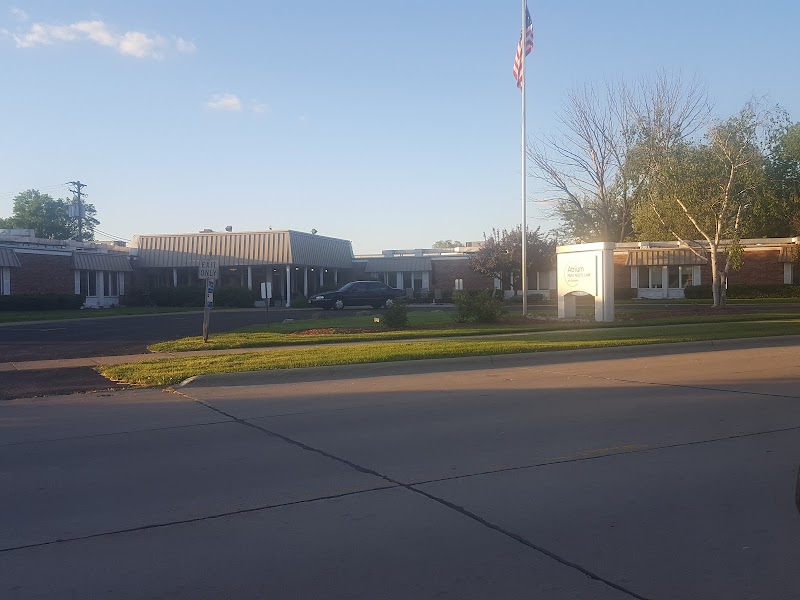
Who Owns and Operates Meadowbrook At Oconto Falls?

MEADOWBROOK AT OCONTO FALLS is owned by a for-profit company. For-profit facilities operate as businesses with obligations to shareholders or private owners. The facility is operated by SYNERGY SENIOR CARE, a chain that manages multiple nursing homes. With 99 certified beds and approximately 55 residents (about 56% occupancy), it is a smaller facility located in OCONTO FALLS, Wisconsin.

How Does Meadowbrook At Oconto Falls Compare to Other Wisconsin Nursing Homes?

Compared to the 100 nursing homes in Wisconsin, MEADOWBROOK AT OCONTO FALLS's overall rating (2 stars) is below the state average of 3.0, staff turnover (33%) is significantly lower than the state average of 46%, and health inspection rating (2 stars) is below the national benchmark.

What Should Families Ask When Visiting Meadowbrook At Oconto Falls?

Based on this facility's data, families visiting should ask: "What changes have been made since the serious inspection findings, and how are you preventing similar issues?" "What safeguards and monitoring systems are in place to protect residents from abuse or neglect?" "Can I visit during a mealtime to observe dining assistance and food quality?" "How do you handle medical emergencies, and what is your hospital transfer rate?" These questions are particularly relevant given the facility's Immediate Jeopardy citations and the substantiated abuse finding on record.

Is Meadowbrook At Oconto Falls Safe?

Based on CMS inspection data, MEADOWBROOK AT OCONTO FALLS has documented safety concerns. The facility has 1 substantiated abuse finding (meaning confirmed case of resident harm by staff or other residents). Inspectors have issued 1 Immediate Jeopardy citation (the most serious violation level indicating risk of serious injury or death). The facility has a 2-star overall rating and ranks #100 of 100 nursing homes in Wisconsin. Families considering this facility should ask detailed questions about what corrective actions have been taken since these incidents.

Do Nurses at Meadowbrook At Oconto Falls Stick Around?

MEADOWBROOK AT OCONTO FALLS has a staff turnover rate of 33%, which is about average for Wisconsin nursing homes (state average: 46%). Moderate turnover is common in nursing homes, but families should still ask about staff tenure and how the facility maintains care continuity when employees leave.

Was Meadowbrook At Oconto Falls Ever Fined?

MEADOWBROOK AT OCONTO FALLS has been fined $76,264 across 2 penalty actions. This is above the Wisconsin average of $33,842. Fines in this range indicate compliance issues significant enough for CMS to impose meaningful financial consequences. Common causes include delayed correction of deficiencies, repeat violations, or care failures affecting resident safety. Families should ask facility leadership what changes have been made since these penalties.

Is Meadowbrook At Oconto Falls on Any Federal Watch List?

MEADOWBROOK AT OCONTO FALLS is not on any federal watch list. The most significant is the Special Focus Facility (SFF) program, which identifies the bottom 1% of nursing homes nationally based on persistent, serious quality problems. Not being on this list means the facility has avoided the pattern of deficiencies that triggers enhanced federal oversight. This is a positive indicator, though families should still review the facility's inspection history directly.