CHRISTIAN COMMUNITY HOME OF OSCEOLA, INC

2650 65TH AVE, OSCEOLA, WI 54020 (715) 294-1100
Non profit - Other 40 Beds Independent Data: November 2025
Trust Grade
43/100
#193 of 321 in WI
Last Inspection: May 2025

Inspected within the last 6 months. Data reflects current conditions.

Overview

Christian Community Home of Osceola, Inc has a Trust Grade of D, indicating below-average quality and some concerning issues within the facility. It ranks #193 out of 321 nursing homes in Wisconsin, placing it in the bottom half of all facilities in the state, and #4 out of 6 in Polk County, meaning there are only two local options that are better. The facility's trend is currently stable, with 10 issues reported consistently over the past two years. Staffing is a relative strength, earning a 4/5 star rating, but the turnover rate of 60% is concerning, as it is higher than the state average of 47%. However, the facility has faced significant issues, including failing to ensure food safety, with instances of unlabelled food and improper handling by staff, which could lead to foodborne illnesses. Additionally, there were concerns about hygiene practices in the kitchen. While RN coverage is average, the presence of multiple food safety violations and other concerns may be a red flag for families considering this home for their loved ones.

Trust Score
D
43/100
In Wisconsin
#193/321
Bottom 40%
Safety Record
Low Risk
No red flags
Inspections
Holding Steady
10 → 10 violations
Staff Stability
⚠ Watch
60% turnover. Above average. Higher turnover means staff may not know residents' routines.
Penalties
⚠ Watch
$13,000 in fines. Higher than 93% of Wisconsin facilities. Major compliance failures.
Skilled Nurses
✓ Good
Each resident gets 59 minutes of Registered Nurse (RN) attention daily — more than average for Wisconsin. RNs are trained to catch health problems early.
Violations
⚠ Watch
24 deficiencies on record. Higher than average. Multiple issues found across inspections.
★★☆☆☆
2.0
Overall Rating
★★★★☆
4.0
Staff Levels
★★☆☆☆
2.0
Care Quality
★★☆☆☆
2.0
Inspection Score
Stable
2024: 10 issues
2025: 10 issues

The Good

  • 4-Star Staffing Rating · Above-average nurse staffing levels
  • Full Sprinkler Coverage · Fire safety systems throughout facility
  • No fines on record

Facility shows strength in staffing levels, fire safety.

The Bad

2-Star Overall Rating

Below Wisconsin average (3.0)

Below average - review inspection findings carefully

Staff Turnover: 60%

13pts above Wisconsin avg (46%)

Frequent staff changes - ask about care continuity

Federal Fines: $13,000

Below median ($33,413)

Minor penalties assessed

Staff turnover is elevated (60%)

12 points above Wisconsin average of 48%

The Ugly 24 deficiencies on record

May 2025 10 deficiencies
CONCERN (D)

Potential for Harm - no one hurt, but risky conditions existed

Notification of Changes (Tag F0580)

Could have caused harm · This affected 1 resident

**NOTE- TERMS IN BRACKETS HAVE BEEN EDITED TO PROTECT CONFIDENTIALITY** Based on observation, interview and record review, the facility did not notify the physician on call of R4's refusal of insulin ...

Read full inspector narrative →
**NOTE- TERMS IN BRACKETS HAVE BEEN EDITED TO PROTECT CONFIDENTIALITY** Based on observation, interview and record review, the facility did not notify the physician on call of R4's refusal of insulin for 1 of 1 resident (R) reviewed for insulin administration (R4). Findings include: R4 was admitted to the facility on [DATE] with diagnoses including in part, type 2 diabetes mellitus with diabetic neuropathy, metabolic encephalopathy, chronic kidney disease stage 4, and acute and subacute hepatic failure without coma. Review of 4's medical record identified the following physician orders: - Insulin Aspart Injection Solution, inject 6 unit subcutaneously before meals for diabetes mellitus type 2 related to diabetes mellitus type 2 with hyperglycemia. Do not give insulin if Blood Glucose (BG) is less than 100. Observations: On 05/05/25 at 11:13 AM, Surveyor observed Registered Nurse (RN) C go into R4's room to check BG for insulin administration. R4's BG was 169. RN C indicated R4 is on sliding scale but does not require any insulin since BG is adequate. RN C indicated that R4 has been refusing R4's insulin due to hypoglycemic episodes in the past. On 05/06/25 at 9:52 AM, Surveyor interviewed RN C and asked RN C when R4 refuses insulin lispro what does RN C do afterwards. RN C indicated that RN C documents the refusal and kind of keeps an eye on R4 throughout the day. RN C indicated that RN C feels R4 knows R4's self very well that R4 can make that decision. Surveyor asked RN C if RN C is supposed to notify physician of R4's refusal of R4's insulin lispro order for base of 6 units to be given before meals. RN C indicated that RN C probably should be notifying physician of refusals so facility can readjust medications or discontinue altogether. RN C indicated to Surveyor that RN C has not been notifying the provider. Surveyor reviewed R4's progress notes and found no documentation that provider was contacted regarding R4's refusal of insulin on 05/05/25. On 05/06/25 at 11:25 AM, Surveyor interviewed Director of Nursing (DON) B and asked expectation if R4 refuses insulin. DON B indicated that RN C is to notify provider every time there is a refusal for insulin. DON B indicated that nurses should be notifying physician about refusals of insulin so that the insulin can be readjusted if not needed as often.
CONCERN (D)

Potential for Harm - no one hurt, but risky conditions existed

Abuse Prevention Policies (Tag F0607)

Could have caused harm · This affected 1 resident

Based on record review and interview, the facility did not implement policy and procedures related to screening employees for a prior history of abuse, neglect, exploitation of residents, or misapprop...

Read full inspector narrative →
Based on record review and interview, the facility did not implement policy and procedures related to screening employees for a prior history of abuse, neglect, exploitation of residents, or misappropriation of resident property for 1 of 8 employees reviewed. The facility did not ensure their abuse policy was implemented when one employee's background information disclosure (BID) was not obtained before employee started working at facility. (RN O). Findings include: The facility policy, titled Abuse, Neglect, Mistreatment, and Misappropriation of Resident Property, revised November 2022 states in part, Employee screening and training: a. Before new employees are permitted to work with resident's board registrations and certifications regarding prospective employee's background will be checked. d. A criminal background check will be conducted on all prospective employees as provided by the facility's policy on criminal background checks. On 05/06/25 at 8:14 AM, Surveyor reviewed 8 random staff Background Information Disclosures (BID). Registered Nurse (RN) O was hired on 02/04/25. Surveyor found no BID, Department of Justice (DOJ), or Integrated Background information System (IBIS) completed for RN O. On 05/06/25 at 11:42 AM, Surveyor interviewed Nursing Home Administrator (NHA) A and asked where RN O's BID, DOJ, and IBIS were. NHA A indicated that somehow RN O was missed and will be completed today right away. NHA A indicated when old DON had left facility, facility called RN O who is a contracted staff member and did not complete a background. Surveyor asked NHA A to reach out to contracted company for the contracted company's BID. NHA A indicated that NHA A already reached out to contracted company and there was no BID completed upon RN O's hire. NHA A indicated that NHA A will complete right away.
CONCERN (D)

Potential for Harm - no one hurt, but risky conditions existed

Deficiency F0659 (Tag F0659)

Could have caused harm · This affected 1 resident

**NOTE- TERMS IN BRACKETS HAVE BEEN EDITED TO PROTECT CONFIDENTIALITY** Based on observation, interview and record review, the facility did not ensure prescription medications were administered by qua...

Read full inspector narrative →
**NOTE- TERMS IN BRACKETS HAVE BEEN EDITED TO PROTECT CONFIDENTIALITY** Based on observation, interview and record review, the facility did not ensure prescription medications were administered by qualified staff for 1 of 8 residents (R) observedduring medication administration (R4). -Surveyor observed prescribed Nystatin powder at R4's bedside table. During medication administration, Registered Nurse (RN) O stated Certified Nursing Assistant (CNA) I applied prescribed Nystatin powder to resident (R4)'s skin earlier in the AM. Findings include: R4 was admitted to the facility on [DATE] with diagnoses including in part, type 2 diabetes mellitus with diabetic neuropathy, metabolic encephalopathy, chronic kidney disease stage 4, and acute and subacute hepatic failure without coma. Review of R4's medical record identified the following physician orders: -On 03/31/25, Nystatin external powder 100000 unit/GM, Apply to Skin topically three times a day for skin infection due to candida yeast. Apply 1 application to folds/under breasts. On 05/05/25 at 11:13 AM, Surveyor followed RN O into R4's room. Surveyor observed prescribed Nystatin powder on R4's bedside table. RN O indicated that Nystatin didn't need to be administered because CNAs completed Nystatin powder administration this morning after R4's shower. Surveyor interviewed RN O and asked RN O if this is a normal process for CNAs to administer Nystatin to R4's folds. RN O indicated that CNAs are good on this unit so CNAs will apply Nystatin to affected areas. On 05/05/25 at 11:29 AM, Surveyor interviewed R4 and asked about the prescribed Nystatin powder located on R4's bedside table. R4 indicated the CNAs apply this powder to R4's groin area after showers. R4 indicated that R4 received a shower this morning and CNA I applied the Nystatin powder to R4's groin folds. On 05/05/25 at 11:58 AM, Surveyor interviewed CNA I and asked if CNA I showered R4 this morning. CNA I indicated that CNA I did shower R4 this morning. Surveyor asked CNA I if CNA I applied prescribed Nystatin powder to R4's folds. CNA I stated CNA I did apply Nystatin powder under R4's groin folds after R4's shower. CNA I stated that CNA I always applies R4's Nystatin powder when needed. CNA I stated it is always a hassle trying to find the nurse to administer when it is shower day. On 05/05/25 at 12:53 PM, Surveyor interviewed Director of Nursing (DON) B and asked if it was normal for R4 to receive prescribed Nystatin powder to groin folds by CNA I and if storage of prescribed nystatin powder was proper at R4's bedside table. DON B stated, Storage of prescribed Nystatin powder at bedside is ok if [R4] can self-administer medications. Surveyor asked DON B if it was DON B's expectation that CNAs can apply Nystatin powder to R4's groin folds. DON B stated it is not ok for CNAs to apply prescribed medication, and it is the nurses' job to apply this. The resident may apply if a successful assessment of safe administration of medications is completed.
CONCERN (D)

Potential for Harm - no one hurt, but risky conditions existed

ADL Care (Tag F0677)

Could have caused harm · This affected 1 resident

**NOTE- TERMS IN BRACKETS HAVE BEEN EDITED TO PROTECT CONFIDENTIALITY** Based on record review, observation and interview, the facility did not ensure a resident who required substantial assistance fo...

Read full inspector narrative →
**NOTE- TERMS IN BRACKETS HAVE BEEN EDITED TO PROTECT CONFIDENTIALITY** Based on record review, observation and interview, the facility did not ensure a resident who required substantial assistance for repositioning and toileting received timely assistance for 1 of 12 residents (R) reviewed for Activities of Daily Living (ADLs) (R23). R23 requested to use the bathroom and waited 36 minutes before being assisted into restroom, resulting in clothing change, feeling embarrassed and like she is a burden. Findings include: R23 was admitted to the facility on [DATE] with diagnoses of cerebral infarction (stroke) affecting the left side, hemiplegia and hemiparesis (partial paralysis), absence of part of digestive tract, history of urinary tract infections and vascular dementia with psychotic disturbance. R23's Minimal Data Set (MDS) assessment, dated 1/7/2025, indicates that R23 is cognitively intact, has clear speech, and understands others. R23's physical abilities are limited, requiring substantial assistance for position changes, transfer from bed to chair and transfers to the toilet. R23's care plan had the following focus area: TOILETING/CONTINENCE: Requires assistance/potential to restore function to maximum self-sufficiency for the physical process of toileting. Will ask for and receive the necessary assistance On 5/5/25 at 10:03 AM, R23 asked CNA I to use the bathroom. CNA I replied to R23 that she needed to find a 2nd person to help, she might have to wait a bit. On 5/5/25 at 10:38 AM, Surveyor observed R23's cares requiring the assist of 2 and use of the EZ Way Smart Stand mechanical lift (sit to stand). CNA I and CNA F attached sling, assisted R23 to bathroom, assisted R23 into new pants and socks, completed peri-cares and assisted back to her wheelchair. While clothing was being changed, R23 stated, I am sorry. I know you're busy. I don't mean to be such a problem. CNA I reassured R23. R23 waited 36 minutes for the assistance. On 5/6/25 at 8:22 AM, Surveyor observed R23 being pushed back from dining room. Dining room staff member told R23 they would let the CNAs know R23 asked to use the bathroom. Surveyor observed dining staff member go straight over to CNA F and talk with her. At 8:52 AM, CNA F and CNA H came to assist R23 to the bathroom. R23 had waited 30 minutes for assistance. On 5/5/25 at 11:03 AM, Surveyor interviewed R23. R23 stated R23 would not recommend this place, primarily because of how long you have to wait to get care. Primarily for that reason I wouldn't come here again. R23 indicated R23's son is trying to have R23 moved to another nursing home. R23 stated, It is embarrassing when I am incontinent. On 5/5/25 at 11:20 AM, Surveyor interviewed R23's Family Member (FM) J. FM J stated that R23 has complained about that before. FM J indicated that R23 reports she waits a long time for assistance as the norm. FM K stated it is typical to wait 36 minutes or more. FM K indicated R23 complains of them taking long. FM J confirmed R23 is on a waiting list at another nursing home. On 5/6/25 at 2:12 PM, Surveyor interviewed Registered Nurse (RN) C. Surveyor asked RN C if R23 was on a toileting program. RN C replied that everyone is on a toileting program basically; we get everyone up every 2 hours or so. RN C indicated R23 does not have a formal program. R23 is not always incontinent, but frequently. R23 does not always require clothing changes when she is incontinent. RN C stated she did not hear a radio call to help R23 yesterday, nor did she know R23 waited 36 minutes. RN C replied she did not notice a call light on that long. Surveyor informed RN C that R23 had told CNA verbally she needed to use the bathroom; there was no call light. On 5/7/25 at 11:23 AM, Surveyor interviewed CNA F regarding 36-minute wait. CNA F stated that was when she went on break. When CNA F came back, CNA I told CNA F that R23 needed to go to the bathroom. CNA F indicated when your partner is on break you can always ask the nurse or call for another CNA on E Wing to help. CNA F stated she would have asked RN C; she is more than willing to help. Surveyor asked CNA F about the 30-minute wait on Tuesday. CNA F replied we were in the middle of things; I do not think R23 waited that long. On 5/7/25 at 12:12 PM, Surveyor interviewed Director of Nursing (DON) B who indicated DON B's expectation is to answer call lights and respond to resident requests within 5 minutes. Sometimes they (CNAs) get stuck in a room. DON B indicated she does not expect resident care to stop or residents to wait because staff go on break. DON B stated staff are to do a room check of all for needs before they go on break. The staff left on a unit shouldn't get stuck. If they need to, there is a walkie to use to call for help. Surveyor asked how staff know they can call for help. DON B replied staff have orientation and then when they come on the floor, staff shadow and spend time with a restorative aide. On 5/8/25 at 8:54 AM, CNA I returned call to Surveyor. CNA I stated R23 waited because we need 2 people to transfer with the EZ stand. CNA I stated her partner, CNA F, was on break. CNA I stated she did not get a chance to ask the nurse for help. Surveyor asked CNA I if she works only with those on her unit or if she could have called for help. CNA I replied CNA I could have used the walkie to call for help, and it would have been a good solution. CNA I indicated she assumed everyone was busy on the other side. CNA I stated in the future she should think more about other resources so the residents don't have to wait so long.
CONCERN (D)

Potential for Harm - no one hurt, but risky conditions existed

Respiratory Care (Tag F0695)

Could have caused harm · This affected 1 resident

**NOTE- TERMS IN BRACKETS HAVE BEEN EDITED TO PROTECT CONFIDENTIALITY** Based on record review and interview, the facility did not ensure that 1 of 1 resident (R) reviewed received appropriate respira...

Read full inspector narrative →
**NOTE- TERMS IN BRACKETS HAVE BEEN EDITED TO PROTECT CONFIDENTIALITY** Based on record review and interview, the facility did not ensure that 1 of 1 resident (R) reviewed received appropriate respiratory care during administration of respiratory therapy (R6). Registered Nurse (RN) O did not perform pre-respiratory assessments for R6 when administering nebulizer treatments. Findings include: The facility policy titled Nebulizer Treatments, revised August 2023 states in part: #6. Complete a pre-treatment lung assessment and listen to breathe sounds . R6 was admitted to the facility on [DATE] with diagnoses including iron deficiency anemia secondary to blood loss, bipolar disorder, and major depressive disorder. Review of R6's medical record identified the following physician orders: -On 05/01/25, Give albuterol sulfate inhalation nebulization solution (2.5 MG/3ML) 0.083% (Albuterol Sulfate). Inhale 3 ml orally three times a day for cough for 10 Days. On 05/05/25 at 11:16 AM, RN O administered albuterol sulfate nebulizer inhalation to R6. RN O applied gloves and gave nebulizer treatment to R6. While administering nebulizer RN O stated, I can hear audible wheezing. RN O started nebulizer and walked out of R6's room. RN O walked to nurse's station and got a stethoscope. Surveyor asked RN O what the facility's process is for assessing lung sounds pre and post nebulizer. RN O said RN O should have listened to R6's lung sounds with a stethoscope before starting the nebulizer but did not. RN O stated RN O would listen to R6's lungs post nebulizer treatment in 10 minutes. On 05/06/25 at 11:24 AM, Surveyor interviewed Director of Nursing (DON) B and asked expectation for respiratory assessment pre nebulizer treatment. DON B stated RN O should have completed a respiratory assessment which includes listening to lung sounds in order to monitor if nebulizer treatment was effective after administration. DON B expects all nurses to perform a pre and post lung assessment before administering nebulizer treatments to residents consisting of using a stethoscope and auscultating the lungs.
CONCERN (E)

Potential for Harm - no one hurt, but risky conditions existed

Accident Prevention (Tag F0689)

Could have caused harm · This affected multiple residents

**NOTE- TERMS IN BRACKETS HAVE BEEN EDITED TO PROTECT CONFIDENTIALITY** Based on record review, observation and interview, the facility did not ensure the resident environment remains free of accident...

Read full inspector narrative →
**NOTE- TERMS IN BRACKETS HAVE BEEN EDITED TO PROTECT CONFIDENTIALITY** Based on record review, observation and interview, the facility did not ensure the resident environment remains free of accident hazards possible and each resident receives adequate supervision and assistance devices to prevent accidents. Facility did not assess residents for safe use of the EZ sit to stand lift for 5 out of 5 residents (R) (R23. R9, R21, R12, R17). Facility does not have a procedure in place to assess appropriate EZ Way Smart Stand mechanical lift (sit to stand) slings for accurate size and fit for each resident requiring use of the EZ stand lift for transfers. Certified Nursing Assistants (CNA) are determining what size sling to use for each resident. Findings include: EZ Way Smart Stand Manufactures Guidelines, dated10/24/24, states: To determine the correct sling size for an EZ Way Smart stand, consider the patient's weight, height, and girth. A proper sling size will comfortably support the patient and prevent any portion of them from overlapping the edges of the sling. Harness Color Coding System states there a small, medium, large, x-large, xx-large and xxx-large sling sizes available for the EZ Way Smart Stand. Medium sling is for 90 -220# with a torso circumference of 34- 46 Large sling is for 190 - 320# with a torso circumference of 40-56 XL sling is for 280-450# with a torso circumference of 50-64 Sling size is to be determined by both weight and circumference of individuals torso (chest) due to how individuals are shaped different and can carry their weight differently. Slings fit around one's torso (chest.) Example 1 R23 was admitted to the facility on [DATE] with diagnoses of cerebral infarction (stroke) affecting the left side, and hemiplegia and hemiparesis (partial paralysis). R23's Minimum Data Set (MDS) assessment, dated 1/7/2025, indicates that R23 is cognitively intact, has clear speech, and understands others. R23's physical abilities are limited, requiring substantial assistance for position changes, transfer from bed to chair and transfers to the toilet. R23's care plan states: Can use EZ stand if not comfortable with pivot transfer. CNA care guide from today 5/7/25, states, A2 EZ stand prn. No care plan or CNA care guide for sling size to use for R23 with the sit to stand. R23's weight is 127.6 pounds on 5/2/25. No assessment of torso circumference was completed to determine appropriate fit of sit to stand device sling. R23 is assisted with the EZ stander using the medium sling. Based on R23's torso circumference, R23 could need a small or medium sling. On 5/5/25 at 10:38 AM, Surveyor observed R23 cares requiring the assist of 2 and use of the sit to stand lift. CNA I grabbed the sling on the top of the lift and CNA F stated, No she is smaller, we should use the other one. CNA I grabbed the other sling with the lift, the medium sling. There were only two slings available, medium and XL. CNA I attached the sling to R23. R23 was lifted, transferred to toilet, lifted again and transferred to R23's chair. Sling was removed and wiped off. Surveyor observed R23 hanging from her armpits while being transferred by the sit to stand lift. On 5/06/25 at 12:56 PM, Surveyor interviewed CNA F, who stated I have been here 6 years. I had training a long time ago. CNA F indicated staff use the sling which fits each resident's size. CNA F replied sling size not on their care guide. CNA F stated, Nurses do not tell us what size, I just know. On 5/7/25 at 10:57 AM, Surveyor interviewed Occupational Therapist (OT) E, who indicated Physical Therapy (PT) is not available today. OT E replied she can speak to the question. OT E indicated therapy does the assessment, usually it is PT. OT E indicated PT or OT will assess residents for abilities, what is needed for transfer, how many staff are needed, and determine if they need a lift or stander. OT E stated, We do not determine the sling to use. I think the nurse does that. On 5/7/25 at 11:19 AM, Surveyor interviewed Licensed Practical Nurse (LPN) D who stated, nurses can help with the mechanical lifts if needed. LPN D stated, Not sure who determines which sling is used. I think it goes by size. There is a small, medium (med) and large (L) size. After a pause, LPN D replied, I think there is extra-large (XL). LPN D indicated CNAs determine based on body size. On 5/7/25 at 12:15 PM, Surveyor interviewed Director of Nursing (DON) B, who stated the sling size should be on their care guide (CNA plan of care). Surveyor and DON B reviewed the current CNA care guide together. DON B replied it is not on this care guide for R23. Surveyor asked if DON B could show Surveyor a resident who does have it listed. DON B looked and then replied it is not listed for anyone. DON B stated, I'm not sure who does it [assigns sling size]. DON B offered to check. DON B indicated extra slings in laundry room on each unit. On 5/7/25 at 12:47 PM, Surveyor interviewed CNA H, who showed Surveyor the sling being used for R23 and stated sling size is a medium. On 5/7/25 at 12:49 PM, DON B stated DON B Can't figure it out. DON B does not know who is determining sizes of slings. DON B indicated facility will put a plan into place. Example 2 R9 was admitted on [DATE] with the diagnoses of deep venous thrombosis (clots), and history of stroke with partial paralysis. R9's Minimum Data Set, dated [DATE], indicates R9 is cognitively intact and requires substantial to maximal assistance with personal hygiene, and showering, and dependent with position changes, transfers and mobility. R9's care plan, dated 4/15/25, states, Transfers: EZ stand A2 staff, if sitting on edge of bed, needs trunk support, use medium sling, make sure left leg/knee is fully in green support, use support strap on legs, do not leave alone in EZ stand for toileting. CNA care guide from today 5/7/25, states, Transf: EZ stands A2, EZ stand for toileting No care plan or CNA care guide for sling size to use for R9 with EZ Stander (sit to stand device). R9's weight is 238.8 pounds on 5/5/2025. CNAs are using a medium size sling. Surveyor did not find documentation of an assessment for torso circumference for appropriate fitting of sling size. On 5/7/25 at 1:07 PM, Surveyor interviewed CNA G, who stated the sit to stand lift is used with R9 with a medium sling. When asked, CNA G indicated no residents have slings in their room. (E wing) Example 3 R21 was admitted on [DATE], with the diagnoses of cardiac history, diabetes, history of stroke with partial paralysis. R21's Minimum Data Set (MDS), dated [DATE], indicates R21 is cognitively intact and requires substantial to maximal assistance with toileting, showering, personal hygiene, position changes, and mobility and transfers. R21's care plan, updated 8/9/24 states, Ok to use EZ stand when she [R21] struggles with freezing or difficulty pivoting with transfers. She [R21] typically can recognize when she's off and is ok with lift prn. CNA care guide from today 5/7/25, states, A2 Ez stand. No care plan or CNA care guide for sling size to use for R21 with EZ Stander (sit to stand device). R21's weight is 242.9 pounds on 3/7/2024. No assessment of torso circumference done to determine appropriate fit of sit to stand device sling. On 5/7/25 at 12:49 PM, Surveyor interviewed CNA H, who stated we use the XL size with R21. When asked, CNA H replied no one has a sling in their room. (D wing) Example 4 R12 was admitted on [DATE] with diagnosis of Parkinson's disease. R12's Minimum Data Set, dated [DATE], indicates R12 is cognitively intact and requires assistance of one with cares and is dependent to substantial assistance needed for position changes, transfers and mobility. R12's care plan updated 1/14/25 states: Transfers: Assist of 1-2 1/4/25 OK for EZ stand if needed with A2. CNA care guide from today 5/7/25, states, EZ stand PRN. No care plan or CNA care guide for sling size to use for R12 with EZ Stander (sit to stand device). R12 's weight is 117.5 pounds on 5/7/2025. No assessment of torso circumference done to determine appropriate fit of sit to stand device sling. On 5/7/25 at 1:07 PM, Surveyor interviewed CNA G, who stated sit to stand is used with R12. CNA G stated they use the medium sling with R12. Example 5 R17 was admitted on [DATE] with diagnoses of dementia, hypertension and thyroid disorder. R17's Minimum Data Set, dated [DATE], indicates R17 is cognitively intact and needs substantial/ maximal assistance with toileting hygiene, shower/bathing, and personal hygiene and substantial assistance to dependent with position changes, transfers and mobility. R17's care plan, dated 4/28/24, states, Toilet Use: assist of 2 to toilet with EZ stand . Transfer utilize the EZ stand if able. Most often hoyer lift is required for transfer. CNA care guide from today 5/7/25, states, A2 Ez stand and Trans: A2/ez stand. No care plan or CNA care guide for sling size to use for R17 with EZ Stander (sit to stand device). R17's weight was 179.6 pounds on 5/5/2025. No assessment of torso circumference done to determine appropriate fit of sit to stand device sling. On 5/7/25 at 1:07 PM, Surveyor interviewed CNA G, who indicated the sit to stand is used with R12. CNA G showed Surveyor the sling used. CNA G confirmed the medium sling is what they use with R12. CNA G stated it is the only one we need on this side. (R9 is on this side.) On 5/7/25 at 12:03 PM, Surveyor and CNA H confirmed the sling sizes for the sit to stand device on D unit. There was a med and XL sling with the sit to stand device. CNA H indicated use of slings is determined by resident's size. CNA H indicated CNA H thinks facility has the same sizes on the other side. CNA H stated, I would not think to call them to find a different size. CNA H confirmed R21 and R23 are the only residents on D unit that use the sit to stand. On 5/7/25 at 12:47 PM, Surveyor and CNA H went through the inventory in the D wing laundry for other sizes. CNA H stated she knew there were other slings in laundry and the other side, but the two we have work fine. Surveyor and CNA H confirmed there is one more sling for the sit to stand device in the D wing laundry, it is large in size. The D side has 1 XL, 1 medium, and 1 large sling On 5/7/25 at 1:07 PM, Surveyor interviewed CNA G, who stated they use the sit to stand with R12, R9 and R17. CNA G stated no one has a sit to stand sling in their room. CNA G indicated if a sling is dirty CNAs would have to wash it before it could be used again. CNA G stated if a resident needed something before that we would get one from the other side. CNA G and Surveyor looked at inventory of sit to stand slings in the E wing laundry. There were 2 more medium slings, 1 XL sling, and no large slings available in the E wing laundry area. (Only one large sling was found in the facility, and it was in the laundry room on the D wing.)
CONCERN (E)

Potential for Harm - no one hurt, but risky conditions existed

Deficiency F0761 (Tag F0761)

Could have caused harm · This affected multiple residents

Based on observation, interview and record review, the facility did not ensure all drugs and biologicals were stored and labeled in accordance with currently accepted professional principles for 5 of ...

Read full inspector narrative →
Based on observation, interview and record review, the facility did not ensure all drugs and biologicals were stored and labeled in accordance with currently accepted professional principles for 5 of 5 residents (R) reviewed (R8, R14, R232, R11, R4). -Medication storage room had 2 opened unlabeled bottles of Lorazepam for resident (R8 and R14) with unknown expiration date. -Medication storage room had 1 opened and expired bottle of Amoxicillin for R232 stored in refrigerator that expired on 04/24/25. -Medication cart had R11's Morphine Sulfate liquid bottle opened unlabeled with unknown expiration date. -Observation of prescribed Nystatin powder left unattended in R4's room during 1 observation. Findings include: Facility policy titled, Storage of Medications, dated 05/2018 states in part: .Procedures: J. Medication storage conditions are monitored monthly basis by the consultant pharmacist or pharmacy designee and corrective action taken if problems are identified. K. Refrigerated medications are kept in closed and labeled containers, with internal and external medications separated and separate from fruit juices, applesauce, and other foods used in administering medications. Expiration Dating (Beyond use dating): D. When the original seal of a manufacturer's container or vial is initially broken, the container of vial will be dated. 1. The nurse shall place a date opened sticker on the medication and enter the date opened and the new date of expiration (Note: the best stickers to affix contain both a date opened and expiration notation line). The expiration date of the vial or container will be 30 days unless the manufacture recommends another date or regulations/guidelines require different dating. G. All expired medications will be removed from the active supply and destroyed in the facility, regardless of amount remaining. The medication will be destroyed in the usual manner. Facility policy titled, Bedside Medication Storage, dated 05/2018 states in part: .A. A written order for the bedside storage of medication is present in the resident medical record. B. Bedside storage of medications is indicated on the resident medication administration record (MAR) and in the care plan for the appropriate medications. Surveyor reviewed Medication Storage Review monthly pharmacy reviews for 02/25/25-04/21/25. .-On 02/25/25- E fridge has one expired Lorazepam concentrate and one undated Lorazepam concentrate. -On 03/27/25-E fridge has one undated Lorazepam concentrate. -On 04/21/25- E medication cart has 3 undated Morphine Sulfate solution and on D medication cart 2 undated Morphine Sulfate solution . On 05/05/25 at 10:20 AM, Surveyor toured medication storage room on E-115 hall at the nurse's station. Surveyor observed one bottle of lorazepam for R8 dispensed on 02/28/25 and opened. Surveyor could not identify when the bottle was opened. Surveyor interviewed Licensed Practical Nurse (LPN) N and asked process for when medications are opened. LPN N stated there was no open date label on the bottle. Upon opening the medication, and before giving the first dose, open date label should be placed on bottle. Surveyor observed one bottle of lorazepam for R14 dispensed on 01/17/25. Open label on the bag opened 02/02/25 but no label on the bottle. LPN N stated all bottles opened are to be labeled with open date, so staff know when to discard. On 05/05/25 at 10:57 AM, Surveyor toured medication storage room on D-115 hall at the nurse's station. Surveyor observed R232's bottle of amoxicillin expired in refrigerator with label showing an expired date of 04/24/25. Surveyor asked Registered Nurse (RN) O why the expired medication is still located in the refrigerator. RN O stated it needs to be discarded right away. RN O discarded medication. RN O stated expired medications should be disposed of when it expires. On 05/05/25 at 11:08 AM, Surveyor toured RN O's medication cart during medication administration. Surveyor observed R11's morphine sulfate liquid bottle opened, with a date on narcotic sheet 04/11/25 but no label on bottle. RN O stated RN O would label it now going off the narcotic sheet as the open date. RN O stated this is not best practice. RN O stated that whoever opened the bottle should have labeled once it was opened with the date, so staff knew when it would expire. On 05/05/25 at 11:13 AM, Surveyor observed prescribed Nystatin powder on R4's bedside table. On 05/05/25 at 11:29 AM, Surveyor interviewed R4 and asked about the prescribed Nystatin powder located on R4's bedside table. R4 indicated the CNAs apply this powder to R4's groin area after showers. On 05/05/25 at 12:10 PM, Surveyor interviewed Director of Nursing (DON) B and asked expectation for open date labels on bottle of lorazepam. DON B said staff should be placing an open date label on the lorazepam bottles once opened. Surveyor asked DON B who regulates the refrigerator medications. DON B stated each shift's nurse should be monitoring refrigerators for temperature and any expired medications. DON B stated pharmacy reviews refrigerator medications monthly. DON B asked RN O when pharmacy last visited the facility. RN O stated pharmacy was present at facility recently. Surveyor asked DON B who manages monthly pharmacy recommendations for residents. DON B stated DON B reviews the pharmacy recommendations monthly and fixes issues as needed. On 05/05/25 at 12:53 PM, Surveyor interviewed Director of Nursing (DON) B if storage of prescribed nystatin powder was proper at R4's bedside table. DON B stated, Storage of prescribed Nystatin powder at bedside is ok if [R4] can self-administer medications. Surveyor did not find any assessment for self administration of medications.
CONCERN (F)

Potential for Harm - no one hurt, but risky conditions existed

Food Safety (Tag F0812)

Could have caused harm · This affected most or all residents

Based on observation, interview, and record review, the facility did not prepare, distribute, and serve food in a manner that prevents foodborne illness to 33 out of 33 residents reviewed. The kitche...

Read full inspector narrative →
Based on observation, interview, and record review, the facility did not prepare, distribute, and serve food in a manner that prevents foodborne illness to 33 out of 33 residents reviewed. The kitchen cooler contained a variety of foods not labeled with open or use-by dates. Cook Q had personal beverages on the food prep table. Findings include: Surveyor reviewed the policy titled, Food Safety and Sanitation, which states in part, .#4: All time and temperature control for safety (TSC) foods (including leftovers) should be labeled, covered, and dated when stored. Surveyor reviewed the policy titled, Personal Hygiene and Health Reporting, which states in part, .#1: Street clothing, coats, purses, packages, and other personal effects will be stored in employee lockers or designated storage areas and not in the kitchen . Example 1 On 05/05/25 at 9:12 AM, Surveyor toured kitchen area with [NAME] Q. Surveyor observed in kitchen cooler #10; Pulled pork opened with date of 4/30, red Jello in a container opened with no label, crushed pineapple in a container labeled 4/20, red tomato sauce in a container with no label. Surveyor observed refrigerator under prep table to have ham in a container labeled 4/23/25 when it was frozen, and then pulled to thaw on 04/28/25. Ham was still sitting in the refrigerator. Surveyor interviewed [NAME] Q and asked what the timeframe is for food items to stay in a refrigerator after being opened, thawed, or expired. [NAME] Q stated typically it is around 5 days or so. [NAME] Q stated [NAME] Q was not working all weekend, so [NAME] Q is fixing all items expired or unlabeled today. Surveyor observed refrigerator #3 which had ham salad labeled 4/27/25. [NAME] Q stated the ham salad should be tossed as well. [NAME] Q stated [NAME] Q is finding some expired foods in the storage areas from the weekend that should have been discarded, and [NAME] Q will make sure these items are discarded. Example 2 On 05/05/25 at 11:40 AM, Surveyor observed kitchen staff prepping and serving food. Surveyor observed 3 containers (soda can, water bottle, and milk) located on the prepping table near the rolls and bowl of lemons which were being served for lunch. Surveyor asked [NAME] Q what the containers sitting on the prep counter were. [NAME] Q immediately said to Surveyor that the items were not open but that the 3 containers were [NAME] Q's personal beverages located on the prep table. Surveyor asked [NAME] Q if storing [NAME] Q's personal beverages on the prep table was a normal process. [NAME] Q stated [NAME] Q probably should not have the personal beverages on the prep table but not sure where they would be good to go as [NAME] Q's break room is at the other end of kitchen. On 05/05/25 at 11:48 AM, Surveyor interviewed Dietary Manager (DM) P and asked DM P what the expectation is for storage in refrigerator with labeling foods when opened. DM P stated all foods opened need to have the open date on them when storing and need to be discarded within 5 days of open date, if not frozen. Surveyor asked DM P's expectation for personal beverages and where these items should be stored in the kitchen. DM P stated personal items and beverages should not go into the food prep and cooking area. DM P stated that [NAME] Q's personal beverages should not be on the prep table in the kitchen but left in the storage break room area where staff keep their belongings.
CONCERN (F)

Potential for Harm - no one hurt, but risky conditions existed

Infection Control (Tag F0880)

Could have caused harm · This affected most or all residents

**NOTE- TERMS IN BRACKETS HAVE BEEN EDITED TO PROTECT CONFIDENTIALITY** Example 3 R8 was admitted to the facility on [DATE] with a Brief Interview for Mental Status score of 5/15, indicating R8 had se...

Read full inspector narrative →
**NOTE- TERMS IN BRACKETS HAVE BEEN EDITED TO PROTECT CONFIDENTIALITY** Example 3 R8 was admitted to the facility on [DATE] with a Brief Interview for Mental Status score of 5/15, indicating R8 had severely impaired cognition. R8's diagnoses include multiple sclerosis (a disease that causes breakdown of the protective covering of nerves and can cause numbness, weakness, trouble walking, vision changes, and other symptoms), neuromuscular disorder of the bladder, and artificial opening of the urinary tract. R8's quarterly minimum data set (MDS) dated [DATE] indicated R8 had an indwelling catheter including suprapubic catheter and nephrostomy tube. R8's doctor's orders included the following: -Suprapubic Catheter twice a day flush with sterile saline solution (30cc) once after lunch and once after dinner/before bed. -Renacidin Irrigation Solution Use 30 milliliters (mls) via irrigation every day shift for catheter care Instill 30mL into catheter, clamp catheter for 10 minutes and unclamp and allow to naturally drain into foley bag. -Change Suprapubic Catheter one time every month as well as PRN clogging (use 18 French 5 cubic centimeter (cc) balloon foley when changing). -Suprapubic catheter care daily- cleanse around insertion site with saline, cleanse catheter with alcohol wipe, cover insertion site with T-drain sponge. Monitor for signs of skin breakdown and report to provider/hospice if noted. -Enhanced Barrier Precautions due to indwelling catheter and wound. Indwelling medical device examples include central lines, urinary catheters, feeding tubes, and tracheostomies. On 05/06/25 at 7:49 AM, Surveyor observed CNA M perform cares for R8. Proper personal protective equipment (PPE) was utilized for enhanced barrier precautions (EBP). CNA M washed R8's suprapubic catheter insertion site, then the catheter tube, then R8's penis, and then scrotum. CNA M did not change gloves or wash hands. CNA M used same soiled gloves to open sterile drain sponge and placed it over the catheter insertion site. On 05/07/25 at 10:09 AM, Surveyor interviewed Director of Nursing (DON) B and Nursing Home Administrator (NHA) A regarding observation of R8's personal cares. DON B replied, This CNA should have changed gloves and performed hand hygiene when moving from a dirty location to a clean location during cares like the suprapubic catheter site, especially with this dressing. Example 4 On 05/06/25 at 2:21 PM, Surveyor observed suprapubic catheter flush performed by Licensed Practical Nurse (LPN) L for R8. Proper PPE was utilized for EBP. LPN L was unable to flush catheter due to some obstruction. LPN L then changed the suprapubic catheter. After changing the suprapubic catheter LPN L noted there was no urine coming out of the new catheter. LPN L removed the sterile glove used for insertion of the catheter from LPN L's right hand and placed a non-sterile single use glove on the right hand without performing any hand hygiene with this glove change. LPN L then aspirated 10mls from R8's foley catheter balloon, then attempted to pull the catheter back. LPN L replied, The tip of the catheter may be against the bladder wall. LPN L then inserted the catheter back into R8 while wearing the non-sterile gloves. LPN L then replied, Oh shoot, I did not perform hand hygiene between my glove changes. On 05/07/25 at 10:20 AM, Surveyor interviewed DON B about the observation made of LPN L while performing catheter procedures with R8. DON B replied, This LPN should have washed her hands and put on sterile gloves when manipulating this catheter.Based on observation, interview and record review, the facility did not establish and maintain an infection prevention and control program designed to provide a safe, sanitary, and comfortable environment, to help prevent the development and transmission of communicable diseases. The facility was not tracking infection surveillance accurately. These failures have the potential to affect 31 of the 31 residents. LPN L was observed touching medications with bare hands for 2 of 2 residents (R133 and R1) during medication pass. Improper hand hygiene observed for 2 of 4 residents (R8 and R23). Findings: The facility policy titled Nosocomial Infection Surveillance/Antibiotic Stewardship Program, states in part: The infection Preventionist is responsible for monitoring; investigating and setting forth a control plan to prevent unnecessary infections. The IP is responsible for monitoring and trending the facility infection incidence rates and this information is reviewed quarterly assurance committee with the interdisciplinary team and medical director each at least quarterly . .Procedure: - #1. An infection Control Log sheet/daily surveillance will be kept for each hallway/unit and updated by nursing staff when suspected/actual infections occur. See Infection Criteria list-reference McGeer's infection Criteria. -#2. The IP will confer with the licensed nurse/nurse manager/DON for each resident group and maintain an updated list of suspected/actual residents exhibiting signs and symptoms of an infection. -#3. The interdisciplinary team will review infections weekly. -#4. The list of residents with infections will be reviewed at the Quality Assurance meeting with the interdisciplinary team and Medical Director each quarter. -#5. The IP verifies the signs and symptoms/dx are documented in the resident medical record. -#6. The IP will evaluate each resident for: a. Adequate/inadequate antibiotic use -monitor for urine analysis/urine culture results and if lab results are negative or mixed will notify MD to DC antibiotics if ordered. b. Proper follow-up care. c. Lab/Xray results. d. Causative agent. e. Improvement in resident signs and symptoms. f. Determination if infection is pre-existing of nosocomial. g. Risk factors for infection. h. Need for hospitalization. i. Preventative measures for residents' risk of future infection. -#7. The IP is responsible for keeping a monthly list of infections and completing the cumulative nosocomial infection data. -#8. Infection incident rates are calculated monthly and compared to the previous month and trended over the year. -#10. On-going audits/real-time surveillance will be completed . Example 1 Surveyor reviewed the resident monthly infection control log line lists from March 2024-March 2025. Surveyor found missing data for all months. Facility was not tracking what the organism was for all infections, what test was utilized to determine infection, the well date of the resident or staff member, was not tracking isolation precautions and when each infected resident or staff members were placed or stopped isolation. On 05/06/25 at 2:35 PM, Surveyor reviewed infection surveillance logs and found missing data needed to prevent the spread of infection for an Influenza outbreak that occurred in February and March of 2025. Surveyor did not find what type of outbreak occurred, the location of the outbreak, what testing was determined for the outbreak, the well date of residents and staff members who were infected, and when and what precautions/isolations staff and residents were placed on. On 05/06/25 at 2:48 PM, Surveyor interviewed Nursing Home Administrator (NHA) A and asked NHA A about missing data on infection surveillance logs. Surveyor stated to NHA A infection logs were missing data needed to prevent the spread of infection for an Influenza outbreak that occurred in February and March 2025. Surveyor did not find location of outbreak, what testing was determined for outbreak, well date of residents and staff members, and when and what precautions and isolations staff and residents were placed on. NHA A stated facility was using the spreadsheet the county sent over and didn't realize that more data was needed to monitor infections. Surveyor asked NHA A how NHA A monitors staff infections. NHA A stated staff are screened and must fill out a form. Staff does not always complete form. NHA A stated it is something NHA A and DON B, once DON B is trained into Infection Control (IC), will be fixing. Example 2 Facility policy titled, Handwashing, reviewed December 2024 states in part: .The procedure must be followed by all staff to prevent cross-contamination, including hand washing or changing gloves after providing personal care, or when performing tasks among individuals which provide the opportunity for cross contamination to occur. All staff and volunteers must wash their hands before and immediately after coming in direct contact with each resident, and after contact with material that may be contaminated and/or potentially infectious. It is essential after contact with a source of body fluids, mucous membranes and after removing gloves. Appropriate 10-15 second handwashing must be performed under the following conditions: *Before and after duty. *Before and after resident cares *Before performing invasive procedures *Before medication and food handling *Before and after gloving for procedures . On 05/06/25 at 7:52 AM, Surveyor observed Licensed Practical Nurse (LPN) L prep R133's medications. LPN L popped medications into medication cup and realized one medication was discontinued. LPN L placed bare fingers inside R133's medication cup and pulled the medication out. LPN L then administered medications to R133. Surveyor did not observe LPN L sanitize hands before touching R133's pills in medication cup. On 05/06/25 at 8:03 AM, Surveyor observed LPN L prepping R1's medications. Surveyor observed LPN L drop Furosemide on the contaminated medication cart. LPN L grabbed the medication tablet with bare contaminated hands and placed back in R1's medication cup. Surveyor observed LPN L administer R1's medications. On 05/06/25 at 8:16 AM, Surveyor interviewed LPN L and asked what normal process is when a pill falls onto top of contaminated medication cart. LPN L stated LPN L should have disposed of medication and got a new medication, but medications are so expensive. Surveyor asked LPN L if it is normal for LPN L to stick fingers in medication cup and pull a medication out of the medication cup. LPN L stated LPN L should have sanitized hands and donned gloves before picking medication out of the medication cup. Example 5 R23 was admitted to the facility on [DATE] with diagnoses of Cerebral Infarction (stroke) affecting the left side, hemiplegia and hemiparesis (partial paralysis), absence of part of digestive tract, history of urinary tract infections, and vascular dementia with psychotic disturbance. R23's Minimum Data Set (MDS) assessment, dated 1/7/2025, indicates that R23 is cognitively intact, has clear speech, and understands others. R23's physical abilities are limited, requiring substantial assistance for position changes, transfer from bed to chair, and transfers to toilet. On 5/5/25 at 10:38AM, Surveyor observed CNA F provide cares to R23. CNA F did not complete hand hygiene before entering the room or in the room and put on gloves with contaminated hands. CNA F managed EZ stand, assisted with R23 taking off soiled pants and soiled brief and took off gloves. CNA F left room to get new washcloths, came back in put on new gloves (no hand hygiene observed being completed in the room), pulled new pants back up, used lift to raise resident, transferred R23 to the chair and adjusted R23's clothes with same contaminated gloves. CNA F took off gloves in room and left the room. CNA F was not observed to use hand hygiene while in room or after leaving the room; CNA F went to the next room with contaminated hands. Note: Surveyor asked other Surveyor in the hall who stated 2nd Surveyor noticed CNA F coming out of R23's room, so she continued observation for initial Surveyor. 2nd Surveyor observed CNA F leaving the room, did not perform hand hygiene, watched her get clean washcloths and go back into R23's room without performing hand hygiene. On 5/6/25 at 9:05 AM, Surveyor observed CNA F provide cares to R23. CNA F completed no hand hygiene prior to entering room and putting on gloves. CNA F used EZ stand, assisted with R23's pants and soiled brief, pulled pants back up, used EZ stand to put resident back in R23's chair and went to turn on R23's radio with contaminated gloves. R23 did not want radio on, so CNA F turned it off while still wearing contaminated gloves. CNA F took off her gloves, did not perform hand hygiene and radio was not wiped off. CNA F left the room, wiped down EZ stand, and walked across the TV room, looked at iPad call screen on CNA's desk, and went into another's room. No hand hygiene observed. On 5/6/25 at 2:12 PM, Surveyor interviewed CNA F. CNA F stated, I probably use hand hygiene more than I need to. CNA F indicated she is always using hand gel. Surveyor asked when CNA F uses hand hygiene. CNA F replied hand hygiene should be done anytime you go in a room, out of room, provide cares, or do anything with the resident. Surveyor asked CNA F if she carried hand gel in her pocket. CNA F replied no, it is all over the place on hall walls. CNA F was informed Surveyor did not see her use hand hygiene during cares. CNA F stated, No, I used hand gel. I wash my hands anytime I work with the catheter or bowel and use alcohol gel before I go in their room. Surveyor stated that CNA F was not observed to use hand gel or wash their hands. CNA F did not make further comments. On 5/6/25 at 3:11 PM, Surveyor interviewed DON B. DON B indicated the expectation is for staff to wash their hands before they enter and exit a room, before donning (putting on) and doffing (taking off) gloves, and anytime they provide cares with a resident. On 5/7/25 at 11:30 AM, Surveyor reviewed findings with NHA A, since NHA A is the Infection Preventionist (IP). NHA A indicated the expectation for hand hygiene is before entering, before gloves, after gloves, changing gloves after care, and leaving a room.
MINOR (C)

Minor Issue - procedural, no safety impact

Deficiency F0628 (Tag F0628)

Minor procedural issue · This affected most or all residents

**NOTE- TERMS IN BRACKETS HAVE BEEN EDITED TO PROTECT CONFIDENTIALITY** Based on interview and record review, the facility failed to notify the State Long-Term Care Ombudsman of hospital transfer and ...

Read full inspector narrative →
**NOTE- TERMS IN BRACKETS HAVE BEEN EDITED TO PROTECT CONFIDENTIALITY** Based on interview and record review, the facility failed to notify the State Long-Term Care Ombudsman of hospital transfer and discharge for 2 residents (R11 and R31) of 2 residents reviewed in the sample of 12. The facility failed to have a system in place to ensure notifying the State Long-Term Care Ombudsman of hospital transfers and discharges. This had the potential to affect all 33 residents that reside in the facility. R11 was hospitalized from [DATE] through 04/05/25 and the Ombudsman was not notified of that transfer to the hospital. R31 was discharged from the facility on 03/06/25 and the Ombudsman was not notified of discharge. This is evidenced by: Example 1 R11 was admitted to the facility on [DATE] with diagnoses, in part, of aortic stenosis, constipation, type 2 diabetes mellitus and irritable bowel syndrome with constipation. Record review identified R11 as having moderate impaired cognition and had an activated Power of Attorney for Health Care (POAHC). Record review identified R11 was transferred to the hospital on [DATE] due to urinary retention and constipation with soft tissue thickening near the anus and urethra. A notice of bed hold and reason of transfer was signed by the POAHC. Example 2 R31 was admitted to the facility on [DATE] with diagnoses, in part, cerebral infarction, chronic headaches, dizziness and chronic kidney disease stage 3. Record review identified R31 was assisted with discharge planning to an assisted living home. R31 discharged on 03/06/25 to an assisted living home. Review of the list of residents sent to the Ombudsman did not include R31. On 05/07/25 at 11:32 AM, Surveyor interviewed Nursing Home Administrator (NHA) A about notification of transfer and discharge to Ombudsman. NHA A indicated the Social Worker (SW) notifies the Ombudsman. The SW is out of the facility today. NHA A provided a list of residents each month that was provided to the Ombudsman. The lists of resident names were of hospital re-admissions and did not include residents which were transferred, discharged , or passed away. NHA A indicated SW only sends the list of residents who were re-admitted from the hospital. NHA A indicated NHA A will have SW add residents that have transferred and discharged .
Apr 2024 10 deficiencies
CONCERN (D)

Potential for Harm - no one hurt, but risky conditions existed

Comprehensive Care Plan (Tag F0656)

Could have caused harm · This affected 1 resident

**NOTE- TERMS IN BRACKETS HAVE BEEN EDITED TO PROTECT CONFIDENTIALITY** Example 3 The facility policy, entitled, Fall/Injury Reporting, revised July 2023, states: Policy: Falls and injuries to residen...

Read full inspector narrative →
**NOTE- TERMS IN BRACKETS HAVE BEEN EDITED TO PROTECT CONFIDENTIALITY** Example 3 The facility policy, entitled, Fall/Injury Reporting, revised July 2023, states: Policy: Falls and injuries to residents, whether known or suspected, will be documented in the resident medical records . 12. The IDT will then evaluate the fall and recommend intervention. The change in plan will then be documented in the resident care plan and CNA care plan. Fall tracking tools will be tabulated quarterly and results reviewed by the Quality Assurance Committee. On 04/02/24 at 10:52 AM, Surveyor interviewed R180 regarding their time at the facility. R180 said R180 had a fall and believed it was due to the medications. R180 was not exactly sure how the fall happened. R180 indicated feeling much better now and did not have any fear of falling at this time. Record review revealed that R180 did have a fall on 03/21/24 at 1:00 AM. R180 was found on the floor screaming and confused. R180 was sent to the emergency room for evaluation. The discharge papers from the hospital reported there was no injury sustained from the fall. On 04/04/24 at 1:16 PM, Surveyor asked for IDT review and current care plan. Surveyor was given an IDT review stating that resident was to get a perimeter mattress from hospice. On 04/04/24 at 2:06 PM, Surveyor received current comprehensive care plans and found no evidence of a care plan related to falls. The updated interventions that were noted from the IDT review were not found in the comprehensive care plan. No other care plans were provided to Surveyor. Based on record review, observation and interview, the facility did not develop and implement a comprehensive individualized care plan to meet the needs of 3 of 12 residents (R). R4, R17 and R180. This is evidenced by: The facility policy, entitled Nursing Policies and Procedures, states in part: Will complete a comprehensive assessment and develop a comprehensive care plan for each resident. The assessment will include the resident's medical, nursing, mental and psychosocial needs as well as well as set measurable objectives and timetables to meet these needs. Example 1 R4 was admitted to the facility on [DATE] for end-of-life hospice care for a terminal prognosis of stage 4 chronic kidney disease and multiple sclerosis. On 09/16/23, the facility conducted a fall risk assessment which indicated a score of 19 indicating R4 was at high risk for falls. R4's Minimum Data Set (MDS) assessment, dated 09/21/23, Section J: Fall history on Admission, indicated no falls any time in the last month prior to admission. On 04/03/24 at 9:18 AM, Surveyor reviewed R4's record and noted R4 had 25 falls between the period of 10/12/23 through 12/23/23. Surveyor was unable to locate a comprehensive care plan that included problem, goals, and interventions put into place to prevent falls. On 04/04/24 at 10:56 AM, Surveyor interviewed Director of Nursing (DON) B, who confirmed there was no care plan with interventions noted in R4's chart. DON B handed Surveyor documents entitled Nursing Assistant Assignment Sheet/Care plan that listed Laser alarm in bed/recliner. Tabs in w/c recliner in room or day room, body pillow on floor next to bed, low bed, perimeter mattress. On 04/02/24 through 04/04/24, Surveyor observed R4 walking with staff, no use of a wheelchair, and no use of alarms in bed. Example 2 R17 was admitted to the facility on [DATE] with diagnoses that included in part cognitive communication deficit, vascular dementia, abdominal pain, colitis and gastroenteritis, diverticulosis, GERD (gastroesophageal reflux disease), zoster (shingles), long term (current) use of anticoagulant, and atrial fibrillation. R17's MDS assessment, dated 2/13/24, indicated that R17 had frequent pain that was moderate and use of anticoagulant. R17's pain assessments were done quarterly with noted nonpharmacological interventions, pain scale, location, and use of PRN (as needed) Tylenol that helped with R17's pain. R17's pain interviews were completed quarterly with detailed information on R17's pain. Current pain control works for R17. R17's provider orders: *Warm foot soak PRN for foot/joint discomfort as needed. *Aqua K pad/moist heat for joint discomfort on 20-minute intervals, as needed. *Complete pain interview (3.0) in assessment tab every day shift every 91 day(s). *Complete pain assessment in assessment tab every evening shift every 91 day(s). *Bio Freeze Gel 4 % (Menthol (topical analgesic)) apply to neck topically as needed for pain. *Lidocaine Patch: apply to right midback topically one time a day for pain related to zoster without complications 4% patch and remove per schedule. *Acetaminophen oral tablet give 650 mg by mouth every 6 hours as needed for mild to moderate pain related to pelvic fracture. *Warfarin Sodium tablet give 4.5 mg by mouth at bedtime related to long term (current) use of anticoagulants. Next INR 4/11/24 @ 1000. Review of R17's care plan did not include anything concerning R17's pain nor anticoagulant use. On 4/04/24, Surveyor asked Nursing Home Administrator (NHA) A for these care plans. NHA A later provided R17's care plan that included: The resident has chronic pain related to history of shingles and The resident is on anticoagulant therapy Warfarin for atrial fib and CVA (stroke) both added 4/04/24, after Surveyor asked for the care plans. On 4/02/24 at 3:50 PM, Surveyor interviewed R17 about pain. R17 said she had arthritis pain to her legs mostly. R17 said the facility provides Tylenol for the pain and that helps. On 4/04/24 at 11:15 AM, Surveyor interviewed Licensed Practical Nurse (LPN) E and asked if they monitor R17 for bleeding/bruising due to anticoagulant use. LPN E said daily they look during skin checks and cares. Surveyor asked LPN E if they have any concerns with this. LPN E said no concerns with R17 bleeding/bruising. Surveyor asked LPN E how R17's pain was. LPN E said R17's pain does okay with Tylenol at night that she asks for. R17's pain was mostly to her legs. LPN E said Tylenol helps R17 with the pain. On 4/04/24 at 3:50 PM, Surveyor interviewed DON B and asked if R17 should have a care plan for pain and anticoagulant use. DON B said yes, we entered that into R17's care plan today, but it should have been there before today.
CONCERN (D)

Potential for Harm - no one hurt, but risky conditions existed

Pressure Ulcer Prevention (Tag F0686)

Could have caused harm · This affected 1 resident

**NOTE- TERMS IN BRACKETS HAVE BEEN EDITED TO PROTECT CONFIDENTIALITY** Based on observation, interview and record review, the facility did not provide care consistent with professional standards to p...

Read full inspector narrative →
**NOTE- TERMS IN BRACKETS HAVE BEEN EDITED TO PROTECT CONFIDENTIALITY** Based on observation, interview and record review, the facility did not provide care consistent with professional standards to prevent development of a pressure injury and does not develop pressure injuries unless the individual's clinical condition demonstrates that they were unavoidable for one of one resident reviewed for pressure injuries. Resident (R)12 developed an unavoidable stage 2 pressure injury while at the facility. Observations of poor infection control occurred during wound care. This has the potential to effect 1 of 1 resident observed for pressure injuries. Findings include: The facility policy, entitled Dressing Change Clean Technique, revision date June 2023, states: Policy: Licensed Nursing Staff will provide for a clean technique when changing dressings . procedure: . 9. Remove soiled dressings. 10. Place soiled dressings in a plastic Bag. Use red biohazard bag if necessary. 11. Remove soiled gloves and place gloves with soiled dressings. 12. Perform hand hygiene. 13. Put on new gloves. R12 had diagnoses that include in part: pressure ulcer of other site, unspecified stage, unspecified dementia, without behavioral disturbances, multiple sclerosis, other neuromuscular dysfunction of bladder, neurogenic bowel, quadriplegia. R12's Minimum Data Set (MDS) assessment, dated 03/19/24, indicated that R12 had limited mobility to both arms and legs. R12's Brief Interview for Mental Status (BIMS) score of 03 indicated severe impairment. R12's care plan, dated 03/05/24, states: Open area/wound will resolve/heal without complications Interventions include: - Assess/record/monitor wound healing weekly. Measure length, width and depth where possible. Assess and document status of wound perimeter, wound bed and healing progress. Report improvements and declines to the MD. - Daily skin observation with cares. Report new or worsening concerns to nurse immediately. - Pressure reducing/relieving cushion in WC/chair. - Pressure reducing/relieving mattress. - Provide wound care per MD orders. - Turn and reposition q 2-3 hours Upon entrance to the facility on [DATE], Surveyor observed R12 to have air mattress, cushion for Broda chair. R12's Braden assessments on 10/13/23 admission and the most recent assessment on 03/15/24 indicated R12 was high at risk for skin breakdown. R12 was not admitted to the facility with a pressure injury; the first indication of a stage 2 pressure injury in the ischial area was on 03/15/24 and it was indicated to be a stage 2 pressure injury. The wound measured (in cm's)length/width/depth: 1.5 cm x 1.4 cm x 0.3 cm. The most recent measurement was on 04/03/24 and the wound was staged at a stage 2 by the facility. The wound measured (in cm's) length/width/depth: 1cm x 0.9cm x 0.5cm. Weekly assessments, and physician notification with wound care order changes have been done. 04/04/24 7:12 AM R12 Wound Care Observation: Surveyor observed Director of Nursing (DON) B perform wound care to R12's right ischial pressure injury. DON B indicated this was a stage 2 with Moisture Associated Skin Damage (MASD) around the buttock region. DON B washed hands, donned gown, mask and gloves. R12 is on enhanced barrier precautions. DON B removed the old dressing that had brown/yellow drainage on it, no odor, and threw the dressing away in the garbage. DON B did not remove gloves, measured the right ischial pressure injury that was circular, dark purple in color, no slough present. DON B's measurements were 1.5 x 1 cm x 0.7 cm. No other measurements taken. R12 does have an area just to the right of the circular area that is open, beefy red in color - macerated, no slough present and does not appear to have depth to it. R12 also had a large red MASD area around the entire buttock that was not measured either. DON B removed gloves and applied new gloves. No hand hygiene between glove change. DON B sprayed wound cleanser to entire open area and MASD, cleaned with gauze and threw the gauze away. DON B did not change gloves. DON B continued with the contaminated gloves, to get the scissors and cut Aquacel AG then placed Aquacel AG into the circular wound and over the beefy red area. DON B placed island tegaderm over the Aquacel AG. DON B did not change gloves. DON B then opened R12's bedside cabinet to get nystatin to apply to the MASD area. DON B applied an abdominal (ABD) pad to the coccyx area. Note Miconazole cream was ordered, but had not come in yet. DON B removed gloves and gown and washed hands with soap and water. On 4/04/24 at 4:25 PM, Surveyor interviewed DON B concerning the expectation of glove use and hand hygiene during wound care. DON B said before start of the wound care, wash hands with soap and water then dry and apply gloves. Remove old dressing, remove gloves, hand hygiene, and apply new gloves to complete the dressing change. Surveyor asked DON B if she performed hand hygiene between glove change when Surveyor observed the wound care to R12. DON B stated she did not use hand hygiene between glove changes. Surveyor asked DON B if glove change and hand hygiene should have been performed after the wound was cleaned with wound cleanser and gauze. DON B said, Yes, gloves should have been removed and hand hygiene performed.
CONCERN (D)

Potential for Harm - no one hurt, but risky conditions existed

Accident Prevention (Tag F0689)

Could have caused harm · This affected 1 resident

**NOTE- TERMS IN BRACKETS HAVE BEEN EDITED TO PROTECT CONFIDENTIALITY** Based on interviews and record reviews, the facility did not ensure that the resident's environment remained as free of accident...

Read full inspector narrative →
**NOTE- TERMS IN BRACKETS HAVE BEEN EDITED TO PROTECT CONFIDENTIALITY** Based on interviews and record reviews, the facility did not ensure that the resident's environment remained as free of accident hazards as possible for 2 of 4 residents (R4, R5). This is evidenced by: Example 1 The facility policy, entitled Fall/Injury Reporting, states in part: 5. Provide immediate safety interventions and document interventions. Utilize fall template for documentation in progress note. 6. Complete Falls Report forms 7. Initiate Fall Investigation 10. A Resident Fall Tracking log will be completed at the Interdisciplinary Team (IDT) meeting to assess trends for each resident and continue with implementation for a plan of prevention. 11. The IDT will audit the medical record for appropriate documentation and conduct a post fall review. 12. The IDT will then evaluate the fall and recommend intervention. The change in plan will then be documented in the resident Care Plan and Certified Nursing Assistant (CNA) care plan. Fall tracking tools will be tabulated quarterly and results reviewed by the Quality Assurance Committee (QA). R4 was admitted to the facility on [DATE] for end-of-life hospice care for a terminal prognosis of stage 4 chronic kidney disease and multiple sclerosis. R4's admission Minimum Data Set (MDS), completed on 09/21/23 indicated a Brief Interview for Mental Status (BIMS) score of 08 (moderately impaired). R4's quarterly MDS with a target date of 12/19/23 indicated a BIMS score of 99 unable to complete interview. The facility conducted 4 fall risk assessments since admission of 09/15/23: 09/16/23 indicated a score of 19 indicating R4 was at high risk for falls. 10/14/23 indicated a score of 22. 01/13/24 indicated a score of 28. 03/14/24 indicated a score of 17. R4's Minimum Data Set (MDS) assessment, dated 09/21/23, Section J: Fall history on Admission, indicated no falls any time in the last month prior to admission. On 04/03/24 at 9:18 AM, Surveyor reviewed R4's record and noted documentation of R4 having 25 falls between the period of 10/12/23 through 12/23/23. Dates of falls and intervention documentation: 10/12/23 at 12:20 PM: grippy socks instituted. Not noted in plan of care 10/14/23 at 2:03 AM: increased visual checks for rest of shift. Not noted in plan of care 10/19/23 at 12:30 AM: ensure laser alarm was appropriately placed. R4 was given lorazepam saying that she felt uneasy. 10/21/23 at 12:00 PM: (sent to ER no fracture). 10/25/23 at 4:50 PM: remind R4 to use call light, fall mat and body pillow removed from floor next to bed as she continues with self-transfer attempts. Called St. Croix Hospice and requested raised perimeter mattress, 10/28/23 at 5:35 PM: Continue with laser alarm and low bed. 10/30/23 at 10:05 AM: Not in Nurses progress notes IDT reviewed on 11/02/23. States R4 was 1:1 until medication took effect. 11/18/23 at 3:00 PM. Continue with laser alarm and low bed. Resident brought to great room for closer observation. 11/21/23 at 3:10 AM. Not in Nurses progress notes. IDT reviewed on 11/30/23. No intervention noted at time of fall. 11/21/23 at 8:00 AM. Frequent checks. 11/21/23 at 10:00 AM. Increase checks. Move to great room for greater visibility. 11/24/23 at 7:30 AM. Assessed for pain/ROM indicated terminal agitation. 11/26/23 at 9:05 AM. Keep resident in a visible area when up in her chair. 11/26/23 at 9:00 PM. Bed was placed back into low position and dim light. 11/27/23 at 12:25 PM. No new interventions 11/28/23 at 19:30 PM. Continue with use of alarms in room. 11/30/23 at 12:25 PM. Not in Nurses progress notes and no IDT review provided. No interventions documented. 12/05/23 at 11:45 AM. 1:1 instituted. 12/08/23 at 14:30 PM. No new interventions stated. 12/17/23 at 5:45 AM. Peri care done, washed, and dressed for the day and brought out to great room. 12/17/23 at 11:00 AM. Pain addressed. 12/19/23 at 6:20 AM. 1:1 attention until hospice staff arrived. 12/22/23 at 8:05 AM. Updated hospice and requested medication changes. 12/23/23 at 2:45 AM. Pillow repositioned closer to bed. On 04/04/24 at 10:56 AM, Surveyor interviewed Director of Nursing (DON) B, who provided a document entitled: Nursing Assistant Assignment Sheet/Care plan that listed 5 interventions. Laser alarm in bed/recliner. Tabs in w/c recliner in room or day room, body pillow on floor next to bed, low bed, perimeter mattress. The other fall interventions to prevent falls were not included on the assignment sheet. On 04/02/24 through 04/04/24, Surveyor observed R4 walking with staff, no use of a wheelchair, and no use of alarms in bed. On 04/04/24 at 8:31 AM, Surveyor interviewed DON B regarding R4's falls states that 25 falls between 10/12/23 through 12/23/23 sounds correct. DON B stated that during the week the facility has a meeting where falls in past 24 hours are discussed and then weekly the facility has an interdisciplinary team meeting where they have more in-depth discussion of falls. DON B stated that R4 is at high risk for falls especially with being on the lorazepam. Surveyor shared observations of the fall interventions not being followed during the 3 day survey. Surveyor asked DON B if there is any documentation supporting that the psychotropic medication was considered a potential cause of falls prior to the lorazepam being discontinued on 11/27/23. DON B confirmed it was not and that fall interventions to prevent future falls had not been added to R4's plan of care. Example 2 R5 was admitted to the facility on [DATE] and had diagnoses that included in part cognitive communication deficit, other abnormalities of gait and mobility, dependence on wheelchair, peripheral vascular disease, vascular dementia, other symptoms and signs involving cognitive functions following unspecified cerebrovascular disease, muscle weakness (generalized), hemiplegia and hemiparesis following unspecified cerebrovascular disease affecting left non-dominant side, repeated falls, major depressive disorder, and anxiety disorder. R5's fall risk assessments completed upon admit and quarterly all state R5 was high risk for falls. R5's care plan, dated 7/07/20, revision 11/30/22, with a target date of 5/22/24, states: Focus: The resident is high risk for falls related to gait/balance and weakness due to post CVA (stroke) with poor safety awareness. Goal: The resident will not sustain serious injury through the review date. R5's care plan fall interventions include: *Anticipate and meet the resident's needs. Has refused to allow any type of alarms. Date Initiated: 2/02/22, Revision on: 4/03/24. *Note this revision was completed after survey team entered the facility. *Be sure the resident's call light is within reach and encourage the resident to use it for assistance as needed. The resident needs prompt response to all requests for assistance. Has refused offer of wrist or pendent call light for added safety measures. Date Initiated: 7/07/20, Revision on: 3/06/23. *Educate the resident/family/caregivers about safety reminders and what to do if a fall occurs. Date Initiated: 2/02/22. *Encourage the resident to participate in activities that promote exercise, physical activity for strengthening and improved mobility such as: ambulating and using nu step with restorative nursing. Date Initiated: 7/07/20, Revision on: 1/15/21. *Ensure that the resident is wearing appropriate footwear non-skid socks as does not wear shoes when ambulating or mobilizing in wheelchair. Resident has signed waiver to not have alarms in place. Risks of falling have been explained to him with no understanding of his physical limitations. Date Initiated: 7/07/20, Revision on: 3/06/23. *Follow facility fall protocol. Date Initiated: 2/02/22. *Review information on past falls and attempt to determine cause of falls. Record possible root causes. Alter remove any potential causes if possible. Educate resident/family/caregivers/IDT (interdisciplinary team) as to causes. Date Initiated: 7/07/20. *The resident needs a safe environment with even floors free from spills and/or clutter, adequate, glare-free light, a working and reachable call light, personal items within reach. Date Initiated: 2/02/22, Revision on: 5/24/22. Note R5 had falls on 11/01/23, 12/15/23, 1/16/24, 1/19/24, and 2/21/24 with no revision to R5's care plan interventions post falls. R5's post fall assessments: *11/01/2023 Fall Note: Time: At 20:45 [8:45 PM] this nurse was notified that patient [R5] was laying on the floor. Upon entering the room patient laying flat on back with wheelchair next to him. Patient grinning and stating I did not fall Patient denies hitting head, no bumps or abrasions to scalp. When asked what he was doing patient stated I slipped out onto the floor. Non-skid socks in place. Pupils equal and reactive to light and accommodation. Respirations even and unlabored, no signs/symptoms of SOB [shortness of breath]. No complaints of pain or discomfort noted. Patient assisted back into wheelchair X2 [2 person] assist. Gait WNL [within normal limits] for patient. Skin intact. Neuro checks initiated. Vitals WNL 169/83, 18, 78, 97.9, 97% RA [room air]. Plan of care ongoing. Location: Room Position resident found in: Laying flat Environmental Factors: crowding Range of Motion: WNL Pain: 0 complaints of pain Visible injury describe: 0 signs of injury Describe extremity appearance: crowding, poor lighting Vital Signs: 169/83, 78, 18, 97.9, 97% RA Assistance required to change positions: Assisted X2 back into wheelchair Resident description of fall: I just slipped out onto floor Witness description of fall: N/A Fall prevention interventions instituted: Reminder to use call light for help Immediate interventions provided: Neuro checks initiated DR/NP Notification: Alert left for [provider] Family/responsible party notification: voicemail left *12/15/2023 Fall Note: Time: 1100 [AM] Location: Resident [R5] room Position resident found in: sitting on bottom, legs out in front, wheelchair directly behind him Environmental Factors: none Range of Motion: WNL Pain: denies Visible injury describe: none observed Describe extremity appearance: WNL Vital Signs: 97.7, 95% RA, 76, 18, 133/79 Assistance required to change positions: A2 [assist of 2] using gait belt Resident description of fall: I didn't fall Witness description of fall: unwitnessed Fall prevention interventions instituted: education, frequent checks Immediate interventions provided: education, frequent checks (resident has a signed risk agreement stating he will not allow staff to use alarms) DR/NP Notification: via fax Family/responsible party notification: yes *1/16/2024 Fall Note: Time: 0930 [AM] Location: resident [R5] room Position resident found in: lying on left side, legs tangles in blankets, wheelchair centered in front of tv, resident to the left and in front of the wheelchair Environmental Factors: blankets tangled in legs. Range of Motion: WNL Pain: denies Visible injury describe: none observed Describe extremity appearance: WNL Vital Signs: b/p [blood pressure] low at 90/30. t: 98.5, r: 18 p: 62, O2sats: 93% RA. Assistance required to change positions: A2 and gait belt. Resident description of fall: I was trying to get to the BR [bathroom] Witness description of fall: not witnessed. Fall prevention interventions instituted: assisted to BR and then back to wheelchair. Resident then later self-transferred into his bed. Immediate interventions provided: removed blankets. reminded to call for assist. DR/NP Notification: yes Family/responsible party notification: resident refused - didn't want family notified. *1/18/2024 Fall/incident follow-up: Note Text: Fall from 1/16 reviewed by IDT at this time and deemed that fall could have been prevented if resident had called for assist. However, he is resistive to using call light and will not consent to any type of alarm to alert staff. Will continue to educate resident on use of call light. Will educate staff to be sure resident is checked on and toileted every 2 hours and to offer assist if noted to be attempting to self-transfer. *1/19/2024 Fall Note Time: 2340 [11:40 PM] Location: room [ROOM NUMBER] Position resident found in: On all fours Environmental Factors: None noted Range of Motion: WNL all extremities Pain: only old pain in right wrist Visible injury describe: Some reddened areas on back due to being lifted back into bed Describe extremity appearance: Normal Vital Signs: 110/54, 18, 98.6, 94% 02 Sat, 54 Pulse Assistance required to change positions: 2 plus gait belt Resident description of fall: Could not explain fall. Confused. Didn't know where he was going. Kept saying I didn't fall. Witness description of fall: None Fall prevention interventions instituted: Floor Alarm placed 2nd [secondary to] fall Immediate interventions provided: Helped to bed, covered. Made comfortable in bed. DR/NP Notification: VIA Text message Family/responsible party notification: Doesn't want family notified. *2/21/2024 Fall Note: Time: 1715 [5:15 PM] Location: room [ROOM NUMBER] in front of recliner Position resident found in: sitting on the floor leaning on right side Environmental Factors: none Range of Motion: per usual Pain: denies pain Visible injury describe: none Describe extremity appearance: no rotation or deformity. Vital Signs: 169/79, T 98.3, P 62, R 18, O2 96% RA Assistance required to change positions: assisted off of the floor with Hoyer lift and assist of two. Resident description of fall: Resident per his usual denied that he fell. He first stated, I wanted to lay down when writer asked if he wanted to lay on the floor, he said I'm just sitting on the floor when asked how he got to the floor he stated, I took the bus. Witness description of fall: no witness told CNA that he fell while attempting to self-transfer into his recliner. Fall prevention interventions instituted: Note left for therapy to evaluate for positioning and possibly pommel cushion. Immediate interventions provided: Resident was placed on 30-minute checks for the rest of the shift DR/NP Notification: [provider] Family/responsible party notification: daughter *2/21/24 Follow up interventions note: Requested therapy eval, 30 min checks till end of shift done. Resident fell self-transferring. How could the fall have been prevented: he could use his call light. Resident refuses alarms. Root cause forgetful poor safety awareness refuses alarms. Note, R5 did not have any injury from these falls. On 4/04/24 at 11:11 AM, Surveyor interviewed Licensed Practical Nurse (LPN) E and asked who updates the care plan interventions for falls. LPN E said any nurse can update the care plan. On 4/04/24 at 11:15 AM, Surveyor interviewed Certified Nursing Assistant (CNA) M and asked if a resident was at risk for falls how would you know what fall interventions were in place. CNA M said the care plan we carry does not have if the resident was a fall risk, I believe they have a fall risk bracelet on them. If a resident was a fall risk, CNA M said she would get another staff member to help with transfers, use of gait belt. Surveyor asked CNA M what interventions you would know specific to the resident. CNA M showed Surveyor the CNA care plan. On 4/04/24 at 4:00PM, Surveyor interviewed DON B and asked what the expectation was of when care plans should be updated with interventions for post falls. DON B said they should be updated immediately after the fall intervention was determined. Surveyor asked DON B if R5's care plan was updated after the five falls from November 2023 until February 2024. DON B said no, R5's care plan was not updated, but it should have been updated.
CONCERN (D)

Potential for Harm - no one hurt, but risky conditions existed

Deficiency F0697 (Tag F0697)

Could have caused harm · This affected 1 resident

**NOTE- TERMS IN BRACKETS HAVE BEEN EDITED TO PROTECT CONFIDENTIALITY** Based on observations, interviews and record review, the facility did not ensure pain management orders were followed for 1 of 2...

Read full inspector narrative →
**NOTE- TERMS IN BRACKETS HAVE BEEN EDITED TO PROTECT CONFIDENTIALITY** Based on observations, interviews and record review, the facility did not ensure pain management orders were followed for 1 of 2 residents (R) reviewed for pain (R183). R183 was prescribed a pain medication with dosage to be given based on the pain scale. The facility did not provide the appropriate amount of pain medication based on R183's pain scale, giving less medication than prescribed. Findings include: R183 was admitted to the facility on [DATE] with diagnoses that included in part left knee joint replacement surgery, migraine, Parkinson's disease, dementia, cognitive communication deficit, diabetes, poly-osteoarthritis, chronic pain, and low back pain. R183's care plan stated: Pain/Comfort: Alteration in/Potential for alteration in comfort. Interventions included: *Resident will experience relief of pain as evidenced by: verbal report of relief of pain. *Resident will be kept as comfortable as possible. *Alter environment for comfort: Provide comfortable room temperature or remove/add blanket, sweater as needed. *Combine non-pharmacological interventions with Pharmacological interventions. *Encourage to report discomfort promptly. *Monitor effectiveness of new or changed interventions using electronic health record documentation. *Observe for side effects of medications. *Offer: warm blanket, back massage, cold pack, repositioning, rest/relaxation, warm bath/whirlpool &/or diversional activities for comfort. R183's pain assessment completed on 4/1/24 to include non-pharmacological interventions of therapy, heat cold, distraction. Use of narcotics. Pain level, location, severity. R183's provider orders: Oxycodone oral tablet 5mg: Give 2.5 mg by mouth every 4 hours as needed (PRN) for acute pain (pain rating 1-5) and Give 5 mg by mouth every 4 hours as needed for acute pain (pain rating 6-10) started 3/27/24. R183's Medication Administration Record (MAR): PRN Oxycodone 2.5mg every 4 hours as needed for acute pain rating 1-5: *3/27/24 at 2027 pain 8 - Incorrect amount given, should have been 5mg Oxycodone dose. Follow up: 3/27/2024 22:18 Pain 2 *3/28/24 at 0719 pain 7 - Incorrect amount given, should have been 5mg Oxycodone dose. Follow up: 3/28/2024 11:59 Pain 2 *3/28/24 at 1432 pain 9 - Incorrect amount given, should have been 5mg Oxycodone dose. Follow up: 3/28/2024 16:39 Pain 0 *3/29/24 at 0837 pain 10 - Incorrect amount given, should have been 5mg Oxycodone dose. Follow up: 3/29/2024 11:03 Pain 3 *3/30/24 at 0543 pain 5 - correct dose. Follow up: 3/30/2024 10:15 Pain 8 *3/30/24 at 1023 pain 10 - Incorrect amount given, should have been 5mg Oxycodone dose. Follow up: 3/30/2024 11:20 Pain 0 *3/31/24 at 0816 pain 9 - Incorrect amount given, should have been 5mg Oxycodone dose. Follow up: 3/31/2024 09:36 Pain 2 *3/31/24 at 1216 pain 7 - Incorrect amount given, should have been 5mg Oxycodone dose. Follow up: 3/31/2024 13:58 Pain 0 *4/2/24 at 0547 pain 5 - correct dose. Follow up: 4/2/2024 09:34 Pain 4 *4/2/24 at 1129 pain 6 - Incorrect amount given, should have been 5mg Oxycodone dose. Follow up: 4/2/2024 13:46 Pain 2 *4/2/24 at 1926 pain 7 - Incorrect amount given, should have been 5mg Oxycodone dose. Follow up: 4/2/2024 20:40 Pain 0 Note 9 out of 11 doses given were the incorrect dose of 2.5mg when it should have been 5mg based on the order for pain scale given greater than or equal to 6. On 4/02/24 at 4:28 PM, Surveyor interviewed R183 concerning pain. R183 said R183 had pain to her left knee due to recent surgery for total knee replacement and had arthritis pain too. Surveyor asked if the facility was providing pain management. R183 said, Yes, they were providing pain medication along with ice packs and elevation of the knee. R183 was observed with ice pack over left knee and legs elevated in the recliner. On 4/04/24 at 10:54 AM, Surveyor interviewed Licensed Practical Nurse (LPN) E and asked to look at Oxycodone MAR order/documentation for R183. LPN E pulled up R183's April MAR that had the 3 times filled in with pain rate of 5, 6, and 7 with the dosage of 2.5mg given. Surveyor asked LPN E based on order of pain scale of 6-10, give 5mg, what should R183 have received. LPN E said R183 should have received the 5mg dose for the pain scale 6 and 7. Surveyor asked LPN E how R183's pain had been. LPN E said R183's pain was controlled and R183 had not asked for PRN medication yesterday or yet today. LPN E said R183 said her pain had little discomfort and was being controlled with current treatment. On 4/04/24 at 4:00 PM, Surveyor interviewed Director of Nursing (DON) B concerning R183's PRN Oxycodone order. Surveyor showed R183's MAR for Oxycodone to DON B for the months of March and April 2024. After review, DON B said R183 should have received the 5mg dose instead of the 2.5mg dose when her pain scale was 6 or higher. DON B said staff should have looked at the order and given the proper amount of medication.
CONCERN (D)

Potential for Harm - no one hurt, but risky conditions existed

Pharmacy Services (Tag F0755)

Could have caused harm · This affected 1 resident

Based on observation, interview and policy review, the facility did not ensure that a resident was provided pharmaceutical services (including procedures that assure the accurate acquiring, receiving,...

Read full inspector narrative →
Based on observation, interview and policy review, the facility did not ensure that a resident was provided pharmaceutical services (including procedures that assure the accurate acquiring, receiving, dispensing, and administering of all drugs and biologicals) to meet the needs of each resident for 1 of 1 resident (R9) reviewed. The facility did not ensure R9 was administered insulin appropriately based on the observation of the Licensed Practical Nurse (LPN) not priming the insulin pen before administration. This is evidenced by: The facility policy, entitled Insulin pens, dated 08/23, states: .-#8. Turn the dial to 2, push the plunger, and waste 2 units. -#9. Turn the dial to an appropriate number of units . On 04/03/24 at 7:25 AM, Surveyor observed LPN E draw 7 units of insulin glargine from R9's insulin glargine pen. Surveyor did not observe LPN E prime the insulin glargine pen with 2 units first before drawing the 7 units of insulin glargine. On 04/03/24 at 8:24 AM, Surveyor observed LPN E administer the 7 units of insulin glargine to R9's abdomen. Surveyor did not observe LPN E prime the insulin glargine pen with 2 units before prepping and administering the insulin glargine pen. On 04/03/24 at 8:25 AM, Surveyor interviewed LPN E and asked normal process for drawing up insulin pens. LPN E indicated that usually LPN E primes pen with 2 units, to make sure bubbles are out, then draws up insulin and administers it to residents. LPN E indicated that she did not prime the insulin pen before giving it to R9. On 04/03/24 at 10:03 AM, Surveyor interviewed Director of Nursing (DON) B and asked what the expectation is for priming, drawing, and administering insulin pens. DON B indicated that all insulin pens should be primed with 2 units, then clear and draw up the units of insulin needed thereafter. DON B indicated that LPN E should have primed the pen before administering the insulin glargine pen to R9.
CONCERN (D)

Potential for Harm - no one hurt, but risky conditions existed

Medication Errors (Tag F0758)

Could have caused harm · This affected 1 resident

**NOTE- TERMS IN BRACKETS HAVE BEEN EDITED TO PROTECT CONFIDENTIALITY** Based on observation, interview and record review, the facility did not ensure residents who have not used psychotropic drugs ar...

Read full inspector narrative →
**NOTE- TERMS IN BRACKETS HAVE BEEN EDITED TO PROTECT CONFIDENTIALITY** Based on observation, interview and record review, the facility did not ensure residents who have not used psychotropic drugs are not given these drugs unless the medication is necessary to treat a specific condition as diagnosed and documented in the clinical record. The facility did not ensure PRN (as needed) orders for psychotropic drugs are limited to 14 days. The facility did not ensure adverse consequence such as unwanted, uncomfortable, or dangerous effects that a drug may have, such as impairment or decline in an individual's mental or physical condition or functional or psychosocial status. This occurred for 1 of 5 residents (R) reviewed for unnecessary medications. (R4). This is evidenced by: The facility's policy entitled Psychotropic Use developed 01/21/14 and last revised August 2023 states: Purpose: To provide a standard means of monitoring residents that receive psychotropic medications to ensure that psychotropic use is necessary and that the resident does not have adverse reactions to the medication. Under the section entitled Procedure states in part: 1. Any resident that is admitted with antipsychotic medication is assessed for diagnosis for the use of the medication. 3. All PRN psychotropics will have an automatic stop date after 14-days unless other duration length is ordered, with the exception of PRN antipsychotics which will always have a stop date after 14-days. 5. Residents with psychotropic medications will be discussed at BIMPS Program. See BIMP policy and procedure. The facility's policy entitled Behavior tracking developed July 2023 states: It is the policy of this facility to consistently monitor occurrences of behavioral problems for each resident identified by the Behavioral Intervention and Management Team. (BIMPS). Under the section titled Procedure, states in part . 1. BIMP members initiate a Targeted Behavior Monitoring (TBM) when a resident is a receiving medication intended to treat behavioral problems. 2. Assigned staff complete the TBM as follows: a) Record frequency of targeted behaviors observed or as reported to them on each shift if interventions were used, what and if successful, b) Initial the box for the shift they are recording c) total and record the number of occurrences per day d) Write progress notes containing information regarding frequency and patterns of behavior occurrences e) total and record the number of behavior occurrences at the end of each month. 3. Tracking information is included on the BIMP review. R4 was admitted to the facility on [DATE] for end-of-life hospice care for a terminal prognosis of stage 4 chronic kidney disease and multiple sclerosis. R4's admission Minimum Data Set (MDS) with a target date of 09/21/23 indicated a Brief Interview for Mental Status (BIMS) score of 08 (moderately impaired). Section J1900A indicated 0 falls with no injury; J1900B indicated 0 falls with injury (except major) R4's quarterly MDS with a target date of 12/19/23 indicated a BIMS score of 99 unable to complete interview. Section J1900A indicated 2 or more falls with no injury; J1900B indicated 1 falls with injury (except major). R4's current plan of care states: The resident is at risk for altered mood status r/t DX [diagnosis] of Depression disorder and anxiety disorder. o The resident will remain free of s/sx [signs and symptoms] of distress, symptoms of depression, anxiety, or sad mood by/through review date. o Administer medications as ordered. Monitor/document for side effects and effectiveness. o Arrange for the resident's clergy or spiritual leader of choice if requested. o Assist the resident in developing/Provide the resident with a program of activities that is meaningful and of interest. Encourage and provide opportunities for exercise, physical activity. o Monitor/document/report to MD s/sx of depression, including hopelessness, anxiety, sadness, insomnia, anorexia, verbalizing, negative statements, repetitive anxious or health-related complaints, tearfulness. o Pharmacy review monthly or per protocol. On 04/02/24 at 10:49 AM, Surveyor reviewed R4's orders for an antipsychotic medication without having a specific condition diagnosed nor targeted behavior documentation or assessments regarding effectiveness nor potential adverse consequences. On 09/15/23, R4 was ordered: Quetiapine Fumarate Oral Tablet. Give 100 mg by mouth two times a day for Anxiety and increased on 11/21/23 to Quetiapine Fumarate Oral Tablet 100 MG. Give 100 mg by mouth three times a day for anxiety. On 04/03/24 at 2:59 PM, Surveyor asked (Director of Nursing) DON B the diagnosis for the antipsychotic medications. DON B confirmed anxiety is not an appropriate diagnosis and confirmed that it is the facility's responsibility to assure psychotropic medications are ordered appropriately and followed even if a R4 is on hospice. R4 was prescribed an antipsychotic medication. The medication was administered since admission with no stop date ordered. There is no targeted behavior documentation or assessments regarding effectiveness nor potential adverse consequences. On 09/15/23, R4 was admitted with an order for lorazepam oral concentrate 2 MG/ML. Give 1 ml by mouth every 2 hours as needed for anxiety, sedation, nausea or vomiting which was discontinued on 11/27/2023. On 10/04/23, an order to routinely schedule the lorazepam was received for lorazepam oral concentrate 2 MG/ML (Lorazepam) Give 0.5 mg by mouth 3x day for anxiety/agitation. On 11/22/23, record review of R4's order for lorazepam oral concentrate 2 MG/ML was changed to: Give 1.0 mg by mouth 3x day for anxiety/agitation and was changed on 12/21/23 to lorazepam oral concentrate 2 MG/ML. Give 0.5mg mg by mouth 6x day for anxiety/agitation which was discontinued on 12/22/23. R4 received the PRN lorazepam 32 times in September, 51 times in October (in addition to the scheduled dose) and 11 times in November (in addition to the scheduled dose). On 12/23/23, R4 received an order for an antipsychotic haloperidol oral tablet. Give 2.5 mg by mouth three times a day for anxiety/agitation. R4 received this medication 14 times before being discontinued on 12/27/2023. On 04/02/24 at 10:49 AM, Surveyor reviewed a current physician order dated 12/22/23 haloperidol oral tablet. Give 5 mg by mouth every 6 hours as needed for anxiety/agitation without a stop date or rationale for continued use. R4 received as needed haloperidol (3 times in December 2023, 2 times in January 2024, and none in the months of February 2024 and March 2024. On 04/02/24 at 10:49 AM, Surveyor reviewed a pharmacy note dated 01/11/24 sent to attending physician/prescriber regarding PRN use of Haldol to evaluate the medication for appropriateness and continuation, indicating evaluation must occur every 14 days to meet CMS Guidelines. Physician response dated 1/12/24 stated, Pt is hospice, hospice is evaluating. On 02/8/24, provider signed GDR contraindicated for PRN use of Haldol Multiple Sclerosis (MS), Hospice. Consent signed on 12/24/23. No stop date order noted. On 04/02/24, record review noted a social services note dated 3/26/2024 13:32 Plan of Care Note which in states in part, Since the discontinuation of Lorazepam cognitive and physical functions have improved greatly, to the point where [R4] is able to communicate with staff appropriately and assist with her ADL's [activities of daily living]. [R4] recently was evaluated by therapy to be set up with a restorative program and is making progress in mobility and has not had any falls since d/c [discontinuation] of Ativan. Is able to make needs known and using the call light for assist. On 04/03/24 at 2:13 PM, Surveyor interviewed Certified Nursing Assistant (CNA) J and CNA K regarding behaviors. Both aides stated that resident used to be combative at times but now has no behaviors. CNAs stated they know R4 had a medication change that made her normal. On 04/03/24 at 2:21 PM, Surveyor interviewed Licensed Practical Nurse (LPN) L regarding R4's behaviors and monitoring. LPN L stated that R4 does not have any behaviors since being removed off of lorazepam and is not aware of any target behaviors required to document specific to R4. On 04/03/24 at 2:59 PM, Surveyor interviewed DON B regarding process of psychotropic medication and behaviors monitoring. DON B stated the facility has a meeting called Behavioral Intervention and Management Program (BIMPS) that was just restarted in January 2024. The meetings are conducted monthly. Surveyor asked DON B what prompted the restarting of the meetings. DON B stated, Because we knew we weren't in compliance. Surveyor asked DON B when the last meeting was done prior to restarting the BIMPS meetings. DON B stated not since 2022. On 04/03/24 at 2:59 PM, DON B confirmed that R4's PRN use of Haldol without stop date is not appropriate. DON B confirmed R4 was placed on the PRN Haldol when the scheduled lorazepam was discontinued and had not been administered since ordered and should have been reevaluated or discontinued after 14 days. On 04/03/24 at 2:59 PM, DON B was asked to provide supporting documentation of targeted behavior documentation monitoring to determine if behaviors are continuing, worsening, or improving to determine if adjustments or discontinuing of medications are warranted. DON B was unable to provide documentation to support the continued use of the antipsychotic medication, including dosage changes. On 04/04/24 at 8:31 AM, Surveyor interviewed DON B regarding R4's 25 falls during the period 10/12/23 through 12/23/23. DON B stated that resident is at high risk for falls especially with being on the lorazepam. Surveyor asked DON B if there is any documentation supporting that the psychotropic medication was considered a cause of falls prior to one of the medications being discontinued on 11/27/23. DON B confirmed there was not.
CONCERN (D)

Potential for Harm - no one hurt, but risky conditions existed

Deficiency F0761 (Tag F0761)

Could have caused harm · This affected 1 resident

Based on observation, interview and policy review, the facility did not ensure all drugs and biologicals were stored and labeled in accordance with currently accepted professional principles, did not ...

Read full inspector narrative →
Based on observation, interview and policy review, the facility did not ensure all drugs and biologicals were stored and labeled in accordance with currently accepted professional principles, did not ensure only authorized personnel had access to medication carts and did not ensure expired medications were removed from stock supply. This occurred for 2 of the 3 medication carts/storage rooms observed. During the three-day survey, 3 of 4 observations were made of medication carts left unlocked when unattended and out of view of staff. One observation was made of a lorazepam liquid bottle opened and not labeled with an open or expiration date stored in the E-hall medication storage room. One observation was made of an opened bottle of liquid Humalog vial not labeled with resident identification, nor with an open or expiration date label. Findings include: The facility policy, entitled Medication Administration, dated 08/23, states: .-When opening a new medication that is not in a card, mark medication with an open date and use-by date per pharmacy recommendation. -Medication carts must never be left unattended unless locked with medications secured . Surveyor reviewed medication storage pharmacy reviews, which stated in part: .-09/28/23: E-Hall has 3 undated insulin pens, and one bottle of lorazepam brought from a resident's home that is unlabeled and difficult to read with no open date on the bottle. -10/25/23: E-Hall has 1 undated vial of tuberculin solution. -11/27/23: E-Hall has 1 bottle of nystatin powder no resident information label, and d1 undated vial of TB solution. -01/02/24: E-Hall has 1 undated foil neb packet, 1 expired novolog pen, and 1 undated eye drop bottle. -02/15/24: E-Hall has unlocked the medication cart and unattended, 1 undated foil of nebulizer pack. -03/03/24: E-Hall has 1 undated foil nebulizer packed. -04/01/24: E-Hall has 1 vial of Humalog with no open date or resident/RX info, 1 undated foil of nebulizer pack, and 1 bottle of Systane with no open date or resident/RX info. E-Hall fridge as 2 expired vials of insulin and 1 expired spike vaccination . Example 1 On 04/03/24 at 7:45 AM, Surveyor observed Licensed Practical Nurse (LPN) E walk away from medication cart unlocked, down the hallway to administer medications. Surveyor observed the medication cart to be unlocked. On 04/03/24 at 7:50 AM, Surveyor observed LPN E walk back to the medication cart. Surveyor observed the medication cart to still be unlocked. On 04/03/24 at 7:52 AM, Surveyor interviewed LPN E and asked normal process for locking medication carts during medication administration. LPN E indicated that it is not LPN E's normal routine to leave the medication cart unlocked. On 04/03/24 at 7:53 AM, Surveyor observed LPN E walk away from the medication cart and stated LPN E needed to use the restroom as there was something in LPN E's eye. Surveyor observed the medication cart to be left unlocked. On 04/03/24 at 7:54 AM, Surveyor observed LPN E walk back to the medication cart and prep more medications for the next administration. Surveyor observed the medication cart to be unlocked. On 04/03/24 at 7:55 AM, Surveyor observed LPN E walk away from medication cart unlocked, down the hallway to administer medications. Surveyor observed the medication cart to be unlocked. On 04/03/24 at 8:00 AM, Surveyor observed LPN E walk back to the medication cart. Surveyor observed the medication cart was unlocked. On 04/03/24 at 10:03 AM, Surveyor interviewed Director of Nursing (DON) B and asked what the expectation is for locking the medication cart when administering medications or leaving the cart. DON B indicated that all nurses are to lock the medication cart before leaving the medication cart alone to administer medications or complete a task. DON B indicated that carts are to never be left unlocked for any reason. Example 2 On 04/03/24 at 8:01 AM, Surveyor observed the E-hall medication storage room with LPN E. Surveyor observed an open liquid vial of lorazepam in the refrigerator. Surveyor did not observe an open or use-by date label on the lorazepam bottle. Surveyor observed that a pharmacy review form hanging on the door stated a review was completed on 04/01/24 with pharmacy recommendations stating the facility was recommended to correct the liquid bottle of lorazepam that has no open or use-by date label on the bottle. On 04/03/24 at 8:04 AM, Surveyor interviewed LPN E and asked LPN E the expectations for storing opened lorazepam in the refrigerator. LPN E indicated the opened vial of lorazepam is supposed to be labeled when it was opened or have a use-by date. LPN E indicated the vial of lorazepam does not have an open date or use-by date. On 04/03/24 at 10:03 AM, Surveyor interviewed DON B and asked what the expectation is for labeling used liquid lorazepam. DON B indicated that once the bottle is opened the bottle should be labeled when it was opened and have a use-by date on the bottle. DON B confirmed the vial of lorazepam on E-Hall did not have a label and that the pharmacy checks the storage rooms monthly. DON B indicated the pharmacy just reviewed the storage room refrigerator on 04/01/24 and suggested that the lorazepam bottle should be labeled. Surveyor asked DON B who completes the task of correcting any recommendations from the pharmacy every month. DON B indicated it should be the nurse on duty to correct pharmacy recommendations when the review is completed. Example 3 On 04/03/24 at 11:49 AM, Surveyor observed a 100-unit vial of Humalog insulin opened on the top shelf of the medication cart on E-Hall. Surveyor did not observe any resident information or open date label on the vial of Humalog insulin. On 04/03/24 at 11:50 AM, Surveyor interviewed Registered Nurse (RN) D and asked who oversees checking medication carts and correcting any errors in open dates or expired medications. RN D indicated that when the pharmacy came to review the medication cart on 04/01/24 the charge nurse on that shift should have corrected the deficiencies/recommendations that the pharmacy suggested. RN D indicated that RN D would dispose of the Humalog bottle. Surveyor observed RN D dispose of the Humalog bottle. On 04/03/24 at 1:25 PM, Surveyor interviewed DON B and asked what the expectation is for labeling the used Humalog bottle. DON B indicated that once opened the bottle should be labeled when opened and have a use-by date on the bottle. DON B indicated the bottle should also have residents' information labeled on the bottle. DON B indicated the pharmacy just reviewed the storage room and medication carts on 04/01/24 and suggested that all suggestions/recommendations from the pharmacy be completed by a nurse on the shift the pharmacy came and reviewed the medication storage room.
CONCERN (F)

Potential for Harm - no one hurt, but risky conditions existed

Food Safety (Tag F0812)

Could have caused harm · This affected most or all residents

Based on observation, interview, and record review, the facility did not prepare, distribute, and serve food in a manner that prevents foodborne illness to 33 out of 33 residents reviewed. Cook touch...

Read full inspector narrative →
Based on observation, interview, and record review, the facility did not prepare, distribute, and serve food in a manner that prevents foodborne illness to 33 out of 33 residents reviewed. Cook touched ready-to-eat foods with contaminated gloves when serving meals. The facility did not ensure the foods were served at safe temperatures in accordance with professional standards for food safety. Staff identified the temperature of the pork tenderloin on the hot steam table at 132.6 degrees Fahrenheit when serving the lunch meal. The facility did not ensure dishes had proper sanitization completed by observations of low-temperature wash cycles and incomplete chemical solution testing. The kitchen cooler contained a variety of foods in cups not labeled with open or use-by dates. Dietary Aide (DA) laid personal belongings on the food prep table. Findings include: Surveyor reviewed the policy titled, Employee Sanitary Practices, which stated in part, - .#6: Use utensils to handle food, avoiding bare-hand contact with food. Surveyor reviewed the policy titled, Hand Washing, which stated in part, - .#1. When to wash hands: - f. After handling soiled equipment or utensils. - g. During food preparation, as often as necessary to remove soil or contamination and to prevent cross-contamination when changing tasks. -j. After engaging in other activities that contaminate the hands . Surveyor reviewed the policy titled, Food Temperatures, which stated in part, - .#1. All hot foods must be cooked to appropriate internal temperatures, held, and served at a temperature of at least 135 degrees Fahrenheit. -b. Hot food items may not fall below 135 degrees Fahrenheit after cooking. -#5. Tray line and alternative meal preparations and service areas will avoid the following methods: Holding foods in the temperature danger zone (41 degrees to 135 degrees Fahrenheit) . Surveyor reviewed the policy titled, Cleaning Dishes/Dish Machine, which stated in part, - .#1. Prior to use, proper temperatures and/or chemical concentrations and machine function should be verified . Surveyor reviewed the policy titled, Sanitation of Dishes/Dish Machine, which stated in part, - .#1. Staff will monitor dish machine temperatures throughout the dishwashing process. For low temperature Dishwasher sanitization washing cycle temperature is 120 degrees Fahrenheit with 50 PPM Hypochlorite . Surveyor reviewed the policy titled, Food Safety and Sanitation, which stated in part, - .#4: All time and temperature control for safety (TSC) foods (including leftovers) should be labeled, covered, and dated when stored. -When a food package is opened, the food item should be marked to indicate the open date. This date is used within 72 hours (or discarded) . Surveyor reviewed the reference index titled, Food storage chart for food storage guidelines, which stated in part, - .All items need to be dated when pulled from the cooler or freezer. -muffins/pastries are to be refrigerated for 5 days and then discarded. -Butter is to be refrigerated for 3 months and then discarded. -Cookies baked and/or zip lock bagged are to be refrigerated for 7 days and then discarded. -Fruit canned opened are to be refrigerated for 1 week then discarded . Surveyor reviewed the policy titled, Personal Hygiene and Health Reporting, which stated in part, - .#1: Street clothing, coats, purses, packages, and other personal effects will be stored in employee lockers or designated storage areas and not in the kitchen . Example 1 On 04/02/24 at 11:50 AM, Surveyor observed [NAME] G grab a plate and plate cover with gloved hands. [NAME] G picked the bread bag up and untied it with gloved hands. [NAME] G took the lid to the cold ham meat with [NAME] G's gloved right hand and set the lid on the counter. [NAME] G took [NAME] G's dirty gloved right hand and grabbed bread out of the bag. [NAME] G grabbed ham lunch meat with a dirty gloved right hand and placed it on the bread. [NAME] G took dirty right-gloved hand and put the lid back on the ham container. [NAME] G grabbed the lid of the cheese container with a dirty right-gloved hand and set the lid on the counter. [NAME] G grabbed cheese with both dirty gloved hands and spread it on bread making a sandwich. [NAME] G took a knife with a dirty right hand and then grabbed bread with a dirty left gloved hand and held the sandwich so [NAME] G could cut the bread. [NAME] G placed the plate on the counter to be served. On 04/02/24 at 12:07 PM, Surveyor observed [NAME] G take the plate and plate cover with gloved hands. [NAME] G grabbed the fried basket with the right gloved hand and shook the cod onto the plate. [NAME] G took the knife with the right-gloved hand and then grabbed cod fish with dirty left-gloved hand and cut the cod on a plate. [NAME] G took both dirty gloved hands, rearranged the cod on the plate and placed tartar sauce on the plate. [NAME] G placed the plate on the counter to be served. On 04/02/24 at 12:14 PM, Surveyor observed [NAME] G grab the plate and plate cover with gloved hands. [NAME] G rearranged the plate on a tray. [NAME] G opened the cooler and grabbed the ham salad container. [NAME] G took the lid off and laid it on the counter. [NAME] G took 2 pieces of bread out of the bread bag with both dirty gloved hands and laid them on the plate. [NAME] G used a spatula and scooped ham salad. [NAME] G took a piece of bread with a dirty left-gloved hand and spread ham salad with right-gloved hand. [NAME] G set the spatula down. [NAME] G took another piece of bread with a dirty right-gloved hand and placed both pieces together and placed on the plate. [NAME] G grabbed a potato chip container on the shelf and popped the top off with both dirty gloved hands. [NAME] G shook the container over the plate and dropped potato chips onto the plate. [NAME] G took the dirty left-gloved hand and rearranged the chips on the plate. [NAME] G placed the plate on the counter to be served. On 04/02/24 at 12:22 PM, Surveyor observed [NAME] G grab a ham salad container with both gloved hands, open the cooler door, and place the container back in the cooler. [NAME] G picked up a piece of bread sitting on the counter with a dirty left-gloved hand and placed the piece of bread back in the bread bag. On 04/02/24 at 12:25 PM, Surveyor observed [NAME] G take a gloved left hand and lift the top of the pork tenderloin on the hot steam table. [NAME] G picked the pork tenderloin up with tongs on the right gloved hand and placed it on the cutting board. [NAME] G took a knife with a gloved right hand and grabbed the pork tenderloin with a dirty left gloved hand to hold the pork tenderloin in place. [NAME] G cut the pork tenderloin, then took both dirty gloved hands and scooped the pork tenderloin and scattered it on a plate. [NAME] G placed the plate on the counter to be served. On 04/02/24 at 12:36 PM, Surveyor observed [NAME] G take a gloved left hand and lift the top to the pork tenderloin on the hot steam table. [NAME] G picked the pork tenderloin up with tongs on the right gloved hand and placed it on the cutting board. [NAME] G took a knife with a gloved right hand and grabbed the pork tenderloin with a dirty left gloved hand to hold the pork tenderloin in place. [NAME] G cut the pork tenderloin, then took both dirty gloved hands and scooped the pork tenderloin and scattered it on a plate. [NAME] G placed the plate on the counter to be served. Example 2 On 04/02/24 at 11:40 AM, Surveyor observed [NAME] I temp pork tenderloin on the hot steam table. [NAME] I indicated that the temperature of the pork tenderloin was 132.6 degrees Fahrenheit. Surveyor interviewed [NAME] I and asked what the normal temperature range is for holding pork on the hot steam table before serving. [NAME] I indicated that she was unsure and believed it was ok. Surveyor observed [NAME] I serve pork tenderloin to residents. On 04/02/24 at 1:52 PM, Surveyor interviewed Dietary Manager (DM) F and asked about proper temperatures for pork tenderloin before serving meat to residents. DM F indicated that all food on the hot steam table should be held above 135 degrees Fahrenheit. DM F indicated that the pork tenderloin should not have been served with temperatures in the danger zone. On 04/02/24 at 1:55 PM, Surveyor requested temperature logs. On 04/02/24 at 2:36 PM, Surveyor received cooked verification temperature logs. DM F indicated that the temperature logs were documented for temperatures when the kitchen staff checked the post-cooked food temperatures, not the temperatures at the point of service. Surveyor did not receive temperature logs for temps checked at the point of service. Example 3 On 04/02/24 at 1:30 PM, Surveyor observed [NAME] I start washing 1st cycle of dishes. Surveyor observed a temperature gauge that read 90 degrees Fahrenheit. Surveyor did not observe [NAME] I check the temperature, or chemical strips for proper sanitization of the dishwasher. On 04/02/24 at 1:31 PM, Surveyor observed [NAME] I start washing 2nd cycle of dishes. Surveyor observed a temperature gauge that read 93 degrees Fahrenheit. Surveyor did not observe [NAME] I check temperature, or chemical strips for proper sanitization of the dishwasher. On 04/02/24 at 1:32 PM, Surveyor observed [NAME] I start washing 3rd cycle of dishes. Surveyor observed a temperature gauge that read 97 degrees Fahrenheit. Surveyor did not observe [NAME] I check the temperature, or chemical strips for proper sanitization of the dishwasher. On 04/02/24 at 1:33 PM, Surveyor observed [NAME] I start washing the 4th cycle of dishes. Surveyor observed a temperature gauge that read 100 degrees Fahrenheit. Surveyor did not observe [NAME] I check the temperature, or chemical strips for proper sanitization of the dishwasher. On 04/02/24 at 1:38 PM, Surveyor interviewed [NAME] I and asked what kind of dishwashing system the kitchen operates and what are the expectations of checking to make sure the kitchen dishes are being sanitized correctly. [NAME] I indicated the dishwasher is considered a chemical sanitization dishwasher. [NAME] I indicated that [NAME] I usually runs a strip through on the first cycle of dishes and will use the stick to check the inside chemical ratio when dishes are completed after 1st cycle. Surveyor asked about the temperature on the gauge. [NAME] I indicated that each cycle should at least be at a minimum of 120 degrees Fahrenheit before washing dishes. [NAME] I indicated that she did not do this for the first 4 cycles. On 04/02/24 at 1:50 PM, Surveyor interviewed DM F and asked what kind of dishwashing system the kitchen operates and what are expectations of staff to check and make sure the kitchen dishes are being sanitized correctly. DM F indicated the dishwasher is considered a low-temperature (chemical sanitization) dishwasher. DM F indicated that a temperature strip was to be run through the first cycle to make sure the temperature was above 120 degrees Fahrenheit. DM F indicated that [NAME] I should have checked temperatures before completing the 1st cycle of dishes and if temperatures were not above 120 degrees Fahrenheit then [NAME] I should have re-cycled the dishes through until the desired temperature of a minimum of 120 degrees Fahrenheit. Example 4 On 04/02/24 at 9:56 AM, Surveyor observed in cooler #9 at the back of the cooler a Ziplock bag of butter. Surveyor did not observe an open or use-by date. Surveyor interviewed DM F and asked when the butter had been opened or when was the butter expected to be used. DM F indicated that since no one labeled the butter it should be discarded now. DM F picked the butter up and then laid it back down on a shelf at the front of the cooler. On 04/02/24 at 9:57 AM, Surveyor observed in cooler #9 vanilla pudding in pre-made bowls labeled 03/30/24. Surveyor asked DM F about the date of 03/30/24 on the vanilla pudding and what the date indicates. DM F indicated that 03/30/24 was when the pudding was prepped. Surveyor asked if the vanilla pudding had a use-by date and how do staff know when to use the vanilla pudding. DM F indicated the vanilla pudding did not have a use-by date and the facility policy use-by date indicates that all foods should be discarded after 3 days of being prepped. DM F indicated the vanilla pudding should be discarded now. On 04/02/24 at 9:58 AM, Surveyor observed a zip lock bag of leftover meatloaf cooked, sitting on the shelf with the date of 03/30/24. Surveyor interviewed DM F about the used meatloaf and when the meatloaf is to be discarded. DM F indicated the meatloaf is waiting to be frozen. Surveyor asked DM F what the policy for freezing leftovers is. DM F indicated the expectation to freeze leftovers should be within 2 days. DM F indicated that the meatloaf is past the time frame to be frozen now. On 04/02/24 at 10:00 AM, Surveyor observed cooler #1 up front in the cooking area to have a blue Gatorade opened and a quarter full sitting on a shelf in the facility food prepped cooler. DM F stated that the blue Gatorade is an employee's drink and should not be in the kitchen prepped food cooler, but it should be kept in the employee cooler in the back. On 04/02/24 at 10:01 AM, Surveyor observed cooler #1 with a container full of cooked bran muffins labeled with a use-by date of 03/27/24. Surveyor interviewed DM F and asked to explain the bran muffins in the container labeled with a use-by date of 03/27/24. DM F indicated that even though they wrote use by date it was the prepped date. Surveyor asked DM F if the date of 03/27/24 is still acceptable to be used or offered to residents. DM F indicated the bran muffins are past their use-by date of 3 days and should be discarded. On 04/02/24 at 10:04 AM, Surveyor observed another cooler in the kitchen entry area to have a tray of prepped mandarin oranges in bowls. Surveyor did not observe a prep date or use-by date. Surveyor interviewed DM F and asked about mandarin orange bowls and if the mandarin orange bowls were acceptable to serve to residents with no dates labeled. DM F indicated the mandarin oranges should be tossed as employees will not know when the mandarin orange bowls were prepped or when to use the mandarin orange bowls. Surveyor observed DM F take mandarin oranges out of the cooler and toss them in the trash. Example 5 On 04/02/24 at 9:54 AM, Surveyor toured the kitchen with DM F. Surveyor entered the kitchen. Surveyor immediately observed a blue sweatshirt and car keys lying on the meal prep table. Surveyor interviewed DM F and asked about the personal belongings found on the prep table. DM F indicated the personal belongings belonged to Dietary Aide (DA) H. DM F indicated that personal belongings are to be kept in the employee break room behind the kitchen and not supposed to be lying on the kitchen prep table. Surveyor observed DA H grab personal belongings and walk to the back of the kitchen. Surveyor did not observe staff wipe down the food prep table before using the prep table.
CONCERN (F)

Potential for Harm - no one hurt, but risky conditions existed

Infection Control (Tag F0880)

Could have caused harm · This affected most or all residents

**NOTE- TERMS IN BRACKETS HAVE BEEN EDITED TO PROTECT CONFIDENTIALITY** The Facility Policy entitled Nosocomial Infection Surveillance/Antibiotic Stewardship Program, states in part: The infection Pre...

Read full inspector narrative →
**NOTE- TERMS IN BRACKETS HAVE BEEN EDITED TO PROTECT CONFIDENTIALITY** The Facility Policy entitled Nosocomial Infection Surveillance/Antibiotic Stewardship Program, states in part: The infection Preventionist is responsible for monitoring; investigating and setting forth a control plan to prevent unnecessary infections. The IP is responsible for monitoring and trending the facility infection incidence rates and this information is reviewed quarterly assurance committee with the interdisciplinary team and medical director each at least quarterly . .Procedure: - #1. An infection Control Log sheet/daily surveillance will be kept for each hallway/unit and updated by nursing staff when suspected/actual infections occur. See Infection Criteria list-reference McGeer's infection Criteria. -#2. The IP will confer with the licensed nurse/nurse manager/DON for each resident group and maintain an updated list of suspected/actual residents exhibiting signs and symptoms of an infection. -#3. The interdisciplinary team will review infections weekly. -#4. The list of residents with infections will be reviewed at the Quality Assurance meeting with the interdisciplinary team and Medical Director each quarter. -#5. The IP verifies the signs and symptoms/dx are documented in the resident medical record. -#6. The IP will evaluate each resident for: a. Adequate/inadequate antibiotic use -monitor for urine analysis/urine culture results and if lab results are negative or mixed will notify MD to DC antibiotics if ordered. b. Proper follow-up care. c. Lab/Xray results. d. Causative agent. e. Improvement in resident signs and symptoms. f. Determination if infection is pre-existing of nosocomial. g. Risk factors for infection. h. Need for hospitalization. i. Preventative measures for residents' risk of future infection. -#7. The IP is responsible for keeping a monthly list of infections and completing the cumulative nosocomial infection data. -#8. Infection incident rates are calculated monthly and compared to the previous month and trended over the year. -#10. On-going audits/real-time surveillance will be completed . Example 1: On 04/02/24 at 10:42 AM, Surveyor interviewed Director of Nursing (DON)/Infection Control (IC) B and asked about infection surveillance and documentation that infection surveillance processes were being completed. DON B indicated that DON B would need to gather the monthly line lists, but DON B is unsure where these are located at the moment. Surveyor asked DON B if there was a binder on the computer in which DON B kept the monthly line lists. DON B indicated to Surveyor that DON/IC B would find them and give them to Surveyor once found. On 04/02/24 at 10:47 AM, Surveyor entered DON B's office and observed DON B creating monthly line lists. DON/IC B apologized and stated, I will get these to you soon. On 04/02/24 at 1:45 PM, Surveyor received January 2024 to March 2024 monthly resident line lists for infection surveillance from DON B. Surveyor reviewed the resident infection line lists from January 2024 to March 2024, titled, Infection/Antibiotic use Quality Assurance Weekly Review Week/Year, which included in part, .categories labeled resident name, date, room #, type of infection, signs and symptoms that only stated facility acquired or community-acquired, and antibiotic . Surveyor did not observe resident surveillance logs for tracking and trending infections for the last 12 months of logs since the last recertification survey. Example 2 On 04/02/24 at 1:50 PM, Surveyor received January 2024 to April 2024 staff infection surveillance line lists from DON/IC B. Surveyor reviewed January 2024 to April 2024 staff infection surveillance line lists: -On 03/03/24, surveillance indicated Staff Member P had vomiting and returned to work on 03/05/24. -On 03/04/24, surveillance indicated Certified Nurse Assistant (CNA) K had diarrhea and returned to work on 03/05/24. -On 03/05/24, surveillance indicated Medication Aide (MA) Q had diarrhea and returned to work on 03/06/24. The staff surveillance log for RSA P, CNA K, and MA Q did not include the well date, any testing, and what department/location all last worked. On 04/03/24 at 9:45 AM, Surveyor interviewed DON B and asked DON B what the process was for infection surveillance for residents and staff. Surveyor requested the last 6 months to a year of infection surveillance. DON B stated that DON B could not give Surveyor the last 6 months to a year of infection surveillance line lists as they are not being completed correctly. DON B indicated that DON B made January 2024-March 2024's resident infection line lists yesterday 04/02/24 because DON B hasn't had time to complete infection surveillance. DON B indicated DON B pulled information on what resident was on antibiotics from the electronic health record (EHR) and wrote information on papers provided to Surveyor. DON B stated, I am a one-man show here and receive no help, this has fallen through the cracks. Surveyor asked DON B what source or criteria is used to track infections. DON B indicated that DON B cannot think of the name of the source used to track and treat infections throughout the facility. DON B indicated she cannot explain when precautions were started for residents on the line list but may give a rough estimate of the time frame for previous infections as DON B's process is not the best. DON B indicated that DON B's process is lacking tremendously. DON B indicated that she completed the course of IC training and became IC nurse around November/December of 2023 and the old person in the position left in the middle of COVID-19 and IC has fallen through the cracks. Surveyor asked DON B who tracks staff infection surveillance. DON B indicated that Human Resources (HR) C tracks infection surveillance throughout the staff. DON B indicated DON B only receives notice of when staff calls in and then DON B decides if staff needs to be tested and when they can come back to work. DON B indicated that DON B does not complete any documentation on staff infection surveillance. Surveyor asked DON B what process DON B follows for residents' onset of symptoms and determining who is placed on antibiotics and precautions. DON B indicated that nurses on the floor just let the Physician Assistant (PA) know when a resident is sick, and the PA determines tests or antibiotics. On 04/03/24 at 10:47 AM, Surveyor interviewed HR C and asked HR C what the process is for infection surveillance for staff. HR C indicated that she receives the call-ins and logs the information on a line list. HR C lets DON B know who is sick and their symptoms. HR C indicated that DON B decides who needs to be tested and when staff is allowed to come back to work. HR C indicated that DON B does not keep documentation of staff call-ins or plan of action for preventing further spread of infection. Based on observation, interview and record review, the facility failed to establish and maintain an infection prevention and control program designed to provide a safe, sanitary, and comfortable environment and to help prevent the development and transmission of communicable diseases and infections. The facility did not establish a water management program with measures to monitor the control measures in place. The facility did not ensure the standard of practice for infection surveillance and treatment and McGeer's criteria were being utilized in the facility's infection control program. This has the potential to affect all 33 of 33 residents (R) residing in the facility. Findings include: The facility policy, entitled, Water Management Policy for Legionnaires' disease, which is not dated, states in part: Infection Control - . Risk Assessment - . B. Implement general strategies for detecting and preventing Legionnaires disease: . c. Keep adequate records of infection control measures, including communication with maintenance, maintenance procedures and environmental test results. The Center for Disease Control and Prevention (CDC) guidelines, entitled Controlling Legionella in potable water systems, last reviewed February 3, 2021, states in part: Flush low-flow piping runs and dead legs at least weekly and flush infrequently used fixtures (e.g., eye wash stations, emergency showers) regularly as-needed to maintain water quality parameters within control limits. On 04/03/24 at 1:30 PM, Surveyor reviewed the facility's Water Management Plan (WMP) and did not find a record of maintenance, inspections, or flushing of areas of concerns that required flushing. On 04/03/24 at 3:42 PM Surveyor interviewed Nursing Home Administrator (NHA) A and Director of Maintenance (DM) N regarding the flow chart and hot spots. NHA A and DM N stated they do have a flow chart that shows where water is flowing and have talked about flushing hot spots every two weeks, but don't think the facility has any stagnate rooms in the building. NHA A did say they do not document any of the flushings. NHA A indicated the maintenance program knows this is a concern. The sheet for documenting has been created, but not yet filled out or used. Surveyor was presented with a document named Christian Community Homes and Services Water Management Program - Water Flushing. This document had no records of any flushing in the facility. On 04/04/24, Surveyor was given room occupancy records for the months of February, March, and April of the 2024 year from NHA A. The records showed there are 13 instances where rooms were left vacant for over seven days, four instances where one rooms was left vacant for over 14 days, and instance where room [ROOM NUMBER] was left vacant for 38 days.
CONCERN (F)

Potential for Harm - no one hurt, but risky conditions existed

Antibiotic Stewardship (Tag F0881)

Could have caused harm · This affected most or all residents

**NOTE- TERMS IN BRACKETS HAVE BEEN EDITED TO PROTECT CONFIDENTIALITY** Based on the interview and record review, the facility did not establish an Infection Prevention and Control Program (IPCP) that...

Read full inspector narrative →
**NOTE- TERMS IN BRACKETS HAVE BEEN EDITED TO PROTECT CONFIDENTIALITY** Based on the interview and record review, the facility did not establish an Infection Prevention and Control Program (IPCP) that must include, at a minimum, the following elements: An Antibiotic Stewardship Program that includes antibiotic use protocols and a system to monitor antibiotic use. This has the potential to affect all 33 residents in the building who may utilize antibiotics. The facility did not ensure the standard of practice for infection surveillance and treatment, and McGeer's criteria were being utilized in the facility's antibiotic stewardship program. The facility did not follow Standards of Practice (SOP) for Antibiotic Stewardship for antibiotic use for residents on the line list logs from [DATE] through [DATE] line lists. This is evidenced by: The Facility Policy entitled Nosocomial Infection Surveillance/Antibiotic Stewardship Program, dated 10/22, states in part: The infection Preventionist is responsible for monitoring; investigating and setting forth a control plan to prevent unnecessary infections. The IP is responsible for monitoring and trending the facility infection incidence rates and this information is reviewed quarterly assurance committee with the interdisciplinary team and medical director each at least quarterly . .Procedure: - #1. An infection Control Log sheet/daily surveillance will be kept for each hallway/unit and updated by nursing staff when suspected/actual infections occur. See Infection Criteria list-reference McGeer's infection Criteria. -#2. The IP will confer with the licensed nurse/nurse manager/DON for each resident group and maintain an updated list of suspected/actual residents exhibiting signs and symptoms of an infection. -#3. The interdisciplinary team will review infections weekly. -#4. The list of residents with infections will be reviewed at the Quality Assurance meeting with the interdisciplinary team and Medical Director each quarter. -#5. The IP verifies the signs and symptoms/dx are documented in the resident medical record. -#6. The IP will evaluate each resident for: a. Adequate/inadequate antibiotic use -monitor for urine analysis/urine culture results and if lab results are negative or mixed will notify MD to DC antibiotics if ordered. b. Proper follow-up care. c. Lab/Xray results. d. Causative agent. e. Improvement in resident signs and symptoms. f. Determination if the infection is pre-existing or nosocomial. g. Risk factors for infection. h. Need for hospitalization. i. Preventative measures for residents' risk of future infection. -#7. The IP is responsible for keeping a monthly list of infections and completing the cumulative nosocomial infection data. -#8. Infection incident rates are calculated monthly and compared to the previous month and trended over the year. -#10. On-going audits/real-time surveillance will be completed . Surveyor reviewed the resident infection surveillance line lists from [DATE] to [DATE], titled, Infection/Antibiotic use Quality Assurance Weekly Review Week/Year, which included in part, .categories labeled resident name, date, room #, type of infection, signs and symptoms that only stated facility acquired or community-acquired, and antibiotic . Surveyor reviewed 3 sampled residents (R) from [DATE] to [DATE] on the resident (R) infection surveillance list. (R13, R22, and R230). Surveyor reviewed resident infection surveillance log for the month of February 2024: -On [DATE], surveillance indicated R13 had a Urinary Tract Infection (UTI), facility acquired, and antibiotic Cephalexin. -On [DATE], surveillance indicated R22 had respiratory infection, facility acquired, and antibiotic Doxycycline. -On [DATE], surveillance indicated R230 had a UTI and antibiotic Ciprofloxacin. R13, R22, and R230's infection surveillance logs did not have signs and symptoms of infection, the start date of infection, the start date of isolation, the start date of antibiotics, appropriate lab culture results, hospital/death, or well date. Surveyor did not observe the monthly rate of infections on surveillance logs. On [DATE] at 9:45 AM, Surveyor interviewed Director of Nursing (DON) B and asked DON B how DON B keeps track of how long residents are on antibiotics and if a resident needs a different antibiotic or adjustment. DON B indicated the facility just listens to the Physician Assistant (PA)'s orders. Surveyor asked DON B for any documentation such as any diagnostic tests, lab cultures, signs and symptoms, and criteria that the facility determines residents with infections to be placed on antibiotics from DON B's [DATE]-[DATE] line lists. Surveyor received no further reports or notes. On [DATE] at 3:40 PM, Surveyor interviewed DON B and asked about the antibiotic stewardship process. DON B indicated that the antibiotic stewardship committee meets annually for antibiotic stewardship to go over policies and update antibiotic use at the facility. Surveyor asked DON B when policies were updated. DON B indicated that policies are updated annually. Surveyor pointed out that IC policies were last updated in 2022. DON B indicated the policies were not up to date. Surveyor received no further documentation addressing the expired policies.
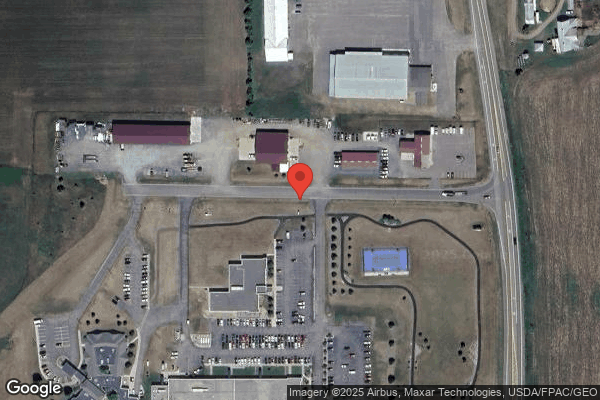
Mar 2023 4 deficiencies
CONCERN (D)

Potential for Harm - no one hurt, but risky conditions existed

Deficiency F0604 (Tag F0604)

Could have caused harm · This affected 1 resident

**NOTE- TERMS IN BRACKETS HAVE BEEN EDITED TO PROTECT CONFIDENTIALITY** Based on observation, interview and record review, the facility did not ensure each resident's right to be free from physical re...

Read full inspector narrative →
**NOTE- TERMS IN BRACKETS HAVE BEEN EDITED TO PROTECT CONFIDENTIALITY** Based on observation, interview and record review, the facility did not ensure each resident's right to be free from physical restraints for 1 of 5 residents (R6) reviewed for falls The facility initiated bed and wheelchair alarms for fall prevention against R6's wishes. R6 was admitted to the facility on [DATE], and has diagnoses that include osteoarthritis, major depressive disorder, and dementia. R6's Minimum Data Set (MDS) assessment, dated 02/07/23, indicated that R6 has a Brief Interview for Mental Status (BIMS) of 14 which indicates R6 is cognitively intact and is his own decision maker. On 02/27/23 at 2:17 PM, on initial tour, Surveyor was interviewing R6 and asking R6 how things were going for them at the facility. R6 indicated they don't like the alarms on their bed and wheelchair. Surveyor asked R6 if they had any falls. R6 indicated they did not. R6 indicated there was a time recently that they were self transferring from wheelchair to bed and the tray table slipped and they lowered themselves to the ground and were able to get back up with no assistance. Surveyor asked R6 if they were part of a care conference before the facility added the alarms. R6 indicated they were not, the alarms just started showing up in his room. On 02/28/23 at 2:52 PM, Surveyor asked Director of Nursing (DON) B why R6 has alarms. DON B indicated that the Interdisciplinary Team (IDT) made the decision to put alarms in R6's room. Surveyor then asked for rationale for alarms and falls for the last year. On 03/01/23 at about 8:10 AM, Surveyor asked Nursing Home Administrator (NHA) A if R6 signed a consent form for the alarms. NHA A indicated they did not believe they had R6 sign a consent form but would look. Surveyor did not hear back from NHA A or receive a signed consent. On 03/01/23 at about 8:25 AM, Surveyor asked R6 if they remembered signing a consent form for the alarms. R6 indicated they did not remember signing anything.
CONCERN (E)

Potential for Harm - no one hurt, but risky conditions existed

Medication Errors (Tag F0758)

Could have caused harm · This affected multiple residents

**NOTE- TERMS IN BRACKETS HAVE BEEN EDITED TO PROTECT CONFIDENTIALITY** Example 3 Received policy from Nursing Home Administrator (NHA) A titled Psychotropic Use revised January 2022 .3. Any PRN psyc...

Read full inspector narrative →
**NOTE- TERMS IN BRACKETS HAVE BEEN EDITED TO PROTECT CONFIDENTIALITY** Example 3 Received policy from Nursing Home Administrator (NHA) A titled Psychotropic Use revised January 2022 .3. Any PRN psychotropic will have an end date of 14 days from day of order with a treatment to request MD or hospice review of medication. Medication will only be renewed if MD or hospice provide a new order . c. All PRN antipsychotics will have an automatic end date of 14 days from date of order. A review of medical record indicated the facility admitted R19 on 03/15/22 with a BIMS of 12. With diagnoses that included chronic pain, coronary heart disease, heart failure, hypertension, palliative care, dementia, adult failure to thrive. On 02/15/23 a note from Hospice physician: I certify that the patient has a terminal diagnosis of atherosclerosis heart disease and prognosis is six months or less if the disease runs its normal course. A review of the MDS dated [DATE] revealed R19 had no hallucination and delusions and R19 was on scheduled pain regimen. On 02/28/23 at 8:36 AM, Surveyor reviewed Medication Administration Record (MAR) and noted an order dated 12/01/22 for Haldol 1milligram give 1 tablet by mouth every four hours as needed for nausea/vomiting. The end date for this order was indefinite. On 2/28/23 at 10:13 AM, Surveyor reviewed progress notes dated 12/01/22 through 02/28/23 revealed no documentation related to nausea/vomiting or the need for Haldol. On 02/28/23 at 2:28 PM, Surveyor interviewed DON B about the end date being indefinite on the Haldol as needed when it was started back on 12/01/22. DON B replied that they are really struggling with this and that we are really trying to get this better here. Surveyor informed DON B that all PRN psychotropic medications must be reevaluated every 14 days with an indication to continue its use. On 03/01/23 at 9:14 AM, Surveyor interviewed Licensed Practical Nurse (LPN) K about the indication for use of Haldol. LPN K replied it is for end-of-life care or like agitation if the Ativan does not work. On 03/01/23 at 9:35 AM, Surveyor reviewed notes in the hospice binder. There were no notations regarding nausea or vomiting. On 03/01/23 at 10:00 AM, Surveyor spoke to Registered Nurse (RN) J of hospice and asked about the clinical indications for Haldol. RN J replied that their hospice medical provider uses Haldol for nausea and vomiting on everyone. Surveyor asked how are psychotropic medications evaluated for its use. RN J replied we have a form for prn lorazepam for every 14 days to be reevaluated and reordered for our hospice patients but not for Haldol. On 03/01/23 at 11:00 AM, Surveyor interviewed Nursing Home Administrator (NHA) A. Interview revealed when there was an order for an as needed psychotropic medication, facility staff should have entered the order to be given for 14 days. Example: 4 R11 was admitted to the facility on [DATE] with diagnoses that include type 2 diabetes, traumatic brain injury and depression. During a record review, Surveyor noted on 02/09/23 the pharmacist suggested a GDR dosing review for escitalopram. Surveyor was not able to locate a physician response in R11's file. On 02/28/23 at about 1:08 PM, Surveyor asked NHA A for doctor's response to the pharmacist's GDR recommendation on 02/09/23. On 03/01/23, Surveyor received a signed note to attending Physician/Prescriber with a Medical Record Review (MRR) date of 02/09/23 where the Pharmacist suggested GDR dosing escitalopram 2.5 mg by mouth once daily. The Physician/Prescriber response was ok to decrease dose, signed by Physician Assistant (PA) D and dated on 02/28/23. On 03/01/23 at about 12:30 PM, Surveyor interviewed DON B and asked what the process was for the doctor to review and sign the pharmacist's reviews. DON B indicated the PA D is here on every Thursday and reviews the pharmacist's recommendations. Surveyor asked DON B what happened to the pharmacist review for R11. DON B indicated she did not know, it got shuffled around on their desk. Based on observation, interview and record review, the facility did not have a rationale documented in the resident's medical record for extending PRN (as needed) psychotropic medications beyond 14 days. This occurred for 3 of 3 residents (R) reviewed for PRN psychotropic medications. (R17, R26, and R19) The facility did not ensure residents who use psychotropic medications receive a gradual dose reduction (GDR). This occurred for 1 of 4 residents reviewed for psychotropic medications. (R11) R17 and R26 had orders for PRN Lorazepam (anti-anxiety medication) which was in place for greater than 14 days without a clinical rationale and no end date. R19 had a physician's order for as needed Haldol with a stop date of indefinite. This allowed R19 to receive the as needed psychotropic medication for longer than 14 days without an indication of use by the ordering physician. Facility did not follow up with physician on pharmacist recommendation for gradual dose reduction (GDR) of psychotropic medications for 1 of 4 residents (R11) reviewed. Findings include: Example: 1 R17 was admitted to the facility on [DATE] with the following diagnoses, in part, Alzheimer's disease, dementia in other diseases with other behavioral disturbance, vascular dementia, restlessness and agitation, and generalized anxiety disorder. R17's Minimum Data Set (MDS) assessment, dated 10/11/22, identified R17 had significant cognitive impairment and unable to complete a Brief Interview for Mental Status (BIMS) assessment. The MDS listed behaviors as not assessed. R17 had the following medication order on the medical record: Lorazepam Concentrate 2 mg (milligrams)/ml (milliliters). Give 0.25 ml by mouth every 6 hours as needed for anxiety or agitation. The order had a start date of 02/09/23. The PRN order was in place for greater than 14 days with no end date. Review of the medical record identified the PRN medication had been renewed multiple times during R17's stay at the facility. Surveyor was unable to locate any documentation of a clinical rationale for extending the PRN Lorazepam for greater than 14 days. Surveyor identified the following care plan on R17's medical record: FOCUS: The resident uses psychotropic medications Lorazepam r/t [related to] vascular dementia with behaviors. GOALS: The resident will be/remain free of drug related complications, including movement disorder, discomfort, hypotension, through the next review date. INTERVENTIONS: · Administer medications as ordered. Monitor/document for side effects and effectiveness. · Anticipate and meet needs. · Has animated cat that she enjoys holding and petting. · Keep door open and light on when not doing cares to help with anxiety and calling out. · Monitor/record occurrence of for target behavior symptoms (screaming, anxiety, threatening staff) and document per facility protocol. · Offer warm blanket before prn Ativan [Lorazepam], rsdt [resident] likes to be around people, have lamp and radio/music on at HS [bedtime] to help with anxiety. · Pocket talker prn for verbal communication. On 02/28/23 from 11:00 AM to 11:30 AM, Surveyor observed R17 sitting in a chair by the fireplace in front of the TV with another resident. Surveyor observed R17 frequently call out, Help me or Come here. Surveyor observed multiple staff come to R17 during that time to talk to R17 and offer reassurance. R17 quickly calmed down and stopped calling out each time a staff member offered a few words of reassurance. Surveyor requested documentation of behavior monitoring with review of R17's targeted behaviors and R17's response to non-pharmacological interventions and response to PRN Lorazepam doses. Surveyor received Certified Nursing Assistant (CNA) daily behavior documentation for the past 30 days. The document showed behaviors of yelling/screaming two times in the past 30 days. Surveyor received documentation of nursing progress notes describing R17 intermittently yelling out, or agitated behavior. Some of the notes stated R17 calmed with non-pharmacological interventions. Some of the notes stated PRN Lorazepam was given. Not all the notes described R17's response to the PRN Lorazepam. There was no periodic review or summary of behaviors and response to the non-pharmacological and pharmacological interventions. Surveyor also requested documentation of the clinical rationale for extending the PRN Lorazepam greater than 14 days and the end date for the PRN Lorazepam order. Surveyor did not receive documentation of a clinical rationale for extending the PRN Lorazepam greater than 14 days, or an end date for the PRN Lorazepam order. On 03/01/23 at 11:33 AM, Surveyor interviewed Director of Nursing (DON) B and asked if they did a periodic review of R17's targeted behaviors and response to non-pharmacological interventions, or if they reviewed how often R17 required a dose of the PRN Lorazepam and the response to that medication. Surveyor asked DON B if they provided a summary of that information to the provider to help determine the appropriateness to continue PRN Lorazepam. DON B stated they did not review that information with the provider, but sometimes that was reviewed with the hospice nurse. No documentation of this review was provided. Surveyor also asked DON B if they had any documentation of an end date for R17's PRN Lorazepam and documentation of a clinical rationale for continuing the PRN Lorazepam greater than 14 days. DON B stated they did not have that documentation. Example 2: R26 was admitted to the facility on [DATE] with the following diagnoses, in part, emphysema, anxiety disorder, depression, acute and chronic respiratory failure with hypoxia and hypercapnia. R26's MDS assessment, dated 01/19/23, identified R26 had a BIMS score of 14. This meant R26 had no cognitive impairment. The MDS assessment also identified R26 had no behaviors exhibited during the assessment period. Surveyor identified the following order on R26's medical record: Lorazepam oral tablet 0.5 mg, give 0.5 mg by mouth as needed for anxiety BID [twice per day]. The order had a start date of 01/12/23 and did not have an end date. The PRN order had been in place for greater than 14 days. Surveyor did not find any documentation of clinical rationale for extending the PRN Lorazepam greater than 14 days, and no end date for the order. Surveyor identified the following care plan on R26's medical record: FOCUS: Resident uses Lorazepam r/t [related to] anxiety disorder. GOALS: Resident will show decreased episodes of s/sx [signs and symptoms] of anxiety through the review date. There were no interventions listed for this care plan focus. Surveyor requested behavior monitoring documentation for R26. Surveyor received CNA daily behavior charting for the past 30 days. No behaviors were noted for the past 30 days. Surveyor requested documentation of the clinical rationale for extending the PRN Lorazepam for greater than 14 days and the end date for the PRN Lorazepam order. No documentation was received. On 03/01/23 at 11:33 AM, Surveyor interviewed DON B and asked if they did a periodic review of R26's targeted behaviors and response to non-pharmacological interventions, or if they reviewed how often R26 received a dose of PRN Lorazepam and the response. Surveyor asked if they provided a summary of that review to the provider to help determine if it was appropriate to continue the PRN Lorazepam greater than 14 days. DON B stated no they did not do this review for R26. Surveyor also asked if they had any documentation of an end date for R26's PRN Lorazepam and documentation of a clinical rationale for continuing the PRN Lorazepam greater than 14 days. DON B stated no they did not have that documentation.
CONCERN (F)

Potential for Harm - no one hurt, but risky conditions existed

Food Safety (Tag F0812)

Could have caused harm · This affected most or all residents

Based on observations and interviews, the facility did not serve food in accordance with professional standards for food service safety. This has the potential to affect all 27 residents in the facili...

Read full inspector narrative →
Based on observations and interviews, the facility did not serve food in accordance with professional standards for food service safety. This has the potential to affect all 27 residents in the facility. Exhaust fans over food prep area dirty No hand hygiene between glove changes This is evidenced by: On 02/27/23 at about 9:20 AM, Surveyor performed an initial tour of the kitchen with Director of Dietary (DD) C. Observations of the cooktop hoods were dirty and fuzzy. Surveyor asked DD C if they had a cleaning schedule. DD C indicated they did but due to staff shortages it doesn't always get done. Surveyor asked DD C who was in charge of cleaning the hoods. DD C indicated the lead cook used to do them, but she left. DD C indicated going forward they were going to talk with the Nursing Home Administrator about maintenance taking over at least getting the screens down for kitchen staff to wash. On 02/28/23 at about 12:06 PM, Surveyor was observing kitchen staff serving lunch. Surveyor observed [NAME] E remove their gloves, put on new pair of gloves, no hand hygiene in-between switching gloves. [NAME] E then dished up a plate, grabbed a tray, then a lunch ticket, next grabbed a new plate dished it up grabbed tray ticket put on tray, removed gloves, no handwashing then put on new gloves dished up a plate then removed gloves and put on a new pair of gloves with no hand washing in-between. Surveyor then observed [NAME] F with gloved hands, reached in and grabbed out 2 pieces of bread, set it on the prep area, then with same gloved hands opened freezer to grab some onion rings to put in the deep fryer, removed gloves no hand hygiene, put on a new pair of gloves, put peanut butter and jelly on the pieces of bread cut the sandwich in half and put it on a plate, removed her gloves, no hand hygiene, put on a new pair of gloves and dished up a cup of soup. The facility policy, entitled Hand Washing state in part When to wash hands before donning disposable gloves for working with food and after gloves are removed. On 02/28/23 at 1:56 PM, Surveyor interviewed DD C and told them of the observations. DD C indicated they did not wash their hands in between changing gloves. Surveyor asked DD C who does training on handwashing. DD C indicated they just did one last week on handwashing.
CONCERN (F) 📢 Someone Reported This

A family member, employee, or ombudsman was alarmed enough to file a formal complaint

Potential for Harm - no one hurt, but risky conditions existed

Infection Control (Tag F0880)

Could have caused harm · This affected most or all residents

**NOTE- TERMS IN BRACKETS HAVE BEEN EDITED TO PROTECT CONFIDENTIALITY** Example 4: On 02/28/23 at 8:06 AM, Surveyor observed Speech Therapy Student (STS) M in the dining room sitting next to R1. STS M...

Read full inspector narrative →
**NOTE- TERMS IN BRACKETS HAVE BEEN EDITED TO PROTECT CONFIDENTIALITY** Example 4: On 02/28/23 at 8:06 AM, Surveyor observed Speech Therapy Student (STS) M in the dining room sitting next to R1. STS M was wearing a face mask and goggles. There was a drink cup (yeti-like) with lid and straw sitting next to her. STS M was observed by Surveyor to lift her mask and take a drink from it. On 02/28/23 at 8:15 AM, Surveyor interviewed UWRF STI L (University of Wisconsin River Falls Speech Therapy Instructor) and STS M. STS M stated that she is doing a 12-week clinical rotation here at the facility. When asked of her understanding/expectation of food and drink in the dining room with residents she states, I'm not clear on the expectation. STI L stated that she is not STS M's direct supervisor here at the facility, but that facility Speech Therapist (ST) N is. On 02/28/23 at 8:25 AM, Surveyor interviewed ST N, who is the facility's Speech Therapist and STS M's direct supervisor while STS M is doing clinicals. ST N stated the expectation is that food or drink should be in an office or break room. ST N was also holding onto a yeti-like drink cup with lid and straw. ST N stated that she brings her drink cup down to the dining room also, but it is not in the dining room, but off to the side somewhere. No observation was made by Surveyor of ST N having this drink cup at the table with the resident she was assisting or of her drinking from it. On 03/01/23 at 10:30 AM, Surveyor observed a staff member sitting in the day room in the middle of the resident care unit. There was a laptop computer on the table, and staff member was charting on it. Staff member was not wearing goggles or a mask and was eating food from a green plastic container. On 03/01/23 at 10:35 AM, Surveyor informed NHA A of this observation. NHA A stated that this is probably a Hospice nurse because their employees do not use laptop computers. NHA A did go to this individual and address this. At this point the individual had her mask on, but no goggles, and food was covered. On 03/01/23 at 11:40 AM, Surveyor identified this individual as Hospice Registered Nurse (HRN) J. Surveyor requested HRN J's vaccination status. HRN J is unvaccinated and has a non-medical exemption. Signage posted at entrance states, Due to [NAME] County COVID transmission rate being HIGH all visitors must wear a face mask while in common areas of the building. CDC guidance states, When SARS-CoV-2 Community Transmission levels are high, source control is recommended for everyone in a healthcare setting when they are in areas of the healthcare facility where they could encounter patients. The facility policy entitled COVID-19 Vaccination Policy, dated 10/07/22 states: Staff who are not fully vaccinated must wear a mask when indoors and when occupying a vehicle with another person for work purposes, except: When Staff are alone in a room with floor to ceiling walls and a closed door, when Staff are eating or drinking at the workplace, for a limited amount of time, or for identification purposes in compliance with safety and security requirements. Example 5: On 03/01/23 at 12:48 PM, Surveyor reviewed surveillance for identifying, tracking, monitoring, and/or reporting of infections or outbreaks: The facility has not been accurately identifying, tracking and/or monitoring/reporting of infections or outbreaks of staff. Staff surveillance reviewed from April 2022 through February 2023 shows no staff location, a not determined type of infection, no diagnostics/tests (except for some COVID tests in November, December, January, February) no date of resolution or unknown and inaccurate or omitted return to work dates. The facility has not been comparing the Staff line list to the Resident line list to determine/identify if there is an outbreak. On 03/01/23 at 12:55 PM, Surveyor interviewed NHA A regarding staff surveillance. NHA A states that their understanding is to track staff illnesses that have been diagnosed and/or determined because staff do not always go to the doctor about their symptoms. Surveyor: [NAME], [NAME] S. Example 6: On 02/28/23 at approximately 12:20 PM, Surveyor observed a visitor sitting next to R17 in the dining room with her mask under her chin. Surveyor also observed a second visitor in the dining room who was supposed to be visiting with R22 but was standing at a table next to R22's visiting with three other residents with her mask on her chin. Surveyor then observed the visitor eventually go sit back down at the table where R22 was with her mask still on her chin eating something. There is a sign in the lobby that states Visitors - Stop - Due to [NAME] County COVID transmission rate being high all visitors must wear a face mask while in common areas of the building. On 03/01/23 at about 11:00 AM, Surveyor interviewed Office Assistant (OA) R and asked if they catch visitors on their way in and tell them to put a mask on if they do not. OA R indicated yes, they do. Surveyor asked who is responsible to tell a visitor to pull up their mask if they are not wearing it appropriately. OA R indicated that all staff know if a visitor is sitting in a common area, they have to have a mask on correctly. If a visitor does not, they are nicely asked to pull up their mask when in a common area or are told they can visit in a resident's room. Based on observation, interview and record review, the facility did not maintain an infection prevention and control program designed to provide a safe, sanitary, and comfortable environment and to help prevent the development and transmission of communicable diseases and infections. Housekeeping staff was observed entering a resident room on Transmission Based Precautions (TBP) without wearing proper Personal Protective Equipment (PPE.) Contracted housekeeping staff did not receive training on facility infection control policies and procedures prior to working in the facility. This had the potential to affect all 27 residents in the building. TBP room was not labeled with correct signs to inform staff and visitors what PPE to wear when entering the room. This had the potential to affect all 27 residents in the building. No hand hygiene was offered to residents (R) prior to eating. This was observed for 11 of 27 residents (R1, R8, R17, R16, R11, R6, R12, R7, R22, R130, and R27.) The facility did not ensure staff wear appropriate source control and are not eating/drinking in resident care areas. The facility did not ensure accurate staff surveillance for identifying, tracking, monitoring, and/or reporting of infections or outbreaks. Visitors not wearing source control masks in dining room while residents were eating. Findings include: Example 1: On 03/01/23 at 10:49 AM, Surveyor observed Housekeeper (HK) G enter R9's room with gloves and no gown. R9 was on Contact TBP for C. Diff. HK G carried a blue bucket filled with bottles of cleaning products and a mop into R9's room. HK G entered the bathroom in R9's room. Surveyor did not enter room to observe HK G clean the bathroom. Surveyor heard HK G ask R9 if staff were still wearing gowns to come into R9's room. At 10:56 AM, Surveyor observed HK G exit R9's room wearing gloves and carrying the blue bucket and mop. HK G placed the mop in the mop bucket on the cleaning cart in the hall. HK G placed the blue bucket on top of the cleaning cart. HK G took the gloves off and threw in the trash on the cleaning cart. HK G applied clean gloves without performing hand hygiene in between. HK G went to the PPE cart beside door, opened a drawer, and removed a clean gown. HK G put on the gown, picked up the blue bucket and mop and re-entered R9's room. From the doorway, Surveyor observed HK G clean the room and mop the floor. HK G removed the gown in R9's room and placed in the trash bin in the room. HK G exited the room with the blue bucket and mop and wearing gloves. HK G placed the mop in the bucket on the cart and placed the blue bucket on top of cart. HK G removed the gloves and threw in trash on the cleaning cart. HK G did not perform hand hygiene after removing the gloves. On 03/01/23 at 10:59 AM, Surveyor interviewed HK G. HK G stated they have not worked in the facility very long and were employed by a contracted company. HK G stated they received no training on infection control policies and procedures from facility staff prior to being assigned to clean resident rooms. HK G stated they did not receive training on how to identify isolation rooms and what PPE should be worn when entering isolation rooms. HK G stated they did not receive any training on any special procedures or cleaning products for TBP rooms. HK G stated they would normally ask the nurse what they should do if they saw a PPE cart outside of a resident room. HK G stated they did not do that for R9's room and had been entering that room without a gown. HK G stated they were not following any different cleaning practices for R9's room. HK G stated they bring the same blue cleaning bucket and same mop into other resident's room after using it in R9's room. HK G stated they did not change the water in the mop bucket or clean the mop bucket after cleaning R9's room. On 03/01/23 at 11:43 AM, Surveyor interviewed Director of Nursing (DON) B and explained the observation of HK G noted above. Surveyor informed DON B HK G stated they received no training on infection control and what to do for isolation rooms prior to starting work at the facility. DON B stated when they had their own housekeeping staff internally, they received regular infection control training on isolation rooms and PPE use and they would routinely clean the TBP rooms last, so there was no worry of contamination of other rooms. DON B stated with the switch to the contracted cleaning company they did not do infection control training with the new housekeeping staff. DON B stated HK G was not following proper procedure for cleaning R9's room, and this could cause the spread of C. Diff. to other rooms. Example 2 On 02/27/23 at 10:38 AM, Surveyor observed a cart containing PPE outside R9's room. There was an isolation gown hanging on R9's door and the door was closed. There was no sign on the door or on top of the PPE cart. Surveyor asked Certified Nursing Assistant (CNA) P if R9 was on TBP. CNA P stated R9 was on contact precautions for clostridium difficile (C. Diff.) Surveyor asked CNA P how anyone was to know what type of precautions a resident was on, and what type of PPE should be worn to enter the room with no sign on the door. CNA P stated there was supposed to be a sign by the door, but stated they received verbal report that R9 was on contact precautions, and they needed to wear a gown and gloves every time they went into R9's room. On 02/27/23 at 10:41 AM, Surveyor observed that two signs had been placed on cart outside R9's room that said contact/droplet and airborne precautions. The signs listed what PPE should be worn to enter the room. On 02/27/23 at 11:12 AM, Surveyor asked Licensed Practical Nurse (LPN) Q what type of TBP R9 was on. LPN Q stated R9 was on contact precautions for C. Diff., and they needed to wear a gown and gloves to enter that room. Surveyor asked about the signs on the top of the PPE cart that stated contact/droplet precautions and airborne precautions. LPN Q was not sure why those signs were on the cart but was sure R9 was only on contact precautions. On 03/01/23 at 8:10 AM, Surveyor interviewed Nursing Home Administrator (NHA) A and asked how staff or visitors know what type of TBP a resident was on and what PPE they need to wear to enter the room. NHA A stated the nurses or Director of Nursing (DON) B usually initiate TBP. The type of precautions were based on what the resident's symptoms/illness was. There should be a sign placed on the door or on top of the PPE cart directing staff and visitors what type of precautions a resident was placed on. NHA A stated they know there was no sign on R9's room on Monday morning to identify what type of TBP R9 was on. NHA A did not know why that happened. Surveyor informed NHA A there were two TBP signs placed on the top of the PPE bin mid-morning on Monday 2/27/23, one was contact/droplet and the other one was airborne precautions. NHA A did not think those were the correct signs and would verify with DON B. On 03/01/23 at 8:16 AM, Surveyor interviewed LPN K, who stated R9 was on contact precautions for C. Diff. LPN K stated they know what type of TBP a resident is on by the sign on the top of the PPE cart. LPN K stated the sign tells staff what PPE to wear. Surveyor asked LPN K what staff or visitors would do if there was no sign, or the incorrect sign by the room. LPN K stated they usually got a verbal report from DON B or from the previous shift staff. On 03/01/23 at 11:43 AM, Surveyor interviewed DON B about the facility procedure for TBP rooms and how staff and visitors know what PPE to wear before entering rooms on TBP. DON B stated normally they put a sign on the door or adjacent to the door to identify what PPE to wear and procedures to follow to enter the TBP rooms. DON B did not know why there was no sign on R9's room on Monday and did not know why or who placed the wrong signs on the PPE cart in front of R9's room. DON B confirmed that with no sign or the wrong signs there was the potential to spread R9's C. Diff. infection to others. Example 3: Facility Policy entitled Mealtime Resident Handwashing, last revised March 2020, stated in part, Independent residents: 1. There are hand sanitizer stations at the entrance to the dining room available to residents. 2. The hand sanitizing stations will be filled by the housekeeping department. Residents who receive assistance with meal: Nursing staff will offer assistance with washing resident's hands or offer hand sanitizer prior to meal. On 02/28/23 at 7:46 AM, Surveyor observed R1 seated in the dining room waiting for breakfast. Surveyor asked R1 if staff assisted or offered a hand wipe or hand sanitizer to wash hands before serving meals. R1 stated not that they remembered. At 8:06 AM, Surveyor observed Dietary Service Aide (DSA) H serve R1 breakfast and R1 began eating independently. DSA H did not offer R1 hand hygiene prior to eating. On 02/28/23 at 7:50 AM, Surveyor observed DSA H serve R16 breakfast, and R16 began to eat independently. R16 was not offered hand hygiene prior to being served the meal. Surveyor asked R16 if anyone offered hand hygiene prior to meals, and R16 stated they did not usually do that. On 02/28/23 at 7:51 AM, Surveyor observed R11 being assisted to the dining room and placed in front of a table. DSA H served R11 two beverages. Surveyor asked if staff assisted with hand washing prior to serving meals. R11 stated not usually. At 8:05 AM, DSA H served R11 breakfast and R11 began eating independently. No one offered or assisted R11 with hand hygiene prior to serving the meal. On 02/28/23 at 8:04 AM, Surveyor observed DSA H serve R8 breakfast and R8 began eating independently. R8 was not offered hand hygiene prior to eating. Surveyor asked R8 if anyone offered or assisted with hand hygiene prior to meals. R8 stated they do not usually offer hand hygiene prior to eating. On 02/28/23 at 8:07 AM, Surveyor observed DSA H serve R17 breakfast and R17 began eating independently. DSA H did not offer R17 hand hygiene prior to serving the meal. Surveyor asked R17 if anyone helped with or offered hand hygiene prior to eating. R17 did not remember. On 02/28/23 at 8:11 AM, Surveyor observed R6 be assisted to the dining room for breakfast. No one offered R6 hand hygiene. Surveyor asked R6 if anyone assisted R6 with hand hygiene prior to meals, and R6 stated they don't usually offer hand washing in dining room. At 8:17 AM, DSA H served R6 breakfast and R6 began eating independently. No hand hygiene was offered prior to serving the meal. On 02/28/23 at 8:16 AM, Surveyor observed R12 walk into the dining room with a wheeled walker and then was assisted to sit in a wheelchair by the table. No hand hygiene was offered to R12 prior to being served breakfast. R12 was eating independently. On 02/28/23 at 8:17 AM, Surveyor observed R7 be assisted to the dining room for breakfast. R7 was not offered hand hygiene. DSA H served R7 breakfast and R7 began eating independently. Surveyor asked R7 if anyone offered assistance with hand washing prior to being served meals in the dining room. R7 said not consistently. On 02/28/23 at 8:20 AM, Surveyor observed R22 be assisted to the dining room and served breakfast. R22 began eating independently when the food was served. No hand hygiene was offered in the dining room prior to eating. On 02/28/23 at 8:25 AM, Surveyor observed CNA I bring breakfast trays to R130 and R27 on the D hall. Surveyor observed CNA I bring the trays into each room and set up the tray in front of each resident. CNA I did not offer either resident assistance with hand hygiene prior to serving the meal. Both residents began eating independently. Surveyor interviewed CNA I and asked if they offered hand hygiene to residents prior to eating. CNA I stated not usually but would sometimes if they asked. CNA I stated they don't provide any hand wipes on the trays or offer hand sanitizer to residents when serving meals in the resident rooms. On 02/28/23 at 9:12 AM, Surveyor interviewed DSA H and asked if they had a process or policy for offering residents hand washing or hand hygiene prior to serving them meals. DSA H said they did not routinely offer hand hygiene in the dining room. On 02/28/23 at 9:36 AM, Surveyor interviewed NHA A about facility policy for offering residents assistance with hand hygiene before meals. NHA A stated they have bottles of hand sanitizer at the entrance of the dining room and staff is supposed to offer and assist residents with hand hygiene when they bring residents to the dining room for meals. Surveyor informed NHA A of above observations and interviews showing residents were not offered hand hygiene before breakfast. NHA A stated that was not following their policy.
Understanding Severity Codes (click to expand)
Life-Threatening (Immediate Jeopardy)
J - Isolated K - Pattern L - Widespread
Actual Harm
G - Isolated H - Pattern I - Widespread
Potential for Harm
D - Isolated E - Pattern F - Widespread
No Harm (Minor)
A - Isolated B - Pattern C - Widespread

Questions to Ask on Your Visit

  • "Why is there high staff turnover? How do you retain staff?"
  • "Can I speak with families of current residents?"
  • "What's your RN coverage like on weekends and overnight?"

Our Honest Assessment

Strengths
  • • No major safety red flags. No abuse findings, life-threatening violations, or SFF status.
Concerns
  • • 24 deficiencies on record. Higher than average. Multiple issues found across inspections.
  • • $13,000 in fines. Above average for Wisconsin. Some compliance problems on record.
  • • Grade D (43/100). Below average facility with significant concerns.
  • • 60% turnover. Above average. Higher turnover means staff may not know residents' routines.
Bottom line: Trust Score of 43/100 indicates significant concerns. Thoroughly evaluate alternatives.

About This Facility

What is Christian Community Home Of Osceola, Inc's CMS Rating?

CMS assigns CHRISTIAN COMMUNITY HOME OF OSCEOLA, INC an overall rating of 2 out of 5 stars, which is considered below average nationally. Within Wisconsin, this rating places the facility higher than 0% of the state's 100 nursing homes. A rating at this level reflects concerns identified through health inspections, staffing assessments, or quality measures that families should carefully consider.

How is Christian Community Home Of Osceola, Inc Staffed?

CMS rates CHRISTIAN COMMUNITY HOME OF OSCEOLA, INC's staffing level at 4 out of 5 stars, which is above average compared to other nursing homes. Staff turnover is 60%, which is 13 percentage points above the Wisconsin average of 46%. High turnover can affect care consistency as new staff learn residents' individual needs.

What Have Inspectors Found at Christian Community Home Of Osceola, Inc?

State health inspectors documented 24 deficiencies at CHRISTIAN COMMUNITY HOME OF OSCEOLA, INC during 2023 to 2025. These included: 23 with potential for harm and 1 minor or isolated issues.

Who Owns and Operates Christian Community Home Of Osceola, Inc?

CHRISTIAN COMMUNITY HOME OF OSCEOLA, INC is owned by a non-profit organization. Non-profit facilities reinvest revenue into operations rather than distributing to shareholders. The facility operates independently rather than as part of a larger chain. With 40 certified beds and approximately 31 residents (about 78% occupancy), it is a smaller facility located in OSCEOLA, Wisconsin.

How Does Christian Community Home Of Osceola, Inc Compare to Other Wisconsin Nursing Homes?

Compared to the 100 nursing homes in Wisconsin, CHRISTIAN COMMUNITY HOME OF OSCEOLA, INC's overall rating (2 stars) is below the state average of 3.0, staff turnover (60%) is significantly higher than the state average of 46%, and health inspection rating (2 stars) is below the national benchmark.

What Should Families Ask When Visiting Christian Community Home Of Osceola, Inc?

Based on this facility's data, families visiting should ask: "How do you ensure continuity of care given staff turnover, and what is your staff retention strategy?" "Can I visit during a mealtime to observe dining assistance and food quality?" "How do you handle medical emergencies, and what is your hospital transfer rate?" "Can I speak with family members of current residents about their experience?" These questions are particularly relevant given the facility's high staff turnover rate.

Is Christian Community Home Of Osceola, Inc Safe?

Based on CMS inspection data, CHRISTIAN COMMUNITY HOME OF OSCEOLA, INC has a clean safety record: no substantiated abuse findings (meaning no confirmed cases of resident harm), no Immediate Jeopardy citations (the most serious violation level indicating risk of serious injury or death), and is not on the Special Focus Facility watch list (a federal program monitoring the lowest-performing 1% of nursing homes). The facility has a 2-star overall rating and ranks #100 of 100 nursing homes in Wisconsin. While no facility is perfect, families should still ask about staff-to-resident ratios and recent inspection results during their visit.

Do Nurses at Christian Community Home Of Osceola, Inc Stick Around?

Staff turnover at CHRISTIAN COMMUNITY HOME OF OSCEOLA, INC is high. At 60%, the facility is 13 percentage points above the Wisconsin average of 46%. High turnover means new staff may not know residents' individual needs, medications, or preferences. It can also be disorienting for residents, especially those with dementia who rely on familiar faces. Families should ask: What is causing the turnover? What retention programs are in place? How do you ensure care continuity during staff transitions?

Was Christian Community Home Of Osceola, Inc Ever Fined?

CHRISTIAN COMMUNITY HOME OF OSCEOLA, INC has been fined $13,000 across 1 penalty action. This is below the Wisconsin average of $33,209. While any fine indicates a compliance issue, fines under $50,000 are relatively common and typically reflect isolated problems that were subsequently corrected. Families should ask what specific issues led to these fines and confirm they've been resolved.

Is Christian Community Home Of Osceola, Inc on Any Federal Watch List?

CHRISTIAN COMMUNITY HOME OF OSCEOLA, INC is not on any federal watch list. The most significant is the Special Focus Facility (SFF) program, which identifies the bottom 1% of nursing homes nationally based on persistent, serious quality problems. Not being on this list means the facility has avoided the pattern of deficiencies that triggers enhanced federal oversight. This is a positive indicator, though families should still review the facility's inspection history directly.