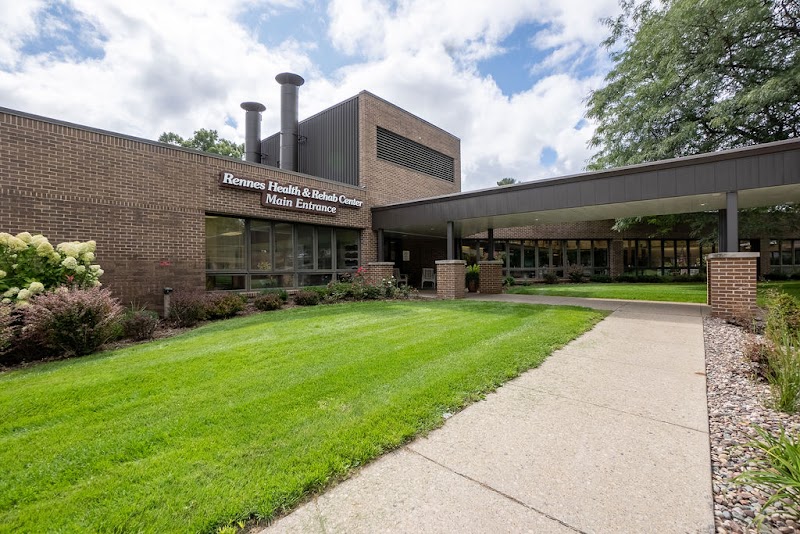
RENNES HEALTH AND REHAB CENTER-EAST
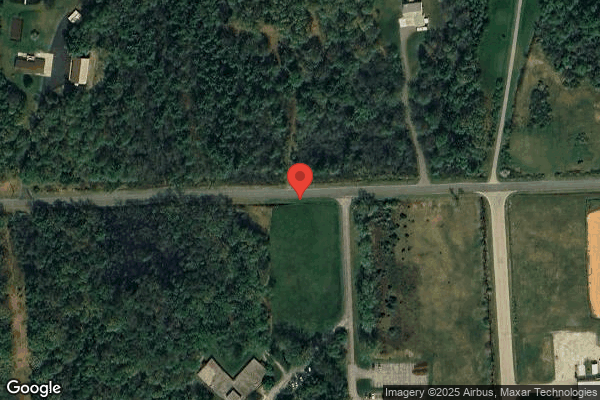

701 WILLOW ST, PESHTIGO, WI 54157 (715) 582-3962
For profit - Corporation 50 Beds RENNES GROUP Data: November 2025
Trust Grade
93/100
#59 of 321 in WI
Last Inspection: December 2024

Within standard 12-15 month inspection cycle. Federal law requires annual inspections.

Overview

Rennes Health and Rehab Center-East has received an excellent Trust Grade of A, indicating that it is highly recommended and performing well in comparison to other facilities. It ranks #59 out of 321 nursing homes in Wisconsin, placing it in the top half, and it is the best option in Marinette County, ranking #1 out of 5. The facility is improving, with issues decreasing from 5 in 2023 to 2 in 2024, although there are still concerns, including a failure to maintain proper infection control practices among staff members. Staffing is a strength, with a 4/5 star rating and a low turnover of 26%, which is well below the state average, and there is good RN coverage, exceeding that of 83% of Wisconsin facilities. Importantly, there have been no fines reported, which suggests a strong compliance record, but families should be aware of specific incidents, such as staff not performing hand hygiene before assisting residents, which poses a risk for infection.

Trust Score
A
93/100
In Wisconsin
#59/321
Top 18%
Safety Record
Low Risk
No red flags
Inspections
Getting Better
5 → 2 violations
Staff Stability
✓ Good
26% annual turnover. Excellent stability, 22 points below Wisconsin's 48% average. Staff who stay learn residents' needs.
Penalties
✓ Good
No fines on record. Clean compliance history, better than most Wisconsin facilities.
Skilled Nurses
✓ Good
Each resident gets 65 minutes of Registered Nurse (RN) attention daily — more than 97% of Wisconsin nursing homes. RNs are the most trained staff who catch health problems before they become serious.
Violations
⚠ Watch
11 deficiencies on record. Higher than average. Multiple issues found across inspections.
★★★★★
5.0
Overall Rating
★★★★☆
4.0
Staff Levels
★★★☆☆
3.0
Care Quality
★★★★★
5.0
Inspection Score
Stable
2023: 5 issues
2024: 2 issues

The Good

  • 4-Star Staffing Rating · Above-average nurse staffing levels
  • Low Staff Turnover (26%) · Staff stability means consistent care
  • Full Sprinkler Coverage · Fire safety systems throughout facility
  • No fines on record
  • Staff turnover is low (26%)

    22 points below Wisconsin average of 48%

Facility shows strength in staffing levels, staff retention, fire safety.

The Bad

Chain: RENNES GROUP

Part of a multi-facility chain

Ask about local staffing decisions and management

The Ugly 11 deficiencies on record

Dec 2024 2 deficiencies
CONCERN (D)

Potential for Harm - no one hurt, but risky conditions existed

Pharmacy Services (Tag F0755)

Could have caused harm · This affected 1 resident

**NOTE- TERMS IN BRACKETS HAVE BEEN EDITED TO PROTECT CONFIDENTIALITY** 3. On 12/9/24, Surveyor reviewed R21's medical record. R21 was admitted to the facility on [DATE] and had diagnoses including le...

Read full inspector narrative →
**NOTE- TERMS IN BRACKETS HAVE BEEN EDITED TO PROTECT CONFIDENTIALITY** 3. On 12/9/24, Surveyor reviewed R21's medical record. R21 was admitted to the facility on [DATE] and had diagnoses including left hip fracture, COPD, anxiety, heart failure, and shortness of breath. R21's MDS assessment, dated 11/6/24, had a BIMS score of 15 out of 15 which indicated R21 was not cognitively impaired. R21 had a self-administration of medication assessment that indicated R21 could safely and accurately self-administer medication. On 12/9/24 at 9:00 AM, Surveyor observed a medication cup containing 1 Tums (calcium carbonate) tablet on R21's bedside table. Surveyor interviewed R21 who indicated Tums was given to R21 for an upset stomach on 12/8/24. Surveyor reviewed R21's physician orders and noted R21 did not have an order for calcium carbonate. R21's November and December Medication Administration Records (MARs) also did not contain orders for calcium carbonate. The facility's standing order for Tums (calcium carbonate 500 milligrams (mg) 1-2 mg tablets (by mouth) (every) 4 hours (as needed) for upset stomach) was not activated for R21. On 12/9/24 at 10:45 AM, Surveyor interviewed RN (Registered Nurse)-D who indicated RN-D administered R21's medications that morning. RN-D indicated RN-D did not give R21 Tums. RN-D indicated R21 was able to self-administer medication, however, R21 did not have an order for Tums. On 12/10/24 at 9:44 AM and at 2:44 PM, Surveyor observed a medication cup containing 1 Tums tablet on R21's bedside table. On 12/10/24 at 2:44 PM, Surveyor interviewed ADON (Assisted Director of Nursing)-E who verified R21 did not have an order for calcium carbonate. ADON-E stated ADON-E expects the nurse who distributed the medication to go back to R21's room, verify R21 took the medication, and document the medication in R21's MAR. On 12/10/24 at 3:01 PM, Surveyor interviewed DON-B who indicated the facility had a standing order for calcium carbonate, however, the order was not activated for R21. DON-B indicated medication should be administered per physician orders and the nurse should have checked with R21 after the medication was dispensed to ensure R21 took the medication. Based on observation, staff interview, and record review, the facility did not provide pharmaceutical services to ensure the safe administration of drugs and biologicals for 3 residents (R) (R12, R45, and R21) of 14 sampled residents. On 12/10/24, staff administered R12's Spiriva inhaler (an inhaled medication used to treat breathing disorders). Following administration of the inhaler, R12 was not encouraged to rinse and spit per the physician's order. On 12/10/24, R45's Advair Diskus inhaler (an inhaled medication used to treat breathing disorders) was administered late by Licensed Practical Nurse (LPN)-C after being carried in LPN-C's pocket during the administration of other residents' medications. On 12/8/24, R21 was provided Tums (calcium carbonate) (an antacid used to treat heartburn, indigestion, and upset stomach) to self-administer. R21 did not have a physician's order for calcium carbonate. Findings include: The facility's Administering Medications policy, revised 11/6/17, indicates: Medications shall be administered in a safe and timely manner, and as prescribed .3. Medications must be administered in accordance with orders, including any required time frame .9. Medications may not be prepared in advance and must be administered within one hour of their prescribed time .Medications must be administered within current standards of practice .17. Residents may self-administer their own medications only if the Interdisciplinary Care Planning Team (IDT) has determined that they have the decision-making capacity to do so safely . The facility's Medication Pass Times policy, dated 9/25/18, indicates: Unless a certain time is specifically ordered by the prescriber or the medication needs to be administered at a specific time for therapeutic efficacy, the following time ranges will apply for the medication pass times listed below .AM medication should be administered between the hours of 6:00 AM and 10:00 AM. 1. On 12/10/24, Surveyor reviewed R12's medical record. R12 was admitted to the facility on [DATE] and a diagnosis of vascular dementia. R12's Minimum Data Set (MDS) assessment, dated 11/17/24, stated R12's Brief Interview for Mental Status (BIMS) score was 6 out of 15 which indicated R12 had severe cognitive impairment. R12's medical record indicated R12's Power of Attorney for Healthcare (POAHC) was responsible for R12's healthcare decisions. R12's medical record contained a physician's order for Spiriva 18 mcg (micrograms) administer one puff via inhalation once a day and stated, .**Rinse mouth & spit after each use** On 12/10/24 at 8:06 AM, Surveyor observed LPN-C prepare and administer R12's AM medication which included Spiriva. Following the administration of R12's Spiriva inhaler. LPN-C did not instruct R12 to rinse R12's mouth with water and spit out the water. On 12/10/24 at 10:57 AM, Surveyor interviewed LPN-C who verified LPN-C did not instruct R12 to rinse and spit following the administration of Spiriva. LPN-C indicated R12 usually didn't want to rinse. LPN-C was uncertain if education was provided to R12 regarding the need to rinse and spit after the use of Spiriva. (See interview under example 2) 2. On 12/10/24, Surveyor reviewed R45's medical record. R45 was admitted to the facility on [DATE] and had diagnoses including chronic obstructive pulmonary disease (COPD) (a chronic inflammatory lung disease that causes obstructed airflow from the lungs). R45's MDS assessment, dated 11/5/24, stated R45's BIMS score was 6 out of 15 which indicated R45 had severe cognitive impairment. R45's medical record indicated R45's POAHC was responsible for R45's healthcare decisions. R45's medical record contained a physician's order for Advair Diskus 250/50 mcg/dose (micrograms per dose) administer one puff via inhalation twice daily. On 12/10/24 at 8:35 AM, Surveyor observed LPN-C prepare R45's AM medications which included Advair and other oral medications. Surveyor observed LPN-C put R45's Advair inhaler in LPN-C's pocket prior to entering R45's room. Surveyor observed LPN-C enter R45's room and obtain R45's oxygen saturation level which was 89% (a normal reading is 90% or above). Surveyor observed LPN-C assist R45 with applying oxygen via nasal cannula. Surveyor observed LPN-C recheck R45's oxygen saturation level approximately two minutes later which was 96%. LPN-C did not administer R45's Advair inhaler prior to leaving R45's room. Surveyor observed LPN-C continue to pass medication to other residents. On 12/10/24 at 8:41 AM, Surveyor interviewed R45 who indicated nursing staff administers R45's inhaler every morning and stated, .but (gender) ain't been here yet. On 12/10/24 at 9:27 AM, Surveyor observed R45 walking in the hallway toward an activity area off the unit. Surveyor interviewed R45 who indicated R45 had not received Advair yet. On 12/10/24 at 9:48 AM, Surveyor observed LPN-C pass medications to residents in the opposite hall of R45's unit. On 12/10/24 at 10:06 AM, Surveyor interviewed R45 who verified R45 had not received Advair yet. On 12/10/24 at 10:06 AM and 10:26 AM, Surveyor noted LPN-C was still passing medication to other residents. On 12/10/24 at 10:57 AM, Surveyor observed LPN-C remove R45's inhaler from LPN-C's pocket along with an inhaler for another resident. LPN-C verified LPN-C did not administer R45's Advair inhaler with R45's AM medications. LPN-C stated, I'll go down and give it to (R45) now. On 12/10/24 at 11:02 AM, Surveyor observed LPN-C administer R45's Advair Diskus. On 12/10/24 at 2:53 PM, Surveyor interviewed Director of Nursing (DON)-B. Following a discussion of the above observations, DON-B verified LPN-C should have instructed R12 to rinse and spit following administration of R12's inhaler per R12's physician order. DON-B verified LPN-C should have administered R45's Advair Diskus inhaler timely and should not have put the inhaler in LPN-C's pocket due to the potential for LPN-C to accidentally leave the facility with inhaler(s) in LPN-C's pocket.
CONCERN (D)

Potential for Harm - no one hurt, but risky conditions existed

Infection Control (Tag F0880)

Could have caused harm · This affected 1 resident

**NOTE- TERMS IN BRACKETS HAVE BEEN EDITED TO PROTECT CONFIDENTIALITY** Based on observation, staff interview, and record review, the facility did not establish and maintain an infection prevention an...

Read full inspector narrative →
**NOTE- TERMS IN BRACKETS HAVE BEEN EDITED TO PROTECT CONFIDENTIALITY** Based on observation, staff interview, and record review, the facility did not establish and maintain an infection prevention and control program designed to prevent the development and transmission of communicable disease and infection for 1 resident (R) (R5) of 1 resident with a hemodialysis port. R5 had a permacath (a tunneled hemodialysis catheter, generally double lumen with a polyester cuff positioned 1 to 2 centimeters (cm) from the exit site) placed on 10/15/24. The facility did not implement enhanced barrier precautions (EBP) for R5. Finding include: The facility's Enhanced Barrier Precautions policy, dated 8/2022, indicates: 1. Enhanced barrier precautions (EBP)are used as an infection prevention and control intervention to reduce the spread of multi-drug resistant organisms (MDROs) to residents. 2. EBPs employ targeted gown and glove use during high-contact resident care activities when contact precautions do not otherwise apply a. Gloves and a gown are applied prior to performing the high-contact resident care activity .3. Examples of high-contact resident care activities requiring the use of gown and gloves for EBP include: .dressing, bathing/showering, transferring, providing hygiene, changing linens, changing briefs or assisting with toileting, device care or use, wound care (any skin opening requiring a dressing) (EBP is primarily intended to apply to care that occurs within a resident's room where high-contact resident care activities, including transfers, are bundled together with other high-contact activity, such as part of morning or evening care. This extended contact with the resident and their environment increases the risk of MDROs spreading to staffs' hands and clothes .5. EBP is indicated .for residents with wounds and indwelling medical devices regardless of MDRO colonization. 6. EBP remains in place for the duration of the resident's stay or until resolution of the wound or discontinuation of the indwelling medical device that places them at increased risk .10 Signs are posted on the wall inside the resident room indicating the type of precautions and personal protective equipment (PPE) required. 11. PPE is available in resident rooms. On 12/10/24, Surveyor reviewed R5's medical record. R5 was admitted to the facility on [DATE] and had diagnoses including diabetes type 2, end stage renal disease on renal hemodialysis, and vascular dementia. R5's Minimum Data Set (MDS) assessment, dated 11/4/24, had a Brief Interview for Mental Status (BIMS) score of 1 out of 15 which indicated R5 had severely impaired cognition. R5 had an activated Power of Attorney for Healthcare (POAHC). R5 had a permcath placed on 10/15/24 because Interventional Radiology was unable to complete a fistulogram (a procedure to check the dialysis fistula or graft for problems) related to chronic central stenosis. On 12/10/14 at 12:46 PM, Surveyor interviewed Registered Nurse (RN)-D who indicated R5 had a non-functioning bulging hemodialysis fistula on the right upper arm and had a hemodialysis port with catheter lines that hung from it. On 12/10/24 at 1:11 PM, Surveyor observed RN-D inspect R5's dialysis port. RN-D did not don PPE prior to moving R5's clothing to inspect the dialysis port. Surveyor noted the insertion site of the port was covered and the tails of the dialysis port were covered with a 4 x 4. Surveyor noted there was no EBP signage on or near R5's door and no PPE cart or disposal bin in or near R5's room. RN-D verified R5 was not on EBP and was not sure if R5 should be. On 12/10/24 at 2:00 PM, Surveyor interviewed Assistant Director of Nursing (ADON)-E who verified R5 had a dialysis access port and should be on EBP.
Nov 2023 3 deficiencies
CONCERN (D)

Potential for Harm - no one hurt, but risky conditions existed

Pressure Ulcer Prevention (Tag F0686)

Could have caused harm · This affected 1 resident

**NOTE- TERMS IN BRACKETS HAVE BEEN EDITED TO PROTECT CONFIDENTIALITY** Based on observation, staff interview and record review, the facility did not ensure the necessary care and services were provid...

Read full inspector narrative →
**NOTE- TERMS IN BRACKETS HAVE BEEN EDITED TO PROTECT CONFIDENTIALITY** Based on observation, staff interview and record review, the facility did not ensure the necessary care and services were provided to promote healing for 1 Resident (R) (R48) of 1 resident reviewed for pressure injuries. R48 had a stage 4 (skin loss damage to the muscle and bone, and sometimes to tendons and joints) pressure injury on the coccyx. On 10/31/23, staff did not reposition R48 from 10:07 AM until 1:16 PM, which was not in accordance with R48's plan of care. Findings include: The facility's Prevention of Pressure Ulcers policy, with a revision date of March 2005, indicated: .Pressure ulcers are usually formed when a resident remains in the same position for an extended period of time causing increased pressure or a decrease of circulation (blood flow) to that area and subsequent destruction of tissue .Pressure ulcers are often made worse by continual pressure, heat, moisture .General Preventative Measures .Change position per plan of care . On 10/30/23, Surveyor reviewed R48's medical record. R48 was admitted to the facility on [DATE] with diagnoses to include a stage 4 pressure injury on the coccyx. R48's Minimum Data Set (MDS) assessment, dated 10/14/23, indicated R48 was rarely/never understood and totally dependent on staff for all activities of daily living (ADLs). R48's medical record contained a progress note, dated 4/13/23, that indicated: . (R48) admitted to facility from hospital with stage 4 wound to coccyx . Stage 4 coccyx wound measures 9.5 x 8.2 x 5.0 cm (centimeters) with 3.0 cm undermining (occurs when the tissue under the wound edges becomes eroded, resulting in a pocket beneath the skin at the wound's edge) from 10-5; wound bed 50% red and 50% yellow thick slough (dead tissue) . R48's medical record contained the following measurements of the coccyx wound: ~ 8/29/23: Stage 4 wound to coccyx measuring 4.8 cm x 4.1 cm x 0.6 cm, wound bed 100% red. Peri-wound slightly macerated (occurs when skin is in contact with moisture for too long) per baseline. ~ 9/5/23: Stage 4 wound to coccyx measuring 5.0 cm x 4.0 cm x 0.7 cm, wound bed 100% red. Peri-wound slightly macerated per baseline. ~ 9/12/23: Stage 4 wound to coccyx measuring 4.9 cm x 4.2 cm x 0.7 cm, wound bed 100% red. Peri-wound slightly macerated per baseline. ~ 9/19/23: Stage 4 wound to coccyx measuring 5.0 cm x 4.1 cm x 0.7 cm, wound bed 100% red. Peri-wound slightly macerated per baseline. ~ 9/21/23: Dressing change to coccyx wound, measures 4.75 cm x 4.25 cm x 0.7 cm deep. Moderate SS (serosanguinous) (clear with some blood) drainage. ~ 9/26/23: Stage 4 wound to coccyx measuring 4.9 cm x 4.0 cm x 0.7 cm, wound bed 100% red. Peri-wound slightly macerated per baseline. ~ 10/3/23: Stage 4 wound to coccyx measuring 4.8 cm x 4.1 cm x 0.7 cm, wound bed 50% red/pink, 50% light tan slough. Peri-wound slightly macerated per baseline. ~ 10/10/23: Stage 4 wound to coccyx measuring 4.8 cm x 4.2 cm x 0.8 cm, wound bed 75% red/pink, 25% light tan slough. Peri-wound slightly macerated per baseline. ~ 10/17/23: Stage 4 wound to coccyx measuring 5.0 cm x 4.0 cm x 0.8 cm, wound bed 70% red/pink, 30% light tan slough. Peri-wound slightly macerated per baseline. ~ 10/24/23: Stage 4 wound to coccyx measuring 4.9 cm x 4.2 cm x 0.7 cm, wound bed 70% red/pink, 30% light tan slough. Peri-wound slightly macerated per baseline. ~ 10/31/23: Stage 4 wound to coccyx measuring 5.0 cm x 4.3 cm x 0.6 cm, wound bed 80% red/pink, 20% light tan slough. Peri-wound slightly macerated per baseline. R48's Impaired Skin Integrity care plan contained an intervention to assist (R48) to reposition every 1-2 hours. On 10/31/23 from 10:06 AM until 1:16 PM, Surveyor continuously observed R48, who was sitting in a specialty high-backed wheelchair, in the unit's dining/activity room. At 10:07 AM, Surveyor observed Registered Nurse (RN)-G reposition the back of R48's chair to place R48 in a more upright position and administer R48's medications. That was the only time staff repositioned the back of R48's chair during Surveyor's observation. At 10:26 AM, activity staff moved R48's chair so that R48 was facing the television. At 10:34 AM, activity staff moved R48's chair closer to the television. At 11:46 AM, Certified Nursing Assistant (CNA)-F moved R48's chair in order to move tables and set up for dining. At 12:23 PM, CNA-F moved R48 to a table for meal service. R48 stayed at the location and in the same seated position until 1:16 PM when staff took R48 to R48's room and transferred R48 into bed. On 10/31/23 at 1:16 PM, Surveyor observed CNA-E and CNA-F transfer R48 into bed with a full mechanical lift. Once in bed, Surveyor noted R48 had a urinary catheter and wore an incontinence brief. Surveyor observed CNA-F unfasten R48's brief (which was not soiled) and noted R48's posterior skin that was covered by the brief had streaked wrinkles, which appeared as wrinkles caused by extended brief wear with pressure. There were no wrinkles observed on R4's skin outside of the brief. R48's skin over the ischial tuberosities (bony prominences where pressure often occurs when a person is seated) was not reddened. R48 had a dressing over the coccyx area that appeared clean, dry, and intact, and was dated 10/31/23. Surveyor noted R48 had a diffuse rash on R48's bilateral buttocks outside the area of R48's dressing, but inside the area where R48's brief touched. During the provision of care, Surveyor asked CNA-E and CNA-F when R48 was last repositioned. CNA-E stated, Before lunch. When asked to provide a more specific time, CNA-F stated, It's blurry today. Around nineish (approximately 9:00 AM). On 10/31/23 at 2:59 PM, Surveyor interviewed Director of Nursing (DON)-B who verified R1 should be repositioned every one to two hours per R48's plan of care.
CONCERN (D)

Potential for Harm - no one hurt, but risky conditions existed

Deficiency F0757 (Tag F0757)

Could have caused harm · This affected 1 resident

**NOTE- TERMS IN BRACKETS HAVE BEEN EDITED TO PROTECT CONFIDENTIALITY** Based on staff interview and record review, the facility did not ensure monitoring for adverse consequences of high-risk medicat...

Read full inspector narrative →
**NOTE- TERMS IN BRACKETS HAVE BEEN EDITED TO PROTECT CONFIDENTIALITY** Based on staff interview and record review, the facility did not ensure monitoring for adverse consequences of high-risk medications for 2 Residents (R) (R14 and R32) of 5 residents reviewed for unnecessary medications. R14 was prescribed metolazone (a diuretic medication used to remove excess fluid from body). R14 was hospitalized on [DATE] for hypovolemia (a condition in which the volume of the blood's liquid is too low). R14's care plan did not contain monitoring for adverse consequences of metolazone. R32 was prescribed furosemide (a diuretic medication used to remove excess fluid from the body). R32's care plan did not contain monitoring for adverse consequences of furosemide. Findings include: 1. On 10/30/23, Surveyor reviewed R14's medical record. R14 was admitted to the facility on [DATE] with diagnoses to include hypertensive chronic kidney disease (gradual loss of kidney function which causes high blood pressure). R14's Minimum Data Set (MDS) assessment, dated 10/8/23, documented R14's Brief Interview for Mental Status (BIMS) score was 13 out of 15 which indicated R14 had intact cognition. R14's medical record contained a physician's order which stated, Metolazone tablet; 5 mg (milligrams) .oral Once A Day. R14's nursing progress notes contained the following: ~ A progress note, dated 10/2/23, indicated: Received call from hospital. (R14) resident has critical K+ (potassium) of 2.3 (normal 3.5-5.1). Would like (R14) sent to Emergency Department related to fall and lab results. ~ A progress note, dated 10/4/23, indicated: (R14) returning from the hospital today with diagnosis of hypovolemia due to poor by mouth intakes and diuretic use. R14's care plan did not address R14's diuretic use or contain monitoring interventions for adverse consequences of diuretic use. On 11/1/23 at 11:21 AM, Surveyor interviewed Director of Nursing (DON)-B who verified R14's plan of care addressed R14's cardiac concerns, but did not address R14's diuretic use. DON-B verified R14's diuretic use should have been addressed on R14's care plan. 2. On 10/30/23, Surveyor reviewed R32's medical record. R32 was admitted to the facility on [DATE] with diagnoses to include congestive heart failure (CHF) (heart failure that can lead to the build-up of fluids in the body). R32's MDS assessment, dated 9/13/23, documented R32's BIMS score was 3 out of 15 which indicated R32 had severely impaired cognition. R32's medical record contained a physician's order which stated, Lasix (furosemide) tablet; 20 mg; amt: 1 tab; oral Once A Morning. R32's care plan did not address R32's diuretic use or contain monitoring interventions for adverse consequences of diuretic use. On 11/1/23 at 11:36 AM, Surveyor interviewed DON-B who verified R32's diuretic use was not addressed in R32's plan of care. DON-B verified R32's diuretic use should have been addressed on R32's care plan.
CONCERN (E)

Potential for Harm - no one hurt, but risky conditions existed

Infection Control (Tag F0880)

Could have caused harm · This affected multiple residents

Based on observation, staff interview, and record review, the facility did not maintain an infection prevention and control program designed to provide a safe and sanitary environment to prevent the t...

Read full inspector narrative →
Based on observation, staff interview, and record review, the facility did not maintain an infection prevention and control program designed to provide a safe and sanitary environment to prevent the transmission of communicable disease and infection for 4 Residents (R) (R31,R48, R2 and R5) of 5 residents observed during the provision of care. Certified Nursing Assistant (CNA)-D did not perform hand hygiene prior to exiting R31's room, obtaining equipment, and returning to R31's room. In addition, CNA-D did not wear an N95 mask while in R31's room. R31 was on droplet precautions for COVID-19. CNA-E touched CNA-E's surgical mask and did not perform hand hygiene prior to assisting R48 and R2 with dining. CNA-E also did not perform hand hygiene following glove removal and prior to touching R5's beverage and assisting R5 with hand hygiene. In addition, CNA-E did not perform hand hygiene following glove removal and prior to putting multiple soda cans in the refrigerator. CNA-E and CNA-F did not perform hand hygiene following glove removal during the provision of care for R48. Findings include: 1. The facility's COVID-19 Illness and Outbreak Management policy, last revised 10/3/23, indicated: .6. Provide the correct PPE (personal protective equipment) - post signs on the door or wall outside of the resident room and clearly describe the type of precautions and PPE; Make PPE, including facemasks (including N95 as applicable), eye protection, gowns, gloves, available immediately outside of the isolated resident room .Resident with confirmed COVID-19: a. Must remain on isolation for 10 days from onset of symptoms and 24 hours without fever without the use of fever reducing medications and symptoms .have improved . According to Centers for Disease Control and Prevention (CDC) Interim Infection Prevention and Control Recommendations for Healthcare Personnel During the Coronavirus Disease 2019 (COVID-19) Pandemic last updated May 8, 2023: .HCP (health care providers) who enter the room of a patient with suspected or confirmed SARS-CoV-2 infection should adhere to Standard Precautions and use a NIOSH Approved particulate respirator with N95 filters or higher, gown, gloves, and eye protection (i.e., goggles or a face shield that covers the front and sides of the face). The facility's Handwashing/Hand Hygiene policy, with a revision date of 12/2006, indicated: This facility considers handwashing/hand hygiene as the primary means to prevent the spread of infections .1. All personnel shall follow the handwashing/hand hygiene procedures to help prevent the spread of infections to other personnel, residents, and visitors. 2. Employees must wash their hands for 15 seconds using antimicrobial or non-antimicrobial soap and water .3. If hands are not visibly soiled, use an alcohol-based hand rub containing 60-95% ethanol or isopropanol for all the following situations: a. Before direct contact with residents .g. After contact with a resident's intact skin .i. After contact with objects (e.g., medical equipment) in the immediate vicinity of the resident; and j. After removing gloves. 4. The use of gloves does not replace handwashing/hand hygiene. 1. R31 was diagnosed with COVID-19 on 10/20/23. The facility initiated droplet precautions from 10/20/23 until 10/31/23. On 10/30/23 at 10:53 AM, Surveyor noted a cart with PPE outside R31's room and a droplet precaution sign that indicated staff needed to wear a gown, gloves, an N95 mask, and eye protection upon entering the room. On 10/30/23 at 2:42 PM, Surveyor observed CNA-D kneel on the ground and touch R31's oxygen tubing in response to R31's oxygen concentrator alarm. Surveyor noted CNA-D was not wearing a gown, gloves, an N95 mask, or eye protection. Surveyor noted a PPE cart outside R31's door and droplet precaution sign. Without performing hand hygiene, CNA-D exited R31's room, entered a storage closet, and exited the storage closet with new oxygen tubing. CNA-D then donned a gown, gloves, and eye protection, and left on CNA-D's surgical mask. After CNA-D replaced R31's oxygen tubing, CNA-D removed CNA-D's PPE and replaced CNA-D's surgical mask. On 10/30/23 at 2:49 PM, Surveyor interviewed CNA-D who stated CNA-D should have worn an N95 mask in R31's room, but the N95 suffocates CNA-D and CNA-D does not always wear an N95 mask when CNA-D enters rooms of residents who are COVID-19 positive. CNA-D opened the drawers of the PPE cart and verified there were N95 masks available. On 10/30/23 at 2:58 PM, Surveyor interviewed Director of Nursing (DON)-B who stated DON-B expects staff to wear an N95 mask in rooms with residents who are on droplet precautions for COVID-19. DON-B verified R31 was on droplet precautions until 10/31/23. On 11/1/23 at 12:34 PM, Surveyor interviewed Infection Preventionist (IP)-C who verified COVID-19 positive residents are on droplet precautions for ten days and removed from precautions on day eleven. 2. On 10/31/23 at 12:35 PM, Surveyor observed CNA-E feed R48 and R2 lunch in the unit's dining room. CNA-E was seated between R48 and R2 and wore a surgical mask that was observed below CNA-E's nose multiple times during the observation. At times, CNA-E touched CNA-E's surgical mask to place the mask on CNA-E's nose and, without performing hand hygiene, continued to feed R48 and R2. Surveyor also observed CNA-E touch and hold R2's hand with CNA-E's ungloved right hand multiple times during the observation. CNA-E did not perform hand hygiene after touching R2's hand and before feeding R48 with the same hand. On 10/31/23 at 12:43 PM, Surveyor observed CNA-E pull CNA-E's surgical mask below CNA-E's chin, pull CNA-E's shirt collar up to cover CNA-E's nose and mouth, and cough into CNA-E's shirt. CNA-E then replaced CNA-E's surgical mask and, without performing hand hygiene, continued to feed R48 and R2. On 10/31/23 at 12:48 PM, CNA-E finished feeding R48 and R2. Without performing hand hygiene, CNA-E donned gloves, obtained a tray from the meal cart, and placed R5's used plate and utensils on the tray. CNA-E placed R5's drink on the table in front of R5, placed R5's tray in the meal cart and, with the same gloved hands, moved R11's wheelchair away from R5. CNA-E then obtained a wet wash cloth, wiped food particles from the table, removed R5's clothing protector, and placed the used clothing protector and soiled wash cloth in the container. CNA-E then removed gloves. Without performing hand hygiene, CNA-E donned new gloves, obtained a wet a wash cloth, and assisted R5 with cleaning R5's hands. CNA-E put the soiled wash cloth in the container, put R48 and R2's used meal trays in the meal cart, and removed gloves. Without performing hand hygiene, CNA-E placed multiple soda cans from the top of the meal cart into the refrigerator, put other used meal trays in the meal cart, and then washed hands with soap and water. 3. On 10/31/23 at 1:16 PM, Surveyor observed CNA-E and CNA-F assist R48 into bed. Following the provision of care, CNA-F removed gloves. Without performing hand hygiene, CNA-F assisted CNA-E with repositioning R48 with a pillow instead of the wedge previously placed in R48's bed, and covered R48 with bed linens. CNA-F then removed gloves, picked up the wedge off the floor, and performed hand hygiene. Following the provision of care, Surveyor observed CNA-E remove gloves and, without performing hand hygiene, use R48's bed control to lower R48's bed. Surveyor observed CNA-E perform hand hygiene prior to exiting R48's room. On 10/31/23 at 1:26 PM, Surveyor interviewed CNA-F who verified CNA-F did not perform hand hygiene immediately following glove removal, but should have. On 10/31/23 at 1:29 PM, Surveyor interviewed CNA-E who verified CNA-E did not perform hand hygiene after touching CNA-E's mask while feeding R48 and R2. CNA-E verified CNA-E's mask at times did not cover CNA-E's nose. CNA-E also verified CNA-E did not perform hand hygiene between assisting R48 and R2 in the dining room. CNA-E verified CNA-E did not perform hand hygiene following glove removal in the dining room and in R48's room, but should have. On 10/31/23 at 2:53 PM, Surveyor interviewed Director of Nursing (DON)-B who verified staff should perform hand hygiene immediately after touching PPE, including masks, and that masks should cover staffs' nose and mouth. DON-B also verified hand hygiene should be performed between residents and immediately following glove removal.
Sept 2023 1 deficiency
CONCERN (D) 📢 Someone Reported This

A family member, employee, or ombudsman was alarmed enough to file a formal complaint

Potential for Harm - no one hurt, but risky conditions existed

Report Alleged Abuse (Tag F0609)

Could have caused harm · This affected 1 resident

Based on staff interview and record review, the facility failed to develop and/or implement policies and procedures for ensuring the reporting of a reasonable suspicion of a crime in accordance with s...

Read full inspector narrative →
Based on staff interview and record review, the facility failed to develop and/or implement policies and procedures for ensuring the reporting of a reasonable suspicion of a crime in accordance with section 1150B of the Act for 1 Resident (R) (R1) of 1 resident. R1 was diagnosed with an opioid overdose in the emergency room (ER) on 8/28/23. R1 was not prescribed opioids and did have the physical ability to self-administer medication. During the facility's investigation, an unknown substance was found in R1's bed. The facility did not report the potential abuse or suspicion of a crime to the State Agency (SA). Findings include: The facility's Abuse Prohibition Reporting on Incidents, Investigation, and Facility Responses to Results of Investigations policy, with a revision date of 11/23/16, indicated: Rennes Health Centers will immediately report all alleged violations involving mistreatment, neglect, or abuse, including injuries of unknown source, exploitation, and misappropriation of resident property to the facility administrator and to the Division of Quality Assurance (DQA). CMS (Centers for Medicare and Medicaid Services) defines immediately to be as soon as possible but not to exceed 24 hours after discovery of the incident. An investigation of the incident will begin immediately, and result of this investigation will be provided to the facility Administrator and DQA within five working days of the incident. On 9/19/23 Surveyor reviewed R1's medical record. R1 had diagnoses including Parkinson's disease, unspecified abnormalities of gait and mobility, and dementia in other diseases classified elsewhere, moderate, with agitation. R1 also had a diagnosis of poisoning by other opioid undetermined, dated 8/28/23. R1's Minimum Data Set (MDS) assessment, dated 8/26/23, contained a Brief Interview for Mental Status (BIMS) score of 5 out of 15 which indicated R1 had severely impaired cognition. The MDS also indicated R1 was dependent on staff for most activities of daily living (ADLs) and required a Hoyer lift for transfers. R1 had an activated Power of Attorney (POA) for healthcare. Surveyor reviewed R1's physician orders and noted R1 was not prescribed opioid medication. R1's medical record included the following: A progress note, dated 8/28/23, indicated staff were called to R1's room and noted R1 was difficult to arouse. R1 responded slightly to a loud voice and light sternal rub, but was unable to follow commands to take deep breaths. R1 was drooling and staff could not assess R1's hand grasps. R1's POA was present and gave consent to contact emergency services. R1's hospital discharge paperwork, dated 8/28/23, indicated R1's symptoms could be secondary to acute opioid overdose. Narcan was administered and R1 responded to treatment. R1 indicated R1 did not use opioids or heroin and denied illicit drug use. R1 was discharged back to the facility on 8/28/23 in stable condition. The final diagnoses on R1's discharge paperwork were acute opiate overdose and acute altered mental status. A progress note, dated 8/29/23, indicated a urine sample was obtained for a drug screen through R1's POA who provided a urinal of R1's urine. A blood draw was completed and both specimens were sent to the lab for processing. On 8/29/23, R1's urine tested positive for amphetamines and Fentanyl. R1's blood tests were not yet available. On 9/19/23 at 9:58 AM, Surveyor observed R1 sleeping in R1's room. Surveyor observed a sign outside R1's door that said please speak to nurse prior to entering room. On 9/19/23 at 10:00 AM, Surveyor interviewed Certified Nursing Assistant (CNA)-F who indicated there was an incident that occurred and the facility requests that visitors check in prior to entering R1's room. CNA-F indicated Surveyor should speak with Director of Nursing (DON)-B for further information regarding the incident. On 9/19/23 at 10:02 AM, Surveyor interviewed DON-B who indicated the facility and R1's POA determined visitors should check with nursing staff prior to entering R1's room due to R1's recent diagnosis of an opioid overdose. DON-B indicated when the facility became aware of the diagnosis on 8/28/23, an investigation was initiated. During the investigation, DON-B indicated an unknown substance (later determined to be heroin) was found in R1's room and the police were notified. DON-B stated the investigation is ongoing and the facility continues to work with the police department. Surveyor requested the facility's investigation of the incident. On 9/19/23 at 10:30 AM, Surveyor reviewed the investigation provided by DON-B and noted the investigation began on 8/28/23 when DON-B was informed by ER staff of a suspected opioid overdose for R1. The facility interviewed all staff who provided care and administered medication to R1 for 72 hours prior to the incident. No discrepancies were found. A follow up drug screen was completed on 8/29/23 per R1's POA's request after hospital staff indicated R1's urine drug screen may have contained a false positive if it was completed too soon to detect medication in R1's system. The investigation indicated R1's urine screen was positive for Fentanyl and amphetamines. Facility staff obtained a blood sample on 8/29/23. R1's POA was interviewed and confirmed R1 was physically unable to self-administer medication. The facility conducted an audit of all Fentanyl and opioid medication used in the facility with no concerns. On 8/30/23, the facility contacted the lab and was informed R1's blood results would take approximately one week to receive. Surveyor noted the facility did not report the potential abuse to the SA when the investigation was initiated on 8/28/23. The facility's investigation contained an interview with CNA- D, dated 9/1/23. CNA-D indicated on 8/29/23, CNA-D put R1 to bed and observed an unknown substance in the bed near R1's feet. CNA-D removed the substance, and informed nursing staff. CNA-D stated CNA-D believed the unknown substance was an illegal substance. CNA-D put the substance in a bag and crushed the substance which indicated the substance was not a pebble or a stone. CNA-D put the bag in the back room and did not report the incident to DON-B until 9/1/23. Local law enforcement were notified and determined the unknown substance was heroin. R1 returned to the facility on 8/28/23 and had no further unresponsive episodes. R1's blood tested negative for illicit drugs. Education on obtaining urine specimens, as well as the facility's opioid overdose policy and procedure and the unidentified substance/medication policy was provided to staff. The facility was unable to determine if R1 had an opiate overdose on 8/28/23, found no indication of improper staff conduct, and indicated there was no allegation or suspicion of mistreatment or abuse. The facility was unable to determine if the incident did or did not involve external involvement. On 9/19/23 at 11:07 AM, Surveyor interviewed DON-B. Registered Nurse Consultant (RNC)-C was present during the interview. DON-B confirmed the SA was not notified when the facility began an investigation on 8/28/23, or any time during the investigation. DON-B indicated DON-B did not notify the SA because DON-B did not know what we had with regard to a crime, abuse or otherwise. DON-B stated the facility began an investigation to determine where the illegal substance came from and did not believe the incident needed to be reported to the SA at any time during the investigation. DON-B further indicated R1's urine tests were negative on 8/28/23 and positive on 8/29/23, and R1's blood tests were negative for illicit drugs.
Jun 2023 1 deficiency
CONCERN (D) 📢 Someone Reported This

A family member, employee, or ombudsman was alarmed enough to file a formal complaint

Potential for Harm - no one hurt, but risky conditions existed

Abuse Prevention Policies (Tag F0607)

Could have caused harm · This affected 1 resident

Based on staff interview and record review, the facility did not implement written policies and procedures to prohibit mistreatment, neglect and abuse of residents for 2 of 8 staff reviewed during the...

Read full inspector narrative →
Based on staff interview and record review, the facility did not implement written policies and procedures to prohibit mistreatment, neglect and abuse of residents for 2 of 8 staff reviewed during the caregiver program compliance check. Certified Nursing Assistant (CNA)-C was hired on 9/5/12. CNA-C's last completed Background Information Disclosure (BID) form, dated 2/4/22, indicated CNA-C currently resided outside of Wisconsin. CNA-D was hired on 5/3/19. CNA-D's BID form, dated 4/20/23, indicated CNA-D resided outside of Wisconsin in the last three years. Findings include: The facility's Abuse Prohibition Policies and Procedures, revised 11/23/16, stated the facility shall provide care and services that prohibit abuse. Residents shall not be subjected to abuse by anyone, including but not limited to, facility staff. One of the components of the policy included screening of potential hires. If a prospective employee is not a resident of Wisconsin, or at any time within the last three years preceding the date of the search that person has not been a resident of Wisconsin, the facility will make a good faith effort to obtain information from the state the person resided in, search information that is equivalent to the criminal history information specified in par. (a) 1.A or DHS 12.21. On 6/5/23, Surveyor reviewed background check information for CNA-C. CNA-C's BID form, dated 2/4/22, indicated CNA-C resided in Michigan from 1973 to the date of the BID form. A Michigan criminal background check was not provided. On 6/5/23, Surveyor reviewed background check information for CNA-D. CNA-D's BID form, dated 4/20/23, indicated CNA-D resided in Michigan in the last three years. CNA-D did not include the dates CNA-D resided in Michigan, but indicated CNA-D lived in Michigan for four years on the following line that asked If you are employed by or applying for the State of Wisconsin, have you resided outside of Wisconsin in the last seven (7) years? On 6/5/23 at 1:27 PM, Surveyor interviewed Nursing Home Administrator (NHA)-A who stated NHA-A did not attempt to complete out of state background checks for CNA-C and CNA-D.
Oct 2022 4 deficiencies
CONCERN (D)

Potential for Harm - no one hurt, but risky conditions existed

Deficiency F0551 (Tag F0551)

Could have caused harm · This affected 1 resident

Based on record review and staff interview, the facility did not ensure a Power of Attorney (POA) for healthcare's primary designated resident representative was contacted when a Resident (R) was deem...

Read full inspector narrative →
Based on record review and staff interview, the facility did not ensure a Power of Attorney (POA) for healthcare's primary designated resident representative was contacted when a Resident (R) was deemed incapacitated for 1 (R19) of 22 sampled residents. The facility failed to contact R19's primary POA designee, POA-D, when R19 was determined to be incapacitated. Findings include: From 10/24/22 through 10/26/22, Surveyor reviewed R19's medical record which documented R19 was determined to be incapacitated on 2/25/22. Progress note, dated 2/28/22, documented R19's secondary designee, POA-E, was contacted and informed to act as R19's POA. POA-E applied signature to required documents in R19's record. Surveyor noted R19's medical record did not contain documentation of POA-D being unwilling or unable to act as R19's POA, for example a revocation statement by POA-D or documentation of POA-D's death. On 10/25/22 at 11:38 AM, Surveyor interviewed Nursing Home Administrator (NHA)-A regarding POA-E versus POA-D acting as R19's resident representative. NHA-A confirmed POA-D was still living. NHA-A explained R19 previously resided at another facility within same corporate family and NHA-A believed POA-D's revocation of designation was on file at sister facility. NHA-A was not able to provide documentation of facility's good faith attempt to obtain POA-D's alleged revocation of designation during the eight months between R19's determination of incapacity and time of investigation. On 10/25/22 at 12:53 PM, NHA-A indicated that since Surveyor investigation began, facility contacted R19's previous facility, the hospital system R19 was affiliated with, and POA-E. The facility was not able to provide Surveyor with documentation of POA-D's revocation of designation. NHA-A confirmed the facility never contacted POA-D during the duration of R19's stay even though R19's POA document was activated during stay at facility and POA-D was the primary designee listed on R19's POA document.
CONCERN (D)

Potential for Harm - no one hurt, but risky conditions existed

Notification of Changes (Tag F0580)

Could have caused harm · This affected 1 resident

**NOTE- TERMS IN BRACKETS HAVE BEEN EDITED TO PROTECT CONFIDENTIALITY** Based on interviews and record review, the facility did not ensure Physician was notified of changes for 1 Resident (R) (R44) of...

Read full inspector narrative →
**NOTE- TERMS IN BRACKETS HAVE BEEN EDITED TO PROTECT CONFIDENTIALITY** Based on interviews and record review, the facility did not ensure Physician was notified of changes for 1 Resident (R) (R44) of 22 sampled residents. Facility did not timely notify R44's physician when R44 had a change in gait following a fall on 9/28/22. Findings include: Facility provided policy titled Change in a Resident's Condition or Status with revision date of May 2017, stated, Our facility shall promptly notify the resident, his or her Attending Physician, and representative (sponsor) of changes in the resident's medical/mental condition or status . Facility provided policy titled Assessing Falls and Their Cause with revision date of April 2007, stated, .5. Identifying Complications of Falls: a. Staff, with the Attending Physician's input, will define the complications of a fall such as bruising, fracture, or increased fear of walking . On 10/24/22, Surveyor reviewed R44's medical record. R44 was admitted to the facility on [DATE] with diagnoses to include Parkinson's Disease (a progressive nervous system disorder that affects movement) with Lewy Body dementia (a form of progressive dementia that affects a person's ability to think, reason, and process information), chronic obstructive pulmonary disease (a chronic inflammatory lung disease that causes obstructed airflow from the lungs) and anxiety disorder (exaggerated tension, worrying, and nervousness about daily life events). R44's Minimum Data Set (MDS) assessment, dated 9/12/22, documented R44's Brief Interview for Mental Status (BIMS) score was 01 out of 15 which indicated R44 had severe cognitive impairment. R44's Power of Attorney for Healthcare (POAH) document, dated 12/15/19, was activated on 3/29/21 indicating R44's POAH agent was responsible for R44's healthcare decisions. R44's medical record contained the following nursing progress notes: ~ On 9/28/22 at 8:15 AM: Resident was found lying on the floor in the dayroom. Transferred to w/c (wheelchair) with hoyer (full mechanical lift) and 2-staff . ROM (range of motion) WNL (within normal limits) to all extremities . ~ On 9/28/22 at 8:36 AM: Writer (DON-B) in agreement with LPN (Licensed Practical Nurse) assessment. [named electronic medical record system] message sent updated provider (R44's physician) of fall, awaiting reply. ~ On 9/28/22 at 11:15 AM: Writer spoke with [R44's POAH agent] re: (regarding) fall this AM. ~ On 9/28/22 at 12:30 PM: Small red area observed on the right elbow. Limps during ambulation at times. No visible injuries. Unable to verbalize S/SX (signs and symptoms) of pain/discomfort to staff. Given PRN (as needed) Tylenol (used to treat pain) at 1145 (11:45 AM) to promote comfort. Staff will continue to monitor . ~ 9/28/22 at 9:03 PM: Resident stayed in room for majority of shift. Resident did have small red area observed on the right elbow. Resident did not describe location of discomfort. Writer gave Tylenol with good effect . ~ 9/29/22 at 11:00 AM: .Transfered (sic) post AM (after morning) cares with STS (sit-to-stand lift). Poor appetite at breakfast .Quiet, less conversation then (sic) resident norm (normal). ~ 9/29/22 at 12:00 PM: Resident less awake than [R44's] usual self around lunchtime .very difficult to arouse, tipping out of [R44's] chair. Upon laying [R44] in bed rotation and shortening of the right leg was noticed. Per report from CNA (Certified Nursing Assistant), resident was unable to stand this morning. Complaints of non-specific pain noted upon transfer in and out of bed. [Named] clinic called with update of need for transfer. [R44] remained in bed until EMS (Emergency Medical Services) arrived. Resident transported non-emergent for evaluation. ~ 9/29/22 at 3:36 PM: Resident admitted inpatient to [named Hospital] for dx (diagnosis) of subcapital (fracture line extends through the head and neck of femur) fracture (broken bone) of right femur (upper leg bone). On 10/25/22 at 1:06 PM, Surveyor interviewed Medical Doctor (MD)-J via phone. MD-J verified MD-J was R44's primary physician. When questioned regarding the above nursing note, dated 9/28/22 with time of 12:30 PM, which stated, .Limps during ambulation at times ., MD-J stated, Yes, should have been updated if notice any changes in gait after a fall. On 10/25/22 at 2:16 PM, Surveyor interviewed LPN-K via phone. LPN-K indicated LPN-K remembered telling Director of Nursing (DON)-B R44 was walking stiff from the fall but could not recall the specific time and stated, I don't remember when I told [DON-B] about the stiff walking. [DON-B] probably checked in on me at the end of the shift and I told [DON-B] then. LPN-K indicated LPN-K's shift ended at 2:00 PM. On 10/26/22 at 11:26 AM, Surveyor interviewed Regional Nurse Consultant (RNC)-I who indicated if a Registered Nurse assessed a resident, that assessment should be documented in the resident medical record. On 10/26/22 at 11:36 AM, Surveyor interviewed RNC-I who stated, I spoke to [DON-B] who said no RN assessment was done because the LPN told [DON-B] 'it was stiff.'
CONCERN (D)

Potential for Harm - no one hurt, but risky conditions existed

Pharmacy Services (Tag F0755)

Could have caused harm · This affected 1 resident

Based on observation, interview, and record review, the facility did not ensure pharmaceutical services including procedures that assure the accurate acquiring, receiving, dispensing, and administerin...

Read full inspector narrative →
Based on observation, interview, and record review, the facility did not ensure pharmaceutical services including procedures that assure the accurate acquiring, receiving, dispensing, and administering of all medications met the needs of each resident for 1(R (Resident) 38) of 10 sampled residents. R38 received the incorrect dose of carbidopa-levodopa, a medication used to treat symptoms of Parkinson's disease. Additionally, the facility failed to ensure the label of the blister card (prescription medication dispensing system) for carbidopa-levodopa was changed when the order was changed, prior to the administration of the medication. Findings include: On 10/25/22 at 11:47 AM, during routine medication pass observations, the Surveyor observed RN (Registered Nurse)-C administer two tablets of carbidopa-levodopa 25-100 mg to R38. On 10/25/22, the Surveyor reviewed medication orders for R38. The following order was noted: carbidopa-levodopa 25-100 mg (milligrams) 2.5 Tab, PO (by mouth) 30 minutes prior to meals, three times daily. R38 was given the incorrect dose of carbidopa-levodopa when R38 received only two tablets of the medication. On 10/25/22 at 1:20 PM, the Surveyor interviewed RN-C who indicated the carbidopa-levodopa blister card was labeled incorrectly. RN-C indicated the blister card with the previous order (2.0 tablets) had not been removed when a change in dosing was ordered. There was a new card found which contained the correct dose (2.5 tablets) of carbidopa-levodopa. RN-C verified the dose given at medication pass was two tablets and that the correct number of tablets should have been two and one-half tablets. On 10/25/22 at 02:43 PM, the Surveyor reviewed the facility's Administering Medications Policy with a revision date of April 1010, which stated, Medications shall be administered in a safe and timely manner, and as prescribed . (Policy Interpretation and Implementation) #3 Medications must be administered in accordance with the orders, .The licensed nurse shall follow the five Rights for medication pass: Right Resident, Right Medication, Right Time, Right Dose, Right Route On 10/25/22, the Surveyor also reviewed the facility's Storage of Medications Policy (Policy Interpretation and Implementation) with a revised date of April 2007, which indicated: .#3 drug containers that have missing, incomplete, improper, or incorrect labels shall be returned to the pharmacy for proper labeling before storing. #4 the facility shall not use discontinued, outdated, or deteriorated drugs or biologicals. All such drugs shall be returned to the dispensing pharmacy or destroyed. Timely identification and removal (from the current medication supply) of medications for disposition; assuring that the correct medication is administered in the correct dose, in the correct dosage form is an integral part of the medication administration process.
CONCERN (E)

Potential for Harm - no one hurt, but risky conditions existed

Deficiency F0761 (Tag F0761)

Could have caused harm · This affected multiple residents

**NOTE- TERMS IN BRACKETS HAVE BEEN EDITED TO PROTECT CONFIDENTIALITY** 4. On 10/25/22 at 11:31 AM, the Surveyor observed RN-C administer Humulin R (regular) u-100 insulin 100 unit/ml (milliliters,) 6...

Read full inspector narrative →
**NOTE- TERMS IN BRACKETS HAVE BEEN EDITED TO PROTECT CONFIDENTIALITY** 4. On 10/25/22 at 11:31 AM, the Surveyor observed RN-C administer Humulin R (regular) u-100 insulin 100 unit/ml (milliliters,) 60 units. RN-C verified the correct dose was sixty units on the EMAR (Electronic Medicine Administration Record.) On 10/25/22 11:31 AM the Surveyor interviewed RN-C. RN-C agreed the dose on the outer bottle containing the insulin, which had the prescription label for R52 on it, indicated to administer 59 units of insulin. RN-C stated, Dose changes a lot and pharmacy does not send new label for each dose change. On 10/25/22 at 01:58 PM the Surveyor reviewed R52's medication order which stated, Humulin R regular u-100 insulin 100 unit/ml 60 units once a day before lunch. On 10/25/22 at 02:43 PM, the Surveyor reviewed the facility's Storage of Medications Policy (Policy Interpretation and Implementation) with a revised date of April 2007, which stated, .#3 drug containers that have missing, incomplete, improper, or incorrect labels shall be returned to the pharmacy for proper labeling before storing. #4 the facility shall not use discontinued, outdated, or deteriorated drugs or biologicals. all such drugs shall be returned to the dispensing pharmacy or destroyed. Based on observation, Resident (R) interview, staff interviews, and record review the facility did not ensure medications were accurately labeled, stored in locked locations, and stored at required temperatures for 4 (R26, R19, R32, R52) of 13 residents reviewed for medication storage and labeling. R26 had Duopa (carbidopa-levidopa) cartridges stored in an unlocked refrigerator in R26's room. Additionally, this refrigerator had dates where the temperature of the refrigerator was out of range for medication storage. The facility did not ensure R19's sertraline (anti-depressant medication) was consumed or stored properly; A tablet, confirmed to be R19's sertraline, was found on the floor of unit hallway. The facility did not store R32's midodrine (blood pressure medication) in a locked location; R32's midodrine was kept unsecured in a dialysis communication binder at the nursing station. An insulin bottle belonging to R52 was labeled incorrectly. Findings include: Facility policy titled, Storage of Medications with a revision date of April 2007, indicated: The facility shall store all drugs and biologicals in a safe, secure, and orderly manner. It further indicated under Policy Interpretation and Implementation: 1. Drugs and biologicals shall be stored in the packaging, containers, or other dispensing systems in which they are received. 7. Compartments (including, but not limited to, drawers, cabinets, rooms, refrigerators, carts, and boxes containing drugs and biologicals shall be locked when not in use. 9. Medications requiring refrigeration must be stored in a refrigerator located in the drug room at the nurses' station or other secured location. Medications must be stored separately from food and must be labeled accordingly. Facility policy titled Refrigerated Medications with a date of 11/2/201, indicatedPurpose: Select medications need to be stored at refrigerated temperatures. Typically those temperatures are between 36-46 degrees Fahrenheit (F). 1. R26 was admitted to the facility on [DATE] and scored a 13/15 on the most recent Brief Interview of Mental Status (BIMS) exam (A verbal exam that indicates an individual's level of cognition). R26 had related diagnoses that included: Parkinson's disease (a progressive disorder of the central nervous system that causes unintended or uncontrollable movements, such as shaking, stiffness, and difficulty with balance and coordination). R26 was prescribed a Duopa Pump which dispenses a continuous dose of the medication (carbidopa-levodopa, a medication which helps control the symptoms of Parkinson's Disease) directly to the intestine. The Duopa pump requires cartridges that are inserted into the pump and programmed to dispense the medication allowing R26 to self administer by pushing a button. R26 was prescribed to use 2 cartridges of 4.62-20 mg/ml (milligrams per milliliter) per day. The order for R26's Duopa pump also indicated: *Take cartridge out of refrigerator in his room [ROOM NUMBER] minutes (prior to administration.) Manufacturer's labeling instructions for Duopa indicate the following, store in the refrigerator between 36 - 46 degrees F. On 10/24/22 at 10:47 AM, Surveyor interviewed R26 as part of the Long Term Care Survey Process. Surveyor noted a black rectangular box hanging around R26's neck. R26 indicated it was medication for R26's Parkinson's Disease. As Surveyor was inquiring about how the device worked and how it was cared for, R26 opened R26's in-room refrigerator and showed surveyor the cartridges that went into the pump. Surveyor noted that the top shelf of R26's in-room refrigerator was full of Duopa cartridges. Surveyor also noted there were cartridges located in the refrigerator door. Surveyor did not see R26 unlock anything on the refrigerator door to access the cartridges. On 10/25/22 at 1:18 PM, Surveyor reviewed R26's in-room refrigerator that contained the medication. Surveyor noted there was a thermometer located on the door. Surveyor could not find a temperature log record. Surveyor also noted there was no lock on the door and R26 confirmed this. R26 indicated that staff did take the temperature daily. R26 informed Surveyor that R26 personally ordered the cartridges and nursing staff just changed them out two times a day. On 10/25/22 at 1:23 PM, Surveyor interviewed Licensed Practical Nurse (LPN-F) who confirmed R26, along with a family member, ordered the cartridges that were stored in R26's room. LPN-F confirmed there was no lock on R26's in-room refrigerator. LPN-F also indicated housekeeping staff was responsible for taking the temperatures of the in-room refrigerator. On 10/25/22 at 1:28 PM, Surveyor interviewed Housekeeper (HK-H) who confirmed that housekeeping was responsible for refrigerator monitoring. Surveyor noted that on dates 10/22/22, 10/23/22, and 10/24/22 the temperature was recorded as 32 degrees F, which is out of the range per policy for a refrigerator that stores medication. A review of the log showed instructions at the bottom indicated: Refrigerator must be between 32 and 41 degrees Fahrenheit (F) (which was different than the medication storage temperature range). On 10/25/22 at 2:23 PM, Surveyor interviewed Regional Nurse Consultant (RNC-I) who confirmed R26's refrigerator should contain a lock and that there were days where the temperature was out of range. RNC-I further indicated at this time medication had been removed, maintenance was looking at the refrigerator, the refrigerator would be locked, medication storage log with the appropriate temperature range would be implemented for R26's refrigerator and education would be completed. 2. On 10/24/22 at 1:03 PM, Surveyor observed a light blue tablet of medication on unit hallway floor near a mechanical lift storage area. Surveyor requested unidentified staff to locate nurse to report to area. On 10/24/22 at 1:05 PM, Licensed Practical Nurse (LPN)-F approached area and secured medication from floor. LPN-F observed medication and indicated the medication was sertraline 50 milligram tablet which LPN-F identified as belonging to R19 based on known orders. LPN-F also compared R19's medication for Surveyor observation of the accurate match. At 1:09 PM, Registered Nurse (RN)-C, who confirmed being the unit manager, joined LPN-F and Surveyor in medication room. RN-C indicated there was no way to know if the medication was documented as administered or replaced when the medication ended up on the floor. RN-C explained R19's medication was not a narcotic so it did not require documentation if replaced. 3. On 10/25/22 at 11:26 AM, Surveyor began reviewing R32's dialysis communication binder at nursing station. Binder was not secured in any way, nursing station did not have full doors, and was not lockable. Surveyor observed R32's medication midodrine bubble pack (prescription dispensing system) was in front pocket of unsecured dialysis binder kept at nurse station. On 10/25/22 at 11:29 AM, Surveyor interviewed RN-G regarding R32's medication being unsecured. RN-G indicated R32 required the medication for dialysis but RN-G's experiences varied with location of R32's medication. RN-G indicted sometimes the medication was secured separately from the binder in the medication room and other times R32's dialysis binder was secured in the medication room. RN-G explained the PM nurse was responsible to secure medications because R32 returned from dialysis during PM shift. RN-G left area to consult with supervisor. At 11:33 AM, RN-G communicated to Surveyor that R32's medication should be locked in the medication room.
Understanding Severity Codes (click to expand)
Life-Threatening (Immediate Jeopardy)
J - Isolated K - Pattern L - Widespread
Actual Harm
G - Isolated H - Pattern I - Widespread
Potential for Harm
D - Isolated E - Pattern F - Widespread
No Harm (Minor)
A - Isolated B - Pattern C - Widespread

Questions to Ask on Your Visit

  • "Can I speak with families of current residents?"
  • "What's your RN coverage like on weekends and overnight?"

Our Honest Assessment

Strengths
  • • Grade A (93/100). Above average facility, better than most options in Wisconsin.
  • • No major safety red flags. No abuse findings, life-threatening violations, or SFF status.
  • • No fines on record. Clean compliance history, better than most Wisconsin facilities.
  • • 26% annual turnover. Excellent stability, 22 points below Wisconsin's 48% average. Staff who stay learn residents' needs.
Concerns
  • • 11 deficiencies on record. Higher than average. Multiple issues found across inspections.
Bottom line: Generally positive indicators. Standard due diligence and a personal visit recommended.

About This Facility

What is Rennes Health And Rehab Center-East's CMS Rating?

CMS assigns RENNES HEALTH AND REHAB CENTER-EAST an overall rating of 5 out of 5 stars, which is considered much above average nationally. Within Wisconsin, this rating places the facility higher than 99% of the state's 100 nursing homes. This rating reflects solid performance across the metrics CMS uses to evaluate nursing home quality.
How is Rennes Health And Rehab Center-East Staffed?

CMS rates RENNES HEALTH AND REHAB CENTER-EAST's staffing level at 4 out of 5 stars, which is above average compared to other nursing homes. Staff turnover is 26%, compared to the Wisconsin average of 46%. This relatively stable workforce can support continuity of care.

What Have Inspectors Found at Rennes Health And Rehab Center-East?

State health inspectors documented 11 deficiencies at RENNES HEALTH AND REHAB CENTER-EAST during 2022 to 2024. These included: 11 with potential for harm.
Who Owns and Operates Rennes Health And Rehab Center-East?

RENNES HEALTH AND REHAB CENTER-EAST is owned by a for-profit company. For-profit facilities operate as businesses with obligations to shareholders or private owners. The facility is operated by RENNES GROUP, a chain that manages multiple nursing homes. With 50 certified beds and approximately 46 residents (about 92% occupancy), it is a smaller facility located in PESHTIGO, Wisconsin.
How Does Rennes Health And Rehab Center-East Compare to Other Wisconsin Nursing Homes?

Compared to the 100 nursing homes in Wisconsin, RENNES HEALTH AND REHAB CENTER-EAST's overall rating (5 stars) is above the state average of 3.0, staff turnover (26%) is significantly lower than the state average of 46%, and health inspection rating (5 stars) is much above the national benchmark.

What Should Families Ask When Visiting Rennes Health And Rehab Center-East?

Based on this facility's data, families visiting should ask: "Can I visit during a mealtime to observe dining assistance and food quality?" "How do you handle medical emergencies, and what is your hospital transfer rate?" "Can I speak with family members of current residents about their experience?"

Is Rennes Health And Rehab Center-East Safe?

Based on CMS inspection data, RENNES HEALTH AND REHAB CENTER-EAST has a clean safety record: no substantiated abuse findings (meaning no confirmed cases of resident harm), no Immediate Jeopardy citations (the most serious violation level indicating risk of serious injury or death), and is not on the Special Focus Facility watch list (a federal program monitoring the lowest-performing 1% of nursing homes). The facility has a 5-star overall rating and ranks #1 of 100 nursing homes in Wisconsin. While no facility is perfect, families should still ask about staff-to-resident ratios and recent inspection results during their visit.

Do Nurses at Rennes Health And Rehab Center-East Stick Around?

Staff at RENNES HEALTH AND REHAB CENTER-EAST tend to stick around. With a turnover rate of 26%, the facility is 20 percentage points below the Wisconsin average of 46%. Low turnover is a positive sign. It means caregivers have time to learn each resident's needs, medications, and personal preferences. Consistent staff also notice subtle changes in a resident's condition more quickly. Registered Nurse turnover is also low at 14%, meaning experienced RNs are available to handle complex medical needs.

Was Rennes Health And Rehab Center-East Ever Fined?

RENNES HEALTH AND REHAB CENTER-EAST has no federal fines on record. CMS issues fines when nursing homes fail to meet care standards or don't correct problems found during inspections. The absence of fines suggests the facility has either maintained compliance or corrected any issues before penalties were assessed. This is a positive indicator, though families should still review recent inspection reports for the full picture.

Is Rennes Health And Rehab Center-East on Any Federal Watch List?

RENNES HEALTH AND REHAB CENTER-EAST is not on any federal watch list. The most significant is the Special Focus Facility (SFF) program, which identifies the bottom 1% of nursing homes nationally based on persistent, serious quality problems. Not being on this list means the facility has avoided the pattern of deficiencies that triggers enhanced federal oversight. This is a positive indicator, though families should still review the facility's inspection history directly.