ROCKY KNOLL HEALTH CARE

N7135 ROCKY KNOLL PARKWAY, PLYMOUTH, WI 53073 (920) 893-6441
Government - County 149 Beds Independent Data: November 2025
Trust Grade
60/100
#170 of 321 in WI
Last Inspection: March 2025

Within standard 12-15 month inspection cycle. Federal law requires annual inspections.

Overview

Rocky Knoll Health Care has a Trust Grade of C+, which means it is slightly above average but still has room for improvement. It ranks #170 out of 321 facilities in Wisconsin, placing it in the bottom half, while it is #3 out of 8 in Sheboygan County, indicating that only two local options are better. Unfortunately, the facility is worsening, with the number of issues rising from 10 in 2024 to 12 in 2025. Staffing is a relative strength, rated 4 out of 5 stars, although the turnover rate is 54%, slightly above the state average. While there are no fines on record, which is a positive sign, inspectors found significant concerns regarding food safety practices, including improper food storage and failure to follow sanitation protocols, which could potentially affect all residents.

Trust Score
C+
60/100
In Wisconsin
#170/321
Bottom 48%
Safety Record
Low Risk
No red flags
Inspections
Getting Worse
10 → 12 violations
Staff Stability
⚠ Watch
54% turnover. Above average. Higher turnover means staff may not know residents' routines.
Penalties
✓ Good
No fines on record. Clean compliance history, better than most Wisconsin facilities.
Skilled Nurses
✓ Good
Each resident gets 68 minutes of Registered Nurse (RN) attention daily — more than 97% of Wisconsin nursing homes. RNs are the most trained staff who catch health problems before they become serious.
Violations
⚠ Watch
27 deficiencies on record. Higher than average. Multiple issues found across inspections.
★★★☆☆
3.0
Overall Rating
★★★★☆
4.0
Staff Levels
★★★★★
5.0
Care Quality
★★☆☆☆
2.0
Inspection Score
Stable
2024: 10 issues
2025: 12 issues

The Good

  • 4-Star Staffing Rating · Above-average nurse staffing levels
  • 5-Star Quality Measures · Strong clinical quality outcomes
  • Full Sprinkler Coverage · Fire safety systems throughout facility
  • No fines on record

Facility shows strength in staffing levels, quality measures, fire safety.

The Bad

3-Star Overall Rating

Near Wisconsin average (3.0)

Meets federal standards, typical of most facilities

Staff Turnover: 54%

Near Wisconsin avg (46%)

Higher turnover may affect care consistency

The Ugly 27 deficiencies on record

Jul 2025 1 deficiency
CONCERN (D) 📢 Someone Reported This

A family member, employee, or ombudsman was alarmed enough to file a formal complaint

Potential for Harm - no one hurt, but risky conditions existed

Report Alleged Abuse (Tag F0609)

Could have caused harm · This affected 1 resident

**NOTE- TERMS IN BRACKETS HAVE BEEN EDITED TO PROTECT CONFIDENTIALITY** Based on record review, interviews, and facility policy review, the facility failed to ensure an allegation of abuse was reporte...

Read full inspector narrative →
**NOTE- TERMS IN BRACKETS HAVE BEEN EDITED TO PROTECT CONFIDENTIALITY** Based on record review, interviews, and facility policy review, the facility failed to ensure an allegation of abuse was reported timely to the State Agency (SA) for 1 resident (R) (R1) of 4 sampled residents. This had the potential to affect resident safety in the facility.R2 hit R1 in the dining room on 5/30/25. The allegation of abuse was not reported to the SA in a timely manner.Findings include:Review of the facility's Reporting Patient Abuse, Neglect, Exploitation, Mistreatment, and Misappropriation of Property policy, revised 03/25, indicates: Initial Report, a. For alleged violations of abuse or if there is resulting serious bodily injury, the facility will report the allegation immediately, but no later than 2 hours after the allegation is made .Review of the admission Record found under the Profile tab in the electronic medical record (EMR) revealed R2 was admitted on [DATE] with diagnoses of neurocognitive disorder with Lewy bodies, dementia without behavior disturbance, psychotic disturbance, mood and anxiety disturbance, and anxiety disorder. Review of the Quarterly Minimum Data Set (MDS) assessment, with an Assessment Reference Date (ARD) of 3/13/25, indicated R2 had a Brief Interview for Mental Status (BIMS) score of 10 out of 15 which indicated R2 had moderately impaired cognition.Review of the admission Record found under the Profile tab of the EMR revealed R1 was admitted on [DATE] with diagnoses of Alzheimer's late onset, dementia without behavior disturbance, psychotic disturbance, mood and anxiety disturbance, and hearing loss.Review of the Quarterly MDS assessment, with an ARD of 5/29/25, indicated R1 had a BIMS score of 00 out of 15 which indicated R1 had severely impaired cognition.Review of the facility's report to the SA indicated on 6/1/25, a Registered Nurse (RN) read an email that was sent on 5/30/25 from an agency Licensed Practical Nurse (LPN) that indicated R2 became agitated during dining and grabbed R1. There was no injury noted and behavior charting was started for R2.A progress note for R2 indicated R2 became agitated in the dining room and began hitting and kicking at staff when staff tried to assist R2 back to R2's table to finish eating. R2 stood from the chair and grabbed onto R1's right arm. Staff assisted R2 back to the chair. R2 was finished eating and staff brought R2 to R2's room for night cares. R1 and R2 were separated and assessed for pain and injury at the time of the incident. None were noted. R2 was placed on 1:1 supervision. Dining room seating was reorganized to separate R1 and R2 and keep other residents out of R2's reach. The police were notified.During an interview on 7/11/25 at 11:48 AM, Certified Nursing Assistant (CNA)3 revealed that R2 became agitated in the dining room on 5/30/25 at approximately 5:45 PM. R2 was yelling and stood up from the table and grabbed R1's arm. CNA3 indicated someone ran to get a nurse. R1 and R2 were separated and LPN1 took R2 out of the dining room. CNA3 indicated there was a lot going on that evening and it was chaos.During an interview on 7/11/25 at 11:59 AM, CNA4 revealed that R2 became upset in the dining room on 5/30/25 at approximately 5:45 PM and stood up from the table yelling. R1 told R2 to shut the hell up. R2 then grabbed R1's arm and hit R1. CNA4 indicated CNA3 ran to get a nurse and R1 and R2 were separated. CNA4 stated LPN1 entered the dining room and tried to calm R2 down. LPN1 was at eye level with R2 in R2's wheelchair when R2 kicked LPN1 in the chest. LPN1 then took R2 out of the dining room. CNA4 stated R1 was assessed, had no injuries, and didn't say anything. CNA4 stated they were all shocked because R1 never says anything.During an interview on 7/11/25 at 12:36 PM, LPN1 revealed LPN1 heard LPN1's name called and went to the dining room. LPN1 tried to calm R2 and was at eye level with R2 in R2's wheelchair when R2 kicked LPN1 in the chest. LPN1 took R2 to the nurses' station and continued to try to calm R2 down. When that didn't work, LPN1 pushed R2 around the building. After R2 calmed down, LPN1 took R2 back to the dining room to eat dessert. LPN1 informed LPN2 (R2's primary nurse) the next time LPN1 saw LPN2 which was between 6:45 PM and 7:00 PM.During an interview on 7/11/25 at 2:12 PM, CNA5 revealed R2 was yelling and R1 told R2 to shut the hell up on 5/30/25 at approximately 5:45 PM. R2 then grabbed R1's arm and hit R1. CNA5 indicated someone ran to get a nurse and R1 and R2 were separated. R2 was taken out of the dining room by LPN1. CNA5 stated there was a lot going on that evening. CNA5 revealed that LPN1 was told what happened.LPN2 was unavailable for interview.According to the facility's investigation, LPN2 overheard two CNAs discussing the event in the dining room on 5/30/25 at 9:00 PM. LPN2 asked the CNAs to write statements and notified the charge Registered Nurse (RN), who was not available for interview after three attempted calls. LPN2 also sent an email to the Director of Nursing (DON) which was read on 6/1/25. The incident was then reported to the SA.During an interview on 7/11/25 at 4:45 PM, Surveyor and the Nursing Home Administrator (NHA) discussed the facility's Abuse policy which indicates for alleged violations of abuse or if there is resulting serious bodily injury, the facility will report the allegation immediately, but no later than 2 hours after the allegation is made. The NHA admitted the NHA overlooked the or in the statement. According to the Misconduct Report provided by the facility, the incident was not reported to the SA until 6/1/25.
Mar 2025 11 deficiencies
CONCERN (D)

Potential for Harm - no one hurt, but risky conditions existed

Notification of Changes (Tag F0580)

Could have caused harm · This affected 1 resident

**NOTE- TERMS IN BRACKETS HAVE BEEN EDITED TO PROTECT CONFIDENTIALITY** Based on staff interview and record review, the facility did not ensure a physician was notified of a change in condition for 1 ...

Read full inspector narrative →
**NOTE- TERMS IN BRACKETS HAVE BEEN EDITED TO PROTECT CONFIDENTIALITY** Based on staff interview and record review, the facility did not ensure a physician was notified of a change in condition for 1 resident (R) (R93) of 7 sampled residents. On 1/1/25, R93 had a low blood pressure reading of 84/43 mmHg (millimeters of mercury). R93's physician was not notified. Findings include: The facility's Notification of Change policy, revised 2/2025, indicates: Communication within the Interdisciplinary Team (IDT), resident .and Medical Doctor is maintained. A facility should immediately inform the resident, consult with the resident's physician, and notify, consistent with his or her authority, the resident representative(s) when there is .a significant change in the resident's physical, mental or psychosocial status (that is a deterioration in health, mental, or psychosocial status in either life-threatening conditions or clinical complications); a need to alter treatment .Physician notification should occur when a resident experiences symptoms such as chest pain, loss of consciousness, or other signs or symptoms of heart attack or stroke that may signify a significant change . From 3/3/25 to 3/5/25, Surveyor reviewed R93's medical record. R93 was admitted to the facility on [DATE] and had diagnoses including acute and chronic respiratory failure with hypoxia (low levels of body oxygen), chronic obstructive pulmonary disease and hypertensive heart disease with heart failure. R93's Minimum Data Set (MDS) assessment, dated 1/21/25, had a Brief Interview for Mental Status (BIMS) score of 15 out of 15 which indicated R93 was not cognitively impaired. R93 had a court-appointed Guardian who was responsible for R93's healthcare decisions. R93's medical record indicated R93 was transferred to the hospital on [DATE] due to low blood pressure and returned to the facility on [DATE]. R93 had an order (dated 10/15/24) to call R93's primary care provider for systolic blood pressure (top number) (SBP) less than 85 or greater than 175. R93's medical record indicated R93's blood pressure was 84/43 mmHg on 1/1/25 at 8:25 AM. R93's medical record did indicate staff updated R93's physician in accordance with the physician's order. On 3/4/25 at 1:20 PM, Surveyor requested documentation that R93's physician was updated on 1/1/25. Director of Nursing (DON)-B was unable to provide documentation and indicated the physician should have been updated per R93's order.
CONCERN (D)

Potential for Harm - no one hurt, but risky conditions existed

Deficiency F0583 (Tag F0583)

Could have caused harm · This affected 1 resident

**NOTE- TERMS IN BRACKETS HAVE BEEN EDITED TO PROTECT CONFIDENTIALITY** 2. On 3/4/25 at 8:05 AM, Surveyor observed LPN-C administer Basaglar and Humulin insulin to R228 in the hallway. LPN-C lifted up...

Read full inspector narrative →
**NOTE- TERMS IN BRACKETS HAVE BEEN EDITED TO PROTECT CONFIDENTIALITY** 2. On 3/4/25 at 8:05 AM, Surveyor observed LPN-C administer Basaglar and Humulin insulin to R228 in the hallway. LPN-C lifted up R228's shirt and administered the insulin in R228's abdomen. Surveyor noted there were residents and staff in the hallway at the time. On 3/4/25 at 11:18 AM, Surveyor interviewed DON-B who indicated it was not appropriate to lift R228's clothing in the hallway to administer insulin. DON-B indicated staff should have administered the insulin injections in the privacy of R228's room. Based on observation, staff interview, and record review, the facility did not provide privacy during medication administration for 2 residents (R) (R17 and R228) of 5 sampled residents. On 3/4/25, Licensed Practical Nurse (LPN)-C lifted the back of R17's shirt and lowered the back of R17's pants to administer a lidocaine patch in the dining room. On 3/4/25, LPN-C administered insulin to R228 in the hallway. Findings include: The National Institutes of Health (NIH) National Library of Medicine article Maintaining Patients' Dignity During Clinical Care: A Qualitative Interview Study (November 2, 2010) indicates: In Western countries, measures to maintain dignity in patients' care include maintaining privacy of the body, providing spatial privacy. 1. From 3/3/25 to 3/5/25, Surveyor reviewed R17's medical record. R17 was admitted to the facility on [DATE] and had diagnoses including heart failure, atrial fibrillation, idiopathic pulmonary fibrosis, and presence of a cardiac pacemaker. R17's Minimum Data Set (MDS) assessment, dated 2/11/25, had a Brief Interview for Mental Status (BIMS) score of 5 out of 15 which indicated R17 had severely impaired cognition. On 3/4/25 at 8:39 AM, Surveyor observed LPN-C administer medication to residents in the second floor dining area. Surveyor observed LPN-C pull up the back of R17's shirt and partially pull down R17's pants. LPN-C then applied a patch to R17's backside. Surveyor noted there were 22 others residents and various staff in the dining room at the time. On 3/4/25 at 8:41 AM, Surveyor interviewed LPN-C who indicated LPN-C applied a Lidocaine patch on R17's lower back. LPN-C indicated LPN-C probably should not have administered the patch in the dining room in front of others due to privacy. On 3/4/25 at 11:19 AM, Surveyor interviewed Director of Nursing (DON)-B who indicated it was not appropriate to lift or lower R17's clothing in the dining room to administer a patch. DON-B indicated the patch should have been applied in the privacy of R17's room.
CONCERN (D)

Potential for Harm - no one hurt, but risky conditions existed

PASARR Coordination (Tag F0644)

Could have caused harm · This affected 1 resident

**NOTE- TERMS IN BRACKETS HAVE BEEN EDITED TO PROTECT CONFIDENTIALITY** Based on staff interview and record review, the facility did not ensure 3 residents (R) (R13, R36, and R38) of 7 sampled residen...

Read full inspector narrative →
**NOTE- TERMS IN BRACKETS HAVE BEEN EDITED TO PROTECT CONFIDENTIALITY** Based on staff interview and record review, the facility did not ensure 3 residents (R) (R13, R36, and R38) of 7 sampled residents met the PASRR (Pre-admission Screening and Resident Review) requirements. R13 was prescribed Abilify (an antipsychotic medication) on 1/5/23. A new PASRR Level II Screen was not completed. R36 had a positive PASRR Level 1 Screen upon admission and remained at the facility beyond the 30 day exemption period. A Level II Screen was not completed until 3/4/25. R38 had a negative PASRR Level I Screen upon admission. A Level II Screen was not completed when R38 received a qualifying diagnosis and was prescribed medication. Findings include: The facility's Preadmission Screen and Resident Review (PASRR) policy, revised February 2025, indicates: .All persons seeking admission to a nursing facility must receive a Level I Screen prior to admission. If a person is suspected of having a serious mental illness or a developmental disability, they will require a Level II Screen. The Level II Screen will determine if the resident is appropriate for nursing facility placement and if the resident needs specialized services or specialized psychiatric rehabilitative services to address his/her disability needs .If the resident remains in the facility longer than 30 days, the facility will screen the individual using the state's Level I Screening process and refer any resident who has or may have MD, ID or a related condition to the appropriate state-designated authority for Level II PASRR evaluation and determination. If an individual who enters the facility as an exemption is later found to require more than 30 days of skilled nursing care, the state mental health or intellectual disability authority will conduct a Level II review within 40 calendar days of admission .The facility must notify the state mental health authority of significant changes in residents .Referral to the state mental health authority should be made as soon as the criteria indicative of a significant change are evident. Examples of such changes include, but are not limited to: A resident who demonstrates increased behavioral, psychiatric, or mood-related symptoms, a resident with behavioral, psychiatric, or mood-related symptoms that have not responded to ongoing treatment, a resident who experiences an improved medical condition such that the residents' plan of care or placement recommendations may require medications, a resident whose significant change is physical, but has behavior, psychiatric, or mood-related symptoms, or cognitive abilities that may influence adjustment to an altered pattern of daily, a resident whose condition or treatment is or will be significantly different than described in the resident's most recent PASRR Level II evaluation and determination .The Social Worker will monitor for significant changes, include new medications and diagnoses . 1. From 3/3/25 to 3/5/25, Surveyor reviewed R13's medical record. R13 was admitted to the facility on [DATE] and had diagnoses including bipolar disorder, chronic generalized disorder, major depressive disorder, and post-traumatic stress disorder. R13's Minimum Data Set (MDS) assessment, dated 2/13/25, had a Brief Interview for Mental Status (BIMS) score of 10 out of 15 which indicated R13 had moderately impaired cognition. Surveyor noted a PASRR Level I Screen for R13 was last completed on 10/11/16. R13's medical record indicated R13 was prescribed Abilify 5 milligrams for bipolar disorder on 1/5/23 as indicated on R13's signed medication consent form. R13's medical record did not indicate the facility completed an updated PASRR Level II Screen. On 3/5/25 at 10:09 AM, Surveyor interviewed Social Worker (SW)-E who verified R13's Abilify consent was signed on 1/5/23 and R13's last Level II Screen was completed in 2016. SW-E indicated a PASRR Level II Screen should have been sent in when Abilify was prescribed and started on 1/5/23. 2. From 3/3/25 to 3/5/25, Surveyor reviewed R36's medical record. R36 was admitted to the facility on [DATE] and had diagnoses including major depressive disorder, generalized anxiety disorder, and post-traumatic stress disorder. R36's MDS assessment, dated 1/23/25, had a BIMS score of 15 out of 15 which indicated R36 was not cognitively impaired. A PASRR Level II Screen was scanned on 3/3/25. No previous Level II Screen was noted. On 3/4/25 at 3:22 PM, Surveyor interviewed Assistant Administrator (AA)-AA who indicated a PASRR Level II Screen was not sent in when R36 was admitted because R36 was supposed to have a short-term stay. After it was determined that R36 would remain beyond 30 days, the facility did not send for a Level II Screen. AA-AA confirmed a Level II Screen was submitted on 3/4/25 at 10:44 AM. On 3/5/25 at 9:50 AM, Surveyor interviewed SW-E who indicated a PASRR Level I Screen is completed prior to admission and will indicate a 30 day exemption. If a resident remains in the facility beyond 30 days, the facility will send for a Level II Screen. SW-E indicated the Level II Screen is sent right away when the facility becomes aware the resident will stay in the facility for long-term care. SW-E indicated the facility knew R36 would stay long-term in April or May of 2024. SW-E confirmed R36's Level II Screen was not sent in until 3/4/25.3. From 3/3/25 to 3/5/25, Surveyor reviewed R38's medical record. R38 was admitted to the facility on [DATE]. On 1/4/19, R38 was not suspected of having a mental illness and was not prescribed psychotropic medication. R38's medical record contained a PASRR Level I Screen, dated 9/10/21, that indicated R38 had a serious mental illness and was prescribed Zoloft (the Level I Screen did not include a diagnosis for Zoloft). A PASRR Level II Screen, dated 9/14/21, indicated R38 did not need specialized services. On 5/2/24, R38 was diagnosed with anxiety. On 7/18/24, R38 had a diagnosis of dementia with severe anxiety. R38 was prescribed buspirone HCL 15 milligrams (mg) 1 tablet by mouth two times a day for anxiety on 11/8/24. R38 was also prescribed Lorazepam 0.5 mg 1 tablet by mouth one time a day for anxiety/restlessness on 2/13/25. A PASRR Level II Screen was not completed following the additional diagnoses and medications. On 3/5/25 at 10:02 AM, Surveyor interviewed SW-E who verified a PASRR Level II Screen was not completed when R38 was diagnosed with anxiety and when buspirone was prescribed.
CONCERN (D)

Potential for Harm - no one hurt, but risky conditions existed

Pressure Ulcer Prevention (Tag F0686)

Could have caused harm · This affected 1 resident

**NOTE- TERMS IN BRACKETS HAVE BEEN EDITED TO PROTECT CONFIDENTIALITY** Based on staff and resident interview and record review, the facility did not ensure the necessary care and services were provid...

Read full inspector narrative →
**NOTE- TERMS IN BRACKETS HAVE BEEN EDITED TO PROTECT CONFIDENTIALITY** Based on staff and resident interview and record review, the facility did not ensure the necessary care and services were provided to prevent pressure injuries from developing and/or promote healing for 1 resident (R) (R376) of 2 sampled residents. R376 had an unstageable pressure injury on the middle spine. The facility did not assess the wound and implement wound orders according to the facility's policy. In addition, staff did not ensure R376's wound treatment was completed as ordered and R376's care plan did not contain goals or interventions for treatment. Findings include: The facility's Wound and Treatment policy, revised 12/2024, indicates: Rocky [NAME] strives to ensure that a resident entering the facility without pressure injuries does not develop pressure injuries unless the individual's clinical condition demonstrates unavoidable skin breakdown. Residents with pressure injuries receive necessary treatment and services, consistent with professional stands of practice, to promote healing, prevent infection, and prevent new ulcers from developing .Skin integrity assessments are completed by a licensed nurse as soon as possible upon admission and within 8 hours, as soon as possible upon readmission but within 8 hours, and then weekly thereafter and as needed .1) The resident's skin is to be assessed from head to toe for any skin integrity impairments .5) Skin integrity impairments are to be monitored and care planned. 6) Interventions are to be implemented and care planned. 7) All interventions are to be communicated to staff members .2) Effective prevention and treatment is based upon consistently providing routine and individualized interventions. 3) Based upon the assessment and the resident's clinical condition, choices and identified needs, basic or routine care could include .a. Redistribute pressure (such as repositioning, protecting and/or offloading heels, etc.); .c. Provide appropriate, pressure-redistributing, support surfaces; .e. Maintain or improve nutrition and hydration status, where feasible .1) Repositioning or relieving constant pressure is a common, effective intervention for an individual with a pressure injury or who is at risk of developing one. 2) Assessment of a resident's skin integrity after pressure has been reduced or redistributed should guide the development and implementation of repositioning plans. a) Such plans are addressed in the comprehensive care plan consistent with the resident's need and goals. b) Repositioning is critical for a resident who is immobile or dependent upon staff for repositioning as the resident is unable to make small movements on their own that would help to relieve prolonged pressure to one area .Infections: .Since bacteria reside in non-viable tissue, debridement of the tissue and wound cleansing are important to reduce bacteria and avoid adverse outcomes such as sepsis. The facility's Baseline Care Plan policy, revised 12/2024, indicates: A baseline care plan will be developed and implemented for each resident within 48 hours of admission .The baseline care plan is intended to promote continuity of care .and safeguard against adverse events that are most likely to occur right after admission .1. The baseline care plan .provides instructions for the provision of effective and person-centered care to each resident .and must include as a minimum the following information: A. Physician orders .F. Initial goals based on admission orders and the resident's stated goals. G. Instructions needed to provide effective and person-centered care. H. Address the resident's health and safety concerns to prevent decline or injury. On 3/5/25, Surveyor reviewed R376's medical record. R376 was admitted to the facility on [DATE] post hospitalization for chronic compression fractures. R376 was transferred to the hospital on 2/24/25 and readmitted to the facility on [DATE]. R376 had diagnoses including diabetes mellitus with other diabetic kidney complication and atrial fibrillation. R376's Minimum Data Set (MDS) assessment, dated 2/24/25, indicated R376 had an unhealed unstageable pressure injury. The MDS assessments for R376's admissions on 2/21/25 and 2/28/25 did not contain information regarding R376's cognitive status, mobility, or skin. R376 did not have a care plan that indicated R376 had a pressure injury. A skin assessment, dated 2/21/25 at 2:04 PM, indicated R376 had an unstageable pressure injury on the mid-back that measured 2.3 centimeters (cm) (length) x 2 cm (width) x 0.1 cm (depth) with 100% slough in the wound bed. R376's medical record indicated R376 was admitted to the hospital on [DATE] for acute metabolic encephalopathy likely secondary to sepsis with bacteremia. R376 returned to the facility on 2/28/25. R376's hospital discharge instructions contained the following: Low Back Wound Care Instructions: Every day remove the old bandage and wash the wound well with a mild soap and water, rinse and pat dry. Low Back: Apply a nickel-thick amount of Santyl to the wound bed followed by a dry cover dressing. You may apply a foam pad or callus pad around the wound to help off load pressure. A hospital inpatient wound care consult note indicated R376 was seen by a wound care Nurse Practitioner (NP) on 2/25/25 for lower back ulceration. A skin assessment, dated 3/1/25 at 1:39 PM, indicated R376 had a pressure injury on the mid-spine that was 2.5 cm (length) x 2 cm (width) x 0.1 cm (depth) with slough in the wound bed. (R376's medical record did not contain a wound assessment or a wound care order from 2/28/25 when R376 was readmitted from the hospital.) R376's March 2025 treatment administration record (TAR) contained the following order (dated 3/1/25): Mid back: Cleanse wound with wound cleanser. Apply skin prep to surrounding area and apply petroleum dressing covered with border foam daily. One time a day. The TAR indicated R376's dressing change was completed on 3/2/25 and 3/4/25 but did not indicate R376's dressing was changed on 3/1/25 or 3/3/25. On 3/5/25 at 10:18 AM, Surveyor interviewed R376 who stated R376 was given a new cushion earlier that day to put behind R376's back. R376 indicated R376's wound dressing was not changed daily. On 3/5/25 at 10:35 AM, Surveyor interviewed Registered Nurse (RN)-W who indicated R376 had a pressure injury on the mid-back. RN-W indicated RN-W completed R376's wound treatment earlier that day with a physician. RN-W stated R376's wound care order was changed due to continued slough in the wound bed. On 3/5/25 at 12:03 PM, Surveyor interviewed Director of Nursing (DON)-B who indicated orders from the hospital are transcribed upon admission and should start immediately. DON-B indicated when a resident is admitted to the facility a skin assessment and wound care are completed on the day of admission. Unless an order states not to remove a dressing, DON-B indicated the resident's wound is assessed, a new treatment is applied, and there is follow up by the wound nurse. DON-B indicated wounds and interventions are care planned within 48 hours of admission and care plans should include interventions to alleviate pressure. In addition, DON-B indicated staff should complete and document daily wound treatments.
CONCERN (D)

Potential for Harm - no one hurt, but risky conditions existed

Respiratory Care (Tag F0695)

Could have caused harm · This affected 1 resident

**NOTE- TERMS IN BRACKETS HAVE BEEN EDITED TO PROTECT CONFIDENTIALITY** Based on observation, staff and resident interview, and record review, the facility did not ensure 1 resident (R) (R43) of 1 sam...

Read full inspector narrative →
**NOTE- TERMS IN BRACKETS HAVE BEEN EDITED TO PROTECT CONFIDENTIALITY** Based on observation, staff and resident interview, and record review, the facility did not ensure 1 resident (R) (R43) of 1 sampled resident received the necessary care and services for oxygen therapy. R43's oxygen order did not specify the flow rate. On 3/4/25, R43 was observed without oxygen. In addition, R43's plan of care did not indicate R43 used continuous oxygen. Findings include: The facility's Respiratory Care Policy, revised 9/20/24, indicates: A resident who needs respiratory care .is provided such care, consistent with professional standards of practice, the comprehensive person-centered care plan, and the resident's goals and preferences .Oxygen Therapy: .iii. For a resident receiving oxygen therapy, the resident's record must reflect ongoing assessment of the resident's respiratory status, response to oxygen therapy and include at a minimum, the attending practitioner's orders and indication for use .iv. The resident's care plan should identify the interventions for oxygen therapy based upon the resident's assessment and orders, such as but not limited to: .2. When to administer, such as continuous or intermittent and/or when to discontinue; 3. Equipment settings for the prescribed flow rates . The facility's Comprehensive Care Plan Policy dated 12/2024, indicates: To ensure a comprehensive person-centered care plan is developed and implemented for each resident based on their individual needs .that includes measurable objectives and time frames to meet his or her preferences and goals and address the resident's medical, nursing, and mental and psychosocial needs that are identified in the comprehensive assessment .The comprehensive care plan must describe the following: a. Services that are to be furnished to attain or maintain the resident's highest practicable physical, mental, and psychosocial well-being . A Nursing Assistant Care Plan (Certified Nursing Assistant (CNA) [NAME]) will be maintained for each resident. The care plan will be updated by licensed staff with the input of nursing assistants .3. Changes will be highlighted on the care plan .4. The licensed nurse will update the care plan in the electronic medical record .5. Care plans will be updated quarterly and as needed . From 3/3/25 to 3/5/25, Surveyor reviewed R43's medical record. R43 was admitted to the facility on [DATE] and had diagnoses including pulmonary fibrosis, interstitial pulmonary disease, eosinophilic asthma, dependence on supplemental oxygen, congestive heart failure, and presence of cardiac pacemaker. R43's Minimum Data Set (MDS) assessment, dated 1/23/25, had a Brief Interview for Mental Status (BIMS) score of 15 out of 15 which indicated R43 was not cognitively impaired. On 3/4/25 at 8:01 AM, Surveyor observed R43 in the hallway near the nurses' station outside the second floor dining room. Surveyor heard R43 ask if someone could hook up R43's oxygen. Surveyor observed R43 ask a second time when Licensed Practical Nurse (LPN)-C walked by. R43 had on a nasal cannula and was holding the end of the oxygen tubing in R43's hand. LPN-C walked around the back of R43's wheelchair and connected the tubing to a portable oxygen concentrator on the back of the wheelchair. On 3/4/25 at 8:02 AM, Surveyor interviewed R43 who indicated R43 had to go to the nurses' station to have R43's oxygen hooked up because staff who got R43 ready for breakfast did not connect the oxygen. R43 could not identify the staff who did not attach the oxygen tubing. R43 indicated R43 was without oxygen for approximately five minutes and it was not the first time it occurred. R43 indicated R43 was not short of breath. On 3/4/25 at 1:10 PM, Surveyor interviewed LPN-C who indicated R43 needs oxygen on at all times. LPN-C confirmed LPN-C attached the tubing when R43 asked for assistance. LPN-C did not know which staff got R43 ready that morning. On 3/5/25 at 10:42 AM, Surveyor interviewed LPN-C who indicated oxygen specifications for R43 should be on R43's medication administration record (MAR), care plan, and [NAME] (an abbreviated care plan used by nursing staff) on the back of R43's door. On 3/5/25 at 10:46 AM, Surveyor interviewed Registered Nurse (RN)-Z who indicted R43's MAR or treatment administration record (TAR) should contain R43's oxygen flow needs and track oxygen saturation levels. R43's medical record contained an order, dated 4/24/24, for oxygen via nasal cannula to keep oxygen saturation above 90%. The order did not specify the oxygen level or flow (via liters per minute) rate. Staff documented R43's oxygen saturation level each shift on the MAR. A second oxygen order, dated 4/25/24, indicated it was okay to provide oxygen at 2 liters via nasal cannula for emergent situations and update the Medical Doctor (MD) if initiated (use only if has no other orders for oxygen). Since R43 had an oxygen order from 4/24/24 the as needed order from 4/25/24 would not have been used. A care plan, initiated 7/14/23, indicated R43 had the potential for altered respiratory status and difficulty breathing and contained interventions to watch for signs and symptoms of respiratory distress. The care plan did not mention R43's oxygen therapy. R43's plan of care mentioned oxygen at 2 liters while ambulating in the hallway under a restorative program (initiated 3/30/22). R43 did not have a care plan for continuous oxygen use. On 3/5/25, Surveyor noted R43's [NAME] did not include oxygen use. The [NAME] contained an intervention for oxygen at 2 liters while ambulating in the hallway under a restorative program. The [NAME] did not indicate R43 used continuous oxygen. On 3/5/25 at 11:50 AM, Surveyor interviewed Director of Nursing (DON)-B who indicated R43 was on oxygen therapy. DON-B indicated a resident's care plan should be up-to-date with the resident's needs so staff know how to care for the resident. DON-B confirmed a resident who uses oxygen should have a care plan for oxygen therapy including how many liters per minute the resident requires. DON-B indicated the resident's [NAME] should also indicate the resident's oxygen needs. DON-B indicated an assessment should be completed with any changes and the care plan and the [NAME] should be updated accordingly. On 3/5/25 at 1:29 PM, Surveyor interviewed Nursing Home Administrator (NHA)-A who indicated a resident's care plan and [NAME] should be updated with new diagnoses, cares, and treatment orders. NHA-A indicated a resident's care plan and [NAME] should be updated within 24 hours and a care plan should be initiated right away.
CONCERN (D)

Potential for Harm - no one hurt, but risky conditions existed

Antibiotic Stewardship (Tag F0881)

Could have caused harm · This affected 1 resident

**NOTE- TERMS IN BRACKETS HAVE BEEN EDITED TO PROTECT CONFIDENTIALITY** Based on staff interview and record review, the facility did not implement their antibiotic stewardship program and monitor anti...

Read full inspector narrative →
**NOTE- TERMS IN BRACKETS HAVE BEEN EDITED TO PROTECT CONFIDENTIALITY** Based on staff interview and record review, the facility did not implement their antibiotic stewardship program and monitor antibiotic use for 1 resident (R) (R115) of 3 sampled residents. R115 was prescribed a prophylactic antibiotic. R115's medical record did not indicate the prophylactic antibiotic was routinely assessed. In addition, the facility's infection surveillance log for antibiotic use contained inaccurate documentation for continued appropriate use of an antibiotic for R115. Findings include: The facility's Antibiotic Stewardship Policy, revised 2/2025, indicates: .Residents placed on antibiotics will be reviewed by the Infection Control Preventionist, Director of Nursing (DON), or Designee. The facility's Antibiotic Stewardship Program, revised 10/2022, indicates: .Tracking: Monitor antibiotic use and outcome(s) from antibiotic use Provide regular feedback on antibiotic use and resistance to prescribers, nursing staff, other relevant staff, and quarterly to the Quality Assurance and Performance Improvement (QAPI) committee .Infection Preventionist (IP): The IP will be responsible for surveillance, infection definition based on standards of practice, education, tracking, data management, analysis of data, communication with .Medical Director and Consult Pharmacist and ongoing system review. On 3/5/25, Surveyor reviewed R115's medical record. R115 was initially admitted to the facility on [DATE] following hospitalization for a left hip fracture and Clostridium difficile. R115 was prescribed vancomycin (an antibiotic) 1 tablet 4 times daily for 10 days for suspected Clostridium difficile due to loose stools on 9/5/24. R115's stool tested positive for Clostridium difficile toxin on 9/6/24. R115 was discharged from the facility on 10/1/24. R115 was re-admitted to the facility on [DATE] post hospitalization for a right lower leg fracture and enterocolitis due to Clostridium difficile. Additional diagnoses for R115 included sepsis, diarrhea, bacteriuria, and history of urinary tract infections (UTIs). R115's Minimum Data Set (MDS) assessment, dated 2/17/25, had a Brief Interview for Mental Status (BIMS) score of 13 out of 15 which indicated R115 was not cognitively impaired. Upon admission on [DATE], R115 had an order for prophylactic vancomycin. R115 was last seen by an infectious disease physician on 1/15/25 who indicated to continue use of prophylactic vancomycin. The facility's last documented communication with the physician regarding the risks versus benefits of continued prophylactic antibiotic treatment was on 1/15/25. On 2/25/25, R115 was diagnosed with a UTI. Bactrim (an antibiotic) was started on 2/28/25. Documentation on the facility's monthly infection surveillance log, dated 2/24/25, indicated R115 did not meet the criteria for a UTI and was asymptomatic. R115's urinary analysis (UA) contained greater than 100,000 colony-forming units (CFUs) of E. coli. According to McGeer's criteria (a set of clinical guidelines used by the facility for infection surveillance that focuses on identifying potential infections and guiding antibiotic stewardship to assess antibiotic use), an infection is indicated when a UA contains 100,000 CFUs per millimeter or greater of E coli bacteria. Bactrim was continued for seven days. On 3/4/25 at 11:14 AM, Surveyor interviewed Infection Preventionist (IP)-V and Registered Nurse (RN)-U regarding the facility's infection prevention and control program. IP-V indicated IP-V was responsible for the infection prevention and control program since May of 2024. Surveyor reviewed the facility's policies and procedures, including infection surveillance logs that listed residents and infectious processes and the use of antibiotics. IP-V indicated IP-V used McGeer's criteria as a standard of practice for antibiotic stewardship. RN-U indicated R115 was seen by an infectious disease physician for prophylactic antibiotic use. RN-U stated IP-V updates the physician if a resident does not meet McGeer's criteria. RN-U stated R115 had an order for prophylactic vancomycin so IP-V did not follow R115's antibiotic use. RN-U indicated IP-V is responsible for following up with the physician regarding antibiotic use each month and documenting the follow-up. On 3/5/25 at 1:00 PM, Surveyor shared with Director of Nursing (DON)-B the concern that R115 was prescribed a prophylactic antibiotic without documentation of continued surveillance. DON-B indicated it is IP-V's responsibility to track long-term antibiotic use and indicated IP-V is provided a monthly pharmacy report of all residents on antibiotics. DON-B stated the list should remind IP-V to review residents on antibiotics. DON-B indicated DON B was unsure how IP-V tracked the use of long-term antibiotics. On 3/5/25 at 4:55 PM, Surveyor interviewed IP-V regarding IP-V's responsibilities related to prophylactic antibiotic use. IP-V stated it is IP-V's responsibility to contact the physician monthly and ask if an antibiotic is still appropriate. IP-V indicated contact with the physician should be documented in the resident's medical record. Surveyor noted the last documentation of prophylactic antibiotic use for R115 was in January of 2025.
CONCERN (E)

Potential for Harm - no one hurt, but risky conditions existed

Resident Rights (Tag F0550)

Could have caused harm · This affected multiple residents

**NOTE- TERMS IN BRACKETS HAVE BEEN EDITED TO PROTECT CONFIDENTIALITY** Based on observation and resident and staff interview, the facility did not maintain dignity for 7 residents (R) (R29, R5, R45, ...

Read full inspector narrative →
**NOTE- TERMS IN BRACKETS HAVE BEEN EDITED TO PROTECT CONFIDENTIALITY** Based on observation and resident and staff interview, the facility did not maintain dignity for 7 residents (R) (R29, R5, R45, R50, R18, R34, and R10) of 7 residents who required dining assistance. R29, R5, R45, R50, R18, R34, and R10 required assistance with dining. During the lunch meal on 3/3/25 and the breakfast meal on 3/4/25, staff did not sit down while feeding R29, R5, R45, R50, R18, R34, and R10. Findings include: From 3/3/25 to 3/5/25, Surveyor reviewed R29's medical record. R29 was admitted to the facility on [DATE] and had diagnoses including dementia, anxiety, and functional quadriplegia. R29's Minimum Data Set (MDS) assessment, dated 1/16/25, indicated R29 was rarely or never understood From 3/3/25 to 3/5/25, Surveyor reviewed R5's medical record. R5 was admitted to the facility on [DATE] and had diagnoses including severe dementia with anxiety, epilepsy, and functional quadriplegia. R5's MDS assessment, dated 2/13/25, indicated R5 was rarely or never understood. From 3/3/25 to 3/5/25, Surveyor reviewed R45's medical record. R45 was admitted to the facility on [DATE] and had diagnoses including Parkinson's disease, dementia, dysphagia, and weakness. R45's MDS assessment, dated 12/5/24, had a Brief Interview for Mental Status (BIMS) score of 11 out of 15 which indicated R45 had moderately impaired cognition. From 3/3/25 to 3/5/25, Surveyor reviewed R50's medical record. R50 was admitted to the facility on [DATE] and had diagnoses including vascular dementia, epilepsy, and memory deficit following a stroke. R50's MDS assessment, dated 12/19/24, had a BIMS score of 2 out of 15 which indicated R50 had severely impaired cognition. From 3/3/25 to 3/5/25, Surveyor reviewed R18's medical record. R18 was admitted to the facility on [DATE] and had diagnoses including anxiety, disorientation, mild cognitive impairment, and left side paralysis following a stroke. R18's MDS assessment, dated 12/16/24, had a BIMS score of 15 out of 15 which indicated R15 was not cognitively impaired. From 3/3/25 to 3/5/25, Surveyor reviewed R34's medical record. R34 was admitted to the facility on [DATE] and had diagnoses including Alzheimer's disease, dementia, anxiety, and diverticulosis. R34's MDS assessment, dated 12/12/24, had a BIMS score of 9 out of 15 which indicated R34 had moderately impaired cognition. From 3/3/25 to 3/5/25, Surveyor reviewed R10's medical record. R10 was admitted to the facility on [DATE] and had diagnoses including Huntington's chorea, Parkinson's disease, dementia, epilepsy, dysphagia (difficulty swallowing), and functional quadriplegia. R10's MDS assessment, dated 1/2/25, indicated R10 was rarely or never understood. On 3/3/25 at 12:10 PM, Surveyor observed 21 residents in the second floor main dining room during the lunch meal and noted the following: ~ At 12:32 PM, Surveyor observed Certified Nursing Assistant (CNA)-R feed R29. CNA-R sat next to R29 for approximately two minutes then fed R29 while standing. Surveyor noted a staff who was assisting R5 had to step away. CNA-R continued to stand and feed R29 and R5. ~ At 12:44 PM, Surveyor observed CNA-S stand while feeding R45 and R50. CNA-S fed R45 a bite of food and then fed R50 a bite of food. Surveyor noted two other staff feeding residents at the same table were seated while feeding the residents. On 3/3/25 at 12:40 PM, Surveyor interviewed CNA-R who indicated CNA-R was an agency staff who worked at the facility for two months. CNA-R indicated it is a regular practice to stand while feeding residents. On 3/3/25 at 12:44 PM, Surveyor interviewed CNA-S while CNA-S was feeding R45 and R50. CNA-S indicated CNA-S had worked at the facility for 17 years and it was typical to stand and feed residents. CNA-S indicated CNA-S usually feeds two residents at a time. On 3/4/25 at 8:04 AM, Surveyor observed 23 residents in the second floor main dining room during the breakfast meal and noted the following: ~ At 8:46 AM, Surveyor observed Registered Nurse Manager (RNM)-K stand and feed R29. Surveyor offered a chair to RNM-K, however, RNM-K continued to stand and feed R29. RNM-K then left R29 to assist others with obtaining items, including clothing protectors. At 8:53 AM, Surveyor observed RNM-K sit down and feed R29. At 9:02 AM, RNM-K stood up to feed R29. At 9:04 AM, RNM-K left and CNA-L finished feeding R29 while standing. ~ At 9:05 AM, Surveyor observed a staff standing while feeding R18 and R5. The staff alternated between feeding R18 and R5 bites of food. On 3/4/25 at 9:06 AM, Surveyor interviewed CNA-L who was feeding R29. Surveyor noted five staff standing and feeding residents in the dining room. CNA-L indicated staff stand while feeding residents because it is easier than getting up and down. On 3/4/25 at 9:08 AM, Surveyor interviewed CNA-M who was standing and feeding R34. CNA-M confirmed CNA-M usually stands while feeding residents. On 3/4/25 at 9:09 AM, Surveyor interviewed CNA-R who was standing and feeding R10 and R45 at the same time. CNA-R confirmed CNA-R usually stands while feeding residents. CNA-R indicated CNA-R often feeds two residents at a time because the residents eat slowly and there is time to do so. On 3/5/25 at 11:50 AM, Surveyor interviewed Director of Nursing (DON)-B who indicated staff should not stand while feeding residents. DON-B stated staff should sit and be at eye level with the resident they are feeding. DON-B indicated staff should be aware of and follow the facility's expectations for serving food and assisting residents.
CONCERN (E)

Potential for Harm - no one hurt, but risky conditions existed

Transfer Notice (Tag F0623)

Could have caused harm · This affected multiple residents

**NOTE- TERMS IN BRACKETS HAVE BEEN EDITED TO PROTECT CONFIDENTIALITY** Based on staff interview and record review, the facility did not ensure the Ombudsman was notified of emergency room (ER) or hos...

Read full inspector narrative →
**NOTE- TERMS IN BRACKETS HAVE BEEN EDITED TO PROTECT CONFIDENTIALITY** Based on staff interview and record review, the facility did not ensure the Ombudsman was notified of emergency room (ER) or hospital transfers for 6 residents (R) (R23, R36, R56, R91, R93 and R99) of 7 residents reviewed for hospitalization. The Long-Term Care Ombudsman was not notified of ER or hospital transfers for R23, R36, R56, R91, R93, and R99. In addition, the facility did not have a process in place to notify the Ombudsman of ER or hospital transfers. Findings include: The facility's Notice of Transfer, Bed Hold Notice and Return to Facility policy, dated 10/2024, did not include a statement regarding Ombudsman notification. 1. From 3/3/25 to 3/5/25, Surveyor reviewed R23's medical record. R23 was admitted to the facility on [DATE]. R23's medical record indicated R23 was transferred to the ER or hospital on the following dates: ~ On 9/21/24, R23 had a change in condition and was transferred to the hospital. ~ On 9/25/24, R23 was transferred to the ER. ~ On 9/26/24, R23 was transferred to the ER. ~ On 10/24/24, R23 had a change in condition and was transferred to the hospital. ~ On 12/16/24, R23 was transferred to the ER. Surveyor reviewed the facility's September, October, and December 2024 Ombudsman Notification for transfers/discharges which did not include R23's hospital or ER transfers. 2. From 3/3/25 to 3/5/25, Surveyor reviewed R36's medical record. R36 was admitted to the facility on [DATE]. R36's medical record indicated R36 had a changed in condition on 9/6/24 and was transferred to the ER. Surveyor reviewed the facility's September 2024 Ombudsman Notification for transfers/discharges which did not include R36's ER transfer. 3. From 3/3/25 to 3/5/25, Surveyor reviewed R56's medical record. R56 was admitted to the facility on [DATE]. R56's medical record indicated R56 had a change in condition on 9/10/24 and was transferred to the hospital. Surveyor reviewed the facility's September 2024 Ombudsman Notification for transfers/discharges which did not include R56's hospital transfer. 4. From 3/3/25 to 3/5/25, Surveyor reviewed R91's medical record. R91 was admitted to the facility on [DATE]. R91's medical record indicated R91 had a change in condition on 1/7/25 and was transferred to the hospital. Surveyor reviewed the facility's January 2025 Ombudsman Notification for transfers/discharges which did not include R91's hospital transfer. 5. From 3/3/25 to 3/5/25, Surveyor reviewed R93's medical record. R93 was admitted to the facility on [DATE]. R93's medical record indicated R91 had a change in condition on 10/10/24 and was transferred to the hospital. Surveyor reviewed the facility's October 2024 Ombudsman Notification for transfers/discharges which did not include R93's hospital transfer. 6. From 3/3/25 to 3/5/25, Surveyor reviewed R99's medical record. R99 was admitted to the facility on [DATE]. R99's medical record indicated R99 had a change in condition on 1/2/25 and was transferred to the hospital. Surveyor reviewed the facility's January 2025 Ombudsman Notification for transfers/discharges which did not include R99's hospital transfer. On 3/5/25 at 11:38 AM, Surveyor interviewed Director of Nursing (DON)-B who stated nursing staff issue the Notice of Transfer at the time of transfer and Health Information (HI) follows up to ensure the facility has the documentation. DON-B was uncertain about Ombudsman notification. On 3/5/25 at 12:09 PM, Surveyor interviewed Heath Information Director (HID)-D who stated HID-D sends a monthly report generated from the electronic medical record to the Ombudsman. HID-D confirmed ER and hospital transfers are not included in the list HID-D sends to the Ombudsman.
CONCERN (E)

Potential for Harm - no one hurt, but risky conditions existed

Deficiency F0761 (Tag F0761)

Could have caused harm · This affected multiple residents

**NOTE- TERMS IN BRACKETS HAVE BEEN EDITED TO PROTECT CONFIDENTIALITY** 2. On 3/4/25 from 8:03 AM to 8:44 AM, Surveyor observed LPN-C intermittently leave a tray of medication unattended on top of the...

Read full inspector narrative →
**NOTE- TERMS IN BRACKETS HAVE BEEN EDITED TO PROTECT CONFIDENTIALITY** 2. On 3/4/25 from 8:03 AM to 8:44 AM, Surveyor observed LPN-C intermittently leave a tray of medication unattended on top of the medication cart in the hallway while LPN-C passed medication. The tray contained a bottle of Florajen 15 billion live cultures/capsule (stock supply) and R228's insulins (a bottle of insulin glargine 100 units/milliliter (ml), a Humulin R U-500 insulin Kwik pen (500 units/ml), and a pre-filled syringe of Basaglar insulin (100 units/ml)). During that time, Surveyor observed residents in the hallway near the medication cart. On 3/4/25 at 8:44 AM, Surveyor interviewed LPN-C who indicated LPN-C did not usually leave medication on top of the medication cart. On 3/4/25 at 11:18 AM Surveyor interviewed DON-B who indicated medications should not be left on top of the medication cart for resident safety. Based on observation, staff interview, and record review, the facility did not ensure medications were labeled and stored appropriately for 2 residents (R) (R43 and R228) of 6 sampled residents. This practice had the potential to affect more than 4 of the 134 residents residing in the facility. On 3/3/25, two bags of unidentified and unsecured medications were observed in R43's room. During observations of medication administration, staff left a tray of medication unattended on top of the medication cart. Findings include: The facility's Self Administration of Medication Policy, dated 12/2024, indicates: .2. A resident may only self-administer medications and/or have medications left at the bedside after the Interdisciplinary Team (IDT) has determined which medications may be self-administered. 3. When determining if self-administration is clinically appropriate for a resident, the IDT should at a minimum consider the following: a. If the medications are appropriate and safe for self-administration and/or to leave at the bedside .g. The resident's ability to ensure the medication is stored safely and securely. 4. Appropriate notation of these determinations is documented in the resident's medical record and care plan. 5. An order for self-administration of medication and or to leave medications at the bedside must be obtained from the attending physician. The facility's Medication Storage in the Facility Policy, revised January 2018, indicates: Medications and biologicals are stored safely, securely, and properly following manufacturer's recommendations or those of the supplier. The medication supply is accessible only to licensed nursing personnel, pharmacy personnel, or staff members lawfully authorized to administer medication .Medication rooms, carts, and medication supplies are locked when not attended by persons with authorized access. The facility's Bedside Medication Storage Policy, revised January 2018, indicates: Bedside medication storage is permitted for residents who wish to self-administer medication, upon the written order of the prescriber, and once self-administration skills have been assessed and deemed appropriate in the judgement of the facility's interdisciplinary resident assessment team. 1. From 3/3/25 to 3/5/25, Surveyor reviewed R43's medical record. R43 was admitted to the facility on [DATE] and had diagnoses including type 2 diabetes, pulmonary fibrosis, eosinophilic asthma, Parkinsonism, congestive heart failure, and presence of cardiac pacemaker. R43's Minimum Data Set (MDS) assessment, dated 1/23/25, had a Brief Interview for Mental Status (BIMS) score of 15 out of 15 which indicated R43 was not cognitively impaired. On 3/3/25 at 1:56 PM, Surveyor knocked on R43's door and peered in R43's room in an attempt to interview R43. R43 did not appear to be in the room. Surveyor observed two gallon size or larger clear plastic bags (one was open) on a table in R43's room that was visible from the doorway. Surveyor noted the bags contained unidentified medications with what appeared to be pharmacy labels. R43's medical record contained a self-administration of medication assessment dated [DATE]. The assessment indicated R43 was able to demonstrate secure storage of medication kept in R43's room (keep key, lock and unlock medication box/drawer). Surveyor attempted to locate R43 on at least two occasions on 3/3/25 and at least three occasions on 3/4/25. On 3/4/25, Surveyor requested self-administration of medication and bedside medication storage orders for R43. Surveyor received a self-administration order, dated 2/5/25, for fluticasone propionate nasal suspension (a nasal spray) and fluticasone-salmeterol inhalation aerosol powder. In addition, an order dated 2/6/25 indicated R43 could self-administer insulin with staff supervision. On 3/4/25, Surveyor reviewed R43's medication administration record (MAR) which contained the following orders: ~ Fluticasone propionate nasal suspension 50 mcg/act (micrograms per actuation) two sprays in each nostril once daily for nasal congestion. Unsupervised self-administration. (Start date: 4/23/24). ~ Fluticasone-salmeterol inhalation aerosol powder breath activated 113-14 mcg/act inhale 1 puff two times daily for shortness of breath and wheezing. Unsupervised self-administration. (Start date: 4/22/24). ~ Sodium chloride nasal solution 0.65 % (saline). One spray in each nostril four times daily for nasal dryness/congestion. Unsupervised self-administration. (Start date: 4/22/24). ~ Sodium chloride nasal solution 0.65 % (saline). One spray in each nostril every 2 hours as needed for dry nasal cavity. Unsupervised self-administration. (Start date: 4/22/24). On 3/4/25 at 1:33 PM, Surveyor interviewed Director of Nursing (DON)-B who indicated a resident should have a self-administration of medication order and assessment completed prior to being able to self-administer medication. DON-B also indicated medications should be stored in a locked area. When asked the protocol if a resident does not secure their medication, DON-B indicated staff should reevaluate the resident to ensure the resident meets the criteria to self-administer medication. DON-B indicated the resident should be reeducated and the medication should be secured. On 3/4/25 at 1:53 PM, Surveyor interviewed Medication Assistant (MA)-Y who indicated MA-Y was not able to administer R43's medication because R43 was not in the facility. Surveyor and MA-Y then entered R43's room and observed two bags of medication on a table. The following medications were observed in the bags: ~ Nystop powder ~ Diclofenac sodium gel 1% ~ Three containers of clobetasol propionate topical solution .05% ~ Lidocaine topical ointment ~ Two containers of fluocinonide 0.05% ~ Bacitracin ointment 500 ~ Two containers (one almost empty) of triamcinolone acetonide cream .1% ~ Two containers of ketoconazole shampoo 2% ~ Dermaklenz wound cleanser (house stock) ~ Sciatiflex (no pharmacy label) ~ Hempvana pain relief cream (no pharmacy label) ~ Iodosorb (no pharmacy label) After the medications were identified, Surveyor asked if R43 cleansed R43's wounds with wound cleanser. MA-Y replied, Your guess is as good as mine. When Surveyor asked if the medications should be secured or locked, MA-Y indicated MA-Y believed the medications should be locked because a resident could have access to the medications if they wandered into R43's room. On 3/4/25 at 2:41 PM, Surveyor interviewed DON-B who indicated R43 is able to administer R43's insulin in front of staff. DON-B indicated the medications in R43's room should be secured or locked even if they are self-administered. DON-B verified unsecured medications pose a safety issue because they're accessible to other residents. DON-B indicated R43 is not adhering to protocol by not securing the medications and will need to be evaluated again. DON-B looked at R43's medication and self-administration orders with Surveyor and indicated there should be an order for each medication R43 is assessed as able to self-administer. DON-B indicated the facility's self-administration of medication policy needed to tweaked regarding securing/locking medications.
CONCERN (E)

Potential for Harm - no one hurt, but risky conditions existed

Infection Control (Tag F0880)

Could have caused harm · This affected multiple residents

**NOTE- TERMS IN BRACKETS HAVE BEEN EDITED TO PROTECT CONFIDENTIALITY** 4. From 3/3/25 to 3/5/25, Surveyor reviewed R116's medical record. R116 was admitted to the facility on [DATE] and had diagnoses...

Read full inspector narrative →
**NOTE- TERMS IN BRACKETS HAVE BEEN EDITED TO PROTECT CONFIDENTIALITY** 4. From 3/3/25 to 3/5/25, Surveyor reviewed R116's medical record. R116 was admitted to the facility on [DATE] and had diagnoses including pressure ulcer of left heel (stage 3), anemia, and vitamin D deficiency. R116's MDS assessment, dated 12/19/24, had a BIMS score of 9 out of 15 which indicated R116 had moderately impaired cognition. R116 had an activated Power of Attorney (POA). On 3/3/25 at approximately 10:15 AM, Surveyor noted there was no EBP sign inside R116's room or picture of a gown outside R116's room to indicate EBP was required. On 3/5/25 at 10:32 AM, Surveyor interviewed Infection Preventionist (IP)-V who indicated R116 was not on EBP. On 3/5/25 at 10:42 AM, Surveyor observed IP-V and Registered Nurse (RN)-BB complete wound care for R116's bilateral heel pressure injuries without adhering to EBP precautions. On 3/5/25 at 11:02 AM, Surveyor interviewed IP-V who indicated the facility determined R116's pressure injuries would heal within a time frame that would not be considered a chronic wound. IP-V indicated only chronic wounds required EBP precautions. IP-V indicated if the facility anticipates a wound is not going to heal, EBP is implemented. IP-V was unsure the time frame in which R116's pressure injuries would heal. IP-V verified IP-V and RN-BB did not implement EBP or don personal protective equipment (PPE) in accordance with EBP when wound care was completed for R116. On 3/5/25 at 1:34 PM, Surveyor interviewed NHA-A who indicated residents with chronic pressure injuries should be placed on EBP. On 3/5/25 at 1:45 PM, Surveyor interviewed DON-B who indicated pressure injuries are considered chronic wounds and residents with chronic wounds should be placed on EBP. 3. On 3/3/25 at 10:56 AM, Surveyor observed CNA-F and CNA-G transfer R89 to the toilet via EZ Stand lift. CNA-F and CNA-G donned gloves prior to the transfer. CNA-F removed R89's soiled brief which contained a moderate amount of urine. CNA-F and CNA-G removed gloves, completed hand hygiene, and donned clean gloves. CNA-F put a clean brief between R89's legs and wiped R89's peri-rectal area. CNA-F removed soiled gloves but did not wash or sanitize hands before touching the clean brief and R89's clothing. CNA-F then completed hand hygiene. On 3/3/25 at 11:07 AM, Surveyor interviewed CNA-F who verified CNA-F should have completed hand hygiene after removing soiled gloves. On 3/4/25 at 11:22 AM, Surveyor interviewed DON-B who verified staff should complete hand hygiene when gloves are removed and prior to touching other items. Based on observation, staff interview, and record review, the facility did not establish and maintain an infection prevention and control program designed to prevent the development and transmission of communicable disease and infection for 4 residents (R) (R17, R55, R89, and R116) of 4 sampled residents. On 3/4/25, Licensed Practical Nurse (LPN)-C dropped a pill on the floor in the dining room and then administered the medication to R17. During multiple care observations on 3/3/25, staff did not follow enhanced barrier precautions (EBP) for R55. During an observation of care on 3/3/25, Certified Nursing Assistant (CNA)-F removed soiled gloves and did not wash or sanitize hands before touching R89 and objects in R89's environment. During a wound care observation on 3/5/25, staff did not follow EBP precautions for R116. Findings include: The facility's Hand Washing/Hand Hygiene Policy revised 11/2024, indicates: Hand washing/Hand hygiene is regarded by this facility as the single most important means of preventing the spread of infection .Hand hygiene: A general term for cleaning your hands by handwashing with soap and water or the use of an antiseptic hand rub, also known as alcohol-based hand rub .All personnel shall follow our established hand washing/hand hygiene procedures to prevent the spread of infection and disease to residents, staff, and visitors .The use of gloves does not replace hand washing/hand hygiene. If your task requires gloves, perform hand hygiene prior to donning gloves and immediately after removing gloves. The facility's Enhanced Barrier Precautions policy, revised 4/2024, indicates: Enhanced Barrier Precautions (EBP) refer to an infection control intervention designed to reduce transmission of multidrug-resistant organisms (MDROs) that employs targeted gown and glove use during high-contact resident care activities .c. Each resident requiring enhanced barrier precautions will have a picture of a laminated gown hanging on the outside of their door and will have enhanced barrier precaution signage and gowns inside the room .2. b. Enhanced barrier precautions will be initiated for residents with any of the following: .i. Wounds (e.g., chronic wounds such as pressure ulcers, diabetic foot ulcers, unhealed surgical wounds, and chronic venous stasis ulcers) and/or indwelling medical devices (e.g., central lines, urinary catheters, feeding tubes, tracheostomy/ventilator tubes) even if the resident is not known to be infected or colonized with an MDRO. ii. Infection or colonization with a Centers for Disease Control and Prevention (CDC)-targeted MDRO when contact precautions do not otherwise apply .4. High-contact resident care activities include: a. bathing, dressing, transferring, providing hygiene, changing linens, changing briefs or assisting with toileting, device care use (central lines, urinary catheters, feeding tubes, tracheostomy/ventilator tubes), wound care (any chronic skin opening requiring a dressing) . 1. From 3/3/25 to 3/5/25, Surveyor reviewed R17's medical record. R17 was admitted to the facility on [DATE] and had diagnoses including pulmonary hypertension due to heart disease, atrial fibrillation, idiopathic pulmonary fibrosis, history of heart attacks, and presence of a cardiac pacemaker. R17's Minimum Data Set (MDS) assessment, dated 2/11/25, had a Brief Interview for Mental Status (BIMS) score of 5 out of 15 which indicated R17 had severely impaired cognition. On 3/4/25 at 8:39 AM, Surveyor observed LPN-C administer medication to residents in the second floor dining room. Surveyor observed LPN-C drop a pill on the floor under a dining table during medication administration for R17. LPN-C then picked up the pill off the floor and administered the pill to R17. On 3/4/25 at 8:41 AM, Surveyor interviewed LPN-C who verified LPN-C dropped one of R17's medications on the floor. LPN-C stated the medication was losartan and confirmed LPN-C picked up the pill off the floor and administered it to R17. LPN-C indicated R17 did not have a problem with taking the medication after it was on the floor. LPN-C verified LPN-C should not administer a medication that fell on the floor and should have disposed of the pill and administered another one. On 3/4/25 at 11:19 AM and 11:50 AM, Surveyor interviewed Director of Nursing (DON)-B who indicated staff should not administer medication in the dining room and should not administer medication that fell on the floor. DON-B stated if a medication falls on the floor, staff should destroy the medication and administer another one. DON-B indicated staff should follow the facility's medication pass and infection control procedures. 2. From 3/3/25 to 3/5/25, Surveyor reviewed R55's medical record. R55 was admitted to the facility on [DATE] and had diagnoses including calculus in bladder, calculus of kidney, artificial openings of urinary tract, benign prostatic hyperplasia with lower urinary tract symptoms, and history of urinary tract infections. R55's MDS assessment, dated 12/19/24, had a BIMS score of 9 out of 15 which indicated R55 had moderately impaired cognition. On 3/3/25 at 1:11 PM, Surveyor observed Occupational Therapist (OT)-X enter R55's room. When R55 stated R55 needed to have a bowel movement, OT-X brought R55 to the bathroom and continued cares behind the door. OT-X did not wear a gown and gloves when OT-X entered the bathroom with R55. Surveyor noted there was a picture of a gown outside the door to R55's room but no EBP sign inside R55's room. On 3/3/25 at 1:18 PM, Surveyor observed OT-X exit R55's room with a clear plastic garbage bag. Surveyor noted the bag contained soiled wipes but no gown. Surveyor observed OT-X sanitize hands, exit the room, and carry the bag down the hall without gloves. On 3/3/25 at 1:18 PM, Surveyor interviewed OT-X who indicated OT-X wore gloves when OT-X assisted R55 in the bathroom but not a gown. OT-X indicated OT-X did not have to wear a gown because OT-X assisted R55 with a bowel movement and not catheter care. OT-X indicated OT-X was going to assist R55 with a transfer. On 3/3/25 at 1:20 PM, Surveyor observed OT-X reenter R55's room. OT-X placed a gait belt on R55 and assisted R55 to a standing position. OT-X encouraged R55 to ambulate several steps to a recliner and assisted R55 with sitting in the recliner. OT-X did not wear a gown or gloves while providing assistance. OT-X then sanitized hands and exited R55's room. On 3/3/25 at 1:47 PM, Surveyor noted R55's door was closed and heard talking in the room. A short time later, Surveyor observed CNA-S exit the room and noted CNA-S was not wearing PPE and did not have anything in CNA-S' hands. On 3/3/25 at 1:47 PM, Surveyor interviewed CNA-S who indicated CNA-S emptied R55's catheter bag and wore gloves but no gown. CNA-S indicated the gowns in the room were for changing R55's bandages and were not needed to empty a catheter bag. On 3/3/25, Surveyor reviewed R55's plan of care and noted R55 did not have a care plan for EBP. Surveyor observed a Kardex on the back of R55's door that indicated Ensure Enhanced Barrier Precautions (EBP) (gloves and gown) are adhered to for all high-contact cares. On 3/5/25 at 11:50 AM, Surveyor interviewed DON-B who indicated a resident on EBP should have an EBP care plan. DON-B indicated a resident's plan of care should be updated with EBP information within 24 hours of initiating EBP. DON-B indicated staff should be aware of and follow infection control measures for residents with catheters. On 3/5/25 at 1:29 PM, Surveyor interviewed Nursing Home Administrator (NHA)-A who indicated EBP should be on a resident's care plan within 24 hours of initiation. NHA-A also indicated staff should be aware of and follow infection control policies.
CONCERN (F)

Potential for Harm - no one hurt, but risky conditions existed

Food Safety (Tag F0812)

Could have caused harm · This affected most or all residents

**NOTE- TERMS IN BRACKETS HAVE BEEN EDITED TO PROTECT CONFIDENTIALITY** Based on observation, staff interview, and record review, the facility did not ensure food was stored, prepared, and served in a...

Read full inspector narrative →
**NOTE- TERMS IN BRACKETS HAVE BEEN EDITED TO PROTECT CONFIDENTIALITY** Based on observation, staff interview, and record review, the facility did not ensure food was stored, prepared, and served in a sanitary manner. This practice had the potential to affect all 134 residents residing in the facility. Staff did not store or date food in a manner to ensure food safety. Staff did not follow safe food cooling protocols. Staff did not adhere to temperature requirements when testing parts per million (PPM) of the sanitizing solution. Staff did appropriately process clean dishes and did not maintain dishwasher temperature testing strips. Staff did not follow microwave safe heating procedures. Staff did not consistently wear hair restraints in the kitchen and while serving food. Staff did not perform proper hand hygiene prior to applying and removing gloves and while preparing and serving food. Findings include: Food Labeling/Storage: The facility's Food Storage Policy, revised September 2024, indicates: All products are correctly stored in appropriate areas .2. The Director of Dining Services or Designee will ensure food is clearly marked, dated, labeled, and discarded in accordance with the Food and Drug Administration (FDA) Food Code . The 2022 FDA Food Code documents at 3-501.17 Ready-to-Eat, Time/Temperature Control for Safety Food (TCS), Date Marking: (A) Except when packaging food using a reduced oxygen packaging method as specified under § 3-502.12, and except as specified in (E) and (F) of this section, refrigerated, ready-to-eat, time/temperature control for safety food prepared and held in a food establishment for more than 24 hours shall be clearly marked to indicate the date or day by which the food shall be consumed on the premises, sold, or discarded when held at a temperature of 5º Celsius (C) (41º Fahrenheit (F)) or less for a maximum of 7 days. The day of preparation shall be counted as Day 1. The 2022 FDA Food Code documents at 3-501.18 Ready-to-Eat, Time/Temperature Control for Safety Food, Disposition: (A) A food specified in 3-501.17(A) or (B) shall be discarded if it: (1) Exceeds the temperature and time combination specified in 3-501.17(A), except time that the product is frozen; (2) Is in a container or package that does not bear a date or day; or (3) Is inappropriately marked with a date or day that exceeds a temperature and time combination as specified in 3-501.17(A). During an initial tour of the kitchen that began at 9:26 AM on 3/3/25, Surveyor and Director of Dining Services (DDS)-H observed the following items: Cooler: ~ A container of cottage cheese with an open date of 2/23 (per DDS-H) and no use-by date ~ A container of cheese spread with an open date of 2/19 (per DDS-H) and no use-by date ~ A container of sour cream with an open date of 2/28 (per DDS-H) and no use-by date ~ A package of ham with an open date of 2/28 (per DDS-H) and no use-by date ~ A package of cheddar cheese with an open date of 1/28 (per DDS-H) and no use-by date ~ A package of sliced American cheese with an open date of 2/26 (per DDS-H) and no use-by date ~ A container of cooked noodles with a made date of 2/28 (per DDS-H) of 2/28 and no use-by date ~ A container of cooked burgers with a made date of 2/28 (per DDS-H) of 2/28 and no use-by date ~ A container of egg salad with a made date of 3/1 (per DDS-H) and no use-by date ~ A container of cooked chicken breast with a made date of 3/1 (per DDS-H) and no use-by date ~ A container of cooked corn chip chicken with a made date of 3/1 (per DDS-H) and no use-by date ~ A container of cooked cube steak with a made date of 3/1 (per DDS-H) and no use-by date ~ A container of cooked macaroni and cheese with a made date of 3/1 (per DDS-H) and no use-by date ~ Two containers of fruit with made dates of 3/3 (per DDS-H) and no use-by dates ~ Two containers of cooked hard boiled eggs with made dates of 2/26 (per DDS-H) and no use-by dates ~ A container of cooked fish with a made date of 2/28 (per DDS-H) and no use-by date. ~ A container of Italian pasta with a made date of 2/28 (per DDS-H) and no use-by date ~ A container of cooked egg bites with a made date of 3/3 (per DDS-H) and no use-by date ~ A container of cooked green beans with a made date of 3/2 (per DDS-H) and no use-by date ~ A container of ham with a made date of 3/2 (per DDS-H) and no use-by date ~ A container labeled eggs with a made date of 3/2 (per DDS-H) and no use-by date ~ An unlabeled container of washed and separated grapes (per DDS-H) with no prepared or use-by dates ~ A unlabeled container of sliced summer sausage with an open date of 2/28 (per DDS-H) and no use-by date ~ Two unlabeled peanut butter and jelly sandwiches with made dates of 2/28 (per DDS-H) and no use-by dates ~ An unlabeled container of cut strawberries with a prepared date of 2/28 (per DDS-H) and no use-by date Freezer: ~ Three open and unlabeled packages of waffles (per DDS-H). One package had an open date of 2/9 (per DDS-H) and no use-by date. The other two packages had no open or use-by dates. ~ Four containers labeled soft bite meat with no made or use-by dates ~ An unsealed box of gluten-free snickerdoodle cookie dough that was open to air with no open or use-by dates ~ Eight unlabeled pieces of gluten-free cornbread with made dates of 1/23 (per DDS-H) and no use-by dates ~ Two containers of gluten-free banana french toast with no made or use-by dates ~ Eight unlabeled gluten-free muffins (per DDS-H) with no made or use-by dates ~ An unlabeled package of pepperoni with an open date of 2/13 (per DDS-H) and no use-by date ~ An unlabeled package of sausage patties with an open date of 2/4 (per DDS-H) and no use-by date Dry Storage: ~ A package of strawberry Jell-O with an open date of 2/13 (per DDS-H) and no use-by date ~ A package Cherry Jell-O with an open date of 2/7 (per DDS-H) and no use-by date ~ A package of cheesecake filling with an open date of 2/16 (per DDS-H) and no use-by date ~ A package of baking powder with an open date of 2/17/25 (per DDS-H) and no use-by date ~ A package of powdered sugar with an open date of 2/28 (per DDS-H) and no use-by date ~ A package of fettuccine noodles with an open date of 2/12 (per DDS-H) and no use-by date ~ A package of elbow noodles with an open date of 3/1 (per DDS-H) and no use-by date ~ A package of cheese sauce mix with an open date of 1/18 (per DDS-H) and no use-by date ~ A package of chicken gravy with an open date of 3/1 (per DDS-H) and no use-by date ~ A container of fried onions with an open date of 3/1 (per DDS-H) and no use-by date ~ A package of Cheerios with an open date of 2/17 (per DDS-H) of 2/17 and no use-by date ~ A package of [NAME] Puffs with an open date of 2/26 (per DDS-H) and no use-by date ~ A package of Corn Flakes with an open date of 3/3 (per DDS-H) and no use-by date ~ A package of [NAME] Krispies with an open date of 2/28 (per DDS-H) and no use-by date ~ A container of brown sugar with an open date of 2/19 (per DDS-H) and no use-by date ~ A container of dry thickener with an open date of 2/26/25 and no use-by date ~ A container of taco seasoning with an open date of 1/22/25 (per DDS-H) and no use-by date ~ A package of herb seasoning with an open date of 10/4/24 (per DDS-H) and no use-by date ~ An unlabeled package of Fruit Loops with an open date of 2/28 (per DDS-H) and no use-by date On 3/4/25 at 7:48 AM, Surveyor noted the following additional items: Cooler: ~ A container of beef dated 3/3 with no use-by date ~ A container of sliced beets dated 3/3 with no use-by date ~ A container of cooked bacon dated 3/3 with no use-by date Dry Storage: ~ A container of brown sugar dated 3/4 with no use-by date ~ A bulk container of flour dated 8/7/24 with no use-by date ~ A bulk container of sugar dated 2/13/25 with no-use by date ~ A bulk container of panko dated 6/28/24 with no use-by date ~ An unlabeled container of an unknown item dated 8/6/24 with no use-by date During an initial kitchen tour that began at 9:26 AM on 3/3/25, Surveyor interviewed DDS-H who indicated DDS-H did not know the use-by dates for the open items in the dry storage area. DDS-H observed the items in the walk-in cooler and indicated DDS-H did not know the expiration dates for many of the undated items but believed they were one month or the expiration date on the package. DDS-H indicated staff should use stickers for the items with use-by dates. DDS-H indicated staff should label all items in the freezer so they can be identified and ensure they have use-by dates. DDS-H stated, I think the use-by date is our biggest issue. On 3/4/25 at 9:32 AM, Surveyor interviewed [NAME] (CK)-P who stated the unidentified item in the bulk container should be labeled with the item's name. CK-P then labeled the bulk container panko. CK-P indicated CK-P did not put the item in the container but knew it was panko. CK-P indicated CK-P did not know the use-by dates of the containers of panko that were dated 6/28/24 and 8/6/24. Cooling Temperatures: The 2022 FDA Food Code documents at 3-501.14 Cooling: (A) Cooked time/temperature control for safety food shall be cooled: (1) Within 2 hours from 57° C (135° F) to 21° C (70° F); and (2) Within a total of 6 hours from 57° C (135° F) to 5° C (41° F) or less. (B) Time/temperature control for safety food shall be cooled within 4 hours to 5° C (41° F) or less. The 2022 FDA Food Code documents at section 3-501.15 Cooling Methods: (A) Cooling shall be accomplished in accordance with the time and temperature criteria specified under § 3-501.14 by using one or more of the following methods based on the type of food being cooled: (1) Placing the food in shallow pans; (2) Separating the food into smaller or thinner portions; (3) Using rapid cooling equipment; (4) Stirring the food in a container placed in an ice water bath; (5) Using containers that facilitate heat transfer; (6) Adding ice as an ingredient; or (7) Other effective methods. The facility's General HACCP Guidelines for Food Safety policy, dated 2021, indicates: .5. Essentials of Cooling: A. Cool from 135° F to 70° F in 2 hours and from 70° F to 41° in 4 hours (not to exceed 6 hours). During an initial kitchen tour that began at 9:26 AM on 3/3/25, Surveyor observed the facility's food cooling logs with DDS-H. Surveyor noted a water damaged food cooling log near the three-compartment sink did not contain any documentation. DDS-H showed Surveyor a second cooling log posted on the cook's cooler which also did not contain any documentation. During an initial kitchen tour that began at 9:26 AM on 3/3/25, Surveyor interviewed DDS-H who stated the water damaged cooling log near the three-compartment sink most likely hadn't been used in a while. After viewing the second blank cooling log, DDS-H indicated cooks should use the cooling logs for all cooked food put in the coolers and freezers. DDS-H looked though folders in DDS-H's office but was unable to find the cooling logs. DDS-H indicated there should be cooling logs. Surveyor noted the following items in the cooler that were not on a cooling log: ~ A container of cooked chicken breast dated 3/1 ~ A container of cooked corn chip chicken dated 3/1 ~ A container of cooked cube steak dated 3/1 ~ A container of cooked macaroni and cheese dated 3/1 ~ Two containers of cooked hard boiled eggs dated 2/26 ~ A container of cooked fish dated 2/28 ~ A container of Italian pasta dated 2/28 ~ A container of cooked egg bites dated 3/3 ~ A container of cooked green beans dated 3/2 ~ A container of cooked ham dated 3/2 ~ A container of cooked eggs dated 3/2 On 3/4/25 at 7:48 AM, Surveyor noted the cooling log by the three-compartment sink was still blank and the cooling log on the cook's cooler door had an entry for beef made on 3/3. Surveyor noted the following new items in the cook's cooler that were not on the cooling log: ~ A container of sliced beets dated 3/3 ~ A container of cooked bacon dated 3/3 On 3/4/25 at 10:17 AM, Surveyor interviewed DDS-H who indicated DDS-H had not found the January and February 2025 cooling logs. On 3/4/25 at 3:26 PM, Surveyor received the January and February 2025 cooling logs from DDS-H who indicated a coworker had the logs. Surveyor reviewed the cooling logs and noted the only item on the cooling log from the list above was fish sticks from 2/28. Surveyor noted the eight pieces of gluten-free cornbread dated 1/23 from the initial kitchen tour were not on the January 2025 cooling log. Sanitizing Solution: The 2022 FDA Food Code documents at 4-501.114 Manual and Mechanical Warewashing Equipment, Chemical Sanitization-Temperature, pH, Concentration, and Hardness: A chemical sanitizer used in a sanitizing solution for a manual or mechanical operation at contact times specified under 4-703.11(C) shall meet the criteria specified under 7-204.11 Sanitizers, Criteria, shall be used in accordance with the Environmental Protection Agency (EPA)-registered label use instructions. The 2022 FDA Food Code documents at 4-501.116 Warewashing Equipment, Determining Chemical Sanitizer Concentration: Concentration of the sanitizing solution shall be accurately determined by using a test kit or other device During an initial kitchen tour that began at 9:26 AM on 3/3/25, Surveyor observed red sanitizing buckets in the kitchen and a quat sanitizer testing log posted near the three-compartment sink. Surveyor noted the testing log contained two entries (one dated 2/7 and another dated 3/3) and there was no column for testing the temperature of the sanitizing solution. Surveyor observed a quat sanitizer poster on the wall that indicated the testing solution should be between 65 and 75 degrees Fahrenheit. After testing the temperature of the water, the Hydrion test strip should be dipped in the sanitizing solution for 10 seconds to determine the PPM. During an initial kitchen tour that began at 9:26 AM on 3/3/25, Surveyor interviewed DDS-H who indicated the sanitizing buckets were tested on ce per shift with Hydrion test strips. DDS-H stated DDS-H does not test the temperature of the sanitizing solution and just uses the test strips to record the PPM. DDS-H indicated staff should follow the quat sanitizer testing poster which indicated appropriate sanitization was 150-400 PPM for the sanitizing buckets and for manually washed cookware, dishes, and utensils. Surveyor noted the Hydrion quaternary test strip package indicated the sanitizing solution should be between 65 and 75 degrees F at the time of testing. DDS-H indicated staff should test the sanitizing solution more often than what is on the log. DDS-H indicated DDS-H would look for more testing logs. On 3/4/25 at 7:34 AM, Surveyor interviewed CK-T who indicated CK-T uses sanitizing buckets every day and changes them as often as every hour if particles were in the water. CK-T indicated CK-T does not always test the sanitizing solution and sometimes only documents the first test. CK-T could not explain why there were no entries on the log that indicated CK-T had tested the sanitizing solution. On 3/4/25 at 10:17 AM, Surveyor interviewed DDS-H who indicated DDS-H could not locate the February 2025 sanitizing log. On 3/4/25 at 3:26 PM, Surveyor received the February 2025 sanitizing log. DDS-H indicated a coworker had the log which was recently recovered. Surveyor reviewed the log and noted the majority of days contained only one entry and indicated the temperature of the sanitizing solution was not tested. In addition, seven of the twenty eight days in the month did not contain an entry Dishwashing: The 2022 FDA Food Code documents at 4-302.13 Temperature Measuring Devices, Manual Warewashing: Water temperature is critical to sanitization in warewashing operations. This is particularly true if the sanitizer being used is hot water. The effectiveness of cleaners and chemical sanitizers is also determined by the temperature of the water used. A temperature measuring device is essential to monitor manual warewashing and ensure sanitization. Effective mechanical hot water sanitization occurs when the surface temperatures of utensils passing through the warewashing machine meet or exceed the required 71° C (160° F). Parameters such as water temperature, rinse pressure, and time determine whether the appropriate surface temperature is achieved. Although the Food Code requires integral temperature measuring devices and a pressure gauge for hot water mechanical warewashers, the measurements displayed by these devices may not always be sufficient to determine that the surface temperatures of utensils are reaching 71° C (160° F). The regular use of irreversible registering temperature indicators provides a simple method to verify that the hot water mechanical sanitizing operation is effective in achieving a utensil surface temperature of 71º C (160º F). The facility's Dish Machine Use policy, dated 10/2005, indicates: Food service staff required to operate the dish machine will be trained in all steps of dish machine use to ensure the dishwashing operation is done in a clean, safe, and sanitary manner .4. The operator will check temperatures using the machine gauge with each dish machine cycle, and will record the results in a facility-approved log. The operator will monitor the gauge frequently during the dish machine cycle. Inadequate temperatures will be reported to the supervisor and corrected immediately. During an initial kitchen tour that began at 9:26 AM on 3/3/25, Surveyor observed a posting on the wall near the dishwashing station titled Dishwashing Record High Temperature and dated March 2025. The posting contained missing entries from 3/1/25 through 3/3/25. Surveyor requested the February 2025 dishwashing log from DDS-H. On 3/4/25 at 9:21 AM, Surveyor observed Dietary Aide (DA)-N put away clean dishes directly after processing dirty dishes. DA-N did not complete hand hygiene prior to touching the clean dishes. On 3/4/25 at 9:21 AM, Surveyor interviewed DA-N who denied that DA-N did not complete hand hygiene. When Surveyor asked DA-N how to record dishwashing temperatures, DA-N indicated DA-N reads the temperature off the dish machine and records the temperature on the wall posting. When Surveyor asked DA-N to run a temperature test strip through the dishwasher, DA-N pasted a [NAME] Temp Rite dishwasher adhesive label on the outside of an empty dish rack and ran it through the dishwasher. DA-N indicated the results are recorded on the Dishwashing Record High Temperature sheet. When Surveyor asked how DA-N was able to record a number on the sheet when the Temp Rite adhesive label does not produce an actual temperature reading, DA-N indicated DA-N did not know how to use Temp Rite dishwasher adhesive labels. On 3/4/25 at 9:27 AM, Surveyor interviewed DA-O who indicated DA-O did not know how to use Temp Rite dishwasher adhesive labels because they did not work. DA-O stated DA-O records temperatures from the dishwashing machine. On 3/4/25 at 10:17 AM, Surveyor interviewed DDS-H who indicated DDS-H expects staff to know how to use the adhesive labels, however, DDS-H knows that staff do not always use them and instead use dishwashing machine panel temperatures. DDS-H indicated staff do not like to use the adhesive labels because they get stuck in the dishwasher. DDS-H indicated DDS-H does not record or save the results from the adhesive labels. Microwaving Procedures: The 2022 FDA Food Code documents at 3-403.11 Reheating For Hot Holding (B): .Time/temperature control for safety food reheated in a microwave oven for hot holding shall be reheated so that all parts of the food reach a temperature of at least 165 degrees F and the food is rotated or stirred, covered, and allowed to stand covered for 2 minutes after reheating. The 2022 FDA Food Code documents at 3-401.12 Microwave Cooking: The rapid increase in food temperature resulting from microwave heating does not provide the same cumulative time and temperature relationship necessary for the destruction of microorganisms as do conventional cooking methods. In order to achieve comparable lethality, the food must attain a temperature of 74 degrees C (165 degrees F) in all parts of the food. Since cold spots may exist in food cooking in a microwave oven, it is critical to measure the food temperature at multiple sites when the food is removed from the oven and then allow the food to stand covered for two minutes post microwave heating to allow thermal equalization and exposure. Although some microwave ovens are designed and engineered to deliver energy more evenly to the food than others, the important factor is to measure and ensure that the final temperature reaches 74 degrees C (165 degrees F) throughout the food. On 3/3/25 at 12:27 PM, Surveyor observed DA-I microwave a bowl of soup for 2 minutes. When the microwave cycle was complete, DA-I served the steaming soup to a resident. DA-I did not stir the soup, let the soup stand for two minutes after heating, or temp the soup before serving it. On 3/4/25 at 8:24 AM, Surveyor observed DA-I microwave a bowl of soup for 2 minutes. DA-I stopped the cycle 14 seconds early and served the steaming soup to a resident. DA-I did not stir the soup, let the soup stand for two minutes after heating, or temp the soup before serving it. On 3/4/25 at 9:13 AM, Surveyor interviewed DA-I who indicated DA-I did not temp the soup on 3/3/25 or 3/4/25 because DA-I did not have a thermometer. Hair Restraints: The 2022 FDA Food Code documents at 2-402.11 Hair Restraint Effectiveness: (A) Except as provided in (B) of this section, food employees shall wear hair restraints such as hats, hair coverings or nets, beard restraints, and clothing that covers body hair, that are designed and worn to effectively keep their hair from contacting exposed food, clean equipment, utensils and linens, and unwrapped single service and single-use articles. The facility's Personal Adherence to Sanitary Procedures policy, dated 10/2005, indicates: .2. Hair is to be completely restrained .i. Wear hair bonnet covering all hair. ii. Keep hair off collar and neck . On 3/3/25 at 12:10 PM, Surveyor observed Dietary Assistant (DAS)-J prepare food in the main kitchen. DAS-J then transported the food and began serving the food in the second floor dining room and unit kitchen. DAS-J wore a hair restraint but did not wear a beard restraint. Surveyor noted DAS-J's beard stuck out approximately two inches from the sides and bottom of a surgical mask. On 3/4/25 at 7:57 AM, Surveyor observed DA-I prepare a food cart in the main kitchen for the second floor dining room. Surveyor noted DA-I's hair restraint did not cover approximately three to four inches of hair on the back and sides of DA-I's head. DA-I also served food in the dining room and second floor kitchen without DA-I's hair fully restrained. On 3/4/25 at 8:52 AM, Surveyor noted DAS-J's hair restraint did not fully cover DAS-J's hair. Surveyor also noted DAS-J was not wearing a beard restraint and DAS-J's beard stuck out of the sides and bottom of a surgical mask. DAS-J served food in the dining room and second floor kitchen without DAS-J's hair and beard fully restrained. On 3/4/25 at 9:13 AM, Surveyor interviewed DAS-J and DA-I regarding hair and beard restraints. DAS-J indicated DAS-J did not know DAS-J needed to wear a beard restraint and did not know where to find one. DA-I indicated DA-I knew DA-I's hair should be fully covered, however, DA-I was in a rush that morning. On 3/4/25 at 9:20 AM, Surveyor observed DAS-J and DA-I in the main kitchen. Surveyor noted DAS-J was not wearing a beard restraint and DA-I's hair restraint did not fully cover the back of DA-I's hair. On 3/4/25 at 9:43 AM, Surveyor interviewed DDS-H who indicated staffs' hair should be fully covered while preparing and serving food. DDS-H indicated staff with facial hair should wear a beard restraint. Hand Hygiene: The 2022 FDA Food Code documents at 2-301.14: Food Employees shall clean their hands and exposed portions of their arms as specified under § 2-301.12 immediately before engaging in food preparation including working with exposed food, clean equipment and utensils, and unwrapped single-service and single-use articles. The 2022 FDA Food Code documents at 3-301.11 Preventing Contamination From Hands: (A) Food employees shall wash their hands as specified under § 2-301.12. (B) Except when washing fruits and vegetables as specified under §3-302.15 or as specified in (D) and (E) of this section, food employees may not contact exposed, ready-to-eat food with their bare hands and shall use suitable utensils such as deli tissue, spatulas, tongs, single-use gloves, or dispensing equipment. The facility's Personal Adherence to Sanitary Procedures policy, dated 10/2005, indicates: All dietary employees will practice optimal personal hygiene at all times to minimize contamination of food and/or residents in accordance with food service department procedures as follows: .A. Clean hands: i. Before handling or serving food; ii. After using the toilet; iii. After handling soiled dishes, rags, mops, or garbage; iv. After sneezing or blowing nose; v. After taking a break, eating a meal, or smoking; vi. After touching face and hair; vii. After returning to kitchen area from any other area . On 3/4/25 at 8:24 AM, Surveyor observed DA-I serve breakfast from a steam table in the second floor kitchen/dining room with gloved hands. DA-I served food to twenty three residents, opened a can of soup, multiple drawers and various condiment packets, and picked up dishes, food covers, and toast from the toaster with the same gloved hands. Surveyor noted also observed DA-I remove bread from the toaster, spread butter and condiments on the bread, and serve it directly to residents. On 3/4/25 at 9:00 AM, Surveyor observed DA-I answer a phone in the second floor dining room with gloved hands. DA-I then hung up the phone and removed gloves. DA-I did not complete hand hygiene before donning a clean pair of gloves and continued with breakfast service. On 3/4/25 at 9:20 AM, Surveyor observed DA-I and DAS-J enter the main kitchen from the second floor dining room. Neither DA-I or DAS-J completed hand hygiene before they began kitchen tasks. On 3/4/25 at 10:17 AM, Surveyor interviewed DDS-H who indicated DDS-H expects staff to know and follow the facility's hand hygiene and glove use policies. DDS-H indicated staff should change gloves prior to and after switching tasks and before applying new gloves. On 3/5/25 at 1:29 PM, Surveyor interviewed Nursing Home Administrator (NHA)-A who indicated NHA-A expects dietary staff to be aware of and follow the FDA Food Code and the facility's policies regarding food prep, food storage, food serving, hand hygiene, and food temperatures.
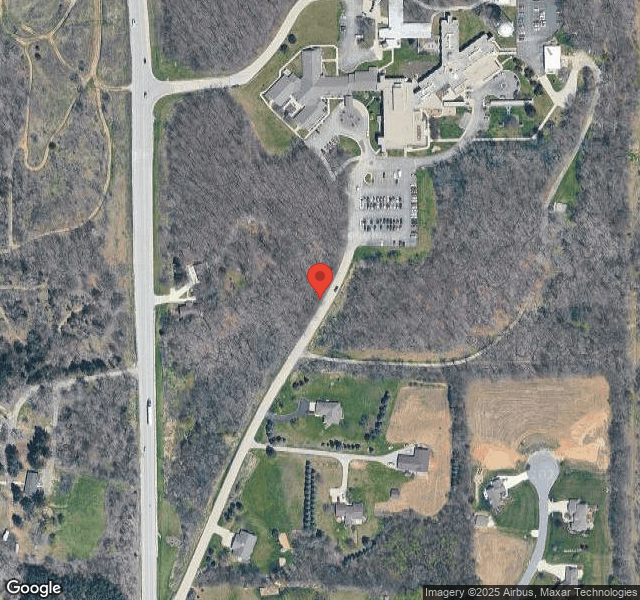
Jul 2024 3 deficiencies
CONCERN (D) 📢 Someone Reported This

A family member, employee, or ombudsman was alarmed enough to file a formal complaint

Potential for Harm - no one hurt, but risky conditions existed

Report Alleged Abuse (Tag F0609)

Could have caused harm · This affected 1 resident

**NOTE- TERMS IN BRACKETS HAVE BEEN EDITED TO PROTECT CONFIDENTIALITY** Based on staff interview and record review, the facility did not ensure an allegation of sexual abuse was reported to the State ...

Read full inspector narrative →
**NOTE- TERMS IN BRACKETS HAVE BEEN EDITED TO PROTECT CONFIDENTIALITY** Based on staff interview and record review, the facility did not ensure an allegation of sexual abuse was reported to the State Agency (SA) for 2 residents (R) (R2 and R5) of 3 sampled residents. On 4/21/24, R5 approached R2 in the lobby. R5 kissed R2 on the mouth and R2 touched R5's breast. The allegation of sexual abuse was not reported to the SA. Findings include: The facility's Freedom From Abuse, Neglect, and Exploitation policy, with a review date of 10/23, indicates: The facility will provide a safe resident environment and protect residents from abuse .Sexual abuse includes, but is not limited to: Unwanted intimate touching of any kind especially of breasts or perineal area. Generally, sexual contact is non-consensual if the resident either: Appears to want the contact to occur, but lacks the cognitive ability to consent; or does not want the contact to occur. Capacity means a resident has the ability to understand potential consequences and choose a course of action for a given situation. A resident's apparent consent to engage in sexual activity is not valid if it is obtained from a resident lacking the capacity to consent .Initial Report: For alleged violations .that do not result in serious bodily injury, the facility will report the allegation no later than 24 hours .7. If an incident potentially meets the federal definition, it is not necessary to review the state definitions. 8. Federal definitions do not specify that the alleged incident has to involve a caregiver, so mistreatment by anyone, including resident-to-resident incidents, if appropriate, must be submitted to the Division of Quality Assurance (DQA) immediately. On 7/3/24, Surveyor reviewed R2's medical record. R2 was admitted to the facility on [DATE] with diagnoses including vascular dementia with moderate behavioral disturbance, major depressive disorder, and anxiety disorder. R2's Minimum Data Set (MDS) assessment, dated 3/1/24, had a Brief Interview for Mental Status (BIMS) score of 8 out of 15 which indicated R2 had moderately impaired cognition. R2 had an activated Power of Attorney for Healthcare (POAHC) and passed away at the facility on 6/25/24. On 7/3/24, Surveyor reviewed R5's medical record. R5 was admitted to the facility on [DATE] with diagnoses including Alzheimer's disease with late onset, dementia in other diseases with mood disturbance, generalized anxiety disorder, and major depressive disorder. R5's MDS assessment, dated 4/24/24, had a BIMS score of 4 out of 15 which indicated R5 had severely impaired cognition. R5 had an activated POAHC. R2's medical record contained an incident note, dated 4/21/24 at 1:05 PM, that indicated: R2 was wheeling R2's self back from the dining room when R5 sought out R2, pulled back R2's wheelchair, and kissed R2 on the mouth. R2 responded by caressing R5's right breast. R5 removed R2's hand from R5's breast and stated, No, no. We can't do that. R2 and R5 were separated and supervised when R2 and R5 were out of their rooms. Administrative staff and R2 and R5's POAHC were updated. All were in agreement with the separation/supervision plan. R5's medical record contained an incident note, dated 4/21/24 at 11:16 AM, that indicated: Late Entry: R5 sought out R2 who was using the railing for assistance to wheel R2's self out of the dining room. R5 pulled R2 around in R2's wheelchair and kissed R2 on the mouth. R2 responded by caressing R5's breast. R5 removed R2's hand from R5's breast and stated, No, no. We can't do that. Staff assessed R5's right breast and noted no injury, bruising or pain. R5 and R2 were separated and supervised when R5 and R2 were out of their rooms. Administrative staff and R5 and R2's POAHC were updated. All were in agreement with the separation/supervision plan. On 7/3/24, the facility provided a risk management incident report which included the Wisconsin Department of Health Services (DHS) form P-00361, dated 6/2018, and titled Resident to Resident Interaction Decision Tree. Highlighted on the decision tree was the following: Did the Resident Act Willfully? The facility answered Yes. The decision tree then led to the question: Did the other resident suffer pain, physical injury, psychological or emotional harm as a result of the altercation? If the victim cannot give a response, consider whether a reasonable person would have experienced psychological distress. The facility highlighted No which led to the decision to not report the incident to the SA. The facility also provided DHS form P-00976 Misconduct Definitions, dated 11/2017, that contains 2 columns. The first column lists the Code of Federal Regulations CFR 483.5. On the form, sexual abuse is defined as nonconsensual sexual contact of any type with a resident. Sexual abuse includes, but is not limited to sexual harassment, sexual coercion, or sexual assault. The form states: Note that the federal definition of abuse indicates that the act needs to be willful and that it needs to have resulted in physical or psychosocial harm to the resident or, if the resident cannot provide a response, would be expected to have caused harm to a reasonable person. The form also states: For a definition of willful refer to the interpretive guidance at F689 where, under resident-to-resident altercations it notes: A resident-to-resident altercation should be reviewed as a potential situation of abuse which should be investigated under the guidance of 42 CFR 483.12. Willful means the individual intended the action itself, regardless of whether or not the individual intended to inflict injury or harm. Even though a resident may have cognitive impairment, he/she can still commit a willful act. The 2nd column on the form lists Wisconsin Administrative Code Chapter DHS 13 Caregiver Misconduct Definitions. The column provides a definition of abuse as an act or repeated acts by a caregiver or non-client resident. The facility highlighted in the DHS Caregiver Misconduct definitions column the following: Abuse does not include an act or acts of mere .incapacity. On 7/3/24 at 3:57 PM, Surveyor interviewed Nursing Home Administrator (NHA)-A and Assistant Administrator (AA)-C regarding reporting to the SA. NHA-A and AA-C indicated the facility did not report the allegation of sexual abuse to the SA because they determined the incident was not an abuse situation and no harm occurred as indicated by R5's skin assessment. When Surveyor asked if R2 or R5 suffered emotional or psychological harm in the days following the event, AA-C stated the facility completed a Social Services Assessment for R5 and provided Surveyor with a copy of the assessment. Surveyor noted the assessment was completed on 4/24/24 (which was more than 24 hours after the initial report was due to the SA). In addition, Surveyor requested any assessments related to capacity to consent for R2 and R5. The facility provided a Social Services Assessment, dated 4/24/24 (which was more than 24 hours after the incident occurred), which indicated R5's decision making was severely impaired. The assessment indicated R5 was able to make simple decisions as to whether R5 preferred coffee or milk, but complex medical decisions were made by R5's family. Section 12 of the assessment, titled Intimacy, assessed the following: Are you currently in a relationship? The assessment indicated R5 was not in a current relationship. Do you have any interest in pursuing a relationship while at the facility? The assessment indicated R5 did not have an interest in pursuing a relationship while at the facility. Surveyor noted the check boxes for an intimacy care plan were not checked. AA-C and NHA-A confirmed official capacity to consent assessments were not completed for R2 or R5.
CONCERN (D) 📢 Someone Reported This

A family member, employee, or ombudsman was alarmed enough to file a formal complaint

Potential for Harm - no one hurt, but risky conditions existed

Investigate Abuse (Tag F0610)

Could have caused harm · This affected 1 resident

**NOTE- TERMS IN BRACKETS HAVE BEEN EDITED TO PROTECT CONFIDENTIALITY** Based on staff interview and record review, the facility did not thoroughly investigate an allegation of sexual abuse for 2 resi...

Read full inspector narrative →
**NOTE- TERMS IN BRACKETS HAVE BEEN EDITED TO PROTECT CONFIDENTIALITY** Based on staff interview and record review, the facility did not thoroughly investigate an allegation of sexual abuse for 2 residents (R2 and R5) of 3 sampled residents. On 4/21/24, R5 approached R2 in the lobby. R5 kissed R2 on the mouth and R2 touched R5's breast. The facility did not thoroughly investigate the allegation of sexual abuse. The facility's investigation did not include interviews with R5 and R2, interviews with other resident interviews, and interviews with staff who were working at the time of the incident. Findings include: The facility's Freedom from Abuse, Neglect, and Exploitation policy, with a revised date of 10/23, indicates: Protection and Investigation: 6. Begin a thorough investigation. 7. Information will be collected that corroborates or disproves the incident and findings documented for each incident. 9. An analysis will be conducted as to why the situation occurred, risk factors that contributed to the abuse, and whether there is a need for systemic action. A thorough investigation may include the following: .3. Interviewing the alleged victim(s) witnesses(es): b. in cases of potential sexual abuse, evaluating and determining if the resident(s) has the capacity to consent and whether the resident actually consented to the sexual activity. Refer to Capacity to Consent policy and procedure. 4. Interviewing accused individuals. 5. Interviewing other residents to determine if they have been abused or mistreated. 6. Interviewing staff who worked the same shift .to determine if they witnessed any mistreatment by the accused; 7. Interviewing staff who worked other shifts to determine if they were aware of an injury or incident. 9. Involving regulatory authorities who may assist . On 7/3/24, Surveyor reviewed R2's medical record. R2 was admitted to the facility on [DATE] with diagnoses including vascular dementia with moderate behavioral disturbance, major depressive disorder, and anxiety disorder. R2's Minimum Data Set (MDS) assessment, dated 3/1/24, had a Brief Interview for Mental Status (BIMS) score of 8 out of 15 which indicated R2 had moderately impaired cognition. R2 had an activated Power of Attorney for Healthcare (POAHC) and passed away at the facility on 6/25/24. On 7/3/24, Surveyor reviewed R5's medical record. R5 was admitted to the facility on [DATE] with diagnoses including Alzheimer's disease with late onset, dementia in other diseases with mood disturbance, generalized anxiety disorder, and major depressive disorder. R5's MDS assessment, dated 4/24/24, had a BIMS score of 4 out of 15 which indicated R5 had severely impaired cognition. R5 had an activated POAHC. R2's medical record contained an incident note, dated 4/21/24 at 1:05 PM, that indicated: R2 was wheeling R2's self back from the dining room when R5 sought out R2, pulled back R2's wheelchair, and kissed R2 on the mouth. R2 responded by caressing R5's right breast. R5 removed R2's hand from R5's breast and stated, No, no. We can't do that. R2 and R5 were separated and supervised when R2 and R5 were out of their rooms. Administrative staff and R2 and R5's POAHC were updated. All were in agreement with the separation/supervision plan. R5's medical record contained an incident note, dated 4/21/24 at 11:16 AM, that indicated: Late Entry: R5 sought out R2 who used the railing to assist R2 when wheeling out of the dining room. R5 pulled R2 around in R2's wheelchair and kissed R2 on the mouth. R2 responded by caressing R5's breast. R5 removed R2's hand from R5's breast and stated, No, no. We can't do that. Staff assessed R5's right breast and noted no injury, bruising, or pain. R5 and R2 were separated and supervised when R5 and R2 were out of their rooms. Administrative staff and R5 and R2's POAHC were updated. All were in agreement with the separation/supervision plan. When Surveyor requested to review the facility's investigation, the facility provided a risk management report, dated 4/21/24, that indicated R5 and R2 were immediately separated and supervised. The report also indicated R5 and R2's POAHC were updated and in agreement with the interventions put in place. R2's care plan was updated to include a stop sign banner across R2's door so R5 did not enter R2's room. R5's care plan was updated with the following intervention: (R5) seeks affection from male residents and needs to be kept separate from male residents. Closely monitor (R5) when out of room and redirect (R5) away from male peers when attempting to touch or kiss others. The facility also provided staff education regarding updates to R2 and R5's care plans. On 7/3/24 at 3:57 PM, Surveyor interviewed Nursing Home Administrator (NHA)-A and Assistant Administrator (AA)-C regarding interviewing other residents as part of the investigation. AA-C stated R2 and R5 were the only 2 residents involved in the situation and AA-C was unsure what other residents should have been interviewed. On 7/8/24 at 2:52 PM, the facility provided Surveyor with staff statements regarding the incident via email. The facility did not provide other resident interviews or assessments. On 7/9/24 at 3:50 PM, NHA-A indicated via email that the facility did not complete other resident interviews because the incident was a witnessed, singular event and abuse was ruled out. NHA-A stated residents on the unit had dementia and memory deficits and many were not interviewable. NHA-A also stated because the facility followed the flow sheet and ruled out abuse, the facility did not feel safety was a concern and indicated there were no other incidents beyond the witnessed incident.
CONCERN (D) 📢 Someone Reported This

A family member, employee, or ombudsman was alarmed enough to file a formal complaint

Potential for Harm - no one hurt, but risky conditions existed

Accident Prevention (Tag F0689)

Could have caused harm · This affected 1 resident

**NOTE- TERMS IN BRACKETS HAVE BEEN EDITED TO PROTECT CONFIDENTIALITY** Based on observation, staff interview, and record review, the facility did not ensure care plan interventions were followed whic...

Read full inspector narrative →
**NOTE- TERMS IN BRACKETS HAVE BEEN EDITED TO PROTECT CONFIDENTIALITY** Based on observation, staff interview, and record review, the facility did not ensure care plan interventions were followed which resulted in a resident-to-resident interaction between 2 residents (R) (R2 and R5) of 11 sampled residents. On 4/21/24, R5 approached R2 and kissed R2 on the mouth. R2 then touched R5's breast. The incident occurred while R2 self-propelled R2's wheelchair back from the dining room. R2's care plan contained an intervention to escort R2 to and from R2's room and keep R2 separate from female residents. The intervention was not consistently followed. Findings include: On 7/3/24, Surveyor reviewed R2's medical record. R2 was admitted to the facility on [DATE] with diagnoses including vascular dementia with moderate behavioral disturbance, major depressive disorder, and anxiety disorder. R2's Minimum Data Set (MDS) assessment, dated 3/1/24, had a Brief Interview for Mental Status (BIMS) score of 8 out of 15 which indicated R2 had moderately impaired cognition. R2 had an activated Power of Attorney for Healthcare (POAHC) and passed away at the facility on 6/25/24. R2 had a care plan intervention, initiated on 3/18/24, that indicated: Escort (R2) to/from room. To be direct supervision at all times when out of room. To be seated near an exit and sit with all males when in dining room. To be kept separate from female residents. On 7/3/24, Surveyor reviewed R5's medical record. R5 was admitted to the facility on [DATE] with diagnoses including Alzheimer's disease with late onset, dementia in other diseases with mood disturbance, generalized anxiety disorder, and major depressive disorder. R5's MDS assessment, dated 4/24/24, had a BIMS score of 4 out of 15 which indicated R5 had severely impaired cognition. R5 had an activated POAHC. R2's medical record contained an incident note, dated 4/21/24 at 1:05 PM, that indicated: R2 was wheeling R2's self back from the dining room when R5 sought out R2, pulled back R2's wheelchair, and kissed R2 on the mouth. R2 responded by caressing R5's right breast. R5 removed R2's hand from R5's breast and stated, No, no. We can't do that. R2 and R5 were separated and supervised when R2 and R5 were out of their rooms. Administrative staff and R2 and R5's POAHC were updated. All were in agreement with the separation/supervision plan. R5's medical record contained an incident note, dated 4/21/24 at 11:16 AM, that indicated: Late Entry: R5 sought out R2 who was using the railing to assist R2 when wheeling out of the dining room. R5 pulled R2 around in R2's wheelchair and kissed R2 on the mouth. R2 responded by caressing R5's breast. R5 removed R2's hand from R5's breast and stated, No, no. We can't do that. Staff assessed R5's right breast and noted no injury, bruising or pain. R5 and R2 were separated and supervised when R5 and R2 were out of their rooms. Administrative staff and R5 and R2's POAHC were updated. All were in agreement with the separation/supervision plan. On 7/3/24 at 12:52 PM, Surveyor interviewed Certified Nursing Assistant (CNA)-G who stated CNA-G was working when the incident between R2 and R5 occurred but did not witness the incident. CNA-G was aware that R2 should be escorted to and from the dining room and stated R2 was seated at a table with all males near the door. CNA-G saw R2 leave the dining room and stated staff would have been a minute behind R2 because staff intervened quickly. On 7/3/24 at 1:06 PM, Surveyor interviewed CNA-F who was a regular staff on the unit. CNA-F was aware that R2 needed to be escorted to and from R2's room. CNA-F stated staff were busy in the dining room assisting residents with eating during meal time. CNA-F confirmed R2 was seated at an all male table near the exit and stated R2 did not always want to wait for staff to escort R2 back to R2's room. When asked if R2 exited the dining room independently on 4/21/24, CNA-F stated R2 probably did because R2 was often impatient. On 7/3/24 at 2:15 PM, Surveyor interviewed Registered Nurse (RN)-E who was working when the incident occurred and wrote the progress notes in R and R5's medical records. RN-E stated RN-E witnessed part of the incident. RN-E observed R2 pull on the railing and head from the dining room toward R2's room. RN-E was near the med cart and there were staff in the vicinity, but R2 was not being escorted. RN-E stated R2 was quick. RN-E heard commotion, looked up, saw R2 and R5's lips come apart, and saw R2's hand touch R5's breast. RN-E stated R5 stopped R2's hand right away. RN-E stated the interaction was unexpected and R5 approached R2 first. RN-E stated R2's care plan interventions regarding female residents were well known to staff. RN-E stated RN-E would have called the on-call manager but could not recall the name of the manager. RN-E completed a skin assessment of R5 to ensure there was no injury to R5's breast and put interventions in place to ensure R5 and R2's safety. On 7/3/24 at 2:45 PM, Surveyor interviewed CNA-D who was working at the time of the incident and intervened after the incident occurred. CNA-D said R2 was often impatient and staff did not bring R2 to the dining room until R2's meal was ready because R2 would not stay in the dining room. CNA-D stated R2 sat at a table with 2 other male residents on 4/21/24 and CNA-D assisted the other male residents while R2 ate. CNA-D stated R2 ate quickly and wanted to leave the dining room as soon as R2 was finished. CNA-D saw R2 leave the dining room and told R2 that CNA-D would be right there, however, CNA-D continued to assist the other 2 residents and forgot to assist R2 back to R2's room. When CNA-D heard a staff state that R5 was near R2, CNA-D got up right away and saw R5 lean over and kiss R2 and saw R2 touch R5's breast. CNA-D stated R2 stopped touching R5 when R5 pushed R2's hand away and said R2 and R5 couldn't do that. CNA-D intervened and took R2 to R2's room. CNA-D was aware that R2 should have been escorted from the dining room to R2's room and confirmed R2 was not being escorted at the time the incident occurred. On 7/3/24 at 3:57 PM, Surveyor interviewed Nursing Home Administrator (NHA)-A and Assistant Administrator (AA)-C who stated NHA-A and AA-C expect staff to escort R2 to and from the dining room as indicated in R2's plan of care.
Feb 2024 7 deficiencies
CONCERN (D)

Potential for Harm - no one hurt, but risky conditions existed

Deficiency F0552 (Tag F0552)

Could have caused harm · This affected 1 resident

**NOTE- TERMS IN BRACKETS HAVE BEEN EDITED TO PROTECT CONFIDENTIALITY** Based on staff and power of attorney (POA) interview, and record review, the facility did not notify a POA of a medication chang...

Read full inspector narrative →
**NOTE- TERMS IN BRACKETS HAVE BEEN EDITED TO PROTECT CONFIDENTIALITY** Based on staff and power of attorney (POA) interview, and record review, the facility did not notify a POA of a medication change for 1 Resident (R) (R89) of 26 sampled residents. R89's metformin (a medication used to treat diabetes) was discontinued on 1/23/24. R89's POA was not notified or informed of the risks versus benefits prior to discontinuation of the medication. Findings include: The facility's Notification of Change in Condition or Status of Resident policy, dated 5/2017, indicates: The facility will promptly notify the resident and/or the resident's representative and his or her Primary Physician of changes in the resident's condition or status in order to obtain orders for appropriate treatment and monitoring and to promote the resident's right to make choices about their treatment and care preferences .Prompt notification will direct the Primary Physician to provide orders for appropriate treatment, management and monitoring of the resident. Notification will allow the resident and/or resident's representative to be involved in making informed choices about the proposed treatment, management and monitoring of their change in condition .Procedure: 3. Document the notification and record any new orders in the resident's medical record. 4. Educate the resident and/or representative about the proposed plan to treat, manage or monitor the resident's change in condition. 5. Educate the resident and/or resident representative about the risks and benefits of the Physician's proposed treatment change and provide an opportunity for the resident to make an informed choice of the proposed treatment or alternative treatment options. On 2/14/24, Surveyor reviewed R89's medical record. R89 was admitted to the facility on [DATE] with diagnoses including anxiety, dysphasia (a language disorder that affects the ability to produce and understand spoken language), dementia, dysphagia (difficulty swallowing) and diabetes mellitus type 2. R89's Minimum Data Set (MDS) assessment, dated 1/23/24, contained a Brief Interview for Mental Status (BIMS) score of 5 out of 15 which indicated R89 had severe cognitive impairment. R89 had an activated POA. R89 had an order for metformin hydrochloride extended-release oral tablet 24-hour 500 milligrams, give 2 tablets by mouth two times per day for type 2 diabetes mellitus without complication, initiated on 1/17/24 and discontinued on 1/23/24. On 2/12/24 at 1:01 PM, Surveyor interviewed R89's POA who indicated R89's metformin was discontinued and R89's POA did not know the reason. R89's POA stated they were not updated by the facility and indicated communication regarding medication changes was lacking. On 2/14/24 at 10:53 AM, Surveyor interviewed Registered Nurse (RN)-E regarding R89's metformin discontinuation and POA notification. RN-E confirmed R89's physician discontinued metformin on 1/23/24 due to R89's poor appetite and acceptable blood sugar levels. RN-E verified R89's medical record did not indicate R89's POA was informed. On 2/14/24 at 11:11 AM, Surveyor interviewed nurse manager RN-D who confirmed R89's medical record did not indicate R89's POA was updated when R89's metformin was discontinued. RN-D indicated R89's POA should have been updated with any changes in R89's medication regimen. On 2/14/24, Surveyor reviewed R89's medical record which contained a provider note, dated 1/22/23, that indicated the following: Metformin was discontinued due to A1C (a blood test used to measure one's average blood sugar levels over the past 3 months) is 6.0 and (diabetes) is under control. The note also indicated metformin was discontinued in an attempt to increase R89's appetite. On 2/14/24 at 12:02 PM, Surveyor interviewed Director of Nursing (DON)-B who indicated DON-B expects nurses to notify residents and/or their representatives regarding medication changes.
CONCERN (D)

Potential for Harm - no one hurt, but risky conditions existed

Deficiency F0582 (Tag F0582)

Could have caused harm · This affected 1 resident

Based on staff interview and record review, the facility did not ensure written notification of financial liability via an Advanced Beneficiary Notice (ABN) was provided for 1 Resident (R) (R69) of 2 ...

Read full inspector narrative →
Based on staff interview and record review, the facility did not ensure written notification of financial liability via an Advanced Beneficiary Notice (ABN) was provided for 1 Resident (R) (R69) of 2 residents who remained in the facility when their Medicare Part A benefits ended. The facility did not provide an ABN to R69's Health Care Agent when R69's Medicare Part A benefits ended on 1/7/24 and R69 remained in the facility. Findings include: On 2/13/24 at 8:52 AM, Surveyor reviewed the Beneficiary Protection Notification Review documents for three residents whose Medicare Part A stay, or benefit period, ended. R69's review indicated R69's last covered Medicare Part A service date was 1/7/24. R69 remained in the facility. The document indicated an ABN was not provided to R69. Review of R69's medical record indicated R69 switched to private pay on 1/8/24. On 2/13/24 at 2:08 PM, Surveyor interviewed Nursing Home Administrator (NHA)-A who confirmed an ABN was not completed for R69. NHA-A stated R69's Health Care Agent informed the facility that R69 had a long-term care policy which would cover R69's nursing home expenses, however, the facility did not have documentation from R69's insurance company to confirm coverage. NHA-A stated since the Notice of Medicare Non-Coverage (NOMNC) was issued, an ABN was not required.
CONCERN (D)

Potential for Harm - no one hurt, but risky conditions existed

Assessment Accuracy (Tag F0641)

Could have caused harm · This affected 1 resident

**NOTE- TERMS IN BRACKETS HAVE BEEN EDITED TO PROTECT CONFIDENTIALITY** Based on staff interview and record review, the facility did not ensure Minimum Data Set (MDS) assessments (a screening and asse...

Read full inspector narrative →
**NOTE- TERMS IN BRACKETS HAVE BEEN EDITED TO PROTECT CONFIDENTIALITY** Based on staff interview and record review, the facility did not ensure Minimum Data Set (MDS) assessments (a screening and assessment tool that forms the foundation of a comprehensive assessment and is used to guide care planning and monitoring) accurately reflected a resident's status for 1 Resident (R) (R97) of 26 sampled residents. R97's MDS assessment, dated 10/18/23, indicated R97's Brief Interview for Mental Status (BIMS) assessment (used to assess cognitive status in the elderly) and Patient Health Questionnaire (PHQ-2-9) interview (used to assess depression) were not completed. In addition, R97's MDS assessment, dated 1/17/24, indicated R97's BIMS assessment was not completed, but a partial staff assessment was completed. R97's PHQ-2-9 indicated R97 was rarely/never understood. A staff assessment indicated R97 was severely impaired and rarely/never made decisions; however, R97 can be understood and make decisions. Findings include: The Centers for Medicare and Medicaid Services Long Term Care Facility Resident Assessment Instrument (RAI) User's Manual (a guide for completing MDS) indicates: Section C: Cognitive Patterns. The items in this section are intended to determine the resident's attention, orientation and ability to register and recall new information. These items are crucial factors in many care planning decisions .Most residents are able to attempt the Brief Interview for Mental Status (BIMS). A structured cognitive test is more accurate and reliable than observation alone for observing cognitive performance . - Without an attempted structured cognitive interview, a resident might be mislabeled based on his or her appearance or assumed diagnosis. - Structured interviews will efficiently provide insight into the resident's current condition that will enhance good care. Section D: Mood. The items in this section address mood distress and social isolation. Mood distress is a serious condition that is underdiagnosed and undertreated in the nursing home and is associated with significant morbidity. It is particularly important to identify signs and symptoms of mood distress among nursing home residents because these signs and symptoms can be treatable. Social isolation refers to an actual or perceived lack of contact with other people and tends to increase with age. It is a risk factor for physical and mental illness, is a predictor of mortality, and is important to assess in order to identify engagement strategies .Most residents who are capable of communicating can answer questions about how they feel .Obtaining information about mood directly from the resident .is more reliable and accurate than observation alone for identifying a mood disorder. RAI Manual Coding Tips: * Attempt to conduct the interview with ALL residents . * A dash value indicates that an item was not assessed .CMS expects dash use to be a rare occurrence. * Interact with the resident using their preferred language. * When a resident needs or wants interpreter services, the nursing home must ensure that an interpreter is available. * Do not complete the Staff Assessment for BIMS assessment or Staff Assessment of Resident Mood (PHQ-9-OV) assessment, if the resident interview should have been conducted, but was not done. The facility's Notice of Resident Rights and Responsibilities policy, with a revision date of April 2023, indicates: It is the policy of the facility to provide a translator service or use a translator service application as needed. On 2/12/24, Surveyor reviewed R97's medical record. R97 was admitted to the facility on [DATE] with diagnoses including dysphasia (a condition that affects one's ability to produce and understand spoken language) following cerebral infarction (stroke), hemiplegia (weakness on one side of the body) and hemiparesis (paralysis on one side of the body) following cerebral infarction affecting left non-dominant side, anxiety disorder, bilateral sensorineural hearing loss, major depressive disorder, aphasia (an impairment that affects the production or comprehension of speech and the ability to read or write), and other speech and language deficits following cerebral infarction. R97 had an activated Power of Attorney for Health Care (POAHC). R97's Quarterly MDS assessment, dated 10/18/23, contained the following information: Section A: Identification Information indicated R97's preferred language was Hmong and indicated to ask if R97 needed or wanted an interpreter to assist with communication with health care staff. The facility used code 9 which indicated unable to determine. Section B: Hearing, Speech and Vision indicated R97 had adequate hearing and vision, clear speech, was usually understood, and usually understands. Section C: Cognitive Patterns included the BIMS Assessment, Staff Assessment for Mental Status, and Delirium (used to determine acute mental status changes). All areas were coded with dashes (-) which indicated interviews were not completed. Section D: Mood included the PHQ-2-9, PHQ-9-OV, and Social Isolation. All areas were coded with dashes (-) which indicated interviews were not completed. Section I: Active Diagnosis indicated R97 had a primary diagnosis of stroke, as well as active diagnoses in the last 7 days of anxiety and depression. Section J: Health Conditions included a Pain Assessment interview conducted with R97 that was coded 0 which indicated R97 did not have pain in the last 5 days. R97's Quarterly MDS assessment, dated 1/17/24, contained the following information: Section A: Identification Information indicated R97's preferred language was Hmong and indicated to ask R97 if R97 needed or wanted an interpreter to assist with communication with health care staff. The facility used code 1 which indicated Yes. Section B: Hearing, Speech and Vision indicated R97 had adequate hearing and vision, clear speech, was sometimes understood, and sometimes understands. Section C: Cognitive Patterns indicated the BIMS interview should be completed. The BIMS Assessment was coded with dashes (-) which indicated the interview was not completed. The MDS indicated the Staff Assessment for Mental Status should be completed and indicated R97 was unable to recall required items, was severely cognitively impaired, and rarely/never made decisions. Delirium was coded 0 which indicated there was no evidence of an acute change in mental status. Section D: Mood indicated the PHQ-2-9 interview should not be completed and indicated R97 was rarely/never understood. The Staff Assessment was coded 00 for no depression and Social Isolation was coded 7 which indicated R97 declined to answer. Section J: Health Conditions indicated a Pain Assessment interview was attempted, but R97 was unable to answer. On 2/13/24 at 1:00 PM, Surveyor interviewed R97 in R97's preferred language of Hmong. R97 was able to state R97's primary diagnosis and indicated R97 lived at the facility for approximately 8 months. Surveyor did not note any concerns with R97's speech or ability to understand or be understood. On 2/13/24 at 2:33 PM, Surveyor interviewed Family Member (FM)-M who was R97's activated POAHC. FM-M stated family is usually called to be the primary interpreter for R97. FM-M stated they receive approximately 1-2 calls per week to assist with interpreting. On 2/13/24 at 1:45 PM, Surveyor interviewed Social Worker (SW)-N and Deputy Nursing Home Administrator (DNHA)-O. DNHA-O stated the facility has an interpreter service they can use and staff call FM-M or other family members to assist if needed. SW-N stated SW-N was not aware of an interpreter service and did not use the interpreter service when SW-N completed the MDS interviews. SW-N acknowledged SW-N did not complete the required MDS interviews due to the language barrier. DNHA-O stated DNHA-O expected staff to use a translator service for residents who were in need of an interpreter.
CONCERN (D)

Potential for Harm - no one hurt, but risky conditions existed

Deficiency F0692 (Tag F0692)

Could have caused harm · This affected 1 resident

**NOTE- TERMS IN BRACKETS HAVE BEEN EDITED TO PROTECT CONFIDENTIALITY** Based on staff and resident interview, and record review, the facility did not ensure 2 Residents (R) (R57 and R83) of 2 residen...

Read full inspector narrative →
**NOTE- TERMS IN BRACKETS HAVE BEEN EDITED TO PROTECT CONFIDENTIALITY** Based on staff and resident interview, and record review, the facility did not ensure 2 Residents (R) (R57 and R83) of 2 residents reviewed for nutrition received the necessary care and services to prevent or monitor weight loss. R57 had an order for weekly weights which were not consistently completed. In addition, R57 did not consistently receive R57's nutritional supplement. R83 had an order for bi-weekly weights which were not consistently completed. Findings include: The facility's Nutritional Assessment and Management policy, with a revised date of 12/2023, indicates: 7. Provide additional nutritional support as needed. 10. Implement individualized interventions. The facility's Weight Assessment and Intervention policy, with a revised date of 12/2023, indicates: 1. The nursing staff weigh residents upon admission x 3. If the nurse and/or dietitian determines the resident's weight is not a concern, weights will be measured monthly, unless otherwise specified by the physician. 1. R57 was admitted to the facility on [DATE] and had diagnoses including weakness, gastroesophogeal reflux disease (GERD), Barrett's esophagus without dysplasia (the presence of abnormal cells within a tissue or organ), and major depressive disorder. R57's Minimum Data Set (MDS) assessment, dated 1/11/24, contained a Brief Interview for Mental Status (BIMS) score of 12 out of 15 which indicated R57 had moderately impaired cognition. Between 2/13/24 and 2/14/24, Surveyor reviewed R57's medical record and noted R57 had a significant weight loss of 10.6% in 6 months. On 8/3/23, R57 weighed 190 pounds. On 2/7/24, R57 weighed 169.8 pounds. R57's medical record contained the following: ~On 3/13/23, R57's physician ordered weekly weights. ~On 12/30/23, R57 had an order for a high calorie supplement with lunch (Boost). On 2/14/24 at 2:00 PM, Surveyor interviewed R57 who indicated R57 was not weighed weekly, but should be because R57 lost weight. R57 stated R57 weighted 168 pounds (lbs) when last weighed which was getting to be a dangerous weight. R57 stated R57 weighed 225 lbs when R57 worked, but went down to approximately 200 lbs when R57 retired. R57 was concerned about weight loss and stated R57 didn't like chicken, pork, or turkey, and didn't like to eat lunch. R57 stated the dietitian spoke with R57 and offered a shake with lunch, however, R57 did not receive the shake that day. R57 said it was too late now because if R57 drank the shake, R57 would not be hungry for supper. R57 stated R57 ordered pancakes for dinner that night because they are easy to chew since R57 had a tooth extraction and no bottom dentures. R57 stated staff forget to bring R57's supplement approximately once per week. On 2/14/24, Surveyor reviewed R57's weights and noted the following: 2/7/24 - 169.8 lbs 1/10/24 - 179.6 lbs 1/1/24 - 177.6 lbs 12/27/23 - 175.4 lbs 12/21/23 - 192.0 lbs 11/15/23 - 190.6 lbs 11/1/23 - 193.2 lbs On 2/14/24, Surveyor reviewed R57's medication administration record (MAR) and treatment administration record (TAR) related to Boost and noted the documentation indicated R57 accepted the high calorie supplement on all but 2 days between January and February. Surveyor noted the supplement was initialed as given by Registered Nurse (RN)-L on 2/14/24 when R57 indicated R57 did not receive it. On 2/14/24 at 2:10 PM, Surveyor interviewed RN-L and asked about R57's daily supplement. RN-L showed Surveyor a Boost drink from the refrigerator behind the nurses' station. Surveyor informed RN-L that R57 indicated R57 did not receive the supplement that day, however, the supplement was documented as given. RN-L confirmed RN-L documented that R57 received the supplement and stated RN-L assumed the Certified Nursing Assistants (CNAs) provided the supplement. RN-L indicated the CNAs usually tell RN-L, but RN-L didn't confirm R57 received the supplement. RN-L then spoke with R57 who accepted ice cream in place of the supplement. 2. R83 was admitted to the facility on [DATE] and had diagnoses including major depressive disorder and congestive heart failure (CHF). R83's MDS assessment, dated 12/12/23, contained a BIMS score of 11 out of 15 which indicated R83 had moderately impaired cognition. The MDS also indicated R83 had an unplanned weight loss. Between 2/13/24 and 2/14/24, Surveyor reviewed R83's medical record and noted R83 had an order, initiated on 5/3/23, for bi-weekly weights on Wednesdays related to CHF. Surveyor reviewed R83's weights and noted R83's weights were completed 2 times per month, but not always bi-weekly. Surveyor noted there were times when R83's weights were completed within 1 week or several days of each other, but were not always completed as scheduled. On 2/14/24 at 1:42 PM, Surveyor asked RN-L how staff know when weights need to be completed. RN-L stated weights used to come up in the UDA (User Defined Assessments) like vital signs, but several months ago, the facility added a weight tab so daily weights are scheduled and documented. RN-L stated when RN-L changes the date on the MAR to see what medications need to be completed, it automatically updates the TAR, however, the weight tab is not automatically updated. RN-L indicated staff have to go into the weight tab to see which weights need to be completed that day. RN-L stated if staff are unaware that the weight tab doesn't change automatically with the MAR/TAR, the weights might not be completed. On 2/14/24 at 2:22 PM, Surveyor interviewed Director of Nursing (DON)-B who verified weights should be completed as ordered. DON-B also verified if a supplement is documented as received, staff should confirm the supplement was received.
CONCERN (D)

Potential for Harm - no one hurt, but risky conditions existed

Deficiency F0883 (Tag F0883)

Could have caused harm · This affected 1 resident

**NOTE- TERMS IN BRACKETS HAVE BEEN EDITED TO PROTECT CONFIDENTIALITY** Based on staff interview and record review, the facility did not ensure vaccinations were reviewed, offered, or administered for...

Read full inspector narrative →
**NOTE- TERMS IN BRACKETS HAVE BEEN EDITED TO PROTECT CONFIDENTIALITY** Based on staff interview and record review, the facility did not ensure vaccinations were reviewed, offered, or administered for 2 Residents (R) (R8 and R12) of 5 residents reviewed for vaccines. The facility did not review R8's vaccination history or offer R8 the PCV20 (Prevnar 20®) vaccine. The facility did not review R12's vaccination history or offer R12 the Prevnar 20® vaccine. Findings include: Abbreviations (www.cdc.gov): PCV13: 13-valent pneumococcal conjugate vaccine (Prevnar13®) PCV15: 15-valent pneumococcal conjugate vaccine (Vaxneuvance®) PCV20: 20-valent pneumococcal conjugate vaccine (Prevnar 20®) PPSV23: 23-valent pneumococcal polysaccharide vaccine (Pneumovax23®) The most recent Centers for Disease Control and Prevention (CDC) recommendations for pneumococcal vaccinations indicate: For adults 65 years or older who have only received PPSV23, the CDC recommends: Give 1 dose of PCV15 or PCV20. The PCV15 or PCV20 dose should be administered at least 1 year after the most recent PPSV23 vaccination. Regardless of if PCV15 or PCV20 is given, an additional dose of PPSV23 is not recommended since they already received it. For those who have received PCV13 and 1 dose of PPSV23, the CDC recommends you give 1 dose of PCV20 at least 5 years after the last pneumococcal vaccine. For adults 65 years or older who have received PCV13, give 1 dose of PCV20 or PPSV23 at least 1 year after PCV13. Regardless of vaccine used, their vaccines are then complete. The facility's Immunization of Residents policy, with a revision date of 2/2024, indicates: All residents will be offered immunizations in accordance with CDC recommendations that aid in preventing infectious diseases, unless the vaccine is medically contraindicated, or the resident has already been immunized. 1. R8 was admitted to the facility on [DATE] and readmitted on [DATE]. R8's diagnoses included unspecified organism pneumonia, chronic kidney disease, and type 2 diabetes. R8 received a PPSV23 vaccine on 6/30/14 and a PCV13 vaccine on 9/18/15. R8's medical record did not indicate R8 was offered or administered the PCV20 vaccine. 2. R12 was admitted to the facility on [DATE] with diagnoses including hypertensive chronic kidney disease and history of pneumonia. R12 received a PPSV23 vaccine on 10/21/11 and a PCV13 vaccine on 2/29/16. R12's medical record did not indicate R12 was offered or administered the PCV20 vaccine. On 2/14/24 at 1:44 PM, Surveyor interviewed Infection Preventionist (IP)-F who was the facility's interim Infection Preventionist. IP-F indicated there was some confusion with the process, but residents should be offered vaccines upon admission and as needed per the CDC recommendations and residents' preferences. IP-F stated the prior IP set up a process to offer vaccines annually via verbal notification, but there was no documentation of the verbal vaccination offers, completions, or declinations. IP-F reviewed the vaccination paperwork for R8 and R12 and confirmed R8 and R12 did not receive the PCV20 vaccine and should have been offered the vaccine.
CONCERN (E) 📢 Someone Reported This

A family member, employee, or ombudsman was alarmed enough to file a formal complaint

Potential for Harm - no one hurt, but risky conditions existed

Deficiency F0804 (Tag F0804)

Could have caused harm · This affected multiple residents

**NOTE- TERMS IN BRACKETS HAVE BEEN EDITED TO PROTECT CONFIDENTIALITY** Based on observation, staff and resident interview, and record review, the facility did not ensure food was served at a palatabl...

Read full inspector narrative →
**NOTE- TERMS IN BRACKETS HAVE BEEN EDITED TO PROTECT CONFIDENTIALITY** Based on observation, staff and resident interview, and record review, the facility did not ensure food was served at a palatable temperature for 7 Residents (R) (R9, R1, R57, R72, R83, R13, and R130) of 26 sampled residents. R9, R1, R57, R72, R83, R13, and R130 indicated hot food is not always served hot. During the lunch meal on 2/12/24 and 2/13/24, food was not served at a palatable temperature. Findings include: The facility serves resident meals on each unit. Unit-J has 2 dining rooms. Residents who require more assistance with dining eat in the front dining room. Residents who are more independent with dining eat in the back dining room. 1. R9 was admitted to the facility on [DATE] and had a Brief Interview for Mental Status (BIMS) score of 15 out of 15 which indicated R9 was not cognitively impaired. On 2/12/24 at 10:44 AM, Surveyor interviewed R9 who indicated hot food is usually cold and soup is served barely warm. R9 stated R9 eats meals in R9's room and usually orders fried rice with jalapenos, mushrooms, or onions for lunch. On 2/12/24 at 12:03 PM, Surveyor observed the lunch meal on R9's unit. Surveyor observed staff bring the dining cart to the unit via the elevator. Surveyor noted the food was sent to the unit in bulk in a steam cart. Surveyor observed Dietary Staff (DS)-H park the steam table in the hallway outside the front dining room. The steam table was not plugged in. Surveyor noted R9's bowl of rice was covered with plastic wrap, but was not located in a steamwell on the steam table. On 2/12/24 at 12:10 PM, DS-H began meal service in the front dining room. On 2/12/24 at 12:24 PM, Surveyor observed DS-H hand R9's bowl of rice to a Certified Nursing Assistant (CNA) to deliver to R9's room. Surveyor requested DS-H temp the rice prior to service. DS-H temped the rice which was 95 degrees Fahrenheit (F). DS-H indicated staff would reheat the rice. Surveyor observed CNA-I heat the rice for approximately 30 seconds, stir the rice, and place the bowl back in the microwave for 30 seconds. Without obtaining another temperature, CNA-I handed R9's bowl of rice to another staff who delivered the rice to R9 at 12:27 PM. On 2/12/24 at 12:48 PM, Surveyor interviewed R9 who indicated R9's rice was not hot enough. On 2/13/24 at 12:11 PM, Surveyor observed lunch on R9's unit. Surveyor observed DS-H place R9's bowl of rice, which was covered in plastic wrap, on a white cutting board on the steam table while DS-H served residents in the front dining room. The bowl of rice was not in a steamwell during front dining room service. On 2/13/24 at 12:26 PM, Surveyor noted R9's bowl of rice was no longer on the cutting board. DS-H stated DS-H covered the bowl with a metal plate cover and placed the bowl on a tray in the dining room for staff to deliver to R9. Surveyor observed the tray in the dining room and asked DS-H to temp R9's rice. DS-H temped the rice which was 86 degrees F. DS-H reheated the rice to 150 degrees F and a CNA delivered the rice to R9's room. 2. R1 was admitted to the facility on [DATE] and had a BIMS score of 15 out of 15 which indicated R1 was not cognitively impaired. On 2/12/24 at 12:48 PM, Surveyor interviewed R1 who stated R1 eats in the back dining room and sometimes the food is served cold. 3. R57 was admitted to the facility on [DATE] and had a BIMS score of 12 out of 15 which indicated R57 was moderately cognitively impaired. On 2/12/24 at 3:02 PM, Surveyor interviewed R57 who stated R57 eats in the back dining room and sometimes the food is served cold. 4. R72 was admitted to the facility on [DATE] and had a BIMS score of 15 out of 15 which indicated R72 was not cognitively impaired. On 2/12/24 at 11:08 PM, Surveyor interviewed R72 who stated R72 eats in the back dining room and the food is usually cold. 5. R83 was admitted to the facility on [DATE] and had a BIMS score of 11 out of 15 which indicated R83 was moderately cognitively impaired. On 2/12/24 at 3:04 PM, Surveyor interviewed R83 who stated R83 eats in the back dining room and sometimes the food is served cold. 6. R13 was admitted to the facility on [DATE] and had a BIMS score of 15 out of 15 which indicated R13 was not cognitively impaired. On 2/12/24 at 11:38 AM, Surveyor interviewed R13 who stated R13 eats in the main dining room and sometimes the food is served cold. On 2/13/24, Surveyor reviewed the facility's food committee minutes. Surveyor noted on 12/28/23, the resident food committee expressed a concern regarding food service in the back dining room on Unit-J which was served last for meals. The minutes indicated the goal was to rotate where meal service started. 7. On 2/13/23 at 12:10 PM, Surveyor interviewed R130 who eats in the back dining room. R130 indicated R130 asked at the food council meeting to be served first sometimes so the food stays warm, however, that had not occurred. R130 indicated nursing staff wanted the front dining room served first because there were residents in that dining room who needed to be fed. On 2/13/24 at 12:50 PM, Surveyor interviewed DS-H who indicated there is no place to plug the steam cart in on Unit-J. DS-H indicated DS-H tries to work quickly to ensure the food is still hot when the back dining room is served. DS-H indicated DS-H regularly serves Unit-J and usually serves breakfast and lunch Monday through Friday. DS-H stated DS-H knows the residents well and serves meals quickly, but when other dietary staff fill in and aren't familiar with residents' diet and adaptive equipment needs, it can take a long time to serve and the food might get cold. On 2/13/24 at 12:59 PM, Surveyor interviewed Registered Dietitian (RD)-G who confirmed steam table carts cannot be plugged in on Unit-J during meal service. RD-G verified they discussed rotating which dining room is served first at the food council meeting. When Surveyor informed RD-G that residents indicated the back dining room continued to be served last, RD-G confirmed all residents' food should be served at a palatable temperature.
CONCERN (F)

Potential for Harm - no one hurt, but risky conditions existed

Food Safety (Tag F0812)

Could have caused harm · This affected most or all residents

Based on observation, staff interview, and record review, the facility did not ensure food was stored and prepared in a safe and sanitary manner which had the potential to affect all 113 residents res...

Read full inspector narrative →
Based on observation, staff interview, and record review, the facility did not ensure food was stored and prepared in a safe and sanitary manner which had the potential to affect all 113 residents residing in the facility. Procedures for reheating food in a microwave were not followed. Initial cook temperatures were not consistently documented. Four boxes of Italian Wedding Soup were stored on the floor of the walk-in freezer. The edge of the mixer contained dried debris and the mixer was not covered. Findings include: On 2/12/24 at 9:18 AM, Surveyor and Registered Dietitian (RD)-G completed an initial tour of the kitchen. RD-G indicated the facility follows the Wisconsin Food Code. 1. The Wisconsin Food Code at 3-403.11 Reheating for Hot Holding indicates: (B) Time/Temperature control for safety food reheated in a microwave oven for hot holding shall be reheated so that all parts of the food reach a temperature of at least 165 degrees Fahrenheit (F) and the food is rotated or stirred, covered, and allowed to stand covered for 2 minutes after reheating. The facility's Food Brought in From Outside Sources and Personal Food Storage policy indicates: .9. Food can be reheated in a microwave. It should be stirred during the reheating process and reheated to at least 165 degrees F for 15 seconds. 10. Reheated food should be cooled to a palatable temperature prior to eating to prevent burns . During lunch service on 2/12/24 at 12:24 PM, Surveyor observed Dietary Staff (DS)-H temp R9's bowl of fried rice upon Surveyor's request. The temperature of the fried rice was 95 degrees F. DS-H indicated staff would reheat R9's rice. Certified Nursing Assistant (CNA)-I heated R9's rice in the microwave for approximately 30 seconds, stirred the rice, and put the rice back in the microwave for approximately 30 seconds. CNA-I removed the bowl, stirred the rice, covered the bowl with a paper towel and handed the bowl to another staff to deliver to R9. Surveyor did not observe CNA-I take the temperature of the rice prior to serving R9. On 2/12/24 at 1:20 PM, Surveyor interviewed CNA-I who confirmed CNA-I did not temp R9's rice prior to serving. CNA-I was not aware what temperature the fried rice should be before serving or that CNA-I should wait 2 minutes before serving. During lunch service on 2/13/24 at 12:26 PM, Surveyor requested DS-H temp R9's fried rice prior to delivering the rice to R9's room. The temperature was 86 degrees F. DS-H heated the rice in the microwave for approximately 30 seconds, stirred and temped the rice (which was 99 degrees F), and placed the rice back in the microwave for another 30 seconds. DS-H removed the rice, stirred and temped the rice (which was 106 degrees F), and placed the rice back in the microwave for 2 minutes. DS-H then removed the rice, stirred and temped the rice (which was 150 degrees F), covered and placed the rice on a tray, and handed the tray to another staff to deliver to R9. Surveyor noted DS-H did not wait 2 minutes prior to serving the rice. On 2/13/24 at 12:59 PM, Surveyor interviewed RD-G and informed RD-G of the observations of improper microwave reheating on 2/12/24 and 2/13/24. RD-G confirmed staff should have followed the proper procedure for reheating food in a microwave. 2. The Wisconsin Food Code at 3-401.11 Raw Animal Foods indicates: .raw animal foods such as eggs, fish, meat, poultry, and foods containing these raw animal foods, shall be cooked to heat all parts of the food to a temperature and for a time that complies with one of the following methods based on the food that is being cooked. The Wisconsin Food Code at 2-103.11 Person in Charge indicates: The person in charge shall ensure that: (G) employees are properly cooking time/temperature control for safety food, being particularly careful in cooking those foods known to cause severe foodborne illness and death, such as eggs and comminuted meats, through daily oversight of the employees routine monitoring of the cooking temperatures using appropriate temperature measuring devices properly scaled and calibrated . During the initial kitchen tour on 2/12/24, Surveyor reviewed cook temperature logs for the months of January and February and noted not all cook temperatures were completed. The logs contained each meal and a location to handwrite the cook temperature and serve temperature. After reviewing the logs, Surveyor noted the following: ~In January 2024, 11 of 93 meals were missing temperatures. ~In February 2024, 19 of 33 meals (2/1/24 through 2/11/24) were missing temperatures. During the initial kitchen tour on 2/12/24, RD-G confirmed the cook temperature logs should be filled out completely. 3. The Wisconsin Food Code at 3-305.11 indicates: Food shall be protected from contamination by storing the food: (3) At least 15 cm (centimeters) (6 inches) above the floor. On 2/12/24 at 9:18 AM, Surveyor interviewed [NAME] (CK)-K who indicated food deliveries arrive on Tuesdays and Thursdays. During the initial kitchen tour on 2/12/24, Surveyor observed 4 boxes of frozen Italian Wedding Soup on the floor in the walk-in freezer in the main kitchen. RD-G confirmed the boxes should not be stored on the floor. 4. The Wisconsin Food Code at 4-903.11 indicates: .(B) Clean equipment and utensils shall be stored .(2) Covered or inverted. During the initial kitchen tour on 2/12/24, Surveyor noted the large stand mixer contained a bowl and was not covered. In addition, Surveyor observed dried food debris on the edge of the mixer. RD-G confirmed the stand mixer should be covered and cleaned, and was unsure when the mixer was last used.
Nov 2022 5 deficiencies
CONCERN (D)

Potential for Harm - no one hurt, but risky conditions existed

Deficiency F0810 (Tag F0810)

Could have caused harm · This affected 1 resident

**NOTE- TERMS IN BRACKETS HAVE BEEN EDITED TO PROTECT CONFIDENTIALITY** 3. From 11/28/22 to 11/30/22, Surveyor reviewed R20's medical record which documented R20 had diagnoses of epilepsy (a disorder ...

Read full inspector narrative →
**NOTE- TERMS IN BRACKETS HAVE BEEN EDITED TO PROTECT CONFIDENTIALITY** 3. From 11/28/22 to 11/30/22, Surveyor reviewed R20's medical record which documented R20 had diagnoses of epilepsy (a disorder in which nerve cell activity is the brain is disturbed, causing seizures), dementia with severe psychotic disturbance, and tremor. R20's care plan was reviewed and indicated R20 had adaptive equipment that included a divided plate. On 11/28/22 at 12:22 PM and on 11/29/22 at 12:20 PM, Surveyor observed R20 eating lunch. R20's meal ticket indicated R20 utilized a divided plate. R20 was provided a paper plate instead of a divided plate. On 11/29/22 at 2:07 PM, Surveyor interviewed CNA-C regarding residents who required adaptive equipment. CNA-C stated since the new company took over in the kitchen, they have been using paper plates. CNA-C verified R20 is supposed to get a divided plate and did not recall the last time R20 received a divided plate. On 11/29/22 at 2:11 PM, Surveyor interviewed Nurse Manager (NM)-D regarding residents who required adaptive equipment. NM-D stated that since the facility has been using paper plates, R20 has not received a divided plate. NM-D verified NM-D expected R20 to receive a divided plate with meals. Based on observation, resident and staff interview, and record review, the facility did not provide special assistive eating equipment for 3 Residents (R) (R27, R251, and R20) of 35 residents reviewed for assistive devices. The facility did not provide R27 with weighted utensils as indicated on R27's plan of care. The facility did not provide R251 with a divided plate as indicated on R251's plan of care. The facility did not provide R20 with a divided plate as indicated on R20's plan of care. Findings include: 1. R27 was admitted to the facility on [DATE] with diagnoses that included: post traumatic stress disorder and tremor (unspecified). R27 had a nutritional care plan with an approach, dated 5/18/22, that indicated: Occupational Therapy (OT) to screen and provide adaptive equipment for feeding as needed. Large weighted black utensils. On 11/28/22 at 12:19 PM, Surveyor observed the lunch service in the dining room on R27's unit. Surveyor observed R27 was not provided weighted utensils for lunch. On 11/28/22 at 1:17 PM, Surveyor observed R27's meal ticket that indicated: weighted black handle utensils - large weighted. Surveyor then interviewed Registered Dietician (RD)-I who verified R27 did not receive the weighted utensils, but should have received them. On 11/29/22 at 12:08 PM, Surveyor again observed the lunch service on R27's unit. Surveyor did not see staff utilize any of the white meal tickets that indicated allergies, preferences, or need for specialized equipment. Surveyor observed Certified Nursing Assistant (CNA)-K take orders from the residents in the dining room on blue sticky notes. CNA-K verified the white meal tickets did not come from the kitchen, but they were supposed to. On 11/29/22 at 12:47 PM, Surveyor interviewed CNA-J who stated the white meal tickets were not sent up to the unit. CNA-J confirmed R27 did not get R27's weighted silverware. CNA-J stated the weighted silverware was not sent from the kitchen. CNA-J also stated CNA-J did not know R27 needed weighted silverware because CNA-J did not have R27's meal ticket which contained that information, On 11/29/22 at 12:55 PM, Surveyor interviewed R27 who stated R27 was starting to shake more and sometimes it got pretty bad. R27 stated R27 would like to use the weighted silverware and it helped; however, the weighted silverware was not always sent on the cart from the kitchen or provided to R27 during meals. 2. R251 was admitted to the facility on [DATE] with diagnoses that included Parkinson's disease and essential tremor. R251 had a nutrition care plan in place with an approach, dated 11/23/22, that indicated: OT to screen and provide adaptive equipment for feeding as needed. Built-up utensils plus lip plate. On 11/28/22 at 12:19 PM, Surveyor observed the lunch service meal and noted R251 was served a sandwich on a regular plate. Surveyor also observed CNA-J assist R251 with the lunch meal. On 11/29/22 at 12:08 PM, Surveyor observed the lunch service meal. Surveyor observed a divided plate on the service cart that came up from the kitchen. Surveyor noted R251 was provided R251's meal on a regular plate. Surveyor also noted white meal tickets were not available to CNA-J who served the meal. On 11/29/22 at 12:47 PM, Surveyor interviewed CNA-J who stated CNA-J was aware R251 should be utilizing built-up silverware; however, CNA-J stated R251 refused the built-up silverware at breakfast and therapy staff said if R251 didn't want to use the build-up silverware it was okay. CNA-J stated CNA-J was not aware R251 should be using a divided plate. CNA-J stated if the white meal tickets were provided, CNA-J may have known that. CNA-J stated it happens often where adaptive equipment is not sent to the unit from the kitchen and the food and dishware run out. CNA-J stated nursing staff do the best they can, but it gets frustrating when they don't get the items they need to serve the residents.
CONCERN (E)

Potential for Harm - no one hurt, but risky conditions existed

Resident Rights (Tag F0550)

Could have caused harm · This affected multiple residents

3. On 11/28/22 at 12:15 PM, Surveyor observed the 2 North dining lounge during lunch service. The Surveyor noted dietary staff plated all residents' food on paper plates. R61 stated R61 disliked using...

Read full inspector narrative →
3. On 11/28/22 at 12:15 PM, Surveyor observed the 2 North dining lounge during lunch service. The Surveyor noted dietary staff plated all residents' food on paper plates. R61 stated R61 disliked using paper plates for meals which occurred for approximately the last month. 5. On 11/28/22 at 12:22 PM and on 11/29/22 at 12:20 PM, Surveyor observed dietary staff serve residents on the 1 North unit. The Surveyor noted all residents in the dining room were served their meals on paper plates. On 11/29/22 at 2:11 PM, Surveyor interviewed Nurse Manager (NM)-D regarding the facility's use of paper plates. NM-D stated due to not having enough staff in the kitchen, the solution was to use paper plates. Based on observation, and resident and staff interview, the facility did not maintain dignity of residents and did not provide equal access to quality care when meals on 3 of 4 units were consistently served on disposable dishware. 3 of 4 units in the facility were observed to be using disposable dishware for meal service. Residents on 1 of 4 units who resided at the same table were not served timely. Findings Include: 1. On 11/29/22 at 2:05 PM, Surveyors conducted a group resident interview due to multiple food-related concerns expressed while screening residents as part of the Long Term Care Survey Process. During the group interview, Resident (R) (R69) stated R69 had the privilege to live on the facility's Rehabilitation unit and never saw paper plates while R69 resided on the Woodland Village unit. R69 confirmed disposable dishware was used for meals at times on the Rehabilitation unit. At the same time, R85 and R247, who also resided on the Rehabilitation unit, stated they were never served meals on disposable dishware. 2. On 11/28/22 at 10:21 AM, Surveyor interviewed R260 who indicated that recently the facility ran out of buns for the egg salad. R260 indicated R260's tablemates waited over 30 minutes for staff to look for buns. R260 indicated R260 was finished eating while R260's tablemates were still waiting. R260 also stated the facility ran out of bread during the breakfast meal on 11/28/22. R260 stated R260 received a portion of the breakfast meal first, but received bread later. On 11/28/22 at 11:18 AM, Surveyor interviewed R78 who stated food runs out more than once per week and residents have to wait while staff figure it out. On 11/28/22 at 11:01 AM, Surveyor interviewed R256 who stated that on the past Saturday (11/26/22), the nurses ran out of food and had to get more which took time. On 11/28/22 at 12:12 PM, Surveyor observed food delivered to the dining room on the Rehabilitation unit. Registered Dietician (RD)-I was observed serving food to the residents. On 11/28/22 at 12:45 PM, Surveyor observed one resident at the back table get served while seven residents at the back table were not served. Surveyor observed RD-I inform staff they ran out of gravy and staff left to get more. On 11/28/22 at 12:49 PM, staff returned with the gravy and RD-I resumed serving. On 11/28/22 at 12:51 PM, RD-I stated RD-I ran out of plates and was going to run out of mashed potatoes. Dietary Staff (DS)-L went to the kitchen to get more plates and mashed potatoes. On 11/28/22 at 12:56 PM, Surveyor noted one more resident was waiting to be served in the dining room and RD-I stated RD-I ran out of plates. On 11/28/22 at 12:57 PM, Surveyor observed DS-L return with plates and mashed potatoes. On 11/28/22 at 12:59 PM, Surveyor observed the last resident get served in the dining room. On 11/28/22 at 1:19 PM, Surveyor interviewed RD-I who stated RD-I didn't usually help serve on the unit and didn't know all the residents, therefore, RD-I needed staffs' assistance. On 11/28/22 at 1:34 PM, Certified Nursing Assistant (CNA)-M confirmed it happens frequently that residents aren't served at the same time and have to wait due to either food running out or kitchen staff not sending items the unit staff needs to serve the residents. 4. On 11/28/22 at 12:15 PM, Surveyor observed the 1 [NAME] unit's supervised dining room during lunch service. The Surveyor observed RD-E plate food onto paper plates. At 12:34 PM, Surveyor observed staff wheeling the food cart to the other 1 [NAME] dining room. Eight residents were seated. The Surveyor noted all residents' meals were served on paper plates.
CONCERN (E)

Potential for Harm - no one hurt, but risky conditions existed

Deficiency F0804 (Tag F0804)

Could have caused harm · This affected multiple residents

4. On 11/28/22 at 11:10 AM, Surveyor interviewed R64 who stated sometimes the food is not hot. On 11/28/22 at 11:27 AM, Surveyor interviewed R74 who stated the food is cold. On 11/28/22 at 11:29 PM, ...

Read full inspector narrative →
4. On 11/28/22 at 11:10 AM, Surveyor interviewed R64 who stated sometimes the food is not hot. On 11/28/22 at 11:27 AM, Surveyor interviewed R74 who stated the food is cold. On 11/28/22 at 11:29 PM, Surveyor interviewed R53 who stated the food needs to be hotter. 5. On 11/29/22 at 12:17 PM, Surveyor observed the 2 North dining lounge lunch meal service. The Surveyor noted holding temperatures were not taken and the steam table was not plugged into an outlet. Surveyor interviewed Dietary Staff (DS)-L who stated holding temperatures were taken in the main kitchen, but not on the unit. DS-L confirmed the steam table was not plugged into an outlet. On 11/29/22 at 12:50 PM, Surveyor observed the 2 North main dining room lunch meal service. The steam table was plugged into an outlet; however, holding temperatures were not taken. Surveyor interviewed DS-L who stated holding temperatures were taken in the main kitchen, but not on the unit. Based on observation, and resident and staff interview, the facility did not serve meals at an appetizing temperature for 11 Residents (R) (R27, R66, R78, R85, R248, R255, R256, R72, R53, R64 and R74) of 35 residents reviewed. R27, R66, R78, R85, R248, R255, R256, R72, R53, R64 and R74 stated that food was served cold at times. The facility did not monitor food hot holding temperatures. Findings include: 1. On 11/28/22 at 10:28 AM, R27 stated in an interview that the food is pathetic. R27 also stated staff keeps running out of food and the food is cold. On 11/28/22 at 2:27 PM, Surveyor interviewed R66 whose only concern about care at the facility is cold food. On 11/28/22 at 2:50 PM, Surveyor interviewed R78 who stated the facility often runs out of food and the food is cold. On 11/28/22 at 10:20 AM, Surveyor interviewed R85 who stated the food is cold most of the time. On 11/29/22 at 9:19 AM, Surveyor interviewed R248 who stated the food is cold sometimes and R248 sits at the last table to get food. On 11/29/22 at 1:46 PM, Surveyor interviewed R255 who stated the food is lukewarm. On 11/28/22 at 11:11 AM, Surveyor interviewed R256 who stated the food often runs out and/or is cold. On 11/29/22 during the resident group interview, R72 stated the food is cold; however, it mostly depends on when one is served. R72 stated if one is served at the end of the meal service, the food is probably going to be cold. Between 11/28/22 and 11/29/22, Surveyor reviewed the food committee minutes that indicated cold food was brought up at the meeting. The minutes contained the following concerns: ~8/25/22 Concerns: food cold, steam table can't be plugged in on 1 west. Running out of food. Portions not consistent, new utensils. 2. The facility was unable to provide a holding temperature log on the Rehabilitation unit to show that food was being held at a palatable temperature. On 11/28/22 at 1:34 PM, Surveyor interviewed Certified Nursing Assistant (CNA)-M who stated sometimes kitchen staff do not plug the carts in and the food gets cold. CNA-M confirmed residents have complained the food is cold at times. On 11/28/22 at 1:01 PM, Surveyor interviewed Dietary Staff (DS)-L who stated DS-L sometimes helps on the unit when there is enough staff. DS-L stated holding temperatures are not done on the units. On 11/28/22 at 12:19 PM, Surveyor interviewed Registered Dietician (RD)-I who stated holding temperatures are not completed on the units and RD-I thought temperatures were only completed in the main kitchen. In another interview regarding checking the temperature of milk that was left on the counter, RD-I had to go to the kitchen to get a thermometer and confirmed there was not a thermometer on the unit for staff to check temperatures. 3. On 11/29/22 at approximately 12:34 PM, Surveyor interviewed CNA-H who verified the steam table on the 1 [NAME] unit was not plugged into the wall and was unable to be plugged into the wall while serving meals on the unit. On 11/29/22 at 12:53 PM, Surveyor interviewed Dietary [NAME] (DC)-G who stated the plug on the steam table did not fit into the outlet on the 1 [NAME] unit and the steam table was only plugged in while in the kitchen. On 11/28/22 at 8:52 AM, Surveyor interviewed DC-G who indicated the facility used the Food and Drug Administration (FDA) Food Code to guide its practices. FDA Food Code 2017 documented at 3-501.19(B)(1) The FOOD shall have an initial temperature of 5ºC (41ºF) or less when removed from cold holding temperature control, or 57°C (135°F) or greater when removed from hot holding temperature control; On 11/29/22 at 11:49 AM, Surveyor observed the temperature log in the kitchen. DC-G explained food cooking temperatures were obtained at the time the products were moved from the oven. Items were then placed in the hot holding box or in the steam table until the meal service. Surveyor observed the Holding Temperature columns were blank. DC-G indicated the hot holding columns were only used to monitor the cooling of leftovers that were retained after meal service. On 11/29/22 at 12:50 PM, after Surveyor observed the lunch meal service, Surveyor interviewed Dietary Manager (DM)-N regarding holding temperatures. DM-N verified the most recent temperature of meal items were cooking temperatures. DM-N was on the 1 North unit at the time of the interview and stated there was not a thermometer available on the unit. DM-N then transported the steam table to the kitchen to obtain holding temperatures per Surveyor's request. On 11/29/22 at 12:55 PM, DM-N identified the temperature danger zone was above 41 degrees Fahrenheit (F) for cold held foods and below 135 for hot held foods. DM-N took temperatures of the foods served on the 1 North unit with the following out of range temperatures: Pureed Meat 113 degrees F Gravy 131 degrees F Pureed Broccoli 134 degrees F Black Forest Pudding 50 F Surveyor reviewed cooking temperature logs which documented the following cooking temperature times: Beef Burgundy 11:00 AM Black Forest Pudding 10:00 AM Gravy 9:30 AM Mashed Potatoes 10:00 AM Beets 11:30 AM BBQ Chicken 10:15 AM Broccoli 11:30 AM Surveyor noted the Pureed Meat was processed and refilled mid-meal because the product ran out.
CONCERN (F)

Potential for Harm - no one hurt, but risky conditions existed

Menu Adequacy (Tag F0803)

Could have caused harm · This affected most or all residents

2. On 11/30/22 at 8:48 AM, Surveyor observed the 2 North dining lounge during breakfast service. R61 complained some meals did not match what was indicated on the menu due to missing items. R61 specif...

Read full inspector narrative →
2. On 11/30/22 at 8:48 AM, Surveyor observed the 2 North dining lounge during breakfast service. R61 complained some meals did not match what was indicated on the menu due to missing items. R61 specifically mentioned salad dressing and potato salad. (See above interview with RD-E). 3. On 11/29/22 at 12:25 PM, Surveyor observed Dietary Staff (DS)-L and DS-P plating and serving the lunch meal in the 2 North dining lounge. Surveyor observed the dietary aides use a beige handled scoop for beef burgundy, gravy, and ice cream, a black handled scoop for mashed potatoes and a blue handled scoop for broccoli and beets. Surveyor questioned DS-P what size scoop DS-P used for the beef burgundy. DS-P was unsure; however, DS-P looked at the scoop size on the handle and informed Surveyor the size was 2 oz. During the observation, DS-L and DS-P were not able to articulate how DS-L and DS-P knew the size of each serving scoop and how much each food item required. (See above interview with DC-G). 4. On 11/29/22 at 12:23 PM, Surveyor observed CNA-J randomly place scoops in food containers in the hot holding cart for service on the rehabilitation unit. Surveyor interviewed CNA-J who stated kitchen staff did not tell serving staff which scoops to use, so staff picked which scoop worked best for the container. On 11/29/22 at 12:32 PM, Surveyor observed CNA-J use a 3 oz scoop for the beef burgundy. Surveyor observed residents receive one scoop (3 oz) of beef burgundy; however, residents should have received 6 oz of beef burgundy. Surveyor observed CNA-J use a 2 oz scoop for the broccoli and give one scoop of broccoli to each resident; however, residents should have received 4 oz of broccoli. Surveyor observed CNA-J use a 3 oz scoop for the beets; however, residents who chose the beets should have received 4 oz of beets. 5. On 11/28/22, the lunch service menu provided to the residents indicated: ~Honey Roast Pork Chop ~Broiled Lemon Cod (alternate) ~Fluffy Rice ~Asparagus ~Coleslaw ~Frosted Marble Cake On 11/28/22 at 12:12 PM, Surveyor observed the lunch meal service on the Rehabilitation unit. Surveyor observed RD-I serve the meal. Surveyor observed RD-I indicate to CNA staff that there was rice on the cart, but no vegetable. On 11/28/22 at 1:19 PM, Surveyor interviewed RD-I who confirmed the asparagus was not sent from the kitchen. RD-I stated the kitchen should have sent a substitute. On 11/28/22 at 1:34 PM, Surveyor interviewed CNA-M who stated CNA-M assisted in serving meals regularly and items were missing on the cart all the time. 1. On 11/29/22 at 12:10 PM, Surveyor observed Certified Nursing Assistant (CNA)-F put utensils in each food container and serve lunch from the steam table using scoops that were supplied in a bin on top of the steam table. CNA-F used tongs to serve beef burgundy. CNA-F used scoops to serve mashed potatoes, gravy, vegetables, and pureed/mechanical food. On 11/29/22 at approximately 12:20 PM, Surveyor interviewed CNA-F regarding how CNA-F knew how much of each food item residents should receive. CNA-F stated CNA-F tried to use one to two scoops with the tongs of beef burgundy because one scoop did not look like much. CNA-F stated the kitchen supplied the scoops and CNA-F took whichever scoop CNA-F thought should be used. Surveyor and CNA-F viewed each scoop and verified the mashed potatoes were served with a two ounce scoop, gravy was served with a four ounce scoop, and beets were served with a three ounce scoop. On 11/29/22 at 12:26 PM, Surveyor interviewed Dietary [NAME] (DC)-G who delivered four lipped plates and four divided plates to the 1 [NAME] unit. DC-G stated the beef entree should be served with a five ounce scoop. DC-G also stated staff should use a four ounce scoop for mashed potatoes, a three ounce scoop for vegetables, a two ounce scoop for gravy, and a four ounce scoop for pureed food. CNA-F stated that was the first time CNA-F was made aware there were specific scoop sizes for each food item. DC-G stated it would be nice if there was a chart or schematic on the cart that listed scoop sizes. Surveyor, DC-G and CNA-F verified there was not a chart on the steam table. On 11/29/22 at approximately 12:34 PM, Surveyor interviewed CNA H who stated CNA H was not aware there were specific scoop sizes so CNA H just estimated. Based on observation, Resident (R) interview, staff interview, and record review, the facility did not ensure the menu was consistently updated and followed. This practice had the potential to affect 102 of 103 residents (one resident was fed via tube feeding) residing in the facility. Staff did not serve food in accordance with menu serving sizes. Staff did not follow the menu or communicate menu updates to residents. Findings include: Serving Sizes Extended menu serving sizes for the 11/29/22 lunch meal: 3/4 cup - Beef Burgundy #6 scoop (2/3 cup) - Pureed Beef Burgundy (puree texture) 3 ounces (oz) - BBQ Chicken (alternate entree) 2 fluid oz - [NAME] Gravy 1/2 cup (4 oz) - Garlic Mashed Potatoes 1/2 cup - Roasted Beets 1/2 cup - Seasoned Broccoli Cuts (alternate vegetable) 1/2 cup - Black Forest Pudding On 11/29/22 beginning at 11:49 AM, Surveyor observed lunch meal preparation and service. Dietary Manager (DM)-N worked with two other kitchen staff to stock steam table units with lunch meal needs. DM-N indicated to Surveyor that DM-N just communicated with dietary staff regarding serving sizes. Surveyor noted DM-N did not answer the inquiry of how staff knew which size scoops to use. DM-N proceeded to transport a steam table with lunch meal supplies to the 1 North unit. DM-N did not reference an extended menu while placing scoops in the food. Surveyor observed and DM-N verified the following serving size scoops in use: 3 oz - Beef Burgundy (Surveyor note: served half of listed amount) 6 oz - [NAME] Gravy (Surveyor note: served three times listed amount) 3.25 oz - Garlic Mashed Potatoes (Surveyor note: served 0.75 oz less than listed amount) 2 oz - Roasted Beets (Surveyor note: served approximately 1.5 scoops which is 1 oz less than listed amount) 3 oz - Seasoned Broccoli Cuts (Surveyor note: served 1 oz less than listed amount and ran out) 1/2 cup - Black Forest Pudding (Surveyor note: correct amount) 3 oz - Pureed Beef Burgundy (Surveyor note: served 2.33 oz less than listed amount) DM-N was not able to identify how many ounces or cups were in a #6 scoop size (#6 was the Pureed Beef Burgundy scoop size listed on the extended menu). At the end of the meal service, Surveyor reviewed the extended menu with DM-N. DM-N verified only the dessert was served with an accurate scoop size. At 1:17 PM, DM-N verified the Seasoned Broccoli Cuts ran out during the meal service. DM-N identified a possible cause as the cook not accounting for product shrinkage during cooking when preparing the meal. Menu not Updated/Followed On 11/29/22 at 2:05 PM, Surveyor interviewed R69, R72, R80, R85, and R247 in a group setting. All residents expressed concerns that menus provided to residents were not followed. The group reported soda crackers ran out during meals when soup was served and listed items or their alternates were frequently not available. The group expressed their most recent meal disappointment was the previous evening meal on 11/28/22. The group explained the menu was not followed. The menu included potato salad which was not served at the meal. On 11/29/22 at 3:02 PM, Surveyor interviewed Registered Dietician (RD)-E regarding the missing potato salad on 11/28/22. RD-E denied awareness of missing food. RD-E stated when the menu was not followed, RD-E expected to hear about the situation at the morning staff meeting. On 11/29/22 at 3:16 PM, RD-E provided additional information to Surveyor. RD-E confirmed potato salad was supposed to be swapped for a pickle spear following a decision after the previous resident council meeting. RD-E explained the the updated menu was not followed by the cook because the cook did not have the updated menu in the kitchen when preparing the meal.
CONCERN (F)

Potential for Harm - no one hurt, but risky conditions existed

Food Safety (Tag F0812)

Could have caused harm · This affected most or all residents

Based on observation, staff interview, and record review, the facility did not ensure food was stored, prepared, and served in a safe and sanitary manner which had the potential to affect 102 Resident...

Read full inspector narrative →
Based on observation, staff interview, and record review, the facility did not ensure food was stored, prepared, and served in a safe and sanitary manner which had the potential to affect 102 Residents (R) of 103 residents (1 resident was fed via tube) at the facility. Freezer temperatures were not logged on the Rehabilitation unit. Additionally, refrigerator temperatures were noted to be in the temperature danger zone (above 41 degrees which causes rapid growth of bacteria). Registered Dietician (RD)-I attempted to put away for re-use a gallon of milk that sat on the counter for a period of time and was in the temperature danger zone. Staff did not date and and discard food that was time and temperature controlled for safety. Dietary Manager (DM)-N did not wear a facial hair restraint while preparing food for residents. Findings include: On 11/28/22 at 8:52 AM, Dietary [NAME] (DC)-G stated the facility used the Food and Drug Administration (FDA) Food Code as its standard of practice. The facility's Storage Policy, with a revision date of 4/16/2020, indicated under Method/How to/Procedure 6. All types of refrigerators and freezers are equipped with an internal thermometer which is in the warmest area. The internal thermometer is checked and accurately recorded on the equipment temperature log. In the same policy, the section titled How to Set Up Storage Areas indicated: 5. Ensure refrigerated TCS (temperature control for safety) foods are properly stored: Keep refrigerated TCS foods at 41 degrees Fahrenheit or below. 1. On 11/28/22 during dining service which began at 12:12 PM, Surveyor observed the Rehabilitation unit refrigerator temperature log which was hanging on the door of the refrigerator. The temperature log only contained temperatures of the refrigerator. There were no freezer temperatures recorded on the log. Additionally, the refrigerator temperature log stated: If the recorded temperature is outside the accepted range 1. Store the medication under proper conditions ASAP (as soon as possible); 2. Call maintenance; 3. Complete the back of the form. The acceptable temperature range indicated on the refrigerator log was between 35 degrees Fahrenheit and 46 degrees Fahrenheit. On 11/28/22, Surveyor noted that 10 out of 27 temperatures taken for the month of November 2022 were above 41 degrees Fahrenheit (F): 11/14/22 - 44 degrees F 11/4/22; 11/6/22; 11/15/22; 11/19/22; 11/22/22 - 43 degrees F 11/1/22; 11/13/22; 11/18/22; 11/24/22 - 42 degrees F On 11/28/22 at 1:13 PM, Surveyor interviewed RD-I who confirmed there were temperatures out of range and the temperature range on the log was not correct for food storage. RD-I also stated RD-I did not think freezer temperatures were being taken. 2. The Federal Food Code at 3-501.16 Time/Temperature Control for Safety Food, Hot and Cold Holding indicates: (A) Except during preparation, cooking, or cooling, or when time is used as the public health control .Time/Temperature control for safety food shall be maintained: (1) At 135 degrees Fahrenheit or above .(2) at 41 degrees Fahrenheit or less. On 11/28/22 at 12:24 PM, Surveyor observed dining service in a unit dining room and observed a gallon of milk sitting out on the counter that was not on ice. On 11/28/22 at 1:04 PM, Surveyor observed RD-I walk to the counter, cover the gallon of milk and walk toward the refrigerator to place the milk back in the refrigerator. Surveyor requested RD-I temp the gallon of milk. RD-I could not locate a thermometer on the unit and went to the kitchen to retrieve one. On 11/28/22 at 1:13 PM, Surveyor observed RD-I temp the gallon of milk which was 53.4 degrees Fahrenheit. RD-I confirmed the milk was held at too warm of a temperature and disposed of the milk down the drain. 3. On 11/29/22 at 12:06 PM, Surveyor observed the 1 [NAME] lunch cart arrive on the unit. Surveyor noted the steam table contained visible debris on the exterior. Certified Nursing Assistant (CNA)-F opened a drawer that contained hair nets. Surveyor interviewed CNA-F who verified the cart was soiled and had crumbs in the drawer where hair nets and gloves were stored. CNA-F also verified the shelf above the drawers that contained upside down paper plates contained brown stains and crumbs. CNA-F stated CNA-F was serving lunch because the kitchen was unable to provide staff. On 11/29/22 at 12:53 PM, Surveyor interviewed DC-G who stated steam tables are drained and the surfaces, shelves, and drawers are cleaned after every meal. Surveyor asked DC-G if the steam table appeared to have stains, debris, and crumbs on it. DC-G-verified the observation and stated DC-G would get the steam table cleaned. Open, Undated and Expired Food FDA Food Code 2017 documented at 2017 3-501.17 (B) (B) Except as specified in ¶¶ (E) - (G) of this section, refrigerated, READY-TO-EAT TIME/TEMPERATURE CONTROL FOR SAFETY FOOD prepared and PACKAGED by a FOOD PROCESSING PLANT shall be clearly marked, at the time the original container is opened in a FOOD ESTABLISHMENT and if the FOOD is held for more than 24 hours, to indicate the date or day by which the FOOD shall be consumed on the PREMISES, sold, or discarded, based on the temperature and time combinations specified in ¶ (A) of this section and: (1) The day the original container is opened in the FOOD ESTABLISHMENT shall be counted as Day 1; and (2) The day or date marked by the FOOD ESTABLISHMENT may not exceed a manufacturer's use-by date if the manufacturer determined the use-by date based on FOOD safety On 11/28/22, during an initial kitchen tour beginning at 8:52 AM, Surveyor and DC-G entered the walk-in slacker refrigerator. Surveyor observed and DC-G verified the slacker refrigerator contained a container of ground beef use by dated 11/23/22 (5 days past discard date), turkey use by dated 11/27/22 (1 day past discard date), and two containers of undated corn bread. DC-G stated the refrigerator was checked earlier on 11/28/22 and, somehow, the outdated products were missed. DC-G verified the products should have been removed and discarded. Surveyor and DC-G then entered the walk-in dairy refrigerator. Surveyor observed and DC-G verified the walk-in dairy refrigerator contained a one gallon container of fat free milk and a one gallon container of whole milk that were open, without open dates. The open gallon of whole milk expired on 11/25/22. DC-G stated open dairy products were utilized until the manufacturer best by date and was not aware the FDA food code required a different timeline when time and temperature controlled foods were opened. Surveyor and DC-G opened a reach-in refrigerator. Surveyor observed and DC-G verified five Mighty Shakes, which are manufacturer labeled to use within 14 days of thawing, were on a tray with a pull date of 10/3/22 (56 days prior to observation/42 days past thaw based usage date). On 11/29/22 at 12:08 PM, Surveyor entered the 1 North unit and observed a cart with open beverages on the top shelf. Surveyor observed and Hospitality Aide (HA)-O verified an open, undated one gallon container of 2% milk, a 46 ounce (oz) container of nectar thick apple juice, and a 46 oz container of honey thick apple juice. HA-O indicated none of the open beverages were typically used up within 24 hours of opening. Facial Hair Covering FDA Food Code 2017 documented at 2-402.11(A) Except as provided in ¶ (B) of this section, FOOD EMPLOYEES shall wear hair restraints such as hats, hair coverings or nets, beard restraints, and clothing that covers body hair, that are designed and worn to effectively keep their hair from contacting exposed FOOD; clean EQUIPMENT, UTENSILS, and LINENS; and unwrapped SINGLE SERVICE and SINGLE-USE ARTICLES. On 11/30/22 at 1:50 PM, Surveyor entered the kitchen and observed DM-N preparing food with DM-N's beard and mustache not covered. DM-N confirmed facial hair needed to be covered in the kitchen and immediately left the food preparation area.
Understanding Severity Codes (click to expand)
Life-Threatening (Immediate Jeopardy)
J - Isolated K - Pattern L - Widespread
Actual Harm
G - Isolated H - Pattern I - Widespread
Potential for Harm
D - Isolated E - Pattern F - Widespread
No Harm (Minor)
A - Isolated B - Pattern C - Widespread

Questions to Ask on Your Visit

  • "Can I speak with families of current residents?"
  • "What's your RN coverage like on weekends and overnight?"

Our Honest Assessment

Strengths
  • • No major safety red flags. No abuse findings, life-threatening violations, or SFF status.
  • • No fines on record. Clean compliance history, better than most Wisconsin facilities.
Concerns
  • • 27 deficiencies on record. Higher than average. Multiple issues found across inspections.
Bottom line: Mixed indicators with Trust Score of 60/100. Visit in person and ask pointed questions.

About This Facility

What is Rocky Knoll Health Care's CMS Rating?

CMS assigns ROCKY KNOLL HEALTH CARE an overall rating of 3 out of 5 stars, which is considered average nationally. Within Wisconsin, this rating places the facility higher than 0% of the state's 100 nursing homes. This mid-range rating indicates the facility meets federal standards but may have areas for improvement.

How is Rocky Knoll Health Care Staffed?

CMS rates ROCKY KNOLL HEALTH CARE's staffing level at 4 out of 5 stars, which is above average compared to other nursing homes. Staff turnover is 54%, compared to the Wisconsin average of 46%.

What Have Inspectors Found at Rocky Knoll Health Care?

State health inspectors documented 27 deficiencies at ROCKY KNOLL HEALTH CARE during 2022 to 2025. These included: 27 with potential for harm.

Who Owns and Operates Rocky Knoll Health Care?

ROCKY KNOLL HEALTH CARE is owned by a government entity. Government-operated facilities are typically run by state, county, or municipal agencies. The facility operates independently rather than as part of a larger chain. With 149 certified beds and approximately 139 residents (about 93% occupancy), it is a mid-sized facility located in PLYMOUTH, Wisconsin.

How Does Rocky Knoll Health Care Compare to Other Wisconsin Nursing Homes?

Compared to the 100 nursing homes in Wisconsin, ROCKY KNOLL HEALTH CARE's overall rating (3 stars) matches the state average, staff turnover (54%) is near the state average of 46%, and health inspection rating (2 stars) is below the national benchmark.

What Should Families Ask When Visiting Rocky Knoll Health Care?

Based on this facility's data, families visiting should ask: "Can I visit during a mealtime to observe dining assistance and food quality?" "How do you handle medical emergencies, and what is your hospital transfer rate?" "Can I speak with family members of current residents about their experience?"

Is Rocky Knoll Health Care Safe?

Based on CMS inspection data, ROCKY KNOLL HEALTH CARE has a clean safety record: no substantiated abuse findings (meaning no confirmed cases of resident harm), no Immediate Jeopardy citations (the most serious violation level indicating risk of serious injury or death), and is not on the Special Focus Facility watch list (a federal program monitoring the lowest-performing 1% of nursing homes). The facility has a 3-star overall rating and ranks #1 of 100 nursing homes in Wisconsin. While no facility is perfect, families should still ask about staff-to-resident ratios and recent inspection results during their visit.

Do Nurses at Rocky Knoll Health Care Stick Around?

ROCKY KNOLL HEALTH CARE has a staff turnover rate of 54%, which is 8 percentage points above the Wisconsin average of 46%. Moderate turnover is common in nursing homes, but families should still ask about staff tenure and how the facility maintains care continuity when employees leave.

Was Rocky Knoll Health Care Ever Fined?

ROCKY KNOLL HEALTH CARE has no federal fines on record. CMS issues fines when nursing homes fail to meet care standards or don't correct problems found during inspections. The absence of fines suggests the facility has either maintained compliance or corrected any issues before penalties were assessed. This is a positive indicator, though families should still review recent inspection reports for the full picture.

Is Rocky Knoll Health Care on Any Federal Watch List?

ROCKY KNOLL HEALTH CARE is not on any federal watch list. The most significant is the Special Focus Facility (SFF) program, which identifies the bottom 1% of nursing homes nationally based on persistent, serious quality problems. Not being on this list means the facility has avoided the pattern of deficiencies that triggers enhanced federal oversight. This is a positive indicator, though families should still review the facility's inspection history directly.