MEADOW VIEW HEALTH SERVICES
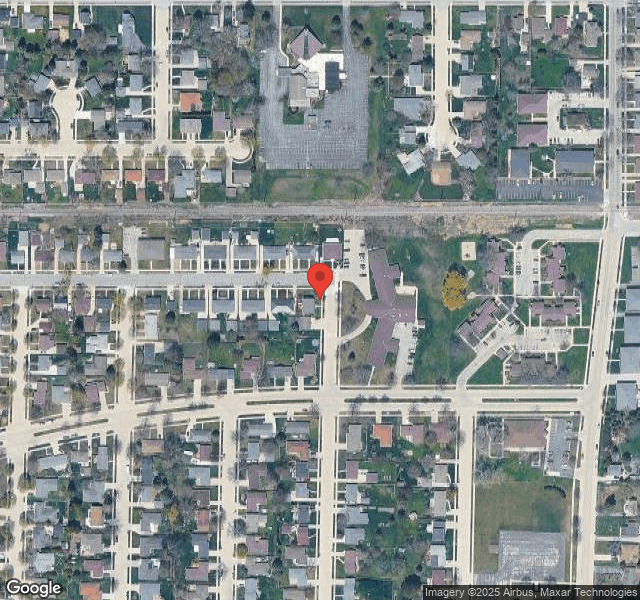
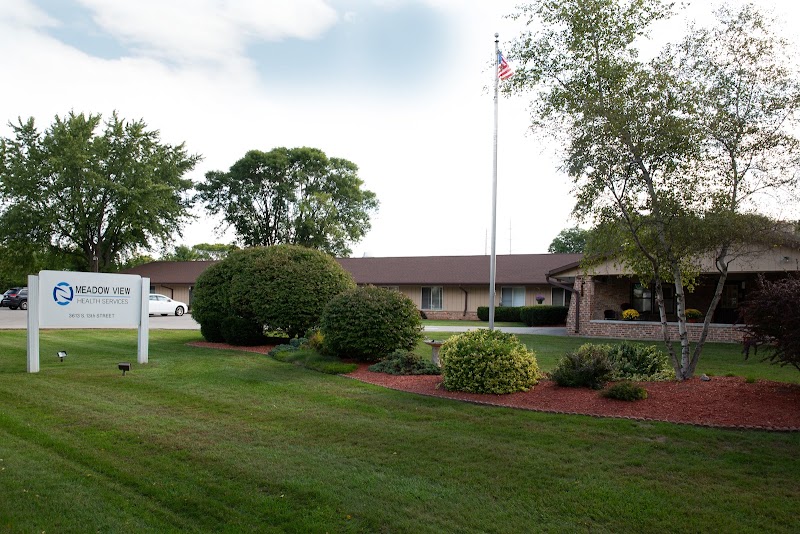
3613 S 13TH ST, SHEBOYGAN, WI 53081 (920) 458-4040
For profit - Corporation 50 Beds NORTH SHORE HEALTHCARE Data: November 2025
Trust Grade
73/100
#104 of 321 in WI
Last Inspection: August 2024

Within standard 12-15 month inspection cycle. Federal law requires annual inspections.

Overview

Meadow View Health Services has a Trust Grade of B, indicating it is a good choice for families considering nursing homes, though it is not without issues. It ranks #104 out of 321 facilities in Wisconsin, placing it in the top half, and holds the #1 position out of 8 in Sheboygan County. However, the facility is currently experiencing a worsening trend, with the number of reported issues increasing from 4 in 2023 to 6 in 2024. Staffing is a strength, with a 4 out of 5 rating and a turnover rate of only 29%, which is well below the state average. Notably, there have been no fines, and the facility offers more registered nurse coverage than 94% of Wisconsin facilities, ensuring better oversight of resident care. On the downside, serious deficiencies were noted, including a fall incident where a resident was not transferred according to their care plan, resulting in a hip fracture, and concerns about food safety practices and meal preparation that could affect resident nutrition. Overall, while there are strengths, families should be aware of these serious concerns when considering this facility.

Trust Score
B
73/100
In Wisconsin
#104/321
Top 32%
Safety Record
Moderate
Needs review
Inspections
Getting Worse
4 → 6 violations
Staff Stability
✓ Good
29% annual turnover. Excellent stability, 19 points below Wisconsin's 48% average. Staff who stay learn residents' needs.
Penalties
✓ Good
No fines on record. Clean compliance history, better than most Wisconsin facilities.
Skilled Nurses
✓ Good
Each resident gets 73 minutes of Registered Nurse (RN) attention daily — more than 97% of Wisconsin nursing homes. RNs are the most trained staff who catch health problems before they become serious.
Violations
⚠ Watch
17 deficiencies on record. Higher than average. Multiple issues found across inspections.
★★★★☆
4.0
Overall Rating
★★★★☆
4.0
Staff Levels
★★☆☆☆
2.0
Care Quality
★★★★☆
4.0
Inspection Score
Stable
2023: 4 issues
2024: 6 issues

The Good

  • 4-Star Staffing Rating · Above-average nurse staffing levels
  • Low Staff Turnover (29%) · Staff stability means consistent care
  • Full Sprinkler Coverage · Fire safety systems throughout facility
  • No fines on record
  • Staff turnover is low (29%)

    19 points below Wisconsin average of 48%

Facility shows strength in staffing levels, staff retention, fire safety.

The Bad

Chain: NORTH SHORE HEALTHCARE

Part of a multi-facility chain

Ask about local staffing decisions and management

The Ugly 17 deficiencies on record

1 actual harm
Aug 2024 5 deficiencies
CONCERN (D)

Potential for Harm - no one hurt, but risky conditions existed

Transfer Notice (Tag F0623)

Could have caused harm · This affected 1 resident

**NOTE- TERMS IN BRACKETS HAVE BEEN EDITED TO PROTECT CONFIDENTIALITY** Based on staff interview and record review, the facility did not ensure 2 Residents (R) (R18 and R23) of 3 residents reviewed fo...

Read full inspector narrative →
**NOTE- TERMS IN BRACKETS HAVE BEEN EDITED TO PROTECT CONFIDENTIALITY** Based on staff interview and record review, the facility did not ensure 2 Residents (R) (R18 and R23) of 3 residents reviewed for hospitalization received a transfer notice that included the date of the transfer, the reason for the transfer, the location of the transfer, and appeal rights. R18 was transferred to the hospital on 6/14/24. Neither R18 or R18's guardian were provided with a written transfer notice. R23 was transferred to the hospital on 7/19/24. R23 was not provided with a written transfer notice. Findings include: The facility's Transfer and Discharge Policy, dated 7/15/22, indicates: It is the policy of this facility to permit each resident to remain in the facility, and not transfer or discharge the resident from the facility except as initiated by the resident, necessary for the health and safety of the resident or other individuals are endangered, or as otherwise permitted by applicable law .Transfer refers to the movement of a resident from a bed in one certified facility to a bed in another certified facility when the resident expects to return to the original facility .7. Emergency Transfer/Discharges- initiated by the facility for medical reasons, or for the immediate safety and welfare of a resident (nursing responsibilities unless otherwise specified): a. Obtain a physician order for the transfer or discharge stating the reason the transfer or discharge is necessary on an emergency basis. b. Notify the resident and/or the resident's representative .d. Complete and send with the resident (or provide as soon as practicable) a transfer form .j. Provide a transfer notice as soon as practicable to resident and representative. 1. From 8/26/24 to 8/28/24, Surveyor reviewed R18's medical record. R18 was admitted to the facility on [DATE] with diagnoses including dementia, chronic obstructive pulmonary disease (COPD), congestive heart failure (CHF), and restless leg syndrome. R18's Minimum Data Set (MDS) assessment, dated 6/28/24, indicated R18 required supervision with hygiene and transfers. R18's Brief Interview for Mental Status (BIMS) score was 10 out of 15 which indicated R18 had moderately impaired cognition. R18 was on Hospice care and had a guardian. R18's medical record indicated R18 was transferred to the hospital on 6/14/24 for abnormal vital signs, low blood pressure, and a high respiratory rate. R18's medical record did not indicate R18 or R18's guardian were provided with a written transfer notice. Surveyor requested a copy of the transfer notice from Director of Nursing (DON)-B. Surveyor was provided with an eINTERACT form that contained R18's basic information but did not receive a copy of the transfer notice. 2. From 8/26/24 to 8/28/24, Surveyor reviewed R23's medical record. R23 was admitted to the facility on [DATE] with diagnoses including renal disease, diabetes, and CHF. R23's MDS assessment, dated 8/7/24, indicated R23 required partial to moderate assistance with toileting and transfers and touch supervision with hygiene and bed mobility. R23 did not have a guardian or activated Power of Attorney for Healthcare (POAHC). R23's medical record indicated R23 was transferred to the hospital on 7/19/24 for abnormal kidney function. R23's medical record did not indicate R23 received a written transfer notice. Surveyor requested a copy of the transfer notice from DON-B. Surveyor was provided with an eINTERACT form that contained R23's basic information but did not receive a copy of the transfer notice. On 8/28/24 at 11:28 AM Surveyor interviewed DON-B who provided Surveyor with a blank transfer and bed hold form and asked, Is this what you are looking for? DON-B stated the facility did not complete transfer notices for residents. DON-B stated the facility should have provided written transfer notices and indicated it was the nurses' responsibility to complete them.
CONCERN (D)

Potential for Harm - no one hurt, but risky conditions existed

Deficiency F0625 (Tag F0625)

Could have caused harm · This affected 1 resident

**NOTE- TERMS IN BRACKETS HAVE BEEN EDITED TO PROTECT CONFIDENTIALITY** Based on staff interview and record review, the facility did not ensure 2 Residents (R) (R18 and R23) of 3 sampled residents rev...

Read full inspector narrative →
**NOTE- TERMS IN BRACKETS HAVE BEEN EDITED TO PROTECT CONFIDENTIALITY** Based on staff interview and record review, the facility did not ensure 2 Residents (R) (R18 and R23) of 3 sampled residents reviewed for hospitalization received written information on the duration of the bed hold policy, the reserve bed payment policy, and the right to return to the facility. R18 was transferred to the hospital on 6/14/24. Neither R18 or R18's guardian were provided with a written bed hold notice. R23 was transferred to the hospital on 7/19/24. R23 was not provided with a written bed hold notice. Findings include: The facility's Transfer and Discharge Policy, dated 7/15/22, indicates: It is the policy of this facility to permit each resident to remain in the facility, and not transfer or discharge the resident from the facility except as initiated by the resident, necessary for the health and safety of the resident or other individuals are endangered, or as otherwise permitted by applicable law .Transfer refers to the movement of a resident from a bed in one certified facility to a bed in another certified facility when the resident expects to return to the original facility .7. Emergency Transfer/Discharges initiated by the facility for medical reasons, or for the immediate safety and welfare of a resident (nursing responsibilities unless otherwise specified): .i. Provide a notice of the facility's bed hold policy to the resident and representative at the time of the transfer, as soon as possible, but no later than 24 hours after the transfer . 1. From 8/26/24 to 8/28/24, Surveyor reviewed R18's medical record. R18 was admitted to the facility on [DATE] with diagnoses including dementia, chronic obstructive pulmonary disease (COPD), congestive heart failure (CHF), and restless leg syndrome. R18's Minimum Data Set (MDS) assessment, dated 6/28/24, indicated R18 required supervision with hygiene and transfers. R18's Brief Interview for Mental Status (BIMS) score was 10 out of 15 which indicated R18 had moderately impaired cognition. R18 was on Hospice services and had a guardian. R18's medical record indicated R18 was transferred to the hospital on 6/14/24 for abnormal vital signs, low blood pressure, and a high respiratory rate. R18's medical record did not indicate R18 was provided with a written bed hold notice. Surveyor requested a copy of the bed hold notice from Director of Nursing (DON)-B. Surveyor was provided with an eINTERACT form that contained R18's basic information but was not provided with a bed hold notice. 2. From 8/26/24 to 8/28/24, Surveyor reviewed R23's medical record. R23 was admitted to the facility on [DATE] with diagnoses including renal disease, diabetes, weakness, and CHF. R23's MDS assessment, dated 8/7/24, indicated R23 required partial to moderate assistance with toileting and transfers and touch supervision with hygiene and bed mobility. R23 did not have a guardian or activated Power of Attorney for Healthcare (POAHC). R23's medical record indicated R23 was transferred to the hospital on 7/19/24 for abnormal kidney function. R23's medical record did not indicate R23 was provided with a written bed hold notice. Surveyor requested a copy of the bed hold notice from DON-B. Surveyor was provided with an eINTERACT form that contained R23's basic information but was not provided with a bed hold notice. On 8/28/24 at 11:28 AM, Surveyor interviewed DON-B who provided Surveyor with a blank transfer and bed hold form and asked, Is this what you are looking for? DON-B stated the facility was not providing bed hold notices for residents or their representatives. DON-B stated the facility should have provided bed hold notices and indicated it was the nurses' responsibility to compete the bed hold notices.
CONCERN (D)

Potential for Harm - no one hurt, but risky conditions existed

Accident Prevention (Tag F0689)

Could have caused harm · This affected 1 resident

**NOTE- TERMS IN BRACKETS HAVE BEEN EDITED TO PROTECT CONFIDENTIALITY** Based on staff interview and record review, the facility did not ensure the resident environment remained as free of accident ha...

Read full inspector narrative →
**NOTE- TERMS IN BRACKETS HAVE BEEN EDITED TO PROTECT CONFIDENTIALITY** Based on staff interview and record review, the facility did not ensure the resident environment remained as free of accident hazards as possible for 2 Residents (R) (R6 and R12) of 2 sampled residents who were reviewed for smoking. R6 was known by the facility to smoke. Staff did not accurately assess or reassess R6's ability to safely smoke. R12 was known by the facility to smoke. Staff did not complete a smoking care plan for R12. In addition, staff did not follow R12's Nicotine Assessment to ensure safe smoking. Findings include: The facility's Smoking Policy revised, 7/14/22, indicates: 1. Residents who smoke or use smokeless tobacco products shall have a Nicotine Assessment completed upon admission, quarterly, annually and PRN. 2. Risk factors identified through the assessment process shall be used in the development of the pan of care .5. If a resident is determined to be unsafe .they may be required to smoke with supervision only. 6. A resident is determined to be a hazardous smoker if he/she demonstrates one or more of the following risk factors and will have a care plan developed that may also include room and pocket searches: a. Smokes in unauthorized areas; b. Gives cigarettes or lighting materials to others f. Does not maintain smoking products at designated storage area and is assessed to require supervised smoking. 1. On 8/26/24, Surveyor reviewed R6's medical record. R6 was admitted to the facility on [DATE] with diagnoses including end stage renal disease, dependence on renal dialysis, localization (focal) (partial) idiopathic epilepsy, and epileptic syndromes with seizures of localized onset. R6's Minimum Data Set (MDS) assessment, dated 6/24/24, had a Brief Interview for Mental Status (BIMS) score of 11 out of 15 which indicated R6 had moderately impaired cognition. R6 was responsible for R6's medical decisions. R6's plan of care, dated 6/28/24, indicated R6 was at risk for smoking related to limited mobility and a history of vertigo, seizures, and unresponsive episodes. R6's smoking privileges were revoked on 12/6/23 because R6 was not compliant with the facility's smoking policy. The plan of care indicated R6 could not have cigarettes or smoking materials on R6's person. A Nicotine Assessment, completed on 7/10/23 by the previous Director of Nursing (DON), indicated R6 was informed that R6 was not safe to smoke without supervision due to a history of seizures, vertigo, and unresponsive episodes. There was a concern for burns or ignition of self/surroundings if a medical event occurred while R6 was smoking. A Nicotine Assessment, completed on 12/6/23, indicated the Executive Director and DON revoked R6's smoking privileges due to continued non-compliance and unsafe smoking practices. A progress note, dated 12/6/23 and written by the previous DON, indicated R6 continued to violate the facility's smoking policy and was an unsafe smoker. R6 was observed smoking multiple times in non-designated smoking areas and concealed smoking materials on R6's person. The progress note indicated R6's cigarettes were removed and secured and several burn holes were noted in R6's clothing. Surveyor reviewed multiple progress notes that contained numerous smoking policy violations and/or incidents of unsafe smoking. R6's most recent Nicotine Assessment, completed on 6/7/24, indicated R6 did not require supervision to use tobacco/nicotine products and there was no evidence of burn holes in R6's clothing or wheelchair. On 8/28/24 at 9:33 AM, Surveyor interviewed Licensed Practical Nurse (LPN)-I who stated R6 was not allowed to smoke because R6 was an unsafe smoker, violated the facility's smoking policy, and had seizures while smoking. LPN-I stated R6 still violated the smoking policy and got smoking materials from other residents and visitors. LPN-I stated all residents' smoking materials were kept at the nurses' station and needed to be turned in after use. On 8/28/24 at 9:39 AM, Surveyor interviewed Certified Nursing Assistant (CNA)-J who stated R6 was declared unsafe to smoke because R6 had seizures and smoked in non-designated smoking areas. CNA-J stated staff are supposed to hold smoking materials for residents who need to ask for their smoking materials prior to smoking and return them when finished. On 8/28/24 at 9:43 AM, Surveyor interviewed LPN-K who stated all residents must have a smoking assessment upon admission. LPN-K stated all smoking materials must be kept at the nurses' station and residents need to check them out and return them. LPN-K stated R6 was an unsafe smoker who smoked and vaped in non-designated areas including inside and in front of the building. LPN-K printed R6's 6/7/24 smoking assessment which indicated R6 was an independent smoker. LPN-K stated the assessment was not accurate from what LPN-K knew because R6 was not supposed to be smoking. On 8/28/24 at 10:08 AM, DON-B created a new Nicotine Assessment for R6. The Nicotine Assessment indicated R6 had periods of confusion and altered mental status due to non-compliance with renal dialysis. The assessment indicated R6 had a history of seizures without warning and stated R6 was observed with burn holes in R6's clothing. R6 was also observed vaping inside the facility, made unsafe smoking decisions, and was deemed not able to smoke at the facility. On 8/28/24 at 11:32 AM, Surveyor interviewed DON-B who stated R6's 6/7/24 Nicotine Assessment was not accurate. DON-B stated R6 was an unsafe smoker and had a history of unpredictable seizures while smoking. DON-B also stated R6 was not compliant with the facility's smoking policy and was observed smoking in vehicles, inside the facility, and in non-designated smoking areas. DON-B stated DON-B created a new Nicotine Assessment for R6 which accurately reflected R6's smoking capabilities and restrictions. DON-B did not know why the previous Nicotine Assessment listed R6 as an independent smoker but stated it was not accurate and was not what staff followed. DON-B stated DON-B expects Nicotine Assessments to be accurate. 2. On 8/26/24, Surveyor reviewed R12's medical record. R12 was admitted to the facility on [DATE] with diagnoses including end stage renal disease, dependence on renal dialysis, type 2 diabetes, and non-pressure chronic skin ulceration. R6's MDS assessment, dated 7/3/24, contained a BIMS score of 13 out of 15 which indicated R12 had intact cognition. R12 was responsible for R12's medical decisions. R12's plan of care, completed on 7/19/24, did not contain a care plan for smoking safety. A Nicotine Assessment, completed on 7/29/24, indicated R12 was an independent smoker. The assessment stated R12 did not require supervision to use tobacco/nicotine products. Under Storage of Smoking Materials, the assessment stated R12's smoking materials must be maintained by staff. A progress note, dated 8/26/24 at 9:00 AM and written by Nursing Home Administrator (NHA)-A, indicated R12 was observed smoking in a non-designated smoking area. Surveyor observed R12 with cigarettes and a lighter in R12's front shirt pocket inside the facility on the following dates and times: ~ On 8/26/24 at 11:55 AM in R12's bedroom ~ On 8/26/24 at 12:33 PM in the dining room ~ On 8/27/24 from 10:00 AM to 10:20 AM at a resident council meeting ~ On 8/28/24 at 9:31 AM in R12's bedroom ~ On 8/28/24 at 9:44 AM in the hallway On 8/26/24 at 12:33 PM, Surveyor interviewed R12 who stated R12 often kept R12's cigarettes and lighter on R12's person, however, R12 was supposed to drop them off at the nurses' station. R12 stated R12 often forgot to drop them off and ended up keeping them. R12 stated sometimes staff asked for the smoking materials to be locked up and sometimes they didn't. On 8/28/24 at 10:02 AM, Surveyor interviewed DON-B who stated residents' smoking materials should be kept locked at the nurses' station and should not be kept by residents. On 8/28/24 at 11:29 AM, Surveyor interviewed NHA-A who stated R12 should return R12's smoking materials when finished smoking which the facility expects of all smokers. NHA-A stated NHA-A spoke to R12 in the past and returned R12's smoking materials to the nurses' station more than once. On 8/28/24 at 11:32 AM, Surveyor interviewed DON-B who stated DON-B expects staff to ask for R12's smoking materials and secure them if R12 doesn't return them after smoking. On 8/28/24 at 12:16 PM, Surveyor interviewed [NAME] President of Success (VPS)-L who stated residents who smoke should have smoking care plans. On 8/28/24 at 12:52 PM, Surveyor interviewed DON-B who verified residents who smoke should have smoking care plans.
CONCERN (E) 📢 Someone Reported This

A family member, employee, or ombudsman was alarmed enough to file a formal complaint

Potential for Harm - no one hurt, but risky conditions existed

Menu Adequacy (Tag F0803)

Could have caused harm · This affected multiple residents

**NOTE- TERMS IN BRACKETS HAVE BEEN EDITED TO PROTECT CONFIDENTIALITY** Based on observation, staff interview, and record review, the facility did not ensure meal items were prepared in a method that ...

Read full inspector narrative →
**NOTE- TERMS IN BRACKETS HAVE BEEN EDITED TO PROTECT CONFIDENTIALITY** Based on observation, staff interview, and record review, the facility did not ensure meal items were prepared in a method that conserved the nutritive value and did not ensure menus and serving sizes were followed. This practice had the potential to affect more than 4 residents residing in the facility. One resident received nutrition exclusively via tube feeding. Kitchen staff did not follow a recipe to ensure the nutritive value was maintained during food preparation. In addition, staff did not consistently follow the menu or serving sizes. Findings include: The facility's contracted service's Menu policy, revised 9/2017, indicates: Menus will be planned in advance to meet the nutritional needs of the residents in accordance with national guidelines .Menu cycles will include standardized recipes. The facility's contracted service's Food; Quality and Palatability policy, revised 2/2023, indicates: The Dining Services Director and Cook(s) are responsible for food preparation. Menu items are prepared according to the menu, production guidelines, and standardized recipes .4. The Cook(s) prepare food in accordance with the recipes, and season for region and/or ethnic preferences as appropriate. According to the publication All About Recipes, Part II from the College of Agriculture, Biotechnology and Natural Resources [NAME], A., and [NAME], S. 2021, It is important to follow a recipe to ensure accurate nutrition content, which is important for schools, hospitals, and nursing homes. During a continuous kitchen observation that began at 9:35 AM on 8/26/24, Surveyor observed [NAME] (CK)-F free-pour ingredient into a metal container and mix them together. Surveyor interviewed CK-F who stated CK-F was making rice pilaf for lunch. When asked if CK-F followed a recipe, CK-F stated CK-F didn't need a recipe because CK-F knew what the basic ingredients were. CK-F said CK-F was guesstimating the amounts of the ingredients and stated rice pilaf was a soup base with rice, onions, peas, and other ingredients. When Surveyor asked how much of each item CK-F was supposed to add per the recipe, CK-F stated CK-F did not know. CK-F was unsure how many servings of rice pilaf CK-F had made and was unsure of the serving size. CK-F pointed to a recipe book on the counter and stated the book contained the recipe for rice pilaf. On 8/27/24 at 12:09 PM, Surveyor interviewed District Manager (DM)-C who stated kitchen staff were in need of training and DM-C would work with the team to ensure they received it. DM-C stated DM-C expects kitchen staff to use recipes to maintain nutritional values during food preparation and expects staff to follow the facility's policy for safe food preparation and serving. During a lunch observation on 8/27/24 at 12:17 PM, Surveyor observed Dietary Manager (DM)-G make instant mashed potatoes. DM-G poured unmeasured mashed potato flakes into a pitcher and added hot water from the coffee machine. DM-G stirred the top of the mashed potatoes, added more water, and stirred the potatoes again. Surveyor noted the bottom 1-2 inches of the pitcher contained dry potato flakes that were not mixed with water. DM-G placed the pitcher in the microwave, checked the temperature of the potatoes when they were finished, and placed the pitcher of mashed potatoes in the steam table for serving. Surveyor noted DM-G did not follow a recipe during the process. On 8/27/24 at 12:20 PM, Surveyor interviewed DM-G who stated DM-G made the mashed potatoes for residents with pureed food diets and the potatoes were ready to be served. When Surveyor asked if DM-G used a recipe to make the potatoes, DM-G stated, No. They are instant potatoes. Surveyor asked DM-G to remove the pitcher of mashed potatoes from the steam table so DM-G could observe the bottom of the pitcher which still contained dried flakes. DM-G verified the potatoes were not fully mixed. DM-G spooned mashed potatoes from the top of the pitcher and put them in bowls. DM-G then put lids on the bowls, put the bowls in the steam table without measuring the serving size, and put the pitcher with dried potato flakes in the dishwashing area. Surveyor noted the 8/27/24 lunch menu for pureed diets included pureed beef tips in gravy, pureed noodles, soft cooked buttered diced carrots, a pureed wheat roll, and pureed frosted banana cake. During an observation on 8/27/24 at 12:23 PM, Surveyor observed CK-F put mashed potatoes topped with pureed beef tips, applesauce, and carrots on two plates. Surveyor interviewed CK-F who stated CK-F served residents on pureed diets mashed potatoes instead of pasta because it was easier than pureeing noodles which CK-F had difficulty with. When asked if there was a recipe for pureed noodles, CK-F stated the noodles didn't turn out. CK-F verified CK-F gave residents on pureed diets applesauce instead of pureed banana cake which was listed on the menu. CK-F stated there were two residents on pureed diets and confirmed the residents did not ask for the food item changes. On 8/27/24 at 2:15 PM, Surveyor interviewed Nursing Home Administrator (NHA)-A who stated NHA-A expects kitchen staff and management to follow the facility's food preparation policy to ensure the safety of the food served to residents. On 8/28/24 at 10:17 AM, Surveyor interviewed Regional Manager (RM)-D who stated RM-D expects kitchen staff to follow recipes when they cook and prepare food and follow the facility's policy for safe food preparation and serving. RM-D provided the recipes for instant mashed potatoes and rice pilaf and provided Surveyor with copies of the applicable kitchen policies that staff are expected to follow regarding food preparation. On 8/28/28 at 10:23 AM, Surveyor interviewed RM-E who stated RM-E expects kitchen staff to follow the facility's policy for safe food preparation and serving.
CONCERN (F)

Potential for Harm - no one hurt, but risky conditions existed

Food Safety (Tag F0812)

Could have caused harm · This affected most or all residents

Based on observation, staff interview, and record review, the facility did not ensure food was stored and prepared in a sanitary manner. This practice had the potential to affect 32 of 33 residents re...

Read full inspector narrative →
Based on observation, staff interview, and record review, the facility did not ensure food was stored and prepared in a sanitary manner. This practice had the potential to affect 32 of 33 residents residing in the facility. One resident received nutrition exclusively via tube feeding. The facility did not consistently label, date, and dispose of food items in a manner that ensured food safety. The facility did not consistently follow safe food cooling protocol. Findings include: On 8/27/24 at 11:50 AM, Surveyor interviewed District Manager (DM)-C who stated the facility followed the Food and Drug Administration (FDA) Food Code. Food Labeling/Storage: The 2022 FDA Food Code documents at 3-501.17 Ready-to-Eat, Time/Temperature Control for Safety Food (TCS), Date Marking: (A) Except when packaging food using a reduced oxygen packaging method as specified under § 3-502.12, and except as specified in (E) and (F) of this section, refrigerated, ready-to-eat, time/temperature control for safety food prepared and held in a food establishment for more than 24 hours shall be clearly marked to indicate the date or day by which the food shall be consumed on the premises, sold, or discarded when held at a temperature of 5ºC (Celsius) (41ºF) (Fahrenheit) or less for a maximum of 7 days. The day of preparation shall be counted as Day 1. The 2022 FDA Food Code documents at 3-501.18 Ready-to-Eat, Time/Temperature Control for Safety Food, Disposition: (A) A food specified in 3-501.17(A) or (B) shall be discarded if it: (1) Exceeds the temperature and time combination specified in 3-501.17(A), except time that the product is frozen; (2) Is in a container or package that does not bear a date or day; or (3) Is inappropriately marked with a date or day that exceeds a temperature and time combination as specified in 3-501.17(A). The facility's contracted service's Labeling and Dating policy, dated 2/2017, indicates: Proper labeling and dating ensures that all foods are stored, rotated, and utilized in a First In, First Out (FIFO) manner. Discard food past the use-by or expiration date. Guidelines for Labeling and Dating: All foods should be dated upon receipt before being stored. Food labels must include: .the food item name; the date of preparation/receipt/removal from freezer; the use-by date as outlined in the attached guidelines .Items that are removed from a labeled case in the freezer and placed in the refrigerator for thawing should be labeled with the date of removal from the freezer and the use-by date. Leftovers must be labeled and dated with the date they are prepared and the use-by date. Use-By Dating Guidelines: The manufacturer's date, when available, is the use-by for unopened items .Day of preparation or opening is considered Day 1 when establishing the use-by date .Guidelines apply, regardless of storage location (e.g., kitchen, pantries, etc.) .All time/temperature control for safety (TCS) foods that are to be held for more than 24 hours at a temperature of 40 degrees or less will be labeled and dated with a prepared date (Day 1) and a use-by date (Day 7). The facility's contracted service's Receiving policy, with a revised date of 9/2017, indicates: All canned goods will be appropriately inspected for dents, rust, or bulges. Damaged cans will be segregated and clearly identified for return to vendor or disposal, as appropriate. During an initial kitchen tour that began at 9:35 AM on 8/26/24, Surveyor, [NAME] (CK)-F, and Dietary Manager (DM)-G observed the following items in the coolers, freezers, and dry storage area: Coolers (all): - Six unlabeled and undated cups of Jell-O (per CK-F). - An unlabeled and undated cup of applesauce (per CK-F). - Five unlabeled and undated cups of pudding (per CK-F). - An unlabeled plastic bag of cooked pasta (per CK-F). - An 18-quart plastic container labeled Chicken Noodle Soup with approximately 6 quarts of soup. Per CK-F, 8/16/24 was the prepared/open date and 8/23/24 was the use-by date. - An open two pound package of smoked ham. Per CK-F, 8/13 was the open date and 8/20 was the use-by date. - Half of a watermelon. Per CK-F, 8/17 was the open date and 8/23 was the use-by date. - Eleven unopened half-gallons of TruMoo chocolate milk with manufacturers' use-by dates of 8/25/24. - Two open and partially used half-gallons of TruMoo chocolate milk with manufacturers' use-by dates of 8/25/24. Dry storage (all): - Two dented 6 pound 8 ounce cans of sliced apples. - One dented 6 pound can of mandarin oranges. - One dented 7 pound can of vanilla pudding. - One dented 6 pound 8 ounce can of applesauce. - An unopened plastic container of Italian dressing dated 6/22/23. - A package of pancake mix with an open date of 8/21/24 and no use-by date. Freezers (all): - A dated 8 quart container of unlabeled food with a layer of frost that CK-F identified as Italian sausage. The lid was not sealed which left the food exposed. - An undated, unlabeled 2 quart container of red product with a layer of frost. CK-F and DM-G were unable to identify the product. The lid was cracked and not sealed which left the food exposed. - An unlabeled plastic bag of frozen chicken breasts identified by DM-G. Per DM-G, 8/24/24 was the open date and there was no use-by date. - An unlabeled and undated plastic bag of frozen shrimp identified by DM-G. - An unlabeled plastic bag of unidentifiable frozen product. Per DM-G, 8/1/24 was the open date and there was no use-by date. - An unlabeled and undated plastic covered pound cake identified by DM-G. - An unlabeled, undated, half-full, plastic covered pound cake identified by DM-G. - Two unlabeled plastic bags of cooked biscuits identified by DM-G. One was dated 8/24 and the other was dated 8/15. DM-G stated the dates were the open/baked/packaged dates and there were no use-by dates. - An open container of frozen strawberries with no use-by date. - An unlabeled package of turkey identified by DM-G. Per DM-G, 8/14/24 was the open date and there was no use-by date. During an initial tour of the kitchen on 8/26/24, Surveyor interviewed CK-F who verified the open and undated food items should contain dates. CK-F stated the first date should be the open or made date and the second date should be the use-by date. CK-F stated food past or without a use-by date should be disposed of. CK-F stated CK-F knew the watermelon CK-F removed from the cooler had gone bad but CK-F hadn't disposed of it yet. CK-F stated the two open half-gallons of chocolate milk were used that morning and served to residents with breakfast. CK-F confirmed the milk was past the 8/25/24 use-by date and the date should have been checked prior to use. During an initial tour of the kitchen on 8/26/24, Surveyor interviewed DM-G who stated the cans in the office of the dry storage area were for the facility's emergency food storage. DM-G stated dented cans should not be used, should be disposed of, and should not be part of the facility's emergency food storage. DM-G stated emergency food should not be in storage for more than one year and verified food items in the storage were out of date and should be disposed of. DM-G stated DM-G was supposed to check the emergency food storage monthly; however, DM-G had not done so due to the time constraint of managing two properties. DM-G stated DM-G should have caught and addressed the out-of-date food and dented cans. When asked about the unlabeled, undated food items, DM-G stated all food items should be labeled and dated with an open or made date and a use-by date and all dry goods should contain a received date. DM-G stated DM-G would not have served the chocolate milk that morning because it was past the use-by date. DM-G confirmed with CK-F that the milk was served to residents and told CK-F to dispose of the milk. DM-G stated kitchen staff know they have to label and date food. DM-G verified DM-G forgot to date and label food in the freezer. DM-G verified the facility had a policy for labeling and dating food that staff were expected to follow. On 8/27/24 at 12:09 PM, Surveyor interviewed DM-C who stated kitchen staff were in need of training and DM-C would work with the team to ensure the staff received it. DM-C stated DM-C expects kitchen staff to follow the facility's food labeling and dating policy. DM-C verified milk should not be served past the best-by date on the container. On 8/27/24 at 2:15 PM, Surveyor interviewed Nursing Home Administrator (NHA)-A who stated NHA-A expects kitchen staff and management to be follow the facility's food preparation, labeling, and storage policies to ensure the safety of food served to residents. Food Cooling Temperatures: The 2022 FDA Food Code documents at 3-501.14 Cooling: (A) Cooked time/temperature control for safety food shall be cooled: (1) Within 2 hours from 57°C (135°F) to 21°C (70°F); and (2) Within a total of 6 hours from 57°C (135°F) to 5°C (41°F) or less. (B) Time/temperature control for safety food shall be cooled within 4 hours to 5°C (41°F) or less. The 2022 FDA Food Code documents at section 3-501.15 Cooling Methods: (A) Cooling shall be accomplished in accordance with the time and temperature criteria specified under § 3-501.14 by using one or more of the following methods based on the type of food being cooled: (1) Placing the food in shallow pans; (2) Separating the food into smaller or thinner portions; (3) Using rapid cooling equipment; (4) Stirring the food in a container placed in an ice water bath; (5) Using containers that facilitate heat transfer; (6) Adding ice as an ingredient; or (7) Other effective methods. The 2022 FDA Food Code documents at 3-501.16 Time/Temperature Control for Safety Food, for Hot and Cold Holding indicates: Bacterial growth and/or toxin production can occur if time/temperature control for safety food remains in the temperature Danger Zone of 41 degrees F to 135 degrees F too long. Up to a point, the rate of growth increases with an increase in temperature within this zone. Beyond the upper limit of the optimal temperature range for a particular organism, the rate of growth decreases. Operations requiring heating or cooling of food should be performed as rapidly as possible to avoid the possibility of bacterial growth (A) Except during preparation, cooking, or cooling, or when time is used as the public health control .(1) At 135 degrees F or above or (2) At 41 degrees F or less. The facility's contracted service's Food: Preparation policy, with a revision date of 9/2017, indicates: 13. All foods will be held at appropriate temperatures, greater than 135 degrees (or as state regulation requires) for hot holding, and less than 41 degrees F for cold holding .16. Prepared hot food items that are not intended for immediate service will be cooled using the following guidelines: .TCS (Time/Temp Controlled for Safety) food will be cooled from 135 degrees to 70 degrees F within 2 hours. TCS foods will be cooled from 70 degrees to 41 degrees F within 4 hours. Total cooling time cannot exceed 6 hours. The clock starts at 135 degrees F. The facility's Food Cooling Record states: Indicate the initial time and temperature in the first column. Record the time and temperature approximately every half hour until it reaches 70 degrees F. Once the food reaches 140 degrees F, it must cool to 70 degrees F within 2 hours. Once the food reaches 70 degrees F, take the temperature approximately every 1 to 2 hours. The food must reach 41 degrees F within 4 hours. If both steps have been completed properly, indicate the food has been cooled with a yes. If the food has not been cooled properly, discard the food and indicate. Place your initials in the final column. (There were 12 time/temp columns available for each item) During kitchen observations on 8/26/24 and 8/27/24, Surveyor observed the July 2024 and August 2024 cooling logs. Surveyor and DM-G noted most of the food listed on the cooling logs was not cooled to the required 41 degrees or less. In addition, the cooler contained cooked food items that were not listed on the cooling logs. Each cooling log had room for 10 items. The two most recent cooling logs listed the following 15 foods (of 20 listed on the logs) for food not fully/appropriately cooled and logged (date-food: time/temp): - 7/23 mashed potatoes: 1:00 PM-152 degrees; 2:00 PM-70 degrees - 7/23 pork roast: 1:00 PM-133 degrees; 2:00 PM-89 degrees - 7/23 vegetables: 1:00 PM-175 degrees; 2:00 PM-71 degrees - 7/25 green bean salad: 5:40 PM-180 degrees - 8/1 scrambled eggs: 9:00 AM-118 degrees; 12:00 PM-50 degrees - 8/3 chicken soup: 1:00 PM-175 degrees; 1:30 PM-135 degrees; 2:00 PM-91 degrees; 3:00 PM-68 degrees - 8/4 burgers: 10:05 AM-168 degrees; 11:00 AM-75 degrees; 11:15 AM-68 degrees - 8/4 eggs: 8:50 AM-163 degrees; 9:30 AM-101 degrees; 10:00 AM-68 degrees - 8/4 chicken: 1:00 PM-168 degrees; 1:45 PM-103 degrees; 2:30 PM-68 degrees - 8/4 cauliflower broccoli: 1:00 PM-170 degrees; 2:00 PM-63 degrees - 8/4 turkey: 10:00 AM-163 degrees; 11:00 AM-98 degrees; 12:00 PM-70 degrees; 12:50 PM-53 degrees - 8/18 eggs: 9:00 AM-150 degrees; 10:30 AM-65 degrees - 8/18 oatmeal: 9:10 AM-128 degrees; 10:45 AM-60 degrees - 8/18 chicken: 12:59 PM-158 degrees; 1:59 PM-56 degrees - 8/18 noodles: 12:59 PM-145 degrees; 1:59 PM-46 degrees During an initial tour of the kitchen on 8/26/24, Surveyor interviewed DM-G who stated staff do not use the cooling log correctly. DM-G stated food should be cooled to 41 degrees or less and should be documented on the cooling log until it is at 41 degrees or less. DM-G reviewed the cooling logs with Surveyor and acknowledged several cooked and dated food items in the cooler and freezer were not documented on the cooling logs. DM-G stated staff should document all cooked and cooled food on the cooling logs. On 8/27/24 at 2:15 PM, Surveyor interviewed NHA-A who stated NH-A expects kitchen staff and management to follow the facility's food cooling policy to ensure the safety of food served to residents. On 8/28/24 at 10:17 AM, Surveyor interviewed Regional Manager (RM)-D who stated RM-D discovered staff falsified food on the cooling logs on 8/26/24 which would be addressed. RM-D also stated RM-D expects kitchen staff to follow the facility's policy for safe food cooling. On 8/28/24 at 10:23 AM, Surveyor interviewed RM-E who stated RM-E expects kitchen staff to follow the facility's policy for food cooling.
Jul 2024 1 deficiency 1 Harm
SERIOUS (G) 📢 Someone Reported This

A family member, employee, or ombudsman was alarmed enough to file a formal complaint

Actual Harm - a resident was hurt due to facility failures

Accident Prevention (Tag F0689)

A resident was harmed · This affected 1 resident

**NOTE- TERMS IN BRACKETS HAVE BEEN EDITED TO PROTECT CONFIDENTIALITY** Based on observation, staff interview, and record review, the facility did not ensure interventions were followed to prevent a f...

Read full inspector narrative →
**NOTE- TERMS IN BRACKETS HAVE BEEN EDITED TO PROTECT CONFIDENTIALITY** Based on observation, staff interview, and record review, the facility did not ensure interventions were followed to prevent a fall for 1 resident (R1) of 4 sampled residents. On 6/1/24, Certified Nursing Assistant (CNA)-C did not transfer R1 according to R1's plan of care which resulted in a fall with a left hip fracture. Findings include: On 7/2/24, Surveyor reviewed R1's medical record. R1 was admitted to the facility on [DATE] and had diagnoses including displaced fracture of base of neck of left femur, subsequent encounter for closed fracture with routine healing, pressure ulcer of right heel, unstageable, fracture of unspecified part of neck of right femur, and pneumonia. R1's Minimum Data Set (MDS) assessment, dated 5/12/24, stated R1 had a Brief Interview for Mental Status (BIMS) score of 14 out of 15 which indicated R1 had intact cognition. R1 did not have an activated power of attorney (POA). A progress note, dated 6/1/24 at 1:54 PM, indicated: At approximately 8:15 AM, the writer heard a bang from down the hall. The writer was called to R1's room and observed R1 on the floor on R1's right side with R1's head against the nightstand. CNA-C stood between R1 and R1's walker which was tipped over. A wheelchair was in the middle of R1's room. The writer noted R1 had slippers on both feet and a skin tear that measured approximately 2.0 cm (centimeters) (length) x 2.0 cm (width) x 0.1 cm (depth). The writer assessed R1 and noted no internal rotation of R1's lower extremities. R1 complained of excruciating pain-shooting pain to the right lower extremity with movement. The writer was unable to give PRN (as needed) APAP (acetaminophen) (used to treat minor aches and pains) because R1 received APAP at the beginning of the AM shift for lower back pain. R1 was assisted to R1's wheelchair. R1's skin tear was cleansed with normal saline and covered with a bordered gauze dressing. R1's vital signs and neurochecks were at baseline. There were no bruises or injuries noted to R1's head and no headache noted. The writer updated the physician regarding the fall and that R1 was prescribed anti-coagulant (blood thinning) medication. R1 was sent to the emergency room (ER) for evaluation and treatment. Per the physician, R1 needed to ambulate before discharge from the hospital and requested a computed tomography (CT) scan be completed if R1 was unable to ambulate. R1's hospital Discharge summary, dated [DATE], indicated R1 had a closed right hip fracture related to the fall on 6/1/24. On 6/1/24, the facility completed staff interviews related to the incident. Through observation and interviews, the facility noted CNA-C (an agency staff) did not follow R1's care plan which indicated R1 required the assistance of 2 staff for transfers. The facility's investigation indicated CNA-C transferred R1 alone and did not use a gait belt during the transfer. On 6/1/24, the facility started staff education related to safe resident handling/transfers, referencing a resident's [NAME] (an abbreviated care plan used by nursing staff) for transfer status, and that a gait belt must be used for hands-on care. Surveyor reviewed staff education signature sheets and compared them to the staff list provided by the facility. The staff list included direct hire and contracted/agency staff. Surveyor noted the facility provided a list of approximately 10 agency staff. Surveyor compared signatures and noted 8 agency staff had not signed the education. Surveyor reviewed schedules between 6/1/24 and 7/2/24 and noted the following agency staff worked between 6/1/24 and 7/2/24 and had not been provided education: ~ CNA-D worked on 6/22/24 ~ Registered Nurse (RN-E) worked on 6/22/24, 6/23/24, and 7/1/24 ~ CNA-F worked on 6/22/24 ~ RN-G worked on 6/21/24 ~ RN-H worked on 6/8/24, 6/9/24, and 6/14/24 ~ RN-I worked on 6/15/24 On 7/2/24 at 3:00 PM, Surveyor interviewed Nursing Home Administrator (NHA)-A who stated the facility could not provide signatures for education for the requested agency staff. NHA-A stated the education was provided in person and the agency staff could have worked a shift when administrative staff weren't in the building. NHA-A confirmed all agency staff should have been provided education about transfers prior to working their next shift.
Jul 2023 3 deficiencies
CONCERN (D)

Potential for Harm - no one hurt, but risky conditions existed

Abuse Prevention Policies (Tag F0607)

Could have caused harm · This affected 1 resident

Based on staff interview and record review, the facility did not ensure abuse policies were implemented for 1 staff (Certified Nursing Assistant (CNA)-C) of 8 staff reviewed for background checks. The...

Read full inspector narrative →
Based on staff interview and record review, the facility did not ensure abuse policies were implemented for 1 staff (Certified Nursing Assistant (CNA)-C) of 8 staff reviewed for background checks. The facility did not review an Integrative Background Information System (IBIS) or Department of Justice (DOJ) report prior to CNA-C's hire. Findings include: The facility's Abuse Neglect, and Exploitation policy, with a review date of 7/2022, indicated: Screening: A. Potential employees will be screened for a history of abuse, neglect, and exploitation, or misappropriation of resident property. 1. Background, reference, and credentials checks shall be conducted on potential employees .Background checks, including rechecks, will be completed consistent with applicable state laws and regulation. Responsibility of performance of compliance checks on contracted temporary staff will be established via contractual agreement. 3. The facility will maintain documentation of proof that the screening occurred. On 7/17/23, Surveyor requested Background Information Disclosure (BID), IBIS, and DOJ information for CNA-C who was hired to work at the facility on 10/27/22. On 7/18/23, the facility provided CNA-C's information. Surveyor noted CNA-C's IBIS and DOJ reports were completed on 7/17/23 (the date Surveyor requested the documents). On 7/18/23 at 3:45 PM, Surveyor interviewed Business Office Manager (BOM)-D who verified BOM-D completed background checks, including IBIS and DOJ reports, for new staff since February of 2023. BOM-D confirmed CNA-C's IBIS and DOJ reports were not in CNA-C's file and BOM-D ran the reports on 7/17/23. BOM-D was unsure why the reports were missing and indicated the reports should have been completed prior to CNA-C's hire.
CONCERN (D) 📢 Someone Reported This

A family member, employee, or ombudsman was alarmed enough to file a formal complaint

Potential for Harm - no one hurt, but risky conditions existed

Investigate Abuse (Tag F0610)

Could have caused harm · This affected 1 resident

**NOTE- TERMS IN BRACKETS HAVE BEEN EDITED TO PROTECT CONFIDENTIALITY** Based on staff interview and record review, the facility did not ensure an allegation of abuse was thoroughly investigated for 1...

Read full inspector narrative →
**NOTE- TERMS IN BRACKETS HAVE BEEN EDITED TO PROTECT CONFIDENTIALITY** Based on staff interview and record review, the facility did not ensure an allegation of abuse was thoroughly investigated for 1 Resident (R) (R33) of 1 resident. The facility did not complete thorough staff interviews or put interventions in place to protect R33 during the investigation. Findings include: The facility's Abuse, Neglect, and Exploitation policy, with a revision date of 7/15/22, indicated: Investigation of Alleged Abuse, Neglect, and Exploitation B. 4. Identifying and interviewing all involved persons, including the alleged victim, alleged perpetrator, witnesses, and others who might have knowledge of the allegation(s). 6. Providing complete and thorough documentation of the investigation .Protection of resident: The facility will make efforts to ensure all residents are protected from physical and psychosocial harm during and after the investigation. Examples include but are not limited to: A. Responding immediately to protect the alleged victim and integrity of the investigation; C. Increased supervision of the alleged victim and residents. R33 was admitted to the facility on [DATE] with diagnoses that included dementia with agitation, anxiety disorder, borderline personality disorder, cognitive communication deficit, and psychotic disorder with delusions due to known physiological condition. R33's Minimum Data Set (MDS) assessment, 6/12/23, contained a Brief Interview for Mental Status (BIMS) score of 8 out of 15 which indicated R33 had moderate cognitive impairment. R33 had an activated Power of Attorney for Healthcare (POAHC). On 7/14/23, the facility submitted a 5 day investigation to the State Agency (SA) that included the following information: On 7/9/23, nursing staff noted R33 was pale and exhibited altered mental status. Staff contacted R33's physician and POAHC and sent R33 to the emergency room (ER) for evaluation. ER staff informed the facility on 7/9/23 that R33's urine tested positive for Fentanyl. Facility staff noted no residents (including R33) were prescribed Fentanyl. The ER note indicated there was the possibility of a false positive with the test. The facility immediately initiated an investigation and contacted the police department. On 7/18/23 at 1:30 PM, Director of Nursing (DON)-B provided a negative test result (that showed no indication of Fentanyl) following a repeat urine test ordered by the physician. DON-B indicated the hospital still had R33's original urine sample and per the physician, re-ran the sample with a more sensitive Fentanyl test. The test result indicated there was no Fentanyl in R33's original urine sample. Between 7/18/23 and 7/19/23, Surveyor reviewed the facility's investigation and noted there were four staff interviews completed: ~Certified Nursing Assistant (CNA)-K worked the 7/8/23 PM shift (on R33's wing) and the 7/9/23 PM shift (not on R33's wing). CNA-K's statement indicated the incident occurred on 7/8/23. ~CNA-F worked the 7/8/23 PM shift (not on R33's wing) and 7/9/23 PM shift (on R33's wing). CNA-F's statement indicated the date of the incident was 7/8/23. ~CNA-J worked the 7/8/23 and 7/9/23 night shifts (not on R33's wing). CNA-J's statement indicated CNA-J last saw R33 on 7/8/23 in the dining room, but was working on the opposite side. ~Registered Nurse (RN)-M worked the 7/8/23 and 7/9/23 PM shifts (on R33's wing). RN-M's statement indicated a date of 7/9/23, but the content of the statement referred to events that occurred on 7/8/23. On 7/18/23 at 12:26 PM, Surveyor interviewed DON-B who indicated R33 was sent to the ER in the afternoon and RN-M (PM nurse on 7/9/23) and RN-G (AM nurse on 7/9/23) both worked on the transfer. DON-B indicated that staff informed DON-B that R33 had visitors on 7/8/23 and initially DON-B obtained staff statements regarding 7/8/23. It wasn't until later that DON-B learned R33 had a visitor on 7/9/23 (the day R33 went to the ER). Surveyor reviewed staff schedules for 7/8/23 and 7/9/23. Surveyor noted the investigation did not include statements from RN-G who worked the 7/9/23 AM shift (on R33' wing) and CNA-L and CNA-O who worked the 7/9/23 AM shift (on R33's wing). On 7/19/23 at 10:51 AM, Surveyor interviewed RN-G who indicated RN-G spoke with DON-B about the incident, but did not recall if RN-G filled out a statement. On 7/19/23 at 11:15 AM, Surveyor left a voicemail for CNA-L, but did not receive a return phone call. On 7/19/23 at 12:25 PM, Surveyor interviewed DON-B, Nursing Home Administrator (NHA)-A and Regional Director (RD)-N. DON-B indicated RN-G was given a statement to fill out, but if it was not included in the final report, RN-G either did not fill out and return the statement or DON-B did not have the statement. DON-B also indicated DON-B attempted to contact CNA-L (who was an agency staff), but did not get a response. When asked why some of the statements reflected events or visitors on 7/8/23 (the day prior to R33's ER transfer) instead of 7/9/23, DON-B indicated the statements were obtained before DON-B realized R33 had a visitor on 7/9/23. DON-B verified DON-B did not re-interview the staff, but acknowledged DON-B should have attempted or completed additional interviews. Between 7/18/23 and 7/19/23, Surveyor reviewed R33's medical record to see if interventions were put in place to protect R33 during the investigation. Surveyor noted no interventions. On 7/18/23 at 12:26 PM, Surveyor interviewed DON-B who indicated there were not any formal interventions put in place after the incident. DON-B indicated the facility did not want to restrict visitation due R33's right to receive visitors. DON-B indicated DON-B did informal checks on R33 if DON-B knew R33 had a visitor. On 7/19/23 at 10:51 AM, Surveyor interviewed RN-G who indicated RN-G was not informed to keep an eye on R33 if R33 had visitors, was not told to do any formal assessments after R33 had visitors, and was not provided education regarding changes or updates to R33's care plan. RN-G indicated staff kept an eye on R33 due to R33's behavior and mental status. On 7/19/23 at 12:25 PM, Surveyor interviewed DON-B, NHA-A, and RD-N. RD-N indicated RD-N spoke with the SA prior to completing the investigation and did not think the facility could restrict visitation. DON-B, NHA-A and RD-N acknowledged other interventions, including increased monitoring, were not implemented during the investigation. Surveyor informed DON-B, NHA-A, and RD-N that Adult Protective Services was not aware of the incident despite the fact the ER note indicated otherwise.
CONCERN (D)

Potential for Harm - no one hurt, but risky conditions existed

Comprehensive Care Plan (Tag F0656)

Could have caused harm · This affected 1 resident

Based on observation, staff, resident and family interview, and record review, the facility did not develop an individualized comprehensive care plan for 1 Resident (R) (R18) of 15 sampled residents. ...

Read full inspector narrative →
Based on observation, staff, resident and family interview, and record review, the facility did not develop an individualized comprehensive care plan for 1 Resident (R) (R18) of 15 sampled residents. R18's plan of care did not address R18's hearing loss. Finding include: Surveyor reviewed R18's medical record. R18 had diagnoses that included Meniere's disease left ear and depression. R18 also had a cochlear implant and an activated Power of Attorney for Healthcare (POAHC). R18's Minimum Data Set (MDS), assessment, dated 4/25/23, contained a Brief Interview for Mental Status (BIMS) score of 13 out of 15 which indicated R18 had intact cognition. The MDS also indicated R18 had the ability to hear adequately with a hearing aid and was able to be understood and understood others with a hearing aid. R18's care plan did not identify a difficulty with communication or interventions to make communication possible for R18. On 7/17/23 at 10:20 AM, Surveyor interviewed Certified Nursing Assistant (CNA)-E who indicated R18's hearing aid broke and R18 needed a new one. CNA-E indicated CNA-E either talked loudly or used a pen and paper to communicate with R18. On 7/17/23 at 10:48 AM, Surveyor interviewed R18 who was unable to hear Surveyor, even when Surveyor spoke louder on several attempts. Surveyor noted R18's room did not contain other means to communicate with R18 such as cards, a note pad or a white board. Surveyor obtained paper and a marker to communicate with R18 who was able to read and answer questions. On 7/18/23 at 9:17 AM, Surveyor interviewed CNA-F who indicated CNA-F used gestures and anticipation of needs to communicate with R18. On 7/18/23 at 9:21 AM, Surveyor interviewed Registered Nurse (RN)-G who indicated R18 could hear and understand better if staff faced R18. RN-G verified R18's hearing aid broke approximately one week ago. RN-G indicated the Audiologist was just at the facility, so R18 was placed on the list for the Audiologist's next visit. RN-G verified R18 had a cochlear implant in the left ear and wore a hearing aid in the right ear. RN-G reviewed R18's plan of care and verified interventions to address R18's hearing loss were not identified. On 7/18/23 at 9:31 AM, Surveyor interviewed Social Services Coordinator (SSC)-H who indicated R18's hearing aid was old, would be hard to fix, and most likely needed to be replaced. SSC-H suggested staff provide R18 with a white board. On 7/19/23 at 11:35 AM, Surveyor interviewed R18. Surveyor faced R18, but R18 could not understand Surveyor. With paper and marker, Surveyor wrote the question, Does it bother you when you can't hear people or understand them? R18 softly stated, Yes. On 7/19/23 at 11:40 AM, Surveyor interviewed Family Member (FM)-I who verified it bothers R18 when R18 cannot hear or understand people. FM-I indicated R18 tried to read lips, but didn't do well with it and became frustrated when R18 gave answers to questions that didn't pertain to the question. On 7/19/23 at 1:36 PM, Surveyor interviewed SSC-H who verified R18's difficulty in communicating was not part of R18's plan of care until 7/18/23. On 7/19/23 at 2:28 PM, Surveyor interviewed SSC-H who verified Health Drive Audiology was at the facility on 6/29/23. SSC-H called Health Drive on 7/19/23 at 2:32 PM and confirmed R18 was scheduled to be seen on 8/3/23. SSC-H indicated R18 did not see Health Drive Audiology on 5/25/23 because R18 refused to get out of bed and did not think a hearing test would be helpful. R18 was then placed on the Do Not Treat list. SSC-H indicated SSC-H would provide education to R18 regarding the importance of having the hearing test performed.
Mar 2023 1 deficiency
CONCERN (D) 📢 Someone Reported This

A family member, employee, or ombudsman was alarmed enough to file a formal complaint

Potential for Harm - no one hurt, but risky conditions existed

Deficiency F0657 (Tag F0657)

Could have caused harm · This affected 1 resident

Based on staff interview and record review, the facility did not ensure a Resident (R) and their representative were invited to participate in quarterly (every three months) care planning for 1 (R2) o...

Read full inspector narrative →
Based on staff interview and record review, the facility did not ensure a Resident (R) and their representative were invited to participate in quarterly (every three months) care planning for 1 (R2) of 3 residents reviewed for care conferences. The facility did not invite R2 and R2's activated Power of Attorney (POA) for healthcare to participate in a care conference since 7/25/22. Findings include: On 3/20/23, Surveyor reviewed R2's medical record and noted R2's most recent care conference was 7/25/22. R2 was responsible for R2's healthcare decision making until R2's POA was activated on 12/8/22. On /20/23 at 11:20 AM, Surveyor interviewed Social Worker (SW)-C regarding care conferences. SW-C stated the Minimum Data Set (MDS) coordinator generally emailed SW-C a few weeks in advance of MDS due dates so SW-C could plan care conferences. SW-C confirmed R2's care conferences were not completed quarterly. SW-C verified the facility could use telephone and virtual visit options if R2's POA was not available to attend a care conference in person; however, no care conferences were offered after R2's POA was activated. On 3/20/23 at 10:30 AM, Surveyor interviewed Nursing Home Administrator (NHA)-A who verified R2 did not have a care conference since 7/25/22. NHA-A was unsure why R2's care conferences were missed and confirmed care conferences were supposed to occur quarterly.
Jul 2022 7 deficiencies
CONCERN (D)

Potential for Harm - no one hurt, but risky conditions existed

Deficiency F0551 (Tag F0551)

Could have caused harm · This affected 1 resident

Based on Legal Guardian (LG) interview, staff interview and record review, the facility did not ensure Resident (R) representatives did not act in excess of rights allowed by statutes for 2 (R3 and R9...

Read full inspector narrative →
Based on Legal Guardian (LG) interview, staff interview and record review, the facility did not ensure Resident (R) representatives did not act in excess of rights allowed by statutes for 2 (R3 and R9) of 4 sampled residents with guardians or proposed guardians. The facility did not obtain court documentation for determination on petition for guardianship and protective placement after hearing on 5/5/22. The facility did not petition for protective placement or engage in active discharge planning for R9 when R9's stay exceeded 60 days. Findings include: Wisconsin (WI) State Statute chapter 55.055(1)(b) documents The guardian of an individual who has been adjudicated incompetent may consent to the individual's admission to a nursing home or other facility not specified in par. (a) for which protective placement is otherwise required for a period not to exceed 60 days. In order to be admitted under this paragraph, the individual must be in need of recuperative care or be unable to provide for his or her own care or safety so as to create a serious risk of substantial harm to himself or herself or others. Prior to providing that consent, the guardian shall review the ward's right to the least restrictive residential environment and consent only to admission to a nursing home or other facility that implements that right. Following the 60-day period, the admission may be extended for an additional 60 days if a petition for protective placement under s. 55.075 has been brought, or, if no petition for protective placement under s. 55.075 has been brought, for an additional 30 days for the purpose of allowing the initiation of discharge planning for the individual. admission under this paragraph is not permitted for an individual for whom the primary purpose of admission is for treatment or services related to the individual's mental illness or developmental disability. 1. From 7/18/22 through 7/20/22, Surveyor reviewed R3's medical record which documented R3 was admitted to the facility and 14 days later a petition for guardianship and protective placement was submitted. Notice of hearing documented R3's hearing was scheduled for 5/5/22 and included instructions for remote participation. R3's progress notes did not document any information about participation in hearing or court determination from hearing. R3's medical record identified a person as guardian for R3. On 7/19/22 at 10:01 AM, Surveyor requested copy of court determination regarding guardianship and protective placement for R3 from Social Services Designee (SSD)-D. SSD-D indicated SSD-D was shared with another facility and date of Surveyor investigation was third visit by SSD-D to facility in July 2022. SSD-D was not able to answer further questions regarding R3's situation. Facility was allowing petition's proposed guardian to act as R3's decision maker. Facility did not provide documentation of court determination for R3 to have a guardian or not and be protectively placed or not. 2. From 7/18/22 through 7/20/22, Surveyor reviewed R9's medical record which documented R9 was admitted to the facility by LG-H on 5/9/22. Surveyor noted R9 resided at facility more than 60 days and no protective placement was on file. No recent discharge planning notes were entered. On 7/18/22 at 12:04 PM, Surveyor interviewed LG-H via telephone. LG-H explained that when R9 was first admitted to the facility, there was hope R9 would discharge back to group home. LG-H indicated R9 did not rebound after COVID-19 infection as well as expected and R9 was likely to remain at facility. On 7/19/22 at 10:01 AM, Surveyor interviewed SSD-D regarding guardianships and protective placements. SSD-D indicated R9's name sounded familiar and something may be in process. SSD-D did not follow-up later with Surveyor regarding R9's situation. SSD-D did not express familiarity with chapter 55 protective placement requirements. The facility did not provide discharge planning effort timeline or protective placement petition or order.
CONCERN (D)

Potential for Harm - no one hurt, but risky conditions existed

Transfer Notice (Tag F0623)

Could have caused harm · This affected 1 resident

Based on staff interview and record review, the facility did not ensure provision of written transfer notice with the date of transfer, reason for transfer, location of transfer, appeal rights and con...

Read full inspector narrative →
Based on staff interview and record review, the facility did not ensure provision of written transfer notice with the date of transfer, reason for transfer, location of transfer, appeal rights and contact information of the State Long-Term Care Ombudsmen was provided to 2 Residents (R) (R2 and R9) of 2 sampled residents reviewed for hospitalizations. Facility did not give R2 a transfer notice when R2 transferred to the hospital on 5/16/22. Facility did not give R9's Legal Guardian (LG) a transfer notice when R9 transferred to the hospital's Emergency Department (ED) on 7/14/22 Findings include: 1. The Surveyor reviewed R2's medical record and it included documentation that R2 was transferred to the hospital on 5/16/22. R2's medical record did not include documentation that a transfer notice was given to the resident. On 7/20/22 at 8:54 AM, the Surveyor interviewed NHA (Nursing Home Administrator)-A regarding resident transfer notices. NHA-A verified the facility did not provide a written transfer notice to R2 for the hospital transfer on 5/16/22. NHA-A stated the nurses are responsible to follow the facility policy and provide the transfer form to the resident. 2. From 7/18/22 through 7/20/22, Surveyor reviewed R9's medical record which documented R9 had a court ordered LG. R9 was transferred to hospital ED on 7/14/22. Surveyor was not able to locate documentation of written transfer notice provision to LG-H. On 7/20/22 at 2:17 PM, Surveyor interviewed Director of Nursing (DON)-B who indicated DON-B wasn't aware written notices were required for ED transfers.
CONCERN (D)

Potential for Harm - no one hurt, but risky conditions existed

Deficiency F0625 (Tag F0625)

Could have caused harm · This affected 1 resident

Based on record review and staff interview, the facility did not ensure provision of written information regarding the duration of the bed hold policy, the reserve bed payment policy, and the right to...

Read full inspector narrative →
Based on record review and staff interview, the facility did not ensure provision of written information regarding the duration of the bed hold policy, the reserve bed payment policy, and the right to return to the facility for 2 of 2 Residents (R) (R2 and R9) reviewed for hospitalizations. The facility did not provide written bed hold notice to R2 when R2 was transferred to the hospital on 5/16/22. The facility did not provide written bed hold notice to R9's Legal Guardian (LG) when R2 was transferred to the hospital Emergency Department (ED) on 7/14/22. Findings include: 1. On 7/19/22, the Surveyor reviewed R2's medical record. R2 was transferred to the hospital from the facility on 5/16/22. R2's medical record did not include documentation that a bed hold notice was provided to R2. On 7/20/22 at 8:54 AM, the Surveyor interviewed NHA (Nursing Home Administrator)-A regarding resident bed hold notices. NHA-A verified the facility did not provide a bed hold notice to R2 for the hospital transfer on 5/16/22. NHA-A stated the nurses are responsible to follow the facility policy and provide the bed hold form to the resident. 2. From 7/18/22 through 7/20/22, Surveyor reviewed R9's medical record which documented R9 had a court ordered LG-H. R9 was transferred to hospital ED on 7/14/22. Surveyor could not locate documentation of written bed hold information provision to LG-H. On 7/20/22 at 2:17 PM, Surveyor interviewed Director of Nursing (DON)-B who indicated DON-B wasn't aware written notices were required for ED transfers.
CONCERN (D)

Potential for Harm - no one hurt, but risky conditions existed

Comprehensive Care Plan (Tag F0656)

Could have caused harm · This affected 1 resident

**NOTE- TERMS IN BRACKETS HAVE BEEN EDITED TO PROTECT CONFIDENTIALITY** Based on staff interview and record review, the facility did not ensure Resident (R) care plan development for wandering for 1 (...

Read full inspector narrative →
**NOTE- TERMS IN BRACKETS HAVE BEEN EDITED TO PROTECT CONFIDENTIALITY** Based on staff interview and record review, the facility did not ensure Resident (R) care plan development for wandering for 1 (R1) of 2 residents reviewed for elopement risk. Facility did not develop a care plan to address R1's wandering which escalated to implementation of a wanderguard (wore device to alarm exit door if within close proximity when door opened). Findings include: From 7/18/22 through 7/20/22, Surveyor reviewed R1's medical record which documented R1 had a court ordered Legal Guardian and was protectively placed at facility. R1 was assessed for wandering on 4/7/22 with a score of 6 (moderate risk). R1's Minimum Data Set (MDS), dated [DATE], documented R1 wandered one to three days during seven day look back period. Progress note, dated 5/29/22 documented R1 packed belongs in basket and was agitated when staff attempted to assist R1 back to room. Progress note, dated 6/7/22, documented R1 attempted to elope from building so a wanderguard was placed with LG consent and Primary Care Providers order. On 7/19/22 at 12:16 PM, Corporate Consultant (CC)-I verified R1 did not have a wandering care plan in place prior to investigation. CC-I expressed an expectation that a care plan would have been developed when risk assessment identified the risk or when the wanderguard was applied.
CONCERN (D)

Potential for Harm - no one hurt, but risky conditions existed

Deficiency F0679 (Tag F0679)

Could have caused harm · This affected 1 resident

**NOTE- TERMS IN BRACKETS HAVE BEEN EDITED TO PROTECT CONFIDENTIALITY** Based on Legal Guardian (LG) interview, staff interviews, and record review, the facility did not ensure activities were provide...

Read full inspector narrative →
**NOTE- TERMS IN BRACKETS HAVE BEEN EDITED TO PROTECT CONFIDENTIALITY** Based on Legal Guardian (LG) interview, staff interviews, and record review, the facility did not ensure activities were provided to meet Resident (R) needs for 1 (R9) of 15 sampled residents. Facility did not ensure R9, whose diagnoses included Down syndrome, was provided frequent activities which were consistent with care plan. Findings include: From 7/18/22 through 7/20/22, Surveyor reviewed R9's medical record which documented R9 had a court ordered Legal Guardian (LG)-H. R9's diagnoses included Down syndrome. R9's admission Minimum Data Set (MDS), dated [DATE], documented no response/not responsive as answer to all areas of activity types and importance ranking. R9's care plan documented R9 enjoys/prefers group activities, music, outdoors, pet/animals, religious/spiritual, and television. No frequency of offering or participation was established in care plan. R9's activity participation documentation documented R9 participated in group activities on four dates in May 2022, group activities on three dates in June 2022, and group activities seven dates in July 2022 through end of investigation. R9's activities were predominately coded as reading/writing and movie/TV. Facility activity calendar documented group activities were predominately available Tuesday through Friday at 10:00 AM and 11:00 AM. Every other Saturday a Bingo game was available at 2 PM. No pet or outdoor events were listed. On 7/18/22 at 11:59 AM, Surveyor interviewed LG-H via telephone. LG-H mentioned LG-H had not seen R9 participate in activities at facility. LG-H indicated R9 enjoyed singing and dancing. LG-H explained R9 was deaf in one ear and wore hearing aid in other ear. R9 should wear glasses when awake to get to 80/20 vision. R9 was legally blind in one eye. On 7/18/22 at 9:18 AM, Surveyor observed R9 was laying in bed. R9's television was on with cartoons playing. R9's glasses were out of reach on a table and R9's hearing aid was plugged into charger. Surveyor attempted to interview R9 but was not able to understand R9's speech. On 7/19/22 at 11:02 AM, Surveyor observed left, right, center activity going on in multipurpose room. R9 was not in activity. R9 was in resident room watching a cartoon with glasses on. On 7/20/22 at 12:27 PM, Surveyor interviewed Licensed Practical Nurse (LPN)-E, who was MDS coordinator for facility. LPN-E verified R9's MDS had no response type entries for activities interview. LPN-E explained LPN-E was aware R9's speech abilities fluctuated. LPN-E identified date of interview attempt as one of R9's worse days. LPN-E verified LG-H should have been interviewed for activity interest information. LPN-E explained LG-H visits the facility frequently so LPN-E hoped to interview LG-H when LG-H visited but was not successful. LPN-E confirmed no telephone contact attempts were made to obtain interview with LG-H. LPN-E verified R9's activity care plan was developed by LPN-E. LPN-E explained preferences were entered based on LPN-E's knowledge of R9 from interaction in a different workplace with R9. LPN-E indicated LPN-E was familiar with R9 for approximately 30 years. LPN-E explained R9 was traditionally a really social person and even went on an out-of-state trip with LPN-E through LPN-E's work and R9's involvement at a different agency in the past. LPN-E verified no frequencies for offering or participation were in R9's care plan and that was purposeful so targets could not be missed. On 7/20/22 at 9:33 AM, Surveyor interviewed Activity Director (AD)-G regarding activity calendar and R9's activities. AD-G explained AD-G split working time between two nursing facilities. AD-G indicated AD-G was at R9's facility Tuesday through Friday during AM hours and every other Saturday during PM hours. AD-G identified reading/writing was coded for R9 when a paper printout of Chronicle was handed to R9. AD-G was not able to verbalize whether or not R9 could read but AD-G saw R9 hold paper upon receipt. R9 was not aware of font size of Chronicle and explained the printout came from an online resource. AD-G explained that when Brewers game appeared on activity calendar in PM hours, it did not mean a group activity, but rather it was to alert residents to tune in room televisions should residents want to watch the game individually. Restaurant name and snack cart on activity calendar were food events residents could pay out of pocket to participate in. Music DVD on activity calendar was also not a group activity. AD-G explained the facility had an internal television channel which AD-G would broadcast a music DVD to and residents could tune in to watch at the designated time. AD-G explained R9 typically came to paddle balloon, name that tune, and bingo group activities. Assistance was provided R9 to successfully participate in bingo. At 11:57 AM, during follow=up interview, AD-G denied working with any residents with Down syndrome before and indicated AD-G was not able to answer whether or not activities provided at facility were sufficient mental stimulation for someone with Down syndrome. AD-G said, I try to the best I can with the time I'm here. On 7/20/22 at 12:07 PM, Surveyor interviewed Nursing Home Administrator (NHA)-A regarding activities for R9. NHA-A recalled seeing R9 in bingo but said the facility could probably do more. NHA-A was not sure what R9 would want or tolerate. Surveyor asked about pet visits and outdoors, based on care. NHA-A indicated the facility did not have organized pet therapy at the time of investigation and R9's LG-H typically took R9 outdoors when visiting.
CONCERN (D)

Potential for Harm - no one hurt, but risky conditions existed

Deficiency F0888 (Tag F0888)

Could have caused harm · This affected 1 resident

Based on record review and staff interview, the facility did not ensure 1 of 42 staff reviewed was fully vaccinated for COVID-19. The facility's current staff vaccination rate as of 7/20/22 was 97.6%....

Read full inspector narrative →
Based on record review and staff interview, the facility did not ensure 1 of 42 staff reviewed was fully vaccinated for COVID-19. The facility's current staff vaccination rate as of 7/20/22 was 97.6%. Cook C received one dose of the Moderna vaccine, had not received the second dose and did not have an exemption. Findings include: The facility policy entitled Employee COVID-19 Vaccinations, dated 1/18/22, indicated the facility will ensure that all eligible employees are vaccinated against COVID-19 as per applicable Federal, State and local guidelines. The facility will ensure that all eligible employees are fully vaccinated against COVID-19, unless religious or medical exemptions are granted as per Centers for Medicare & Medicaid Services (CMS) guided timeframes. As of 7/20/22, the facility currently had a total of 42 staff members that included direct facility hires and other employees. As of 7/25/22, 38 staff members were fully vaccinated, 3 staff members were granted a non-medical exemption and 1 staff member was partially vaccinated. The Surveyor noted, as of 7/20/22, the facility had 1 staff member that was not fully vaccinated for COVID-19 without an approved or pending exemption, or delay. Cook-C was hired at the facility on 1/3/22 after receiving the first series of the Moderna vaccine on 12/30/21. On 3/6/22 Cook-C started medical leave and returned to the facility on 6/17/22. On 7/20/22 the Surveyor identified Cook-C had not received the second dose of the Moderna series and was not granted an exemption. On 7/20/22 at 11:50 AM, the Surveyor interviewed Director of Nursing (DON)-B regarding Cook-C plan. DON-B explained Cook-C was planning to get second dose of the initial vaccine per discussion upon return to the facility on 6/17/22. On 7/20/22 Cook-C still has not received second dose. DON-B explained Cook-C was directed to complete series before returning to work on 7/25/22.
CONCERN (E)

Potential for Harm - no one hurt, but risky conditions existed

Deficiency F0553 (Tag F0553)

Could have caused harm · This affected multiple residents

**NOTE- TERMS IN BRACKETS HAVE BEEN EDITED TO PROTECT CONFIDENTIALITY** 8. On 7/19/22 at 11:39 AM, the Surveyor interviewed R2, who had a BIMS (Brief Interview for Mental Status) score of 15 out of 15...

Read full inspector narrative →
**NOTE- TERMS IN BRACKETS HAVE BEEN EDITED TO PROTECT CONFIDENTIALITY** 8. On 7/19/22 at 11:39 AM, the Surveyor interviewed R2, who had a BIMS (Brief Interview for Mental Status) score of 15 out of 15 (indicating intact cognition). R2 indicated R2 was not able to recall being part of a care conference. On 7/19/22, the Surveyor reviewed R2's medical record which documented R2 was admitted to the facility on [DATE]. R2's medical record documented one care conference shortly after R2 was admitted to the facility on [DATE]. See staff interviews following example 1. 9. On 7/18/22 at 1:29 PM, the Surveyor completed an interview with R7's Power of Attorney for Healthcare (POAHC). R7's POAHC stated the POAHC could not remember the last time there was a care conference for R7 but thought it was a year ago. On 7/18/22, the Surveyor reviewed R7's medical record which documented the last care conference documented was in March of 2020. See staff interviews following example 1. 10. On 7/19/22 at 11:36 AM, the Surveyor interviewed R11 regarding care conferences. R11 had a BIMS score of 15 and stated R11 could not recall being invited to attend a care conference. On 7/19/22, the Surveyor reviewed R11's medical record which indicated R11 admitted to the facility on [DATE]. There was no documentation in R11's medical record that a care conference was completed. See staff interviews following example 1. Based on Resident (R) interviews, resident representative interviews, staff interviews, and record review, the facility did not ensure residents were invited to participate in quarterly care conferences for 10 (R1, R3, R16, R18, R21, R22, R32, R2, R7, and R11) of 15 sampled residents. The facility did not create an opportunity for R1 and/or R1's resident representative to be included in care planning meetings. The facility was unable to provide a date when the last care conference took place. The facility did not create an opportunity for R3 and/or R3's resident representative to be included in care planning meetings. The facility was unable to provide a date when the last care conference took place. The facility did not create an opportunity for R16 and/or R16's resident representative to be included in care planning meetings since 2020. The facility did not create an opportunity for R18 and/or R18's resident representative to be included in care planning meetings. The facility was unable to provide a date when the last care conference took place. The facility did not create an opportunity for R21 and/or R21's resident representative to be included in care planning meetings. The facility was unable to provide a date when the last care conference took place. The facility did not create an opportunity for R22 and/or R22's resident representative to be included in care planning meetings. The facility was unable to provide a date when the last care conference took place. The facility did not create an opportunity for R32 and/or R32's resident representative to be included in care planning meetings. The facility was unable to provide a date when the last care conference took place. The facility did not create an opportunity for R2 and/or R2's resident representative to be included in care planning meetings since admission. The facility did not create an opportunity for R7 and/or R7's resident representative to be included in care planning meetings since 2020. The facility did not create an opportunity for R11 and/or R11's resident representative to be included in care planning meetings. The facility was unable to provide a date when the last care conference took place. Findings include: 1. From 7/18/22 through 7/20/22, Surveyor reviewed R1's medical record which documented R1 was admitted to the facility 4/7/22. R1 had a court ordered Legal Guardian (LG). Surveyor was not able to locate record of care conference at facility. On 7/19/22 at 10:04 AM, Surveyor interviewed Social Services Designee (SSD)-D regarding care conferences. SSD-D indicated SSD-D was primarily responsible for a different facility. SSD-D became partially responsible for facility May 2022. Per SSD-D, date of interview was third date in July 2022 that SSD-D was in this facility. SSD-D denied conducting any care conferences at facility. On 7/19/22 at 10:09 AM, Surveyor interviewed Licensed Practical Nurse (LPN)-E, who verified being responsible for quarterly Minimum Data Set (MDS) data gathered quarterly. LPN-E explained LPN-E was responsible for several facilities. LPN-E denied facilitating care conferences. LPN-E indicated the previous SSD left and care conference responsibilities were not covered. LPN-E said, The ball was dropped. LPN-E acknowledged being aware of care conferences not being scheduled for long term care residents in particular. LPN-E verbalized that LPN-E spoke up about care conferences not happening about two months prior to Surveyor investigation. LPN-E got a response that LPN-E could reach out to SSD-D. LPN-E confirmed getting assistance with some tasks SSD position typically covers, but not care conferences. About one month prior to Surveyor investigation, LPN-E directed Assistant Director of Nursing (ADON)-F to schedule care conferences. LPN-E indicated care conferences for long term care residents still weren't happening but short term residents began getting care conferences. On 7/19/22 at 10:17 AM, Surveyor interviewed ADON-F, who disclosed working at the facility approximately five months at the time of interview. ADON-F initially indicated that care conferences were happening at facility. ADON-F denied awareness of required frequency for care conferences and indicated ADON-F scheduled care conferences whenever directed by Director of Nursing (DON)-B. ADON-F denied keeping track of when care conferences were supposed to happen. ADON-F then disclosed ADON-F learned care conference scheduling was ADON-F's responsibility approximately two months prior to interview. On 7/19/22, facility provided list of care conferences which indicated R1 had no record of a care conference at facility. 2. From 7/18/22 through 7/20/22, Surveyor reviewed R3's medical record which documented R3 was admitted to the facility on [DATE]. Petition for LG and protective placement was on file but determination was not (see F551 with concerns regarding documentation of legal decision maker). Surveyor was not able to locate record of care conference at facility. On 7/19/22, facility provided list of care conferences which indicated R3 had no record of a care conference at facility. See staff interviews following example 1. 3. From 7/18/22 through 7/20/22, Surveyor reviewed R16's medical record which documented R16 was admitted to the facility in 2019. R16 had a court ordered LG. The most recent care conference in R16's medical record was dated 6/3/2020. See staff interviews following example 1. 4. From 7/18/22 through 7/20/22, Surveyor reviewed R18's medical record which documented R18 was admitted to the facility in 2016. R18 did not have an activated Power of Attorney for Health Care (POAHC) and R18 was responsible for R18's own decision making. Surveyor was not able to locate record of care conference at facility. On 7/18/22 at 10:37 AM, Surveyor interviewed R18. R18 could not recall having a care conference at the facility. On 7/19/22, facility provided list of care conferences which indicated R18 had no record of a care conference at facility. See staff interviews following example 1. 5. From 7/18/22 through 7/20/22, Surveyor reviewed R21's medical record which documented R21 was admitted to the facility in 2017. R21 had an activated POAHC. R21's most recent Brief Interview for Mental Status (BIMS) score was 15 (cognitively intact). Surveyor was not able to locate record of care conference at facility. On 7/18/22 at 10:02 AM, Surveyor interviewed R21. R21 could not recall having a care conference at the facility. On 7/19/22, facility provided list of care conferences which indicated R21 had no record of a care conference at facility. See staff interviews following example 1. 6. From 7/18/22 through 7/20/22, Surveyor reviewed R22's medical record which documented R22 was admitted to the facility on [DATE]. R22 had an activated POAHC. R22's most recent BIMS score was 15. Surveyor was not able to locate record of care conference at facility. On 7/18/22 at 10:50, Surveyor interviewed R22. R22 could not recall having a care conference at the facility. On 7/19/22, facility provided list of care conferences which indicated R22 had no record of a care conference at facility. See staff interviews following example 1. 7. From 7/18/22 through 7/20/22, Surveyor reviewed R32's medical record which documented R32 was admitted to the facility in 2003. R32 had a court ordered LG. Surveyor was not able to locate record of care conference at facility. On 7/19/22, facility provided list of care conferences which indicated R32 had no record of a care conference at facility. See staff interviews following example 1.
Understanding Severity Codes (click to expand)
Life-Threatening (Immediate Jeopardy)
J - Isolated K - Pattern L - Widespread
Actual Harm
G - Isolated H - Pattern I - Widespread
Potential for Harm
D - Isolated E - Pattern F - Widespread
No Harm (Minor)
A - Isolated B - Pattern C - Widespread

Questions to Ask on Your Visit

  • "Can I speak with families of current residents?"
  • "What's your RN coverage like on weekends and overnight?"

Our Honest Assessment

Strengths
  • • No fines on record. Clean compliance history, better than most Wisconsin facilities.
  • • 29% annual turnover. Excellent stability, 19 points below Wisconsin's 48% average. Staff who stay learn residents' needs.
Concerns
  • • 17 deficiencies on record, including 1 serious (caused harm) violation. Ask about corrective actions taken.
Bottom line: Mixed indicators with Trust Score of 73/100. Visit in person and ask pointed questions.

About This Facility

What is Meadow View Health Services's CMS Rating?

CMS assigns MEADOW VIEW HEALTH SERVICES an overall rating of 4 out of 5 stars, which is considered above average nationally. Within Wisconsin, this rating places the facility higher than 99% of the state's 100 nursing homes. This rating reflects solid performance across the metrics CMS uses to evaluate nursing home quality.
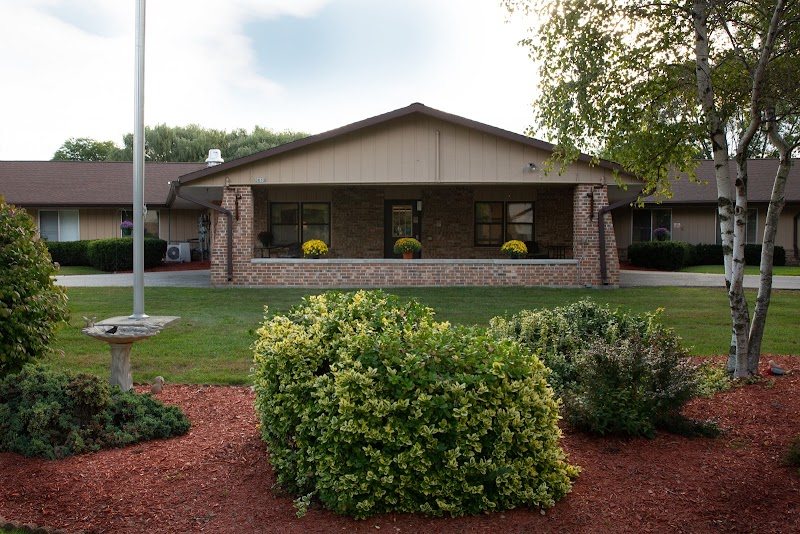
How is Meadow View Health Services Staffed?

CMS rates MEADOW VIEW HEALTH SERVICES's staffing level at 4 out of 5 stars, which is above average compared to other nursing homes. Staff turnover is 29%, compared to the Wisconsin average of 46%. This relatively stable workforce can support continuity of care.

What Have Inspectors Found at Meadow View Health Services?

State health inspectors documented 17 deficiencies at MEADOW VIEW HEALTH SERVICES during 2022 to 2024. These included: 1 that caused actual resident harm and 16 with potential for harm. Deficiencies causing actual harm indicate documented cases where residents experienced negative health consequences.
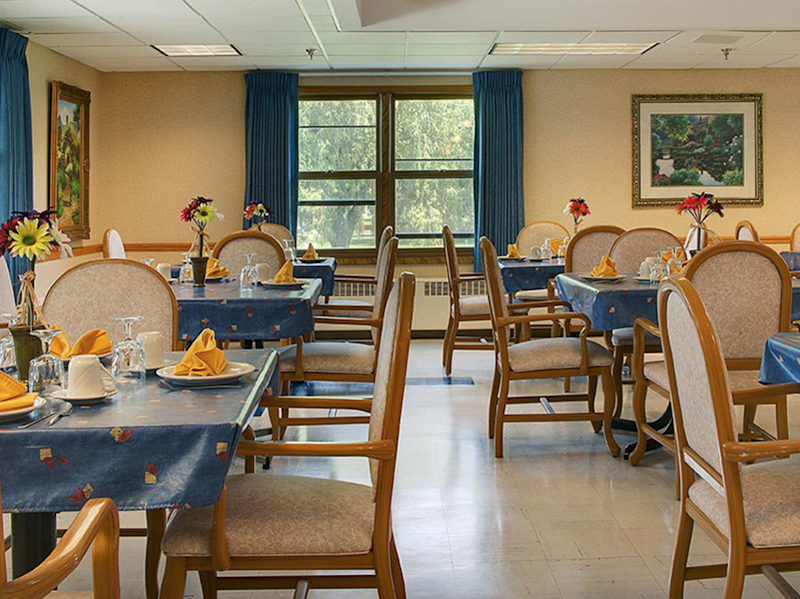
Who Owns and Operates Meadow View Health Services?

MEADOW VIEW HEALTH SERVICES is owned by a for-profit company. For-profit facilities operate as businesses with obligations to shareholders or private owners. The facility is operated by NORTH SHORE HEALTHCARE, a chain that manages multiple nursing homes. With 50 certified beds and approximately 29 residents (about 58% occupancy), it is a smaller facility located in SHEBOYGAN, Wisconsin.
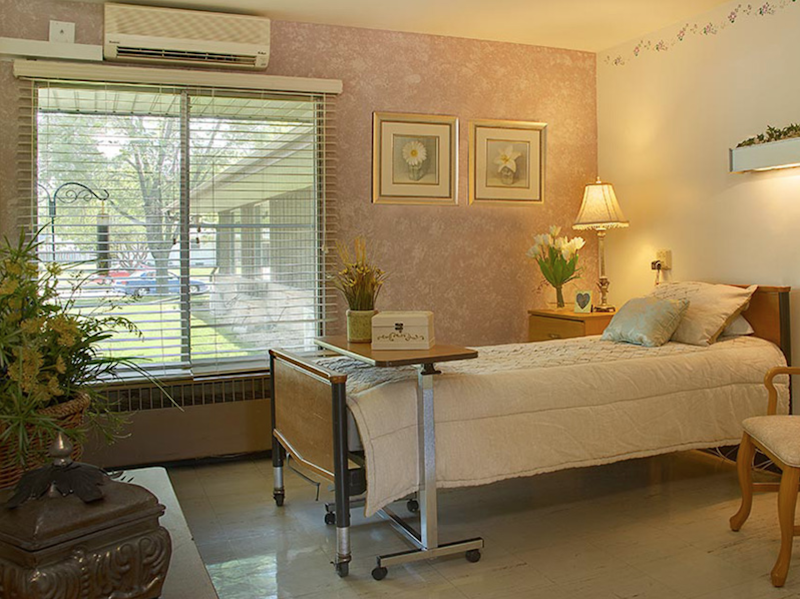
How Does Meadow View Health Services Compare to Other Wisconsin Nursing Homes?

Compared to the 100 nursing homes in Wisconsin, MEADOW VIEW HEALTH SERVICES's overall rating (4 stars) is above the state average of 3.0, staff turnover (29%) is significantly lower than the state average of 46%, and health inspection rating (4 stars) is above the national benchmark.

What Should Families Ask When Visiting Meadow View Health Services?

Based on this facility's data, families visiting should ask: "Can I visit during a mealtime to observe dining assistance and food quality?" "How do you handle medical emergencies, and what is your hospital transfer rate?" "Can I speak with family members of current residents about their experience?"

Is Meadow View Health Services Safe?

Based on CMS inspection data, MEADOW VIEW HEALTH SERVICES has a clean safety record: no substantiated abuse findings (meaning no confirmed cases of resident harm), no Immediate Jeopardy citations (the most serious violation level indicating risk of serious injury or death), and is not on the Special Focus Facility watch list (a federal program monitoring the lowest-performing 1% of nursing homes). The facility has a 4-star overall rating and ranks #1 of 100 nursing homes in Wisconsin. While no facility is perfect, families should still ask about staff-to-resident ratios and recent inspection results during their visit.

Do Nurses at Meadow View Health Services Stick Around?

Staff at MEADOW VIEW HEALTH SERVICES tend to stick around. With a turnover rate of 29%, the facility is 17 percentage points below the Wisconsin average of 46%. Low turnover is a positive sign. It means caregivers have time to learn each resident's needs, medications, and personal preferences. Consistent staff also notice subtle changes in a resident's condition more quickly.

Was Meadow View Health Services Ever Fined?

MEADOW VIEW HEALTH SERVICES has no federal fines on record. CMS issues fines when nursing homes fail to meet care standards or don't correct problems found during inspections. The absence of fines suggests the facility has either maintained compliance or corrected any issues before penalties were assessed. This is a positive indicator, though families should still review recent inspection reports for the full picture.

Is Meadow View Health Services on Any Federal Watch List?

MEADOW VIEW HEALTH SERVICES is not on any federal watch list. The most significant is the Special Focus Facility (SFF) program, which identifies the bottom 1% of nursing homes nationally based on persistent, serious quality problems. Not being on this list means the facility has avoided the pattern of deficiencies that triggers enhanced federal oversight. This is a positive indicator, though families should still review the facility's inspection history directly.