MORNINGSIDE HEALTH SERVICES
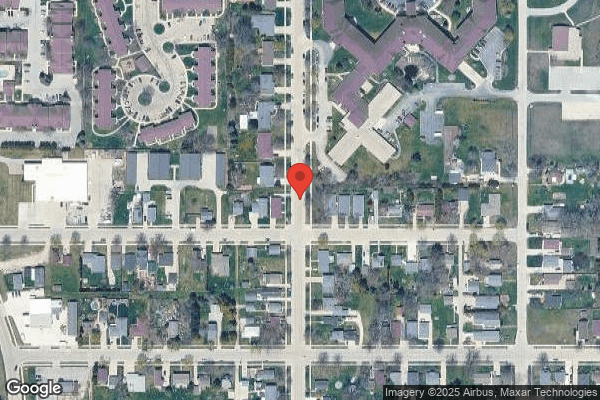
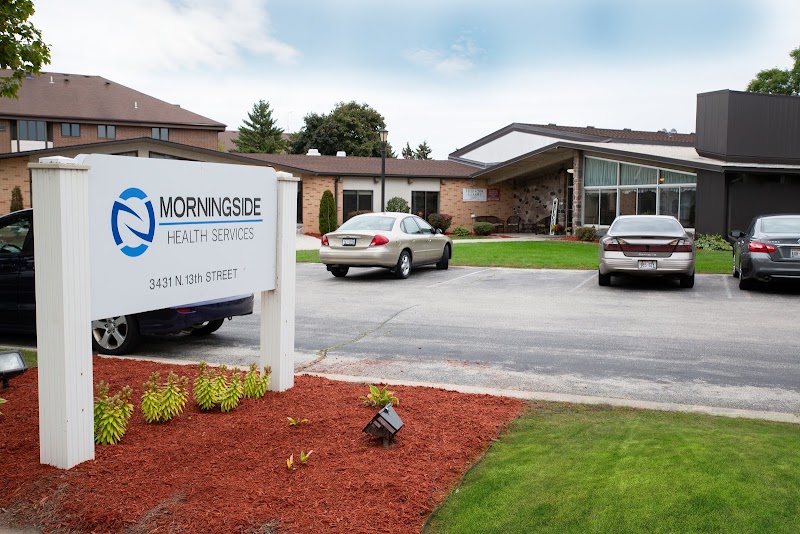
3431 N 13TH ST, SHEBOYGAN, WI 53083 (920) 457-5046
For profit - Corporation 50 Beds NORTH SHORE HEALTHCARE Data: November 2025
Trust Grade
70/100
#106 of 321 in WI
Last Inspection: October 2024

Within standard 12-15 month inspection cycle. Federal law requires annual inspections.

Overview

Morningside Health Services in Sheboygan, Wisconsin, has a Trust Grade of B, indicating it is a good choice for care, as it is solidly above average but not without its issues. It ranks #106 out of 321 facilities in Wisconsin, placing it in the top half, and #2 out of 8 in Sheboygan County, which means there is only one other local option that is better. The facility is showing improvement, with issues decreasing from three in 2024 to one in 2025. Staffing is rated at 4 out of 5 stars, with a concerning turnover rate of 58%, which is higher than the state average, but they have more RN coverage than 86% of facilities, providing better oversight for residents' needs. While there have been no fines, recent inspections revealed several concerns, including a medication cart that was left unlocked and unattended, expired medication being found, and failures in maintaining infection control practices among staff, which could potentially risk resident safety.

Trust Score
B
70/100
In Wisconsin
#106/321
Top 33%
Safety Record
Low Risk
No red flags
Inspections
Getting Better
3 → 1 violations
Staff Stability
⚠ Watch
58% turnover. Above average. Higher turnover means staff may not know residents' routines.
Penalties
✓ Good
No fines on record. Clean compliance history, better than most Wisconsin facilities.
Skilled Nurses
✓ Good
Each resident gets 64 minutes of Registered Nurse (RN) attention daily — more than 97% of Wisconsin nursing homes. RNs are the most trained staff who catch health problems before they become serious.
Violations
⚠ Watch
17 deficiencies on record. Higher than average. Multiple issues found across inspections.
★★★★☆
4.0
Overall Rating
★★★★☆
4.0
Staff Levels
★★☆☆☆
2.0
Care Quality
★★★★☆
4.0
Inspection Score
Stable
2024: 3 issues
2025: 1 issues

The Good

  • 4-Star Staffing Rating · Above-average nurse staffing levels
  • Full Sprinkler Coverage · Fire safety systems throughout facility
  • No fines on record

Facility shows strength in staffing levels, fire safety.

The Bad

Staff Turnover: 58%

12pts above Wisconsin avg (46%)

Frequent staff changes - ask about care continuity

Chain: NORTH SHORE HEALTHCARE

Part of a multi-facility chain

Ask about local staffing decisions and management

Staff turnover is elevated (58%)

10 points above Wisconsin average of 48%

The Ugly 17 deficiencies on record

Jan 2025 1 deficiency
CONCERN (D) 📢 Someone Reported This

A family member, employee, or ombudsman was alarmed enough to file a formal complaint

Potential for Harm - no one hurt, but risky conditions existed

Notification of Changes (Tag F0580)

Could have caused harm · This affected 1 resident

**NOTE- TERMS IN BRACKETS HAVE BEEN EDITED TO PROTECT CONFIDENTIALITY** Based on staff interview and record review, the facility did not ensure a Power of Attorney for Healthcare (POAHC) was notified ...

Read full inspector narrative →
**NOTE- TERMS IN BRACKETS HAVE BEEN EDITED TO PROTECT CONFIDENTIALITY** Based on staff interview and record review, the facility did not ensure a Power of Attorney for Healthcare (POAHC) was notified regarding an allegation of abuse for 1 resident (R) (R2) of 3 sampled residents. On 11/23/24, Certified Nursing Assistant (CNA)-D reported that CNA-D witnessed CNA-C be aggressive and use vulgar language during cares for R2 on 11/19/24. The facility did not notify R2's POAHC of the alleged abuse. Findings include: The facility's Change in Condition of the Resident policy, dated 9/20/22, indicates: A facility should immediately inform the resident, consult with the resident's physician, and notify, consistent with his or her authority, the resident's representative when there is an accident involving the resident which results in an injury and has a potential for requiring physician intervention, a significant change in the resident's physical, mental, or psychosocial status (that is, a deterioration in health, mental, or psychosocial status and either life-threatening conditions or clinical complications), or a need to alter treatment significantly (that is, a need to discontinue an existing form of treatment due to adverse consequences, or to commence a new form of treatment) .4. Notify the resident and/or family/responsible party as applicable and in accordance with the resident's wishes .Documentation needs to include but is not limited to the following .4. Notification of responsible party - include date, time, what was conveyed, any comments (each time notified). On 1/27/25, Surveyor reviewed R2's medical record. R2 was admitted to the facility on [DATE] and had diagnoses including Huntington's disease, depression, dysphagia, and weakness. R2's Minimum Data Set (MDS) assessment, dated 12/18/24, had a Brief Interview for Mental Status (BIMS) score of 00 out of 15 which indicated R2 had impaired cognition. R2 had an activated POAHC who was responsible for R2's medical decisions. On 1/27/25, Surveyor reviewed a facility-reported incident (FRI) that indicated on 11/19/24, CNA-D witnessed CNA-C use excessive force while changing R2's brief and witnessed CNA-C grab and yank R2 aggressively toward CNA-C. CNA-D also reported that CNA-C used vulgar language while completing cares. CNA-D did not report the allegation of abuse to administration until 11/23/24. The investigation did not indicate R2's POAHC was notified of the alleged abuse. On 1/27/25 at 11:37 AM, Surveyor interviewed Nursing Home Administrator (NHA)-A who verified R2's medical record did not contain documentation that R2's POAHC was notified of the allegation of abuse. NHA-A stated NHA-A would expect NHA-A or a staff delegated by NHA-A to contact R2's POAHC within hours of the reported incident on 11/23/24.
Oct 2024 3 deficiencies
CONCERN (E)

Potential for Harm - no one hurt, but risky conditions existed

Deficiency F0761 (Tag F0761)

Could have caused harm · This affected multiple residents

**NOTE- TERMS IN BRACKETS HAVE BEEN EDITED TO PROTECT CONFIDENTIALITY** Based on observation, staff interview, and record review, the facility did not ensure all drugs and biological were stored and d...

Read full inspector narrative →
**NOTE- TERMS IN BRACKETS HAVE BEEN EDITED TO PROTECT CONFIDENTIALITY** Based on observation, staff interview, and record review, the facility did not ensure all drugs and biological were stored and disposed of in accordance with the facility's policy. This had the potential to affect more than 4 of the 26 residents residing in the facility. On [DATE], a medication cart was left unlocked and unattended. On [DATE], an expired bottle of ProSource (a protein supplement) was observed in the medication cart. Findings include: The facility's Medication Administration General Guidelines policy, dated 1/2023, indicates: .8. Check expiration date on package/container. No expired medication will be administered to a resident. b. The nurse shall place a 'date opened' sticker on the medication .17. During administration of medications, the medication cart is kept closed and locked when out of sight of medication nurse .The cart must be clearly visible to the personnel administering medications when unlocked. Medication Cart: On [DATE] at 8:21 AM, Surveyor noted a medication cart was unlocked in the hallway while Registered Nurse (RN)-E administered medication in R1's room with the door closed. Expired Medication: On [DATE] at 9:26 AM, Surveyor observed a bottle of ProSource in the medication cart labeled with an open date of [DATE]. Per the manufacturer's label on the bottle, ProSource expires 60 days after opening. On [DATE] at 10:35 AM and on [DATE] at 9:22 AM, Surveyor interviewed Director of Nursing (DON)-B and Assistant Director of Nursing (ADON)-J. ADON-J indicated when staff step away from the medication cart, the cart should be locked. ADON-J also confirmed the bottle of ProSource was expired.
CONCERN (E)

Potential for Harm - no one hurt, but risky conditions existed

Menu Adequacy (Tag F0803)

Could have caused harm · This affected multiple residents

Based on observation, staff and resident interview, and record review, the facility did not ensure nutritional needs were met for 5 residents (R) (R5, R12, R15, R14 and R6) of 5 residents who had orde...

Read full inspector narrative →
Based on observation, staff and resident interview, and record review, the facility did not ensure nutritional needs were met for 5 residents (R) (R5, R12, R15, R14 and R6) of 5 residents who had orders for carbohydrate-controlled diets. Staff did not follow physician-ordered carbohydrate-controlled diets for R5, R12, R15, R14, and R6 when they served full servings of dessert during the 10/7/24 lunch meal and did not offer diet desserts or half-servings as indicated. Findings include: The facility's Available Diets document, with a review date of 7/13/22, indicates: When necessary, the facility will provide a therapeutic diet that is individualized to meet the clinical needs and desires of a patient/resident to achieve outcomes/goals of care. Available therapeutic diets should coincide with the therapeutic diets on the facility's menu extensions .Diets will be offered as ordered by the physician or his/her designee .The therapeutic diet orders that will be offered are: .Consistent Carbohydrate (CCHO) .The nutrition manual will be available in the food and nutrition services department for staff use .Individuals may be granted a diet holiday from their therapeutic diet for special holidays and events .Individuals on carbohydrate-controlled diets will continue to receive smaller portions of sweet desserts, snacks and low calorie beverages. On 10/6/24 at 9:00 AM, Surveyor interviewed R5 who indicated the facility did not monitor diabetic diets and R5 was concerned that the choices and portions offered to diabetics were not appropriate. R5 indicated R5 counted carbohydrates and the meals were not healthy or carbohydrate-appropriate for someone with diabetes. On 10/7/24, Surveyor reviewed R5's medical record. R5 had diagnoses including type 2 diabetes mellitus, history of urinary tract infections (UTIs), congestive heart failure (CHF), and chronic kidney disease (CKD) stage 3. R5's Minimum Data Set (MDS) assessment, dated 9/16/24, had a Brief Interview for Mental Status (BIMS) score of 15 out of 15 which indicated R5 had intact cognition. R5's care plan indicated R5 was at risk for nutritional status change related to morbid obesity, type 2 diabetes, and cardiovascular dysfunction and contained an intervention to provide diet as ordered. R5 had a physician order for a consistent-controlled carbohydrate (CCHO) cardiac diet with regular texture, regular/thin consistency. On 10/7/24, Surveyor reviewed R12, R15, R14, and R6's medical records and noted the following: ~ R12 had a diagnosis of type 2 diabetes mellitus and an order for a CCHO diet (dated 3/13/24). ~ R15 had a diagnosis of type 2 diabetes mellitus and an order for a CCHO diet (dated 9/11/24). ~ R14 had a diagnosis of type 2 diabetes mellitus and an order for a CCHO diet (dated 11/29/23). ~ R6 had a diagnosis of type 2 diabetes mellitus and an order for a CCHO diet (dated 7/3/24). During a continuous kitchen observation that began at 11:48 AM on 10/7/24, Surveyor observed lunch service at the steam table. Surveyor noted the dessert was strawberry shortcake and R5's meal ticket indicated R5 should receive a half serving of strawberry shortcake. Surveyor noted there was no variation in size of the strawberry shortcake servings during the lunch meal. Surveyor interviewed [NAME] (CK)-G who indicated all of the strawberry shortcake servings on the cart were the same size. CK-G stated diabetic residents on CCHO diets should have a half piece but I didn't want to waste the cake so I cut them all the same size. On 10/7/24 at 1:44 PM, Surveyor interviewed Regional Food Director (RFD)-F who confirmed residents on CCHO diets should have received a half serving of dessert for lunch. RFD-F provided Surveyor with a meal ticket that indicated R5 should have received a half serving of strawberry shortcake and also provided Surveyor with the names of all residents on CCHO diets. Surveyor noted R12, R15, R14, and R6 were also on CCHO diets and were not served the correct dessert portion during the lunch meal.
CONCERN (E)

Potential for Harm - no one hurt, but risky conditions existed

Infection Control (Tag F0880)

Could have caused harm · This affected multiple residents

Based on observation, staff interview, and record review, the facility did not maintain an infection prevention and control program designed to prevent the transmission of communicable disease and inf...

Read full inspector narrative →
Based on observation, staff interview, and record review, the facility did not maintain an infection prevention and control program designed to prevent the transmission of communicable disease and infection for 6 residents (R) (R5, R1, R22, R18, R20, and R24) of 6 sampled residents. R5 was on enhanced barrier precautions (EBP). On 10/7/24, Certified Nursing Assistant (CNA)-C and CNA-D did not wear gowns during high-contact care for R5. In addition, RN-E did not cleanse hands between glove changes or wear a gown during wound care for R5. R1 was on EBP. On 10/7/24, Registered Nurse (RN)-E exited R1's room before removing personal protective equipment (PPE). RN-E removed RN-E's gown and gloves in the hallway, disposed of the PPE in the medication cart garbage, and performed hand hygiene at the medication cart. In addition, on 10/8/24, RN-I did not perform appropriate hand hygiene during peri-care for R1. On 10/6/24, RN-H did not follow perform appropriate hand hygiene during medication administration for R22, R18, R20, and R24. Findings include: The facility's Enhanced Barrier Precautions policy, with a revised date of 8/8/24, indicates: It is the policy of this facility to implement enhanced barrier precautions (EBP) for the prevention of transmission of multidrug-resistant organisms (MDROs) .3. Implementation of Enhanced Barrier Precautions: .Position a trash can inside the resident room and near the exit for discarding personal protective equipment (PPE) after removal, prior to exit of the room, or before providing care for another resident in the same room. The Centers for Disease Control and Prevention's (CDC's) Frequently Asked Questions (FAQs) about Enhanced Barrier Precautions (EBP) in Nursing Homes document, updated 6/28/24, indicates: .EBP expand the use of gown and gloves beyond anticipated blood and body fluid exposures. They focus on use of gown and gloves during high-contact resident care activities that have been demonstrated to result in transfer of multidrug-resistant organisms (MDROs) to hands and clothing of healthcare personnel, even if blood and body fluid exposure is not anticipated. EBP are recommended for residents known to be colonized or infected with an MDRO. The CDC's Core Infection Prevention and Control Practices for Safe Healthcare Delivery in All Settings document, updated 4/12/24, indicates: .5a. Hand Hygiene References and resources .1. Require healthcare personnel to perform hand hygiene in accordance with CDC recommendations .2. Use an alcohol-based hand rub or wash with soap and water for the following clinical indications: .immediately after glove removal. The facility's General Guidelines policy under Medication Administration, dated 1/2023, indicates: .11. Hands are washed with soap and water and gloves applied before administration of topical, ophthalmic, otic, parenteral, enteral, rectal, and vaginal medications. Hands are washed with soap and water again after administration and with any resident contact. Antimicrobial sanitizer may be used in place of soap and water as allowed per state nursing regulations and facility policy. The facility's Infection Prevention and Control Program, with a revision date of 7/23/24, indicates under Equipment Protocol: a. All reusable items and equipment requiring special cleaning or disinfection shall be cleaned in accordance with our current procedures governing the cleaning of soiled or contaminated equipment. 1. On 10/7/24, Surveyor reviewed R5's care plan (with a review date of 9/5/24) which indicated R5 was at risk for infection related to colonization with MDRO pseudomonas, Klebsiella. The care plan contained an intervention for staff to use EBP when performing high-contact care activities. On 10/7/24 at 10:46 AM, Surveyor noted an EBP sign on R5's door and a PPE cart next to the door. On 10/7/24 at 10:49 AM, Surveyor observed CNA-C and CNA-D perform hand hygiene and don gloves prior to transferring R5 from wheelchair to bed via Hoyer lift. CNA-C and CNA-D rolled and tucked the Hoyer sling under R5, rolled R5 back to remove the sling, and provided a urinal for R5. After R5 finished urinating, CNA-C and CNA-D performed hand hygiene, donned gloves, and provided hygiene care for R5. During the provision of care, neither CNA-C nor CNA-D wore a gown. On 10/7/24 at 11:09 AM, Surveyor observed RN-E enter R5's room and don gloves without completing hand hygiene. RN-E assessed an open area in R5's upper inner groin which CNA-C and CNA-D noted was bleeding during peri-care. RN-E picked up a tube of zinc oxide and changed gloves without completing hand hygiene. RN-E wiped R5's inner groin area with a washcloth, applied zinc oxide, and removed gloves. Without completing hand hygiene, RN-E donned clean gloves and applied non-adherent gauze to the area. RN-E then removed gloves, washed hands with soap and water, and exited R5's room. On 10/7/24 at 11:20 AM, Surveyor interviewed CNA-C and CNA-D. When asked about the EBP sign on R5's door, CNA-D stated, They were supposed to take that down. When Surveyor asked why R5 was on EBP, CNA-D indicated CNA-D did not know. When Surveyor asked if CNA-C and CNA-D should have worn a gown during cares, CNA-D stated, Yes, we should have or asked the nurse. CNA-C agreed. On 10/7/24 at 11:32 AM, Surveyor interviewed RN-E. When asked if RN-E was aware that R5 was on EBP, RN-E indicated RN-E should have worn a gown and gloves during wound care. On 10/7/24 at 11:34 AM, Surveyor interviewed Director of Nursing (DON)-B. When asked if R5 was on EBP, DON-B stated, Yes, (R5) has MDROs. When asked when staff should use EBP during the provision of care, DON-B indicated staff should use EBP when they have close contact with residents or body fluids. DON-B verified staff should wear gowns while providing hygiene care and transferring R5. DON-B also indicated DON-B expects staff to complete hand hygiene prior to donning gloves and in between glove changes. 2. On 10/7/24 at 8:24 AM, Surveyor observed RN-E exit R1's room wearing a gown and gloves and remove the PPE outside R1's door. RN-E disposed of RN-E's gown and gloves in the medication cart garbage and performed hand hygiene at the mediation cart. Surveyor noted R1 was on EBP. Surveyor interviewed RN-E who indicated the garbage can was on the other side of R1's room and not near the door. RN-E indicated RN-E should have brought the garbage can over to the door prior to leaving R1's room and removing PPE. On 10/8/24 at 8:35 AM, Surveyor observed RN-I provide peri-care for R1. RN-I completed anterior peri-care. Without removing gloves and cleansing hands, RN-I rolled R1 to the side and completed posterior peri-care. Without removing gloves and cleansing hands, RN-I applied powder and cream to R1's backside, positioned R1 on R1's back, and removed gloves. Without cleansing hands, RN-I donned new gloves, applied cream to R1's folds, put a clean brief on R1, and removed gloves. Without completing hand hygiene, RN-I replaced R1's right sock and boot, covered R1 with a blanket, lowered R1's bed, picked up the cream and powder, and exited R1's room. Immediately following the observation, Surveyor interviewed RN-I who indicated RN-I should have changed gloves when going from dirty to clean and should have performed hand hygiene when RN-I removed gloves. 3. On 10/6/24 at 8:57 AM, Surveyor observed RN-H take R22's pulse and blood pressure with a manual blood pressure cuff and pulse oximeter during the AM medication pass. RN-H did not sanitize the equipment after use. On 10/6/24 at 9:07 AM, Surveyor observed RN-H prepare medication for R18. RN-H did not perform hand hygiene prior to preparing R18's medication. On 10/6/24 at 9:20 AM, Surveyor observed RN-H return to the medication cart and prepare medication for R20. RN-H did not perform hand hygiene prior to preparing R20's medication. On 10/6/24 at 9:41 AM, Surveyor observed RN-H prepare medication for R24 without performing hand hygiene. RN-H then administered R24's medication, returned to the medication cart, and prepared another medication for R24 without performing hand hygiene. On 10/7/24 at 10:35 AM and on 10/8/24 at 9:22 AM, Surveyor interviewed DON-B and Assistant Director of Nursing (ADON)-J. ADON-J indicated hand hygiene should be performed before and after medication administration. ADON-J indicated staff should remove and dispose of PPE inside a resident's room and complete hand hygiene before exiting the room. ADON-J also indicated equipment such as blood pressure cuffs and pulse oximeters should be sanitized and air dried between uses. DON-B indicated staff should remove gloves and complete hand hygiene when going from dirty to clean during the provision of peri-care, when the task is completed, and when gloves are removed. DON-B also indicated hand hygiene should be performed when staff enter a resident's room, before the application of gloves, and after glove removal following the application of topical creams and powder.
Aug 2023 6 deficiencies
CONCERN (D)

Potential for Harm - no one hurt, but risky conditions existed

Grievances (Tag F0585)

Could have caused harm · This affected 1 resident

**NOTE- TERMS IN BRACKETS HAVE BEEN EDITED TO PROTECT CONFIDENTIALITY** Based on staff and resident interview, and record review, the facility did not investigate, resolve, and record resolution of a ...

Read full inspector narrative →
**NOTE- TERMS IN BRACKETS HAVE BEEN EDITED TO PROTECT CONFIDENTIALITY** Based on staff and resident interview, and record review, the facility did not investigate, resolve, and record resolution of a grievance for 1 Resident (R) (R17) of 2 residents reviewed for grievances. The facility did not thoroughly document and investigate a grievance expressed by R17. Findings include: The facility's Grievance policy, with a reviewed/revised date of 7/22, contained the following information:.The facility will seek to resolve concerns, complaints or grievances and provide residents, responsible parties, staff and others feedback and resolution in a timely manner per §483.10 (J)(1), The resident has a right to voice grievances without fear or retaliation. Procedure: The Grievance Officer for the facility is the Administrator/Executive Director. In his/her absence, the Director of Social Services will execute the duties of the Grievance Officer. Residents, residents' families and responsible parties, facility staff and facility contractors will be in-serviced on the grievance procedure, how to initiate a grievance, who the Grievance Officer is and how resolutions will be communicated. Residents will be in-serviced through Resident Council Meetings and on admission that they can access and initiate a concern form and that staff members, the resident's family members/friends can assist them in completing the form upon request. When a Complaint/Grievance Report is initiated: A copy of the initiated concern form will be placed in the Grievance Notebook as a reminder that the grievance is still being investigated and resolved. The original form will then be forwarded to the department head for which the grievance pertains to (i.e., Dietary Manager for food and dining related issues, Director of Nursing for any nursing or clinical related issues, Laundry Supervisor for missing clothing issues, etc.) The Department Head that is assigned the concern form is responsible for investigating the issue and following up to provide a resolution within 72 hours of being assigned the grievance. R17 was admitted to the facility on [DATE] with diagnoses that included high blood pressure, arthritis, and depression. R17's Minimum Data Set (MDS) assessment, dated 5/21/23, contained a Brief Interview for Mental Status (BIMS) score of 13 out of 15 which indicated R17 had intact cognition. R17 did not have an activated power of attorney. On 8/7/23 at 10:31 AM, Surveyor interviewed R17 who indicated R17 lost two nightgowns (one was white flannel and the other had cardinals). R17 informed staff of the missing nightgowns a couple of months ago (unsure of the exact dates); however, there was no follow-up thus far. R17 also indicated R17 informed Life Enrichment Specialist (LES)-I of the missing nightgowns a couple of months ago. On 8/7/23, Surveyor reviewed the facility's written grievances and did not see a grievance regarding R17's missing nightgowns. Surveyor also reviewed R17's medical record which did not contain documentation regarding the missing nightgowns. On 8/8/23 at 11:19 AM, Surveyor interviewed Social Worker (SW)-M regarding R17's missing nightgowns. SW-M indicated SW-M was not aware of R17's missing nightgowns. SW-M indicated if SW-M was aware, SW-M would have written a grievance, investigated and followed up with R17. SW-M agreed a grievance should have been filed. On 8/8/23 at 2:03 PM, Surveyor interviewed Certified Nursing Assistant (CNA)-J who indicated CNA-J was aware of R17's missing nightgowns. Per CNA-J, R17 informed CNA-J of the missing nightgowns several weeks ago. CNA-J did not fill out a grievance form and did not inform anyone else. On 8/8/23 at 2:19 PM, Surveyor interviewed Nursing Home Administrator (NHA)-A who confirmed NHA-A is the facility's Grievance Officer. NHA-A indicated NHA-A started at the facility a week ago and was not aware of R17's missing nightgowns. NHA-A indicated the facility's process for missing items is that staff report resident concerns immediately to administration, a grievance is written up and an investigation is initiated. If the facility is unable to find the missing items, the facility replaces the missing items. NHA-A indicated NHA-A would follow up with the resident promptly with the results of the investigation. NHA-A confirmed a grievance should have been filled out by staff who had knowledge of R17's missing nightgowns. On 8/8/23 at 2:26 PM, Surveyor interviewed LES-I who indicated LES-I was not aware of R17's missing nightgowns. On 8/8/23 at 2:35 PM, Surveyor interviewed DON-B, who indicated DON-B was not aware of R17's missing nightgowns. DON-B indicated the process for missing clothing is to fill out a grievance form, ask for a description of the missing item, search the resident's room, call the resident's family and search the laundry room. Per DON-B, if the facility was unable to find the missing items, an investigation would start by speaking with staff and residents. If the items were still missing after an investigation was conducted, the facility would replace the items and DON-B would follow-up with the resident as soon as possible. DON-B agreed a grievance should have been filed, investigated and follow up should have occurred with R17. On 8/8/23 at 2:45 PM, Surveyor interviewed Licensed Practical Nurse (LPN)-C who indicated LPN-C was not aware of R17's missing nightgowns. LPN-C indicated if LPN-C was aware, LPN-C would have filled out a grievance form and informed Director of Nursing (DON)-B. On 8/8/23 at 3:00 PM, Surveyor interviewed CNA-K who indicted CNA-K was aware of R17's missing nightgowns when R17 informed CNA-K about the missing nightgowns a few weeks ago. CNA-K did not fill out a grievance form and did not inform anyone else. CNA-K indicated CNA-K should have informed the nurse. On 8/9/23 at 10:14 AM, Surveyor interviewed Laundry Attendant (LA)-L who indicated LA-L was made aware of R17's missing nightgowns approximately six months ago. LA-L indicated LA-L did not inform anybody other than an ex-staff member and did not fill out a grievance form. Per LA-L, R17 continued to inquire about the missing nightgowns and was able to describe the nightgowns. LA-L indicated LA-L continued to look for the nightgowns and was unable to find them. LA-L confirmed if items are missing, administration should be informed immediately.
CONCERN (D)

Potential for Harm - no one hurt, but risky conditions existed

Abuse Prevention Policies (Tag F0607)

Could have caused harm · This affected 1 resident

Based on staff interview and record review, the facility did not implement its policy and procedure to prohibit abuse, neglect and mistreatment of residents for 1 staff (Registered Nurse (RN)-E) of 8 ...

Read full inspector narrative →
Based on staff interview and record review, the facility did not implement its policy and procedure to prohibit abuse, neglect and mistreatment of residents for 1 staff (Registered Nurse (RN)-E) of 8 staff reviewed during the caregiver program compliance check. The facility did not ensure an out-of-state background check was completed for RN-E. Findings include: The facility's Abuse, Neglect and Exploitation policy, last reviewed 7/15/22, contained the following information: It is the policy of this facility to provide protections for the health, welfare and rights of each resident by developing and implementing written policies and procedures that prohibit and prevent abuse, neglect, exploitation and misappropriation of resident property .I. Screening .Background, reference, and credential checks shall be conducted on potential employees, contracted temporary staff, students affiliated with academic institutions, volunteers and consultants. Background checks, including re-checks, will be completed consistent with applicable state laws and regulations. On 8/8/23, Surveyor requested staff schedules and a list of direct hire and contracted staff. Surveyor selected a sample of employees to review for background check compliance, including RN-E, who was employed through a contracted nurse staffing agency and began working at the facility on 8/26/22. On 8/9/23, Surveyor reviewed RN-E's Background Information Disclosure (BID) form, dated 7/19/22, and noted RN-E indicated RN-E resided in the state of Indiana within the past 3 years prior to working at the facility. Surveyor reviewed RN-E's background check information and noted an out-of-state background check was not included. On 8/9/23, Surveyor reviewed staff schedules and noted RN-E worked in the facility an average 15 shifts per month from January 2023 through July 2023. Surveyor noted RN-E was scheduled and worked on 8/7/23. On 8/9/23 at 8:30 AM, Surveyor interviewed Business Office Manager (BOM)-F regarding RN-E's out-of-state background check. BOM-F indicated BOM-F would contact the facility's corporate office and the staffing agency, request information, and follow up with Surveyor. On 8/9/23 at 1:19 PM, Director of Nursing (DON)-B approached Surveyor and indicated neither the staffing agency that employed RN-E or the facility's corporate office had record of an out-of-state background check for RN-E. On 8/9/23 at 1:30 PM, Surveyor interviewed BOM-F who indicated the staffing agency is responsible for conducting background and license checks and the facility is able to contact the staffing agency and request the files. On 8/9/23 at 1:46 PM, Surveyor interviewed [NAME] President of Success (VPS)-D who indicated there is supposed to be a process conducted by the facility for checking all background information for accuracy and thoroughness prior to staff working in the facility.
CONCERN (D)

Potential for Harm - no one hurt, but risky conditions existed

Transfer Notice (Tag F0623)

Could have caused harm · This affected 1 resident

**NOTE- TERMS IN BRACKETS HAVE BEEN EDITED TO PROTECT CONFIDENTIALITY** 2. On 8/8/23, Surveyor reviewed R7's medical record. R7 was admitted to the facility on [DATE] with diagnoses that included diab...

Read full inspector narrative →
**NOTE- TERMS IN BRACKETS HAVE BEEN EDITED TO PROTECT CONFIDENTIALITY** 2. On 8/8/23, Surveyor reviewed R7's medical record. R7 was admitted to the facility on [DATE] with diagnoses that included diabetes, heart failure, obesity, and high blood pressure. R7's Minimum Data Set (MDS) assessment, dated 7/6/23, contained a Brief Interview for Mental Status (BIMS) score of 15 out of 15 which indicated R7 had intact cognition. R7 was transferred to the emergency room on 6/26/23 due to pain and shortness of breath and admitted to the hospital with a diagnosis of severe sepsis. R7's medical record did not contain a written notice for the hospital transfer. 3. On 8/8/23, Surveyor reviewed R20's medical record. R20 was admitted to the facility on [DATE] with diagnoses that included aphasia (comprehension and communication disorder due to brain trauma,) dysphagia (difficulty eating/swallowing) following cerebral infarction (stroke), and chronic kidney disease. R20 was transferred to the emergency room on 7/10/23 for a UTI and on 7/14/23 for altered mental status and hypotension (low blood pressure). R20's medical record did not contain a written notice for either hospital transfer. On 8/8/23 at 12:25 PM, Surveyor interviewed Director of Nursing (DON)-B who indicated the facility recognizes they do not provide transfer notices. DON-B indicated residents who are transferred to the hospital should be informed of the facility's transfer notice policy and should be provided a written notice of transfer. Based on staff interview and record review, the facility did not ensure a written notification of transfer, including the reason for the transfer, location of the transfer, appeal rights, and contact information for the State Long-Term Care Ombudsman was provided for 3 Residents (R) (R14, R7, and R20) of 3 residents reviewed for hospitalization. R14 was transferred to the hospital on 4/21/23 and was not provided a written transfer notice. R7 was transferred to the hospital on 6/26/23 and was not provided a written transfer notice. R20 was transferred to the hospital on 7/10/23 and 7/14/23. R20 was not provided a written transfer notice for either transfer. Findings include: The facility's Transfer and Discharge policy, dated 7/15/22 indicates: It is the policy of this facility to permit each resident to remain in the facility, and not transfer or discharge the resident from the facility except as initiated by the resident, necessary for the health and safety of the resident or other individuals are endangered, or as otherwise permitted by applicable law. Emergency Transfer/Discharges - Initiated by the facility for medical reasons, or for the immediate safety and welfare of a resident (nursing responsibilities unless otherwise specified). b. Notify resident and/or resident representative. d. Complete and send with the resident (or provide as soon as practicable) a Transfer form. f. The original copies of the Transfer form and Advance Directive accompany the resident. Copies are retained in the medical record. j. Provide Transfer form as soon as practicable to resident and representative. 1. On 8/8/23, Surveyor reviewed R14's medical record. R14 was transferred to the hospital on 4/21/23 for a UTI (urinary tract infection.) R14's medical record did not contain a written notice for the hospital transfer.
CONCERN (D)

Potential for Harm - no one hurt, but risky conditions existed

Deficiency F0625 (Tag F0625)

Could have caused harm · This affected 1 resident

**NOTE- TERMS IN BRACKETS HAVE BEEN EDITED TO PROTECT CONFIDENTIALITY** 2. On 8/8/23, Surveyor reviewed R7's medical record. R7 was admitted to the facility on [DATE] with diagnoses that included diab...

Read full inspector narrative →
**NOTE- TERMS IN BRACKETS HAVE BEEN EDITED TO PROTECT CONFIDENTIALITY** 2. On 8/8/23, Surveyor reviewed R7's medical record. R7 was admitted to the facility on [DATE] with diagnoses that included diabetes, heart failure, obesity and high blood pressure. R7's Minimum Data Set (MDS) assessment, dated 7/6/23, contained a Brief Interview for Mental Status (BIMS) score of 15 out of 15 which indicated R7 had intact cognition. R7 was transferred to the emergency room on 6/26/23 due to pain and shortness of breath and was admitted to the hospital with a diagnosis of severe sepsis. R7's medical record did not contain a signed bed hold notice for the hospital transfer. 3. On 8/8/23, Surveyor reviewed R20's medical record. R20 was admitted to the facility on [DATE] with diagnoses that included aphasia (comprehension and communication disorder due to brain trauma), dysphagia (difficulty eating/swallowing food/liquid) following cerebral infarction (stroke), and chronic kidney disease. R20 was transferred to the emergency room on 7/10/23 for a UTI and on 7/14/23 for altered mental status and hypotension (low blood pressure). R20's medical record did not contain a signed bed hold notice for either transfer. On 8/8/23 at 12:25 PM, Surveyor interviewed Director of Nursing (DON)-B who indicated the facility recognizes they did not provide bed hold notices. DON-B verified residents who are transferred to the hospital should be informed of the facility's bed hold policy in writing and have the policy signed. Based on staff interview and record review, the facility did not ensure 3 Residents (R) (R14, R7, and R20) of 3 sampled residents reviewed for hospitalization received written information of the duration of the bed hold policy, the reserve bed payment and the right to return to the facility. R14 was transferred to the hospital on 4/21/23 and did not receive a written bed hold notice. R7 was transferred to the hospital on 6/26/23 and did not receive a written bed hold notice. R20 was transferred to the hospital on 7/10/23 and 7/14/23. R20 did not receive a written bed hold notice for either transfer. Findings include: The facility's Transfer and Discharge policy, dated 7/15/22, indicates: It is the policy of this facility to permit each resident to remain in the facility, and not transfer or discharge the resident from the facility except as initiated by resident, necessary for the health and safety of resident or other individuals are endangered, or as otherwise permitted by applicable law. Emergency Transfer/Discharges- Initiated by the facility for medical reasons, or for the immediate safety and welfare of a resident (nursing responsibilities unless otherwise specified). b. Notify resident and/or resident representative i. Provide a notice of the bed hold policy to the resident and representative at the time of transfer, as possible, but no later than 24 hours after the transfer. 1. On 8/8/23, Surveyor reviewed R14's medical record. R14 was transferred to the hospital on 4/21/23 for a urinary tract infection (UTI). R14's medical record did not contain a signed bed hold notice for the hospital transfer.
CONCERN (D)

Potential for Harm - no one hurt, but risky conditions existed

Pharmacy Services (Tag F0755)

Could have caused harm · This affected 1 resident

**NOTE- TERMS IN BRACKETS HAVE BEEN EDITED TO PROTECT CONFIDENTIALITY** Based on observation, staff interview, and record review, the facility did not ensure 1 Resident (R) (R11) of 4 residents observ...

Read full inspector narrative →
**NOTE- TERMS IN BRACKETS HAVE BEEN EDITED TO PROTECT CONFIDENTIALITY** Based on observation, staff interview, and record review, the facility did not ensure 1 Resident (R) (R11) of 4 residents observed during medication administration was free of a medication error. Licensed Practical Nurse (LPN)-C administered 50 milligrams (mg) of Metoprolol Succinate Extended Release (ER) (blood pressure reducing medication) to R11 prior to obtaining R11's pulse. Findings include: The facility's medication administration policy titled Medication Administration General Guidelines 01/23 contained the following information: .1. Medications are administered in accordance with written orders of the prescriber .2. Obtain and record any vital signs as necessary prior to medication administration. On 8/8/23, Surveyor reviewed R11's medical record. R11 was admitted to the facility on [DATE] with diagnoses to include hypertensive heart and chronic kidney disease with heart failure. R11's most recent Minimum Data Set (MDS) assessment contained a Brief Interview for Mental Status (BIMS) score of 8 out of 15 which indicated R11 had moderately impaired cognition. On 8/8/23 at 7:48 AM, Surveyor observed LPN-C administer medications to R11. LPN-C administered R11's Metoprolol Succinate ER 50 mg tablet prior to obtaining R11's pulse. At 7:52 AM, Surveyor observed LPN-C obtain R11's vital signs. R11's pulse was 50. On 8/8/23, Surveyor reviewed R11's medical record, including R11's physician orders. R11 had a physician order for Metoprolol Succinate ER oral tablet ER 24-hour 50 mg; give 50 mg by mouth one time a day for hypertension (high blood pressure), hold if pulse less than 50. On 8/8/23 at 1:02 PM, Surveyor interviewed LPN-C regarding R11's metoprolol order. LPN-C verified LPN-C should have obtained R11's pulse prior to metoprolol administration per R11's physician order. On 8/8/23 at 1:16 PM, Surveyor interviewed Director of Nursing (DON)-B who verified LPN-C should have checked R11's pulse prior to administering the medication per the physician order.
CONCERN (E)

Potential for Harm - no one hurt, but risky conditions existed

Deficiency F0729 (Tag F0729)

Could have caused harm · This affected multiple residents

Based on staff interview and record review, the facility did not ensure 2 Certified Nursing Assistants (CNAs) (CNA-G, and CNA-H) of 18 CNAs reviewed had a valid Certified Nursing Assistant certificati...

Read full inspector narrative →
Based on staff interview and record review, the facility did not ensure 2 Certified Nursing Assistants (CNAs) (CNA-G, and CNA-H) of 18 CNAs reviewed had a valid Certified Nursing Assistant certification. This practice had the potential to affect multiple residents in the facility. CNA-G and CNA-H did not have active nurse aide certification and were not on the Wisconsin Nurse Aide Registry. Findings include: The facility's Abuse, Neglect and exploitation policy, with a review date of 7/15/22, indicated: It is the policy of this facility to provide protections for the health, welfare and rights of each resident by developing and implementing written policies and procedures that prohibit and prevent abuse, neglect, exploitation and misappropriation of resident property .I. Screening .Background, reference, and credential checks shall be conducted on potential employees, contracted temporary staff, students affiliated with academic institutions, volunteers and consultants. Background checks, including re-checks, will be completed consistent with applicable state laws and regulations. On 8/8/23, Surveyor requested background check and Nurse Aide Registry information for CNA-H. On 8/9/23, Surveyor reviewed CNA-H's background check and Nurse Aide Registry information. Surveyor noted a copy of CNA-H's Certificate of Successful Completion of Nurse Aide Program, dated December 20, 2022; however, Wisconsin Nurse Aide Registry information was not provided for CNA-H. Surveyor reviewed CNA-H's Certified Nursing Assistant Certification from https://wi.tmuniverse.com which indicated CNA-H was not on the Wisconsin Nurse Aide Registry. Surveyor reviewed staff schedules and noted CNA-H worked in the facility as a CNA on 7/2/223. On 8/9/23 at 8:30 AM, Surveyor interviewed Business Office Manager (BOM)-F regarding Nurse Aide Registry information for CNA-H. BOM-F indicated BOM-F would contact the facility's corporate office, request information, and follow up with Surveyor. On 8/9/23 at 9:28 AM, BOM-F approached Surveyor and indicated the background check and Certified Nursing Assistant Certification information provided for CNA-H was the only information the facility had. BOM-F indicated BOM-F would contact the contracted company to inquire about Nurse Aide Registry information for CNA-H and follow up with Surveyor. On 8/9/23 at 11:00 AM, Surveyor reviewed staff schedules and a staff list of direct hire and contracted CNAs. Surveyor reviewed the Wisconsin Nurse Aide Registry for all CNAs who worked in the facility from https://wi.tmuniverse.com. Surveyor was unable to locate Nurse Aide Registry information for CNA-G. On 8/9/23 at 12:30 PM, Surveyor interviewed BOM-F and Director of Nursing (DON)-B. DON-B indicated DON-B followed up with the contracted company and there was no documentation CNA-H was on the Wisconsin Nurse Aide Registry, on the waitlist for the Wisconsin Nurse Aide Registry or completed an examination for the Certified Nurse Aide Certification. BOM-F verified CNA-H worked in the facility as a CNA on 7/2/23. DON-B indicated the person responsible to ensure background check and license/certification information provided from contracted companies is accurate and thorough should probably be DON-B. Surveyor requested information from BOM-F and DON-B regarding whether or not CNA-G had an active Nurse Aide Certification. On 8/9/23 at 1:19 PM, DON-B approached Surveyor and indicated there was no documentation to indicate CNA-G completed a state approved Certified Nursing Assistant Program or was on the Wisconsin Nurse Aide Registry. DON-B verified CNA-G worked as a CNA in the facility on 2/23/23.
Feb 2023 3 deficiencies
CONCERN (D) 📢 Someone Reported This

A family member, employee, or ombudsman was alarmed enough to file a formal complaint

Potential for Harm - no one hurt, but risky conditions existed

ADL Care (Tag F0677)

Could have caused harm · This affected 1 resident

**NOTE- TERMS IN BRACKETS HAVE BEEN EDITED TO PROTECT CONFIDENTIALITY** Based on observation and resident and staff interview, the facility did not ensure incontinence care and a transfer were provide...

Read full inspector narrative →
**NOTE- TERMS IN BRACKETS HAVE BEEN EDITED TO PROTECT CONFIDENTIALITY** Based on observation and resident and staff interview, the facility did not ensure incontinence care and a transfer were provided timely for 1 Resident (R) (R1) of 4 sampled residents. R1's call light was shut off and assistance was not provided timely when R1 requested incontinence care and to be transferred out of bed. Findings include: 1. On 2/13/23, Surveyor reviewed R1's medical record. R1 was admitted to the facility with diagnoses to include muscle weakness and morbid obesity. R1's five (5) day Minimum Data Set (MDS), dated [DATE], indicated R1's cognition was 15 out of 15 (the higher the score, the more cognizant). R1 required extensive staff assistance for personal hygiene and was dependent on staff for transfers. On 2/13/23 at 11:28 AM, Surveyor observed R1 activate R1's call light for the provision of incontinence care and to be transferred out of bed. At 11:37 AM, Certified Nursing Assistant (CNA)-C answered R1's call light. R1 asked to be changed because R1 was incontinent of urine. R1 also stated R1 wanted to get out of bed and go to the dining room. CNA-C shut off R1's call light and advised R1 the wound doctor was coming. R1 stated the wound doctor was not coming and CNA-C left R1's room to check. At 12:17 PM, R1 stated CNA-C still had not come back to R1's room and the wait was getting ridiculous. Lunch will be soon. At 12:28 PM, Surveyor noted R1 had been waiting for one (1) hour for incontinence care and stated, sad, no excuse for waiting that long. At 12:33 PM, R1 activated the call light again. At 12:36 PM, Registered Nurse (RN)-D answered R1's call light. R1 stated R1 needed to be changed and wanted to get out of bed for lunch. RN-D stated, I have to wait for a couple other people to help get R1 out of bed. At 12:39 PM, CNA-C, CNA-E and RN-D provided incontinence care and transferred R1 out of bed for lunch. R1 was provided assistance 1 hour and 11 minutes after R1 requested assistance. On 2/13/23 at 1:08 PM, Surveyor interviewed CNA-C regarding the observation. CNA-C verified R1's call light was shut off and stated not everyone can be first. CNA-C verified it was not acceptable for R1 to wait 1 hour and 11 minutes for assistance.
CONCERN (D) 📢 Someone Reported This

A family member, employee, or ombudsman was alarmed enough to file a formal complaint

Potential for Harm - no one hurt, but risky conditions existed

Incontinence Care (Tag F0690)

Could have caused harm · This affected 1 resident

Based on observation, resident and staff interview and record review, the facility did not provide services to prevent a urinary tract infection (UTI) for 1 R (Resident) (R1) of 4 sampled residents. R...

Read full inspector narrative →
Based on observation, resident and staff interview and record review, the facility did not provide services to prevent a urinary tract infection (UTI) for 1 R (Resident) (R1) of 4 sampled residents. R1 was not provided perineal cleansing after an episode of urinary incontinence. Findings include: The facility's Perineal Care policy, with a reviewed/revised date of 8/9/22, stated it is the practice of the facility to provide perineal care to all incontinent residents as needed to promote cleanliness and comfort, and prevent infection to the extent possible. 1. R1's five (5) day Minimum Data Set (MDS) assessment, dated 1/20/23, documented R1's cognition was 15 out of 15 (the higher the score, the more cognizant). The MDS documented R1 was always incontinent of bladder, required extensive assistance from staff for personal hygiene and had a UTI in the last 30 days. On 2/13/23 at 12:39 PM, Surveyor observed Certified Nursing Assistant (CNA)-C, CNA-E and Registered Nurse (RN)-D assist R1 with changing R1's incontinence brief after R1 was incontinent of a large amount of urine. CNA-C removed R1's wet brief and verified R1 was incontinent of urine. CNA-C and CNA-E placed a clean incontinence brief on R1 without cleansing R1's perineal area, groin or buttocks and then transferred R1 from bed to an electric wheelchair. On 2/13/23 at 12:55 PM, R1 stated to Surveyor that incontinence cares were not provided after R1 was incontinent of a large amount of urine and R1 had a history of UTIs. On 2/13/23 at 1:08 PM, Surveyor interviewed CNA-C regarding the observation. CNA-C stated incontinence cares were not completed after R1 was incontinent of a large amount of urine because R1 gets antsy to get to the dining room, so CNA-C wanted to hurry and get it done.
CONCERN (D) 📢 Someone Reported This

A family member, employee, or ombudsman was alarmed enough to file a formal complaint

Potential for Harm - no one hurt, but risky conditions existed

Infection Control (Tag F0880)

Could have caused harm · This affected 1 resident

Based on observation and staff interview, the facility did not maintain an infection control program designed to prevent the development and transmission of disease and infection during a care observa...

Read full inspector narrative →
Based on observation and staff interview, the facility did not maintain an infection control program designed to prevent the development and transmission of disease and infection during a care observation for 1 Resident (R) (R1) of 4 sampled residents. Staff did not cleanse hands during an observation of wound and incontinence care for R1. Findings include: The facility's Hand Hygiene policy, with a reviewed/revised date of 11/2/22, stated all staff will perform proper hand hygiene procedures to prevent the spread of infection. Staff will perform hand hygiene when indicated, using proper technique consistent with accepted standards of practice. Hand hygiene will be performed after handling contaminated objects and after removing gloves. The Morbidity and Mortality Weekly Report, dated 10/25/02 and published by the Centers for Disease Control and Prevention (CDC), titled Guideline for Hand Hygiene in Health Care Settings contains recommendations to wash hands after removing gloves and to decontaminate hands after contact with body fluids or excretions and when moving from a contaminated body site to a clean body site during patient care. The above information can also be found at: https://www.cdc.gov/handhygiene/providers/index.html with the page last reviewed on January 8, 2021. 1. On 2/13/23 at 12:39 PM, Surveyor observed Certified Nursing Assistant (CNA)-C, CNA-E and Registered Nurse (RN)-D provide care for R1. CNA-C, CNA-E and RN-D washed hands and donned gloves. CNA-C removed R1's wet incontinence brief. Without removing gloves and cleansing hands, CNA-C placed a clean brief underneath R1. RN-D then cleansed R1's leg wound with normal saline. Without removing gloves and cleansing hands, RN-D placed a clean border foam dressing on R1's leg wound. With the same soiled gloves CNA-C used to remove R1's wet incontinence brief, CNA-C pulled up R1's clean incontinence brief, placed a sling underneath R1, applied R1's belly band and straightened R1's clothing. CNA-C then removed gloves and sanitized hands. RN-D removed gloves and washed hands. On 2/13/23 at 12:57 PM, Surveyor interviewed RN-D regarding hand hygiene during wound care for R1. RN-D verified the above observation and stated RN-D should have removed gloves and washed or sanitized hands after cleansing R1's leg wound prior to applying a clean dressing. On 2/13/23 at 1:08 PM, the Surveyor interviewed CNA-C regarding hand hygiene during incontinence care for R1. CNA-C verified CNA-C did not remove gloves and wash or sanitize hands when going from dirty to clean during the provision of care.
Nov 2022 2 deficiencies
CONCERN (D) 📢 Someone Reported This

A family member, employee, or ombudsman was alarmed enough to file a formal complaint

Potential for Harm - no one hurt, but risky conditions existed

Respiratory Care (Tag F0695)

Could have caused harm · This affected 1 resident

**NOTE- TERMS IN BRACKETS HAVE BEEN EDITED TO PROTECT CONFIDENTIALITY** Based on observation, record review, and staff interview, the facility did not ensure respiratory equipment was routinely cleane...

Read full inspector narrative →
**NOTE- TERMS IN BRACKETS HAVE BEEN EDITED TO PROTECT CONFIDENTIALITY** Based on observation, record review, and staff interview, the facility did not ensure respiratory equipment was routinely cleaned for 1 Resident (R) (R2) of 3 sampled residents. Facility did not clean R2's CPAP (Continuous Positive Airway Pressure) equipment per facility policy or manufacturer's recommendations. Findings include: Facility provided policy titled CPAP Therapy, dated 6/24/22 stated, Continuous Positive Airway Pressure is used to treat obstructive sleep apnea. The goals of this therapy include: improve ventilation, improve quality of sleep, decrease hospitalizations, improve cognitive function, improve oxygen saturation during sleep, decrease work of breathing, and improve lung compliance . 1) Verify physician orders . Cleaning and Maintenance Follow these steps for cleaning your CPAP patient circuit (followed by multiple detailed cleaning steps) . 7) Clean and inspect all components regularly (policy does not define the frequency of 'regularly') . 8) Clean the CPAP unit as necessary (followed by multiple detailed cleaning steps) . 12) Make sure the unit is thoroughly dry before plugging it in again . Facility provided Manufacturer's Recommendations titled CPAP/BiPAP (Bilevel Positive Airway Pressure) Level Equipment with no date stated, . CPAP and Bi-Level are devices your physician must order . Cleaning your CPAP/Bi-Level Equipment Daily Cleaning 1. Wash hands 2. Wipe the portion of the mask that comes in contact with your skin with a damp cloth or alcohol free wipe. This removes most skin oil from the mask. 3. Empty any remaining water from the humidifier chamber. 4. Fill the chamber with soapy warm water and shake vigorously. 5. Rinse the chamber with clean water. 6. Air dry. Weekly Mask and Tubing Cleaning is Recommended 1. Disassemble your mask. 2. Wash headgear, mask and tubing in a mixture of warm water and small amount of liquid dishwashing detergent or baby shampoo. Do not use detergents containing conditioners, moisturizers, or antibacterial additives. Do not use alcohol or peroxide on the mask. 3. Rinse thoroughly. 4. Air dry and reassemble . On 11/8/22, Surveyor reviewed R2's medical record. R2 was admitted to the facility on [DATE] with diagnoses to include obstructive sleep apnea (throat muscles intermittently relax and block the airway during sleep). R2's Minimum Data Set (MDS) assessment, dated 9/14/22, stated R2's Brief Interview for Mental Status (BIMS) score was 15 out of 15 which indicated R2 had no cognitive impairment. On 11/8/22 at 10:06 AM, Surveyor interviewed R2. R2 stated, My CPAP machine is not being cleaned like it should. It's supposed to be done on third (overnight) shift according to day shift nurse. It's not getting done. R2 indicated R2 had been experiencing more sinus congestion than normal. On 11/8/22, Surveyor reviewed R2's medical record which did not contain physician orders for R2's CPAP use or cleaning. R2's care plan contained the following intervention, CPAP/nCPAP (specify) (sic) use per MD (physician) orders. R2's Treatment Administration Record (TAR) did not contain documentation that R2's CPAP was scheduled for routine cleaning. On 11/8/22 at 12:13 PM, Surveyor interviewed Director of Nursing (DON)-B who stated, I was told PM (evening) shift cleans it (R2's CPAP), but I have no proof. On 11/8/22, Surveyor reviewed R2's hospital Discharge Summary page 3 of 7, dated 3/27/21, which stated, . CPAP Machine Apply CPAP mask nightly with current machine and settings. Apply during naps and at all sleep times. On 11/8/22, Surveyor reviewed a Nurse Practitioner (NP) Progress Note, dated 9/13/22, which stated, . Hx (history) of OSA. Sleep study done 5/3/21 recommending continued use of CPAP at 12cwp (centimeters of water pressure) . On 11/8/22 at 1:08 PM, Surveyor observed R2's CPAP machine with DON-B. DON-B turned on R2's CPAP machine and verified machine settings of 10.0 - 20.0 with green circle that contained 10. Surveyor noted a nose mask attached to the tubing attached to the CPAP machine was clean with no discoloration. DON-B indicated R2 received a new mask a few days prior. Surveyor noted the clear humidifier chamber was closed. The inside of the humidifier chamber was not visible due to condensation on the inside of the chamber. On 11/8/22 at 1:35 PM, Surveyor interviewed Licensed Practical Nurse (LPN)-C who indicated LPN-C was the Unit Manager, but also at times worked day and evening shifts as a Unit Nurse. LPN-C indicated R2 liked to stay up late so R2's CPAP was applied by the night shift nurse. LPN-C indicated R2's CPAP equipment should be getting cleaned once a week. LPN-C indicated LPN-C had never cleaned R2's CPAP equipment. LPN-C stated, They (night shift nurses) should clean before they put it on (R2). LPN-C indicated R2 wakes up for breakfast, eats breakfast in bed, usually goes back to sleep and then gets out of bed approximately 10:30 AM each day. LPN-C indicated day shift staff remove R2's CPAP if (R2) hasn't already removed it (CPAP) (R2's) self. LPN-C verified day shift nurses do not clean R2's CPAP equipment. On 11/9/22 at 9:00 AM, Surveyor interviewed CPAP Company Representative (CCR)-D via phone. CCR-D indicated R2's CPAP company made on-line training available to facilities that would cover the use and care of CPAP machines. CCR-D indicated consumer guides for the use and care of CPAP machines were also provided whenever a machine was set up for use in a facility. CCR-D stated, It is each facility's responsibility to clean equipment.
CONCERN (D) 📢 Someone Reported This

A family member, employee, or ombudsman was alarmed enough to file a formal complaint

Potential for Harm - no one hurt, but risky conditions existed

Deficiency F0727 (Tag F0727)

Could have caused harm · This affected 1 resident

Based on record review and staff interview, the facility did not ensure an RN (Registered Nurse) worked at the facility for at least eight consecutive hours a day, seven days a week, on 1 of 14 days r...

Read full inspector narrative →
Based on record review and staff interview, the facility did not ensure an RN (Registered Nurse) worked at the facility for at least eight consecutive hours a day, seven days a week, on 1 of 14 days reviewed. The facility did not have an RN working in the facility for at least eight consecutive hours on 8/21/22. Findings include: On 11/8/22, Surveyor reviewed facility provided nursing schedule for the month of August 2022. For the date of 8/21/22, one Licensed Practical Nurse (LPN) was scheduled to work the hours of Day shift (eight hours) and one LPN was scheduled to work the hours of Evening and Night shifts (sixteen hours). There was not an RN scheduled to work within the 24-hour period between 6:00 AM on 8/21/22 and 6:00 AM on 8/22/22. On 11/8/22, Surveyor reviewed facility provided Punch Details for 8/10/22 through 8/23/22 which indicated no RN worked between the hours of 6:00 AM on 8/21/22 until 6:00 AM on 8/23/22. On 11/8/22 at 1:35 PM, Surveyor interviewed LPN-C who indicated LPN-C was also the unit manager for the facility. LPN-C indicated the RN that was scheduled to work Day shift of 8/22/22 had called in sick so LPN-C came in early to relieve the Night shift LPN. LPN-C indicated the interim Director of Nursing (iDON) at the time didn't usually come in until after 9:00 AM, sometimes 9:30 AM. LPN-C verified the iDON came in sometime during the morning of 8/22/22. LPN-C could not recall the specific time the iDON entered the facility on 8/22/22. On 11/8/22 at 1:57 PM, Surveyor interviewed Nursing Home Administrator (NHA)-A who indicated NHA-A was not sure what RN worked on 8/21/22. On 11/8/22 at 2:42 PM, Surveyor interviewed NHA-A who indicated the iDON in August 2022 was iDON-E and indicated iDON-E was at facility on 8/21/22 from 12:30 PM until 2:30 PM. NHA-A indicated Corporate RN (CRN)-F was at facility at 8:00 AM on 8/22/22. NHA-A verified iDON-E only worked 2 hours at facility on 8/21/22. NHA-A verified facility did not have an RN in facility for 8 consecutive hours on 8/21/22. On 11/10/21, Surveyor reviewed facility provided staffing forms for the dates of 8/10/22 through 8/23/22 which indicated RN coverage at facility for 3.5 hours during Evening shift on 8/21/22 and no RN coverage during Day shift on 8/21/22. On 11/21/22 at 1:00 PM, Surveyor interviewed NHA-A who indicated iDON-E was not in facility during Day shift hours on 8/21/22 but was in facility for 3.5 hours during the Evening shift of 8/21/22. NHA-A verified facility had only 3.5 hours of RN coverage from 6:00 AM on 8/21/22 until 8:00 AM on 8/22/22. NHA-A verified only 3.5 hours of RN coverage in a 24-hour period is not acceptable.
Jul 2022 2 deficiencies
CONCERN (D)

Potential for Harm - no one hurt, but risky conditions existed

Tube Feeding (Tag F0693)

Could have caused harm · This affected 1 resident

Based on observation, record review and staff interview, the facility did not ensure 1 Resident (R) (R6) of 1 sampled resident reviewed with a Gastrostomy tube (G-Tube,) received the appropriate care ...

Read full inspector narrative →
Based on observation, record review and staff interview, the facility did not ensure 1 Resident (R) (R6) of 1 sampled resident reviewed with a Gastrostomy tube (G-Tube,) received the appropriate care and services to prevent complications during medication administration. During the administration of medications, RN-C did not properly check for placement of the G-tube before administering medications for R6. Findings include: Facility's Enteral Nutritional Therapy ( Tube Feeding) Policy dated 2017 indicated: Purpose: To provide liquid nutrition through a tube, inserted into the stomach. To provide hydration through a tube inserted into the stomach. To administer medications directly into the stomach. Procedure: 1. Place resident in semi-Fowler's position, unless contraindicated. Resident should be sitting upright at 30-45 degrees during the feeding and 1-2 hours after the feeding to minimize risk for aspiration pneumonia . 3. remove plug from end of feeding tube, check position of tube and attach barrel of syringe to end of tubing. 4. Check position of tube by: .c. Placing stethoscope over stomach and instill a small amount of air into enteral feeding tube. Listen for air to enter the stomach. R6 was admitted to facility on 7/2/20 with diagnoses of gastrostomy, malignant neoplasm of laryngeal cartilage, dysphagia oropharyngeal phase and hemiplegia/hemiparesis following cerebral infarction affecting right dominant side. On 7/26/22 at 12:42 PM Surveyor observed RN-C administer medications for R6 via a G-Tube. RN-C washed hands and donned gloves. RN-C dispensed 100 mg (milligrams) Hydralazine tablet into a medication cup and added 400 mg Guaifenesin tablet into the same medication cup. RN-C put these two medications into a plastic bag to be crushed and placed medications back into medication cup. RN-C then added 30 ml (milliliters) of water to medication cup stirring until medications dissolved. RN-C removed plug from tube feeding, then took 60 ml syringe and pulled back plunger to add air to barrel of syringe. RN-C then attached syringe to tubing of G-tube, pushed on plunger and added air into R6's stomach. RN-C did not use a stethoscope to check for placement of tubing in stomach and did not pull back on plunger to check for residual contents in stomach. RN-C then removed plunger from syringe and added the dissolved medications into syringe. Following, RN-C flushed tubing with 400 ml of water, removed syringe, and replaced plug to tubing. RN-C removed gloves and washed hands. Surveyor interviewed RN-C after the medication administration for R6. RN-C verified a stethoscope was not used to assess for air in order to check for placement. RN-C indicated that they could just tell. RN-C also verified training included the use of a stethoscope listening for air to check for correct placement of the G-tube in the stomach. On 7/27/22 at 10:18 Surveyor interviewed DON-B. DON-B verified that it is the expectation nurses check placement with a stethoscope when injecting air into residents stomach. DON-B also indicated it is the expectation nurses follow facility policy regarding medication administration via enteral tube.
CONCERN (E)

Potential for Harm - no one hurt, but risky conditions existed

Laboratory Services (Tag F0770)

Could have caused harm · This affected multiple residents

Based on observation, record review and staff interview, the facility did not ensure 4 Residents (R) (R1, R8, R10 and R14 ) of 4 residents reviewed for laboratory services received services per standa...

Read full inspector narrative →
Based on observation, record review and staff interview, the facility did not ensure 4 Residents (R) (R1, R8, R10 and R14 ) of 4 residents reviewed for laboratory services received services per standards of practice. R1, R8, R10 and R14's blood sugar samples were obtained and not performed per facility protocol. Findings include: The facility's Blood Sugar Monitoring Policy dated 2017 indicated: Purpose: To monitor blood glucose levels. To regulate medications and diet in accordance with blood glucose levels. Policy: .7. Hold finger with non dominant hand and cleanse site with alcohol wipe 8. Let site dry 9. Place lancet against puncture site. Push the button on the Lancet. 10. Wipe away first blood drop using a cotton ball. 11. Apply gentle pressure below the puncture site. 12. Let a large drop of blood form. 13. Collect this blood drop on the strip by lightly touching the strip to the blood. Do not smear the blood. The meter will test the sample when enough blood is applied to the strip. World Health Organization (WHO) Guidelines on Drawing Blood: Best Practices in Phlebotomy in a publication dated 7/2010, gave this direction for capillary sampling: Procedure for capillary sampling; Adult patients: Prepare the skin. Apply alcohol to the entry site and allow to air dry .Wipe away the first drop of blood because it may be contaminated with tissue fluid or debris (sloughing skin) . 1. On 7/26/22 at 8:43 AM Surveyor observed RN (Registered Nurse)-C during medication pass. RN-C indicated the need to measure R10's blood sugar level before administering R10's insulin per physicians order. RN-C sanitized hands and donned gloves. RN-C cleansed R10's left middle finger with an alcohol pad, then with a lancet punctured left middle finger and applied light pressure to present a drop of blood. RN-C, with glucometer in hand, lightly touched test strip to blood for sample. RN-C did not wipe away first sample of blood with cotton ball. RN-C then administered Insulin glargine (Lantus) 75 units and Insulin Lispro (Humalog) into arm. 2. On 7/26/22 at 11:16 AM Surveyor observed RN-C during medication pass. RN-C indicated the need to obtain R1's blood sugar. RN-C sanitized hands donned gloves. RN-C cleansed R1's left middle finger with an alcohol pad, then with a lancet punctured left middle finger and applied light pressure to present a drop of blood. RN-C, with glucometer in hand, lightly touched strip to blood to obtain blood sample. RN-C did not wipe away first sample of blood with cotton ball. 3. On 7/26/22 at 11:27 AM Surveyor observed RN-C during medication pass. RN-C indicated the need to measure R14's blood sugar level. RN-C sanitized hands donned gloves. RN-C cleansed R14's left middle finger with an alcohol pad, then with a lancet punctured left middle finger and applied light pressure to present a drop of blood. RN-C with glucometer in hand, lightly touched strip to blood to take sample. RN-C did not wipe away first sample of blood with cotton ball. RN-C indicated that R14's blood sugar was 272. RN-C drew up 5 units of Insulin Aspart (Novolog) in a syringe and administered insulin into R14's left arm. On 7/26/22 at 11:36 AM Surveyor interviewed RN-C, RN-C verified the first drop of blood was not wiped away prior to testing blood for any of the residents above. RN-C also verified they had been trained to wipe away first drop of blood with cotton ball or gauze pad and to use the second sample of blood to test. 4. On 7/26/22 at 12:02 PM Surveyor observed RN-C obtain R8's blood for glucose testing. RN-C sanitized hands donned gloves. RN-C cleansed R8's left middle finger with an alcohol pad, then with a lancet punctured left middle finger. With the same alcohol pad, RN-C wiped away the first sample of blood, and lightly touched test strip to blood for a glucometer reading. RN-C indicated that blood sugar was 143 and R8 would require an extra unit of insulin Aspart (Novolog). RN-C further indicated R8 should receive scheduled insulin of 3 units Novolog, and the extra unit per R8's sliding scale. RN-C then administered a total of 4 units of Novolog into R8's lower right abdominal area. RN-C verified to Surveyor the first sample of blood was wiped away with an alcohol pad and not a cotton ball or gauze pad. On 7/27/22 at 10:18 AM Surveyor interviewed DON-B. DON-B indicated it is the expectation staff follow facility policy for obtaining blood samples from residents. DON-B indicated that if their policy indicated for the nurse to wipe away the first sample with a cotton ball or gauze, that would be the expectation for that procedure.
Understanding Severity Codes (click to expand)
Life-Threatening (Immediate Jeopardy)
J - Isolated K - Pattern L - Widespread
Actual Harm
G - Isolated H - Pattern I - Widespread
Potential for Harm
D - Isolated E - Pattern F - Widespread
No Harm (Minor)
A - Isolated B - Pattern C - Widespread

Questions to Ask on Your Visit

  • "Why is there high staff turnover? How do you retain staff?"
  • "Can I speak with families of current residents?"
  • "What's your RN coverage like on weekends and overnight?"

Our Honest Assessment

Strengths
  • • No major safety red flags. No abuse findings, life-threatening violations, or SFF status.
  • • No fines on record. Clean compliance history, better than most Wisconsin facilities.
Concerns
  • • 17 deficiencies on record. Higher than average. Multiple issues found across inspections.
  • • 58% turnover. Above average. Higher turnover means staff may not know residents' routines.
Bottom line: Mixed indicators with Trust Score of 70/100. Visit in person and ask pointed questions.

About This Facility

What is Morningside Health Services's CMS Rating?

CMS assigns MORNINGSIDE HEALTH SERVICES an overall rating of 4 out of 5 stars, which is considered above average nationally. Within Wisconsin, this rating places the facility higher than 99% of the state's 100 nursing homes. This rating reflects solid performance across the metrics CMS uses to evaluate nursing home quality.
How is Morningside Health Services Staffed?

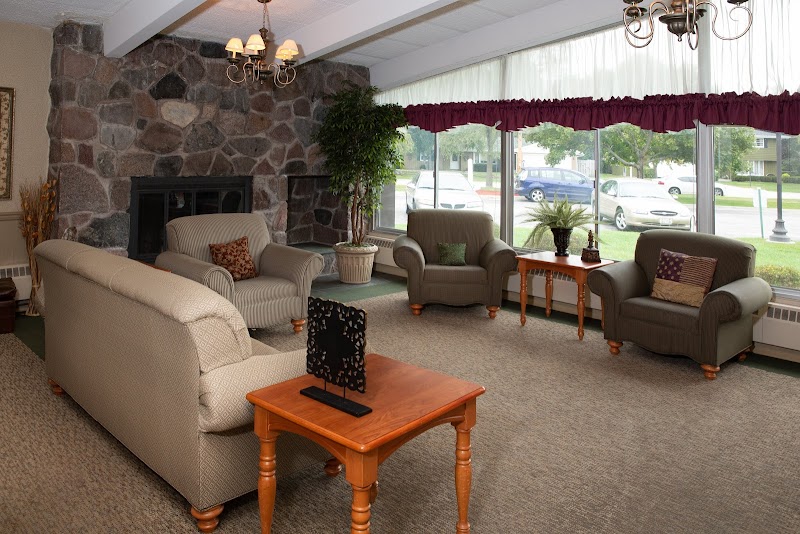
CMS rates MORNINGSIDE HEALTH SERVICES's staffing level at 4 out of 5 stars, which is above average compared to other nursing homes. Staff turnover is 58%, which is 12 percentage points above the Wisconsin average of 46%. High turnover can affect care consistency as new staff learn residents' individual needs.

What Have Inspectors Found at Morningside Health Services?

State health inspectors documented 17 deficiencies at MORNINGSIDE HEALTH SERVICES during 2022 to 2025. These included: 17 with potential for harm.

Who Owns and Operates Morningside Health Services?

MORNINGSIDE HEALTH SERVICES is owned by a for-profit company. For-profit facilities operate as businesses with obligations to shareholders or private owners. The facility is operated by NORTH SHORE HEALTHCARE, a chain that manages multiple nursing homes. With 50 certified beds and approximately 23 residents (about 46% occupancy), it is a smaller facility located in SHEBOYGAN, Wisconsin.
How Does Morningside Health Services Compare to Other Wisconsin Nursing Homes?

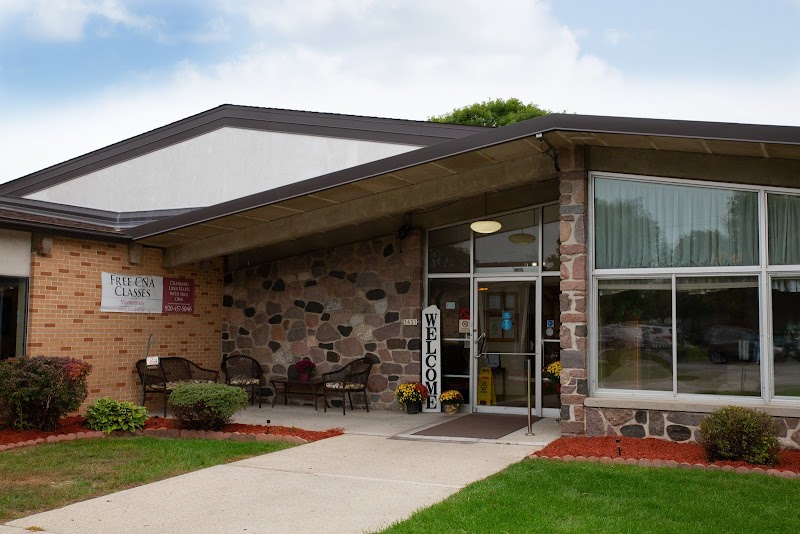
Compared to the 100 nursing homes in Wisconsin, MORNINGSIDE HEALTH SERVICES's overall rating (4 stars) is above the state average of 3.0, staff turnover (58%) is significantly higher than the state average of 46%, and health inspection rating (4 stars) is above the national benchmark.

What Should Families Ask When Visiting Morningside Health Services?

Based on this facility's data, families visiting should ask: "How do you ensure continuity of care given staff turnover, and what is your staff retention strategy?" "Can I visit during a mealtime to observe dining assistance and food quality?" "How do you handle medical emergencies, and what is your hospital transfer rate?" "Can I speak with family members of current residents about their experience?" These questions are particularly relevant given the facility's high staff turnover rate.

Is Morningside Health Services Safe?

Based on CMS inspection data, MORNINGSIDE HEALTH SERVICES has a clean safety record: no substantiated abuse findings (meaning no confirmed cases of resident harm), no Immediate Jeopardy citations (the most serious violation level indicating risk of serious injury or death), and is not on the Special Focus Facility watch list (a federal program monitoring the lowest-performing 1% of nursing homes). The facility has a 4-star overall rating and ranks #1 of 100 nursing homes in Wisconsin. While no facility is perfect, families should still ask about staff-to-resident ratios and recent inspection results during their visit.

Do Nurses at Morningside Health Services Stick Around?

Staff turnover at MORNINGSIDE HEALTH SERVICES is high. At 58%, the facility is 12 percentage points above the Wisconsin average of 46%. High turnover means new staff may not know residents' individual needs, medications, or preferences. It can also be disorienting for residents, especially those with dementia who rely on familiar faces. Families should ask: What is causing the turnover? What retention programs are in place? How do you ensure care continuity during staff transitions?

Was Morningside Health Services Ever Fined?

MORNINGSIDE HEALTH SERVICES has no federal fines on record. CMS issues fines when nursing homes fail to meet care standards or don't correct problems found during inspections. The absence of fines suggests the facility has either maintained compliance or corrected any issues before penalties were assessed. This is a positive indicator, though families should still review recent inspection reports for the full picture.

Is Morningside Health Services on Any Federal Watch List?

MORNINGSIDE HEALTH SERVICES is not on any federal watch list. The most significant is the Special Focus Facility (SFF) program, which identifies the bottom 1% of nursing homes nationally based on persistent, serious quality problems. Not being on this list means the facility has avoided the pattern of deficiencies that triggers enhanced federal oversight. This is a positive indicator, though families should still review the facility's inspection history directly.