PRESCOTT NURSING AND REHAB COMMUNITY
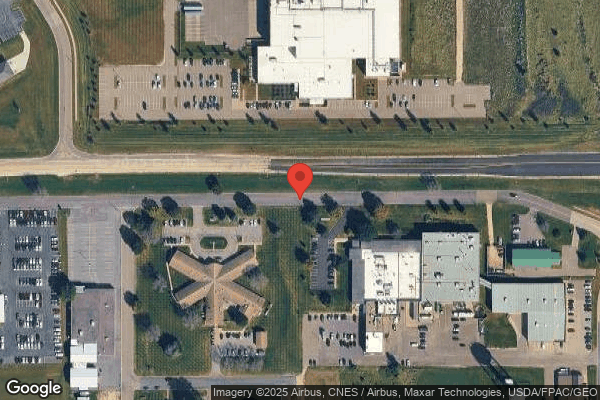
1505 ORRIN RD, PRESCOTT, WI 54021 (715) 262-5661
For profit - Limited Liability company 65 Beds ATRIUM CENTERS Data: November 2025 1 Immediate Jeopardy citation
Trust Grade
38/100
#236 of 321 in WI
Last Inspection: April 2025

Within standard 12-15 month inspection cycle. Federal law requires annual inspections.

Overview

Prescott Nursing and Rehab Community has received a Trust Grade of F, indicating significant concerns and a poor overall rating. Ranking #236 out of 321 facilities in Wisconsin places it in the bottom half, and it is #3 of 4 in Pierce County, meaning only one local option is rated lower. The facility's performance is worsening, with the number of issues increasing from 10 in 2024 to 12 in 2025. Staffing is a relative strength, earning a 4/5 star rating, although turnover is average at 54%. There have been serious incidents, including a critical failure to provide proper enteral feeding that resulted in a resident's death, and concerns about food sanitation practices that could affect all residents. While there are no fines on record, the overall trend and specific incidents highlight significant areas needing improvement.

Trust Score
F
38/100
In Wisconsin
#236/321
Bottom 27%
Safety Record
High Risk
Review needed
Inspections
Getting Worse
10 → 12 violations
Staff Stability
⚠ Watch
54% turnover. Above average. Higher turnover means staff may not know residents' routines.
Penalties
✓ Good
No fines on record. Clean compliance history, better than most Wisconsin facilities.
Skilled Nurses
✓ Good
Each resident gets 49 minutes of Registered Nurse (RN) attention daily — more than average for Wisconsin. RNs are trained to catch health problems early.
Violations
⚠ Watch
33 deficiencies on record. Higher than average. Multiple issues found across inspections.
★★☆☆☆
2.0
Overall Rating
★★★★☆
4.0
Staff Levels
★★☆☆☆
2.0
Care Quality
★★☆☆☆
2.0
Inspection Score
Stable
2024: 10 issues
2025: 12 issues

The Good

  • 4-Star Staffing Rating · Above-average nurse staffing levels
  • Full Sprinkler Coverage · Fire safety systems throughout facility
  • No fines on record

Facility shows strength in staffing levels, fire safety.

The Bad

2-Star Overall Rating

Below Wisconsin average (3.0)

Below average - review inspection findings carefully

Staff Turnover: 54%

Near Wisconsin avg (46%)

Higher turnover may affect care consistency

Chain: ATRIUM CENTERS

Part of a multi-facility chain

Ask about local staffing decisions and management

The Ugly 33 deficiencies on record

1 life-threatening
Apr 2025 12 deficiencies 1 IJ
CRITICAL (J)

Immediate Jeopardy (IJ) - the most serious Medicare violation

Tube Feeding (Tag F0693)

Someone could have died · This affected 1 resident

**NOTE- TERMS IN BRACKETS HAVE BEEN EDITED TO PROTECT CONFIDENTIALITY** Based on interview and record review, the facility did not ensure residents who were fed by enteral means received the appropria...

Read full inspector narrative →
**NOTE- TERMS IN BRACKETS HAVE BEEN EDITED TO PROTECT CONFIDENTIALITY** Based on interview and record review, the facility did not ensure residents who were fed by enteral means received the appropriate treatment and services to prevent complications for 1 of 1 resident (R) reviewed. (R33) R33 was not given enteral feeding nutrition as ordered; instead R33 received twice as much as ordered resulting in vomiting and aspiration, requiring suctioning and transfer to hospital on [DATE] where R33 expired on [DATE]. The facility's failure to properly monitor, assess, and correctly follow physician (MD) orders and treatments for enteral feeding resulted in resident receiving twice as much enteral feeding as ordered and created a finding of Immediate Jeopardy (IJ) that began on [DATE]. The state agency notified Nursing Home Administrator (NHA) A of the immediate jeopardy on [DATE] at 3:00 PM. The immediate jeopardy was removed on [DATE], however the deficient practice continues at a level D (potential for harm/isolated) as the facility continues to implement its action plan. This is evidenced by: Facility policy titled, Tube Feeding, with a reviewed date of 01/2025, states in part: Purpose: To provide nutritionally complete tube or parenteral feedings as ordered by the physician or the nourishment of residents who are unable to eat normally. When a resident requires special feeding techniques as ordered by the physician, the nursing and dietary departments are responsible for the adequate intake of nutritional support. Proficient management of tube feeders assures fewer complications and improved general health status .Problems with the administration of the tube feeding are monitored and corrected by nursing. Facility policy titled, Enteral Nutrition: Checking Residual Volume, with a reviewed date of 01/2025, states in part: Policy: When enteral nutrition is initially instituted, gastric residual volume is assessed every 4 hours until the resident demonstrates an ability to empty his/her stomach. After this time period, volume is tested in accordance with a physician's order. R33 was admitted to the facility on [DATE] with pertinent diagnoses of malignant neoplasm of sigmoid colon, diabetes mellitus type 2, hemiplegia and hemiparesis following cerebral infarction affecting left non-dominant side, dysphagia, and paroxysmal atrial fibrillation. R33's most recent Minimum Data Set (MDS) assessment completed on [DATE] noted a Brief Interview for Mental Status (BIMS) score of 14 indicating cognition is intact, R33 is able to make self understood, and is able to understand others. Special treatments given include tube feedings. R33's care plan, dated [DATE], with a target date of [DATE], states, Problem: R33 is at risk of complications due to use of feeding tube Sigmoid cancer . Goals: R33 will have all nutritional and hydration needs met. Resident will be free of complications related to feeding tube use. Interventions: Administer feeding and flushes as ordered .assess for complications: .lung aspirations, pneumonia, shortness of breath, displacement into lung, .respiratory problems .check for residual as ordered . On [DATE], Surveyor reviewed R33's physician orders and noted: Enteral Feeding: Formula Osmolite Strength: 1.5 Flow Rate: 300ml @ 295ml/hr over 60 minutes. Water flushes of 60ml before and after administration of feeding four times a day. Start date: [DATE] Ipratropium-albuterol solution for nebulization; 0.5mg-3mg (2.5mg base)/3ml; Administer 3ml via inhalation four times a day as needed for shortness of breath/wheezing. Start date: [DATE] On [DATE], Surveyor reviewed R33's nursing progress notes and noted: [DATE] at 10:14 PM, Res received PRN Duoneb at HS. Res has been mouth breathing. Mouth is wide open, and almost making a snoring sound. Effective. R 16. O2 sats 96 room air. HOB elevated. Lung sounds clear. No abdominal distention, or residuals. TF ran without difficulty along with water flushes and medications. [DATE] at 2:08 PM Resident was accidentally overfed this am as a limit had not been set on her feeding pump. She received over twice her normal feeding. Her noon feeding was held. She developed a gurgle and cough and was given an aerobika treatment along with a duo neb. [The Aerobika is a handheld breathing device used to help clear mucous from the airways. It works by using a combination of oscillating and positive expiratory pressure to help loosen and dislodge mucus, making it easier to cough.] Oral suctioning was not clearing her throat but after several attempts to clear it she did have an emesis. Suctioning was provided again immediately to help clear her mouth and throat and she did sound better. O2 97%, R 18; T 97.9; BP 120/82; P 64. Nurse Practitioner has been updated and a chest x-ray is going to be ordered. *Of note: review of MAR shows no administration of duo neb treatment. On [DATE], Surveyor reviewed R33's Medication Administration Record (MAR) and noted: [DATE], between the hours of 6:00 AM - 8:00 AM, R33's scheduled enteral tube feeding was not administered with a note stating, Not Administered: Due to Condition Comment: Overfed at AM time. [DATE], between the hours of 12:00 PM - 1:00 PM, R33 received 740ml of enteral feeding. On [DATE] at 10:36 AM, Surveyor interviewed Licensed Practical Nurse (LPN) D who administered the wrong dosage of enteral tube feeding on [DATE]. LPN D stated that he documented the timing incorrectly on the MAR and the excess tube feeding occurred during the scheduled 6:00-8:00 AM feeding and the 12:00-1 PM feeding was not administered. LPN D stated that at the time of this incident, no procedure/policy was in place for setting up the tube feeding machine, and the nursing staff all did so in different ways. LPN D stated that he set up and initiated R33's tube feeding sometime between 6-8 AM by clearing the volume previously infused on the machine and entering the ordered rate of 295ml/hr. LPN D stated he assumed the tube feeding limit was already set for the correct amount of 300ml to be administered and then the pump would stop infusing. LPN D did not verify this setting was in place. LPN D stated that he returned to R33's room at approximately 9 AM and observed the tube feeding was still infusing into the resident and he observed R33 coughing and making gurgling sounds. LPN D immediately stopped the tube feeding, completed suctioning multiple times, and administered an aerobika and duo neb treatment. LPN D stated this was not documented in the MAR due to the emergent situation. LPN D stated that R33 vomited and additional suctioning was required and when R33 appeared stable, LPN D then notified the provider, who was onsite at facility, of situation. LPN D stated the provider then assessed the resident. LPN D stated that he did not complete a lung sound assessment at any time after this incident occurred until the end of his shift at approximately 2:45 PM. [DATE], between the hours of 4:30 PM - 5:30 PM, R33's scheduled enteral tube feeding was not administered with a note stating resident refused. *Of note: Review of MAR for enteral feedings that began on [DATE] noted only one prior refusal of enteral feeding on [DATE] prior to this incident. [DATE] at 5:30 PM, order for chest x-ray stat 2 views for increased SOB cough after vomiting Not Administered: Other Comment: [Name of x-ray company] will be here 12-3 [DATE], between the hours of 8:30 PM - 9:30 PM, R33 received 300ml of enteral feeding. On [DATE], Surveyor reviewed R33's nursing progress notes and noted: [DATE] at 2:38 PM, Chest x-ray stat 2 views for increased SOB cough after vomiting. [DATE] at 5:52 PM, pulse 72, temp 97.5, resp 18, BP 115/65, O2 sats 97% [DATE] at 7:23 PM, NP updated x-ray scheduled for 1-3 and she stated fine. [DATE] at 9:56 PM, (IDT note), Medication error no harm [DATE] root cause: right medication wrong dosage of tube feed; 300ml (right) given 700ml (wrong) Interventions: vital signs, adverse reactions monitored, 6 rights of medications be reviewed by all nurses, safety medications check in serviced. X-ray, family, MD, DON notified. [DATE] at 10:05 PM, Resident refused afternoon feeding after feeling full. Night feeding of 300ml received well. No noted emesis. [DATE] at 12:52 AM, Noted change of condition with rale sound to lungs when resident breathing in. BP 110/60; P 72; R 20; T 98.7. Xray to chest stat was ordered today by [name] NP .not able to do them until 1-3 in the afternoon. Called [provider name] with an update and order to send to ER was given. [DATE] at 1:15 AM, Order to send resident to ER for eval and treatment. [DATE] at 1:32 AM, Resident transported to . hospital in St. [NAME]. *Of note: Surveyor was unable to locate any additional assessments of R33's lung sounds after overfeeding occurred on [DATE]. Surveyor was unable to locate any documentation of assessing R33's residual volume amounts since admission on [DATE]. On [DATE] at 7:52 AM, Surveyor interviewed hospital Nurse Manager (NM) K at [hospital name] in St. [NAME]. NM K stated that R33's hospital discharge summary noted admission to hospital on [DATE] and expired at the hospital on [DATE]. NM K stated R33's discharge summary noted no cause of death but reported contributing factors of aspiration pneumonia, dysphagia, and stroke. On [DATE] at 10:01 AM, Surveyor interviewed Director of Nursing (DON) B who stated the facility did not have a procedure/policy in place at the time of this incident for setting up tube feeding machine parameters to administer enteral feeding. DON B stated the facility did not have a procedure/policy in place at the time of this incident that clearly outlines nursing assessment expectations to include frequency and timing for residents with tube feedings who develop complications related to enteral feedings. On [DATE] at 12:59 PM, Surveyor interviewed DON B regarding assessment and documentation of residual volume checks with tube feedings. DON B stated it is an expectation for nursing staff to assess residual volume but was unable to find any documentation of this for R33. DON B stated that re-education for tube feedings, including the use of tube feeding machines, was completed after this incident but was unable to provide documentation. Surveyor asked if education and competency for tube feedings were completed prior to this incident. DON B stated yes but was unable to provide documentation of completed training/competency. The facility's failure to provide the necessary treatment and services for enteral feeding to prevent complications for a resident with an enteral feeding created a reasonable likelihood for serious harm, which created a finding of immediate jeopardy. The immediate jeopardy was removed on [DATE]; however, the deficient practice continues at a level D (potential for harm/isolated) as the facility continues to implement the action plan below: All licensed staff were educated on following of MD orders. All current and new staff educated on the specific tube feeding machine with competency for setting rate/length of run time. All staff educated on checking residual for placement prior to administration of tube feeding, checking placement of G-tube. All staff educated on change of G tube, need of RN assessment for possible dislodged G tubes. All staff educated on following MD orders, and for replacement or send to hospital for replacement, care provided to G tubes, care plan development for G tube. G tube/feeding policy is reviewed with medical director. Audit for G-tube care and administration completed by DON or designee, daily x 2 weeks, weekly x 8 weeks, monthly x 3 months. This will be reviewed with QAPI and will continue to follow recommendations.
CONCERN (D)

Potential for Harm - no one hurt, but risky conditions existed

Notification of Changes (Tag F0580)

Could have caused harm · This affected 1 resident

**NOTE- TERMS IN BRACKETS HAVE BEEN EDITED TO PROTECT CONFIDENTIALITY** Based on interviews and record reviews, the facility did not notify provider as indicated for blood sugars outside of desired pa...

Read full inspector narrative →
**NOTE- TERMS IN BRACKETS HAVE BEEN EDITED TO PROTECT CONFIDENTIALITY** Based on interviews and record reviews, the facility did not notify provider as indicated for blood sugars outside of desired parameters for 1 of 12 residents, (R) R7, reviewed. This is evidenced by: Facility policy titled, Notification of Change, with a reviewed date of 01/2025 states in part: The resident's physician and responsible party must be notified when an event involving the resident occurs or when the resident experiences a change in condition, potential discharge, room transfer or death .Some physicians may require different notification parameters for conditions such as blood glucose or other conditions. Please follow the physician's order in these cases. R7 was admitted to the facility on [DATE] with a pertinent diagnosis of diabetes mellitus type 2. R7's admission Minimum Data Set (MDS) assessment dated [DATE] noted medication administration of insulin injections and receives hemodialysis. R7's orders: 02/25/25: Insulin lispro 100 unit/ml give per sliding scale three times daily. Per sliding scale, subcutaneous, Three Times A Day, If blood sugar is less than 70, call MD. If Blood Sugar is 70 to 149, give 0 Units. If blood sugar is 150 to 199, give 2 Units. If blood sugar is 200 to 249, give 4 Units. If blood sugar is 250 to 299, give 6 Units. If blood sugar is 300 to 349, give 8 Units. If blood sugar is 350 to 399, give 10 Units. If blood sugar is greater than 399, give 12 Units. If blood sugar is greater than 399, call MD. 02/25/25: Notify physician for blood glucose readings less than 70mg/dL or greater than 300 mg/dL. On 04/01/25, Surveyor reviewed R7's blood sugars and noted the following: 03/26/2025 7:49 PM Blood Sugar: 366 mg/dL -provider not notified 03/26/2025 11:43 AM Blood Sugar: 312 mg/dL -provider not notified 03/25/2025 8:24 PM Blood Sugar: 417 mg/dL -provider not notified 03/24/2025 7:00 AM Blood Sugar: 327 mg/dL -provider not notified 03/22/2025 4:34 PM Blood Sugar: 378 mg/dL -provider not notified 03/22/2025 11:53 AM Blood Sugar: 302 mg/dL -provider not notified 03/21/2025 8:04 PM Blood Sugar: 435 mg/dL -provider not notified 03/16/2025 9:57 PM Blood Sugar: 327 mg/dL -provider not notified 03/16/2025 8:11 PM Blood Sugar: 434 mg/dL -provider not notified 03/16/2025 4:20 PM Blood Sugar: 399 mg/dL -provider not notified 03/16/2025 11:27 AM Blood Sugar: 344 mg/dL -provider not notified 03/15/2025 10:38 PM Blood Sugar: 310 mg/dL -provider not notified 03/15/2025 10:10 AM Blood Sugar: 377 mg/dL -provider not notified 03/14/2025 9:43 AM Blood Sugar: 368 mg/dL -provider not notified 03/12/2025 8:38 PM Blood Sugar: 378 mg/dL -provider not notified 03/11/2025 9:20 AM Blood Sugar: 533 mg/dL -provider not notified 03/08/2025 8:09 PM Blood Sugar: 380 mg/dL -provider not notified 03/08/2025 5:07 PM Blood Sugar: 311 mg/dL -provider not notified 03/08/2025 12:11 PM Blood Sugar: 370 mg/dL -provider not notified 03/08/2025 8:00 AM Blood Sugar: 381 mg/dL -provider not notified 02/27/2025 1:24 PM Blood Sugar: 325 mg/dL -provider not notified 02/27/2025 1:24 PM Blood Sugar: 325 mg/dL -provider not notified 02/27/2025 8:27 AM Blood Sugar: 328 mg/dL -provider not notified 02/27/2025 8:24 AM Blood Sugar: 328 mg/dL -provider not notified On 04/02/25 at 10:06 AM, Surveyor interviewed Director of Nursing (DON) B regarding notification of provider. DON B stated that nursing staff are expected to notify provider per order parameters. Surveyor asked DON B if nursing staff was aware of a separate order from the sliding scale insulin parameters for notification of blood sugars above 300 mg/dL. DON B stated yes, that nursing had to acknowledge this order on the Medication Administration Record (MAR). DON B was unable to provide rationale for not notifying provider of these blood sugars and stated re-education would be provided to nursing staff regarding provider notification.
CONCERN (D)

Potential for Harm - no one hurt, but risky conditions existed

Deficiency F0625 (Tag F0625)

Could have caused harm · This affected 1 resident

**NOTE- TERMS IN BRACKETS HAVE BEEN EDITED TO PROTECT CONFIDENTIALITY** Based on interview and record review, the facility did not provide written notice of bed-hold policy to the resident or their re...

Read full inspector narrative →
**NOTE- TERMS IN BRACKETS HAVE BEEN EDITED TO PROTECT CONFIDENTIALITY** Based on interview and record review, the facility did not provide written notice of bed-hold policy to the resident or their representative for 1 of 5 residents (R) reviewed for hospitalization. (R22) This is evidenced by: Facility's policy titled Bed Hold with the reviewed date of 01/25, documented in part, 1. The facility Social Worker or designee will provide a copy of the bed hold policy to the resident and/or the resident representative at the time of admission and again prior to a transfer due to hospitalization or therapeutic leave. The signed copies will be maintained in the resident's financial or personal file .3. In the event of an emergency transfer to a hospital, the facility social worker or designee will attempt to contact the resident or resident representative within 24 hours of the transfer and determine whether to hold the resident's bed. Documentation of the bed hold decision will be completed in the resident's medical record. The facility will document multiple attempts if necessary to reach the resident and/or resident representative in cases where the facility was unable to notify . R22 was admitted to the facility on [DATE] with diagnoses of surgical aftercare, non-st elevation myocardial infarction, pressure ulcer of right buttock stage 4, encephalopathy, narcolepsy, retention of urine, colostomy, diabetes mellitus type 2, major depression, epilepsy, quadriplegia, and multiple sclerosis. On 01/02/25, results from R22's urine culture returned, and antibiotics were ordered. The physician gave an order to send R22 to the hospital to be evaluated. R22 remained in the hospital until 02/04/25. Review of R22's medical record did not document a bed hold notice was given to R22 or R22's representative. On 04/02/25, Surveyor requested the bed hold notice given to R22. On 04/02/25 at 11:07 AM, Surveyor interviewed Director of Nursing (DON) B about the bed hold notice given to R22. DON B indicated the bed hold notice was not given to R22. On 04/02/25 at 12:01 PM, Surveyor interviewed Nursing Home Administrator (NHA) A about bed hold notice given to residents when transferred out of the facility. NHA A indicated the nurse is to provide the bed hold notice and business office would follow up if there was no notice provided. NHA A indicated the process will be reviewed.
CONCERN (D)

Potential for Harm - no one hurt, but risky conditions existed

Deficiency F0660 (Tag F0660)

Could have caused harm · This affected 1 resident

**NOTE- TERMS IN BRACKETS HAVE BEEN EDITED TO PROTECT CONFIDENTIALITY** Based on interview and record review, the facility did not implement an effective discharge plan with a focus on identifying res...

Read full inspector narrative →
**NOTE- TERMS IN BRACKETS HAVE BEEN EDITED TO PROTECT CONFIDENTIALITY** Based on interview and record review, the facility did not implement an effective discharge plan with a focus on identifying resident's need and an effective transition to post discharge care for 1 of 1 resident (R) who were ordered for discharge from the facility, R26. Findings include: Facility policy titled, Discharge/Transition Discharge Planning Process, dated reviewed on 01/2025 states in part, .Standard: All residents will have a discharge plan that supports a smooth transition to home or to the next care setting. The foundation of the plan will be developed for most residents at the time of admission. Procedure: 1. Social Services will facilitate the formulation of the discharge/transitional plan with resident, family, and interdisciplinary team. 2. Social Services will interview the resident and family after admission to determine their discharge and wellness goals. Form 3.6.A 3. The Social worker will develop the resident's initial discharge planning care plan to include the goals and plans. The care plan will be updated during care plan meetings and after the resident choice conversations that relate to discharge planning. 4. The Social worker coordinator will present the resident and or family with the Planning for Transition Pamphlet during the residents first care plan meeting, or within 30 days of discharge. 5. The Resident and or family will be asked to complete the Planning for Transition checklist within a few days after given to them. This should be returned to the social worker who uses information in planning transition. 7. Resident assessments are begun on the first day of admission and completed no later than the 14th day after admission. A baseline Care Plan will be initiated and completed within 48 hours from time of admission. A comprehensive Care plan is developed within 7 days of completing the resident assessment. 10. Within 30 days of discharge but not less than two weeks prior to discharge, the social worker will begin the discharge/transition process. The process includes the transitional location, ensuring that the residents needs will be met, scheduling needed appointments post discharge, home care, hospice care, transportation needs, and equipment needs . R26 was a rehabilitation admission to the facility on [DATE]. R26 had the following diagnoses: End stage renal disease, presence of aortocoronary bypass graft status post CABG x3, dependence on renal dialysis, type 2 diabetes mellitus with hyperglycemia, osteomyelitis of vertebra, lumbar region, and spinal stenosis. Surveyor reviewed R26's comprehensive care plan and Surveyor did not find a discharge care plan in place. Surveyor reviewed R26's progress notes: .-On 02/04/2025 at 1:29 PM, Care conference held today, son and spouse present with resident. Resident is here for short term PT (Physical Therapy) and OT (Occupational Therapy). Progressing well with therapy, will return home with in home therapy and services needed. Will determine what DME is needed. Plan is to return home in 2-3 weeks. -On 03/13/2025 at 10:41 AM, Writer tried to contact son again this morning to arrange a care conference for [R26]. Left another voicemail. Will continue to try to reach out. -On 03/20/2025 at 1:23 PM, Writer and Director of Nursing (DON) met with resident and his family today to discuss discharge planning during the care conference. Family had many questions regarding transportation to dialysis once discharged , DME, home health and his fistula surgery. Resident will return to facility after the fistula surgery for a day or two, and planned discharge date is 3/29/25. All agreed with the plan. I will reach out to [company name] for home health services for this patient and call ADRC to ask about transport options to dialysis. -On 03/26/2025 at 3:48 PM, Transportation options for R26 once discharged . ADRC - check in with her monthly. [PHONE NUMBER]. You are on a list in case a volunteer driver comes up in [NAME]. Their typical hours are 8-4:30 Monday through Friday. -On 03/27/2025 at 11:38 AM, Writer spoke with [company name] today. They have accepted him as a patient and will do an in-home visit on Tuesday, April 1. [company name] will call patient to set that up. -On 03/28/2025 at 3:46 PM, Writer received a call from the ADRC today. She is requesting that [R26] stay in facility due to transportation barriers to dialysis at 6 a.m. three days a week. She also mentioned that she was going to see [R26] at facility @1:30 on Monday, March 31, to help him fill out a Medicaid application. DON was going to have discussion with resident to update his care plan. -On 04/01/2025 at 11:06 AM, Writer spoke with ADRC in follow-up of [R26's] appointment. ADRC stated that [R26] decided to fill out a Medicaid Application and had a functional screening done. Goal is to enroll in Family Care program. [R26] does not have transportation to dialysis three times a week, so the ADRC asked if he could stay here until the Medicaid was approved. ADRC will keep us updated . Surveyor reviewed R26's PT notes: .-On 03/21/25, [R26] plan to discharge home next Friday. -On 03/25/25, [R26] does plan to return home end of this week. Notes: [R26] continues to have impaired judgement, he is determined to return to driving and community access. [R26] returned from home one day and did he fall at home. Prognosis: Discharge Home. Good with strong family support. Plan to discharge home this weekend . Surveyor reviewed R26's physician visit note: .-On 03/14/25, Physician visit was conducted for plans to be discharged from skilled facility on 03/29/25 . Surveyor reviewed R26's physician orders note: .-On 03/24/25, Orders sent to provider to sign for discharge orders. Anticipated discharge is on 03/29/25 . Observations and Interviews: On 03/31/25 at 12:43 PM, Surveyor interviewed R26 who had only one concern. R26 indicated that R26 was supposed to be discharged Saturday 03/29/25 but is still at the facility because R26 could not find services to help R26 get to and from dialysis for appointments once R26 was home. R26 stated, I am very upset as these services should have been figured out for me before it was time to discharge, and I want to go home. R26 indicated that Social Services just handed R26 a piece of paper with transportation phone numbers 3 days ago and was told to start calling the transportation services. On 04/02/25 at 12:49 PM, Surveyor interviewed Social Services (SS) C and asked SS C when does discharge planning begin for a resident who resides in the facility. SS C indicated care planning starts on admission for every resident. Surveyor asked SS C if SS C was familiar with the Discharge/Transition Discharge Planning Process policy the facility had in place. SS C indicated that SS C did not know the facility had a policy in place and has not seen the policy. Surveyor asked SS C if R26's discharge care planning started on admission for R26. SS C indicated that usually SS C will begin discharge planning at least two weeks before discharge date . SS C indicated that usually SS C will get home health in place or any other needed services. Surveyor indicated to SS C that R26 was to be discharged on 03/29/25 but is still residing in the facility. SS C indicated the plan was in place for R26 to discharge on [DATE] but R26 could not go home due to R26 not being able to drive self or find transportation to dialysis 3 times a week. SS C indicated that SS C did not know that residents are supposed to have a discharge care plan in place. SS C indicated that SS C called around to see if there was a volunteer that could transport R26 around and SS C indicated there was not a volunteer. SS C indicated that SS C gathered a list of options and wrote it down on paper for R26 to call around. SS C indicated that SS C gave this list to R26 a couple days before anticipated discharge of 03/29/25. SS C also called Aging, Disability, and Resource Center (ADRC) to have ARDC help with Medicaid application. Surveyor asked SS C if SS C ever initiated the discharge Form 3.6.A as per policy and gave the Planning for Transition pamphlet to R26 and R26's family. SS C indicated that SS C was unfamiliar with the Planning for Transition pamphlet and Form 3.6.A, and SS C did not initiate or deliver to R26 or R26's family.
CONCERN (D)

Potential for Harm - no one hurt, but risky conditions existed

Quality of Care (Tag F0684)

Could have caused harm · This affected 1 resident

**NOTE- TERMS IN BRACKETS HAVE BEEN EDITED TO PROTECT CONFIDENTIALITY** Based on observation, interview and record review, the facility failed to ensure residents received care and treatment in accord...

Read full inspector narrative →
**NOTE- TERMS IN BRACKETS HAVE BEEN EDITED TO PROTECT CONFIDENTIALITY** Based on observation, interview and record review, the facility failed to ensure residents received care and treatment in accordance with professional standards of practice for 2 of 12 residents (R) (R1, R24) reviewed. Staff did not remove sutures per provider orders for R24 or implement hospital discharge orders upon readmission for R24. Facility did not enter and administer physician orders for R1. Example 1 Findings include: Facility policy titled, Skin Care, dated reviewed on 06/2019 states in part, .1. Nurses will complete a skin body assessment upon admission/readmission, then weekly, and as needed. 2. Certified Nursing Assistant will inspect resident skin during bathing activities and report any irregularities or concerns to the licensed nurse evaluation. 3. Interventions will be implemented, and care planned to reduce risk of skin impairment. 4. Non-pressure related skin impairment will be assessed and documented upon admission, readmission, upon discovery, and weekly thereafter. Assessment may include size, location, type of wound, odor, drainage, peri-wound condition, wound edges, exudate, pain, symptoms of infection, and current treatment order . R24 was admitted on [DATE] with the following diagnoses: Unspecified severe protein-calorie malnutrition, unspecified dementia, displaced intertrochanteric fracture of right femur and fracture of right humerus, deep tissue injury to the right heel, and myasthenia gravis without exacerbation. R24's Minimum Data Set (MDS) assessment, dated 12/12/24, identified R24 required total dependent assistance of two people for bed mobility, taking on and off footwear, rolling left to right, sit to lying, chair to bed, toileting, and for transfers. MDS also indicated that R24 was determined to be at risk for PIs. Surveyor reviewed R24's Pressure Injury (PI) Care Plan initiated on 12/13/24: - Conduct a systematic skin inspection biweekly and as needed. -Report any signs of further skin integrity issues. -Certified Nurse Assistant (CNA) to observe skin integrity during cares. Surveyor did not find a specific care plan or interventions addressing R24's surgical incision on the right hip. Surveyor reviewed Hospital discharge physician orders: .-Surgical site on right hip, remove sutures 2-3 weeks after surgery. Remove by 12/05/24, skilled facility may remove . Surveyor reviewed R24's Electronic Health Record (EHR) of the facility's physician orders and did not find any information regarding removal of R24's sutures placed in the Electronic Health Record (EHR). Surveyor reviewed R24's progress notes: -On 12/27/2024 at 9:30 PM, [Recorded as Late Entry on 12/28/2024 at 12:19 AM], Alert charting: Resident admitted for right femur and right humerus fracture. -On 12/31/2024 at 1:05 PM, Chart Review: R24 has been a resident of the facility since 12/9/24. She is a DNR code status and a member of hospice. She did admit with trochanter fracture, humerus fracture, fall history, Myasthenia gravis, PI to right heel, and malnutrition. On 04/01/25 at 10:15 AM, Surveyor observed Certified Nurse Assistant (CNA) L go into R24's room. Surveyor observed CNA L reposition R24 from left side to back. Surveyor observed 5 sutures located on R24's right hip area. Surveyor asked CNA L what the stitches were for. CNA L indicated that R24 has had stitches in since admission from surgery to the right hip after suffering a fall at home. On 04/01/25 at 10:45 AM, Surveyor interviewed Licensed Practical Nurse (LPN) D and asked LPN D what is LPN D's process for performing a head-to-toe assessment on residents. LPN D indicated that LPN D's head to toe assessment consists of checking residents' skin after bath day that's usually once a week and assessing for any abnormal skin issues, breaks in skin, or pressure injuries. Surveyor asked LPN D if there are positive results on skin assessment then what does LPN D do with that information. LPN D indicated that LPN D would report the skin assessment to Director of Nursing (DON) B and all skin assessments are documented in the EHR. Surveyor asked LPN D if LPN D assessed R24 to have sutures in from R24's femur fracture surgery back in November. LPN D indicated to Surveyor that LPN D has not seen that R24 has sutures in place still. Surveyor requested LPN D check R24's skin with Surveyor present. LPN D rolled R24 over and removed brief. LPN D stated, Oh my, [R24] does have sutures still in place. Looks like there are about 5 sutures there. LPN D indicated to Surveyor the sutures should not still be there and they need to be removed. On 04/01/25 at 11:01 AM, Surveyor interviewed DON B and asked if DON B could explain why R24 still has sutures in R24's right hip from right femur hip surgery on November 26, 2024. DON B stated, I took sutures out myself when [R24] was admitted on [DATE], so [R24] should not have sutures in still. Surveyor asked DON B to follow Surveyor into R24's room so that DON B could assess the surgical site and see what DON B thinks. DON B viewed R24's right hip area and noted there to be several sutures left in R24's right hip. DON B indicated to Surveyor that R24's sutures should not still be in, and that DON B would get them removed as soon as possible. Surveyor asked DON B what is DON B's expectation for nursing staff to follow discharge orders from hospital and asked how that was missed. DON B indicated that DON B was unsure how the hospital discharge orders were missed. Surveyor asked DON B who oversees entering discharge orders into the EHR. DON B indicated that it is the charge nurse's job who is working that shift, or it is DON B's job to enter all orders into the EHR. Surveyor asked DON B how often skin assessments were completed for R24. DON B indicated that staff performs skin assessments weekly with R24. Surveyor asked if anyone has reported that R24 still had sutures in place from surgery in November. DON B indicated that sutures were not reported by any staff members. Surveyor asked what weekly skin assessments consist of for R24. DON B indicated that all staff are to be assessing R24's skin weekly and it starts with head-to-toe thorough skin assessments. It is documented in EHR with any abnormalities and then reported to DON B right away. DON B indicated that DON B did not know that R24 still had sutures in place. On 04/01/25 at 11:50 AM, DON B approached Surveyor and stated, I apologize. I did not realize there were two surgical incision sites, and back when I took the ones out on R24's right hip it was the lower set of sutures, and I guess I missed the upper set of sutures. DON B indicated that medical director was contacted and there are orders to remove the sutures right away today. On 04/01/25 at 1:23 PM, Surveyor observed DON B and Medical Doctor (MD) N assess R24's coccyx area. While MD N was trying to remove sutures from R24's right hip incision, Surveyor observed R24 reaching back trying to stop MD N and DON B from removing sutures. R24 stated, Ouch that hurts, Please stop, Please that alone, and Oww, that hurts bad, during the whole process of removal of 5 sutures. Surveyor observed R24 crying and begging for MD N and DON B to stop removing sutures. Surveyor observed MD N try to remove the very last suture out but could not as it was embedded deep. Surveyor observed DON B then try to remove the last suture. Surveyor observed DON B digging at the suture with the tweezers to try to grab it. Surveyor observed DON B finally get a hold of the suture and cut it. Surveyor observed R24 moaning in pain and trying to push DON B behind her to stop removing sutures. MD N confirmed that 5 sutures were removed, and MD N measured the suture openings. MD N indicated measurements were 0.6x0.6x0.3cm. Surveyor asked MD N if the sutures being embedded was normal. MD N indicated that sutures should not have stayed in for 5 months and should have been removed within the 2-3 weeks after surgery. Surveyor asked MD N what kind of post treatment will be applied to the surgical incision site after sutures were removed. MD N indicated that MD N will have DON B apply hydrogel. Example 2 According to the National Institutes of Health (NIH) Congestive Heart Failure (CHF): Nursing Diagnosis, 2023, indicates nurse assessment of CHF is to assess current symptoms such as dyspnea, fatigue, orthopnea, peripheral edema, vital signs, cardiovascular examination such as (abnormal heart sounds, jugular venous distention), respiratory examination such as (auscultate lung sounds for crackles or wheezing and assess respiratory effort), daily weights, edema assessments, dietary habits, weight changes, medication adherence and any side effects related to diuretics or blood pressure medications, and assess emotional well-being related to potential anxiety or depression related to the chronic nature of CHF. R1 was admitted to the facility on [DATE] with pertinent diagnoses of congestive heart failure, atrial fibrillation, and hypertension. R1's care plan dated 03/22/25, with a target date of 06/30/25, states: Problem: R1 is at nutritional/hydration risk related to .CHF, pulmonary hypertension, atrial fibrillation, recent CVA. Goals: R1 will have adequate nutrition/hydration with no signs/symptoms of fluid imbalance and no signs/symptoms of weight loss by next review. Interventions: weekly weight . R1's orders: 2/29/24 Monitor BID for fluid concerns. Chart level of edema and site of edema related to diuretic use. Special Instructions: Monitor BID for fluid concerns. Chart level of edema and site of edema related to diuretic use. Twice A Day 02/20/2025 Vital Signs every shift for 3 days (72 hours) following admission. Every Shift (d/c date) 02/23/2025 03/22/25 Weight weekly. Review of R1's hospital discharge orders on 02/20/24 noted: Additional After Hospital Orders .Vital Signs - Heart Failure Daily and more frequently as condition warrants -assess lung sounds daily . Weight Daily in AM Call physician if weight increases by 2 pounds in 24 hours or 5 pounds in 7 days from admission weight. Recommended discharge weight 151 lb. Review of R1's weights noted the following: 02/27/2025 148.2 lb 03/06/2025 147 lb 03/13/2025 142.2 lb 03/17/2025 148.8 lb 03/20/2025 151 lb 03/27/2025 149.2 lb Of note: no additional weights were noted during R1's record review. On 04/01/25, Surveyor reviewed R1's progress notes and no daily lung assessments were noted. On 04/02/25 at 9:04 AM, Surveyor interviewed Director of Nursing (DON) B regarding physician orders. Surveyor asked DON B if there was a procedure/policy for entering hospital discharge orders when a resident is admitted . DON B stated not having a written policy/procedure in place. Surveyor asked DON B who is responsible for reviewing and entering any admission orders for a resident. DON B stated he was. Surveyor asked DON B if he was aware that R1 had hospital discharge orders for 02/20/25 to have daily lung assessments and daily weights. DON B stated he was not and that he must have missed it.
CONCERN (D)

Potential for Harm - no one hurt, but risky conditions existed

Pressure Ulcer Prevention (Tag F0686)

Could have caused harm · This affected 1 resident

**NOTE- TERMS IN BRACKETS HAVE BEEN EDITED TO PROTECT CONFIDENTIALITY** Based on observations, interviews and record reviews, the facility did not ensure 2 of 3 residents (R24 and R11) reviewed for hi...

Read full inspector narrative →
**NOTE- TERMS IN BRACKETS HAVE BEEN EDITED TO PROTECT CONFIDENTIALITY** Based on observations, interviews and record reviews, the facility did not ensure 2 of 3 residents (R24 and R11) reviewed for high risk of Pressure Injury (PI) development received the necessary treatment and services to promote healing of existing skin impairments or prevent new pressure injuries from developing. - R24 is high risk for the development of PIs and has a stage 3 PI to the right heel. R24 was observed for 2 hours and 58 minutes in which she was lying in bed without staff offering or attempting to reposition and heels were not elevated as ordered. -Staff did not perform proper hand hygiene when applying topical prescriptions to R24's wound bed during wound dressing change. -Staff did not sanitize bedside tables for R24 and R11 during wound dressing change. This is evidenced by: Example 1 According to the National Pressure Injury Advisory Panel (NPIAP) 2019, page 115, . Repositioning and mobilizing individuals is an important component in the prevention of pressure injuries. The underlying cause and formation of pressure injuries is multifaceted; however, by definition, pressure injuries cannot form without loading, or pressure, on tissue. Extended periods of lying or sitting on a particular part of the body and failure to redistribute the pressure on the body surface can result in sustained deformation of soft tissues and, ultimately, in tissue damage . According to Wound Care Education Institute (2018), for immobile or bed bound individuals, a full change in position should be conducted a minimum of every two hours. Some individuals require more frequent repositioning due to their high-risk status. Facility policy titled, Pressure Injury Prevention and Care, dated reviewed on 06/2019 states in part, .5. C. Promote nutrition and hydration. F. Repositioning of residents; provision of required assistance as allowed and tolerated. I. Encourage and promote the elevation of resident heels when in bed and precent residents' feet from encountering foot board . R24 was admitted on [DATE] with the following diagnoses: Unspecified severe protein-calorie malnutrition, unspecified dementia, displaced intertrochanteric fracture of right femur and fracture of right humerus, deep tissue injury to the right heel, and myasthenia gravis without exacerbation. R24's Minimum Data Set (MDS) assessment, dated 12/12/24, identified R24 required total dependent assistance of two people for bed mobility, taking on and off footwear, rolling left to right, sit to lying, chair to bed, toileting, and for transfers. MDS also indicated that R24 was determined to be at risk for PIs. R24 has a Brief Interview of Mental Status (BIMS) score of 04/15 indicating severe impaired cognition. Surveyor reviewed R24's Pressure Injury (PI) Care Plan initiated on 12/13/24, last revised on 03/15/25: Resident admitted with a DTI to right heel with potential for infection and discomfort. - Turn and reposition every 2 hours and as needed including elevation of heels on pillows when in bed. -Encourage oral intake to promote good nutrition for skin integrity. - Keep resident off affected areas as much as possible. -Pressure reduction mattress. Specialty air mattress. -Supplement(s) as ordered. -Use pressure reduction devices for elevation of lower extremities/heels as needed. Surveyor reviewed R24's nutrition care plan initiated on 12/10/24, last revised on 04/02/25: Resident will receive food/fluids as tolerated for comfort. -Assist with meals as needed, needs cuing and assistance with meals in the dining room. -Supplements: Twice a day magic cups at afternoon and night snack, along with three times a day house nutrition shakes for increased intakes as tolerated for comfort. Surveyor reviewed the Braden Scale for Predicting Pressure Sore Risk Assessments completed for R24 and noted the most recent was dated 03/13/25, which scored 14. According to this assessment 13-14 indicate a moderate risk for the development of a PI. Surveyor reviewed R24's [NAME] notes from the wound clinic: -On 01/14/25, Plan of care recommendations to off-load wound, reposition per facility protocol, turn side to side in bed every 1-2 hours if able, pillow and pressure off-loading boot to right heel. -On 03/04/25, Plan of care recommendations pillow and pressure off-loading relieving boot. Surveyor reviewed R24's physician orders: -Three times a day house nutrition shakes at all meals. 7:00 AM-10:00 AM, 11:00 AM-1:30 PM, 4:00 PM-7:00 PM. - Twice a day magic cups at afternoon and night snack. Surveyor reviewed R24's weight measurements: -On 12/09/24, admission weight 111.4 pounds. -On 03/14/25, weight 88 pounds. Surveyor reviewed Dietician notes: -On 12/09/24, admission assessment: Provide staff assistance and encouragement with all meals. R24 was receiving twice a day Ensure, along with a fortified diet order d/t poor appetite per medical records (energy intake <75% of needs for >7 days). MLV on board for supplementation. Dentition noted to be poor. Monitor chewing/swallowing ability at this facility. Recommend a fortified diet, along with BID house nutrition shakes for increased nutrients. Provide staff assistance/encouragement with all meals and cutting up meats for increased intake. -On 02/06/25, Nutrition Update: R24 continues hospice care. Weight has declined 15 lbs over the past 2 months (96 lbs 1/26 vs 111.4 lbs 12/9). Weight loss is normal and anticipated with hospice care. Continue current diet textures in place. Provide nutrition supplements prn as desired by resident for comfort, and as tolerated for skin integrity. -On 03/21/25, Nutrition Update: R24 continues hospice care. Weight has declined 8 lbs over the past months (88.0 lbs 3/14 vs 96.0 lbs 2/9). Weight loss is normal and anticipated with hospice care. Continue current diet textures in place. Provide nutrition supplements prn as desired by resident for comfort, and as tolerated for skin integrity. Surveyor reviewed intake measurements from 12/09/24-04/01/25 and found inconsistency in documenting if R24 had meals or offered meals to promote healing of R24's PI of the right heel or to decrease further skin breakdown. Supplements were not documented as given or offered consistently three times a day and meals were not documented consistently of the percentage of food eaten or offered to R24. Observations consecutive time from 7:17 AM-10:15 AM. On 04/01/25 at 7:17 AM, Surveyor observed R24 lying in bed slightly on left side, pillow behind back, podus boots on but R24's feet lying directly on R24's air mattress. On 04/01/25 at 8:08 AM, Surveyor observed Certified Nurse Assistant (CNA) L walk down hallway with breakfast cart delivering breakfast room trays. Surveyor observed CNA L walk by R24's room and did not go into R24's room. Surveyor did not observe CNA L offer R24 breakfast/supplement shake. On 04/01/25 at 8:37 AM, Surveyor observed R24 lying in bed slightly on left side, pillow behind back, podus boots on but R24's feet lying directly on R24's air mattress. Surveyor did not observe any staff go into R24's room to reposition or offer breakfast/supplement shake. On 04/01/25 at 9:17 AM, Surveyor observed R24 lying in bed slightly on left side, pillow behind back, podus boots on but R24's feet lying directly on R24's air mattress. Surveyor did not observe any staff go into R24's room to reposition or offer breakfast/supplement shake. On 04/01/25 at 9:38 AM, Surveyor observed R24 lying in bed slightly on left side, pillow behind back, podus boots on but R24's feet lying directly on R24's air mattress. Surveyor did not observe any staff go into R24's room to reposition or offer breakfast/supplement shake. On 04/01/25 at 10:15 AM, Surveyor observed CNA L go into R24's room. Surveyor observed CNA L reposition R24 from left side to back. CNA L floated heels with a pillow and R24 has podus boots on. Surveyor observed CNA L exit R24's room. On 04/01/25 at 10:19 AM, Surveyor interviewed CNA L and asked how often is R24 supposed to be repositioned. CNA L indicated that since R24 is immobile staff should reposition R24 every 1-2 hours. Surveyor asked CNA L if R24's heels are supposed to be floated with pillow underneath podus boots. CNA L indicated that R24 should always have pillow under heels. Surveyor asked CNA L if R24 had eaten breakfast. CNA L indicated that R24 had not eaten breakfast. Surveyor asked CNA L if R24 was offered breakfast or R24's supplemental shake. CNA L indicated that CNA L delivered room trays for breakfast and did not go into R24's room to offer breakfast and probably should have. On 04/01/25 at 10:45 AM, Surveyor interviewed Licensed Practical Nurse (LPN) D and asked LPN D what is LPN D's expectation for repositioning residents who are dependent on cares and are at risk for skin breakdown. LPN D indicated that all residents should be repositioned every two hours. Surveyor asked LPN D if LPN D has been in R24's room between 7:00AM-10:45 AM. LPN D indicated that LPN D always completes cares and medication administration for R24 when LPN D comes on shift at 6:00 AM. Surveyor asked if R24 received supplemental shake at breakfast or was offered. LPN D indicated that LPN D went in around 6:15 AM or so but has not been in R24's room since. LPN D indicated that R24 only had a sip of water with pills. LPN D indicated CNAs should have offered breakfast to R24. On 04/01/25 at 11:19 AM, Surveyor interviewed Director of Nursing (DON) B and asked expectation for repositioning R24. DON B indicated that R24 should be repositioned and off loaded on pressure areas about every 2 hours. Surveyor asked what is DON B's expectation for offering or assisting dependent residents' meals such as R24 for breakfast. DON B indicated that sometimes R24 does not want to get up, but that CNA L should have at least offered breakfast to R24 and assist in room if need be. On 04/01/25 at 1:23 PM, Surveyor observed MD N and Director of Nursing (DON) B perform wound dressing change on R24. Surveyor observed DON B prepping R24's wound dressing supplies on top of treatment cart outside of R24's room. Surveyor observed DON B don gloves and then took gauze from package and set the supplies directly on the treatment cart. DON B then took the spray bottle, Santyl cream, and wound dressing to enter R24's room. DON B walked over to R24's bedside table and laid wound care supplies onto bedside table surface without wiping or disinfecting bedside table. DON B then laid a chuck pad down on bedside table and moved wound care supplies on top of the chuck pad. DON B applied Personal Protective Equipment (PPE), laid a clean chuck pad under R24's right heel and began removing R24's old dressing to the right heel. When MD N completed cleaning R24's right heel wound, DON B placed R24's uncovered wound on the contaminated chuck lying on the bed under R24's right heel. MD N instructed DON B to apply Santayl cream and calcium alginate dressing to R24's wound bed. DON B then changed contaminated gloves, sanitized in between, and applied new gloves. DON B then grabbed contaminated Santayl cream with left gloved hand, took top off with right gloved hand contaminating gloves. DON B then took index right finger and squeezed Santayl cream unto finger. DON B then took DON B's contaminated finger and wiped DON B's contaminated finger into R24's wound bed applying the Santayl cream. DON B then applied calcium alginate dressing and placed R24's podus boots back on. On 04/01/25 at 1:33 PM, Surveyor observed MD N assessing R24's left heel. MD N indicated to DON B to make sure staff continue to utilize podus boots and to continue to always elevate heels on pillows when R24 is lying in bed. On 4/2/2025 at 9:15 AM, Surveyor interviewed DON B and asked about wiping the treatment cart surface down on top before placing R24's wound supplies on the bare surface of the treatment cart. DON B indicated that the treatment cart should be wiped down in between each resident for wound cares. Surveyor asked what is DON B's expectation for sanitizing the bedside table in R24's room before placing wound care supplies onto surface. DON B indicated that DON B should have wiped down surface of bedside table before placing R24's wound care supplies on top of the table. Surveyor asked DON B to walk Surveyor through the correct process for applying Santyl cream to the wound bed. DON B indicated that if Surveyor is referencing DON B applying Santyl cream with DON B's finger, then DON B should not have done that and should have applied the Santyl cream to a clean Q-tip and then applied to the wound bed. Example 2 R11 was admitted on [DATE]. R11's Minimal Data Set (MDS) assessment indicates R11 is severely cognitively impaired with hallucinations and requires total assistance with eating, showering, personal cares, mobility, and position changes. R11 has a stage 3 pressure ulcer on his sacral region. Surveyor requested policy regarding wound dressing procedure and protocol, procedure and protocol not received. On 04/01/25 at 2:06 PM, Surveyor observed Licensed Practical Nurse (LPN) D enter R11's room to perform wound dressing change. LPN D had gloves on and was carrying dressing and medication tube. Surveyor observed LPN D take scissors out of his pocket, and with the wound supplies, laid it all down on R11's bedside table. LPN D never wiped off the scissors. Surveyor did not observe LPN D sanitize or wipe down bedside table or place a barrier, such as a chux, before laying wound supplies down. Surveyor observed LPN D grab contaminated scissors and cut xeroform dressing for R11's wound bed. LPN D prepared dressing for application by placing the open border gauze on dirty table, wound side was facing up. On top of that he placed the piece of xeroform LPN D had just cut, and on top of that LPN D applied Santyl. LPN D left the prepared dressing on the contaminated bedside table. LPN D then took off gloves, completed hand hygiene, and put on a gown and new gloves. LPN D then proceed to assist physician with resident positioning during his wound assessment. At end of physician assessment, LPN D proceeded to apply the prepared dressing waiting on the contaminated surface in one fluid move onto the wound bed of R11's sacral region. On 4/2/2025 at 4:28 PM, Surveyor interviewed Director of Nursing (DON) B. DON B stated his expectation is for staff to follow infection control practices. DON B stated that wound care is not a sterile procedure, but wound supplies should be kept clean and not placed on a dirty surface. DON B agreed equipment, such as scissors used in wound care, should be cleansed before using and between patients. 0n 4/2/25 at 6:15 PM, Surveyor interviewed LPN D regarding process for PI wound care and infection control. LPD D stated LPN D usually wipes down the bedside or places a barrier down before placing wound care supplies on table. LPN D was surprised to hear he had placed supplies on a dirty surface. LPN D stated I should have wiped down the surface or put a chux down or something.
CONCERN (D)

Potential for Harm - no one hurt, but risky conditions existed

Respiratory Care (Tag F0695)

Could have caused harm · This affected 1 resident

**NOTE- TERMS IN BRACKETS HAVE BEEN EDITED TO PROTECT CONFIDENTIALITY** Based on observation, interview and record review, the facility failed to ensure that services for a resident who needs respirat...

Read full inspector narrative →
**NOTE- TERMS IN BRACKETS HAVE BEEN EDITED TO PROTECT CONFIDENTIALITY** Based on observation, interview and record review, the facility failed to ensure that services for a resident who needs respiratory care, is provided such care, consistent with professional standards of practice, for 1 of 1 resident (R) R14 reviewed for respiratory assessment related to medication administration. R14 was administered a nebulizer treatment without a lung assessment completed prior to and after treatment. Evidenced by: Facility's policy titled Med Pass read in part, M. Nebulizer treatment administration.6. Assess pulse, respiratory rate, breath sounds, pulse oximetry before beginning treatment .12. Monitor patient's pulse, respiratory rate, breath sounds and pulse oximetry post treatment and as ordered by physician . According to the National Library of Medicine (2021), the standard of nursing care expected with small volume nebulizer treatment includes: .respiratory assessment pre/post treatment, respiratory rate, heart rate, and oxygen saturation. After treatment, the patient should be encouraged to cough and perform oral care. The patient's respiratory system should be reevaluated after the administration of inhaled medications to document therapeutic effects, as well as to monitor for adverse effects. R14 was admitted to the facility on [DATE] with a pertinent diagnosis of chronic respiratory failure. R14's orders included: 01/30/25: Budesonide suspension for nebulization; 0.5 mg/2 ml; amt: 0.5 mg; inhalation Special Instructions: Administer 1 neb twice per day for shortness of breath twice per day. Please rinse mouth with water after use. Do not swallow. 03/29/25: Perforomist (formoterol fumarate) solution for nebulization; 20 mcg/ 2 ml; amt: 20 mcg/ 2 ml (1 inhalation); inhalation Special Instructions: Monitor for worsening cough, wheezing, shortness of breath, or other COPD symptoms - DX: COPD, Twice a day. On 04/01/25 at 7:18 AM, Surveyor observed Licensed Practical Nurse (LPN) D poured Budesonide nebulizer suspension into R14's nebulizer canister on bedside table and gave mouthpiece to R14. LPN D turned on machine to start treatment and left room. RN C did not complete a lung assessment prior to starting nebulizer treatment. Review of R14's medical record did not document assessments or lung assessments prior or post nebulizer treatments. On 04/02/25 at 10:12 AM, Surveyor interviewed Director of Nursing (DON) B regarding assessments prior and post nebulizer treatments. DON B stated they would follow the physician's orders. Surveyor asked if they follow current standards of practice for nebulizer treatments. DON B stated was not aware of the standards. Surveyor asked if the resident is not assessed how would you know if the medication is working. On 04/02/25 at 6:00 PM, Surveyor interviewed LPN D regarding nebulizer treatments. Surveyor asked LPN D what the standard of practice is associated with administering nebulizers. LPN D stated that an assessment and lung sounds should be completed prior to and after treatment. Surveyor asked why assessments and lung sounds were not completed prior to treatment. LPN D stated was nervous at the time and did not complete the assessments.
CONCERN (D)

Potential for Harm - no one hurt, but risky conditions existed

Pharmacy Services (Tag F0755)

Could have caused harm · This affected 1 resident

**NOTE- TERMS IN BRACKETS HAVE BEEN EDITED TO PROTECT CONFIDENTIALITY** Based on observations, interviews and record reviews, the facility failed to provide pharmaceutical services related to the accu...

Read full inspector narrative →
**NOTE- TERMS IN BRACKETS HAVE BEEN EDITED TO PROTECT CONFIDENTIALITY** Based on observations, interviews and record reviews, the facility failed to provide pharmaceutical services related to the accurate administration of steroid inhaler to meet the needs for 1 of 1 resident (R) reviewed, R14. This is evidenced by: Facility's policy titled Med Pass read in part, M. Nebulizer treatment administration.14. If inhaled medication included steroids, have patient rinse mouth and gargle with warm water after treatment . R14 was admitted to the facility on [DATE] with a pertinent diagnosis of chronic respiratory failure. R14's orders included: 01/30/25: Budesonide suspension for nebulization; 0.5 mg/2 ml; amt: 0.5 mg; inhalation Special Instructions: Administer 1 neb twice per day for shortness of breath twice per day. Please rinse mouth with water after use. Do not swallow. On 04/01/25 at 7:25 AM, Surveyor observed Licensed Practical Nurse (LPN) D poured Budesonide nebulizer suspension into R14's nebulizer canister on bedside table and gave mouthpiece to R14. LPN D turned on machine to start treatment and left room. On 04/01/25 at 7:35 AM, Surveyor observed LPN D enter R14's room when nebulizer treatment was completed. LPN D gave R14 oral medication omeprazole with a cola drink. LPN D set-up the next nebulizer treatment and gave to R14. LPN D did not have R14 rinse mouth and spit out the mouth rinse after the nebulizer treatment of budesonide. On 04/02/25 at 10:12 AM, Surveyor interviewed Director of Nursing (DON) B regarding post steroid nebulizer treatment of rinsing mouth. DON B stated they would follow the physician's orders. Surveyor reviewed with DON B R14's physician order to rinse mouth with water and do not swallow. Surveyor reviewed the observation of LPN D administering oral medication right after the steroid nebulizer treatment. On 04/02/25 at 6:00 PM, Surveyor interviewed LPN D regarding rinsing mouth after nebulizer treatment. LPN D stated would follow physician's order. Surveyor reviewed the physician's order stating to please rinse mouth with water after use and do not swallow. LPN D stated R14 drank cola with medication after treatment. Surveyor reviewed the order again to rinse with water and do not swallow. LPN D stated this was not done.
CONCERN (D)

Potential for Harm - no one hurt, but risky conditions existed

Medication Errors (Tag F0758)

Could have caused harm · This affected 1 resident

**NOTE- TERMS IN BRACKETS HAVE BEEN EDITED TO PROTECT CONFIDENTIALITY** Example 2 R21 was admitted to the facility on [DATE] with current diagnoses of chronic osteomyelitis, peripheral vascular diseas...

Read full inspector narrative →
**NOTE- TERMS IN BRACKETS HAVE BEEN EDITED TO PROTECT CONFIDENTIALITY** Example 2 R21 was admitted to the facility on [DATE] with current diagnoses of chronic osteomyelitis, peripheral vascular disease, Parkinson's disease, restless legs syndrome and congestive heart failure. Review of R21's physician orders document on 02/13/25 trazodone tablet; 50 mg; amt: 50 mg; oral. Special instructions: Administer 50 mg once daily at bedtime for insomnia. Review of care plans identified no sleep hygiene care plan was developed with non-pharmacological interventions to promote sleep. Review of R21's medical record did not identify a sleep assessment with sleep patterns was completed prior to the start of medication and during use of the medication to determine the need for the medication or effectiveness of the medication. Review of R21's nursing progress notes documented on 02/11/25 at 3:12 PM, Res. requesting Trazodone 50 mg be reinstated. Portal message left for TCP requesting order due to res. c/o difficulty sleeping. Surveyor's review of R21's medical record identified no documentation of R21 having sleep disturbance prior to the start of trazodone on 02/13/25. On 04/02/25 at 10:21 AM, Surveyor interviewed DON B about the monitoring behavior for psychotropic medication. DON B indicated R21 is on trazadone and is monitored for side effects of the medication. Surveyor asked if resident is monitored for hours of sleep. DON indicated R21 is monitored if resident has sedation. Surveyor shared concern with DON B of no care plan developed with non-pharmacological interventions to promote sleep or sleep assessments to determine R21's sleep patterns. Based on observations, interviews and record reviews, the facility did not ensure they were monitoring the effectiveness of psychotropic drugs for 2 of 4 residents (R) (R14, R21). The facility did not complete behavior monitoring as outlined in the comprehensive care plan to determine adequate indication for use of antidepressant medications (duloxetine and buproprion) for R14. R21 receives trazodone, an antidepressant medication, for sleep with no adequate indication for use and no sleep hygiene care plan with non-pharmacological interventions to promote sleep. This is evidenced by: The facility policy, titled Behavioral Health Services, dated 1/2025, states: 7. Facility staff will implement person-centered care approaches designed to meet the individual goals and needs of each resident, which includes non-pharmacological interventions. Examples of individualized, non pharmacological interventions d. Indivdualizing sleep and dining routines The facility policy, titled Pyschotropic Medication Use, dated 1/2025, states: Residents are not given psychotropic medication unless the medication is necessary to treat a specific condition, as diagnoses and document in the clinical record. 1. Psychotropics medication include, but are not limited to: antipsychotics, antidepressants, anti-anxiety and hypnotics. 10. The resident response to the medication will be documented in the resident's medical record. 11. Use of psychotropic medication in specific circumstances: a. Acute or emergency situations b. Enduring conditions (i.e. non-acute, chronic or prolonged): i. The resident's symptoms and goals will be documented. Example 1 R14 was admitted to facility on 1/20/25 and has diagnoses that include peripheral vascular disease, unspecified, chronic respiratory failure with hypoxia, pressure ulcer of sacral region, stage 1, other amnesia, restless legs syndrome; no sleep, mental health or psychosis diagnosis listed. R14's Minimal Data Set (MDS) assessment, dated 1/27/2025, indicates that R14 has moderate cognitive impairment, with clear speech. R14 is able to make self-understood and understands others. R14's admission history and physical note on 1-23-25 states: Primary insomnia is reported stable. Currently on: trazadone 150mg. Major depressive disorder is reported stable. Currently on: duloxetine (Cymbalta/anti depressant) and bupropion. R14's physician orders include: Duloxetine capsule, delayed release 60mg once a day for pain started 1-20-25. Trazadone 150mg every day at bedtime for insomnia started 1-20-25 Bupropion 300mg once a day for depression started 1-20-25 Review of R14's care plan dated 2/4/2025 includes: Resident has DX of depression and anxiety and receives bupropion, duloxetine and trazodone. Resident is at risk for adverse side effects of psychotropic. start date 2/4/25 - last reviewed 2/24/25. Approach: Behavior monitoring log in place. Staff to document on any observed behaviors. Start 1-23-2025 No sleep hygiene care plan was developed with non-pharmacological interventions to promote sleep. Review of R14's medical record did not identify a behavior monitoring log implemented as outlined in care plan. On 4/1/2025 at 9:17 AM, Director of Nursing (DON) B stated that he could not find behavior monitoring sheets or an AIMS assessment (tardive dyskinesia assessment). On 4/1/2/2025 at 2:25 PM, DON B stated his expectations for residents taking psychotropic medications for any reason to have behavior monitoring and documentation. There should be a log. DON B stated anti-psychotic and anti-seizure medications should have monitoring and assessment for side effects also. There should be an AIMS or Tardive Dyskinesia assessment quarterly. DON B stated that R14's last assessment was 12/19/24. DON B stated it is overdue. Surveyor asked if it was missed. DON B said yes, it wasn't done on time so it would have fallen off the schedule.
CONCERN (E)

Potential for Harm - no one hurt, but risky conditions existed

Transfer Notice (Tag F0623)

Could have caused harm · This affected multiple residents

**NOTE- TERMS IN BRACKETS HAVE BEEN EDITED TO PROTECT CONFIDENTIALITY** Example 4 R22 was admitted to the facility on [DATE] with diagnoses of surgical aftercare, non-st elevation myocardial infarctio...

Read full inspector narrative →
**NOTE- TERMS IN BRACKETS HAVE BEEN EDITED TO PROTECT CONFIDENTIALITY** Example 4 R22 was admitted to the facility on [DATE] with diagnoses of surgical aftercare, non-st elevation myocardial infarction, pressure ulcer of right buttock stage 4, encephalopathy, narcolepsy, retention of urine, colostomy, diabetes mellitus type 2, major depression, epilepsy, quadriplegia, and multiple sclerosis. On 01/02/25, results from R22's urine culture returned, and antibiotics were ordered. The physician gave an order to send R22 to the hospital to be evaluated. R22 remained in the hospital until 02/04/25. Review of R22's medical record did not document a notice of transfer was given to R22 or R22's representative. On 04/02/25, Surveyor requested transfer notice given to R22 and notification sent to the ombudsman of R22's hospital transfer. On 04/02/25 at 11:07 AM, Surveyor interviewed Director of Nursing (DON) B about the notice of transfer given to R22 and notification sent to ombudsman. DON B indicated the transfer notice was not given to R22, and ombudsman notification of transfer was not sent. Example 5 R2 was admitted to the facility on [DATE] and current diagnoses include Lennox-Gastaut syndrome, hemiplegia and hemiparesis following cerebral infarction affecting left non-dominant, cognitive communication deficit, muscle weakness, dysphagia, aphasia, lack of expected physiological development, convulsions, and anxiety, On 03/27/25, R2 had convulsions with seizure like episode and was transferred to the hospital. R2 was admitted to the hospital and returned to the facility on [DATE]. On 04/02/25, Surveyor requested documentation of notification to ombudsman of R2's transfer to the hospital. On 04/02/25 at 11:07 AM, Surveyor interviewed DON B about notification sent to ombudsman of R2's transfer to the hospital. DON B indicated the ombudsman notification of transfer was not sent. On 04/02/25 at 12:01 PM, Surveyor interviewed Social Services (SS) C and Nursing Home Administrator (NHA) A about notification of resident transfers and discharges being sent to the ombudsman. SS C indicated she had minimal training and was not aware this had to be completed. NHA A indicated the notification to the ombudsman was not being completed and now this will be completed. Example 2 R1 was admitted to the facility on [DATE] with pertinent diagnoses of congestive heart failure, atrial fibrillation, and hypertension. Review of R1's Minimum Data Set (MDS) record noted discharge return anticipated on 01/22/25 and 02/17/25. Surveyor reviewed R1's record and noted the following: On 01/22/25, R1 was transferred to the hospital with urinary changes and was admitted to the hospital. R1 returned to the facility on [DATE]. On 02/17/25, R1 was transferred to the hospital with increased shortness of breath and admitted to the hospital. R1 returned to the facility on [DATE]. Surveyor reviewed R1's medical record and was unable to locate documentation to support R1 received a written notice of transfer or Ombudsman notification for 01/22/25 or 02/17/25. On 04/02/25 at 12:00 PM, Surveyor interviewed Nursing Home Administrator (NHA) A regarding written notice of transfers and Ombudsman notification. NHA A stated not being aware that Ombudsman notification was not being completed. NHA A provided Surveyor email communication with the Ombudsman noting no notices have been provided since 03/2023. Surveyor asked NHA A if there was a procedure/policy in place for staff to follow when transferring a resident to provide a written notice explaining the reason for transfer. NHA A provided Surveyor with the facility's transfer policy and stated not being aware that policy existed and did not know of the requirement to provide a written notice of transfer. NHA A stated he was under the assumption the bed hold had the reason for transfer stated. NHA A stated this was an oversight and will be corrected as soon as possible. Example 3 R33 was admitted to the facility on [DATE] with pertinent diagnoses of diabetes mellitus type 2, hemiplegia and hemiparesis following cerebral infarction affecting left non-dominant side, dysphagia, and paroxysmal atrial fibrillation. Review of R33's MDS record noted a discharge return not anticipated on 01/03/25. Surveyor reviewed R33's record and noted the following: On 01/03/25, R33 was transferred to the hospital with shortness of breath and vomiting and was admitted to the hospital. R33 did not return to the facility. Surveyor reviewed R33's medical record and was unable to locate documentation to support R33 received a written notice of transfer or Ombudsman notification for transfer/discharge. On 04/02/25 at 12:00 PM, Surveyor interviewed Director of Nursing (DON) B about the notice of transfer given to R33 and notification sent to ombudsman. DON B indicated the transfer notice was not given to R33, and ombudsman notification of transfer was not sent. Based on interview and record review, the facility did ensure notification in writing to the resident or resident representative, and the Office of the State Long-Term Care Ombudsman of residents' transfer or discharge from facility per regulation requirements. The facility practice affected 5 out of 5 residents (R) reviewed for the Office of the State Long-Term Ombudsman notice (R11, R1, R33, R22, R2), and 4 of 5 residents reviewed for transfer notice (R11, R1, R33, R22). Findings include: Facility policy titled, Resident Transfers and Discharge Notification, with a revised date of 04/20/20, states in part: Notice of Transfer or Discharge and Ombudsman Notification: For facility-initiated transfer or discharge of a resident, the facility must notify the resident and the resident's representative(s) of the transfer or discharge and the reasons for the move in writing and in a language and manner they understand .The facility must send a copy of the notice of transfer or discharge to the representative of the Office of the State Long-Term Care (LTC) Ombudsman. The medical record must contain evidence that the notice was sent to the Ombudsman. Example 1 R11 was admitted to the facility on [DATE] and has diagnoses that include type 2 diabetes mellitus with diabetic neuropathy, resistance to multiple antimicrobial drugs, a right side nephrectomy (removal of kidney), chronic kidney disease, frequent urinary tract infections and difficulty swallowing. Surveyor reviewed R11's record and noted the following: R11's record shows R11 discharged from facility to hospital with return anticipated on 2/21/2025. R11's nurses note indicated: 02/21/25 3:51 PM Resident has displayed an acute change of status today. He was unable to be awakened this AM to take his medications. Resident did not eat his breakfast this morning or his lunch this afternoon. He was not waking up to engage in conversation Bed hold signed with reason for transfer . 03/31/25 7:59 PM Resident return from hospital via ambulance around 1500 . Surveyor reviewed R11's medical record and notice of transfer section was not completed with combined bed hold document and notification was not sent to State Ombudsman of transfer. On 03/31/25 at 2:46 PM, Surveyor interviewed R11's Family Member (FM) G. FM G stated that she does not receive anything in writing when R11 is transferred to hospital. FM G stated I signed something but I did not know I should get a copy of the document (bed hold and transfer). On 4/2/25 at 10:13 AM, Surveyor interviewed Licensed Practical Nurse (LPN) H. LPN H stated if they have to transfer a resident, LPN H starts with getting vitals, asking about pain, and assesses the situation. LPN H stated LPN H would then communicate with physicians and report findings. LPN H gets the bed hold form completed with the resident or their family, they can sign or tell us verbally. LPN H stated that form goes with the resident, and it comes back with the resident. On 4/2/25, at 12:00 PM, Surveyor interviewed Nursing Home Administrator (NHA) A and Social Services (SS) C regarding Ombudsman notifications and transfer notices. NHA A stated that Ombudsman notification has not happened since March 2023. SS C stated SS C was not aware this was required. NHA A stated the nurse would complete transfer/bed hold form and should complete the reason for transfer section, and the business manager would follow-up to ensure the form was completed. On 04/02/25 at 1:07 PM, Surveyor interviewed Director of Nursing (DON) B. DON B stated the process for transfers is for the nurse to assess, communicate with provider, complete the bed hold and transfer notice, make a copy for the business office and send out with paperwork. On 4/2/25 at 1:09 PM, DON B stated the ombudsmen notification of transfer was not sent for R11. DON B reviewed bedhold form with Surveyor and agreed the transfer notice was missing also.
CONCERN (F)

Potential for Harm - no one hurt, but risky conditions existed

Food Safety (Tag F0812)

Could have caused harm · This affected most or all residents

Based on observation, record review and interview, the facility did not prepare, store or distribute foods in a sanitary manner. The facility practices had the potential to affect all 29 residents. Ki...

Read full inspector narrative →
Based on observation, record review and interview, the facility did not prepare, store or distribute foods in a sanitary manner. The facility practices had the potential to affect all 29 residents. Kitchen staff did not complete monitoring of sanitation chemicals used to clean kitchen surfaces. Food items stored in the resident refrigerator on the unit were beyond use by dates. This is evidenced by: Facility policy titled, Sanitation Terminology, with a revised date of 01/25, states in part: Quaternary Solutions: a)Use of quat for food contact surfaces bucket: Add quat to water and test concentration in the water by using test strip. It should read 150-400 PPM on the chart. Facility dietary guideline posted on resident refrigerator titled, Unit Fridge, with no date, states in part: Sandwiches made from dietary expires 3 days after preparation. Example 1 On 04/01/25 at 7:44 AM, Surveyor observed red sanitation bucket with a rag inside. No log sheets were observed in kitchen area to document the level of chemicals used in the sanitation bucket. On 04/01/25, Surveyor reviewed the facility's logs titled, Three Compartment Sink Sanitation Log, for the period of 09/2024 - 03/2025 and noted the following: Each log sheet is sectioned by breakfast, lunch, and dinner and include areas to document the sanitizer solution level obtained from a chemical parts per million (PPM) strip, the water temperature, and initials of the person documenting. Each month reviewed had multiple dates missing all documentation for approximately half of the days in the month. On 04/01/25 at 12:14 PM, Surveyor interviewed Dietary [NAME] (DC) J regarding sanitation log. DC J stated the three compartment sink is not used for dishes or sanitizing, but a bucket is. DC J stated that each morning, the cook on-duty is expected to fill the sanitization bucket with water and sanitizer, use a test strip to check the PPM, and document the result on the Three Compartment Sink Sanitation Log. DC J was unable to provide reason as to why the log was not being filled out daily as expected. On 04/01/25 at 12:23 PM, Surveyor interviewed Dietary Manager (DM) I regarding sanitation log. DM I stated the kitchen staff is expected to test the PPM in the sanitation bucket, at minimum, three times daily and document the result on the log sheet. DM I stated not being aware that these logs were not being filled out completely. DM I stated recognition of the potential risk for food-borne illness that may result from not ensuring sanitation chemicals are at the proper levels. DM I stated that staff would be re-educated on this. Example 2 On 04/01/25 at 11:08 AM, Surveyor observed the resident refrigerator located in the copy room on the resident unit. Inside the refrigerator, Surveyor observed a clear tray with 6 half sandwiches in clear plastic baggies. The clear tray containing the sandwiches had a sticker on the front stating, Ham and cheese 3/26-3/30; PB&J 3/26-3/30. Surveyor observed 2 of the sandwiches had handwritten date of 3/29 in black marker and 4 sandwiches only had ham & cheese written on the outside of the baggie. Surveyor observed a white sheet of paper that noted, 3/24 PB & J and Ham and Cheese 3/28. On 04/01/25 at 11:27 AM, Surveyor asked Licensed Practical Nurse (LPN) H who was responsible for monitoring the expiration dates on the food in the resident refrigerator. LPN stated that kitchen staff dates and checks everything. On 04/01/25 at 11:58 AM, Surveyor interviewed Dietary [NAME] (DC) J about the unit refrigerator. DC J stated that kitchen staff and nursing share the responsibility for monitoring the food items and expiration dates. On 04/01/25 at 12:23 AM, Surveyor interviewed Dietary Manager (DM) I about the observations of expired food items. DM I stated that kitchen staff are responsible for dating the items for expiration when prepared and then ensuring the items for residents in the refrigerator on the unit are not expired. DM I stated frustration over expired items being in the refrigerator and stated kitchen staff would receive re-education on responsibilities of monitoring expiration dates.
CONCERN (F)

Potential for Harm - no one hurt, but risky conditions existed

Infection Control (Tag F0880)

Could have caused harm · This affected most or all residents

**NOTE- TERMS IN BRACKETS HAVE BEEN EDITED TO PROTECT CONFIDENTIALITY** Example 2 Facility's policy titled Enhanced Barrier Precautions with the reviewed date of 01/25, read in part, Enhanced barrier ...

Read full inspector narrative →
**NOTE- TERMS IN BRACKETS HAVE BEEN EDITED TO PROTECT CONFIDENTIALITY** Example 2 Facility's policy titled Enhanced Barrier Precautions with the reviewed date of 01/25, read in part, Enhanced barrier precautions (EBP) refer to an infection control intervention designed to reduce transmission of multidrug-resistant organisms that employs targeted gown and gloves use during high contact resident care activities .2. Initiation of Enhanced Barrier Precautions .b. An order for enhanced barrier precautions will be obtained for residents with any of the following: i. Wounds (e.g., chronic wounds such as pressure ulcers, diabetic foot ulcers, unhealed surgical wounds, and chronic venous stasis ulcers) and/or indwelling medical devices (e.g., central lines, urinary catheters, feeding tubes, tracheostomy/ventilator tubes) even if the resident is not known to be infected or colonized with a MDRO. R236 was admitted to the facility on [DATE] with pertinent diagnosis of gas gangrene. Review of physician orders documented: 03/27/25 Enhanced barrier precautions (targeted gown and gloves use) during high contact resident care activities. Every shift. 03/27/25 cefazolin recon soln; 1 gram; amt: 2 grams; intravenous Special Instructions: Administer 2 grams every 12 hours for gangrene of foot. On 04/01/25 at 9:01 AM, Surveyor observed a sign outside of R236's door stating EBP. In R236's room was a bin containing PPE. Surveyor observed Licensed Practical Nurse (LPN) D enter R236's room, apply gloves and sanitize the over the bed tray table. LPN D removed gloves and sanitized hands. LPN D wiped the top of the bottle of cefazolin with an alcohol wipe, mixed the medication, primed the IV tubing, and set the IV pump. LPN D washed hands and applied gloves. LPN D did not apply a gown. LPN D went to R236's right arm and removed the cap to the PICC line and sanitized the port with an alcohol wipe. LPN D continued to set up the IV medication. On 04/01/25 at 10:19 AM, Surveyor interviewed LPN D about R236 having EBP and asked what is to be done when administering medication with an IV. LPN D indicated he did not think it was needed to wear PPE to administer an IV. LPN D indicated he reviewed with Director of Nursing (DON) B what PPE is required. DON B informed LPN D that PPE was needed when administering IV therapy. On 04/02/25 at 10:12 AM, Surveyor interviewed DON B about EBP and what PPE is to be worn with IV therapy. DON B indicated LPN D did tell DON B of not wearing a gown when completing IV therapy. Example 3 R22 was admitted to the facility on [DATE] with diagnoses of surgical aftercare, pressure ulcer of right buttock stage 4, retention of urine, colostomy, quadriplegia, and multiple sclerosis. On 04/01/25 at 10:40 AM, Surveyor observed a sign outside of R22's door stating EBP. In R22's room was a bin containing PPE. Surveyor observed Certified Nursing Assistant (CNA) F not wearing PPE of gown or gloves while assisting to place R22's protective heel boots on and hand braces. CNA E entered room and assisted CNA F to position R22 by removing pillows and adjust bedding. CNA E was not wearing PPE. Surveyor observed CNA E empty R22's catheter bag. CNA E applied gloves and did not wear a gown and placed the graduate directly on floor. CNA E took the catheter bag out of dignity holder, alcohol wiped the port and emptied the urine into the graduate. CNA E used an alcohol wipe to clean the port and placed the port into the catheter bag holder. CNA E measured the urine of 525 ml and emptied into the toilet. CNA E wiped the graduate with a paper towel and placed back next to bed. CNA E gathered the garbage and brought to soiled utility room and washed hands. On 04/01/25 at 10:47 AM, Surveyor interviewed CNA E asking about the enhanced barrier precautions sign on R22's door. CNA E indicated she should have worn a gown when emptying the catheter. Surveyor asked when CNA E and CNA F were positioning R22 should PPE been worn. CNA E indicated PPE is to be worn whenever touching the resident. On 04/02/25 at 10:14 AM, Surveyor interviewed DON B about EBP and what PPE is to be worn when emptying catheter and positioning a resident. DON B indicated CNA E did tell DON B of not wearing a gown when completing catheter care. DON B indicated PPE should have been worn for those tasks. Based on observation, interview and record review, the facility did not establish and maintain an infection prevention and control program designed to provide a safe, sanitary, and comfortable environment and to help prevent the development and transmission of communicable diseases and infections. This had the potential to affect all 29 residents (R). -The facility did not have an infection surveillance process in place for a GI outbreak in March 2025. -Staff did not follow Enhanced Barrier Precautions (EBP) of wearing personal protective equipment (PPE) when providing IV medication administration for R236, when providing catheter care and positioning for R22, and when providing resident cares for R11. Findings include: Example 1 Surveyor reviewed Infection Control (IC) surveillance logs and found the facility identified the facility had an outbreak of Gastrointestinal virus labeled the Norovirus in March 2025, which affected 14 residents and 11 staff members. Surveyor reviewed surveillance logs for March and found data to be missing. Infection Preventionist who is also Director of Nursing (DON) B gave Surveyor all information pertaining to the identified GI outbreak in March. Surveyor reviewed GI outbreak logs which read, 15 residents were affected with symptoms of diarrhea and 10 staff members were affected with diarrhea. Surveillance logs were missing the type of test ordered, specimen collected, and date of collection if specimen was received. Surveillance logs were missing what type of isolation all residents and staff needed to be on and when the precautions were implemented. Surveillance logs were also missing when staff members were sent home and when they were told they could return to work. Resolution/well dates for residents and staff were not included in the surveillance log list. Surveyor could not find an outbreak map identifying on what wings the GI outbreak happened to decrease the spread. Surveyor could not find audits being performed by staff to decrease the spread of the GI outbreak. Surveyor could not find a thorough summary of the GI outbreak that identified the start of the outbreak or the end to the GI outbreak. Summary was very vague and did not specify the spread of infection or the resolution times of each infected resident/staff. The summary mostly talked about current uptick in Urinary Tract Infections and not information pertaining to GI outbreak. Interviews: On 4/2/2025 at 9:28 AM, Surveyor interviewed Director of Nursing (DON) B and asked about the GI outbreak that occurred in March 2025. DON B indicated that there was a GI outbreak in March that started with one resident at end of February and spread from there. Surveyor indicated to DON B that Surveyor did not find that information. DON B indicated that DON B did his best at tracking what he could. Surveyor asked DON B if the surveillance line list that was provided earlier all the information of the outbreak that DON B has. Surveyor asked why does the GI outbreak not have summary from start date, with who and when it ended, complete line list with type of test ordered, specimen collected, date of collection, what type of isolation all residents and staff needed to be on and when the precautions were implemented. The GI outbreak documentation did not confirm when staff members were sent home and when they were told they could return to work. The GI outbreak documentation did not confirm resolution/well dates for residents and staff. Surveyor indicated there was no map location to decrease the spread of infection and if there were audits being done for proper hand hygiene and PPE usage during the outbreak. DON B indicated that DON B should have tracked the GI outbreak better and does not have a formal process for tracking staff infections/sickness. DON B indicated that a facility map should have been utilized to decrease the spread, and infection surveillance should have all elements on the line list. Example 4 R11 was admitted on [DATE]. R11's Minimal Data Set (MDS) assessment indicates R11 is severely cognitively impaired with hallucinations and requires total assistance with eating, showering, personal cares, mobility, and position changes. R11 has a catheter and pressure ulcer stage 3 requiring Enhanced Barrier Precautions for infection control. On 04/01/25 at 2:14 PM, Surveyor observed LPN D after wound care, remove his gloves and gown, and perform hand hygiene. LPN D did not put on new gloves or a gown. LPN D proceeded to place R11's brief on, moving catheter tubing for fit, and finish cares without gloves or gown. On 4/2/2025 at 4:28 PM, Surveyor interviewed DON B. DON B stated his expectation is for staff to follow EBP and infection control practices. Residents with a wound or catheter require the extra precautions of a gown when providing cares. On 4/2/25 at 6:15 PM, Surveyor interviewed LPN D regarding use of EBP. LPN D stated that EBP means wearing a gown and gloves when you work with a resident who is on them. LPN D stated he should have used alcohol gel and put on new gloves and gown before touching R11's catheter, adjusting his brief, and assisting with cares.
Feb 2024 10 deficiencies
CONCERN (D) 📢 Someone Reported This

A family member, employee, or ombudsman was alarmed enough to file a formal complaint

Potential for Harm - no one hurt, but risky conditions existed

Deficiency F0583 (Tag F0583)

Could have caused harm · This affected 1 resident

**NOTE- TERMS IN BRACKETS HAVE BEEN EDITED TO PROTECT CONFIDENTIALITY** Based on observation, the facility did not close the privacy curtain to provide privacy during personal care to the resident's a...

Read full inspector narrative →
**NOTE- TERMS IN BRACKETS HAVE BEEN EDITED TO PROTECT CONFIDENTIALITY** Based on observation, the facility did not close the privacy curtain to provide privacy during personal care to the resident's abdominal/groin area for 1 of 1 sampled resident (R18). This is evidenced by: R18 was admitted to the facility on [DATE] and has diagnoses that include type 2 diabetes mellitus with diabetic neuropathy, unspecified, dysphagia, oral phase, pressure ulcer of sacral region, stage 2, pressure ulcer of left buttock, stage 2, retention of urine, and unspecified, muscle weakness (generalized). R18's Minimum Data Set assessment, dated 11/12/23, indicates R18 has a Brief Interview for Mental Status (BIMS) score of 99 (severe cognitive impairment)-resident unable to complete interview. On 02/12/24 at 9:15 AM, Surveyor observed R18. Surveyor observed R18 in bed lying on his back with the head of the bed rolled up. Surveyor attempted to interview R18, with no response. On 02/13/24 at 7:22 AM, Surveyor observed Certified Nursing Assistant (CNA) E and Director of Nursing (DON) B providing activities of daily living (ADL) care. During this observation, CNA E was washing R18's groin and abdominal fold area. The door to the room was closed, but the privacy curtain was not pulled. While CNA E was drying R18's abdominal/groin area CNA E asked DON B about R18's collagen powder for his abdominal folds. R18 has an order to apply collagen sprinkles to abdominal folds due to redness. DON B left the bedside and went to the door, opened the door and was talking with the nurse in the hallway about the powder. This exposed R18's groin/abdominal area to the hallway. DON B received the collagen powder from the nurse, closed the door and then went to R18's bedside and applied the powder. A few minutes later the door opened and Licensed Practical Nurse (LPN) Q came into the room, stood there for a few minutes and then left. At this point CNA E pulled the privacy curtain. A reasonable person would not want to have their private area exposed to the hallway and other residents and staff.
CONCERN (D)

Potential for Harm - no one hurt, but risky conditions existed

Comprehensive Care Plan (Tag F0656)

Could have caused harm · This affected 1 resident

**NOTE- TERMS IN BRACKETS HAVE BEEN EDITED TO PROTECT CONFIDENTIALITY** Based on record review, observation and interview, the facility did not ensure to develop and implement a comprehensive individu...

Read full inspector narrative →
**NOTE- TERMS IN BRACKETS HAVE BEEN EDITED TO PROTECT CONFIDENTIALITY** Based on record review, observation and interview, the facility did not ensure to develop and implement a comprehensive individualized care plan to meet the needs of the residents (R). R18's care plan was not developed for intermittent urinary catheterization and for incontinence of bladder and bowel. This occurred for 1 of 13 sampled residents (R18). This is evidenced by: R18 was admitted to the facility on [DATE] and has a diagnosis of retention of urine. R18's Minimum Data Set assessment, dated 11/12/23, Section H: Bowel and bladder indicates R18 is intermittingly catheterized, is frequently incontinent of bladder and continent of bowel. Currently R18 is not continent of bowel. On 02/13/24 at 2:42 PM, Surveyor reviewed R18's current comprehensive care plan. R18 did not have a care plan for intermittent urinary catheterization or urinary and bowel incontinence. R18 did have a care plan with the start date of 10/07/23 for an indwelling Foley catheter. R18 does not have an indwelling Foley catheter. On 02/13/24 at 7:22 AM, Surveyor observed Certified Nursing Assistant (CNA) E performing cares for R18. During observation of cares, Surveyor observed that R18 was incontinent of urine and bowel. Review of R18's intake & output report from 01/01/24 through 02/13/24 shows that R18 is marked by nursing staff as incontinent of bowel and bladder. On 02/14/24 at 7:10 AM, Surveyor reviewed R18's current care plan with historical data. Review of care plan received shows a care plan for indwelling Foley catheter with a start date of 10/7/23 and resolved date of 2/13/24 and a urinary/bowel incontinence care plan which includes intermittent catheterization with created date of 02/13/24. This is after Surveyor requested information. On 02/14/24 at 10:55 AM, Surveyor interviewed CNA I. CNA I stated that R18 is incontinent of both urine and stool and needs 2 assist every 2 hours because R18 does wet a lot and has sores. CNA I stated, We put barrier cream on him. [R18] does have a bandage the nurse puts on, but we don't put cream under that. Just put cream on the reddened areas.
CONCERN (D)

Potential for Harm - no one hurt, but risky conditions existed

Deficiency F0657 (Tag F0657)

Could have caused harm · This affected 1 resident

**NOTE- TERMS IN BRACKETS HAVE BEEN EDITED TO PROTECT CONFIDENTIALITY** Based on record review and interview, the facility did not review and revise the fall comprehensive care plan for 1 of 3 sampled...

Read full inspector narrative →
**NOTE- TERMS IN BRACKETS HAVE BEEN EDITED TO PROTECT CONFIDENTIALITY** Based on record review and interview, the facility did not review and revise the fall comprehensive care plan for 1 of 3 sampled residents (R) R239. Findings include: Record review identified that R239 was admitted to the facility on [DATE]. R239's diagnoses included, in part, displaced supracondylar fracture without intercondylar extension of the lower end of the right femur, subsequent encounter for closed fracture with routine healing, bilateral artificial knee, joint pain in the right knee, muscle weakness, opioid use, anxiety disorder, and asthma. R239's Brief Interview for Mental Status score (BIMS) was deemed 15, indicating cognition intact. Review of R239's record identified the following baseline care plan dated 01/25/24 indicated: R239 is the assist of one with gait belt and two-wheel walker for all transfers, assist of one with lower body dressing and toileting . Review of R239's comprehensive fall care plan last revised on 01/25/24 indicated: R239 is at risk for falls and subsequent injury related to weakness, fatigue, and history of falls with interventions in place . Surveyor reviewed the comprehensive fall care plan and no other revisions after falls for new interventions were implemented. Review of R239's initial fall risk assessment, dated 01/24/24, scored 10.0 indicating R239 is at moderate risk for falls. Review of R239's fall risk assessment dated [DATE] scored 18.0 indicating R239 is at high risk for falls. Review of R239's progress note indicates on 01/28/2024 at 3:04 PM, Resident was found on the floor trying to self-transfer in her room. Resident got up without assistance to her wheelchair and within five minutes was found on the floor. No injuries were noted. Resident was restless wanting to continually stand up. Resident speech has been slurred all day but that has been her norm since yesterday. Notified DON and he request medication review be done tomorrow. When sent a message via the provider TCP portal RN informed them to do that. The family was present right after the fall and they noticed the changes too. They informed me that they noted she was not taking her gabapentin at home. DON stated to possibly hold that med and possibly any narcotics. Review of R239's progress note indicates on 01/28/2024 at 11:53 PM, It was reported that Resident fell at 6:30 PM in the hallway. Resident reported that she stood up while attempting to get something off of NA/R cart. Res. has a small abrasion on the right knee. VSS, Neuros WNL's. Review of R239's progress note indicates on 01/29/2024 at 12:10 AM, Updated on call provider with TCP regarding Resident having 3 falls today and change in mental status. Resident has had an increase in confusion today and signs of delirium. Neuros are WNL's, equal strength bilaterally, Resident can state the town we are in, that the year is 2024, that the president is [NAME], and what her name and birthday are. Resident was making statements such as That's mine, I own it! while pointing to the nurses med cart. Res. also was attempting to open med carts drawers. While in bed, res. held the call light and stated, I use this to help me breath, right? Per NP TORB, Gabapentin will be decreased to 300mg three times a day. Clonazepam will be changed to prn as well as the Cyclobenzaprine. New order for UA/UC, may get clean catch or straight cath. new order for labs, CBC and CMP. Res. refused straight cath. this shift. Res. would like to get spec. via clean catch. Res. is usually inc. during noc. Review of R239's progress note indicates on 01/29/2024 02:27 AM Oncoming NOC Nurse was alerted by the previous shift that the resident had 4 falls today, the last one being unwitnessed, and that her cognitive status had changed. We also have been doing neuro checks and vitals currently at every hour d/t this. As the night progressed resident became more confused, ripped her colostomy bag off, and reported very bad head pain on the left temporal side of her head. Her speech also started to become a little slurred or garbled. EMS transport was requested for an ER evaluation. Resident is going to [hospital]. Message sent to DON; voicemail left for resident's emergency contact Sister with our callback number. Signed transfer notice and Bed hold form obtained. Face Sheet and Polst sent. Will do another update after I get the report from the ER. Review of R239's comprehensive fall follow-up progress note on 02/01/2024 states, in part, .Resident sustained four falls over the weekend, directly related to her change in cognitive status. Before admission, she had not received her medications for approximately 3 weeks. On Saturday, the resident sustained four falls between the 28th and 29th. After the second fall, it was recognized that due to her confusion, she may benefit from a lipped-edge mattress to help identify her parameters when in bed. After the resident fell again, staff reached out to TCP for an immediate comprehensive medication review. By morning on the 29th, there was further concern for the resident's delirium evidenced by yet another fall. This prompted the nurse on duty to call TCP for an order to send to the ER. All day on the 29th, the staff made resident 1:1 due to risk for injury. She was noted to grab items at the desk, lean forward in her chair, rip her ostomy bag off, and continue to slur her speech. By Tuesday, all symptoms appeared to have resolved and the resident was able to be taken off of 1:1. DON had a conversation with the resident about falls. She mentioned that during one of her falls, she was attempting to get to the bathroom by herself which was too far away. She felt she would benefit from a commode. DON delivered a commode that the resident has been using at the bedside. She was educated on the need to call for help to prevent falls. TCP was notified along with the resident's community PCP, and sister. Resident has not sustained any further falls since the weekend, and we strongly believe her prescribed medications were the root cause of the delirium and falls. On 02/12/24 at 9:44 AM, Surveyor interviewed R239 who indicated that R239 has fallen five times since admission and is unsure why. R239 indicated she has not had any injuries but a few bruises to her left arm and right knee. R239 indicated that the facility couldn't figure out what medications they were giving R239. R239 indicated that R239's bed is not right and R239 seems to slide out of bed if not careful. Surveyor observed the commode by R239's bedside. Surveyor interviewed R239 and asked if she transferred to the bathroom or used the commode. R239 indicated that R239 sometimes uses the regular bathroom but usually just uses the commode since it's hard to transfer herself to the bathroom and can never get help in time. On 02/13/24 at 6:38 AM, Surveyor observed R239 lying in bed sleeping, and commode by the bedside. On 02/13/24 at 8:33 AM, Surveyor observed R239 transfer herself from the bed to the wheelchair with no assistance. On 02/13/24 at 1:15 PM, Surveyor observed R239 lying in bed and R239 asked CNA C while staff were taking care of the roommate if CNA C could empty R239's commode as it needs emptying. CNA C stated to R239 that CNA C would complete this task when done with roommate. On 02/13/24 at 1:25 PM, Surveyor interviewed CNA C and asked what the expectations were of R239's transfer status and the use of the bedside commode. CNA C indicated that for as long as CNA C has worked here R239 has been independent and uses the call light if needs assistance like emptying the bedside commode of urine. R239 has a colostomy and sometimes we assist her with emptying that but R239 uses a commode for urinating. Surveyor asked CNA C if R239 has fallen in the past. CNA C indicated that CNA C is unaware of any recent falls. On 02/14/24 at 11:30 AM, Surveyor interviewed Regional Nurse Support O and asked if R239 was considered a fall risk and what expectations are for staff to assist R239 with care. Regional Nurse Support O indicated that R239 was at risk for falls and is assist of one transfer but had fall events near admission due to medication changes. Surveyor asked why the fall care plan was not updated for R239 after several falls occurred in two days. Regional Nurse Support O indicated she did not know the care plan was not updated with the intervention of the commode, and R239's care plan should have been updated to decrease the potential of further falls. Regional Nurse Support O indicated the facility expects staff to follow care plans and respond right away to assist all residents who need assistance.
CONCERN (D)

Potential for Harm - no one hurt, but risky conditions existed

Deficiency F0659 (Tag F0659)

Could have caused harm · This affected 1 resident

Based on observation, interview and record review, the facility did not ensure prescription medications were administered by qualified staff. Surveyor observed Certified Nursing Assistant apply prescr...

Read full inspector narrative →
Based on observation, interview and record review, the facility did not ensure prescription medications were administered by qualified staff. Surveyor observed Certified Nursing Assistant apply prescribed Nystatin powder to a resident's (R) skin for 1 of 1 observation. (R5) Findings include: On 02/13/24 at 10:00 AM, Surveyor observed Certified Nursing Assistant (CNA) C wash up and provide morning cares for R5. After CNA C washed and dried R5's skin, CNA C applied powder under R5's breasts. Surveyor asked CNA C what powder was applied to R5's skin. CNA C replied, nystatin powder. Surveyor visualized bottle and noted a prescription label with R5's name, the name of the medication nystatin powder, and instructions for administration. On 02/14/24 at 7:29 AM, Surveyor interviewed CNA E and asked if they ever applied any powder to R5's skin when providing morning cares. CNA E stated if R5 had redness under skin folds, there was a powder that CNA E put on after washing R5. CNA E did not know the name of the powder. On 02/14/24 at 8:21 AM, Surveyor interviewed R5 and asked what the staff was doing to take care of the redness R5 had under skin folds. R5 stated the staff put nystatin powder on the red rash areas after washing up. Surveyor asked which staff put the powder on. R5 stated either the nurse or the CNA, depending on who was helping bathing at the time. Surveyor reviewed R5's medical record and identified the following physician's order, dated 01/06/24: nystatin powder; 100,000 unit/gram; amt: to skin folds; topical Three Times A Day; 08:00 AM, 01:00 PM, 06:00 PM. Surveyor reviewed R5's Medication Administration Record (MAR) for February. The MAR identified on 02/13/24 nystatin was signed out as given by Registered Nurse (RN) D at 8:00 AM and 1:00 PM. On 02/14/24 at 9:36 AM, Surveyor interviewed RN D and asked who administered R5's nystatin powder. RN D stated because of where the powder needed to be applied, they sometimes had the CNA apply the nystatin powder during the morning bath or routine incontinent cares. RN D stated the CNA did apply the nystatin during R5's morning bath yesterday. On 02/14/24 at 9:45 AM, Surveyor interviewed Director of Nursing (DON) B and explained the observation of CNA C applying nystatin powder to R5's skin yesterday during cares. DON B stated nystatin would be considered a prescription medication and should not be administered by a CNA. DON B stated all prescribed medications should be administered by a nurse.
CONCERN (D)

Potential for Harm - no one hurt, but risky conditions existed

ADL Care (Tag F0677)

Could have caused harm · This affected 1 resident

**NOTE- TERMS IN BRACKETS HAVE BEEN EDITED TO PROTECT CONFIDENTIALITY** Based on observation, record review and interviews, the facility did not ensure that 3 of 6 sampled residents (R) who are unable...

Read full inspector narrative →
**NOTE- TERMS IN BRACKETS HAVE BEEN EDITED TO PROTECT CONFIDENTIALITY** Based on observation, record review and interviews, the facility did not ensure that 3 of 6 sampled residents (R) who are unable to carry out activities of daily living received the necessary services to maintain good nutrition, grooming, and personal and oral hygiene. (R1, R3, and R6) R1 did not receive regular assistance with toileting or personal care. R3 did not receive regular assistance with personal care or repositioning every 2 hours as care planned. R6 did not receive regular assistance with turning and repositioning or bathing and personal cares Findings include: Example 1 R1 was admitted on [DATE]. R1 had the following diagnoses, in part: pneumonia, congestive heart failure, atrial fibrillation, type 2 diabetes mellitus with diabetic neuropathy, muscle weakness, urinary tract infection, overactive bladder, mixed incontinence, intervertebral disc disorder with radiculopathy lumbar region, and gout. R1's admission Minimum Data Set (MDS) assessment dated [DATE] indicates Brief Interview for Mental Status (BIMS) scored 15 which indicates cognitively intact. MDS stated in section GG (Functional abilities and goals) that R1's functional ability for toileting hygiene scored 01 (Dependent-Helper does all the effort, resident does none of the effort to complete the activity). R1's ability to sit to stand scored 01. R1's toilet transfer ability scored 01. R1's baseline nursing care plan, dated 01/06/24, stated in part, for alteration in Activities of Daily Living (ADLs): .Assist of 2 with EZ stand for transfers, extensive assist of 1 with dressing/grooming/hygiene, keep call light within reach . R1's comprehensive nursing care plan, revised 01/25/24, stated in part, for risk of skin breakdown due to a decrease in mobility due to physical decline: . keep clean and dry as possible, minimize skin exposure to moisture, keep linen clean, dry and wrinkle-free, provide incontinence care after each incontinent episode, use moisture barrier product to peri area . On 02/12/24 at 11:50 AM, Surveyor observed Physical Therapist (PT) P wheel R1 down the hallway to the outside of the room and park R1 in the hallway. Surveyor observed R1 to have wet spots on the bottom of the shirt and in the middle area of the pants. On 02/12/24 at 11:56 AM, Surveyor observed Certified Nurse Assistant (CNA) H take R1 into the room. R1 stated to CNA H that R1's pants were wet with urine and R1 needed to be changed. CNA H asked R1 if R1's pants were wet with urine. R1 stated again to CNA H, Yes my pants are soaked with urine, and I am going to need a new pair of pants and to be changed. CNA H grabbed a set of new clothes and laid the clothes on R1's bed. CNA H stated to R1, You will have to wait because it is lunchtime. CNA exited R1's room. On 02/12/24 at 12:02 PM, Surveyor entered R1's room. Surveyor observed no call light in reach and across the room lying on the recliner. R1 appeared to be in distress. Surveyor introduced herself and asked how R1 was feeling. R1 indicated that she is upset and in distress because she is wet and soaked through her clothes. Surveyor observed a wet spot on R1's shirt at the bottom and wet on R1's pants. Surveyor observed the wetness to be soaked through to R1's wheelchair cushion in the front. R1 indicated that she had incontinent urine from earlier when in rehab services. R1 stated, It started leaking out unto clothes while exercising. R1 stated, [PT P] wiped down my wheelchair for me while I was exercising. On 02/12/24 at 12:42 PM, LPN J entered R1's room to give medications. R1 requested to be changed before the nurse gave medications. Licensed Practical Nurse (LPN) J stated to R1 that LPN J only has two aides in the entire building and R1 will need to give LPN J a little bit before LPN J can assist. R1 appeared frustrated but stated, Ok. On 02/12/24 at 12:43 PM, Surveyor observed Registered Nurse (RN) K deliver R1's lunch tray. Surveyor observed R1 tell RN K that she was wet and needed assistance. RN K stated she would find some help. On 02/12/24 at 12:50 PM, Surveyor observed LPN J enter R1's room with an EZ stand and assist R1 to the bathroom by herself. On 02/12/24 at 12:59 PM, Surveyor interviewed LPN J and asked what the process would be when the facility is short on finding help to get to residents who have urinated or need assistance. LPN J indicated that residents don't usually have to sit long but the facility is very short today. LPN J indicated LPN J usually doesn't tell residents about how staffing is but R1 gets very anxious, so LPN J felt it was best to explain why care was taking so long to tend to. On 02/12/24 at 3:48 PM, Surveyor interviewed PT P and asked if R1 had asked to use the bathroom while in PT. PT P indicated that R1 had stated R1 had an accident, but that staff could clean R1 when R1 got back to the room. PT P indicated that PT P cleaned R1's wheelchair cushion a little with a washcloth and brought R1 back to R1's room, but staff were occupying the room helping the roommate to the bathroom, so PT P left R1 outside the hall until CNAs brought roommate out. PT P parked R1 beside the outside door. On 02/13/24 at 7:04 AM, Surveyor observed R1 lying in bed awake staring at the ceiling. On 02/13/24 at 9:02 AM, Surveyor observed R1 lying in bed awake. R1 was sitting up at a 45-degree angle, eating breakfast in the room while in bed. On 02/13/24 at 10:15 AM, Surveyor observed R1 still lying in bed. Surveyor interviewed R1 and asked why still in bed. R1 indicated she is unsure, that the facility stated she will be moving down D hall and facility will get R1 up when they move R1 down to the new room. R1 indicated R1 is wet and needs to be changed before R1 gets up for the day. Surveyor asked R1 if she had let the staff know that she needed to be changed. R1 indicated she told staff when they delivered the room tray, but they said they would come back. R1 turned the call light on, and Surveyor exited the room. On 02/13/24 at 10:22 AM, Surveyor observed CNA C go into R1's room and asked R1 what she needed. R1 stated that she needed to be changed still. CNA C told R1 that she would go get her items that had been moved to R1's new room and get help to transfer R1 to sit-to-stand. On 02/13/24 at 10:46 AM, Surveyor observed CNA C and CNA E go into R1's room to help assist to the bathroom. CNA C and CNA E applied gloves and began getting R1 out of bed. CNA C and CNA E hooked sit to stand to R1 and lifted R1 out of bed. Upon lifting R1, R1 stated out loud, I am so sorry I don't know how wet my bed will be since I have been sitting like this since I was last checked at 5 am. Surveyor observed R1's soaker pad soaked with yellow urine and R1's brief sagging to R1's knees. CNA C stated, The brief is wet and will need to be changed. CNA C and CNA E transferred R1 to the bathroom to use the toilet. CNA C raised R1 off the toilet and Surveyor observed redness in the coccyx area. Surveyor did not observe CNA C apply barrier cream to R1's bottom area on the coccyx. On 02/14/24 at 11:30 AM, Surveyor interviewed Regional Nurse Support O and asked what expectations are for staff to assist with the care of residents who need care performed or cares are requested for total dependent residents. Regional Nurse Support O indicated the facility expects staff to respond right away or get help to assist when appropriate. Regional Nurse Support O indicated that Regional Nurse Support O would hope that if a resident asks a staff member for help to the bathroom or to be changed that staff performs this duty. Example 2 R3 was admitted to the facility on [DATE] with diagnoses including, in part, Lennox-gastaut syndrome, dysphagia, heart failure, and hypertension. R3's quarterly Minimum Data Set (MDS) assessment dated [DATE] indicated in section GG, that R3 had impairment on both sides of both upper and lower extremities in functional limitation in ROM. R3's self-care with mobility with rolling left and right scored at a 02 (substantial/maximal assistance. Helper does more than half the effort), toileting, and oral hygiene scored at a 01, and upper and lower body dressing scored at a 01. Support provided two assists with the Hoyer mechanical lift. R3's comprehensive nursing care plan revised 02/11/24, stated in part, for risk of skin breakdown related to inability to ambulate and increased need assistance with ADLs: .Keep clean and dry as possible, minimize skin exposure to moisture, provide incontinence care after each incontinent episode. Use moisture barrier product to peri area. Re-position every 2 hours both in bed and in the wheelchair . On 02/13/24 at 6:35 AM, Surveyor observed R3 lying in bed, sling under, bottom dressed, bed up high, and head of bed light on. On 02/13/24 at 6:55 AM, Surveyor observed R3 up in a wheelchair and taken to nurses' station to sit before breakfast. On 02/13/24 at 8:35 AM, Surveyor interviewed CNA C and asked when R3 was last changed and when ready could Surveyor observe R3's care. CNA C indicated that the night shift assisted R3 with morning care to help the day shift before they left at the end of the night shift before 6 am. On 02/13/24 at 10:02 AM, Surveyor observed R3 in the activity room sitting at the table. On 02/13/24 at 11:04 AM, Surveyor observed R3 up in a wheelchair sitting at the nurse's station. On 02/13/24 at 12:43 PM, Surveyor observed R3 in the dining room being assisted with lunch meal sitting in a wheelchair. On 02/13/24 at 1:08 PM, Surveyor observed CNA C wheel the Hoyer lift into R3's room. Surveyor observed R3 lifted in the air by the Hoyer lift and the wheelchair cushion was soaked with something wet. Surveyor observed R3's brown slacks to be soaked on the bottom. CNA C stated, I believe her pants are wet. Surveyor observed CNA C roll R3 from side to side. Surveyor observed R3's brown slacks and briefs to be soaked. CNA C cleaned R3 and changed to a new clean brief. Surveyor observed R3's buttock coccyx area to be red. On 02/13/24 at 1:20 PM, Surveyor asked CNA C if CNA C had been in R3's room to change R3 at all today and CNA C said, No, I am changing her now and grabbed you like requested. On 02/14/24 at 11:30 AM, Surveyor interviewed Regional Nurse Support O and asked what expectations are for staff to assist with the care of residents who need care performed or cares are requested for total dependent residents. Regional Nurse Support O indicated the facility expects staff to respond right away or get help to assist when appropriate. Regional Nurse Support O indicated that Regional Nurse Support O would hope that if a resident asks a staff member for help to the bathroom or to be changed that staff performs this duty. Findings include: R6 was admitted to the facility on [DATE] with the following diagnoses, in part: chronic kidney disease, stage 4; chronic obstructive pulmonary disease; and adult failure to thrive. R6 had recently made the decision to stop renal dialysis and was enrolled in hospice care on 01/26/24. R6's Significant Change Minimum Data Set (MDS) assessment, dated 02/02/24, identified R6 required partial/moderate assistance to roll from left to right in bed, move from sitting to lying, and moving from lying to sitting on the side of the bed. The MDS assessment also identified R6 required substantial/maximum assistance for shower/bath, toileting hygiene, and for dressing upper and lower body. On 02/12/24 at 10:56 AM, Surveyor observed R6 lying on his back in bed with head of bed elevated approximately 30 degrees and eyes closed. On 02/12/24 at 12:25 PM, Surveyor observed R6 lying on his back in bed with head of bed elevated approximately 30 degrees and eyes closed. A lunch tray was on the over bed table beside the bed. R6 was in the same position as observation earlier in AM. On 02/12/24 at 1:24 PM, Surveyor observed R6 lying on his back in bed with head of bed elevated approximately 30 degrees and eyes closed. R6 was lying in the same position as earlier observations. On 02/12/24 at 2:20 PM, Surveyor observed a Certified Nursing Assistant (CNA) from hospice enter R6's room and offer to wash him up and reposition. R6 refused the offer of assistance. Hospice CNA talked to R6 for a few minutes and then left the room. R6 was lying in the same position as earlier observations. Incontinence cares nor repositoning was provided. On 02/13/24 at 5:40 AM, Surveyor observed Licensed Practical Nurse (LPN) F enter room to empty R6's urine drainage bag. R6 was lying on his back in bed with head of bed elevated approximately 30 degrees. LPN F did not wake R6 or offer to assist to reposition. On 02/13/24 at 5:45 AM, Surveyor interviewed CNA G who stated they usually do not bother R6 during the night shift unless R6 puts on the call light. CNA G stated R6 will occasionally call when he wants the urine bag emptied or ostomy bag emptied. CNA G stated they do not make rounds and offer to assist R6 to reposition during the night. CNA G was not sure if R6 was able to reposition himself overnight. On 02/13/24 at 7:00 AM, Surveyor interviewed CNA H and asked if they assisted R6 with repositioning or washing up. CNA H stated they go in and turn R6 every 2 hours and per his request. CNA H stated R6 often refused their offers of assistance. CNA H stated they offer to provide a sponge bath but 99% of the time R6 refused assistance. CNA H stated they empty the urine bag and the ostomy bag, but that was about the only assistance they provided. Surveyor asked if R6 was able to wash himself, or if hospice staff provided bathing and skin care for R6. CNA H did not think R6 could wash himself any more and was not sure if the hospice CNA provided a bath. On 02/13/24, Surveyor conducted a continuous observation of R6's room from 8:45 AM to 12:33 PM: At 8:45 AM, Surveyor observed R6 lying on his back in bed with head of bed elevated approximately 30 degrees. R6 appeared to be in the same position as observation at 5:40 AM. A staff member brought a breakfast tray in and placed it on the over bed table beside the bed. R6 appeared to be sleeping with eyes closed. The staff did not wake R6 to inform him breakfast was ready and did not offer to set up tray. At 9:15 AM, Surveyor observed CNA E enter room R6's room. R6 was still in the same position as observation at 8:45 AM. CNA picked up breakfast tray and offered to assist R6 to wash up. R6 agreed to a sponge bath. CNA E exited R6's room and informed Surveyor that R6 agreed to a sponge bath. CNA E stated, We have to offer cares because you guys are here. At 9:33 AM, Surveyor asked R6 if Surveyor could observe CNA E provide personal cares and R6 agreed to this. During the observation of cares, R6 refused to allow CNA E to remove briefs and wash lower body. CNA E did assist R6 to sit on the edge of the bed briefly to wash R6's back. CNA E did not observe R6's skin on hips or tail bone under the briefs. CNA E assisted R6 to lay back on his back and covered legs and lower body with a sheet and blankets. R6's heels were lying directly on the mattress. CNA E did not visualize or inspect the skin on R6's feet or legs before covering R6 with the blankets. Surveyor asked CNA E how R6's feet were doing. CNA E then uncovered R6's feet and lifted R6's legs so Surveyor could visualize R6's heels. When CNA E completed cares for R6 at 9:45 AM, R6 was lying on his back with head of bed elevated at approximately 30 degrees. R6's heels were lying directly on the mattress. At 10:45 AM, R6 was lying in the same position since completion of sponge bath. No staff had entered room to assist or encourage R6 to change position and R6 had made no attempt to reposition self. R6 was visiting with a hospice staff member and reported nausea. Registered Nurse (RN) D responded to R6's room and gave R6 a medication. RN D did not offer or assist R6 with repositioning. At 11:45 AM, R6 was lying in the same position since completion of sponge bath. No staff had entered room to assist or encourage R6 to change position and R6 had made no attempt to reposition self. R6 appeared to be sleeping. At 12:33 PM, a staff member carried a lunch tray into R6's room and placed it on the table beside R6's bed. R6 appeared to be sleeping. The staff member did not wake R6 or offer to set up lunch tray. R6 was lying in the same position since completion of sponge bath. No staff had entered room to assist or encourage R6 to change position and R6 had made no attempt to reposition self. Surveyor reviewed R6's medical record and identified the following care plan, in part: Problem: Alteration in ADLs [Activities of Daily Living]- self care deficit r/t [related to] CKD [chronic kidney disease] and COPD [chronic obstructive pulmonary disease]. Goal: Resident will be clean and well groomed daily and will participate in cares to their fullest ability. Approaches: Ambulate resident with 2ww [2 wheeled walker] as he requests. Ambulation with 1 assist, gait belt and 2WW. Staff to assist with ambulation per resident request to gain strength. Assist of 1 for sitting to standing, gait belt and 2WW walker. Assist of 1 with dressing/grooming/hygiene every AM and HS. Extensive Assist of 1 with bathing as scheduled. Independent with eating after set up . Involve resident in care and decision making as much as possible. Resident and/or responsible party will be interviewed for their preferences of rising, bathing and activities . Surveyor reviewed R6's medical record and identified 2 CNA shower sheets. The first one, dated 12/02/23, stated no skin issues noted. The second CNA shower sheet, dated 12/23/23, stated Refused. Surveyor was unable to find any other documentation of bath, shower or assistance with washing in R6's medical record. On 02/14/24 at 9:45 AM, Surveyor interviewed Director of Nursing (DON) B and asked where to find documentation of bathing or showers for residents. DON B stated the bath/showers would be documented on the CNA shower sheets and scanned into Resident Documents on the medical record. Surveyor informed DON B there were only two CNA shower sheets on R6's medical record since R6 was admitted to the facility on [DATE]. DON B stated R6 often refused a shower. Surveyor asked where a bath or skin check would be documented if R6 received a sponge bath. DON B stated sponge baths and skin checks should be documented on the CNA shower sheet even if it is not a shower. DON B would look for documentation elsewhere to show a of bathing or skin care provided for R6. On 02/14/24 at 10:06 AM, DON B provided documentation from hospice showing evidence of the hospice staff offering bathing and cares. DON B stated when a resident was on hospice care their bathing and personal cares become a cooperative effort with the facility staff. Surveyor asked DON B if the facility staff should offer and provide bathing in addition to hospice staff. DON B confirmed facility staff should provide assistance with personal cares and bathing between hospice visits. DON B was unable to find any other documentation of bathing or assistance with personal cares for R6. Surveyor reviewed the documentation provided from hospice. All of the visit notes were dated from 01/30/24 through 02/14/24. The hospice notes all documented R6 refused bed bath or cares, except on 02/09/24. That date R6 received a bed bath, shave and nail care. There was no other documentation provided to show R6 received assistance with bathing, skin care, or personal hygiene.
CONCERN (D) 📢 Someone Reported This

A family member, employee, or ombudsman was alarmed enough to file a formal complaint

Potential for Harm - no one hurt, but risky conditions existed

Quality of Care (Tag F0684)

Could have caused harm · This affected 1 resident

**NOTE- TERMS IN BRACKETS HAVE BEEN EDITED TO PROTECT CONFIDENTIALITY** Example 2 According to the National Institutes of Health (NIH) Congestive Heart Failure (CHF): Nursing Diagnosis, 2023, indicate...

Read full inspector narrative →
**NOTE- TERMS IN BRACKETS HAVE BEEN EDITED TO PROTECT CONFIDENTIALITY** Example 2 According to the National Institutes of Health (NIH) Congestive Heart Failure (CHF): Nursing Diagnosis, 2023, indicates nurse assessment of CHF is to assess current symptoms such as dyspnea, fatigue, orthopnea, peripheral edema, vital signs, cardiovascular examination such as (abnormal heart sounds, jugular venous distention), respiratory examination such as (auscultate lung sounds for crackles or wheezing and assess respiratory effort), daily weights, edema assessments, dietary habits, weight changes, medication adherence and any side effects related to diuretics or blood pressure medications, and assess emotional well-being related to potential anxiety or depression related to the chronic nature of CHF. R1 was admitted on [DATE]. R1 had the following diagnoses, in part: pneumonia, congestive heart failure, atrial fibrillation, type 2 diabetes mellitus with diabetic neuropathy, muscle weakness, urinary tract infection, overactive bladder, mixed incontinence, intervertebral disc disorder with radiculopathy lumbar region, and gout. R1's baseline nursing care plan, dated 01/08/24, did not have a plan or interventions for potential fluid imbalance related to diuretic therapy. R1's comprehensive nursing care plan, revised 01/25/24, did not have a plan or interventions for potential fluid imbalance related to diuretic therapy. Review of R1's physician orders indicates daily weights once a day, furosemide 20 mg tablets orally administered 20mg every morning for congestive heart failure, furosemide 20mg administer 20 mg 2x daily if needed for edema. If weight gain of 5lbs overnight persistent x 2-3 days, resume 20mg twice a day until weight is down to 208lbs. Apply compression hose to bilateral lower extremities on a daily, ok to remove at night. Review of R1's daily weights indicate R1's weight increased by 8lbs in a month. On 01/06/24 admission weight of 211lbs, 01/09/24 208.8lbs, 01/10/24 208.6lbs, and 01/15/24 208lbs, 01/16/24 213lbs, 01/17/24 216.4, 01/31/24 211.6lbs, 02/03/24 215.3lbs, 02/09/24 217.8lbs. R1's weight on 02/13/24 was 219 lbs. Review of the nurse's initial nurse assessment on 01/06/24 indicated R1 had 3+ deeper indentation. 30 seconds to rebound edema in bilateral lower extremities. No other edema was noted. No other assessments were noted for congestive heart failure. Review of progress noted dated 02/14/24 indicates R1 was seen by NP for slight weight gain and orders were to increase furosemide 20mg tablet to give 2 tabs (40mg) by mouth daily in AM, BMP in one week with lab draw. On 02/13/24 at 10:46 AM, Surveyor observed Certified Nurse Assistant (CNA) C and CNA E go into R1's room. Surveyor observed R1 had edema in the lower extremities. R1 requested compression stockings to be placed right away as R1's legs hurt. R1 stated out loud that R1's legs have never been this big and it causes her to have a hard time lifting legs. Surveyor observed grab bars pushing against R1's thighs and Surveyor observed pitting edema in the upper thighs while R1 was sitting on the toilet. CNA E raised R1 off the toilet and indents on R1's thighs were observed. Surveyor observed lower legs swollen with severe edema. R1 requested again that stockings be placed on R1 as R1 can feel her legs swelling and she is gaining weight. R1 stated, I do not feel my medications are right for my edema. CNA C indicated that CNA C would let Registered Nurse (RN) know. On 02/14/24 at 8:37 AM, Surveyor interviewed RN D and asked what the process is for administering a diuretic and the assessment of edema. RN D indicated that RN D follows physician orders and unless there is a huge issue we assess by exception. Surveyor asked RN D if RN D was aware of the current swelling in R1's lower extremities. RN D indicated that she did not assess the lower extremities, so RN D is not aware. On 02/14/24 at 2:25 PM, Surveyor interviewed Director of Nursing (DON) B and asked about the process for how the nursing staff monitors a resident on a diuretic and for any increase in edema. DON B indicated that any resident on a diuretic is monitored by a dietician with the resident's weight. DON B indicated that R1 just received an increase in furosemide on 02/13/24 because R1's weight triggered the dietician. Surveyor stated to DON B that R1 has severe edema going from bilateral lower extremities into bilateral upper thighs. Surveyor asked DON B how staff assess for an increase in CHF symptoms. DON B indicated that R1's edema must have been missed by staff in the past report shift changes and staff wouldn't know to assess that unless there is a known problem. DON B did not indicate any process in assessing residents for further CHF decline. Surveyor stated to DON B that on R1's admission assessment, 3+ edema in lower extremities was noted to be an issue and R1's weights started creeping from 211-219lbs in the last month. DON B stated that R1 will now be on an increase in diuretics. Surveyor asked DON B if there are any other interventions or care plans for R1's diagnosis of congestive heart failure and edema concerning diuretic therapy. DON B indicated that there are no interventions or a plan in place for R1. Example 3 R3 was admitted to the facility on [DATE] with diagnoses including, in part, Lennox-gastaut syndrome, dysphagia, heart failure, and hypertension. R3's quarterly Minimum Data Set (MDS) assessment dated [DATE] indicated in section GG (Functional abilities and goals) that R3 had impairment on both sides of both upper and lower extremities in functional limitation in ROM. R3's comprehensive nursing care plan, revised 02/11/24, stated in part, that for risk of skin breakdown related to the inability to ambulate and increased need for assistance with ADLs, the resident has an abrasion to the right hand and right 3rd toe avulsion requiring daily care. Working with wound Nurse Practitioner (NP) and therapy: Monitor that fingernails are not digging into palms of hands and monitor areas where skin touches the skin for skin breakdown. Keep clean and dry as possible and minimize skin exposure to moisture. Conduct a systematic skin inspection weekly . Review of physician orders indicates checking fingernails and ensuring they are clipped short enough to prevent injury to palms. Cleanse right hand with warm soapy water, apply bacitracin, and cover with foam dressing. Change every four days and as needed for abrasion. Right foot third toenail avulsion, cleanse with Hibiclens, apply Xeroform, kerlix. No shoes or teds until healed. Skin assessment weekly on Fridays. R3's initial skin assessment conducted on 09/12/23 by DON B indicated that R3's Braden Scale scored at 10.0 which indicated high risk for skin breakdown. Review of the skin assessment conducted on 01/12/24 by DON B indicated that R3's cut on the right palm healed. Review of R3's skin assessment conducted on 02/10/24 by DON B indicated that weekly skin check showed 3rd avulsion, under treatment. Review of R3's wound management notes documented by nursing staff in the facility indicated wound documentation on 12/31/23 at 1:38 PM identified R3 to have right-hand abrasion length measurements of 1.6cm x width 1.7cm red alteration in the skin. Another documentation note from 12/31/23 at 1:39 PM identified R3 to have right-hand abrasion length measurements 0.6cm x width 0.2cm red alteration in the skin. Then on 01/14/24 at 2:08 PM, abrasion healed. Review of wound management notes from the integrated wound care facility conducted on 12/28/23 states, in part, R3 was seen for assessment and treatment recommendations for self-inflicted abrasion to the right hand/palm or aspect due to hand contractures. R3 continues to work with Physical Therapy/Occupational Therapy, considering a soft device for hands to prevent pressure and risk of additional abrasions. Measurements length 0.6cm x width 0.2cm x depth 0. Instructions to keep nails trimmed and cleaned, cleanse the wound with normal saline, or warm soapy water. Pat dry, apply bacitracin to wound, and cover with foam dressing every 4 days and as needed. On 01/11/24 wound note states, in part, R3 was seen for assessment and treatment recommendations for self-inflicted abrasion to the right hand/palm or aspect due to hand contractures. The wound has resolved. R3 continues to work with Physical Therapy/Occupational Therapy, considering a soft device for hands to prevent pressure and risk of additional abrasions. On 02/12/24 at 2:45 PM, Surveyor observed R3 lying in bed. R3's fingers pressed deep into the palms of both hands and wrists contracted inwards towards the chest. Surveyor observed no hand/palm protection cushion device or hand brace to help with contracted hands. Surveyor did not observe a dressing on the right hand. On 02/13/24 at 6:35 AM, Surveyor observed R3 lying in bed. R3's fingers pressed deep into the palms of both hands and wrists contracted inwards towards the chest. Surveyor observed no hand/palm protection cushion device or hand brace. Surveyor did not observe a dressing on the right hand. On 02/13/24 at 6:55 AM, Surveyor observed R3 up in a wheelchair and taken to the nurses' station to sit before breakfast. R3's fingers pressed deep into the palms of both hands and wrists contracted inwards towards the chest. Surveyor observed no hand/palm protection cushion device or hand brace to prevent abrasions. Surveyor did not observe a dressing on the right hand. On 02/13/24 at 10:02 AM, Surveyor observed R3 in the activity room sitting at the table. R3's fingers pressed deep into the palms of both hands and wrists contracted inwards towards the chest. Surveyor observed no hand/palm protection cushion device or hand brace to prevent abrasions. Surveyor did not observe a dressing on the right hand. On 02/13/24 at 11:04 AM, Surveyor observed R3 up in a wheelchair sitting at the nurse's station. R3's fingers pressed deep into the palms of both hands and wrists contracted inwards towards the chest. Surveyor observed no hand/palm protection cushion device or hand brace to prevent abrasions. Surveyor did not observe a dressing on the right hand. On 02/13/24 at 12:43 PM, Surveyor observed R3 in the dining room being assisted with lunch meal sitting in a wheelchair. R3's fingers pressed deep into the palms of both hands and wrists contracted inwards towards the chest. Surveyor observed no hand/palm protection cushion device or hand brace. Surveyor did not observe a dressing on the right hand. On 02/13/24 at 1:08 PM, Surveyor observed CNA C take R3 to R3's room and lay R3 down in the bed. R3's fingers pressed deep into the palms of both hands and wrists contracted inwards towards the chest. Surveyor observed no hand/palm protection cushion device or hand brace to help with contracted hands. Surveyor did not observe a dressing on the right hand. On 02/13/24 at 3:30 PM, Surveyor observed RN D enter R3's room and perform hand washing. RN D applied gloves and performed hand hygiene. RN D washed R3's left hand and R3's right hand with a warm soapy washcloth. Surveyor did not observe a dressing in place on R3's right hand. RN D removed gloves, washed hands, and then dried R3's hands. RN D started to dress the left hand and stated, I am not sure why I am doing a wound dressing change when there isn't a wound on the left hand, I am going to get the DON to instruct me what to do with the bacitracin if there is nothing there to address. Surveyor did not observe dressing in place on R3's right hand. Surveyor asked RN D when RN D is ready, and talked with DON B about R3's right-hand wound dressing, can this Surveyor observe the correct placement of the dressing on the right hand. RN D indicated that would be fine when RN D is ready. On 02/13/24 at 4:45 PM, Surveyor entered R3's room to observe if the dressing was in place on the right hand. Surveyor did not observe a dressing to the right hand but instead observed a dressing applied to the left hand. On 02/13/24 at 4:50 PM, Surveyor interviewed DON B and asked if RN D had clarified order with DON B to clarify and help with the correct dressing to R3's hand. DON B stated, I do not know what you are talking about. RN D did not communicate anything with me. Surveyor asked DON B what the physician orders are for R3's wound care to the right hand. DON B clarified that the physician's order for R3's dressing change is to be applied to R3's right hand, washed with warm soapy water, use bacitracin, and apply xeroform in the palm, then wrapped with kerlix. Surveyor stated to DON B that there was a dressing observed on R3's left hand after reentering R3's room an hour later. DON B immediately confirmed that RN D had placed the dressing on R3's wrong hand. DON B indicated it is expected that nursing staff follow physician orders and complete correct wound dressing changes. DON B asked Surveyor to come observe the placement of the new dressing on the right hand. On 02/13/14 at 5:00 PM, Surveyor observed DON B and LPN S enter R3's room and wash hands, apply gloves, and wash R3's hands with warm soapy water, dry hands, and then apply bacitracin to R3's right palm. Surveyor observed a reddened area in R3's right palm where fingers press into the right palm. DON B indicated there was not a break of the skin anymore as R3's palm is in the healing stages. LPN S cut xeroform to fit inside R3's right palm. LPN S applied Xeroform, then applied Kerlix. DON B observed the dressing on R3's left hand and stated, I am going to just leave that dressing on till Thursday when the NP will see R3 as she is at risk for breakdown anyways in the palm area. Surveyor interviewed DON B asking if DON B was aware that there was not a dressing on either hand in all observations of R3 for 02/12/24 and 02/13/24. DON B indicated there should have been a dressing on R3's right hand as she pressed her fingernails in her palm and the right palm had a pressure injury in there originally. Based on observation, interview and record review, the facility did not provide care and services in accordance with professional standards of practice for 3 of 3 residents (R). (R18, R1, R3). R18 did not have cares provided as care planned and had reoccurring moisture associated skin damage (MASD) to the buttocks. The facility did not ensure R1 had heart failure assessed. R3 did not receive skin care to prevent breakdown to the right hand. Findings: Example 1 Incontinence care, repositioning, compression stockings R18 was admitted to the facility on [DATE] and has diagnoses that include type 2 diabetes mellitus with diabetic neuropathy, unspecified, dysphagia, oral phase, pressure ulcer of sacral region, stage 2, pressure ulcer of left buttock, stage 2, retention of urine, and unspecified, muscle weakness (generalized). R18's Minimum Data Set assessment, dated 11/12/23, indicates R18 has a Brief Interview for Mental Status Score (BIMS) of 99 (severe cognitive impairment)-resident unable to complete interview. MDS shows that R18 is intermittingly catheterized, is frequently incontinent of bladder and continent of bowel (Surveyor observed R18 is not continent of bowel). MDS Section GG: Self Care shows R18 requires set up or clean up assistance for eating, set up or clean up assistance for oral hygiene, dependent for toilet hygiene, dependent for shower and bathing, dependent for upper and lower body, dependent for footwear, supervision or touching assistance for personal hygiene, dependent for bed mobility, dependent for toilet transfer, non-ambulatory and requires with mechanical lift for transfers. Surveyor's observation of R18 shows this is not accurate; R18 makes no attempt to feed self and is dependent on staff for oral and personal hygiene. R18's care plan, dated 04/11/23, with target date of 02/22/24, states: Alteration in ADLs-self-care deficit related to fall, UTI, resident will be clean and well groomed daily and will participate in cares to their fullest abilities. Interventions include compression hose to bilateral extremities on in the morning off at nighttime. R18 has physician orders that include, Compression hose to bilateral extremities on in the morning off at NOC time Twice a Day 08:00 AM, 08:00 PM and Offload every 2 hours, reposition every 2 hours. Resident has a pressure relieving mattress from American Medical Every 2 Hours 12:00 AM, 02:00 AM, 04:00 AM, 06:00 AM, 08:00 AM, 10:00 AM, 12:00 PM, 02:00 PM, 04:00 PM, 06:00 PM, 08:00 PM, 10:00 PM. On 02/12/24 at 9:15 AM, Surveyor observed R18. R18 was in bed lying on his back with the head of the bed rolled up. Surveyor attempted to interview R18, with no response. R18 was dressed in a black top. R18's TED hose/compression stockings were hanging on the back of wheelchair in room. R18 did not have TED hose/compression stockings on. R18 had slid down in bed with both feet hanging off the edge of bed. On 02/12/24 from 9:15 AM until after R18's noon meal, Surveyor continued to observe R18. No nursing staff were observed going into R18's room to provide incontinence care, turning and repositioning, providing assistance with meals or applying TED hose/compression stockings. On 02/12/24 at 12:25 PM, Surveyor observed the noon meal food cart come to B-hallway. Surveyor observed staff take R18's lunch tray into the room. Staff did not boost R18 or ask another staff to help reposition R18. The over the bed table was at R18's chest/chin level. R18 appeared uncomfortable. R18 did not attempt to eat his food. R18 was still slid down with both feet hanging off the end of the bed. On 02/12/24 at 1:53 PM, R18 was still on back slid down with feet hanging over the edge of bed. The head of the bed was rolled up at approximately 30 degrees. This was a continuous observation since 9:18 a.m. on 02/12/24. On 02/12/24 at 2:16 PM, Surveyor observed 2 Certified Nursing Assistant (CNA) staff going into R18's room and were heard stating to R18's wife that they were going to change him. On 02/12/24 at 2:30 PM, Surveyor observed CNA staff coming out of R18's room. R18 was observed by Surveyor in bed with a hospital gown on. CNA staff did boost R18 up in bed. Head of bed was up at approximately 30 degrees. This was the first observation of any nursing staff entering resident's room to check, change and reposition R18. R18 was positioned on his back. TED hose/compression stockings were observed hanging on back of wheelchair. On 02/12/24 at 2:44 PM, Surveyor interviewed R18's family member who was in the room sitting at bedside. R18's family member expressed concern that nursing staff do not come into R18's room very often and feels he should be checked on more. R18's wife stated, I think he needs more help, stating R18 doesn't eat well and needs assistance. Family member stated that she comes in the afternoon to sit with R18 and that nobody ever comes in here. On 02/12/24 at 3:10 PM, Surveyor informed Director of Nursing (DON) B that there has been no observation of nursing staff in R18's room or changing or repositioning him. On 02/14/24 at 10:55 AM, Surveyor interviewed CNA I. CNA I stated R18 needs set up with meals in his room and needs a lot of encouragement to eat recently with all of the pain. CNA I stated that R18 is incontinent of both urine and stool and needs 2 assist every 2 hours because R18 does wet a lot and has sores. MASD R18's care plan, with start date of 4/11/23, edited date of 2/13/24, and target date of 2/22/24, states: Has actual skin breakdown on right buttock related to decreased strength, poor mobility. MASD under abdominal fold. Interventions include collagen sprinkles to abdominal folds to rebuild tissues, assess resident for presence of risk factors, conduct a systemic skin inspection weekly, encourage oral intake to promote good nutrition for skin integrity, keep clean and dry as possible, minimize skin exposure to moisture, keep linen clean, dry and wrinkle free, maintain head of bed at lowest degree possible, pressure reduction cushion, pressure reduction mattress, provide incontinence care after each incontinent episode, turn and reposition every 2 hours and as needed as resident will allow including heel elevation. Hospital Discharge summary, dated [DATE], shows that R18 had discharge diagnoses of weakness general, urinary tract infection and sacral decubitus ulcer with orders to offload pressure, keep clean & dry. R18 has physician orders as follows: Offload every 2 hours, reposition every 2 hours. Resident has a pressure relieving mattress from American Medical Every 2 Hours 12:00 AM, 02:00 AM, 04:00 AM, 06:00 AM, 08:00 AM, 10:00 AM, 12:00 PM, 02:00 PM, 04:00 PM, 06:00 PM, 08:00 PM, 10:00 PM, start date 8/5/23. Apply barrier cream to bilateral buttocks twice a day for MASD with start date of 10/28/23. R18 has a history of pressure injuries that were healed from 4/12/23 to 11/19/23. Review of wound assessments and documentation as follows: On 11/24/23, an initial assessment was performed and notes R18 has MASD to bilateral buttocks with no open areas. Weekly assessments were performed with barrier cream ordered as a treatment. On 01/04/24, wound assessment describes MASD to bilateral buttocks as 10% dermis exposed with treatment to continue barrier cream. The MASD is now opened. Wound assessments dated 1/11/24 and 1/18/24 state that R18 has MASD with exposed dermis healed. No weekly wound assessment was performed the week of 1/21 through 1/27. Wound assessment dated [DATE] describes MASD to bilateral buttocks with 25% dermis exposed. MASD has reopened. Progress note dated, 02/03/2024 at 11:31 AM, states, Wound care was provided to residents' buttocks. Two dime sized blanchable open areas noted. Nurse cleaned, dried and applied foam boarder dressing to open areas. Wound assessment dated [DATE] describes MASD to bilateral buttocks with 25% dermis exposed. Treatment continues to be barrier cream. There is no treatment change for the recurring open areas of MASD. Progress note dated 02/08/2024 at 10:20 AM, states, Resident was seen by wound care NP today for weekly wound rounds. Resident has MASD to bilateral buttocks. scant serosanguinous drainage. tissue is 75% closed and 25 % dermis exposed. Resident also has MASD to his abdominal folds. This area is 100% closed, no drainage. For the buttocks, orders are to apply barrier cream BID, reposition and limit sitting up to 1 hour. Abdominal folds: Cleanse with warm water, apply collagen sprinkles to open areas and cover with skin prep. On 02/12/24, R18 had no repositioning or incontinence care during Surveyor's observations from 9:18 a.m. until 1:53 p.m. On 02/13/24 at 7:22 AM, Surveyor observed R18's ADL care provided by Certified Nursing Assistant (CNA) E and Director of Nursing (DON) B. Surveyor observed that R18 had a reddened groin with no open areas. A collagen powder was applied to this by DON B. R18 had also been incontinent of urine and bowel. Observation of buttock, coccyx and low back area showed the areas are reddened. There was an excoriated area on left upper buttock with moist appearance and white in color. A slit approximately 2-3 in length could be seen on coccyx. There was a large open/excoriated area on right buttock with a black scab; this also had a moist appearance with white surrounding tissue. The black scab fell off onto the bed when CNA E was cleaning R18's bottom. On 02/14/24 at 10:55 AM, Surveyor interviewed CNA I. CNA I stated that R18 needs every 2 hours incontinent care. CNA I stated, We put creams on him (barrier cream), but he has a bandage the nurse puts on, we don't put cream under that. Just the reddened areas.
CONCERN (D)

Potential for Harm - no one hurt, but risky conditions existed

Deficiency F0688 (Tag F0688)

Could have caused harm · This affected 1 resident

**NOTE- TERMS IN BRACKETS HAVE BEEN EDITED TO PROTECT CONFIDENTIALITY** Based on observations, interviews and record review, the facility did not ensure residents with limited range of motion (ROM) re...

Read full inspector narrative →
**NOTE- TERMS IN BRACKETS HAVE BEEN EDITED TO PROTECT CONFIDENTIALITY** Based on observations, interviews and record review, the facility did not ensure residents with limited range of motion (ROM) received services to maintain or prevent further reduction in ROM for 1 of 1 resident (R) R3 reviewed. This is evidenced by: R3 was admitted to the facility on [DATE] with diagnoses including, in part, Lennox-gastaut syndrome (LGS), dysphagia, heart failure, and hypertension. Provider note on 02/15/24 states in part, That adults with LGS have multiple types of seizures that vary among individuals. Different kinds of seizures include but are not limited to tonic seizures (stiffening of the body, upward eye gaze, dilated pupils, and altered breathing patterns), atypical absences (staring spells), atonic seizures (brief loss of muscle tone, which could cause abrupt falls), myoclonic seizures (sudden muscle jerks), and generalized tonic-clonic seizures (muscle stiffness and rhythmic jerking.) [R3] may appear to have significant contractures but are a manifestation of her seizure disorder. R3's admission Minimum Data Set (MDS) assessment dated [DATE] in section GG (Functional abilities and goals) had no documentation of R3's functional limitation in ROM. R3's self-care with eating was scored at a 02 (substantial/maximal assistance. Helper does more than half the effort), mobility with rolling left and right scored at a 02, upper and lower body dressing scored at a 02, toileting and oral hygiene scored at a 01 (Dependent-Helper does all the effort, resident does none of the effort to complete the activity). MDS also indicated in active diagnosis or health conditions no musculoskeletal conditions. R3's quarterly Minimum Data Set (MDS) assessment dated [DATE] indicated in section GG, that R3 had impairment on both sides of both upper and lower extremities in functional limitation in ROM. R3's self-care with eating was scored at a 01, mobility with rolling left and right scored at a 01, upper and lower body dressing scored at a 01, and toileting and oral hygiene scored at a 01. MDS also indicated in active diagnosis or health conditions no musculoskeletal conditions. Review of electronic medical records identified that R3 did not have a baseline care plan for range of motion developed to maintain or prevent a reduction in range of motion. R3's initial nurse assessment conducted on 09/12/23 by DON B indicated that R3 had a contracture to the right hand/wrist. No other contractures were noted. Also on the initial nurse assessment, the question states, Is the resident dependent for feeding? DON B answered, No. On initial nurse assessment under gastrointestinal issues, DON B answered, Independent with eating. Review physician orders indicate an order on 09/13/23 for R3 to have physical therapy (PT), Occupational Therapy (OT), and Speech therapy (ST) evaluation. On 09/13/23, the order for PT/OT/ST was discontinued. On 12/21/23, OT to evaluate and provide treatment if indicated was ordered. No PT evaluations or therapy notes received at this time. Surveyor reviewed OT's initial assessment dated [DATE] indicating, Facilitated Bilateral Upper Extremity (BUE) dynamic reaching and Right Upper Extremity (RUE) ROM to improve safety and independence in Activities of Daily Living (ADLs) and functional mobility. No active movement was noted when pt cued to reach for the preferred stuffed animal item at midline or laterally. Left Upper Extremity (LUE) reaching toward midline-able to retrieve item for 3/5 trials demo limited Assist Range Of Motion (AROM) at shoulder and elbow, limited grasps/release and only uses index and thumb to grasp items as she cannot actively extend her other fingers. Functional status is dependent on eating, hygiene, bathing, and dressing. Surveyor reviewed no OT services provided to R3 from 09/13/23 to 12/21/23. OT therapy note dated 12/30/23 indicating, OT strongly recommends applying palm protectors, discussed with staff, and the response was staff ordering one for both hands to prevent further contractures and skin breakdown. OT therapy note dated 01/15/24 indicating, BUE PROM in prep for functional reaching task to improve ADL participation and independence. OT facilitates bed mobility to improve ADL independence. Max assist in rolling side to side and hand over hand approach for hand placement on bed rails. OT assists nursing with changing briefs and educates nursing to facilitate R3 to grasp rail when log rolling, nursing indicated understanding. On 02/13/24 at 6:35 AM, Surveyor observed R3 lying in bed sleeping. Surveyor observed R3 to have contracted bilateral hands/wrists pulled inward into the chest. R3's fingers pressed deep into the palms of both hands and wrists contracted inwards towards the chest. Surveyor observed no hand/palm protection cushion device or hand brace to help with contracted hands. On 02/13/24 at 8:06 AM, Surveyor observed R3 sitting in a wheelchair. Surveyor observed R3 to have contracted bilateral hands/wrists pulled inward into the chest. R3's fingers pressed deep into the palms of both hands and wrists contracted inwards towards the chest. Surveyor observed no hand/palm protection cushion device or hand brace to help with contracted hands. Surveyor observed the right foot contracted inwards pressing into the left foot. No device or cushion in place. Surveyor observed Certified Occupational Therapist Assistant (COTA) M wheel R3 out of the dining room and perform left arm exercises. COTA M took the left arm and lifted it up and down in the ROM. COTA M performed elbow ROM up and down. COTA M performed hand-finger motions to the left hand to try and activate the hands to prep for breakfast. Surveyor observed R3 pull back her left hand and stare at COTA M. COTA M spoke to R3 and reassured R3 that exercises were almost over, and breakfast would be served. On 02/13/24 at 8:08 AM, Surveyor interviewed COTA M and asked how often R3 receives OT therapy. COTA M indicated that COTA M is only at the facility two days a week and sometimes there isn't enough time to get to R3's ROM exercises. COTA M indicated she tries to do her best with upper body exercises. COTA M does not perform lower extremity exercises at this time. COTA M indicated COTA M focuses on the upper extremities so R3 can gain some independence again with eating. Surveyor asked COTA M if R3 is receiving a restorative program or any education to CNAs to help with exercises on days COTA M is not present in the facility. COTA M indicated that R3 does not receive any restorative, but COTA M has educated staff on the importance of ROM exercises to be utilized with R3 on days COTA M is not available. On 02/13/24 at 8:12 AM, Surveyor observed COTA M perform lifts on the right arm. COTA M took the right arm and lifted it up and down in the ROM for a minute. COTA M performed elbow ROM up and down for a minute. COTA M performed hand-finger motions to the right hand to try and activate the hands to prep for breakfast. Surveyor observed R3 pull back her right hand again and stare at COTA M. COTA M spoke to R3 and asked if R3 wanted to be done exercising for breakfast. R3 stared intently and moved her right hand back away from COTA M. COTA M reassured R3 that exercises were almost over, and COTA M would take R3 back to the dining room. On 02/13/24 at 8:16 AM, Surveyor observed COTA M finish exercises with R3 and take R3 into the dining room to eat breakfast. On 02/13/24 at 8:21 AM, Surveyor observed COTA M bring a breakfast meal and start setting up the breakfast tray. COTA M encouraged R3 to reach for a spoon and assistive cup with thickened liquids. Surveyor observed R3 to not be able to extend her arm out to reach for a spoon. COTA M placed the spoon in R3's left thumb and pointer finger and cued R3 to eat from the spoon. R3 held the spoon in her left hand but could not reach to mouth to perform the request, so COTA M grabbed the spoon and fed R3 for her. R3 opened her mouth to take a bite and ate breakfast. COTA M used a straw in a cup and placed it in R3's mouth. R3 closed her lips unto the straw and drank the milk given to R3. During breakfast, R3 was observed to have BUEs contracted inwards into the chest for the remaining breakfast time. On 02/13/24 at 3:30 PM, Surveyor observed R3 in the room lying in bed resting. R3's TV was on and R3 was lying there awake staring at TV. Surveyor observed BUEs contracted inward to the chest. R3's fingers pressed deep into the palms of both hands and wrists contracted inwards towards the chest. Surveyor observed no hand/palm protection cushion device or hand brace to help with contracted hands. The lower right foot contracted inwards and pressed into the left foot. No cushion or device in place for the right lower extremity. On 02/13/24 at 4:45 PM, Surveyor entered R3's room to observe if an ordered dressing was in place on R3's right hand and if palm protectors were on. R3's fingers pressed deep into the palms of both hands and wrists contracted inwards towards the chest. Surveyor observed no hand/palm protection cushion device or hand brace to help with contracted hands. On 02/13/24 at 5:00 PM, Surveyor entered R3's room with DON B to assess a dressing change. Surveyor interviewed DON B and asked if R3 is usually contracted, and DON B indicated this is pretty much the extent of R3's contraction with BUEs. DON B indicated that sometimes R3 relaxes R3's left arm and can extend some. Surveyor asked if R3 was supposed to have palm guards and DON B indicated that R3 should have some to protect from further pressure injury to the palms. On 02/14/24 at 6:47 AM, Surveyor observed R3 up in a wheelchair parked beside the nurse's station awake and looking around. Surveyor observed BUEs contracted inward to the chest. R3's fingers pressed deep into the palms of both hands and wrists contracted inwards towards the chest. Surveyor observed no hand/palm protection cushion device or hand brace to help with contracted hands. The lower right foot contracted inwards and pressed into the left foot. No cushion or device in place for the right lower extremity. On 02/14/24 at 11:30 AM, Surveyor interviewed Regional Nurse Support O and asked if R3 is receiving any PT, OT, or restorative program. Regional Nurse Support O indicated that R3 is not on PT and never has been evaluated for PT. Regional Nurse Support O indicated R3 receives OT services but only twice a week and R3 was recently started on OT after the daughter requested PT/OT assistance because the daughter felt R3 was declining in mobility. Regional Nurse Support O indicated that R3 does receive ST regularly. Surveyor asked if R3 is supposed to have palm guards to help with skin breakdown and further mobility decline. Regional Nurse Support O indicated she is unsure and will have to check. On 02/14/24 at 12:15 PM, Surveyor observed R3 up in a wheelchair in the dining room awake and being assisted with lunch meal. Surveyor observed BUEs contracted inward to the chest. R3's fingers pressed deep into the palms of both hands and wrists contracted inwards towards the chest. Surveyor observed no hand/palm protection cushion device or hand brace to help with contracted hands. The lower right foot contracted inwards and pressed into the left foot. No cushion or device in place for the right lower extremity. Surveyor did not observe any other staff assist R3 with ROM during observations. On 02/14/24 at 12:50 PM, Surveyor interviewed DON B and asked about R3's palm guards. DON B indicated the facility is ordering them now. DON B indicated that R3 should have palm guards to prevent further breakdown in the skin of the palms where R3's fingers dig into the palms with pressure. DON B indicated that R3 has Lennox-gastaut syndrome which causes freezing spells where R3 has seizures, that cause her body to temporarily tense and contract. DON B indicated the spells happen all the time. Surveyor asked DON B if R3 should receive ROM with CNAs when COTA M is not present and DON B indicated that it is ideal for R3 to receive ROM often to help with the contraction of limbs. DON B indicated that R3 is not on a restorative program currently.
CONCERN (D)

Potential for Harm - no one hurt, but risky conditions existed

Accident Prevention (Tag F0689)

Could have caused harm · This affected 1 resident

**NOTE- TERMS IN BRACKETS HAVE BEEN EDITED TO PROTECT CONFIDENTIALITY** Based on observation, interview and record review, the facility did not ensure the environment remained free of hazards for 1 of...

Read full inspector narrative →
**NOTE- TERMS IN BRACKETS HAVE BEEN EDITED TO PROTECT CONFIDENTIALITY** Based on observation, interview and record review, the facility did not ensure the environment remained free of hazards for 1 of 1 Resident (R) who smokes. Findings: Facility policy titled, Smoking Policy, last reviewed 01/2024, states in part: .4.m Residents are not permitted to have lighters or other smoking paraphernalia on their person during non-smoking times. This includes both safe & unsafe smokers . R32 was admitted on [DATE] with a Brief Interview of Mental Status (BIMS) of 14 indicating intact cognition. A 'Safe Smoking Assessment' was completed on R32 on 01/17/24 that revealed the resident is a safe smoker and is independent. Care plan titled, At risk for injury related to smoking, included: ~resident was assessed as being safe and independent. ~resident will remain compliant with center's smoking policy. ~no smoking materials kept by resident. ~report any non-compliant or viewed unsafe practices. ~maintain all smoking materials at the nurses station or other designated area. On 02/13/24 at 10:53 AM, Surveyor asked Director of Nursing (DON) B if DON B could show Surveyor where the designated smoking area is. On the way through the dining room DON B stated, Well there [R32] is outside of the normal designated smoking time, smoking right now. On 02/13/24 at 10:54 AM, Surveyor interviewed R32 asking if the staff hold the cigarettes and lighter until needed again. R32 replied, No I keep the lighter and cigarettes on me. On 02/13/24 at 1:30 PM, Surveyor interviewed Certified Nursing Assistant (CNA) C. Surveyor asked CNA C if R32 required a smoking apron and if CNA C could tell me about R32's normal smoking routine. CNA C replied, R32 does not wear an apron and the lighter is kept on the nurses cart. On 02/13/24 at 1:35 PM, Surveyor interviewed Licensed Practical Nurse (LPN) Q. Surveyor asked LPN Q about the use of smoking aprons and R32's normal smoking routine. LPN Q replied, Based on their smoking assessment none of the smoking residents we have now have to have a clothing protector and this resident is allowed to have the lighter and cigarettes on [R32]. On 02/13/24 at 1:37 PM, Surveyor interviewed Director of Nursing (DON) B. Surveyor interviewed DON B asking, Can residents have their cigarettes and lighter with them and what determines who needs a clothing protector or supervision? DON B replied, Actually I am the one who goes out with the resident to assess the safety of their smoking. Based on the assessment then that determines who requires supervision and who needs a clothing protector. We have had residents that we actually had to sit with and every once in a while we had to 'flick' their cigarette ash off. As far as combustion equipment like a lighter they are not allowed that on them. On 02/13/24 at 3:18 PM, Surveyor read the smoking policy and interviewed LPN Q. Surveyor read section 4 of the policy to LPN Q. LPN Q replied, Well, based on this policy [R32] probably shouldn't have a lighter or cigarettes, because isn't that all smoking paraphernalia?
CONCERN (D)

Potential for Harm - no one hurt, but risky conditions existed

Deficiency F0692 (Tag F0692)

Could have caused harm · This affected 1 resident

**NOTE- TERMS IN BRACKETS HAVE BEEN EDITED TO PROTECT CONFIDENTIALITY** Based on observation, interview and record review, the facility did not ensure 1 of 1 sampled resident (R18) maintained acceptab...

Read full inspector narrative →
**NOTE- TERMS IN BRACKETS HAVE BEEN EDITED TO PROTECT CONFIDENTIALITY** Based on observation, interview and record review, the facility did not ensure 1 of 1 sampled resident (R18) maintained acceptable parameters of nutrition. R18 has experienced a continual weight loss, meal assistance or alternatives to meals were not provided, daily weights were not completed. The last updated intervention for nutrition was 1/11/24. This is evidenced by: R18 was admitted to the facility on [DATE] and has diagnoses that include type 2 diabetes mellitus with diabetic neuropathy, unspecified, dysphagia, oral phase, pressure ulcer of sacral region, stage 2, pressure ulcer of left buttock, stage 2, retention of urine, and unspecified, muscle weakness (generalized). history of cancer in prostate, UTI recurrent with hydronephrosis. R18's Minimum Data Set (MDS) assessment, dated 11/12/23, indicates R18 has a Brief Interview for Mental Status Score (BIMS) of 99 (severe cognitive impairment)-resident unable to complete interview. MDS Section GG: Self Care shows R18 requires set up or clean up assistance for eating, set up or clean up assistance for oral hygiene. Surveyor's observation of R18 shows this is not accurate; R18 makes no attempt to feed self. R18's care plan, dated 4/12/23, with target date of 2/22/24, states: Nutritional/Hydration risk due to fall, weakness, right rib fracture, pressure ulcers and [R18] will not experience significant weight loss, will have adequate intake and will maintain adequate hydration by next review. Approach start date of 4/12/23 states, Diet per D.O. level 7 thin liquids ss 4 oz house supplement 2 x daily. 12/20/23 Adaptive equipment uses heavy silverware cup with lid and straws. Lip Plate. R18's care plan, dated 4/11/23, with target date of 2/22/24, states: Alteration in ADLs - self-care deficit r/t fall, UTI Interventions include, Resident is independent with eating in main dining room. Needs food cut up. Lids on all cups. Prefers pink/cream cups that are at bedside for water. 1/11/24 Surveyor did not observe resident to eat in the dining room during three days of survey. Speech therapy note dated 1/11/24 shows a diet recommendation of regular/easy to chew thin liquids and strategies to cue/provide of all food cut up, lids on cups with pink/cream cups that are at bedside for water. Review of record shows that R18 had been evaluated by Speech Therapy in December of 2023. R18 has physician orders as follows: Diet: Regular, level 7, Sugar substitute, thin liquids with start date of 7/12/23. House Supplement Special Instructions: Give house supplement twice daily. Twice A Day 10:00 AM, 03:00 PM with start date of 12/29/23. Daily weight in AM. Contact physician if weight increases by 2 pounds in 24 hours or 5 pounds in 7 days from admission weight, Once A Day 06:00 AM - 02:30 PM with start date of 8/25/23. Dietary note dated 8/26/2023 at 12:37 PM, states: Diet provided- 2000 kcal, 100 grams of protein daily. Eats independently with adequate vision to see foods. Has his own teeth, some are broken, upper and lower partials. Estimated needs- TEE- 2744 kcal, Protein need- 94 grams, Fluid need- 2800 ml. Mini nutrition risk assessment score of 14 indicates normal nutrition risk. An initial nutrition plan of care has been initiated. Progress note dated, 12/21/2023 09:16 PM, states: Brief care conference held today with [R18] and wife. [R18] has been experiencing some weight loss. Speech working with [R18] to maximize his ability to eat on his own. Dietary note dated, 1/03/2024 at 1:44 PM, states: weight variance: 180 days wt loss of 13% 91 days 12.5% 31 days 8.2%.12/29/23 2x daily 4 oz house supplement was added, offering snacks in evening, wt daily, uses a lip plate heavy weighted silverware covered cups w/ lids for eating independently. Diet level 7 reg texture thin liquids. DON notified of weight loss. Review of R18's daily weights in part: 12/20/23: 256 Nutritional intervention added on this date 12/27/23: no weight recorded. 01/01/24: 246.6 01/02/24: 247 01/03/24: no weight recorded. 01/04/24: 244.2 01/05/24: 250 01/06/24: 252 01/11/24: 244.6 Nutritional intervention added 01/12/24: 244.4 01/13/24: 244.5 01/14/24: no weight recorded. 01/15/24: 242 01/16/24: 239 01/17/24: 239 01/18/24: 237.5 01/19/24: 237 01/20/24: no weight recorded. 01/21/24: 239 01/22/24: 241.6 01/23/24: 235.7 01/24/24: 237 01/25/24: 234.7 01/26/24: 234.8 01/27/24: 234.8 01/28/24: 234.5 01/29/24: 237.6 01/30/24: 236.2 01/31/24: 236.2 02/01/24: 233.2 02/02/24: 233 02/03/24: 234 02/04/24: 230 02/05/24: no weight recorded. 02/06/24: 231 02/07/24: 230 02/08/24: no weight recorded. 02/09/24: 230.2 From 1/11/24 to 2/9/24, R18 lost an additional 14.4 pounds (5.9%) without additional nutritional interventions being added. On 02/12/24 at 9:15 AM, Surveyor observed R18. R18 was in bed lying on his back. The head of the bed was rolled up. A full bowl of oatmeal was in front of R18 with a built-up spoon in it. R18 was not eating. On 02/12/24 from 9:15 AM until after R18's noon meal, Surveyor continued to observe R18. No nursing staff were observed going into R18's room to provide assistance with the meal or to offer snacks, fluids, or an alternative meal. R18 was not observed to attempt to feed self. On 02/12/24 at 12:25 PM, Surveyor observed the noon meal food cart come to B-hallway. Surveyor observed staff take R18's lunch tray into the room. Staff did not boost R18 or ask another staff to help boost R18. Over the bed table was at R18's chest/chin level. R18 appeared uncomfortable. R18 did not attempt to eat his food. R18 had slid down with both feet hanging off the end of the bed. On 02/12/24 from the noon meal to 2:30 PM, Surveyor continued to observe R18. No nursing staff were observed going into R18's room to offer snacks, fluids, or house supplements or alternative meal options. On 02/12/24 at 2:44 PM, Surveyor interviewed R18's family member who was in the room sitting at bedside. R18's family member expressed concern that nursing staff do not come into R18's room very often and feels R18 should be checked on more. R18's family member stated, I think he needs more help, stating R18 doesn't eat well and needs assistance. Family member stated R18 has lost a lot of weight. Family member stated concern that staff do not help R18 as much as he needs with eating. Family member stated that if staff would help R18 with meals R18 would eat. On 02/13/24 at 8:29 AM, Surveyor observed R18's breakfast tray being taken into room. R18's family member was in room at bedside setting up and helping R18 with breakfast. R18's family member stated that R18 will eat if he is awake and able to, but still needs staff assistance due to shoulder pain that limits R18's ability to use his arms. Observation of R18's tray showed there was a cup of water, milk, cranberry juice, and hot chocolate for liquids. R18 had eaten almost all of what was on his plate with the assistance of the family member. On 02/13/24 at 12:30 PM, R18 was observed by Surveyor in room in bed. R18's lunch tray was sitting on over bed table in front of him. R18 was sound asleep. R18 had a glass of water sitting on his chest/stomach area by his hands. R18's hands/arms were folded across his chest. R18's hands were not grasping the cup (cup w/ handle, lid). R18 had a cup of coffee and a cup of a yellow fluid which appeared to be lemonade on lunch tray. There was a built-up fork in the food on the plate. Menu stated that noon meal is chicken bisque. Food had a molded appearance, like it had been sitting for a while and cooling. R18's food had not been touched. On 02/13/24 at 12:45 PM, Licensed Practical Nurse (LPN) Q entered R18's room, woke R18 up and asked if he needed some help. LPN Q then sat at bedside and assisted R18. LPN Q had walked past R18's room and Surveyor twice prior to this. R18 was awake and eating with nurse's assistance. This was 15 minutes that R18's tray sat in front of resident without assistance. On 02/14/24 at 10:55 AM, Surveyor interviewed Certified Nursing Assistant (CNA) I. CNA I stated R18 needs set up with meals in his room and needs a lot of encouragement to eat with all of the pain.
CONCERN (F)

Potential for Harm - no one hurt, but risky conditions existed

Infection Control (Tag F0880)

Could have caused harm · This affected most or all residents

Based on observation, interview, and record review, the facility did not establish and maintain an infection prevention and control program designed to provide a safe, sanitary, and comfortable enviro...

Read full inspector narrative →
Based on observation, interview, and record review, the facility did not establish and maintain an infection prevention and control program designed to provide a safe, sanitary, and comfortable environment and to help prevent the development and transmission of communicable diseases and infections. This had the potential to affect all 39 residents (R). The facility had a sick employee with respiratory symptoms on duty delivering direct resident care. Improper hand hygiene was observed during wound care and personal care for R1 and R5. Facility laundry services had dirty linens on the floor and personal items were stored in a clean linen area. Staff carried soiled linens in the hallway without containing them in a plastic bag. Findings include: Surveyor requested and reviewed the facility policy titled Employee Illness Surveillance Practices dated last review January 2024. The policy reads in part: .#3. In the event an employee calls in due to illness it will be recorded on the employee call-in form. Illness symptoms will be recorded on the form and reported to the infection control preventionist, Director of Nursing, or designee. #4. In addition to the employee call-in, the employee's illness will also be tracked on the employee illness tracking log. The purpose of this is to provide real-time tracking of illness to better control the spread. #5. Employee illness will be reported to the ICP and/or DON/designee to determine necessary actions to contain and control the spread of illnesses. #7. An employee will be deemed appropriate to return to work following illness by the ICP of the facility before returning to work. The timeframe will depend on the specific illness experienced. Some illnesses will require a physician's approval to return to work . Example 1: On 02/14/24 at 8:21 AM, Surveyor observed Certified Nursing Assistant (CNA) I walk down hall D delivering room trays. Surveyor observed a resident in the hallway ask CNA I if CNA I was sick because CNA I was wearing a mask. Surveyor observed CNA I wearing a mask and CNA I told the resident that CNA I was not feeling the best and had a cough. On 02/14/24 at 11:27 AM, Surveyor overheard CNA I talking with a resident in the room and stated that CNA I was sick and trying to fight whatever CNA I had off. Surveyor observed CNA I wearing a mask when she exited the resident's room. On 02/14/24, Surveyor observed CNA I working 2 halls of the facility as well as assisting many residents in the dining room On 02/14/24 at 11:38 AM, Surveyor interviewed CNA I and asked CNA I why CNA I was wearing a mask. CNA I indicated that she became super sick on Sunday with a cold. CNA I indicated that luckily CNA I had Monday off, so CNA I called the facility to let Human Resources (HR) L know, and HR L told CNA I to feel better. CNA I indicated CNA I was not instructed to test or stay out of work for any period. CNA I came to work and worked with a mask on. CNA I indicated CNA I wanted to wear a mask so CNA I wouldn't get other residents sick. CNA I stated that usually if sick CNA I just calls in and lets facility know. CNA I acknowledged being sick. CNA I stated if staff had a fever staff are to stay home. CNA I denied having a fever. On 02/14/24 at 11:45 AM, Surveyor interviewed Regional Nurse Support O and asked about the expectations and process for sick staff members. Regional Nurse Support O indicated the facility expects that all staff who become sick to call in and report symptoms to Director of Nursing (DON) B. The facility would test staff members for COVID-19 and staff will stay home until fever-free and with no respiratory symptoms. On 02/14/24 at 11:56 AM, Surveyor interviewed DON B and asked about the expectations and process for sick staff members. DON B indicated that the staff needs to call HR L with symptoms. DON B is notified by HR L and then DON B finds coverage. Staff member who is sick is instructed to stay home until fever-free and with no respiratory symptoms. DON B would test for COVID-19 if symptomatic for COVID-19 symptoms and instructed to stay home. Surveyor asked DON B if DON B was aware of CNA I being sick and wearing a mask around the facility providing direct resident care. DON I indicated that he noticed CNA I was wearing a mask and was going to ask CNA I why CNA I called on Monday. DON B indicated that DON B was not notified by HR L that CNA I was sick. DON B clarified that usually HR L stays in good communication but did not let DON B know about CNA I's call in from Monday. Example 2: On 02/13/24 at 9:49 AM, Surveyor observed Registered Nurse (RN) D enter R5's room. RN D washed hands and applied gloves. RN D took the old dressing off that was labeled 02/11/24. RN D sprayed the wound with prophase wound cleaner and patted it dry with gauze. RN opened the new 2x3.5-inch dressing and wrote initials and date on it. RN D applied medi honey to the dressing in the middle. RN D laid the dressing down on the bed and then used a skin prep wipe to rub around the edges of the wound that extended past the original dressing area of the wound. RN D proceeded after the skin prep in placing the Medi honey dressing to R5's shoulder blade. RN D took gloves off and exited R5's room. Surveyor did not observe glove changes between taking old dressing off R5 and placing the new dressing on. Example 3: On 02/13/24 at 10:46 AM, Surveyor observed CNA C and CNA E go into R1's room to help assist resident to the bathroom. CNA C and CNA E applied gloves and began getting R1 out of bed. After getting R1 to the edge of the bed, CNA E realized there was not enough room to get R1 transferred to sit to stand so CNA E asked R1's roommate if she could move her out of the room. CNA E did not remove her gloves, grabbed her roommate's wheelchair, moved her out into the hallway, and stated CNA E would come back to get her. Surveyor observed CNA E wearing the same gloves to push R1's roommate out the door into the hallway and then come back into the room and start cares on R1. CNA C and CNA E hooked sit to stand to R1 and lifted R1 out of bed. CNA C and CNA E transferred R1 to the bathroom to use the toilet. Example 4: On 02/13/24 at 12:55 PM, Surveyor toured laundry services with Laundry Aide (LA) N. Surveyor observed dirty linens soiled with urine on the laundry room floor next to the dirty linen bin. Surveyor interviewed LA N and asked if that is normal to have dirty linens on the floor. LA N stated to Surveyor that LA N is getting ready to soak those linens in the dirty soaker sink but usually, we don't place dirty items on the floor. Surveyor observed a green jacket and hat lying on a table touching Hoyer slings. Surveyor asked LA N whose jacket was sitting in the clean linen area touching the Hoyer slings. Surveyor also asked if the Hoyer slings were clean. LA N indicated that the jacket was LA N's jacket and that it should be kept in the break room outside the door down the hall. LA N also indicated that personal items should not be stored in a clean linen area and the Hoyer slings were clean and ready to be used for resident use. On 02/14/24 at 2:25 PM, Surveyor interviewed DON B and asked about expectations for hand hygiene during cares and wound dressing changes. DON B indicated the facility expects all employees to wash their hands before and after resident care. DON B indicated that staff are to wash hands between glove usage and change gloves often if in contact with contaminated surfaces to clean dressing changes. Surveyor asked DON B expectations for sick employees. DON B indicated that CNA I was sent home sick now and DON B ordered a test to be taken to rule out COVID-19. Surveyor asked DON B what expectations are for dirty linens on the floor in the laundry area. DON B indicated that dirty linens should not be lying on the floor in laundry services. Surveyor asked DON B what expectations are for stored personal items in the clean linen area. DON B indicated that LA N should have placed personal items in the break room where staff store their items. DON B indicated the clean linen area needs to remain clean. Example 5: On 02/13/24 at 6:58 AM, Surveyor observed CNA H carry soiled incontinent pads from a resident room, down the hall to the soiled utility room. The incontinent pads were not in a bag. CNA H opened soiled utility room and threw the pads in the laundry hamper and removed gloves. CNA H washed hands with soap and water before leaving utility room. On 02/14/24 at 11:38 AM, Surveyor interviewed CNA I and asked the facility process for carrying soiled linens out of a resident room to place in soiled utility room. CNA I stated dirty linens were placed in a tied plastic bag before taking them out of the resident's room and carrying to the utility room. On 02/14/24 at 11:40 AM, Surveyor interviewed DON B and explained the observation of CNA H carrying soiled linens from a resident room to the utility room. The dirty linens were not contained in a plastic bag. DON stated staff should always place dirty linens in a bag before carrying them to the utility room.
Feb 2023 1 deficiency
CONCERN (D) 📢 Someone Reported This

A family member, employee, or ombudsman was alarmed enough to file a formal complaint

Potential for Harm - no one hurt, but risky conditions existed

Notification of Changes (Tag F0580)

Could have caused harm · This affected 1 resident

**NOTE- TERMS IN BRACKETS HAVE BEEN EDITED TO PROTECT CONFIDENTIALITY** Based on record review and interview, the facility did not inform the resident's physician with the decision to discharge from t...

Read full inspector narrative →
**NOTE- TERMS IN BRACKETS HAVE BEEN EDITED TO PROTECT CONFIDENTIALITY** Based on record review and interview, the facility did not inform the resident's physician with the decision to discharge from the facility, for 1 resident, (R)2, of 2 residents reviewed for discharge. R2 left the facility for a Magnetic Resonance Imaging (MRI) appointment and R2 told the transportation company he did not to return to the facility. The facility was expecting R2 to return from the appointment. R2 did not return to the facility. The facility did not inform R2's primary physician of R2 refusing to return to the facility. This is evidenced by: R2 was admitted to the facility on [DATE] with the diagnoses of orthopedic aftercare following surgical amputation, type 2 diabetes mellitus, depression, heart failure and stage 4 chronic kidney disease, acquired absence of right and left leg below knee. Review of R2's medical record progress notes documented on 01/18/23 R2 had left the facility with a transportation company to an appointment for an MRI. The transportation company informed the facility of R2's request to not return to the facility and to be dropped off at a convenience store in another town. The clinic of R2's appointment called the facility indicating of R2's refusal to return to the facility and the clinic informed the facility R2 would be admitted to the hospital. R2 was sent to the emergency room and was discharged the same day and did not return to the facility. Review of R2's medical record did not identify R2's primary physician was notified of R2's refusal to return to the facility. On 02/20/23 at 4:02 p.m., Surveyor interviewed Director of Nursing (DON) B asking if the facility has any documentation of R2's physician being notified of R2's refusal to return to the facility and discharging against medical advice. DON B indicated the only documentation she had was provided to Surveyor. Surveyor reviewed with DON B the documentation provided did not have facility's notification to the physician of R2's refusal to return to the facility. Surveyor asked DON B if the facility should have notified the physician. DON B indicated yes, the facility should notify the physician.
Dec 2022 6 deficiencies
CONCERN (D)

Potential for Harm - no one hurt, but risky conditions existed

Deficiency F0578 (Tag F0578)

Could have caused harm · This affected 1 resident

**NOTE- TERMS IN BRACKETS HAVE BEEN EDITED TO PROTECT CONFIDENTIALITY** Based on interview and record review, the facility did not ensure the CPR status was verified at the time of admission for 1 of ...

Read full inspector narrative →
**NOTE- TERMS IN BRACKETS HAVE BEEN EDITED TO PROTECT CONFIDENTIALITY** Based on interview and record review, the facility did not ensure the CPR status was verified at the time of admission for 1 of 14 residents (R181) sampled. The facility did not ensure R181's medical record clearly identified the resident's advanced directives regarding code status. Evidence by: The Facility's policy titled, Cardiopulmonary Resuscitation with a revision date of 10/2017 reads in part residents will be provided a preference/choice/option upon admission to this facility during the admission assessment to decide what response and care they prefer in the event of a cardiac or respiratory arrest. R181 was admitted to the facility on [DATE], and has diagnoses that include type 2 diabetes, insomnia, neuromuscular dysfunction of bladder, adjustment disorder with mixed disturbance of emotions and conduct, hypertension and paraplegia. Surveyor reviewed R181's medical record on [DATE]. There was no code status documented in medical record and no POLST scanned in the electronic file. On [DATE] at 8:00 AM, Surveyor requested doctor's orders and POLST for R181 from the Nursing Home Administrator (NHA) A. On [DATE] at 9:04 AM, Surveyor reviewed the medical record again and now the code status has been entered as DNR. NHA A brought a photo copy of R181's POLST; the POLST is signed by the Power of Attorney (POA) on [DATE]. NHA A indicated the doctor is coming this week and is waiting for the doctor's signature.
CONCERN (D) 📢 Someone Reported This

A family member, employee, or ombudsman was alarmed enough to file a formal complaint

Potential for Harm - no one hurt, but risky conditions existed

Investigate Abuse (Tag F0610)

Could have caused harm · This affected 1 resident

Based on observations, interview and record review, the facility did not thoroughly investigate an alleged violation of abuse and did not protect residents from further abuse during an investigation f...

Read full inspector narrative →
Based on observations, interview and record review, the facility did not thoroughly investigate an alleged violation of abuse and did not protect residents from further abuse during an investigation for 2 residents(R) of 2 reviewed (R15 and R4). R15 - The facility did not thoroughly investigate a misconduct incident report that was submitted to the State Agency on 11/29/22. R4 reported allegations of abuse to the facility. The facility did not protect all residents by not initially identifying the accused staff member and allowed the staff member to work pending the investigation. This is evidenced by: The facility policy, entitled Abuse Prevention Program Policy and Procedure, with a revision date of 09/2022, reads in part The investigation must include witness statements, complete/thorough documentation of the investigation findings, summary or conclusion, follow-up actions to correct and prevent potential reoccurrence. On 12/15/22, Surveyor reviewed the facility-reported incident (FRI) related to R15's allegation of neglect. Summary of the incident; on 11/29/22 a State Surveyor was performing a complaint survey. The Surveyor commented to a staff if it was normal for R15 to remain in bed during the afternoon. Steps the facility took on the report read in part the aid, administrator and nurse observed the resident throughout the afternoon. The investigation did not include; a written statement from the aide or follow up actions to correct and prevent potential reoccurrence. On 12/15/22 at about 2:35 PM, Surveyor interviewed Nursing Home Administrator (NHA) A, who was new to the facility and asked if he had a chance to review the Facility Reported Incident (FRI). NHA A indicated he did. Surveyor asked if he would have done anything different. NHA A indicated the FRI was not totally thorough, a few things needed to be tightened up and education to the staff was not completed. Review of facility's policy: Abuse Prevention Program Policy & Procedure with the revised date of 09/2022, read in parts: Definitions, Abuse is defined as the willful infliction of injury, unreasonable confinement, intimidation, or punishment with resulting physical harm, pain or mental anguish. Abuse also includes the deprivation of an individual, including a caretaker, of goods or services that are necessary to attain or maintain physical, mental, and psycho-social well-being. Instances of abuse of all residents, irrespective of any mental or physical condition, cause physical harm, pain or mental anguish. It includes verbal abuse, sexual abuse, physical abuse, and mental abuse including abuse facilitated or enabled through the use of technology . V. Investigation 1. The Administrator and or Director of Nursing are to initiate and coordinate completion of a thorough investigation. Investigations must be initiated immediately and concluded as soon as possible not to exceed (5) days .Identify alleged perpetrator, remove from resident care area immediately, suspend pending investigation conclusion, obtain statement . Review of R4's medical record documented current diagnoses of type 2 diabetes mellitus, deep venous thrombosis, heart failure, renal insufficiency, hidradenitis suppurativa, chronic kidney disease stage 4, and right and left below knee amputation. On 12/13/22 at approximately 10:00 a.m., on initial tour Surveyor interviewed R4 asking if any staff have abused physically. R4 indicated last night about 9:00 p.m. a staff member while performing cares in bed pushed him hard that he almost fell off the bed and caught himself on his wheelchair before falling out of bed. Surveyor asked R4 if this was reported to the staff. R4 initially told Surveyor this was not reported and during the interview R4 told Surveyor, R4 had just finished talking about the incident with the Social Worker. On 12/14/22 at 2:49 p.m., Surveyor interviewed Director of Nursing (DON) B asking about the incident with R4. DON B indicated yesterday R4 went to convenience store and called the police stating he had chest pain from the night before and was transferred to the hospital. R4 did not report having pain to the staff. Surveyor asked if R4 reported allegation of abuse by a staff member. DON B indicated R4 had reported to Medical Records (MR) I and maybe said something to Social Services Director (SSD) J. We had sent in a self-report to the State Agency (SA). Surveyor asked if the accused has been identified. DON B indicated don't know who the Certified Nursing Assistant (CNA) that pushed R4 and was not named and have not started the investigation since the Surveyors are in the building. Surveyor asked since the accused is unknown and have not interviewed staff, how is the facility protecting all the residents. DON B indicated they are having two staff go into R4's room for cares. The nurses are monitoring the CNAs and the CNAs know to report and monitor for injuries and bruising. At 3:01 p.m., Surveyor interviewed SSD J asking about R4's allegation of abuse by a staff member. SSD J indicated she has not talked with R4. R4 had talked with MR I and she filled out a report and had not yet talked with R4. Yesterday R4 returned to the facility at 4:30 or 5:00 p.m. During morning meeting, we were talking about interventions to initiate for R4 and to request a behavioral health consult. Surveyor asked if the accused staff member has been identified. SSD J indicated it is not known who the staff member is. Surveyor was given a copy of the 24-hour report sent into SA. With the report was a written statement dated 12/14/22 from Registered Nurse (RN) H and CNA G. Surveyor reviewed staff schedules and identified CNA G is scheduled to work two consecutive shifts on 12/14/22. At 4:17 p.m., Surveyor interviewed Nursing Home Administrator (NHA) A asking about R4's allegation of abuse with the accused staff currently working and the investigation is not complete. Surveyor asked how are the residents being protected. NHA A indicated the investigation is not complete and the accused should not be working until the investigation is complete. NHA A indicated he does not know if the accused staff is working today. Surveyor reviewed with NHA A the interview with DON B and not knowing who the accused is and not understanding protecting all the residents. Surveyor reviewed with NHA A a copy of the 24-hour report along with the statements obtained today from RN H and CNA G. NHA A indicated he will see if the alleged CNA is working and have the accused leave until completion of investigation. NHA A found CNA G working on R4's hall and asked and escorted CNA G out of the building. Surveyor asked NHA A if the agency that CNA G is working for would be notified of the investigation. NHA A indicated the agency will be notified of the investigation.
CONCERN (D)

Potential for Harm - no one hurt, but risky conditions existed

Deficiency F0692 (Tag F0692)

Could have caused harm · This affected 1 resident

**NOTE- TERMS IN BRACKETS HAVE BEEN EDITED TO PROTECT CONFIDENTIALITY** Based on record review and interviews, the facility did not ensure they implemented interventions to address significant weight ...

Read full inspector narrative →
**NOTE- TERMS IN BRACKETS HAVE BEEN EDITED TO PROTECT CONFIDENTIALITY** Based on record review and interviews, the facility did not ensure they implemented interventions to address significant weight loss for 1 of 2 residents (R) R15 reviewed for weight loss. R15 had a 9.72% weight loss from June to December. There was no evidence a physician or registered dietician had been notified of this weight loss or new interventions implemented. Findings include: The facility policy, entitled Weight Monitoring, with a review date of 1/2022 states in part must document on weight gains and losses of those residents that experience 5% for 30 days 7.5% for 90 days and 10% for 180 days. R15 was admitted to the facility on [DATE], and has diagnoses that include dementia, without behavioral disturbance, psychotic disturbance, mood disturbance, anxiety, and delirium due to known physiological condition. On 06/09/2022, R15 weighed 156.4 lbs. On 12/05/2022, the resident weighed 141.2 pounds which is a 9.72% loss. Surveyor reviewed R15's medical record on 12/07/2022 at 10:56 PM. There was a note that indicated the Registered Dietitian (RD) N spoke with R15's son on 12/6/2022. R15's son reaffirmed that he would like R15 to be encouraged to attend meals in the dining room for encouragement with eating, as well as for socialization. On 12/06/2022 at 2:13 PM, there was a note in R15's medical record from Dietary Supervisor (DS) K that indicated R15 will refuse meals at time, will offer a snack or meal later in the dining room. On 08/02/2022 at 1:51 PM, a note in R15's medical chart reads: wt note: rewt given 150.4# 8/2/2022 wt given, 7/2022 149# wt, 6/2022 156#wt 6mths ago 167# with a loss of 10% note by DM K. On 12/15/22 at 1:37 PM, Surveyor interviewed QA Nurse C and asked if Surveyor could see any documentation on what was done about the 10% weight loss. QA nurse indicated she didn't see a whole lot and she could not find what she would look for in an intervention. On 12/15/22 at 1:42 PM, Surveyor interviewed DS K and asked what the protocol is if there is weight loss. DS K indicated if there is weight loss in 6 months, 3 months or 1 month she would ask for a re-weigh and email Registered Dietician N. Surveyor asked DS K what interventions they did. DS K indicated I can see that I didn't follow up on that.
CONCERN (D)

Potential for Harm - no one hurt, but risky conditions existed

Medication Errors (Tag F0758)

Could have caused harm · This affected 1 resident

**NOTE- TERMS IN BRACKETS HAVE BEEN EDITED TO PROTECT CONFIDENTIALITY** Based on observation, interview and record review, the facility did not ensure residents who received PRN (as needed) psychotrop...

Read full inspector narrative →
**NOTE- TERMS IN BRACKETS HAVE BEEN EDITED TO PROTECT CONFIDENTIALITY** Based on observation, interview and record review, the facility did not ensure residents who received PRN (as needed) psychotropic medications had behavior monitoring to show rationale for ongoing use of these medications and did not ensure prescribing provider documented rationale for extending PRN psychotropic medications beyond 14 days for 1 of 1 residents (R) reviewed. (R3) Findings include: R3 was admitted to the facility on [DATE] and had diagnosis that include unspecified dementia, without behavioral disturbance, psychotic disturbance, mood disturbance, and anxiety, and delirium. R3's Minimum Data Set (MDS) assessment, dated 11/24/22, indicated that R3 has a Brief Interview for Medical Status of 00, which indicates R3 has a severe impairment. R3's doctors orders reads: Lorazepam Intensol - Give 1mg by mouth every 2 hrs as needed for anxiety - end date Open Ended - order received on 8/15/22. Surveyor reviewed R3's medication administration record (MAR) for August, September, October, November and December. No doses of Lorazapam are recorded as given to R3 during those months. Surveyor asked administration for behavior monitoring on R3 and never received anything. Surveyor asked for a doctor's rationale for continued use of Lorazepam and never received anything. On 12/15/22 at 2:19 PM, Surveyor received rationale from hospice but not from a doctor. Surveyor reviewed the document with QA Nurse C that it was not a doctor's rationale. QA Nurse C understood it needed to be a doctor's rationale and would educate hospice and get further rationale signed by a doctor.
CONCERN (D)

Potential for Harm - no one hurt, but risky conditions existed

Medical Records (Tag F0842)

Could have caused harm · This affected 1 resident

Based on record review and interview, the facility did not ensure a resident's (R) records were complete and accurately documented, readily accessible, and systematically organized for 1 (R4) of 14 re...

Read full inspector narrative →
Based on record review and interview, the facility did not ensure a resident's (R) records were complete and accurately documented, readily accessible, and systematically organized for 1 (R4) of 14 resident records reviewed. R4's medical record did not have accurate documentation of blood sugar levels to track and ensure the medications are working effectively. This is evidenced by: Review of R4's medical record document current diagnoses of type 2 diabetes mellitus, deep venous thrombosis, heart failure, renal insufficiency, chronic kidney disease stage 4, and right and left below knee amputation. Review of R4's physician orders document in part: 11/02/22 accucheck qam Once A Morning 08:00 AM 10/28/22 insulin glargine solution; 100 unit/mL; amt: 15 units; subcutaneous At Bedtime 08:00 PM 10/28/22 Ozempic (semaglutide) pen injector; 0.25 mg or 0.5 mg (2 mg/1.5 mL); amt: 0.25 mg; subcutaneous Once A Day on Tue 07:30 PM Review of R4's Medication Admistration Record from 11/01/22 -12/14/22 documented an order Notify physician for blood glucose readings less than 70 mg/dl or greater than 300 mg/dl. Staff have documented as completed and did not document the blood sugar number reading. On 12/13/22 at 10:18 a.m., Surveyor interviewed R4 asking if staff check blood sugars, receives insulin, and if blood sugars levels are stable. R4 indicated he gets blood sugars checked sometimes and gets insulin at night. R4 indicated he does not receive sliding scale insulin. Thinks blood sugar levels have been good. On 12/14/22 at 9:15 a.m., Surveyor interviewed Registered Nurse (RN) L asking when does R4 receive blood sugar checks. RN L indicated R4 frequently refuses to have his blood sugar checked and should be done three times a day. On 12/14/22 at 2:10 p.m., Surveyor interviewed Quality Assurance Nurse (QAN) C asking about blood sugar check to be completed as ordered once daily in morning. QAN C indicated the order was not placed in the MAR correctly and staff were monitoring blood sugars in the MAR each shift. Surveyor asked where it is documented. QAN C indicated the levels were not documented only that staff checked. Surveyor reviewed with QAN C the interview with R4 stating blood sugars is not checked every day. QAN C indicated R4 frequently refuses blood sugar checks and cares from staff. QAN C indicated the order is to have the blood sugars checked in the AM and have spoken with the physician to have changed to afternoon to try for R4's compliance and the MAR has been changed to also document the level.
CONCERN (D)

Potential for Harm - no one hurt, but risky conditions existed

Antibiotic Stewardship (Tag F0881)

Could have caused harm · This affected 1 resident

Based on record review and interview, the facility did not ensure the antibiotic stewardship program monitored antibiotic use for 1 resident (R4) of 2 residents reviewed. R4 has an order for Doxycycl...

Read full inspector narrative →
Based on record review and interview, the facility did not ensure the antibiotic stewardship program monitored antibiotic use for 1 resident (R4) of 2 residents reviewed. R4 has an order for Doxycycline (antibiotic) for indefinite use and was not reviewed for rationale of continued use or discontinuation of the antibiotic. This is evidenced by: Review of the Centers for Disease Control and Prevention guidance titled Core Elements of Antibiotic Stewardship for Nursing Homes with the last review date of: August 20, 2021, read in part. Tracking and Reporting Antibiotic Use and Outcomes .Process measures: Tracking how and why antibiotics are prescribed: Perform reviews on resident medical records for new antibiotic starts to determine whether the clinical assessment, prescription documentation and antibiotic selection were in accordance with facility antibiotic use policies and practices. When conducted over time, monitoring process measures can assess whether antibiotic prescribing policies are being followed by staff and clinicians. Review of R4's medical record document an admission date of 10/28/22. R4's current diagnoses include type 2 diabetes mellitus, deep venous thrombosis, heart failure, renal insufficiency, hidradenitis suppurativa, chronic kidney disease stage 4, and right and left below knee amputation. Review of physician orders document, in part: 10/28/22 Doxycycline 100 mg BID Hidradenitis suppurative - on indefinitely Mayo Clinic definition of Hidradenitis suppurativa, is a condition that causes small, painful lumps to form under the skin. The lumps usually develop in areas where your skin rubs together, such as the armpits, groin, buttocks, and breasts . On 12/14/22 at 8:21 a.m., Surveyor interviewed Registered Nurse (RN) L asking if R4 is having any wounds on his skin. RN L indicated on Sunday R4 had a blister on his left stump and no other skin issues. On 12/14/22, Surveyor interviewed Quality Assurance Nurse (QAN) C asking about the rationale for the continued use of the antibiotic Doxycycline. QAN C indicated when R4 was discharged from the hospital the orders were to continue the antibiotic due to Hidradenitis suppurative. Surveyor had requested physician rationale for continued use of the antibiotic indefinitely. QAN C indicated when requesting physician notes from the hospital it was found that after the discharge orders were written an order to discontinue the Doxycycline was written and this was not received by the facility. On 12/15/22 at 10:40 a.m., Surveyor interviewed QAN C asking about the facility's antibiotic stewardship program, physician, and pharmacists to review the continued use of the antibiotic. QAN C indicated R4's physician should have reviewed the order for indefinite use of the antibiotic. QAN C reviewed pharmacist's notes and indicated it was not documented questioning the indefinite use of the antibiotic. QAN C indicated the facility's antibiotic stewardship program should have reviewed this order.
Nov 2022 4 deficiencies
CONCERN (D) 📢 Someone Reported This

A family member, employee, or ombudsman was alarmed enough to file a formal complaint

Potential for Harm - no one hurt, but risky conditions existed

ADL Care (Tag F0677)

Could have caused harm · This affected 1 resident

**NOTE- TERMS IN BRACKETS HAVE BEEN EDITED TO PROTECT CONFIDENTIALITY** Based on observation and interviews, 1 of 1 residents (R) R2 reviewed did not receive required assistance with Activities of Dai...

Read full inspector narrative →
**NOTE- TERMS IN BRACKETS HAVE BEEN EDITED TO PROTECT CONFIDENTIALITY** Based on observation and interviews, 1 of 1 residents (R) R2 reviewed did not receive required assistance with Activities of Daily Living. R2 was observed in bed at 12:46 PM with lunch tray on the bedside table and in pajamas until second shift arrived in R2's room at 3:39 PM. Lunch is served at 12:00 PM. R2 did not receive assistance with repositioning, toileting or meal assistance during this time. Findings include: R2 was admitted to the facility on [DATE], and has diagnoses that include cognitive communication deficit, muscle weakness, vascular dementia, dysphasia and hypertension. R2's Minimum Data Set (MDS) assessment, dated 09/19/22, indicated that R2 has a Brief Interview for Mental Status (BIMS) of 05 out of 15 which indicates that R2 is severely impaired. Section G of the MDS indicates that R2 requires extensive assistance with bed mobility, transfers, dressing, toilet use and personal hygiene. R2's Care Plan with a revised date of 10/04/22, reads in part R2 is at risk for skin breakdown related to decreased strength and generalized weakness. Interventions include in part turn and reposition every 2 hours and maintain the head of the bed at the lowest degree possible R2 is at risk for falls, the care plan also states in part clip call light to clothing when in bed, R2 is a nutritional/hydration risk, R2's care plan reads in part I may need assistance with meals and set up. On 11/29/22 at about 12:45 PM, Surveyor observed R2 sitting upright in a 90 degree angle, bed waist high, resident's mouth wide open and eyes closed in their bed with a tray table in front of them and a lunch tray on it. At 1:26 PM, Surveyor observed the lunch tray still in R2's room in the same spot, R2 was still in an upright position at a 90 degree angle, bed waist high, resident's mouth wide open and eyes closed in their bed with a tray table in front of them and a lunch tray on it. On 11/29/22 at 1:44 PM, Surveyor observed the lunch tray still in R2's room in the same spot, R2's Foley bag was lying on the floor. Bed waist high, resident's mouth wide open and eyes closed in their bed with a tray table in front of them and a lunch tray on it. On 11/29/22 at about 3:39 PM, Surveyor observed two certified nursing assistants (CNAs) CNA G and H, look into R2's room. CNA G indicated that R2 was still in their pajamas. CNA G and CNA H both donned PPE along with Surveyor and went into R2's room. CNA G called out to R2 and asked if they wanted to get dressed. R2 indicated yes. CNA G and CNA H washed up R2, did peri care, dressed R2, transferred R2 to their geri chair all while the curtain and blinds were open. Surveyor observed R2's lunch tray and nothing had been eaten or drank from the tray. Surveyor asked the CNAs if lunch trays are left until their shift comes in. CNA G indicated no. Surveyor asked CNA G what they do at meal time with R2. CNA G indicated someone would be in there supervising to make sure R2 ate. Surveyor asked CNA H where R2's call light was. CNA H looked around for the call light and found it under the foot of R2's bed out of reach. On 11/29/22 at about 4:00 PM, Surveyor interviewed Clinical Supervisor C and asked why R2's lunch tray was still in the room. Clinical Supervisor indicated they would have to look into it. Surveyor then told Clinical Supervisor C of the above observations Surveyor had of R2. On 11/29/22 at about 4:24 PM, Clinical Supervisor C talked with Surveyor and indicated that she felt there was potential for neglect as ADL assistnace was not provided.
CONCERN (D) 📢 Someone Reported This

A family member, employee, or ombudsman was alarmed enough to file a formal complaint

Potential for Harm - no one hurt, but risky conditions existed

Deficiency F0679 (Tag F0679)

Could have caused harm · This affected 1 resident

Based on observations, interviews and record reviews, the facility did not have an activities program which included activities being provided to residents. The facility did not have a calendar of act...

Read full inspector narrative →
Based on observations, interviews and record reviews, the facility did not have an activities program which included activities being provided to residents. The facility did not have a calendar of activities posted which notified residents of the regularly scheduled activities being held. The facility did not document resident participation or refusal of participation in activities to ensure activities being offered met the interests of the residents or complete activity assessments for 3 of 3 sampled residents (R) reviewed (R1, R2 and R4) Findings include: Tour of the facility Surveyor had no observations of an activity schedule posted in common areas or in resident rooms. Residents were observed sitting in the activity room watching TV, in their rooms watching TV, sitting in the hallways, working with OT/PT or watching out the window. On 11/29/22 at about 1:47 PM, Surveyor interviewed resident (R) 4 and asked what they do during the day to keep busy. R4 indicated they go to therapy and watch TV. When asked if they had an activity schedule, R4 indicated they did not. On 11/30/22, Surveyor asked Nursing Home Administrator (NHA) A if there was an activity schedule. NHA A indicated there was not. Surveyor asked NHA A where to locate any activity notes. NHA A indicated that there is only an activity assistant (AA) F that works part time and that AA F has a notebook that they document the activities they do daily. Surveyor asked to see the notebook. An example of documentation read in part on 11/29/22 deliver breakfast trays, mass with 1 resident, sat with 1 resident in their room while they ate and had a conversation for 20 minutes, then sat with another resident that was not interested in eating for 15 minutes. On 11/30/22 at about 9:35 AM, Surveyor interviewed AA F and asked what their schedule was. AA F indicated they work Monday through Friday 8 AM - 12:30 PM. Surveyor asked AA F what sort of activities they do. AA F indicated they bring residents to mass on Tuesdays, BINGO on Fridays, deliver room trays, get residents coffee, read letters to residents, get residents pushed out to the front for appointments and answer call lights to see if there is something they can help a resident with like picking something up that they may have dropped. On 11/30/22 at about 2:50 PM, Surveyor reviewed resident records for R1, R2 and R4 for an activity assessment and was not able to locate one. Surveyor then asked Clinical Supervisor C for the assessments for R1, R2 and R4. On 11/30/22 at about 3:06 PM, Business Office Manager (BOM) D came to the conference room and indicated that there were no activity assessments. They were not up to date for the residents Surveyor requested. BOM D indicated the assessments have not been done quarterly or annually. Surveyor asked BOM D when the last activity director had left. BOM D indicated they used to be the activity director and had left that position in June of 2022.
CONCERN (D) 📢 Someone Reported This

A family member, employee, or ombudsman was alarmed enough to file a formal complaint

Potential for Harm - no one hurt, but risky conditions existed

Quality of Care (Tag F0684)

Could have caused harm · This affected 1 resident

**NOTE- TERMS IN BRACKETS HAVE BEEN EDITED TO PROTECT CONFIDENTIALITY** Based on record review, the facility did not have a Registered Nurse (RN) assess the Resident (R) when a fall with injury occurr...

Read full inspector narrative →
**NOTE- TERMS IN BRACKETS HAVE BEEN EDITED TO PROTECT CONFIDENTIALITY** Based on record review, the facility did not have a Registered Nurse (RN) assess the Resident (R) when a fall with injury occurred for 1 Resident (R1) of 3 residents reviewed. R1 had a fall with injury. LPN did not notify Director of Nursing (DON). Findings include: R1 was admitted to the facility on [DATE], and has diagnoses that include dementia, major depressive disorder, osteoarthritis, muscle weakness and spinal stenosis. On 11/04/22 at 8:00 PM, R1 had a witnessed fall with injury. A certified nursing assistant (CNA) was assisting R1 off the toilet pulling up R1's brief using a sit to stand. R1's legs were getting weak so the CNA had to lift R1 and put R1 back on the toilet. R1 caught her arm on the toilet arm resulting in a 9 cm X 9 cm cut to R1's right forearm. Review of R1's medical records the Licensed Practical Nurse (LPN) I applied dressing to the site, notified the daughter and the doctor. On the event report there was no documentation that notice was given to Director of Nursing or Clinical leader. On 11/05/22, R1's daughter had contacted the facility and wanted R1 sent to the hospital to rule out a UTI due to the fall and change of condition. LPN I received an order to send R1 to the emergency room (ER), then contacted the daughter to let her know R1 was on her way to the hospital. While at the hospital, medical records indicate the wound was closed in two layers. The subcutaneous layer closed with 4 sutures, skin closed with 13 sutures for total of 15 sutures. On 11/05/22 at about 11:03 AM, after Surveyor reviewed R1's discharge notes from the hospital, Surveyor asked Clinical Supervisor C if they were aware that R1's wound was in two layers and had stitches in both layers. Clinical Supervisor C indicated she did not know that, it was the first she had heard of it. An assessment of this injury was not peformed by an RN at the time of the incident, to determine need for medical care.
CONCERN (D) 📢 Someone Reported This

A family member, employee, or ombudsman was alarmed enough to file a formal complaint

Potential for Harm - no one hurt, but risky conditions existed

Accident Prevention (Tag F0689)

Could have caused harm · This affected 1 resident

**NOTE- TERMS IN BRACKETS HAVE BEEN EDITED TO PROTECT CONFIDENTIALITY** Based on interview and record review, the facility failed to evaluate 1 of 1 resident's (R1) transfer status to prevent accident...

Read full inspector narrative →
**NOTE- TERMS IN BRACKETS HAVE BEEN EDITED TO PROTECT CONFIDENTIALITY** Based on interview and record review, the facility failed to evaluate 1 of 1 resident's (R1) transfer status to prevent accidents. R1 did not have a PT/OT evaluation after a fall to evaluate weakness and transfers, when ordered by the physician. R1 had a second fall that resulted in an injury. Findings include: R1 was admitted to the facility on [DATE], and has diagnoses that include dementia, major depressive disorder, osteoarthritis, muscle weakness and spinal stenosis. On 10/05/22, R1 slid off the side of the bed with staff present, with no injury. On 11/04/22 at 8:00 PM, R1 had a witnessed fall with injury. A certified nursing assistant (CNA) was assisting R1 off the toilet pulling up R1's brief using a sit to stand. R1's legs were getting weak so the CNA had to lift R1 and put R1 back on the toilet. R1 caught her arm on the toilet arm resulting in a 9 cm X 9 cm cut to R1's right forearm. Review of R1's medical records the Licensed Practical Nurse (LPN) I applied dressing to the, site notified the daughter and the doctor. On the event report there was no documentation that notice was given to Director of Nursing or Clinical leader. On 11/05/22, R1's daughter had contacted the facility and wanted R1 sent to the hospital to rule out a UTI due to the fall and change of condition. LPN I received an order to send R1 to the emergency room (ER), then contacted the daughter to let her know R1 was on her way to the hospital. While at the hospital, medical records indicate the wound was closed in two layers. The subcutaneous layer closed with 4 sutures, skin closed with 13 sutures for total of 15 sutures. On 11/05/22 at about 11:03 AM, after Surveyor reviewed R1's discharge notes from the hospital, Surveyor asked Clinical Supervisor C if they were aware that R1's wound was in two layers and had stitches in both layers. Clinical Supervisor C indicated she did not know that, it was the first she had heard of it. On 11/30/22, Surveyor was reviewing R1's medical record. Surveyor found an eval and treat order for physical therapy (PT) and occupational therapy (OT) was scanned into R1's medical record dated 10/27/22 signed by R1's physician. The main concern was weakness and difficulty transferring. On 11/30/22 at about 8:14 AM, Surveyor asked Clinical Supervisor C if there was an eval. Clinical Supervisor C indicated she would have to check with therapy. On 11/30/22 at 11:10 AM, Surveyor interviewed therapy staff and asked about the therapy evaluation that was signed by the physician on 10/27/22. Therapy staff J indicated no eval was done from the order signed on 10/27/22. Therapy staff J indicated that the fax came back signed from the physician but was not forwarded to them and just scanned into R1's file so they re-sent a new evaluation order to the physician on 11/07/22. Therapy staff J indicated that R1's transfer status was to use a sit to stand, but effective 11/30/22 and going forward was now a hoyer lift.
Understanding Severity Codes (click to expand)
Life-Threatening (Immediate Jeopardy)
J - Isolated K - Pattern L - Widespread
Actual Harm
G - Isolated H - Pattern I - Widespread
Potential for Harm
D - Isolated E - Pattern F - Widespread
No Harm (Minor)
A - Isolated B - Pattern C - Widespread

Questions to Ask on Your Visit

  • "What changes have you made since the serious inspection findings?"
  • "Can I speak with families of current residents?"
  • "What's your RN coverage like on weekends and overnight?"

Our Honest Assessment

Strengths
  • • No fines on record. Clean compliance history, better than most Wisconsin facilities.
Concerns
  • • Multiple safety concerns identified: 1 life-threatening violation(s). Review inspection reports carefully.
  • • 33 deficiencies on record, including 1 critical (life-threatening) violation. These warrant careful review before choosing this facility.
  • • Grade F (38/100). Below average facility with significant concerns.
Bottom line: Trust Score of 38/100 indicates significant concerns. Thoroughly evaluate alternatives.

About This Facility

What is Prescott Nursing And Rehab Community's CMS Rating?

CMS assigns PRESCOTT NURSING AND REHAB COMMUNITY an overall rating of 2 out of 5 stars, which is considered below average nationally. Within Wisconsin, this rating places the facility higher than 0% of the state's 100 nursing homes. A rating at this level reflects concerns identified through health inspections, staffing assessments, or quality measures that families should carefully consider.
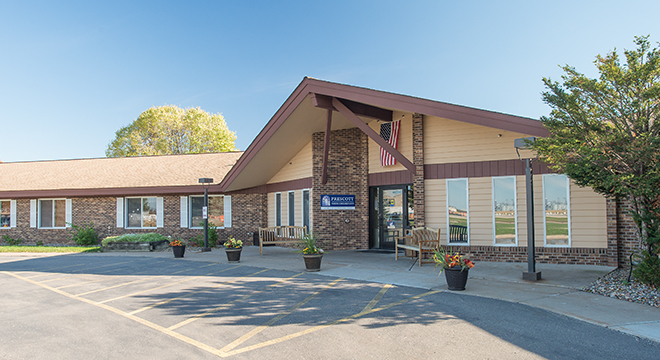
How is Prescott Nursing And Rehab Community Staffed?

CMS rates PRESCOTT NURSING AND REHAB COMMUNITY's staffing level at 4 out of 5 stars, which is above average compared to other nursing homes. Staff turnover is 54%, compared to the Wisconsin average of 46%. RN turnover specifically is 62%, which is notably high. RNs provide skilled clinical oversight, so turnover in this role can affect medical care quality.

What Have Inspectors Found at Prescott Nursing And Rehab Community?

State health inspectors documented 33 deficiencies at PRESCOTT NURSING AND REHAB COMMUNITY during 2022 to 2025. These included: 1 Immediate Jeopardy (the most serious level, indicating potential for serious harm or death) and 32 with potential for harm. Immediate Jeopardy findings are rare and represent the most serious regulatory concerns. They require immediate corrective action.
Who Owns and Operates Prescott Nursing And Rehab Community?

PRESCOTT NURSING AND REHAB COMMUNITY is owned by a for-profit company. For-profit facilities operate as businesses with obligations to shareholders or private owners. The facility is operated by ATRIUM CENTERS, a chain that manages multiple nursing homes. With 65 certified beds and approximately 32 residents (about 49% occupancy), it is a smaller facility located in PRESCOTT, Wisconsin.

How Does Prescott Nursing And Rehab Community Compare to Other Wisconsin Nursing Homes?

Compared to the 100 nursing homes in Wisconsin, PRESCOTT NURSING AND REHAB COMMUNITY's overall rating (2 stars) is below the state average of 3.0, staff turnover (54%) is near the state average of 46%, and health inspection rating (2 stars) is below the national benchmark.

What Should Families Ask When Visiting Prescott Nursing And Rehab Community?

Based on this facility's data, families visiting should ask: "What changes have been made since the serious inspection findings, and how are you preventing similar issues?" "Can I visit during a mealtime to observe dining assistance and food quality?" "How do you handle medical emergencies, and what is your hospital transfer rate?" "Can I speak with family members of current residents about their experience?" These questions are particularly relevant given the facility's Immediate Jeopardy citations.

Is Prescott Nursing And Rehab Community Safe?

Based on CMS inspection data, PRESCOTT NURSING AND REHAB COMMUNITY has documented safety concerns. Inspectors have issued 1 Immediate Jeopardy citation (the most serious violation level indicating risk of serious injury or death). The facility has a 2-star overall rating and ranks #100 of 100 nursing homes in Wisconsin. Families considering this facility should ask detailed questions about what corrective actions have been taken since these incidents.

Do Nurses at Prescott Nursing And Rehab Community Stick Around?

PRESCOTT NURSING AND REHAB COMMUNITY has a staff turnover rate of 54%, which is 8 percentage points above the Wisconsin average of 46%. Moderate turnover is common in nursing homes, but families should still ask about staff tenure and how the facility maintains care continuity when employees leave.

Was Prescott Nursing And Rehab Community Ever Fined?

PRESCOTT NURSING AND REHAB COMMUNITY has no federal fines on record. CMS issues fines when nursing homes fail to meet care standards or don't correct problems found during inspections. The absence of fines suggests the facility has either maintained compliance or corrected any issues before penalties were assessed. This is a positive indicator, though families should still review recent inspection reports for the full picture.

Is Prescott Nursing And Rehab Community on Any Federal Watch List?

PRESCOTT NURSING AND REHAB COMMUNITY is not on any federal watch list. The most significant is the Special Focus Facility (SFF) program, which identifies the bottom 1% of nursing homes nationally based on persistent, serious quality problems. Not being on this list means the facility has avoided the pattern of deficiencies that triggers enhanced federal oversight. This is a positive indicator, though families should still review the facility's inspection history directly.