VILLA MARINA HEALTH AND REHAB CTR
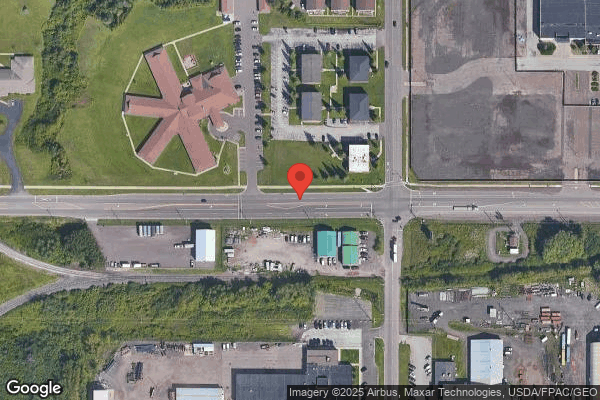
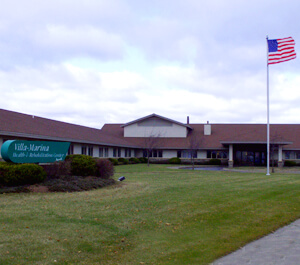
35 N 28TH ST, SUPERIOR, WI 54880 (715) 392-3300
For profit - Corporation 72 Beds Independent Data: November 2025
Trust Grade
83/100
#126 of 321 in WI
Last Inspection: July 2024

Within standard 12-15 month inspection cycle. Federal law requires annual inspections.

Overview

Villa Marina Health and Rehab Center has a Trust Grade of B+, which means it is recommended and above average compared to other nursing homes. It ranks #126 out of 321 facilities in Wisconsin, placing it in the top half, and #2 out of 4 in Douglas County, indicating that only one local option is better. However, the facility is experiencing a worsening trend, with issues increasing from 1 in 2023 to 9 in 2024. Staffing is a strong point, rated 5/5 stars with a turnover rate of 28%, which is significantly lower than the state average, suggesting that staff are dedicated and familiar with residents. Notably, there have been no fines, which is a positive indicator, and the facility has more RN coverage than 77% of Wisconsin facilities, ensuring that critical issues are monitored effectively. On the downside, there are concerns regarding food safety practices, as the facility failed to take proper temperatures of food and beverages served, which could potentially affect all residents. Additionally, there is a lack of a proper flow diagram for the building's water systems, which could lead to the growth of harmful pathogens like Legionella, impacting the health of residents. Lastly, confidentiality issues were noted, as four residents' medical information was not adequately protected, highlighting areas that need immediate attention.

Trust Score
B+
83/100
In Wisconsin
#126/321
Top 39%
Safety Record
Low Risk
No red flags
Inspections
Getting Worse
1 → 9 violations
Staff Stability
✓ Good
28% annual turnover. Excellent stability, 20 points below Wisconsin's 48% average. Staff who stay learn residents' needs.
Penalties
✓ Good
No fines on record. Clean compliance history, better than most Wisconsin facilities.
Skilled Nurses
✓ Good
Each resident gets 62 minutes of Registered Nurse (RN) attention daily — more than 97% of Wisconsin nursing homes. RNs are the most trained staff who catch health problems before they become serious.
Violations
○ Average
10 deficiencies on record. Average for a facility this size. Mostly minor or procedural issues.
★★★★☆
4.0
Overall Rating
★★★★★
5.0
Staff Levels
★★★★☆
4.0
Care Quality
★★★☆☆
3.0
Inspection Score
Stable
2023: 1 issues
2024: 9 issues

The Good

  • 5-Star Staffing Rating · Excellent nurse staffing levels
  • 4-Star Quality Measures · Strong clinical quality outcomes
  • Low Staff Turnover (28%) · Staff stability means consistent care
  • Full Sprinkler Coverage · Fire safety systems throughout facility
  • No fines on record
  • Staff turnover is low (28%)

    20 points below Wisconsin average of 48%

Facility shows strength in staffing levels, quality measures, staff retention, fire safety.

The Bad

No Significant Concerns Identified

This facility shows no red flags. Among Wisconsin's 100 nursing homes, only 1% achieve this.

The Ugly 10 deficiencies on record

Jul 2024 9 deficiencies
CONCERN (D)

Potential for Harm - no one hurt, but risky conditions existed

Abuse Prevention Policies (Tag F0607)

Could have caused harm · This affected 1 resident

Based on interview and record review, the facility failed to follow procedures that prohibit and prevent abuse, neglect, and exploitation of residents. The facility did not perform a Wisconsin backgro...

Read full inspector narrative →
Based on interview and record review, the facility failed to follow procedures that prohibit and prevent abuse, neglect, and exploitation of residents. The facility did not perform a Wisconsin background check for a staff member that has direct contact with residents and works in a Wisconsin facility. This was found for 1 of 8 staff members investigated for background check compliance. Findings include: The facility policy entitled, Resident Abuse - Prevention/Investigations, dated 10/15/17 states: All potential employees will submit to a criminal conviction history check done through the Wisconsin State Police Department, and other sources as applicable, prior to being employed and every 4 years if employed. On 07/23/24 at 3:00 PM, Surveyor performed record review of eight employees' background checks and found that one employee, Certified Nursing Assistant (CNA) N, did not have a Wisconsin Department of Justice (DOJ) or Integrated Background Information System (IBIS) that would indicate if CNA N had a criminal background in the state of Wisconsin. CNA N's only background information was for the state of Minnesota. On 07/24/24 at 1:17 PM, Surveyor interviewed Human Resources Director (HRD) P about the missing background information for Wisconsin. HRD P had not completed a Wisconsin DOJ and IBIS letter request as the staff member commuted from a nearby state and did not reside in Wisconsin. They did some Wisconsin DOJ and IBIS checks for other employees in similar situations, but they were not sure if it was required due to the staff member's home location. They must have just missed this one or were not sure it needed to be done. On 7/24/24 at 1:21 PM, Surveyor interviewed Nursing Home Administrator (NHA) A regarding expectations for background checks. NHA A said they would expect that the proper background checks including Wisconsin DOJ and IBIS letter be completed, to keep residents safe.
CONCERN (D) 📢 Someone Reported This

A family member, employee, or ombudsman was alarmed enough to file a formal complaint

Potential for Harm - no one hurt, but risky conditions existed

Report Alleged Abuse (Tag F0609)

Could have caused harm · This affected 1 resident

**NOTE- TERMS IN BRACKETS HAVE BEEN EDITED TO PROTECT CONFIDENTIALITY** Based on the interview and record review, the facility did not report 2 of 3 (R49, R33) potential misconduct incidents to the St...

Read full inspector narrative →
**NOTE- TERMS IN BRACKETS HAVE BEEN EDITED TO PROTECT CONFIDENTIALITY** Based on the interview and record review, the facility did not report 2 of 3 (R49, R33) potential misconduct incidents to the State's Office of Caregiver Quality (OCQ) via the State's Misconduct Incident Reporting (MIR) system immediately upon learning of the incident. Findings include: The facility's policy and procedure for Abuse Prevention, last reviewed 10/15/17, includes, in part: The facility affirms the right of our residents to be free from abuse, neglect, exploitation, misappropriation of property, or mistreatment. This facility therefore prohibits abuse, neglect, exploitation, misappropriation of property, and mistreatment of residents. The purpose of the policy is to assure that the facility is doing all that is within its control to prevent occurrences of abuse, neglect, exploitation, misappropriation of property, and mistreatment of residents. This will be done by: * Following actions will be taken immediately when an alleged incident of a resident has been reported. -No later than 2 hours after allegation if events cause serious bodily injury. -No later than 24 hours if events did not result in serious bodily injury. *A Misconduct Incident Report will be completed within 5 working days of the incident or date the facility became aware of the incident . Example 1 On 07/23/24 at 8:27 AM, Surveyor toured medication room storage area with Director of Nursing (DON) B. Upon touring the medication storage room, DON B divulged to Surveyor that the facility had to change a few of their processes when it came to narcotic count due to a narcotic diversion with a Licensed Practical Nurse (LPN) G back in May 2024. Surveyor asked DON B to explain what had occurred as Surveyor was unaware of the event. DON B indicated that on 05/16/24 a concerned Registered Nurse (RN) D came to DON B to discuss missing Lorazepam tablets observed from R49's medication blister pack. DON B indicated through thorough investigation it was found that LPN G had taken around 26 tablets of Lorazepam from R49's blister pack locked in medication cart. DON B indicated that at the time the facility was not storing Schedule C IV medications in a double locked area. On 07/23/24 at 10:33 AM, Surveyor interviewed DON B and asked for DON B to explain the investigative process for the missing narcotics and why the incident was not reported to Department of Health Services. DON B indicated that during investigation once it was triggered that there were missing narcotics, Nursing Home Administrator (NHA) A and DON B began their investigation and screened all residents that were on Schedule C II-V on 05/16/24. On 05/17/24, law enforcement was notified and the State Board of Nursing. DON B indicated that Department of Health Services was not notified and that DON B and NHA A did not report the narcotic diversion to the regulatory agency because they did not think they had to. NHA A indicated that NHA A followed the state regulations of Wisconsin chapter 961 and NHA A did not report the narcotic diversion to the Department of Health Services as misappropriation. Example 2 Facility policy titled Resident Abuse - Prevention/Investigation dated 10/15/2017 reads in part In addition, the facility should report any violations as appropriate to: the [NAME] County Sheriff's Department. R9 was admitted to the facility on [DATE] and has diagnoses that include type 2 diabetes, major depressive disorder, hypertension, and edema. R33 was admitted to the facility on [DATE] and has diagnoses that include dementia, deaf and anxiety disorder. On 07/11/2024, R9 reported to DON B that another resident, R33, came up to R9 and gave R9 the middle finger with an angry face and punched R9 on left upper arm. DON B talked with R9 in the evening. R9 was doing okay just confused on why that other resident, R33, hit R9. R9 was comforted to know the facility has a plan in place so it won't happen again. On 07/11/2024 at 3:48 PM, per Registered Nurse (RN) H's nursing note which read in part, Went to circle area on [R9] where [R9] was hit for monitoring [RN H] noted that [R9] had started to develop a bruise that is light purple to the area measuring 3 cm x 3.5 cm, area was slightly raised and firm to the touch, [R9] indicated that area was very tender when touched, [RN H] outlined the bruise. On 07/12/24 at 11:03 AM, RN H wrote, Bruise to L arm about the size of a baseball. Spreading outside of initial circled bruise area. Provided [R9] with emotional support. Informed that measures are being taken to help prevent this happening again. Expressed gratitude. Will continue to monitor and assess per protocol. On 07/13/24 at 2:00 AM, RN I wrote in part, Able to use left arm without difficulty; Left upper arm bruise is now dark and spread well beyond originally marked area; States that it only hurts now occasionally if touched. On 07/23/24 at about 1:50 PM, Surveyor interviewed Social Services Director (SSD) J about the above incident and asked if the police were notified of the incident. SSD J indicated they were not. R9 and family decided together they did not want to report it. On 07/23/24 at approximately 2:09 PM, Surveyor interviewed NHA A and asked when they would call the police. NHA A indicated if something is stolen/misplaced they would call the police. Surveyor asked if the police were called for the resident to resident altercation. NHA A indicated no, they failed to do that step when R9 was injured by R33.
CONCERN (D)

Potential for Harm - no one hurt, but risky conditions existed

ADL Care (Tag F0677)

Could have caused harm · This affected 1 resident

**NOTE- TERMS IN BRACKETS HAVE BEEN EDITED TO PROTECT CONFIDENTIALITY** Based on observation, interview and record review, the facility did not ensure activities of daily living (ADL) of grooming, per...

Read full inspector narrative →
**NOTE- TERMS IN BRACKETS HAVE BEEN EDITED TO PROTECT CONFIDENTIALITY** Based on observation, interview and record review, the facility did not ensure activities of daily living (ADL) of grooming, personal hygiene, and oral hygiene were provided for 1 of 3 residents (R425) reviewed. This is evidenced by: The facility policy entitled, Activities of Daily Living (ADL), Supporting, stated in part, Residents will be provided with care, treatment and services as appropriate to maintain or improve their ability to carry out activities of daily living (ADLs). Residents who are unable to carry out activities of daily living independently will receive the services necessary to maintain good nutrition, grooming and personal and oral hygiene. R425 was admitted to the facility on [DATE] with diagnoses including left femur fracture, diabetes, pressure ulcer left buttock and sacrum, chronic leukemia, and severe kidney disease with ileostomy. R425's care plan was initiated on 07/11/24, and included the following: COGNITION: -Alert and oriented x3 (person, place, time) BATHING and MORNING/BEDTIME CARES: -Substantial max assist RE-POSITIONING: -Use assist of two, substantial max assist to reposition every 2 hours and as needed. -Up in chair no more than 2 hours at a time 3 times a day. ORAL CARE: -Set up/clean up, assist if needed EATING: -Independent with set up. APPROACH: -Provide setup, oversight, encouragement, cueing, physical assistance, full staff performance assistance for mobility, dressing, eating toileting, personl hygiene, oral care, and bathing as needed. TOILET USE: -Has urostomy, empty when 1/3 full. -Not always aware of bowel needs, check and change or offer toileting every 2-3 hours and as needed. -Use 2 assist to check and change due to chronic pain. TRANSFER -Stand aide with 2 assist. -Dependent. On 07/23/24 at 10:51 AM, Surveyor observed Certified Nursing Assistant (CNA) M and CNA N provide morning cares to R425. Both CNAs sanitized hands and donned appropriate personal protective equipment. CNA M applied pants around ankles, threaded catheter bag through pant leg. CNA N removed R425's gown and applied shirt. CNA M retrieved the EZ stand lift. CNA N assisted R425 to sit on the edge of the bed and applied shirt. CNA M and CNA N assisted R425 to transfer from bed to wheelchair via EZ lift. CNA N guided R425, unlocked wheels on lift and pulled R425's pants up. R425 was then lowered into the wheelchair. CNA M unhooked lift sling, moved catheter bag under R425's wheelchair, and removed the lift. CNA N doffed PPE. CNA M applied shoes and combed R425's hair, then left the room. Surveyor noted that R425 did not offer or provide oral care or wash up R425 prior to dressing him. On 07/23/24 at 11:18 AM, Surveyor interviewed R425 and asked if a bed bath was completed at all that morning. R425 stated, No. I was not washed up and cannot remember when my dentures were last brushed, but it was not today. Surveyor observed that R425 had crusty light brown matter in mustache and on chin. R425 also had moderate amount of light beige eye drainage to both eyes. On 07/23/24 at 11:34 AM, Registered Nurse (RN) H assessed R425 and noticed and cleaned R425's eyes and face. On 07/23/24 at 2:00 PM, Surveyor interviewed Director of Nursing (DON) B and asked what the expectation for morning care would be. DON B stated it is expected that the CNA is to provide partial bed baths every day unless they have a shower. Partial bed bath includes face, underarms, hands, peri area, and bottom. They are also expected to provide oral care and shaving. DON B was informed of the observation and stated R425 should not have matter in eyes or on face if recently washed up and will follow up on it.
CONCERN (D)

Potential for Harm - no one hurt, but risky conditions existed

Tube Feeding (Tag F0693)

Could have caused harm · This affected 1 resident

**NOTE- TERMS IN BRACKETS HAVE BEEN EDITED TO PROTECT CONFIDENTIALITY** Based on observation, interview and record review, the facility did not ensure a resident received treatment based on current st...

Read full inspector narrative →
**NOTE- TERMS IN BRACKETS HAVE BEEN EDITED TO PROTECT CONFIDENTIALITY** Based on observation, interview and record review, the facility did not ensure a resident received treatment based on current standards of practice for Gastrostomy (G) tube for 1 of 2 residents (R) with a G-tube. (R1) Staff did not check for proper placement of R1's G-tube when providing treatment and administering nutrition via G-tube. This is evidenced by: Facility policy entitled Administering medications through Enteral Tube, no revision date known, stated in part, .Verify placement of feeding tube: If suspect improper tube positioning, do not administer feeding or medication, notify the charge nurse or physician . The American Association of Critical Care Nurses, April 2016, Initial and Ongoing Verification of Feeding Tube Placement in Adults advises, .Checking Tube Location at Regular Intervals After Feedings Are Started, Unfortunately, feeding tubes can become dislocated during use. For this reason, it is necessary to monitor tube location at regular intervals while the tube is being used for feedings or medication administration. Observing for change in external tube length .Reviewing routine chest and abdominal radiography reports .Observing for changes in volume of feeding tube aspirates .Testing pH and observing the appearance of feeding tube aspirate if feedings have been off for at least 1 hour . R1 was admitted to the facility on [DATE] with diagnoses that included dysphasia and quadriplegic cerebral palsy. R1's care plan was initiated on 05/10/24, and included the following interventions: PEG TUBE: -Check placement and patency of feeding tube before each feeding or medication administration. On 07/24/24 at 7:13 AM, Surveyor observed R1's enteral feeding performed by Licensed Practical Nurse (LPN) F, treatment nurse. Surveyor observed LPN F announce LPN F's self to R1. Surveyor observed that LPN F did not check placement before flushing G-tube with 50ml of water and then started the enteral feeding of Nepro Carb Steady formula at 60ml per hour. On 07/24/24 at 7:36 AM, Surveyor interviewed LPN F and asked what the expectation is for checking placement of G-tube before starting R1's enteral feeding. LPN F indicated the facility follows physician orders. LPN F indicated there was no physician order for checking placement of the G-tube before starting enteral feeding. LPN F indicated that LPN F is from Minnesota and there are different practices in Wisconsin. LPN F indicated that since there was not a physician order, that checking placement did not need to be completed before flushing the G-tube and starting the enteral feeding. On 07/24/24 at 7:40 AM, Surveyor interviewed Director of Nursing (DON) B and asked what expectations are for checking placement of R1's G-tube before administering medications or starting enteral feeding. DON B indicated that expectation is to always auscultate, push air, and listen. Surveyor asked DON B if it was normal to not check placement due to not having a physician order. DON B indicated that we don't perform Gastric Residual Volume (GRV) by drawing back contents unless we have a physician order, but it is expected the staff always auscultate to check for placement that the G-tube is in place. Surveyor reviewed the State Operations Manual (SOM) which indicates that verifying tube placement before feedings and administering medications through feeding tube is recommended by checking Gastric Residual Volume (GRV). Surveyor observed and reviewed facility policy. Surveyor did not find guidance in the policy that was consistent with current standards of practice to check g-tube placement.
CONCERN (D)

Potential for Harm - no one hurt, but risky conditions existed

Pharmacy Services (Tag F0755)

Could have caused harm · This affected 1 resident

Based on observation and interview, the facility did not provide pharmaceutical services, including procedures that assure that accurate acquiring, receiving, dispensing, and administering of all drug...

Read full inspector narrative →
Based on observation and interview, the facility did not provide pharmaceutical services, including procedures that assure that accurate acquiring, receiving, dispensing, and administering of all drugs and biologicals to meet the needs of each resident, for 1 of 1 medication rooms reviewed. The facility did not accurately label open dates on 2 of 2 resident (R25 and R73) controlled medications observed stored in the refrigerator of the medication room. The facility did not ensure destruction of controlled medication occurred timely after resident (R73) passed away in the facility April 26, 2024. Findings include: Surveyor requested and reviewed the facility policy titled Discarding and Destroying Medications dated November 2022. The policy in part reads: Schedule II, III, and IV controlled substances are disposed of in accordance with state regulations, and federal guidelines regarding disposition of controlled medications . Surveyor requested and reviewed Medication Storage Pharmacy review for the last 6 months. The pharmacy review for month of June dated 06/19/24. The medication storage review in part reads: In the fridge and medication room pharmacy review indicates that there is one undated bottle of Lorazepam concentration not dated when opened . On 07/23/24 at 8:27 AM, Surveyor toured medication room storage area with Director of Nursing (DON) B. Surveyor observed Lorazepam 2mg/ml oral concentration received from pharmacy on 05/31/24, located in the refrigerator on the door labeled with R25's identification on it for R25's use only. Surveyor observed no open date label on the bottle of Lorazepam. Surveyor also observed another bottle of liquid Lorazepam 2mg/ml oral concentration received from pharmacy on 04/17/24, labeled with a R73's information but no open date on the bottle of Lorazepam. On 07/23/24 at 8:35 AM, Surveyor interviewed DON B and asked what the process is for labeling opened bottle of liquid Lorazepam. DON B indicated that all bottles should be labeled with the open date. Surveyor asked how staff would know when the medication is expired if there was no opened label date on the bottle. DON B indicated that DON B would need to reach out to pharmacy but that normally staff would go off the date the medication was received by pharmacy. Surveyor requested policy on handling expired medications. Surveyor asked how the process works for destructing medications then if the Lorazepam was deemed to be expired. DON B indicated that staff destructs controlled medications always with two licensed individuals within 72 hours of the discontinued use. On 07/23/24 at 10:31 AM, Surveyor asked Registered Nurse (RN) E if RN E could let Surveyor into medication room to verify the Lorazepam bottles one more time. Surveyor observed R73's Lorazepam bottle to be missing out of refrigerator in the medication room. Surveyor interviewed RN E and asked what normal process is for destructing medications in a timely fashion. RN E indicated that staff would want to destruct any controlled medications right away if the medication is not being used. Surveyor asked RN E when R73 was discharged from the facility. RN E indicated that on 04/26/24, R73 had passed away and was no longer in the facility. On 07/23/24 at 10:37 AM, Surveyor interviewed DON B and asked where R73's Lorazepam medication out of fridge in medication storage room went. DON B indicated that once DON B and Surveyor found the expired Lorazepam in the refrigerator, DON B and another RN came and destroyed Lorazepam and threw in the hazard sharp container in the storage room. DON B indicated that the Lorazepam should have been destructed and removed within 72 hours after R73 had passed back in April 2024.
CONCERN (D)

Potential for Harm - no one hurt, but risky conditions existed

Deficiency F0761 (Tag F0761)

Could have caused harm · This affected 1 resident

Based on observation and interview, the facility did not ensure all drugs and biologicals were stored and labeled in accordance with currently accepted professional principles and did not ensure only ...

Read full inspector narrative →
Based on observation and interview, the facility did not ensure all drugs and biologicals were stored and labeled in accordance with currently accepted professional principles and did not ensure only authorized personnel had access to medication carts. This occurred for 1 of 2 medication carts observed. Findings include: Surveyor requested and reviewed the facility policy titled Security of Medication Cart dated April 2007. The policy in part reads: -1. The nurse must secure the medication cart during the medication pass to prevent unauthorized entry. -2. The medication cart should be parked in the doorway of the resident's room during the medication pass. The cart doors and drawers should be facing the resident's room. -3. When it is not possible to park the medication cart in the doorway, the cart should be parked in the hallway against the wall with doors and drawers facing the wall. The cart must be locked before the nurse enters the resident's room. -4. Medication carts must be securely locked at all times when out of the nurse's view . On 07/23/24 at 6:51 AM, Surveyor observed medication administration performed by Registered Nurse (RN) C. RN C prepared R70's medications and left the medication cart unlocked. Surveyor observed medication cart facing the hallway to the common area, with medication cart unlocked. RN C entered R70's room and administered medications to R70. Surveyor observed medication cart unattended down the hall. On 07/23/24 at 6:58 AM, RN C exited R70's room and walked to medication cart. Surveyor interviewed RN C and asked what expectation was for making sure medications are locked and secure. RN C indicated that RN C should keep the medication cart always locked when RN C is not right beside the medication cart. On 07/24/24 at 11:37 AM, Surveyor interviewed Director of Nursing (DON) B and asked expectation for locking medication carts. DON B indicated that medication carts should be always locked unless the nurse is beside the medication cart. Surveyor indicated to DON B that RN C was observed leaving medication cart unlocked down the hallway when going into R70's room. Surveyor observed RN C in R70's room for 7 minutes without monitoring of the unlocked medication cart. DON B indicated that RN C should have locked the medication cart if it was out of RN C's sight and down the hall.
CONCERN (E)

Potential for Harm - no one hurt, but risky conditions existed

Deficiency F0583 (Tag F0583)

Could have caused harm · This affected multiple residents

Based on observation, interview and record review, the facility did not maintain confidentiality of resident medical record information for 4 of 7 sampled and supplemental residents (R) (R55, R25, R70...

Read full inspector narrative →
Based on observation, interview and record review, the facility did not maintain confidentiality of resident medical record information for 4 of 7 sampled and supplemental residents (R) (R55, R25, R70, and R1) reviewed. This is evidenced by: Surveyor requested and reviewed the facility policy titled Security of Medication Cart dated April 2007. The policy in part reads: ~2. The medication cart should be parked in the doorway of the resident's room during the medication pass. The cart doors and drawers should be facing the resident's room . Surveyor requested and reviewed the facility policy titled Annual HIPAA Privacy and Security Training dated 2014. The training document in part reads: ~indicates that staff should make HIPAA Compliance a daily habit by locking computers when stepping away from staff's desks and turning over sensitive documents when stepping away . On 07/23/24 at 6:33 AM, Surveyor observed medication administration performed by Registered Nurse (RN) C. RN C prepared R55's medications and left the medication cart. Surveyor observed medication cart facing the hallway to the common area and computer open with R55's medical record on the screen. RN C entered R55's room and administered medications to R55. On 07/23/24 at 6:38 AM, RN C exited R55's room and walked to medication cart. RN C proceeded down hallway to the next room for medication administration. On 07/23/24 at 6:40 AM, Surveyor observed medication administration performed by RN C. RN C prepared R25's medications and left the medication cart. Surveyor observed medication cart facing the hallway to the common area and computer open with R25's medical record on the screen. RN C entered R25's room and administered medications to R25. On 07/23/24 at 6:49 AM, RN C exited R25's room and walked to medication cart. RN C proceeded down hallway to the next room for medication administration. On 07/23/24 at 6:51 AM, Surveyor observed medication administration performed by RN C. RN C prepared R70's medications and left the medication cart. Surveyor observed medication cart facing the hallway to the common area, computer open with R70's medical record on the screen. RN C entered R70's room and administered medications to R70. On 07/23/24 at 6:58 AM, RN C exited R70's room and walked to medication cart. Surveyor interviewed RN C and asked what expectation was for keeping residents' medical records confidential. RN C indicated that RN C should have minimized the medical record in between administering medications and that RN C had left the computer screen open and shouldn't have. On 07/24/24 at 7:13 AM through 7:34 AM, Surveyor observed R1's enteral feeding performed by Licensed Practical Nurse (LPN) F, treatment nurse. Surveyor observed LPN F leave computer open with treatment cart facing the hallway for others to visualize the computer screen and entered R1's room. Surveyor observed LPN F leave the treatment cart with R1's medical information open while LPN F was in R1's room completing treatment. On 07/24/24 at 11:37 AM, Surveyor interviewed Director of Nursing (DON) B and asked expectation for keeping resident medical records confidential during medication administration. DON B indicated that expectation is that all staff when leaving the medication cart minimize or exit out of the electronic health record when leaving the medication cart to protect resident's privacy.
CONCERN (F)

Potential for Harm - no one hurt, but risky conditions existed

Food Safety (Tag F0812)

Could have caused harm · This affected most or all residents

Based on observation and interviews, the facility did not ensure they distributed and served food in accordance with professional standards for food service safety. Facility did not take temperatures ...

Read full inspector narrative →
Based on observation and interviews, the facility did not ensure they distributed and served food in accordance with professional standards for food service safety. Facility did not take temperatures of food served to residents from the anytime menu; this had the potential to affect 3 residents (R9, R58, and R65) out of 70. The temperature log was not completely filled out; this has the potential to affect all 70 residents. Temperatures of beverages served were not being done; this has the potential to affect all 70 residents. Findings include: Facility policy titled Food Temperatures reads in part Food temperatures will be taken and recorded when food removed from oven or refrigerator at start of food service at each meal. Temperatures will be recorded on Food Temperature Record at each meal. On 07/23/24 at about 11:17 AM, Surveyor observed [NAME] L taking temperatures of food on the steamtable and documenting the temperatures. Surveyor observed the tray line for lunch. Surveyor observed [NAME] L plate up at separate times 2 hamburgers which were retrieved from the steamer and served without checking the temperature of the hamburger patties. Surveyor observed [NAME] L put prepackaged macaroni and cheese on a plate in the microwave to heat the food. [NAME] L served the macaroni and cheese without taking temperature of the macaroni and cheese. These items were being prepared for R9, R58, and R65. On 07/23/24 at about 12:05 PM, Surveyor interviewed Dietary Manager (DM) K and asked if they take temperatures of the anytime menu items that residents order like hamburgers. DM K indicated generally no, we should be, though everything is pre-cooked. Surveyor asked DM K if the kitchen staff takes temperature of juice. DM K indicated they do not; once it is poured they put it into the cooler and bring it out just before serving. Surveyor reviewed the Food Temperature Record for the month of July 2024. On 07/04/24, there were no temperatures recorded for breakfast meal, lunch or supper. On 07/16/24, there were no food temperatures recorded for breakfast or lunch. On 07/18/24, there were no food temperatures documented for breakfast or lunch. There is a spot for milk temperature, but no documentation on the records and no spot for juice to be documented. On 07/23/24 at about 2:09 PM, Surveyor interviewed Nursing Home Administrator (NHA) A and told NHA A about Surveyor's observations. NHA A indicated all food should have temperatures checked to ensure safety.
CONCERN (F)

Potential for Harm - no one hurt, but risky conditions existed

Infection Control (Tag F0880)

Could have caused harm · This affected most or all residents

Based on interview and record review, the facility did not describe building water systems using a flow diagram where legionella and other opportunistic waterborne pathogens can grow and spread. This ...

Read full inspector narrative →
Based on interview and record review, the facility did not describe building water systems using a flow diagram where legionella and other opportunistic waterborne pathogens can grow and spread. This has the potential to affect all 70 residents in the facility. This is evidenced by: The facility policy, entitled, Water Management Program to Reduce Legionella Growth & Spread, indicates, in part, Our facility is committed to the prevention, detection and control of water-borne contaminants, including Legionella . 1. Legionella can grow in parts of building water systems that are continually wet ., and certain devices can spread contaminated water droplets via aerosolization. 2. Legionellosis outbreaks are generally linked to locations where water is held or accumulates and pathogens can reproduce . The Center for Disease Control and Prevention (CDC) guidelines, entitled Controlling Legionella in potable water systems, last reviewed March 15, 2024, states in part: Flush low-flow piping runs and dead legs at least weekly and flush infrequently used fixtures (e.g., eye wash stations, emergency showers) regularly as-needed to maintain water quality parameters within control limits. On 07/24/24 at 12:21 PM, Surveyor reviewed the facility's Water Management Plan (WMP) and did not find a record of maintenance, inspections, or flushing of areas of concerns that required flushing. Surveyor did not observe a flow diagram or WMP with locations of hotspots/stagnation areas deemed high risk areas of Legionella growth. On 07/24/24 at 1:04 PM, Surveyor interviewed Maintenance Staff (MS) O who provided flow sheets where water temperatures are checked and explains interventions if temperatures are not met. Surveyor asked MS O for the diagram showing distinct quality control measures where stagnation/hot spots are located throughout the facility and the flow of water. MS O was unable to locate any diagram and reported Maintenance Director was called and said they do not have one. On 07/24/24 at 1:34 PM, Surveyor interviewed Nursing Home Administrator (NHA) A and was informed the facility did not have a diagram to prevent legionella that identifies areas of potential stagnation or hot spots and what control measures are in place. NHA A stated NHA A did not know they needed to do this and acknowledges the facility does not have this in place.
Jul 2023 1 deficiency
CONCERN (E)

Potential for Harm - no one hurt, but risky conditions existed

Infection Control (Tag F0880)

Could have caused harm · This affected multiple residents

Based on observations and interviews, the facility failed to maintain an infection prevention and control program designed to provide a safe, sanitary and comfortable environment and to help prevent t...

Read full inspector narrative →
Based on observations and interviews, the facility failed to maintain an infection prevention and control program designed to provide a safe, sanitary and comfortable environment and to help prevent the development and transmission of communicable diseases and infections. This practice had the potential to affect 16 of 56 residents residing in the facility (R258, R28, R26, R2, R40, R29, R30, R13, R3, R1, R43, R7, R32, R36, R17, R52). Example 1: The facility did not provide hand hygiene to the residents before eating meals. This is evidenced by: DQA (Division of Quality Assurance) memo number 11-025 outlines Resident Hand Hygiene. Included in the memo is the following: Resident handwashing is an integral component of all nurse aide training program curriculum. Nurse aides are trained to offer, encourage and/or assist residents to perform handwashing to include but not limited to; before eating .Nursing home feeding assistants are trained to assist residents to wash their hands before eating. The facility policy, titled, Preparing the Resident for a Meal Dated: September 2010, states: .Steps in the procedure .6. Encourage the resident to wash his or her face and hands. Assist as needed . On 07/10/23 at 11:45 AM, Surveyor observed a food tray being delivered to R258; food was covered when entering the room, and hand hygiene was not offered when food was presented to the resident. On 07/11/23 at 7:49 AM, Surveyor observed breakfast being presented to residents in a smaller dining room near residents' rooms. Food was presented to R28, but no hand hygiene was offered. R28 was grabbing cups and spoons off their plate. R26 was presented with food, food uncovered, and no hand hygiene product was on the table. On 07/12/23 at 7:32 AM, Surveyor observed R2 entering the dining room for breakfast; no hand hygiene was provided to R2 prior to meals being distributed. On 07/12/23 at 8:23 AM, Surveyor spoke with CNA (Certified Nursing Assistant) G and asked what the process was to ensure residents received hand hygiene prior to meals. CNA G stated that it is different for all residents, but we usually say, Hi would you like to wash your hands, to most residents before meals. For some residents, we help clean up after eating too. On 07/12/23 at 9:15 AM, Surveyor interviewed DON (Director of Nursing) B and asked what their expectations would be regarding hand hygiene for residents at mealtimes. DON B stated that the residents have the option to use hand sanitizer at the door or sanitation wipes on the tables. DON B would expect that hand hygiene is encouraged, but some residents refuse due to just washing their hands after using the restroom in their rooms. Example #2 On 07/10/23 at 11:54 AM, Surveyor observed Certified Nursing Assistant (CNA) C providing food trays to the residents (R) in the rooms located in the 400 hall. The residents receiving the food trays were: R40, R29, R30, R13, R3, R1, R43, R7, R32, R36, and R17. All the residents who received the food trays listed above were not offered hand hygiene before the meal. On 07/10/23 at 12:10 PM, Surveyor interviewed R3 asking if staff offered hand hygiene before meals. R3 said staff do not offer hand hygiene before meals. On 07/10/23 at 12:17 PM, Surveyor interviewed R36 asking if staff offered hand hygiene before meals. R36 said the staff do not offer hand hygiene, but she is independent and washes her hands before she eats. On 07/10/23 at 12:23 PM, Surveyor spoke with R29 and R40 to see if staff offered hand hygiene before meals and they both said no. On 07/11/23 at 8:13 AM, Surveyor observed CNA D and CNA E providing food trays to the residents in the rooms located in the 400 hall. The residents receiving the food trays were: R40, R29, R30, R13, R3, R1, R43, R7, R32, R36, and R17. All the residents who received the food trays listed above were not offered hand hygiene before the meal. Example 3 R52 was admitted to the facility with medical diagnoses that include, but are not limited to Unspecified Severe Protein-Calorie Malnutrition, Chronic Obstructive Pulmonary Disease, Abnormal Weight Loss, Chronic Respiratory Failure with Hypoxia, Type 2 Diabetes Mellitus without complications, Spinal Stenosis, and Muscle Weakness. The most recent Minimum Data Set Assessment (MDSA) completed for R52 was a quarterly assessment with an Assessment Reference Date of 7/5/23. According to this MDSA, R52 requires staff assistance to meet her most basic daily tasks of bed mobility, transfers, ambulation and personal hygiene. R52 is set up for meals and supervised by staff on her eating abilities. Following set-up of the meal, R52 eats independently. R52 has a Brief Interview of Mental Status (BIMS) score of 13/15 (scores of 13 to 15 suggests the individual is cognitively intact). R52's weaknesses were based on recall of information. On 7/10/23, Surveyor observed R52 receive her meal by CNA F at 11:35 AM in her room. R52 was seated on the side of the bed with oxygen being administered via a nasal cannula. CNA F placed the meal tray on R52's over the bed table, encouraged R52 to eat and then left the room. Although CNA F sanitized her own hands prior to serving R52 and upon leaving the room, she did not offer or encourage to cleanse R52's hands prior to the meal service. Surveyor again observed R52 on 7/11/23 at 7:39 AM for room meal service. R52 was served her morning meal at 7:41 AM by CNA F who assisted R52 to sit up on the side of the bed and encouraged her to eat. CNA F then left the room, stating to R52 that she will leave the tray and return to check on her. Again, while CNA F sanitized her hands before obtaining R52's meal tray, and again upon leaving the room, there was no attempt made to assist R52 with the same. On 7/12/23 at 11:58 AM, Surveyor approached R52, who was again sitting on the side of her bed and eating her noon meal. Surveyor asked R52 if staff offer to wash her hands or use a hand wipe before eating. R52 stated, No, not really. I guess I never really thought about it. I really don't do anything like digging around in dirt, just lay here in bed or go into the bathroom. I guess I really should, but never really considered it.
Understanding Severity Codes (click to expand)
Life-Threatening (Immediate Jeopardy)
J - Isolated K - Pattern L - Widespread
Actual Harm
G - Isolated H - Pattern I - Widespread
Potential for Harm
D - Isolated E - Pattern F - Widespread
No Harm (Minor)
A - Isolated B - Pattern C - Widespread

Questions to Ask on Your Visit

  • "Can I speak with families of current residents?"
  • "What's your RN coverage like on weekends and overnight?"

Our Honest Assessment

Strengths
  • • Grade B+ (83/100). Above average facility, better than most options in Wisconsin.
  • • No major safety red flags. No abuse findings, life-threatening violations, or SFF status.
  • • No fines on record. Clean compliance history, better than most Wisconsin facilities.
  • • 28% annual turnover. Excellent stability, 20 points below Wisconsin's 48% average. Staff who stay learn residents' needs.
Concerns
  • • No significant concerns identified. This facility shows no red flags across CMS ratings, staff turnover, or federal penalties.
Bottom line: Generally positive indicators. Standard due diligence and a personal visit recommended.

About This Facility

What is Villa Marina Health And Rehab Ctr's CMS Rating?

CMS assigns VILLA MARINA HEALTH AND REHAB CTR an overall rating of 4 out of 5 stars, which is considered above average nationally. Within Wisconsin, this rating places the facility higher than 99% of the state's 100 nursing homes. This rating reflects solid performance across the metrics CMS uses to evaluate nursing home quality.

How is Villa Marina Health And Rehab Ctr Staffed?

CMS rates VILLA MARINA HEALTH AND REHAB CTR's staffing level at 5 out of 5 stars, which is much above average compared to other nursing homes. Staff turnover is 28%, compared to the Wisconsin average of 46%. This relatively stable workforce can support continuity of care.

What Have Inspectors Found at Villa Marina Health And Rehab Ctr?

State health inspectors documented 10 deficiencies at VILLA MARINA HEALTH AND REHAB CTR during 2023 to 2024. These included: 10 with potential for harm.

Who Owns and Operates Villa Marina Health And Rehab Ctr?

VILLA MARINA HEALTH AND REHAB CTR is owned by a for-profit company. For-profit facilities operate as businesses with obligations to shareholders or private owners. The facility operates independently rather than as part of a larger chain. With 72 certified beds and approximately 67 residents (about 93% occupancy), it is a smaller facility located in SUPERIOR, Wisconsin.

How Does Villa Marina Health And Rehab Ctr Compare to Other Wisconsin Nursing Homes?

Compared to the 100 nursing homes in Wisconsin, VILLA MARINA HEALTH AND REHAB CTR's overall rating (4 stars) is above the state average of 3.0, staff turnover (28%) is significantly lower than the state average of 46%, and health inspection rating (3 stars) is at the national benchmark.

What Should Families Ask When Visiting Villa Marina Health And Rehab Ctr?

Based on this facility's data, families visiting should ask: "Can I visit during a mealtime to observe dining assistance and food quality?" "How do you handle medical emergencies, and what is your hospital transfer rate?" "Can I speak with family members of current residents about their experience?"

Is Villa Marina Health And Rehab Ctr Safe?

Based on CMS inspection data, VILLA MARINA HEALTH AND REHAB CTR has a clean safety record: no substantiated abuse findings (meaning no confirmed cases of resident harm), no Immediate Jeopardy citations (the most serious violation level indicating risk of serious injury or death), and is not on the Special Focus Facility watch list (a federal program monitoring the lowest-performing 1% of nursing homes). The facility has a 4-star overall rating and ranks #1 of 100 nursing homes in Wisconsin. While no facility is perfect, families should still ask about staff-to-resident ratios and recent inspection results during their visit.

Do Nurses at Villa Marina Health And Rehab Ctr Stick Around?

Staff at VILLA MARINA HEALTH AND REHAB CTR tend to stick around. With a turnover rate of 28%, the facility is 17 percentage points below the Wisconsin average of 46%. Low turnover is a positive sign. It means caregivers have time to learn each resident's needs, medications, and personal preferences. Consistent staff also notice subtle changes in a resident's condition more quickly. Registered Nurse turnover is also low at 6%, meaning experienced RNs are available to handle complex medical needs.

Was Villa Marina Health And Rehab Ctr Ever Fined?

VILLA MARINA HEALTH AND REHAB CTR has no federal fines on record. CMS issues fines when nursing homes fail to meet care standards or don't correct problems found during inspections. The absence of fines suggests the facility has either maintained compliance or corrected any issues before penalties were assessed. This is a positive indicator, though families should still review recent inspection reports for the full picture.

Is Villa Marina Health And Rehab Ctr on Any Federal Watch List?

VILLA MARINA HEALTH AND REHAB CTR is not on any federal watch list. The most significant is the Special Focus Facility (SFF) program, which identifies the bottom 1% of nursing homes nationally based on persistent, serious quality problems. Not being on this list means the facility has avoided the pattern of deficiencies that triggers enhanced federal oversight. This is a positive indicator, though families should still review the facility's inspection history directly.