RIVERVIEW HEALTH SERVICES
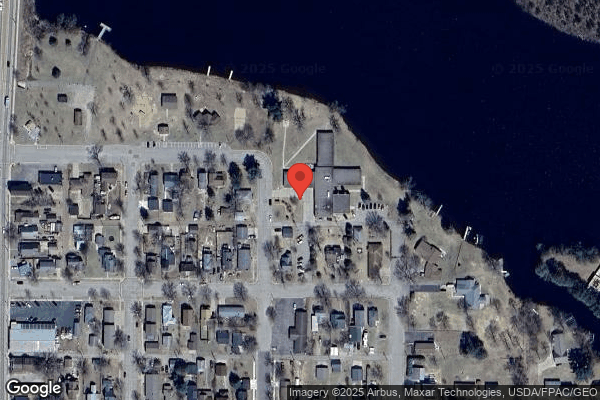

428 N 6TH ST, TOMAHAWK, WI 54487 (715) 453-2511
For profit - Corporation 50 Beds NORTH SHORE HEALTHCARE Data: November 2025
Trust Grade
68/100
#168 of 321 in WI
Last Inspection: November 2024

Within standard 12-15 month inspection cycle. Federal law requires annual inspections.

Overview

Riverview Health Services in Tomahawk, Wisconsin, has a Trust Grade of C+, indicating it is slightly above average but still not ideal for families seeking care. It ranks #168 out of 321 facilities in Wisconsin, placing it in the bottom half, but it is #2 out of 3 in Lincoln County, meaning only one local option is better. Unfortunately, the facility's condition is worsening, with the number of issues rising from 3 in 2023 to 5 in 2024. Staffing is a relative strength, with a turnover rate of 38%, which is lower than the state average, and the facility boasts good RN coverage, exceeding that of 75% of state facilities. However, there are significant concerns, including inadequate meal planning that may not meet residents' nutritional needs and failures in food safety practices, such as improper sanitization protocols and poor hand hygiene by staff. These issues highlight both strengths and weaknesses that families should carefully consider.

Trust Score
C+
68/100
In Wisconsin
#168/321
Bottom 48%
Safety Record
Low Risk
No red flags
Inspections
Getting Worse
3 → 5 violations
Staff Stability
○ Average
38% turnover. Near Wisconsin's 48% average. Typical for the industry.
Penalties
✓ Good
$5,286 in fines. Lower than most Wisconsin facilities. Relatively clean record.
Skilled Nurses
✓ Good
Each resident gets 56 minutes of Registered Nurse (RN) attention daily — more than average for Wisconsin. RNs are trained to catch health problems early.
Violations
⚠ Watch
11 deficiencies on record. Higher than average. Multiple issues found across inspections.
★★★☆☆
3.0
Overall Rating
★★★☆☆
3.0
Staff Levels
★★★★☆
4.0
Care Quality
★★★☆☆
3.0
Inspection Score
Stable
2023: 3 issues
2024: 5 issues

The Good

  • 4-Star Quality Measures · Strong clinical quality outcomes
  • Full Sprinkler Coverage · Fire safety systems throughout facility
  • No fines on record
  • Staff turnover below average (38%)

    10 points below Wisconsin average of 48%

Facility shows strength in quality measures, fire safety.

The Bad

3-Star Overall Rating

Near Wisconsin average (3.0)

Meets federal standards, typical of most facilities

Staff Turnover: 38%

Near Wisconsin avg (46%)

Typical for the industry

Federal Fines: $5,286

Below median ($33,413)

Minor penalties assessed

Chain: NORTH SHORE HEALTHCARE

Part of a multi-facility chain

Ask about local staffing decisions and management

The Ugly 11 deficiencies on record

Nov 2024 5 deficiencies
CONCERN (D)

Potential for Harm - no one hurt, but risky conditions existed

Pharmacy Services (Tag F0755)

Could have caused harm · This affected 1 resident

Based on observation and interview, the facility did not ensure staff followed procedures for the accurate administration of insulin. Staff did not complete a safety check by priming the needle on an ...

Read full inspector narrative →
Based on observation and interview, the facility did not ensure staff followed procedures for the accurate administration of insulin. Staff did not complete a safety check by priming the needle on an insulin pen to ensure the injectable pens were dispensing insulin before administration for 1 of 2 residents (R), (R3). Findings include: Manufacturer's instructions for insulin pens state in part, .Step 3. Perform a Safety test. Always perform the safety test before each injection. Performing the safety test ensures that you get an accurate dose by: ensuring that pen and needle work properly. Removing air bubbles. A. Select a dose of 2 units by turning the dosage selector. B. Take off the outer needle cap and keep it to remove the used needle after injection. Take off the inner needle cap and discard it. C. Hold the pen with the needle pointing upwards. D. Tap the insulin reservoir so that any air bubbles rise up towards the needle. E. Press the injection button all the way in. Check if insulin comes out of the needle tip. You may have to perform the safety test several times before insulin is seen. On 11/05/24 at 7:17 AM, Surveyor observed Registered Nurse (RN) G take a Glarigine insulin pen out of the medication cart and verify the label with the orders. RN G took a needle out of the drawer, wiped the end of the insulin pen with an alcohol wipe, and attached the needle to the insulin pen. RN G dialed the pen to 22 units per the order on the Medication Administration Record (MAR). RN G picked up the insulin pen to approach R3 when Surveyor stopped RN G and asked about priming the needle. RN G stated, I don't need to with this one, except if it is new. I do it with the other ones. RN G then primed the needle with 2 units twice until insulin was visibly coming out of the needle. RN G then dialed the pen to the 22-unit dose. This verified the pen was working correctly and ensured R3 received the correct dose of insulin. On 11/05/24 at 9:17 AM, Surveyor interviewed Director of Nursing (DON) B and asked what the facility policy and procedure was for priming insulin pens prior to administering the prescribed dose. DON B stated all nurses should prime the needle with at least 2 units, until the insulin is coming out, prior to dialing the pen to the prescribed dose. Surveyor explained the observations of RN G almost administering insulin with a pen to R3 without priming the needle. DON B stated RN G was not following the correct procedure and will educate RN G right away.
CONCERN (D)

Potential for Harm - no one hurt, but risky conditions existed

Medication Errors (Tag F0758)

Could have caused harm · This affected 1 resident

**NOTE- TERMS IN BRACKETS HAVE BEEN EDITED TO PROTECT CONFIDENTIALITY** Based on interview and record review, the facility did not ensure one of five residents (R15) reviewed for unnecessary medicatio...

Read full inspector narrative →
**NOTE- TERMS IN BRACKETS HAVE BEEN EDITED TO PROTECT CONFIDENTIALITY** Based on interview and record review, the facility did not ensure one of five residents (R15) reviewed for unnecessary medications had appropriate monitoring and indication for use of an antipsychotic medication. R15 was prescribed risperidone for a diagnosis of dementia with behaviors. Behavior monitoring did not include the behaviors the medication was being used to treat. This is evidenced by: The facility policy titled, Psychotropic Medications read in part, Residents should not receive psychotropic drugs unless the medication is necessary to treat a specific condition, as diagnosed and documented in the clinic record, and the medication is beneficial to the resident, as demonstrated by monitoring and documentation of the resident's response to the medication(s). Psychotropic medications can affect behavior, mood, thoughts, and perceptions. Psychotropic medications include antipsychotic medications. Risperidone is an antipsychotic medication used to treat schizophrenia and bipolar disorder. R15 was admitted to the facility on [DATE]. Diagnoses included dementia with behavioral disturbance, depression, and Pick's disease (frontotemporal dementia). R15's Minimum Data Set (MDS) assessment, dated 08/03/24, confirmed R15 scored 00/15 during Brief Interview for Mental Status (BIMS), indicating severe cognitive impairment. MDS indicated R15 had no behaviors. R15's Power of Attorney is activated to assist with decision making. R15's physician orders included the following: -01/30/24, Risperidone 0.5 mg two times daily for dementia with behaviors. -05/02/24, BEHAVIORS: monitor for itching, picking at skin, restlessness, hitting, biting, spiting, kicking, cussing, elopement, stealing, delusions, hallucination, aggression, refusal of cares, every shift. If any NEW behaviors observed, document in progress notes. R15's care plan included in the following, in part: -02/14/24, At risk for adverse effects related to use of antipsychotic medication. -Evaluate effectiveness of medication. -Non-pharmacological interventions. -Target behaviors: crying, yelling out, agitation. On 11/06/24 at 12:31 PM, Surveyor interviewed Registered Nurse (RN) G. RN G stated R15 did not have any behaviors. On 11/06/24 at 12:36 PM, Surveyor interviewed Director of Nursing (DON) B. DON B stated R15 had a history of food behaviors prior to her admission. R15's behaviors included eating others' food and eating soap. DON B confirmed R15 did not exhibit these behaviors at the facility. On 11/06/24 at 12:49 PM, Surveyor interviewed Nurse Practitioner (NP) I. NP I explained R15 had food aggression behaviors prior to her admission to the facility. NP I described R15's behaviors as, She would take what she wanted. NP I stated R15's daughter and POA reported risperidone worked well to reduce R15's food aggression and insisted R15 continue the medication when admitted to the facility. NP I verified R15 had a diagnosis of Pick's disease and symptoms of Pick's disease included compulsive behaviors, and changes in diet, or mouth-centered behaviors. NP I confirmed R15 was receiving risperidone related to a diagnosis of Pick's disease with food aggression. On 11/06/24, Surveyor reviewed R15's behavior monitoring in her treatment administration record. Surveyor noted behavior monitoring included itching, picking at skin, restlessness, hitting, biting, spitting, kicking, cussing, elopement, stealing, delusions, hallucination, aggression, and refusal of cares. Surveyor noted R15's behavior monitoring reflected she did not exhibit any of these behaviors. Surveyor noted food aggression was not listed as a behavior. It was determined R15 was receiving risperidone related to food aggressive behaviors. Because food aggression was not listed as one of R15's behaviors, the behavior monitoring is not an accurate assessment to determine if risperidone is a necessary medication.
CONCERN (D)

Potential for Harm - no one hurt, but risky conditions existed

Infection Control (Tag F0880)

Could have caused harm · This affected 1 resident

Based on observation, record review and interview, the facility did not perform hand hygiene when warranted during resident cares. The facility practice affected 1 of 3 residents observed for cares (R...

Read full inspector narrative →
Based on observation, record review and interview, the facility did not perform hand hygiene when warranted during resident cares. The facility practice affected 1 of 3 residents observed for cares (R10). Certified Nursing Assistant (CNA) C did not perform hand hygiene after performing R10's peri care and before proceeding to touch presumably clean items. Findings Include: Surveyor requested and received the facility policy titled Hand Hygiene dated 11/02/22. The policy in part read: Policy: All staff will perform proper hand hygiene procedures to prevent the spread of infection to other personnel, residents, and visitors. This applies to all staff working in all locations within the facility. Definitions: Hand Hygiene is a general term for cleaning your hands by handwashing with soap and water or the use of antiseptic hand rub, also known as alcohol-based hand rub (ABHR). Policy Explanation and Compliance Guidelines: 1. Staff will perform hand hygiene when indicated using proper technique consistent with accepted standards of practice. Additional Considerations: a. The use of gloves does not replace hand hygiene. If your task requires gloves, perform hand hygiene prior to donning gloves and immediately after removing gloves. Surveyor also received and reviewed the Facility policy titled Hand Hygiene Table dated 11/02/24. The table indicated hand hygiene with soap and water or ABHR is required: ~After handling items potentially contaminated with blood, body fluids . ~Before applying and after removing personal protective equipment (PPE) including gloves. On 11/05/24 at 9:51 AM, Surveyor observed CNA C and CNA D assist R10 with morning cares. Surveyor observed CNA C and CNA D wash their hands and don gloves to provide R10 a bed bath. CNA C removed R10's soiled bedding and R10's soiled brief. CNA C removed gloves and donned clean gloves. CNA C did not perform hand hygiene. CNA C indicated R10 was incontinent of bladder and bowel. CNA C wiped R10's buttocks with peri wipes to remove a small amount of bowel movement and washed, rinsed and dried R10's buttocks. CNA C applied barrier cream to R10's buttocks and placed a clean brief on R10 without removing her gloves, performing hand hygiene or donning clean gloves. CNA C removed the remainer of R10's soiled brief and soiled bedding, removed her gloves and donned clean gloves. CNA C did not perform hand hygiene and proceeded to place a clean sheet and clean pad on R10's bed and adjusted R10's clean brief. CNA C covered R10 with a clean blanket and took the basin to the bathroom to empty, removed her gloves and performed hand hygiene. On 11/05/24 at 10:19 AM, Surveyor interviewed CNA C about the observation. CNA C indicated R10 was incontinent of bladder and a small amount of bowel. CNA C expressed she should have removed her gloves, performed hand hygiene and donned clean gloves after she performed peri-care and before she proceeded to handle R10's clean items to prevent cross contamination. CNA C expressed she did not have hand sanitizer in her pocket to perform hand hygiene at bedside. CNA C further stated she should carry hand sanitizer in her pockets to make hand hygiene at bedside easier to ensure hand hygiene is done when needed. On 11/05/24 at 3:47 PM, Surveyor interviewed Director of Nursing (DON) B regarding the observation. DON B indicated staff should have hand sanitizer in their pockets to have it available for hand hygiene at bedside. Staff should remove their gloves, perform hand hygiene and don clean gloves when going from a dirty task to a clean task to prevent cross contamination and the spread of infection.
CONCERN (F)

Potential for Harm - no one hurt, but risky conditions existed

Menu Adequacy (Tag F0803)

Could have caused harm · This affected most or all residents

Based on interview and record review, the facility did not ensure menus were followed to meet the nutritional needs of each resident. This practice had the potential to affect all 38 residents residin...

Read full inspector narrative →
Based on interview and record review, the facility did not ensure menus were followed to meet the nutritional needs of each resident. This practice had the potential to affect all 38 residents residing in the facility. Meals were not provided as listed on the menu. The facility did not consult with the Registered Dietitian when changes were made to the menu to ensure nutritional adequacy. Findings: According to The Academy of Nutrition and Dietetics, The menu must meet the Recommended Dietary Allowances, but the actual amount of food served to an individual resident should meet her/ his needs, not exceed them. Food is an essential component of quality of life; an unpalatable or unacceptable diet can lead to poor food and fluid intake, resulting in malnutrition and related negative health effects. On 11/04/24 at 8:11 AM, Surveyor completed initial tour of the kitchen with Dietary Manager (DM) F. DM F reported to Surveyor she will be changing menu items this week. DM F reported the planned menu for Wednesday's lunch and Thursday's dinner will be substituted with a soup and sandwich. DM F explained the facility will be changing menu items approximately twice weekly due to budgeting concerns. Surveyor asked DM F if the facility's Registered Dietitian (RD) approved menu changes and/or substitutions. DM F stated she logs the substituted items, and the RD approves the substitutions when she is on-site every month. On 11/04/24 at 12:51 AM, Surveyor interviewed RD H. RD H reported the facility's menus are approved by corporate dietitians. RD H confirmed she is on-site in the facility monthly. RD H confirmed dietary staff keep a log of substituted food items, and RD H signs off on the log when she is on-site. Surveyor asked RD H if there was risk to the residents if the menu changes were approved up to 30 days after being served. RD H confirmed menu substitutions could impact the nutritional value, based on what the planned item was versus the substitution. RD H acknowledged an RD should be approving menu substitutions prior to being served to ensure nutritional value is not altered.
CONCERN (F)

Potential for Harm - no one hurt, but risky conditions existed

Food Safety (Tag F0812)

Could have caused harm · This affected most or all residents

Based on observation, interview and record review, the facility did not ensure proper sanitization and food handling practices to prevent the outbreak of foodborne illness for all 38 residents (R). Th...

Read full inspector narrative →
Based on observation, interview and record review, the facility did not ensure proper sanitization and food handling practices to prevent the outbreak of foodborne illness for all 38 residents (R). The facility did not measure the internal temperature of the dishwasher. Dietary staff did not wear appropriate hair restraints. Findings: DISHWASHER The Food and Drug Administration (FDA) Food Code requires that commercial dishwashers achieve a utensil surface temperature of 71°C (160°F) as measured by an irreversible registering temperature indicator. On 11/04/24 at 1:23 PM, Surveyor observed Dietary Aide (DA) E washing dishes using a commercial dishwasher. DA E stated the dishwasher was a high temperature dishwasher. Surveyor noted the dishwasher's temperature log was not completed on 11/02/24 and 11/03/24. DA E stated sometimes he forgets. Surveyor asked DA E how dietary staff check to ensure the dishwasher's temperature is reaching the appropriate temperature for sanitization. DA E stated they were using test strips but had not been doing this. DA E was not able to find the test strips. On 11/04/24 at 1:25 PM, Surveyor interviewed Dietary Manager (DM) F. DM F reported the facility used an electronic probe that measures the internal and surface temperature of the dishwasher. DA E and DM F both acknowledged the test strips or the data logger had not been used to ensure the dishwasher was reaching the required temperatures to ensure sanitization. HAIR RESTRAINT The facility's policy titled, Staff Attire, read in part, All staff members will have their hair off the shoulders, confined in a hair net or cap, and facial hair properly restrained. On 11/04/24 at 7:29 AM, Surveyor completed an initial tour of the kitchen. Surveyor observed DA E moving throughout the kitchen, preparing for breakfast. DA E was preparing coffee, opening refrigerator doors to obtain cold beverages, and rolling silverware in cloth napkins. Surveyor observed DA E's hairnet was not completely covering his hair, and hair was exposed at the sides and the back of his head. Surveyor observed DA E had facial hair that was not covered. On 11/04/24 at 8:11 AM, Surveyor interviewed DM F. DM F stated she was unaware DA E was not wearing a beard net to cover his facial hair. DM F confirmed all hair is to be covered when in the kitchen.
Sept 2023 3 deficiencies
CONCERN (D)

Potential for Harm - no one hurt, but risky conditions existed

Deficiency F0688 (Tag F0688)

Could have caused harm · This affected 1 resident

**NOTE- TERMS IN BRACKETS HAVE BEEN EDITED TO PROTECT CONFIDENTIALITY** Based on interview and record review, the facility did not ensure that 3 of 3 sampled residents (R7, R18, R35) did not receive c...

Read full inspector narrative →
**NOTE- TERMS IN BRACKETS HAVE BEEN EDITED TO PROTECT CONFIDENTIALITY** Based on interview and record review, the facility did not ensure that 3 of 3 sampled residents (R7, R18, R35) did not receive care and services to maintain and/or improve their highest level of range of motion (ROM). R7 did not receive assistance to ambulate twice daily per his restorative program. R18 did not wear hand brace at night as recommended by occupational therapy (OT). R35's care plan was not updated to indicate independence with walker. Findings include: R7 was admitted to the facility on [DATE]. Diagnoses include fracture of left tibia and fibula, muscle weakness, and abnormal gait and mobility. Minimum Data Set (MDS) assessment, dated 07/14/23, confirmed R7 scored 15/15 during Brief Interview for Mental Status, indicating intact cognition. On 09/25/23 at 11:41 AM, Surveyor interviewed R7. R7 reported he has not received therapy services in two weeks. On 09/27/23 at 9:00 AM, Surveyor interviewed Certified Nursing Assistant (CNA) J regarding the brace that R18 was supposed to be wearing per therapy. CNA J, who worked from 2AM to 10PM this day, said she did not take a brace off and doesn't believe R18 has used a brace for at least a couple weeks. On 09/27/23 at 10:11 AM, Surveyor interviewed R18 about the brace and R18 did not know what the Surveyor was talking about. R18 raised his hand to show no brace was on. Surveyor asked if a brace was worn at night. R18 was not sure and couldn't remember but he didn't think so. On 09/26/23 at 11:17 AM, Surveyor interviewed Physical Therapy Assistant (PTA) C. PTA C showed Surveyor therapy communication book kept at the nurse's station. PTA C reported therapy staff write therapy recommendations in the communication book for nursing staff. Surveyor observed therapy recommendations for sampled residents: 07/17/23, R7-Restorative; Encourage to ambulate with 1-2 aides with wheelchair and 2-wheeled walker, perform in the morning and the afternoon. Encourage to walk per resident tolerance. 09/13/23, R18-Left hand splint on at night. 08/10/23, R35-Independent in room with walker. Independent in hallway with 2-wheeled walker. During record review, Surveyor noted R7, R18 and R35's care plans were not updated with therapy recommendations. On 09/26/23 at 11:29 AM, Surveyor interviewed Certified Medication Technician (CMT) D. CMT D stated a resident's care plan is updated with therapy recommendations; however, she was not sure who was responsible to update the care plan. On 09/26/23 at 11:44 AM, Surveyor interviewed Certified Nursing Assistant (CNA) E. CNA E reported licensed nurses are responsible for updating a resident's care plan with therapy recommendations. CNA E stated when the care plan is updated the CNAs will see the update in the CNA electronic charting. CNA E confirmed R7, R18 and R35 did not have any restorative tasks assigned in the CNA charting. On 09/26/23 at 3:16 PM, Surveyor interviewed Licensed Practical Nurse (LPN) F. LPN F reported R7 did not have a restorative program that she knew of. LPN F reported she is not sure who is responsible to update the care plan with recommendations from therapy. On 09/27/23 at 9:39 AM, Surveyor interviewed Nursing Home Administrator (NHA) A. NHA reported the facility identified a concern with communication of therapy recommendations. The facility created a performance improvement plan (PIP) on 09/22/23 but had not yet implemented identified actions.
CONCERN (E)

Potential for Harm - no one hurt, but risky conditions existed

Deficiency F0804 (Tag F0804)

Could have caused harm · This affected multiple residents

**NOTE- TERMS IN BRACKETS HAVE BEEN EDITED TO PROTECT CONFIDENTIALITY** Example 3 R15 was admitted to the facility on [DATE]. R15's Minimum Data Set (MDS) assessment, dated 08/09/23, indicated that R1...

Read full inspector narrative →
**NOTE- TERMS IN BRACKETS HAVE BEEN EDITED TO PROTECT CONFIDENTIALITY** Example 3 R15 was admitted to the facility on [DATE]. R15's Minimum Data Set (MDS) assessment, dated 08/09/23, indicated that R15 has a Brief Interview for Mental Status (BIMS) of 15 indicating resident is cognitively intact. On 09/26/23 at 11:01 AM, Surveyor interviewed R15 about that morning's breakfast. R15 said the breakfast was blah and they said breakfast was cold that morning. On 09/26/23 at 1:59 PM, Surveyor observed R15 being served lunch of potatoes, mixed veggies, and a small amount of beef tips. Surveyor interviewed R15 asking about the lunch meal. R15 stated the meat was tough and the food was not great. Example 4 R250 was admitted to the facility on [DATE], with a diagnosis of a recent stroke. The facility had not completed the admission MDS. R250 is their own decision maker and is considered cognitively intact. On 09/26/23 at 1:59 PM, Surveyor observed R250 being served a lunch of potatoes, mixed veggies, and a small number of beef tips. Surveyor interviewed R250 asking about the meal. R250 stated the meat was tough to chew, they did not get the roll that was on the menu, the cake was supposed to be frosted and was dry, and the food was lukewarm at best. R250 then said that the beef tips were tough to chew. R250 showed Surveyor the meal ticket on their tray, indicating they were to receive frosted cake and a wheat roll. On 09/27/23 at 8:54 AM, Surveyor interviewed R250 about breakfast. R250 stated the food was not good this morning. There was no jam for the toast, the food was colder than they would have liked, the oatmeal was lukewarm, and the food itself was just colder than they would like. Even though the oatmeal was colder than preferred, they felt it was the best tasting, so they ate it and left the eggs and sausage on their plate. Example 5 R7 was admitted to the facility on [DATE]. Diagnoses include fracture of left tibia and fibula, muscle weakness, and abnormal gait and mobility. Minimum Data Set (MDS) assessment, dated 07/14/23, confirmed R7 scored 15/15 during Brief Interview for Mental Status (BIMS), indicating intact cognition. On 09/26/23 at 2:05 PM, Surveyor interviewed R7. R7 complained about the beef tips for lunch. R7 stated he had to chew and chew and told Surveyor to look at the tray. Surveyor observed R7's lunch tray and did observe R7 ate all of the meal except for the beef which was chewed up and spit out on the plate. Based on observation, interview and record review, the facility did not prepare foods in a manner that maintained the nutritional value and palatability of foods. The facility practice has the potential to affect 14 of 50 sampled and supplemental residents (R20, R14, R45, R22, R25, R9, R12, R26, R27, R31, R21, R35, R15 and R7). Dietary Manager (DM) G was observed preparing lunch items of altered consistency without using a recipe or instructions to ensure nutritional values were maintained. This has the potential to affect 11 residents of 50 who are served an altered consistency diet (R20, R14, R45, R22, R25, R9, R12, R26, R27, R31 and R21). R35 indicated the foods served are often bland in taste and the meats are too tough to chew. R15 expressed that the food was cold and indicated it was not good. R250 expressed that the food was cold and said it was hard to eat. R7 complained about the beef tips for lunch. R7 stated he had to chew and chew. This is evidenced by: Example 1 On 9/26/23 at 11:45 a.m., Surveyor observed DM G preparing lunch. Surveyor observed DM G pour green beans and bean juice into a robo-coup food processor to alter the food consistency to pureed. DM G did not measure the green beans or bean juice. Surveyor asked DM G how he knows how much beans and juice is needed to ensure proper nutrition and portion size. DM G responded, Recipes are in his desk but he usually just eyeballs what's needed. Surveyor observed DM G place chunks of beef and gravy into the robo-coup food processor to puree and make mechanically soft altered beef. Again, nothing is measured. Surveyor asked DM G about portion amounts and maintaining nutritional values of foods. DM G responded, Did not measure, going off feeling not by the book. Surveyor asked DM G how he knows what amount of beef is needed to ensure enough beef or other foods are cooked to serve all residents. DM G responded he usually runs out of food before all residents are served almost daily as the previous dietary manager did not order enough food and honestly he does not know how to figure out the amount needed. On 9/27/23 at 8:47 a.m., Surveyor spoke with DM G about the observation and maintaining nutritional values of foods. DM G expressed the facility has recipes and therapeutic menus that are in his office that should be used when modifying food consistency. This is to ensure the foods are the right consistency, nutritional value and right portion size. The facility also needs to order additional scoops of various portion sizes to ensure residents are being served the proper portions. On 9/27/23 at 2:10 p.m., Surveyor spoke with Registered Dietician (RD) I about maintaining nutritional values when altering food consistency. RD I explained the facility uses the national dysphagia diet guidance to ensure proper consistency when modifying foods. The facility has recipes, guidance and instructions that should be used for proper diet extensions to ensure the nutritional values and proper consistency when foods are altered for residents. Surveyor requested and received a list of residents who are on an altered consistency diet. The list included R20, R14, R45, R22, R25, R9, R12, R26, R27, R31 and R21. Surveyor requested and received policy titled Therapeutic Diets dated as last revised on 9/2017. The policy in part states: ~Diets are prepared in accordance with the guidelines in the approved diet manual . Surveyor also received policy titled Menus also dated as most recently reviewed on 9/2017. The policy in part reads: ~Policy Statement: Menus will be planned in advance to meet the nutritional needs of the residents/patients in accordance with established guidelines . Procedure: A Registered Dietician/Nutritionist (RDN) or other clinically qualified nutrition professional reviews and approves the menus. Example 2 On 9/26/23 at 1:32 p.m., Surveyor observed the room tray lunch cart leave the facility kitchen. Surveyor observed the last resident lunch tray served at 1:40 pm. Surveyor conducted a test tray for food temperatures and palatability after the last resident tray was served. Surveyor noted the beef temperature at 136.5 degrees Fahrenheit. The beef could not be cut with a fork and was very difficult to cut with knife. Surveyor found the beef very difficult to chew and bland in taste. On the plate were noodles which were not covered with the beef and gravy. Surveyor found the noodles to be rubbery and cool. The noodles temperature was 122.5 degrees Fahrenheit. Surveyor also found the green beans that were served to be bland and barely warm in temperature. The green beans temperature was noted to be 128.0 degrees Fahrenheit. On 9/26/23 at 1:45 p.m., Surveyor spoke with R35 about her satisfaction with her lunch. R35 expressed she did not eat much as the food was bland and it would take a chainsaw to cut the meat. Surveyor reviewed R35's most recent Minimum Data Set, dated [DATE] which notes she understands, is understood and is cognitively intact.
CONCERN (F)

Potential for Harm - no one hurt, but risky conditions existed

Food Safety (Tag F0812)

Could have caused harm · This affected most or all residents

Based on observation, interview and record review, the facility did not prepare and store foods in a sanitary manner. The facility practices had the potential to affect all 50 residents. The facility ...

Read full inspector narrative →
Based on observation, interview and record review, the facility did not prepare and store foods in a sanitary manner. The facility practices had the potential to affect all 50 residents. The facility does not have a system in place to verify the internal hot water temperature of the hot water sanitizing dishwasher. During the initial tour of the kitchen, Dietary Manager (DM) G and Dietary Aide (DA) H were observed with facial hair at sides and below surgical mask that were being worn. DM G did not perform hand hygiene after contaminating his hands with dirt and grime. DM G proceeded to tour the kitchen with Surveyor, touching presumable clean surfaces and food items with his contaminated hands. Potentially hazardous food and drinks were stored in the kitchen refrigerator and were not dated with open by and use by dates. DM G was observed spraying dirty dishes in the dish room with his shirt being sprayed with contaminated water. DM G proceeded to prepare and serve foods at counter and steam table. DM G's contaminated shirt was observed contacting clean food surfaces. The refrigerator that stores resident foods brought into the facility was not monitored daily for safe food storage temperatures, and resident food items were not dated. This is evidenced by: Example 1 On 9/25/23 at 9:36 a.m., Surveyor observed DA H washing dishes in the dish room. DM G indicated the dish machine was a hot water sanitizing dish washer. Surveyor observed dishwasher logs for wash and rinse temperatures. Surveyor inquired about the facility process for verifying the internal dish washer temperatures. DM G expressed the internal dish machine temperatures are not being monitored as he needs to order strips for monitoring the internal temperatures. DM G further expressed there are no logs as the facility has not been verifying the internal temperature. DM G expressed he is aware internal temperatures should be verified and will be ordering the strips. Surveyor requested and received the facility policy titled Ware washing dated as most recently revised on 9/2017. The policy in part reads: ~Procedure: All dish machine water temperatures will be maintained in accordance with manufacturer recommendations for high water temperature and low temperature machines. Surveyor requested the manufacturer guidance for the hot water sanitizing dish machine related to verifying the internal temperature of the facility's dishwasher. DM G indicated he does not have the guidance but is aware the internal dish machines should be monitored. Example 2 On 9/25/23 at 9:36 a.m., Surveyor conducted the initial tour of the kitchen with DM G, who has been on staff a few weeks. DM G was observed wearing a surgical mask covering his nose and chin. DM G's face mask did not restrain his beard that was observed hanging below and at sides of the surgical mask. DA H was also observed in the kitchen with a surgical mask on his face. DA H's facial hair was visible and not restrained below his chin. On 9/27/23 at 8:47 a.m., Surveyor spoke with DM G about the observation. DM G expressed kitchen staff hair needs to be restrained in the kitchen including beards to not contaminate the foods. Surveyor requested and received the facility policy titled Staff Attire dated as most recently revised on 9/2017. The policy in part reads: ~Procedure: All staff members will have their .facial hair properly restrained. Example 3 During the initial tour, Surveyor noted the sink for handwashing with visible dirt and grime in sink. DM G wiped the grime with his fingers and swiped a paper towel across his fingers in attempt to remove the dirt and grime. DM G indicated the sink was not clean nor is it on the cleaning list to be routinely cleaned. DM G did not wash his hands before proceeding with the initial tour with Surveyor and touched presumably clean surfaces and food items with his contaminated hands. On 9/27/23 at 8:47 a.m., Surveyor spoke with DM G about the observation. DM G indicated the sink needs to be added to the kitchen cleaning list. DM G also expressed he should have stopped and washed his hands before proceeding with Surveyor. His hands were not clean when he touched various clean surfaces and resident food items. Surveyor requested and received the facility policy titled Environment dated as most recently revised on 9/2017. The policy in part reads: Procedure: The Dining Services Director will ensure routine cleaning schedule is in place for all cooking equipment, food storage areas and surfaces. Example 4 During the initial tour, Surveyor noted numerous food and drink items in the refrigerator with one set of dates. Surveyor noted 2 gallons of white milk and one gallon of chocolate milk with no dates. Eggs in the original container with manufacturer expiration date of 9/24/23 with no open by or use by dates. Surveyor also noted bagged grated yellow cheese with one fourth of bag remaining with no dates. Surveyor observed various other food items with either no date or one set of dates. Surveyor asked DM G if the dates were open dates or use by dates for the food items with one set of dates. DM G indicated he was unsure, and food and drink should have an open date and a use by date, so staff know when food is expired. DM G further expressed the items will be discarded. Surveyor requested and received the facility policy titled Food Preparation dated as most recently revised on 9/2017. The policy in part reads: ~All TCS (time/temperature control for safety) foods that are held for more than 24 hours at a temperature of 41 degrees Fahrenheit or less will be labeled with a prepared by (day1) and use by date (day 7). On 9/27/23 at 8:47 a.m., Surveyor spoke with DM G about the food and drink that was not properly labeled in the refrigerator. DM G expressed all food and drink that has been opened or prepared needs a date the item was opened or prepared and a use by date so no outdated foods are served. Example 5 On 9/26/23 at 11:45 a.m., Surveyor observed preparation for lunch service in the kitchen. Surveyor observed DM G at the stove stirring gravy in a pan. DM G emptied the gravy to a pan for the steam table and proceeded to the dish room. DM G sprayed the pan and placed it on a dish rack. Surveyor observed the overspray of the dirty water contaminating DM G's t-shirt as no apron was worn. DM G repeated this with a pan used for noodles and a pan vegetables were cooked in. DM G proceeded to prepare and serve foods with his contaminated t-shirt coming into contact with food preparation surfaces and the steam table where resident foods were placed. On 9/27/23 at 8:47 a.m., Surveyor spoke with DM G about the observation. DM G indicated he should not have sprayed the dirty dishes while preparing and serving foods. The dishes should be done separately with staff wearing an apron, so their clothes do not become contaminated. DM G further expressed he understands his shirt was dirty and coming into contact with clean surfaces which caused cross contamination. Surveyor requested the facility policy regarding clean versus dirty and cross contamination. At time of exit no policy was provided. Example 6 On 9/25/23 at 9:40 a.m., Surveyor and DM G observed a refrigerator and freezer in the resident dining room. DM G indicated the refrigerator is used to store foods brought into the facility for residents. Surveyor noted the log with refrigerator and freezer temperatures that was not completed after 9/16/23. Surveyor also noted many of the food items had no dates or resident names. One food item was dated 9/13/23. Surveyor asked DM G about the facility policy regarding safe storage of resident foods brought into the facility. DM G expressed foods should be labeled with resident name, date the food is brought in and a use by date. The foods should be discarded after 3 days. DM G also expressed the refrigerator and freezer temperatures should be monitored daily to ensure safe storage temperatures. Surveyor requested and reviewed the facility policy titled Use and Storage of Food Brought in by Family or Visitors dated 12/14/2022. The policy in part reads: Policy Explanation and Compliance Guidelines: All food items that are already prepared by the family or visitor brought in must be labeled with content and dated .The prepared food must be consumed by the resident within 3 days.
Sept 2022 3 deficiencies
CONCERN (D)

Potential for Harm - no one hurt, but risky conditions existed

Quality of Care (Tag F0684)

Could have caused harm · This affected 1 resident

**NOTE- TERMS IN BRACKETS HAVE BEEN EDITED TO PROTECT CONFIDENTIALITY** Based on observation, interview and record review, the facility did not ensure that a resident received treatment and care in or...

Read full inspector narrative →
**NOTE- TERMS IN BRACKETS HAVE BEEN EDITED TO PROTECT CONFIDENTIALITY** Based on observation, interview and record review, the facility did not ensure that a resident received treatment and care in ordinance with professional standards of practice and according to physician orders for 1 of 2 residents (R) 37 reviewed for wound care. R37 has orders to complete skin treatment to bilateral left lower leg and left groin. Registered Nurse (RN) D did not complete the treatment per physician orders and did not complete hand hygiene per acceptable standards of practice. Findings include: Surveyor reviewed policy titled Handwashing/Hand Hygiene, with revised date of August 2019, read in part: . 7. Use an alcohol- based hand rub containing at least 62% alcohol; or, alternatively, soap (antimicrobial or non-antimicrobial) and water for the following situations: . b. before and after direct contact with residents; . d. before performing any non-surgical invasive procedures. g. Before handling clean or soiled dressings, gauze pads, etc.; . j. After contact with blood or bodily fluids; k. After handling used dressings, contaminated equipment, etc.; l. After contact with objects (e.g., medical equipment) in the immediate vicinity of the resident; m. After removing gloves; . 9. The use of gloves does not replace hand washing/hand hygiene. Integration of glove use along with routine hand hygiene is recognized as the best practice for preventing healthcare- associated infections . R37 was admitted to the facility on [DATE] with diagnoses including encounter for surgical after care following surgery on the circulatory system, peripheral vascular angioplasty status, alcoholic polyneuropathy, and peripheral vascular disease. On 08/11/22, R37 attended a follow up appointment and was started on doxycycline, an antibiotic, for possible wound infection. R37's admission Minimum Data Set (MDS) with an Assessment Reference Date (ARD) of 08/11/22 documented R37 had a Brief Interview of Mental Status (BIMS) score of 14 indicating R37 is cognitively intact. Section G of the MDS indicates that R37 requires supervision and physical assist of one staff for bed mobility, transfers, and toileting, limited physical assist of one staff for walking, supervision and set up for dressing, and independent with set up help for eating and personal hygiene. Section M indicates R37 has surgical wounds and is receiving wound treatments. R37's September physician's orders state in part: Morning dressing change to left groin incision, apply Aquacel Advantage and cover with 4x4 gauze. Order date 08/26/22. Morning dressing change to left lower extremity, use Tobramycin solution 1% place dampened, not dripping, 4X4 gauze into bilateral left lower leg wounds cover with dry 4X4 gauze, and use abdominal pad over top, then Coban wrap to lower leg. Order date 08/19/22. R37's initial care plan indicates in part; wound care, pain management, surgical incision, and skin treatment per order. Progress note dated 08/11/22 in part: Resident returned to facility from f/u with leg surgery. Labs done, awaiting culture results. New order for Doxycycline 100mg twice a day for 10 days and Gabapentin 200mg twice a day. Start Probiotic 2 tabs twice a day. Follow up appointment for next week on 08/18/22. On 09/07/22 at 9:58 a.m., Surveyor observed RN D complete wound care for R37. RN D sanitized hands before entering room and cleaned overbed table with appropriate hospital grade sanitizer. RN D placed supplies on barrier on clean table, closed door with foot, and applied clean gloves. R37 stood at bedside, removed pants, and then laid on bed. RN D cut old dressing off left lower leg with bandage scissors then removed gloves and did not sanitize hands. RN D then applied new gloves, removed the old abdominal pads and 4x4 gauze that was placed over the wounds and discarded them in the garbage. RN D grabbed more clean supplies off dresser with soiled gloves. R37's used dressing was approximately 50% absorbed with serosanguinous fluid (serum and blood) that drained from the wound. Wound bed on to the outside lower left leg is pink with granulation noted. Toward the inside incision site to lower left leg has sutures intact, however edges are not well approximated. There is a 2-3mm gap and no drainage noted on that dressing. RN D removed gloves, did not sanitize hands, opened 3 abdominal pads, kerlix, and 2 non-woven 4x4 sponges, then again not sanitizing hands, reapplied clean gloves. RN D opened 3 more 4x4 gauze packages and showed surveyor a bottle of 0.9% Normal saline and said this is the Tobramycin R37 gets on there. RN D then removed gloves, did not sanitize hands, and applied new gloves. RN D laid abdominal pads under both sides of leg, dampened 4x4's with normal saline and applied 4x4s over bilateral surgical wounds. RN D grabbed the abdominal pads to cover the 4x4's when Surveyor stopped RN D and explained that the bottle she showed was normal saline and not the Tobramycin. RN D thanked Surveyor then removed the saline soaked 4x4's, reopened 4 more 4x4 gauze, soaked them in the Tobramycin solution, and pressed excess fluid out of the gauze. RN D then placed Tobramycin containing 4x4's over incisions, wrapped left lower leg with Kerlix, removed gloves, did not sanitize hands, opened and applied coban. R37 pulled underwear down just enough to expose the left groin surgical site. RN D retrieved wound cleanser and aquacel advantage. RN D did not sanitize hands, applied clean gloves, sprayed wound cleanser on gauze, dabbed dry incision site to left groin, and discarded gauze. RN D removed gloves and again did not sanitize hands. RN D applied new gloves, trimmed aquacel strip with scissors that cut off old lower leg dressing without sanitizing them, placed dry aquacel strip on left groin incision site, and covered with 4x4 gauze. RN D removed gloves and did not sanitize hands then taped 4x4 in place, placed supplies back on dresser in closet, put on clean gloves to remove trash. RN D removed right hand glove, did not sanitize hand, opened door of room with right hand, opened doors to trash room and utility room down the hall and discarded soiled linen and trash items. RN D then sanitized hands. Of note, RN D would not have applied the ordered Tobramycin solution if Surveyor did not stop her. She failed to read the solution bottle to ensure she was applying the correct solution to the gauze. In addition, RN D did not sanitize hands after numerous times gloves were removed which creates a potential for cross contamination and infection of R37's leg and groin wounds. On 09/08/22 at 10:43 a.m., Surveyor interviewed Director of Nursing (DON) B. Surveyor reviewed with DON B the observation of RN D using the normal saline and not the ordered Tobramycin solutions and asked what DON B's expectations are of staff during dressing changes. DON B stated RN D reported to her that she made the normal saline error because she was nervous. DON B stated, staff should wash hands before, during treatments, and after glove changes and that it should occur 2-3 times or more if needed like if they become visibly soiled. DON B stated that it is ok to use hand sanitizer, and they do education and in-services all the time. The facility failed to ensure proper wound treatments were completed as ordered by prescriber and hand hygiene was completed per standards of practice.
CONCERN (D)

Potential for Harm - no one hurt, but risky conditions existed

Deficiency F0697 (Tag F0697)

Could have caused harm · This affected 1 resident

**NOTE- TERMS IN BRACKETS HAVE BEEN EDITED TO PROTECT CONFIDENTIALITY** Based on observations, interviews and record reviews, the facility did not ensure pain management was achieved for 1 of 12 resid...

Read full inspector narrative →
**NOTE- TERMS IN BRACKETS HAVE BEEN EDITED TO PROTECT CONFIDENTIALITY** Based on observations, interviews and record reviews, the facility did not ensure pain management was achieved for 1 of 12 residents reviewed for pain (R22). R22 has frequent complaints of pain for which he receives Tramadol and Tylenol. There is no Comprehensive Pain Assessment or Care Plan to address R22's pain. This is evidenced by: R22 has medical diagnoses that include, but are not limited to Type 2 Diabetes Mellitus with Neuropathy, Benign Neoplasm of Spinal Cord, non-Hodgkin lymphoma, Fibromyalgia and Lymphedema. Prior to admission to the facility, R22 was hospitalized from [DATE] - 1/5/22 related to abdominal pain. Tests revealed pneumoperitoneum pneumatosis in which immediate surgical intervention was performed. Further pathological testing revealed a Grade 1 Follicular Lymphoma and R22 underwent radiation treatment. Also noted was a Thoracic Vertebral 5 mass causing spinal cord compression. He was admitted to this facility on 1/5/22. In reviewing the most recent Minimum Data Set (MDS) Assessment completed for R22, which was a quarterly assessment dated [DATE], the following was noted: - Brief Interview of Mental Status score 14/15, indicating R22 is cognitively intact - No issues with vision, hearing and speech, no behaviors or mood tendencies - Pain was scored as occasional 6/10, indicating moderate pain Note: According to the pain review section of this assessment, pain does not affect R22's sleep or day-to-day activities. Therefore, Section J0700 was also coded as no staff pain assessment was needed to be conducted. On 9/7/22 at 1:21 PM, Surveyor interviewed Director of Nursing (DON) B regarding pain control expectations and process. DON B stated, We only use Opioids for moderate to high, first try Tylenol for 1-4 levels. The first step is to assess location, duration, anything that happened to cause the pain, etc. We then try nonpharmacy measures (ice, heat, positioning or activities) first, then we will try Tylenol and update the doctor. If these are not helping, try Tramadol and opioids lastly. DON B further stated, The process is always assessment as the first step. A pain care plan should be triggered through the MDS Assessment and additional assessments if completed. The care plan should include nonpharmocological interventions to try prior to administering PRN (as needed)Opioids. Always interview the resident on what has worked for them in the past and options they would like to try to alleviate their pain . On 9/7/22 at 2:09 PM, Surveyor interviewed R22 regarding his pain control and preferences for management. R22 stated that no staff have ever really questioned him on his pain. I worked sometimes 20 hour days picking Ginseng and my work is now catching up to my body. I have pain every day, it isn't always in the same spot. Right now, it's in my left knee, sometimes it's all over and many times I will rate it 8-10 because it just throbs and can be excruciating . it sometimes affects my sleep. At times, I will lay awake all night because it just throbs. Some days, I will just stay in bed because of no sleep the night before . When asked about his approaches to pain management in the past and any non-pharmaceutical interventions he attempted to relieve his pain, R22 stated, In the past, I practically lived on pain medication and am now down to Tramadol and Tylenol, which is a step in the right direction, but I would be open to trying other things. I have never tried applying heat, that may feel pretty good, maybe along with the Tramadol, I might get some relief. It never really goes away . In completing a review of the care plan devised to direct R22's care, Surveyor noted there was no plan of care to address the management and prevention of pain for R22. There also was no comprehensive nursing assessment of pain for R22. Surveyor then approached DON B and requested any pain assessments conducted for R22. DON B stated, If you can't find it, it probably was not completed, but I will look. In reviewing R22's orders for pain medication, Surveyor noted that on 5/5/22, his physician ordered an opioid medication, Tramadol Tablet 50 MG, Give 1 tablet by mouth every 6 hours as needed for pain. Surveyor then reviewed PRN dosing of Tramadol for the past three months and noted the following: - June: R22 received the Tramadol 19 times for ratings 3-10 with effectiveness noted - July: R22 received the Tramadol 30 time for ratings 2-10 with effectiveness noted - August: R22 received the Tramadol 33 times for ratings 4-10 with effectiveness noted A Pain Interview with R22 was completed on 7/21/22 with R22 indicating a pain goal of 4/10. At 2:58 PM, DON B approached Surveyor regarding R22 and his pain care plan. She stated that R22 did not have a care plan. I put it in today. Back in April we did have it QAPI (Quality Assurance and Performance Improvement) for nursing to complete pain assessments. This was to be audited, but it was not. Going forward, we will be auditing all residents for pain control and management. I also just educated nurses on duty to complete pain assessments. R22 has no pain assessment or care plan for pain prevention and management, staff are unable to holistically prevent and/or manage pain. This also prevents staff from incorporating non-pharmacological interventions to manage or prevent pain, that are consistent with a comprehensive assessment, a plan of care and R22's goals and preferences to help him attain or maintain his highest practicable level of well-being to prevent or manage his pain.
CONCERN (E)

Potential for Harm - no one hurt, but risky conditions existed

Deficiency F0657 (Tag F0657)

Could have caused harm · This affected multiple residents

**NOTE- TERMS IN BRACKETS HAVE BEEN EDITED TO PROTECT CONFIDENTIALITY** Based on interview and record review, the facility did not ensure 8 of 13 residents (R7, R16, R20, R27, R44, R22, R32 and R45A) ...

Read full inspector narrative →
**NOTE- TERMS IN BRACKETS HAVE BEEN EDITED TO PROTECT CONFIDENTIALITY** Based on interview and record review, the facility did not ensure 8 of 13 residents (R7, R16, R20, R27, R44, R22, R32 and R45A) and/or responsible party participated in the development of their person-centered plan of care. Additionally, the facility did not include all members of the Interdisciplinary team for care planning conferences. Findings Include: 9/06/22 at 10:56 AM, interview with R44. R44 stated that he would like to be closer to home so that his family can visit more often. Surveyor asked R44 if this had been discussed at his care conference. R44 reported that he has not had a care conference and is not sure what a care conference is. 9/07/22 at 10:36 AM, interview with Social Worker (SW) C. SW C stated that she has not been holding care conferences quarterly and is behind. SW C stated that she does not have time to document in resident charts. 09/08/22 at 8:39 AM Surveyor met with SW C again regarding care conference meetings. SW C stated she has held some of the meetings but her documentation hasn't been done. I know I need to do better on that. I have kept notes in a binder but didn't document in the resident's record. I know we have had them. I just didn't write any notes on them in the IDT Progress Notes . 09/08/22 at 11:10 AM, Surveyor interviewed Director of Nursing (DON) B regarding care plan conferences and their purpose. DON B stated, Care Plan Conferences are a meeting with nursing, social services, dietary, therapies, anyone involved in the resident's care and the resident and/or families, to discuss the cares and goals, discharge planning or anything in need of discussion, how things are going for the resident or how we can assist them. DON B further stated that care plan conferences should be done each quarter or every three months. Surveyor reviewed facility admission Agreement, which stated in part .Resident care conferences are held shortly after admission and every three months thereafter. The care plan team consists of team members from nursing, social services, life enrichment, dietary and therapy. The intent of the conference is to identify needs, establish goals, and determine how the team will assist you to meet your goals. You and your support system are an integral part of this process and will be invited to actively participate in each care plan conference. EXAMPLE 1 R7 was admitted to the facility on [DATE]. R7 has an appointed guardian and Brief Interview for Mental Status (BIMS) score is 1. During record review there was no documentation that R7 has had a care conference since admission. R7's admission assessment was completed 3/30/22 with subsequent quarterly assessments. EXAMPLE 2 R16 was admitted to the facility on [DATE]. R16 has an activated Power of Attorney (POA) and BIMS score is a 3. During record review there was no documentation that R16 has had a care conference since admission. R16's admission assessment was completed on 1/28/22 with subsequent quarterly assessments. EXAMPLE 3 R20 was admitted to the facility on [DATE]. R20 has an activated POA and BIMS score of 0. During record review there was no documentation that R20 has had a care conference since admission. R20's admission assessment was completed on 1/12/22 with subsequent quarterly assessments. EXAMPLE 4 R27 was admitted to the facility on [DATE]. R27 has an activated POA and a BIMS score of 1. R27's admission assessment was completed on 4/19/22 with subsequent quarterly assessments. During record review it was noted that R27 had a care conference on 4/26/22, which indicated that R27, POA, SW C, therapy department, MDS Coordinator, Business Office Manager, and Nursing Home Administrator (NHA) attended care conference. There are no other care conferences documented. EXAMPLE 5 R44 was admitted to the facility on [DATE]. R44 makes his own healthcare decisions and has a BIMS of 15. R44's admission assessment was completed on 2/28/22 with subsequent quarterly assessments. During record review it was noted that R44 had a care conference on 3/27/22, which indicated that R44, SW C, managed care organization and therapy department attended care conference. Example 6 R22 was admitted to the facility 1/5/2022. According to the most recent Minimum Data Set Assessment, which was a quarterly assessment dated [DATE], R22 scored 14/15 on the Brief Interview of Mental Status (BIMS) assessment, indicating he is cognitively intact. On 9/8/22 at 9:34 AM, Surveyor interviewed R22 regarding his direction in his care and his input into the care planning process. R22 asked, What the heck is a care plan conference? Surveyor then explained what a care planning conference is, who participates and certain topics of discussion that incorporate his choices in the direction of his care. R22 stated, I don't remember any such meeting. I don't think I ever had one, and yes I would like some input into my care. In reviewing R22's medial record, Surveyor noted that R22 had no documented care plan conference with the Interdisciplinary Team incorporating his input into his plan of care. There was a Behavioral meeting held on 1/19/22, but there was no indication that R22 was present and had input into this discussion. At 10:18 AM, Surveyor interviewed SW C regarding R22's Care Plan Conferences. SW C presented a printed out Transaction report that speaks of money and collections. This was dated 7/19/22 and states, Writer, SSD (Social Services Director), and BOM (Business Office Manager) met with resident for care conference and to discuss his substantial balance . unlikelihood of him being able to safely return home and explained the Medicaid process . The note continues to discuss properties resident has and bank accounts but does not include any care discussions. It was documented by NHA A. At 10:52 AM, Surveyor interviewed NHA A regarding the discussion held at the above meeting. NHA A stated the meeting was not a care discussion, that it only dealt with his balances and the budget. Example 7 R32 was admitted to the facility 5/16/22. According to the most recent Minimum Data Set Assessment, which was a quarterly assessment dated [DATE], R32 scored 0/15 on the Brief Interview of Mental Status (BIMS) assessment, indicating severely impaired decision-making abilities. In reviewing the Interdisciplinary Team Progress (IDT) Notes from admission 5/16/22 to present day, Surveyor noted no entries regarding care plan conferences or meetings with the family and IDT team. On 9/8/22 at 8:39 AM, Surveyor interviewed SW C regarding care plan conferences for R32. SW C stated she knows R32's family has been kept up to date with issues that arise, but she had no evidence a care plan conference was held for R32. Example 8 R45A was admitted to the facility on [DATE] from home with Medical Diagnoses that included, but were not limited to Alzheimer's Disease, Major Depressive Disorder, Mixed Anxiety Disorder, Expressive Language Disorder, Muscle Weakness, and Difficulty in Walking. On 9/7/22 at 5:00 PM, Surveyor called Family E to discuss R45A and her concerns with his care. Family E was a daughter to R45A. Family E's main concern was that there was no care conference held to update family on how R45A's care was going. She felt the family was left in the dark about everything. In reviewing the Interdisciplinary Team Progress (IDT) Notes from admission, there was only one entry made in reference to Care Plan Conferences. This entry was dated 5/12/22 and stated, Care conference with daughters, wife, BOM (Business Office Manager) and SS (Social Services). Family would like a Medicaid application started as resident will be long term. Wife visits resident daily. Family placed a white board with pictures on it in residents room. Writer and BOM to begin Medicaid application ASAP. Note: This entry does not indicate care needs were discussed, only finances.
Understanding Severity Codes (click to expand)
Life-Threatening (Immediate Jeopardy)
J - Isolated K - Pattern L - Widespread
Actual Harm
G - Isolated H - Pattern I - Widespread
Potential for Harm
D - Isolated E - Pattern F - Widespread
No Harm (Minor)
A - Isolated B - Pattern C - Widespread

Questions to Ask on Your Visit

  • "Can I speak with families of current residents?"
  • "What's your RN coverage like on weekends and overnight?"

Our Honest Assessment

Strengths
  • • No major safety red flags. No abuse findings, life-threatening violations, or SFF status.
  • • 38% turnover. Below Wisconsin's 48% average. Good staff retention means consistent care.
Concerns
  • • 11 deficiencies on record. Higher than average. Multiple issues found across inspections.
Bottom line: Mixed indicators with Trust Score of 68/100. Visit in person and ask pointed questions.

About This Facility

What is Riverview Health Services's CMS Rating?

CMS assigns RIVERVIEW HEALTH SERVICES an overall rating of 3 out of 5 stars, which is considered average nationally. Within Wisconsin, this rating places the facility higher than 0% of the state's 100 nursing homes. This mid-range rating indicates the facility meets federal standards but may have areas for improvement.
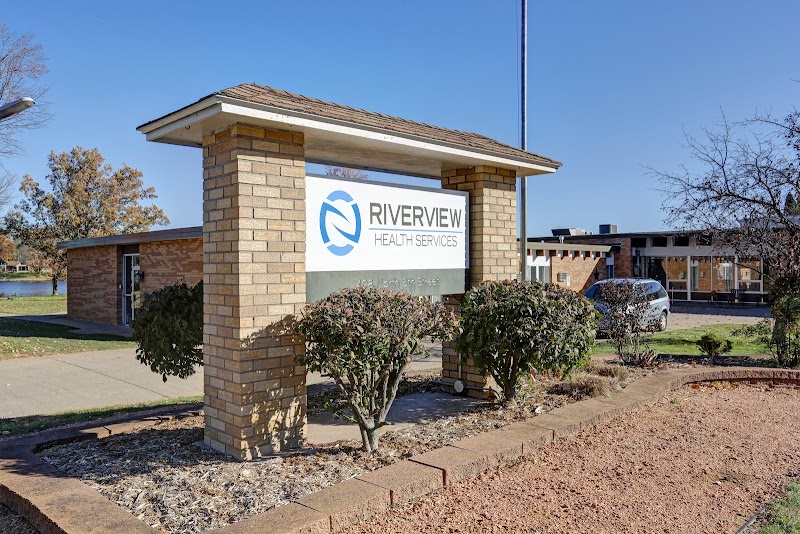
How is Riverview Health Services Staffed?

CMS rates RIVERVIEW HEALTH SERVICES's staffing level at 3 out of 5 stars, which is average compared to other nursing homes. Staff turnover is 38%, compared to the Wisconsin average of 46%. This relatively stable workforce can support continuity of care.

What Have Inspectors Found at Riverview Health Services?

State health inspectors documented 11 deficiencies at RIVERVIEW HEALTH SERVICES during 2022 to 2024. These included: 11 with potential for harm.
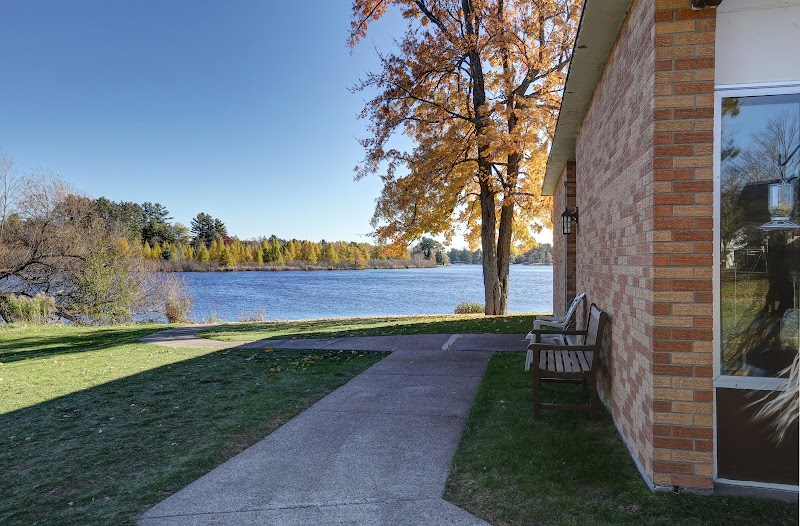
Who Owns and Operates Riverview Health Services?

RIVERVIEW HEALTH SERVICES is owned by a for-profit company. For-profit facilities operate as businesses with obligations to shareholders or private owners. The facility is operated by NORTH SHORE HEALTHCARE, a chain that manages multiple nursing homes. With 50 certified beds and approximately 32 residents (about 64% occupancy), it is a smaller facility located in TOMAHAWK, Wisconsin.
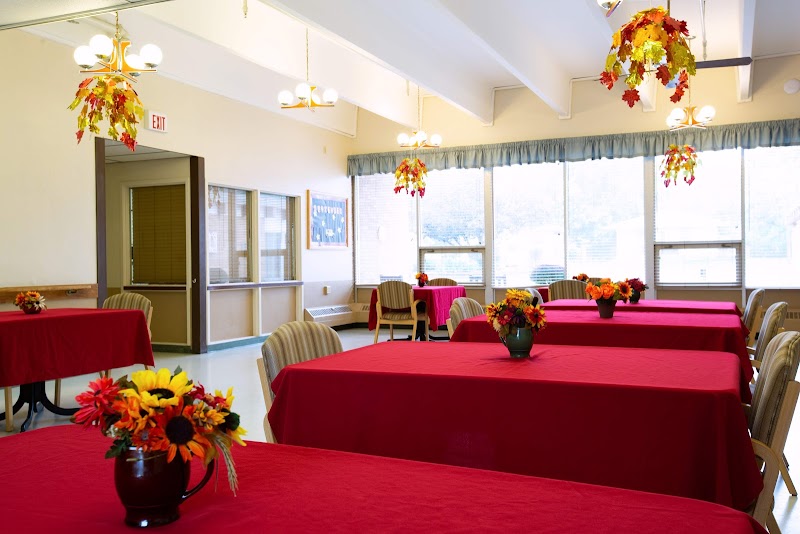
How Does Riverview Health Services Compare to Other Wisconsin Nursing Homes?

Compared to the 100 nursing homes in Wisconsin, RIVERVIEW HEALTH SERVICES's overall rating (3 stars) matches the state average, staff turnover (38%) is near the state average of 46%, and health inspection rating (3 stars) is at the national benchmark.

What Should Families Ask When Visiting Riverview Health Services?

Based on this facility's data, families visiting should ask: "Can I visit during a mealtime to observe dining assistance and food quality?" "How do you handle medical emergencies, and what is your hospital transfer rate?" "Can I speak with family members of current residents about their experience?"

Is Riverview Health Services Safe?

Based on CMS inspection data, RIVERVIEW HEALTH SERVICES has a clean safety record: no substantiated abuse findings (meaning no confirmed cases of resident harm), no Immediate Jeopardy citations (the most serious violation level indicating risk of serious injury or death), and is not on the Special Focus Facility watch list (a federal program monitoring the lowest-performing 1% of nursing homes). The facility has a 3-star overall rating and ranks #1 of 100 nursing homes in Wisconsin. While no facility is perfect, families should still ask about staff-to-resident ratios and recent inspection results during their visit.

Do Nurses at Riverview Health Services Stick Around?

RIVERVIEW HEALTH SERVICES has a staff turnover rate of 38%, which is about average for Wisconsin nursing homes (state average: 46%). Moderate turnover is common in nursing homes, but families should still ask about staff tenure and how the facility maintains care continuity when employees leave.

Was Riverview Health Services Ever Fined?

RIVERVIEW HEALTH SERVICES has been fined $5,286 across 2 penalty actions. This is below the Wisconsin average of $33,132. While any fine indicates a compliance issue, fines under $50,000 are relatively common and typically reflect isolated problems that were subsequently corrected. Families should ask what specific issues led to these fines and confirm they've been resolved.

Is Riverview Health Services on Any Federal Watch List?

RIVERVIEW HEALTH SERVICES is not on any federal watch list. The most significant is the Special Focus Facility (SFF) program, which identifies the bottom 1% of nursing homes nationally based on persistent, serious quality problems. Not being on this list means the facility has avoided the pattern of deficiencies that triggers enhanced federal oversight. This is a positive indicator, though families should still review the facility's inspection history directly.