ARIA OF WAUKESHA

1451 CLEVELAND AVE, WAUKESHA, WI 53186 (262) 547-2123
For profit - Corporation 105 Beds ARIA HEALTHCARE Data: November 2025
Trust Grade
35/100
#132 of 321 in WI
Last Inspection: October 2024

Within standard 12-15 month inspection cycle. Federal law requires annual inspections.

Overview

Aria of Waukesha has received a Trust Grade of F, indicating significant concerns about the quality of care provided. With a state rank of #132 out of 321 facilities in Wisconsin, they are in the top half, but this is not a strong position overall. The facility is reportedly improving, having reduced their issues from 17 in 2023 to just 4 in 2024, but staffing remains a concern with a rating of 2 out of 5 stars and a turnover rate of 64%, which is higher than the state average. Additionally, they have faced $26,480 in fines, which is average for the state, and they have less RN coverage than 85% of other facilities, meaning that registered nurses may not be as readily available to catch potential issues. Specific incidents include a resident suffering from severe constipation without an adequate care plan and another resident with a serious skin condition that was not promptly assessed or treated, indicating weaknesses in patient management despite some positive trends in the overall number of issues.

Trust Score
F
35/100
In Wisconsin
#132/321
Top 41%
Safety Record
High Risk
Review needed
Inspections
Getting Better
17 → 4 violations
Staff Stability
⚠ Watch
64% turnover. Above average. Higher turnover means staff may not know residents' routines.
Penalties
✓ Good
$26,480 in fines. Lower than most Wisconsin facilities. Relatively clean record.
Skilled Nurses
○ Average
Each resident gets 34 minutes of Registered Nurse (RN) attention daily — about average for Wisconsin. RNs are the most trained staff who monitor for health changes.
Violations
⚠ Watch
28 deficiencies on record. Higher than average. Multiple issues found across inspections.
★★★☆☆
3.0
Overall Rating
★★☆☆☆
2.0
Staff Levels
★★☆☆☆
2.0
Care Quality
★★★☆☆
3.0
Inspection Score
Stable
2023: 17 issues
2024: 4 issues

The Good

  • Full Sprinkler Coverage · Fire safety systems throughout facility
  • No fines on record

Facility shows strength in fire safety.

The Bad

3-Star Overall Rating

Near Wisconsin average (3.0)

Meets federal standards, typical of most facilities

Staff Turnover: 64%

18pts above Wisconsin avg (46%)

Frequent staff changes - ask about care continuity

Federal Fines: $26,480

Below median ($33,413)

Moderate penalties - review what triggered them

Chain: ARIA HEALTHCARE

Part of a multi-facility chain

Ask about local staffing decisions and management

Staff turnover is elevated (64%)

16 points above Wisconsin average of 48%

The Ugly 28 deficiencies on record

3 actual harm
Oct 2024 3 deficiencies
CONCERN (D)

Potential for Harm - no one hurt, but risky conditions existed

Food Safety (Tag F0812)

Could have caused harm · This affected 1 resident

**NOTE- TERMS IN BRACKETS HAVE BEEN EDITED TO PROTECT CONFIDENTIALITY** Based on interview, observation, record review, policy review, and review of the United States Department of Agriculture (USDA) ...

Read full inspector narrative →
**NOTE- TERMS IN BRACKETS HAVE BEEN EDITED TO PROTECT CONFIDENTIALITY** Based on interview, observation, record review, policy review, and review of the United States Department of Agriculture (USDA) website, the facility failed to store food and snacks in a sanitary manner in one of two resident refrigerators (East unit refrigerator). The facility did not ensure items stored in the East unit refrigerator were labeled, dated, and removed, when necessary. This had the potential to cause food-borne illness for residents who utilized the East unit refrigerator. Findings include: Review of R25's Face Sheet, found under the Census tab of the electronic medical record (EMR), revealed R25 was admitted to the facility on [DATE] for rehabilitation services following a fall at home. Review of R15's admission Minimum Data Set (MDS), with an Assessment Reference Date (ARD) of 08/09/24 and located under the MDS tab of the EMR, revealed R25 had a Brief Interview for Mental Status (BIMS) score of 14 out of 15, which indicated she was cognitively intact. During an interview on 10/08/24 at 12:59 PM, R25 stated that the refrigerator/freezer located at the East nurses' station was unclean and needed to be defrosted. During an observation on 10/11/24 at 10:48 AM, Certified Nurse Aide (CNA) 2 was seen removing a can of an energy drink from the freezer portion of the refrigerator located at the East nurses' station. She opened the beverage and began to sip. A sign on the door of the refrigerator recorded that the refrigerator was for resident foods, and all items needed to be labeled, dated, and discarded after three days. Observation of the interior of the freezer portion of the refrigerator revealed a buildup of ice and frost. The ice was approximately two and one-half inches thick. There were two plastic soda bottles stored in the freezer area, and they took up most of the free space in the freezer. The bottles were not labeled or dated. There were leftover fast-food containers, leftover individually packaged beverages, and other unknown items in the refrigerator that were not labeled or dated. In the door of the refrigerator, there were multiple opened containers of condiments, including salad dressing and mustard, and none of the items were labeled or dated. During an interview on 10/11/24 at 11:18 AM, the DON was asked about the refrigerator located at the East nurses' station and who was responsible for cleaning and ensuring its' contents were labeled, dated, and properly stored and/or discarded. The DON stated that the refrigerator in question was specifically used for the residents, and it was the responsibility of the dietary staff to clean it and for the nursing staff to ensure any item placed inside the refrigerator was labeled with resident information and the date the item was placed in the refrigerator. During an interview on 10/11/24 at 3:03 PM, the Administrator provided an infection control cleaning policy and a housekeeping (HK) responsibility checklist. Review of the checklist revealed no documentation of whose responsibility it was to clean the residents' refrigerators. The Administrator stated she felt the facility had missed assigning responsibility for cleaning the resident refrigerators to a particular department, and no one took responsibility for it. The Administrator advised that the refrigerator would be cleaned immediately, and items would be discarded as needed. Review of the facility policy titled, Infection Control-Cleaning and disinfection/non-critical and shared equipment, revised 07/07/23, revealed that the facility is to . ensure that appropriate infection prevention and control measures are taken to provide a safe, sanitary, and comfortable environment to prevent the spread of infection in accordance with State and Federal Regulations . Review of the USDA website at https://ask.usda.gov/s/ revealed opened salad dressings can be safely stored in refrigeration for two months and opened mustard for 12 months.
CONCERN (D)

Potential for Harm - no one hurt, but risky conditions existed

Infection Control (Tag F0880)

Could have caused harm · This affected 1 resident

**NOTE- TERMS IN BRACKETS HAVE BEEN EDITED TO PROTECT CONFIDENTIALITY** Based on observation, record review, interview, and review of facility policy, the facility failed to ensure staff donned the ap...

Read full inspector narrative →
**NOTE- TERMS IN BRACKETS HAVE BEEN EDITED TO PROTECT CONFIDENTIALITY** Based on observation, record review, interview, and review of facility policy, the facility failed to ensure staff donned the appropriate personal protective equipment (PPE) when providing direct care to one of 13 residents (Resident (R) 313) on Enhanced Barrier Precautions (EBP) out of a total sample of 25. This failure could promote the spread of multi-drug-resistant organisms throughout the facility. Findings include: A review of the facility's document titled, Enhanced Barrier Precautions, dated 03/25/24 reads in part, Enhanced barrier precautions (EBP) refer to an infection control intervention designed to reduce transmission of multidrug-resistant organisms that employ targeted gown and gloves use during high contact resident care activities . An order for enhanced barrier precautions (by physician-approved 'standing orders') will be initiated for residents with any of the following: i. Wounds (e.g., chronic wounds such as pressure ulcers, diabetic foot ulcers, unhealed surgical wounds, and chronic venous stasis ulcers) and/or indwelling medical devices (e.g., central lines, urinary catheters, feeding tubes, tracheostomy/ventilator tubes) even if the resident is not known to be infected or colonized with an MDRO. Infection or colonization with a CDC-targeted MDRO when Contact Precautions do not otherwise apply . Make gowns and gloves available immediately near or outside of the resident's room. Note: face protection may also be needed if performing an activity with a risk of splash or spray (i.e., wound irrigation, tracheostomy care). PPE for enhanced barrier precautions is only necessary when performing high-contact care activities (described below) and may not need to be donned before entering the resident's room. Ensure access to alcohol-based hand rub . A review of Resident 313's admission Record, located in the resident's electronic medical record (EMR) tab titled, Profile, documented the resident was admitted to the facility on [DATE] with diagnoses that included stage IV sacral pressure ulcer, vascular dementia, hemiplegia, hemiparesis, bacteremia, urinary retention, and gastrostomy tube. A review of R 313's Physicians' Orders, located in the resident's EMR tab titled Orders, documented the resident was on Enhanced Barrier precautions related to having an indwelling urinary catheter and wounds. An observation on 10/09/24 at 3:26 PM revealed that R313's room door had signage posted that read, Enhanced Barrier Precautions. The signage directed staff to perform hand hygiene and don gowns and gloves when providing direct care for R313. An observation on 10/09/24 at 3:37 PM revealed Registered Nurse (RN) 1 performed hand hygiene, donned a pair of gloves, and then entered R313's room. The nurse failed to don a gown. RN1 performed wound care on R313's heel ulcer without wearing a gown. An interview on 10/09/24 at 4:10 PM with RN1 revealed that she was unaware the resident was on EBP but agreed that since the resident did have an indwelling urinary catheter, received wound care, and had a feeding tube, the resident should be on EBP and acknowledged that she failed to follow the directions on the signage posted on the resident's door. An interview was conducted on 10/11/24 at 10:06 AM with the Director of Nursing (DON). The DON stated that it was an expectation that staff providing direct care to residents on Enhanced Barrier Precautions would perform hand hygiene when entering and exiting the resident's room and that staff were to wear gowns and gloves when providing direct care. The DON stated the staff were recently instructed on EBP precautions. A review of the facility's in-service records for Enhanced Barrier Precautions training revealed that RN1 attended a training session on 10/10/24.
CONCERN (E)

Potential for Harm - no one hurt, but risky conditions existed

Deficiency F0801 (Tag F0801)

Could have caused harm · This affected multiple residents

Based on interview, record review, and facility document review, the facility failed to employ a qualified Dietary Manager (DM) or clinically qualified nutritional professional on a full-time basis to...

Read full inspector narrative →
Based on interview, record review, and facility document review, the facility failed to employ a qualified Dietary Manager (DM) or clinically qualified nutritional professional on a full-time basis to carry out the functions of overseeing the menus. 4 (R25, R9, R11 and R49) of 4 residents interviewed regarding menus and food selection expressed concerns regarding kitchen management. Findings include: Review of the facility's undated job description and responsibilities for the Dietary Manager (DM) revealed that the primary purpose of the job is to . assist the Dietitian in planning, organizing, developing and directing the overall operation of the Food Services Department in accordance with current federal, state, and local standards, guidelines and regulations governing our facility, and as may be directed by the Administrator, to assure that quality nutritional services are provided on a daily basis and that the Food Services Department is maintained in a clean, safe, and sanitary manner . During the initial kitchen tour on 10/08/24 at 9:45 AM, the menus for the week of 10/06/24 through 10/12/24 were reviewed. The breakfast menu revealed hot or cold cereal and eggs were served daily. Meat was listed as the protein source on 10/08/24 (sausage gravy) and 10/12/24 (sausage links). During an interview on 10/08/24 at 11:00 AM, the DM confirmed that she has been at the facility for over 20 years and had been the DM for about two years. The DM confirmed she was not a Certified Dietary Manager. She stated she believed the facility had a full-time registered dietitian (RD). The DM stated the RD was responsible for completing resident assessments, and the DM was responsible for the menus, ordering, and maintaining inventory. During an interview on 10/08/24 at 12:59 PM, Resident (R) 25, who had been at the facility since 08/03/14, stated that they received the same items for breakfast each morning. R25 stated the residents received eggs every day and no meat. During a Resident Council meeting on 10/09/24 at 11:00 AM, R9, R11, and R49 confirmed that they rarely receive meat during the breakfast meal. The residents stated they had talked with staff about the lack of meat at breakfast. During an interview with the DM on 10/10/24 at 7:06 AM, the DM stated she was unaware of residents' complaints regarding the lack of meat during the breakfast meal. She stated the RD was responsible for creating the menus and ensuring they met each resident's nutritional needs. The DM stated she was responsible for ordering all kitchen inventory. She stated that she would advise the RD of the residents' concerns and would attempt to adjust the menu and purchase orders. A phone interview was conducted with a representative of the facility's consultant registered dietitian (RD) group on 10/10/24 at 10:06 AM, and she advised that she and her team provided three to four hours of remote consultative work per week, which consisted of updating charts and attending weekly interdisciplinary meetings. When asked if she was aware of any food or menu complaints or concerns, the RD stated that would be the responsibility of the DM, as she was responsible for the menu and the ordering of stock. The RD stated the DM was also responsible for compiling and responding to resident requests and suggestions. During an interview on 10/10/24 at 12:52 PM with the Director of Nursing (DON) and the Administrator, they confirmed that the dietitian was a consultant that was not full-time. They confirmed that they were working with the current DM to get her certified. When asked who was responsible for planning the menu, they confirmed that the DM was, with assistance from an automated menu planning program. They stated they were unaware the residents were unhappy with the lack of meat protein served for breakfast.
Jun 2024 1 deficiency
CONCERN (D) 📢 Someone Reported This

A family member, employee, or ombudsman was alarmed enough to file a formal complaint

Potential for Harm - no one hurt, but risky conditions existed

Abuse Prevention Policies (Tag F0607)

Could have caused harm · This affected 1 resident

Based on staff interview and record review, the facility did not implement their written policies and procedures to prohibit and prevent abuse for 2 of 8 staff reviewed for caregiver background checks...

Read full inspector narrative →
Based on staff interview and record review, the facility did not implement their written policies and procedures to prohibit and prevent abuse for 2 of 8 staff reviewed for caregiver background checks. The facility did not ensure thorough and timely caregiver background checks were completed for Laundry Aide (LA)-C and Certified Nursing Assistant (CNA)-D. Findings include: The facility's undated Abuse Prevention Program indicates: This facility affirms the right of our residents to be free from abuse, neglect, exploitation, misappropriation of property, or mistreatment .This will be done by: conducting pre-employment screening of employees and pre-admission screening of residents .This facility will not knowingly employ any staff convicted of any of the offenses affecting caregiver eligibility under the WI Caregiver Program .Prior to a new employee starting a work schedule, this facility will: .Obtain a Wisconsin Criminal History Record from the Wisconsin Department of Justice, Division of Law Enforcement Services for the individual being hired; and obtain a caregiver background check from the Department of Health Services for the individual being hired. The Wisconsin Caregiver Program: Offenses Affecting Caregiver Eligibility For Chapter 50 Programs, dated 4/2020, indicates: This document lists Wisconsin crimes and other offenses that the Wisconsin State Legislature, under the Caregiver Law, Wis. Stat. § 50.065, has determined require rehabilitation review approval before a person may receive regulatory approval, work as a caregiver, reside as a non-client resident at, or contract with an entity .Additional information must be obtained when: .The Background Information Disclosure (BID) or Department of Justice (DOJ) response indicates a conviction of any of the following, where the conviction occurred five years or less from the date on which the information was obtained .6. Disorderly Conduct Wis. Stat. § 947.01 .Note: These seven convictions do not prohibit employment, but do require the entity to obtain the criminal complaint and judgment of conviction from the Clerk of Courts office in the county where the person was convicted. On 6/7/24, Surveyor reviewed background check documents for 8 staff members, including LA-C and CNA-D and noted the following: ~ LA-C's hire date was listed as 2/15/24. LA-C's BID form was dated 2/20/24. LA-C's DOJ and Integrated Background Information System (IBIS) letters were dated 2/20/24. LA-C's BID form indicated LA-C previously resided in Florida. A Florida criminal background check was not provided. LA-C's Wisconsin DOJ letter indicated LA-C was convicted of Disorderly Conduct Wis. Stat. § 947.01 in 2023. ~ CNA-D's hire date was listed as 11/6/23. CNA-D's BID form was dated 3/29/24. CNA-D's DOJ and IBIS letters were dated 6/7/24. On 6/7/24 at 11:41 AM, Surveyor interviewed Human Resources Director (HRD)-E who stated the facility's process is to obtain a BID form and DOJ and IBIS letters prior to a new employee's first shift. When asked if the facility conducts out-of-state criminal background checks, HRD-E stated, I think we do national background checks. Don't get too many applicants out of state. I started here mid-March (2024). I would go to the state they were in (to obtain that state's criminal background check). Following a discussion of the above information related to LA-C, HRD-E reviewed LA-C's employee file. HRD-E stated LA-C's file did not contain a criminal background check from Florida and verified there was no additional information related to LA-C's disorderly conduct conviction. Following a discussion of the above information related to CNA-D, HRD-E stated HRD-E obtained CNA-D's DOJ and IBIS letters on 6/7/24 because HRD-E did not see current DOJ and IBIS letters in CNA-D's employee file. HRD-E stated CNA-D transferred from a sister facility and verified CNA-D started at the facility on 11/6/23. HRD-E verified the facility should have obtained a new BID form and DOJ and IBIS letters when CNA-D started employment. Upon request, HRD-E provided Surveyor with LA-C's punch details for 2/15/24 through 2/20/24. HRD-E verified LA-C worked shifts during that timeframe. On 6/7/24, Surveyor reviewed punch details for LA-C for 2/15/24 through 2/21/24 which indicated LA-C worked 11:00 AM to 3:30 PM on 2/15/24, 8:00 AM to 3:30 PM on 2/16/24, 8:00 AM to 3:30 PM on 2/19/24, and 8:00 AM to 3:30 PM on 2/20/24. Surveyor reviewed the Background Request Payment document attached to LA-C's DOJ and IBIS letters which indicated the request was made and paid for on 2/20/24 at 1:35 PM. On 6/7/24 at 12:12 PM, Surveyor interviewed Regional Director of Clinical Operations (RDCO)-F who verified background checks should be completed at a new facility when an employee switches facilities within the corporation. RDCO-F verified background checks should to be done upon hire prior to the employee's first shift. Following a discussion about the facility's policy that does not address out-of-state criminal background checks, RDCO-F indicated a national criminal background check is performed on all employees. On 6/7/24 at 12:25 PM, Surveyor interviewed Nursing Home Administrator (NHA)-A who verified the facility did not have proof that a national criminal background check was obtained for LA-C. NHA-A stated the national criminal background check should have been run and printed for LA-C's file.
Nov 2023 1 deficiency
CONCERN (D) 📢 Someone Reported This

A family member, employee, or ombudsman was alarmed enough to file a formal complaint

Potential for Harm - no one hurt, but risky conditions existed

Accident Prevention (Tag F0689)

Could have caused harm · This affected 1 resident

**NOTE- TERMS IN BRACKETS HAVE BEEN EDITED TO PROTECT CONFIDENTIALITY** Based on record review and interview, the facility failed to have an effective system to ensure each resident received adequate ...

Read full inspector narrative →
**NOTE- TERMS IN BRACKETS HAVE BEEN EDITED TO PROTECT CONFIDENTIALITY** Based on record review and interview, the facility failed to have an effective system to ensure each resident received adequate supervision and monitoring to prevent elopement for one of three sampled residents (Resident (R) 1). The facility assessed R1 as an elopement risk and placed a wanderguard device on the resident; however, on 10/01/23 the resident exited the backdoor of the facility and the facility's wanderguard system failed to alarm. Findings include: Review of R1's electronic medical record (EMR) under the Diagnosis tab revealed the resident was admitted to the facility on [DATE] with diagnoses which included encephalopathy, Alzheimer's disease, dementia, and cerebral amyloid angiopathy. Review of R1's Physician's Orders located it the resident's EMR under the Orders tab revealed an order for Namenda oral tablet 10 milligrams (MG) (active date on 11/21/23), Depakote Sprinkles oral capsule delayed release sprinkle 125 MG (active date 11/20/23), Seroquel oral tablet 50 MG (active date on 11/20/23), monitor for behaviors (active date 10/19/23), sertraline HCl oral tablet 50 MG (active date 10/11/23), monitor antipsychotic use (active date 09/25/23), Wanderguard: check placement, location and function QD [every day] (active date 09/25/23) and apply Wanderguard on resident identified for elopement ( active date 09/25/23). All physician's orders identified were current through 11/21/23. Review of R1's admission modification Minimum Data Set (MDS) with Assessment Reference Date (ARD) date of 10/01/23, located in the resident's EMR under the MDS tab revealed the facility assessed R1 to have a Brief Interview for Mental Status (BIMS) score of three out of 15 which indicated resident was severely cognitively impaired. Continued review of the MDS revealed the facility assessed R1 to have no impairment in functional limitation of range on upper/lower extremity, did not require the use of mobility devices, required supervision/touching assistance for sit to stand, and partial/moderate assist for walking. Review of R1's Care Plan located in the resident's EMR under the Care Plan tab revealed problems dated initiated 09/26/23 and revised on 10/02/23 indicated R1 was an elopement risk related to cognitive deficit and diagnoses of dementia and Alzheimer's disease. Review of R1's Elopement Assessment, dated 09/25/23, provided by the facility revealed the resident was at risk for elopement. Review of the facility's undated investigation titled, [R1's Name] Investigation Summary, revealed R1 left the facility unsupervised on 10/01/23. Continued review revealed the resident exited through a back door of the facility and the resident's wanderguard did not alarm as it was supposed to once the resident reached the door. During an interview on 11/21/23 at 11:20 AM, the Administrator confirmed R1 exited a back door of the facility alone on 10/01/23. The Administrator stated no one heard the wanderguard alarm that should have alarmed once the resident reached the back door. Interview on 11/21/23 at 1:48 PM with Licensed Practical Nurse (LPN 1) confirmed R1 eloped from the facility on 10/01/23. LPN1 stated R1 was able to walk out the back door without the alarm sounding. During a subsequent interview on 11/21/23 at 1:58 PM, the Administrator stated R1 was found on the sidewalk in front of the facility on 10/01/23. The Administrator stated it was determined the wanderguard alarm switch did not alarm as intended and was immediately replaced. Review of facility's policy titled Elopement Prevention and Missing Resident Policy, dated 01/05/21, provided by the Director of Nursing (DON) revealed Residents who are at risk for elopement shall be provided at least one of the following safety precautions. 1. A WanderGuard device that will notify facility staff when the resident has left the building without supervision; 2. Door alarms on facility exits; 3. Staff supervision, either by visual contact or closed-circuit television of facility exits.
Oct 2023 2 deficiencies
CONCERN (D) 📢 Someone Reported This

A family member, employee, or ombudsman was alarmed enough to file a formal complaint

Potential for Harm - no one hurt, but risky conditions existed

Quality of Care (Tag F0684)

Could have caused harm · This affected 1 resident

**NOTE- TERMS IN BRACKETS HAVE BEEN EDITED TO PROTECT CONFIDENTIALITY** Based on interview, and record review the facility did not ensure residents received treatment and care in accordance with profe...

Read full inspector narrative →
**NOTE- TERMS IN BRACKETS HAVE BEEN EDITED TO PROTECT CONFIDENTIALITY** Based on interview, and record review the facility did not ensure residents received treatment and care in accordance with professional standards of practice related to completing a thorough assessment of a resident after a fall for 2 (R3 & R2) of 2 Residents reviewed for falls. *R3 sustained unwitnessed falls on 09/13/23 and 09/14/23 and did not have neurological checks completed. *R2 sustained falls two times on 7/27/23, 7/29/23, 9/8/23, 9/14/23, 9/20/23, 9/26/23, and 9/27/23 and neurological checks were not completed. Findings include: The facility Fall Policy-post fall monitoring dated 03/11/2023, documents, . is for all residents to receive adequate post-fall monitoring. Procedure # 3 documents: A fall that is unwitnessed or in which the head is struck requires neurological checks at the following intervals: -At the time of the fall, -Every 15 minutes x 4 (4 times), -Every 30 minutes x 4, -Every hour x 4, -Every 4 hours x 4, -Every 8 hours x 6. R3 was admitted to the facility on [DATE]. Diagnosis includes major depressive disorder, recurrent mild unspecified dementia, moderate, with psychotic disturbance, chronic kidney disease, stage 3 unspecified benign prostatic hyperplasia with lower urinary tract symptoms. R3's admission Minimum Data Set (MDS) with an assessment reference date of 09/15/2023 assessed R3 as having short-term and long-term memory problems and is severely impaired cognitive skills for daily decision making. R3 is assessed to require supervision with one-person physical assist for bed mobility, transfers with limited assistance with one-person physical assist, dressing with limited assistance with one-person physical assist, toileting with limited assistance with one-person physical assist. R3 is assessed as always continent for urine and bowel. R3's medical record documents on 9/13/2023, R3 had a fall at 6:23 a.m. Under fall description documents: Resident from room [139] reported resident was on the floor. This nurse and CNA (Certified Nursing Assistant)-J, found resident up and walking in room. Resident [sic] denies injury. Nurses note dated 09/13/23, at 9:13 a.m., documents CNA [name] found resident already standing on his feet when he arrived. Body check completed with no injury noted, resident denies pain or injury. Neuro checks negative. Resident had been up dressing and had put normal socks on. Shoes put on to prevent further falls. Neuro checks initiated. Resident is his own person, requests no family be called. [name] NP (nurse practitioner), notified of fall, no new order. Resident fall data dated 09/14/23 documents R3 had a fall at 5:15 a.m. Fall description documents: CNA from middle section found resident stumbling at nurses's [sic] station, yelled for help. Staff assisted resident into his wheelchair. Nurses note on 09/14/2023, at 9:26 a.m., documents CNA yelled down the hallway for help. Resident was walking in hallway, bleeding from above his left eye, some blood also noted to floor in bedroom. Resident assisted into his wheelchair by 2 staff members, area above left eye cleansed with normal saline, steri-strips and dressing applied. Resident placed in area of nurse's stating for monitoring, and so he could watch tv. Neuro checks initiated, and were negative. [Name] CCM (Community Care Manager) notified, awaiting call back from physician, no number available at this time for [name] POA (Power of Attorney). On 10/12/23 Surveyor received documentation of neurological check from Acting Director of Nursing (DON) B. Neurological checks were documented as completed on 09/13/23 at 6:30 a.m., 3:14 p.m., and on 09/14/23 at 12:23 p.m., and on 09/15/23 at 10:00 a.m. On 10/12/23, at 2:32 p.m. Acting Director of Nursing (DON) B was interviewed and indicated neurological checks were not completed according to fall policy and should have been completed. 2) R2 was admitted to the facility on [DATE] with diagnoses of Cerebral Infarction, Type 2 Diabetes Mellitus, Chronic Kidney Disease, Obesity, Vascular Dementia, and Depression. R2 currently has an activated Health Care Power of Attorney (HCPOA). R2's admission Minimum Data Set (MDS) dated [DATE] documents R2's Brief Interview for Mental Status (BIMS) score to be 11, indicating R2 demonstrates moderately impaired skills for daily decision making. R2's MDS also documents R2 requires extensive assistance of 2 for bed mobility, toileting, and transfers and extensive assistance of 1 for hygiene and dressing. R2's MDS documents R2 is incontinent of bowel and bladder. R2 utilizes a wheelchair for locomotion. R2's comprehensive care plan documents that R2 is at risk for falls: Actual fall x2 (two times) 7/27/23 Actual fall 7/29/23 Actual fall 9/8/23 Actual fall 9/14/23 Actual fall 9/20/23 Actual fall 9/26/23 Actual fall 9/27/23 Revised on: 9/27/23 Interventions put in place: ~On 7/27/23: Frequent checks when [R2] chooses to be outside in courtyard- Revised: 8/7/23; ~On 7/27/23: Keep wheelchair at bedside when bed is occupied-Initiated: 8/7/23; ~On 7/29/23: Prompt [R2] for toileting upon rising, before and after meals, at HS (hour of sleep) and PRN (as needed), when [R2] is restless prompt toileting as well-Initiated: 8/1/23; ~On 9/14/23: Ensure that [R2] is wearing appropriate footwear-Revised: 9/19/23; ~On 9/20/23: Ensure [R2] has on appropriate footwear at all times-Initiated: 9/27/23; ~On 9/26/23: Labs ordered for evaluation-Initiated: 9/27/23; ~On 9/27/23: Room move-Initiated: 9/27/23; ~On 9/8/23: Keep bed and transfer height for safety when occupied-Initiated: 9/19/23; ~Be sure R2's call light is within reach and encourage R2 to use it for assistance as needed-Initiated ~On 7/26/23: Educate [R2]/family/caregivers about safety reminders and what to do if a fall occurs-Initiated: 7/26/23; ~Encourage [R2} to stay in common areas while awake-Initiated: 9/14/23; ~Follow facility fall protocol-Initiated: 7/26/23. Surveyor reviewed R2's five unwitnessed falls investigations since 8/1/23. Per facility policy, a post fall assessment should be completed which includes blood pressure, pulse, respirations, temperature, orientation, skin, pain, and neurological checks at time of fall, every 15 minutes x4, every 30 minutes x4, every hour x4, every 4 hours x4, and every 8 hours x6. The facility provided documentation of the above for each of the five falls, however, Surveyor notes that there is incomplete vitals and neurochecks. R2's medical record documents on 9/8/23 R2 was found sitting on the floor in front of wheelchair at 5:45 PM. No injuries noted. Vitals and neurochecks were taken at time of fall. The following vitals and neurochecks were completed post fall: ~9/8/23, at 6:00 PM, all vitals except for temperature and neurocheck ~9/8/23, at 8:00 PM, all vitals and neurochecks ~9/9/23, at 5:00 AM, all vitals and neurochecks ~9/12/23,at 1:36 PM, all vitals and neurochecks Surveyor notes that vitals and neurochecks were not obtained every 15 minutes x4, every 30 minutes x4, every hour x4, every 4 hours x4, every 8 hours x6 for R2's 9/8/23 fall. There are two days that no vitals or neurochecks were completed. On 9/14/23, R2's medical record documents, [R2] found sitting on floor in bathroom at 12:00 PM. No injuries noted. Vitals and neurochecks were taken at time of fall. The following vitals and neurochecks were completed post fall: ~9/14/23, at 12:30 PM, all vitals and neurochecks ~9/14/23, at 1:00 PM all vitals and neurochecks ~9/15/23, at 10:21 AM all vitals and neurochecks ~9/17/23, at 10:47 PM all vitals and neurochecks Surveyor notes that vitals and neurochecks were not obtained every 15 minutes x4, every 30 minutes x4, every hour x4, every 4 hours x4, every 8 hours x6 for R2's 9/14/23 fall. There are days that no vitals or neurochecks were completed. On 9/20/23, R2's medical record documents, [R2] found on floor in front of bed. Fall report has no time of fall documented. No injuries noted. Vitals and neurochecks were taken at time of fall. The facility was not able to provide any documentation that vitals and neurochecks were obtained 15 minutes x4, every 30 minutes x4, every hour x4, every 4 hours x4, every 8 hours x6 with R2's 9/20/23 fall. On 9/26/23, R2's medical record documents, [R2] was found on floor on knees by wheelchair at 9:20 PM. No injuries noted. Vitals and neurochecks were taken at time of fall. The following vitals and neurochecks were completed post fall: ~ On 9/26/23, at 11:25 PM all vitals and neurocheck Surveyor notes this is the only time vitals and a neurocheck was documented for R2's 9/26/23 fall. Surveyor notes that vitals and neurochecks were not obtained every 15 minutes x4, every 30 minutes x4, every hour x4, every 4 hours x4, every 8 hours x6. On 9/27/23, R2's medical record documents, [R2] was found sitting on the floor in the middle of the room at 4:15 AM. No injuries noted. Vitals and neurochecks were taken at time of fall. Surveyor notes no vitals and neurochecks were documented for R2's 9/27/23 fall. Surveyor notes that vitals and neurochecks were not obtained every 15 minutes x4, every 30 minutes x4, every hour x4, every 4 hours x4, every 8 hours x6. On 10/12/23, at 1:35 PM, Surveyor shared with Acting Director of Nursing (ADON-B) the concern that vitals and neurochecks are not documented for R2's five falls. ADON-B confirmed that vitals and neurochecks should be completed for all unwitnessed falls and the facility is still looking for the documentation. On 10/12/23, at 3:18 PM, ADON-B informed Surveyor that the facility has no more documentation to provided on vitals and neurochecks for R2's five falls. ADON-B stated that if it is documented in the progress notes that vitals and neurochecks were obtained, then the expectation is that the vitals and neurochecks should be documented on a post fall assessment or the neurocheck paper form. ADON-B understands the concern that vitals and neurochecks were not obtained per facility policy for R2's five unwitnessed falls. The facility provided no further information at this time.
CONCERN (D) 📢 Someone Reported This

A family member, employee, or ombudsman was alarmed enough to file a formal complaint

Potential for Harm - no one hurt, but risky conditions existed

Deficiency F0691 (Tag F0691)

Could have caused harm · This affected 1 resident

**NOTE- TERMS IN BRACKETS HAVE BEEN EDITED TO PROTECT CONFIDENTIALITY** Based on interview and record review the Facility did not ensure 1 (R1) of 1 Resident with an ileostomy/colostomy receive care c...

Read full inspector narrative →
**NOTE- TERMS IN BRACKETS HAVE BEEN EDITED TO PROTECT CONFIDENTIALITY** Based on interview and record review the Facility did not ensure 1 (R1) of 1 Resident with an ileostomy/colostomy receive care consistent with professional standards of practice, the comprehensive person centered care plan and resident's goals & preferences. Findings include: The Ostomy Procedure with a revision date of February 2, 2021 under Policy documents Residents who have colostomy bags will be provided with care and services to maintain their colostomy and to protect the skin from drainage as well as controlling odor as much as possible. R1's diagnoses includes hemiplegia and hemiparesis following cerebral infarction affecting right dominate side, ileostomy status and irritant contact dermatitis related to fecal stoma. R1's care plan documents, The resident has an ostomy: ileostomy care plan initiated 12/13/22 documents the following interventions: * Change dressings as need using aseptic technique. Initiated 3/22/23. * Empty, irrigate, and cleanse ostomy pouch on a routine basis, using appropriate equipment. Initiated 10/12/23. * Inspect stoma and peristomal skin area with each pouch change. Note irritation, bruises (dark, bluish color), rashes. Initiated 12/13/22. * Provide opportunity for patient to deal with ostomy through participation in self-care. Initiated 3/22/23. * Support surrounding skin when gently removing appliance. Apply adhesive removers as indicated, then wash thoroughly. Initiated 3/22/23. R1's physician orders include the following: Ostomy care orders: Cleanse skin with water. Dry well. Continue to measure stoma and adjust the size as needed. Apply stoma powder to any red or open areas around the stoma dust off excess. Spray or blot with water or barrier film. Allow to dry. Apply barrier ring to back of wafer. Stretch to fit the size of the opening. Apply wafer and pouch, stretching skin upward slightly to get good seal. Apply warmth and pressure with your hand for 1-2 minutes to obtain a good seal. As needed for stoma care every shift with an order date of 1/9/23. Staff to check colostomy site to make sure bag is adhered to skin every shift with an order date of 2/1/23. Empty colostomy appliance and release gas as well by nursing every 4 hours minimum to maintain patency every 4 hours for ostomy cares with an order date of 4/18/23. The quarterly MDS (minimum data set) with an assessment reference date of 9/21/23 assesses R1 as having short and long term memory problems and is severely impaired for cognitive skills for daily decision making. R1 is assessed as not having any behavior and is assessed as requiring limited assistance with one person physical assist for toilet use. Yes is answered for ostomy (including urostomy, ileostomy and colostomy). Surveyor reviewed R1's October MAR (medication administration record) and noted for Empty colostomy appliance and release gas as well by nursing every 4 hours minimum to maintain patency every 4 hours for ostomy cares on 10/8/23 is initialed as being completed at 1600 (4:00 p.m.) although interviews reveal R1's appliance was not attended to until after supper and Staff to check colostomy site to make sure bag is adhered to skin every shift on 10/8/23 for the evening shift is initialed by the LPN (Licensed Practical Nurse)-C, who was the day shift nurse, and has a code of 3. A code of 3 indicates the resident is hospitalized . The nurses note dated 10/9/23 at 00:34 (12:34 a.m.) documents Writer was made aware by staff CNA (Certified Nursing Assistant) and daughter family member of patient needing to be cleaned up d/t (due to) ostomy bag leakage. Writer obtained supplies and cleaned resident and changed ostomy bag and ostomy site care completed. Writer noted large area of skin around stoma to be red and purple in color with swelling and moist. Writer alerted [Name of medical group] with phone call and photo of site and obtained vital signs of patient. BP (blood pressure) 110/72, HR (heart rate) 99, SPO2 (oxygen saturation) 97%, Temp (temperature) 97.2, RR (respiration rate) 14. [Name of medical group] agreed to send patient to [Name] Memorial ED (emergency department). Daughter was present and agreed to this. Writer tried to call POA (power of attorney) who's number is out of service, per voicemail of POA. Writer left voicemail to case manager. Patient sent out via [Name] Ambulance at approx (approximately) 2000 (8:00 p.m.). No updates at this time. On 10/12/23 at 9:13 a.m. Surveyor asked CNA-H if she has completed morning cares for R1. CNA-H informed Surveyor she was in there this morning and the nurse put a new bag on and she cleaned him up. Surveyor informed CNA-H Surveyor would like to observe cares the next time for R1. CNA-H informed Surveyor R1 will put on his call light. On 10/12/23 at 9:14 a.m. Surveyor asked LPN (Licensed Practical Nurse)-I if she placed a new colostomy bag on R1. LPN-I replied yes. On 10/12/23 at 10:16 a.m. Surveyor observed R1 in bed on his back covered with bedding. Surveyor asked R1 if there was any time staff did not change his colostomy bag. R1 replied yes one day didn't change it, the day went to the hospital. They said they ran out of bags. My daughter took a picture. One of the nurses was putting on the bag when the paramedics came. They told me all day they didn't have one. Surveyor asked R1 if this was the day before he went to the hospital. R1 replied it was the same day. Surveyor asked R1 if CNA-H emptied his colostomy bag today. R1 replied yes. Surveyor asked if his bag comes off. R1 replied yes stating it goes to the side. R1 explained if staff doesn't empty his bag it will slide off. On 10/12/23 at 11:12 a.m. Surveyor asked LPN-C, who was the day nurse on 10/8/23 for R1's unit, if she could recall what cares for R1's colostomy bag she did on 10/8/23. LPN-C informed Surveyor she doesn't remember if this was the particular day R1's bag was off or leaking but if it wasn't this day she would have burped the bag and gave him medication. LPN-C informed Surveyor the CNA's would tell her if R1's bag was off or leaking. On 10/12/23 at 11:22 a.m. Surveyor spoke with CNA-F who was the day CNA assigned to R1's unit on 10/8/23. Surveyor asked CNA-F if she could explain to Surveyor what cares she did for R1 on 10/8/23. CNA-F informed Surveyor R1 had his colostomy bag on in the morning when she did cares. CNA-F informed Surveyor she checked it in the afternoon, the bag was on but it was coming apart. CNA-F informed Surveyor she cleaned around the bag, wrapped the bag with a towel and told the nurse R1 needed a new bag. Surveyor asked CNA-F who was the nurse she reported this to. CNA-F replied LPN-C's first name. Surveyor asked CNA-F what LPN-C did. CNA-F explained she didn't know as it was the end of their shift around 2:20 p.m.-2:30 p.m. On 10/12/23 at 11:27 a.m. Surveyor spoke with LPN-E on the telephone. LPN-E was the evening nurse on R1's on unit on 10/8/23. Surveyor asked LPN-E what cares she provided R1 on 10/8/23. LPN-E informed Surveyor R1 didn't have a bag on and wasn't sure how long he was without it. LPN-E explained she notified the doctor of the skin being very red. LPN-E explained she was new to the Facility and had just gotten off orientation. Surveyor asked LPN-E if there was a colostomy bag in the bed. LPN-E replied I don't recall. LPN-E stated I know people have told me he takes the bag off. LPN-E informed Surveyor she wasn't sure if the CNA knew if the bag was on or off, just knows he needed to be cleaned up. Surveyor asked if there was stool on R1. LPN-E informed Surveyor there was stool to the right side and he had a towel there. On 10/12/23 at 11:41 a.m. Surveyor spoke with CNA-G on the telephone. CNA-G was the evening CNA on R1's unit on 10/8/23. CNA-G informed Surveyor when she got to the Facility at 2:30 p.m. CNA-F told her she had R1 all wrapped up, R1 was OK and had a towel as R1 rips off his colostomy. CNA-G informed Surveyor when she was on the floor at 2:45 p.m. R1 had his call light on. R1's colostomy bag was off and stool was running all over. CNA-G informed Surveyor she told the new nurse, LPN-E, R1's bag had to be changed. CNA-G informed Surveyor she told LPN-E three times. CNA-G informed Surveyor LPN-E was busy as two Residents fell and two had to go to the hospital one of which was R1. CNA-G informed Surveyor she said she was going to take care of it. CNA-G informed Surveyor again she told the nurse three times R1's bag needed to be changed. CNA-G informed Surveyor the family came in, they were irritate and she doesn't blame them. CNA-G informed Surveyor the third time she told LPN-E she and LPN-D were talking about going to change him. CNA-G informed Surveyor LPN-E had never been on their unit before and was talking to LPN-D. On 10/12/23 at 12:31 p.m. Surveyor spoke with LPN-D on the telephone. LPN-D was the other nurse working at the Facility during the evening shift on 10/8/23. Surveyor asked LPN-D if LPN-E spoke to her about R1's colostomy bag. LPN-D replied we did. LPN-D explained R1's daughter came up to her as she couldn't find LPN-E and asked where LPN-E was. LPN-D informed Surveyor R1's daughter said her dad needed to be cleaned up. Surveyor asked if R1's daughter was upset. LPN-D informed Surveyor R1's daughter was upset initially but as soon as she started to respond she calmed down. Surveyor asked LPN-D what happened. LPN-D indicated she went with the daughter to find LPN-E. LPN-D explained she and LPN-E grabbed the supplies, exchanged the sheets & towels, cleaned the stoma and placed a new ostomy bag on. Surveyor asked if there was an old ostomy bag on. LPN-D informed Surveyor she was trying to remember and then stated I don't believe so. Surveyor asked LPN-D if LPN-E was aware R1's colostomy bag needed to be changed. LPN-D informed Surveyor the CNA had mentioned this to LPN-E but LPN-E hadn't gotten to it yet. Surveyor inquired if there was stool all over R1. LPN-D informed Surveyor there was stool coming out of the stoma. LPN-D informed Surveyor she wouldn't say there was stool all over but there was stool present. Surveyor asked what time this was. LPN-D informed Surveyor she doesn't remember. Surveyor asked LPN-D if it was before or after dinner. LPN-D replied I want to say right after dinner time if I'm remembering correctly. On 10/12/23 at 12:44 p.m. Surveyor observed CNA-H place PPE (personal protective equipment) on and empty R1's colostomy bag. There were no concerns identified during this observation. On 10/12/23 at 12:58 p.m. LPN-C informed Surveyor she spoke with CNA-F. LPN-C informed Surveyor she doesn't recall CNA-F telling her that R1's bag needed to be changed. LPN-C informed Surveyor it was an uneventful day and maybe she told the new nurse, LPN-E. On 10/12/23 at 1:00 p.m. Surveyor again spoke with CNA-F to clarify who she notified that R1's colostomy bag needed to be changed. CNA-F informed Surveyor both LPN-C & LPN-E were sitting there and told them R1's cleaned up, has a towel over the bag and needs a new bag. Surveyor asked if either LPN-C or LPN-E responded. CNA-F stated they said okay and it was right around shift change. Surveyor asked which nurse said okay. CNA-F informed Surveyor she wasn't sure. On 10/12/23 at 1:47 p.m. Surveyor asked Acting DON (Director of Nursing)-B if a CNA informs the nurse a Resident's colostomy bag needs to be changed when would she expect the nurse to change it. Acting DON-B informed Surveyor it should be changed in a timely manner unless the nurse is doing something she can't drop immediately. Surveyor informed Acting DON-B of R1's ileostomy bag not being changed timely as it was reported during shift change around 2:30 p.m. on 10/8/23 and wasn't changed until after dinner.
Aug 2023 6 deficiencies
CONCERN (D) 📢 Someone Reported This

A family member, employee, or ombudsman was alarmed enough to file a formal complaint

Potential for Harm - no one hurt, but risky conditions existed

ADL Care (Tag F0677)

Could have caused harm · This affected 1 resident

**NOTE- TERMS IN BRACKETS HAVE BEEN EDITED TO PROTECT CONFIDENTIALITY** Based on observation, interview and record review the facility did not ensure residents who are unable to carry out activities o...

Read full inspector narrative →
**NOTE- TERMS IN BRACKETS HAVE BEEN EDITED TO PROTECT CONFIDENTIALITY** Based on observation, interview and record review the facility did not ensure residents who are unable to carry out activities of daily living received the necessary services to maintain good grooming and personal and oral hygiene for 2 of 3 (R28 and R44) residents reviewed for activities of daily living. * R28's call light was not answered for a period of 55 minutes while waiting for incontinence care. * R44's pants were visibly wet for at least 2 hours 45 minutes without being toileted or changed. 2 separate subsequent observations revealed times of at least 3 hours without R44 having been toileted, checked for incontinence or changed. Findings include: The facility policy Activities of Daily Living dated 1/1/21 documents (in part) . .It is the policy of the facility to specify the responsibility to create and sustain an environment that humanizes and individualizes each resident's quality of life by ensuring all staff, across all shifts and department, understand the principles of quality of life, and honor and support these principles for each resident; and that the care and services provided are person-centered and honor and support each resident's preferences, choices, values and beliefs. 3. The facility will provide care and services for the following activities of daily living: a) Hygiene - bathing, dressing, grooming and oral care. c) Elimination - toileting. 4. A resident who is unable to carry out activities of daily living will receive the necessary services to maintain good grooming and personal hygiene. The facility policy Perineal Care dated 3/1/21 documents (in part) . .Residents who are incontinent of urine or feces should have pericare provided after each soiling. Providing pericare to the resident can be embarrassing to both the resident and the caregiver. Be sensitive to these emotions and provide appropriate privacy and respect will performing pericare. 1. R44 was admitted to the facility on [DATE] and has diagnoses that include cellulitis of right and left lower limb, Dementia unspecified severity with agitation (diagnosis 8/1/23), hypertensive heart and chronic kidney disease with heart failure. R44's Quarterly Minimum Data Set (MDS) dated [DATE] documented: Urinary and bowel continence: Always incontinent Toilet use - how resident uses the toilet room, commode, bedpan, or urinal; transfers on/off toilet; cleanses self after elimination; changes pad: Supervision 1 person physical assist R44's Care plan initiated 3/1/23 and revised 3/20/23 documents: The resident has bladder and bowel incontinence r/t (related to) dementia. Interventions include: Check resident every two hours and assist with toileting as needed. R44's [NAME] dated 8/16/23 documents: Toilet use: The resident requires prompting and stand by assistance for toileting; prompt upon rising, before and after each meal and at HS (hour of sleep); prompt to toilet 1x (time) during NOC (night). Brief use: The resident uses disposable briefs. Change prn (as needed). On 8/14/23 at 6:15 PM Surveyor observed several residents sitting in the dining room after supper. Staff were collecting trays on the unit. Surveyor observed R44 sitting upright in a broda type chair without foot rests, in the dining room. Surveyor detected a strong odor of urine while standing next to R44. Surveyor observed R44 to be wearing black pants that were noted to be wet in the crotch area and between her legs. On 8/14/23 at 7:30 PM Surveyor observed a facility staff member leaned over R44 and was overheard saying I'll be back for you later. On 8/14/23 at 7:32 PM Surveyor observed R44 to be in the same position seated in the dining room. Surveyor spoke with R44 for awhile and she spoke of her husband. Surveyor noted the strong odor of urine remained and her pants were visibly wet as previously observed. On 8/14/23 at 8:11 PM Surveyor noted R44 remained seated in the dining room along with 3 other residents. R44's pant remained still visibly wet in the crotch area and between her legs as previously observed. Surveyor observed a puddle resembling urine the size of a small saucer under her wheelchair in front of seat area, which was not present on previous observation. On 8/14/23 at 9:00 PM Surveyor observed R44 seated in the same position in the dining room. Surveyor noted the strong odor of urine, her pants remained wet and the puddle resembling urine remained under her wheelchair as previously observed. Surveyor noted a period of 2 hours and 45 minutes had lapsed since first observation and R44 had not been toileted, checked for incontinence or changed. Surveyor left the unit at this time. On 8/15/23 at 8:10 AM Surveyor observed R44 sitting up in her Broda chair in her room. Staff was gathering laundry. R44 was dressed and well groomed. On 8/15/23 at 8:22 AM Surveyor observed R44 propelling herself using her feet with staff assist to the dining room. Staff positioned R44 at the table and provided her breakfast tray which consisted of scrambled eggs. On 8/15/23 at 8:52 AM Surveyor observed R44 remained seated at the table eating her eggs independently. Surveyor noted several pieces of scrambled eggs dropped onto R44's lap and right thigh. On 8/15/23 at 9:30 AM Surveyor noted R44 remained seated at the table in the dining room, eating/picking at the scrambled eggs. On 8/15/23 at 10:20 AM Surveyor noted R44 remained seated at the table in the dining room and a nurse was administering medications to R44. Surveyor noted R44 had not been moved from the table, was not toileted, checked for incontinence or changed. On 8/15/23 at 11:00 AM Surveyor noted R44 remained seated at the table in the dining room. R44 had not been toileted, checked for incontinence or changed since she was placed at the table for breakfast. Surveyor observed the same pieces of eggs remained in her lap as previously observed. Surveyor left the unit. On 8/15/23 at 11:30 AM Surveyor returned to the unit. Surveyor observed R44 moved away from the table and was now with her back facing the wall. Surveyor observed the same pieces of eggs remained in her lap as previously observed. Surveyor noted a period of 3 hours and 20 minutes had lapsed since first observation and R44 had not been toileted, checked for incontinence or changed. Surveyor left the unit. On 8/15/23 at 1:53 PM Surveyor observed R44 sitting up in her Broda chair in the common area. Surveyor noted the eggs were no longer on her lap. On 8/16/23 at 7:14 AM Surveyor observed R44 sitting up in her Broda chair at a table in the dining room. She was dressed and well groomed. On 8/16/23 at 8:42 AM Surveyor observed staff seated next to R44 assisting her with breakfast. On 8/16/23 at 9:32 AM Surveyor noted R44 remained seated in the same position in her Broda chair at the table in the dining room since breakfast. On 8/16/23 at 10:15 AM Surveyor noted R44 remained in the same position at the table in the dining room. Surveyor noted a period of 3 hours had lapsed since first observation and R44 had not been toileted, checked for incontinence or changed. Surveyor left the unit. On 8/16/23 at 12:00 PM Surveyor observed R44 seated at the same table in the dining room with the TV on. On 8/16/23 at 11:59 AM Surveyor spoke with Certified Nursing Assistant (CNA)-L and asked if she was assigned to care for R44. CNA-L stated: I just found out a few minutes ago that sections changed and I have her now, but I didn't get her up this morning. Surveyor asked if R44 was incontinent. CNA-L stated: Yes, she is a check and change. Surveyor confirmed, So you did not have her this morning, so you haven't checked her for incontinence or changed her position? CNA-L stated: No. I just found out I have her now. (CNA-K) had her before. On 8/16/23 at 12:44 PM Surveyor spoke with CNA-K who reported R44 is incontinent and a check and change every 2 hours. Surveyor asked if R44 was checked for incontinence today. CNA-K stated: Yes. I usually put her on the toilet to see if she'll go, but she didn't, and her brief was dry. Surveyor asked what time she toileted R44. CNA-K stated: About 11-11:15 AM. I think someone else checked her earlier though. 2. R28 was admitted to the facility on [DATE] and has diagnoses that include hemiplegia and hemiparesis following Cerebral Infarction, cognitive communication deficit, need for assistance with personal care, Dysphagia, major depressive disorder and anxiety. R28's admission MDS (Minimum Data Set) dated 5/30/23 documents: Urinary continence: Frequently incontinent. Bowel continence: Always incontinent. Toilet use - how resident uses the toilet room, commode, bedpan, or urinal; transfers on/off toilet; cleanses self after elimination; changes pad: 2 plus person physical assist. Activity only occurred once or twice. Review of R28's medical record revealed a Skin and Wound Evaluation dated 7/27/23 which documented: Moisture Associated Skin Damage (MASD) Right Gluteus, Medial in house acquired. Intact, unbroken skin. On 8/14/23 at 6:54 PM Surveyor spoke with R28 who reported she is incontinent of bowel and bladder, but knows when she is soiled and will call to be changed. She reported staff takes a long time to answer her call light, adding last night was 5 hours and today was a 2 hour wait. On 8/14/23 at 7:15 PM Surveyor observed the call light to be on outside of R28's room. On 8/14/23 at 7:47 PM Surveyor observed the call light remained on outside of R28's room. Surveyor observed R28's roommate near the doorway and asked if she had the call light on, to which she replied: No. R28 said It's me, I've been waiting awhile. On 8/14/23 at 8:00 PM Surveyor observed the call light remained on outside of R28's room. Surveyor asked R28 why her call light was on, she stated: I need to get changed. It's been on quite awhile. On 8/14/23 at 8:10 PM Surveyor observed a facility staff member enter R28's room and close the door. Surveyor noted the call light was turned off at that time. Surveyor noted R28 was recently diagnosed with MASD. R28's call light was observed to be on because she was incontinent and needed to be changed. Surveyor noted R28's call light was on for a period of 55 minutes before staff answered the call light. On 8/15/23 at 7:56 AM Surveyor observed R28's call light to be on outside of her room. On 8/15/23 at 8:07 AM Surveyor observed R28's call light remained on and the door of her room was closed. Surveyor heard Corporate-F on the phone, entered R28's room and stated (named staff) is coming, just wanted to let you know so you're not waiting too long. On 8/15/23 at 8:11 AM Surveyor observed the door to R28's room was closed and the call light was off. Surveyor located evidence R28 previously filed 4 grievances related to call light wait times and not being changed timely. On 8/16/23 at 3:15 PM Interim Nursing Home Administrator (INHA)-A, Director of Nursing (DON)-B and Corporate F were advised of Surveyors' observations of R44's having been wet with urine under her wheelchair, and subsequent observations of her not toileted, checked for incontinence, or changed per her care plan. R28, who was recently diagnosed with MASD, waited to be changed due to incontinence, for 55 minutes before her call light was answered. No additional information was provided.
CONCERN (D) 📢 Someone Reported This

A family member, employee, or ombudsman was alarmed enough to file a formal complaint

Potential for Harm - no one hurt, but risky conditions existed

Medication Errors (Tag F0758)

Could have caused harm · This affected 1 resident

**NOTE- TERMS IN BRACKETS HAVE BEEN EDITED TO PROTECT CONFIDENTIALITY** 2. R44 admitted to the facility on [DATE] and has diagnoses that include cellulitis of right and left lower limb, hypertensive h...

Read full inspector narrative →
**NOTE- TERMS IN BRACKETS HAVE BEEN EDITED TO PROTECT CONFIDENTIALITY** 2. R44 admitted to the facility on [DATE] and has diagnoses that include cellulitis of right and left lower limb, hypertensive heart and chronic kidney disease with heart failure and Dementia unspecified severity with agitation (diagnosis added 8/1/23). R44 entered onto Hospice care on 8/5/23. R44's hospital Discharge summary dated [DATE] included a diagnosis for dementia unable to care for self at home, POA (Power of Attorney) activated 2/28/23 R44's admission Brief Interview for Mental Status (BIMS) dated 3/6/23 documented a score of 8 indicating moderate cognitive impairment. The BIMS dated 5/30/23 documented a score of 6 indicating severe cognitive impairment. R44's admission Minimum Data Set (MDS) dated [DATE] documented: Resident Mood Interview Total Severity Score 00 Section E - Behavior: Hallucinations (perceptual experiences in the absence of real external sensory stimuli) NO Delusions (misconceptions or beliefs that are firmly held, contrary to reality) NO R44's Care plan dated 5/17/23 documents: The resident has a behavior problem related to blocking her room door with her bedside table/items. Interventions include: Coordinate consistent team staff responses with the interdisciplinary team If reasonable, discuss the resident's behavior. Explain/reinforce why behavior is inappropriate and/or unacceptable to the resident. Monitor behavior episodes and attempt to determine underlying cause. Consider location, time of day, persons involved, and situations. Document behavior and potential causes. When participating in activities do not place supplies in food container to avoid patient confusion - date initiated 7/11/23. R44's care plan dated 7/31/23 documents: The resident demonstrates significant mood distress related to: Dx (diagnosis) of Dementia with behaviors. Screams/yells: strikes out at staff. Enjoys stuffed white cat and baby doll that brings her relief. Try alternative therapies such as music, art, inter-generational, animal interventions, horticulture, empowerment activities (e.g volunteer jobs, assisting staff, newsletter, music/singing, resident council) Review of R44's medical record revealed a physician's order for Seroquel (Quetiapine) 25mg - give 0.5 tablet by mouth every morning and at bedtime for hallucination/delusion dated 5/26/23. Subsequent orders for Seroquel documented the diagnosis as dementia with psychosis dated 6/10/23 and delirium with agitation dated 7/25/23. Surveyor located no evidence of behavior monitoring on R44's May 2023 Medication Administration Record or Treatment Administration Record. Review of facility progress notes prior to when Seroquel was ordered on 5/26/23 document (in part) . . 4/26/23 some sadness, some withdrawn behavior. Woke roommate asking for assist with toileting. 4/30/23 room changed d/t (due to) negative interactions with roommate, pulling off covers, crying. 5/1/23 reviewed at behavior meeting. Currently not on psychotropic's. Some new behaviors of increased confusion, crying/tearful. Continue to monitor. 5/3/23 yelling. Staff able to calm her down. Refused medications. 5/9/23 weekly PAR meeting. Sometimes hard to redirect d/t confusion. 5/9/23 refused vitals/neuro checks, walker blocking door. No distress noted. 5/12/23 yelled at writer refused cares and meds. 5/12/23 yelled at nurse, kicked her out of room. 5/15/23 refused meds and VS (vital signs). Sitting at table yelling at peer to eat BF (breakfast), touching peers food. Redirected with little effect. 5/15/23 IDT (interdisciplinary team) recent increased confusion/wandering and emotional upset. Patient to be seen by psych services to eval increase in s/s (signs/symptoms) of anxiety/depression. Surveyor was unable to locate evidence or documentation of behaviors which would indicate the usage of Seroquel. Physician progress notes document (in part) . 5/22/23 11:24 AM Dementia, severe - patient no longer able to care for self. Supportive care. Monitor for behaviors and redirect as needed. Surveyor noted there was no mention or documentation regarding behaviors requiring the need for Seroquel. Facility progress notes document: 5/23/23 3:34 AM Resident awake in room at this time sitting in her w/c (wheelchair), still exhibits some confusion by blocking her door with the room table during this shift. No yelling at staff observed or reported, staff will continue to monitor. 5/24/23 5:28 AM Resident resting in low positioned bed at this time. Resident still exhibits some confusion by refusing cares by staff. No yelling at staff observed or reported, staff will continue to monitor. Physician Progress notes document (in part) . . 5/25/23 at 4:37 PM SNF (skilled nursing facility) Progress Note Provider: Dementia decreased wt (weight), anxiety, medication nonadherence. Recent order for small dose of Mirtazapine to stimulate appetite and reduce night time anxiety. Patient currently tolerating well. She is sitting in the dining room in no acute distress. Psychiatric-alert, appropriate, normal affect. Unspecified dementia, severe, without behavioral disturbance, psychotic disturbance, mood disturbance, and anxiety. Roomed closest to nurse station. Facility progress notes on 5/26/23 at 6:17 AM document: Resident was awake all thru the shift, did accept ADL (activity of daily living) cares from staff, remains on monitor for behavior. No yelling observed except resident kept talking to imaginary friend. Staff will continue to monitor. Nurse Practitioner note dated 5/26/23 at 7:00 AM documents: Patient is noted to be having hallucination, responding to internal stimuli. She has been increasing experiencing paranoid delusion, yelling behaviors, removing clothes. Patient is confused with profound dementia at baseline. Start Seroquel 12.5mg BID (2 times a day). Surveyor noted no documentation of paranoid delusions or hallucinations prior to the start of Seroquel. R44's Psychotherapy referral dated 7/12/23 documents: Reason for Referral: This is a [AGE] year old female who was admitted on [DATE] and was referred by Social Service Director (SSD) for behaviors such as crying out, wandering. Relevant Content: Therapist introduced herself to client and client would not respond or acknowledge provider. Therapist attempted assessment and client did not respond. Spoke with Licensed Practical Nurse (LPN) who also acknowledged that client was not appropriate for services. After chart review of a BIMS of 6, it was determined client was not appropriate for services. POA was spoken to as well, who stated client was not appropriate for services. Is patient agreeable to a follow-up visit? No On 8/16/23 at 2:25 PM Surveyor spoke with Director of Nursing (DON)-B and asked for information as to why R44 was started on Seroquel. Surveyor advised DON-B of 3 different diagnosis for R44's Seroquel and unable to locate documentation or evidence of behaviors that would indicate use of Seroquel prior to it being ordered on 5/26/23. DON-B reported R44 was pretty pleasant on admission and then started to regress, have behaviors, was paranoid and speaking in native language. Surveyor advised DON-B of the lack of evidence or documentation of such behaviors, she reported she will see what she can find. On 8/16/23 at 3:15 PM Interim Nursing Home Administrator (INHA)-A, Director of Nursing (DON)-B and Corporate-F were notified of the above concerns regarding R44's Seroquel and asked for additional information. On 8/17/23 at 10:41 AM Surveyor spoke with Corporate-F and reviewed R44's behavior documentation in the medication record prior to 5/26/23 when Seroquel was ordered. Surveyor and Corporate-F reviewed some documentation of refusal of cares, wandering and yelling at staff, which was not consistent or even daily documentation. Surveyor advised Corporate-F of concern of not having clinical indication for use of Seroquel. Surveyor asked if R44 had a psych eval as per the Interdisciplinary Team note on 5/15/23. Corporate-F stated: I think so, I will look to see what I can find. On 8/17/23 at 10:50 AM DON-B advised Surveyor that the facility was in between psych services and the Nurse Practitioner who wrote the Seroquel order is also psych, so she was seen by her. Surveyor advised DON-B of concern R44 was prescribed psychotropic medication (Seroquel) without clinical indication and specific condition diagnosed and documented in the medical record. No additional information was provided. Based on record review and interview, the facility did not ensure residents receiving psychotropic medications were comprehensively assessed, along with indications for use. This was observed with 2 (R31 and R44) of 5 residents reviewed for appropriate medications. - R31 did not have an appropriate diagnosis for the use of an anti-psychotic and no assessment, with a end date, for a anti-anxiety as needed. -R44 did not have an appropriate diagnosis for the use of an anti-psychotic. Findings include: The facility's policy and procedure for Psychotropic Drug Use, dated 1/11/21, was reviewed by Surveyor. The Procedures indicate the following: - Anti-psychotic drugs will be used only after identifying and assessing possible underlying causes of the symptoms to be treated including environmental and psychosocial stressors, and treatable medical conditions. -As needed psychotropic drugs are limited to 14 days, except if the attending physician or prescribing practitioner believes that it is appropriate for the PRN (as needed) order to be extended beyond the 14 days, they should document their rationale in the resident's medical record and indicate the duration of the PRN order. 1. R31's medical record was reviewed by Surveyor. R31 was admitted to the facility on [DATE] and has an activated POA (Power of Attorney) for Healthcare. R31 is not interviewable to determine medication indications. R31's medical record did not contain evidence of harmful behaviors to themselves or others. R31 has the following Physician Orders: - On 5/30/23 take Quetiapine Fumarate (Seroquel) Oral Tablet 50 mg (milligrams) by mouth in the evening for Vascular dementia. Surveyor noted this is a anti-psychotic medication and does not indicate the actual behavior for appropriate use. - On 8/14/23 take Quetiapine Fumarate Oral Tablet 50 mg by mouth in the evening for Vascular dementia with behaviors. (behaviors was added from previous order, however, does not indicate the harmful behaviors). Surveyor noted this is a anti-psychotic medication and does not indicate the actual behavior for appropriate use. - On 6/27/23 take Lorazepam (Ativan) Oral Tablet 1 mg 1 tablet by mouth every 2 hours as needed for terminal restlessness/anxiety/agitation/sob (short of breath)/tachycardia. Surveyor noted there is no end date for the PRN Anti-anxiety medication. On 08/16/23 at 12:30 PM Surveyor spoke with DON (Director of Nurses)-B regarding Anti-psychotic indications for use. R31's medical record does not contain supporting evidence for the use of an Anti-psychotic drug. The Lorazepam PRN has no stop date to reassess use. DON-B indicated she will look for further information. On 08/16/23 02:16 PM Surveyor received from Interim Interim Nursing Home Administrator (INHA)-A the verbal physician order for the PRN Lorazepam on 6/27/23 which has no end date. There was no additional information to support the use for the Anti-psychotic. On 08/17/23 at 10:22 AM Surveyor spoke with MDS (Minimum Data Set)-E regarding psychotropic medications with MDS assessments. MDS-E indicated residents admitted with psychotropic medications they look for a diagnosis and do a care plan. They will look for behaviors supporting the medication. MDS-E indicated Social Services does the follow-up for resident psych concerns. R31's CAA (Care Area Assessments) for from admission MDS Assessment completed 6/6/23 were reviewed at this time. R31 does not have an assessment to identify the behavior indications for the Anti-psychotic. On 08/17/23 at 10:38 AM Surveyor spoke with Social Service Director (SSD)-D regarding psychotropic medications. They indicated they review at the clinical meeting and touch base on medication. We talk about medications as a team. We will do psych referrals when needed and not automatic with psych medications upon admission. We do have behavior meetings with the DON, RPH (Registered Pharmacist), and Psych NP (Nurse practitioner) every 3rd Monday of the month. We go through residents charts and document a meeting note. R31's medical record was reviewed at this time and there was no documentation regarding medication behavior reviews.
CONCERN (E) 📢 Someone Reported This

A family member, employee, or ombudsman was alarmed enough to file a formal complaint

Potential for Harm - no one hurt, but risky conditions existed

Safe Environment (Tag F0584)

Could have caused harm · This affected multiple residents

**NOTE- TERMS IN BRACKETS HAVE BEEN EDITED TO PROTECT CONFIDENTIALITY** 3. On 08/15/23, at 08:33 AM, Surveyor observed breakfast in the main dining room. There were 15 residents sitting in the dining ...

Read full inspector narrative →
**NOTE- TERMS IN BRACKETS HAVE BEEN EDITED TO PROTECT CONFIDENTIALITY** 3. On 08/15/23, at 08:33 AM, Surveyor observed breakfast in the main dining room. There were 15 residents sitting in the dining room. All 15 residents had their breakfast meal served on a delivery tray. All 15 residents ate off a delivery tray. The meal was not served in a homelike fashion. R303 was observed being fed by Certified Nursing Assistant (CNA)-N who was wearing disposable gloves on their hands. R303 was not fed by staff in a dignified manner. On 08/15/23, at 10:07 AM, Surveyor interviewed CNA-N who stated that they are new to the facility and that they usually would remove the resident's plate from the tray however they were not sure why they don't do that here. Surveyor asked CNA-N if it was practice to wear glove when feeding residents and they stated yes. On 8/16/23, at 8:45 AM, Surveyor observed breakfast in the main dining room. There were 11 residents sitting in the dining room. All 11 residents were served their breakfast on a meal tray and all 11 residents ate their meal off a delivery tray. R31 was observed being fed by CNA-O. CNA-O was wearing disposable gloves on her hands. R31 was not fed by staff in a dignified manner. On 08/16/23, at 09:06 AM, Surveyor spoke with CNA-O who stated that they just started working at the facility and that they were instructed to wear gloves when assisting with feeding. CNA-O stated that she questioned wearing gloves as it can interfere with the experience, but she is doing what she is told. On 08/16/23, at 12:00 PM, Surveyor interviewed CNA-C who indicated that the previous Director of Nursing (DON) last year instructed staff to wear gloves, however management was questioning it today and all staff were directed not to wear gloves by DON-B. On 08/16/23, at 03:15 PM, at the end of day meeting with Interim Nursing Home Administrator (INHA)-A, DON-B, and Corporate-F, Surveyor informed the facility of concerns with staff wearing gloves when feeding residents and resident eating meals off of delivery trays. Corporate-F stated that they did have a discussion today and that staff were retrained and moving forward gloves would not be used when assisting resident with feeding. On 08/17/23, at 08:45 AM, Surveyor interviewed DON-B regarding residents eating meals off delivery trays. DON-B confirmed that if residents are eating in the dining room their meals should be taken off of the delivery tray. DON-B stated that she would monitor and ensure staff were taking meals off delivery trays. 4. On 08/14/23, at 07:32 PM, during the screening process Surveyor spoke with R1. R1 has an assessed Brief Interview for Mental Status (BIMS) of 13 indicating R1 is cognitively intact. R1 stated that bed linen is not changed daily. R1 stated that clean linen still has odors and comes back with stains on it. Surveyor observed R1's bed linen and found that two of the three pillows on R1's bed have small brownish/reddish spots on both sides of the pillow. On 08/15/23, at 12:46 PM, Surveyor observed R1's bed linen. Two of the three pillows on R1's bed have small brownish/reddish spots on both sides of the pillow. Surveyor asked R1 if anyone changed the bed linen and R1 stated, no. On 08/16/23, at 01:03 PM, Surveyor observed R1's bed linen. Two of the three pillows on R1'd bed have small brownish/reddish spots on both sides of the pillow. Surveyor asked R1 if anyone changed the bed linen and R1 stated, no. On 08/17/23, at 08:19 AM, Surveyor interviewed Certified Nursing Assistant (CNA)-P about bed linen and CNA-P stated that typically resident bed linen is changed once or twice a week, unless the bed is soiled. 5. On 08/14/23, at 06:40 PM, during the screening process Surveyor observed R12 laying awake in bed. Surveyor observed the wall behind R12's headboard. The lower portion of the wall has about 6 wooden panels/boards. Five of these wooden panels/boards are very worn and missing much of the paint. On the wall next to the length of the bed are 3 black marks in the shape of an arch. The lines are approximately 12 inches in length each. Surveyor asked R12 if they would like their walls repainted and R12 eye gaze went up and R12 said yes. On 08/17/23, at 08:05 AM, Surveyor spoke with Maintenance-I who stated that typically he is made aware of things that need to be fixed by the Certified Nursing Assistants or housekeeping. He stated that there is also a book at both nursing stations that he reviews in the mornings. Maintenance-I did say that he is responsible for the painting of resident rooms. Surveyor and Maintenance-I walked to R12's room to look at the walls. Maintenance-I agrees that there is lot of missing paint on wall behind headboard. He stated that the panels were put on the lower half of the wall to protect the drywall from any scraping and damage from a bed. He also looked at the 3 black marks on the wall and stated that the bed is too close to the wall and that it is creating the marks when the head of bed is elevated. He stated that he will take care of these concerns. On 08/17/23, at 08:51 AM, Surveyor interview Director of Nursing (DON)-B regarding bed linen. DON-B stated that bed sheets should be changed one to twice a week or as needed. Typically, linen is changed on resident shower days. Surveyor informed DON-B of linen concerns for R1 as well as missing paint and black mark on R12's wall. DON-B informed Surveyor that they do 'Care and Partner Rounds' where these types of concerns should be identified and then corrected. Based on observation and interview the facility did not ensure residents the right to a safe, clean, comfortable and homelike environment. This deficient practice has the potential to affect 4 of 12 sampled residents (R's 31, R303, R1, R12) and those residents who utilize common areas such as the hallway between the east and west unit, the outside courtyard, residents who utilize the west unit shower room, residents who utilize the Broda chair, and the 11-15 residents observed eating in the main dining room on 8/15/23 and on 8/16/23. * The facility had an odor of urine. Resident common areas, equipment, and shower room were not clean and were visibly dirty for 2 of 2 units in the facility. In addition, the courtyard used by residents and visitors had multiple cigarette butts on the ground in the seating area. * R31 and R303 were served their meals on meal trays and staff was observed assisting with feeding while wearing gloves which was not homelike. * R1 had stained sheets on the bed. * R12 was missing paint on the wall of the room. Findings include: The facility Housekeeping Policy dated 1/1/21 documents (in part) . .It is the policy of the facility to provide a safe, clean, comfortable homelike environment in such a manner to acknowledge and respect resident rights. II. The facility must provide: a. A safe, clean, comfortable and homelike environment, allowing the resident to use his or her personal belongings to the extent possible. b. Housekeeping and maintenance services necessary to maintain a sanitary, orderly, and comfortable interior; c. Clean bed and bath linens that are in good condition. The facility Housekeeping Procedure dated 1/1/21 documents (in part) . .It is the policy of the facility to ensure that proper housekeeping/Environmental procedures to have appropriate infection prevention and control measures to be taken to prevent the spread of communicable disease and infections in accordance with State and Federal Regulations, and national guidelines. Daily cleaning 1. Housekeeping/Environmental Services to adhere to Daily Cleaning Procedures. d. Each day every resident room will have the following: Bathrooms cleaned to include toilets, sinks, mirrors and all high touch surfaces. Floors will be swept and mopped. All high touch areas of resident rooms will be cleaned to include bedside tables, night stands, call lights and remotes. 2. Common areas to include, public restrooms, dining rooms, hallways, etc (etcetera), shower rooms. Tables, counters, window ledges, hand rails and any high touch surface will be cleaned and disinfected daily. Floors will be swept and mopped at minimum 1 time per day and more as needed. Toilets, counters, mirrors and high touch areas will be cleaned and disinfected. 1. On 8/14/23 at 6:35 PM during initial tour of the facility, Surveyor detected a strong odor of urine between the east and west units of the facility. Surveyor observation of the shower room on the west unit revealed a tube of [NAME] butt paste, a bag with calazime cream, shampoo body wash and lotion on the back of the toilet seat. The following items were observed on the floor: Wet tissues or toilet paper, wet paper towels, a dirty towel, and a used inside out pair of gloves. Surveyor observed standing water in the center of the room. The drain under the shower was dirty with a gray color and what appeared to be mold on the floor surrounding the drain and there was a large clump of hair next to the drain. Surveyor observed the hallway floor between the east and west units to be visibly dirty with dried spots from spills, food and crumbs, (2) dead bugs, food and straw wrappers. In addition, the floor was visibly dirty with a black substance and did not appear to have been mopped. Staff reported the facility is remodeling and the floors are new. On 8/14/23 at 8:50 PM Surveyor observed a 3 tiered cart in the hall between the east and west unit which contained a bag of incontinence briefs, towels, sheets, gowns and gloves, which was uncovered. Surveyor observed 4 incontinence briefs lying on the floor next to the cart. On 8/15/23 at 7:44 AM Surveyor observed the hallway between the east and west units. The floor was visibly wet and housekeeping was mopping the floor. No previous observations from remained. The odor of urine had subsided. Surveyor observed a stand up lift (used to assist residents in standing) in the common area near the east nurses station. Surveyor observed the blue base of the lift, where residents stand, to be visibly dirty with a large amount of a brown substance resembling stool. Surveyor observed a Broda type chair next to the stand up lift with a blue cushion on the seat. The cushion had a large stain and a dried brown substance resembling stool on the front of the seat. Surveyor observed a large puddle of water in the center of the common area with a towel on the floor, a small (tipped over) garbage can and a wet floor sign. On 8/15/23 at 8:04 AM Surveyor observed the towel, garbage can and wet floor sign had been removed and no water remained on the floor. On 8/15/23 at 8:13 AM Surveyor observation of the shower room on the west unit revealed the shower room to be unchanged. All previous observations from 8/14/23 remained. Surveyor observation of the clean linen storage room between the east and west unit revealed a used (inside out) pair of gloves, 2 incontinence briefs and 2 empty brief packages on the floor. On 8/15/23 at 10:19 AM Surveyor observed housekeeping staff mopping the floor in the dining room and adjacent hall of the west unit. Surveyor observed the stand up lift and Broda chair in the common area near the east unit nurses station remained unchanged with the same brown substance resembling stool as previously observed. On 8/16/23 at 8:00 AM Surveyor observed the stand up lift and Broda chair in the common area near the east unit nurses station remained unchanged with the same brown substance resembling stool as previously observed. Surveyor observed the shower room on the west unit remained unchanged. All previous observations of wet tissues or toilet paper, wet paper towels, a dirty towel, used inside out pair of gloves, standing water in the center of the room, gray color and what appeared to be mold on the floor surrounding the drain and the large clump of hair next to the drain remained. On 8/16/23 at 9:32 AM Surveyor spoke with Housekeeper-G who reported housekeeping was responsible for cleaning shower rooms, but added the facility shower aid also uses a spray to sanitize the area before a shower. Housekeeper-G accompanied Surveyor to the west shower room and was advised of the areas of concern as described above. Housekeeper-G reported she did not think the shower room is used. Surveyor showed Housekeeper-G the area area surrounding the drain and asked what she thought it was. Housekeeper-G said she was not sure and used a paper towel to wipe around the drain, removing a gray slimy substance. On 8/16/23 at 9:36 AM Surveyor spoke with Certified Nursing Assistant (CNA)-C who reported she has not given any showers today. Surveyor asked which shower room she uses. CNA-C stated: This one (pointing to shower room on the west unit with concerns) because it's bigger. CNA-C stated: There's another one on the other unit, but its too small. This one is a lot bigger which is nicer for some of the larger residents. On 8/16/23 at 9:45 AM Corporate-F accompanied Surveyor to the west shower room. Surveyor advised of areas of concern which have been present since Surveyor entered facility on 8/14/23. Corporate-F stated: Yes, I noticed this yesterday, it should not look like this, it's concerning. Corporate-F accompanied Surveyor to the common area near the east nurses station and was advised of concerns regarding the stand up lift and Broda chair with the brown substance resembling stool present. Surveyor advised Corporate-F of the above concerns identified upon entry to the facility. Corporate-F stated: I will take care of these things right away. Corporate-F reported the facility has recently hired PM housekeepers because they didn't have anyone working after 4 PM before. On 8/16/23 at 11:40 AM Corporate-F advised Surveyor the facility is not going to use the west shower room because it needs some work, adding: We're not going to use that room until areas of concern are addressed by maintenance. No additional information was provided. 2. On 08/15/23 at 08:19 AM Surveyor observed the main dining room. The breakfast meal was being served on a meal tray. The meal was not served in a homelike fashion. Residents were not utilizing the dining room table itself and eating off of a delivery tray. R31 was observed being fed by CNA (Certified Nursing Assistant)-C who was wearing black disposable gloves on their hands. R31 was not fed by staff in a dignified manner. On 08/16/23 at 11:59 AM Surveyor spoke with CNA-C regarding glove use with feeding R31. CNA-C indicated that the DON (Director of Nurses) last year told them to wear gloves when feeding residents. CNA-C indicated they just questioned it today and was directed not to wear gloves by DON-B. On 8/16/23 at 8:15 AM Surveyor shared the dining concerns at the facility Exit Meeting with Administration. 6. On 8/14/23 at 6:46 p.m., Surveyor made observations of the environment on the East Unit. At this time it was noted there was a strong, persistent urine odor present in the back hallway of the East Unit. Observations of the shower room , located on the back of the East Unit were made it it was noted that there was equipment stored in this area, many particles of dust and debris on the floor. The linen closet contained several shelves that had incontinence briefs scattered throughout and on the floor. Linens were scattered and debris was on the floor. The floor throughout the East Unit, Back hallway had many areas of dried spillage.
CONCERN (E) 📢 Someone Reported This

A family member, employee, or ombudsman was alarmed enough to file a formal complaint

Potential for Harm - no one hurt, but risky conditions existed

Deficiency F0692 (Tag F0692)

Could have caused harm · This affected multiple residents

**NOTE- TERMS IN BRACKETS HAVE BEEN EDITED TO PROTECT CONFIDENTIALITY** 4. R28 was admitted to the facility on [DATE] and has diagnoses that include hemiplegia and hemiparesis following Cerebral Infar...

Read full inspector narrative →
**NOTE- TERMS IN BRACKETS HAVE BEEN EDITED TO PROTECT CONFIDENTIALITY** 4. R28 was admitted to the facility on [DATE] and has diagnoses that include hemiplegia and hemiparesis following Cerebral Infarction, cognitive communication deficit, need for assistance with personal care, Dysphagia, major depressive disorder and anxiety. R28's Care plan dated 5/23/23 documents: Resident has potential for alteration in nutrition status r/t (related to) need for therapeutic diet, dx (diagnosis) CVA (Cerebrovascular Accident), constipation, depression, anxiety. Case manager working on coordinating counseling services through ABG Counseling services as resident has had them prior and is agreeable. Interventions include: Allow adequate time for the resident to consume food served. Offer a substitute if less than 50% of the meal is consumed. Monitor resident during meals to provide assistance and encouragement - date initiated 5/31/23 Pertinent nutritional labs ie (example): BUN (blood, urea, nitrogen), Creatinine per MD (Medical Doctor) order - date initiated 5/31/23 RD (Registered Dietician) to review resident's nutritional status -date initiated 5/31/23. Weigh resident every month. Document and notify MD/RD of any significant weight changes -date initiated 5/31/23. R28's Physician's Orders dated 5/23/23 document: Weight +/- 3 lbs (pounds) per day or +/- 5 lbs per week, update MD. R28's May 2023 Medication Administration Record (MAR) documents: Weekly weights x 4 weeks then monthly every day shift every Wed (Wednesday) for 4 Weeks - Start Date 5/24/23. Surveyor noted this order on the MAR for May, June and July to be signed out as completed. Review of R28's medical record revealed only 2 weights entered: 5/25/23 194.0 pounds. 7/12/23 183.7 pounds (indicating a weight loss of 10.3 pounds) On 8/14/23 at 6:57 PM Surveyor spoke with R28 who reported she did not like the food because it was too salty and her son often brings her food. R28 reported she has had weight loss, but was not sure how much. Review of R28's progress notes revealed a note entered on 5/25/23 at 9:16 AM (completed by Registered Dietician Nutritionist (RDN)-M). The progress note documents (in part) . .BMI (body mass index) 30.13. admission nutrition assessment: Nestle MNA (mini nutritional assessment) score of 7 suggests malnutrition. Some meal refusals reported. Hospital weight 210# (pounds); height: 70 inches. Weight hx (history) unknown. Facility weight pending. Due to reported refused meals, plus MNA risk score of 7, suggest addition of house supplement 4 ounces PO (by mouth) BID (twice daily) for additional support. Also recommend speech screen for diet texture needs for best tolerance. Continue to monitor. Refer RD PRN (as needed). Surveyor noted there were no nutritional supplements ordered for R28 on the MAR or TAR (Treatment Administration Record). Progress note dated 6/7/2023 at 12:35 PM (completed by RD-J) documented: Tried to visit with resident re (regarding) food preferences. Lunch trays were on the way, so RD woke resident up, and had to keep cueing her to stay awake. Received partial list of foods that she does like, but when returned with menu list, res was asleep. Will give food preference list to FSS (food service supervisor) and recommend to provide weekly menus and the available alternates to resident to select. Resident voiced that she had her own preferred beverages and some foods in her room. On 8/16/23 at 9:45 AM Surveyor spoke with RD-J. Surveyor advised R28's physician's orders are to do weekly weights x 4 weeks, then monthly. Surveyor advised R28's medical record only has 2 weights entered. Surveyor asked RD-J how she is notified of weight loss. RD-J stated: I monitor weights when I get them, that's all I can do. I also review the 6 month report of weights and vitals summary. I will make a list for staff, or ask for reweights. Surveyor asked RD-J if she was aware of R28's documented weight loss of 10 pounds in July 2023. RD-J stated: Yes, I asked for a reweight, and I ask them (staff) to document if they (residents) refuse. RD-J reported she did not know if R28 refused her weight, adding: Her weight loss at that time was not significant according to the time frame. Surveyor advised R28 did not have a weight done in June and asked if she had enough information to determine if the weight loss is significant. RD-J stated: I guess without a June weight I don't know how much she had lost at that time. Every week I review the weights. I asked for a reweight after the July weight, but I didn't get it. I asked for a reweight in August by the 10th, but I didn't get it. Surveyor confirmed RD-J was aware of R28's 10 pound weight loss in July and asked if she did anything else besides ask for a reweight. RD-J stated: No, I needed the reweight to determine if the weight loss was even accurate. RD-J reported she tries not to do supplements, rather tries to do food first. Surveyor asked RD-J when she identified R28's weight loss, but did not get a reweight done, if she did anything else regarding R28's 10 pound weight loss. RD-J reported she remembered talking to R28 after she admitted to the facility to get her likes and dislikes, and was able to get a few, but she kept falling asleep. Surveyor asked RD-J if she followed up with the resident at anytime afterward. RD-J reported she thought the resident refused to talk to her. Surveyor advised RD-J of RDN-M's note on 5/25/23 indicating malnutrition and suggesting house supplement. RD-J reported she was not aware of the note. Surveyor confirmed with RD-J that nutritional supplements were not initiated. RD-J stated: She would have probably refused. On 8/16/23 at 3:15 PM Interim Nursing Home Administrator (INHA)-A, Director of Nursing (DON)-B and Corporate-F were notified of Surveyors' concern. R28 has weights ordered by the physician that are not completed as ordered. The facility identified a weight loss of 10 pounds with with no interventions or care plan revisions implemented. No additional information was provided. Based on record review and interviews, that facility did not always ensure they obtained accurate weights to be able to comprehensively assess 4 out of 4 (R11, R41, R104 , R28) residents who were at nutritional risk for weight loss. R11, R41, R104 and R28 all had individual plans of care that identified each resident to have an alteration in nutritional status due to diagnosis, alteration in meal consistencies and prior history of weight loss. The facility did not obtain the weights in a consistent manor or provide accurate weights so that a comprehensive nutritional assessment could be completed and individual interventions put into place. This is evidenced by: Policy Review: Weight Management, dated 3/1/2021. Policy statement: The facility's policy is to provide care and services to weight management by State and Federal regulations. Procedure: (includes) 1.) All residents admitted to the facility will be weighed according to the following schedule: upon admission and weekly times four weeks. 2.) All residents will be weighed every month unless otherwise ordered by the physician or deemed necessary by the dietician or the interdisciplinary. 3.) Monthly weights should be obtained by the 7th of each month. 4.) The Dietician should evaluate weights, notify appropriate disciplines of significant changes, and initiate corrective measures. 5.) A re-weight will be obtained for any weight change identified as a significant change from previous weight unless the physician has ordered other parameters. 6.) All weights should be documented in the resident's electronic medical record. 7.) If possible, the weights should be obtained at the same time of day, preferably in the morning with the same scale to ensure consistency. 1. R11 was admitted to the facility on [DATE] with diagnosis that included severe protein-calorie malnutrition, major depressive disorder, anxiety disorder and type 2 diabetes. Surveyor conducted a review of the admission MDS (Minimum Data Set), dated 12/20/22 and noted that R11 weighed 127 pounds and there was no known weight loss or gain during the assessment reference period. The facility conducted a Mini Nutritional Assessment on 12/21/22. The assessment indicated that R11 had a score of 6, suggesting malnutrition. On 12/21/22 a comprehensive nutrition assessment was also completed. The assessment stated that R11 weighed 127 pounds, receives a general texture diet and no known weight changes. A review of R11's individual plan of care, initiated on 12/21/22 states that R11 has alteration in nutrition r/t dx unspecified severe PCM, ileostomy status, s/p hemicolectomy, HLD, HTN, CHF, hypercalcemia, sarcoidosis, DM 2. This plan of care was last revised on 6/15/23. Interventions included: The resident will maintain adequate nutritional status as evidenced by no significant change to weight, no s/sx of malnutrition, and consuming at least 75% of at least 3 meals daily through review date. Monitor and record weight per orders. Notify responsible party and MD of significant weight change. A review of the monthly weights, located in R11's electronic medical record: 8/1/2023 07:31 164.6 Lbs Wheelchair 6/7/2023 14:27 132.6 Lbs Hoyer Scale 5/3/2023 08:13 129.6 Lbs 5/1/2023 14:10 159.8 Lbs 5/3/2023 at 08:13 a.m. incorrect Documentation 4/24/2023 11:16 126.8 Lbs Wheelchair 3/2/2023 11:05 124.8 Lbs Wheelchair 3/1/2023 11:33 124.8 Lbs Wheelchair 2/7/2023 19:32 124.0 Lbs Wheelchair 1/9/2023 19:09 123.7 Lbs It is noted that the method of weighing R11 is not always consistent whether it is in the wheelchair or via Hoyer lift. In addition, the facility did not provide re-weights when documented weights appeared to be inaccurate. On 08/16/23 at 11:32 a.m., Surveyor interviewed registered Dietician (RD) - J regarding R11's weights and if R11 had experienced a significant weight gain or weight loss in the past few months. RD- J stated that PCC (point click care- electronic medical record) has an exception alert, it usually grabs wrong dates for weights and she has to go in and manually enter weights which is documented under the vitals tab. RD- J stated that the facility tries to have weights done by 10th of the month and she will then add to my report if a particular residents is missing a weight. RD- J stated that she then emails the report and will also ask for re-weights. RD- J stated that the email is sent to the Administrator, Director of Nursing, Kitchen Manager and MDS Coordinator. RD- J stated that staff will email back if a particular resident refused to have their weight taken. RD- J stated that she is always reminding staff to put resident refuses of weights in the documentation in the medical record. RD- J stated that she was using the hospital weight for R11 which was 127 pounds. RD- J stated that R11 refused the July weight although there is no documentation for this refusal. RD- J stated that she has requested a reweigh for August and has not received this weight yet. RD- J stated that there is only so much she can do, according to her contract with the facility and she is always asking for staff to get accurate weights but she can not force staff to do this and it is their responsibility. RD- J stated she is not sure where R11 stands at this point and stated that the month of August is not over yet. Surveyor asked if RD- J wanted to wait until the end of the month to comprehensively assess R11 if he indeed had a significant weight loss or gain. RD- J again stated that it's on the facility to get these weights, not her. On 8/16/23 at 3:00 p.m., Surveyor shared the above information regarding R11's inaccurate weights and potential for an inaccurate assessment of potential significant weight loss or gain. This information was shared with Interim Nursing Home Administrator (INHA)- A Director of Nursing (DON)- B . As of the time of survey exit, no additional information had been provided regarding R11's weight. 2. R41 was admitted to the facility on [DATE] with diagnosis that included: acute kidney failure, type 2 diabetes, major depressive disorder, dysphagia. Surveyor conducted a review of the Significant Change MDS (Minimum Data Set), dated 3/30/23. The weight is listed as 193 pounds and there is a weight loss of 5% or more that is not a prescribed weight loss regimen. Surveyor conducted a review of the quarterly MDS, dated [DATE]. There is no weight recorded and the assessment also indicates that it is unknown if there has been any weight gain or weight loss during the reference period. The facility conducted a mini nutritional assessment on 6/29/23 which indicated that R41 is malnourished. The quarterly Nutritional Assessment, dated 6/29/23, indicates R41 weighs 175 pounds and there had be a change in his weight of 7.5% in the past 3 months. The assessment progress note states; significant unplanned weight loss of 33.7#/16.2% from February to present is noted. Weight loss linked to end-stage disease process. Multiple areas of pressure-related alteration to skin are noted. See skin evaluation notes for details. Hospice nutrition care goal is comfort. Resident prefers not to consume nutritional supplements. Hospice nutrition honors nutrition-related decision making and food preferences. Diet appropriately free from therapeutic restrictions. Continue to monitor. Obtain and record updated weight as able. Refer RD PRN. (This note was written by Registered Dietician - J) Review of the plan of care: Alteration in nutritional status r/t need for mechanically altered diet, PMH including DM, AKF, MDD, HTN, anasarca, cirrhosis of liver, and pressure-related alteration to skin. - receiving hospice care Date Initiated: 02/17/2023 and last revised 03/31/2023. Interventions included: o Hospice nutrition care regimen will promote comfort. o Honor food preferences. A review of R41's weights, located in the electronic medical record: 7/8/2023 11:13 219.3 Lbs Hoyer Scale 8/7/2023 16:15 Disputed value 5/15/2023 13:39 174.9 Lbs Mechanical Lift 4/25/2023 13:16 174.2 Lbs Hoyer Scale 3/29/2023 08:06 192.5 Lbs Mechanical Lift 3/20/2023 11:40 192.6 Lbs Mechanical Lift 2/17/2023 15:15 208.6 Lbs Wheelchair On 08/16/23 at 11:46 a.m., Surveyor interviewed RD- J regarding R41's inconsistent means of obtaining weights and possible inaccurate weights documented. RD- J stated that she did not see an order from hospice to discontinue weighing R41. RD- J stated that she does not know if R41 had been refusing to have his weight taken. RD- J stated that the last weight is from May, 2023 and had ask for for a reweigh for the July entry due to it being a disputed value. RD- J stated that she emails a weight report and will also ask for re-weights. RD- J stated that the email is sent to the Administrator, Director of Nursing, Kitchen Manager and MDS Coordinator. RD- J stated that staff will email her back if a particular resident refused to have their weight taken. RD- J stated that she is always reminding staff to put resident refusals of weights in the documentation in the medical record. RD- J stated there is only so much she can do, according to her contract with the facility and she is always asking for staff to get accurate weights but she can not force staff to do this and it is their responsibility. On 8/16/23 at 3:00 p.m., Surveyor shared the above information regarding R41's inaccurate weights and potential for an inaccurate assessment of potential significant weight loss or gain. This information was shared with Interim Nursing Home Administrator (INHA)- A Director of Nursing ( DON)- B . As of the time of survey exit, no additional information had been provided regarding R41's weight. 3. R104 was admitted to the facility on [DATE] with diagnosis that included: end stage renal disease, type 2 diabetes, dependence on renal dialysis, severe protein- calorie malnutrition. At the time of the record review for R104, the admission MDS was still in process. A review of the physician orders for R104 noted that the facility is to complete Weekly weights x 4 weeks then monthly, every day shift every Wed for 4 Weeks AND every day shift every 1 month(s) starting on the 1st for 28 day(s). Also if the the weight is +/- 3 lbs per day or +/- 5 lbs per week, update MD The individual plan of care for R104 states that R104 has an alteration in nutritional status r/t increased needs d/t wounds, limited ADLs, hx: ESRD/HD, CHF, cirrhosis, anemia, recent GIB. Date Initiated: 08/09/2023. Interventions included R104 will receive adequate nutrition and hydration as evidence by no weight changes equal to or greater than 7.5% thru next care plan review. The facility conducted a mini nutritional assessment, dated 8/15/23 and the score of 4 indicates that R104 could be malnourished. The admission, nutritional assessment, dated 8/15/23 documents R104's weight as 158 pounds. No weight changes noted. Assessment progress note: Will request reweigh and follow for HD weights incase there's difference in scales. Res is not eating adequate amt's at meals to meet needs. Plan: liberalize diet to increase choices to promote good intakes recommend add house supplement x3/day and 30ml Prostat x2/day if res will accept. Request reweigh or follow for HD f/u wts request clarification. A review of the weights located in R104 electronic medical record: 8/10/23 weight 171 pounds 8/15/23 157.9 dialysis post weight RD- J entered that the dialysis post weight is documented in error on 8/16/23. Weight is 175.2 On 8/16/23 at 11:50 a.m., Surveyor interviewed RD- J regarding R104's weight. Surveyor asked RD- J how she determined what R104's baseline weight was in order to conduct a comprehensive nutritional assessment. RD- J stated that she had asked the facility to check Dialysis weight. RD- J stated that one note stated dialysis didn't fill out the paperwork. RD- J stated she is not sure what weight it accurate as there is a weight from a previous hospital stay, previous rehab stay, a dry- weight from dialysis and a weight obtained by the facility. RD- J stated she has been waiting to see what the Dialysis weights are for R104 as this is the policy of the facility to use this weight. RD- J again stated she has not heard anything back from the facility on what R104's weight actually is at this time. On 8/16/23 at 3:00 p.m., Surveyor shared the above information regarding R104's inaccurate weights and potential for an inaccurate assessment of potential significant weight loss or gain. This information was shared with Interim Nursing Home Administrator (INHA)- A Director of Nursing ( DON)- B . As of the time of survey exit, no additional information had been provided regarding R104's weight.
CONCERN (F) 📢 Someone Reported This

A family member, employee, or ombudsman was alarmed enough to file a formal complaint

Potential for Harm - no one hurt, but risky conditions existed

Food Safety (Tag F0812)

Could have caused harm · This affected most or all residents

**NOTE- TERMS IN BRACKETS HAVE BEEN EDITED TO PROTECT CONFIDENTIALITY** Based on observation, interview, and record review, the facility did not store or prepare food in accordance with professional s...

Read full inspector narrative →
**NOTE- TERMS IN BRACKETS HAVE BEEN EDITED TO PROTECT CONFIDENTIALITY** Based on observation, interview, and record review, the facility did not store or prepare food in accordance with professional standards for food safety. This deficient practice had the potential to effect 52 or 53 Residents who receive food from the facility kitchen. * The kitchen and food storage areas were unclean. * Opened canned fruit in the prep cooler was not discarded on or before the expiration date. * Unit refrigerator was unclean. * Multiple food items in unit refrigerator were not labeled with resident name and had no date opened. * Recipe for texture and modified consistency diet for a puree was not followed. Findings include: 1. Cleanliness The facility policy, entitled Cleaning and sanitation of Dining and Food Service Areas, no date, states: Policy: The food and nutrition services staff will maintain the cleanliness and sanitation of the dining and food service areas through compliance with a written, comprehensive cleaning schedule. Procedure: 1. The director of food and nutrition services will determine all cleaning and sanitation tasks needed for the department. 2. Tasks shall be designated to be the responsibility of specific positions in the department. (See sample forms on the following pages.) 3. Staff will be trained on the frequency of cleaning as necessary. 4. The methods and guidelines to be used and agents used for cleaning shall be developed for each task or piece of equipment to be cleaned. (See sample forms on the following pages.) 5. A cleaning schedule will be posted for all cleaning tasks, and staff will initial the tasks as completed. (See Sample Cleaning Schedule on the following pages.) 6. Staff will be held accountable for cleaning assignments. On 8/14/23, at 6:03 PM, Surveyor conducted an initial tour of the kitchen with Dietary Manager (DM)-H. At 6:13 PM, Surveyor and DM-H went into the dry storage room. Surveyor observed a dirty floor with small debris. There were numerous plastic cups scattered under the shelving units, 8 plastic spoons, coffee stir sticks, sugar packets, wrappers, plastic wrap and a metal lid to a pan on the floor. The floor was sticky beneath Surveyor feet in dry storage room as well as the hallway between dry storage and kitchen. Surveyor and DM-H entered the freezer where debris was observed under the shelving units. Debris was frozen to the floor. Other observed items on the floor included used packing tape, paper, twist ties and ripped sections of cardboard. Surveyor and DM-H opened refrigerator #2 which only contained one cardboard box and two empty produce netting sacks located on the bottom of the refrigerator. Numerous debris from food including peelings were on the bottom of the refrigerator. Surveyor entered the main portion of the kitchen and observed food debris, dry pasta noodles, twist ties on the left side under the oven and a plastic lid under the prep table. Surveyor asked DM-H if the kitchen was on a cleaning schedule and DM-H stated, not really, just clean as you go. Surveyor asked DM-H if the kitchen was on a deep cleaning schedule and DM-H stated no, however he'd like to create one in the future. On 8/15/23, at 9:00AM, Surveyor returned to the kitchen with DM-H to look through the dry storage and refrigerators again. Surveyor notes that the dry storage room continued to have the same debris noted on the floor as the previous day. The floor in the dry storage and hallway remained sticky beneath Surveyors feet. The freezer continued to have frozen debris stuck to the floor under shelving and packing tape, twist ties and ripped sections of cardboard. Two empty produce netting was still on the bottom of refrigerator #2. On 8/16/23, at 9:42 AM, Surveyor interviewed DM-H regarding the overall cleanliness of the kitchen and food storage areas. DM-H confirmed that he does not have a specific cleaning process in place at the time. DM-H stated that staff are supposed to wipe down counters, sweep and mop daily. When asked if this was happening, DM-H stated that it is, just not as often as he'd like. Surveyor explained to DM-H concerns regarding the overall cleanliness of the kitchen and food storage area. He acknowledged this is an issue. 2. Storage of Food and Leftovers The facility policy, entitled Food Storage, no date, states: Food will be stored in an area that is clean, dry and free from contaminants. Procedures #11. Leftover food will be stored in covered containers or wrapped carefully and securely. Each item will be clearly labeled and dated before being refrigerated. Leftover food is used within 7 days or discarded as per the 2017 Federal Food Code. #12. (a) All refrigerator units will be kept clean and in good working condition at all times. (f) All foods should be covered, labeled, and dated. All foods will be checked to assure that foods (including leftovers) will be consumed by their safe use by dates, or frozen, or discarded. #13. (a) All freezer units will be kept clean and in good working condition at all times. On 8/14/23, at 6:03 PM, Surveyor conducted an initial tour of the kitchen with Dietary Manager (DM)-H. At 6:20 PM, Surveyor and DM-H observed the prep cooler located in the main kitchen. There was a clear plastic container with plastic wrap on top. The container contained yellow pineapple that was in a white milky liquid. The date on the plastic wrap was dated 7/30/23. There was a metal container with plastic wrap dated 7/30/23 that contained peaches. There was a plastic container with a green lid dated 8/8/23 labeled mixed fruit. DM-H indicated that the dates on the containers are the dates that the item was opened. DM-H stated that food that has been opened should be discarded after 3 days. Surveyor observed DM-H remove these containers from the prep cooler and place them on the counter. Surveyor and DM-H then continued the tour of the kitchen. On 8/15/23, at 9:00AM, Surveyor returned to the kitchen with DM-H to look through the prep cooler again. Surveyor notes that the three containers that contained food past their use by date were observed in the prep cooler. This included the clear plastic container that contained yellow pineapple that was in a white milky liquid. The date on the plastic wrap was dated 7/30/23. There was a metal container with plastic wrap dated 7/30/23 that contained peaches. There was a plastic container with a green lid dated 8/8/23 labeled mixed fruit. DM-H confirmed that these were the same containers as the day before. DM-H explained that he didn't have time to go through and clean out prep cooler. On 8/17/23, at 8:28 AM, Surveyor observed the resident refrigerator located in the dining room. The overall refrigerator and freezer were unclean and unorganized. There were many spills, red in color, and a large black colored spills on the bottom, under the two drawers. Surveyor observed an open [NAME] select 2% half pint milk carton with no name, no date. There was a Ziploc bag with a Whopper inside. Resident name was written on Ziploc, no date observed. Jersey [NAME] sub sandwich labeled with resident name and room number, no date. Taco Bell bag with an attached Door Dash ticket with a date of 5/14/23, no resident name. Plastic takeout container with fried chicken with resident name on lid, no date. Taco Bell bag that contained nachos, no resident name and no date. Two open jars of pickles, with no date and no name. Surveyor observed a sign posted on the outside of the refrigerator that reads, Please put name and date on all items placed in refrigerator and freezer. On 8/17/23, at 8:36 AM, Surveyor spoke with DM-H regarding who was responsible to monitor the resident refrigerator in the dining room. DM-H stated that he was not sure. On 8/17/23, at 8:40 AM, Surveyor interviewed Director of Nursing (DON)-B who informed Surveyor that dietary staff are responsible to monitor the resident refrigerator. DON-B stated that items have to be dated and labeled with resident name and removed when the duration is up. Surveyor informed DON-B of the lack of cleanliness, lack of organization and the lack of labeling and dating of resident food items. 3. Texture and Consistency-Modified Diet - Puree The facility policy, entitled, Texture and Consistency-Modified Diets, no date, states: Procedure: #5. The food and nutrition service department will be responsible for preparing and serving the diet texture and fluid consistency as ordered. On 8/15/23, at 10:28 AM, Surveyor observed Dietary Manager (DM)-H make a puree of brats. DM-H stated that he was going to make 10 servings of puree brats. DM-H had a metal container of 10 minced brats. He added 10 tablespoons of powder chicken stock to the minced brat. He then took the metal container with minced brat and powdered chicken stock to the hot water dispenser by the coffee machine and added an unknown amount of hot water. He then used an immersible blender to blend. Added 2 tablespoons of thickener. Blended. Added 1 tablespoon of thickener. Blended. DM-H stated, It's still a little thin. It should thicken up in a bit. DM-H was referring to a recipe in a binder throughout the observation. Surveyor requested a copy of the recipe. Surveyor reviewed the facility recipe for Pureed Bratwurst. According to the recipe for 10 servings, 1 and ¼ cup of chicken broth should have been used. Surveyor only observed 10 tablespoons of chicken both be added. On 8/16/23, at 9:42 AM, Surveyor interviewed DM-H regarding his process to puree bratwurst. Surveyor asked if it was practice adding the powered chicken broth directly to the minced meat and then add hot water. DM-H stated yes. Surveyor asked if he recalled how much hot water he added and he stated no, just eyeballed it. Surveyor and DM-H reviewed the paper copy of the puree bratwurst recipe. DM-H stated that he was following the 10 serving recipe. Under 10 serving it asks for 1 and ¼ cup chicken broth. Surveyor asked if he added enough chicken broth and DM-H stated, I guess not. On 8/16/23, at 3:15 PM at the end of the day meeting with the Interim Nursing Home Administrator (INHA)-A, Director of Nursing (DON)-B, and Corporate-F, Surveyor explained concerns regarding the lack of cleanliness observed in the kitchen including the dry storage area, refrigerator, prep cooler, unit refrigerator, expired food, dating and labeling of open food and following a recipe for pureed food. All three expressed no questions to Surveyor and understood the concerns.
MINOR (C)

Minor Issue - procedural, no safety impact

Garbage Disposal (Tag F0814)

Minor procedural issue · This affected most or all residents

Based on observations and interview, the facility did not ensure garbage and refuse were properly disposed in the outside garbage storage receptacles. This deficient practice had the potential to affe...

Read full inspector narrative →
Based on observations and interview, the facility did not ensure garbage and refuse were properly disposed in the outside garbage storage receptacles. This deficient practice had the potential to affect all 53 Residents residing at the facility during the onsite visit. * Excessive litter was observed in the area surrounding three dumpsters which included, paper, wrappers, ketchup packets, mustard packets, plastic cups, cardboard and disposable gloves and spoons. Findings include: The facility policy, entitles Food and Nutrition Services, dated 4/1/21, states: #14. The facility will dispose of garbage and refuse properly, garbage and refuse containers will be maintained in good condition, and garbage receptacles will be covered when transported to the dumpster from the kitchen. On 8/14/23, at 6:03 PM, Surveyor conducted an initial tour of the kitchen and outside garbage receptacles with Dietary Manager (DM)-H. Surveyor observed three large dumpsters. Two of the three dumpster lids were in the open position. Several bags of garbage were observed in the two open dumpsters. Surveyor also noted multiple pieces of garbage throughout the surrounding area and by the building including wrappers, paper, plastic wrap, 14 ketchup packets, 4 mustard packets, disposable gloves, plastic cups, plastic spoons, and pieces of ripped cardboard. DM-H informed Surveyor that garbage is picked up once a week, however he was unaware of the actual pick up day. DM-H was unsure of what pest control company the facility uses and how often the facility was serviced. On 8/15/23, at 9:00 AM, Surveyor observed the outside garbage receptacles. Surveyor notes that two of the three dumpster lids remained in an open position and there continued to be multiple pieces of garbage throughout the surrounding area and by the building. On 8/16/23, at 9:42 AM, Surveyor spoke to DM-H regarding the outside garbage receptacles and the concerns with lids being open and excessive litter around the dumpsters on the ground. DM-H was unsure as to who was responsible to maintain the dumpster area. On 8/16/23, at 2:40 PM, Interim Nursing Home Administrator (INHA)-A informed Surveyor that the facility uses [Baxtner] pest control on an as needed basis. There is no routine pest control services. On 8/16/23, at 3:15 PM, at the end of the day meeting with the facility, Surveyor expressed concerns of the excessive litter around the outside garbage receptacles and two of the dumpster lids being in an open position. This garbage could attract mice and other rodents. Corporate-F explained that environmental services is responsible for the maintenance of the outside garbage receptacles and that they would look in getting that area cleaned up. On 8/17/23, at 8:10 AM, Surveyor interviewed Maintenance-I who stated that he is responsible for maintaining the outside dumpster area which includes picking up the surrounding area of litter. Maintenance-I stated the last time he went and cleaned the dumpster area was about 4 weeks ago. He also confirmed the lids are supposed to be in a closed position. Maintenance-I did inform Surveyor that he did go outside this morning after Corporate-F informed him of the excessive litter and cleaned the surrounding area. No additional information was provided.
Apr 2023 8 deficiencies 2 Harm
SERIOUS (G) 📢 Someone Reported This

A family member, employee, or ombudsman was alarmed enough to file a formal complaint

Actual Harm - a resident was hurt due to facility failures

Quality of Care (Tag F0684)

A resident was harmed · This affected 1 resident

**NOTE- TERMS IN BRACKETS HAVE BEEN EDITED TO PROTECT CONFIDENTIALITY** Based on observation, interviews, and record reviews, the facility did not ensure quality of care was provided to 3 (R3, R19, an...

Read full inspector narrative →
**NOTE- TERMS IN BRACKETS HAVE BEEN EDITED TO PROTECT CONFIDENTIALITY** Based on observation, interviews, and record reviews, the facility did not ensure quality of care was provided to 3 (R3, R19, and R18) of 24 residents reviewed. *R3 had diagnoses of irritable bowel syndrome and constipation. From 12/19/22 to 12/21/22 R3 experienced severe constipation and was hospitalized due to an obstructed bowel. The facility did not have a comprehensive care plan in place to address R3's bowel management and diagnoses of irritable bowel syndrome and constipation. *R19 had a skin condition that was not comprehensively assessed by the facility or addressed with a comprehensive skin integrity care plan. R19 was admitted on [DATE] with an open wound to the right thigh per facility staff that was not comprehensively assessed until 4/10/2023, no treatment was in place until 4/10/2023, and no Skin Integrity Care Plan was initiated until 4/10/2023. R19 was admitted with documentation of a fluid-filled pocket to the left scalp that was never documented on after that initial assessment. *The facility did not provide R18 with tubigrip stockings per MD order. Findings Include: 1. R3 was admitted to the facility on [DATE] with diagnoses of cardiomyopathy, malnutrition, irritable bowel syndrome, and constipation. Surveyor reviewed R3's comprehensive care plan. Surveyor did not locate a comprehensive care plan to address R3's diagnosis of irritable bowel syndrome, constipation, or bowel management. Surveyor reviewed R3's physician orders. Upon admission to facility (on 11/29/22) R3 was receiving scheduled Lomotil (an anti-diarrheal medication) three times a day. On 12/7/22, R3's physician discontinued the scheduled Lomotil due to drug induced constipation. Surveyor noted R3's physician orders included as needed orders for laxatives including miralax powder daily as needed, milk of magnesia 30 milliliters daily as needed, and bisacodyl suppository daily as needed for constipation. Surveyor noted that R3 had been receiving Miralax powder daily since 12/19/22 and a dosage of milk of magnesia and a bisacodyl suppository on 12/19/22. R3 had a medium soft stool documented on 12/19/22. On 12/21/22 at 10:27 AM, Nursing progress note reads c/o (complains of) abdominal discomfort and feeling urge to have bowel movement nausea .bowel sounds present x (times) 4 (quadrants), bowel sounds hypoactive, ABD (abdomen) tender to palpation, firm. STAT KUB (abdominal X-ray), simethicone ordered for gas pain. On 12/21/22 at 10:44 AM, a STAT KUB abdominal X-ray order was placed with the facility's contracted diagnostic imaging company. On 12/21/22 at 2:43 PM, nursing progress notes indicated STAT KUB abdominal X-ray was completed. On 12/22/22 at 4:26 AM, Nursing progress note reads Resident large dark emesis x (times) 2, called obtained KUB results. Mild colonic ileus, updated NP (Nurse Practitioner) on results and resident having emesis. Resident being his own person and wants to go to the hospital . Surveyor reviewed the STAT KUB X-ray report that had been faxed to the facility at an unknown time or date. The result time of the X-ray was documented by the radiologist on 12/21/22 at 1:49 PM. The facility called an ambulance and R3 was transferred to the hospital. R3 was admitted to the hospital with severe sepsis, a perforated bladder, and small bowel obstruction. On 4/18/23 at 7:14 AM, an interview was conducted with LPN (Licensed Practical Nurse)-U. Surveyor asked LPN-U if they had recalled monitoring R3's bowel management while they were residing at the facility. LPN-U told Surveyor they remembered getting called into R3's room by a Certified Nursing Assistant (CNA) who is no longer employed at the facility who reported R3's large emesis. LPN-U remembers listening to R3's abdomen and their bowel sounds were hard to auscultate and hypoactive. LPN-U remembers updating the acting Director of Nursing (DON) at the time, calling for the KUB results and sending R3 out of the facility by ambulance. Surveyor asked what time R3 was transported to the hospital. LPN-U told Surveyor they thought it was about 3:30 AM when the ambulance left the facility. Surveyor asked LPN-U if they were given report about R3's gastrointestinal status by the previous shift staff on 12/21/22. LPN-U told Surveyor they did not recall whether or not R3's status was reported to them prior to the night shift on 12/22/23. Surveyor asked LPN-U why facility staff did not obtain R3's STAT KUB results until the night shift on 12/22/22. LPN-U did not provide any additional information related to R3's STAT KUB results. On 4/18/23 at 2:30 PM, Surveyor conducted an interview with DON-B. DON-B was not employed at the time R3 was residing at the facility. Surveyor asked DON-B what their expectation would be for ordering and obtaining STAT diagnostic results? DON-B told Surveyor that they would expect that a STAT diagnostic order would be completed and given results within 4 to 6 hours. Surveyor asked DON-B if abnormal diagnostic results are noted by the facility when should the results be reported to a physician? DON-B responded that the results should be reported as soon as possible. Surveyor asked if residents should have a bowel and bladder evaluation completed upon admission to the facility. DON-B responded that all residents should be evaluated for bowel and bladder status on admission. On 4/18/23 at 3:00 PM, Surveyor met with NHA (Nursing Home Administrator)-A. Surveyor informed NHA-A of concerns related to R3's lack of bowel monitoring and patterning upon admission to the facility and lack of care plan to address R3's diagnoses of irritable bowel syndrome and constipation. Surveyor also informed NHA-A of concerns related to R3's STAT KUB x-ray results not being reported to their physician until the night shift of 12/22/23 when the diagnostic results were read by a radiologist on 12/21/22 at 1:49 PM. NHA-A did not provide any additional information at this time. The facility policy and procedure entitled Wound Management - Wound Prevention and Treatment dated 2/24/2021 states: POLICY: The purpose of this program is to assist the facility in the care, services, and documentation related to the occurrence, treatment, and prevention of pressure as well as no-pressure-related wounds. PROVISION AND PROCEDURE: . 2. Upon admission, the resident will receive a head-to-toe skin check to identify any skin issues. A licensed nurse will assess any noted pressure injuries. 7. When the resident is admitted with a pressure ulcer(s), the admitting nurse will document the size, location, appearance, odor (if any), drainage (if any), and current treatment ordered. 8. Interventions will be implemented in the resident's care plan to prevent deterioration and promote the pressure ulcer's healing. 9. The admitting nurse will notify the attending physician of the condition of the pressure ulcer. 2. R19 was admitted to the facility on [DATE] with diagnoses of hydrocephalus, aphasia following cerebral infarction, hemiplegia and hemiparesis following cerebral infarction, a Stage 4 pressure injury to the sacrum, coronary artery disease, congestive heart failure, and peripheral vascular disease. R19 did not have a Minimum Data Set (MDS) assessment completed at the time of the survey. R19 had a court appointed Guardian. R19 was dependent on staff for all activities of daily living (ADL) per R19's ADL Care Plan. On 4/7/2023 at 5:41 PM in the progress notes, Director of Nursing (DON)-B charted R19 was admitted from a neuro rehab facility and has had ongoing coccyx wound since 2022. Surveyor noted no other wounds were described in the progress note. On 4/7/2023 on the admission Data Collection and Baseline Care Plan Tool in the Skin Condition Section of the form, nursing charted R19 had a fluid filled pocket on the left side of the scalp. The form was signed by DON-B on 4/10/2023, three days after admission. Surveyor noted no measurements or wound characteristics were documented for the area on the scalp. No treatment orders were in place. No Skin Integrity Care Plan was initiated. On 4/8/2023 on the Body Check Form, nursing circled the sacral area on the body diagram and charted the dressing was clean, dry, and intact. No other areas on the body diagram were circled indicating a wound was present. On 4/9/2023 on the Body Check Form, nursing circled the sacral area on the body diagram and documented the on-call physician or Nurse Practitioner (NP) was called for treatment orders. Hand-written on the side of the form were measurements of the wound: 3.6 cm x 4 cm x 0.5 cm and per the NP was the treatment order to cleanse the wound with normal saline, pack the wound with hydrofera blue followed by gauze and a 6x6 dressing. Surveyor noted no other areas on the body diagram were circled indicating a wound was present. On 4/10/2023 on the Skin Impairment/Wound Form, Registered Nurse (RN)-K documented the trauma wound to the right thigh measured 2.5 cm x 2.0 cm x 0.1 cm with 100% granulation. RN-K documented the wound was caused from an indwelling urinary catheter digging into R19's skin to the right upper thigh causing the open wound and there was no change in the wound. R19 was seen by the NP with RN-K on that date for the weekly scheduled wound rounds. Surveyor noted the statement there was no change in the wound indicated the wound had been assessed prior to 4/10/2023 and no documentation of an assessment was found. No further documentation was found of the left scalp wound that was noted on admission. On 4/10/2023 on the Treatment Administration Record (TAR), the treatment was initiated for the right thigh opened wound due to trauma: cleanse with wound cleanser and cover with bordered foam dressing every Monday, Wednesday, and Friday and as needed if dressing falls off, is removed, or becomes saturated. On 4/10/2023, R19's Skin Integrity Care Plan was initiated with the following interventions: -Bariatric alternating pressure mattress with foot extender applied to bed due to alternating pressure mattress too small for resident. -Avoid scratching and keep hands and body parts from excessive moisture; keep fingernails short. -Encourage food nutrition and hydration to promote healthier skin. -Facility podiatrist to see resident to trim toenails to bilateral feet. -Follow facility protocols for treatment of injury. -Monitor/document location, size, and treatment of skin injury; report abnormalities, failure to heal, signs/symptoms of infection, maceration etc. to physician. -Perform catheter care as ordered, preventing catheter tubing from digging into resident's skin to thighs. Provide pressure relieving devices: bariatric alternating pressure mattress with foot extender to bed, wheelchair cushion, off-loading using prevalon heel boots and pillows when in bed. -Turn and position as necessary. -Weekly treatment documentation to include measurement of each area of skin breakdown's width, length, depth, type of tissue and exudate and any other notable changes or observations. -Wound care NP to consult, evaluate, and treat all skin issues with weekly scheduled wound rounds. On 4/17/2023 on the Skin Impairment/Wound Form, Registered Nurse (RN)-K documented the trauma wound to the right thigh had healed. On 4/17/2023 at 2:22 PM, Surveyor observed R19 in bed on a bariatric alternating pressure air mattress with an extended foot piece. R19 was being seen by Speech Therapy at the time of the observation. At 3:27 PM, Surveyor talked with R19 and R19's family member at bedside. R19 did not have any concerns regarding the care that was being provided. In an interview on 4/18/2023 at 11:18 AM, RN-K stated R19's right thigh wound had healed the previous day and Surveyor did not observe a wound on the right thigh. DON-B stated R19 had the right thigh wound on admission. Surveyor noted no documentation was found regarding the right thigh wound until 4/10/2023, three days after admission. In an interview on 4/18/2023 at 11:45 AM, RN-K stated RN-K is responsible for the wounds in the facility and works Monday through Friday. RN-K stated if a new resident is admitted during the time when RN-K is in the facility, then RN-K would do the initial skin assessment. RN-K stated if it is after hours or on a weekend, then the RN in the building or the RN supervisor would be responsible for doing the initial skin assessment and RN-K would see the resident the next time RN-K was in the building. Surveyor asked RN-K if RN-K saw R19 on the day of admission, Friday, 4/7/2023. RN-K stated R19 came in after RN-K had left for the day so RN-K would have seen R19 on wound rounds the following Monday, 4/10/2023. Surveyor asked RN-K what the expectation was for a nurse that was doing the admission skin assessment on a resident. RN-K stated if the resident had any open areas, a skin impairment form should be completed with measurements and a description of the wound tissue. RN-K stated some nurses are not comfortable staging pressure injuries, but they should be able to describe what the wound looked like and the color or type of tissue that was in the wound bed. Surveyor shared the concern with RN-K that R19 was admitted to the facility on [DATE] and no documentation was found of an assessment being completed and no treatment in place until 4/10/2023 when RN-K saw the wound to the right thigh. RN-K stated Surveyor needed to talk to DON-B about the situation because DON-B was the nurse that did the admission assessment of R19 on 4/7/2023. RN-K stated RN-K would expect to see documentation of measurements and wound or tissue description on the day of admission and if treatment orders were not in place, the nurse should call the physician or NP and get treatment orders. In an interview on 4/18/2023 at 1:26 PM, DON-B stated the supervisor or RN in charge at the time a new admission comes in would be responsible for doing the skin assessment of that resident and then RN-K would follow up with any wounds that were discovered at that time. Surveyor asked DON-B what the expectation was of the nurse doing the skin assessment. DON-B stated the RN assessment should include measurement of the wound and a description of the wound. DON-B stated a treatment for the wound should be entered into the Treatment Administration Record (TAR) and if there was no treatment order with the discharge orders, then the nurse should call the physician and get treatment orders. Surveyor shared the concern with DON-B that on admission on [DATE], R19 had a fluid-filled pocket to the left scalp on the admission assessment that was never assessed and a non-pressure injury to the right thigh that was not comprehensively assessed until RN-K saw R19 on 4/10/2023, three days after admission. DON-B stated DON-B would look to see if DON-B had any documentation of the skin and would get back to Surveyor. DON-B stated DON-B knows If it's not written, it's not done. On 4/18/2023 at 3:15 PM, Surveyor shared with Nursing Home Administrator-A and DON-B the concerns R19 was admitted on [DATE] with an open wound to the right thigh per facility staff that was not comprehensively assessed until 4/10/2023, no treatment was in place until 4/10/2023, and no Skin Integrity Care Plan was initiated until 4/10/2023. On the admission Data Collection and Baseline Care Plan Tool on 4/7/2023 there was documentation of a fluid-filled pocket to the left scalp that was never documented on after that initial assessment. No further information was provided at that time. 3. R18's diagnoses includes metabolic enceophalopathy, chronic kidney disease, & hypertension. The potential/actual impairment to skin integrity care plan initiated 3/29/23 & revised 4/17/23 includes an intervention of Apply tubi-grip stockings to BLEs (bilateral lower extremities) daily in AM (morning) & remove daily at HS (hour sleep) for edema management. Initiated 4/13/23. The physician orders with an order date of 4/13/23 documents Apply tubi-grip stockings to BLEs daily in AM & remove daily at HS. every day and night shift for edema management to BLEs. Apply tubi-grip stockings daily in AM and remove daily at HS. On 4/17/23 at 11:59 a.m. Surveyor observed R18 in bed with an air mattress on the bed. R18 is on her right side with a pillow under R18's upper left side. R18 informed Surveyor her knees hurt. Surveyor observed R18 is wearing bilateral pressure relieving boots and is not wearing tubi grips. On 4/17/23 at 1:01 p.m. Surveyor observed R18 continues to be in bed on her right side. Surveyor observed R18 is still not wearing tubi grips. On 4/17/23 at 3:23 p.m. Surveyor observed R18 continues to be in bed wearing bilateral boots with a pillow under R18's lower legs. Surveyor observed R18 is not wearing tubi grips. Surveyor observed a pair of tubi grips on R18's dresser. On 4/18/23 at 8:20 a.m. Surveyor observed R18 in bed on her right side with a pillow under R18's upper left side. Surveyor observed R18 is wearing bilateral pressure relieving boots and is not wearing tubi grips. On 4/18/23 at 10:31 a.m. Surveyor observed R18's coccyx pressure injury treatment with RN (Registered Nurse)/Wound Nurse-K and DON (Director of Nursing)-B. Surveyor observed R18 is not wearing tubi grips and noted the tubi grips on the dresser. At 11:05 a.m. upon completion of R18's treatment, RN/Wound Nurse-K & DON-B placed R18's tubi grips on. On 4/18/23 at 1:47 p.m. Surveyor asked DON-B when staff are doing morning cares for R18 should they place R18's tubi grips on. DON-B indicated they should. Surveyor informed DON-B of the observations of R18 not wearing tubi grips.
SERIOUS (G) 📢 Someone Reported This

A family member, employee, or ombudsman was alarmed enough to file a formal complaint

Actual Harm - a resident was hurt due to facility failures

Pressure Ulcer Prevention (Tag F0686)

A resident was harmed · This affected 1 resident

**NOTE- TERMS IN BRACKETS HAVE BEEN EDITED TO PROTECT CONFIDENTIALITY** 2.) R19 was admitted to the facility on [DATE] with diagnoses of hydrocephalus, aphasia following cerebral infarction, hemiplegi...

Read full inspector narrative →
**NOTE- TERMS IN BRACKETS HAVE BEEN EDITED TO PROTECT CONFIDENTIALITY** 2.) R19 was admitted to the facility on [DATE] with diagnoses of hydrocephalus, aphasia following cerebral infarction, hemiplegia and hemiparesis following cerebral infarction, a Stage 4 pressure injury to the sacrum, coronary artery disease, congestive heart failure, and peripheral vascular disease. R19 did not have a Minimum Data Set (MDS) assessment completed at the time of the survey. R19 had a court appointed Guardian. R19 was dependent on staff for all activities of daily living (ADL) per R19's ADL Care Plan. On 4/3/2023, a fax was sent from the facility R19 was receiving care to the admitting facility with pertinent information and medical record for the facility's review prior to admission. The fax cover sheet stated R19 Requires [sic] simple dressing change to sacrum 3x/week (three times per week). The fax contained diagnoses, a physical exam, speech therapy notes, occupational therapy notes, and wound progress notes. The wound note stated the Stage 4 pressure injury to the sacrum was present on admission 9/26/2022 measuring 2.8 cm x 4 cm x 3.5 cm with thick scar tissue to the wound edges and 20% epithelial tissue and 80% red/moist/smooth/shallow tissue to the wound base. No tunneling was present. A treatment of Dakin's 0.25% and Puracol Plus Ag+ with a foam dressing was to be changed Monday, Wednesday, and Friday. On 4/7/2023 on the Discharge Instructions, the history of the present illness was documented. (R19) was hospitalized from [DATE] through 1/19/2022 and acquired a coccyx wound during that time. (R19) was readmitted to the hospital on [DATE] with a large sacral ulcer with osteomyelitis that underwent surgical debridement and coccygeal ectomy on 4/5/2022. R19 had sacral wound debridement by general surgery on 6/17/2022. Plastic surgery is planning a flap closure in the future when nutritional status is optimized and after a colostomy is placed. R19 was discharged to the facility for continuation of therapies and wound care. The Action Plan portion of the discharge instructions stated wound care nurse consult for the sacral wound. The facility policy and procedure entitled Wound Management - Wound Prevention and Treatment dated 2/24/2021 states: POLICY: The purpose of this program is to assist the facility in the care, services, and documentation related to the occurrence, treatment, and prevention of pressure as well as no-pressure-related wounds. PROVISION AND PROCEDURE: . 2. Upon admission, the resident will receive a head-to-toe skin check to identify any skin issues. A licensed nurse will assess any noted pressure injuries. 7. When the resident is admitted with a pressure ulcer(s), the admitting nurse will document the size, location, appearance, odor (if any), drainage (if any), and current treatment ordered. 8. Interventions will be implemented in the resident's care plan to prevent deterioration and promote the pressure ulcer's healing. 9. The admitting nurse will notify the attending physician of the condition of the pressure ulcer. On 4/7/2023 at 5:41 PM in the progress notes, Director of Nursing (DON)-B charted R19 was admitted from a neuro rehab facility and has had ongoing coccyx wound since 2022. On 4/7/2023 on the admission Data Collection and Baseline Care Plan Tool in the Skin Condition Section of the form, nursing charted R19 had a tunneling pressure ulcer to the coccyx. The form was signed by DON-B on 4/10/2023, three days after admission. Surveyor noted no measurements or wound characteristics were documented for the coccyx wound. No treatment orders were in place. No Skin Integrity Care Plan was initiated. On 4/8/2023 on the Body Check Form, nursing circled the sacral area on the body diagram and charted the dressing was clean, dry, and intact. On 4/9/2023 on the Body Check Form, nursing circled the sacral area on the body diagram and documented the on-call physician or Nurse Practitioner (NP) was called for treatment orders. Hand-written on the side of the form were measurements of the wound: 3.6 cm x 4 cm x 0.5 cm and per the NP was the treatment order to cleanse the wound with normal saline, pack the wound with hydrofera blue followed by gauze and a 6x6 dressing. Surveyor reviewed the Treatment Administration Record (TAR) and the treatment ordered by the NP was not entered onto the TAR. On 4/9/2023 at 9:17 PM in the progress notes, nursing charted the Stage 4 coccyx wound was treated as ordered for bandage soilage. This progress note was written by the same nurse that completed the Body Check Form with the NP with the order hand-written on the side of the form. No treatment order was entered into R19's medical record. On 4/10/2023 on the Skin Impairment/Wound Form, Registered Nurse (RN)-K documented the Stage 4 pressure injury to the coccyx measured 3.5 cm x 4.0 cm x 0.5 cm with 100% granulation. RN-K documented R19 was seen by the NP with RN-K on that date for the weekly scheduled wound rounds. On 4/10/2023 on the TAR, the treatment was initiated for the coccyx pressure injury: cleanse with Dakin's quarter strength solution, apply skin prep to peri-wound, pack wound bed with DermaBlue Foam Transfer dressing cut to size followed by dry 4x4 gauze pads fluffed into the depth of the wound bed and cover with 6x6 bordered foam dressing daily and as needed. On 4/10/2023, R19's Skin Integrity Care Plan was initiated with the following interventions: -Bariatric alternating pressure mattress with foot extender applied to bed due to alternating pressure mattress too small for resident. -Avoid scratching and keep hands and body parts from excessive moisture; keep fingernails short. -Encourage food nutrition and hydration to promote healthier skin. -Facility podiatrist to see resident to trim toenails to bilateral feet. -Follow facility protocols for treatment of injury. -Monitor/document location, size, and treatment of skin injury; report abnormalities, failure to heal, signs/symptoms of infection, maceration etc. to physician. -Perform catheter care as ordered, preventing catheter tubing from digging into resident's skin to thighs. Provide pressure relieving devices: bariatric alternating pressure mattress with foot extender to bed, wheelchair cushion, off-loading using Prevalon heel boots and pillows when in bed. -Turn and position as necessary. -Weekly treatment documentation to include measurement of each area of skin breakdown's width, length, depth, type of tissue and exudate and any other notable changes or observations. -Wound care NP to consult, evaluate, and treat all skin issues with weekly scheduled wound rounds. On 4/17/2023 on the Skin Impairment/Wound Form, RN-K documented R19's Stage 4 pressure injury to the coccyx measured 3.0 cm x 3.0 cm x 0.5 cm with 100% granulation. RN-K documented R19 was seen on weekly scheduled rounds with the wound NP and the peri-wound was intact with scar tissue and the wound had improved. On 4/17/2023 at 2:22 PM, Surveyor observed R19 in bed on a bariatric alternating pressure air mattress with an extended foot piece. R19 was being seen by Speech Therapy at the time of the observation. At 3:27 PM, Surveyor talked with R19 and R19's family member at bedside. R19 stated the staff change the dressing to R19's pressure injury every day and did not have any concerns regarding the care that was being provided. R19's family member stated R19 was 6 feet 3 inches tall, and the facility had to get R19 a wider, longer bed and that R19 had a history of getting pressure injuries to the feet from being pressed up against the foot board at a previous facility. Surveyor noted R19 had heel boots on, and the feet were not touching the foot board. Surveyor asked R19 if Surveyor could observe wound care to the coccyx the following day. R19 was agreeable. On 4/18/2023 at 11:18 AM, Surveyor accompanied RN-K and DON-B to do wound care to R19's coccyx. R19 was in bed with heel boots on. R19 had a dressing to the coccyx with the previous day's date written on it. The dressing was removed and the blue foam to the wound base fell out of the wound. The wound measured approximately 3 cm x 3 cm x 2 cm with a small open area on the inner right buttock that measured approximately 0.5 cm x 0.5 cm with a shallow depth and pink wound base. RN-K cleansed the coccyx wound with Dakin's solution, applied skin prep to the peri-wound, put the DermaBlue foam cut to fit inside the wound, fluffed gauze into the wound and covered the area with a foam border dressing. Surveyor noted the small open area to the inner right buttock was covered by the foam dressing. Good hand hygiene was observed throughout the dressing change. In an interview on 4/18/2023 at 11:45 AM, RN-K stated RN-K is responsible for the wounds in the facility and works Monday through Friday. RN-K stated if a new resident is admitted during the time when RN-K is in the facility, then RN-K would do the initial skin assessment. RN-K stated if it is after hours or on a weekend, then the RN in the building or the RN supervisor would be responsible for doing the initial skin assessment and RN-K would see the resident the next time RN-K was in the building. Surveyor asked RN-K if RN-K saw R19 on the day of admission, Friday, 4/7/2023. RN-K stated R19 came in after RN-K had left for the day so RN-K would have seen R19 on wound rounds the following Monday, 4/10/2023. Surveyor asked RN-K what the expectation was for a nurse that was doing the admission skin assessment on a resident. RN-K stated if the resident had any open areas, a skin impairment form should be completed with measurements and a description of the wound tissue. RN-K stated some nurses are not comfortable staging pressure injuries, but they should be able to describe what the wound looked like and the color or type of tissue that was in the wound bed. Surveyor shared the concern with RN-K that R19 was admitted to the facility on [DATE] with a known Stage 4 pressure injury to the coccyx and no documentation was found of an assessment being completed and no treatment in place until 4/10/2023 when RN-K saw the pressure injury. RN-K stated Surveyor needed to talk to DON-B about the situation because DON-B was the nurse that did the admission assessment of R19 on 4/7/2023. RN-K stated RN-K wound expect to see documentation of measurements and wound or tissue description on the day of admission and if treatment orders were not in place, the nurse should call the physician or NP and get treatment orders. In an interview on 4/18/2023 at 1:26 PM, DON-B stated the supervisor or RN in charge at the time a new admission comes in would be responsible for doing the skin assessment of that resident and then RN-K would follow up with any wounds that were discovered at that time. Surveyor asked DON-B what the expectation was of the nurse doing the skin assessment. DON-B stated the RN assessment should include measurement of the wound and a description of the wound. DON-B stated a treatment for the wound should be entered into the TAR and if there was no treatment order with the discharge orders, then the nurse should call the physician and get treatment orders. Surveyor shared the concern with DON-B that on admission on [DATE], R19 had a Stage 4 pressure injury to the coccyx that was not comprehensively assessed until RN-K saw R19 on 4/10/2023, three days after admission. DON-B stated DON-B would look to see if DON-B had any documentation of the skin that was not in the chart and would get back to Surveyor. DON-B stated DON-B knows if it's not written, it's not done. Surveyor verified with DON-B that R19 had an alternating pressure air mattress in place on 4/7/2023. DON-B stated yes, there was an alternating pressure air mattress on R19's bed and that was changed to a bariatric alternating pressure mattress. On 4/18/2023 at 3:15 PM, Surveyor shared with Nursing Home Administrator-A and DON-B the concerns R19 was admitted on [DATE] with a Stage 4 pressure injury to the coccyx that was not comprehensively assessed until 4/10/2023, no treatment was in place until 4/10/2023, and no Skin Integrity Care Plan was initiated until 4/10/2023. No further information was provided at that time. Based on observation, interview, and record review, the facility did not ensure that residents with a pressure injury or at risk for pressure injuries received necessary treatment and services, consistent with professional standards of practice, to prevent the development of pressure injuries and to promote healing for 2 (R2 & R19) of 5 Residents reviewed for pressure injuries. * R2 was admitted to the facility on [DATE] without any pressure injuries. The admission assessment dated [DATE] documents R2 was admitted with Mepilex on his right & left trochanter and sacrum, there was no redness or open areas. On 1/27/23 R2 was identified with a DTI (deep tissue injury) on his left upper posterior thigh & left posterior hip. There was no revision in R2's care plan until R2 was identified as having a DTI to left ischium, an unstageable pressure injury to right Achilles, and DTI to the right buttock on 1/30/23. The diabetes mellitus care plan initiated 1/23/23 has an intervention documented of inspect feet daily for open areas, sores, pressure areas, blisters, edema, or redness initiated 1/23/23. There is no evidence in R2's medical record the facility implemented this intervention either prior to the development of R2's unstageable right Achilles pressure injury or after the development. * R19 was admitted to the facility on [DATE] with a Stage 4 pressure injury to the coccyx. The facility did not comprehensively assess and a treatment was not put in place until 4/10/23. Findings include: The Wound Management Wound Prevention and treatment policy & procedure with an effective date of 2/24/21 under provision and policy includes documentation of 1. The facility will ensure that based on the comprehensive assessment of a resident: a) A resident receives care consistent with professional standards of practice to prevent pressure ulcers and does not develop pressure ulcers unless the individual's clinical condition demonstrates that they are were unavoidable; and b) a resident with pressure ulcers receives necessary treatment and services, consistent with professional standards of practice, to promote healing, prevent infection and prevent new ulcers from developing. For Etiology and Risk Factors for Pressure Injury under accurate documentation documents Accurate documentation is needed to ensure continuity of care. The plan of care should address efforts to stabilize, reduce or remove underlying risk factors; monitor the impact of the interventions; and modify the interventions as appropriate. The care plan should specifically address risk factors, pressure points, under nutrition and hydration deficits and moisture and its impact. 1.) R2 was admitted to the facility on [DATE] and discharged to the hospital on 2/1/23. R2 has an activated power of attorney for healthcare. R2's diagnoses includes multiple sclerosis, diabetes mellitus, moderate protein calorie malnutrition, depressive disorder, anxiety disorder, and dementia. R2 has a suprapubic urinary catheter and a colostomy. The ADL (activities of daily living) self care performance deficit care plan initiated 1/23/23 under interventions documents: * Bed Mobility: The resident requires max assist by 2 staff to turn and reposition in bed Q2H (every two hours) and as necessary. Initiated 1/23/23. The potential/actual impairment to skin integrity care plan initiated 1/23/23 & revised on 1/30/23 has the following interventions: * Encourage good nutrition and hydration in order to promote healthier skin. Initiated 1/23/23. * Follow facility protocols for treatment of injury. Initiated 1/23/23. * Provide pressure relieving device(s): APM (alternating pressure mattress) scoop mattress, w/c (wheelchair) cushion, off-loading heels with pillows when in bed. Initiated 1/23/23 & revised 1/26/23. * Avoid scratching and keep hands and body parts from excessive moisture. Keep fingernails short. Initiated 1/25/23. * Monitor/document location, size and treatment of skin injury. Report abnormalities, failure to heal, s/sx (signs/symptoms) of infection, maceration, etc to MD (medical doctor). Initiated 1/25/23. * Use caution during transfers and bed mobility to prevent striking arms, legs, and hands against any sharp or hard surface. Initiated 1/25/23. * WC (wound care) to consult, evaluate, and treat all skin issues with weekly scheduled wound rounds. Initiated 1/25/23. * Weekly treatment documentation to include measurement of each area of skin breakdown's width, length, depth, type of tissue and exudate and any other notable changes or observations. Initiated 1/25/23. * 1/26/23: Requested maintenance to apply APM scoop mattress to bed to prevent skin breakdown d/t (due to) decreased mobility. Initiated 1/26/23. * Prevalon heel lift boots to be applied to bilateral feet when resident is in bed. Initiated 1/30/23. * Resident to not have any briefs/depends on at all times. Initiated 1/30/23. The admission data collection and baseline care plan tool dated 1/23/23 for section H documents for site 25) Right trochanter (hip) and for description documents: Has Mepilex on and has no redness or open areas. For site 26) Left trochanter (hip) and for description documents: Has Mepilex on and has no redness or open areas. For site 53) Sacrum and for description documents: Has Mepilex on, skin is without redness and no open areas. Under admission summary progress note documents: Awake, alert to self. Lung sounds clear anterior, abdomen soft, flat with bowel sounds positive in all four quads. Has Foley patent with clear yellow urine and colostomy with soft unformed stool to right abdomen. Lower abd (abdomen) quads have few scattered injection sites with ecchymosis. Right inner wrist and anticub with ecchymosis from IV (intravenous) sites also left anticub with ecchymosis from IV sites. Has Mepilex to bil (bilateral) hips and coccyx. All three sites do not have redness, no pink, no open areas noted. Has his own teeth and upper front teeth in poor shape, no hearing aides, no glasses. Feet good conditions [sic], will put on list for podiatry to see has a few long toe nails. Pleasant and cooperative at this time, tired, has call light within reach and understands usage. VS (vital signs): 109/57, 66, 18, 98.7, 97% RA (room air). Likes to be called [Name]. This assessment data collection was completed by UM (Unit Manager)-X. Surveyor was unable to interview UM-X as UM-X is no longer employed at the facility. The nurses note dated 1/23/23 documents, Resident arrived into room [number] via ambulance. Awake and alert to self only. VS (vital signs): 109/57, 66, 18, 98.7, 97% on room air. Has Foley catheter draining clear yellow order and colostomy to right abdomen. Right hand and right antecubital with status post IV sites, band aides removed. Has Mepilex to both hips and coccyx, all are without redness and no open areas noted. Does have a few scattered injection sited from anticoagulant therapy noted to lower quadrants. Has own teeth in poor shape, does not have glasses does not have hearing aides. The Braden assessment dated [DATE] has a score of 12 which indicates high risk for pressure injuries. The nurses note dated 1/25/23 documents: Writer was called to room by CNA (Certified Nursing Assistant) stated that the resident had an OA (open area) on the left shoulder, rear, over bone. Area is 1 cm (centimeter) x (times) 1 cm x 0.1 cm. No s/s (signs/symptoms) of infection. No drainage noted. Resident was unaware of it being there. No pain or s/s of pain. Appears to be a skin tear likely caused by shearing. Area was cleaned, medihoney applied to wound bed, gauze island bandage placed to cover the wound. Called and updated POA (power of attorney), wife at 2212 (10:12 p.m.). Called and updated on call at [name of medical group] at 2217 (10:17 p.m.). Surveyor reviewed under the task tab - skin care/monitoring. No is answered for the question Barrier cream applied after cleansing with each incontinent episode and as needed during the shift on 1/25/23 at 3:19 a.m., 1/26/23 at 3:21 a.m., 1/27/23 at 3:32 a.m., 1/28/23 at 4:23 a.m., 1/29/23 at 4:15 a.m., 1/30/23 at 4:36 a.m., 1/31/23 at 3:54 a.m., 2/1/23 at 5:11 a.m. and not applicable on 2/1/23 at 11:37 a.m. There are no other dates or times documented. Yes is answered for the question, Resident repositioned self or was assisted with repositioning every 2 hours and as needed during shift on 1/25/23 at 3:19 a.m., 1/26/23 at 3:21 a.m., 1/27/23 at 3:32 a.m., 1/28/23 at 4:23 a.m., 1/29/23 at 4:15 a.m., 1/30/23 at 4:36 a.m., 1/31/23 at 3:54 a.m., 2/1/23 at 5:11 a.m. and at 11:37 a.m. There are no other dates or times documented. The skin/wound note dated 1/26/23 documents Wound care RN assessed new skin issue on 1/26/23. New skin issue occurred on 1/25/23 on PM (evening) shift. New opened wound to left posterior shoulder d/t (due to) shearing. Wound to left posterior shoulder measures: L (length) = (equals) 1.0 cm, W (width) = 1.0 cm, D (depth) = 0.1 cm. Wound bed to opened wound to left posterior shoulder with 100% red/granulation tissue to wound bed, small amount of serosanguinous drainage, no s/s infection, and skin surrounding opened wound to left posterior shoulder WNL (within normal limits)/intact. Resident denies any pain to opened wound to left posterior shoulder, pain level = 0/10 per resident report. new wound treatment orders obtained as follows: Cleanse NS (normal saline), pat dry, apply skin prep to peri-wound, Cover with bordered gauze dressing or bordered island dressing, change dressing every Mon/Wed/Fri (Monday/Wednesday/Friday) & PRN (as needed). Wound care performed to left posterior shoulder as ordered, resident tolerated wound care well with no complications noted. On 1/26/23 APM scoop mattress to be applied to bed to prevent areas of skin breakdown d/t decreased mobility with physical limitations. Opened wound to left posterior shoulder d/t shearing to be assessed by wound care NP (nurse practitioner) [name] with weekly scheduled wound rounds. Surveyor noted there was no revision to R2's care plan to address/prevent shearing as a risk factor for R2. The left posterior shoulder was healed/resolved on 1/30/23. The skin/wound note dated 1/27/23 documents Wound care RN & DON (Director of Nursing) assessed skin on 1/27/23: New DTI (deep tissue injury) to left posterior upper thigh measuring: L= 6.0 cm, W = 5.0 cm, D = 0 cm, wound bed with 100% dark purplish/red intact non-blanchable skin to wound bed to left posterior upper thigh, no drainage, no s/s of infection, surrounding skin red/intact. Applied skin prep to DTI to left posterior hip f/b bordered foam dressing to protect skin. Orders obtained to change dressing Q (every) M/W/F & PRN. New skin issue discovered on 1/27/23: New DTI to left posterior hip measuring: L= 5.5 cm, W = 4.0 cm, D = 0 cm, wound bed with 100% dark purplish/red intact non-blanchable skin to wound bed to left posterior hip, no drainage, no s/s of infection, surrounding skin red/intact. Applied skin prep to DTI to left posterior hip f/b (followed by) bordered foam dressing to protect skin. Orders obtained to change dressing Q M/W/F & PRN. [Name] NP to assess both new DTI's with weekly scheduled wound rounds. Resident states no c/o (complaint of) pain, pain level = 0/10 per resident report. There is no further assessment of R2's left posterior upper thigh after 1/27/23. The Facility did not initiate the order dated 1/27/23 to apply skin prep followed by bordered foam dressing change dressing every Monday/Wednesday/Friday & PRN to the DTI on R2's left posterior upper thigh & left posterior hip as this order is not included on R2's January treatment administration record. The nurses note dated 1/29/23 documents Alert, responsive. Repositioned off right side often. Resident denies any pain or discomfort to right hip and upper thigh. The Medicare 5 day MDS (minimum data set) with an assessment reference date of 1/30/23 has a BIMS (brief interview mental status) score of 12 which indicates moderately impaired. R2 has no behavior including refusal of care. R2 requires extensive assistance with one person physical assist for bed mobility, did not transfer or ambulate, is dependent with one person physical assist for toilet use, is checked for indwelling catheter & ostomy. R2 is at risk for pressure injury development and is coded as having one unstageable slough &/or eschar not present upon admission and 3 unstageable DTI not present upon admission. NP-V's wound care initial evaluation dated 1/30/23 under physical examination documents Deep tissue injury to left posterior hip Deep purple area with deflated blister measuring 4.5 cm x 5.0 cm x 0.1 cm. Scant serosanguineous drainage. The base is 80% deep purple 20% red. No signs or symptoms of infection. Peri-wound pink and blanchable. Status POA (present on admission) Plan: Zinc oxide on bordered foam change daily. Deep tissue injury to left ischium Deep purple area measuring 5.5 cm x 5.0 cm x 0.1 cm. The base is 100% deep purple and there is no drainage. Peri-wound pink and blanchable. No signs or symptoms of infection. Status: POA Plan: Zinc oxide on bordered foam change daily. Unstageable pressure injury to right Achilles Full-thickness wound measuring 8.0 cm x 1.9 cm x 0.1 cm. The base is 100% slough covered and there is a moderate amount of serosanguineous drainage. Peri-wound with local erythema and slight warmth. Positive pedal pulse Status: POA Plan: Medihoney on bordered foam change 3 times a week, heel offloading boot at all times. Cellulitis to right Achilles wound Plan: Doxycycline twice daily x 10 days. Deep tissue injury to the right buttock. Deep purple area measuring 1.5 cm x 2.5 cm. Intact no drainage. 100% deep purple. Peri-wound pink and blanchable. No signs or symptoms of infection: Status: New Plan: Offload with every 2 hours turns, no briefs. Surveyor noted NP-V's initial evaluation documents R2's pressure injuries were present upon admission but the Facility's admission assessment dated [DATE] documents R2 did not have any open areas. The skin/wound note dated 1/30/23 documents Right side of buttock DTI assessed on 1/30/23 per [name] NP with weekly wound rounds. DTI to right buttock measures: L = 1.5 cm, W = 2.5 cm D = 0 cm, wound bed with 100% deep dark purple non-blanchable tissue to wound bed, no drainage present, no s/s of infection and skin surrounding DT fragile/intact. DTI to right buttock assessed by wound NP [name] NP on 1/30/23 with new orders obtained to apply [NAME] butt paste 16% Zinc oxide paste to be applied every shift & PRN to right buttock DTI. Depends removed from resident on 1/30/23 d/t DTI to right buttock d/t depends rubbing into resident's skin. Resident doesn't requiring to wear brief/depends d/t ostomy and catheter in place. Right Achilles unstageable pressure ulcer assessed on 1/30/23 per [name] NP. Right Achilles unstageable pressure ulcer measures: L = 8.0 cm, W = 1.9 cm, D = 0.1 cm, wound bed to right Achilles with 100% slough tissue to wound bed with moderate amount of serosanguinous drainage present, & surrounding skin to peri-wound red. New orders obtained per [name] NP on 1/30/23 for Doxycycline 100 mg (milligrams) po (by mouth) BID (twice daily) x (times) 10 days d/t infection to right Achilles ulcer. New wound orders obtained on 1/30/23 per [name] NP as follows: Cleanse pressure ulcer to right Achilles with wound cleanser, pat dry, apply medihoney to wound bed, Cover with large bordered foam dressing, Change dressing daily & PRN, applied Prevalon boots to bilateral feet on 1/30/23 to be worn when in bed to off-load heels. The diabetes mellitus care plan initiated 1/23/23 has an intervention documented of Inspect feet daily for open areas, sores, pressure areas, blisters, edema or redness initiated 1/23/23. There is no evidence in R2's medical record the Facility implemented this intervention either prior to the development of R2's unstageable right Achilles pressure injury or after the development. The January TAR with a start date of 1/30/23 documents Staff to turn/reposition resident every 2-3 hours & PRN every shift for several skin issues requiring frequent turning by staff. Surveyor reviewed R2's medical record including January MAR (medication administration record), January TAR (treatment administration record), February MAR & TAR, physician orders, progress notes, and information under the task tab and was unable to locate evidence the Facility was monitoring R2's feet. R2 has a diagnosis of diabetes mellitus. The nurses note dated 2/1/23 documents Family requesting that resident be sent out to hospital for wound evaluation. NP notified and spoke with family. DON and Administrator notified as well. NP called report to ED at [hospital initials]. [Name] ambulance notified of transfer and will be on the way. Family intentions are to have resident placed elsewhere. The hospital ER (emergency room) Provider notes dated 2/1/23 under clinical impression documents Pressure ulcers of skin of multiple topographic sites. Under ED (emergency department) course documents: I reviewed the pressure ulcers on the patient, none look grossly infected and all are in the early stages. The patient himself has no complaints. He has known MS (multiple sclerosis), dementia, diabetes, chronic Foley catheter. Other than feeling generally weak and rundown he has no concerns. Family concerned as he has developed pressure ulcers on his back and heel. They do not clinically appear infected to me. The patient appears well-appearing. Family arrived at bedside. Including wife who is activated power of attorney, concerned that the patient has developed pressure ulcers and may not be receiving ideal care. Plan was for discharge from rehab tomorrow. They would like the pressure ulcers evaluated. I have pictures of them in the chart below. None of them appear to have any necrotizing component or any active infections. Afebrile The nurses note dated 2/2/23 documents: Wound care RN & DON assessed skin on 1/27/23 with two skin issues discovered. Both skin issues discovered by CNA & DON when transferring resident from bed to recliner via Hoyer lift, during transfer Mepilex discovered in several areas, Mepilex dressings removed with two new skin issues present under Mepilex dressings. Resident stated he had skin issues when he was in hospital prior to admit to facility. Resident with diagnosis of: Multiple sclerosis, type 2 DM (diabetes mellitus), moderate protein calorie malnutrition, unsteadiness on feet, immobility with physical limitations. DTI to left posterior upper thigh measuring: L = 6.0 cm, W = 5.0 cm, D = 0 cm, wound bed with 100% dark purplish/red intact non-blanchable skin to wound bed to left posterior upper thigh, no drainage, no s/s of infection, surrounding skin red/intact. Resident with no c/o pain to DTI to left posterior upper thigh, pain level = 0/10. Applied skin prep to DTI to left posterior hip f/b bordered foam dressing to protect skin. Treatment orders in place. Resident second skin issue discovered on 1/27/23: DTI to left posterior hip measuring: L = 5.5 cm, W = 4.0 cm, D = 0 cm, wound bed with 100% dark purplish/red intact non-blanchable skin to wound bed to left posterior hip, no drainage, no s/s of infection, surrounding skin red/intact. Applied skin prep to DTI to left posterior hip f/b bordered foam dressing to protect skin. Wound treatment orders obtained & in place. Resident with no c/o pain to left posterior hip, pain level=0/10 per resident report. RCA (root cause analysis) conducted. New interventions: APM scoop mattress applied to bed 1/26/23 & turning scheduled put in place for staff to turn/reposition resident every 2-3 hours & PRN d/t immobility, orders to apply [NAME] butt paste to bilateral buttock/scrotum for prevention of skin breakdown. Prior interventions: recliner chair in room with Roku cushion to recliner, off-loading bilateral heels with pillows
CONCERN (D) 📢 Someone Reported This

A family member, employee, or ombudsman was alarmed enough to file a formal complaint

Potential for Harm - no one hurt, but risky conditions existed

Grievances (Tag F0585)

Could have caused harm · This affected 1 resident

**NOTE- TERMS IN BRACKETS HAVE BEEN EDITED TO PROTECT CONFIDENTIALITY** Based on interview and record review, the facility did not make a prompt effort to resolve grievances for 1 (R12) of 7 residents...

Read full inspector narrative →
**NOTE- TERMS IN BRACKETS HAVE BEEN EDITED TO PROTECT CONFIDENTIALITY** Based on interview and record review, the facility did not make a prompt effort to resolve grievances for 1 (R12) of 7 residents who had voiced a grievance/concern to the facility. *On 9/4/22, R12's family voiced concerns to the facility regarding cares being provided, food and staff communication with the resident, which was documented in a nurse's note. The facility did not create a grievance related to the concerns voiced by R12's family. Findings Include: The facility policy, entitled Grievance Policy, dated of 12/12/2022, states: .Residents have the right to voice complaints and make suggestions for change without fearing reprisal, discrimination, coercion, or unreasonable interruption of care, treatment, and services. Grievances may be filed orally or in writing and may be anonymous if so desired. The facility will designate a Grievance Officer who is responsible for overseeing the grievance process, receiving and tracking grievances through to their conclusion; leading any necessary investigations by the facility; maintaining the confidentiality of all information associated with grievances; taking immediate action, as necessary, to prevent further potential violations of any resident right while the alleged infringement is being investigated; immediately reporting all alleged violations involving neglect, abuse, injuries of unknown source, misappropriation of resident property and/or exploitation; and taking appropriate corrective action per State law when indicated. The facility will maintain evidence demonstrating the results of all grievances for no less than three years from the issuance of the grievance decision. PROCEDURE 1. When a grievance is noted (either verbal or written), the resident or their representative may speak to any member of the facility staff and report the nature of the grievance or submit a written grievance form. 2. At the time of the grievance, the staff member will attempt to resolve the issue or direct the resident/representative to the appropriate department head or staff member for further action and/or notify the Grievance Officer. 3. Upon notification of a resident grievance, information sufficient to identify the individual registering the concern, the resident's name (if not the individual submitting the report), date of receipt, nature of the matter, and location of the resident will be recorded. 4. The Grievance Officer will route the grievance to the appropriate department head related to the grievance filed, and an investigation of the grievance will be conducted. Based on the nature of the grievance, the Grievance Officer will initiate any additional interventions that are indicated at that time (i.e., notify the Abuse Coordinator if the potential for abuse, neglect, exploitation, or misappropriation of resident property exists; ensure action is taken to prevent further potential violations of any resident right while the alleged infringement is being investigated). When indicated, a review of the resident's medical record to obtain information regarding the resident's clinical condition will be completed. The resident and/or resident's representative may be interviewed for additional information as needed. The Department Head or Grievance Officer may also query other healthcare team members that have been involved in the care of the resident. 5. After thorough research has been conducted, the Department Head and/or Grievance Officer will work with staff identified as key individuals critical to problem resolution for the specifically identified concern. All efforts will be made to effectively and expeditiously resolve the grievance. 6. All grievances receive immediate priority and must be investigated with efforts made toward resolution within seven days. 7. The resident will be provided with a verbal follow up to their grievance, including the following information: A) The name of the department head conducting the investigation B) The steps taken to investigate the grievance C) The final results of the grievance a. Signature by resident or resident representative on grievance document. i. If resident, or resident representative is not available to sign in person, department head conducting investigation will sign notifying verbal approval given and will obtain witness to grievance resolution and signature. R12 was admitted to the facility on [DATE] with diagnoses of hypertensive urgency, cognitive communication deficit, and atherosclerosis. R12 no longer resides at the facility. Surveyor reviewed R12's medical record and noted the following Nurse's Note recorded by Licensed Practical Nurse (LPN) J. Resident's family, daughter, called the facility, stating that her father had been waiting to be changed an (and) no one had been in. Writer saw an aide just go into the room prior to the call and informed the daughter that an aide entered. Stated that writer will speak with the aide to see if she was changing him. Writer spoke with the aide and the aide stated that she went in and spoke with him. She let him know that she would be back to change him after she changed two other residents she promised to change before speaking with him. Reassured the family member that the aide would be in to change him. Family became upset and stated that the aides needed to do better at explaining things to him. Stated was upset with his cares so far. Brought up that he got food he wasn't supposed to get. The incident with the food occurred yesterday (9/3/22), when the resident requested food that is not on his low sodium diet. Resident is his own person, and the kitchen honored his request as he is his own person. Resident apologized to family. Kitchen was informed by family that he is to follow his diet and not to honor his requests. NOC (night shift) aide went into room while on the phone with the daughter and PM aide was still in with the other two resident's. NOC aide changed and cleaned up the resident. Stated he did not have much BM in his brief and was a little wet. Surveyor reviewed the grievance log provided by the facility for August, September, and October and noted that no grievances were filed for R12. On 4/17/23 at 3:15 PM, Surveyor interviewed LPN J. LPN J reported that they sort of remembered R12. Surveyor asked LPN J if they recalled any concerns reported by the family or R12 and if they completed any grievances for R12. LPN J reported that they did not remember. Surveyor asked what the process is when a resident or family voices concerns to them. LPN J reported that they take the resident's concerns to management. LPN J reported that if management wants LPN J to fill out a grievance at that point, then they will. On 4/18/23 at 8:30 AM, Surveyor interviewed Human Resources (HR) Director D. HR Director D reported that they were the grievance official in September. Surveyor asked what the process is for grievances in the facility. HR Director D reported that depending on the concern, they go and talk to the resident and/or family to get the details and to collaborate to reach a resolution. HR Director D reported that they are the ones who filled out the grievance form most of the time. Surveyor showed HR Director D R12's nurse's note from 9/4/22. HR Director D reported that they do not remember this situation. Surveyor asked if the concerns record in R12's progress note would require a grievance. HR Director D reported that it would depend on the situation, but regarding the food concerns they wouldn't necessarily complete a grievance form as the concerns seemed like they were resolved by LPN J. HR Director D reported concerns about call light wait times, cares, and staff miscommunication would typically be something that would require a grievance to be completed if HR Director D would have been aware of the situation. On 4/18/23 at 8:50 AM, Surveyor shared concerns regarding the facility not creating a grievance and following up with R12 and their family regarding their concerns that were reported to LPN J on 9/4/22 with Nursing Home Administrator (NHA) A. On 4/18/23 at 3:15 PM, Surveyor reiterated the same concerns regarding the facility not creating a grievance and following up with R12 and their family regarding their concerns that were reported to LPN J on 9/4/22 to NHA A and Director of Nursing (DON) B. There was no additional information provided by the facility.
CONCERN (D) 📢 Someone Reported This

A family member, employee, or ombudsman was alarmed enough to file a formal complaint

Potential for Harm - no one hurt, but risky conditions existed

ADL Care (Tag F0677)

Could have caused harm · This affected 1 resident

**NOTE- TERMS IN BRACKETS HAVE BEEN EDITED TO PROTECT CONFIDENTIALITY** Based on interview and record review the Facility did not ensure 2 (R5, R11) of 2 Residents reviewed for Activities of Daily Liv...

Read full inspector narrative →
**NOTE- TERMS IN BRACKETS HAVE BEEN EDITED TO PROTECT CONFIDENTIALITY** Based on interview and record review the Facility did not ensure 2 (R5, R11) of 2 Residents reviewed for Activities of Daily Living (ADLs) received the necessary services to carry out their ADLs including personal hygiene per plan of care. *R5 did not receive showers per care card which read: Wednesday and Saturday PM. R5 only had three documented showers while residing at the facility from October 2022-survey date, April 18th 2023. *R11 did not receive a shower while at the facility per their plan of care Findings Include: Surveyor reviewed the facility's bathing policy and procedure dated 1/1/21 and noted the following applicable: Policy Statement: It is the policy of the facility to specify the responsibility to create and sustain an environment that humanizes and individualizes each Resident's quality of life by ensuring all staff, across all shifts and departments, understand the principles of quality of life and honor and support these principles for each Resident; and that the care and services provided are person-centered, and honor and support each Resident's preferences, choices, values, and beliefs. Guidelines: 1. All residents are offered a bath or shower at least twice a week . 1. R5 was admitted to the facility on [DATE] and has diagnoses including Ataxia, Depression and Anxiety. R5's quarterly Minimum Data Set Assessment, dated 03/08/2023, documented R5 had a Brief Interview for Mental Status of 15, indicating R5 is cognitively intact; R5 received opioids 7 out of the last 7 days; No to pain or hurting and R5 needed total assistance with bathing or showering. R5's Certified Nursing Assistant (CNA) [NAME] documents, Bathing-Wed/Sat: PM. R5's care plan, dated 01/11/2023, documented The resident has an ADL (Activities of Daily Living) self-care performance deficit related to HF (Heart Failure), asthma, arthritis and ataxia with pain, and has interventions including, Bathing/Dressing/Grooming: assist of 1. On 04/17/23 at 9:22 AM, Surveyor observed R5 lying in bed. R5 informed Surveyor, they only had two showers since admission to the facility in October 2022. R5 was unsure if there was a shower schedule and did not know what days they should receive a shower. R5 informed Surveyor staff do not ask them for a shower and if R5 asks staff for a shower they say there's no time. Per R5, they wash themselves with wipes and wash clothes, but it is not the same as a shower. R5 stated they would like more frequent showers. Surveyor reviewed R5's shower documentation provided by the facility which documented R5 received a shower only three times on 12/10/22, 01/10/23 and 03/06/23; R5 had bed baths on 12/20/22, 12/31/22, 01/06/23, 3/8/23, 3/14/23, and 3/15/23; R5 had refused showers on 3/26/23, 3/29/23 and 4/12/23. Surveyor noted there was no shower documentation provided prior to 11/17/22 and R5 was admitted on [DATE] and there was no shower documentation between 01/30/23 and 02/22/23. Surveyor did not note any nurse progress notes addressing R5's shower refusals. On 04/18/23 at 7:45 AM, Surveyor interviewed Licensed Practical Nurse (LPN)-H. LPN-H informed Surveyor if a resident refuses a shower the Certified Nursing Assistant (CNA) should inform the nurse and the nurse should attempt to approach the resident and if the resident still refuses, the nurse should document the refusal. Surveyor asked LPN-H if she was aware of R5 refusing showers. LPN-H was uncertain but informed Survey R5 usually washes self by the sink and stays in bed most of the day. On 04/18/23 at 1:17 AM, Surveyor interviewed Director of Nursing (DON)-B. DON-B informed Surveyor the staff should document showers in the resident's Electronic Health Record and on shower sheets, which is something DON-B stated she implemented upon hire at the facility. DON-B informed Surveyor there were no shower sheets for R5. DON-B stated residents are scheduled for two showers weekly. Surveyor expressed concerns R5 only had 3 documented showers since admission: no showers prior to 11/17/23, one shower between 11/17/22 and 12/30/22; one shower between 12/30/22 and 01/30/23; no shower documentation between 01/30/23 and 02/22/23; and one shower between 02/22/23 and present date. DON-B stated if it is not documented it is not done. Surveyor asked for any additional information on R5's shower documentation. On 04/18/23 at 3:00 PM Surveyor relayed the above concerns to DON-B and Nursing Home Administrator (NHA)-A. Surveyor asked for any additional information. No additional information was provided. 2. R11 was admitted to the facility on [DATE], and has diagnoses that include polyarthritis, type two diabetes mellitus with diabetic nephropathy, type two diabetes mellitus with diabetic chronic kidney disease, osteoarthritis, ankylosing spondylitis of unspecified sites in spine, cognitive communication deficit, need for assistance with personal care and muscle weakness. R11 was discharged from the facility on 8/26/22. R11's admission Minimum Data Set (MDS) dated , 8/10/22, documents a Brief Interview for Mental Status (BIMS) score of 15, indicating R11 is cognitively intact for daily decision making. Section G (Functional Status) documents R11 requires extensive assistance of two + persons physical assistance for bed mobility, transfers, toileting and personal hygiene. Bathing is documented as total dependence requiring assistance of two + persons physical assistance. Section F (Interview for Daily Preferences) C. How important is it to you to choose between a tub bath, shower, bed bath, or sponge bath? Very important. Section E documents no rejection of evaluation or cares. R11's care plan dated 8/16/22, documents R11 has an ADL self-care performance deficit related to polyarthritis and osteoarthritis with recent fall with severe right hip pain. The interventions section documents, Dressing/bathing/Grooming: upper body set up and lower body dependent. R11's Certified Nursing Assistant (CNA) tasks, which direct CNAs how to care for R11, documents under the bathing section that R11 should receive a shower on Tuesdays and Saturdays, PM. On 4/17/23 at 4:15, Surveyor interviewed R11 on the phone. R11 reported to Surveyor that R11 only received two showers while R11 was at the facility and stated, I had to beg to get a shower. Surveyor requested R11's shower documentation for the month of August 2022 from the Nursing Home Administrator (NHA)-A. Surveyor reviewed R11's shower sheets that were provided by the facility. R11 was provided a bed bath/sponge bath on 8/6/22 and 8/9/22. Surveyor reviewed the facility grievance log. A grievance was documented on 8/22/22 documenting that R11 was not receiving showers. Surveyor requested the full investigation for this grievance from the NHA-A. Surveyor reviewed the grievance resolution which documented that R11 was out on an appointment on 8/22/22 and agreed to have a shower on 8/23/22. Resident was notified of this resolution on 8/23/22 and it documents that R11 received a shower in the morning of 8/23/22. Surveyor requested documentation that this shower on 8/23/22 occurred and was not provided any additional information regarding showers for R11. Surveyor noted the only documentation that R11 received a shower was on 8/6/22 and 8/9/22. On 4/17/23, at 3:20 PM, Surveyor interviewed Certified Nursing Assistant (CNA)-O. CNA-O reported that there are shower slips on the wall behind nursing station to see what residents have showers on what days. CNA-O stated that they document showers on shower sheets as well as the task section in the CNA charting. She stated that if a resident refuses a shower, she will go back later and ask again and if resident continues to refuse, she notifies the nurse and will document that the resident refused. On 4/18/23, at 1:15 PM, Surveyor interviewed the Director of Nursing (DON)-B. DON-B stated that it is expected that residents receive two showers per week and that they are scheduled. DON-B stated that it is expected that showers be documented on the shower sheets as well as under the task section in the electronic health record. Surveyor informed DON-B of the concern regarding R11 not receiving showers while at the facility per their plan of care. No additional information was provided by the facility.
CONCERN (D) 📢 Someone Reported This

A family member, employee, or ombudsman was alarmed enough to file a formal complaint

Potential for Harm - no one hurt, but risky conditions existed

Accident Prevention (Tag F0689)

Could have caused harm · This affected 1 resident

**NOTE- TERMS IN BRACKETS HAVE BEEN EDITED TO PROTECT CONFIDENTIALITY** Based on interview and record review, the facility did not ensure 3 (R9, R16 and R6) of 3 residents reviewed for accidents had a...

Read full inspector narrative →
**NOTE- TERMS IN BRACKETS HAVE BEEN EDITED TO PROTECT CONFIDENTIALITY** Based on interview and record review, the facility did not ensure 3 (R9, R16 and R6) of 3 residents reviewed for accidents had a complete and through investigation of each accident. *R9 sustained an unwitnessed fall. The facility did not complete a through fall investigation including staff statements or update R9's fall risk care plan after their fall. *R16 sustained an unwitnessed fall. The facility did not complete a through fall investigation including staff statements. *R6 sustained an unwitnessed fall. The facility did not complete a through fall investigation including root cause analysis and staff statements. Findings include: Surveyor reviewed the facility Fall Policy last reviewed 5/17/21 and notes the following applicable: .Policy Statement: All Residents will receive adequate supervision, assistance, and assistive devices to prevent falls. Each Resident will be evaluated for safety risks, including falls and accidents. Care plans will be created and implemented based on the individual's risk factors to aid in preventing falls. All falls are to be investigated and monitored. Procedure 1. Investigative Guidelines f. Complete Incident/Event Report g. Obtain detailed statements from ANY witnesses 2. Quality Assurance Guidelines a. Review Incident report for completeness b. Complete Investigative Report e. The care plan is to be updated with any new interventions 1. R9 was admitted to the facility on [DATE] with diagnoses of Chronic Kidney disease and cognitive communication deficit. R9 discharged from the facility on 10/5/22. R9's admission Minimum Data Set (MDS) dated [DATE] documents R9's Brief Interview for Mental Status (BIMS) score to be 15, indicating R9 was cognitively intact for daily decision making. R9 required extensive assistance for transfers, hygiene, bed mobility and toileting. On 9/18/22, R9 sustained an unwitnessed fall and was observed on the floor by staff next to their bed. R9 told staff that they had hit their head when they slid out of their bed and fell to the floor. On 4/18/23 at 12:30 PM, Surveyor reviewed R9's fall incident report which indicated R9 had an unwitnessed fall. Surveyor notes notifications to family, physician were completed and neurological checks were completed per facility protocol. Surveyor noted there were no staff statements included with the fall incident report to assist in determining a root cause analysis and as indicated in the facility fall policy. Surveyor requested staff statements from the facility related to R9's fall on 9/18/22. Previous DON (Director of Nursing) had completed the fall incident report and was not available for interview. R9's comprehensive care plan included the following interventions initiated 9/14/22: call light within reach, ensure R9 is wearing appropriate footwear, Follow facility fall protocol. No new interventions were added to R9's comprehensive care plan after their fall on 9/18/22, based off of a root cause analysis. On 4/18/23 at 1:45 PM, Surveyor interviewed DON-B who confirmed there should be staff statements to accompany any resident incident/accident reports. On 4/18/23 at 3:30 PM, Surveyor shared concerns with NHA-A and DON-B that the facility was unable to provide any staff witness statements for R9's fall and that there were no new interventions implement after R9's fall on 9/18/22. No further information was provided by the facility at this time. 2. R16 was admitted to the facility on [DATE] with diagnoses of muscle weakness and vascular dementia. R16's admission Minimum Data Set (MDS) dated [DATE] documents R16 is rarely to never understood. R16 requires extensive assistance for transfers, hygiene, bed mobility, toileting. On 3/15/23, R16 was observed on the floor in their room by staff. Surveyor requested R16's fall incident report. Surveyor notes notifications to family, physician were completed and neurological checks were completed per facility protocol. Surveyor noted there were no staff statements included with the fall incident report to assist in determining a root cause analysis and as indicated in the facility fall policy. Surveyor requested staff statements from to facility related to R16's fall on 3/15/23. R16's comprehensive care plan dated 3/10/23 included the following interventions initiated 4/11/23: call light within reach, appropriate footwear, follow facility fall protocol. On 3/16/23, a new intervention was added for a bowel and bladder plan. On 4/18/23 at 1:45 PM, Surveyor interviewed DON-B who confirmed there should be staff statements to accompany any resident incident/accident reports. On 4/18/23 at 3:30 PM, Surveyor shared concerns with NHA-A and DON-B that the facility was unable to provide any staff witness statements for R16's fall. No further information was provided by the facility at this time. 2. R6 was admitted to the facility on [DATE] with diagnoses of Disorder of Central Nervous System, Muscle Weakness, Anxiety Disorder, Major Depressive Disorder, Unspecified Dementia and Other Frontotemporal Neurocognitive Disorder. R6 discharged from the facility on 10/5/22. R6's admission Minimum Data Set (MDS) dated [DATE] documents R6's Brief Interview for Mental Status(BIMS) score to be 13, indicating R6 was cognitively intact for daily decision making. R6 required supervision assistance for transfers and hygiene, independent for bed mobility, and extensive assistance for dressing and toileting. R6's MDS also documents no range of motion impairment. R6's fall risk assessment completed 9/15/22 indicated R6 was high risk for falling. R6's comprehensive care plan initiated a focused problem that R6 was at risk for falls with the following interventions: -Be sure R6's call light is within reach and encourage R6 to use it for assistance as needed Initiated 9/15/22 -Educate R6/family/caregivers about safety reminders and what to do if a fall occurs Initiated 9/15/22 -Ensure R6 is wearing appropriate footwear Initiated 9/15/22 -Follow facility fall protocol Initiated 9/15/22 -Frequent reminders to use call light for assistance Initiated 9/19/22 -Wheelchair brakes to be locked when R6 not sitting in it Initiated 9/21/22 Surveyor reviewed R6's electronic medical record (EMR) and notes on 9/15/22, R6 was found sitting on the floor on roommate's side of the room, near R6's foot of the bed, sitting on buttocks, hands to side, legs in front of R6. R6's wheelchair was found at foot of bed, almost closed in accordion style. R6 did not use call light for assistance. On 4/17/23 at 12:50 PM, Surveyor reviewed R6's fall incident report which indicates R6 had an unwitnessed fall. Surveyor notes notifications was completed and neurochecks were completed per facility policy. However, Surveyor notes there is no staff statements with the fall incident report. Surveyor requested from the facility and staff statements in regards to R6's fall. On 4/18/23 at 8:07 AM, Administrator (NHA-A), does not believe there are any witness statements. On 4/18/23 at 1:33 PM, Surveyor interviewed Director of Nursing (DON-B) who confirmed there should be staff statements to accompany R6's fall incident report. DON-B stated the expectation is for staff statement to be completed for all incident/accident reports and understands Surveyor's concern. On 4/18/23 at 3:35 PM, Surveyor shared the concern with NHA-A and DON-B that the facility was unable to provide any staff/witness statements for R6's fall. The facility did not complete a through fall investigation including root cause analysis and staff statements. No further information was provided by the facility at this time.
CONCERN (D) 📢 Someone Reported This

A family member, employee, or ombudsman was alarmed enough to file a formal complaint

Potential for Harm - no one hurt, but risky conditions existed

Deficiency F0692 (Tag F0692)

Could have caused harm · This affected 1 resident

**NOTE- TERMS IN BRACKETS HAVE BEEN EDITED TO PROTECT CONFIDENTIALITY** Based on interviews and record review, the facility did not maintain acceptable parameters of nutritional status, such as usual ...

Read full inspector narrative →
**NOTE- TERMS IN BRACKETS HAVE BEEN EDITED TO PROTECT CONFIDENTIALITY** Based on interviews and record review, the facility did not maintain acceptable parameters of nutritional status, such as usual body weight or desirable body weight range for 2 (R7 and R3) of 5 residents reviewed for nutrition and weight loss. *R7 was not weighed upon admission per facility policy or during their stay at the facility. The facility's dietician completed a nutritional assessment using R7's weight taken in the hospital. *From 12/13/22 to 12/20/22 R3 had a sever weight loss of 14.4%. The facility did not notify the facility's dietician or the physician of R3's weight loss. Findings Include: The facility policy, entitled Weight Management, dated of 3/1/2021, states: POLICY STATEMENT: The facility's policy is to provide care and services to weight management by State and Federal regulations. PROCEDURE: 1. All residents admitted to the facility will be weighed according to the following schedule: upon admission and weekly times four weeks. 2. All residents will be weighed every month unless otherwise ordered by the physician or deemed necessary by the dietician or the interdisciplinary team. 3. Monthly weights should be completed by the fifth of each month. 4. Dietary should evaluate weights, notify appropriate disciplines of significant changes, and initiate corrective measures. 5. A re-weight will be obtained for any weight change of +/- (3) Ibs. from the previous weight unless the physician has ordered other parameters. 6. All re-weights will be obtained immediately. A licensed nurse will visualize the re-weight process. 7. All weights will be documented in the resident's electronic medical record. 8. If possible, the weights should be obtained at the same time of day, preferably in the morning and with the same scale to ensure consistency. 9. The scale will be zeroed out before weighing the resident by the staff member obtaining the weight. 10. For residents being weighed in a wheelchair, be sure to obtain the wheelchair weight first, including any cushions/devices in use, and subtract weight from the total weight each time the resident is weighed. 11. The resident's nurse will notify the physician and the resident or resident representative of any significant unexpected or unplanned weight changes. 1. R7 was admitted to the facility on [DATE] with diagnoses of Hemiplegia and Hemiparesis, pneumonia, and hypothyroidism. R7 was discharged on 10/24/22 and no longer resides at the facility. Surveyor reviewed R7's nurse's notes and noted the following Nutrition Assessment Progress note, dated 10/18/22, which documented that R7's admission weight was pending. Hospital documented R7's weight as 152 pounds. R7's diet: general, pureed texture, nectar thick liquids. Resident with poor-fair appetite/intakes. Dietitian met with R7 and family. Family reported R7 never ate a lot prior to having a stroke. Family reported R7 has lost weight but doesn't know how much. Agree with diagnoses of severe protein malnutrition due to qualifying factors of fat wasting to orbital area and muscle wasting to hand area. Estimated nutritional needs based on current body weight: 2072 kilocalorie (kcal) (30 kcal/kg), 83-103 grams (g) (1.2-1.5 g/kilogram (kg), 2072 milliliters (ml) (1ml/kcal). Resident has increased nutritional needs due to severe protein calorie malnutrition. Interventions: pureed/nectar thick per speech recommendations, add frozen nutritional treat daily, provide additional fluid in between meals for hydration, food/beverage preferences updated. Surveyor noted the above nutritional assessment was completed by a Dietitian that no longer works at the facility. R7's nutritional care plan, initiated 10/19/22, documents R7 has a nutritional problem related to dysphagia. R7 is on pureed texture and nectar thick liquids, history of weight loss, diagnosis of severe protein malnutrition and fair appetite. The interventions section documents the following interventions: - Administer medications as ordered. Monitor/Document for side effects and effectiveness, explain and reinforce to the resident the importance of maintaining the diet ordered. - Encourage the resident to comply. Explain consequences of refusal, obesity/malnutrition risk factors. - Monitor/document/report as needed any signs or symptoms (s/sx) of dysphagia: Pocketing, Choking, Coughing, Drooling, holding food in mouth, several attempts at swallowing, refusing to eat, Appears concerned during meals. - Monitor/record/report to the physician as needed the s/sx of malnutrition: Emaciation (Cachexia), muscle wasting, significant weight loss: 3lbs in 1 week, >5% in 1 month, >7.5% in 3 months, >10% in 6 months. - Obtain and monitor lab/diagnostic work as ordered. Report results to physician and follow up as indicated. - Occupational Therapy to screen and provide adaptive equipment for feeding as needed. - Provide 1:1 feeding assistance at meals. - Provide additional 120 milliliters nectar thick liquids 4 times per day for hydration. Assist with intakes. - Provide and serve supplements as ordered: frozen nutritional treat daily. - Provide, serve diet as ordered- general, pureed texture, thin liquids. Monitor intake and record meals. - Provide, serve diet as ordered. Monitor intake and record meals. - Dietitian to evaluate and make diet change recommendations as needed. - R7 will be weighted as ordered by the physician. Surveyor reviewed R7's medical record and was unable to locate a weight taken on R7 while at the facility. On 4/17/23 at 1:50 PM, Surveyor requested documentation of R7's weight while at the facility from Nursing Home Administrator (NHA) A. On 4/17/23 at 3:30 PM, NHA A informed Surveyor there was no documentation of a weight for R7 while at the facility. On 4/18/23 at 10:15 AM, Surveyor interviewed Dietitian L. Dietitian L reported they were not the Dietician during R7's stay at the facility and does not have any information regarding R7. Surveyor asked Dietitian L when a resident should be weighed when admitted to the facility. Dietitian L reported that ideally the weight should be done right away, but they would like it done within the first 3 days. Dietitian L reported that the admission weight should be taken at least before the Minimum data set (MDS) assessment. Surveyor asked Dietitian L if hospital weights should be used when conducting nutritional assessments. Dietitian L reported that hospital weights should not be used when conducting a nutritional assessment and that it is not acceptable. On 4/18/23 at 10:35 AM, Surveyor interviewed Licensed Practical Nurse (LPN) F. LPN F reported that when a resident is admitted the weight should be done on the same day. On 4/18/23 at 10:40 AM, Surveyor interviewed LPN H. LPN H reported that when a resident is admitted the weight should be done within 24 hours of the resident's admission. On 4/18/23 at 1:15 PM, Surveyor interviewed Director of Nursing (DON) B. DON B reported that when a resident is admitted , it is the expectation that a weight is taken the same day. On 4/18/23 at 3:15 PM, Surveyor shared the concerns regarding R7 not having a weight taken while residing at the facility and the facility's dietitian using a hospital weight to complete a nutritional assessment with Nursing Home Administrator (NHA) A and DON B. There was no additional information provided. 2. R3 was admitted to the facility on [DATE] with diagnoses of cardiomyopathy malnutrition and irritable bowel syndrome. Surveyor reviewed R3's medical record including physicians orders, weights and comprehensive care plan. Surveyor noted R3's weight of 126.0 pounds on 11/30/22. On 12/6/22, R3's weight was 126.0 pounds. On 12/13/22, R3's weight was 126.0 pounds. On 12/20/22, R3's weight was documented as 107.8 pounds. Surveyor did not note any notification of R3's weight loss to the facility's registered dietician or physician. R3 was receiving a nutritional supplement shake three times daily with meals per comprehensive care plan dated 12/16/22. On 4/18/23 at 10:20 AM, Surveyor interviewed Dietitian-L. Dietitian-L reported they were not the Dietician during R3's stay at the facility and does not have any information regarding R3. Surveyor asked Dietician-L if a resident sustains a significant weight loss whether or not the facility should notify an physician. Dietician-L responded the facility should notify either a dietician or physician with any weight changes for residents. Surveyor interviewed Director of Nursing (DON)-B. DON-B was not familiar with R3 as they were not employed at the facility at that time. On 4/18/23 at 3:15 PM, Surveyor shared the concerns with Nursing Home Administrator (NHA)-A and DON-B regarding R3 sustaining a 14% weight loss while residing at the facility in December 2022 that was not addressed by a registered dietician of physician. NHA-A and DON B did not provide any additional information to Surveyor at this time.
CONCERN (E) 📢 Someone Reported This

A family member, employee, or ombudsman was alarmed enough to file a formal complaint

Potential for Harm - no one hurt, but risky conditions existed

Safe Environment (Tag F0584)

Could have caused harm · This affected multiple residents

**NOTE- TERMS IN BRACKETS HAVE BEEN EDITED TO PROTECT CONFIDENTIALITY** Based on observation, staff interviews and record review, the facility did not ensure a safe, clean, comfortable and homelike en...

Read full inspector narrative →
**NOTE- TERMS IN BRACKETS HAVE BEEN EDITED TO PROTECT CONFIDENTIALITY** Based on observation, staff interviews and record review, the facility did not ensure a safe, clean, comfortable and homelike environment as evidenced by having a linen shortage in order to properly take care of Residents with the potential to affect 4 of 4 residents interviewed (R24, R23, R22, R21) as well as those residents who receive linens from the East and [NAME] linen carts. Findings Include: Surveyor requested a facility policy and procedure for line and received the following Linen Management policy and procedure dated 2/4/21 with the applicable procedures: .2. Determine the amount of clean linen needed and remove it from the storage area to the designated cart. 4. Take only linen needed for immediate use of care into the Resident's room. Excess linen in Resident rooms reduces the supply in circulation. Once in the Resident's room, linen may not be returned to the cart. 6. Do not store non-linen articles in the clean linen room. On 4/17/23 at 10:10 AM, Surveyor observed the [NAME] linen cart. Surveyor noted there was no washcloths on the cart. Surveyor observed the East linen cart to only have approximately 10 towels and no washcloths. Surveyor observed approximately 15 towels in the linen closet and no washcloths. On 4/17/23 at 10:30 AM, Surveyor interviewed Certified Nursing Assistant(CNA-S) regarding having enough linens to take care of the Residents. CNA-S stated that having enough towels and washcloths is always an issue. CNA-S stated the carts are supposed to be stocked before day shift. CNA-S informed Surveyor that all CNAs have an issue with having enough linen for the Residents. CNA-S stated it has been brought to the attention of management several times. Surveyor asked CNA-S if CNA-S is aware of CNAs bringing in their own disposable wipes to take care of the Residents. CNA-S stated, Yes, we have all done it, I included, because we never know from day to day what we will have. On 4/17/23 at 10:41 AM, Surveyor interviewed CNA-T who stated the facility sometimes runs out of towels and washcloths. On 4/17/23 at 11:03 AM, Surveyor reviewed Resident Council Minutes. In the 2/15/23 minutes, Residents reported an issue with the turn around time for laundry. In the 3/23 minutes R24 stated that it takes two hours in the morning to get R24's call light answered, and when they come back, the staff informs R24 there are no washcloths. On 4/17/23 at 12:24 PM, Surveyor interviewed Housekeeping Supervisor(HS-C) in regards to the linen issue. HS-C stated that when HS-C started in December of 2022, there was no housekeeping or laundry staff. HS-C stated there is only one laundry employee who does personal and linen and works days only. HS-C states HS-C arrives at the facility at approximately 4:30 AM, to get the laundry started. HS-C stated there is a major concern with the amount of washcloths not being available. HS-C stated based on the amount put out on the carts, HS-C is not receiving the same amount back. HS-C stated the linen carts are stocked by 6:30 AM, and again between 1:00 PM and 2:00 PM. HS-C has not completed a room to room check for stored unused linen. HS-C does not order the linen for the facility and informed Surveyor that is the task of the Maintenance Director(MD-I). On 4/17/23 at 2:00 PM, Surveyor observed the East linen cart. Surveyor counted approximately 10 towels and 20 washcloths, and only 1 sheet. Surveyor observed the [NAME] linen cart and counted 2 gowns, 8 towels, and no washcloths. Surveyor observed the linen closet had approximately 10 fitted sheets, 3 bath blankets, 4 flat sheets, no towels or washcloths. On 4/17/23 at 3:30 PM, CNA-O informed Surveyor that all linen is difficult to find on the PM shift. CNA-O stated that not having towels and washcloths is worse which makes it difficult to wash/clean up the Residents. On 4/18/23 at 7:05 AM, Surveyor made observations of the linen carts and linen closet. Surveyor observed the [NAME] linen cart contained approximately 7 towels and 7 washcloths, 3 bath blankets, 2 regular blankets, 6 flat sheets, 8 fitted sheets and plenty of gowns and pillowcases. The East linen cart had plenty of gowns, 1 bath blanket, 1 regular blanket, approximately 4 flat sheets, 2 fitted sheets, 6 pillow cases, 18 towels and 25 washcloths. The linen closet had plenty of pillowcases, fitted sheets, and gowns. Surveyor observed 1 regular blanket. There are no flat sheets, bath blankets, towels and washcloths. On 4/18/23 at 7:30 AM, Surveyor interviewed Licensed Practical Nurse(LPN-U) in regards to the linen issue. LPN-U confirmed LPN-U works night shift. LPN-U stated that about a month ago, LPN-P had to go down and do laundry on the night shift because there was no linen. LPN-U stated very frequently there is no linen available. On 4/18/23 at 9:02 AM, Maintenance Director (MD-I) informed Surveyor that MD-I orders linen for all company 3 buildings. MD-I confirmed there has been a problem with enough linen in the past, about February. MD-I had to come to the facility and do laundry. On 4/18/23 at 9:37 AM, Surveyor interviewed Activities Director (AD-R) in regards to the Resident Council Minutes. AD-R confirmed that AD-R is present during the meeting and takes minutes. AD-R confirmed that R24 had stated R24 was not getting washed up due to not enough linen. AD-R stated that Human Resources Director (HR-D) had picked up 2 loads of laundry a couple of times from other facilities and has also purchased disposable wipes at times to use on the Residents. Surveyor notes R24's Annual Minimum Data Set (MDS) dated [DATE] documents R24's Brief Interview for Mental Status(BIMS) score to be 15, indicating R24 is cognitively intact for daily decision making. On 4/18/23 at 9:40 AM, R23 informed Surveyor that linen supply is first come, first serve for towels and washcloths, and there is frequently no washcloths. R23 states R23 sometimes has to wait to wash up. Surveyor notes R23's Annual MDS dated [DATE] BIMS score to be 15, indicating R23 is cognitively intact for daily decision making. On 4/18/23 at 9:41 AM, R21 stated the facility does the best they can but have run out of linen sometimes, and sometimes have to use a hand towel as a washcloth. Surveyor notes R21's Annual MDS dated [DATE] BIMS score to be 15, indicating R21 is cognitively intact for daily decision making. On 4/18/23 at 10:02 AM, CNA-N stated the facility is frequently short washcloths and towels. CNA-N stated it has been hard to get the Residents washed up at times, especially if we are short staffed, we don't have time to run around looking for linen. CNA-N stated sometimes the CNAs would cut towels in half to get a washcloth. CNA-N stated that HR-D knew we were out so HR-D would bring in disposable wipes. On 4/18/23 at 10:05 AM, R22 informed Surveyor the facility runs out of washcloths and towels frequently, especially on the weekends so R22 has started to purchase R22's own disposable wipes for back-up. Surveyor notes R22's Quarterly MDS dated [DATE] BIMS score to be 15, indicating R22 is cognitively intact for daily decision making. On 4/18/23 at 10:25 AM, HR-D confirmed that when the laundry department was short staffed, HR-D was doing laundry and management was folding. HR-D confirmed HR-D has gone to other facilities to pick up linen and has purchased disposable wipes. HR-D feels the linen situation is much better now. On 4/18/23 at 1:35 PM, Director of Nursing(DON-B) has not been made aware of any issues with the linen supply but suggested the facility would have gotten linen from another facility. On 4/18/23 at 3:35 PM, Surveyor shared the observations with Administrator(NHA-A) and DON-B of the low linen supply and interviews from Residents and staff concerning the issue of no linen available at times to wash up the Residents. No further information was provided by the facility at this time.
CONCERN (E) 📢 Someone Reported This

A family member, employee, or ombudsman was alarmed enough to file a formal complaint

Potential for Harm - no one hurt, but risky conditions existed

Deficiency F0661 (Tag F0661)

Could have caused harm · This affected multiple residents

**NOTE- TERMS IN BRACKETS HAVE BEEN EDITED TO PROTECT CONFIDENTIALITY** 3. R11 was admitted to the facility on [DATE], and has diagnoses that include polyarthritis, type two diabetes mellitus with dia...

Read full inspector narrative →
**NOTE- TERMS IN BRACKETS HAVE BEEN EDITED TO PROTECT CONFIDENTIALITY** 3. R11 was admitted to the facility on [DATE], and has diagnoses that include polyarthritis, type two diabetes mellitus with diabetic nephropathy, type two diabetes mellitus with diabetic chronic kidney disease, osteoarthritis, ankylosing spondylitis of unspecified sites in spine, cognitive communication deficit, need for assistance with personal care and muscle weakness. R11 was discharged from the facility on 8/26/22. R11's admission Minimum Data Set (MDS) dated , 8/10/22, documents a Brief Interview for Mental Status (BIMS) score of 15, indicating R11 is cognitively intact for daily decision making. R11 is their own person. Section G (Functional Status) documents R11 requires extensive assistance of two + persons physical assistance for bed mobility, transfers, toileting and personal hygiene. Bathing is documented as total dependence requiring assistance of two + persons physical assistance. Section Q 0300A (Participation in Assessment and Goal Setting) is incomplete. 0400 documents that there is an active discharge plan in place for the resident to return to the community. R11's care plan dated 8/3/22, documents R11 has a desire to discharge home or to the community. Interventions include encouraging the resident to discuss feelings and concerns with impending discharge. Monitor for and address episodes of anxiety, fear, distress. Evaluate the resident's motivation and ability to safely return to the community, Active date 8/3/22. Surveyor reviewed R11's physician orders and was unable to locate a physician order for discharge. R11's social services note dated 8/16/22 documents, IDT (Interdisciplinary Team) met with resident and family friend via telephone. Therapy to continue to work with resident. Discharge plan is to go home with daughter. R11's physician progress note dated 8/26/22 documents, resident stated I don't know if I'm going home or to another rehab. Patient was seen in her room up in her wheelchair packing her things to discharge . resident is unsure if resident will be accepted at (name of Rehab) or going home and initiating skilled services with (name of Home Health Agency). R11's SNF Discharge summary dated [DATE] documents, post discharge follow up instructions: follow up with PCP (primary care physician) in 1-2 weeks after discharge from SNF. R11's Discharge Summary Information form dated 8/26/22 which documents a recapitulation of R11's stay at the facility has sections A and B completed, however section C Physical Assessment on Discharge and Instructions is left blank. Section D Follow-up Physician Care section is incomplete. Section E Recapitulation of Stay is incomplete except for the Social Services Discharge Summary which documents, Resident has completed rehabilitation. Resident is returning home with family. Home health services for PT, OT referrals to (Name of Agency). (Name of Agency) will reach out to schedule a time to start services. Follow up with PCP (Primary Care Physician). On 4/18/23, at 9:16 AM, Surveyor interviewed Human Resource Director (HR)-D. HR-D previously served as the Nursing Home Administrator from June 2022 through March 27, 2023. HR-D explained that discharge planning starts upon admission of a resident. The IDT meets to discuss discharge planning and will include the resident and family members. HR-D explained that it was the responsibility of the social worker to complete and go over discharge paperwork with a resident before discharge. The Director of Nursing (DON) or nurse will prep medication and send prescriptions to pharmacy if needed. DON or nurse will explain medication with resident. HR-D was unaware of the current process and who was responsible for completing and going over discharge paperwork with a resident. On 4/18/23 at 10:22 AM, Surveyor interviewed Director of Nursing (DON)-B. DON-B informed Surveyor that currently the social worker initiates the Discharge Summary Information document in the medical health record. The social worker is responsible for handling the where and how of a resident's discharge. Each discipline should fill out their section in the recapitulation section of the document. The DON or nurse reviews the medication. DON-B explained that the residents stay should all be documented in this document. We will then do education with the resident and or family member. Surveyor informed DON-B of concerns regarding R11's Discharge Summary Information document which was blank. DON-B stated since she has been the DON since January 2023 staff have been completing the Discharge Summary Information document. She could not speak as to why it was not being done previously. DON-B stated they currently have a new social worker who started on 4/17/23, and they will be instructing her to complete the discharge documents. DON-B did confirm there should be a physician order for discharges as well. On 4/18/23, at 3:22 PM, Surveyor met with Nursing Home Administrator-A and DON-B and informed them about concerns regarding no physician order for R11's discharge and the incomplete Discharge Summary Information form which is given to a resident upon discharge. No additional information was provided as to why the facility did not ensure that R11 received a completed discharge summary in order to communicate necessary information to the resident and continuing care provider. Based on interview and record review the facility did not ensure that discharge summaries required for communication regarding a Residents stay in the facility were completed fully for 4 (R6, R10, R11 and R14) of 4 Residents reviewed for discharge requirements. *R6 discharged home on [DATE], and R6's discharge summary did not contain completed documentation from all Interdisciplinary Team (IDT) members. R6 did not have a physician's order for discharge. *R10 left the facility Against Medical Advice (AMA) to transfer to another facility on 9/29/22 and the facility did not provide any discharge instructions to R10. *R11 discharged home on 8/26/22, and R11's discharge summary did not contain completed documentation from all IDT members. R11 did not have a physician's order for discharge. *R14 discharged home on 7/29/22, and R14's discharge summary did not contain completed documentation from all IDT members. R14 did not have a physician's order for discharge. Findings Include: Surveyor reviewed the facility Discharge Planning policy and procedure dated 1/1/21 and notes the following pertaining to the survey process: Intent: It is the policy of the facility to develop and implement an effective discharge planning process that focuses on the Resident's discharge goals, the preparation of Residents to be active partners and effectively transition them to post-discharge care, and the reduction of factors leading to preventable readmissions, in accordance with State and Federal Regulations. Procedure: 2. The facility will ensure that the discharge needs of each Resident are identified and result in the development of a discharge plan for each Resident. 3. The facility will include regular re-evaluation of Residents to identify changes that require modification of the discharge plan. The discharge plan must be updated, as needed, to reflect these changes. 4. The facility will involve the interdisciplinary team (IDT), as defined by 483.21(b)(2)(ii), in the ongoing process of developing the discharge plan. 6. The facility will involve the Resident and Resident representative in the development of the discharge plan and inform the Resident and Resident representative of the final plan. 14. A post-discharge plan of care that is developed with the participation of the Resident and, with the Resident's consent, the Resident representative(s), which will assist the Resident to adjust to his or her new living environment. 15. The post-discharge plan of care will indicate where the individual plans to reside, any arrangements that have been made for the Resident's follow up care and any post-discharge medical and non-medical services. Surveyor also reviewed the facility Against Medical Advice (AMA) policy and procedure dated 3/1/21 and notes the following applicable: .Procedure: -A discussion with the Resident should be documented in the medical record and include the following: --The reason for the Resident's AMA decision --The benefits of the following medical advice and the risks of not following --Discharge instructions, including notation of any follow up visits or referral -The AMA Release and Discharge Record form is uploaded in the Resident's chart 1. R6 was admitted to the facility on [DATE] with diagnoses of Disorder of Central Nervous System, Muscle Weakness, Anxiety Disorder, Major Depressive Disorder, Unspecified Dementia and Other Frontotemporal Neurocognitive Disorder. R6 discharged from the facility on 10/5/22. R6 was his own person. R6's admission Minimum Data Set (MDS) dated [DATE] documents R6's Brief Interview for Mental Status (BIMS) score to be 13, indicating R6 was cognitively intact for daily decision making. R6 required supervision assistance for transfers and hygiene, independent for bed mobility, and extensive assistance for dressing and toileting. R6's MDS also documents no range of motion impairment. R6's care plan indicates R6 would like to discharge home or community with the following interventions established on 9/15/22 Initiated: 9/15/22 -Encourage R6 to discuss feelings and concerns with impending discharge. Monitor for and address episodes of anxiety, fear, distress -Evaluate R6's motivation and ability to safely return to the community Surveyor notes R6 discharged home on [DATE]. Surveyor reviewed R6's Discharge Summary Information dated 10/3/22, signed 10/4/22 documents vitals acquired on 9/29/22,10/1/22, and 10/3/22. The only sections filled out on R6's discharge summary are the following: -Diagnoses -Allergies -R6 requires outpatient rehabilitation -Make follow-up appointment in 1-2 weeks with primary care provider -Diet -Social Services The following sections of R6's discharge summary was left blank: -Special treatments and procedures -Cognitive status -Patient Needs, Strengths, Goals -Communication -Continence -Additional Discharge Planning -Mental Psychosocial and Behavior Status -Activities -Vision -Skin Condition -Rehabilitation Potential/Follow-up Rehabilitation Information -Dental -Pertinent Lab Tests and Results -Nursing -Pertinent Radiology and other Tests and Results Surveyor reviewed R6's physician orders while at the facility and notes there is no physician order for discharge. On 4/17/23 at 11:55 AM, family of R6 indicated R6 received the wrong discharge paperwork upon discharge and R6 had to return to the facility to exchange the discharge summary and receive R6's discharge summary. On 4/18/23 at 1:33 PM, Director of Nursing (DON-B) stated the expectation that all sections of a discharge summary should be filled out prior to a Resident's discharge. DON-B will need to get back to Surveyor if there should be a physician's order for discharge. 2. R10 was admitted with diagnoses of Unspecified Fracture of Right Pubis, and Chronic Obstructive Pulmonary Disease. R10 was her own person. Surveyor reviewed R10's electronic medical record (EMR) and notes there is a progress note that indicates family requested R10 to be transferred to another facility. Family and R10 were dissatisfied with the care and attention received and made arrangements for R10 to be transferred to another SNF. The facility stated the discharge would be AMA for R10. Surveyor was unable to locate any documentation or discharge paperwork that was sent with R10 to facilitate R10's discharge to the other SNF. On 4/17/23 at 2:22 PM, Surveyor contacted the admission Director(AD-W) from the other SNF and spoke to AD-W on the phone. AD-W verified that no discharge paperwork accompanied R10. AD-W stated AD-W had been informed that R10 had not signed any admission paperwork at the facility. On 4/17/23 at 3:42 PM, Surveyor located R10's signed admission paperwork by R10 in R10's EMR. On 4/18/23 at 10:23 AM, Human Resources Director(HR-D) does not recall if R10 was provided any discharge paperwork before leaving the facility to go to the other SNF. On 4/18/23 at 3:35 PM, DON-B informed Surveyor there should be a physician's order for discharge from the facility. Surveyor shared the concern with Administrator(NHA-A) and DON-B that R6's discharge summary was not filled out completely and there is no documentation of R6 having a discharge order from the physician. Surveyor also shared the concern that no discharge documentation accompanied R10's AMA discharge to the other SNF. No further information was provided at this time by the facility. 4. R14 was admitted to the facility on [DATE] and discharged on 7/29/22. R14 does not have an activated power of attorney for health care. R14's diagnoses includes chronic respiratory failure with hypoxia, COPD (chronic obstructive pulmonary disease), morbid obesity, atrial fibrillation, and hypertension. The resident would like to discharge home or community initiated 7/20/22 care plan has the following interventions dated 7/20/22: * Encourage the resident to discuss feelings and concerns with impending discharge. Monitor for and address episodes of anxiety, fear, distress. * Evaluate the resident's motivation and ability to safely return to the community. Surveyor reviewed R14's physician orders and was unable to locate an order for R14 to be discharged home. The nurses note dated 7/28/22 documents Writer was notified that resident had fallen out of WC (wheelchair) and was laying on the floor. Upon entering room his nurse [Name] was at his side placing a wash cloth to the right arm that had sustained 3 skin tears .He said he hit his nose on the base of the bedside table and when his right arm was moving across the floor during the fall it split open causing the skin tears. Resident was assisted rolling onto his back, denied any pain other than to right arm. Small amount of blood noted in the right nare, right arm sustained skin tears and one to the right hand between knuckles 2-3. Areas were cleansed with NS (normal saline), dried, edges re-approximated, steri-strips applied, covered with non adherent pad, then kerlix wrapped . The nurses note dated 7/29/22 documents Resident discharged at 12 noon. Meds (medication) and belonging sent with him. Wife and grand daughter with him. The Discharge summary dated [DATE] Section A for type of discharge is planned. Planned discharge date is 7/29/22, discharged to is home, accompanied by documents Granddaughter, and reason for discharge documents Rehab complete. Section C Physical assessment on discharge and instructions has not been completed. Section D only has #4 completed which is checked for call Physician to schedule an appointment. The medication section for section D has not been completed. Section E Recapitulation of Stay is only completed for the social service discharge summary which documents you have completed Rehab Home health services. [Name] Home Health will see you for PT (physical therapy), OT (occupational therapy), nursing and will reach out to set up days and times to be seen. The dietary discharge summary, activity discharge summary, nursing (Course of treatment while in the facility including complications), Pertinent lab tests and results, Pertinent radiology and other tests and results, Pertinent consultation findings and recommendations, and rehabilitation/therapy sections have not been completed. Surveyor noted the discharge summary does not include treatment instructions for the skin tears R14 sustained the day prior to discharge from a fall. On 4/18/23 at 8:57 a.m. Surveyor spoke with HRD (Human Resource Director)-D, who was the prior Administrator when R14 resided at the Facility. Surveyor asked HRD-D regarding discharge summaries. HRD-D informed Surveyor the IDT, the social worker, nursing, therapy, and medical doctor completes the discharge summary. HRD-D explained social services opens the assessment and the other departments completes their section. Surveyor asked if anyone reviews the discharge summary to ensure the discharge summary has been completed. HRD-D informed Surveyor it should be the social worker. HRD-D informed Surveyor the social worker is the one that presents the discharge summary to the Resident and goes over the information. Surveyor was unable to interview Prior Social Worker-Q who was involved with R14's discharge as Prior Social Worker-Q is not longer at the Facility.
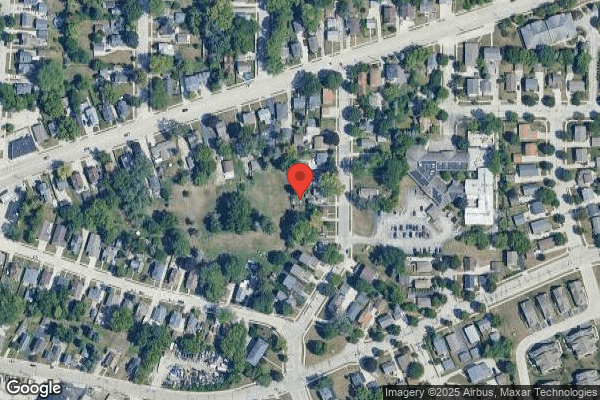
Apr 2022 7 deficiencies 1 Harm
SERIOUS (G)

Actual Harm - a resident was hurt due to facility failures

Pressure Ulcer Prevention (Tag F0686)

A resident was harmed · This affected 1 resident

**NOTE- TERMS IN BRACKETS HAVE BEEN EDITED TO PROTECT CONFIDENTIALITY** Based on observation, interview, and record review, the Facility did not ensure Residents with pressure injuries receive appropr...

Read full inspector narrative →
**NOTE- TERMS IN BRACKETS HAVE BEEN EDITED TO PROTECT CONFIDENTIALITY** Based on observation, interview, and record review, the Facility did not ensure Residents with pressure injuries receive appropriate care, treatment, & preventative measures to promote healing for 2 (R36 & R12) of 7 Residents with pressure injuries. * On 2/5/22 R36's right shin was swollen & discolored and R36 was showing signs of pain. An x-ray was ordered of R36's right shin which on 2/6/22 revealed an acute nondisplaced oblique fracture of distal shaft of tibia. R36's power of attorney requested R36 not be sent to the hospital and a brace/splint was applied by therapy. There were no instructions provided regarding assessing R36's foot under the brace and there is no evidence anyone was assessing R36's foot under the brace. R36's skin integrity care plan was not revised to include the brace/splint or assessment of the right foot. On 3/7/22 R36 was identified as having a pressure injury to the top of the right foot. There is no stage or description of the wound bed. There was no revision in R36's skin integrity care plan after R36 was identified as having a pressure injury until 3/9/22. On 3/9/22 R36's pressure injury to the top of the right foot is still not staged and there is no description of the wound bed. Two additional pressure injuries are identified. A DTI (deep tissue injury) to the right heel and a DTI to the right lateral plantar. * R12 was admitted to the facility on [DATE] with right side coccyx Stage 2 pressure injury, left coccyx Stage 2 pressure injury, right medial buttocks Stage 2 pressure injury and left lateral buttocks Stage 2 pressure injury. These pressure injuries were not comprehensively assessed as there is no description of the wound bed. On 1/5/22 the wound assessment documents the coccyx and right upper buttocks were identified as being Stage 3. There were no revisions to R12's skin integrity care plan. R12 was hospitalized from [DATE] to 2/4/22. The admission/re-admission summary and re-admission data collection tool dated 2/4/22 does not comprehensively assess R12's pressure injuries as there are no measurements or description of the wound bed which were completed by an LPN (Licensed Practical Nurse). There is no RN (Registered Nurse) assessment of R12's pressure injuries until 5 days later, on 2/9/22. On 4/25/22 R12's pressure injury was not covered with a dressing for approximately 5 hours. Findings include: 1. R36's diagnoses include diabetes mellitus, chronic kidney disease, dementia, hypertension, moderate protein-calorie malnutrition, and Alzheimer's Disease. The at risk for skin breakdown care plan initiated 10/20/17 & revised 4/9/22 documents the following interventions: * Use a draw sheet or lifting device to move resident initiated 10/20/17 & revised 1/19/21. * Encourage to elevate legs periodically while in W/C (wheelchair) initiated 11/20/17 & revised 1/19/21. * Off load heels while in bed initiated 11/13/17 & revised 1/19/21. * Bilateral leg rests padded with foam initiated 6/26/19 & revised 1/19/21. * Heel lift boots initiated 4/28/21. * Left arm bolster to w/c to assist with upright positioning initiated 7/13/21. * Pressure relieving Wheelchair cushion and air mattress initiated 10/20/17 & revised 4/15/21. * Prevalon boot to right foot at all times initiated 3/9/22. The quarterly MDS (Minimum Data Set) with an assessment date of 1/21/22 documents R36 has short- & long-term memory problems and is severely impaired for cognitive skills for daily decision making. R36 requires extensive assistance with one person for bed mobility, extensive assistance with two plus person physical assist for transfer, does not ambulate and is dependent with one-person physical assist for toilet use. R36 is coded as always incontinent of urine and bowel. R36 is at risk for pressure injury development and is coded as not having any pressure injuries. The SBAR (situation, background, appearance, review & notify) note dated 2/5/22 under appearance documents Med Tech reported that resident displayed s/s (signs/symptoms) of pain and discomfort. Writer looked at right leg and noted that the resident tried to pull away from touch while yelling in pain. Resident had swelling and reddish/purple discolorization (sic) to the right shin. Under review and notify for recommendations of primary clinicians' documents X-ray of right shin ordered by On Call PA (physician assistant). The nurses note dated 2/6/22 documents Resident slept at intervals during night, rouses easily. No complaints offered unless right leg is touched or moved. Heel boots in place bilaterally. Discoloration noted to right shin. Cries out my Leg, My Leg if right leg is touched or moved. Given Tylenol once during night with good effect, then slept again. Vitals stable. Awaiting X-ray to come for right leg X-ray. Call light in reach & toy dog in beside her talking to it at times. Call light in reach. The APNP (Advanced Practice Nurse Prescriber) note dated 2/7/22 documents under chief complaint Right tibia fracture and under assessment documents Patient seen today for follow up on X-ray results. Over the weekend patient developed right leg pain. X-ray was obtained revealing acute nondisplaced oblique fracture of distal shift of tibia. Mild osteopenia. Moderate osteoarthritis demonstrated. Nursing scheduled appointment with orthopedics for this week Thursday. Therapy was able to place splint to right lower extremity. There is no obvious deformity. Unable to obtain pulse due to location of splinting straps. Circulation appears to be intact, capillary refill less than 3 seconds. Patient denies pain while lying still. Does report significant pain with movement. Currently only taking Tylenol. Tramadol 25 mg (milligrams) every 6 hours as needed added today. Prescription sent in. No further concerns today. Surveyor noted there is no revision in R36's at risk for skin breakdown care plan regarding the splint for R36's right tibia fracture. The nurses note dated 2/8/22 documents Resident alert & rouses easily, resting quietly sleeping when undisturbed. Calls out with cares, 2 for all cares to minimize pain in right lower leg. Splint in place on right foot & lower leg. Give 1 dose of Tramadol for pain & slept well afterward, rouses easily & interacts at baseline, good eye contact. Call light in reach. The nurses note dated 2/10/22 documents Resident being monitored d/t LLE [sic] fx. Resident appears comfortable. Resident sleeping between meals. Tramadol given this morning with relief. Splint to RLE (right lower extremity) in place. No swelling or bruising noted. Rounding and safety maintained. Continue with POC (plan of care). The nurses note dated 2/10/22 documents Resident resting in bed, denies pain r/t (related to) fractured Rt (right) tibia at this time, VSS (vital signs stable), splint in place, repositioned by staff. Will cont. (continue) to monitor. The Braden assessment dated [DATE] has a score of 12 which indicates high risk. The skin impairment/wound form dated 3/7/22 for the question does the resident have a pressure injury yes is answered. Location documents top of right foot. Stage is not documented and measure of wound documents approx. (approximately) 1.5 x (times) 1.5 cm (centimeters). The wound tissue bed section has not been completed and is blank. Under additional comments documents area is right where strap for brace lays on top of foot. Under current treatment documents 4x4s to create cushion, strap loosely applied to site. This form was completed by RN (Registered Nurse)-D. The Braden assessment dated [DATE] has a score of 13 which indicates moderate risk. Surveyor noted R36's at risk for skin breakdown care plan was not revised until 3/9/22. The skin impairment/wound form dated 3/9/22 for the question does the resident have a pressure injury yes is answered. Location documents top of right foot. Stage is not documented and measure of wound documents approx. (approximately) 2.5 x (times) 1.3 cm. The wound tissue bed section has not been completed and is blank. Under additional comments documents area is right where strap for brace lays on top of foot. Under current treatment documents Per [Physician's name], do wound cleanse f/b (followed by) Xeroform and Medi honey, cover with gauze island dressing daily. Under Additional Wound # for location documents right heel. Stage is Deep Tissue Pressure Injury: Persistent non-blanchable deep red, maroon or purple discoloration. Measure of wound 3.1 x 2.4 cm. The wound bed tissue bed section has not been completed and is blank. Under current treatment documents Per [wound doctor name], wound cleanse f/b Betadine daily. Under Additional Wound # for location documents right lateral plantar. Stage is Deep Tissue Pressure Injury: Persistent non-blanchable deep red, maroon or purple discoloration. Measure of wound 3 x 4.2 cm. The wound bed tissue bed section has not been completed and is blank. Under current treatment documents Per [wound doctor name], wound cleanse f/b Betadine daily. Under wound education provided documents Family called and educated on plan of care for healing. Explained plan of care for healing to resident. She nodded her head, unable to determine understanding d/t (due to) resident speaks Spanish but does indicate understanding at times, Had Dx (diagnosis) of dementia. The nurses note dated 3/9/22 documents Resident's daughter, [name] was called and informed of open area to right dorsal foot and dark areas to right plantar and right heel. Informed of treatment orders given per [wound doctor name] and informed resident will be followed q (every) week by [wound doctor name] for areas. The nurses note dated 3/9/22 documents IDT (interdisciplinary team) met to discuss resident wounds to the right foot. Resident has had a history of foot wounds on/off d/t (due to) DM (diabetes mellitus), poor circulation, malnutrition, and impaired physical mobility. Recently resident had fracture to right leg requiring a brace to ensure no movement and to assist with comfort. Resident with diabetic foot checks nightly. NOR (new order received) to allow brace to be removed indefinitely from resident and ok to put Prevalon boot back on at all times. All wound care orders entered and reviewed. Care plan updated. Family made aware. The nurses note dated 3/10/22 documents Resident being monitored for new suspected DTI (deep tissue injury) to right plantar lateral foot and right heel caused by ankle splint. Betadine applied as ordered. Dorsal portion of (right foot) has a wound and dressing changed per orders. Resident tolerated well. The skin impairment/wound form dated 3/16/22 (completed by DON B) for the question does the resident have a pressure injury yes is answered. Location documents right anterior foot. Stage is Stage 4 Pressure Injury: Full-thickness skin and tissue loss. Measure of wound documents 2 x 3.5. The wound tissue bed is 10% granulation and 90% eschar. Under additional comments documents debridement completed by MD (medical doctor) to remove necrotic tissue, resident tolerated well with no c/o (complaint of) pain. Under current treatment documents wound cleanser wash, Medi honey, Xeroform, cover with bordered gauze dressing daily. Under Additional Wound # for location documents right heel. Stage is Deep Tissue Pressure Injury: Persistent non-blanchable deep red, maroon or purple discoloration. Measure of wound 3 x 3.5 cm. The wound bed tissue bed is 100% eschar. Under current treatment documents skin prep daily. Under Additional Wound # for location documents right lateral plantar. Stage is Deep Tissue Pressure Injury: Persistent non-blanchable deep red, maroon or purple discoloration. Measure of wound 3 x 4. The wound bed tissue bed is 100% eschar. Under current treatment documents skin prep daily. Surveyor noted R36's pressure injuries were assessed by the wound MD M on 3/16/22. On 3/16/22, wound MD M doctor staged the right heel and right lateral planter as unstageable DTI's. The quarterly MDS (Minimum Data Set) with an assessment date of 4/7/22 documents R36 has short- & long-term memory problems and is severely impaired for cognitive skills for daily decision making. R36 requires extensive assistance with one person for bed mobility, dependent with two plus person physical assist for transfer, does not ambulate and is dependent with one person physical assist for toilet use. R36 is coded as always incontinent of urine and bowel. R36 is at risk for pressure injury development and is coded as have one Stage 4 pressure injury and 2 unstageable DTI (deep tissue injury) pressure injuries. Surveyor noted weekly pressure injury assessments by wound MD M and facility staff dated 3/23/22, 3/30/22, 4/6/22, and 4/13/22. The skin impairment/wound form dated 4/20/22 for the question does the resident have a pressure injury yes is answered. Location documents right dorsal medial foot. Stage is Stage 4 Pressure Injury: Full-thickness skin and tissue loss. Measure of wound documents 0.8 x 0.5 x 0.1 cm. The wound tissue bed is 70% granulation and 30% eschar. Under additional comments documents debridement completed by MD to remove necrotic tissue, resident tolerated well with no c/o pain. Wound progress improved. Under current treatment documents wound cleanser f/b Collagen gel, cover with bordered gauze dressing daily. Under Additional Wound # for location documents right heel. Stage is Deep Tissue Pressure Injury: Persistent non-blanchable deep red, maroon or purple discoloration. Measure of wound 3 x 2 x not measurable cm. The wound bed tissue bed section has not been completed and is blank. Under current treatment documents skin prep daily. Under Additional Wound # for location documents right lateral plantar. Stage is Deep Tissue Pressure Injury: Persistent non-blanchable deep red, maroon or purple discoloration. Measure of wound 2.5 x 3.5 x not measurable cm. The wound bed tissue bed section has not been completed and is blank. Under current treatment documents skin prep daily, Moisturizers per wound daily. On 4/24/22 at 12:04 p.m. Surveyor spoke with R36's power of attorney and inquired how R36 received her right foot pressure injuries. R36's power of attorney informed Surveyor they happened after a brace was put on her leg following a fall to immobilize her leg. R36's power of attorney informed Surveyor the brace caused the pressure injuries and R36 was sitting in her chair for extended periods of time. On 4/26/22 at 9:26 a.m. Surveyor asked CNA-H if she knew how R36 developed the pressure injuries on her right foot. CNA-H informed Surveyor R36 had a funky brace, and she broke down. Surveyor asked CNA-H if she was given any instructions about the brace and was the brace/splint removed. CNA-H replied no and explained after R36 fractured her leg they weren't putting pants on her. R36 would wear a top, brief and was covered with a warming blanket. Surveyor asked who noticed the pressure injuries first. CNA-H replied, think me. Surveyor asked how she noticed the pressure injuries. CNA-H informed Surveyor she was going to put pants on R36, removed the brace and saw the sores. Surveyor asked if she reported this to anyone. CNA-H replied [first name] of RN (Registered Nurse)-D. On 4/26/22 at 1:02 p.m. Surveyor asked RN-D how she became aware of R36's pressure injuries. RN-D informed Surveyor staff came one day to her and informed her on the top of R36's right foot there was a pressure injury. RN-D informed Surveyor it was where the strap was. RN-D informed Surveyor after this was reported to her, she assessed R36, called the doctor, did a skin assessment and risk management form. Surveyor inquired how many pressure injuries did she observe. RN-D informed Surveyor she only remembers the one on top of her foot. On 4/26/22 at 1:45 p.m. Surveyor met with RN-J with DON (Director of Nursing)-B to discuss pressure injuries. RN-J informed Surveyor she works per diem at the Facility and goes on wound rounds on Wednesday with the wound doctor. Surveyor inquired about staging pressure injuries. DON-B informed Surveyor their nurses are instructed not to stage a wound unless they are wound certified. RN-J informed Surveyor she's not wound certified. DON-B informed Surveyor the wound physician stages the pressure injuries. Surveyor asked who revises the skin integrity care plans. RN-J informed Surveyor she has not worked on these. On 4/26/22 at 2:21 p.m. Surveyor observed the treatment for R36's right heel, right lateral plantar and right dorsal medial foot pressure injury with RN-I. Treatments were observed according to physician orders and there was no deficient practice identified with this observation. On 4/27/21 at 8:21 a.m. Surveyor spoke with DON-B regarding R36's right tibia fracture with a splint being applied after and inquired if R36 was evaluated in the hospital. DON-B informed Surveyor R36 was not sent to the hospital. DON-B explained she contacted R36's daughter to see which pathway she wanted for her mother. Did she want R36 sent to the ER or follow up with orthopedics as this is what the ER would probably say. DON-B informed Surveyor the daughter agreed to send R36 to the orthopedics at [name of orthopedics] as R36 had been seen there prior. DON-B indicated she contacted the orthopedics for an appointment and since R36's power of attorney was activated she (the daughter) would have to go with her. DON-B informed Surveyor due to her work schedule R36's daughter wouldn't be able to go with her, so the decision was to send the X-ray to [name of] orthopedics and they made a recommendation for a brace for comfort. DON-B informed Surveyor the Facility's therapy department had a brace which R36 could use and therapy placed the brace on R36. Surveyor asked if therapy gave any instructions for the brace. DON-B replied no explaining it was the orthopedics that recommended the brace for comfort. Surveyor asked if there were any instructions from therapy for nursing to assess R36's foot. DON-B replied no. Surveyor asked DON-B what would be the expectation for a Resident wearing a brace. DON-B informed Surveyor they should be checking skin integrity once a day under any kind of brace. Surveyor asked where Surveyor would be able to locate an order regarding R36's brace. DON-B replied I can tell you the order wasn't put in. We identified it was missed. DON-B informed Surveyor R36 is a diabetic and they do daily foot checks. Surveyor asked DON-B if the nurses were doing daily diabetic foot checks why didn't anyone observe the three pressure injuries before they were reported by a CNA. DON-B replied, I can only assume that they didn't look under the brace. Surveyor informed DON-B R36's pressure injury was not revised after receiving the brace. DON-B replied, typically it is. 2. R12 was admitted to the facility on [DATE] with diagnoses which include diabetes mellitus, morbid obesity and multiple myeloma. The admission/re admission summary dated [DATE] includes documentation of Has bordered dressings to coccyx and right ischial area. Both dressings covered with BM, Areas cleansed with normal saline and new dressings applied. Please see skin assessment for measurements . The skin impairment/wound form dated 1/3/22 answers yes for the question does the resident have a pressure injury. Location is right side coccyx. Stage is Stage 2 pressure injury: partial thickness skin loss with exposed dermis. Measurement of wound documents 0.5 cm (centimeter) x (times) 0.5 cm. There is no description of the wound bed. Under additional comments documents resident admitted with pressure area. Under current treatment documents NS (normal saline) cleanse F/B (followed by) Medi honey, cover with gauze island dressing daily and prn (as needed). Additional wound # for location documents Left coccyx. Stage is Stage 2 pressure injury: Partial-thickness skin loss with exposed dermis. Measurement of wound documents 1.5 cm 0.4 cm. The wound tissue bed is not completed and is blank. Additional comments documents Resident admitted with pressure area. For current treatment documents NS cleanse F/B Medi honey, cover with gauze island dressing daily and prn. Additional wound # for location documents right medial buttock. Stage is Stage 2 pressure injury: partial thickness skin loss with exposed dermis. Measurements of wound documents 1.5 x 1.5 cm. The wound tissue bed is not completed and is blank. Under additional comments documents 'resident admitted with pressure area.' Current treatment documents NS cleanse F/B Medi honey cover with gauze island dressing daily and prn. Additional wound for location documents left lateral buttock. Stage of pressure injury documents Stage 2 and measurement of wound documents 1.5 x 1.0 cm. The wound tissue bed is not complete and is blank. Under additional comments documents resident admitted with pressure area. Current treatment documents NS cleanse F/B Medi honey, cover with gauze island dressing daily and prn. Surveyor noted the Facility did not comprehensively assess R12's pressure injuries as there are no description of the wound beds. The actual skin impairment care plan initiated 1/3/22 and revised on 3/2/22 has the following interventions: * Encourage good nutrition and hydration in order to promote healthier skin initiated 1/3/22. * Follow facility protocols for treatment of injury initiated 1/3/22. * [R12's name] will be encouraged to adhere to wound physician's recommendation to reposition side-to-side while in bed, avoiding sitting or laying (sic) on back initiated 3/2/22. * [R12's name] will be encouraged to limit time out of bed to less than 1 hour for each meal to promote wound healing initiated 3/2/22. * Provide pressure relieving devices, off-loading cushion to heels initiated 1/3/22. The skin impairment/wound form dated 1/5/22 answers yes for the question does the resident have a pressure injury. Location is coccyx. The stage is documented as Stage 3 pressure injury: full-thickness skin loss. Measurement of wound documents 2 x 2.2 x 0.1 cm. The wound bed is 40% slough and 30% granulation. Additional wound for location documents right upper buttock. The stage is Stage 3 Pressure injury: full thickness skin loss. Measurement of wound documents 4 x 0.6 x 0.1 cm. The wound bed is 70% granulation. Additional comments documents [name of wound doctor] to follow weekly on wound rounds. Current treatment documents NS cleanse F/B Medi honey, cover with gauze island dressing daily and prn. Under current wound/skin integrity interventions documents Pressure relief mattress, offloading cushion for heels, pressure relief cushion in w/c (wheelchair), incontinence care and Foley catheter cares. Left buttock open area assessed by [name of wound doctor] as a shear wound, not pressure. R12's skin integrity care plan was not revised until 3/2/22. R12 was hospitalized from [DATE] to 1/18/22. The admission/re- admission summary dated [DATE] includes documentation of .Skin intact, to feet and legs, lower legs red ruddy in color. Bruises noted to bilateral hands and arms. Puncture sites to bilateral antecubital sites. 11 sheer areas noted scattered across bilateral buttocks. [name of wound doctor] to assess in AM (morning). [Name of] NP (nurse practitioner) updated on readmit. The skin impairment/wound form dated 1/19/22 answers yes for the question does resident have pressure injury. Location is coccyx. Stage is Stage 3 pressure injury: full thickness skin loss. measure of wound is 1.6 x 0.7 x 0.1 cm. The wound bed is 60% granulation and 40% slough. Additional comments documents Pressure area to coccyx has improved since last assessment done by [name of wound doctor] on 1-5-22. Resident went out to hospital on 1-9-22 with critical INR (international normalized ratio). This is the initial exam since returning from hospital. Current treatment documents normal saline cleanse fb Medi honey, cover with gauze island dressing daily. Additional wound for location documents right upper buttock. Stage is Stage 3 pressure injury: full thickness skin loss. Measurement of wound is 0.5 x 0.6 x 0.1 cm. Wound bed is 100% granulation. Additional comments documents This is the initial exam since readmission from hospital on 1-18-22. Last wound care assessment prior to hospital was 1-5-22. Wound progress improved per MD. Current treatment is normal saline cleanse fb Medi honey, cover with gauze island dressing daily. R12 was hospitalized from [DATE] to 2/4/22. The admission/re- admission summary dated [DATE] includes documentation of .Sacrum has two small open areas and a non-blanchable area was noted on the left buttock. Brownish decolorization noted on bilateral lower legs. Resident seemed content being back at the facility. The readmission data collection tool dated 2/4/22 for sacrum documents 2 open areas were noted in the sacrum. Both small in size. For left buttocks documents Small red, non-blanchable area noted on the left buttock. This data collection tool was completed by LPN (Licensed Practical Nurse) Supervisor-G. The Braden assessment dated [DATE] has a score of 12 which indicates high risk. The skin impairment/wound form dated 2/9/22 yes is answered for the question does the resident have a pressure injury. Location is left lower buttock. Stage is not completed. Measurement of wound is 1.3 x 0.4 cm and the wound tissue bed is not completed and is blank. Under current treatment documents wound cleanse f/b Medi honey, cover with gauze island dressing daily. Additional wound for location is right upper buttock. The stage is not completed, and measurement of wound is 1.5 x 0.6 x 0.1 cm. The wound bed is not completed and is blank. Current treatment is wound cleanse fb Medi honey, cover with gauze island dressing daily. Surveyor noted this RN assessment is 5 days after R12 was readmitted to the Facility and is not comprehensive as there are no description of the wound beds and the pressure injury is not staged. Surveyor noted the wound doctor did not assess R12 on 2/9/22. R12' skin integrity care plan was not revised until 3/2/22 and there are no further revisions after this date. The admission MDS (Minimum Data Set) with an assessment reference date of 2/11/22 has a BIMS (brief interview mental status) score of 12 which indicates moderate impairment. R12 requires extensive assistance with two plus person physical assist for bed mobility, does not ambulate, is checked for indwelling catheter and is frequently incontinent of bowel. R12 is at risk of pressure injury development and is coded as having two Stage 3 pressure injuries which were present upon admission. The skin impairment/wound form dated 2/16/22 answers yes for the question does the resident have a pressure injury. Under location documents coccyx. The Stage is not completed. Measurement of wound documents 0.5 x 0.5 x 0.1 cm. Wound tissue bed is 80% granulation and 20% slough. Under additional comments documents Debridement procedure done by [name of wound doctor], resident tolerated well. Current treatment documents wound cleanse f/b Medi honey, cover with gauze island dressing daily. Wound doctor's note dated 2/16/22 documents resolved 2/16/22 for right and left lower buttocks and stages the coccyx as Stage 3. Surveyor noted weekly pressure injury assessments by the wound doctor and facility staff dated 2/23/22, 3/2/22, 3/9/22, 3/16/22, 3/23/22, 3/30/22, 4/6/22, and 4/13/22. The skin impairment/wound form dated 4/20/22 answers yes for the question does the resident have a pressure injury. Location is coccyx. Stage is Stage 3 Pressure Injury: full thickness skin loss. Measurement of wound documents 1.8 x 0.7 x 0.2 cm. Granulation is 80% and slough is 20%. Additional comments documents Debridement procedure done by [name of wound doctor], resident tolerated well. Wound progress deteriorated. Current treatment is wound cleanse f/b collagen gel, cover with gauze island dressing daily. There were no revisions to R12's skin integrity care plan. On 4/24/22 at 11:59 a.m. Surveyor observed R12 in bed on her back with the head of the bed elevated high. Surveyor observed R12 is wearing bilateral Prevalon boots. On 4/25/22 at 7:08 a.m. Surveyor observed CNA (Certified Nursing Assistant)-E in the process of morning cares. CNA-E informed Surveyor she completed R12's upper body as R12 has a doctor's appointment. With gloves on CNA-E washed under R12's abdominal fold and then washed R12's perineal area from front to back. CNA-E covered R12's lower half with a blanket, informed R12 she was going to have you turn over for me, R12 grabbed onto the left transfer bar and CNA-E assisted R12 with positioning on her left side. CNA-E then went into the bathroom changed the water in the basin, removed her gloves, washed her hands, and placed gloves back on. CNA-E informed R12 she was going to wash her bottom. Surveyor observed there is stool in R12's rectal area and the dressing was coming off. CNA-E removed the dressing and soiled incontinence product, removed her gloves, washed her hands and placed gloves on. CNA-E washed R12's rectal area to remove the stool, and washed R12's right buttocks. Surveyor observed R12's coccyx pressure injury. CNA-E had R12 position on her back while CNA-E removed her gloves, washed her hands, and placed new gloves on. R12 was positioned on her right side, CNA-E washed R12's left buttock. Surveyor asked CNA-E if R12 only has one open area. CNA-E replied just this one pointing to R12's coccyx pressure injury. CNA-E removed her gloves, washed her hands, and placed gloves on. CNA-E placed a product under R12, applied periguard to R12's buttocks, positioned R12 on the other side, applied periguard and straightened out & fastened the incontinence product. CNA-E removed her gloves, washed her hands, and placed new gloves on. CNA-E removed R12's pressure relieving boots, placed pants on. CNA-E placed a sling under R12 and informed R12 she was going to find gripper socks. CNA-E removed her gloves, washed her hands, and left R12's room at 7:37 a.m. At 7:39 a.m. CNA-E returned with gripper socks, washed her hands and placed gloves on. CNA-E placed gripper socks and pressure relieving boots on R12. At 7:42 a.m. CNA-E informed R12 she was going to get the Hoyer, removed her gloves and washed her hands. At 7:45 a.m. CNA-E entered R12's room with a Hoyer lift and CNA-K entered with a high back wheelchair with a panacea cushion in the wheelchair. R12 was then transferred from the bed into the wheelchair by CNA-E & CNA-K. At 7:50 a.m. Med Tech-F entered R12's room stating the van is here and gave R12 an envelope. CNA-K combed R12's hair and then R12's placed a hat on. CNA-E and CNA-K placed a jacket on R12 and R12 was wheeled out of the room. At 7:53 a.m.
CONCERN (D)

Potential for Harm - no one hurt, but risky conditions existed

Deficiency F0582 (Tag F0582)

Could have caused harm · This affected 1 resident

Based on staff interview and record review, the facility did not ensure written notification of coverage change, the financial liability for continued stay, and appeal rights were provided to a Reside...

Read full inspector narrative →
Based on staff interview and record review, the facility did not ensure written notification of coverage change, the financial liability for continued stay, and appeal rights were provided to a Resident (R) whose Medicare Part A benefits were ending for 2 (R15 and R25) of 3 residents reviewed for Medicare Part A notifications. The facility did not provide R15 and R25 with a Skilled Nursing Facility Advanced Beneficiary Notice of Non-coverage (SNFABN) form, which includes, notification of change in coverage, financial liability and appeal rights. Findings include: Per the Centers for Medicare and Medicaid Services (CMS) Form Instructions, the SNFABN provides information to the beneficiary so that he or she can decide whether or not to get the care that may not be paid for by Medicare and assume financial responsibility. The SNFABN includes information such as the care that may or may not be covered by Medicare, the estimated cost of the corresponding care that may not be covered by Medicare, and appeal options. Surveyor reviewed a sample of residents for Medicare Part A notifications. Surveyor noted two of three sampled residents, R15 and R25, remained at the facility following termination of Medicare Part A coverage. The facility only provided Surveyor with Notice of Medicare Non-Coverage (NOMNC) forms for both R15 and R25. On 04/26/22 at 12:39 PM Surveyor spoke with Administrator-A for R25 and R15 did not receive the notices. They were missed. There was changes in staff. There is coverage now for these notices. Neither resident received the required notices and remained in the facility.
CONCERN (D)

Potential for Harm - no one hurt, but risky conditions existed

Report Alleged Abuse (Tag F0609)

Could have caused harm · This affected 1 resident

**NOTE- TERMS IN BRACKETS HAVE BEEN EDITED TO PROTECT CONFIDENTIALITY** Based on interview and record review the facility did not ensure 2 (R151 and R17) of 3 resident's allegations of abuse and negle...

Read full inspector narrative →
**NOTE- TERMS IN BRACKETS HAVE BEEN EDITED TO PROTECT CONFIDENTIALITY** Based on interview and record review the facility did not ensure 2 (R151 and R17) of 3 resident's allegations of abuse and neglect was reported to the state agency. * On 3/22/22 R151 made an allegation to DON B that she had diarrhea and was told she had to lay in it. Facility did an investigation but did not report the allegation to the state agency. * R17 made an allegation of physical abuse and the facility did not report this allegation to the state agency. Findings include: The facility policy Abuse Prevention Program (not dated) indicate: . VII. External reporting 1. Initial reporting of allegations. When an allegation of abuse, exploitation, neglect, mistreatment or misappropriation of resident property has been made, the administrator, or designee, shall complete and submit a DQA form F-62617, notify DQA that an occurrence of potential abuse, neglect, exploitation, mistreatment or misappropriation of resident property has been reported to the administrator and is being investigated. This report shall be made immediately. 2. Five day Final investigation report. Within five working days after the report of the occurrence, the administrator or designee shall complete and submit a Misconduct Incident Report form (F-62447) notifying the regulatory agency of the conclusion of the investigation. 1. R151 was admitted to the facility on [DATE] with diagnoses of fractured right knee joint, right fibula, right tibia, COPD (chronic obstructive pulmonary disease) major depressive disorder and neuromuscular disorder of the bladder. R151 was discharged on 3/28/22 to an assisted living. The admission MDS (minimum data set) dated 3/7/22 indicate R151 had cognitive impairment and needed extensive assistance with bed mobility and hygiene. Surveyor reviewed the facility grievance log and noticed a grievance dated 3/22/22 that indicates R151 alleged R151 had diarrhea during the night and was told she had to lay in her diarrhea. R151 stated she laid in it for 4 hours. On 4/27/22 at 8:55 a.m. Surveyor interviewed DON B regarding R151 allegation of neglect. DON B stated on 3/22/22 it was brought to her attention by a staff member (doesn't remember who) that R151 alleges she was left for 4 hours in diarrhea. DON B stated she and the former SW (social worker) went in to talk with R151. DON B stated R151 stated she had diarrhea overnight and was told that she had to lay in diarrhea. DON B stated she immediately talked with the staff that worked overnight and got their statements. DON B stated the staff were constantly in R151 room that night because of R151 diarrhea and did not tell R151 she had to lay in diarrhea. DON B stated R151 skin was assessed, and no concerns were noticed. Surveyor asked DON B if the facility reported this allegation to the State Agency and DON B stated it was not reported. DON B stated she was able to find out immediately that R151 allegation was not correct, and no harm was noticed for R151. Surveyor explained once an allegation is made, it needs to be reported to the state agency and then facility can continue with their investigation. DON B stated she understood the concern and had no additional information. 2. R17 filed a grievance with the facility on 4/19/22. R17 reported that the LPN (Licensed Practical Nurse) - N shook his wheelchair 2 times in the evening of 4/18/22 around 6:30 p.m. Surveyor requested to review the facility's investigation regarding R17's allegation that LPN- N shook his wheelchair. The facility's statement said that R17 was in the hallway by his room. LPN - N was in the hallway along with NP (Nurse Practitioner) - O and R17 was informed by NP - O that he ran over LPN - N's foot. Per R17 he did not hear LPN- N yell out in pain. R17 said LPN- N was shaking the side of the wheelchair. Per R17 the NP told R17 she was shaking the arm rest to get him off her foot. R17 felt like he was going to fall out of his chair. The 2nd time was shortly after that. R17 said LPN- N snuck up behind him and started shaking his chair again, very aggressively. R17 said he does not see who was behind him but said it was LPN- N. R17 did not see LPN- N leave his room. R17 said he was calling out at the top of his voice and LPN Supervisor-G came to him. R17 said LPN Supervisor- G saw the whole thing. LPN Supervisor- G did not say anything to tell someone to stop. The facility obtained a statement from LPN Supervisor- G which said she did not see or hear any incident occurring. LPN Supervisor- G said R17 told her later when she was helping with the toilet. The statement from LPN- N stated she did not come behind R17 and shake his wheelchair. LPN- N did touch the armrest on the wheelchair to get him off her foot. The summary stated that residents in area were questioned, and no one heard anyone yelling out for help as if in distress. On 04/25/22 at 3:03 p.m., Surveyor interviewed Administrator- A regarding R17's allegation regarding LPN- N shaking his wheelchair twice. Surveyor asked Administrator- A if she had reported this allegation to the state survey agency as a potential allegation of abuse. Administrator- A stated that R17 had ran over LPN- N's foot. The statement obtained said that LPN- N shook the chair for R17 to move off her foot. Nobody saw the 2nd incident. Administrator- A stated that she did not consider to be abuse due to the incident with nurse's foot being ran over, therefore did not report the allegation to the state survey agency.
CONCERN (D)

Potential for Harm - no one hurt, but risky conditions existed

Deficiency F0625 (Tag F0625)

Could have caused harm · This affected 1 resident

**NOTE- TERMS IN BRACKETS HAVE BEEN EDITED TO PROTECT CONFIDENTIALITY** Based on interview and record review the Facility did not ensure that Residents and their representatives received the proper in...

Read full inspector narrative →
**NOTE- TERMS IN BRACKETS HAVE BEEN EDITED TO PROTECT CONFIDENTIALITY** Based on interview and record review the Facility did not ensure that Residents and their representatives received the proper information regarding the bed hold policy for 2 (R12 & R36) of 2 Residents when they were transferred to the hospital. Findings include: The Bed Hold Policy not dated under policy documents The facility's policy is to notify the resident and or legal guardian of the Bed Hold Policy according to state and federal regulations. Under procedure documents; 1. Before or at the time a resident is transferred to a hospital or for therapeutic leave, the facility shall provide written information to the resident and an immediate family member or resident's representative that specifies: a. The provision of the approved state Medicaid plan concerning the period, if any, during which the resident is permitted to return and resume residence in the nursing facility. b. The reserve bed payment policy in the Medicaid plan under s.49.498(4)(d). c. The facility's policies regarding bed-hold periods. 2. The Notice of Bed Hold Policy will be mailed or hand-delivered to the resident or resident's representative if it could not be sent with the resident on transfer to the hospital or transfer occurred outside of the facility. 1. R12 was admitted to the facility on [DATE] with diagnosis which includes hypertension, diabetes mellitus and atrial fibrillation. The nurses note dated 1/9/22 documents Resident was sent to [hospital] ED (emergency department) at 1530 (3:30 p.m.) for critical INR (international normalized ratio and blood in urine. [name], guardian and husband, was notified of transfer and reason. Writer called [hospital] ED and gave report of reason for transfer. R12 was readmitted to the facility on [DATE]. Surveyor was unable to locate R12 or R12's guardian received written notification of the bed hold policy in R12's electronic medical record. The nurses note dated 1/25/22 documents Writer called to resident room by NT (nurse tech). Resident with bright red blood in stool. [name] on call contacted with NOR (new order received) to send to the hospital. Guardian/husband [name] called and updated and he as well would like resident sent to [hospital] ER. Call placed to [ambulance name] for transit, all paperwork completed and printed, Report called to [name] RN (Registered Nurse) in ER (emergency room). Awaiting transport. R12 was readmitted to the facility on [DATE]. Surveyor was unable to locate R12 or R12's guardian received written notification of the bed hold policy in R12's electronic medical record. On 4/26/22 at 3:27 p.m. during the end of the day meeting with Administrator-A and DON (Director of Nursing)-B Surveyor asked where Surveyor would be able to locate the Facility's bed hold policy that was provided to R12's guardian. Administrator-A indicated the bed hold policy is given upon admission. Surveyor informed Administrator-A the bed hold policy needs to be provided when a resident is transferred to the hospital. Administrator-A informed Surveyor she would look into this. On 4/27/22 at 11:09 a.m. Surveyor asked Administrator-A if anyone is providing Resident's or their representative written information regarding the bed hold policy. Administrator-A replied no and then informed Surveyor it's sporadic and was unable to find where it's done all the time. Administrator-A was unable to locate the bed hold policy was provided to R12 when R12 was discharged on 1/9/22 & 1/25/22. 2. R36's diagnoses includes diabetes mellitus, Alzheimer's disease, dementia, and hypertension. The nurses note dated 3/30/22 documents Resident was sent to [hospital] at 1640 (4:40 p.m.) for altered mental status/ change in behavior. Resident had an unwitnessed fall 3/29/22 during PM (evening) shift and had likely hit her head. During lunch, resident was reported to have a decreased appetite, could not follow simple commands, and increased confusion. Writer contacted POA (power of attorney) and POA wanted resident to be sent to ED (emergency department) to get a full work up. Called and informed NP (nurse practitioner), [name]. Resident was sent out by [name of] Ambulance to [hospital]. R36 was readmitted to the facility on [DATE]. Surveyor was unable to locate R36 or R36's power of attorney received written notification of the bed hold policy in R36's electronic medical record. On 4/26/22 at 3:27 p.m. during the end of the day meeting with Administrator-A and DON (Director of Nursing)-B Surveyor asked where Surveyor would be able to locate the Facility's bed hold policy that was provided to R36's power of attorney. Administrator-A indicated the bed hold policy is given upon admission. Surveyor informed Administrator-A the bed hold policy needs to be provided when a resident is transferred to the hospital. Administrator-A informed Surveyor she would look into this. On 4/27/22 at 7:04 a.m. Surveyor asked RN (Registered Nurse)-C when a Resident is transferred or discharged to the hospital does she provide the Resident or their representative with a written bed hold policy. RN-C informed Surveyor she doesn't know about the bed hold policy. RN-C informed Surveyor she completes the change of condition and transfer forms unless its a real hot 911. RN-C also informed Surveyor she will call the family to inform them the resident is being sent to the hospital and sends a medication list as well as admission documents to the hospital. On 4/27/22 at 11:09 a.m. Surveyor asked Administrator-A if anyone is providing Resident's or their representative written information regarding the bed hold policy. Administrator-A replied no and then informed Surveyor it's sporadic and was unable to find where it's done all the time. Administrator-A was unable to locate the bed hold policy was provided to R36 or R36's power of attorney.
CONCERN (D)

Potential for Harm - no one hurt, but risky conditions existed

Comprehensive Care Plan (Tag F0656)

Could have caused harm · This affected 1 resident

**NOTE- TERMS IN BRACKETS HAVE BEEN EDITED TO PROTECT CONFIDENTIALITY** Based on staff interview and record review, the Facility did not ensure 3 (R2, R10, & R12) of 14 Residents who required a compre...

Read full inspector narrative →
**NOTE- TERMS IN BRACKETS HAVE BEEN EDITED TO PROTECT CONFIDENTIALITY** Based on staff interview and record review, the Facility did not ensure 3 (R2, R10, & R12) of 14 Residents who required a comprehensive care plan had a comprehensive person-centered care plan developed. * A respiratory comprehensive care plan was not developed for R2. * A hospice comprehensive care plan was not developed for R10. * R12's catheter care plan was not discontinued when R12's indwelling catheter was removed and a bladder continence care plan was not developed. Findings include: The Comprehensive Resident Centered Care Plans policy and procedure dated 1/11/21 under policy statement documents It is the policy of the facility to promote seamless interdisciplinary care for our residents by utilizing the interdisciplinary plan of care based on assessment, planning, treatment, service, and intervention. It is used to plan for and manage resident care as evidenced by documentation from admission through discharge for each resident. 1. R2's diagnoses includes hypertension, chronic respiratory failure with hypoxia, and dependence on supplemental oxygen. The quarterly MDS (minimum data set) with an assessment reference date of 1/21/22 documents a BIMS (brief interview mental status) score of 14 which indicates cognitively intact. Yes is checked for oxygen while a resident. The physician orders dated 4/13/22 includes Oxygen Concentrator with humidification for supplementary Oxygen use via (Nasal Cannula at 2-4 liters). The physician progress note dated 4/19/22 includes Lungs: clean, ongoing 1.5 O2 (oxygen), no cough appreciated. On 4/24/22 at 10:19 a.m. Surveyor observed R2 sitting in a personal recliner in her room doing an activity on the over bed table. Surveyor observed R2 is receiving oxygen via nasal cannula at 1.5 liters. R2 informed Surveyor they are trying to wean her off her oxygen. On 4/24/22 at 3:47 p.m. Surveyor observed R2 sitting in a personal recliner in her room. Surveyor observed R2 is receiving oxygen via nasal cannula. On 4/25/22 at 7:05 a.m. Surveyor observed R2 sleeping in a personal type recliner in her room with her legs extended. Surveyor observed R2 is receiving oxygen via nasal cannula. On 4/25/22 at 12:17 p.m. Surveyor observed R2 sitting in a wheelchair in her room doing an activity on the over bed table. Surveyor observed R2 is receiving oxygen via nasal cannula. On 4/26/22 at 7:05 a.m. Surveyor observed R2 asleep in a personal type recliner with her legs extended. Surveyor observed R2 is receiving oxygen via nasal cannula at 1.5 liters. On 4/25/22 Surveyor reviewed R2's care plans and noted the following care plans: * Resident does demonstrate some forgetfulness but is easily redirected initiated & revised 7/6/21. * At risk of maintaining nutrition initiated 7/6/21 & revised 11/12/21. * Advanced Directives initiated & revised 7/6/21. * Activities initiated & revised 7/2/21. * ADL (activities daily living) self care performance deficit initiated 7/1/21 & revised 7/26/21. * Limited physical activity initiated 7/1/21 & revised 7/26/21. * Discharge initiated 7/1/21 & revised 7/6/21. * Potential for fluid volume overload initiated & revised 4/26/22. * Diabetes Mellitus initiated 7/1/21 * At risk for falls initiated 7/1/21 & revised 4/26/22. * Antidepressant medication initiated & revised 4/26/22. * Pain initiated & revised 4/26/22. * Potential impairment to skin integrity initiated 7/1/21 & revised 8/4/21. * Bladder incontinence initiated 7/1/21 & revised 7/26/21. Surveyor noted there is not a respiratory care plan. On 4/26/22 at 12:04 p.m. Surveyor asked DON (Director of Nursing)-B who is responsible for developing Resident's care plans. DON-B explained when a Resident comes in their care plans are based off the admission assessment. DON-B explained after this she develops them after therapy has assessed the Resident and MDS (minimum data set) also does care plans. DON-B informed Surveyor each department is responsible for their care plans such as dietary. Surveyor informed DON-B Surveyor was unable to locate a respiratory care plan for R2 who receives oxygen via nasal cannula. On 4/27/22 Surveyor noted the Facility developed an altered respiratory status/difficulty care plan for R2 initiated & revised on 4/26/22. 2. R10's diagnosis includes Alzheimer's Disease. The physician orders dated 2/3/22 documents Refer to [name of] Hospice for eval (evaluate) and treat per POA (power of attorney) request. Surveyor noted [Name of] hospice orders dated 2/11/22. The significant change MDS (minimum data set) with an assessment reference date of 2/17/22 documents R10 has short & long term memory problems and is severely impaired for cognitive skills for daily decision making. Yes is marked for hospice while a Resident. On 4/26/22 at 9:00 a.m. Surveyor reviewed R10's care plans and noted the following: * At risk for fall initiated 1/17/20 & revised 4/28/20. * At risk for alteration in comfort initiated 1/17/20 & revised 4/28/20. * Potential and/or actual altered respiratory pattern initiated 1/17/20 & revised 4/28/20. * Potential and/or actual alteration in Cardiovascular status initiated 1/17/20. * Potential and/or actual alteration of oral hygiene initiated 1/17/20. * At risk for malnutrition initiated 1/17/20 & revised 2/18/22. * Increased risk and/or actual alteration in my Gastrointestinal Tract initiated 1/17/20. * Assistance with ADL's (activities daily living) initiated 1/17/20 & revised 1/21/22. * Sleeping patterns initiated 1/17/20 & revised 4/28/20. * Potential risk for sustaining injury during while consuming foods/fluids initiated 1/17/20. * Discharge initiated 1/25/20 & revised 6/5/20. * Advanced Directives initiated 1/25/20 & revised 4/28/20. * Activities initiated 1/29/20 & revised 1/21/21. * Potential and actual impairment to skin integrity initiated 3/3/20 & revised 1/29/22. * Functional bladder incontinence initiated 3/13/20 & revised 4/28/20. * Impaired cognitive function initiated 7/20/20 & revised 8/23/21. * Communication problem initiated & revised 1/21/22. * Antianxiety medication initiated & revised 1/21/22. * Antidepressant medication initiated & revised 1/21/22. Surveyor noted a hospice care plan was not developed. On 4/26/22 at 1:04 p.m. Surveyor asked RN (Registered Nurse)-D who is responsible for developing hospice care plan. RN-D informed Surveyor she doesn't usually have a lot to do with care plans, they are usually developed by MDS or the DON (Director of Nursing). On 4/26/22 at 3:27 p.m. during the end of the day meeting with Administrator-A and DON-B Surveyor informed staff a hospice care plan was not developed for R10. 3. R12's diagnosis includes diabetes mellitus, chronic kidney disease, morbid obesity, and multiple myeloma. The nurses note dated 2/23/22 includes documentation of . Inquired of husband if resident had a Foley catheter prior to her hospitalization last December. Husband stated that the Foley was inserted when the hospital intubated resident d/t (due to) COVID pneumonia. Stated she did not have a Foley prior to last December. Will follow up with NP (nurse practitioner) regarding Foley. The nurses note dated 2/24/22 documents Resident had c/o (complained of) pain from Foley catheter, and stated it felt like it was being pushed out of her. Writer looked at the Foley tubing and noted that the tubing did not have much urine in it. Foley tubing did appear to be coming out of the resident. Balloon was emptied and tubing was pulled. Writer called on call PA (physician assistant) at [name] medical as another nurse stated that the Foley was supposed to be pulled yesterday. PA stated to leave the Foley out and start a bladder trial. Orders are to bladder scan q (every) shift. If results > (less than) 350mL (milliliter) to straight cath (catheter) the resident. If she has been straight cath more than 3 times to replace the Foley. Husband has been called and updated. The nurses note dated 2/25/22 documents Writer performed bladder scan on resident, result was 523ml post-void, staff will cont. (continue) to monitor. On 4/25/22 from 7:08 a.m. to 7:37 a.m. Surveyor observed morning cares for R12 with CNA (Certified Nursing Assistant)-E. During this observation Surveyor noted R12 did not have an indwelling catheter. On 4/26/22 at 11:14 a.m. Surveyor reviewed R12's care plans and noted the following: * At risk of maintaining nutritional status initiated 1/6/22 & revised 2/8/22. * Advanced Directives imitated & revised on 2/8/22. * ADL (activities daily living) self care performance deficient initiated 1/3/22 & revised 2/19/22. * Discharge initiated 1/3/22 & revised 1/6/22. * Cognitively impaired initiated 1/6/22 & revised 2/19/22. * Diabetes Mellitus initiated 1/3/22. * At risk for falls initiated 1/3/22 & revised 2/19/22. * Bowel incontinence initiated 1/3/22 & revised 2/13/22. * Chronic eye irritation initiated 1/3/22 & revised 4/25/22. * Anticoagulant therapy initiated 1/3/22. * Depression initiated & revised 2/19/22. * Alteration in nutritional status initiated 1/3/22. * Pain initiated & revised 2/19/22. * Actual skin impairment initiated 1/3/22 & revised 3/2/22. * Indwelling Foley catheter initiated 1/3/22 & revised 2/19/22. Surveyor noted the Facility did not discontinue R12's indwelling Foley catheter and did not develop a bladder incontinence care plan. On 4/26/22 at 12:04 p.m. Surveyor asked DON (Director of Nursing)-B who is responsible for developing Resident's care plans. DON-B explained when a Resident comes in their care plans are based off the admission assessment. DON-B explained after this she develops them after therapy has assessed the Resident and MDS (minimum data set) also does care plans. DON-B informed Surveyor each department is responsible for their care plans such as dietary. Surveyor informed DON-B Surveyor noted R12's indwelling Foley catheter was not discontinued after R12's Foley catheter was removed and did not develop a bladder incontinence care plan. DON-B informed Surveyor the expectation is who ever is removing the indwelling catheter should do a care plan.
CONCERN (D)

Potential for Harm - no one hurt, but risky conditions existed

Pharmacy Services (Tag F0755)

Could have caused harm · This affected 1 resident

**NOTE- TERMS IN BRACKETS HAVE BEEN EDITED TO PROTECT CONFIDENTIALITY** Based on observation, interview, and record review the Facility did not ensure pharmaceutical services including accurate acquir...

Read full inspector narrative →
**NOTE- TERMS IN BRACKETS HAVE BEEN EDITED TO PROTECT CONFIDENTIALITY** Based on observation, interview, and record review the Facility did not ensure pharmaceutical services including accurate acquiring and administering of medications to meet the needs of each Resident for 1 (R201) of 1 Residents reviewed. R201 did not receive Methylphenidate HCI (Ritalin) Tablet 5 MG (milligrams) on 2/5/22 (midday dose) and 2/6/22 & 2/7/22 (morning and midday doses). Findings include: R201 was admitted to the facility on [DATE] and discharged on 2/17/22. R201 was reviewed as a closed records review. R201's has a diagnosis of ADHD (Attention Deficit Hyperactivity Disorder). The physician's orders with an order date of 2/1/22 documents Methylphenidate HCI Tablet 5 mg Give 1 tablet by mouth two times a day for ADHD. Review of R201's February MAR (medication administration record) reveals 2/5/22 MD1 (midday 1) is not initialed as being administrated but has a code 10. On 2/6/22 & 2/7/22 AM2 (morning) and MD1 are not initialed as being administered and have a code 10. On 4/27/22 at 7:57 a.m. Surveyor met with DON (Director of Nursing)-B to discuss R201. Surveyor asked DON-B if DON-B could look up R201's February MAR on her computer and asked DON-B why R201 didn't receive Methylphenidate HCl Tablet 5 MG on 2/5/22, 2/6/22, & 2/7/22. DON-B informed Surveyor the medication was reordered on 2/5/22 at 12:49 p.m. and did not receive the medication on 2/6/22 & 2/7/22. DON-B informed Surveyor the nurse is suppose to write a note but she doesn't see one. Surveyor asked DON-B how medications are reordered so Residents do not miss any doses of their medication. DON-B explained some medications are on a cycle and for new admissions they will receive a fourteen day supply or the pharmacy will send three to five pills if it's an insurance authorization issue. DON-B informed Surveyor Ritalin is controlled substance and believes there would have to be a new script for the medication to be refilled. DON-B informed Surveyor as this was the weekend the nurse should have called the on call provider for a script to be sent to the pharmacy. DON-B informed Surveyor if a new script was required this should have been documented in the progress note. Surveyor informed DON-B of the concern of R201 missing five doses of her Methylphenidate HCl (Ritalin) Tablet 5 mg. On 4/27/22 at approximately 1:00 p.m. Surveyor reviewed the following order administration notes provided by DON-B: 2/5/22 Methylphenidate HCI tablet 5 mg Give 1 tablet by mouth two times a day for ADHD reorder. 2/7/22 Methylphenidate HCI tablet 5 mg Give 1 tablet by mouth two times a day for ADHD awaiting pharmacy sup (supervisor) [initials] aware. 2/7/22 Methylphenidate HCI tablet 5 mg Give 1 tablet by mouth two times a day for ADHD awaiting pharmacy sup [initials] made aware. On 4/27/22 at approximately 1:35 p.m. during the end of the day meeting Administrator-A and DON-B were informed of R201 missing 5 doses of Methylphenidate HCl (Ritalin) Tablet 5 mg.
CONCERN (D)

Potential for Harm - no one hurt, but risky conditions existed

Medication Errors (Tag F0758)

Could have caused harm · This affected 1 resident

**NOTE- TERMS IN BRACKETS HAVE BEEN EDITED TO PROTECT CONFIDENTIALITY** Based on interview and record review, the Facility did not ensure that 1 (R28) of 3 Resident's medications reviewed were free fr...

Read full inspector narrative →
**NOTE- TERMS IN BRACKETS HAVE BEEN EDITED TO PROTECT CONFIDENTIALITY** Based on interview and record review, the Facility did not ensure that 1 (R28) of 3 Resident's medications reviewed were free from unnecessary drugs. * R28 had a PRN (as needed) order for an anxiolytic medication, hydroxyzine, that did not have a documented rationale in R28's medical record that indicated the duration for the PRN order beyond 14 days. Findings include: R28 was admitted to the facility on [DATE] with diagnosis which include anxiety disorder. The physician order dated 4/4/22 documents Hydroxyzine HCI tablet 25 mg (milligrams) Give 3 tablet by mouth every 8 hours as needed for anxiety. Surveyor noted there is not a stop date and no rationale in R28's medical record for the rationale beyond 14 days. The nurses note dated 4/4/22 documents Resident refuses med (medication) change and requested anxiety medications. Per Mar (medication administration) and supervisor resident received dosage at 16:19 (4:19) pm. The pharmacy note dated 4/4/22 documents Medication regimen review completed. Recommendations are documented in a separate, written report. The APNP (Advanced Practice Nurse Prescriber) note dated 4/22/22 includes documentation of Anxiety disorder, unspecified: Continue current regimen. Mostly stable. Psych following. Monitor. On 4/26/22 at 11:50 a.m. Surveyor reviewed the pharmacy binder which included pharmacy medication regimen review for R28 dated 4/4/22. Surveyor noted this report includes hydroxyzine hcl tablet 25 mg give 3 tablets by mouth every 8 hours as needed for anxiety. Documentation includes CMS (Centers for Medicare & Medicaid Services) guidelines limit PRN (as needed) anxiolytic use to 14 days the Prescriber may extend the order beyond 14 days if they believe it is appropriate. If the Prescriber extends the PRN utilization the medical record must contain a documented rationale or determined duration. Under please consider documents clarification for hydroxyzine order to include a stop date and clinical rational supporting PRN use beyond 14 days. On 4/26/22 at 12:02 p.m. Surveyor asked DON (Director of Nursing)-B if the pharmacy recommendations dated 4/4/22 has been addressed. DON-B informed Surveyor she hasn't had a chance to do them yet. Surveyor informed DON-B Surveyor noted R28 has an order for Hydroxyzine 25 mg PRN. Surveyor noted there is no stop date for this PRN and no rationale in R28's medical record for the PRN use beyond 14 days which was included in the pharmacy regimen recommendations dated 4/4/22.
Understanding Severity Codes (click to expand)
Life-Threatening (Immediate Jeopardy)
J - Isolated K - Pattern L - Widespread
Actual Harm
G - Isolated H - Pattern I - Widespread
Potential for Harm
D - Isolated E - Pattern F - Widespread
No Harm (Minor)
A - Isolated B - Pattern C - Widespread

Questions to Ask on Your Visit

  • "Why is there high staff turnover? How do you retain staff?"
  • "Can I speak with families of current residents?"
  • "What's your RN coverage like on weekends and overnight?"

Our Honest Assessment

Strengths
  • • Licensed and certified facility. Meets minimum state requirements.
Concerns
  • • Multiple safety concerns identified: 3 harm violation(s), $26,480 in fines. Review inspection reports carefully.
  • • 28 deficiencies on record, including 3 serious (caused harm) violations. Ask about corrective actions taken.
  • • $26,480 in fines. Higher than 94% of Wisconsin facilities, suggesting repeated compliance issues.
  • • Grade F (35/100). Below average facility with significant concerns.
Bottom line: Trust Score of 35/100 indicates significant concerns. Thoroughly evaluate alternatives.

About This Facility

What is Aria Of Waukesha's CMS Rating?

CMS assigns ARIA OF WAUKESHA an overall rating of 3 out of 5 stars, which is considered average nationally. Within Wisconsin, this rating places the facility higher than 0% of the state's 100 nursing homes. This mid-range rating indicates the facility meets federal standards but may have areas for improvement.

How is Aria Of Waukesha Staffed?

CMS rates ARIA OF WAUKESHA's staffing level at 2 out of 5 stars, which is below average compared to other nursing homes. Staff turnover is 64%, which is 18 percentage points above the Wisconsin average of 46%. High turnover can affect care consistency as new staff learn residents' individual needs.

What Have Inspectors Found at Aria Of Waukesha?

State health inspectors documented 28 deficiencies at ARIA OF WAUKESHA during 2022 to 2024. These included: 3 that caused actual resident harm, 24 with potential for harm, and 1 minor or isolated issues. Deficiencies causing actual harm indicate documented cases where residents experienced negative health consequences.

Who Owns and Operates Aria Of Waukesha?

ARIA OF WAUKESHA is owned by a for-profit company. For-profit facilities operate as businesses with obligations to shareholders or private owners. The facility is operated by ARIA HEALTHCARE, a chain that manages multiple nursing homes. With 105 certified beds and approximately 55 residents (about 52% occupancy), it is a mid-sized facility located in WAUKESHA, Wisconsin.

How Does Aria Of Waukesha Compare to Other Wisconsin Nursing Homes?

Compared to the 100 nursing homes in Wisconsin, ARIA OF WAUKESHA's overall rating (3 stars) matches the state average, staff turnover (64%) is significantly higher than the state average of 46%, and health inspection rating (3 stars) is at the national benchmark.

What Should Families Ask When Visiting Aria Of Waukesha?

Based on this facility's data, families visiting should ask: "How do you ensure continuity of care given staff turnover, and what is your staff retention strategy?" "Can you walk me through typical staffing levels on day, evening, and night shifts?" "Can I visit during a mealtime to observe dining assistance and food quality?" "How do you handle medical emergencies, and what is your hospital transfer rate?" These questions are particularly relevant given the facility's high staff turnover rate and the below-average staffing rating.

Is Aria Of Waukesha Safe?

Based on CMS inspection data, ARIA OF WAUKESHA has a clean safety record: no substantiated abuse findings (meaning no confirmed cases of resident harm), no Immediate Jeopardy citations (the most serious violation level indicating risk of serious injury or death), and is not on the Special Focus Facility watch list (a federal program monitoring the lowest-performing 1% of nursing homes). The facility has a 3-star overall rating and ranks #1 of 100 nursing homes in Wisconsin. While no facility is perfect, families should still ask about staff-to-resident ratios and recent inspection results during their visit.

Do Nurses at Aria Of Waukesha Stick Around?

Staff turnover at ARIA OF WAUKESHA is high. At 64%, the facility is 18 percentage points above the Wisconsin average of 46%. High turnover means new staff may not know residents' individual needs, medications, or preferences. It can also be disorienting for residents, especially those with dementia who rely on familiar faces. Families should ask: What is causing the turnover? What retention programs are in place? How do you ensure care continuity during staff transitions?

Was Aria Of Waukesha Ever Fined?

ARIA OF WAUKESHA has been fined $26,480 across 1 penalty action. This is below the Wisconsin average of $33,344. While any fine indicates a compliance issue, fines under $50,000 are relatively common and typically reflect isolated problems that were subsequently corrected. Families should ask what specific issues led to these fines and confirm they've been resolved.

Is Aria Of Waukesha on Any Federal Watch List?

ARIA OF WAUKESHA is not on any federal watch list. The most significant is the Special Focus Facility (SFF) program, which identifies the bottom 1% of nursing homes nationally based on persistent, serious quality problems. Not being on this list means the facility has avoided the pattern of deficiencies that triggers enhanced federal oversight. This is a positive indicator, though families should still review the facility's inspection history directly.